LOVING LIVING LIKE A LOCAL IN LISBON #6: ANCIENT ALFAMA

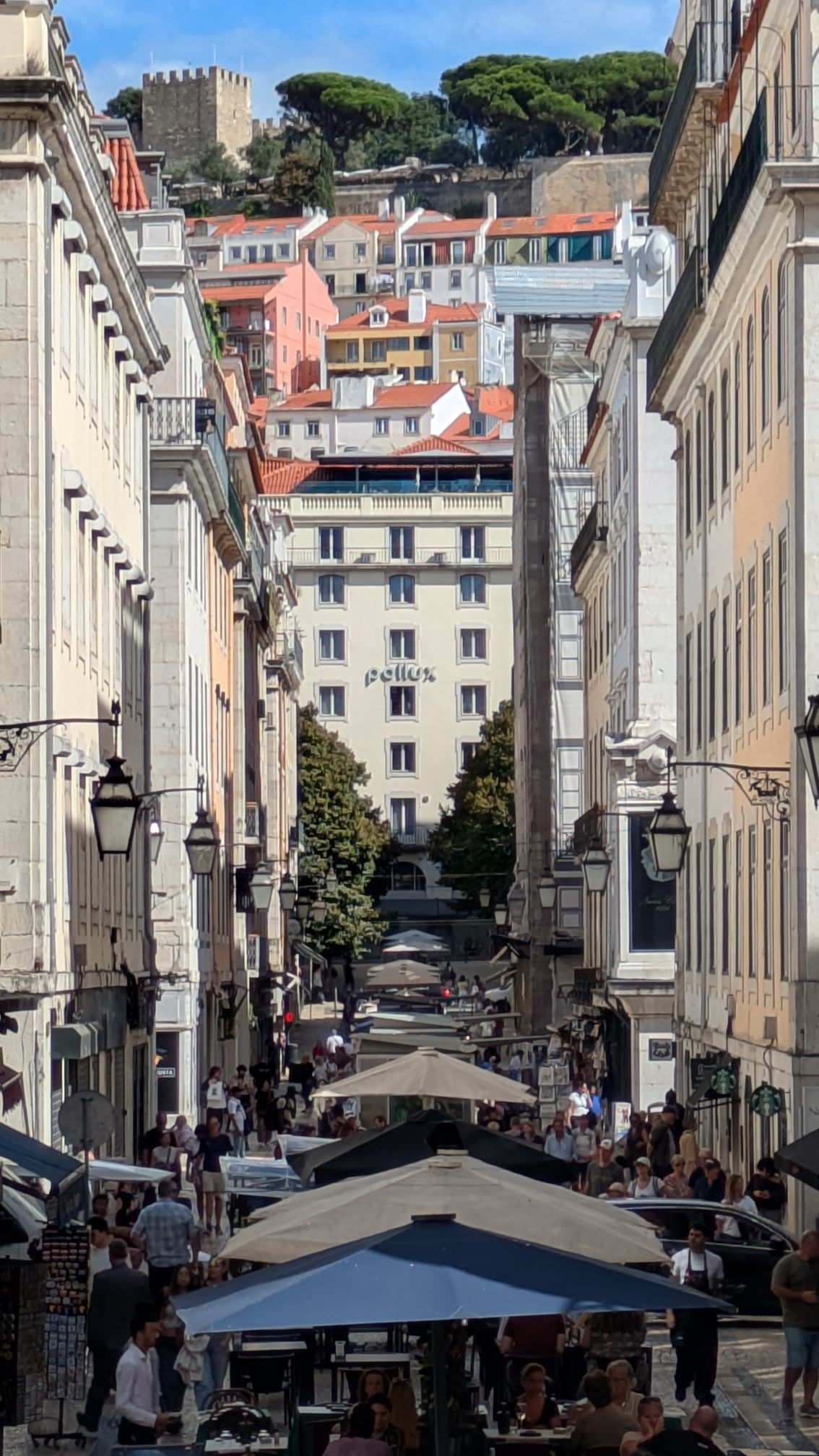
In my previous post about the Baixa neighborhood of Lisbon, I mentioned how Rua Augusta divides Baixa from the Alfama neighborhood to the east. Alfama also occupies the lower slopes between Tagus River and Sao Jorge Castle.

Alfama is the oldest neighborhood in Lisbon, dating back to Moorish Rule. Fortunately, the 1755 earthquake, which destroyed so much of Lisbon, spared this ancient neighborhood of narrow, winding streets of cobblestone.

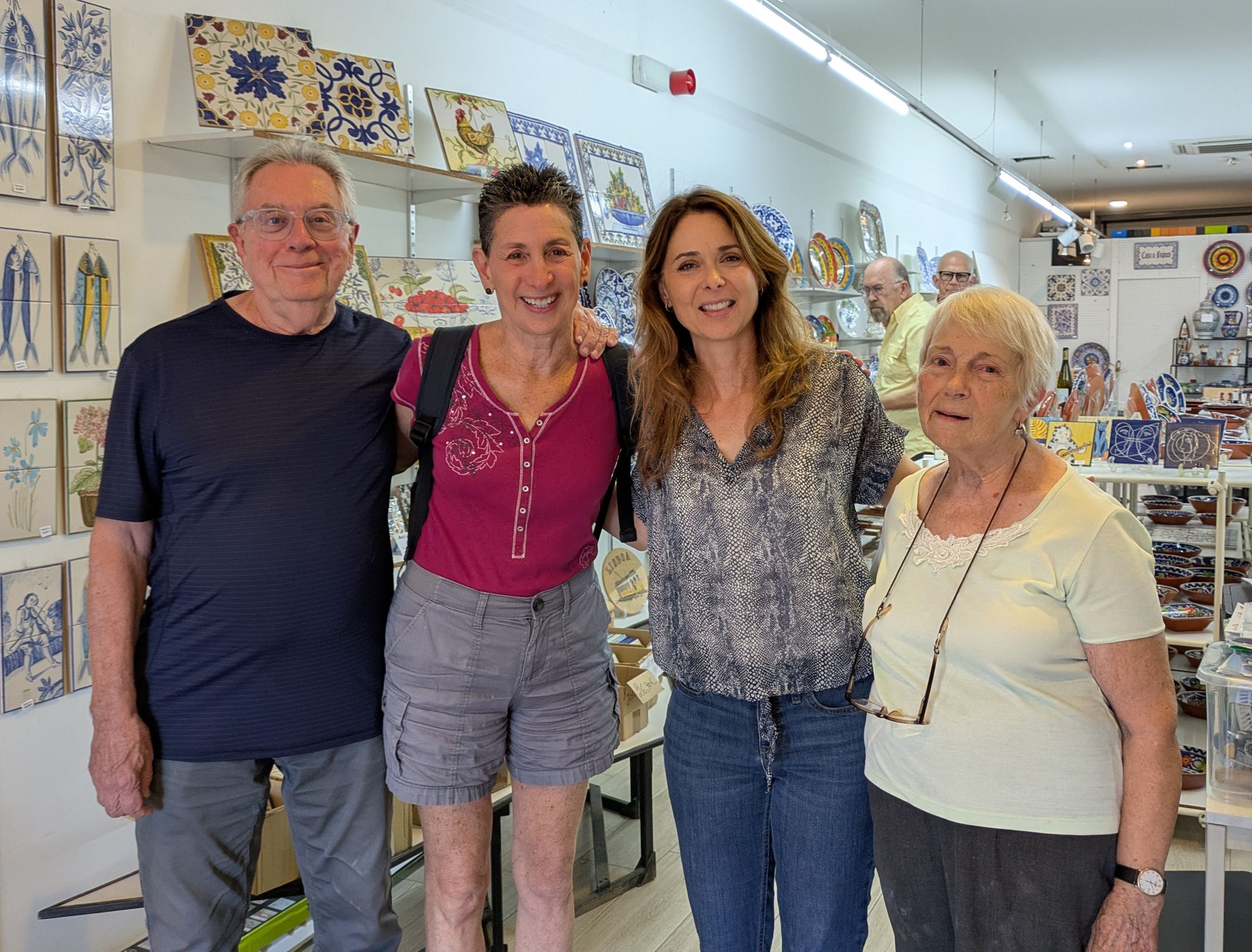
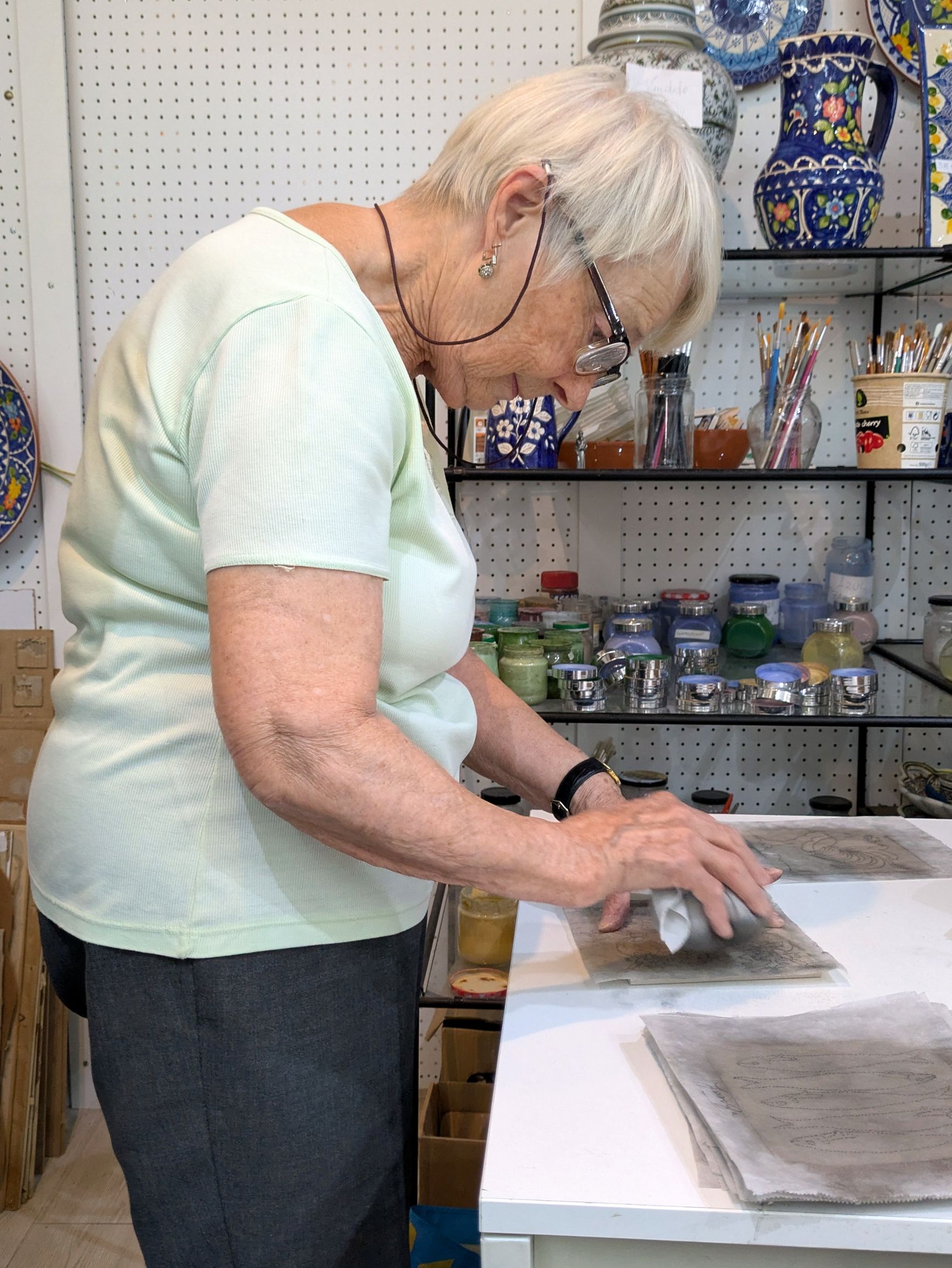
Bruce and I enjoyed exploring Alfama on our own, walking the steep, hilly cobblestone lanes and discovering what was around each corner. We returned another day for one of our included cultural activities with The Good Life Abroad. This was a tile painting workshop at Loja dos Descrobimentos, a family-run shop owned by a sweet older couple. I would show you a photo of my tile, but it was far from being a work of art! Instead, how about a photo of the owner with me, Bruce, and Jen, our community manager:

(For all photos, click on the image for a full screen view.)
Stenciling my chosen design on the tile
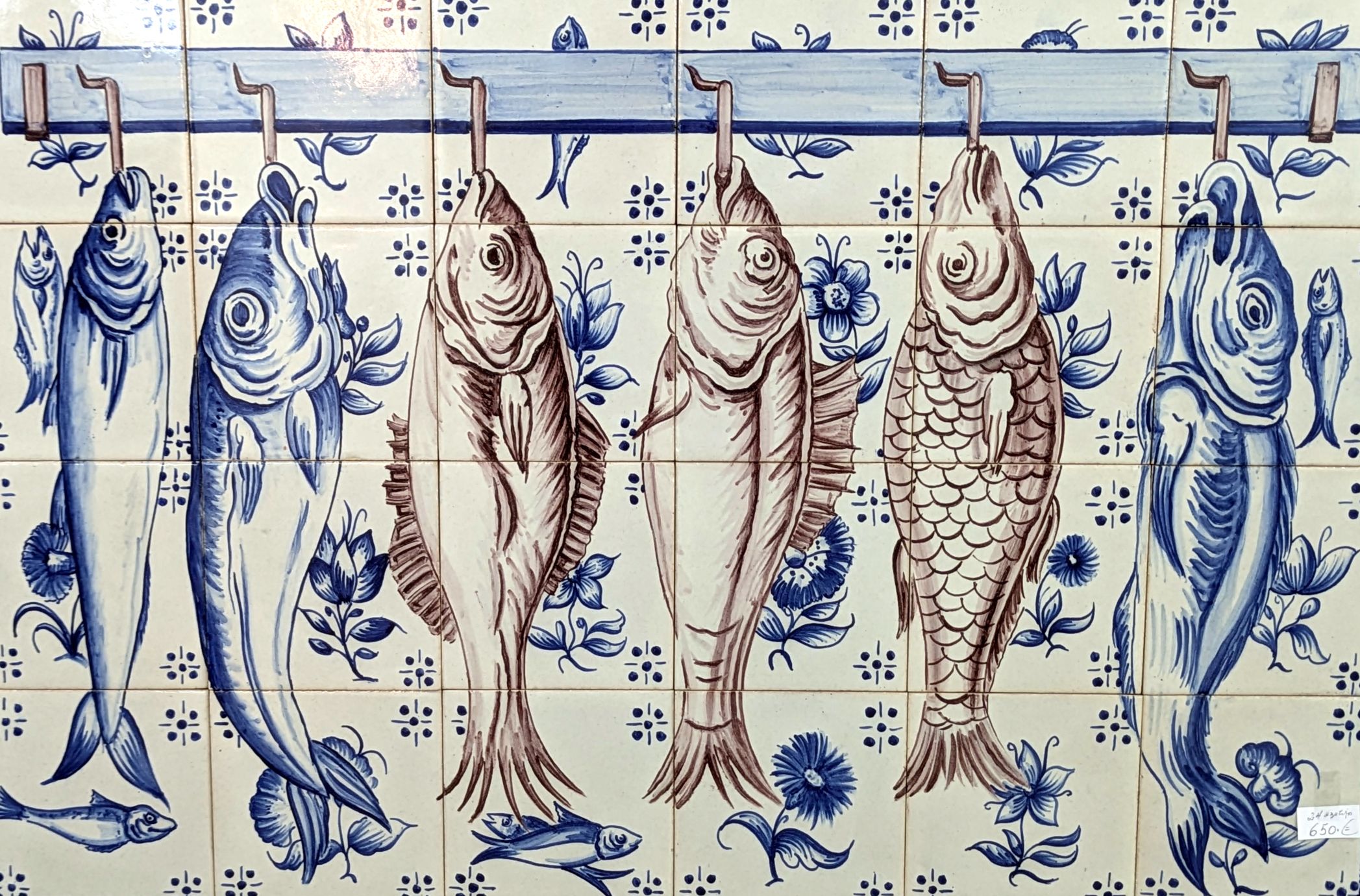
A tile picture for sale at the shop
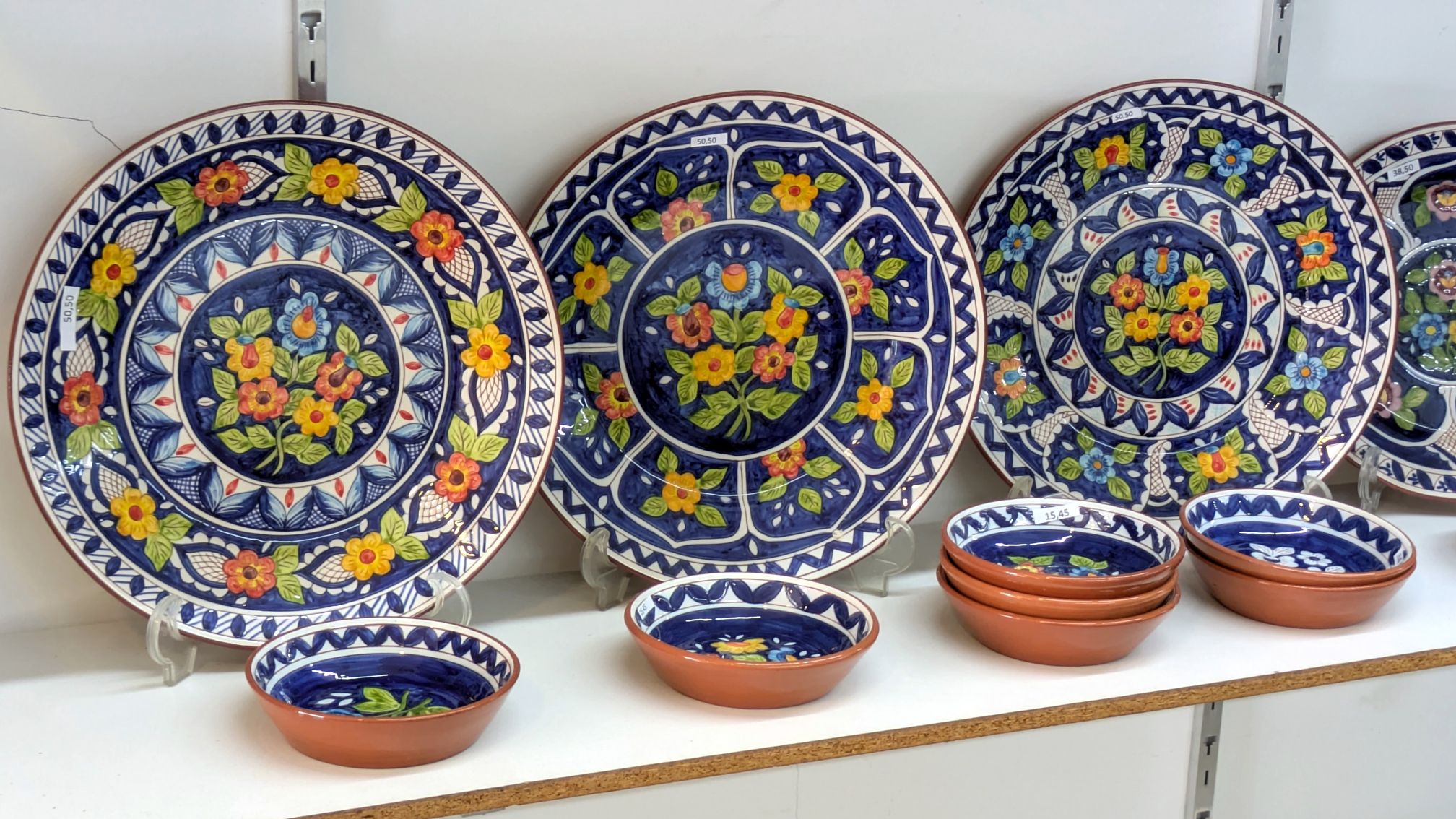
These were hard to resist!
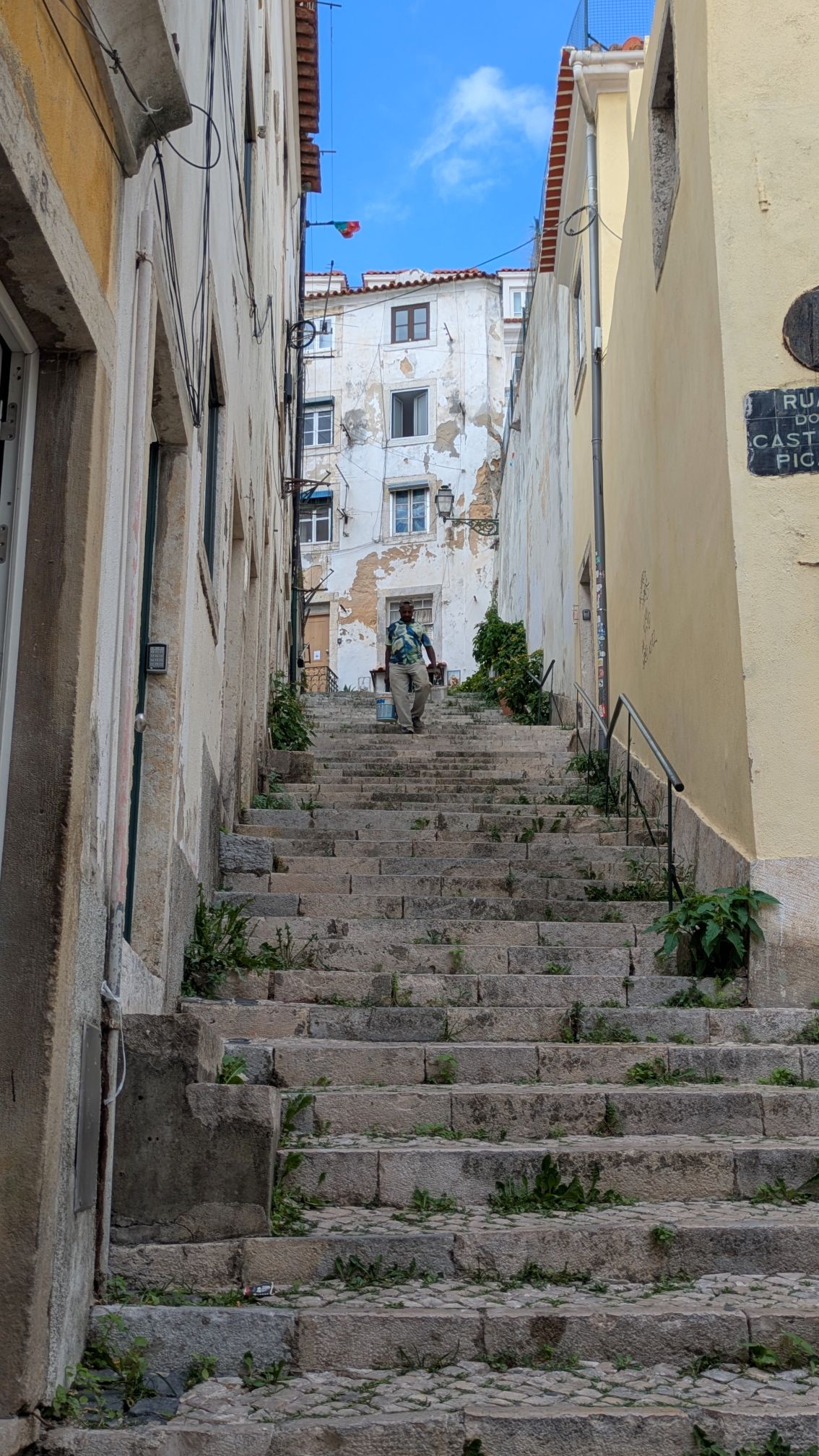
The street where the shop is located in Alfama, across from the Tagus River

Another visit to the Alfama neighborhood was with our group for a walking tour of this medieval neighborhood of 7,000 permanent residents. We learned more about its history, including how Fado, Lisbon’s signature music genre, began here in the 19th century. (More on Fado and the concerts we attended in a future post.)

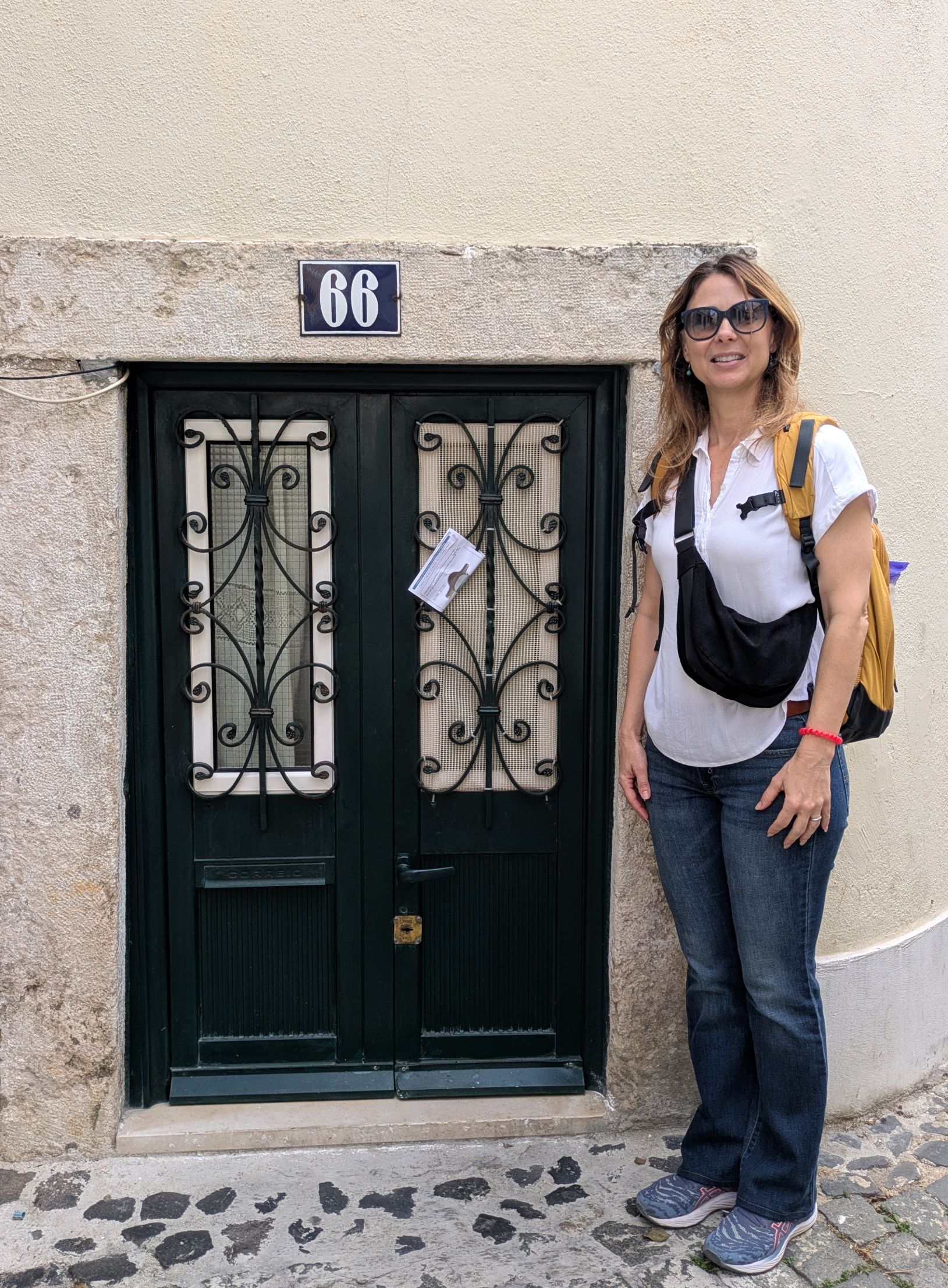
Walking through its narrow, hilly streets and seeing how the locals live gave us a good feel for authentic Lisbon and Portugal, so I would consider it a don’t-miss neighborhood!

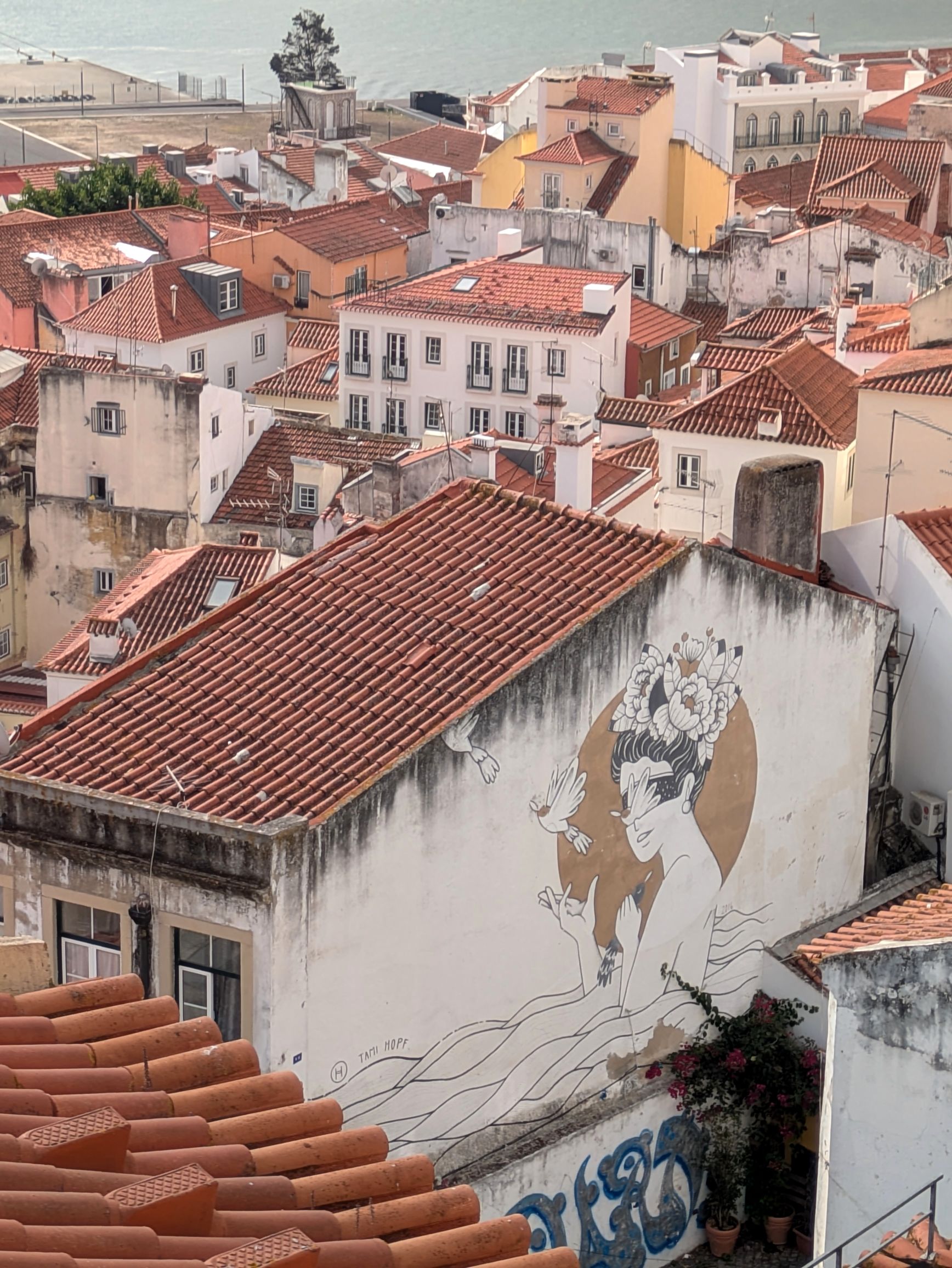
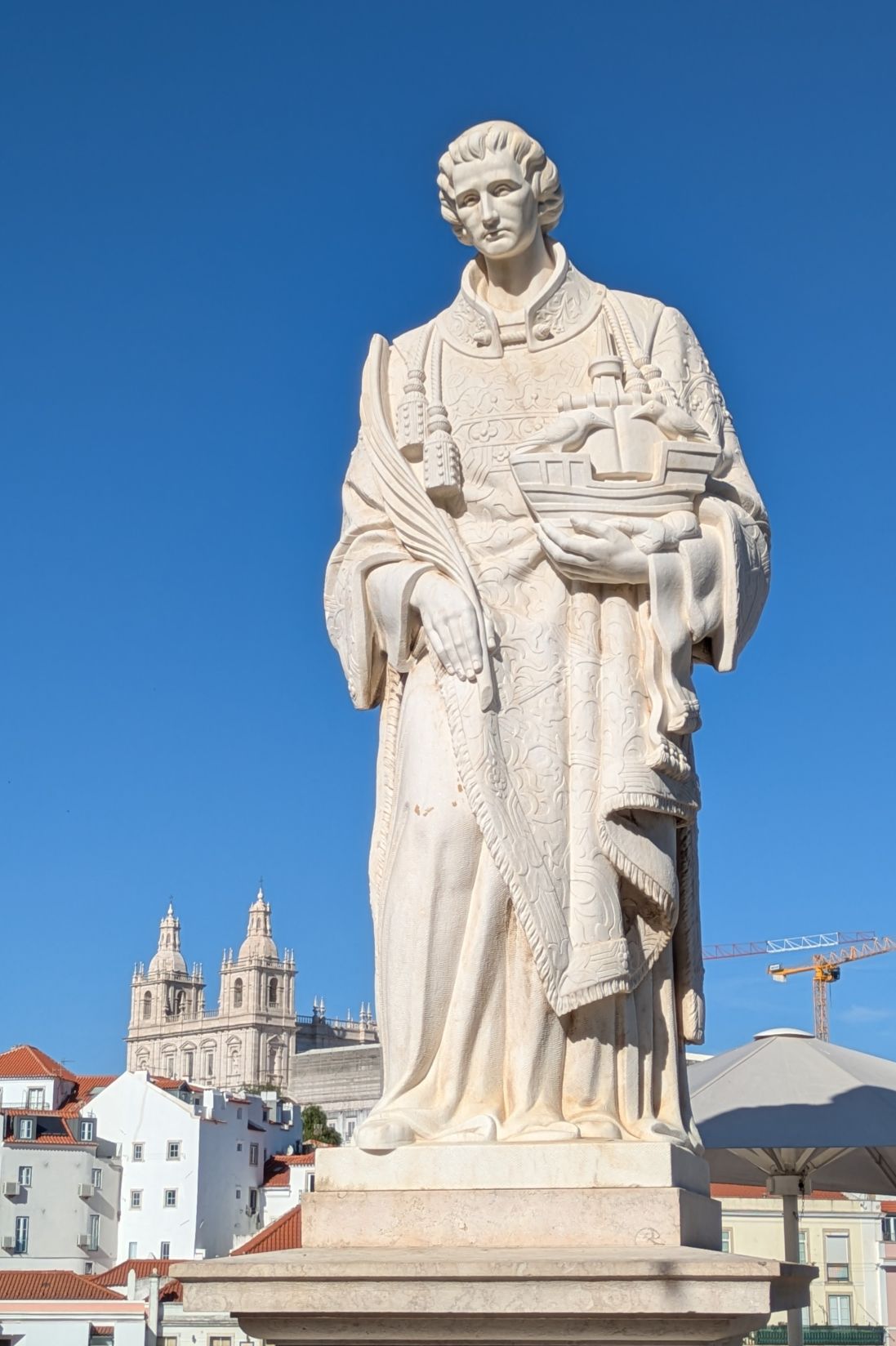
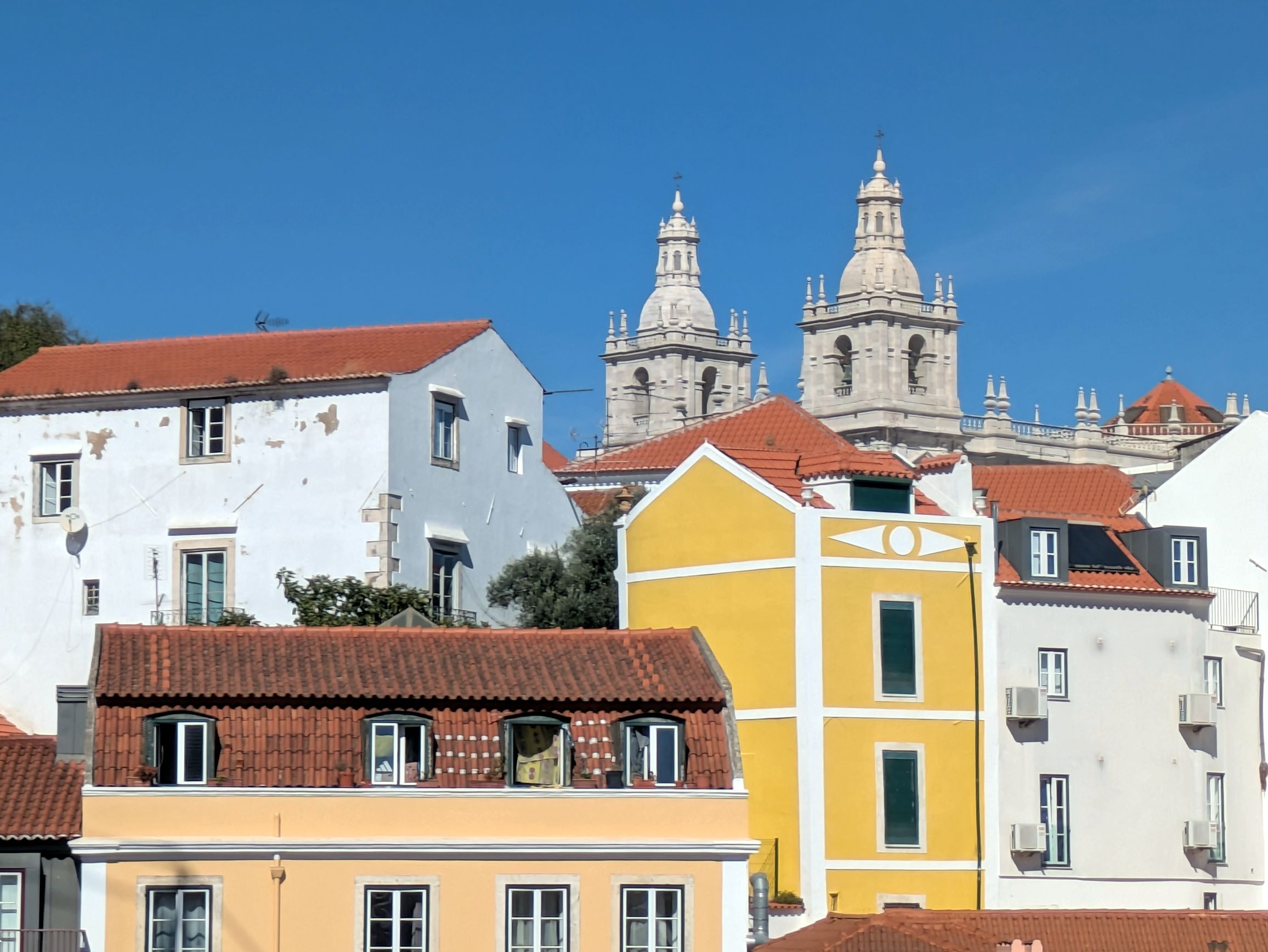
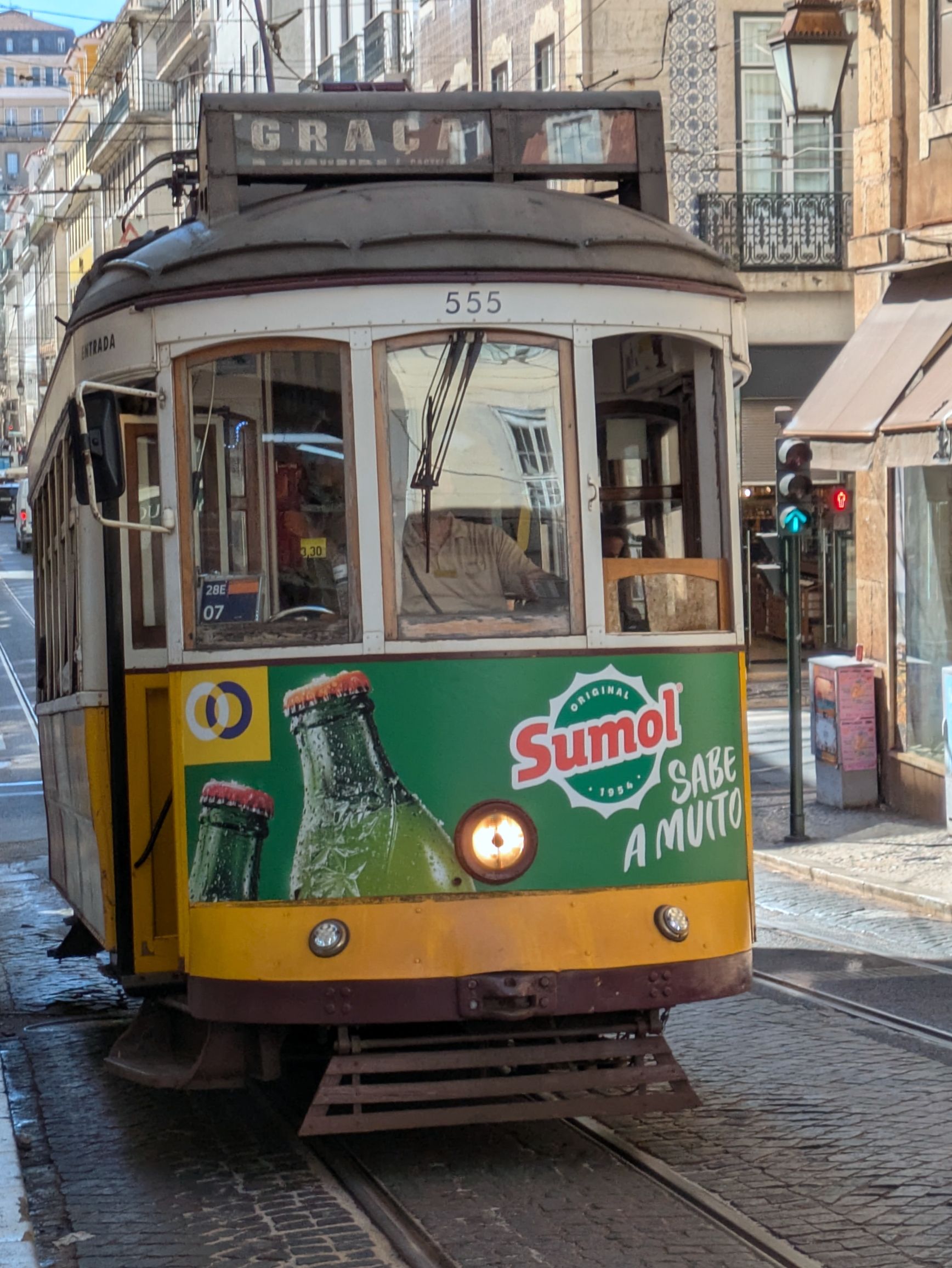
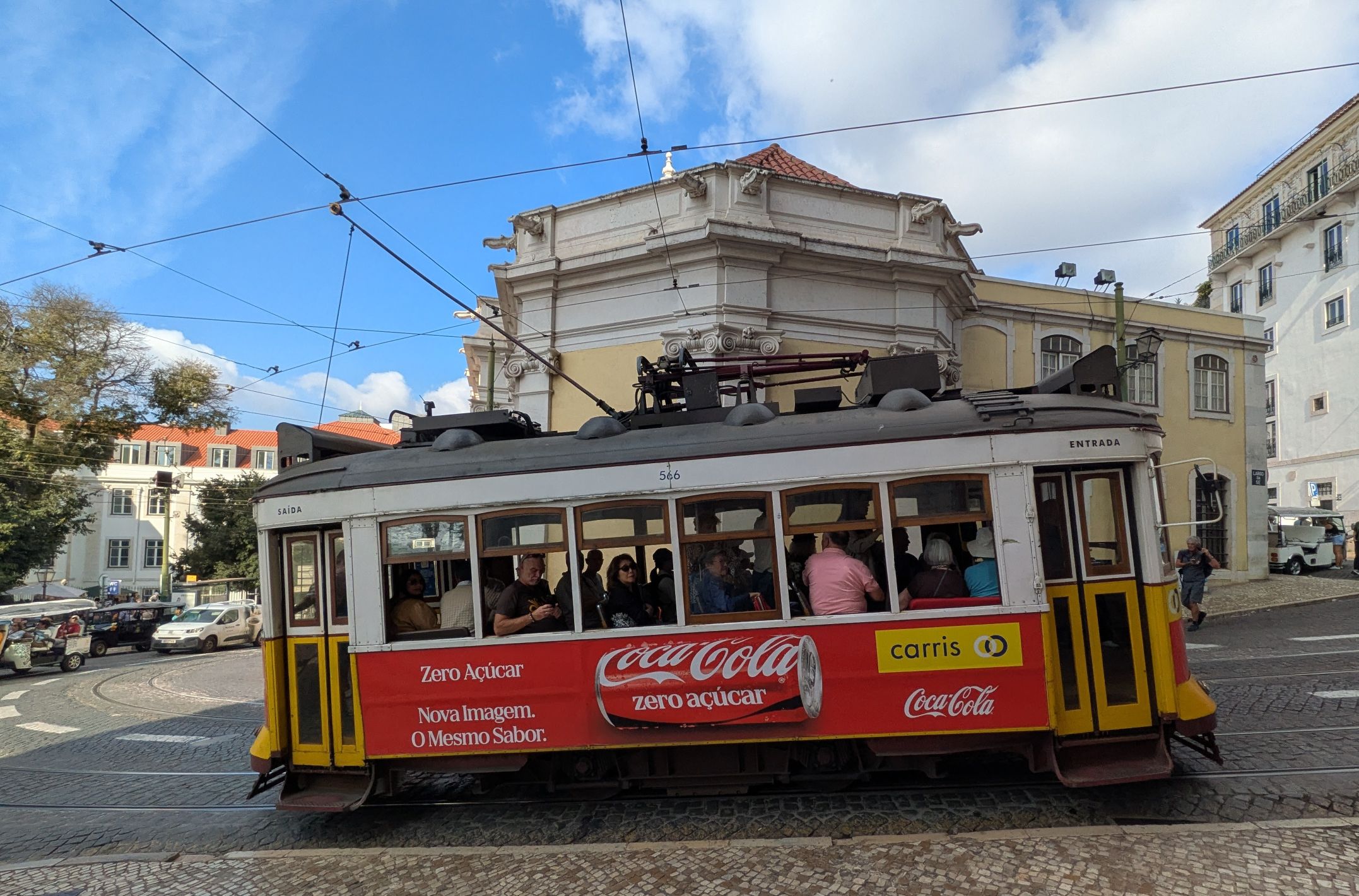
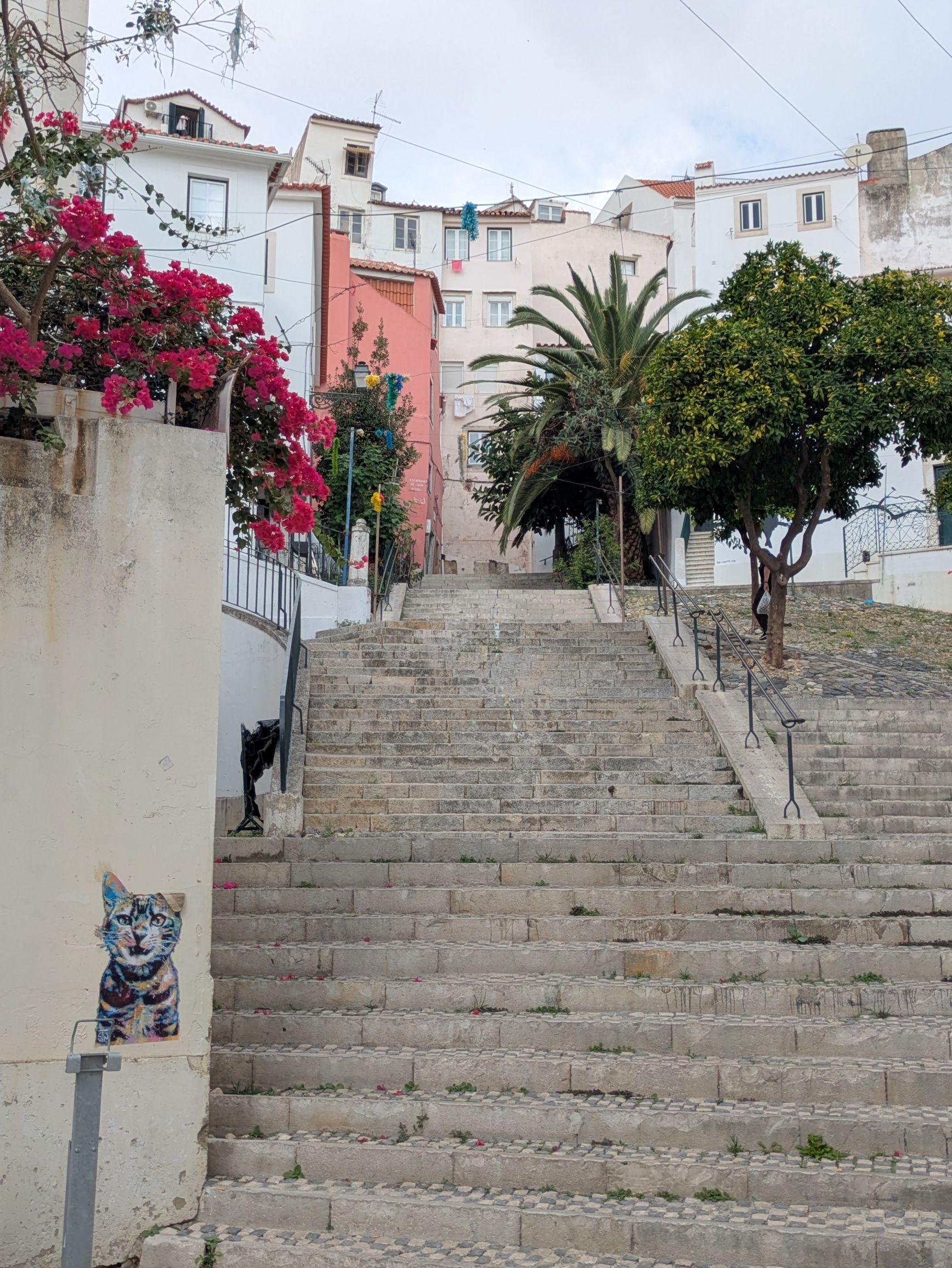
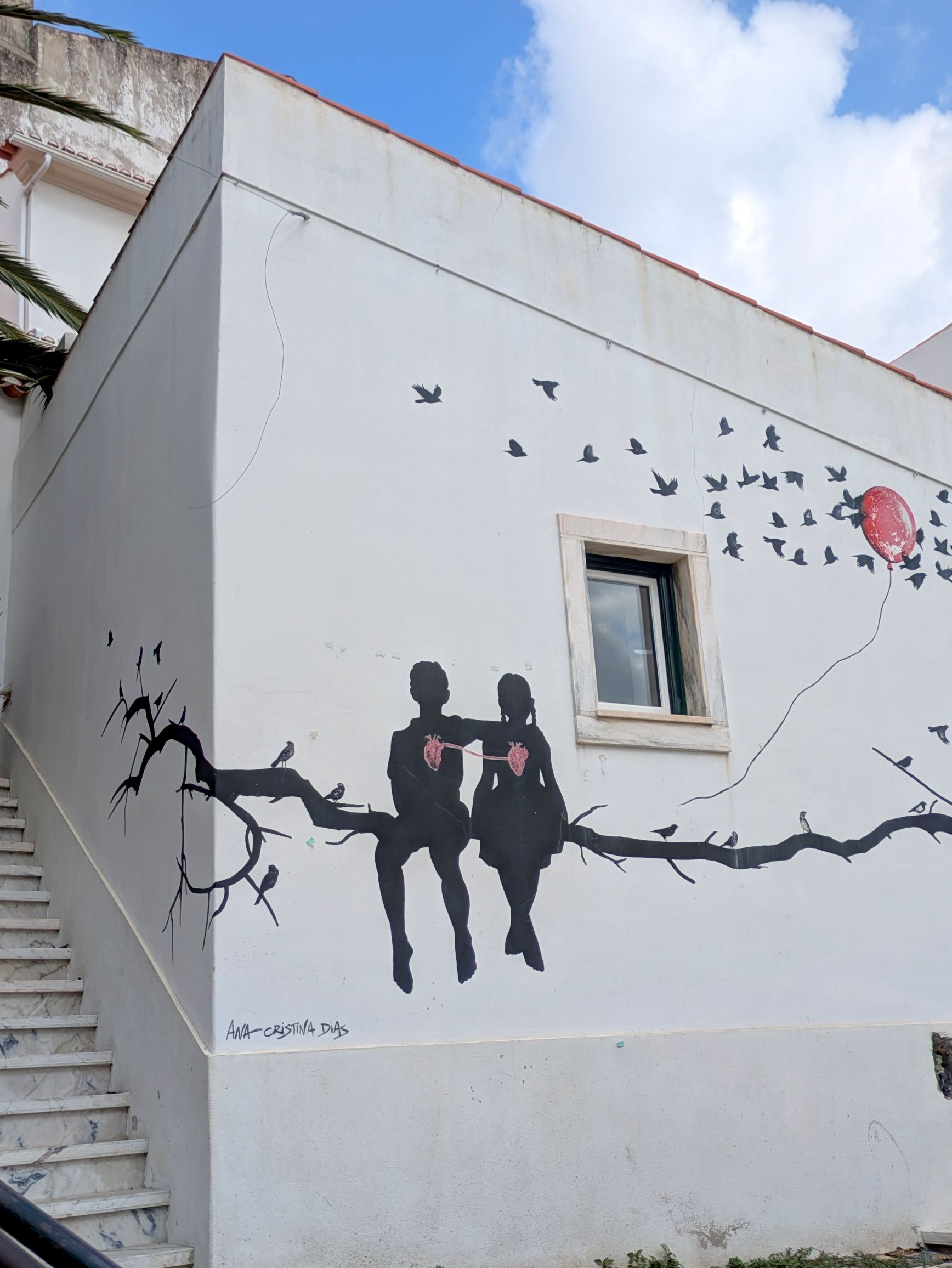
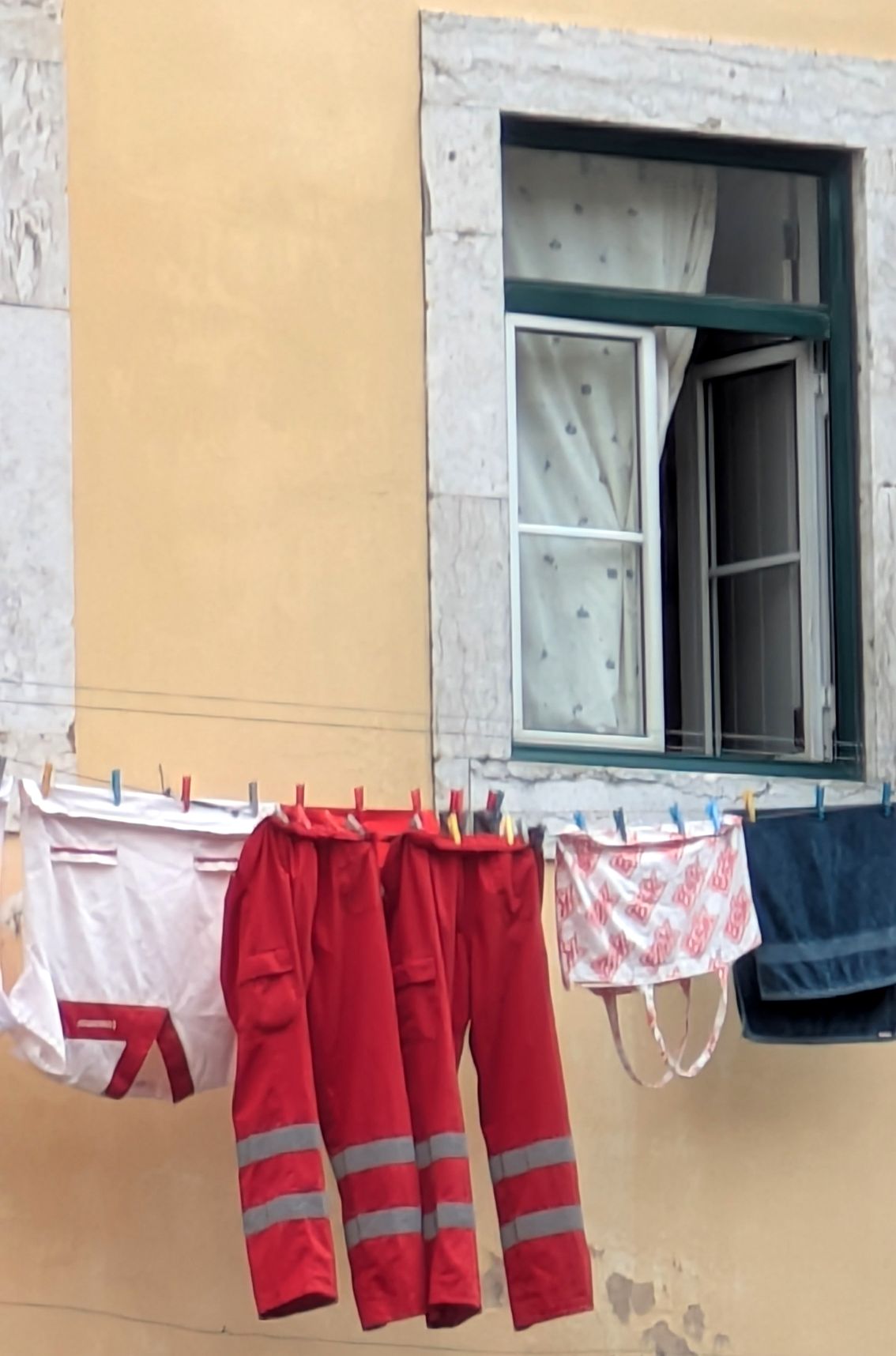
Scenes of Alfama:

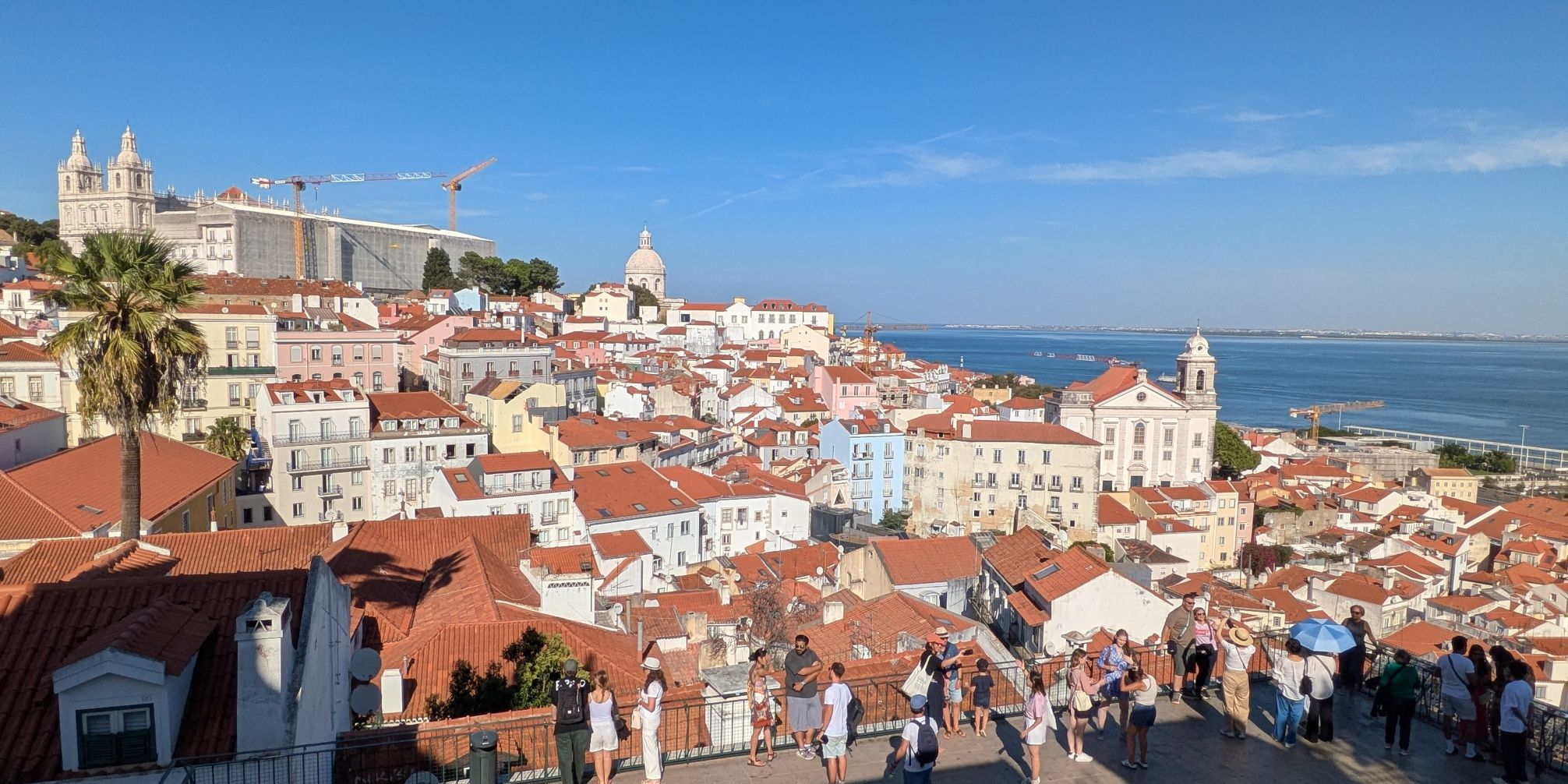
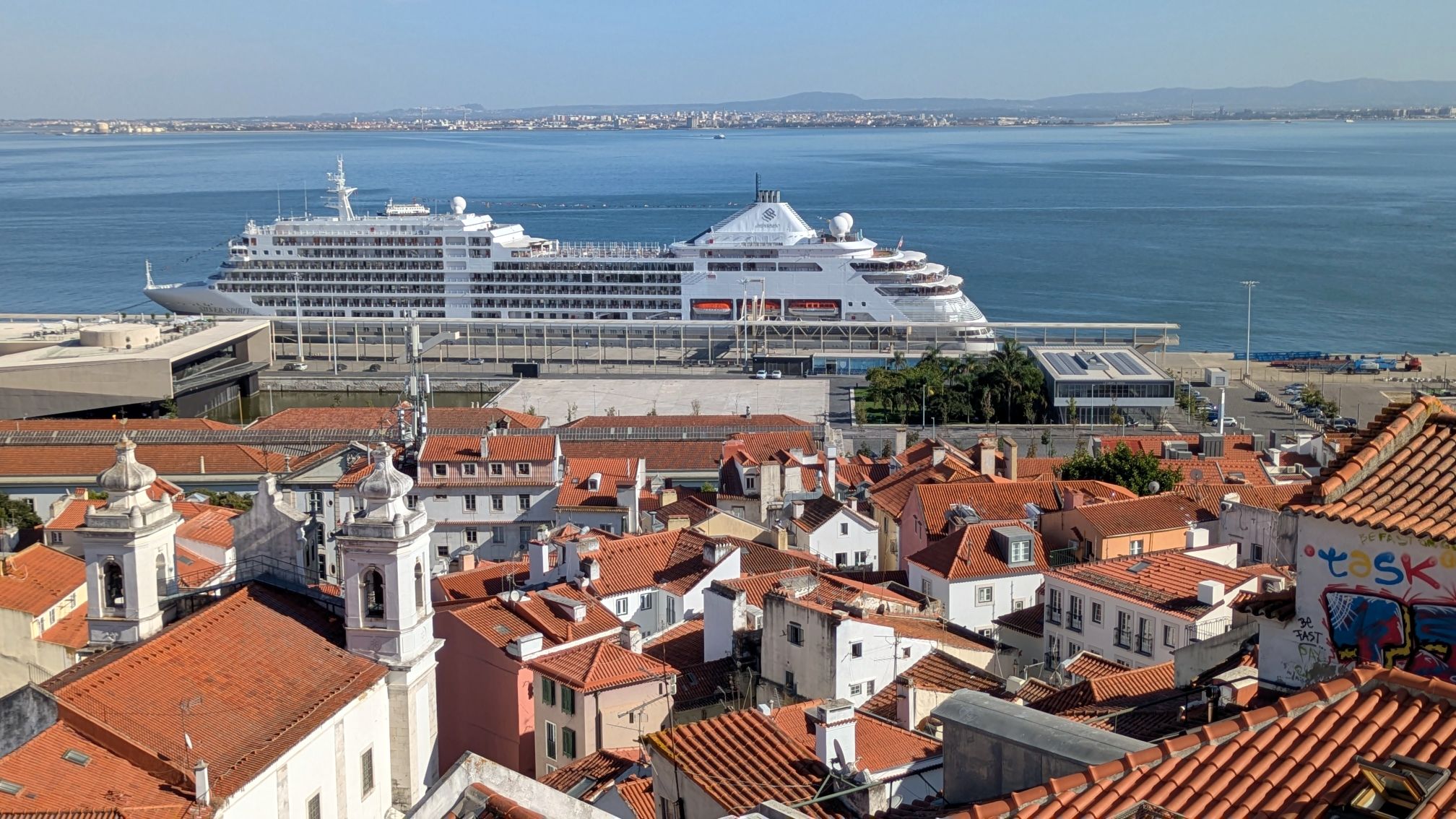
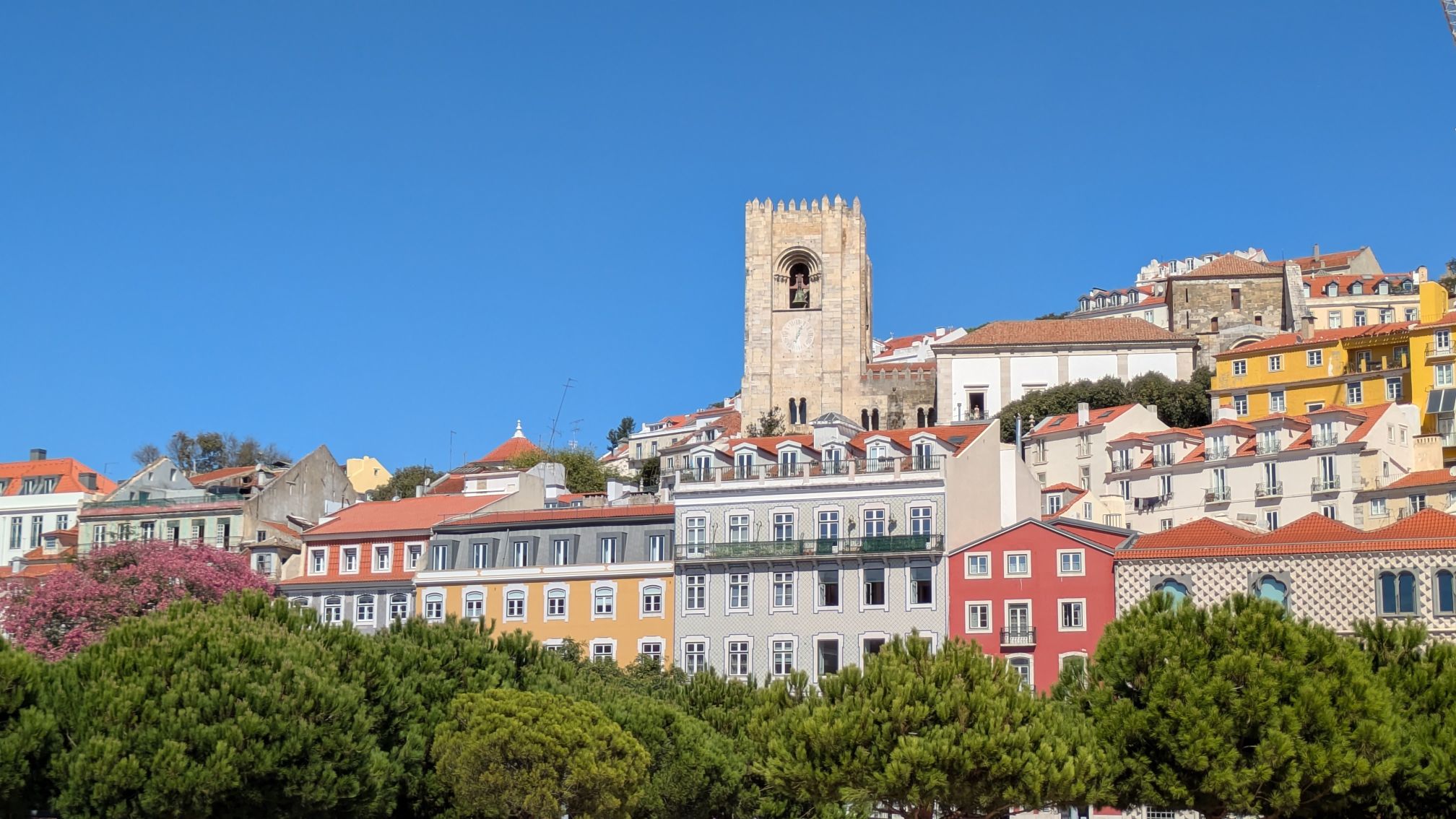
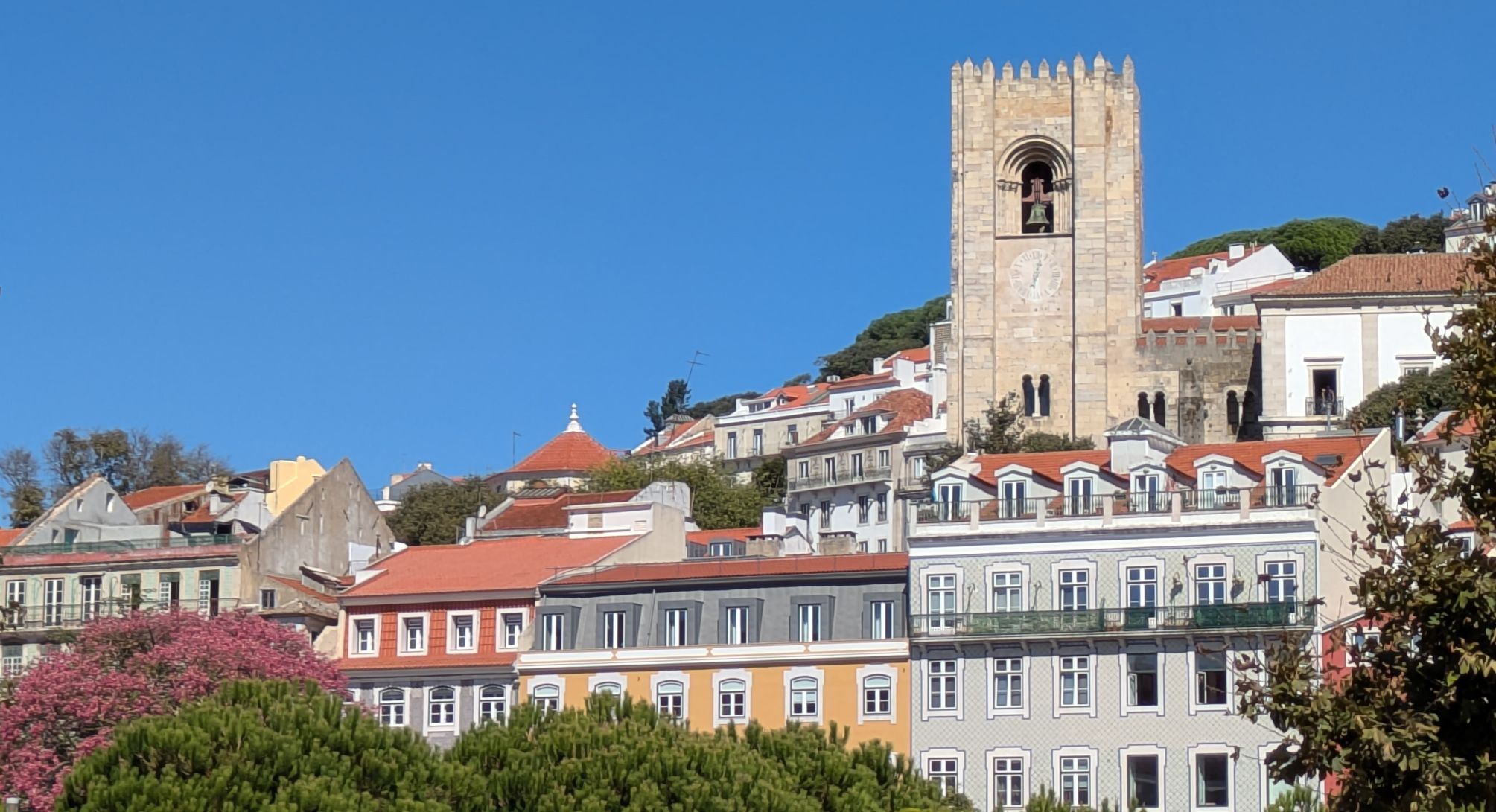
The view of Alfama from the top of the hill at Miradouro de Santa Luzia
There was at least one cruise ship in Lisbon each day.
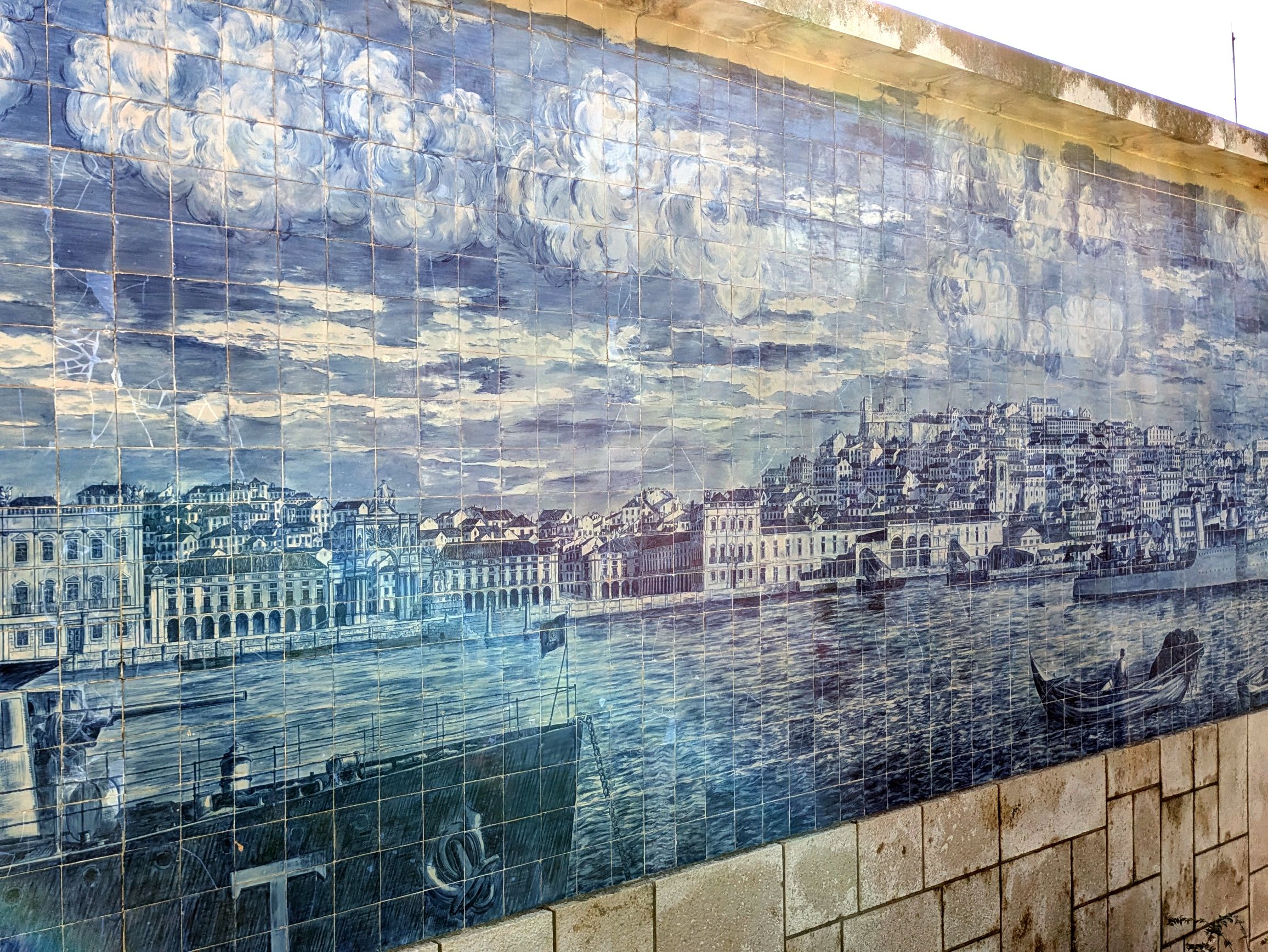
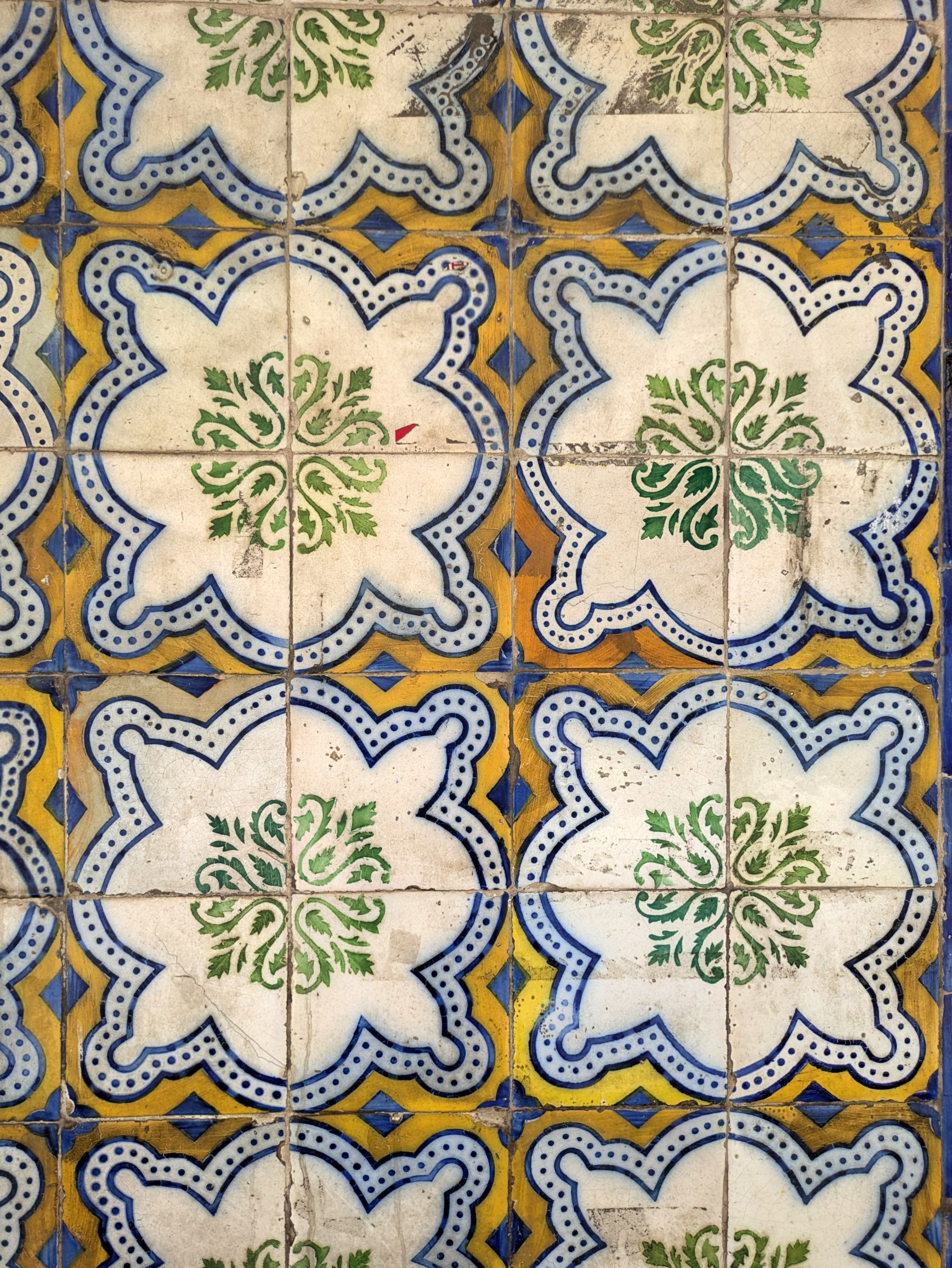
A tile wall at the miradouro (viewpoint)
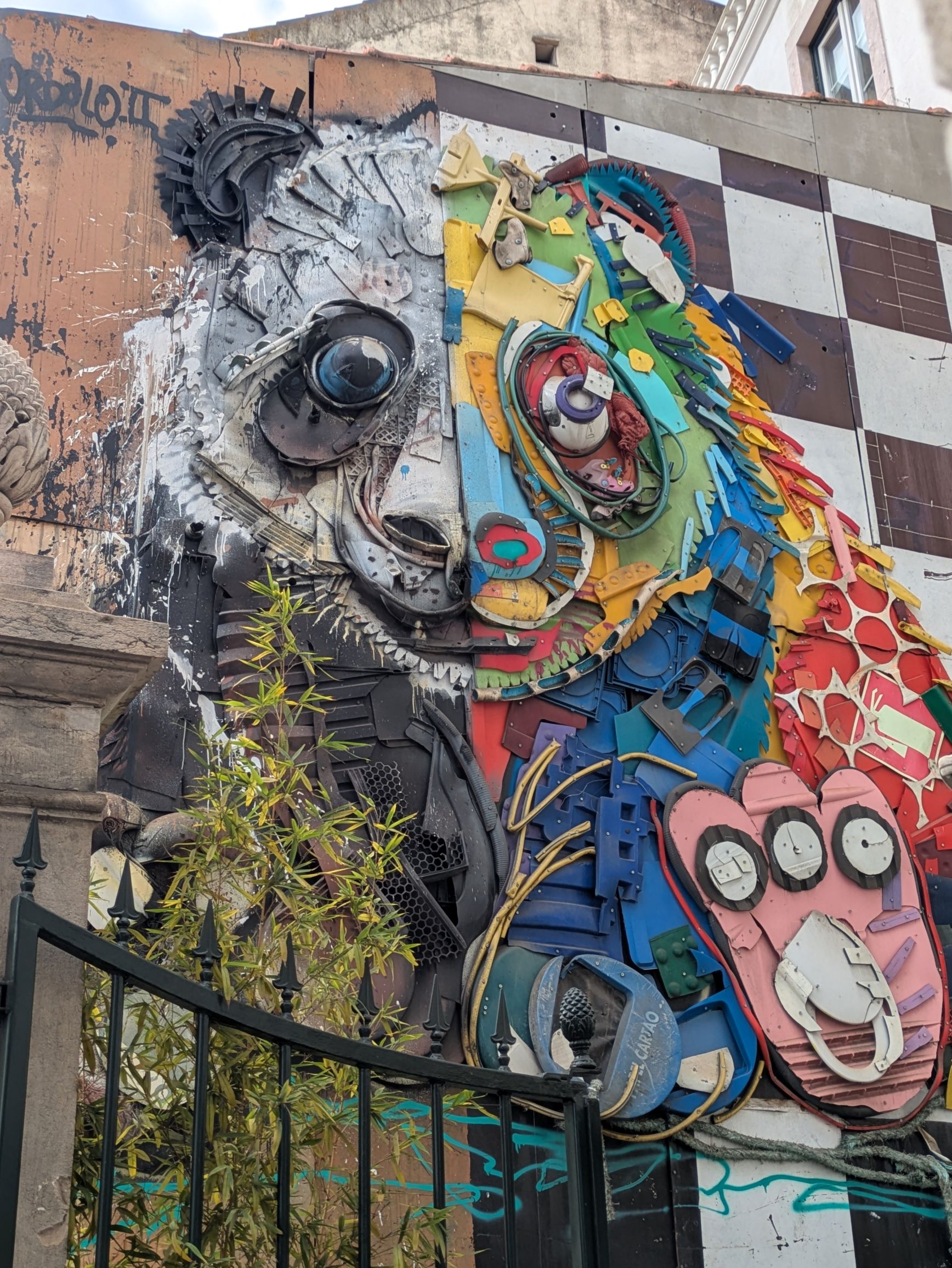
One of several Bordalo II trash animal sculptures throughout Lisbon
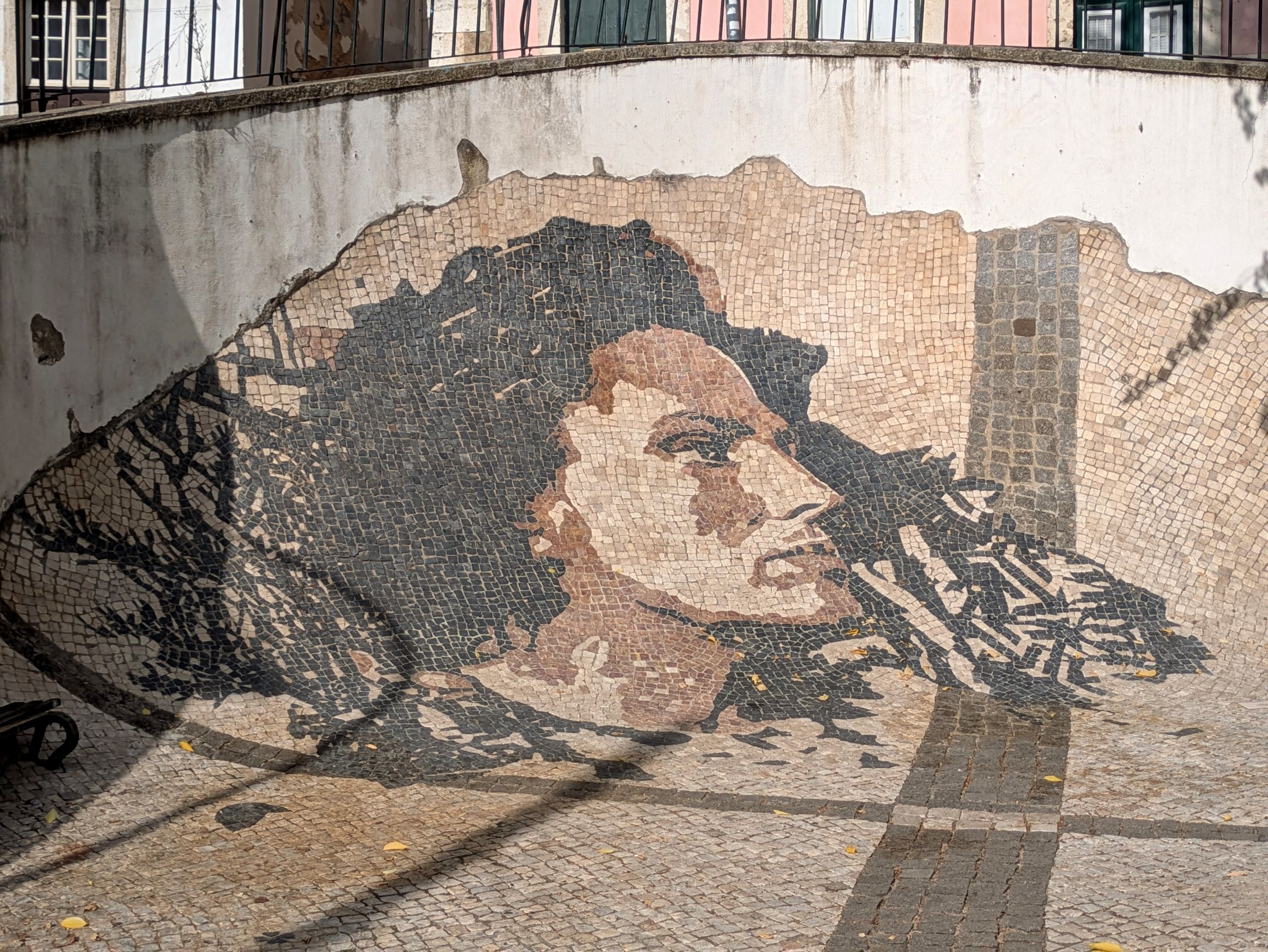
This tile mosaic was created by Vhils (Alexandre Farto). It is a portrait of Amalia Rodrigues (1920-1999), Portugal’s most famous Fado singer.
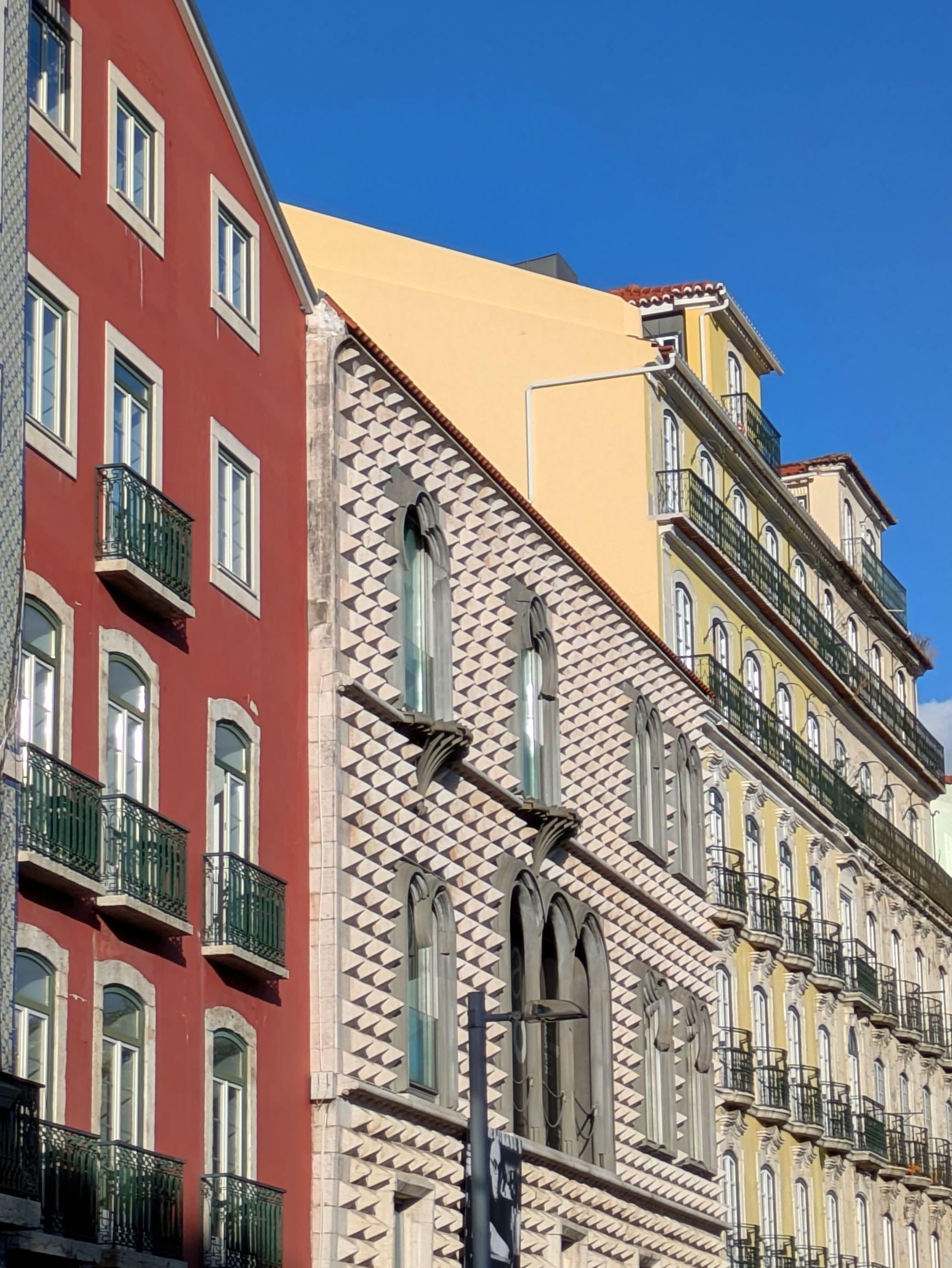
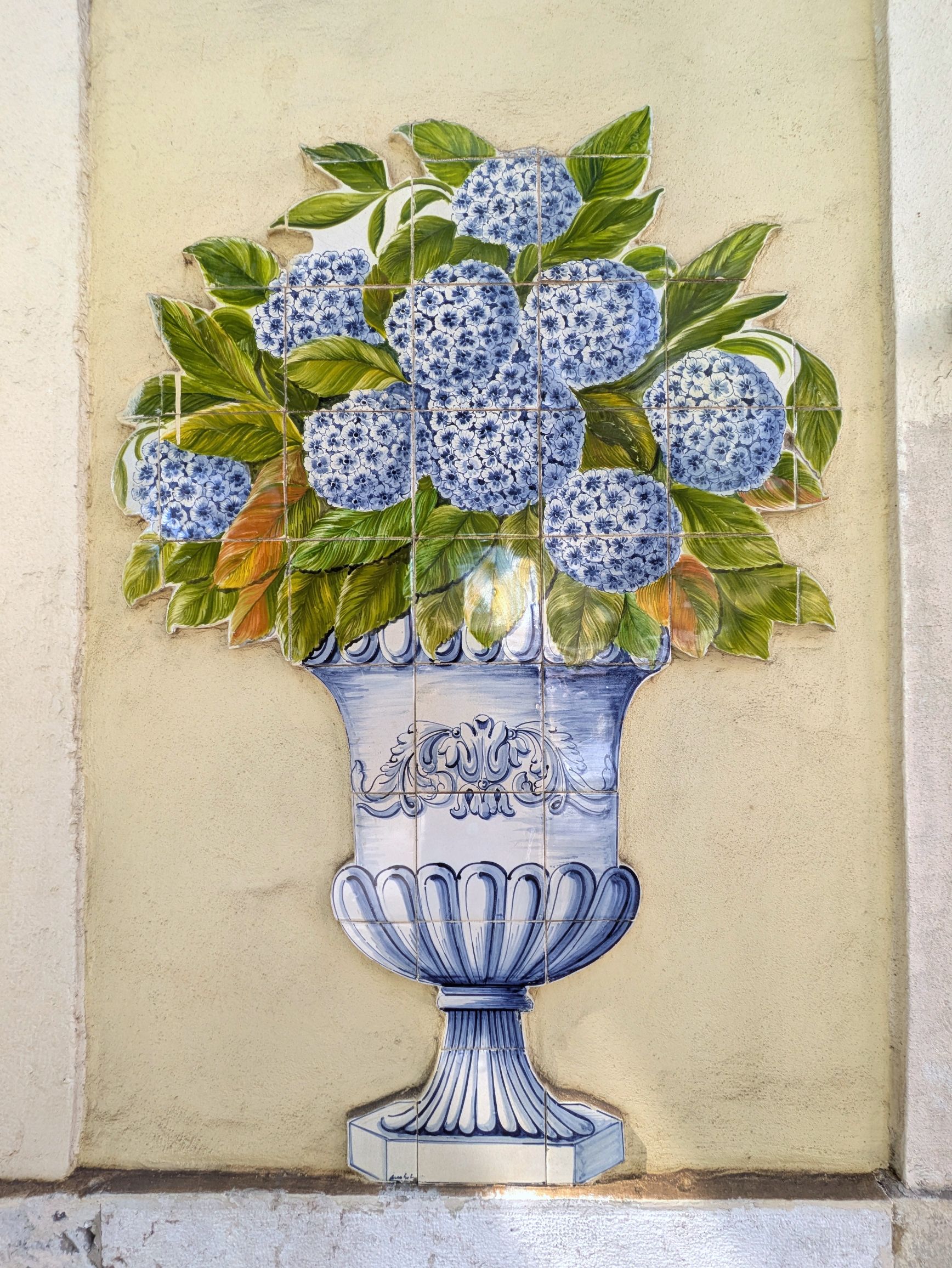
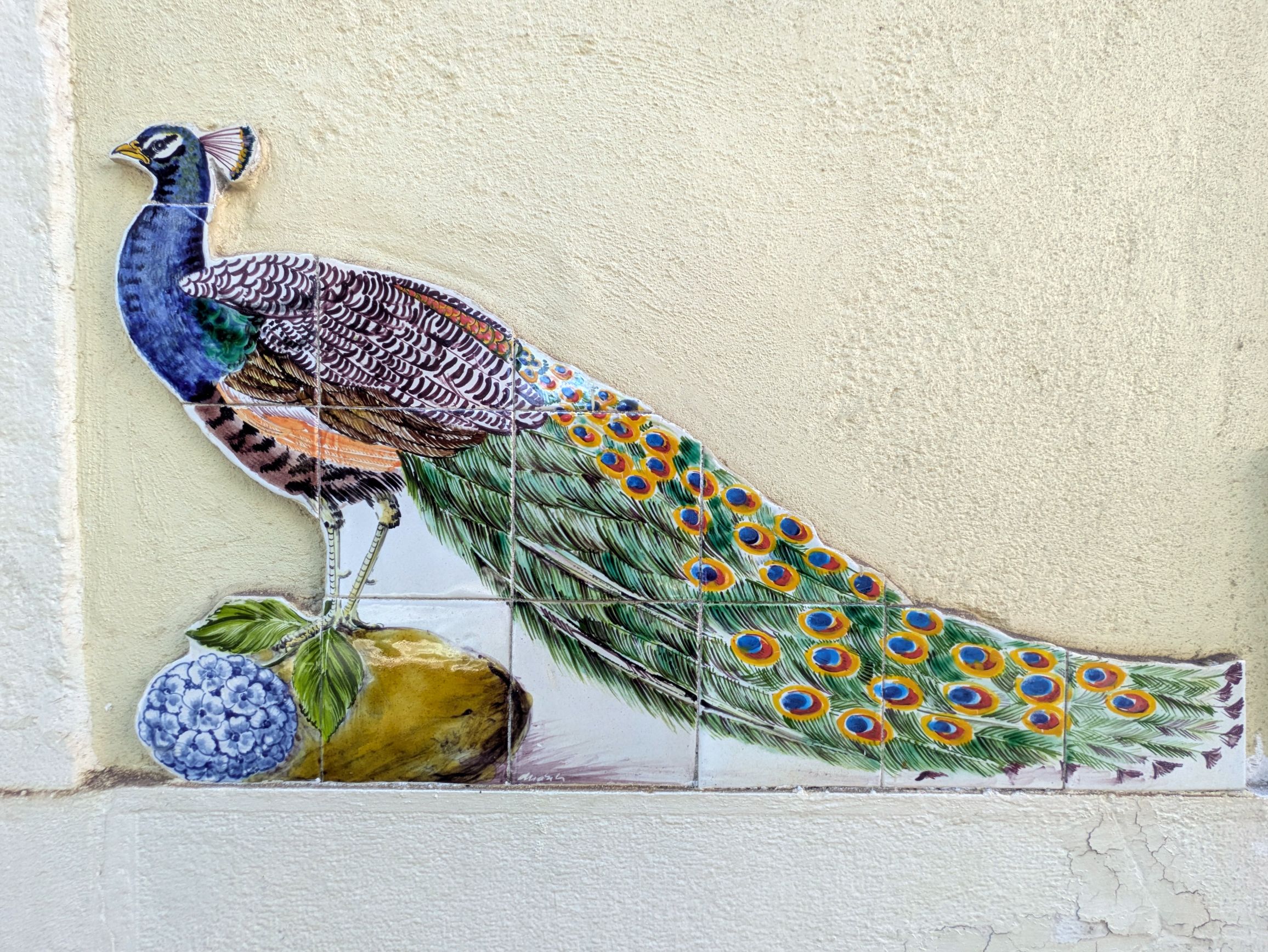
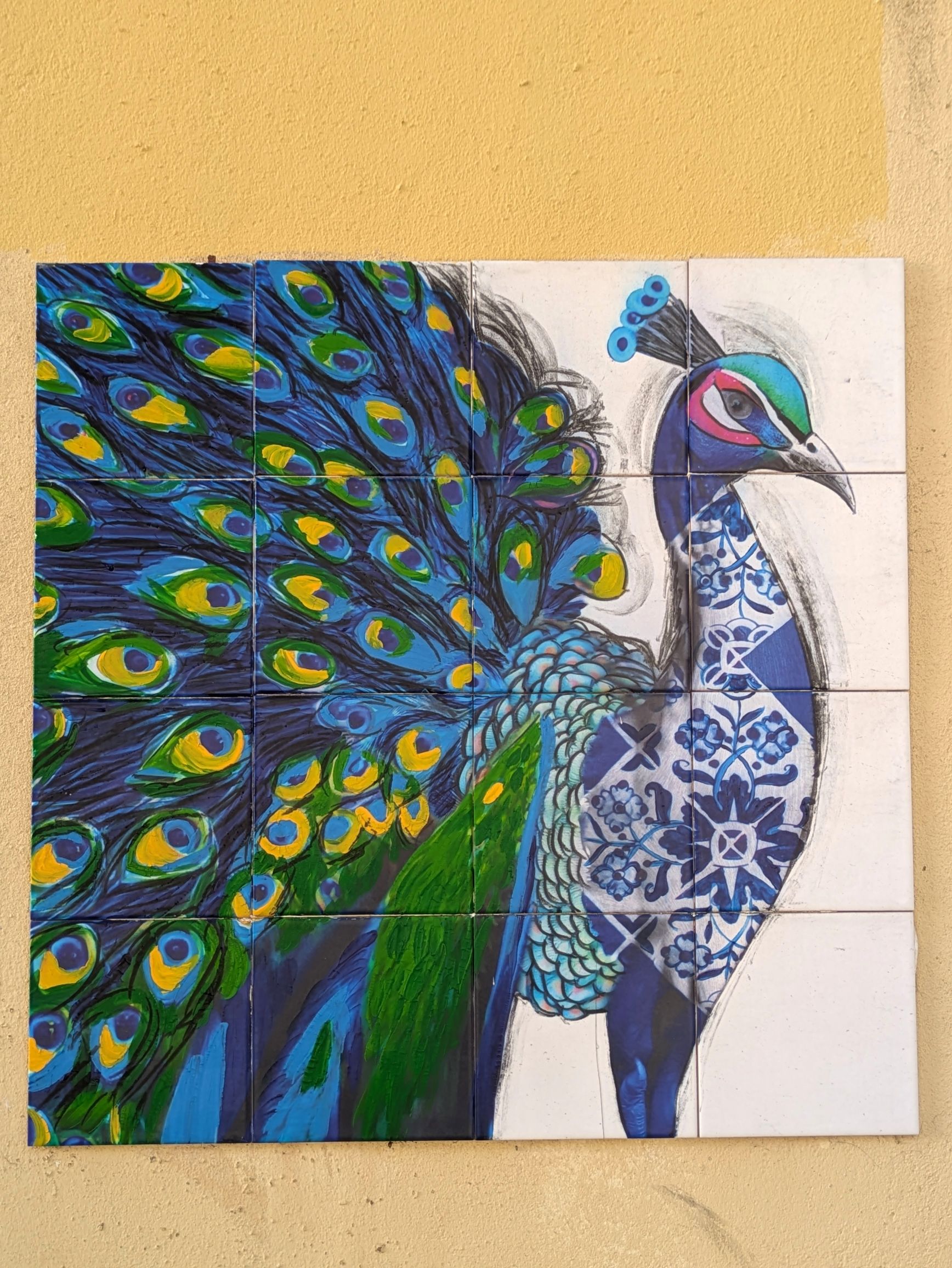
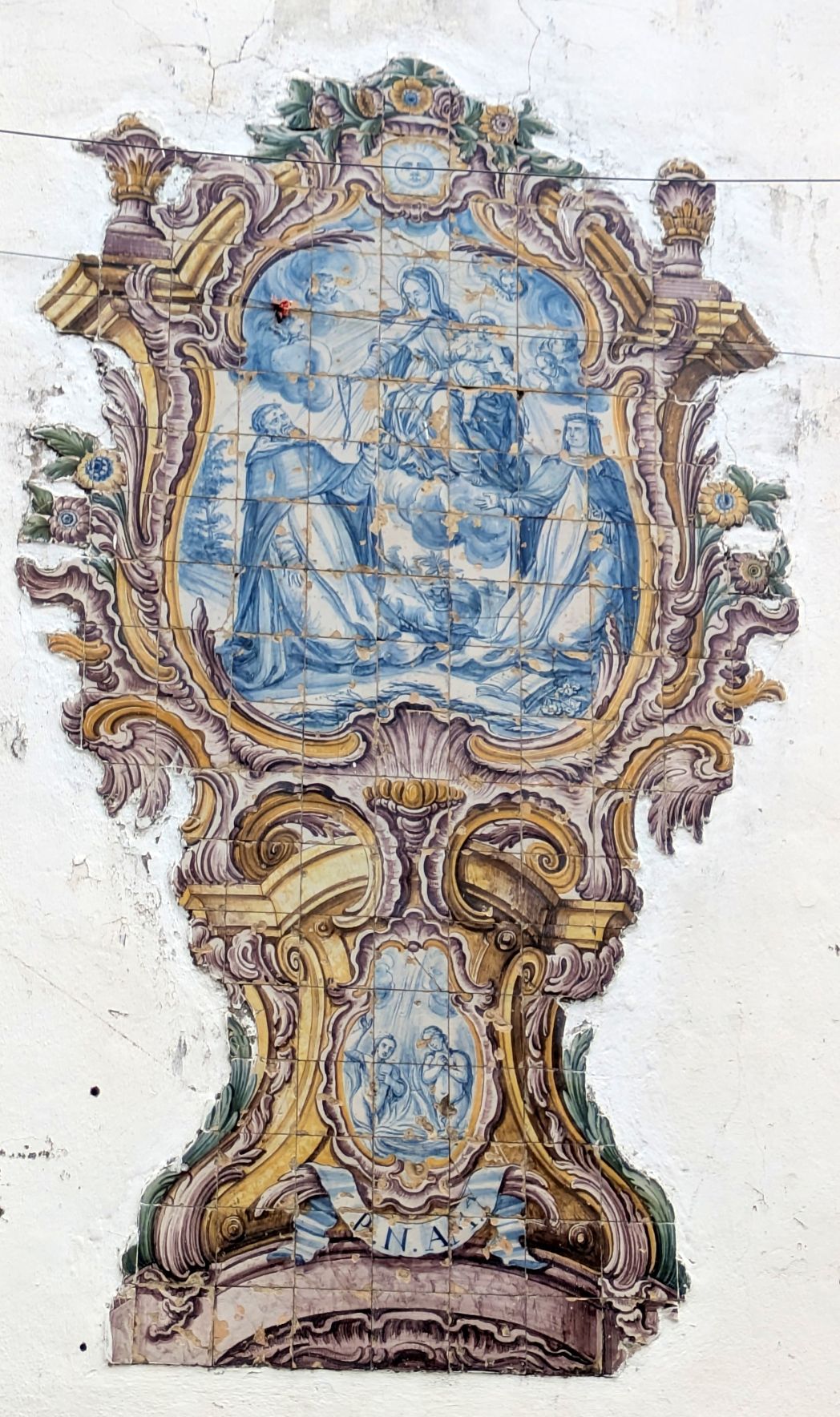
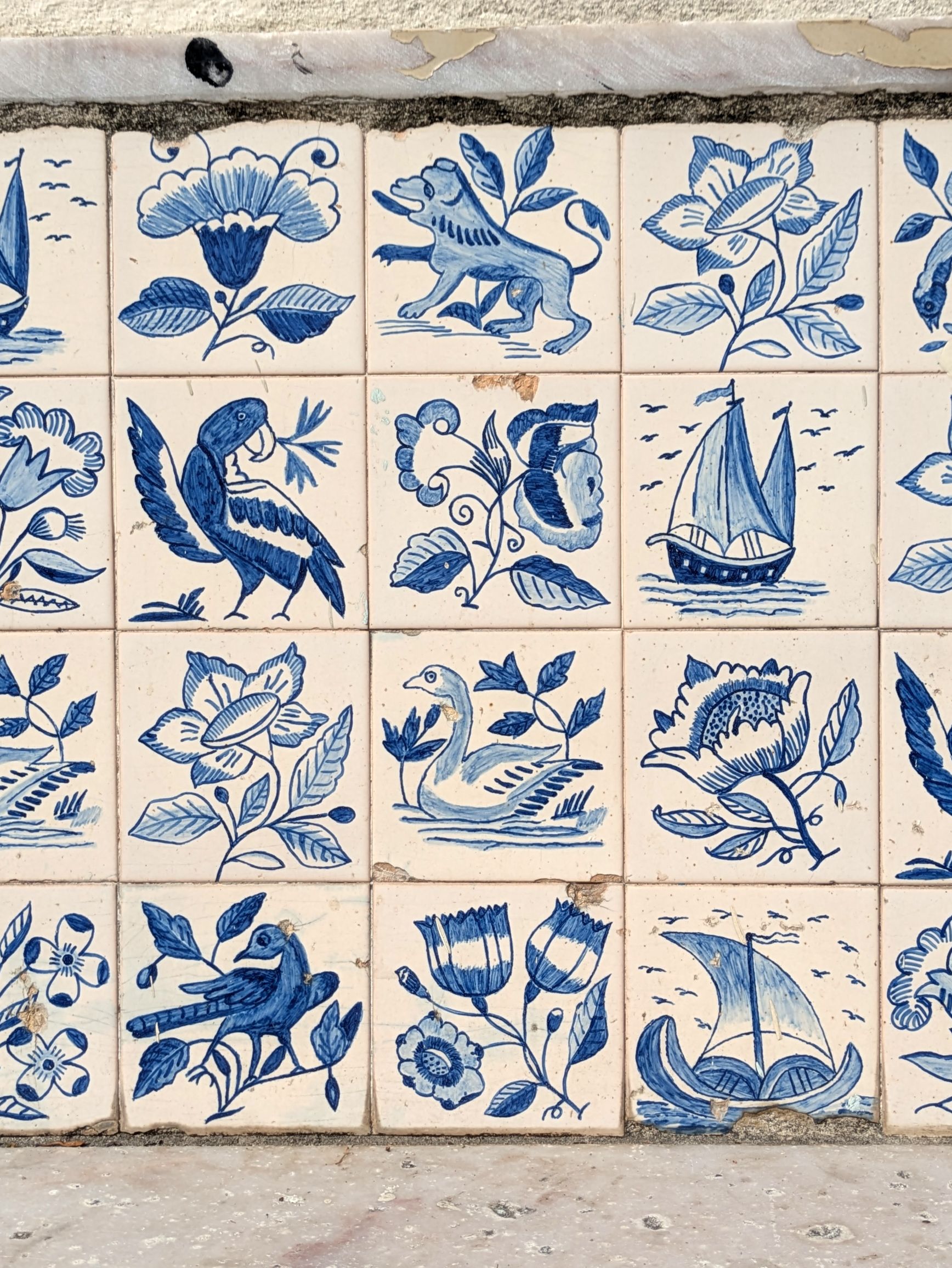
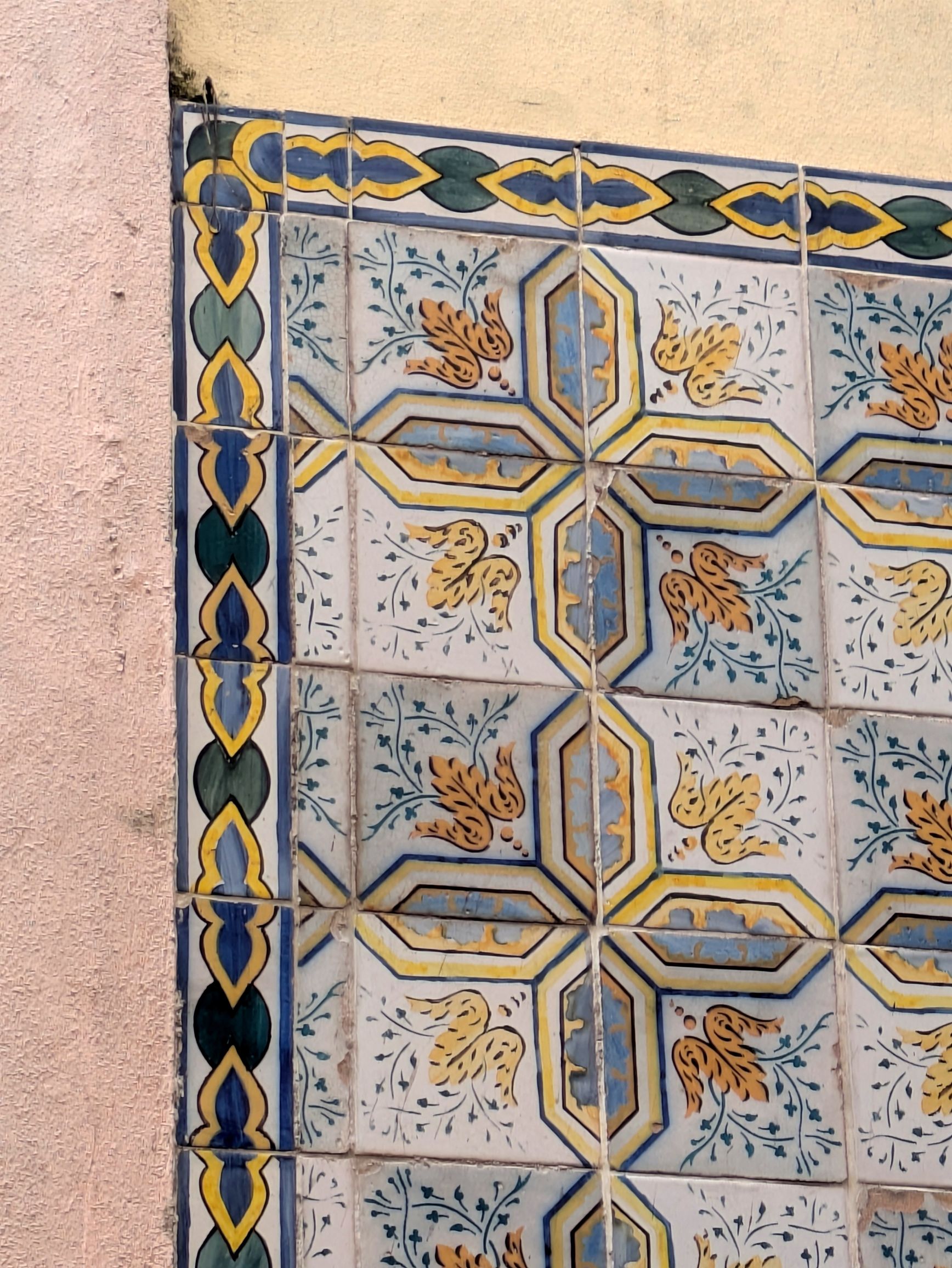
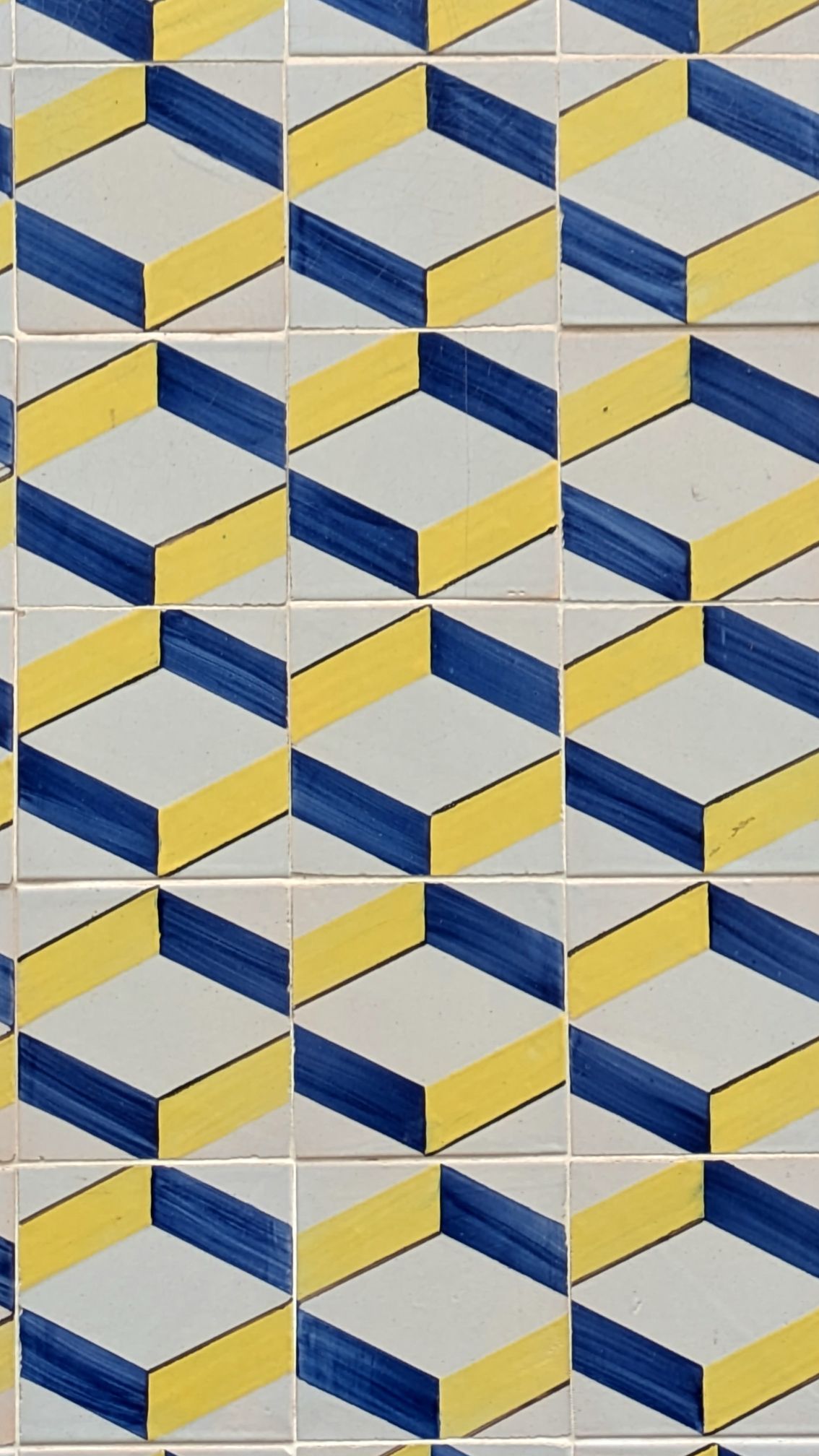
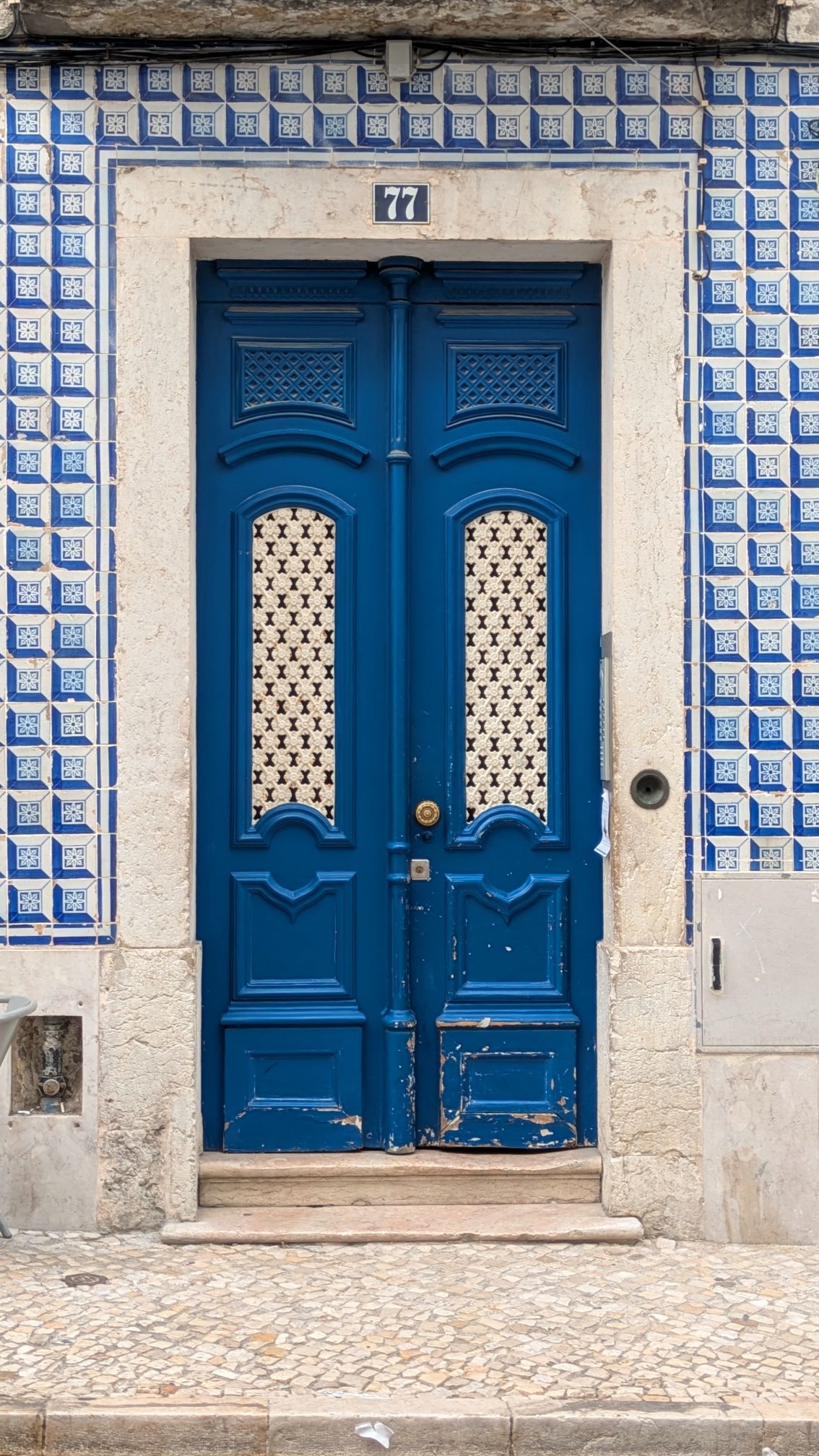
We enjoyed coming across tile artwork on the exteriors of shops and restaurants while walking around Alfama and throughout Lisbon.
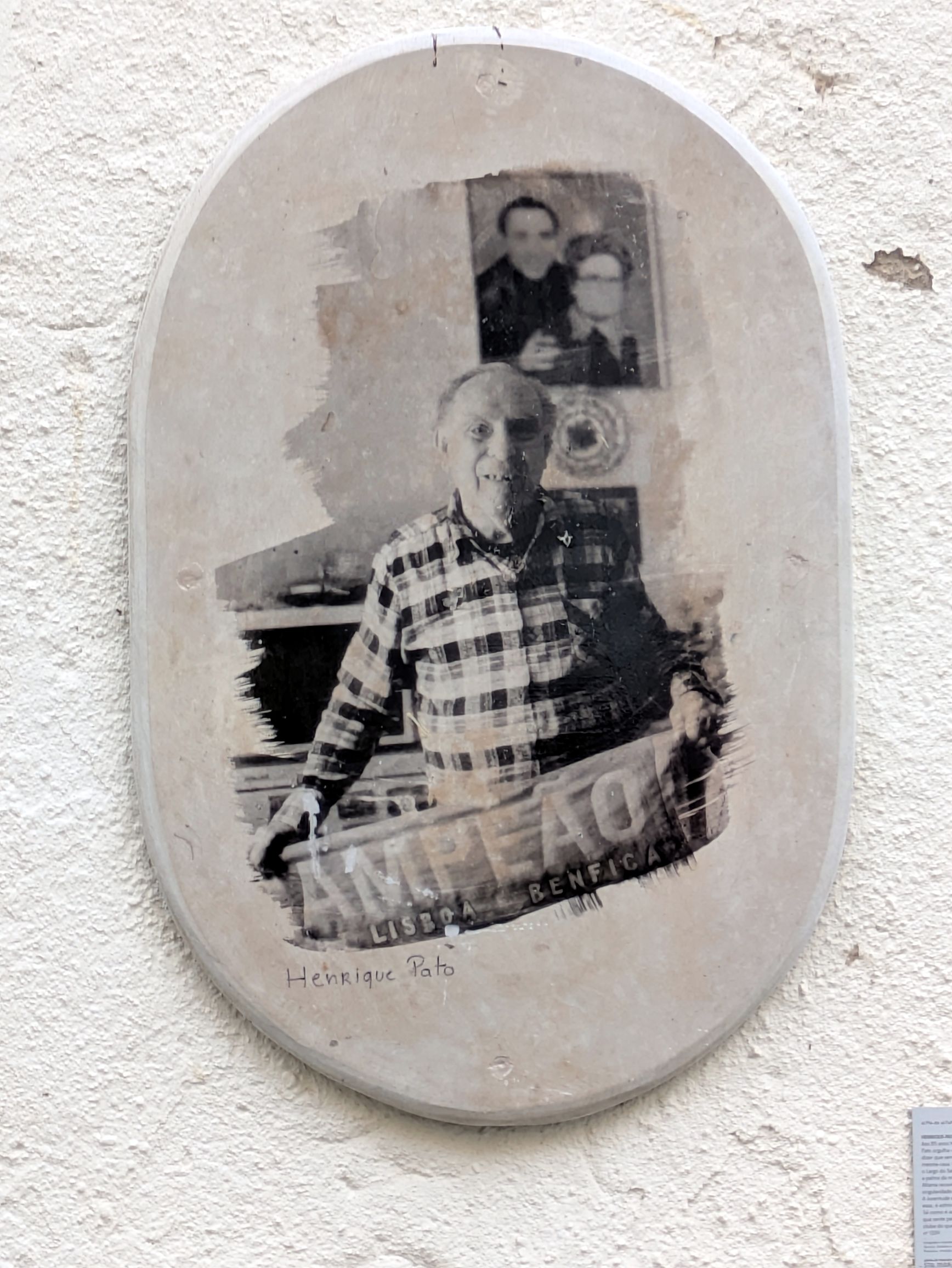
This photo tile of Henrique Pato was created by Camila Watson to honor Alfama’s long-time permanent residents. It is part of the “Alma de Alfama” installation, and it hangs on the exterior of his home.
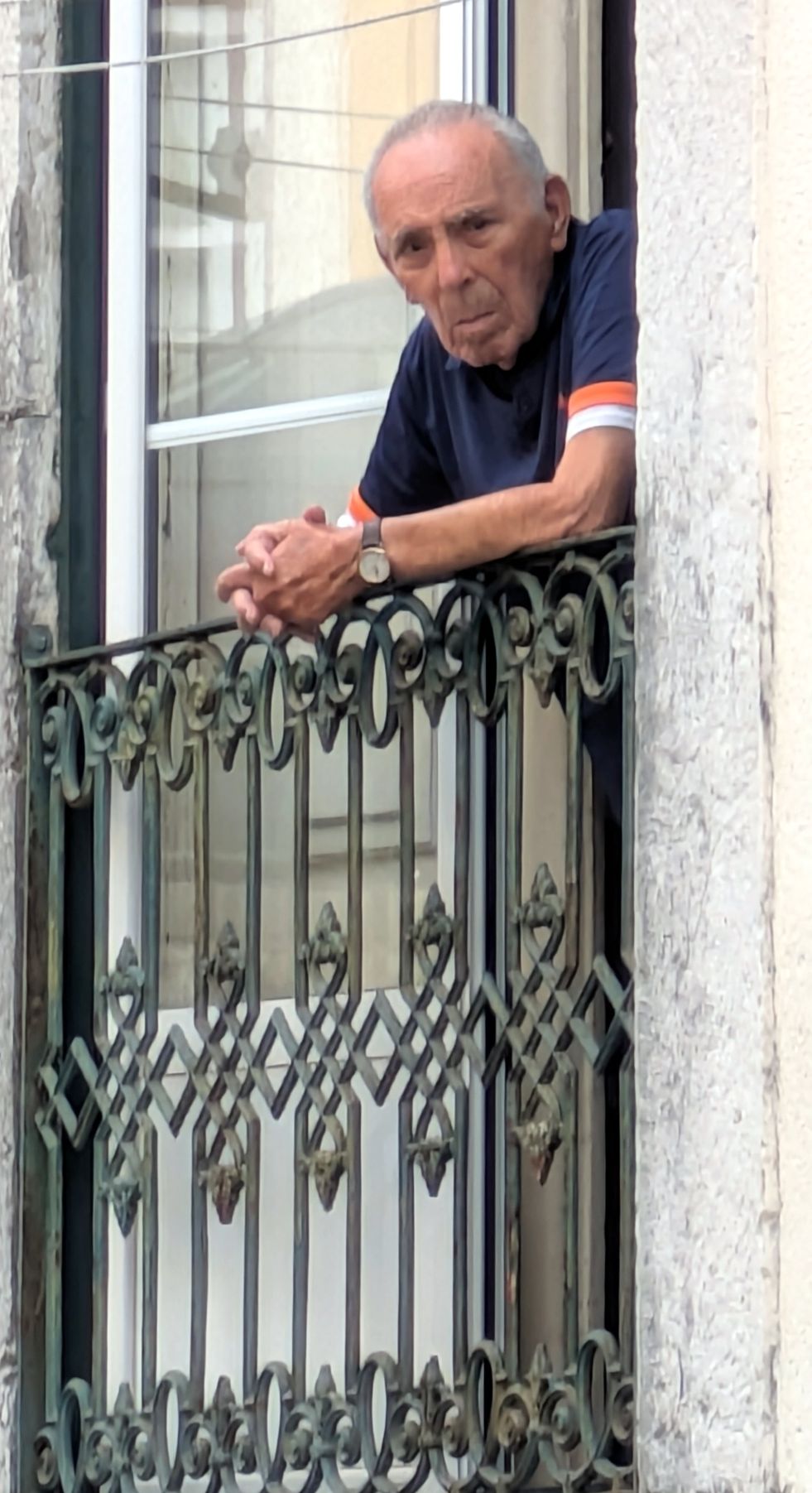
Henrique Pato happened to be home during our walking tour.

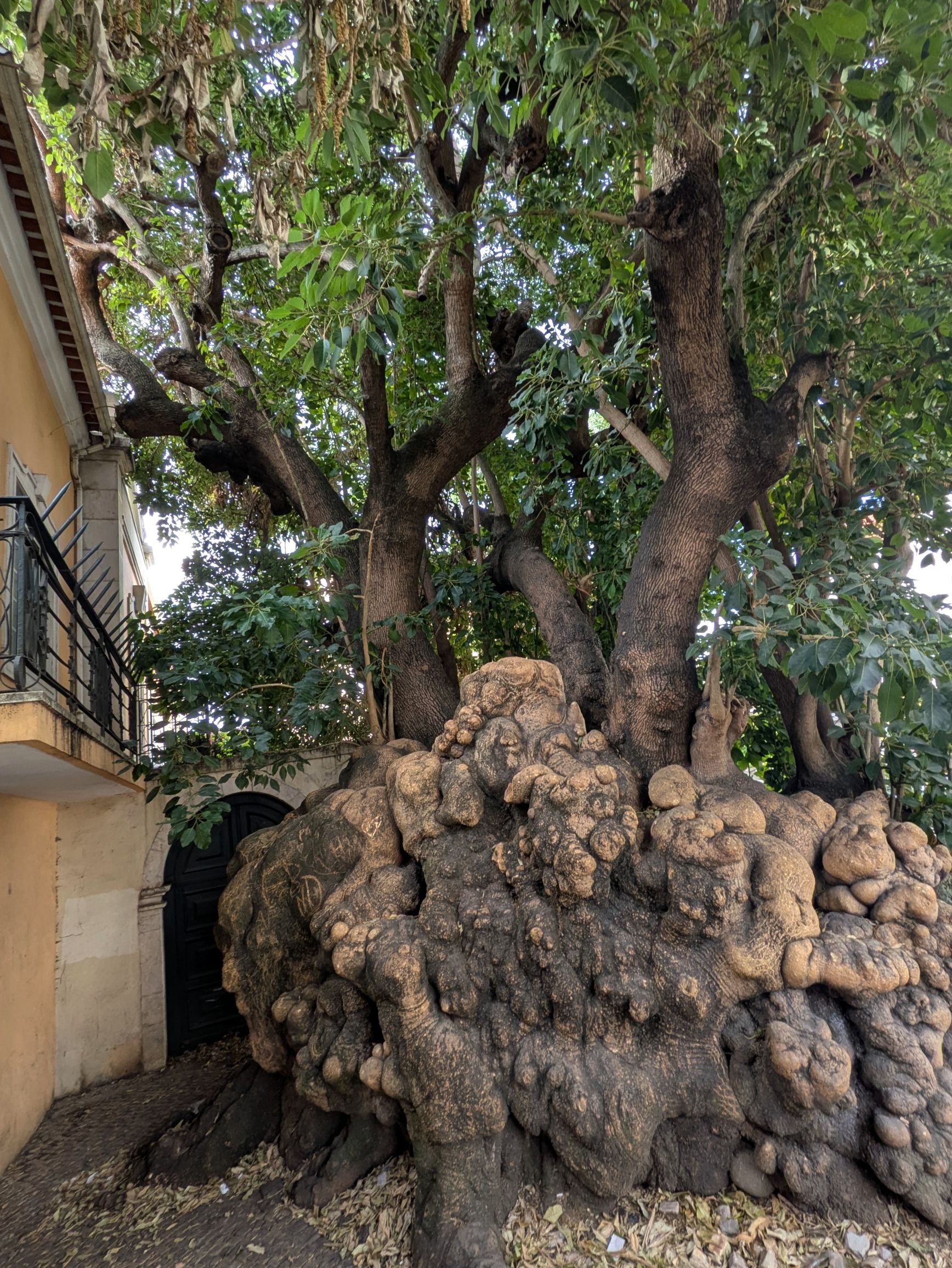
Down the hill to the bottom of Alfama near the tile painting workshop:

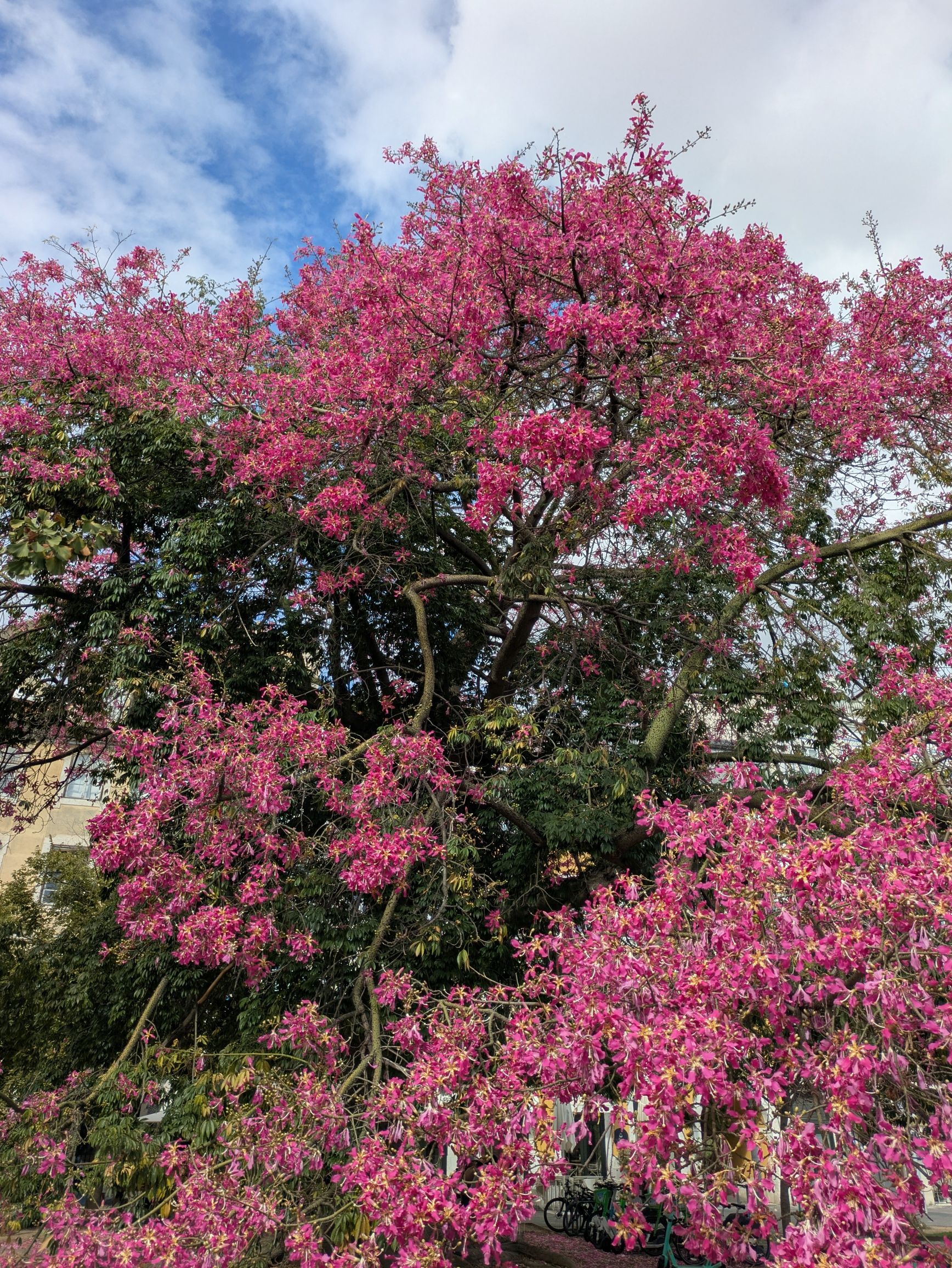
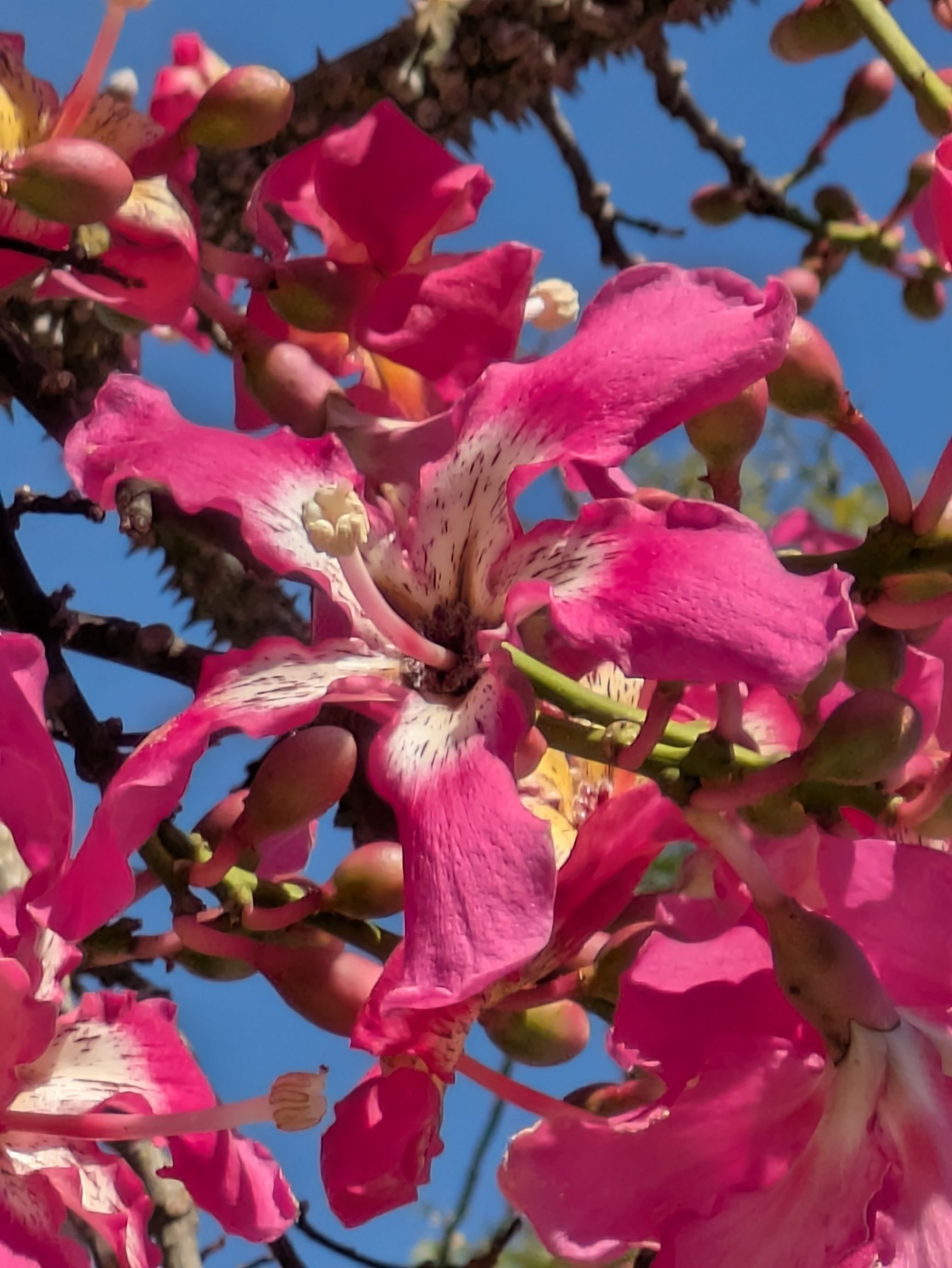
Paineira Rosa tree

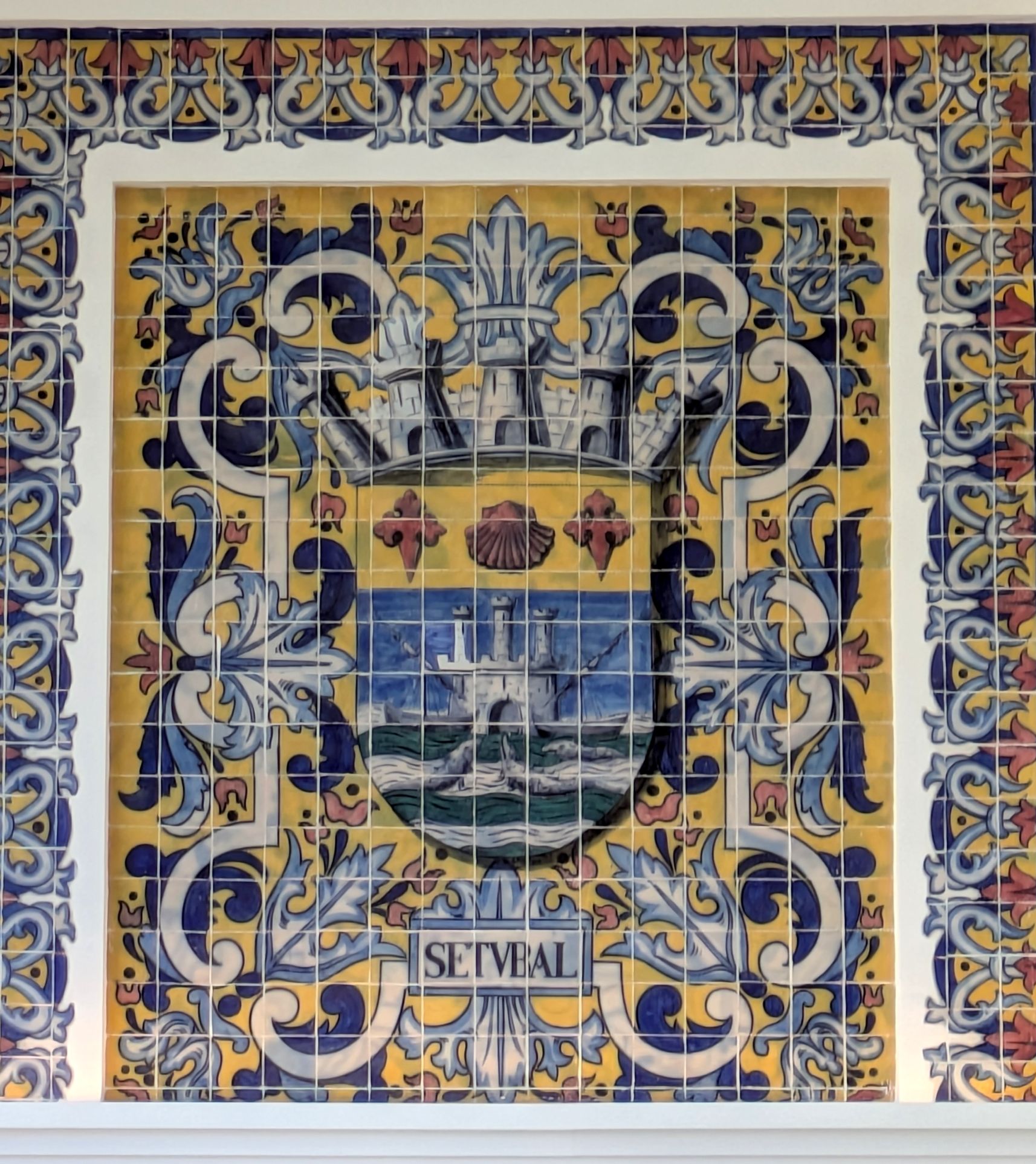
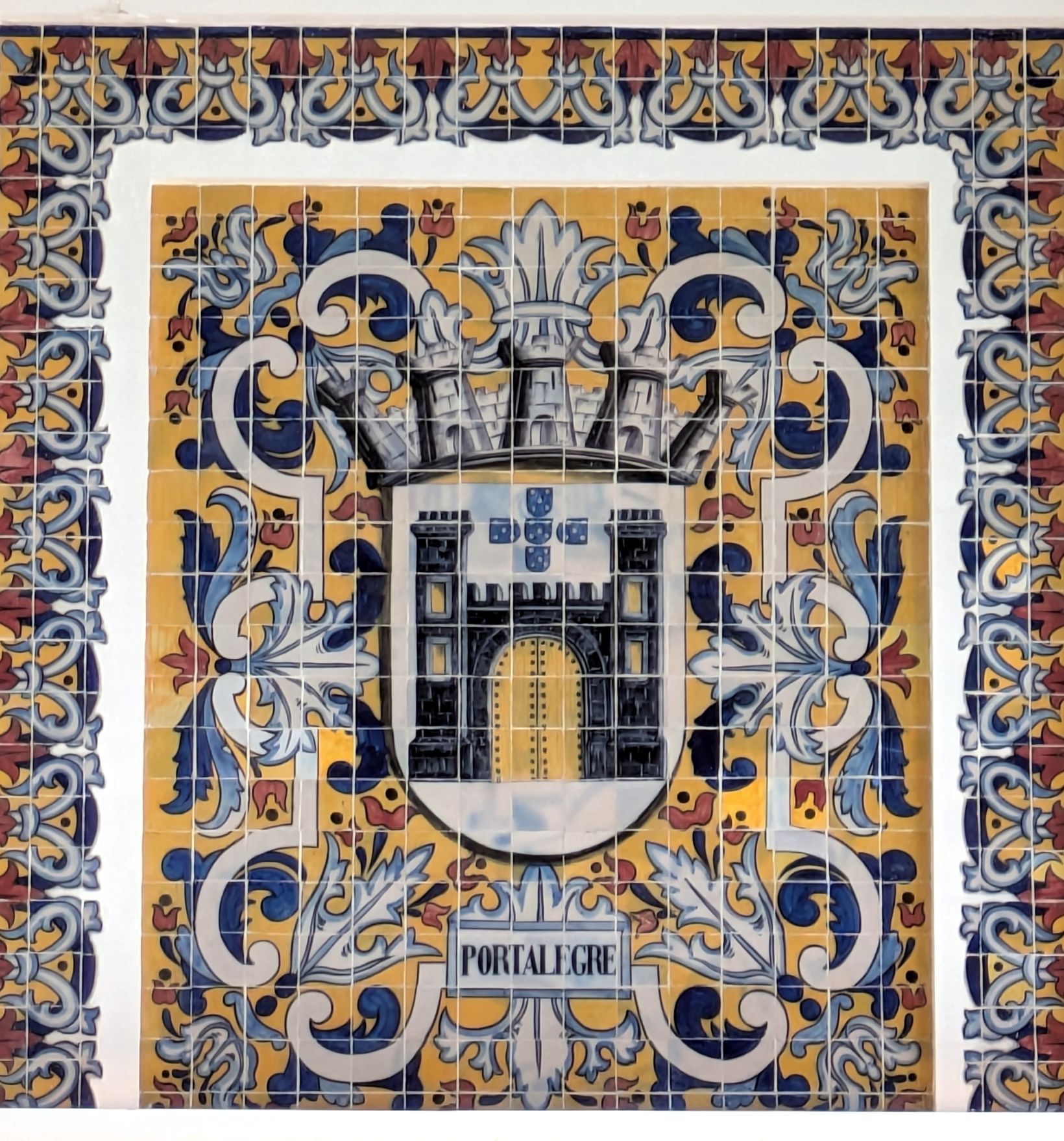
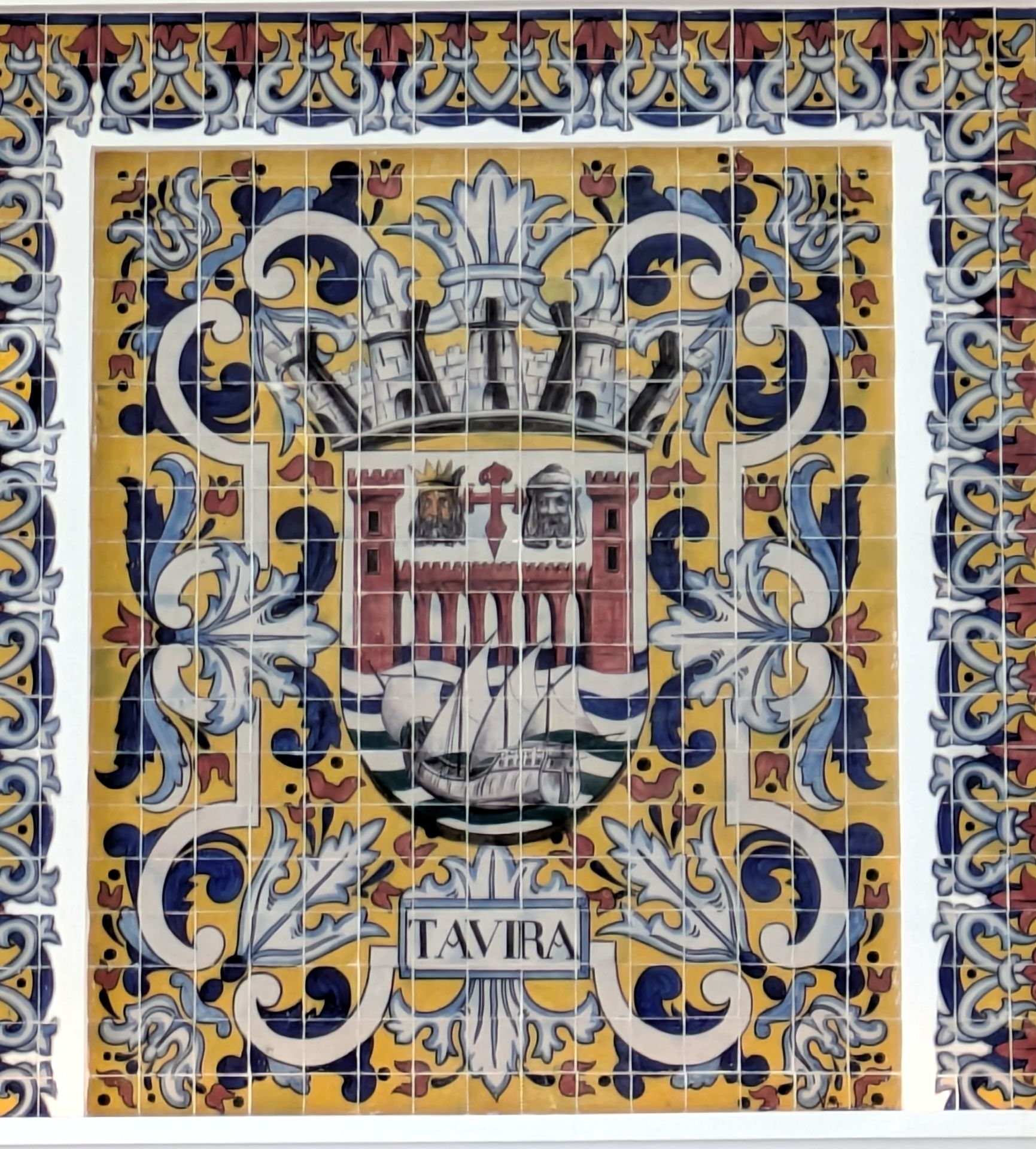
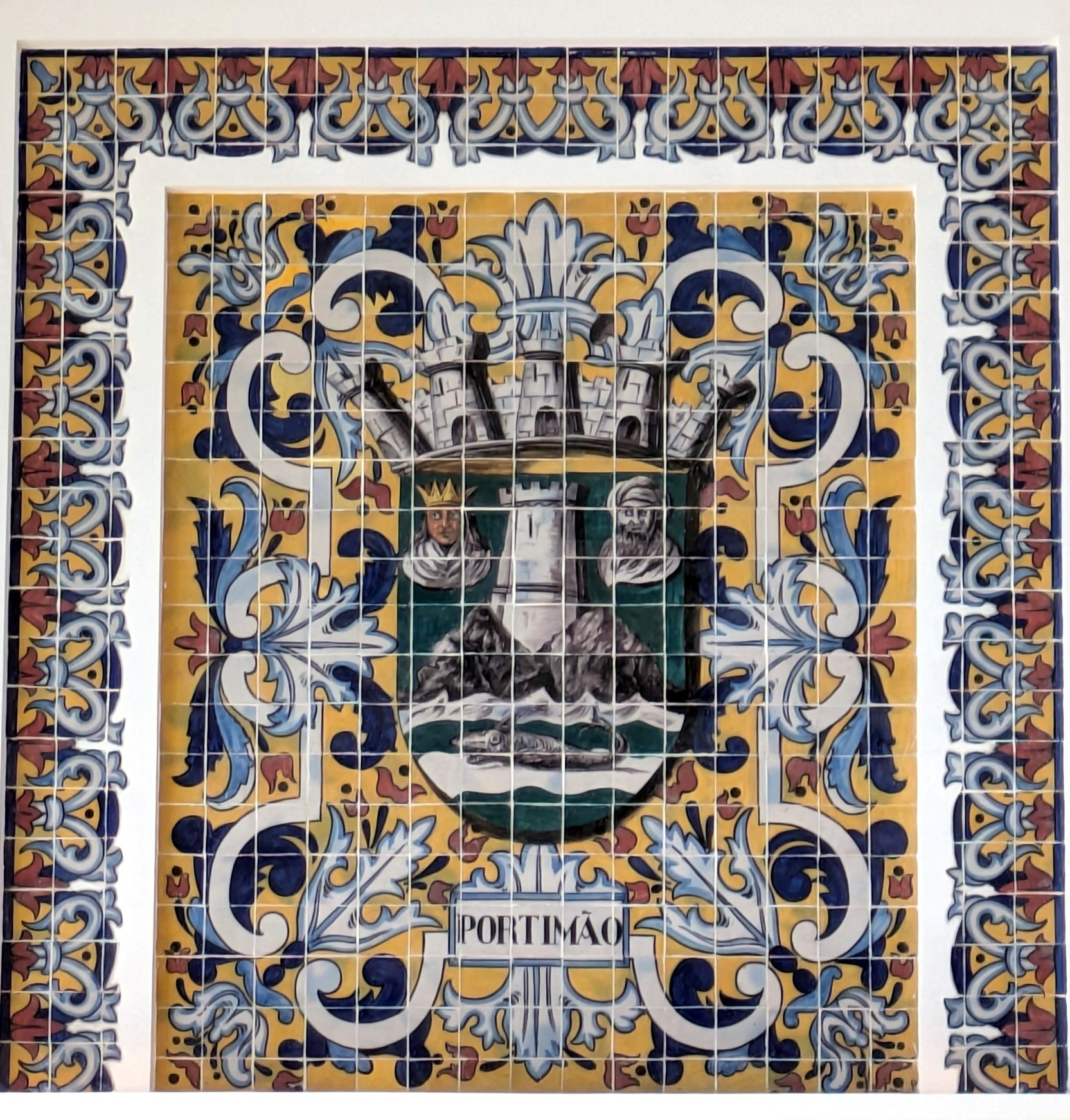
Along the Tagus River, at the very bottom of Alfama, is Santa Apolonia Station, Alfama’s beautiful main railway train station. These tile murals adorn the walls:

Coming up next: LOVING LIVING LIKE A LOCAL IN LISBON #7: GORGEOUS GRACA

LOVING LIVING LIKE A LOCAL IN LISBON #5: BUSTLING BAIXA

While researching Lisbon prior to our arrival, I read one blog where the author emphatically insisted the Baixa neighborhood be “avoided,” because it’s a tourist trap, and it attracts pickpockets. He had a point; it’s a tourist trap, but it is well worth a visit anyway. I wore my backpack in front of me, Bruce zipped up his wallet in his front security pocket, and off we went. (By the way, other than pickpockets, which can be easily avoided by taking precautions, Lisbon is a safe city, even for solo women travelers.)

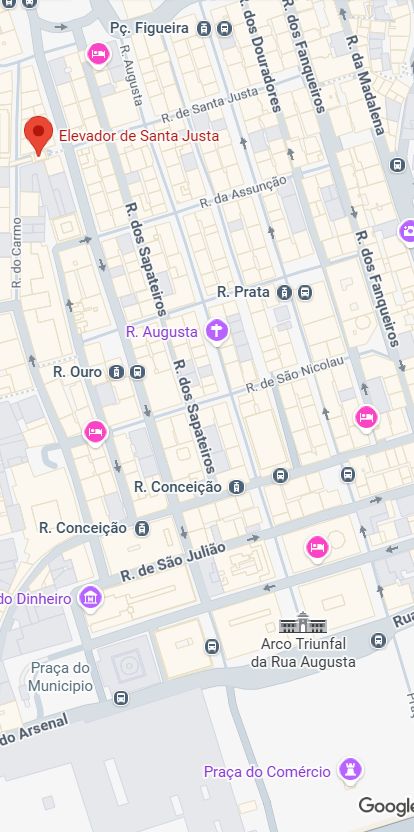
The Chiado neighborhood, where our apartment was located, sits atop a hill adjacent to Baixa, and there are several sets of stairways that lead down to it. One we used was located at the Santa Justa elevator, on the pedestrian shopping street I wrote about in my last post.

(For all photos, click on the image for a full screen view.)
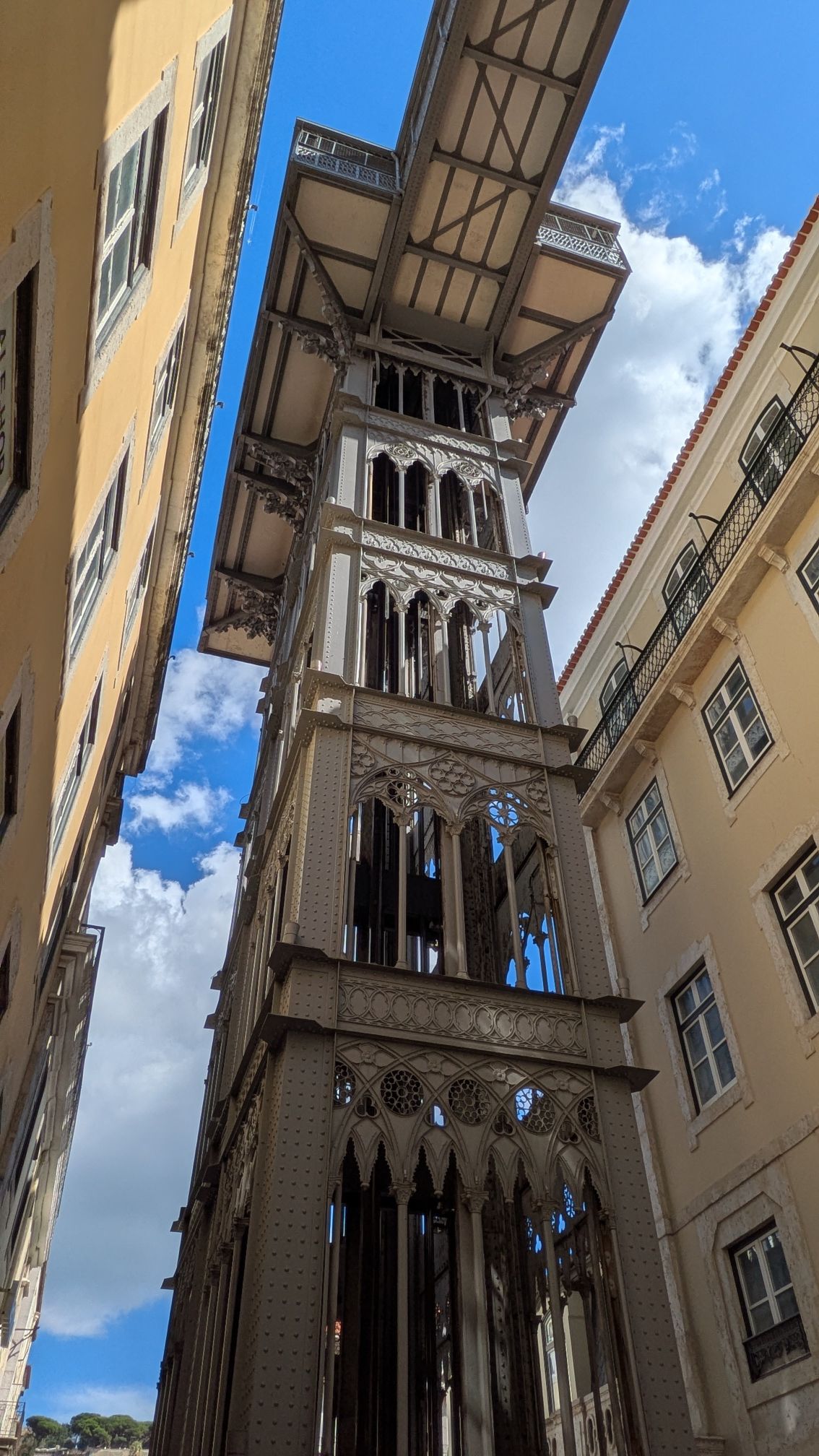
At the base of the stairs, look straight up to the top of the elevator; it’s quite a sight! Unfortunately, the elevator is closed now, so all you can do is photograph it and admire the unusual structure.

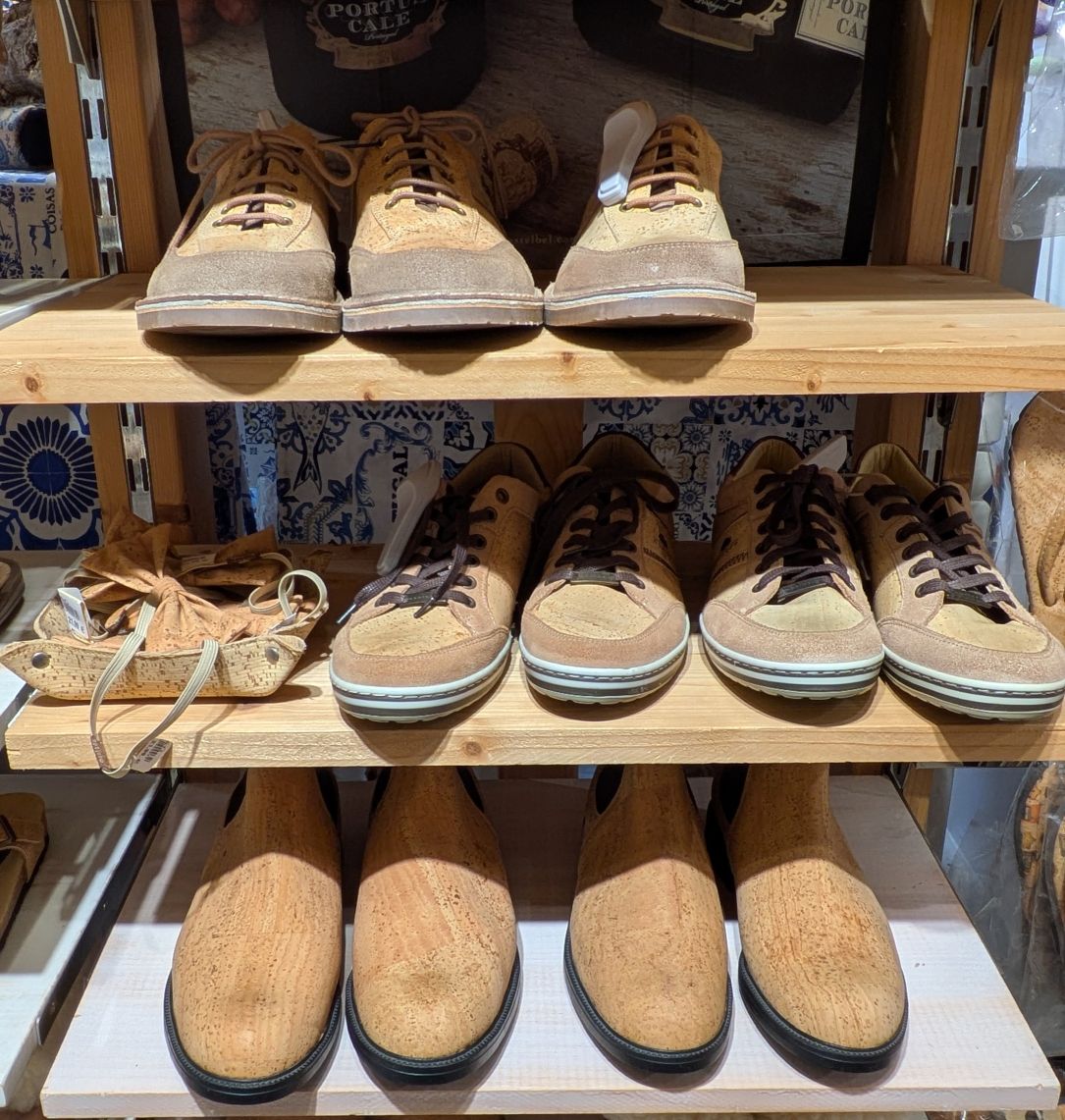
You can purchase shoes made of cork at the store located at the elevator.

Baixa encompasses much of the walking tour I detailed previously, including Rossio Square, Restauradores Square (where the obelisk was located), and Avenida da Liberdade; however, that was already a long enough round trip walk!

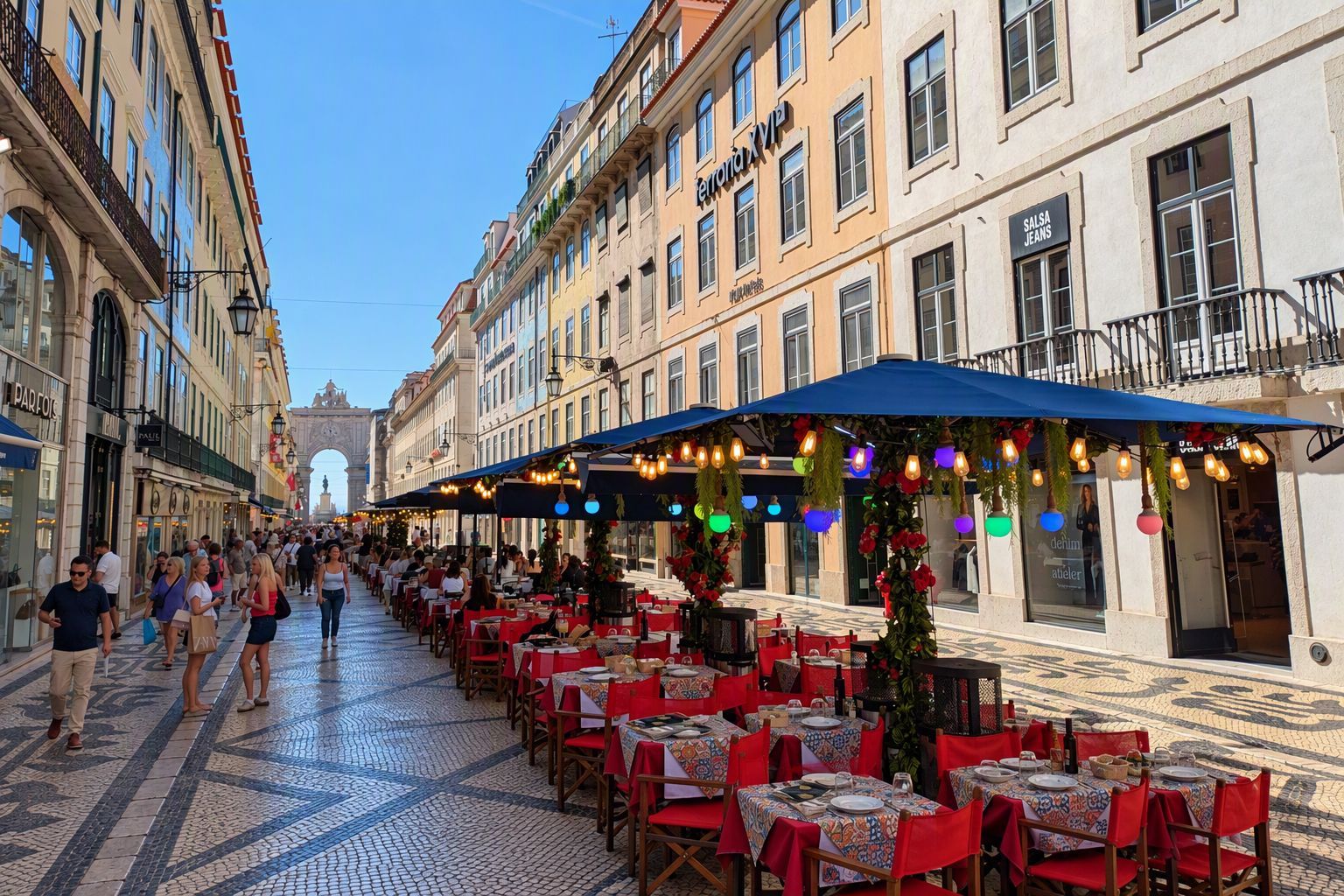
The section of Baixa I will include here is Rua Augusta, with Praca da Figueira on one end and Praca do Comercio with the Arco Triunfal arch on the other end of the famous pedestrian avenue. You will be happy to know this area of Baixa is flat!

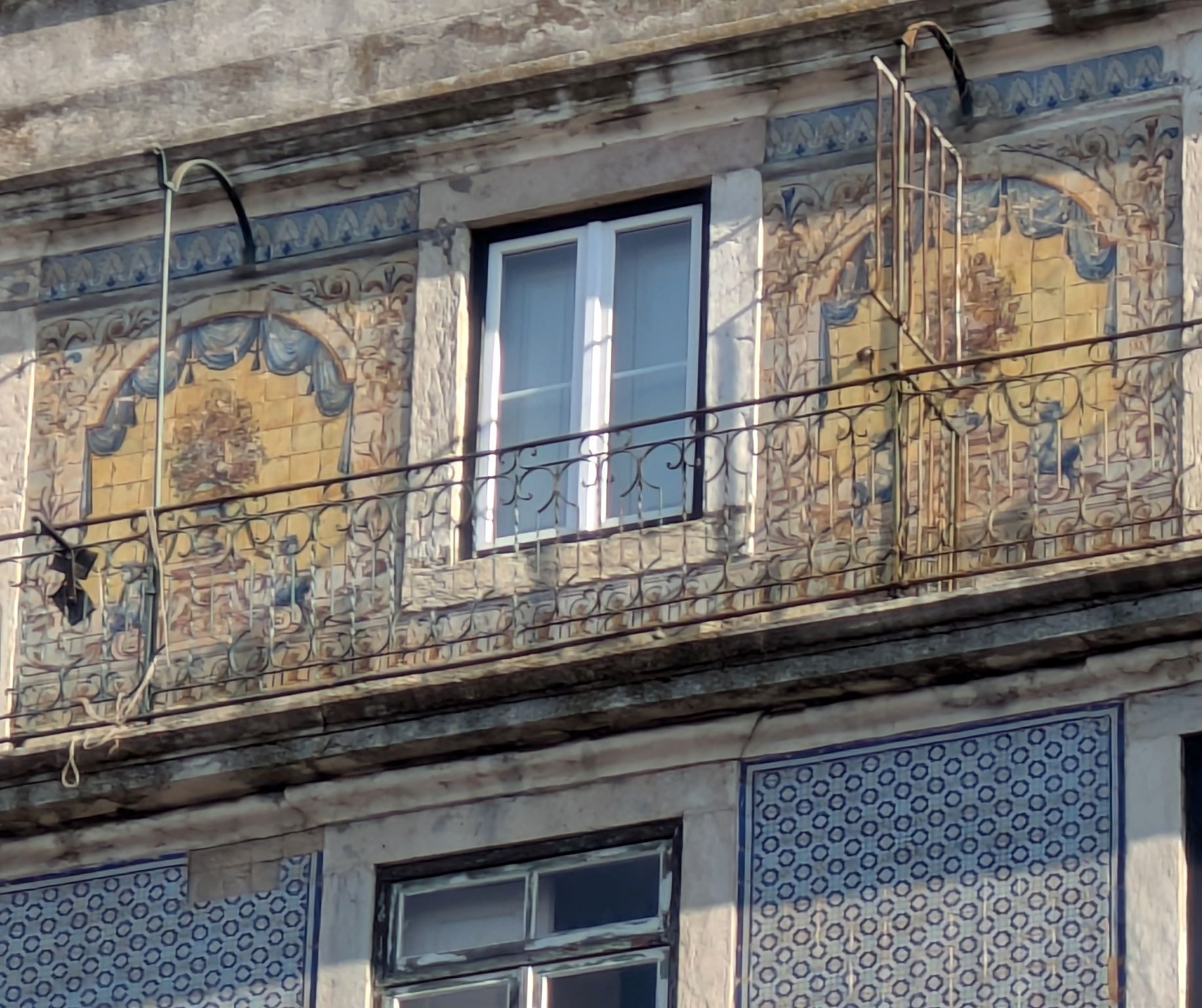
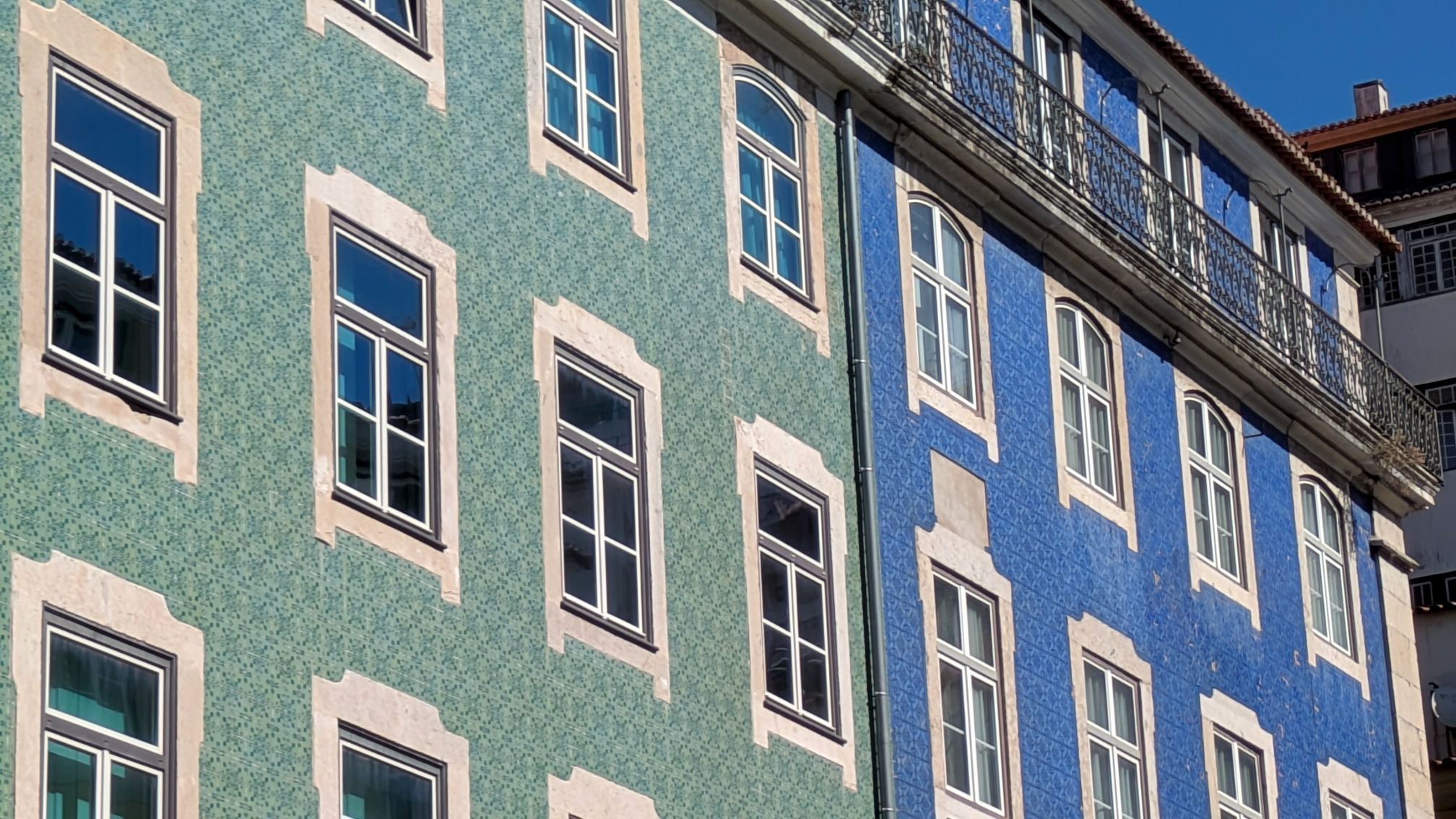
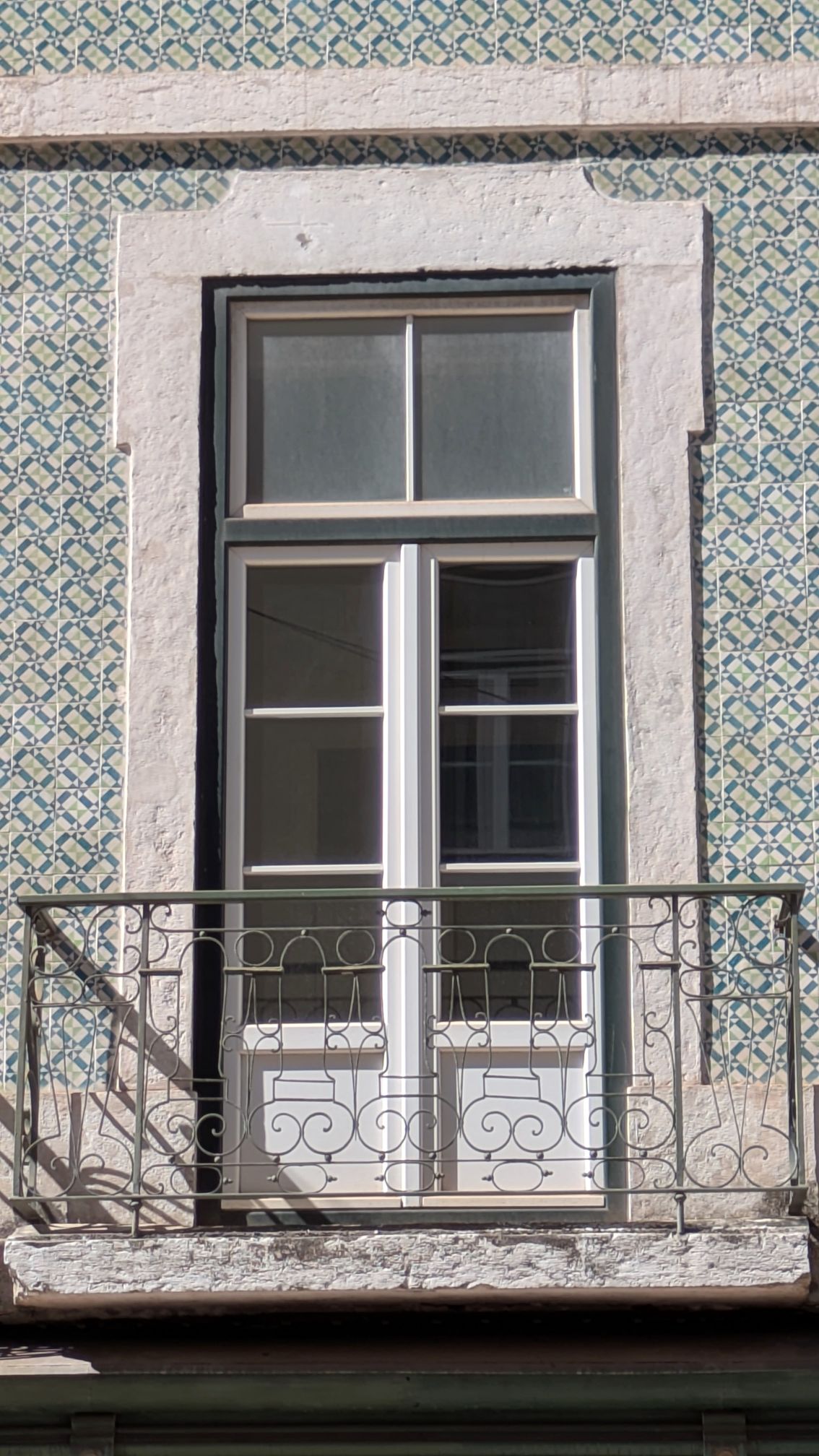
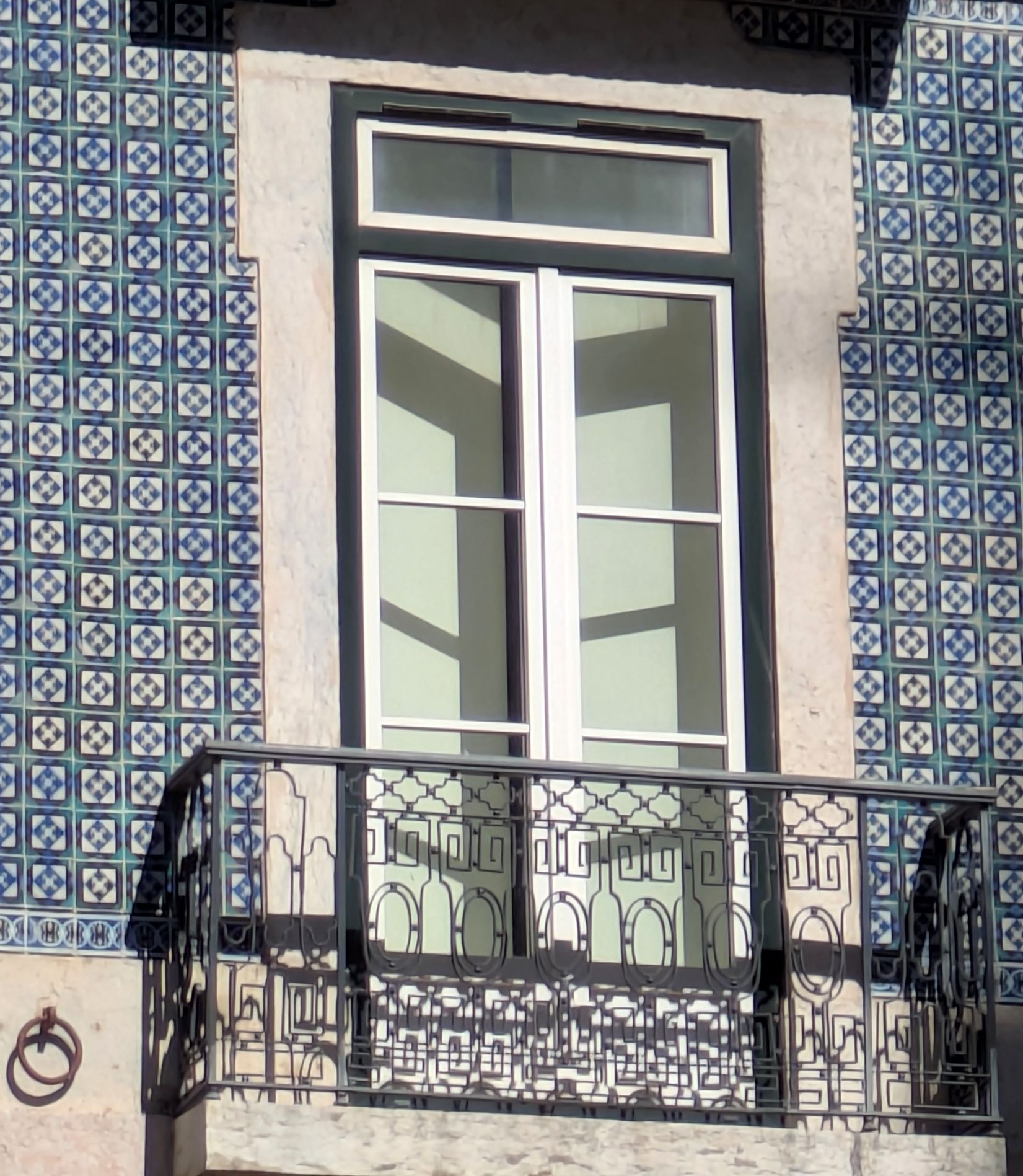
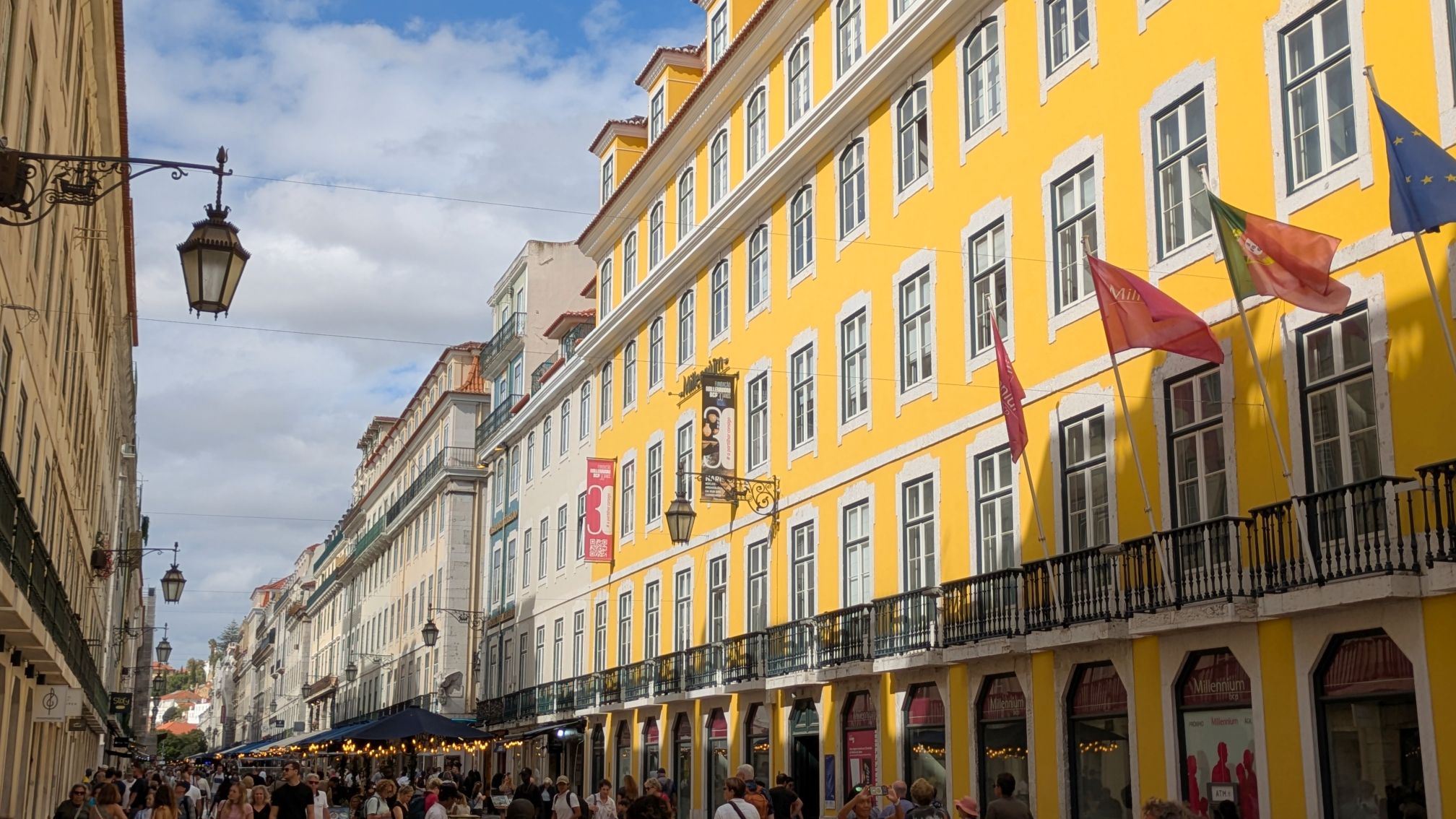
This entire area had been destroyed by the 1755 earthquake and rebuilt by Marquis of Pombal. He had strict criteria, including a grid pattern of the streets and earthquake-resistant building construction. My favorite feature of the buildings are the colorful tile facades. I photographed these on and around Rua Augusta:

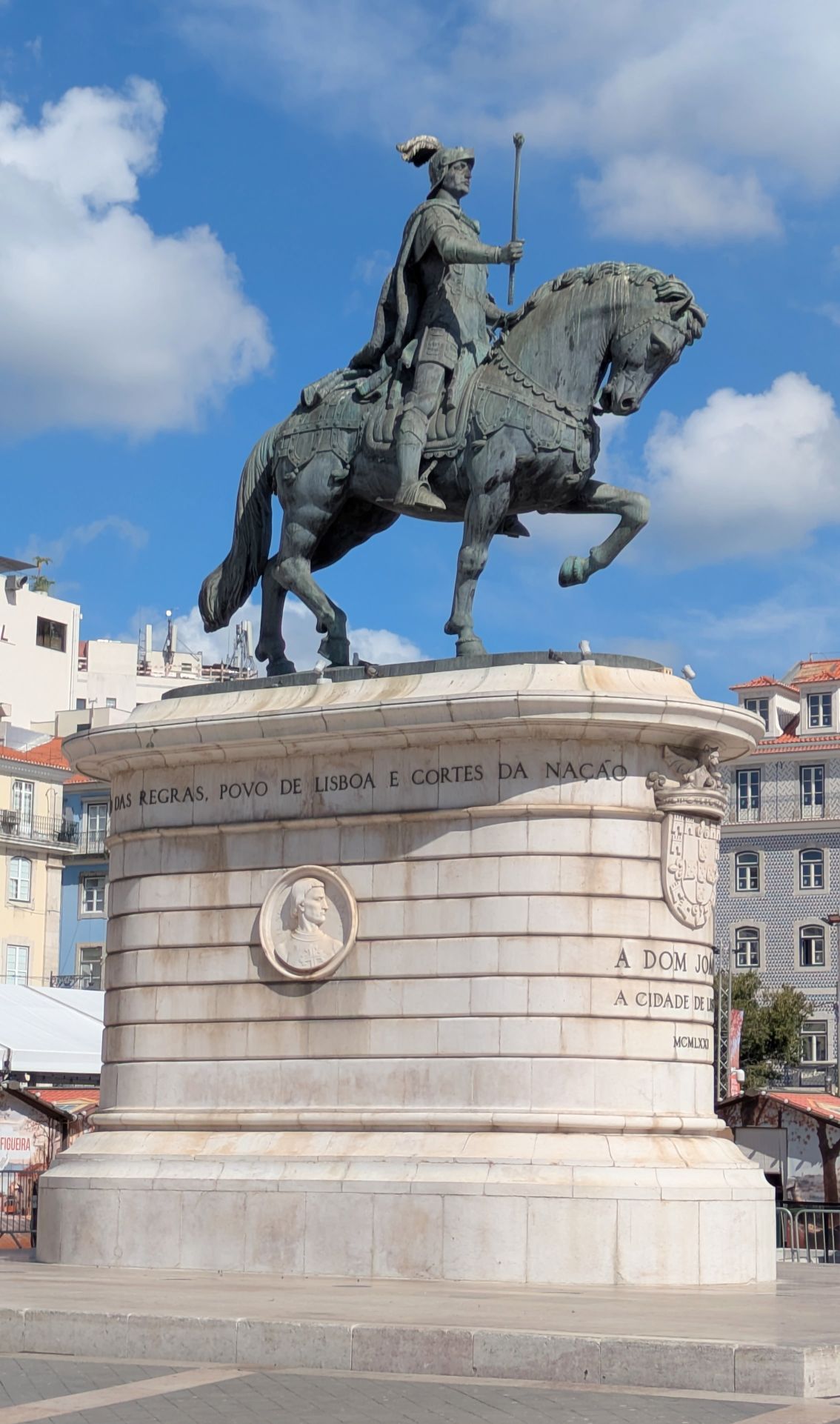
As you come down the stairs by the elevator, Rua Augusta will be straight ahead. Once there, turn left to walk up to Praca da Figueira. You will know you have arrived when you see the statue of King John I atop his beautiful horse. A seagull seemed to enjoy it as much as Bruce and I did!

The street in front of the elevator will take you to Rua Augusta.

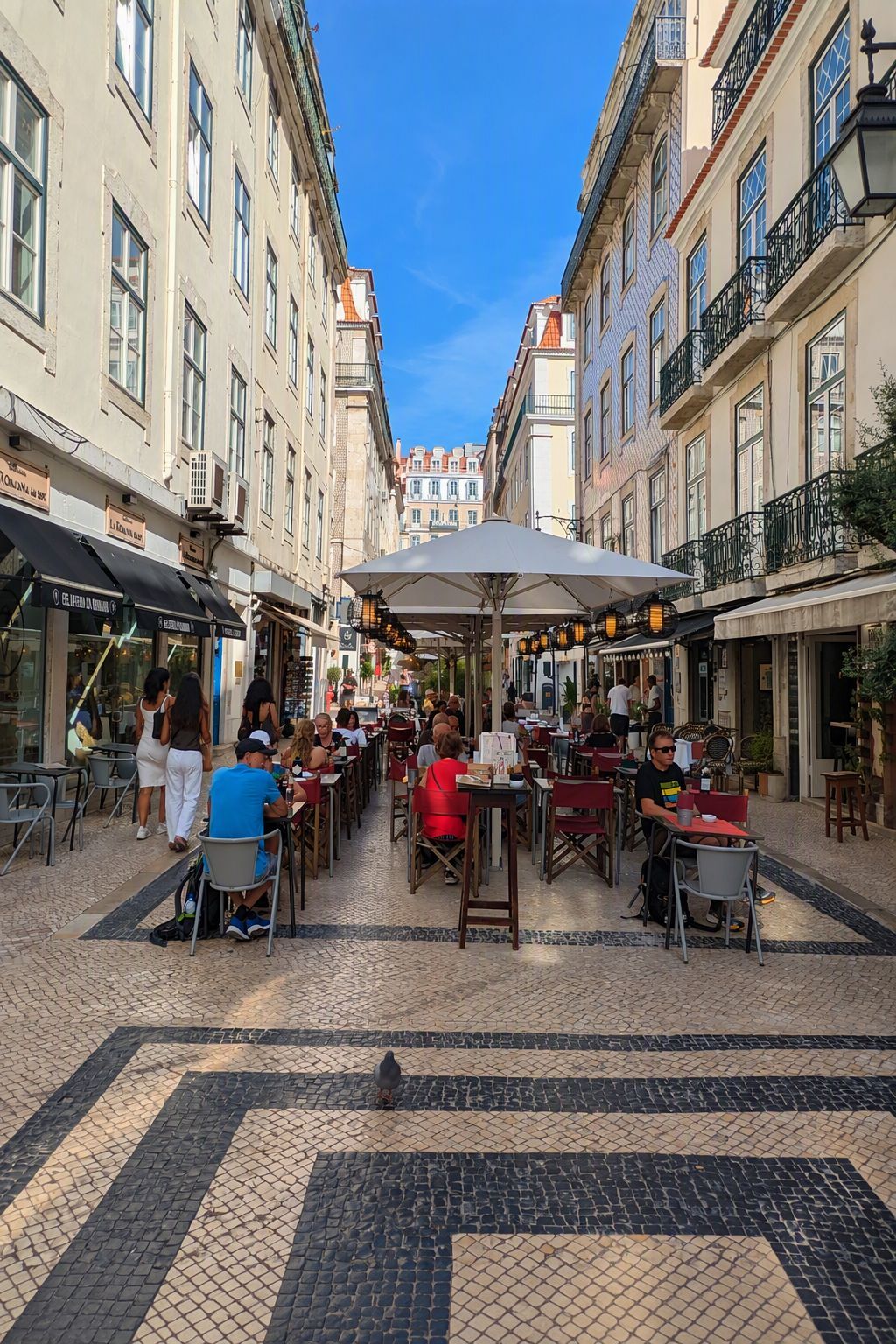
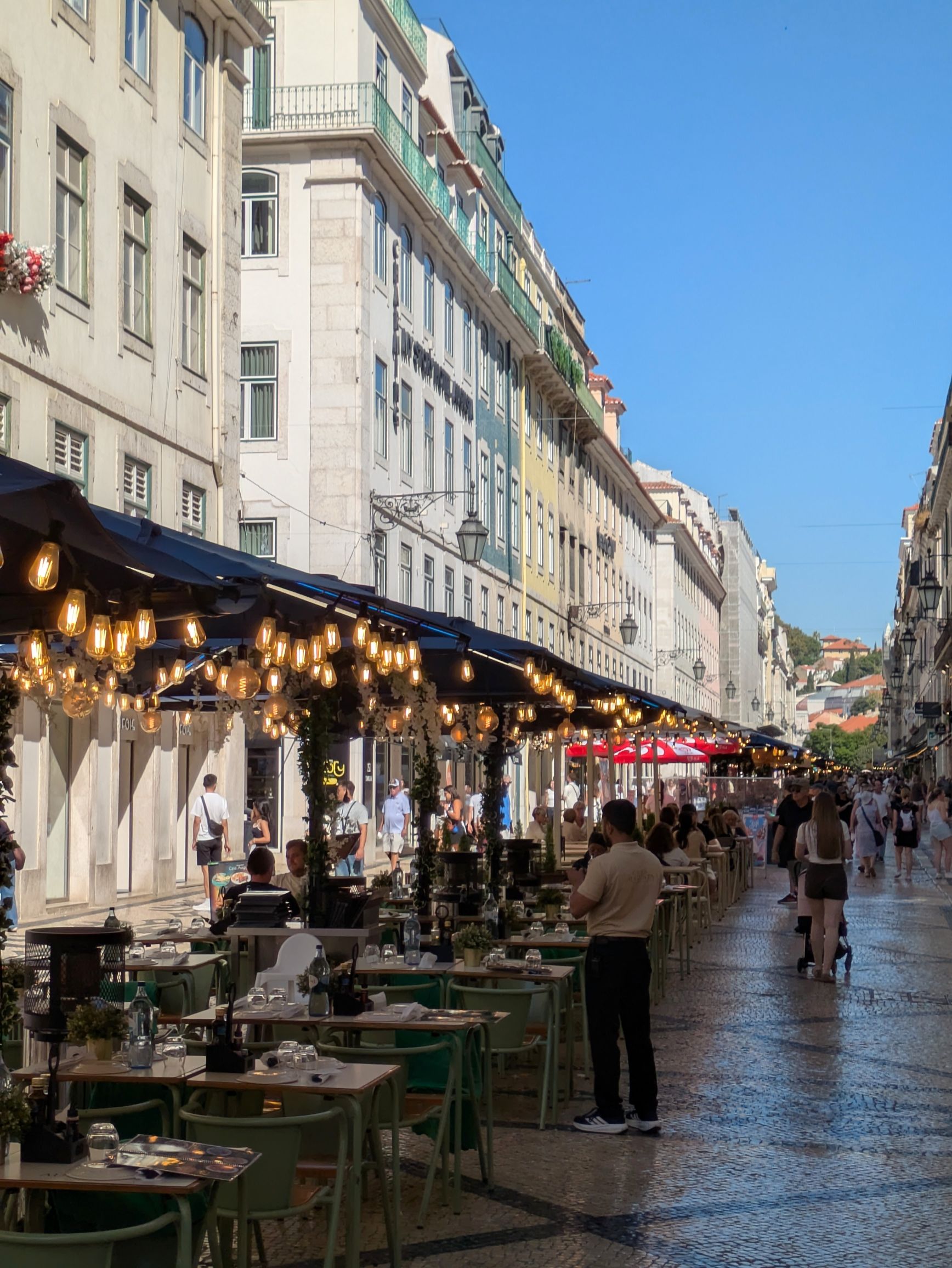
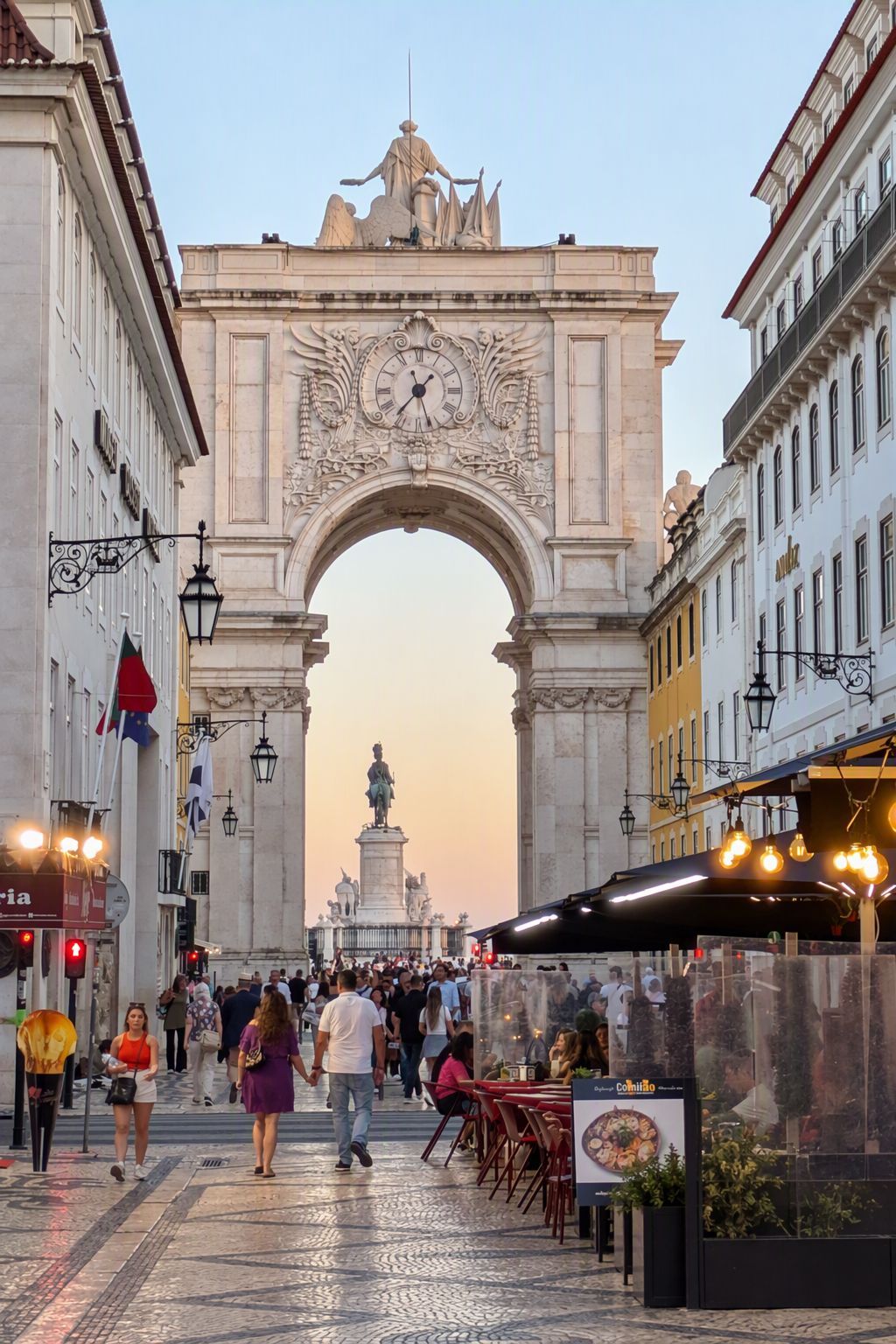
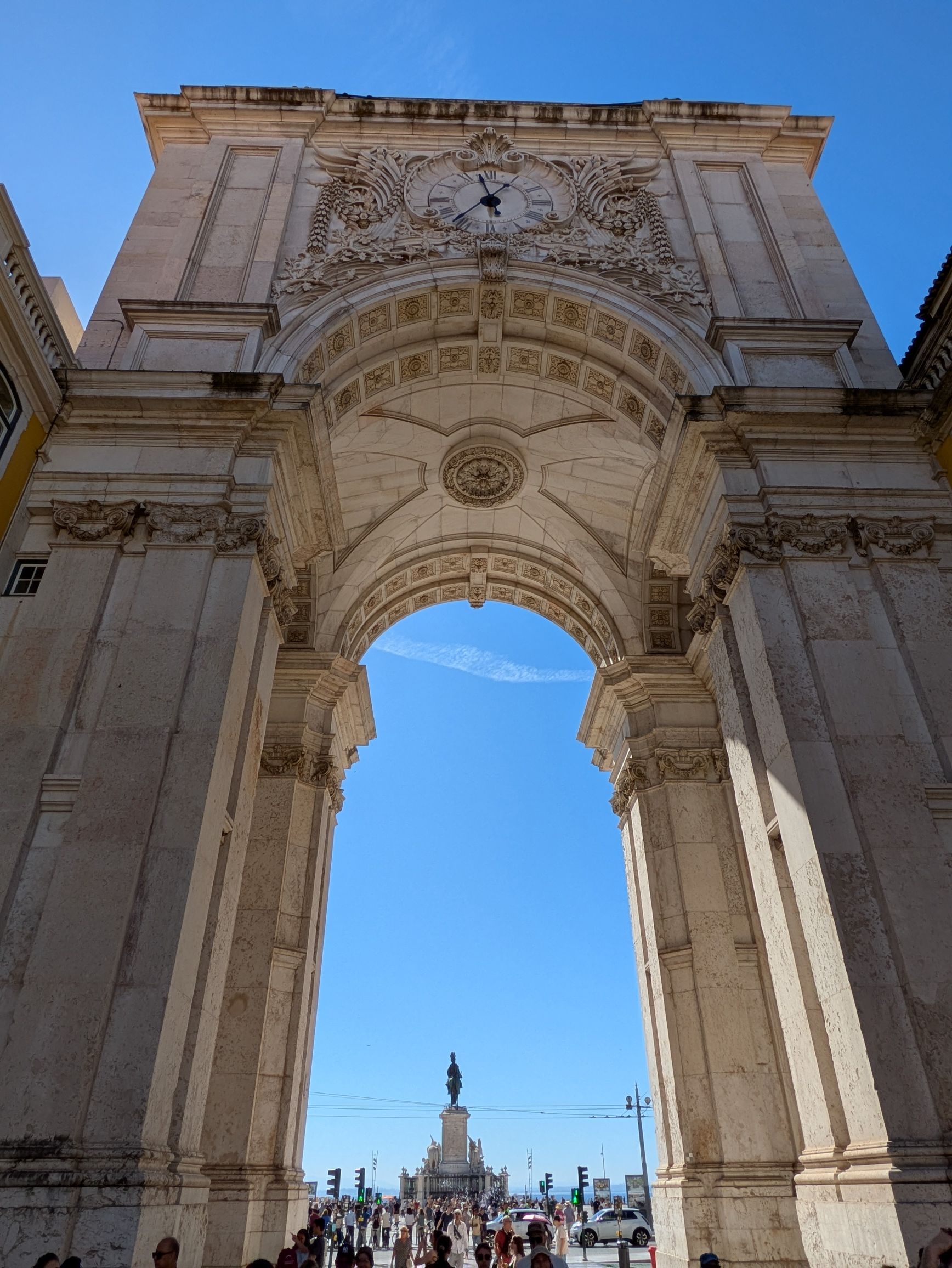
Stroll Rua Augusta in the opposite direction, and you will see the Arco Triunfal (Rua Augusta Arch). Enjoy the ambiance of Rua Augusta along the way, but be forewarned: You may want to go early in the morning to avoid all the restaurant hosts trying to lure you in. They are persistent! One after another, after another. How do all those restaurants stay in business? Still, Rua Augusta is lovely, so don’t miss it.

Rua Augusta at sunset

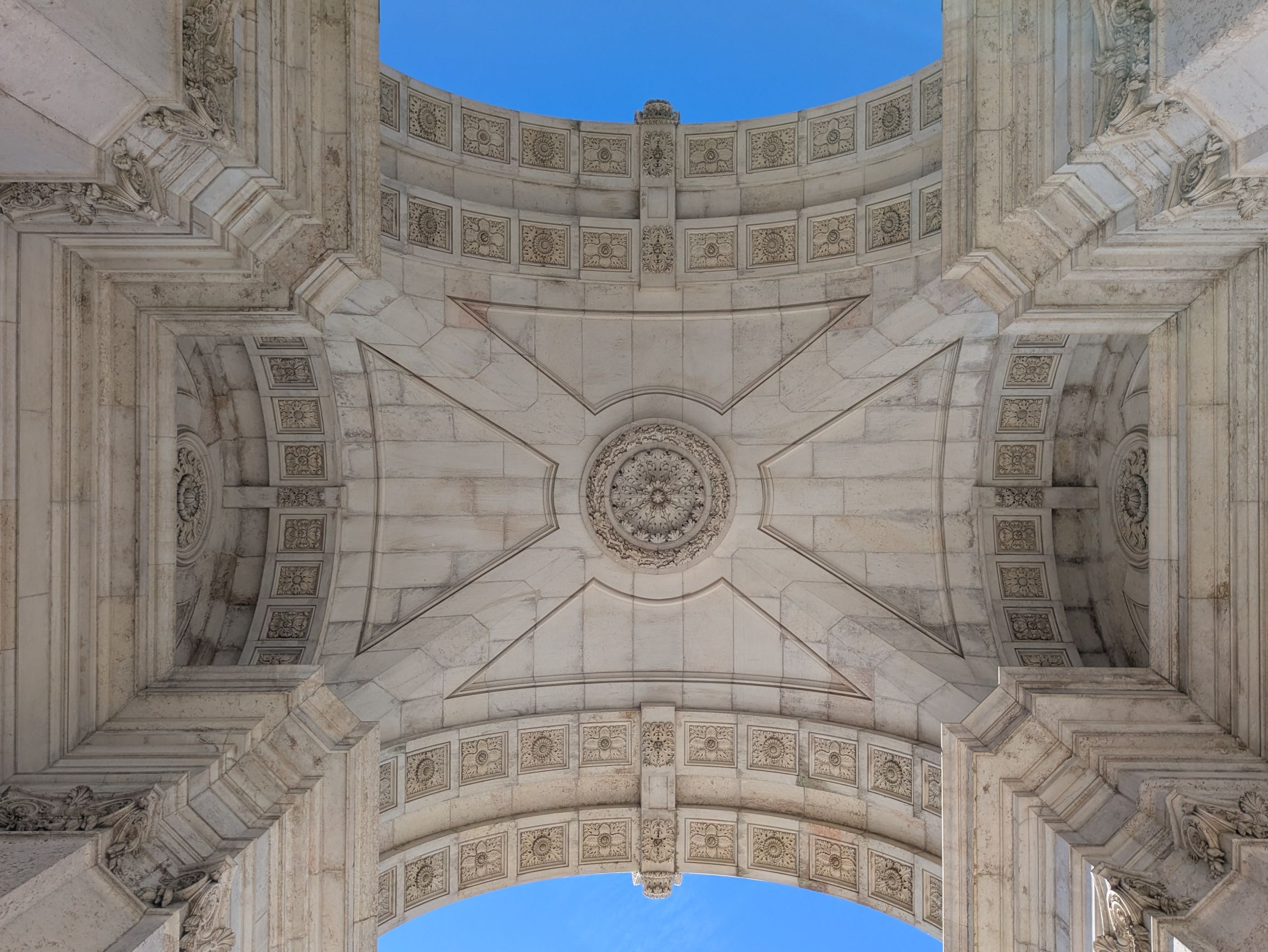
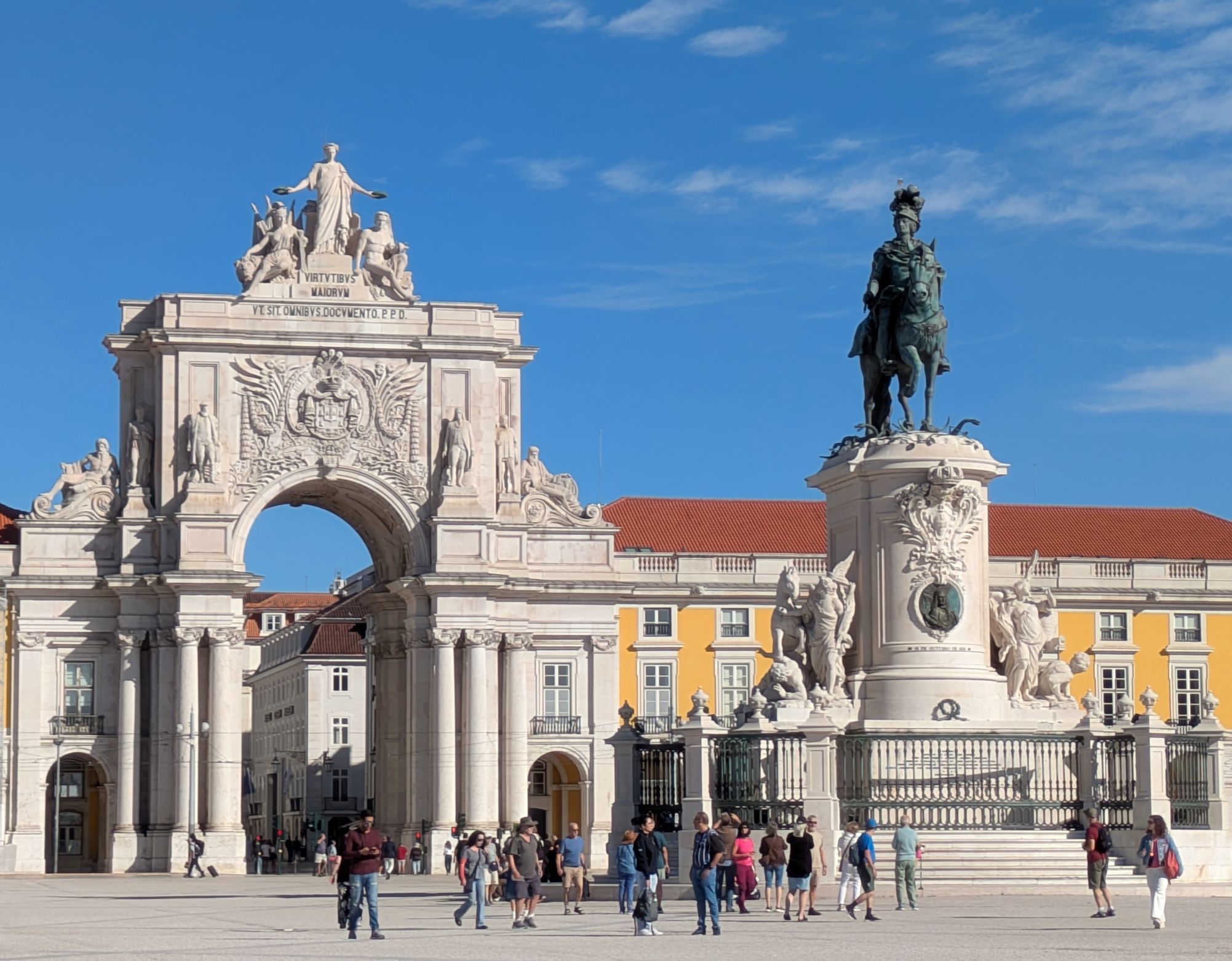
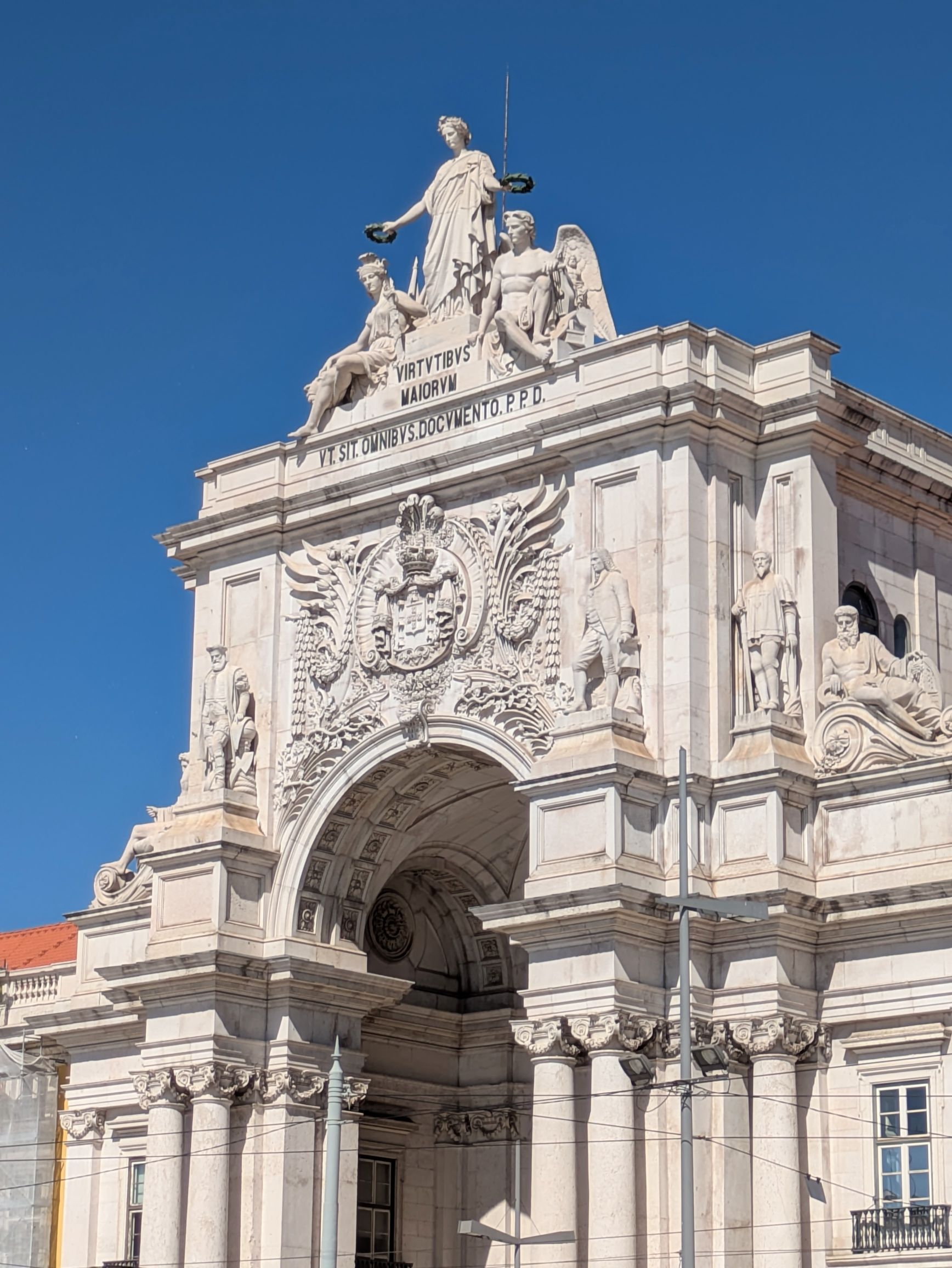
The Rua Augusta triumphal arch was built to commemorate Lisbon’s reconstruction following the 1755 earthquake. The plaza that it borders, Praca do Comercio, is a massive square that faces the Tagus river. Make sure to wear sunglasses if it’s a sunny day. I didn’t, and I was approached by several vendors hawking sunglasses. It was annoying, but still worth visiting this beautiful plaza.

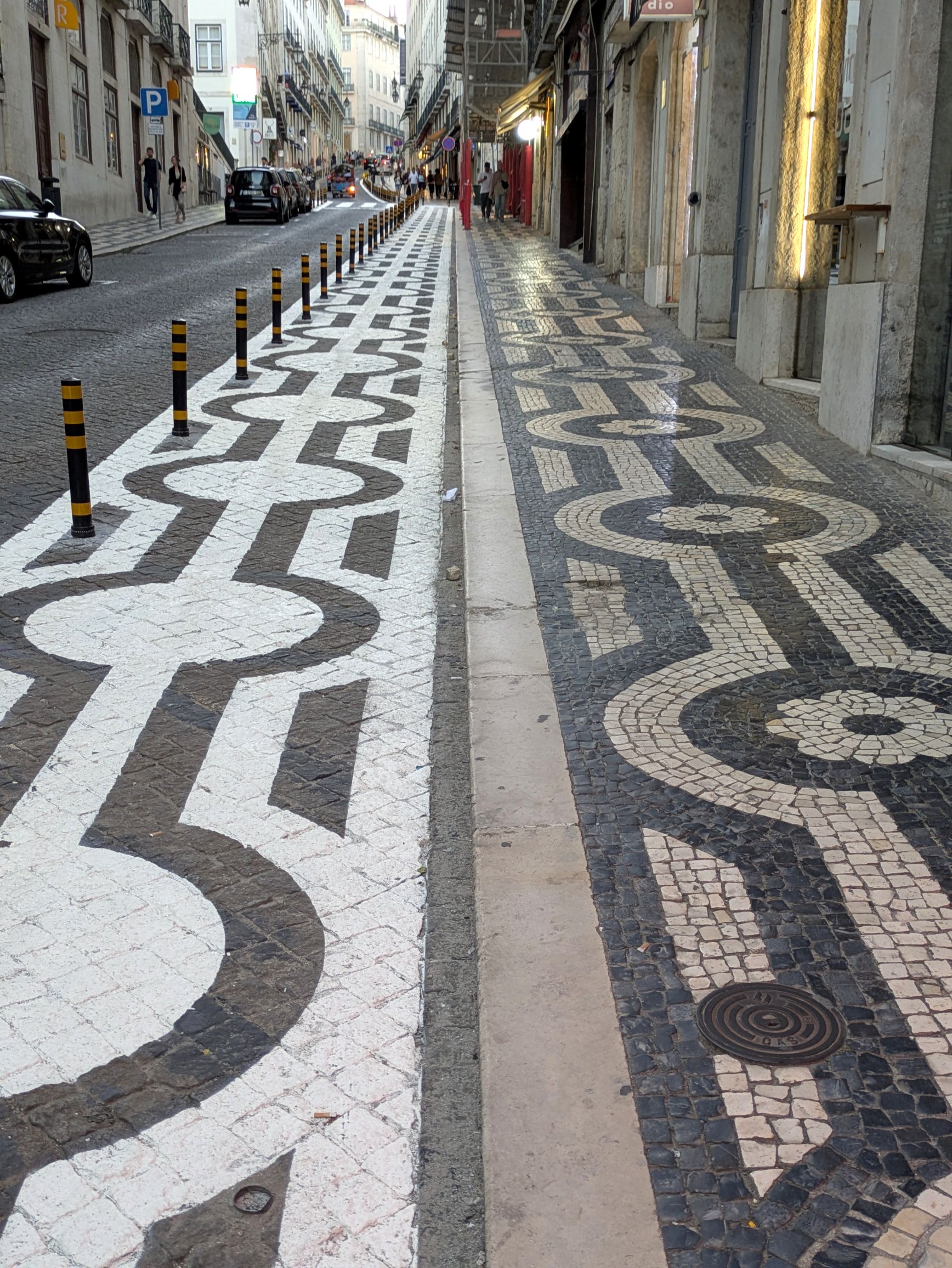
This street near Rua Augusta was painted to mimic the cobblestone design. The painted area is also for pedestrians.
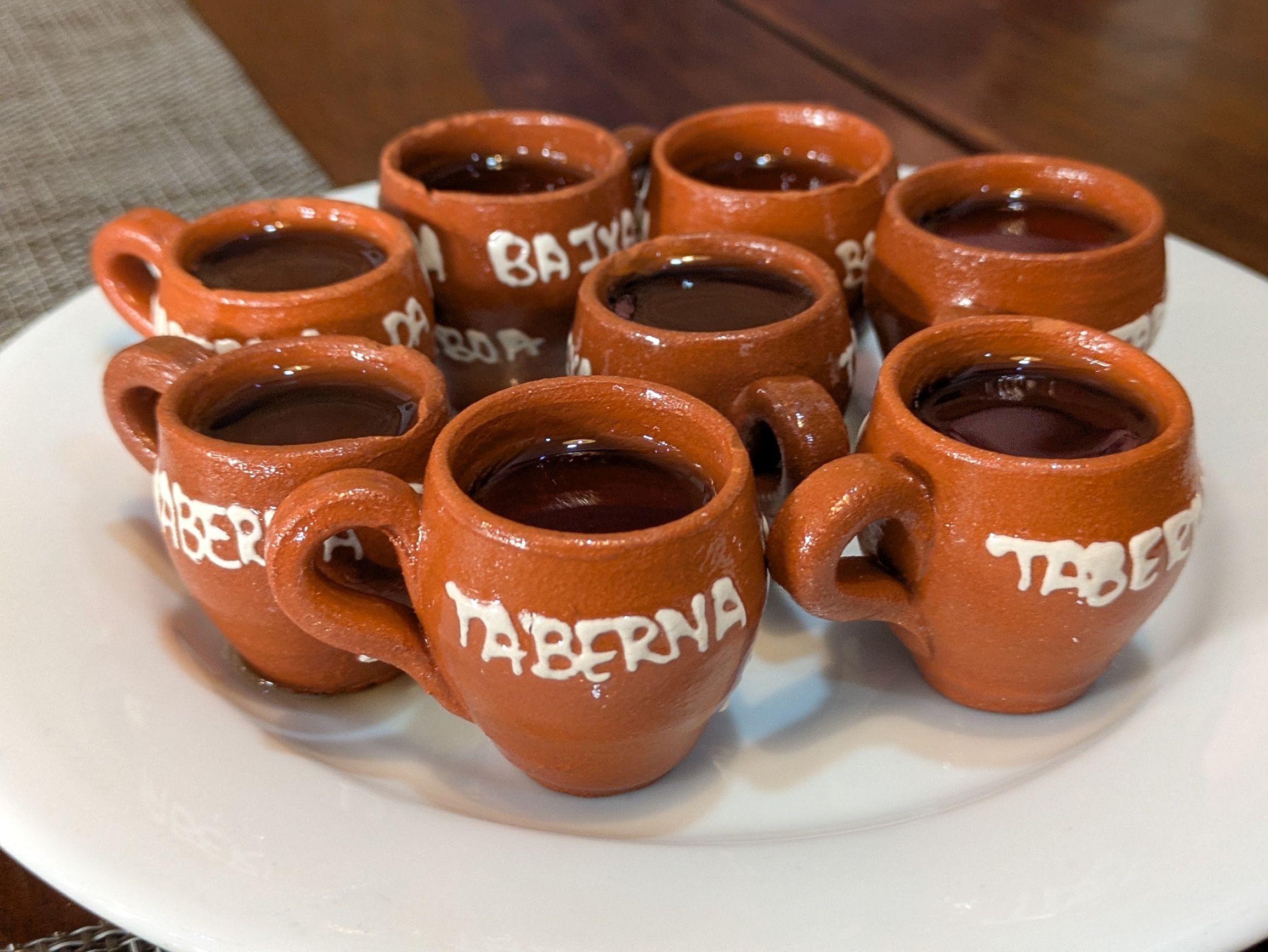
Our group (The Good Life Abroad) ate here for one of our included Tuesday Lunch Club lunches.
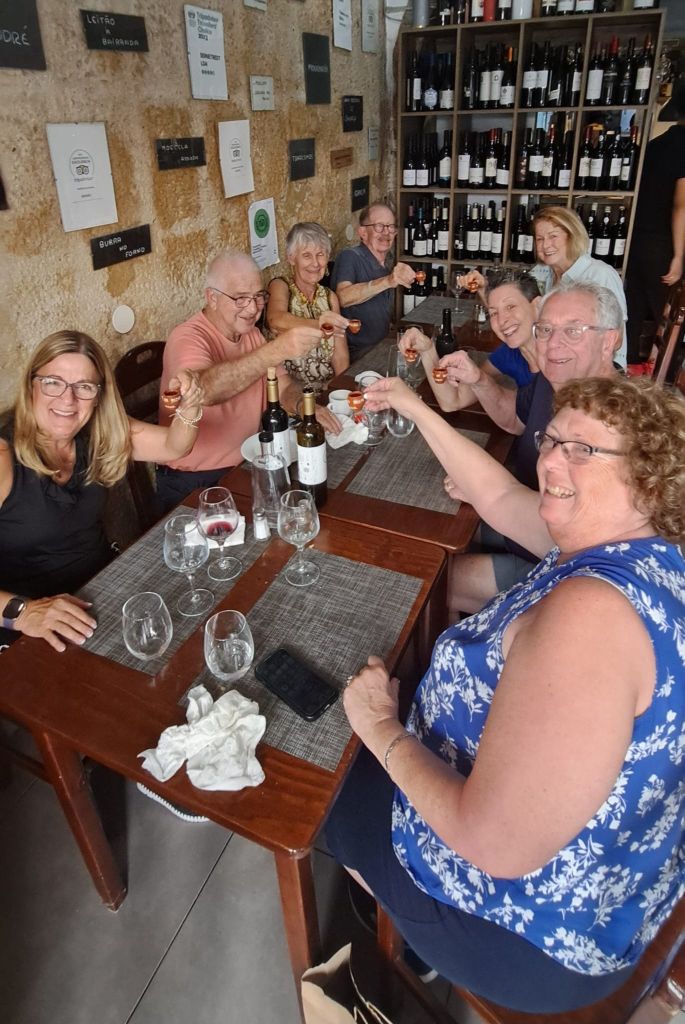
This is half of our group. Cheers!

On the other side of Rua Augusta is technically the historic Alfama neighborhood, a must-see area of Lisbon!

Next up: LOVING LIVING LIKE A LOCAL IN LISBON #6: ANCIENT ALFAMA