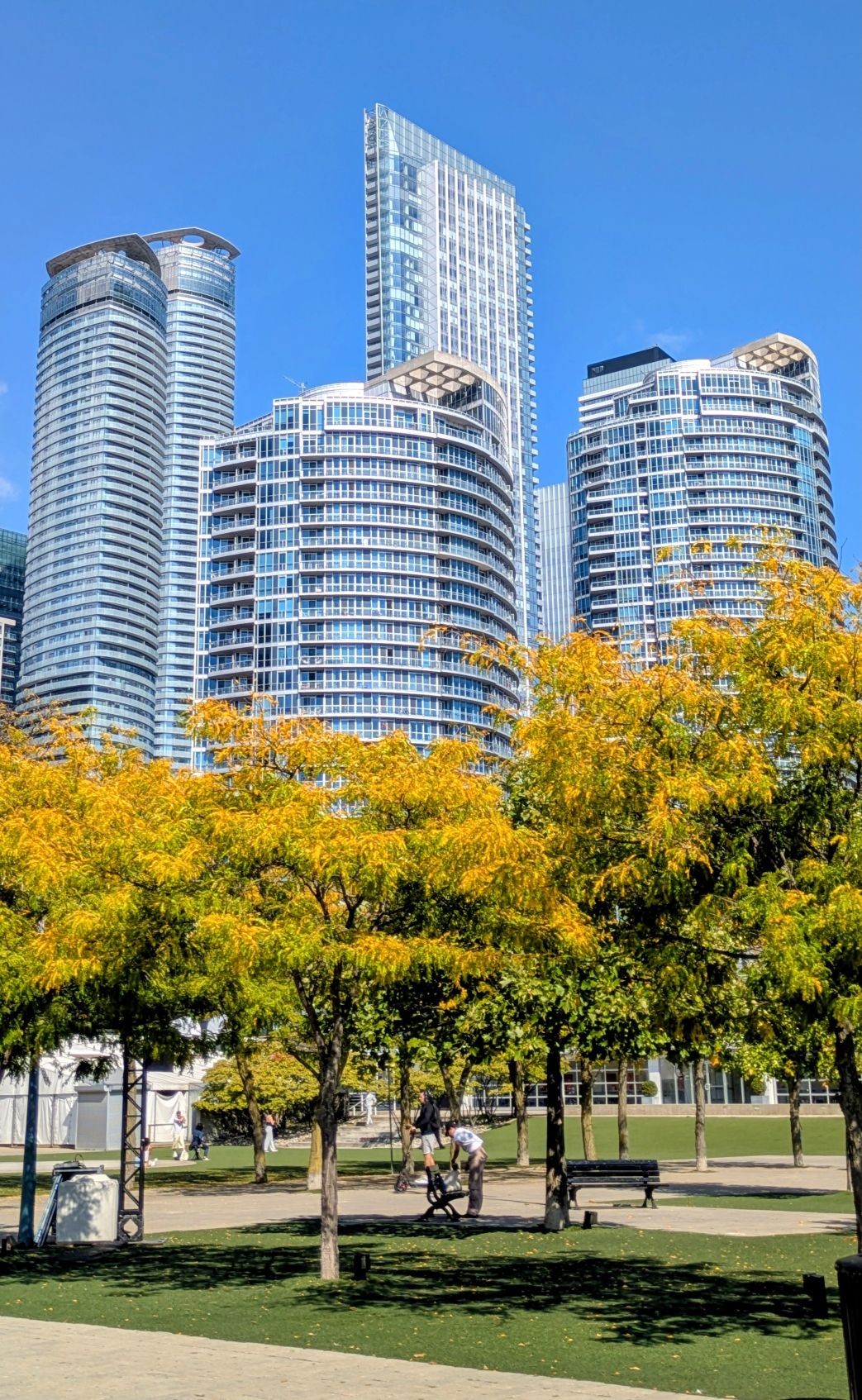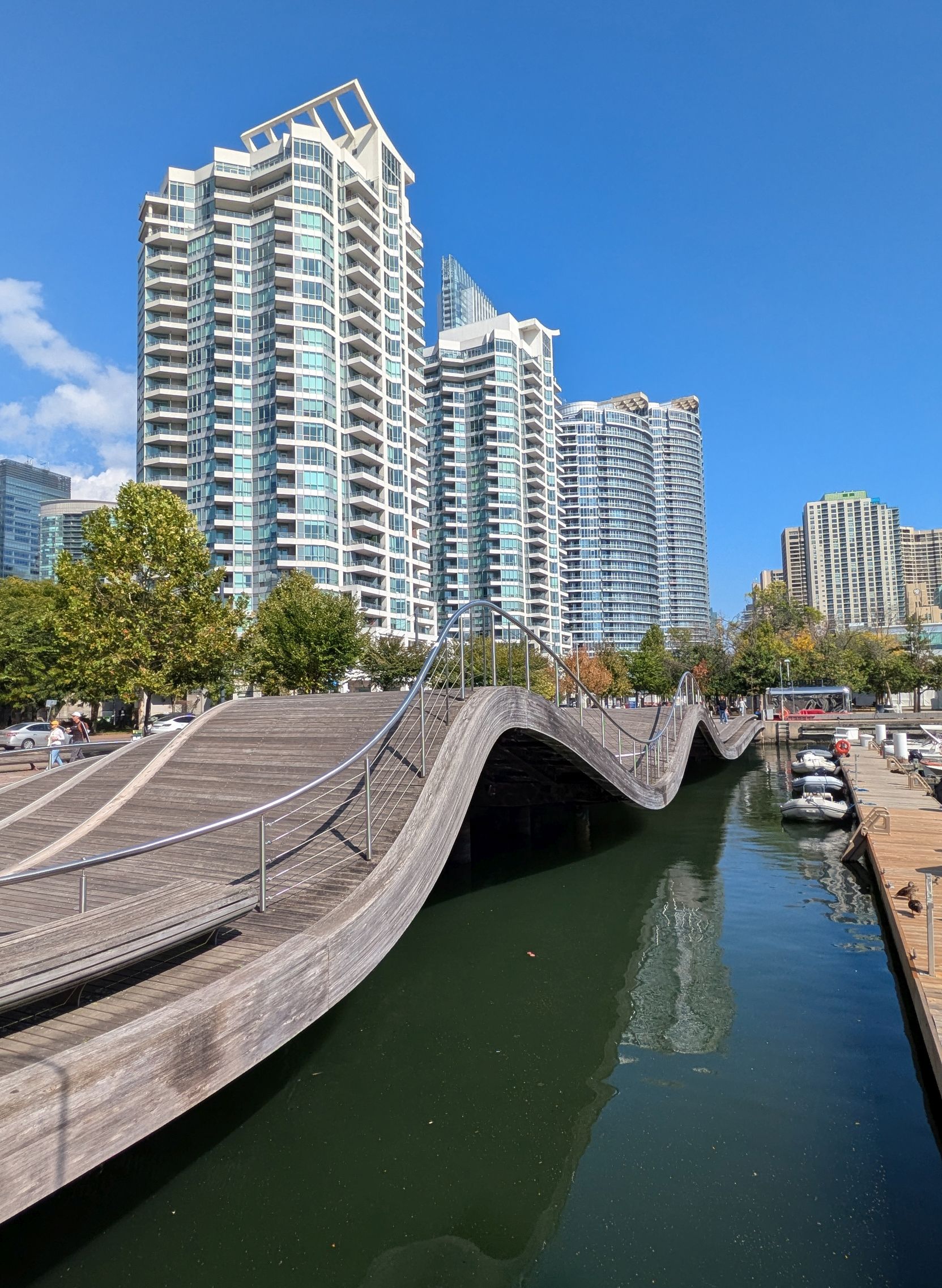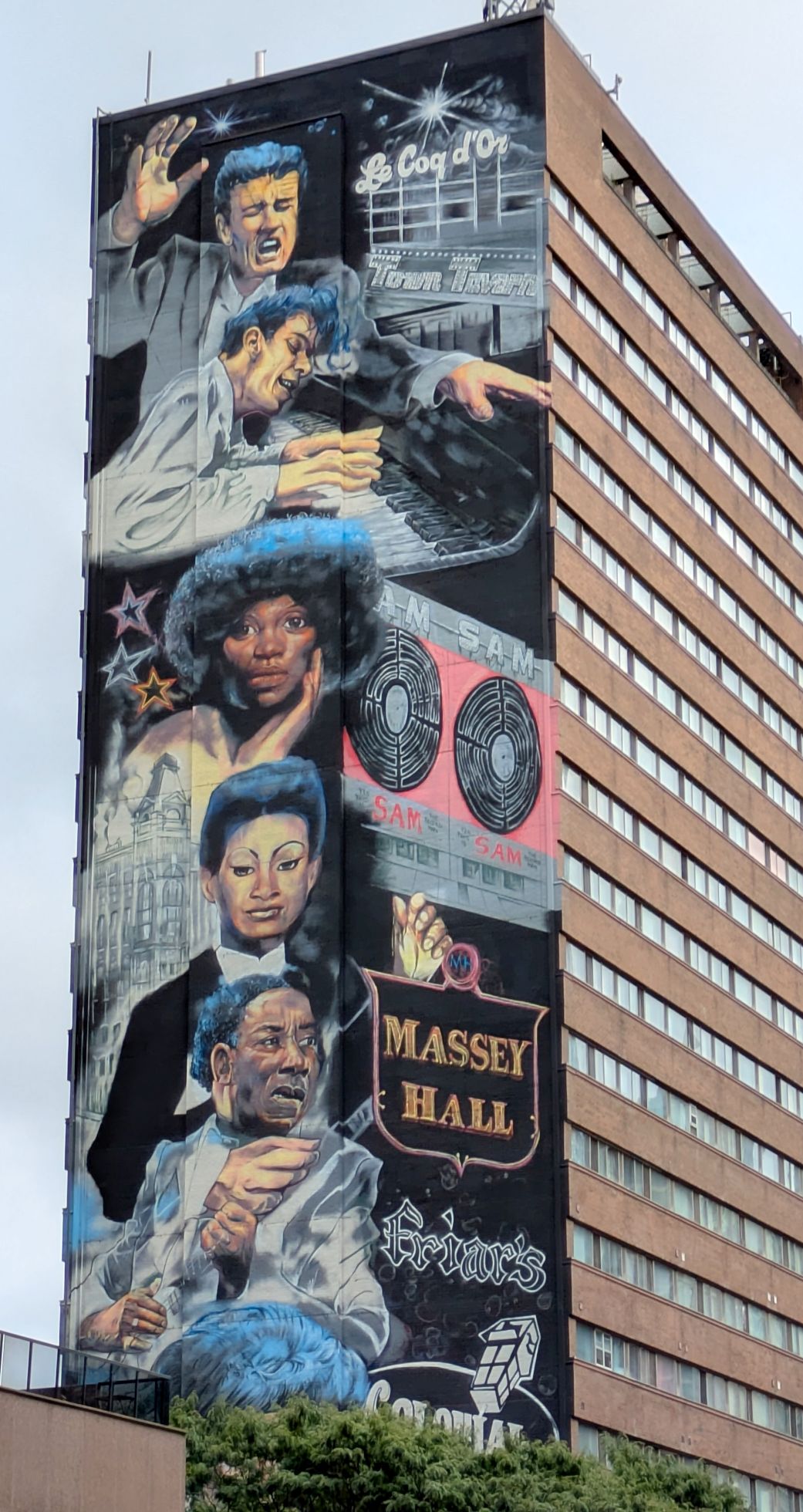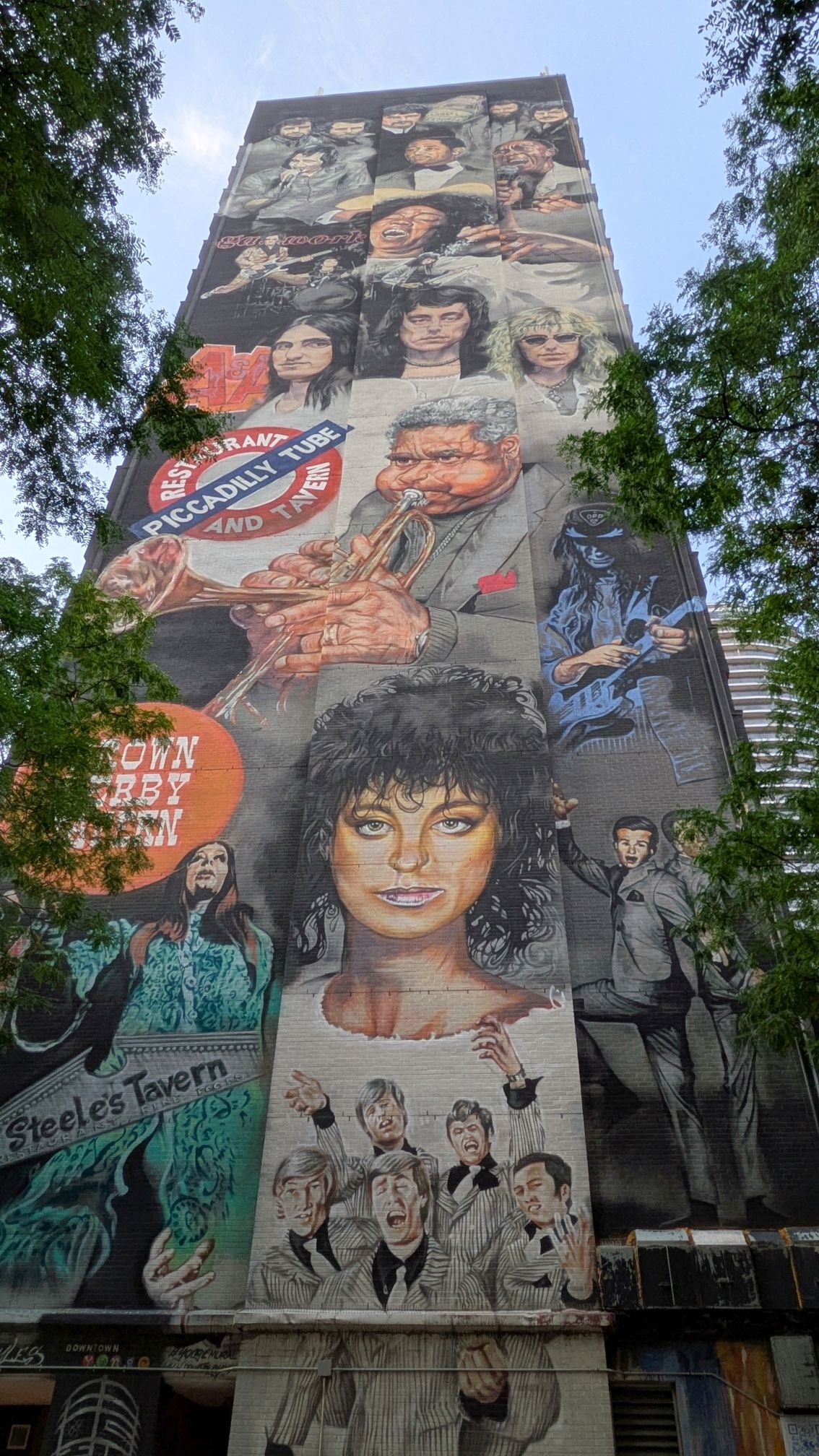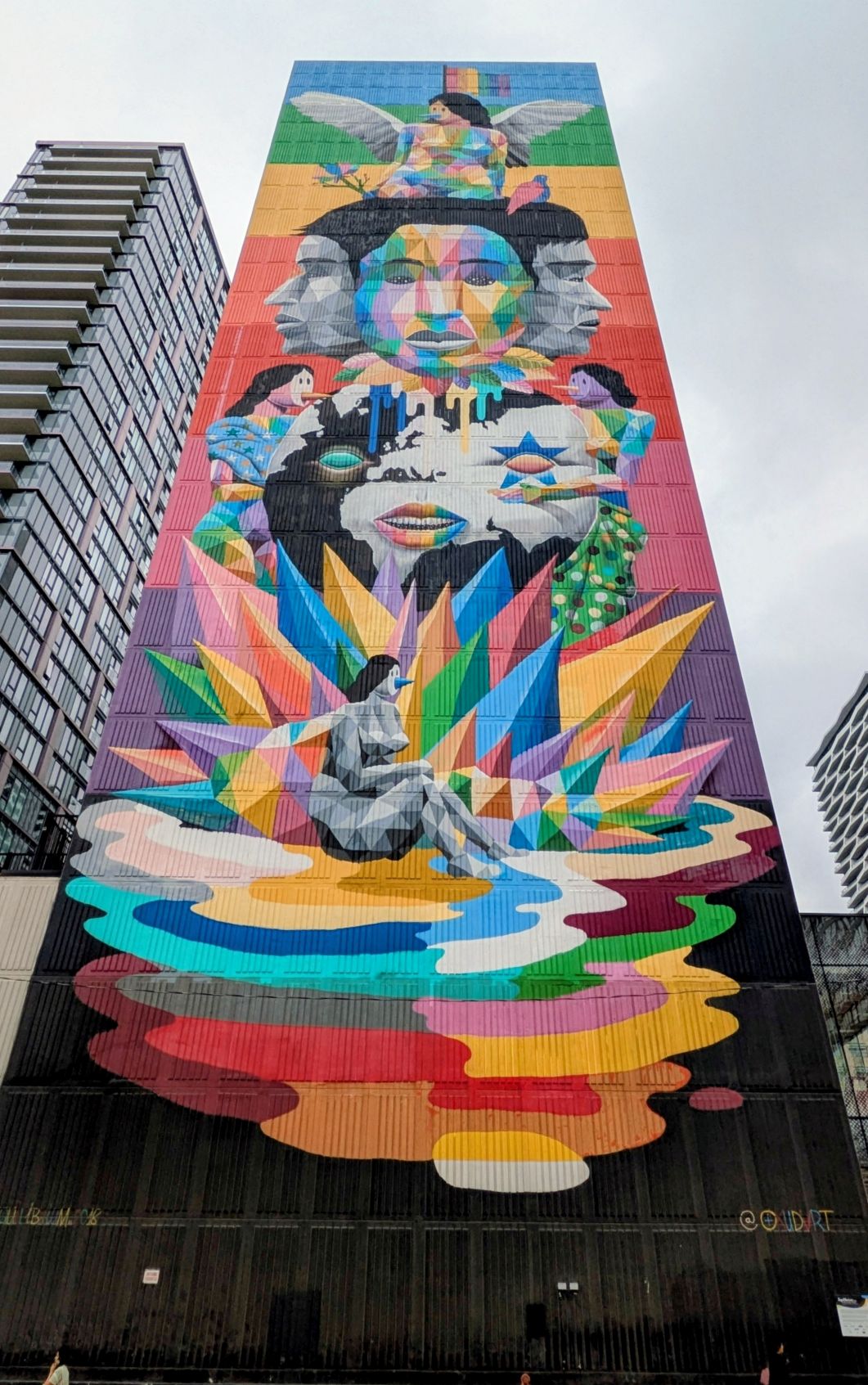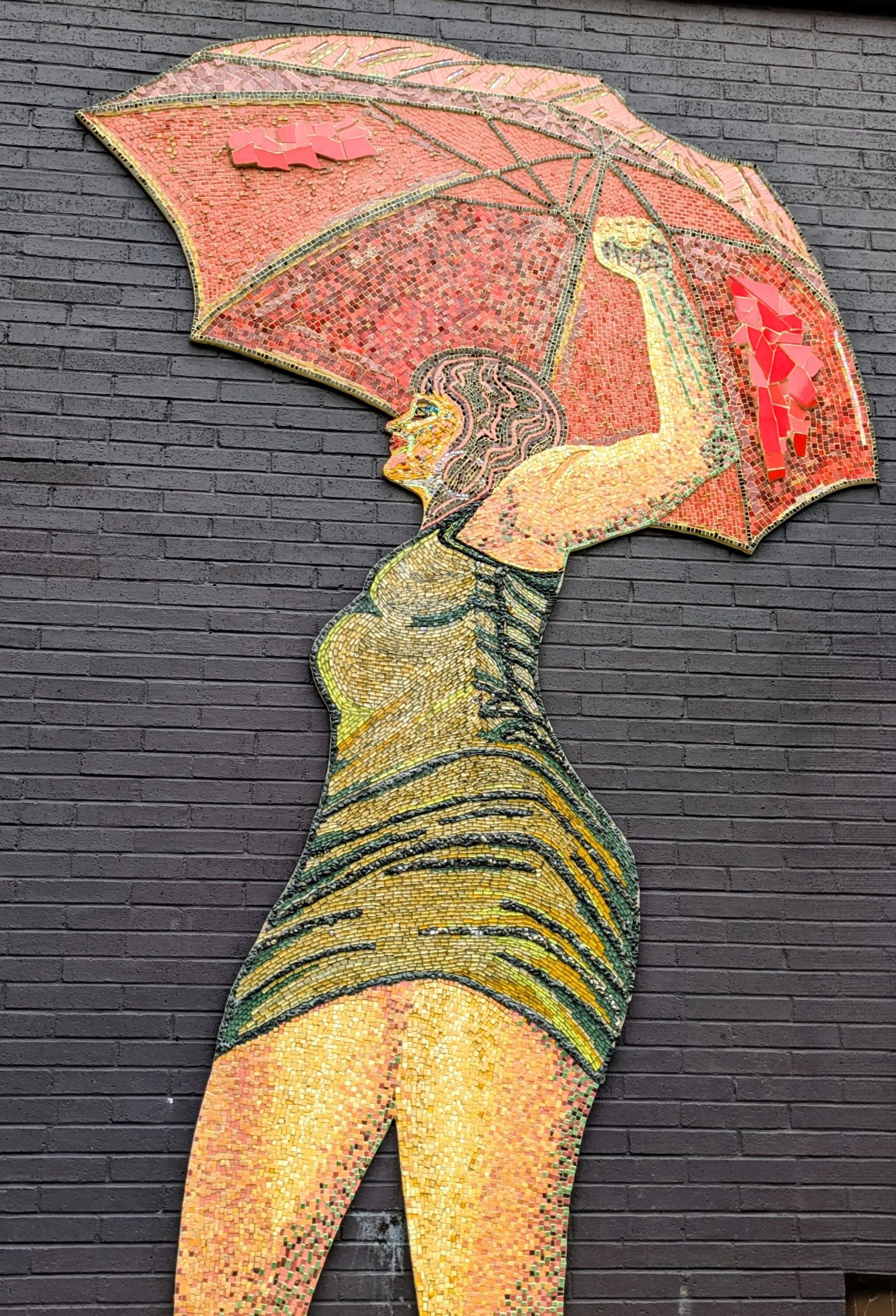
TERRIFIC TORONTO #6: ITS IDYLLIC ISLANDS

The Toronto Islands were on our must-see list from the moment we started researching the city for our trip, but the idea was cemented following our harbor cruise that included the islands. They were beautiful, from what we could see from the boat, and we wanted to explore more on foot.

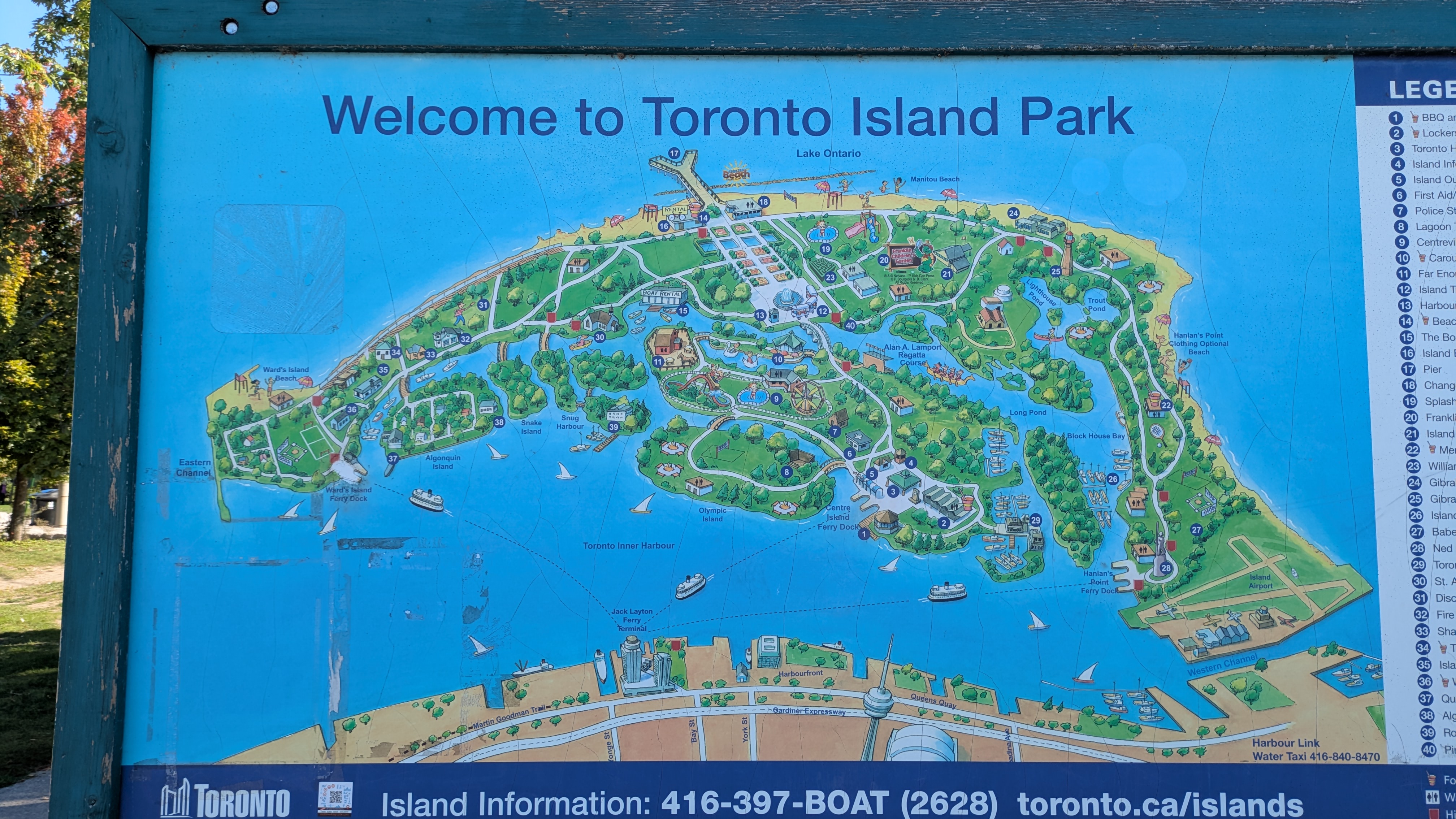
Although there are water taxis that will get you to the islands faster, what’s the rush? We took the less expensive and relaxing route by hopping on a ferry at the Jack Layton Ferry Terminal. Depending on the arrival destination, ferries leave as often as every 15 minutes, and the cost for a round-trip ticket is only $9.11 for adults, $5.86 for students, and $4.29 for seniors. No extra charge for your bicycle. Hot tip: Be a contrarian, avoid the longer lines, and don’t take the Centre Island ferry like most tourists do. We opted for Hanlan’s Point and then enjoyed the beautiful walk that ultimately took us to Center Island for the trip back to the city. When we returned on our last day, we saw the west portion of the islands and took the Ward’s Island ferry.

(For all photos, click on the image for a full screen view.)
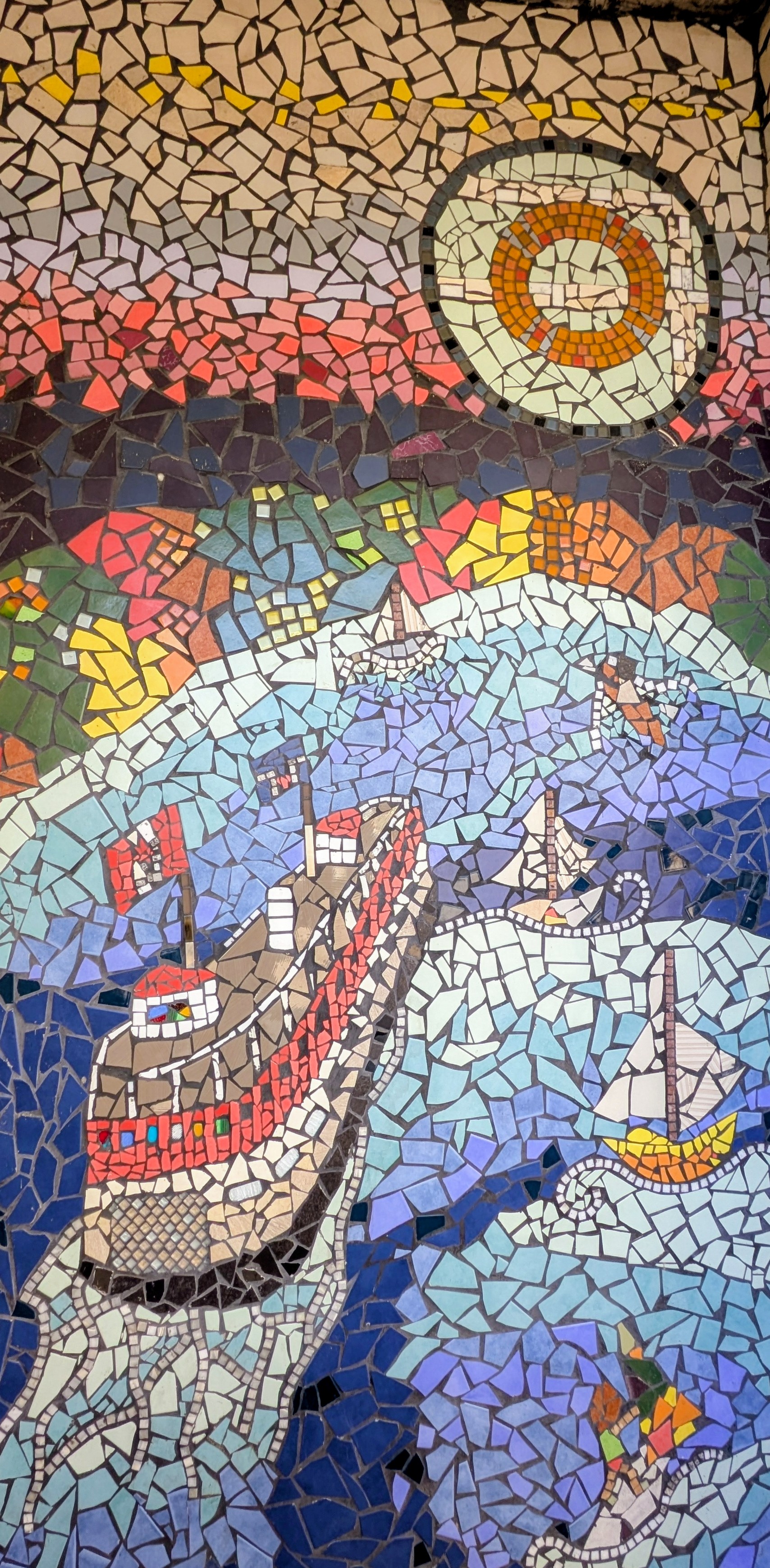
Jack Layton Ferry Terminal Mosaic Mural

Toronto thought of everything when it came to signage on the islands for tourists. One of the signs provides the distance between each of the three island ferry terminals (Centre Island, Hanlan’s Point, and Ward’s Island) and the amount of time it takes (on average) to walk between them. Of course, if it’s your visit, I doubt you will want to walk directly from one terminal to the other without stopping to take pictures, wiggle your toes in the sand, and dip one into frigid Lake Ontario. It does help with planning, though, so it was much appreciated. From where we landed at Hanlan’s Point, we knew it would be a 3.9 km walk to Centre Island. Taking inevitable detours, this alone indicated we would want to return another day to see Ward’s Island, since I knew my torn knee meniscus wouldn’t be able to handle the extra minimum of 2.9 km of walking. (I’m happy to say my surgically repaired knee could take that on now!)

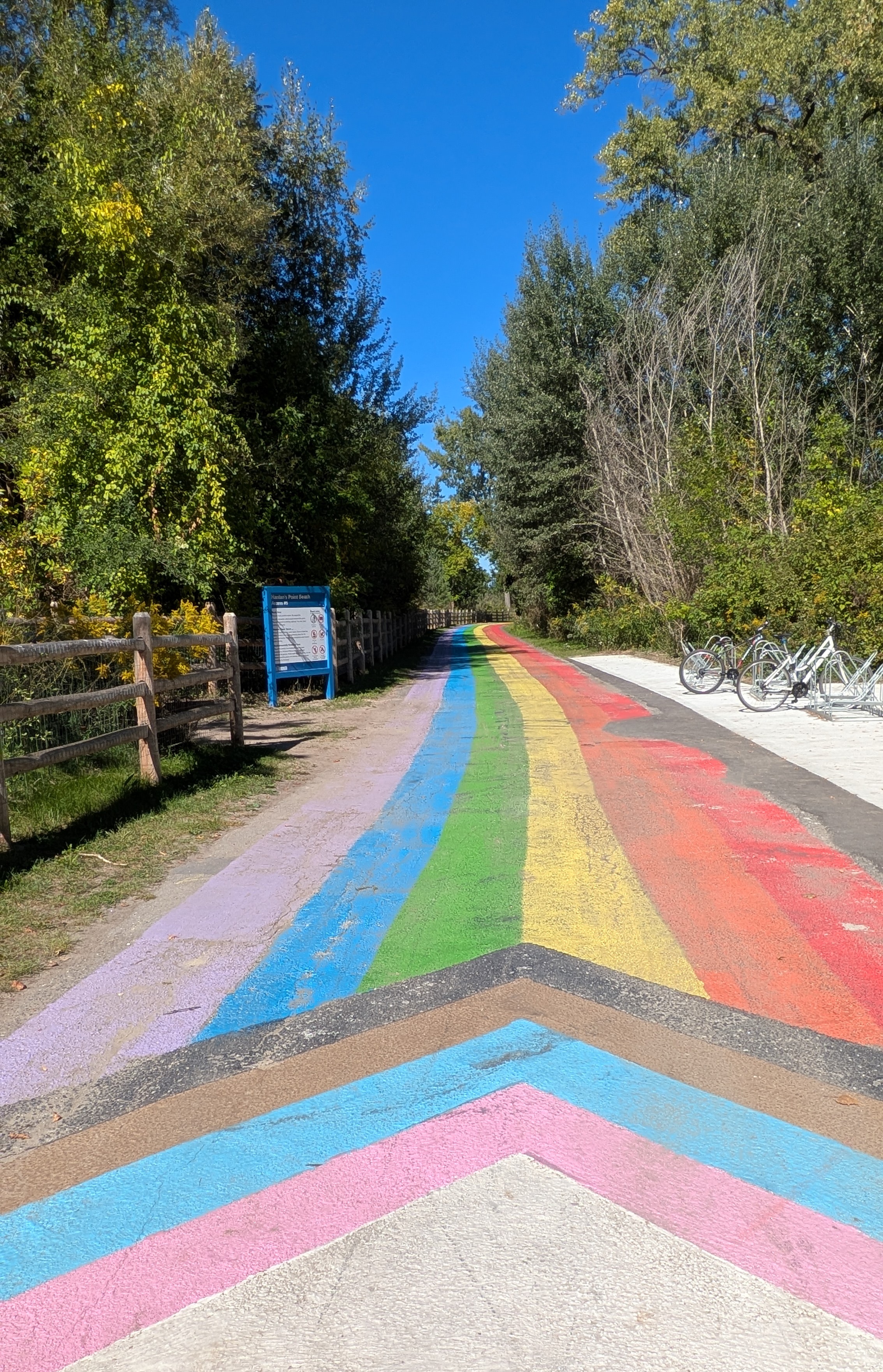
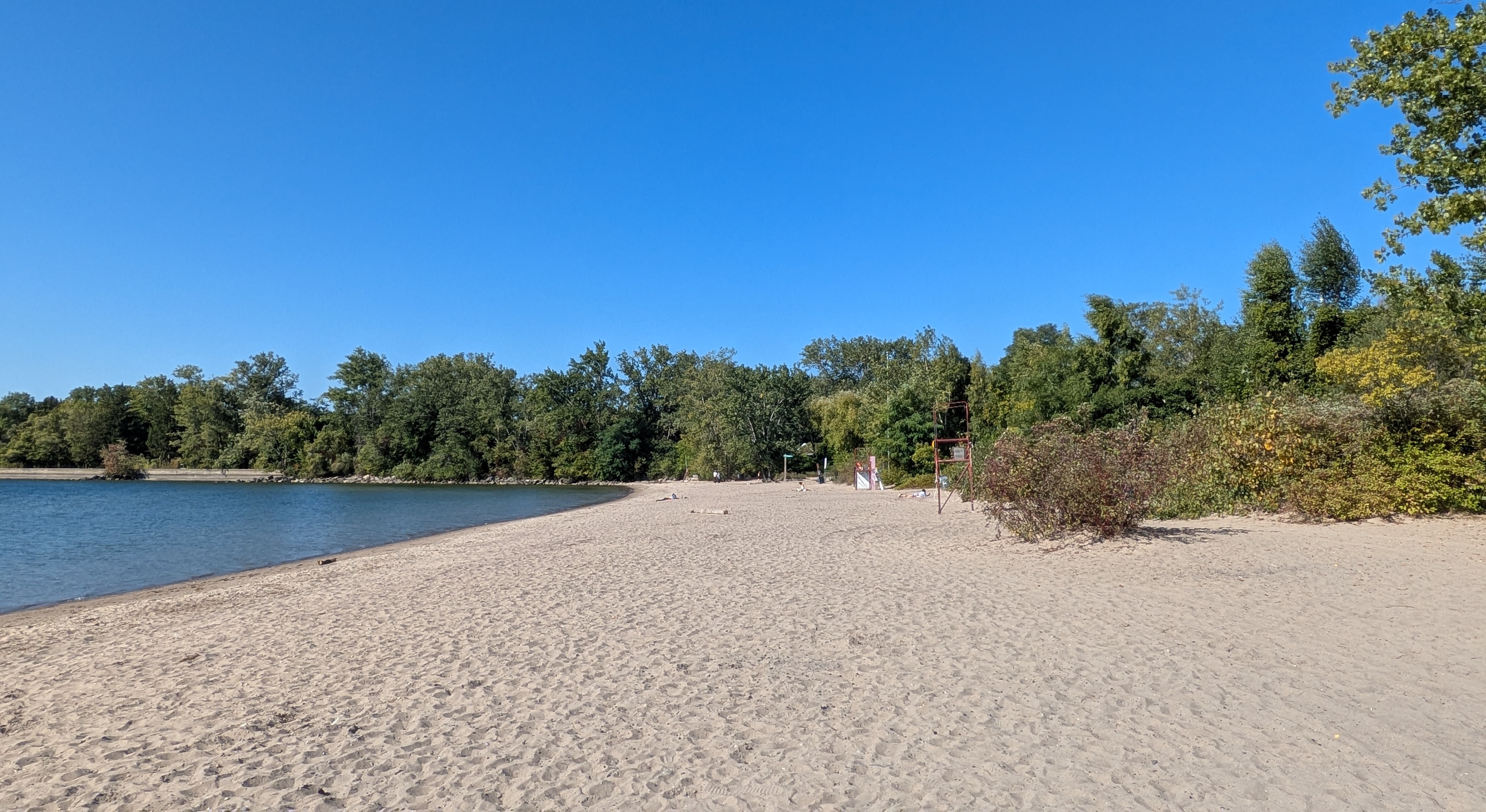
Another sign described each of the islands, just in case you couldn’t make up your mind which to see. “Hanlan’s Point is renowned for its beautiful sandy shores and is home to Toronto’s only clothing optional beach. It has been a gathering space for 2SLGBTQ+ people for nearly a century and is believed to be Canada’s oldest surviving queer space and one of the oldest continuous queer spaces in the world.”

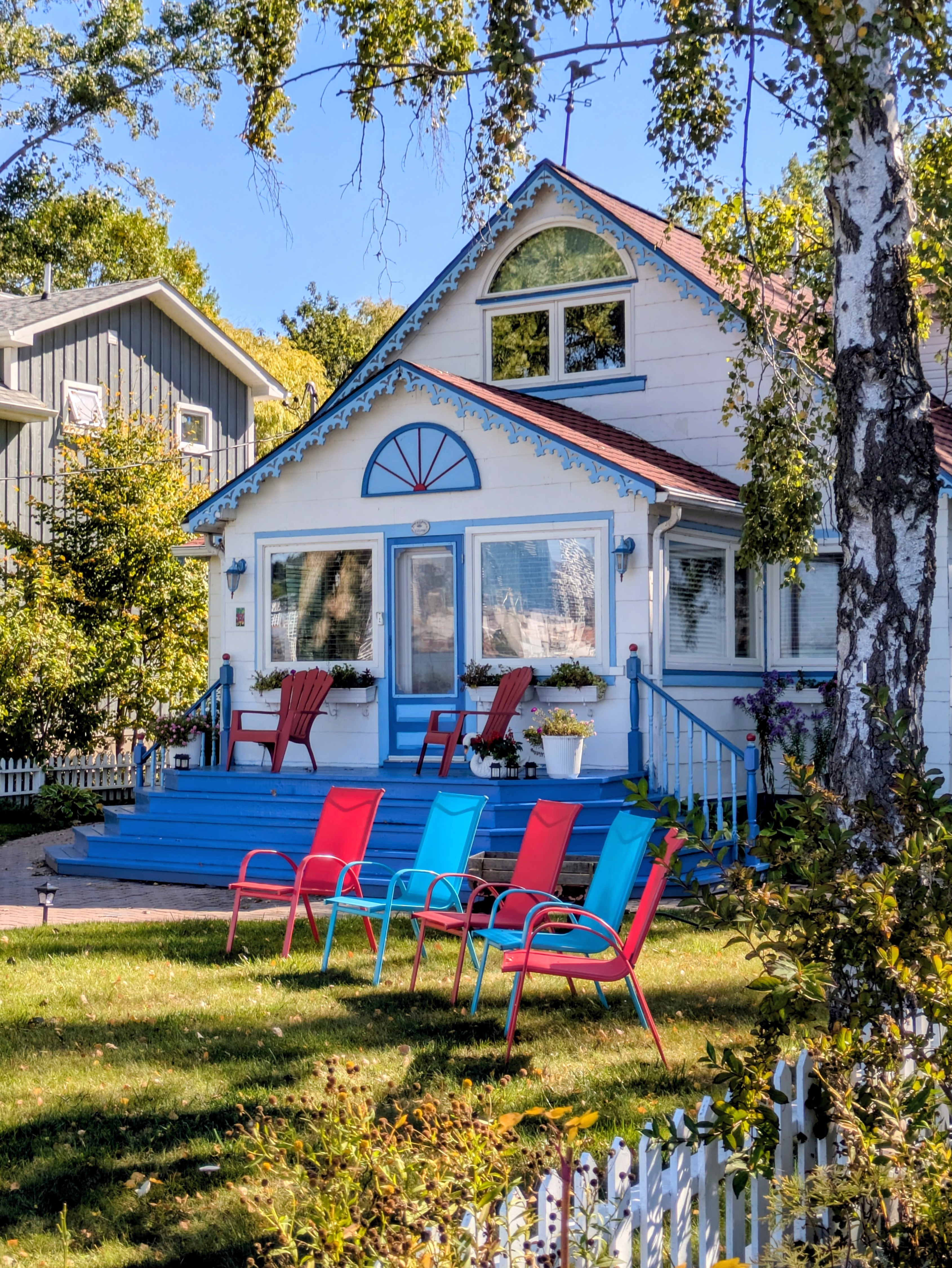
“Ward’s Island offers a unique glimpse into the island’s residential community with charming houses and a relaxed, vintage-like atmosphere. Stroll through peaceful streets or explore the sandy beach.”

Centre Island has plenty of tourist activities, including an amusement park, restaurants, and a beach with a pier.

There are other islands in the chain, fifteen in all, but these are the main ones that are easiest to access on foot. Although the total population on the islands is 700 (300 homes), many leave in the winter when the lake freezes over.

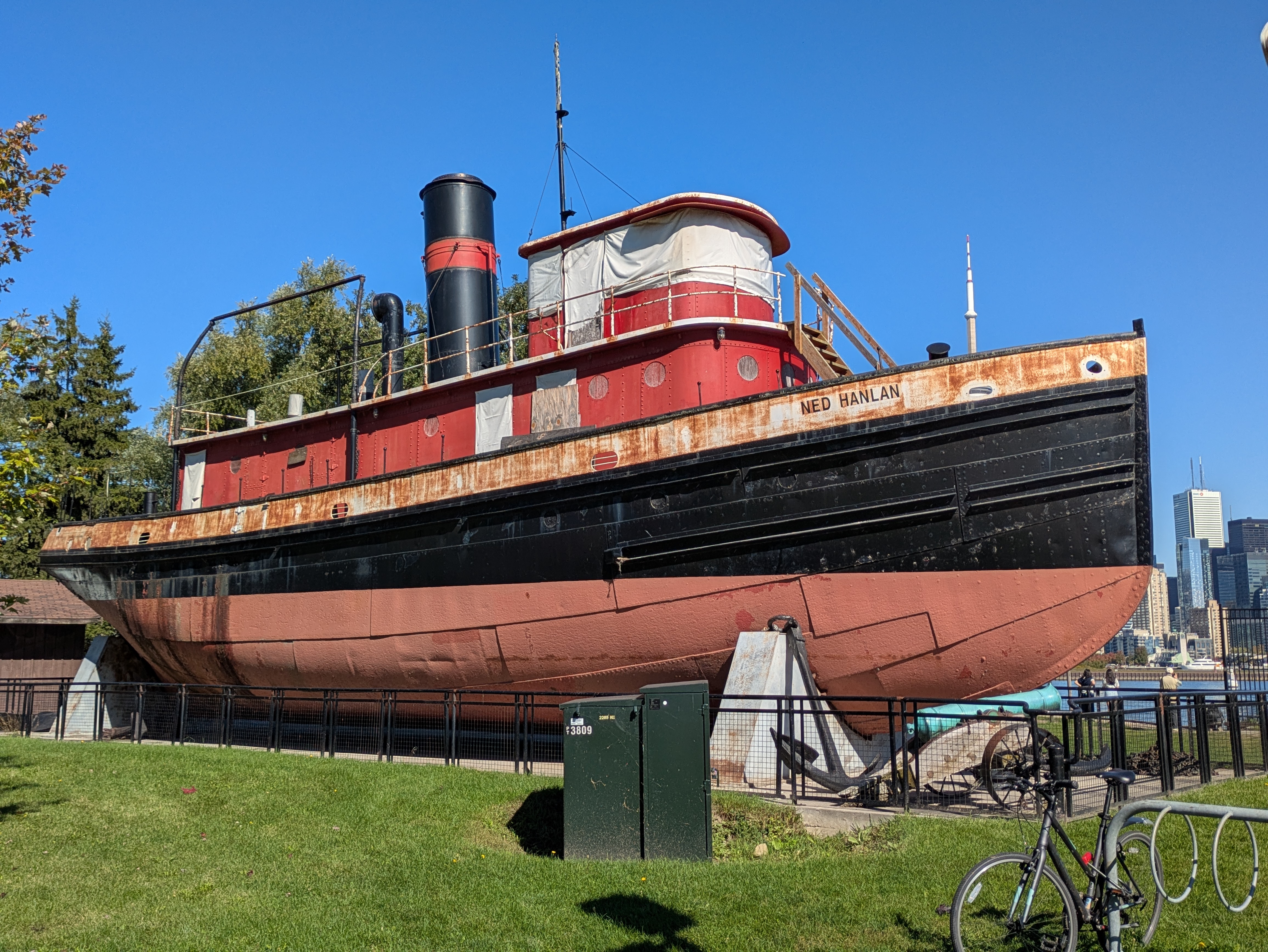
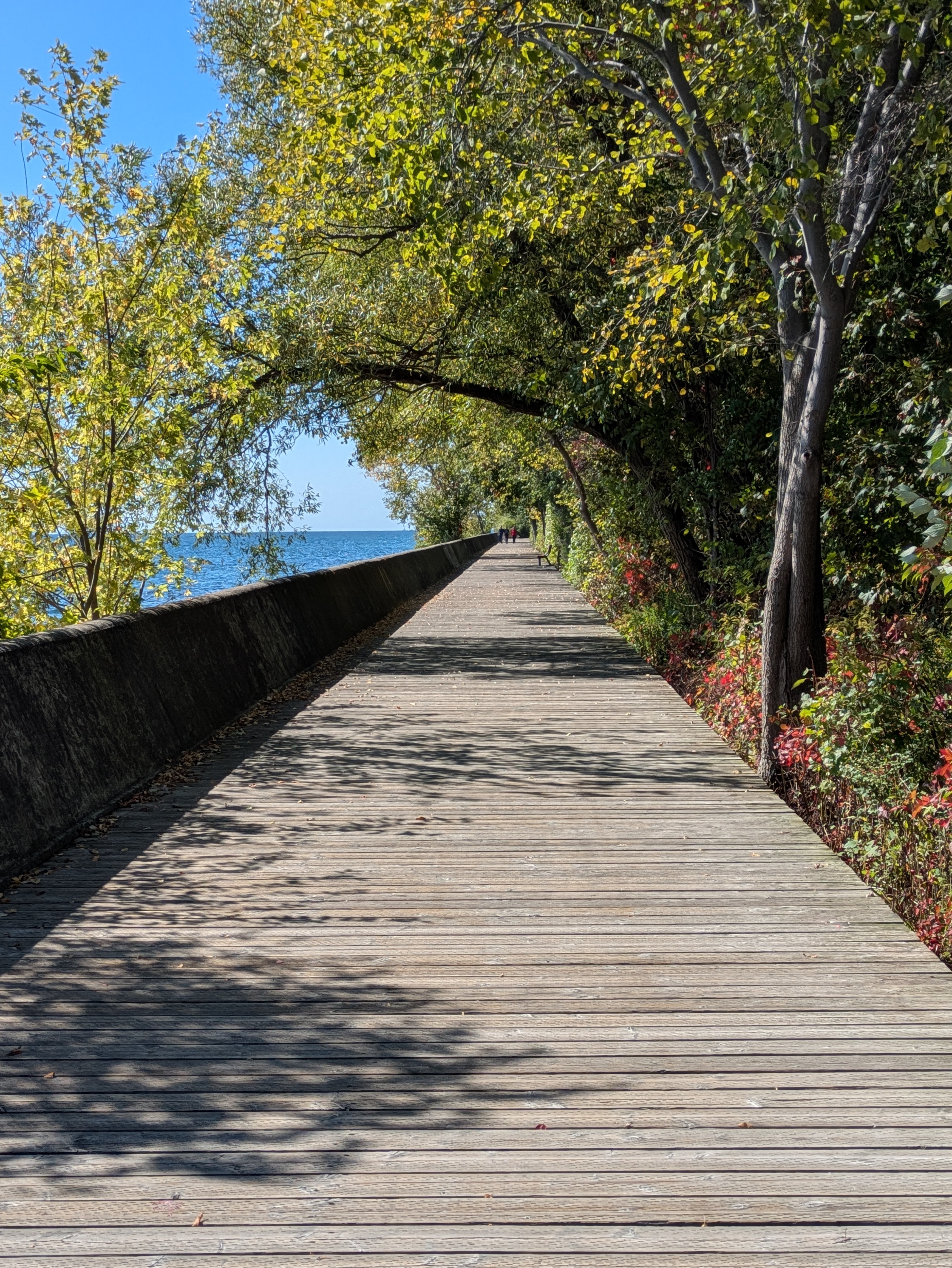
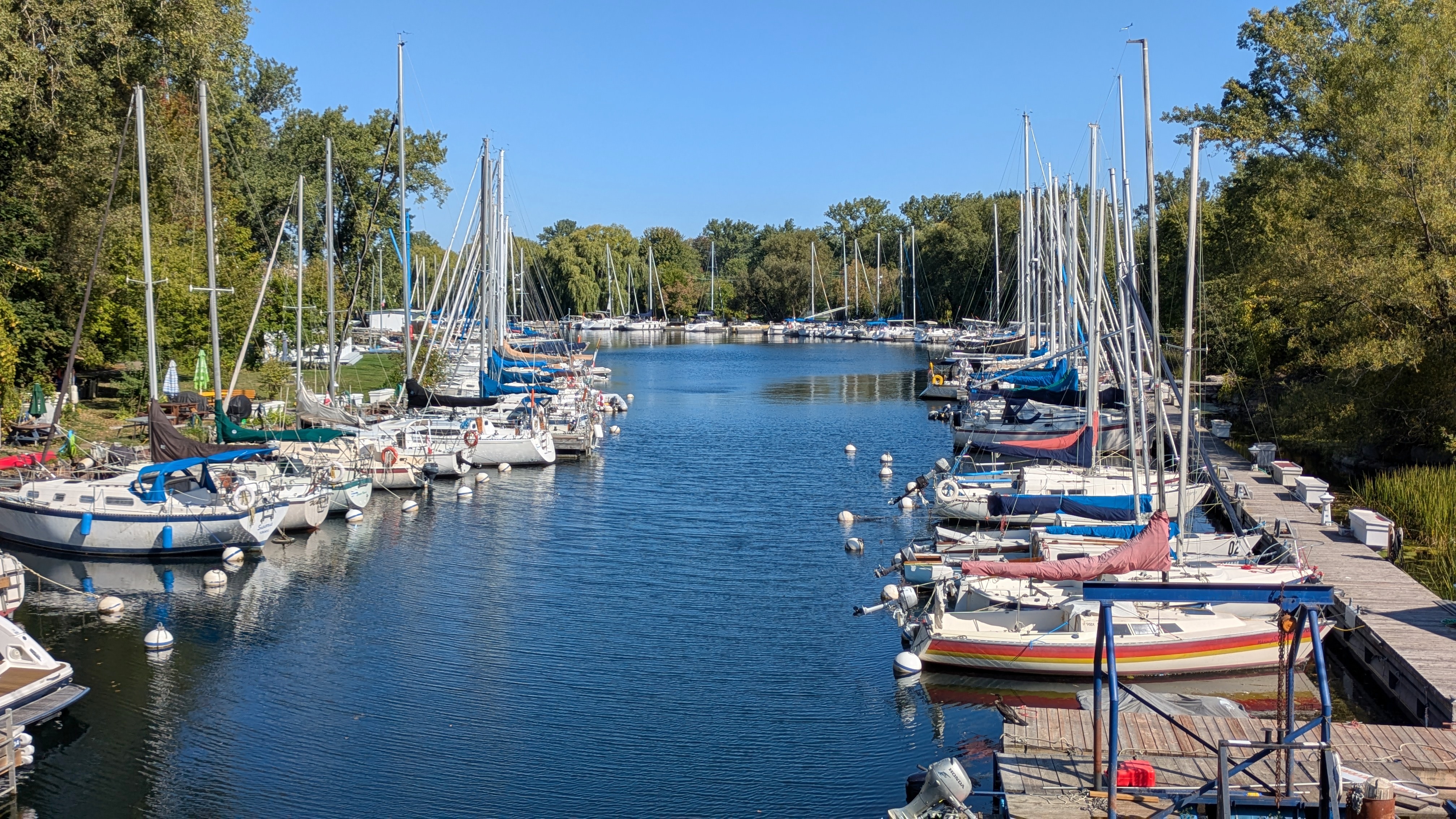
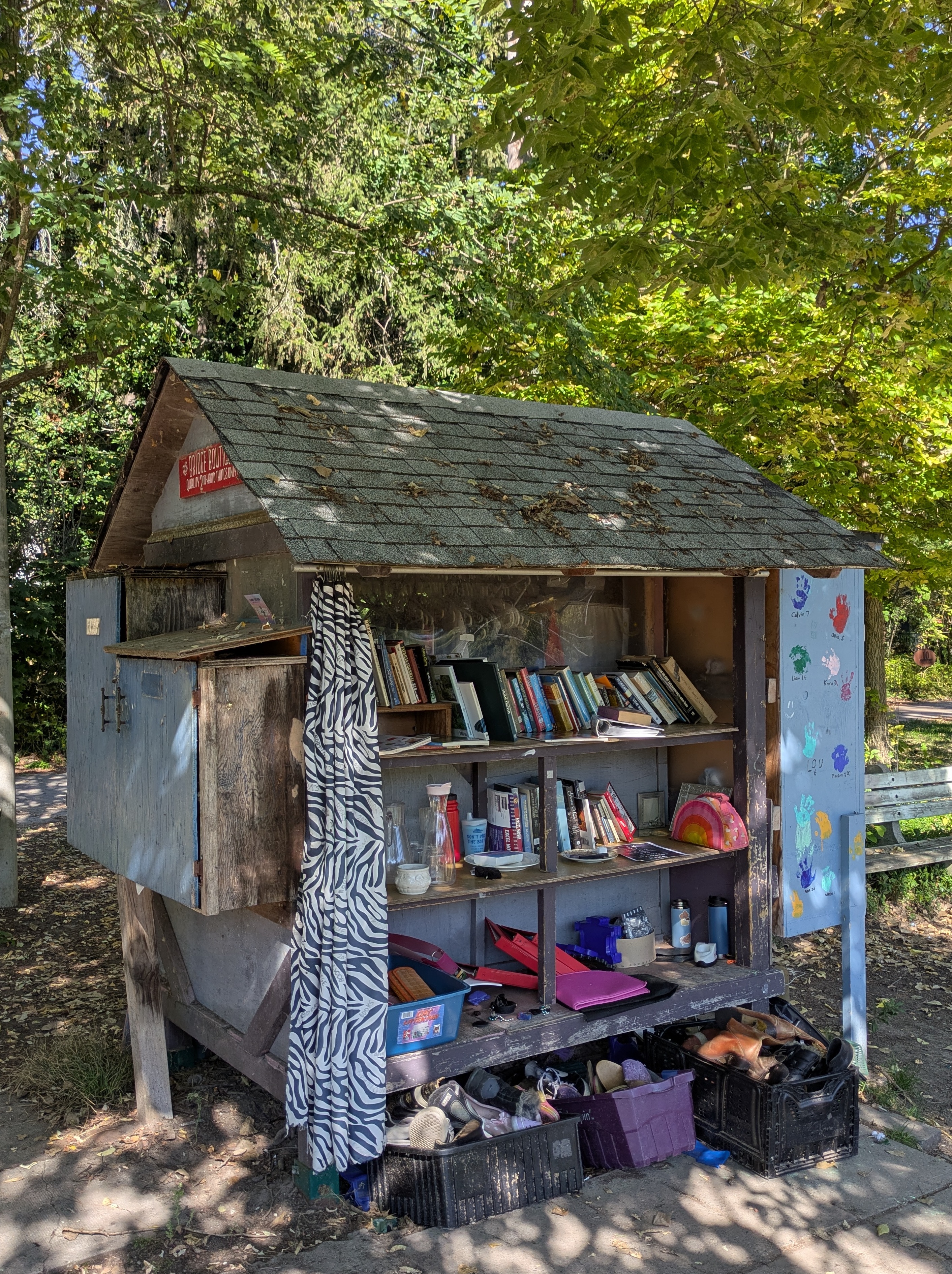
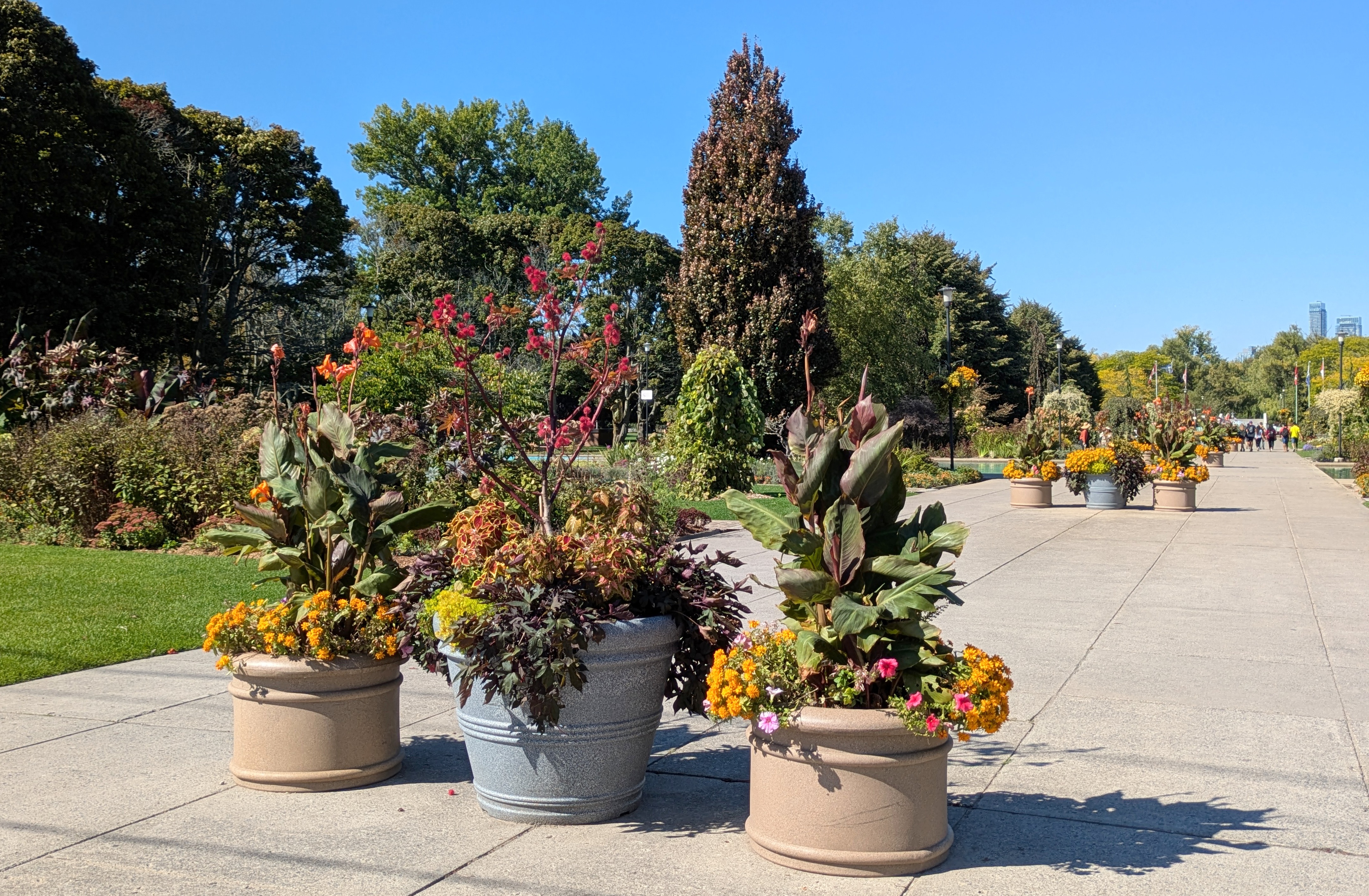
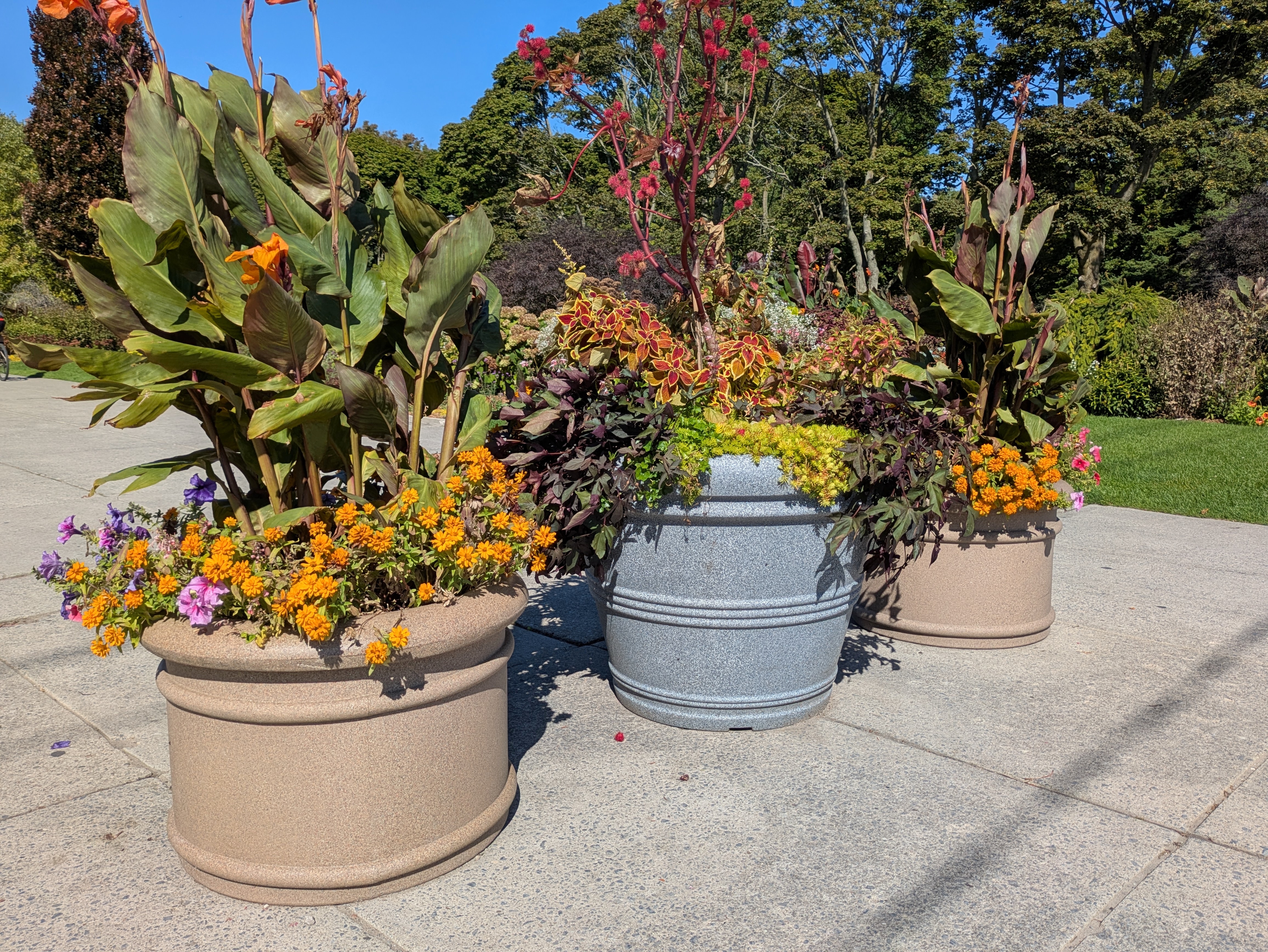
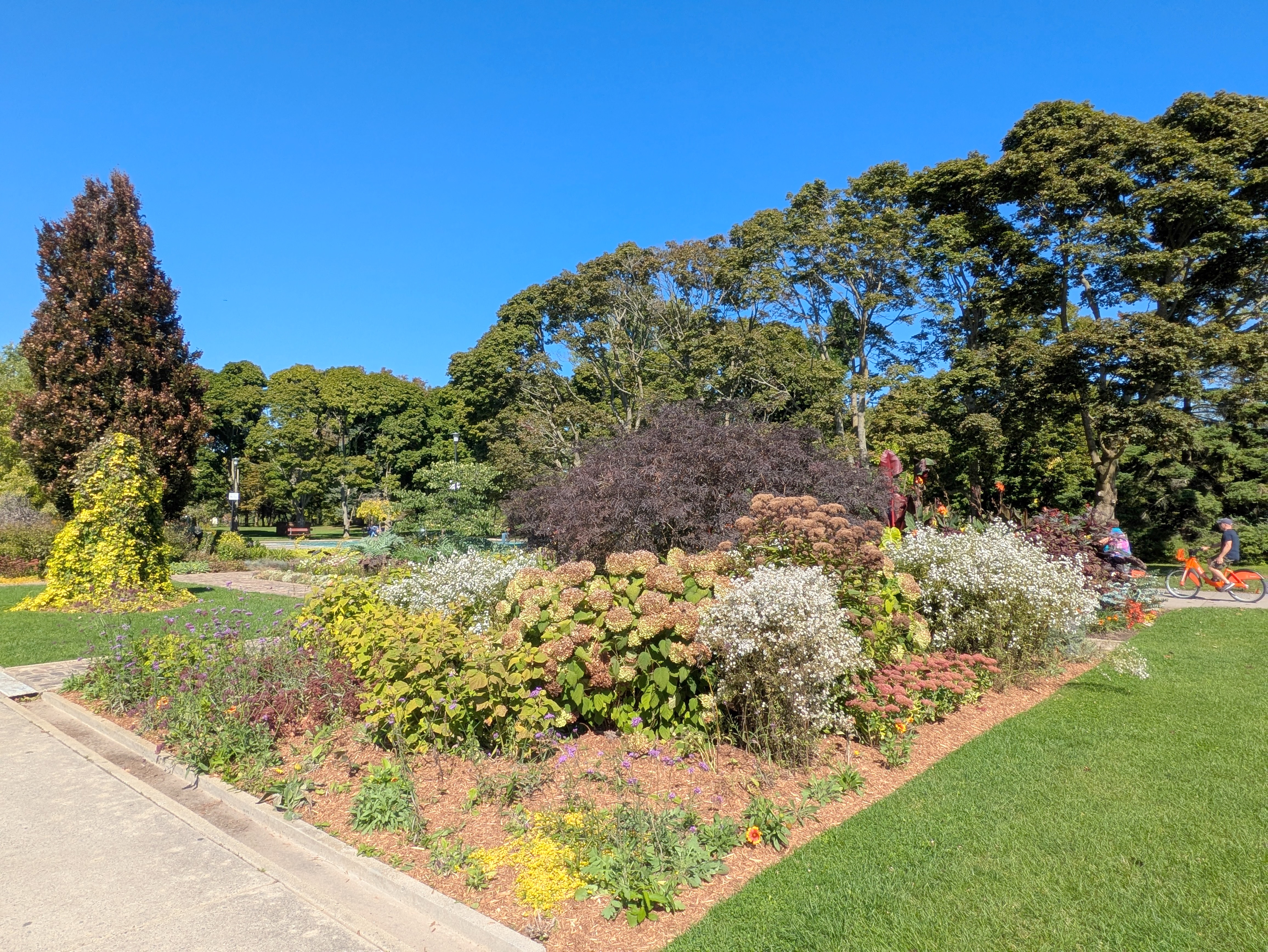
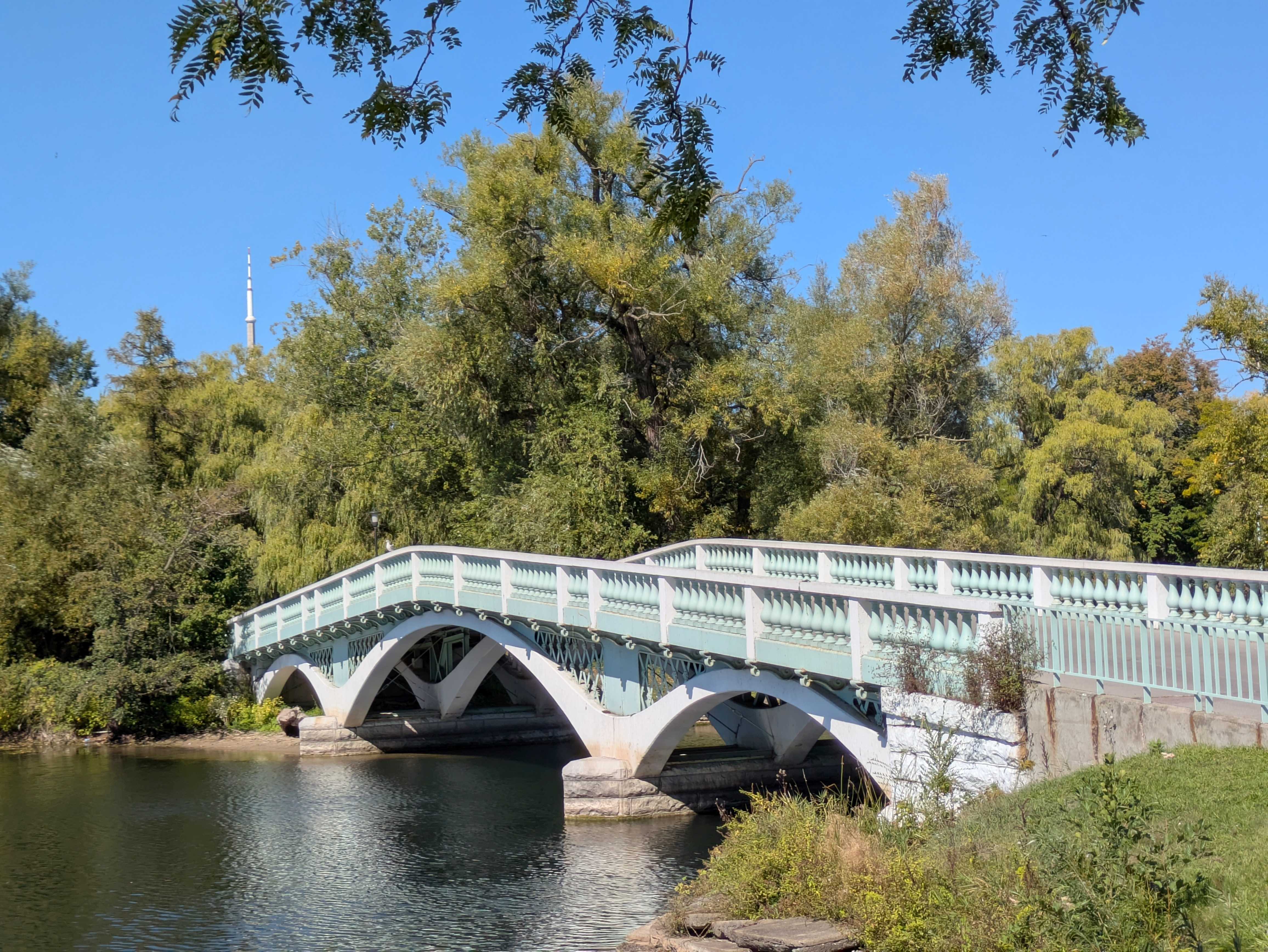
Come along with us as we disembark the ferry at Hanlan’s Point and see the islands on foot:

Hanlan’s Point Terminal
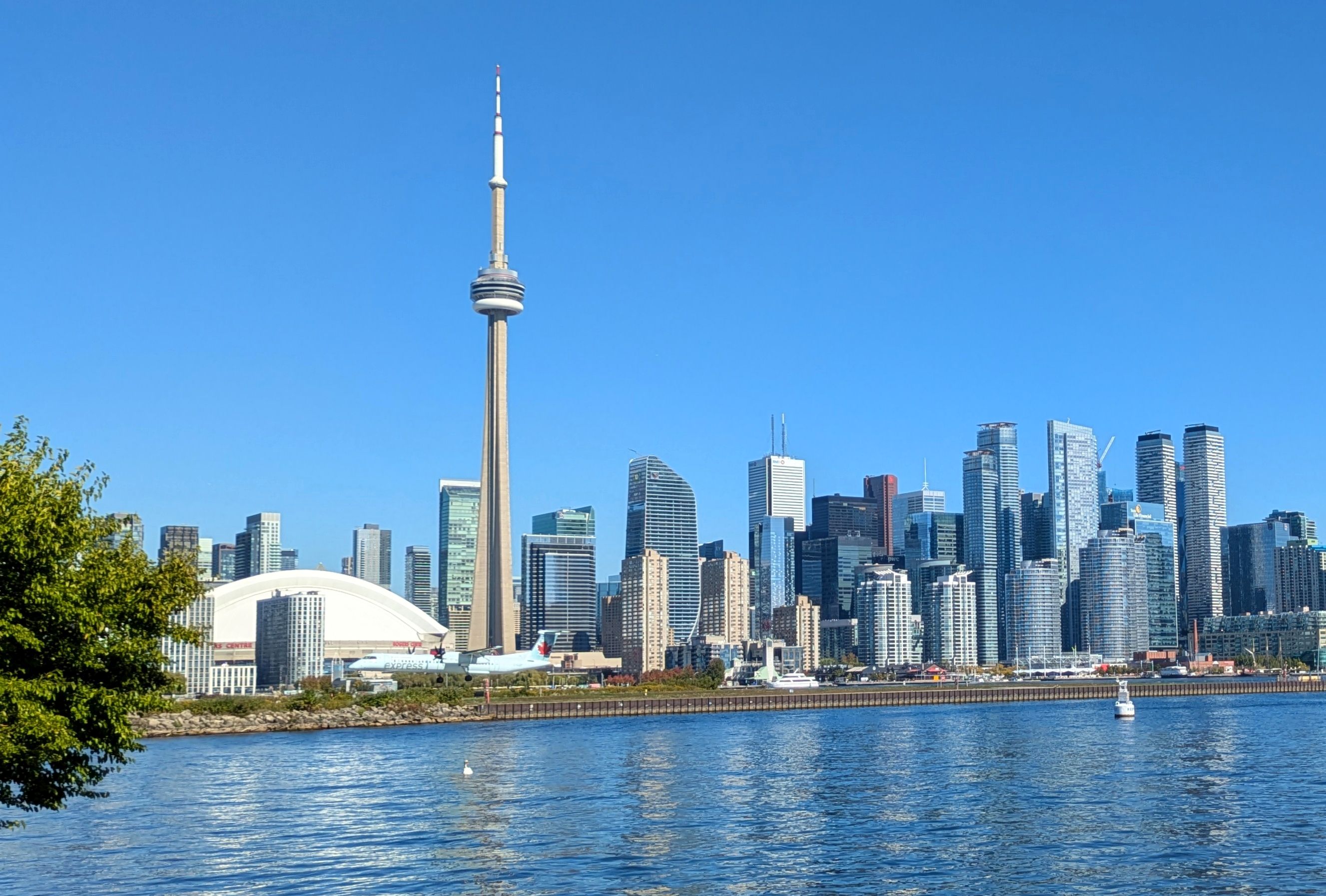
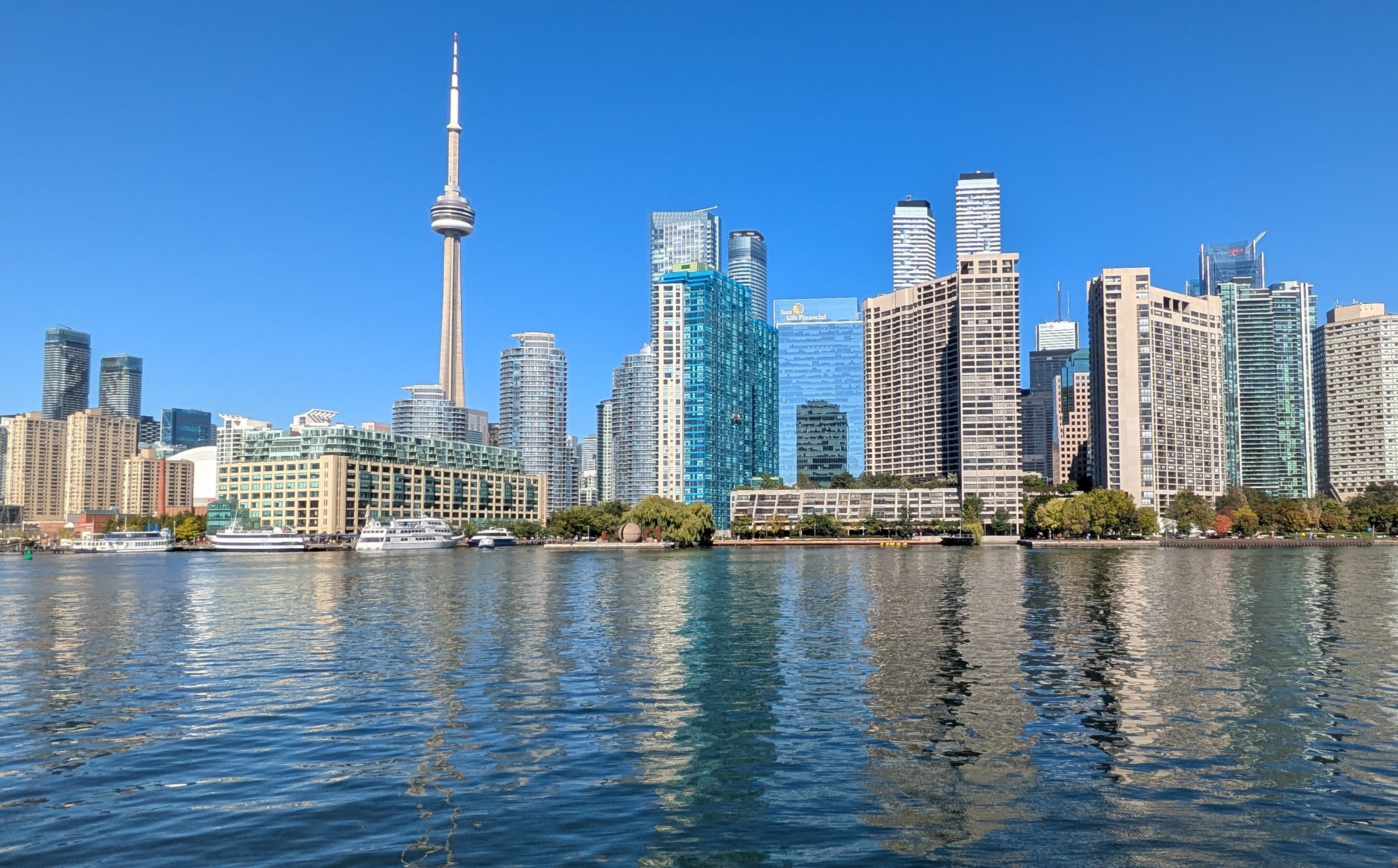
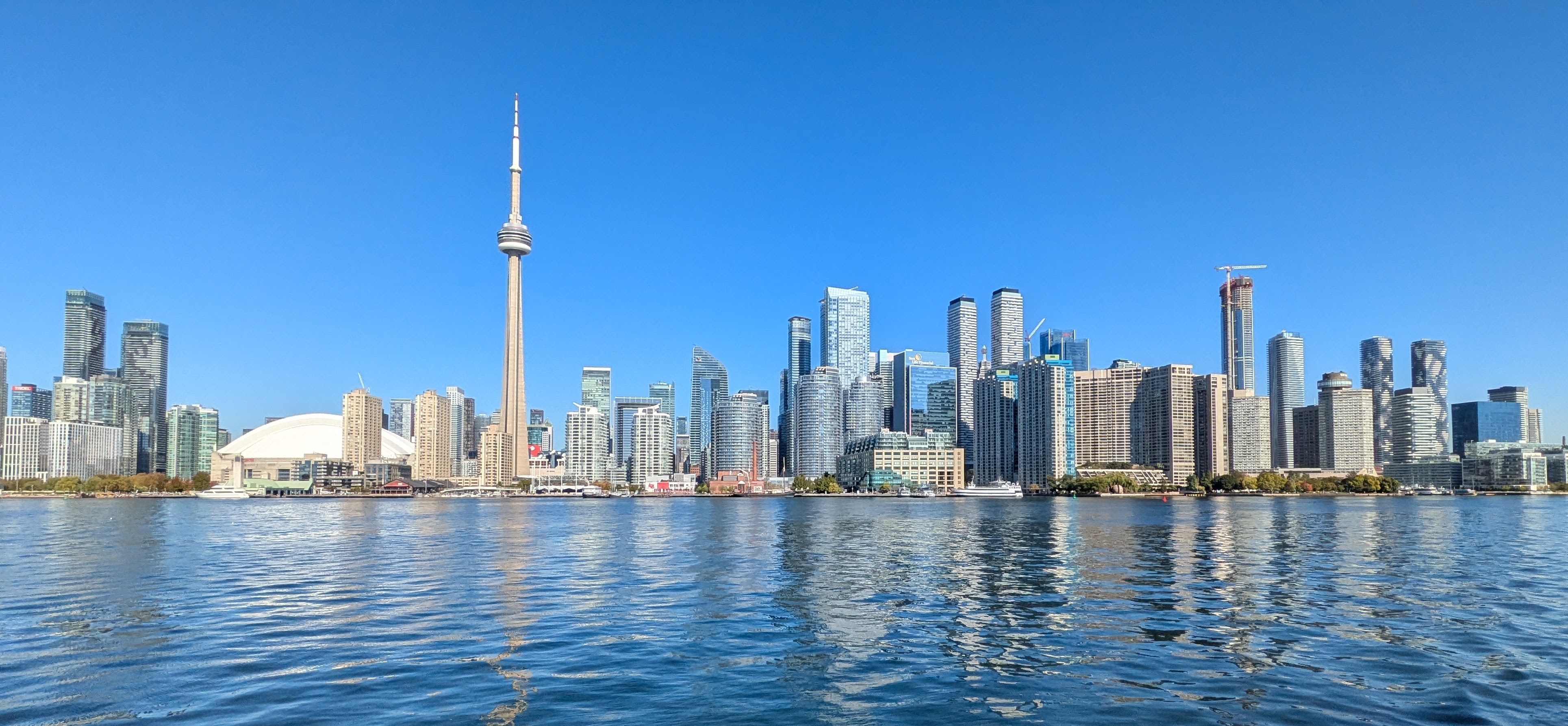
The view from the terminal looking back on the city is worth the price of the ferry ticket! Wait long enough, and you will see a plane coming into the airport for a landing. You can see it in front of CN Tower.
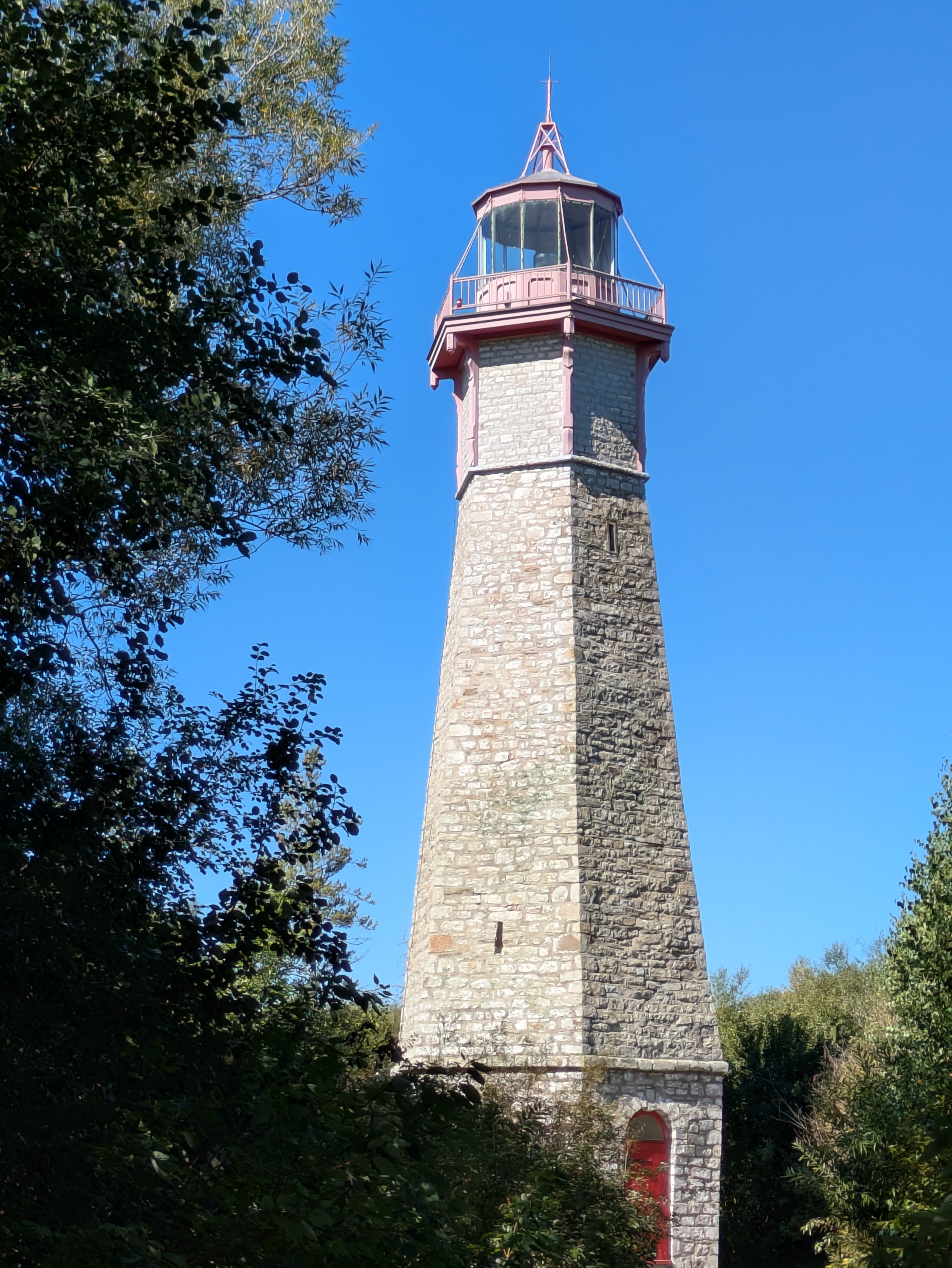
Gibralter Point Lighthouse, the second oldest surviving lighthouse in Canada, was completed in 1809.
The skyline view from Centre Island

Our final day in Toronto at Ward’s Island and Centre Island:

What an awesome treehouse!
The Centre Island walkway to the ferry terminal divided a beautiful park.
Self portrait

So long, Canada! Until we meet again! Thank you for being so warm and friendly– and not assuming we are all in support of our current White House occupant.

My favorite memory: The woman in front of us in line at Loblaw’s at Maple Leaf Gardens. She saw us counting what remained of our Canadian currency and discussing how much, if any, we would have left after our purchases. We were trying to use up our Canadian currency; however, I think she thought we were worried we didn’t have enough money. She turned to us and asked if she could pay for our groceries! I quickly explained our situation and politely declined, thanking her with enthusiasm and gratitude. (After all, it was a stack of Canadian Cadbury bars I was purchasing to bring home, because the American stuff is awful. We were not in need and weren’t going to go hungry.) Thank you, from the bottom of my hear!

TERRIFIC TORONTO #5: WALKING THE WATERFRONT & A CAPTIVATING CRUISE

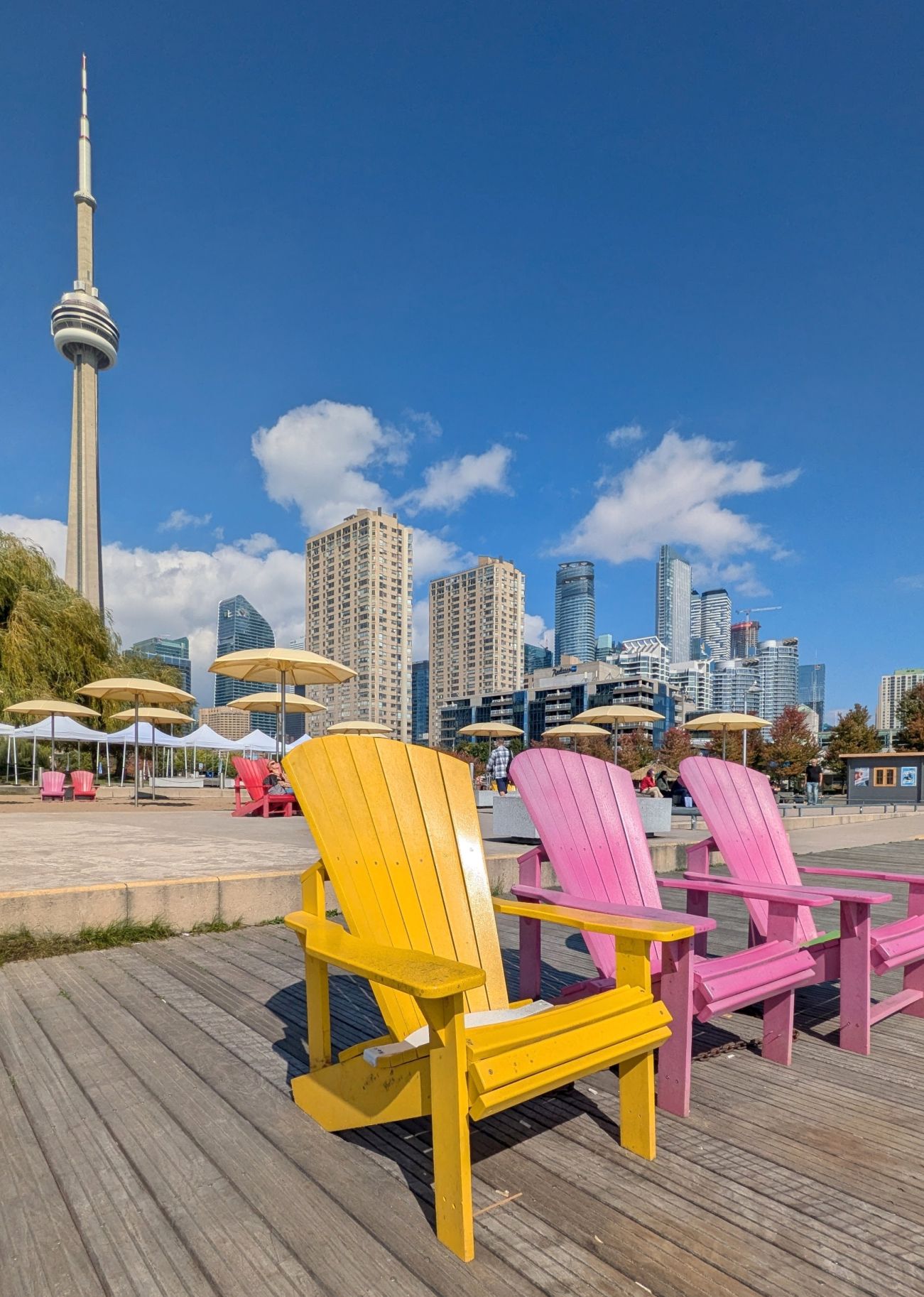
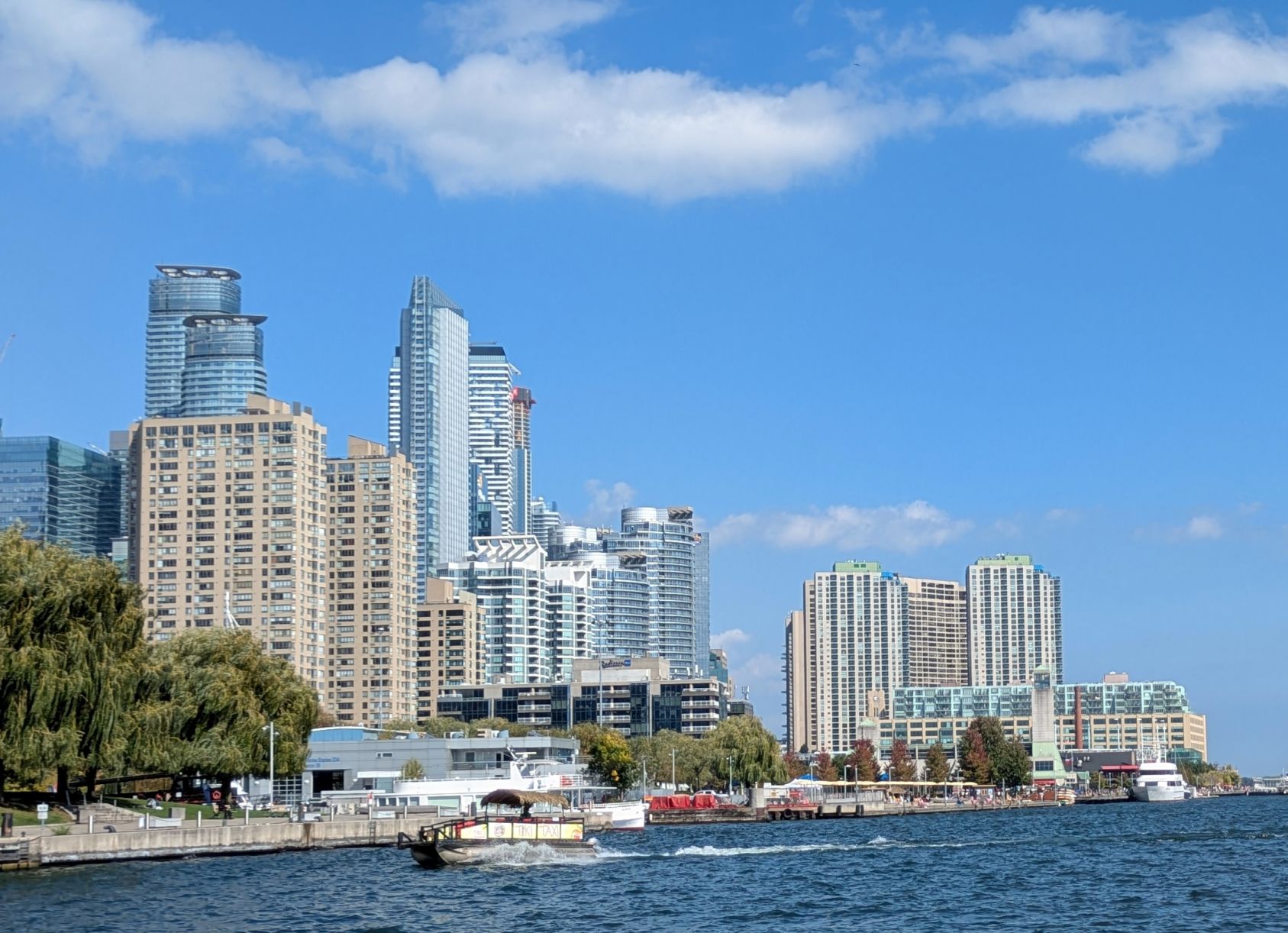
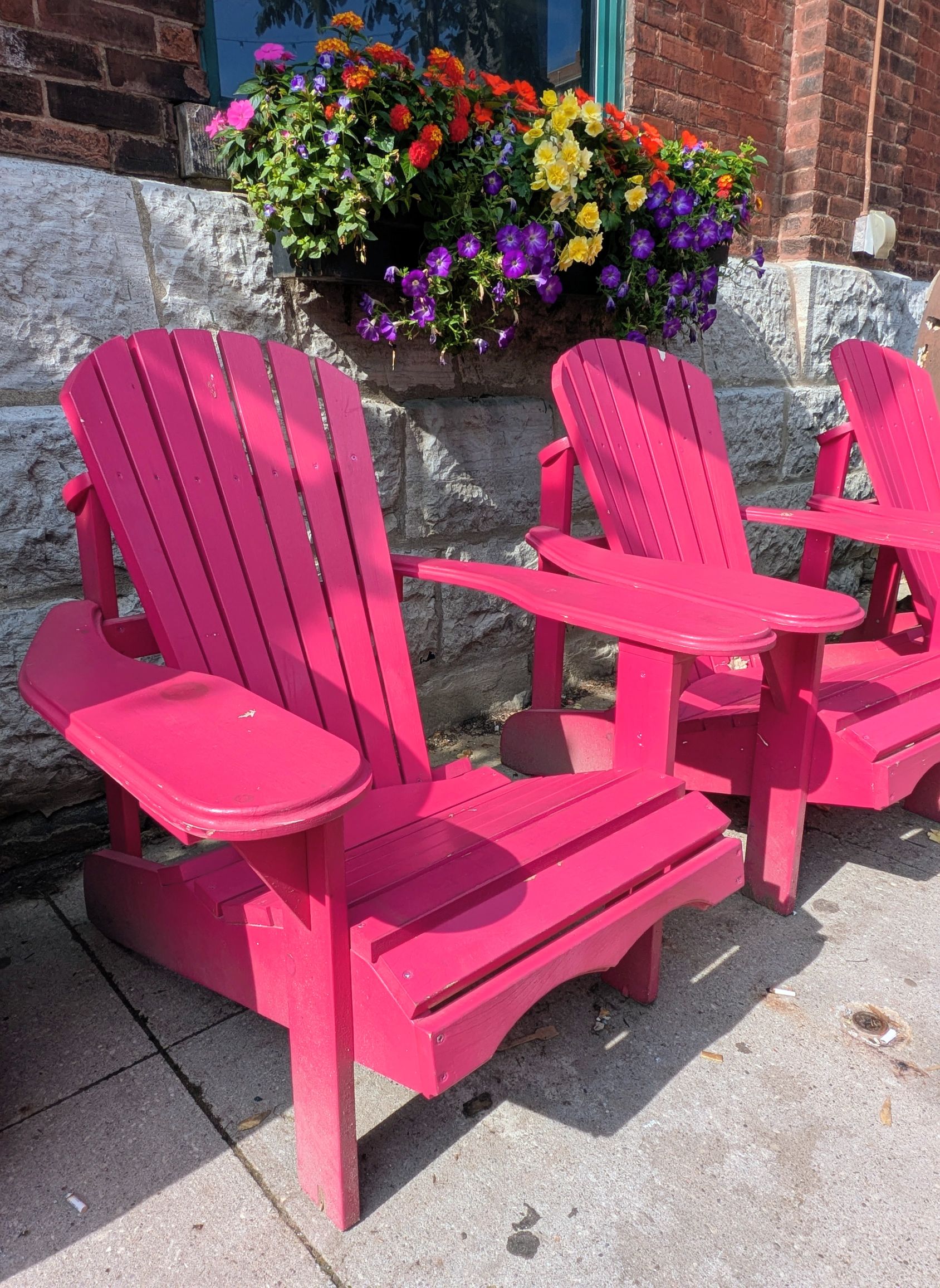
Toronto has done an excellent job redeveloping the waterfront of Lake Ontario from industrial to residential, so it is very pedestrian-friendly for locals and tourists alike. We thoroughly enjoyed it, including Sugar Beach, complete with colorful Adirondack chairs!

(For all photos, click on the image for a full screen view.)
One of the beautiful features of the waterfront is Toronto Music Garden, a lovely park and garden fronting the inner harbor. The park design is inspired by Bach’s First Suite for Unaccompanied Cello, with each dance movement within the suite corresponding to a different section of the garden. Renowned cellist Yo-Yo Ma worked with landscape designer Julie Moir Messervy to interpret in nature the music of Bach’s first suite.

A must-do if you visit Toronto is taking a narrated harbor and islands cruise, especially if it’s a sunny day. Once you have cruised around the islands, you will want to see them in depth. I recommend doing the cruise early in your Toronto visit to get a good overview and then returning on another day to the waterfront and hopping on a ferry to the islands. We enjoyed walking around the islands so much that we returned on our final day to see what we missed the first time! More about the islands can be seen in my final post on Toronto, but here is a preview; our ferry ride to the islands:

Coming up next: TERRIFIC TORONTO #6: ITS IDYLLIC ISLANDS

TERRIFIC TORONTO #4: DISTILLERY DISTRICT, SHOE MUSEUM & ALLAN GARDENS CONSERVATORY

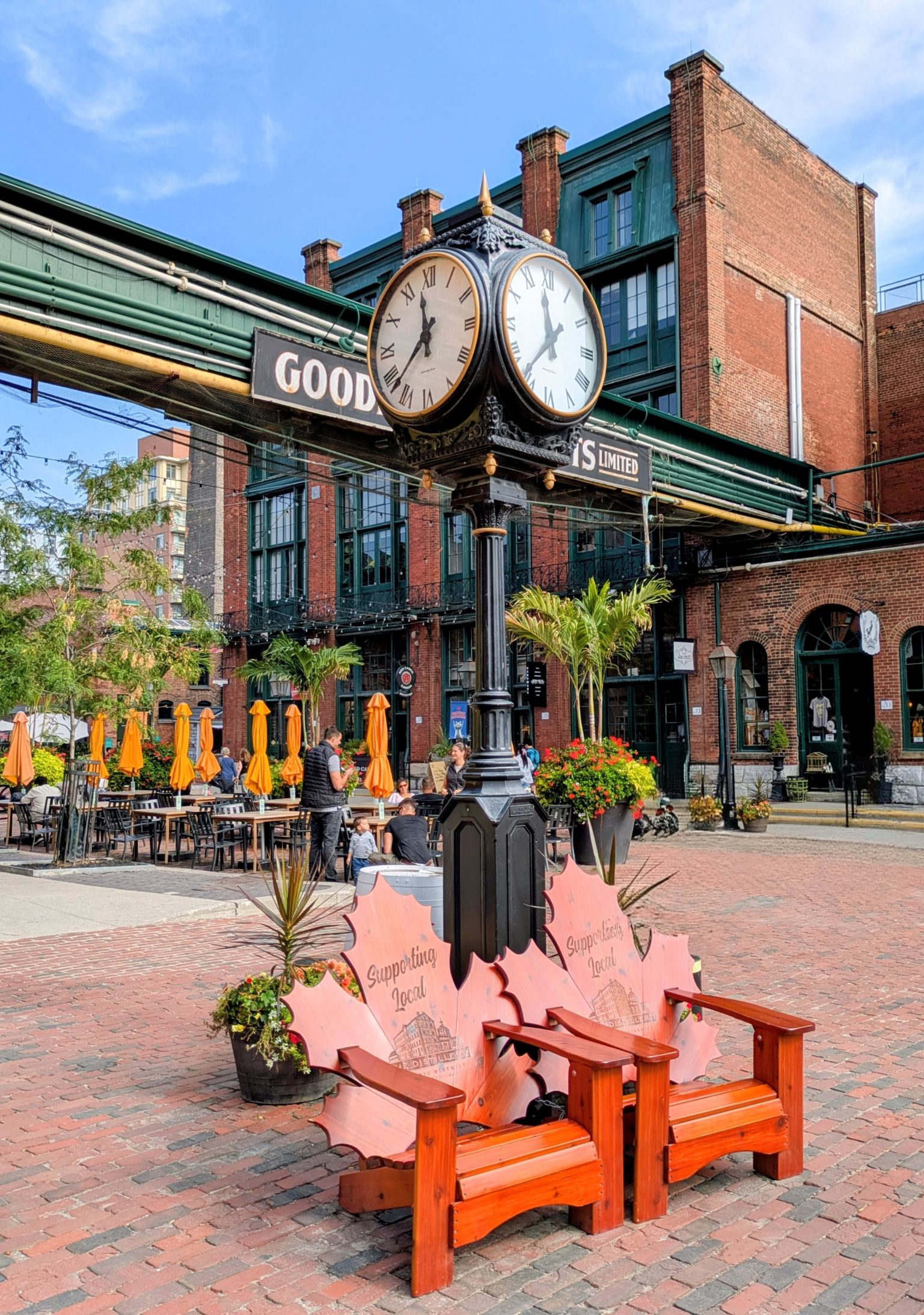
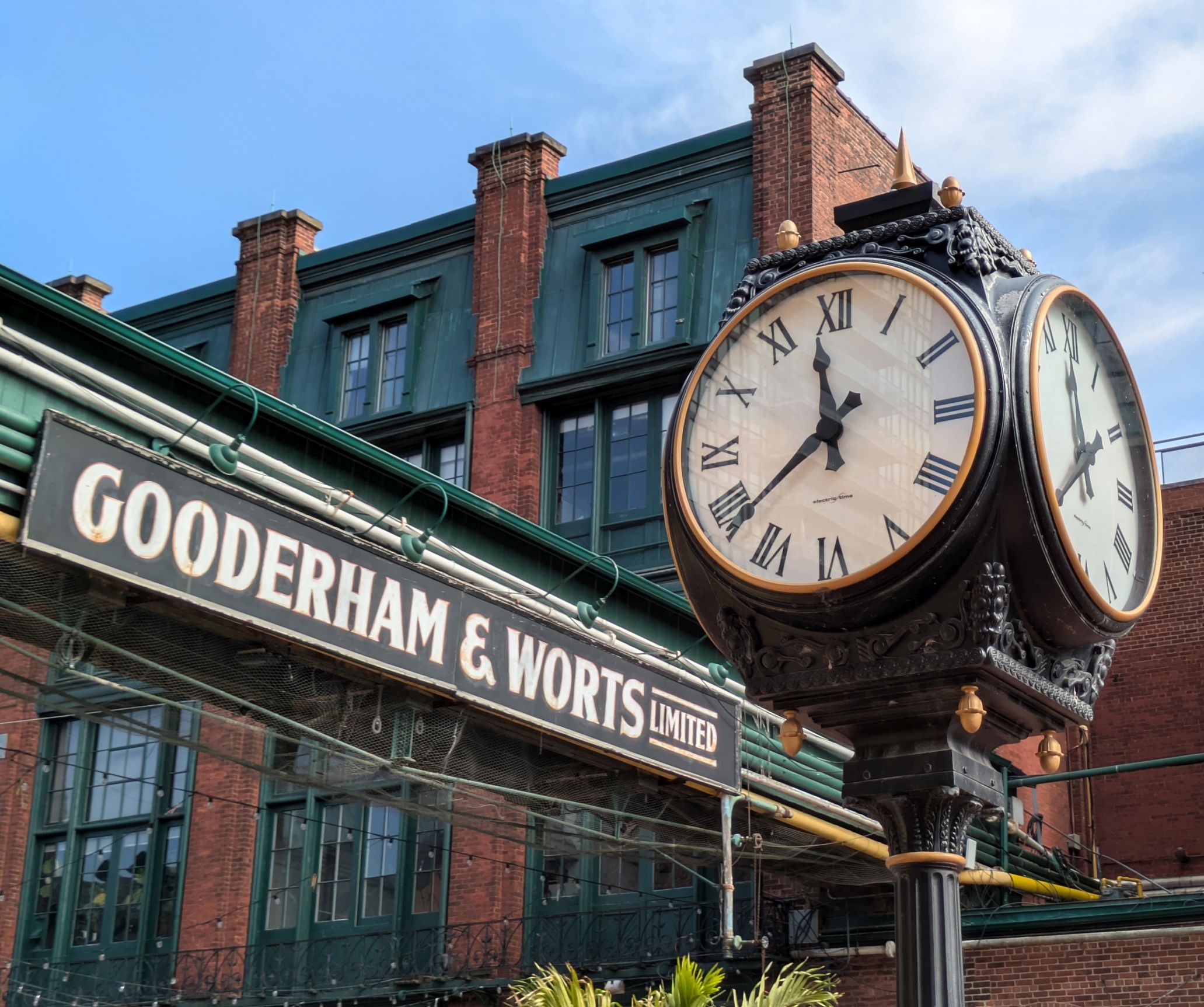
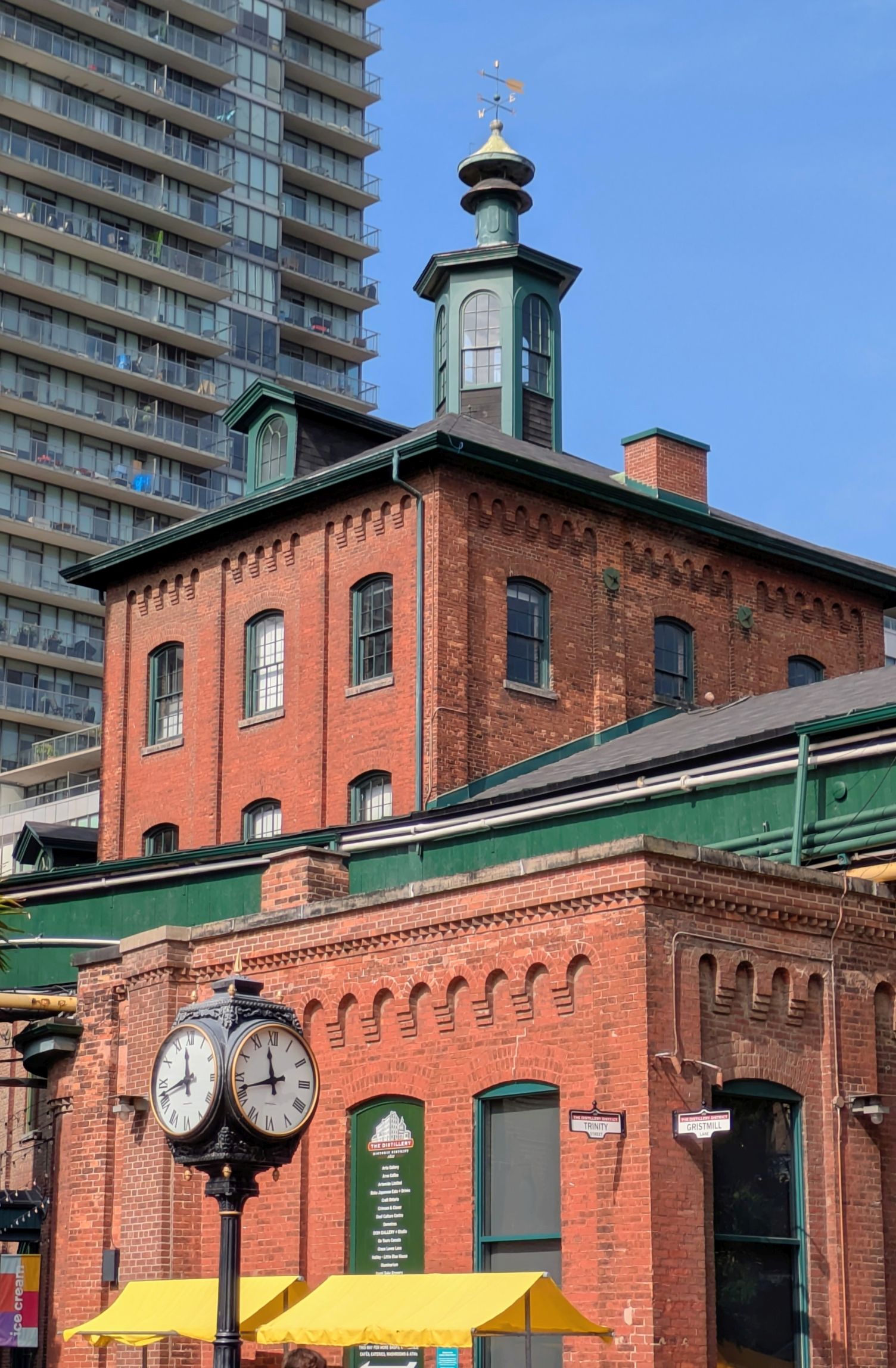
Former home of Gooderham and Worts Distillery, the Distillery District is a mixed use 13-acre district of restaurants, shops, and housing in heritage buildings dating back to 1832. Architects did an excellent job converting the whiskey distillery, and it’s a nice place to walk around and hang out on a sunny day.

(For all photos, click on the image for a full screen view.)

I’m not much into shoes, mainly because my AAA foot width and even narrower heal makes it difficult to find shoes to fit. I’ll bet I own less shoes than most women. I just did a Copilot AI search, and multiple surveys have the average American women owning about 19 pairs of shoes, with some surveys reporting 27 pairs. That lower number of 19 is still double what I own, and Bruce owns even less.

So, why would we go to a shoe museum? Besides the four-and-a half-star rating on Trip Advisor, Bruce suggested it might be fun to see. Curious, we tied the laces up on our running shoes (the only shoes that fit me well and are comfortable), and off we went to Bata Shoe Museum. It was fun; we got a kick out of it!

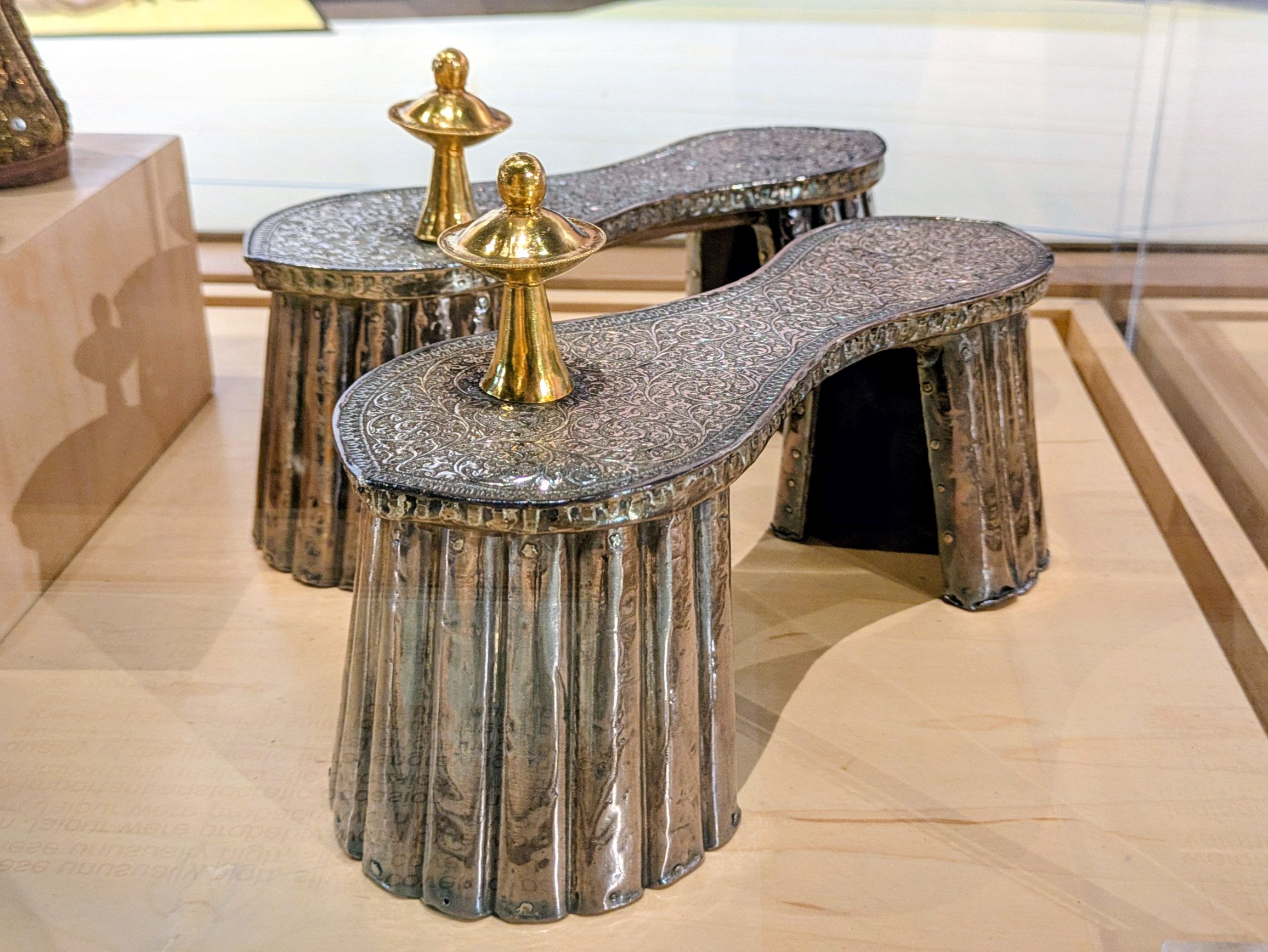
Upper class paduka, from India, 18th century
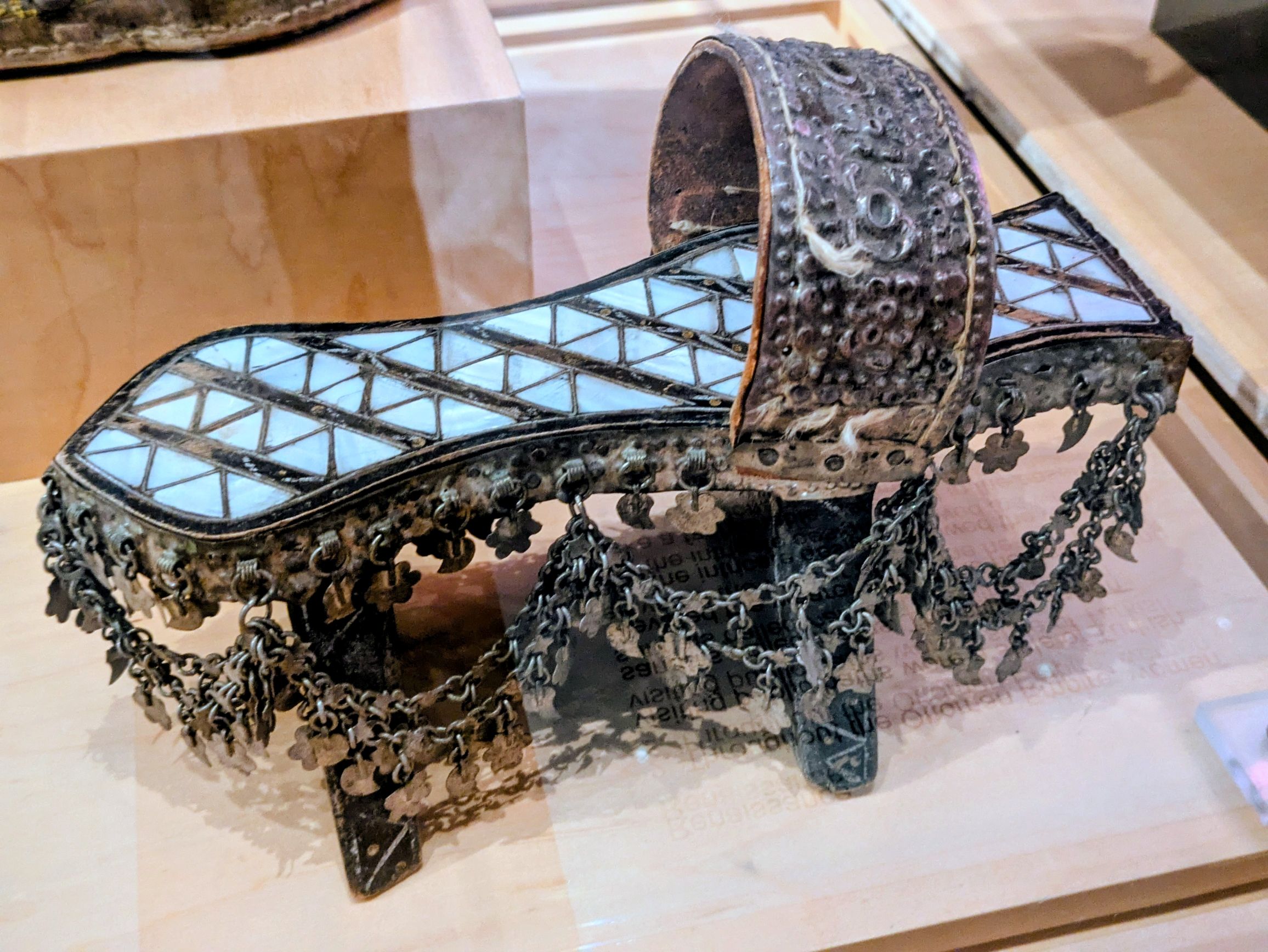
Turkish sandal from the Ottoman Empire
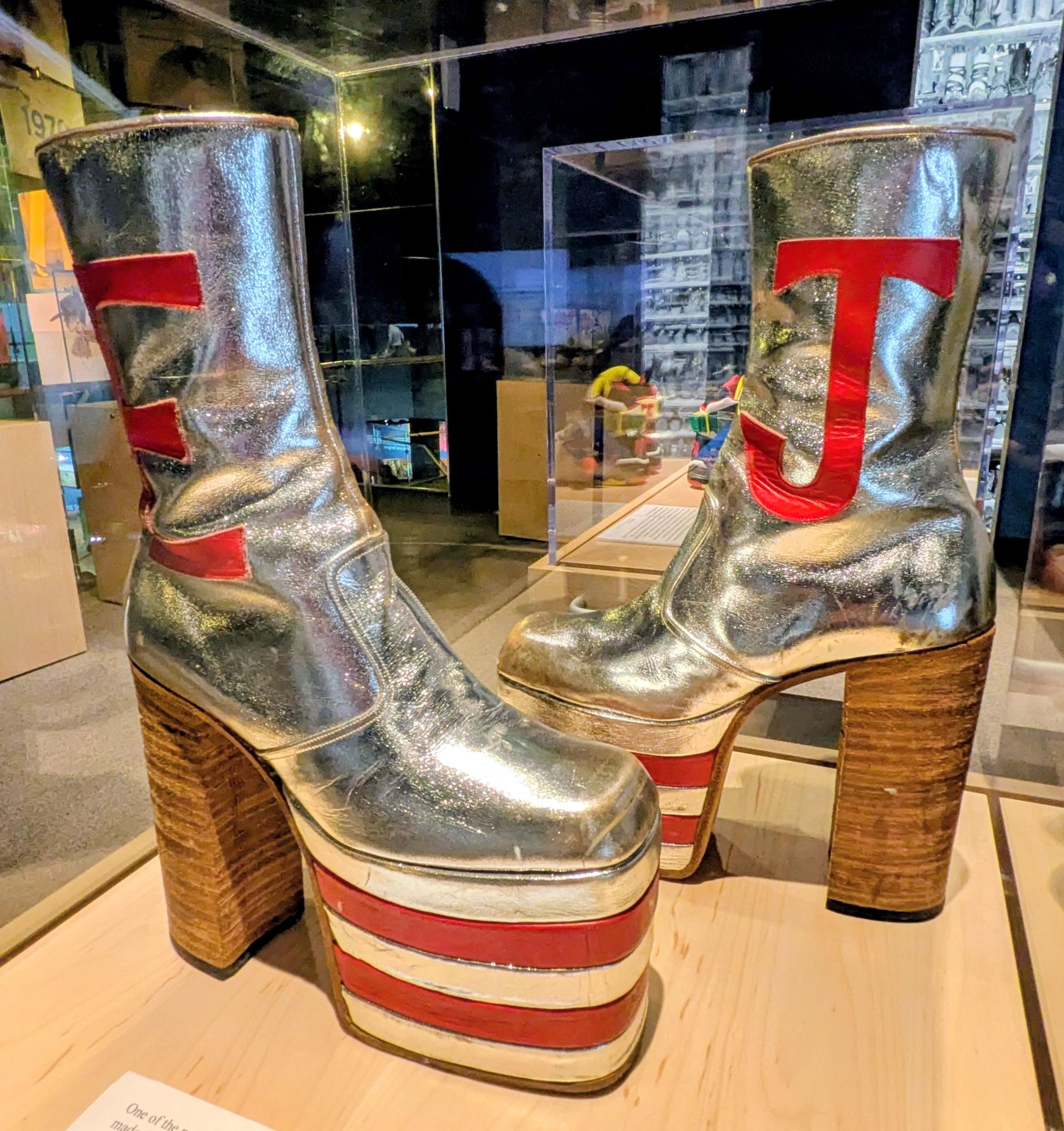
EJ? Elton John, of course! When asked about this pair, he suggested they were not excessive enough to wear on stage saying, “My Dear, I wouldn’t have been seen dead in them on stage, I wore them shopping!”
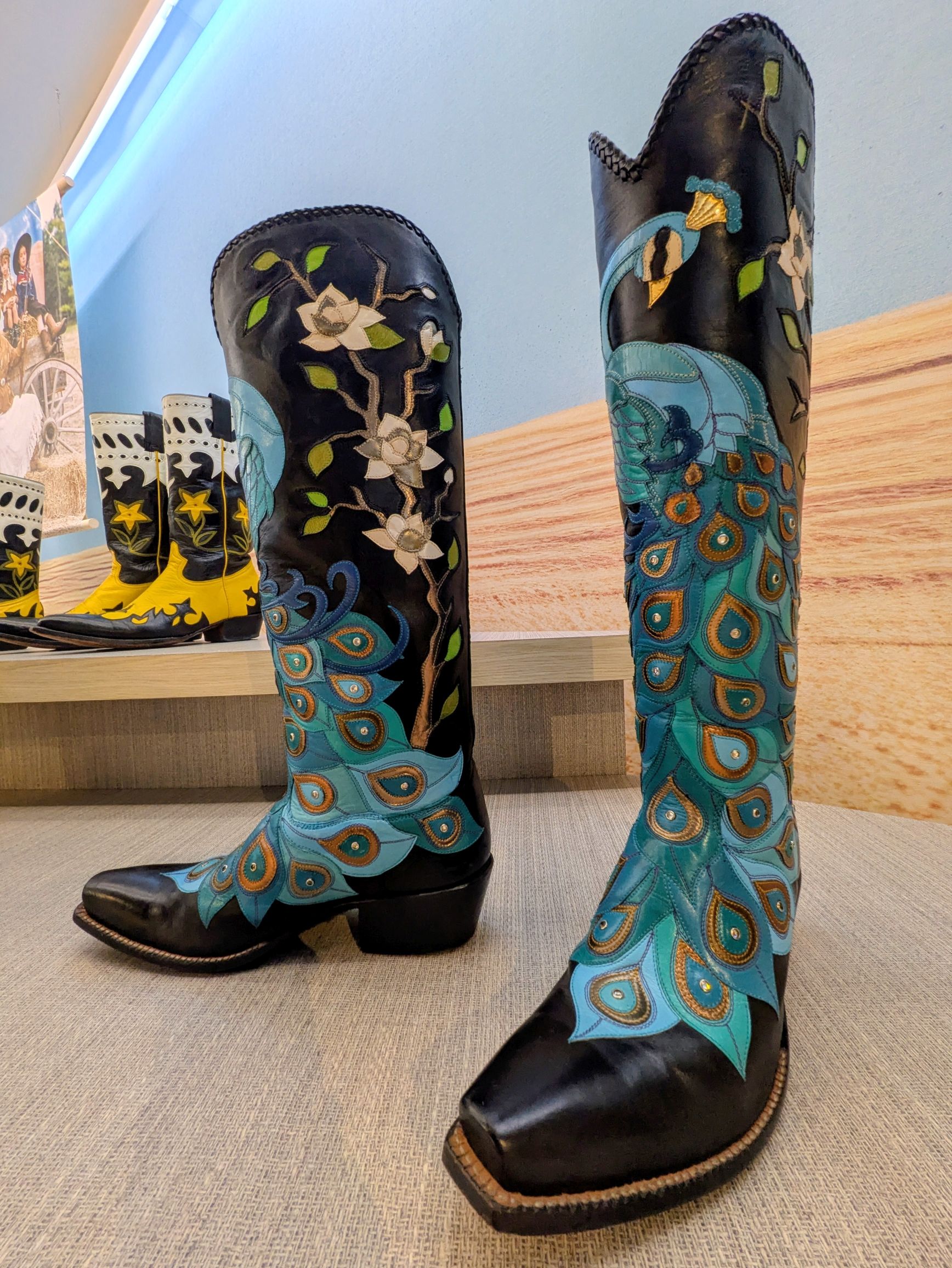
This pair of boots was designed by Nevena Christi for Don Knobler, the eccentric Dallas Mavericks superfan, who famously wore his custom cowboy boots courtside to games.

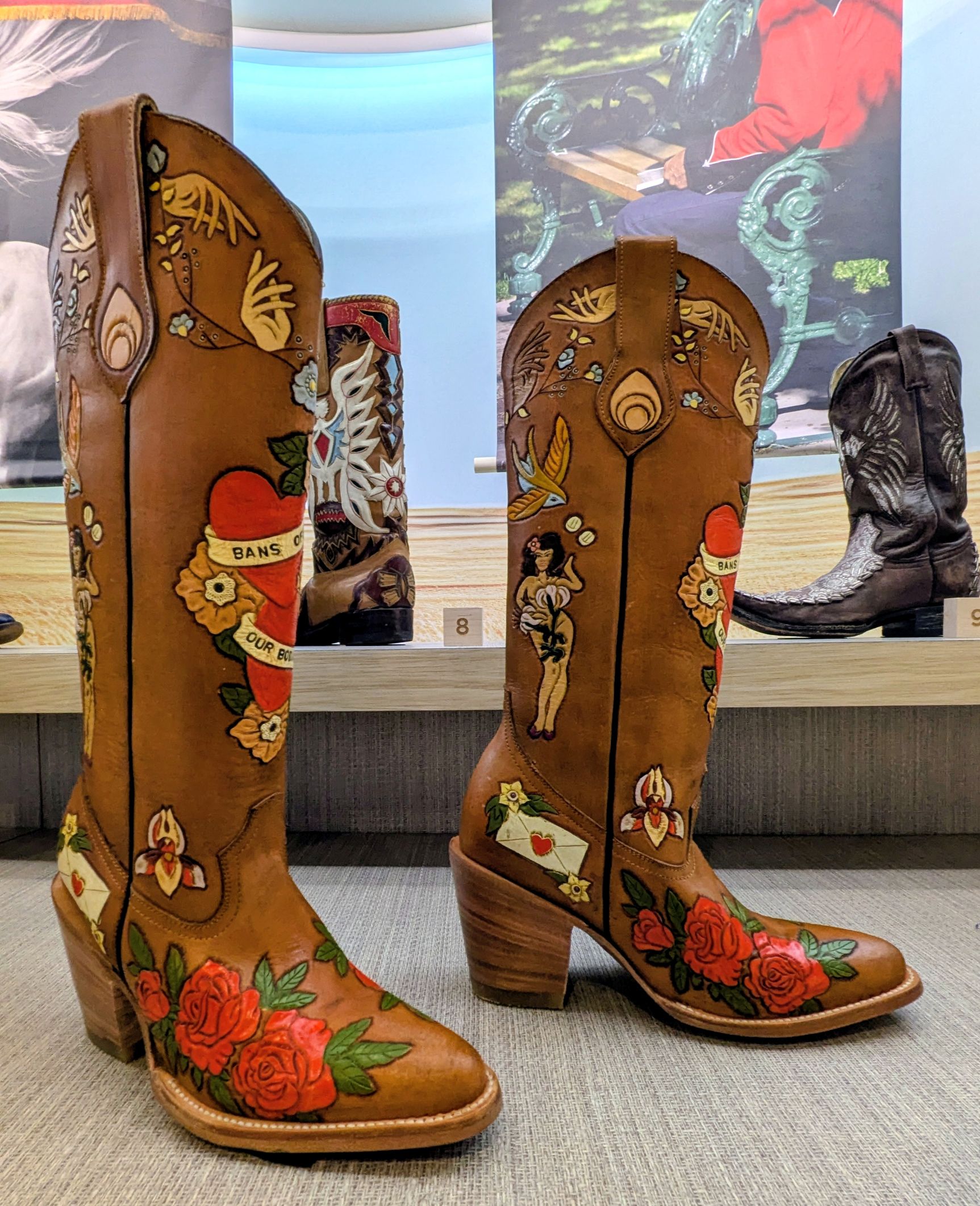
In 2020, Canadian footwear designer Aurora James and founder of her own footwear and accessories brand, Brother Vellies, turned to cowboy boots after the U.S. Supreme Court overturned Roe vs. Wade guaranteeing reproductive rights. For her “My Body My Choice” collection, she reimagined her Doodle Boots leveraging the long history of incorporating narrative into cowboy boot design. She launched them in 2023 on International Women’s Day. Good on her!

Converse released these “Run Star Motion Platform Pride” sneakers in 2022 in celebration of Pride Month. The company has released a Pride collection every year since 2014.
Kenzo Minami design for Reebok’s “I Am What I Am” campaign.
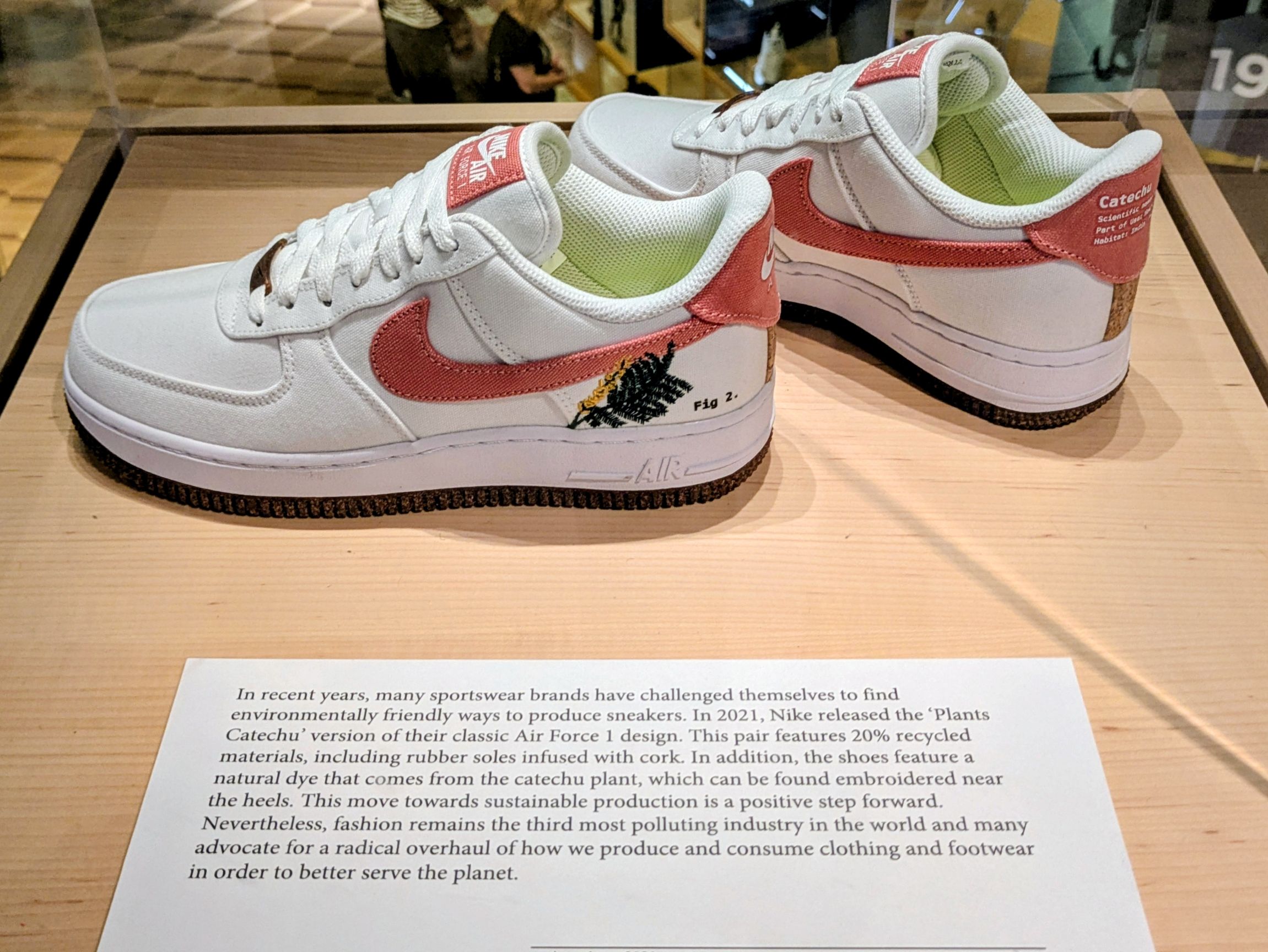
Ruohan Wang for Nike
Vicky Vuong’s hand painted Nikes
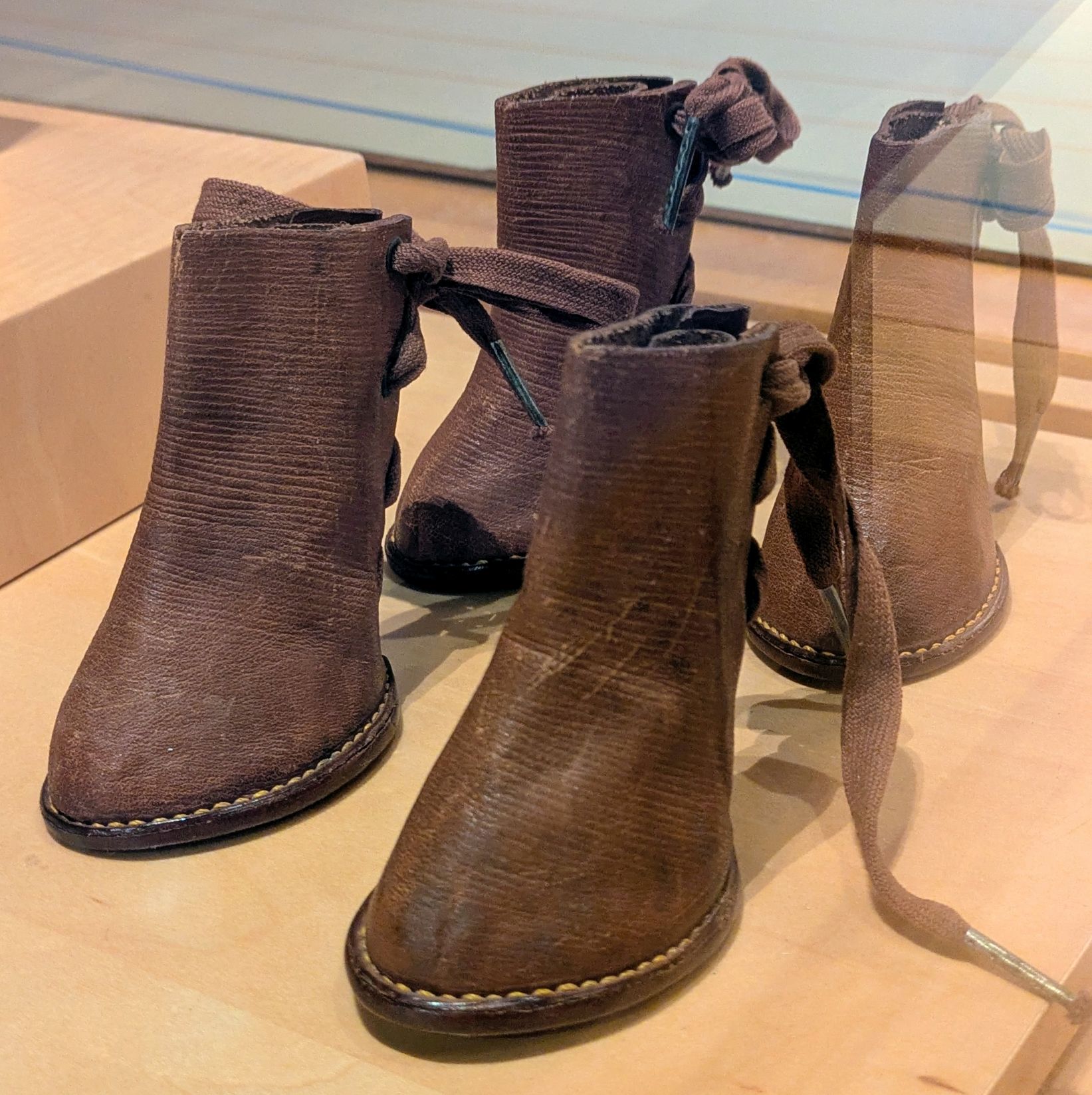
Paris Pooch Paw Protectors for a Pampered Poodle, 1950’s

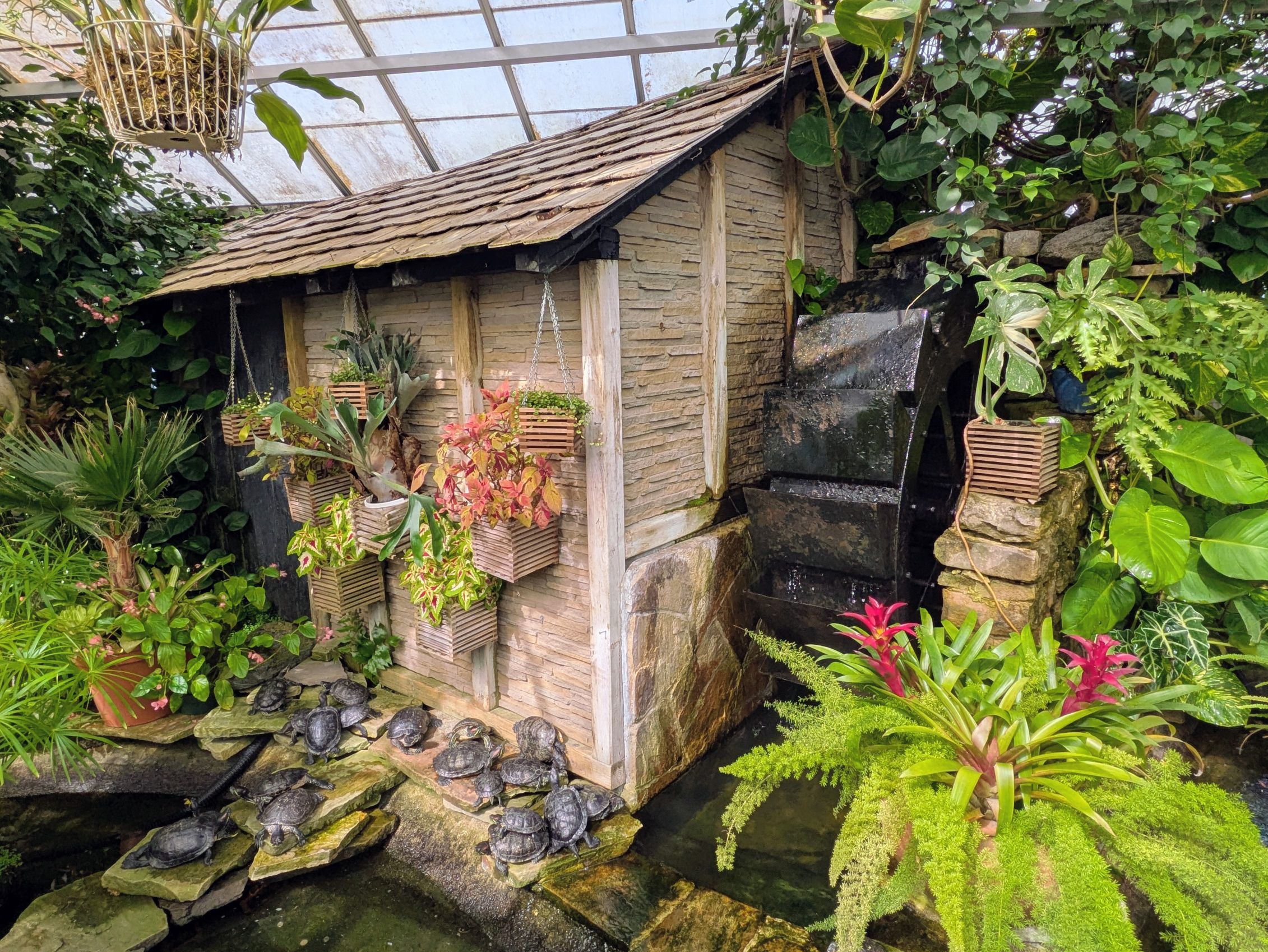
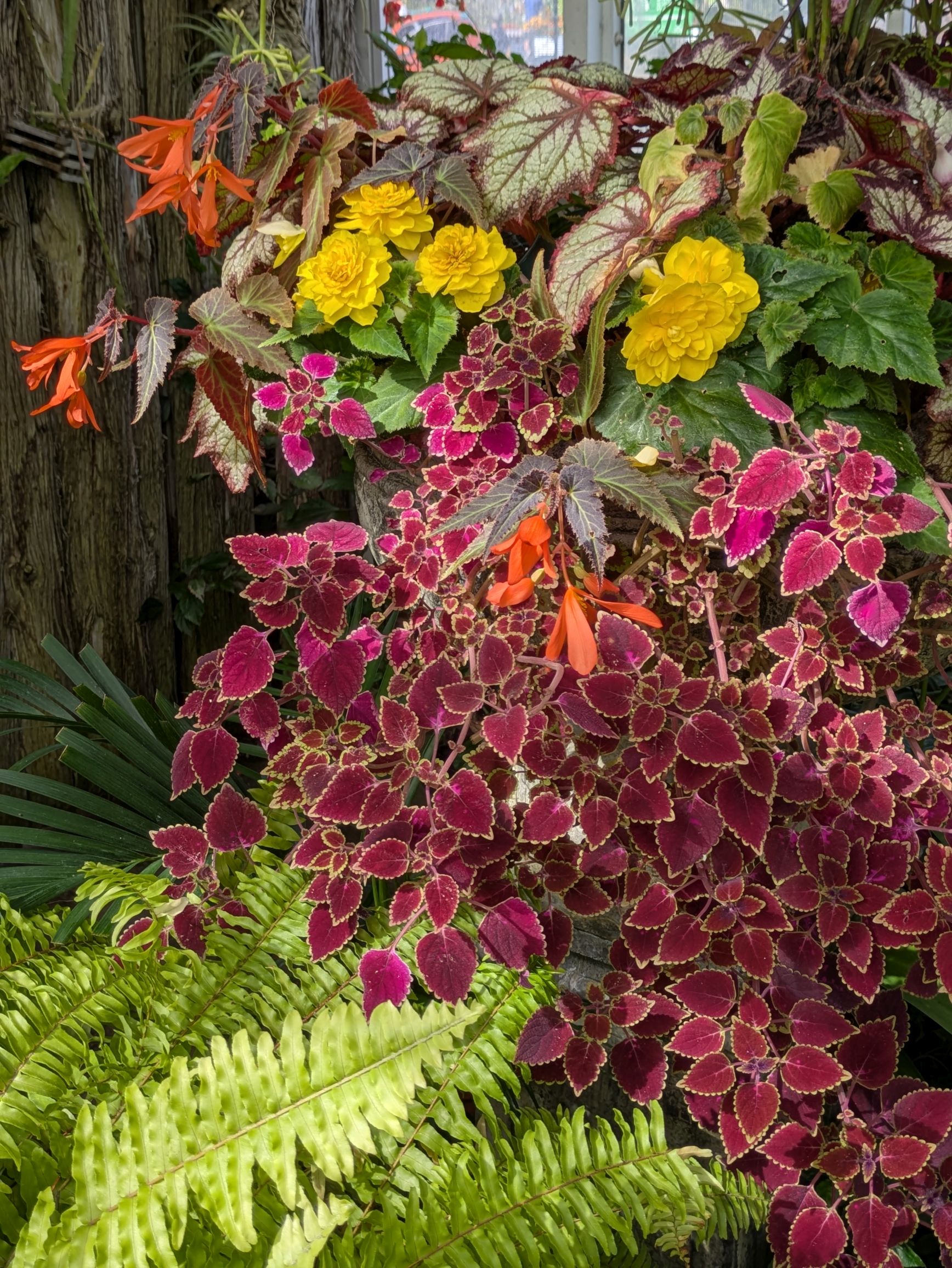
Another enjoyable activity for us when traveling to any city is visiting public parks, gardens, and conservatories. We walked over to Allan Gardens from our hotel and meandered around its 16,000 square foot conservatory, which was quite nice.

Next up: TERRIFIC TORONTO #5: WALKING THE WATERFRONT & A CAPTIVATING CRUISE

TERRIFIC TORONTO #3: MANY MARVELOUS MURALS

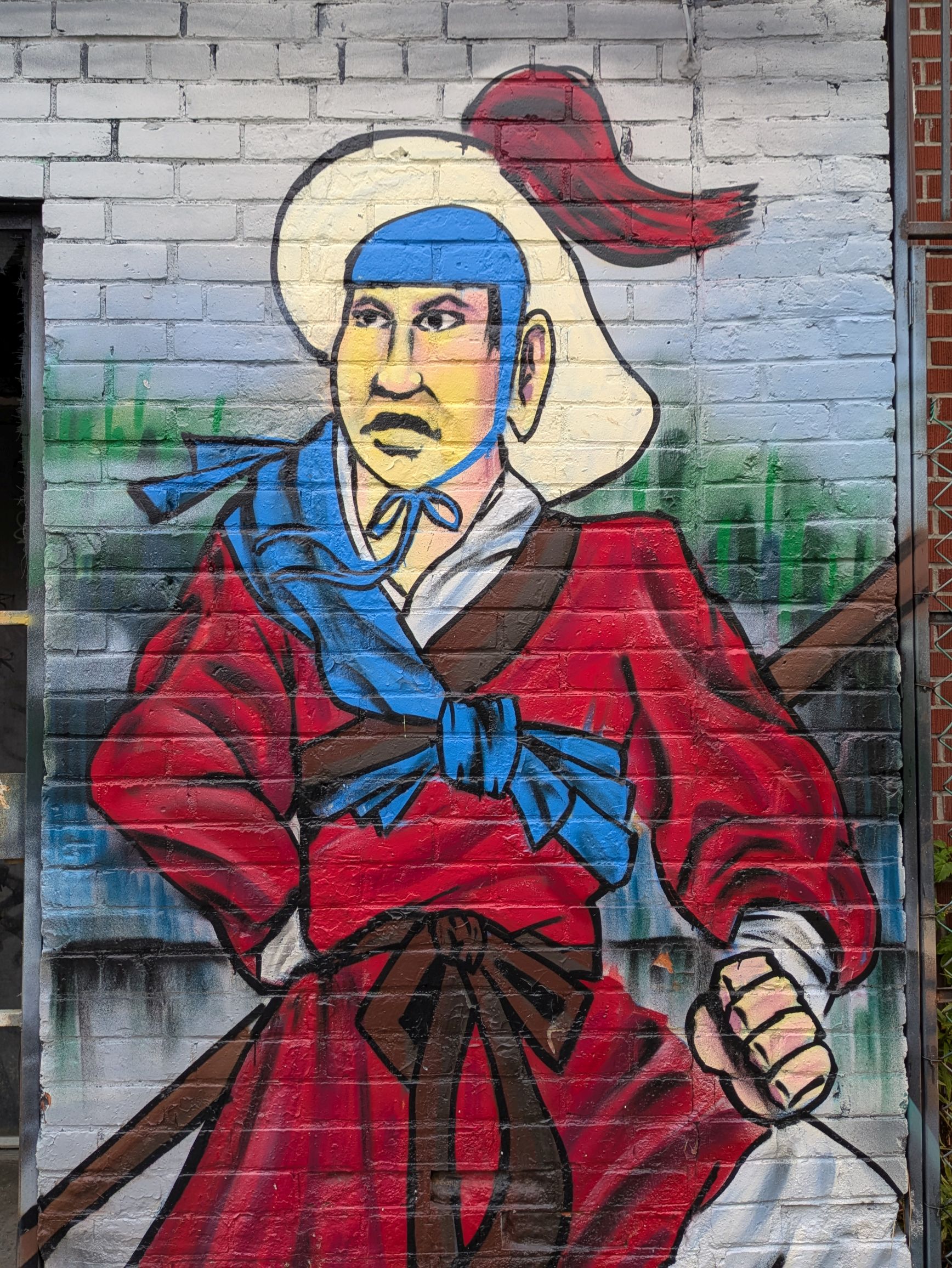
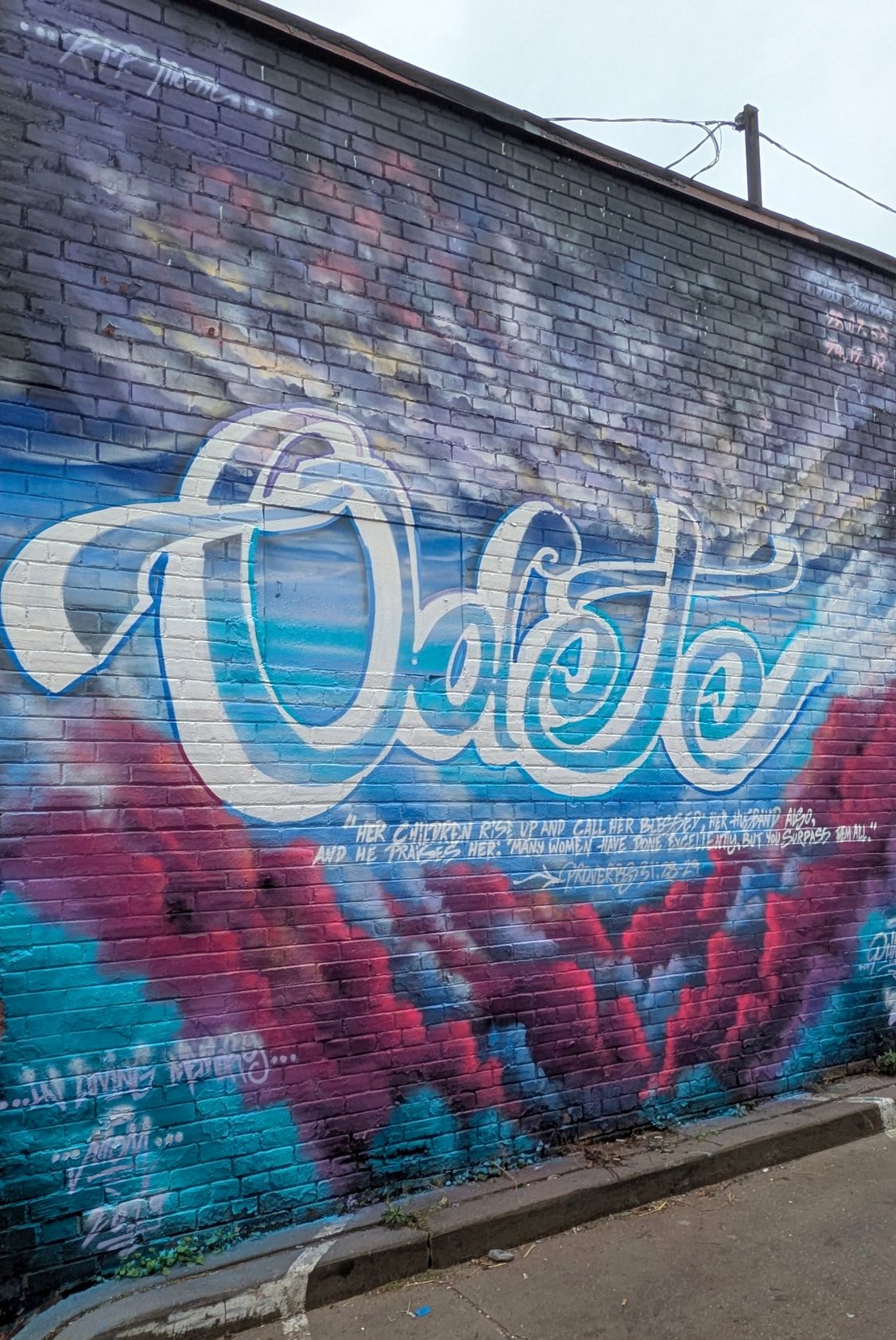
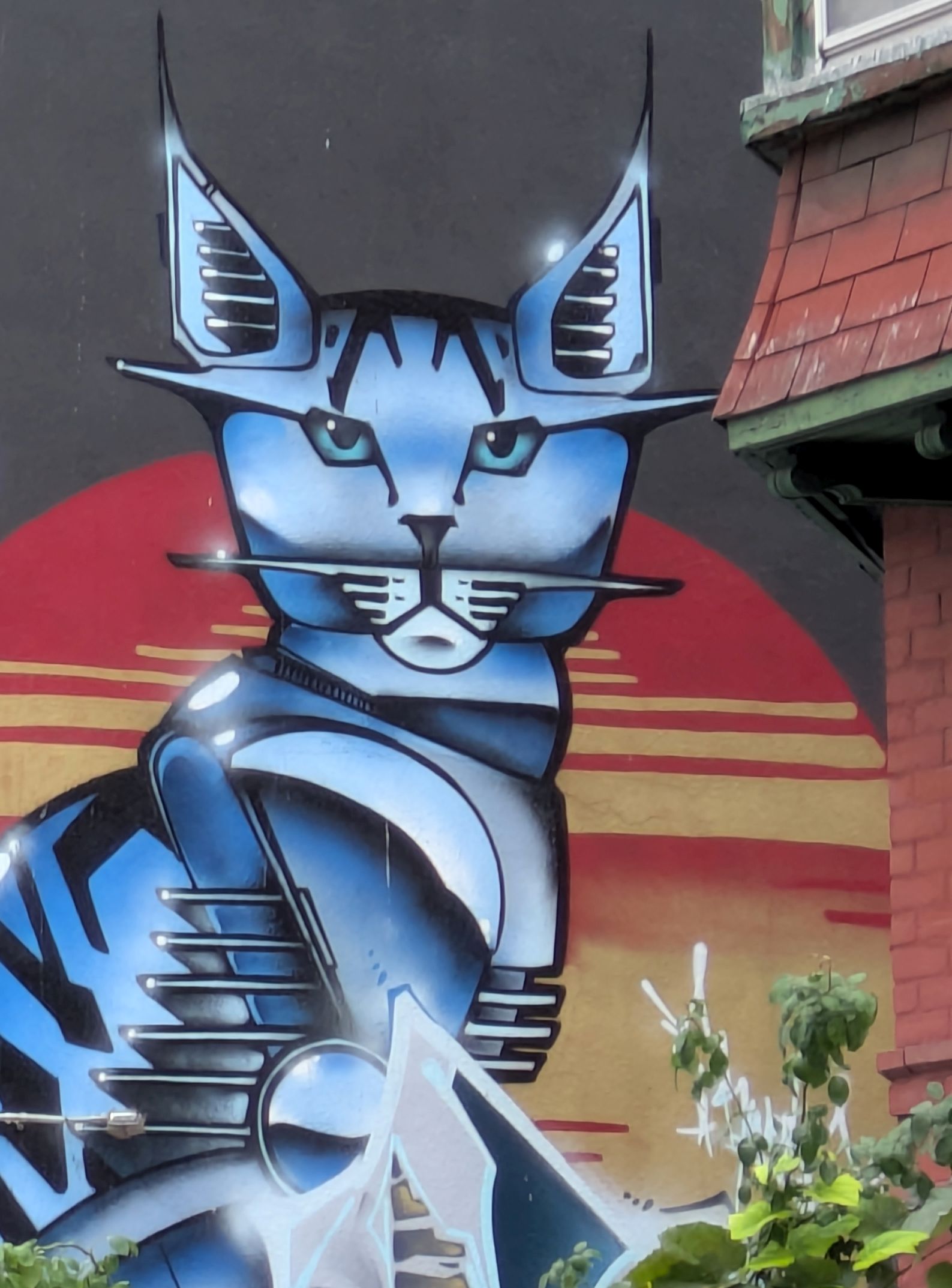
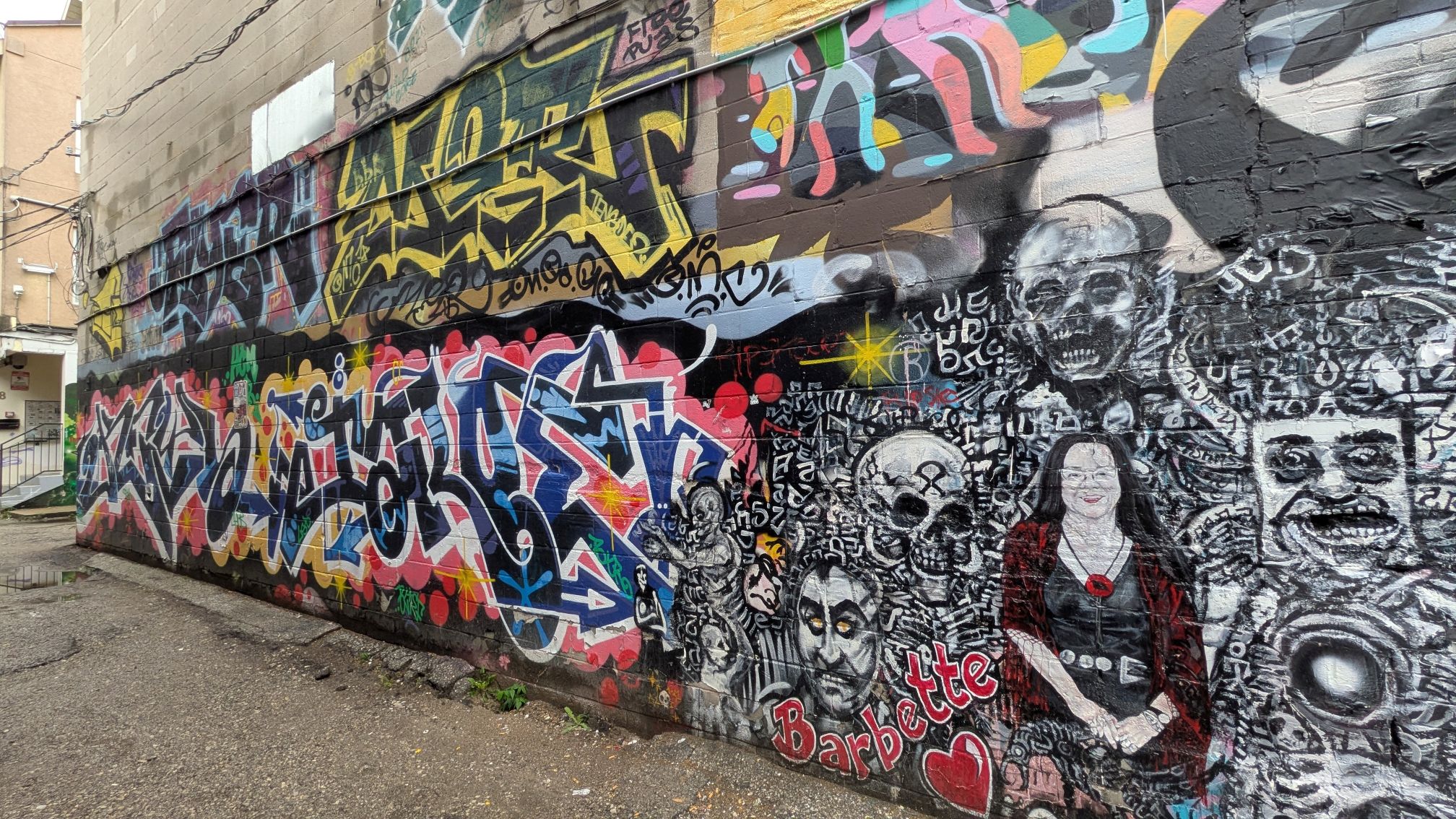
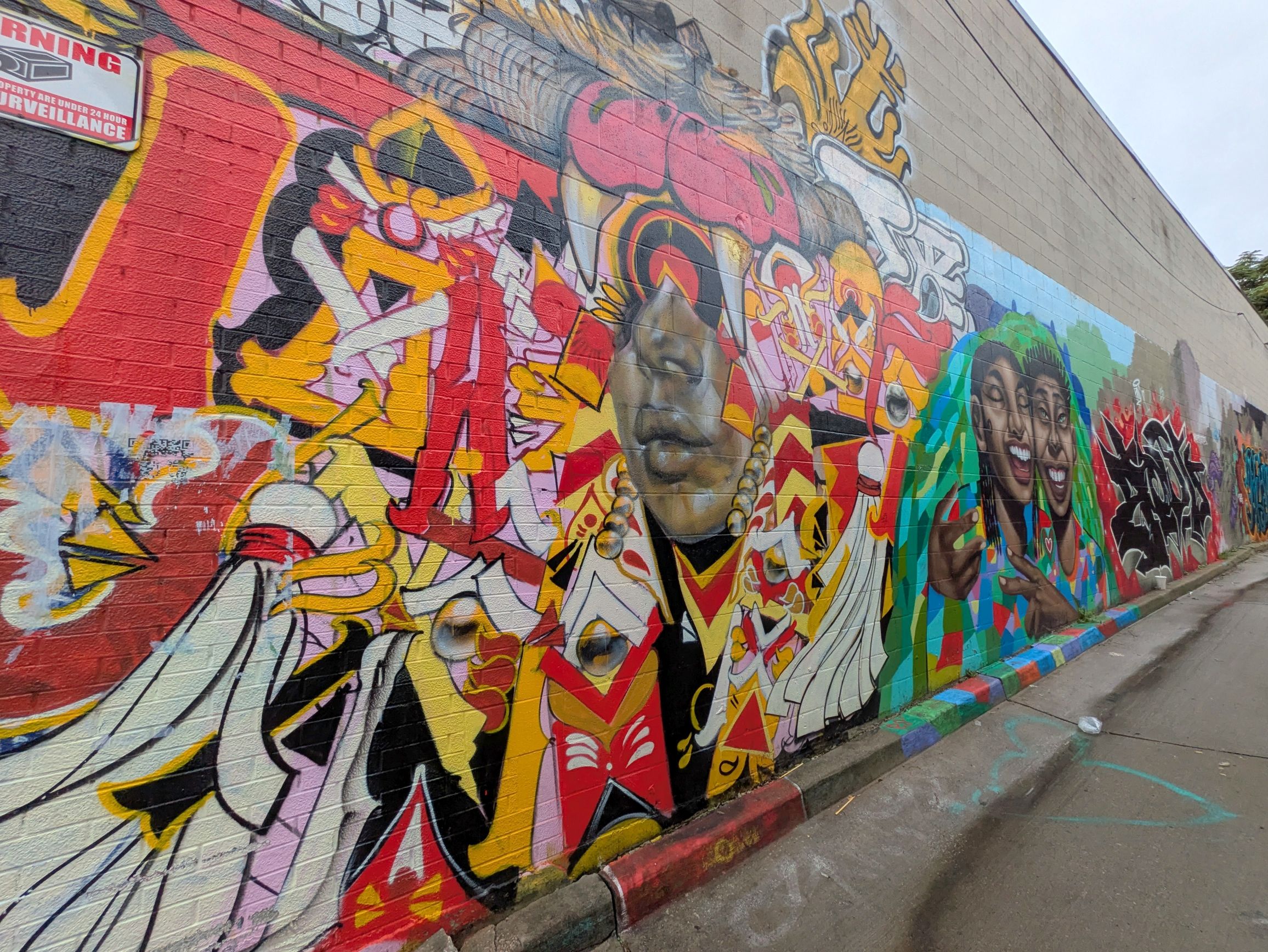
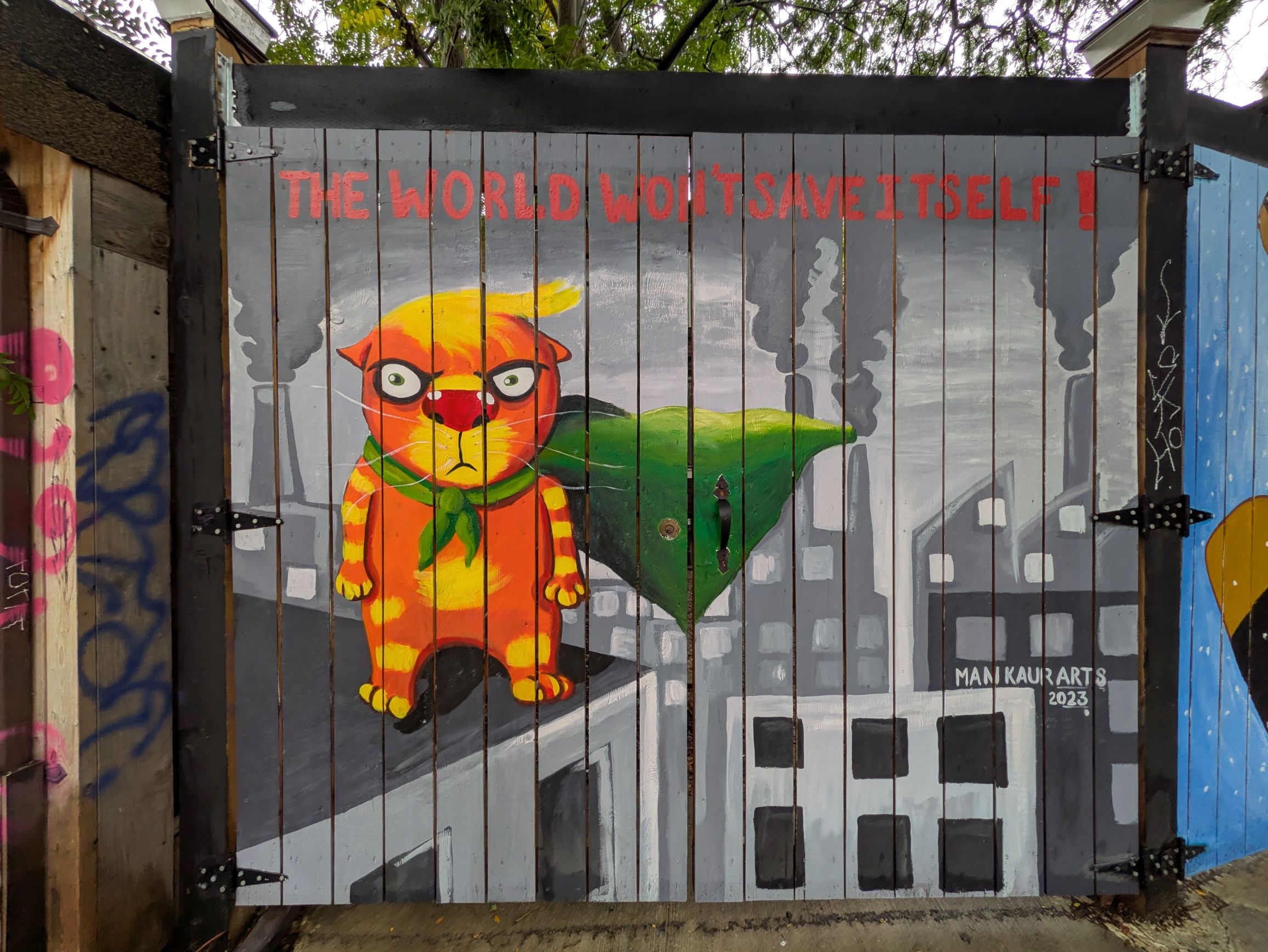
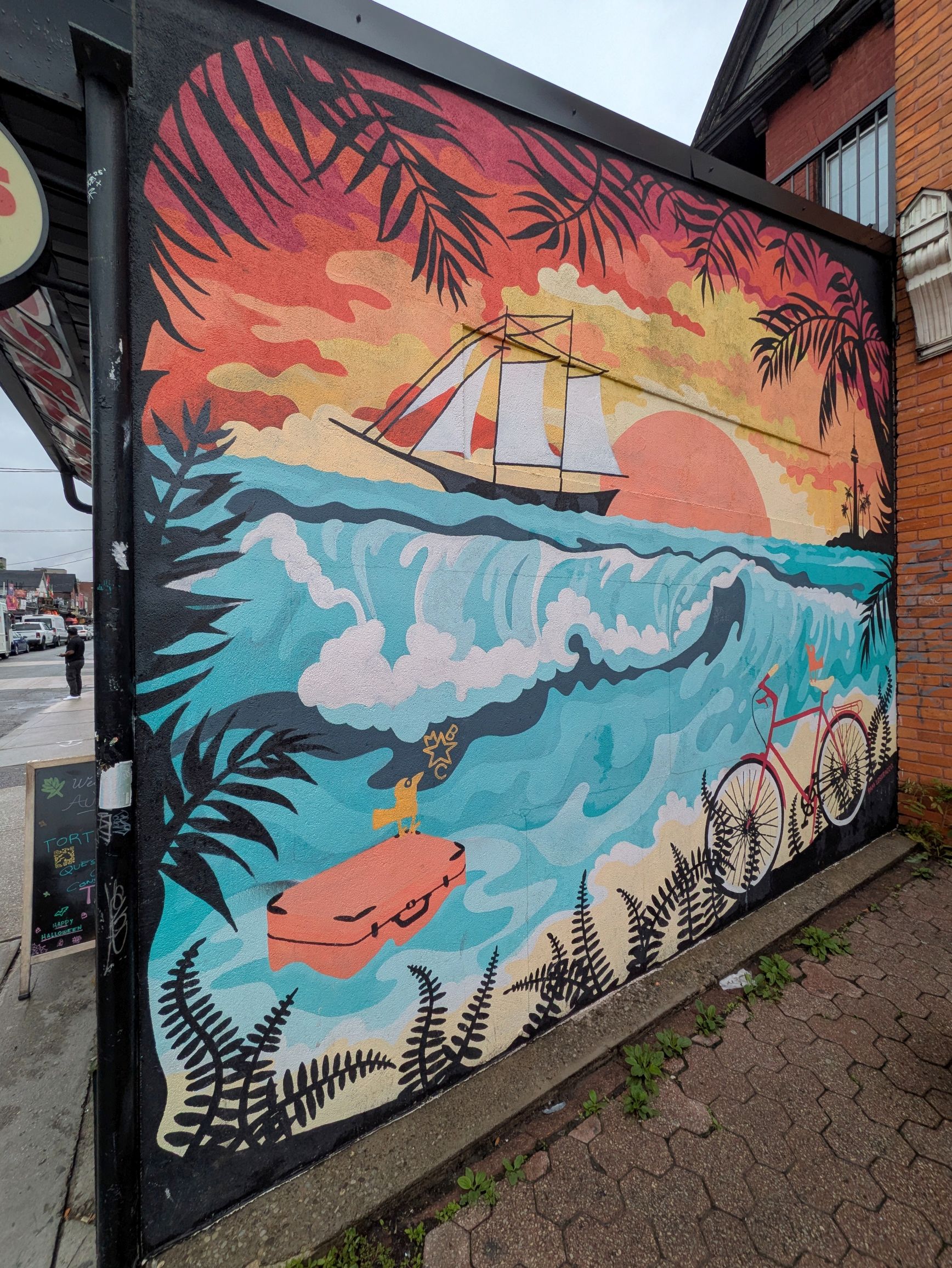
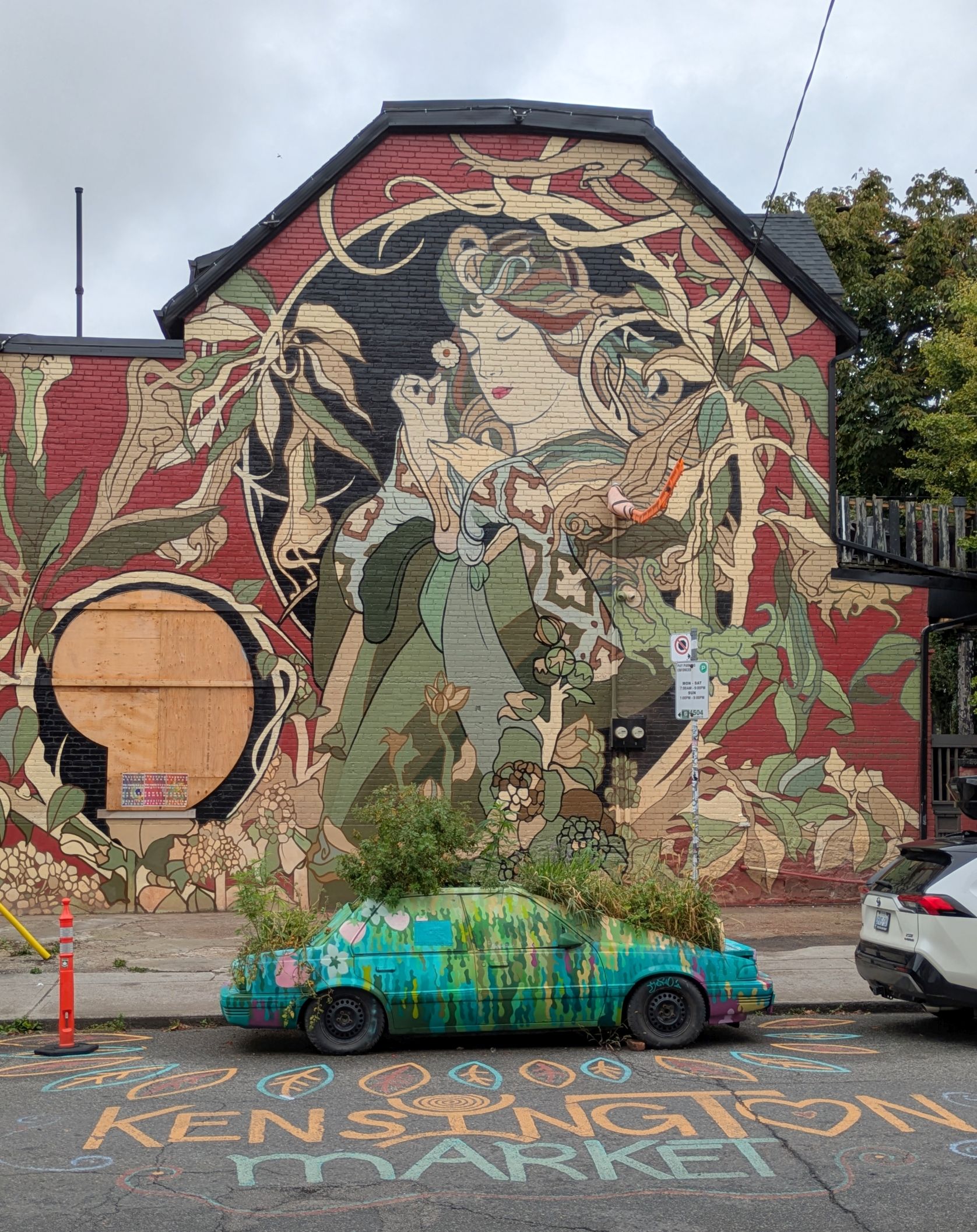
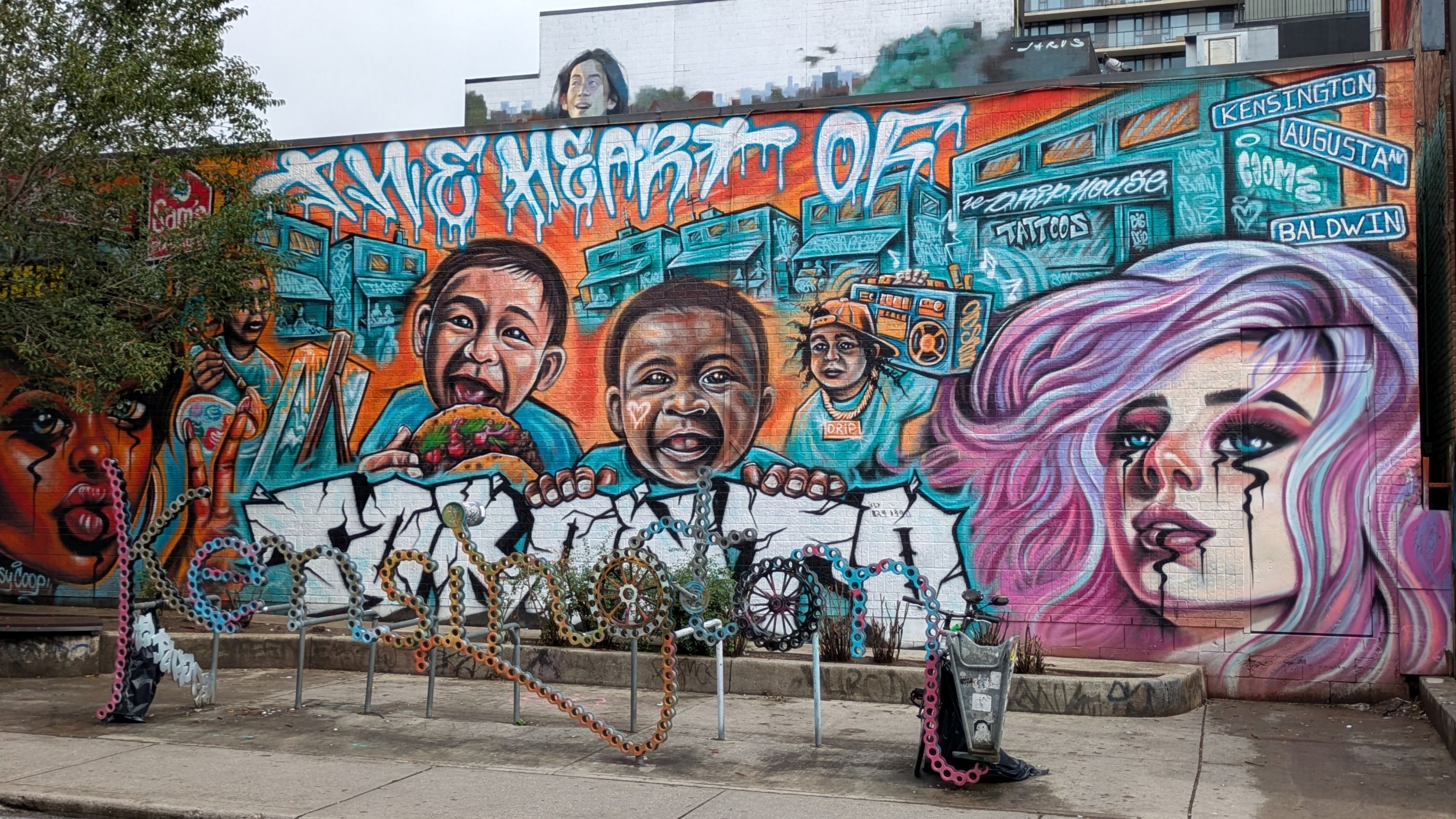
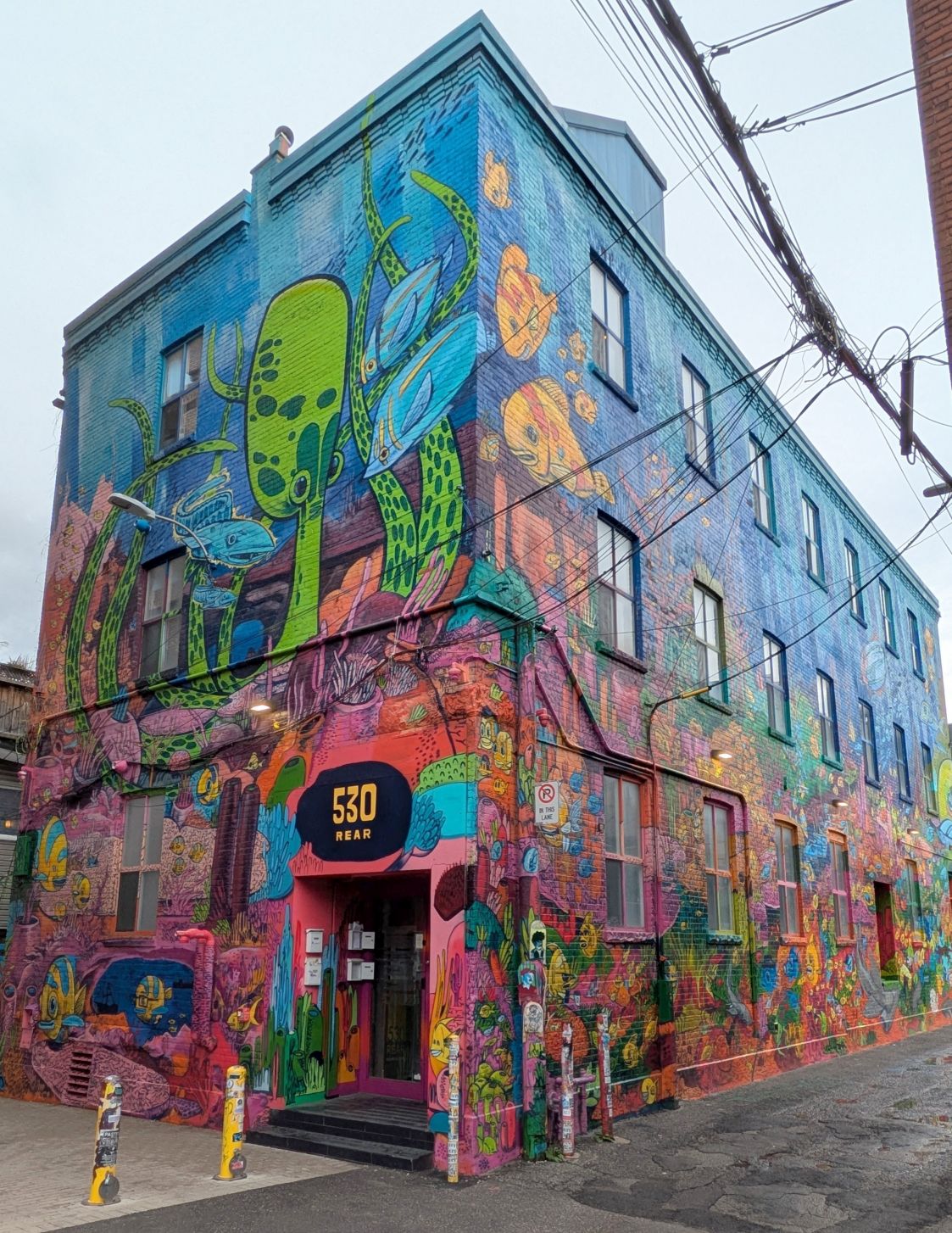
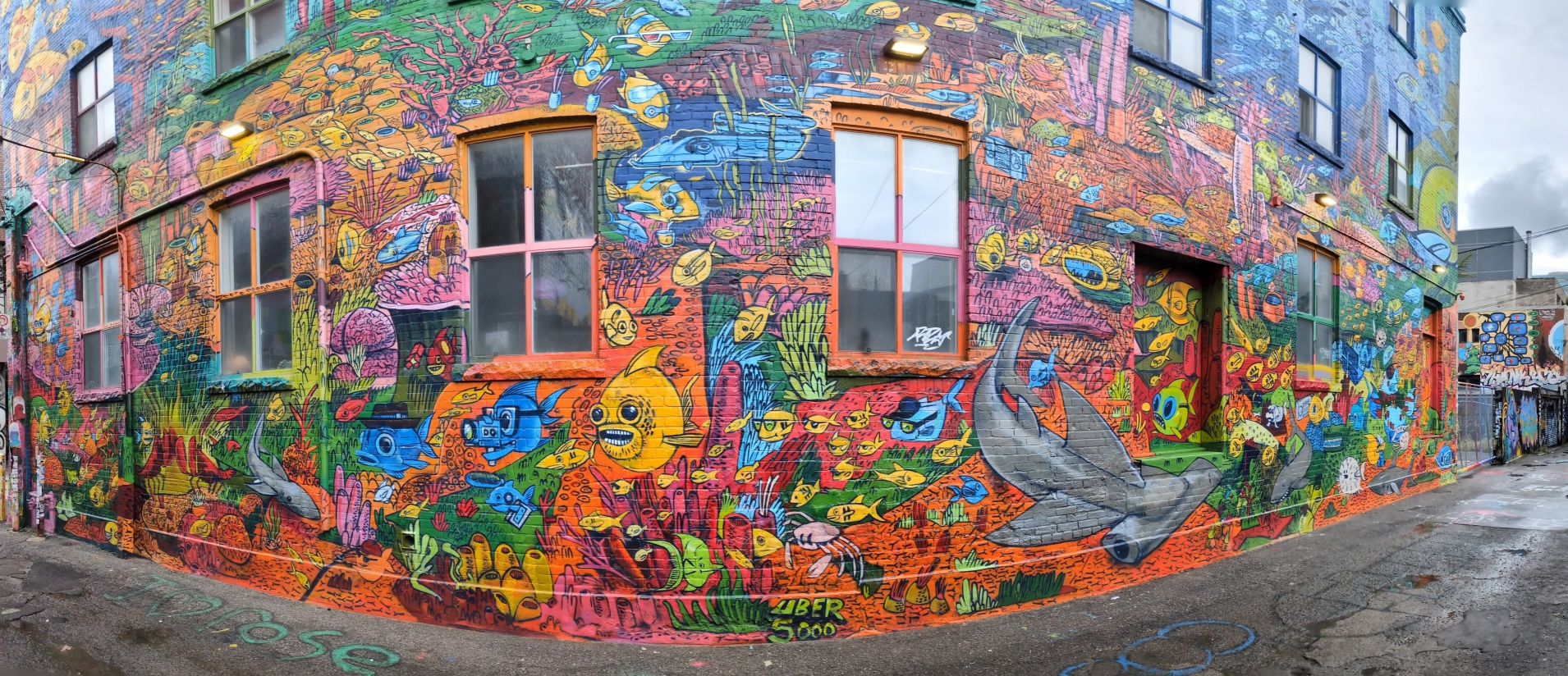
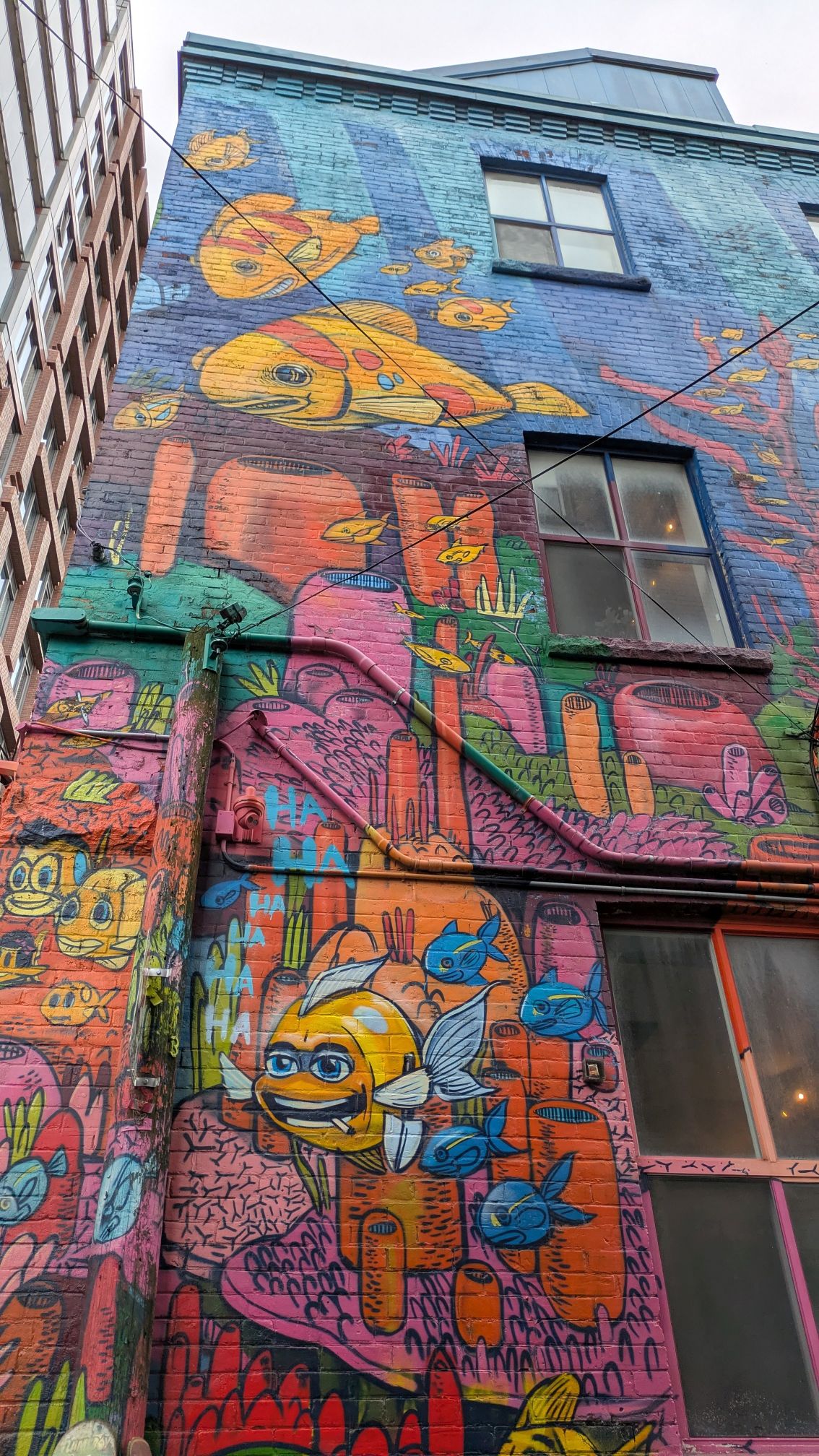
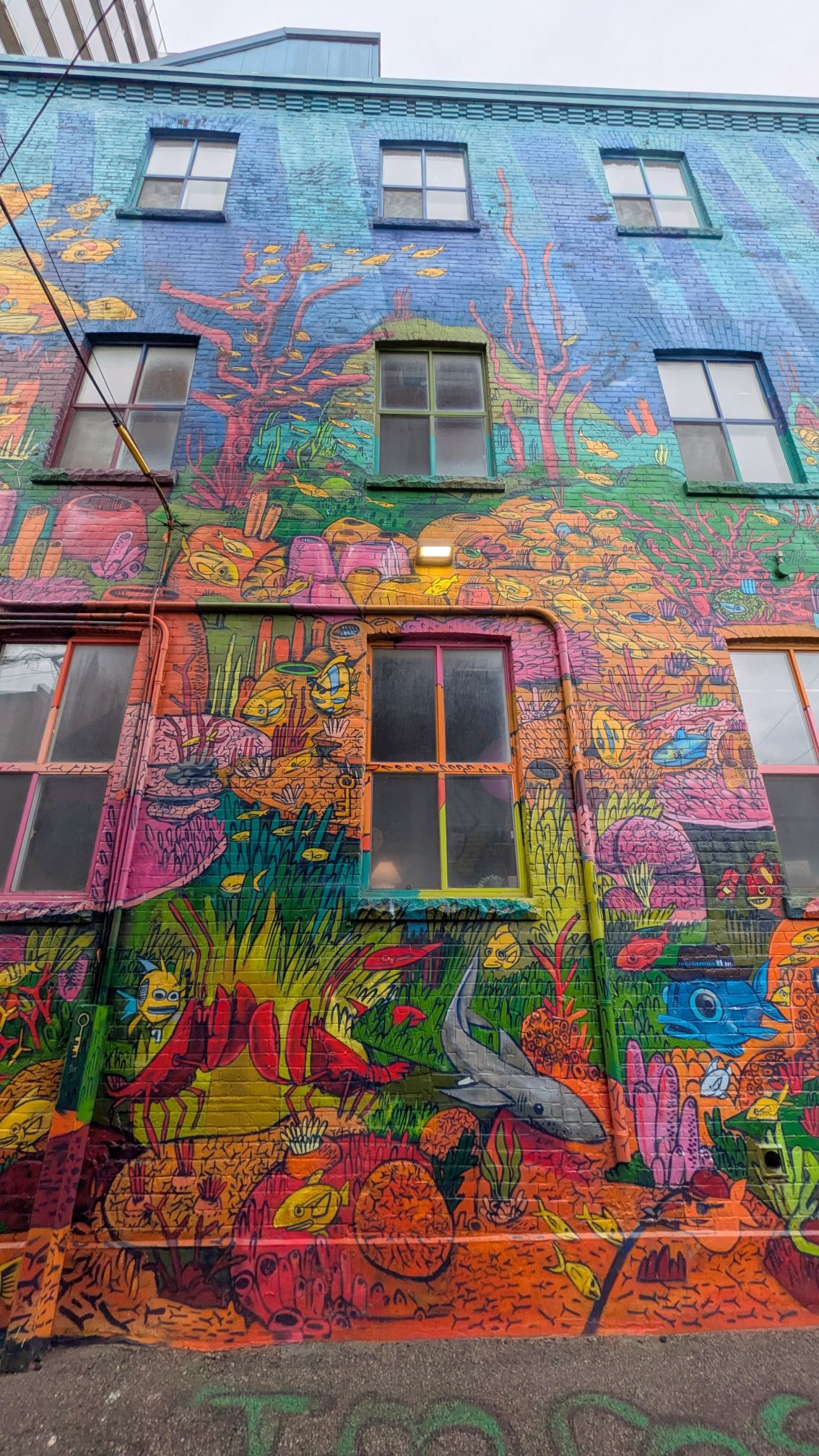
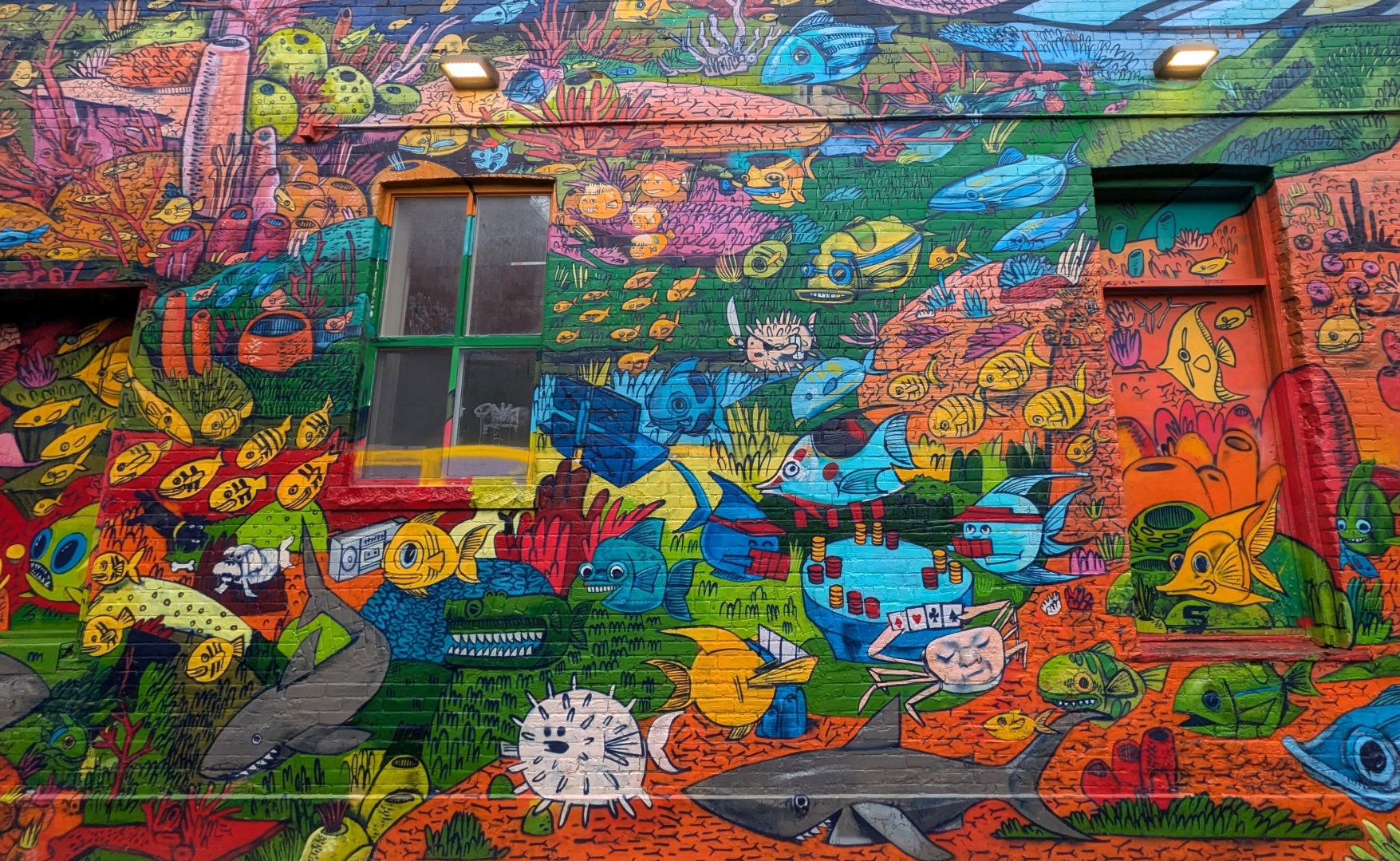
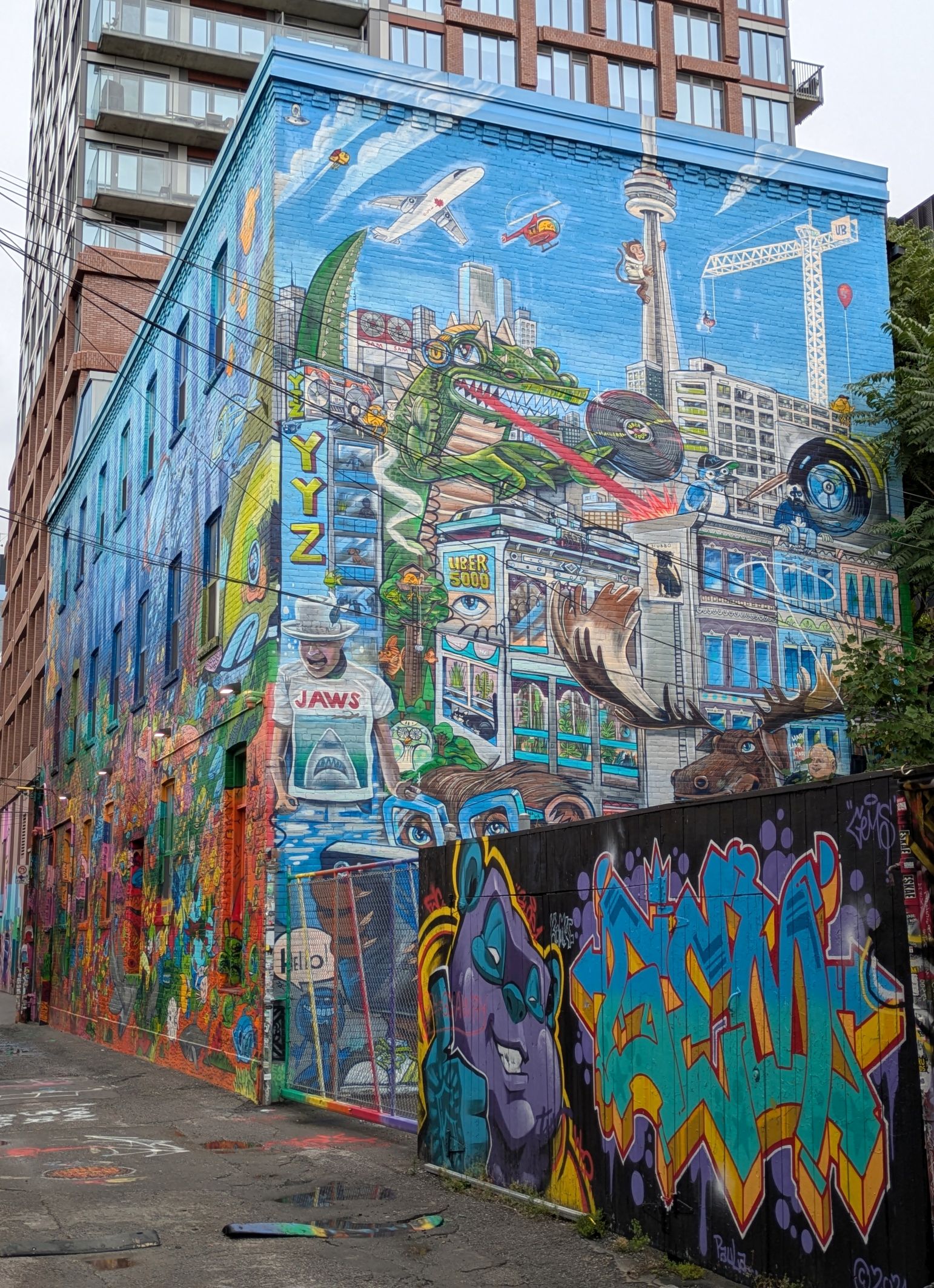
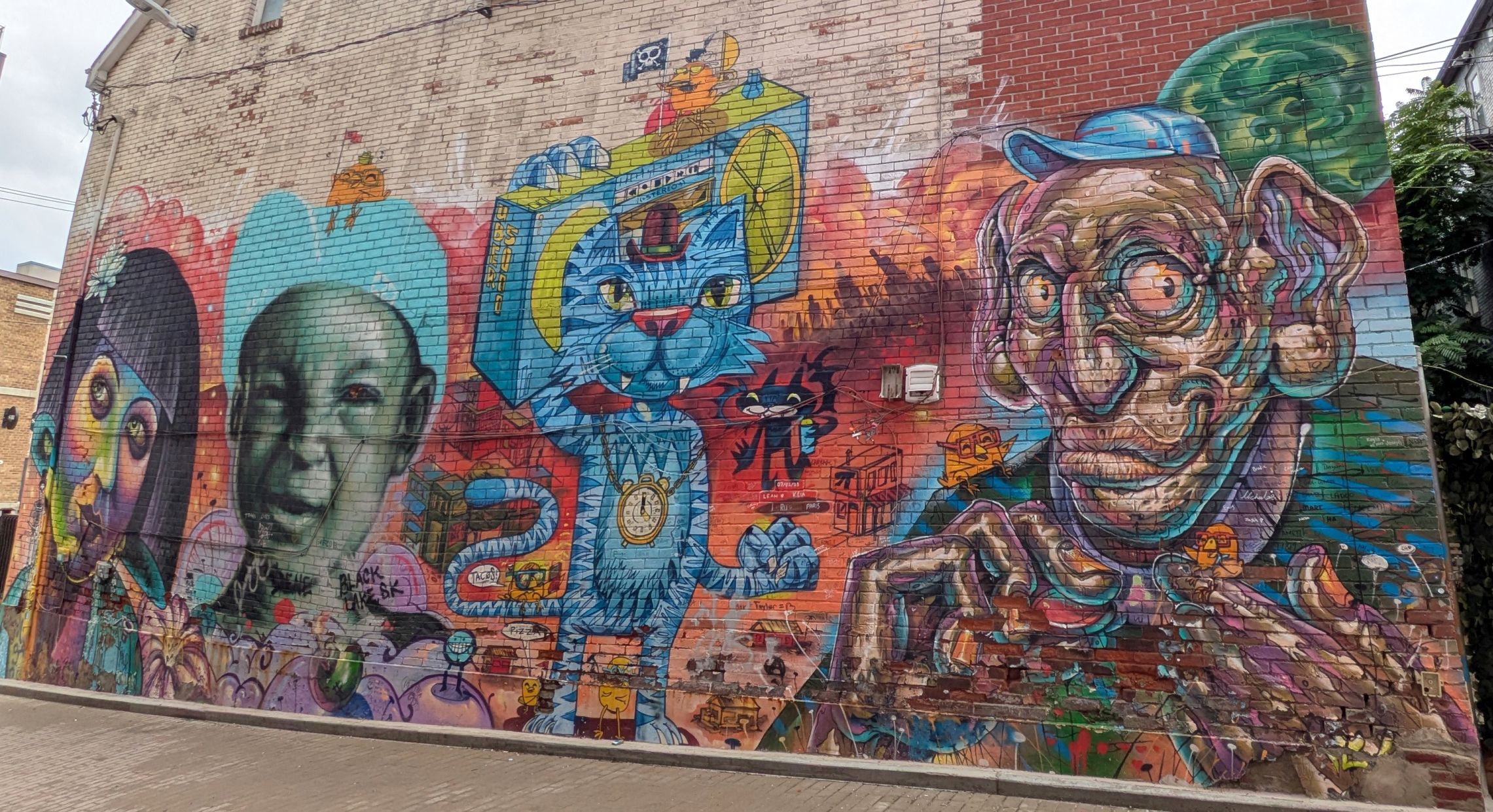
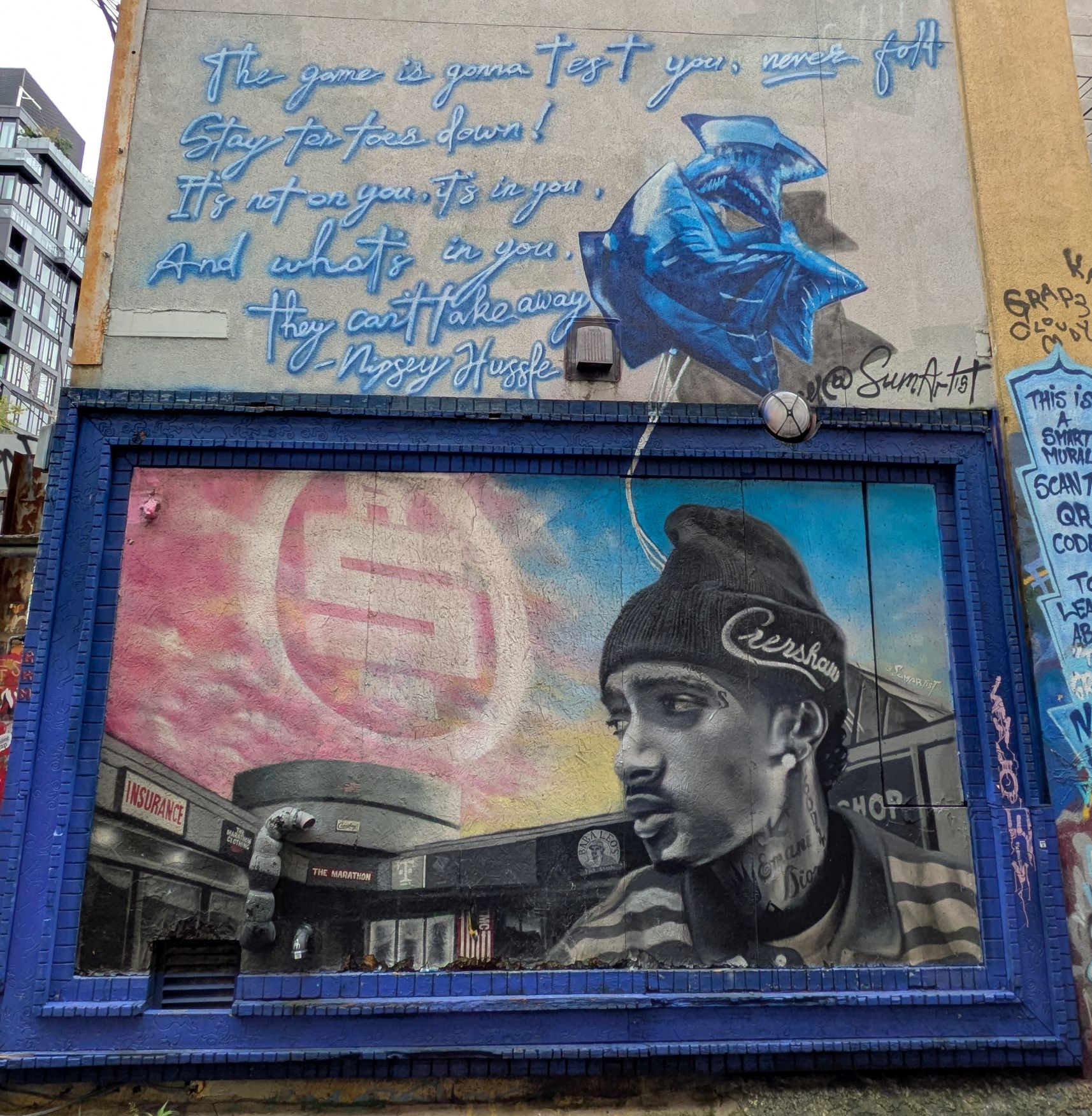
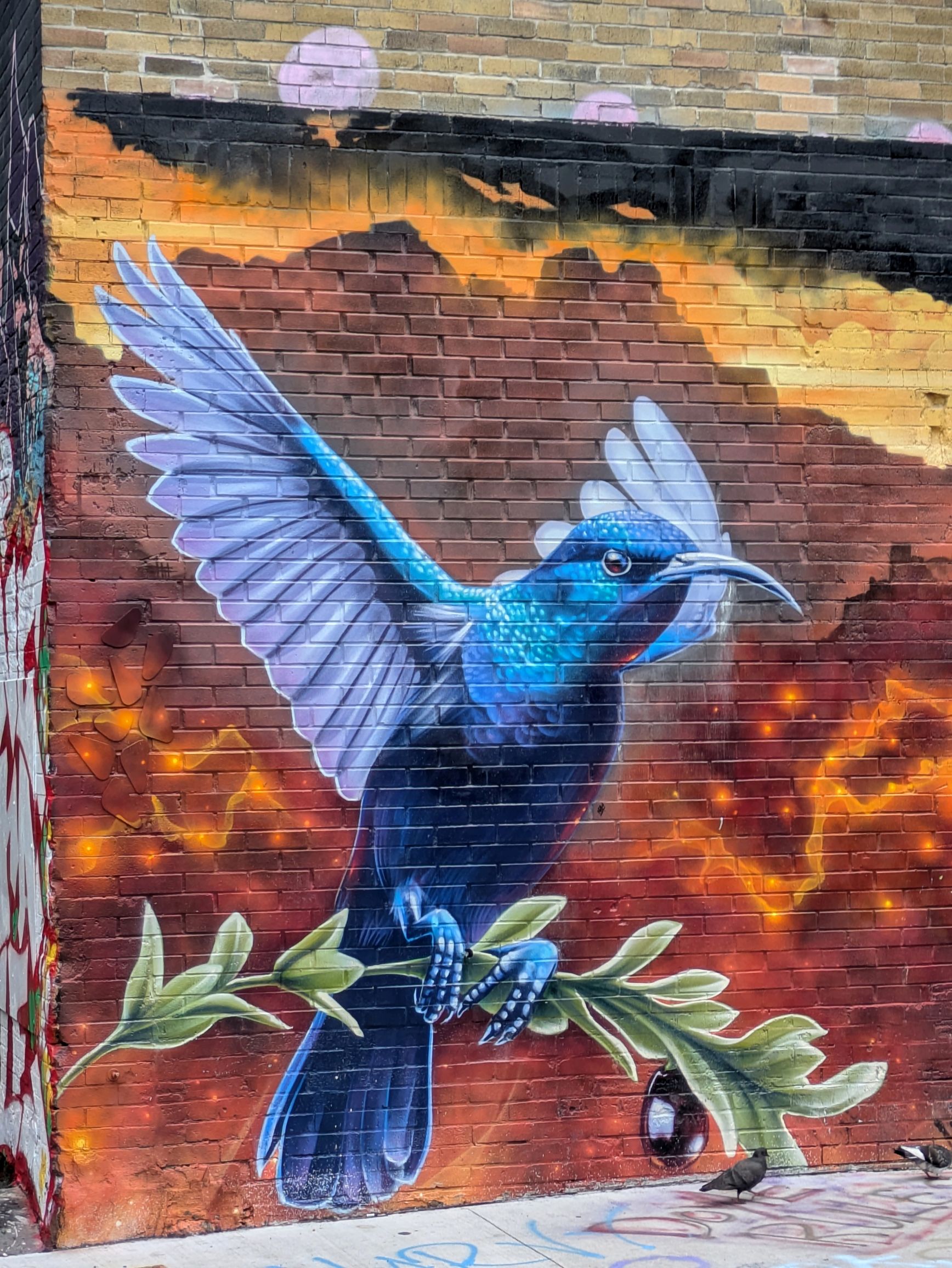
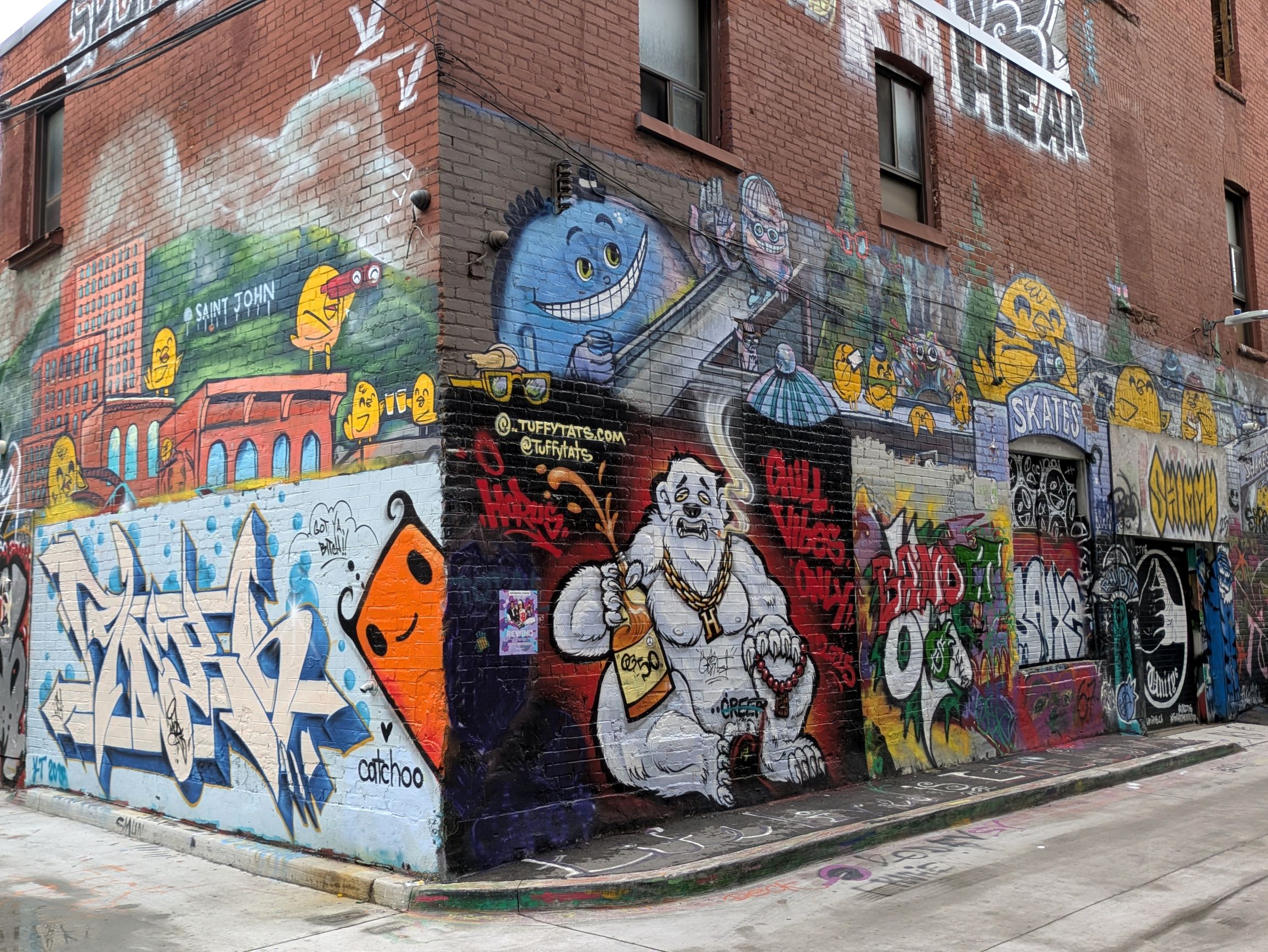
For mural and graffiti artists, Toronto is THE place to visit. We had never seen as many murals in such a small geographical area as we did in the Kensington Market and Graffiti Alley neighborhood. There were several scattered around the city as well.

Kensington Market, and old neighborhood, was designated a National Historic Site of Canada in 2006. A hub for artists and writers, the multicultural neighborhood has become a tourist attraction, especially for walking tours. A big draw to the neighborhood is the abundance of murals painted on every surface imaginable.

Nearby, in Toronto’s Fashion District, is Graffiti Alley, located on Rush Lane. Another hot spot for tourists and walking tours, we were amazed at the murals we saw there!
Join me on our self-guided, meandering walking tour where I photographed many, many more marvelous murals than what you will see here!

(For all photos, click on the image for a full screen view.)

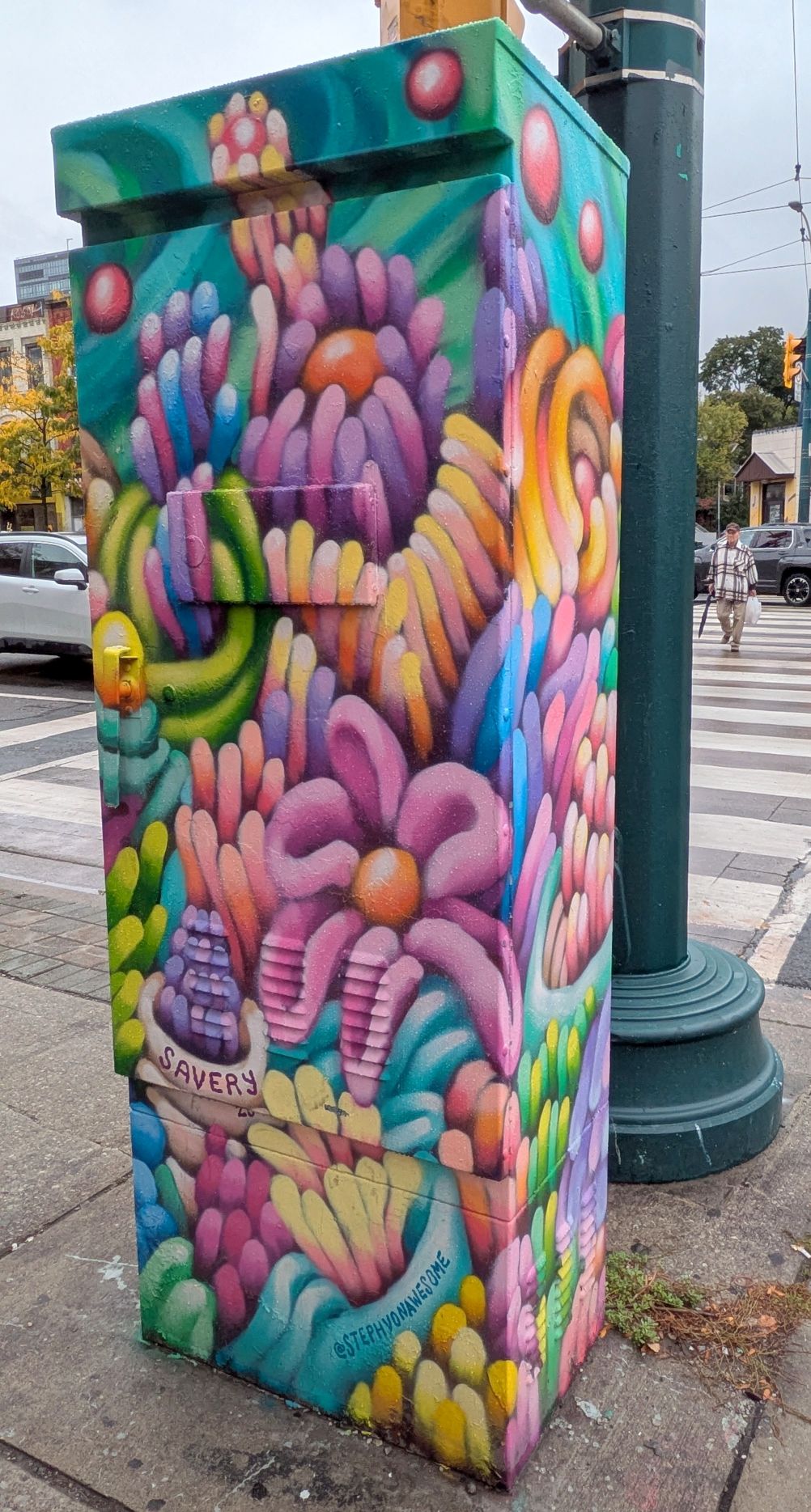
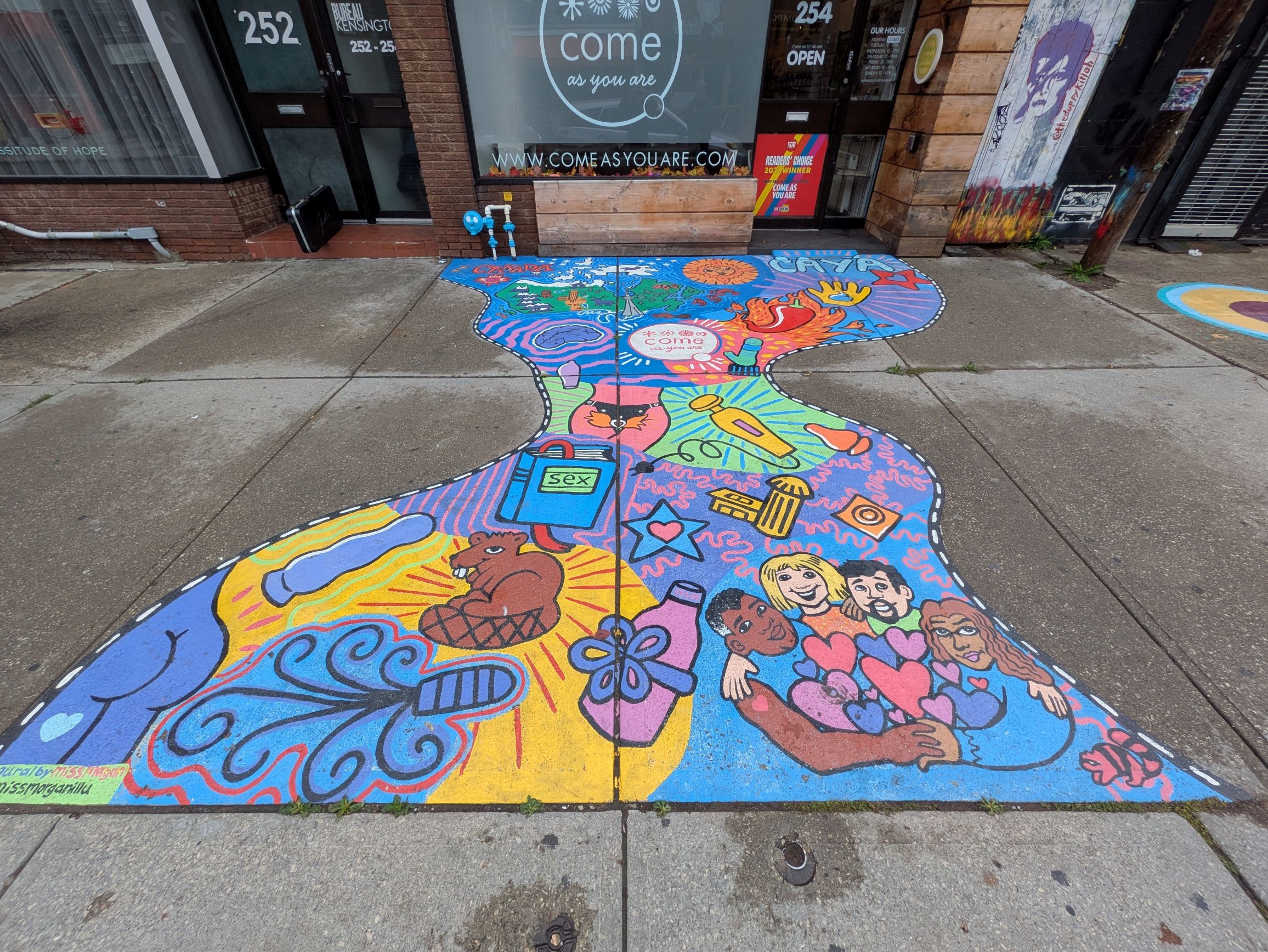
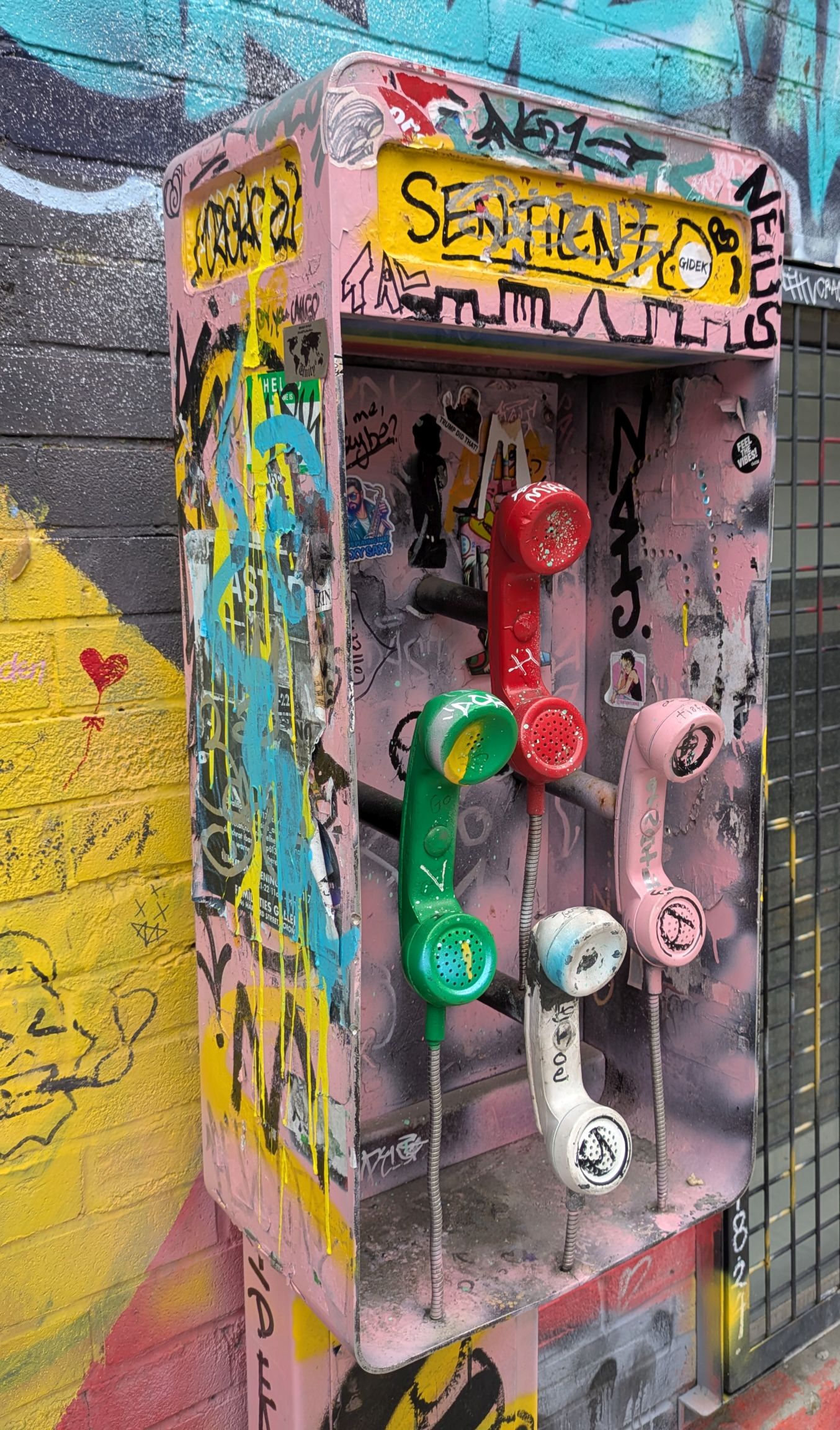
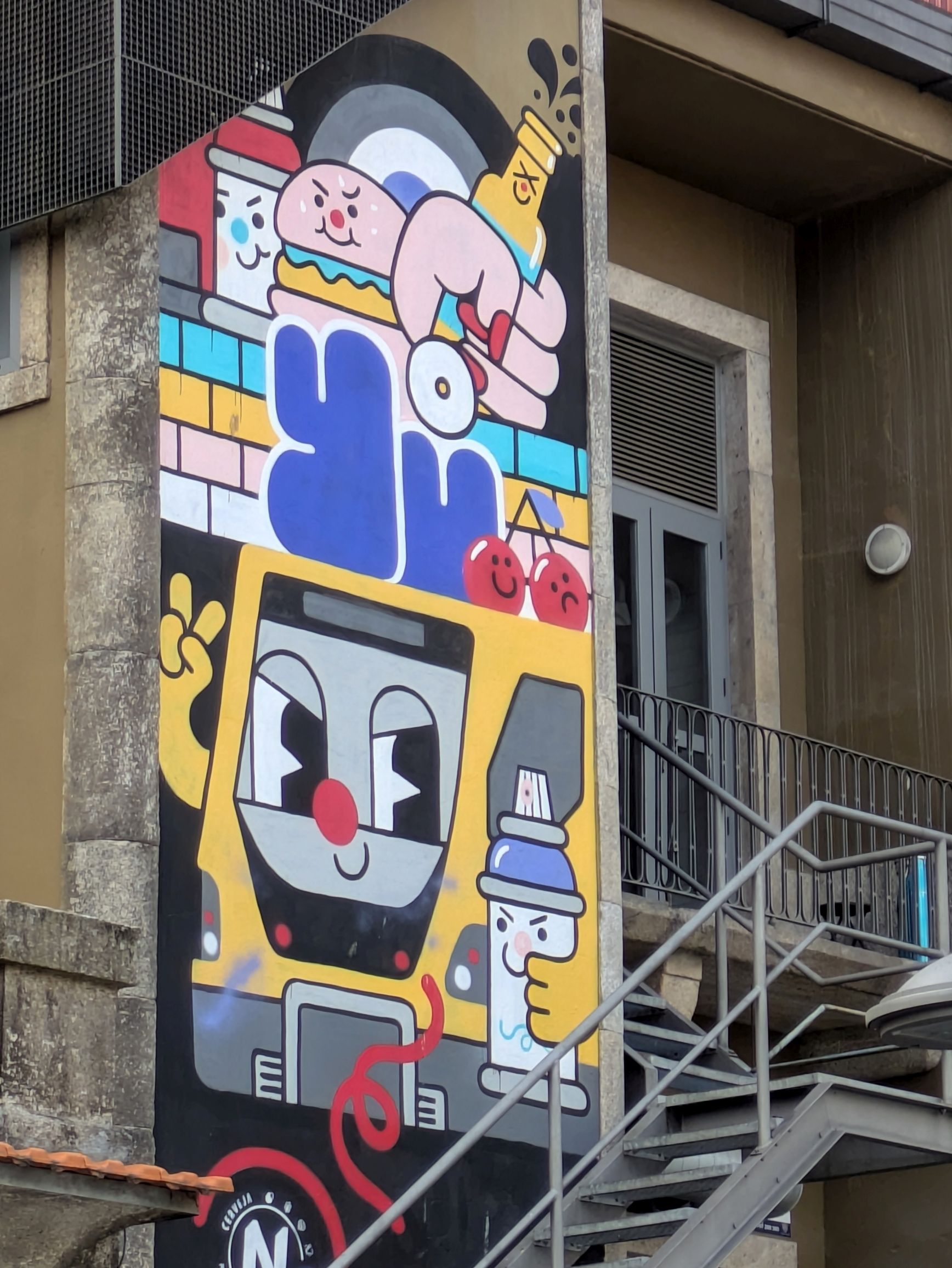
Ok, so this isn’t a mural, but it’s still a colorful work of art!
Our favorite mural EVER!

More murals scattered around town:

A tile mosaic mural:

Coming up next: TERRIFIC TORONTO #4: DISTILLERY DISTRICT, SHOE MUSEUM & ALLAN GARDENS CONSERVATORY

TERRIFIC TORONTO #2: SUPER ST. LAWRENCE MARKET, DOG FOUNTAIN, AND NATHAN PHILLIPS SQUARE

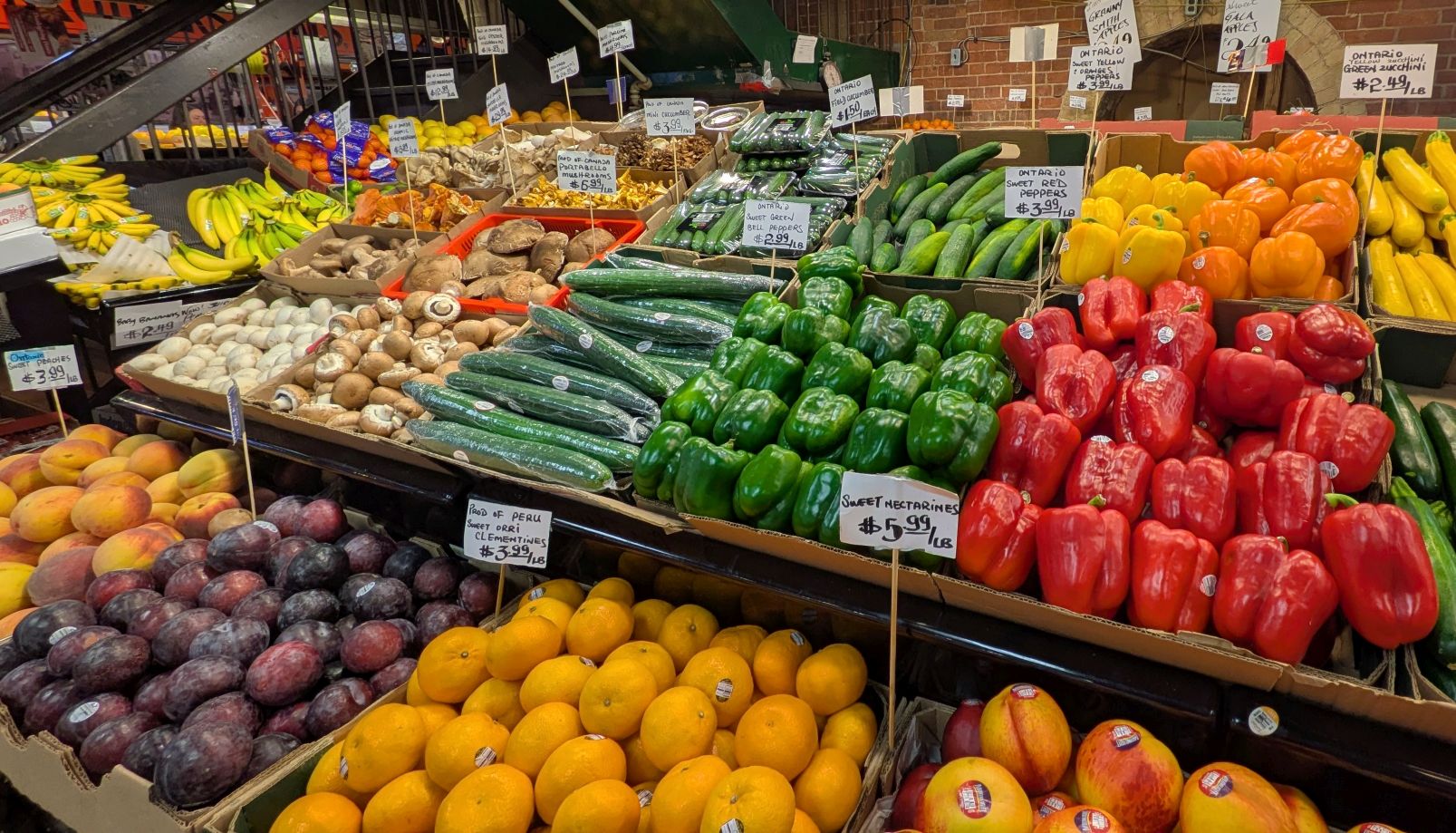
My regular readers know how much we enjoy visiting markets, so you won’t be surprised we visited one in Toronto. St. Lawrence Market, a public market, is a popular tourist destination. While we were there, tour groups came through, and buses were constantly dropping off and picking up tourists.

First established in the early 19th century, the first market was damaged in the Great Fire of Toronto of 1849, so it was replaced. In 2012, National Geographic named St. Lawrence Market the world’s best food market.

(For all photos, click on the image for a full screen view.)

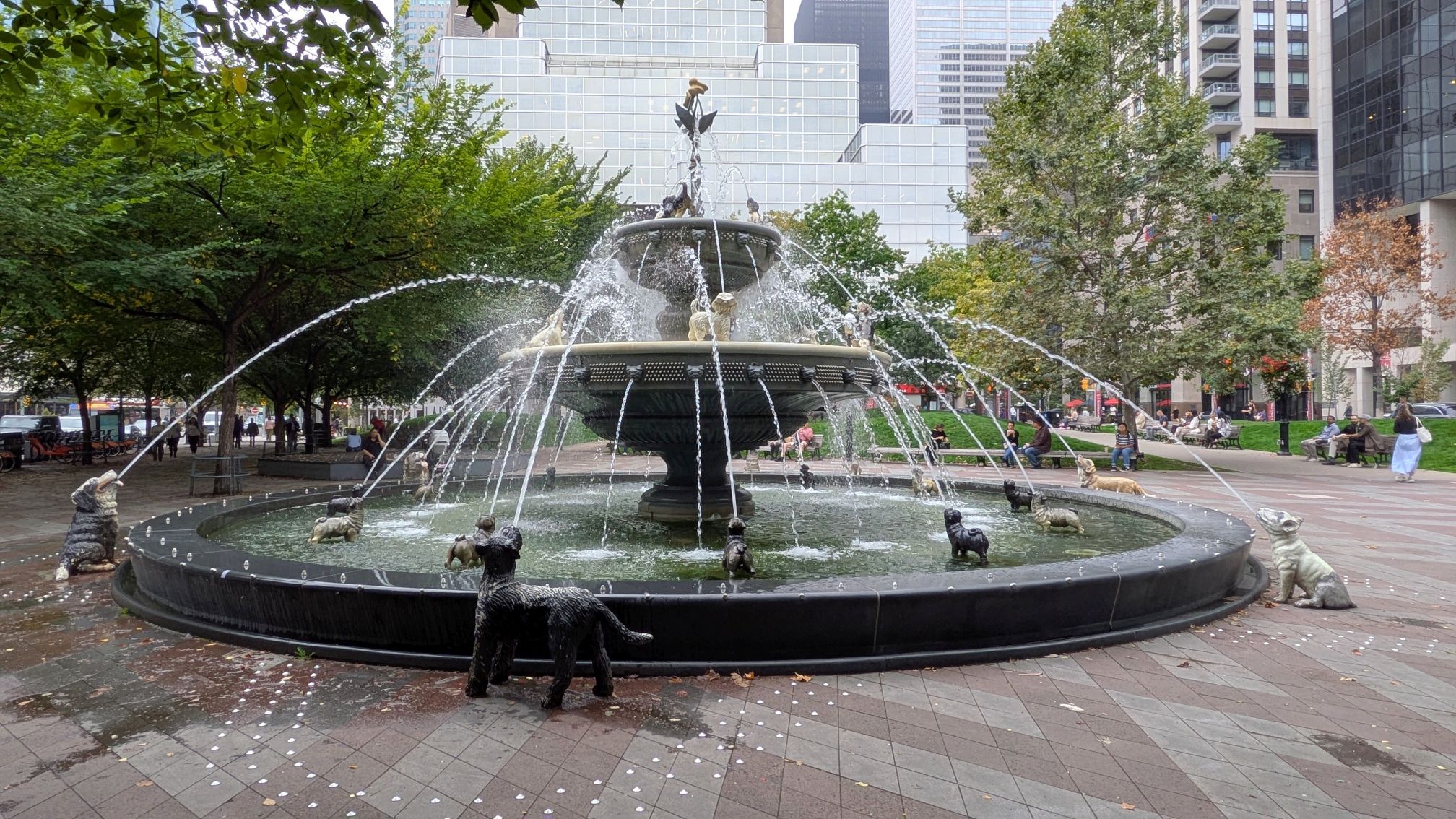
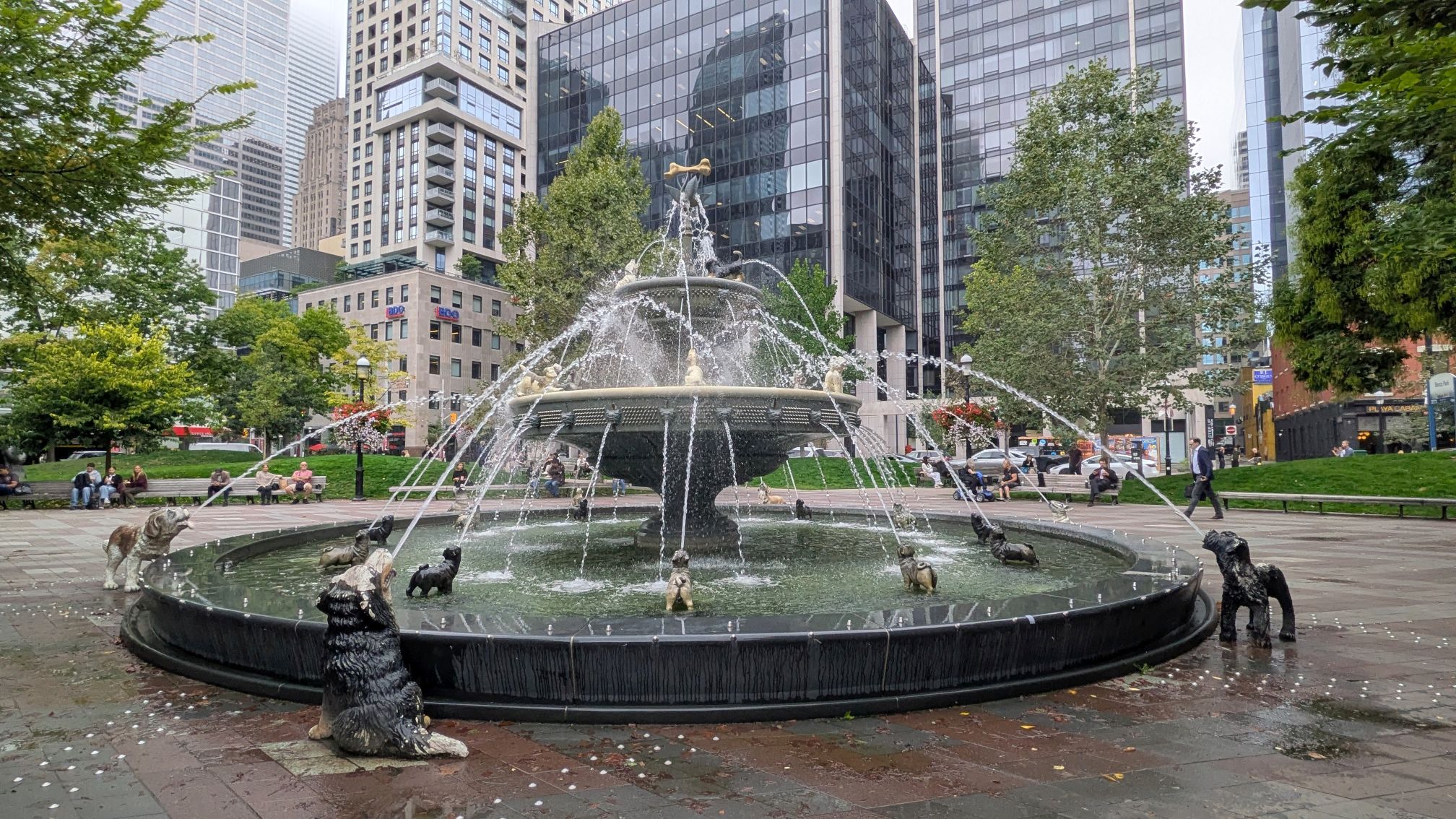
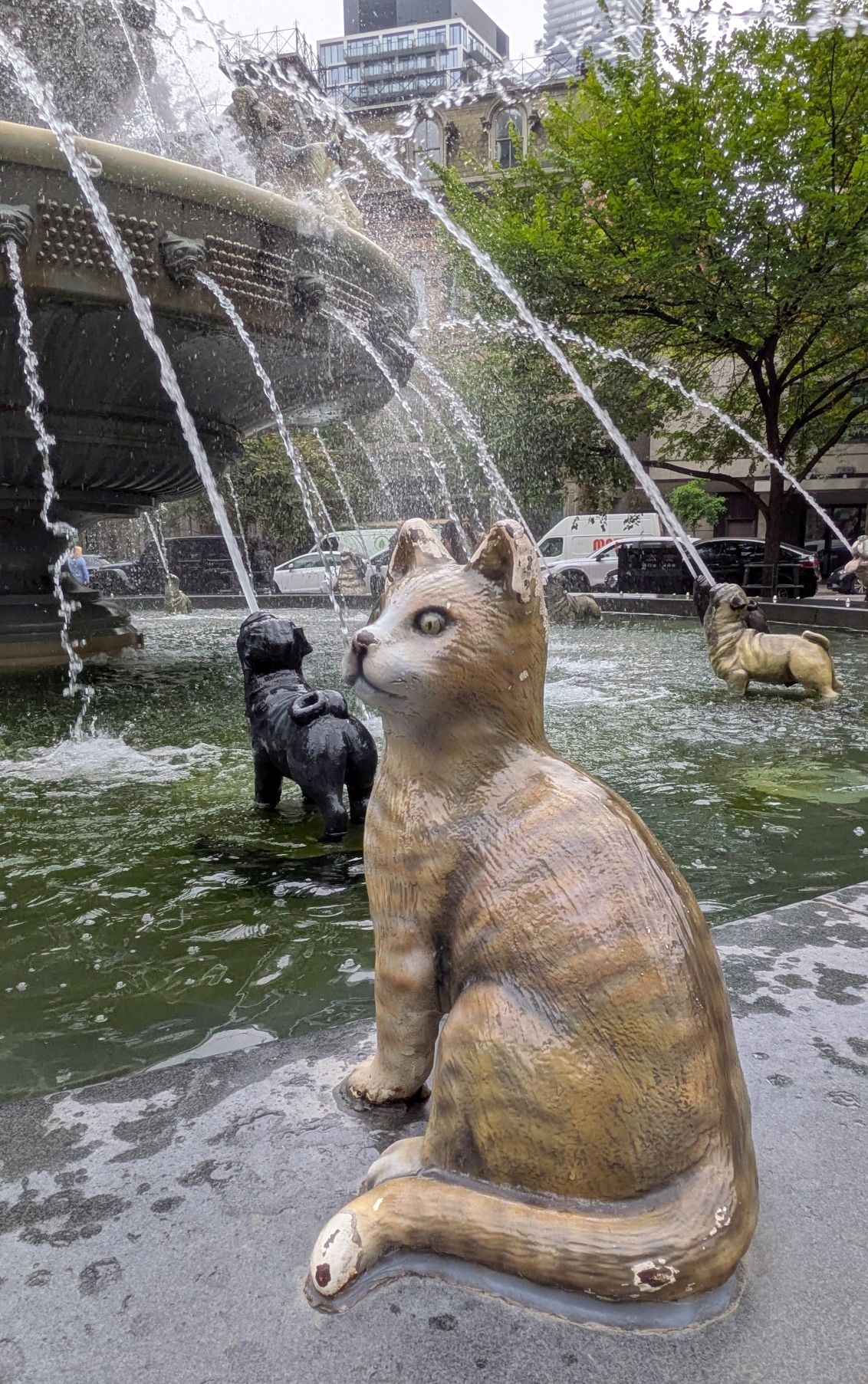
As a dog lover with “AQUADOG” as my license plate (AQUA, because I am a competitive swimmer with U.S. Masters Swimming), I got a kick out seeing Berczy Park’s Dog Fountain, a short walk from St. Lawrence Market. Opened in 1980, the adorable, dog-friendly park replaced a parking lot, and the fountain was added in 2017. Dogs appreciate the gravel area for doing their business, and they can get rehydrated at the ground-level fountain trough. The two-tier fountain features 27 painted cast iron statues of dogs that spit out the fountain’s water. Sitting atop the fountain wall is “Pam McCat,” named after the councilwoman who spearheaded the construction of the park.

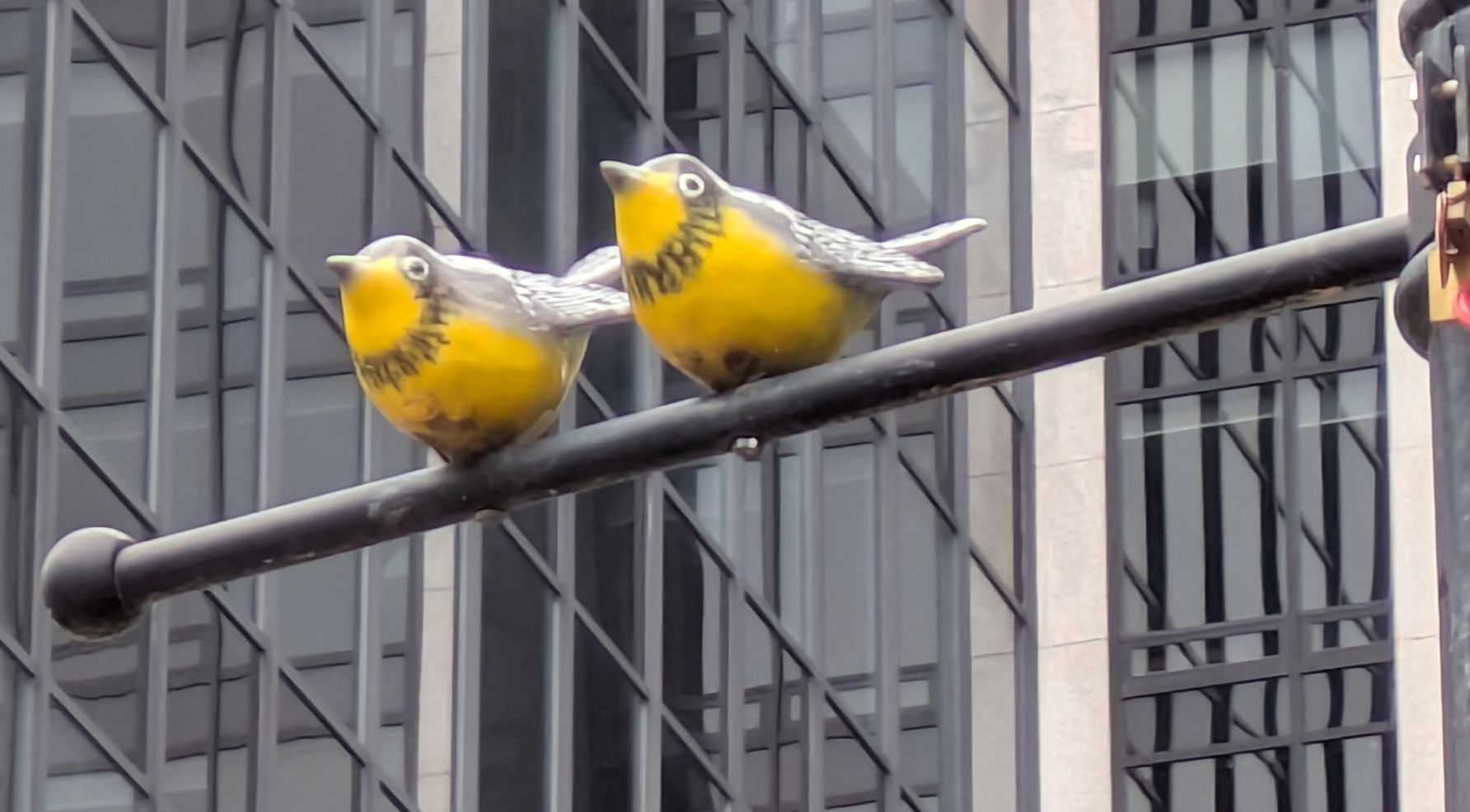
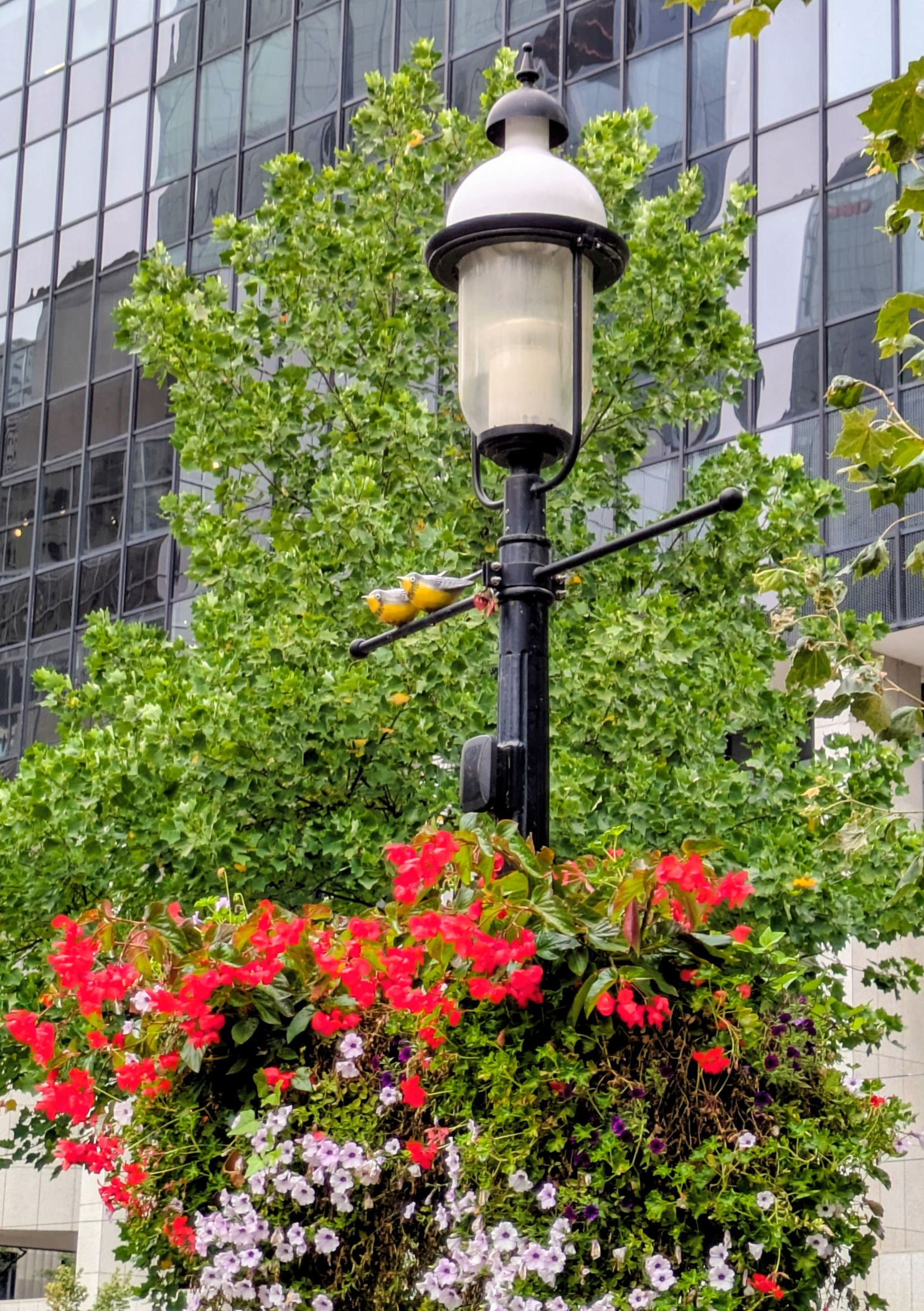
What a hoot! The dogs are all looking up at the bone perched at the top of the fountain, and the cat couldn’t care less about the dogs. She’s keeping her eye on the two yellow birds perched on the arm of a lamp post ten feet away!

While photographing the pooches, I noticed they were looking a bit battered. That is all in the process of changing; the dogs are getting a new coat!

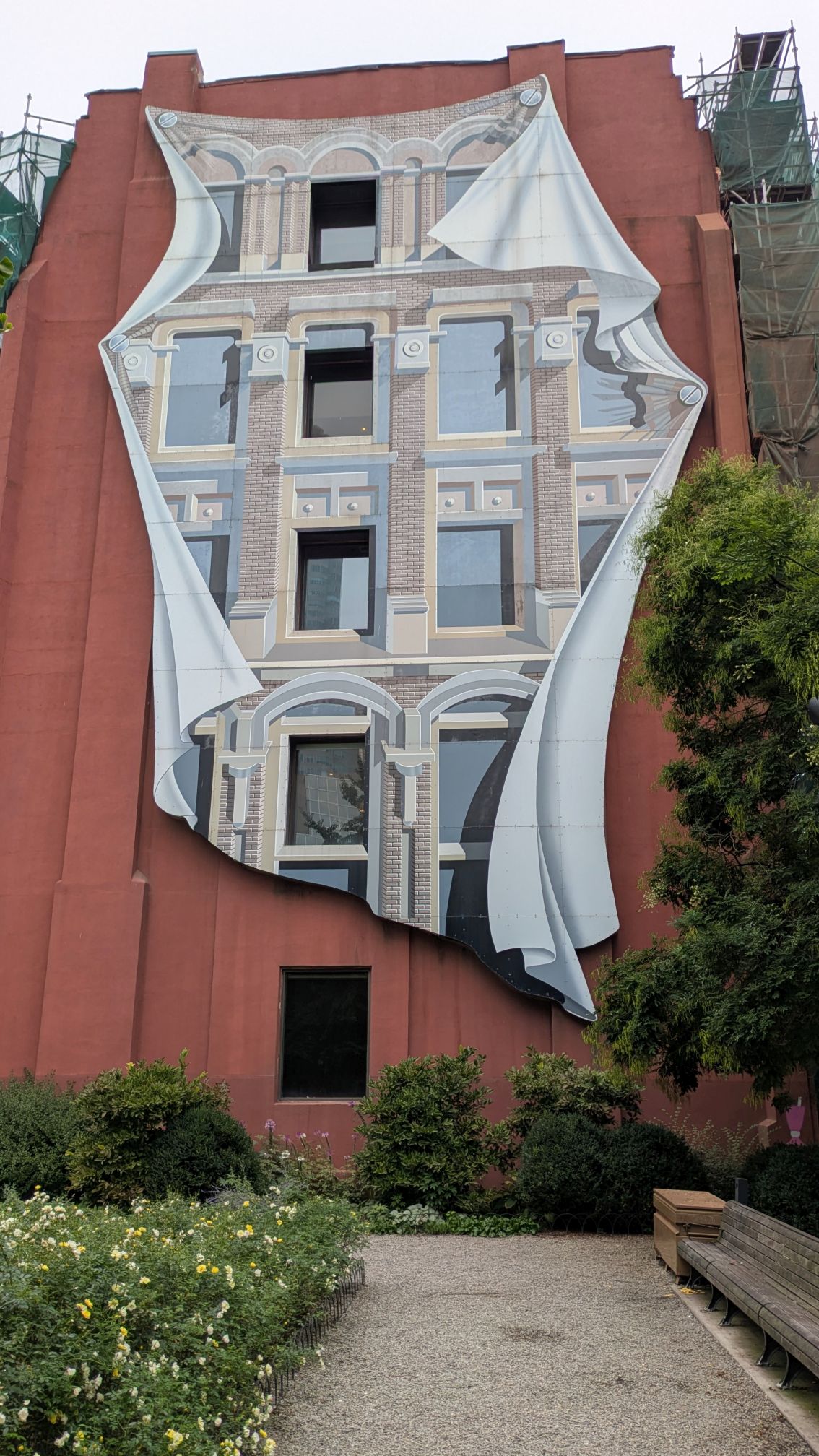
This building, in the process of being renovated, is at the end of Dog Park. Love the painting!

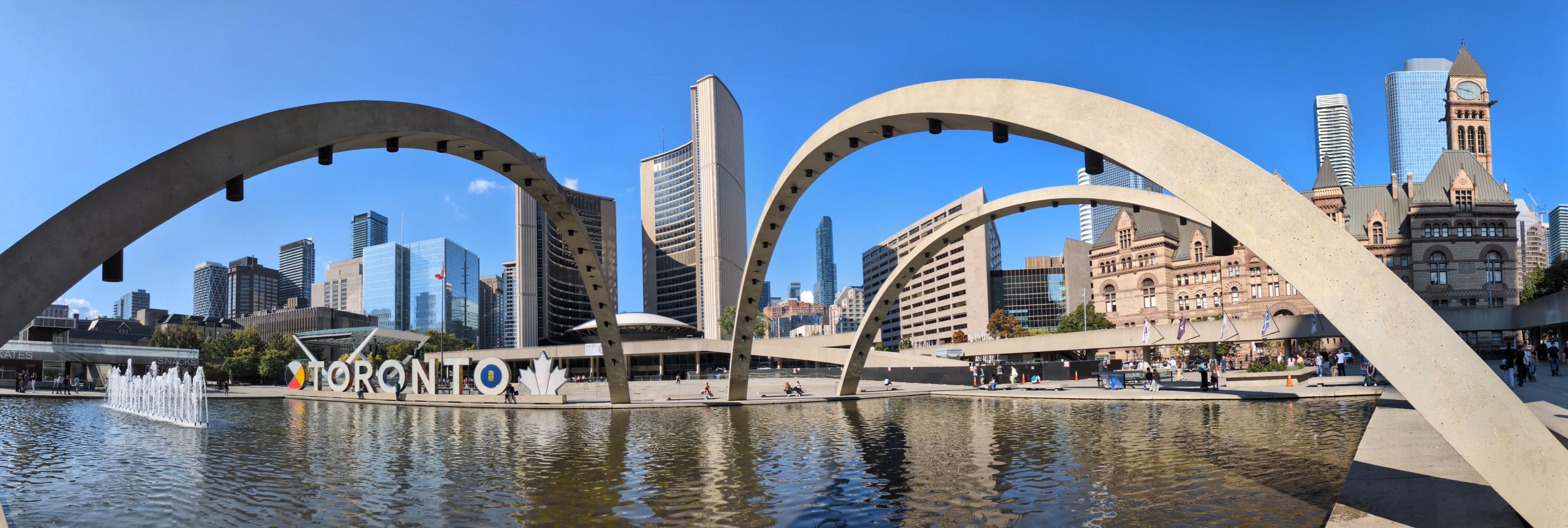
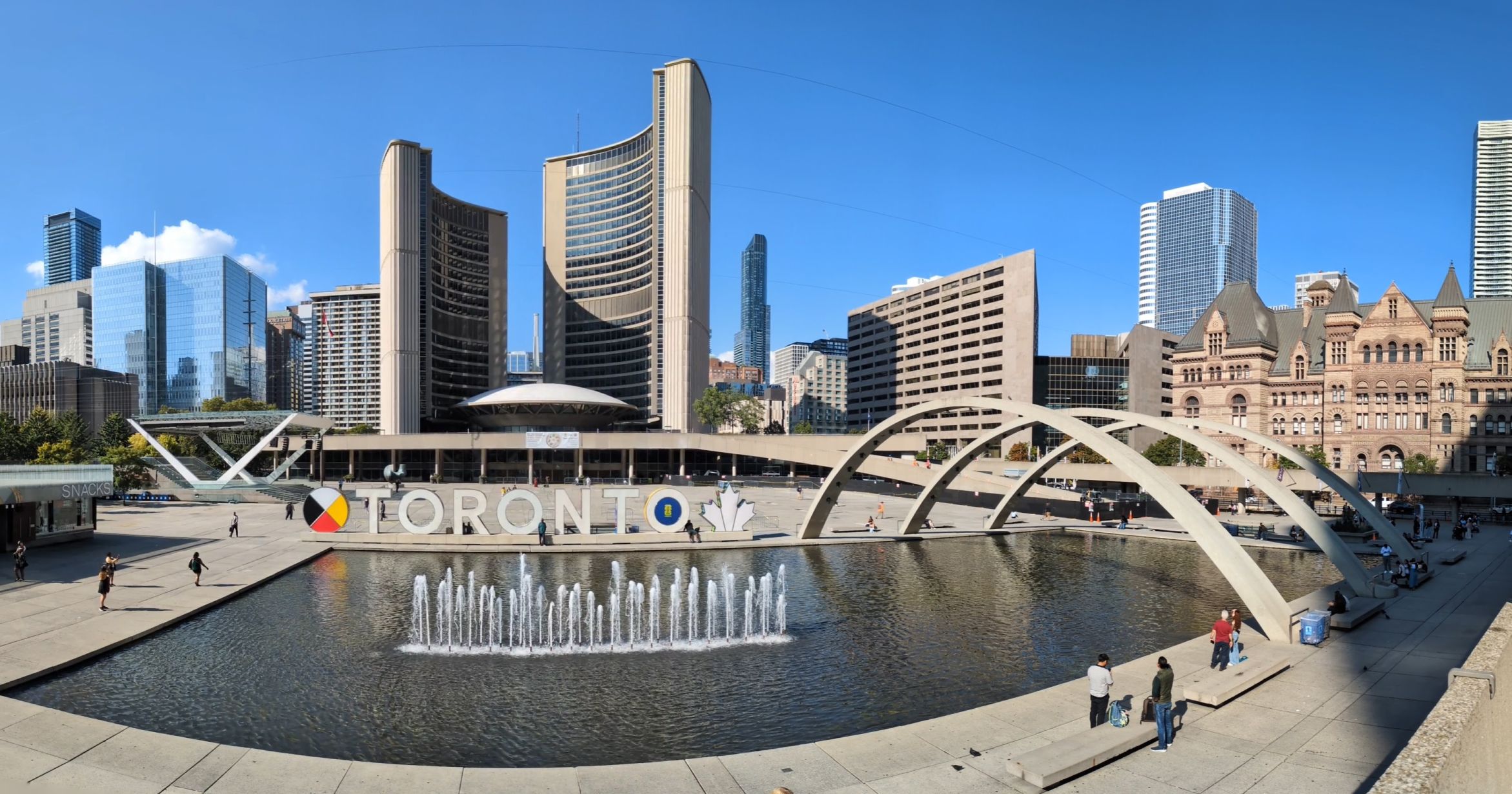
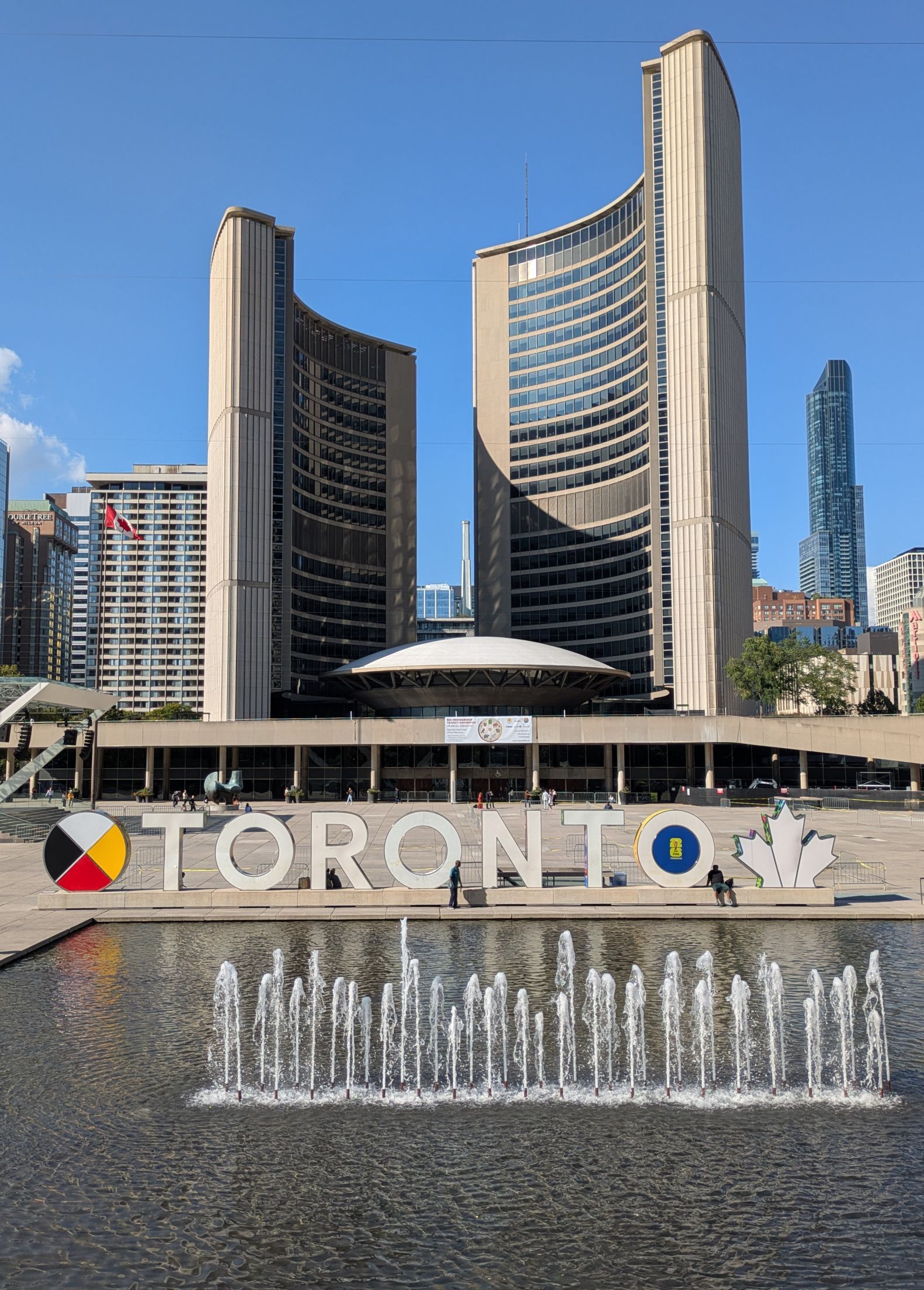
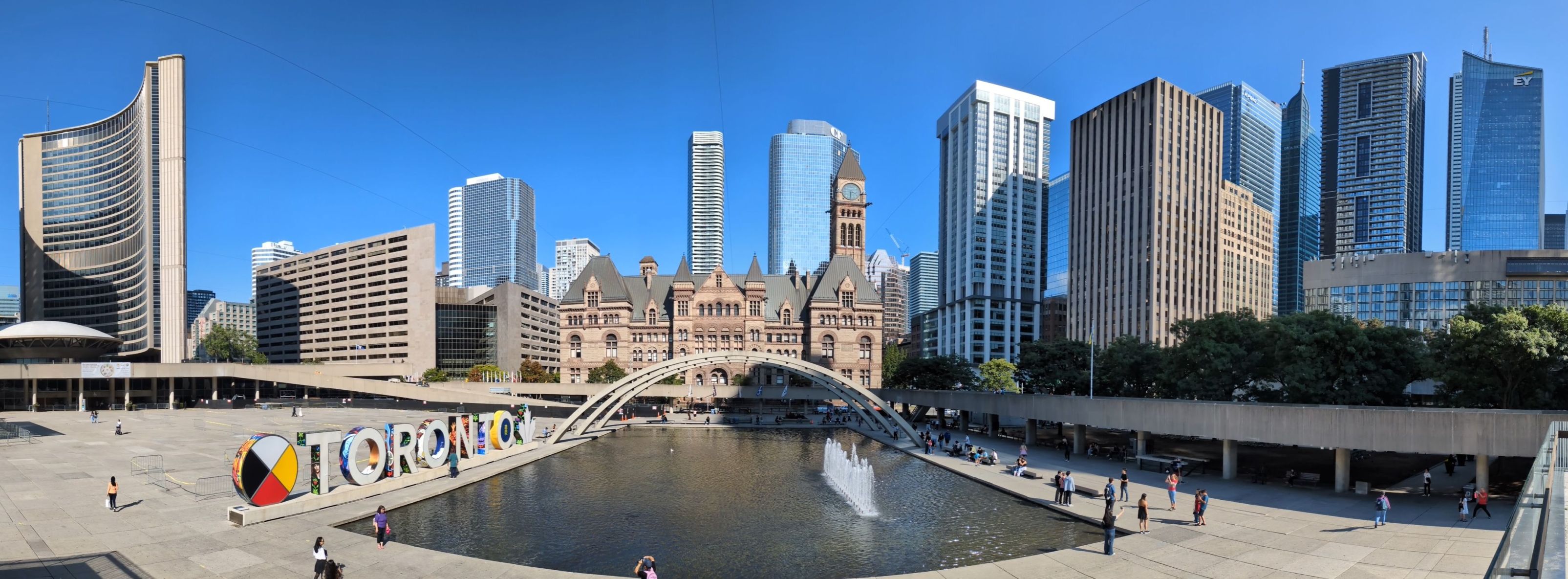
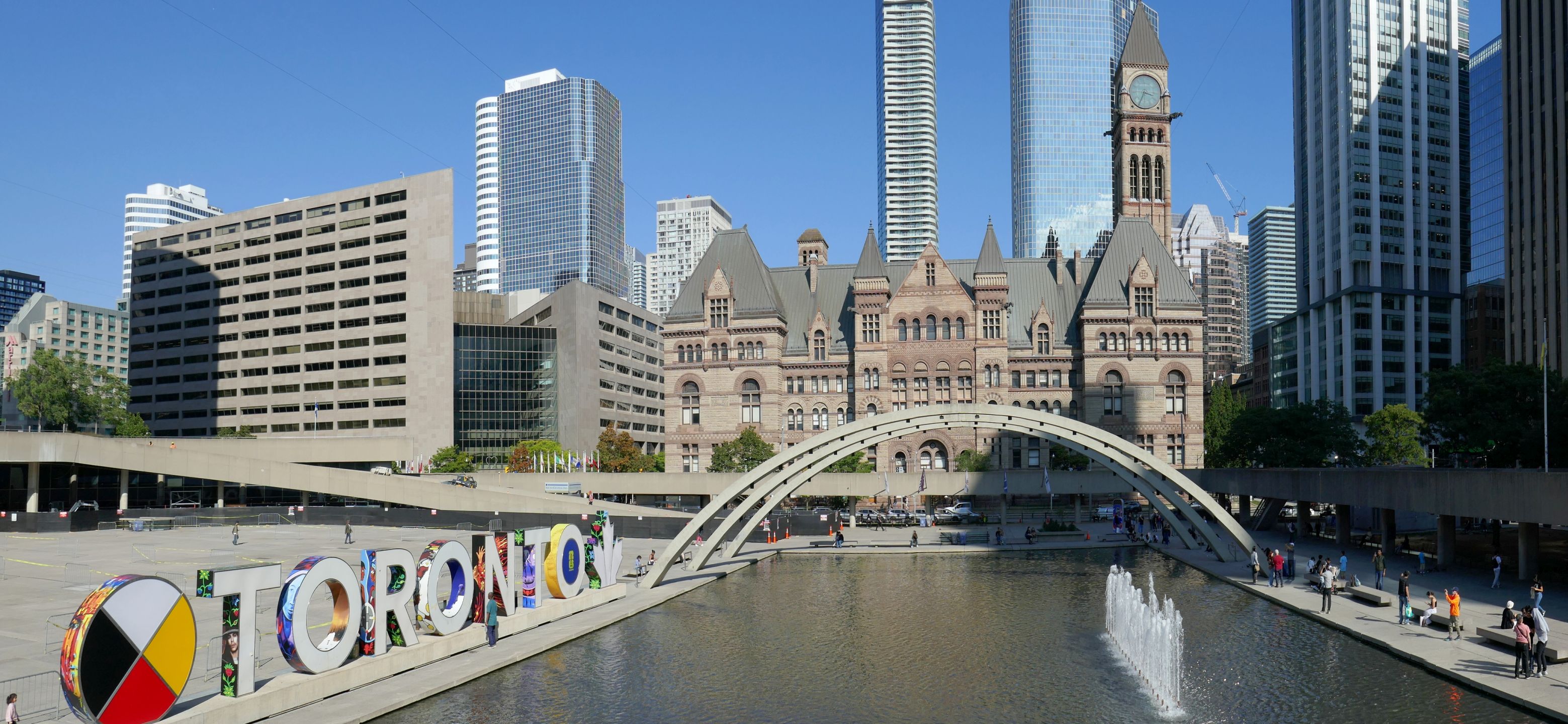
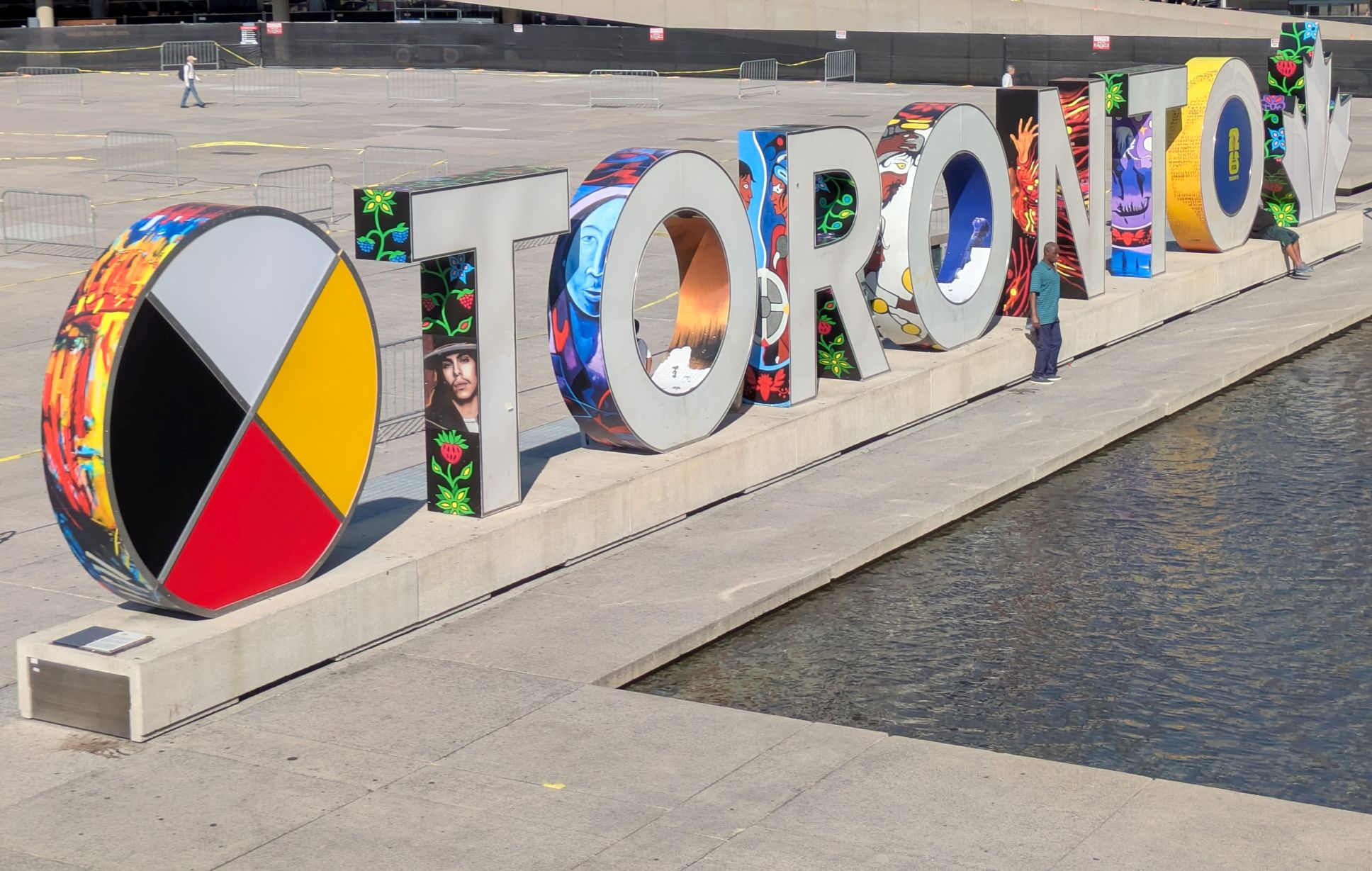
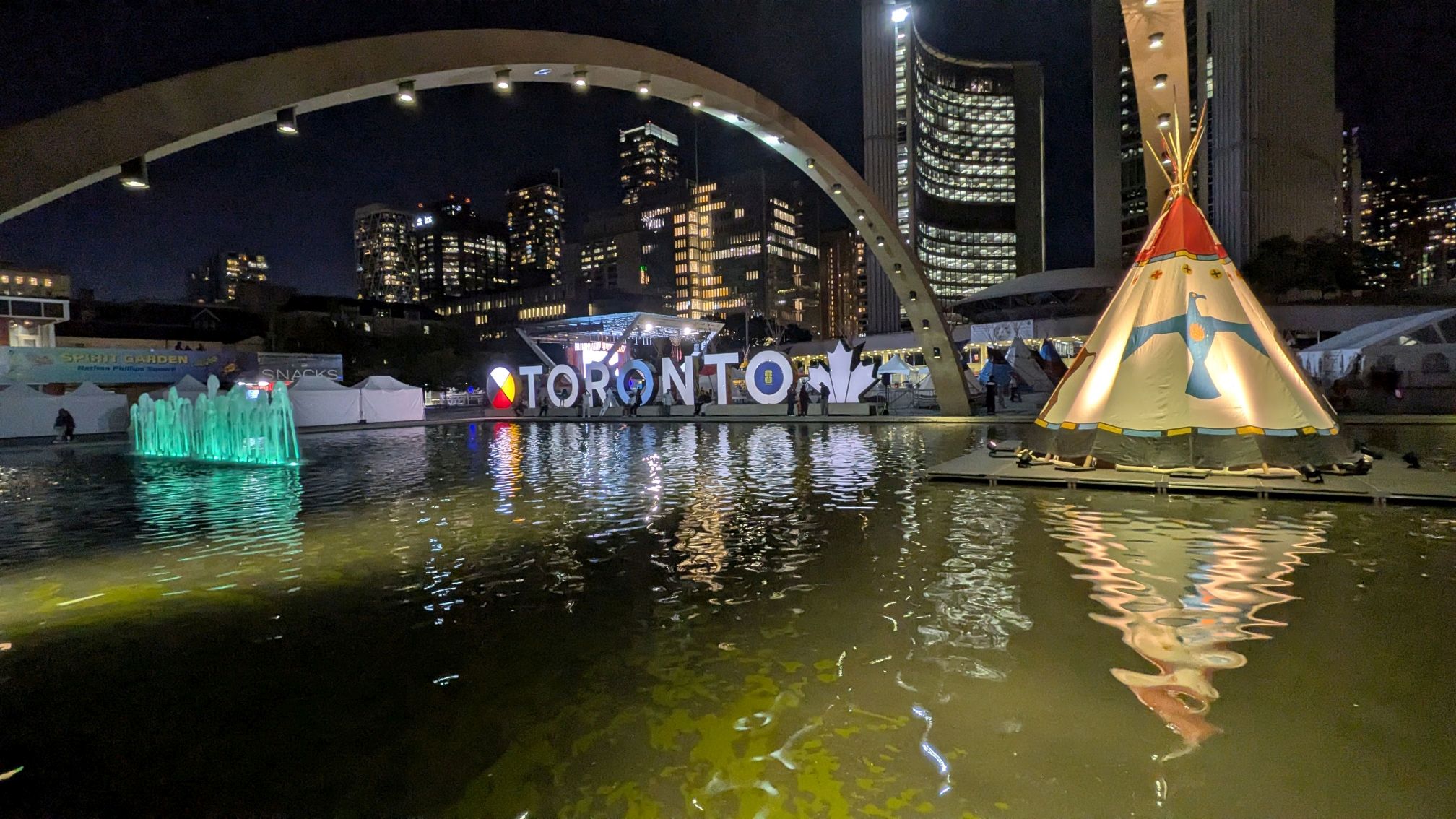
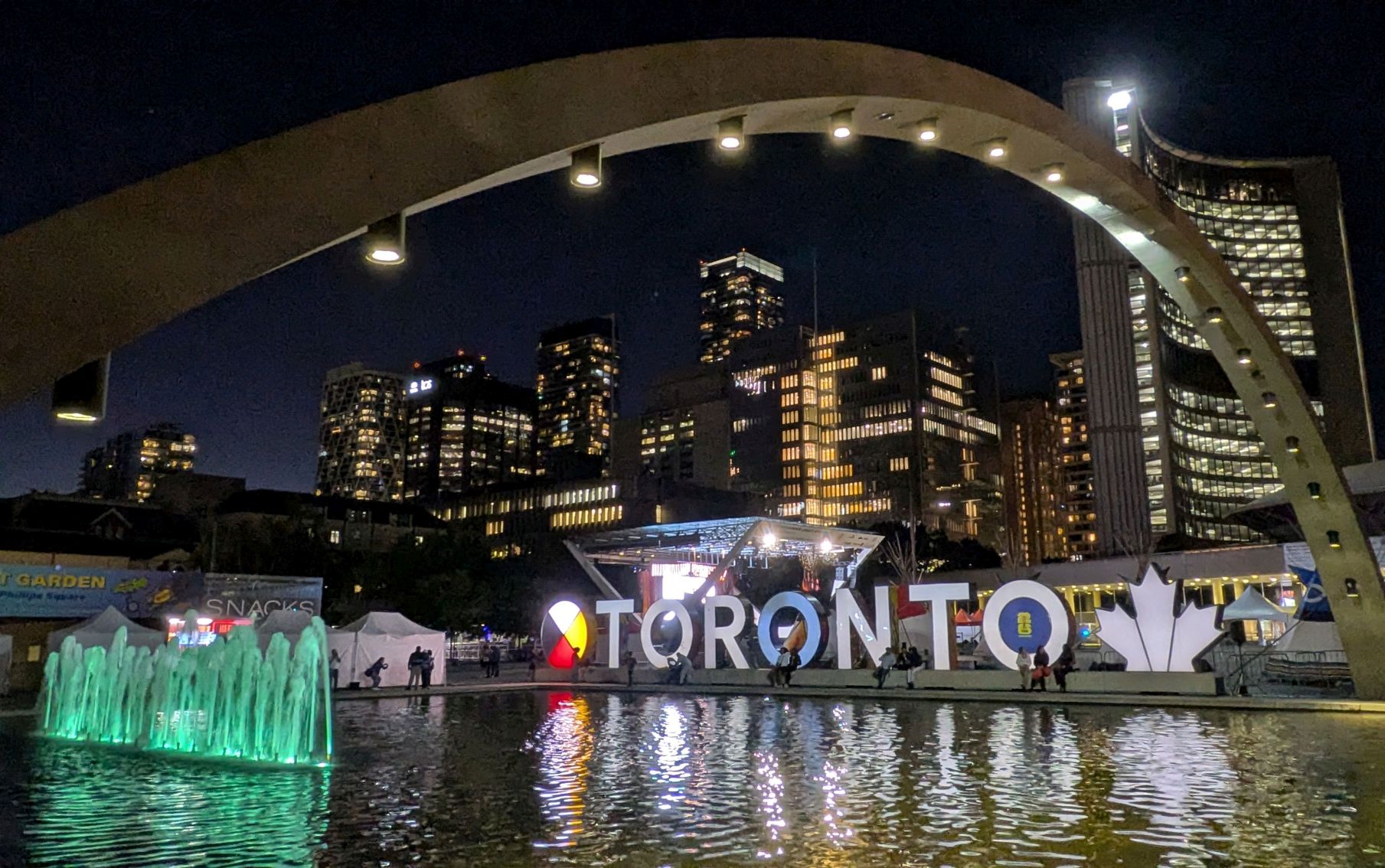
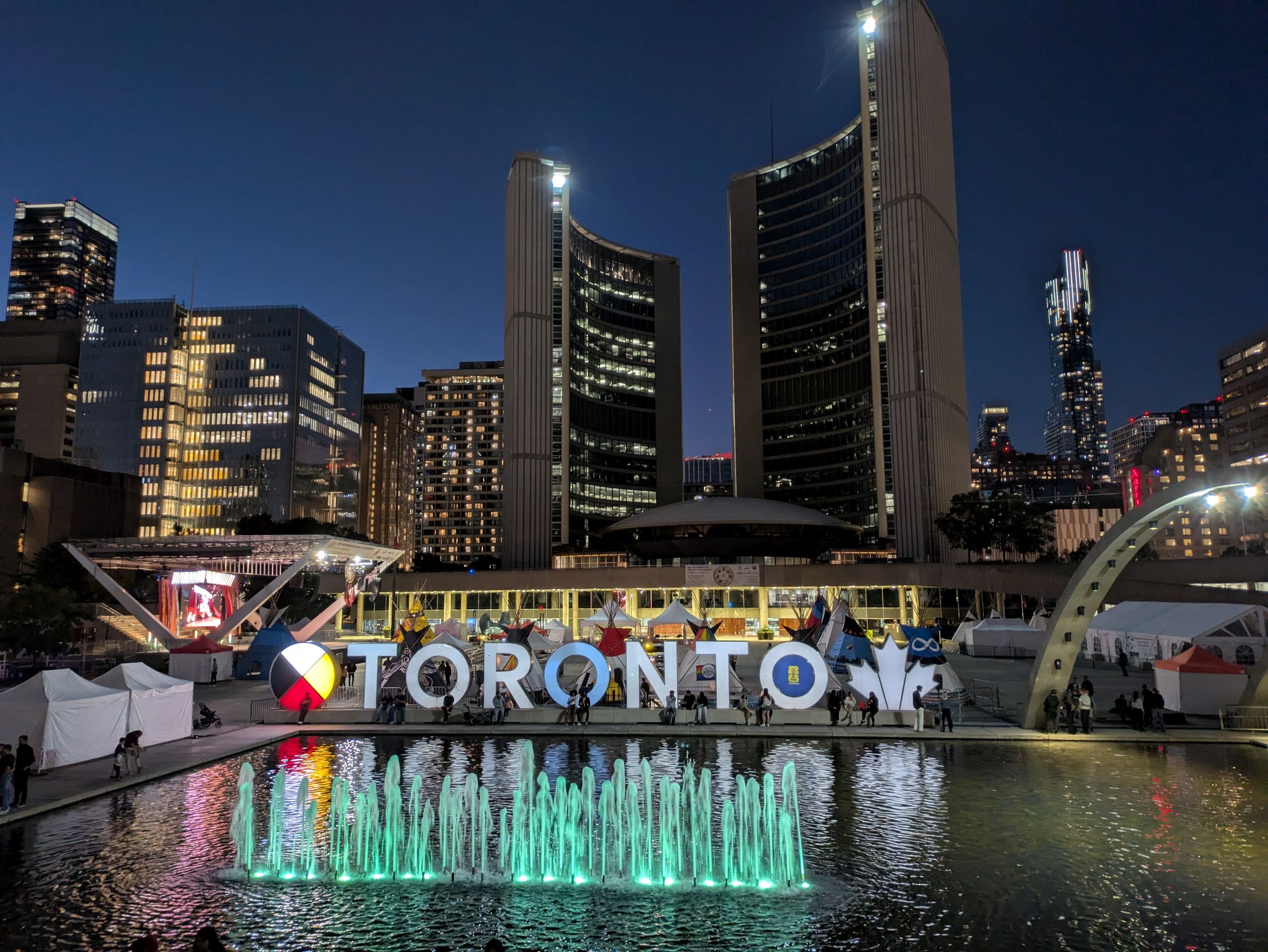
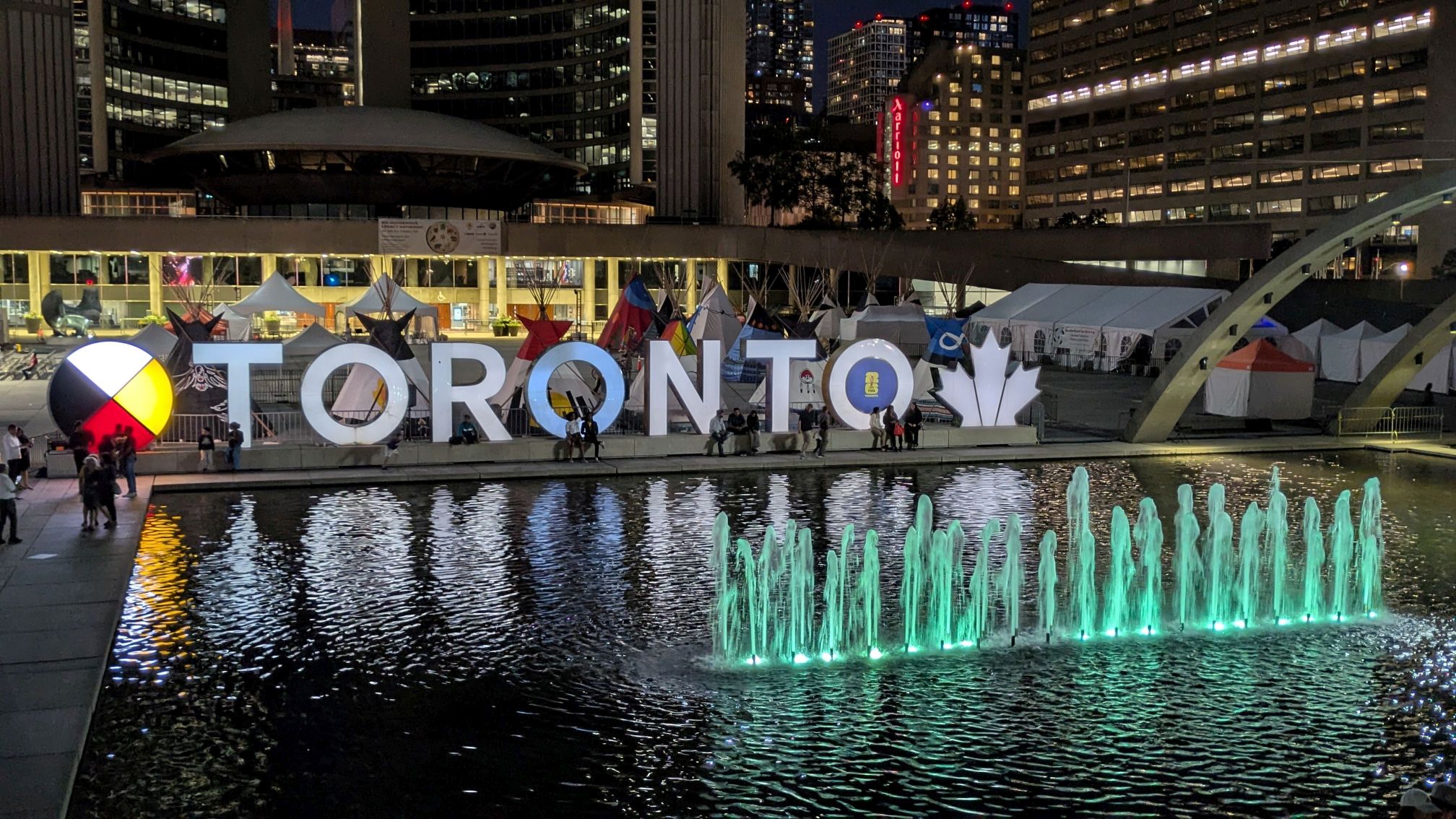
Nathan Phillips Square is another popular spot for busloads of tourists because of the “TORONTO” sign and fountain surrounded by downtown skyrises and Toronto City Hall.

We visited the square to photograph the huge sign, both during the day and at night. At 10 feet tall and 72 feet long, it gets a lot of attention! Originally constructed temporarily for the 2015 Pan American Games, the city decided to keep it permanent after it became a popular attraction for locals and tourists alike.

Seeing the sign at night was beautiful. Lit by LED, the lights can create an estimated 228 million color combinations. We only saw one, but it was well worth the walk from our hotel to see it!

Next up: TERRIFIC TORONTO #3: MANY MARVELOUS MURALS

TERRIFIC TORONTO #1: A FIRST LOOK AROUND TOWN

One week after returning from our 23-day tour of southern France, Northern Spain, and Portugal, we flew to Toronto. We had never visited the city, so we planned on a relaxing eight-day stay, rather than rushing around and trying to see it all in just a few days.

We packed very light. Between the two of us, we shared a rollaboard and small backpack and didn’t check any luggage.

It was very easy and convenient to take the train from the airport to Union Station, and then transfer to a  city train into the city center at College Station. From there, it was a two-minute walk to our hotel, Holiday Inn Downtown Centre, which was very convenient—the reason why we chose it. Hotels are very expensive in Toronto, so that was another consideration for our boring hotel choice!

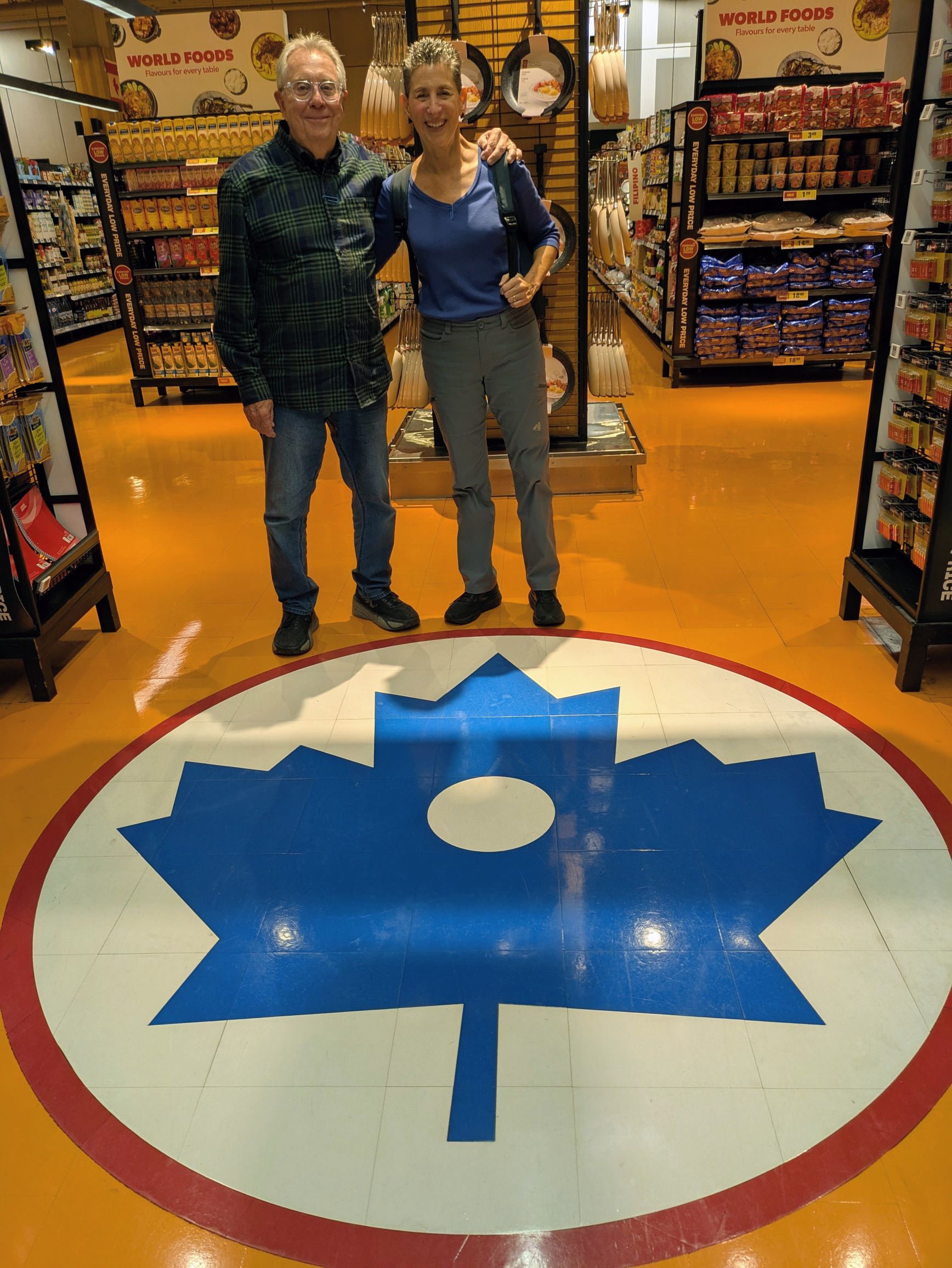
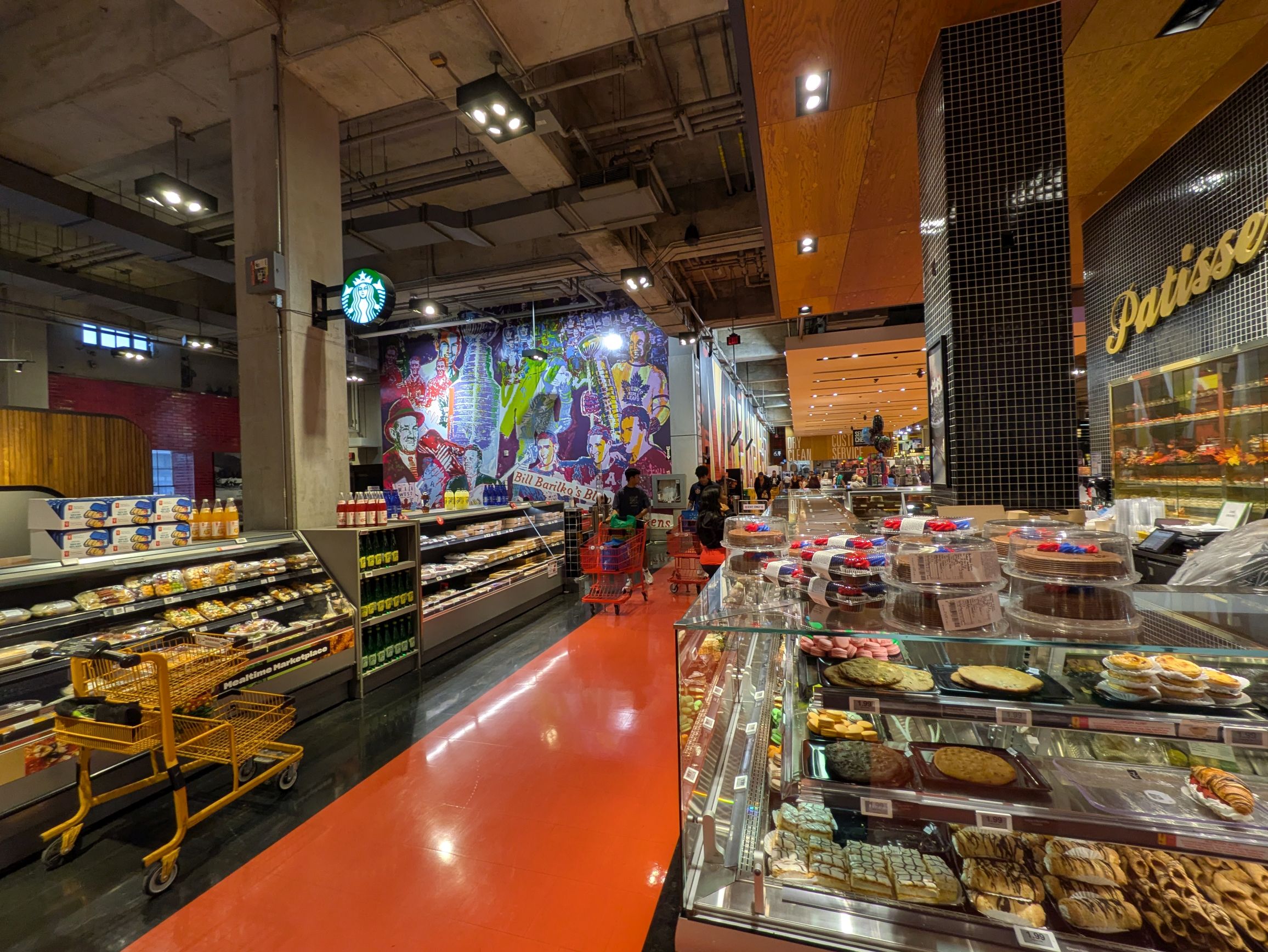
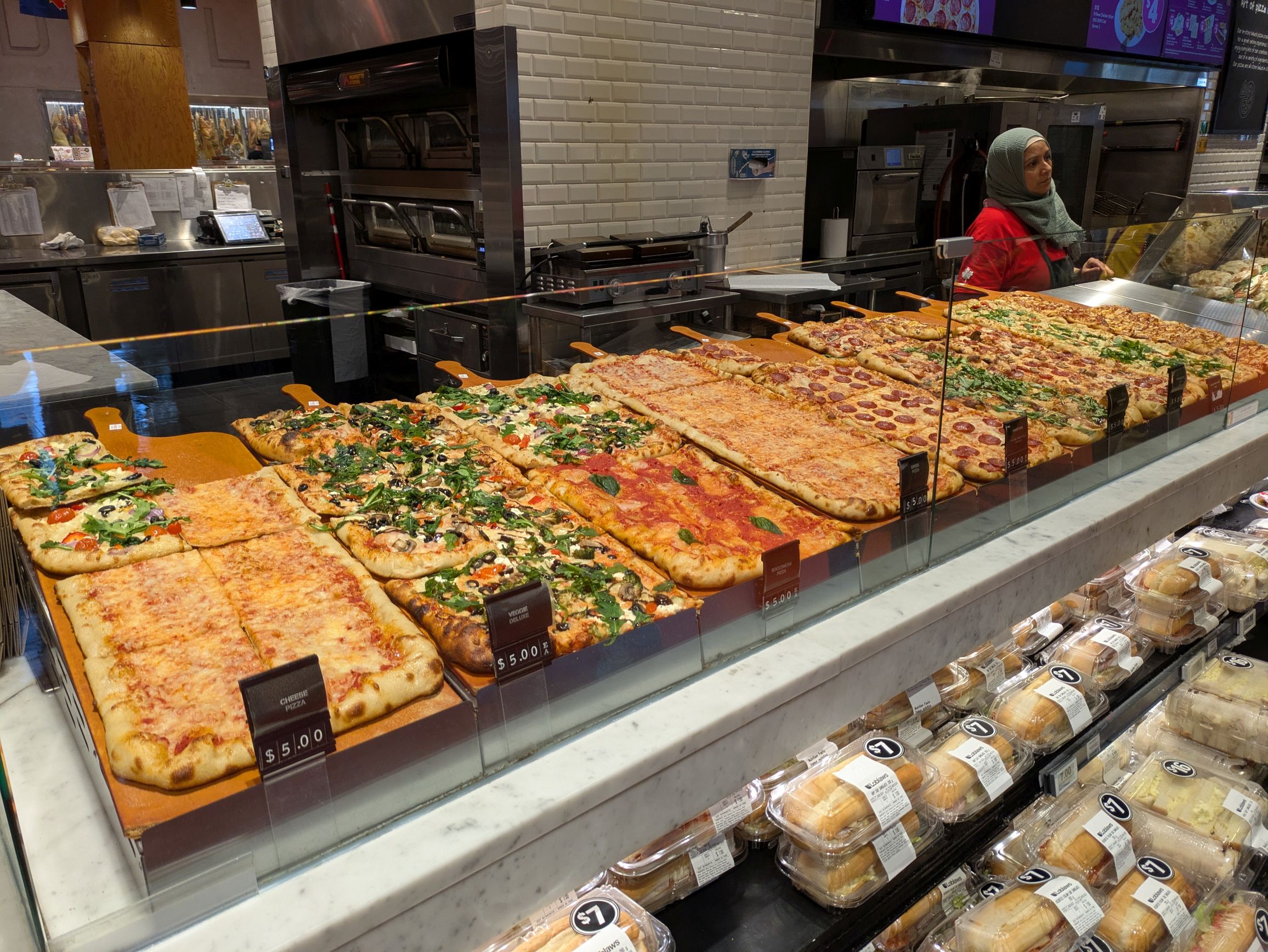
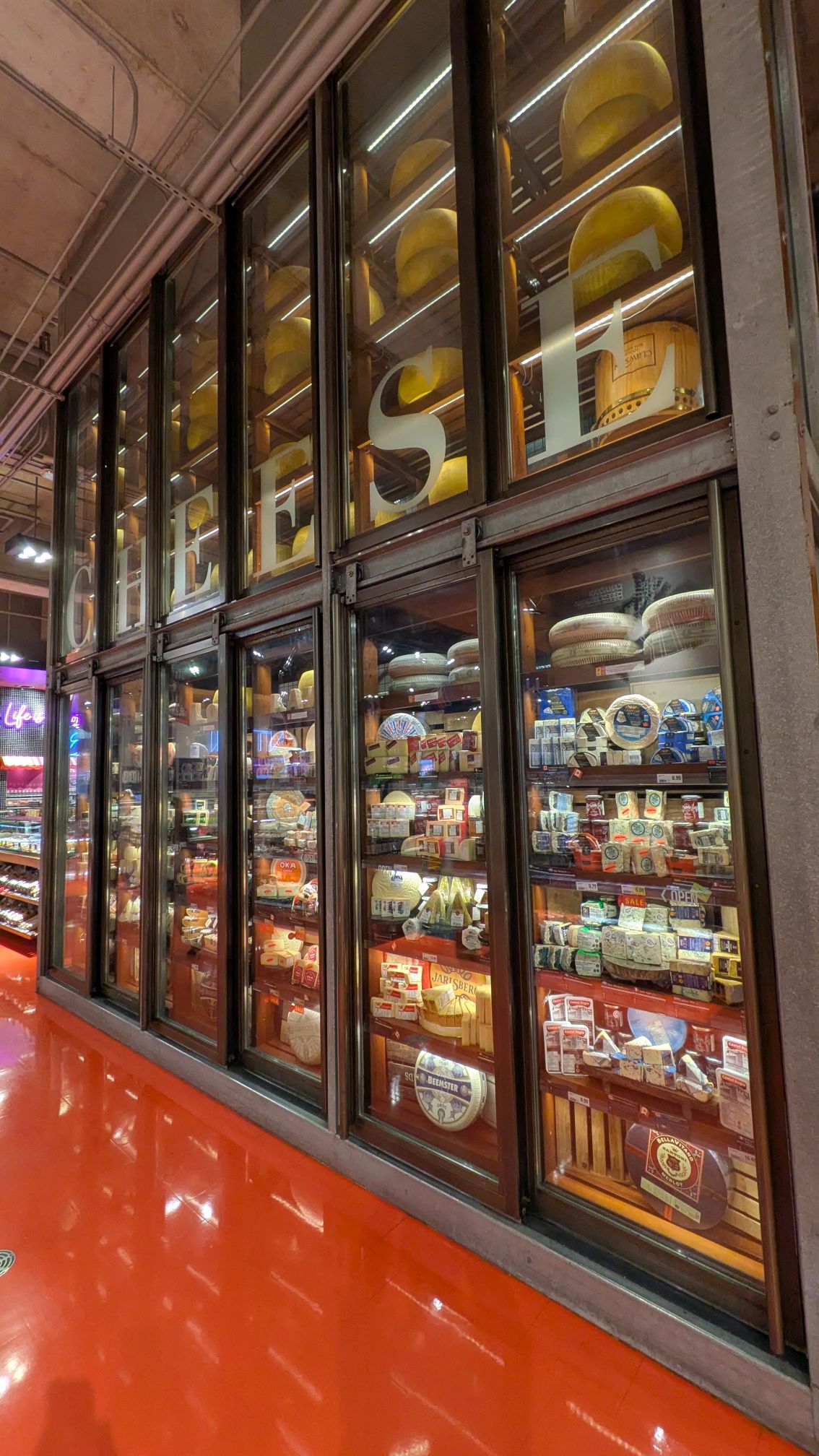
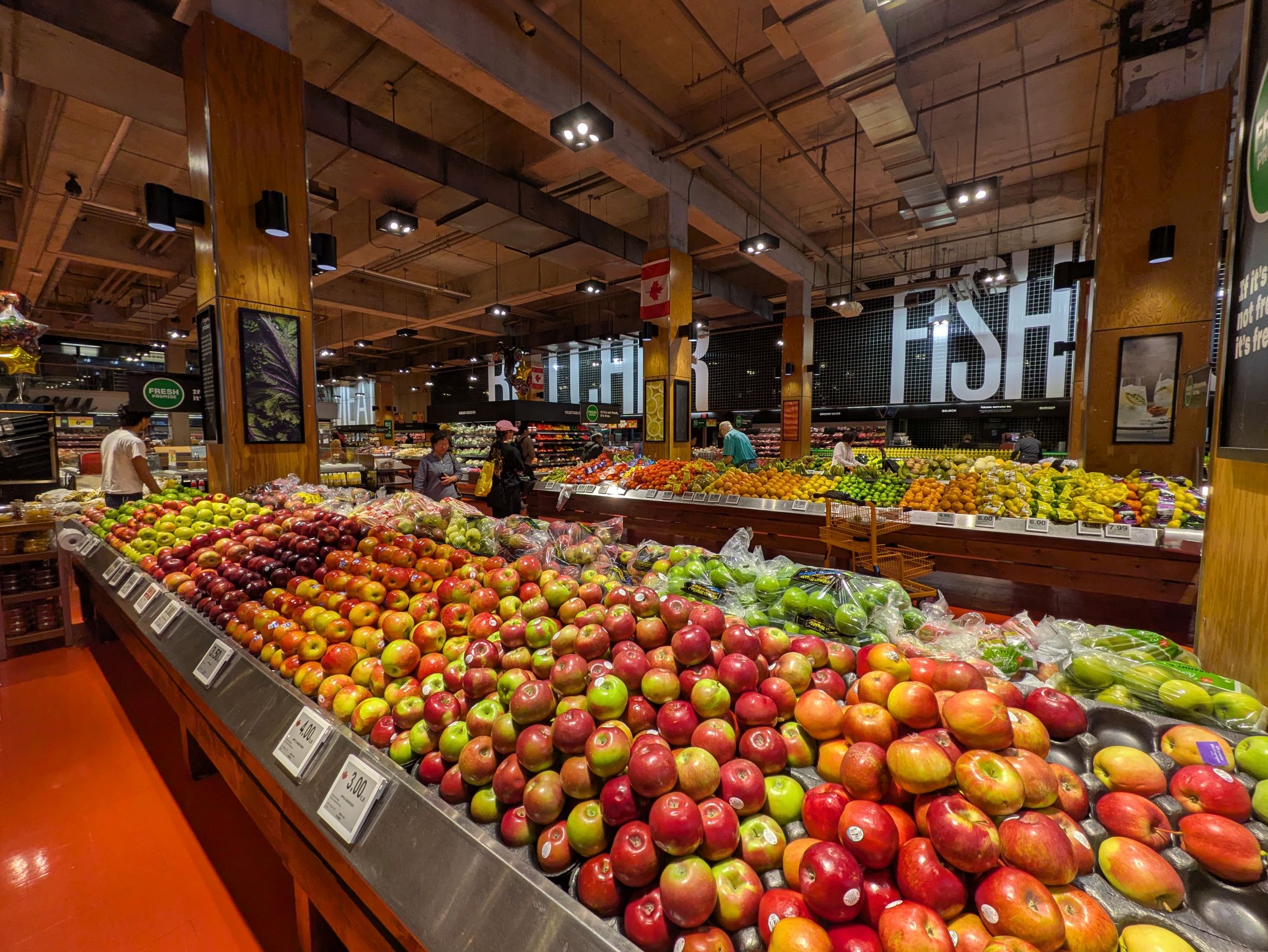
When we travel on our own, if breakfast isn’t included where we are staying, we make sure to book at a hotel with refrigerators in the rooms, so we can pick up yogurt and fruit at a grocery store for our breakfasts. Conveniently, the most amazing grocery store we had ever seen was just down the street: Loblaws at Maple Leaf Gardens. Former home of the Toronto Maple Leafs hockey team, the arena was cleverly converted into a beautiful super (duper!) market. We never would have realized the history of the building if it hadn’t been for a very nice lady who overheard us and knew we were tourists. She offered to show us around and then took us down the aisle that was once center ice to show us where it all began.

(For all photos, click on the image for a full screen view.)

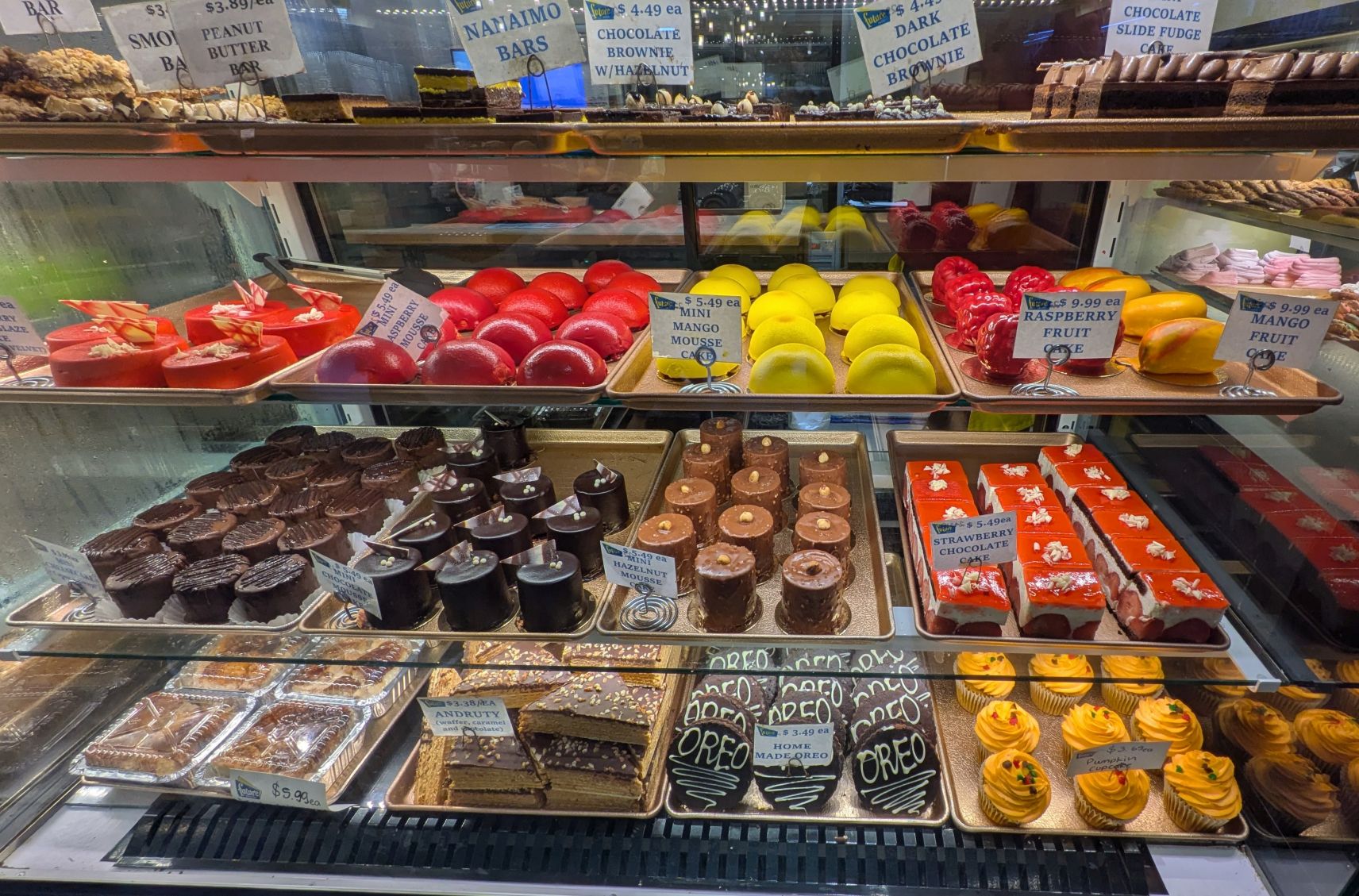
As you can see, Loblaws had so many great ready-to-eat options, we ended up shopping there for dinner on many nights, too!

Just a few doors down from our hotel in the other direction was another market of a different sort: Bulk Barn. One step inside, we knew we were in TROUBLE. Take a look at the selections on their website, and you might agree—especially their chocolate selection! We visited the store more than once, that’s for sure! We also purchased several spices that we wanted to try in small quantities to bring home with us.

All settled in at the hotel, groceries in the refrigerator, and ready to roll, we set out to get our first look around town. What impressed us was how nice walking downtown was for us and how safe we felt.

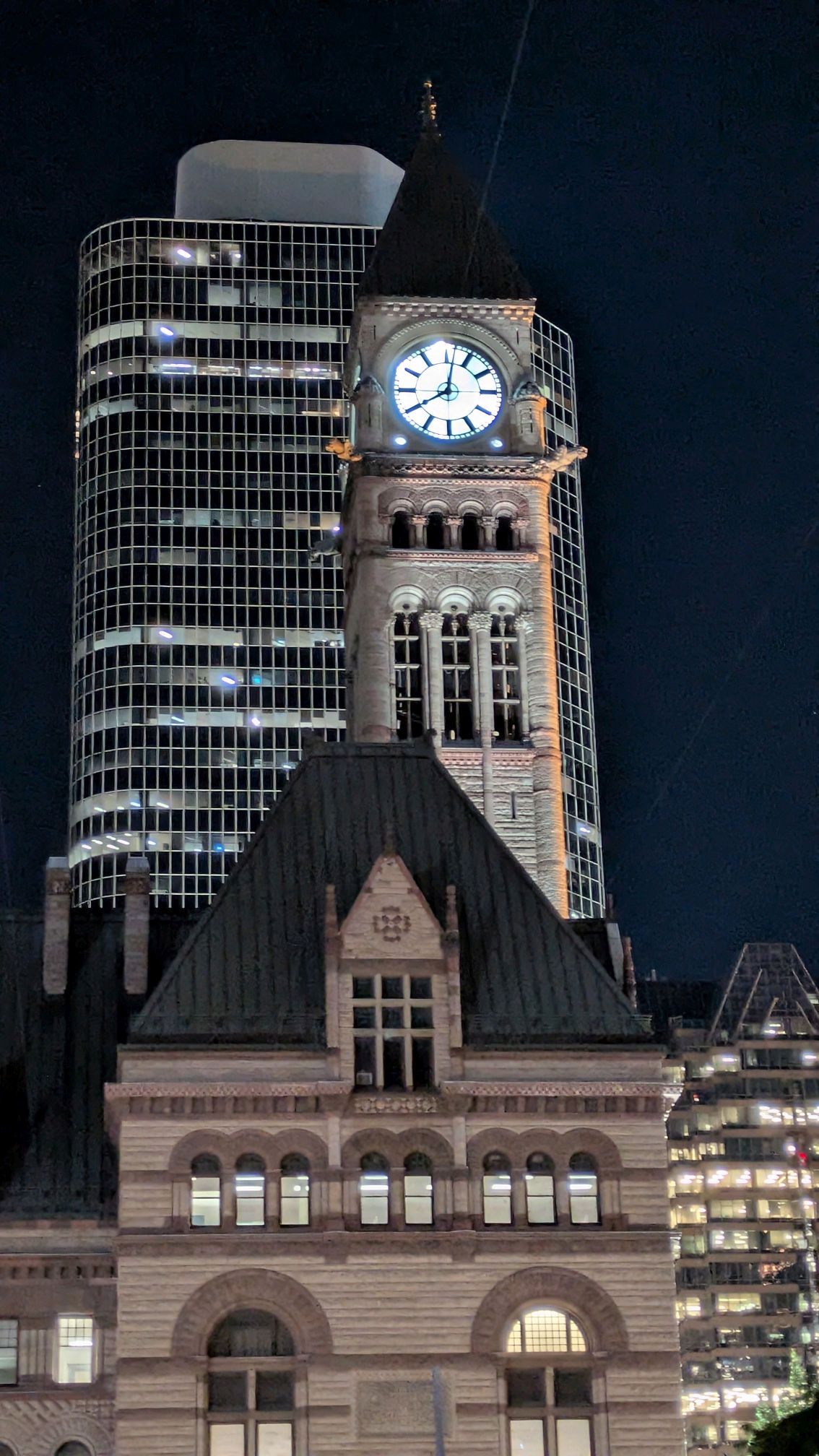
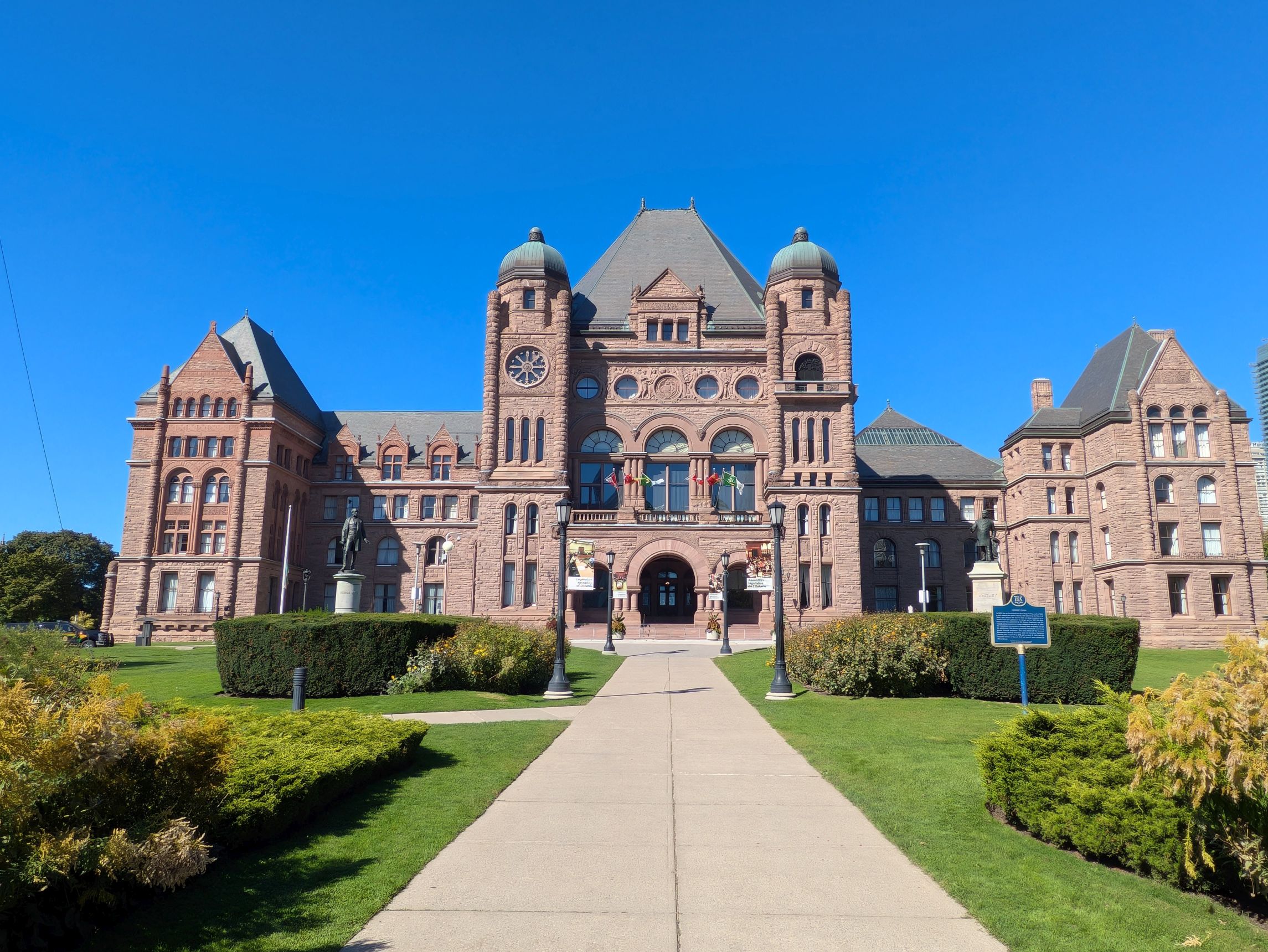
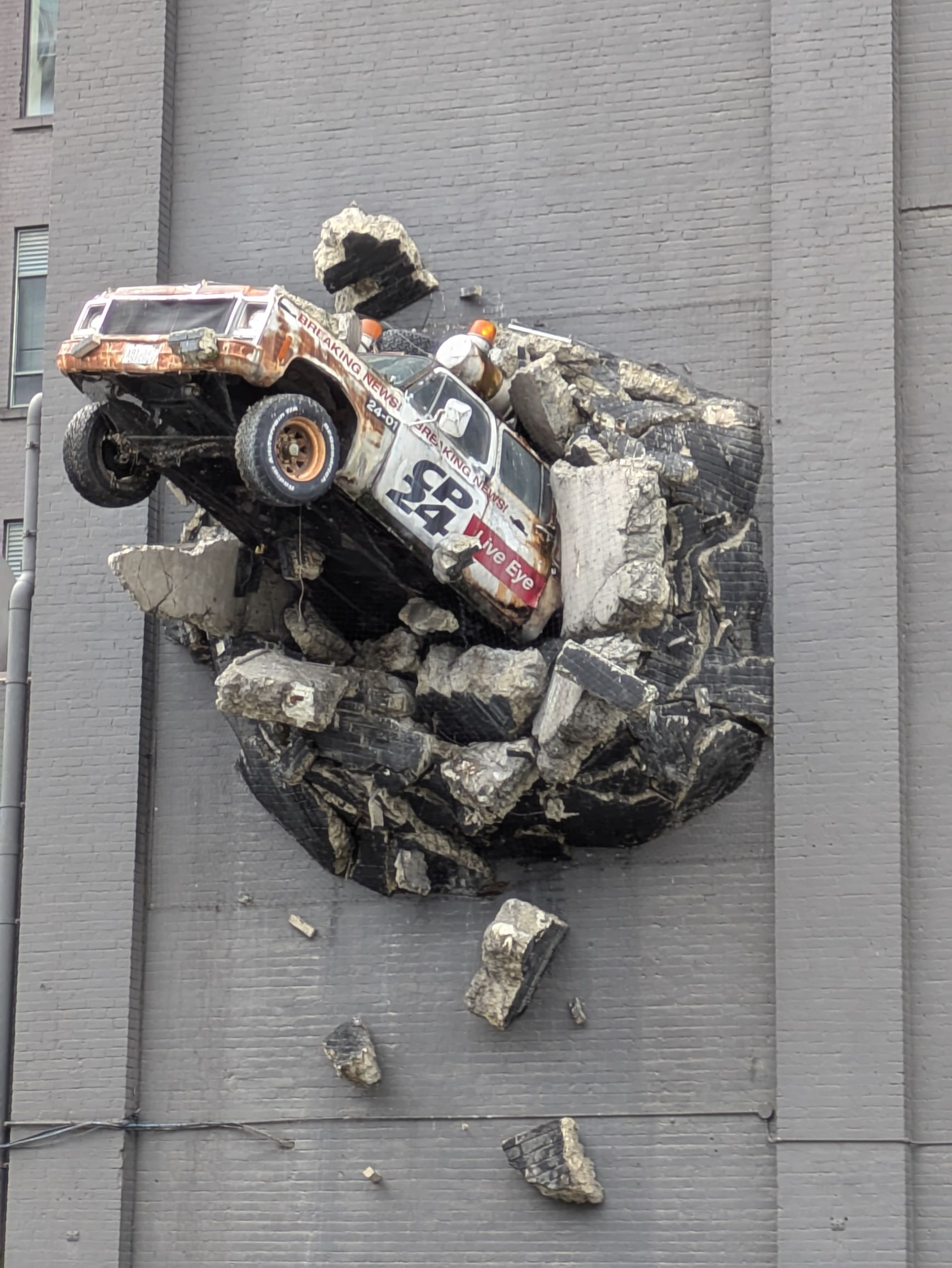
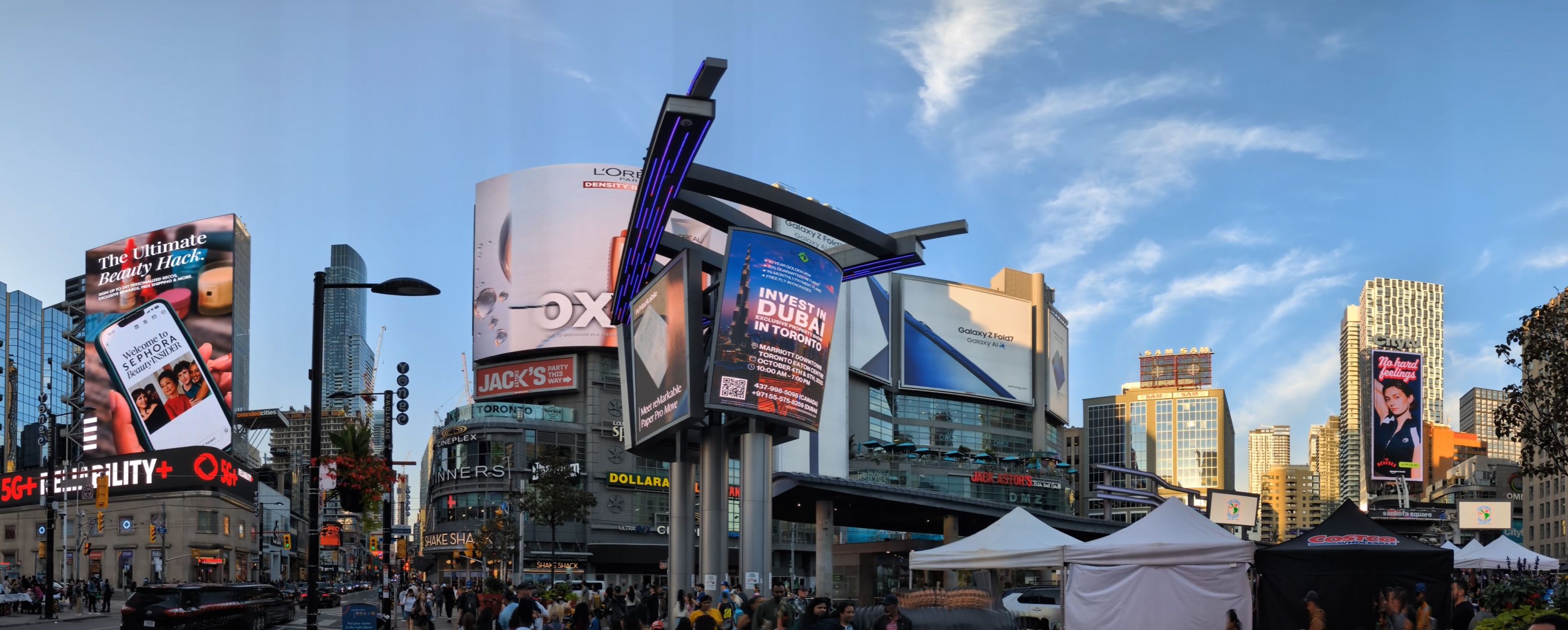
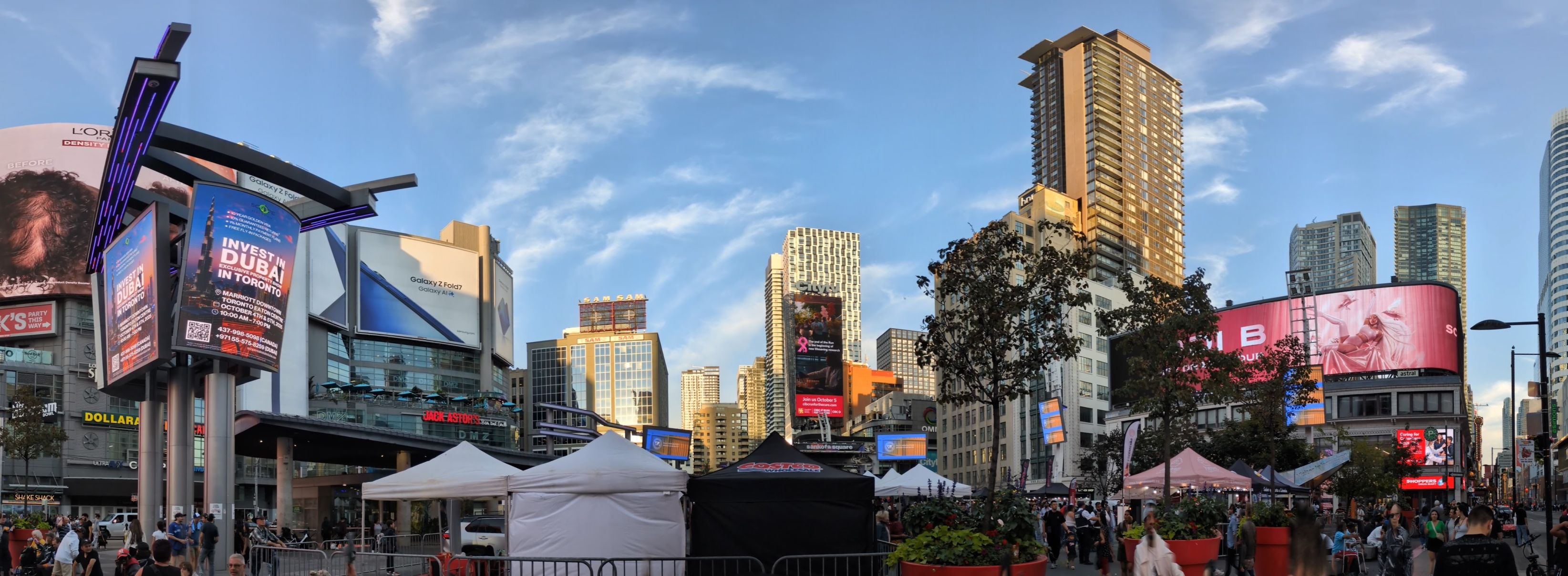
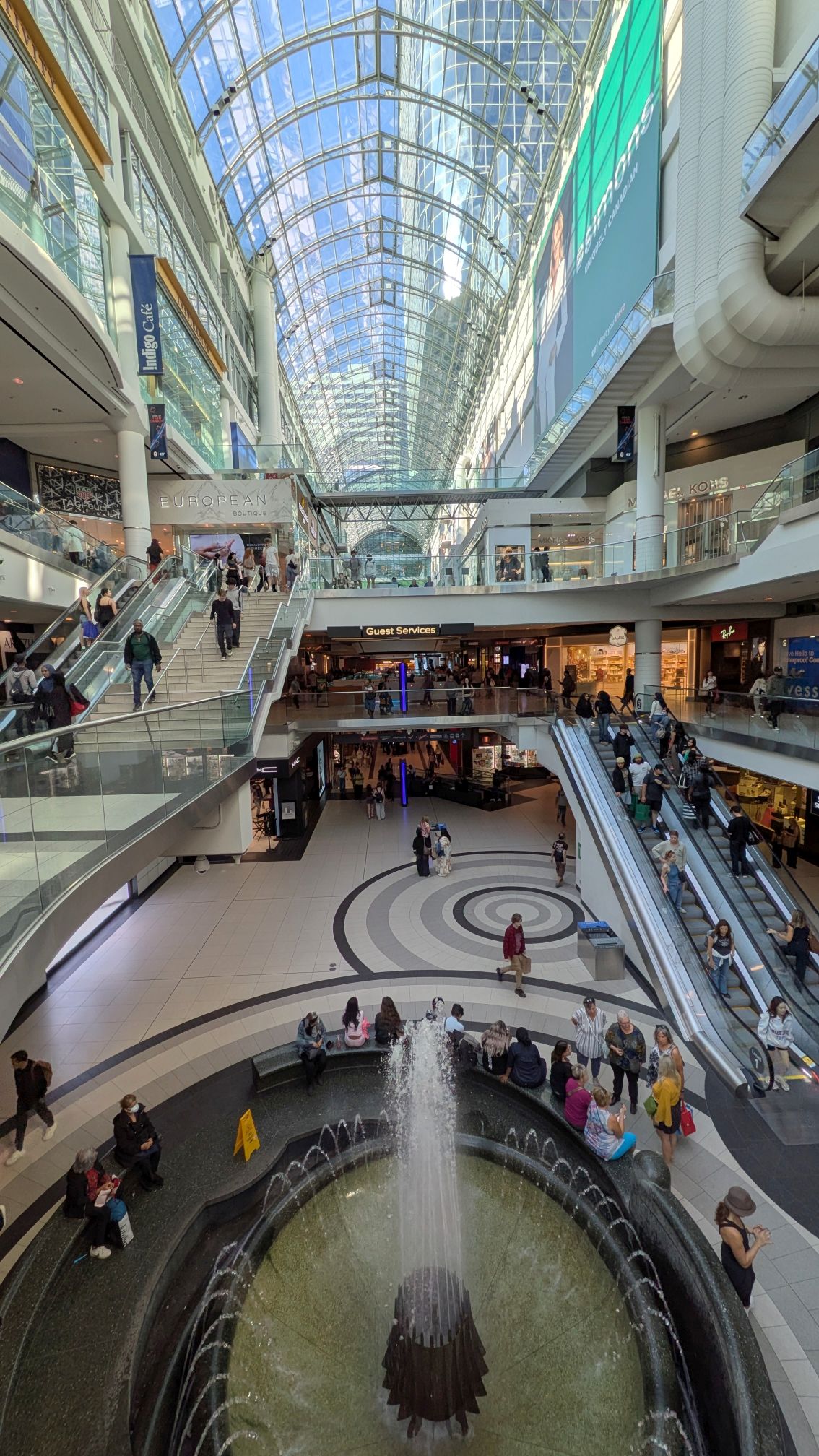
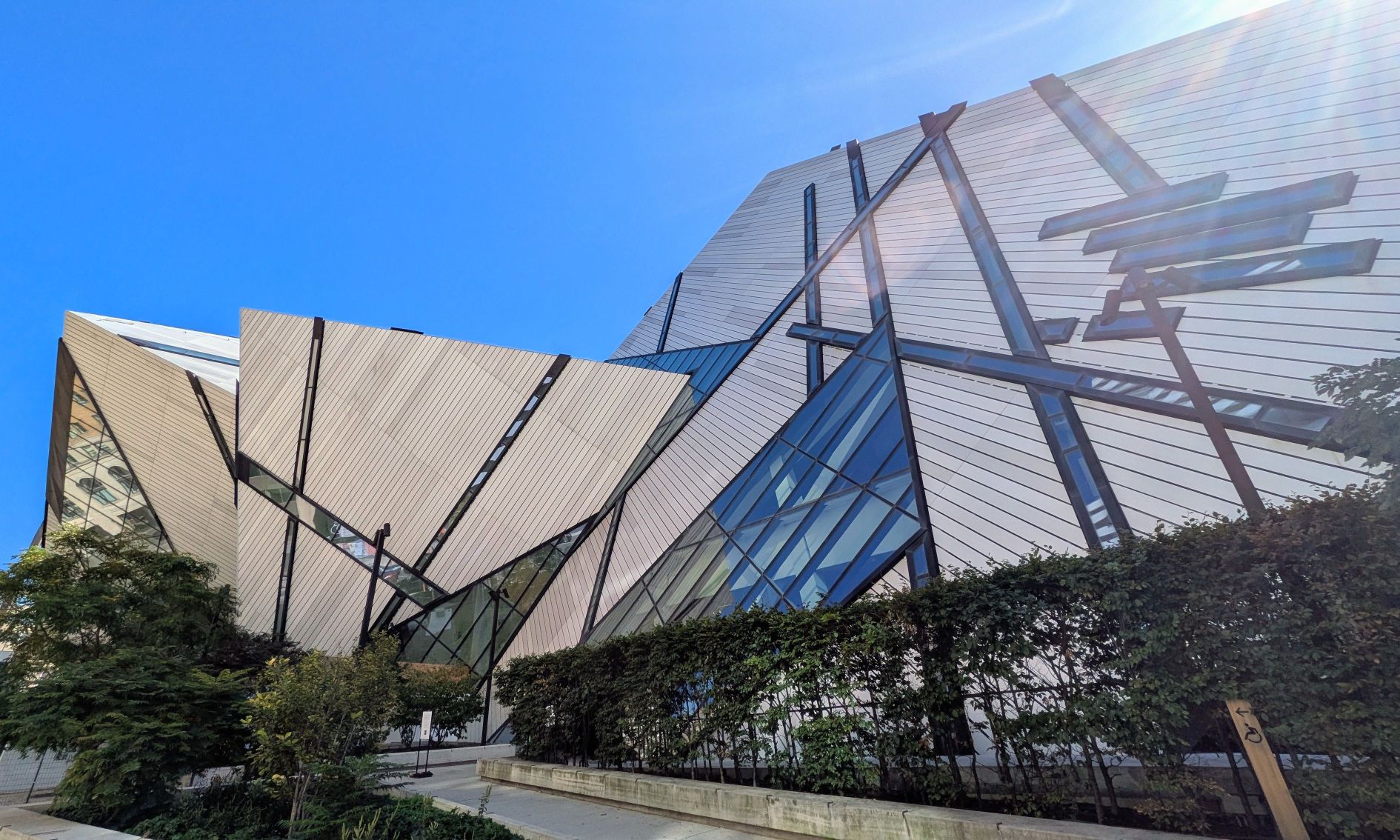
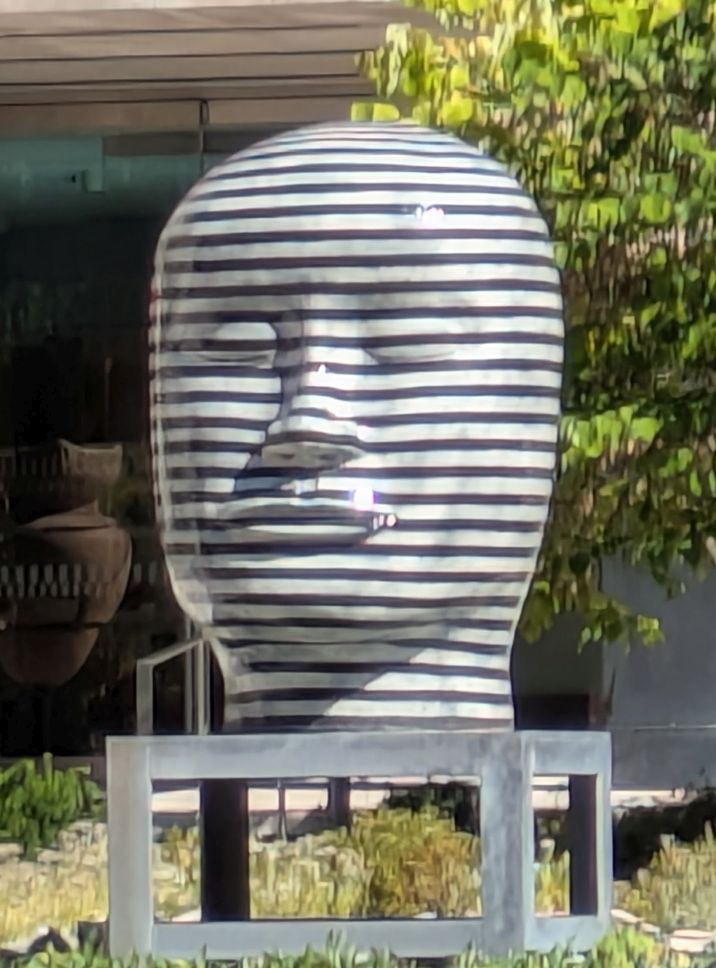
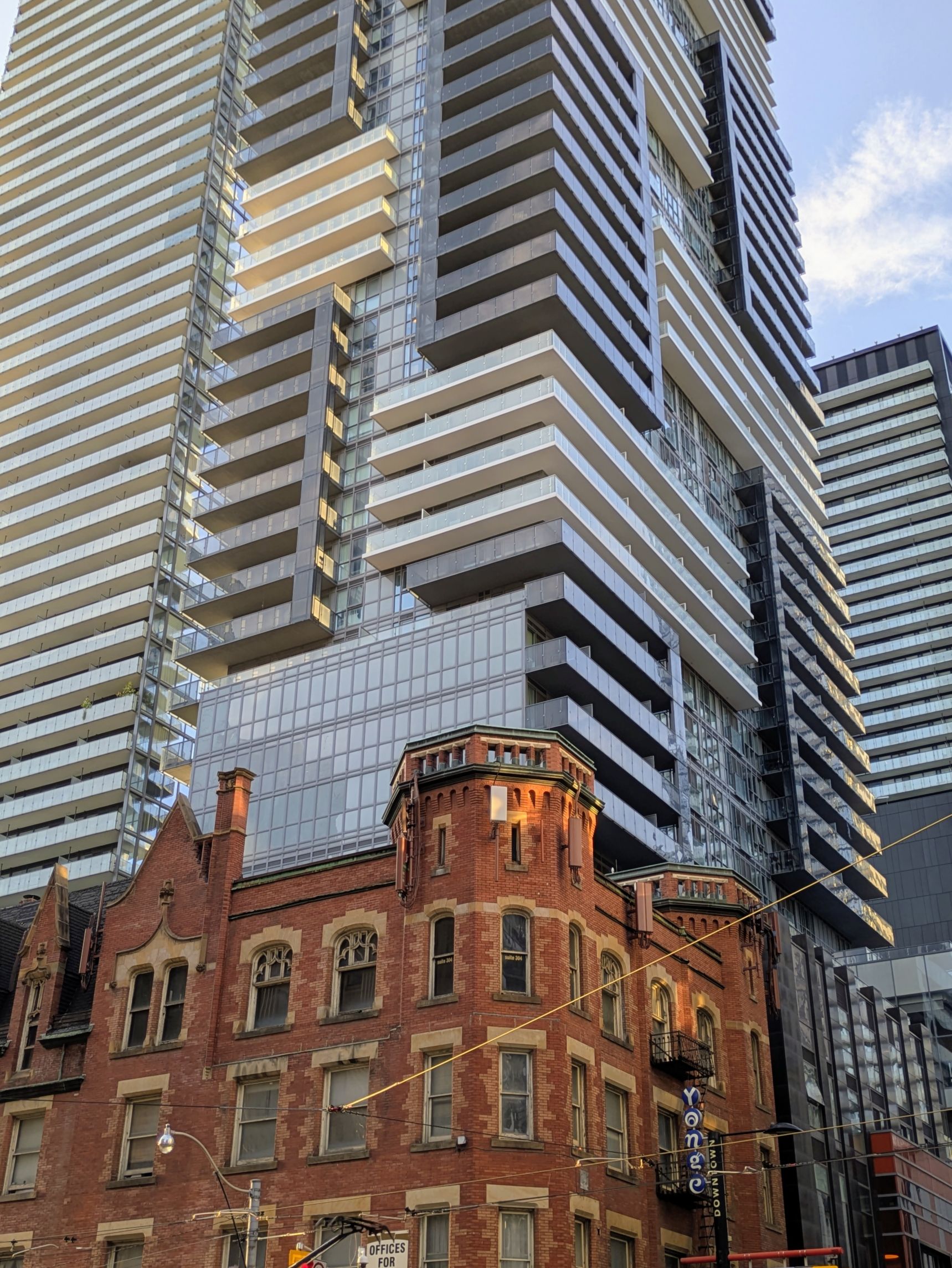
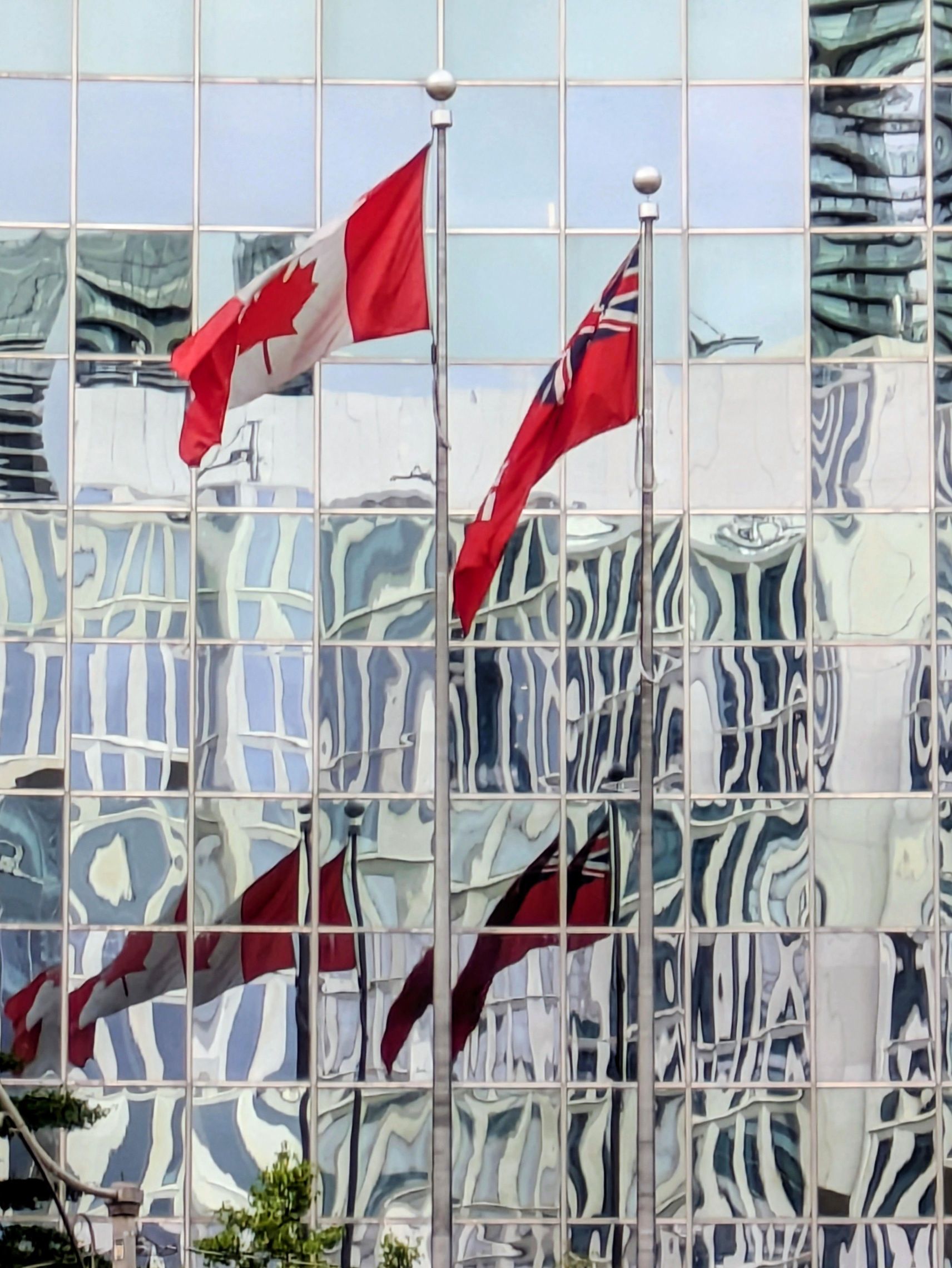
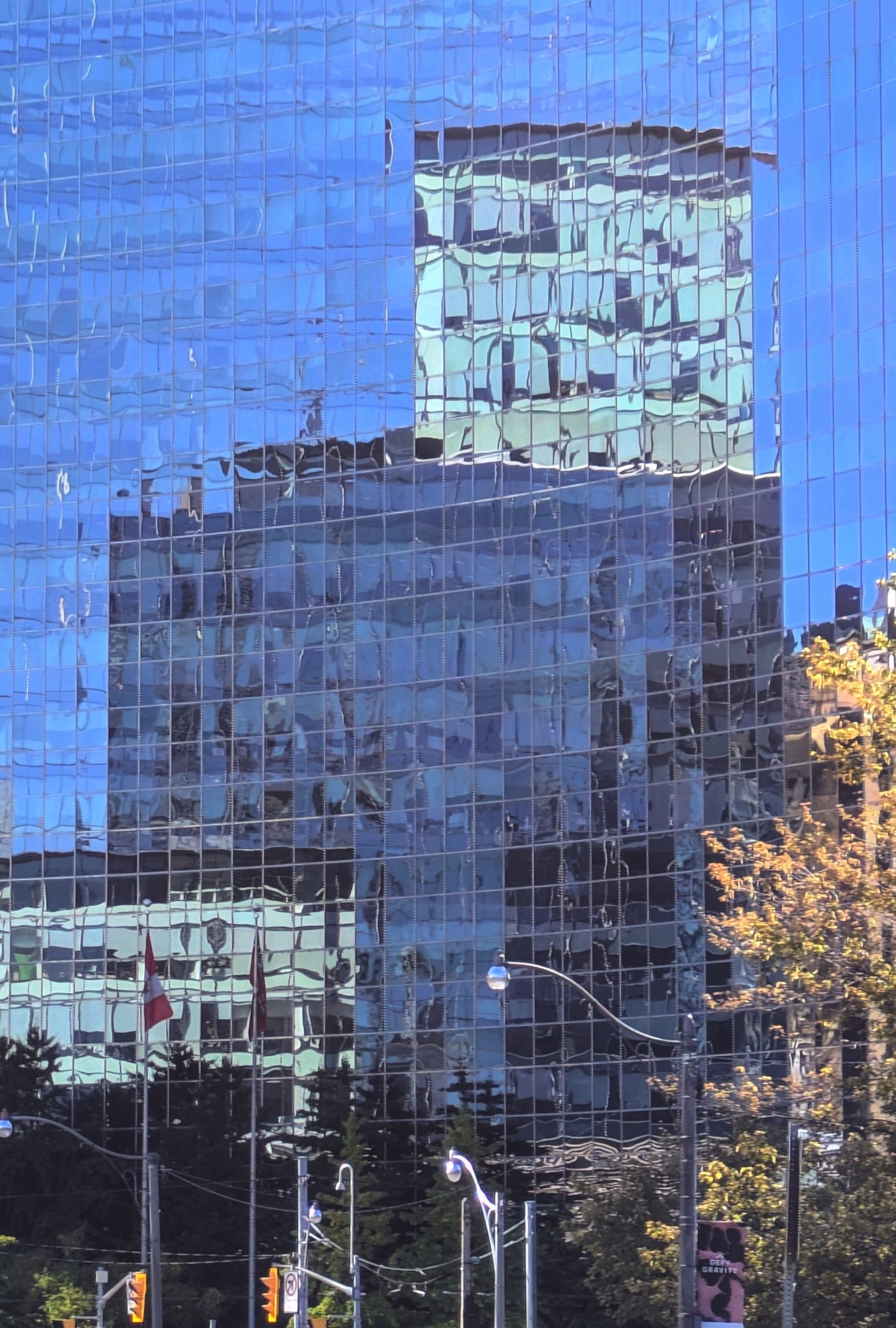
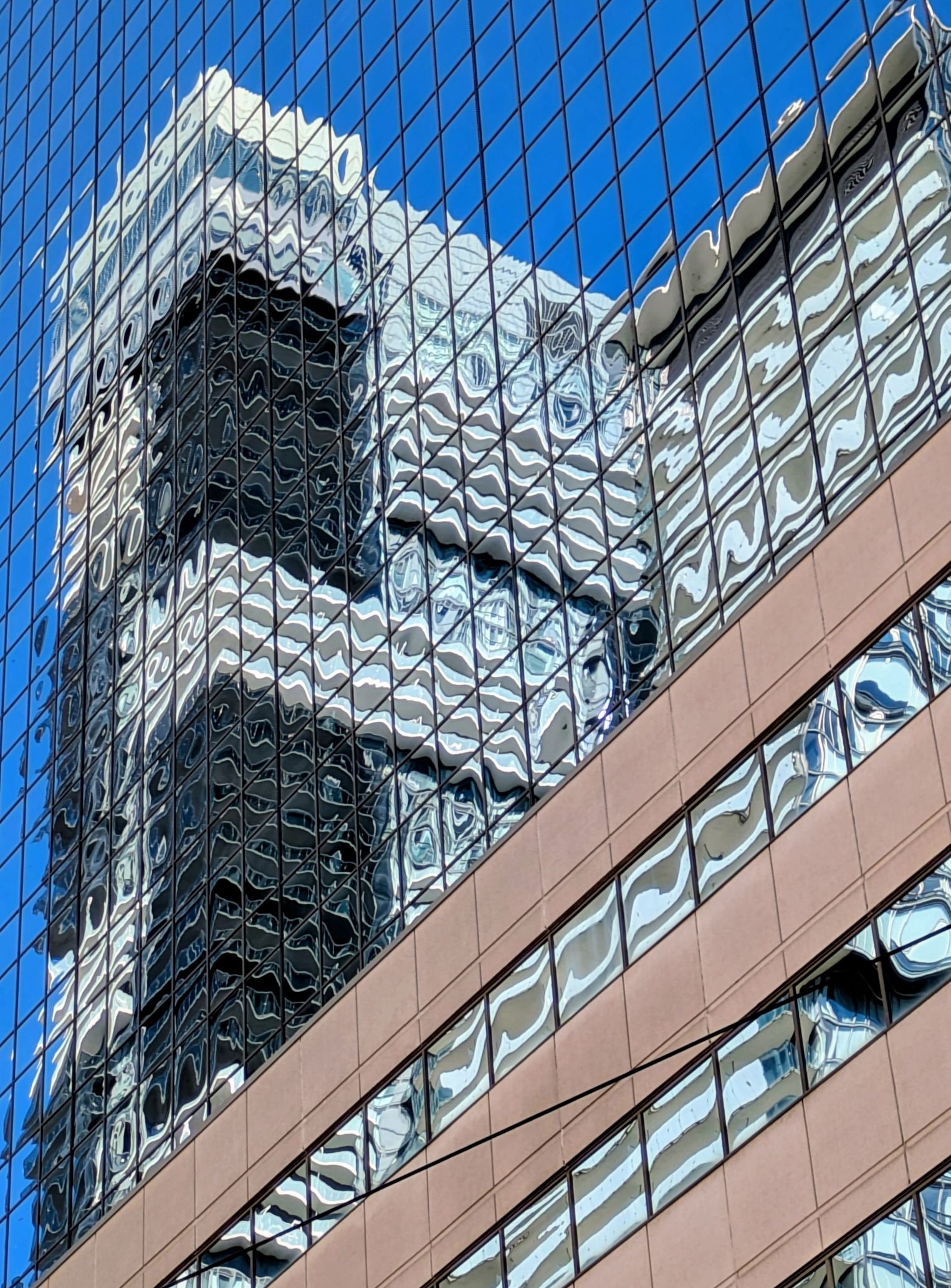
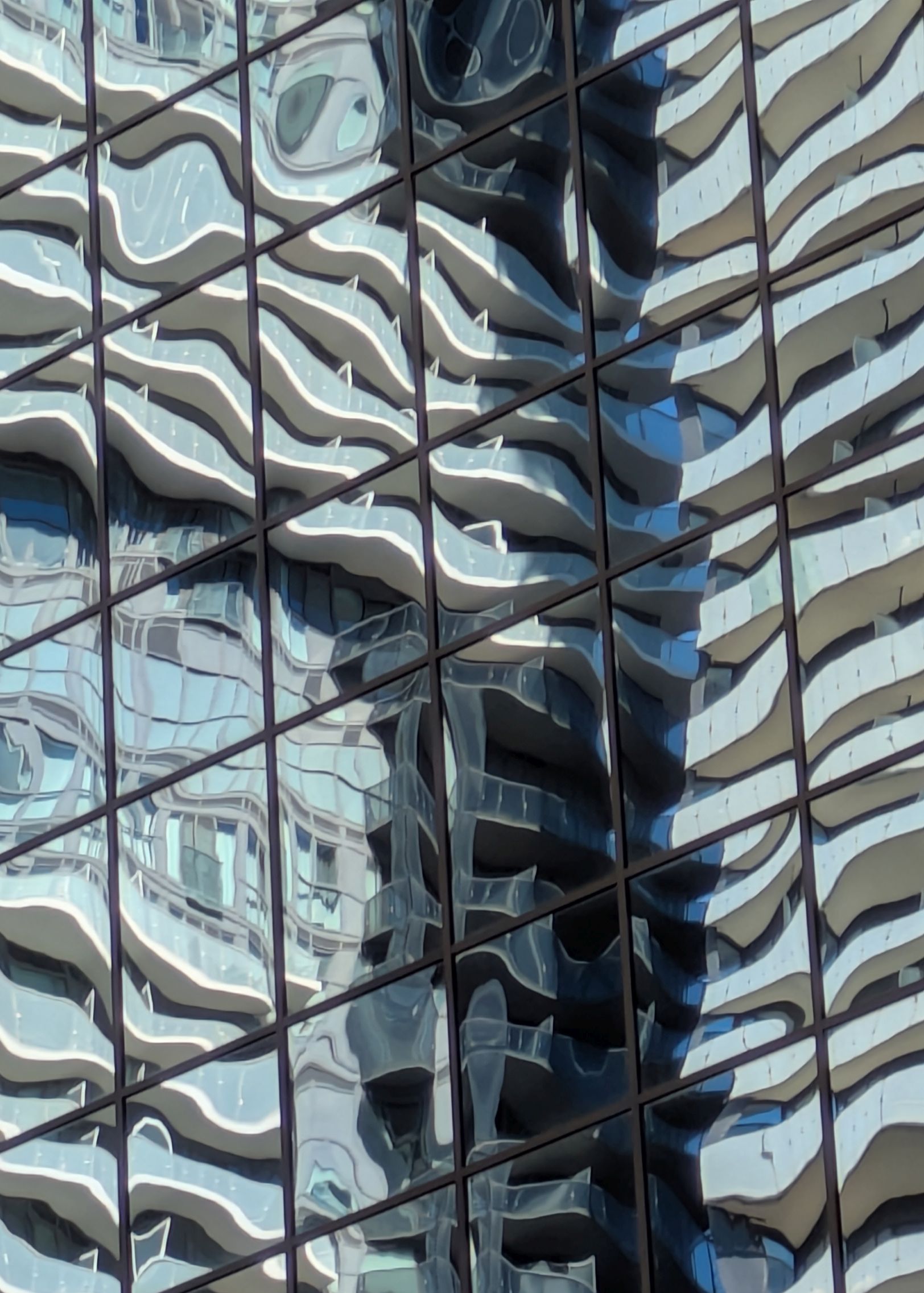
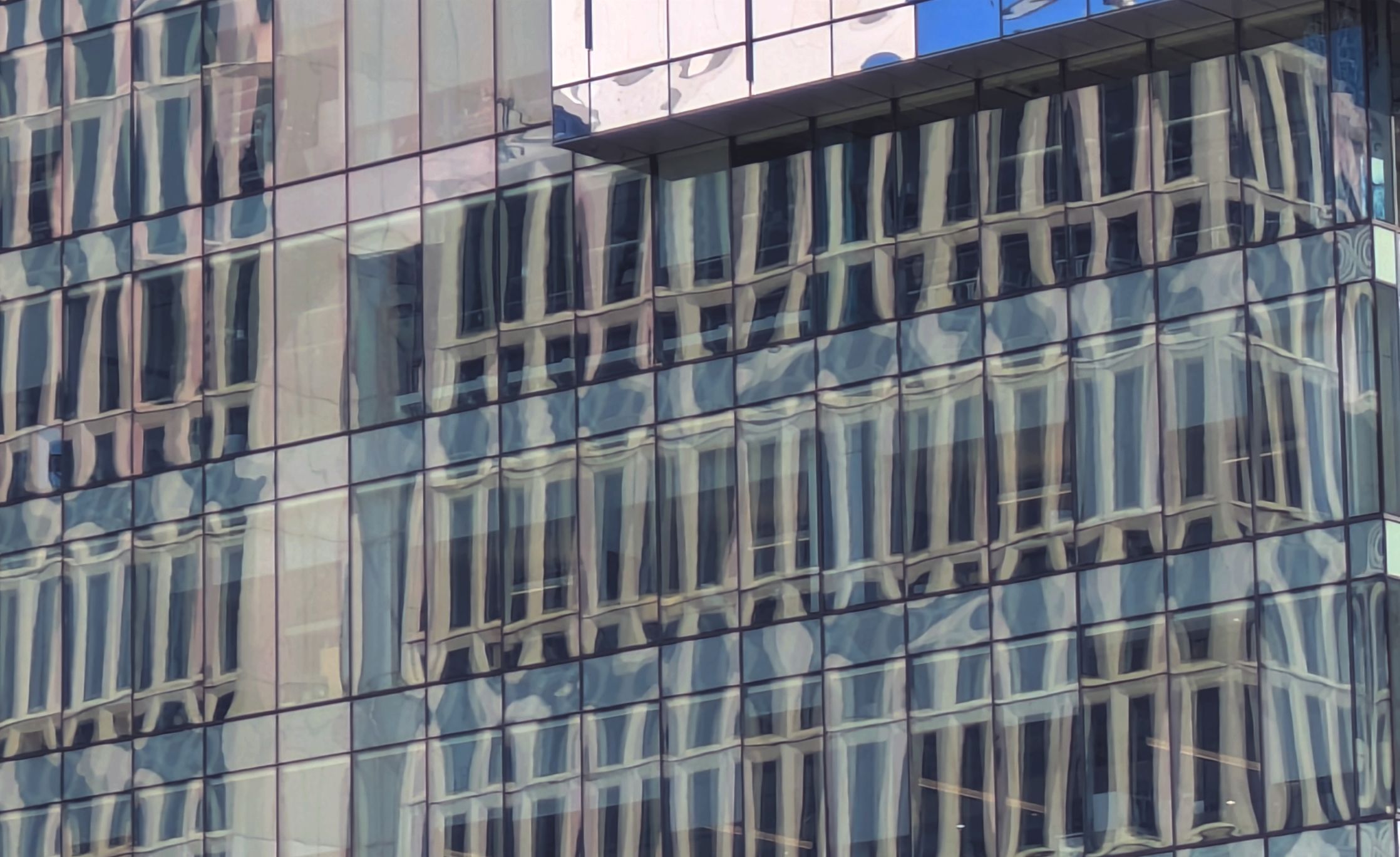
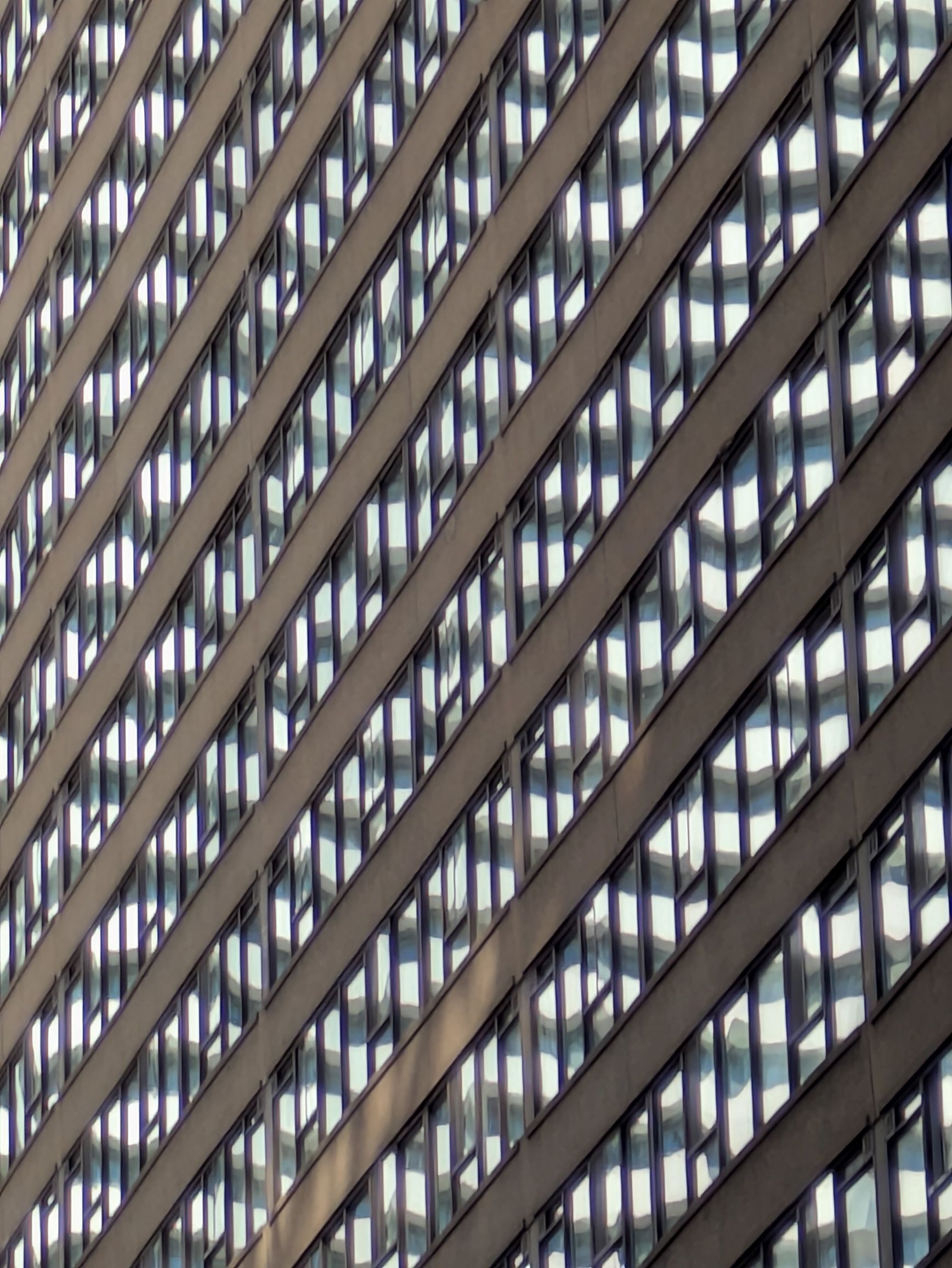
The following are miscellaneous pictures of this and that, as well as some reflections of architecture photographed during our time in Toronto.  There will be a lot more themed photos in posts to come!

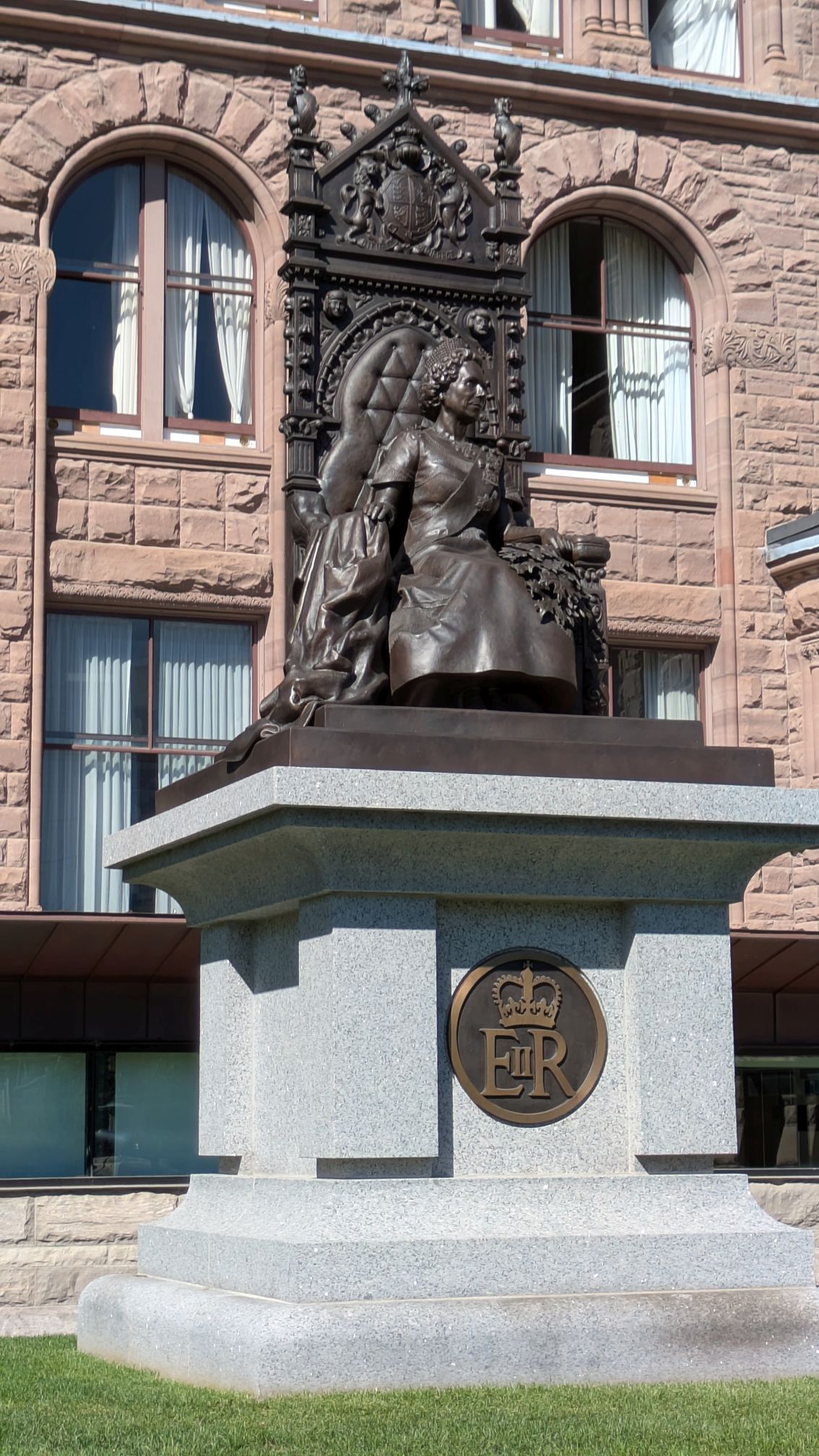
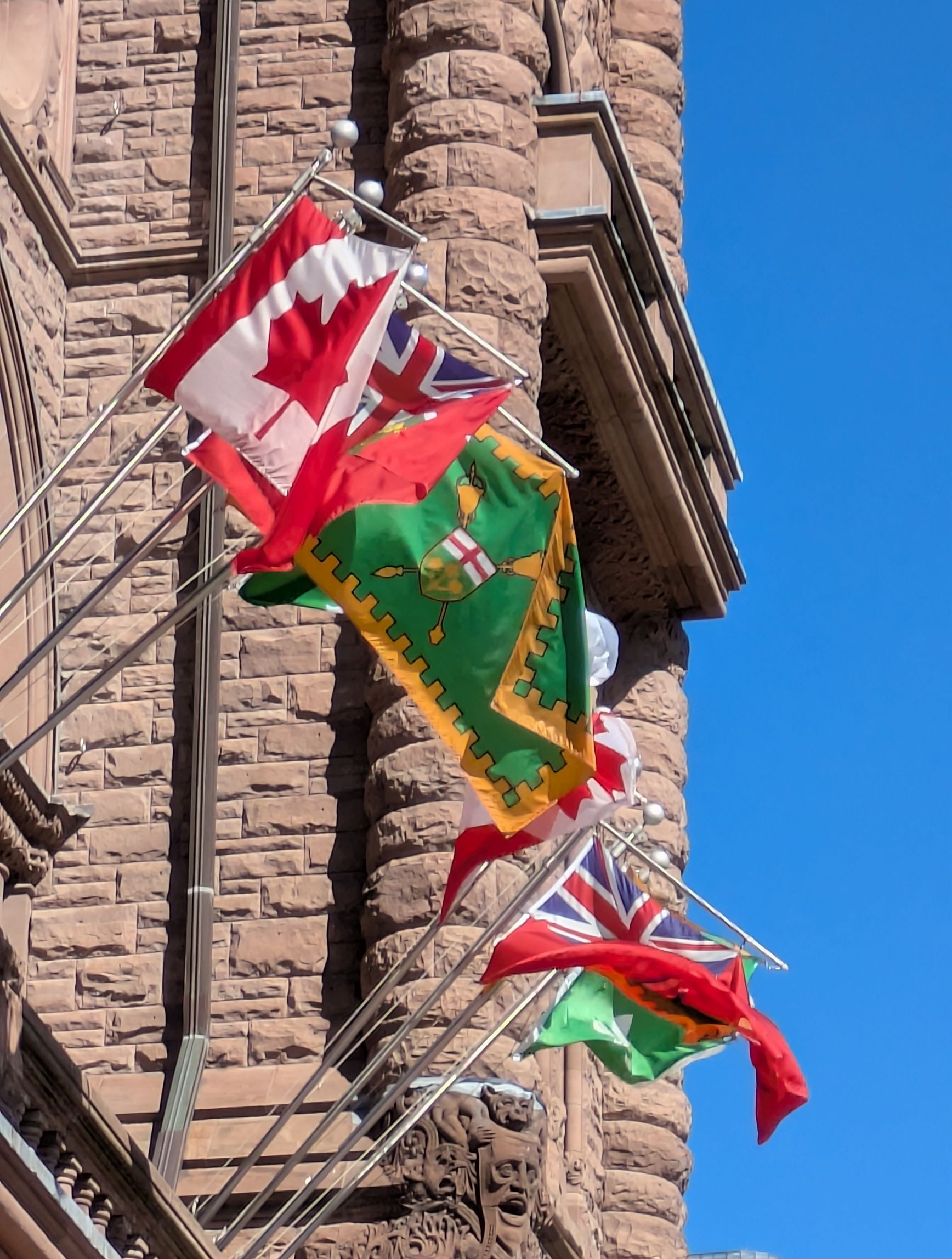
Queen’s Park
Art Gallery of Ontario

Coming up next: TERRIFIC TORONTO #2: SUPER ST. LAWRENCE MARKET, DOG FOUNTAIN, AND NATHAN PHILLIPS SQUARE

SOUTHWEST FRANCE, NORTHERN SPAIN & PORTUGAL #25: A SLIDE SHOW OF NORTHERN SPAIN & PORTUGUESE FADO MUSIC

In addition to a slide show of the northern Spain portion of our tour, I show some video clips I shot of a performance of fado music at a club in Porto.

First, here is my slide show. For the best viewing experience, use a desktop computer, turn up the speakers and view on full screen by clicking on the symbol in the lower left corner of the YouTube screen after the show begins.

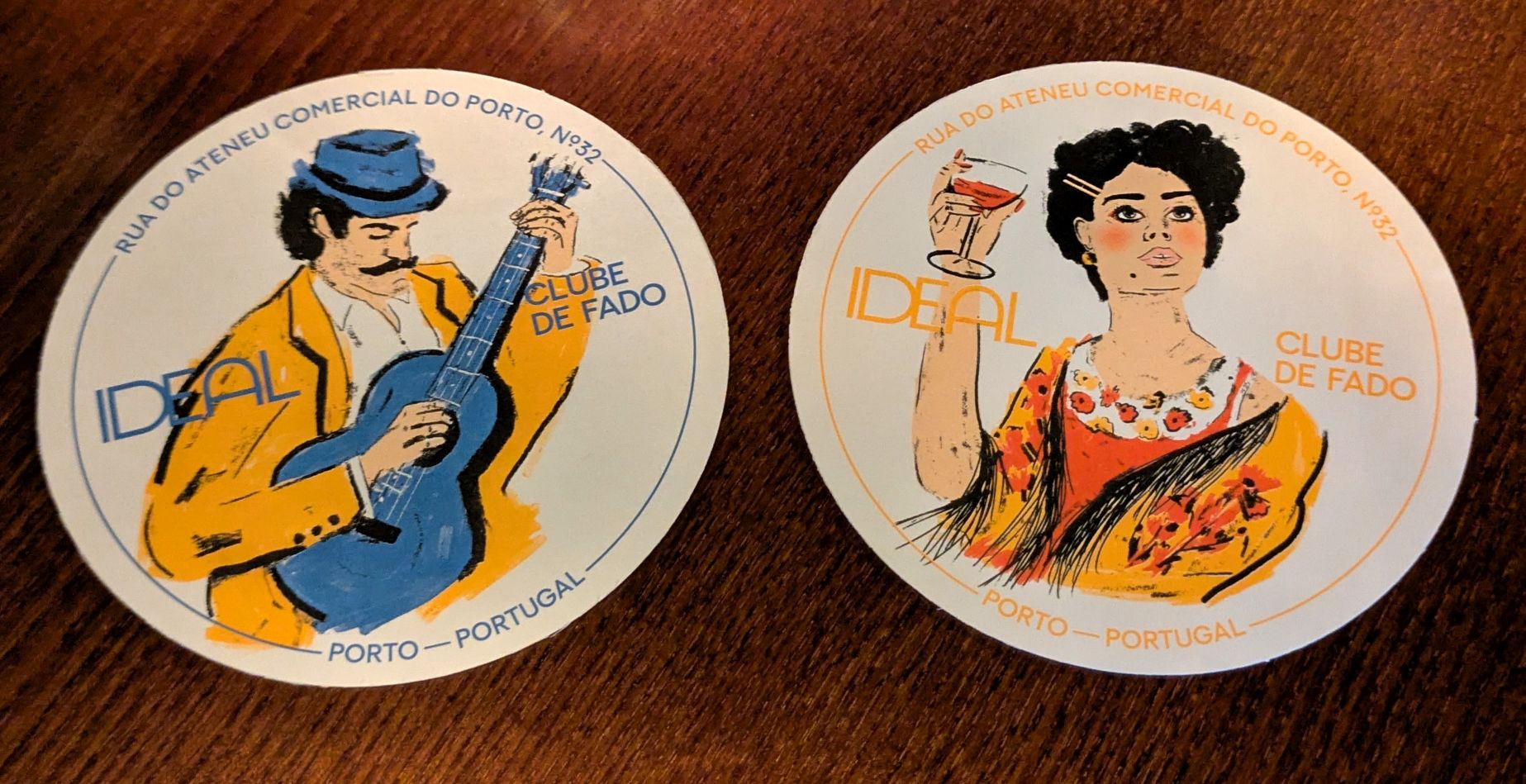
While we were in Porto, our group visited Ideal Clube de Fado, a cozy night club, to hear Portuguese fado music. As the club brochure states, “The Ideal Clube de Fado is a guild of artists distinguished by their dedication to the preservation and dissemination of Traditional Fado, the unique Portuguese musical style.” This music was added to UNESCO’s Intangible Cultural Heritage List, in 2011.

“Fado” translates to “destiny.” As I had mentioned previously, many Portuguese have left their country for a better life elsewhere, and more live in other countries than in Portugal. There is a long history of this, and families are used to members leaving home and never coming back. Fado music tells these stories, so the music is melancholy and very emotional.

Fado performances aren’t scripted or repeated in the same way each night. On stage, the fado singer chooses the fados he or she wants to sing and combines them with the traditional fado music that best matches. In Traditional Fado, only the songs have names, and you can add different poems to each one.

(For all photos, click on the image for a full screen view.)

We were captivated by the performances of both the female and male singer we heard.  Here are two clips of my favorite:

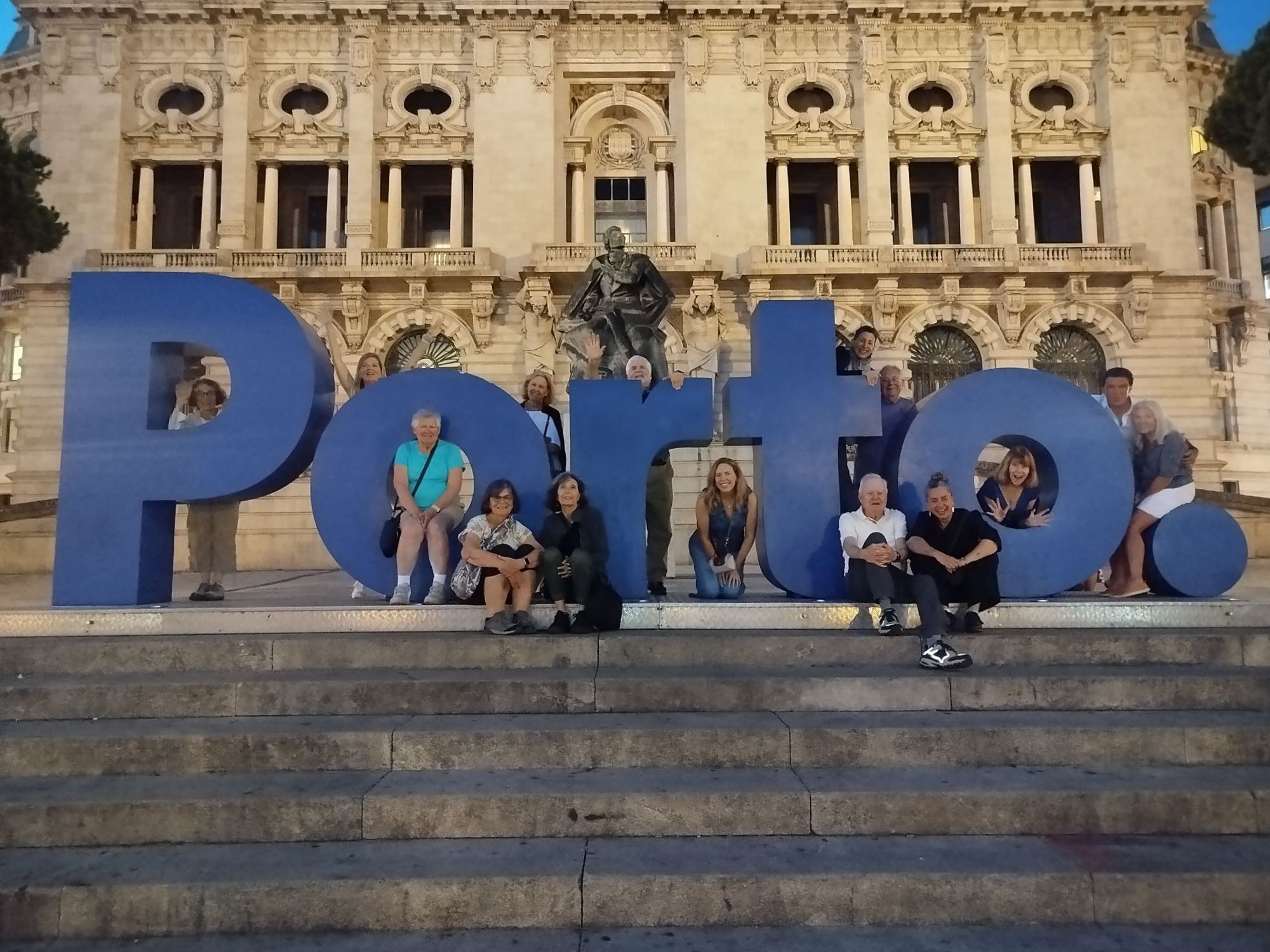
As we concluded our tour, one last photo was taken of our wonderful group and leader, Serena. What a fabulous tour it was!

Coming up next: TERRIFIC TORONTO

SOUTHWEST FRANCE, NORTHERN SPAIN & PORTUGAL #24: PHOTOGENIC, PRETTY PORTO, PART 2

In addition to tourism, Airbnb’s, and the immigration of Americans driving up rents in Porto and Lisbon, another problem Portugal is experiencing is the emigration of educated young people leaving to find better jobs with higher pay elsewhere. Our group met with Renato, a university student, who plans to do just that.

We met up with Renato at Café Piolho, located across from the university. Since 1909, this has been the setting of many political encounters and debates. During the dictatorship, undercover police would come into the café and arrest student dissidents. The owners of the café supported the students, so they put up mirrors to enable them to warn the students in the reflection with a head-scratching signal if they knew the police had entered. Because of this history, it is now the most famous café in the city.

(For all photos, click on the image for a full screen view.)

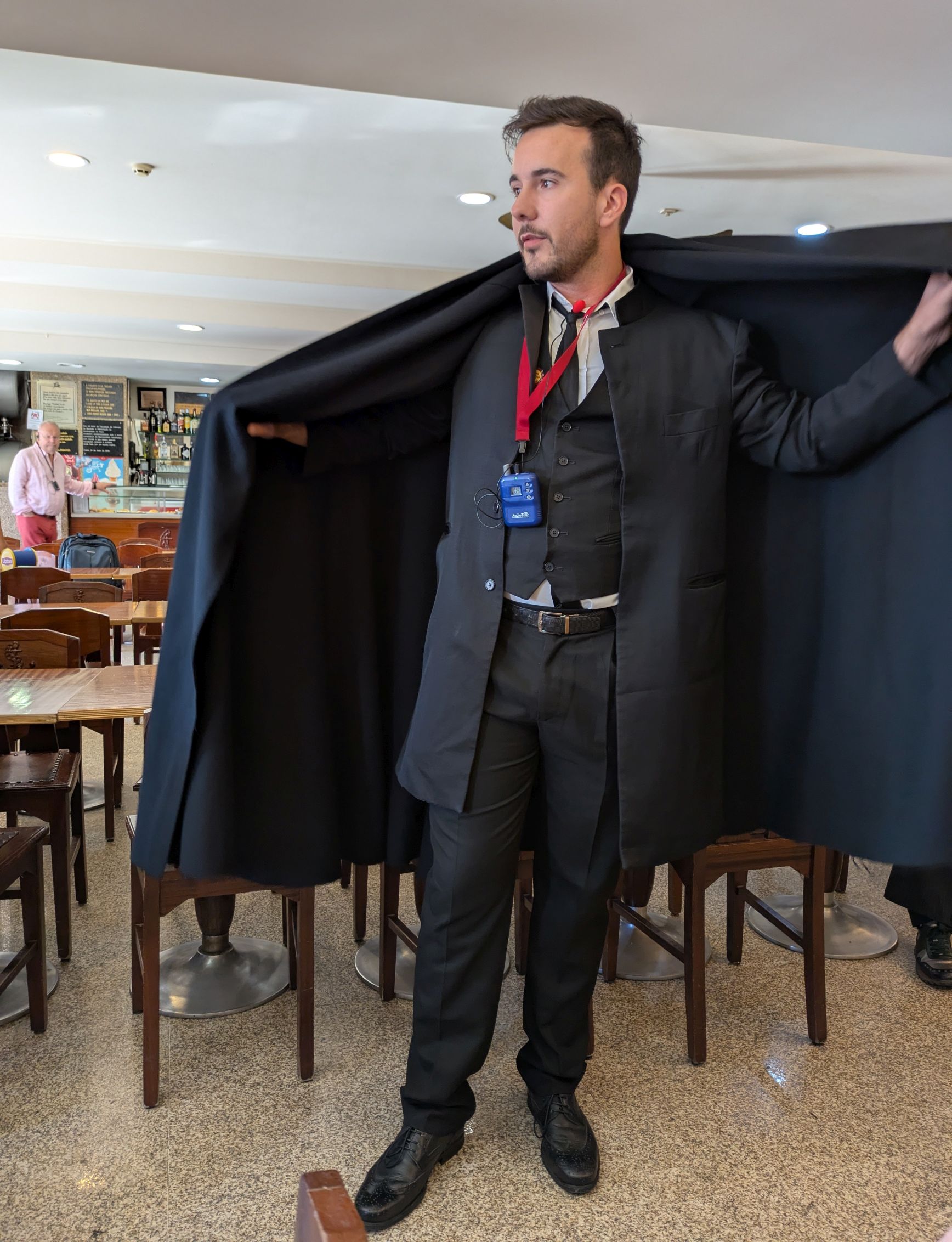
Looking quite dapper in his black suit and cape, Renato explained the tradition of his university outfit, which dates back 800 years.  Worn for special affairs and events, only students who are past their second year of university wear black suits and capes. The cape is the most important part of the outfit, and it is worn over the left shoulder at ease and then wrapped around the shoulders at night. If it’s a male student, and he has a girlfriend, she can rip and braid the edge to show “her man” is “taken.” These outfits indicate to new students who the upper classmen and women are, and the older students serve as their mentors. The university fosters a family-like, inclusive environment for its students.

Renato, who is majoring in business and economics, answered many of the questions we had, including the cost of education. He said public universities cost between 600-900 euros per year, and that he pays 800 euros for school, room, and food.

Asked why educated students leave Portugal, Renato said the pay is low in his country. Doctors, for example, earn only 4,000 euros per month, and nurses earn 1,500. In France, the pay is double.

When Portugal joined the European Union and changed to using the euro for currency, the quality of life, which had been high, plummeted. Home ownership is out of reach, and the cost of living (relative to pay), is high.

Most high school graduates are finding it is not worth going to college, because they can earn higher pay in the trades. After attending a private trade school for 3 months to 2 years (depending on the trade), they can earn a minimum of 3-4,000 euros per month, which is as much as a doctor! As a result, the attendance at trade schools is increasing and enrollment in universities is declining.
It’s not just students leaving Portugal for a better life; emigration has been happening across age demographics, because the pay isn’t keeping up with inflation. The population of Portuguese is highest in Brazil (where the Portuguese language is also spoken), followed by Ukraine, United Kingdom, and U.S.A.

Renato hopes to land a job in the U.K. or U.S.A. where he can utilize his business and economics education.  He speaks perfect English, so we asked how he learned the language so well. He replied that children learn English in school each year until they graduate high school. In addition, much of their education is conducted in English.

Like many other children growing up, Renato also learned English by watching television, including cartoons and TV shows, with English subtitles rather than dubbing. In contrast, Spain dubs their shows, so they don’t have that option for improving their English skills.

Following our conversation with Renato (which was very interesting!), we had the afternoon free to enjoy the wonderful weather and sights of Porto:

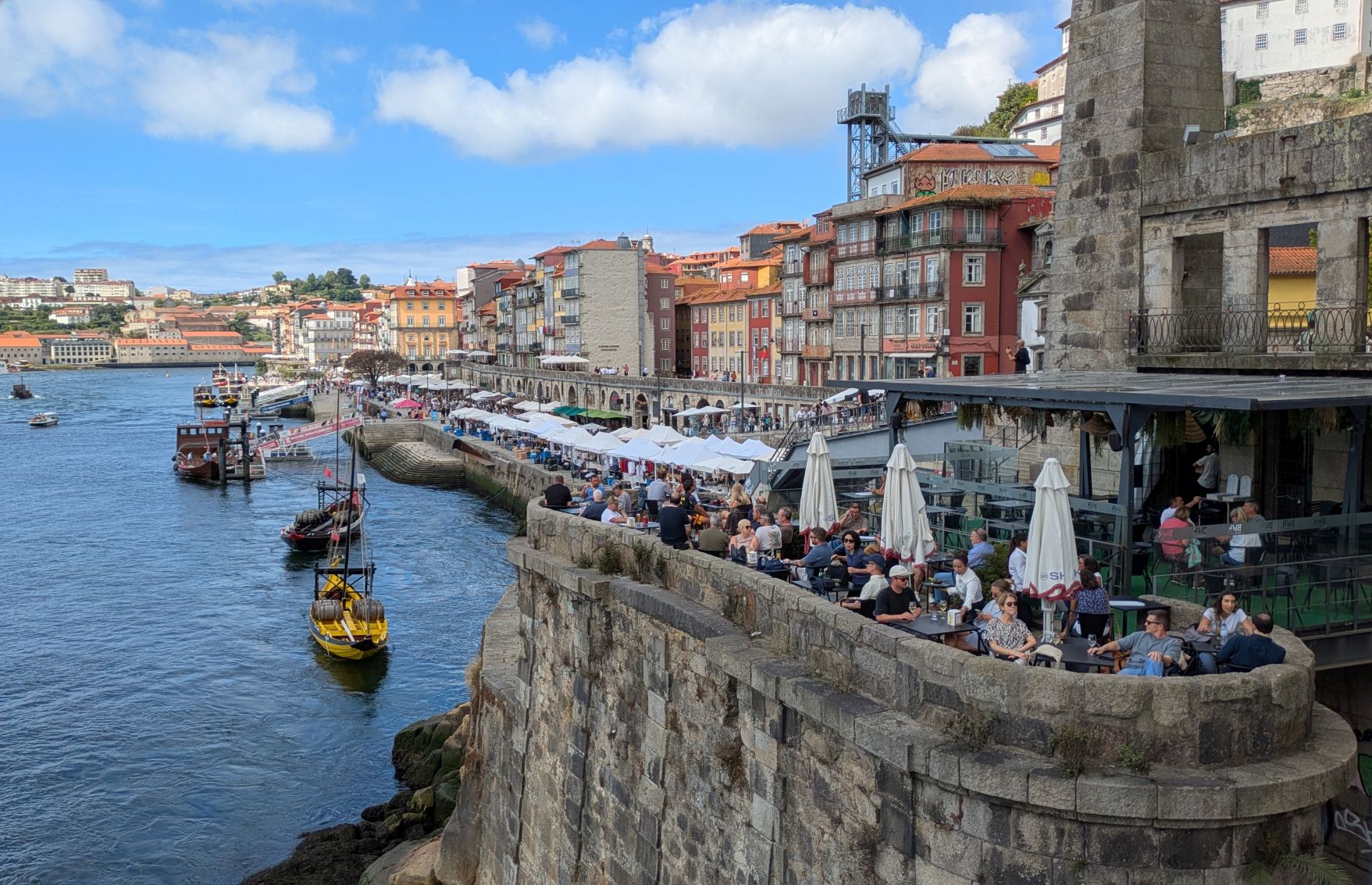
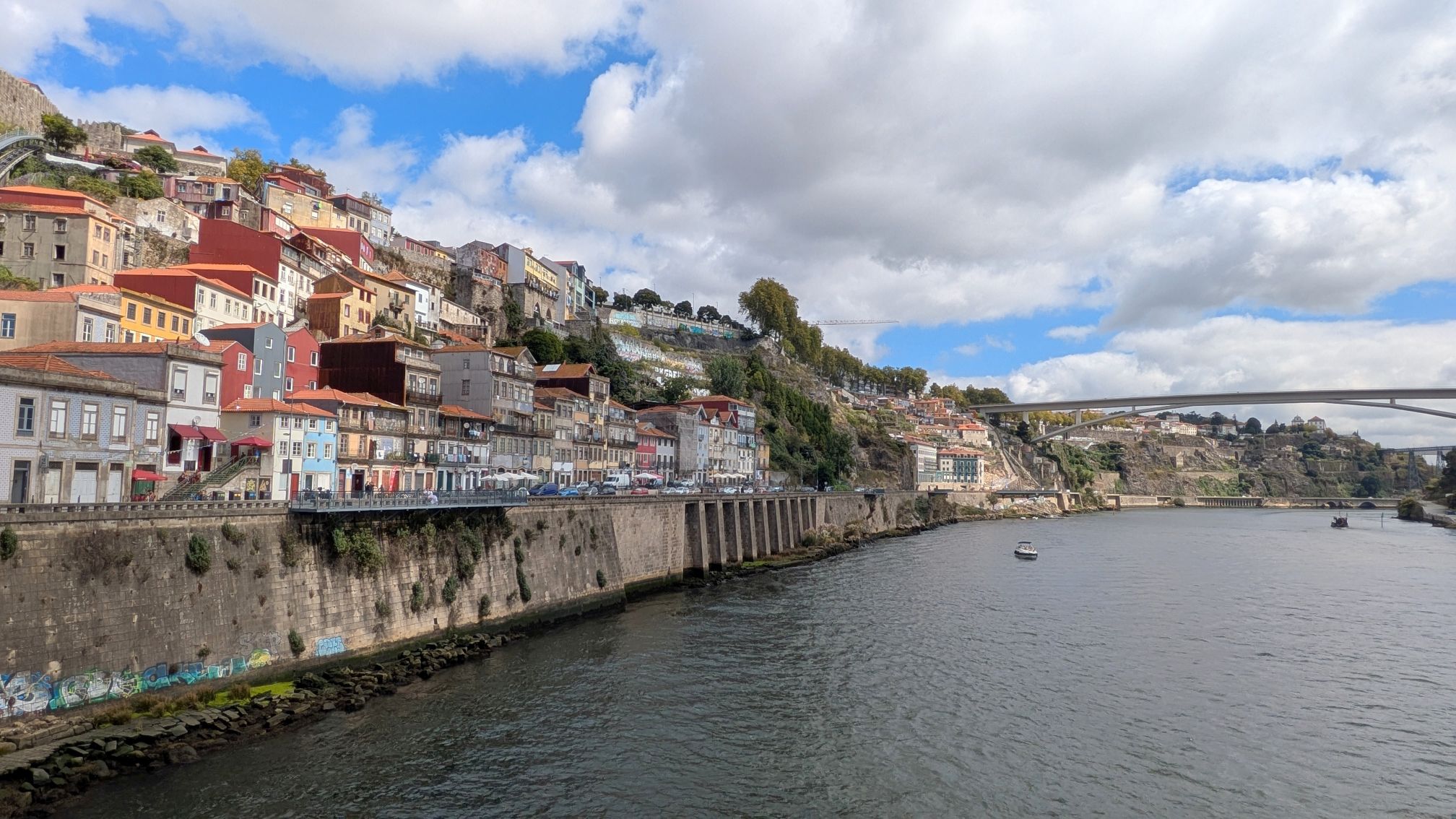
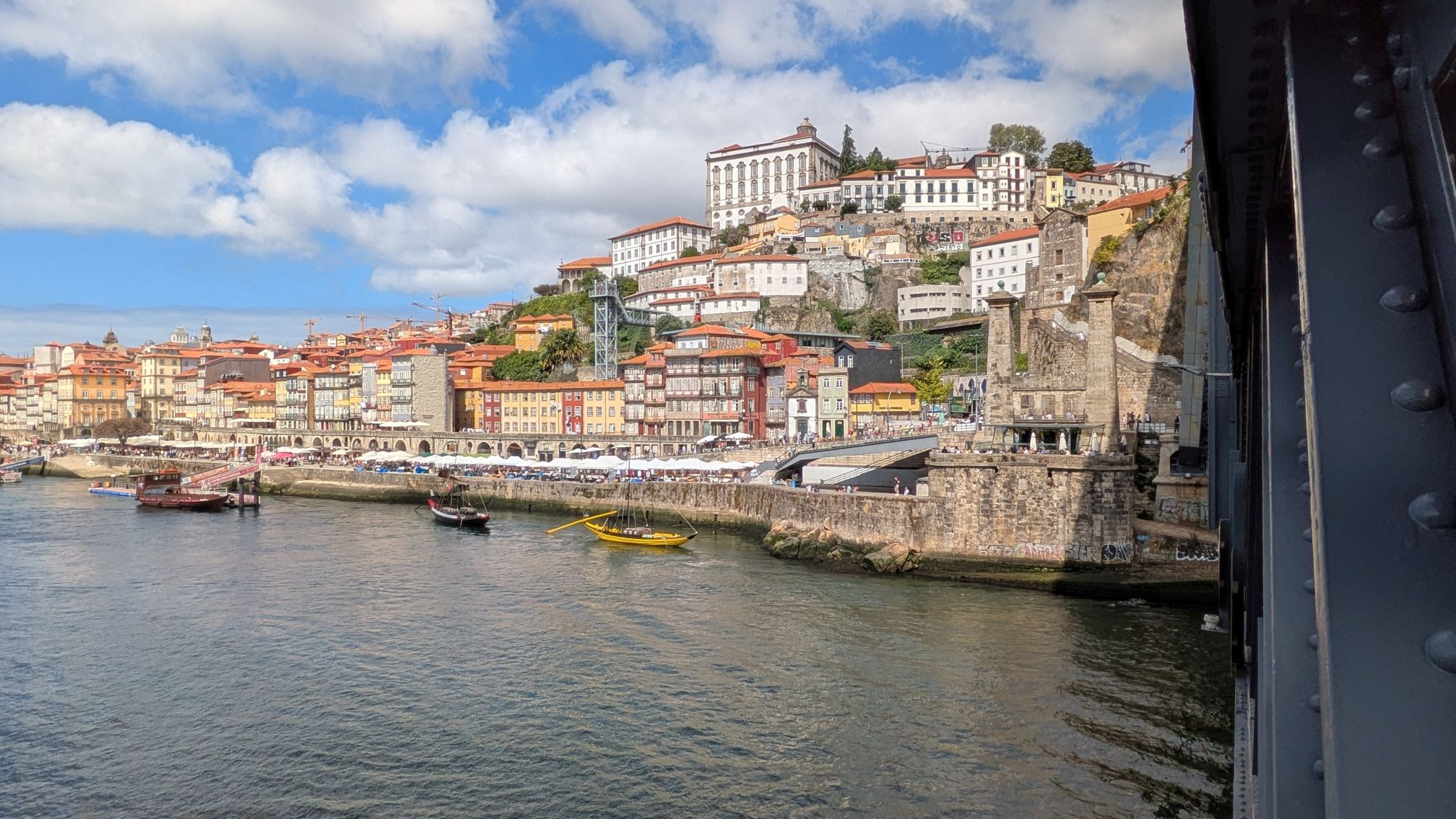
We walked across the bridge over the Douro River for some nice views
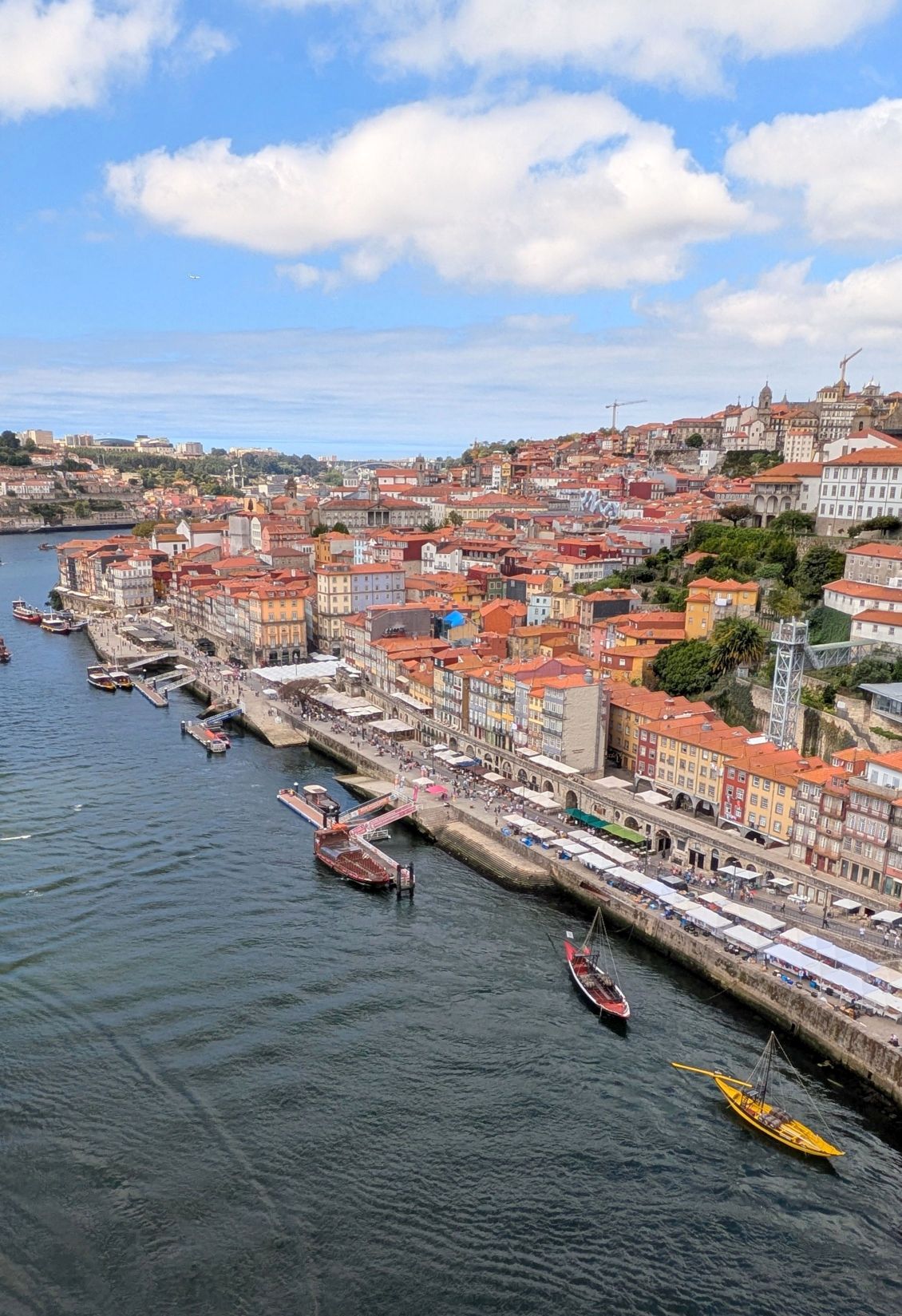
We walked back across the upper bridge for spectacular views of Porto!
The following photos were shot at Mercado do Bolhao, Porto’s famous city market:

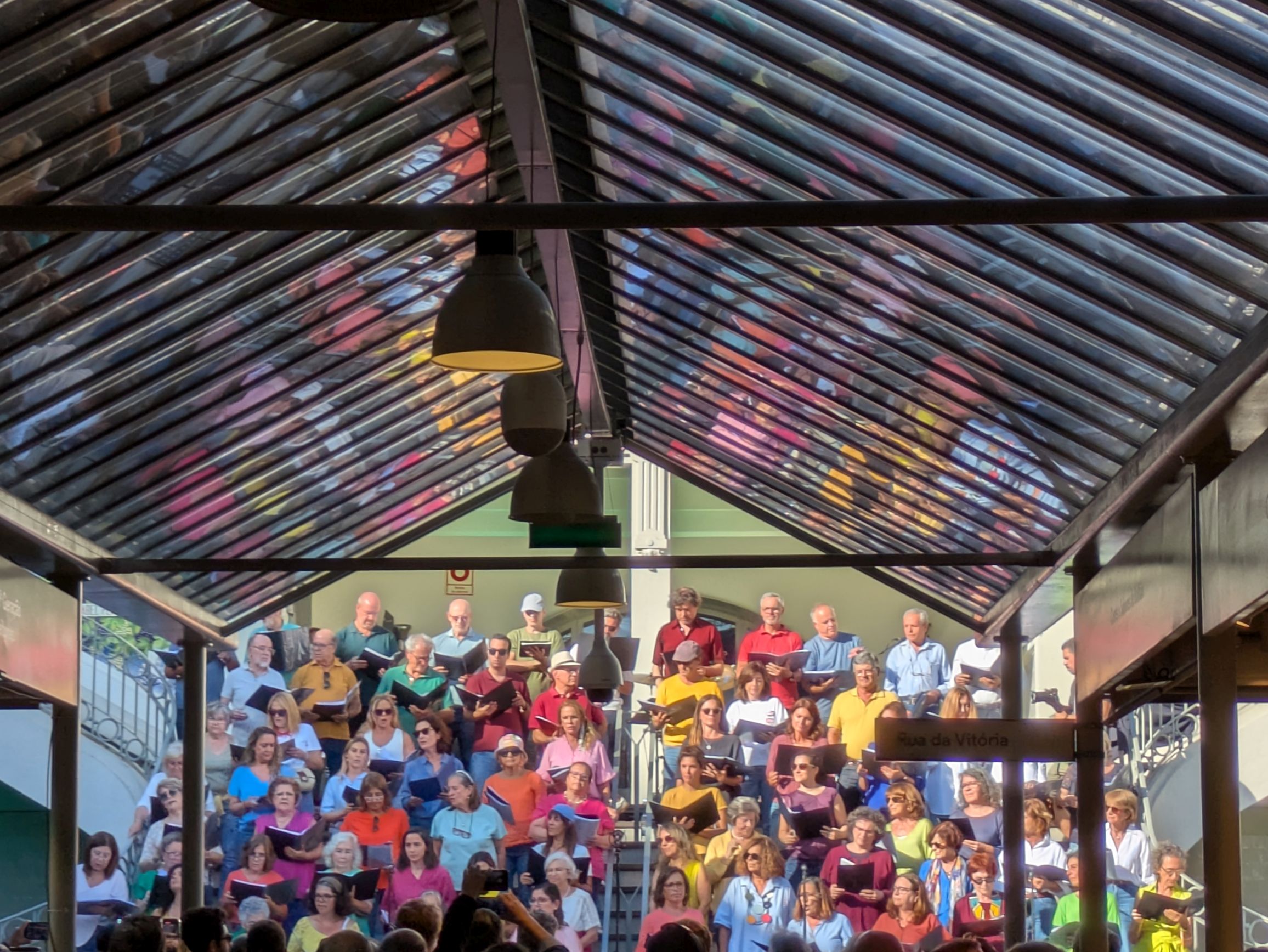
This colorful choir provided lunchtime entertainment for the crowd.
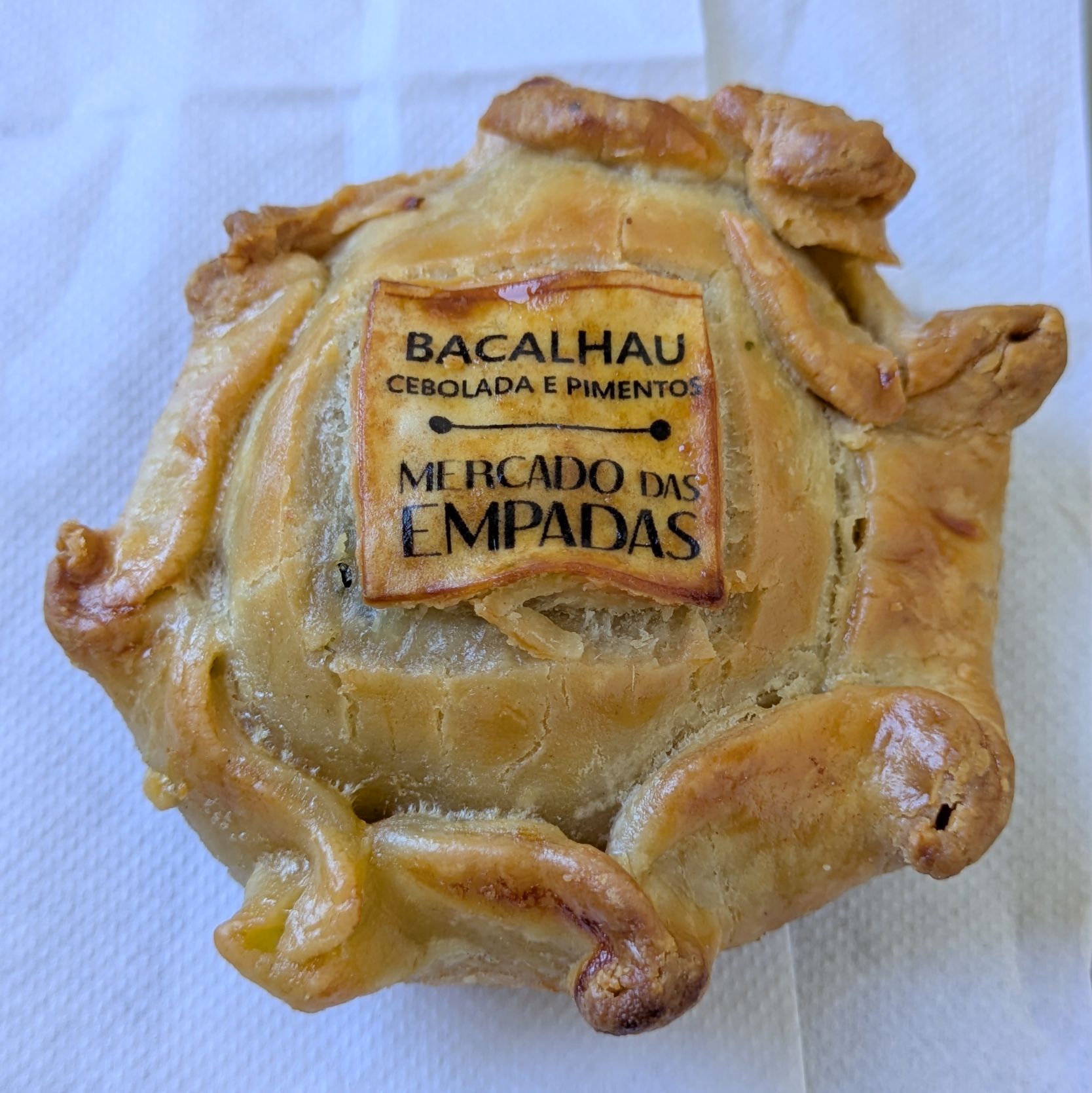
We enjoyed this cod pie from Mercado das Empadas
I bought some chocolate from this guy
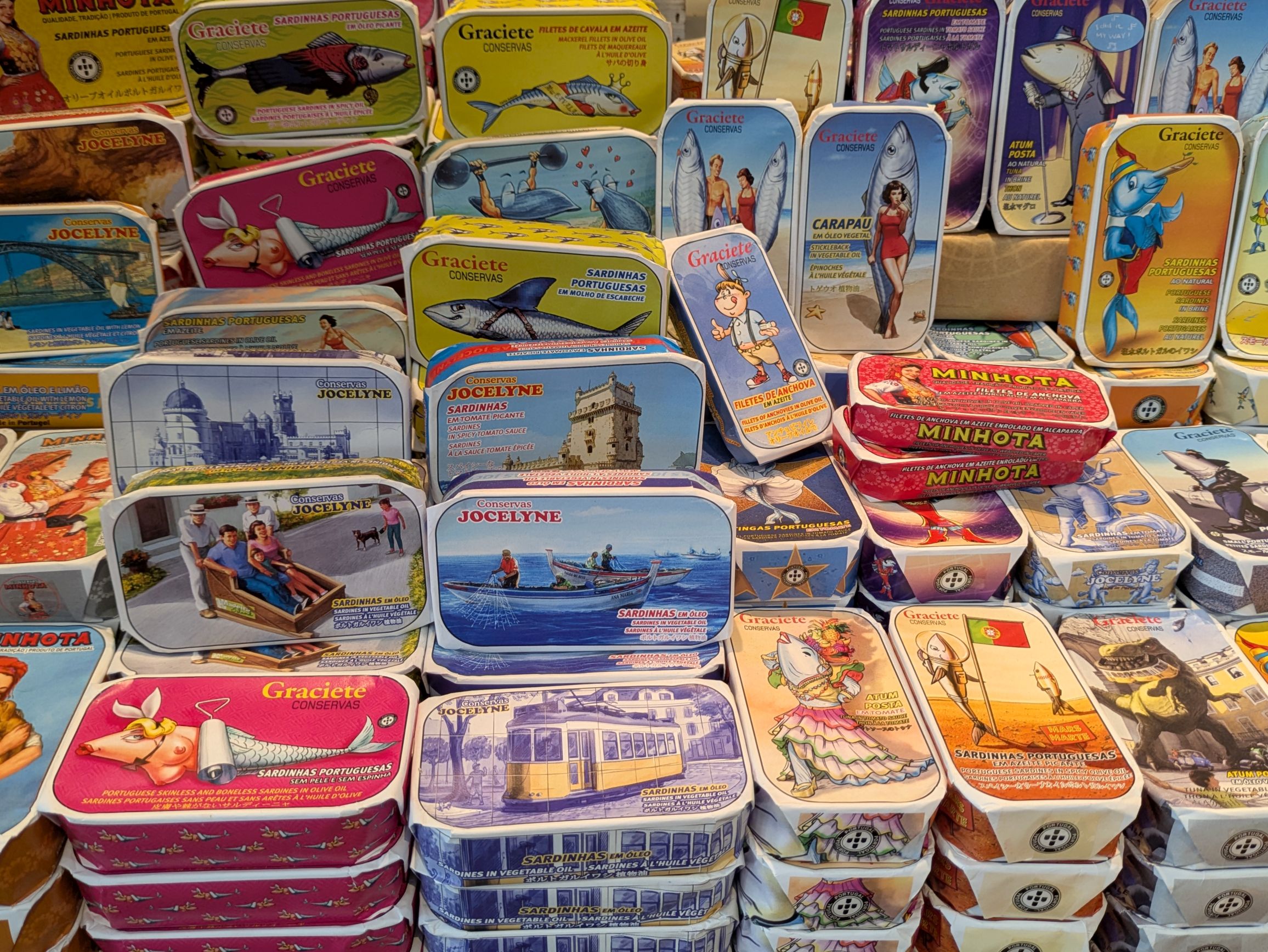
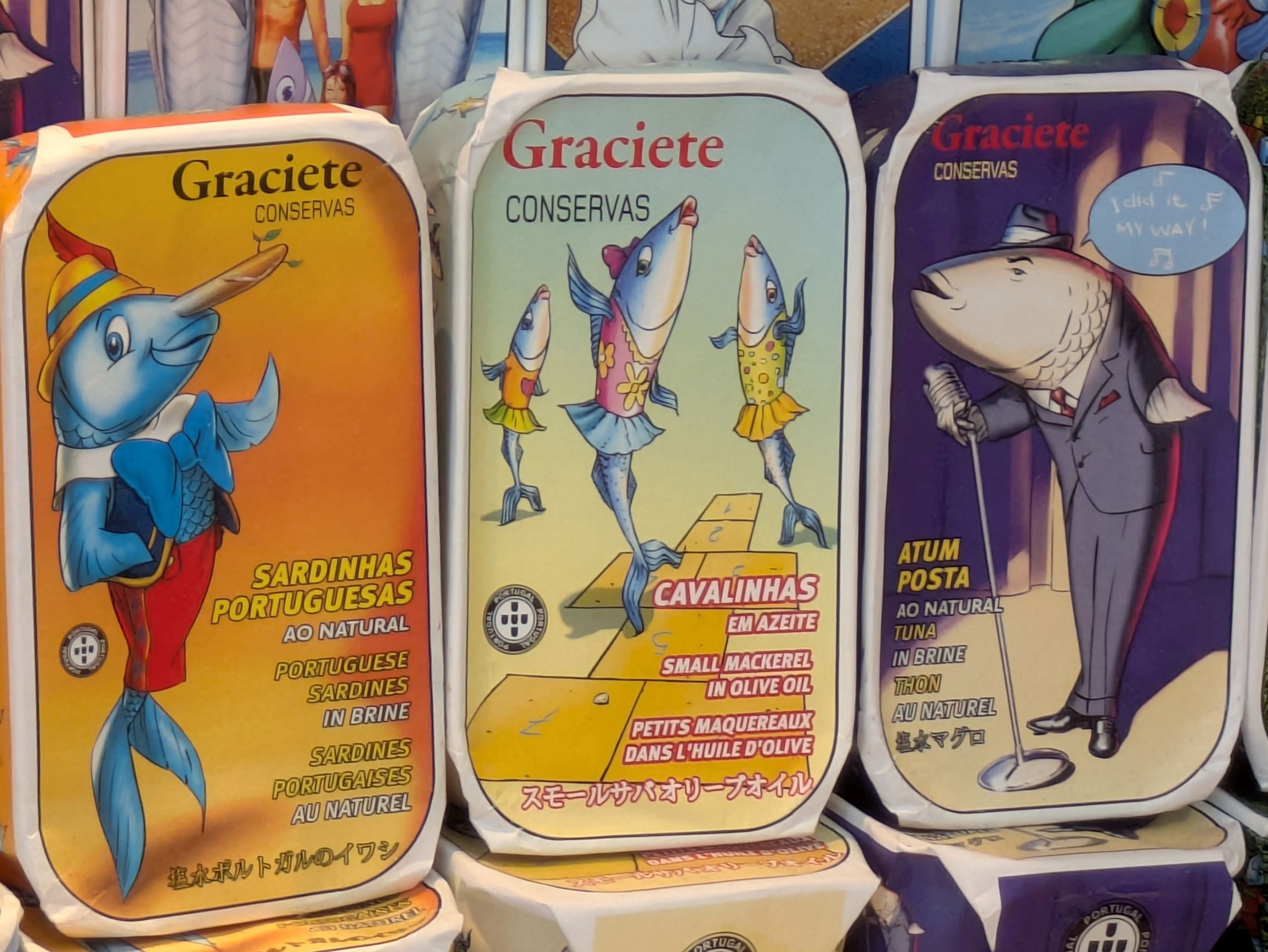
This huge “can of sardines” was on the upper level of the market; LOVE IT!

Next up: SOUTHWEST FRANCE, NORTHERN SPAIN & PORTUGAL #25: A SLIDE SHOW OF NORTHERN SPAIN & PORTUGUESE FADO MUSIC

SOUTHWEST FRANCE, NORTHERN SPAIN & PORTUGAL #23: PHOTOGENIC, PRETTY PORTO, PART 1

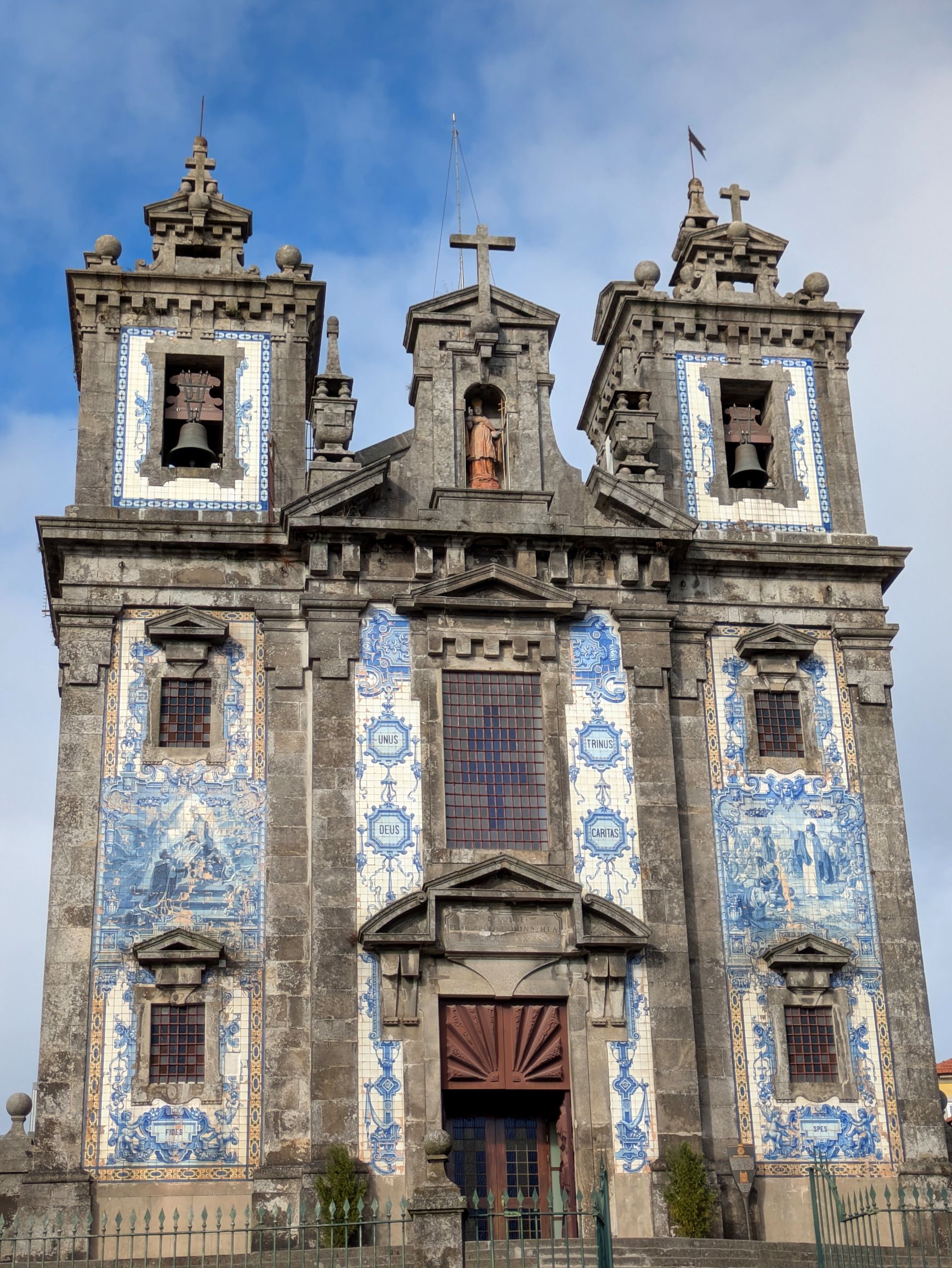
Porto, the second largest city in Portugal after Lisbon, was our final stop on this fabulous tour with Overseas Adventure Travel. Located in northern Portugal, the core of the city is one of the oldest European centers and listed as a UNESCO World Heritage Site. Because of this designation and protection, the tiles that give Porto’s buildings such beauty and charm still exist today.

In my last post, I wrote about the port wine that is produced in the Douro Valley. Porto is what port wine was named after. And the cork that goes into those bottles of port comes from Portugal as well. Fifty percent of the world supply of cork is from here.

Porto is also known for its production of paper made from Eucalyptus trees, which grow fast. Unfortunately, they also burn fast and have caused fires to spread quickly through the countryside. As a result, it has become quite controversial.

Another controversy brewing throughout Porto and Lisbon is the fast-growing tourism industry, which is huge. Portugal is a popular destination for Americans, and many have immigrated to both cities. This has driven up rent prices for locals; and AirBnB’s, in particular, have driven them out . Ten years ago, a (very small) apartment used to cost 600 euros per month. Currently, that same amount will only pay for one week of rent. Local businesses are also losing their leases and being driven out, because landlords are converting their properties to AirBnB’s to make more money in rent. This continues, because the government has no protections in place for locals.

Due to these rising costs in Portugal (as well as Spain), many young people live with their parents or can only afford to rent a room in a house with other tenants.

During our first full day in Porto, we went on a walking tour through the old city center, including the alleyways of Pena Ventosa, one of the oldest districts in the city. It was amazing to think those streets have been there for over 2,000 years!

The following are some scenes photographed during our group walking tour and free time during our three days in Porto. (Much more to come in Part 2!):

(For all photos, click on the image for a full screen view.)

Our first view point of the cityscape and river. More scenes of the river will be included in Part 2.
Our group in the Pena Ventosa neighborhood, one of the oldest in Europe
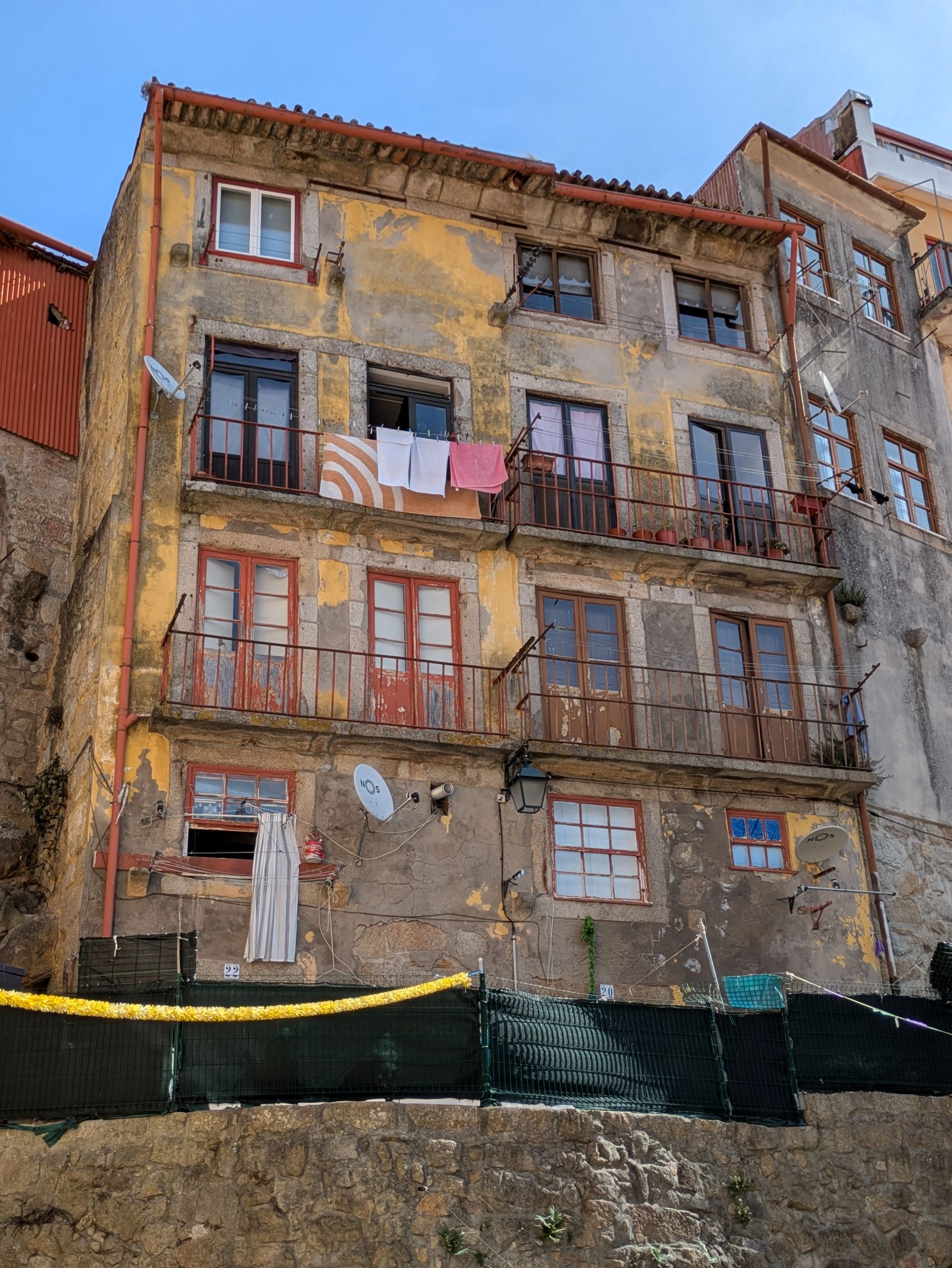
These buildings face the river. Photos in Part 2 will show a birds-eye view
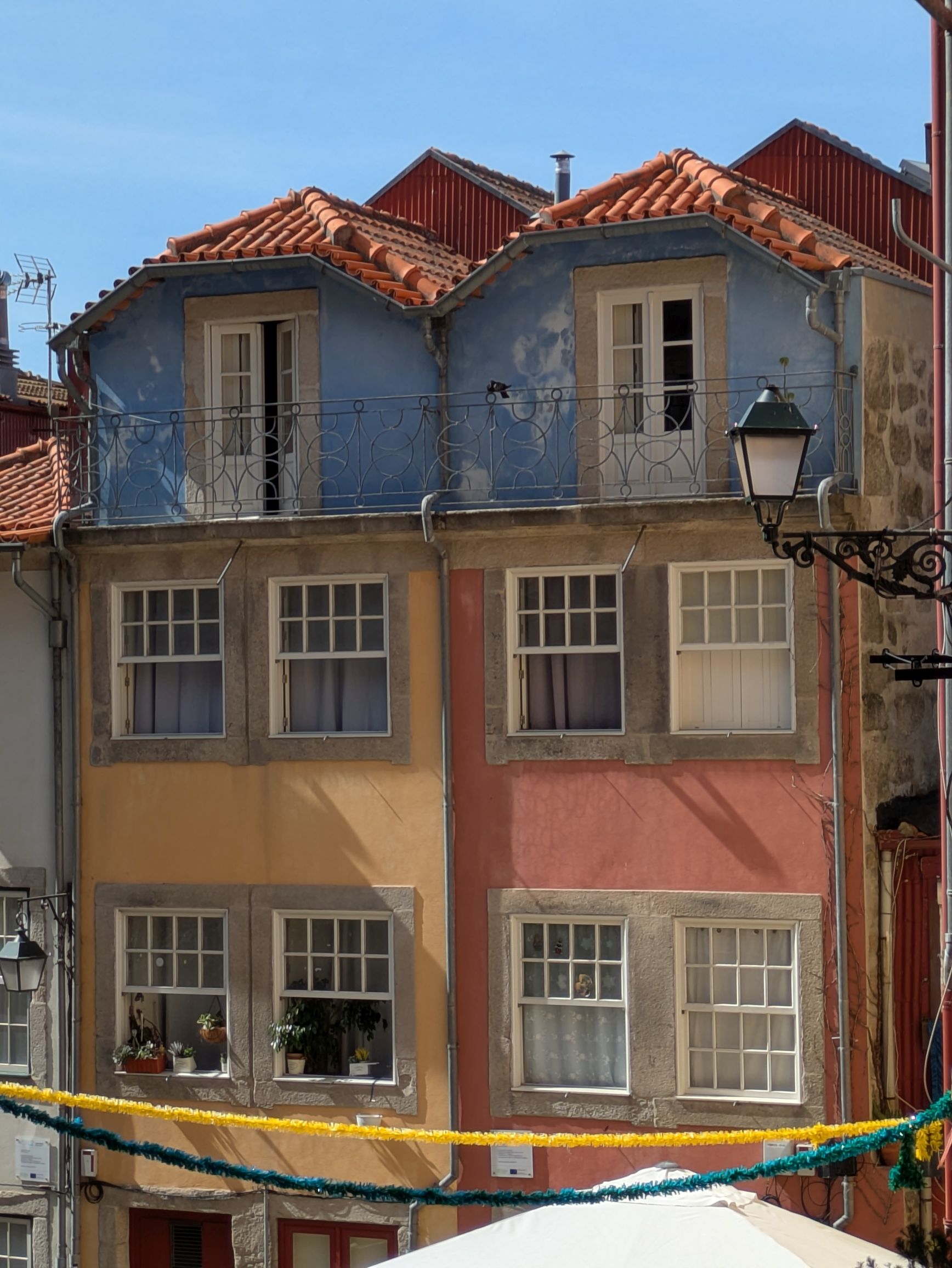
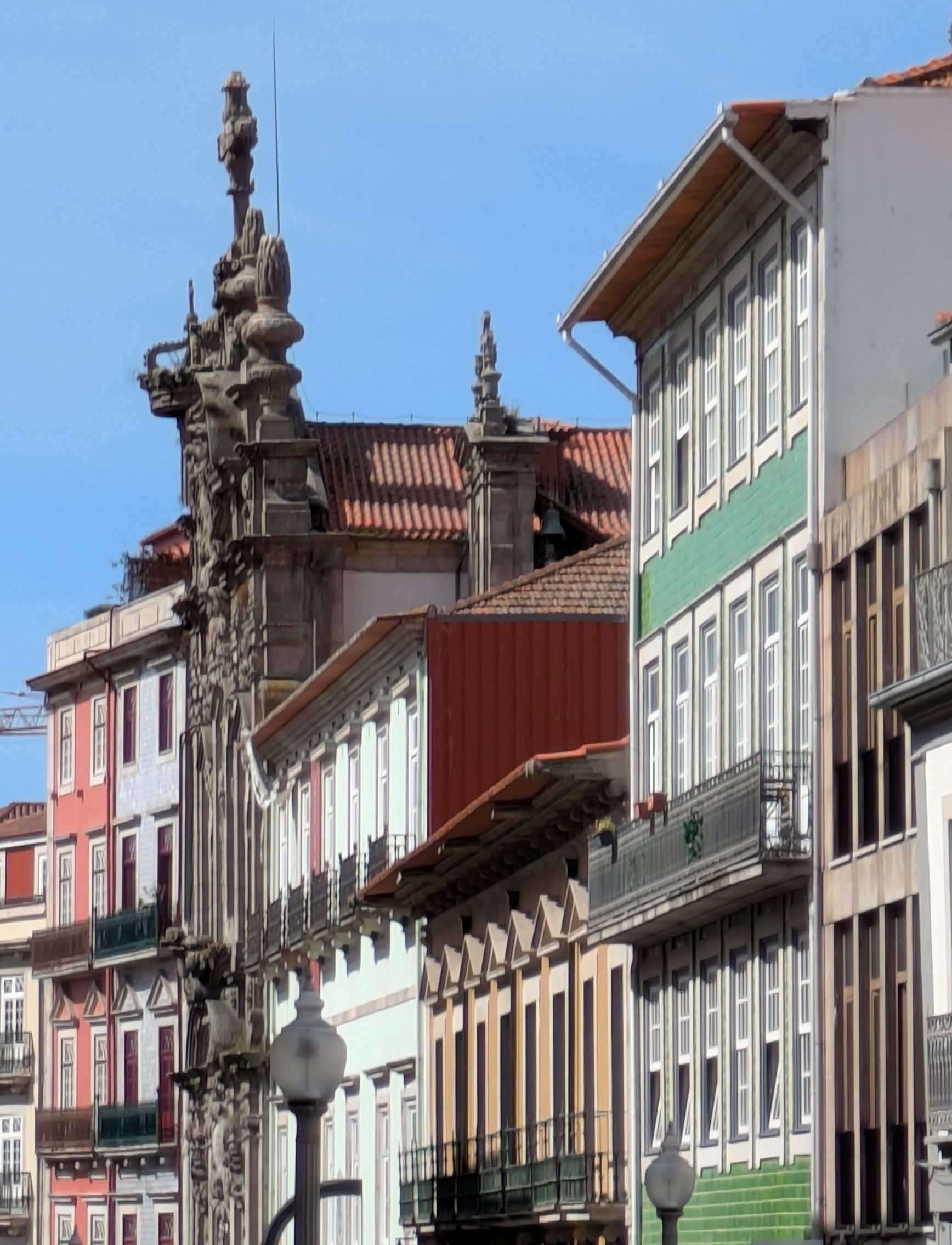
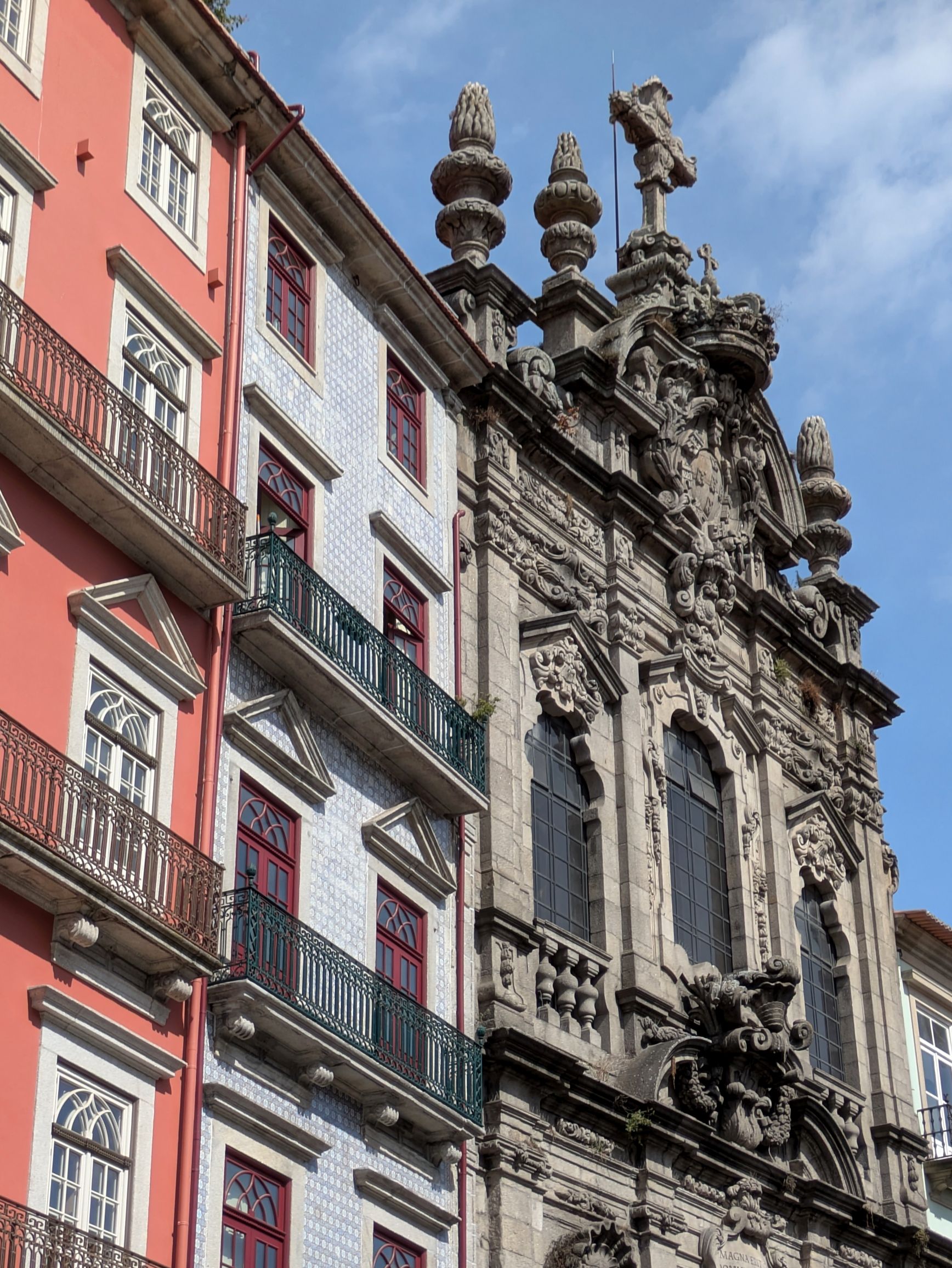
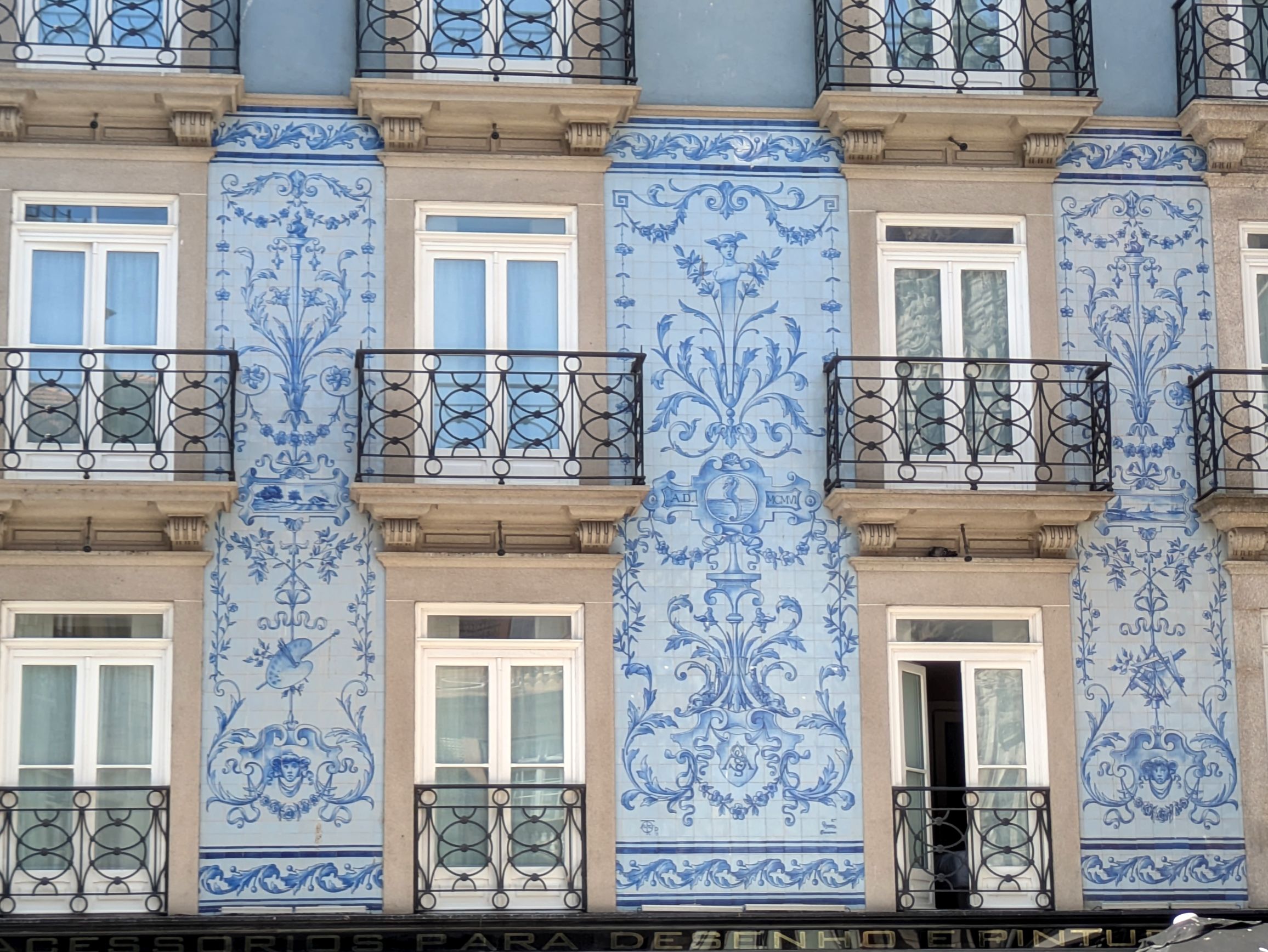
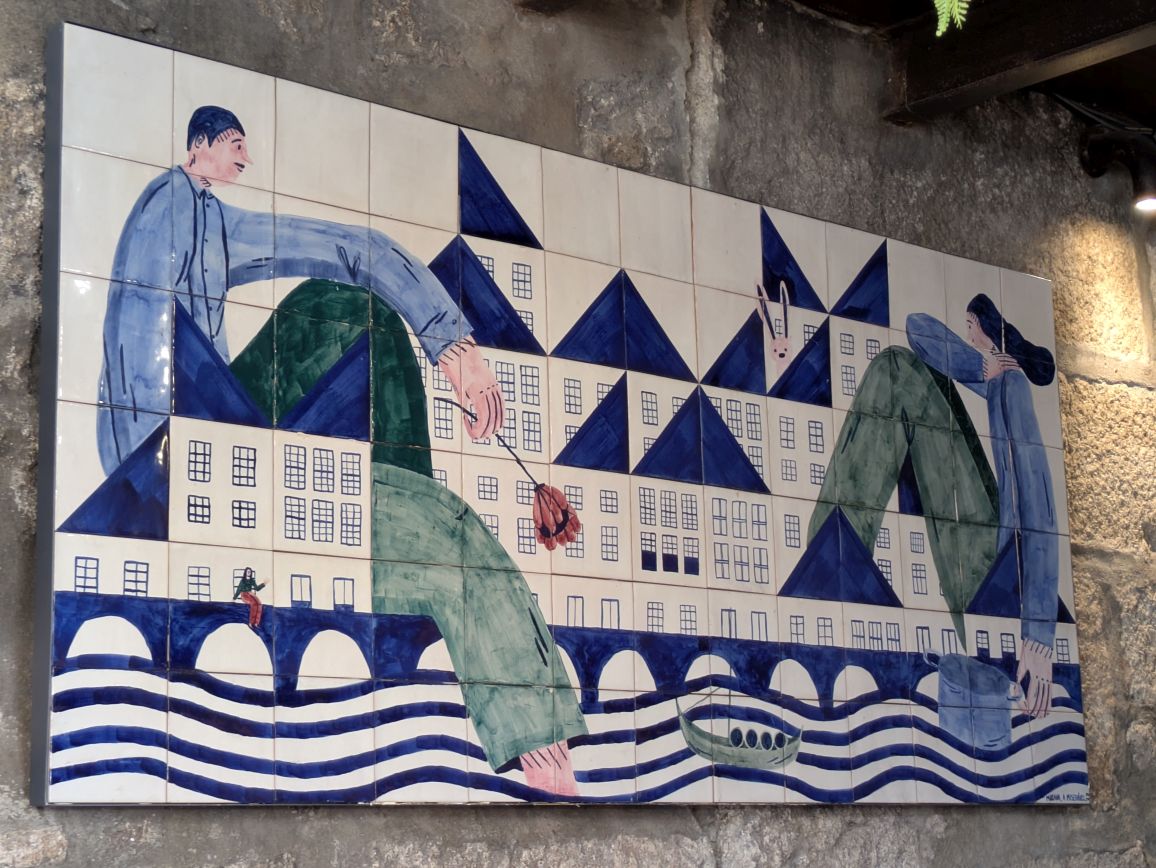
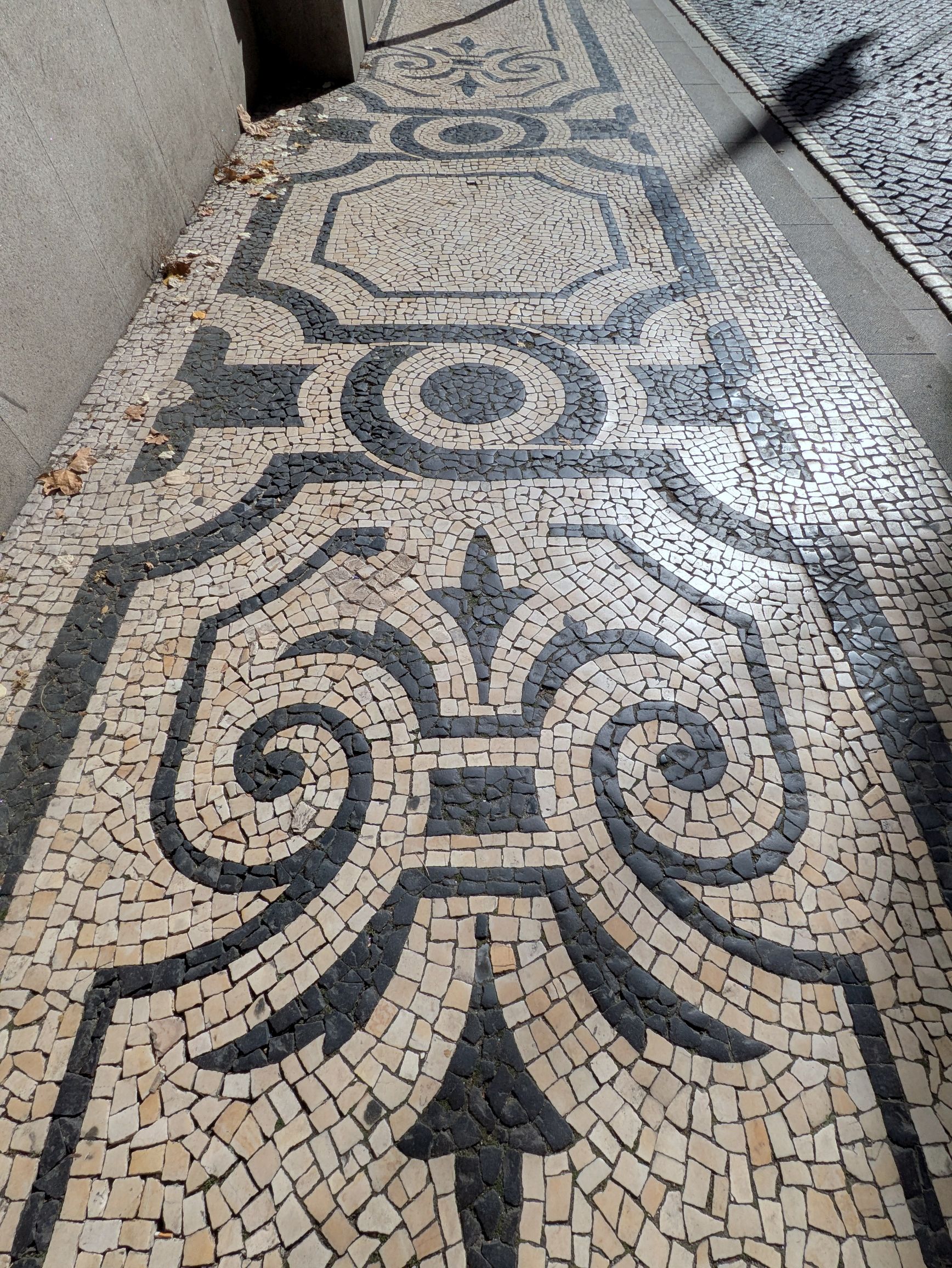
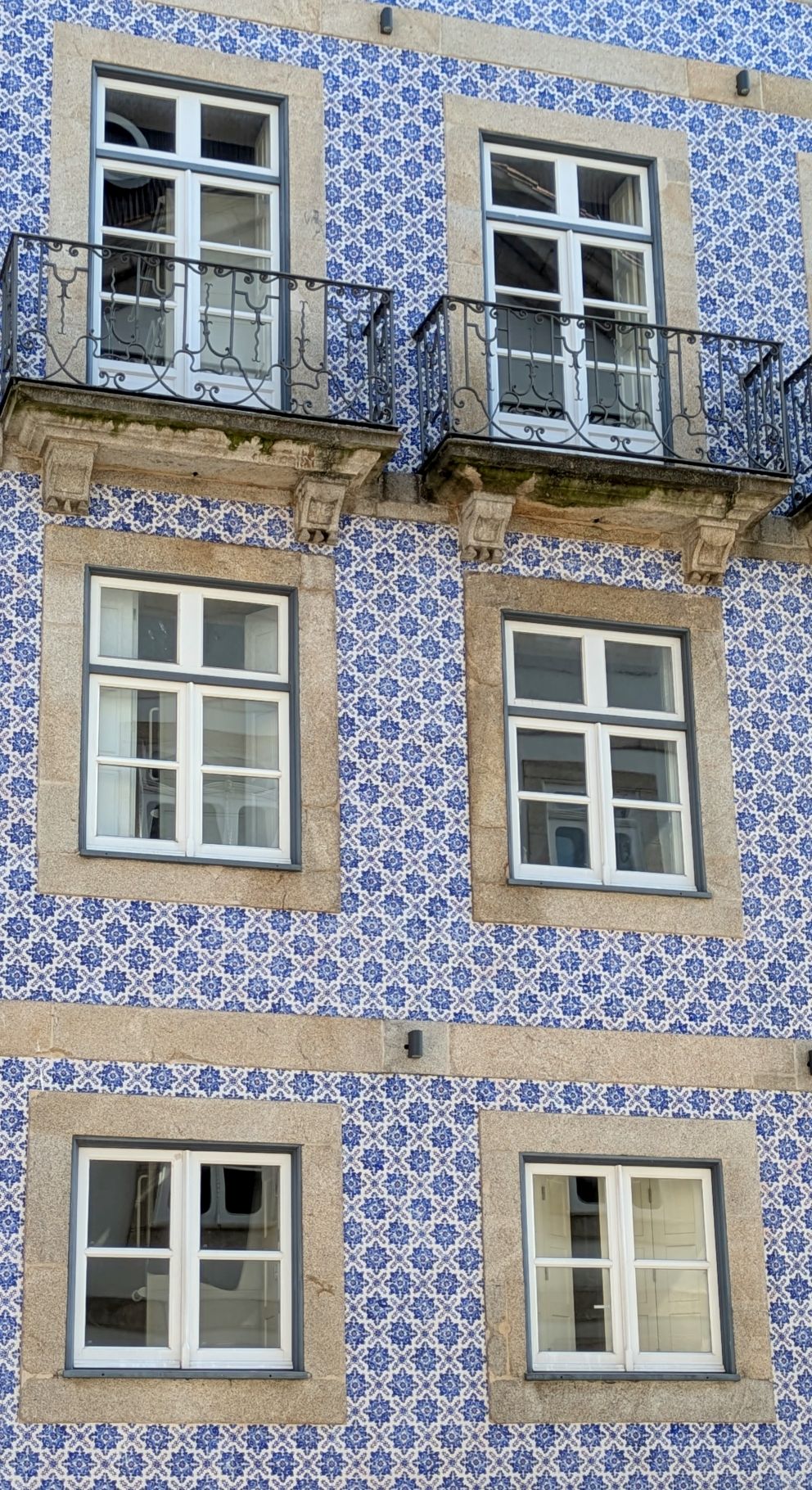
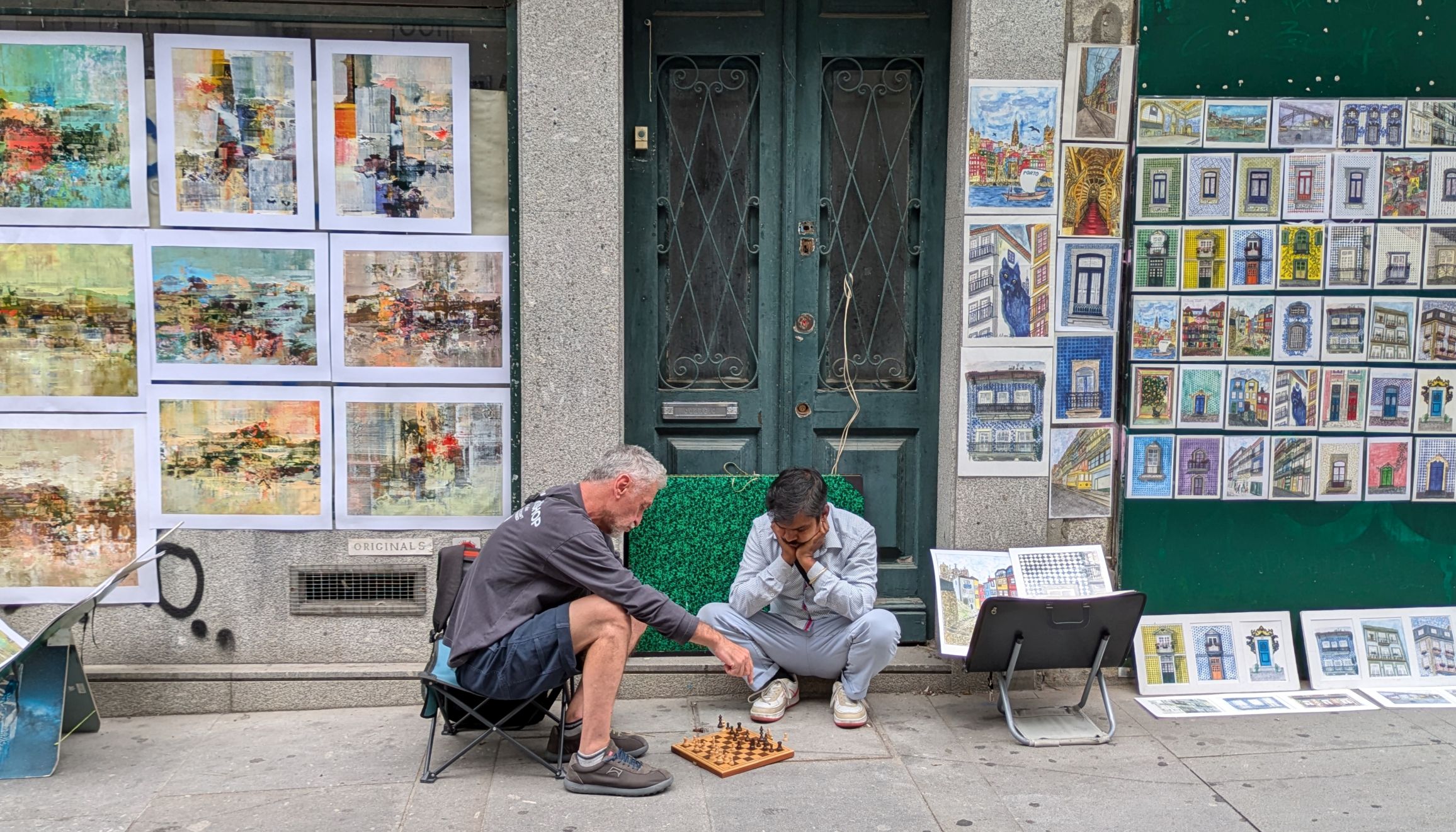
Between the tile facades of the buildings, tile murals, and decorative sidewalks; Porto was so unique and charming!
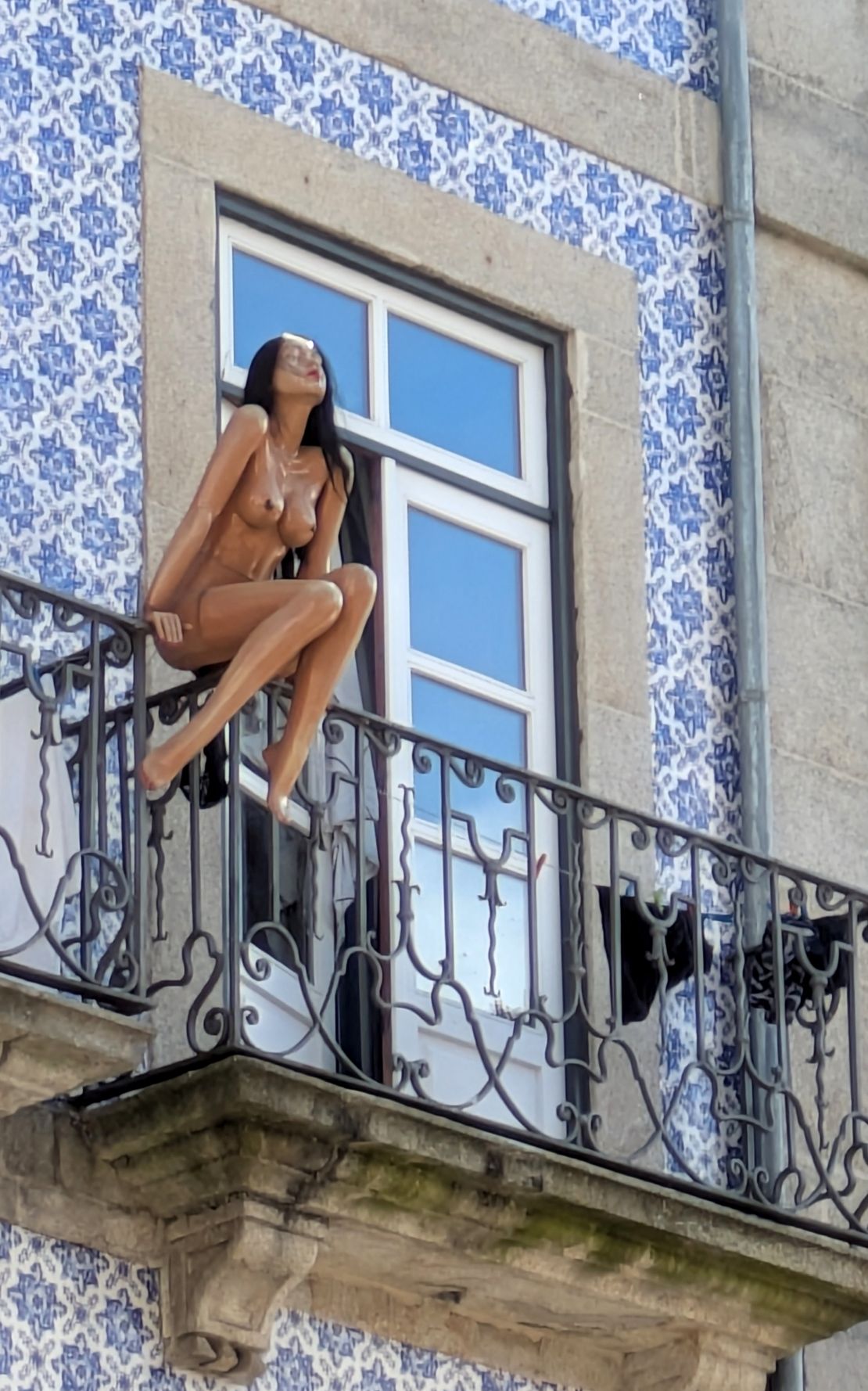
This balcony got a LOT of attention from the pedestrians down below!
Sign translation: “Dress well and cheaply only here”
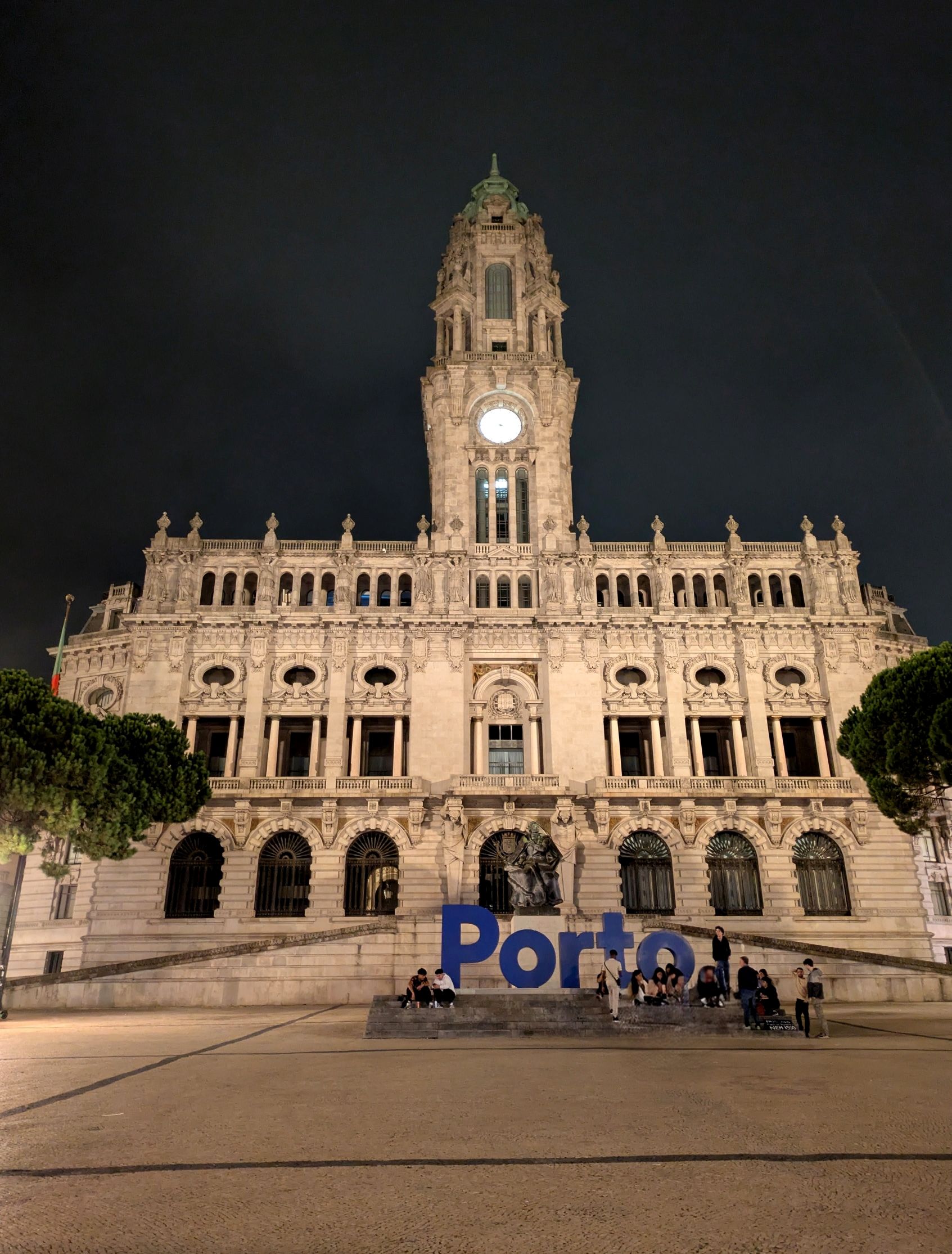
Porto City Hall, late in the afternoon…
…and at sunset.

Coming up next: SOUTHWEST FRANCE, NORTHERN SPAIN & PORTUGAL #24: PHOTOGENIC, PRETTY PORTO, PART 2

SOUTHWEST FRANCE, NORTHERN SPAIN & PORTUGAL #22: A DELIGHTFUL DOURO RIVER CRUISE & A WONDERFUL WINE-FILLED LUNCH

It was our wedding anniversary (September 12), and we woke up to a beautiful morning for our Douro River cruise. But first, we were greeted at breakfast with a very nice (and delicious!) surprise:

(For all photos, click on the image for a full screen view.)c

Our tour leader, Serena, had ordered a pancake anniversary cake for us!

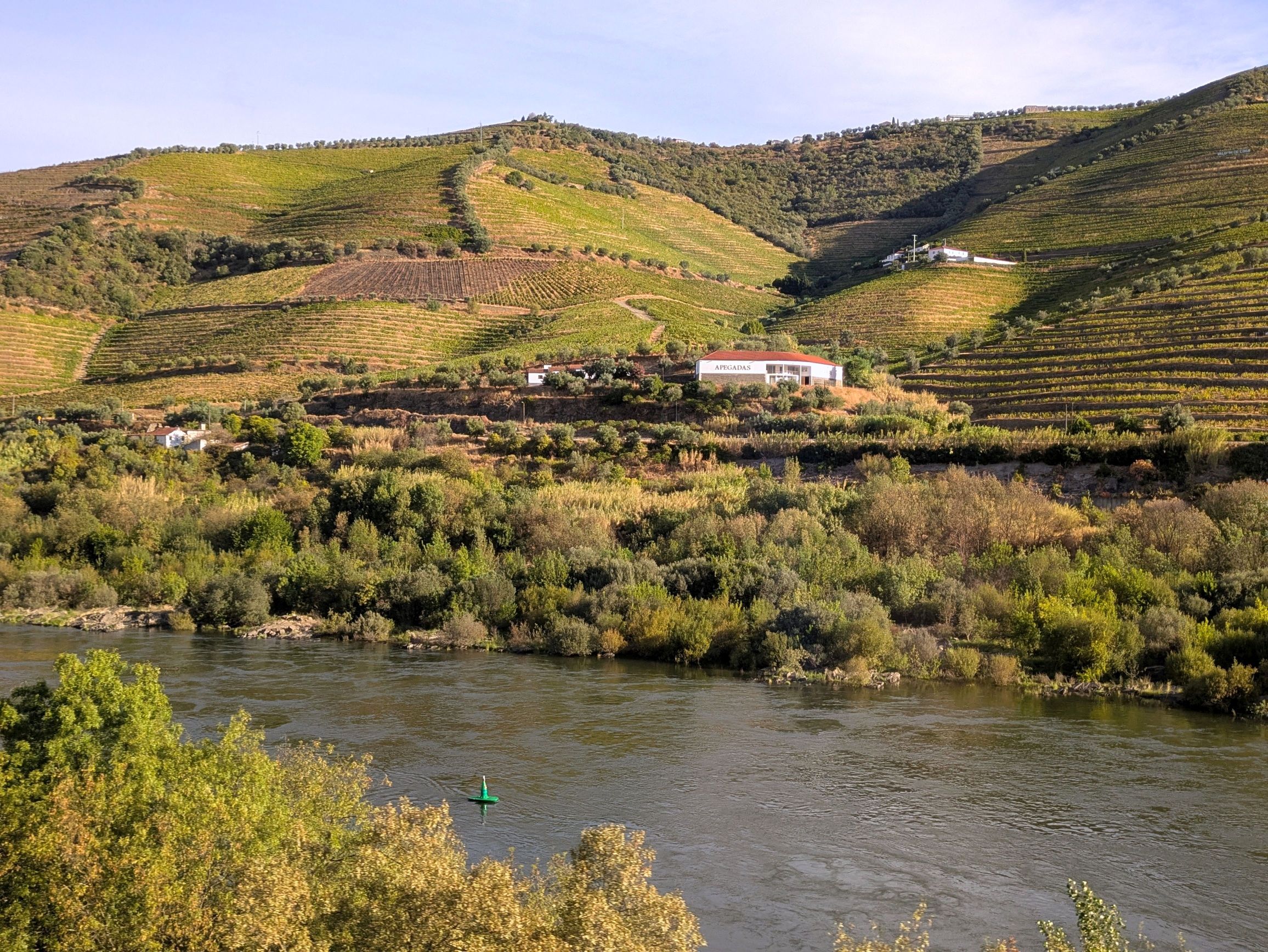
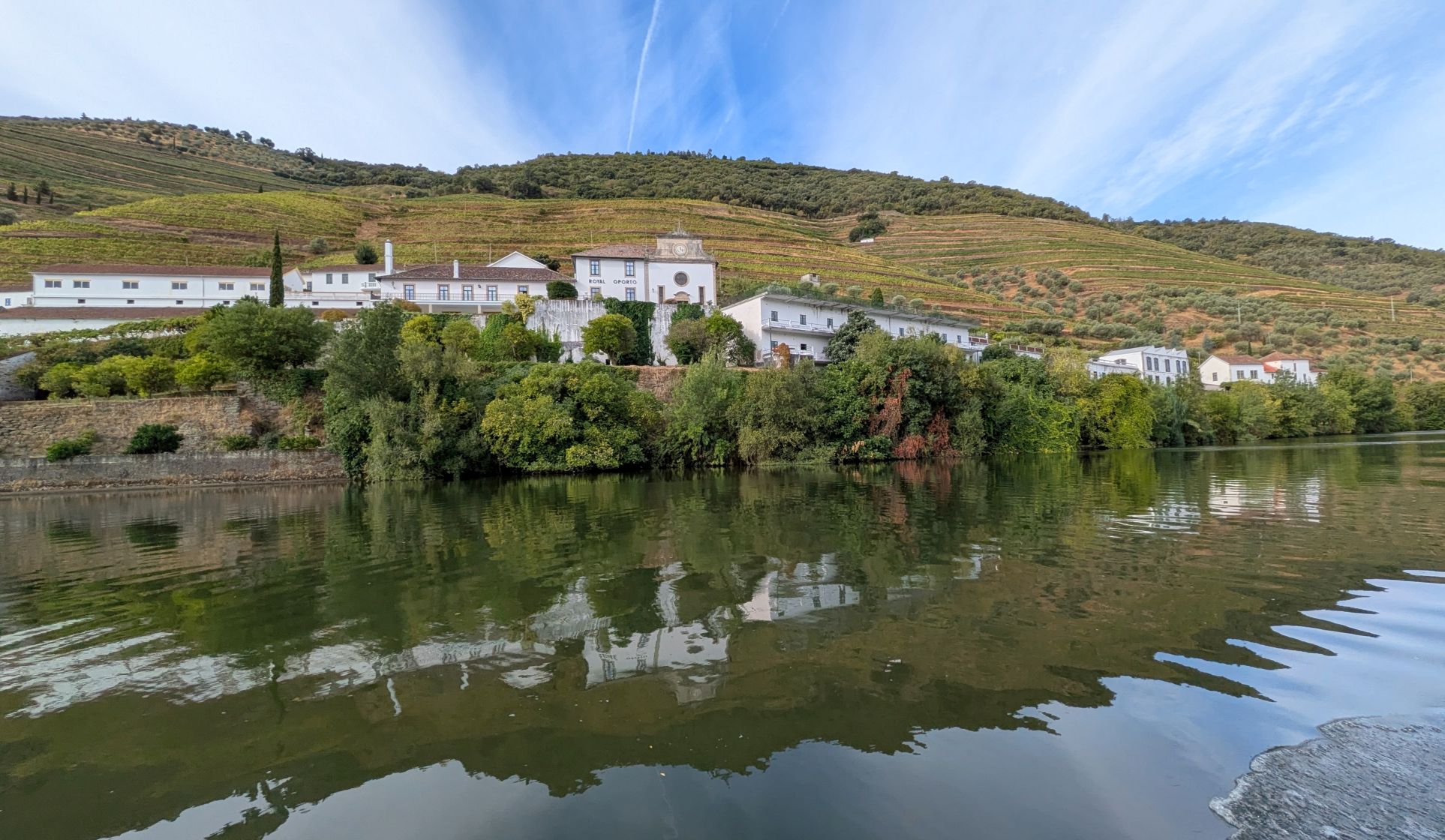
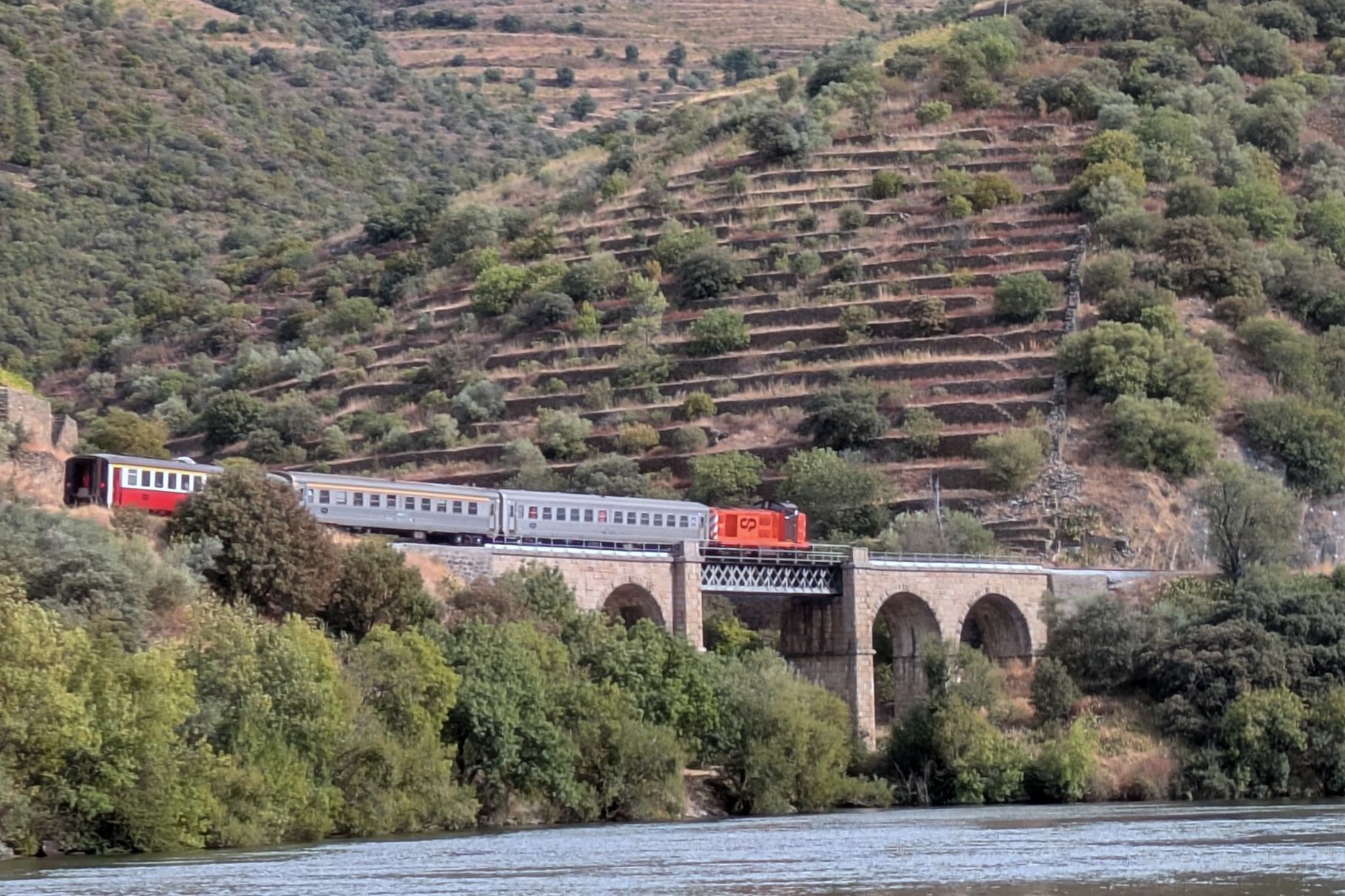
Following breakfast, we drove alongside the Douro River to meet up with our cruise boat, in Pinhão. In addition to the two crew, it was just Serena and our group of fifteen enjoying a peaceful ride on the Douro, taking in the views of the wineries along each bank.

Winding its way across the width of Portugal, the Douro flows into the Atlantic Ocean in Porto, the subject of my next post.

The entire Douro Valley has been known for its port wine production for centuries. The first detailed account of port production came from Englishmen in 1678 after they visited the Abbot of Lamego, a vicar and vintner who served them red wine fortified with brandy. The Englishmen described it as “very agreeable, sweetish, and extremely smooth,” and purchased the Abbot’s entire stock to ship to England where it was a big hit. By the mid-1700’s, it was a formally protected wine with a Designation of Origin to control quality.

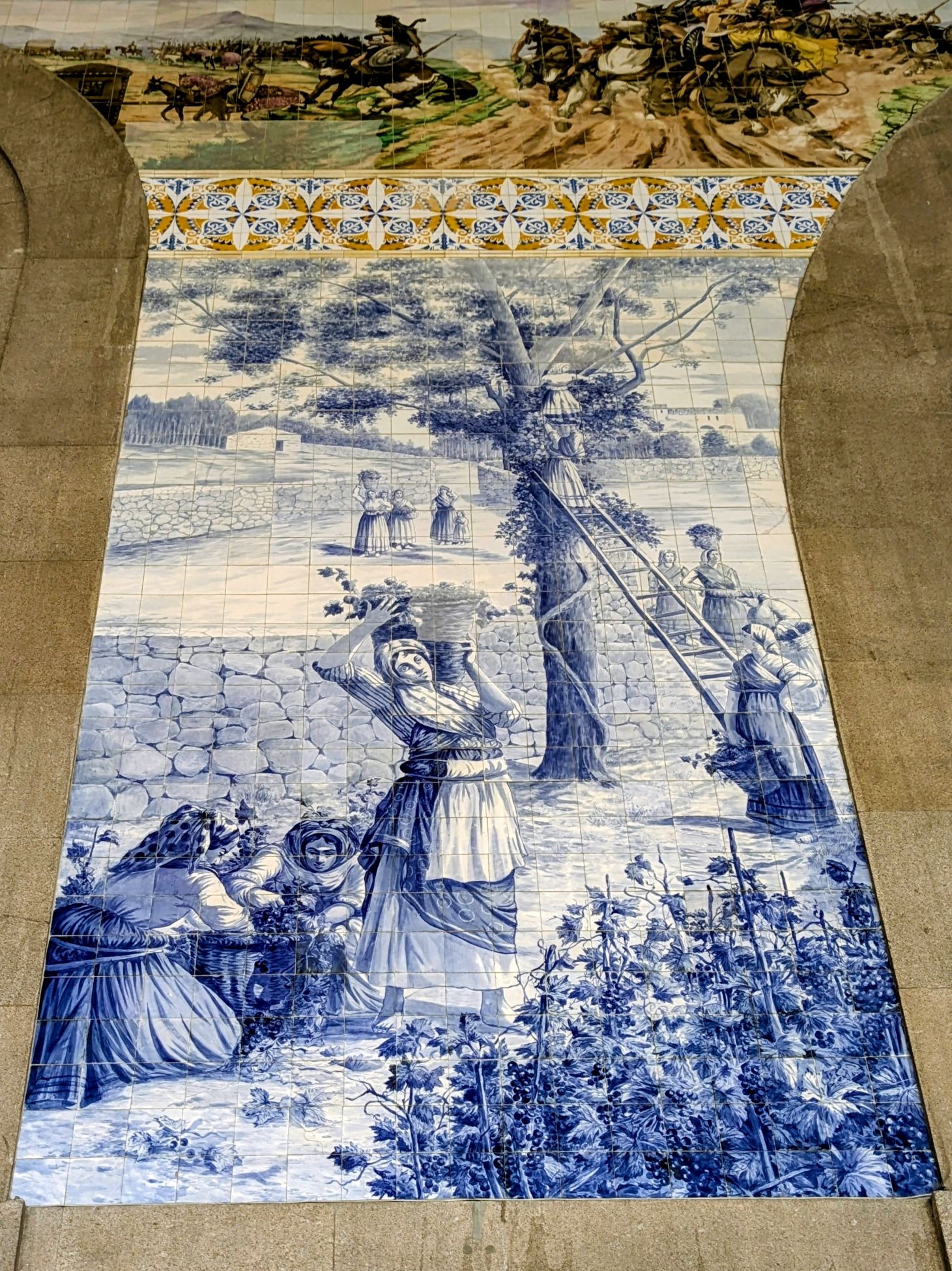
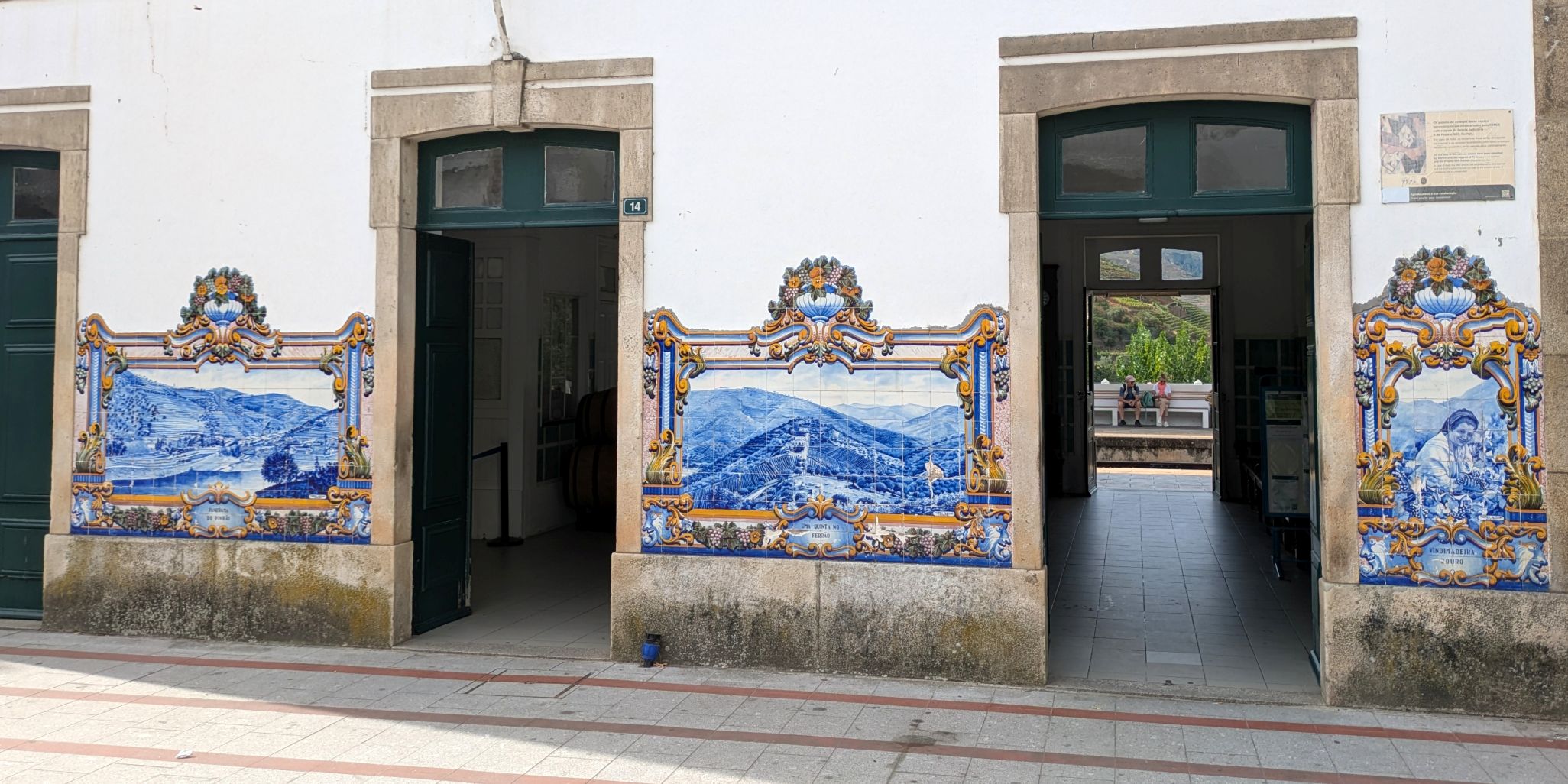
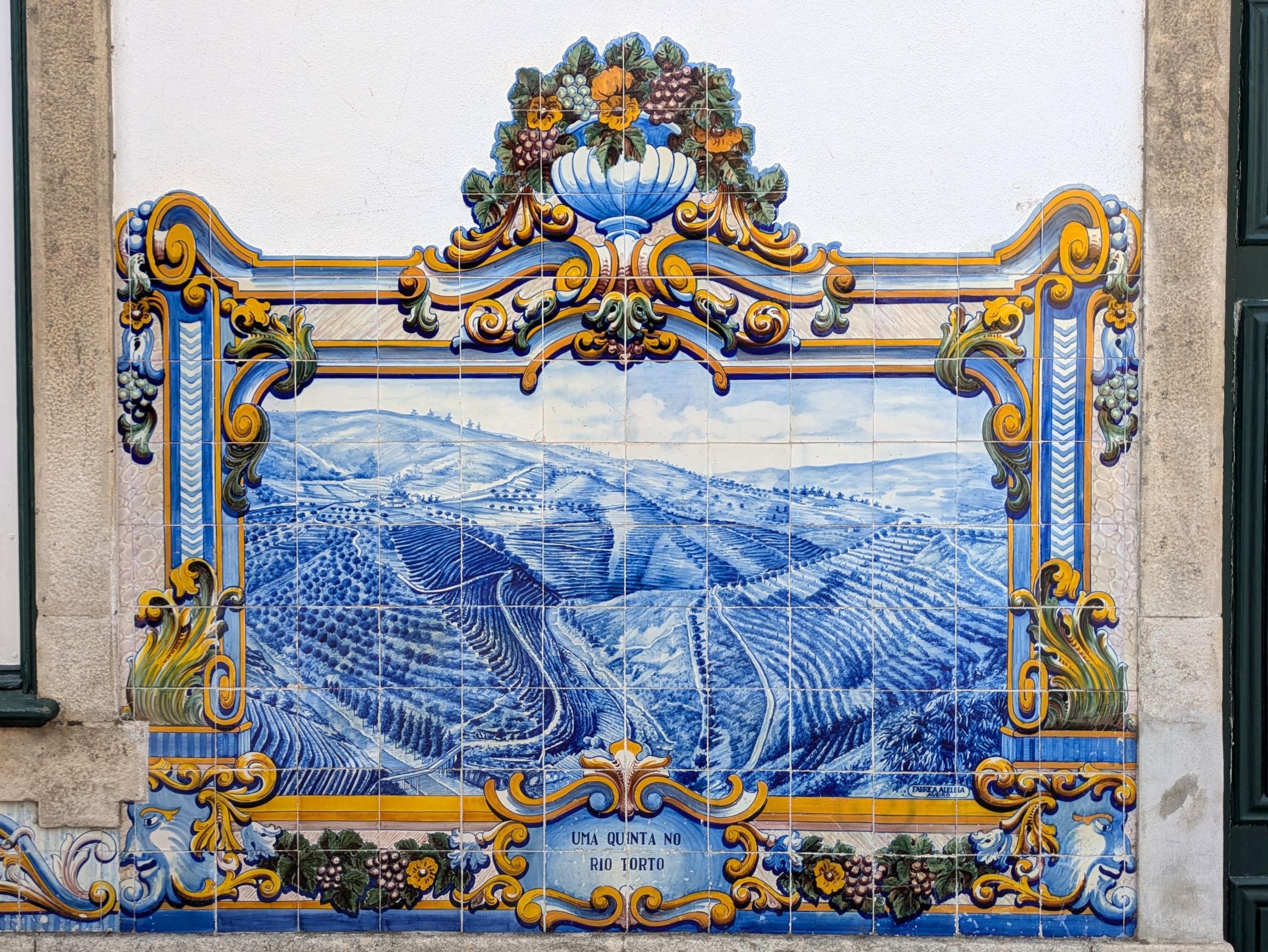
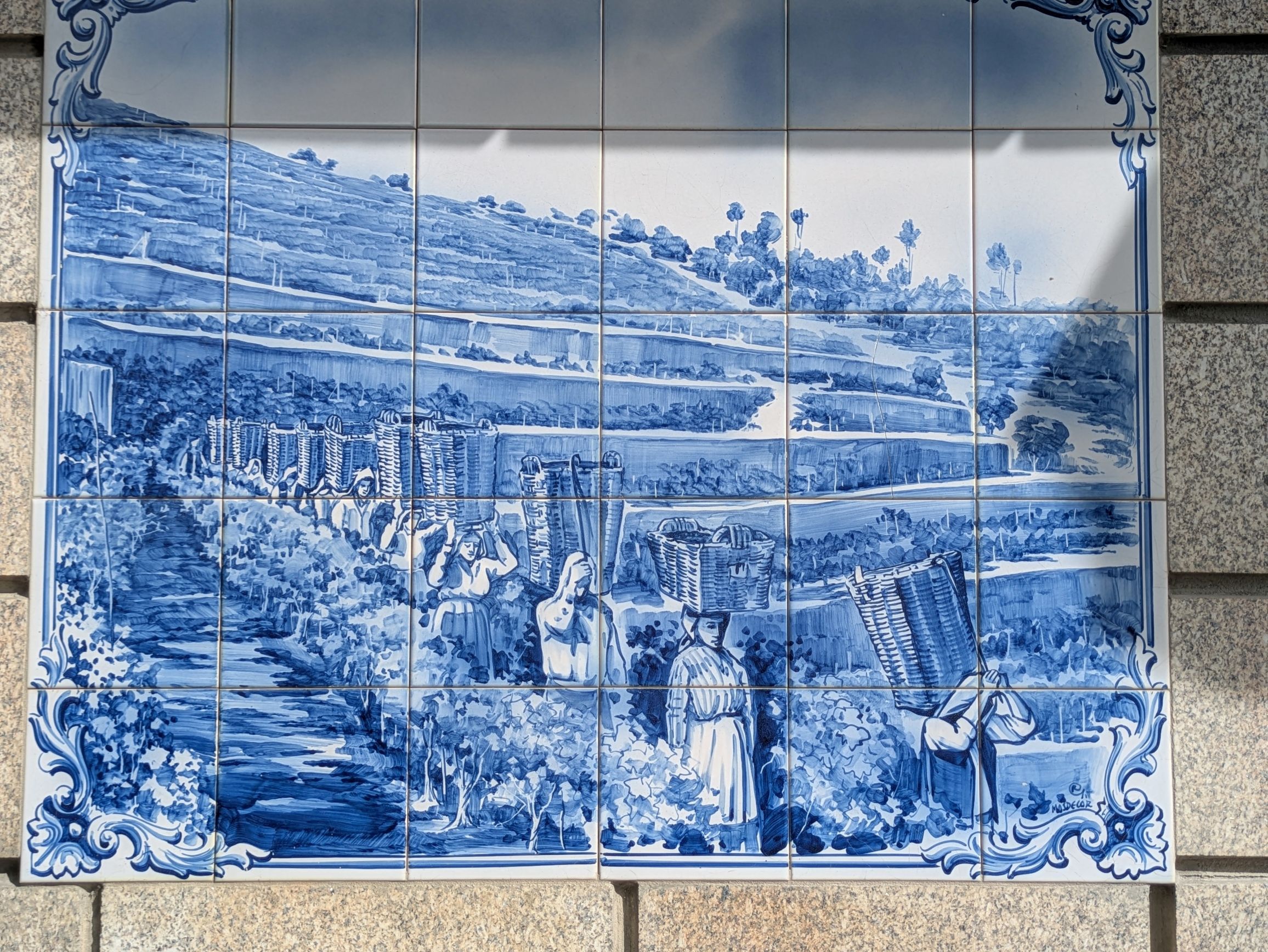
Tile murals at the Pinhao train station

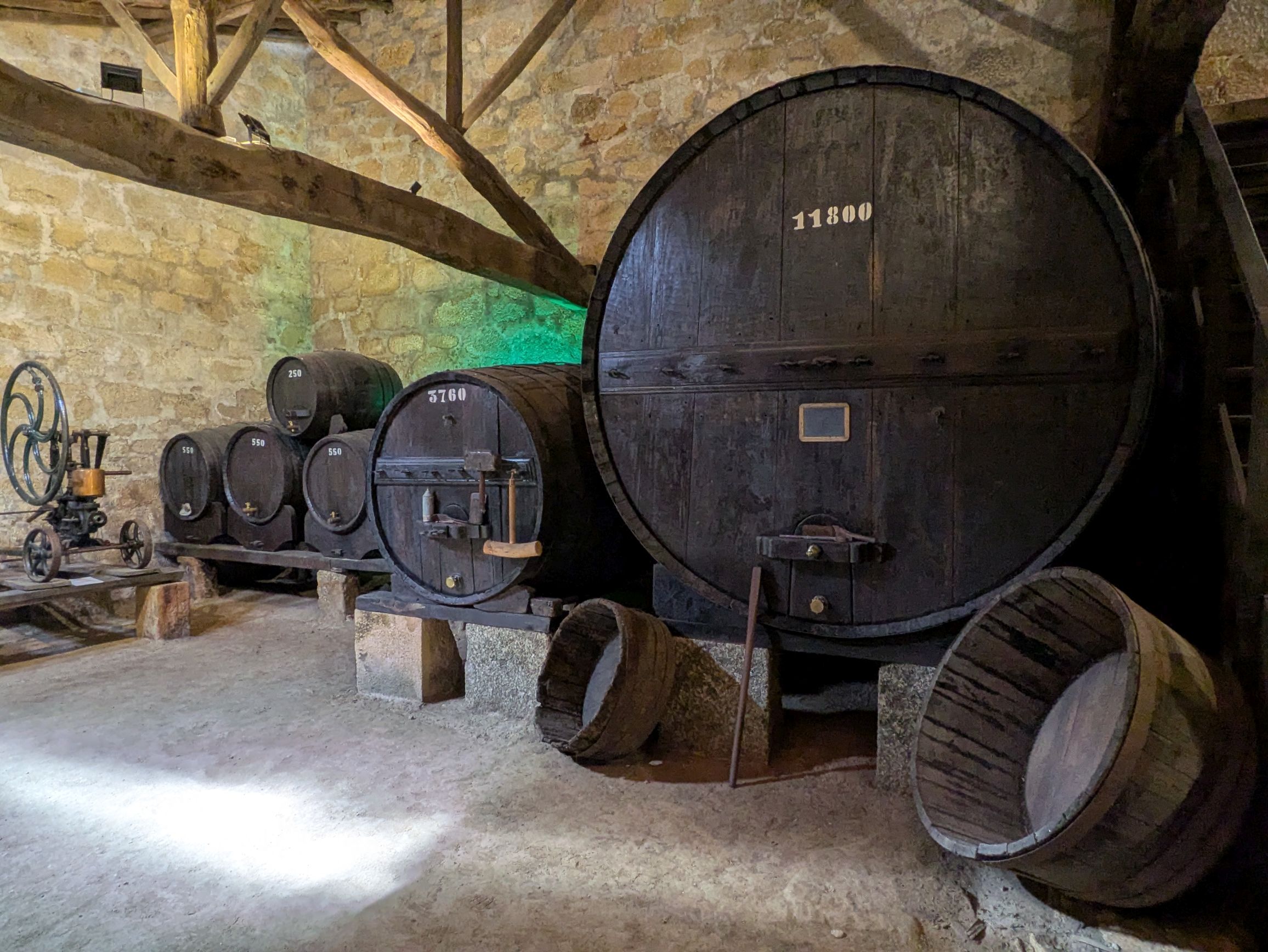
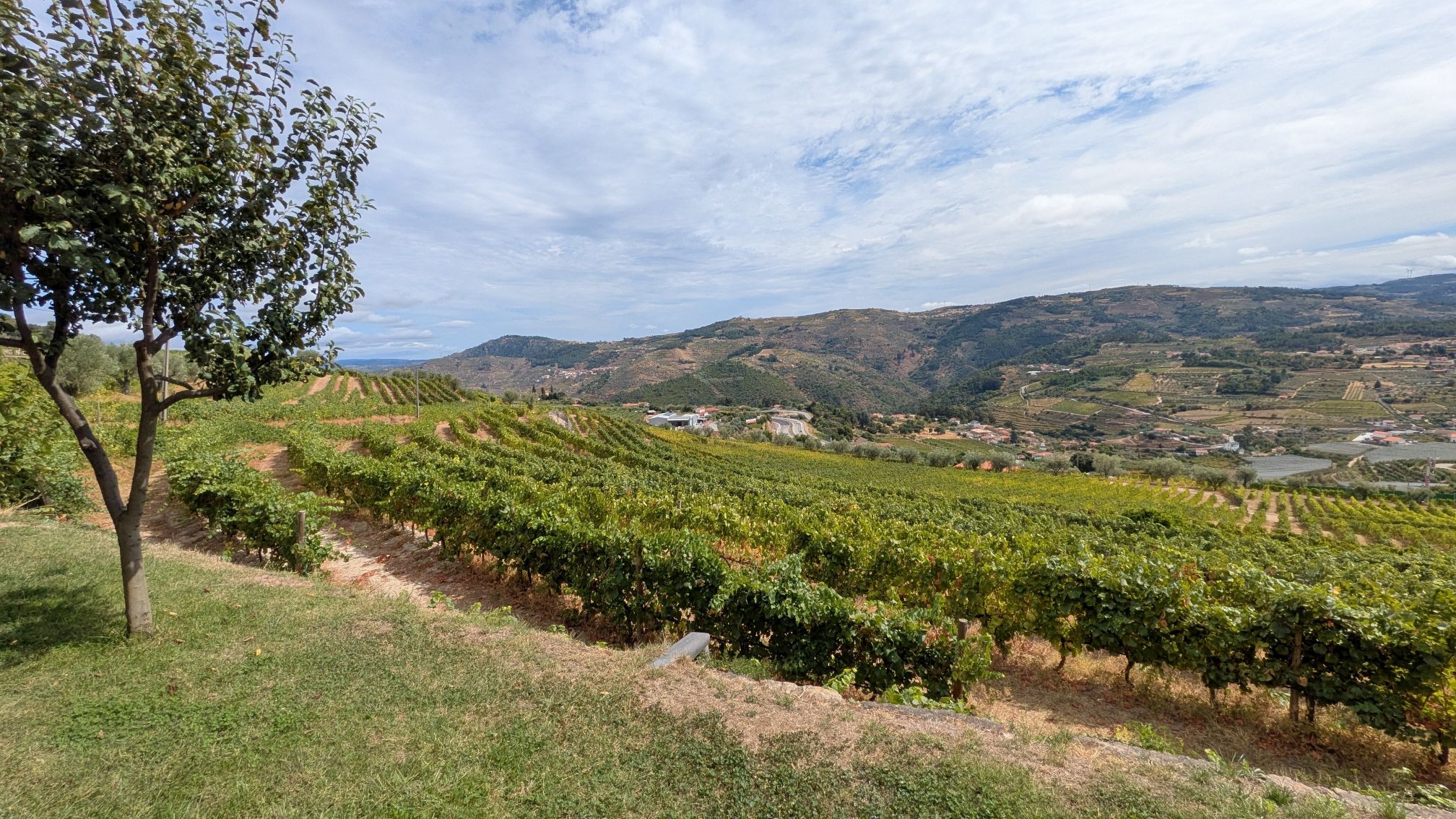
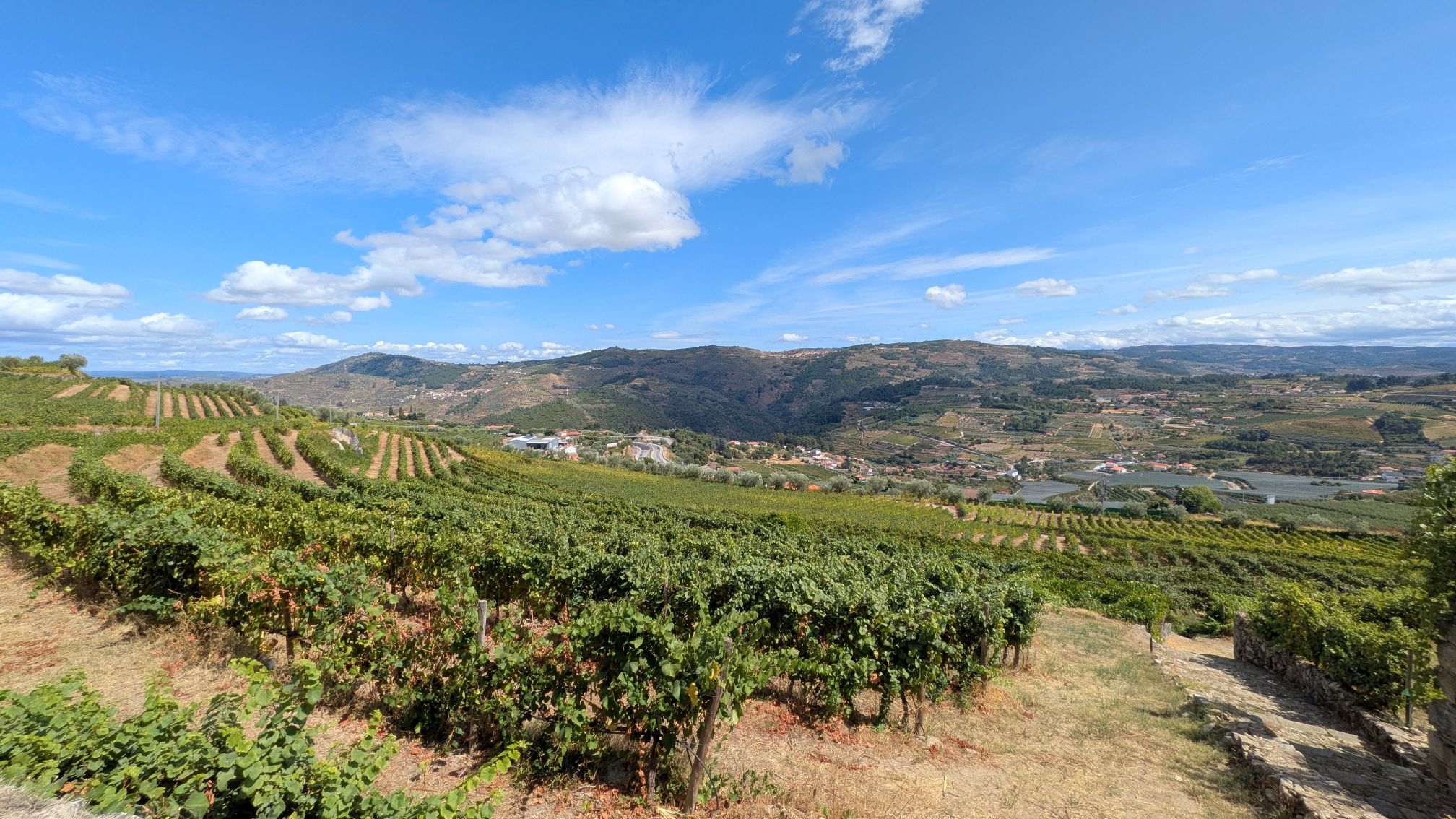
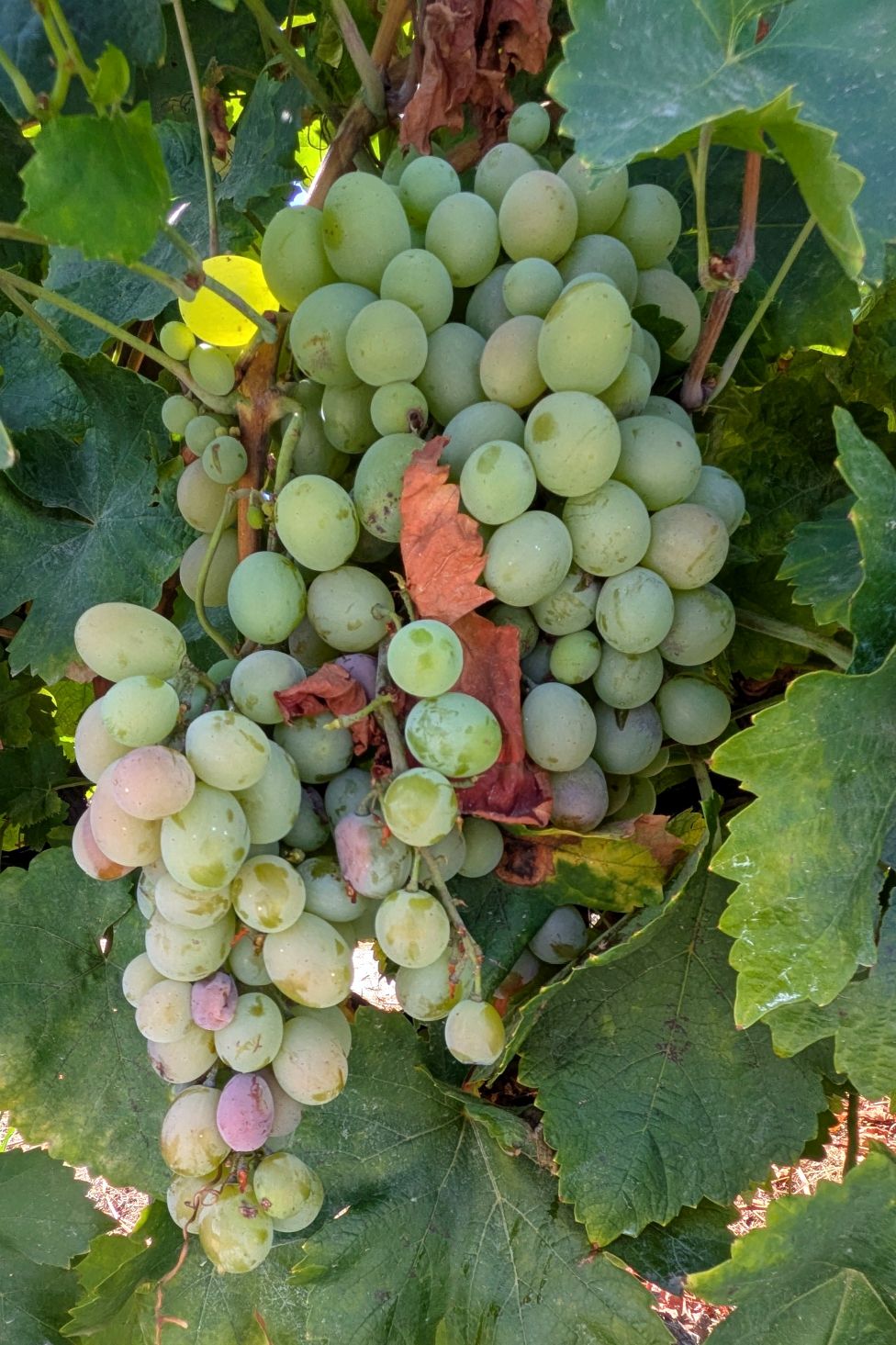
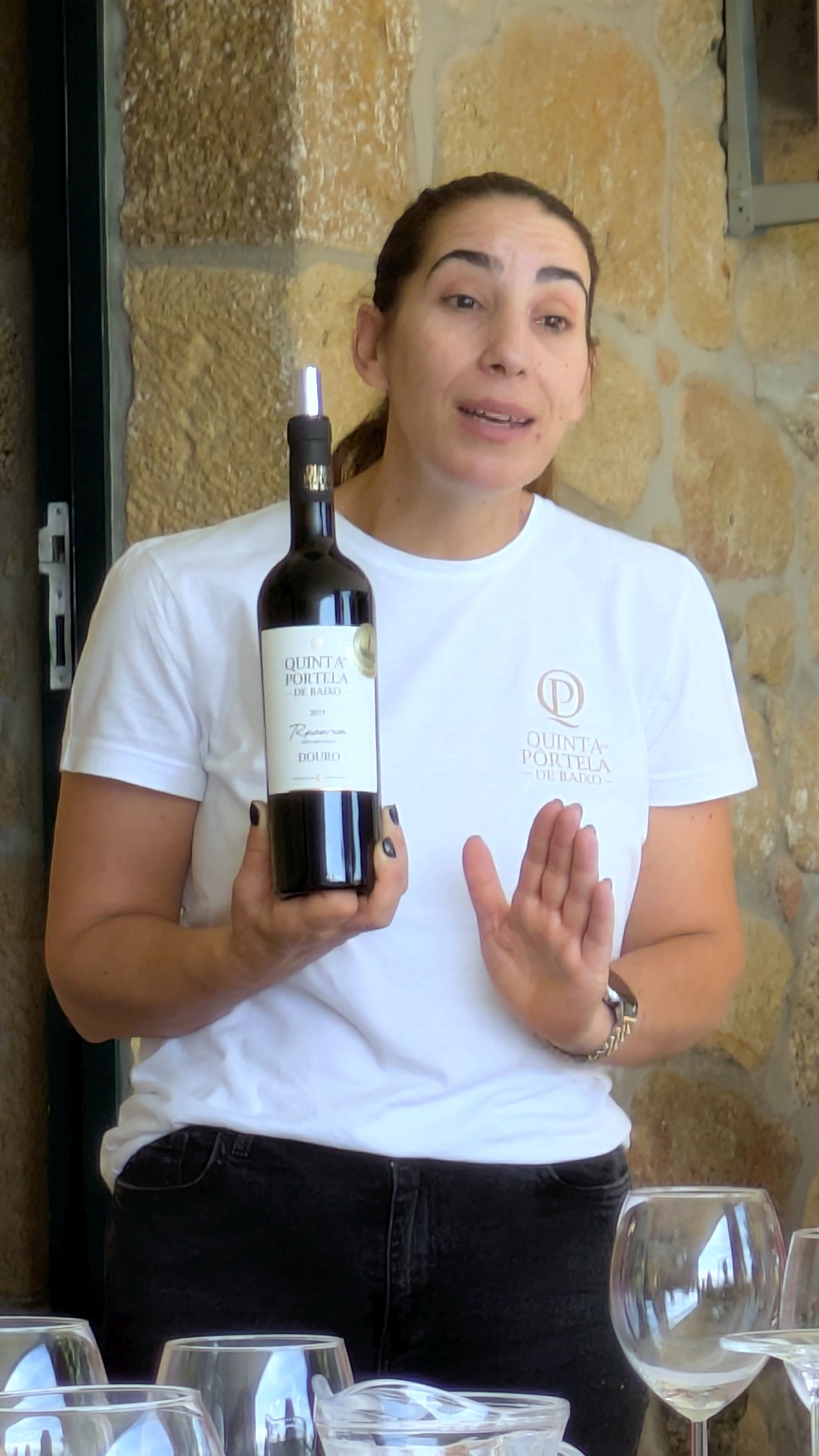
After our cruise, we visited the terraced vineyards of Quinta Portela, where we learned about the production of port wine and had a tasting with an alfresco lunch, overlooking the vineyards. Each of the wines (and there were several!) were paired with traditional a Portuguese snack. The wine and food flowed, our group had a blast, and it was a fabulous anniversary!

Next up: SOUTHWEST FRANCE, NORTHERN SPAIN & PORTUGAL #23: PHOTOGENIC, PRETTY PORTO, PART 1