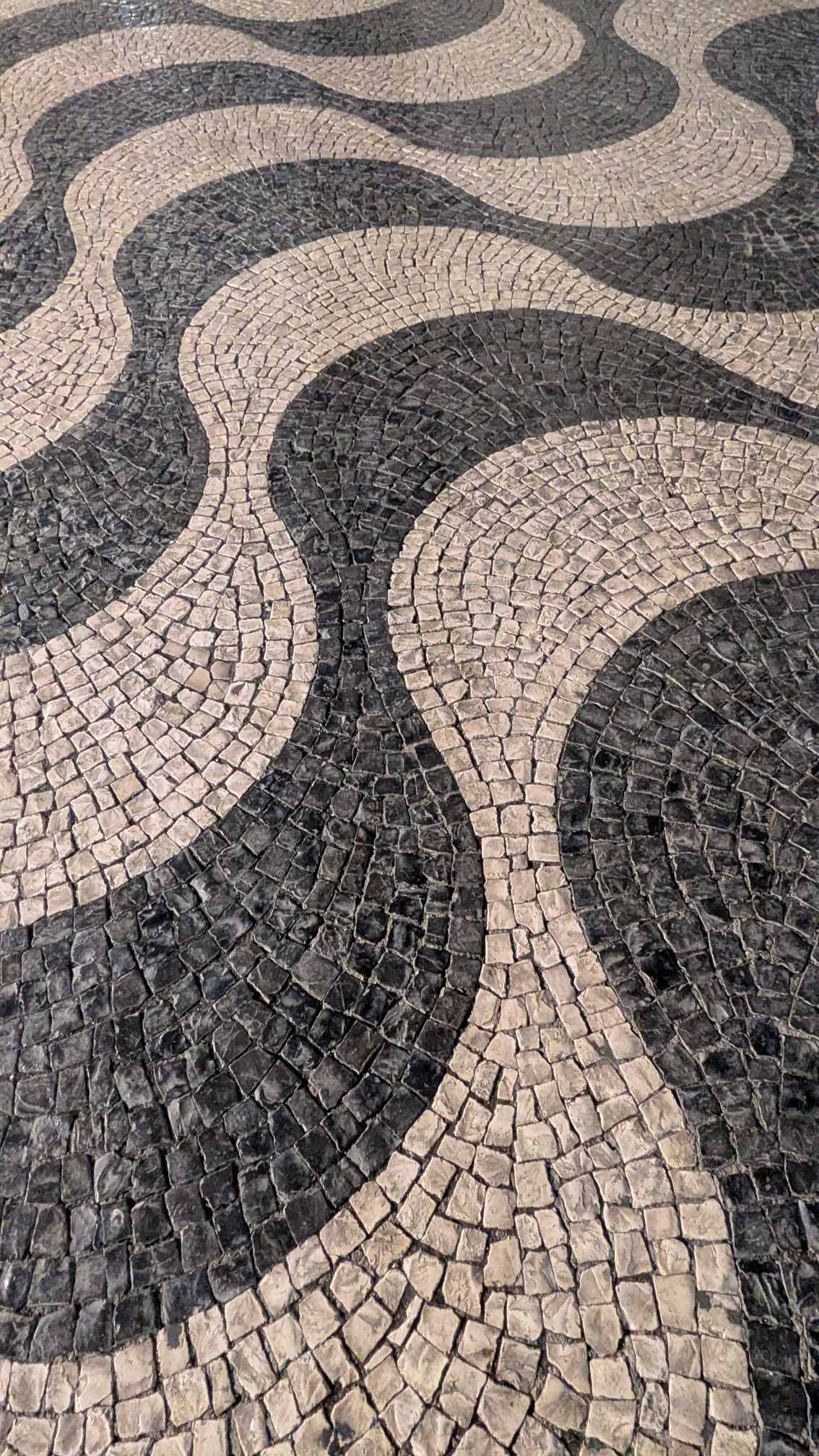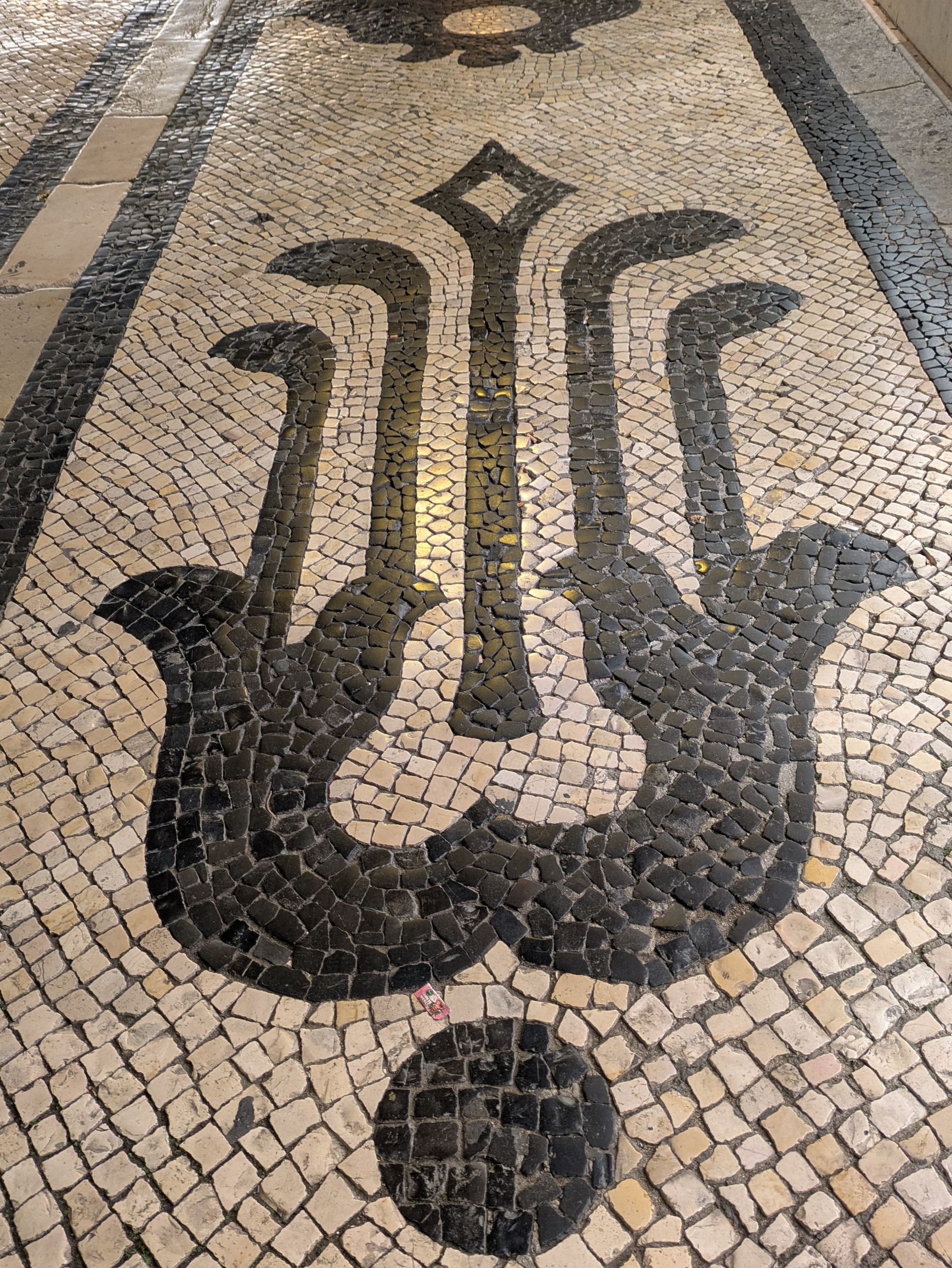
LOVING LIVING LIKE A LOCAL IN LISBON #6: ANCIENT ALFAMA

In my previous post about the Baixa neighborhood of Lisbon, I mentioned how Rua Augusta divides Baixa from the Alfama neighborhood to the east. Alfama also occupies the lower slopes between Tagus River and Sao Jorge Castle.

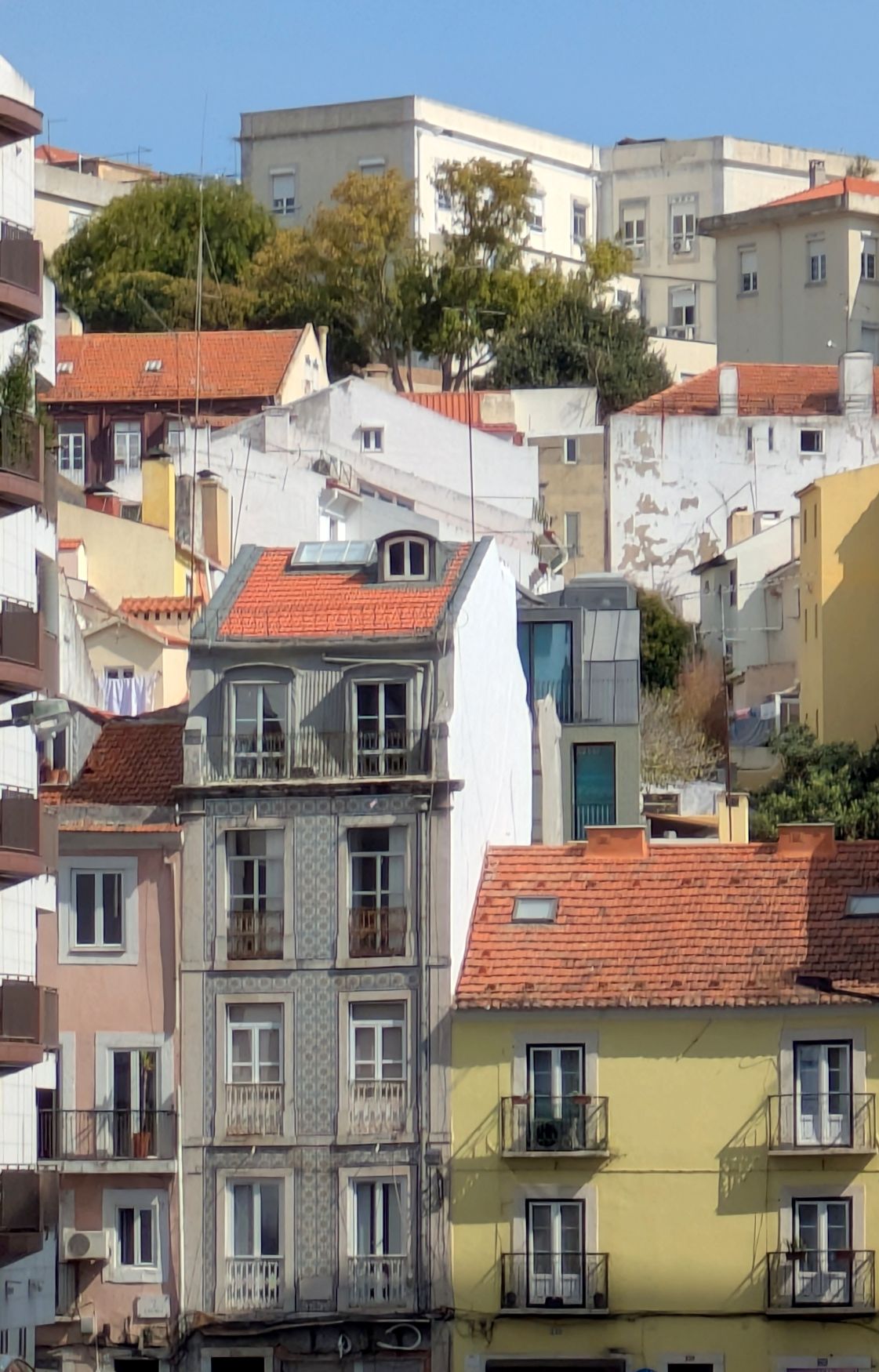
Alfama is the oldest neighborhood in Lisbon, dating back to Moorish Rule. Fortunately, the 1755 earthquake, which destroyed so much of Lisbon, spared this ancient neighborhood of narrow, winding streets of cobblestone.

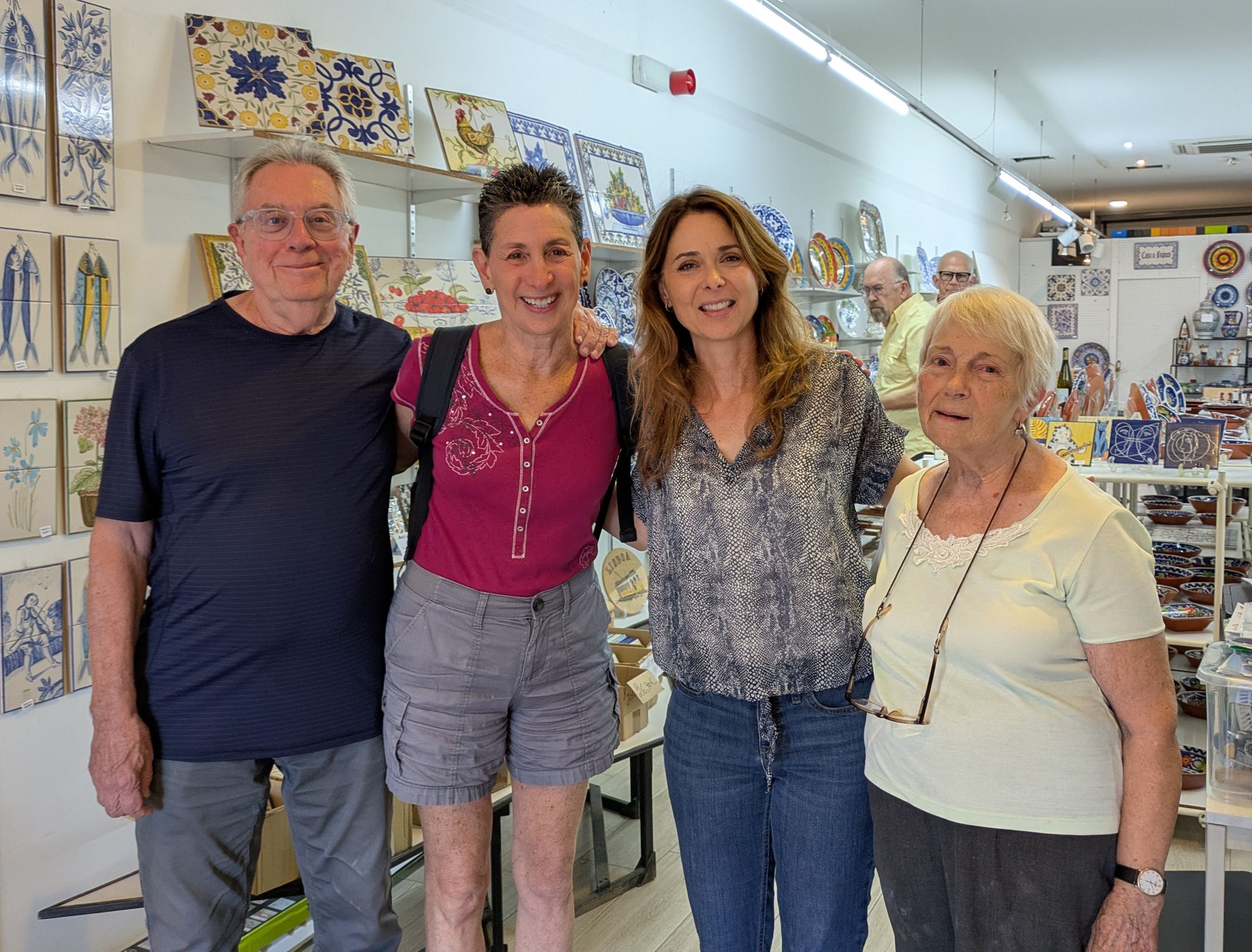
Bruce and I enjoyed exploring Alfama on our own, walking the steep, hilly cobblestone lanes and discovering what was around each corner. We returned another day for one of our included cultural activities with The Good Life Abroad. This was a tile painting workshop at Loja dos Descrobimentos, a family-run shop owned by a sweet older couple. I would show you a photo of my tile, but it was far from being a work of art! Instead, how about a photo of the owner with me, Bruce, and Jen, our community manager:

(For all photos, click on the image for a full screen view.)
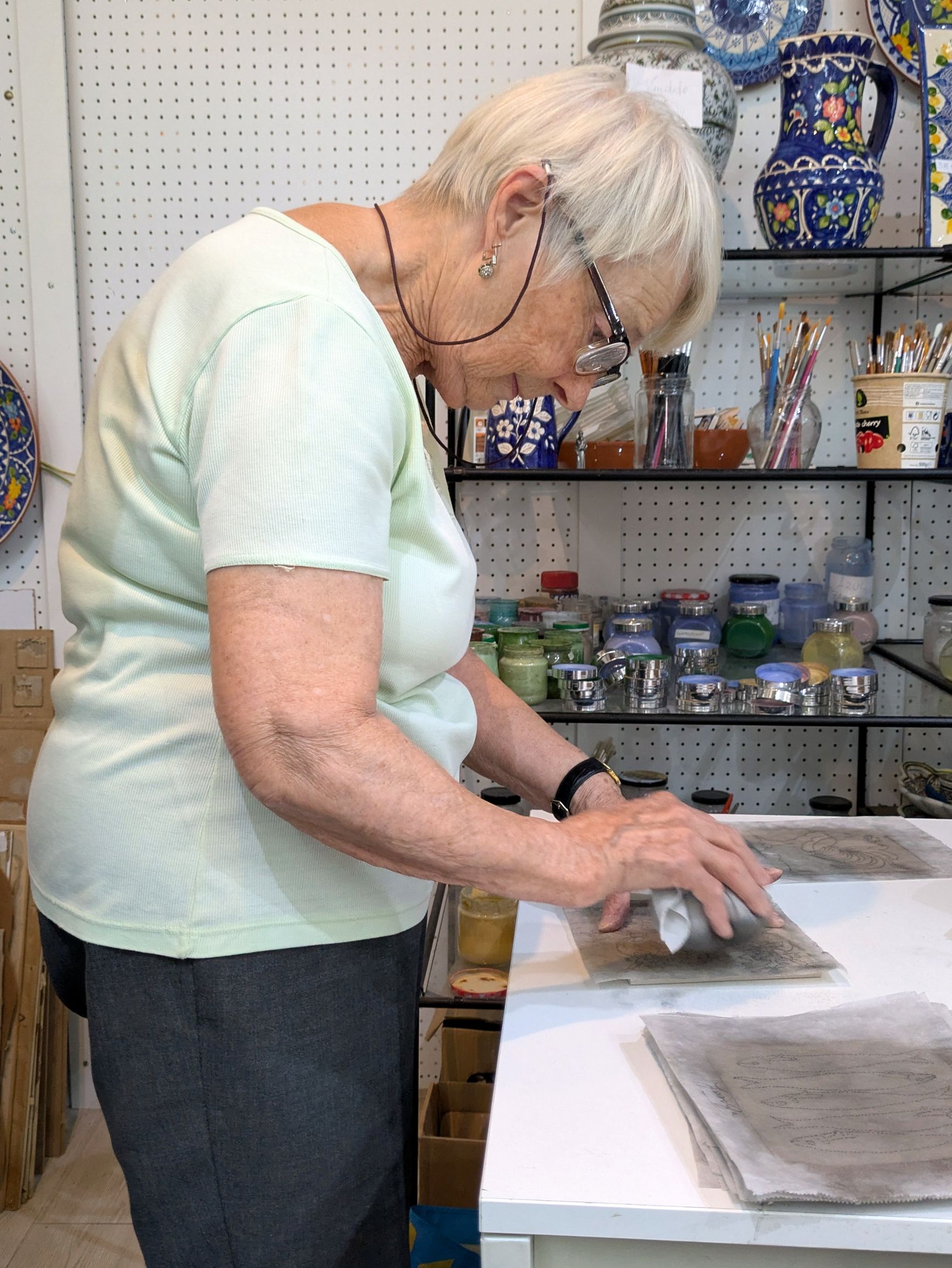
Stenciling my chosen design on the tile
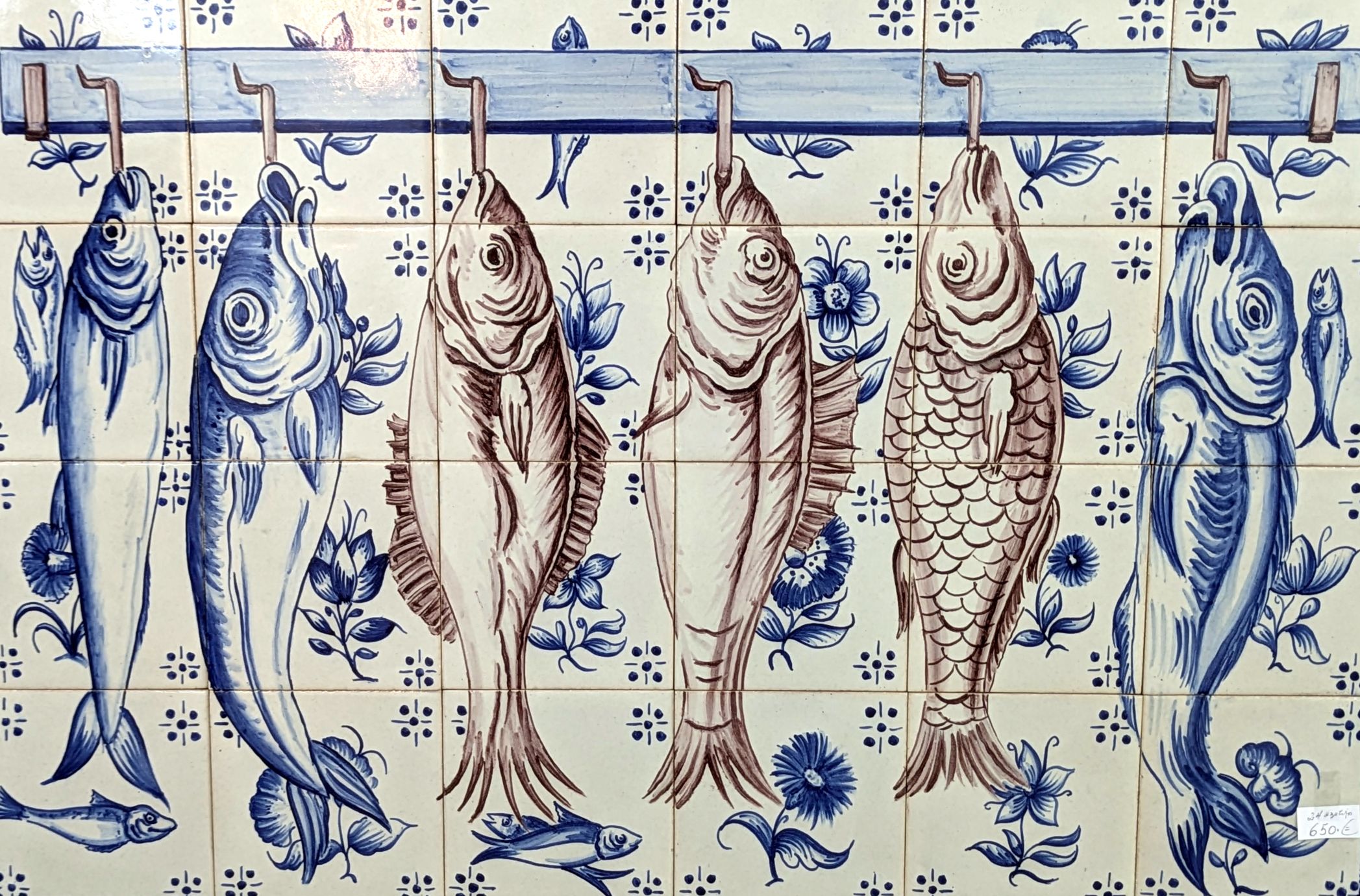
A tile picture for sale at the shop
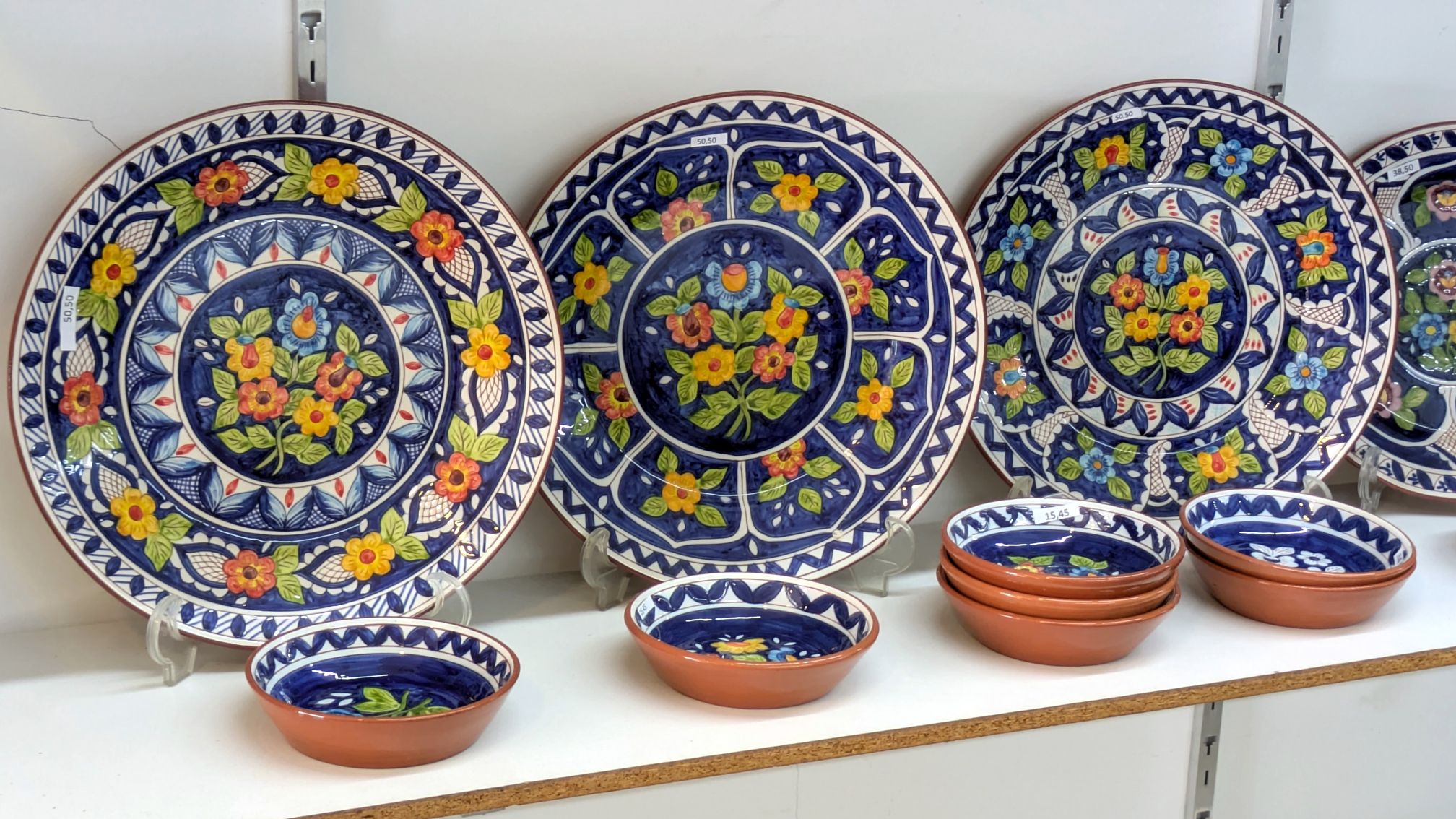
These were hard to resist!
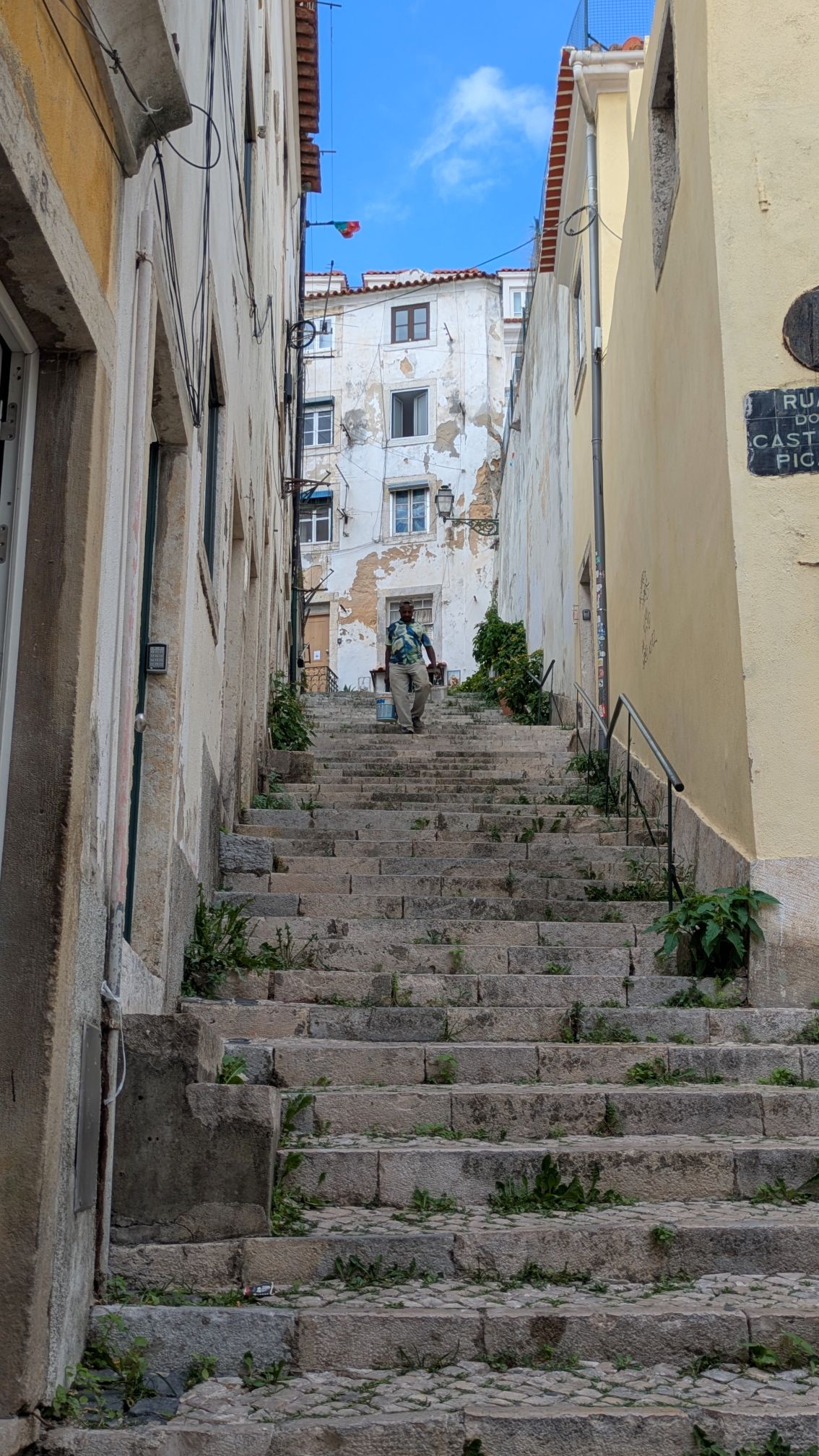
The street where the shop is located in Alfama, across from the Tagus River

Another visit to the Alfama neighborhood was with our group for a walking tour of this medieval neighborhood of 7,000 permanent residents. We learned more about its history, including how Fado, Lisbon’s signature music genre, began here in the 19th century. (More on Fado and the concerts we attended in a future post.)

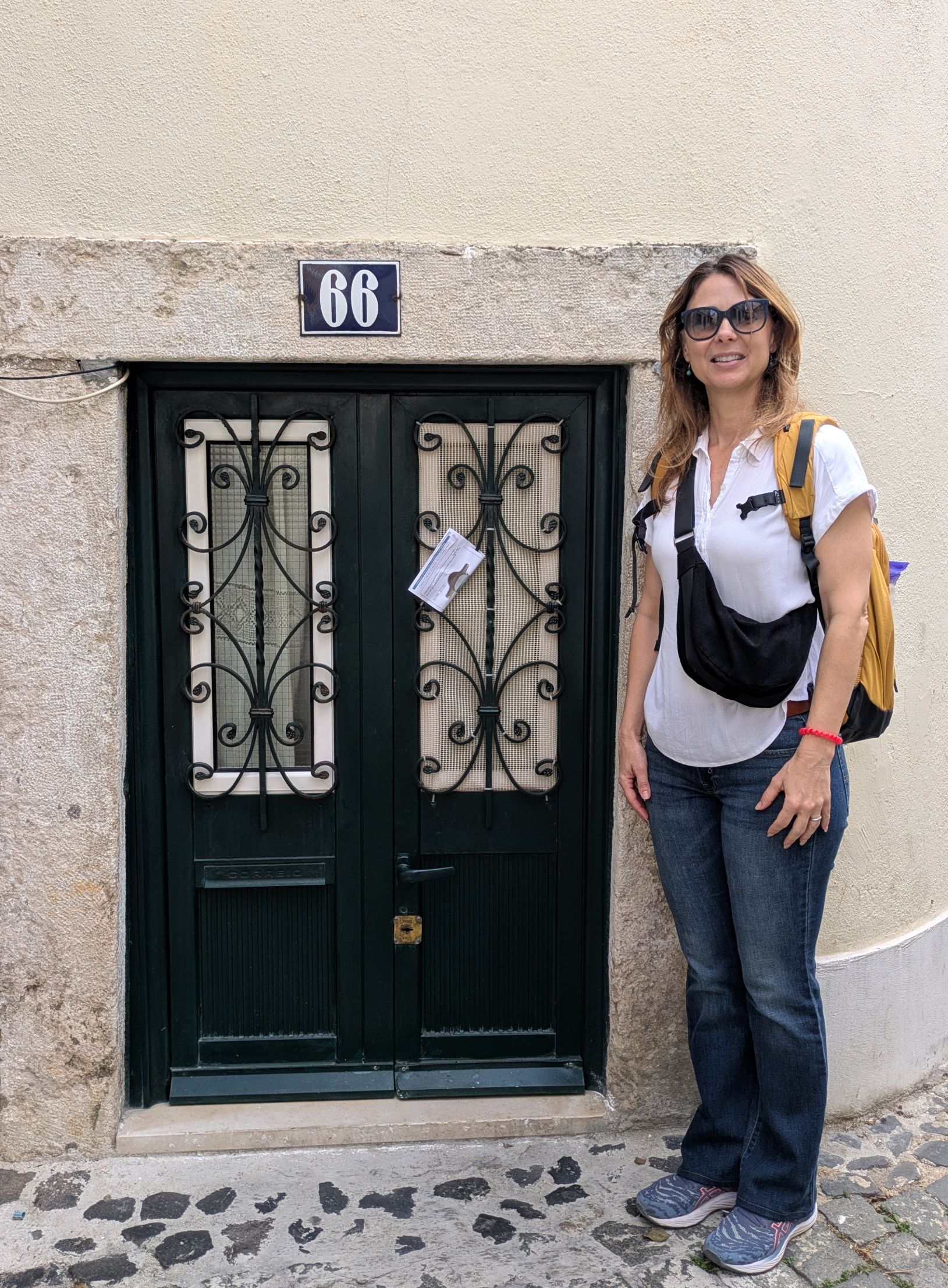
Walking through its narrow, hilly streets and seeing how the locals live gave us a good feel for authentic Lisbon and Portugal, so I would consider it a don’t-miss neighborhood!

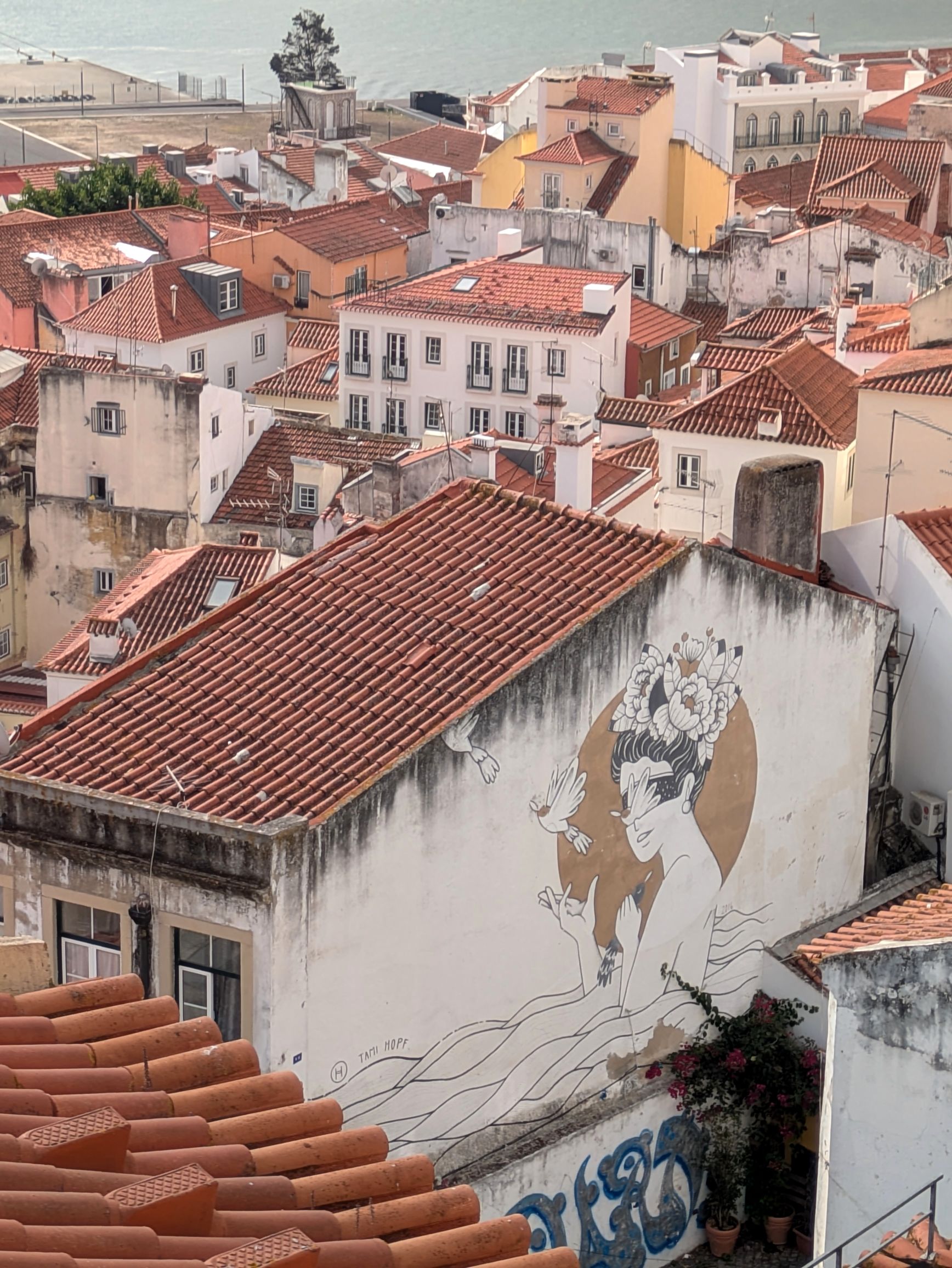
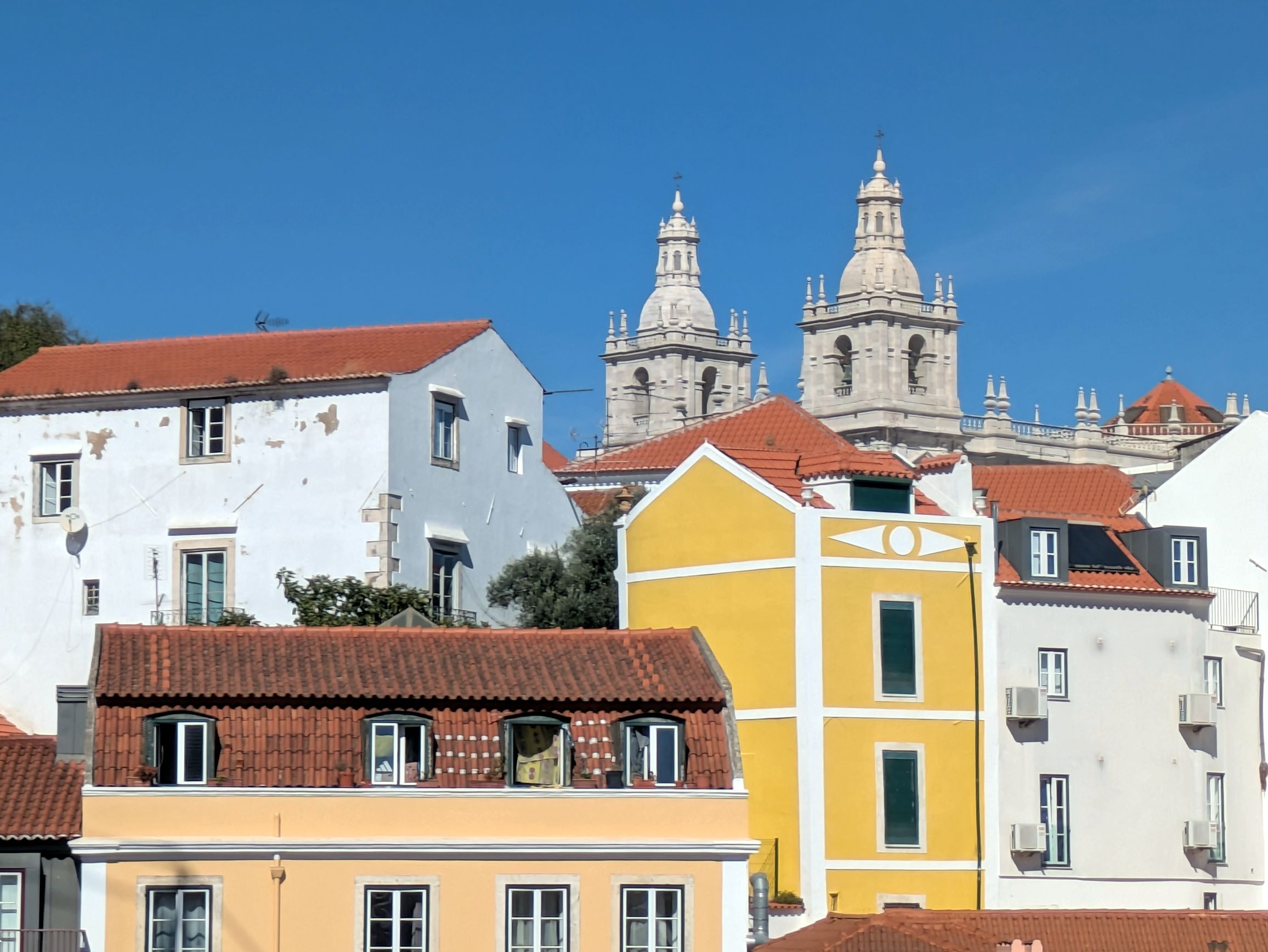
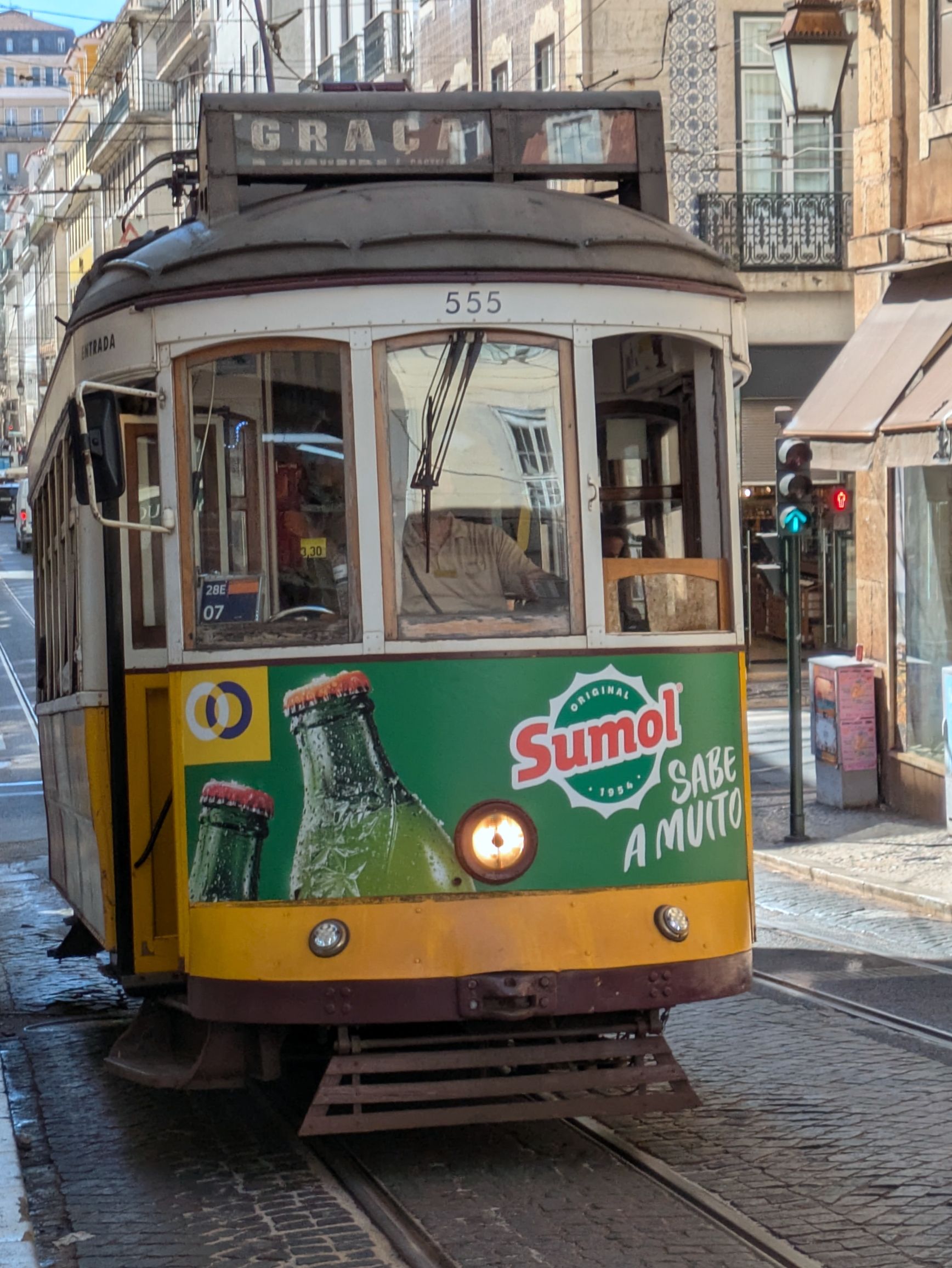
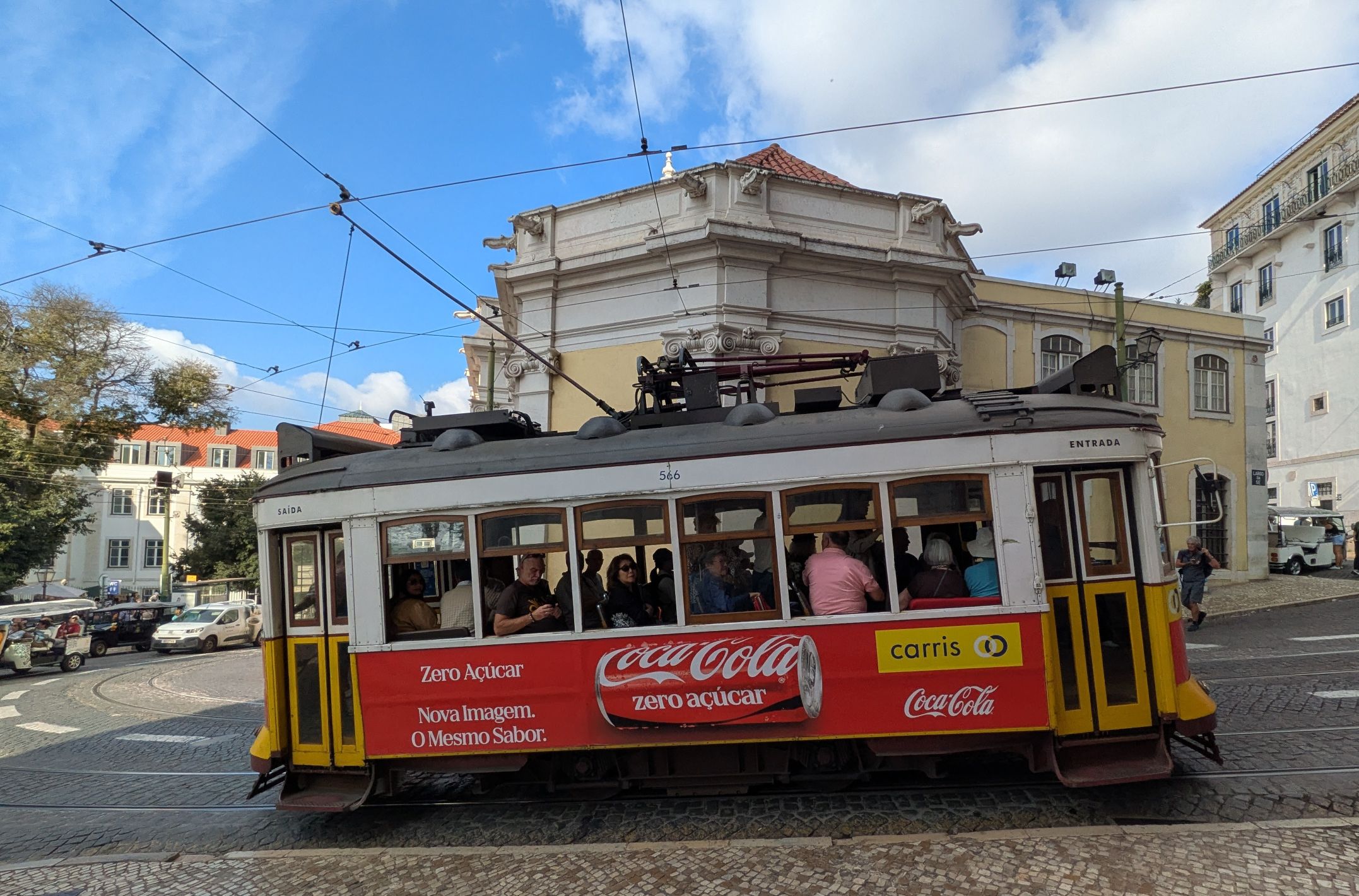
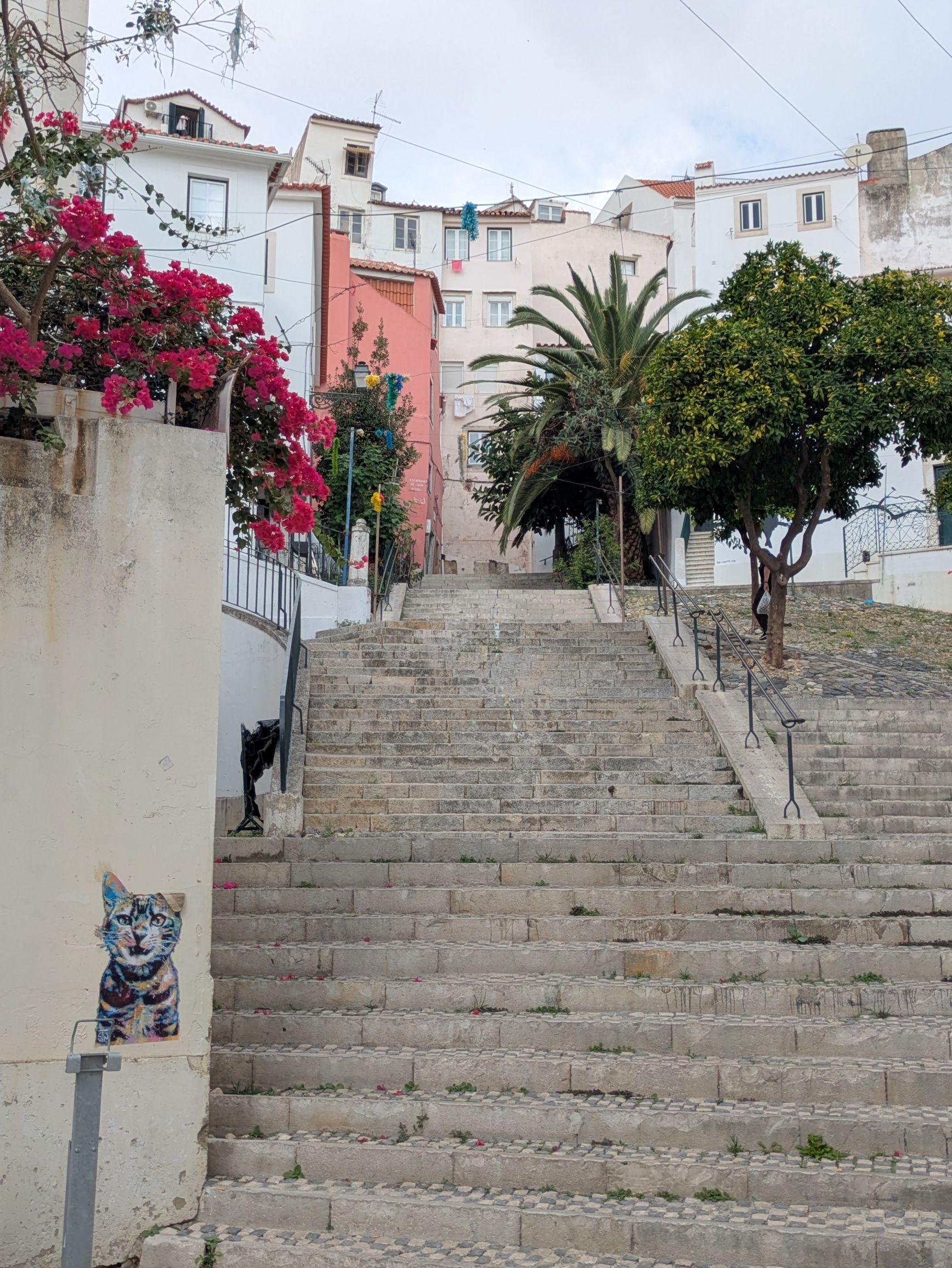
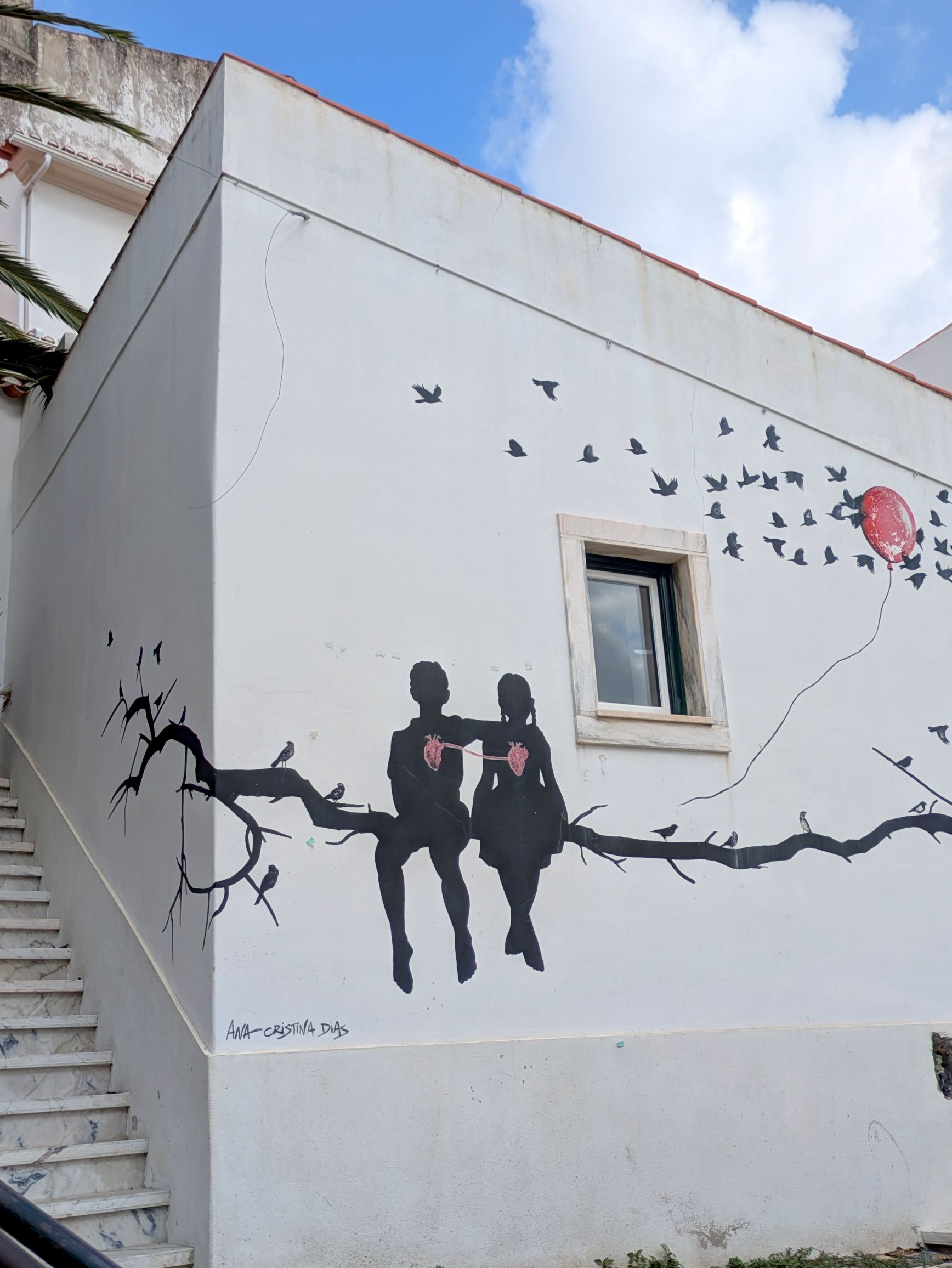
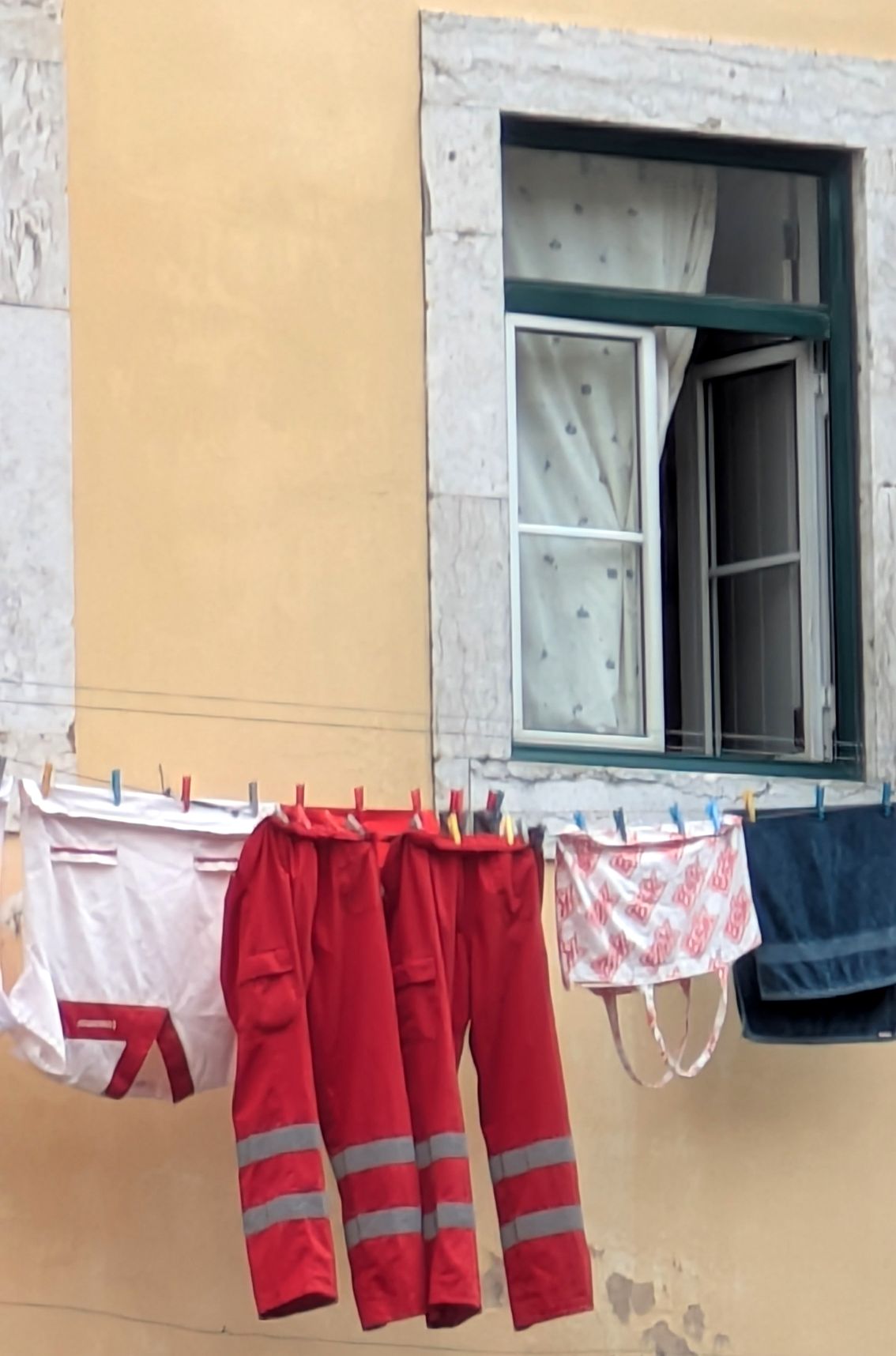
Scenes of Alfama:

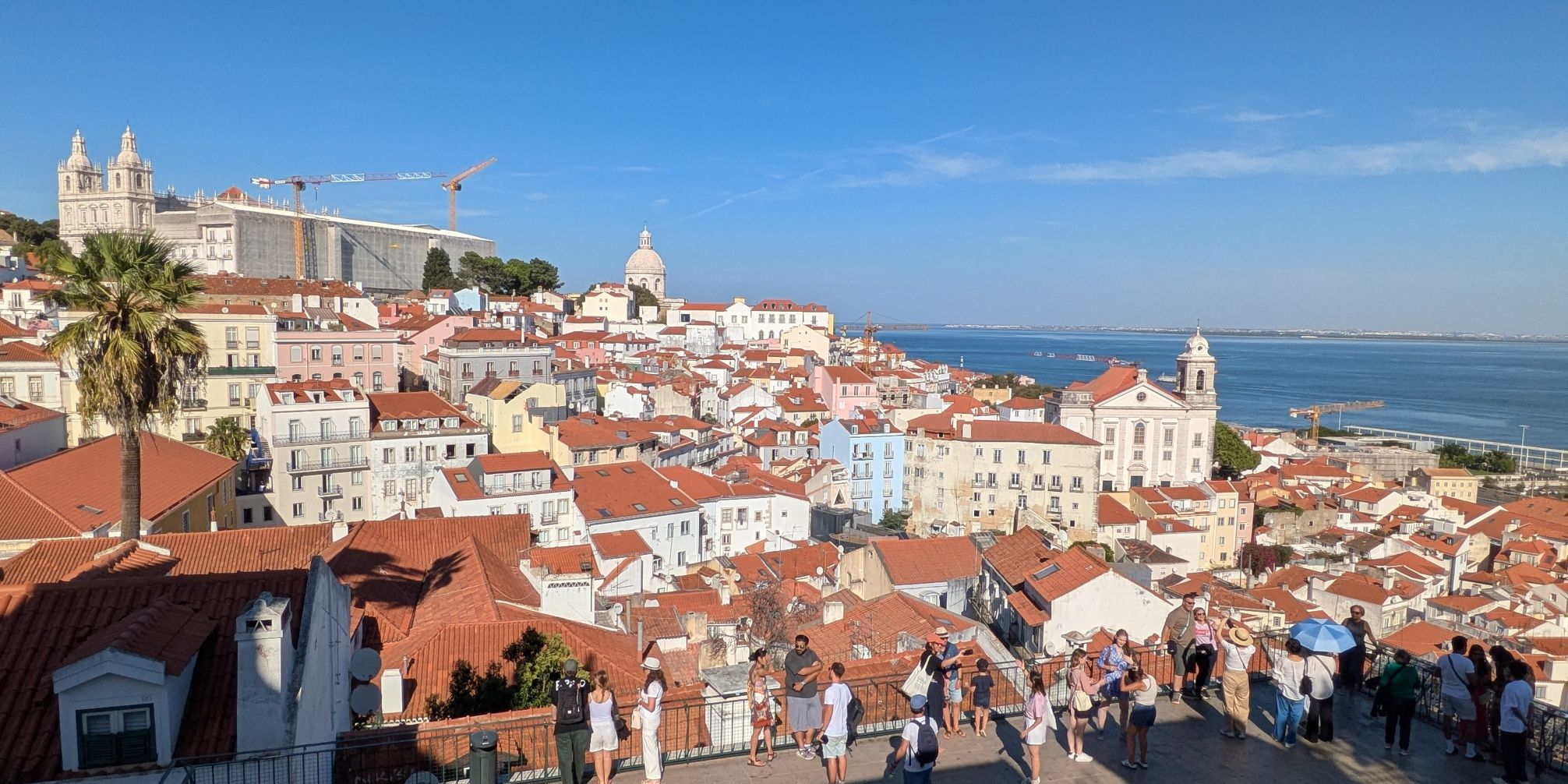
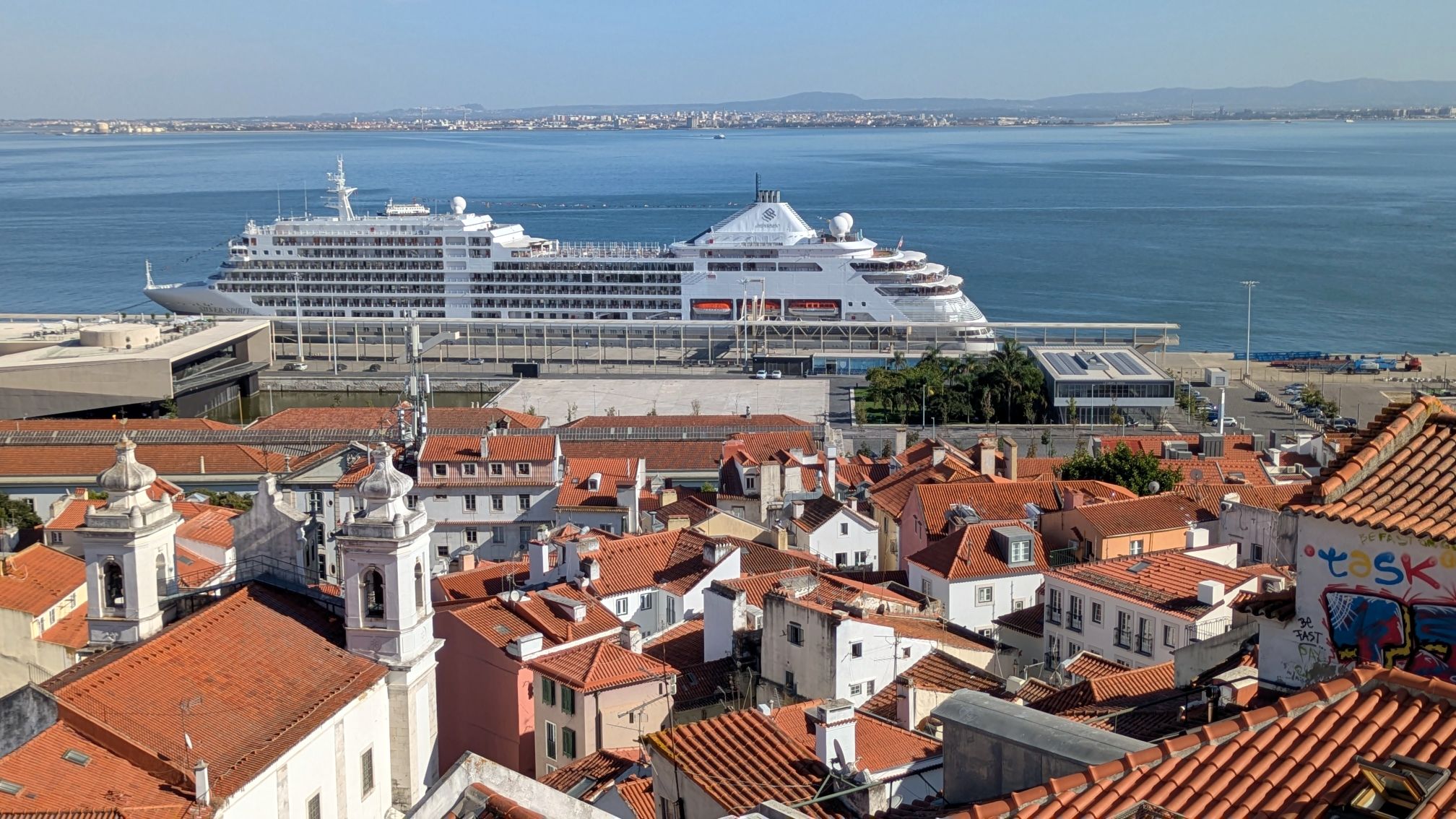
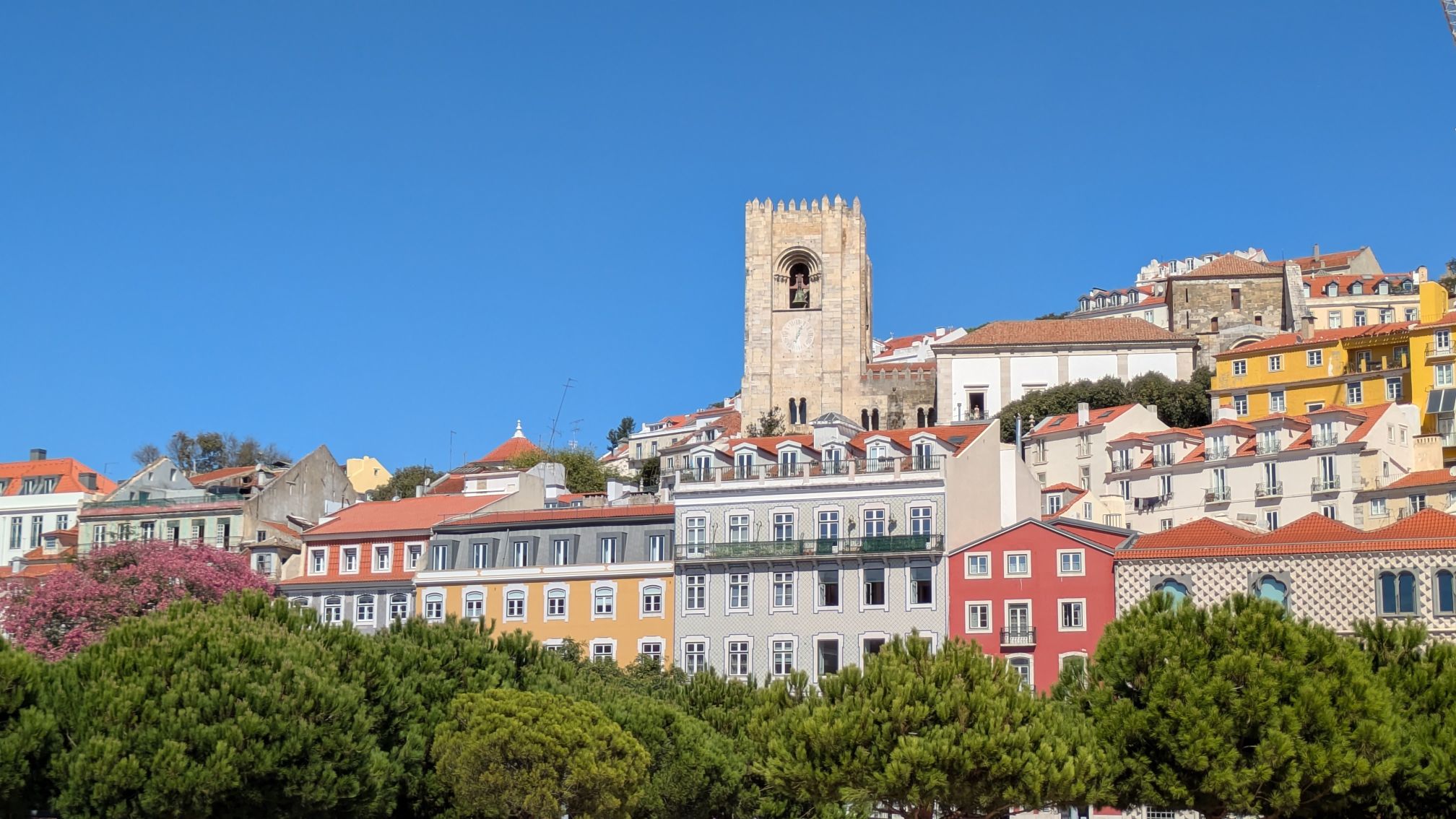
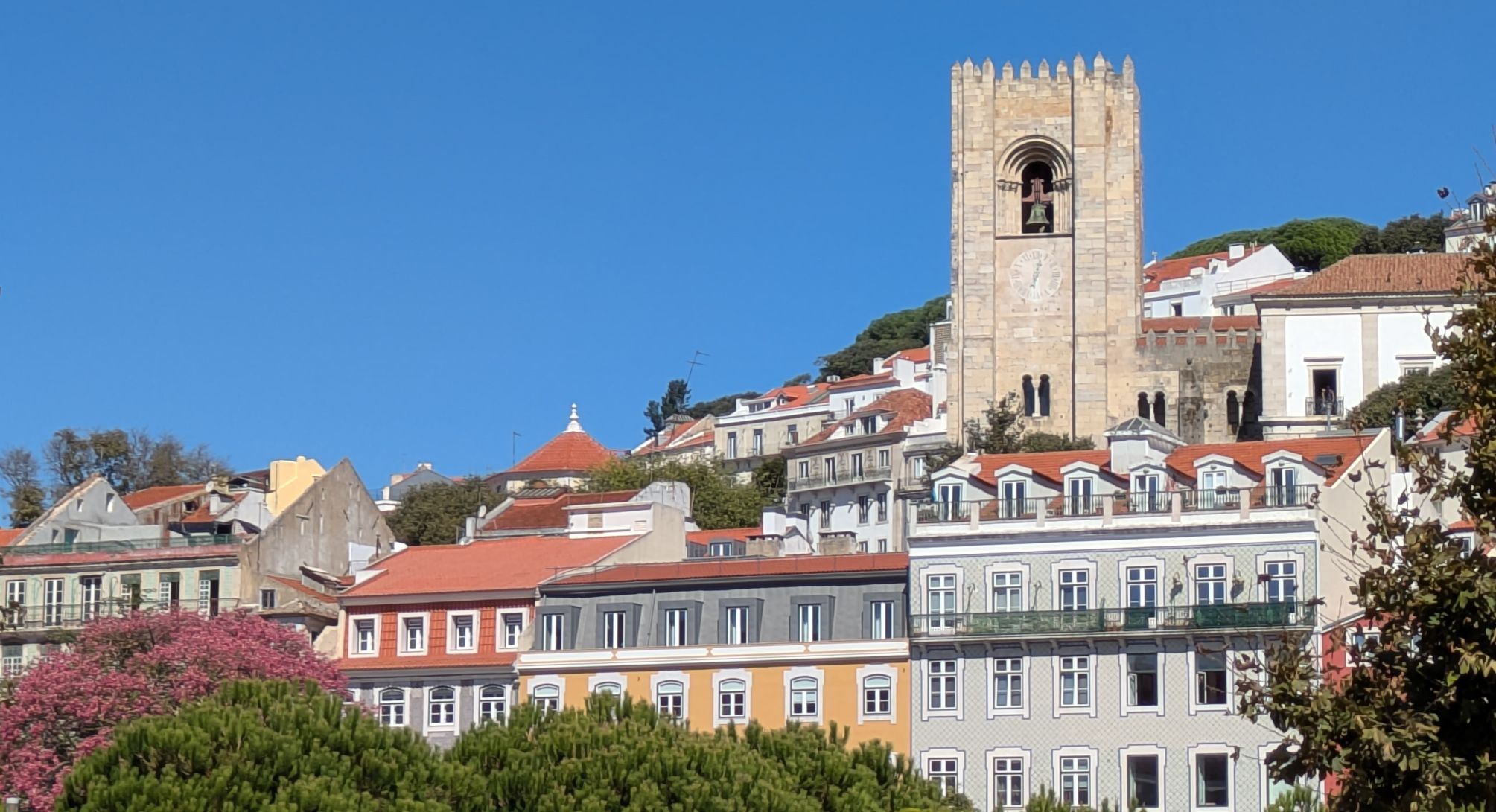
The view of Alfama from the top of the hill at Miradouro de Santa Luzia
There was at least one cruise ship in Lisbon each day.
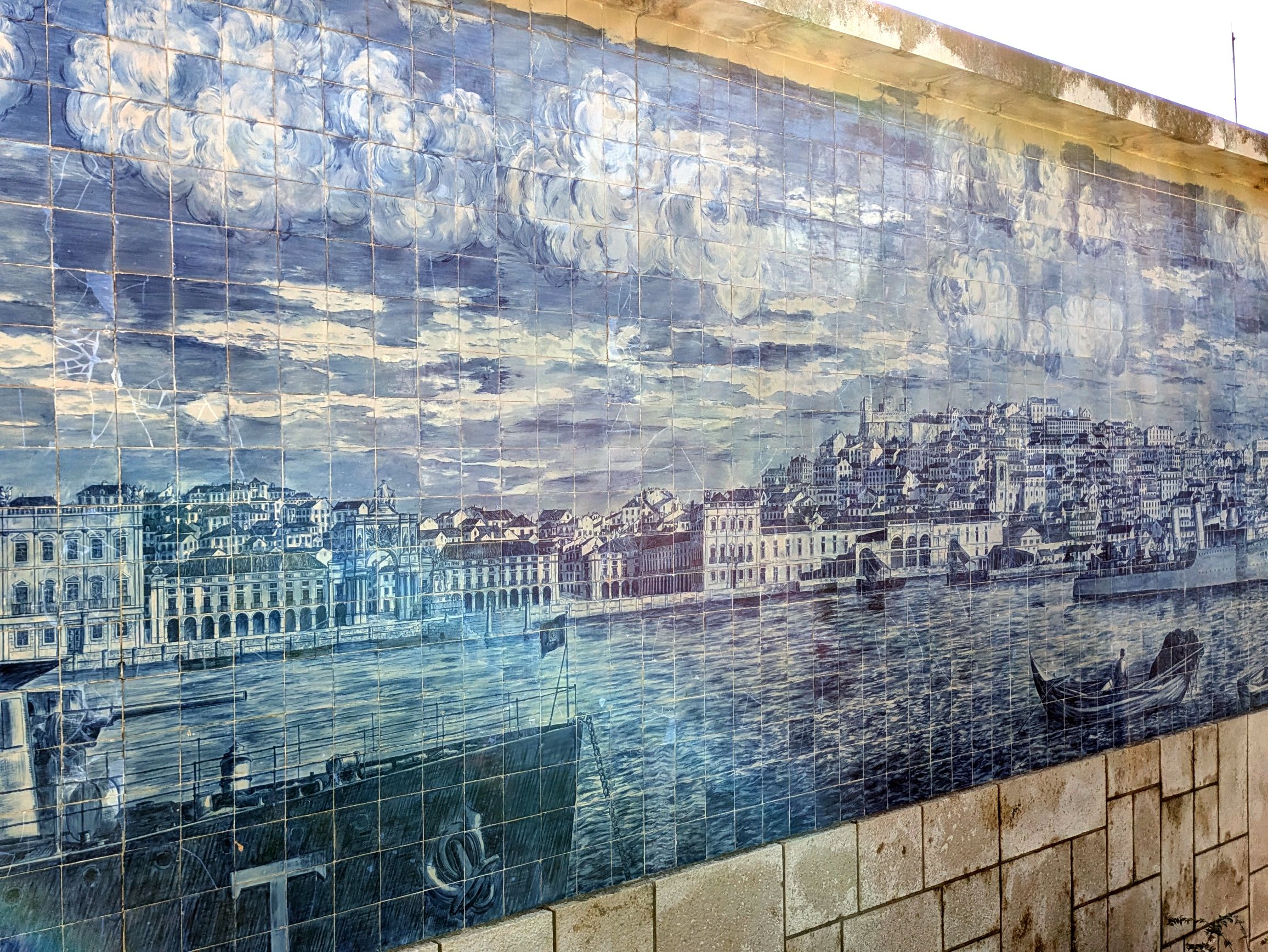
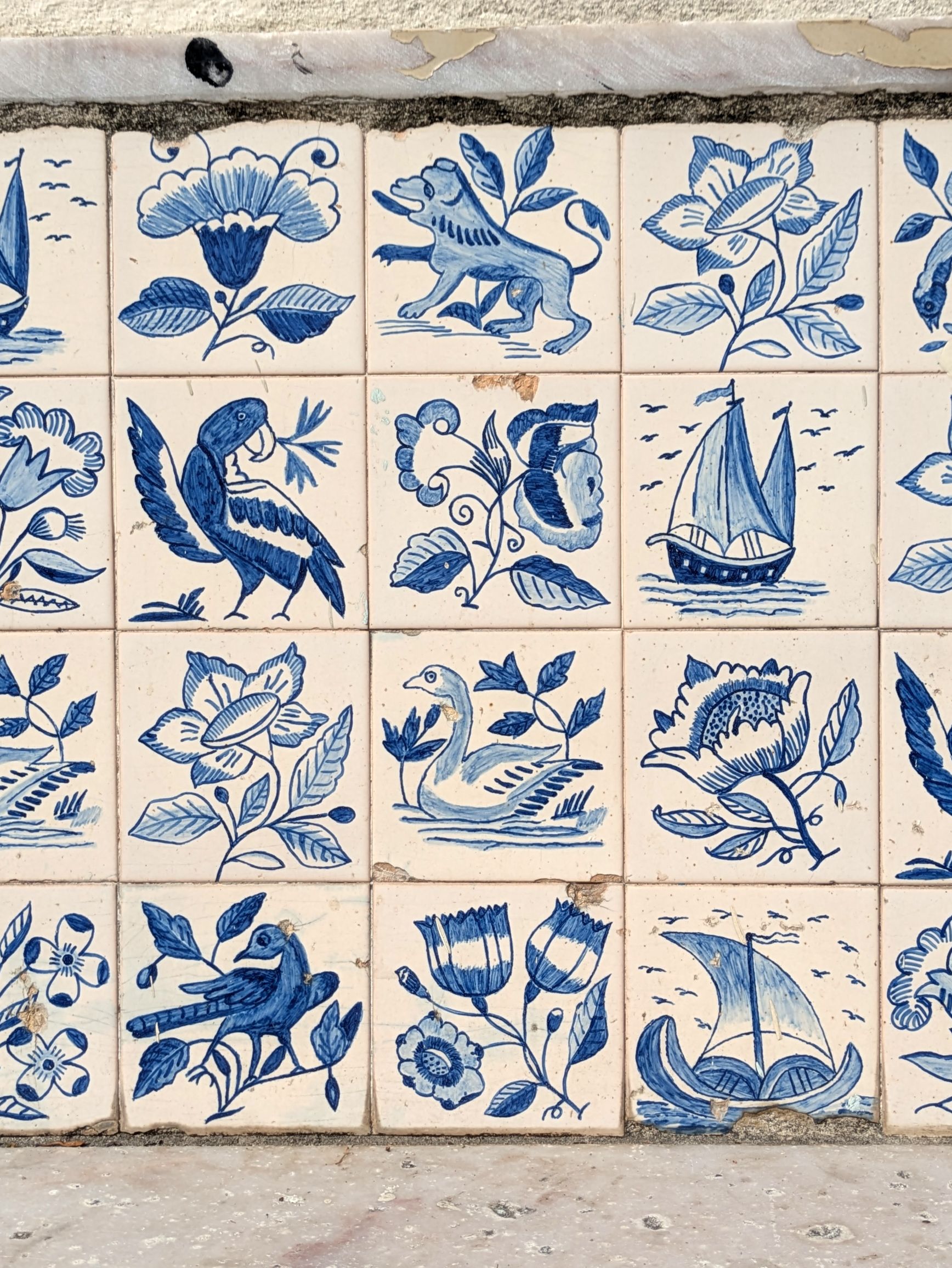
A tile wall at the miradouro (viewpoint)
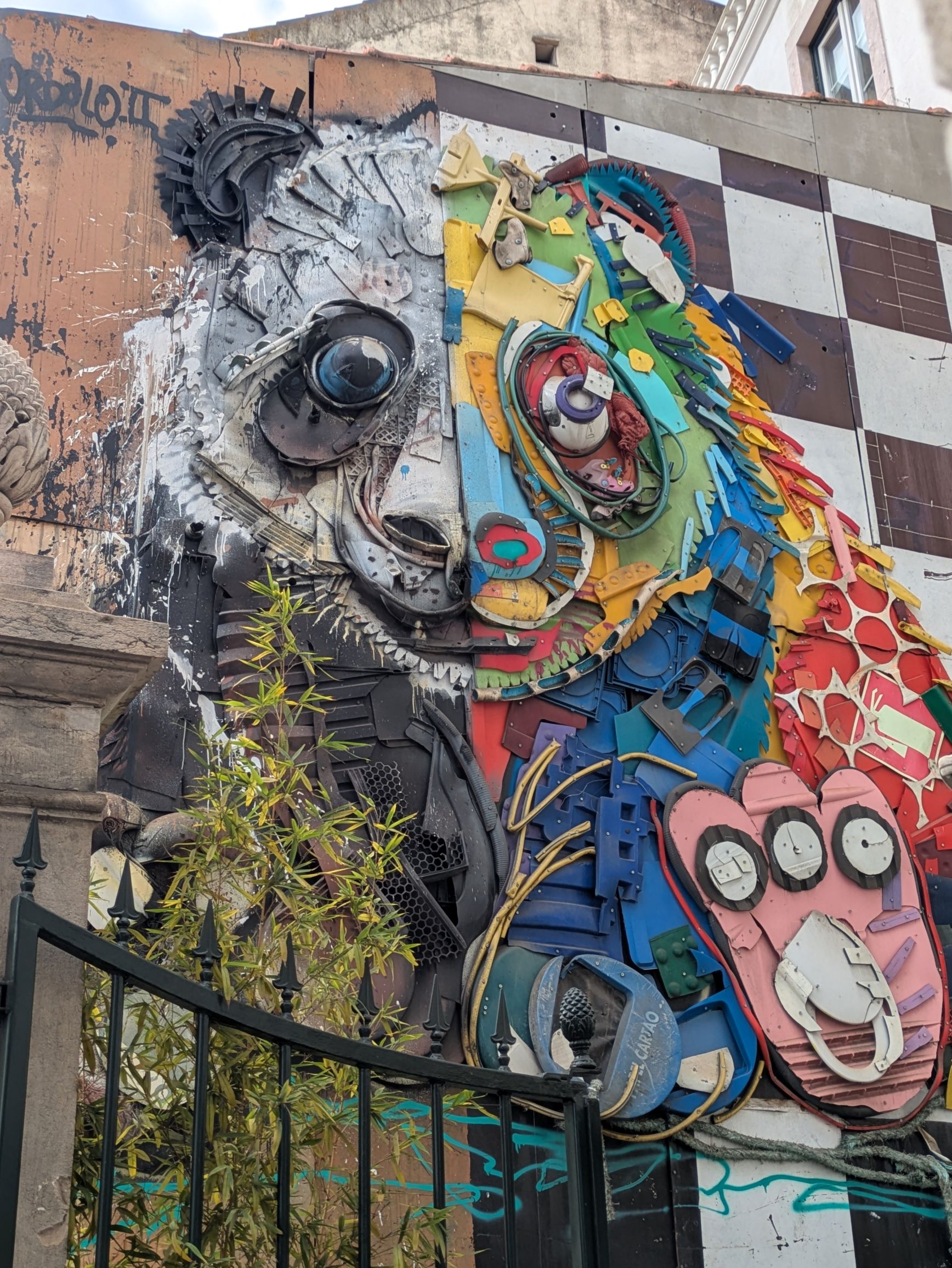
One of several Bordalo II trash animal sculptures throughout Lisbon
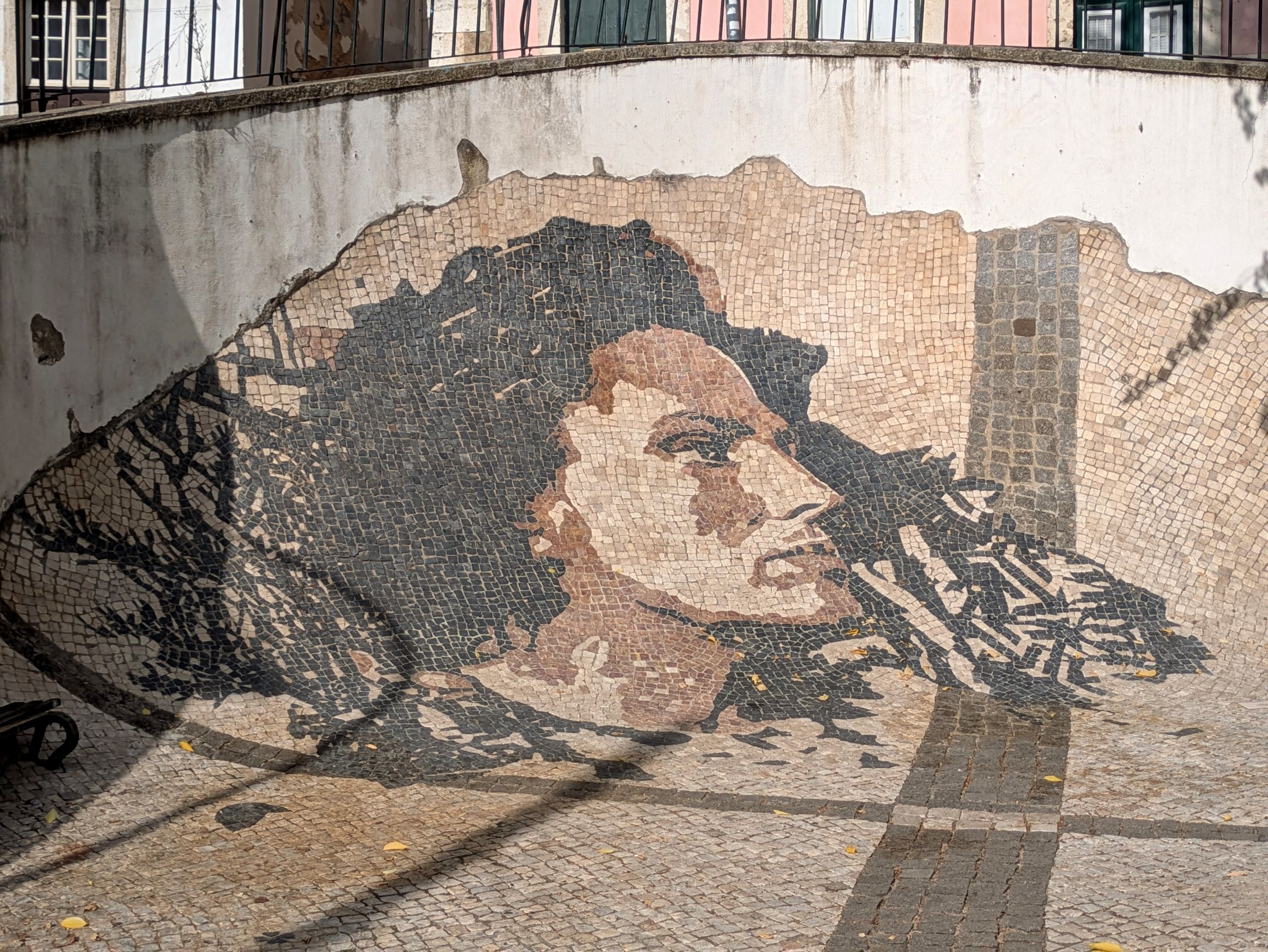
This tile mosaic was created by Vhils (Alexandre Farto). It is a portrait of Amalia Rodrigues (1920-1999), Portugal’s most famous Fado singer.
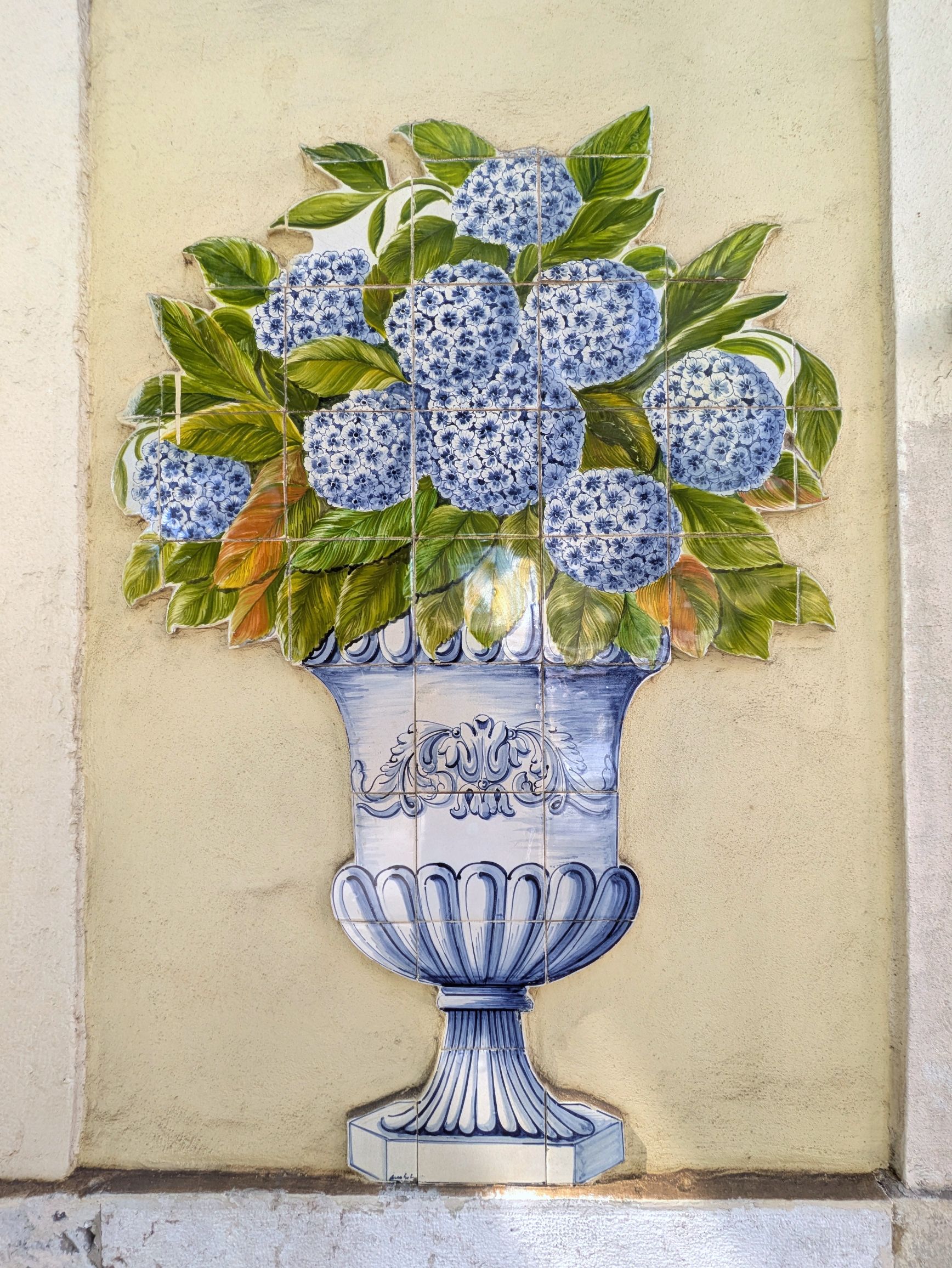
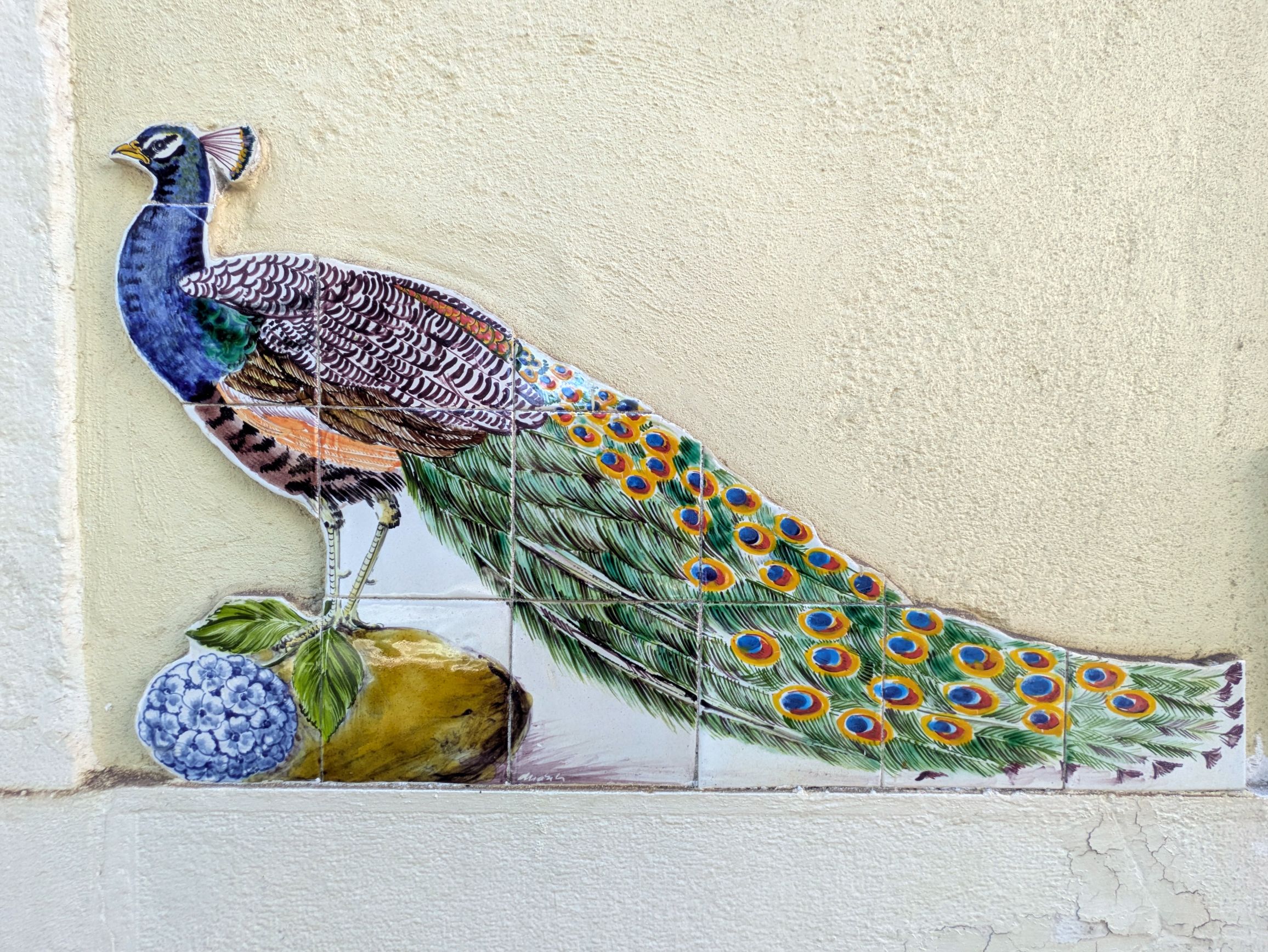
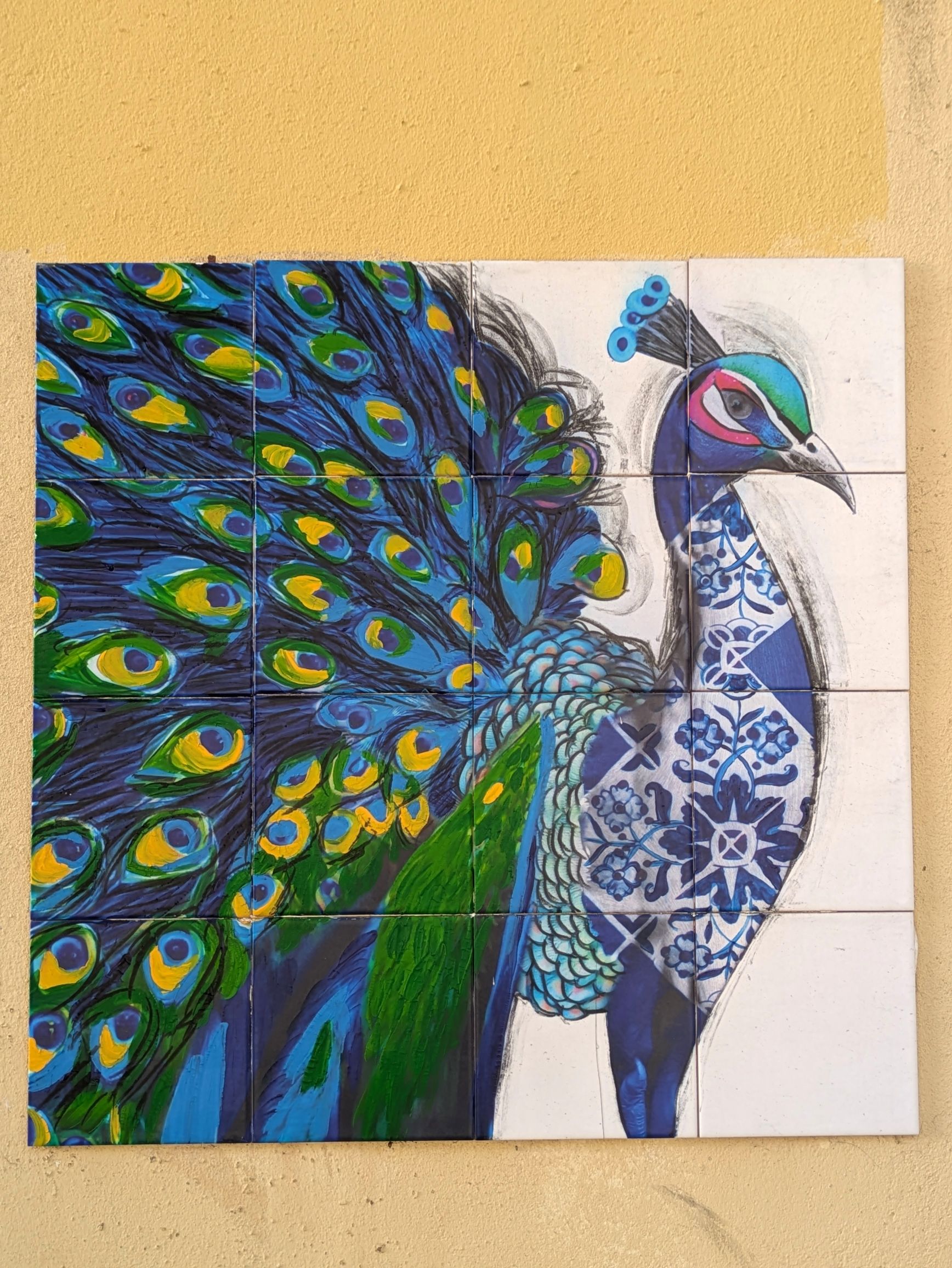
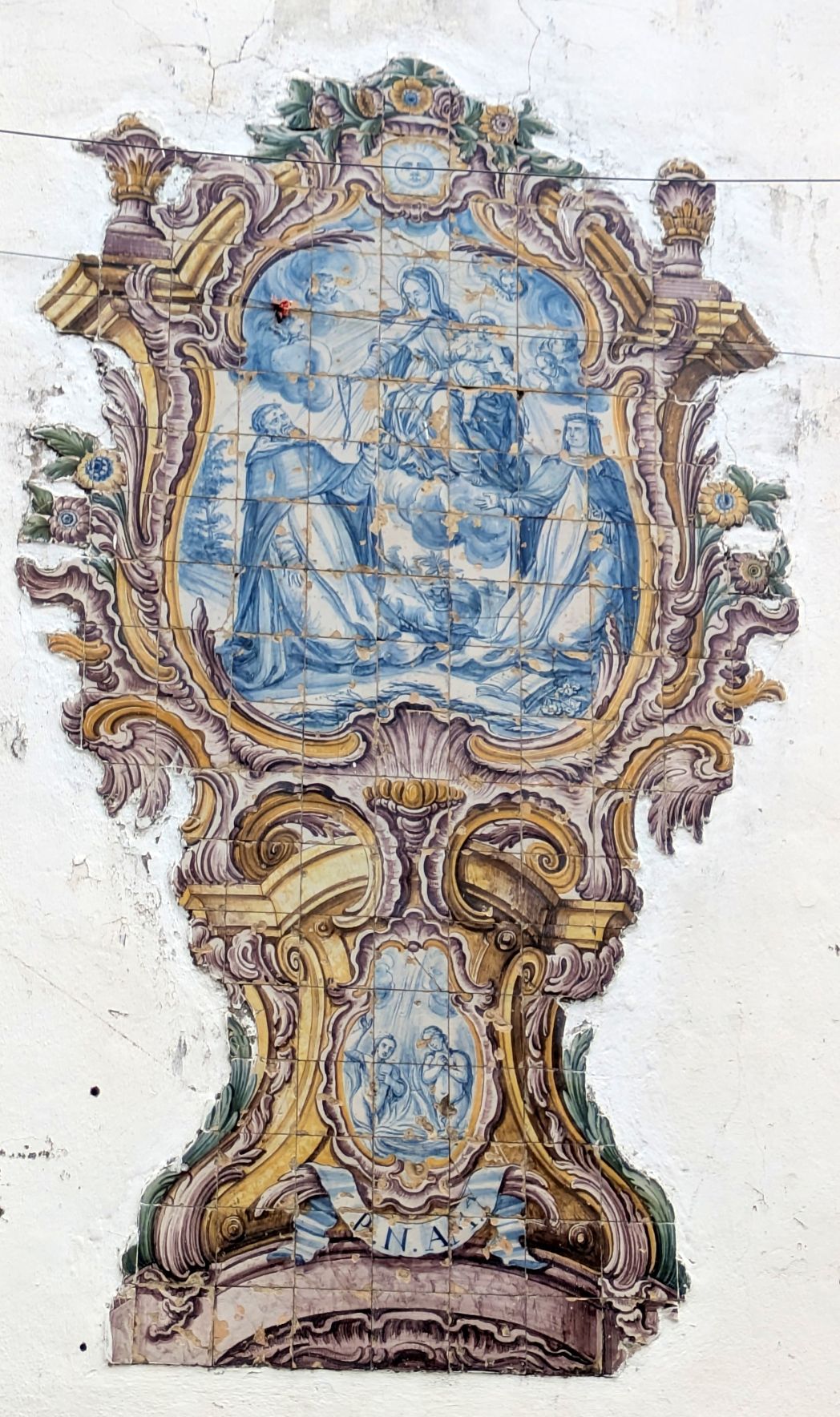
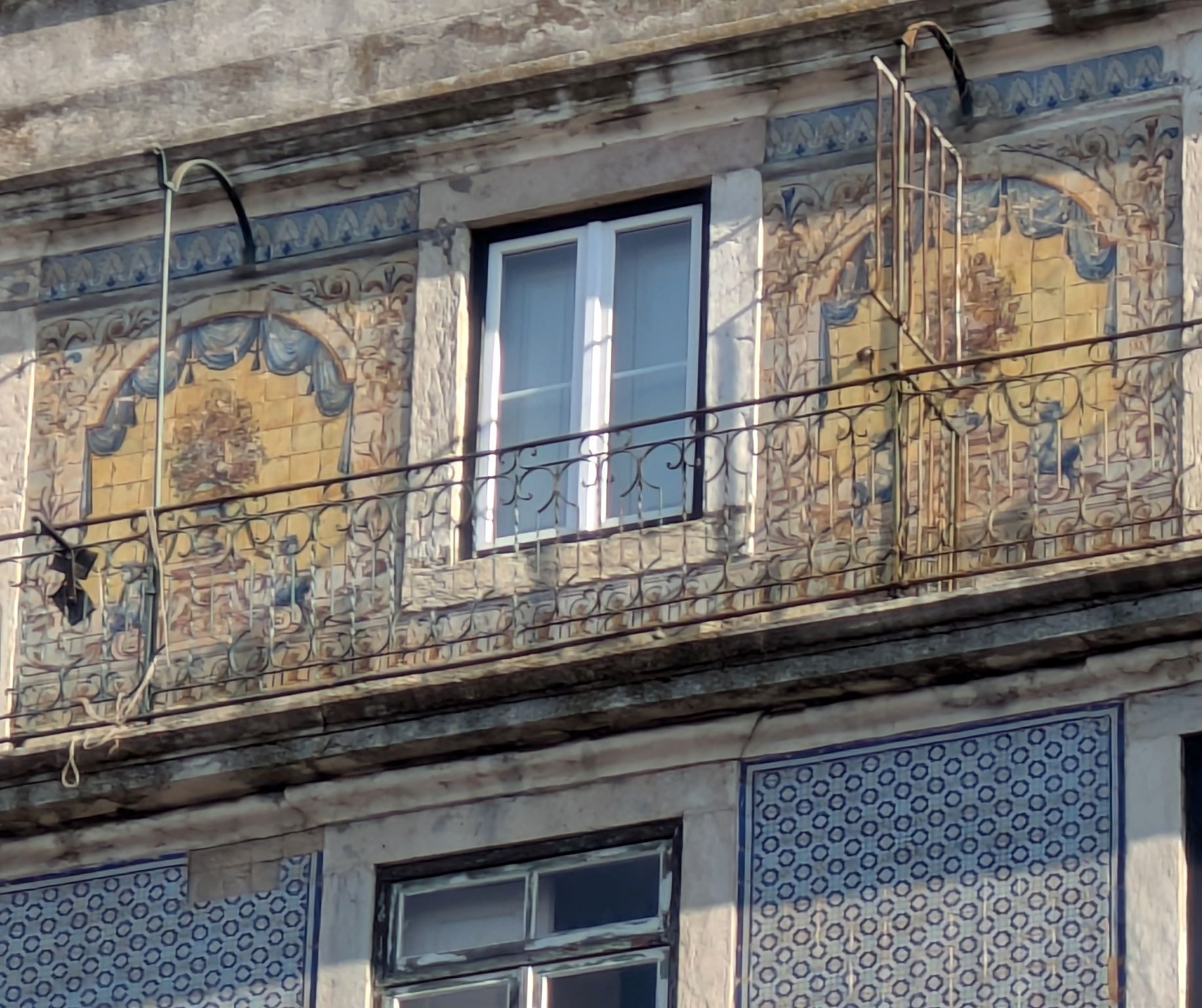
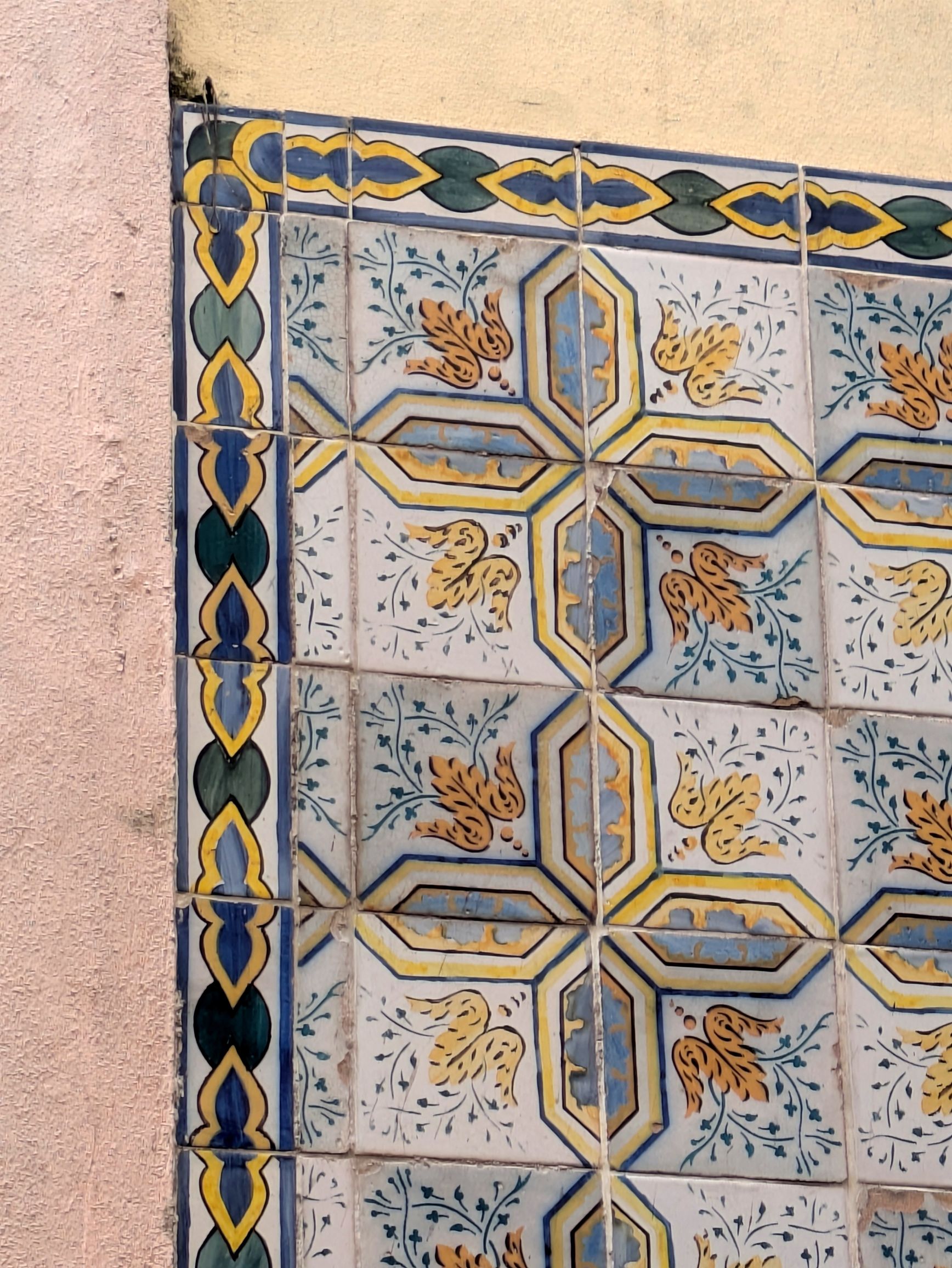
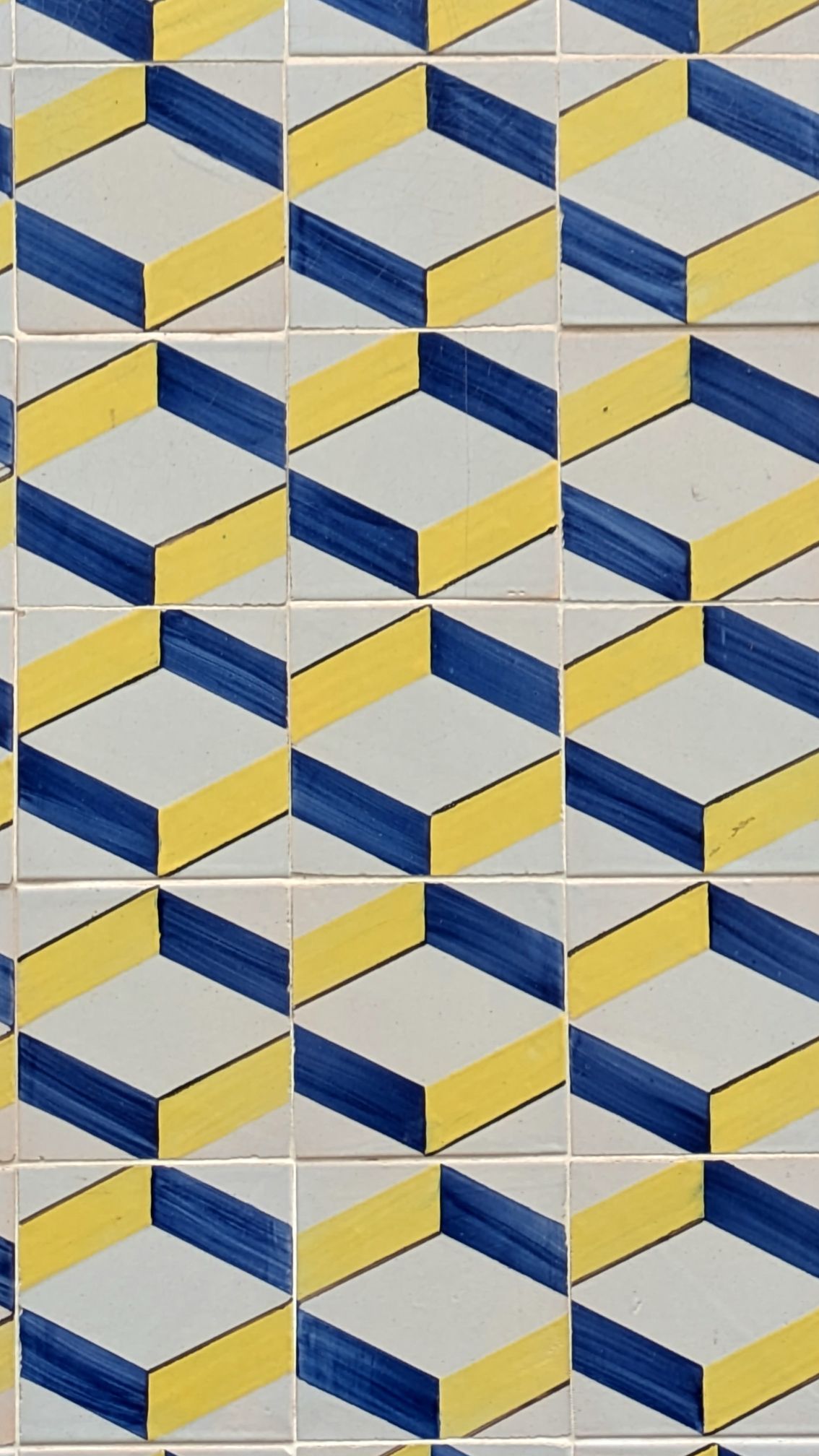
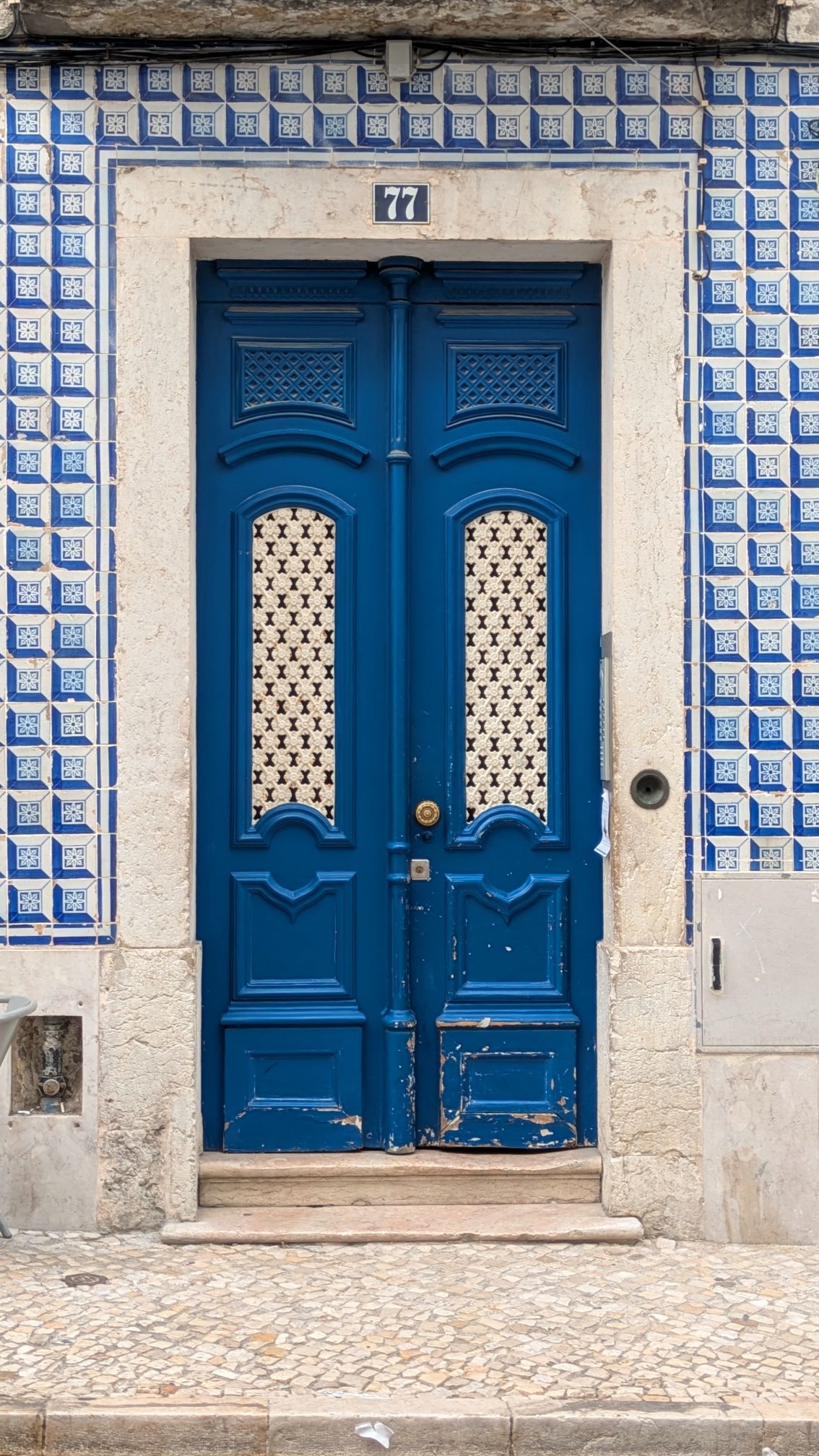
We enjoyed coming across tile artwork on the exteriors of shops and restaurants while walking around Alfama and throughout Lisbon.
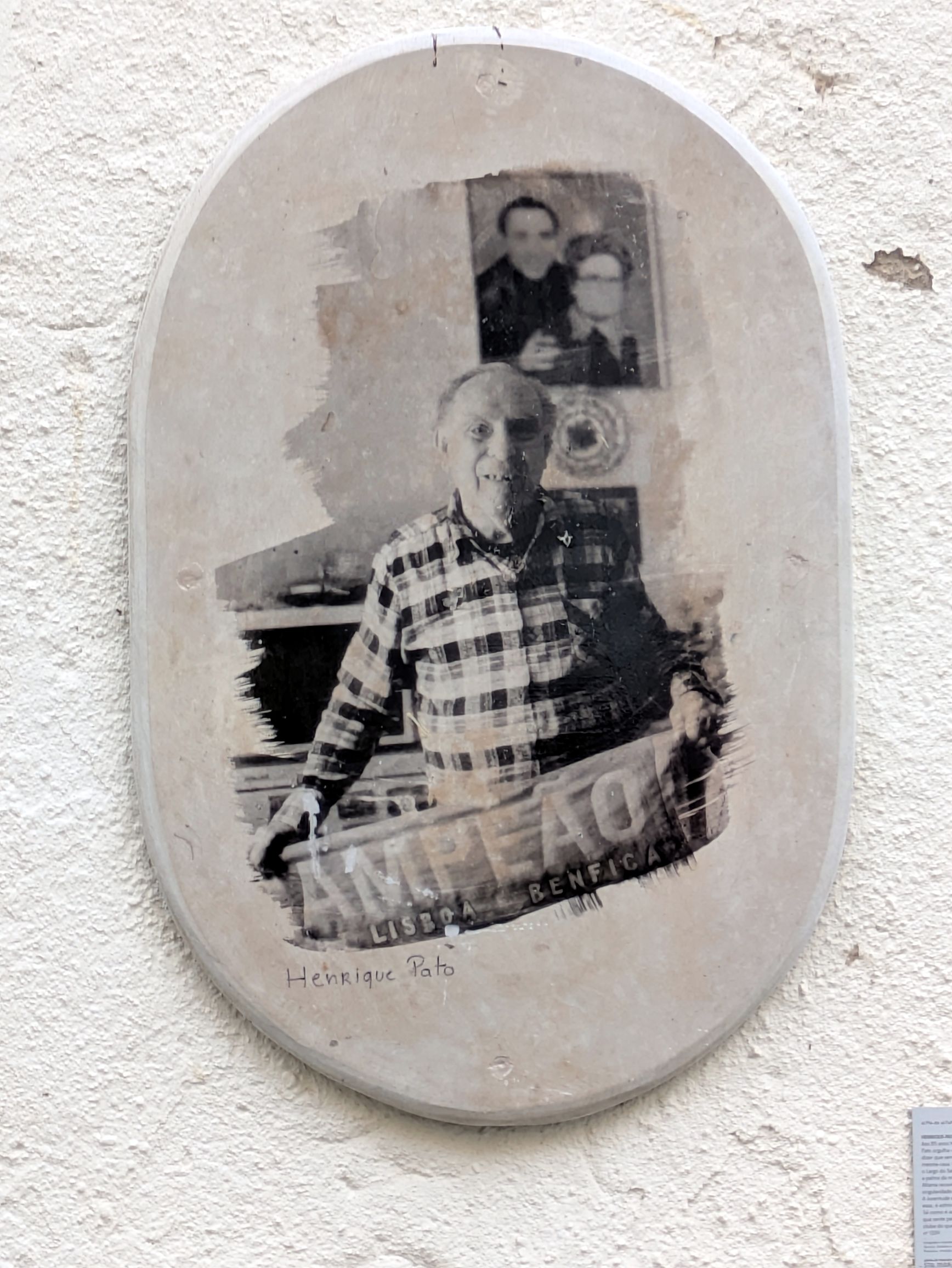
This photo tile of Henrique Pato was created by Camila Watson to honor Alfama’s long-time permanent residents. It is part of the “Alma de Alfama” installation, and it hangs on the exterior of his home.
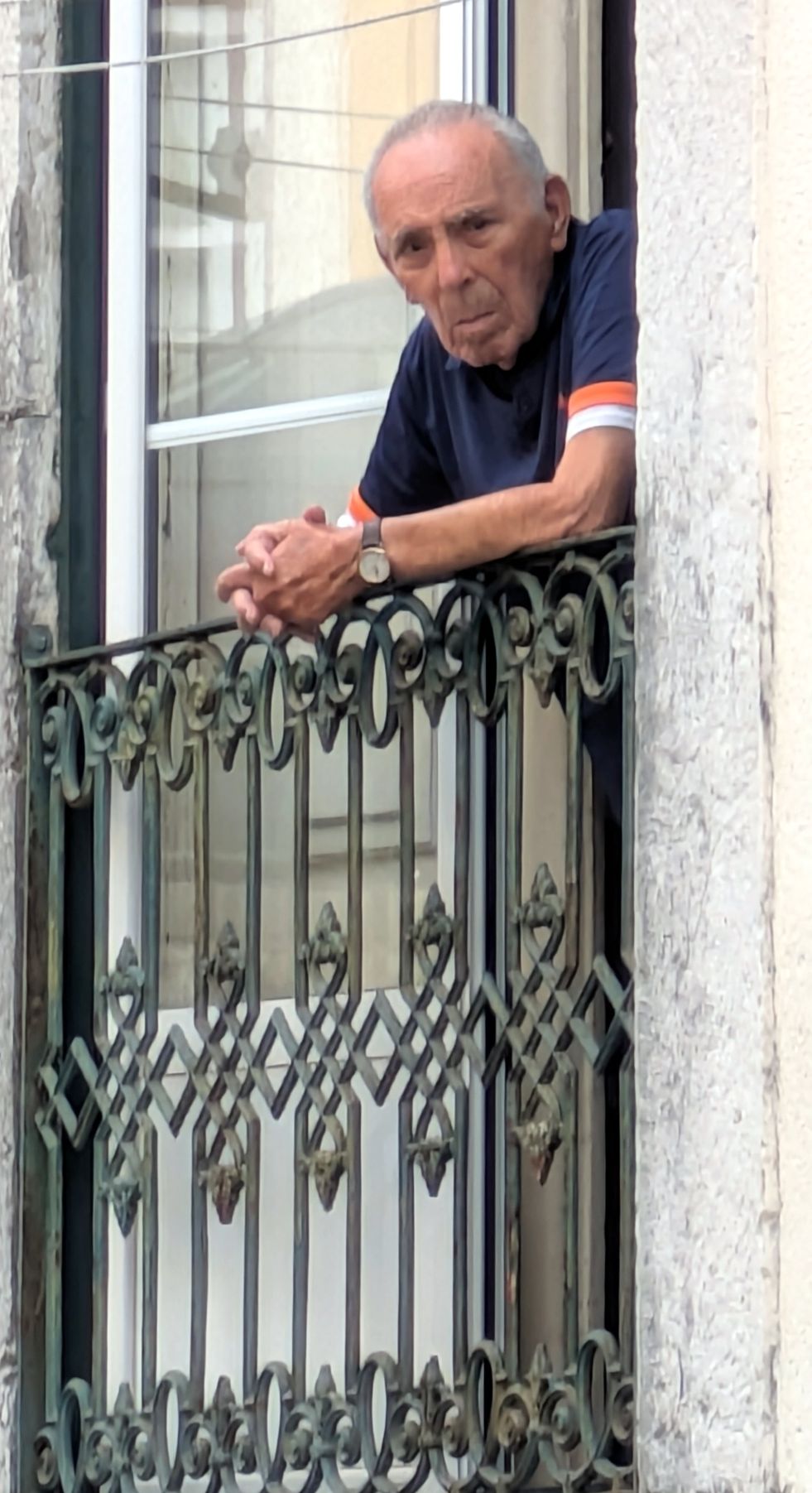
Henrique Pato happened to be home during our walking tour.

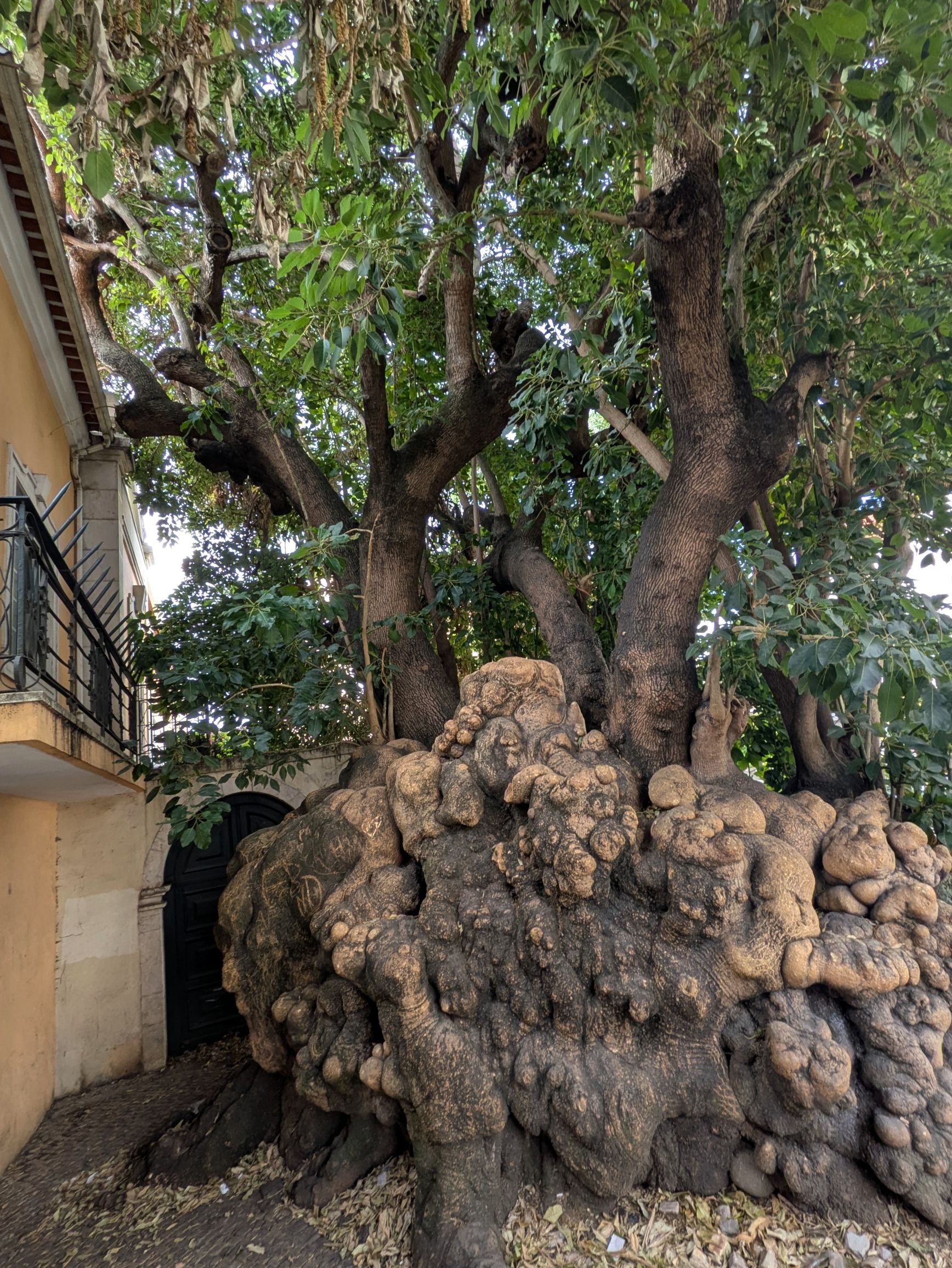
Down the hill to the bottom of Alfama near the tile painting workshop:

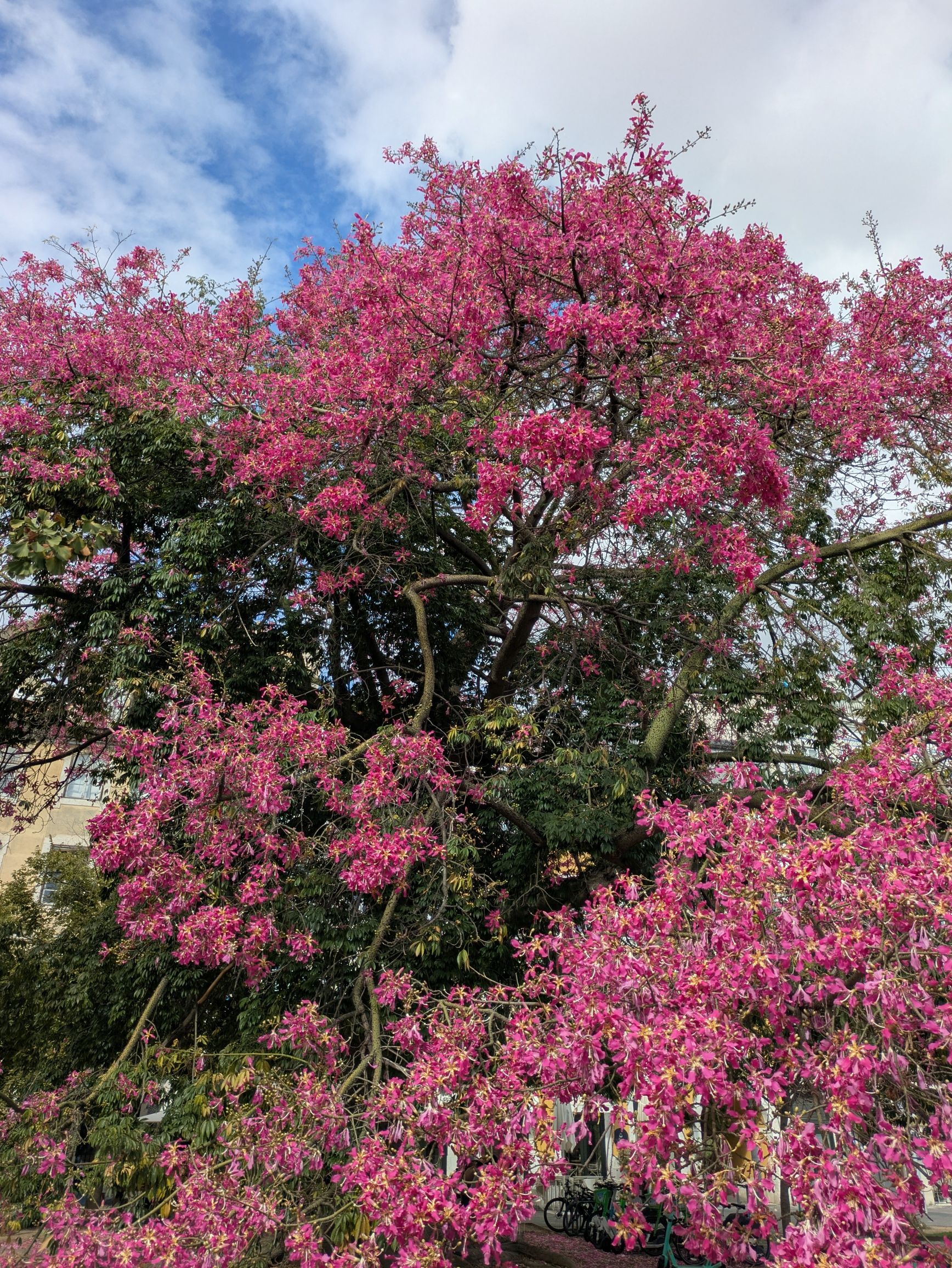
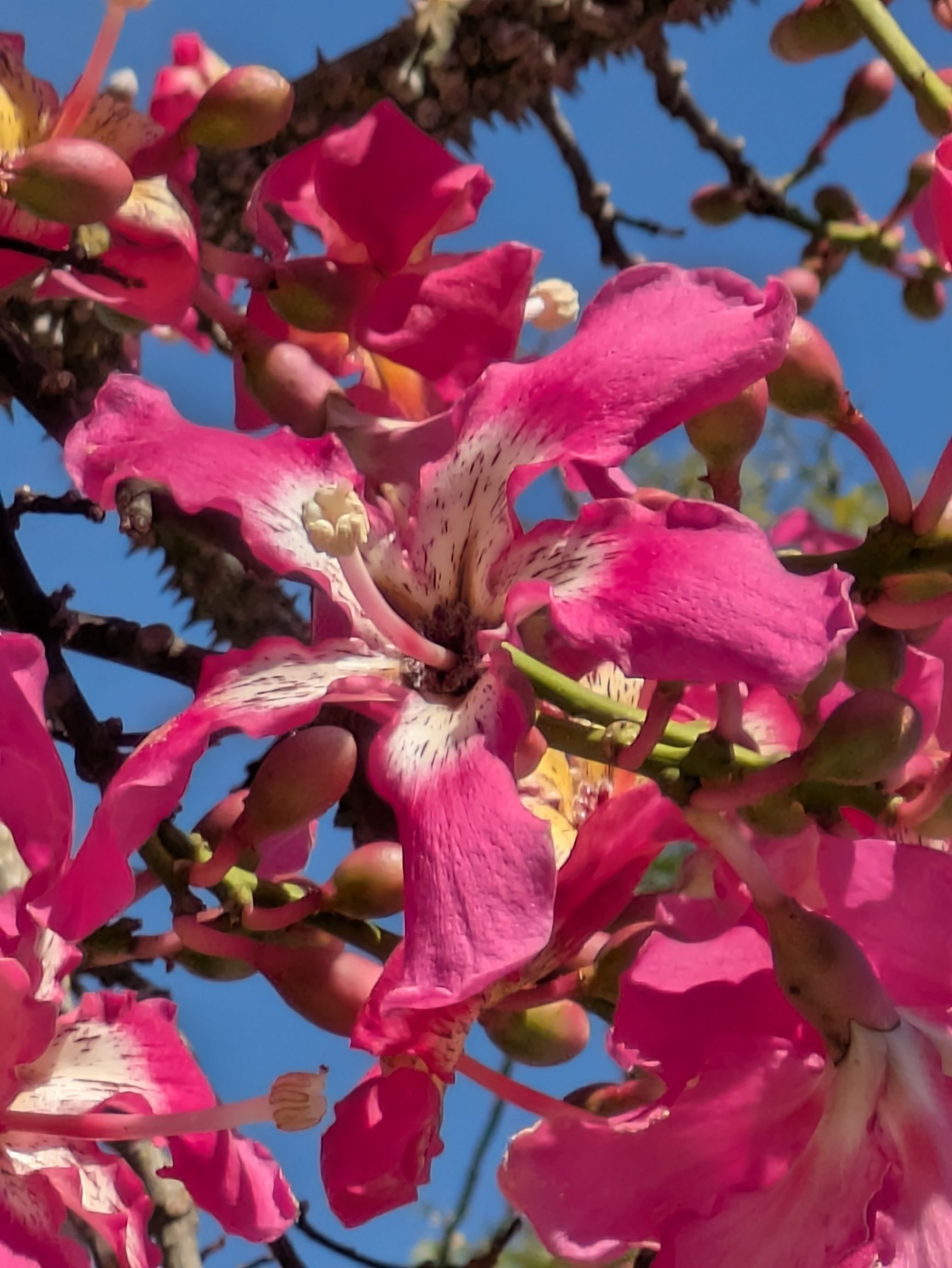
Paineira Rosa tree

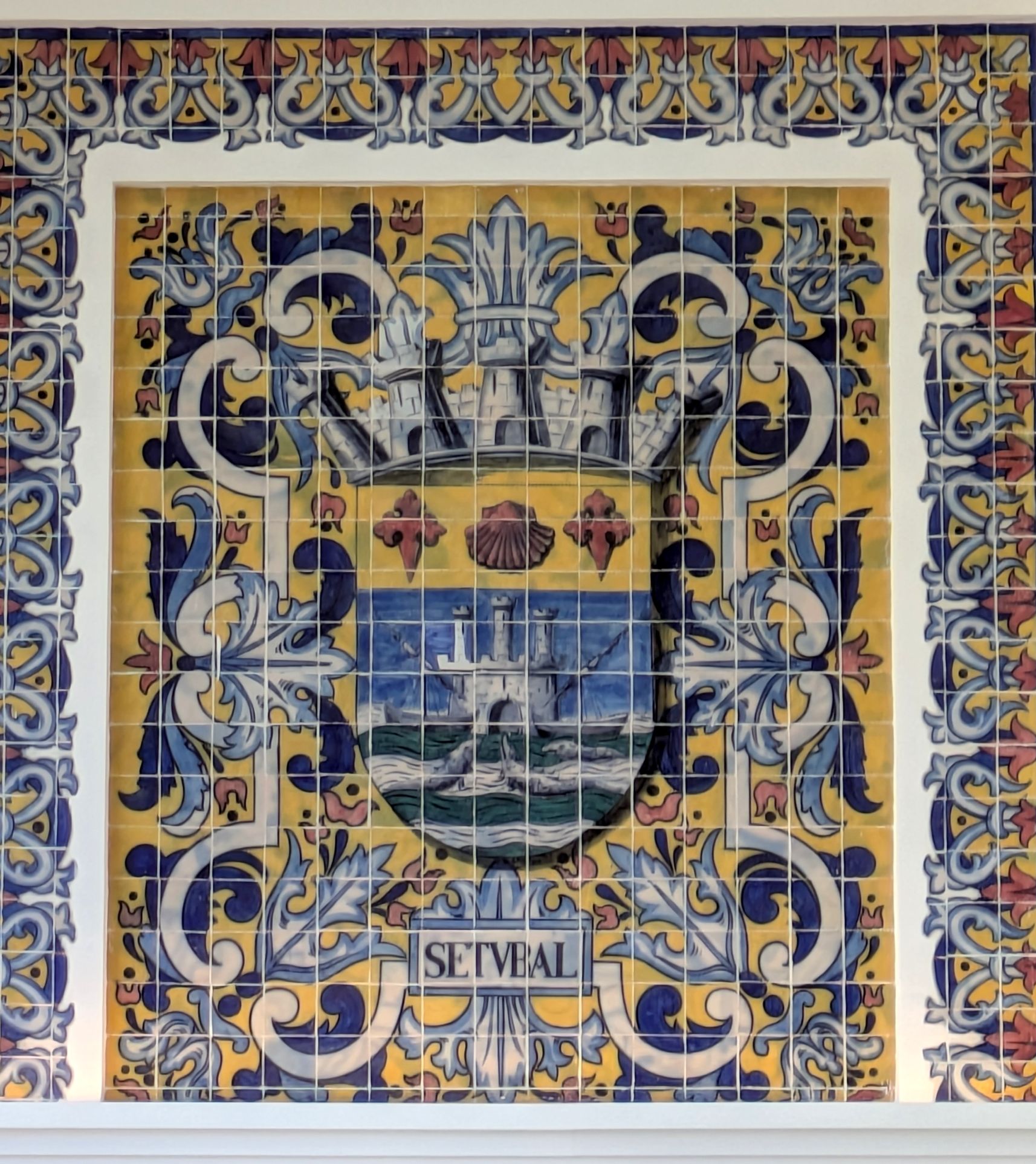
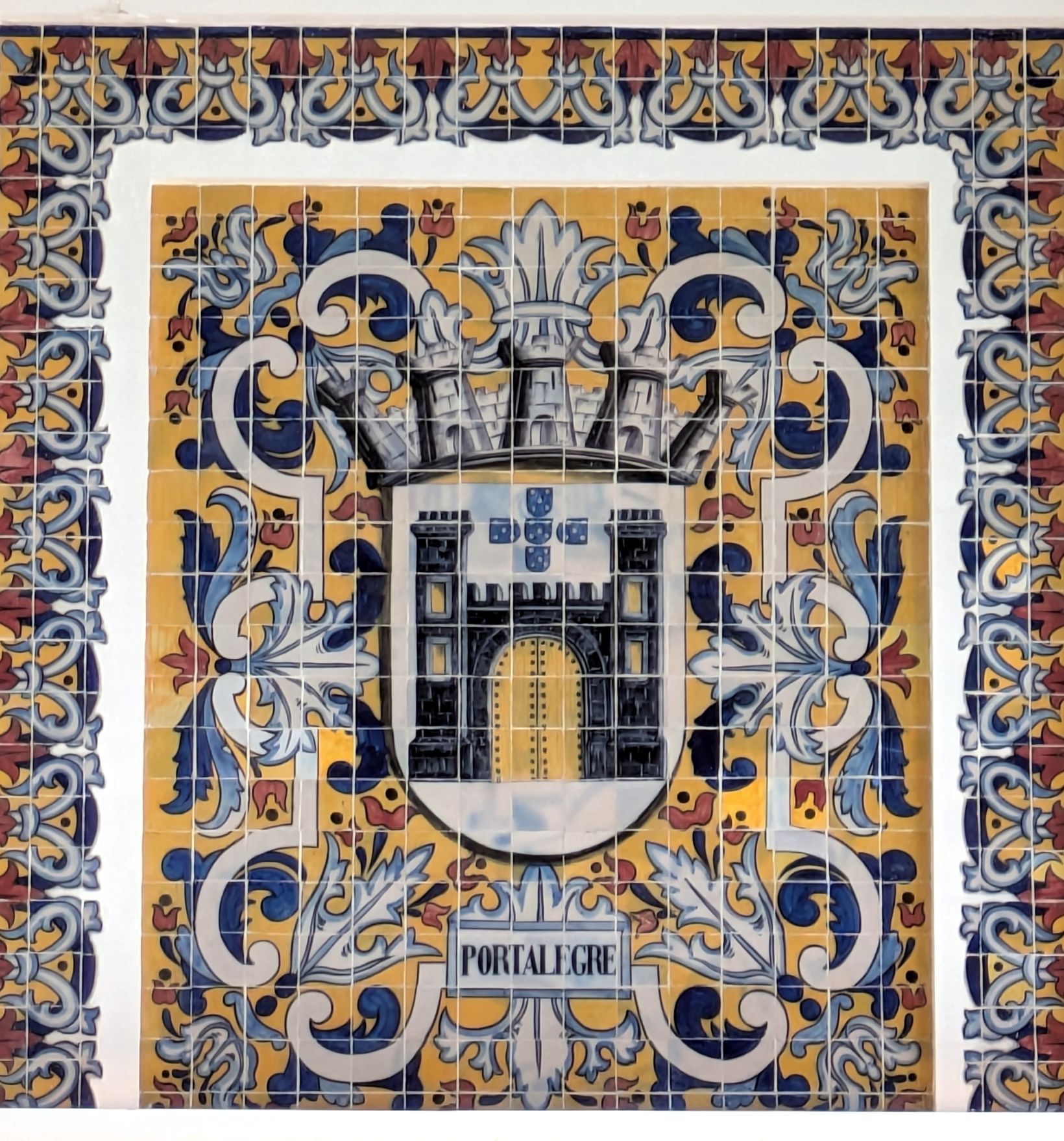
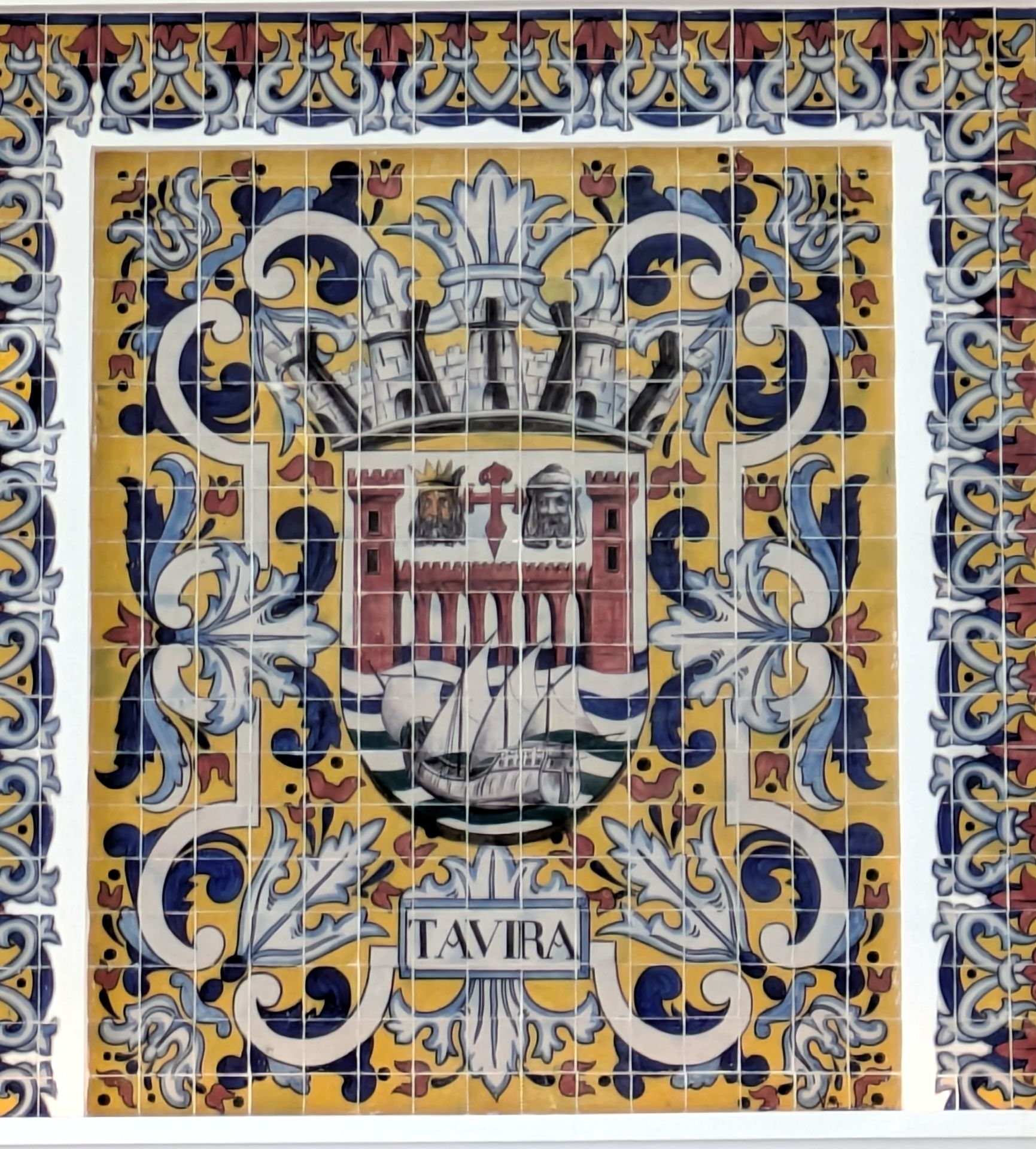
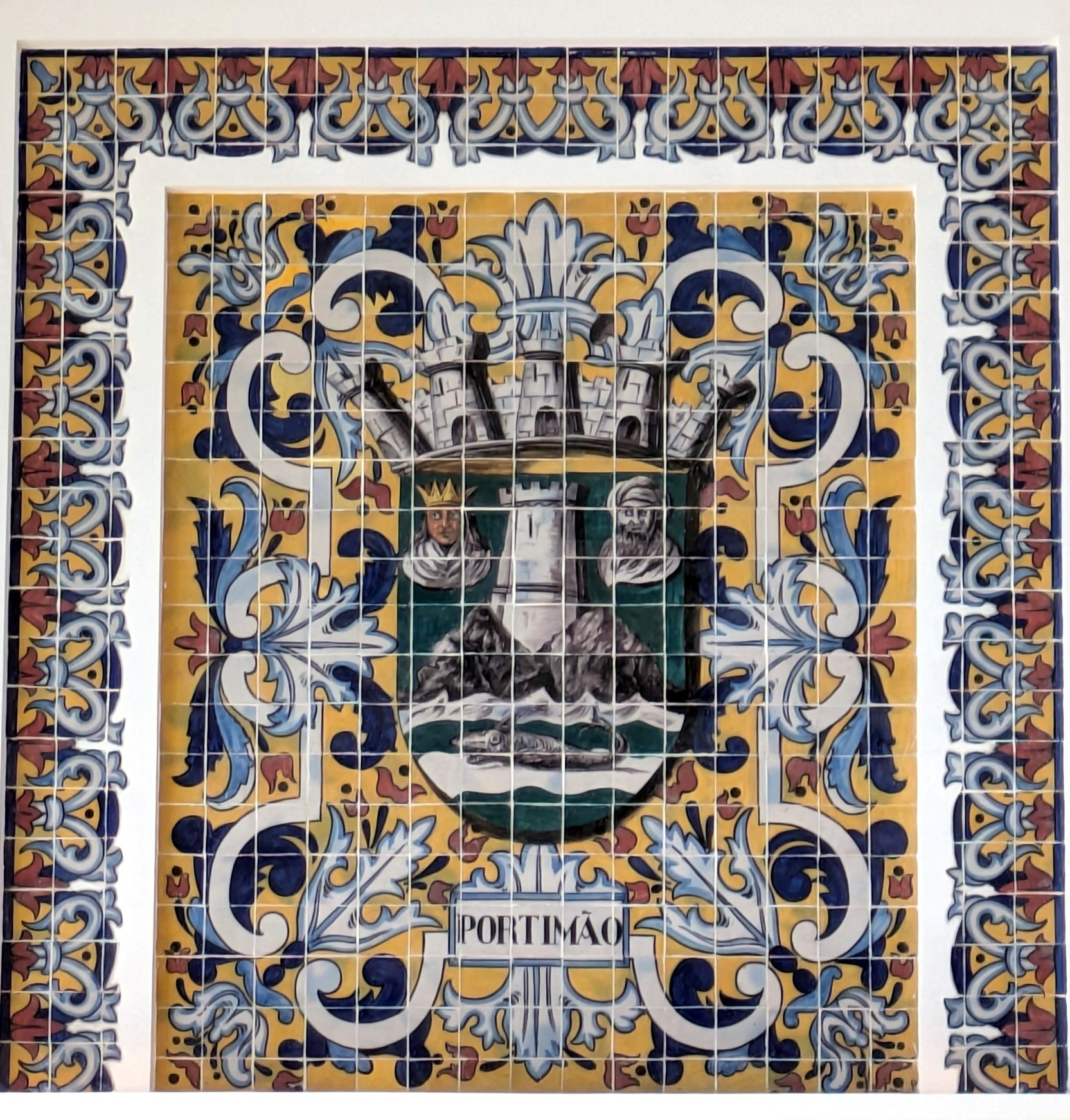
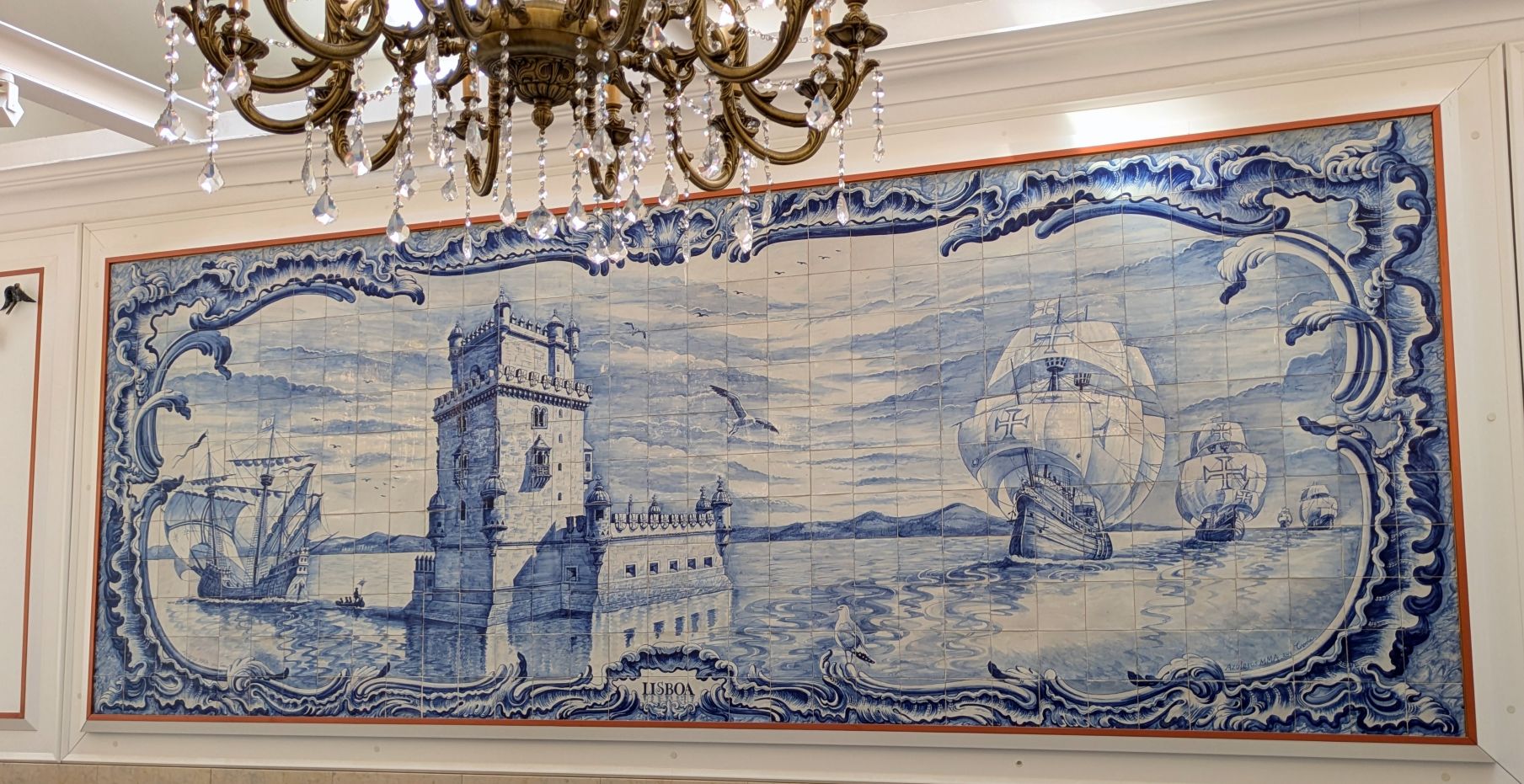
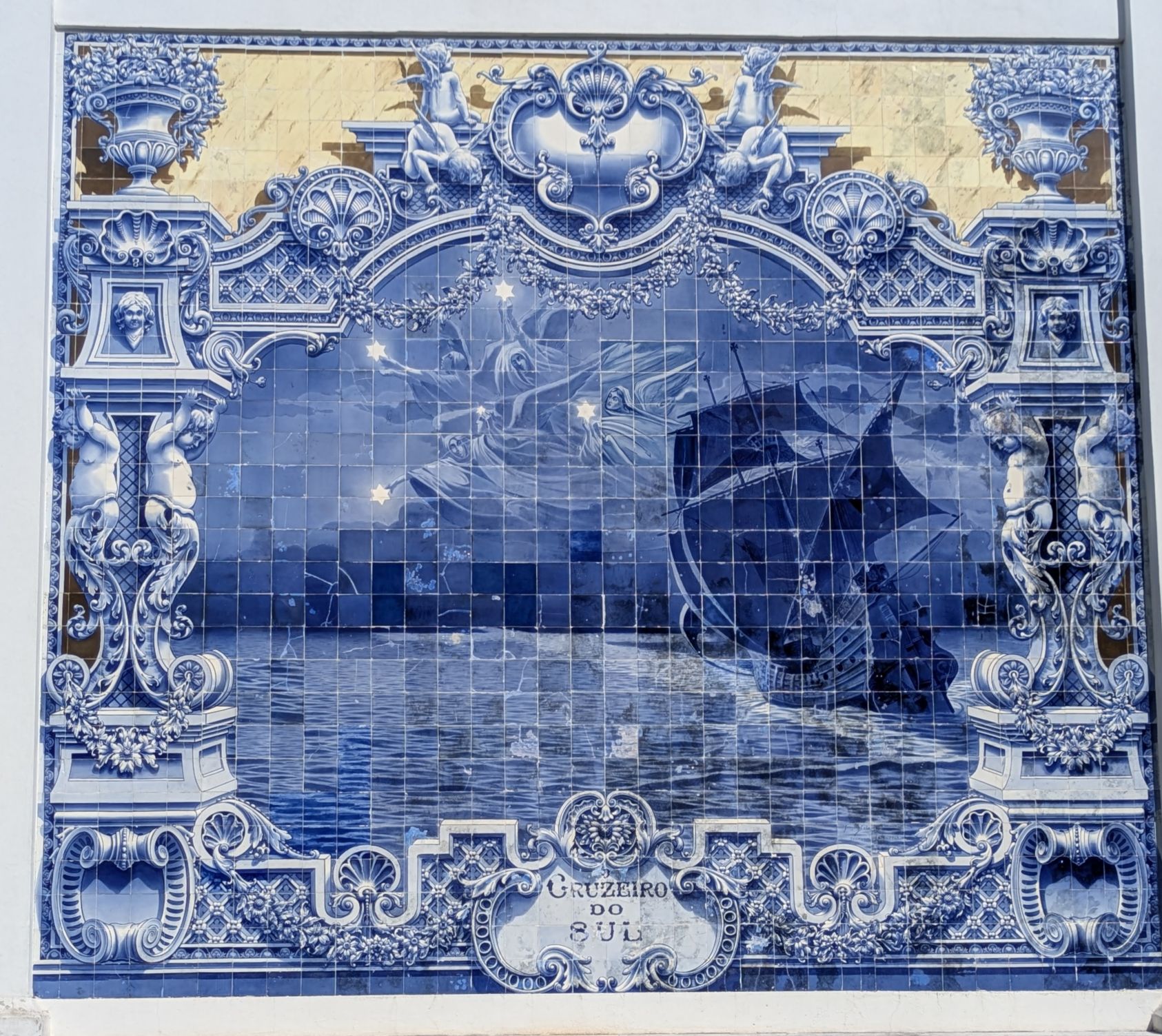
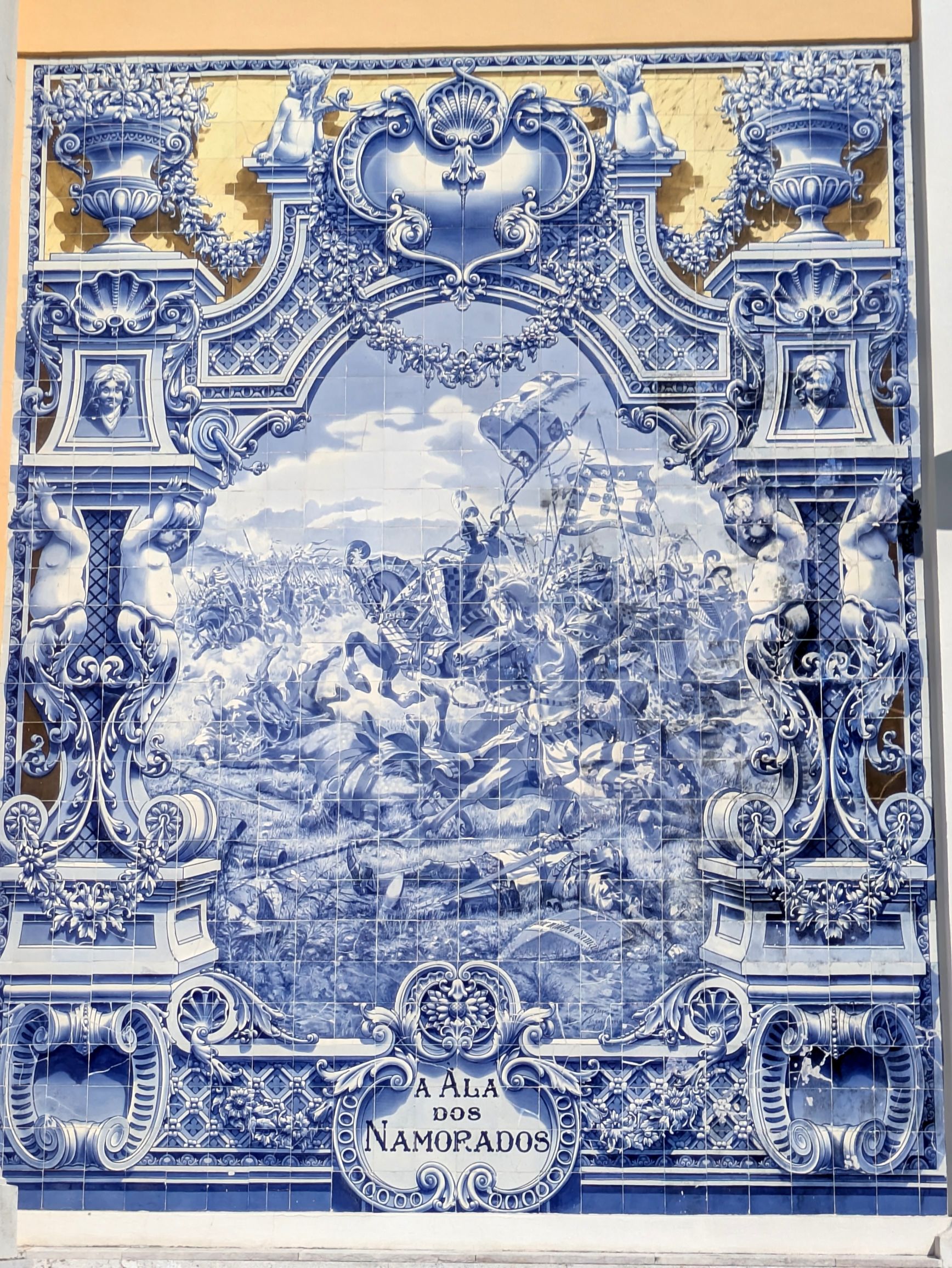
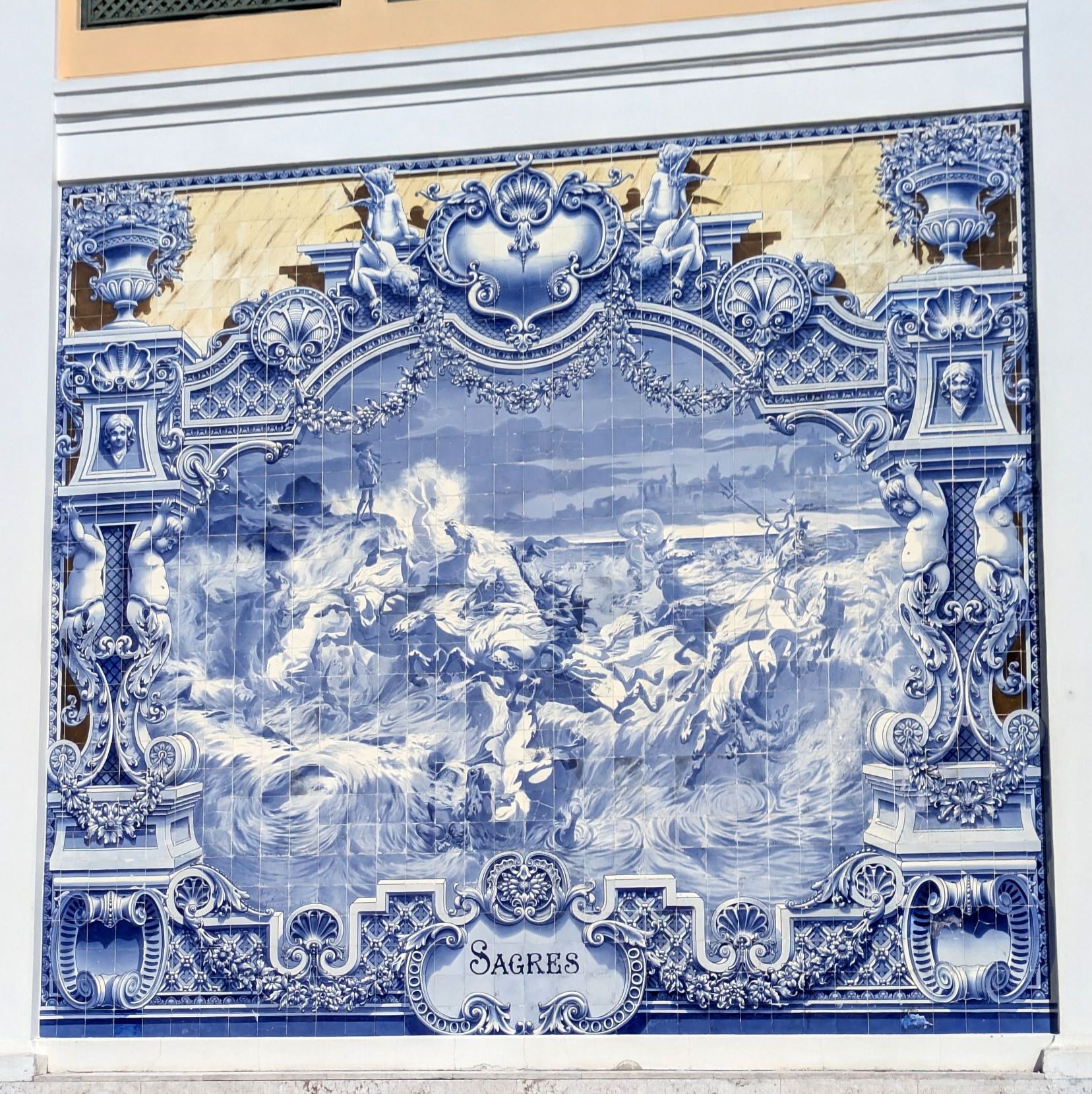
Along the Tagus River, at the very bottom of Alfama, is Santa Apolonia Station, Alfama’s beautiful main railway train station. These tile murals adorn the walls:

Coming up next: LOVING LIVING LIKE A LOCAL IN LISBON #7: GORGEOUS GRACA

LOVING LIVING LIKE A LOCAL IN LISBON #4: AMBLING AVENIDA DA LIBERDADE

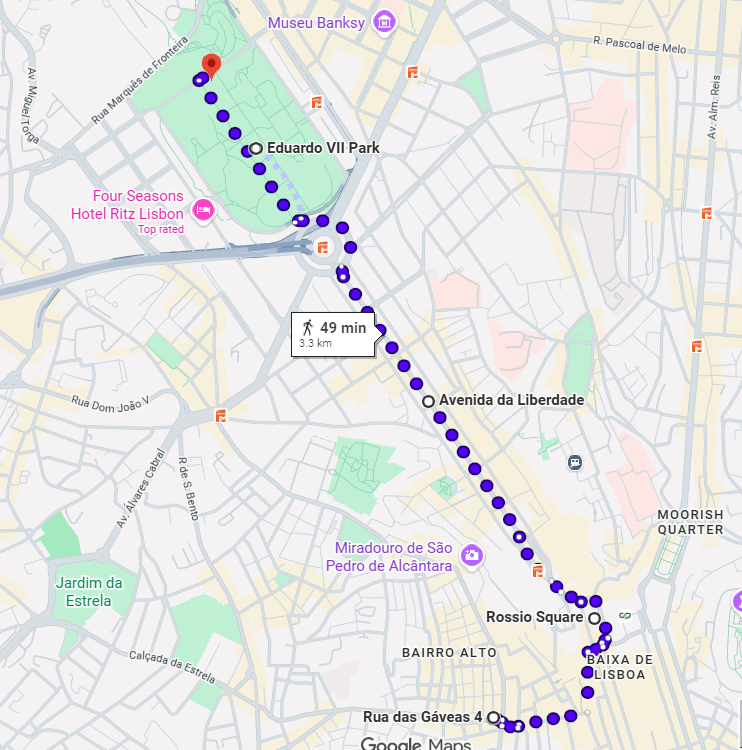
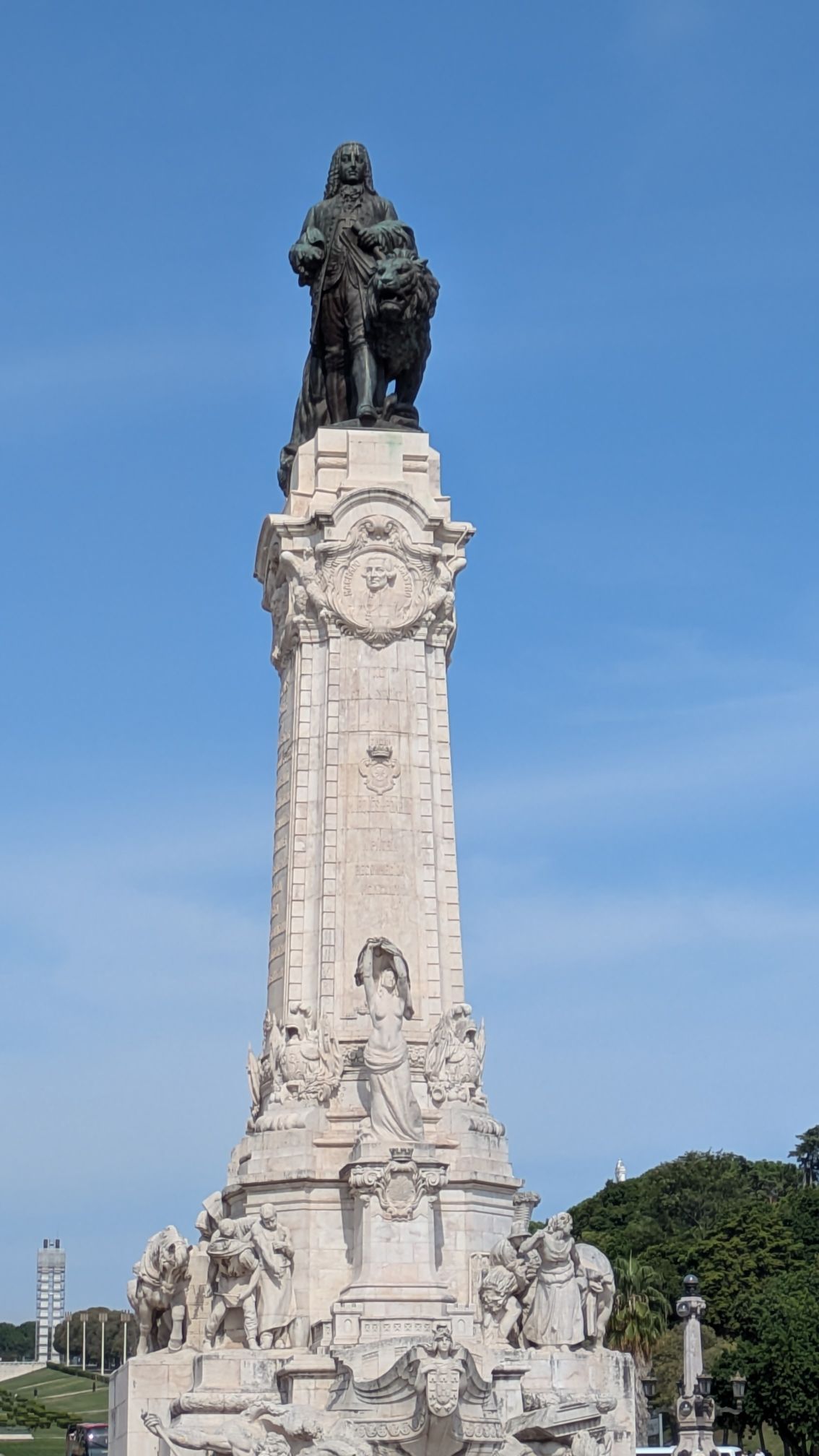
Amblers, have I got a walk for you! This walk begins at our Lisbon apartment at Praca de Luis Camois, and continues past the life-size sculpture of the man in the chair and the world’s oldest bookstore shown in my second post. It then makes a left hand turn to take you down the pedestrian shopping street, which leads you to Rossio Square. Continue through the square, and past the beautiful train station to gorgeous tree-lined Avenida da Liberdade and up to Parque Eduardo VII, passing by beautiful Marques de Pombal. Click here for the map directions, but this is a snapshot of the walk for a quick view:

(For all photos, click on the image for a full screen view.)
If you walk straight through, it would be a two-mile walk (one way), and it would take the average walker 49 minutes. But what’s the fun in that? This is a wonderful walk through some of the nicest areas of Lisbon! Take your time, get off the path to see what’s up that side street, grab a bench under the shade trees and watch the world go by, or stop for a pastel de nata. Bruce and I enjoyed this walk so much, we returned to explore more in other days and at night.

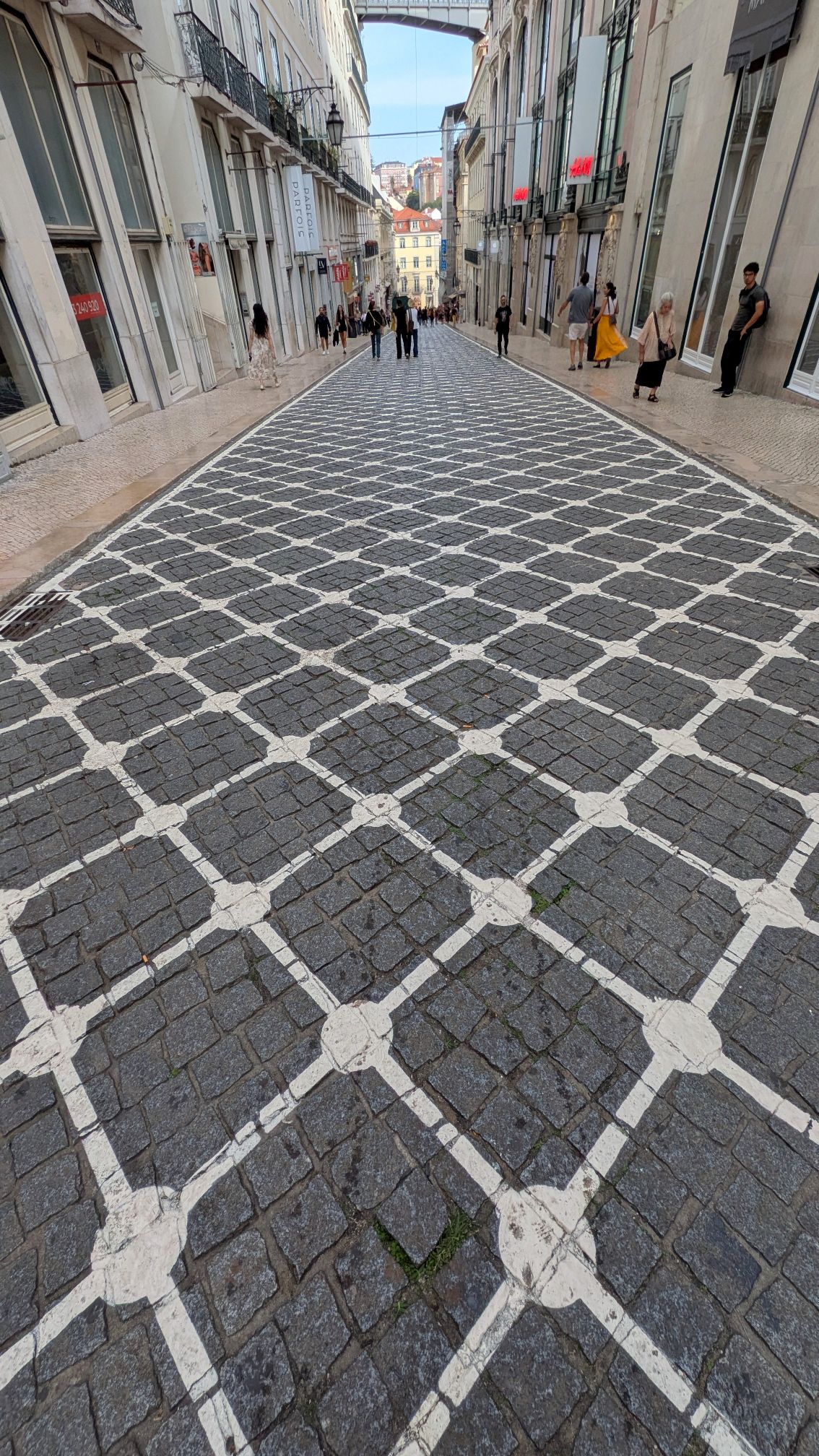
Here, then, is what you will see along the way, after you pass the bookstore, and then turn left onto the pedestrian shopping street:

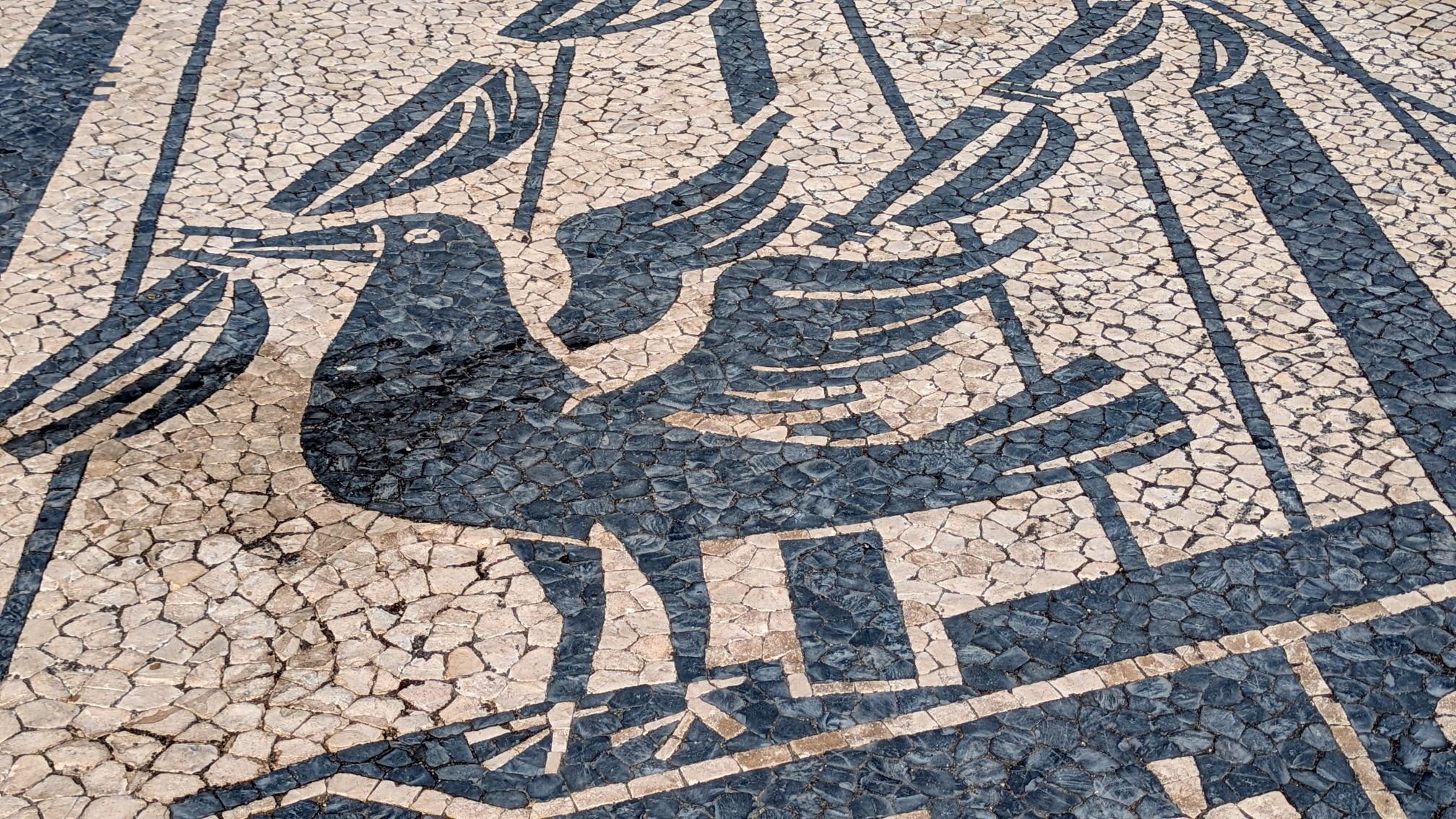
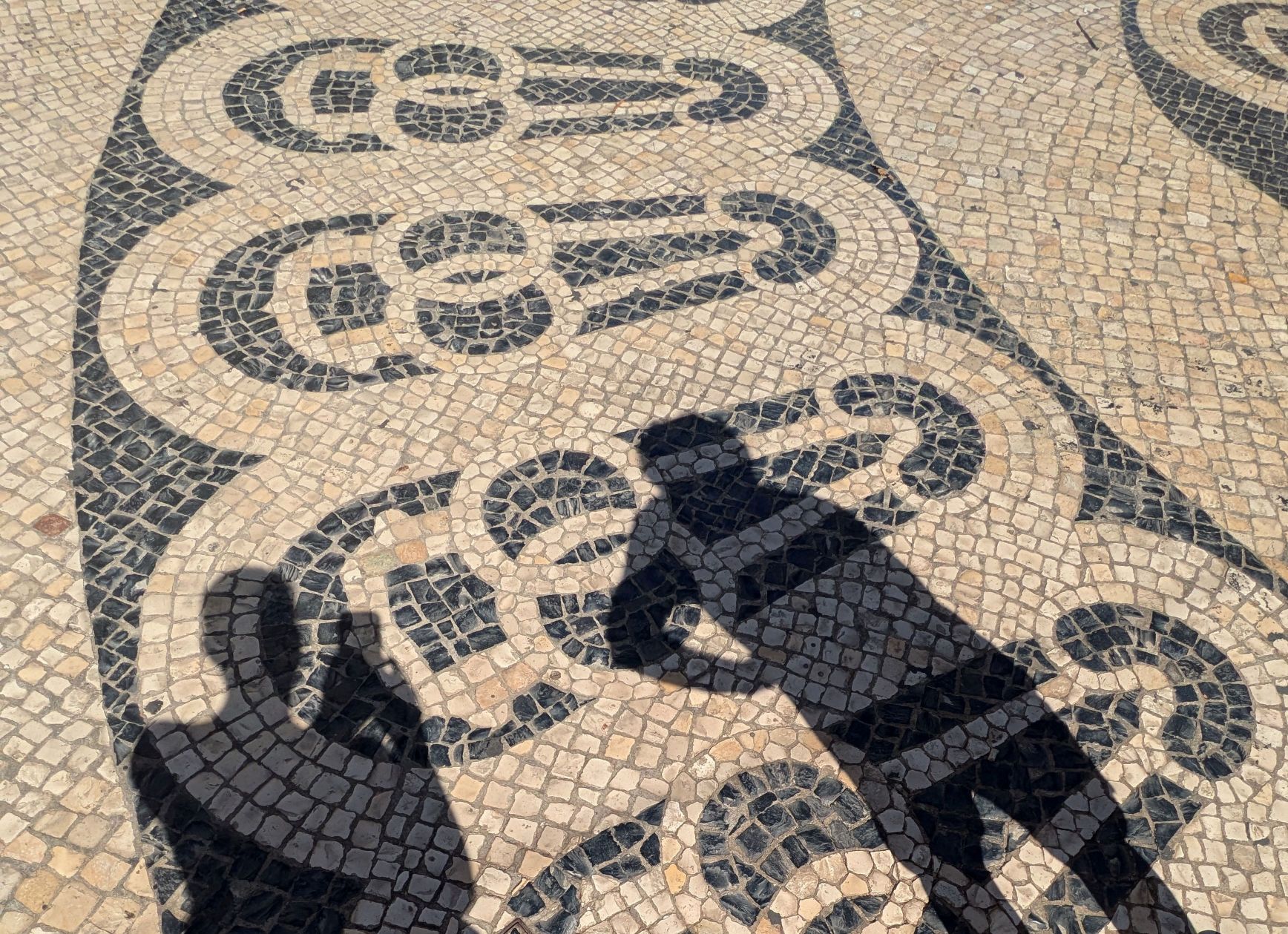
Pedestrian streets are marked with white paint in a design.
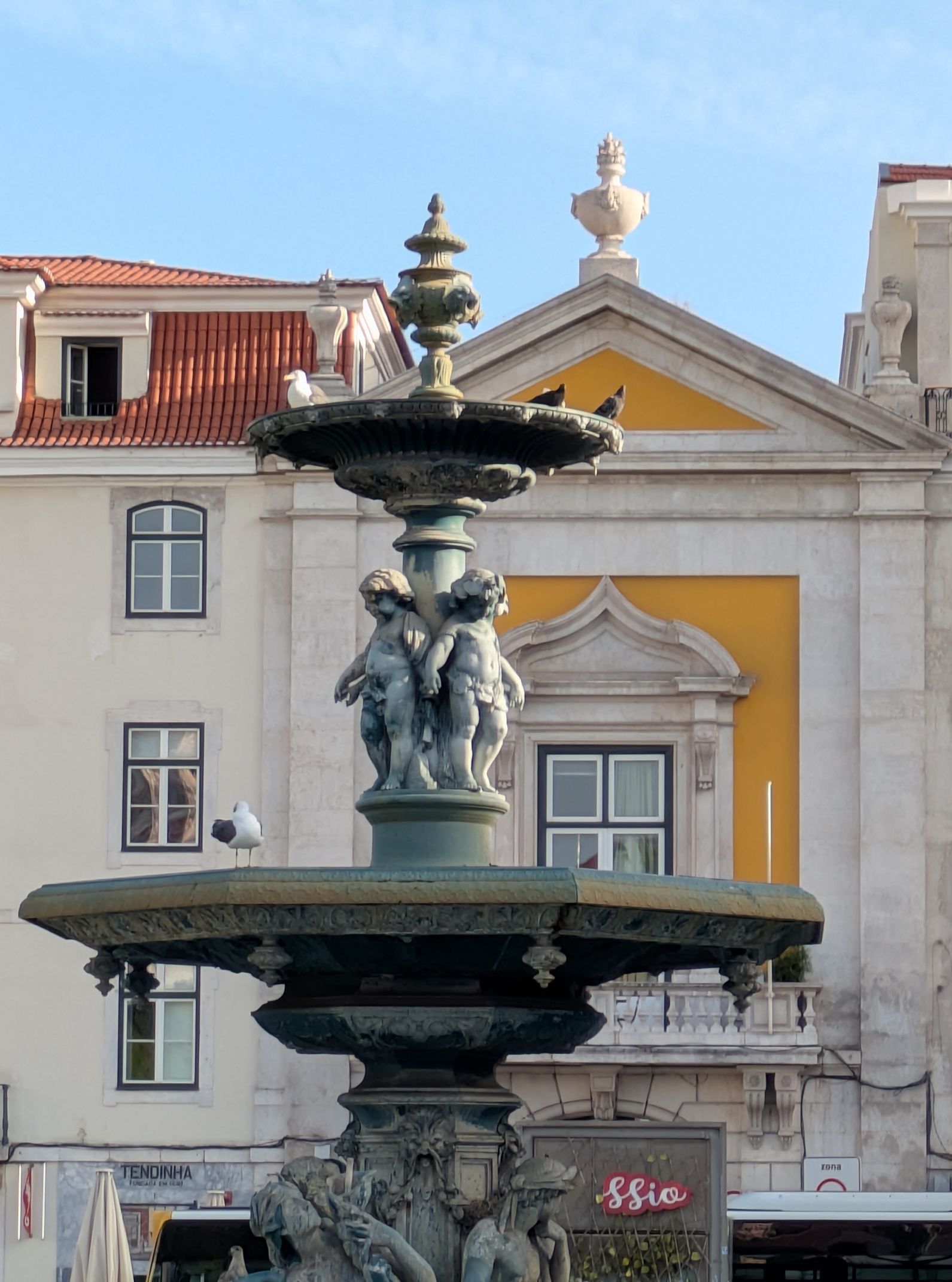
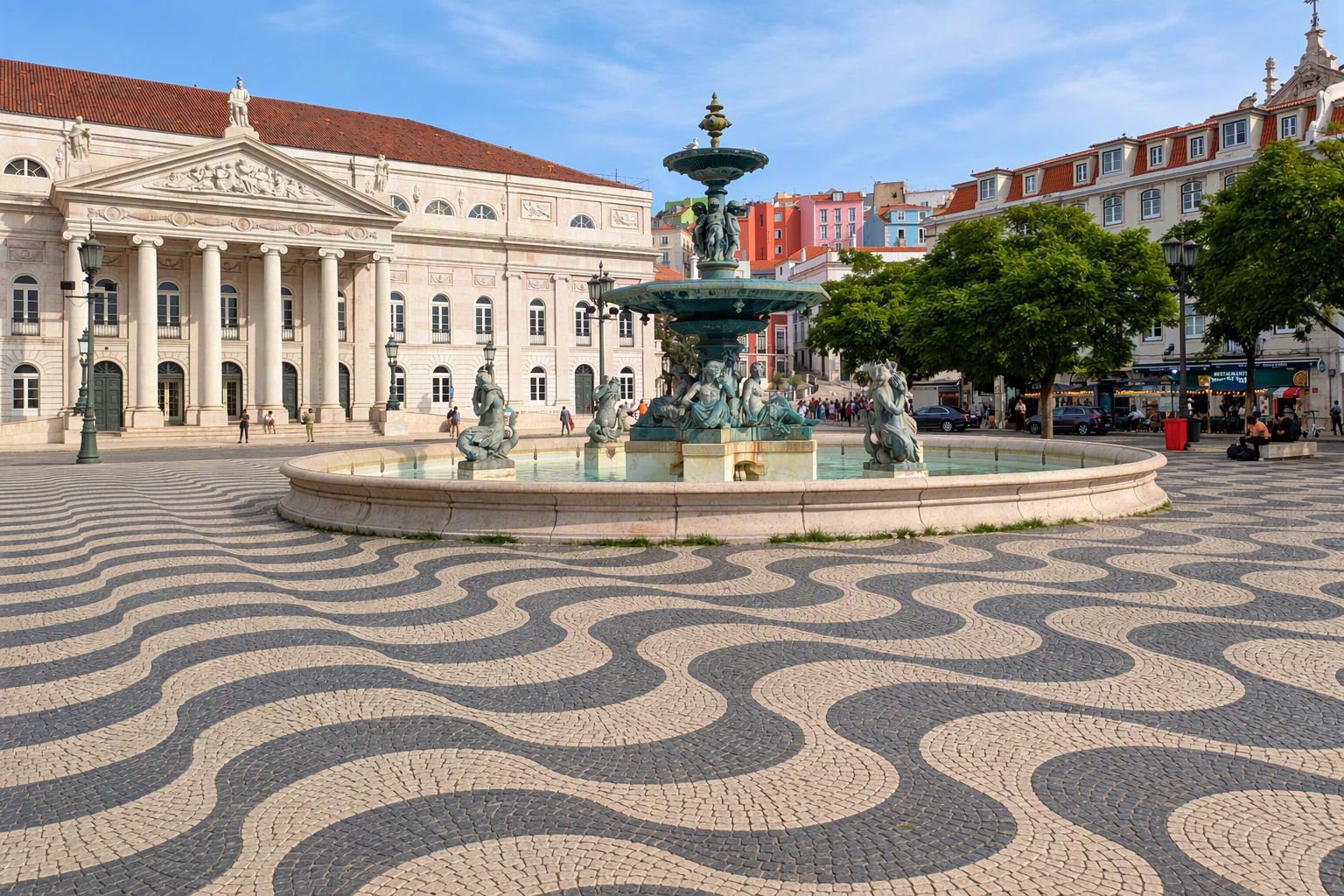
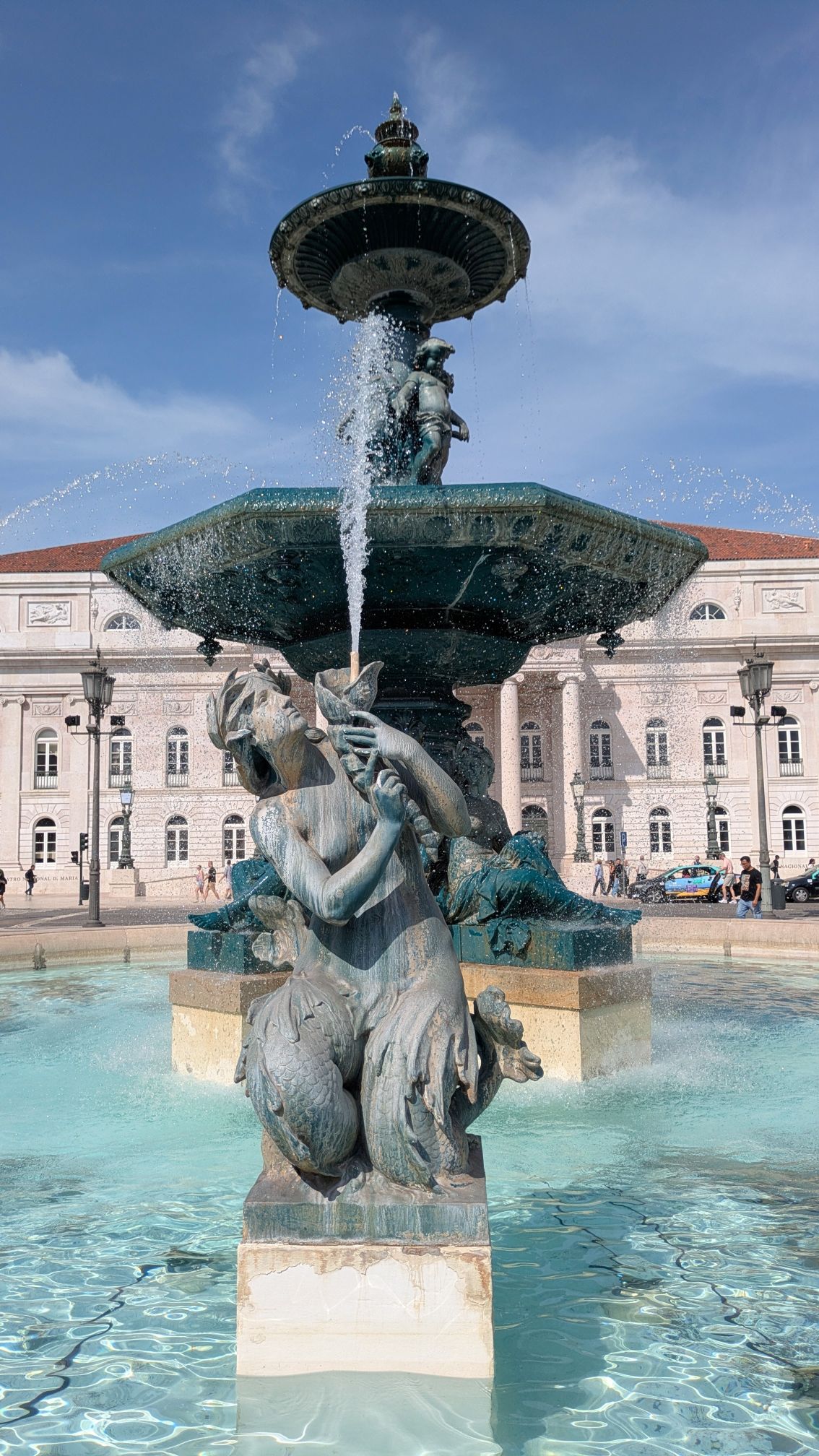
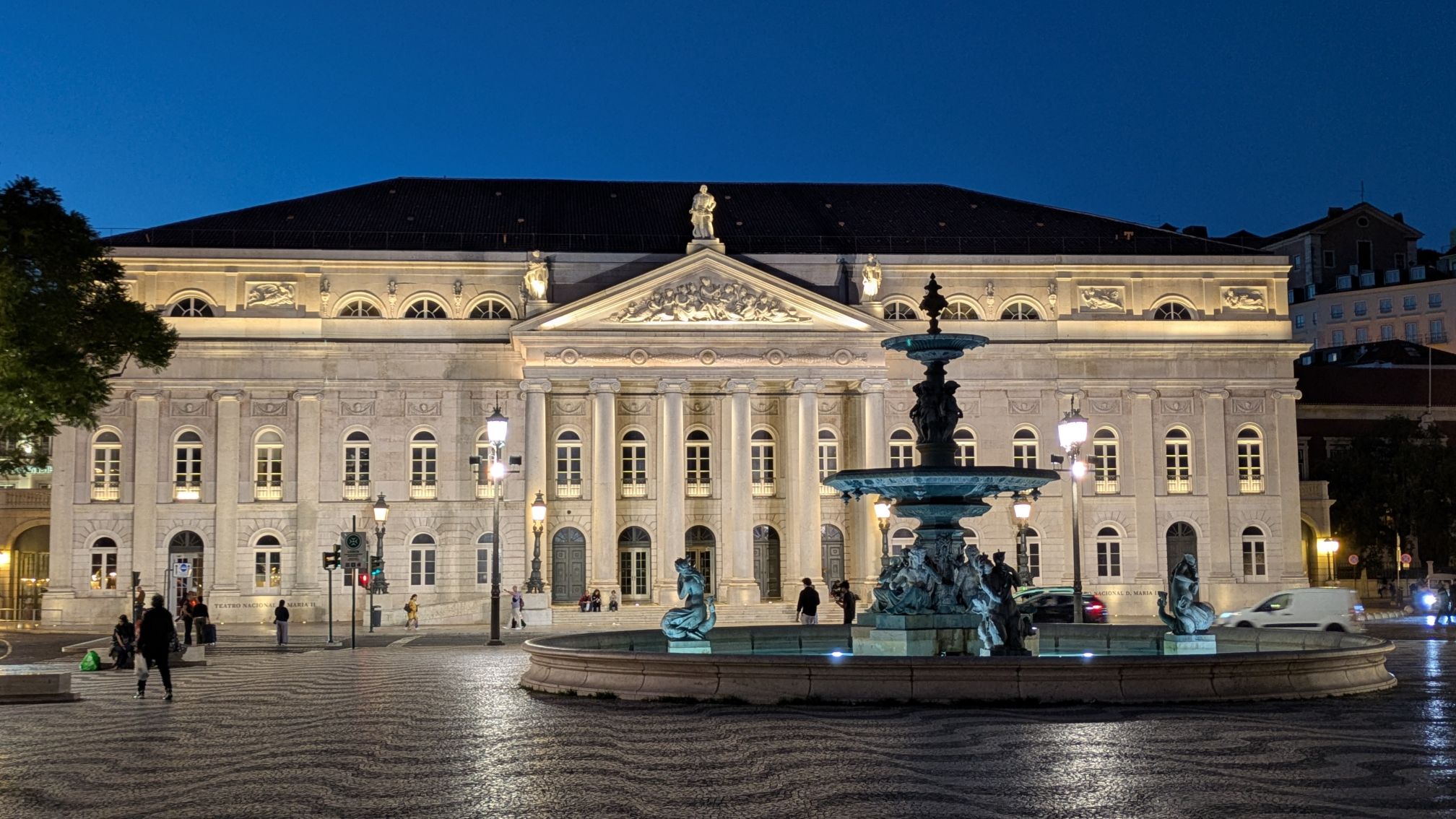
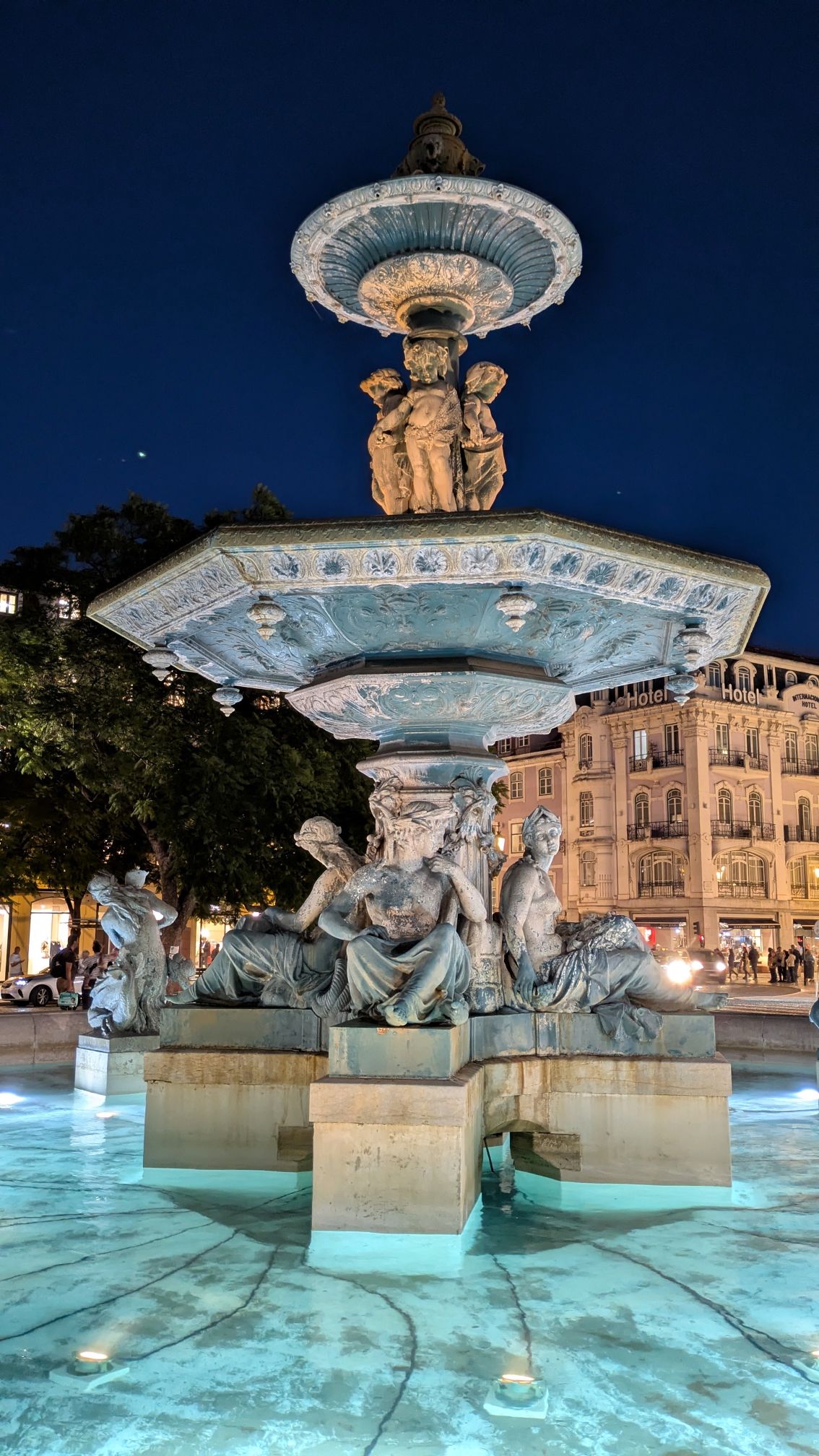
Fountain at the beginning of Rossio Square
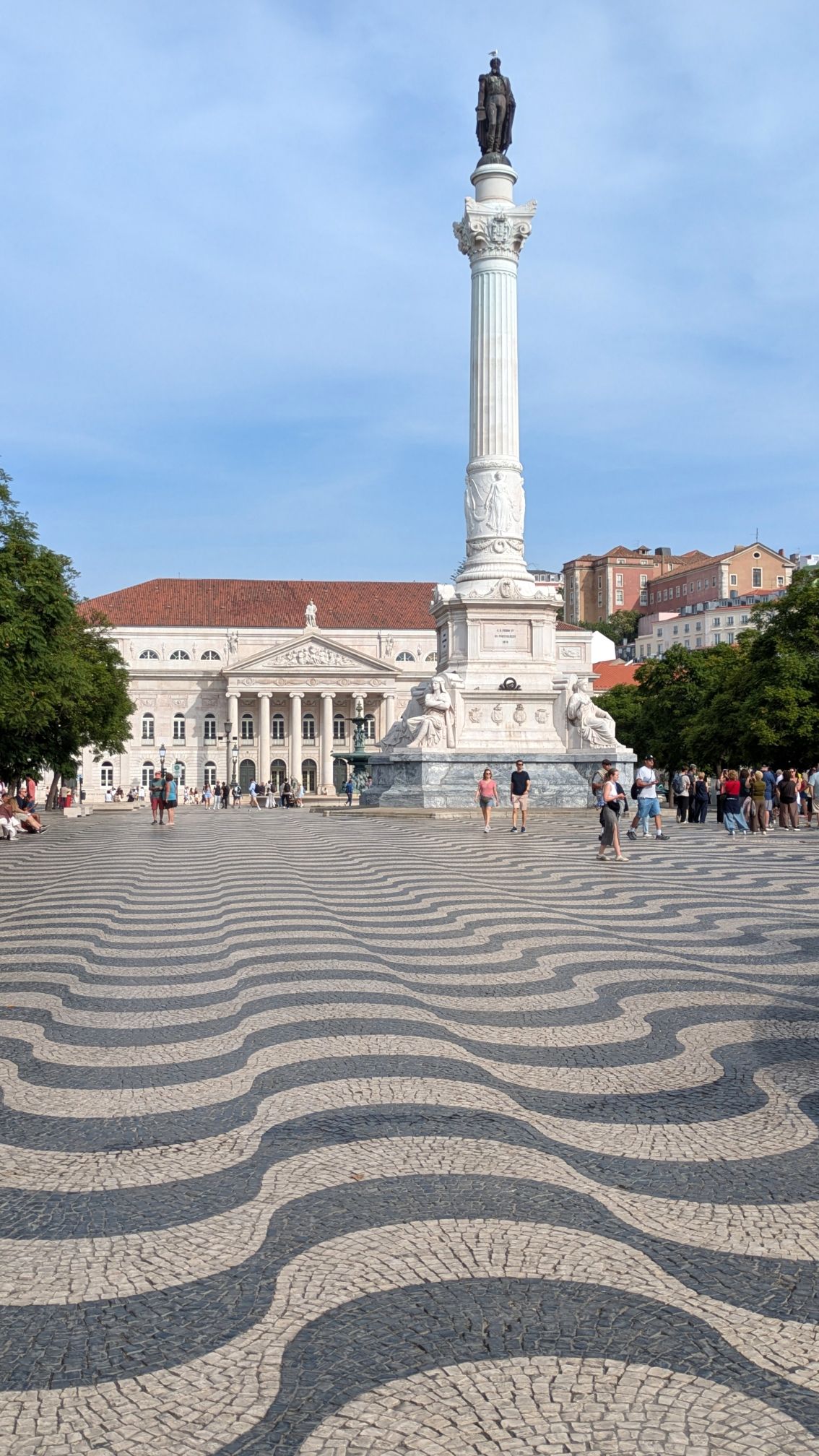
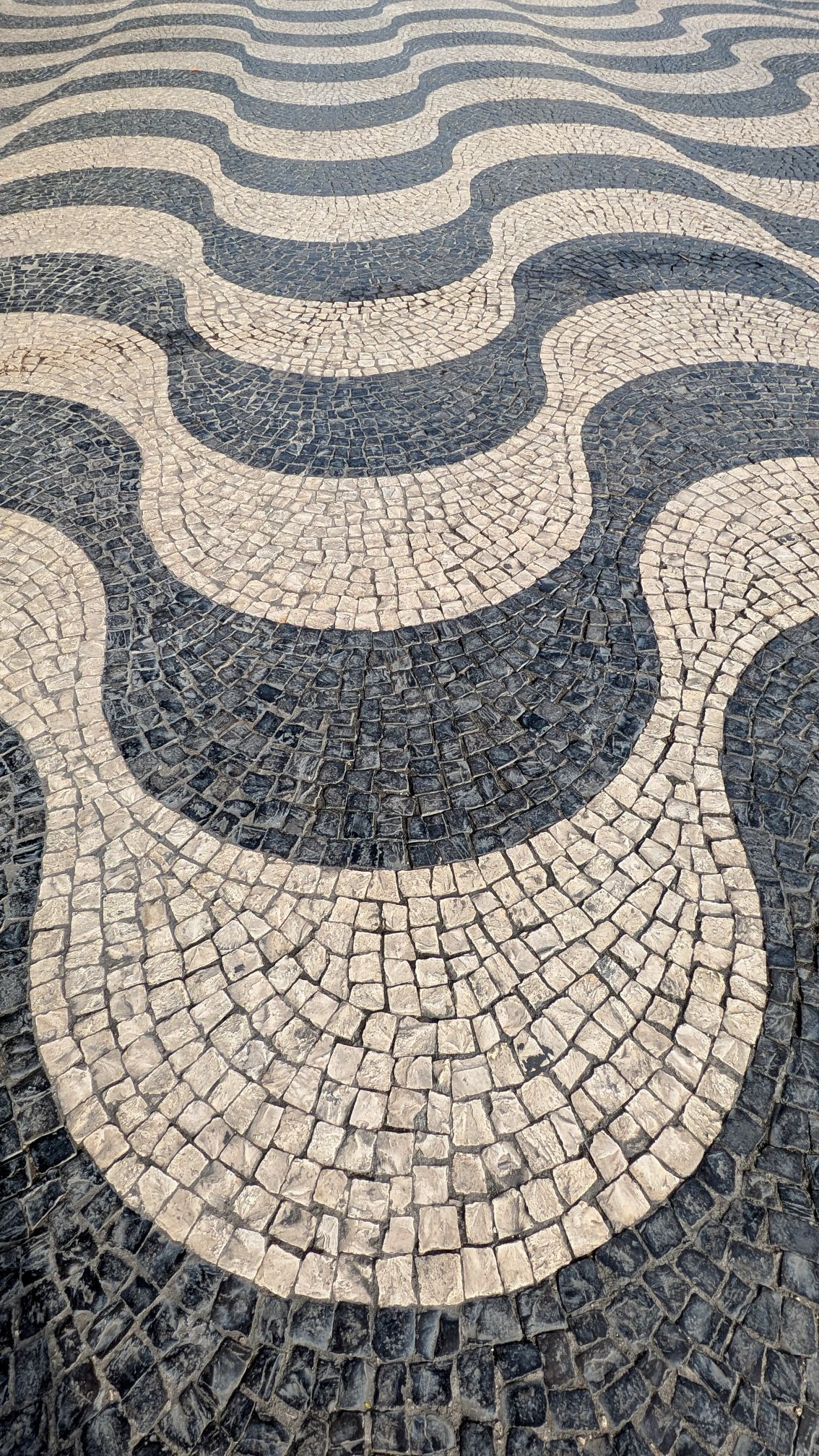
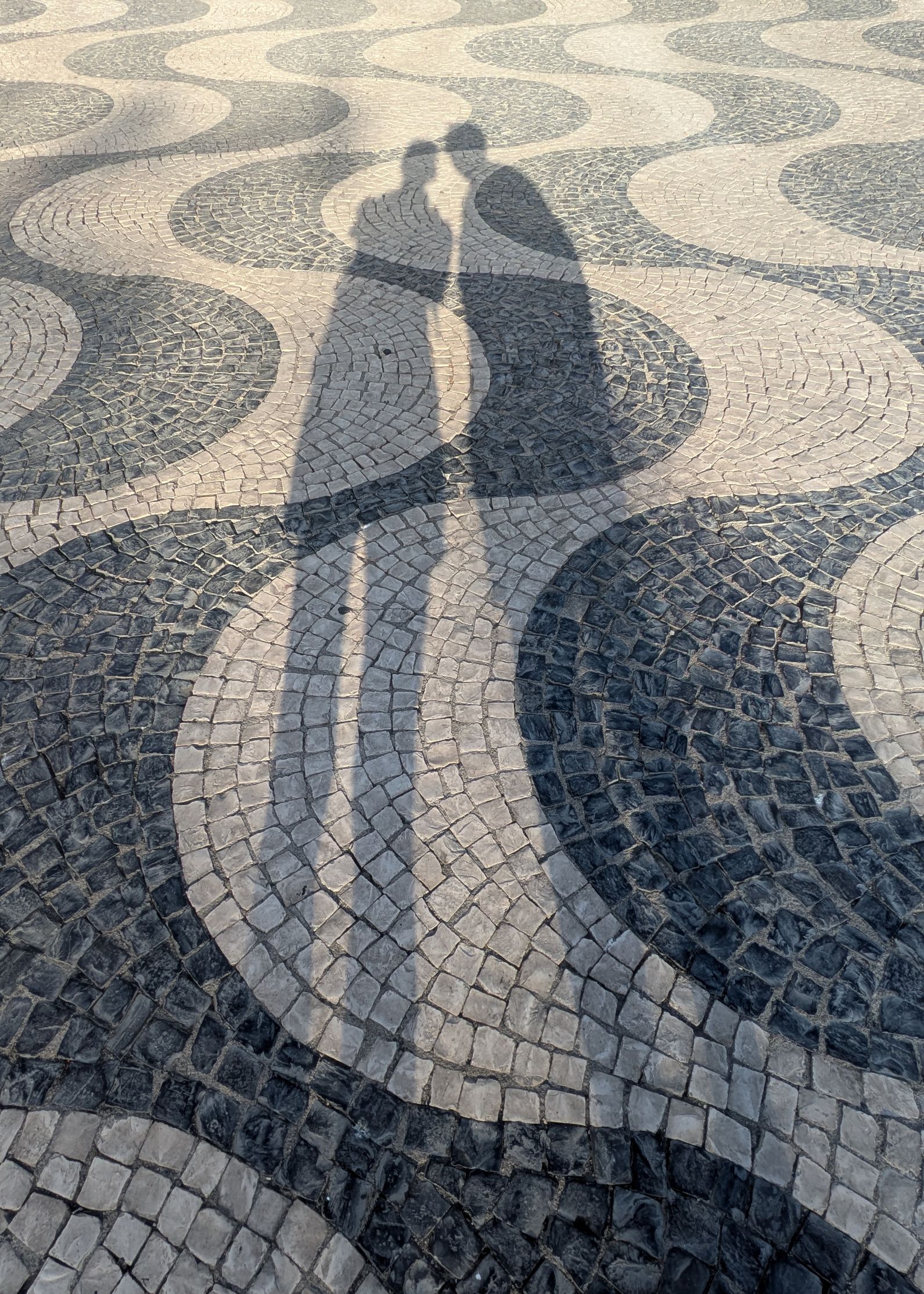
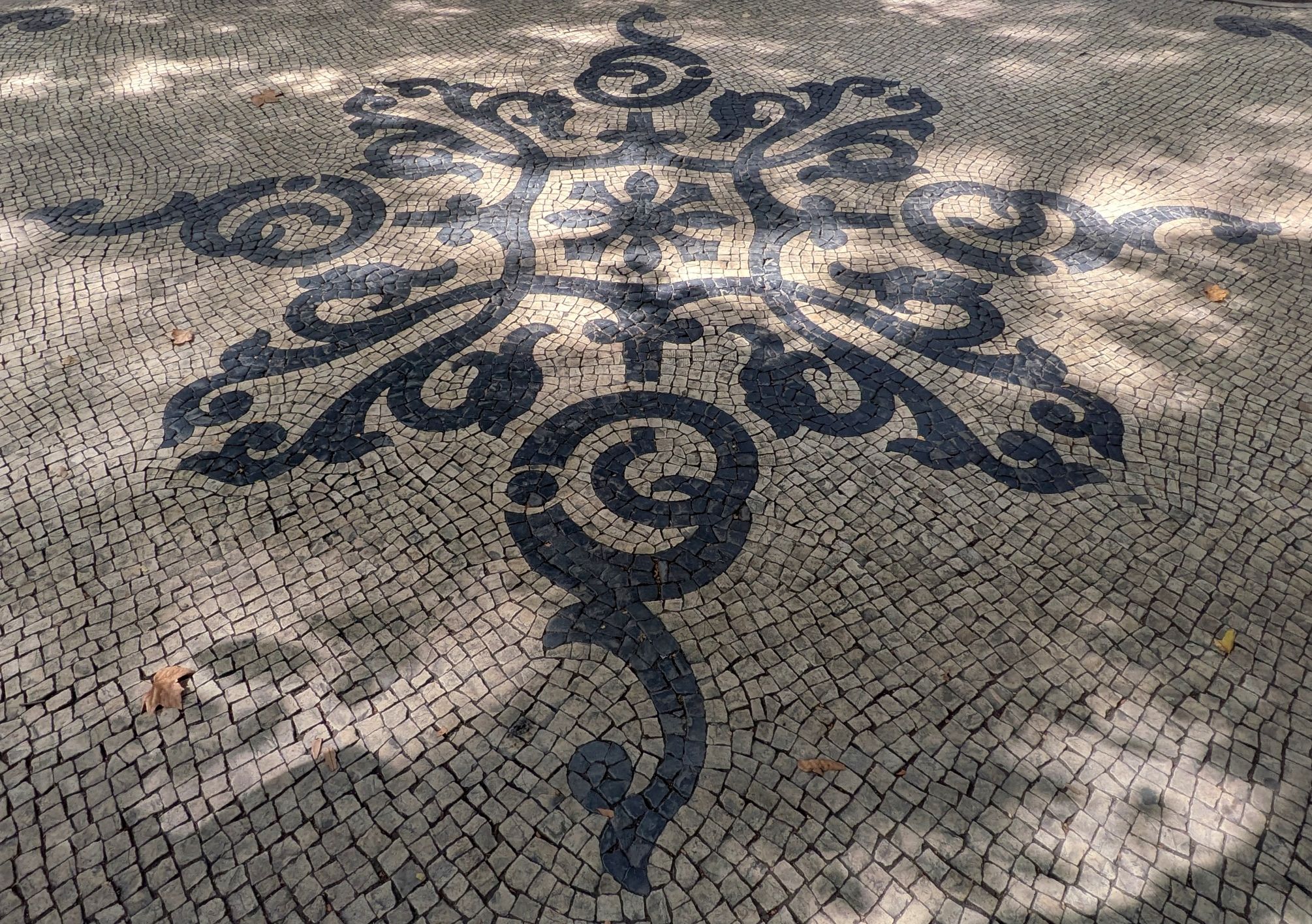
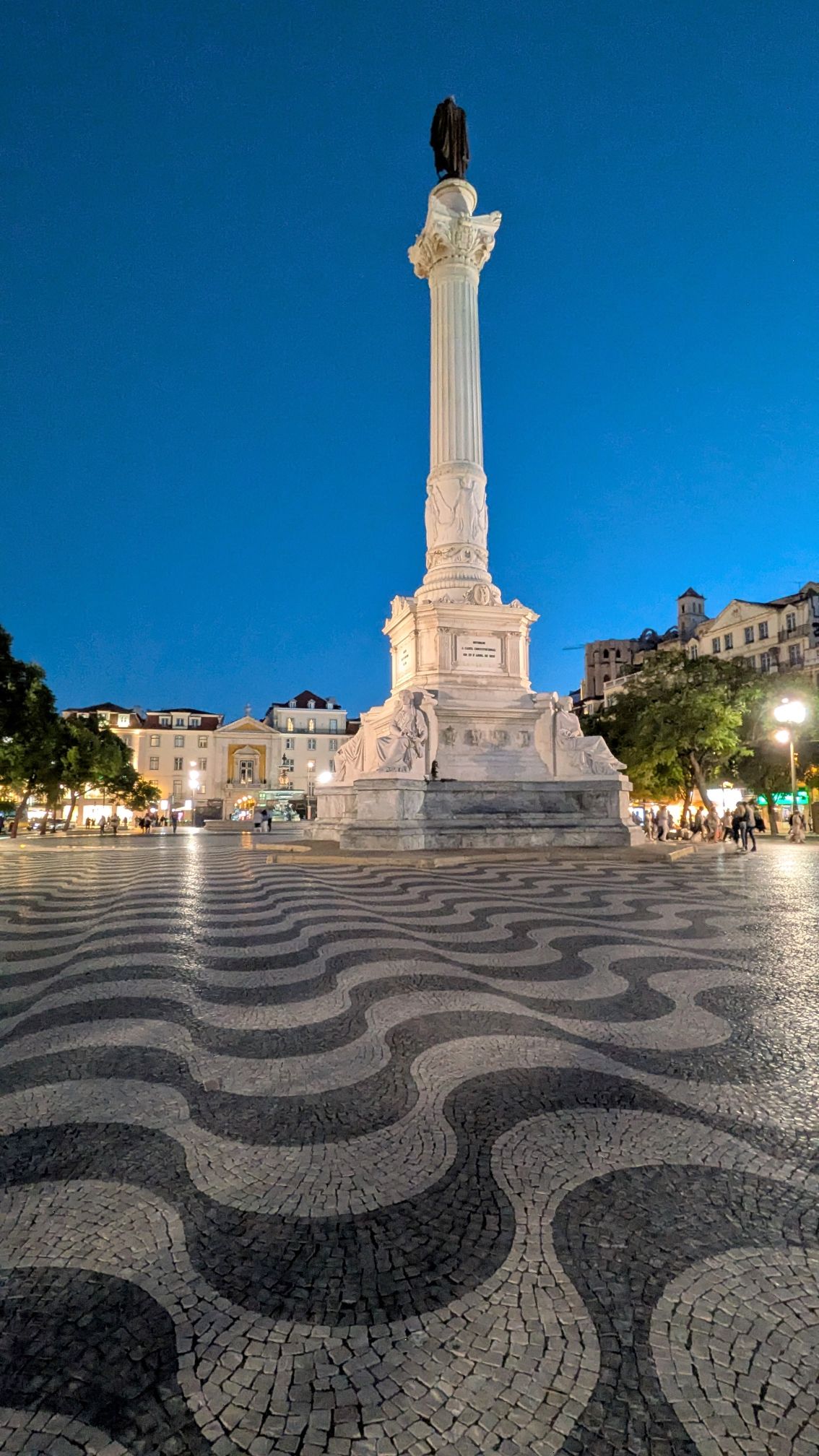
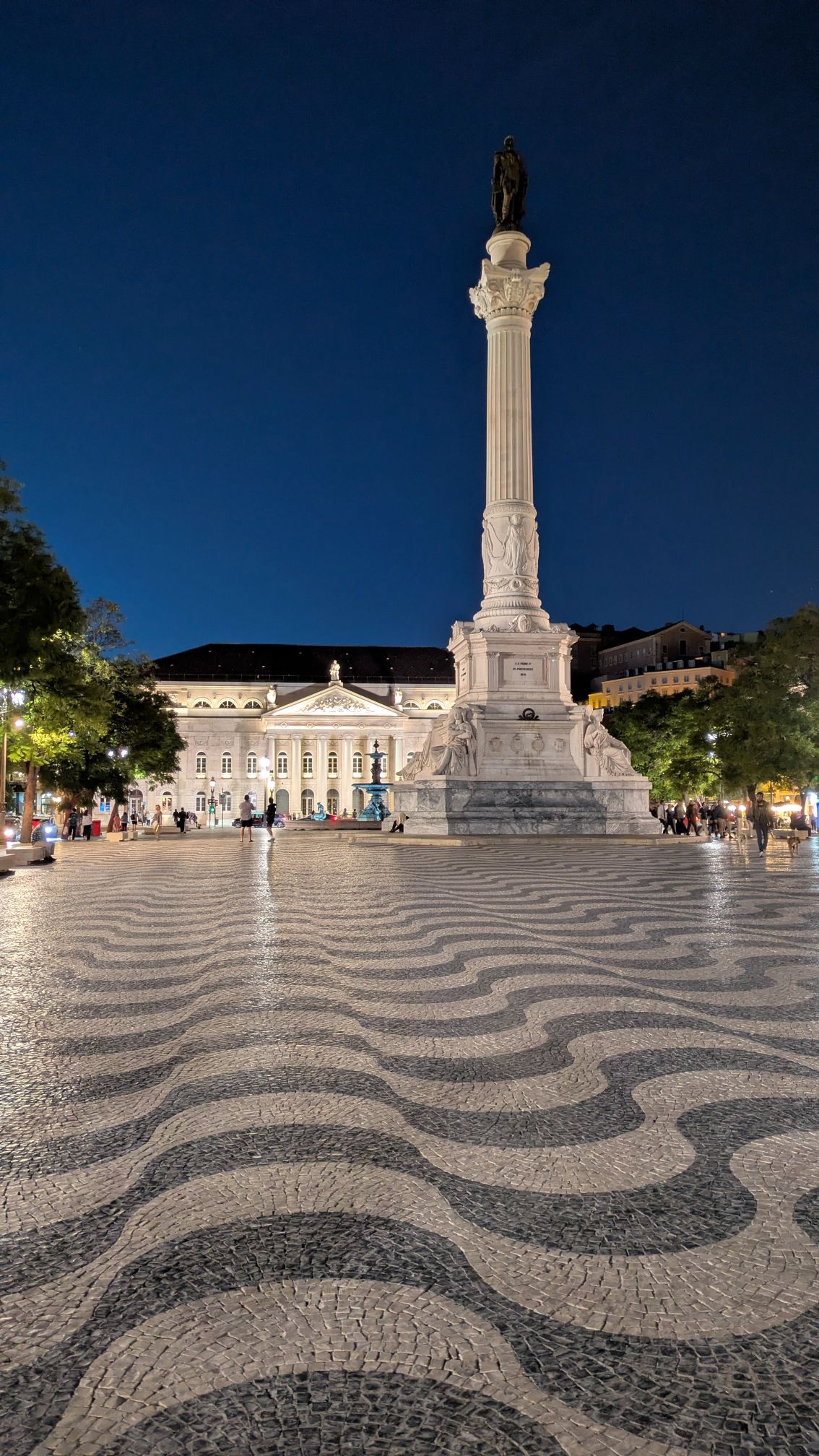
Rossio Square: The surface is flat, but it’s an optical illusion. Follow the waves!
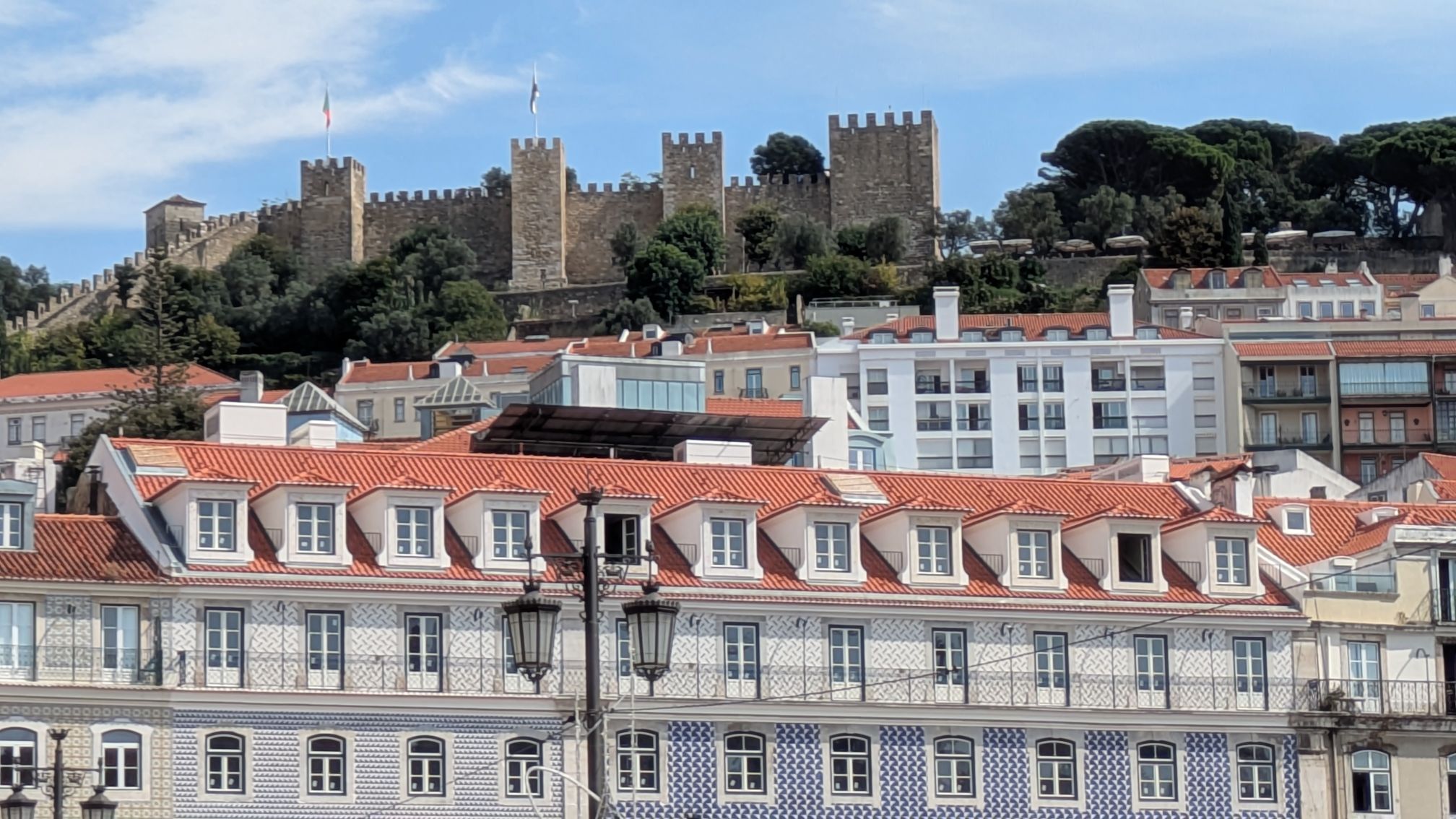
Look up from Rossio Square, and you will see Sao Jorge Castle
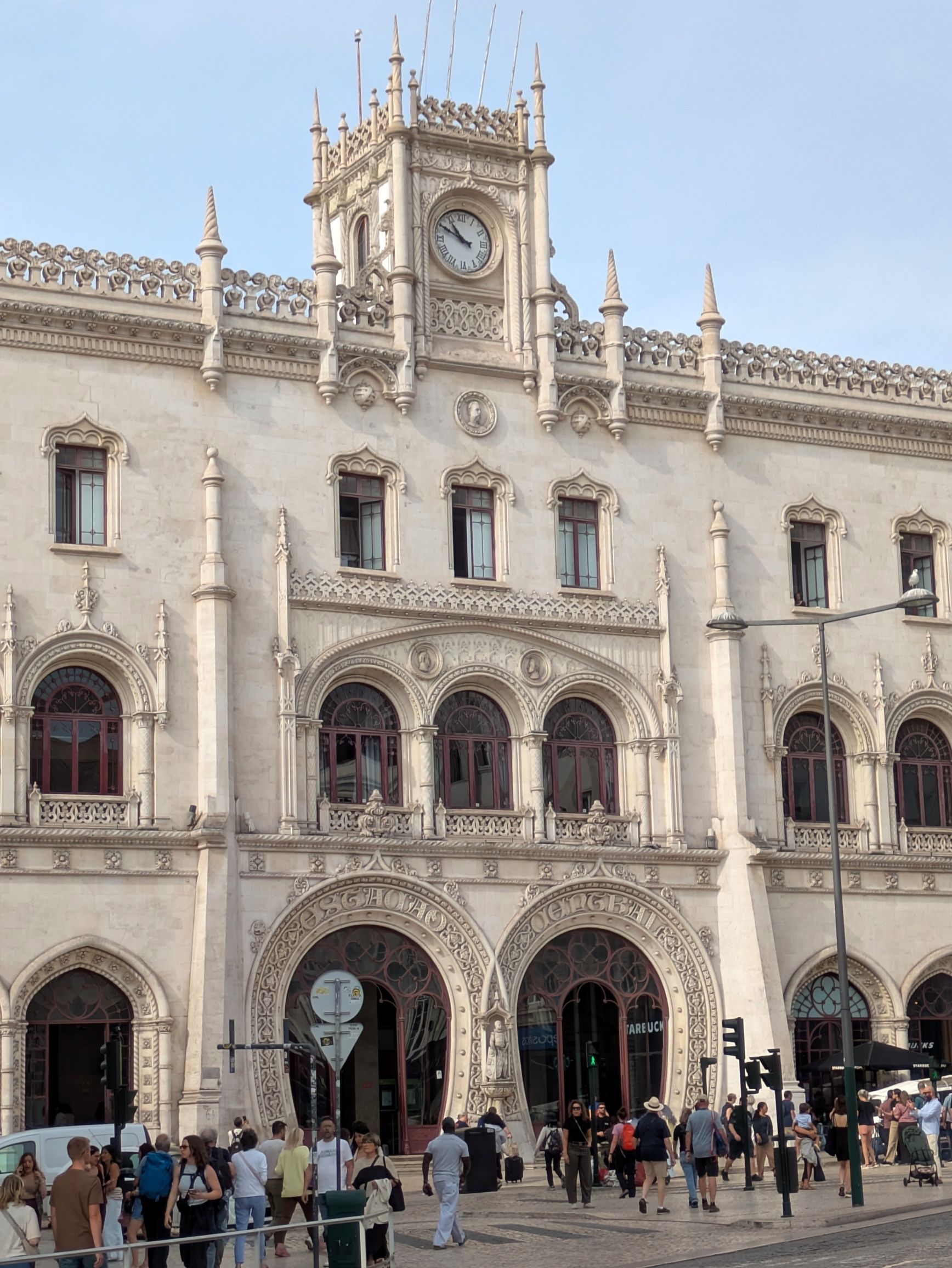
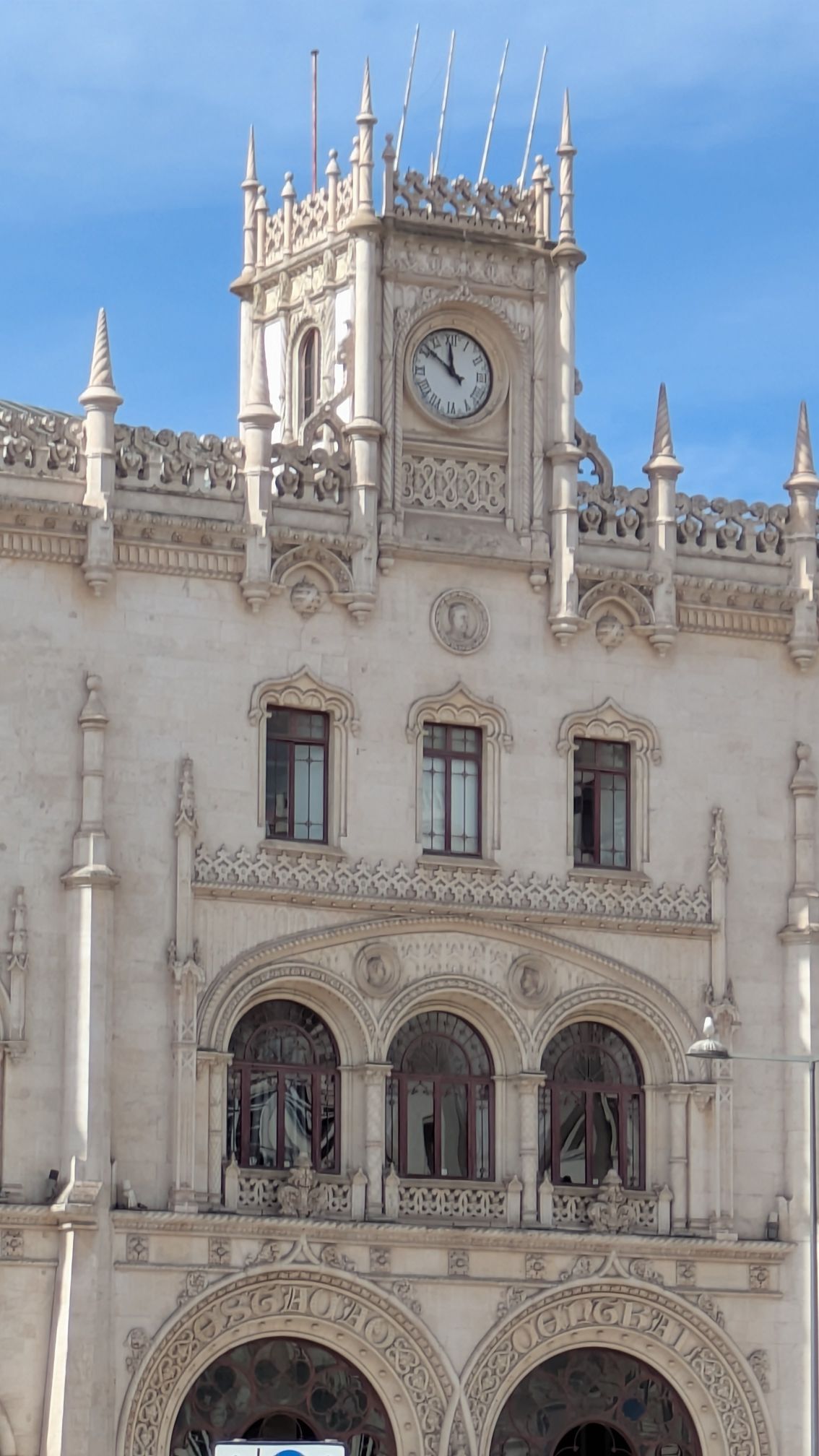
Across from Rossio Square at the far end is the beautiful train station. You have to have a ticket to enter the tracks where the tile murals are located, so stop back when I write about our train trip to Sintra to see those murals!
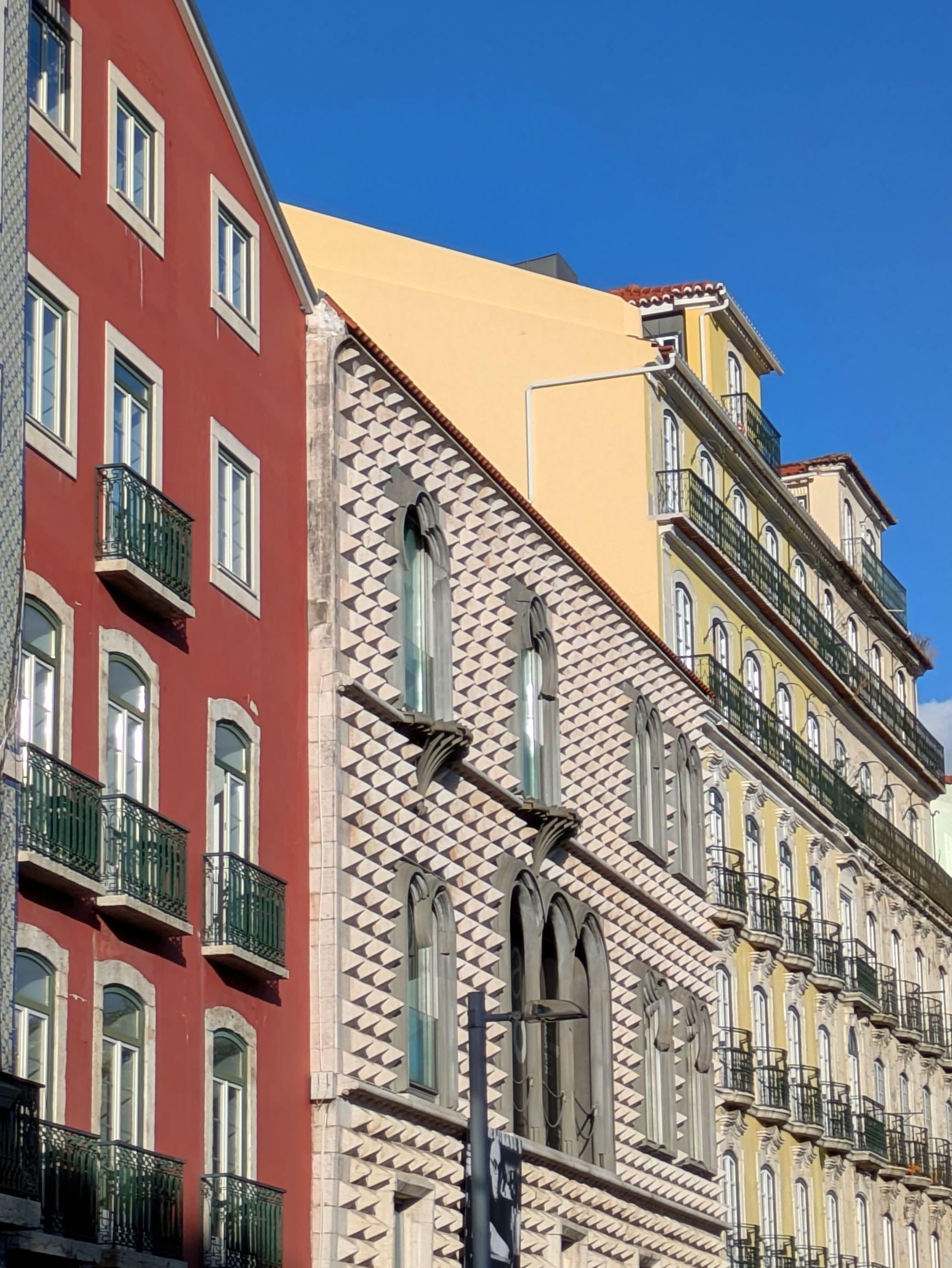
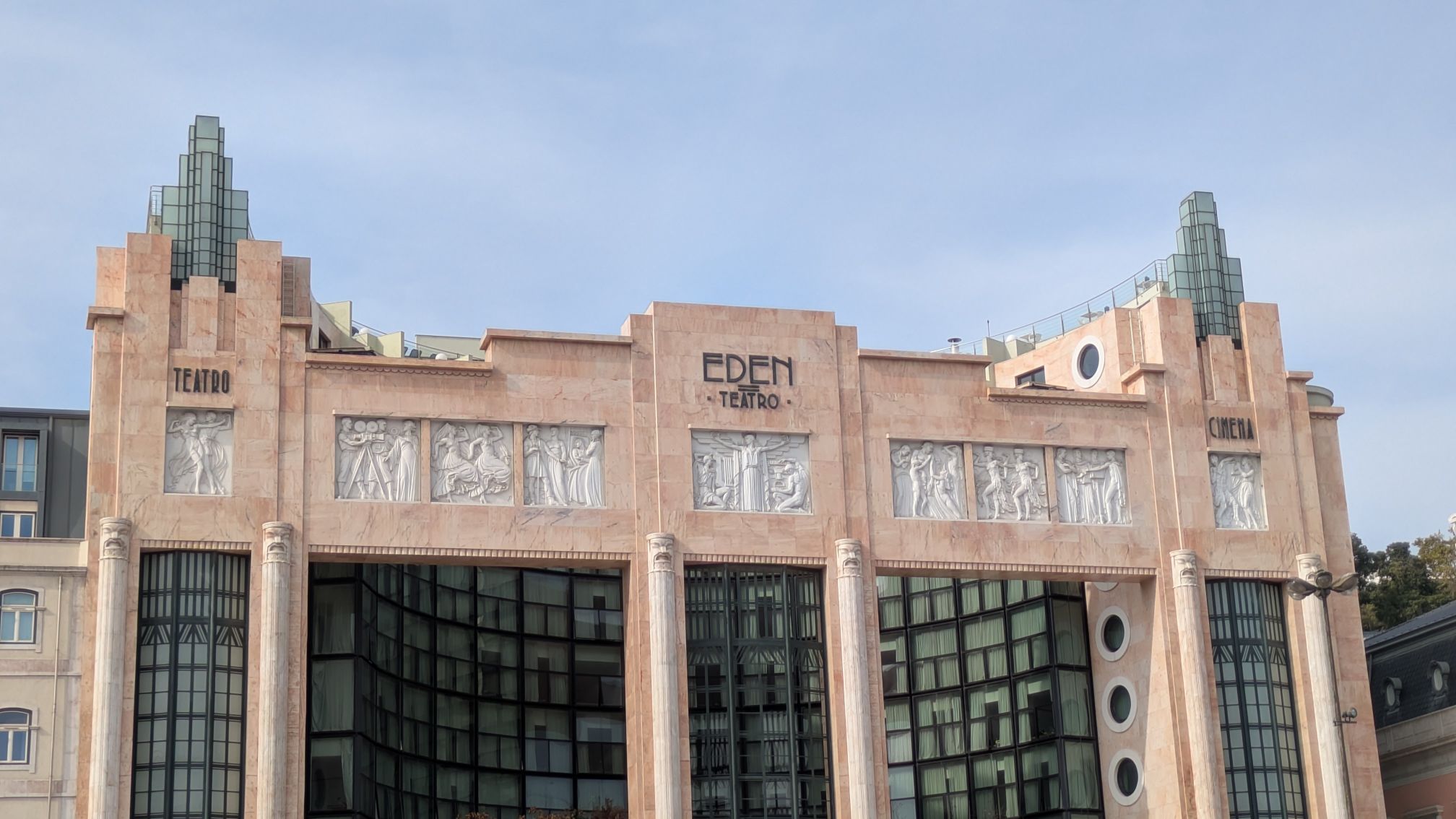
Past the train station on the same side of the street (on the left) is this unusual add-on to a historic facade.
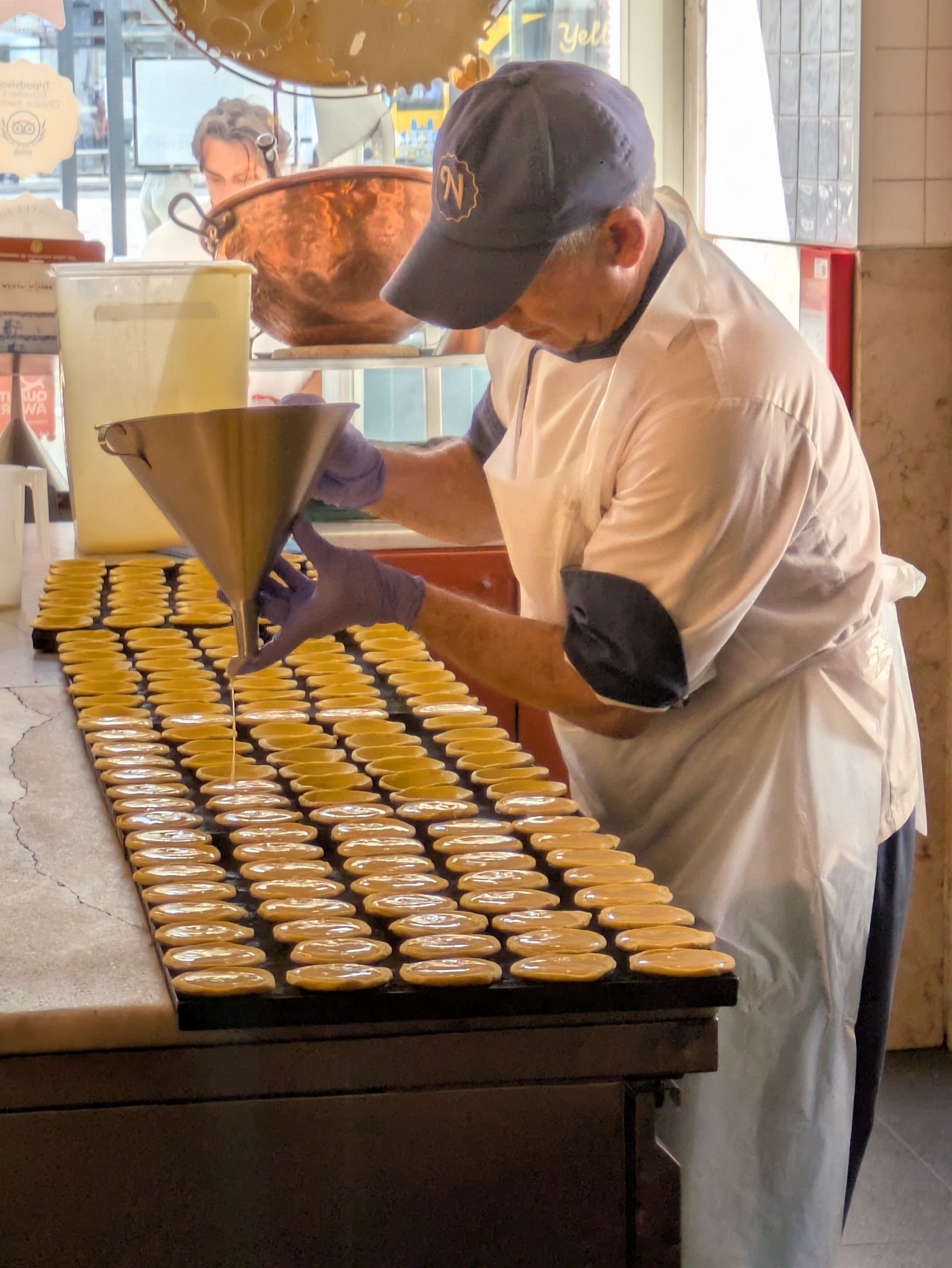
On the right is Fabrica da Nata- Pasteis de Nata, where we stopped for a snack.
Pastel de Nata: Don’t worry; I will be writing (and showing) plenty of food in an upcoming post dedicated to Portuguese cuisine!
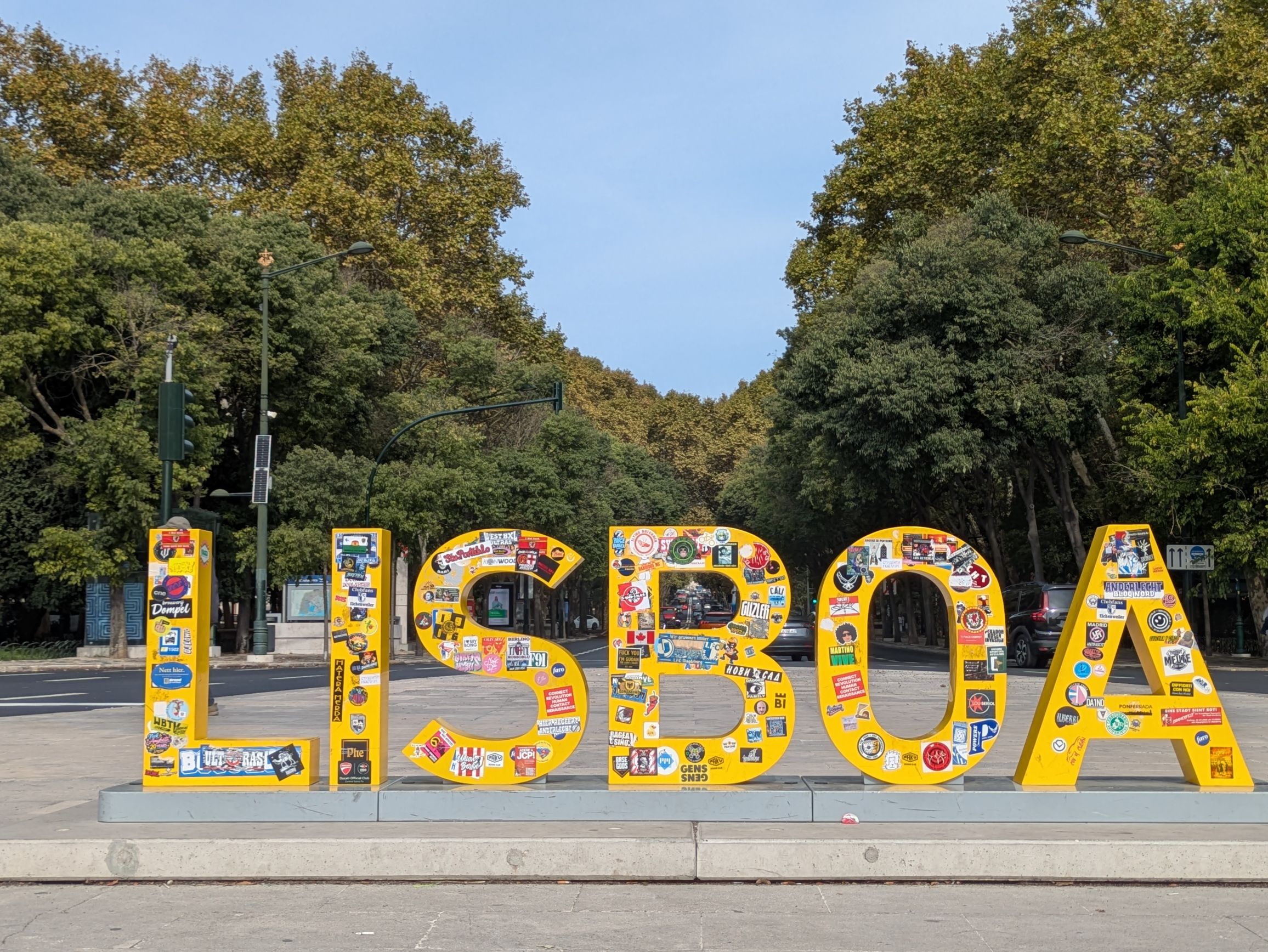
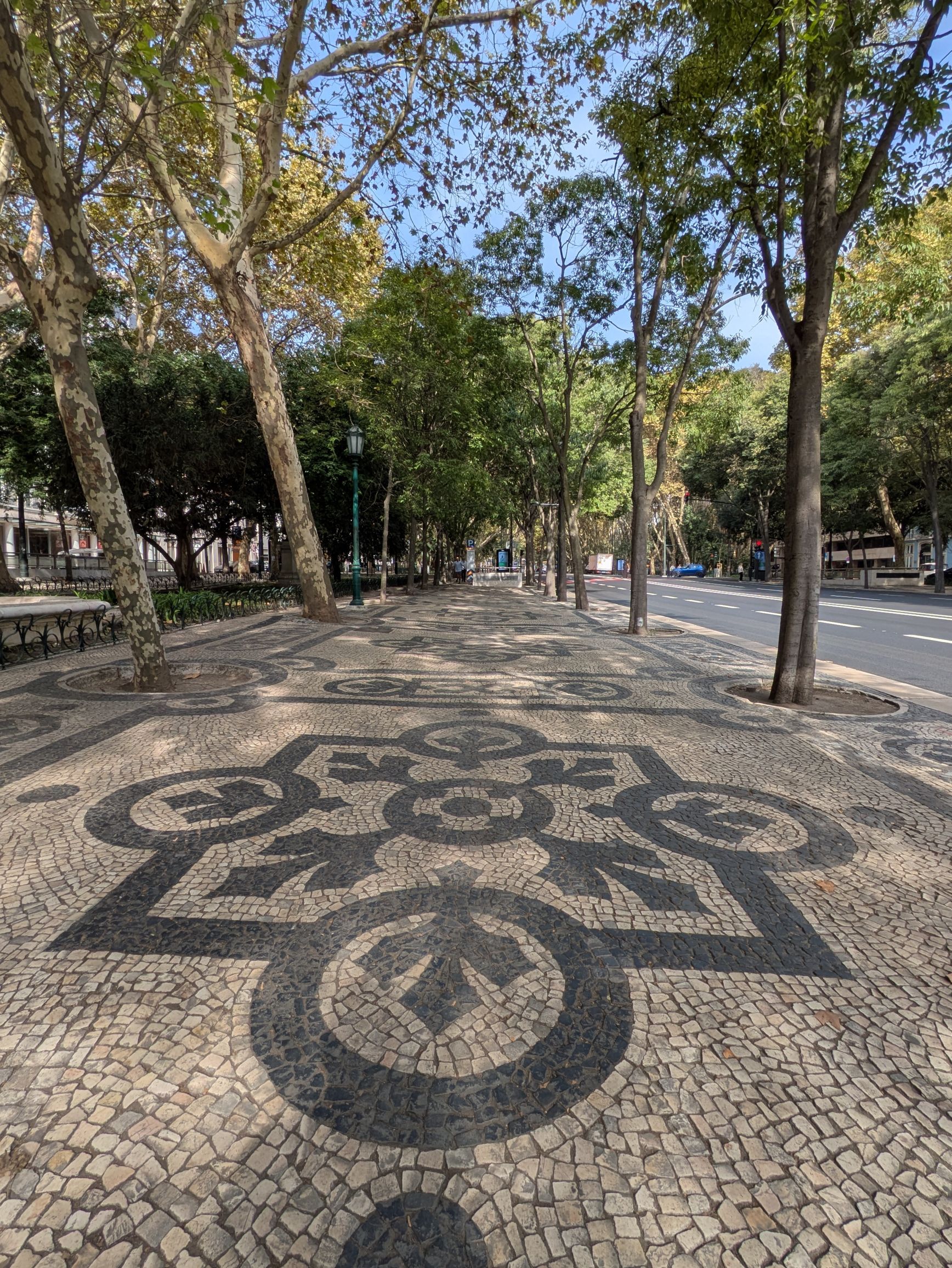
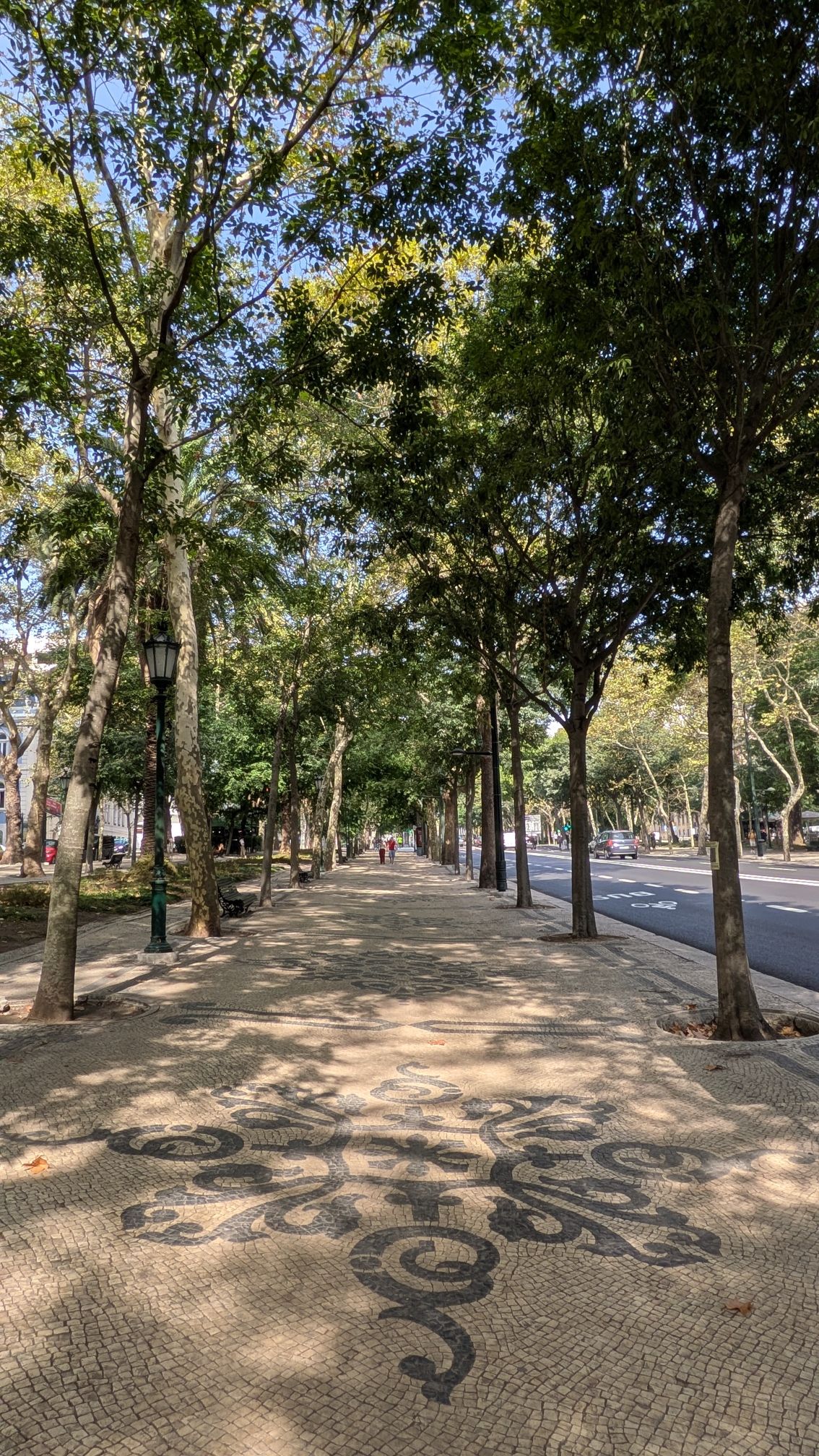
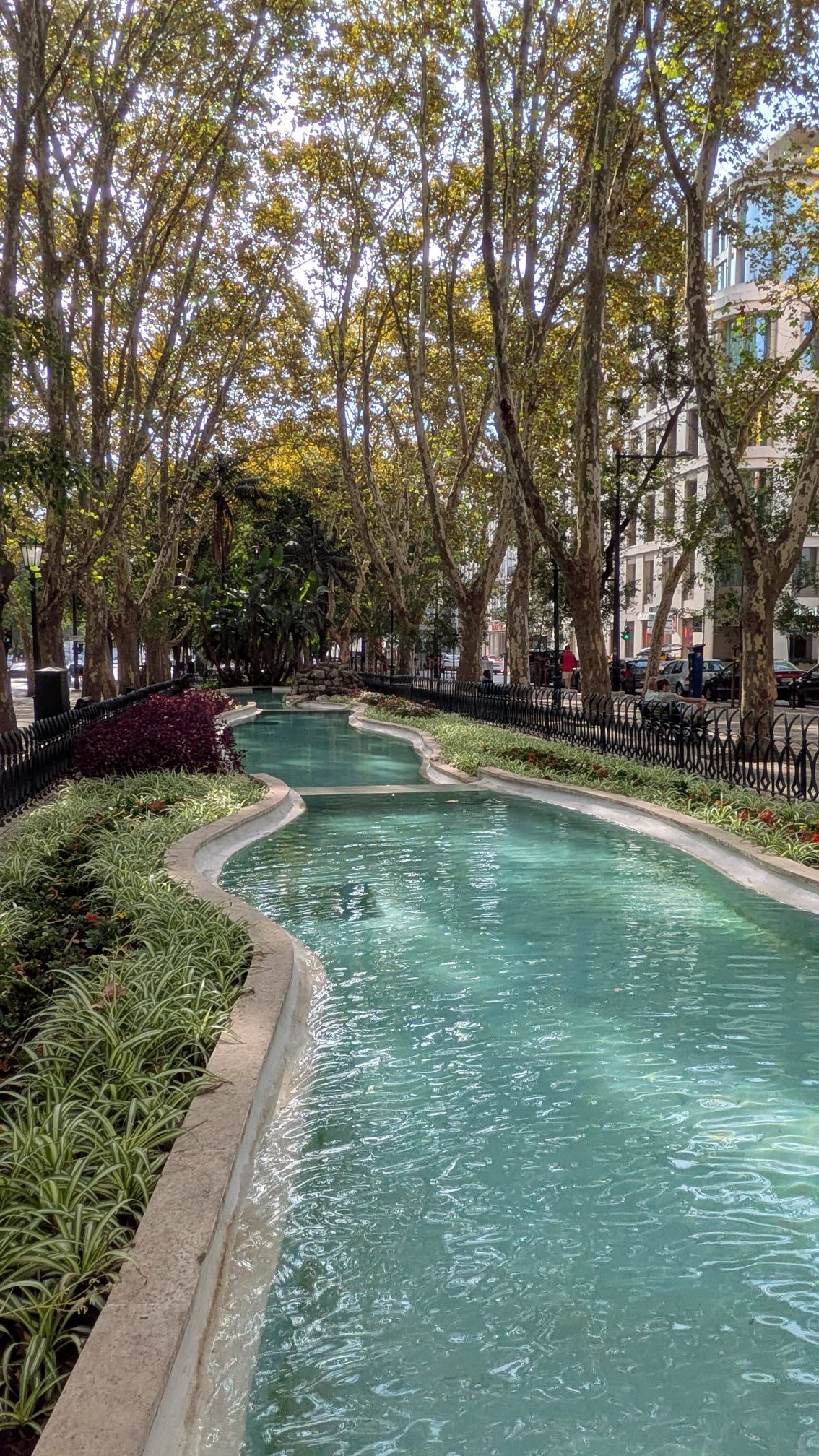
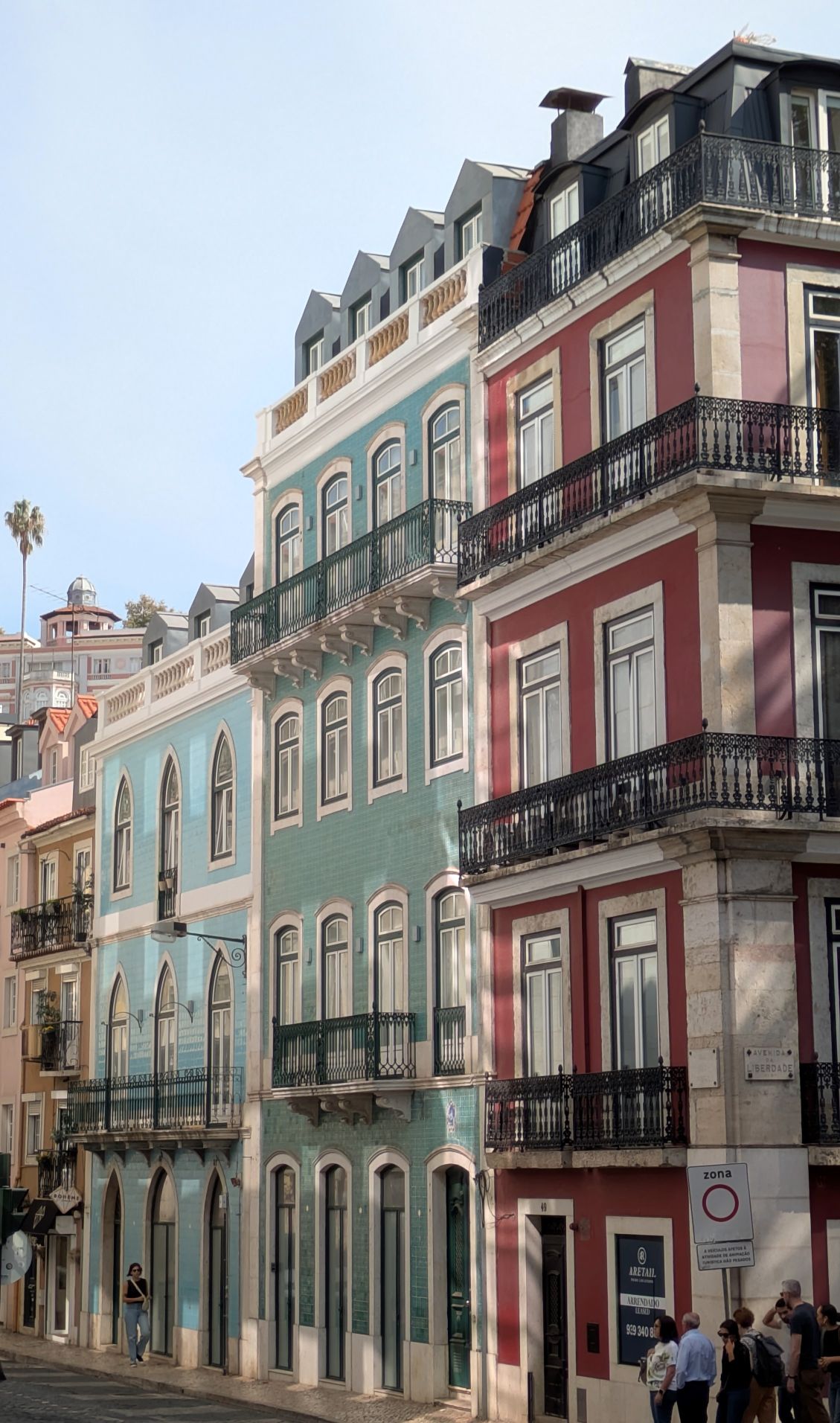
The beginning of the gorgeous tree-lined portion of Avenida da Liberdade

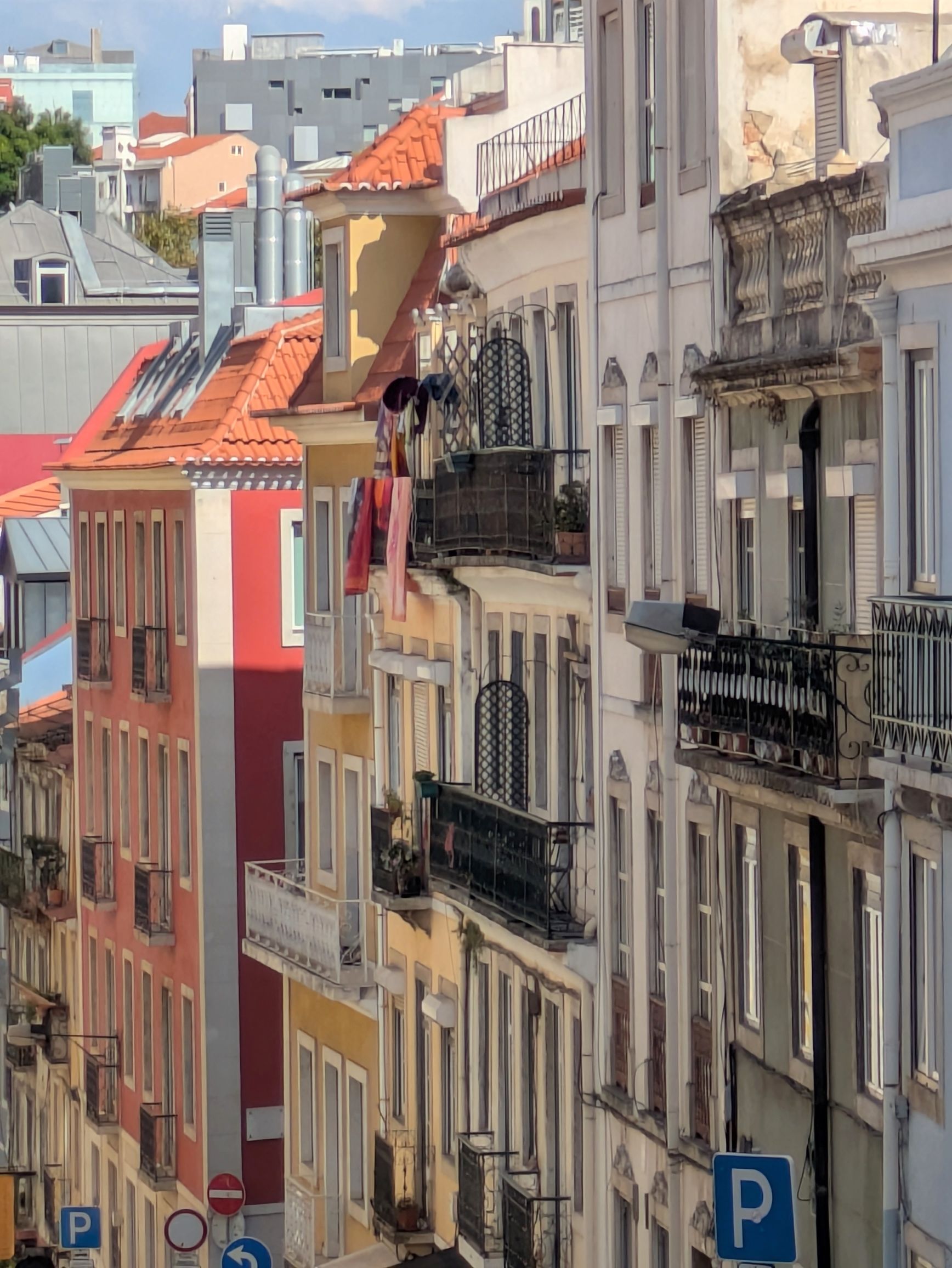
Views of the side streets off the avenue:

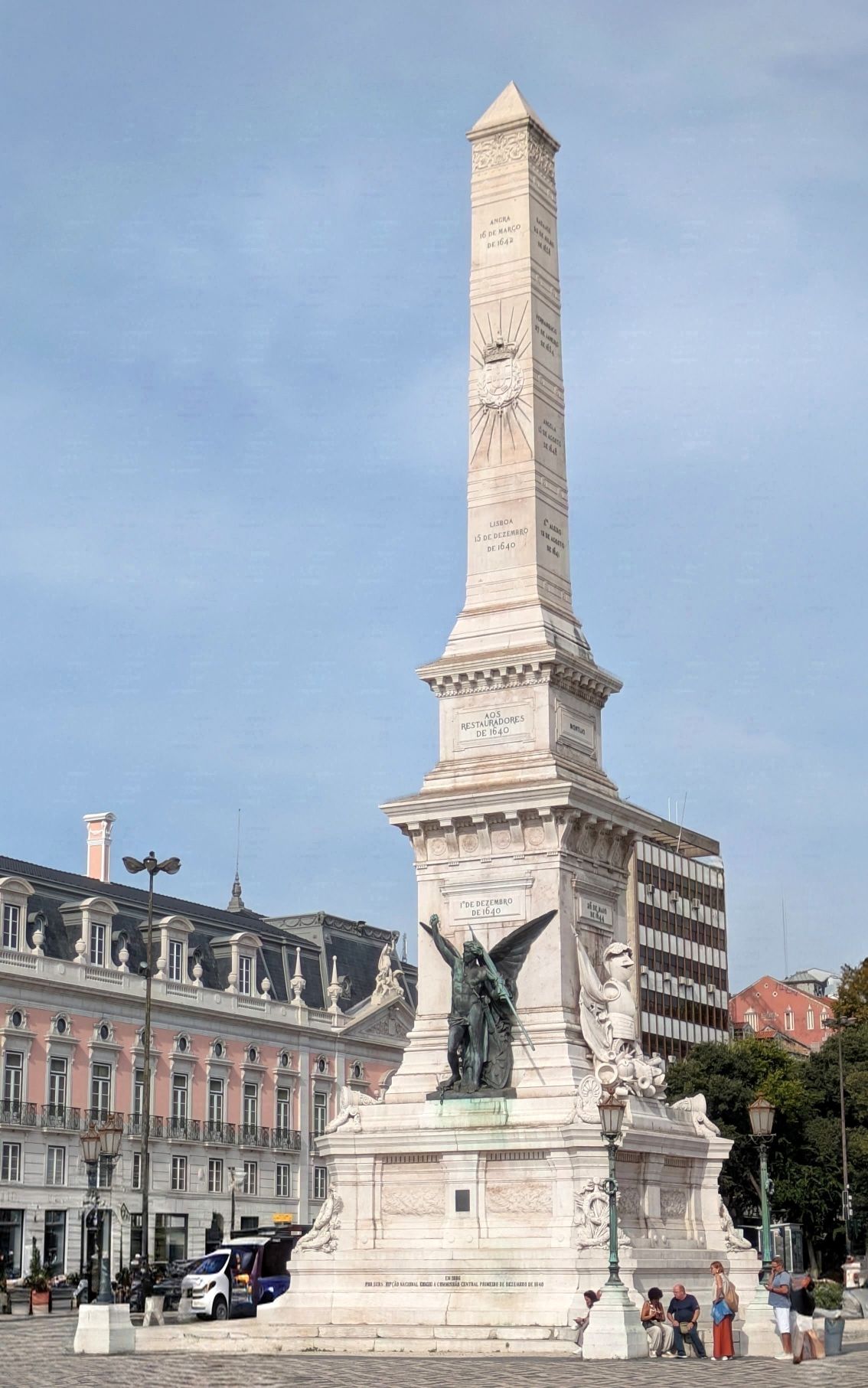
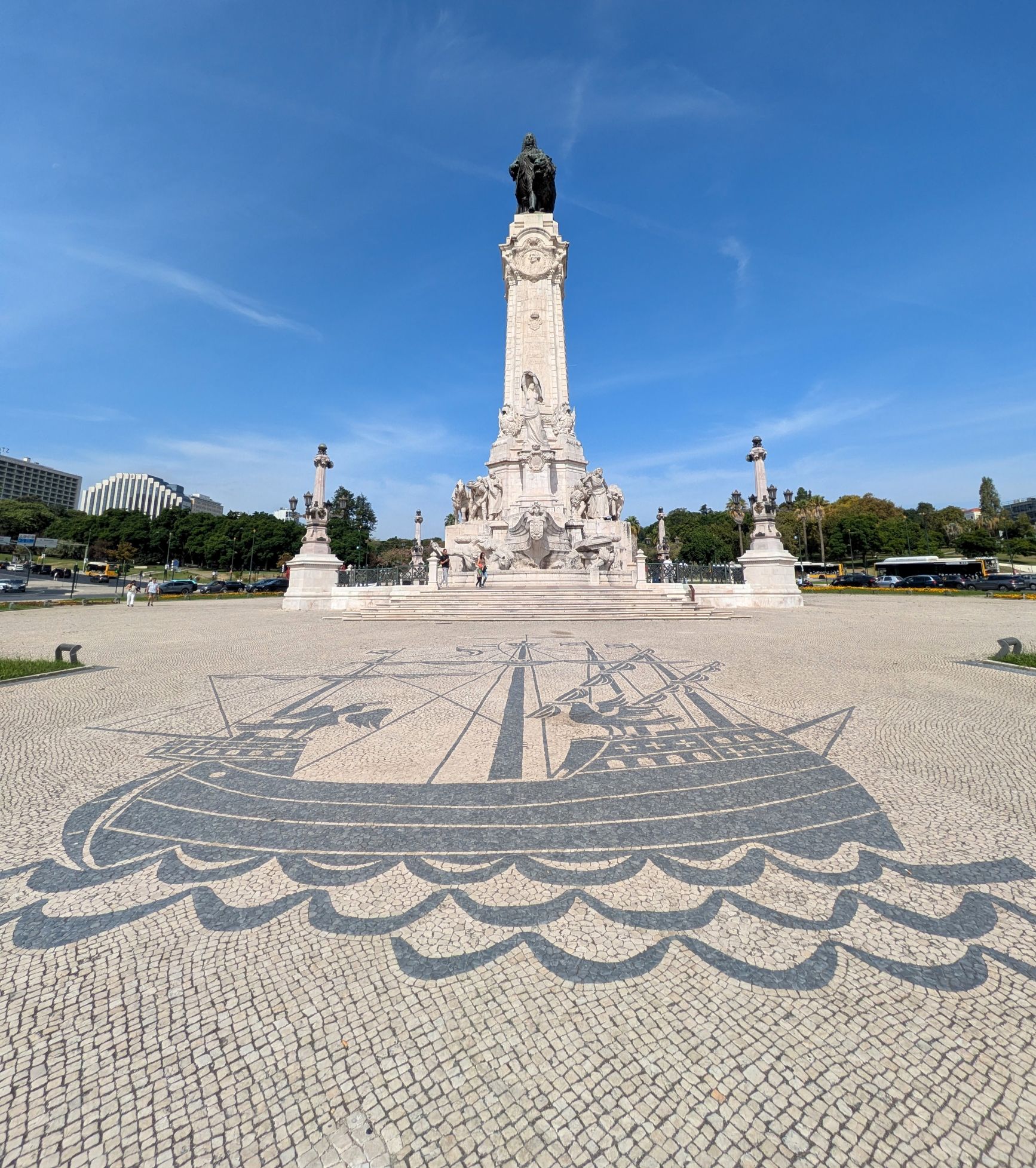
Continuing up Avendida da Liberdade to Marques de Pombal Square:

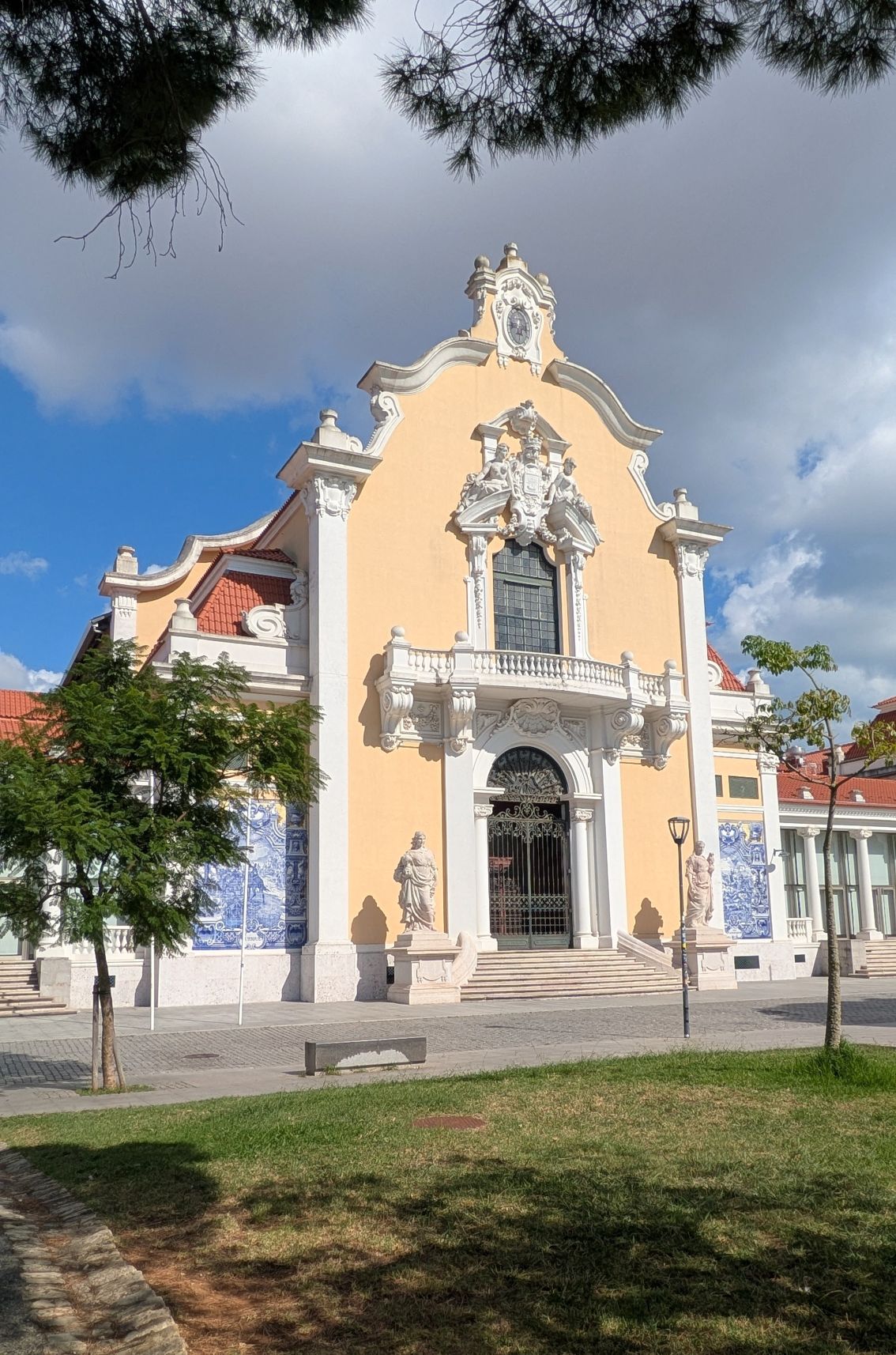
Make your way up the hill, and you will see Pavilhao Carlos Lopes on the right:

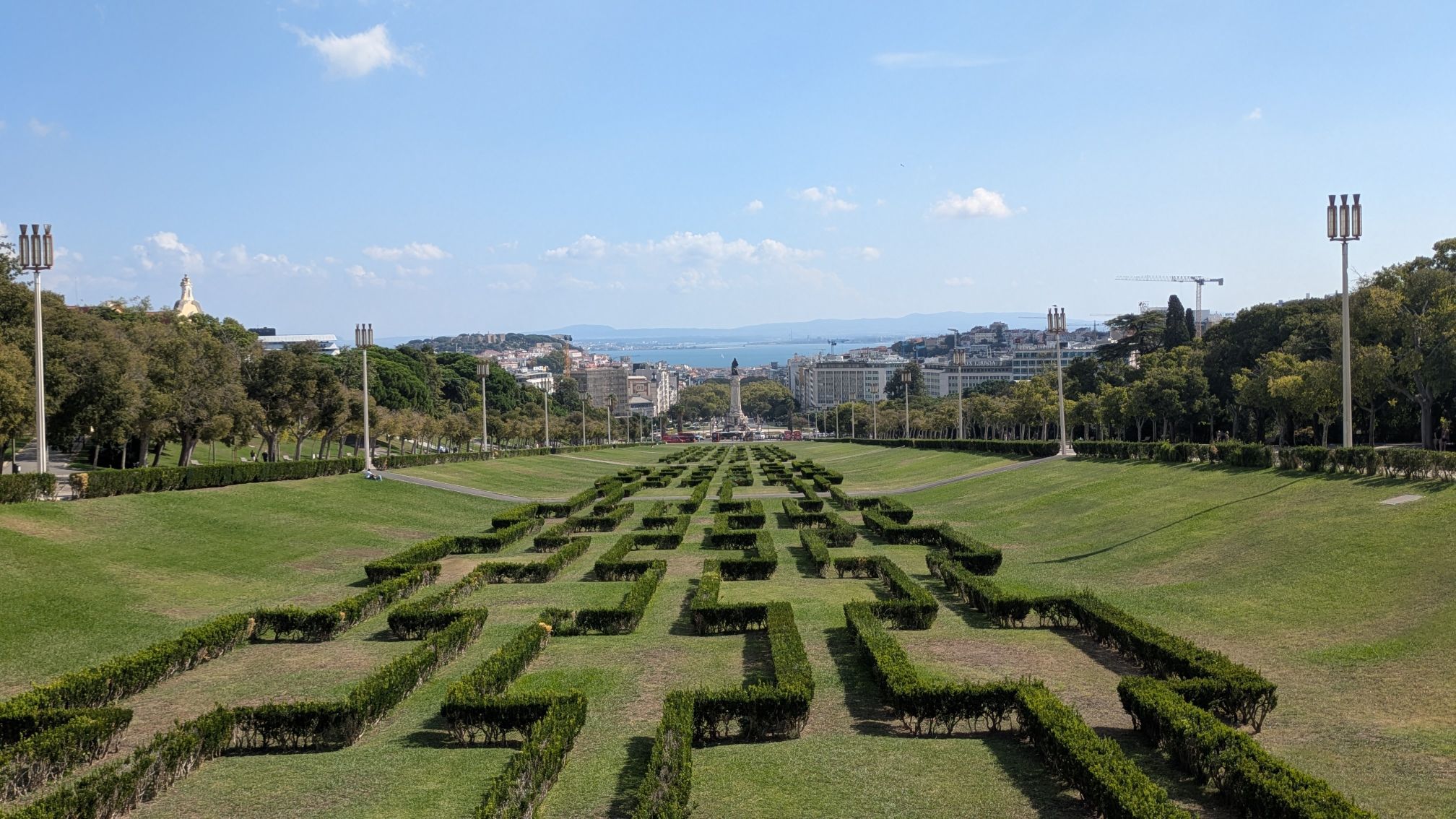
Continue up the hill through Parque Eduardo VII, and you will be rewarded with this panoramic view:

Congratulations, you made it! Now you have a choice to either take the metro back from Marque de Pombal (look for the red and white “M” sign), or walk back like we did.This is us back in Chiado:

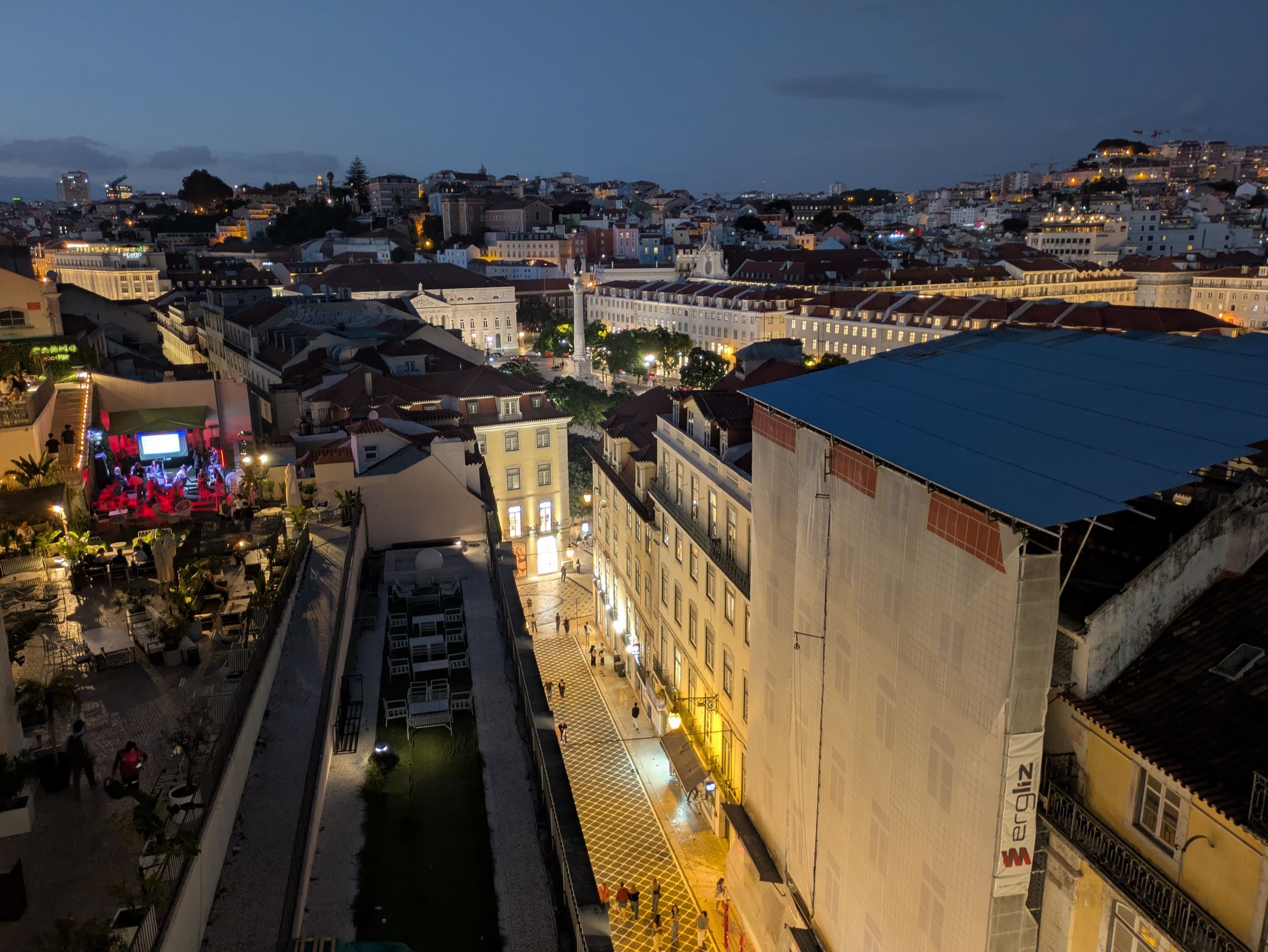
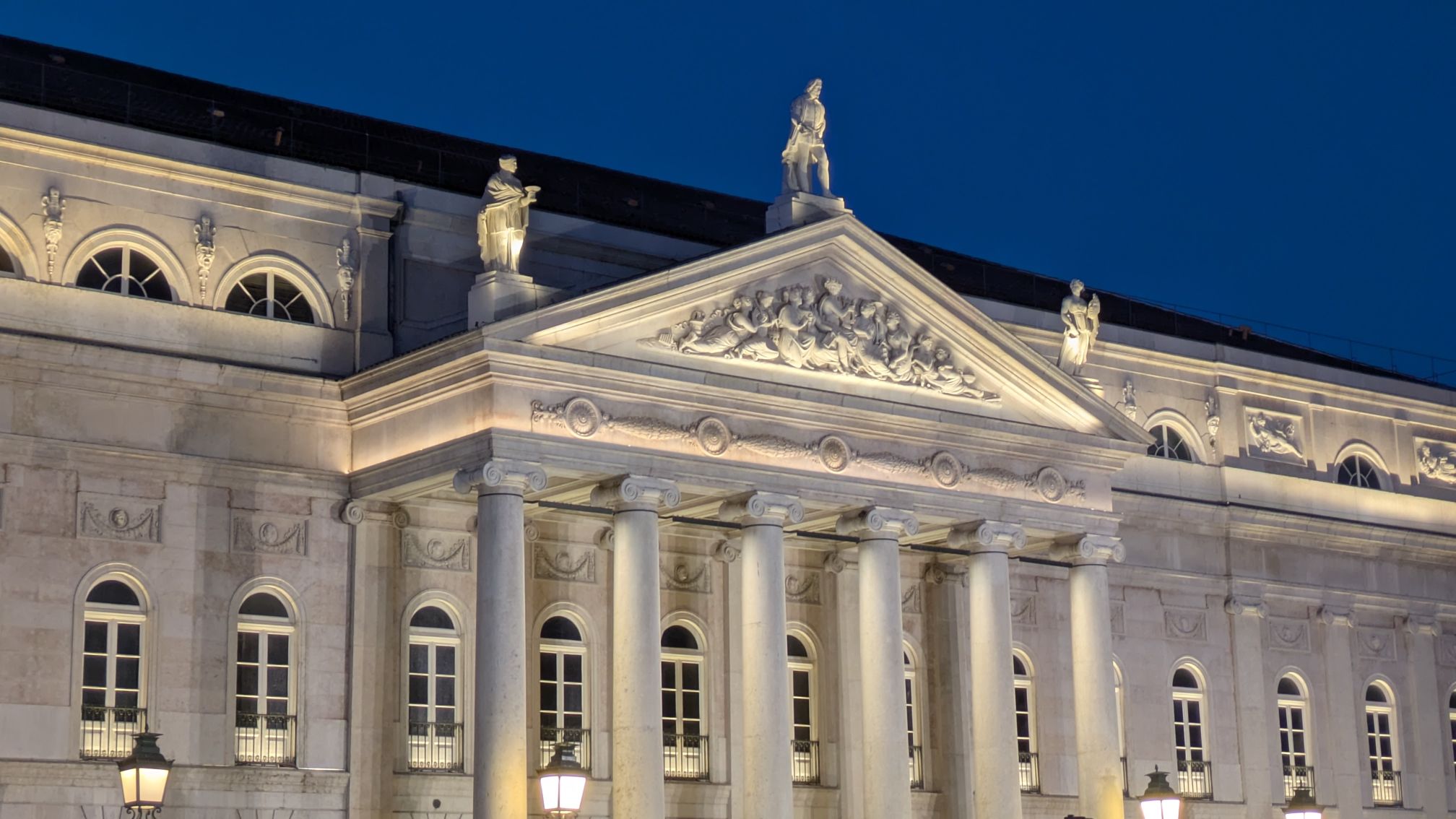
A walk down to Rossio Square at night:
This is an overhead view of the pedestrian street and Rossio Square for perspective. This was shot from a viewing platform next to the convent in Bairo Alto, adjacent to the entrance to Elevador de Santa Justa, which is temporarily closed.
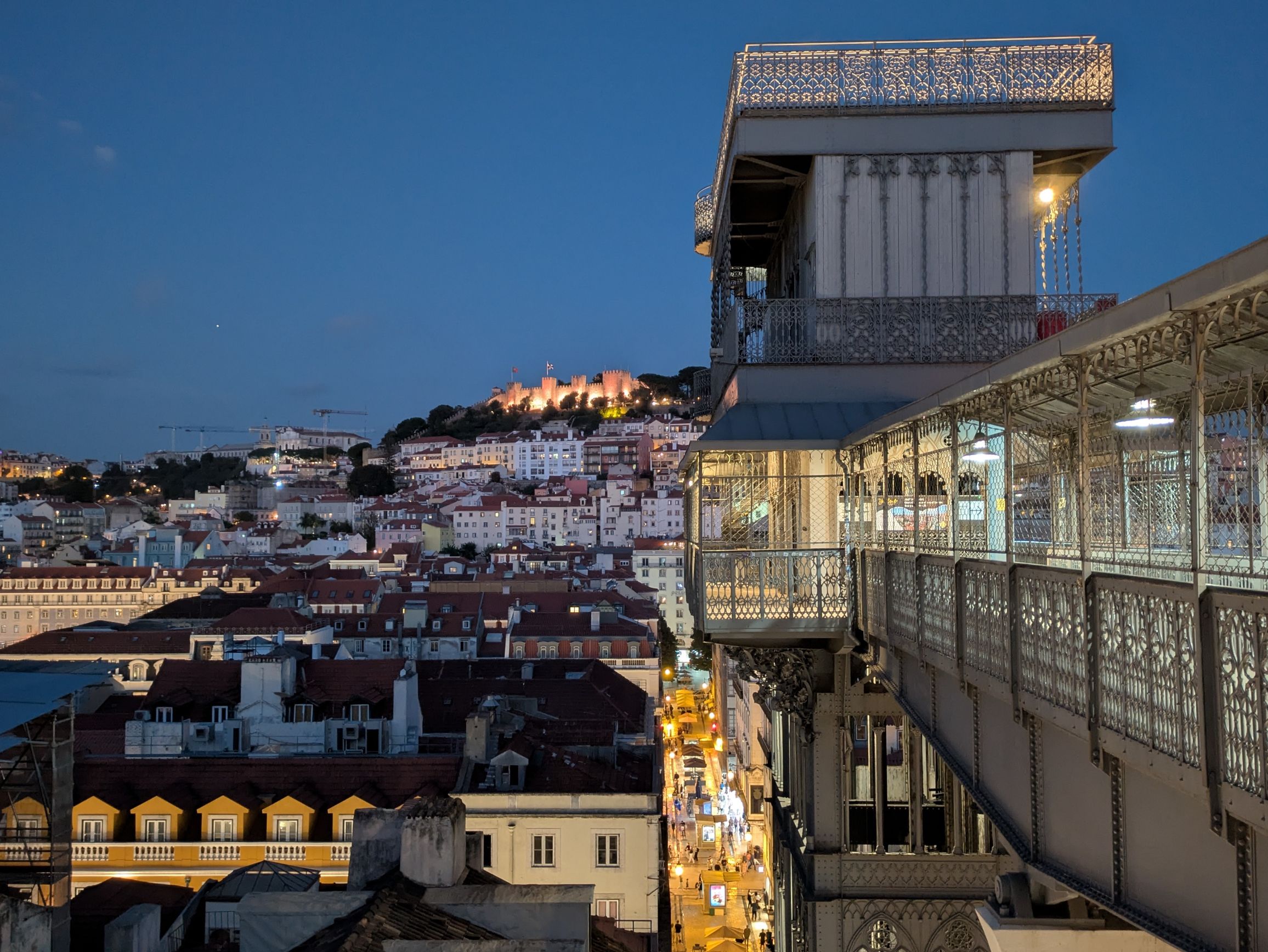
From this viewing platform, you can also see the castle lit up in the distance. This is the top of the elevator on the right.
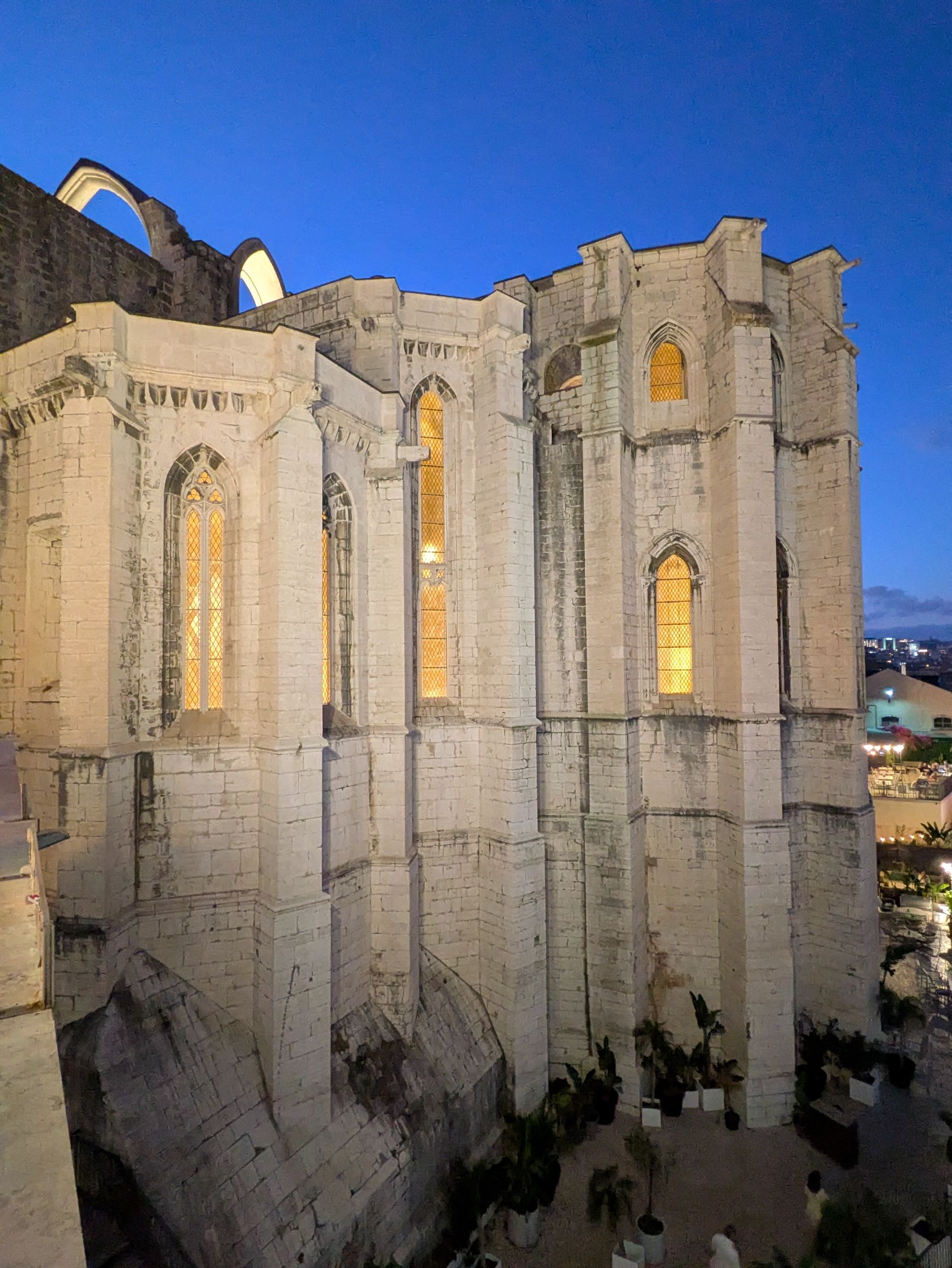
To the left is the convent.
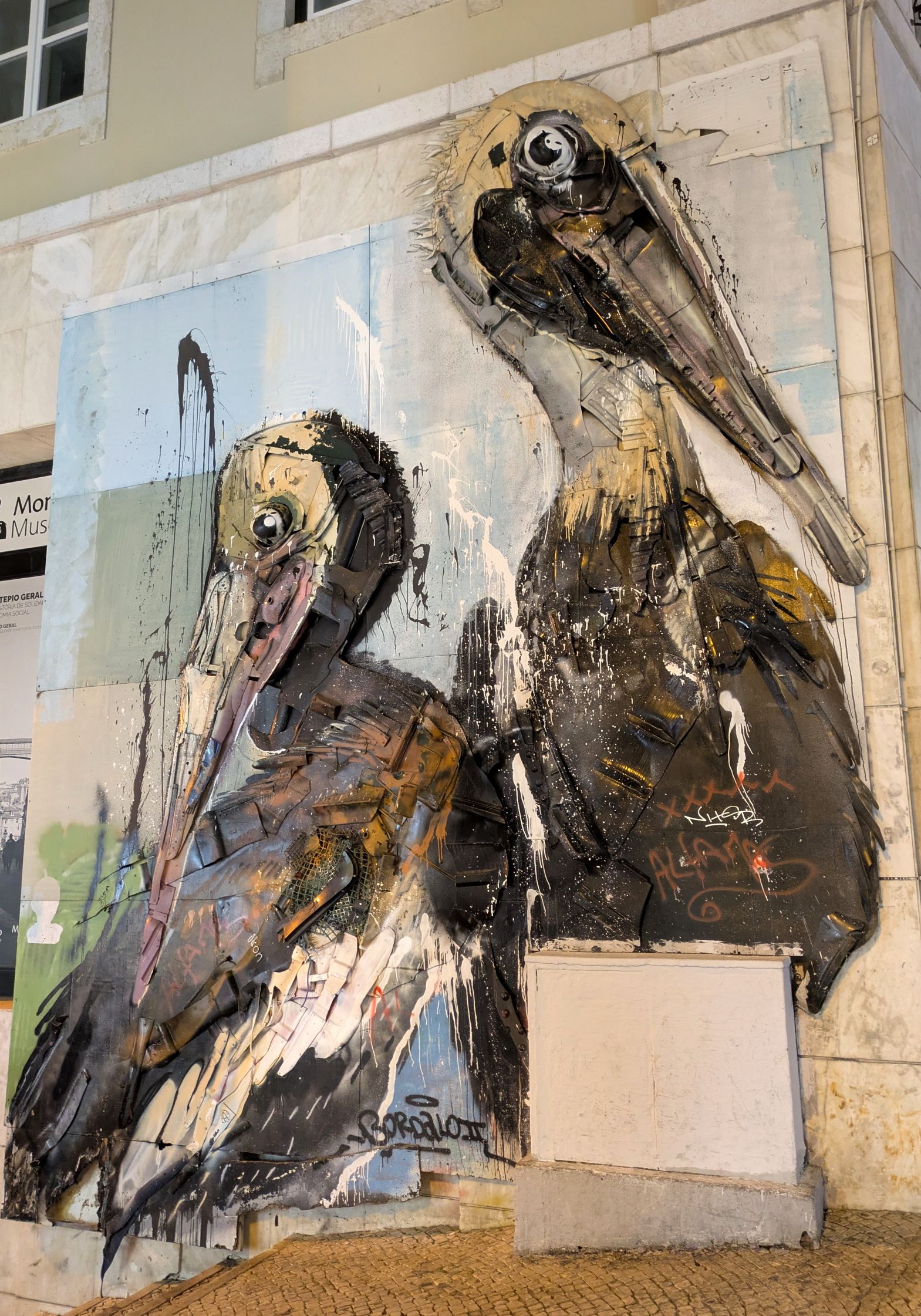
At the pedestrian street level of the Santa Justa lift are the Pelicans, by Bordalo II. (More Bordalo II in future posts.)

Coming up next: LOVING LIVING LIKE A LOCAL IN LISBON #5: BUSTLING BAIXA