
In my previous post about the Baixa neighborhood of Lisbon, I mentioned how Rua Augusta divides Baixa from the Alfama neighborhood to the east. Alfama also occupies the lower slopes between Tagus River and Sao Jorge Castle.
Alfama is the oldest neighborhood in Lisbon, dating back to Moorish Rule. Fortunately, the 1755 earthquake, which destroyed so much of Lisbon, spared this ancient neighborhood of narrow, winding streets of cobblestone.
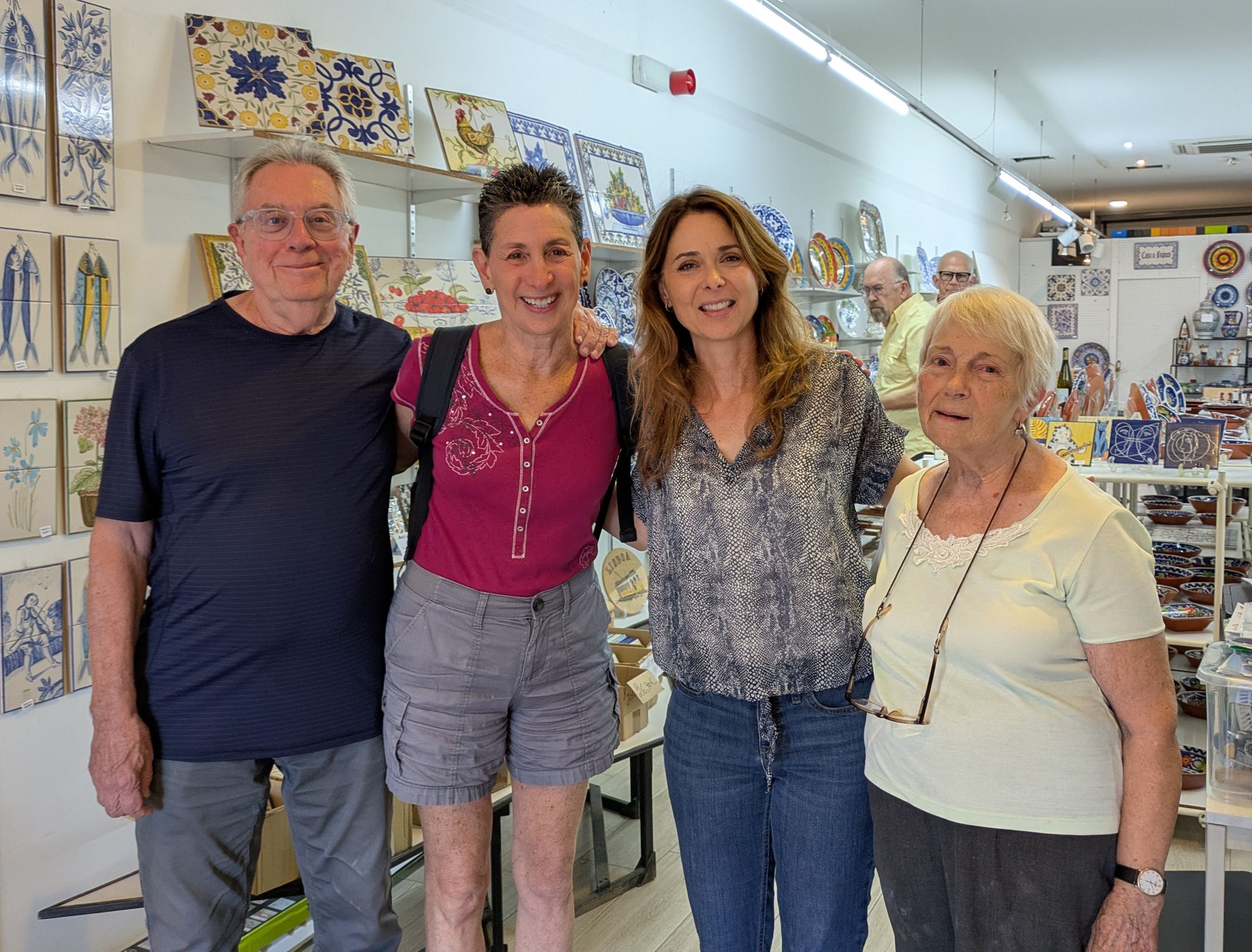
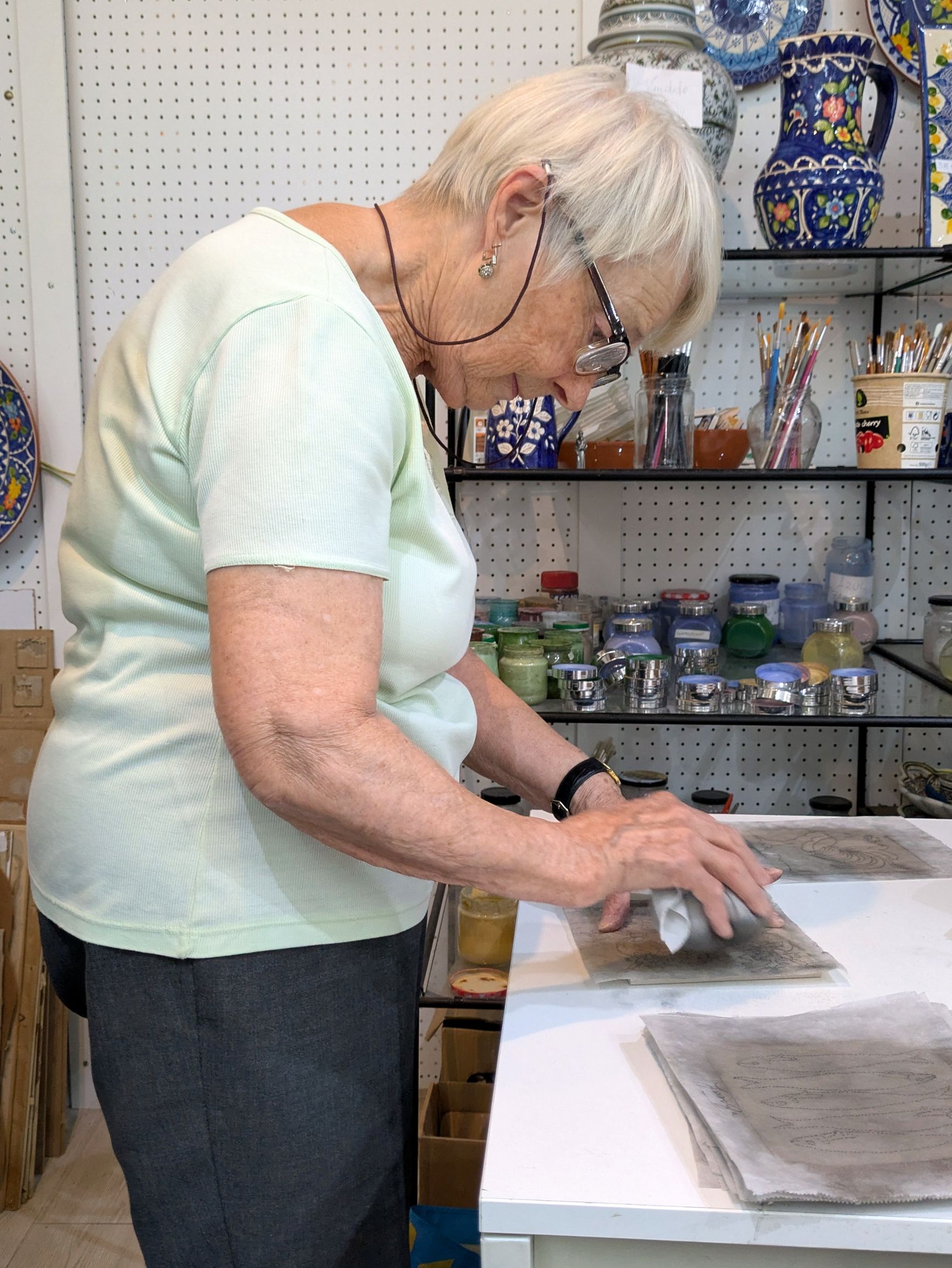
Bruce and I enjoyed exploring Alfama on our own, walking the steep, hilly cobblestone lanes and discovering what was around each corner. We returned another day for one of our included cultural activities with The Good Life Abroad. This was a tile painting workshop at Loja dos Descrobimentos, a family-run shop owned by a sweet older couple. I would show you a photo of my tile, but it was far from being a work of art! Instead, how about a photo of the owner with me, Bruce, and Jen, our community manager:
(For all photos, click on the image for a full screen view.)
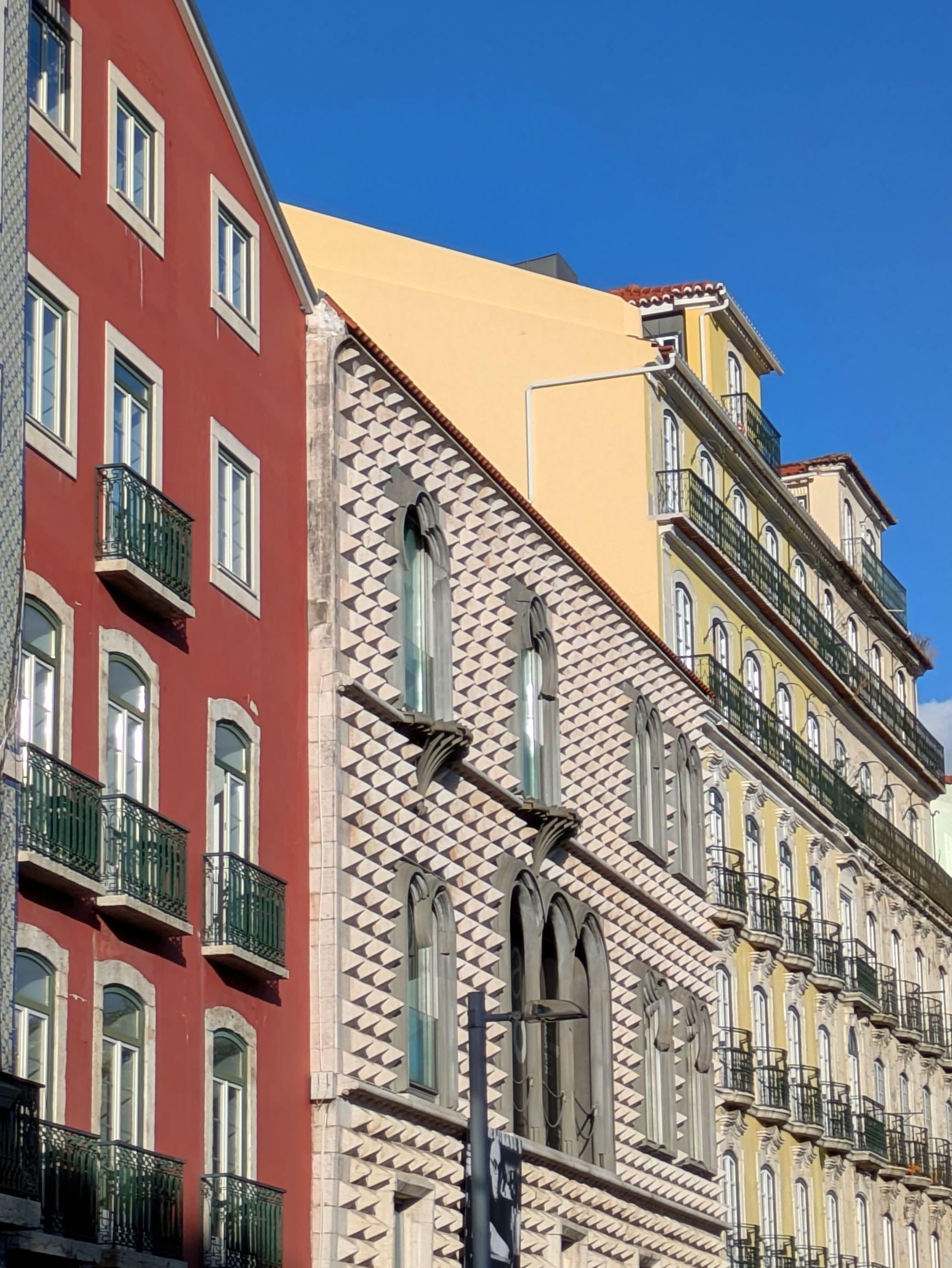
Another visit to the Alfama neighborhood was with our group for a walking tour of this medieval neighborhood of 7,000 permanent residents. We learned more about its history, including how Fado, Lisbon’s signature music genre, began here in the 19th century. (More on Fado and the concerts we attended in a future post.)
Walking through its narrow, hilly streets and seeing how the locals live gave us a good feel for authentic Lisbon and Portugal, so I would consider it a don’t-miss neighborhood!
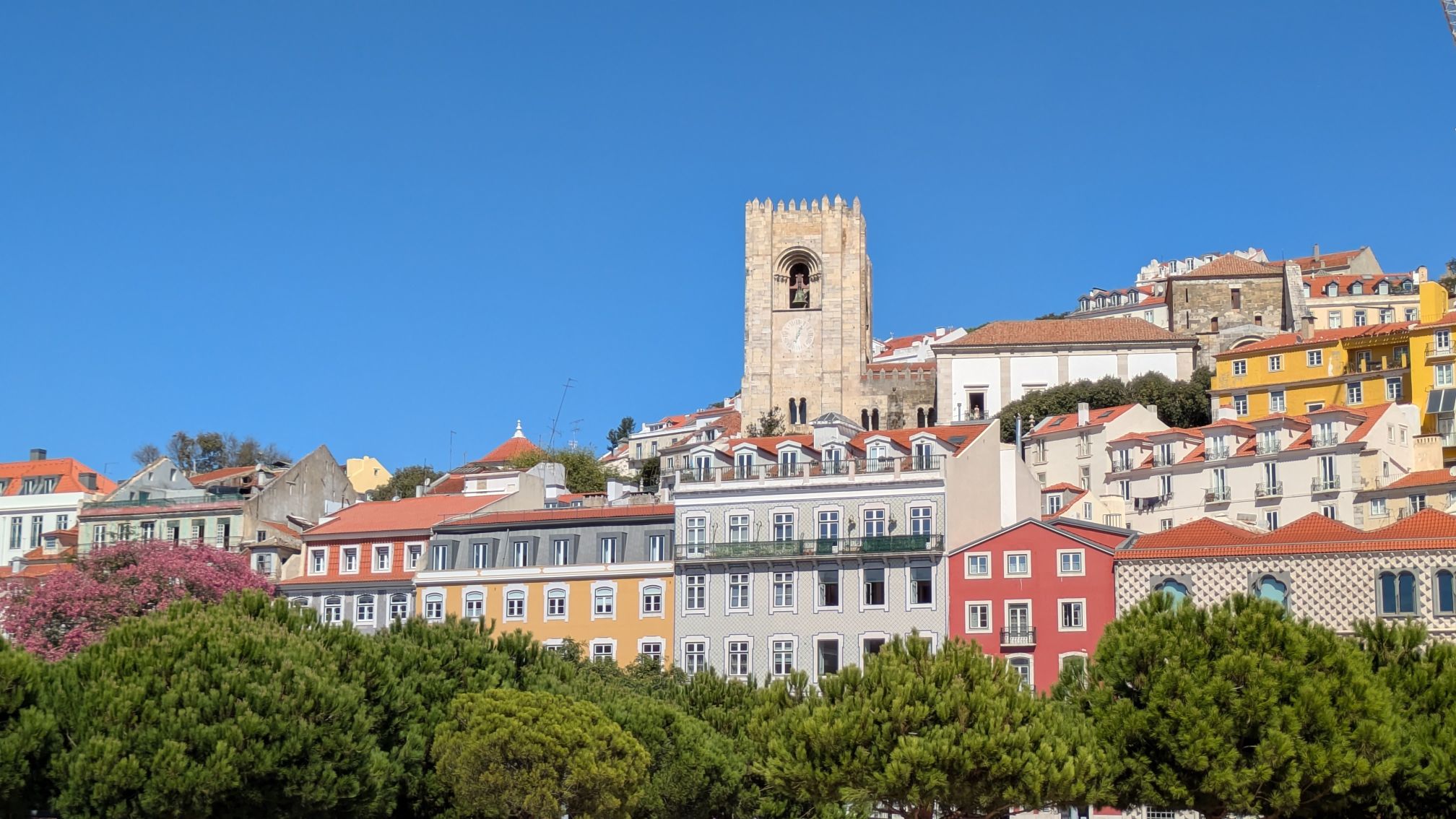
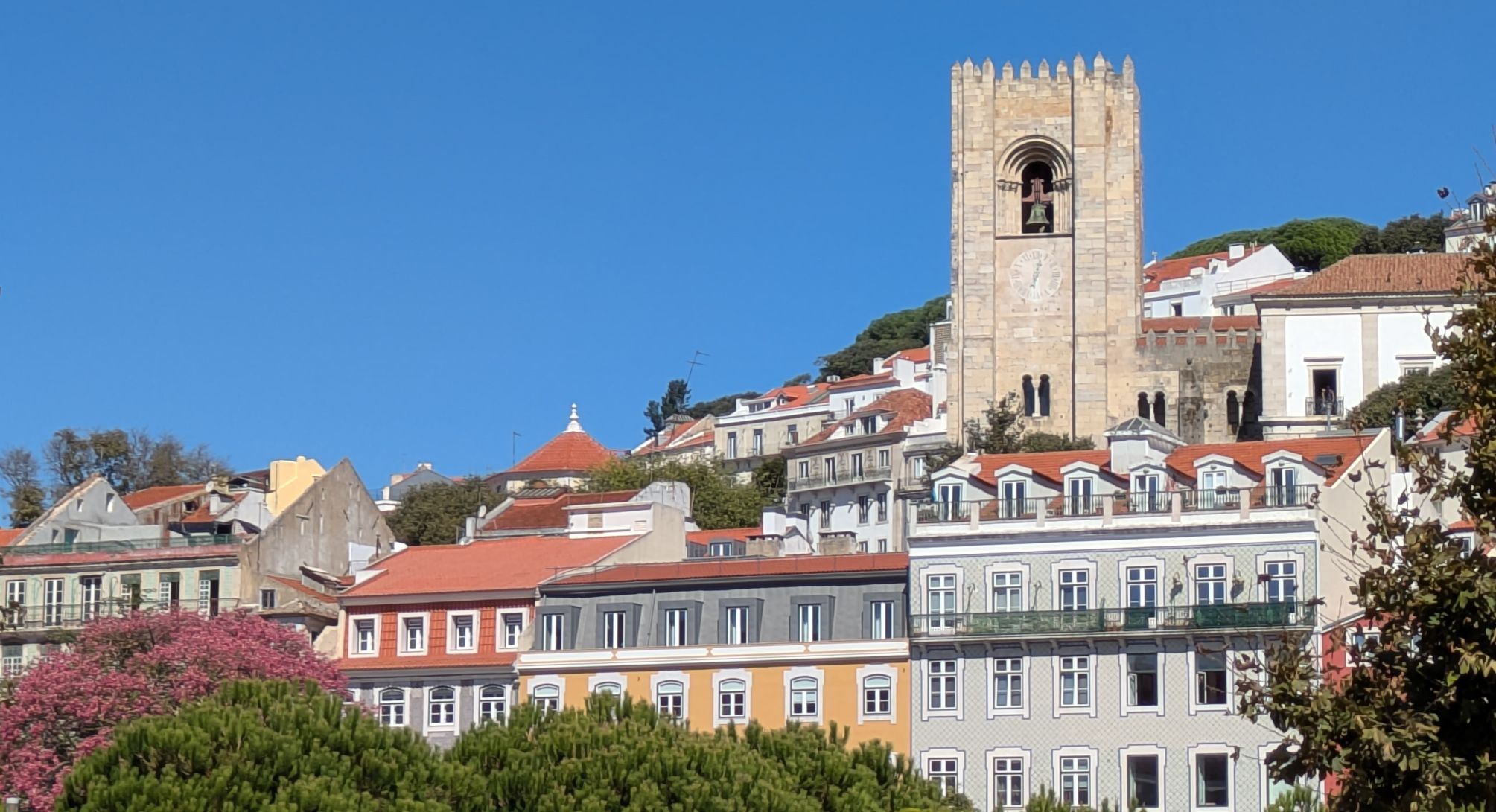
Scenes of Alfama:
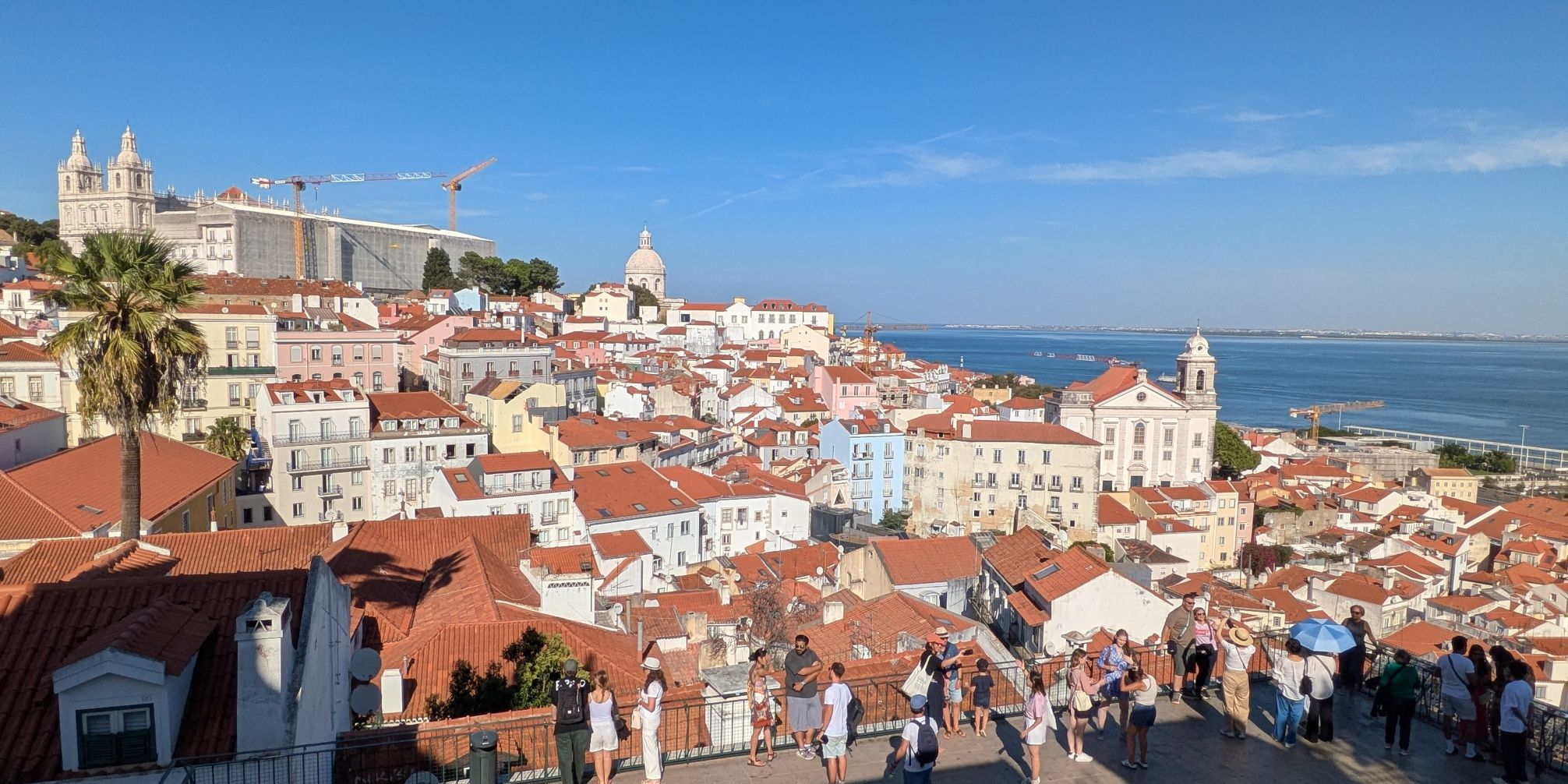
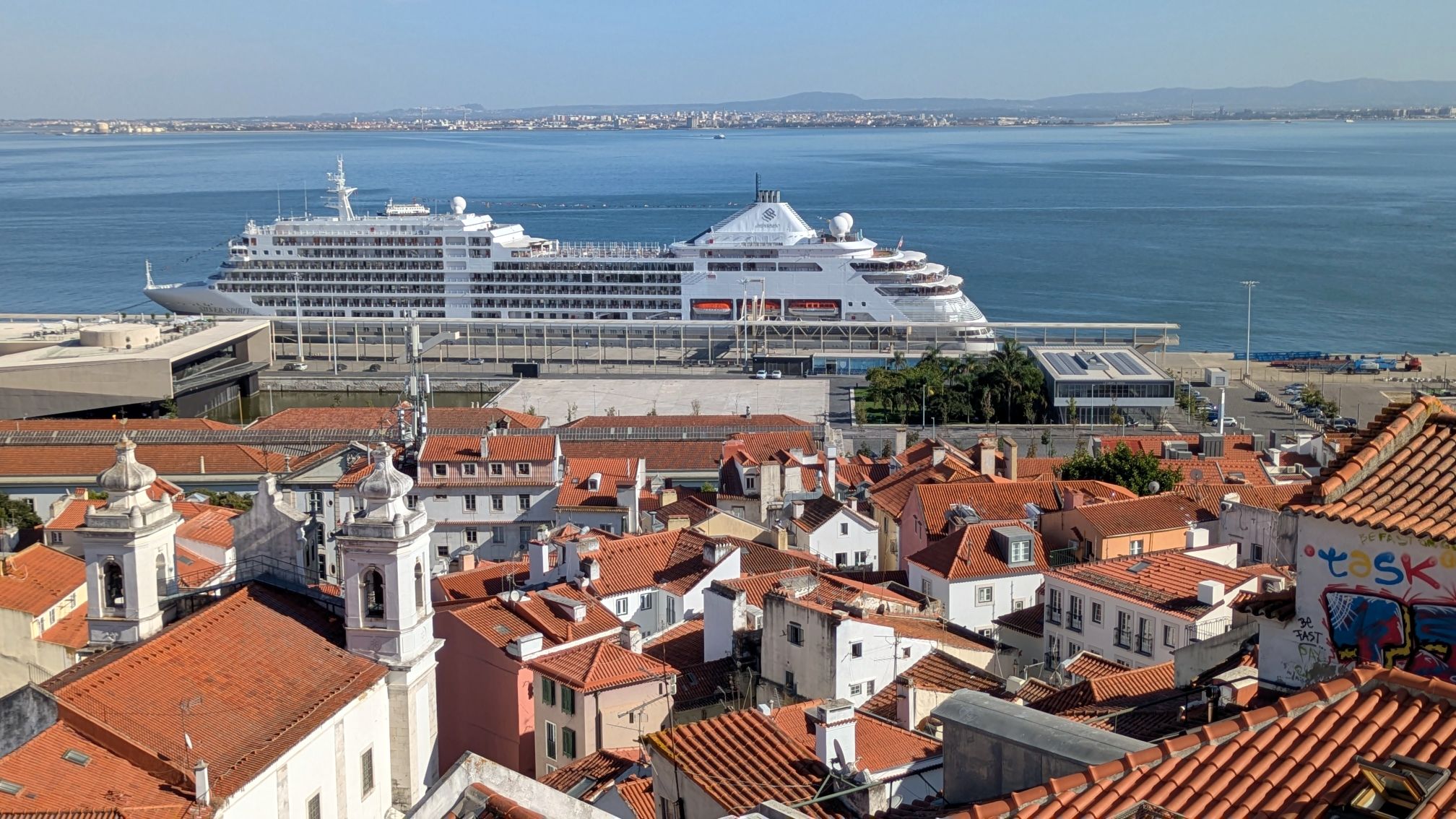
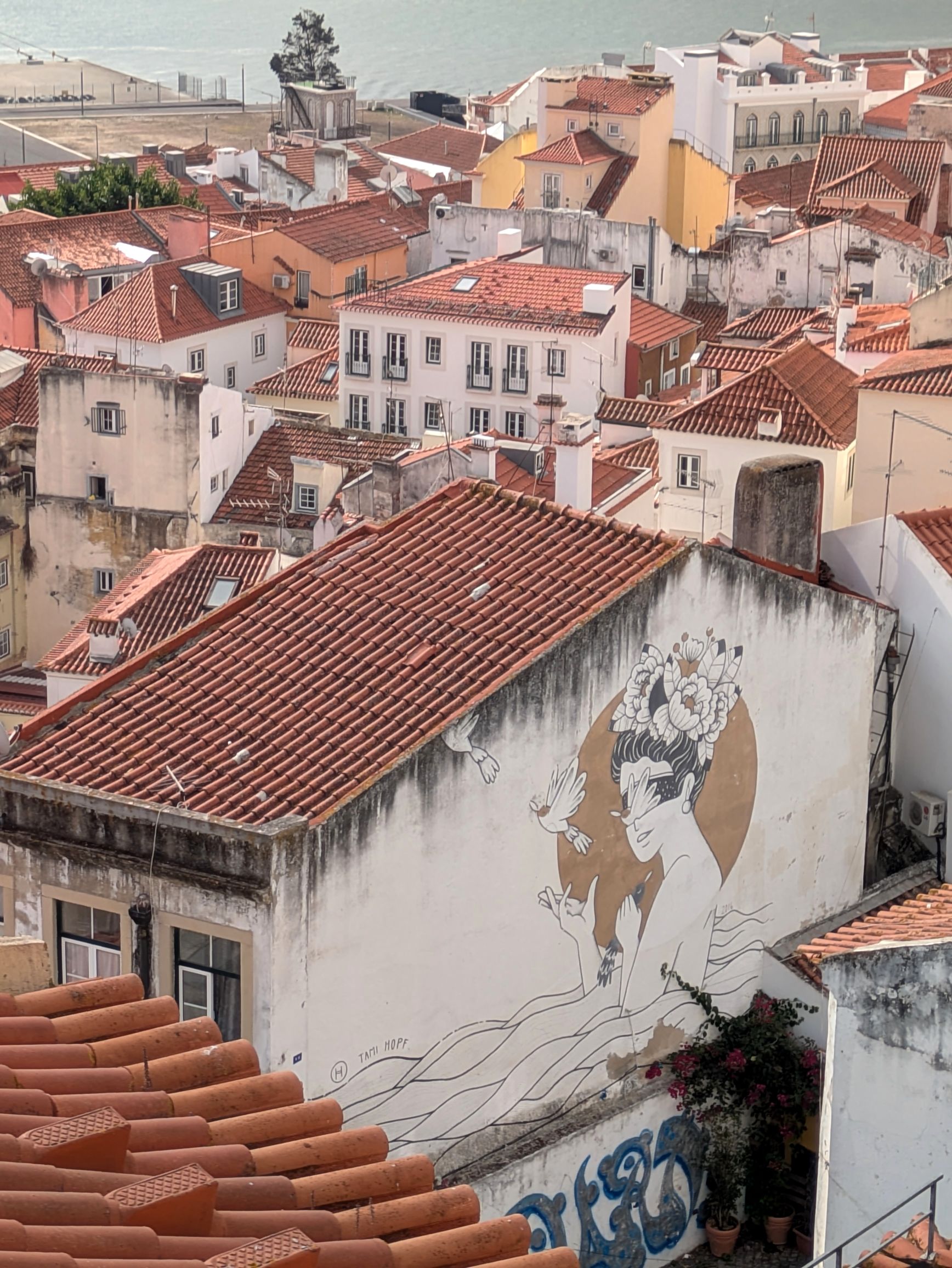
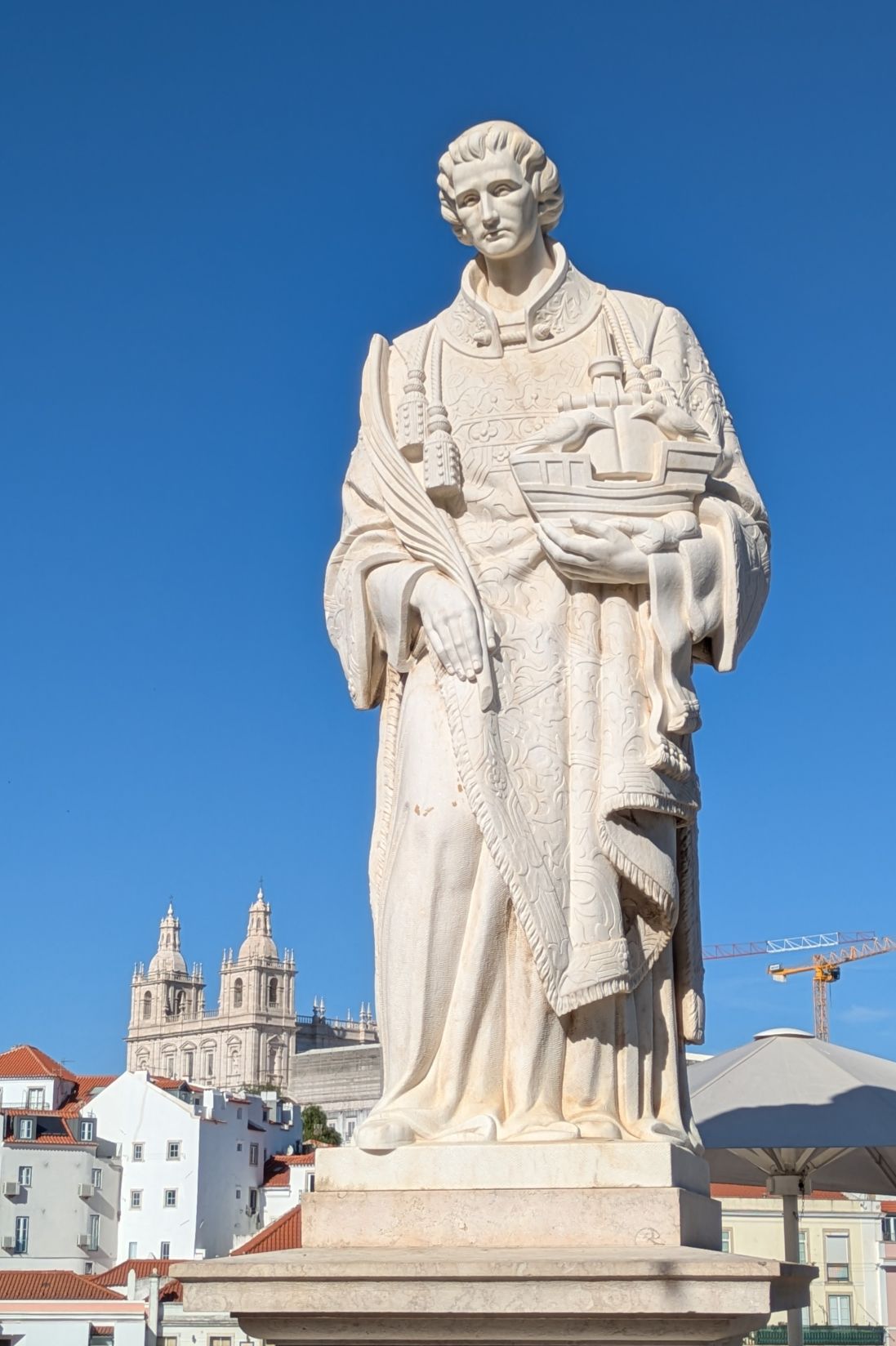
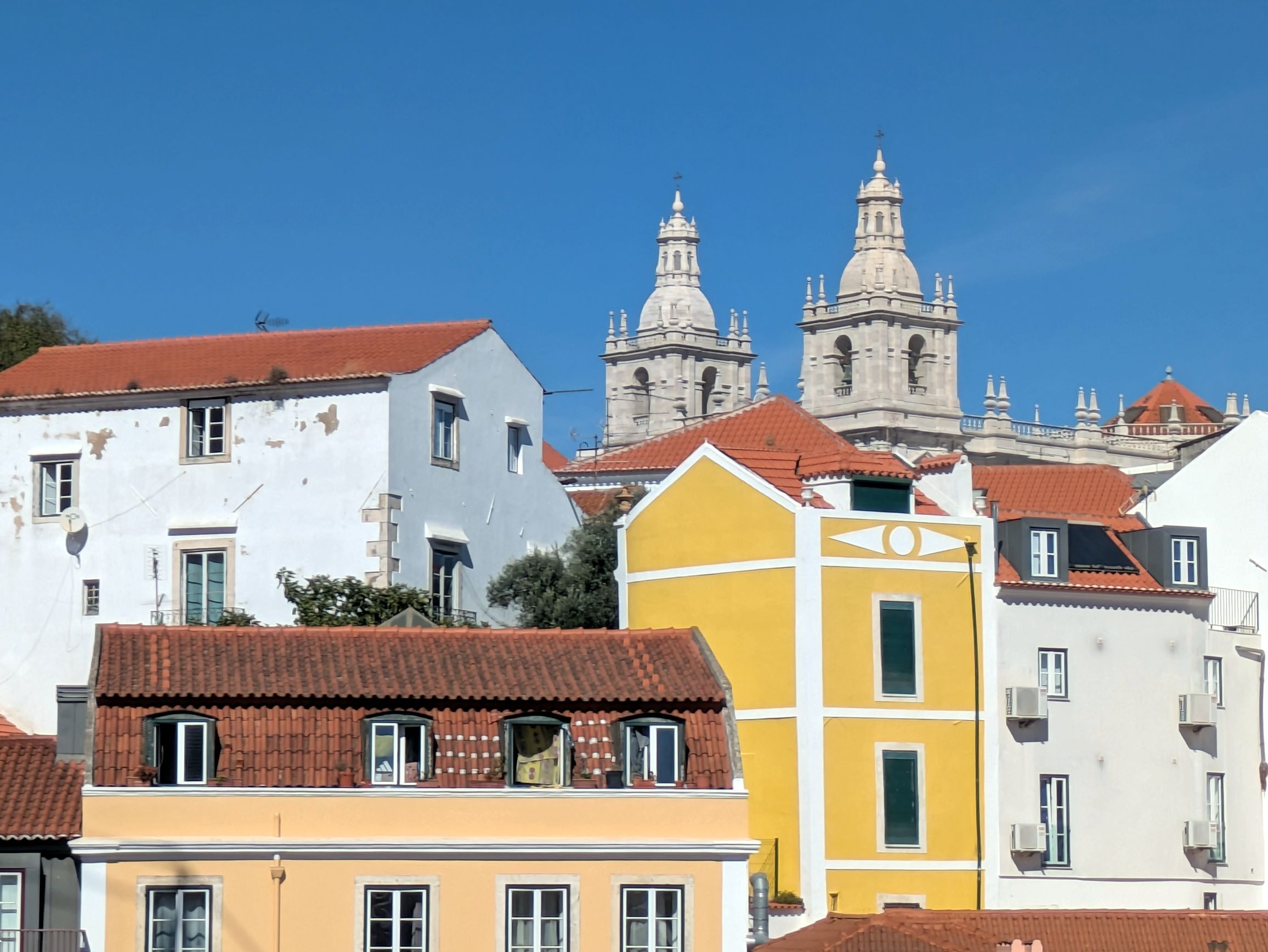
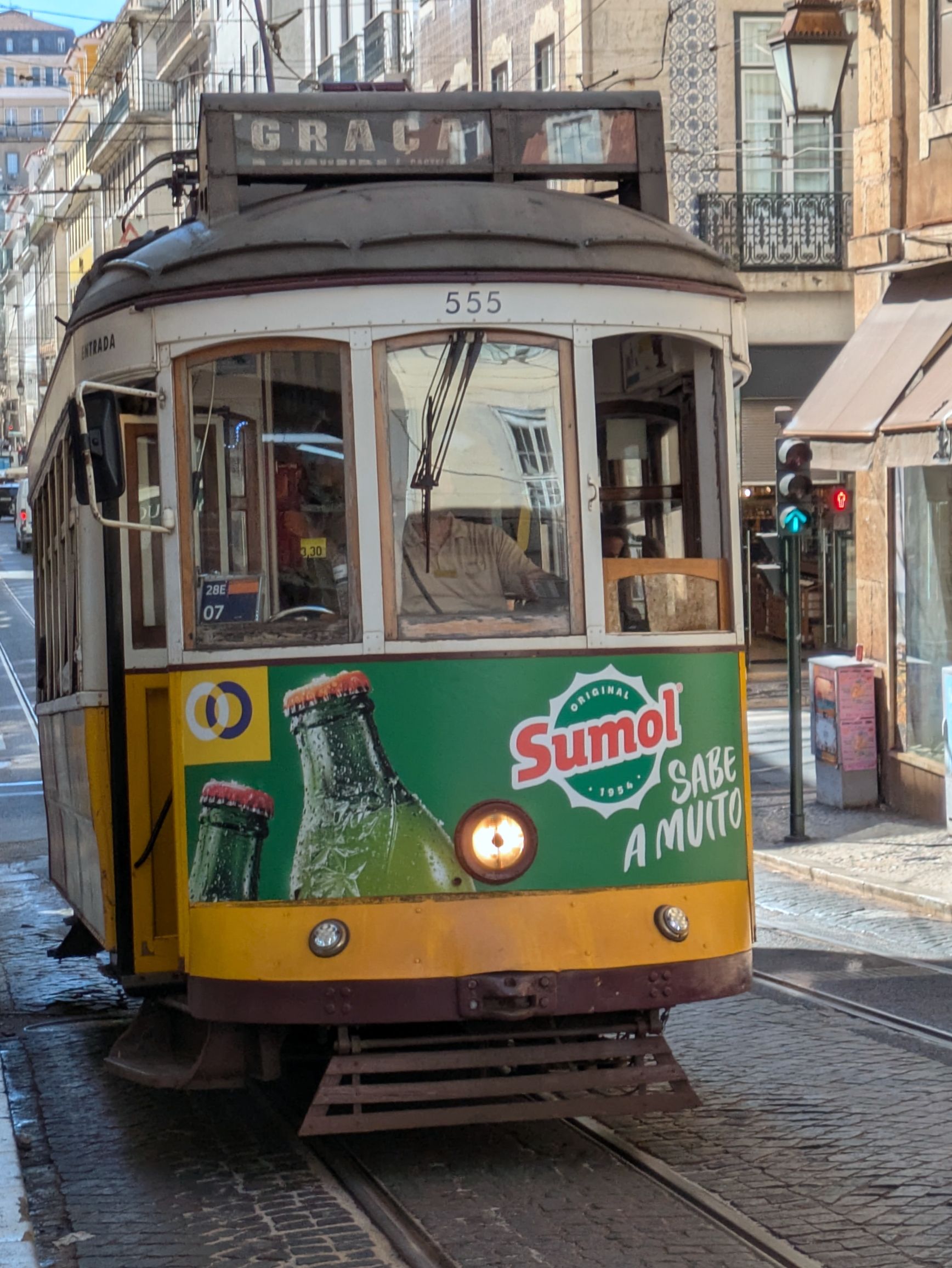

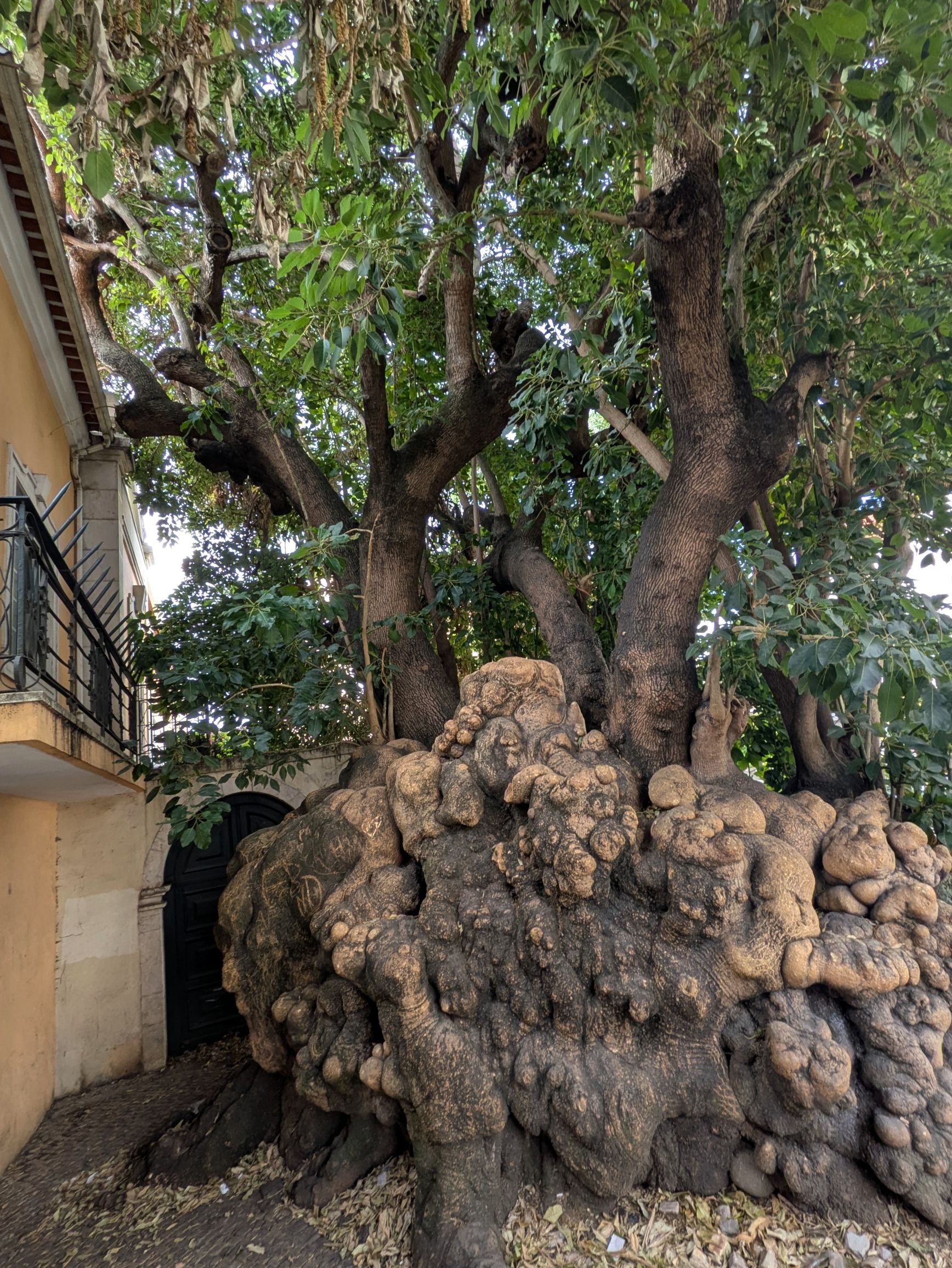
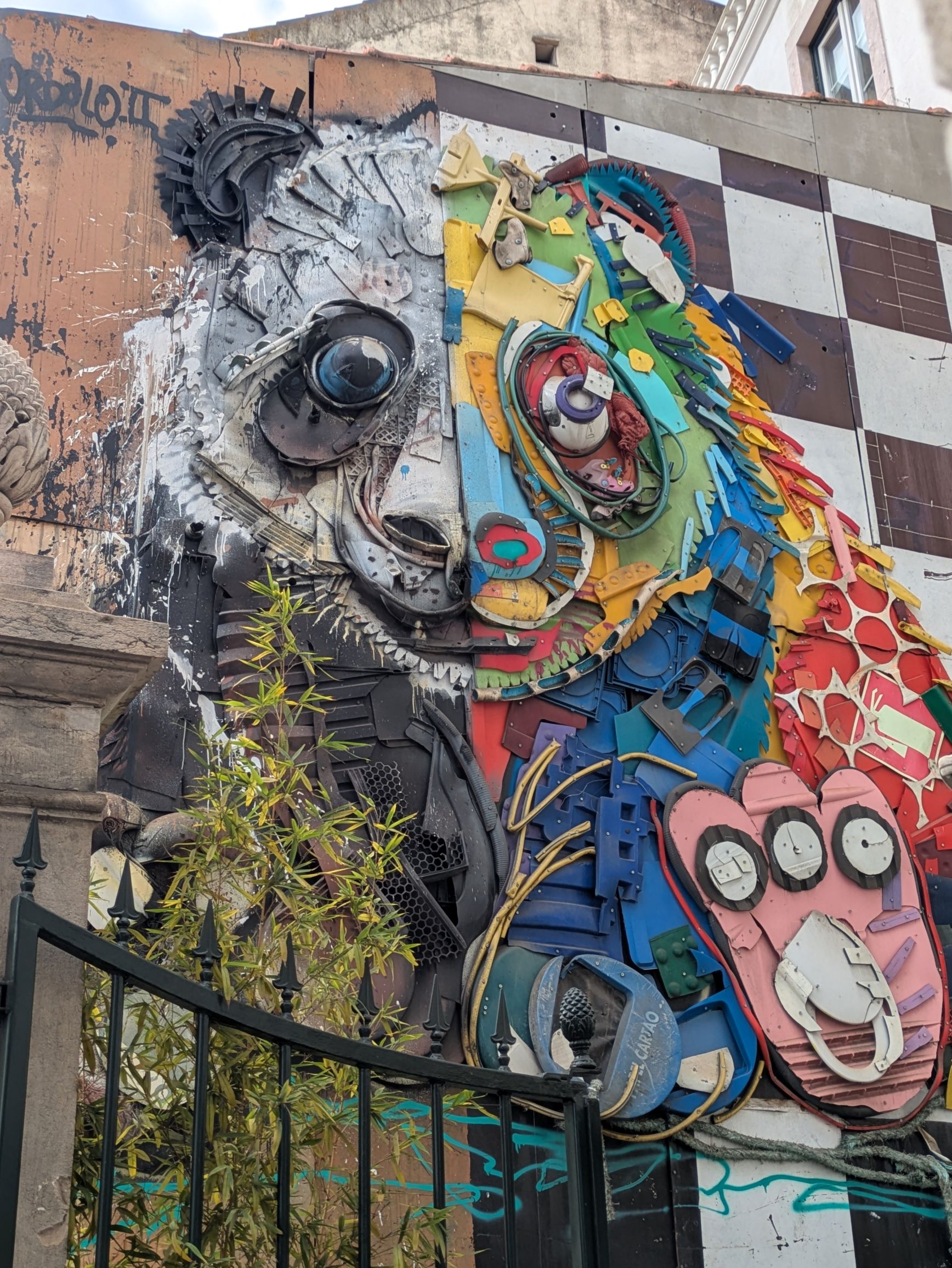

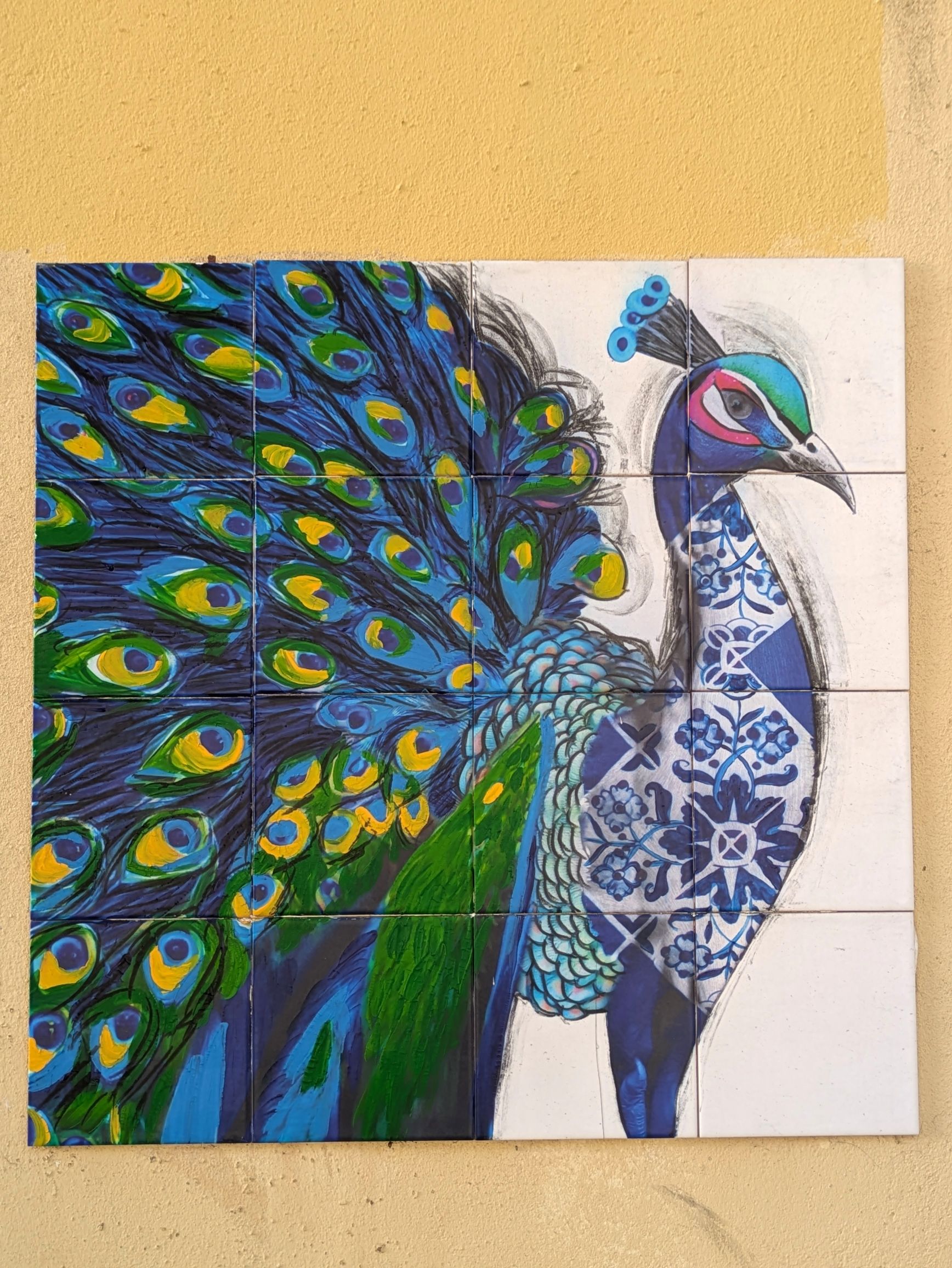
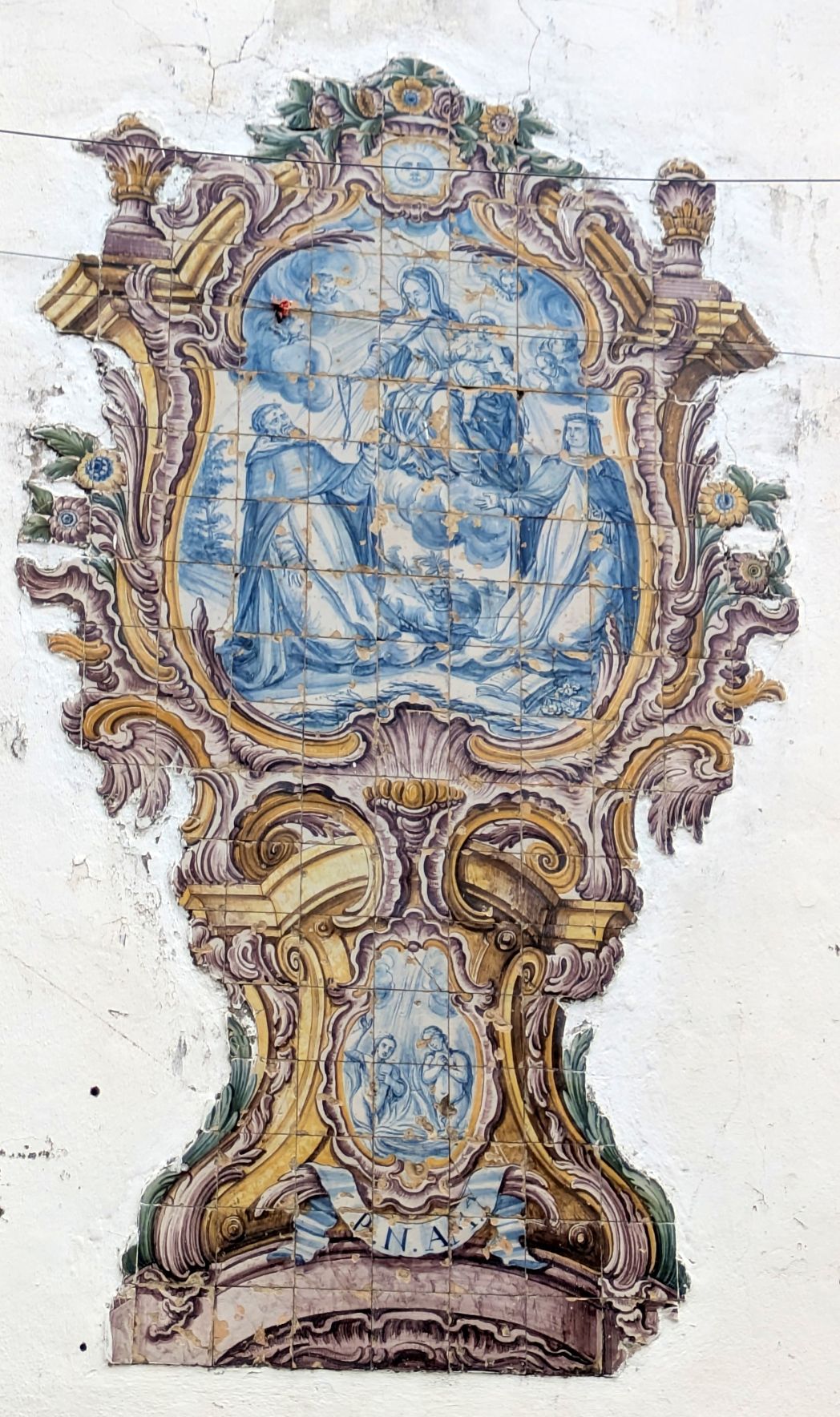
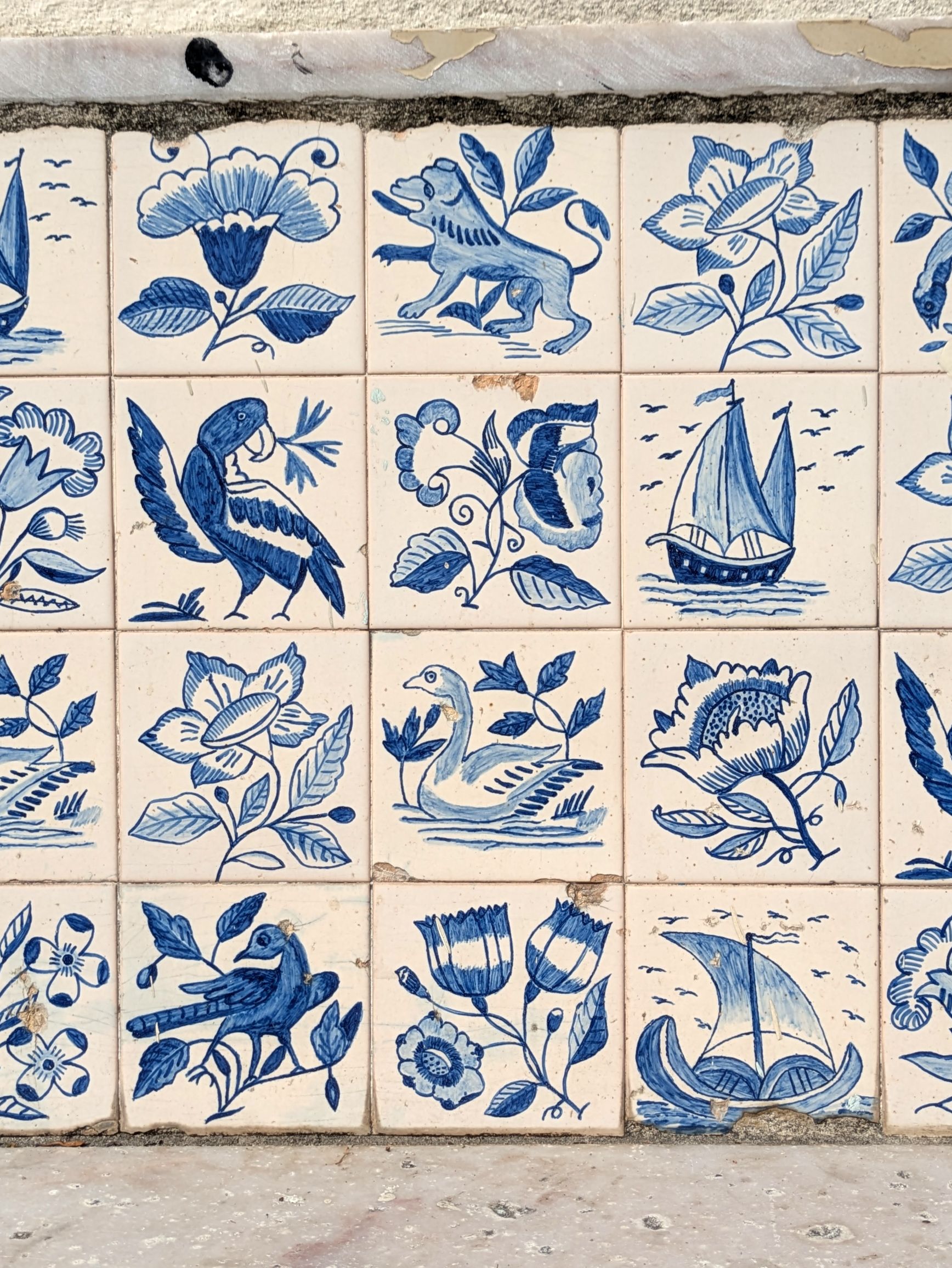
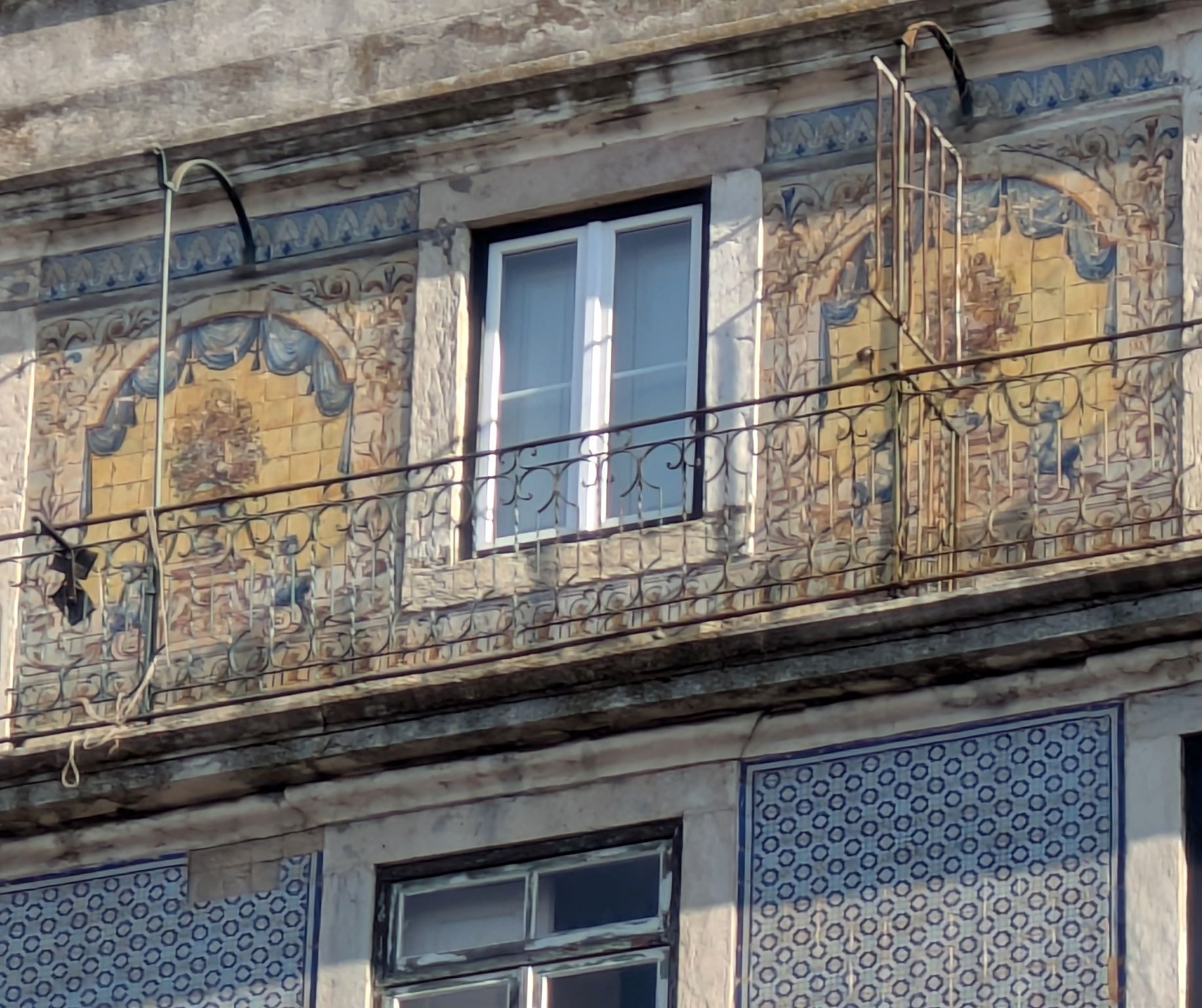
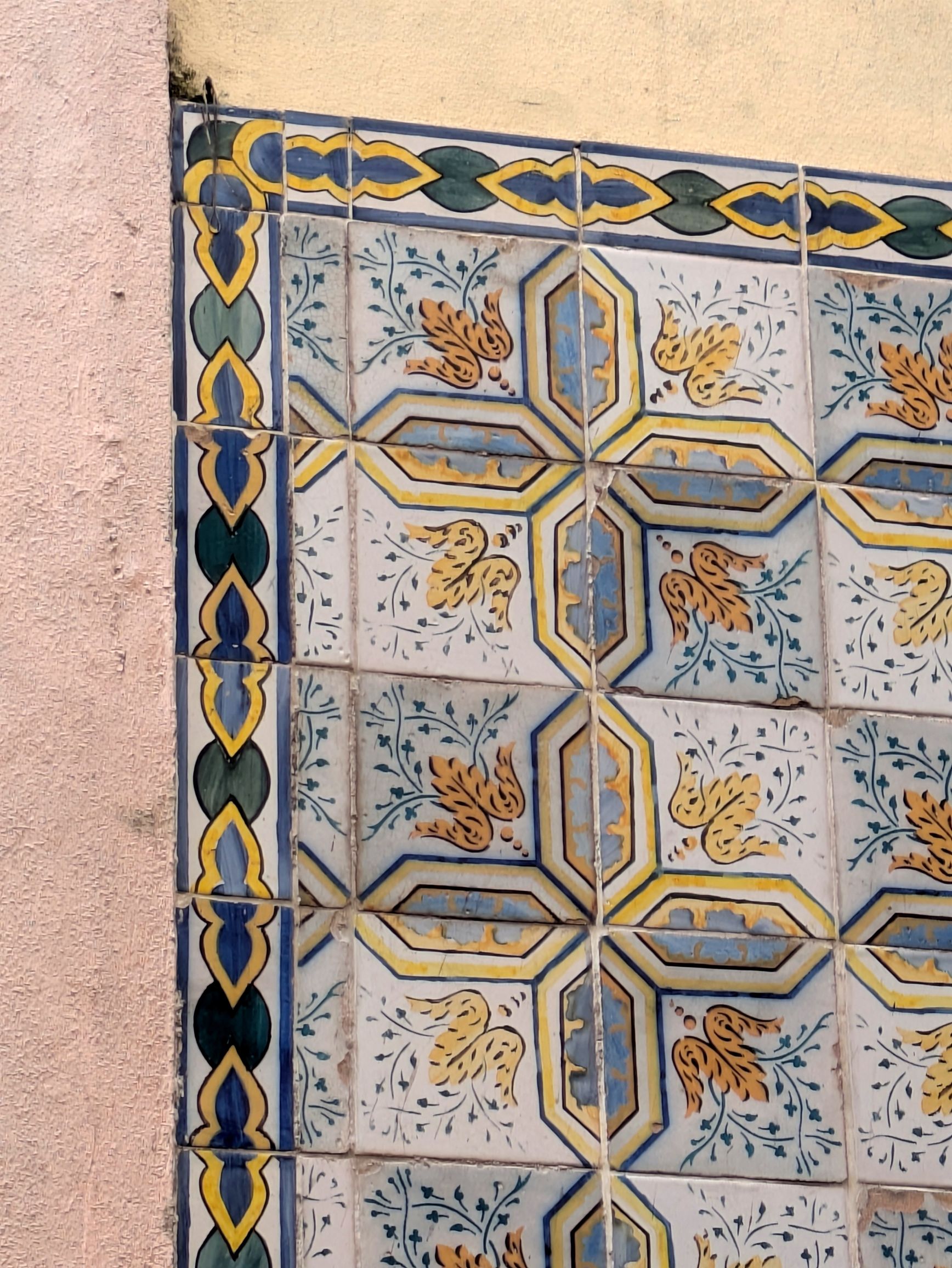
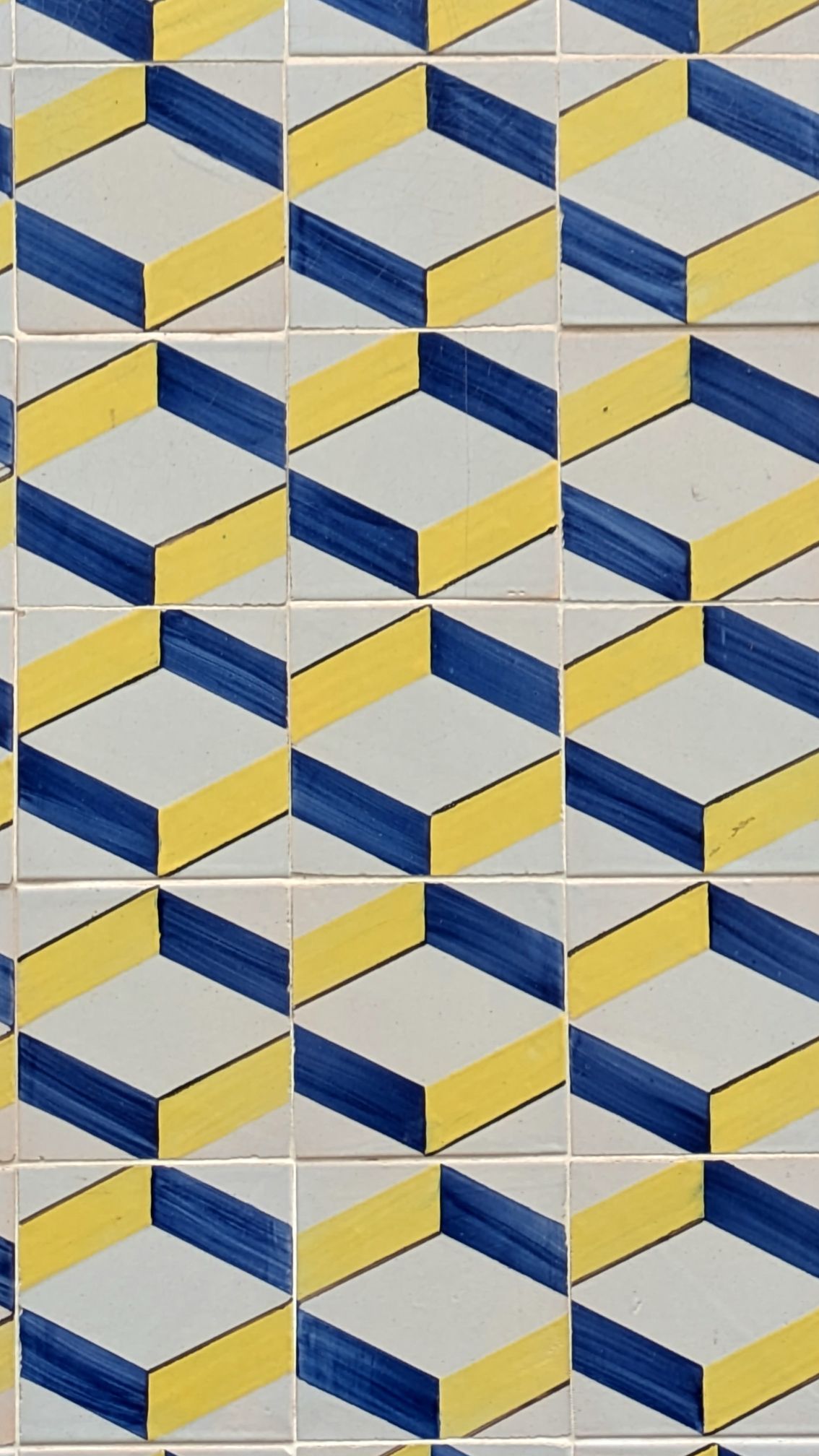
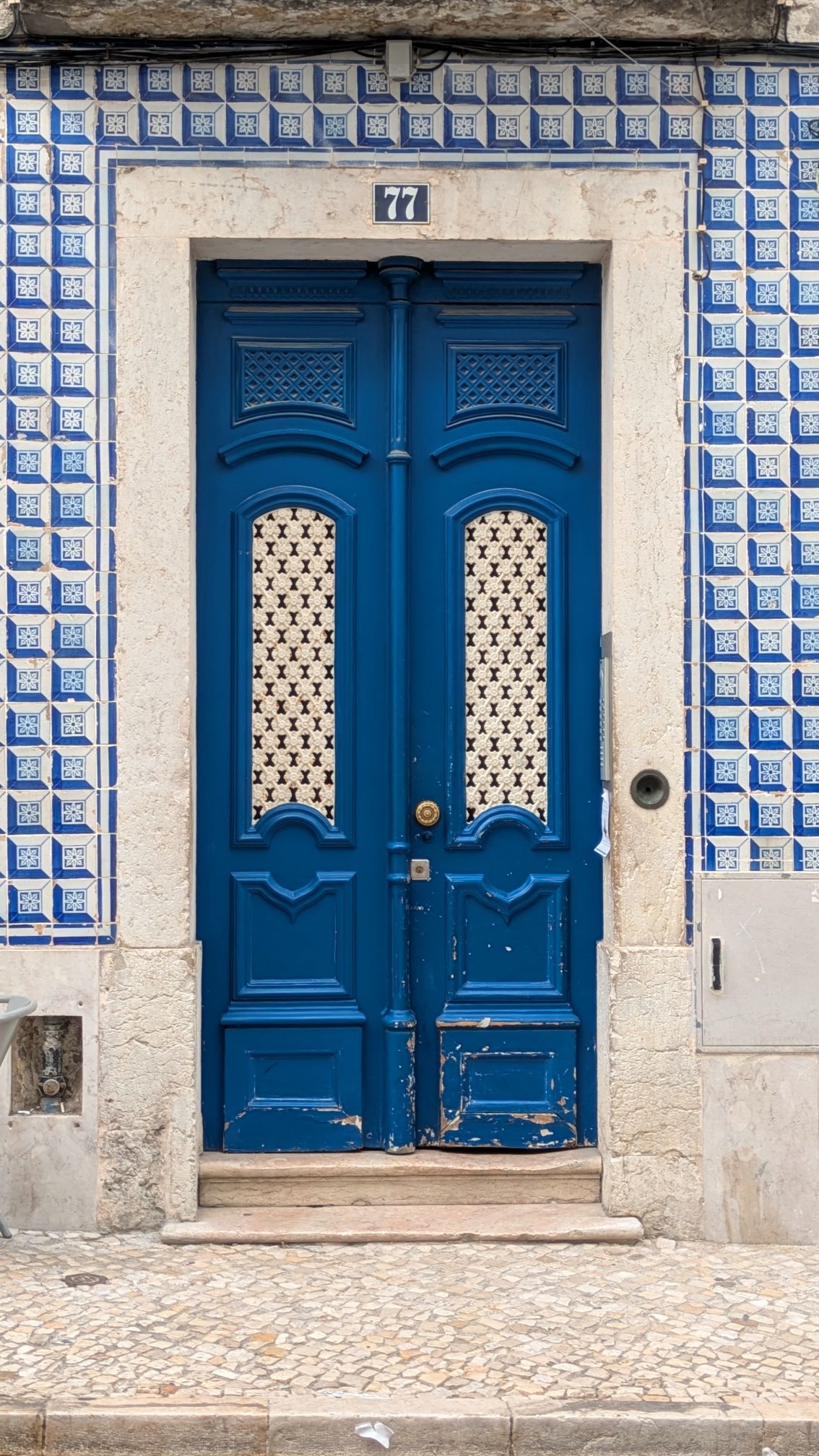
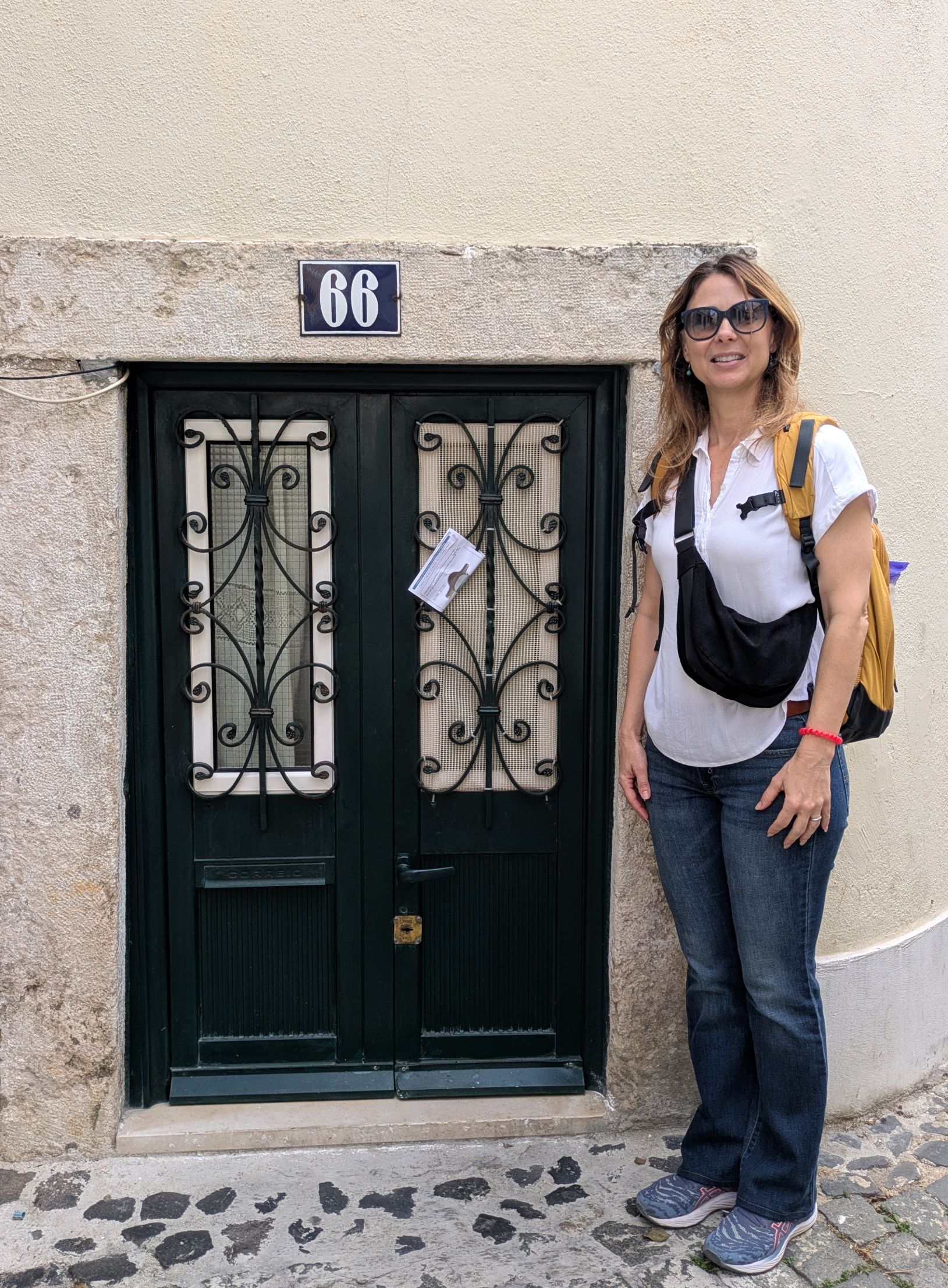
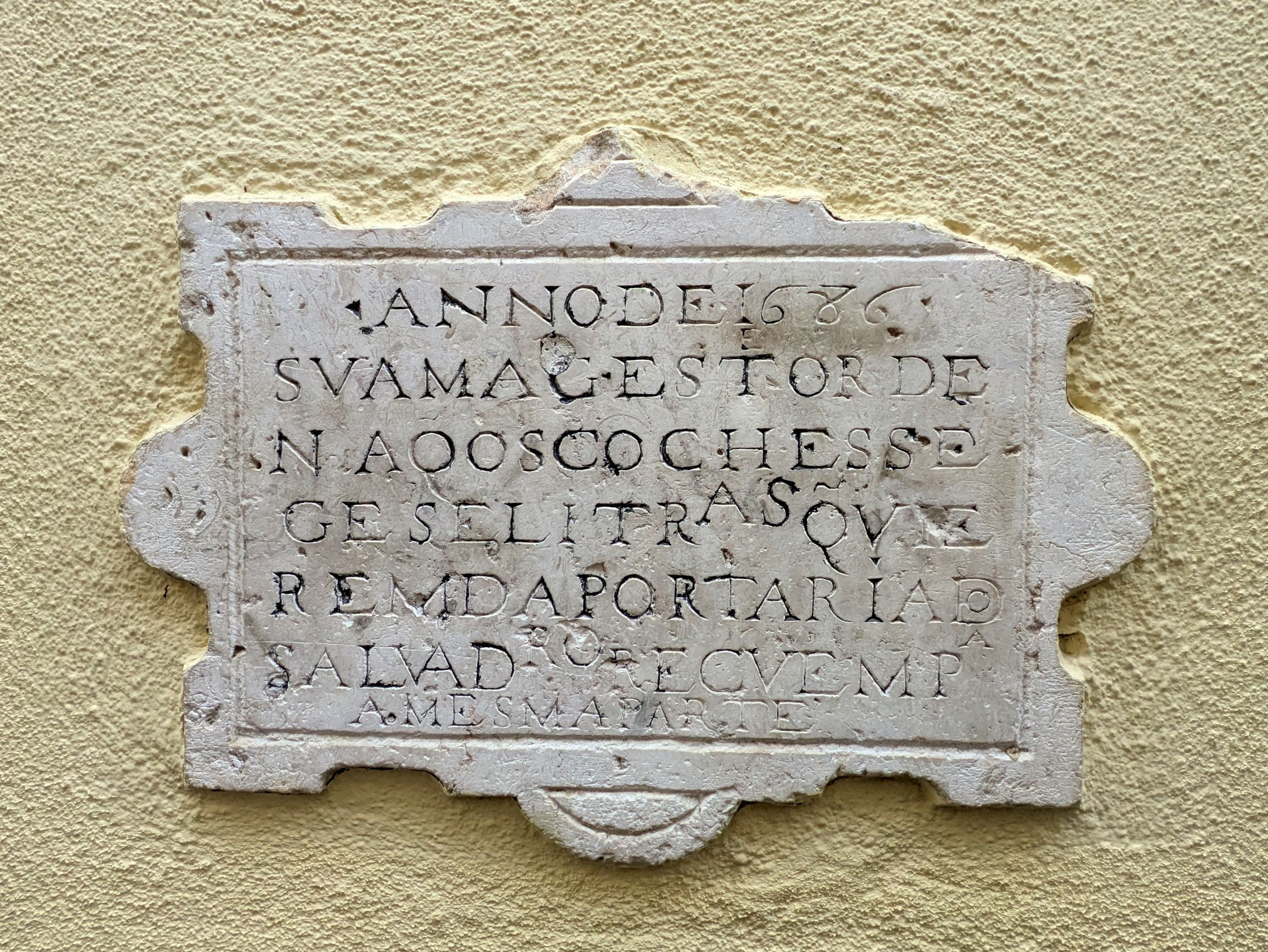
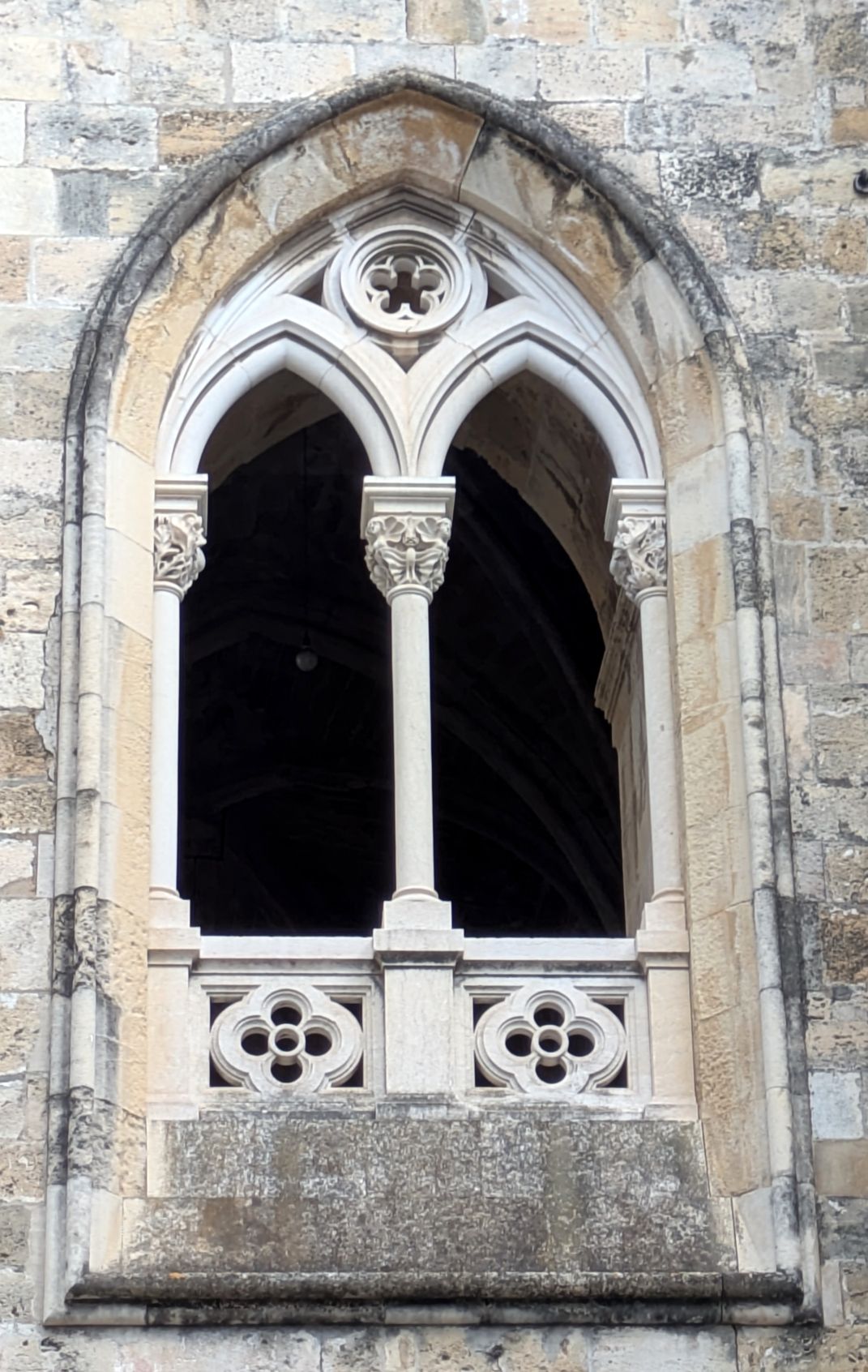
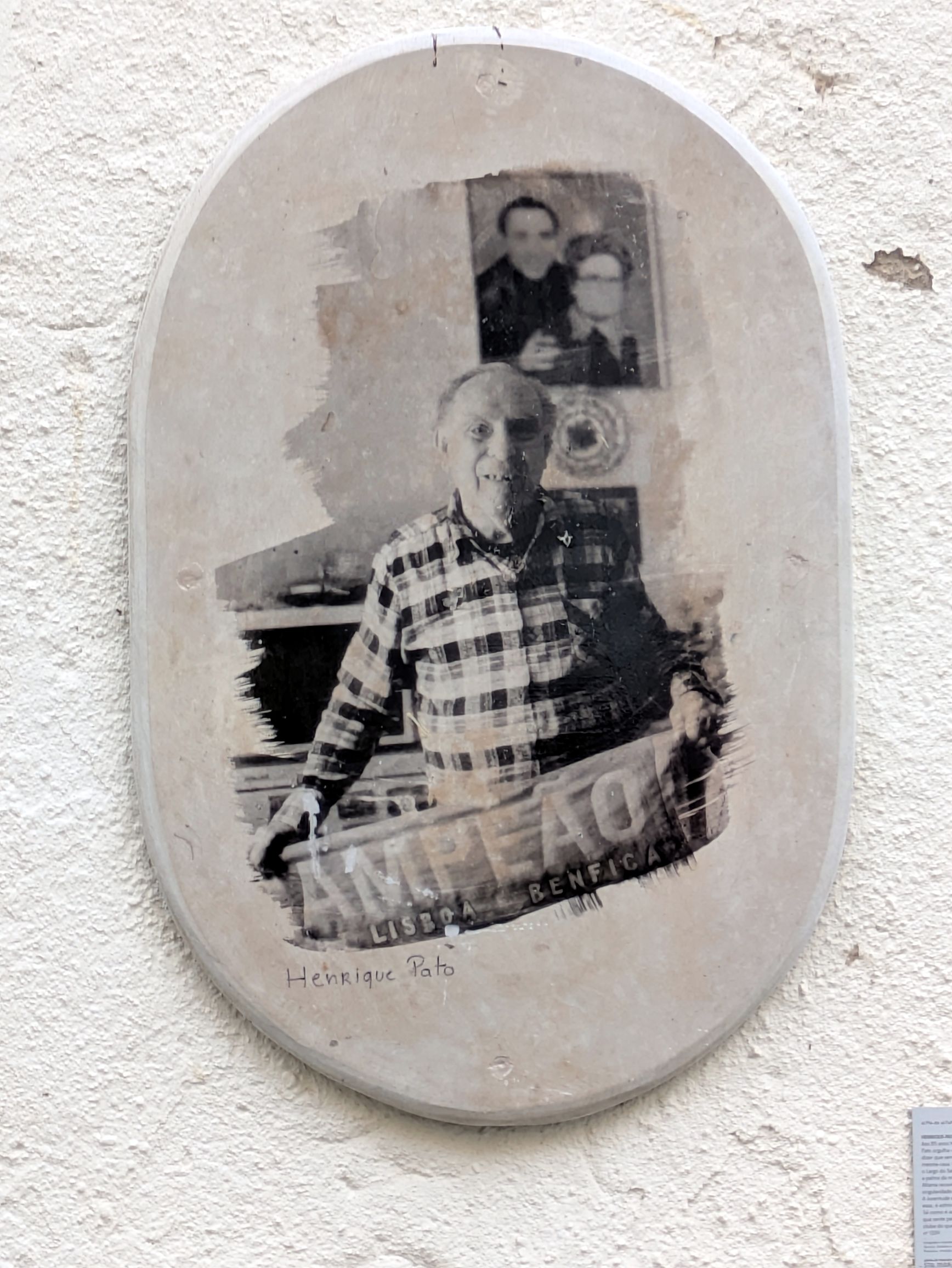
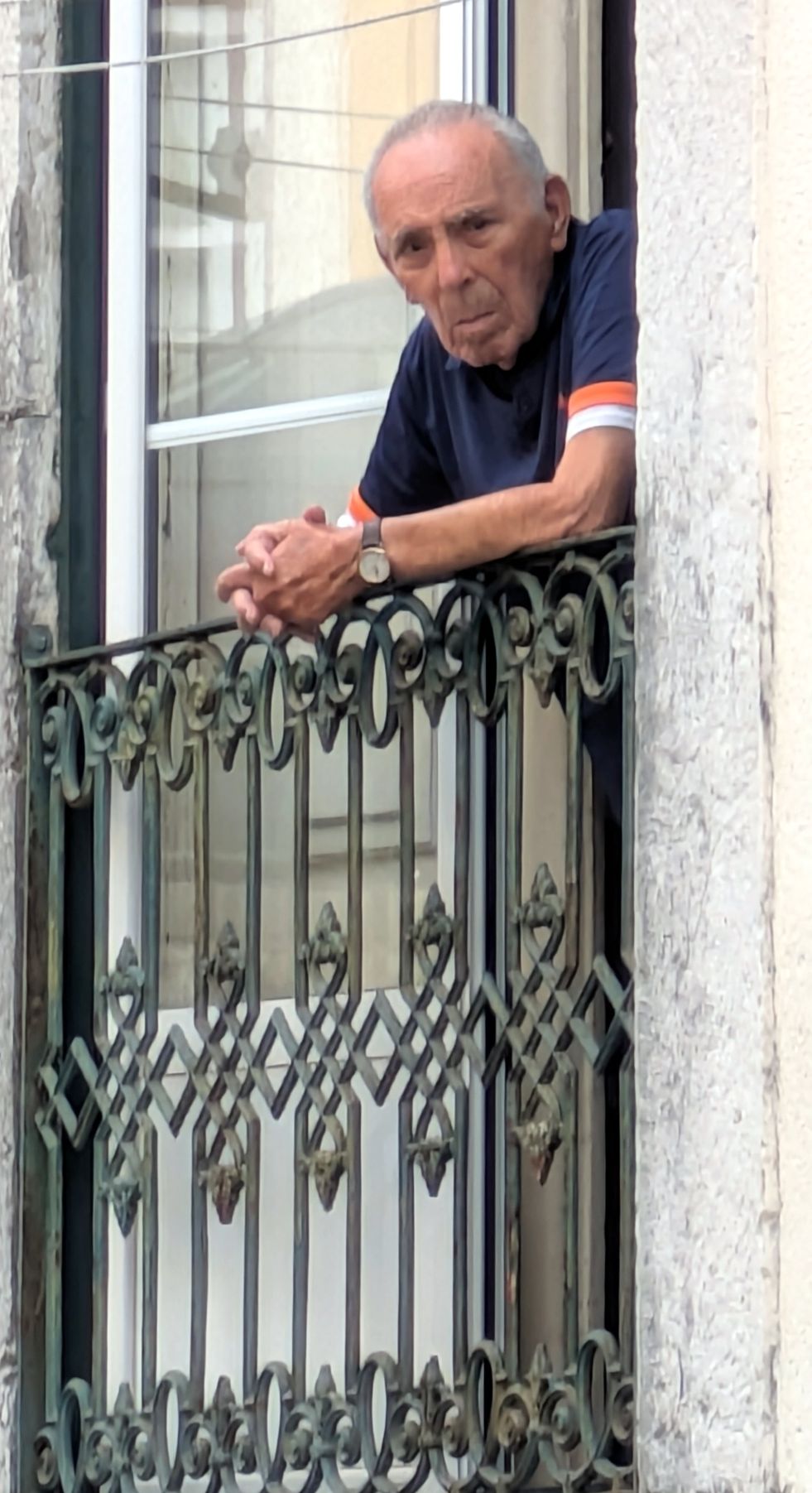
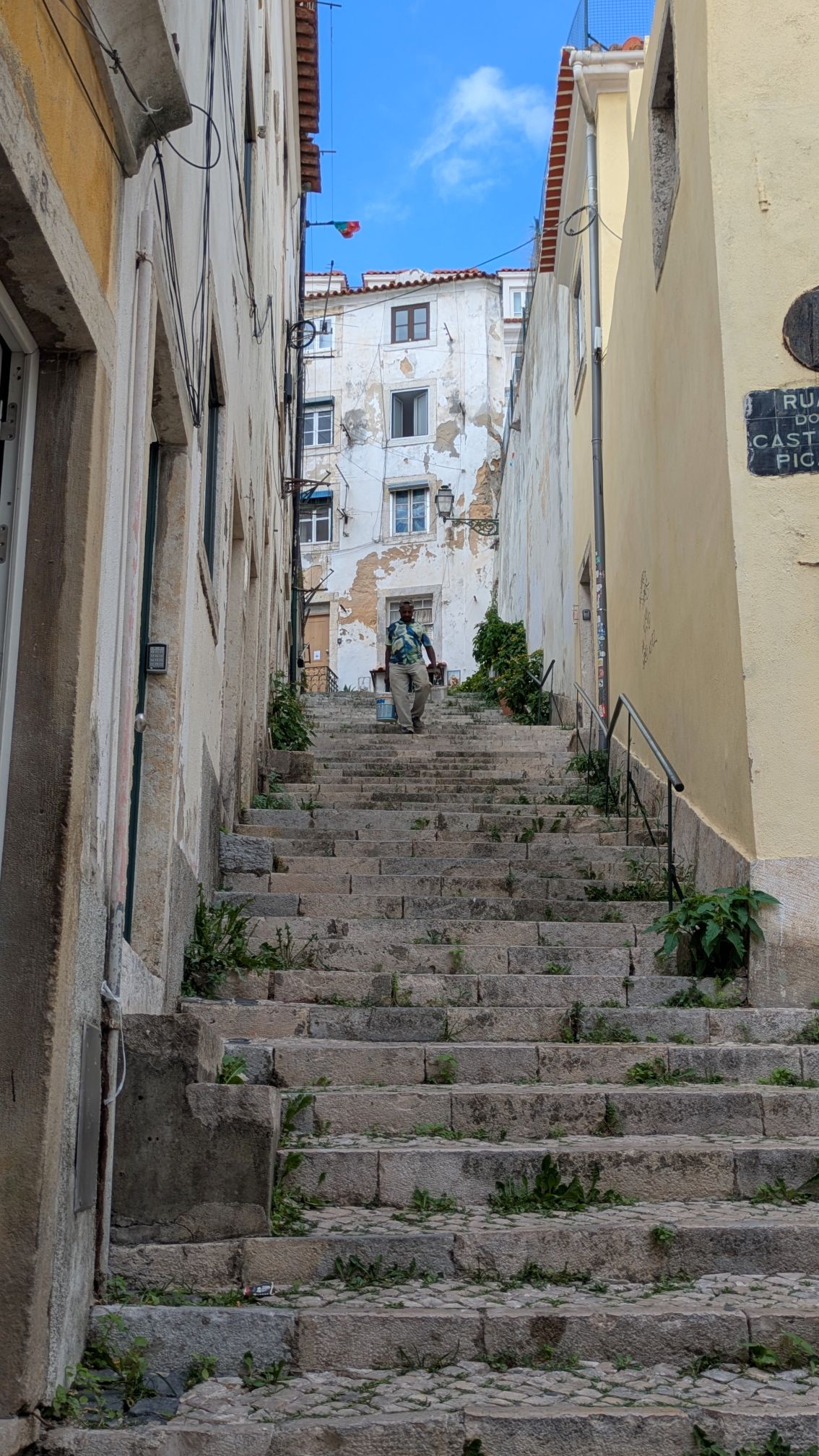
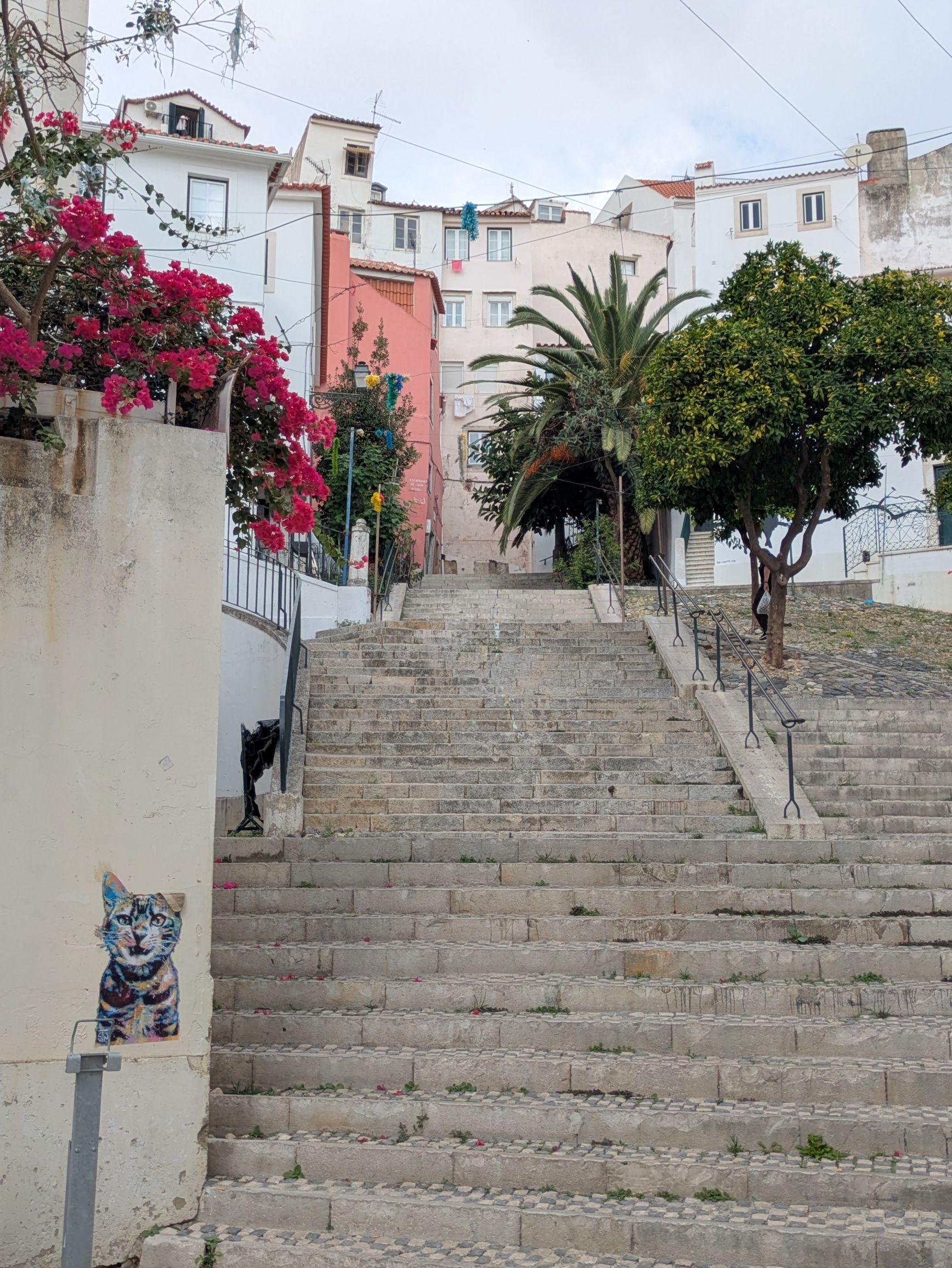
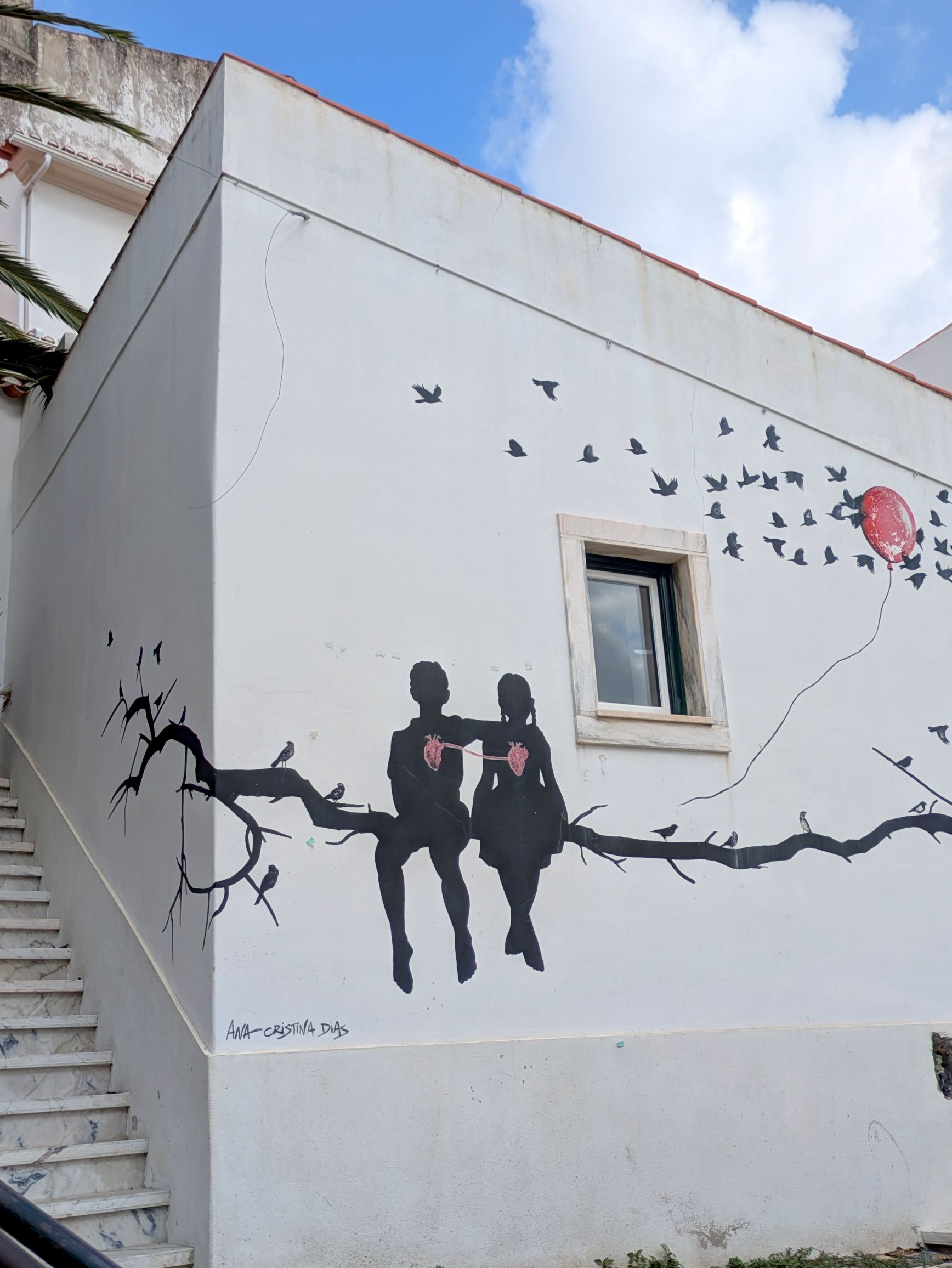
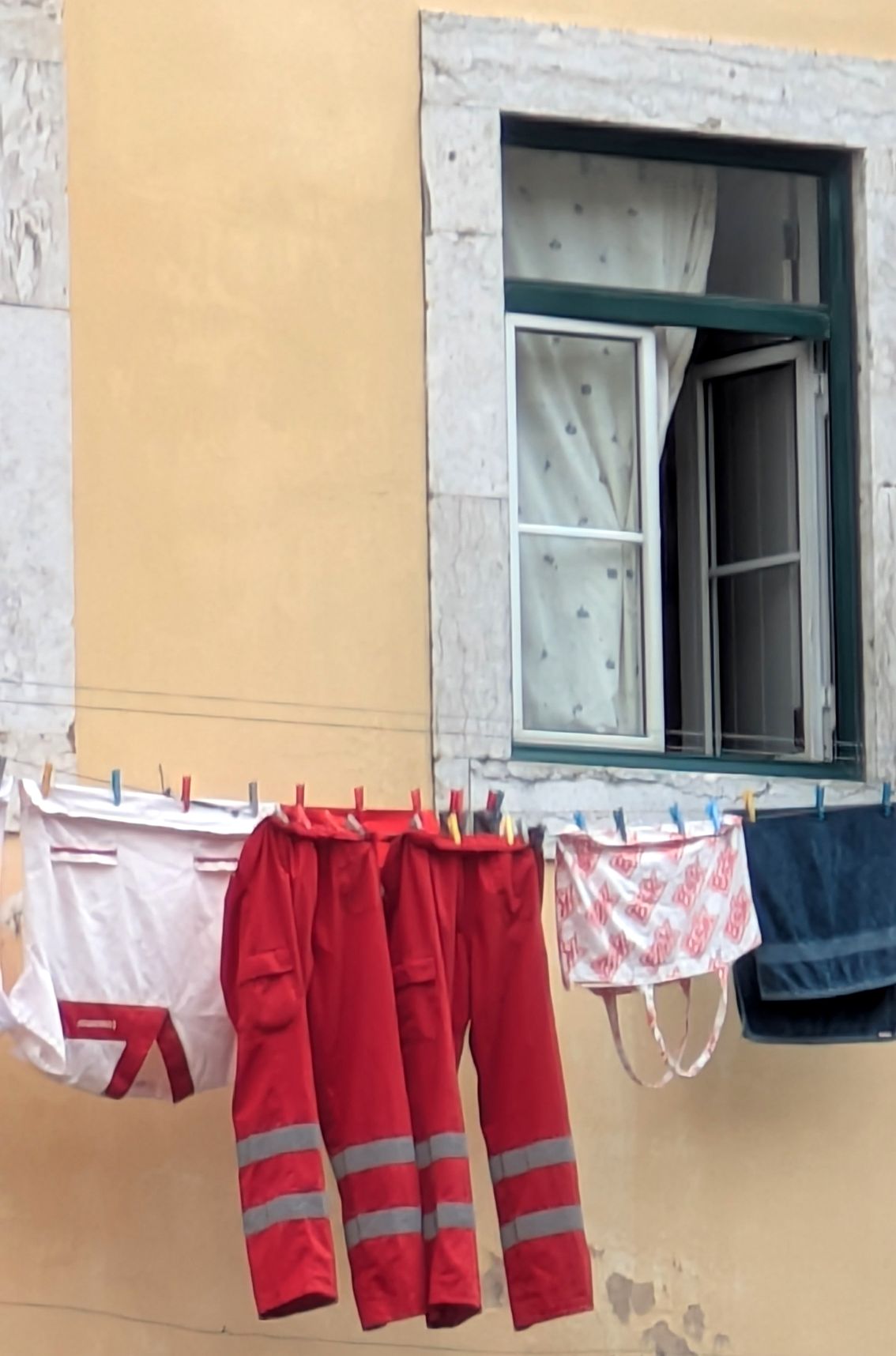
Down the hill to the bottom of Alfama near the tile painting workshop:
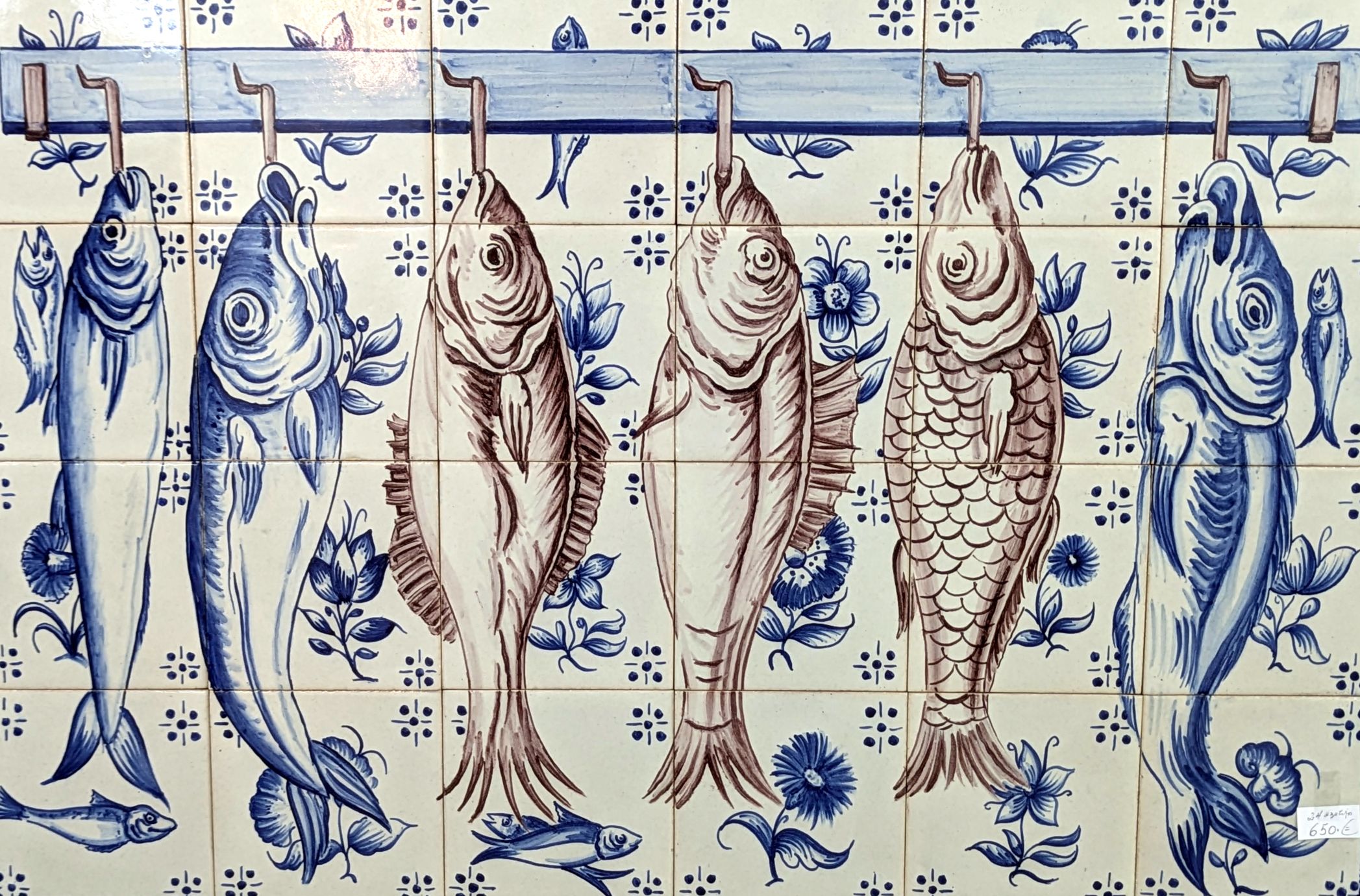
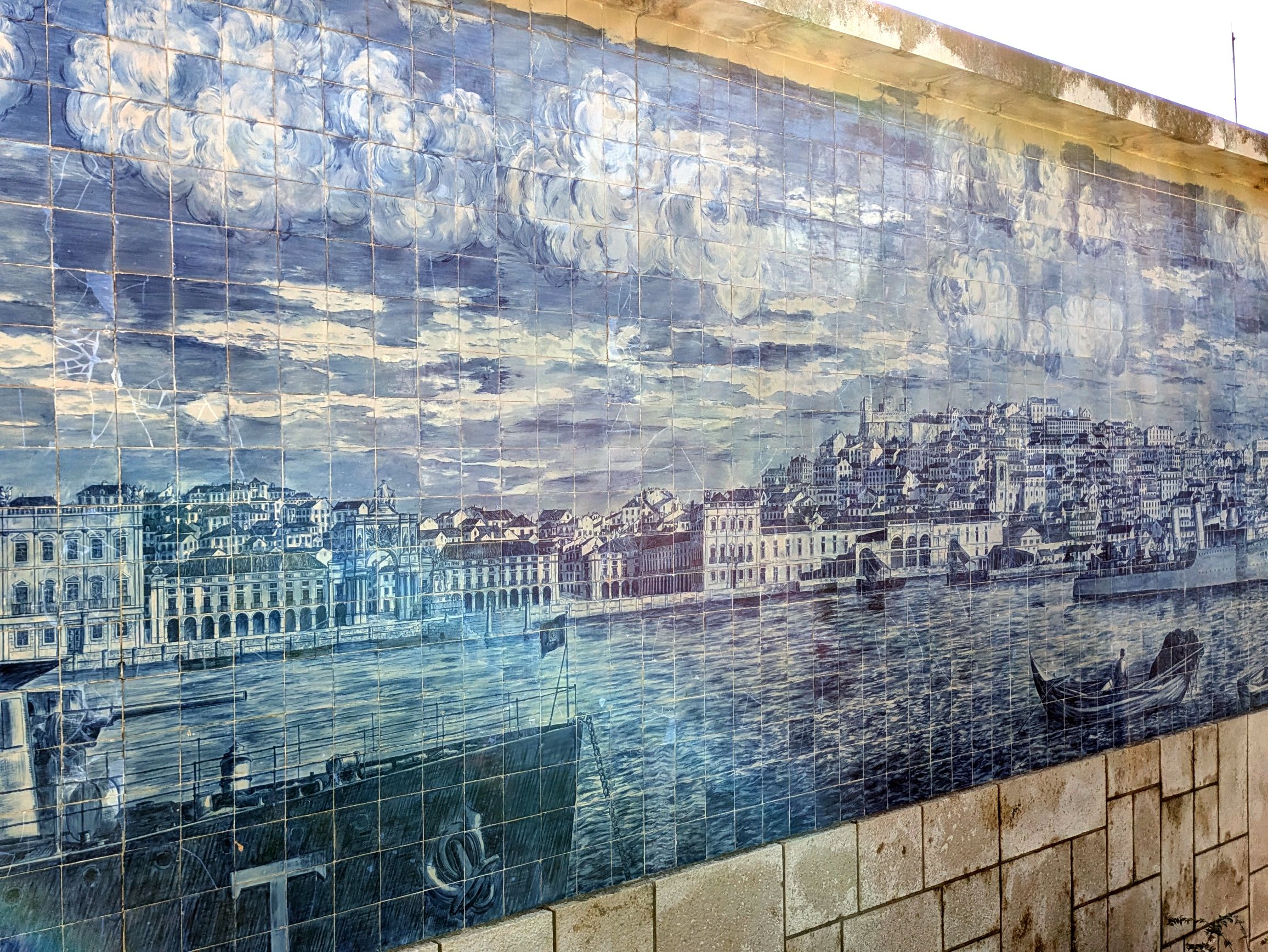
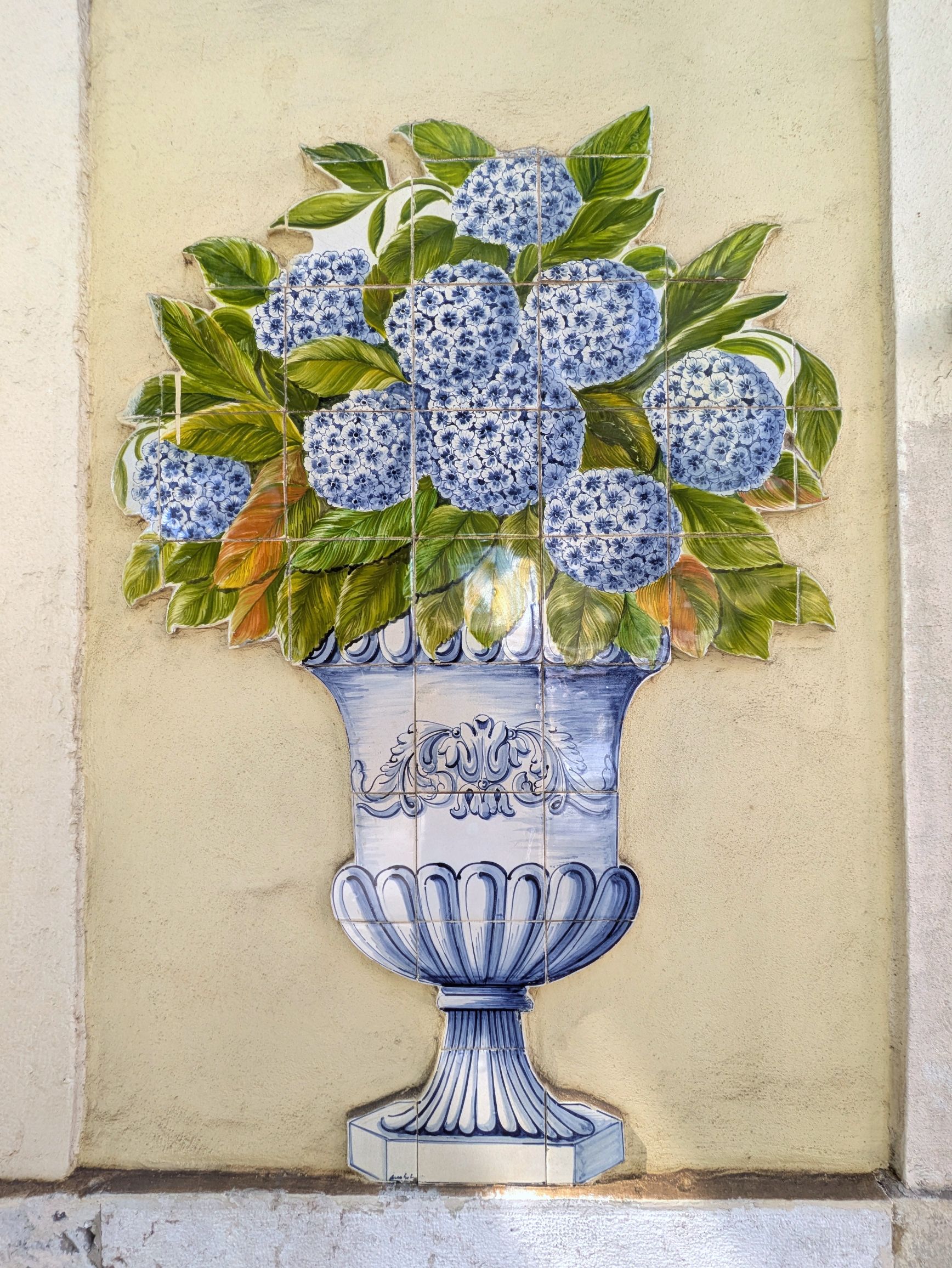
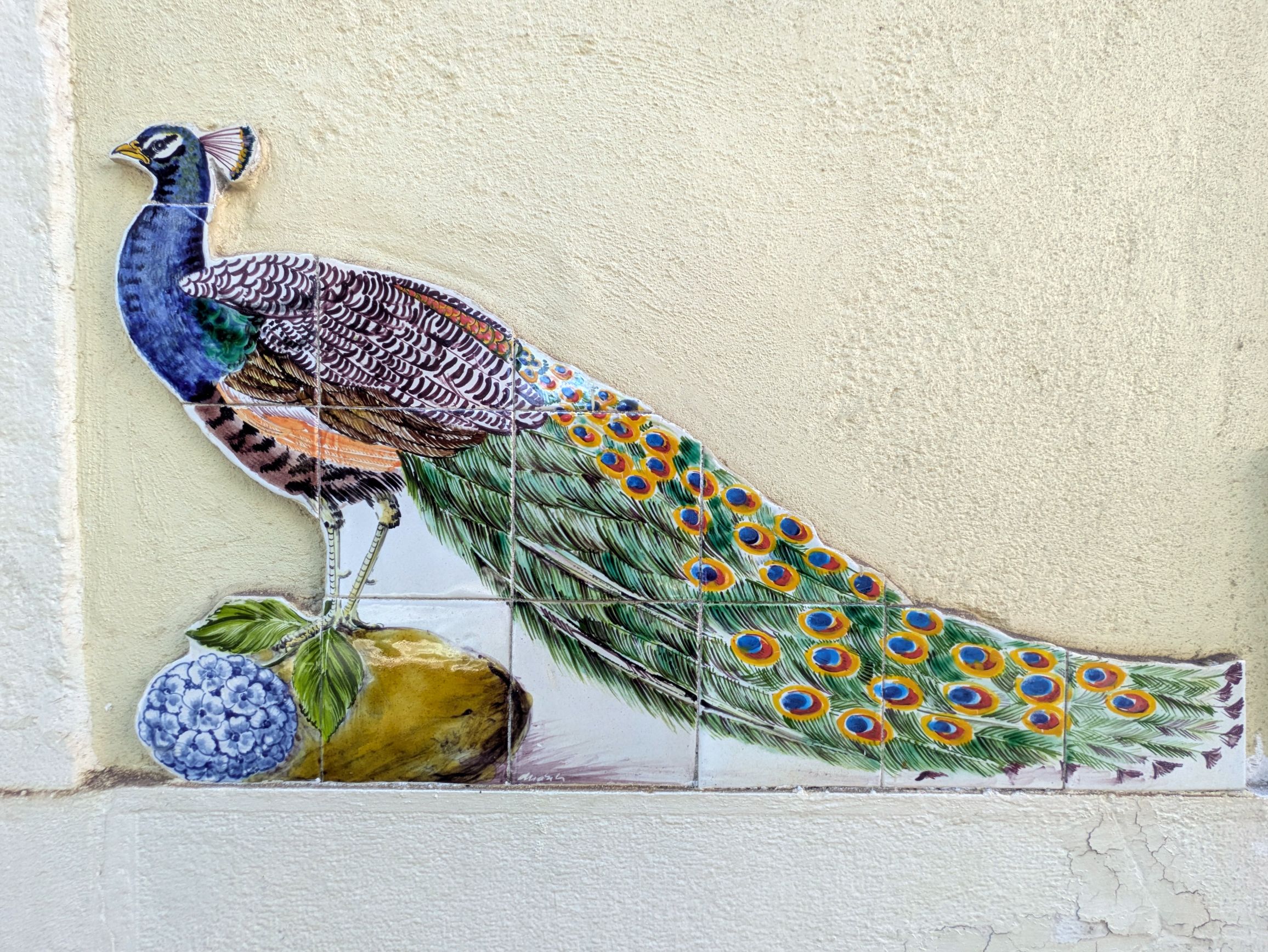
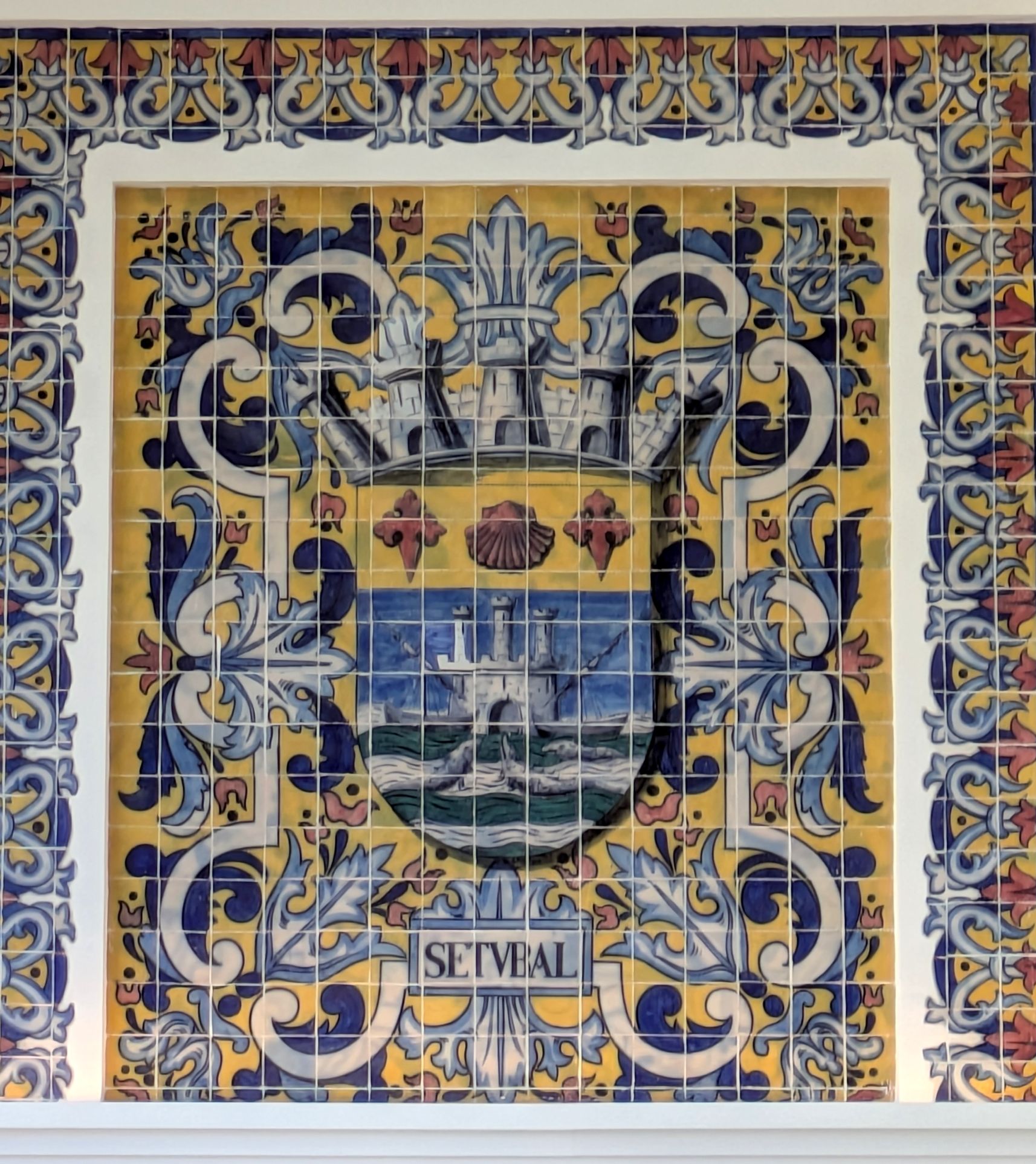
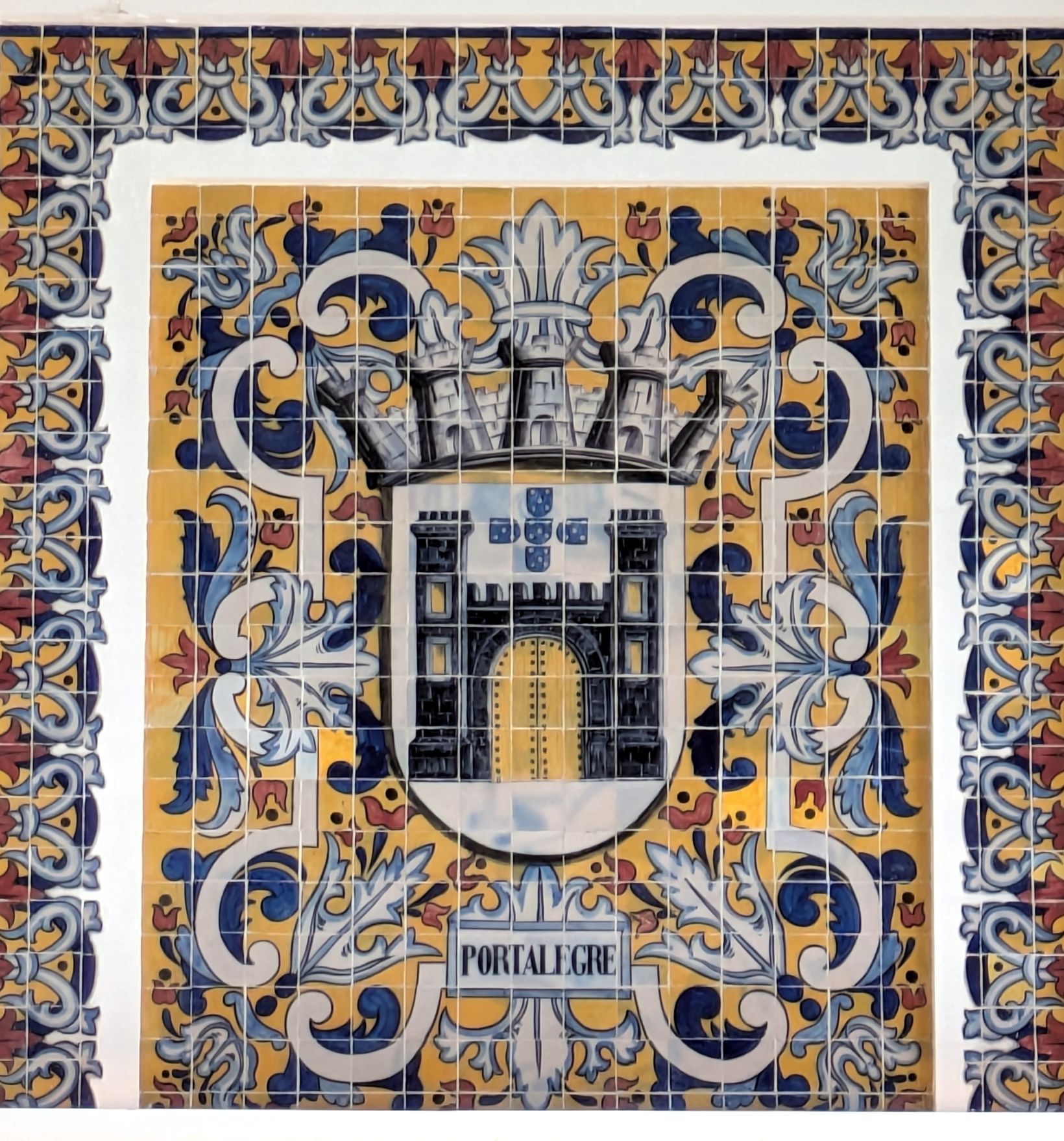
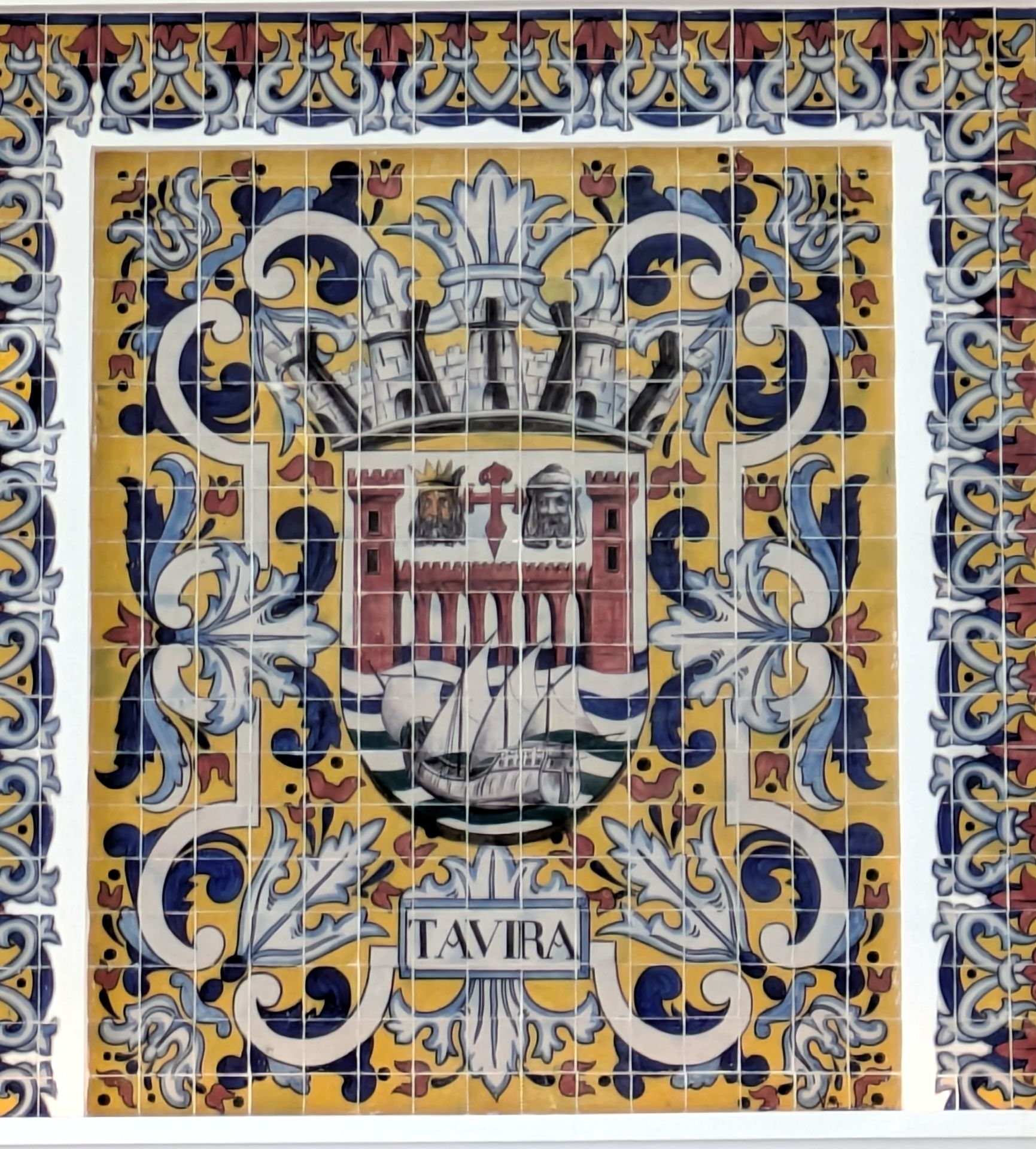
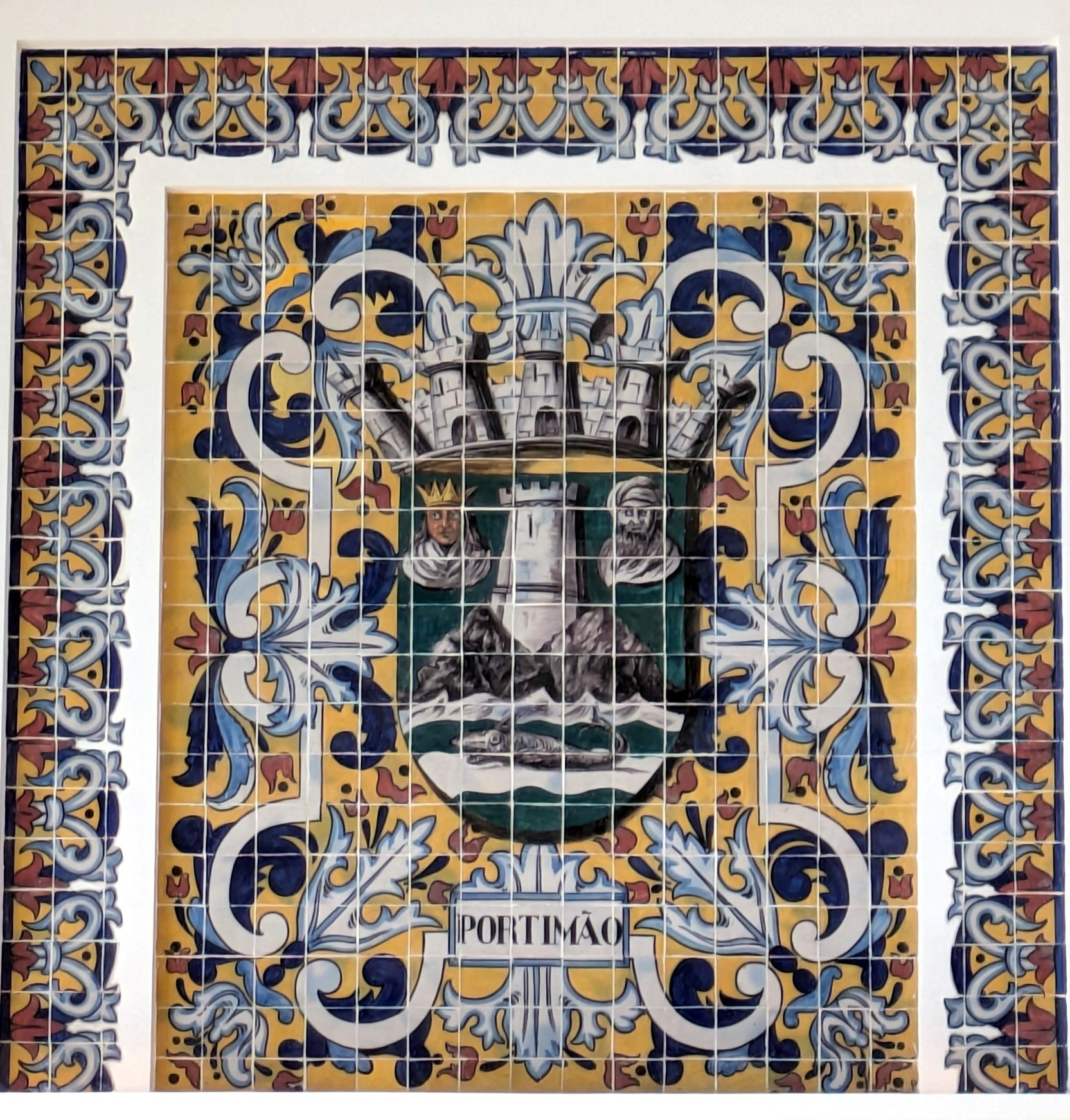
Along the Tagus River, at the very bottom of Alfama, is Santa Apolonia Station, Alfama’s beautiful main railway train station. These tile murals adorn the walls:
Coming up next: LOVING LIVING LIKE A LOCAL IN LISBON #7: GORGEOUS GRACA

