PERU #7: THE SACRED VALLEY SURPRISE & PISAC RUINS

Our time in Lima turned out to be so much more enjoyable than we expected, and we knew it was only going to get better from there—assuming we could adapt to the dramatically increased altitude we were about to experience.  Altitude sickness could hit anybody, no matter how fit and healthy you are.  The only thing we could do is stay very hydrated, abstain from alcohol, and follow the other medical recommendations I had researched.  Not only would we be seeing Machu Picchu on this tour, but we would be visiting other ruins and towns at even higher altitudes, so it was important to stay disciplined. 

Seeing these high-altitude destinations requires flying into Cusco, which is at an elevation of 11,200 feet—quite an increase from sea level!  We would be returning to stay in Cusco at the end of our tour, but on this day, our final destination was Urubamba (elevation 9,420 feet), in the Sacred Valley of the Incas.  Sleeping at a lower elevation was the recommended way to ease our transition to the high altitudes of the Andes, so Overseas Adventure Travel (OAT) planned the itinerary perfectly.

Before arriving in Urubamba, however, we would be making stops along the way to see Inca ruins.  At one point, we encountered a blocked road full of people– something we had not expected given the sparse population of the area.  We saw a crowd and wondered what had happened.  Nothing happened; it was another parade!  After encountering a surprise parade in Lima, we never thought it would happen again, but it did; and it was fabulous!

(For all photos, click on the image for a full screen view.)
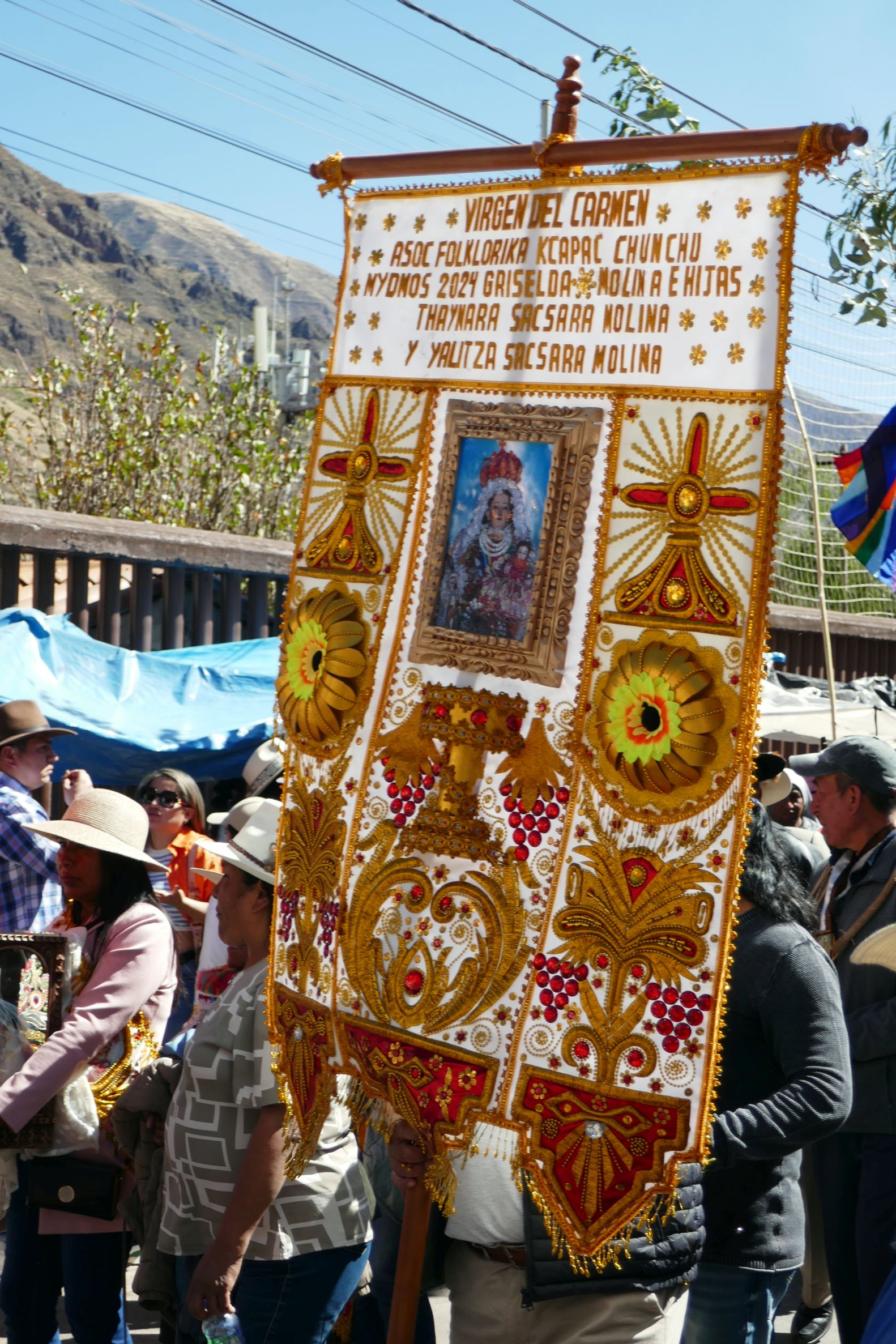
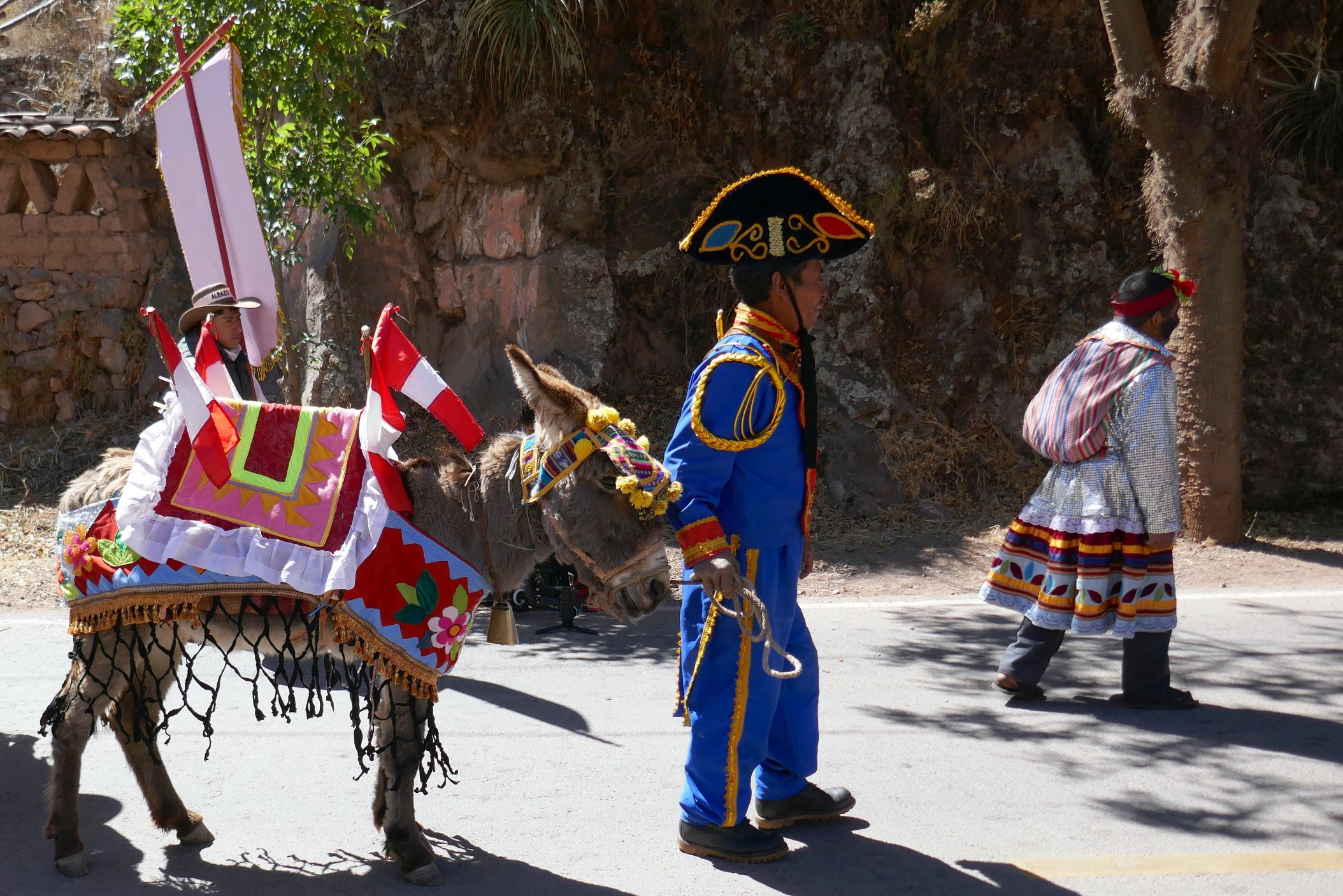
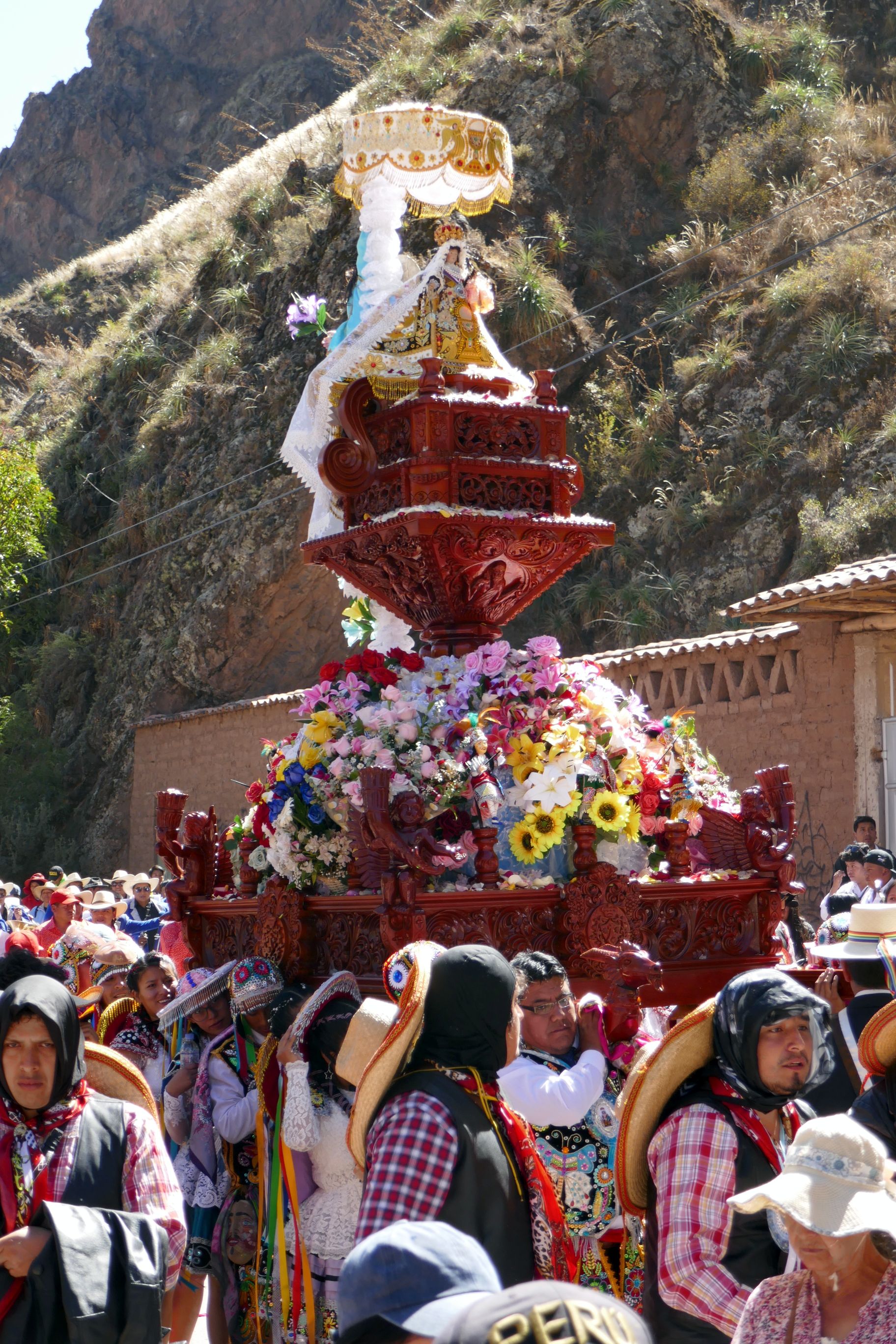
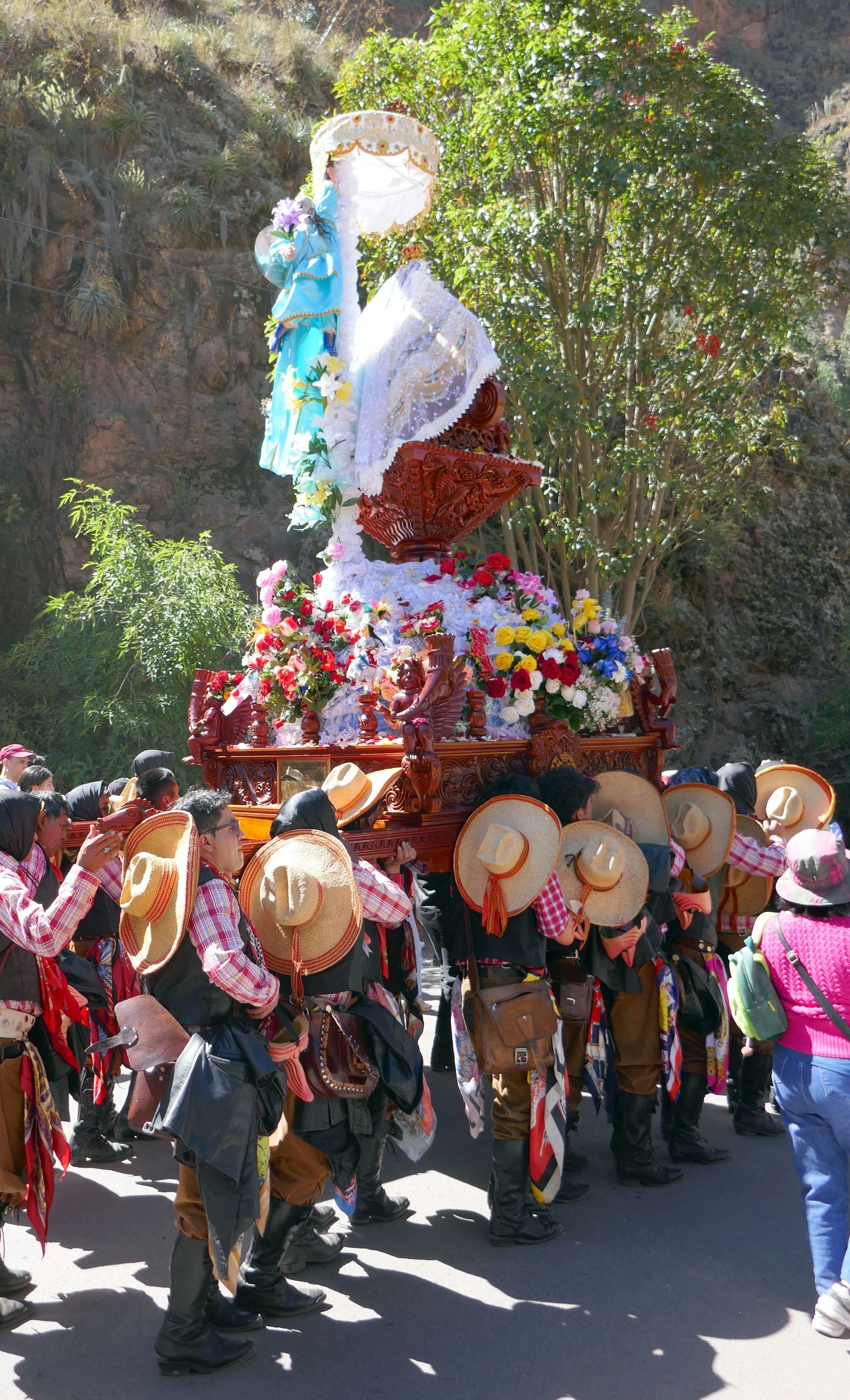
The parade and festival was celebrating Virgen del Carmen, an annual celebration that draws thousands of Peruvians and tourists to Pisac .  Raul, of course, knew all about it, but he wanted to surprise us.  He was hoping our timing would be right for the parade, and it was spot-on.   Encouraging us to jump out of the bus and join in on the fun, I didn’t hesitate.  I grabbed my camera and told Bruce I would meet him at the end of the route where the bus would catch up to us.  It was too crowded and chaotic to stick together, and the bus wasn’t going anywhere until the parade concluded.  So, if you can’t beat ‘em, join ‘em!  And that we did!

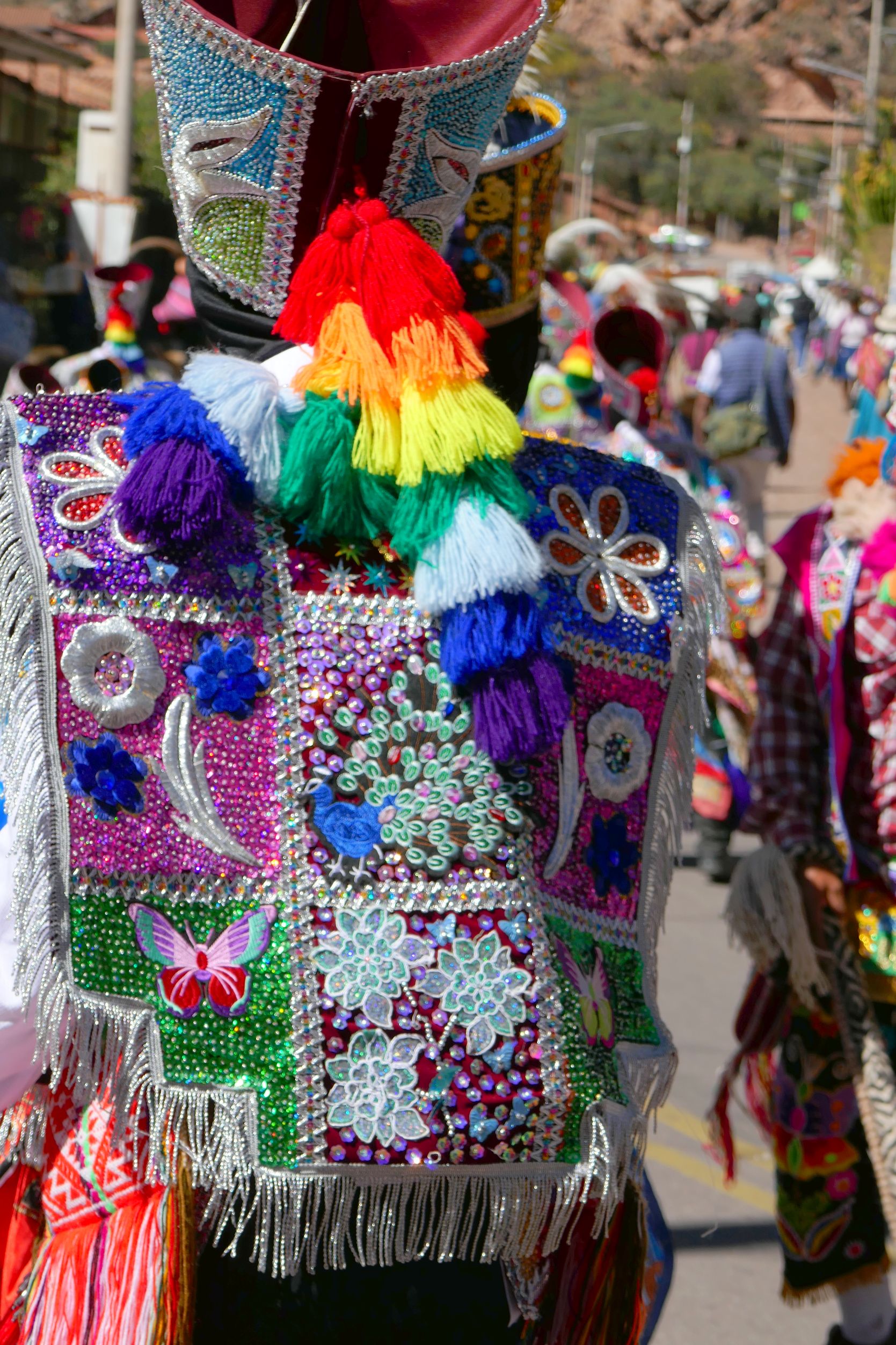
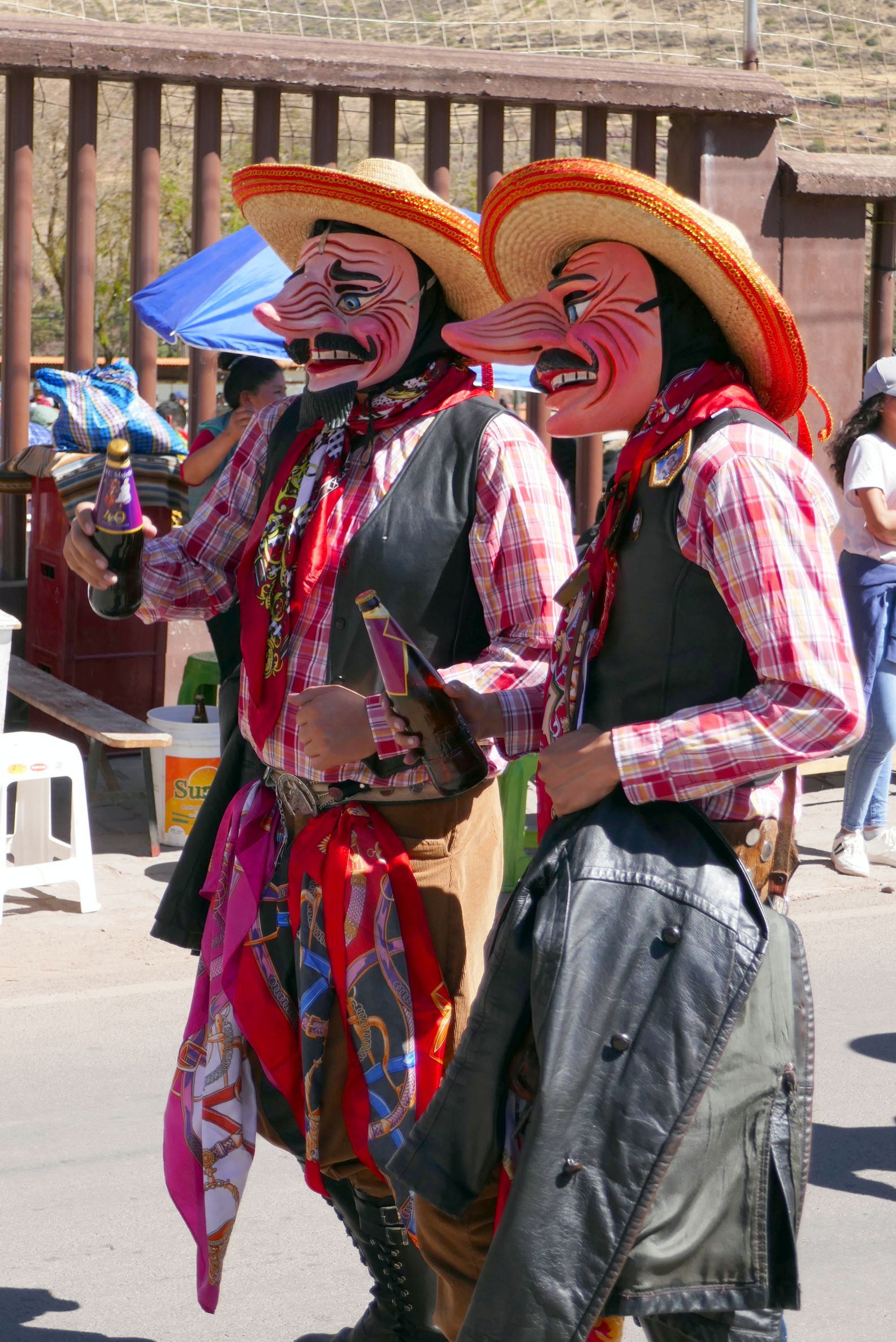
What a joyous, colorful, and noisy celebration!  The participating folkloric dance groups were dressed in amazing handmade costumes, competing for the top prize.  Each year, many hours are spent making each new costume by hand with every sequin and applique sewn on individually.  What a feast for the eyes!  The entire experience was a great introduction to the culture of the Sacred Valley.

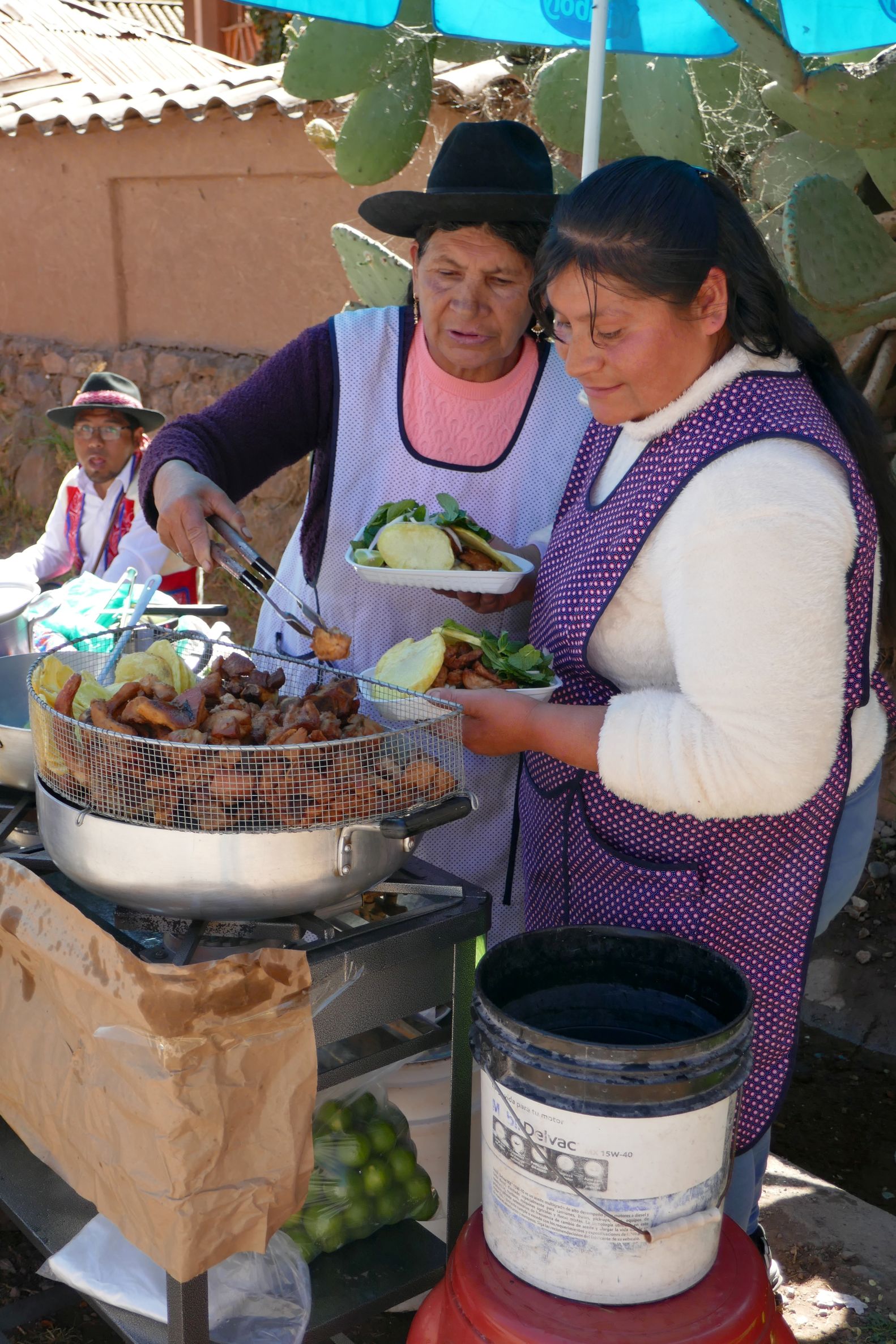
Notice her brown hat as well as the white and black hats worn by the women above? The color indicates the class and status of each woman and where they are from. This woman’s brown hat indicates she is from the Andes.

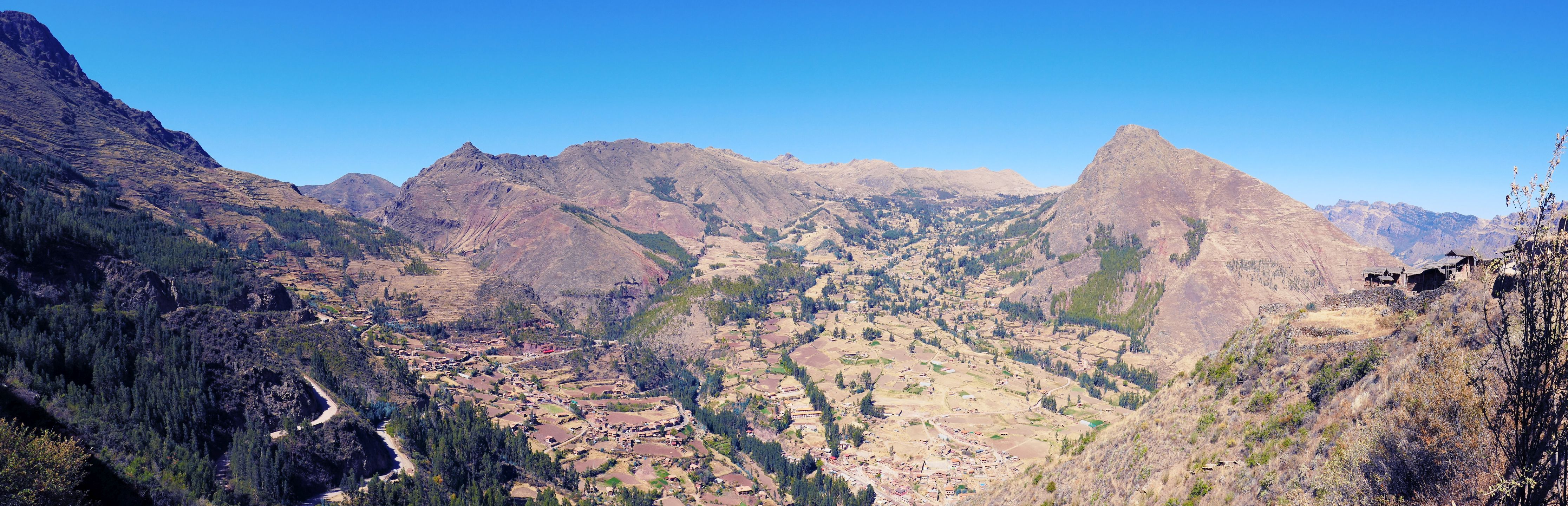
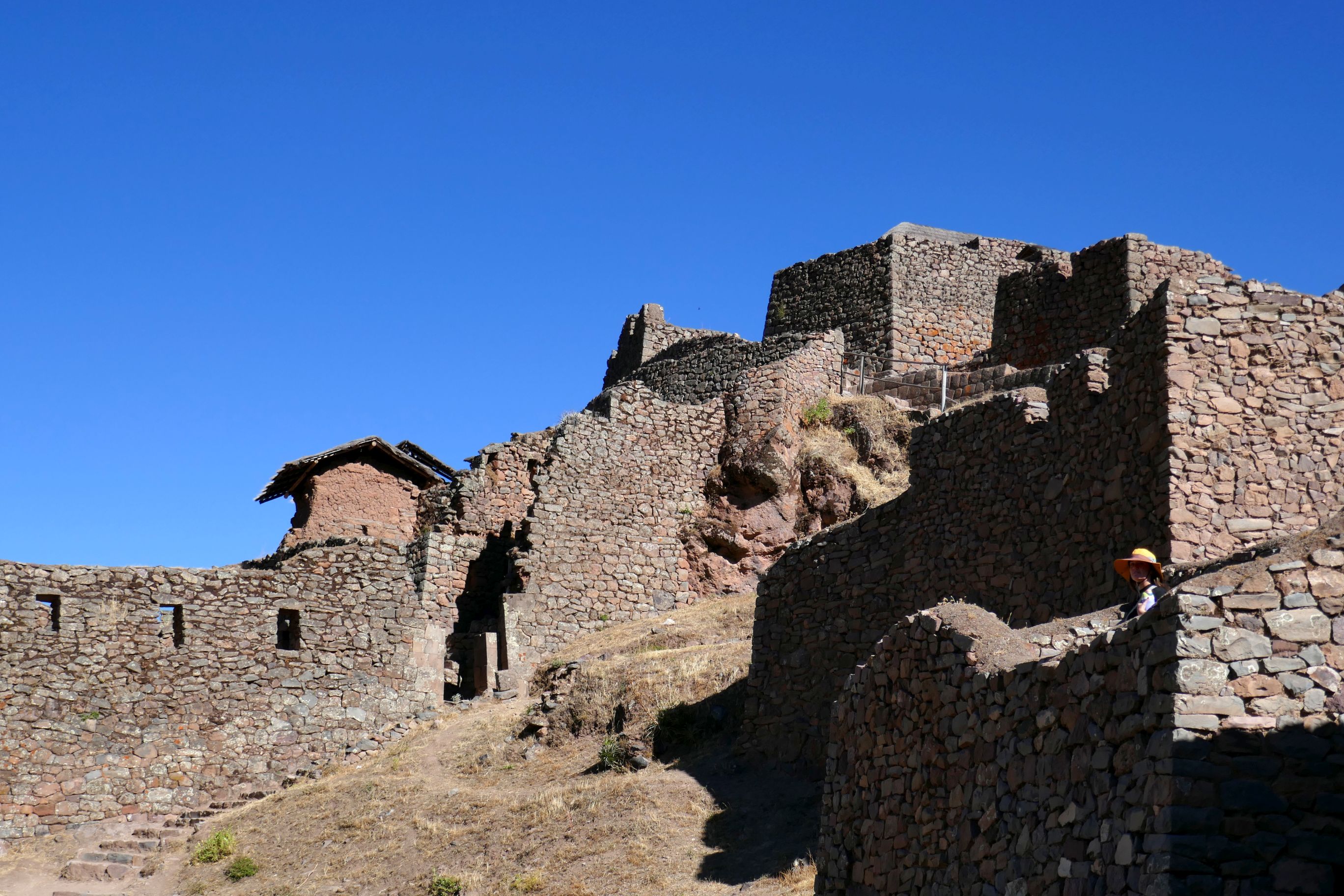
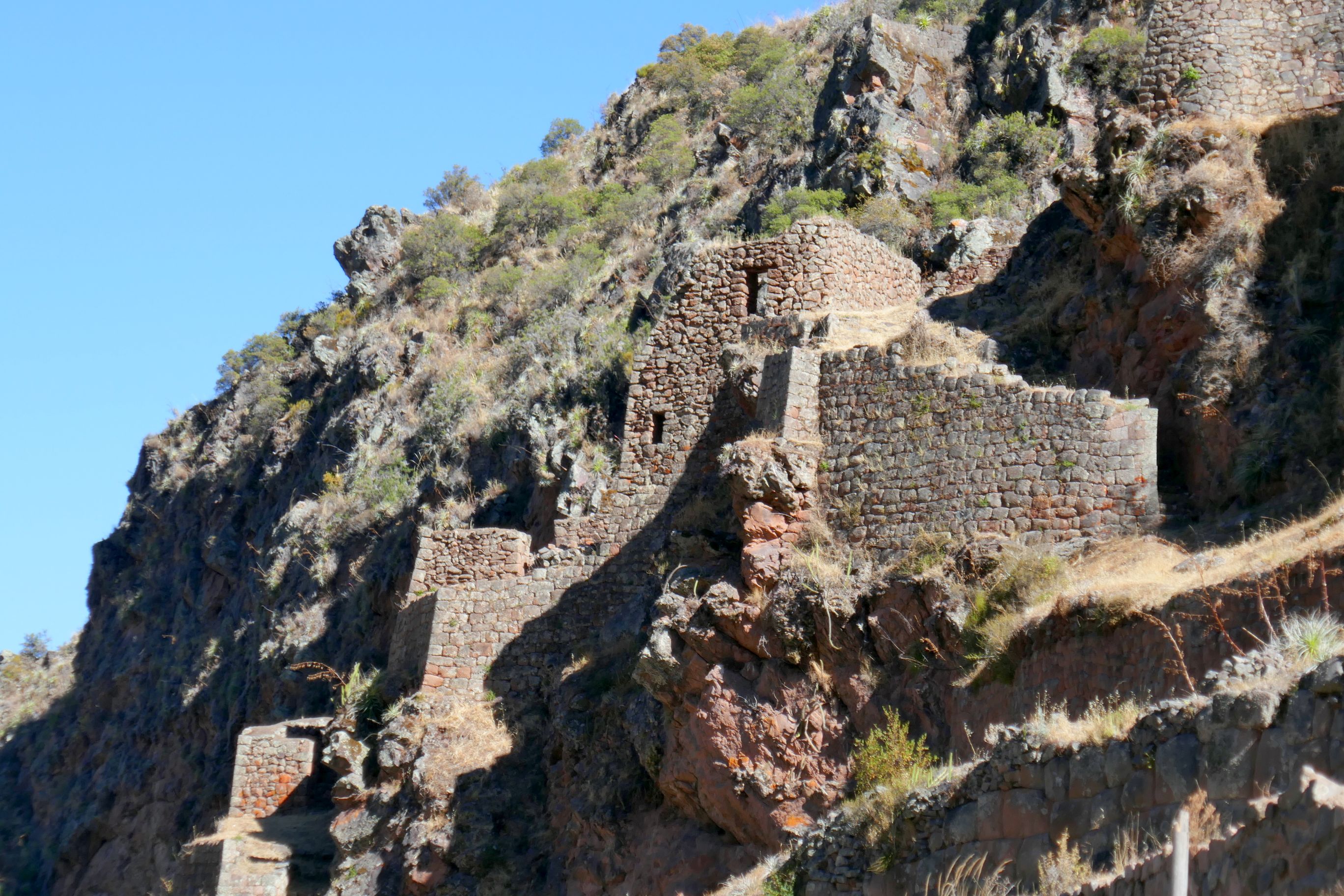
After we piled back on the bus, we ascended along a switchback road above the Vilcanota River to explore the Pisac Ruins.  A well-preserved ancient Inca complex, it is one of the top historical sites to visit in the Sacred Valley and a UNESCO World Heritage Site

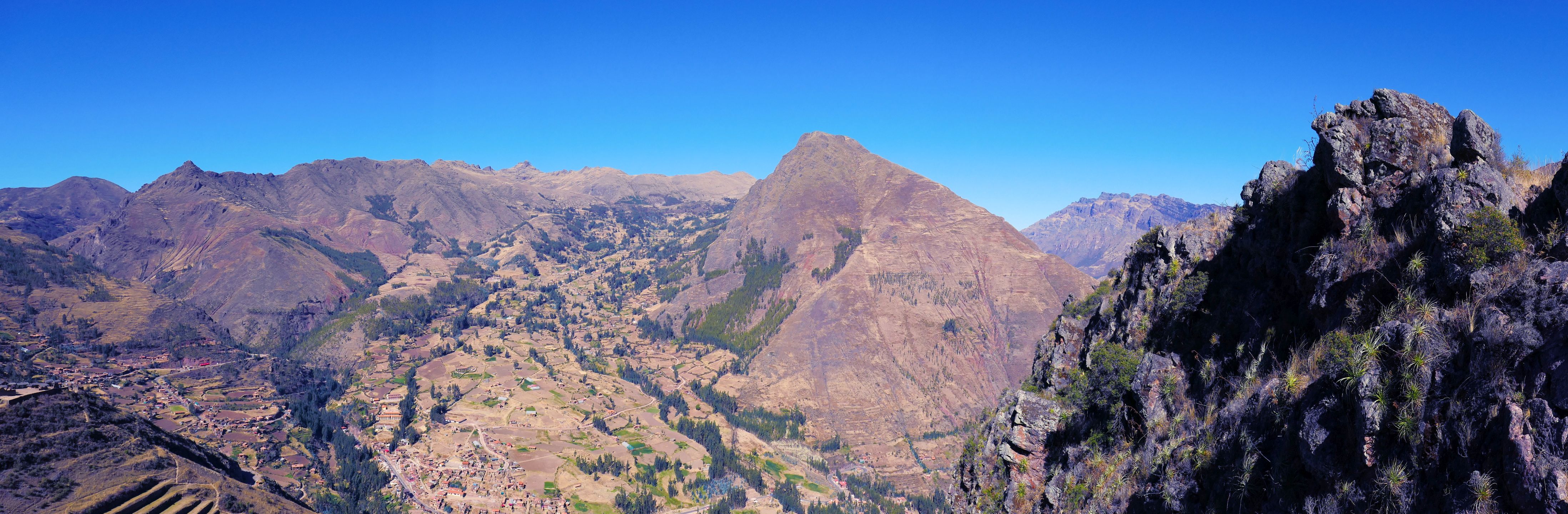
So far, so good!  The high altitude hadn’t registered with my body yet, so I was able to climb up to the top of the ruins at 11,400 feet to enjoy the beautiful vista of the Sacred Valley.

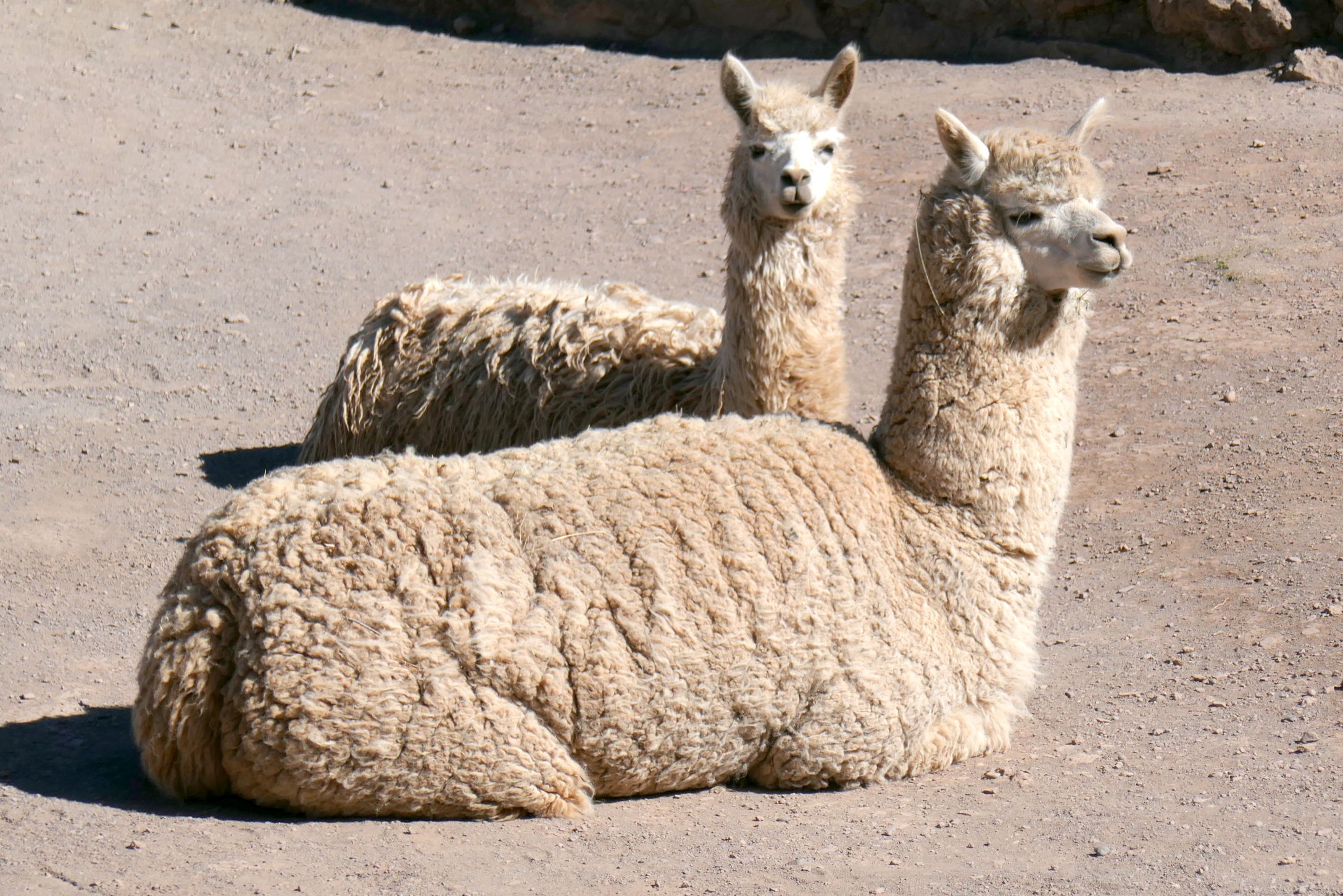
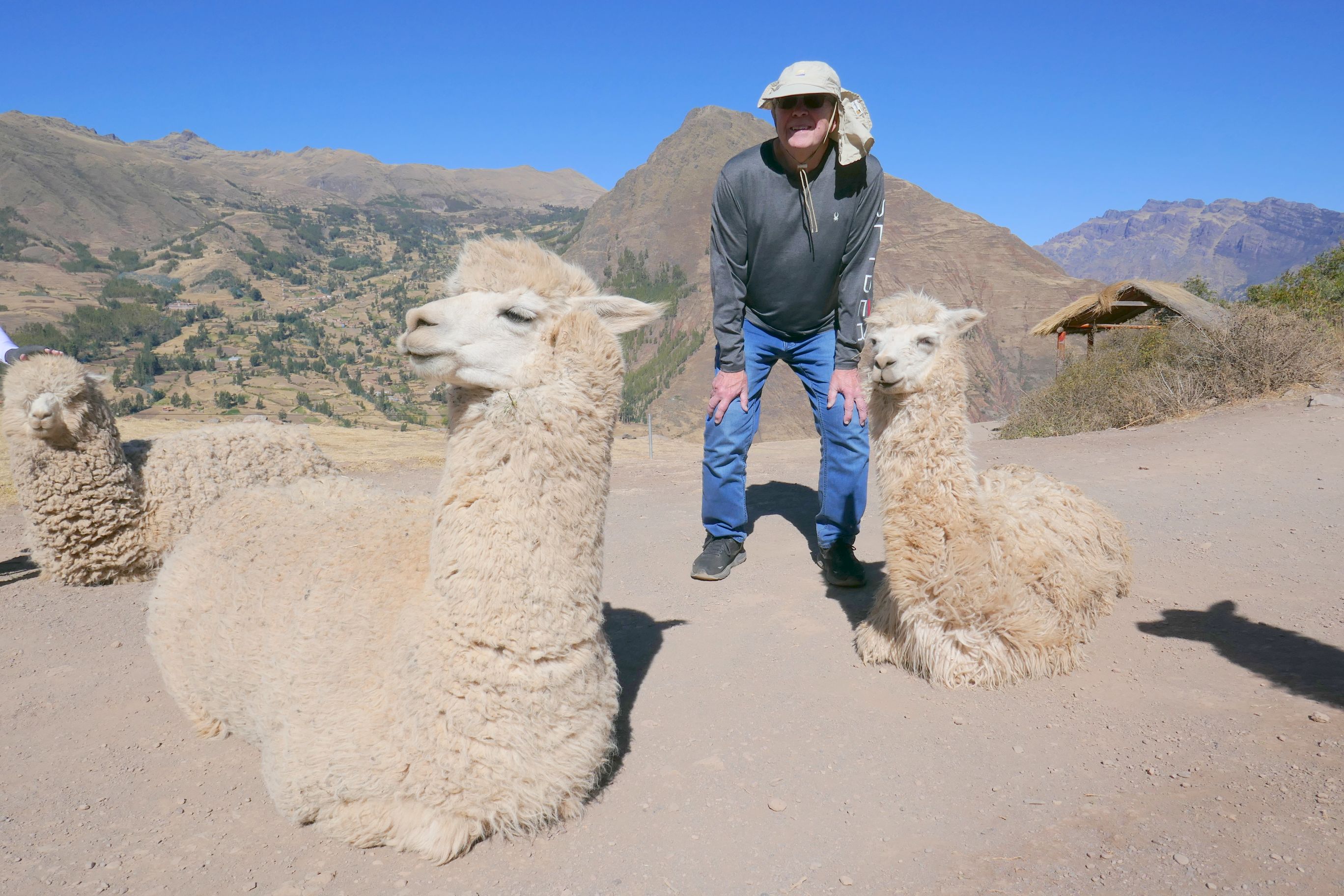
During our hike, we were greeted by some very mellow and tame resident alpacas!  They have become so used to people; they were unfazed:

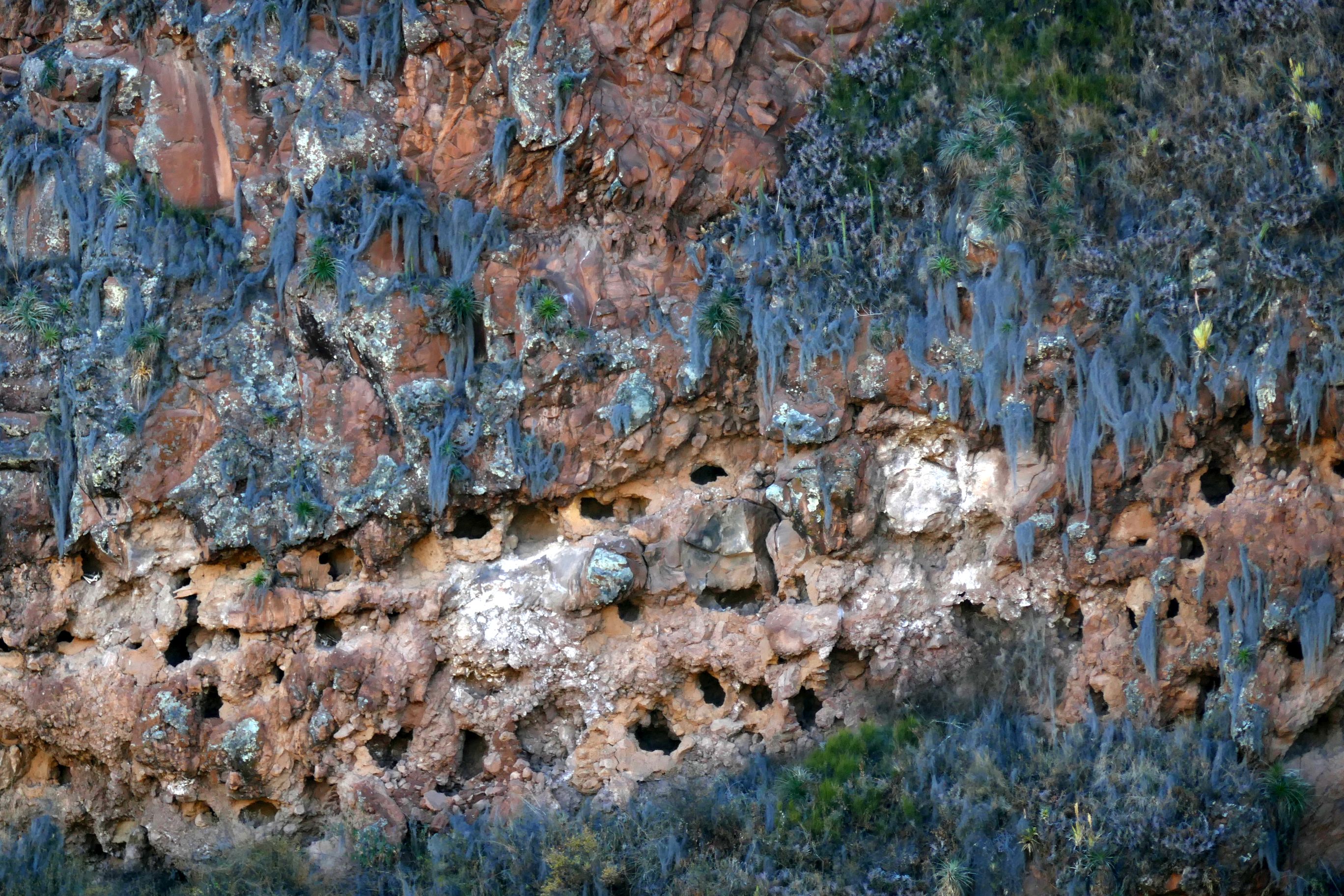
The purpose of the terraced complex was to keep an eye on and control the tribes who lived below.  In the following picture, note the holes in the hillside.  These holes were burial sites where the dead were buried in a fetal position:

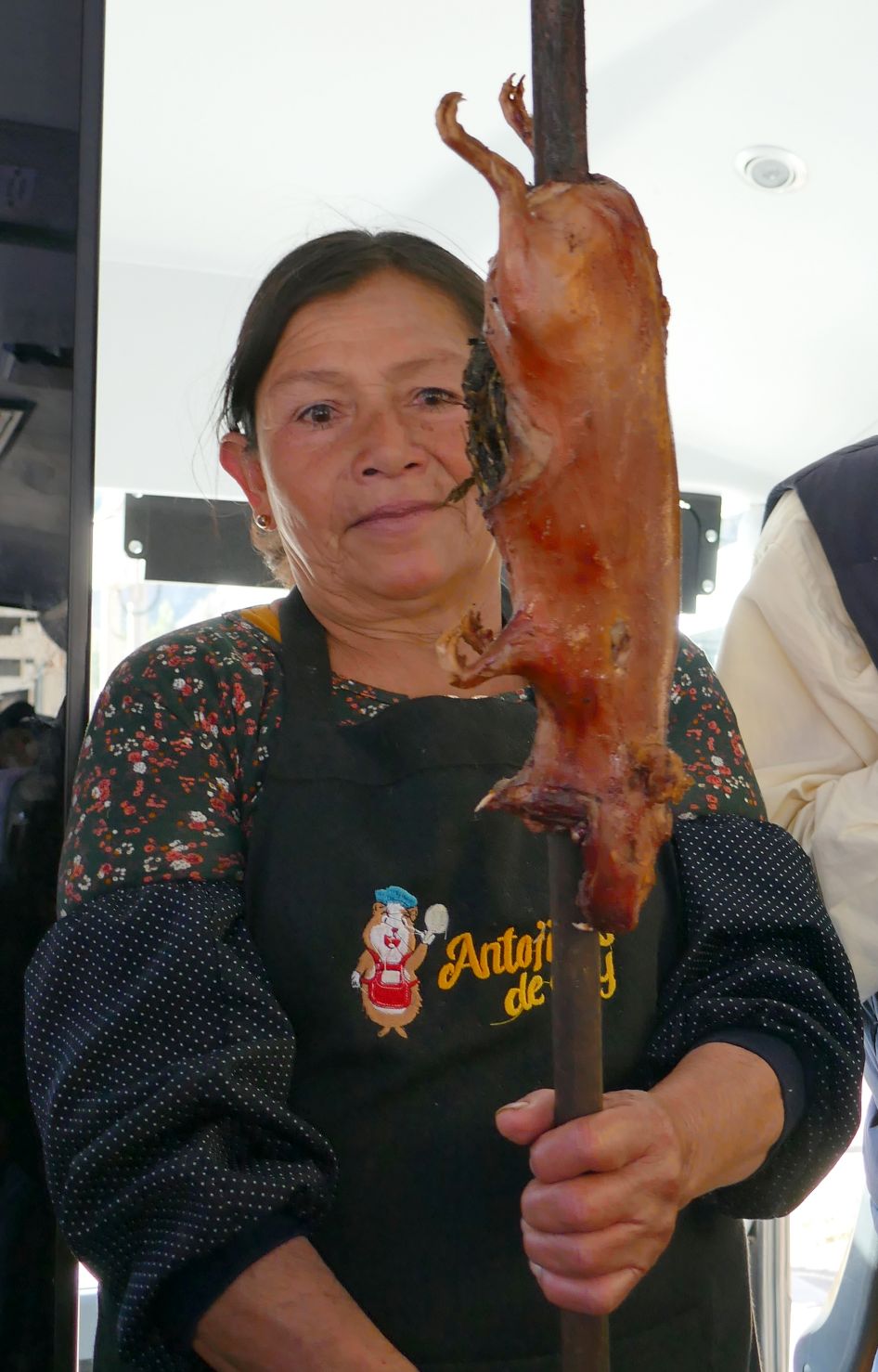
On the way to our hotel, Raul had the bus driver pull over and asked this woman selling roasted guinea pig if she would come aboard to show us. Guinea pig is a delicacy in Peru; however, I grew up with my sister’s pet guinea pigs…

In the late afternoon, we arrived in Urubamba at the beautiful Villa Urubamba Hotel.  I will post more pictures in my next blog, but this is the musician who entertained us at dinner this evening.  I enjoyed his music so much, I bought his downloads, which I will use in my slide show which will appear in my last Peru blog post:

Eder Alvarez Alejos of NativAndina

Fortunately, the altitude never made either of us sick.  I had a headache that first night—nothing a couple of Tylenol couldn’t cure by the next morning.  A few others in our group weren’t so fortunate!

Coming up next:  PERU #8: RAFTING THE URUBAMBA RIVER, EXPLORING OLLANTAYTAMBO INCA FORTRESS, AND A HOME-HOSTED LUNCH

SWITZERLAND & NORTHERN ITALY #10: MARVELOUS MILAN

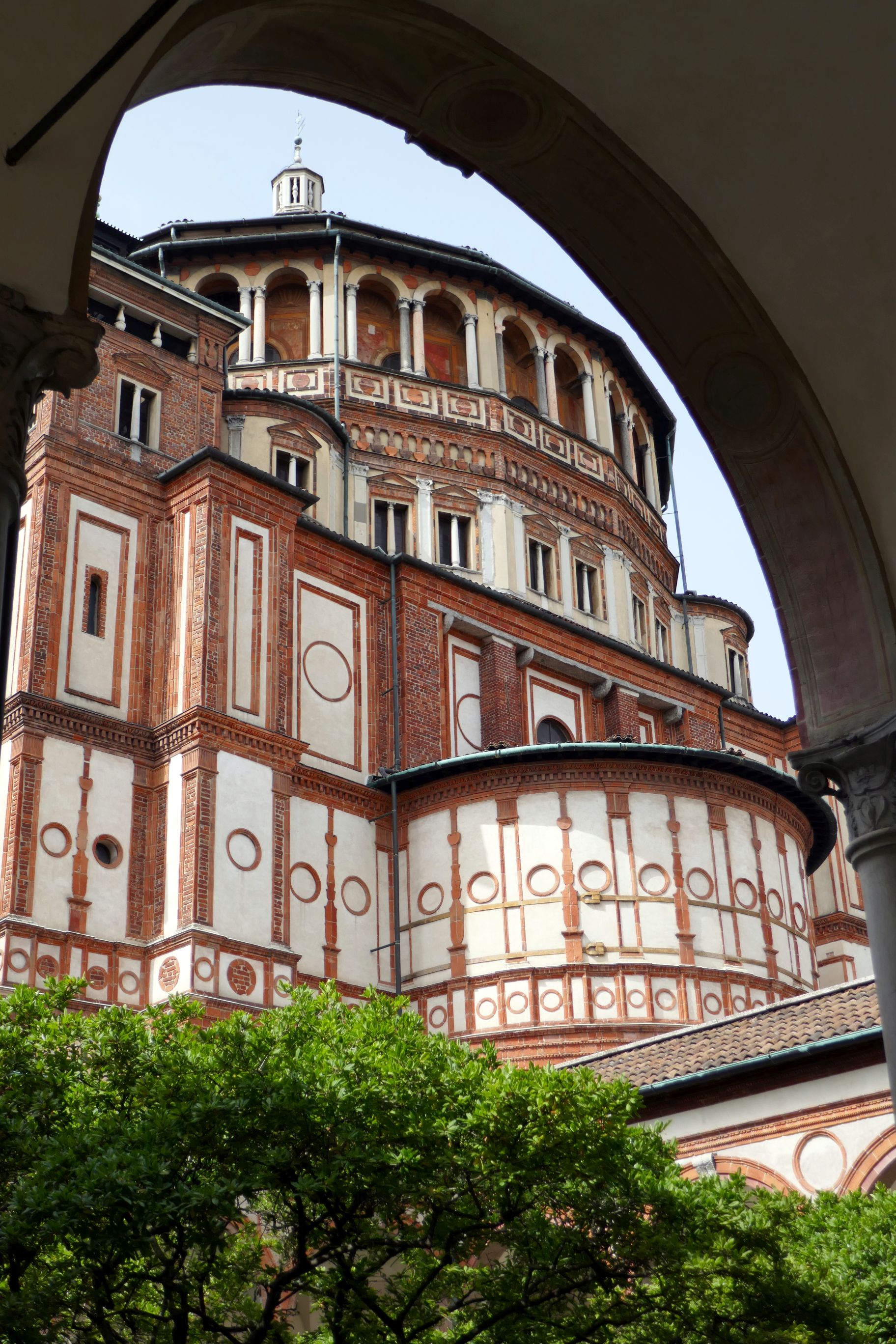
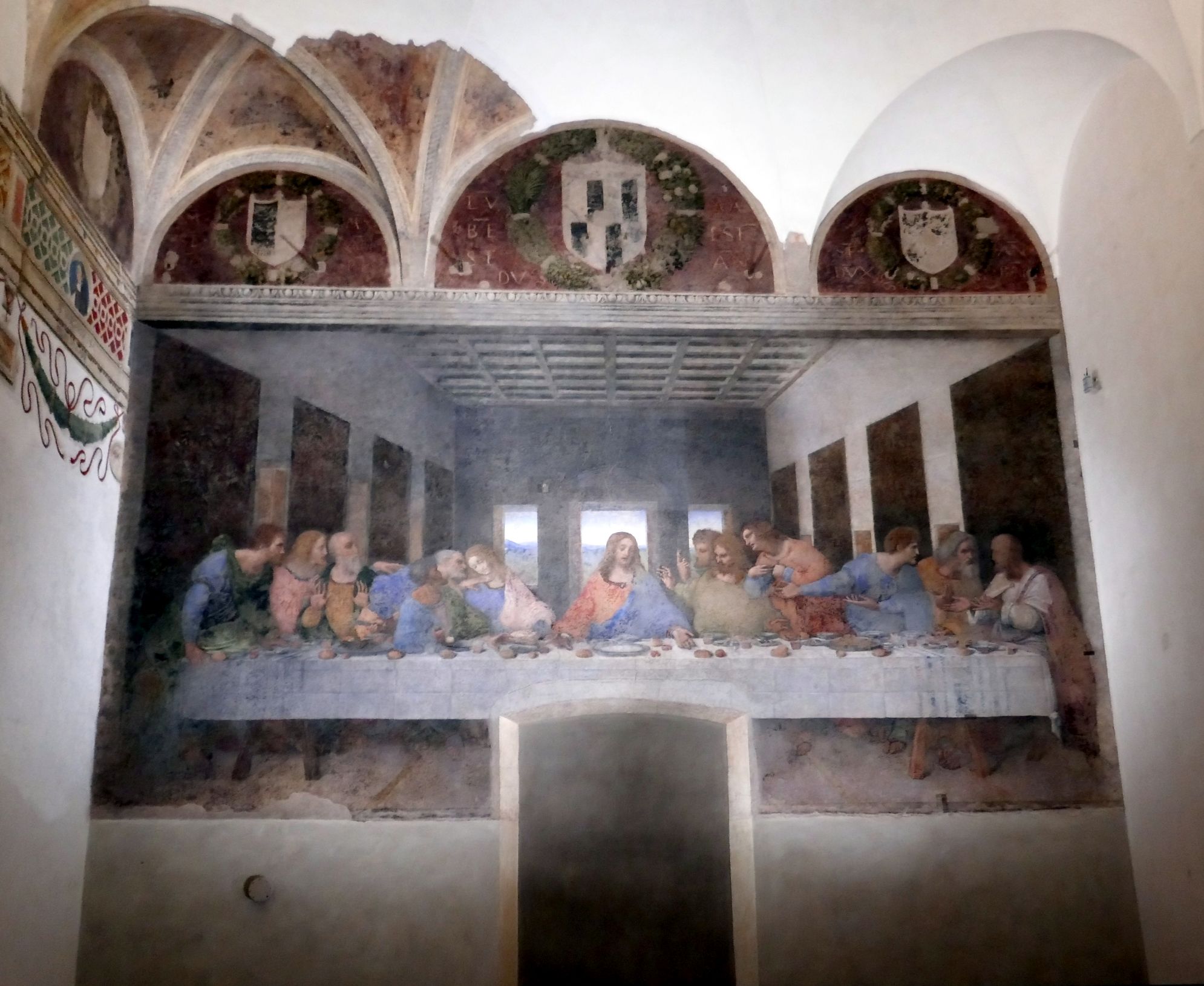
We didn’t see much of the city of Milan, but what we did see was marvelous!  The day began with a visit to the church and convent, Santa Maria delle Grazie, home of Leonardo Da Vinci’s world-famous mural, The Last Supper.  This mural is so famous that it is viewed by 1,000 people per day (on timed tickets), and the tickets are sold out three months in advance.  Only small, guided groups are allowed in to see it at a time, and it is very tightly controlled with high-tech security. 

(For all photos, click on the image for a full screen view.)
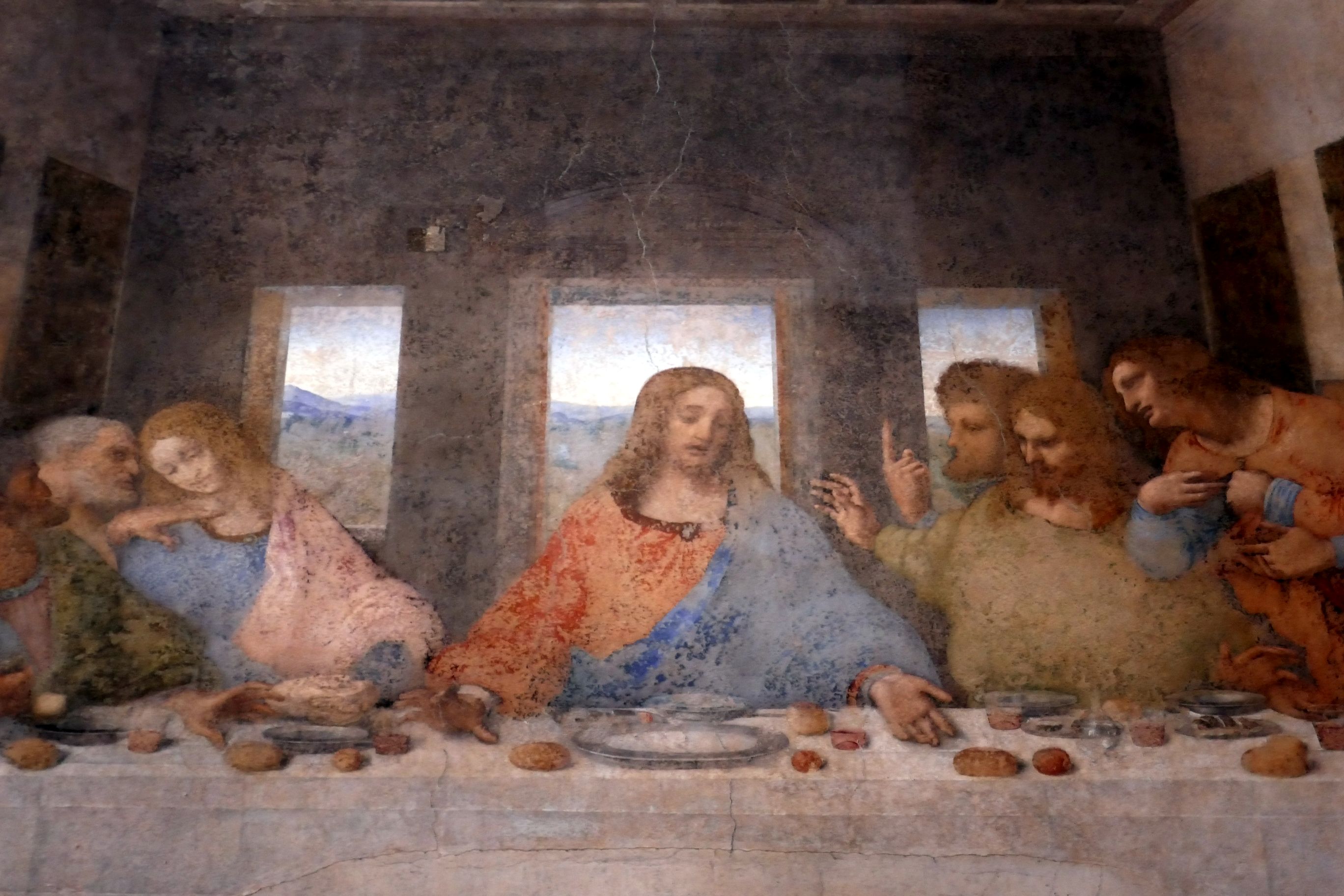
The church, built after the convent, dates back to 1490 and is a UNESCO World Heritage Site. Da Vinci painted the mural in 1495-1498, during the High Renaissance period.  “Truly I tell you.  One of you will betray me.”  These were the words spoken by Jesus that provoked intense emotions in the twelve apostles.  Da Vinci portrays their shock in his masterpiece that has been viewed by countless people over hundreds of years.

Da Vinci used an innovative “dry” technique (a mixture of oil and tempera to bind the pigments) that enabled him to ponder his work and achieve vivid color effects with translucent glazes.  This technique, however, made the painting extremely fragile and in need of continuous restoration.  The latest restoration was completed in 1999.

Directly opposite The Last Supper is The Crucifixion, by Giovanni Donato da Montorfano.  He used the traditional technique of “fresco” wall painting to portray a scene where saints and “blessed souls” of the Dominican order, with the city of Jerusalem in the background. 

Next, a local tour guide took us around the historic city center of Milan, which is known as the only “European” city in Italy.  People come from all over to work in Milan and are quite open to experimentation and innovation, especially in fashion.  Jobs in Milan are the best-paying jobs in Italy, but the flip side is that housing is the most expensive as well.  Apartments cost anywhere from 12,000 to 15,000 Euros per square meter.  Compare that to the 400 Euro in Perugia where our tour leader, Maria, lives and it is shocking!

The day we were in Milan the European Union elections were taking place, but only 7% of Italians voted.  In general, Italians don’t follow politics and are not informed.  50% don’t vote at all, and that percentage is growing. Sound familiar?

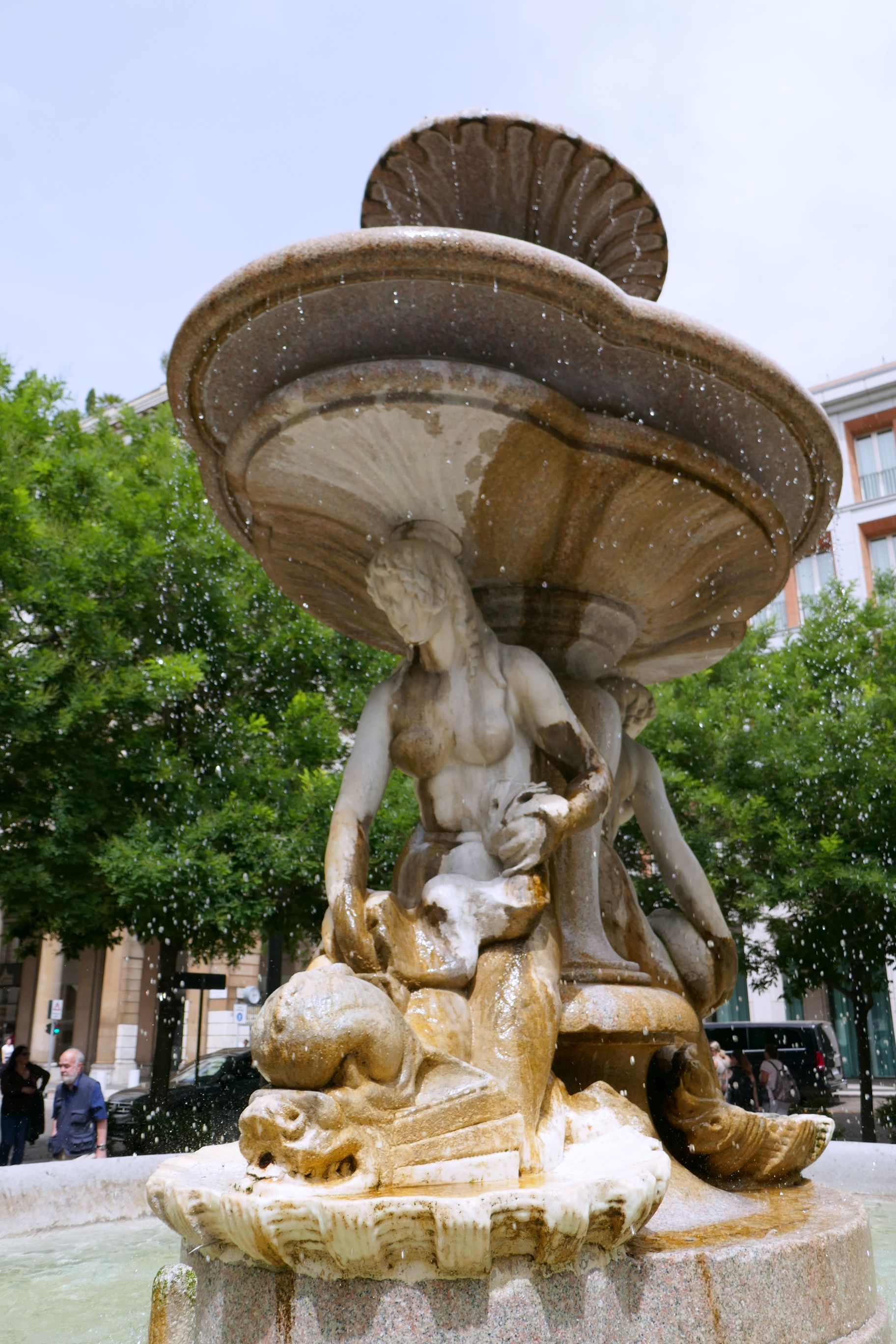
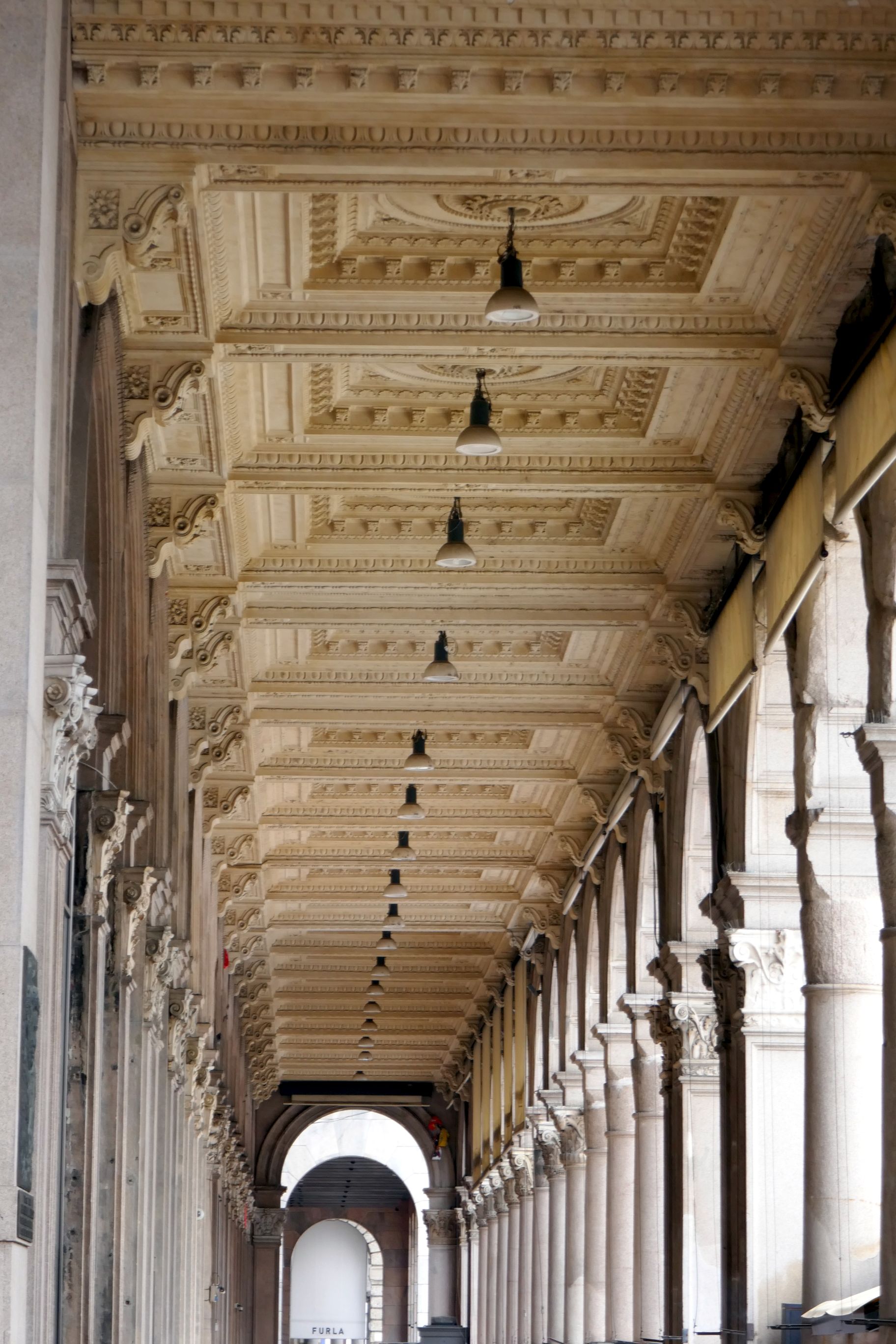
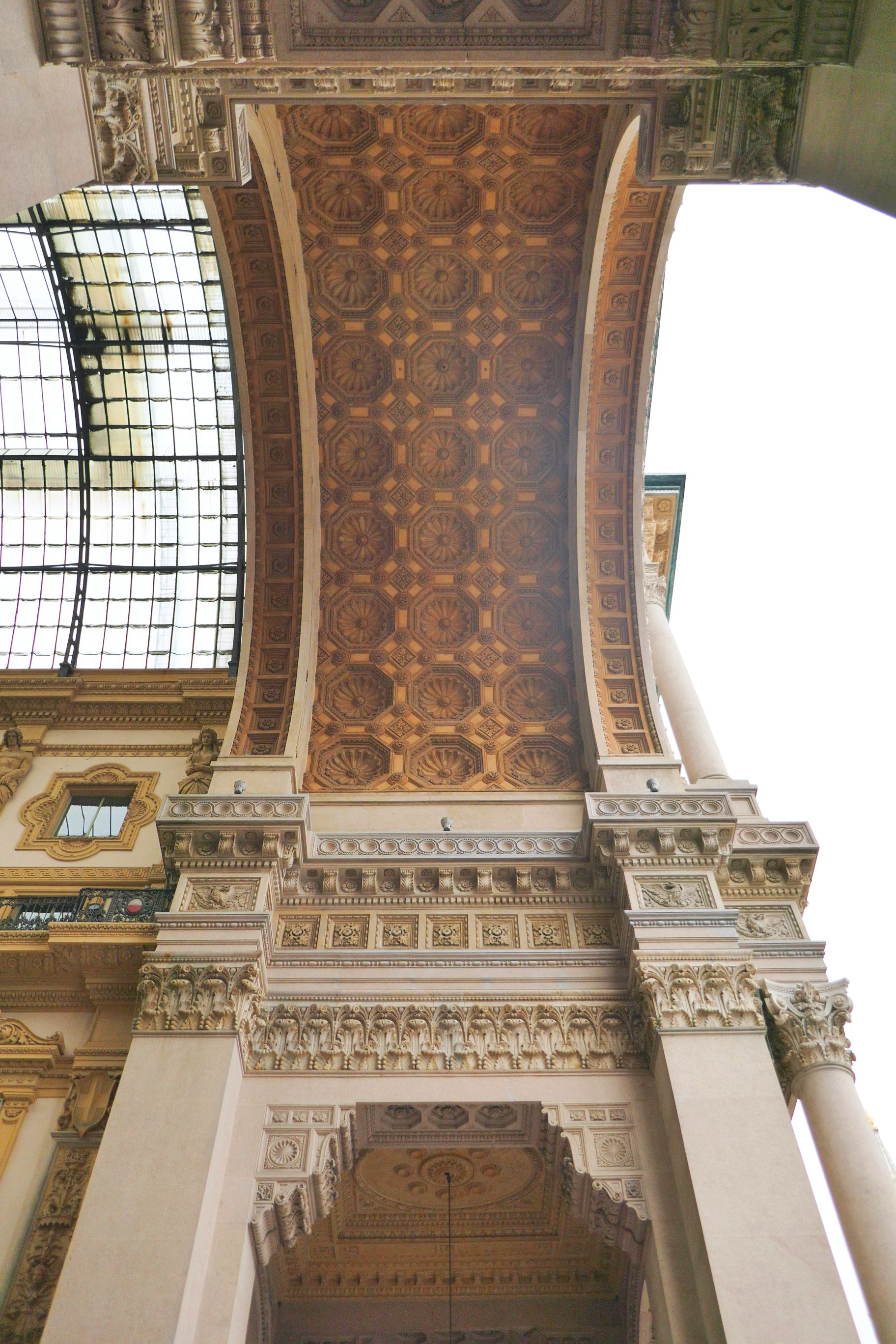
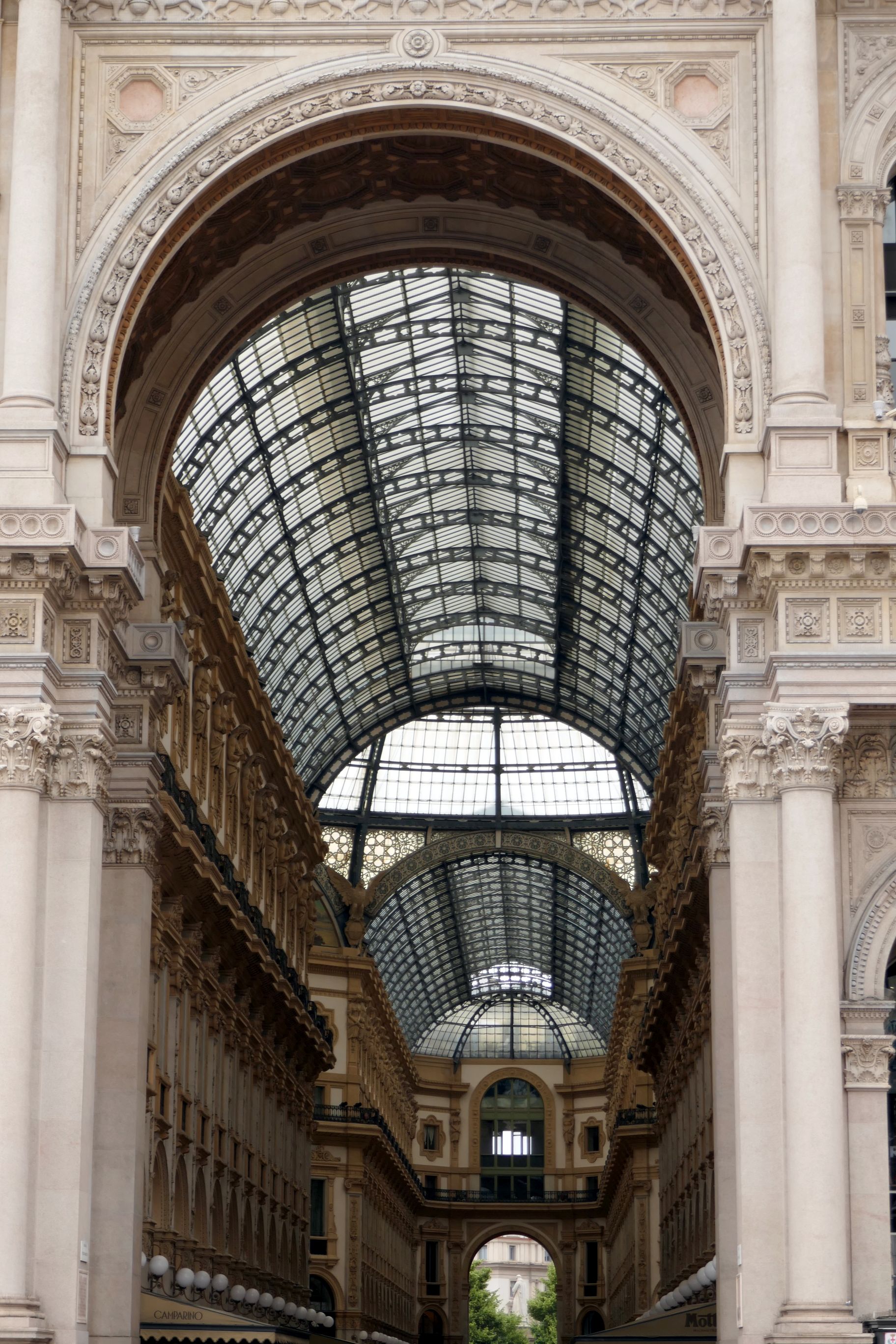
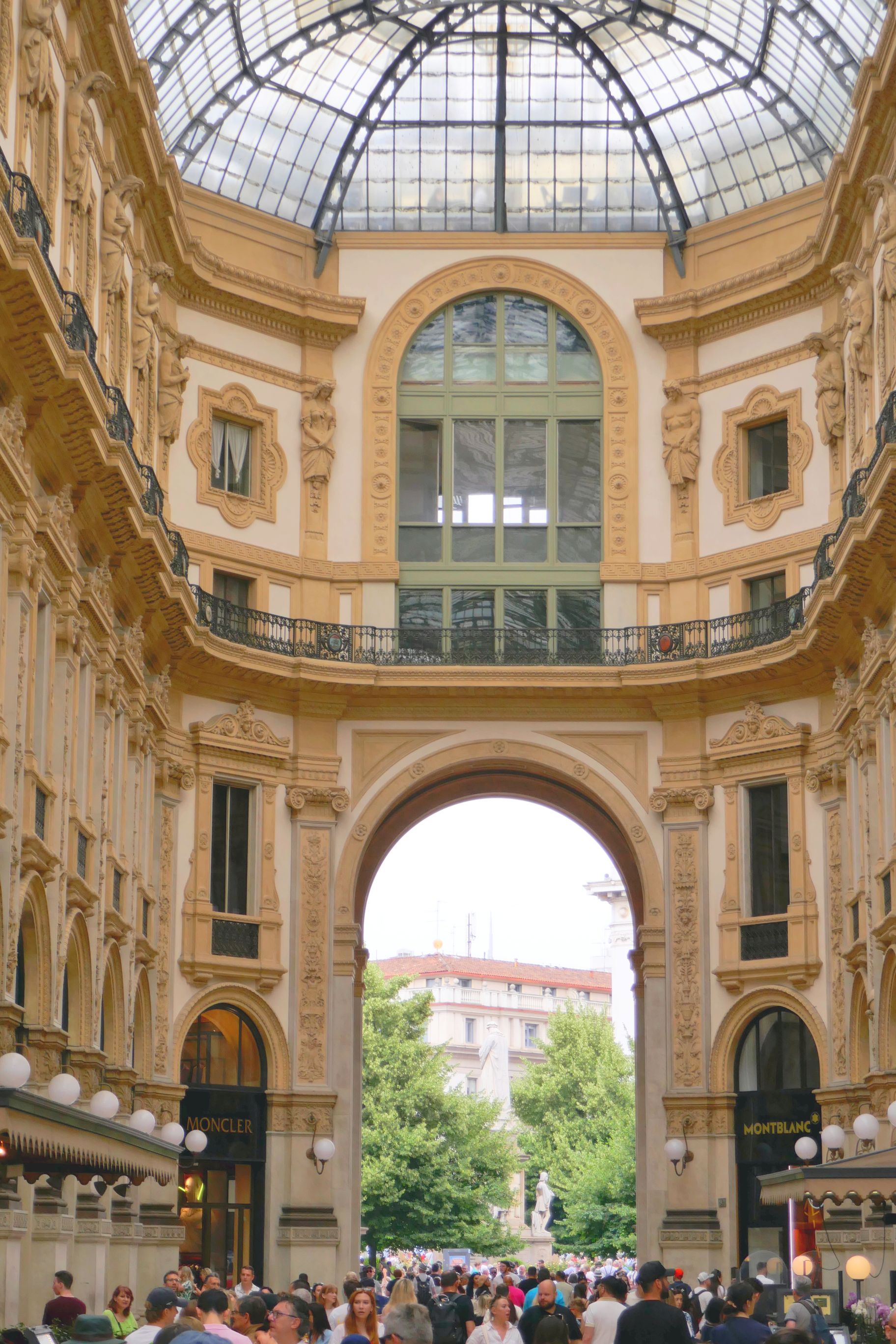
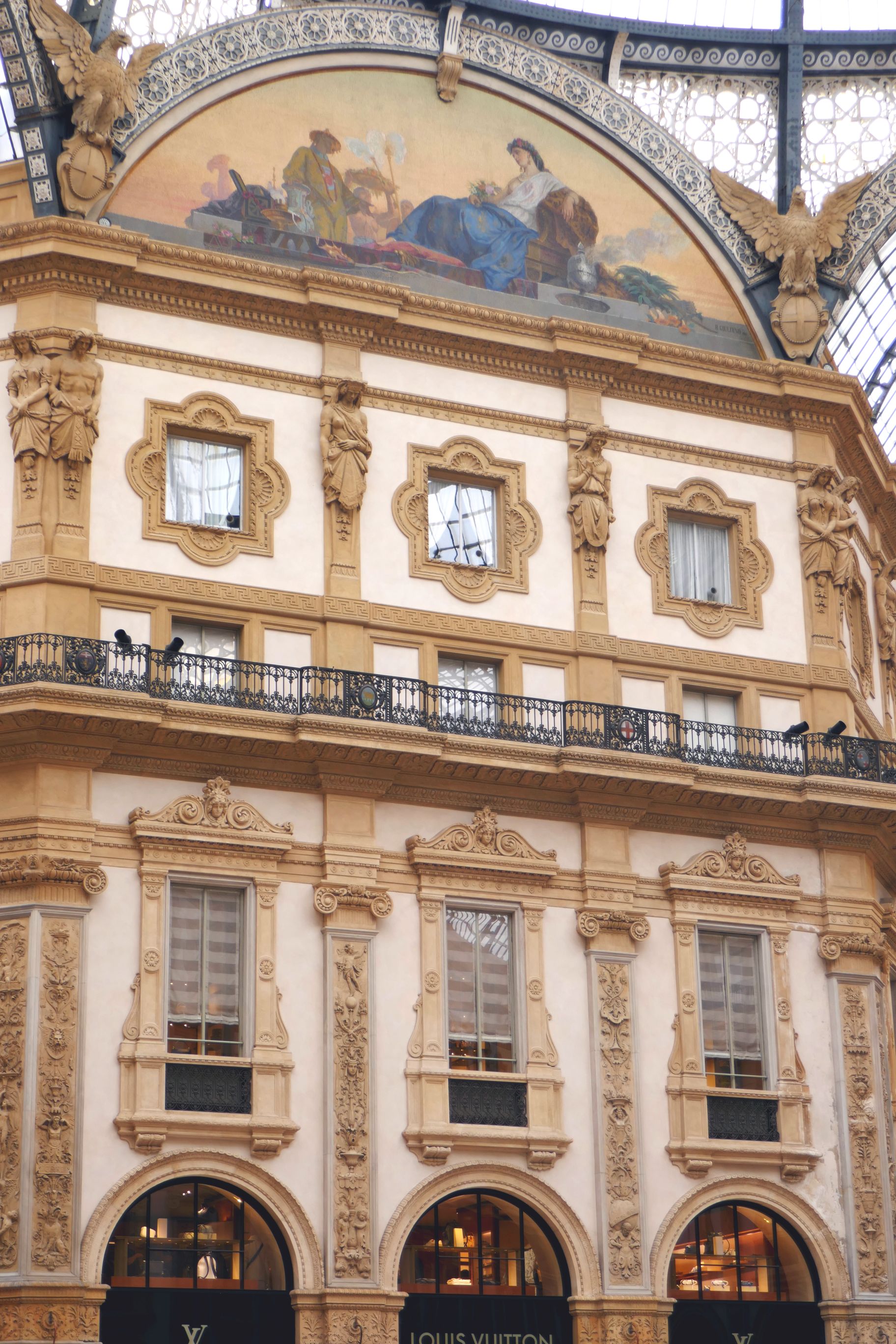
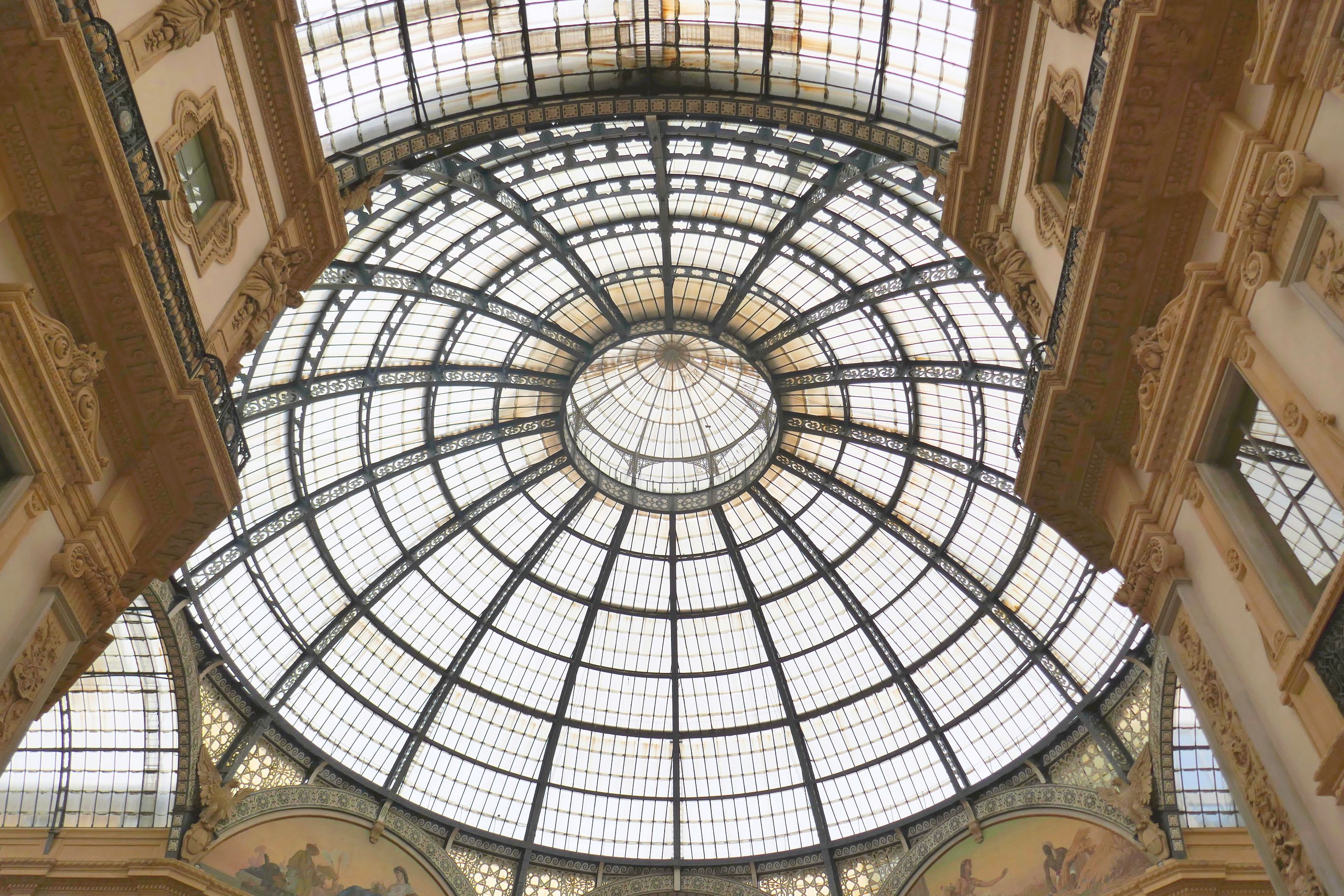
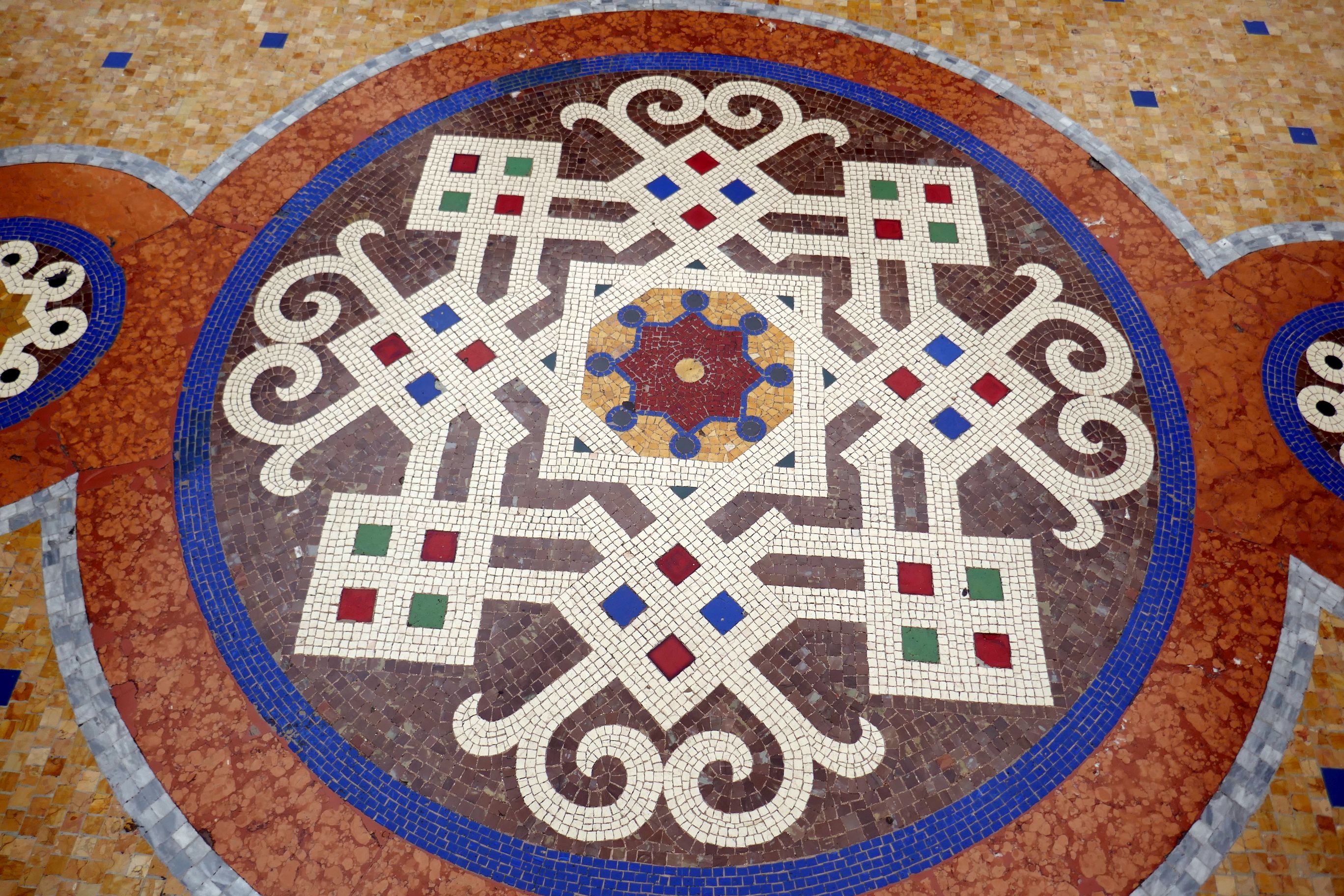
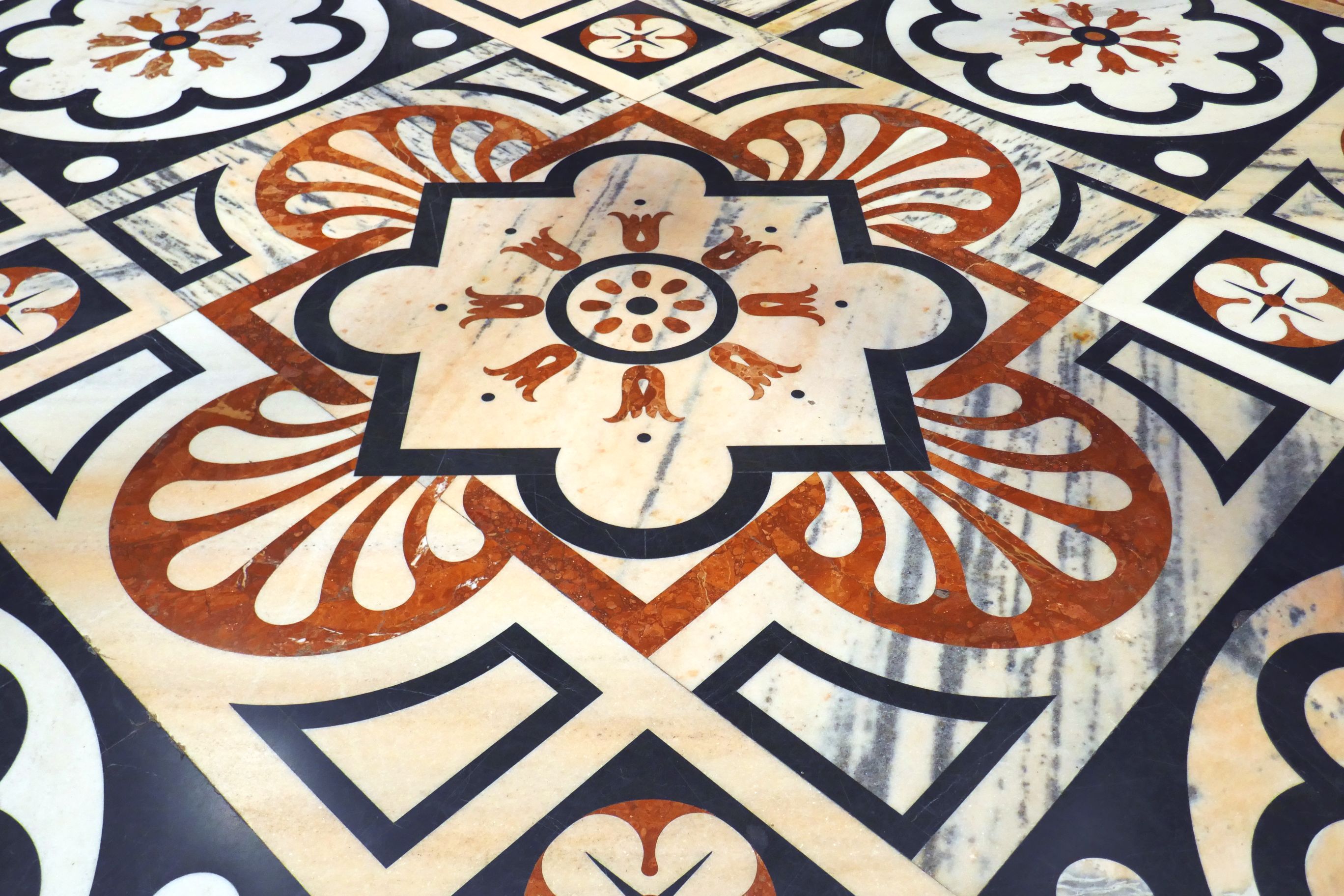
Our walking tour took us past the Teatro La Scala opera house and Duomo di Milano to the Galleria Vittorio Emanuelle II.  This is no ordinary shopping mall; it’s the place to shop!  Not that we were there to shop; haute couture isn’t our thing.  Built in the late 1800’s, the architecture, with its glass dome and mosaic floors, is gorgeous.

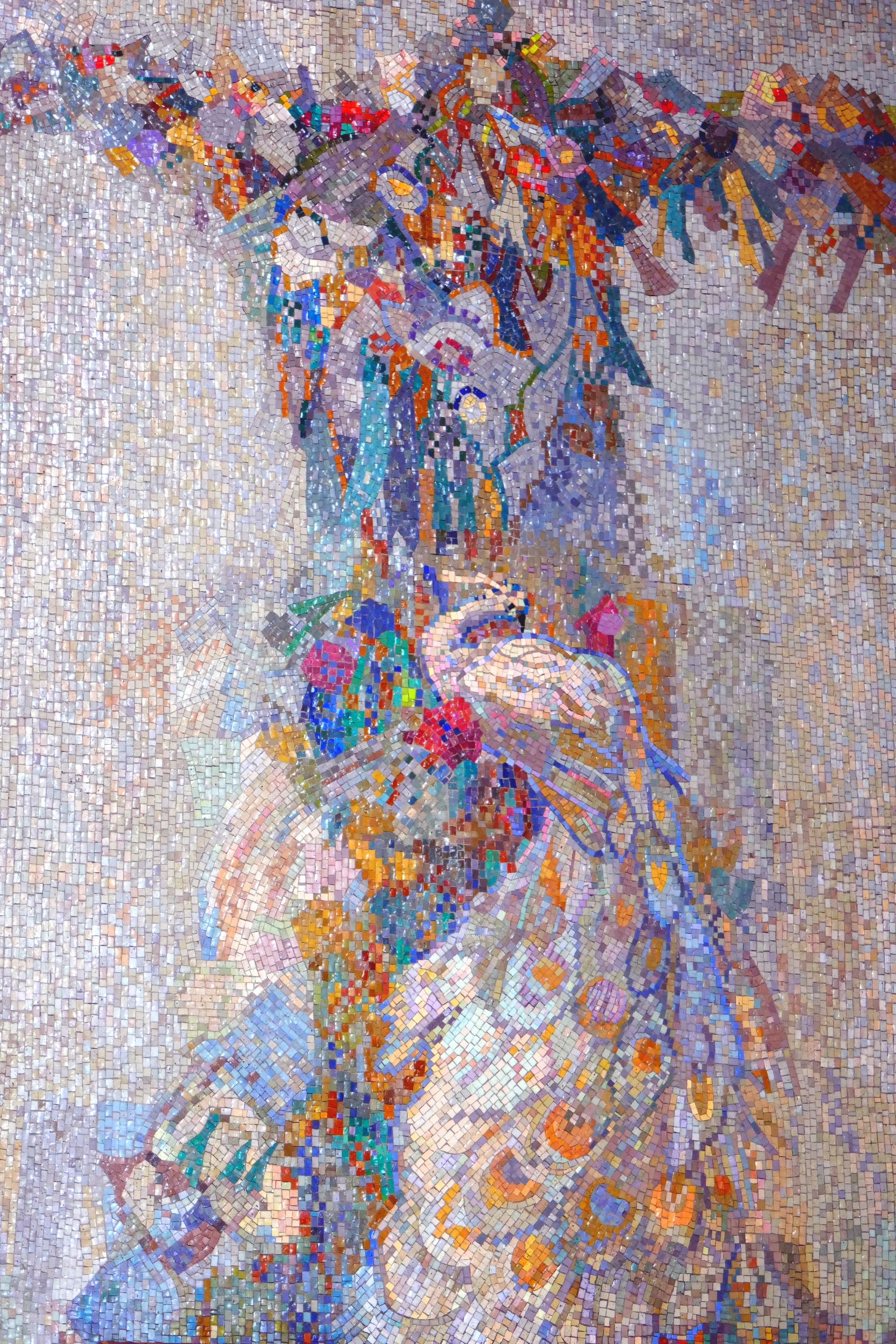
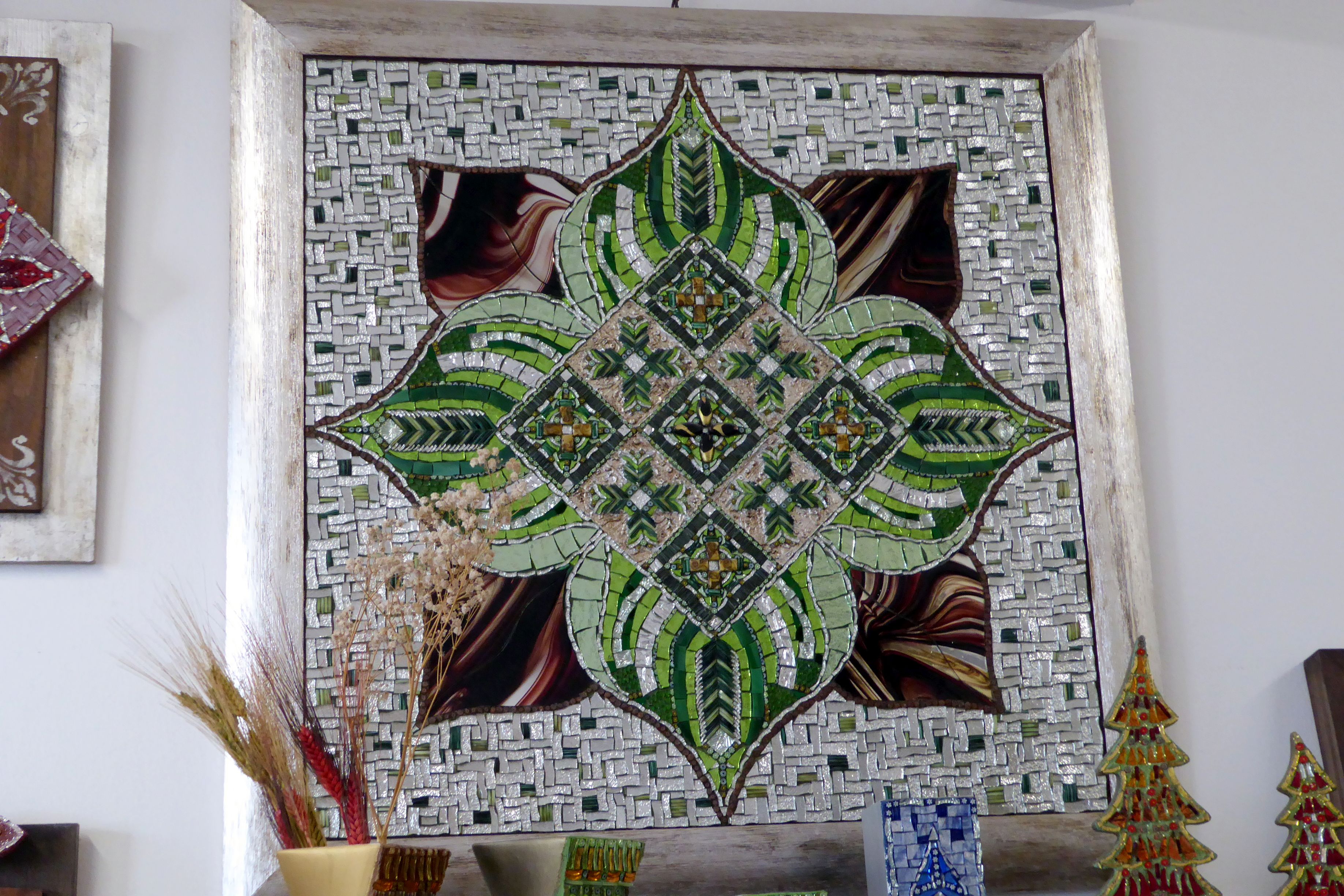
This mosaic mural was in the bar famous for serving Campari drinks.

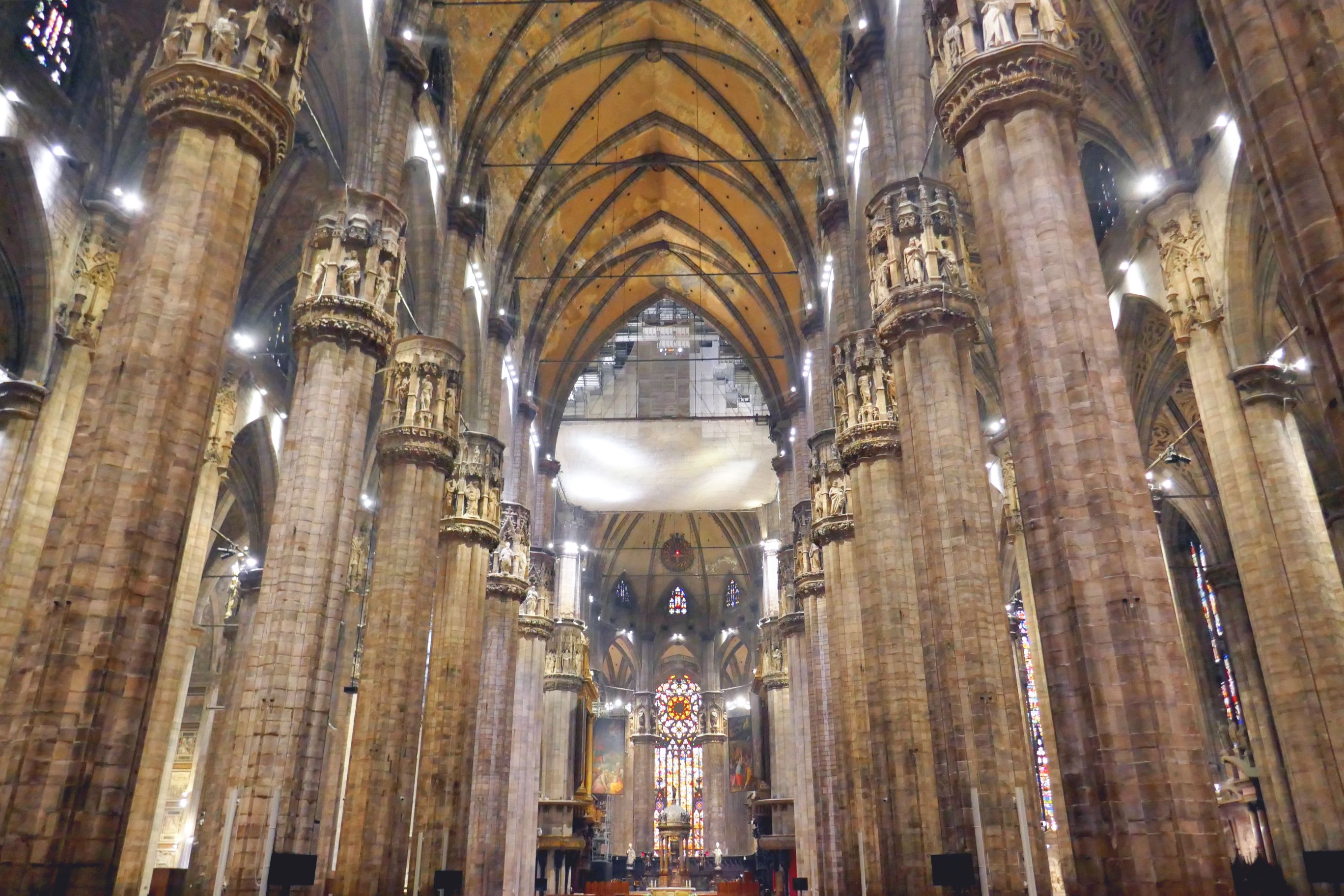
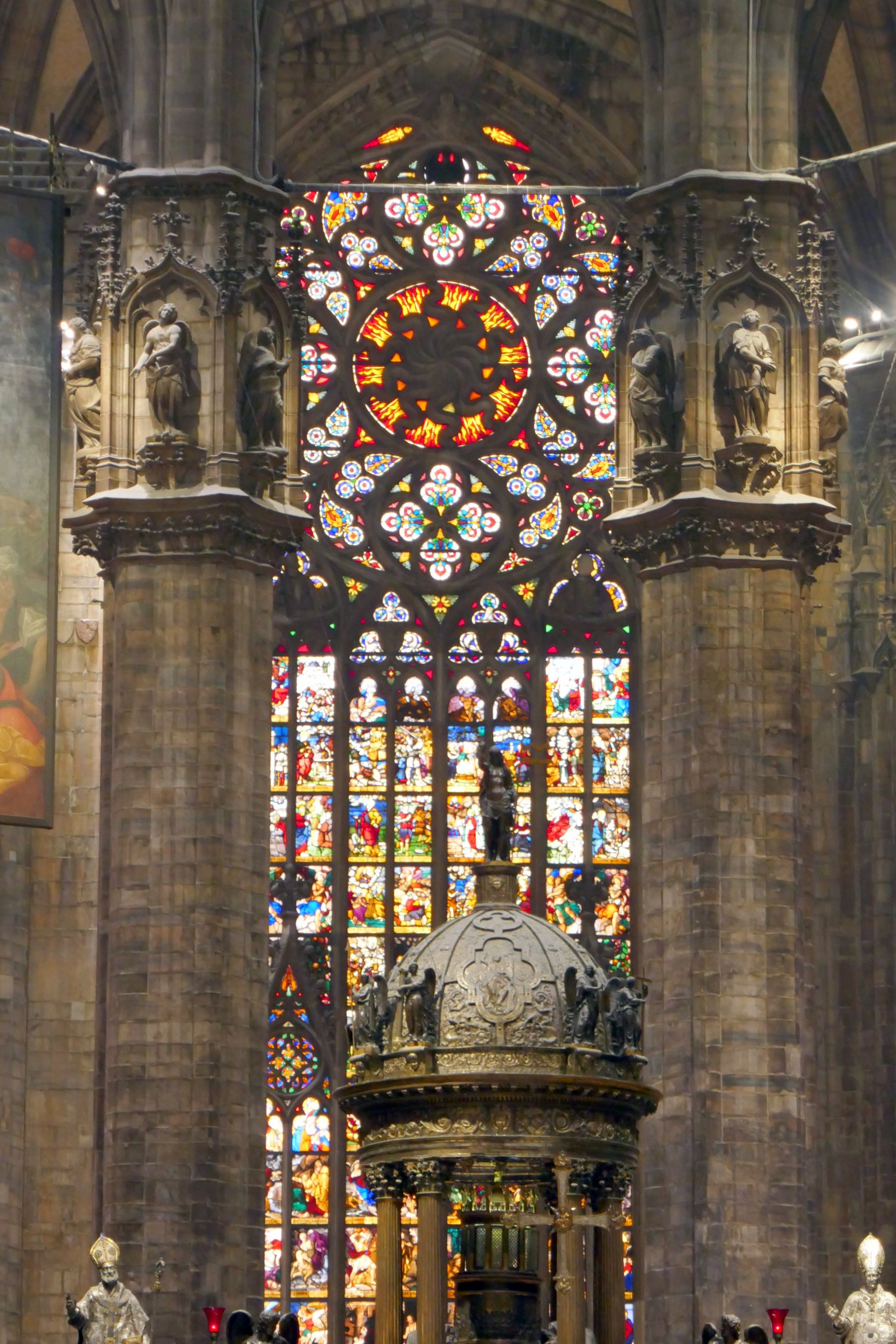
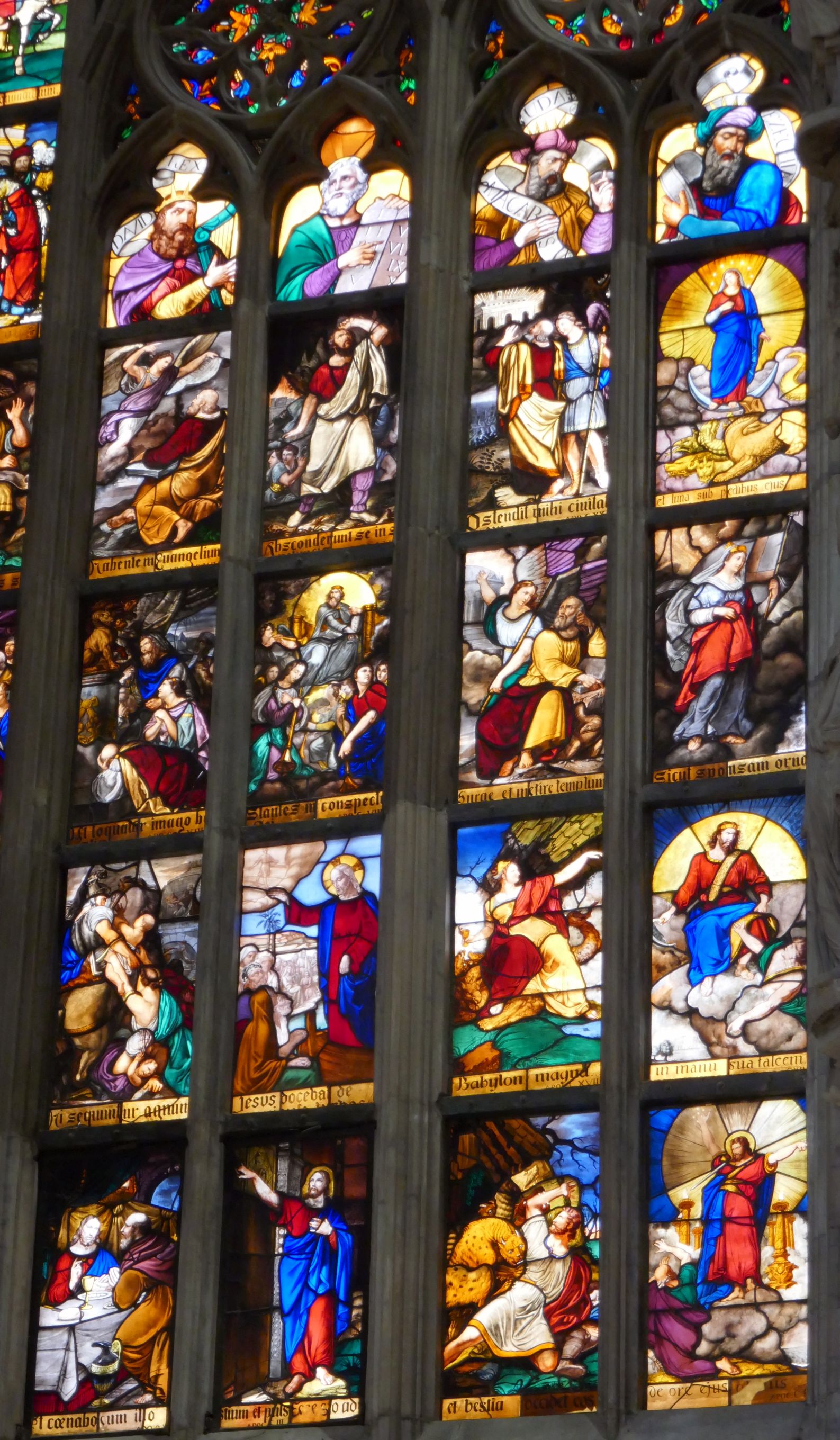
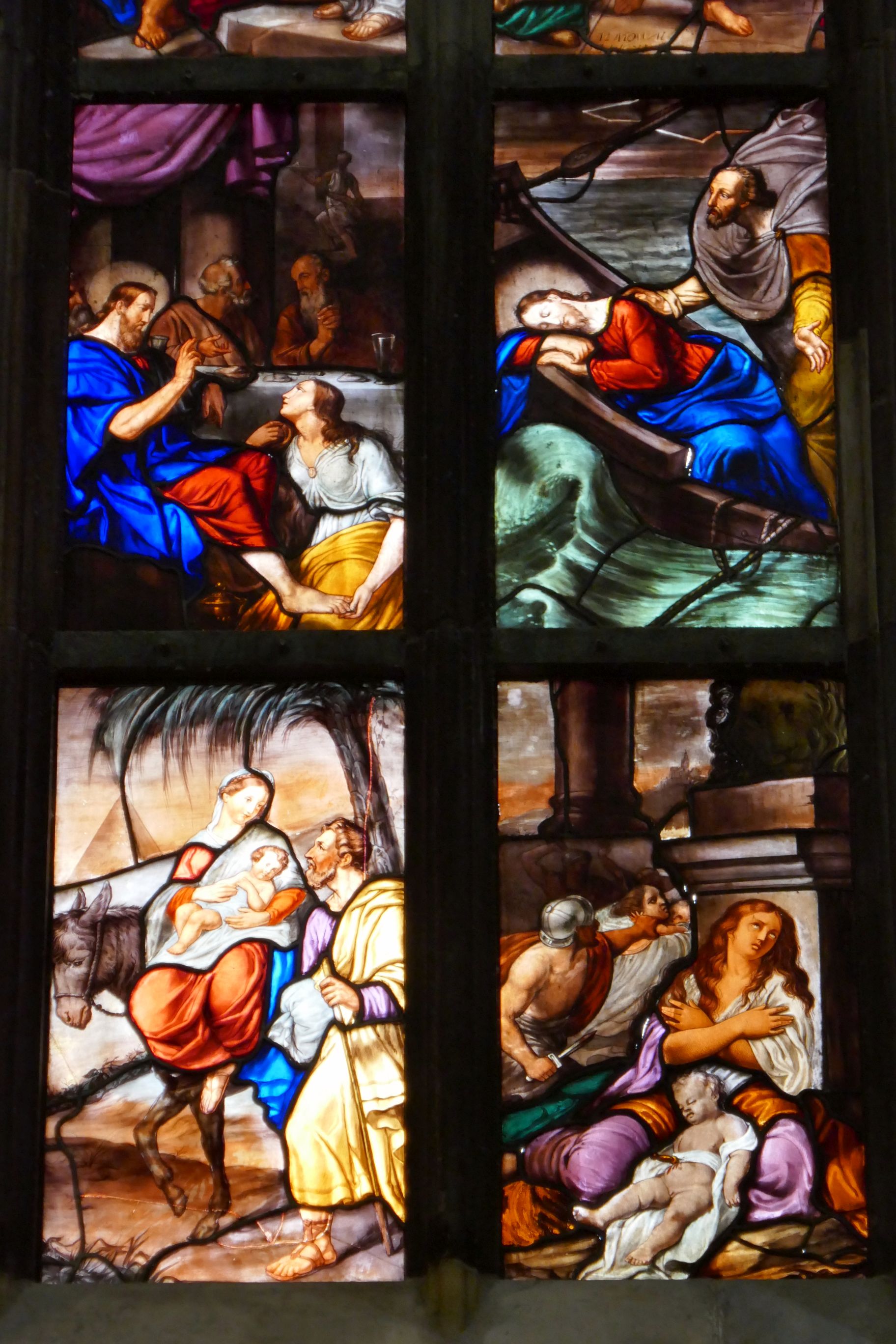
Following the tour, we had free time, so Bruce and I visited the duomo.  We had pre-purchased tickets, which allowed us to bypass the long lines, so we were grateful!

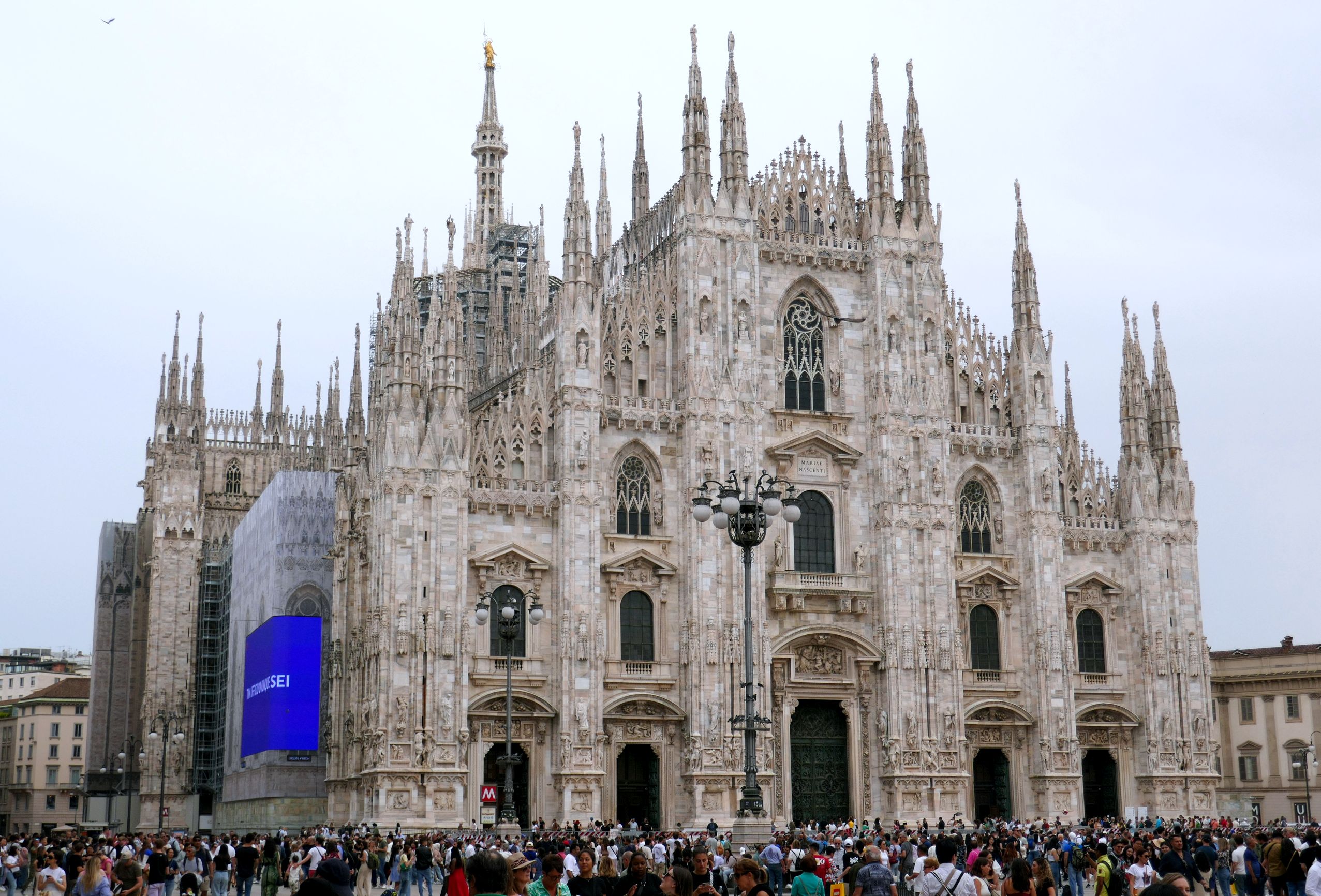
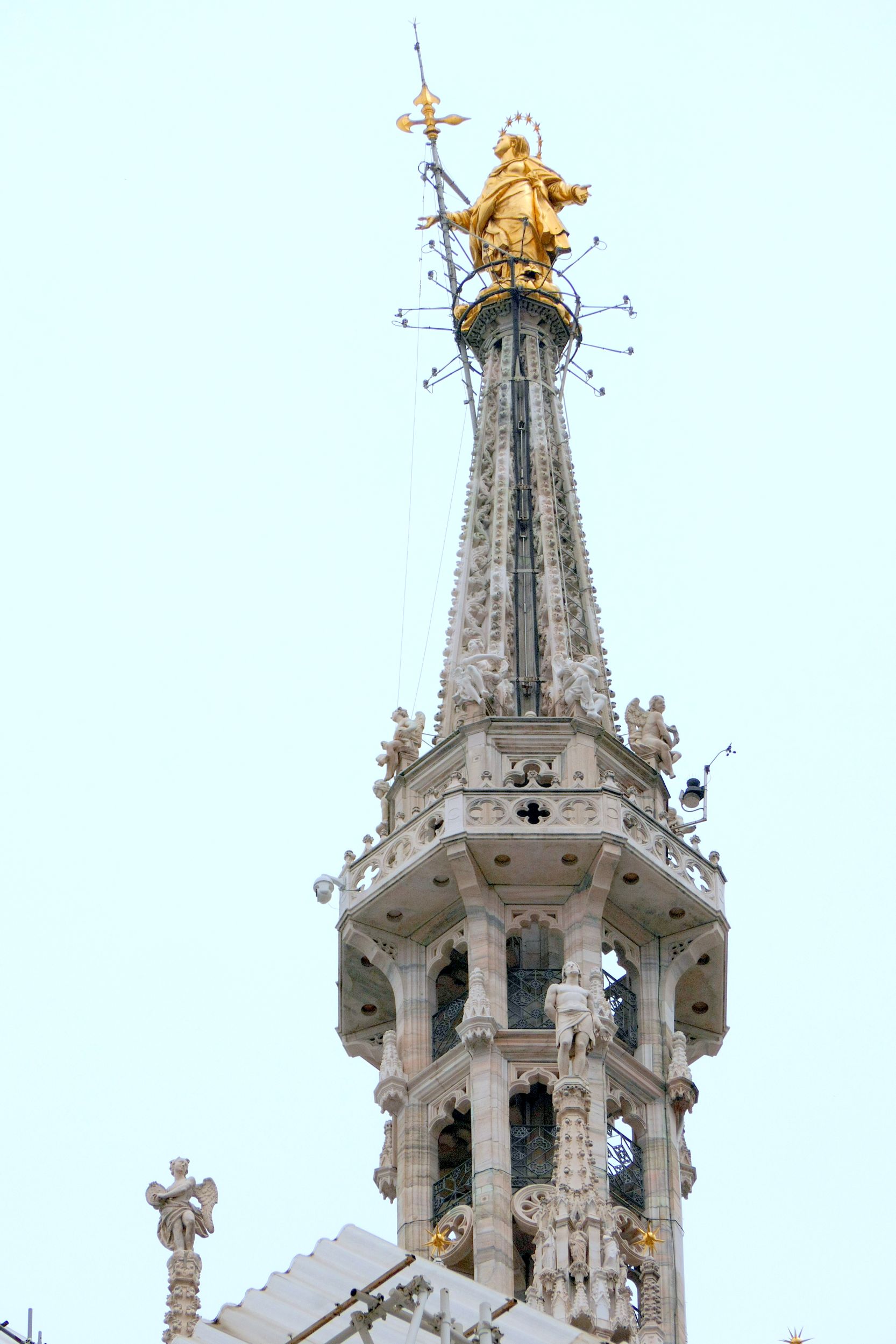
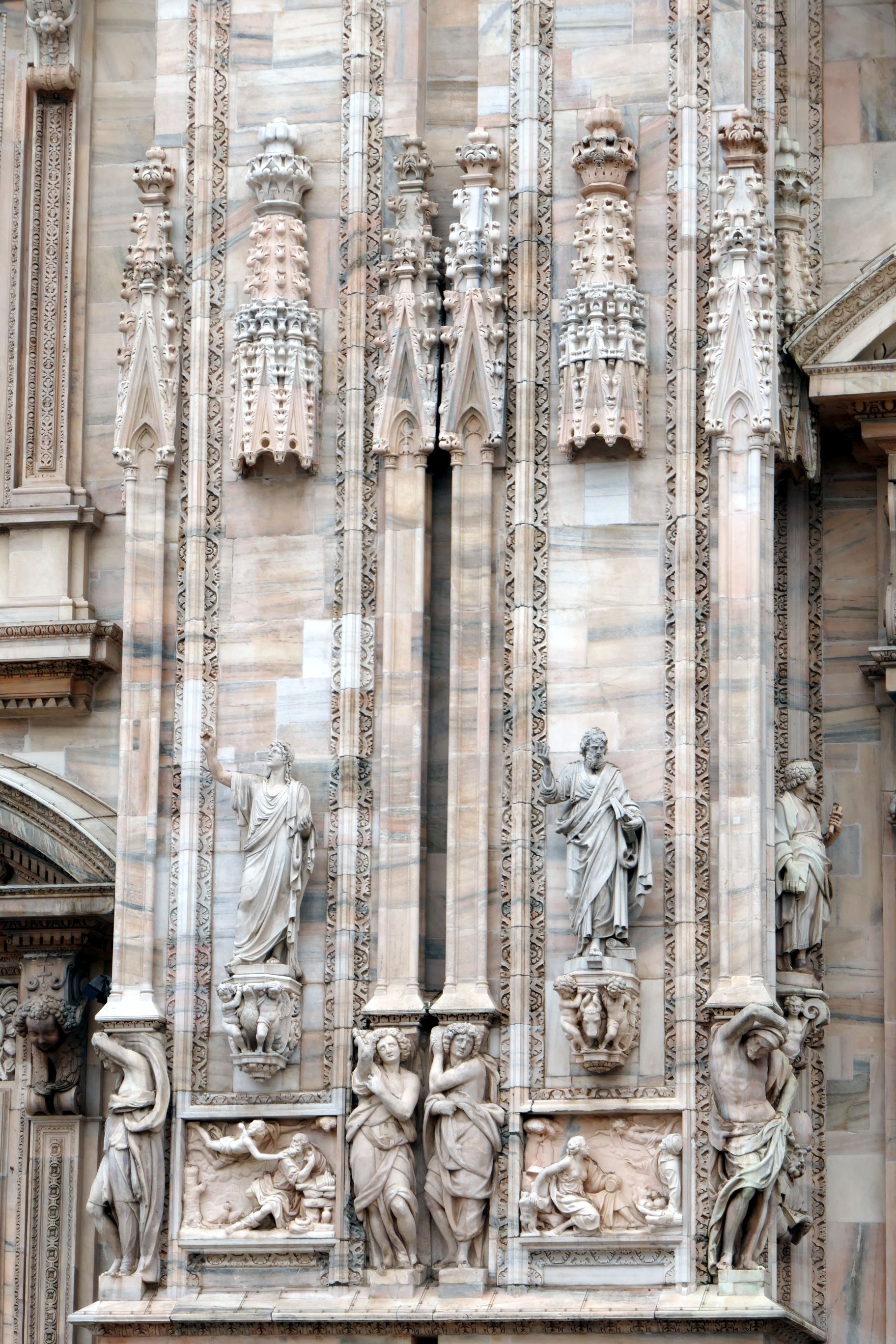
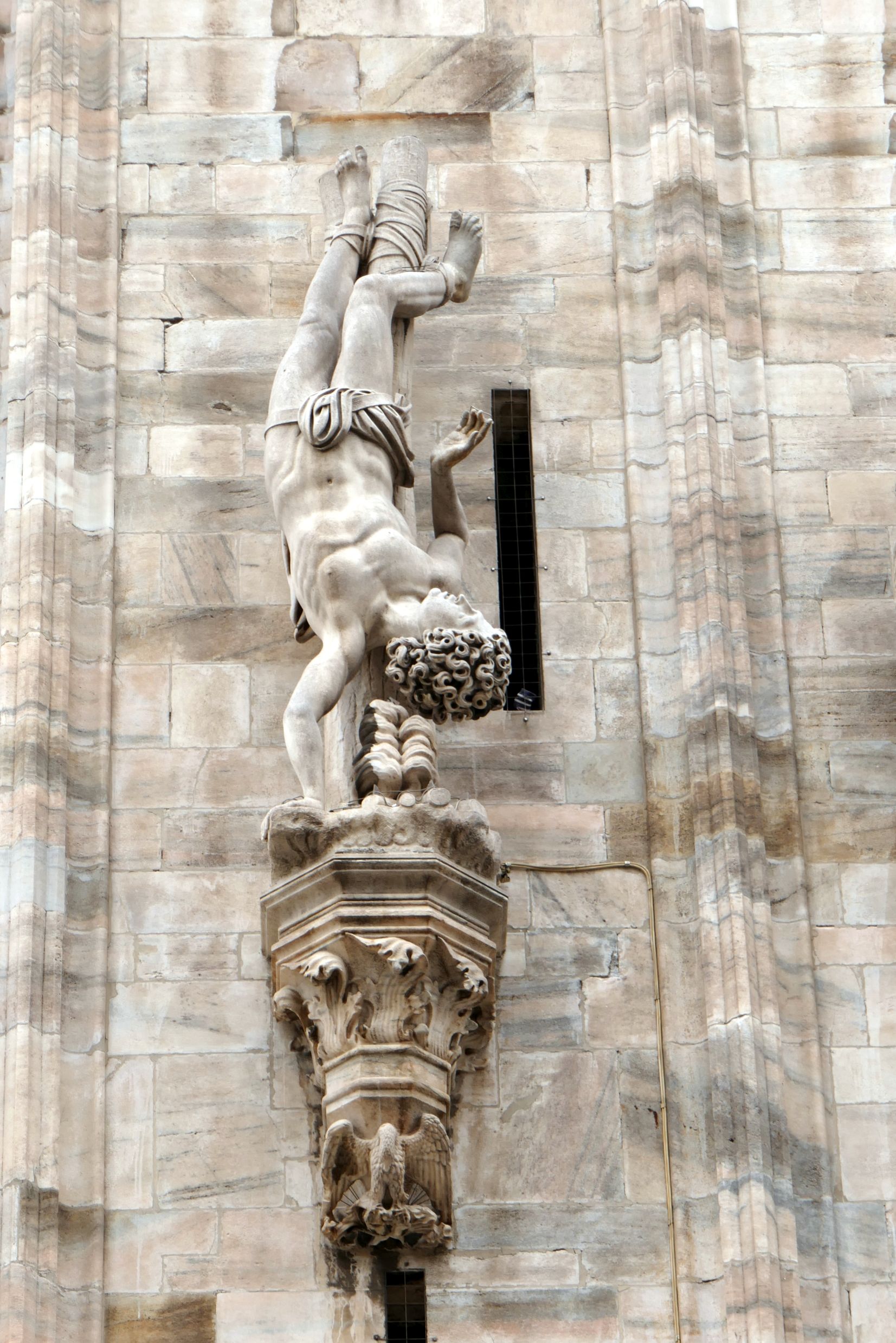
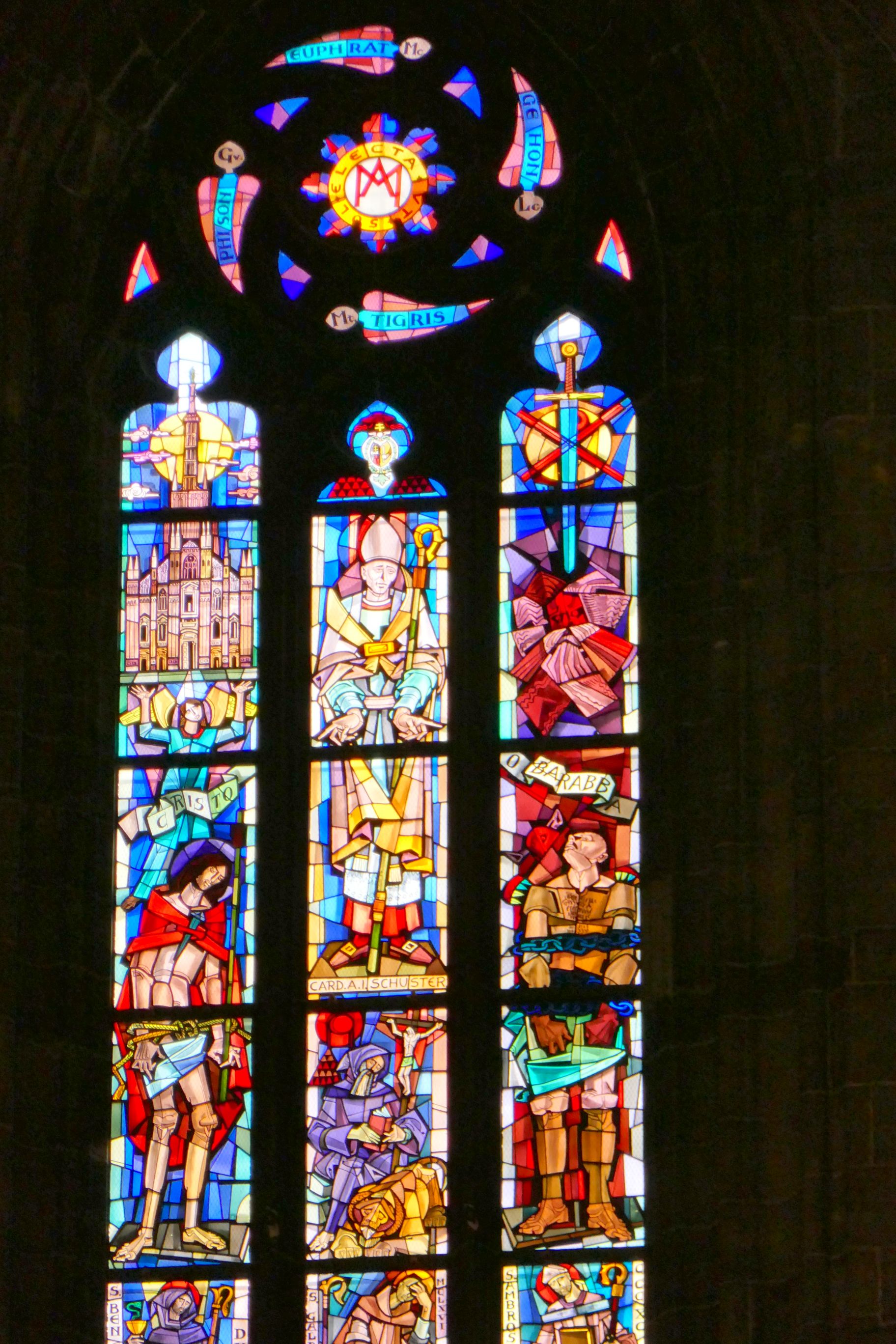
The duomo took nearly six centuries to complete and seats 40,000 people!  Started in 1386, construction was finally finished in 1965 and is the largest church in Italy.  In the world, it ranks third in size. 

We may not seen anything other than Milan’s historic city center, but what we did see was nothing short of amazing and beautiful!

Our evening was spent back in Lecco, where we walked as a group to a local restaurant for dinner. 

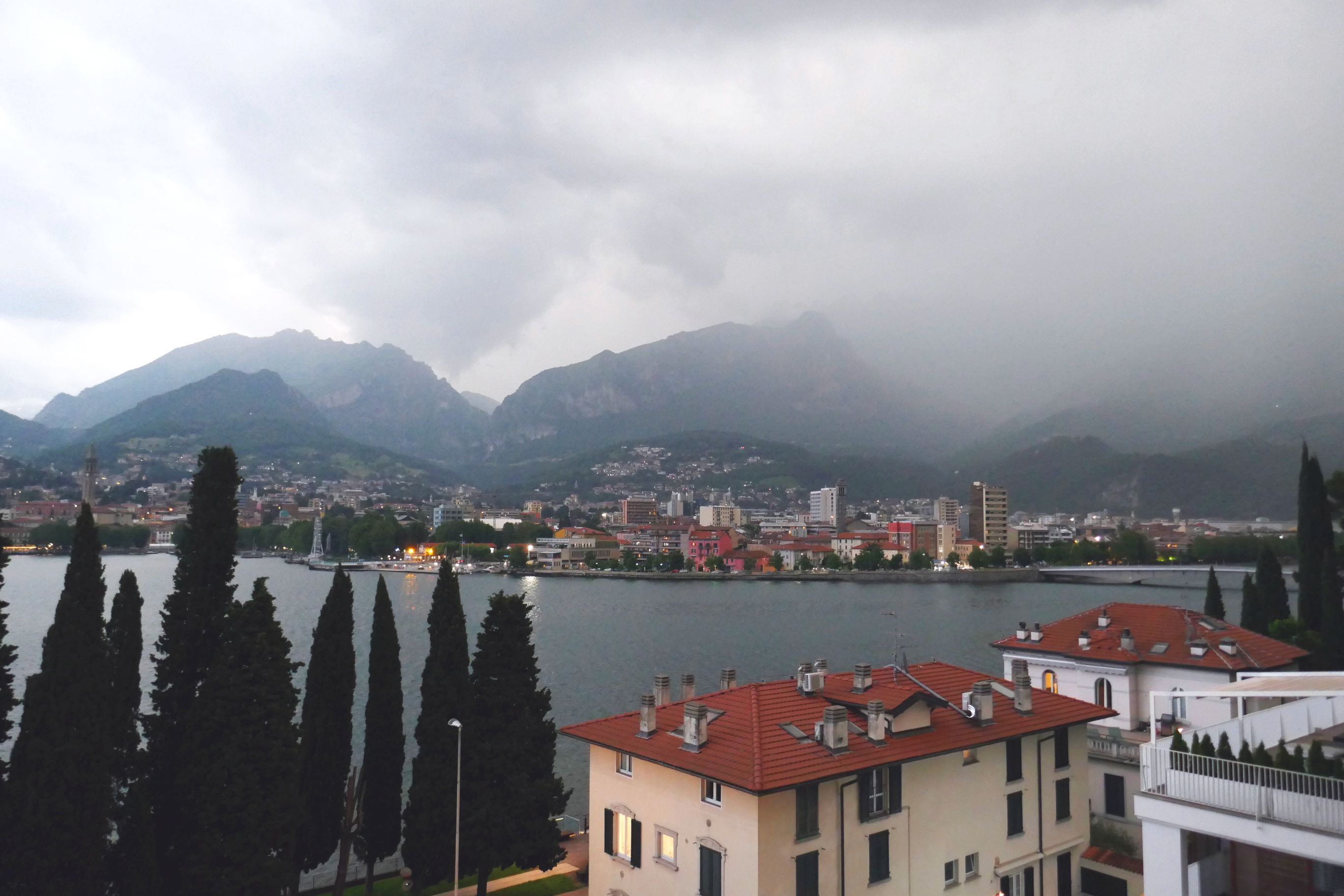
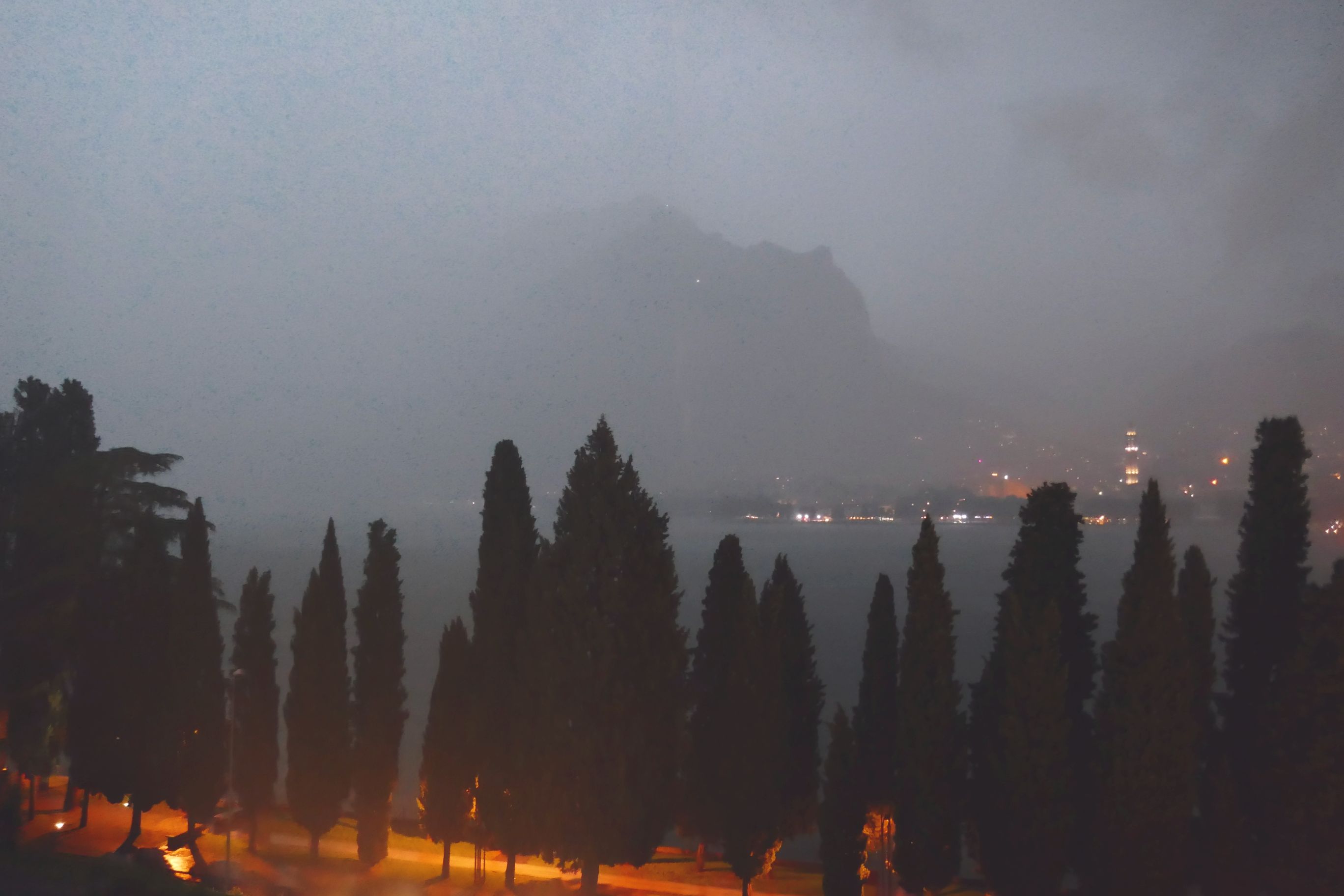
Following our return, the skies opened up!  The electrical storm that followed was like fireworks on the 4th of July.  This is a video I shot from our hotel balcony.  At times, the auto-focus got fooled, but you will get a good idea of what it was like.

Coming up next: SWITZERLAND & ITALY #11: VIBRANT VARENNA

ARGENTINA & CHILE #9: CHARMING CHILOE ISLAND

Chiloe Island, a ferry ride away from the mainland of Chile, was a place I looked forward to visiting after learning about the native Mapuche people and their values.  During our home hosted dinner, Carolina told us her mother lived in Chiloe and described the island’s people as humble and giving.  As she explained, “Being wealthy [in Chiloe] is having a meal to share with family and friends.”

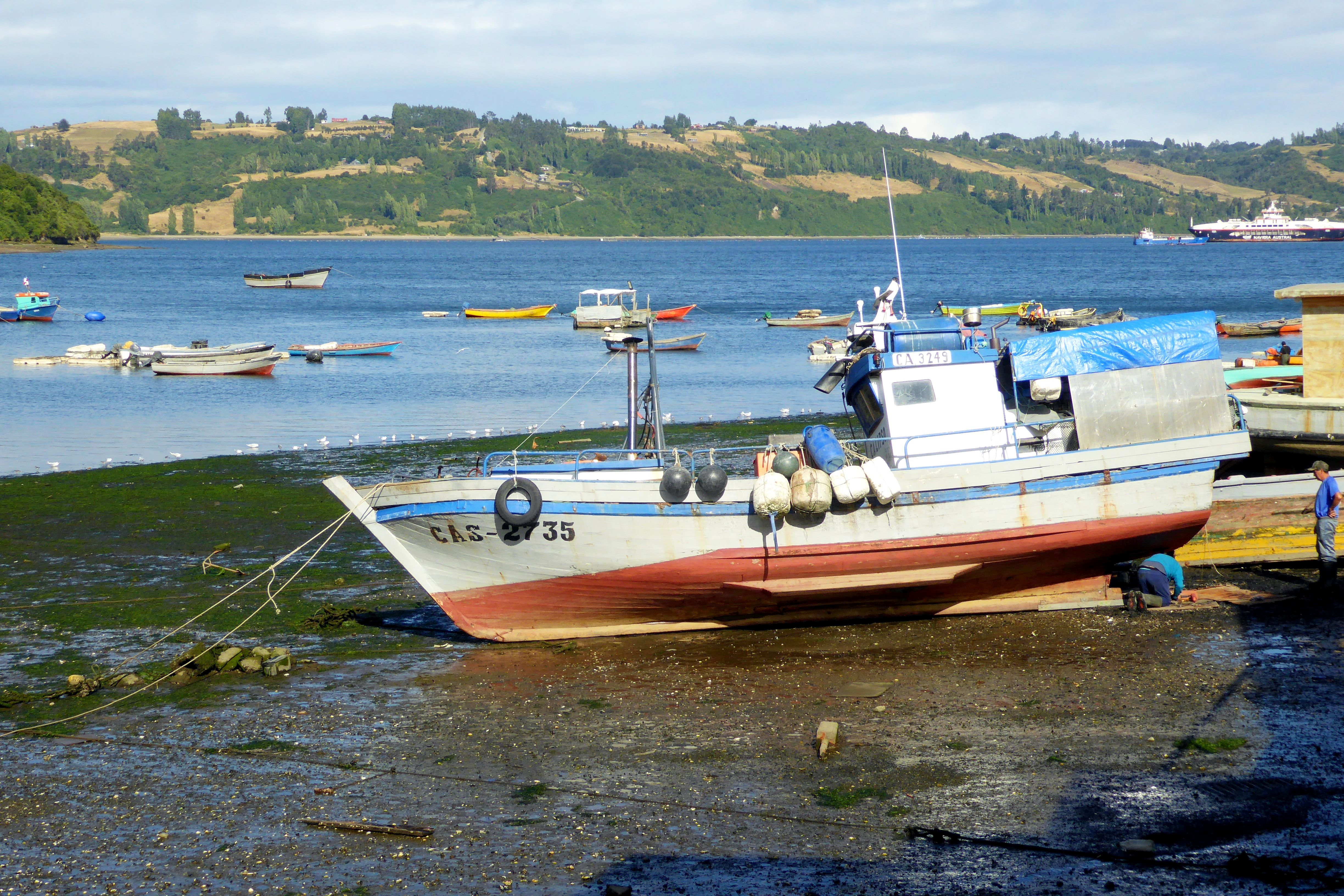
Chiloe, “Land of the seagulls” in Mapudungan, is an archipielago located at the southern end of the Lake District of Chile with about 40,000 residents.  It’s a rainy place; it rains 75 inches a year.  Fortunately, we didn’t experience any of it—well, except when we were on the bus for a short time.

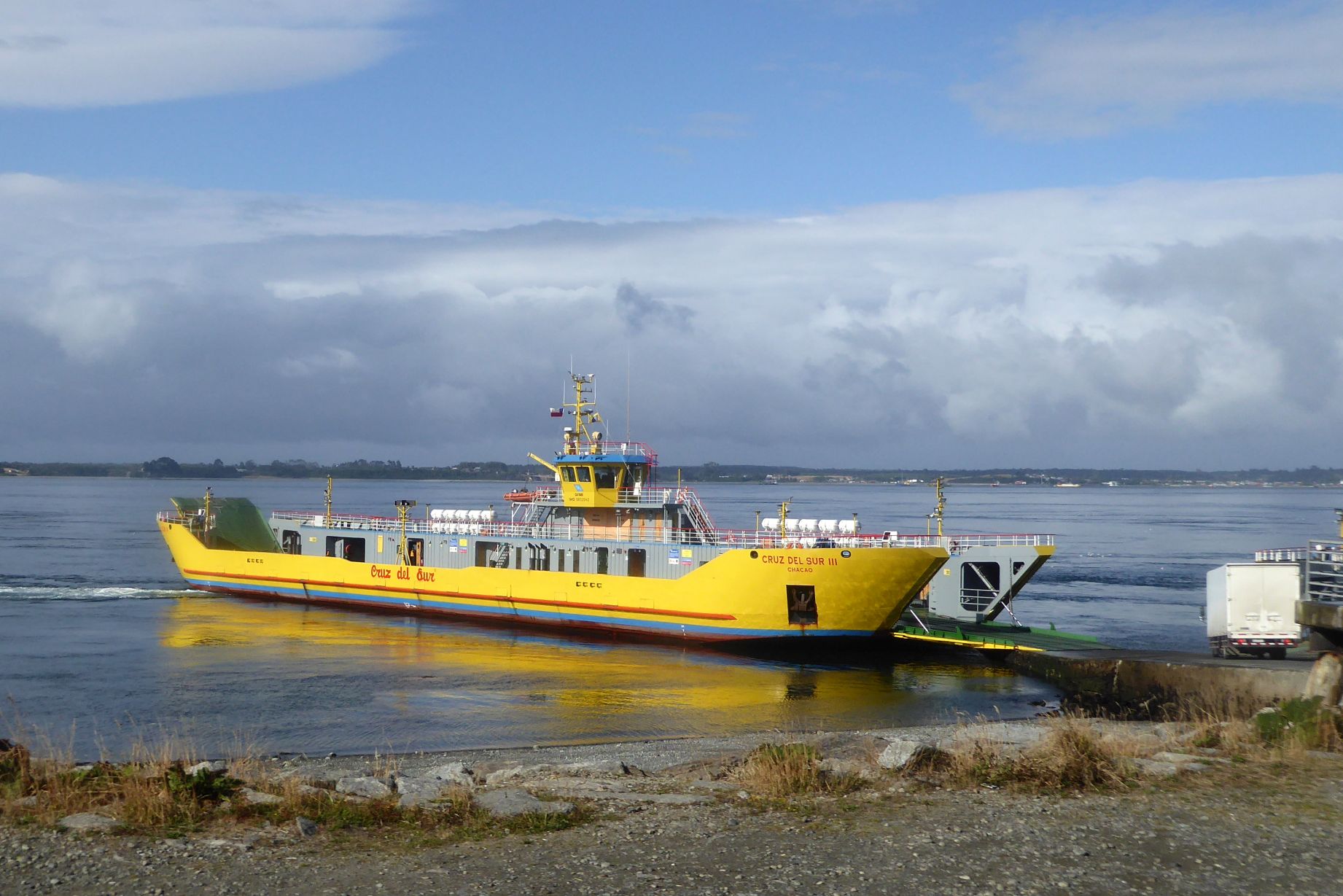
After driving along the Pan American Highway, we arrived at the landing and embarked the ferry, bus and all, to Chiloe Island.

(For all photos, especially panoramas, click on the image for a full screen view.)
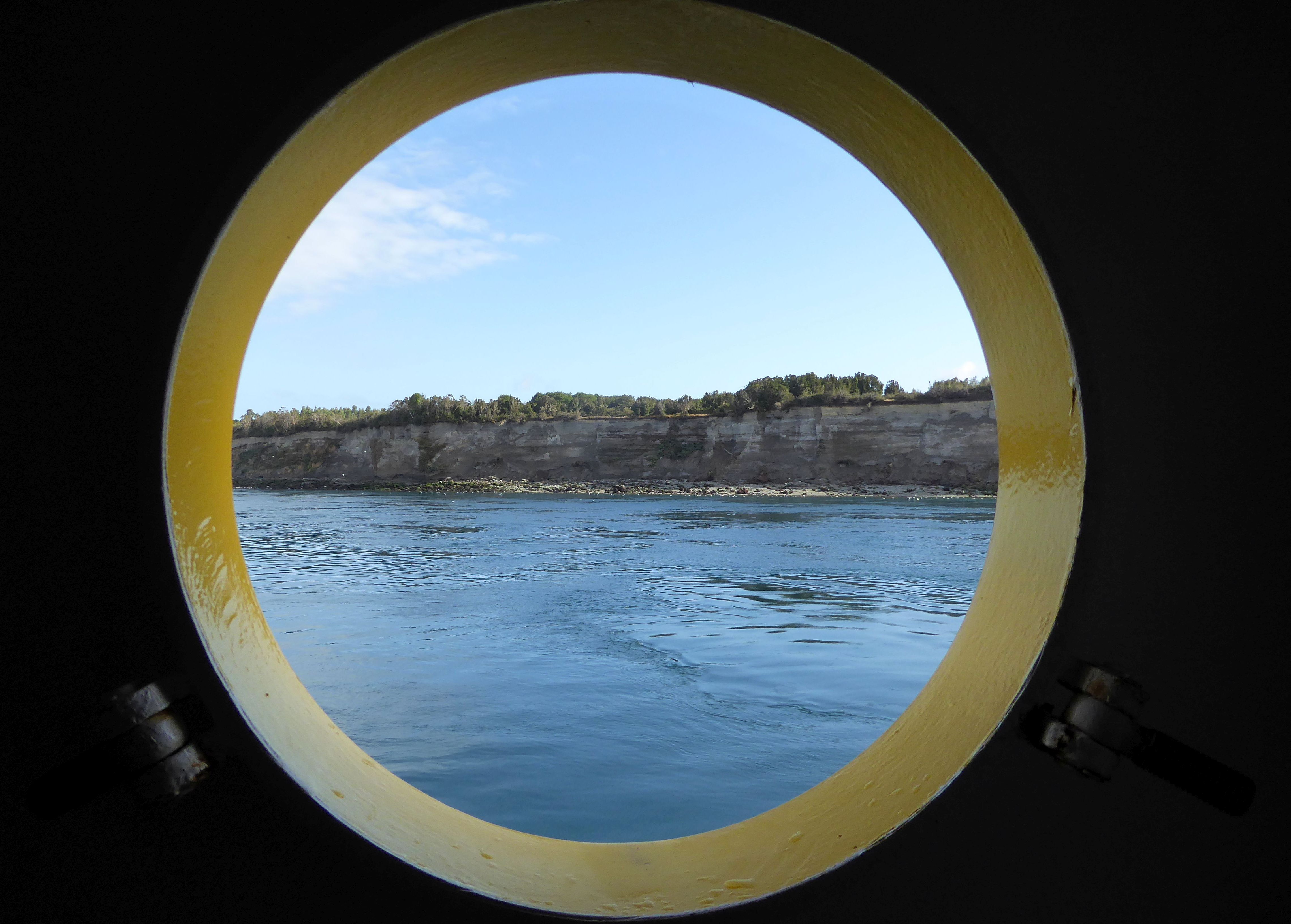
Once we pushed off, we were all permitted to vacate our vehicles and enjoy the one-hour crossing.  It was another lovely day, so we all went up on top to enjoy the views.  I always have my camera with me, so I took advantage and grabbed a shot during this quick pit stop in the head:

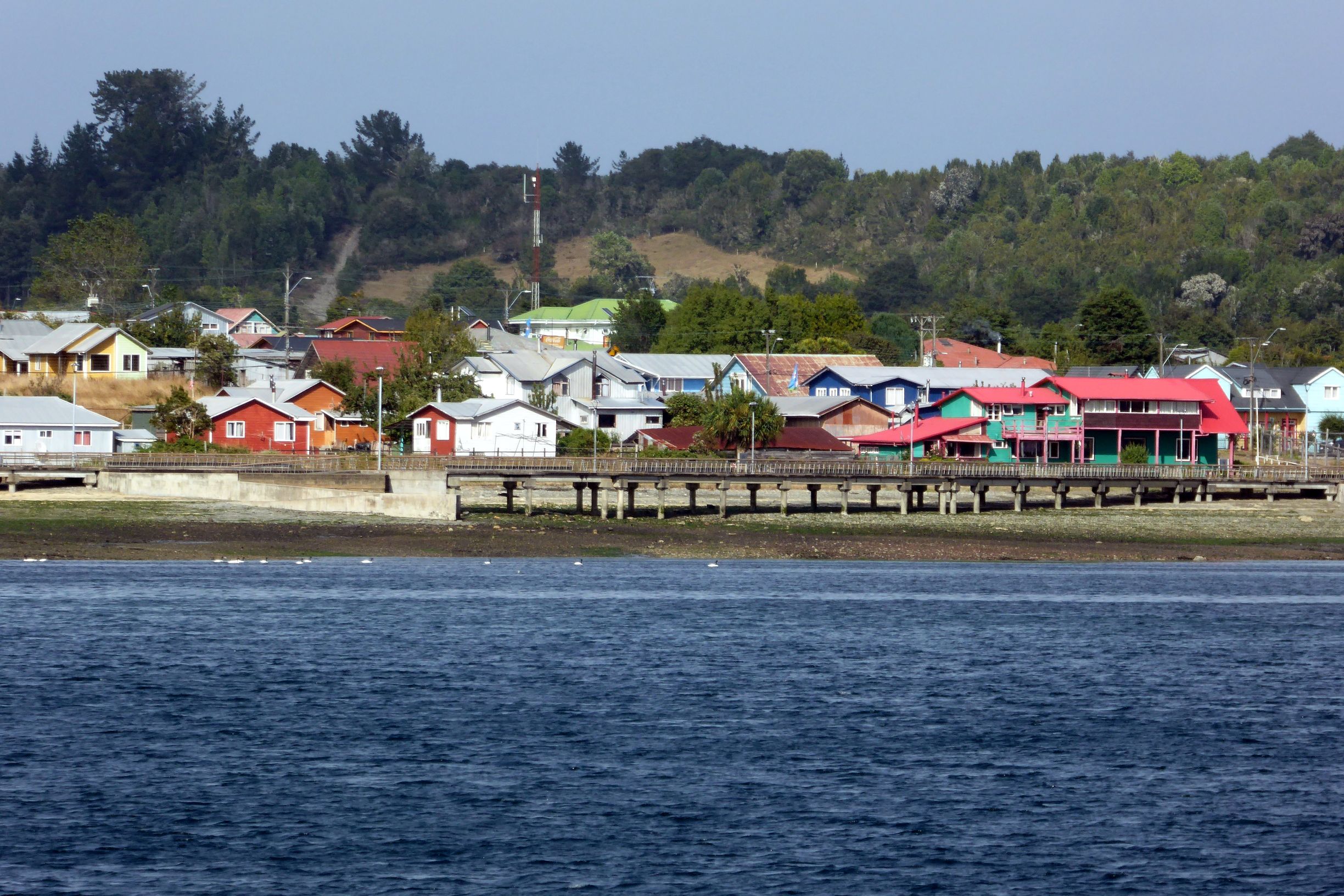
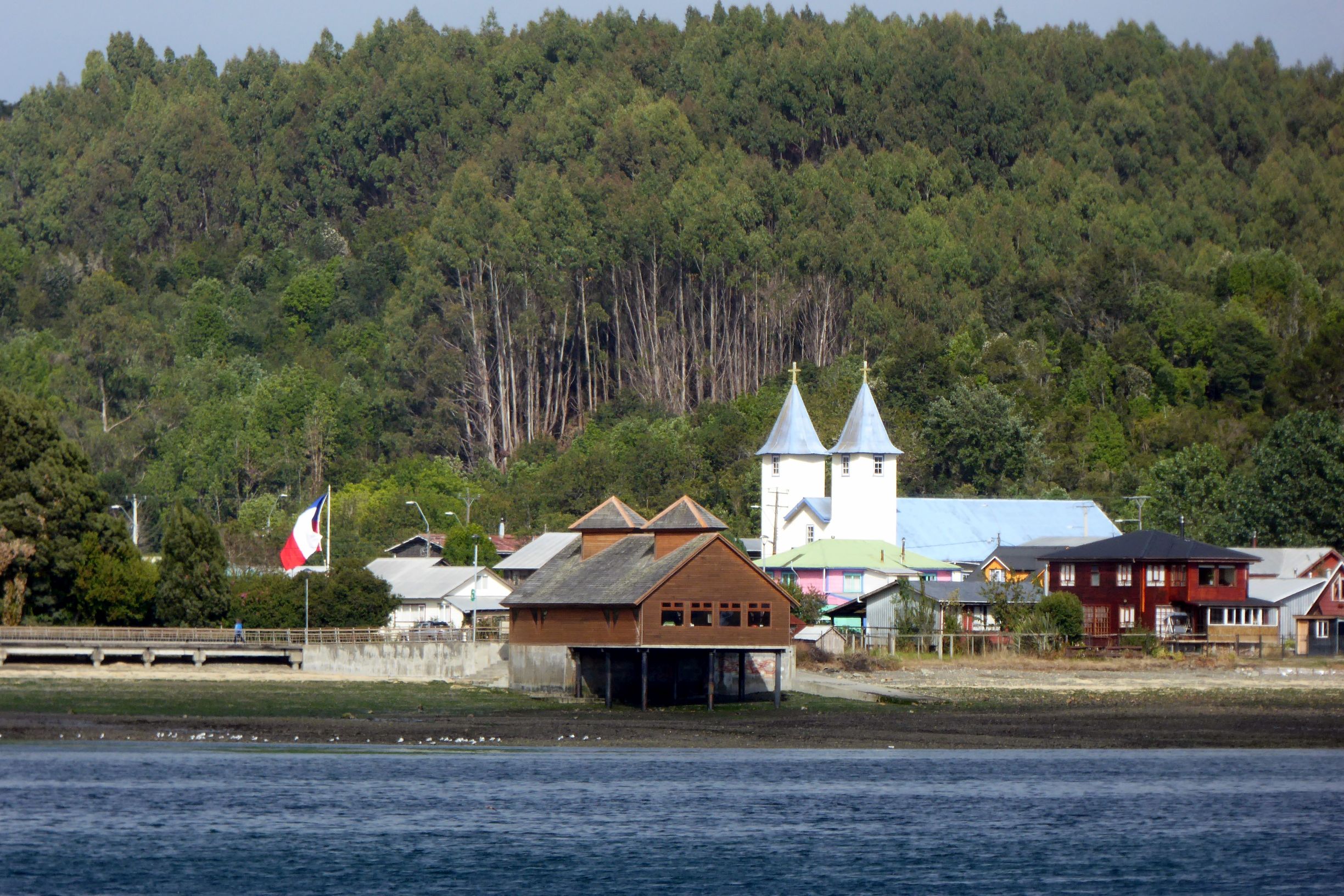
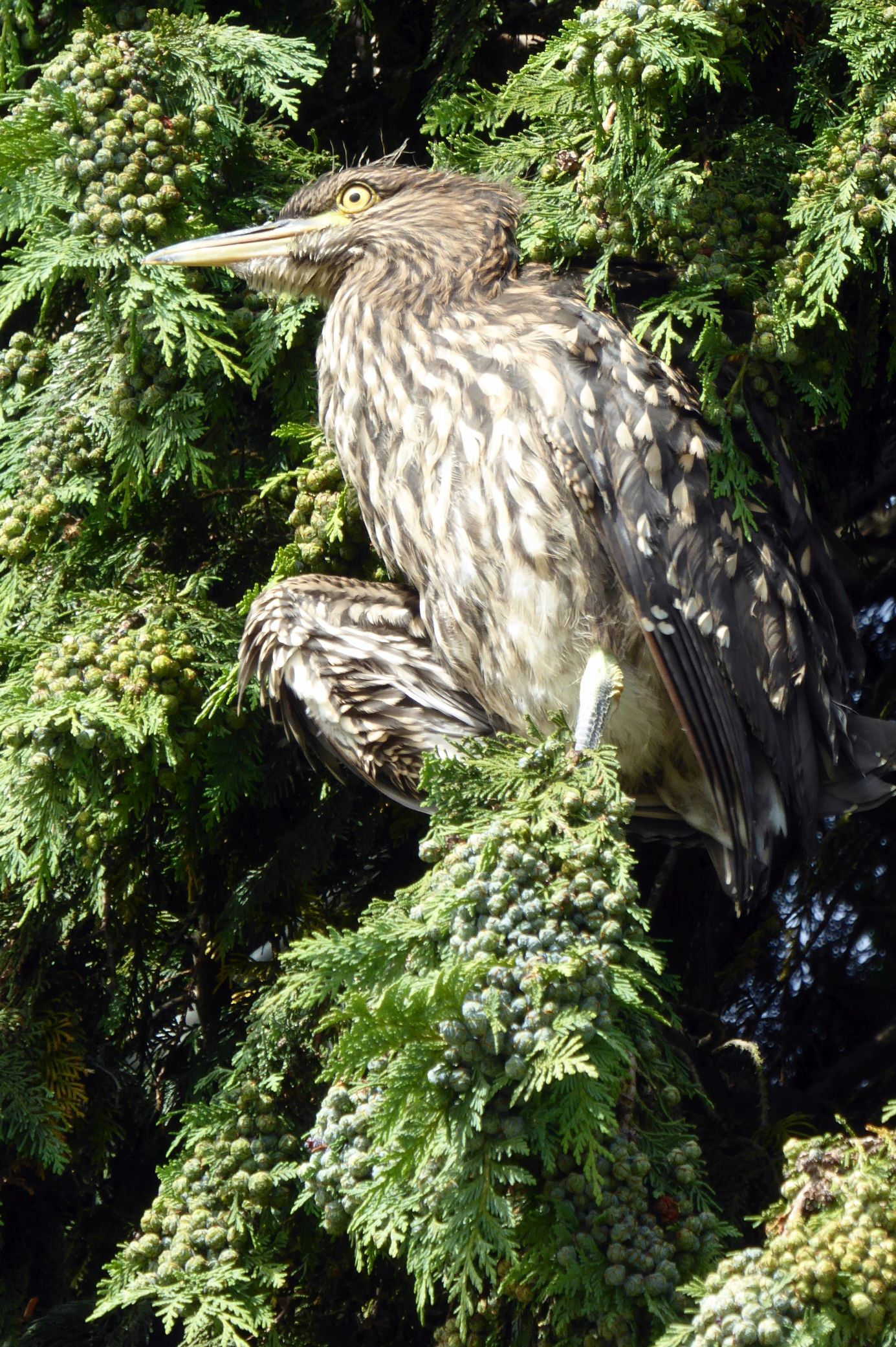
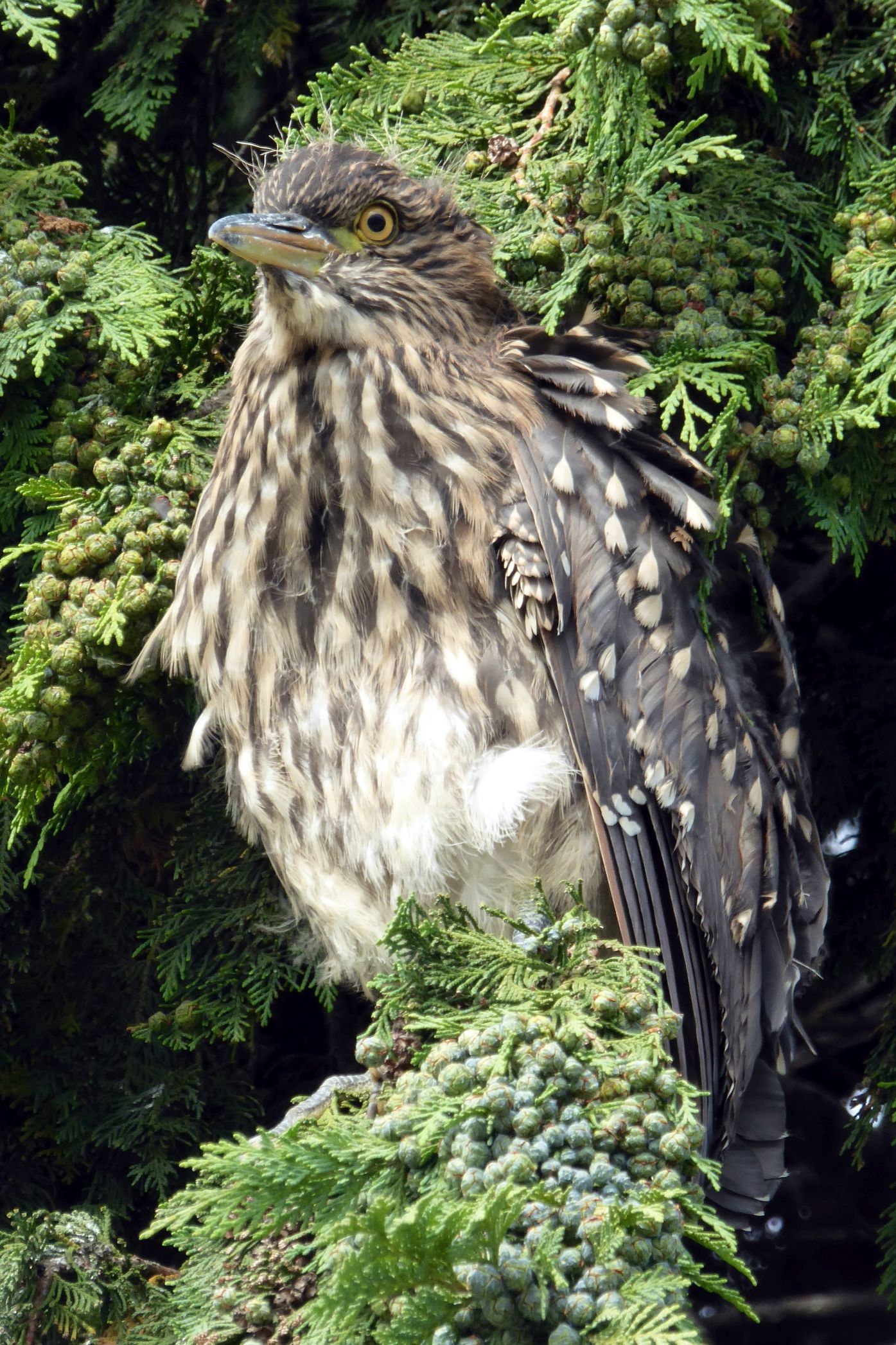
Following our arrival in the town of Chacao, we took a walk along the waterfront to the town square.  Along the way, we saw so many gorgeous birds, including this large beauty high up in the tree:

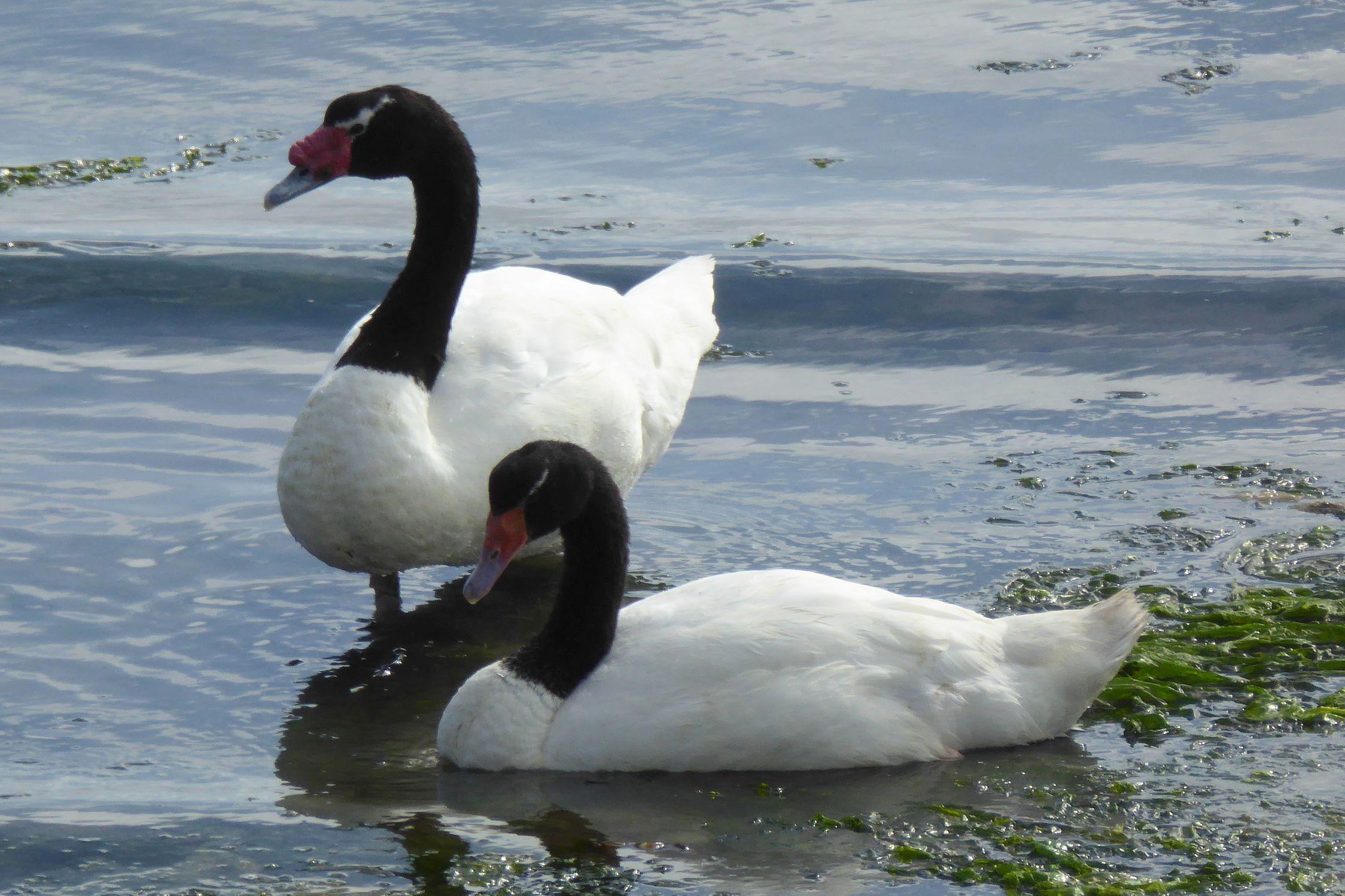
These are black-necked swans:

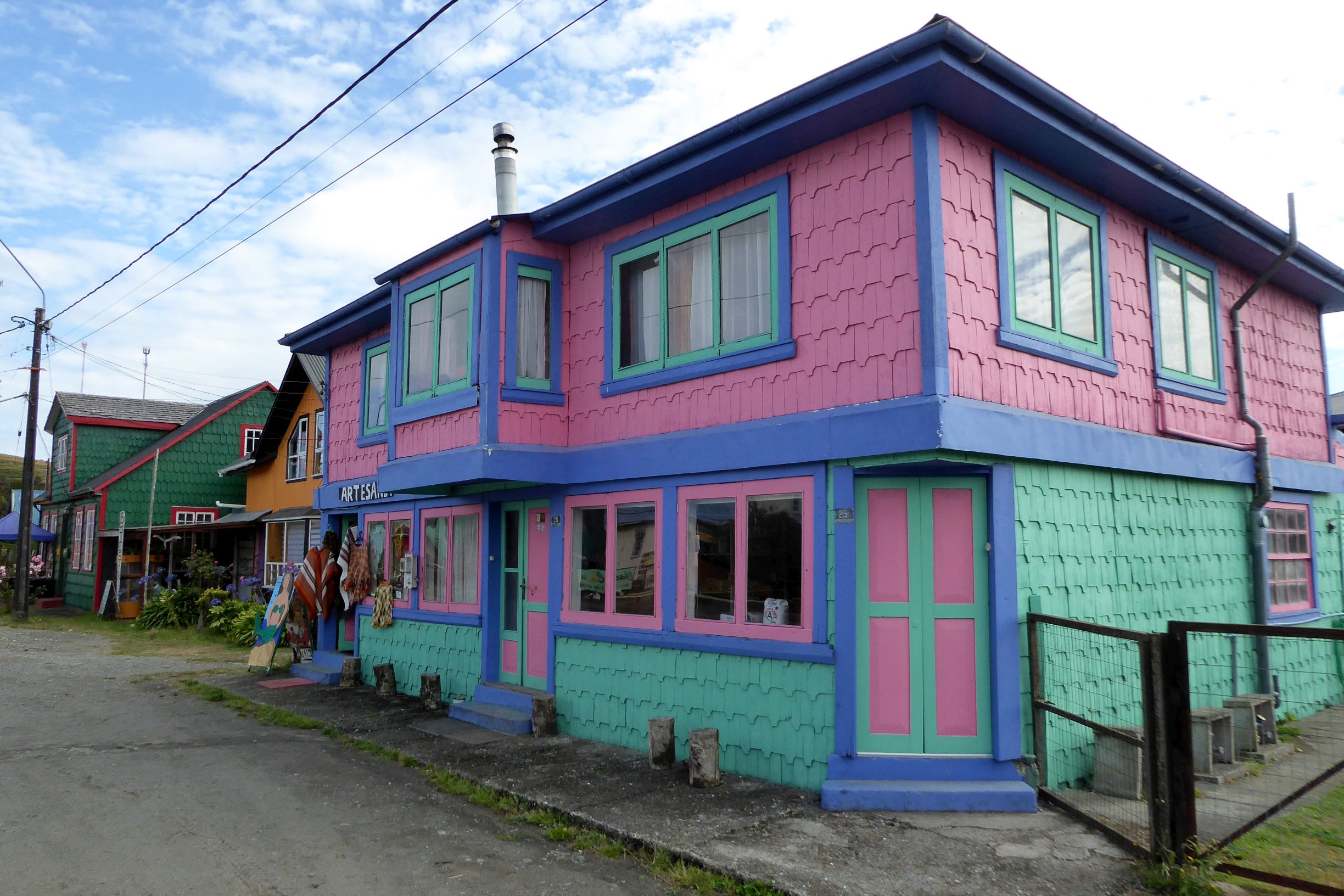
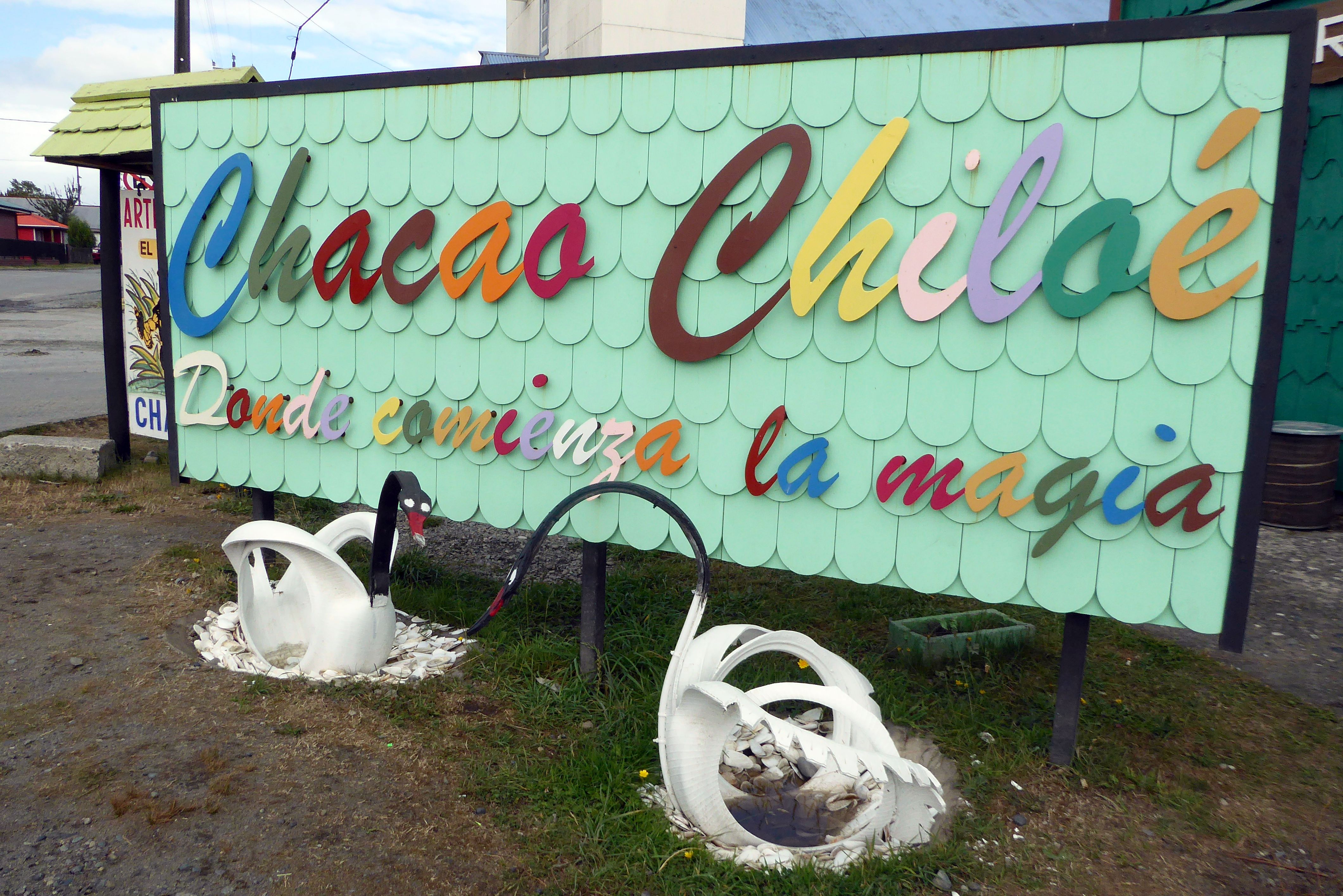
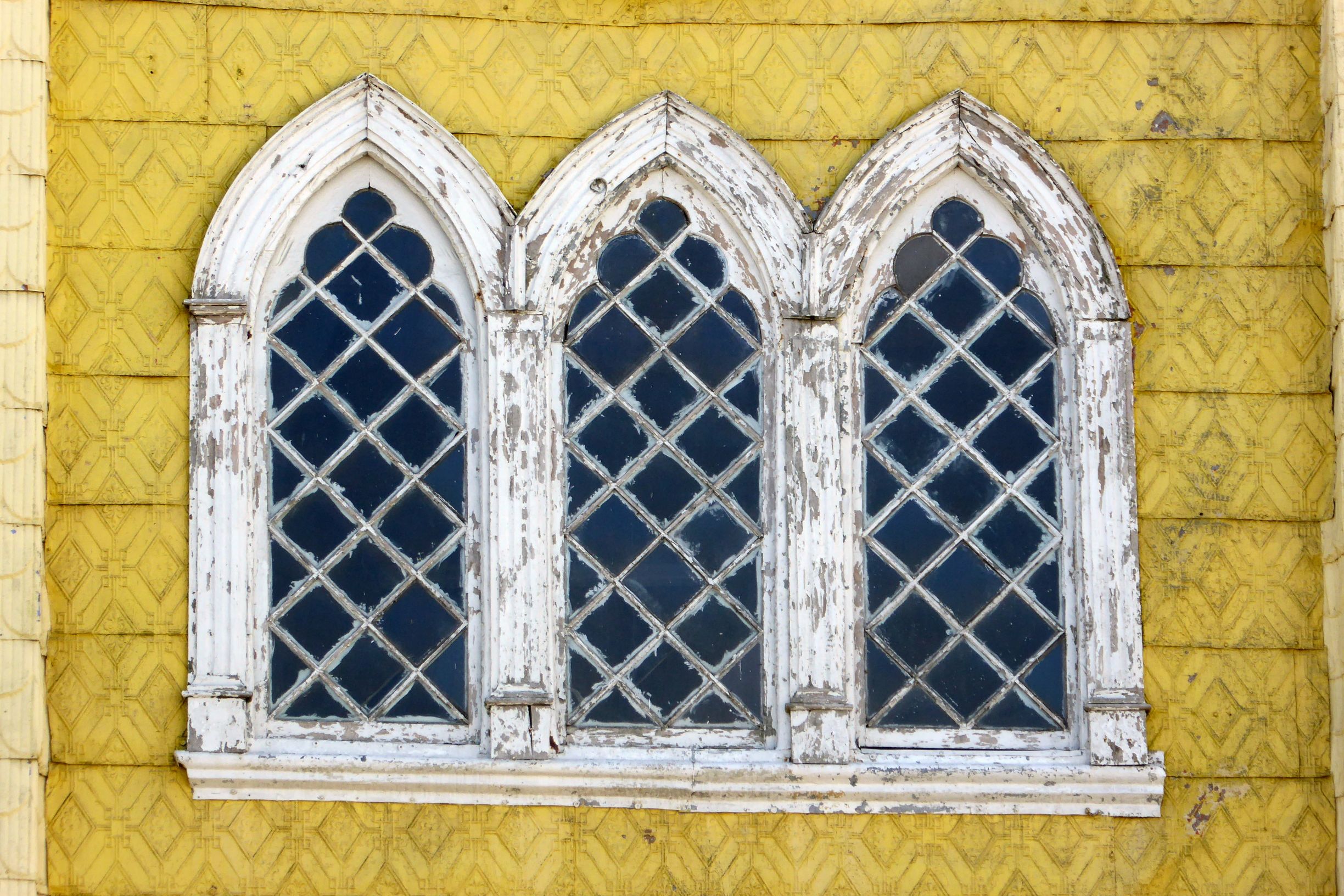
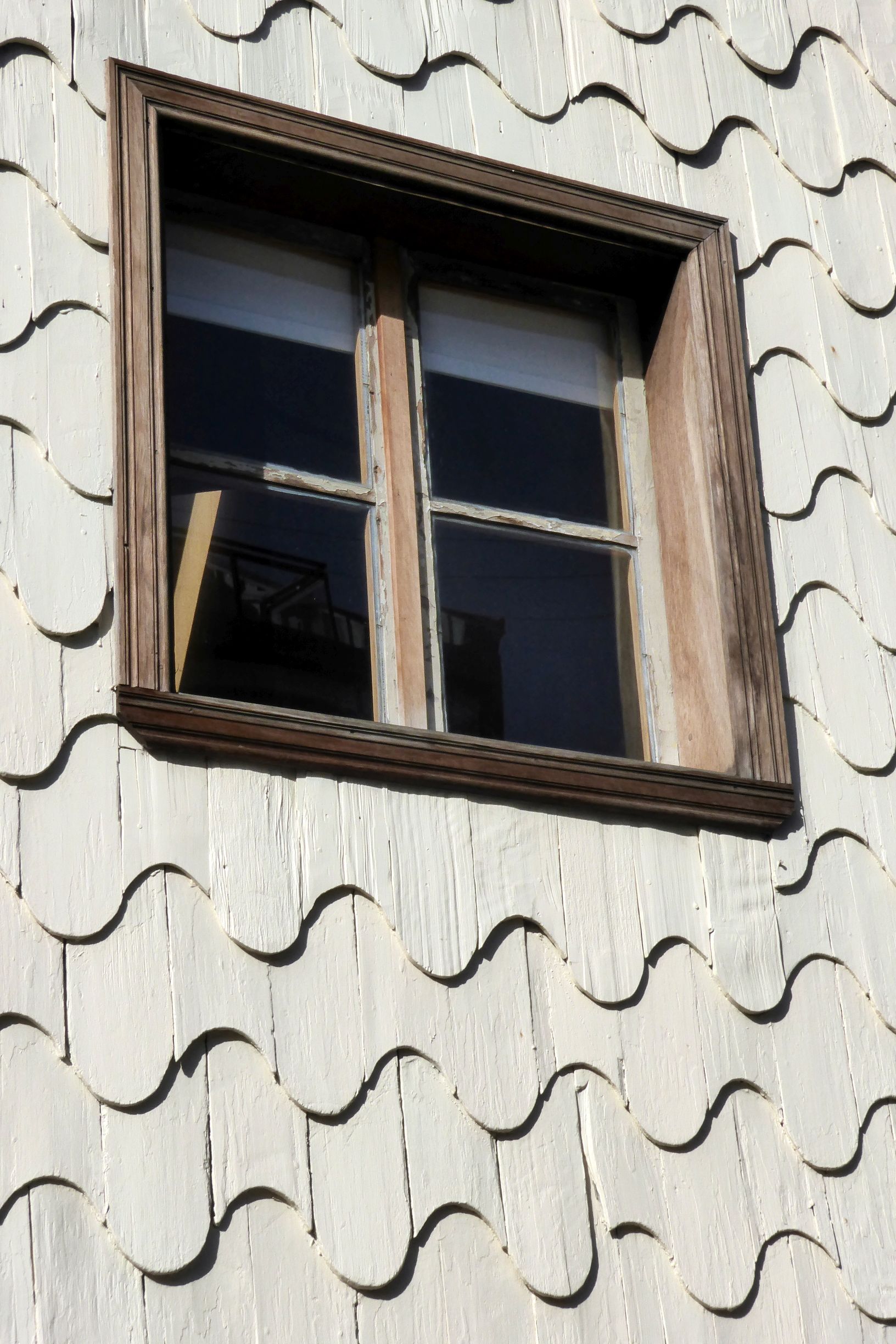
A unique characteristic of the architecture on Chiloe are the intricately cut house shingles.  Each builder has his own design, and locals can tell by that design who built which house.  The colorful buildings made me smile as did the warm and friendly people.

Translation: “Where the magic begins”

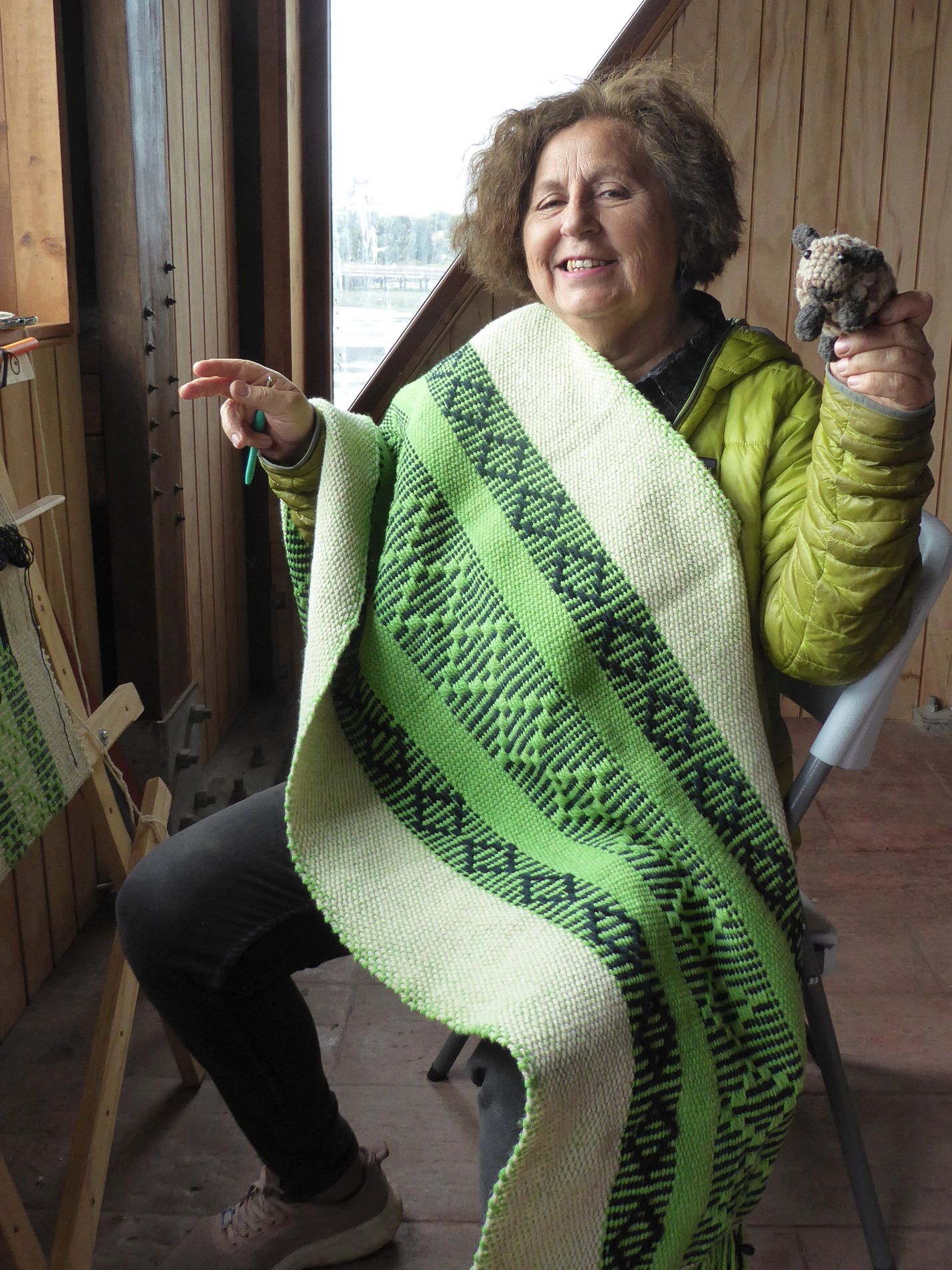
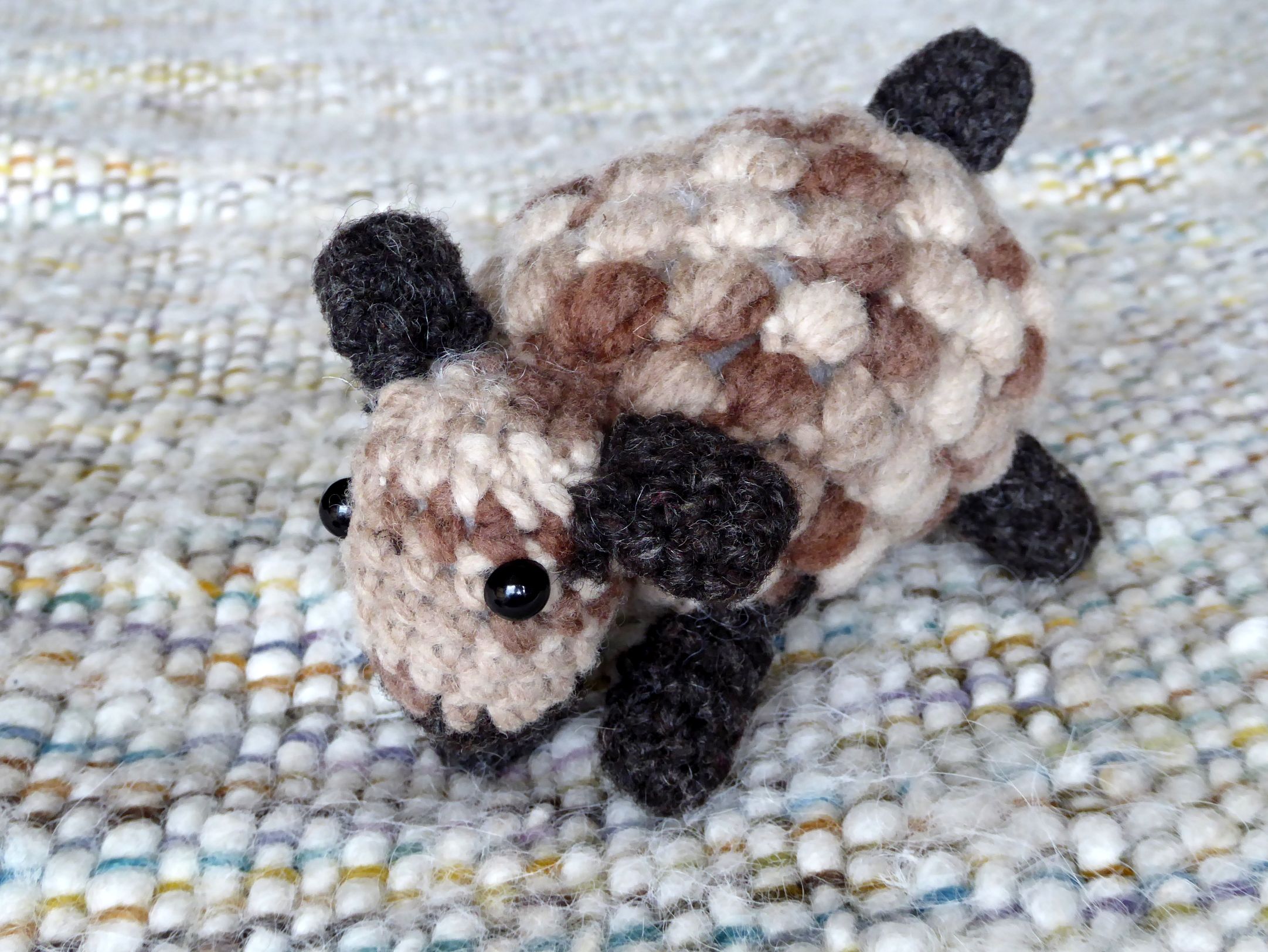
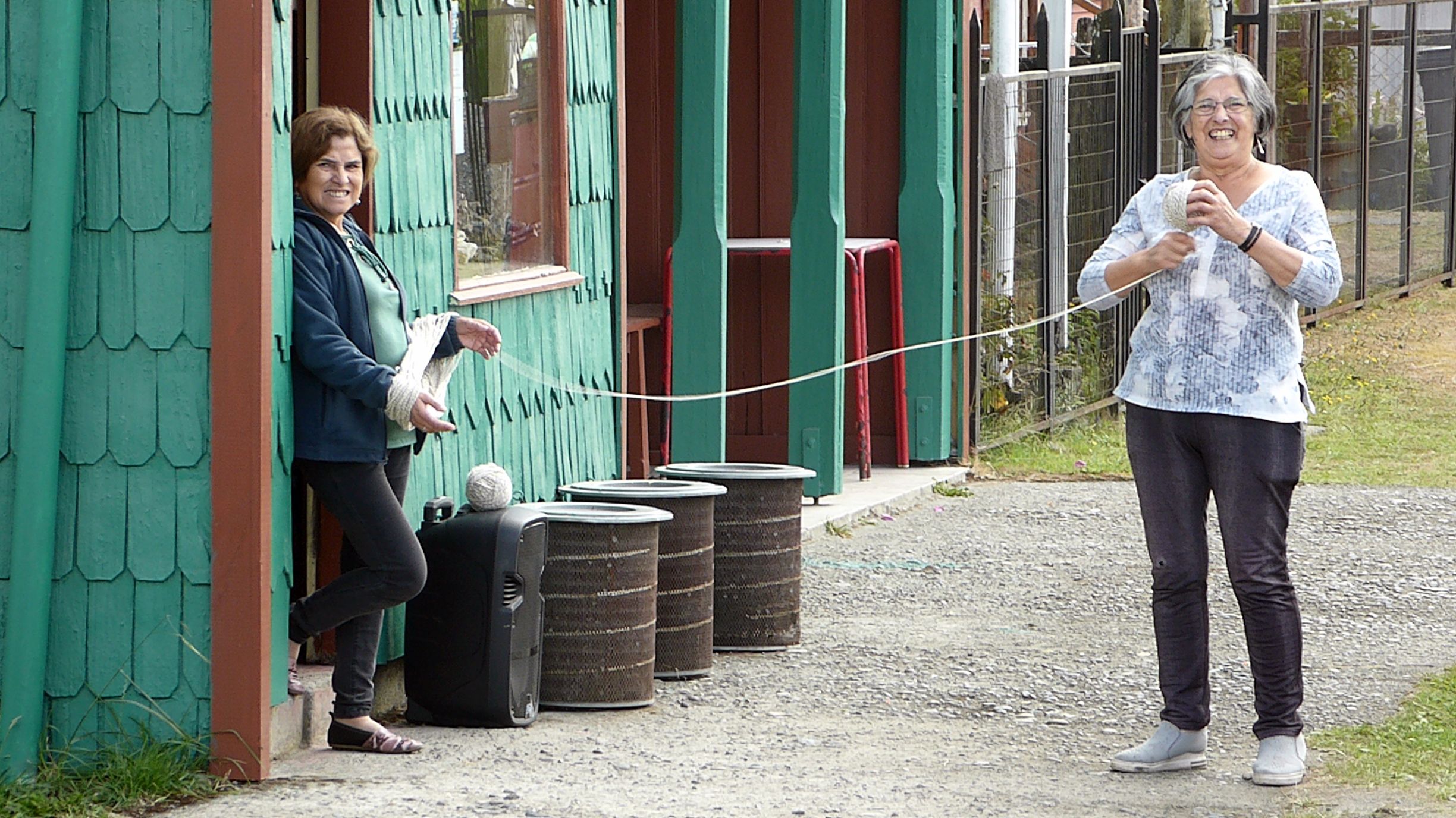
We popped into the community center to see what the local crafters were selling, and I had a wonderful interaction with a fiber artist who didn’t speak English.  Thanks to Jay, a fellow member of our group, I was able to learn the price of this adorable sheep and complete the transaction—only 2,000 pesos, which was just over $2!  The fun part, though, was trying to communicate with her in my limited Spanish.  I knew just enough to tell her how beautiful her work was!  She was flattered when I asked for a photo, and she made my day.  Her sheep keeps me company as I write these posts…

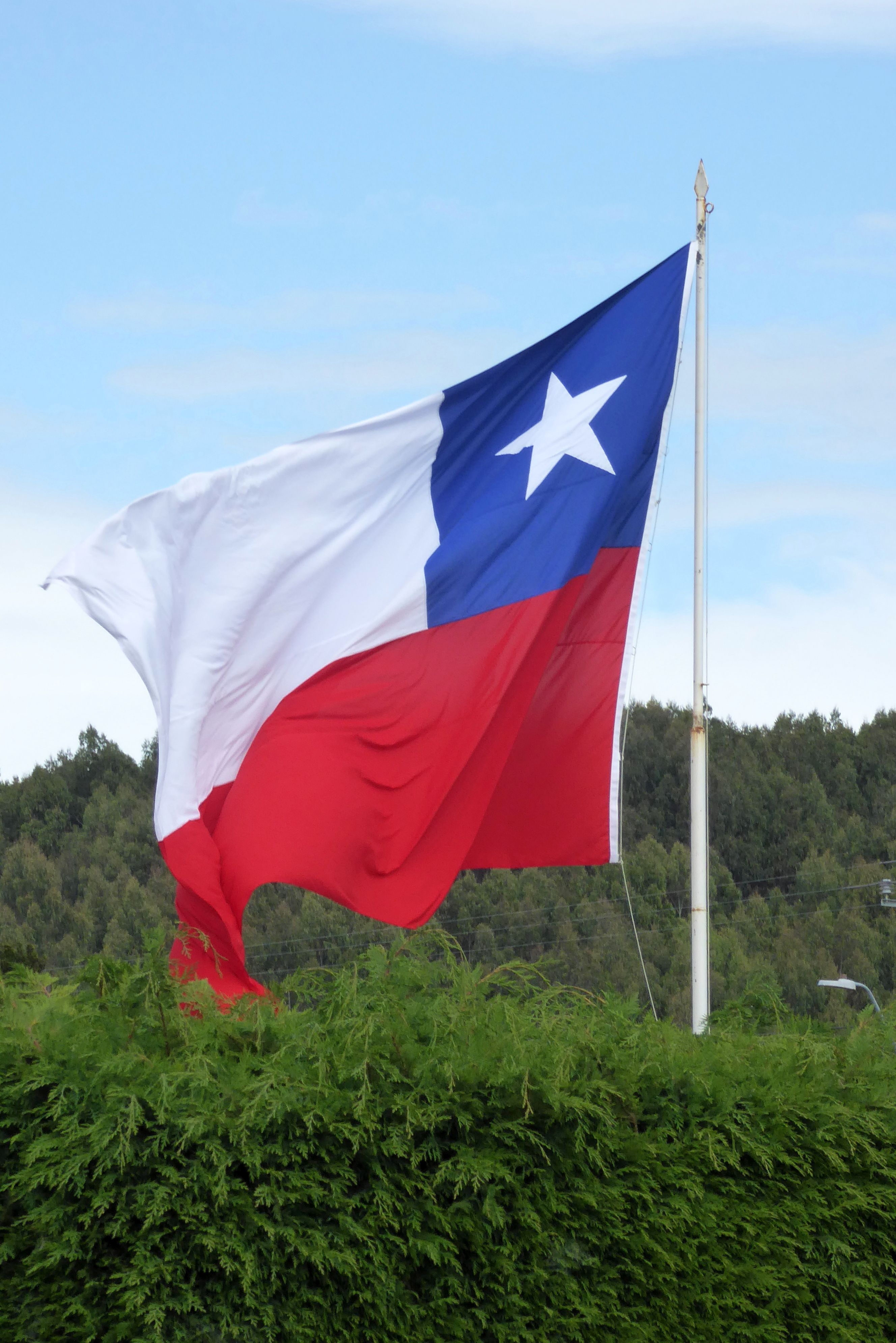
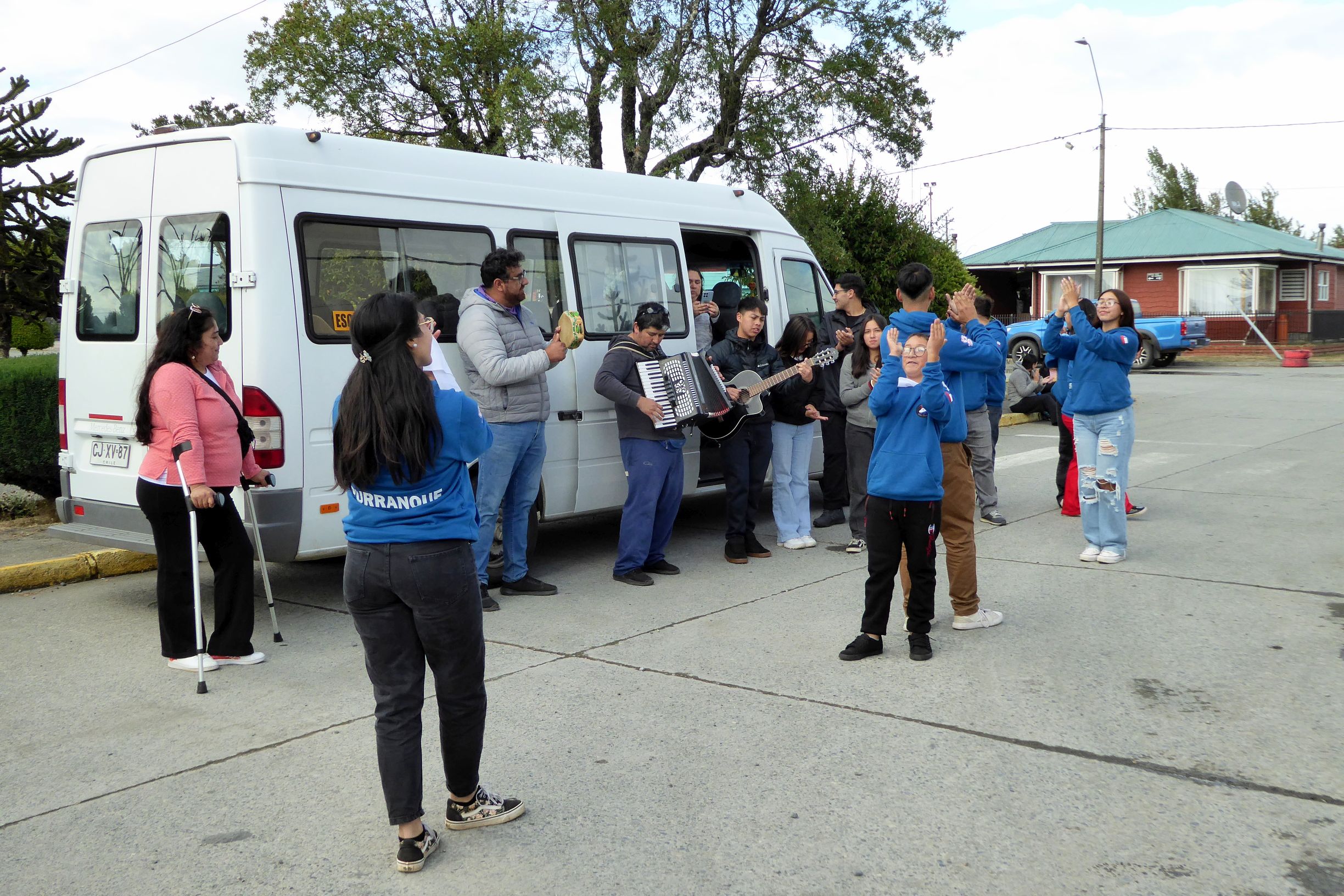
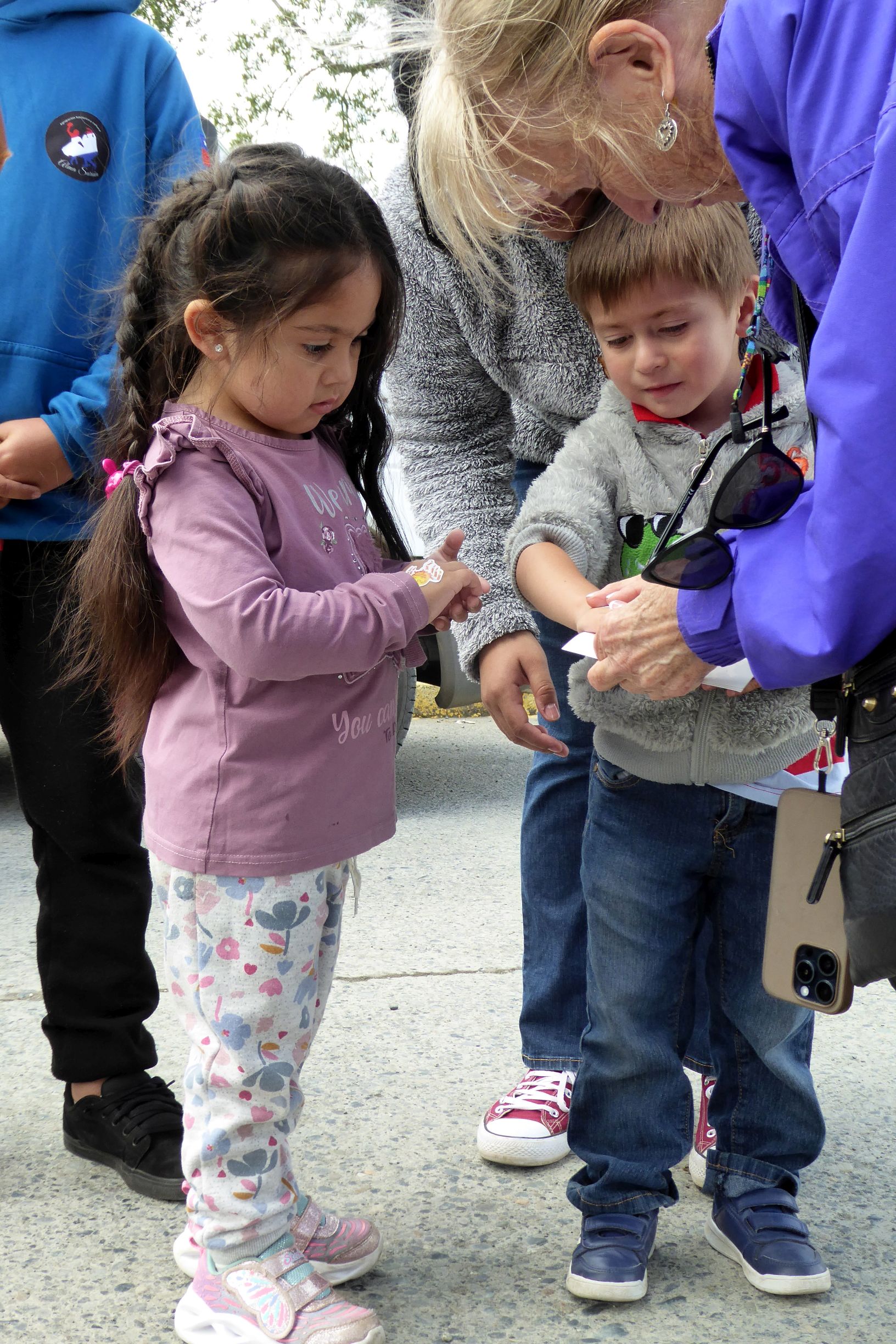
As I photographed the gigantic Chilean flag in the square, Andrea came running up to me and Bruce and exclaimed, “Come quick!”  She didn’t want us to miss an impromptu performance by a young music and dance group that was on tour.  They delighted us as well as the locals, including this woman and these shop owners who warmed my heart:

Mary, giving stickers to the children

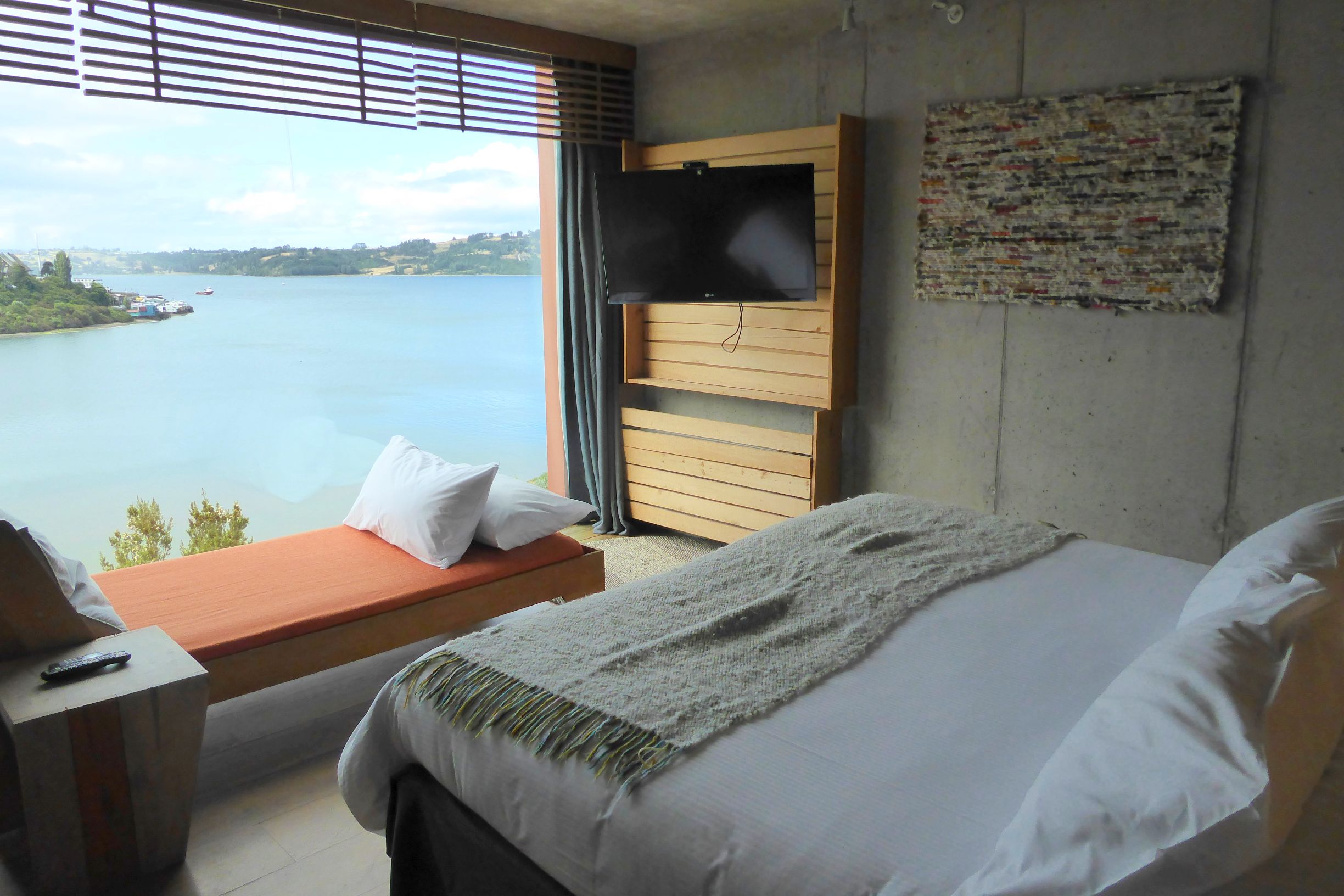
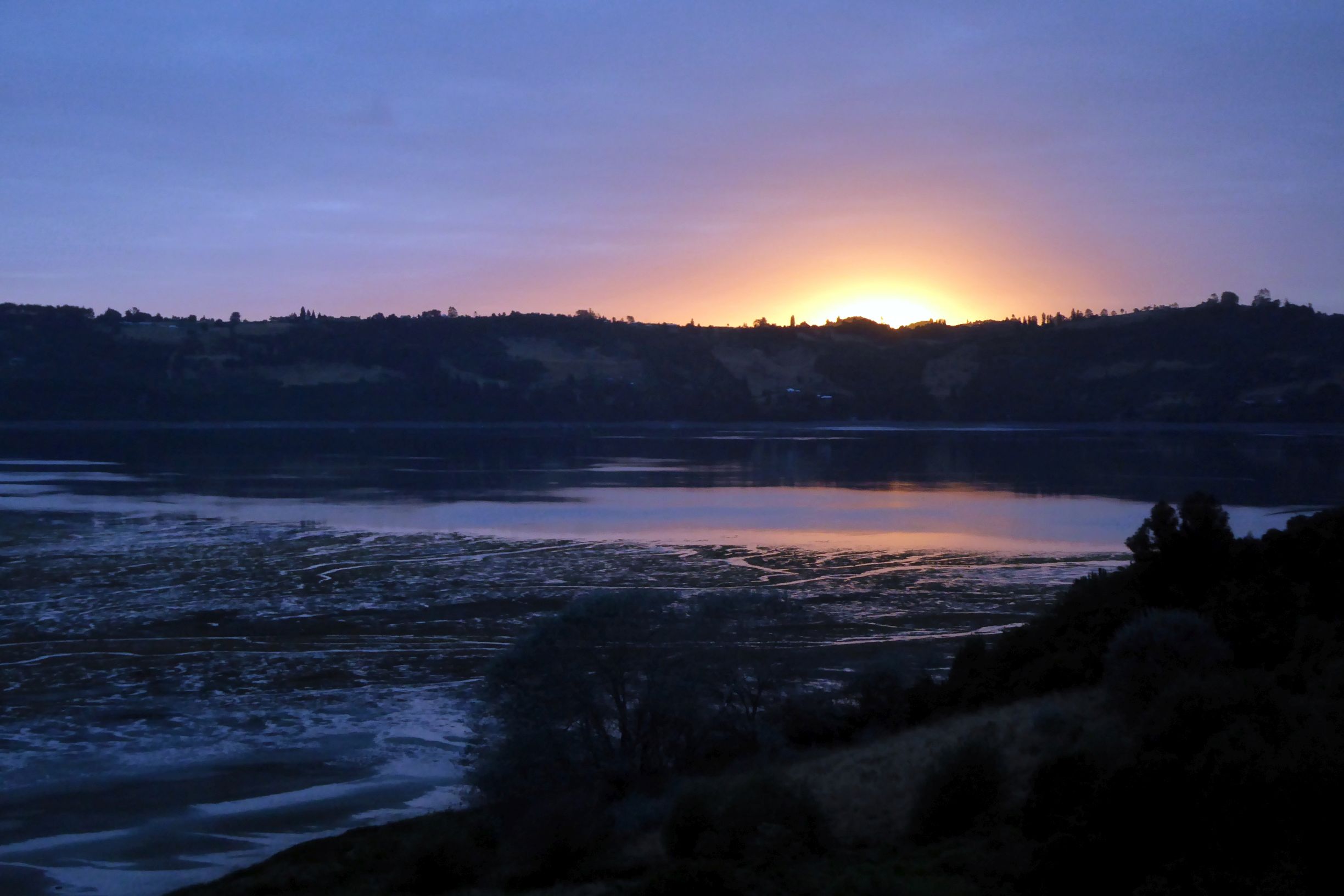
Following our visit to Chacao, we made our way through the rugged, windswept island to Castro, the capital of Chiloe Island.  We checked into the Enjoy Chiloe Hotel, which was a huge surprise given that Andrea told us not to expect it to be as nice as the Radisson in Puerto Varas.  (Evidently, she had received some complaints from past travelers, something I could not understand AT ALL after we arrived.)  Just look at this floor-to-ceiling view from our room!  Our jaws dropped!  We looked around and tried to figure out what was not to like. Sure, there were some stairs going down from the door and closet area to the bedroom; and, the location wasn’t as walkable as Puerto Varas, but look at his VIEW!  Just wait until tonight…

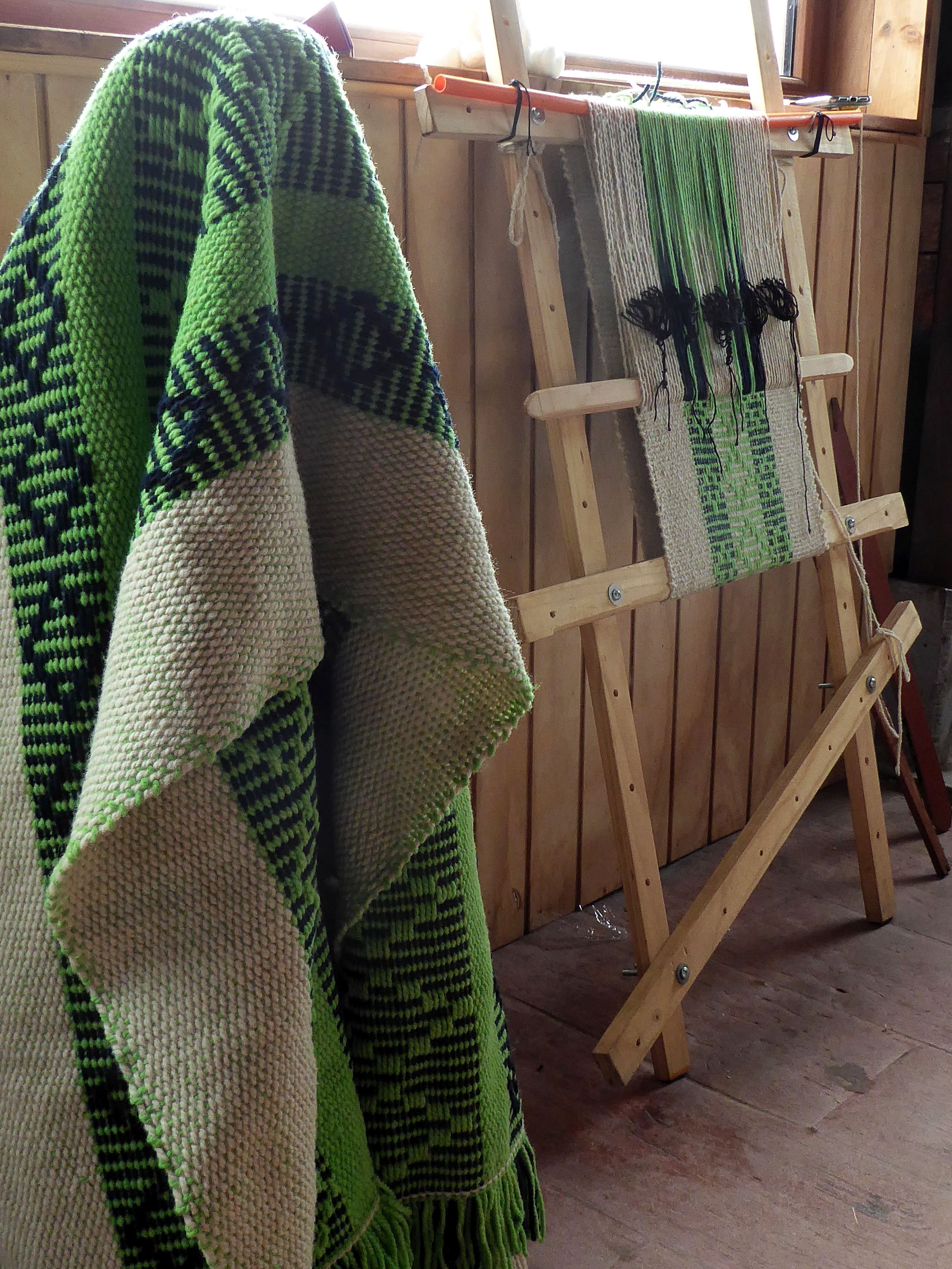
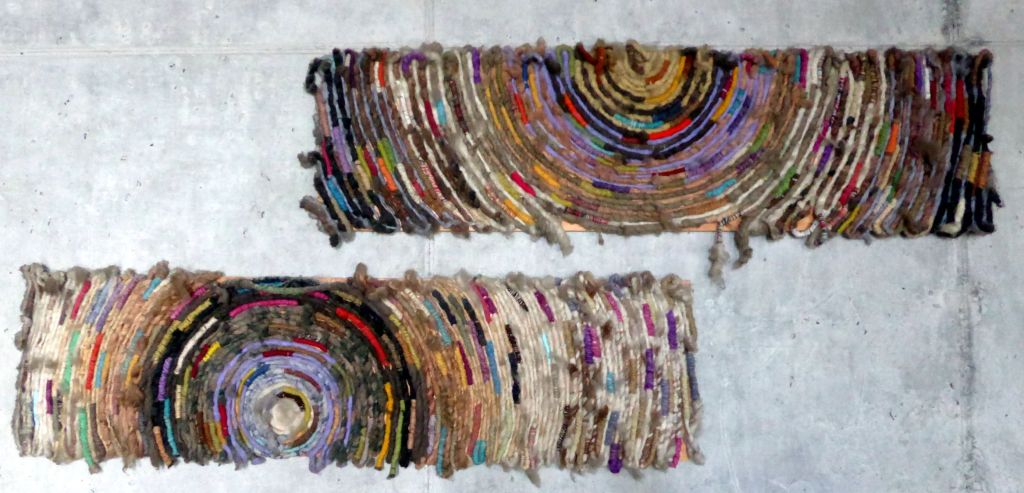
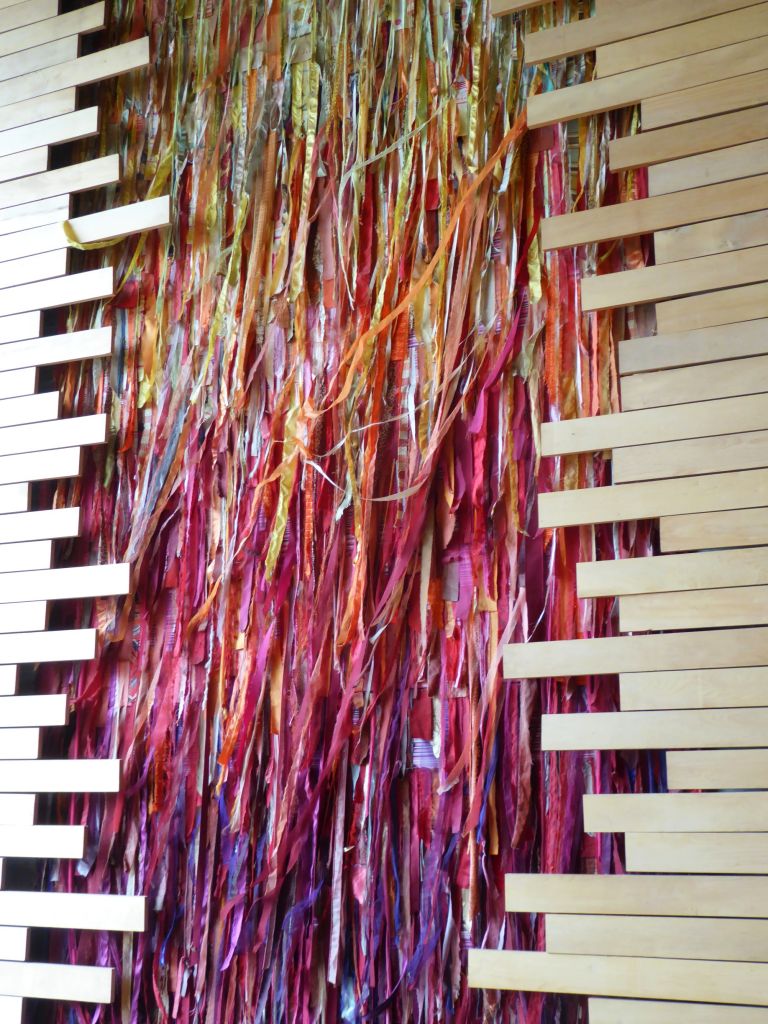
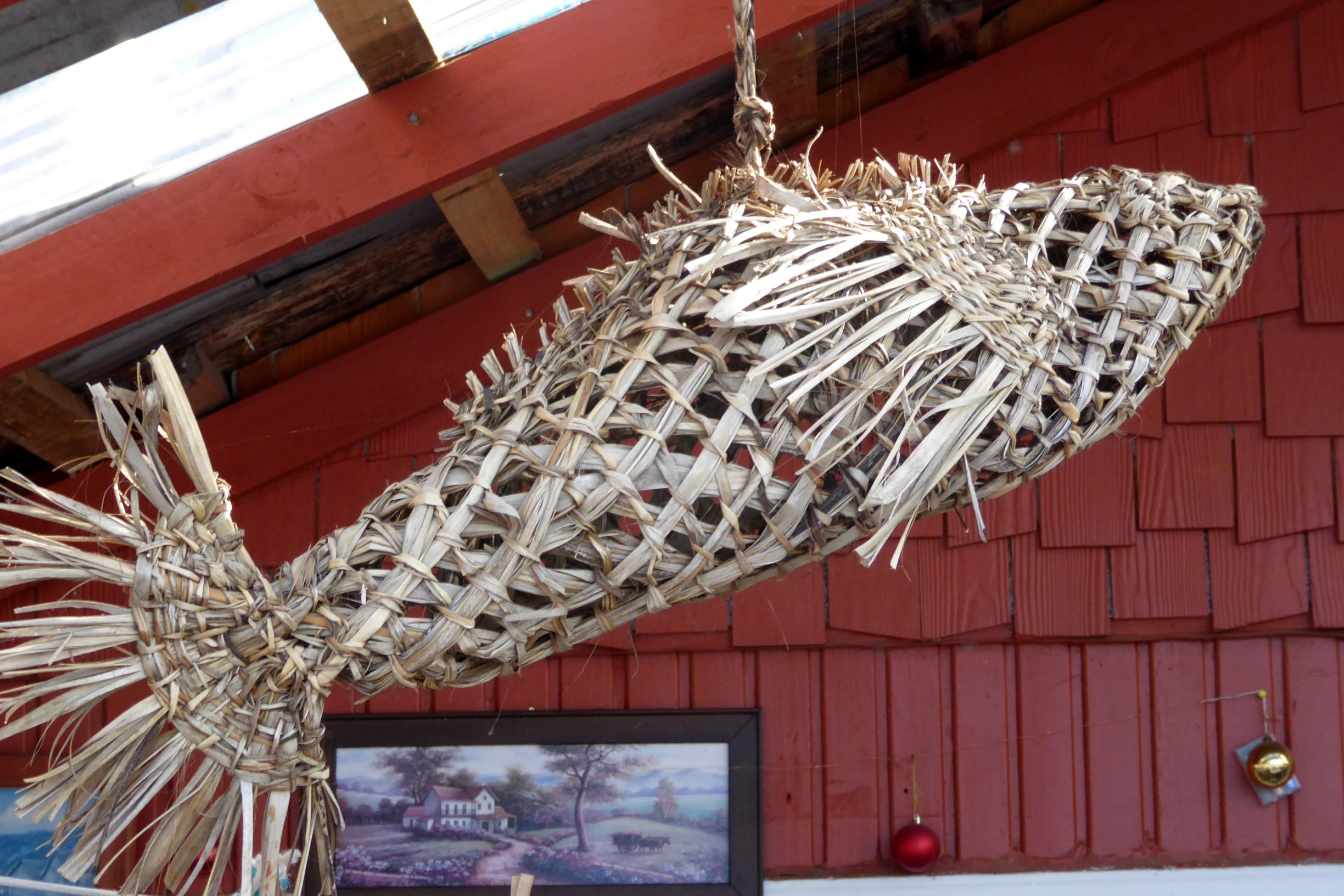
Meanwhile, while admiring the fiber arts pieces on display throughout the hotel (which made my heart sing, because my mom used to create beautiful fiber arts pieces), we made our way to the restaurant for a delicious lunch—with a VIEW!

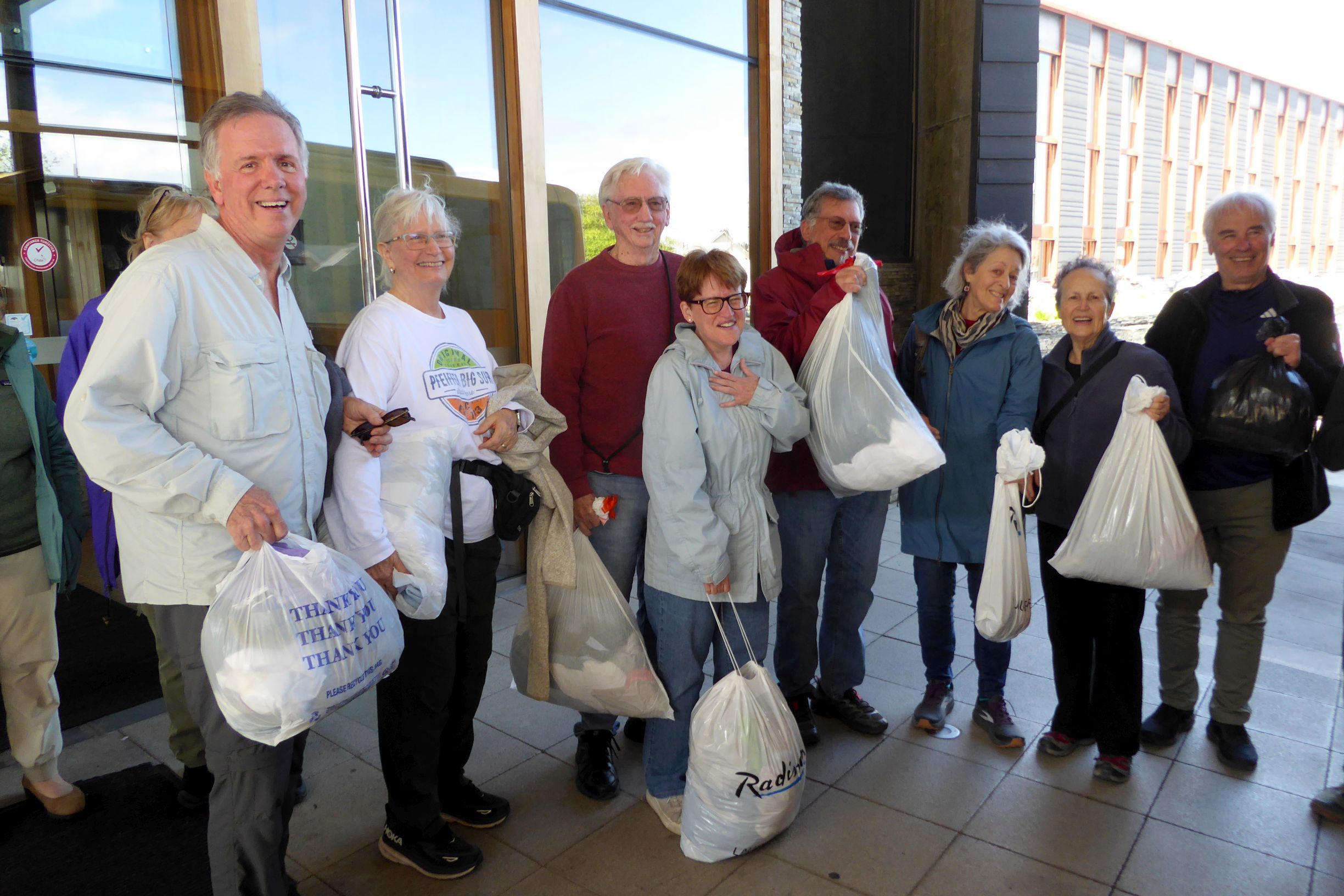
Time for a laundry stop!  I handwash our laundry as we go, so we took a pass, but on OAT tours, they always try to arrange somewhere for the group to have their laundry done along the way.  Drop it off, see the sites, and then return for a clean stack of clothes.

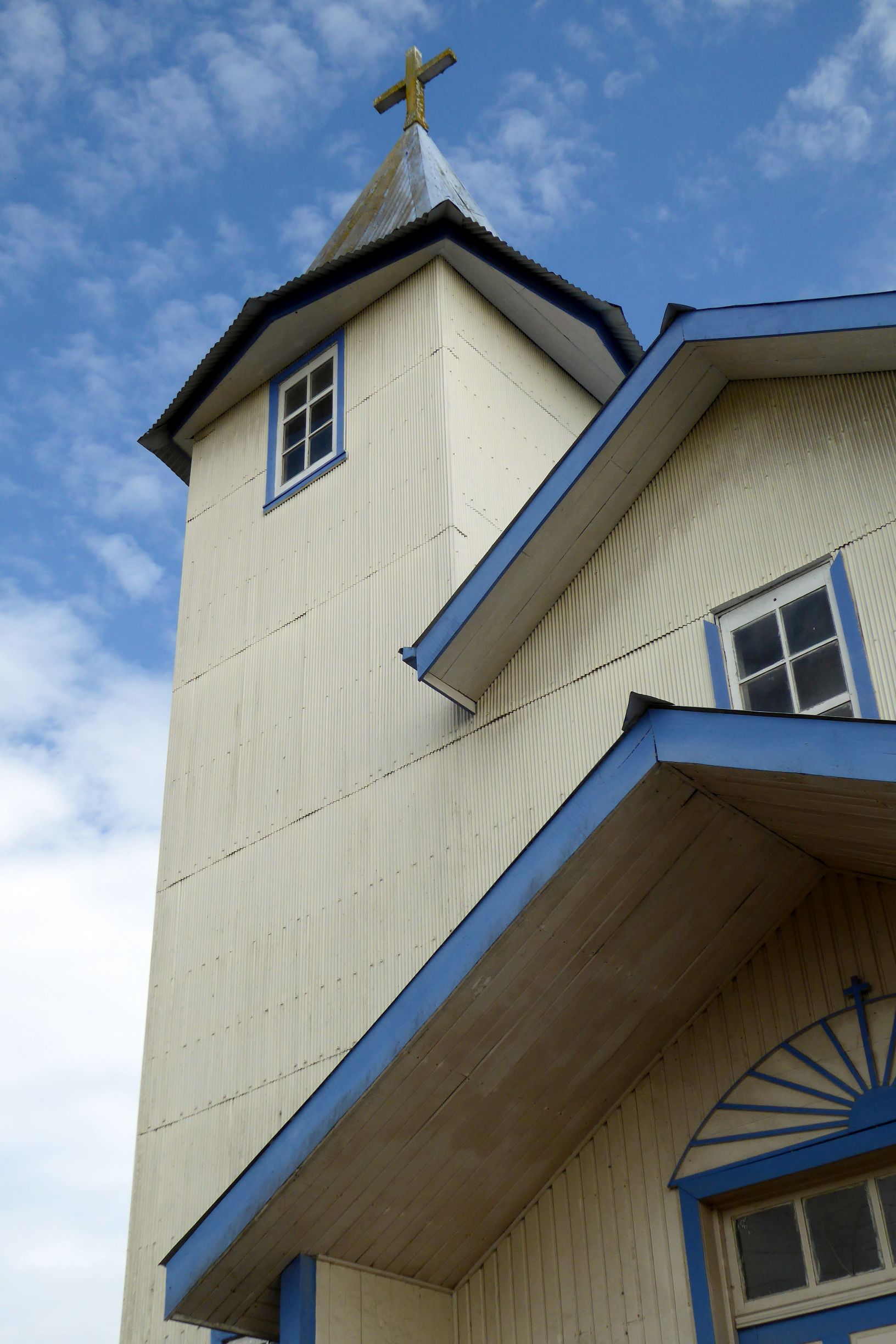
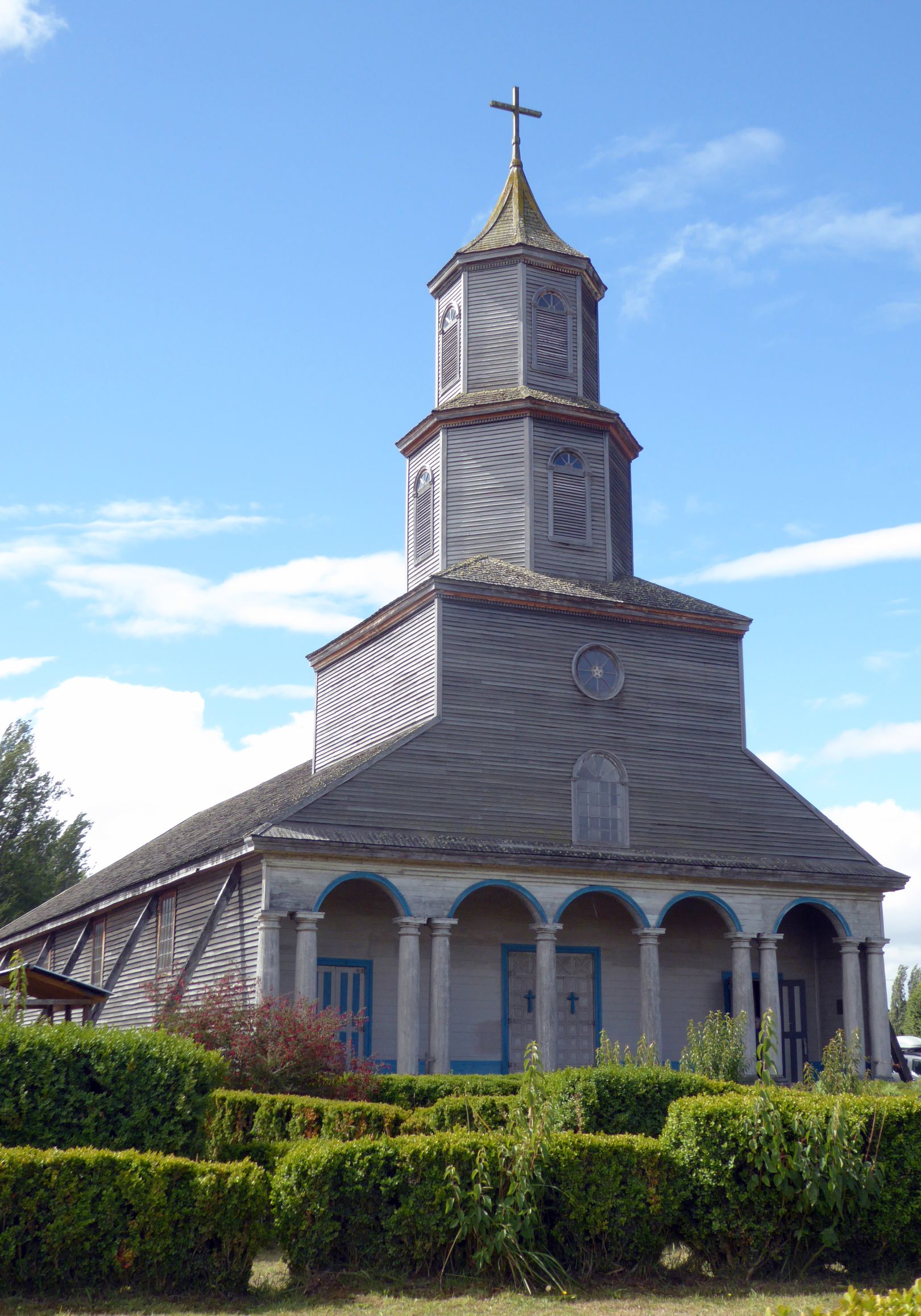
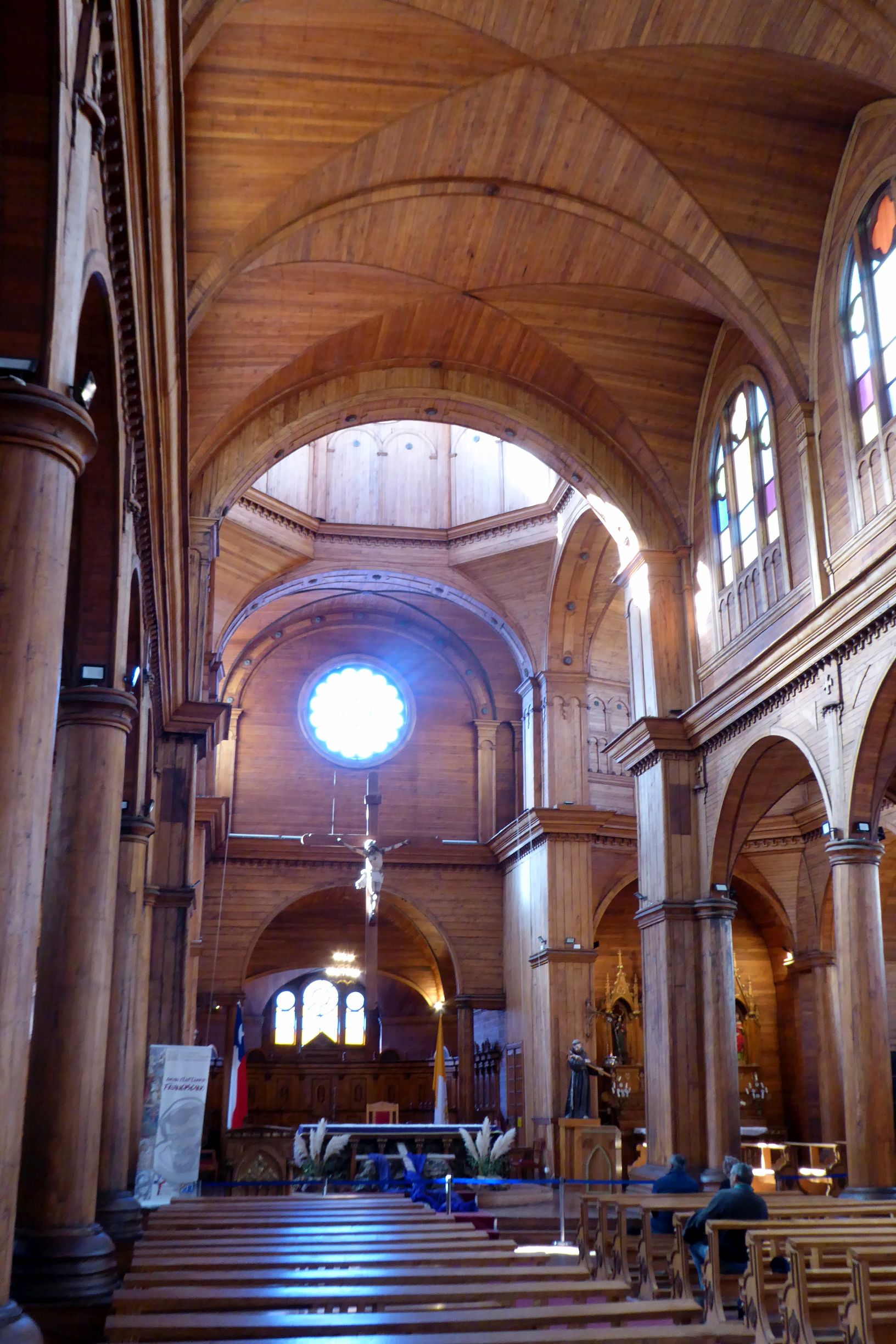
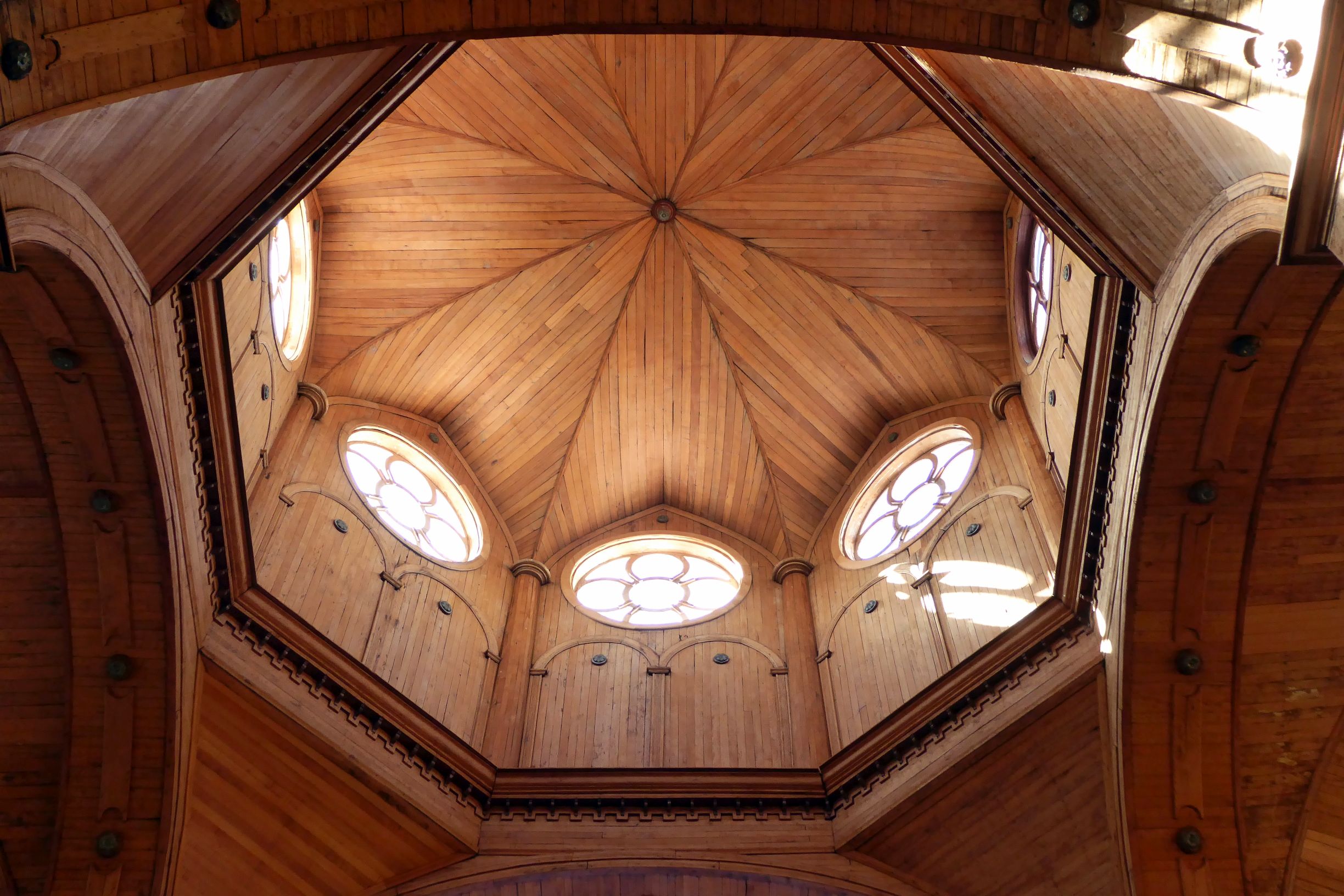
Our first stop was to see the Lady of Grace Church in Nercon, a UNESCO World Heritage Site and a wonderful example of Chilota architecture.  No nails were used; just wooden pegs, beams, and bent wood. 

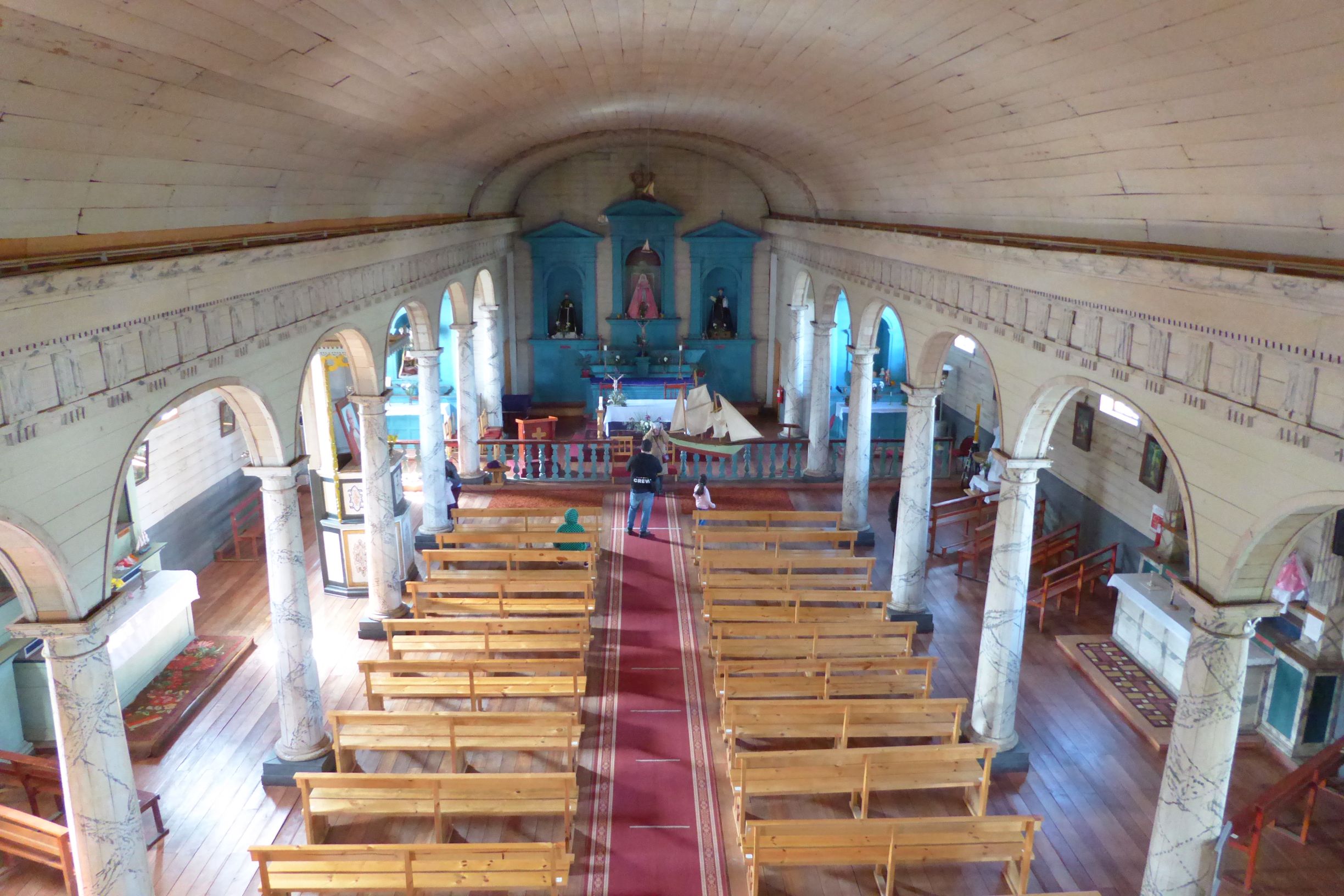
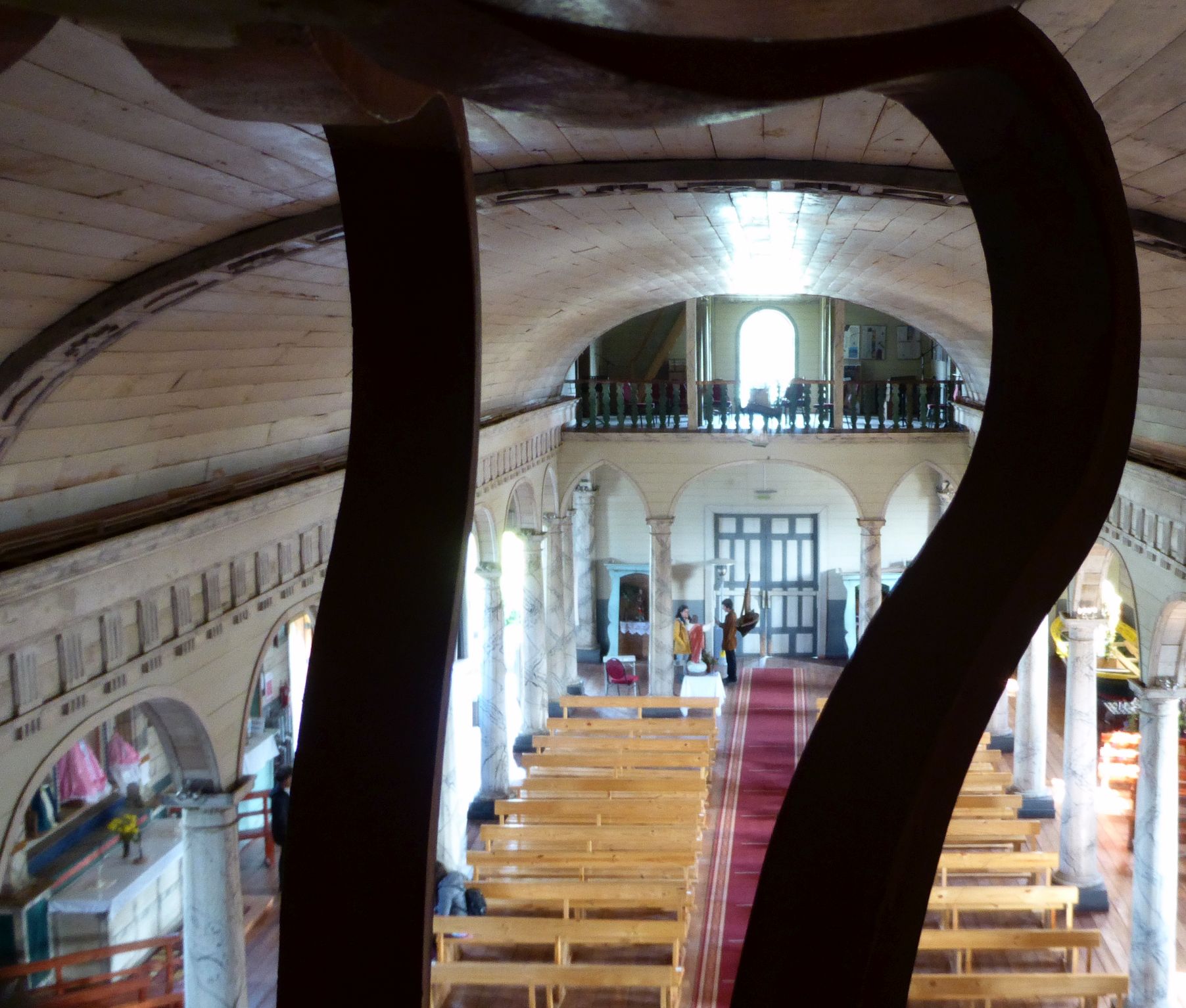
Our tour of the church included the attic where we were able to get a look at how the church was constructed.  From there I found a hole large enough for my camera to capture this unique view.

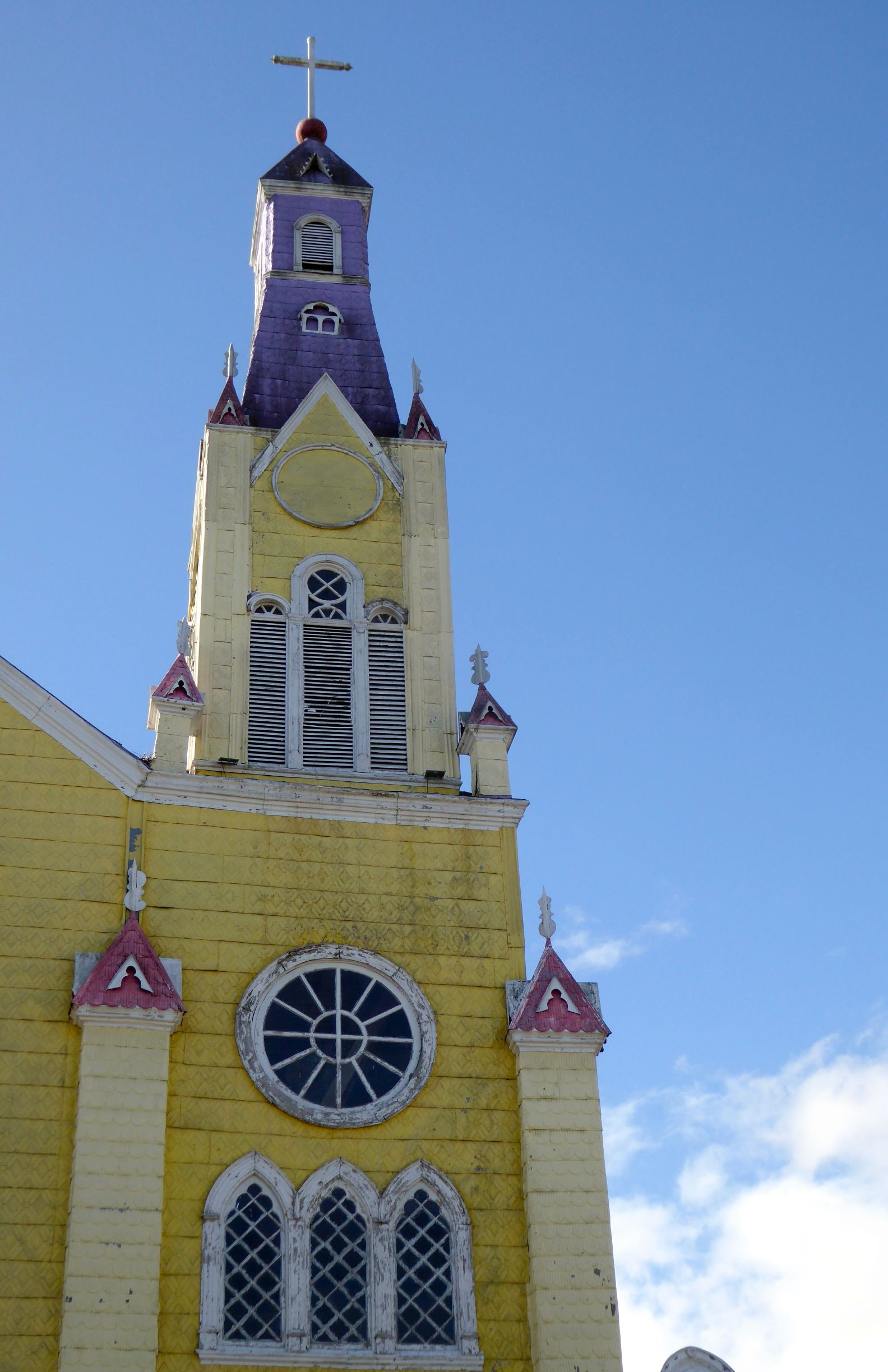
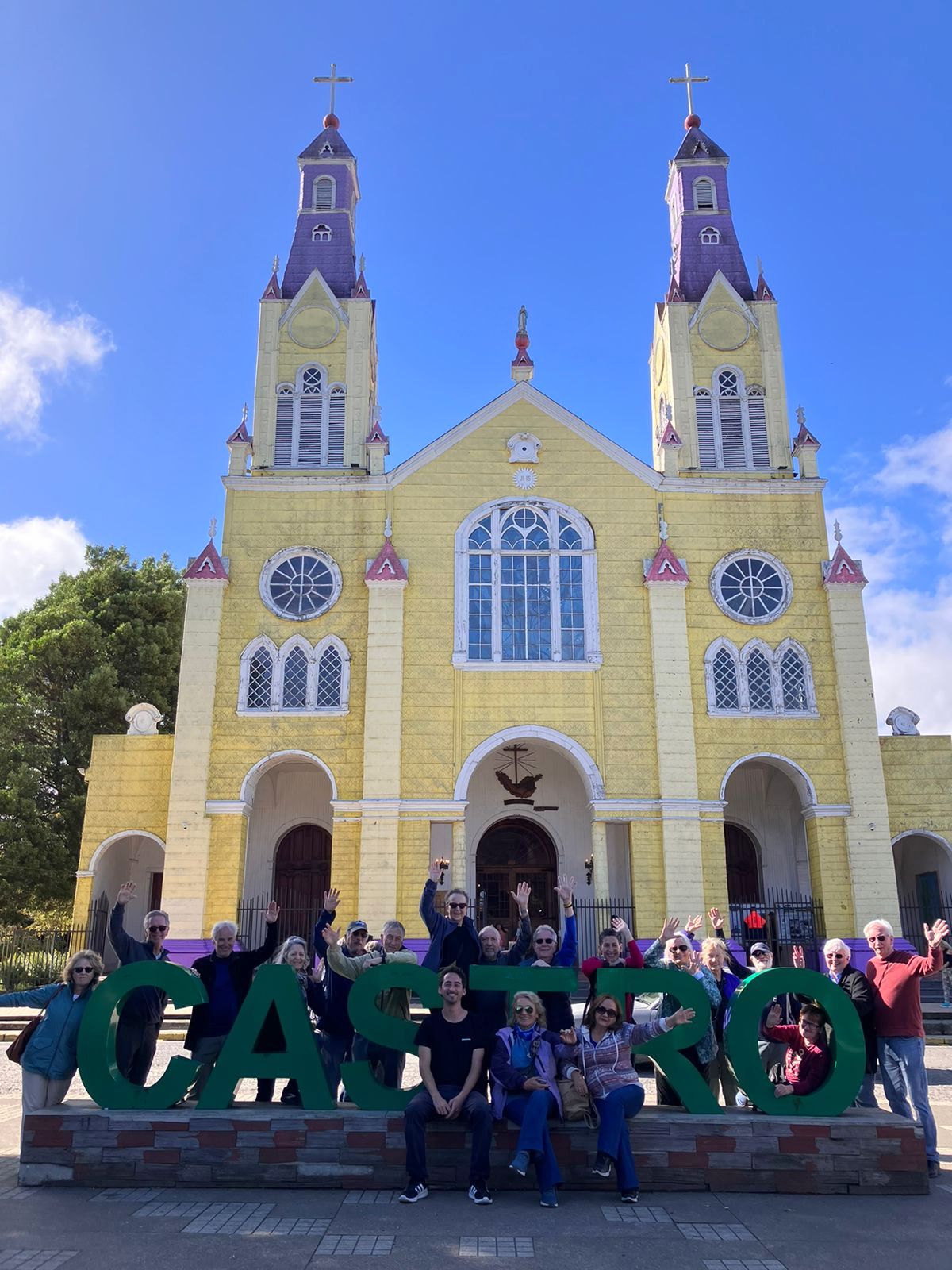
Returning to the main square of Castro, we visited another UNESCO site, the Church of San Francisco, built in 1910.  It is painted yellow to represent the sun, and the purple trim represents royalty.

Going to church is the big social event of the week for residents of Chiloe Island, but they are also helping immigrants from Venezuela and Haiti to settle in Chile.

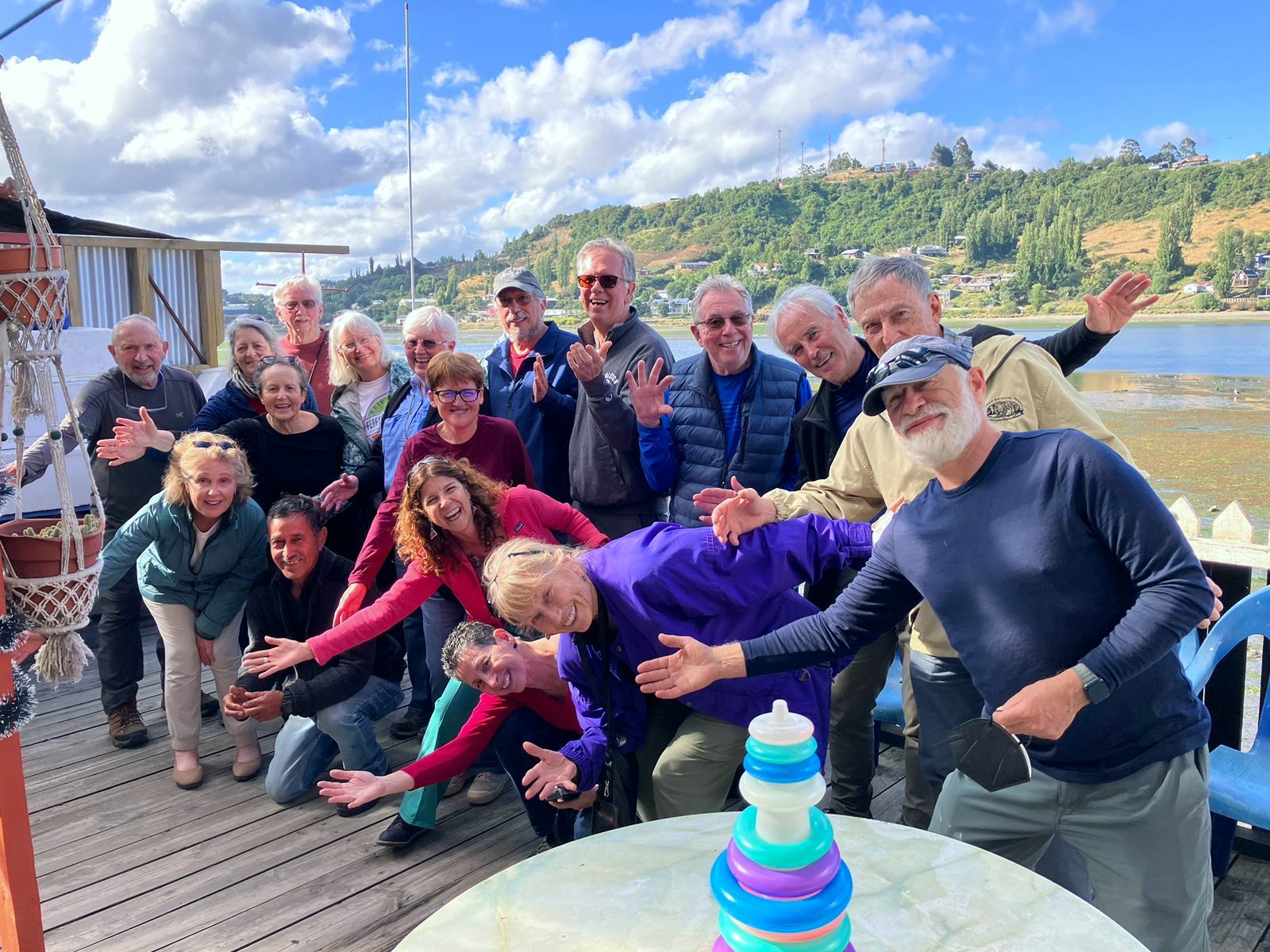
Andrea loves taking group pictures, so she took this cheesy shot at the Castro sign.  There were two ladies from Santiago watching, and they wanted a picture with our “Buena onda” (good vibes) group, so we invited Sarah and Veronica to photo bomb our shot as honorary group members.  They were a hoot!

More scenes around the main square:

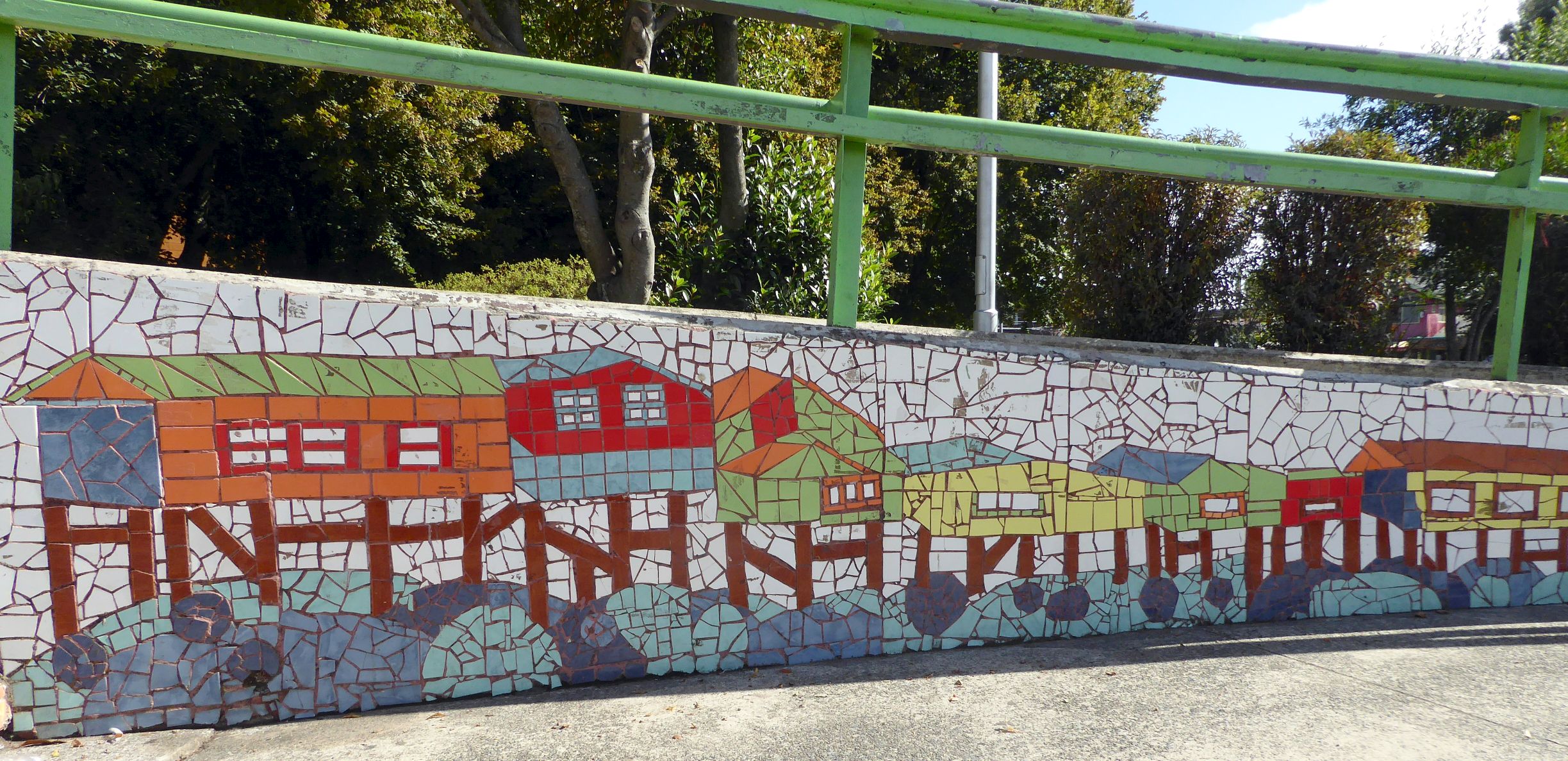
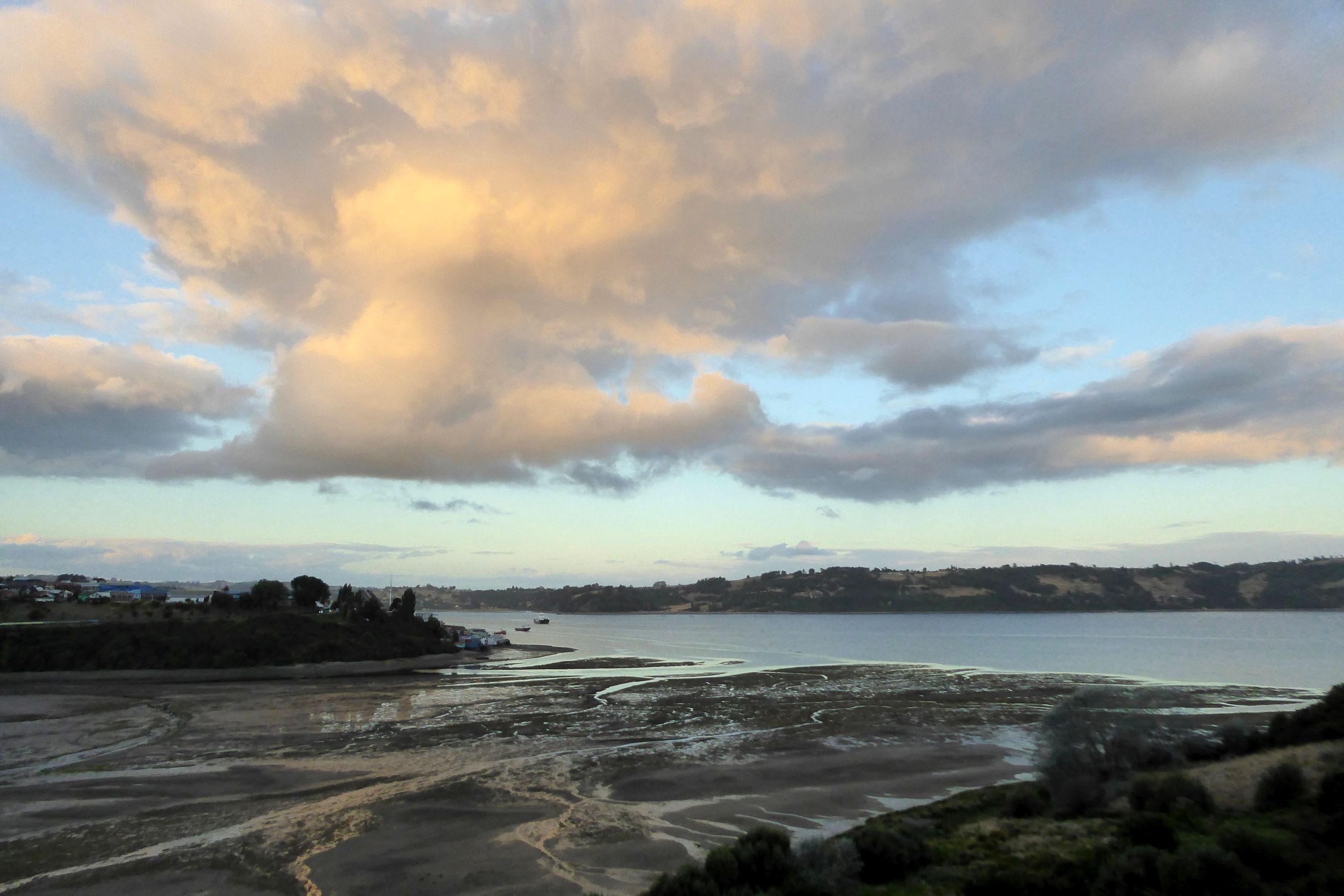
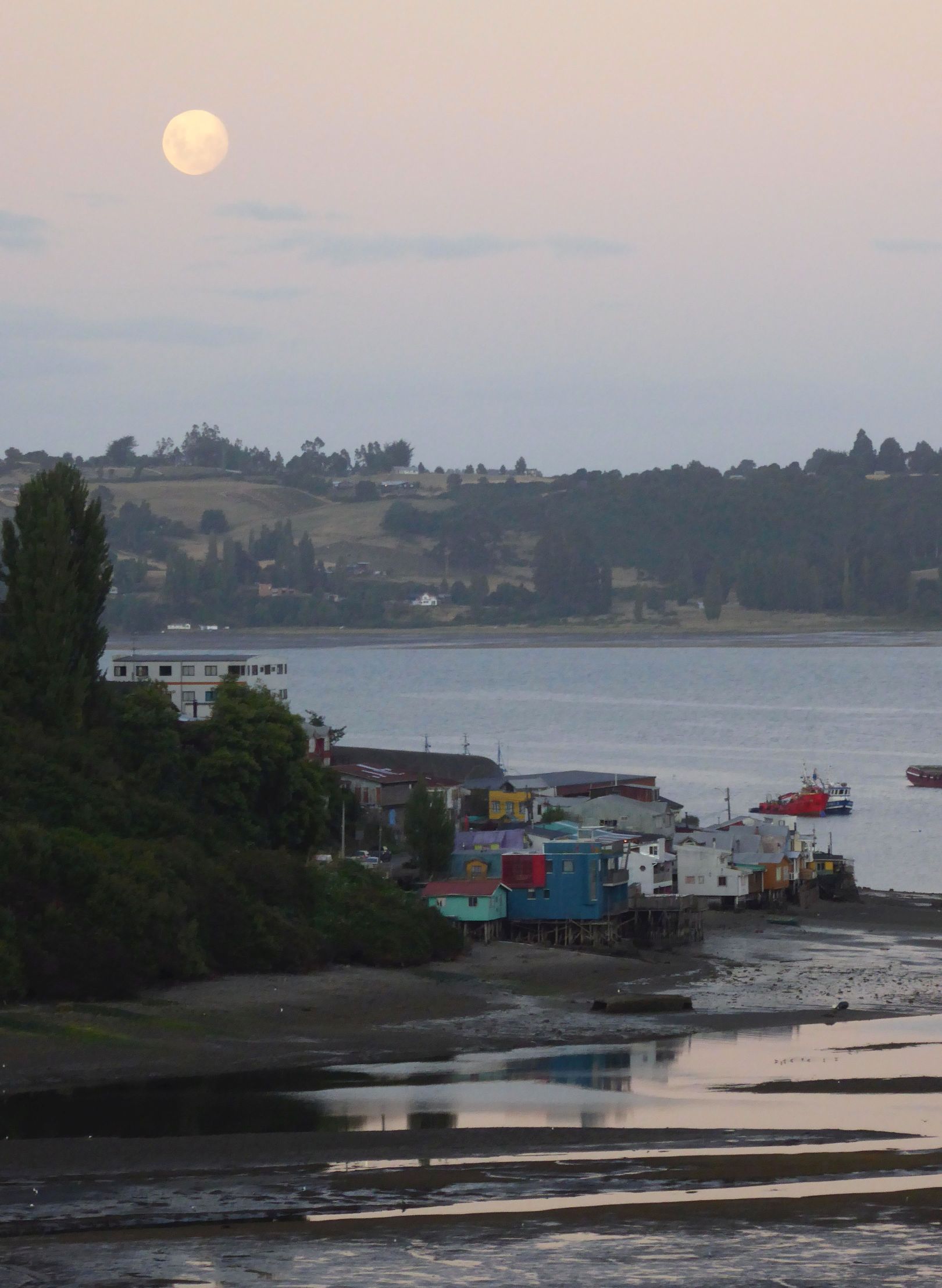
The afternoon concluded with a visit to see Castro’s iconic palafitos—colorful homes built on stilts that have become Castro’s biggest attraction.  Andrea and Daniel, our local guide who was with us in Puerto Varas, had a friend, Hanover, who lived in one, and we were invited to stop by for a look.  Hanover built the house himself and used 80 stilts to support it.

Most of the house is built on stilts, which are not pictured. You will see many more palafitos in a future post!

Several of the palafitos had decorative hand-cut shingles like we saw in Chacao.  A very hard wood is used and lasts about 40 years.  When the shingle wears out on one side, they just flip it over.  Bright paint colors are used (except for the one below) to contrast the cold, gloomy, and rainy weather that usually plagues the region.  But look at this day! Our luck continues…

Hanover
Our “buena onda” (good vibes) group having fun on Hanover’s deck. The stilt side (water side) of the house is considered the front of the house.

Views from the deck:

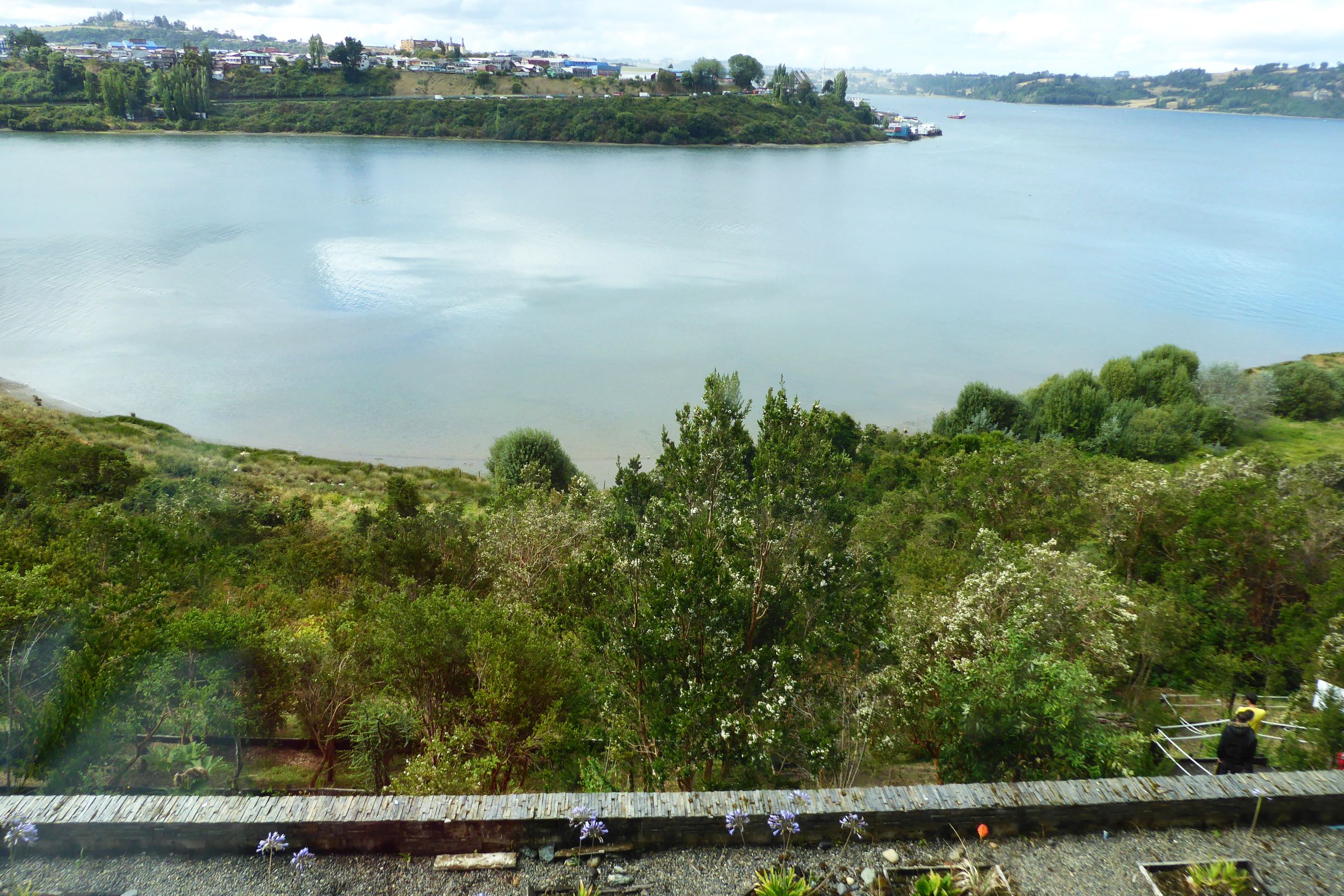
Evening views from our hotel room:

Next up:  ARGENTINA & CHILE #10: A DAY IN THE LIFE OF THE RILAN COMMUNITY

ICELAND #3:  CIRCUMNAVIGATING THE GOLDEN CIRCLE

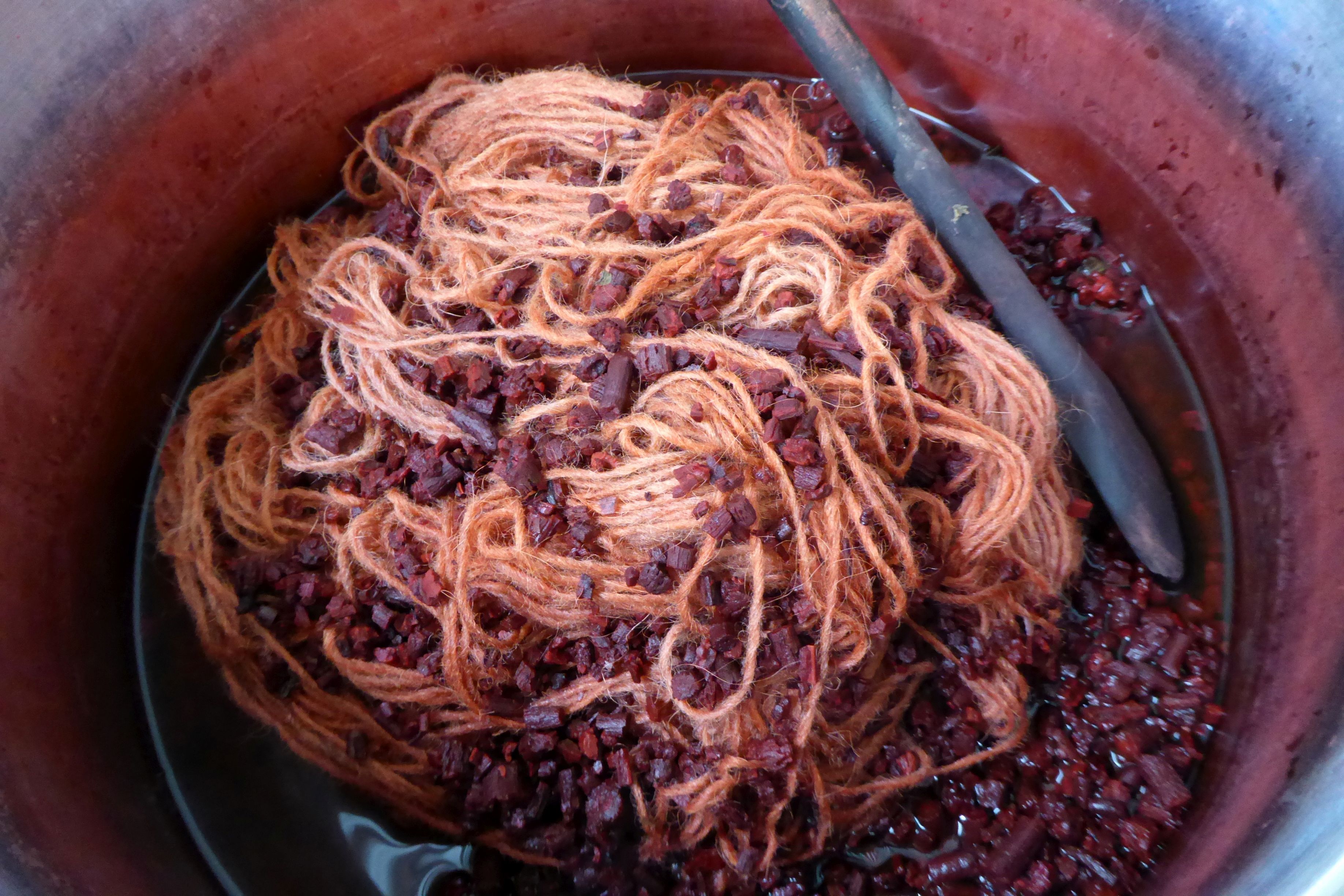
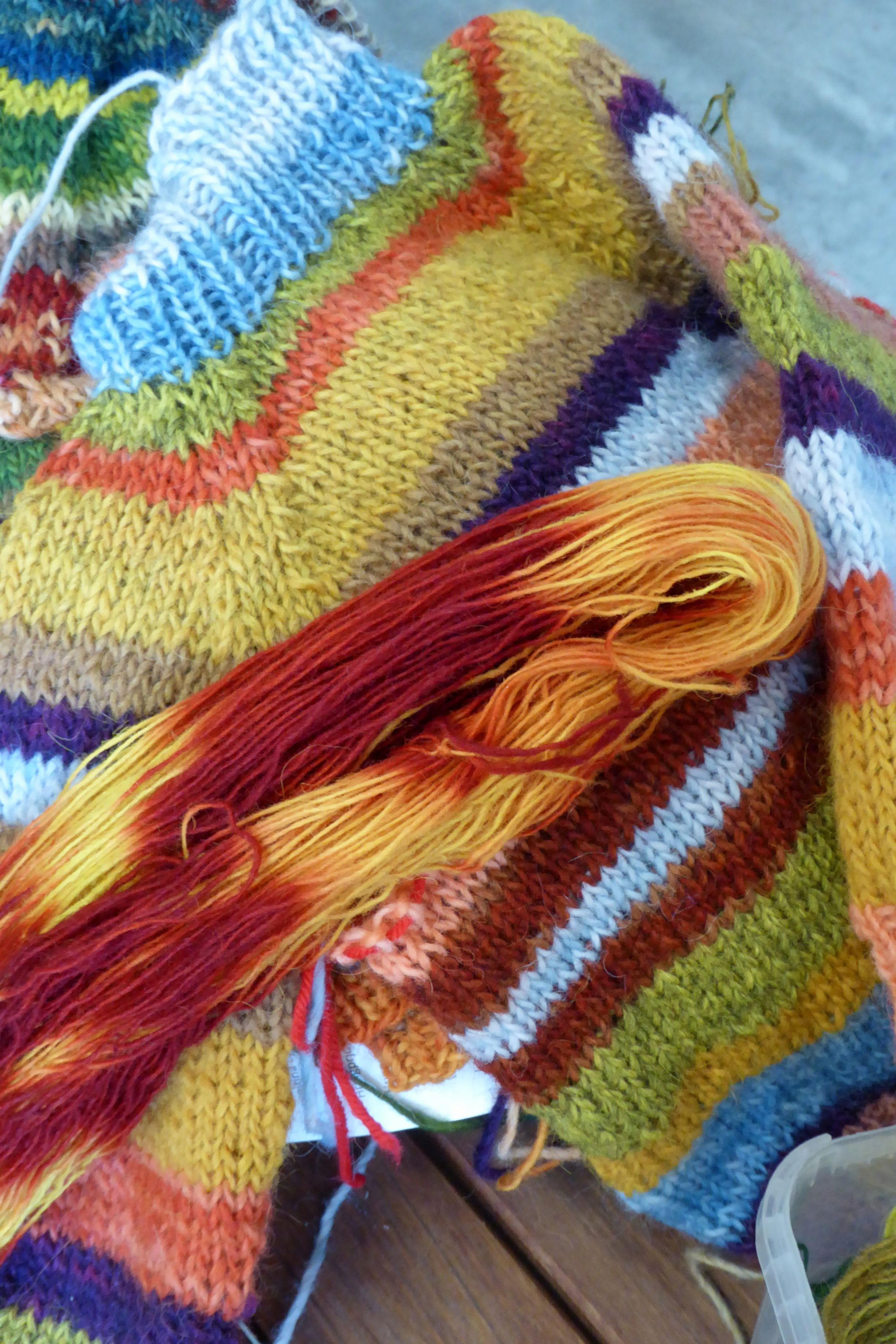
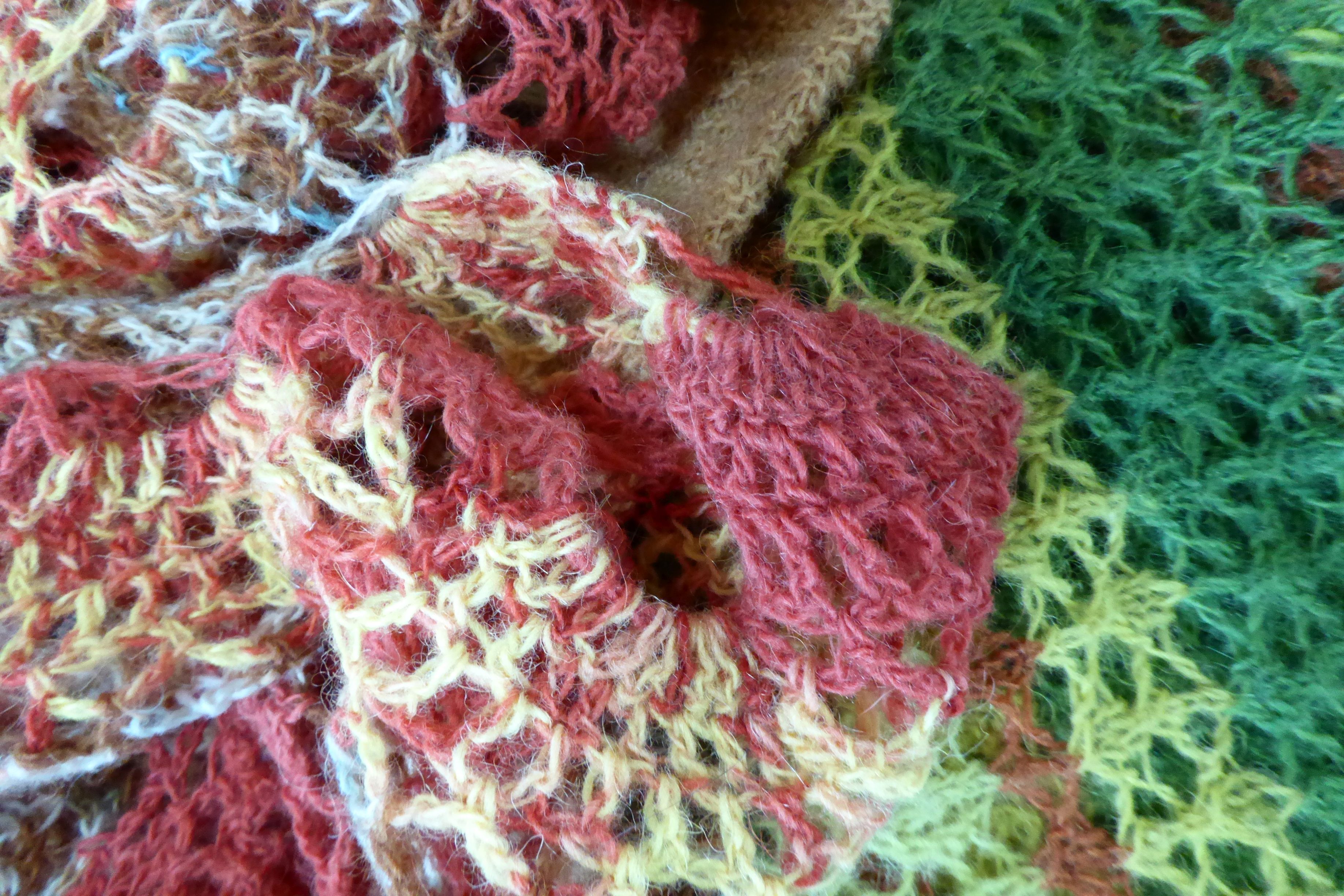
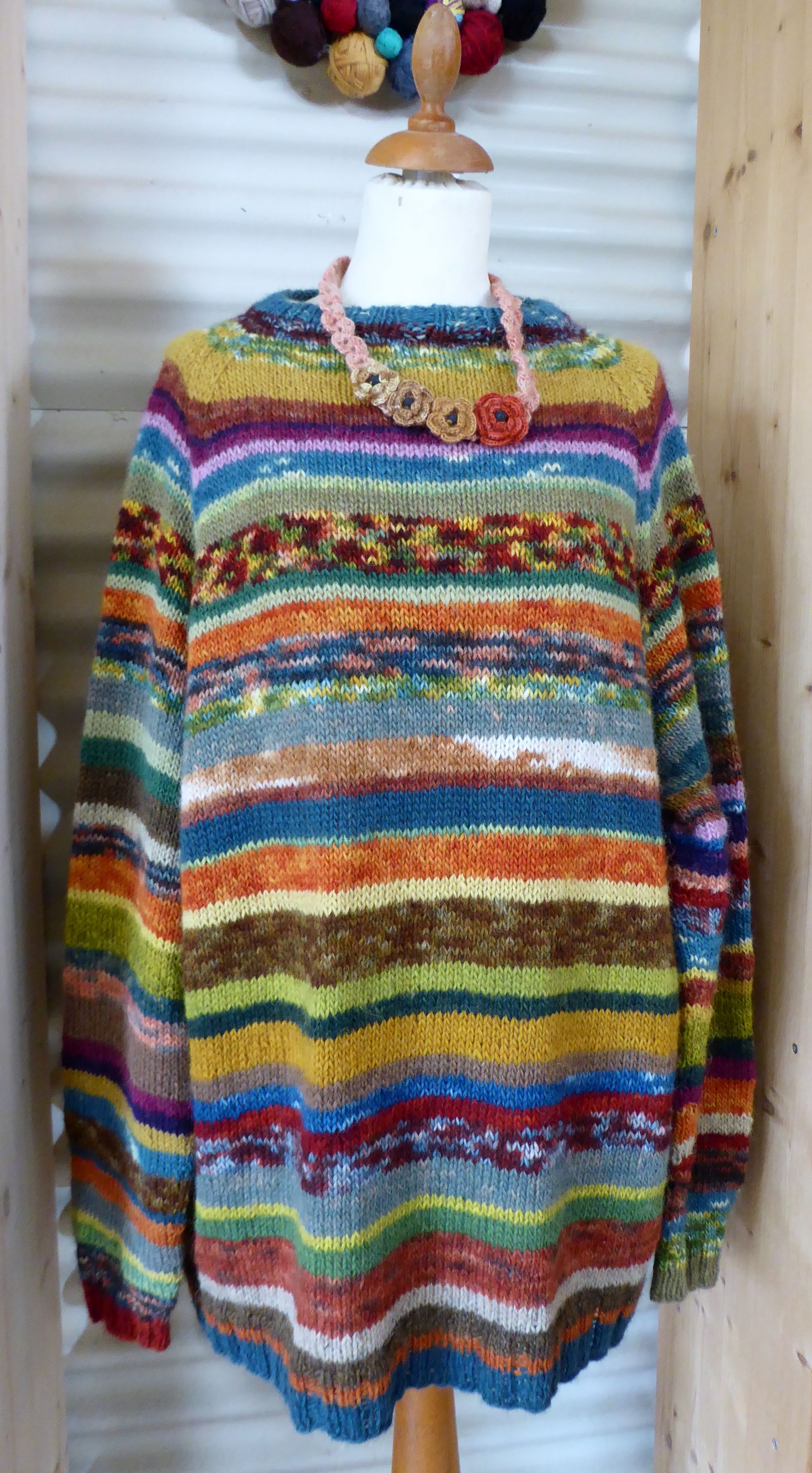
Looking back over my photos from our first full day in Iceland, it really was a full day!  Beginning near our hotel in Selfoss, our tour leader, Thorunn, and bus driver, Haflidi, took us to Hespa, a local wool studio to learn about wool dying using natural ingredients and traditional techniques.  It was fascinating to learn about which ingredients produce various colors and to see the process.  Wool clothing is a staple in every Icelander’s closet and a popular tourist souvenir, so it is an important industry for the country.

(For all pictures, click on the image to see full screen view.)

Next, we were off to circumnavigate the Golden Circle, a ring of natural highlights which are a huge tourist draw.  Being the high season and tourism numbers being way up in Europe, we weren’t the only bus to pull in at each spot.  The nice thing was our bus was full-sized like the others, but only 16 of us had to get off and back on.  If you are going to do a guided tour, small-group tours are the way to go!

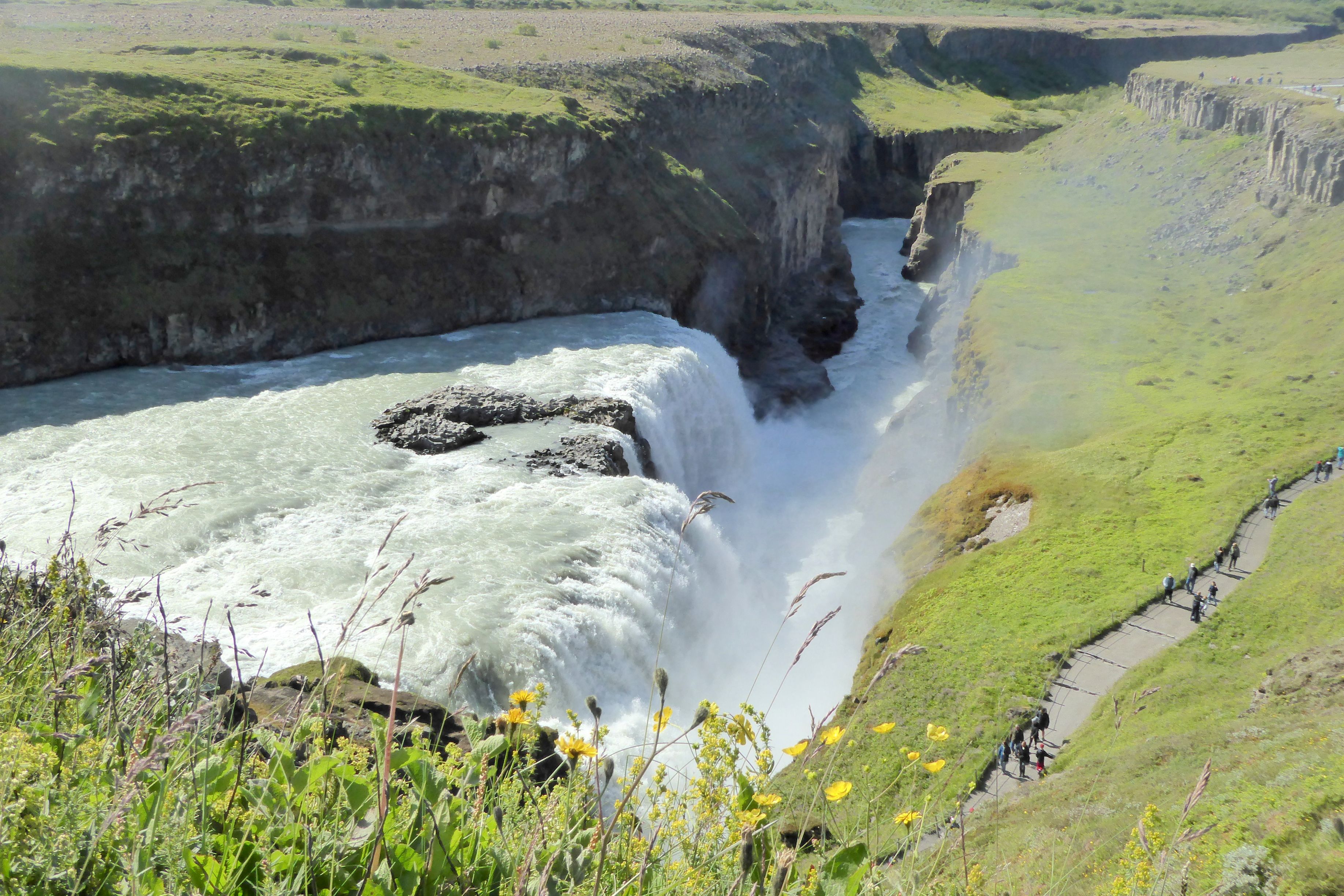
Our first stop was at Gullfoss waterfall, just one of MANY waterfalls in Iceland.  The country is full of them!  This one was really special, though – absolutely breathtaking!

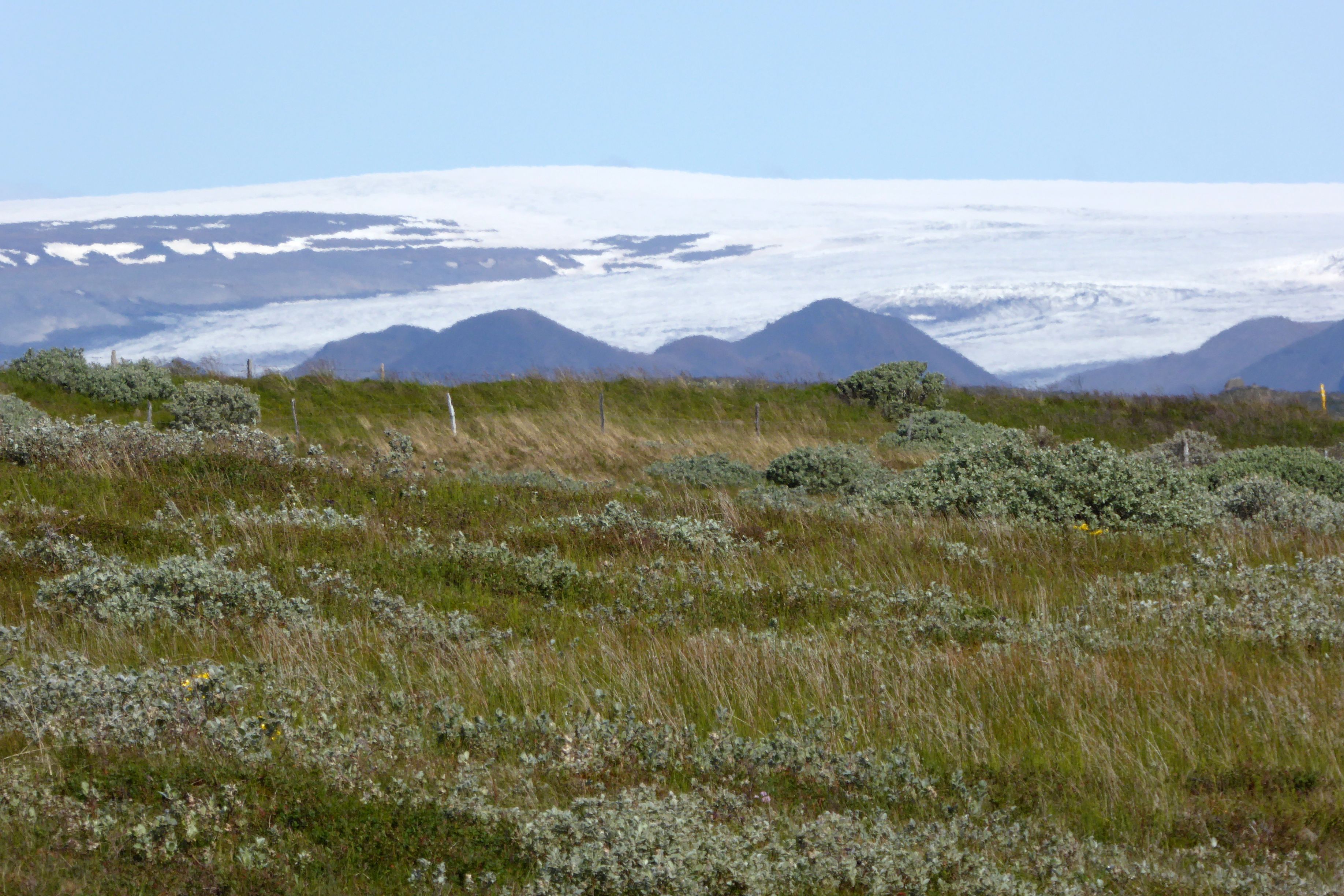
As we walked the path to the waterfall, we saw this glacier off in the distance.
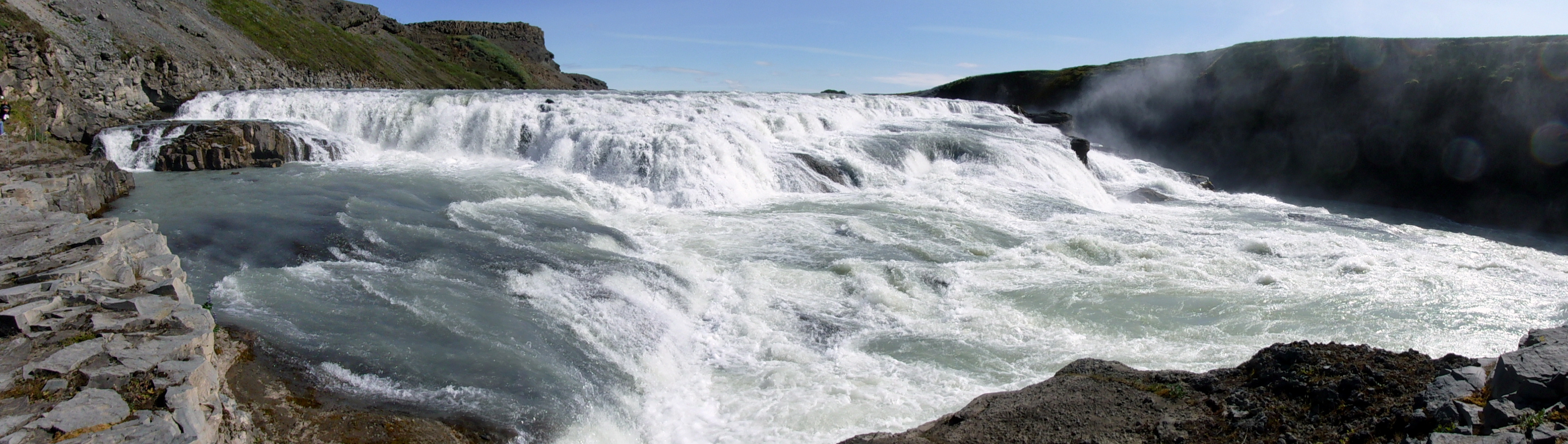
Click on this one– a panorama, and my favorite.
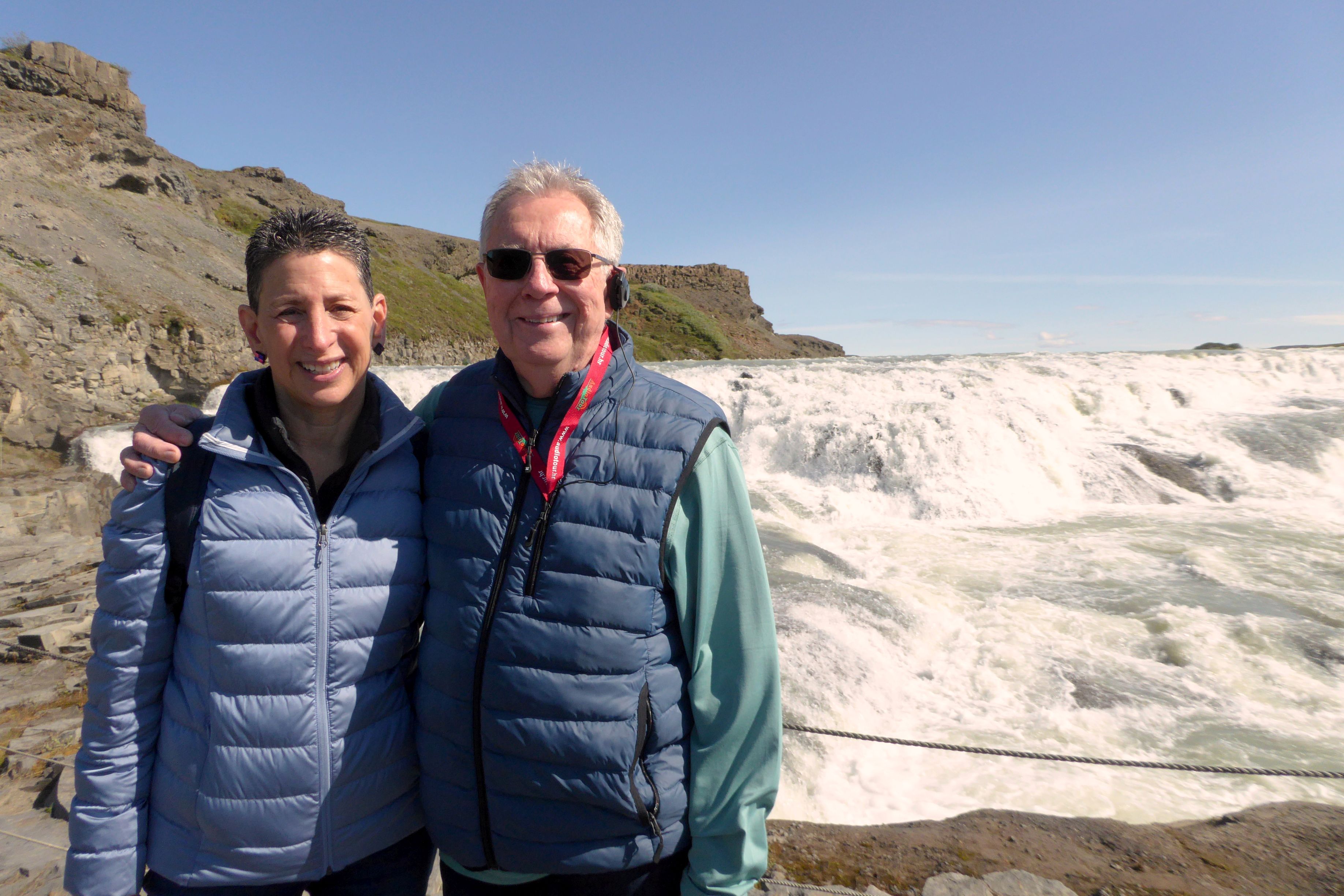
I’m not one for selfies or a lot of photos of us at landmarks, but I was just so happy to finally be in Iceland!

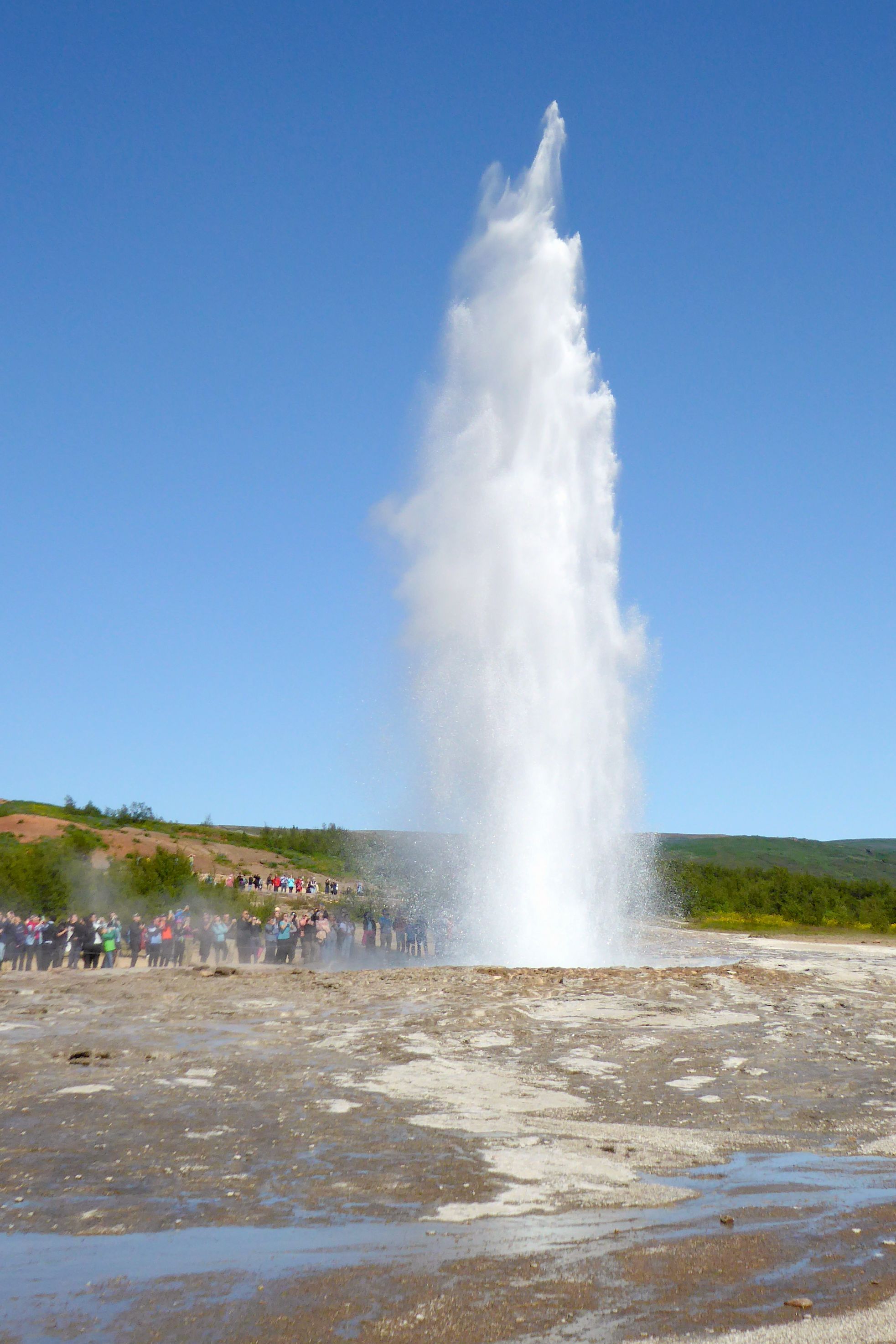
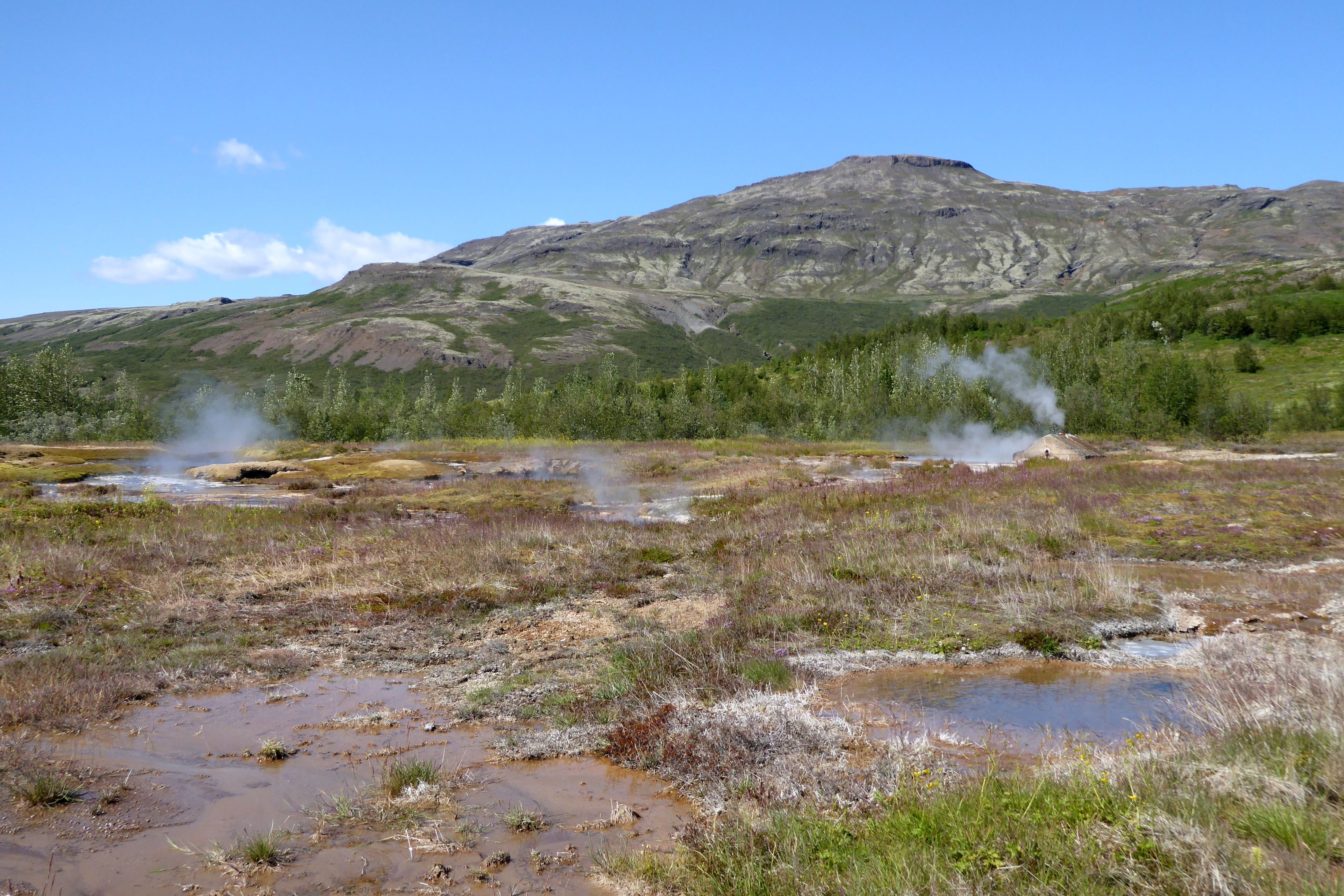
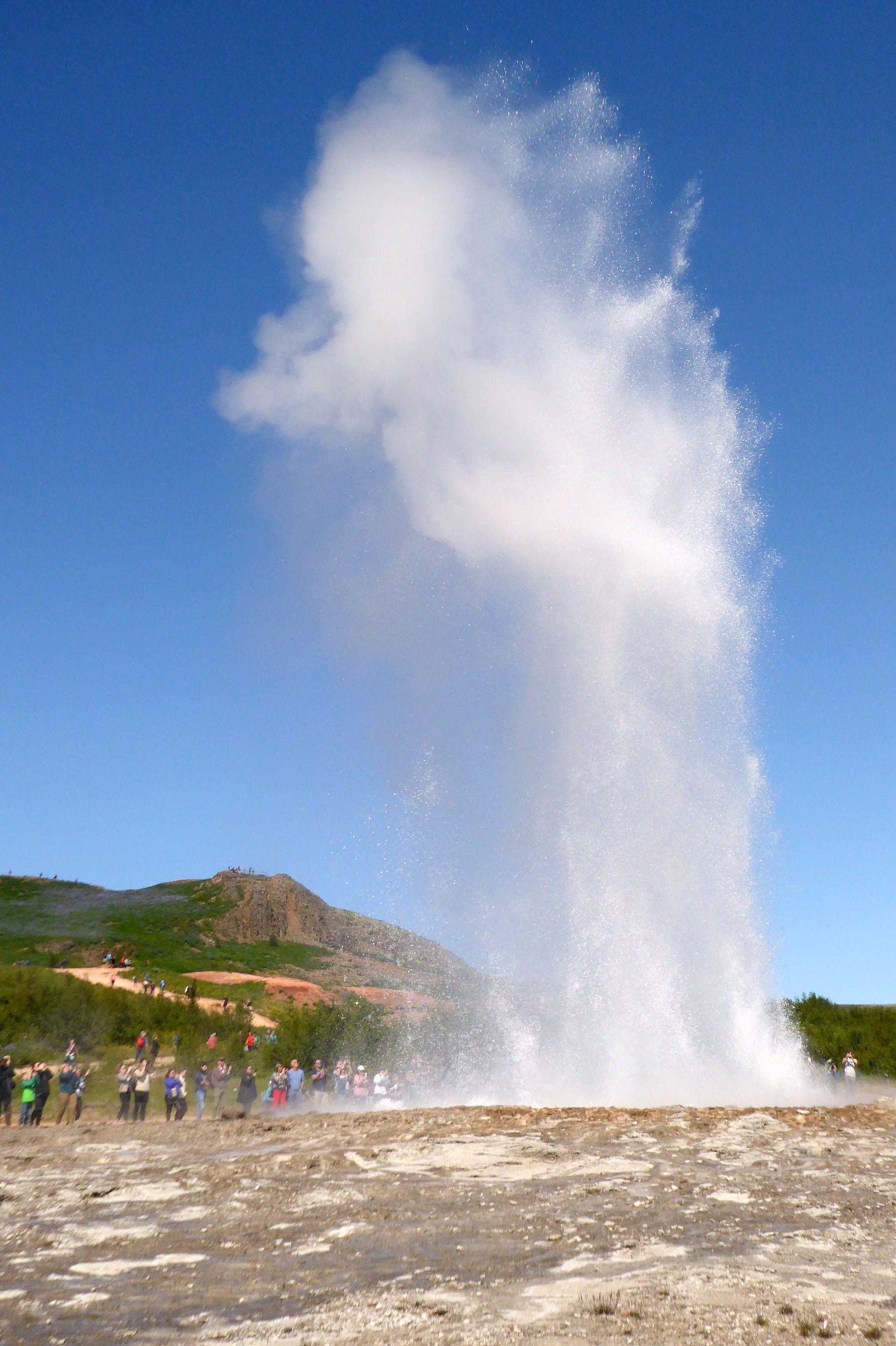
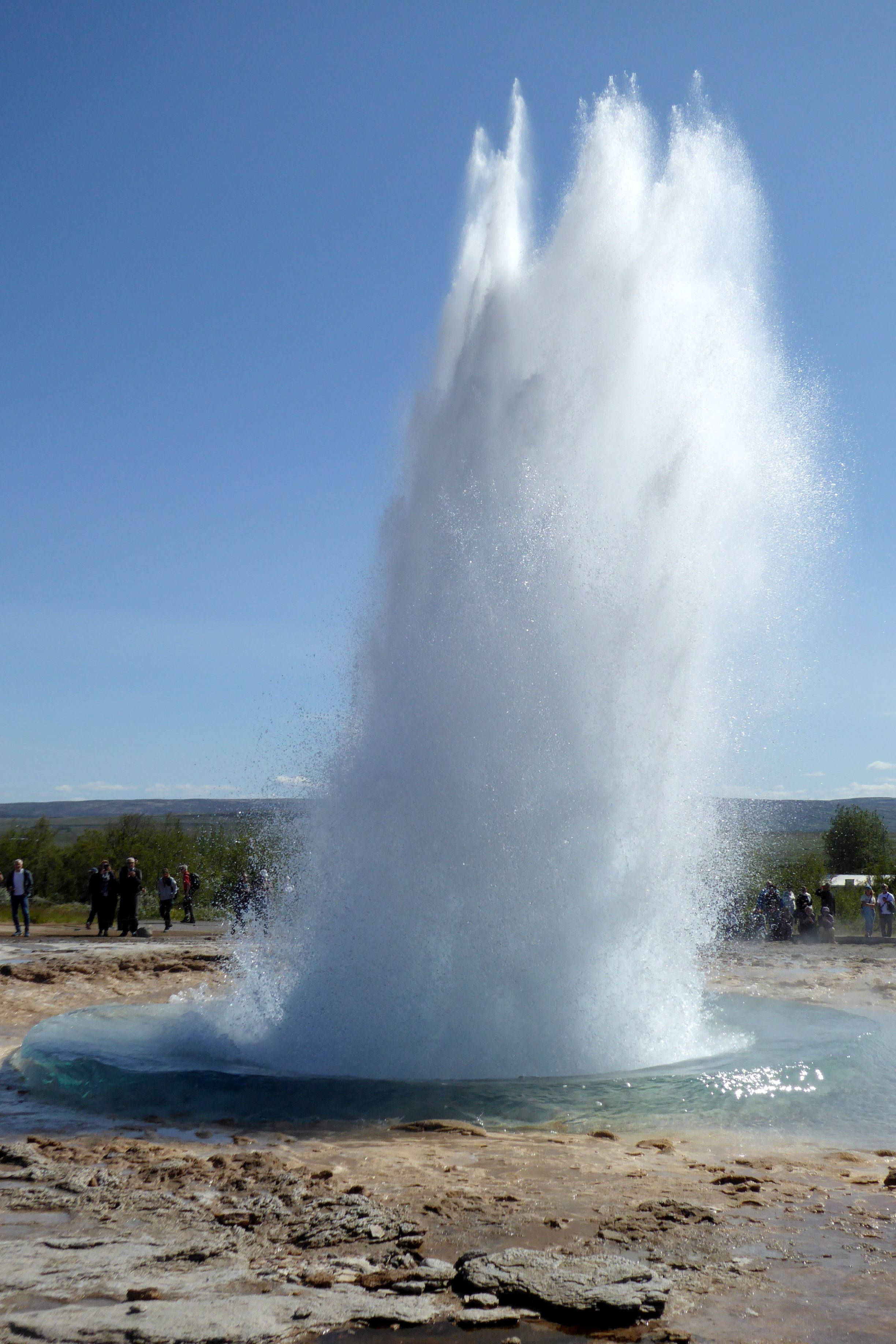
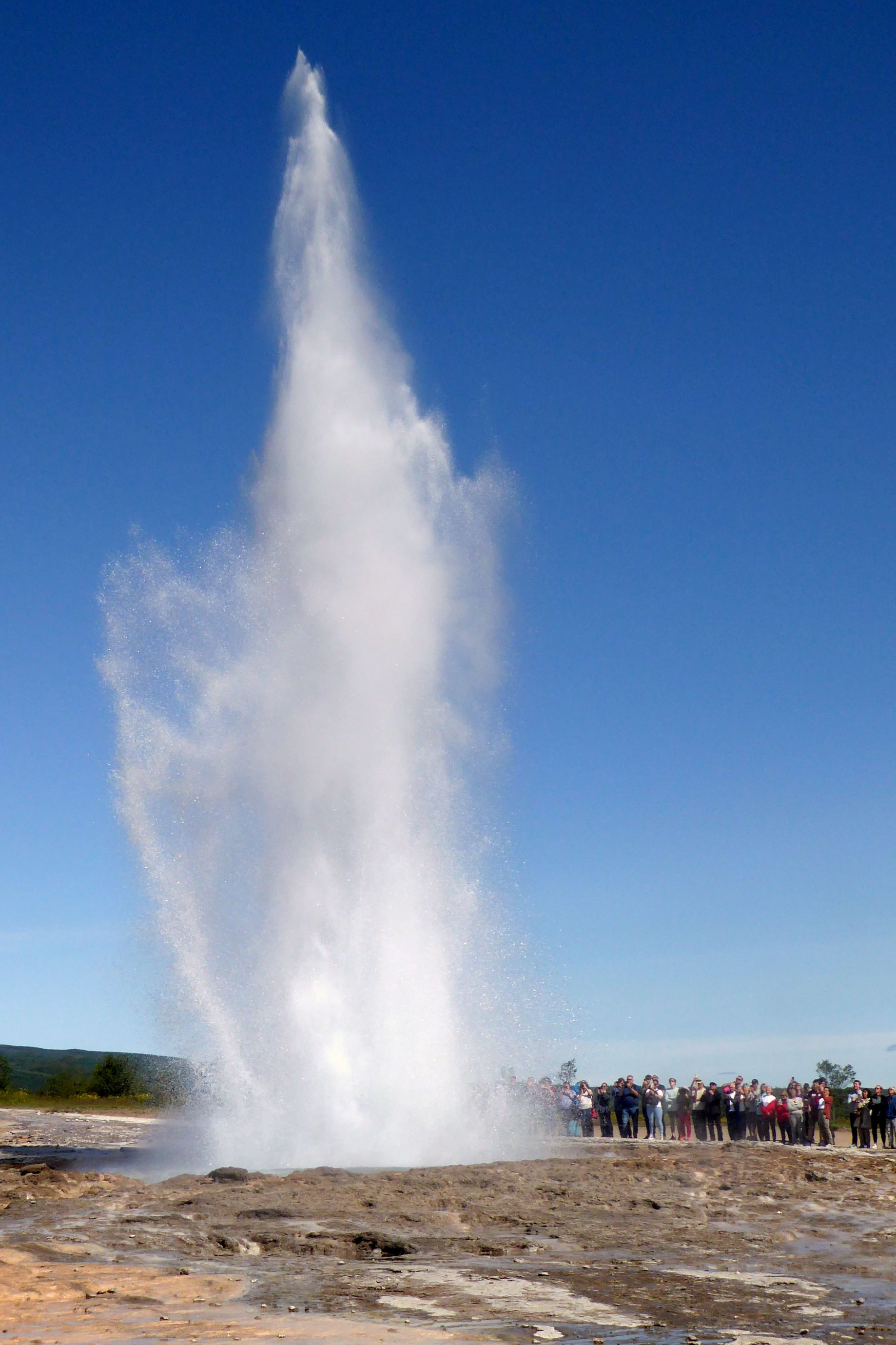
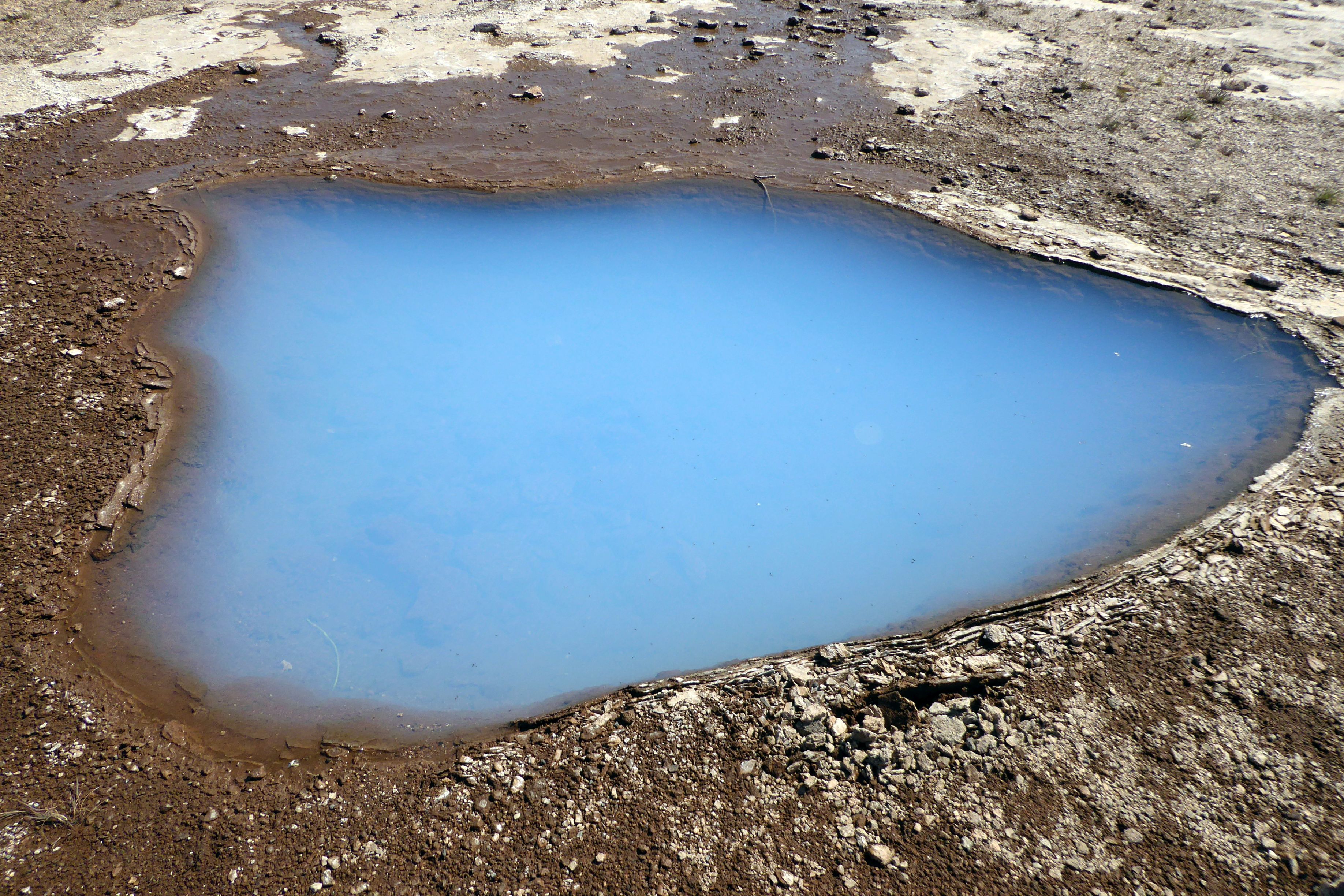
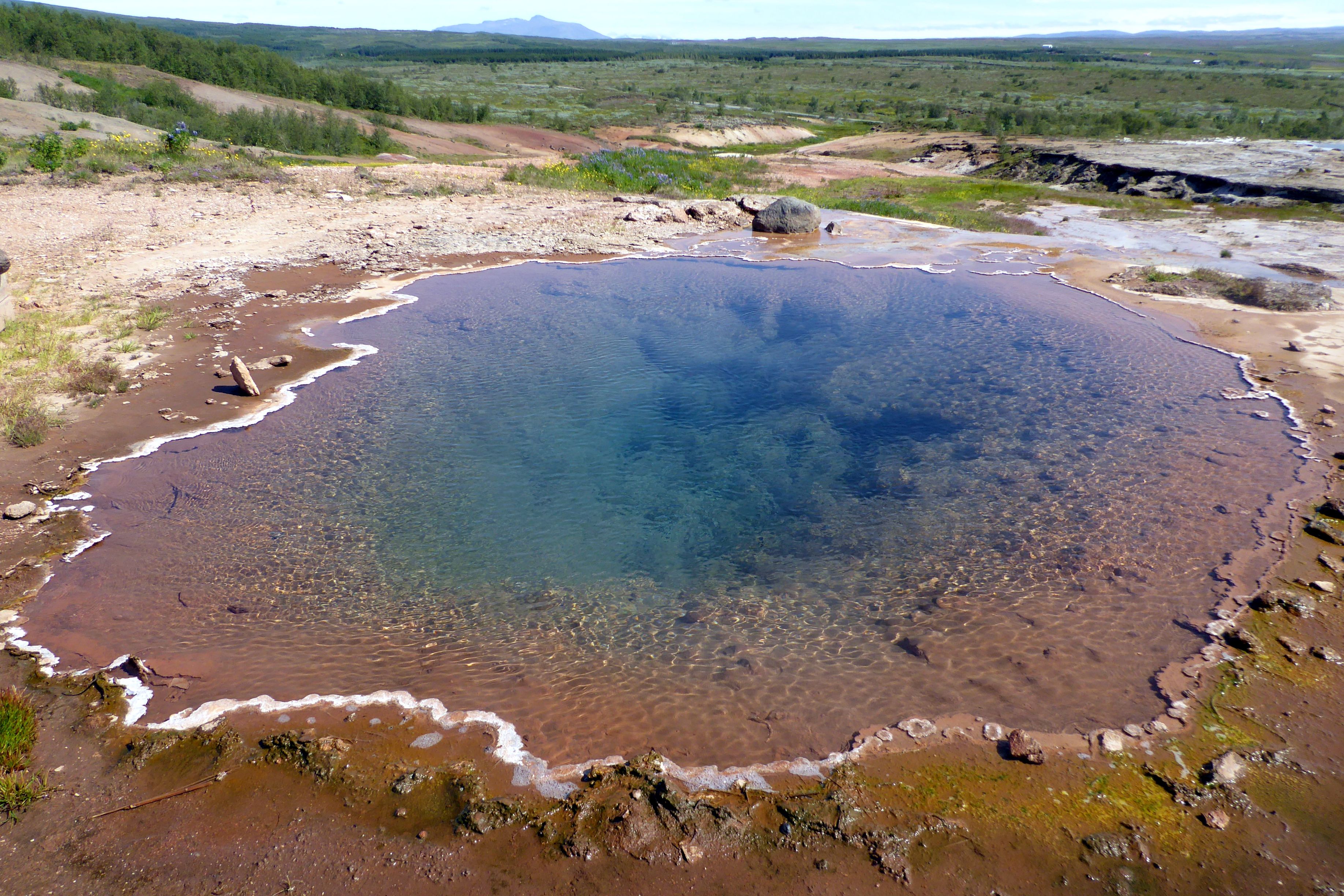
Geysir was a fun and fascinating stop for us.  The main draw was the geyser that periodically spouted boiling water a couple of hundred feet up into the air.  I watched it 14 times, and Bruce witnessed 16 spouts.  (I was hiking up the hill to get a birds-eye view and missed a couple.)

That geyser put on a show for us!  The wait was no more than ten minutes each time, and the people gathered around to watch enjoyed the show.  We had packed a couple of sandwiches made from the hotel’s breakfast buffet for our lunch, so we sat on a bench and ate while watching for the spouts. (Don’t tell Hotel Selfoss!  In our defense, we both had eaten light breakfasts and skipped the hot food buffet.  That’s my rationalization, and I’m stickin’ to it!)

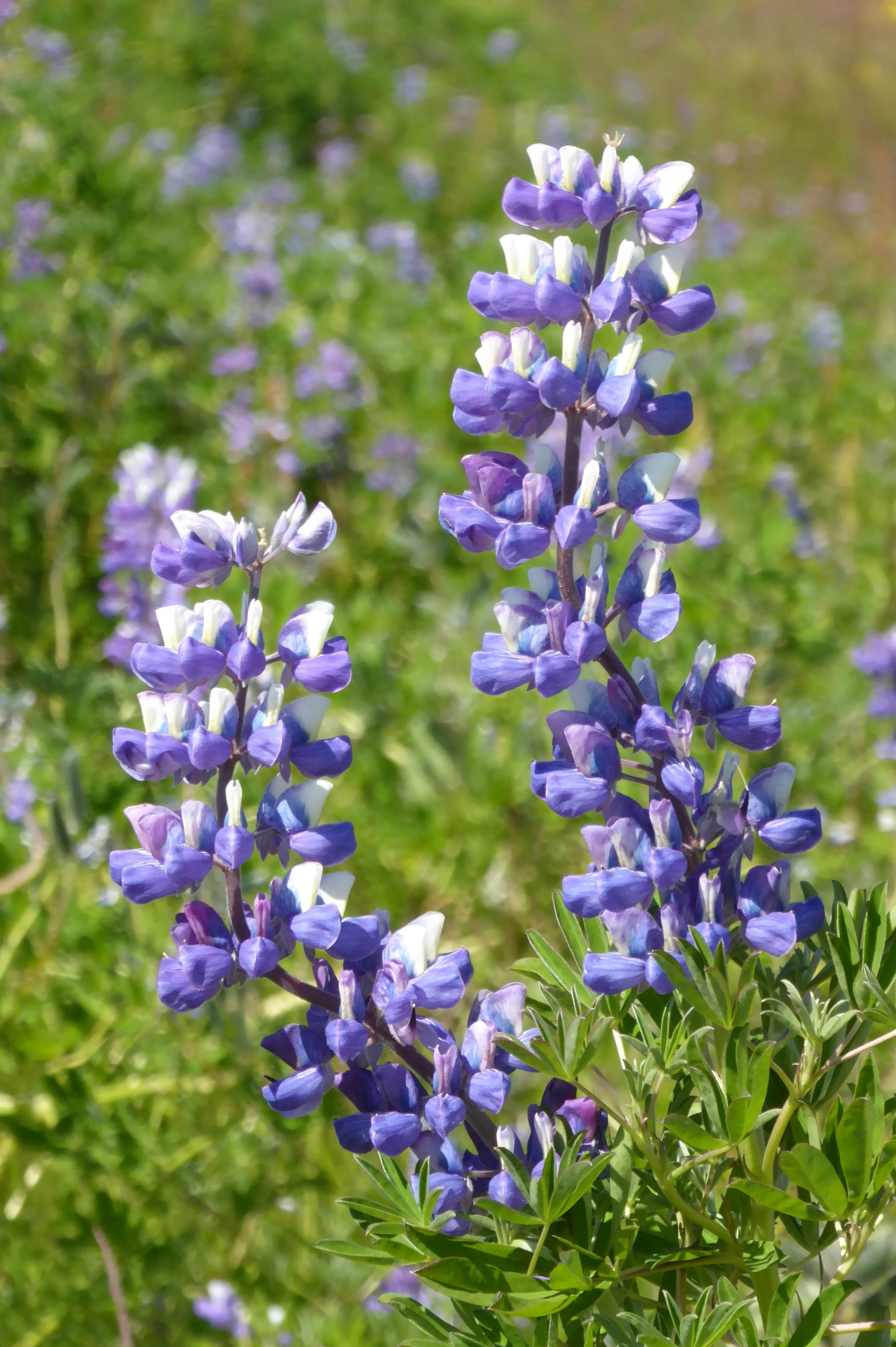
We were so fortunate to be in Iceland during the prime time for lupin. It was growing everywhere throughout the Golden Circle!

A note about the cost of food in Iceland:  It is EXPENSIVE, unless you pick up some groceries at Bonus or Kronen.  Take Subway, for example, the dreaded sandwich chain that has taken over the world.  A foot-long will set you back $15, and a three-course meal in a mid-range restaurant will cost about $50.  Add a domestic .5 liter draught beer to that, and you’re looking at about $9.  If you think you are going to go really cheap by eating at McDonalds (Just say NO!), your McMeal will cost you $14.

Having done my research, I already knew that we would have some talkin’ to do about the meals that wouldn’t be included on our tour.  Bruce and I both decided those included meals (The first one was Arctic Char, a fish similar in appearance and taste to salmon—delicious!) would be enough.  We were fine with shopping at Bonus or Kronan (similar to Aldi or Lidl) for some skyr (Icelandic yogurt similar to Greek yogurt, but better!), an apple, and a sandwich.

The grocery prices in those two stores were quite comparable to Publix in the U.S., and it was a fun experience.  I love shopping in markets in foreign countries to see what the locals eat, check prices, and look at all of the different products—especially chocolate! (I bought a lot of it…)

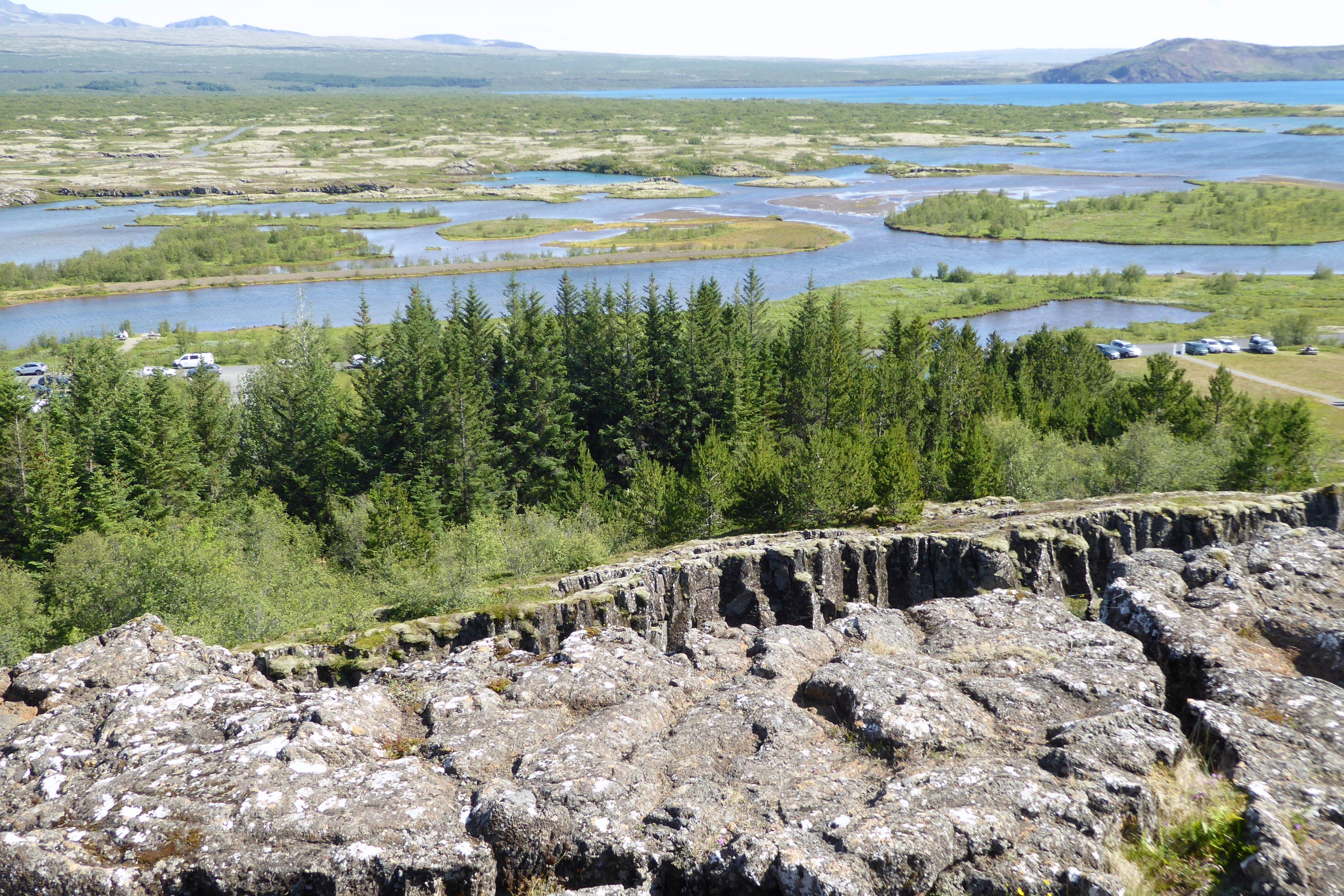
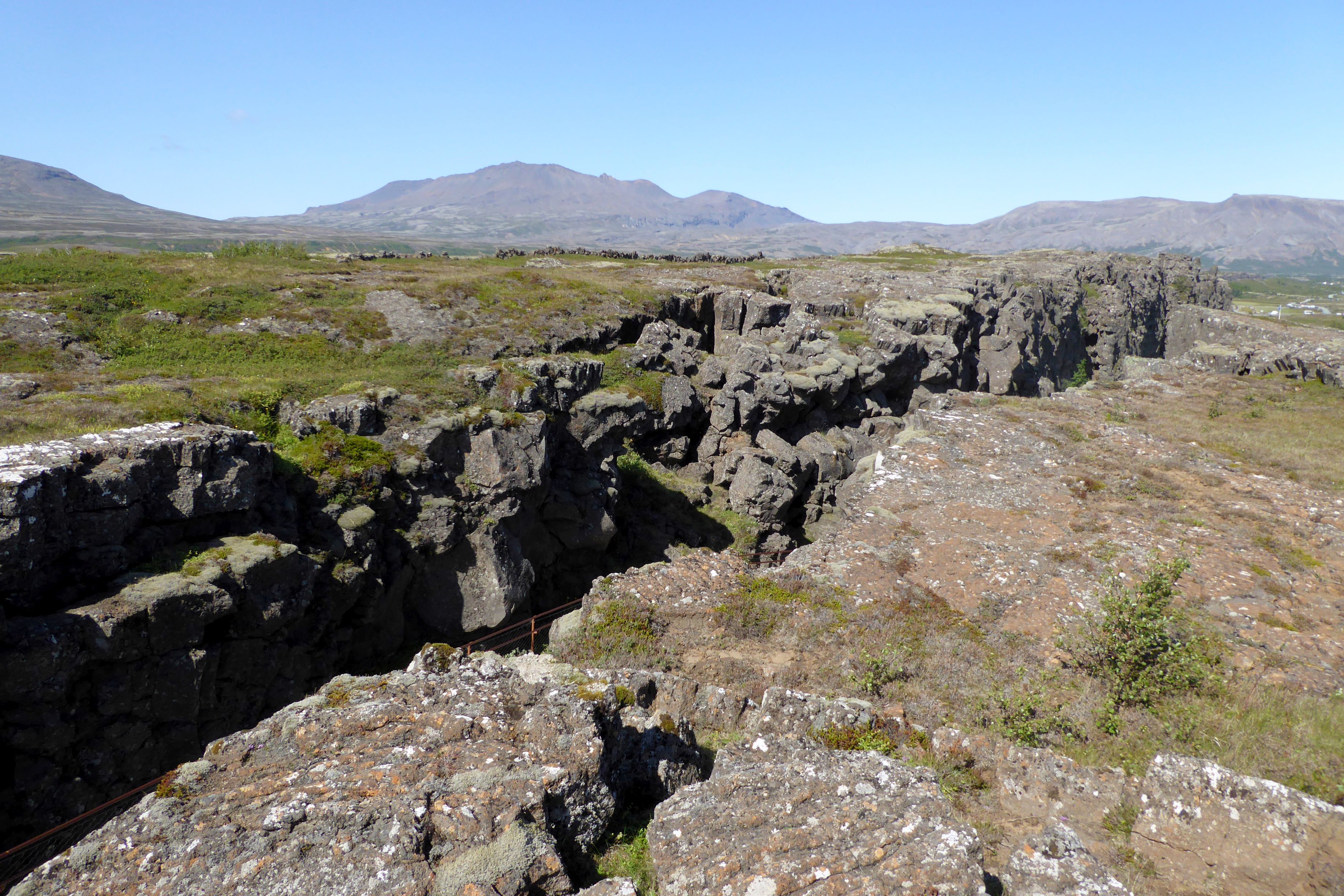
Wow, I sure digressed!  Where was I?  Oh!  Back to the Golden Circle!  Next stop:  Thingvellir National Park.  (That’s how it is spelled in English.  Check out the link to see the Icelandic character for “Th.”)  A UNESCO World Heritage Site, it has an interesting history.  This Wikipedia article gets into much more detail, but suffice it to say the park is a site of historical, cultural, and geological significance.  It is also one of the most popular tourist destinations in Iceland.  The biggest draw is that you can see the continental drift between the North American and Eurasian Plates.  It’s not just the visible cracks (faults); there is a canyon clearly demonstrating the existence of plate tectonics.  It was an appropriate location for the world’s oldest Parliament, assembled in 930.

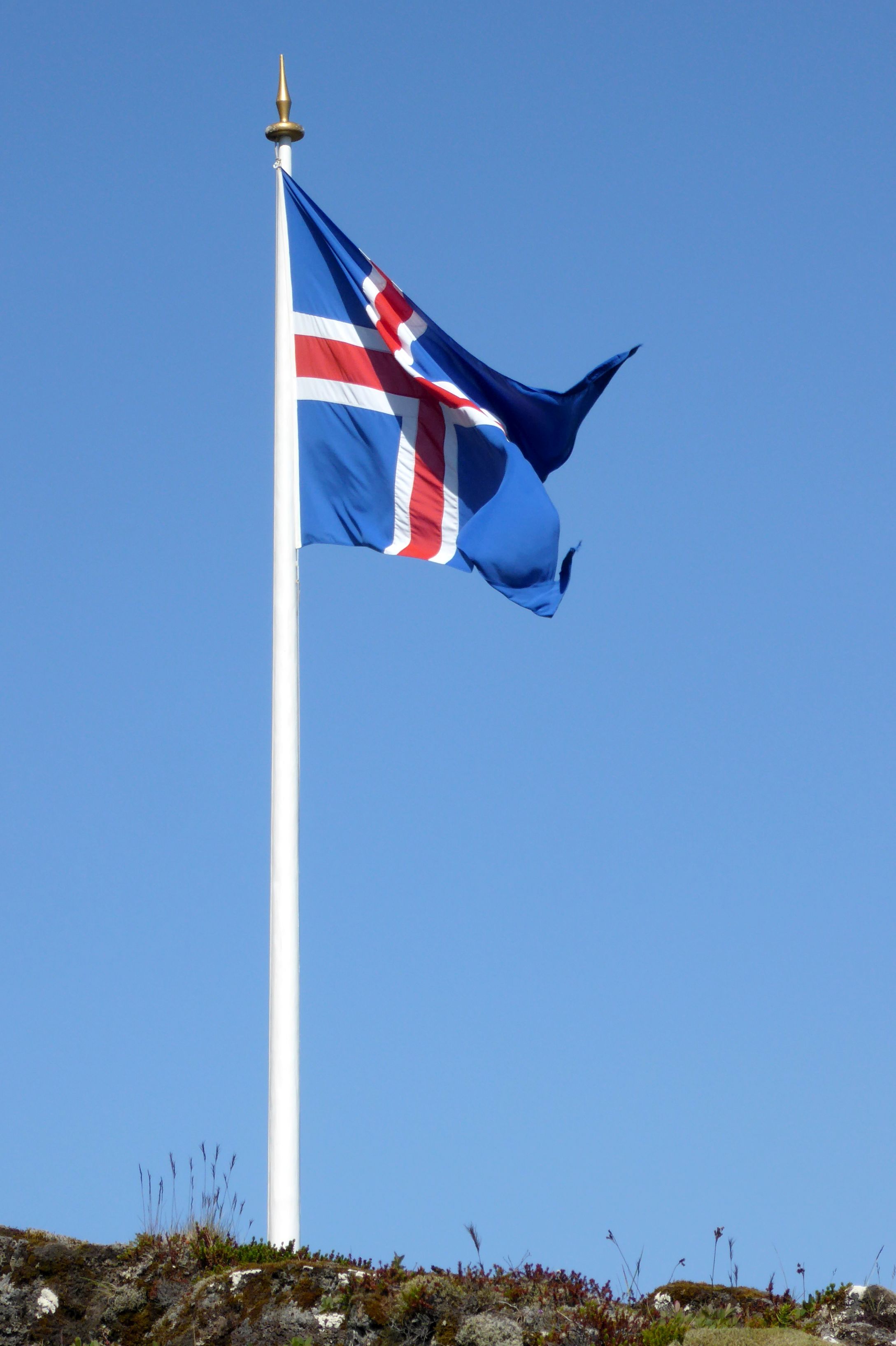
Red represents Iceland’s volcanic fires, white is for the snow and glaciers; and, blue represents the Atlantic Ocean.

Although it was a full day on the Golden Circle, there was still time in the afternoon for a swim at the local Sundlaug (pool).  Not only did I get in a good swim workout; but, I met five Icelanders to gift my U.S. Masters Swimming Fitness Series caps to in the process!

Next up: Waterfalls, Puffins, Glaciers, and Beaches! Oh My!!

Note: If small group travel is of interest to you, I highly recommend Overseas Adventure Travel (OAT). Although Bruce and I travel together, they do not charge a single supplement for those who travel on their own. Singles also get their own room at hotels. If you book, you can get $100 off your trip by providing my name and customer number (Elaine Krugman, #3018126) as the person who referred you. I will also get $100 off future travel– a win-win!

ITALY #16: PICTURESQUE PIENZA

(For all pictures, click on the image to see full screen view.)

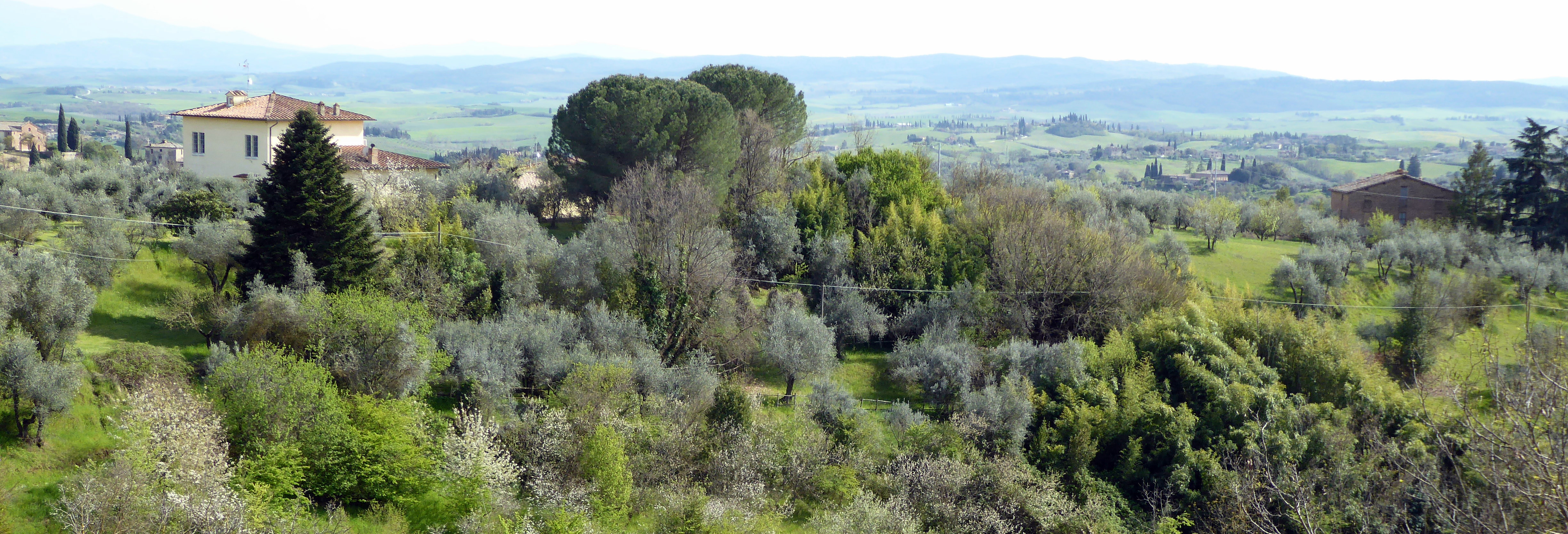
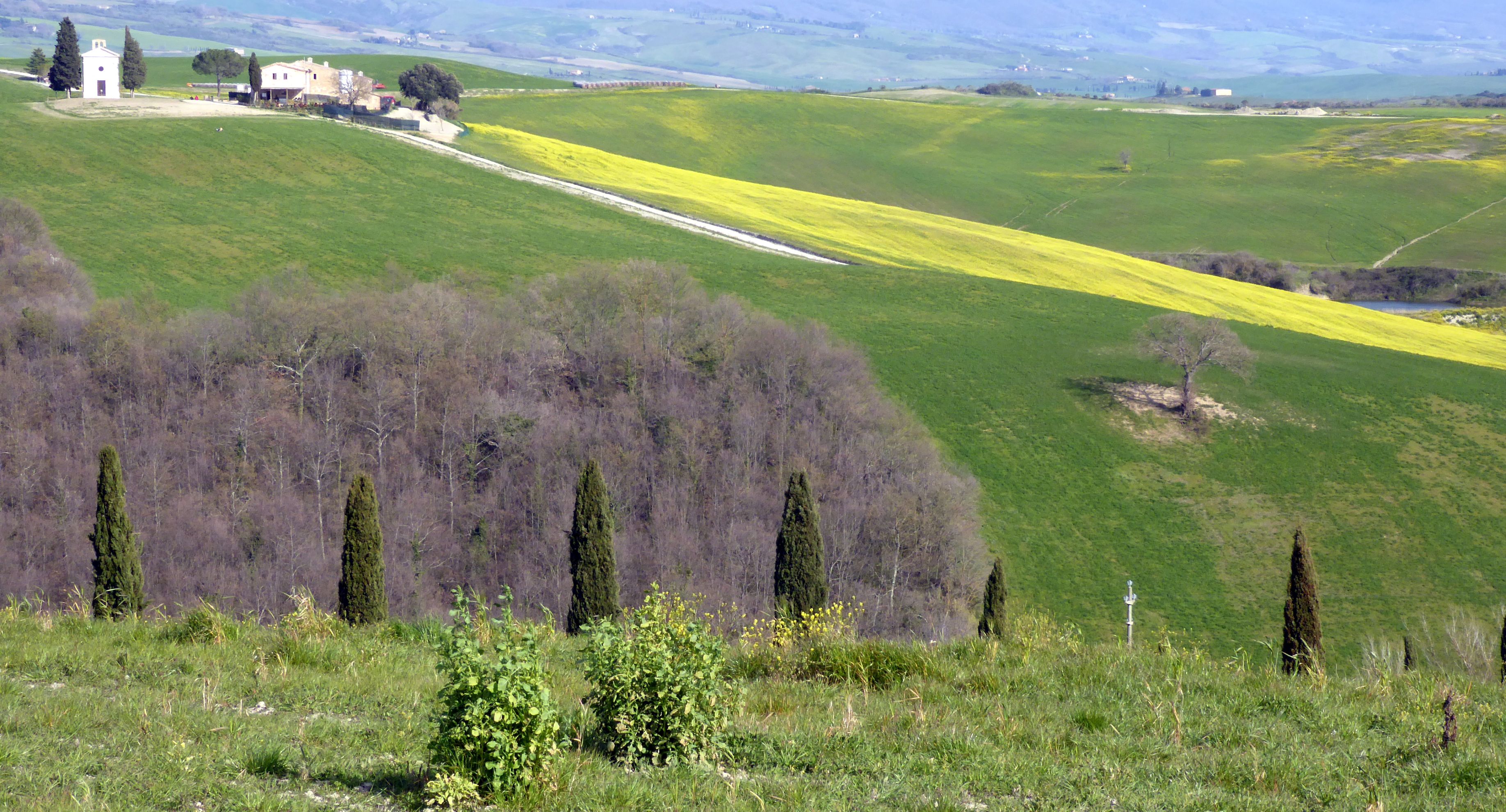
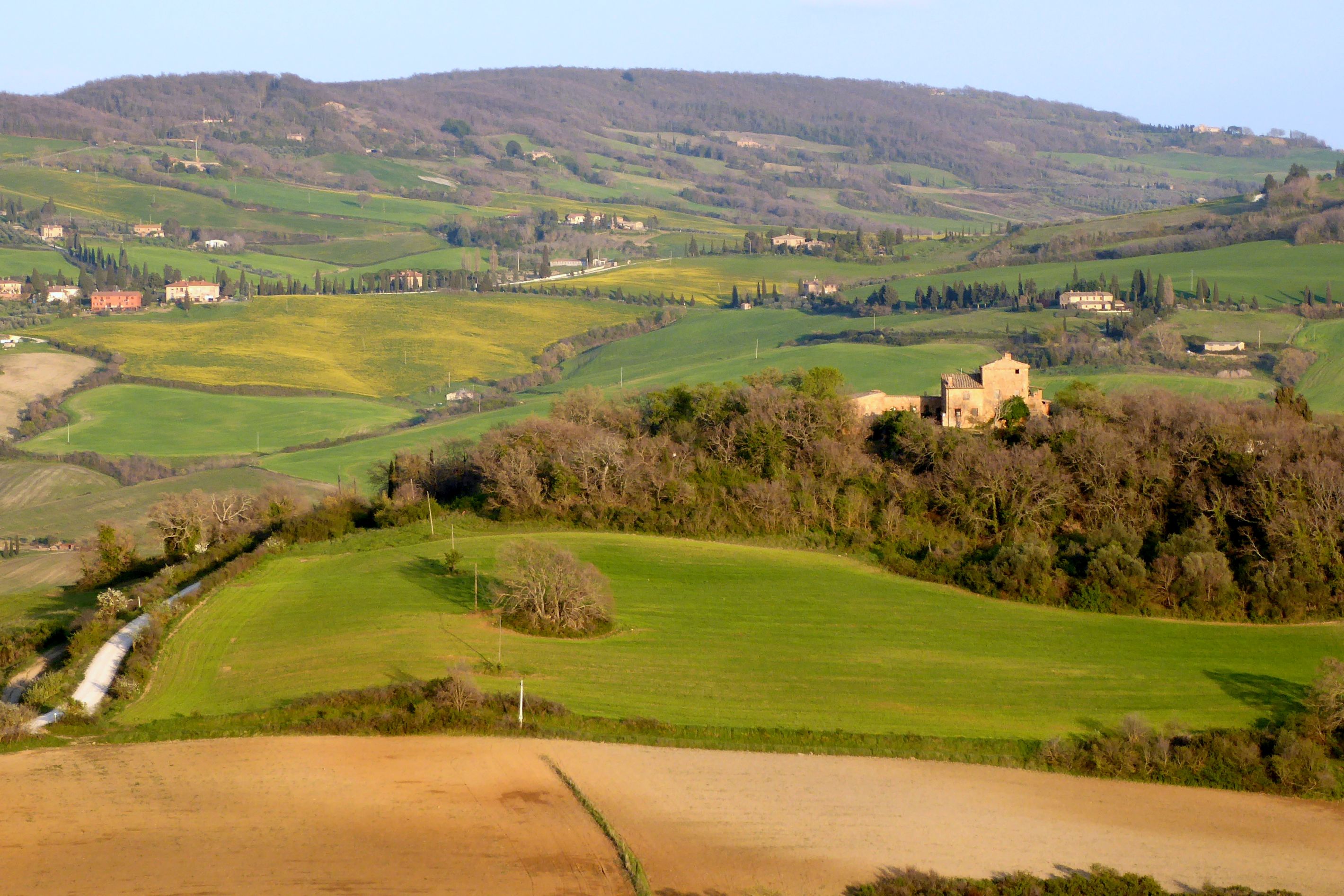
Following our day in Siena, we traveled 32 miles southeast to the Tuscan town of Pienza, our base for three nights.  A UNESCO World Heritage Site, this quaint town of 3,500 residents is located on the crest of a hill overlooking the beautiful Val d’Orcia.

Our first view of Pienza from the bus

Established during the medieval period as Corsignano, the town was redesigned and renamed in the late 15th century by Pope Pius II.  He enlisted the architect Bernardo Rossellino to transform the town to a blend of Renaissance and Gothic styles, and renamed it Pienza, which translates to “city of Pius.”

It was love at first sight!  During our short orientation walking tour before dinner, Bruce and I were charmed by Pienza’s historic city center and were in awe of the breathtaking views of the valley below.  We looked forward to exploring it further the following day, upon our return from Montepulciano.

Here is our first look at Pienza, the evening we arrived:

Entering the historic city center
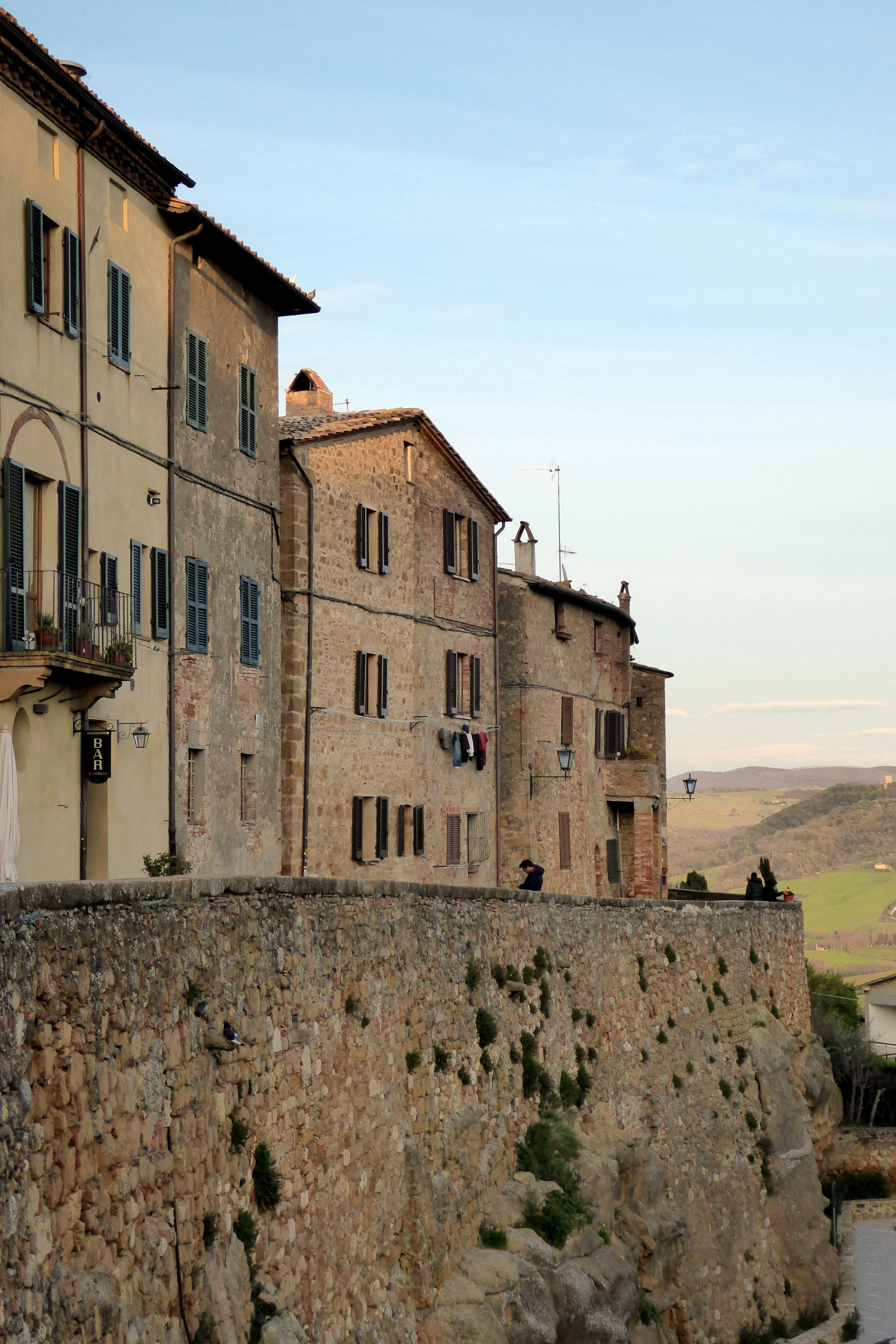
Huge stone walls surround the city center

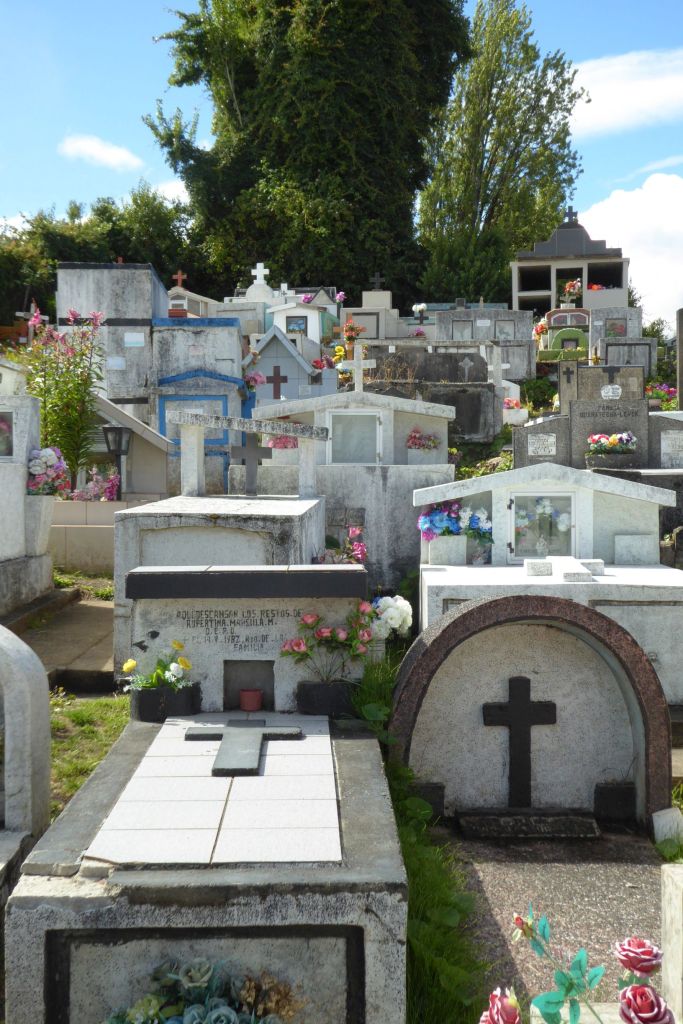
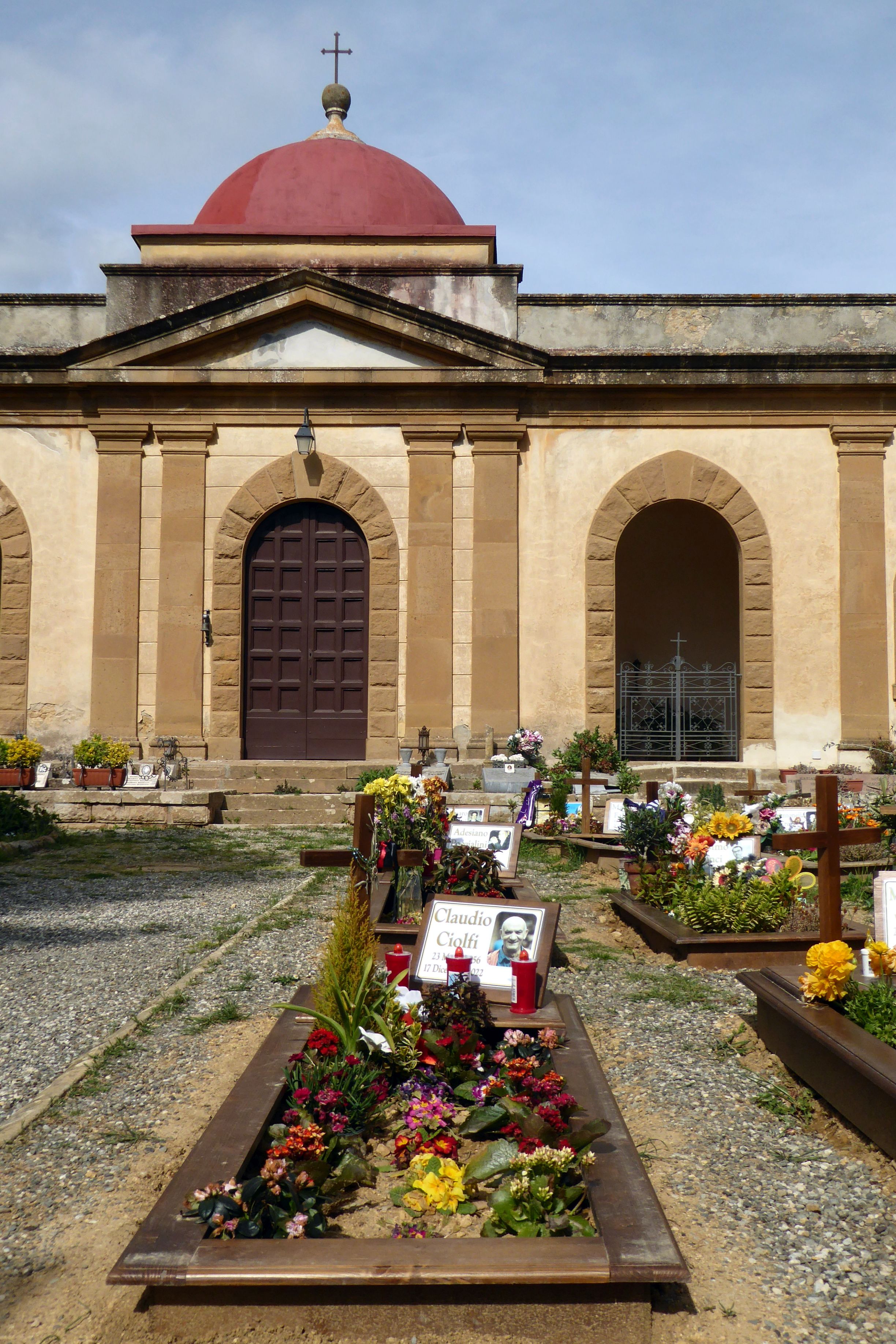
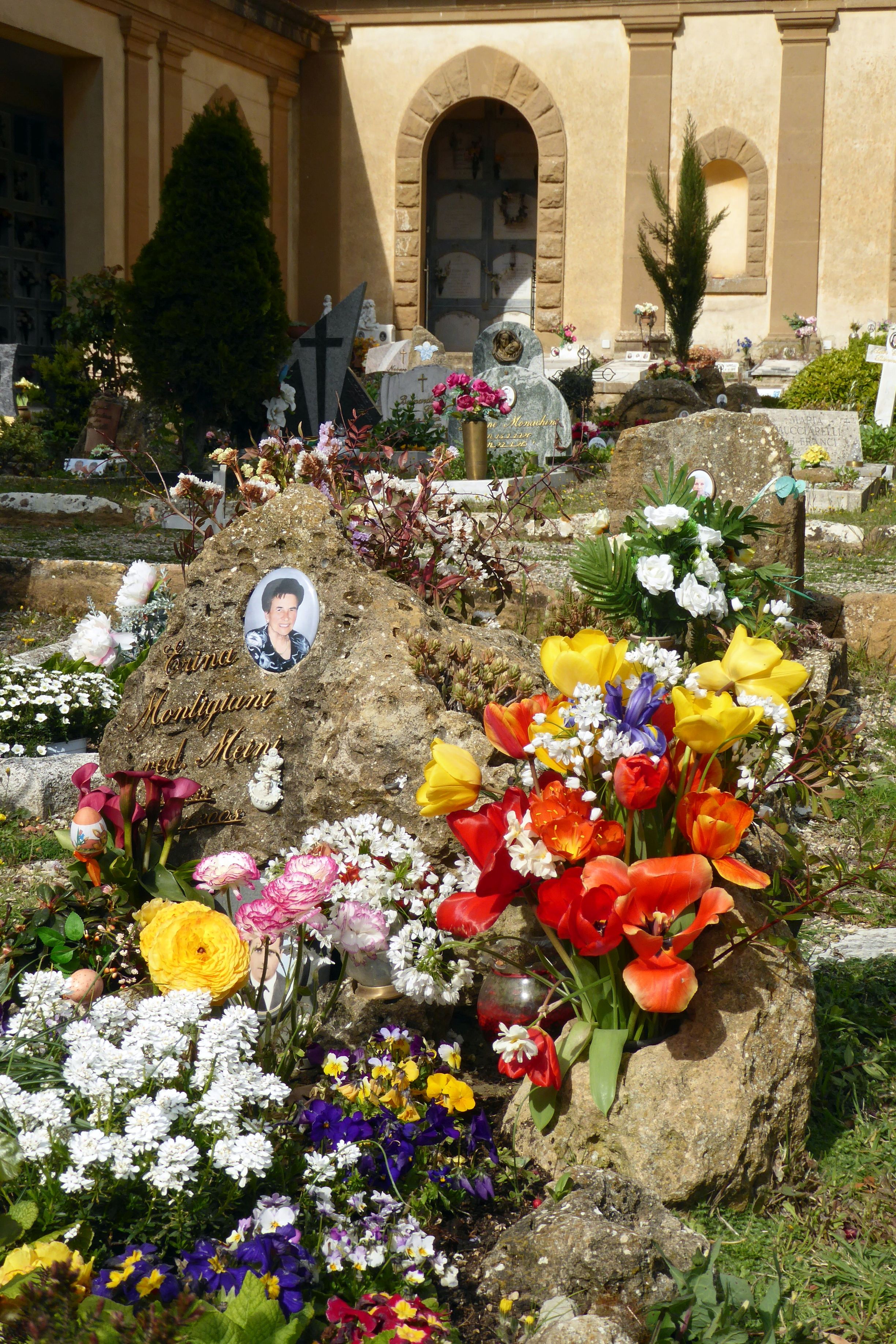
Several of us joined Ben on an optional walk after we returned from Montepulciano.  The path we took bordered the town on the edge of the hill overlooking Val D’Orcia.  The views were spectacular, and we came across an interesting cemetery along the way.  I was intrigued by the effort loved ones made to keep each plot well-maintained and full of beautiful potted or planted flowers.

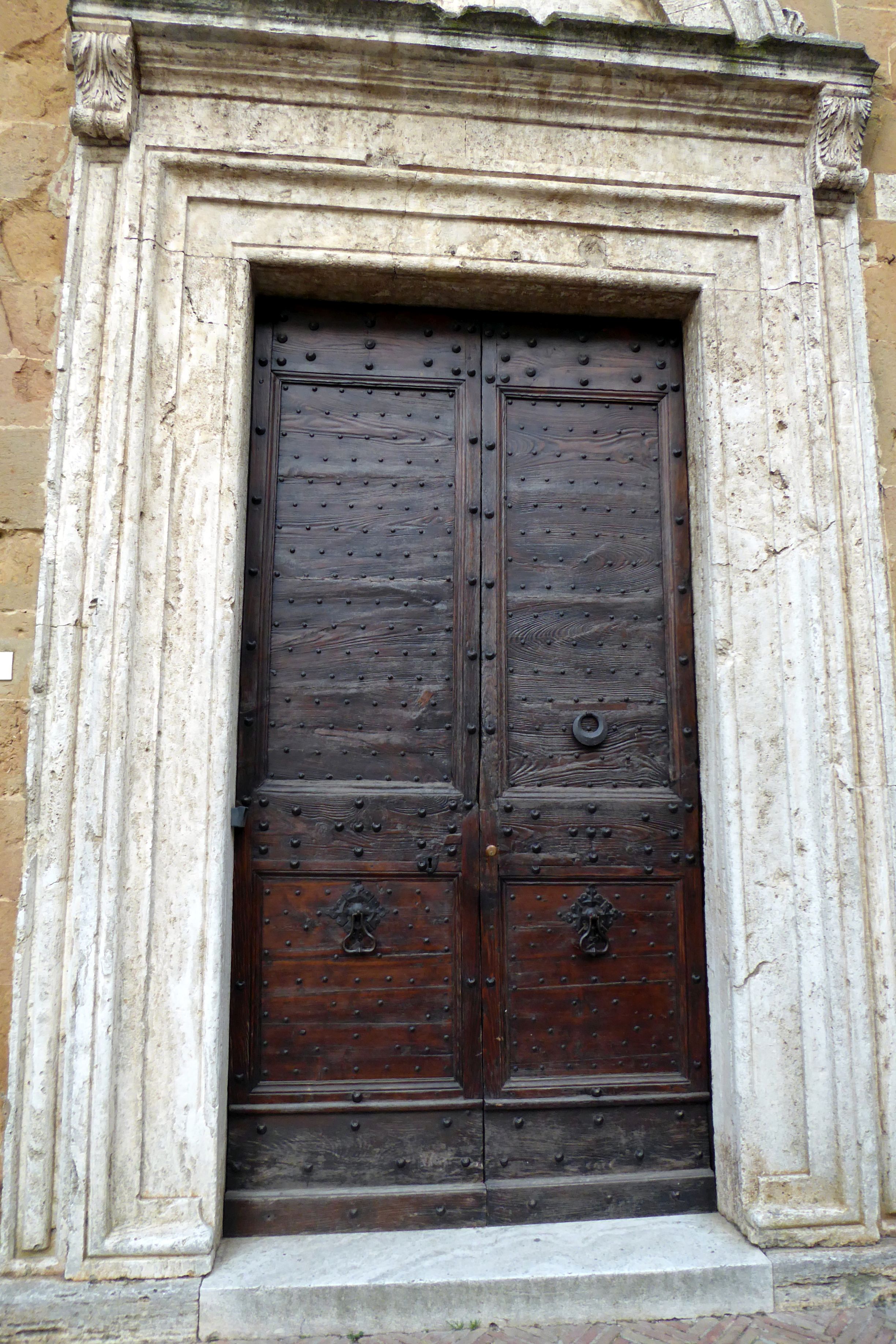
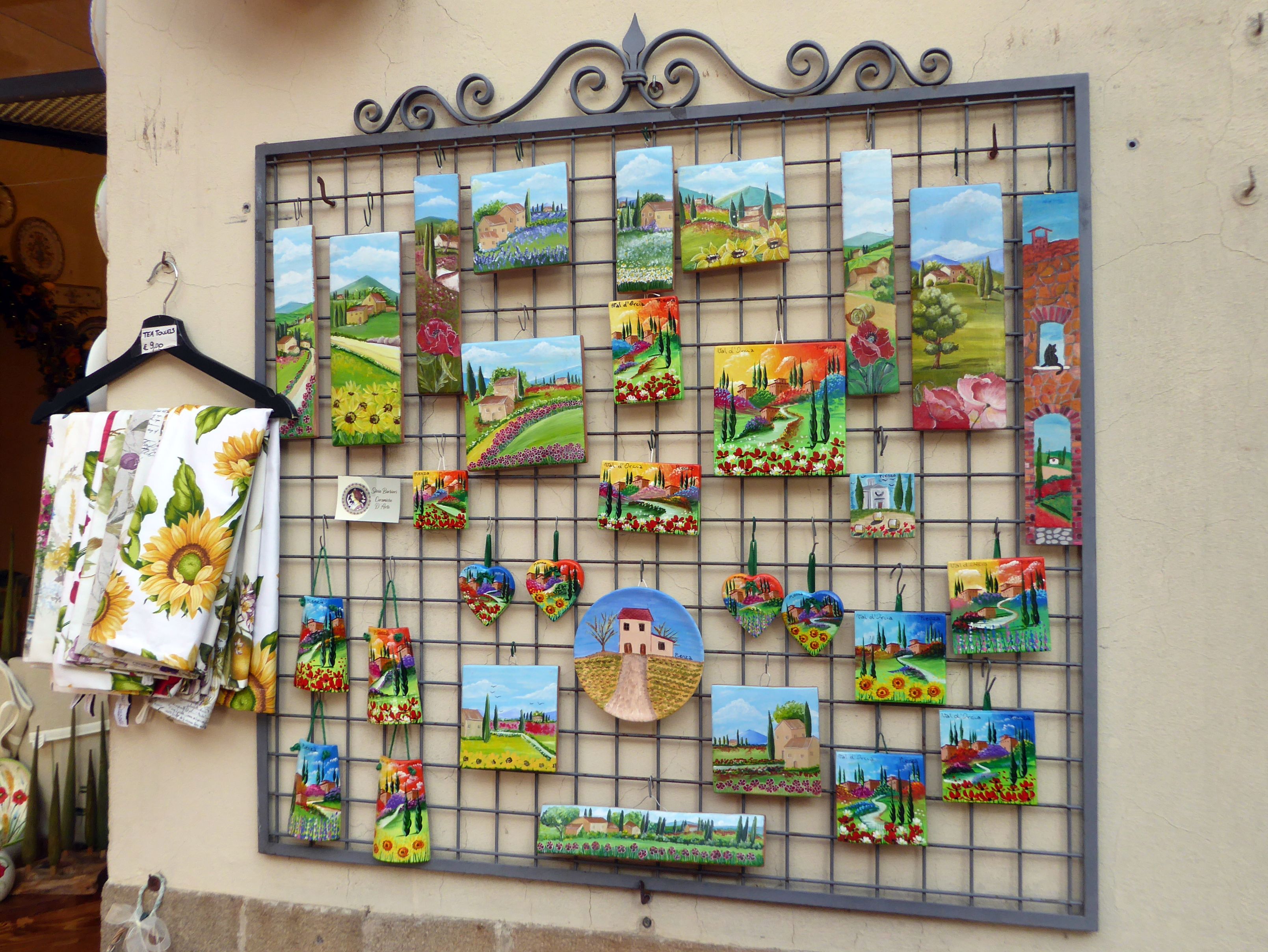
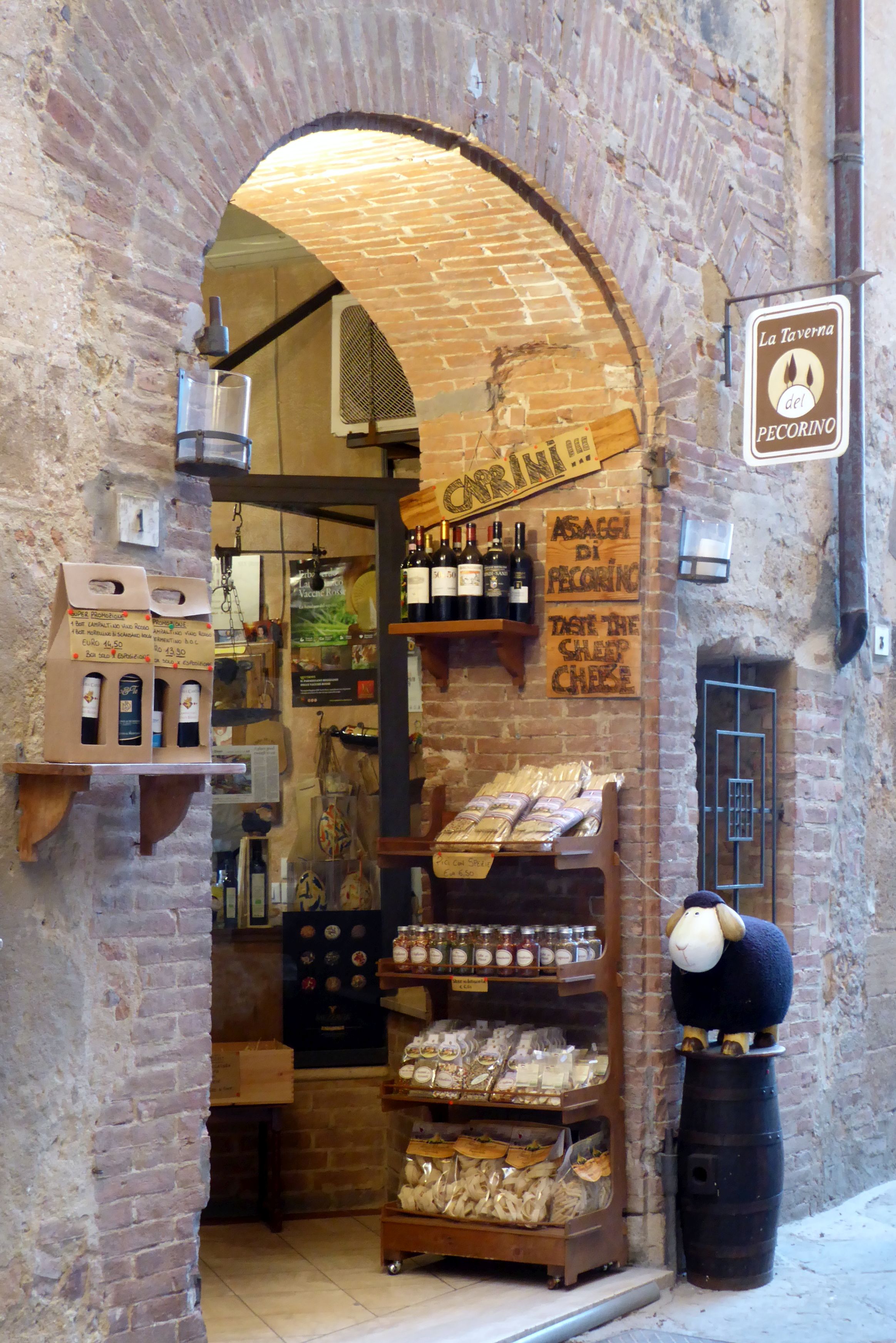
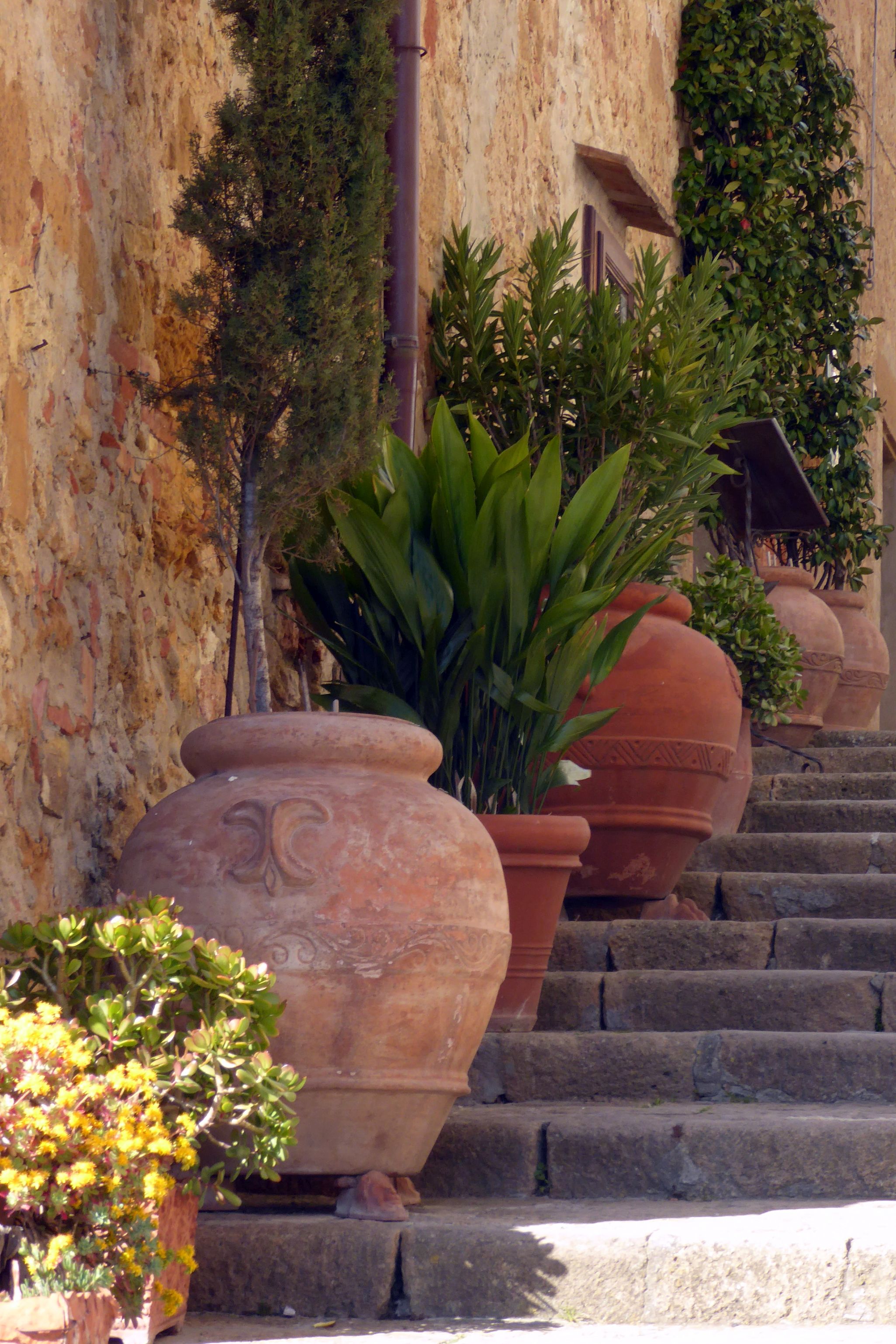
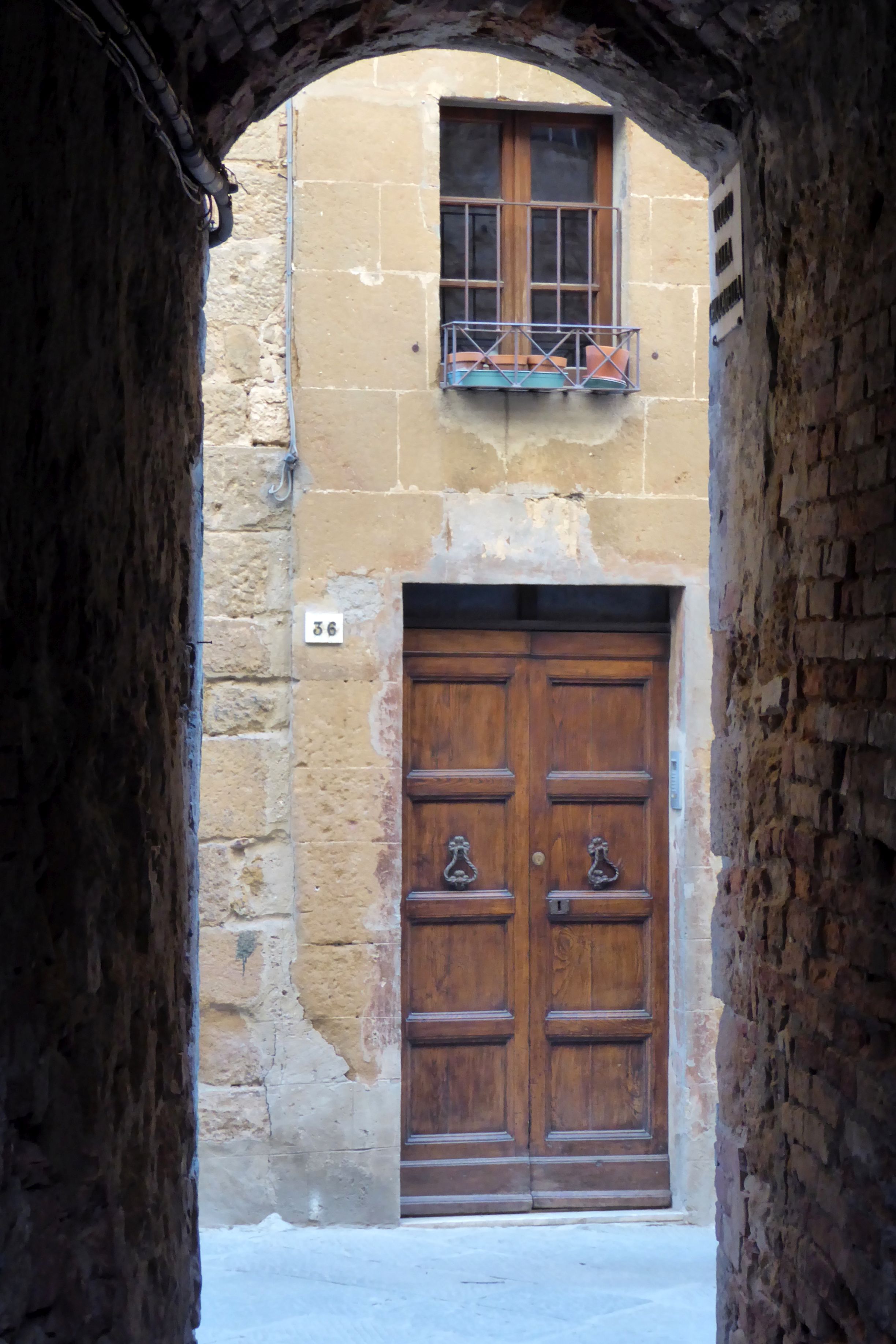
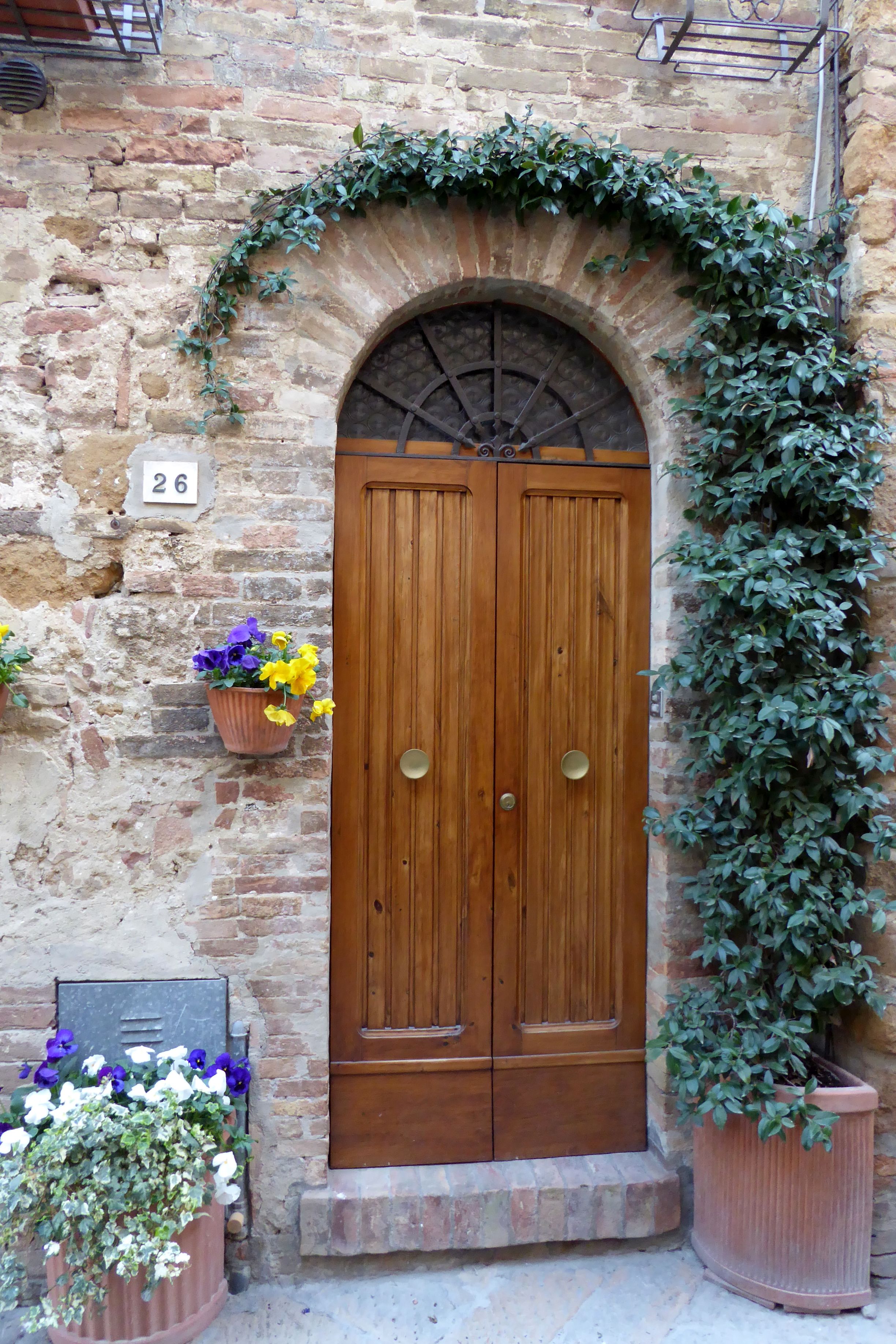
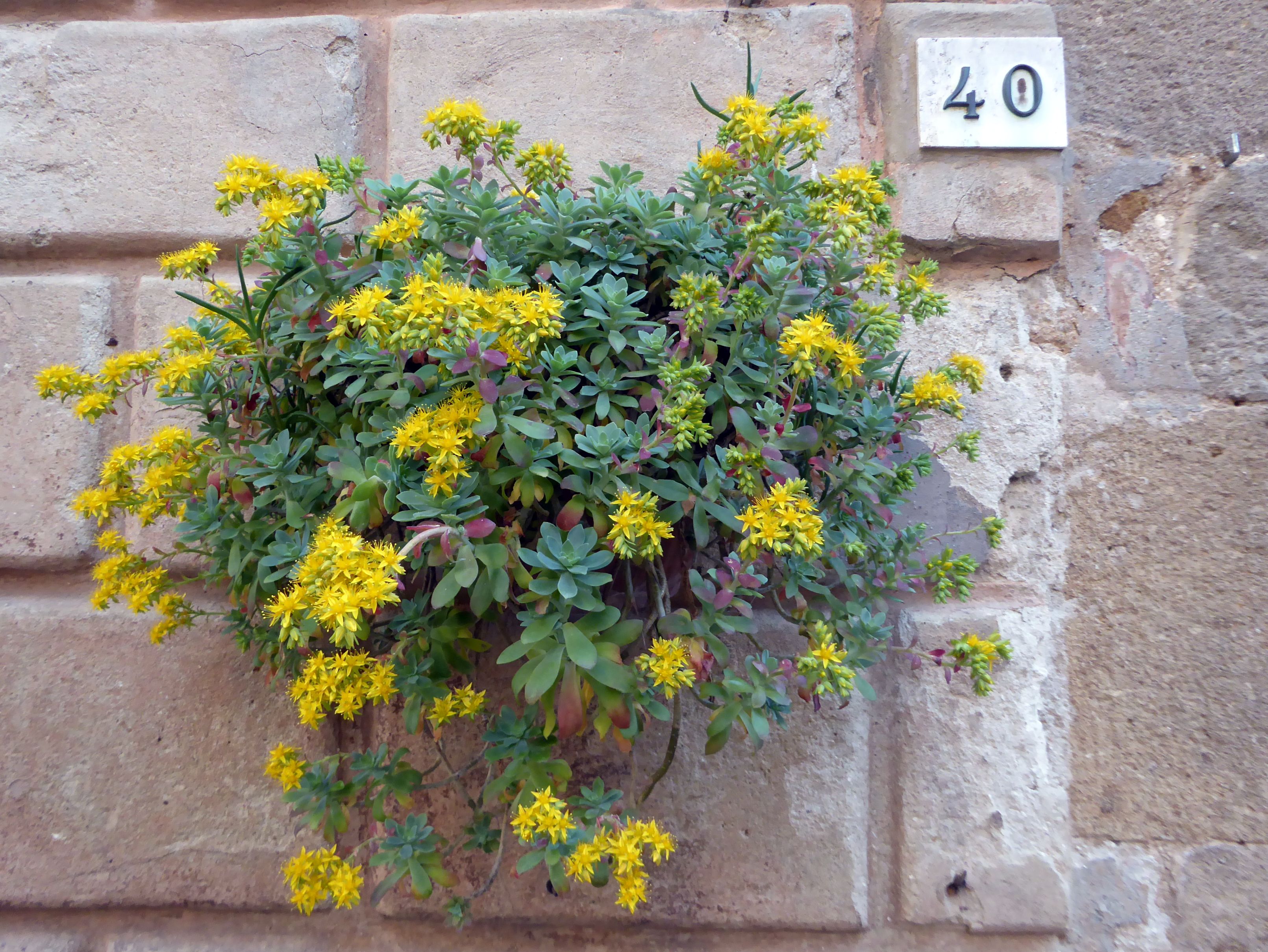
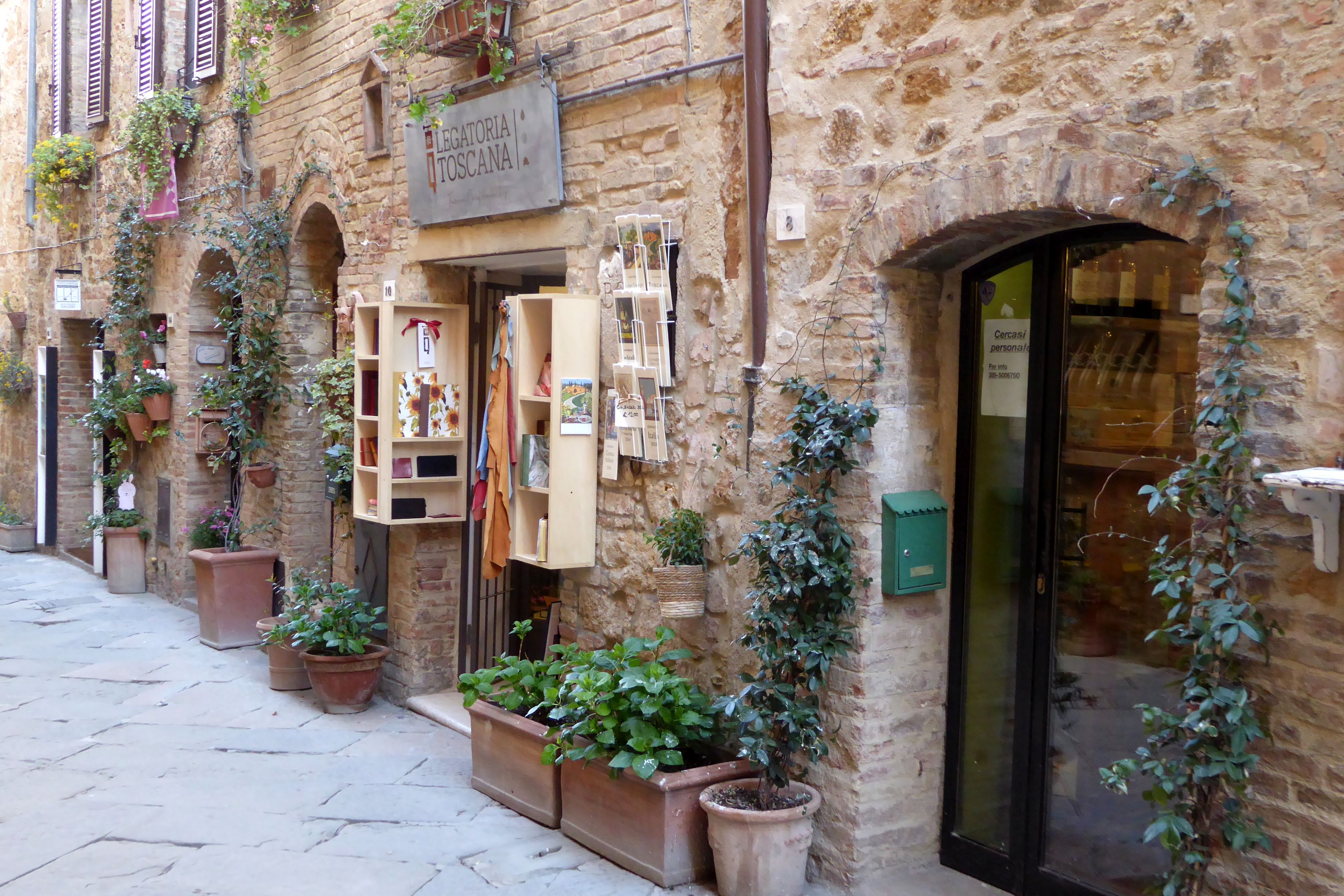
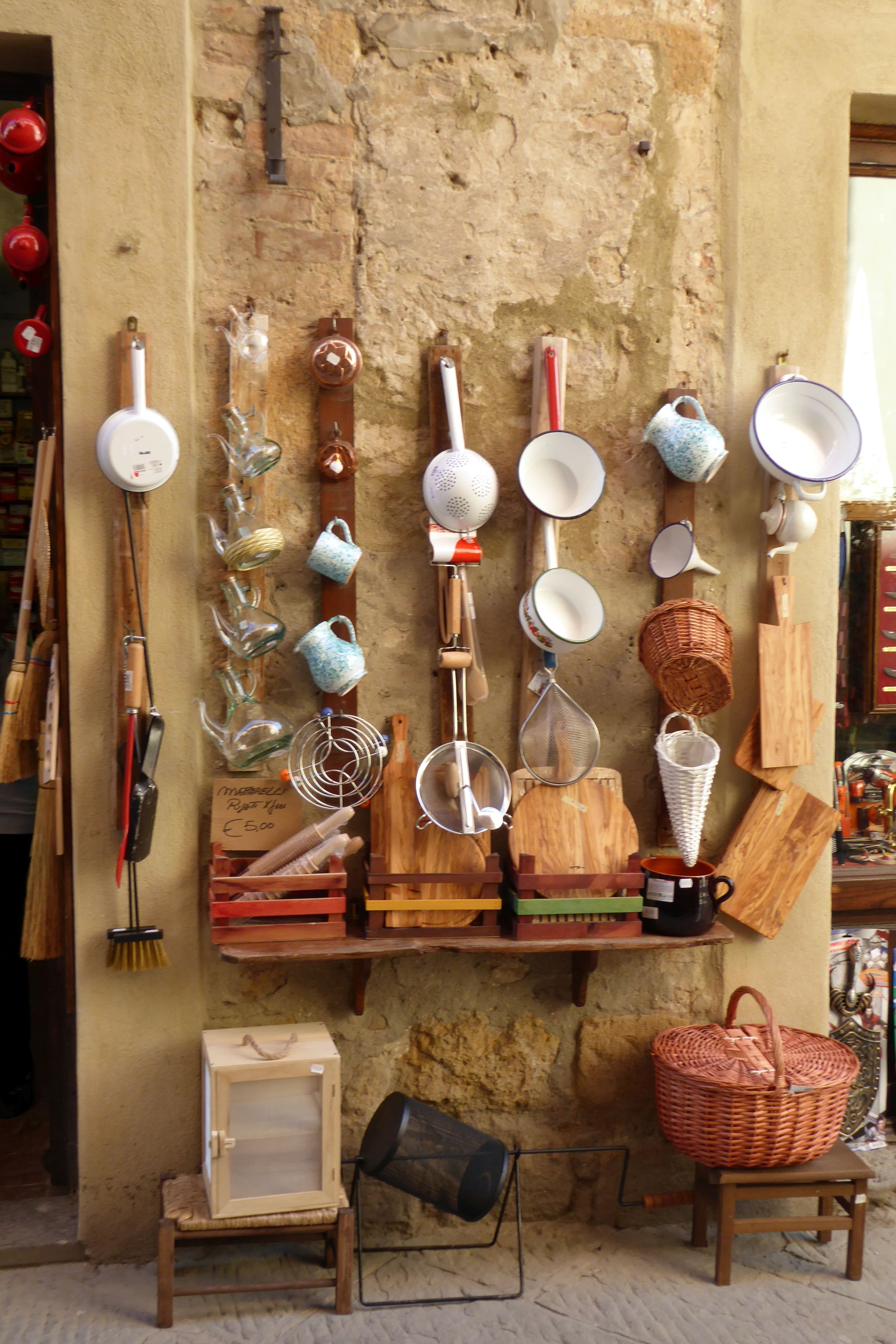
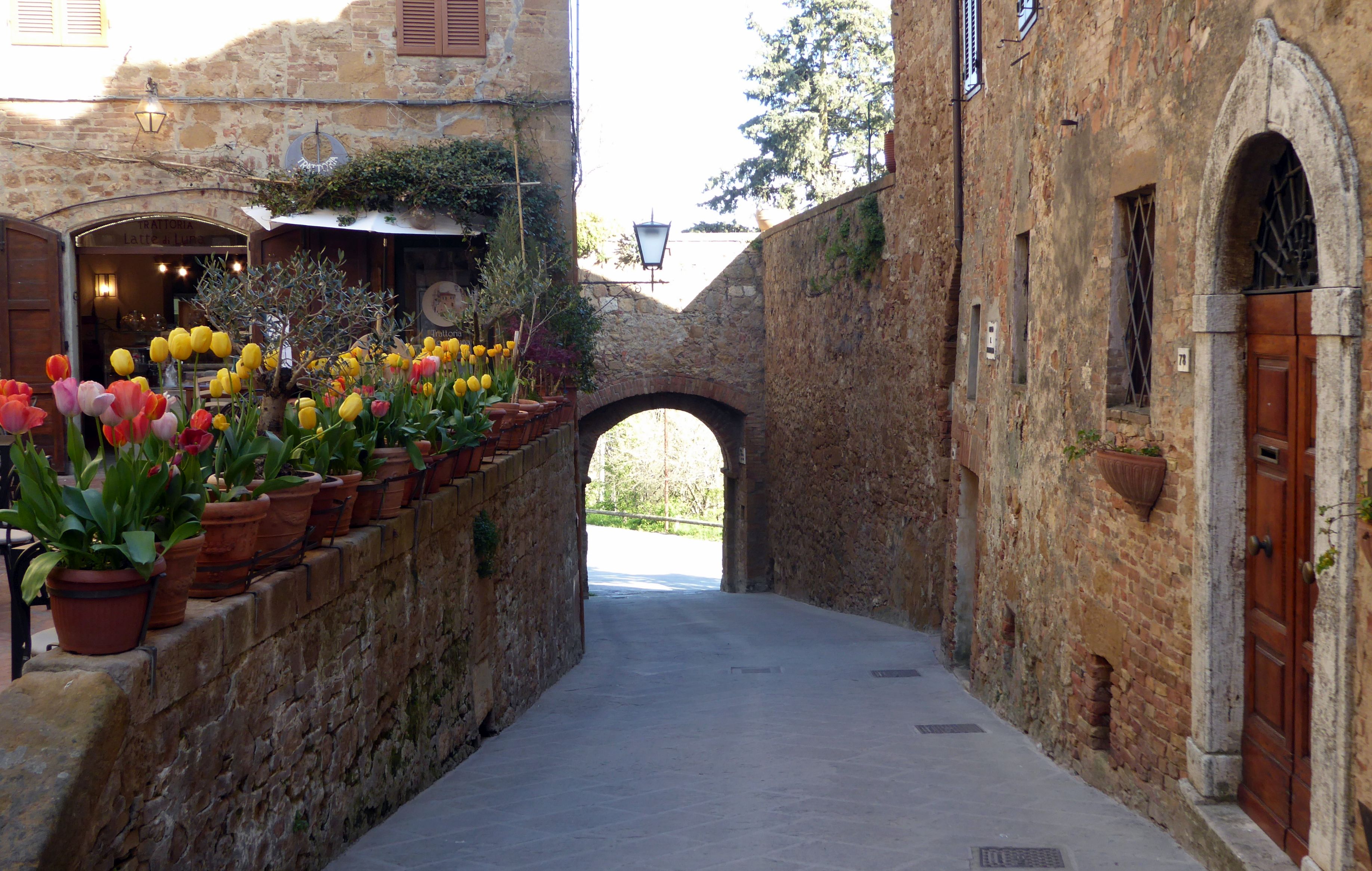
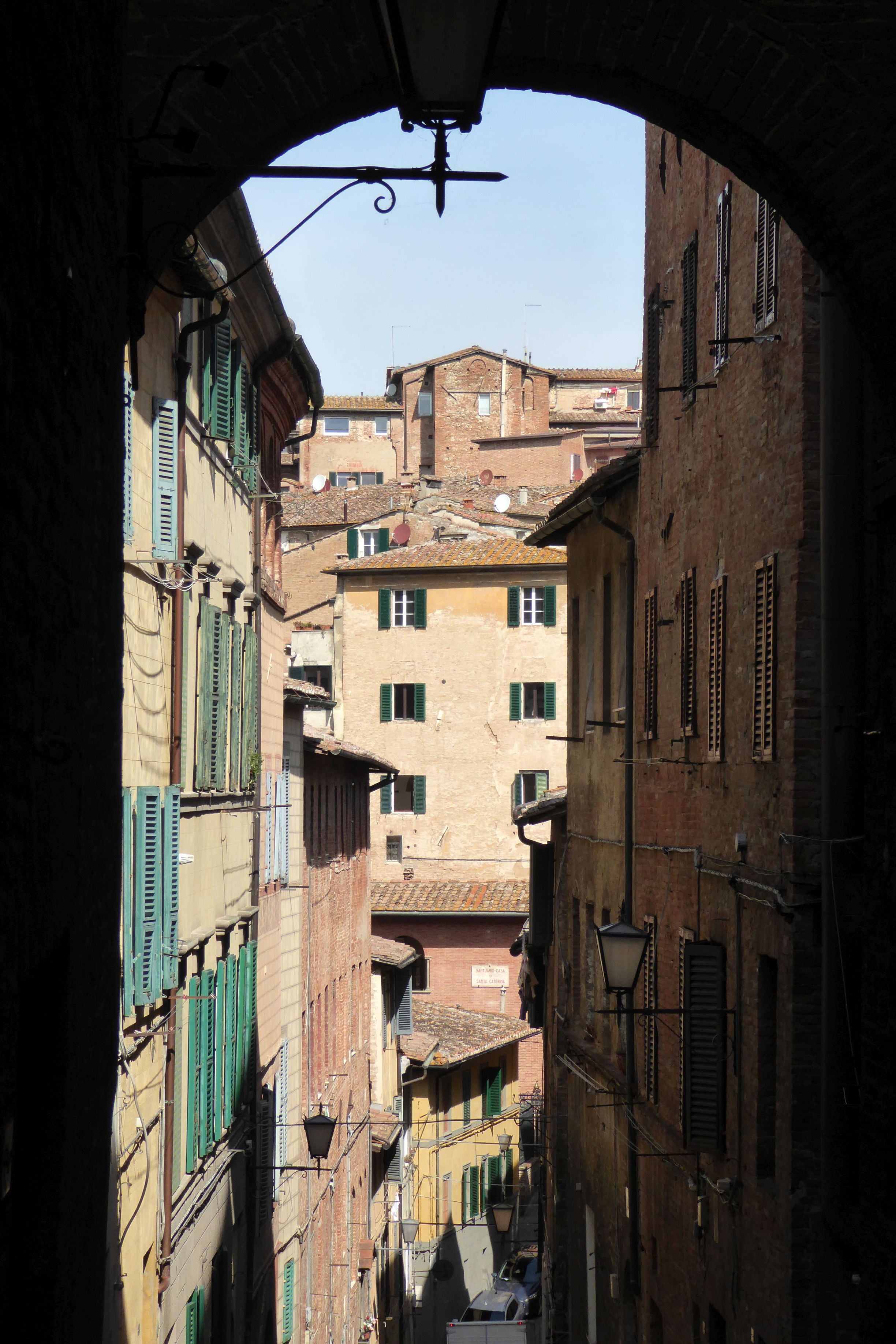
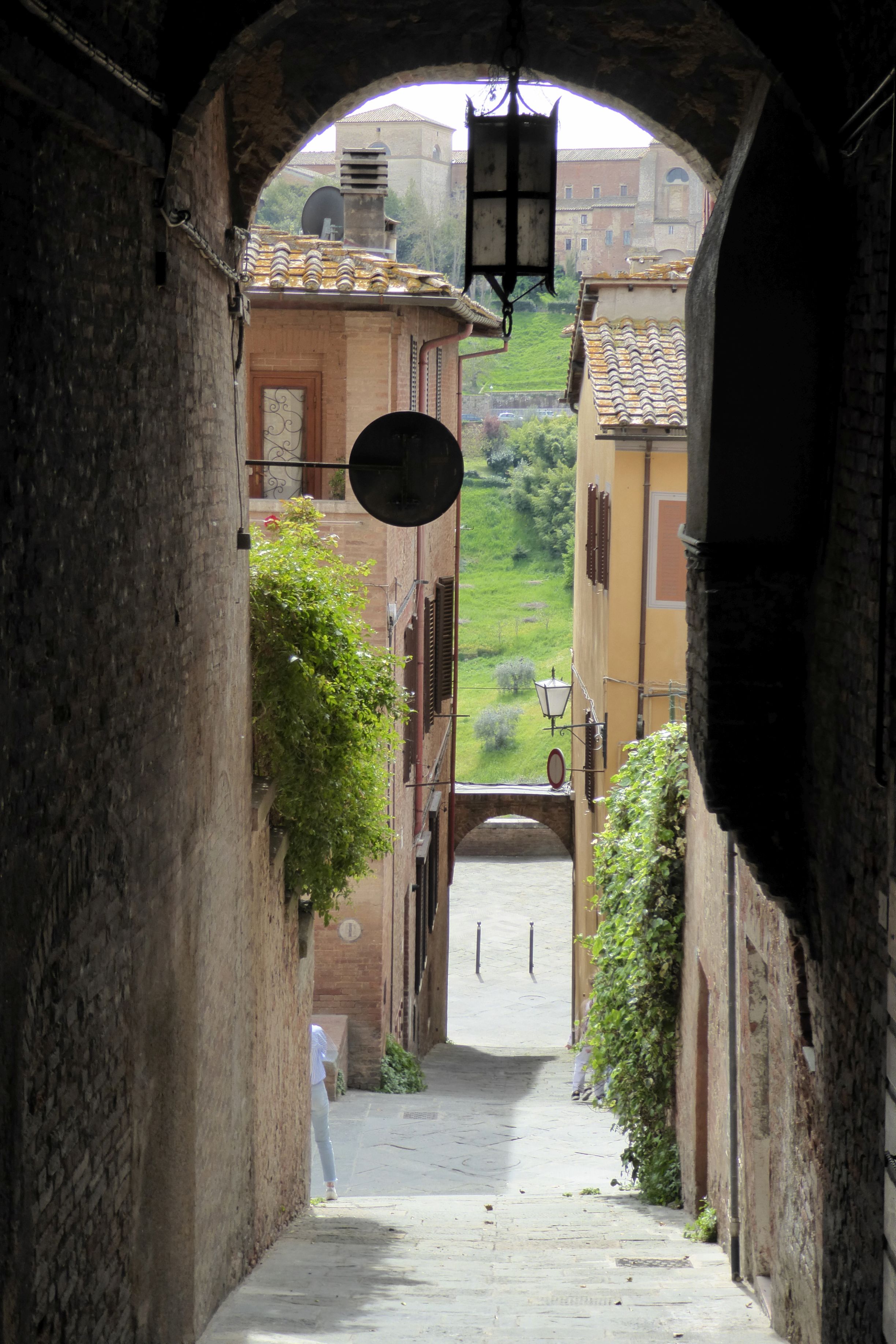
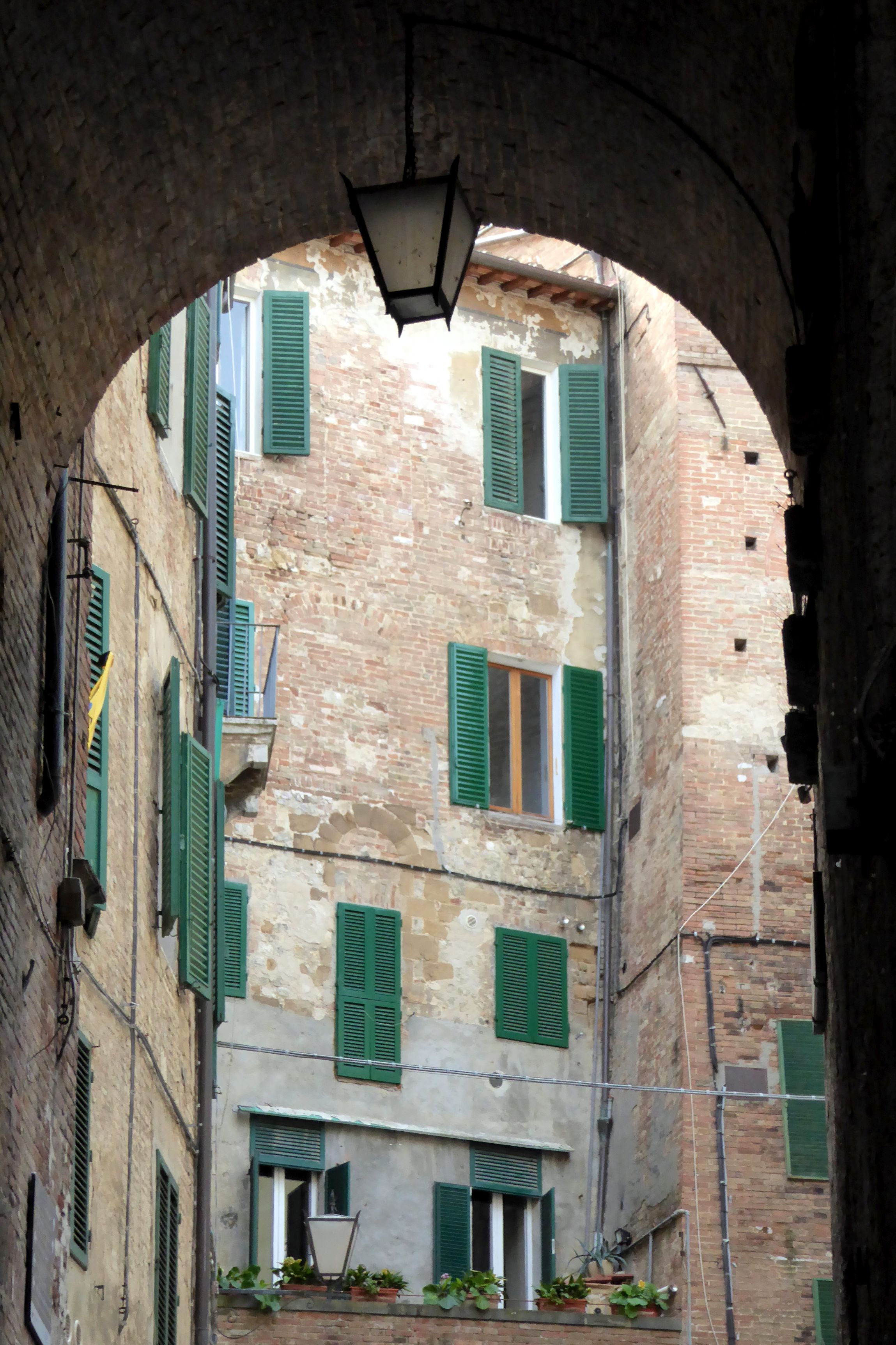
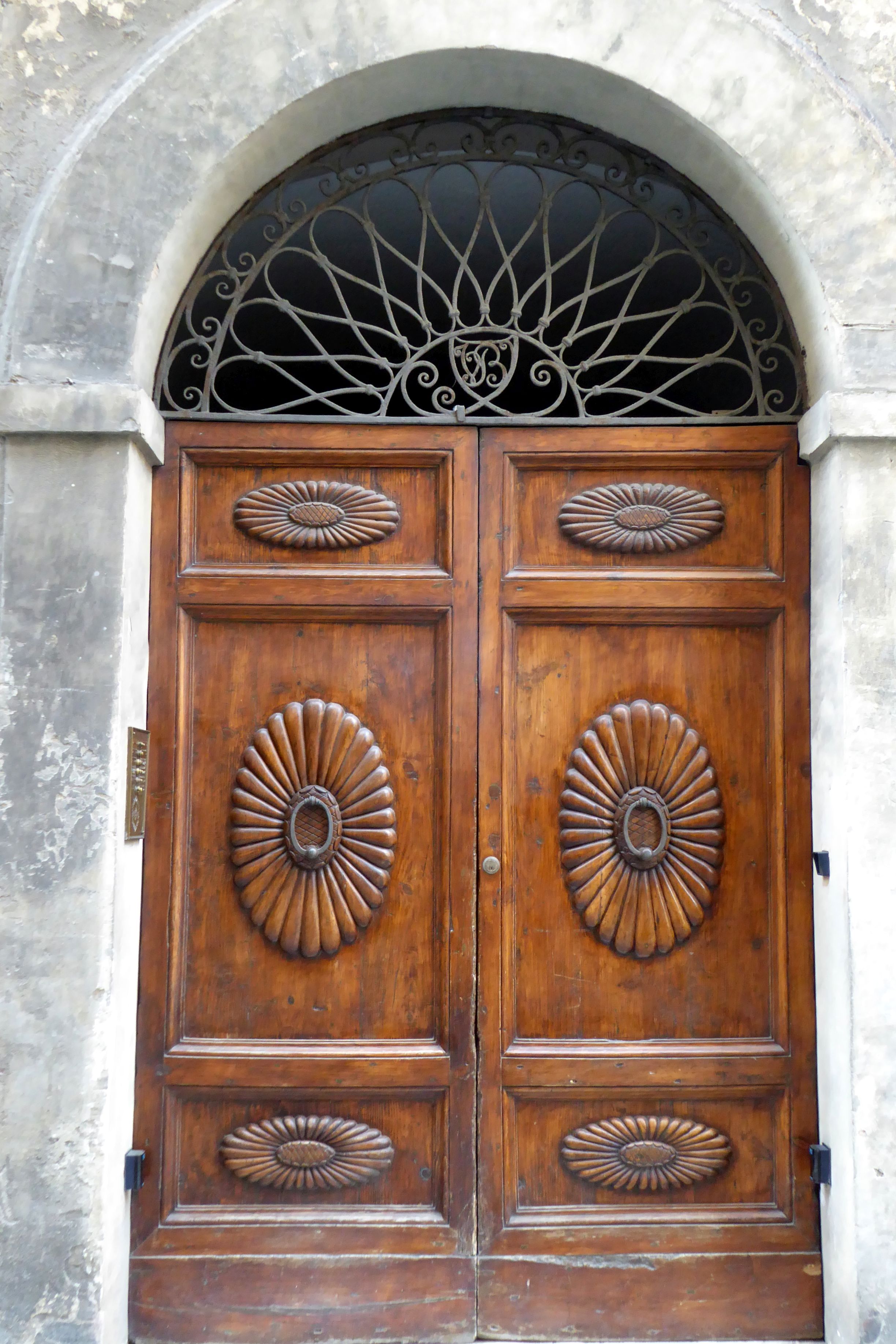
Following our group walk, Bruce and I continued to explore the historic city center on our own, walking literally every street within the walls.  As Yogi Berra once said, “When you come to a fork in the road, take it.”  And, that we did.  Every. Single. One.  So much pride and charm; from the doorsteps of homes to the adorable shops, it was quintessential Tuscany at its best!

PIenza is known for its excellent pecorino cheese

Next up:  MEDIEVAL MONTEPULCIANO

Note: If small group travel is of interest to you, I highly recommend Overseas Adventure Travel (OAT). Although Bruce and I travel together, they do not charge a single supplement for those who travel on their own. Singles also get their own room at hotels. If you book, you can get $100 off your trip by providing my name and customer number (Elaine Krugman, #3018126) as the person who referred you. I will also get $100 off future travel– a win-win!

ITALY #15: THE SCENIC STREETS OF SIENA

I’m back, after stepping away from my blog to tour Utah’s Grand Circle of National Parks and a few state parks—the topic of my next blog series.

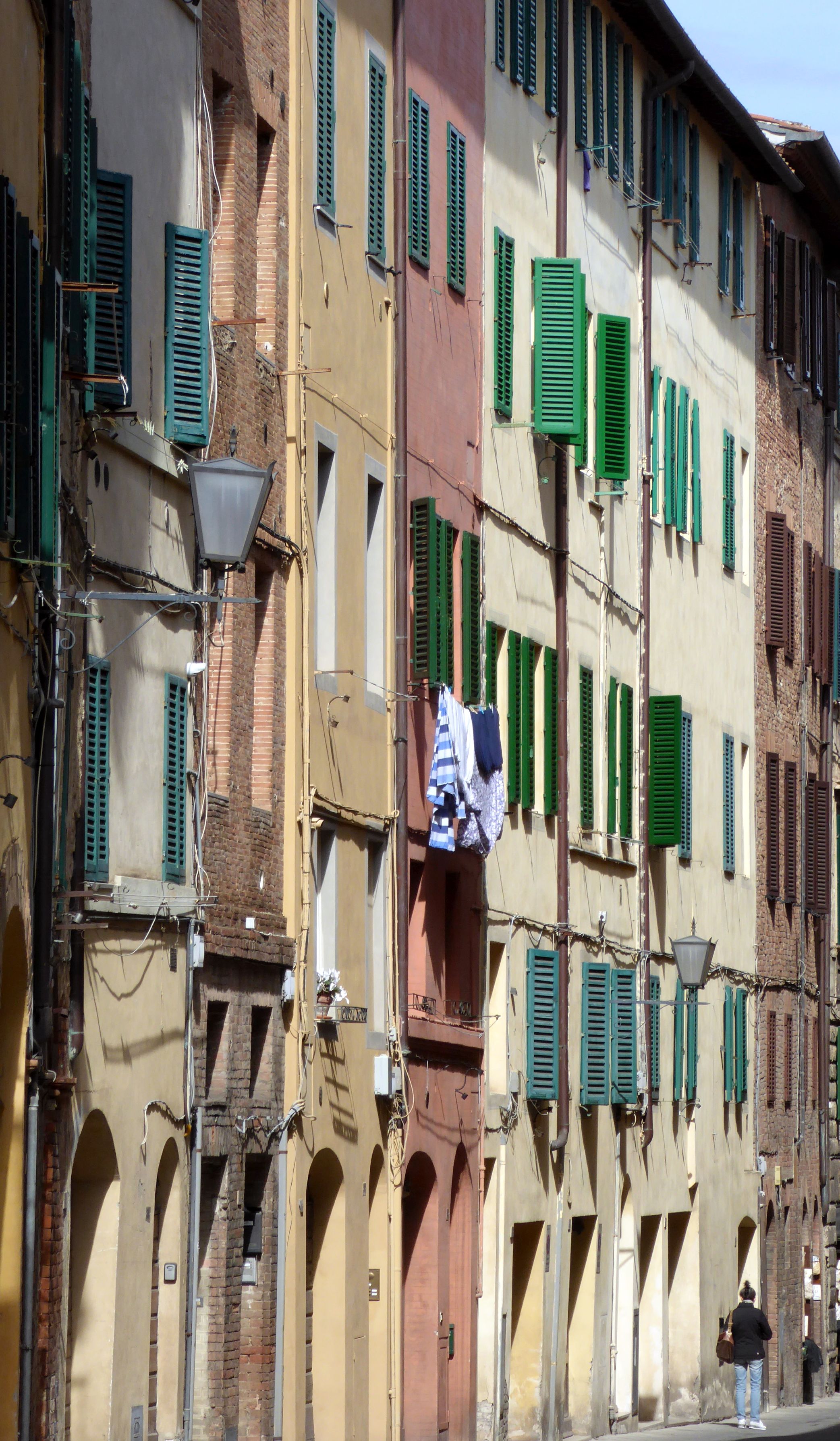
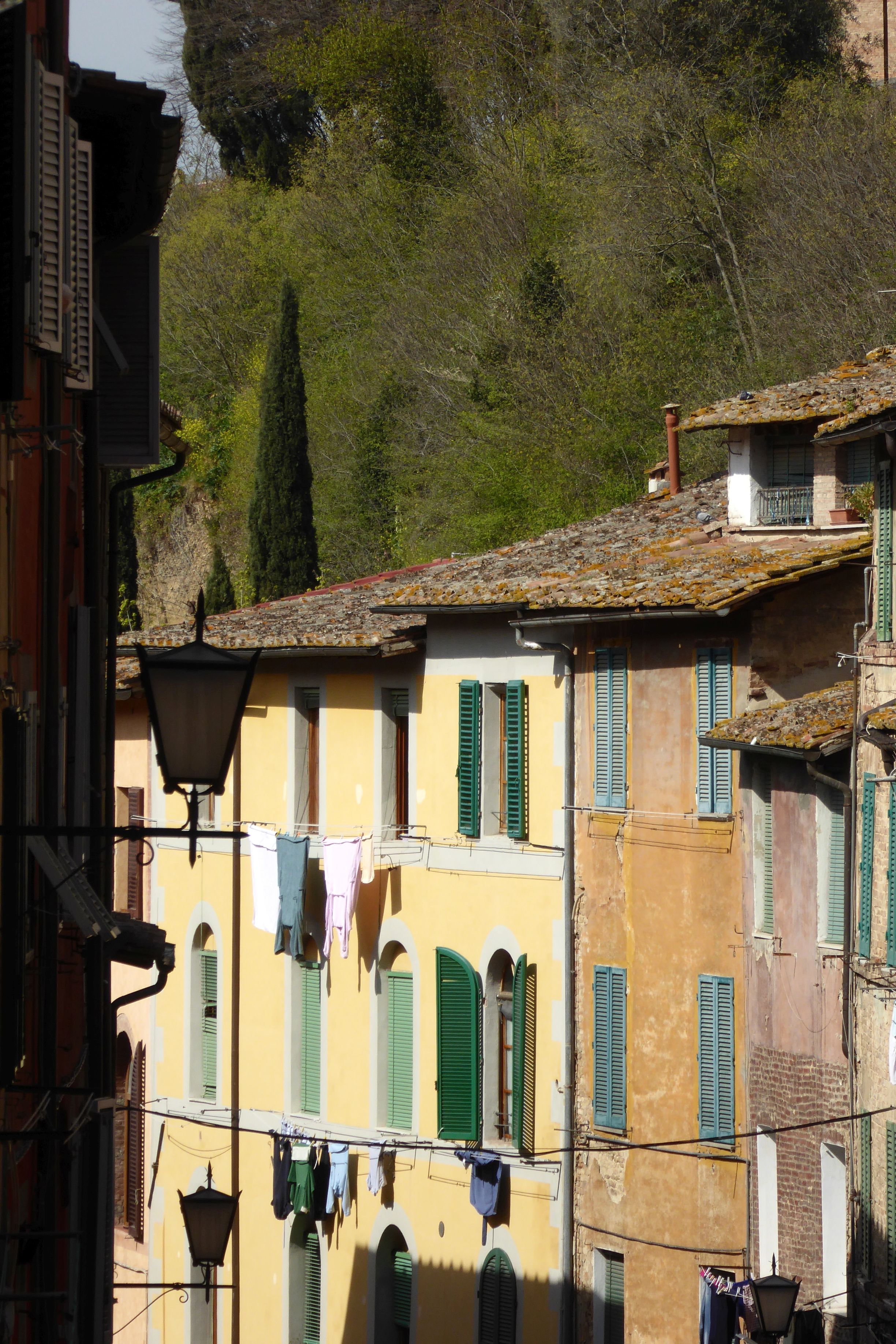
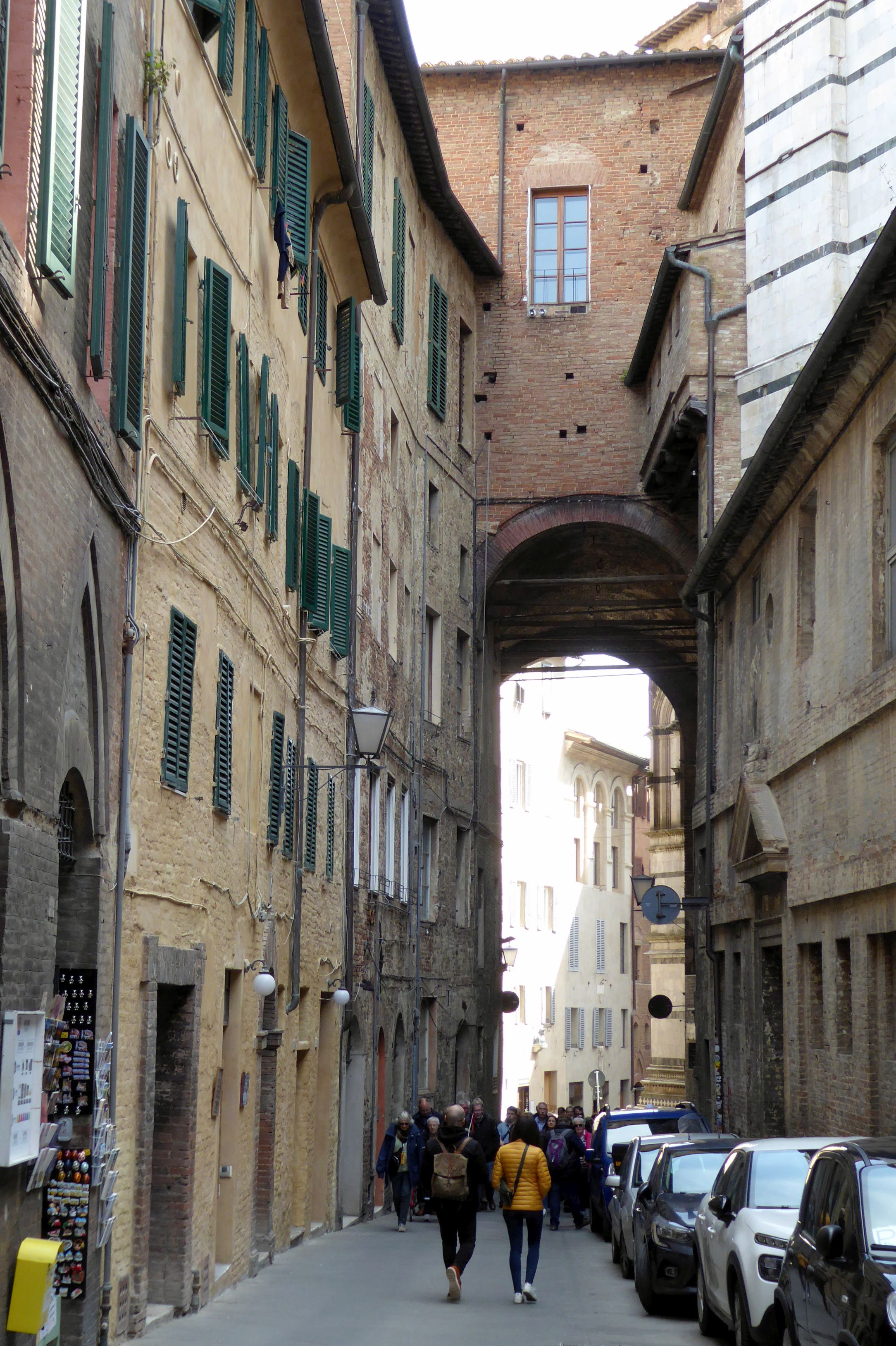
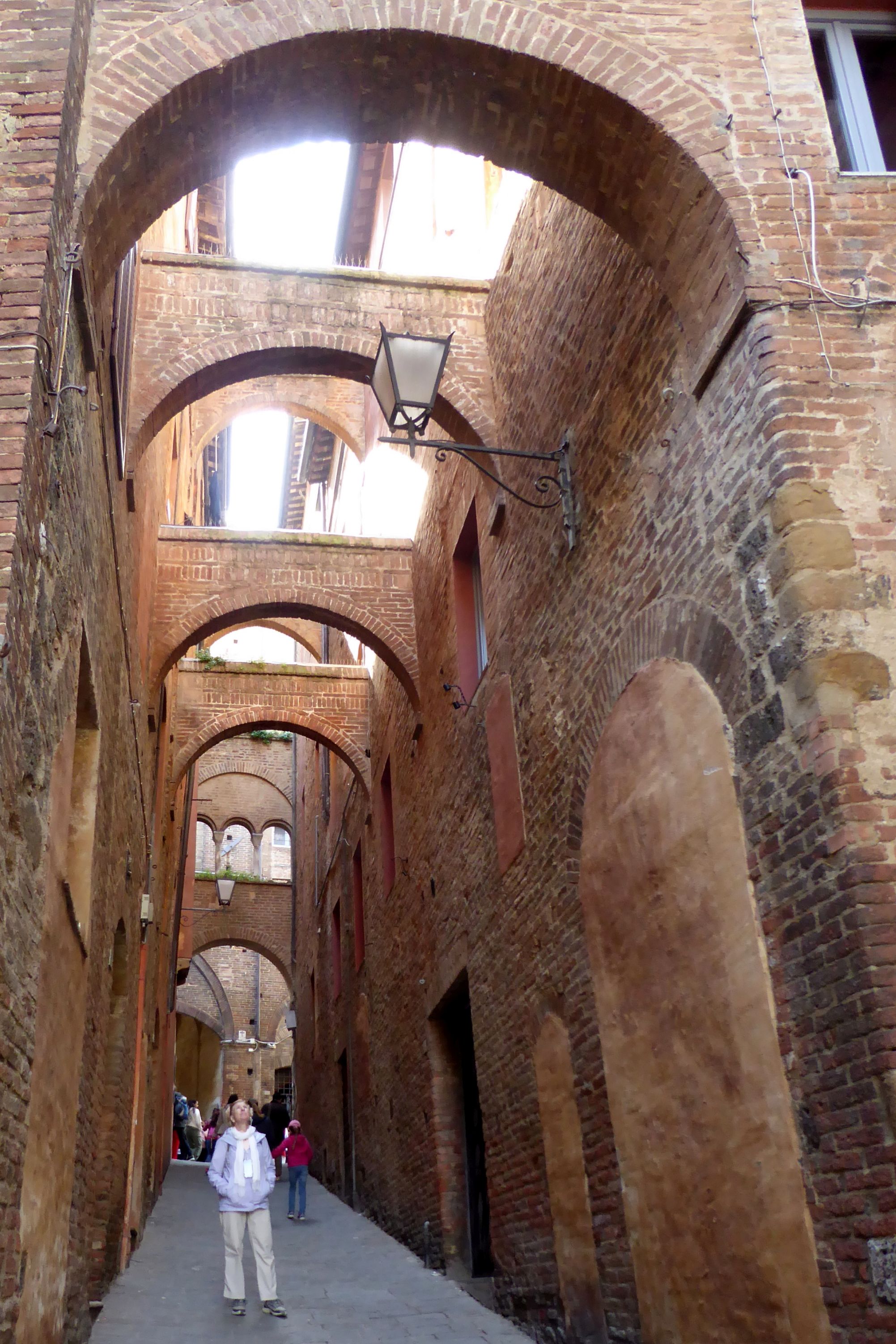
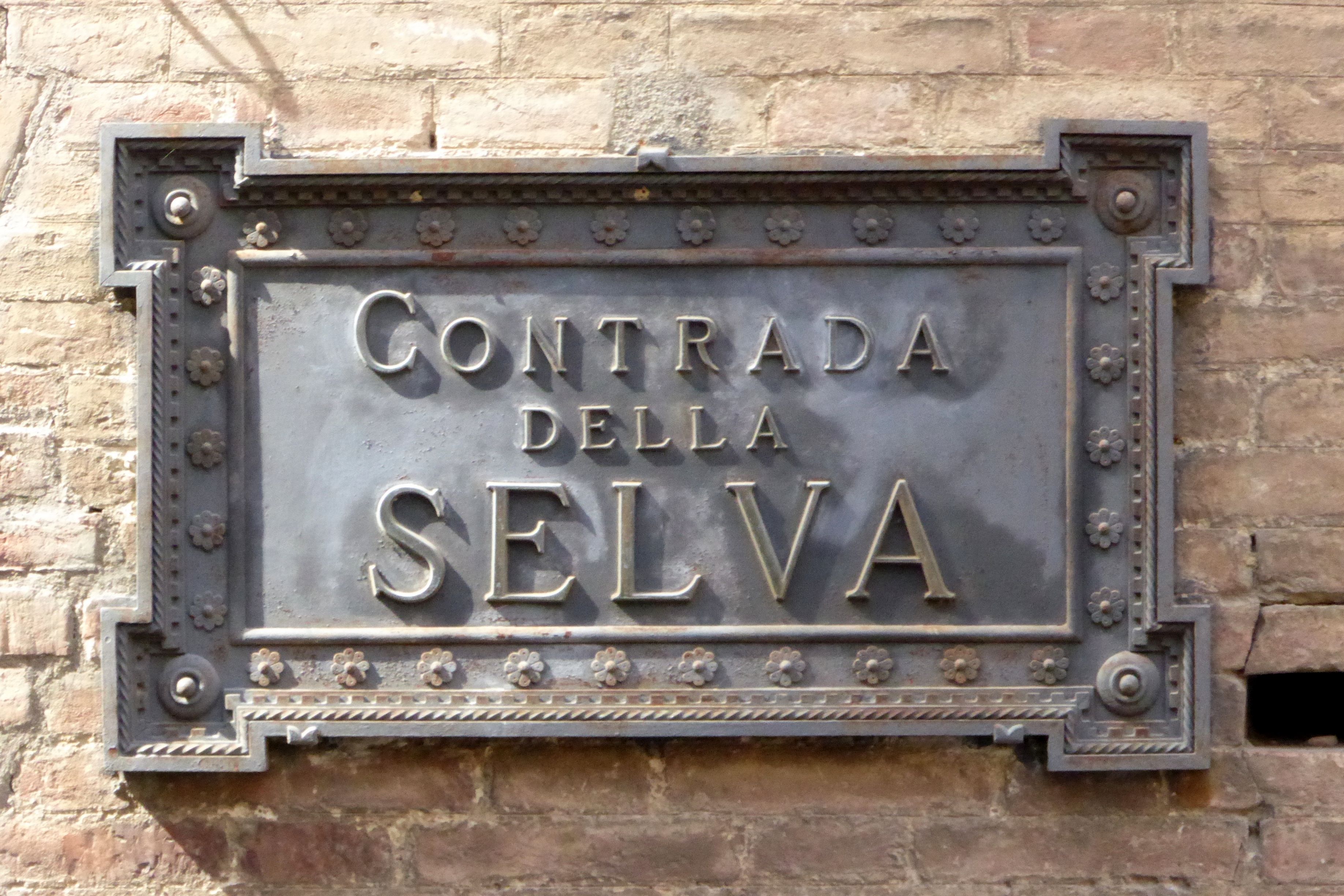
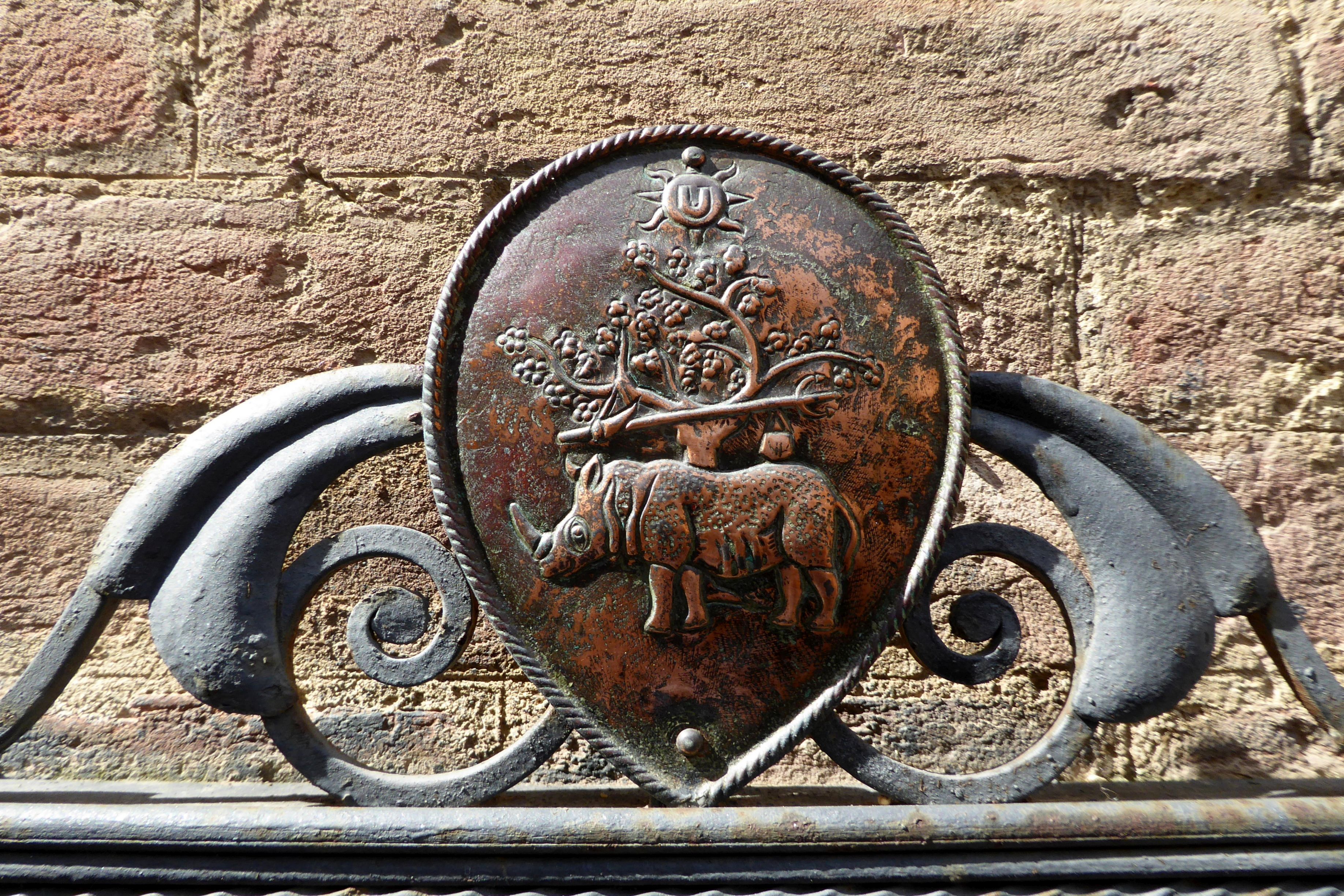
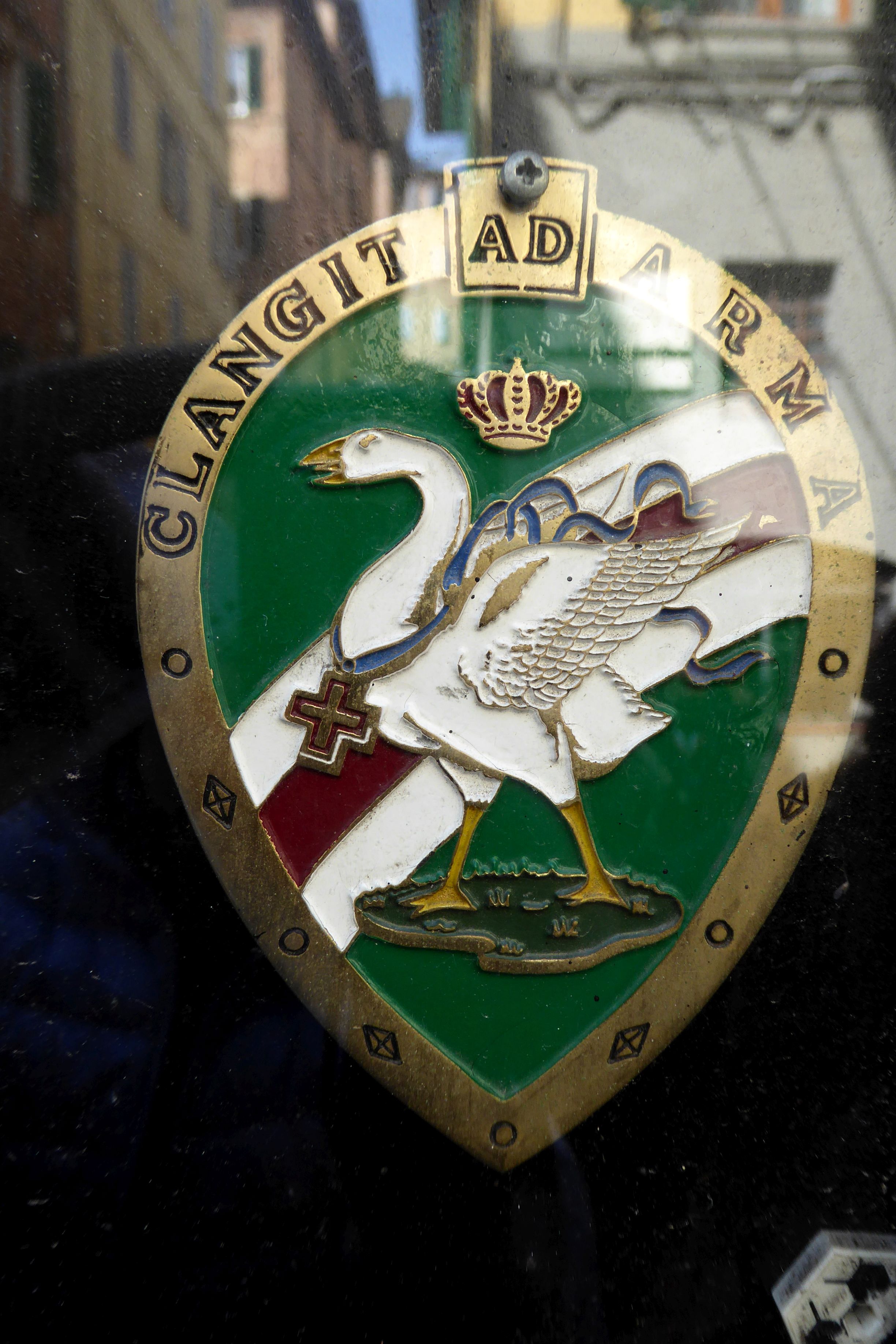
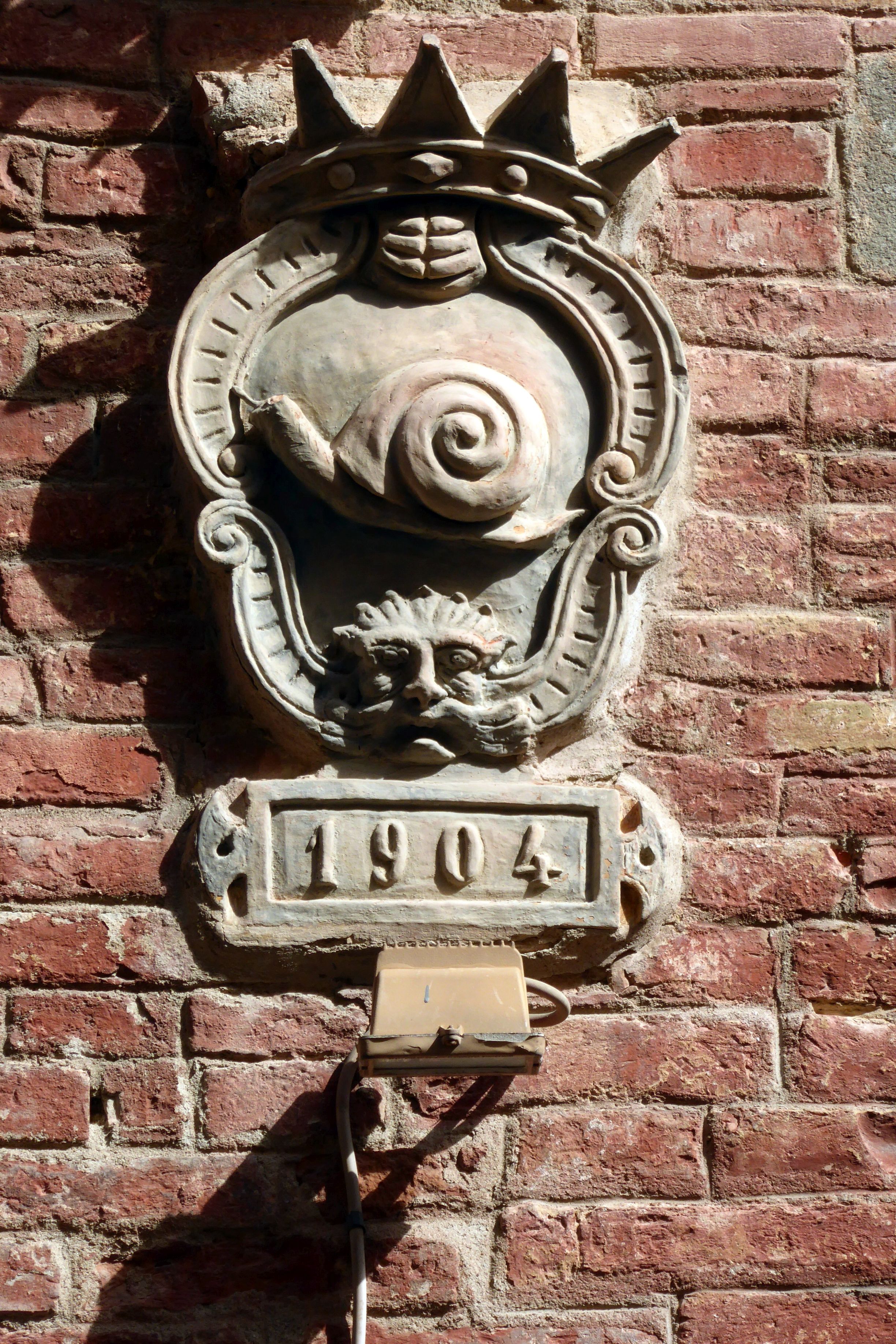
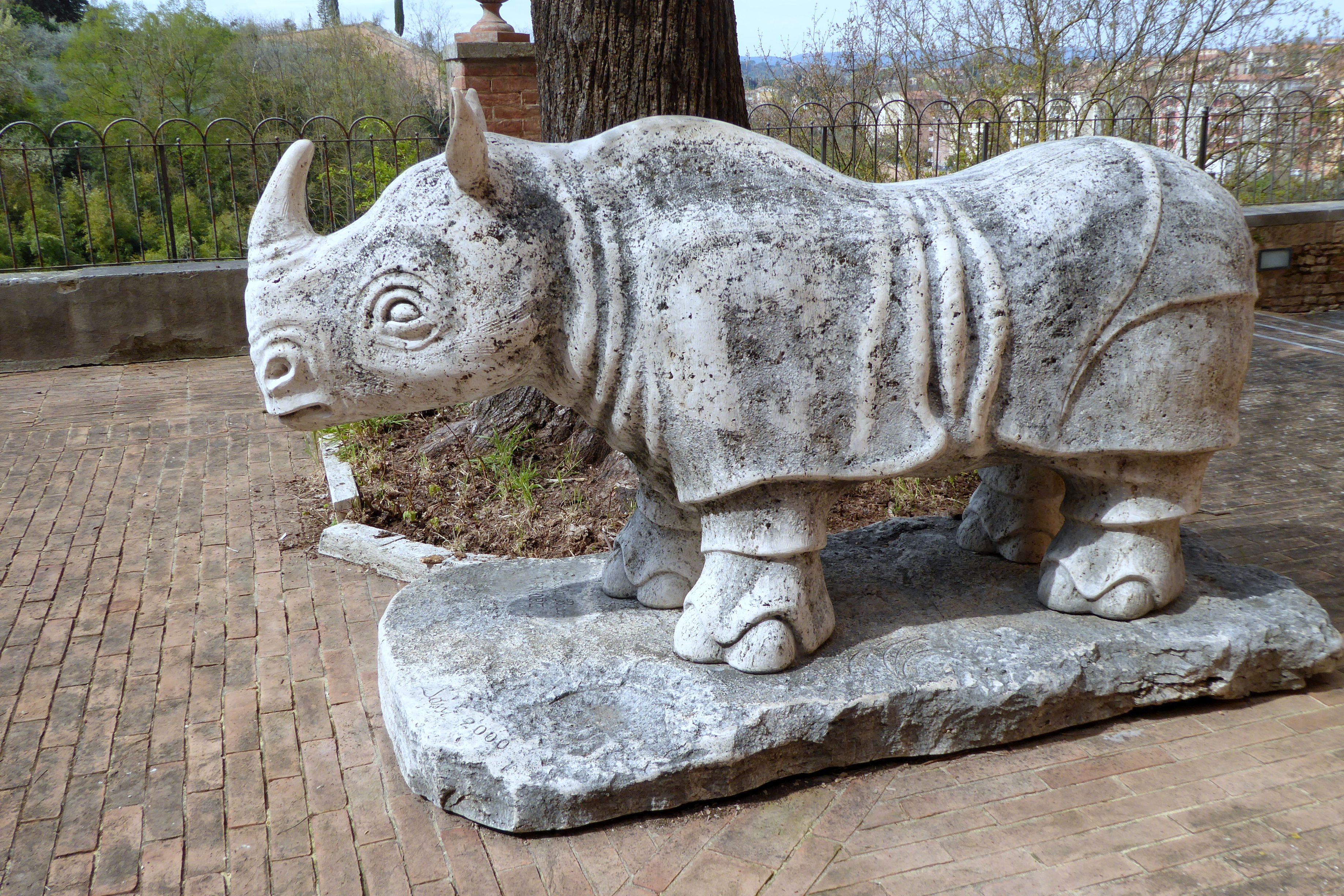
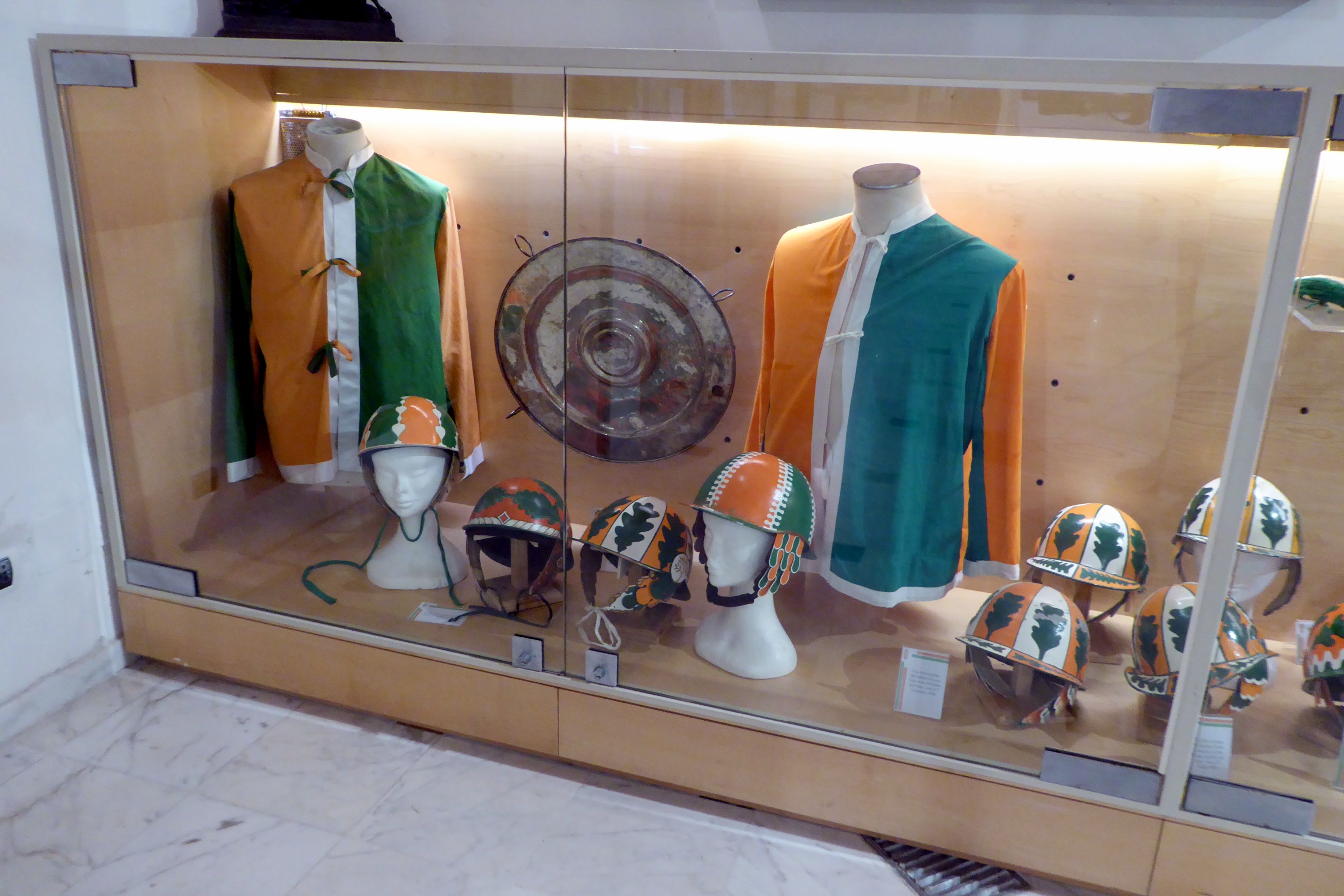
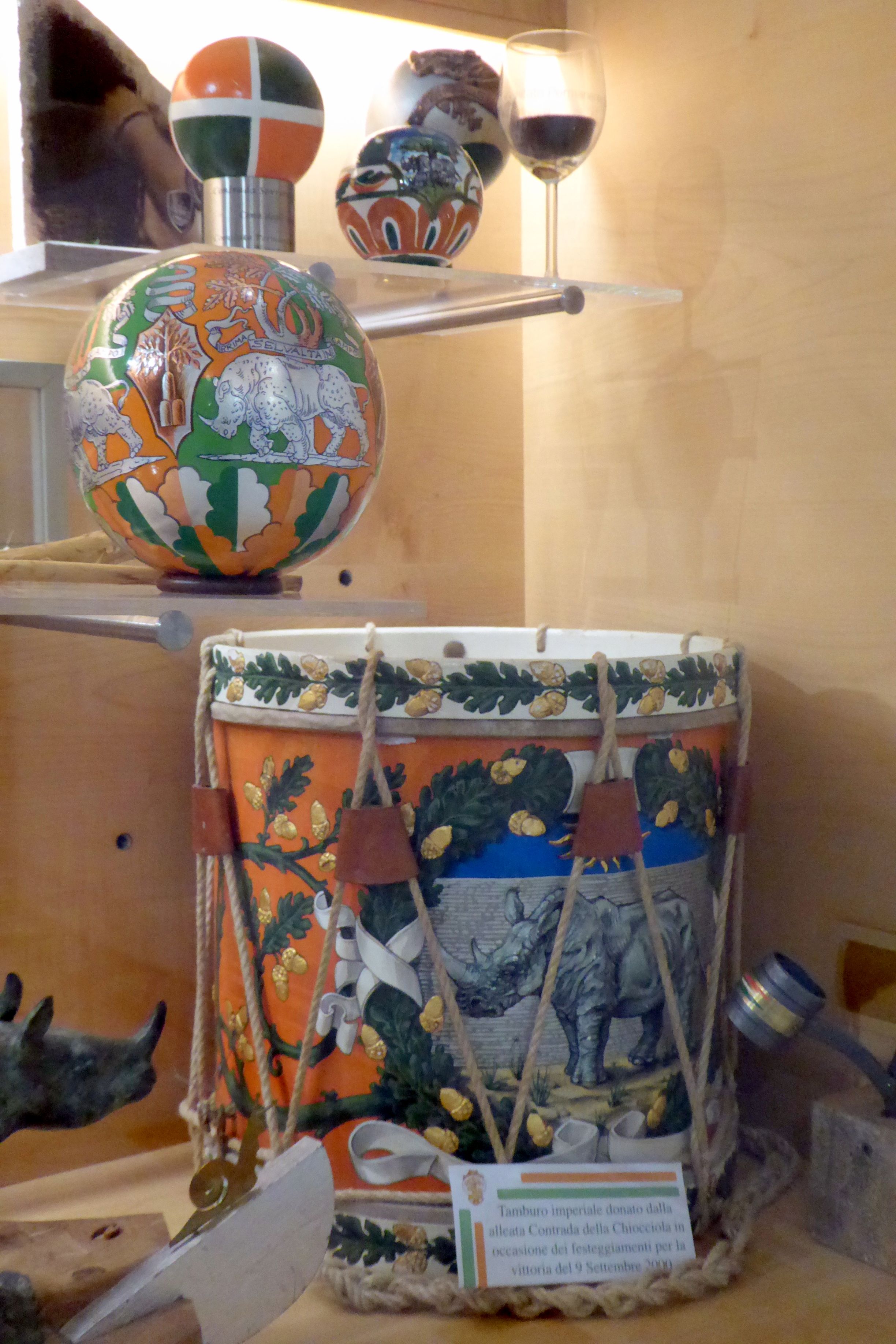
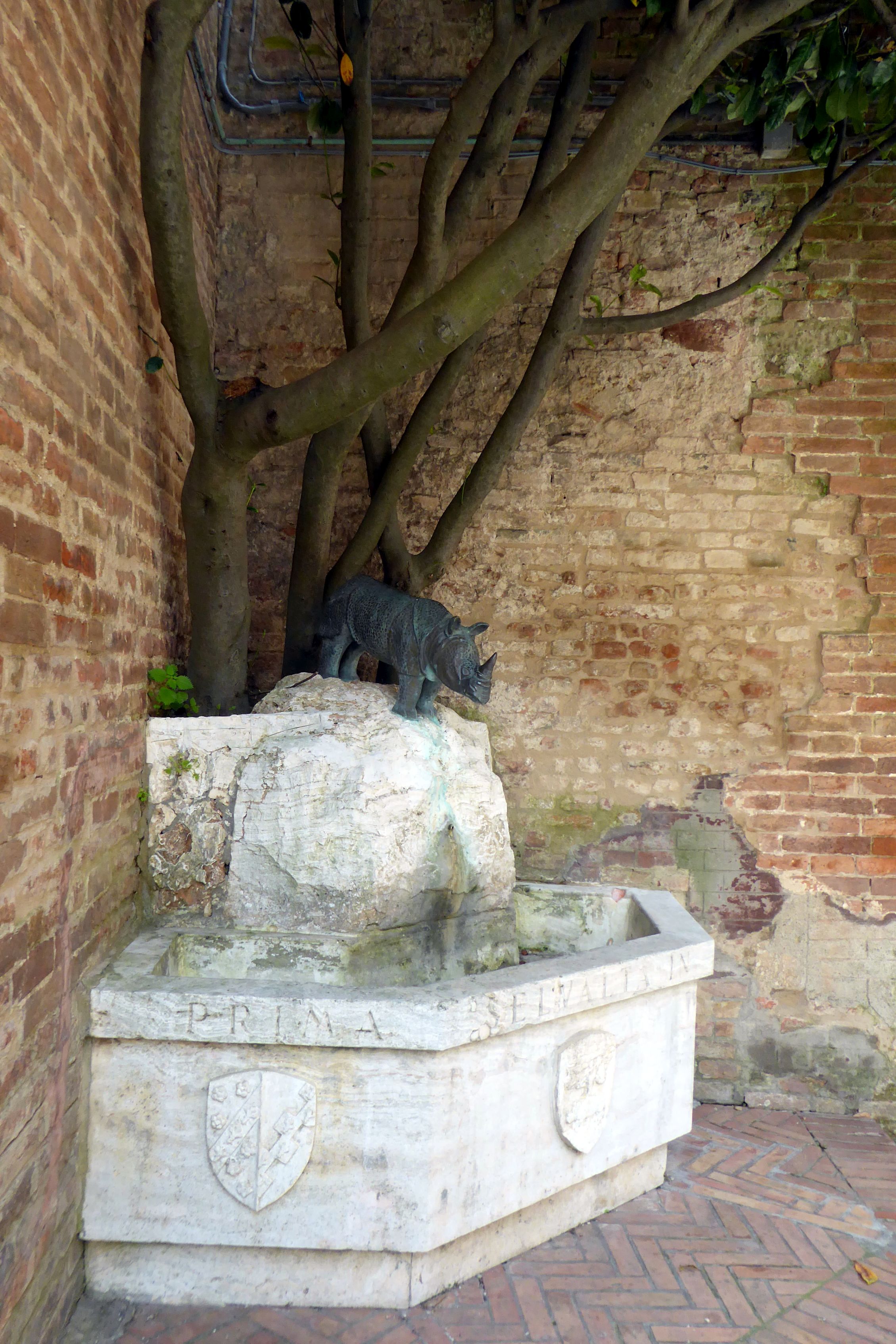
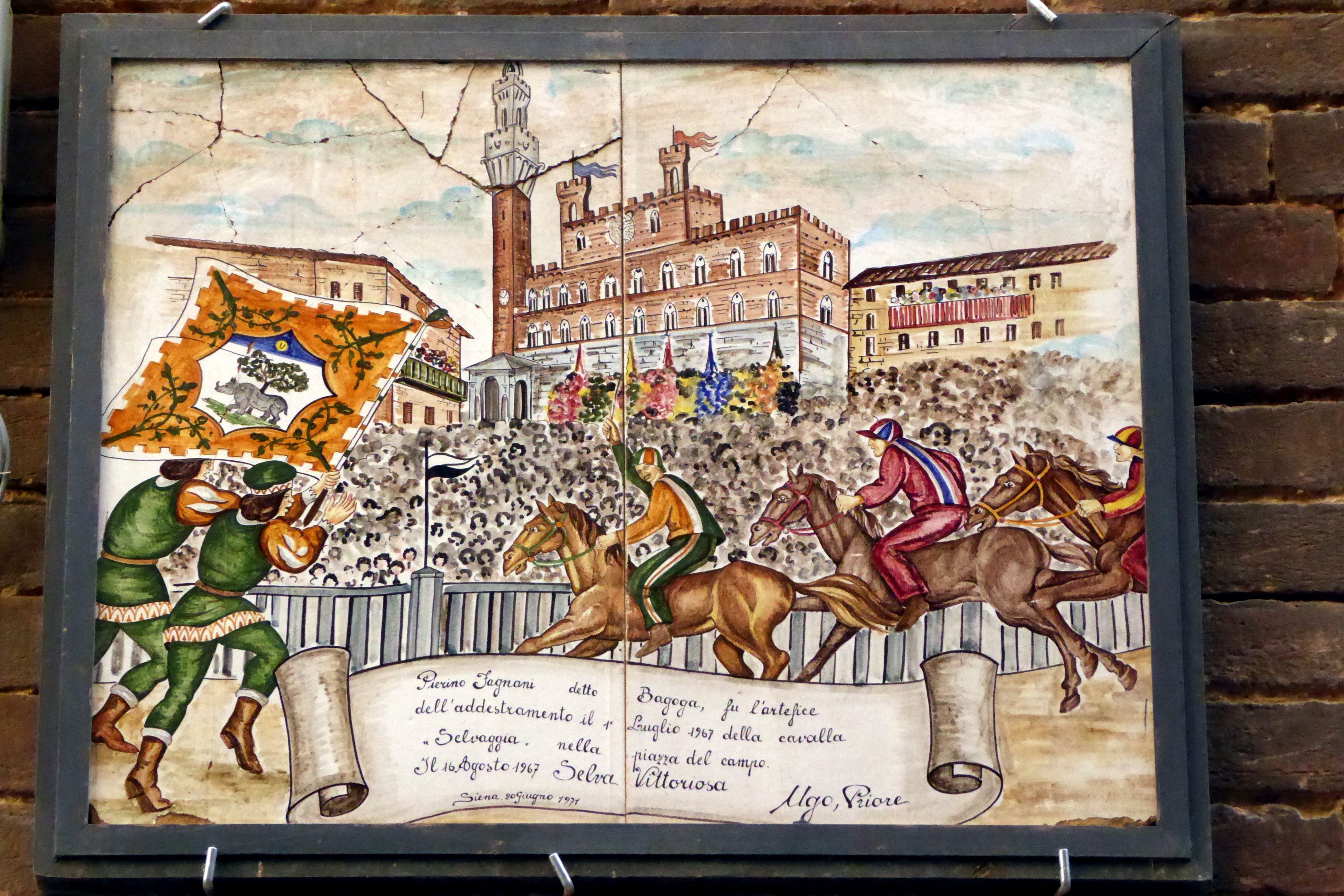
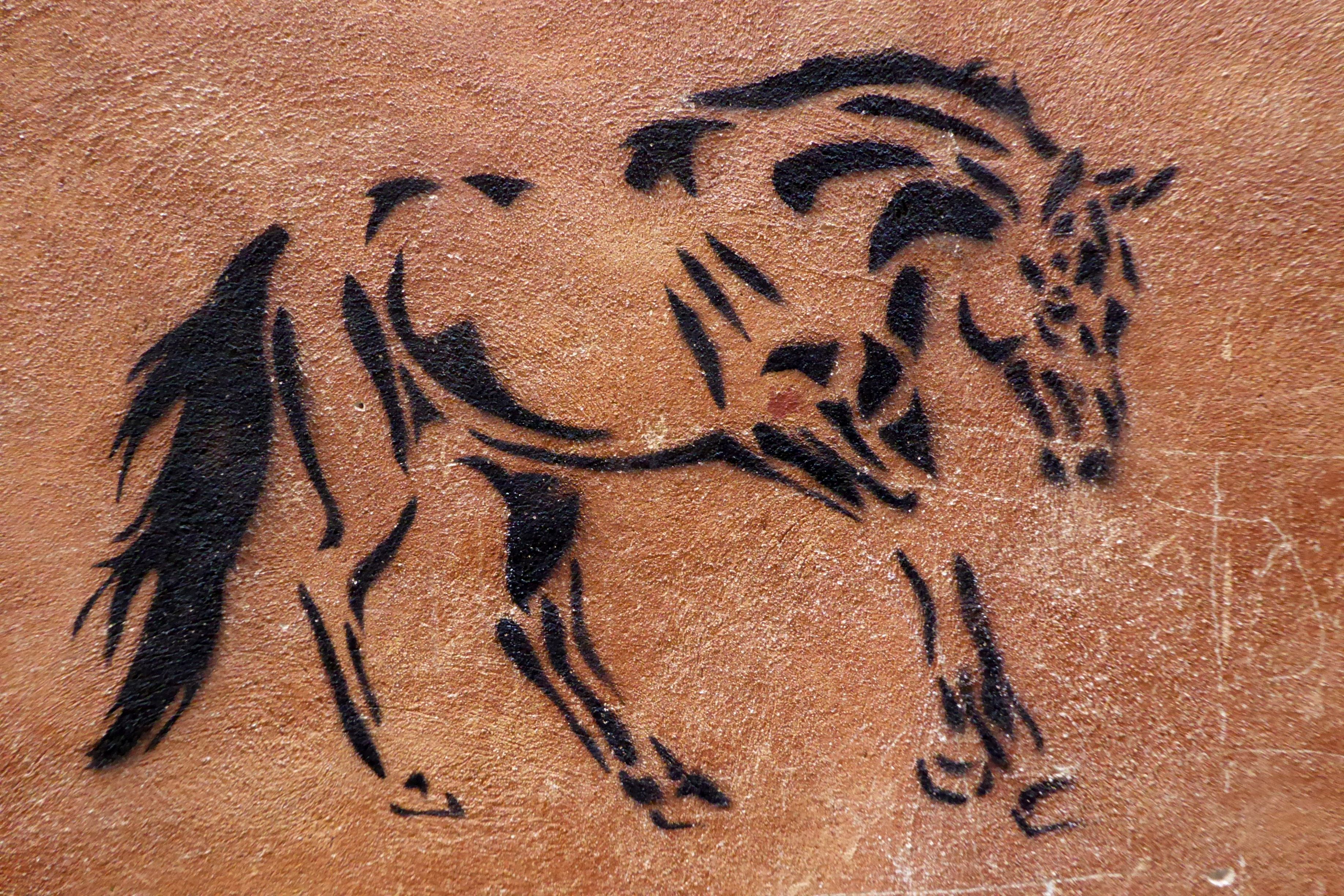
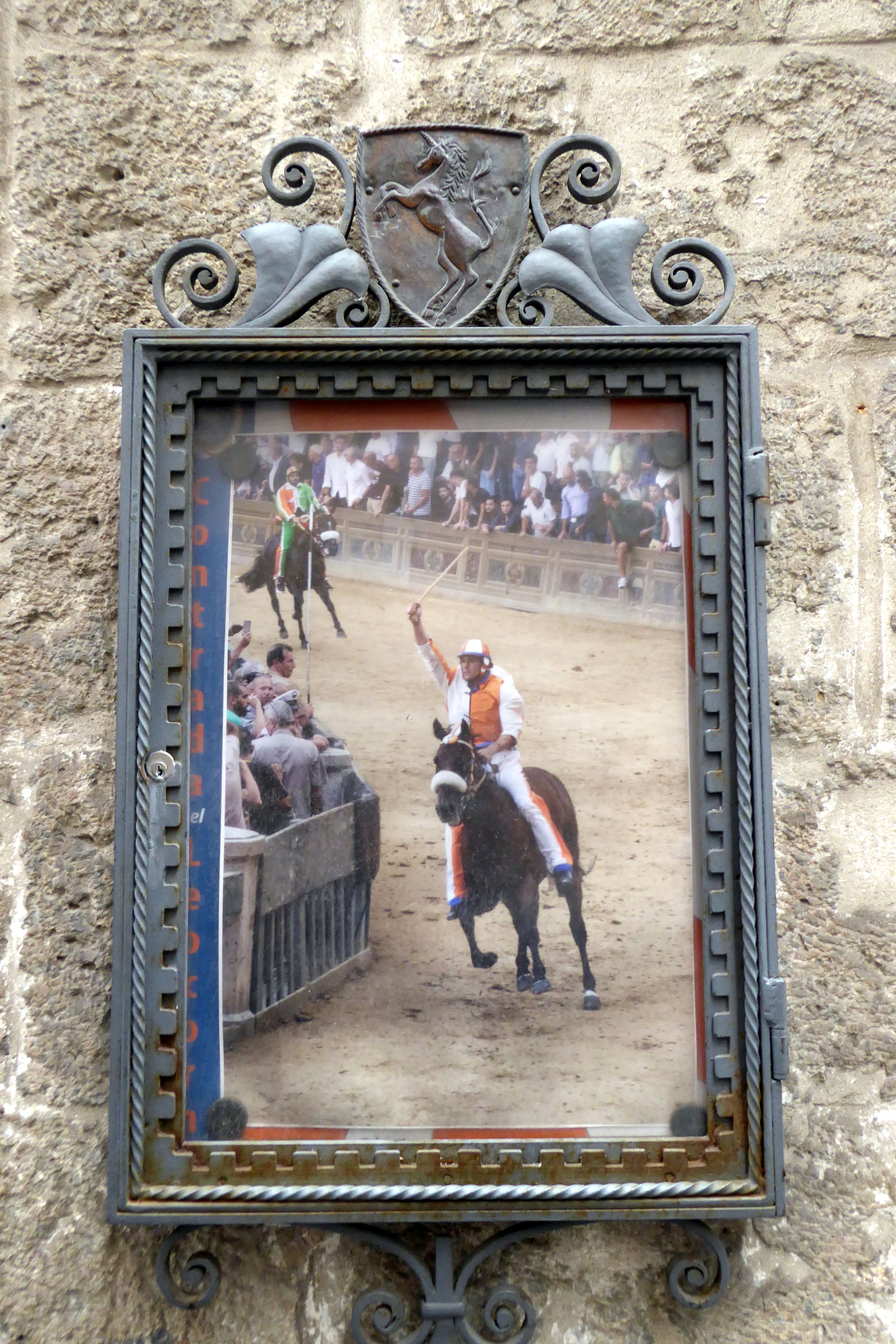
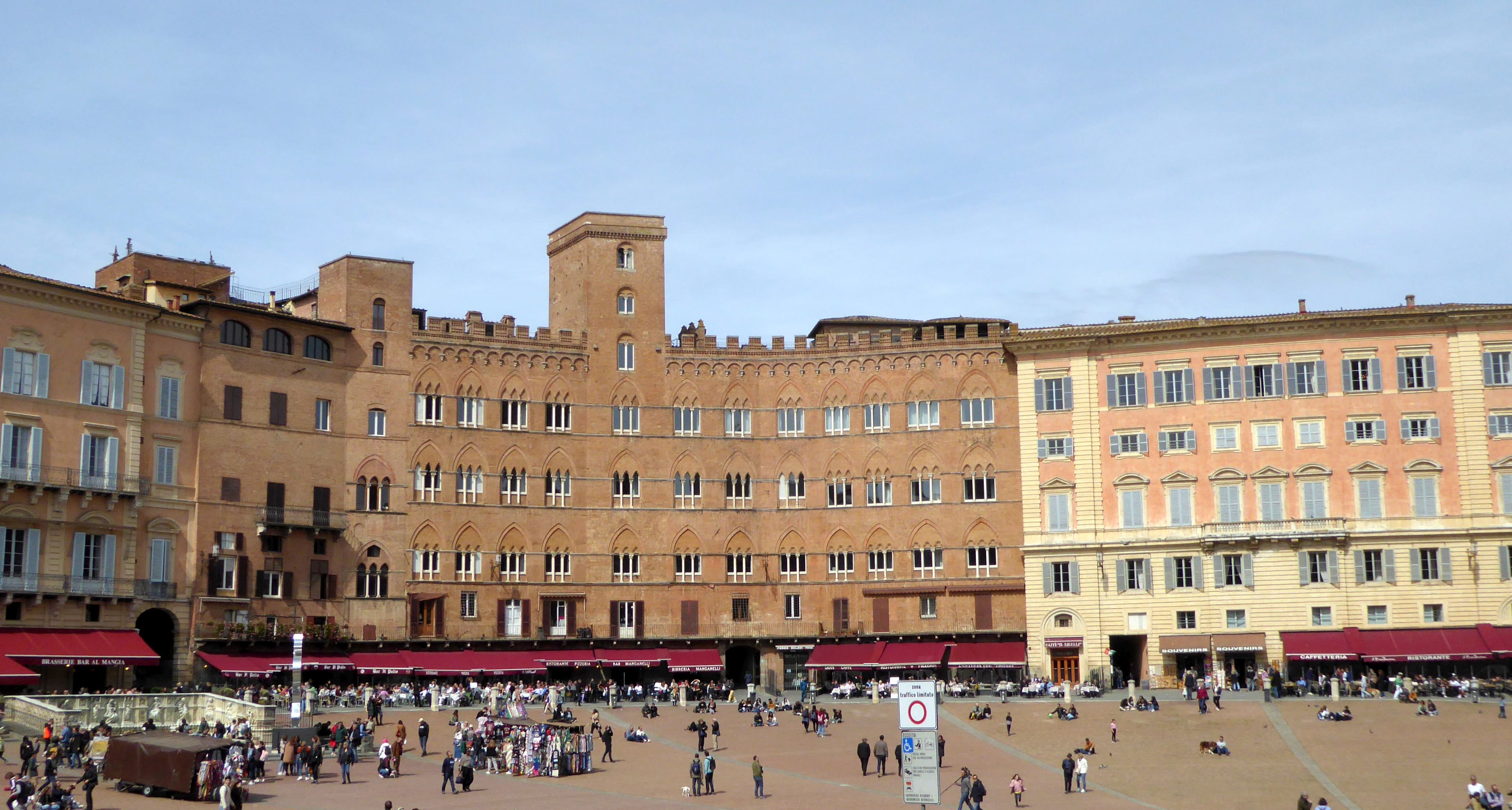
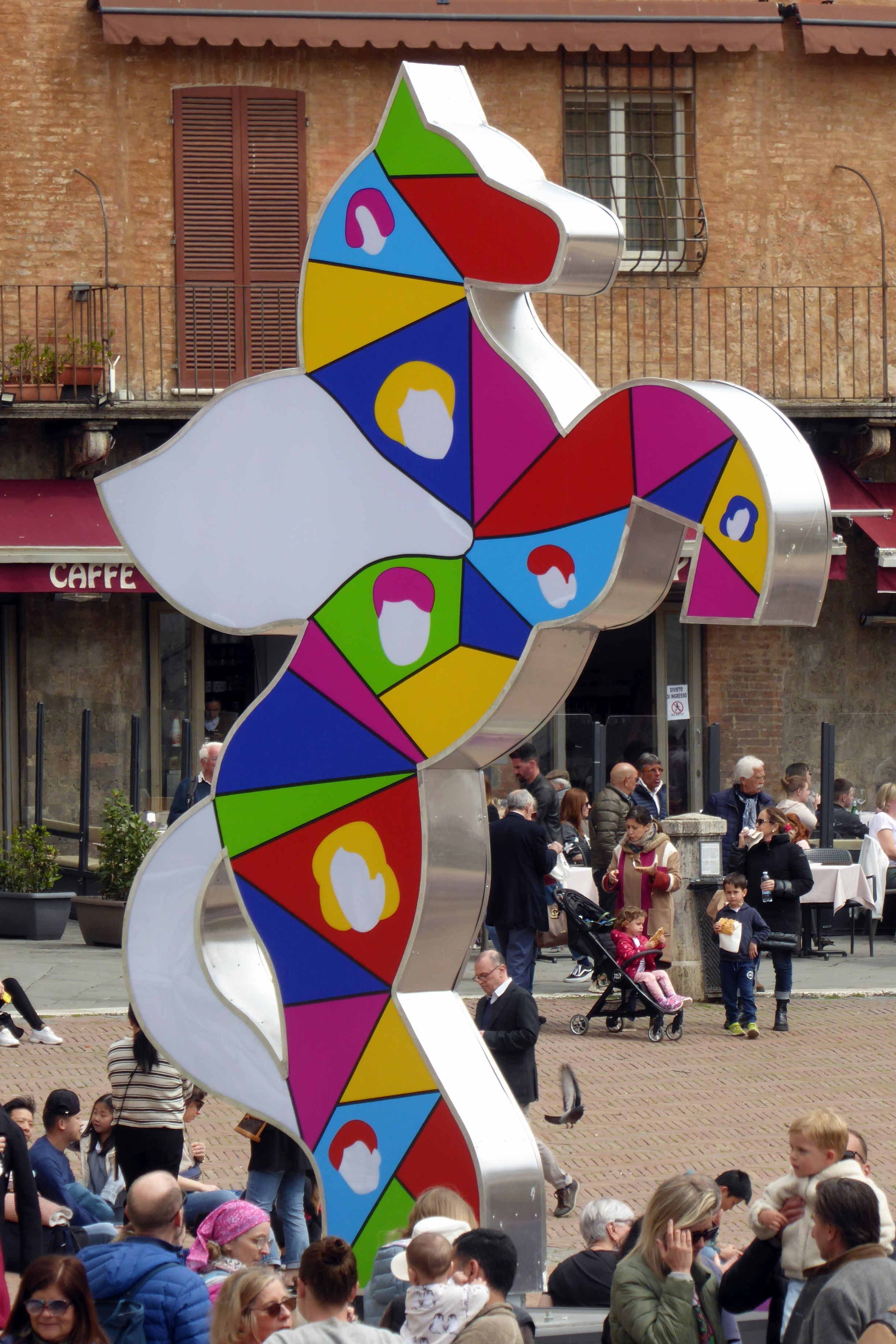
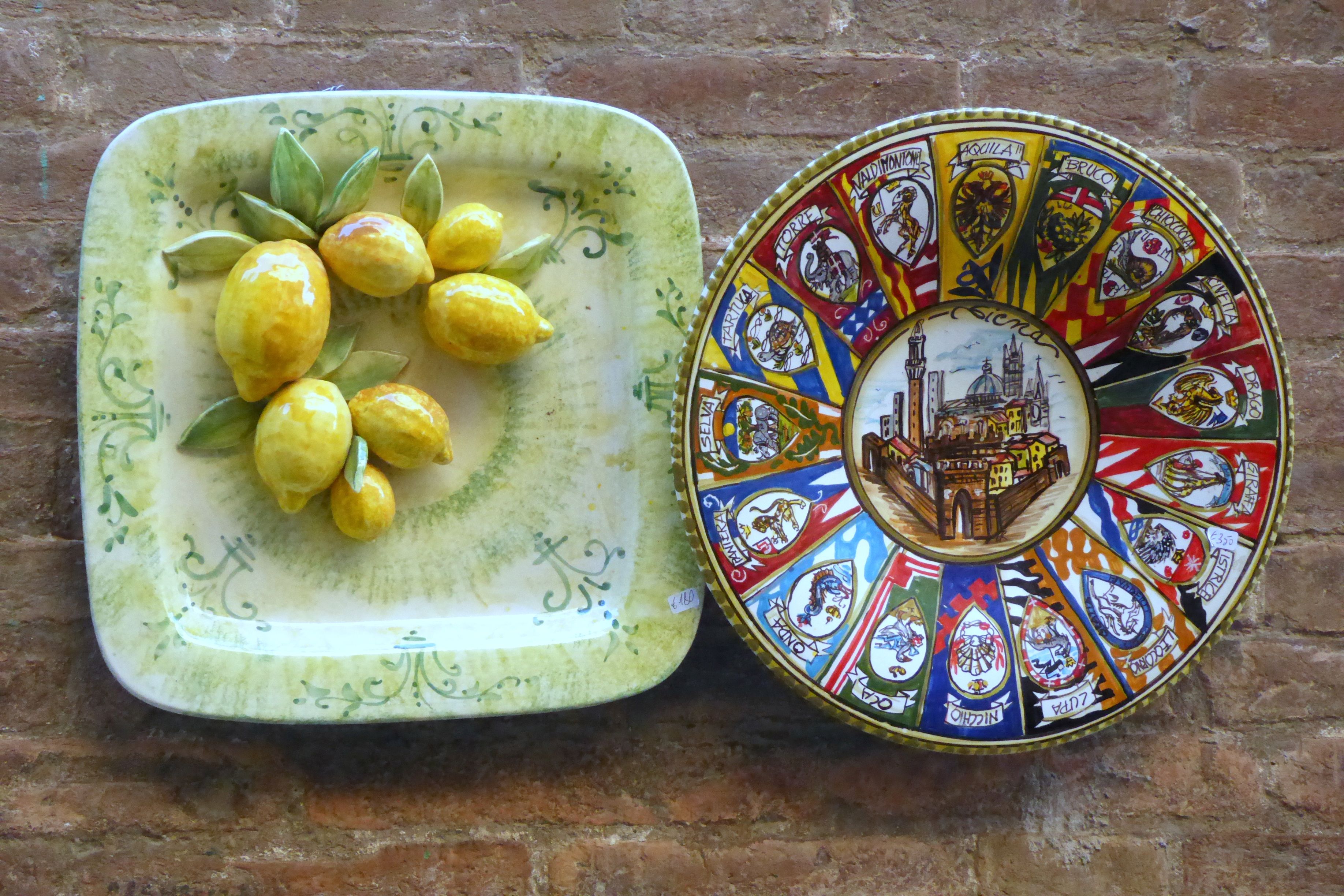
Meanwhile, there is so much more to write about Italy, so I will continue where I left off: Siena.  What a special and unique place this is!  If you have ever been to New Orleans and learned about its unique history, culture, and traditions; you would have to agree there is no other place like it.  The same can be said for Siena, especially its Old Town, a UNESCO World Heritage Site.  Paved with cobblestones, the city is built over five hills and has a unique districting system.  Each of its 17 districts, or contrade, is named after an animal or symbol, such as a rhinoceros, goose, snail, or giraffe.

(For all pictures, click on the image to see full screen view.)

The rhinoceros is the symbol of Contrada Della Selva

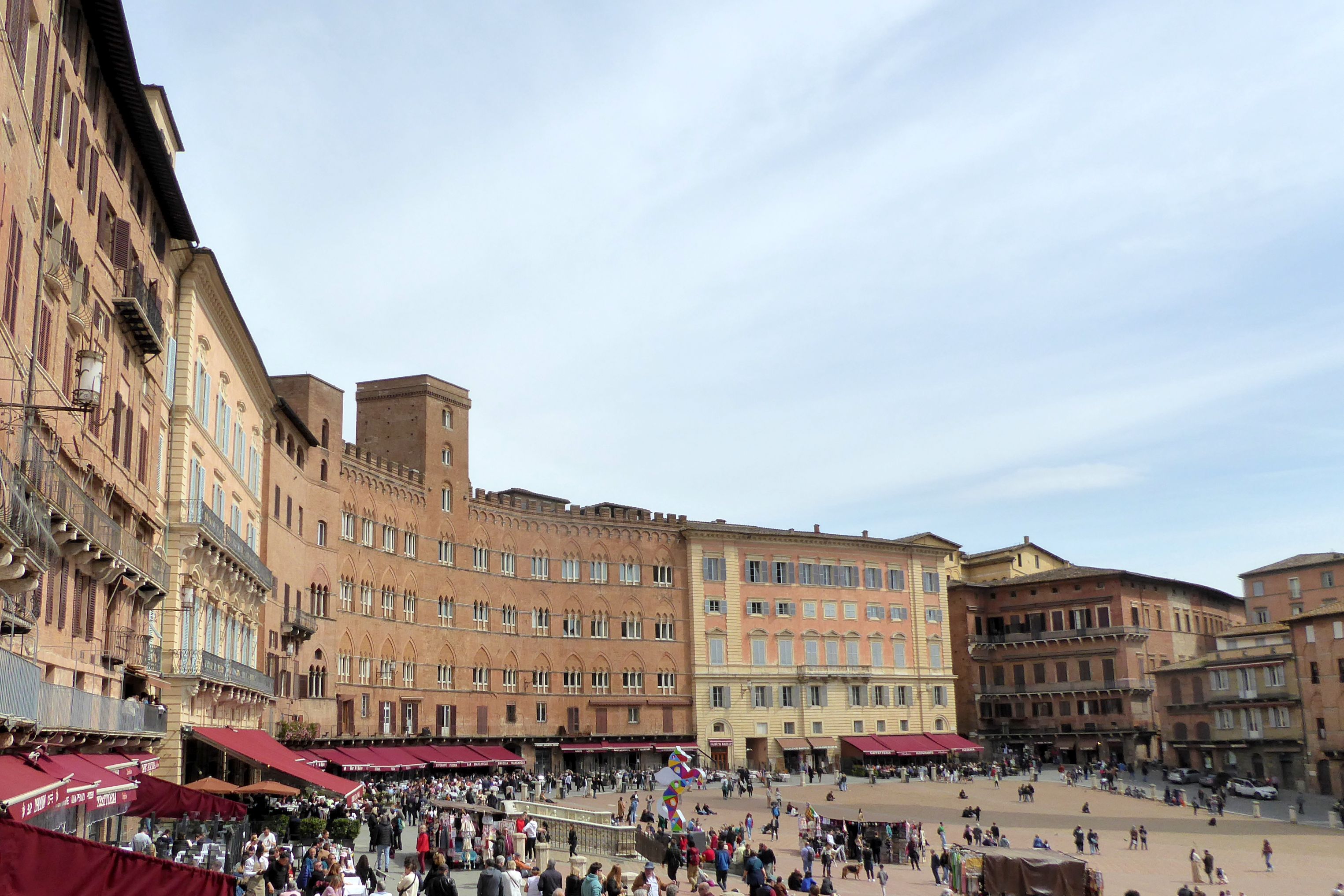
These contrade were originally set up during the Middle Ages for military purposes when Siena fought to preserve its independence from Florence.  Over the years, they became a source of civic pride and patriotism. Within the contrada, everybody looks out for each other as an extended family.  Each contrada has their own symbol, colors, flags, motto, museum, church, fountain, and festivals; and, most importantly, a horse entered in the all-important and most-celebrated festival of all, the Palio.  These people live for the summer Palio, an approximately 70-90-second bareback horse race of three laps of mayhem around the dirt-filled Piazza del Campo that takes place on July 2 and August 16.  The turns are sharp, and it’s typical to see jockeys thrown off their horses.  No worries; it’s the horse that wins, not the jockey, and riderless horses have won on several occasions. 

Green and orange are the colors of Contrada Della Selva as shown in their museum display.
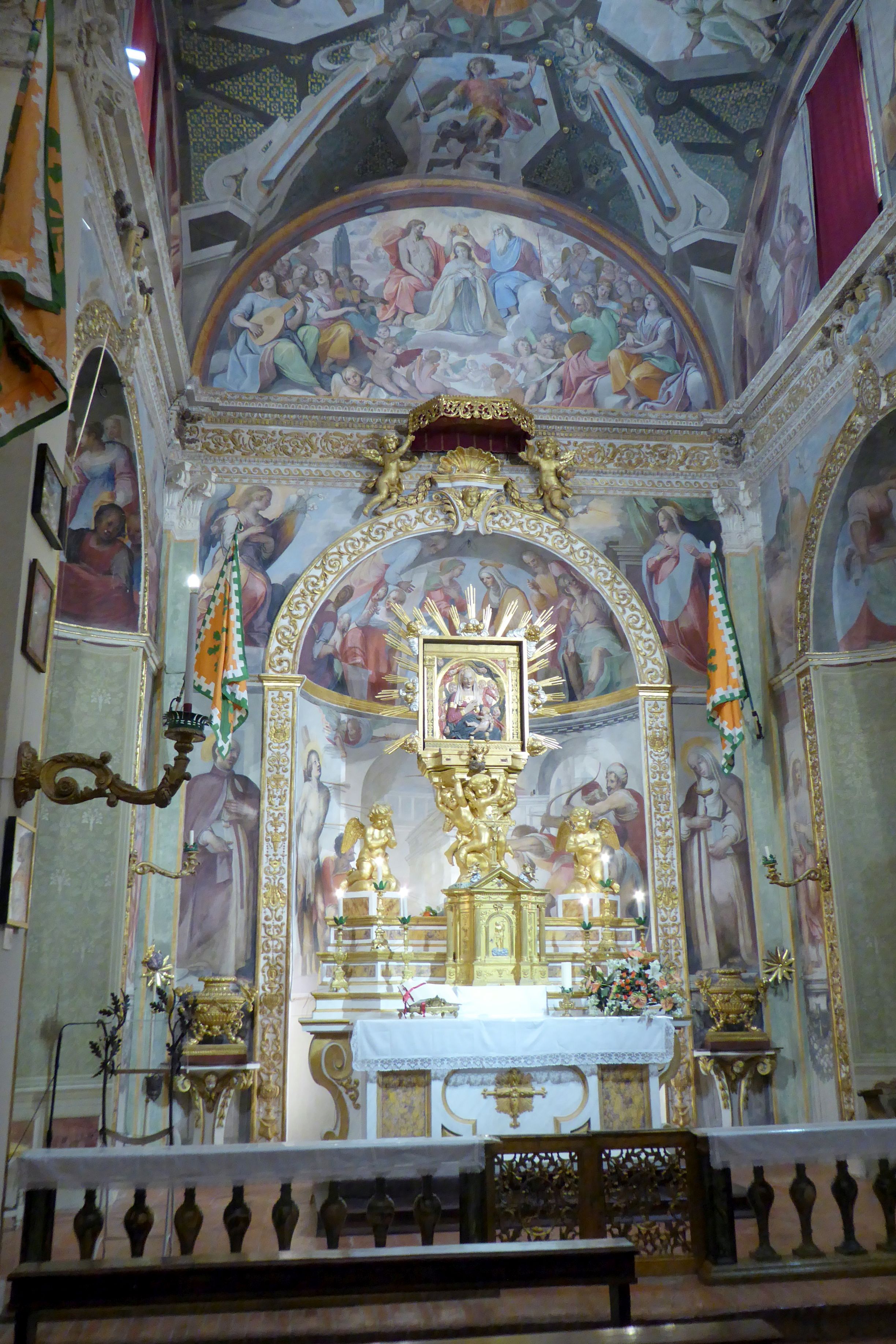
Contrada Della Selva displays green and orange flags in their church.
Contrada Della Selva’s baptisms are conducted in this fountain.

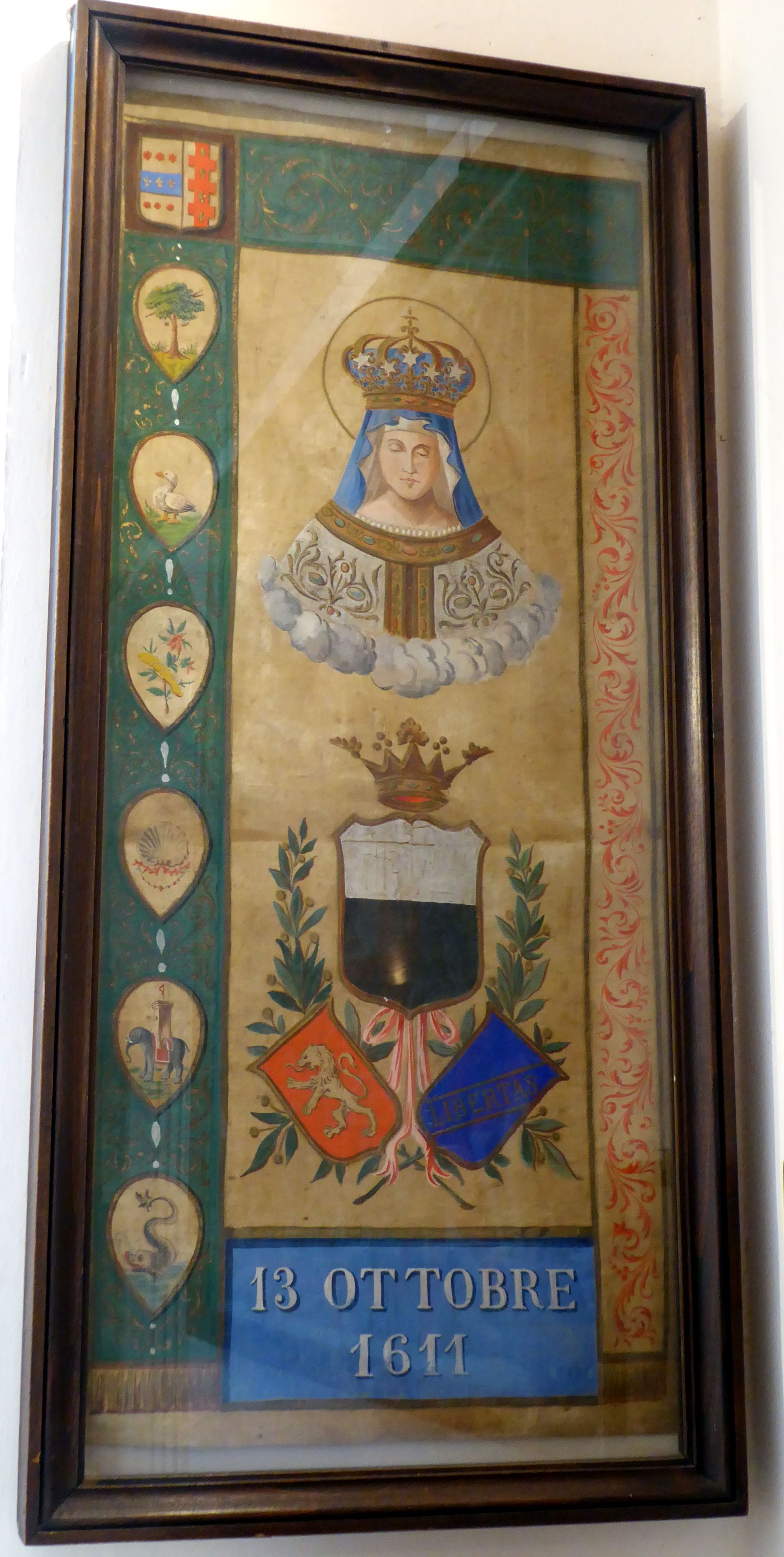
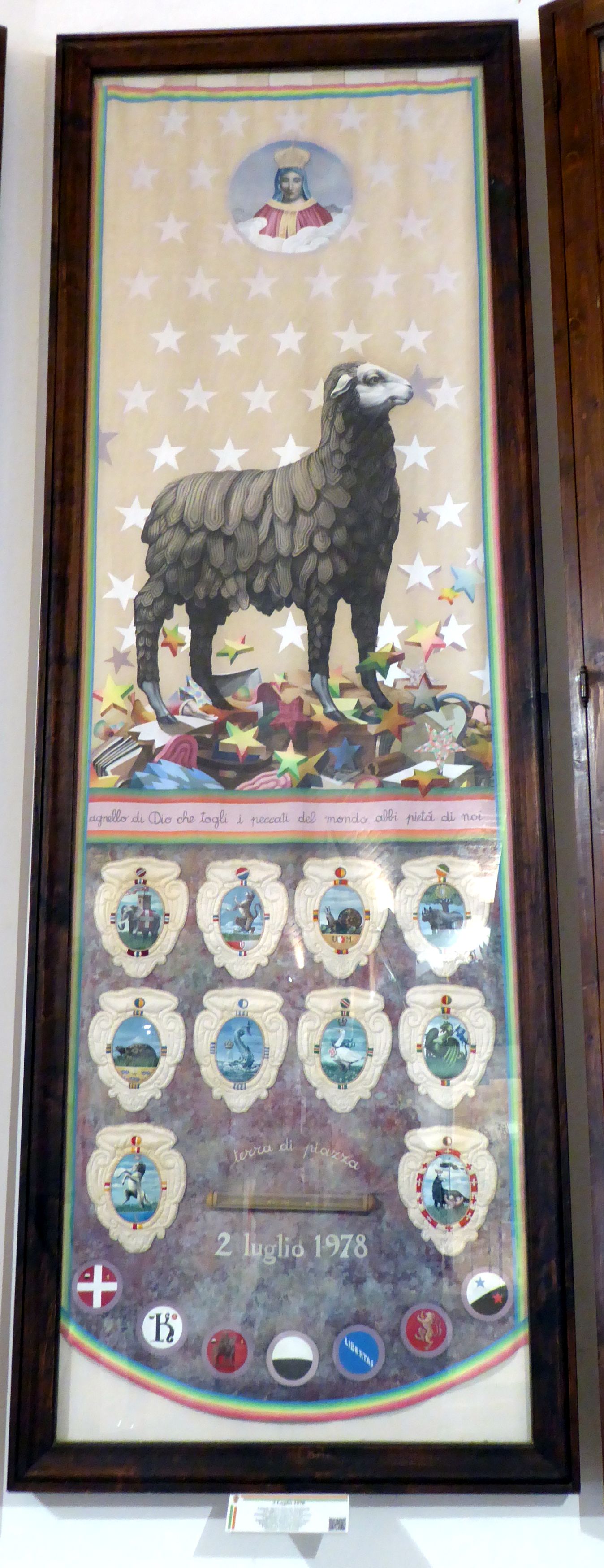
Anything goes during these races, including trying to knock a rival jockey off his horse.  It’s chaos, and the celebration afterward is as crazy as the race itself.  The winning contrada hosts a very festive banquet in their streets, and the alcohol flows.  They are awarded with a banner that gets displayed in their museum.  Local artists compete for the honor of designing the winners’ banner for the July race, and international artists compete for the August race banner.

This banner was won in the 1611 Palio.

What’s even crazier than the actual race is the shenanigans (“legal corruption”) that takes place before each Palio.  District members donate money to help buy a good jockey, and the jockeys negotiate (bribe?) to get a better pole position or conspire to block another horse.

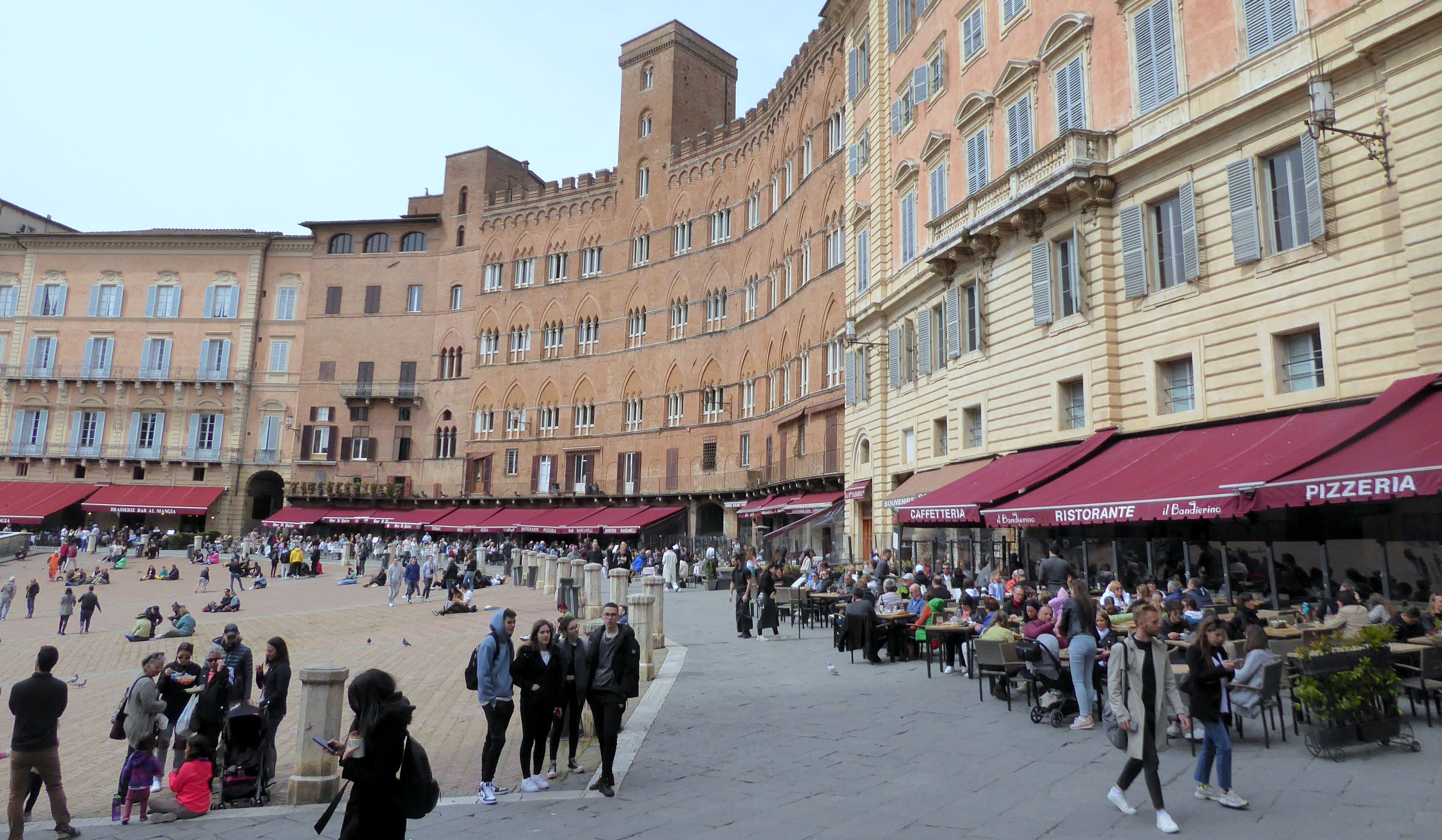
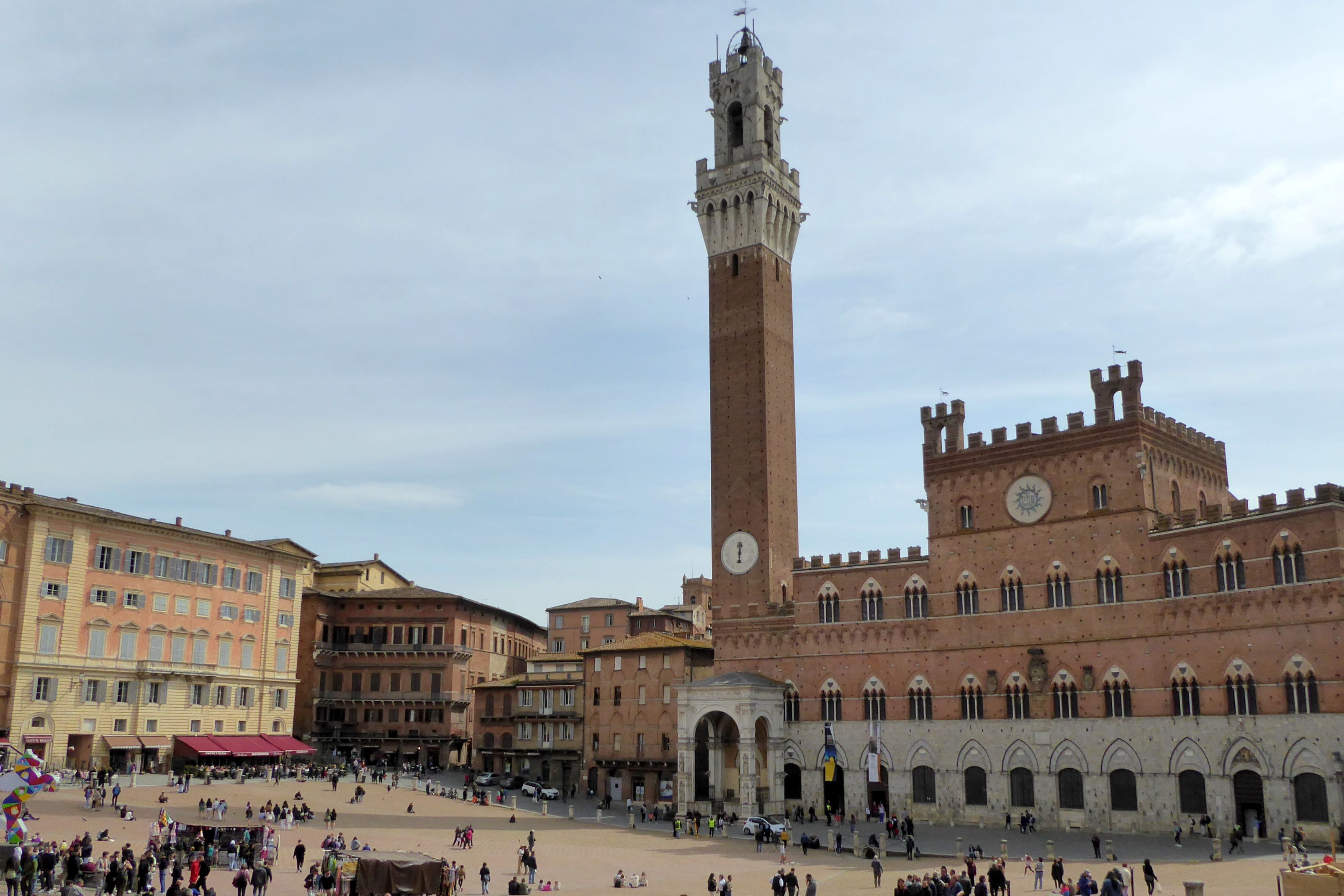
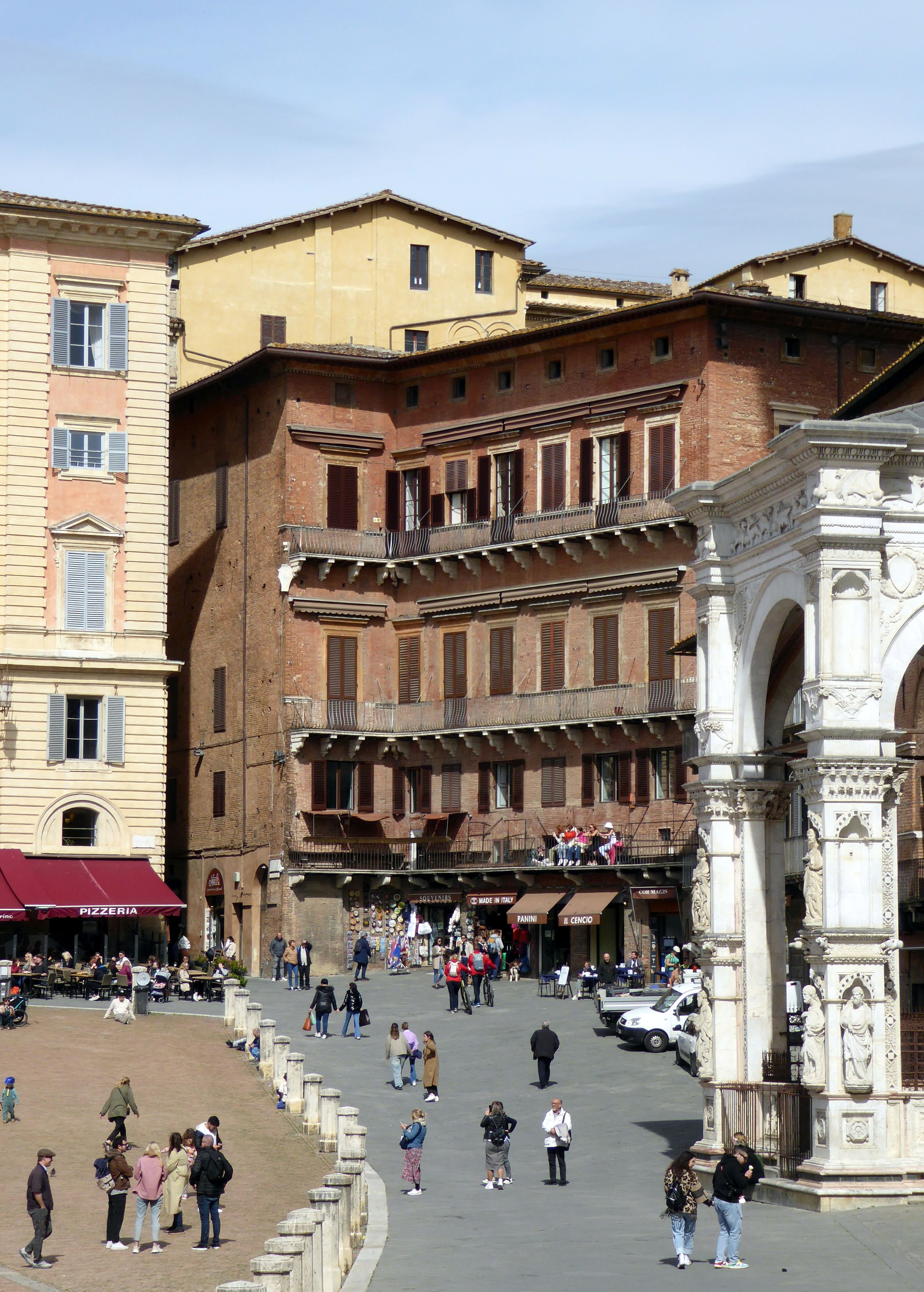
Piazaa del Campo, home of the Palio horse race

Check out 2022’s Palio here.  You have to see it to believe it.

As we walked through a few of the contrade during our walking tour, I got a sense of team spirit and community.  Homes displayed their contrada’s flag and symbol; and, there was a palpable pride within each district, especially if they had won a past Palio.

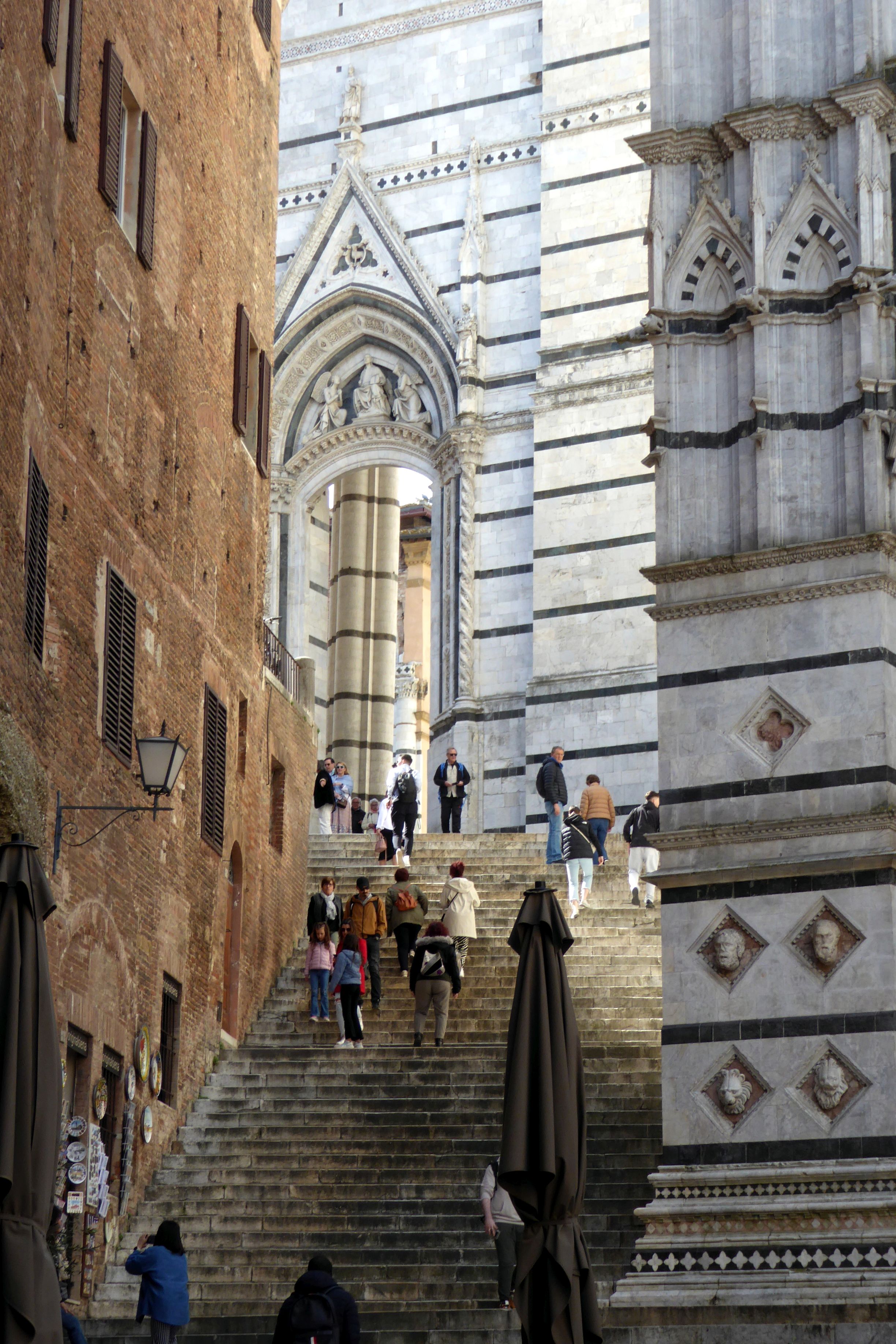
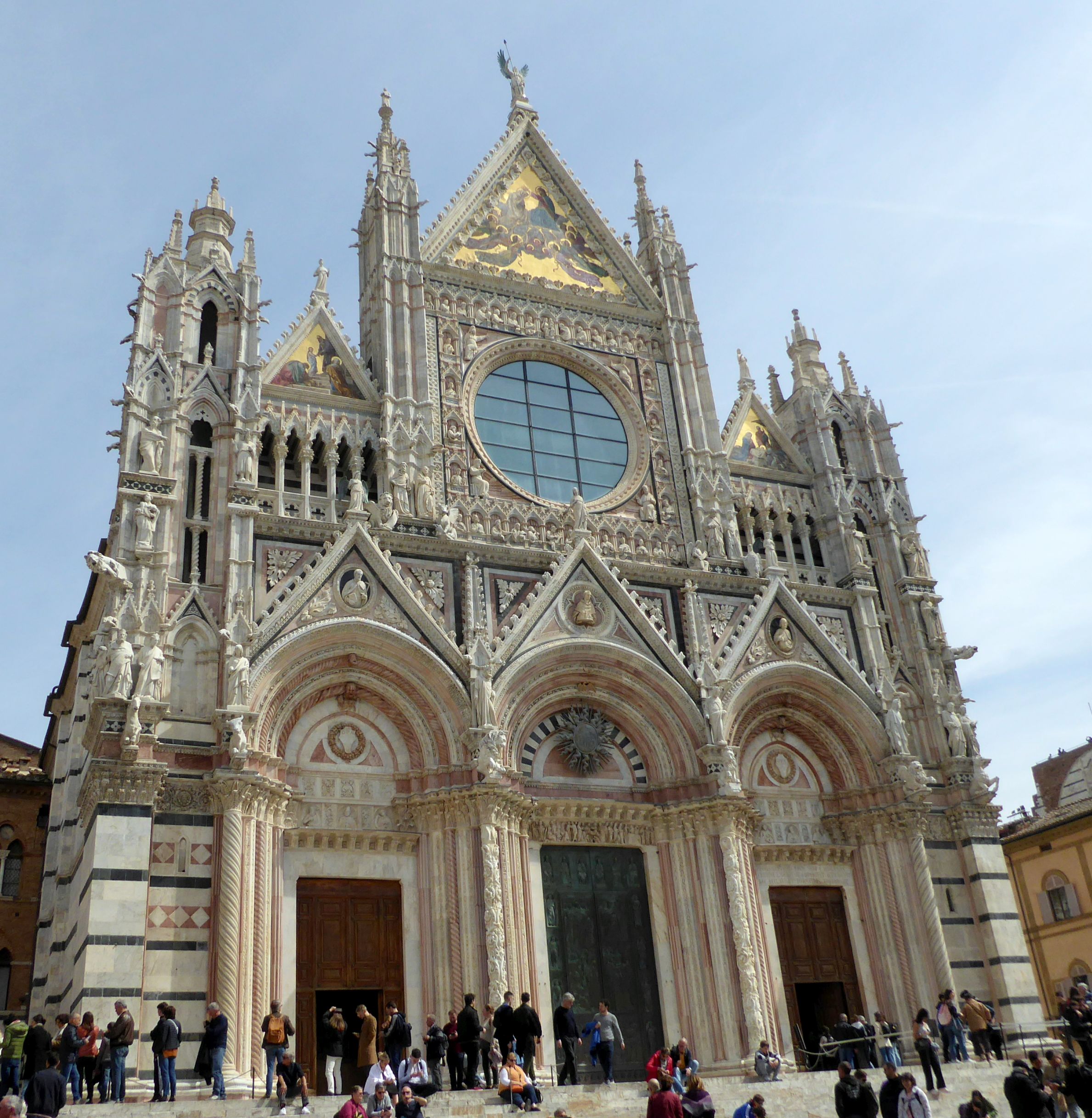
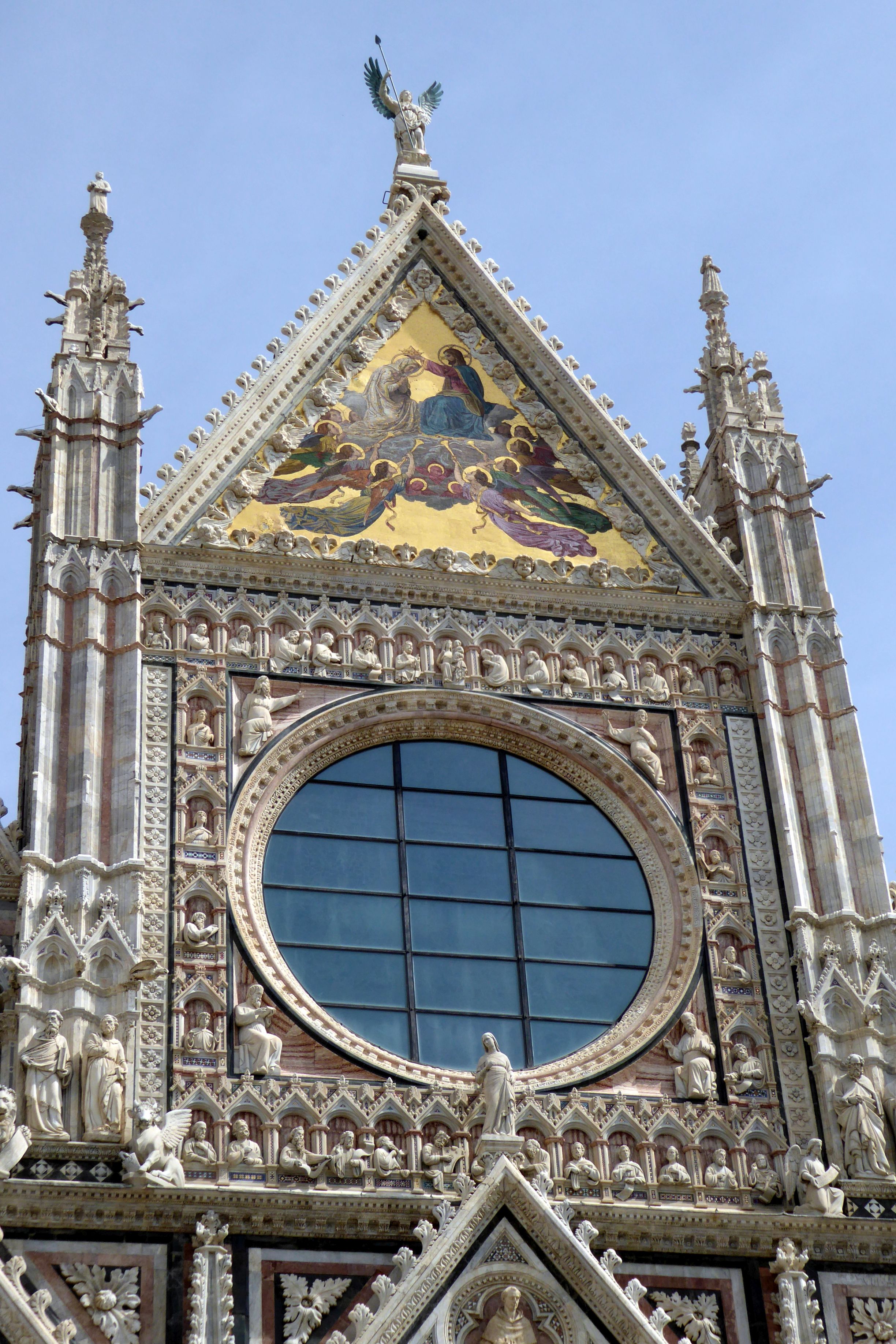
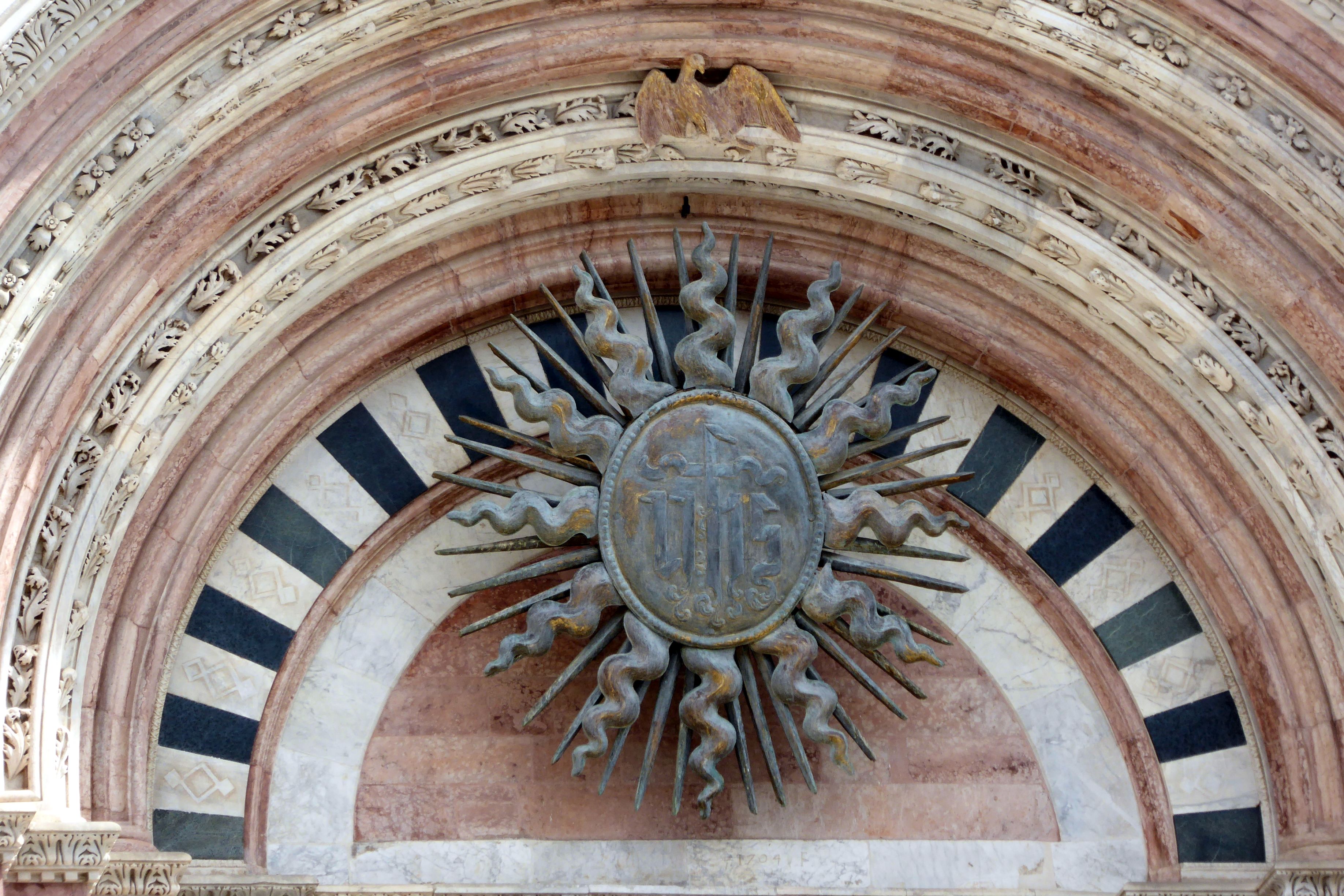
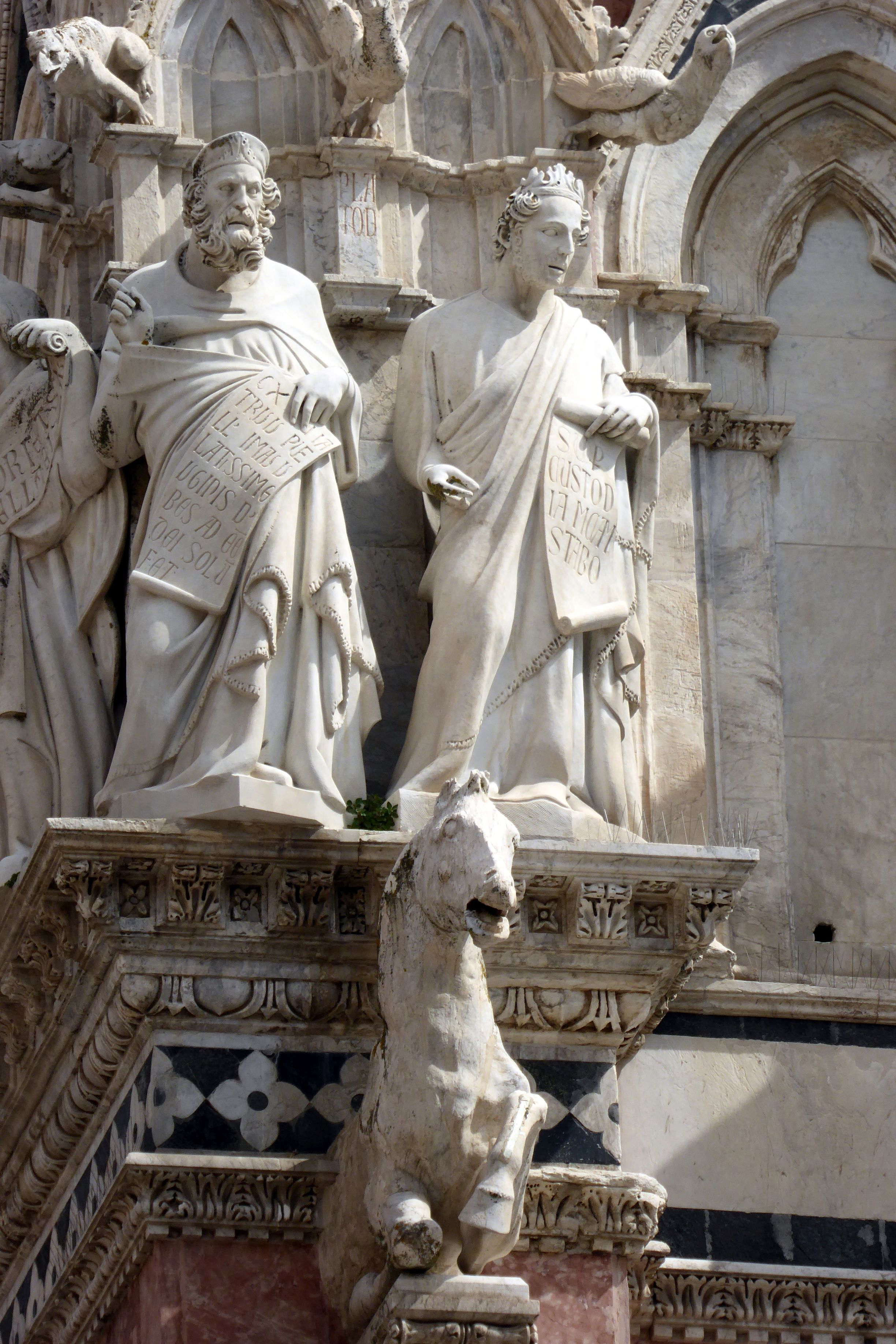
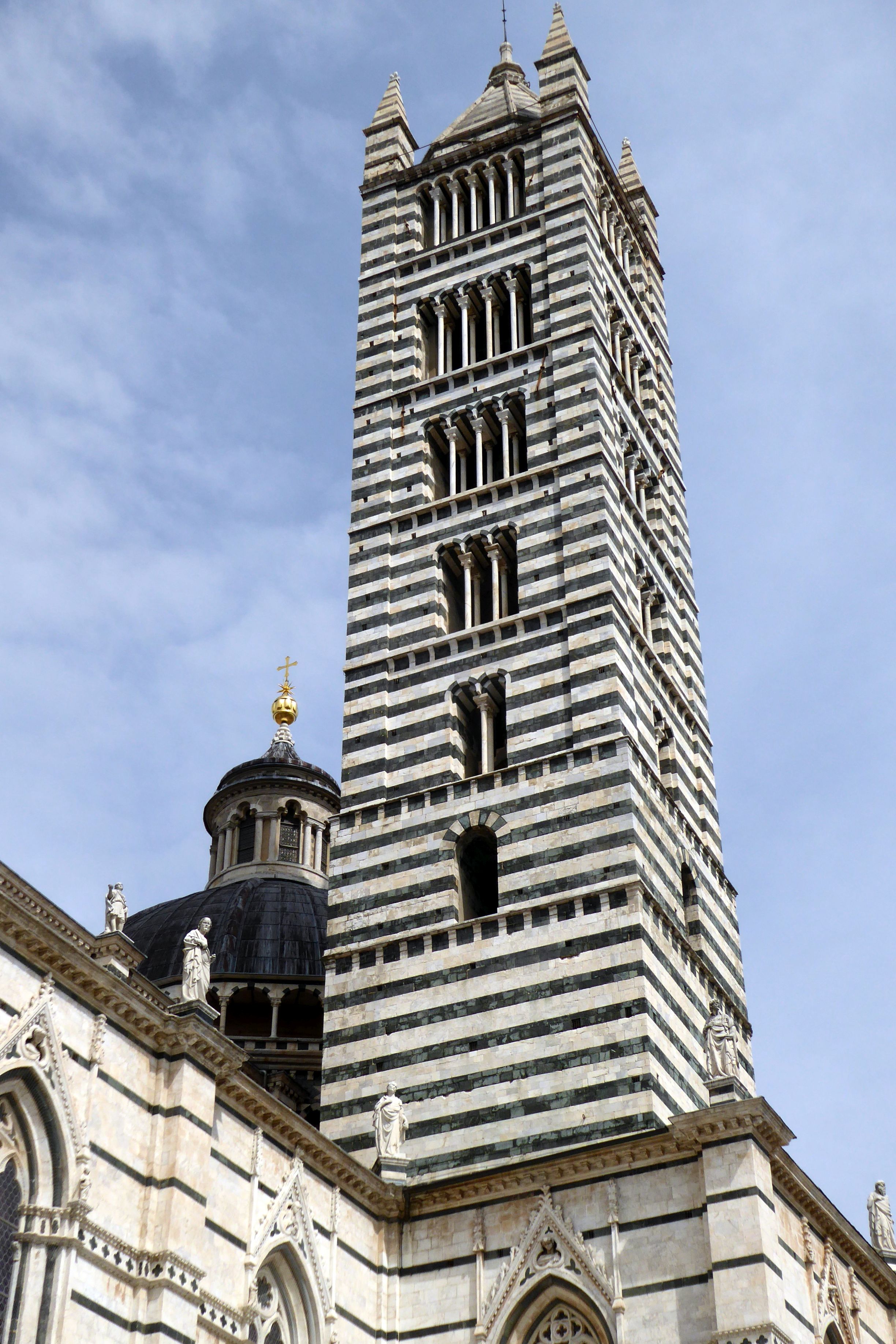
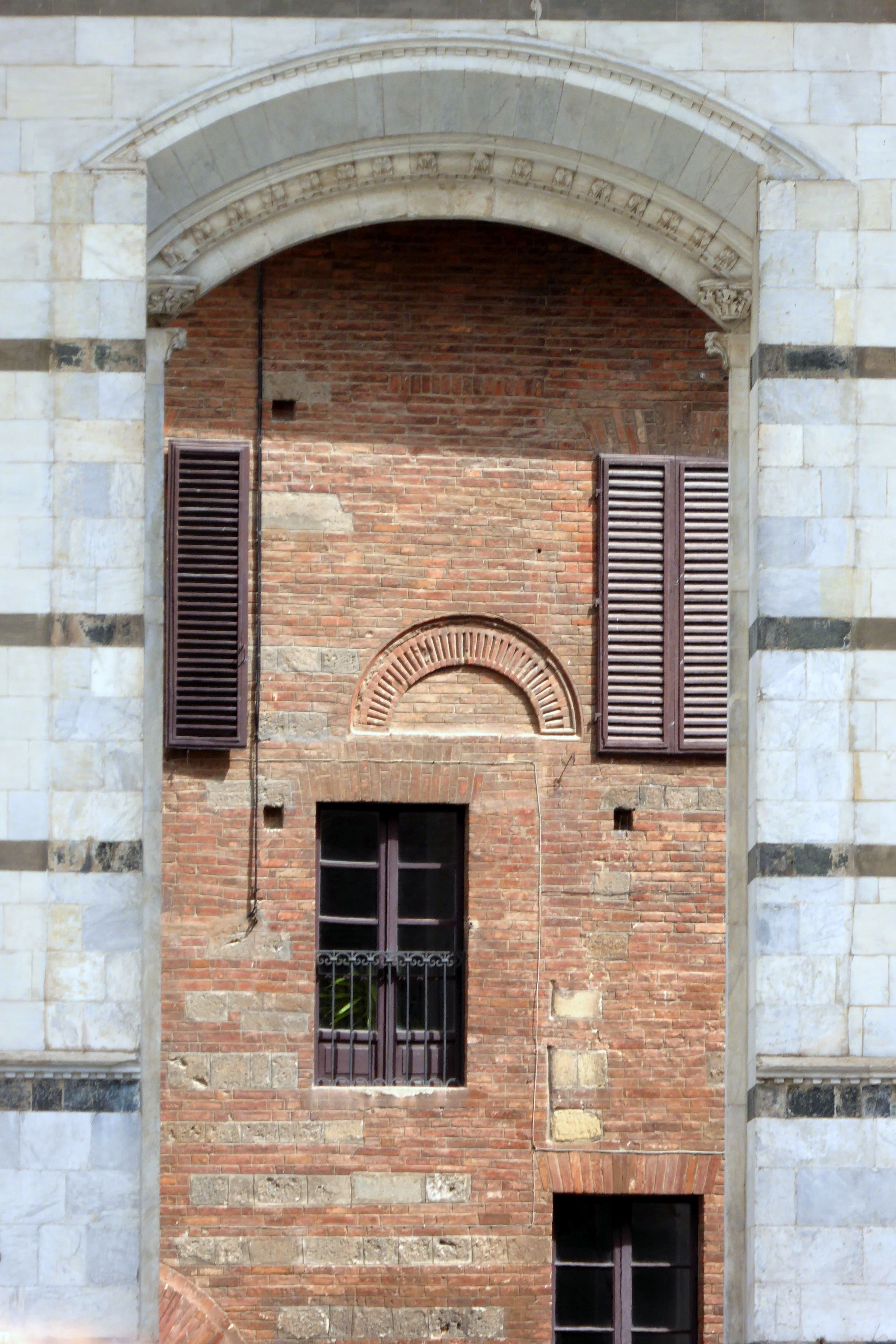
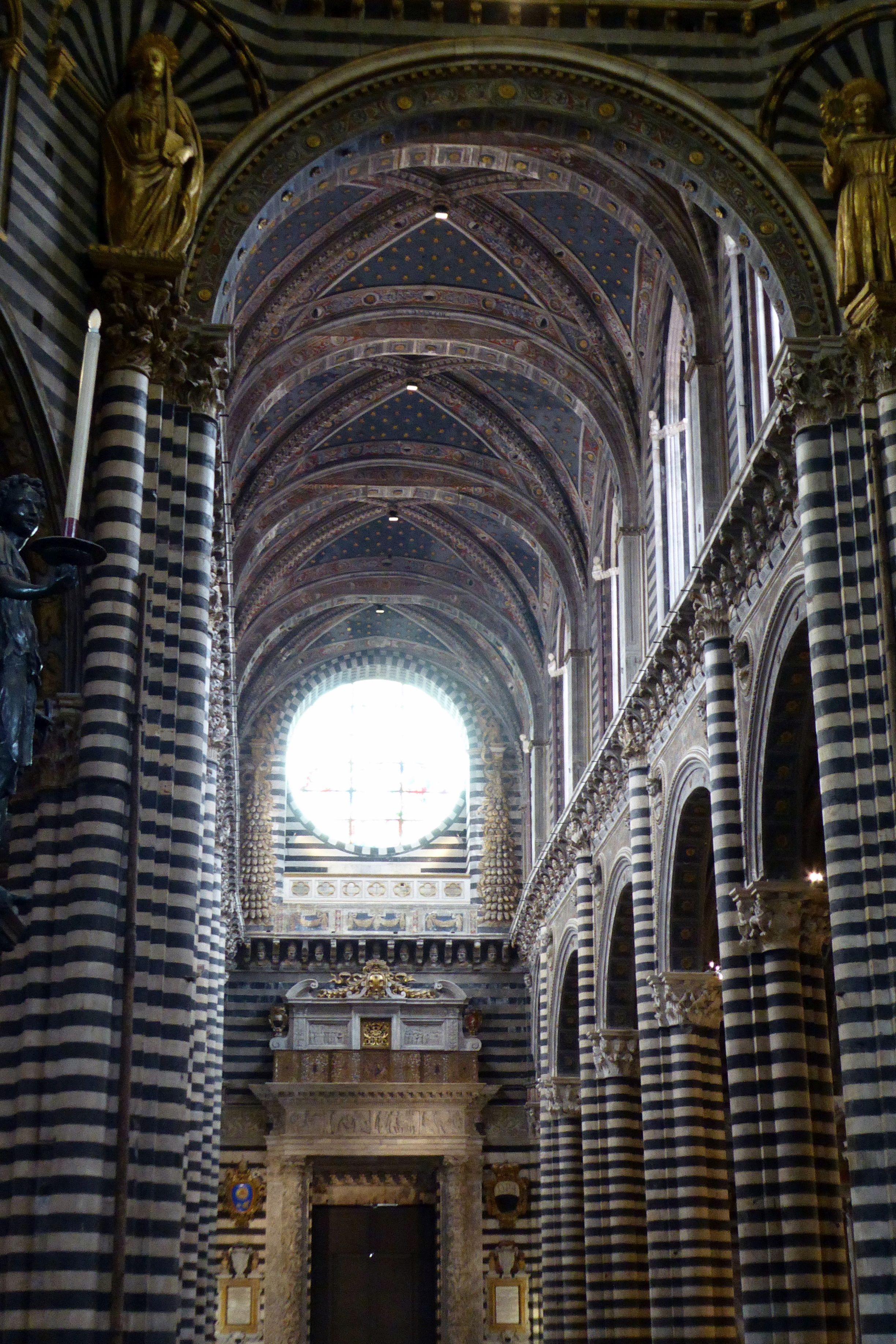
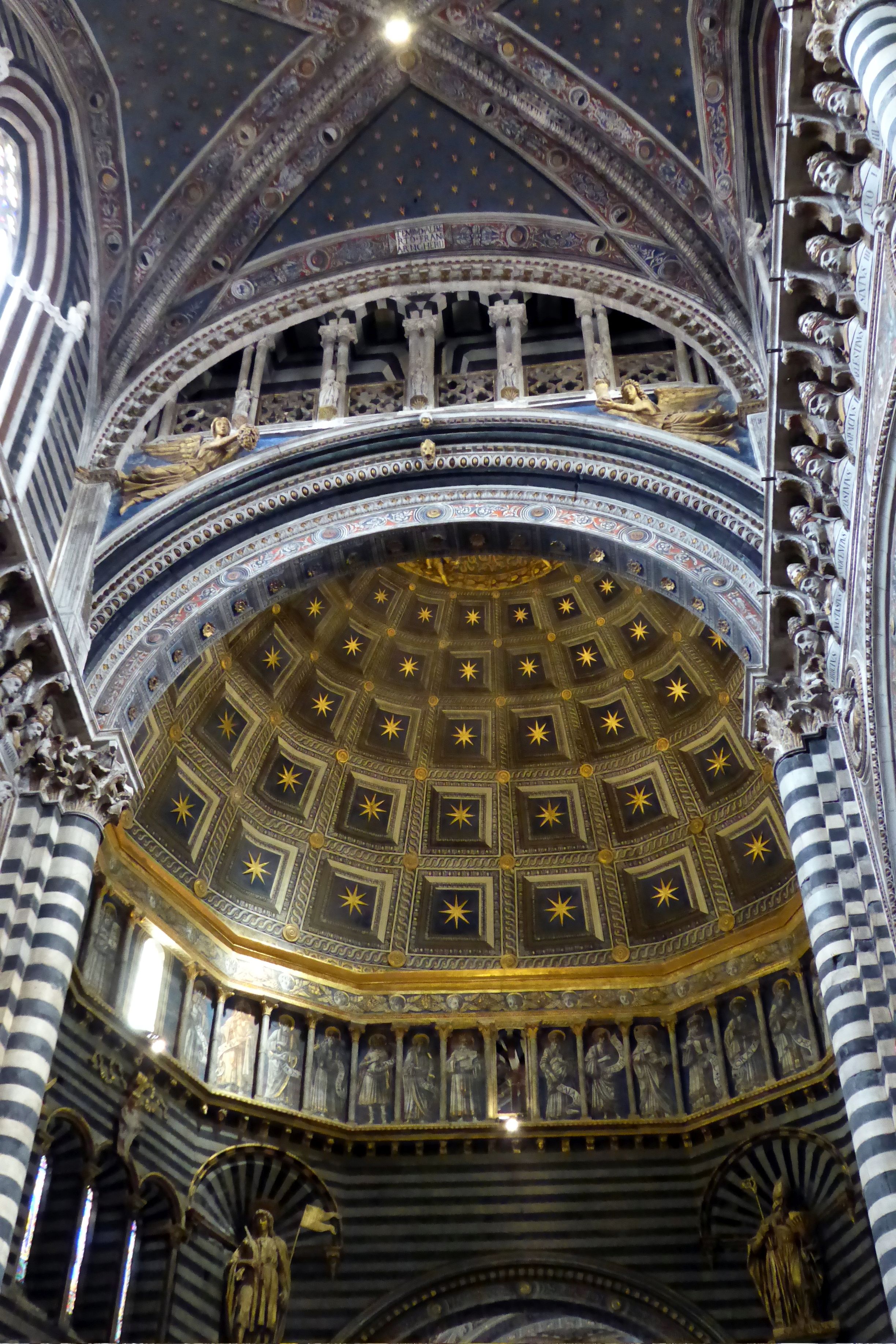
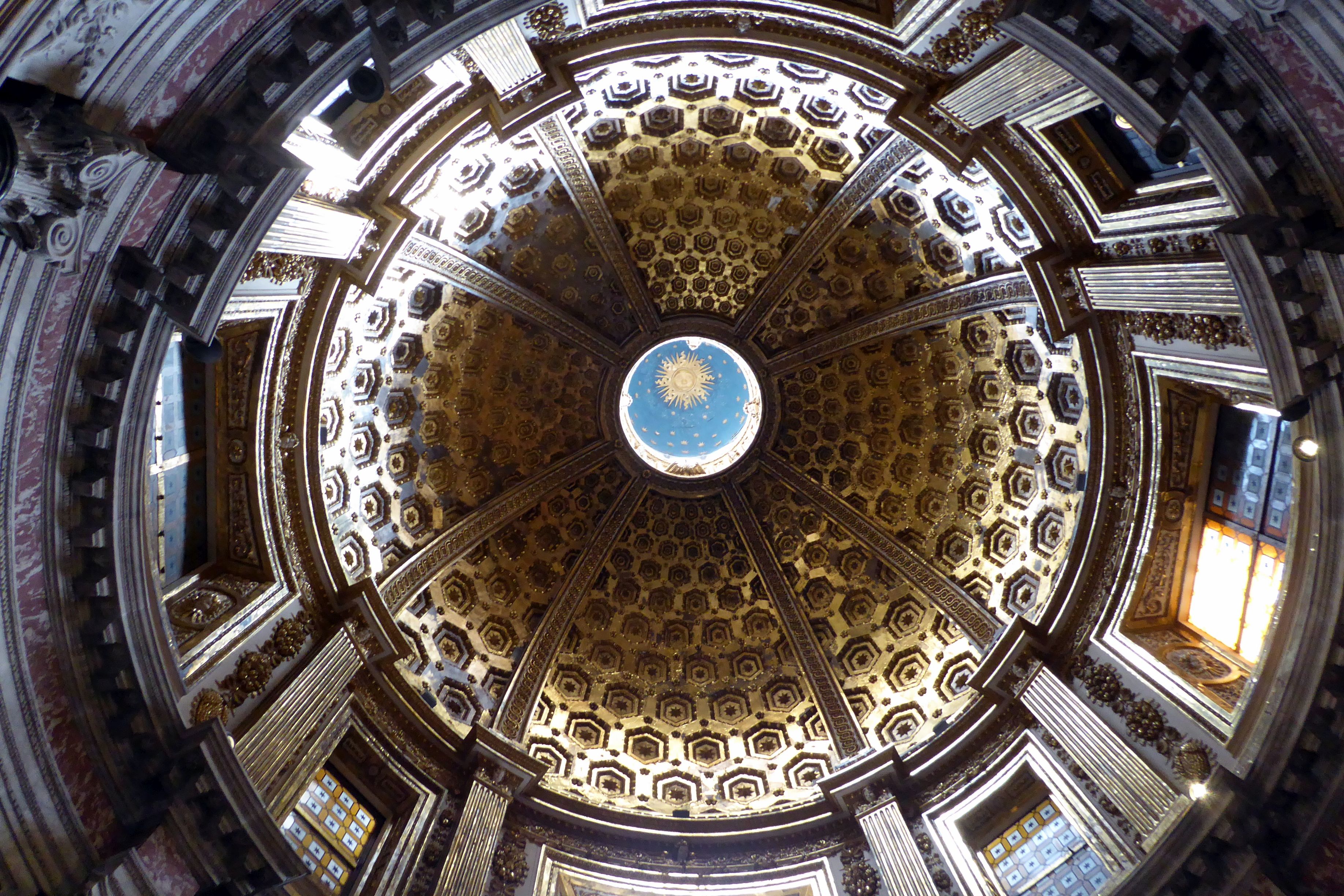
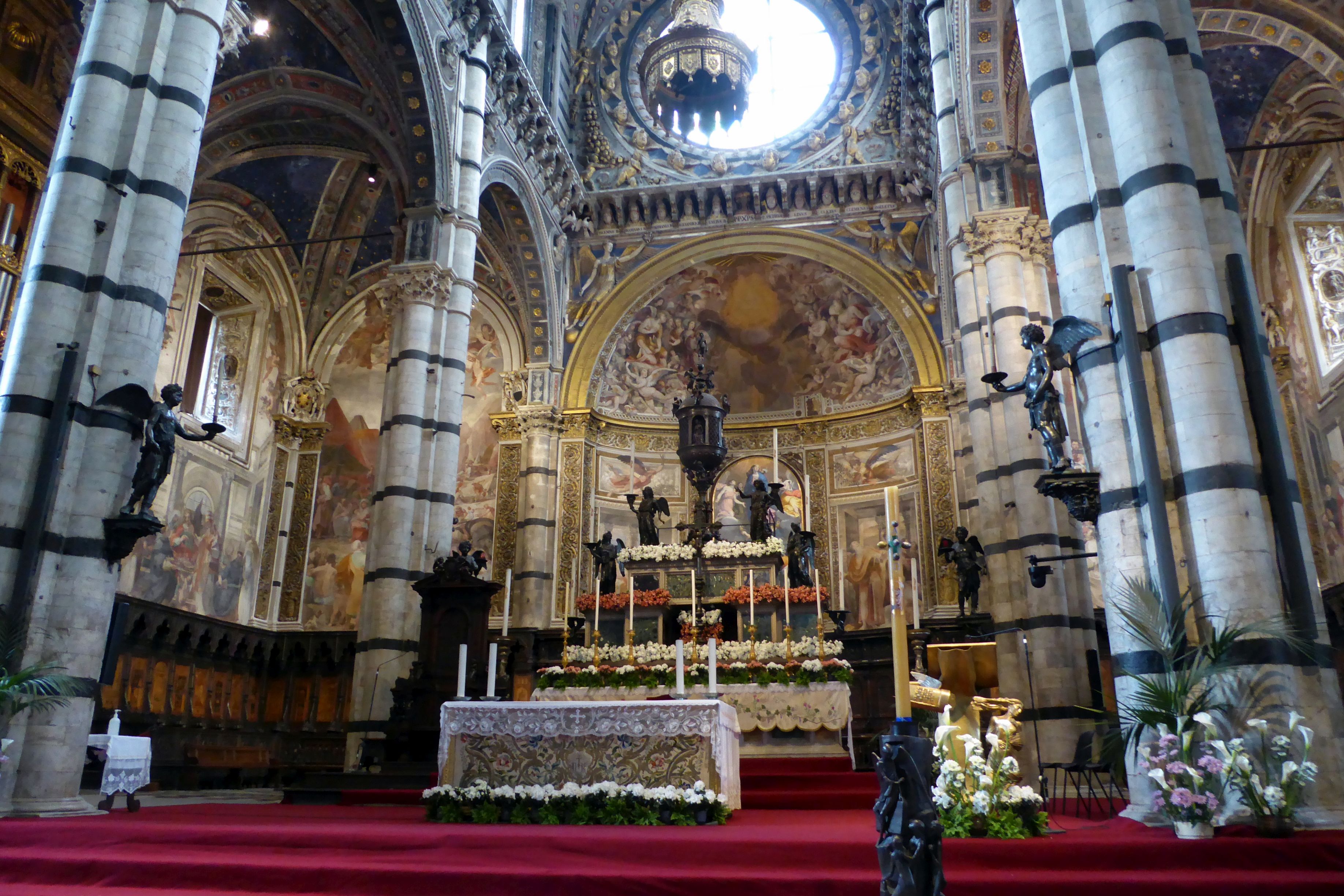
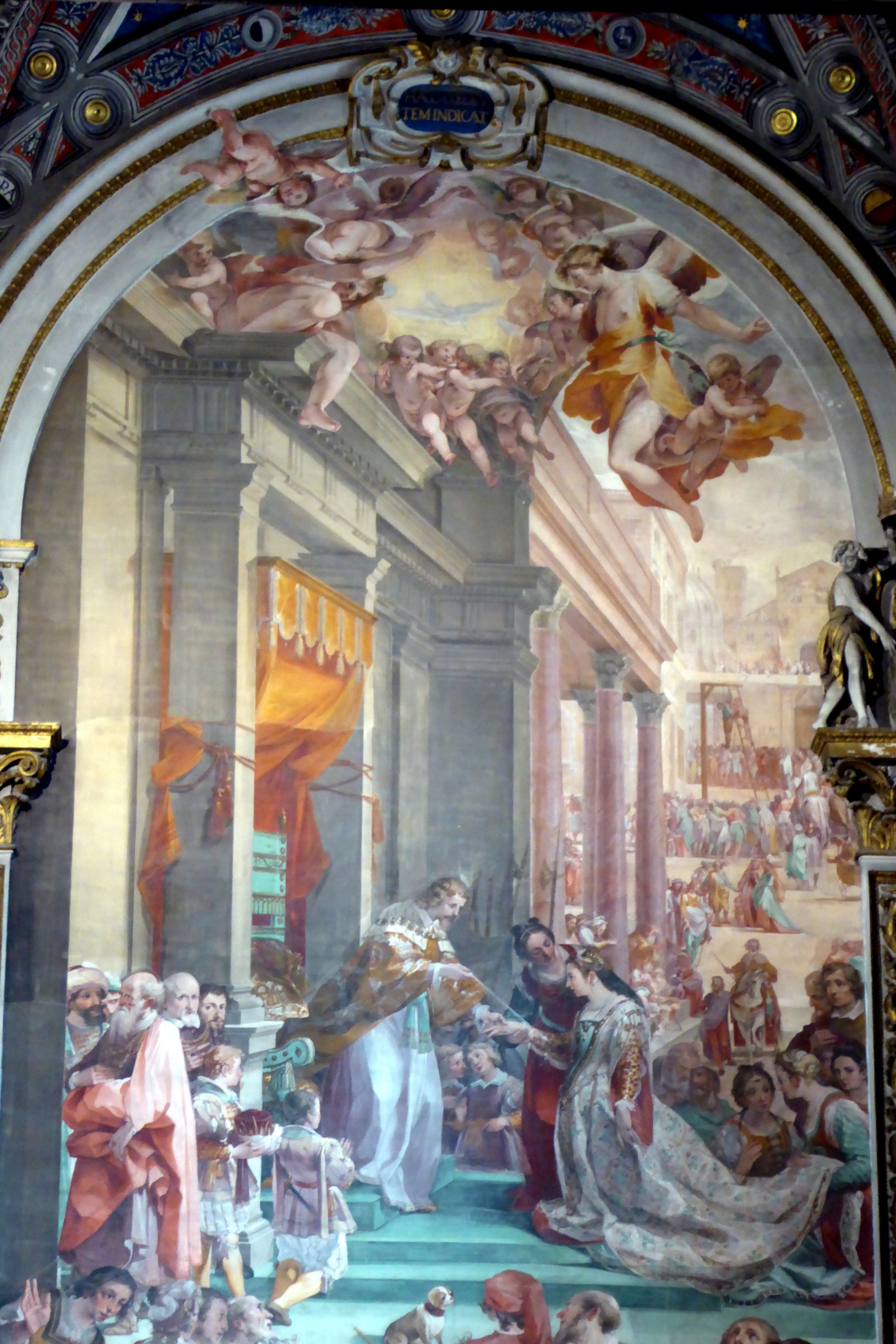
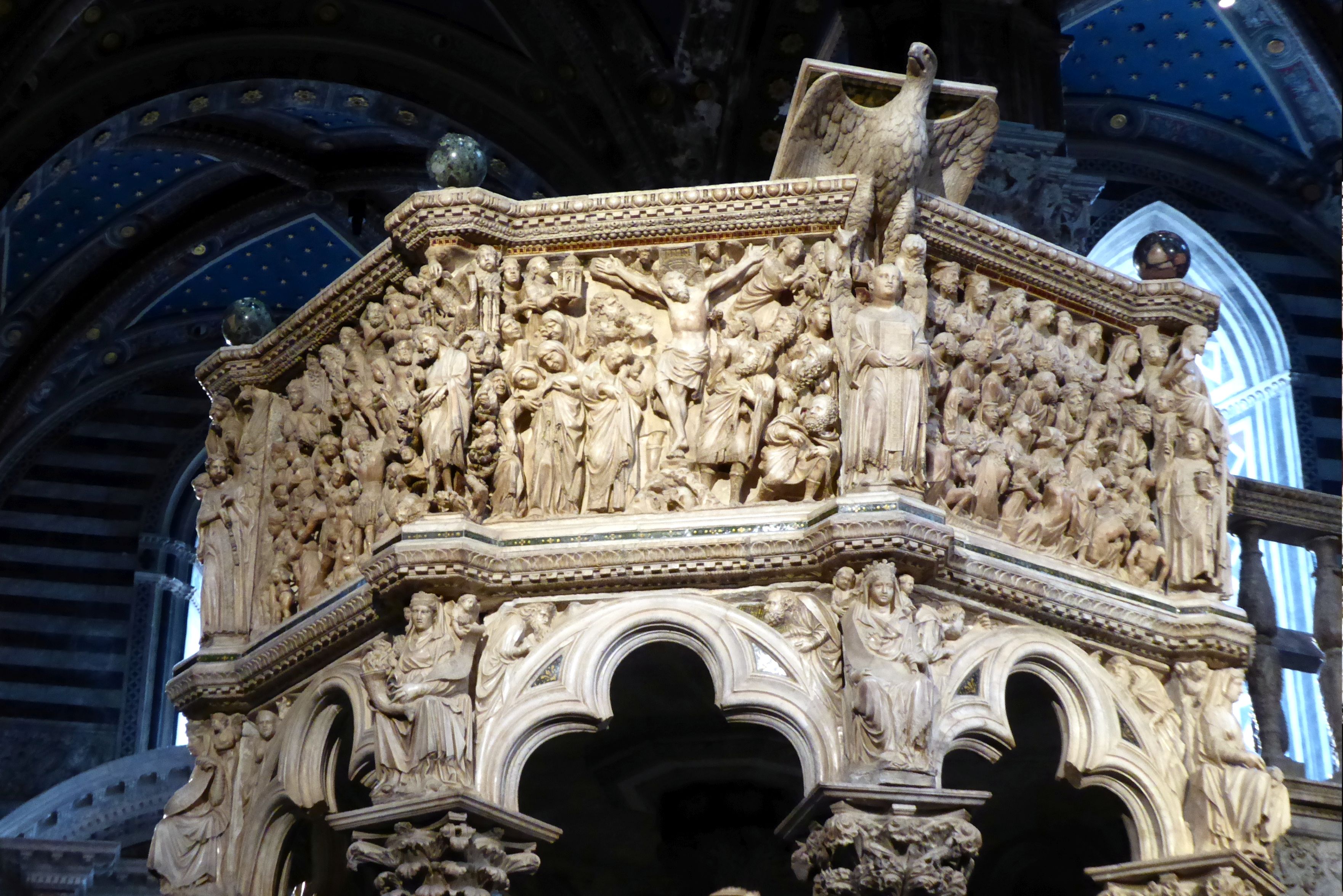
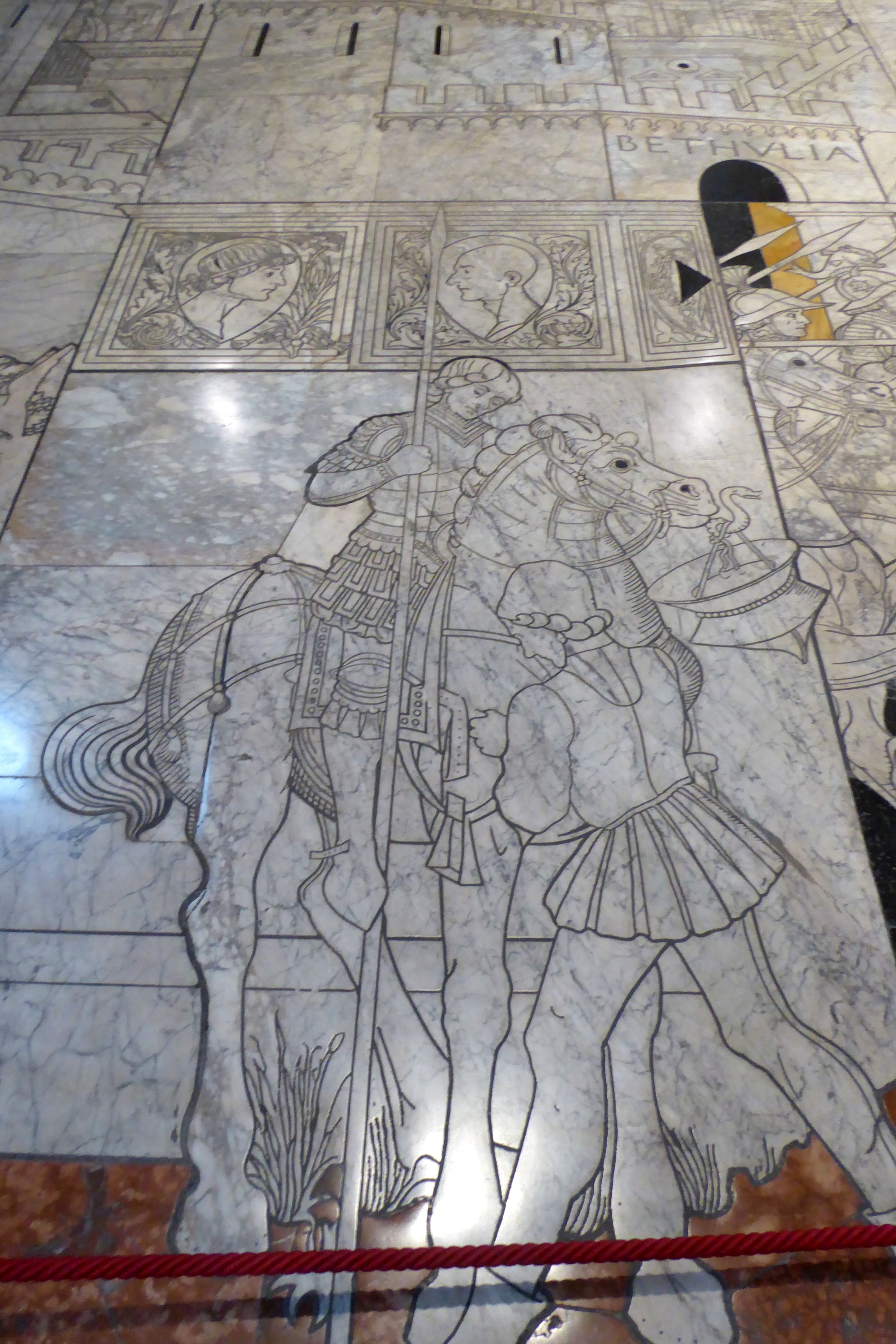
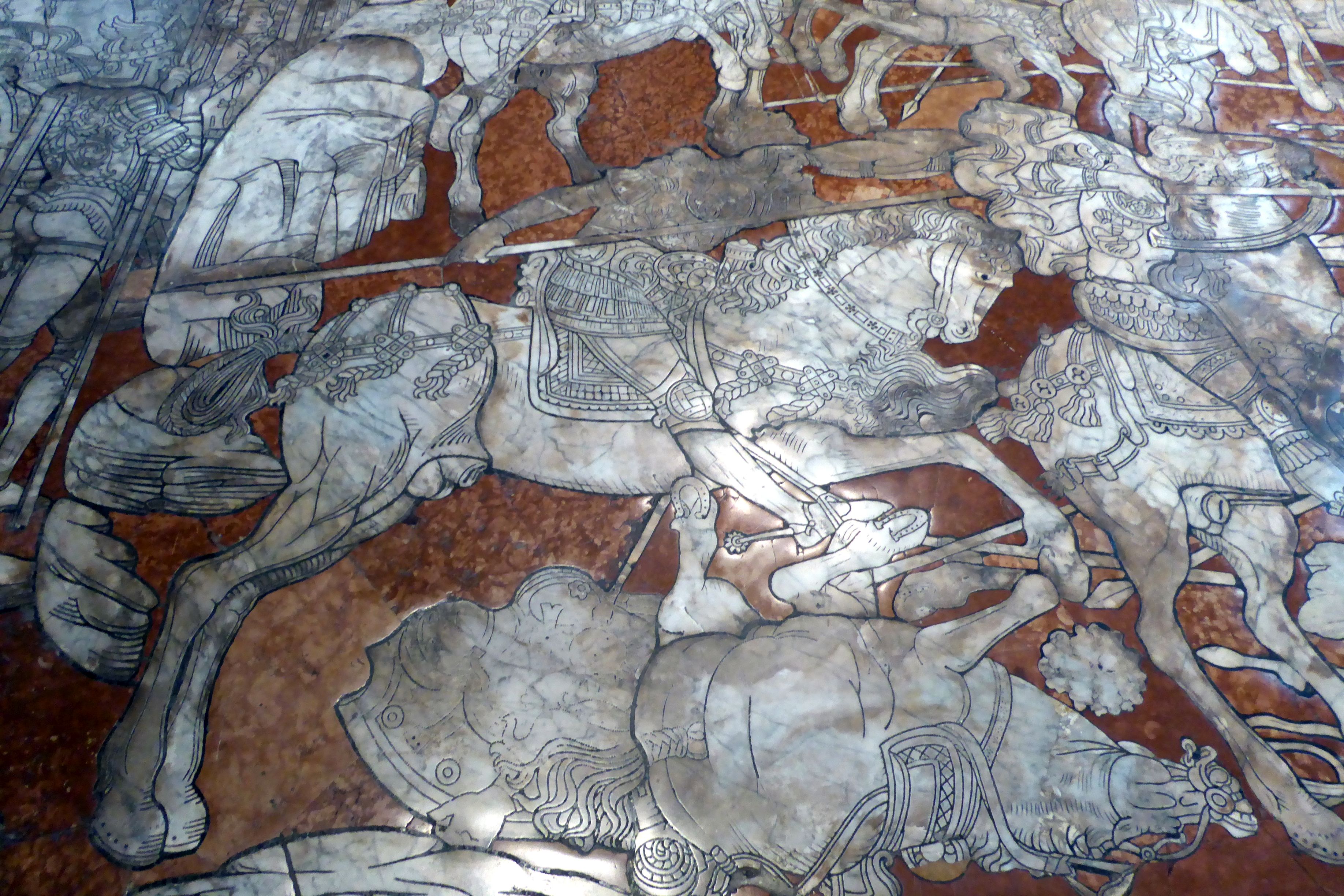
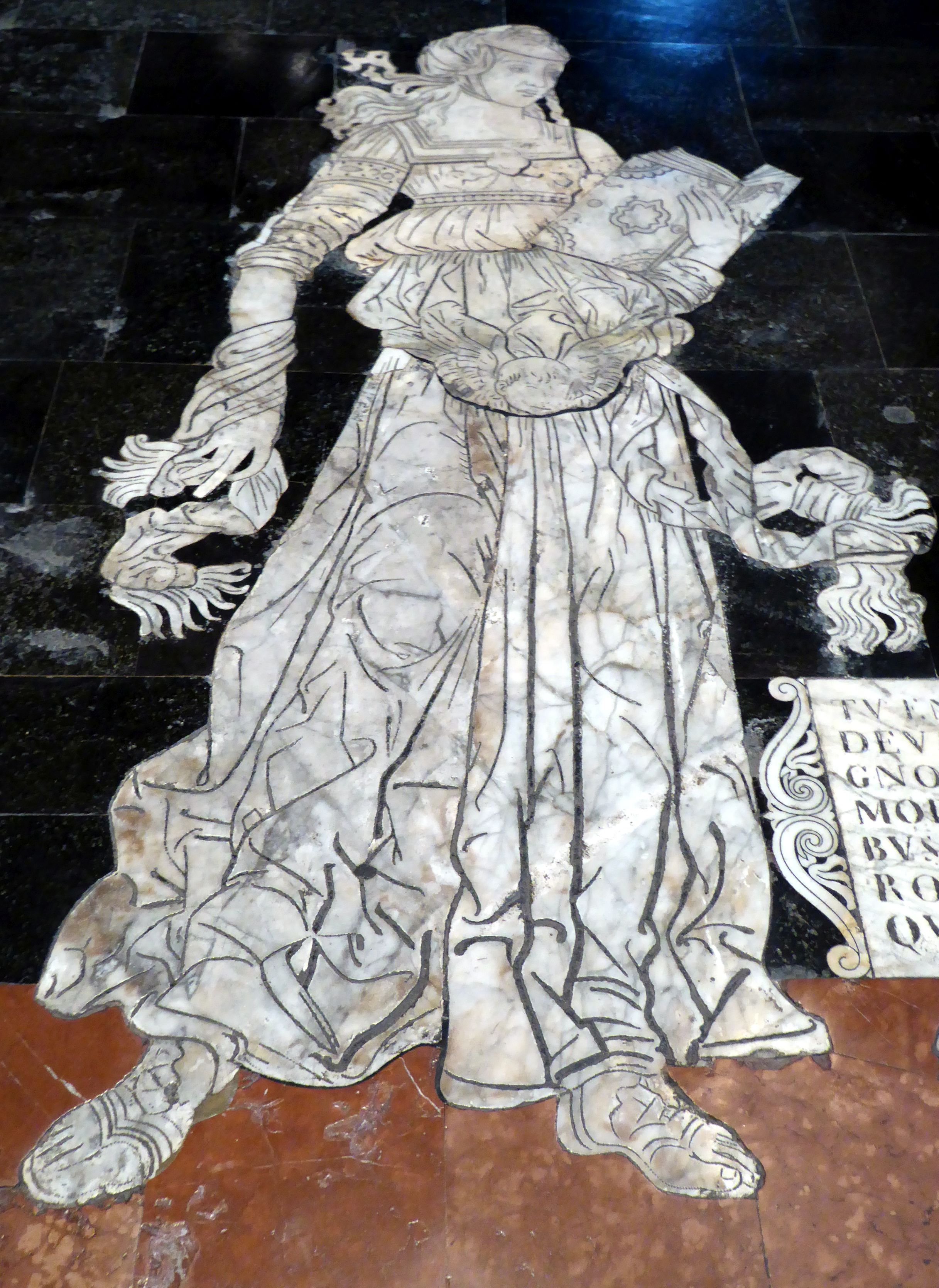
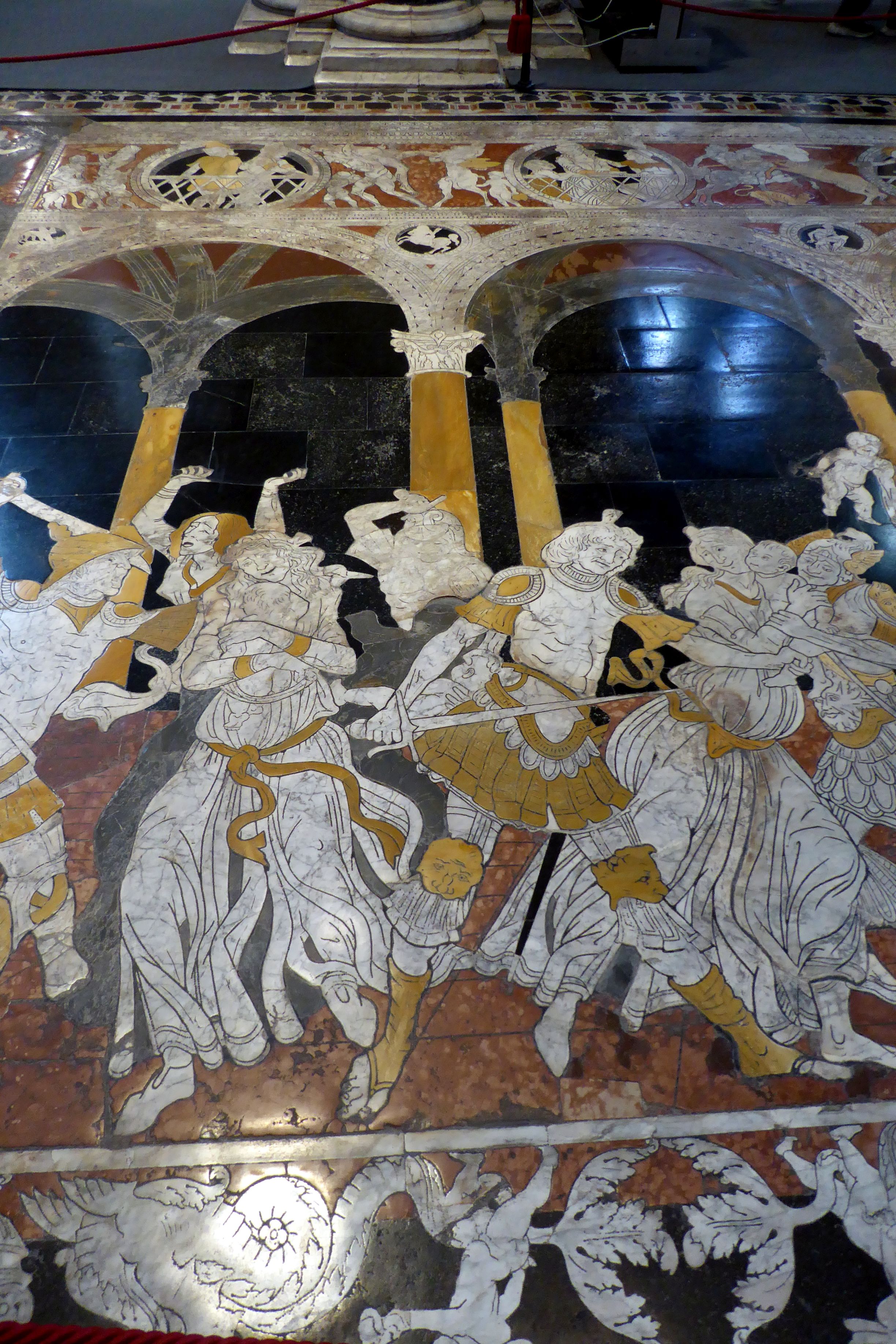
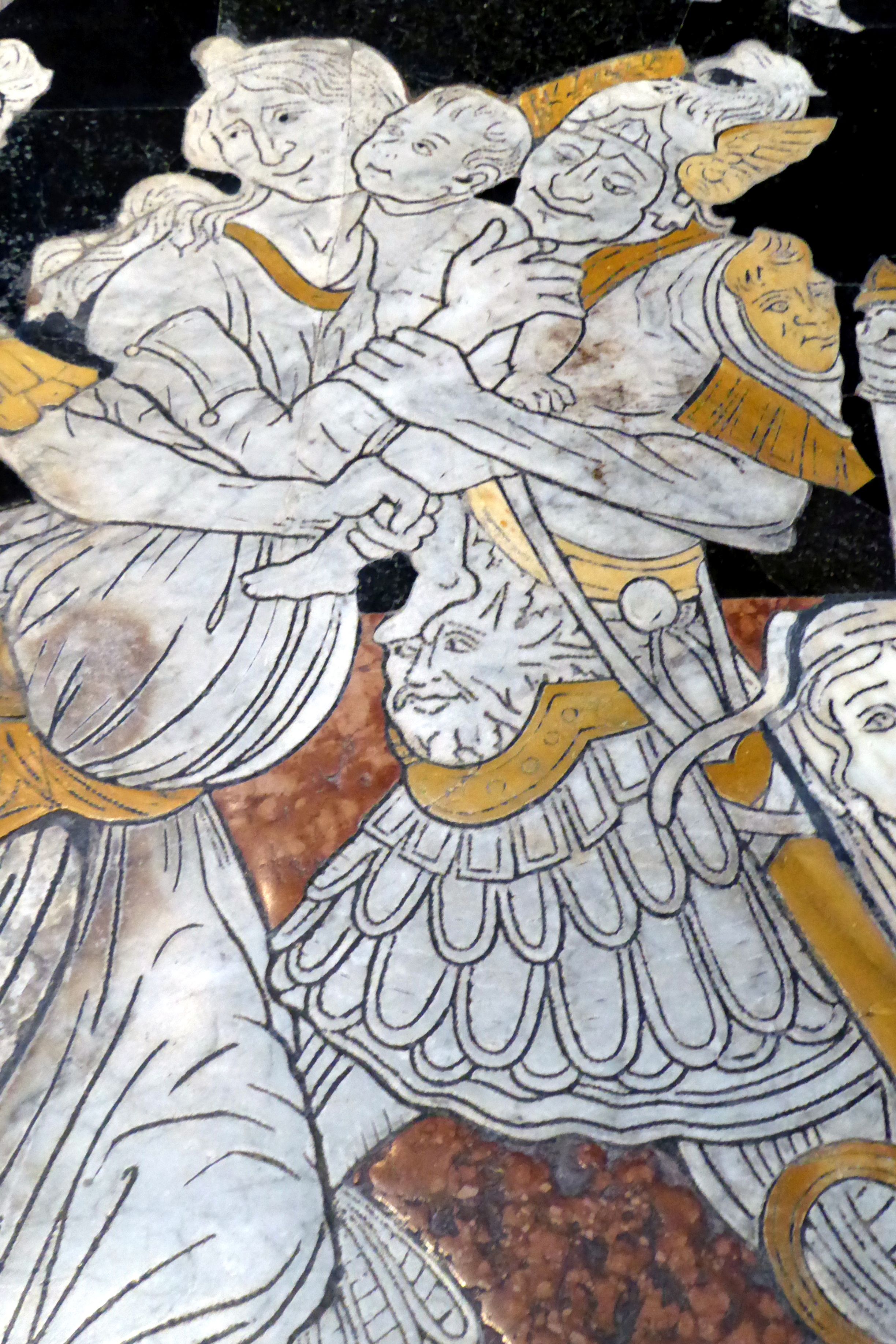
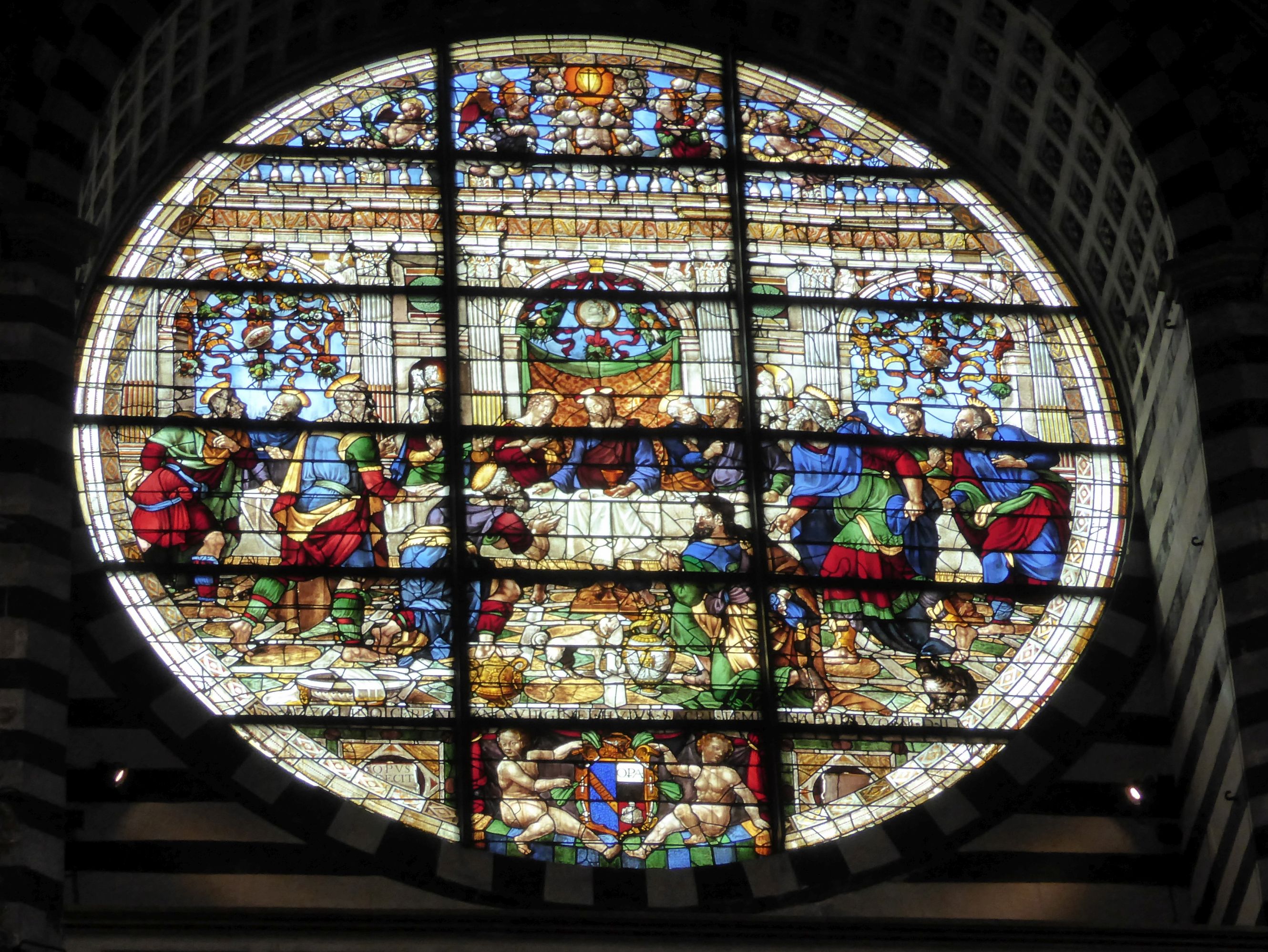
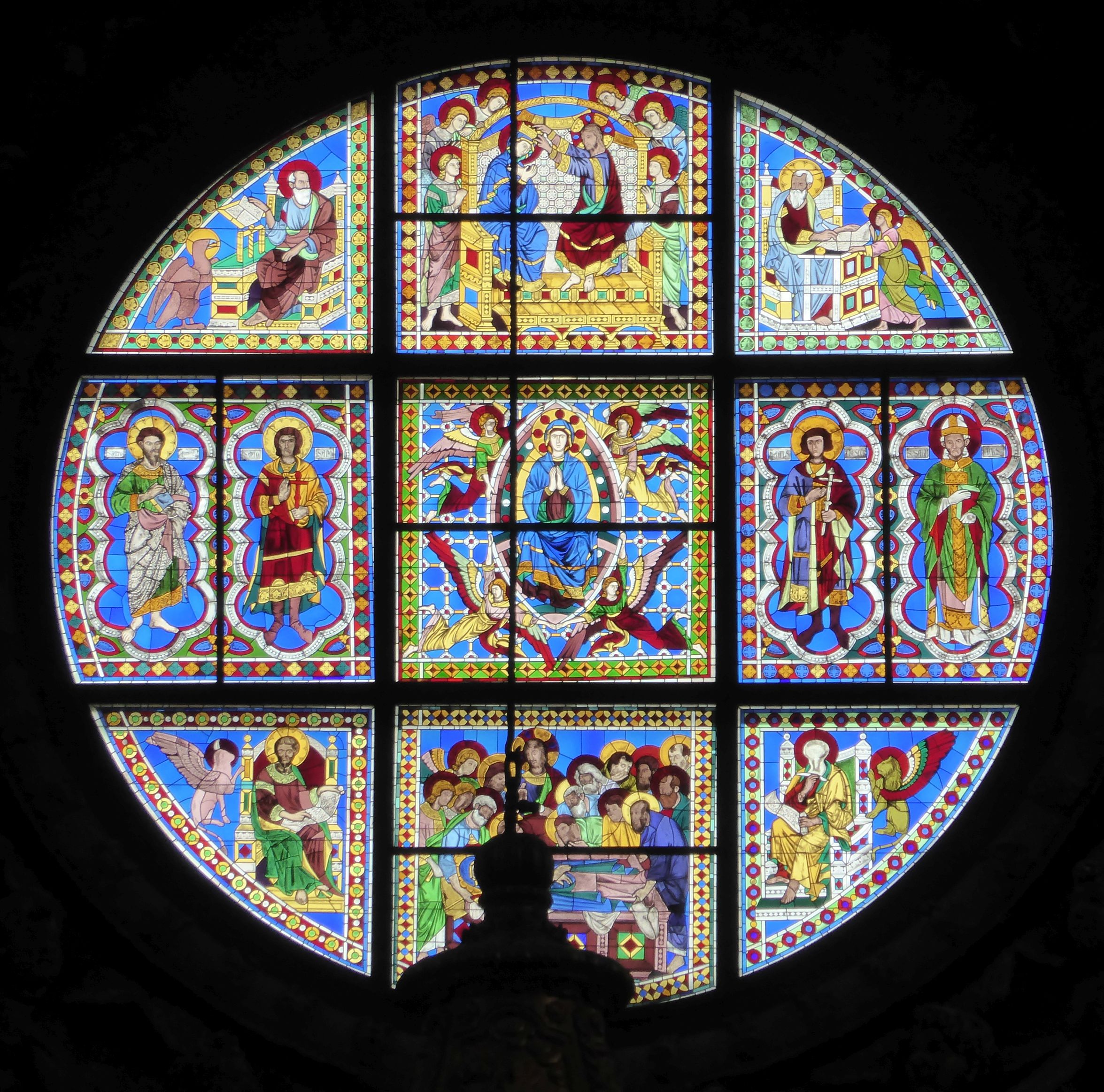
Visiting the Siena Cathedral was another memory that stood out for me.  Dating back to the 1200’s, it was an amazing work of art—especially the inlayed stone floors that were created in the 1300’s.  There were entire scenes and stories depicted in large rectangular areas of the floor that were stunning—and something usually created as painted murals on cathedral ceilings.

On the way to Siena Cathedral
Looking through an opening of the facade of the unfinished section of the cathedral
Inside the cathedral
Inlayed stone floors of the cathedral

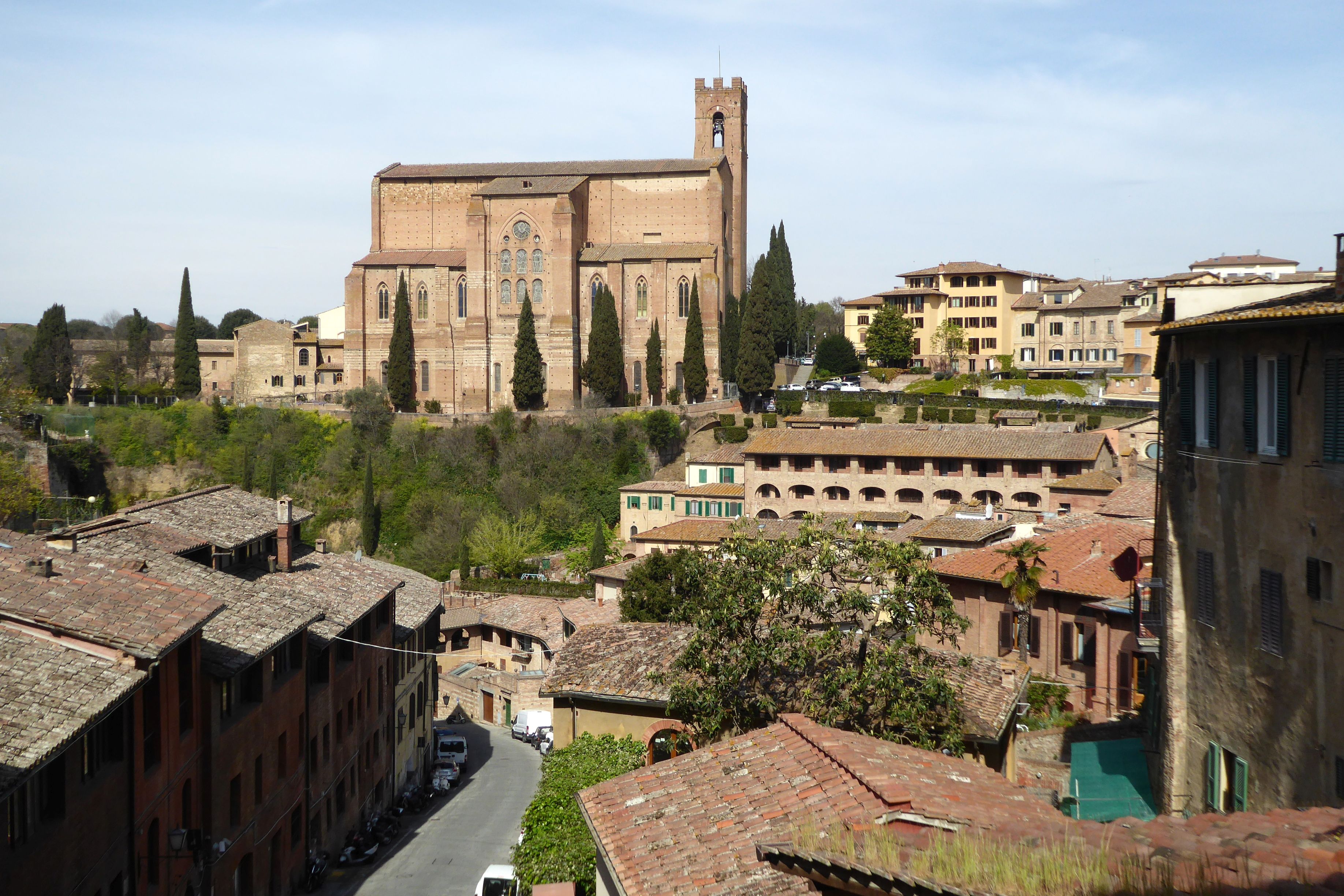
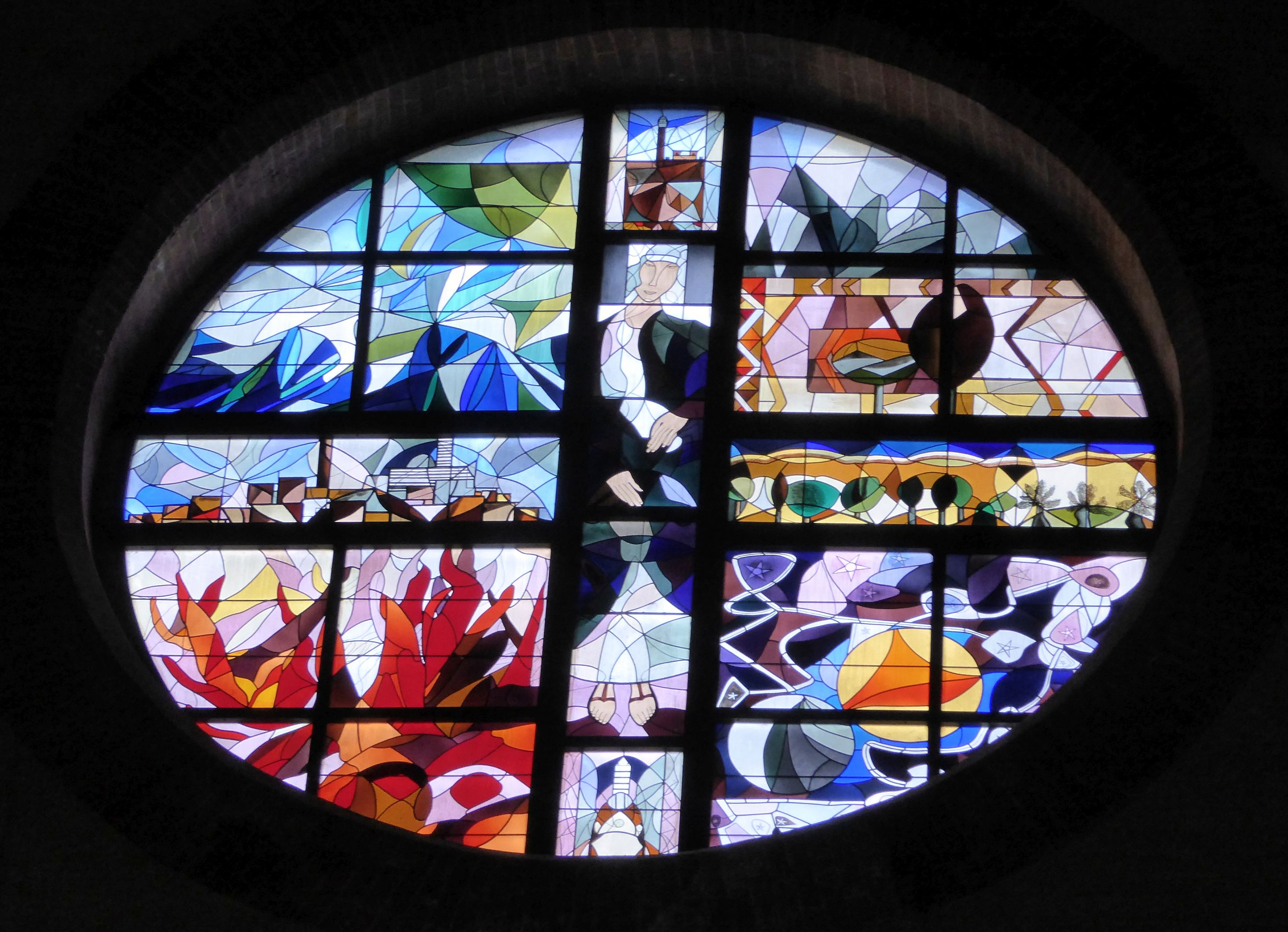
During our morning walking tour, we toured Basilica di San Domenico
Inside Basilica di San Domenico
This used to be a church, but it now houses stables for their contrada’s Palio horses!

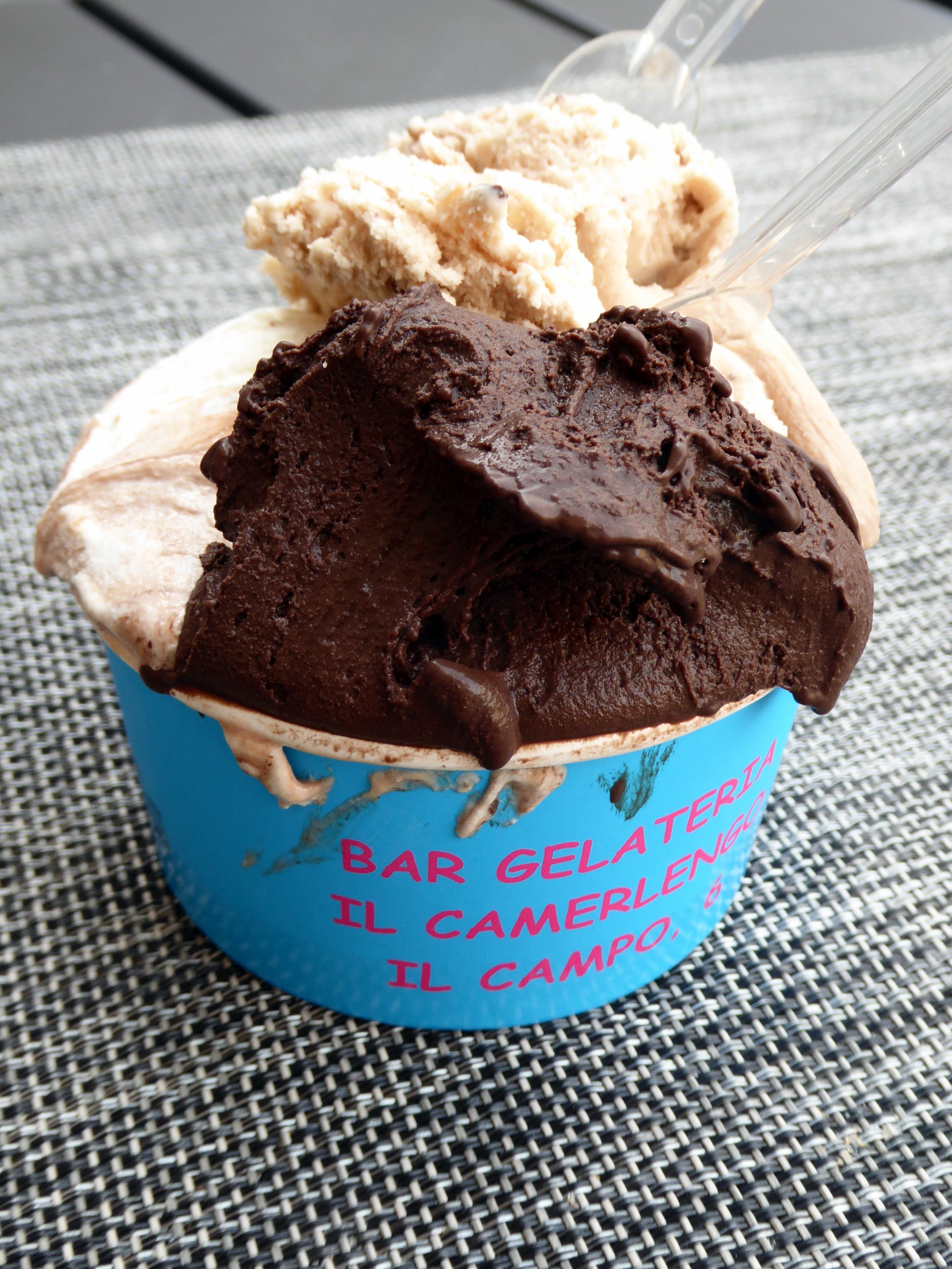
One thing I especially appreciated about touring with Overseas Adventure Travel was the free time allotted in each place for independent exploration.  We took advantage of this in Siena, opting to grab a pizza slice on the go rather than dine in a restaurant, so we could visit the cathedral and roam through a few contrade.  There was even time at the end to enjoy a gelato and watch the dogs walking their owners in the Piazza del Campo.

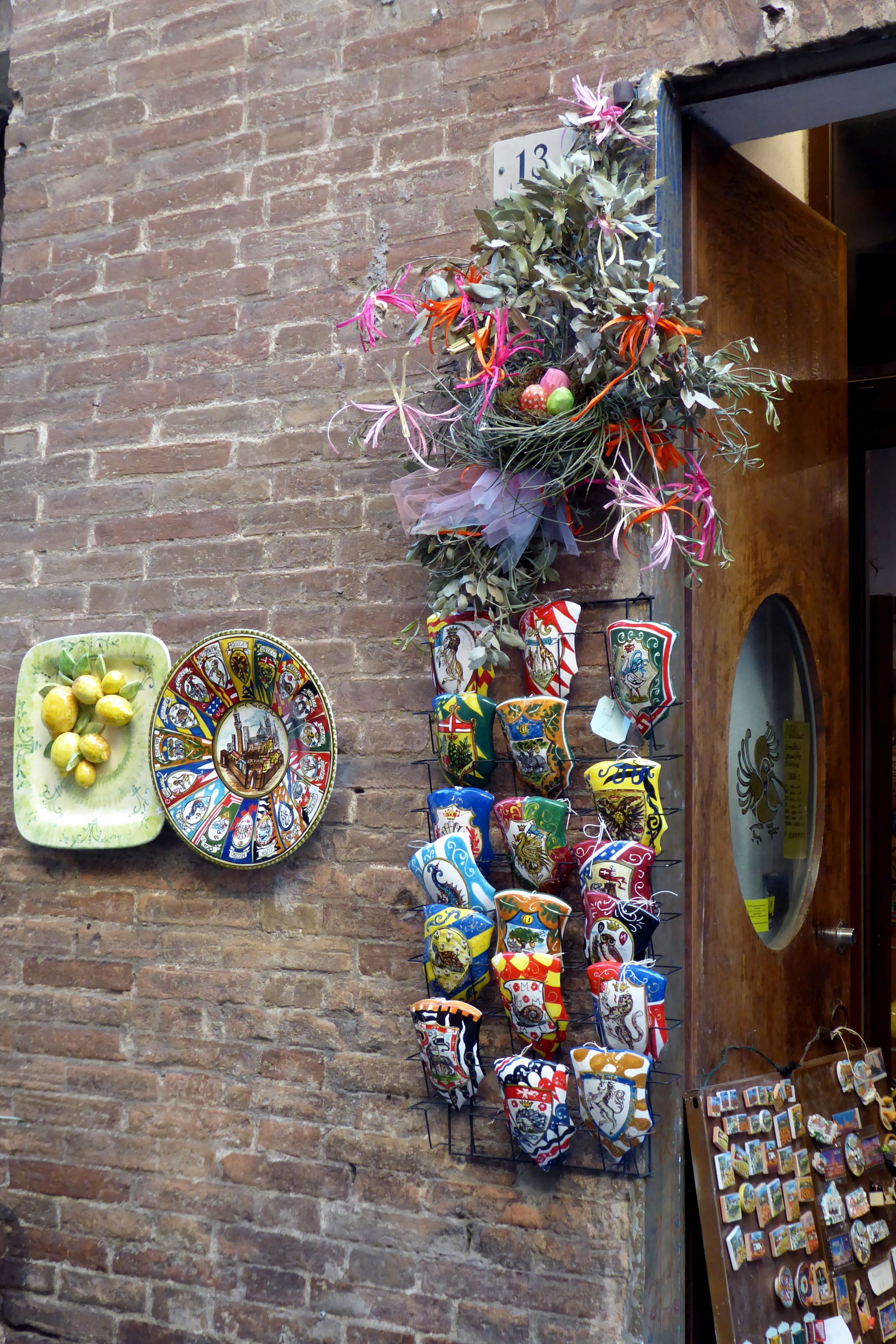
Shields representing each of the 17 contrade
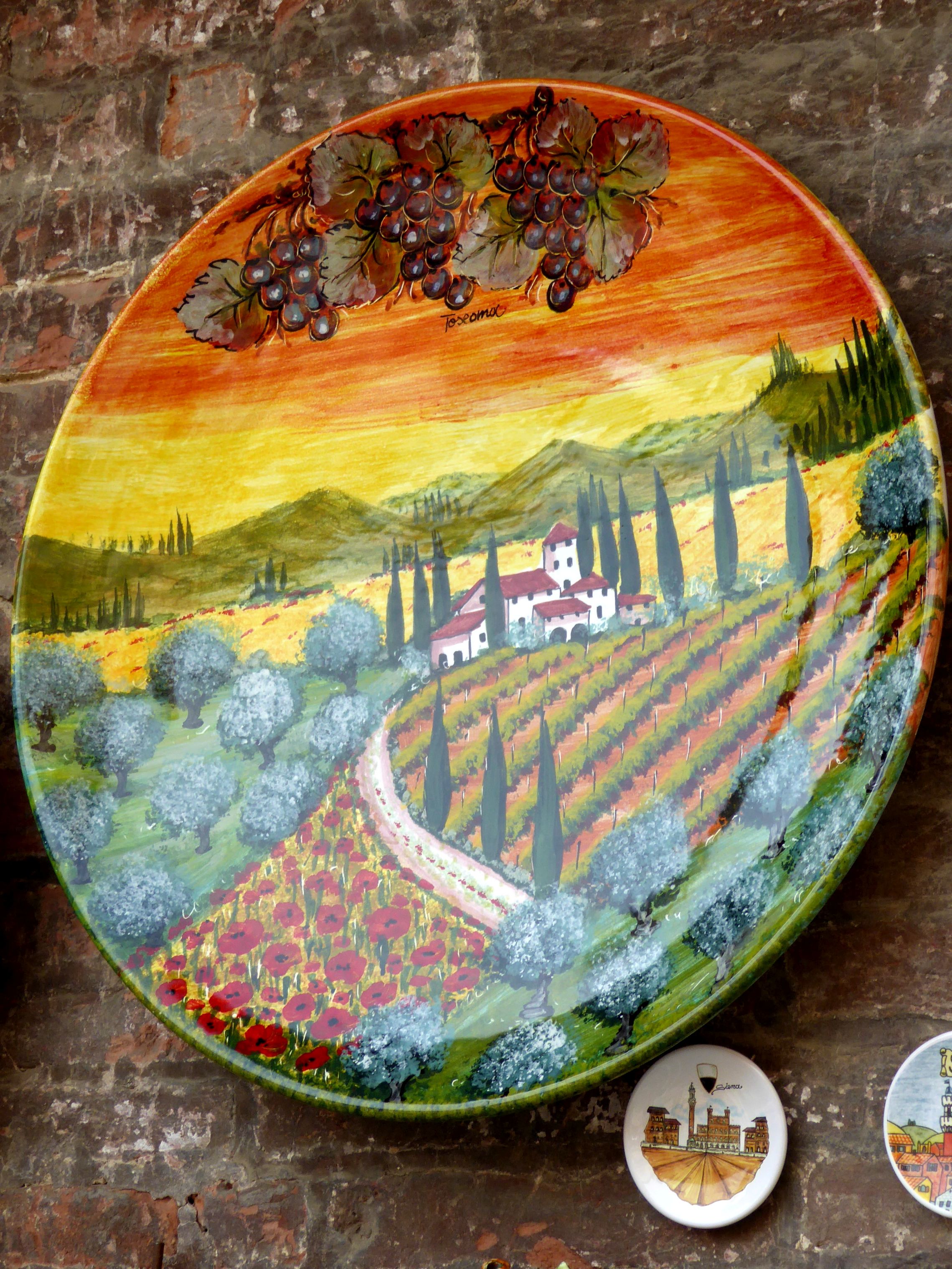
The plate on the right depicts the 17 contrade
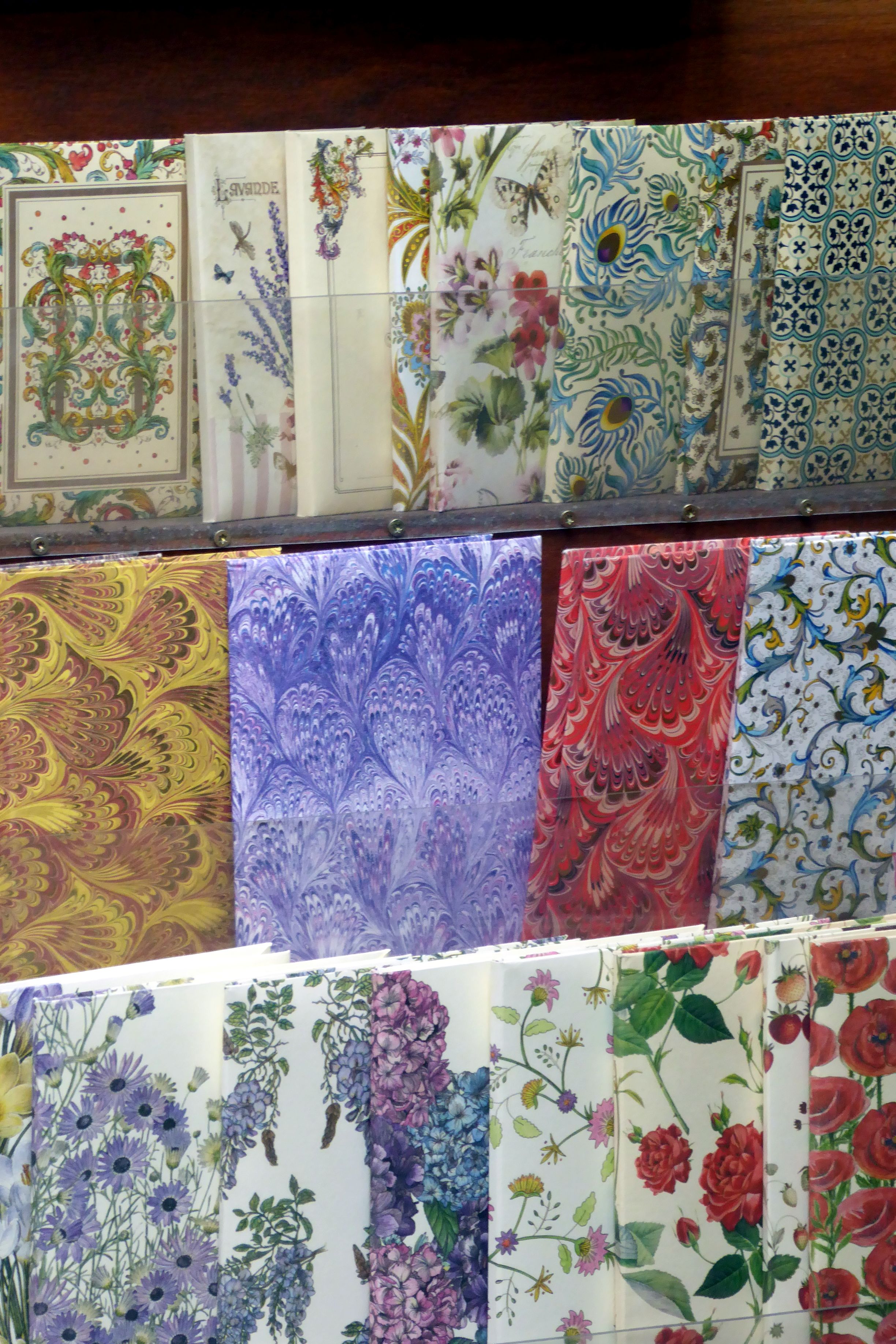
Italy is known for making beautiful paper.

Coming up next:  PICTURESQUE PIENZA

Note: If small group travel is of interest to you, I highly recommend Overseas Adventure Travel (OAT). Although Bruce and I travel together, they do not charge a single supplement for those who travel on their own. Singles also get their own room at hotels. If you book, you can get $100 off your trip by providing my name and customer number (Elaine Krugman, #3018126) as the person who referred you. I will also get $100 off future travel– a win-win!

ITALY #3:  RAVENNA’S MAGNIFICENT MOSAICS

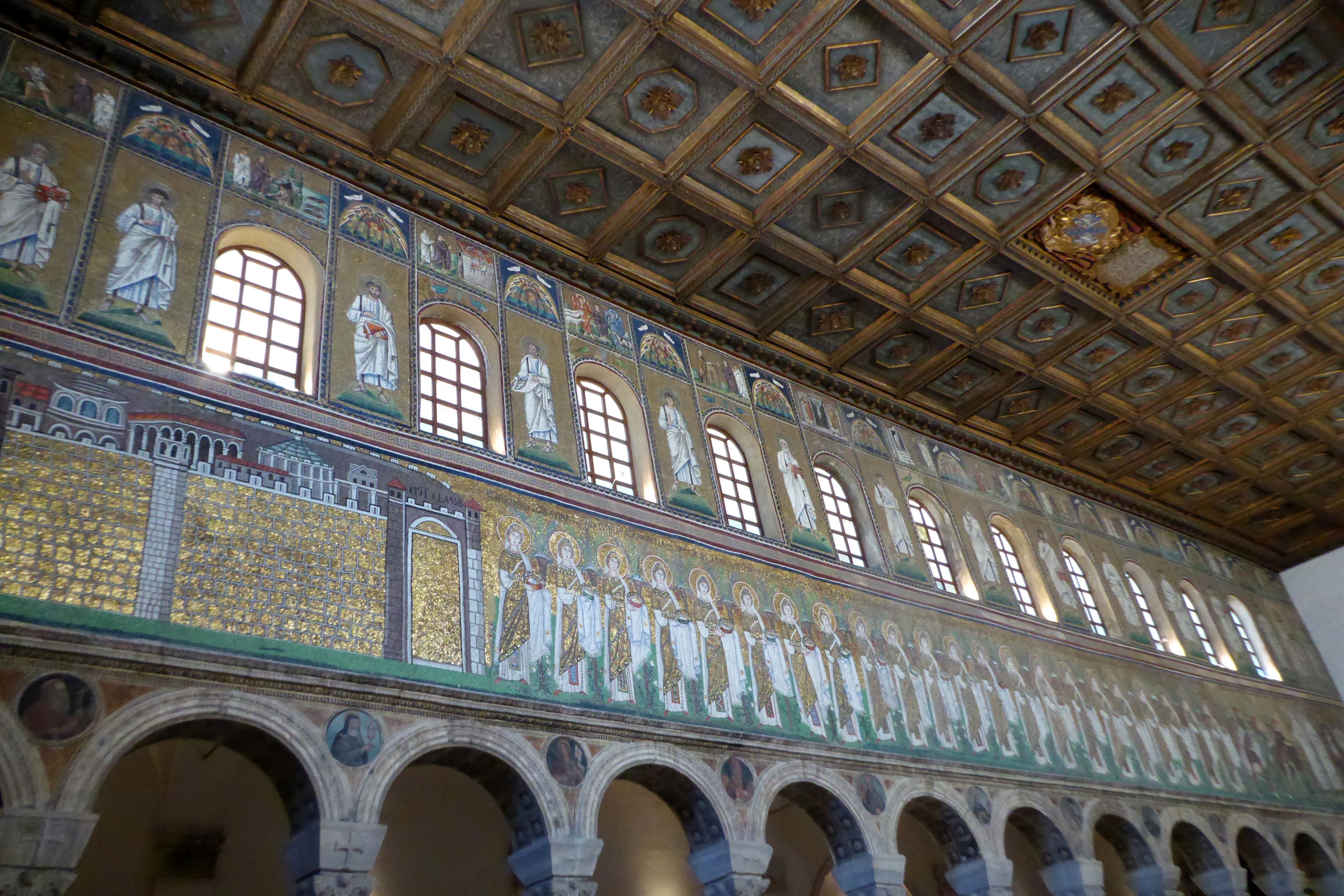
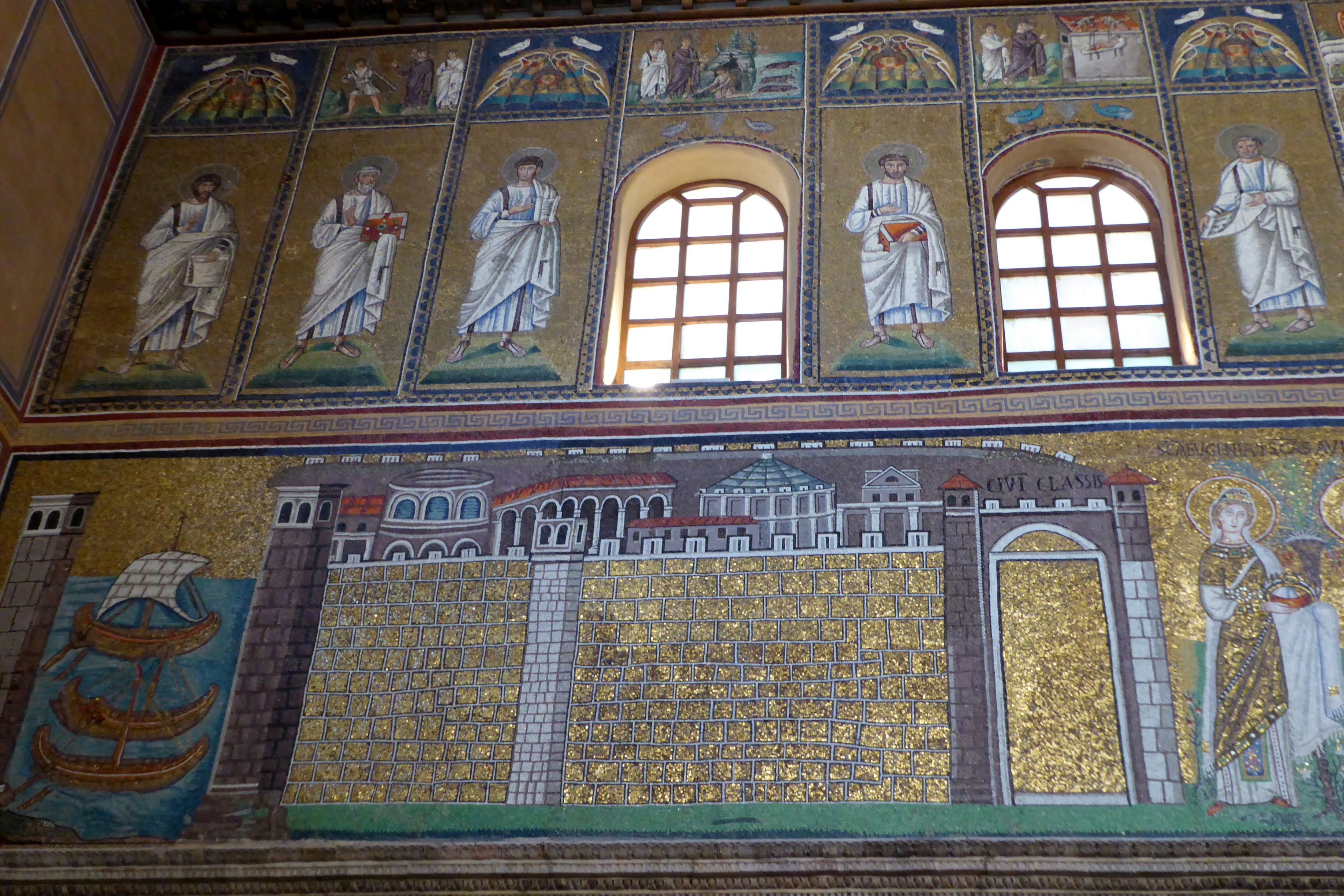
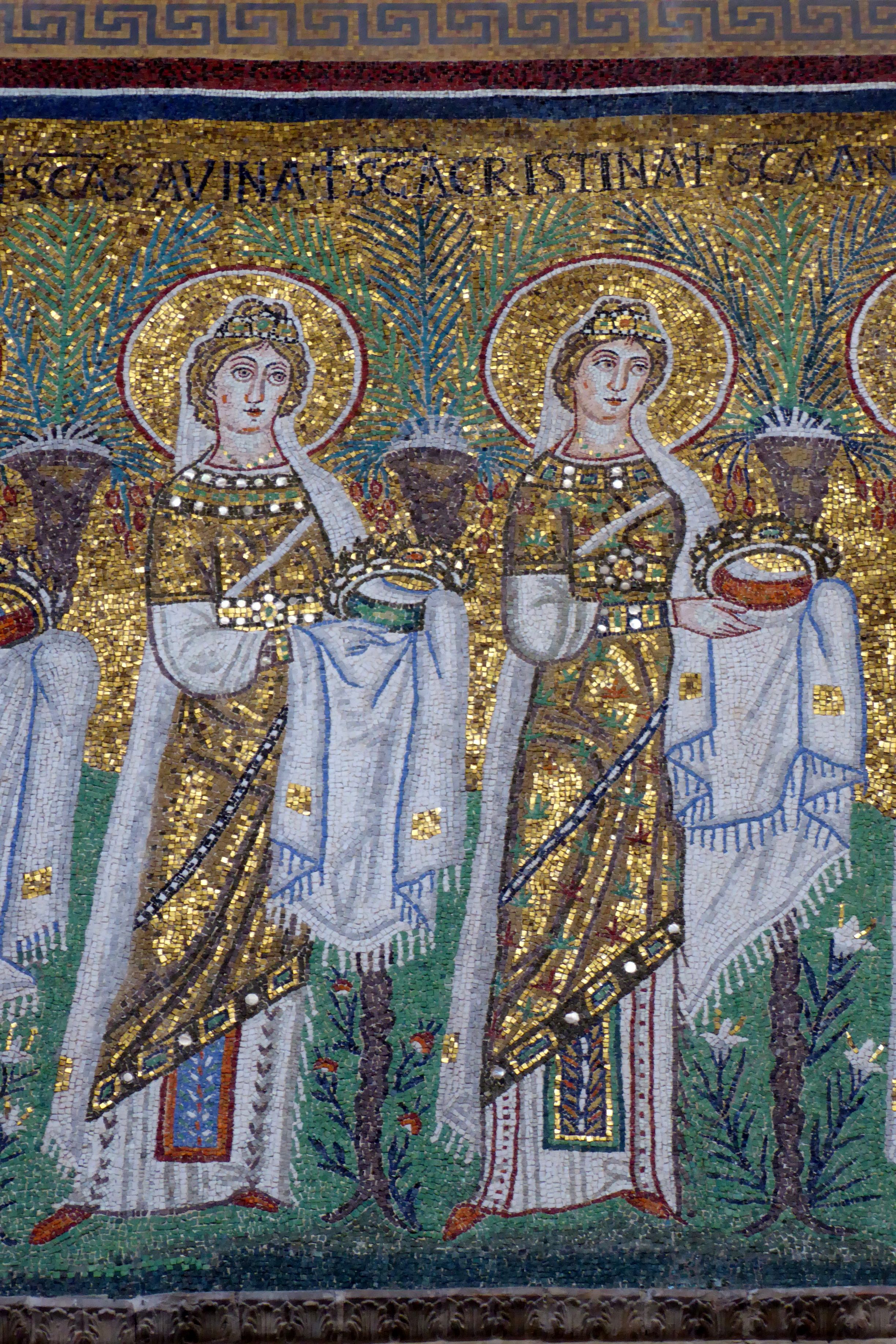
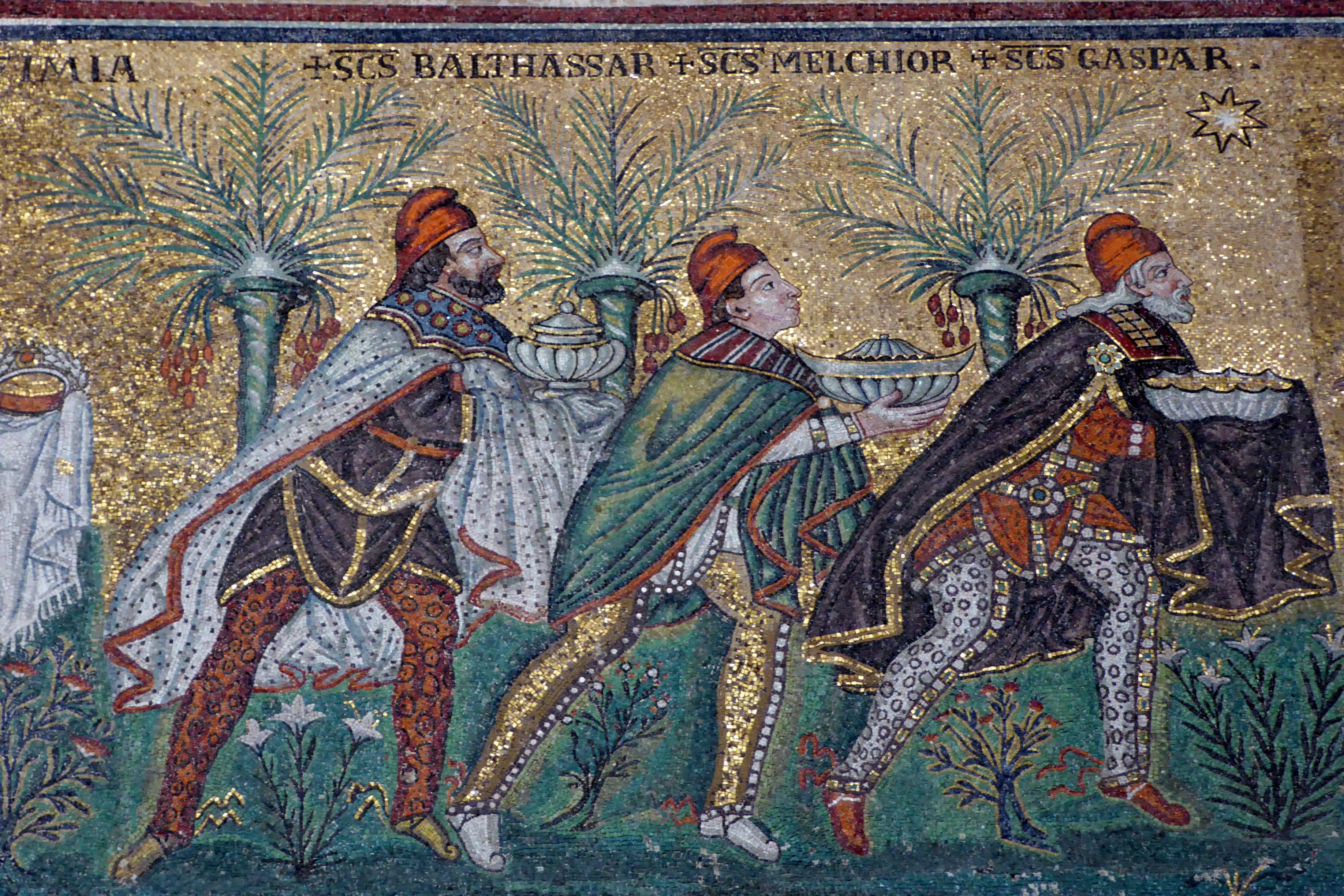
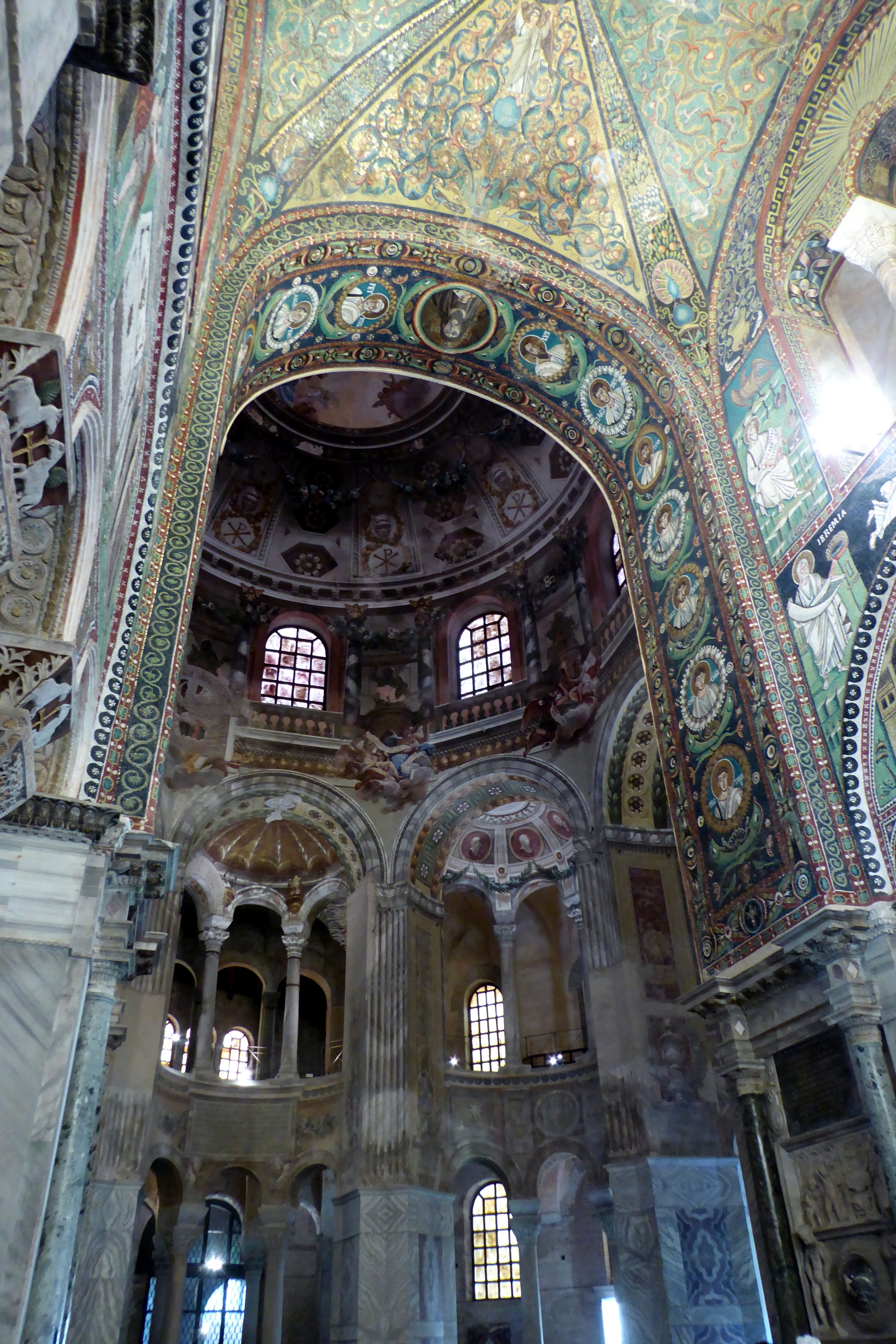
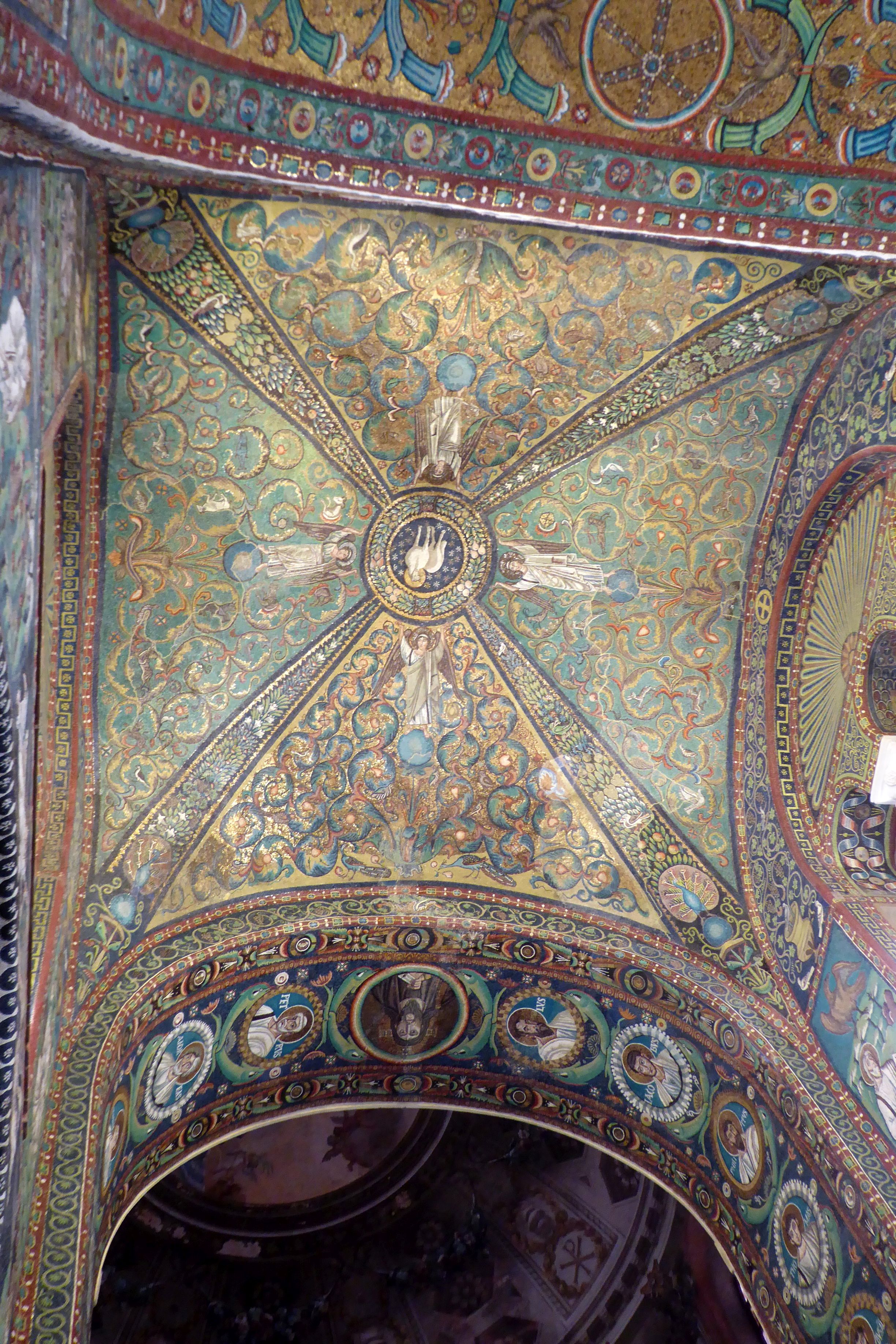
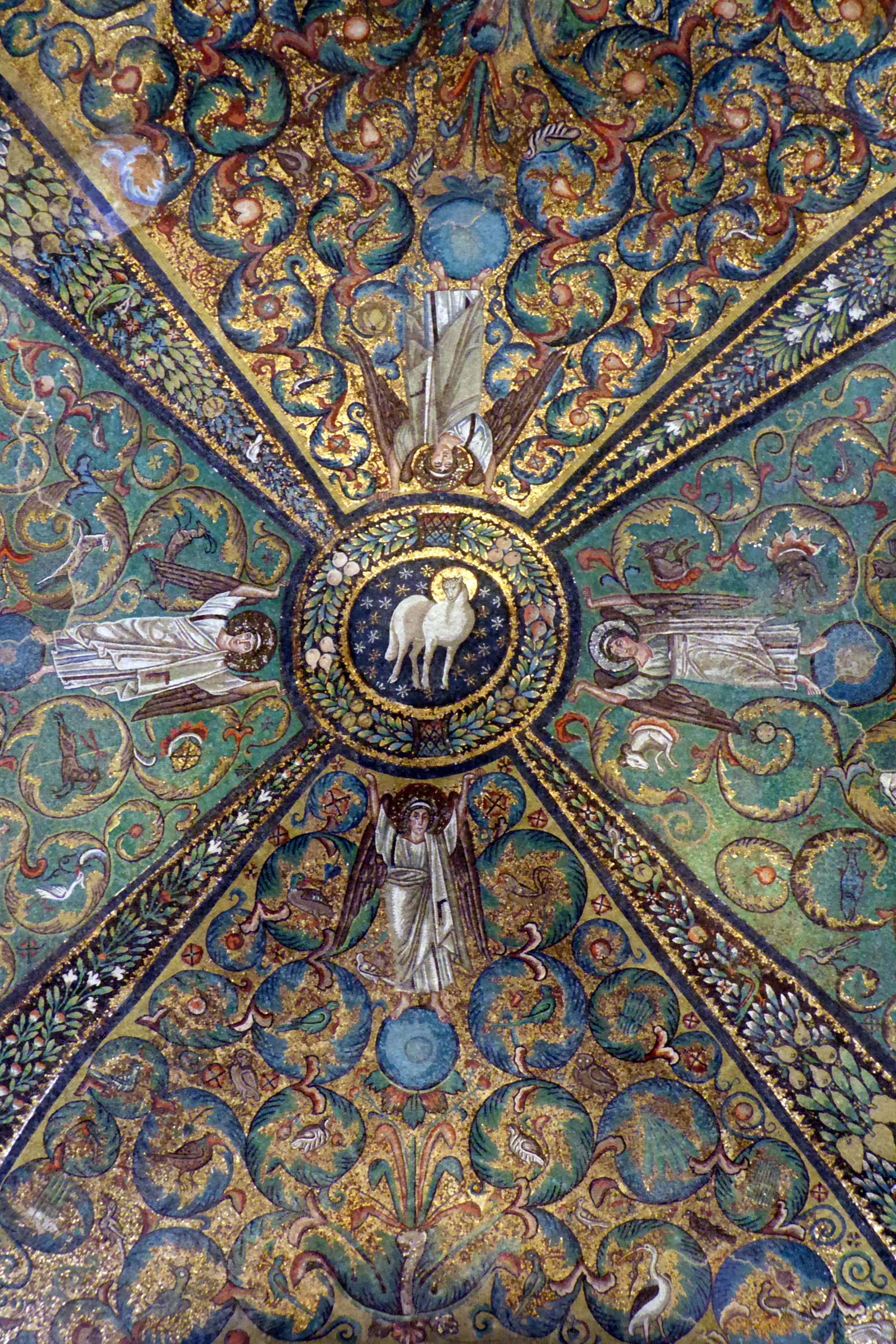
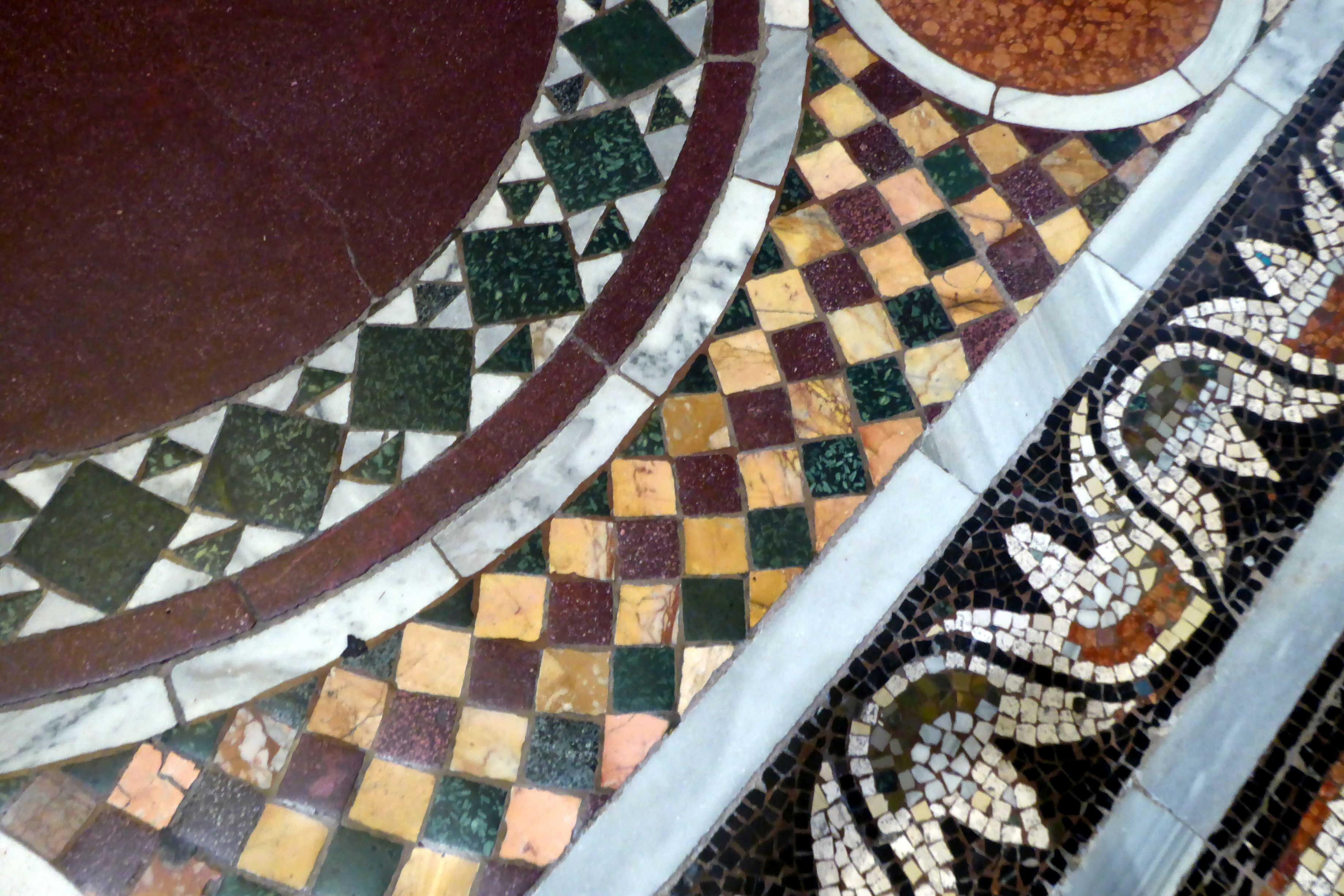
A one-hour train ride from Bologna is Ravenna, recognized as a UNESCO World Heritage Site for its complex of early Christian mosaics and monuments.  Ravenna was the seat of the Western Roman Empire in the fifth century and later the westernmost outpost of the Byzantine Empire.  This town is full of history, but it was the gorgeous mosaics we found most intriguing. 

Our walking tour brought us first to Basilica of Sant’Apollinare Nuovo, which dates back to 505 AD.  The mosaics were stunning!

(For all pictures, click on the image to see full screen view.)

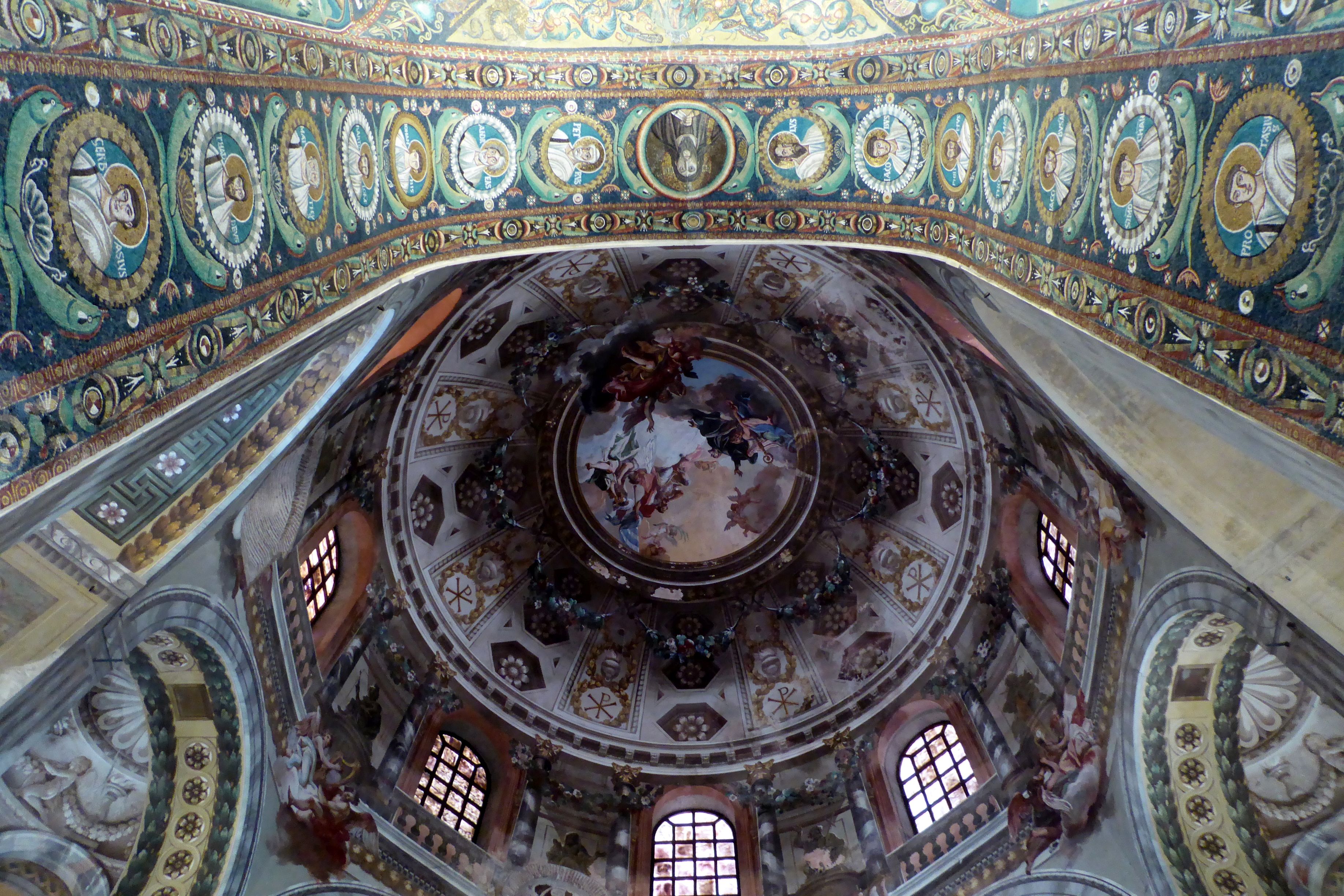
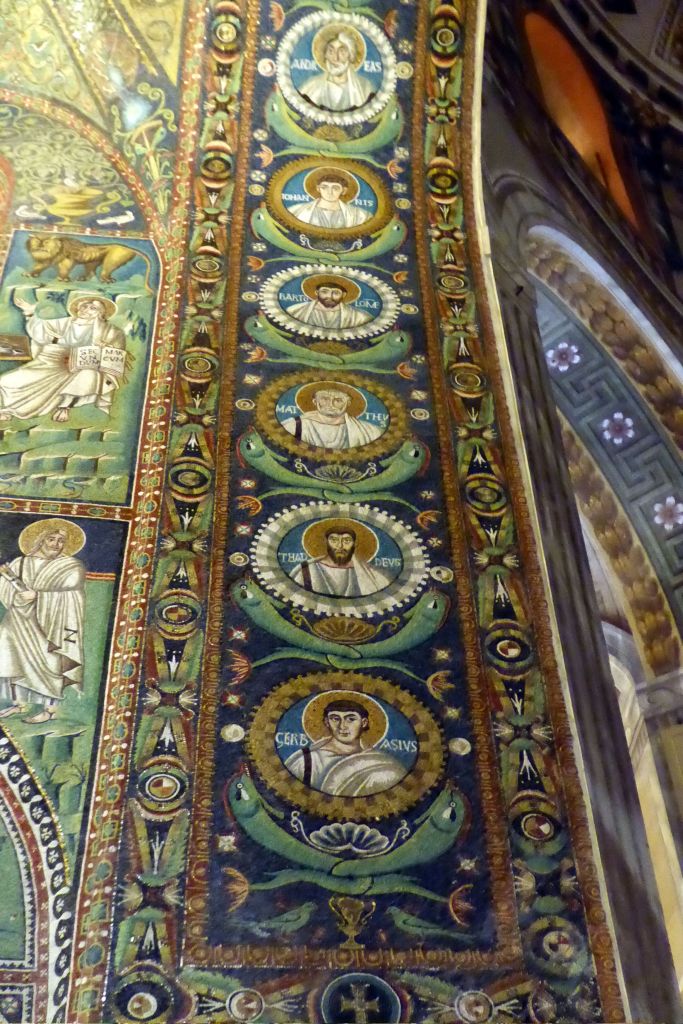
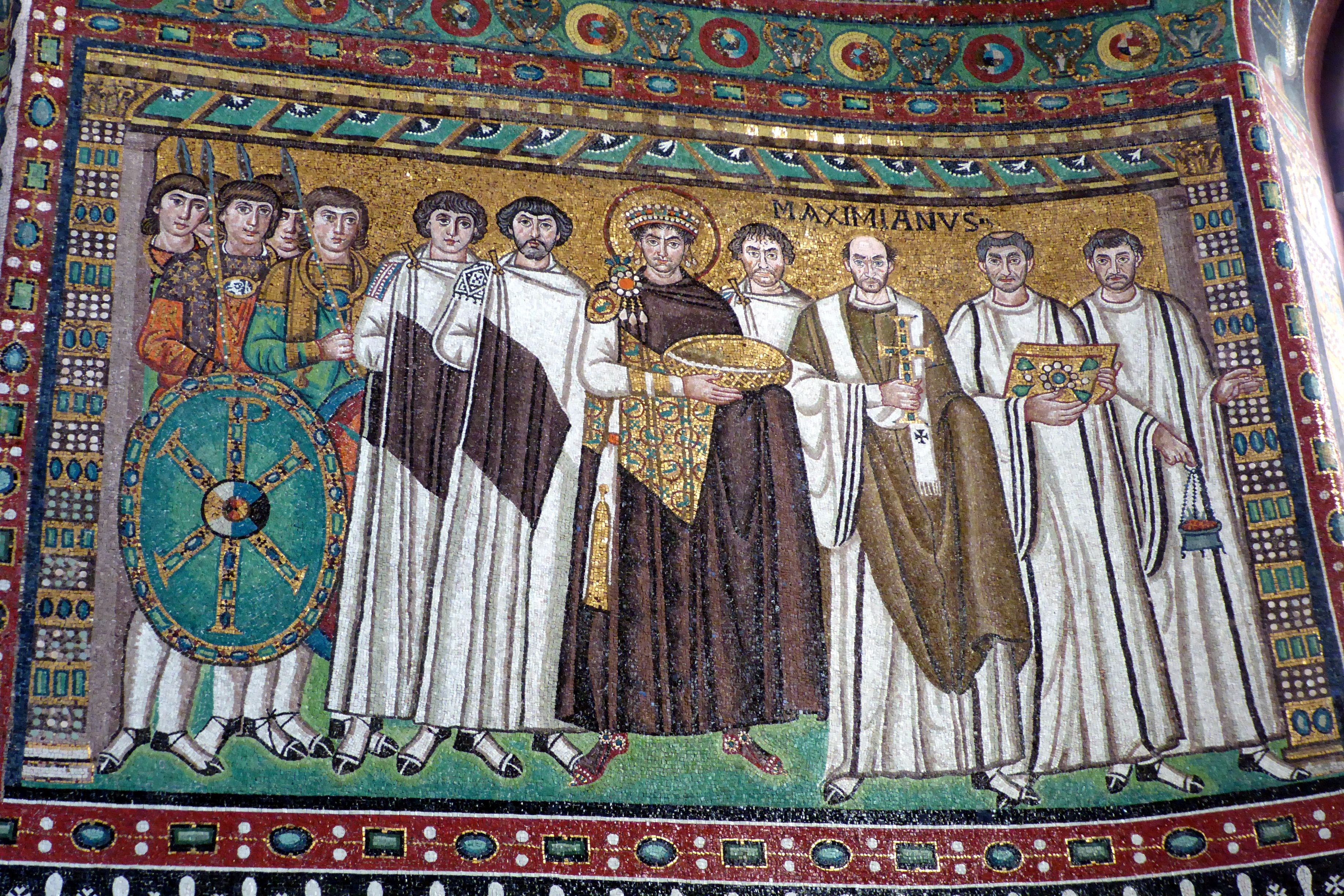
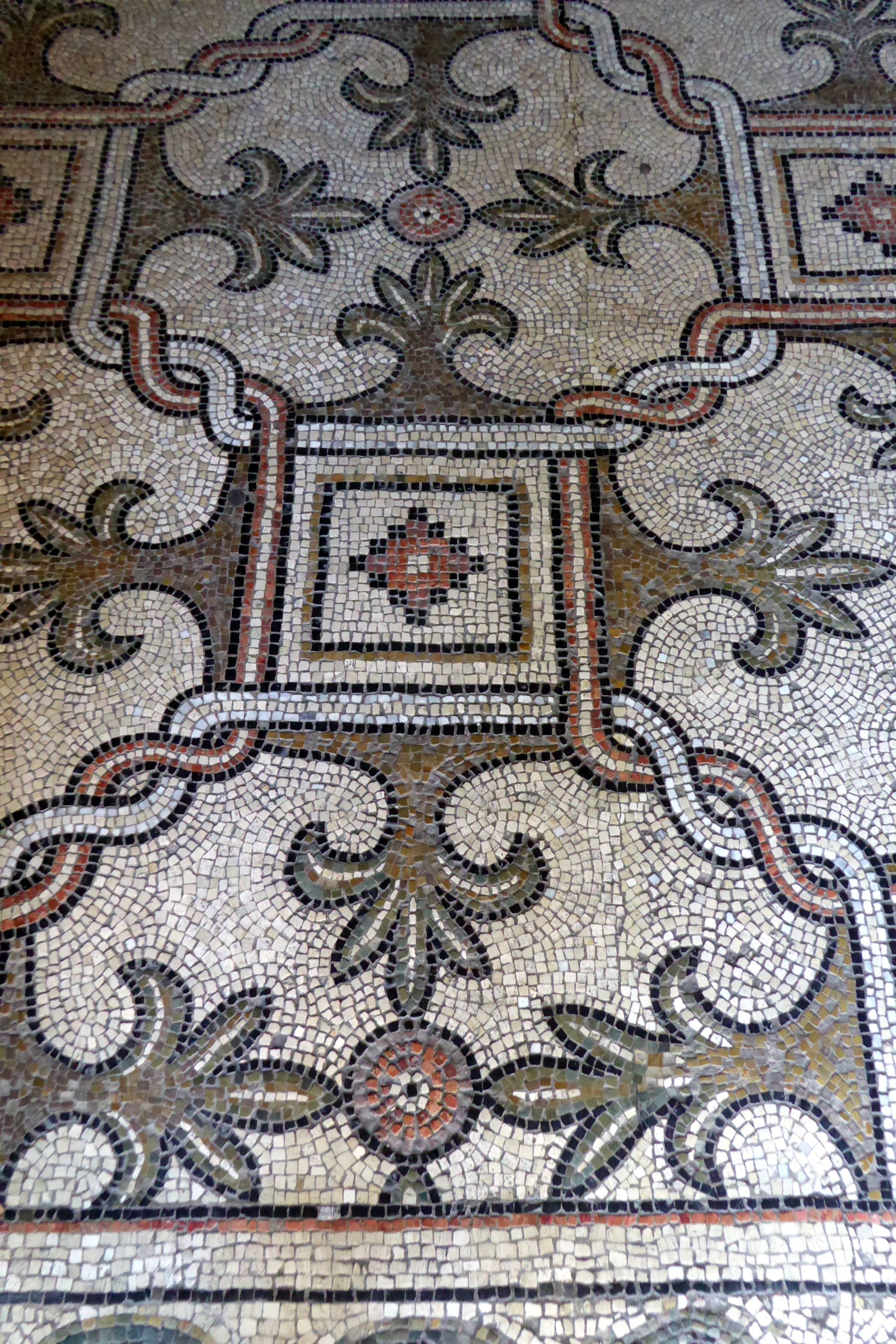
Our jaws dropped when we entered the 1,400-year-old octagonal shaped Basilica of San Vitale and saw the mosaics representing scenes from the Old Testament, as well as depictions of the Byzantine emperor Justinian.  We were mesmerized by the beautiful detail of the ceiling mosaics and even the floor.

Even the mosaic floor was beautiful!
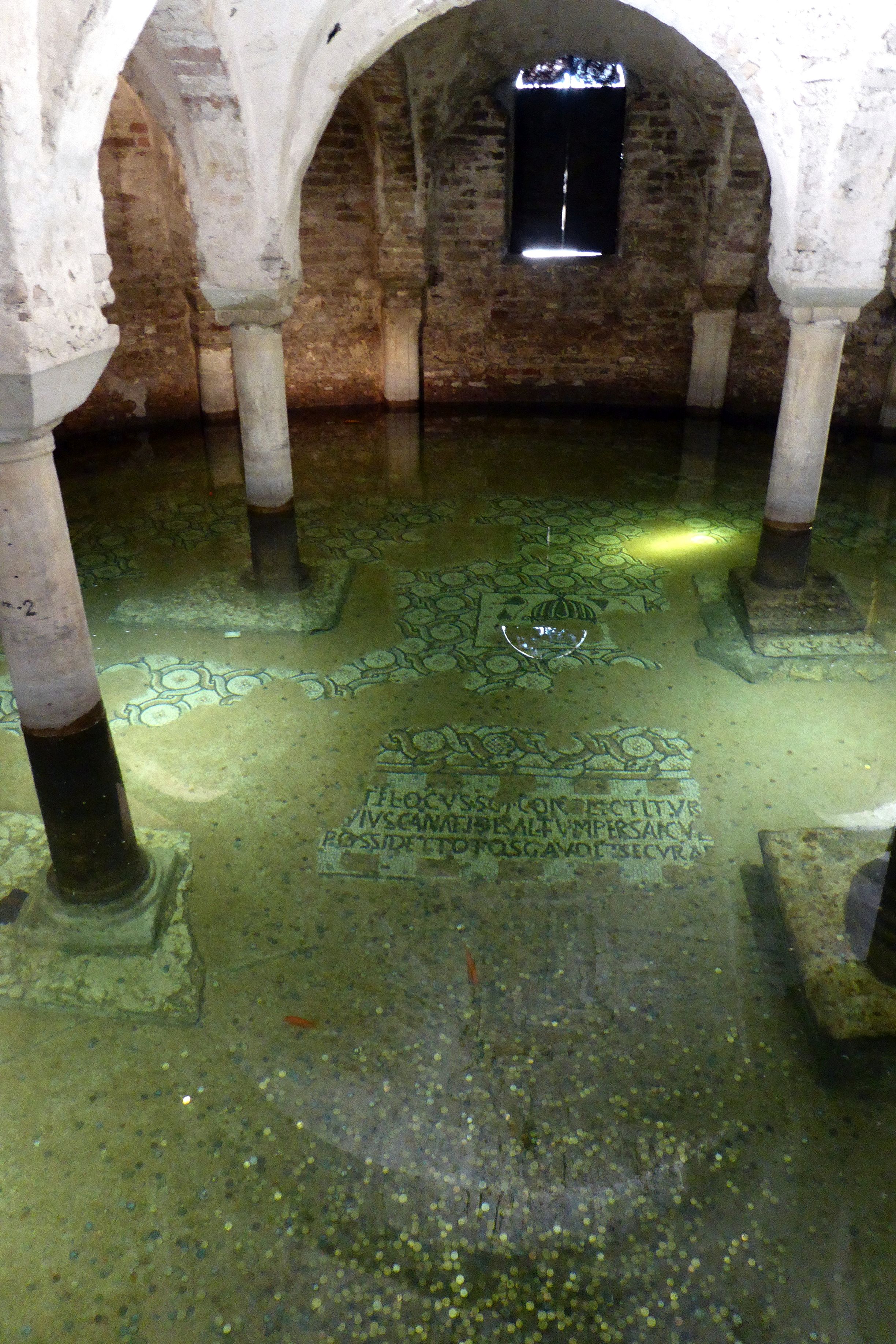
Basilica San Francesco; the mosaics were underwater, and there were goldfish swimming around!
The mosaic ceiling in the Tomb of Dante
Our group: Oscar, Jenny, Mark, Deb, Nancy, Bruce, and me

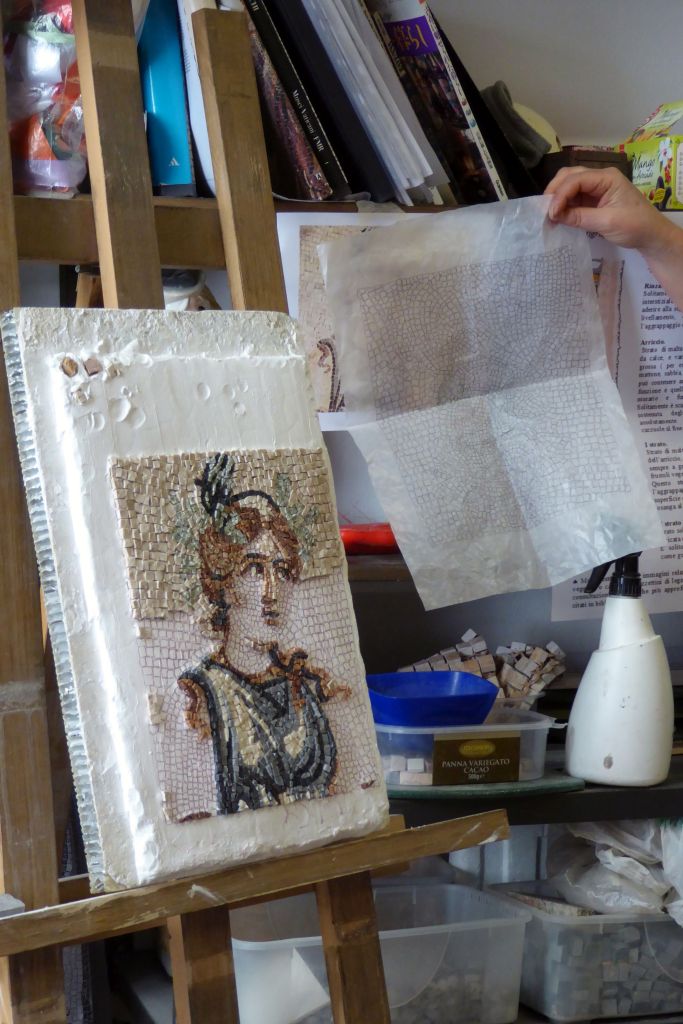
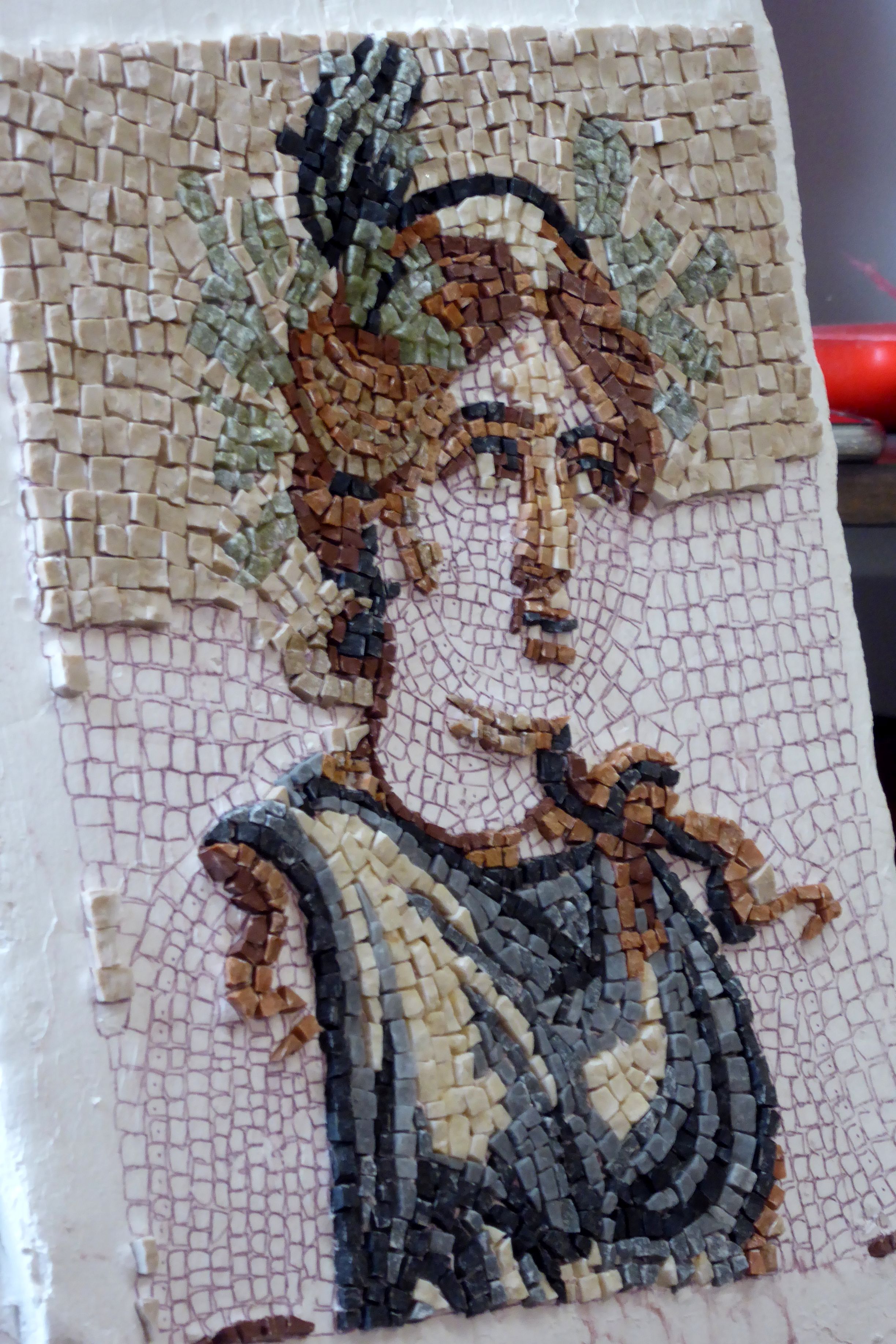
In the afternoon, we visited the workshop of one of Ravenna’s most skilled restorers of mosaics.  Ivana demonstrated how mosaics are made and restored, which was fascinating.

These were mosaics Ivana made for sale in her workshop gallery.

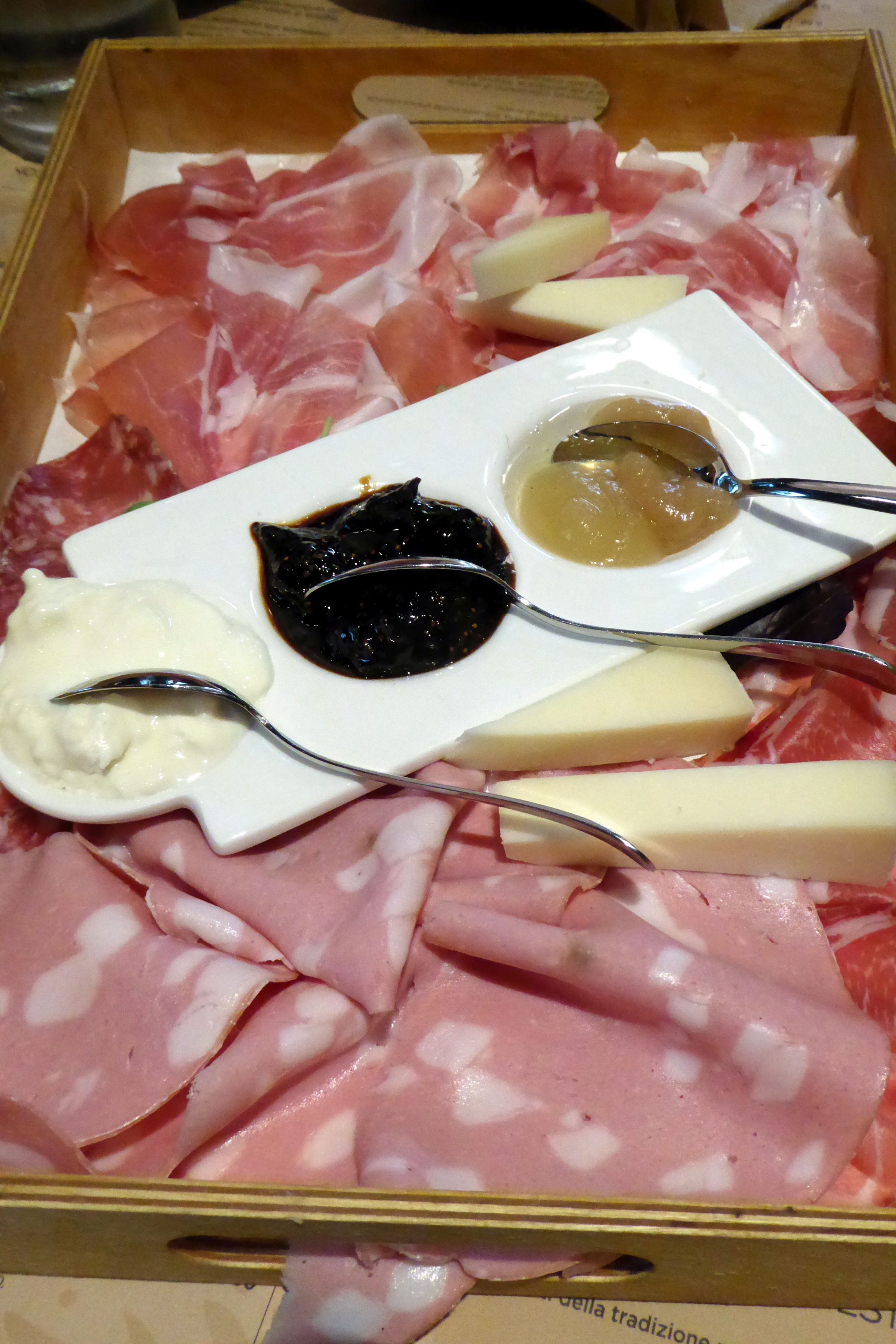
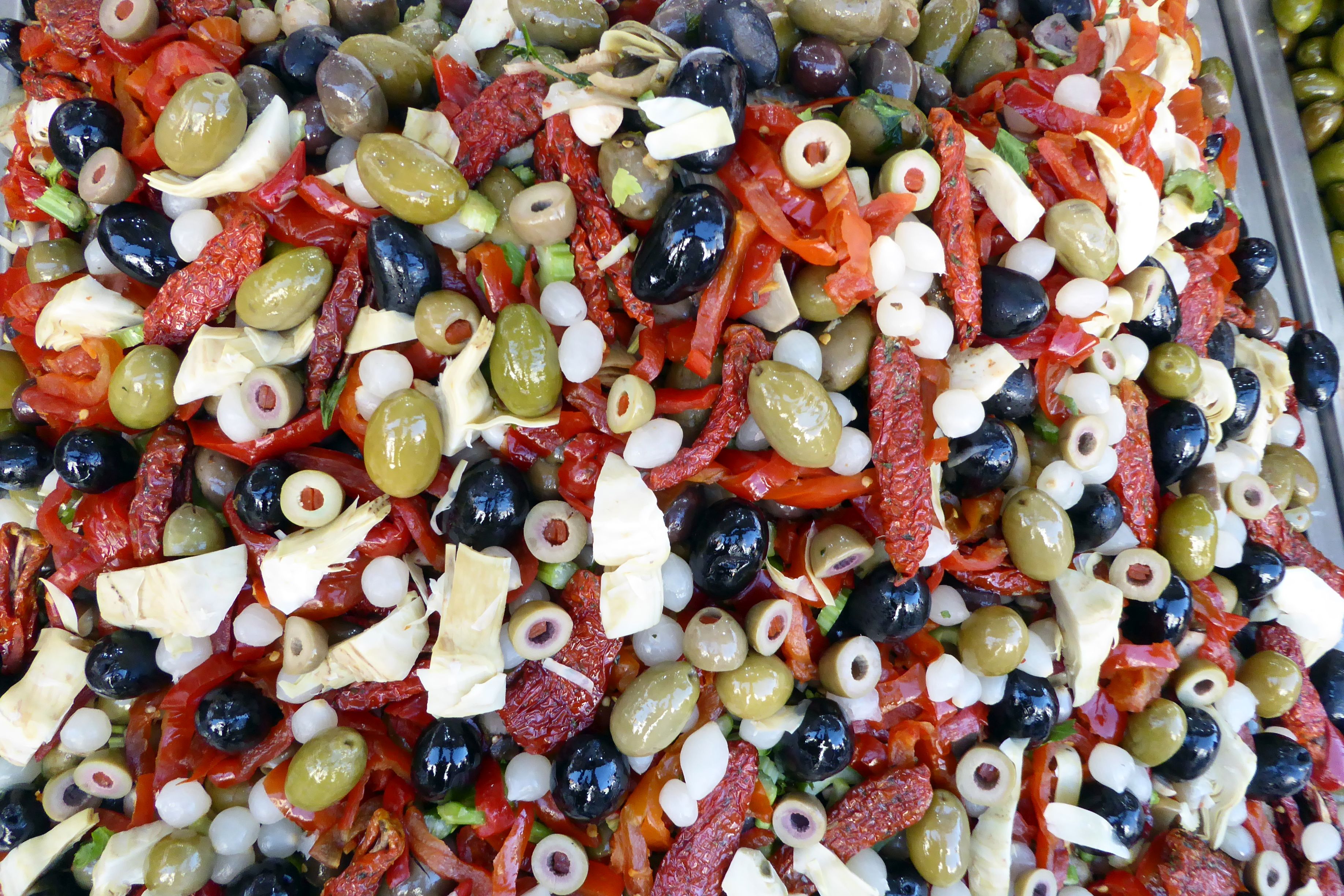
An included lunch in between was at Pasatelli, a restaurant that had previously been a movie theater.  It is still used for movies and performances that can be enjoyed while dining on delicious Italian cuisine.  While most of the group dined on a sampling of locally made prosciutto, mortadella, and salami, I enjoyed the array of parmesan cheeses and a vegetarian salad.  It was a memorable 3-course (with wine) feast!

The following are a few photos shot while walking the streets of Ravenna:

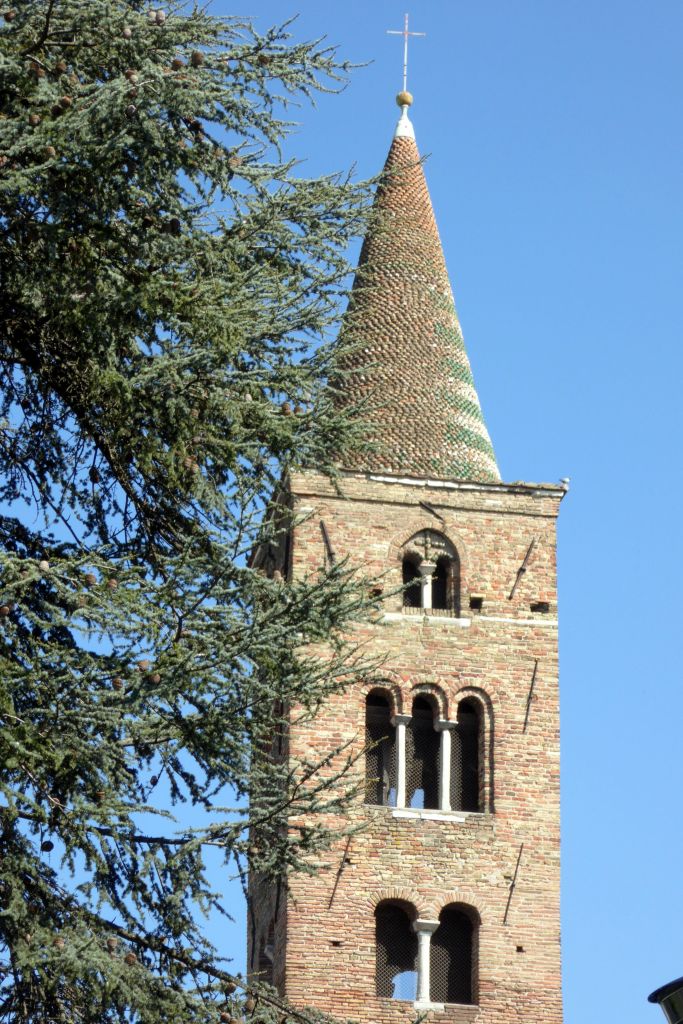
This is not wide angle distortion, folks. This tower really was leaning! Supports have been added to the bottom section to prevent it from toppling over.
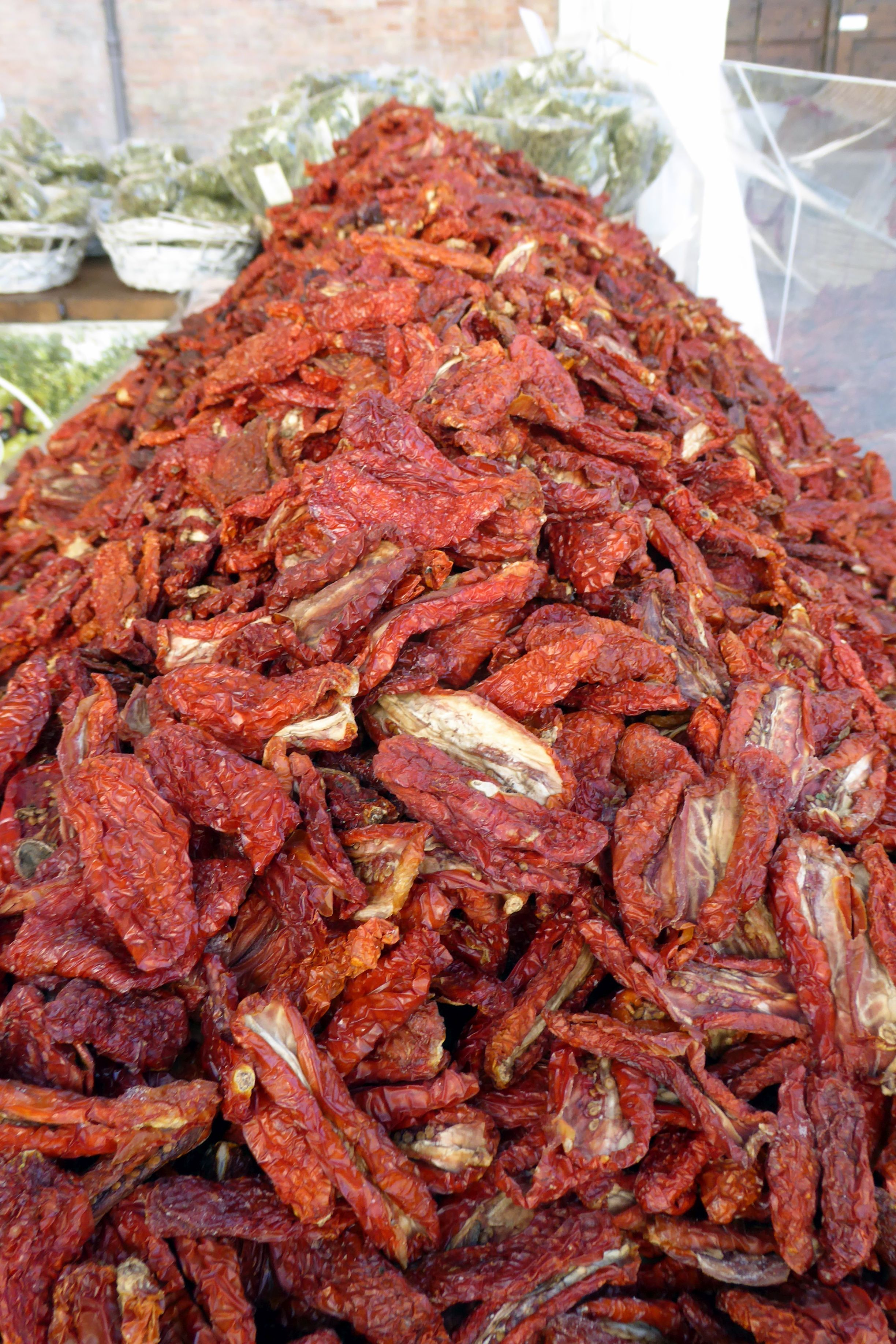
This massive mound of sundried tomatoes took up an entire five-foot table!

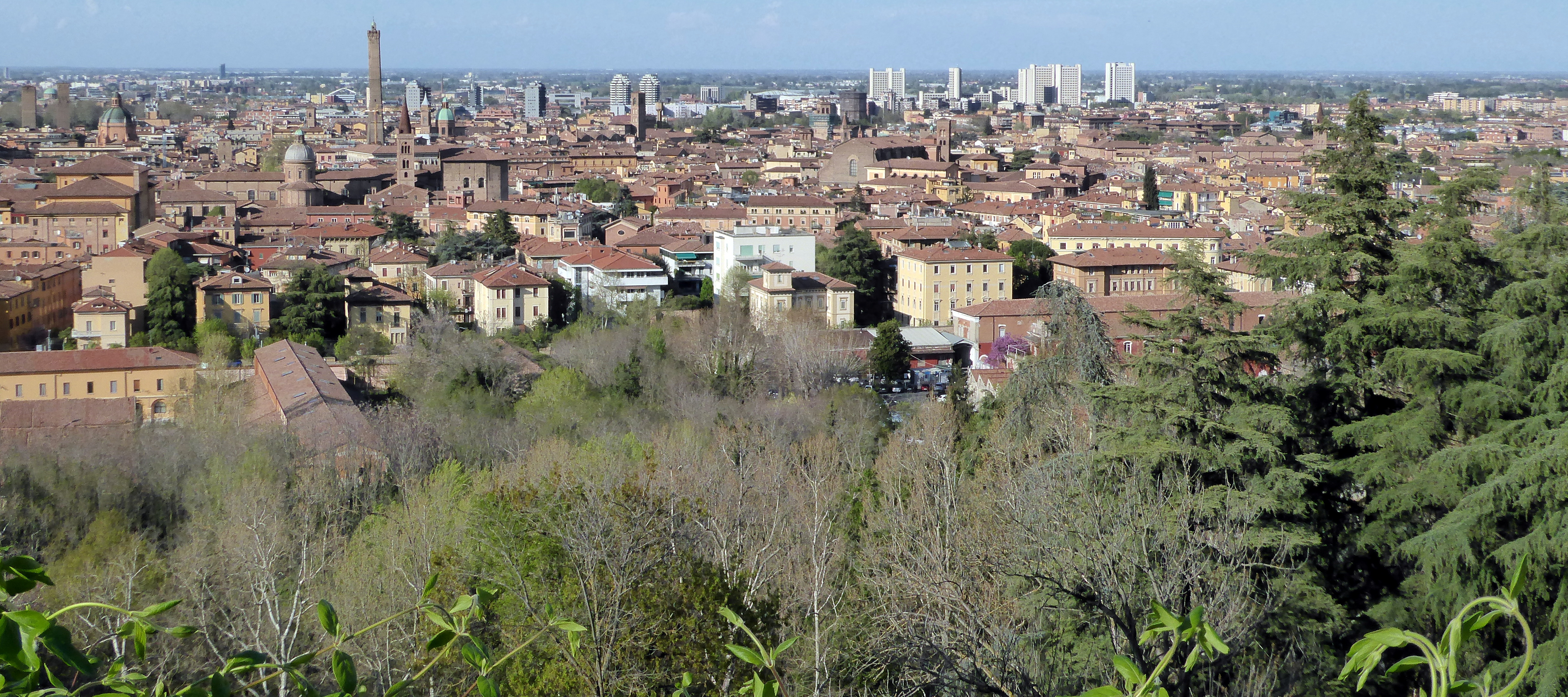
After our train ride back to Bologna, our driver took a detour so we could enjoy a panorama view of the city.  It had been a beautiful, sunny day, and the city below shined in warm shades of terra cotta.

This was a view up from the garden of our hotel.
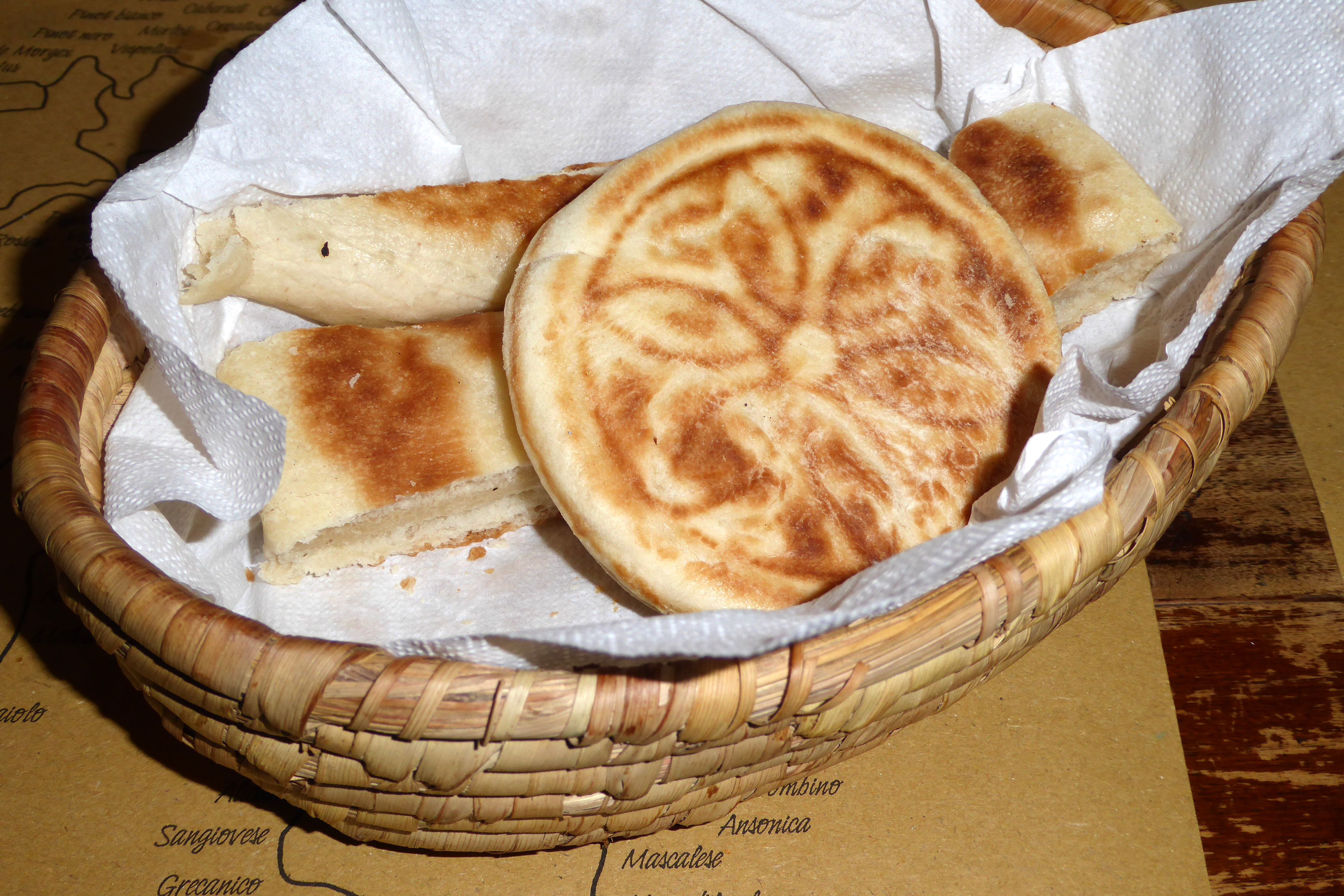
The day concluded with another delicious dinner accompanied by an artfully-presented basket of bread.

The following morning, we would be off to learn all about…

The Making of Parmesan Cheese: A Stork Carries the Twins

Stay tuned!

Note: If small group travel is of interest to you, I highly recommend Overseas Adventure Travel (OAT). Although Bruce and I travel together, they do not charge a single supplement for those who travel on their own. Singles also get their own room at hotels. If you book, you can get $100 off your trip by providing my name and customer number (Elaine Krugman, #3018126) as the person who referred you. I will also get $100 off future travel– a win-win!

ADRIATIC COAST: DAY 17-KOTOR, MONTENEGRO

Our cruise aboard La Perla came to an end much too quickly!  Isn’t that always the case when you are thoroughly enjoying an experience?  Time just speeds on by!  Stand in a long line at the airport, though, and time stands still right along with you.

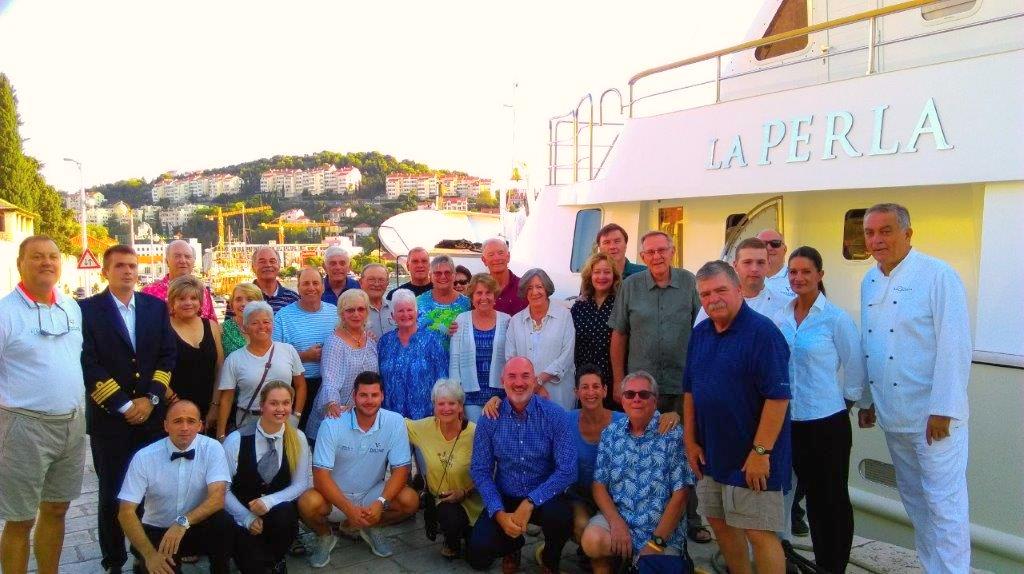
Sinisa had our tour guide/ driver to Montenegro take this last group shot with Ante and the crew of La Perla.  It brings back great memories to me and Bruce of the experiences we shared, friendships we made, and wonderful places we saw along the way.

743

Good-bye’s were said to all but our new Canadian friends and our guide, Sinisa.  It was just the five of us traveling on to Montenegro for the post-cruise extension.

Our drive to Montenegro took us on a winding road along the Bay of Kotor, a UNESCO World Heritage Site.  With its narrow profile and steep walls, it is often called Europe’s southernmost fjord, even though it is actually a ria, or a submerged river valley.

744

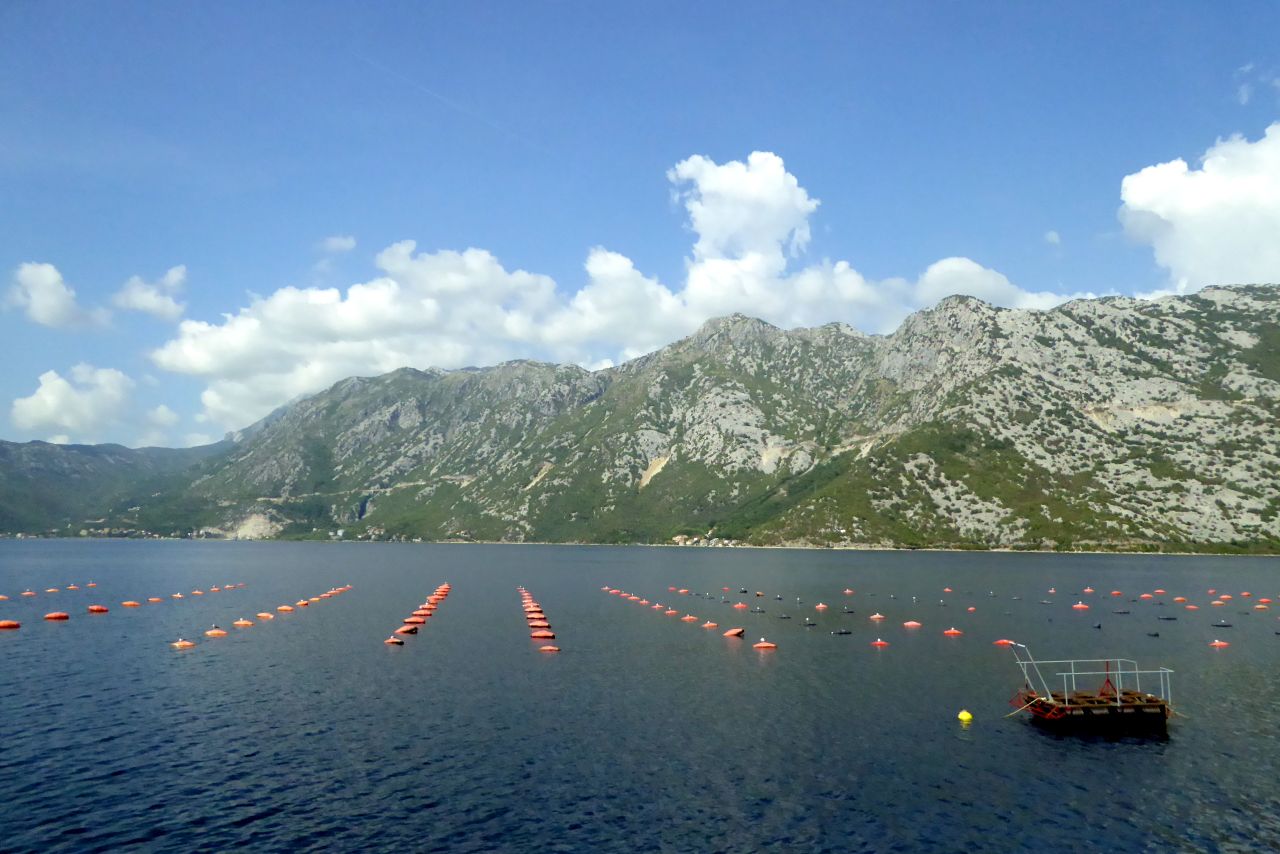
Mussel farms were a common site on the Bay of Kotor

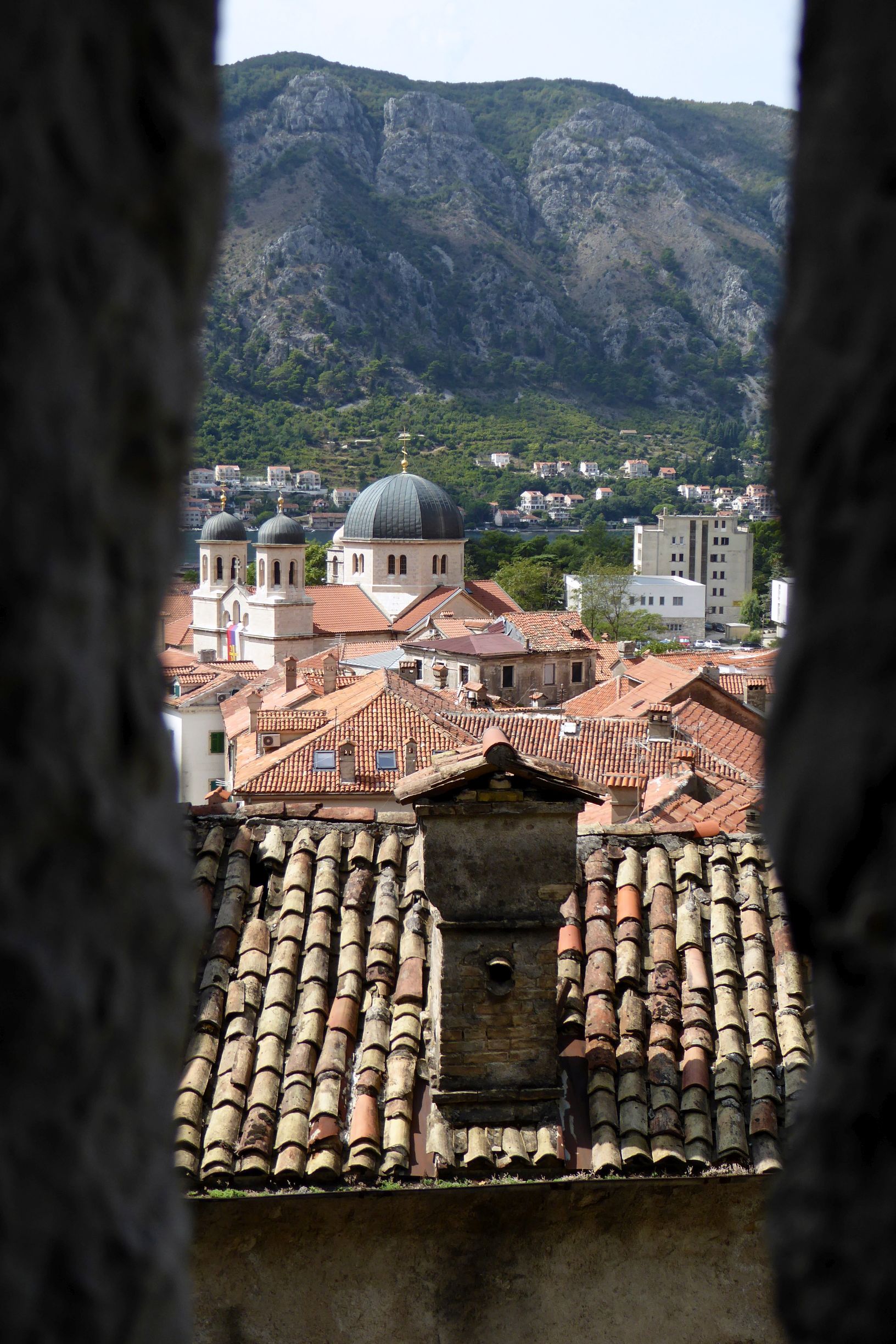
Kotor, our destination for the day,  is a fortified medieval city located at the head of the bay.  Dating back to the first century, the small city of less than 14,000 people is a popular tourist destination, because of its history and Old-World charm.  It is one of the best preserved medieval old towns in the Adriatic, and also a UNESCO World Heritage Site.

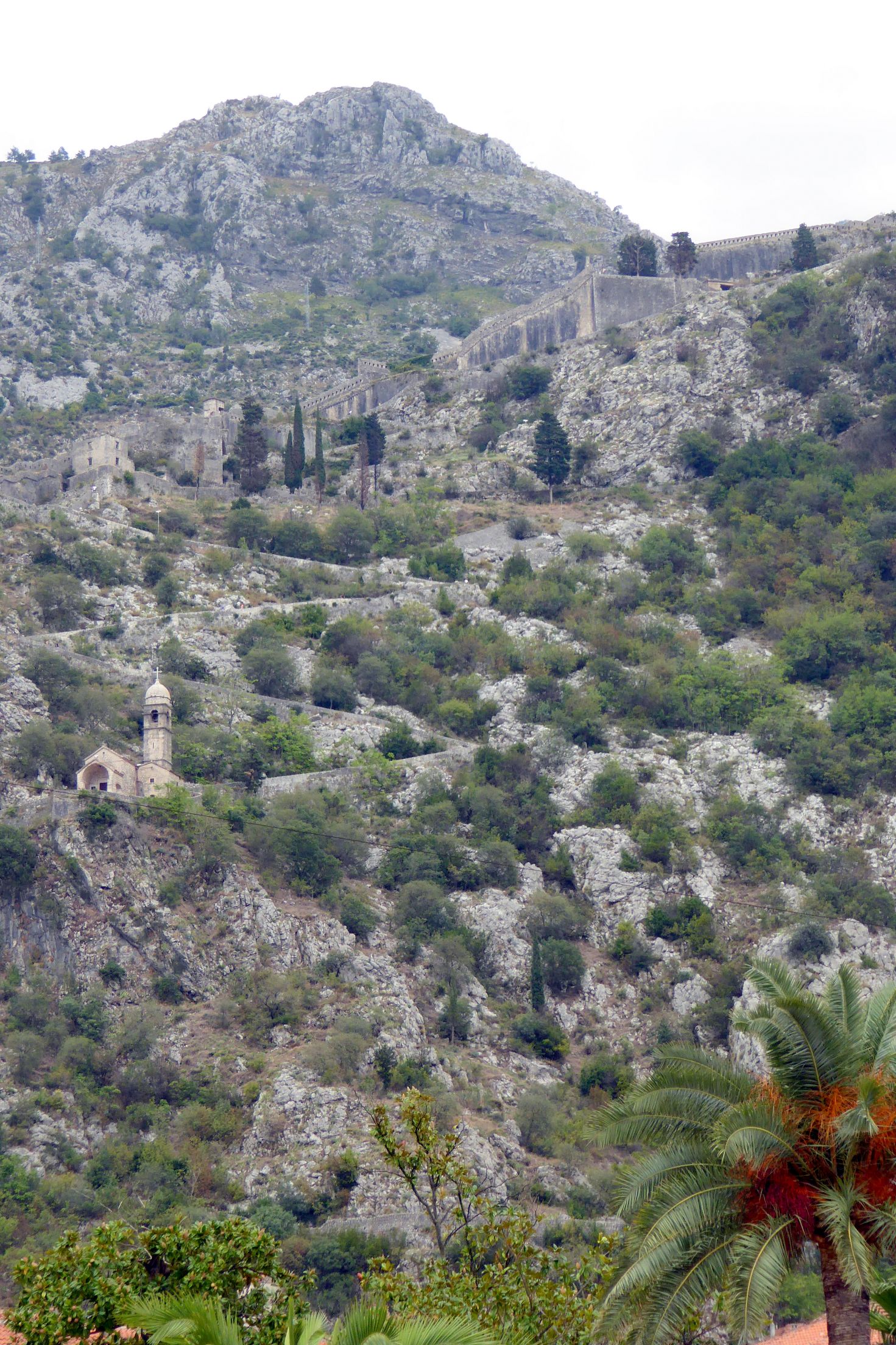
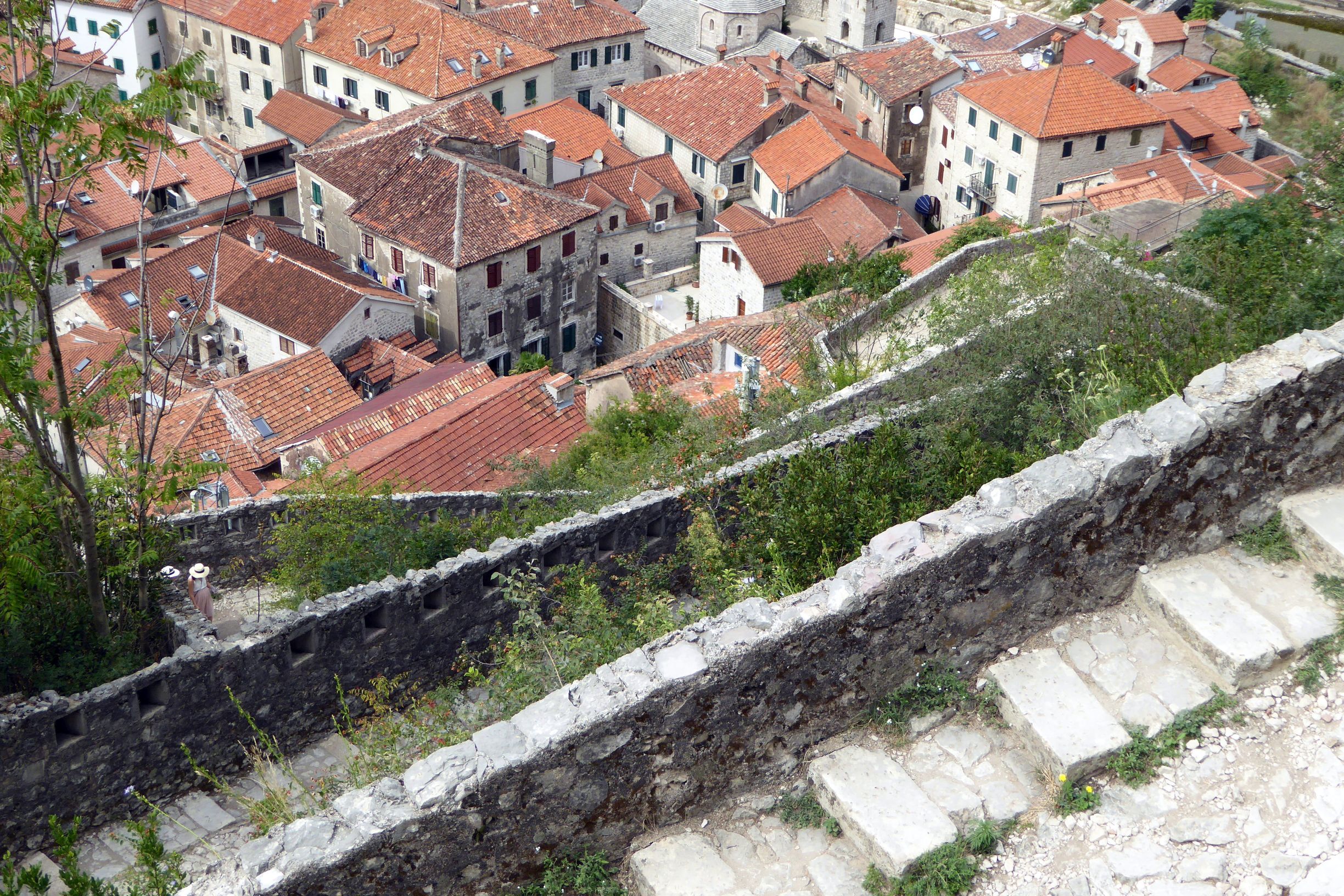
When we arrived, I looked up and saw the switch-back walking path that led up the steep side of the mountain behind the Old Town.  I knew it was a path I wanted to conquer after our walking tour, and I was happy Bruce was all in to join me!

745.jpg

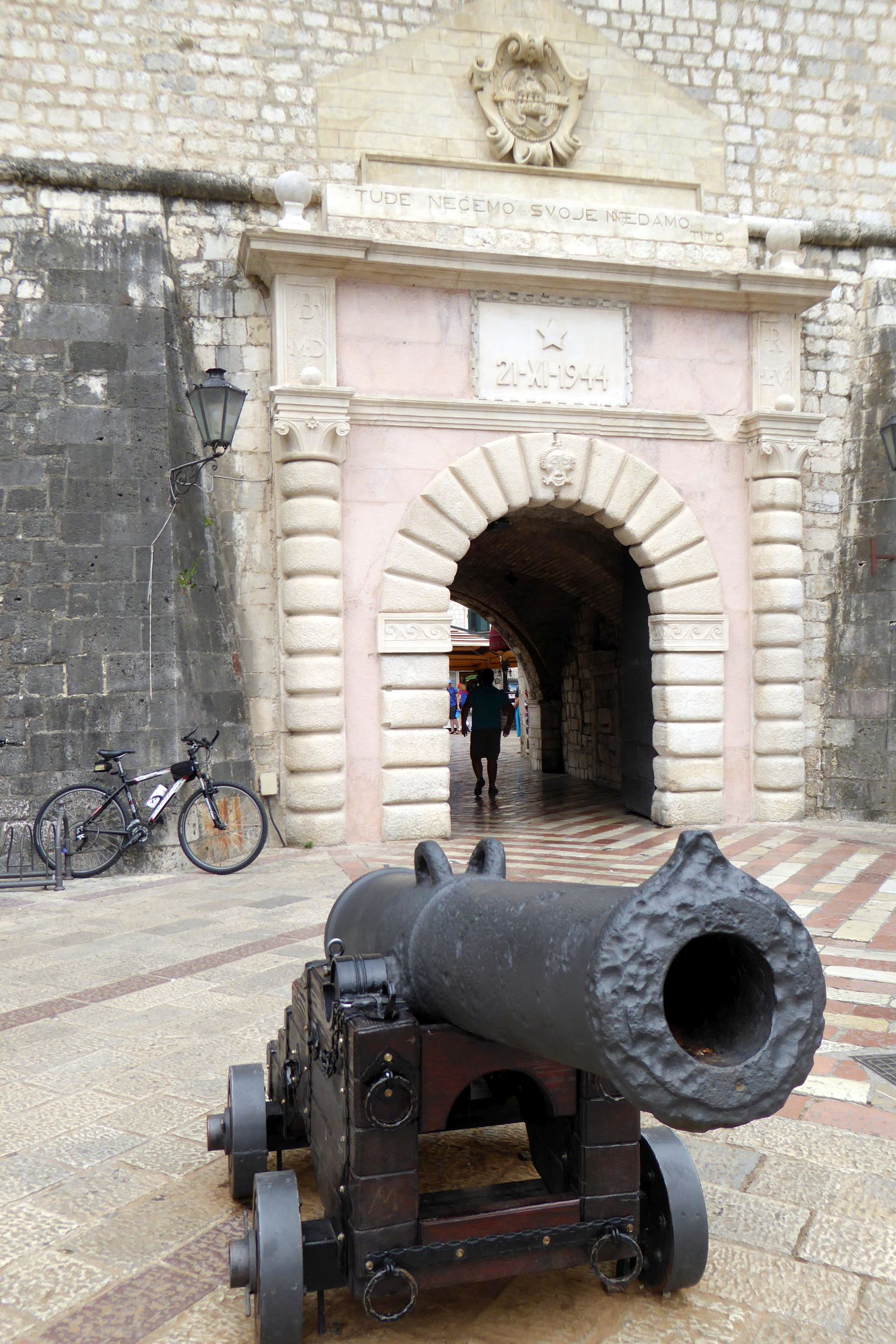
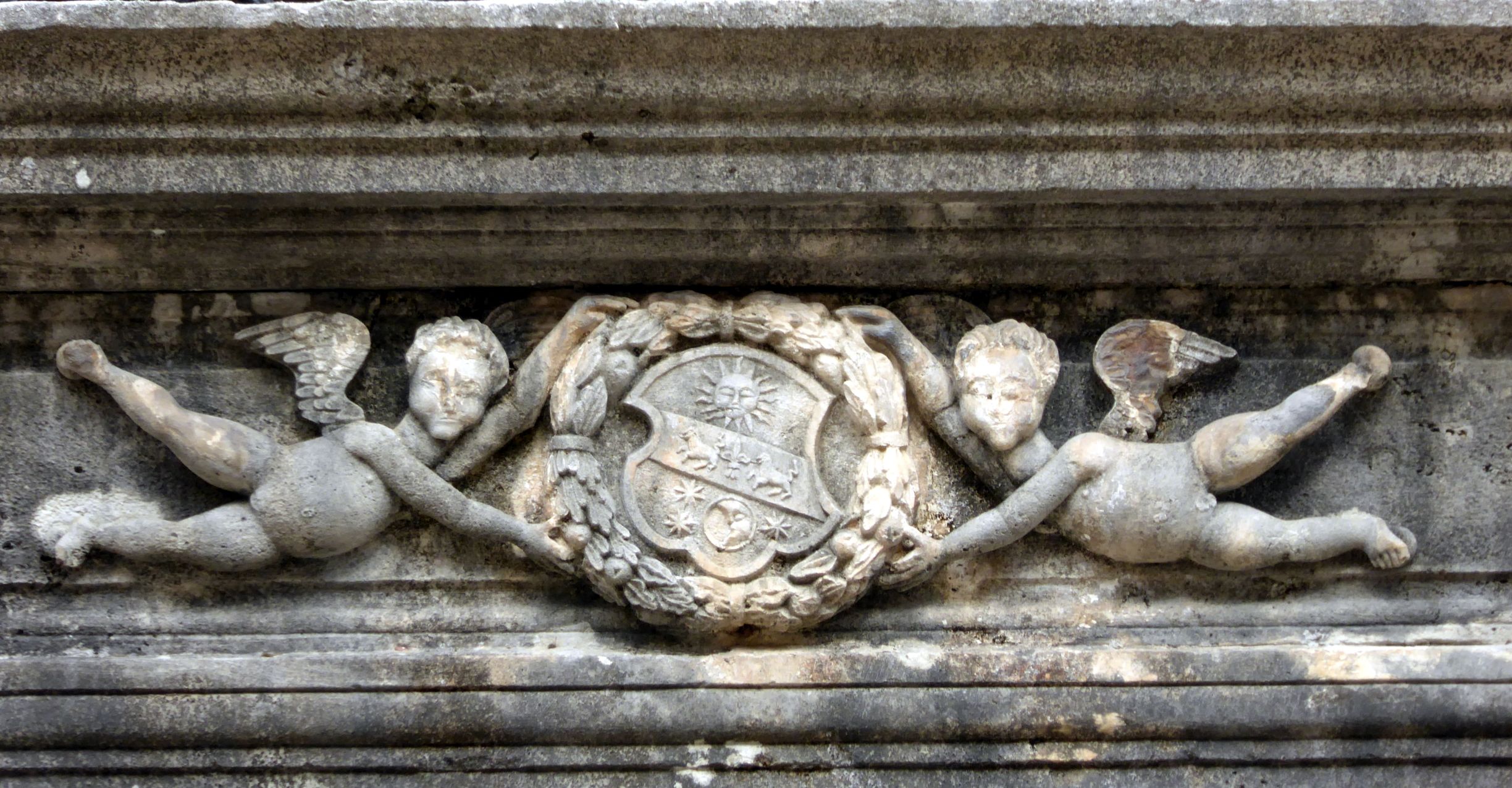
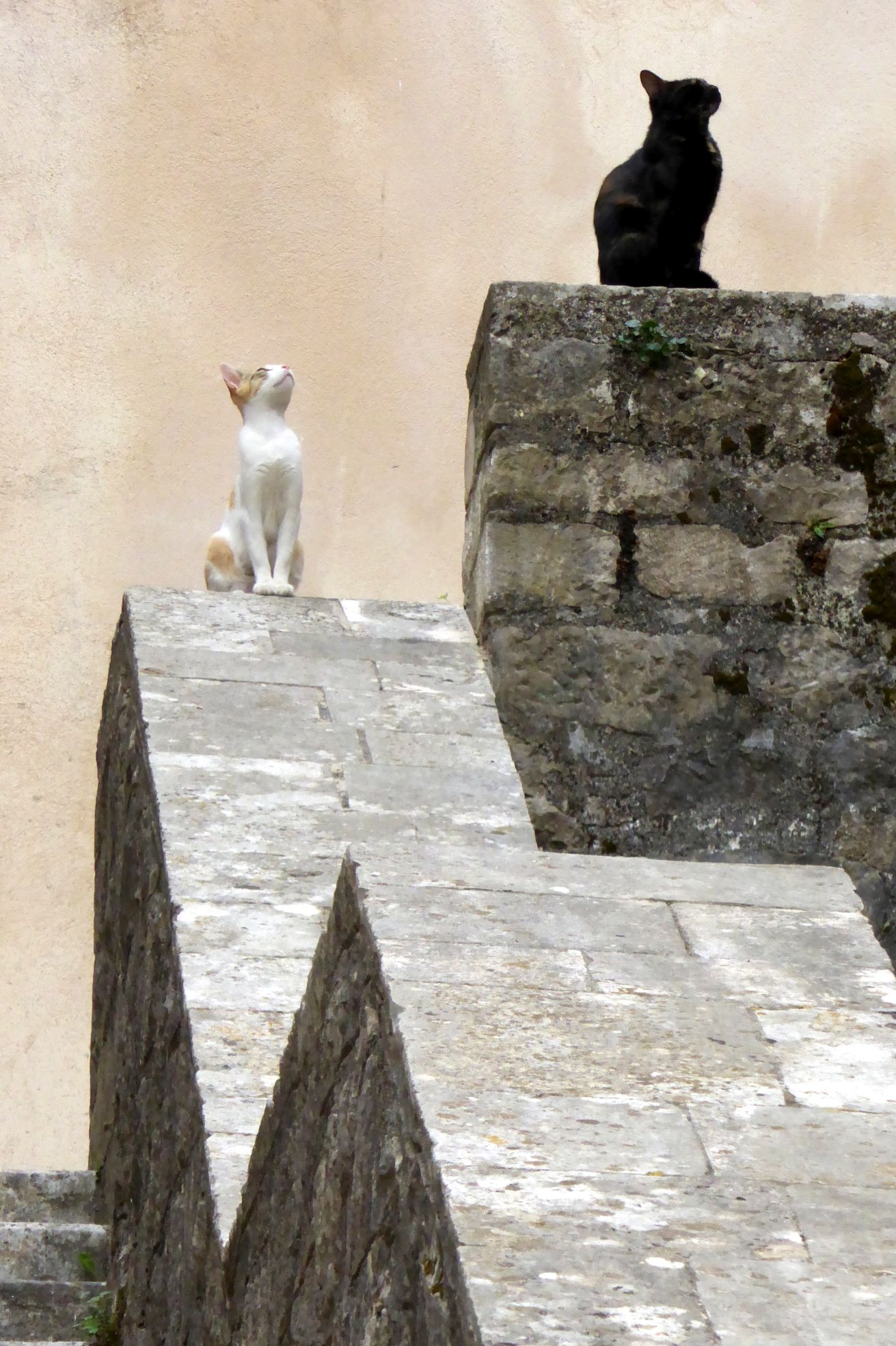
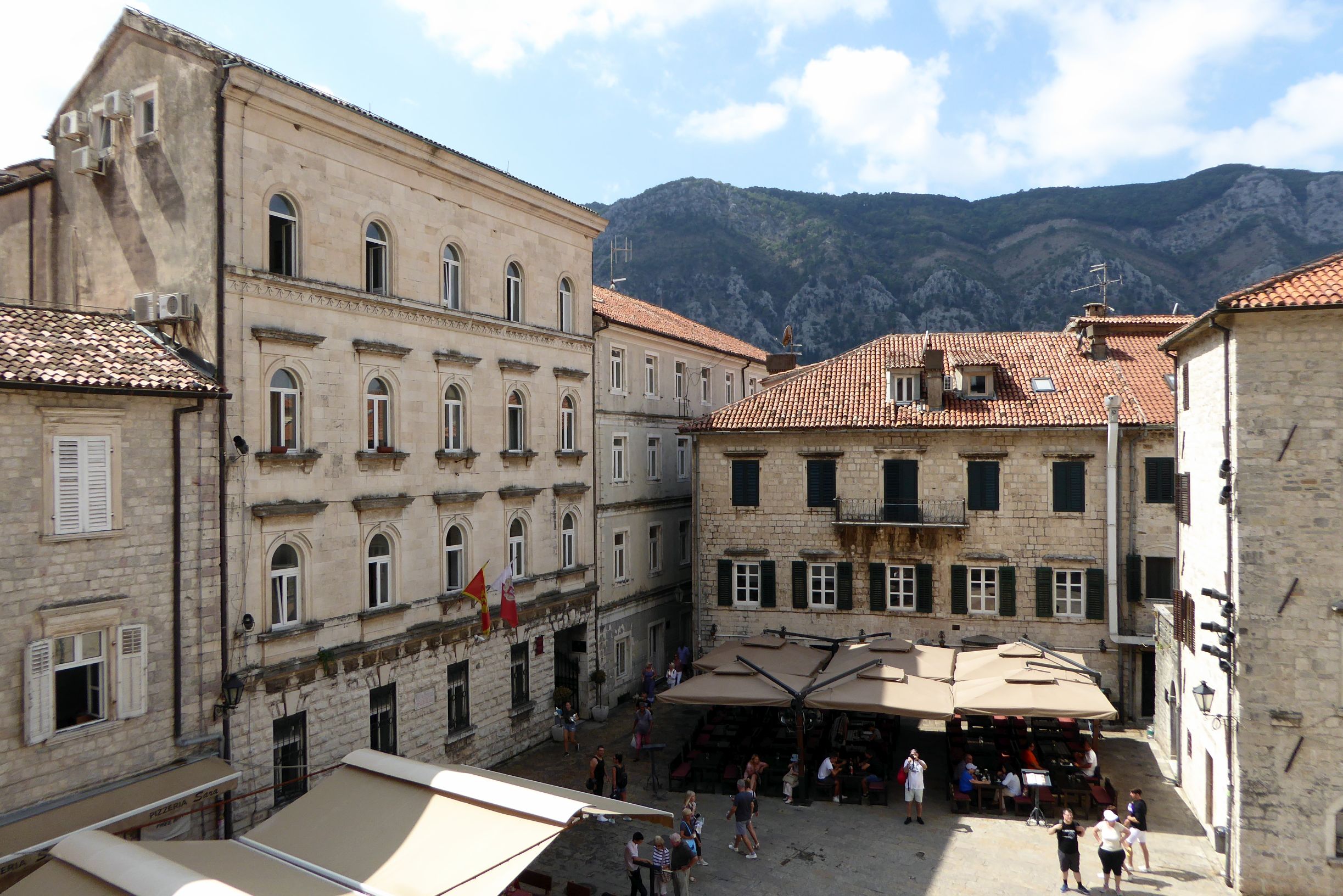
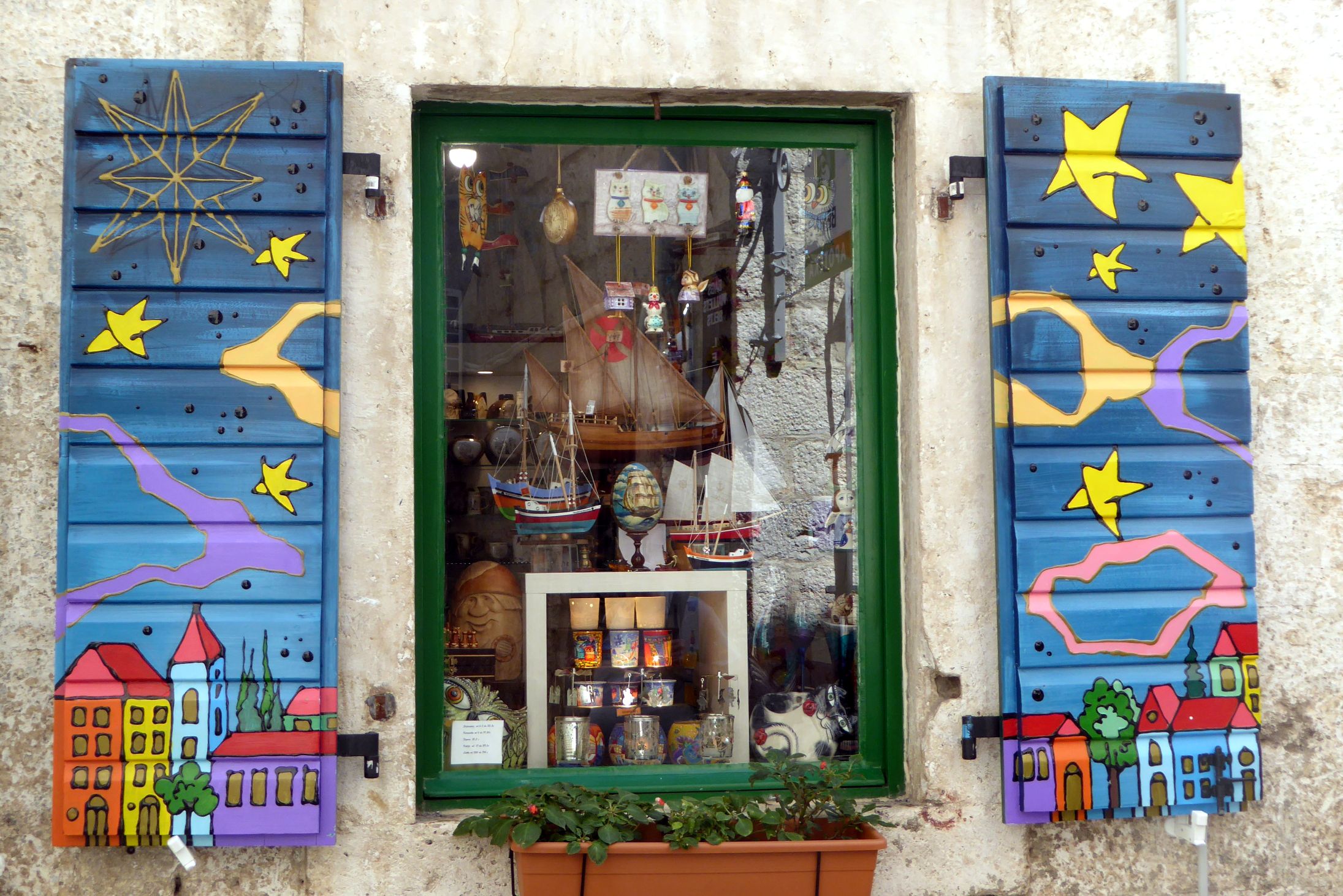
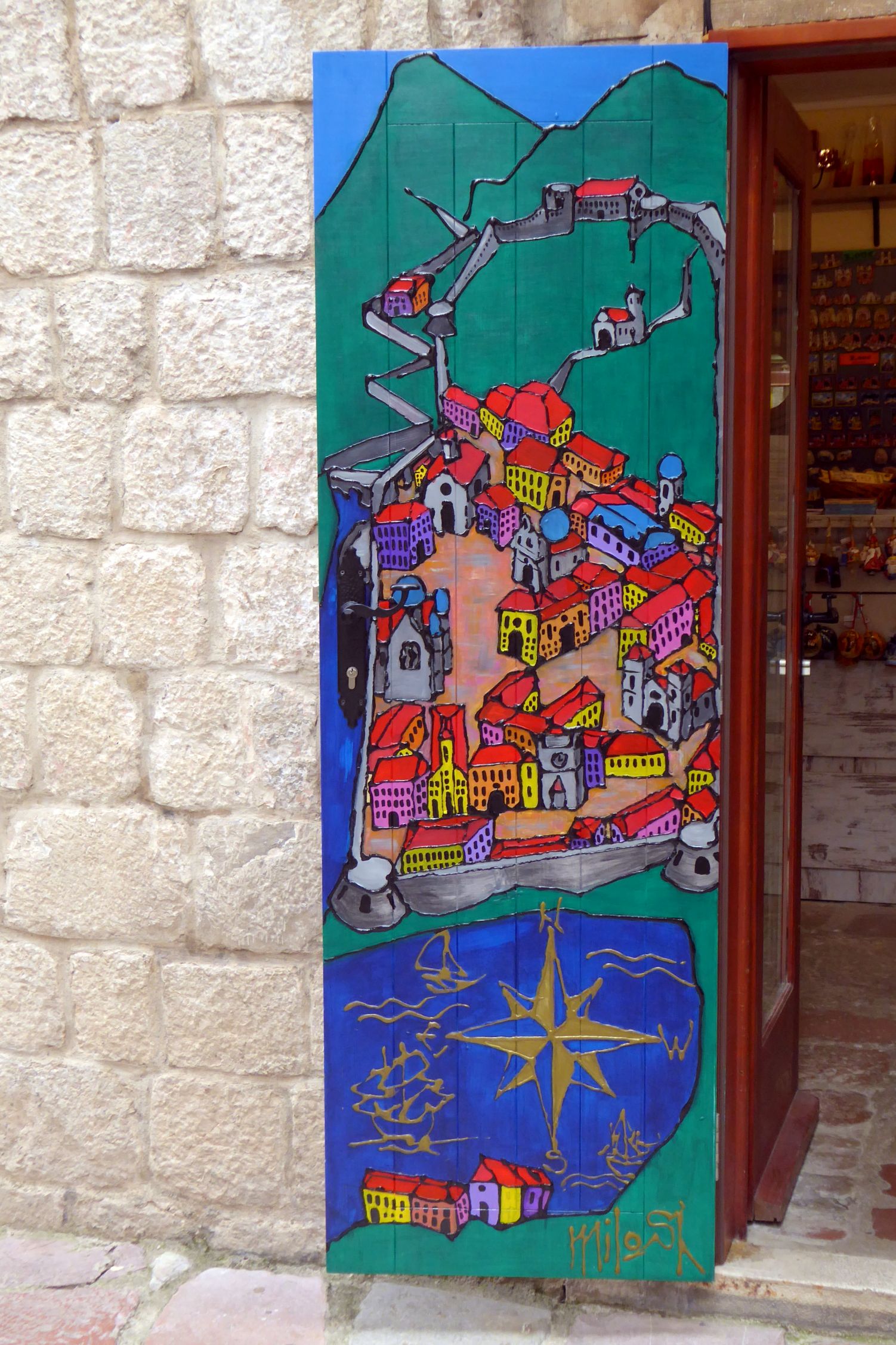
The archway through the thick wall of Kotor’s Old Town was impressive, and I was instantly charmed by the quirkiness of a few unexpected sights that greeted us:

746.jpg

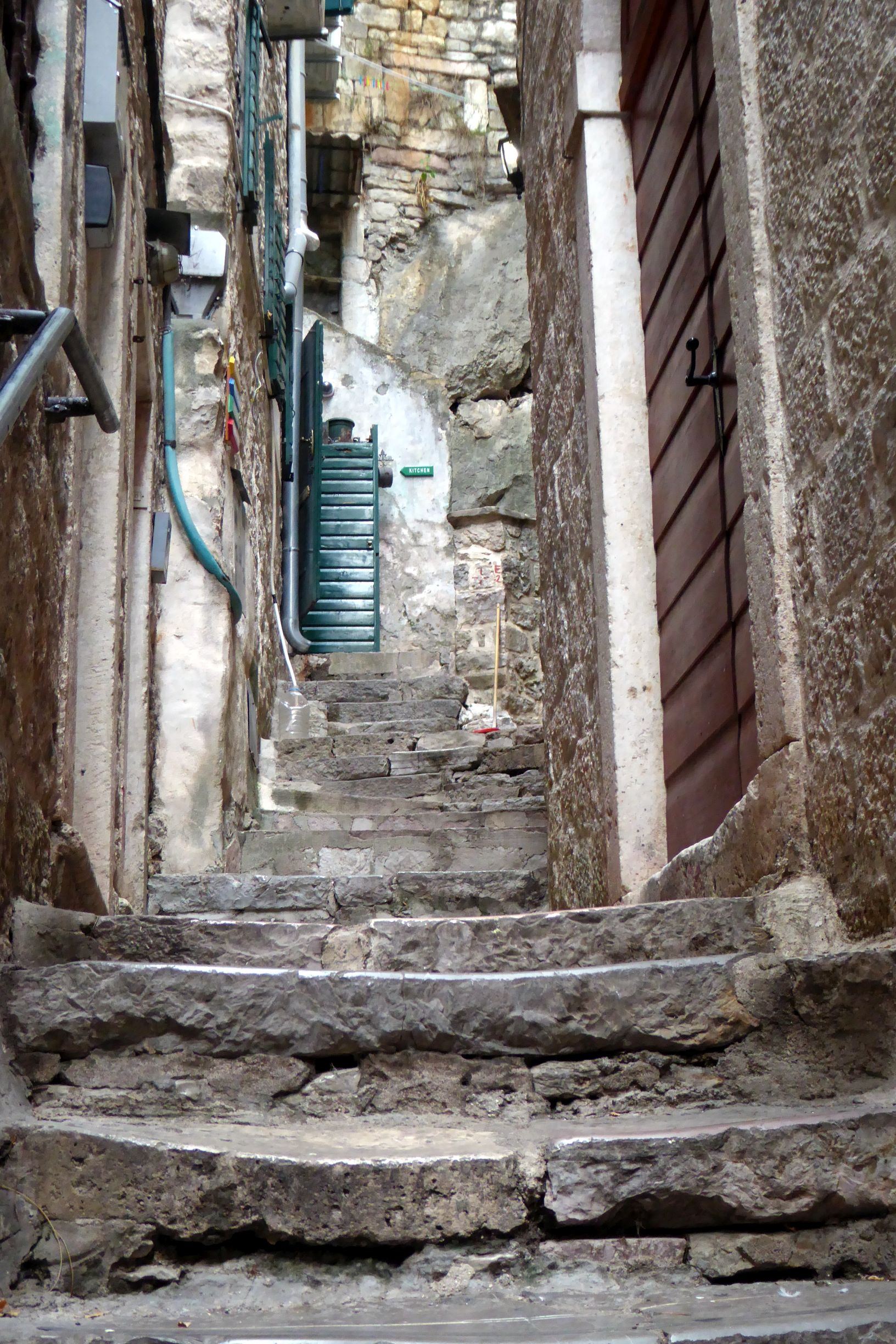
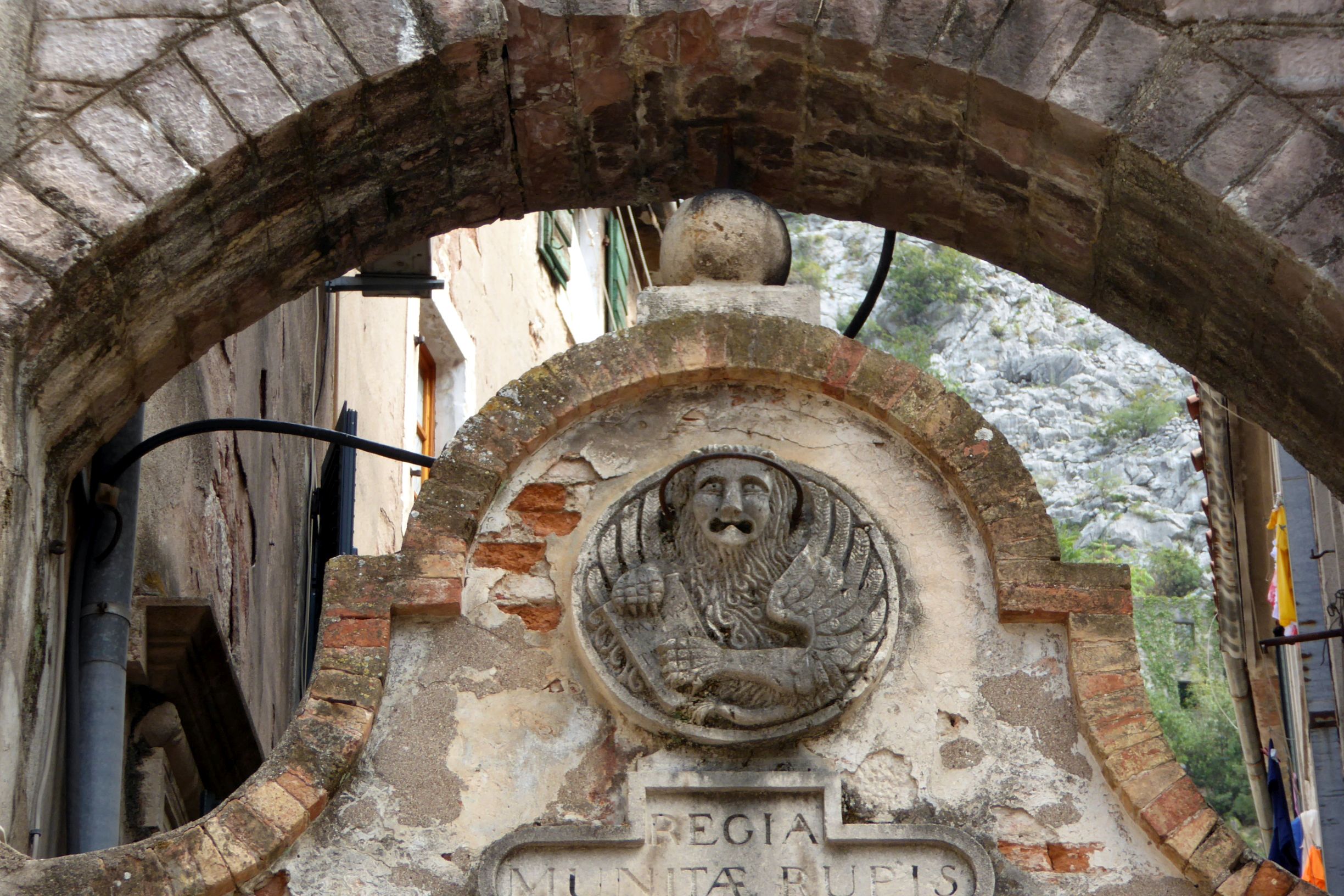
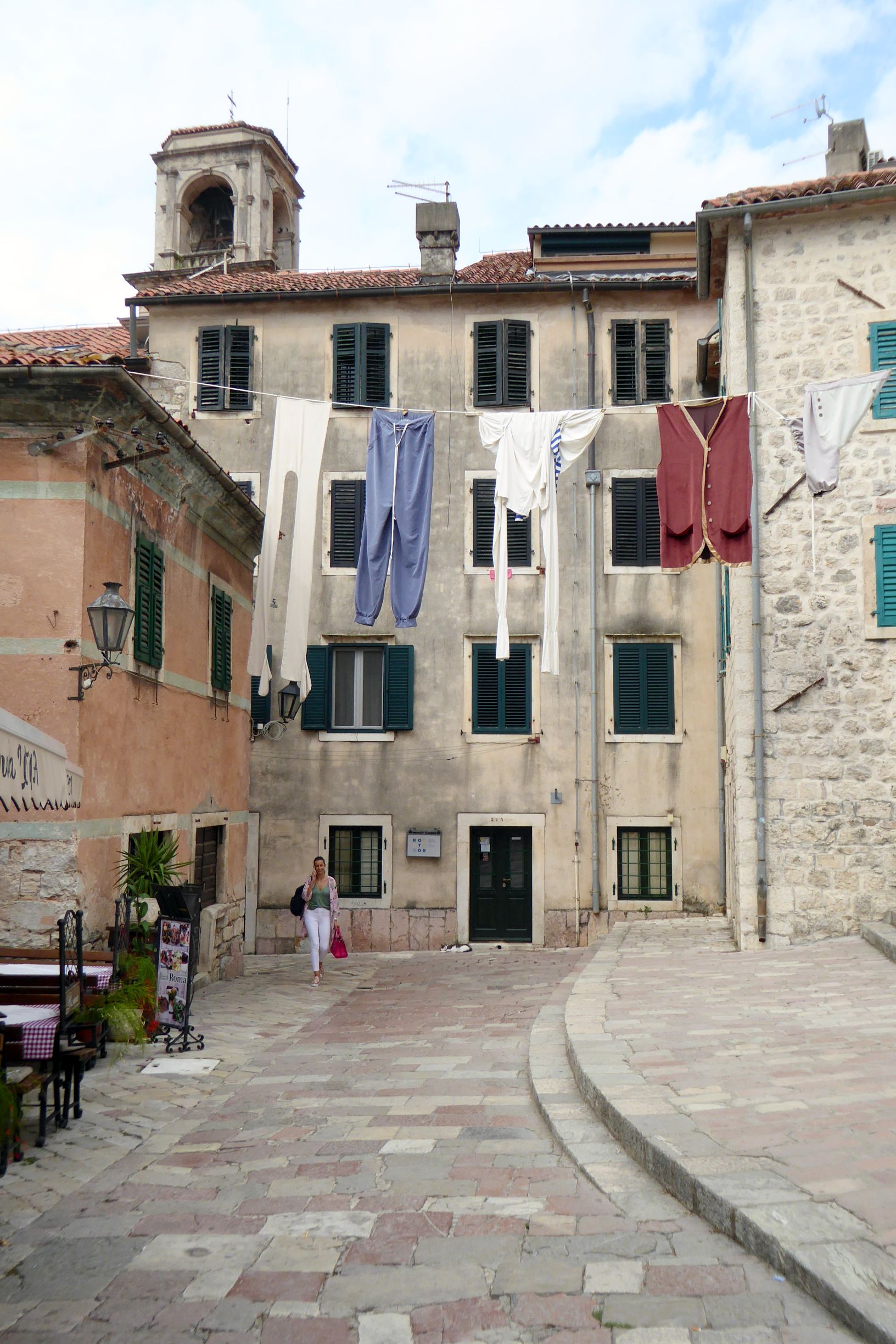
The narrow, winding cobblestone streets were charming, and I instantly understood why tourism is Kotor’s top industry.

762

757

754

758

753

764

763

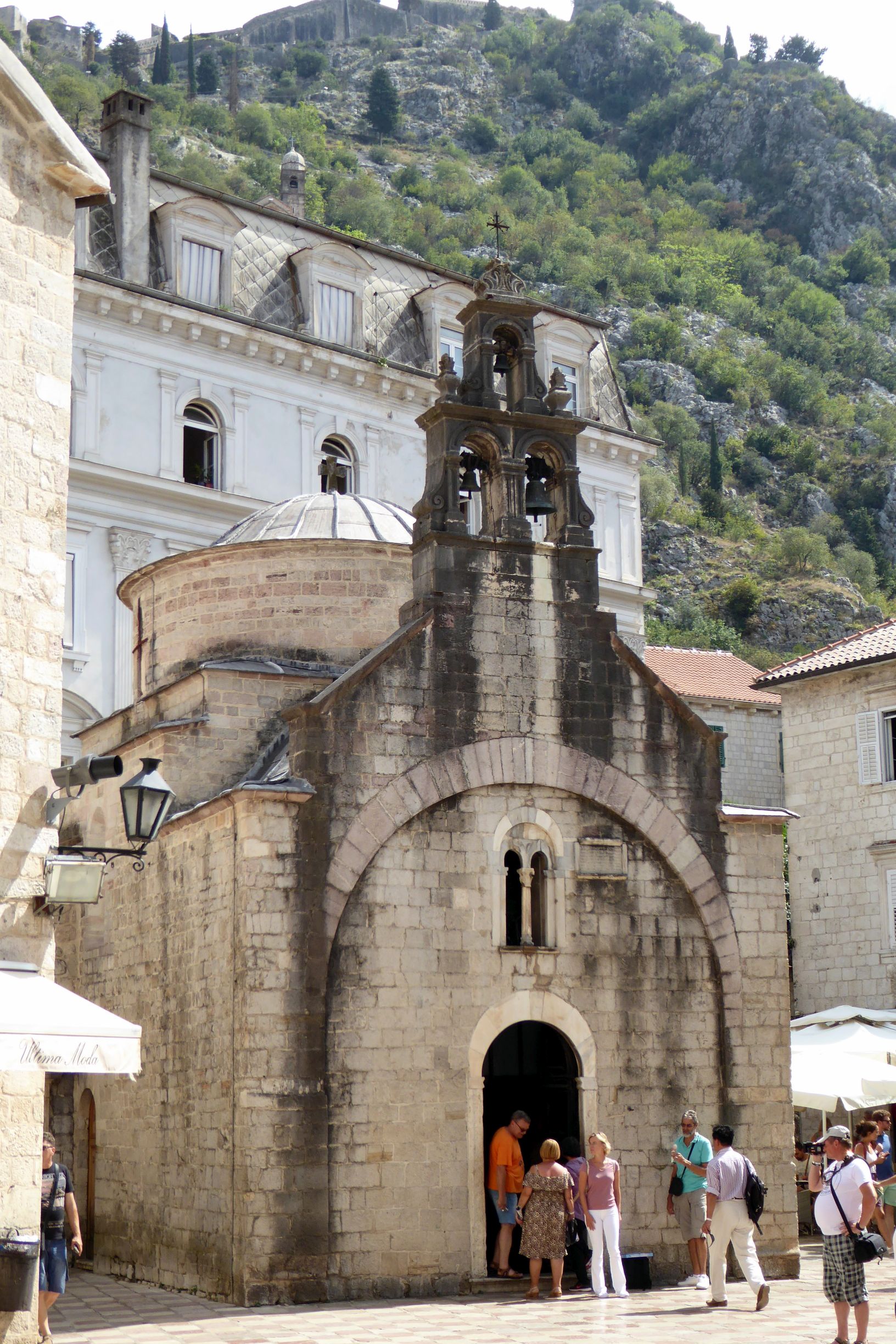
Our private tour led us to Cathedral of Saint Tryphon, a Roman Catholic church dating back to 1166.  The cathedral was badly damaged in the earthquake of 1667, so it was rebuilt.  Again, in 1979, the cathedral was damaged by another earthquake.  It wasn’t until 2016 that the restoration was complete.

749

751

The view from the second floor of the cathedral.

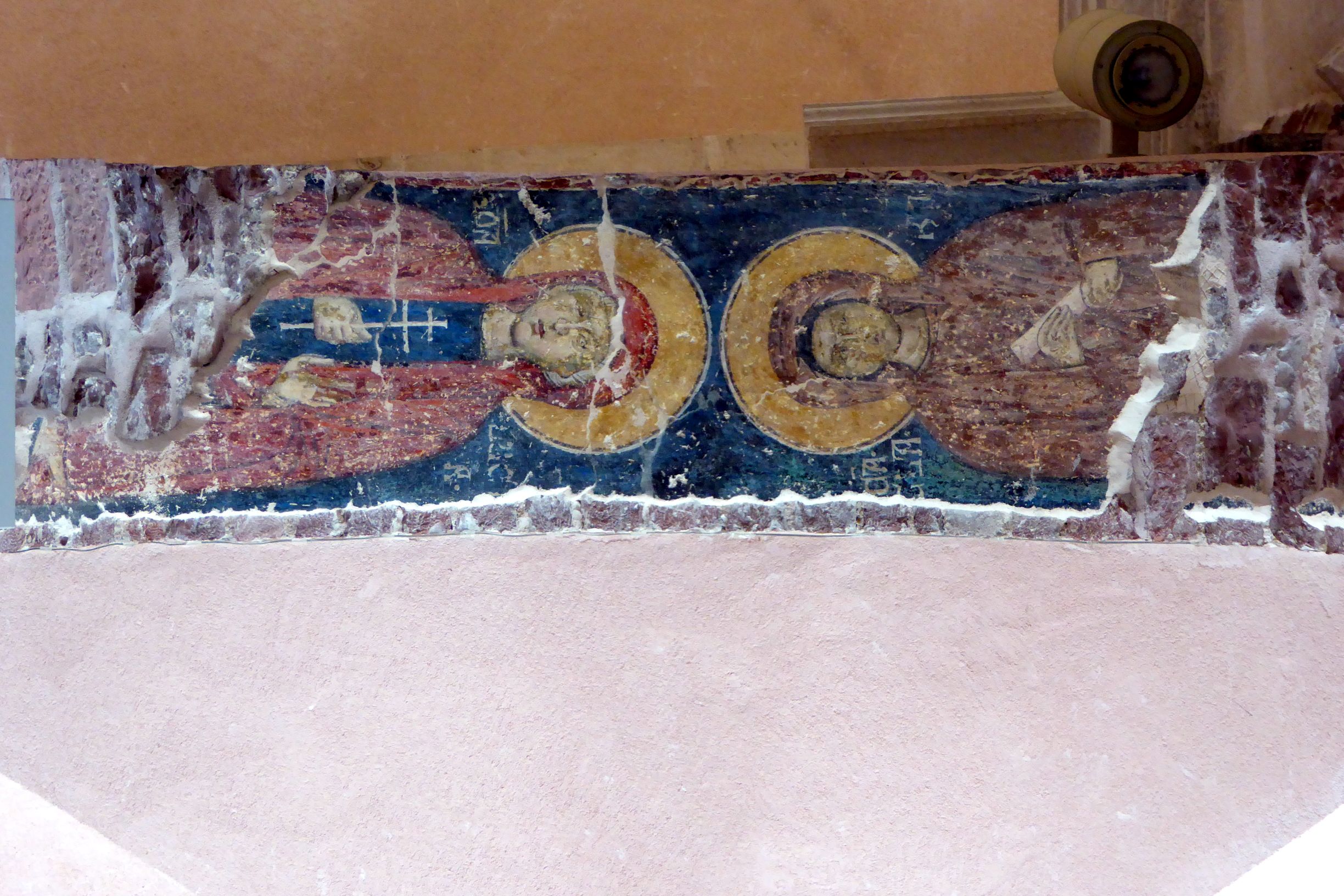
Fortunately, the 14th century frescoes and rich collection of artifacts survived both earthquakes.

750

Following our tour, we had free time to wander the cobblestone streets and make our way back to the stone stairs for the steep climb up the mountain.  Our fitness and endurance paid off; the views were spectacular!

765.jpg


767.jpg

766

768

769


770

771

772

Returning to town, I shot a few more pictures before settling in at a table on the patio of the restaurant reputed to have the best chocolate cake in Kotor.  Sharing a slice was our reward for enduring the hot climb up and down the mountain!  Yes, it tasted as good as it looks!

773

776.jpg

777

778

779

ADRIATIC COAST: DAY 16-DUBROVNIK, CROATIA

733.jpg

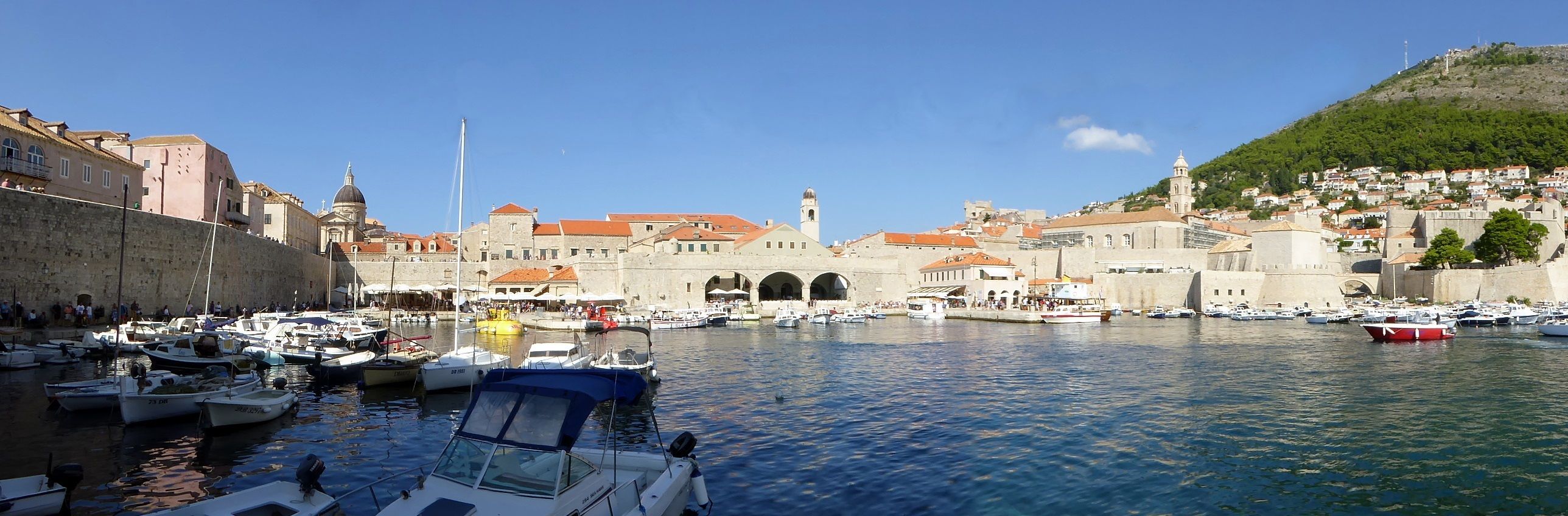
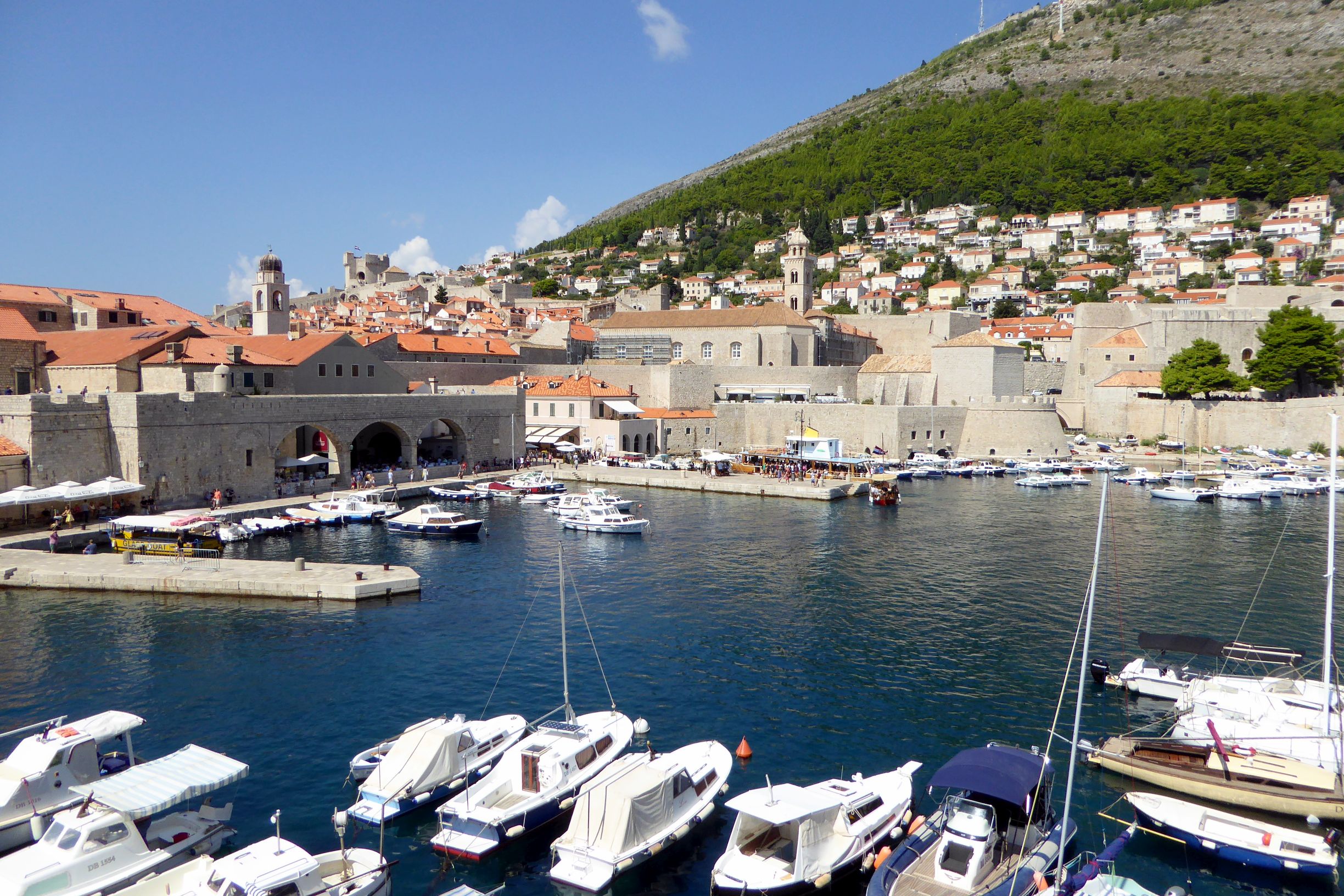
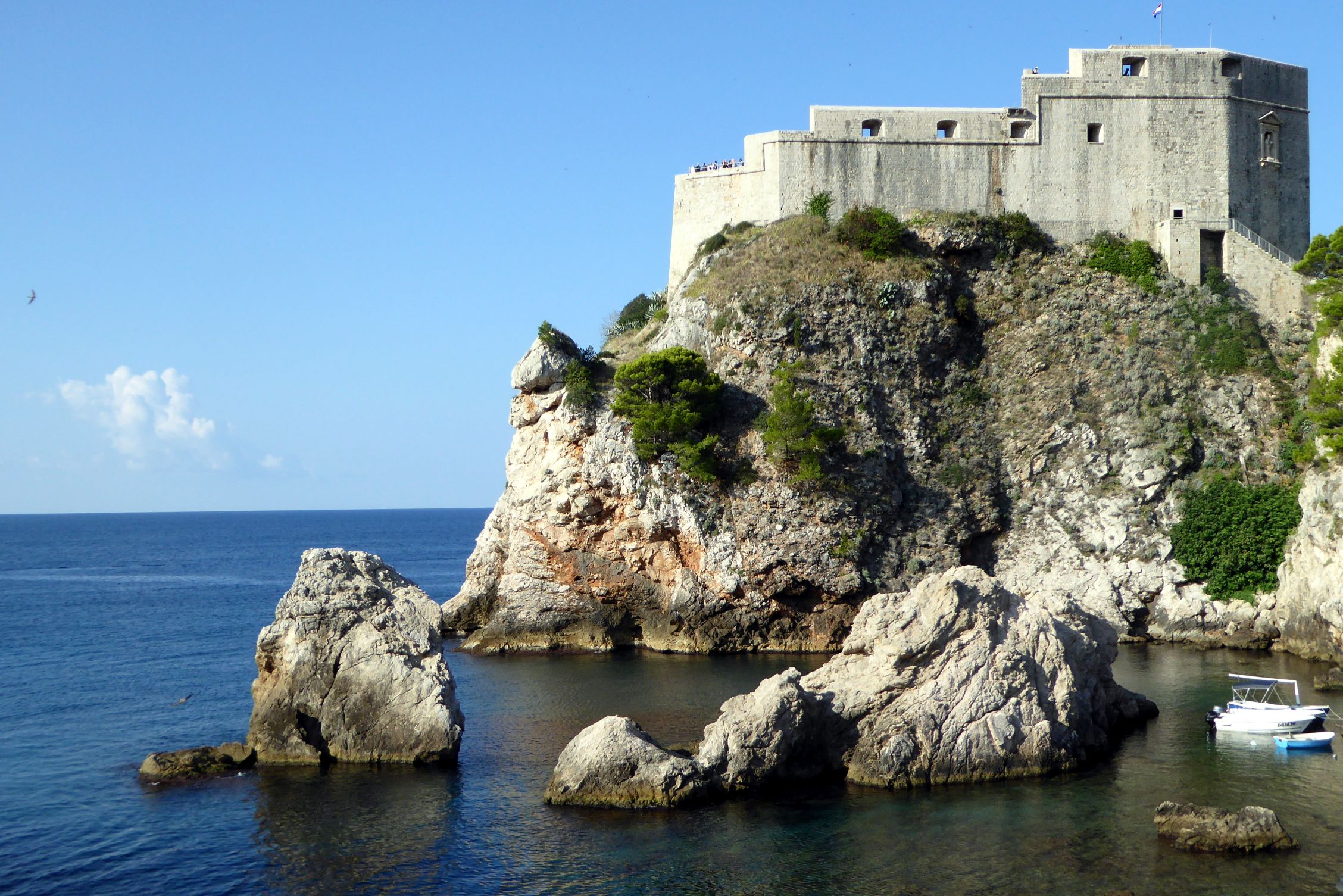
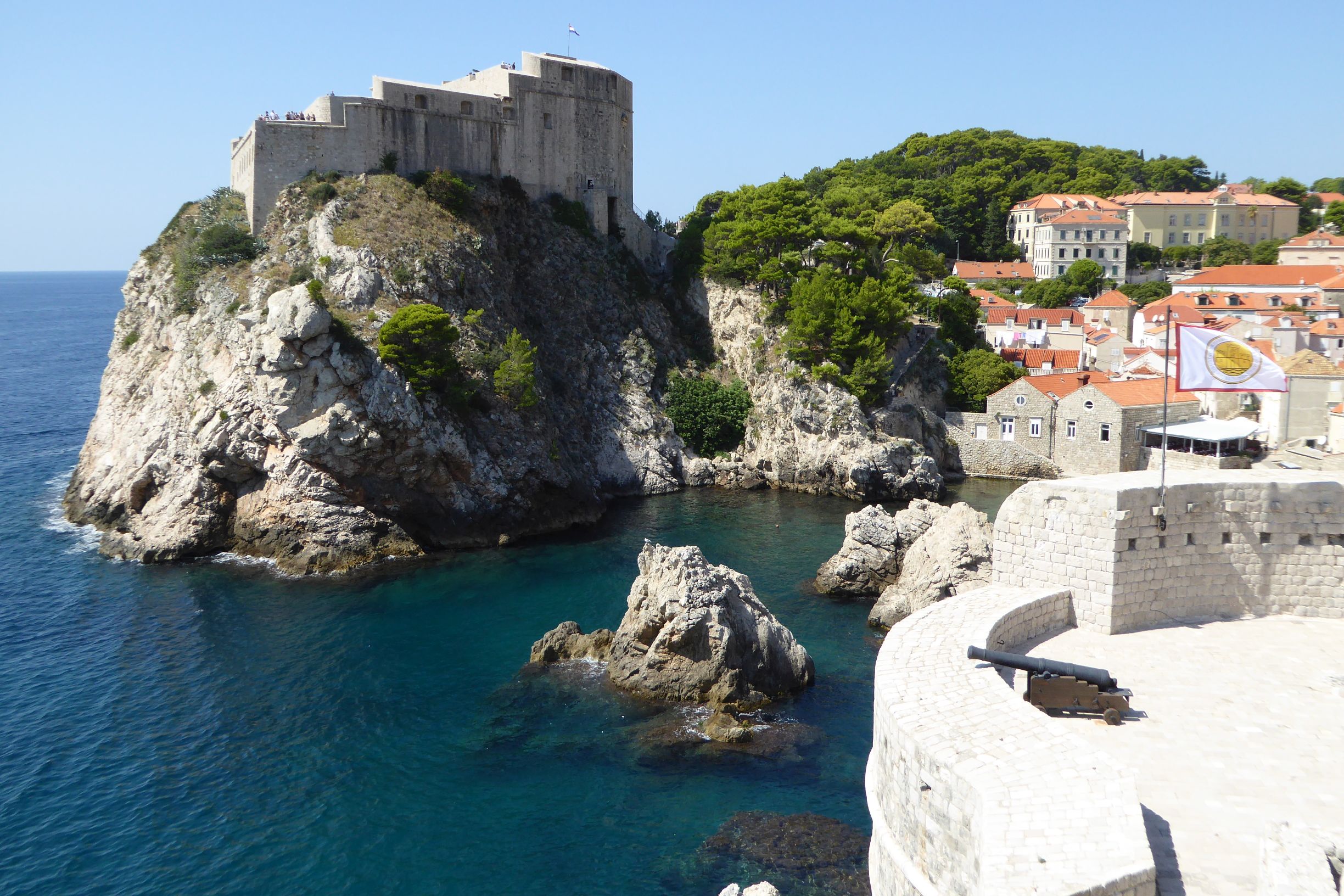
When people think of Croatia (formerly Yugoslavia), Dubrovnik is probably what comes to mind first.  Dating back to the 7th century, the entire city is a UNESCO World Heritage Site, and is one of the most prominent tourist destinations in the Mediterranean region.  That fact was quite evident the day we visited.  Busloads of tourists (including us) inundated the place, and I soon realized why one of La Perla’s crew loved the island of Korcula more than his own home of Dubrovnik.  Andrea lives within the walls of the city, and he complained about the traffic, lack of parking, and packs of tourists.  (Property within the walls has also gotten extremely expensive; a tiny one-bedroom apartment sells for $1.3 million dollars!  People who inherit property within the walls rent them out on Airbnb and buy in a newer area instead.)

One of reasons Dubrovnik has seen such an increase in tourism is because of the HBO television series, Game of Thrones, which is filmed in Dubronik.  I have never seen the show, so I haven’t a clue!

Dubrovnik had a record year for tourism in 2016, with more than one million visitors.  It has gotten so bad that city officials are setting limits on the amount of people allowed within the walls on any given day.  UNESCO has advised that no more than 8,000 people should be within the walls of the Old Town at any one time to prevent damage to some of the city’s oldest buildings; so, security surveillance video cameras have been installed at the walled city’s five entrances to keep tabs on the foot traffic.

692

695.jpg

701

706

707

Beginning this year, Dubrovnik is limiting the number of cruise ships to two per day, carrying a maximum number of 5,000 each.  In addition, city officials are working with the Cruise Lines International Association to optimize scheduling and make foot traffic move more efficiently through its historic central district.

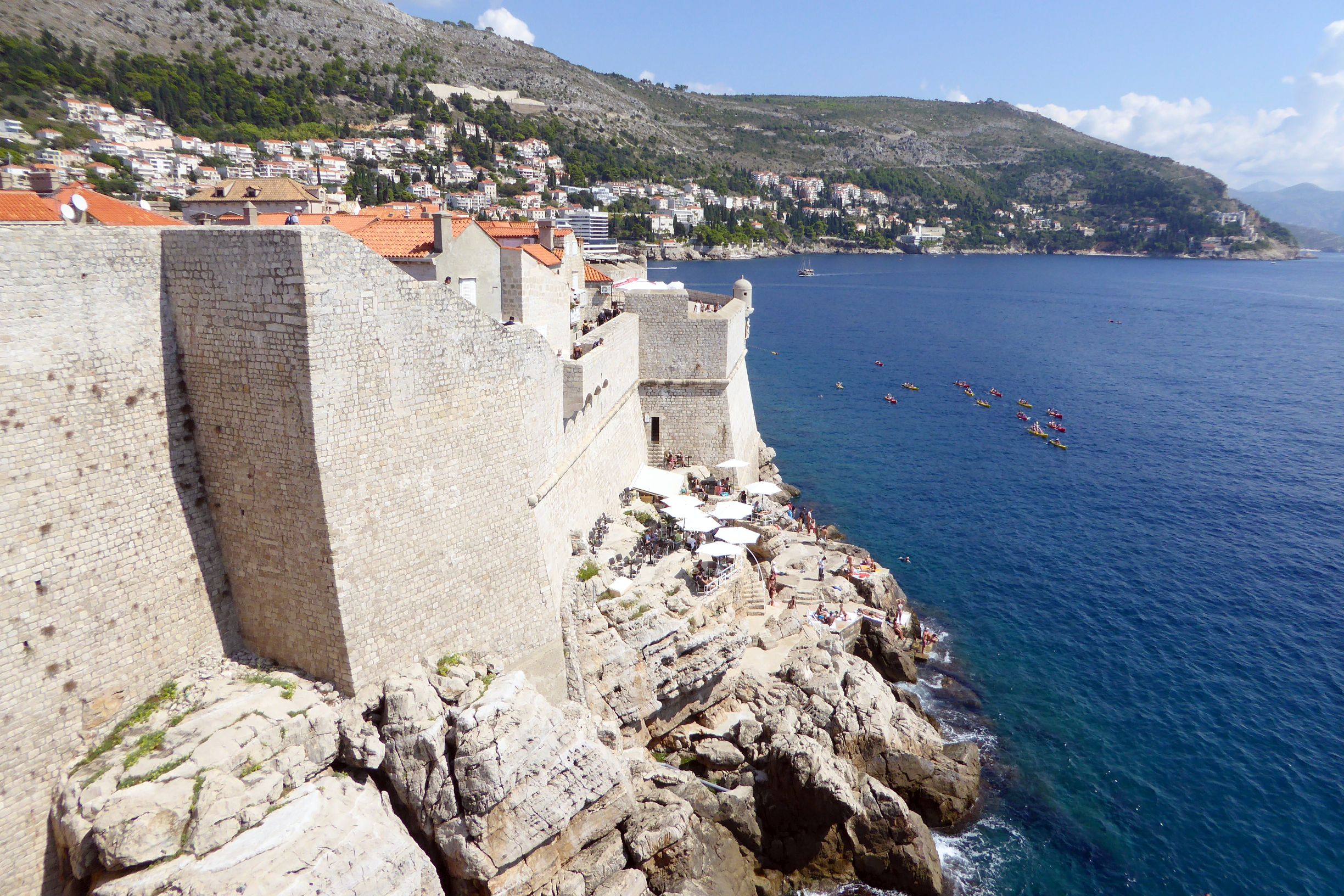
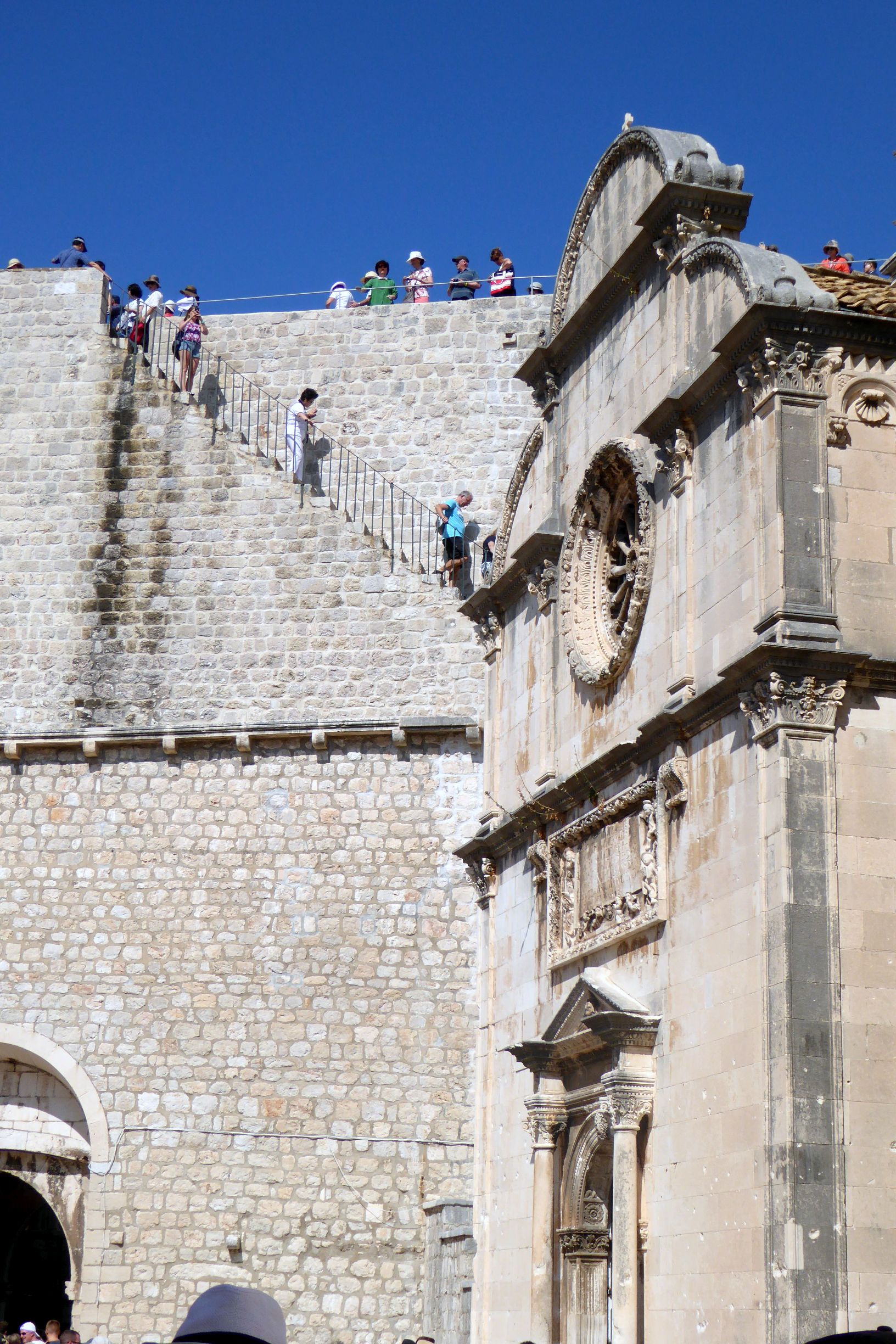
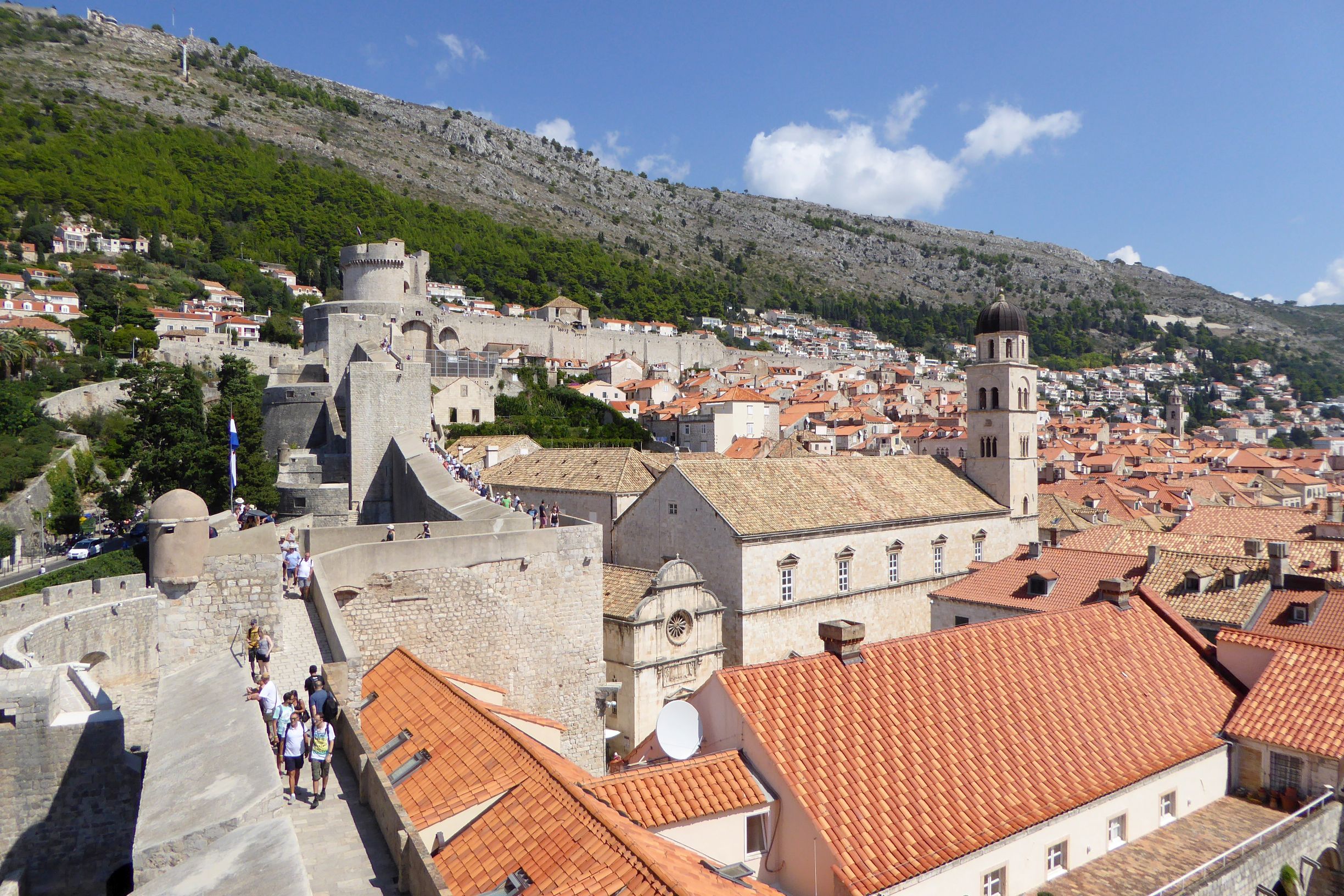
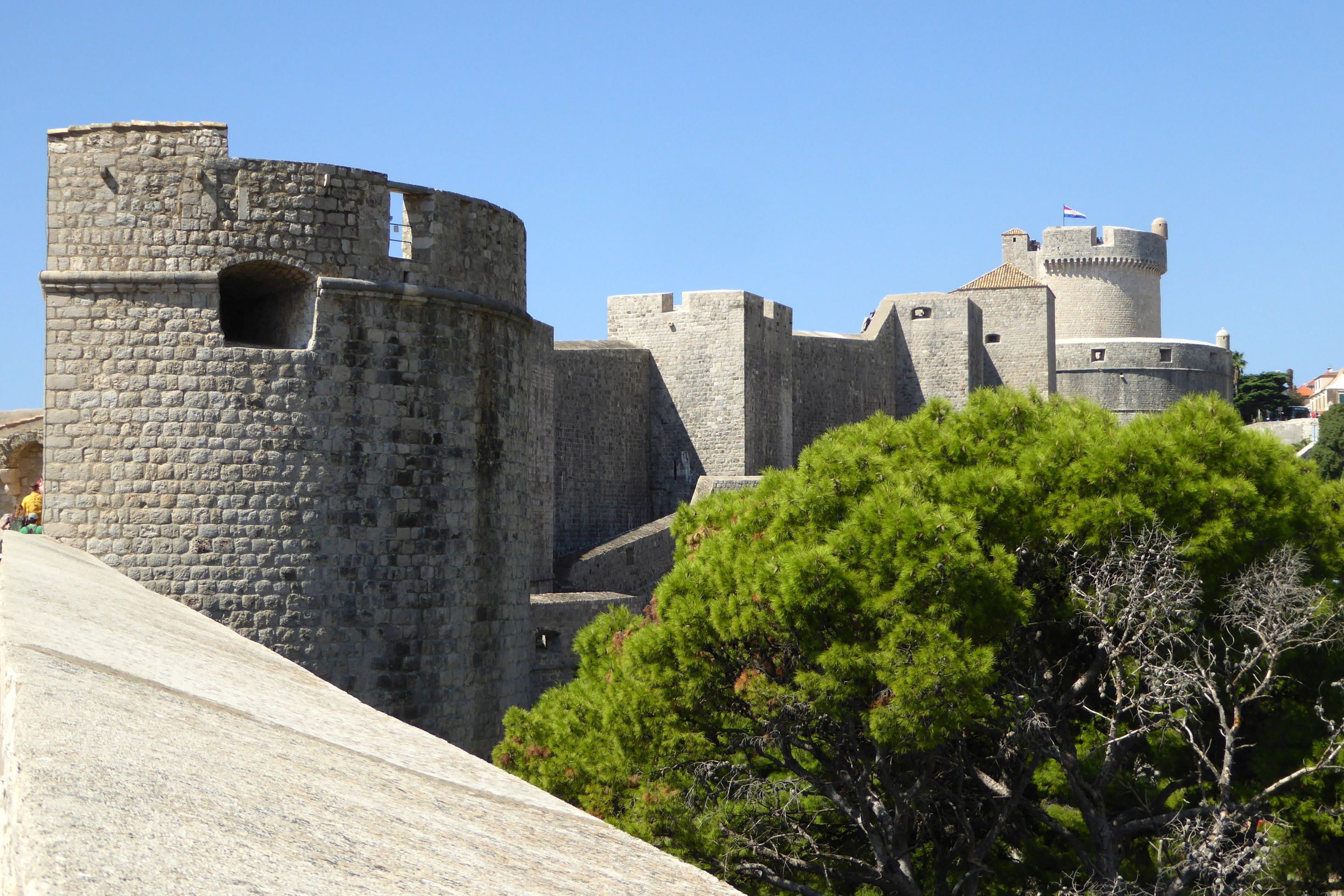
The big feature of Dubrovnik that attracts tourists is its walls that run almost 1.2 miles around the city.  The walls are 80 feet high and up to 20 feet thick.  The oldest building within the walls dates back to 1290, and the 700-year-old pharmacy is the third oldest pharmacy in the world.

713

714.jpg

720

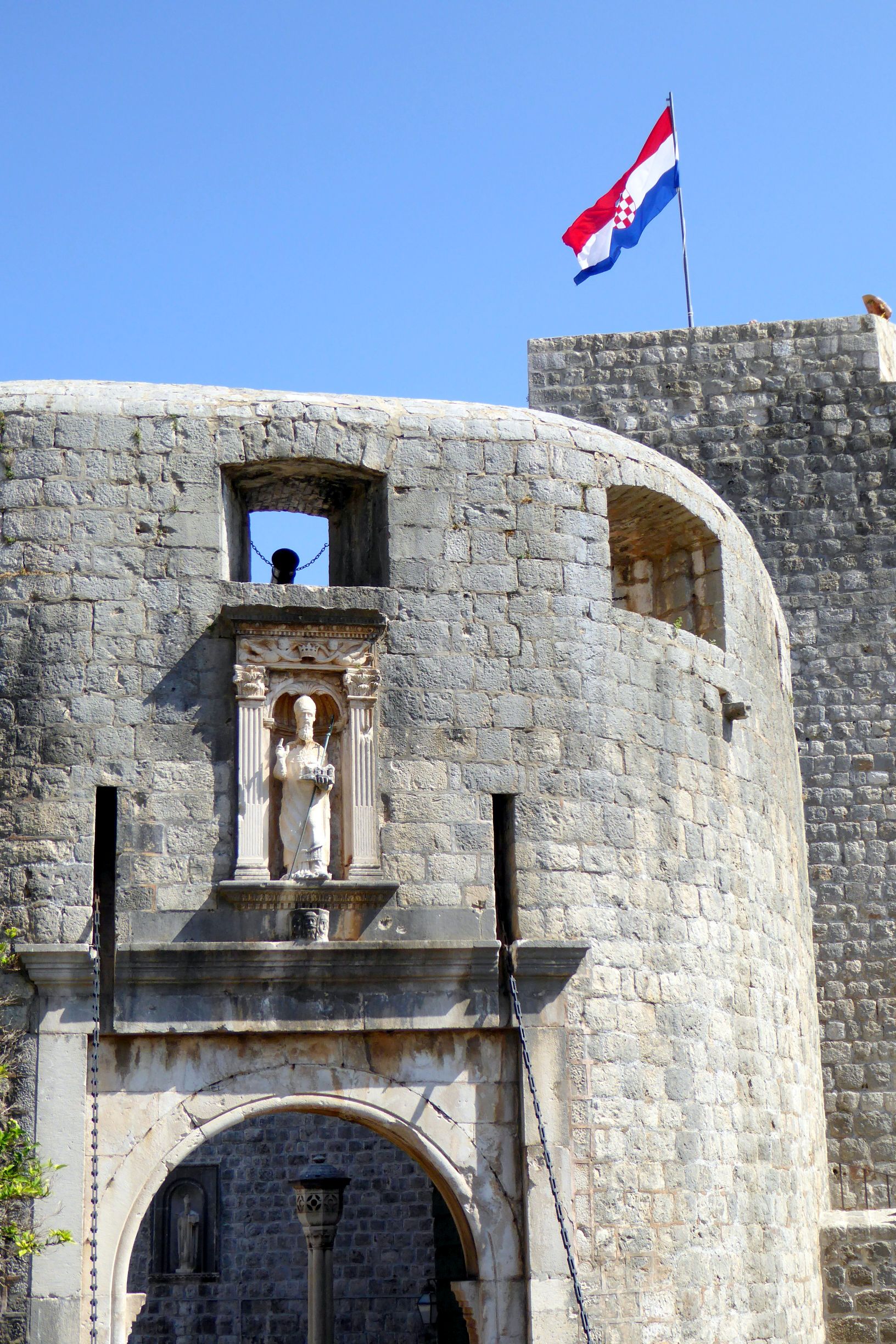
Outside of the walls, a fortress was built in the 1400’s to protect he main city gate.  The fortress wall facing the water is 40 feet thick, and only two feet thick on the city side.

729

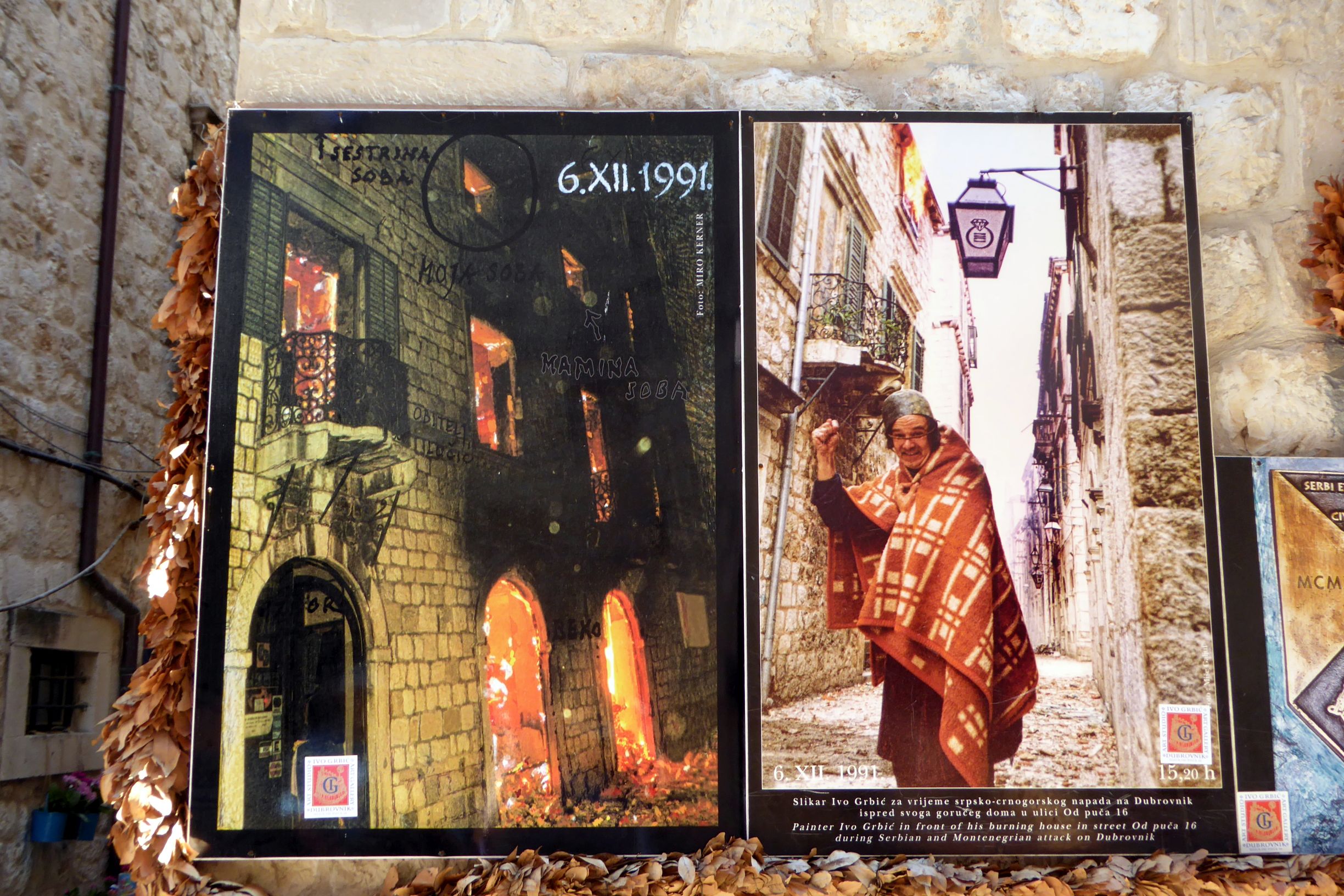
The system of turrets and towers of the Old Town wall were also intended to protect the city; however, it suffered a devastating attack by the Serbs and Montenegrins on October 1, 1991.  The attack lasted for seven months, killing 114 civilians and damaging 56% of its buildings.  The damage to the walls alone was estimated at $10 million dollars.

721

Following the end of the war, damage caused by the shelling of the Old Town was repaired in the original style, adhering to UNESCO guidelines.

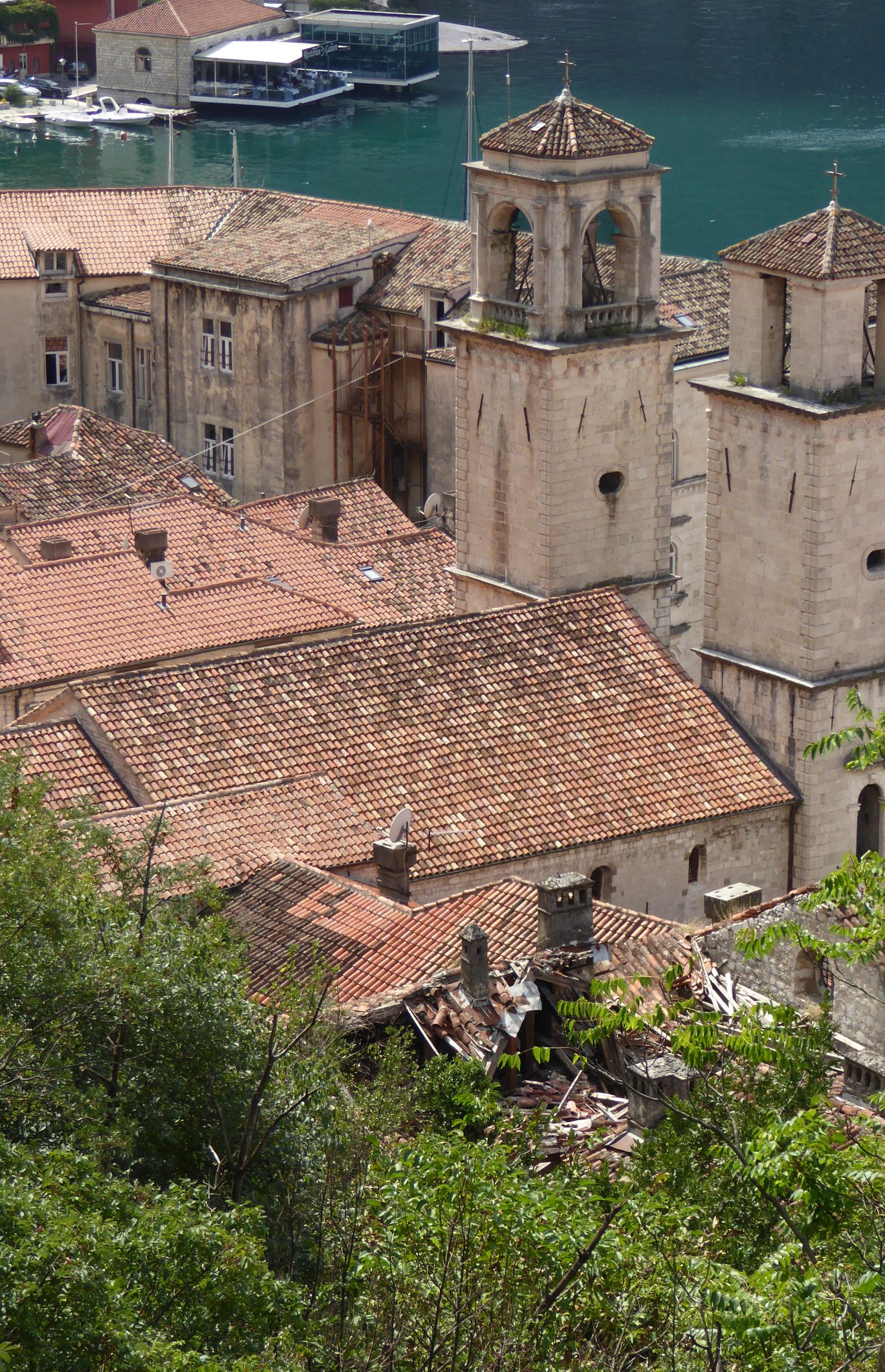
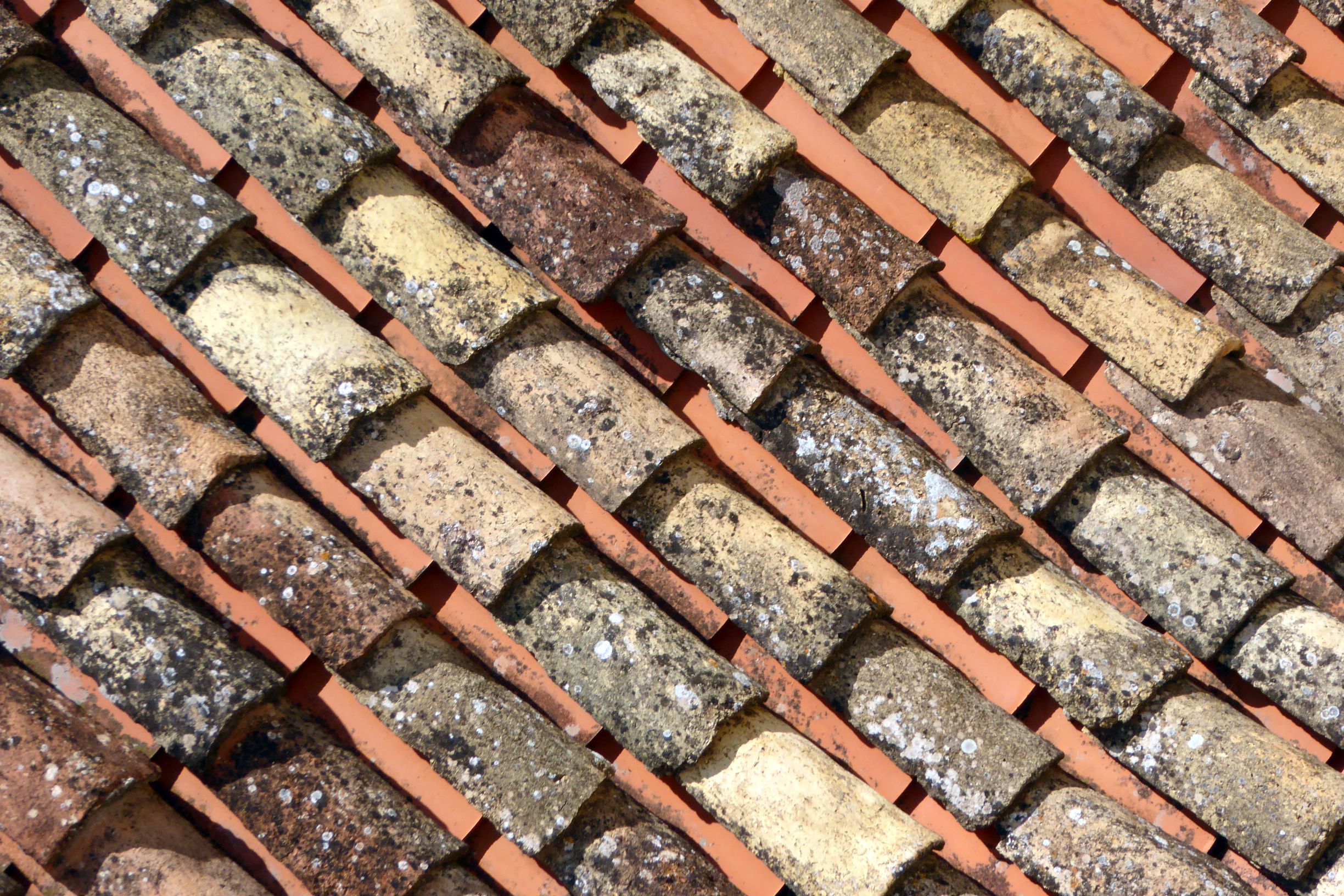
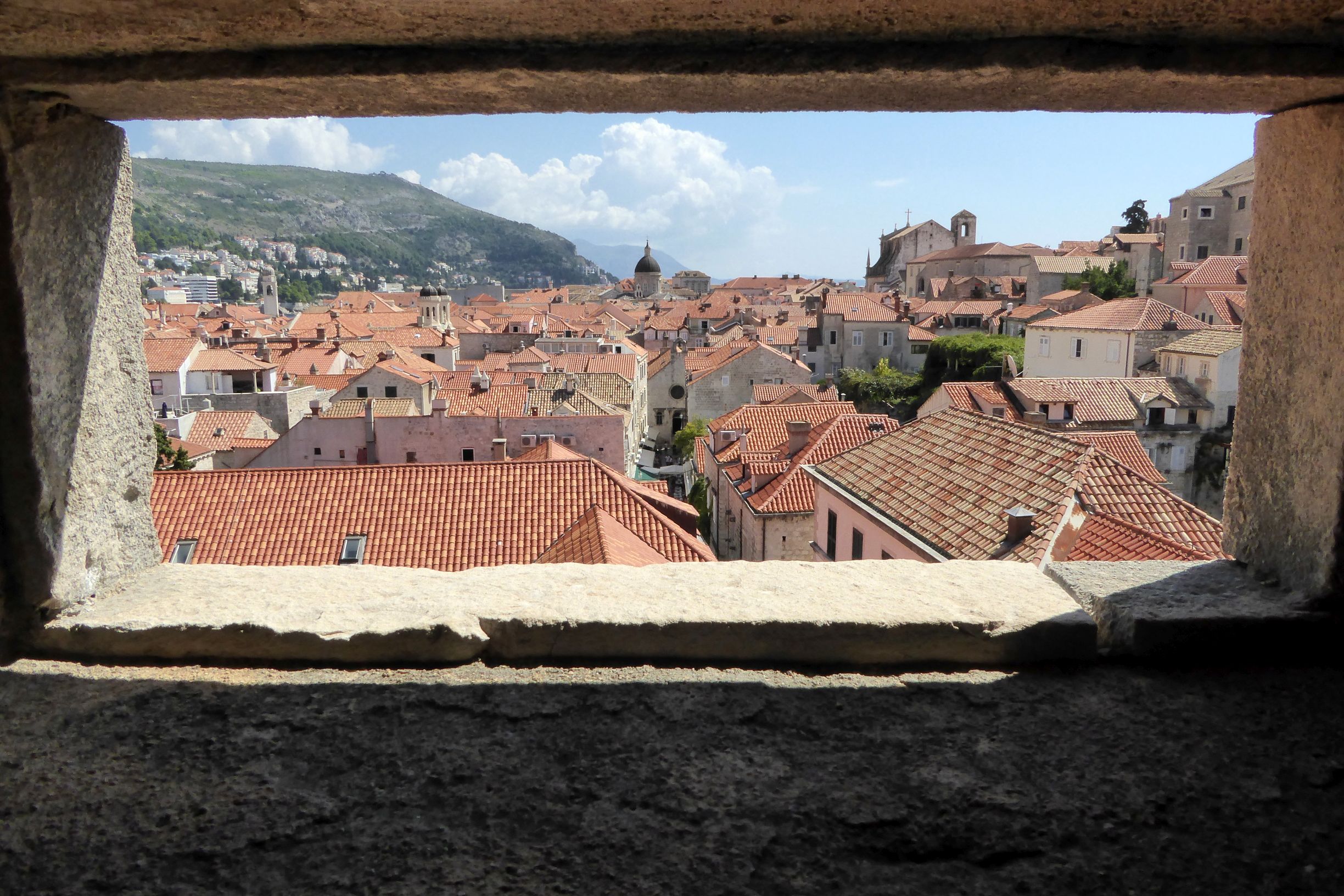
It was interesting to walk the entire wall of the city and look down on the rooftops where we were able to spot undamaged pre-war roofs in between newer, post-war roofs.  It was sad to see some of the shelled buildings that remain untouched since the attack.

716

718

717

719.jpg

709.jpg

Poster Caption:  Painter Ivo Grbic in front of his burning home in street Od puca 16 during Serbian and Montenegrian attack on Dubrovnik.

The walk was exhilarating, though, especially along the seaside wall.  The views were breathtaking, and we were so fortunate to be able to enjoy it on such a beautiful day!  We watched the kayakers paddling on the Adriatic Sea below us, and marveled at how clear and bright blue the water appeared.

732

730

731.jpg

Although we had begun the day with a guided tour of Old Town, we were provided passes to walk the walls and visit the museums on our own.  It was great to be able to enjoy it at our own pace and cover more ground.  We were among the few in our group that walked the entire wall, a memory I won’t soon forget.

724


725


726

Our final evening in Croatia was also quite memorable.  We were taken by bus to Orasac Village (population 100; 85% of them related) for a home-hosted dinner.  The 24 of us were divided into four smaller groups to dine in four different homes.  We were welcomed by Tereza Gorace and her cousin, Ana, who translated for us and answered many of our questions.

736

Beginning our evening, we were welcomed on the patio with local brandy and fresh figs from their tree.  At Christmas time, the figs are dried with a bay leaf and flour for a traditional treat.

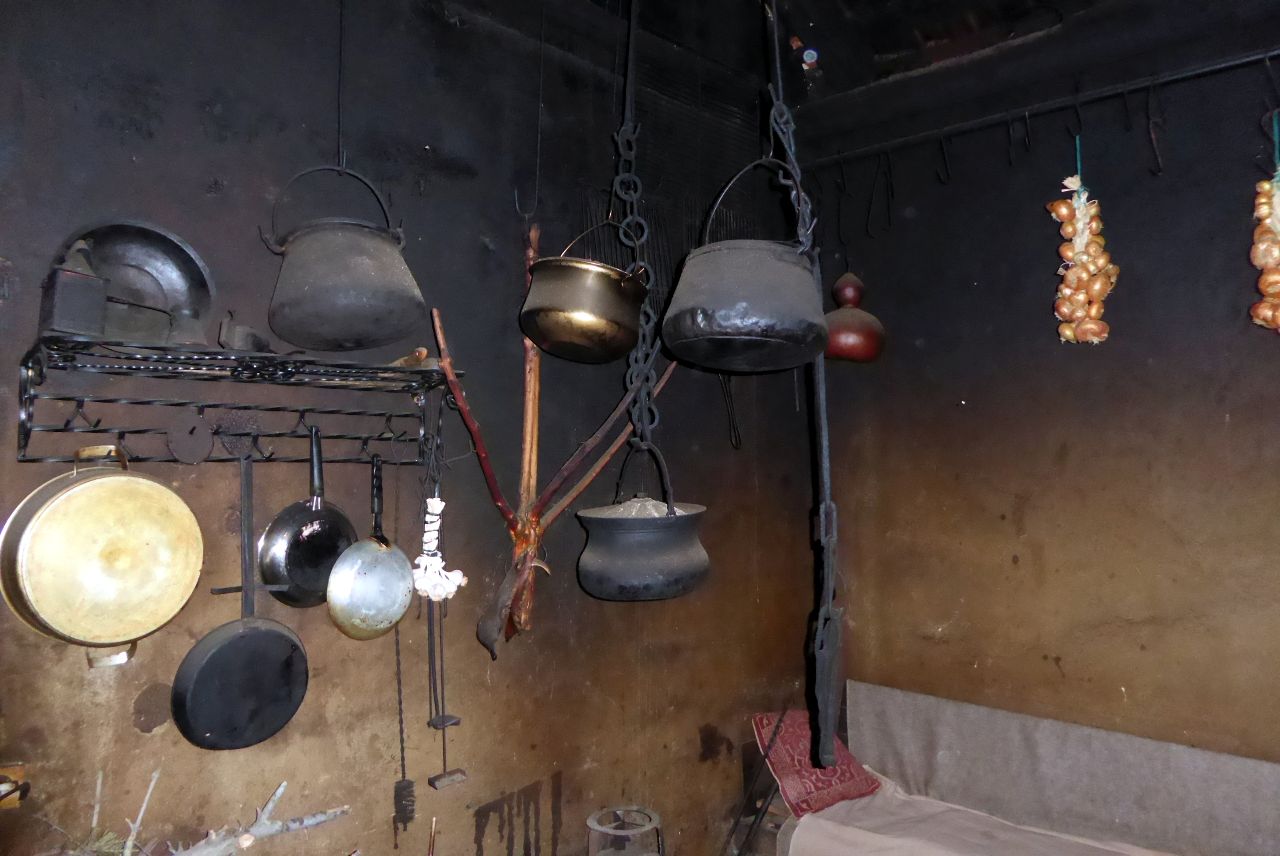
Before settling in for dinner, we were shown their smokehouse where they make sausage, prosciutto, and bacon—all from animals they raise on their farm.  Tereza explained that it takes seven days to smoke sausage, and then it is stored in the cellar.  Prosciutto is smoked for two months straight.

737

742

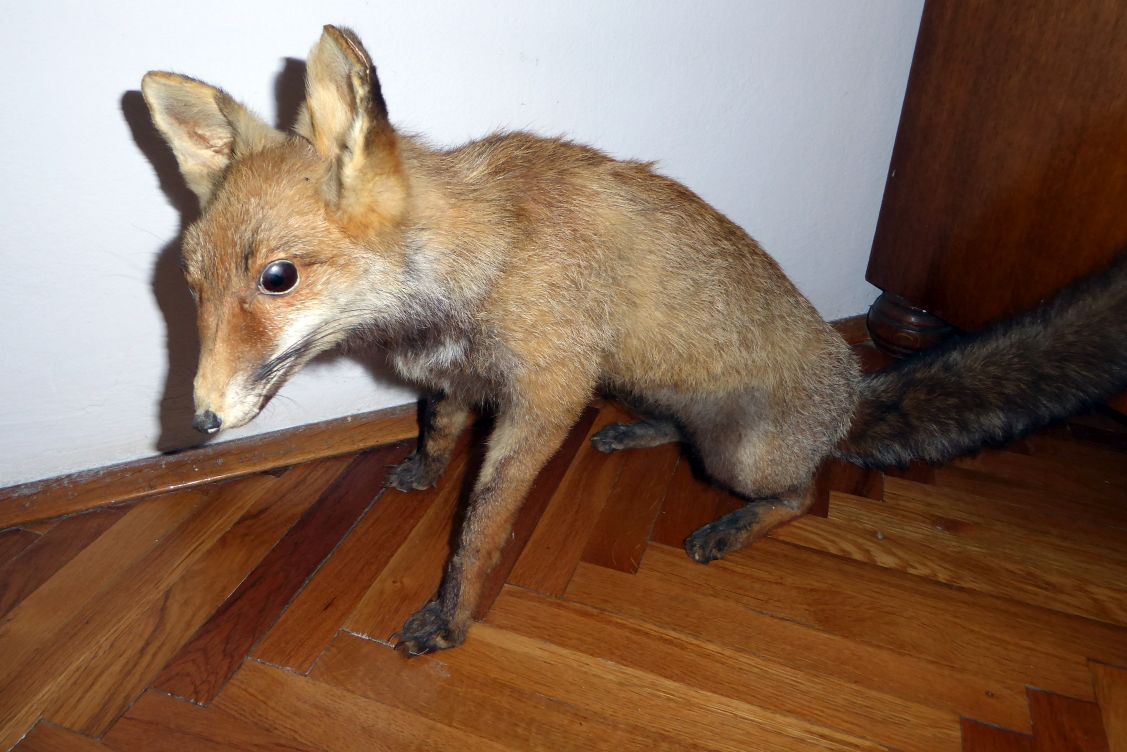
This is a kuna, an animal native to Croatia that lives in the forest.  It appears on Croatia’s currency.

740

Ana is standing on the left.

741

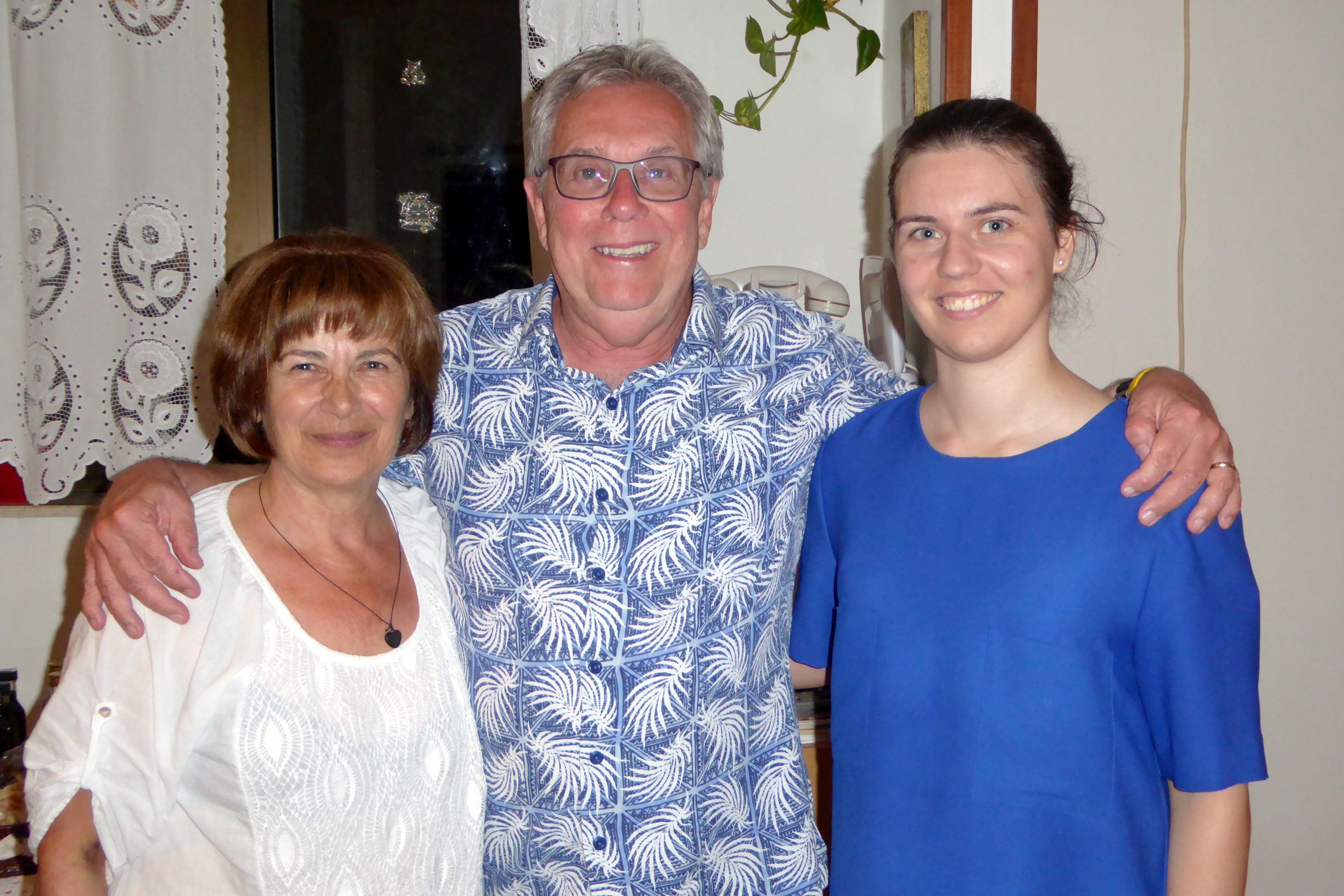
Bruce, with Tereza and Ana, after he gave Tereza and Ana each a pair of fused glass earrings he had made for them.

Tereza and Ana raise, grow, and make almost everything they eat, as do all of their relatives who live in their little village.  They pickle their own vegetables, make their own cheese and wine, and bring their own olives to another village to get pressed for olive oil.

738

Everything here was homemade or home-grown.

739

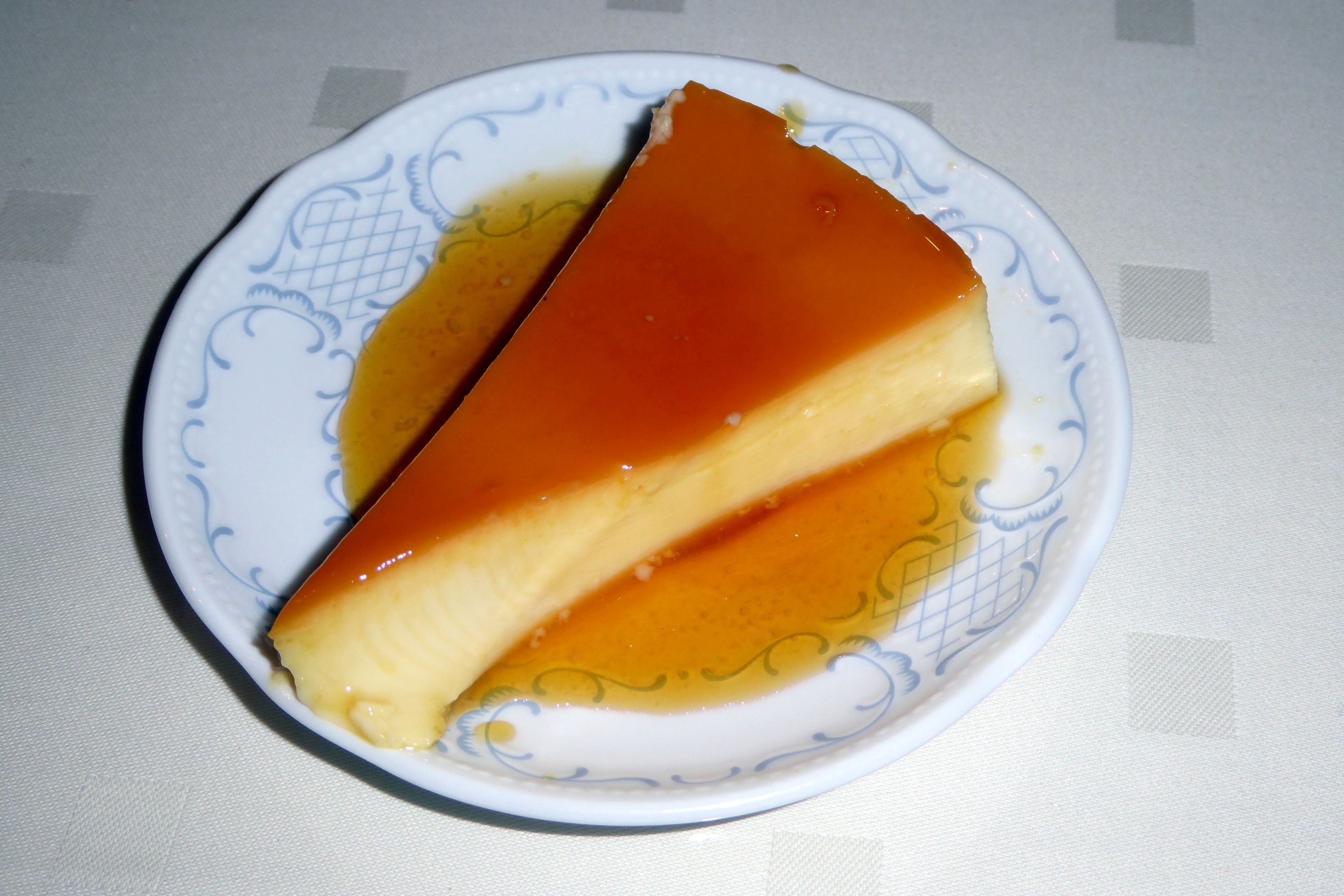
This is “Rosata,” a dessert made with homemade rose liqueur.  Rose petals are soaked in grappa for 40 days to make the liqueur.

During dinner, Ana was very patient answering the many questions we all had about their life during the war and after.  When their village was attacked on October 3, 1991, Ana was just three months old.  Serbs occupied the village, stole belongings, killed animals, and destroyed what they didn’t take.  The villagers were forced to leave with only their clothes and documents.

Ana’s mom fled with her to Germany to stay with relatives.  Only women and children were allowed to leave, because the men were required to stay behind and fight in the Croatian army.  Dubrovnik didn’t have an army, so one had to be quickly formed.

Dubrovnik suffered substantial damage due to its location bordering Montenegro.  Although the Serbs only occupied areas outside of the Old Town walls, they did bomb it.  In all, they occupied about one third of the country before being defeated.

Following the war, men returned to clean up their homes and clear land mines before their wives and children returned.

To this day, there is still (understandably!) resentment towards the Serbs and Montenegrins for the abuse and brutality they unleashed on Croatia.  (In contrast, Croatia has an excellent relationship with Slovenia to the north.  Both countries are in the European Union, and Croatia will adopt the Euro as their currency in 2020.)

We learned so much about what Tereza and her village endured in 1991 and the struggle the entire country had post-war.  Hearing her story made it so real and so personal.  We were thankful to have had that experience, something Vantage Travel calls a “Cultural Connection.”  This is what travel is all about.


Coming up next:  Montenegro


ADRIATIC COAST: DAY 15- MOSTAR, BOSNIA AND HERZEGOVINA

Informally known as “Bosnia,” and sometimes known as Bosnia-Herzegovina, Bosnia and Herzegovina is bordered by Croatia to the north, west, and south.  Serbia is located to the east, and Montenegro to the southeast.  A twelve-mile strip of Bosnia is on the coast of the Adriatic Sea.

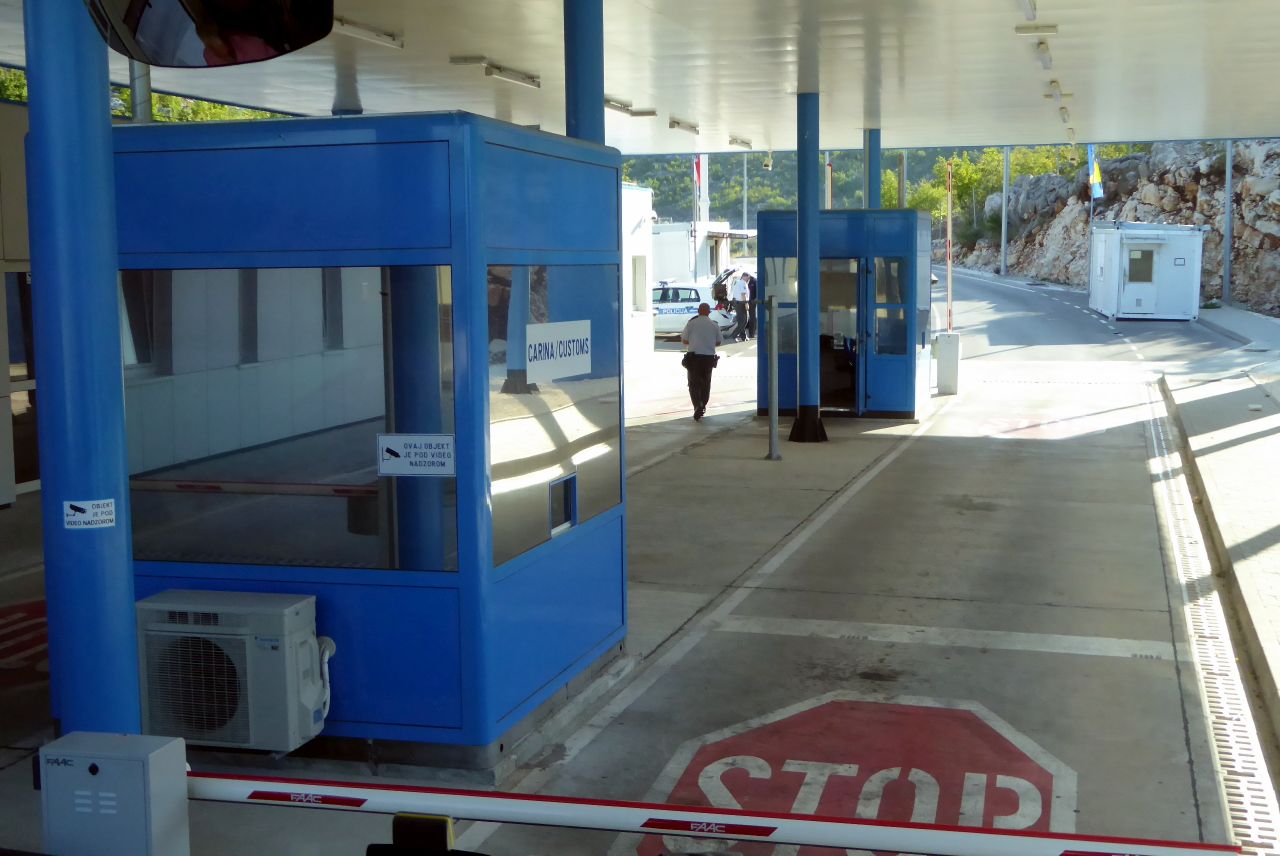
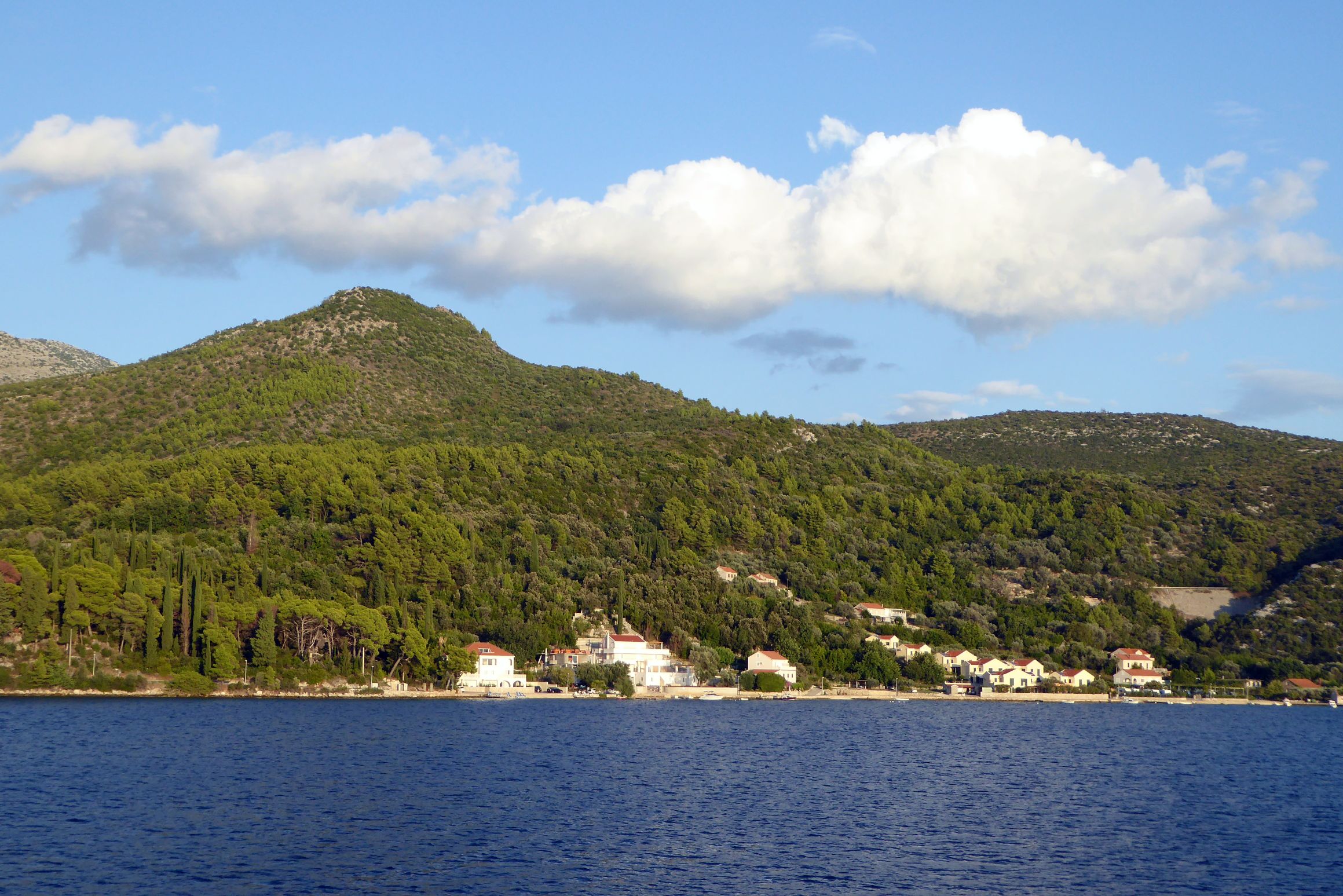
Our visit to the country entailed a short ferry ride from La Perla to the coast of Croatia and a two-hour bus ride to Mostar, as well as bringing our passports and clearing customs at the border along the way.  It was well worth the effort, plus doing the reverse on the way back!  (Of course, to make our wait at the border go quicker, Sinisa gave a gift of bottled waters to the customs agent as a motivation for him to stamp our passports faster.)

636.jpg


638

639

Mostar is the cultural and economic capital of the Herzegovina region of the country.  It took a huge hit during the Bosnian War in the early 1990’s when 100,000 Bosnians were killed.  President Clinton (thankfully!) forced an end to the war by locking Bosnian and Serbian leaders in a room at an air force base until an accord was signed.

640

643

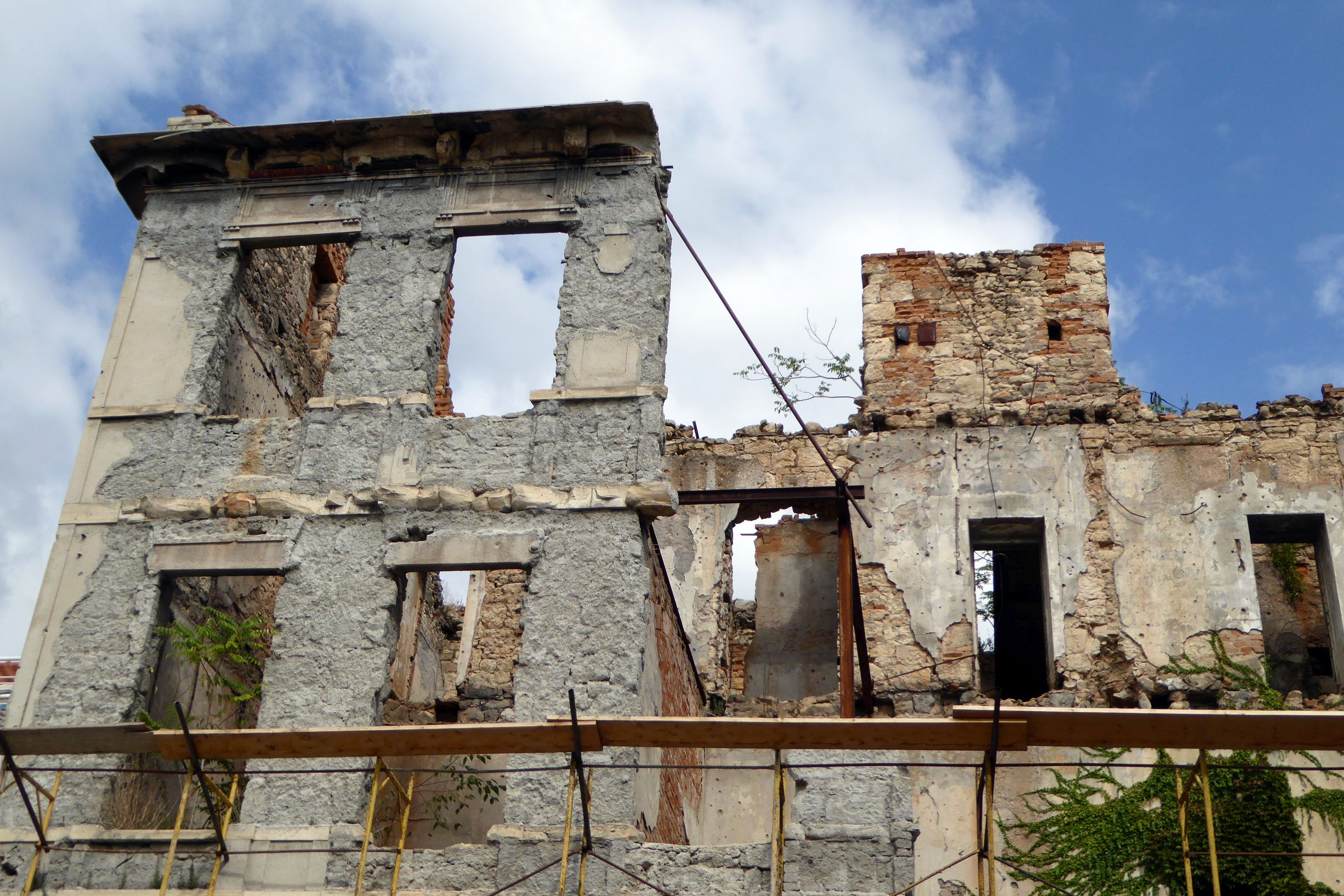
Numerous buildings were destroyed during the conflict.  We saw evidence of that destruction since 3% of those buildings have yet to be reconstructed, due to their desire to preserve history of the old architecture.  In addition, the cost of rebuilding in the original, historic style is too high.  The country is still struggling to recover from the devastation, so bombed-out buildings stand just as they did when they were shelled.  It was as if time stood still in some parts of the city.

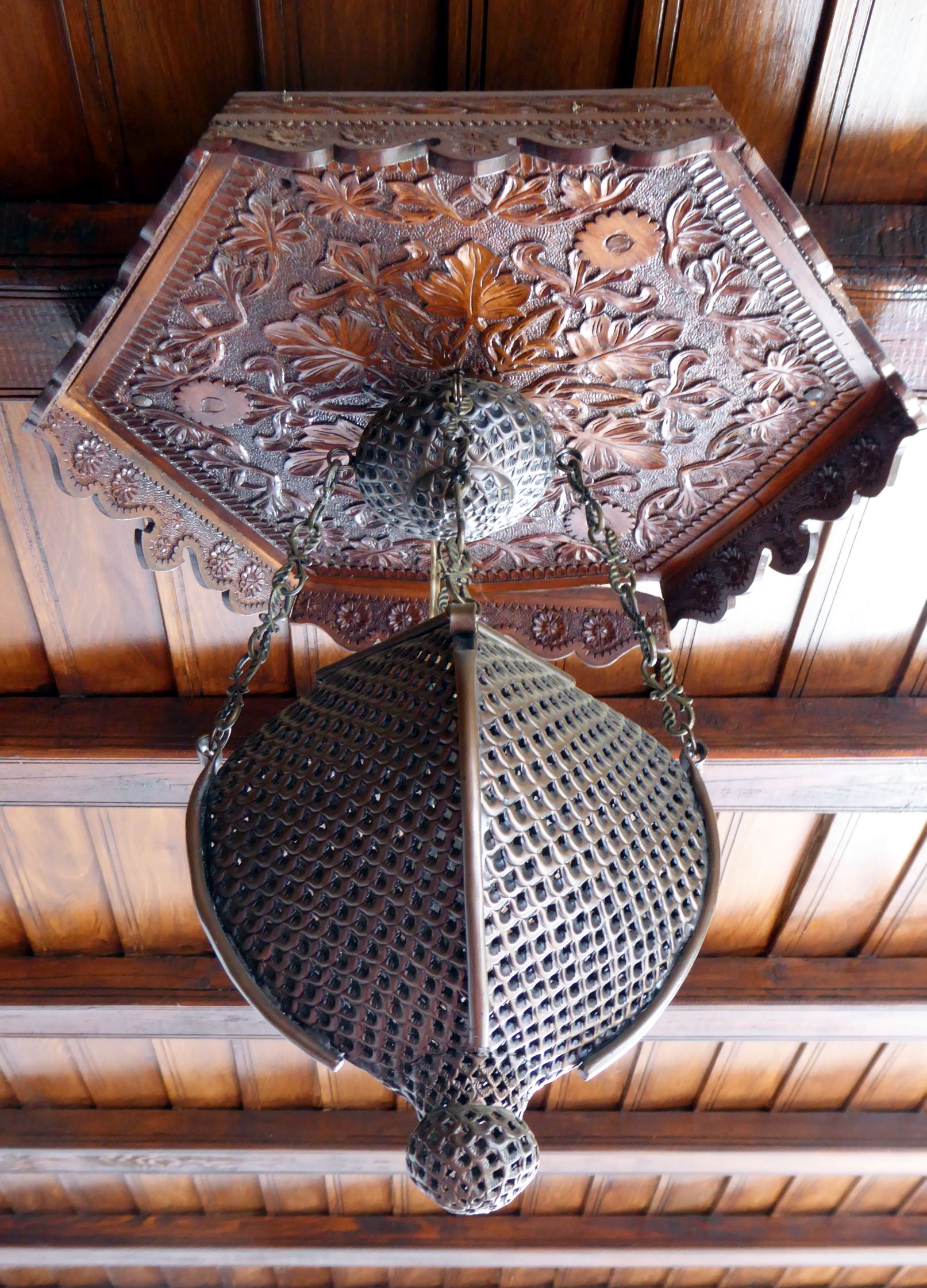
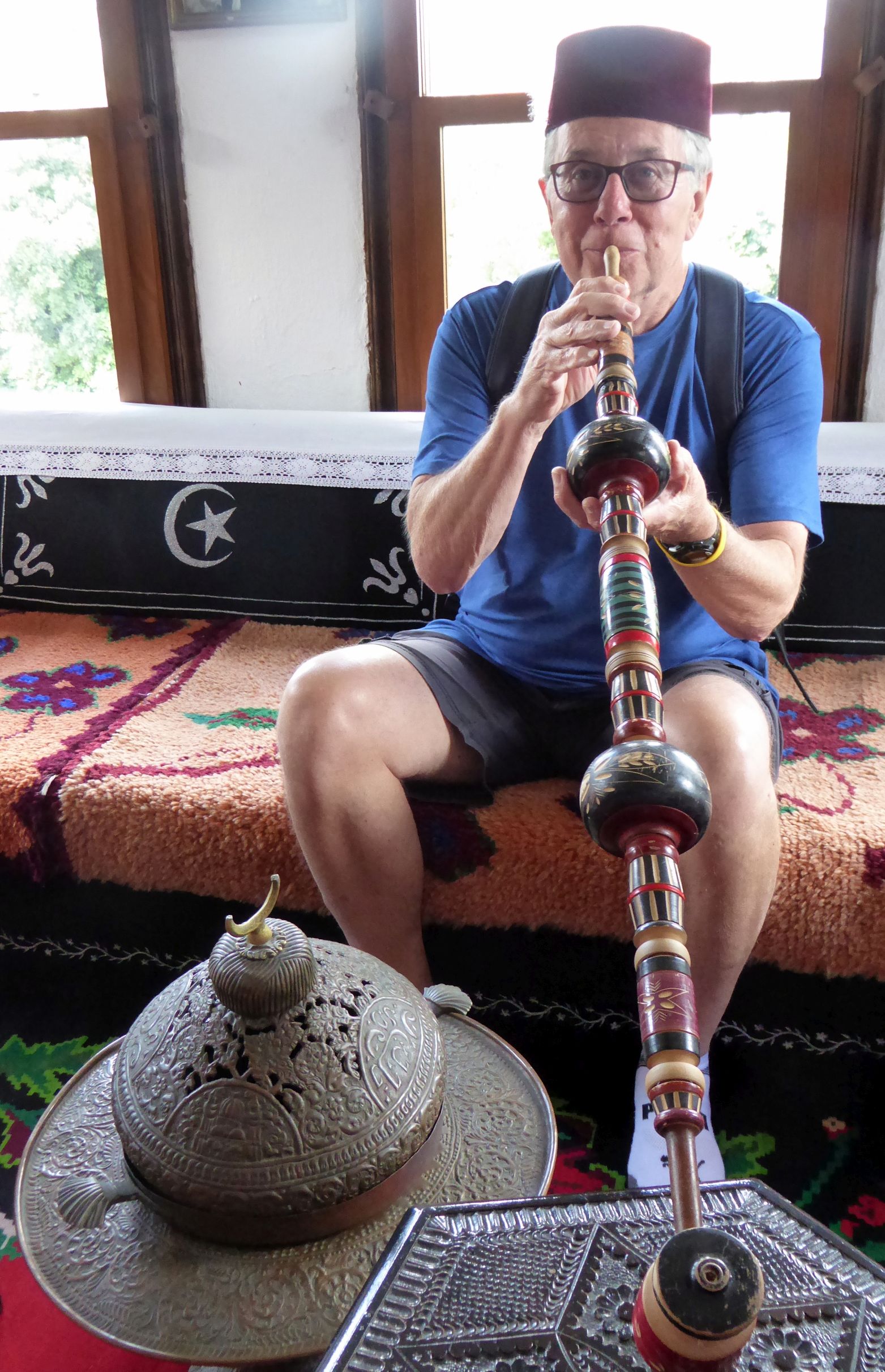
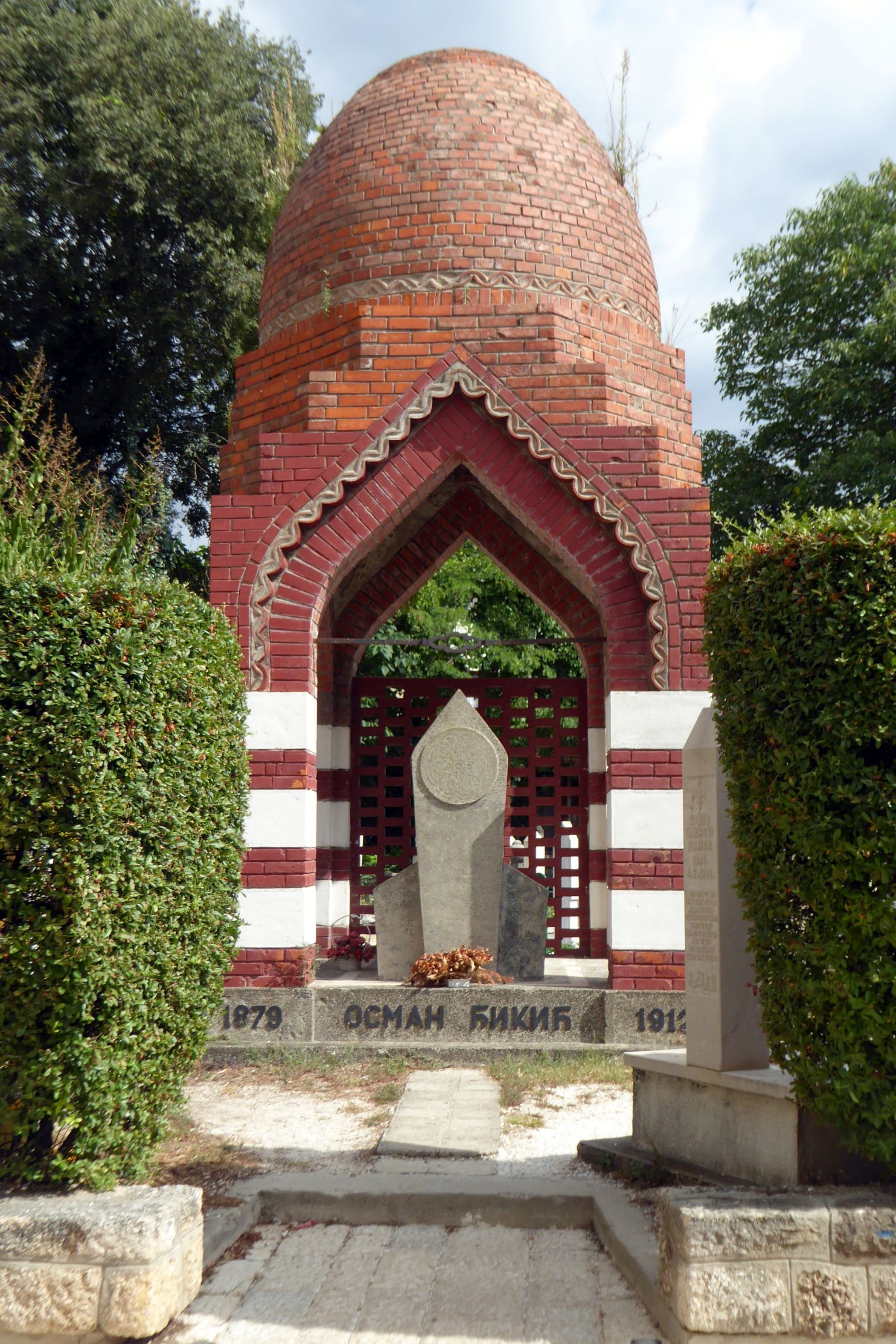
There are three main religions in Mostar—Muslim, Catholic, and Orthodox.  We learned about all three during our walking tour of the city, which included a visit to a Turkish home dating back to the 1700’s, and a mosque, which had been destroyed and rebuilt exactly like it was before the war.

649

650

651.jpg

654

644.jpg

657.jpg

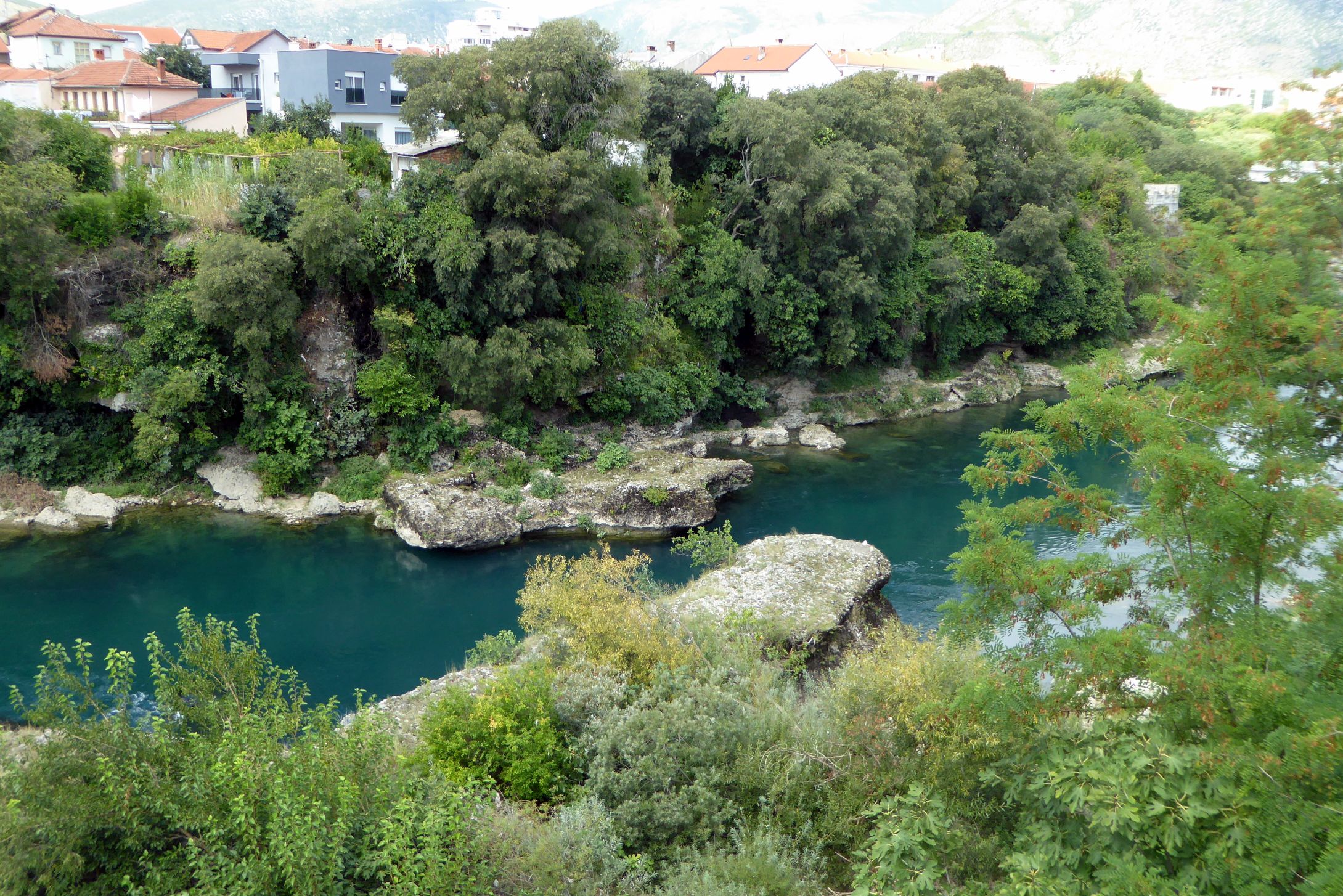
The view of Neretva River from the Turkish home.

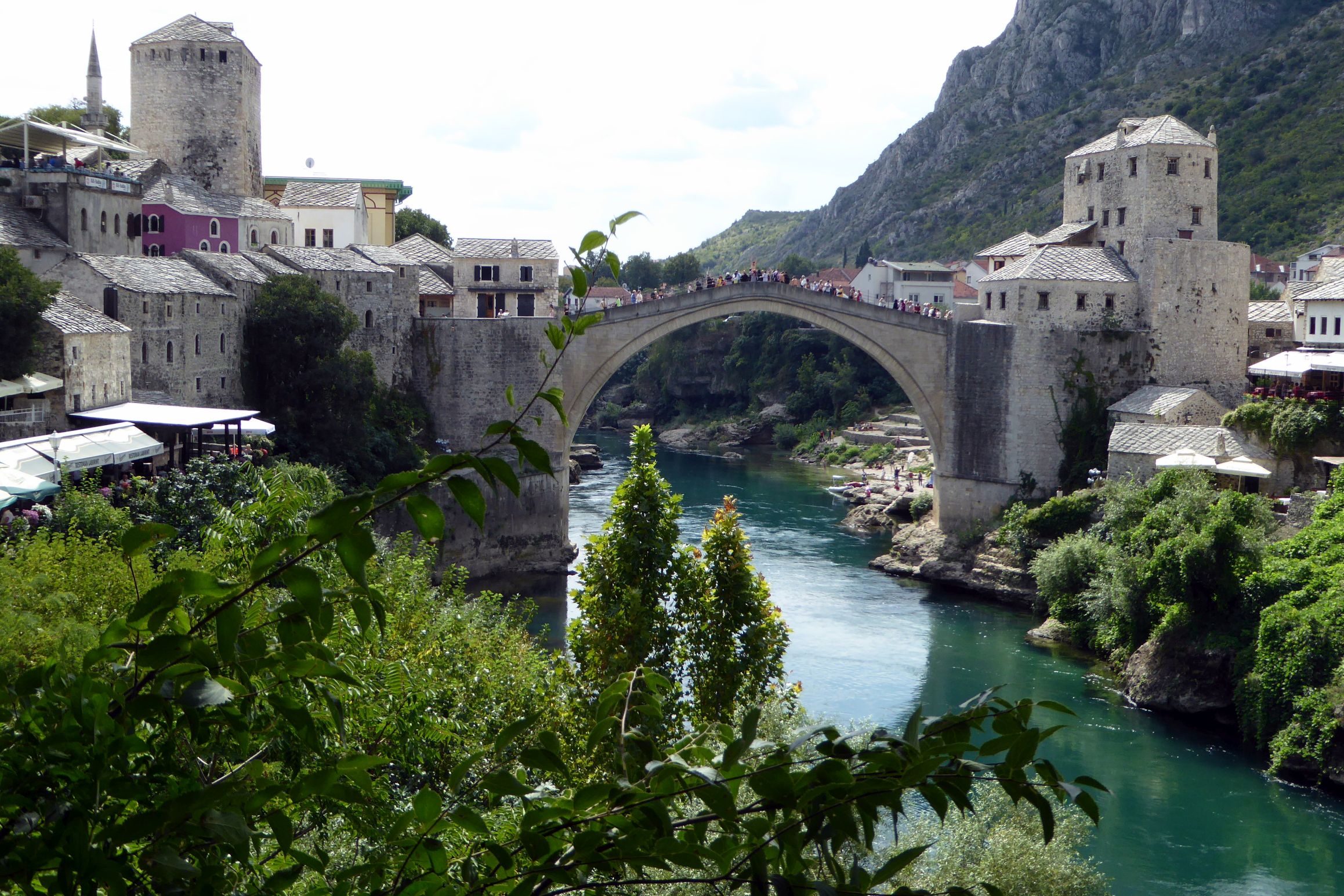
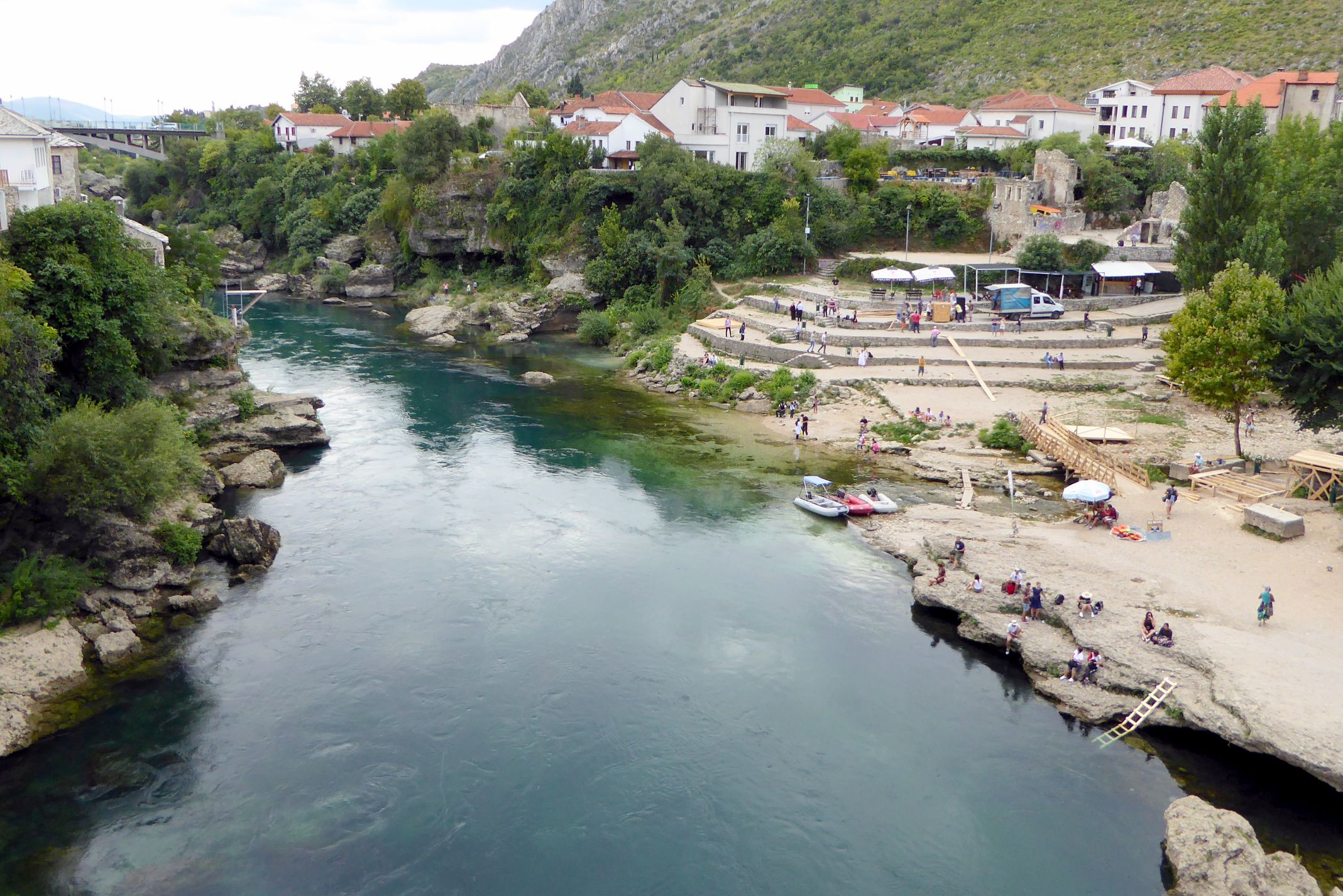
The highlight of Mostar is Stari Most, (the “Old Bridge”), a UNESCO World Heritage Site.  The historic stone bridge crosses the Neretva River, dividing the city into Croat and Muslim sections.  Constructed in the 16th century, the original bridge was destroyed by a bomb during the Bosnian war and has since been reconstructed.  It reopened in 2004 and is considered an exemplary piece of Balkan Islamic architecture.

658

659.jpg

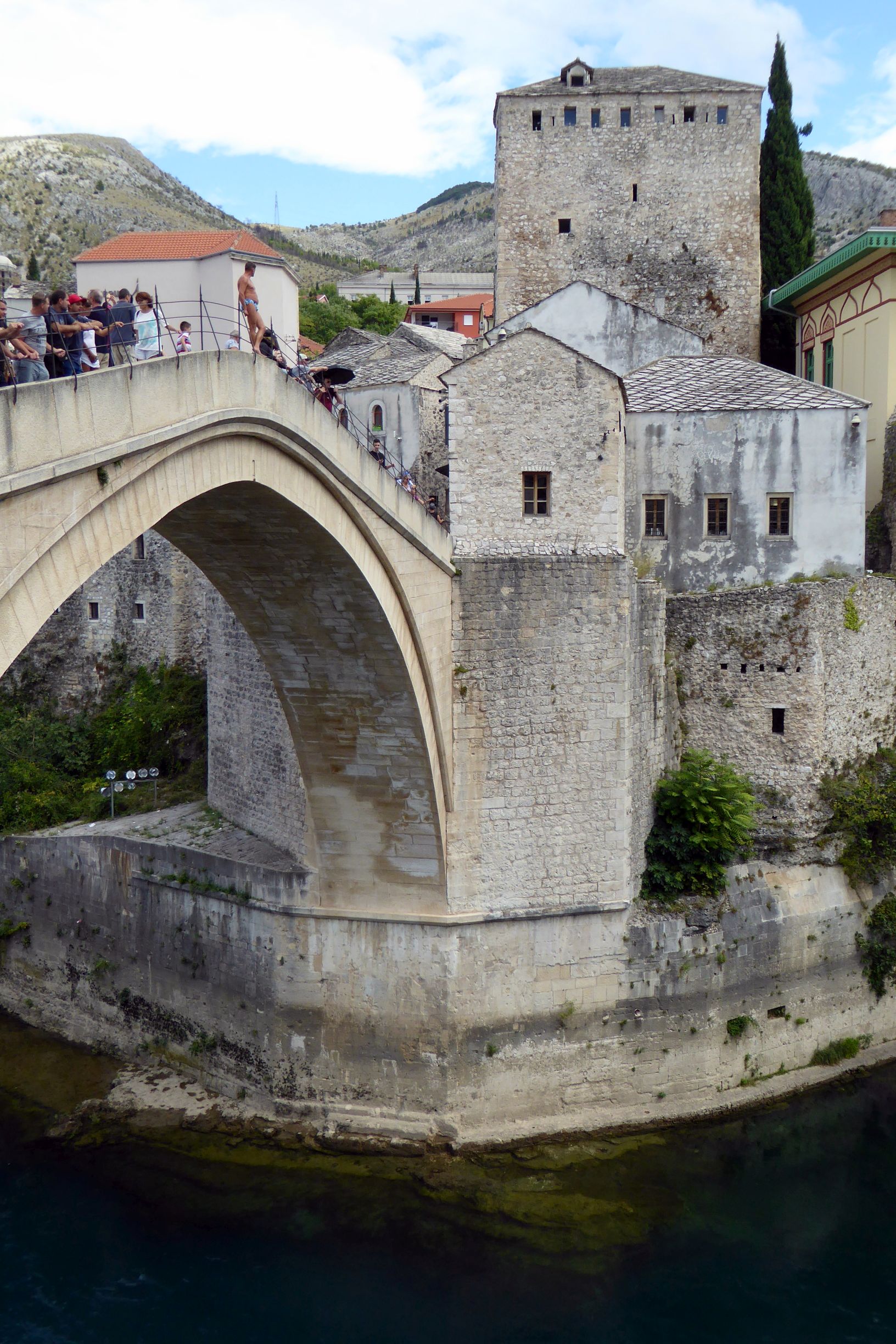
Tourists gather on the bridge not only to enjoy its architecture and views, but to also watch the daring divers that take flying leaps into the water 78 feet below.  (They won’t dive until they have received 30 Euros of tips beforehand.)  The divers make a big show of it, pretending to get ready to dive, just so they can pocket more tips.  Once they have gotten their money, they actually take the dive.  The funny thing is that some of the older divers aren’t actually the ones to carry out the dive.  They are seasoned at enticing the tourists to part with their cash; however, once it comes time to make the dive, a younger (and less beaten-up) diver comes out on the bridge to do it.  (Presumably, they have agreed to a fair division of the pot…)

660.jpg

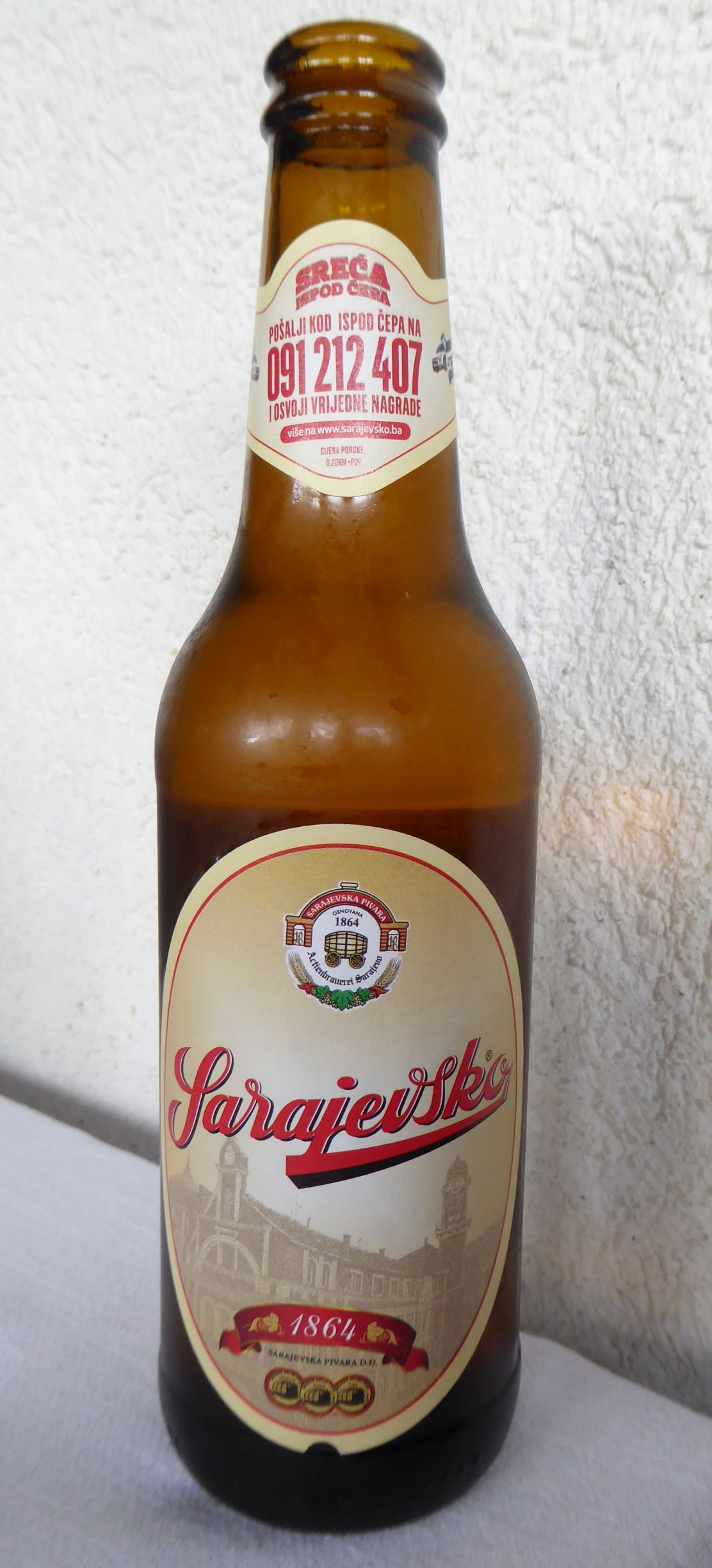
We watched the circus unfold as we dined with our group on the patio of a restaurant with the best views of the bridge.  While we enjoyed a local brew and native cuisine, we kept an eye on the divers, wondering if they were ever going to actually make the leap.  Two dives took place that we saw; however, it wasn’t worth missing lunch to try to photograph as I waited, and waited, and waited for the dive to actually take place!

681

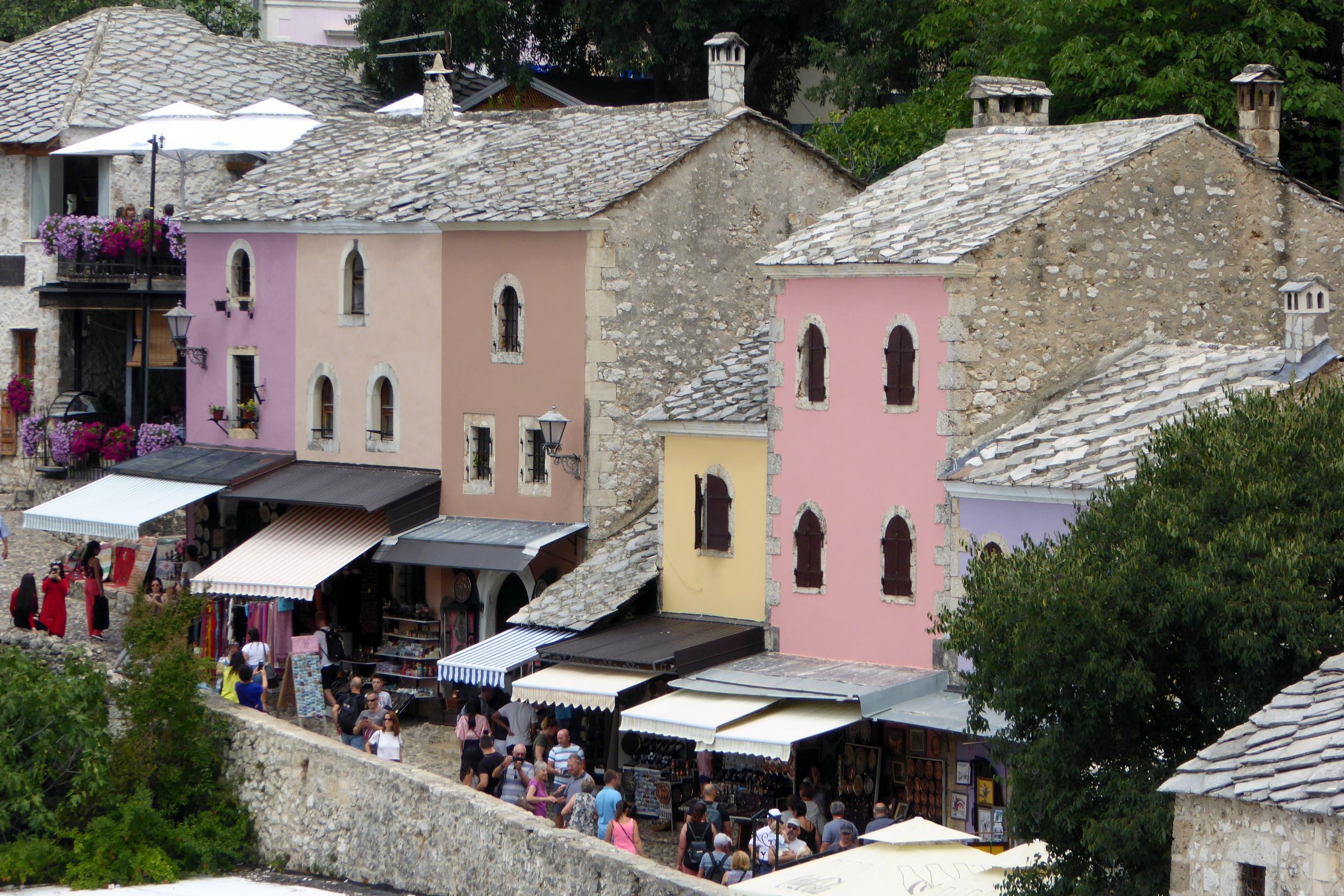
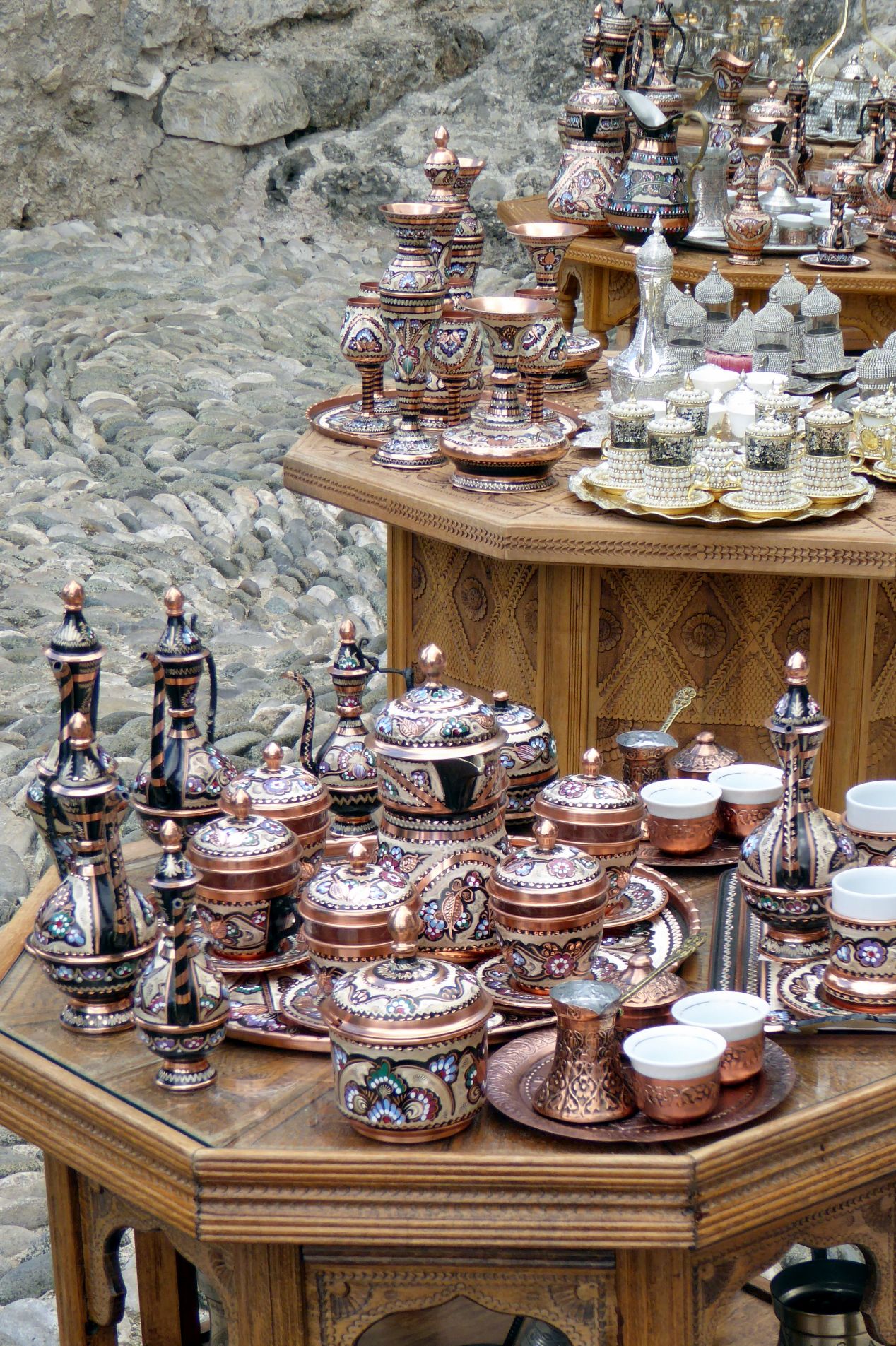
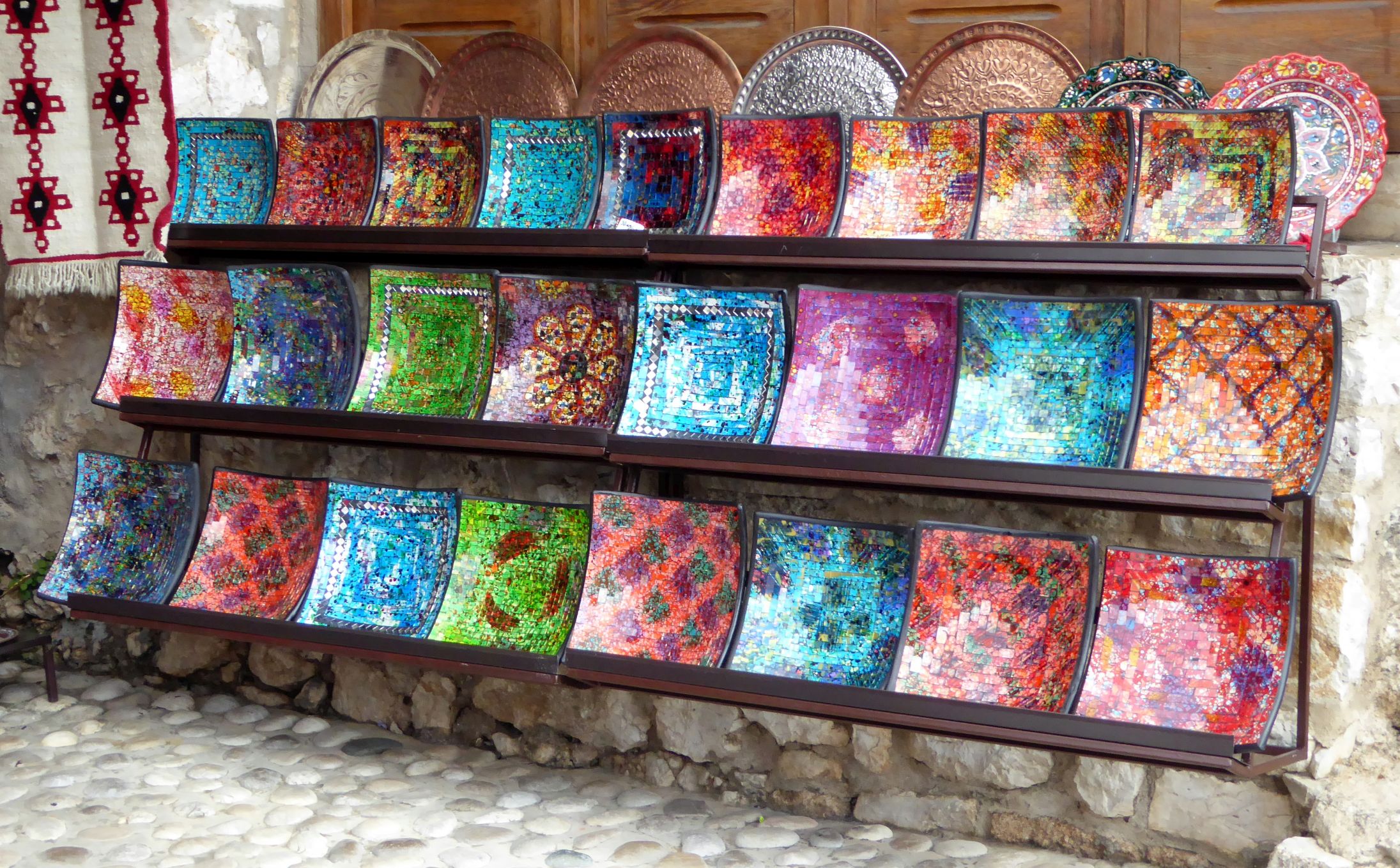
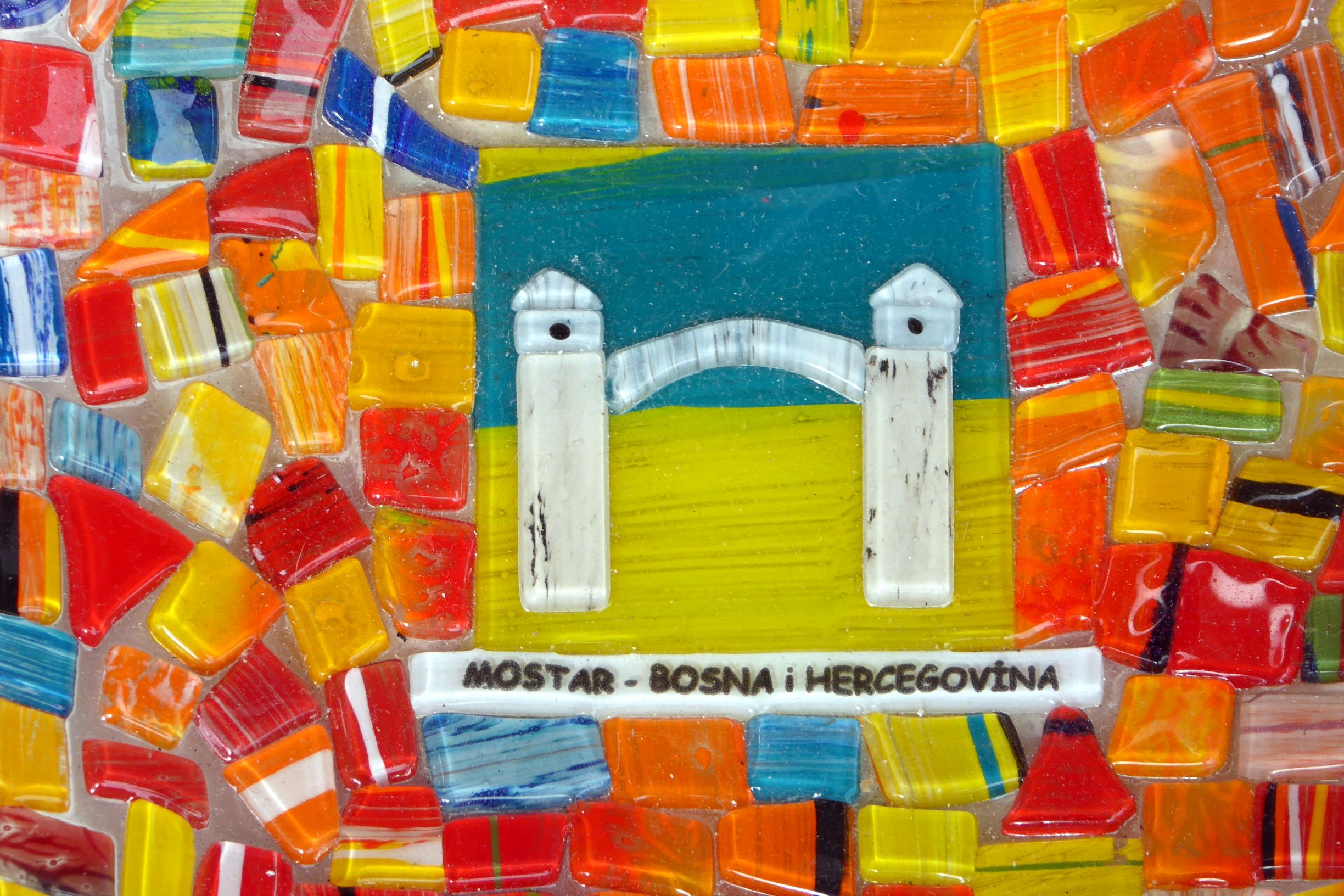
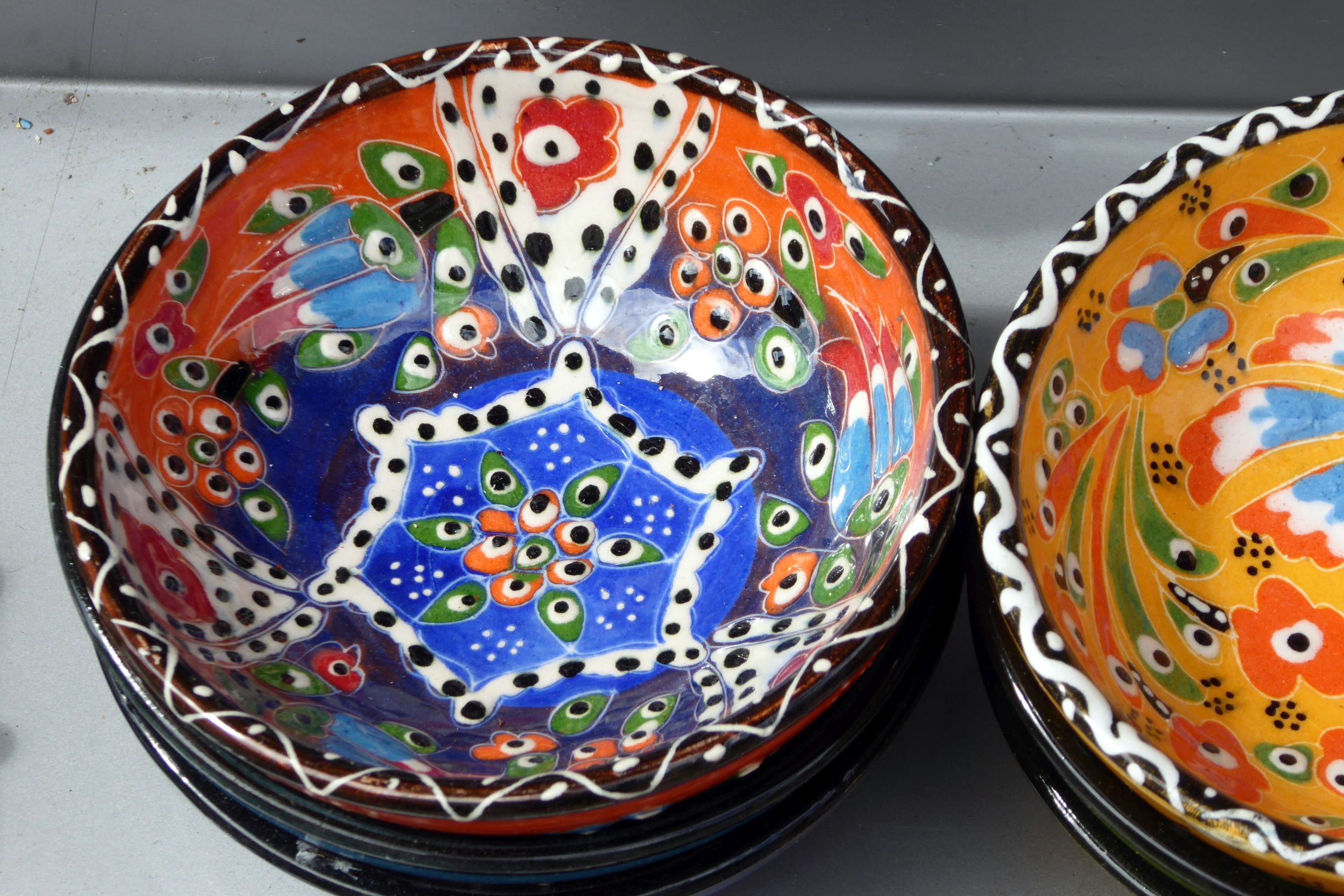
During our free time, we wandered up and down the cobblestone pedestrian street, photographed the local craft displays, and joined the other tourists on the bridge to watch the divers.  It was all so enjoyable, and time sped by much too quickly.  Before we knew it, we needed to head for our bus for the journey back to La Perla.

663

664

668.jpg

672.jpg

675

676

677

678

680

679

689

690