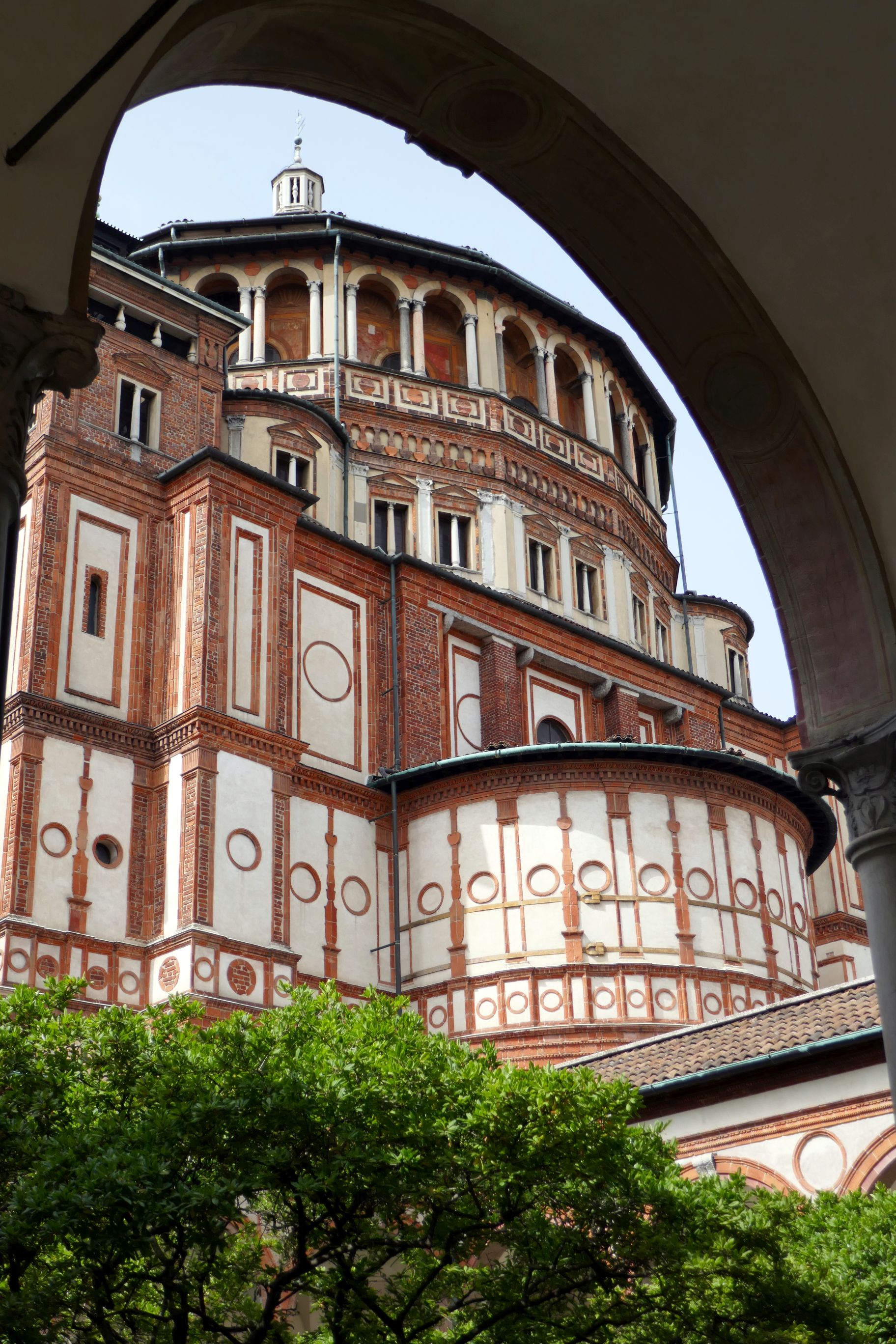
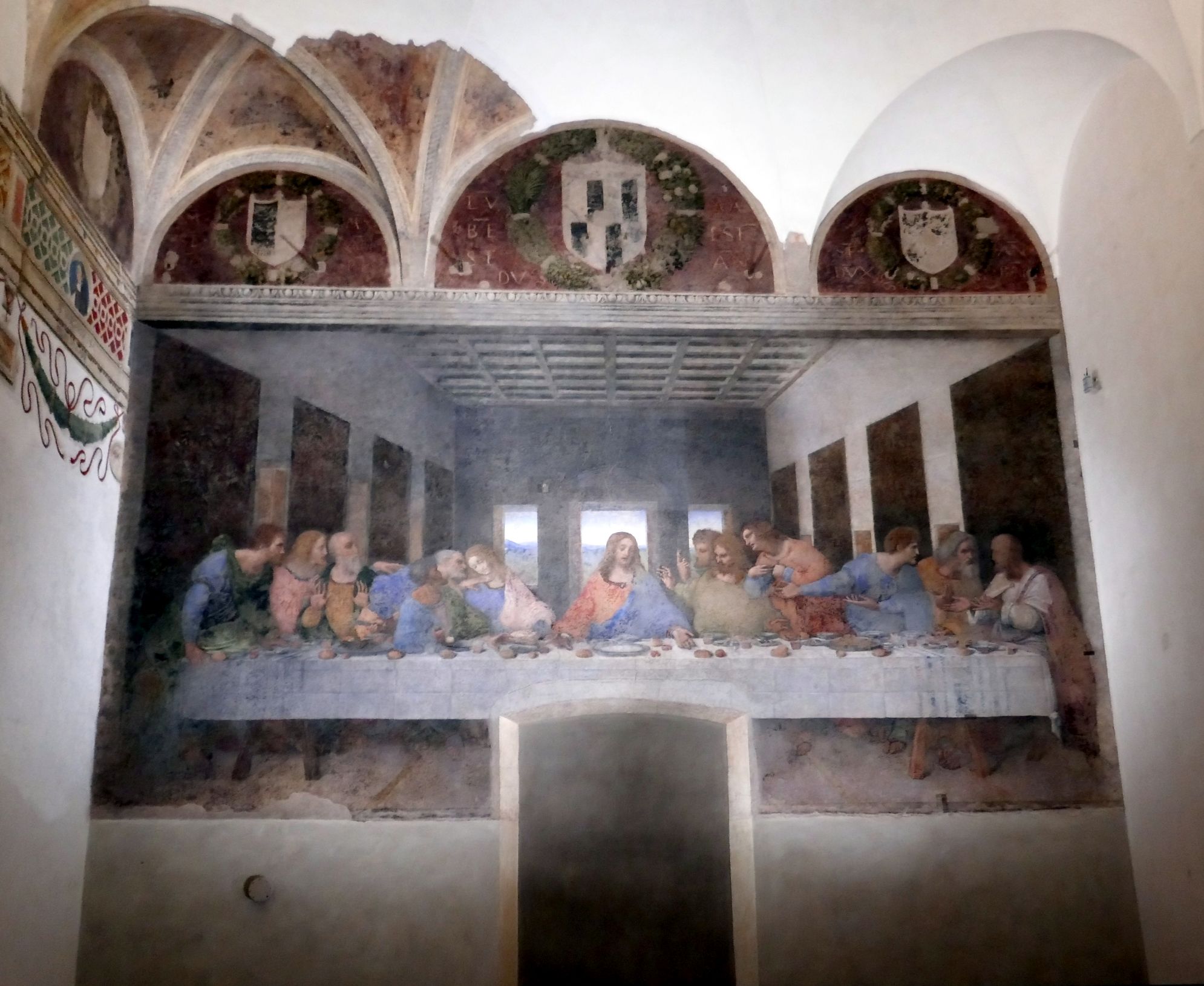
We didn’t see much of the city of Milan, but what we did see was marvelous! The day began with a visit to the church and convent, Santa Maria delle Grazie, home of Leonardo Da Vinci’s world-famous mural, The Last Supper. This mural is so famous that it is viewed by 1,000 people per day (on timed tickets), and the tickets are sold out three months in advance. Only small, guided groups are allowed in to see it at a time, and it is very tightly controlled with high-tech security.
(For all photos, click on the image for a full screen view.)
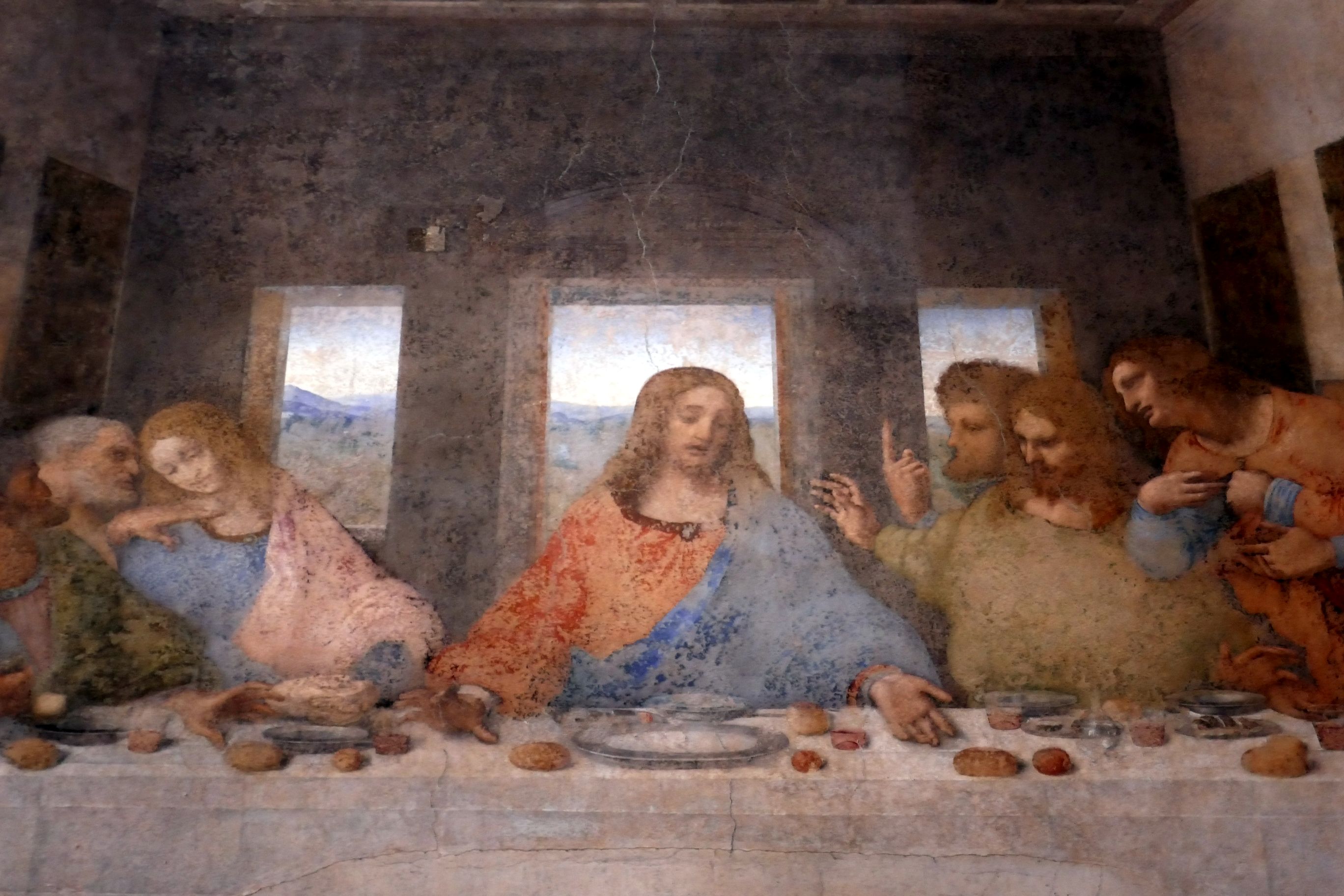
The church, built after the convent, dates back to 1490 and is a UNESCO World Heritage Site. Da Vinci painted the mural in 1495-1498, during the High Renaissance period. “Truly I tell you. One of you will betray me.” These were the words spoken by Jesus that provoked intense emotions in the twelve apostles. Da Vinci portrays their shock in his masterpiece that has been viewed by countless people over hundreds of years.
Da Vinci used an innovative “dry” technique (a mixture of oil and tempera to bind the pigments) that enabled him to ponder his work and achieve vivid color effects with translucent glazes. This technique, however, made the painting extremely fragile and in need of continuous restoration. The latest restoration was completed in 1999.
Directly opposite The Last Supper is The Crucifixion, by Giovanni Donato da Montorfano. He used the traditional technique of “fresco” wall painting to portray a scene where saints and “blessed souls” of the Dominican order, with the city of Jerusalem in the background.
Next, a local tour guide took us around the historic city center of Milan, which is known as the only “European” city in Italy. People come from all over to work in Milan and are quite open to experimentation and innovation, especially in fashion. Jobs in Milan are the best-paying jobs in Italy, but the flip side is that housing is the most expensive as well. Apartments cost anywhere from 12,000 to 15,000 Euros per square meter. Compare that to the 400 Euro in Perugia where our tour leader, Maria, lives and it is shocking!
The day we were in Milan the European Union elections were taking place, but only 7% of Italians voted. In general, Italians don’t follow politics and are not informed. 50% don’t vote at all, and that percentage is growing. Sound familiar?
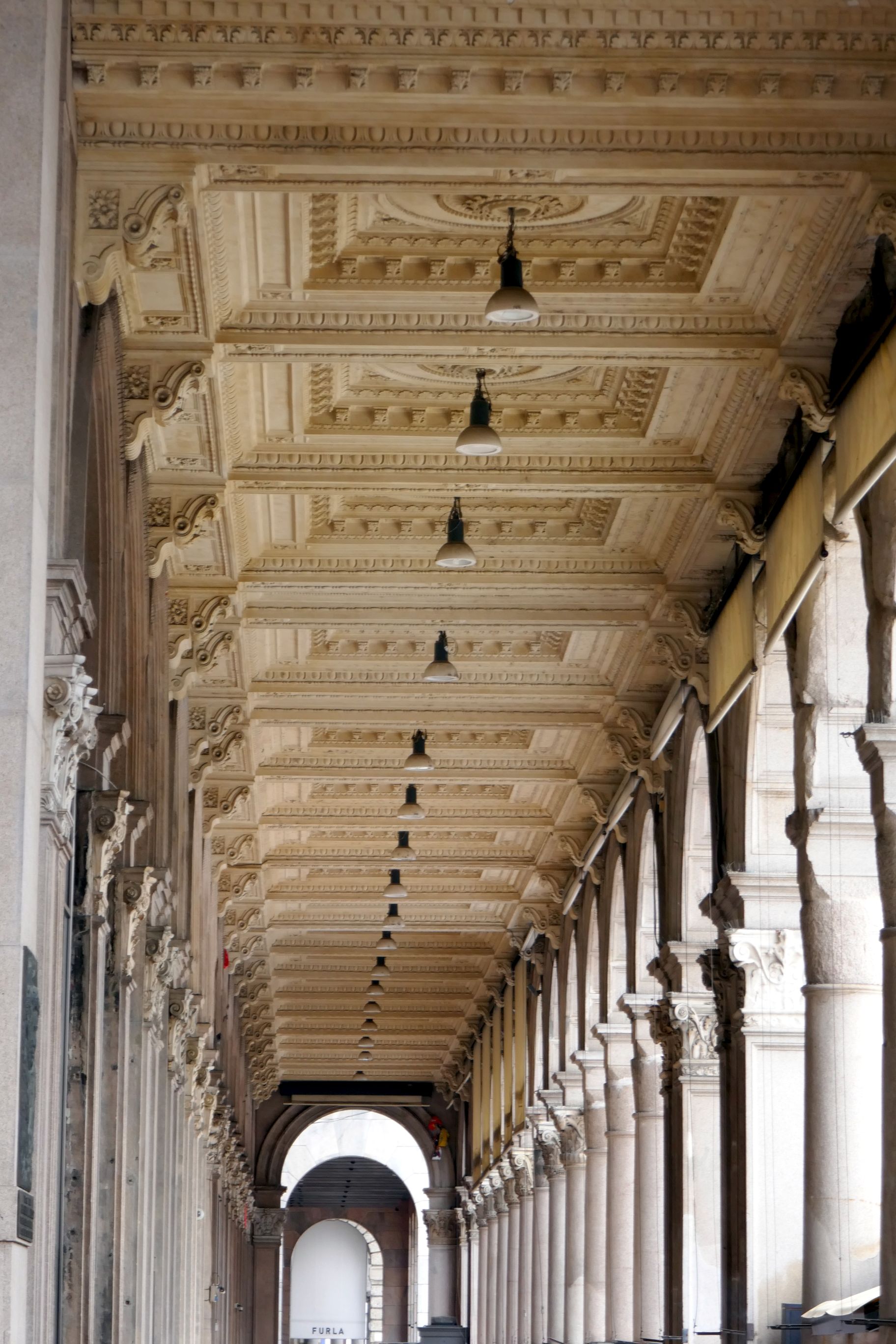
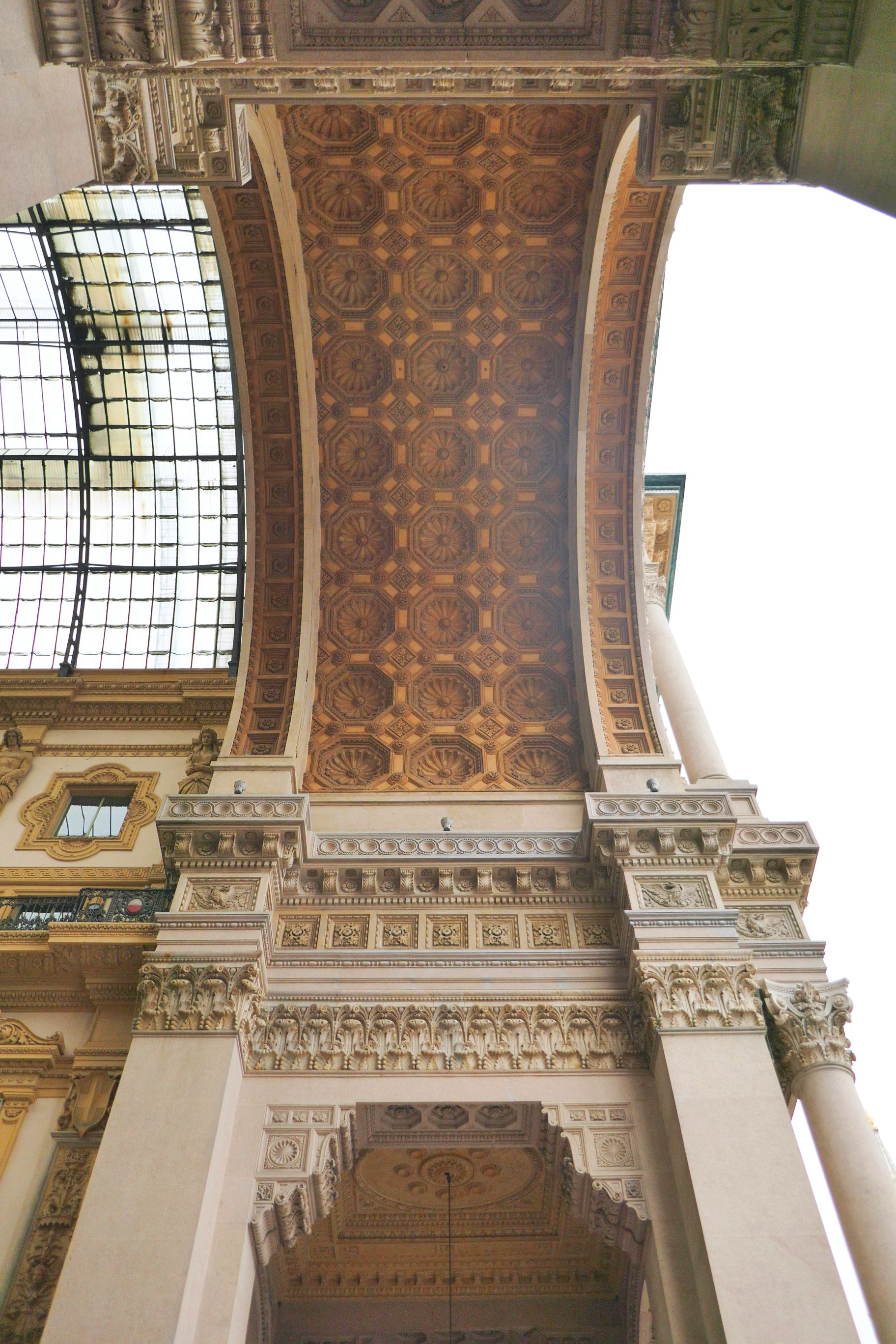
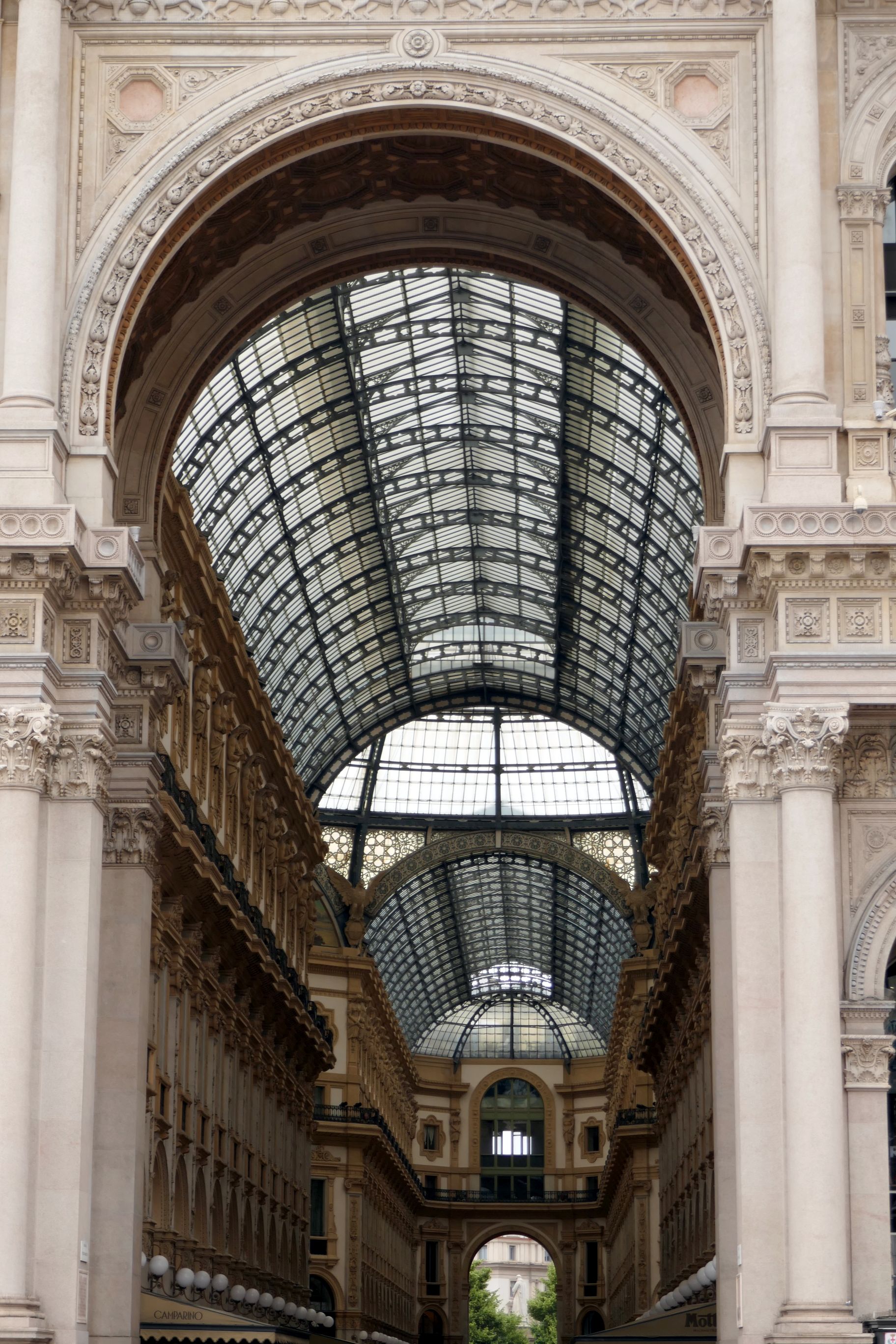
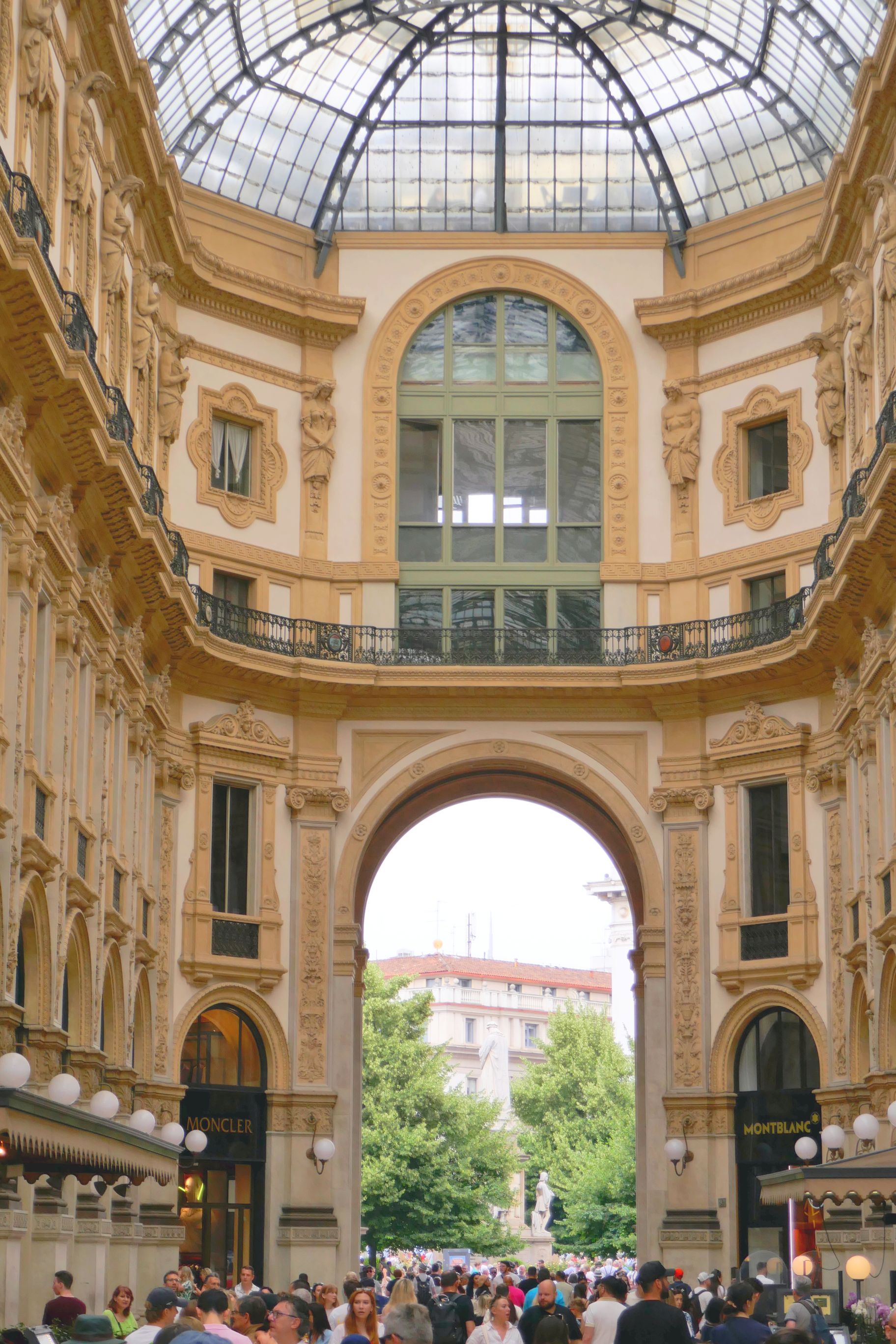
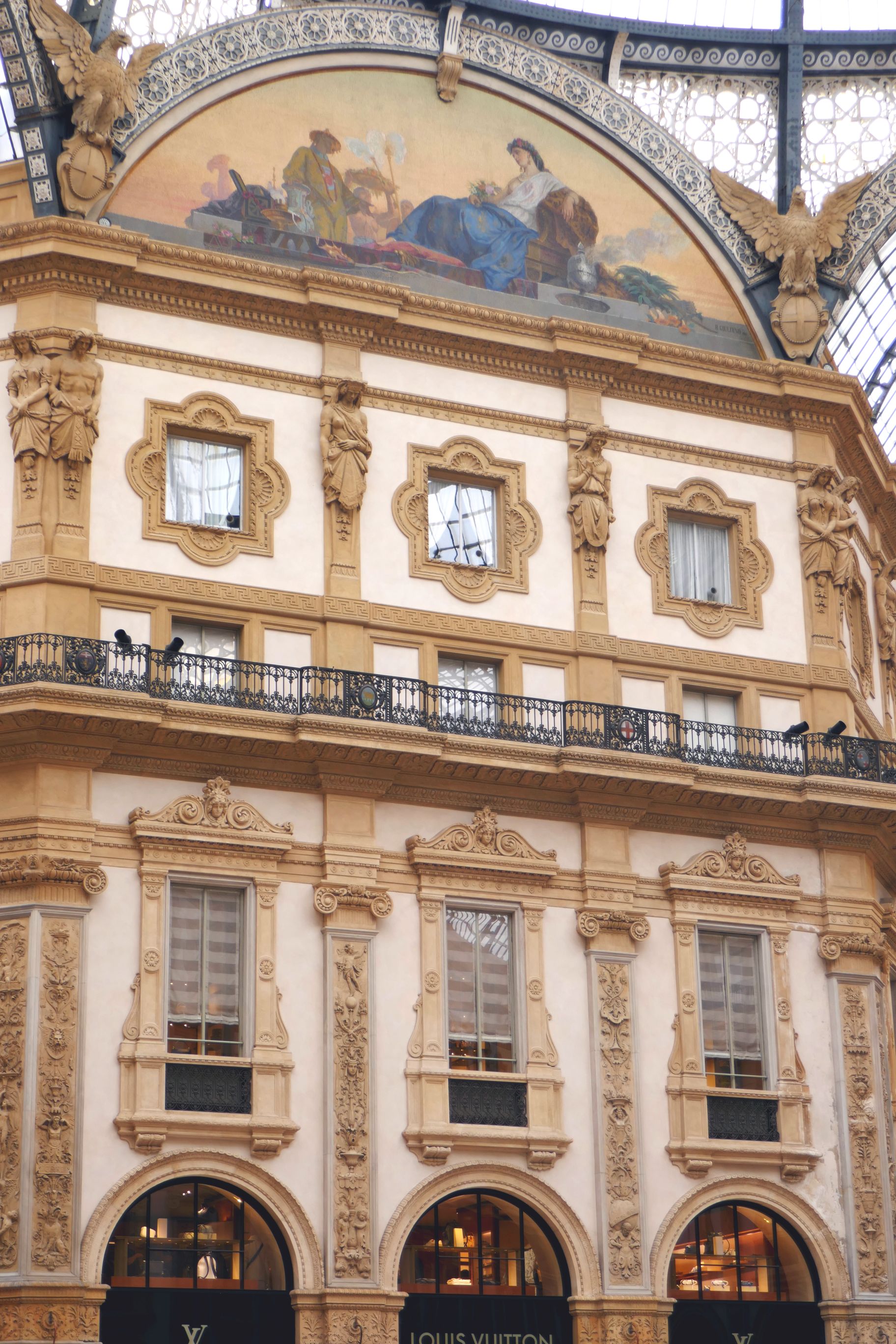
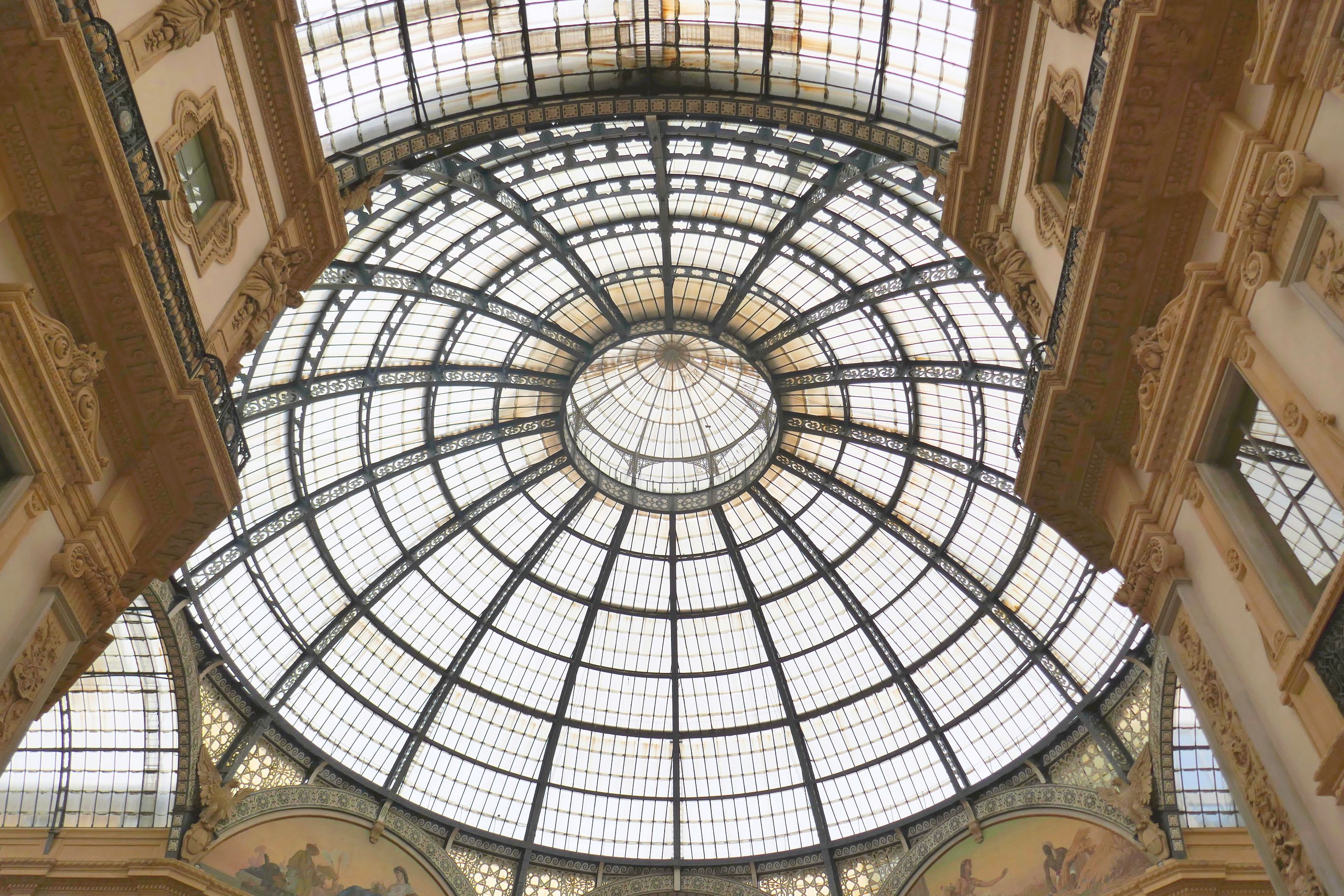
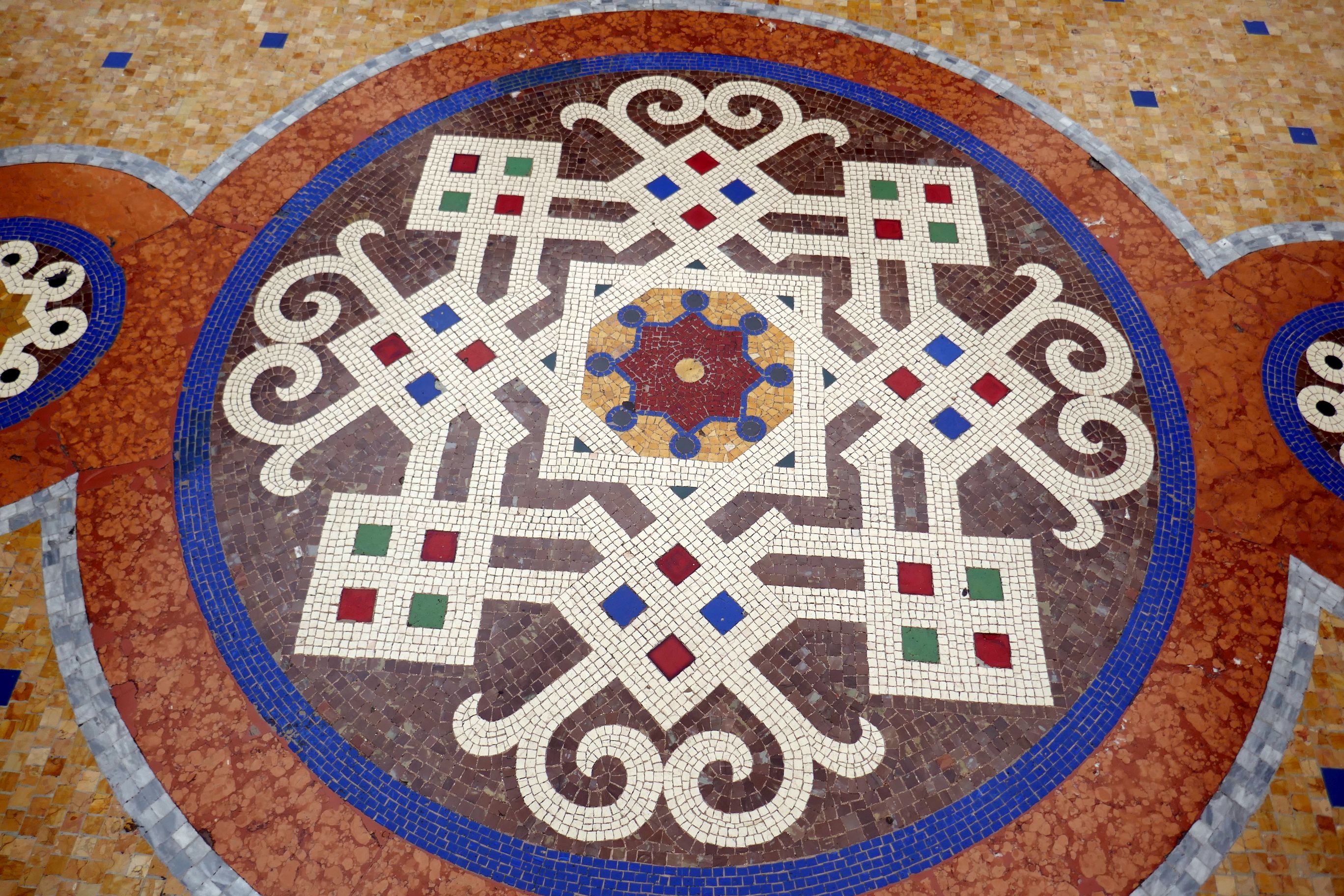
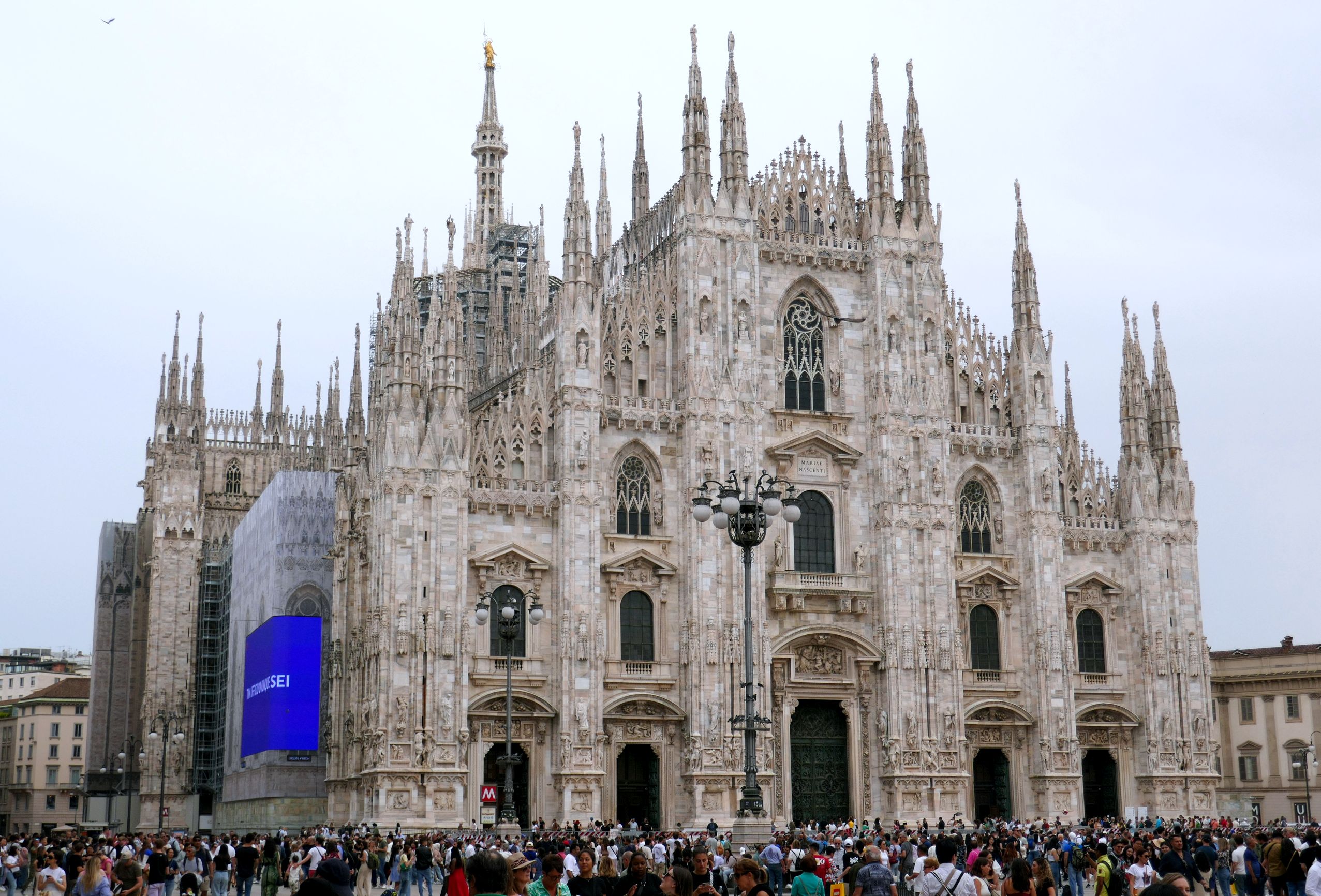
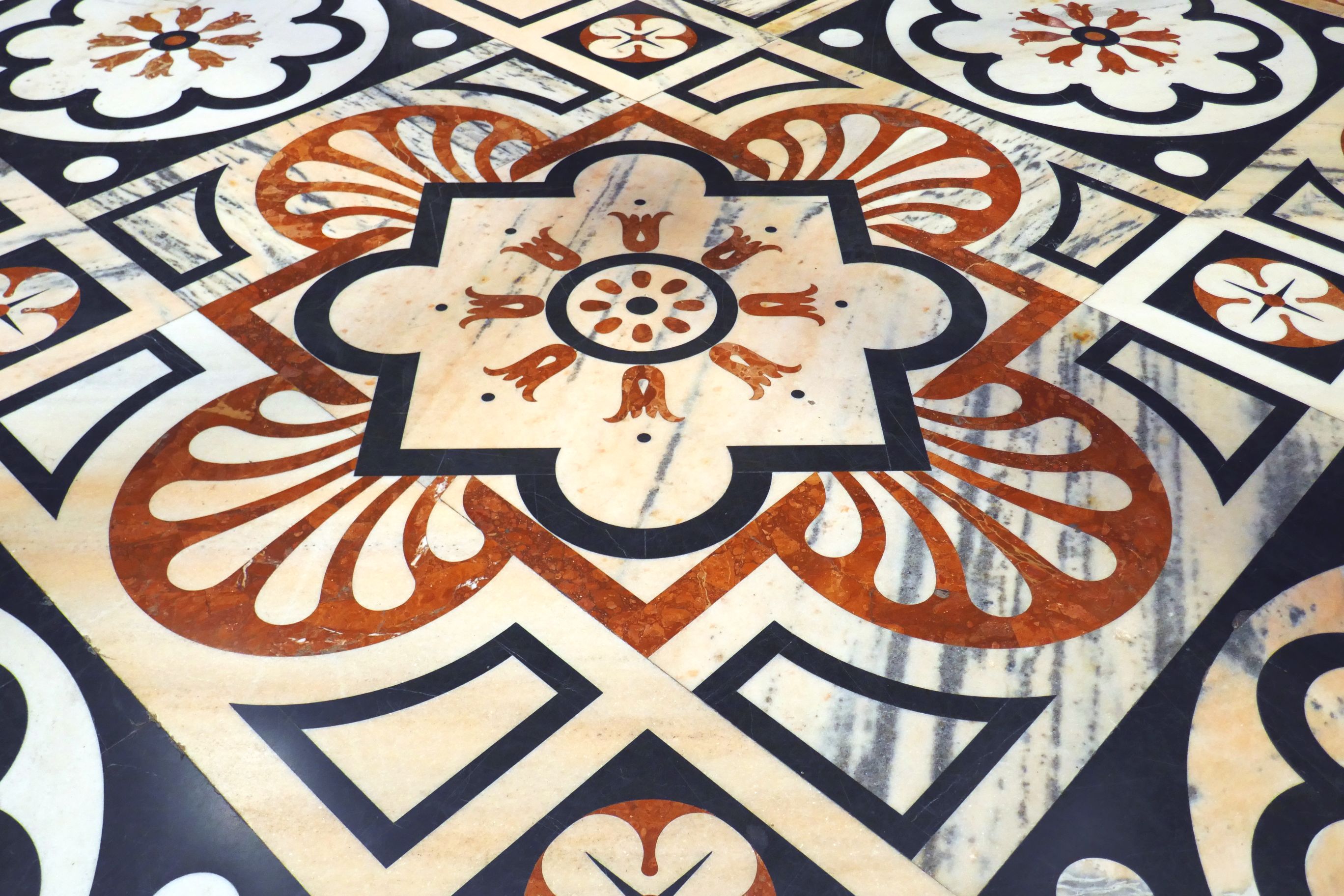
Our walking tour took us past the Teatro La Scala opera house and Duomo di Milano to the Galleria Vittorio Emanuelle II. This is no ordinary shopping mall; it’s the place to shop! Not that we were there to shop; haute couture isn’t our thing. Built in the late 1800’s, the architecture, with its glass dome and mosaic floors, is gorgeous.
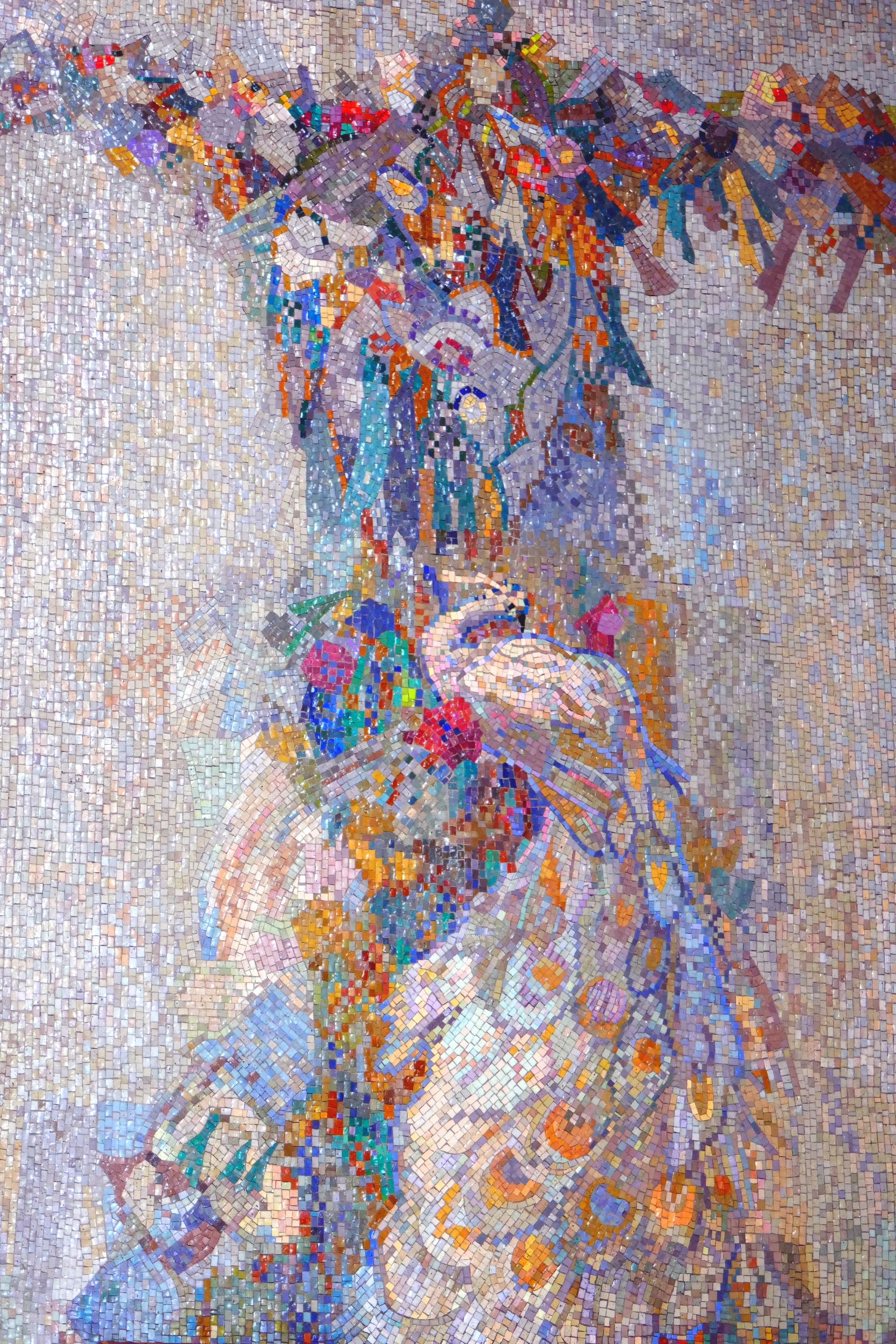
This mosaic mural was in the bar famous for serving Campari drinks.
Following the tour, we had free time, so Bruce and I visited the duomo. We had pre-purchased tickets, which allowed us to bypass the long lines, so we were grateful!
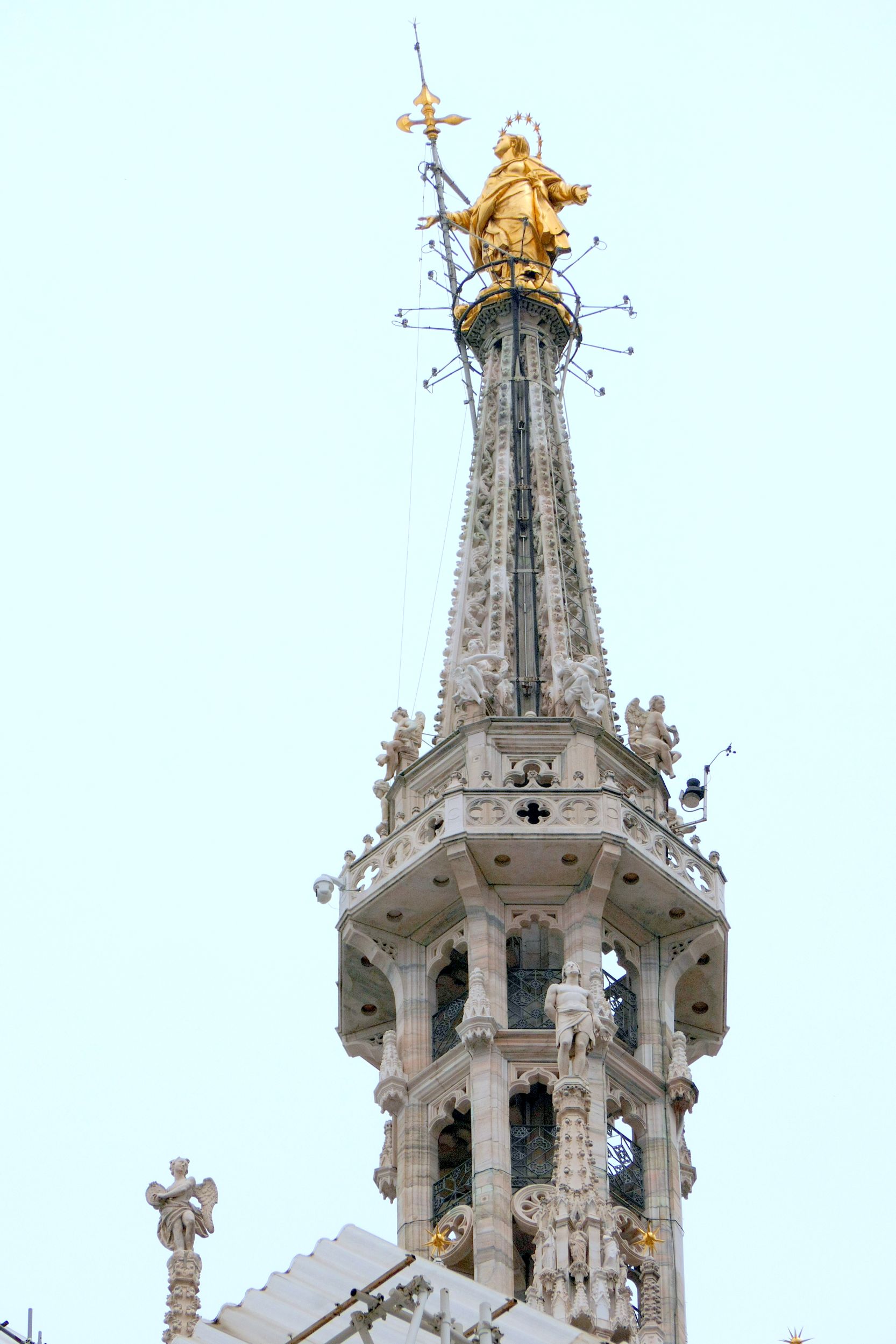
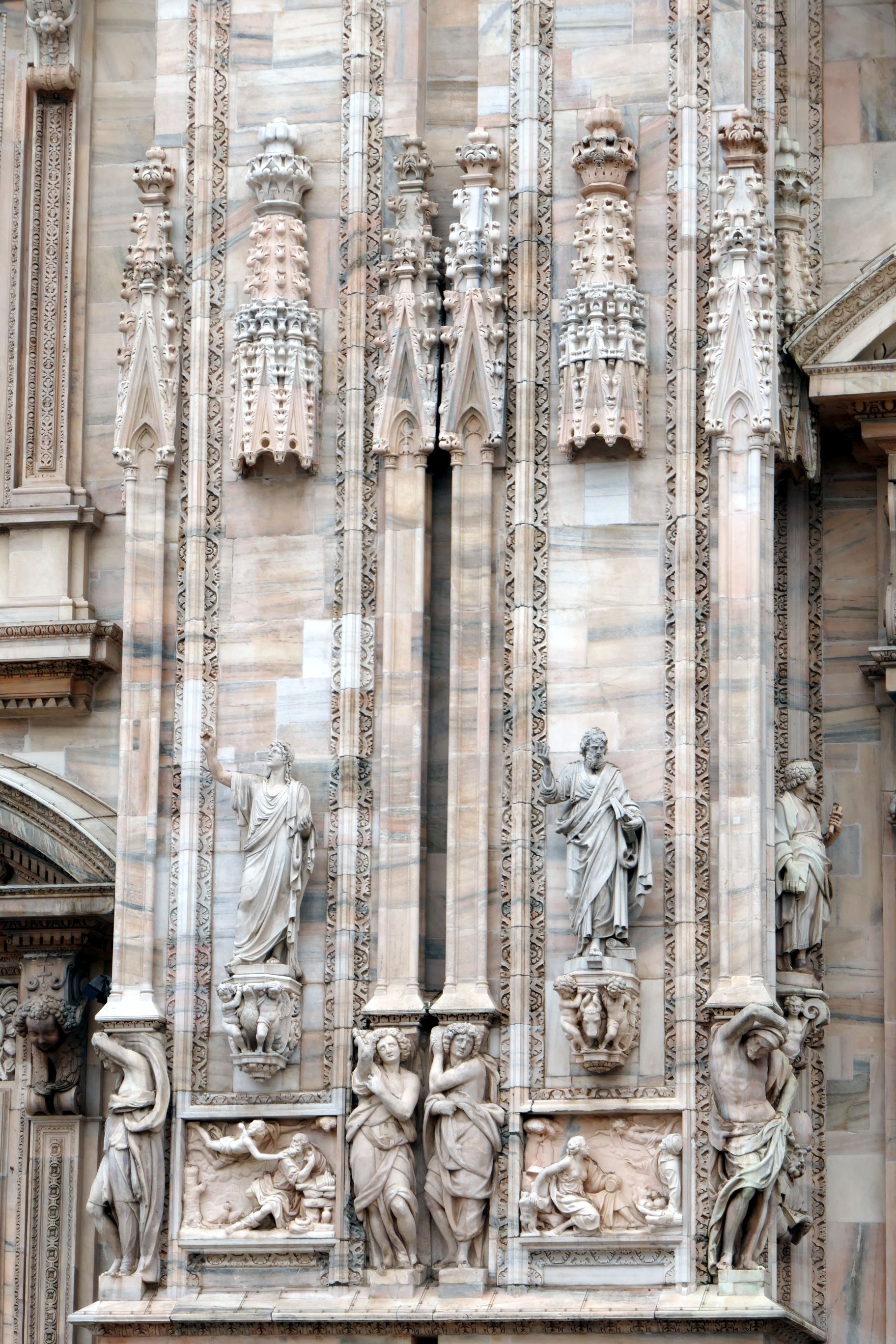
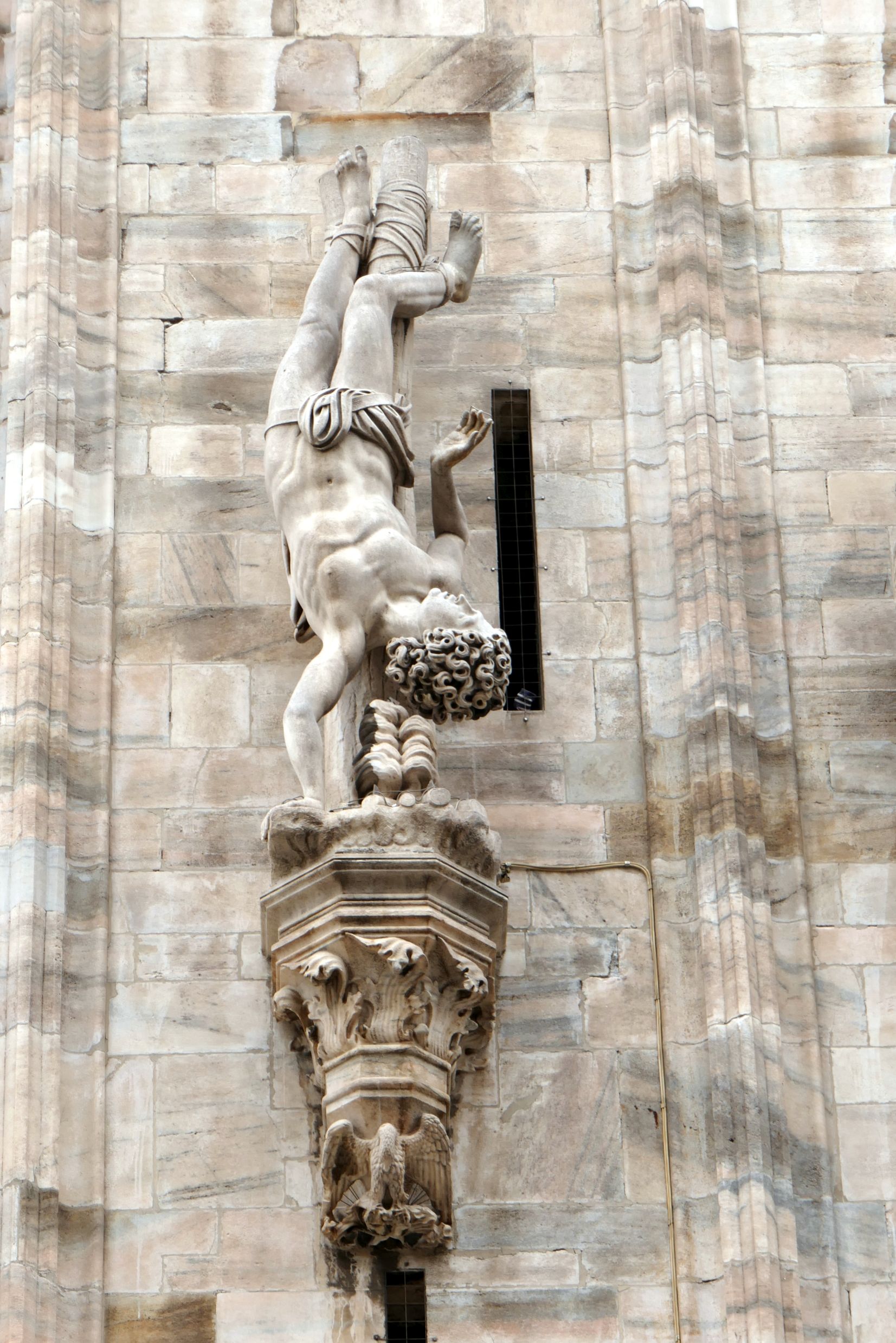
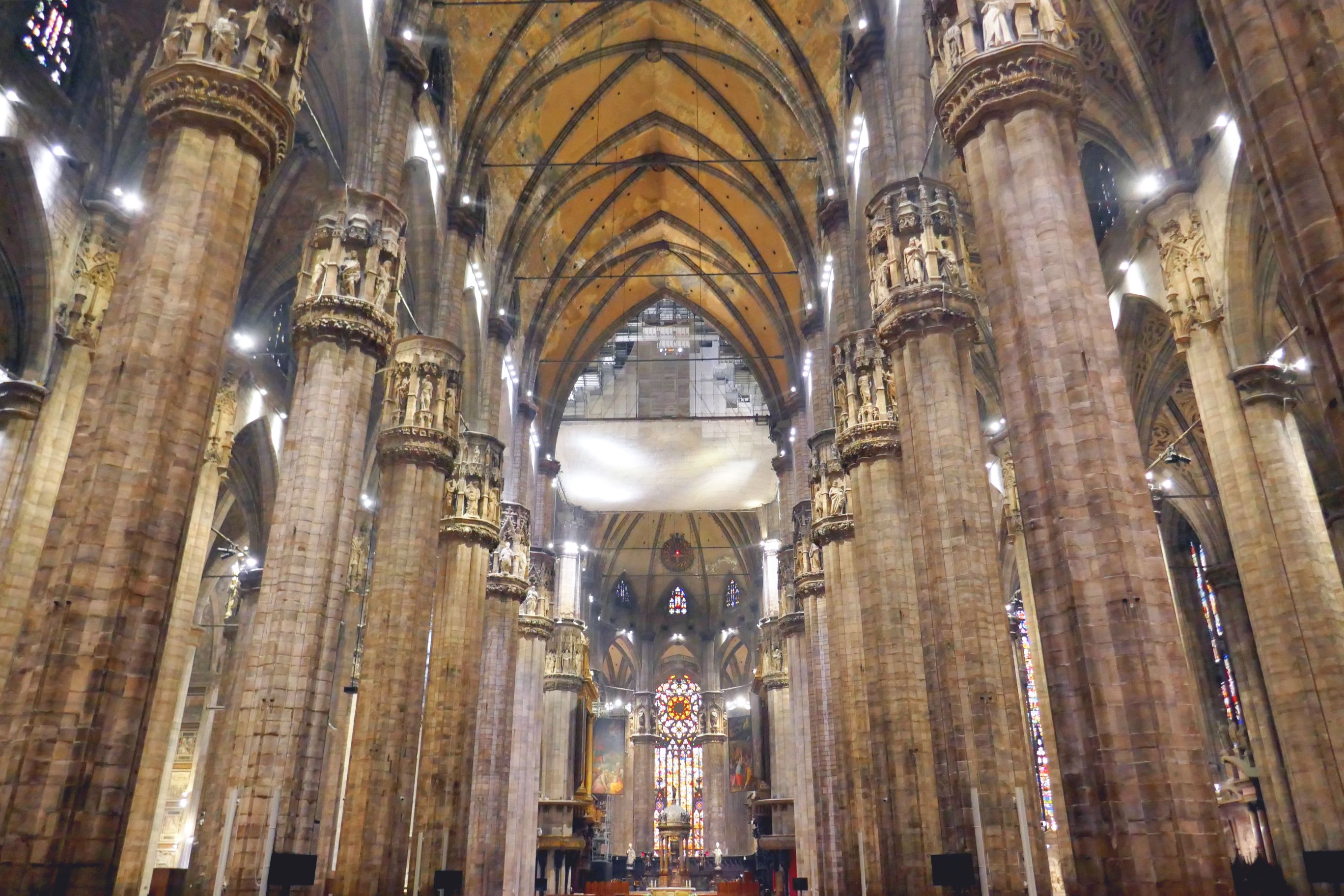
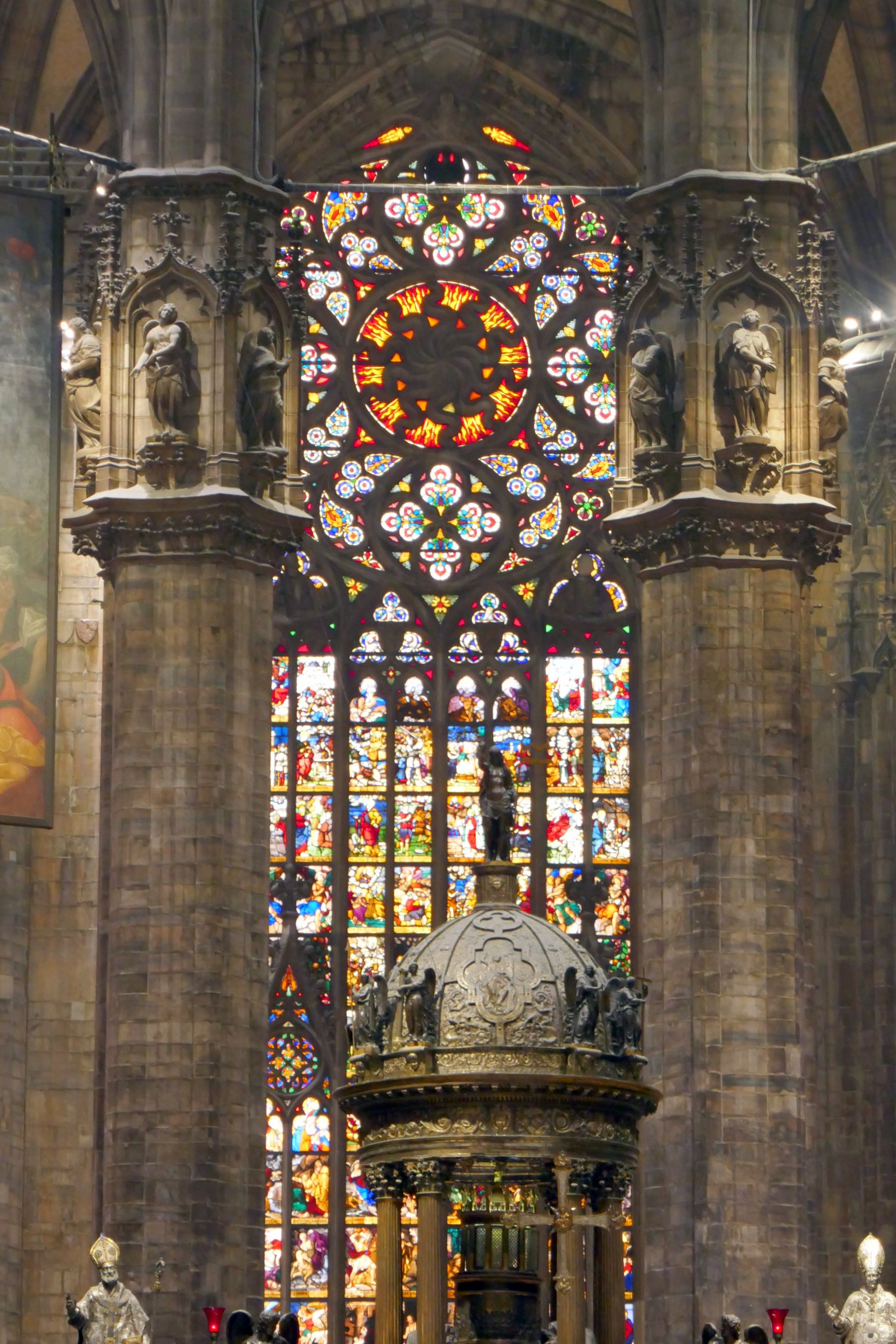
The duomo took nearly six centuries to complete and seats 40,000 people! Started in 1386, construction was finally finished in 1965 and is the largest church in Italy. In the world, it ranks third in size.
We may not seen anything other than Milan’s historic city center, but what we did see was nothing short of amazing and beautiful!
Our evening was spent back in Lecco, where we walked as a group to a local restaurant for dinner.
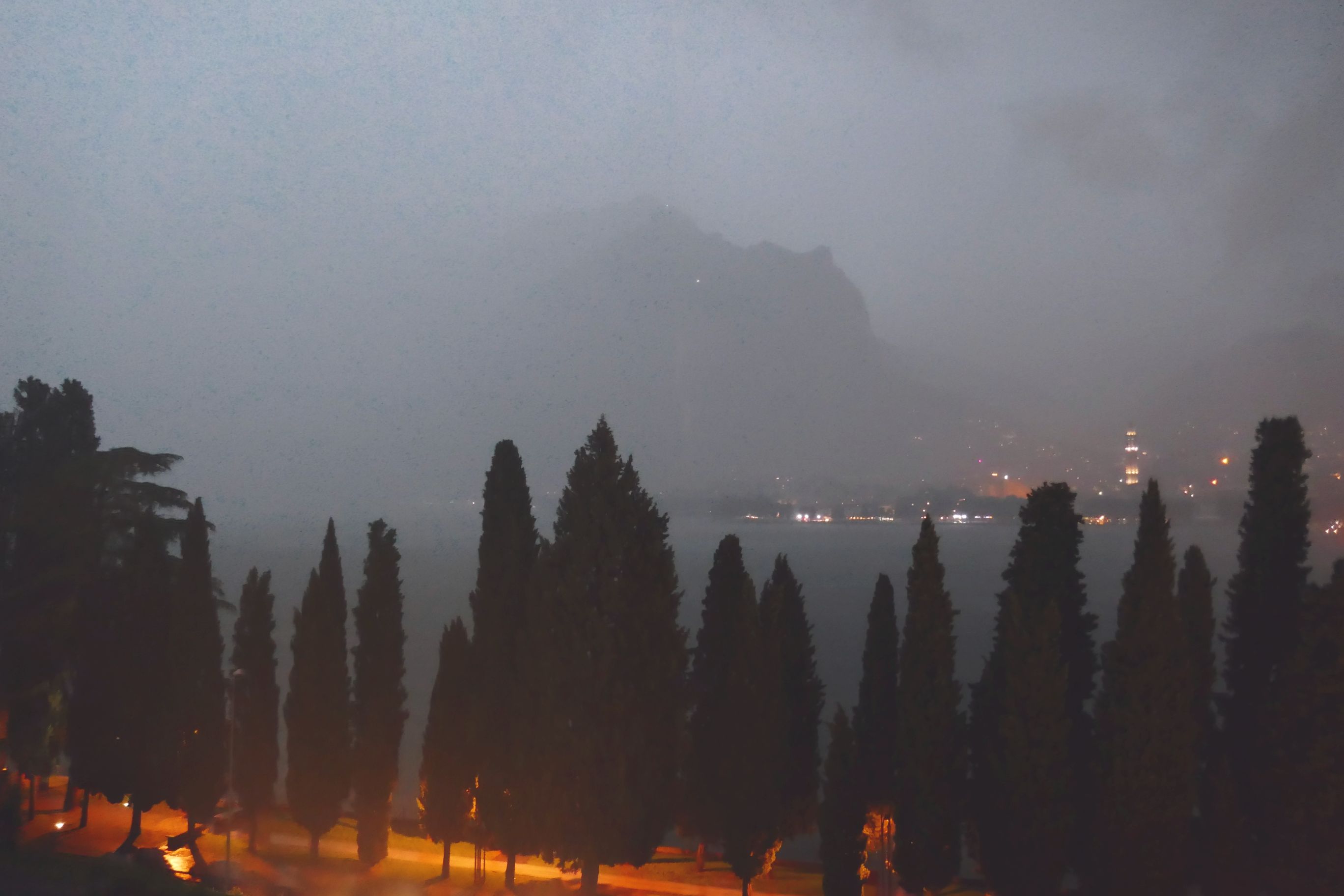
Following our return, the skies opened up! The electrical storm that followed was like fireworks on the 4th of July. This is a video I shot from our hotel balcony. At times, the auto-focus got fooled, but you will get a good idea of what it was like.
Coming up next: SWITZERLAND & ITALY #11: VIBRANT VARENNA
A new country and new currency. I have gotten in the habit of bringing home currency that I know I will be using again. In this case, Italy is on the Euro, so I kept extra Euros from our 2023 trip to Tuscany and Umbria, knowing we would be returning to Italy again. As for those Swiss Francs? I spent my last remaining coins on chocolate, of course!
Having written a lot about Italy in my past blogs, I won’t get into any of those topics this time around. I will, however, make a few distinctions between Switzerland and Italy. Take the roads, for example. Swiss roads are excellent and constantly being improved, which isn’t the case in Italy. The trains in Switzerland are also extremely punctual (After all, they are known for their fabulous watches!). In Italy, not so much. How about those restrooms. I had never seen such a nice and clean restroom as the ones on Swiss trains! In Italy, they were often missing a toilet seat, for starters…
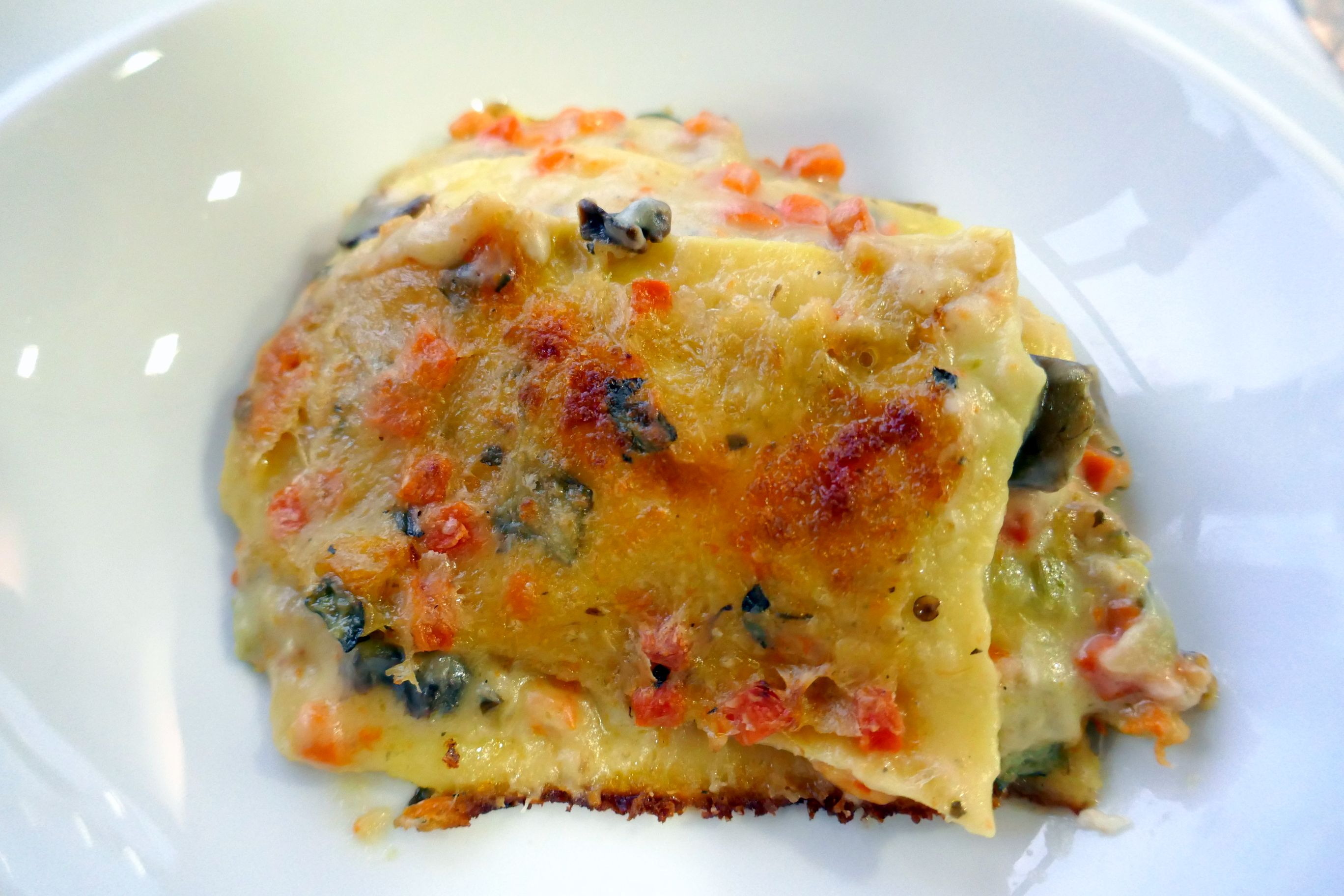
Still, there is a reason this was my fifth time in Italy: I absolutely love it! What’s not to love? The country is beautiful, the people are warm and friendly; and the food is amazing! Although, if it’s typical Italian cuisine you are searching for with lots of fresh ingredients (especially vegetables), don’t go to northern Italy; just stick with the south. Northern Italy may be gorgeous, but the climate isn’t conducive for growing a variety of vegetables, so they aren’t the easiest to find. Would you like a beautiful California-style salad? Fuhgetaboutit. A rich tomato-based sauce on your pasta? Nope! Rich cream sauce and meat will appear on your pasta. Even if you order “lasagna with vegetables” like I did at dinner, the vegetables are micro-diced—just a nice little splash of color for interest. You can find plenty of mushrooms, however; they are native to the area, as are white truffles.
(For all photos, click on the image for a full screen view.)
This may have been lacking in vegetable volume, but it sure was big on flavor!
The bottom line? Don’t go to northern Italy for cuisine with fresh ingredients, but DO go for the drop-dead gorgeous scenery!
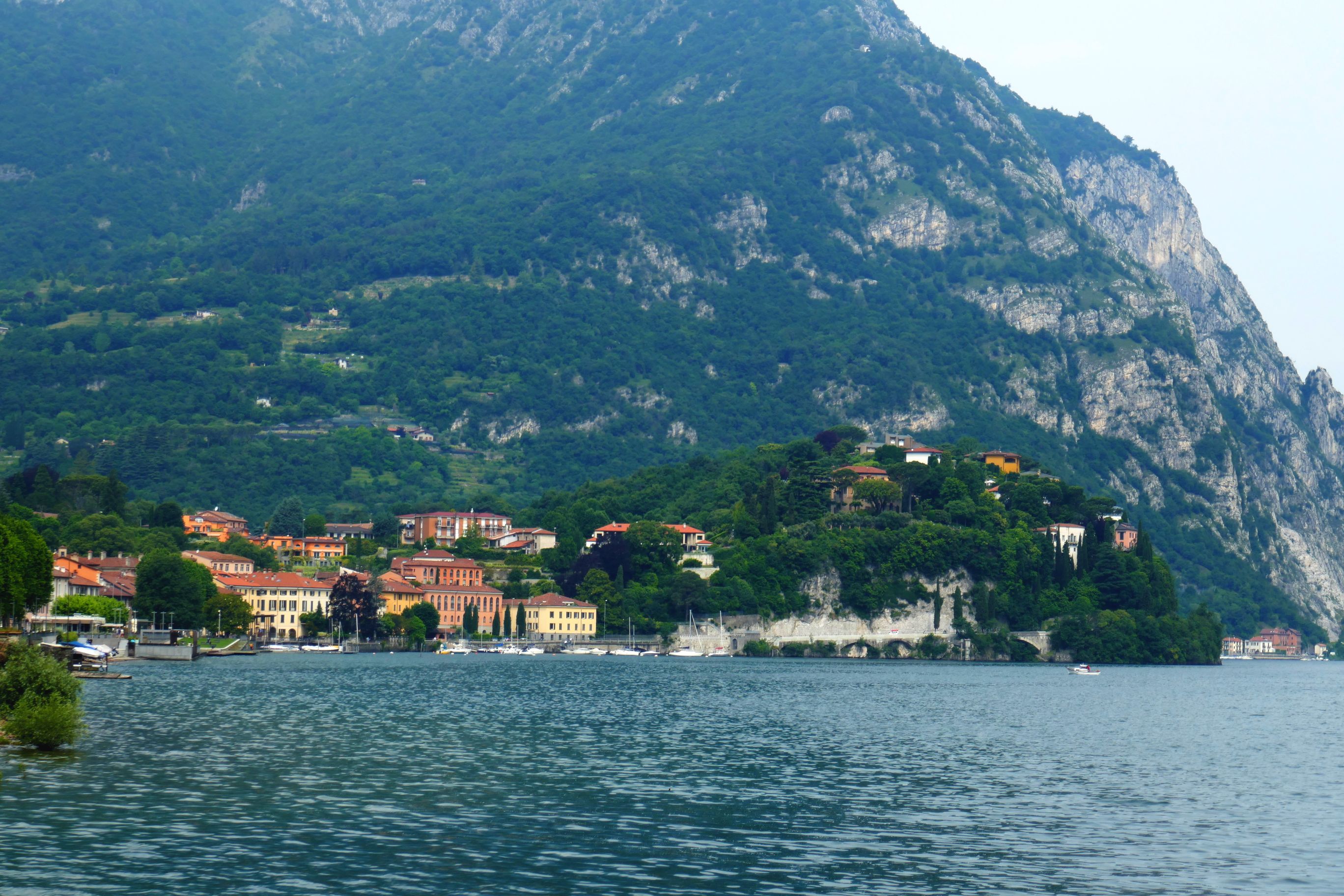
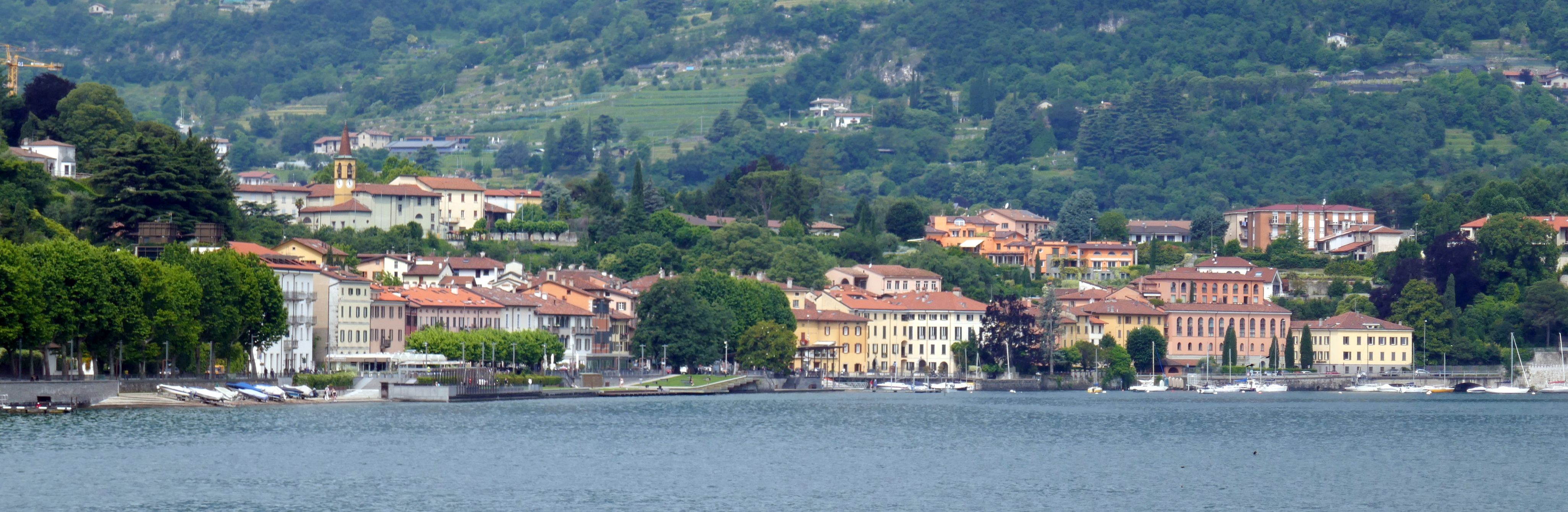
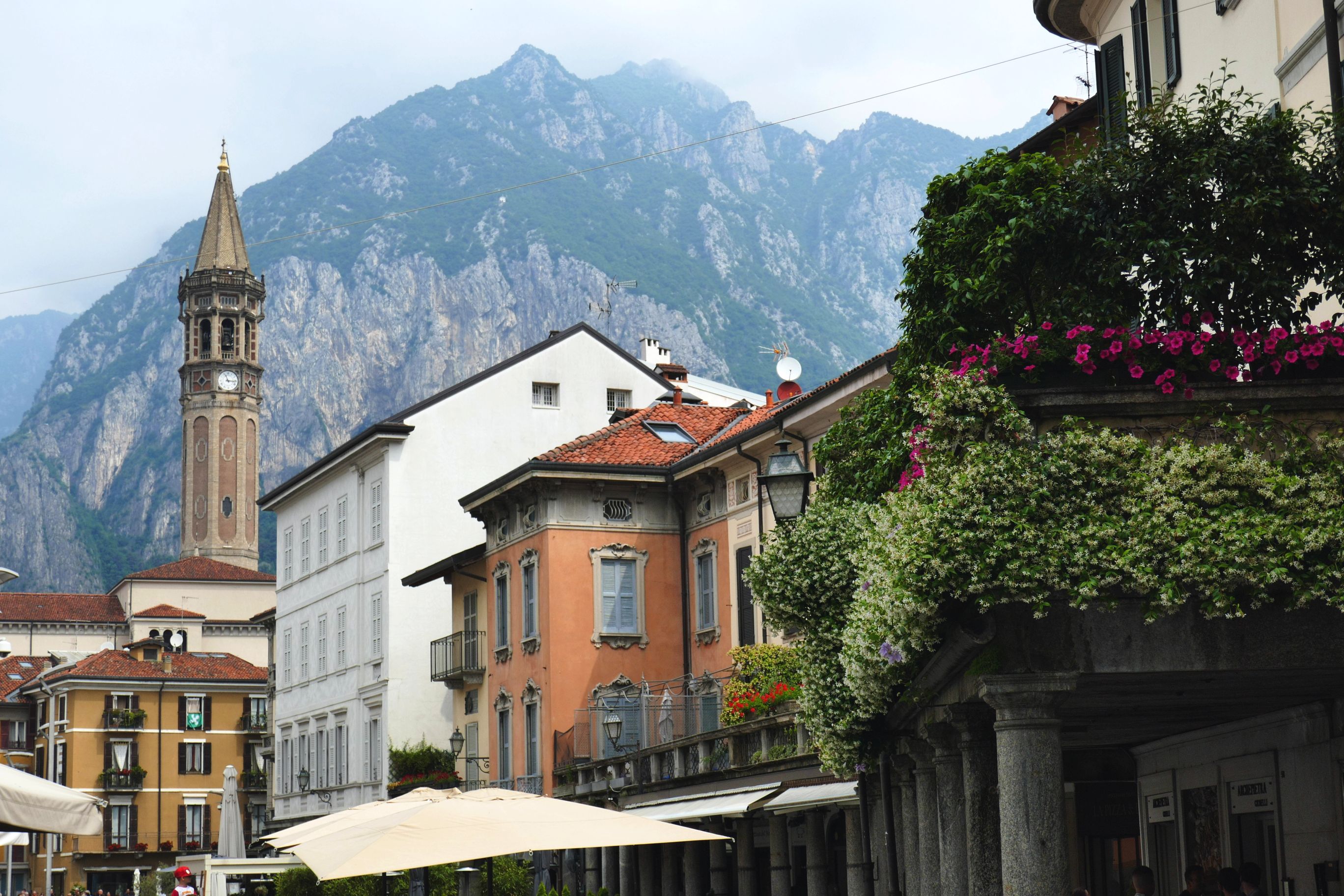
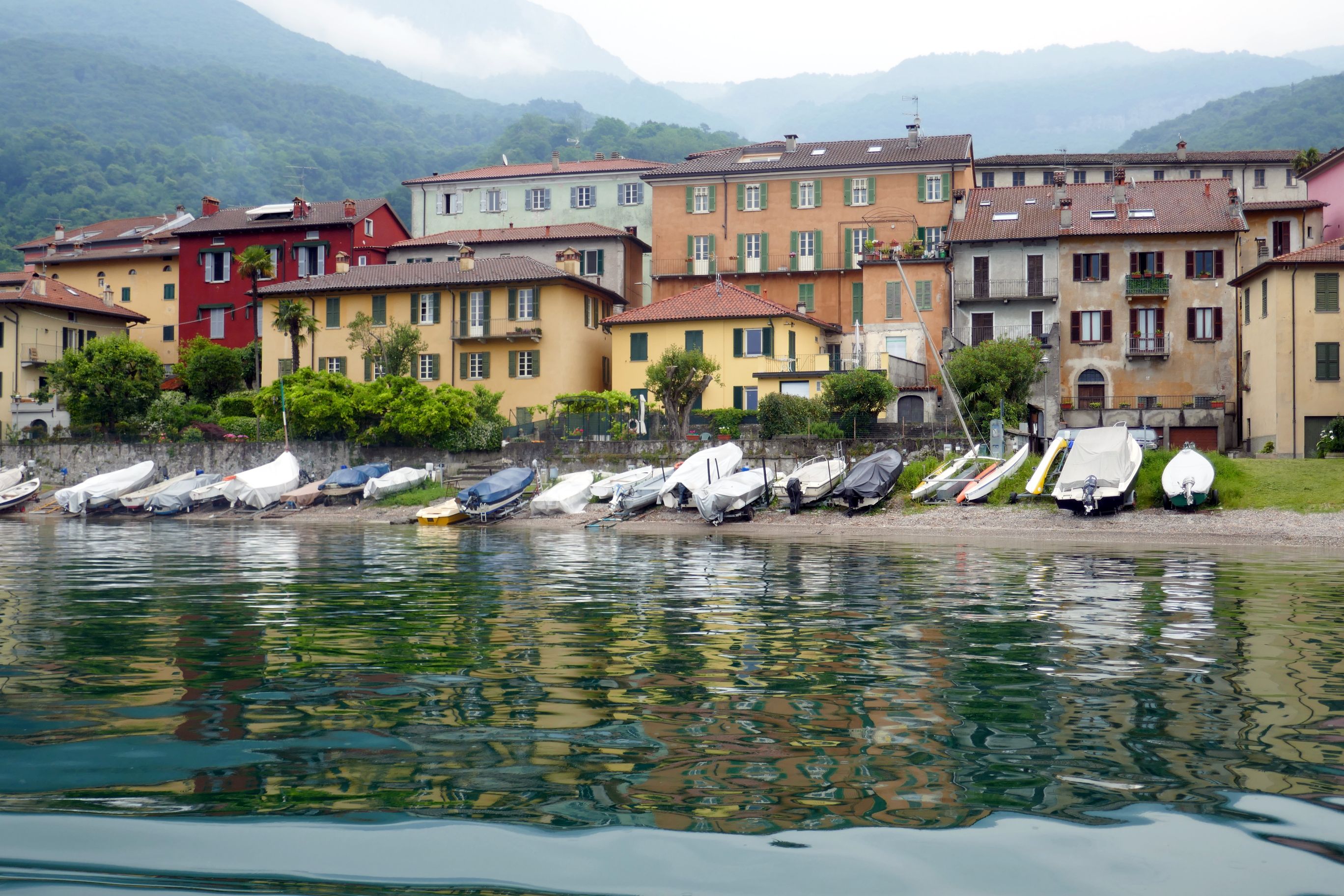
We began our tour in the Lombardy region in Lecco, along the shores of Lake Como, and 30 miles north of Milan. At less than 50,000 people, it’s a small, less touristy city and easy to navigate on foot.
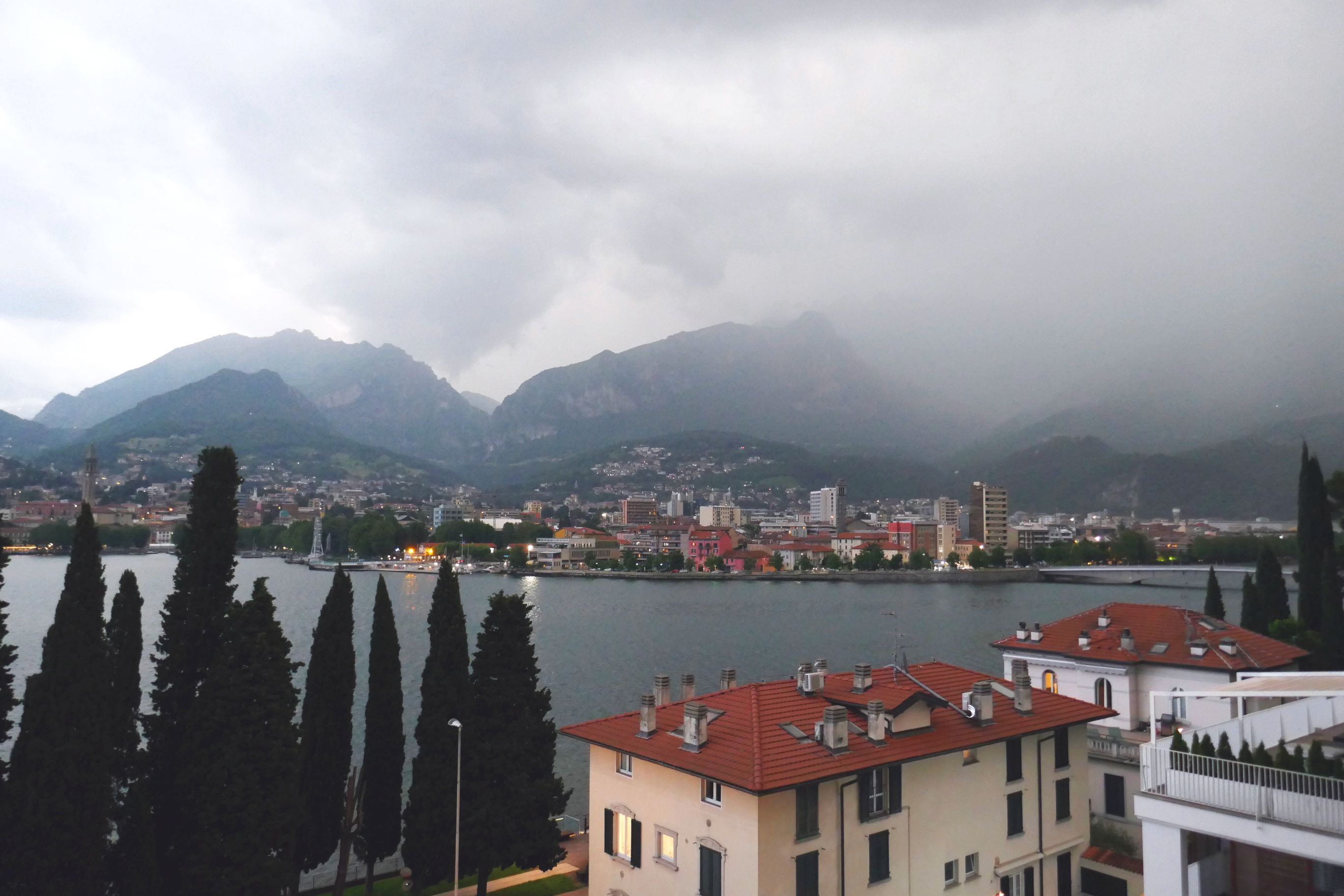
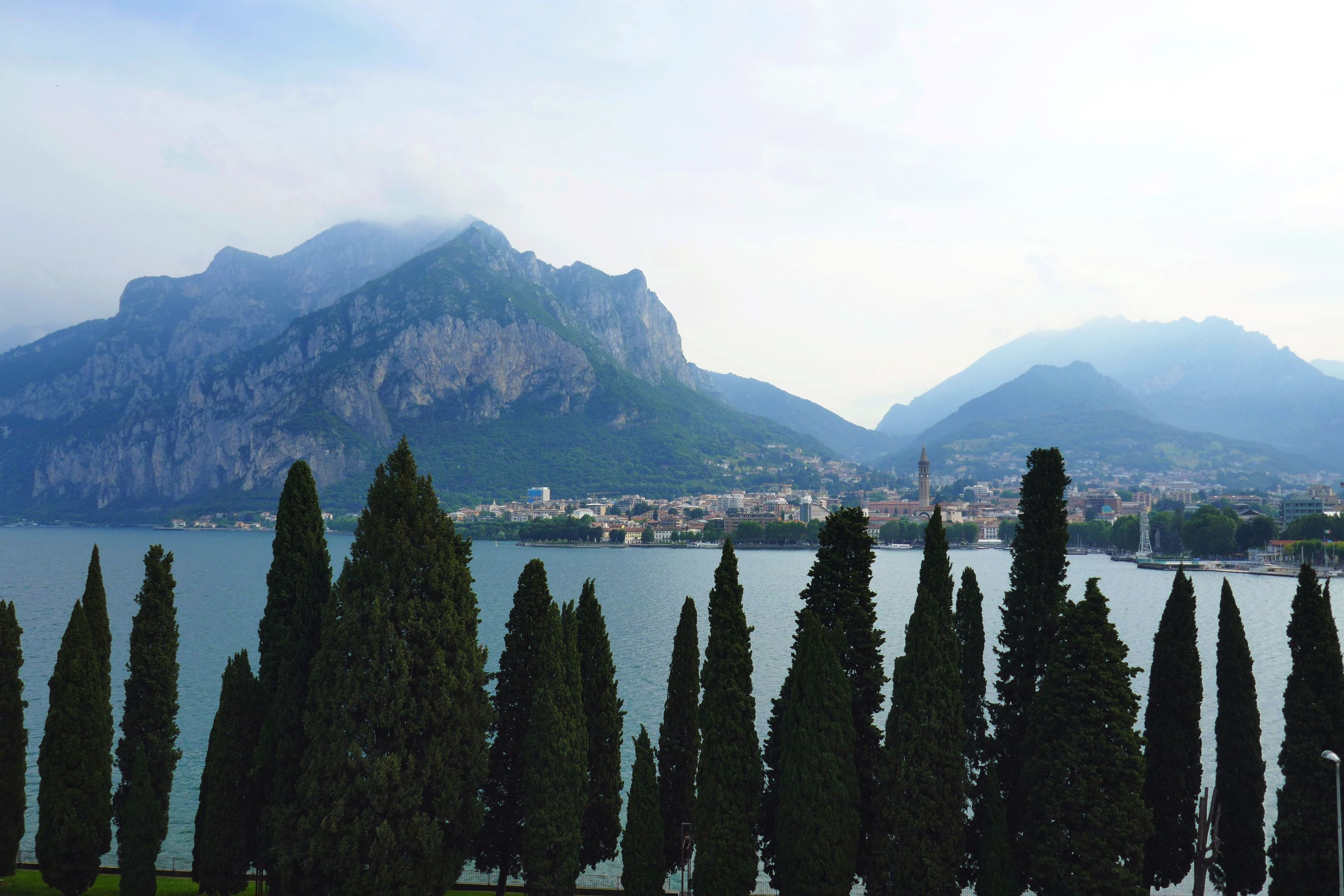
Our hotel, located across from Lecco, had a beautiful view of the lake and town. Had the skies been clearer, we would have also had amazing views of the mountains beyond.
The view off to the left of our hotel
Following a walking tour by our Italy tour leader, Maria, we had time on our own.
Author Alessandro Manzoni was from Lecco.
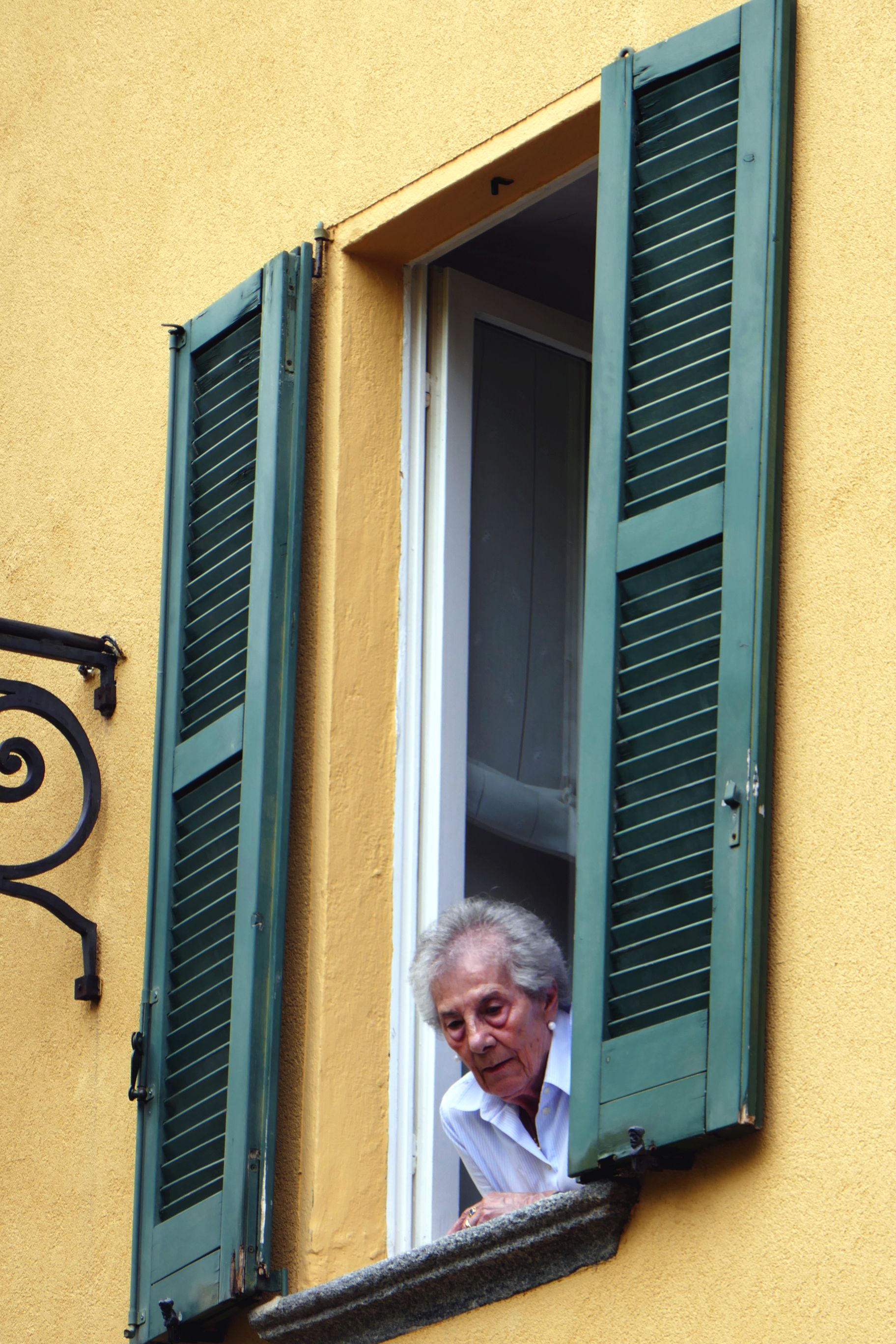
This woman kept an eagle eye on the gardener down below watching his every move.
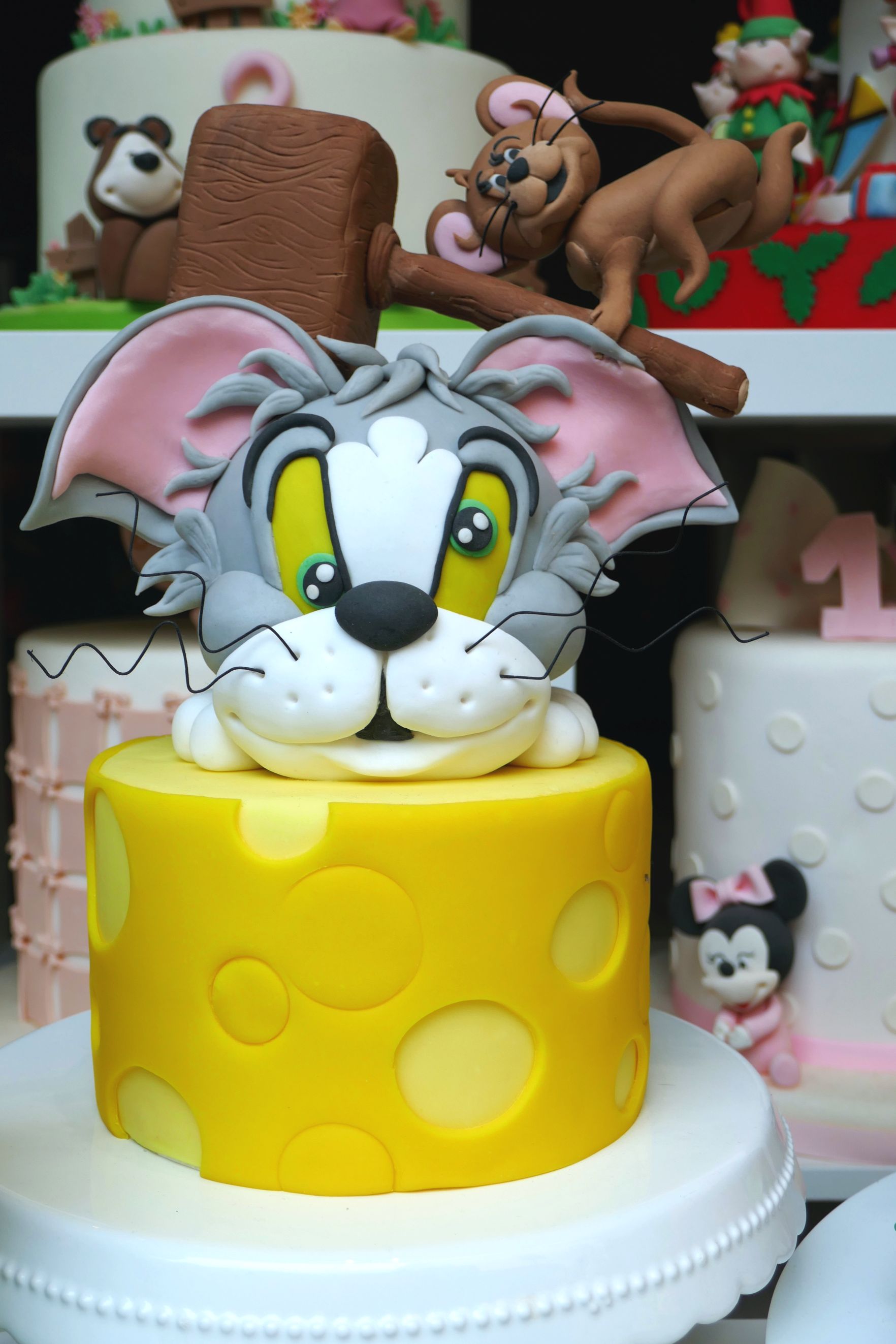
I had never seen such adorable cakes as in this bakery!
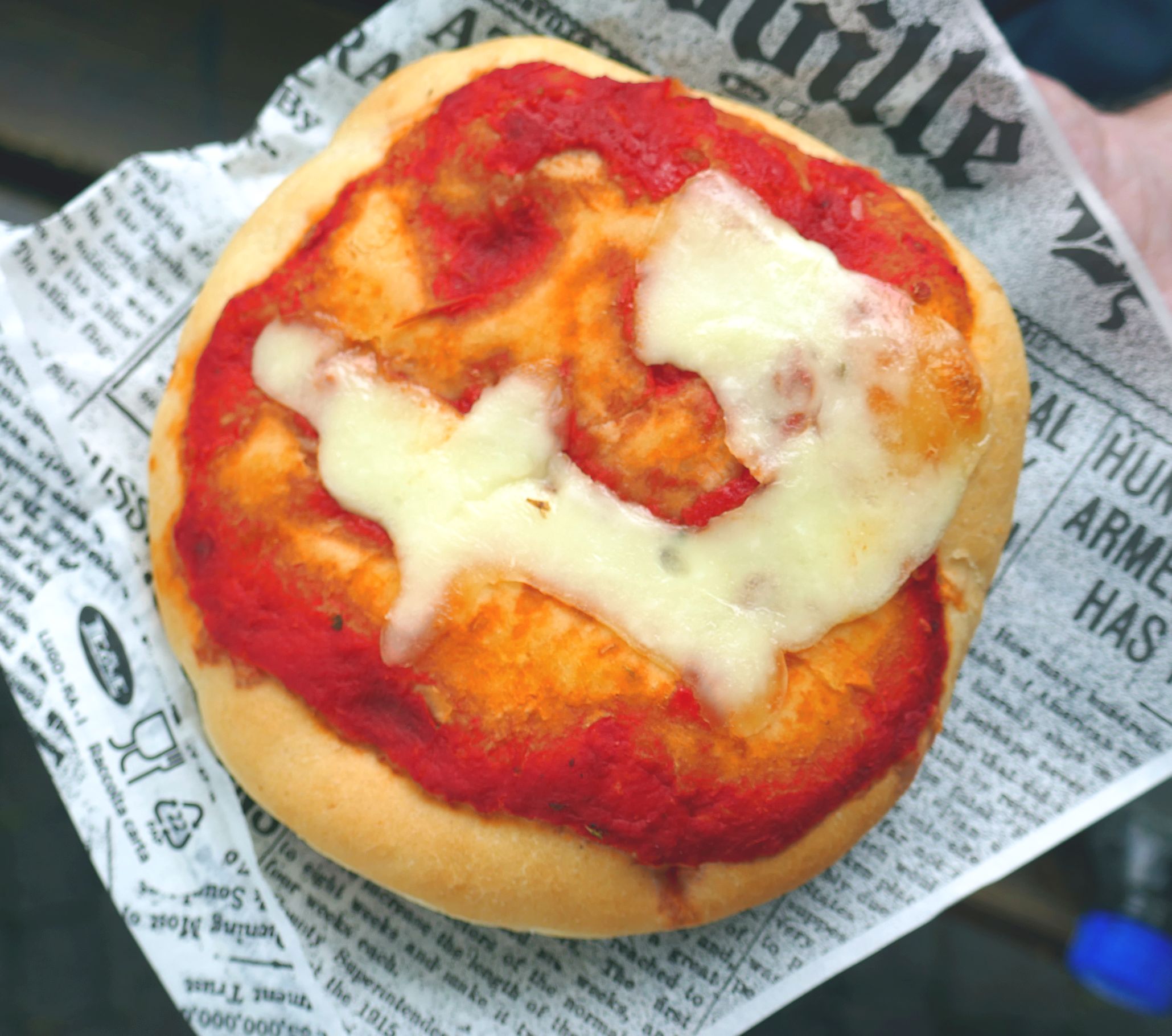
Pizzette (miniature pizzas) were a convenient snack-on-the-go.
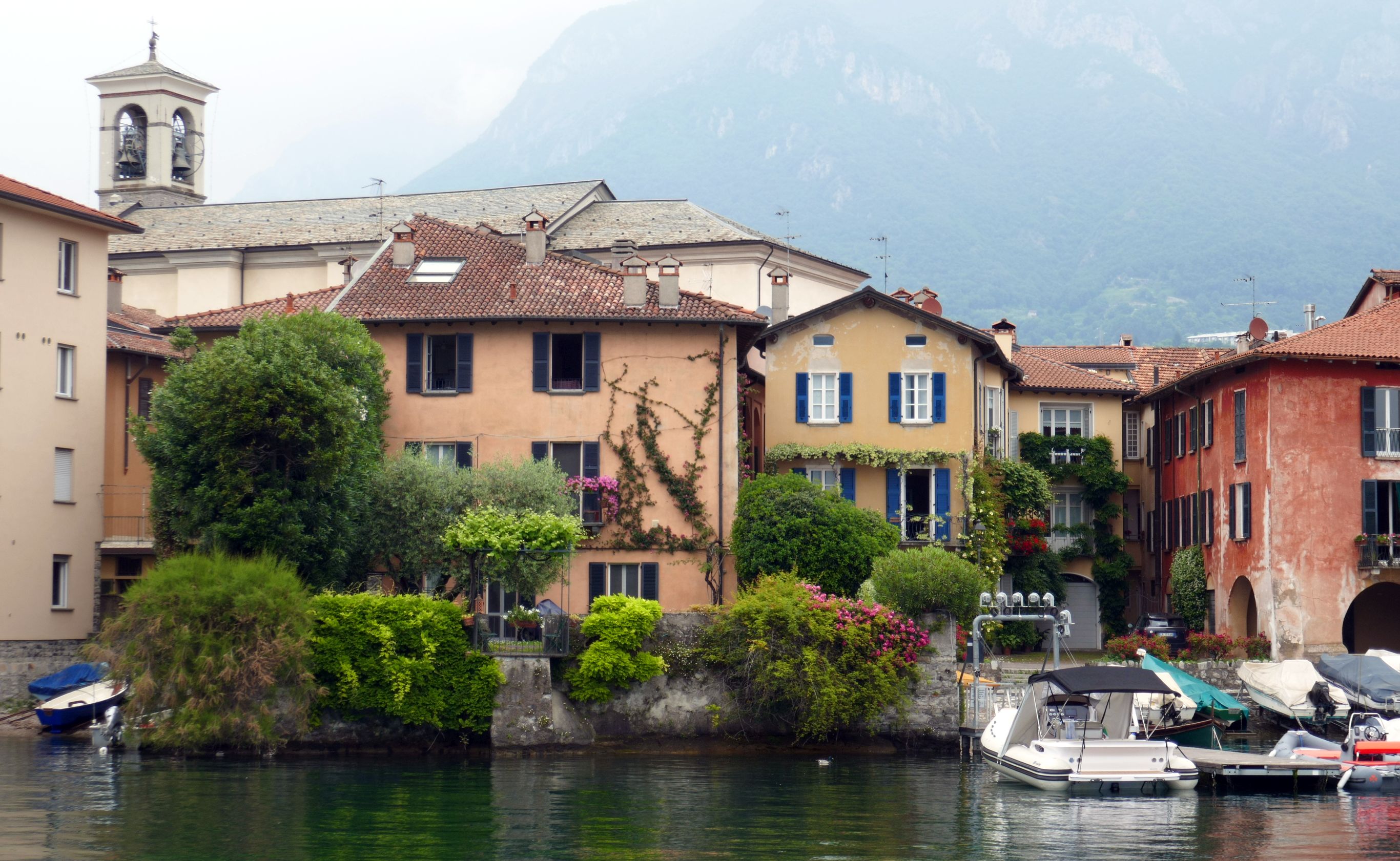
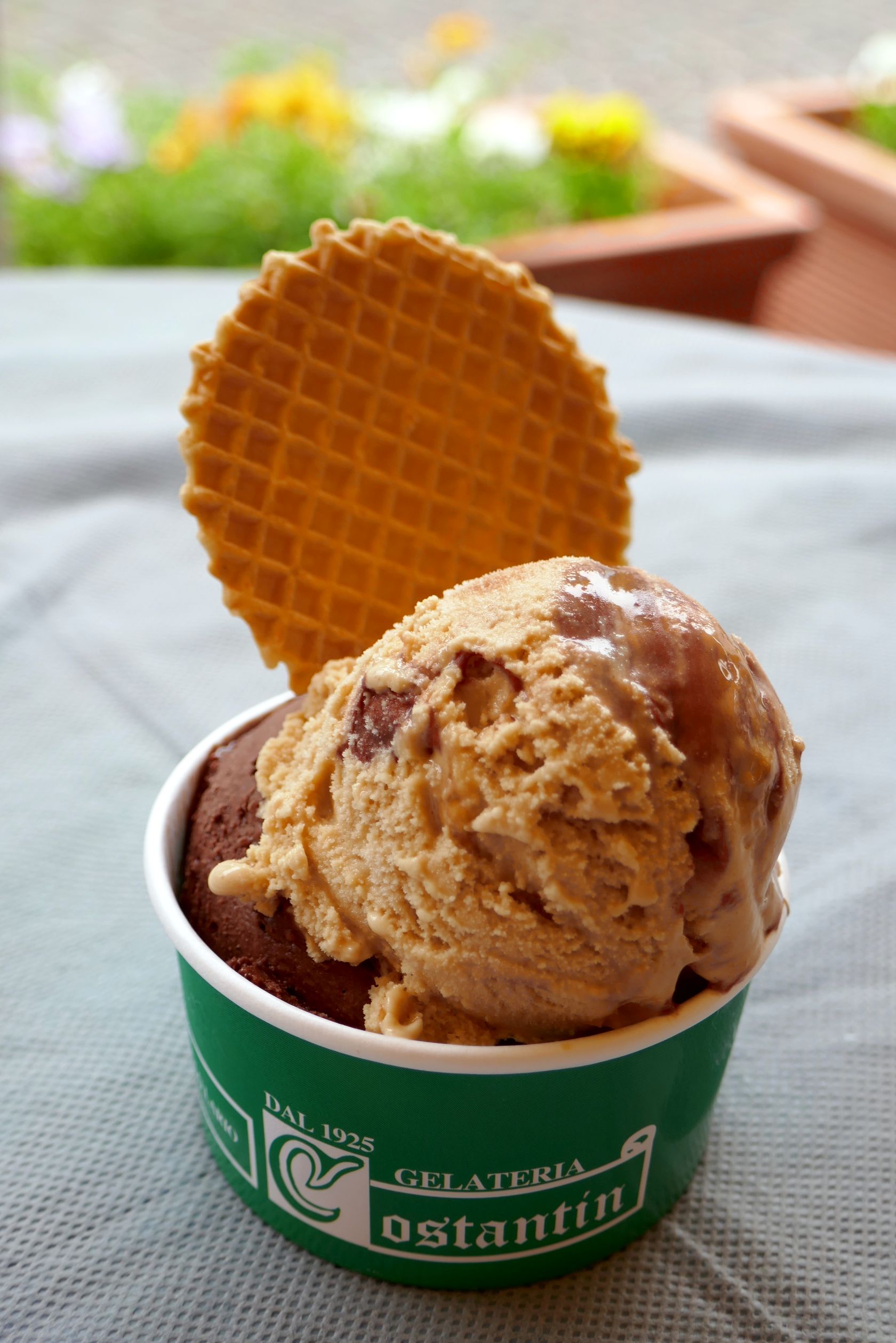
Next, we took a ferry to the quaint town of Mandello, a picturesque commune of less than 11,000 people. We were treated to delicious gelato before wandering through the town and ending up at the train station for a ride back to Lecco.
Check out this ferry employees badge when he had hair and looked much younger. He has been with the ferries for a long time!
Our first day in northern Italy was so enjoyable—relaxing and lovely!
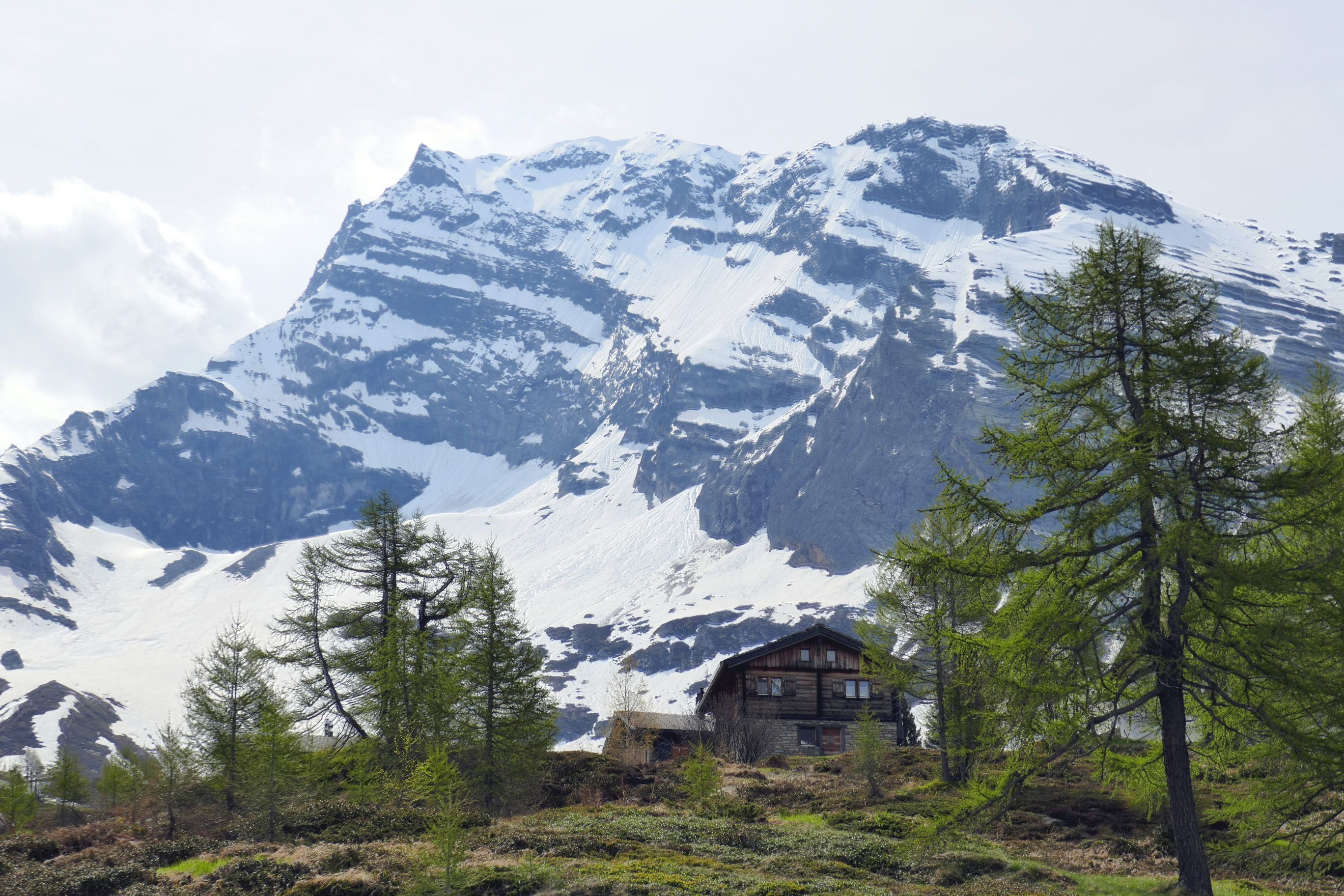
Getting in and out of Zermatt can only be accomplished by train or helicopter, so we took a short train ride out, and then met up with our bus driver for our transfer to Lecco, Italy, through Simplon Pass. Along the way, we pulled off for a stunning view of the scenery that surrounded us.
(For all photos, click on the image for a full screen view.)
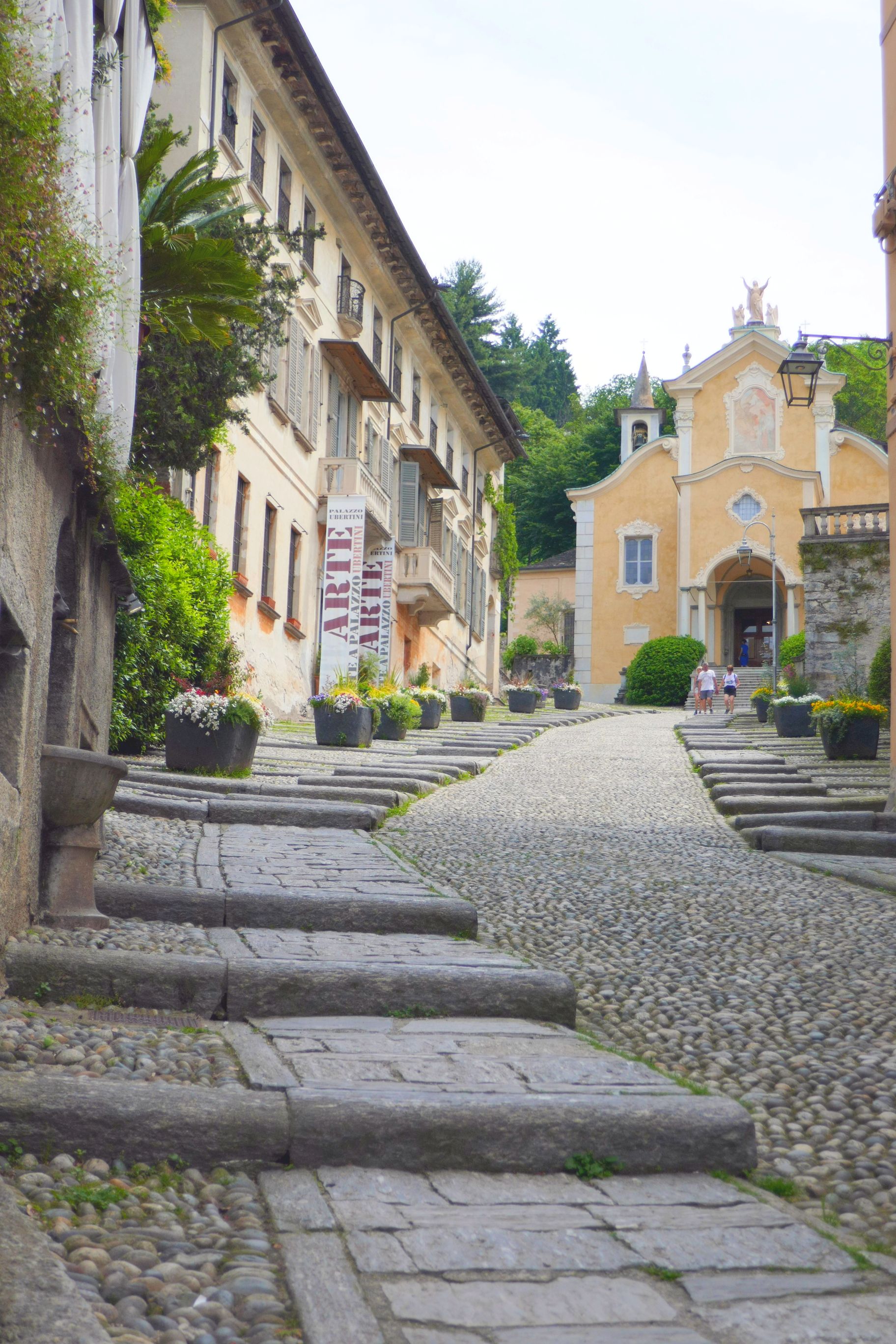
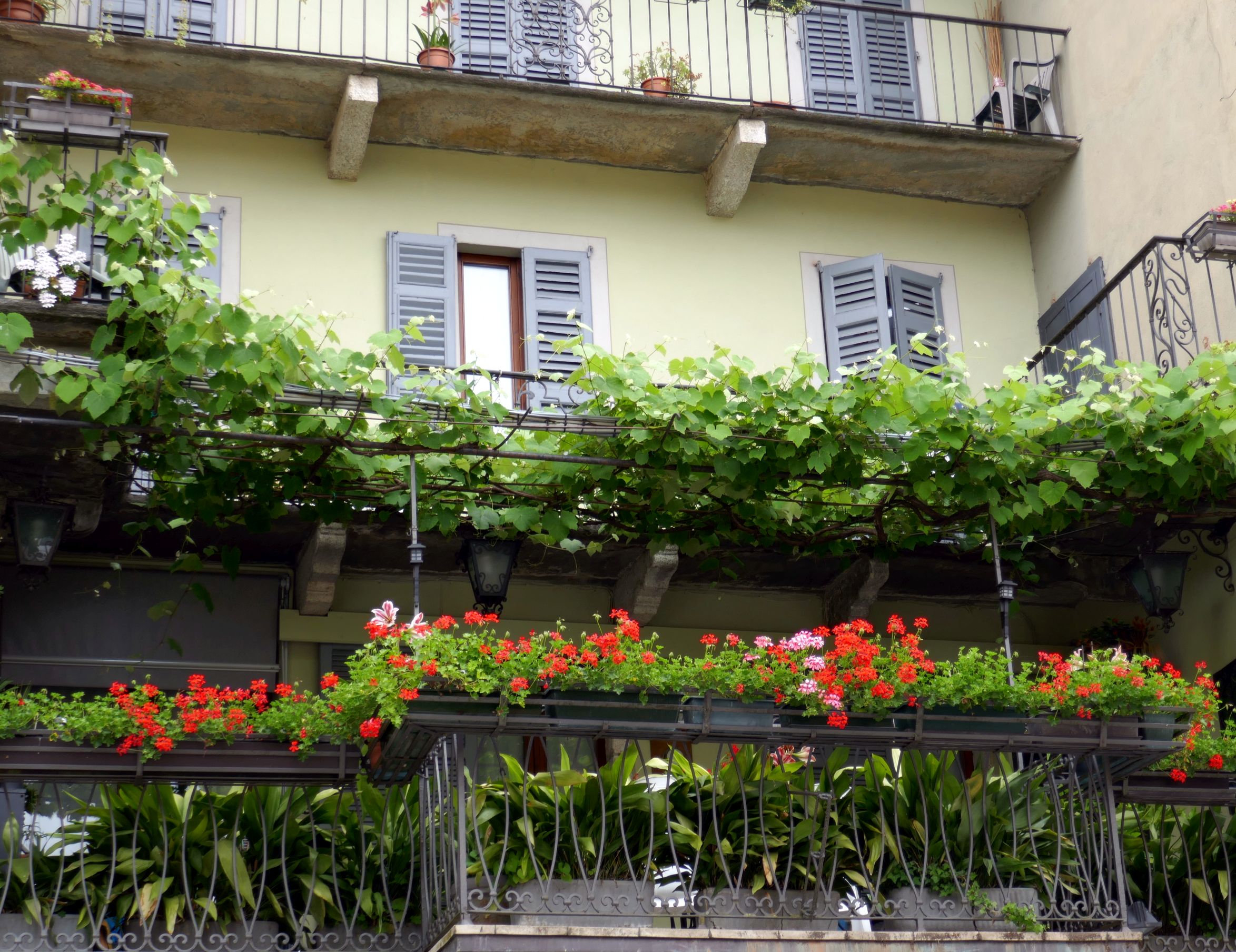
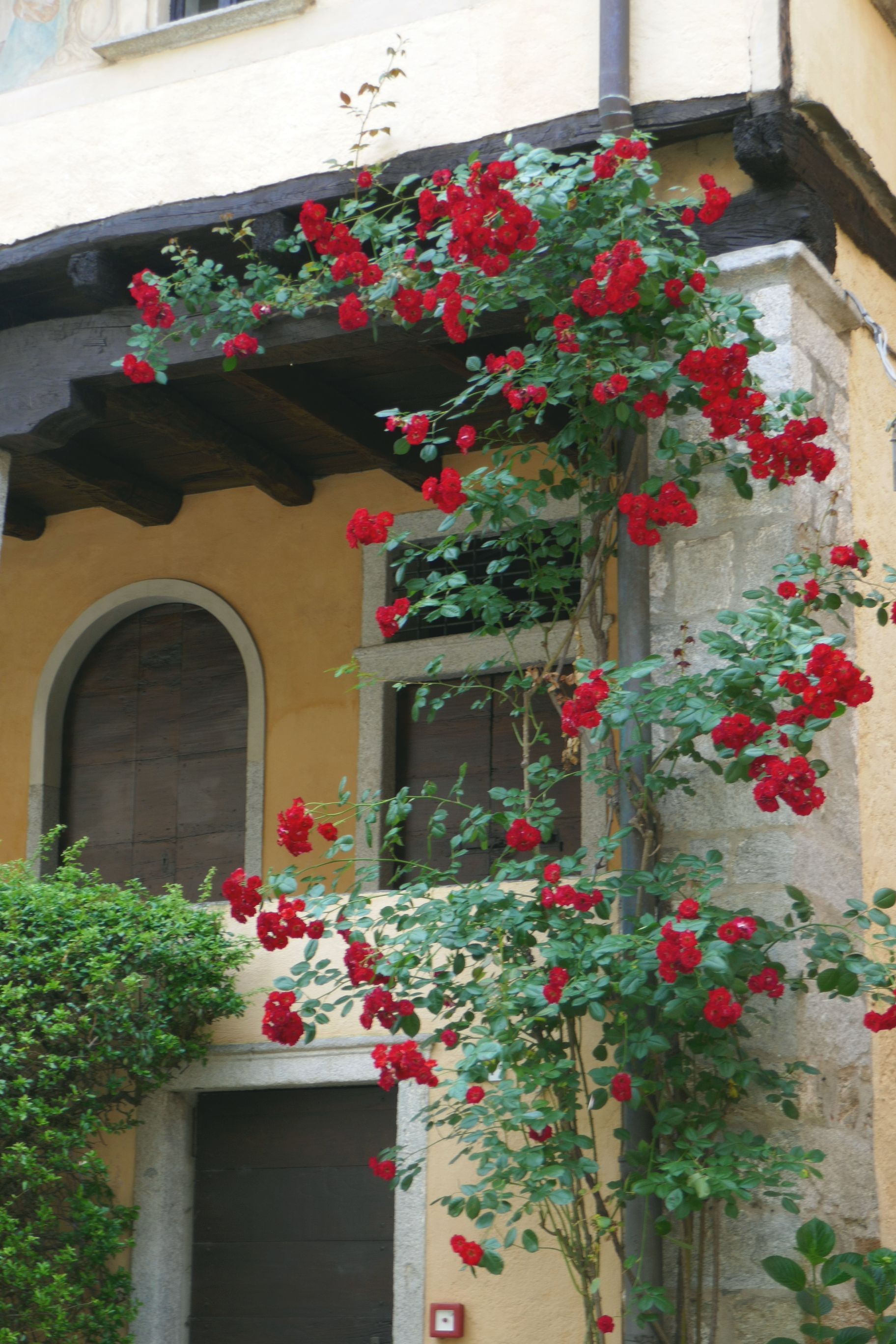
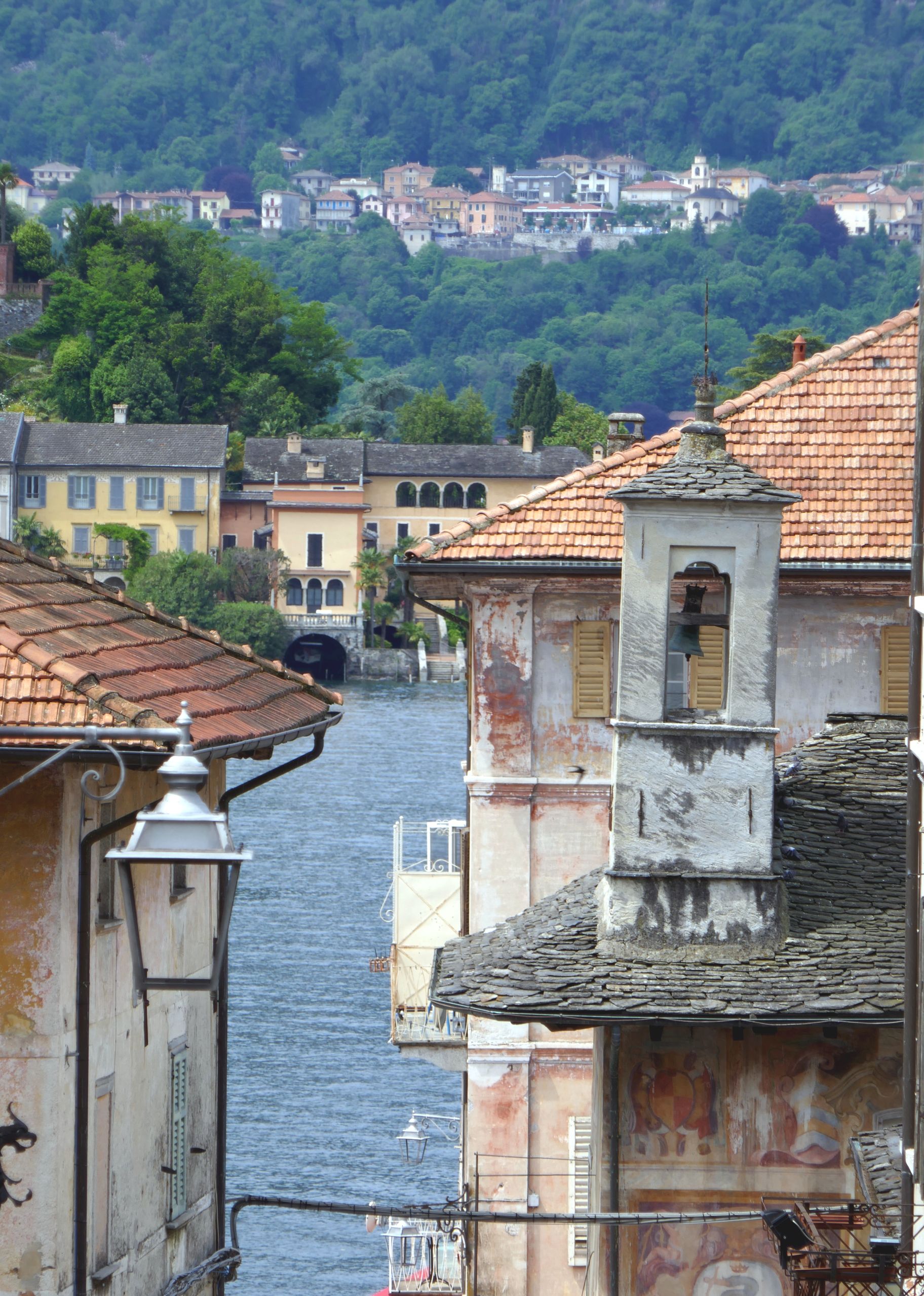
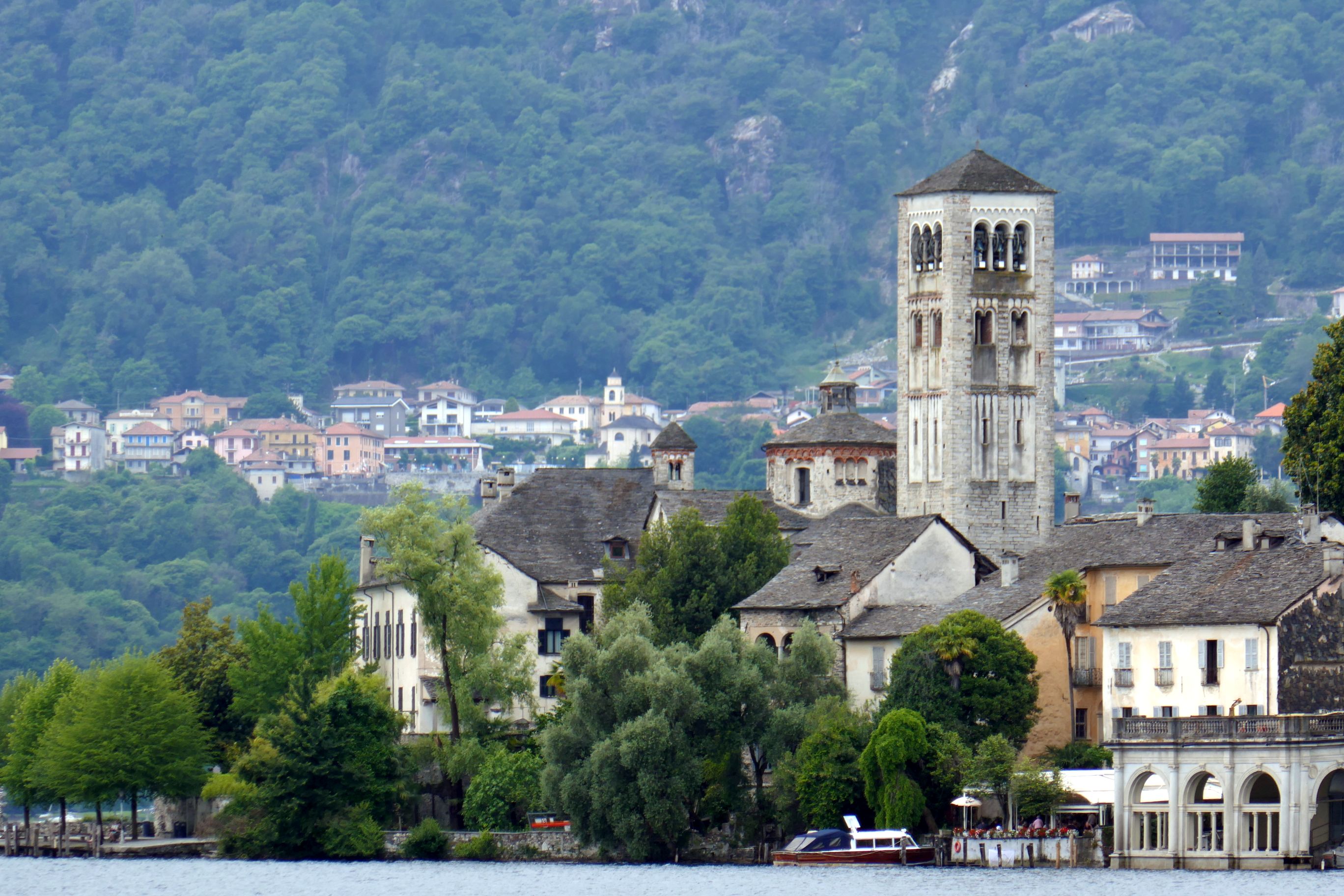
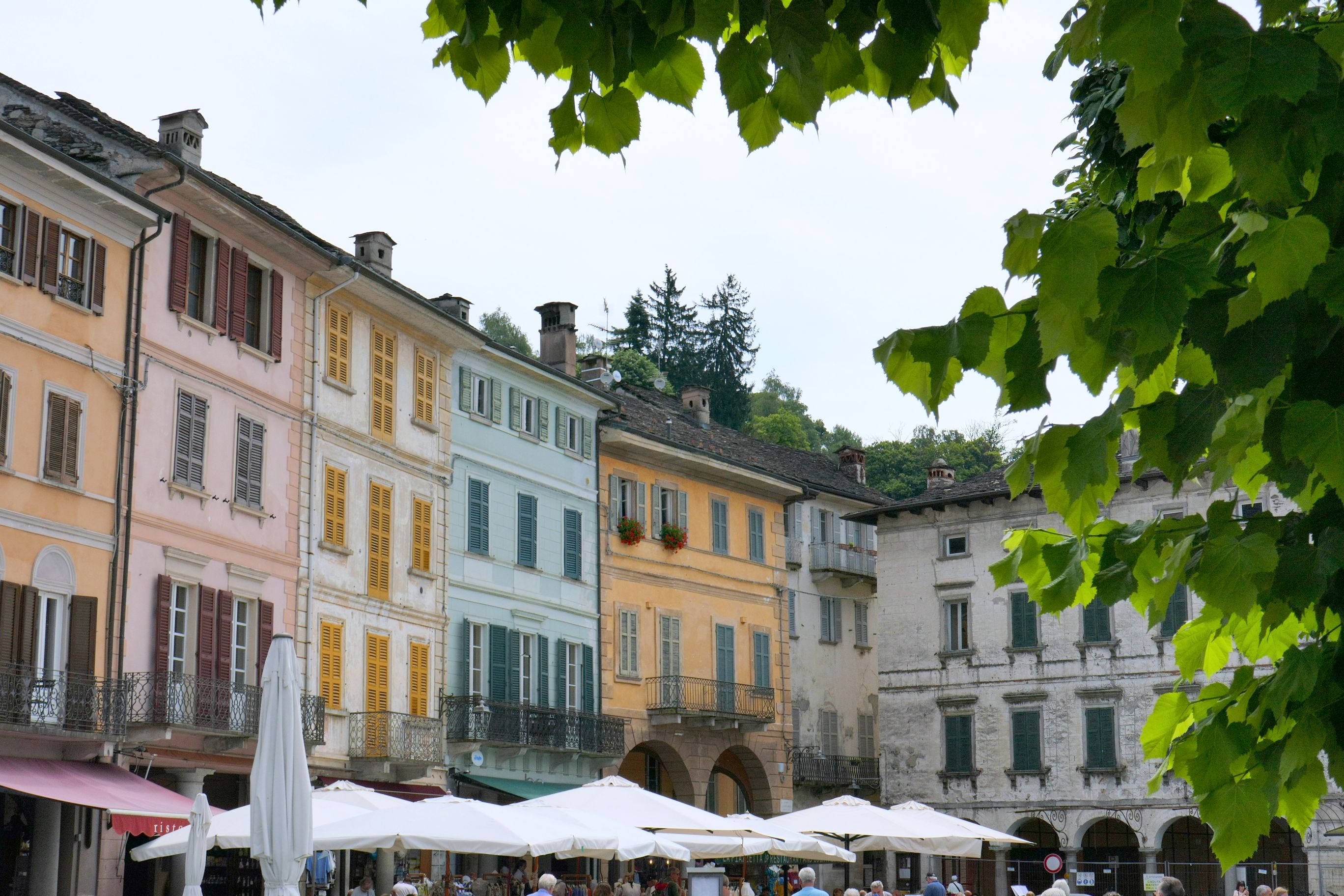
For an al fresco lunch and some free time to explore, we stopped at Lake Orta. The road was so narrow, our driver had to park the minibus, so we could transfer to a local van to continue, requiring two trips for our group of nine and Susy. The town was so charming and photogenic—well worth tackling those logistics.
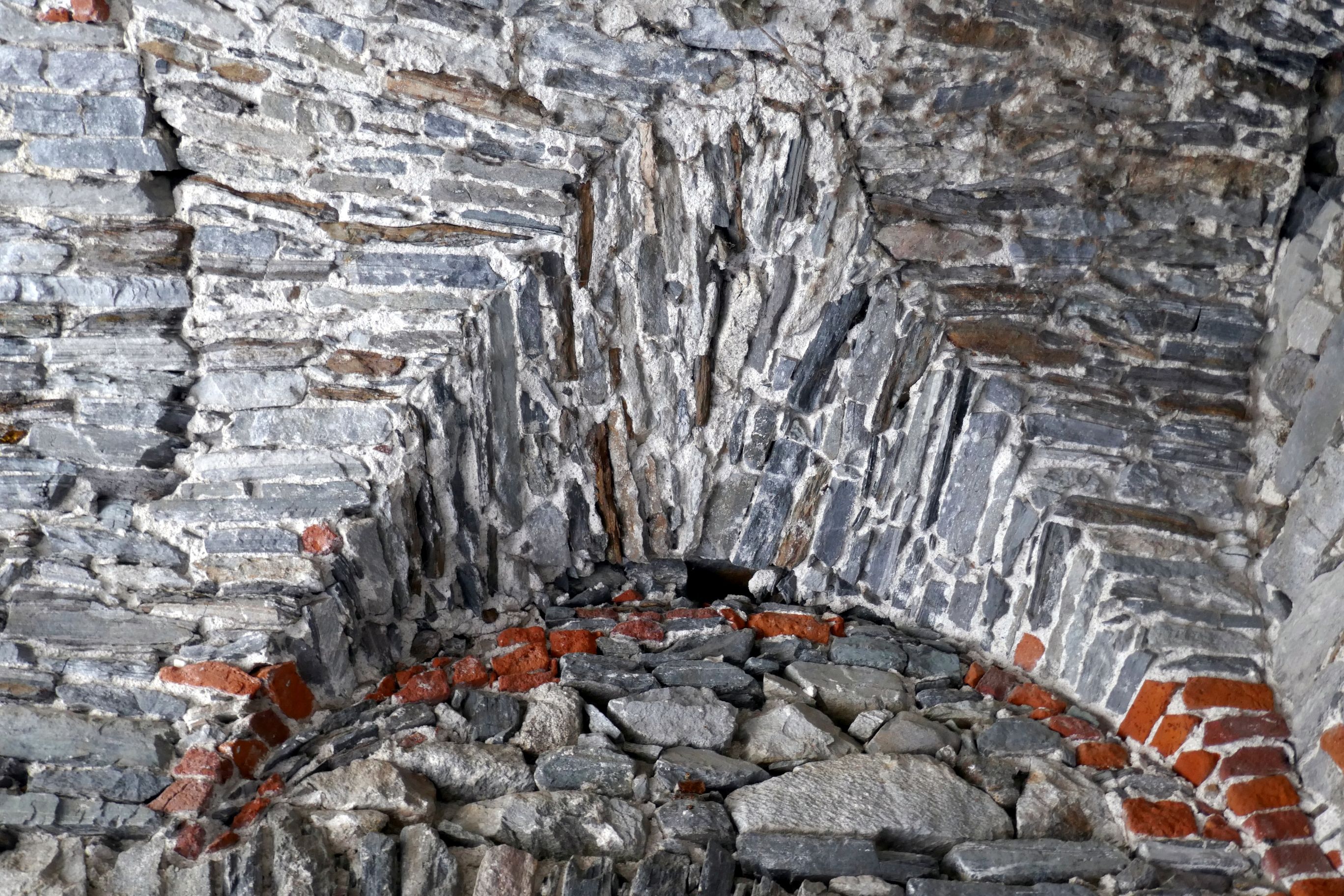
The following are scenes from this beautiful little town, beginning with the side of the short stone tunnel we walked through, which revealed the next scenes.
Coming up next up: SWITZERLAND & ITALY #9: LOVELY LECCO
…do as the Romans do. Well, at least that’s how the saying goes. I had done that with my mom for five days in past travels, and Bruce opted not to do the Rome post-extension of our base trip. We both had decided we preferred to use our travel budget in other ways. So, our last full day in Italy was spent in Rome, before flying out the following morning.
(For all pictures, click on the image to see full screen view.)
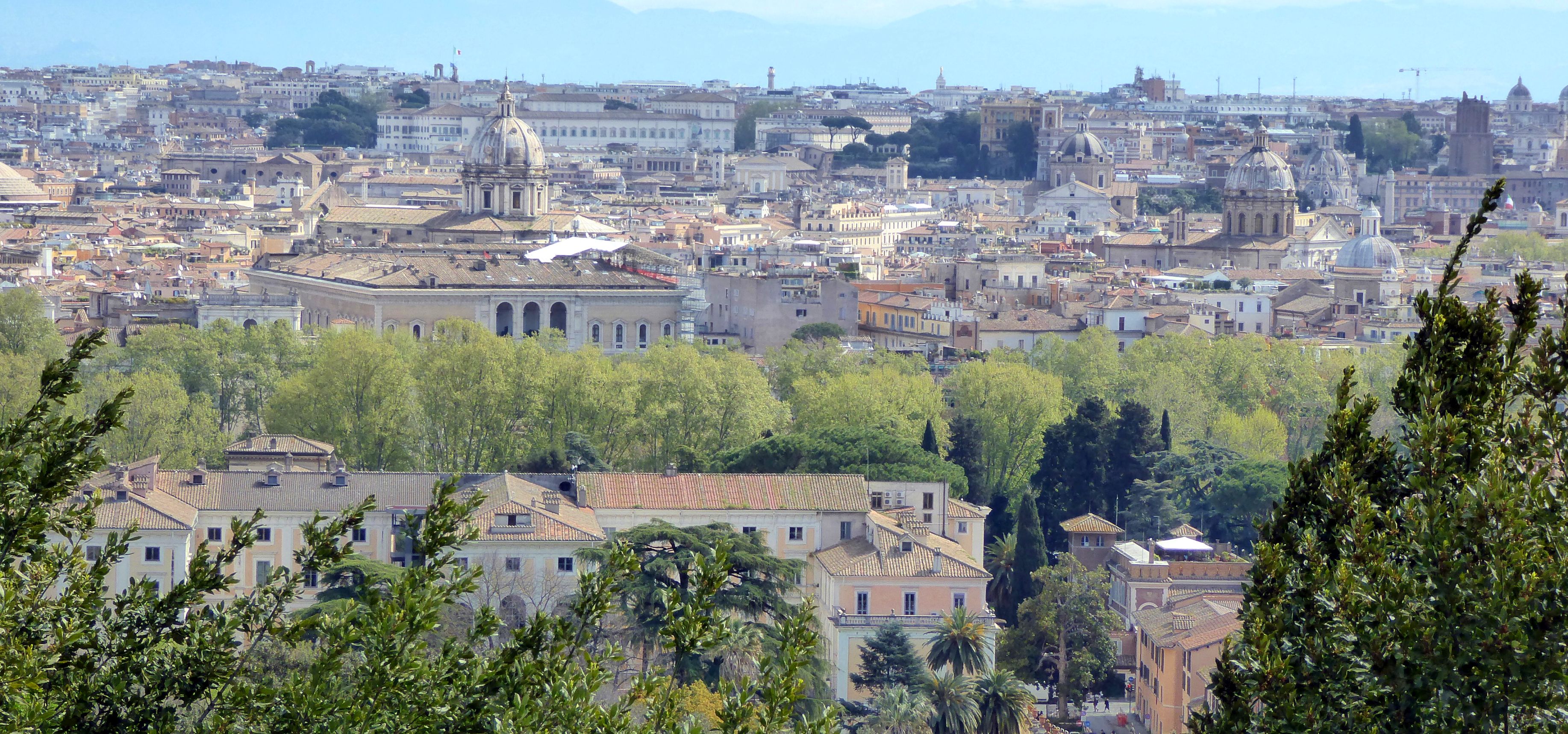
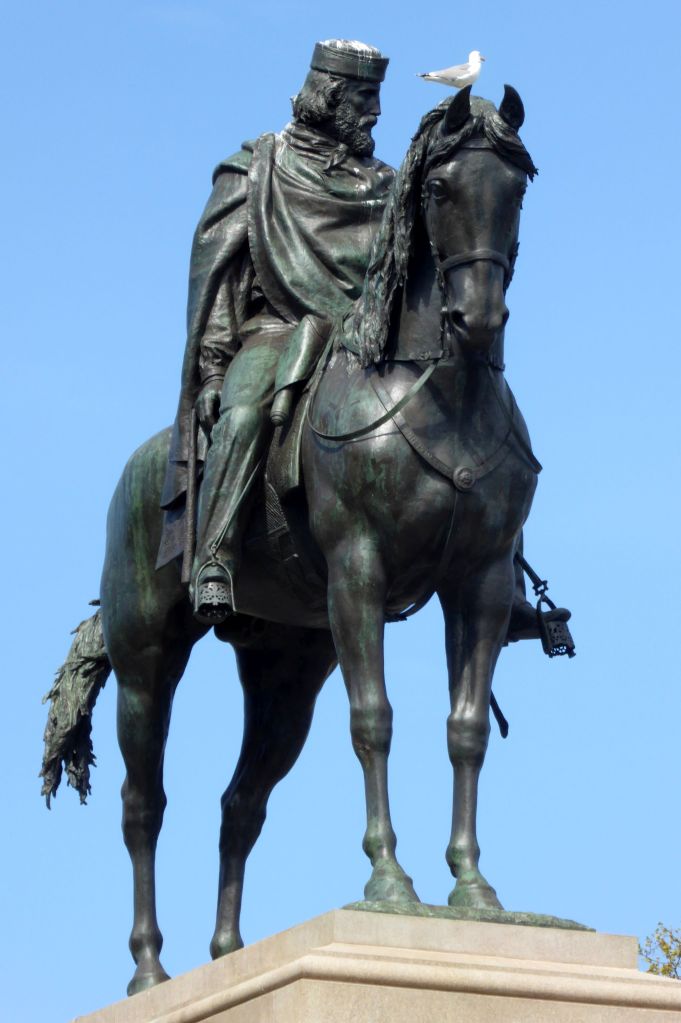
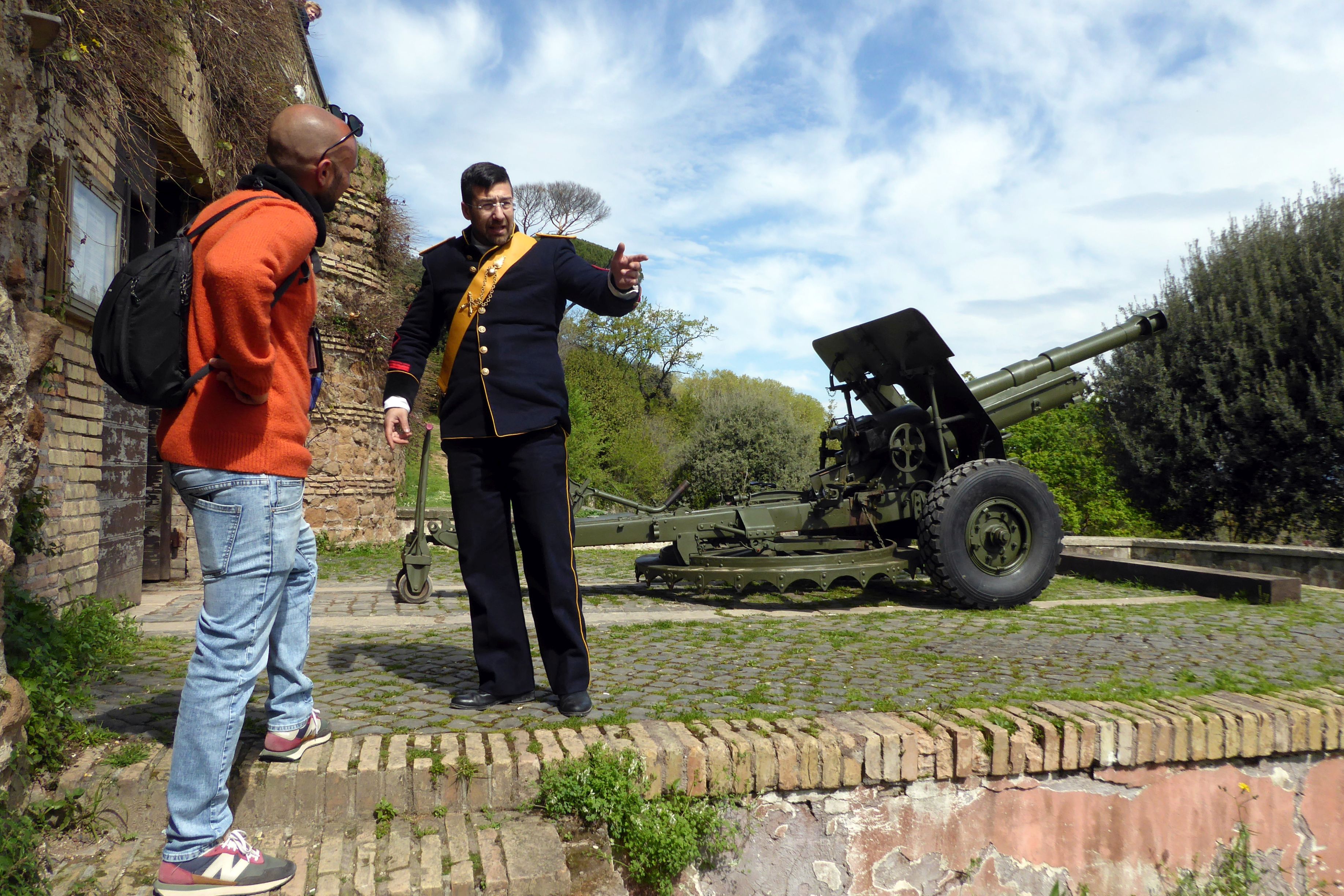
Our day in Rome began with a walking tour in the Trastevere district, conducted by a local guide. The timing was just right to be at Gianicolo Hill. Our guide was friends with the military officer in charge of firing off the noon cannon that day, so we were invited down to meet him and have a closer look.
Prior to December 1, 1847, the sound of numerous Roman tower bells would sound at noon. The thing is, “noon” meant something slightly different to each bell ringer. The ringing would go on and on. That was until Pope PIO IX decided it was time to coordinate the official time by replacing the bell ringing with a single gunshot, fired from Castel Sant’Angelo.
This traditional gunshot was kept there throughout the period of Italy reunification, until 1903. It was then transferred for a few months to the slopes of Monte Mario, and then finally to Gianicolo Hill. It is currently shot off by a 105/22 howitzer model 14/61 nicknamed “the monster.” It sounded like a monster; the shot was loud!
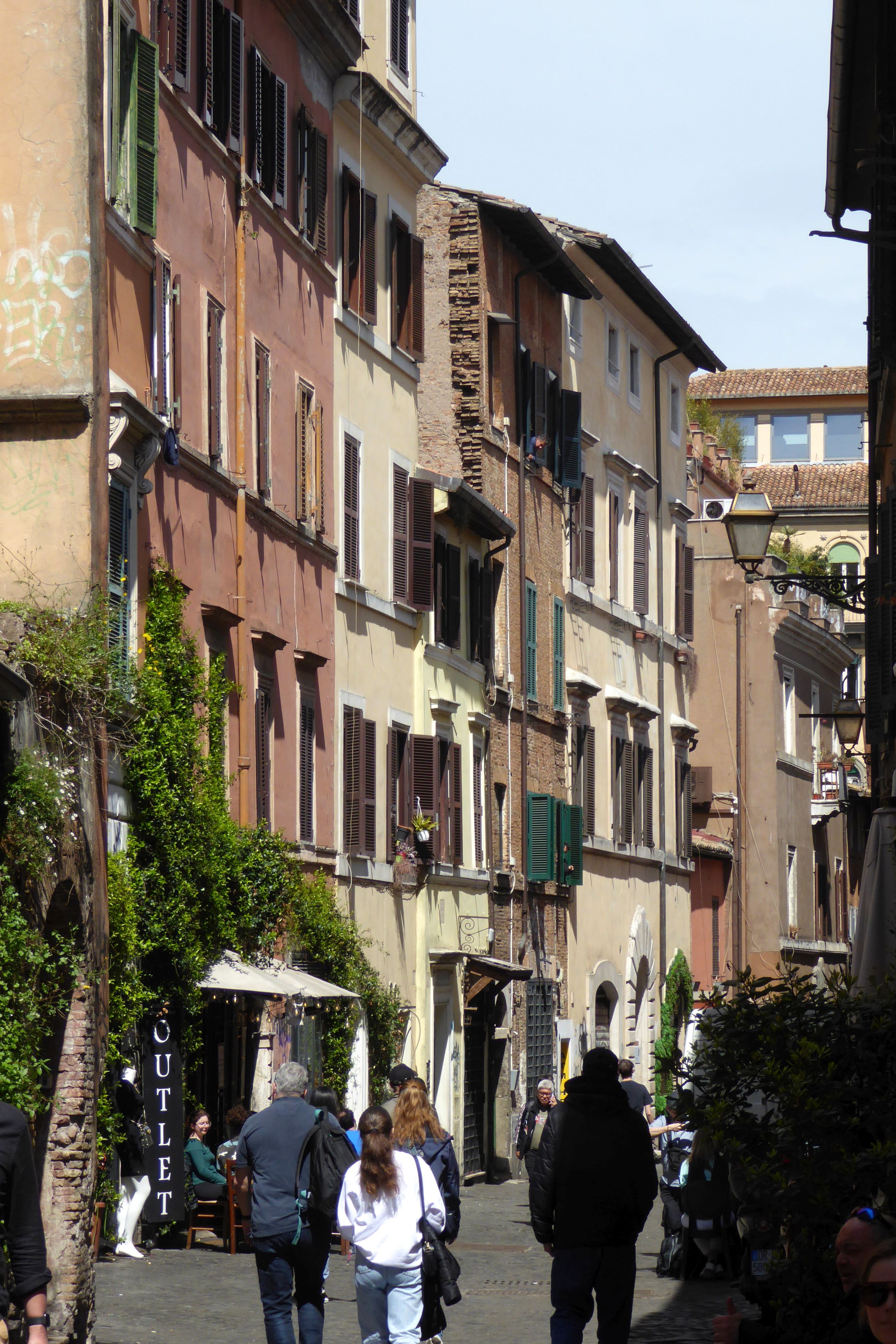
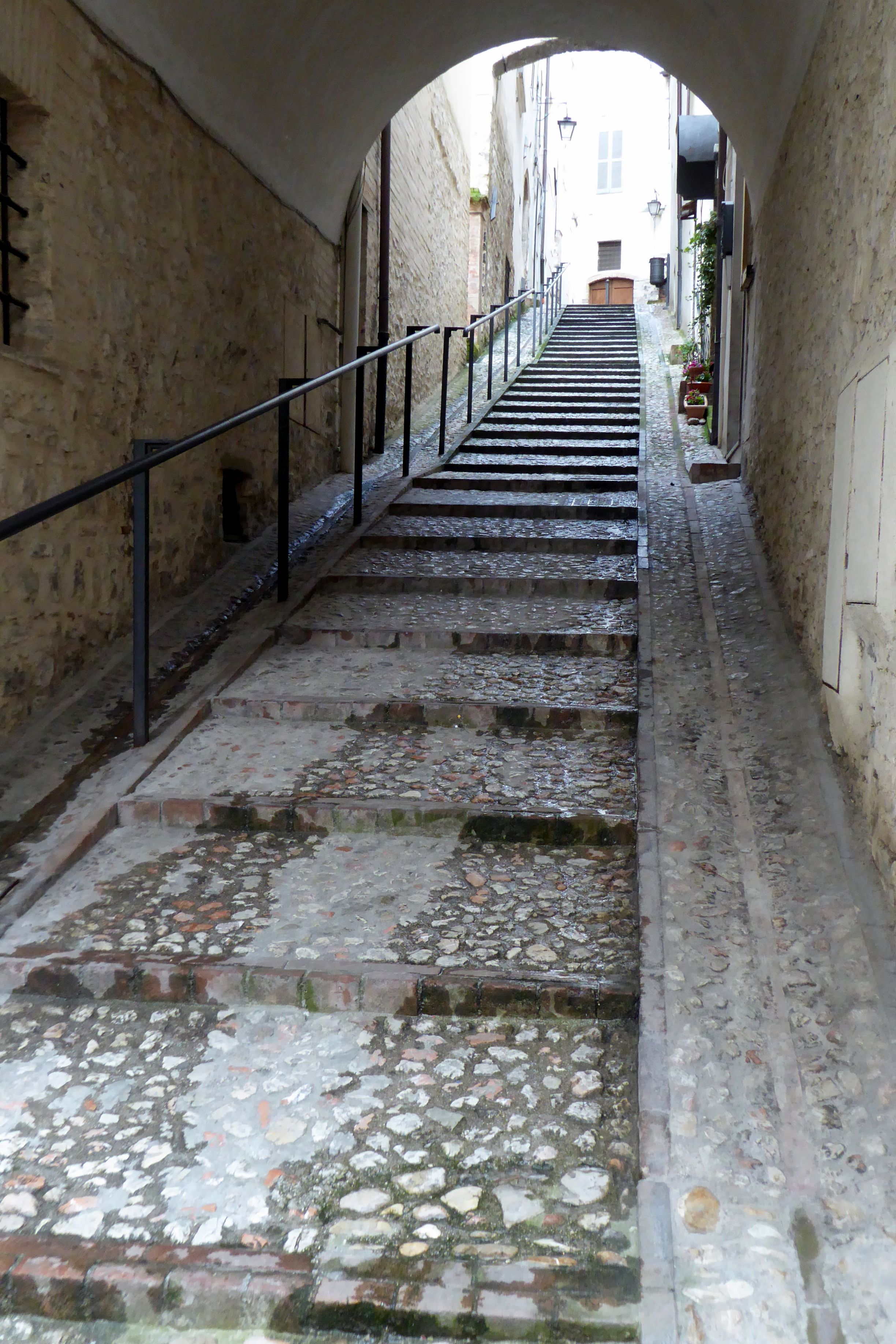
We continued walking through the quaint cobbled streets of the Trastevere district before ending our tour at Tonnarello for lunch. The place was bustling, but somehow, they cranked out delicious pasta and dessert.
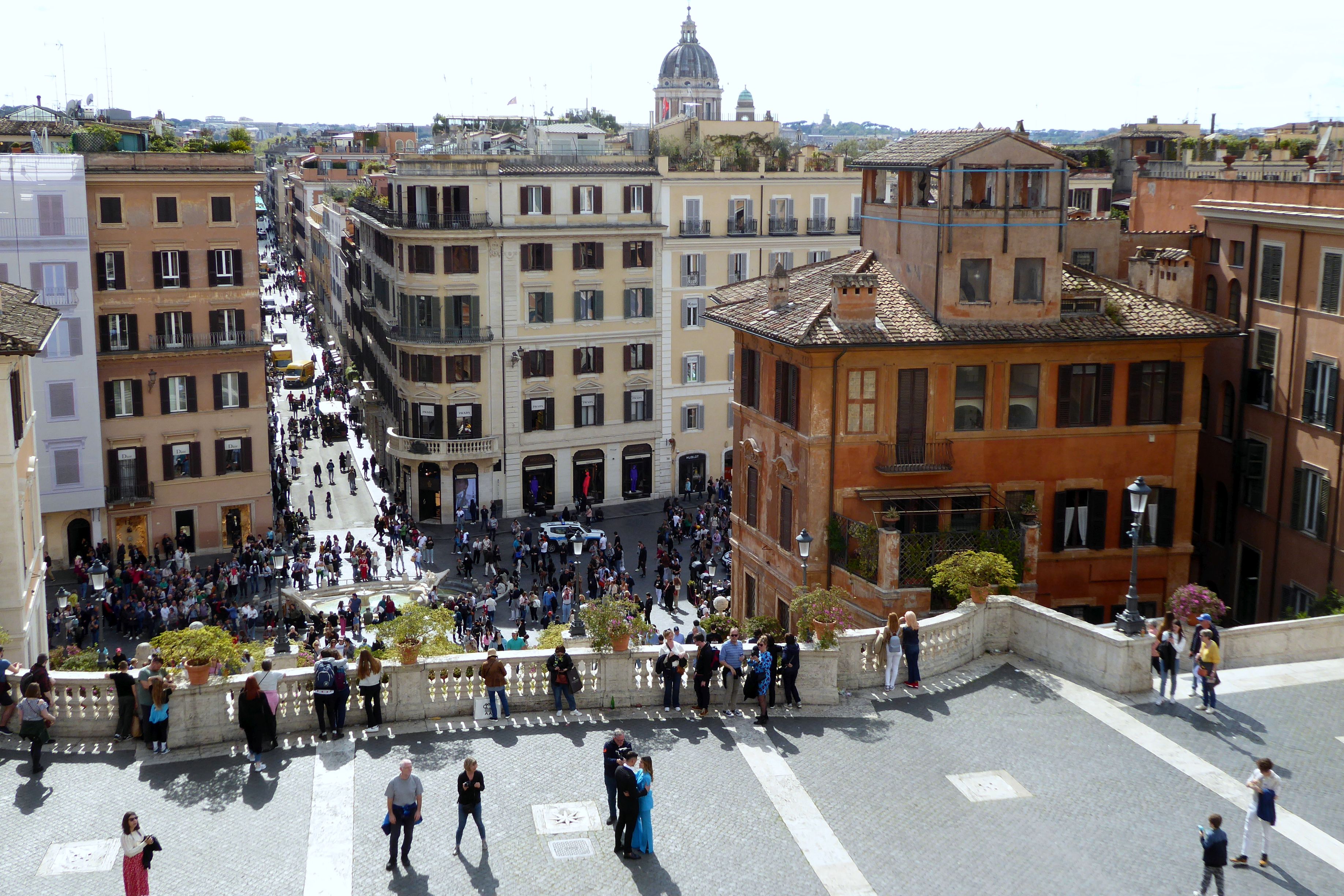
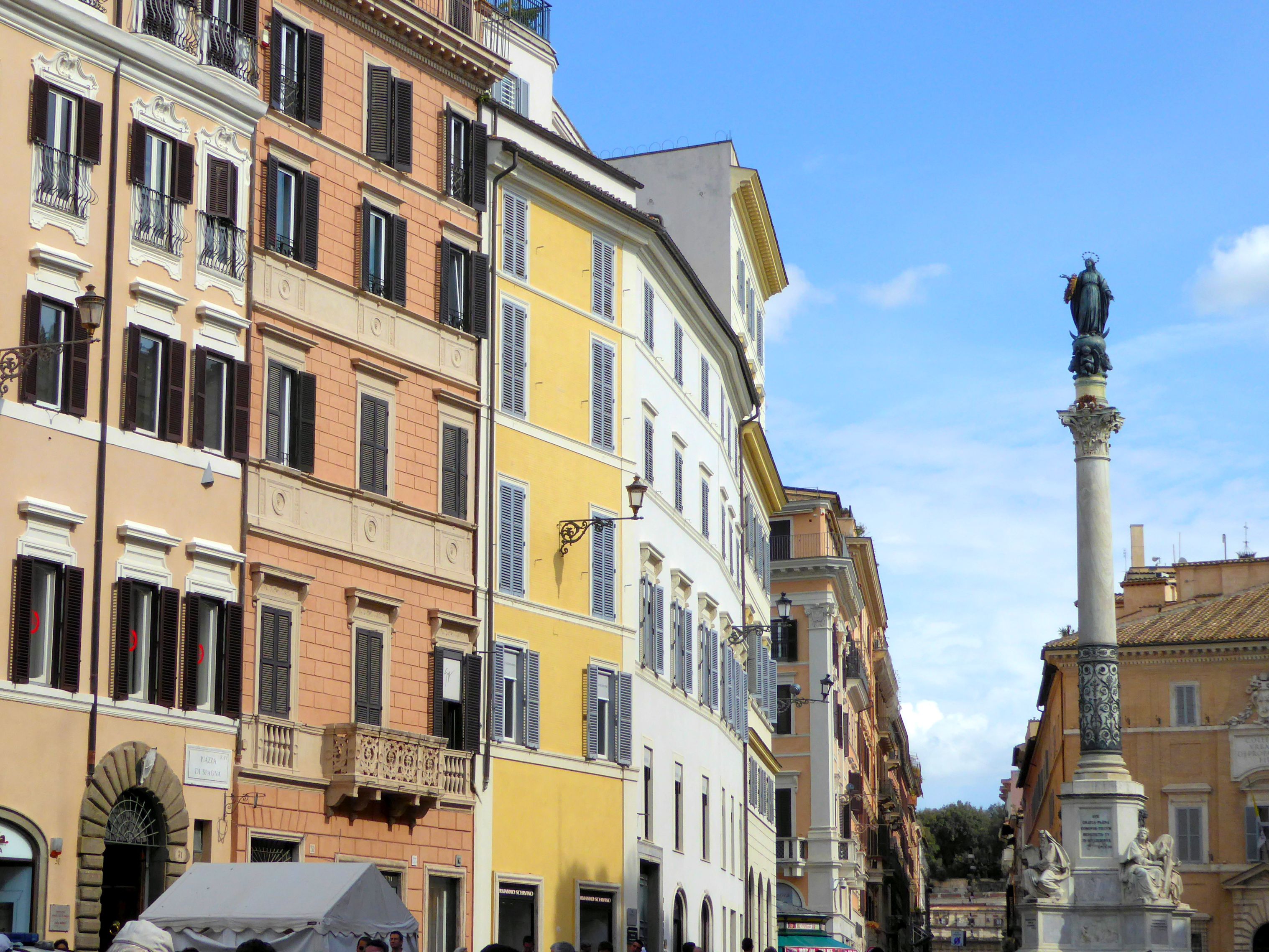
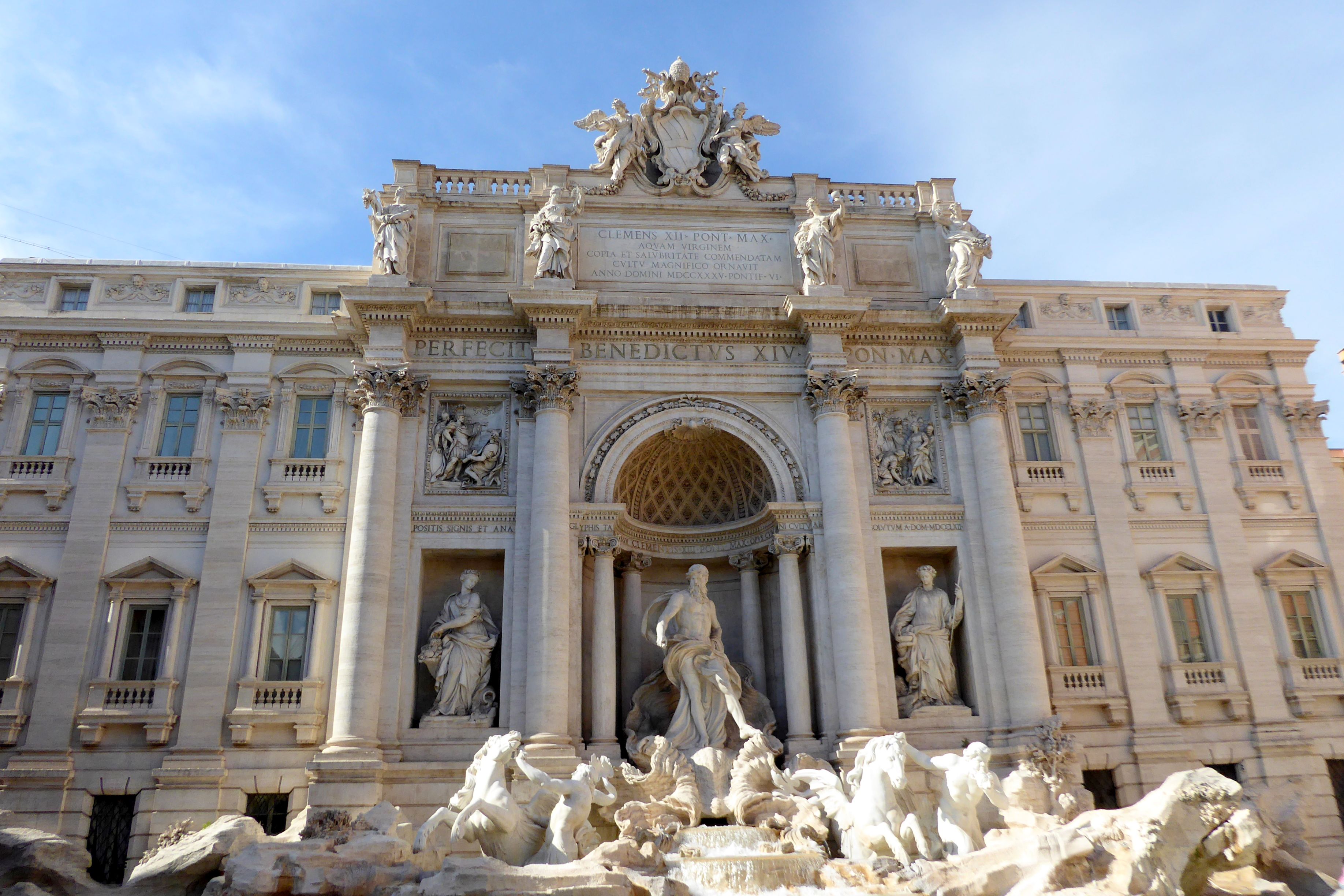
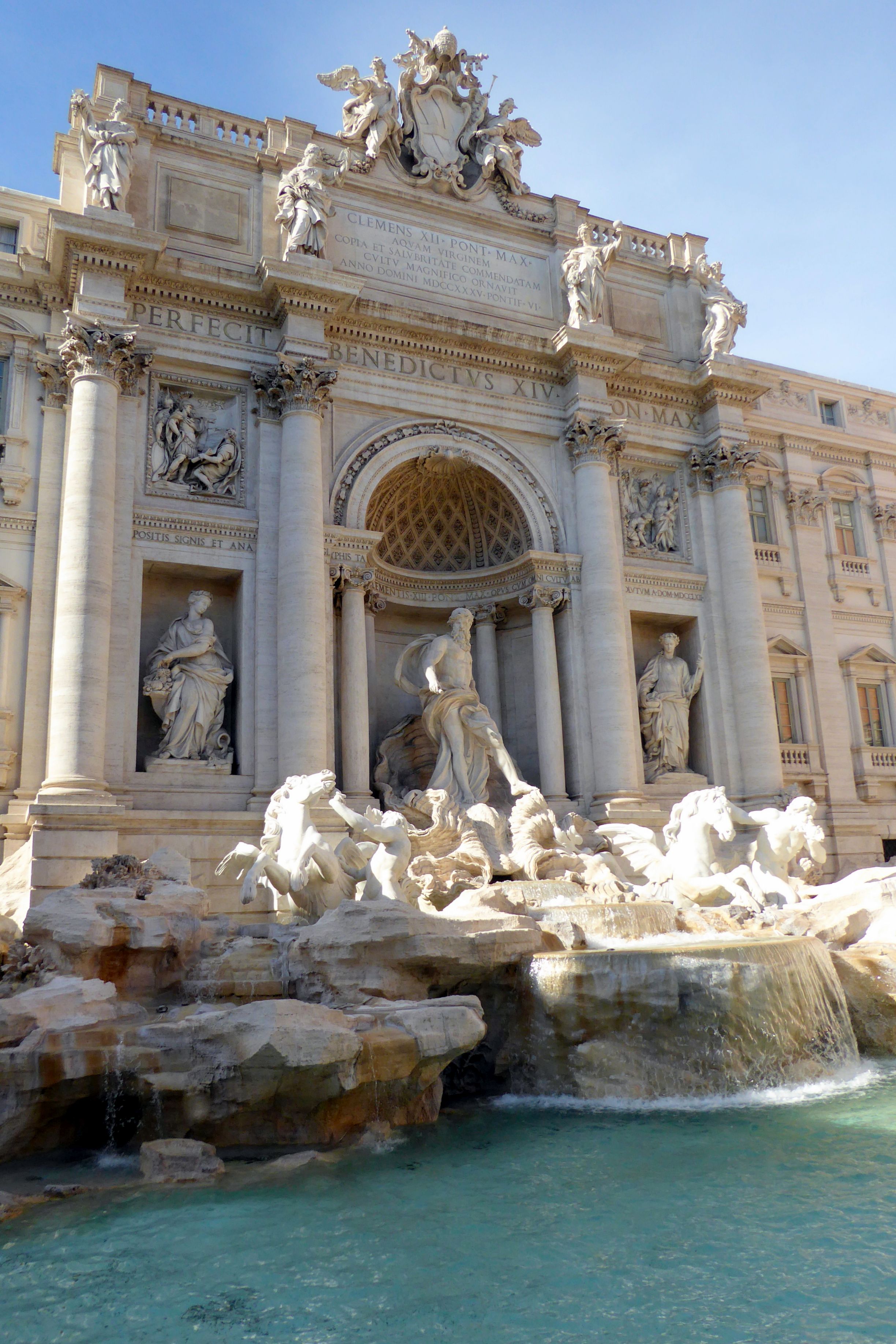
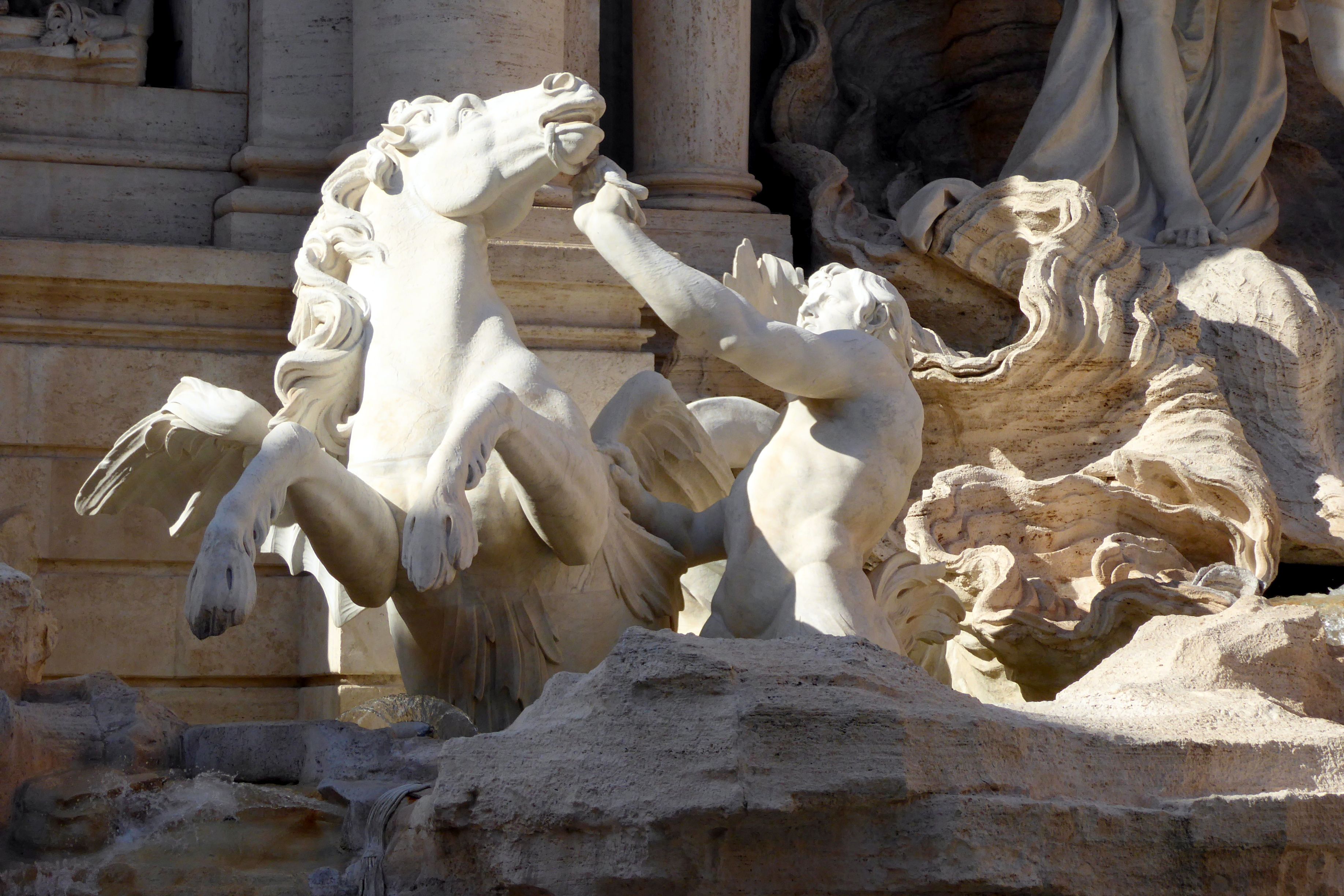
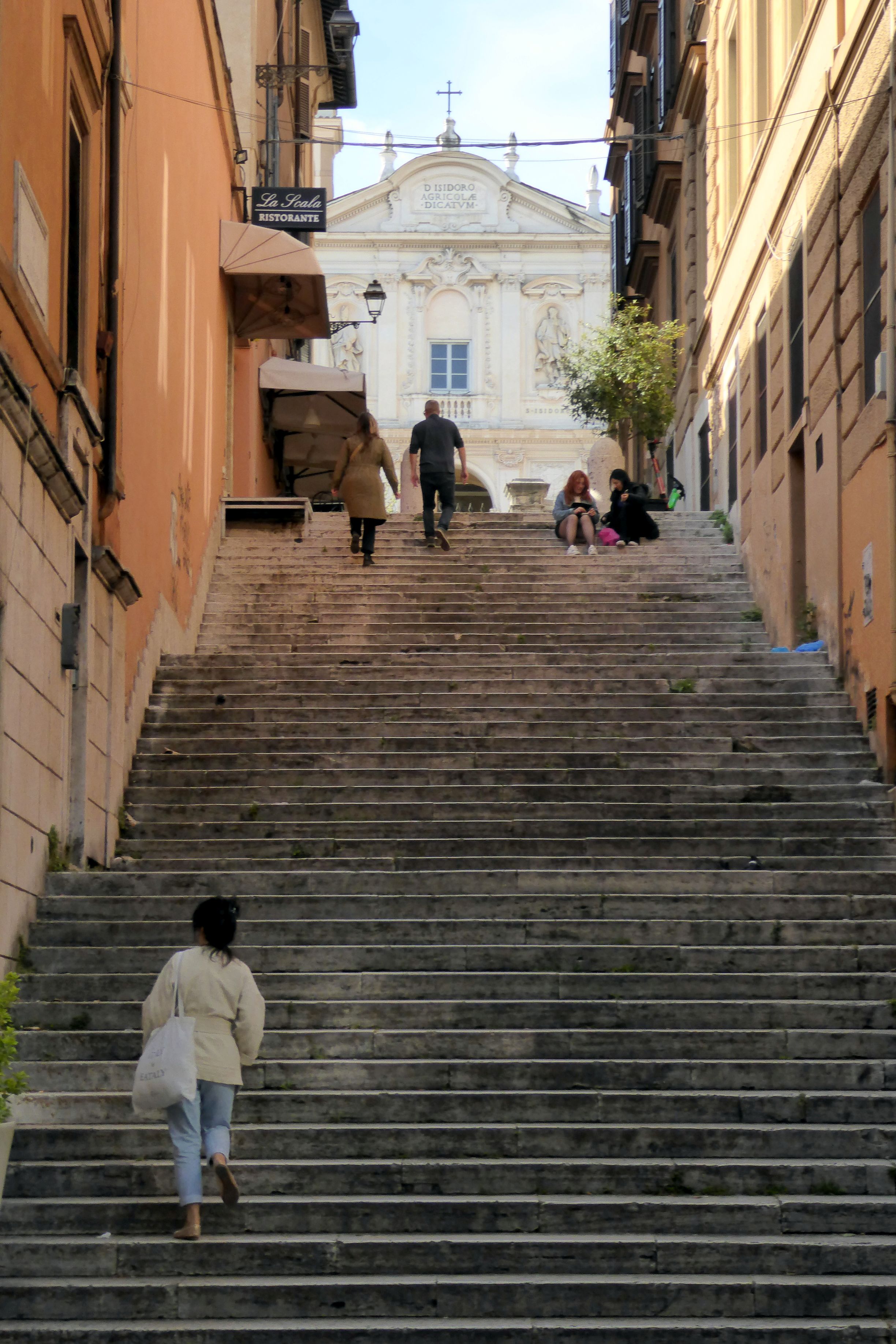
After moving on to our hotel and settling in, Ben led us through the busy streets of Rome to see the Spanish Steps and Trevi Fountain, before turning us loose on our own until our farewell dinner.
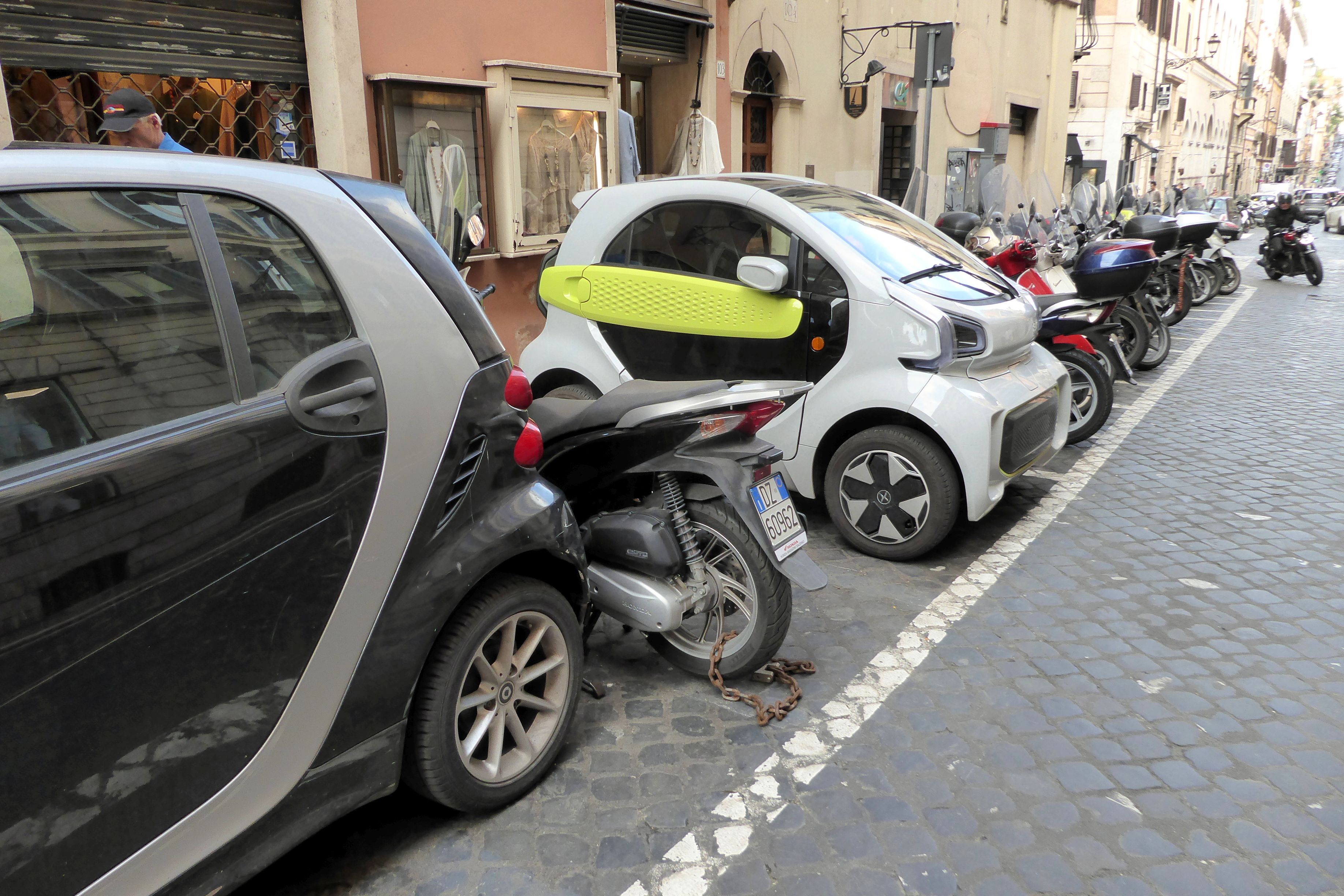
People park their cars any way and any place they can. It pays to have a Smart Car or something even smaller!
Above the Spanish Steps.
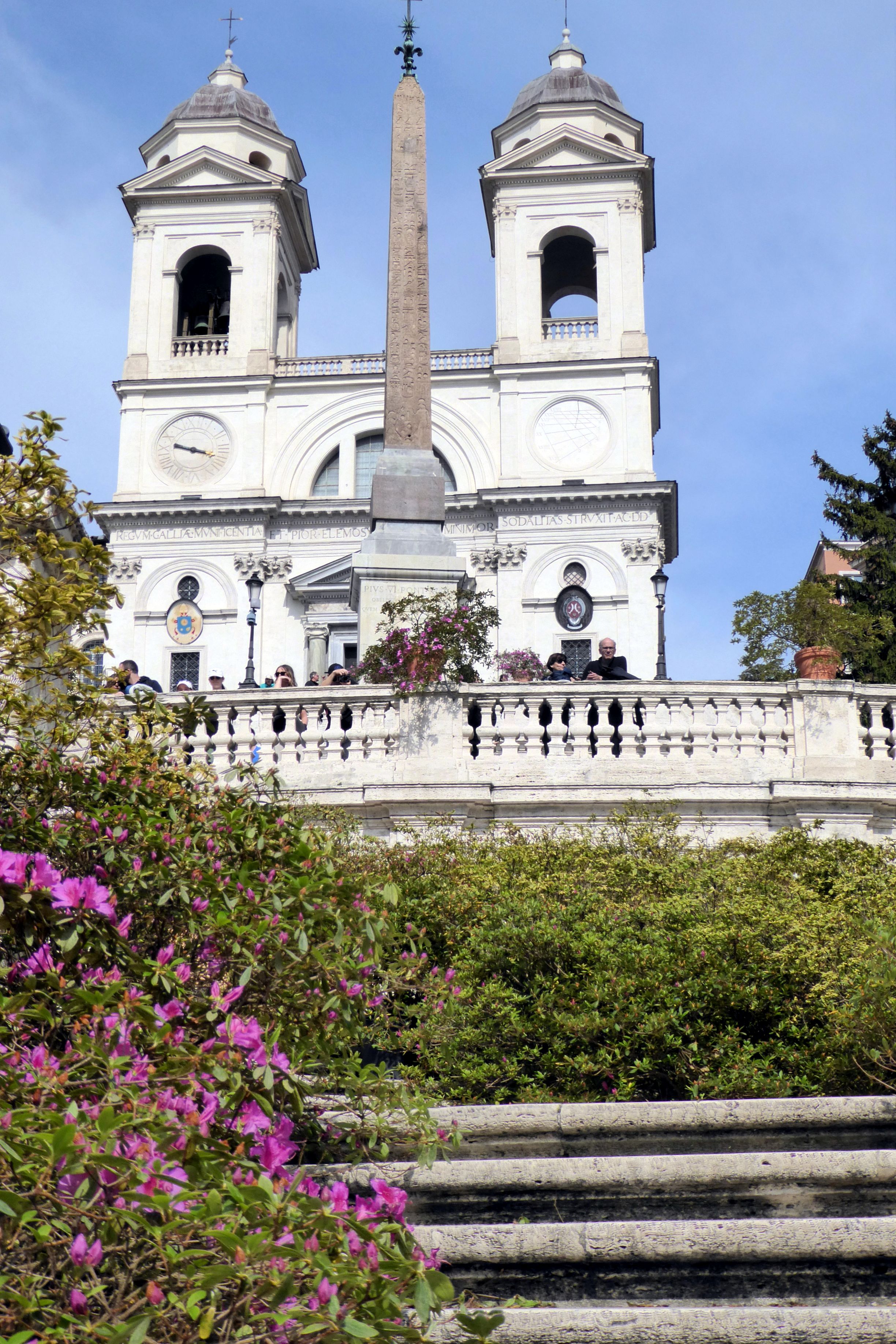
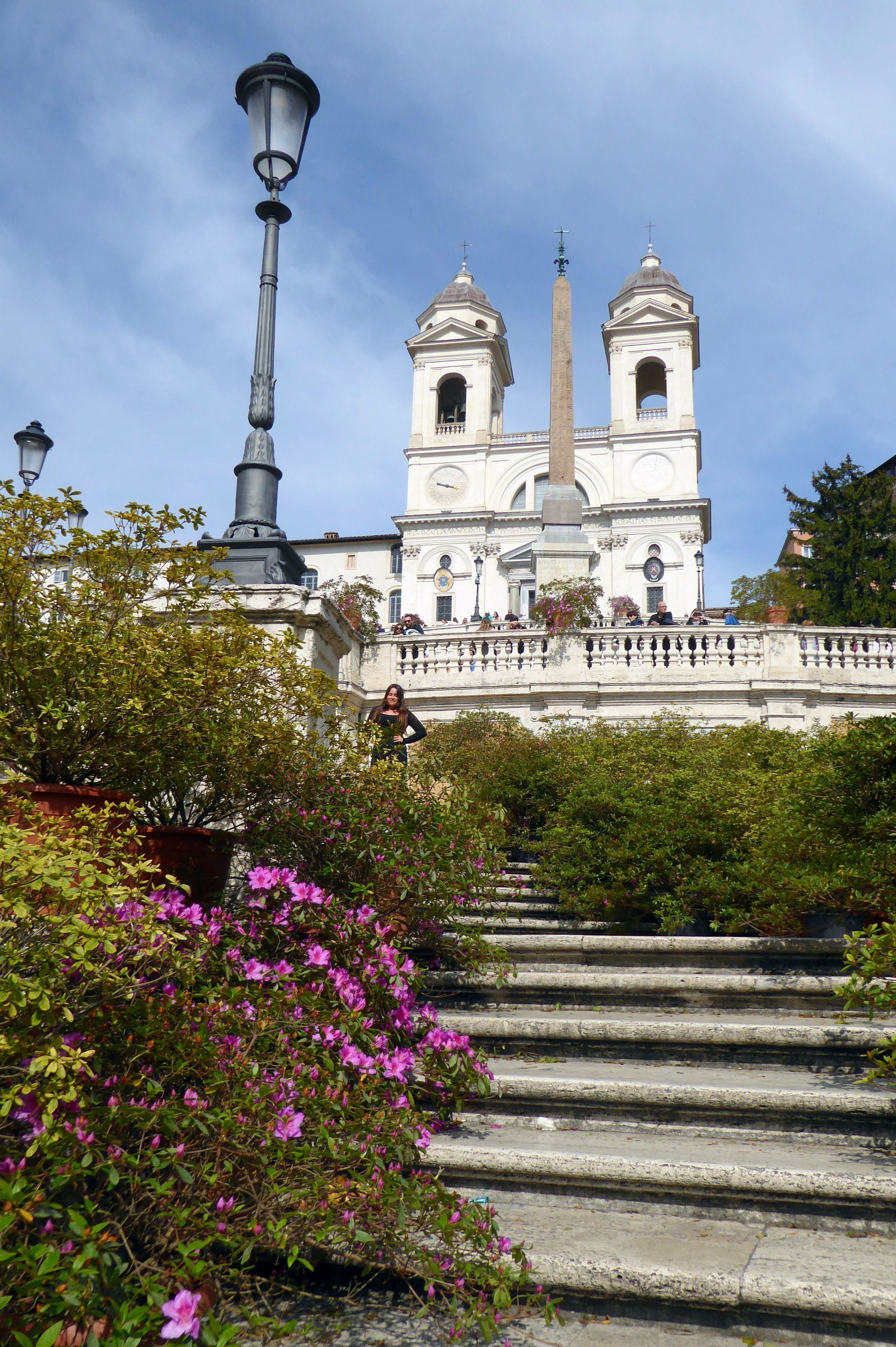
Descending the Spanish Steps and looking back up to the top.
It was too crowded at the Trevi Fountain to shoot a wide angle shot with the water, so I shot just above the heads of everybody in front of me.
I worked my way up to the front!
Being in Rome brought back memories for me—especially since I had run into people I knew when I was there last time, walking with my Mom from the Trevi Fountain to the Spanish Steps.
At the time, in 1998, I had been working at the University Club, in San Diego; and, one of the former mayors of the city, Roger Hedgecock, was a member I had served at the club. At the time, he was a radio talk show host, and had led a tour to Italy. When I saw him in Rome, he was talking with his group on a very crowded piazza. I went up to say hello, and I heard a voice from the back of the group say excitedly, “I know you! You serve us at the University Club!” It was Dr. Vance and his wife, two of my regulars at the club! Imagine, late in the afternoon, in a VERY crowded European city, running into somebody you knew from the United States. What were the chances? The story ended up in a newspaper column in the San Diego Union-Tribune.
Our wonderful Italian adventure concluded with most of our group joining together on the rooftop of our hotel for a final drink and to reminisce about our times together. It was difficult saying goodbye to our tour leader, Ben, the following day; we had bonded with our new Italian friend.
Less that three weeks after returning home, we took off again—this time with Road Scholar for a tour of the Grand Circle of National Parks in Utah. Stay tuned; I will start posting those pictures in the coming days.
Note: If small group travel is of interest to you, I highly recommend Overseas Adventure Travel (OAT). Although Bruce and I travel together, they do not charge a single supplement for those who travel on their own. Singles also get their own room at hotels. If you book, you can get $100 off your trip by providing my name and customer number (Elaine Krugman, #3018126) as the person who referred you. I will also get $100 off future travel– a win-win!
No, I’m not talking about chocolate truffles! Too bad, because I much prefer the chocolate kind, and I am always on the prowl for a good chocolatier. (By the way, chocolate “truffles” got their name, because they look similar to the real deal.)
The truffle I’m talkin’ about is the ridiculously priced fungus prized by chefs for Italian, French and other national haute cuisines. Because of their high price and strong aroma, truffles are used sparingly. They are served raw and shaved over warm, simple foods where their flavor will be highlighted, such as buttered pasta and eggs. Thinly sliced truffles are also inserted into meats or under the skins of roasted fowl. Truffles are also used in foie gras, pates, stuffings, specialty cheeses, salt, honey, and oil.
A word to the wise if you are in the market for truffles: Don’t buy truffle oil or truffles in jars. Chemicals are added to the oil to intensify the flavor and to make it last longer. Fresh truffles will only stay fresh for ten days.
So, why do chefs use truffle oil on their dishes and brag about it in their menu descriptions? Because customers expect it. But, you’re getting olive oil with a bunch of chemicals in it. Truffle oil is the biggest enemy of the truffle hunter. The Chinese are the biggest exporters of truffles; however, their truffles are flavorless, and chemicals are added to olive oil, and then added to the truffles for flavor.
And, another thing: size doesn’t matter. Big or small; they all taste the same.
I’ll be honest. There are several varieties of fungi I absolutely love, such as portabella and shiitake mushrooms; however, truffles aren’t one of them. They’re lost on me; I guess it’s an acquired taste. Perhaps it’s because they grow under the soil at the roots of trees. A bit too earthy-tasting for me.
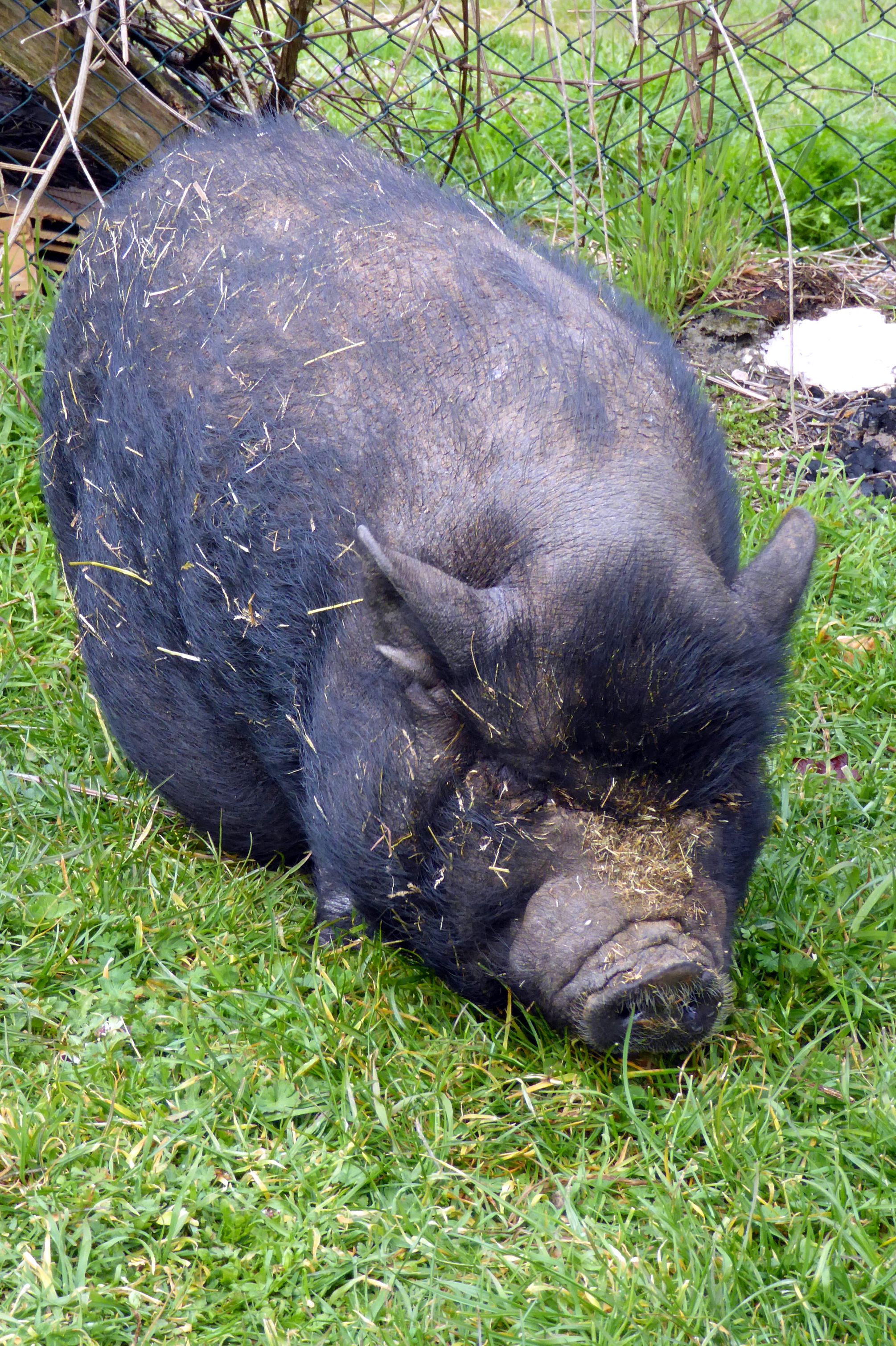
I love dogs, though, and watching them in action on a truffle hunt is a hoot! Now, you probably thought pigs do that sort of work, right? Nope! It’s actually illegal to use pigs or hogs in Italy for truffle hunting, because they tear everything up! Besides, they’ll eat the darn things when they find them. It’s much easier to extract a truffle out of the jaws of a dog than a pig, since dogs won’t eat them anyway!
The Umbria region of Italy is where the best truffles are found, so Overseas Adventure Travelincluded a truffle hunt in our itinerary. When I first saw this, I was excited to see what it was all about.
We left Spoleto for a 45-minute twists-and-turns ride up to the mountain village of Pettino, located in the Apennine Mountains at an elevation of 3,300 feet. Upon our arrival, we met Mac and Francesca at their home/ farm. We gathered in their charming old-world kitchen to hear about the truffle industry from Mac, while we enjoyed (delicious) home-baked lemon cake.
(For all pictures, click on the image to see full screen view.)
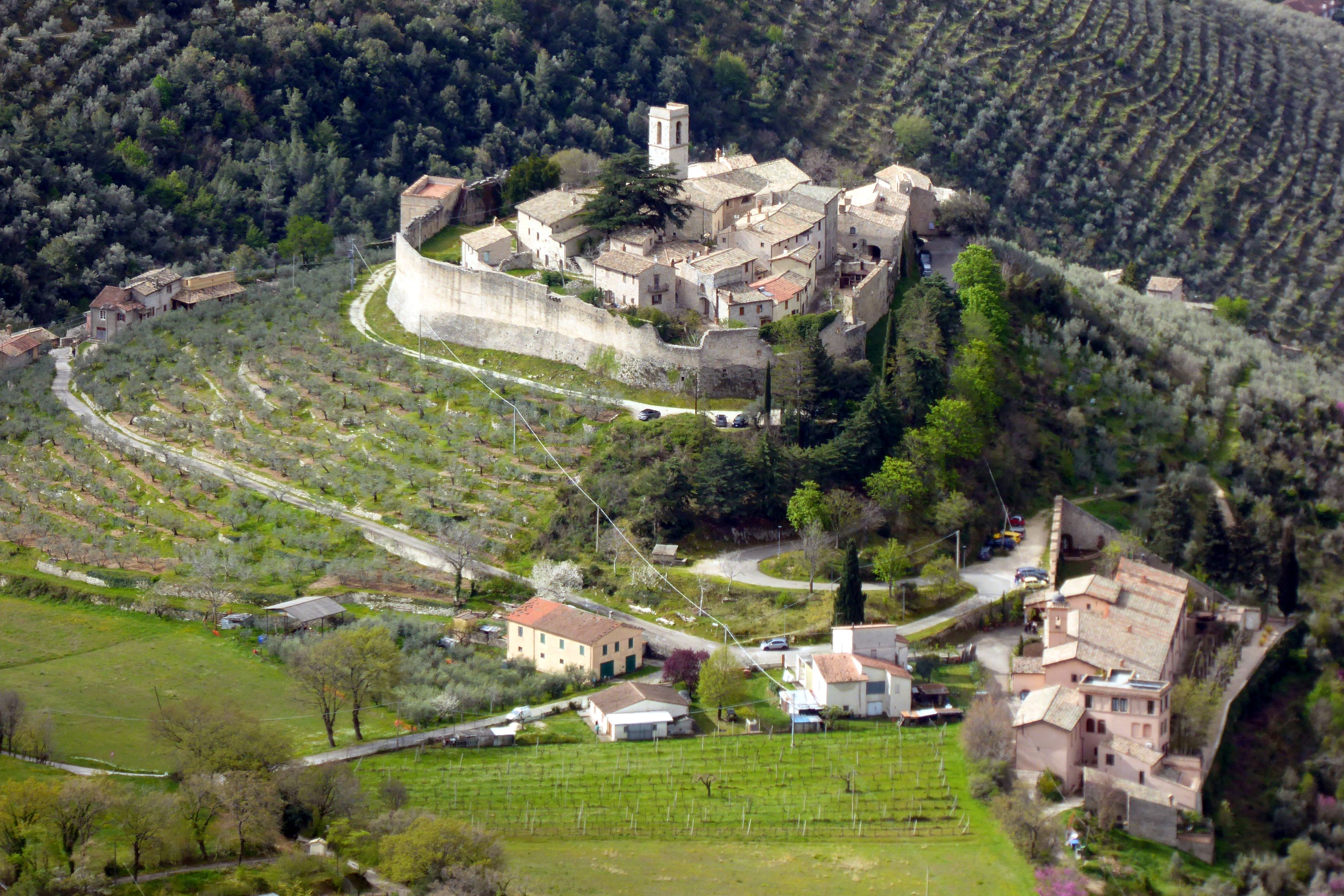
We passed this walled little village on the way up to PettinoWe stopped on the way up to take in the views.That walled village? It’s way down there!
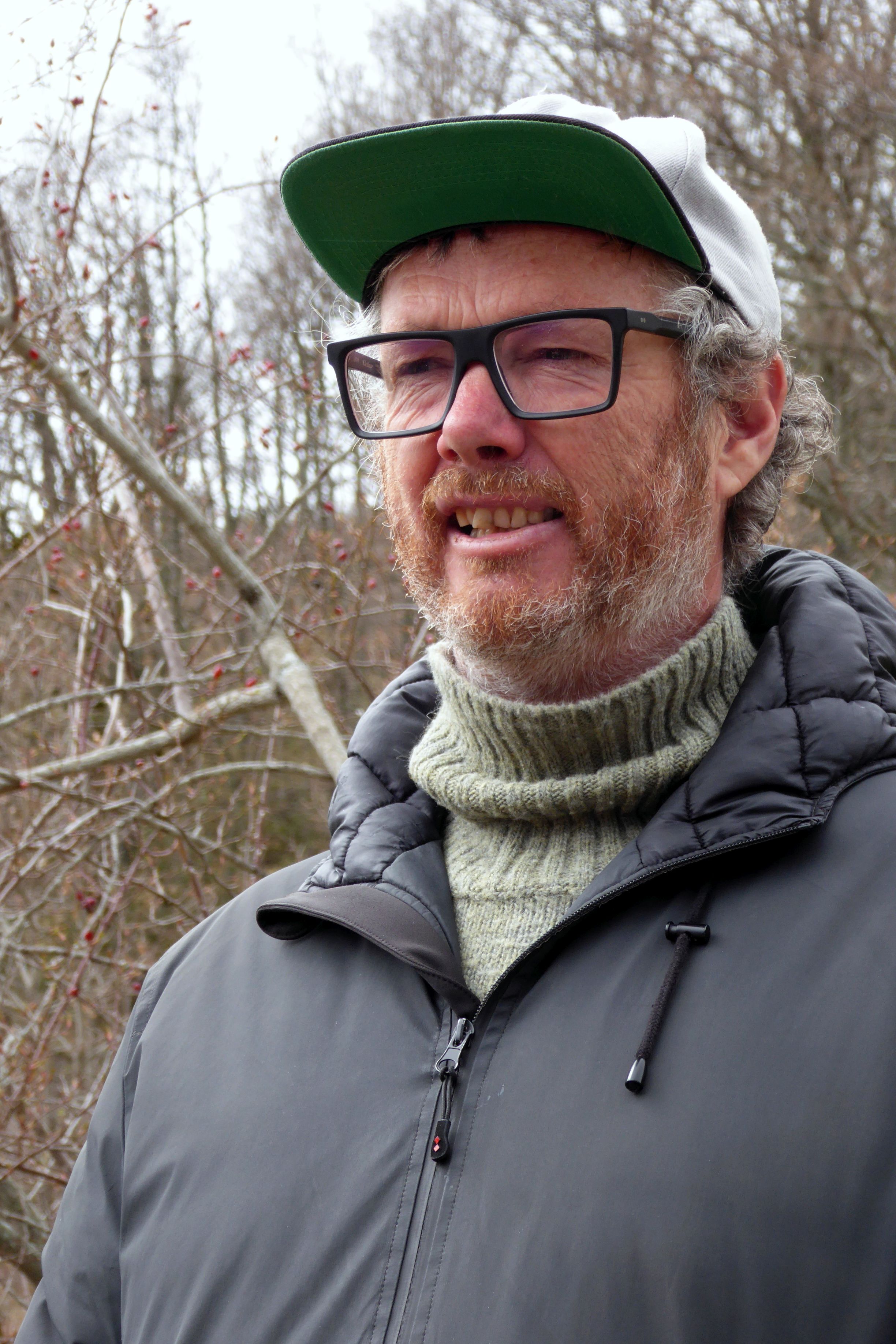
Mac is from New Zealand and was previously an artist before his passion for truffles drew him to Umbria. He learned all about the truffle industry from Francesca’s father, which is how the two met. Ultimately, they fell in love, had two children, and live on a farm in the tiny village where the traditional way of life has endured through generations. The locals still grow crops, raise sheep, and gather truffles and mushrooms in the surrounding birch forest. Francesca is the first female president of the tiny community that comprises just fifteen full-time residents, increasing to 80 in the summer. The other residents are all descendants of the original family that settled in Pettino in 1486.
Mac, the Kiwi from New Zealand
Mac & Francesca’s home and farm
No, he doesn’t get to hunt for truffles; he would just eat them!
Only one person in each family is permitted by law to hunt truffles, and since they are so difficult to find, Mac and Francesca can’t survive on that income alone. The income from their merino wool sales pays the bills.
Truffles are worth a bunch of money when you do find them; however, the finder isn’t the keeper of most of that money. They can be worth anywhere from $30 per kg (2.2 pounds) to $5,000 per kg for prized white truffles. The large white truffles are in demand by restaurants, because they look cool. It gives them bragging rights. (Sheesh; big deal!)
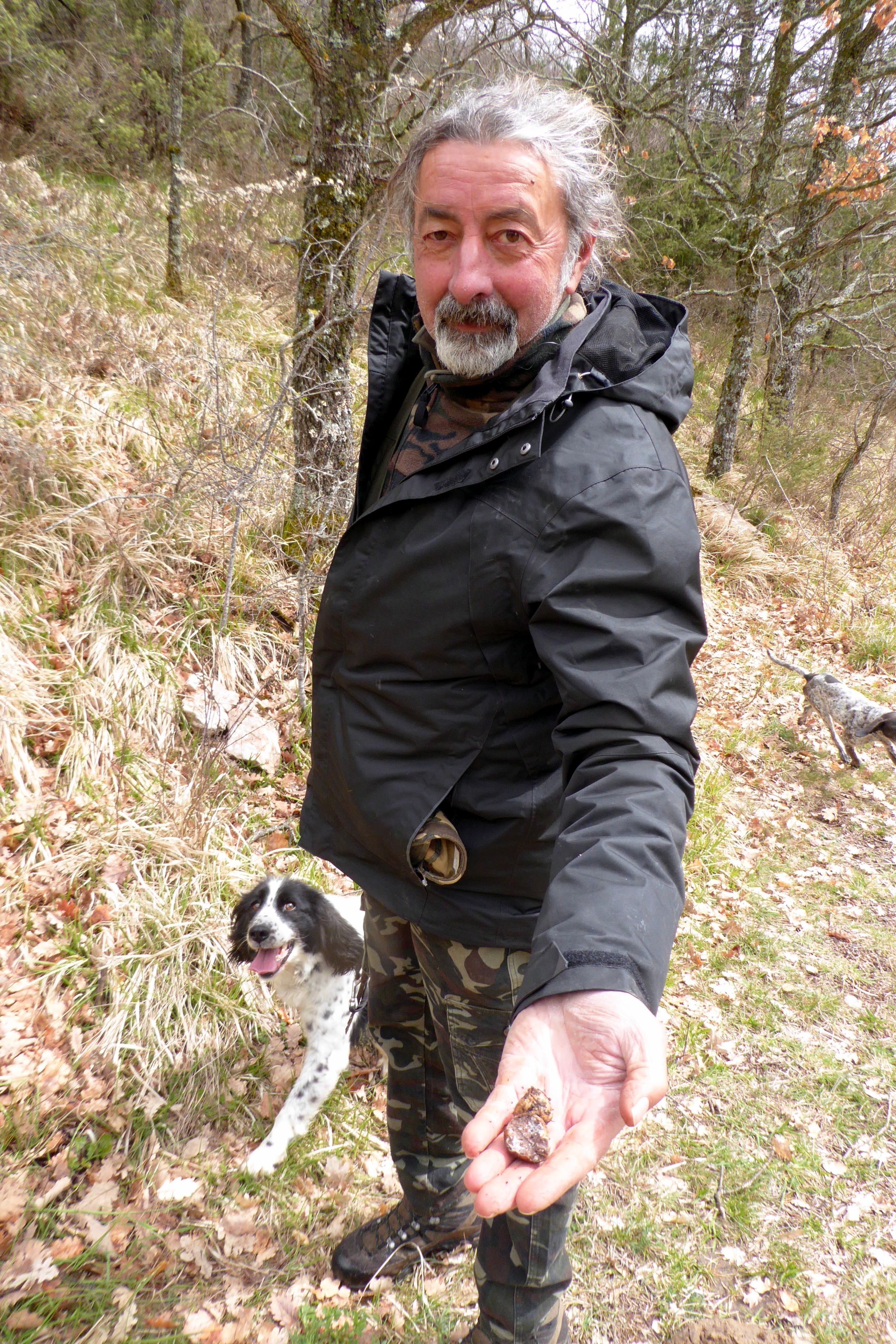
Here’s the rub: The middlemen in the industry are the ones that make most of the money. The mark-up can be more than 50 times higher in the U.S. from what the farmer back in Umbria got paid. The price depends on the crop output; it’s supply and demand at work. And, the best truffles go to wholesalers for export, so they can make a ton of money. Later, I will show you a truffle that was found during our hunt. I asked what it will fetch when sold: a whopping $5. I can only imagine what it will be worth when it hits the U.S. market.
The truffle industry is also full of scandal; nighttime heists and sabotage are common, and there is a growing counterfeit trade stemming from Eastern Europe. These truffles are marketed to international distributors as Italian, which reduces the value and demand of authentic Italian truffles.
When Francesca’s father got too old to run the farm and business, Mac and Francesca took over. They now have 350 sheep (that were bred with rams) Mac’s cousin tends to, raised for the merino wool they sell and for milk to make their own pecorino cheese. Everything they raise is sustainable; good on them for that!
As Mac explained, truffles only grow a few months out of the year and require specific conditions to flourish, such as cool winters, damp springs, and hot summers with moderate rain. It can take up to seven years for a truffle to mature. No wonder why they rely on their sheep for most of their income…
The night before we arrived, it had snowed at a slightly higher elevation, and the morning was cold and blustery—39 degrees with the wind-chill factor bringing it down to 30. When we went on the hunt, we were invited to stay in the truck and keep warm if we preferred, but what fun would that have been? I hadn’t gone all the way to Umbria and up a steep and (scarily) windy road to Pettino just to sit in a truck! I bundled up in everything I had: A long sleeve shirt, puffy vest, puffy down jacket, rain jacket, gloves, thick socks, and waterproof shoes. The gloves didn’t cut it; I still got a Raynaud’s attack. (Note to self: Don’t forget the Hot Hands when I go to Iceland!)
Never mind the cold; the hunt was on!
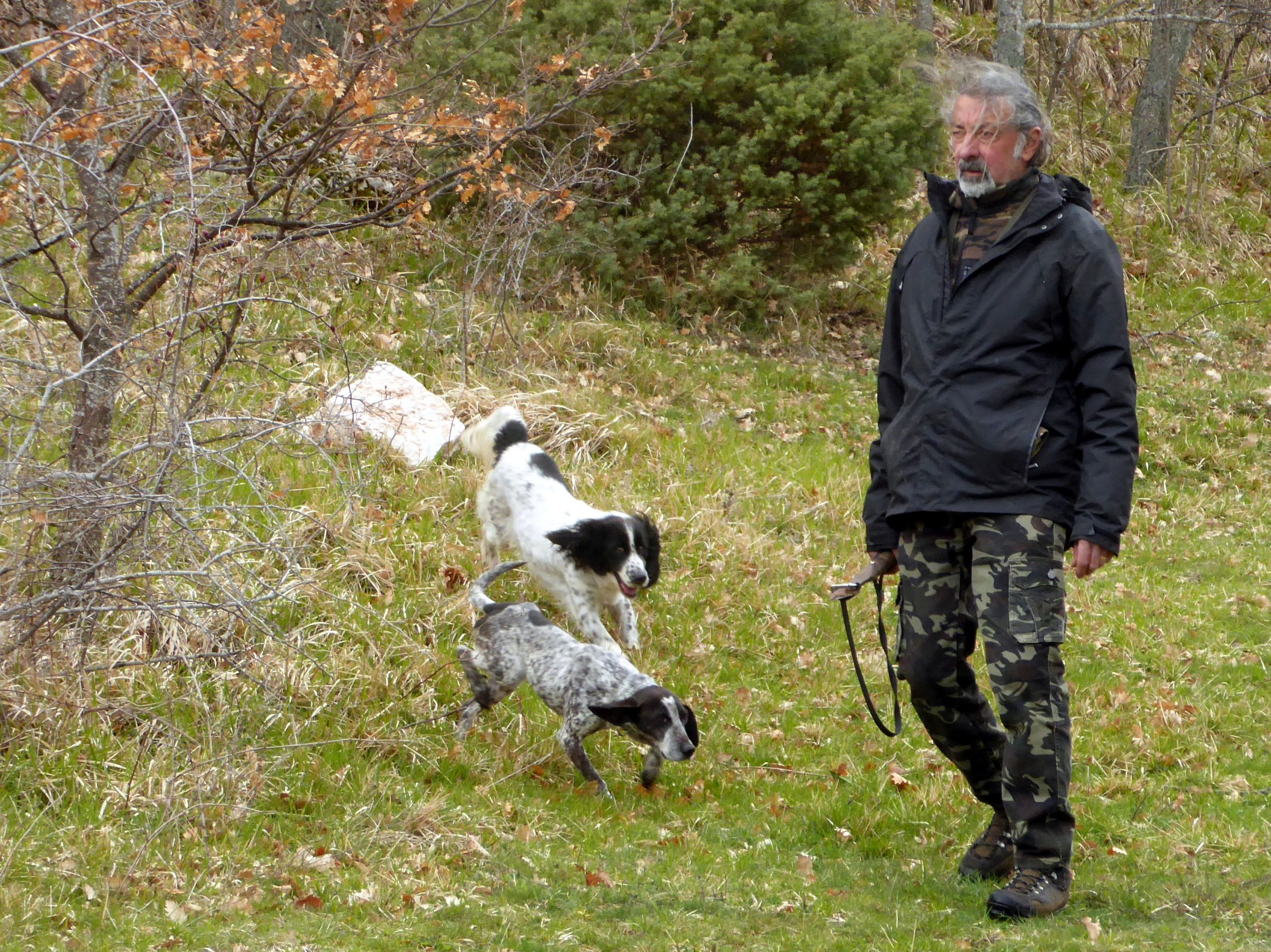
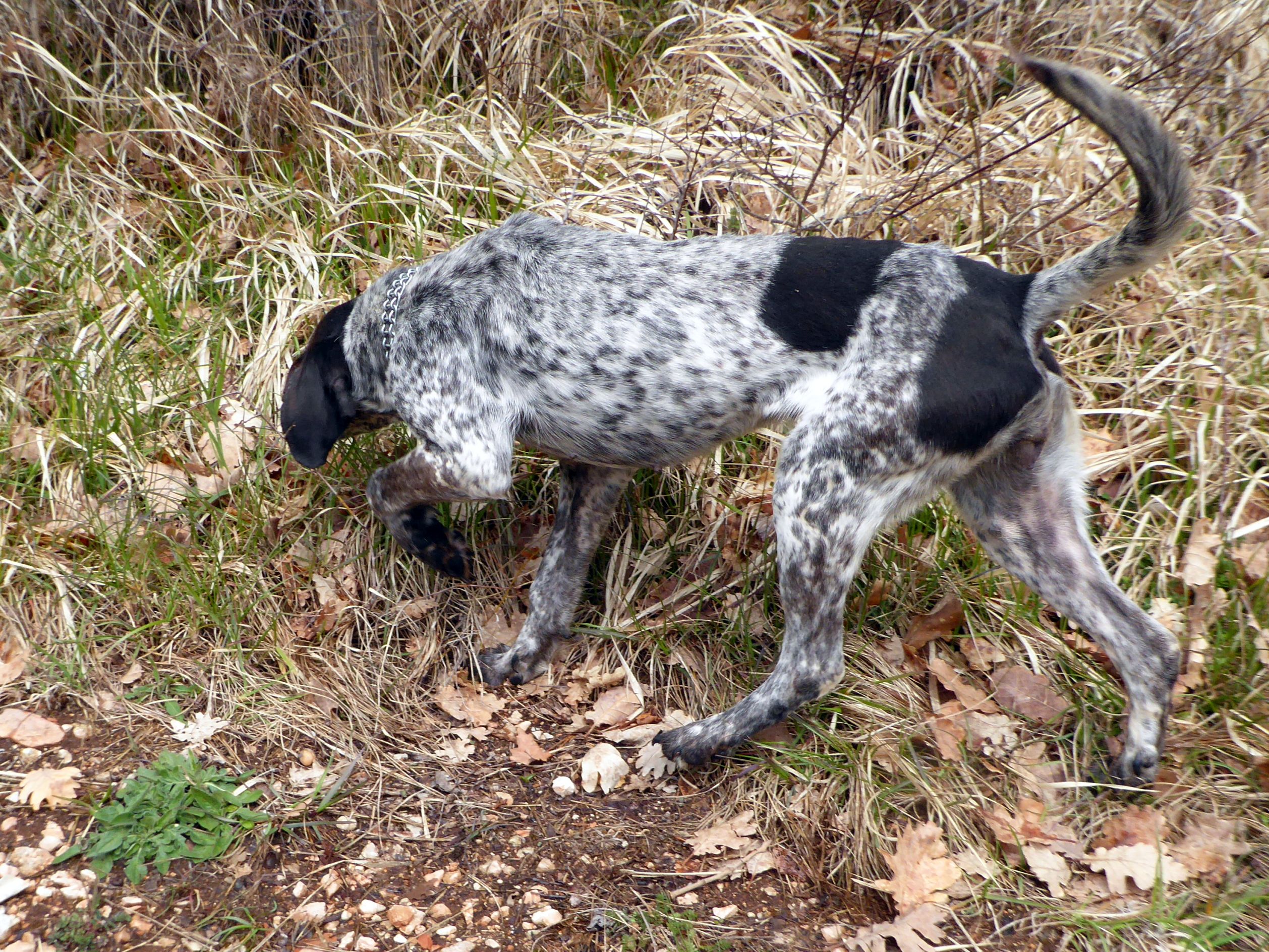
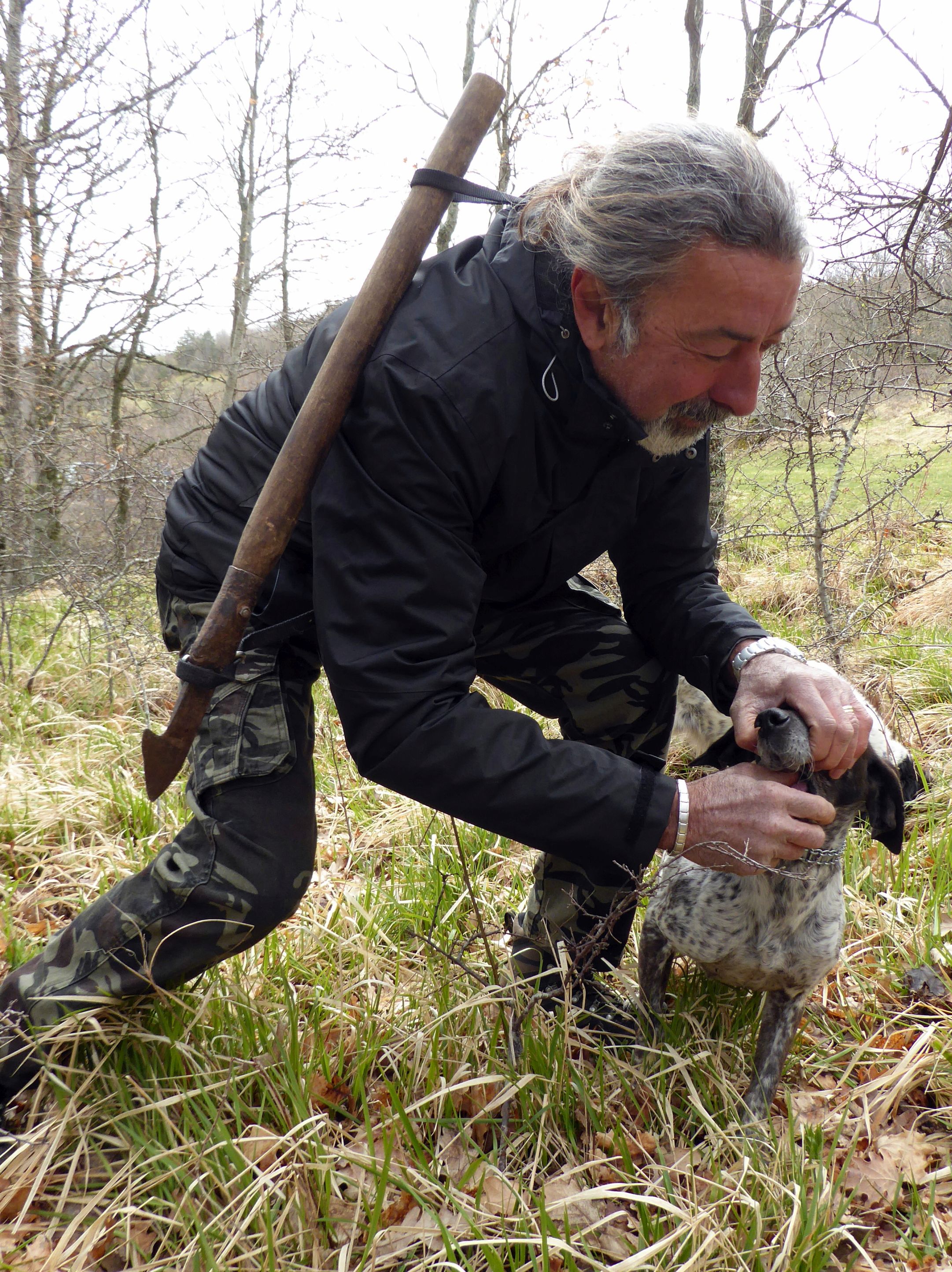
Setters and Springer Spaniels are often used as truffle-hunting dogs. I followed the Italian Pointer that was on this hunt. Actually, mutts make better hunters, so the dogs were mixes. They train the dogs by putting truffles in Kinder Surprise plastic eggs with holes poked in them. This way, they can smell the truffles but won’t bite them.
They couldn’t wait to hunt for truffles!
Purchasing a trained truffle hunting dog can run you as much as $6,000 (averaging $3-4,000), so they trained their 22 dogs themselves. Ten of the dogs go with the sheep each day, and a couple of their dogs are just lazy and hang out around the property.
Since the working dogs are quite active, they need a high-protein diet. Francesca gives them the whey from the cheese she makes, for that good protein hit.
Out on the hunt, it was wild watching the dogs in action. It was a very hilly area, so trying to keep up with them was challenging, but it didn’t stop me! I got a pretty good workout trying to follow the dogs, so I could capture them in action. The funniest part was watching their excitement when they found a truffle, knowing that after they gave it up, they would get a treat. Those dogs were ALL about the treats! They live for a handout and a pat on the head.
Here they are in action:
He found one!
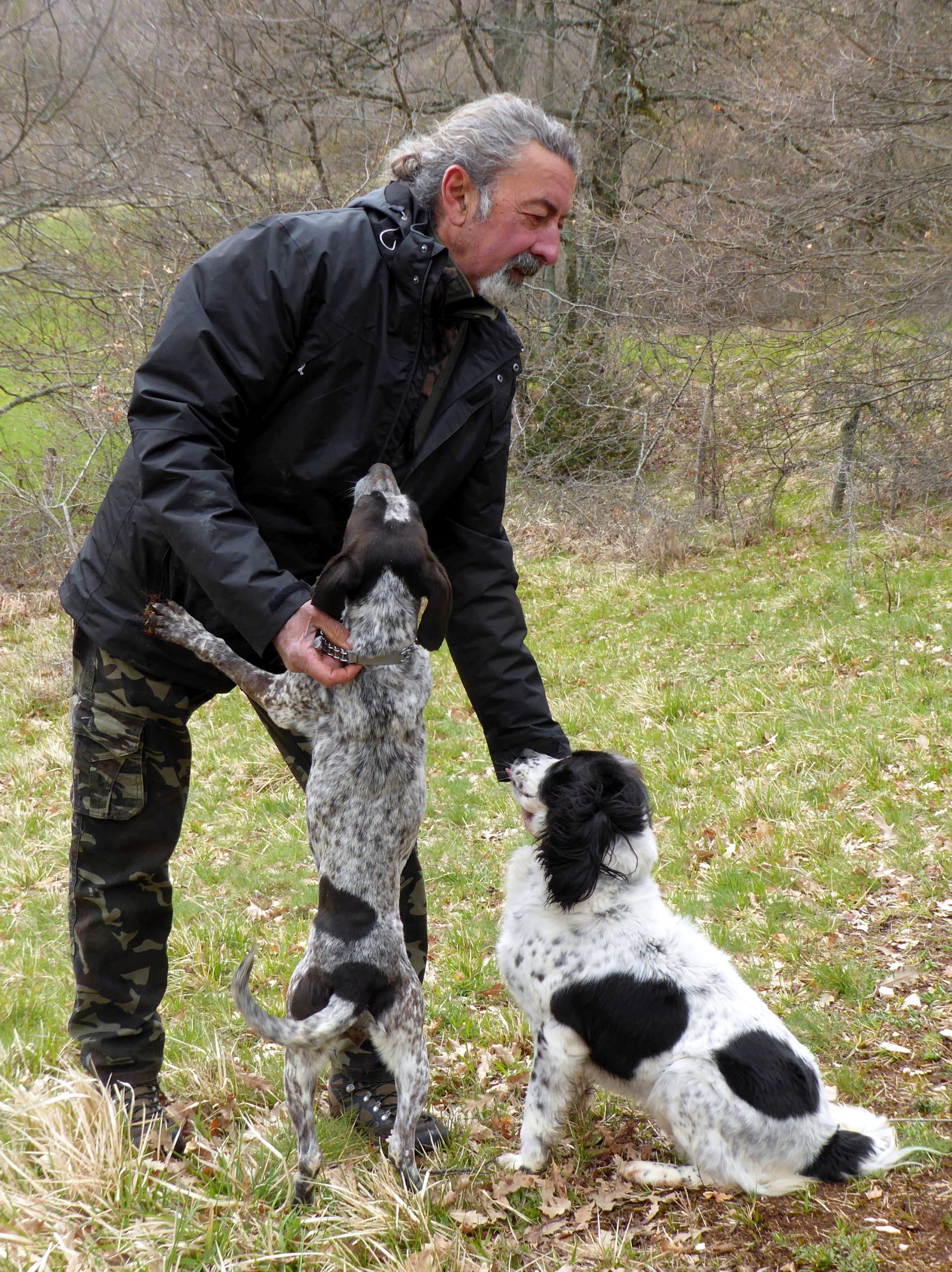
Do I get my treat?
Pleeeeeeease???
And, a pat on the head, too?
Look what I found!
What do you think? Did I score big?
I deserve an extra treat for this one!
Weighing the score– actually, it will only net about $5 before it is marked up by the middlemen.
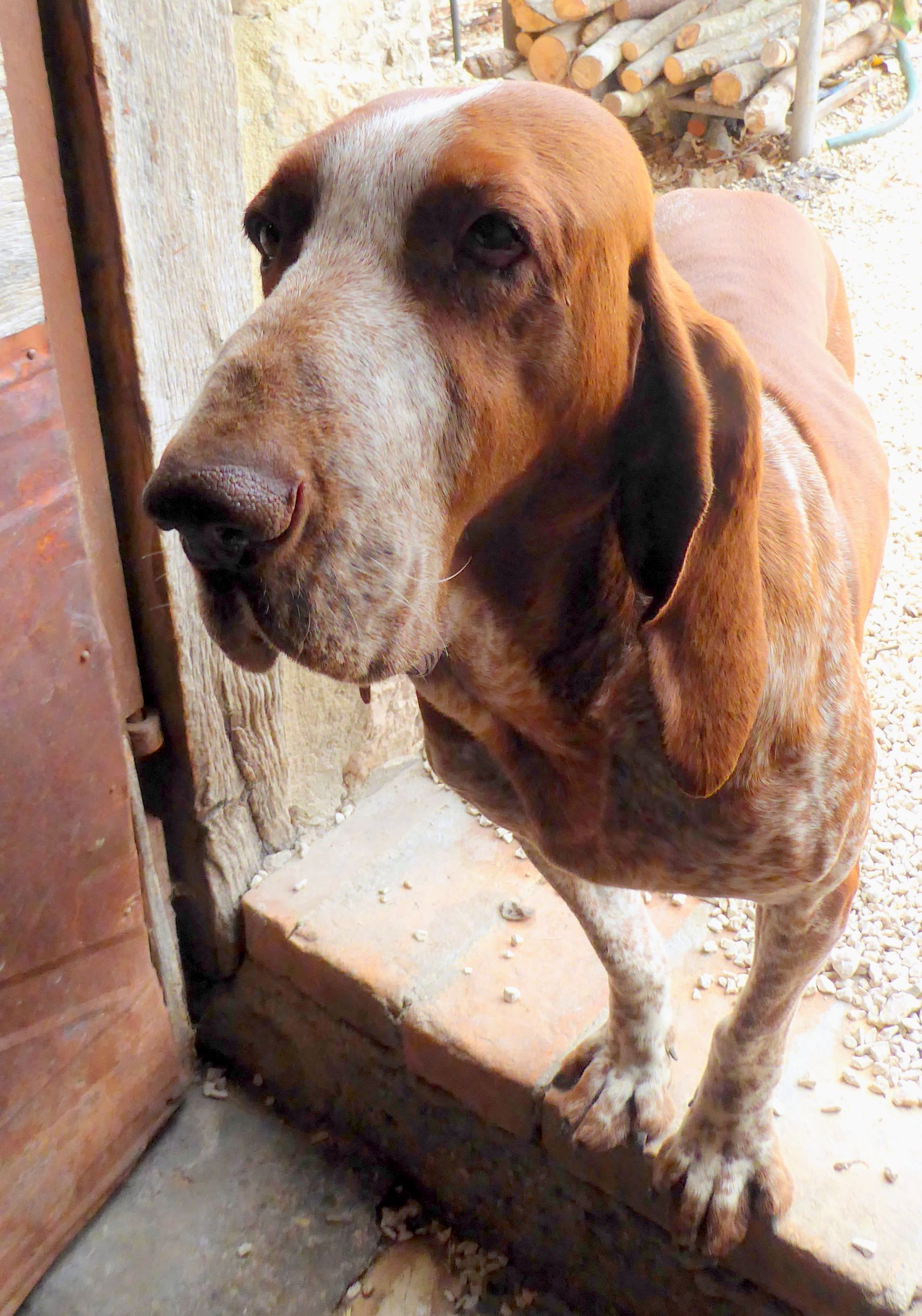
After the hunt, we returned to the farm for a delicious spread—everything homemade– of fresh-baked bread, prosciutto, pecorino cheese, eggs with shaved black truffles, wine, and then another delicious cake. It was all prepared and served by Francesca and the truffle hunters, while we gathered around to nibble on whatever was ready and passed around. Their dogs (the lazy ones) just loved getting in on the action, hoping for either a handout or to be petted. One of them was a bit better behaved, though; he just watched from the doorway, hoping somebody would notice:
Pecorino cheese being aged in the adjacent room
May I have a bite of that cheese if I behave?
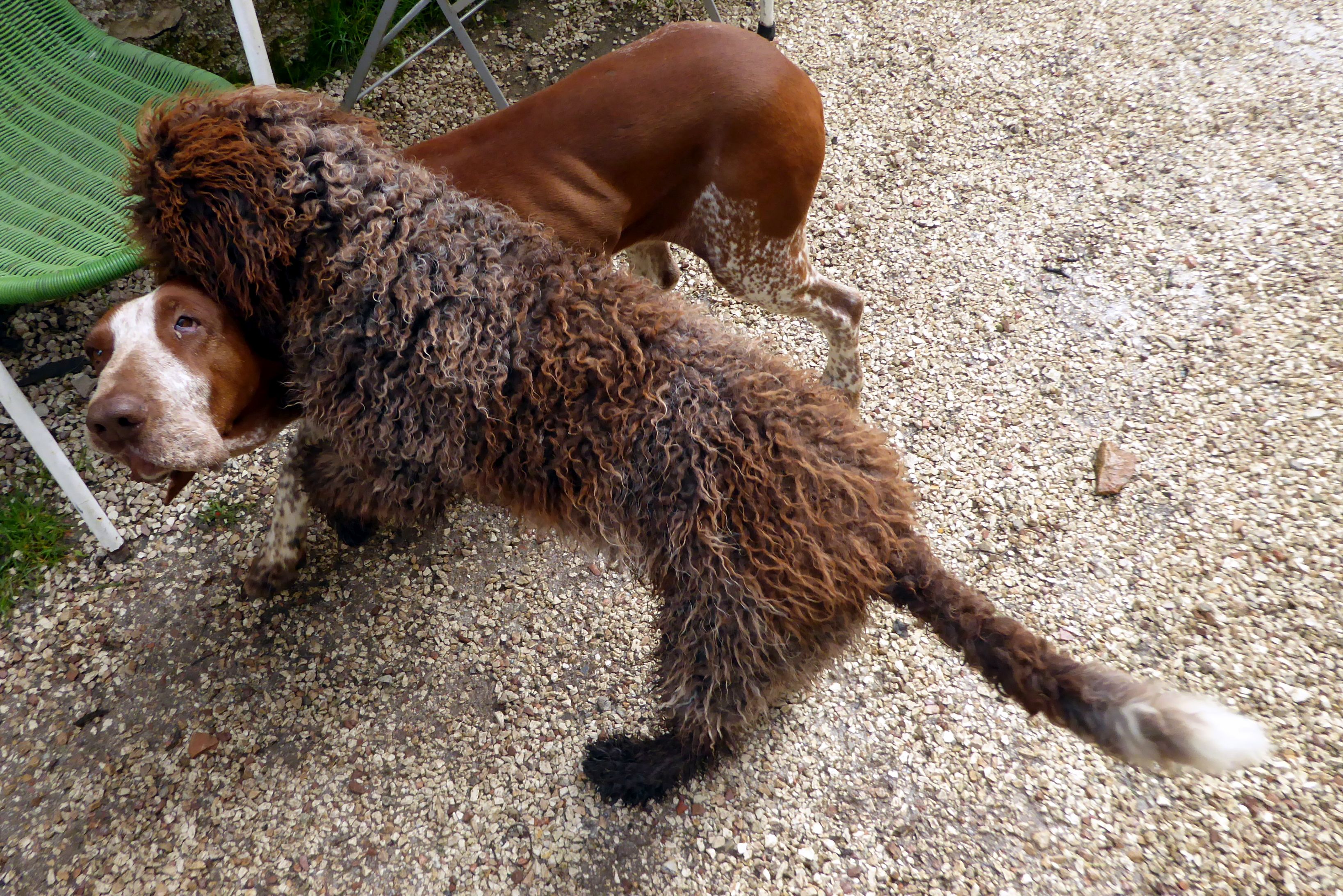
The Lagotto (curly haired dog) wanted to play.
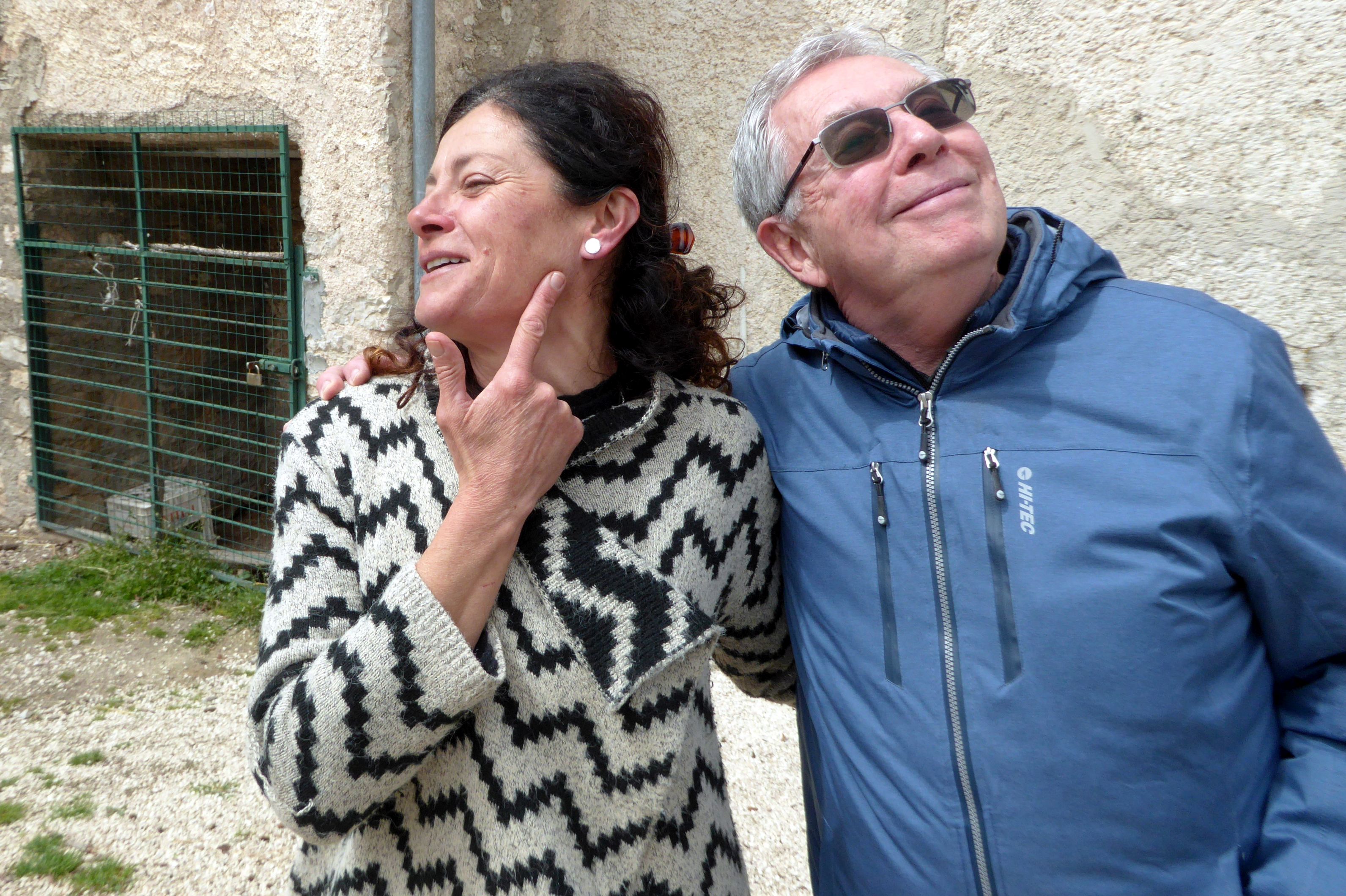
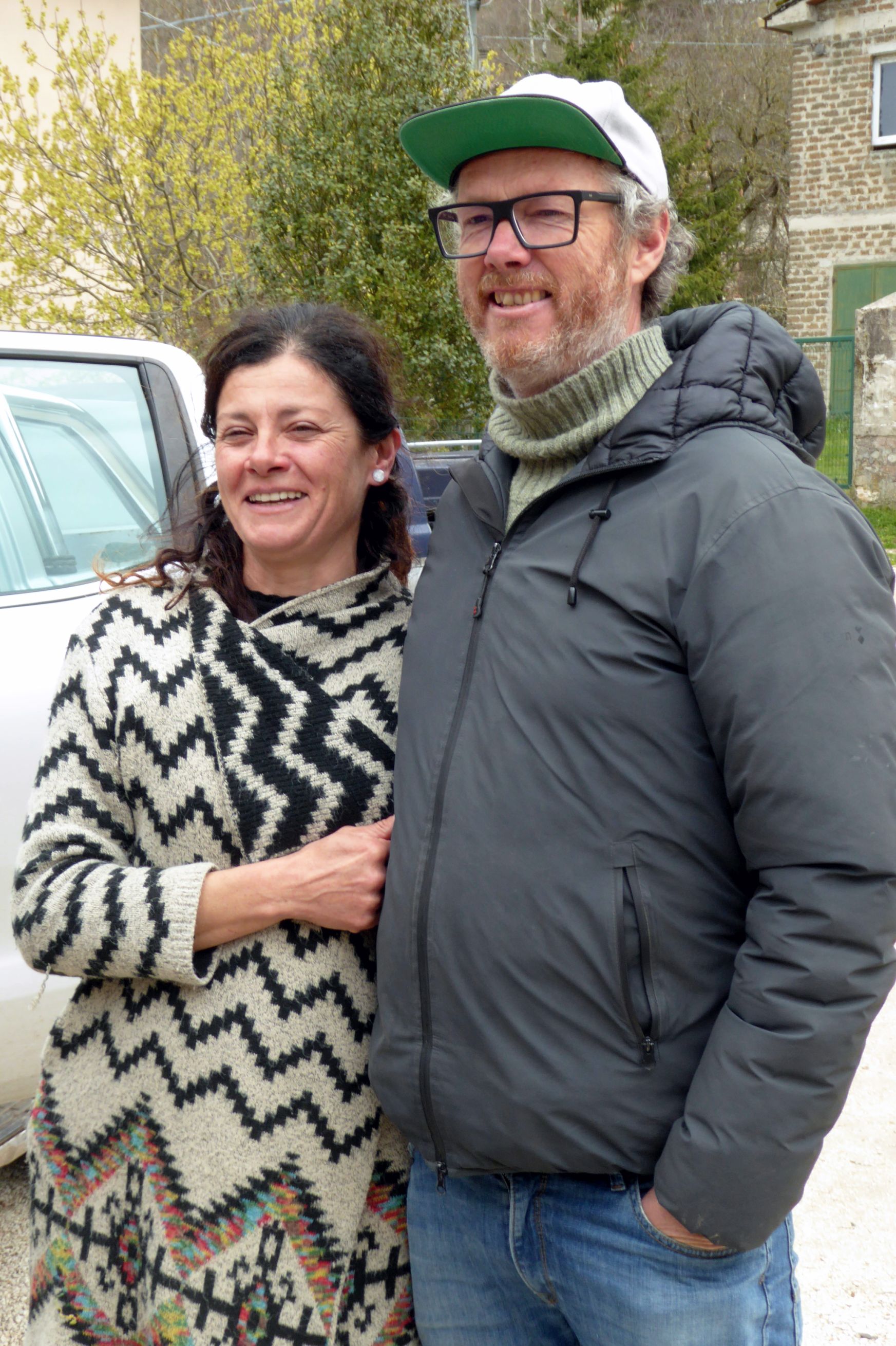
As we said our goodbyes, I gave Mac some of my photo notecards, and Bruce gave Francesca a pair of his fused glass earrings, which she promptly put on and modeled:
Francesca and Bruce
This was a day to remember! Upon reflection, this was one of the highlights of the entire trip. It was an authentically Italian— specifically Umbrian—experience. We left with what we knew would be fond memories for years to come.
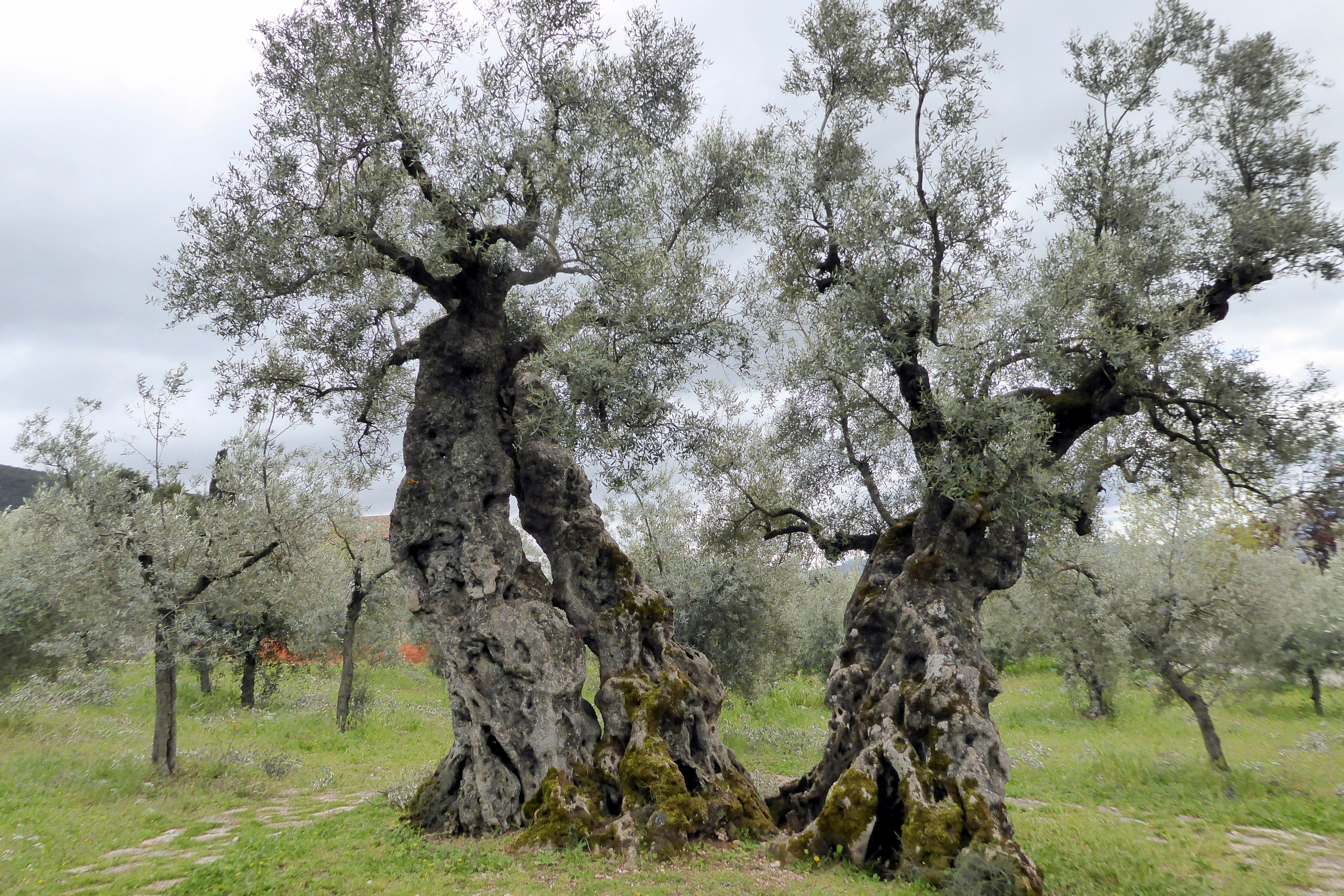
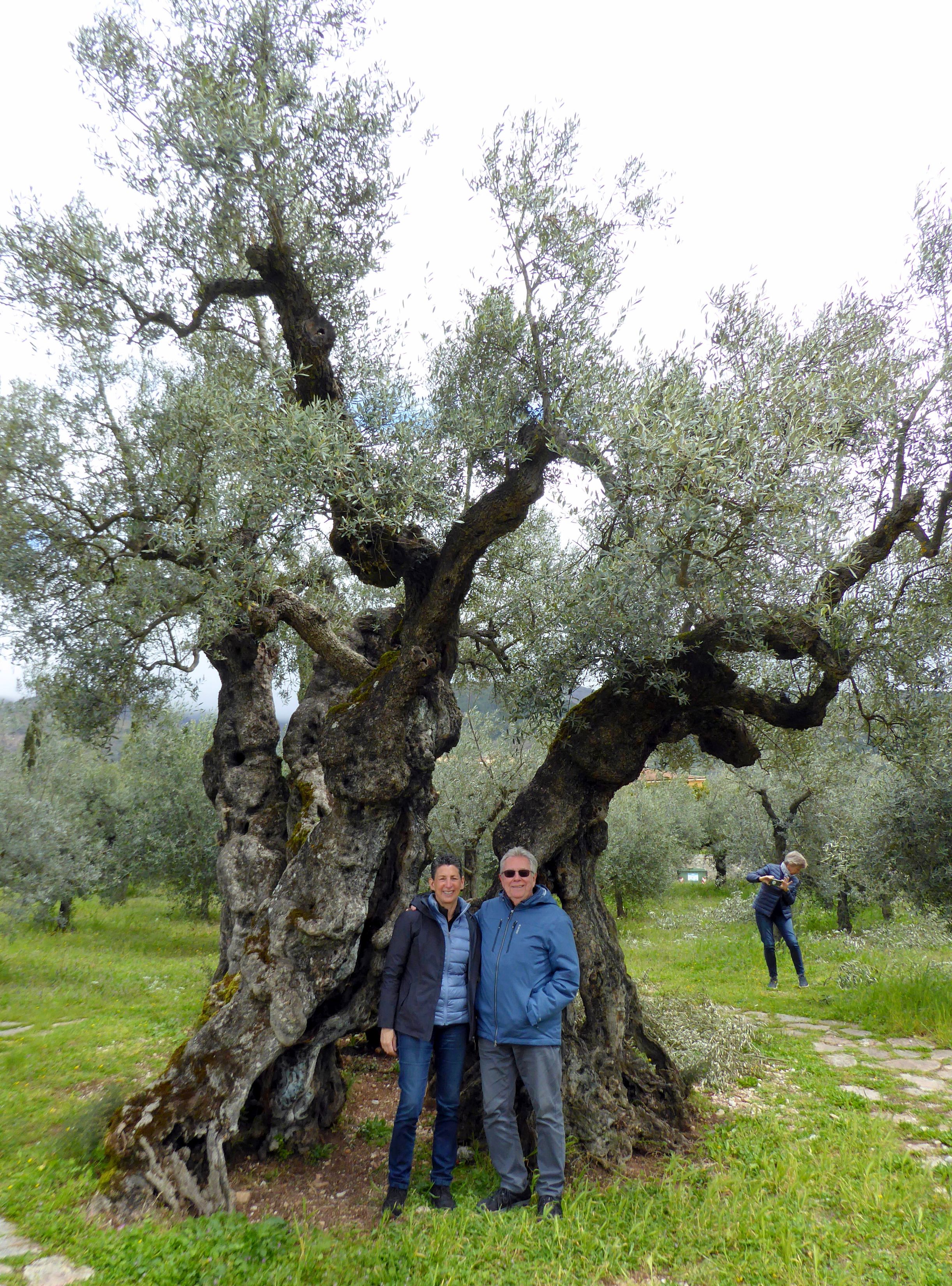
On the way back to Spoleto, we stopped to visit Ben’s “friend” in Trevi, this1,700-year-old olive tree named the Olive of Sant’ Emiliano.
Coming up next: WHEN IN ROME…
Note: If small group travel is of interest to you, I highly recommend Overseas Adventure Travel (OAT). Although Bruce and I travel together, they do not charge a single supplement for those who travel on their own. Singles also get their own room at hotels. If you book, you can get $100 off your trip by providing my name and customer number (Elaine Krugman, #3018126) as the person who referred you. I will also get $100 off future travel– a win-win!
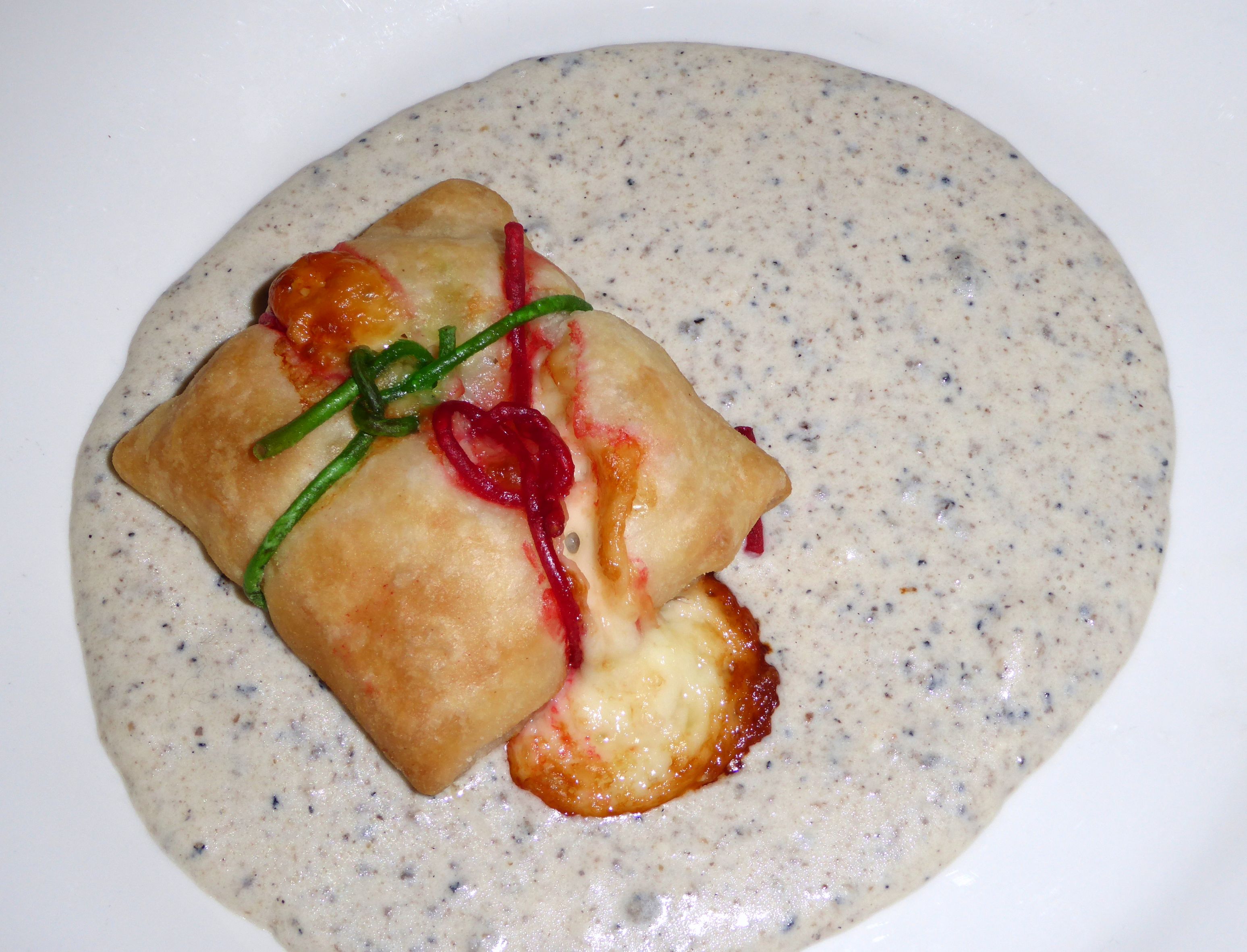
We arrived in Spoleto late in the afternoon, leaving enough time to settle in at Hotel Clitunno, and then go with Ben for an orientation walk of the town. A fabulous dinner at the hotel’s restaurant, Ristorante San Lorenzo, followed—one of the best (if not the best) dinner we had in Italy. Just look at these beautiful first courses that Bruce and I enjoyed:
(For all pictures, click on the image to see full screen view.)
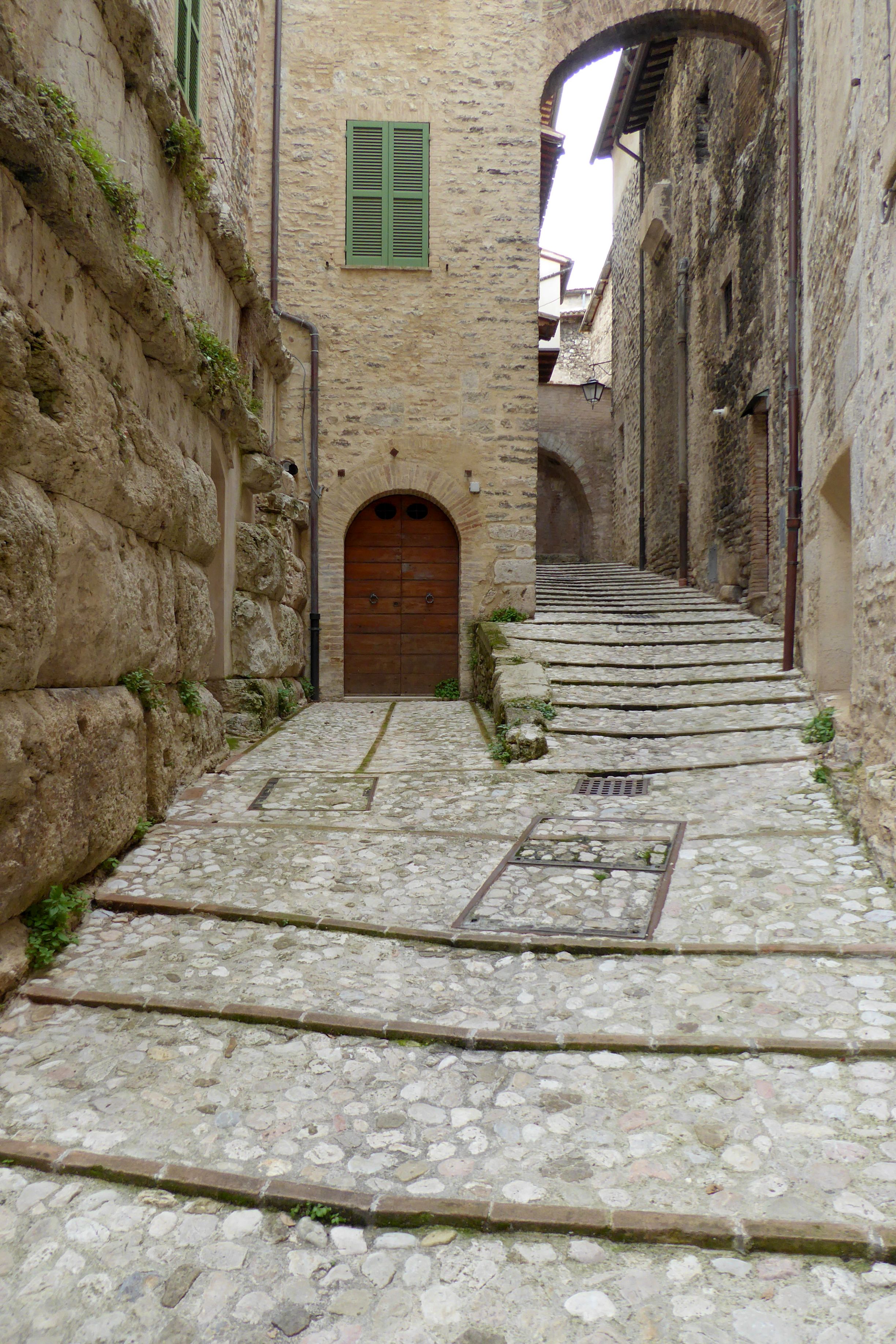
Now, about Spoleto! Located on a steep hill in the Umbria region, the walled town is surrounded by the Apennine Mountains. Inhabited since prehistoric times, history runs deep in this serene town of 40,000 residents. In the 5th century BC, the original Umbri tribes built a wall around their settlement, and some of the original wall still stands today.
The stones at the bottom are from the origininal wall.
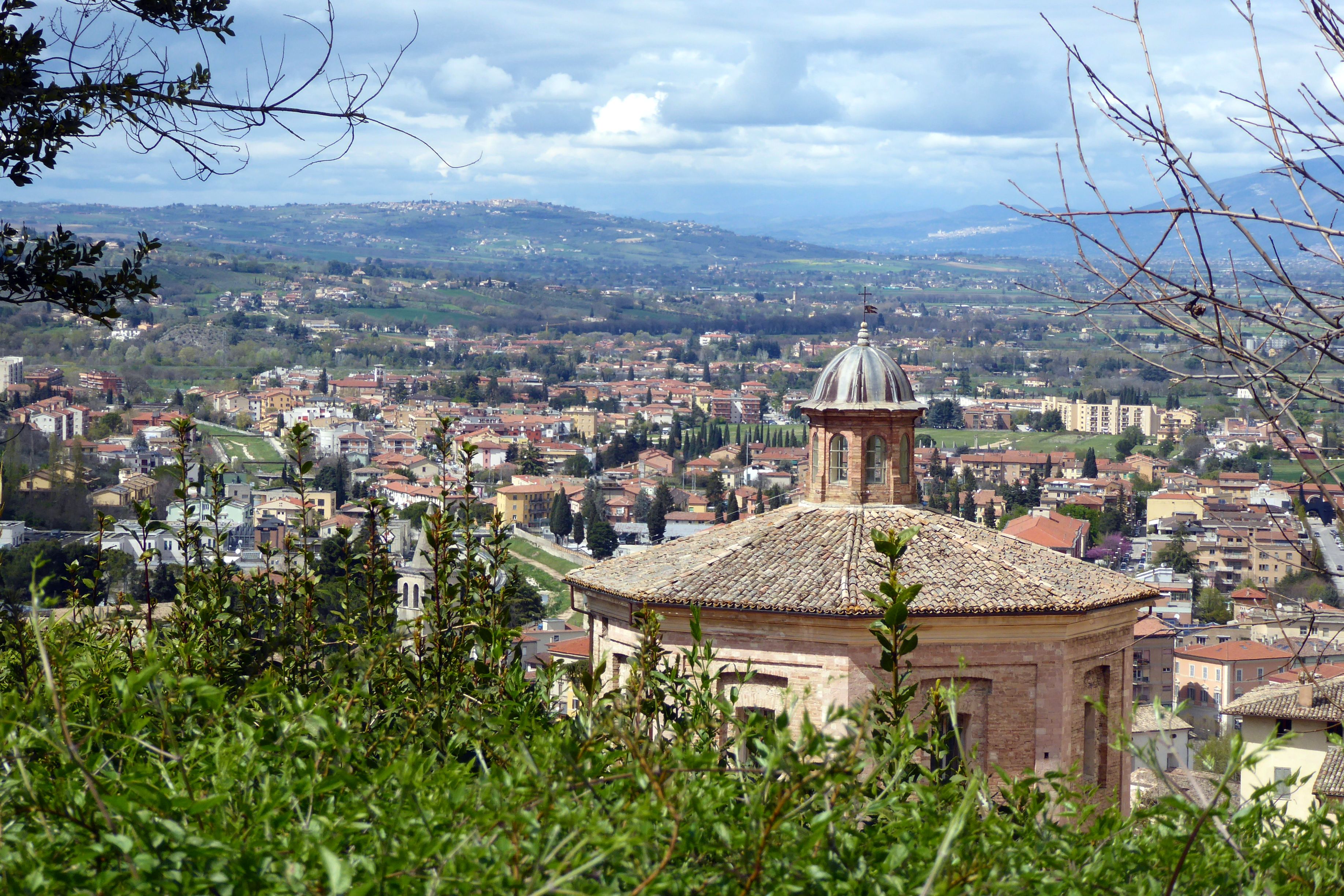
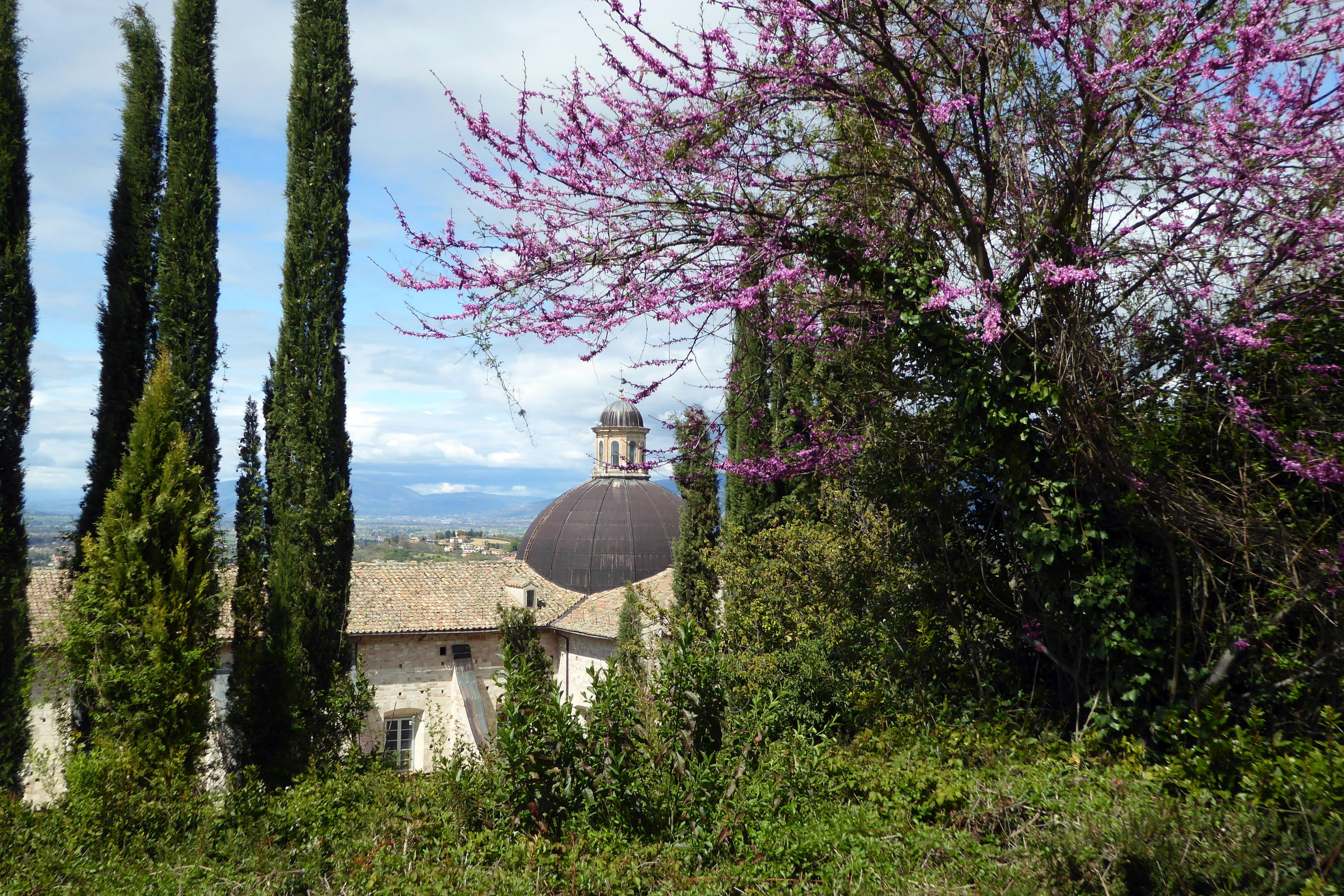
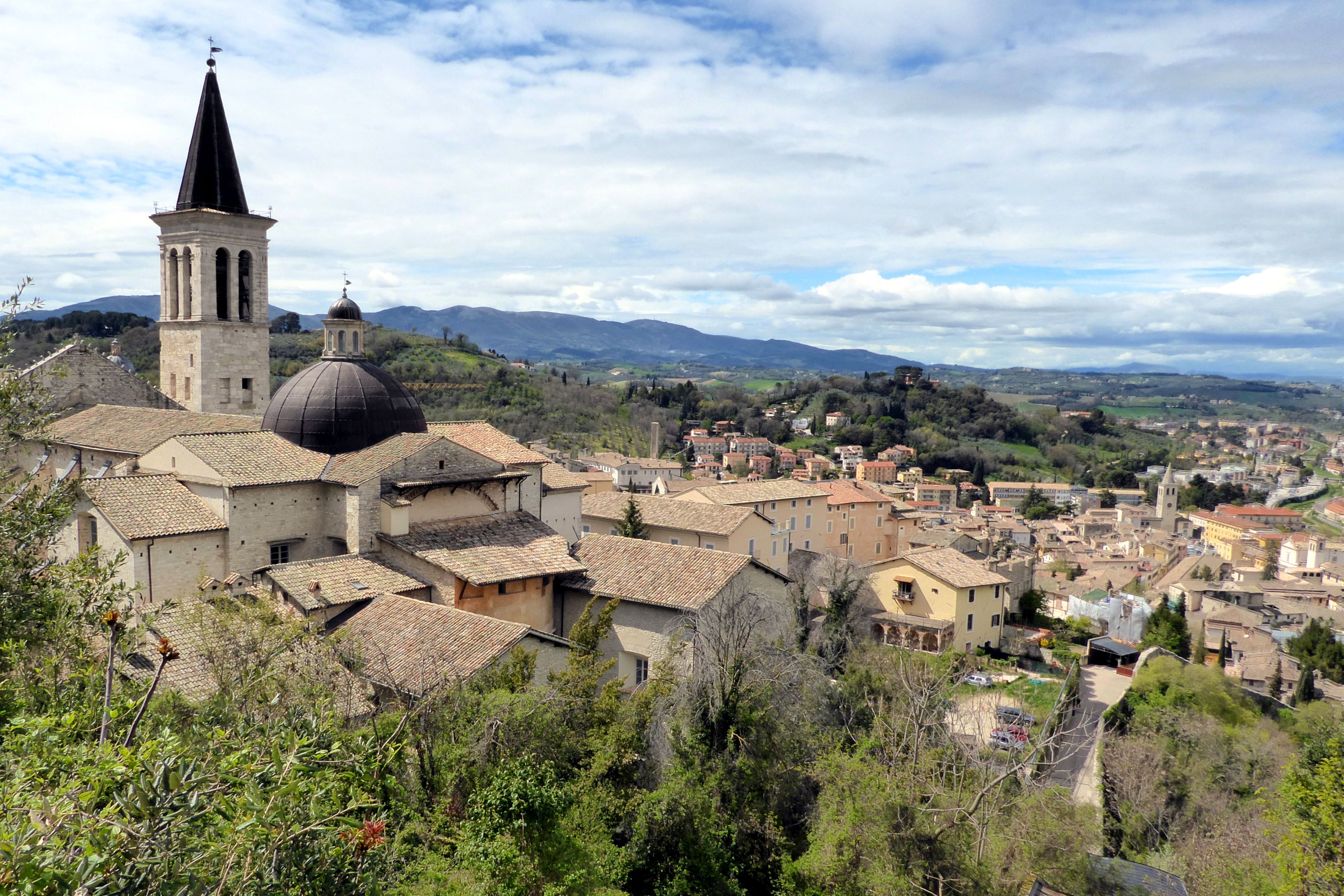
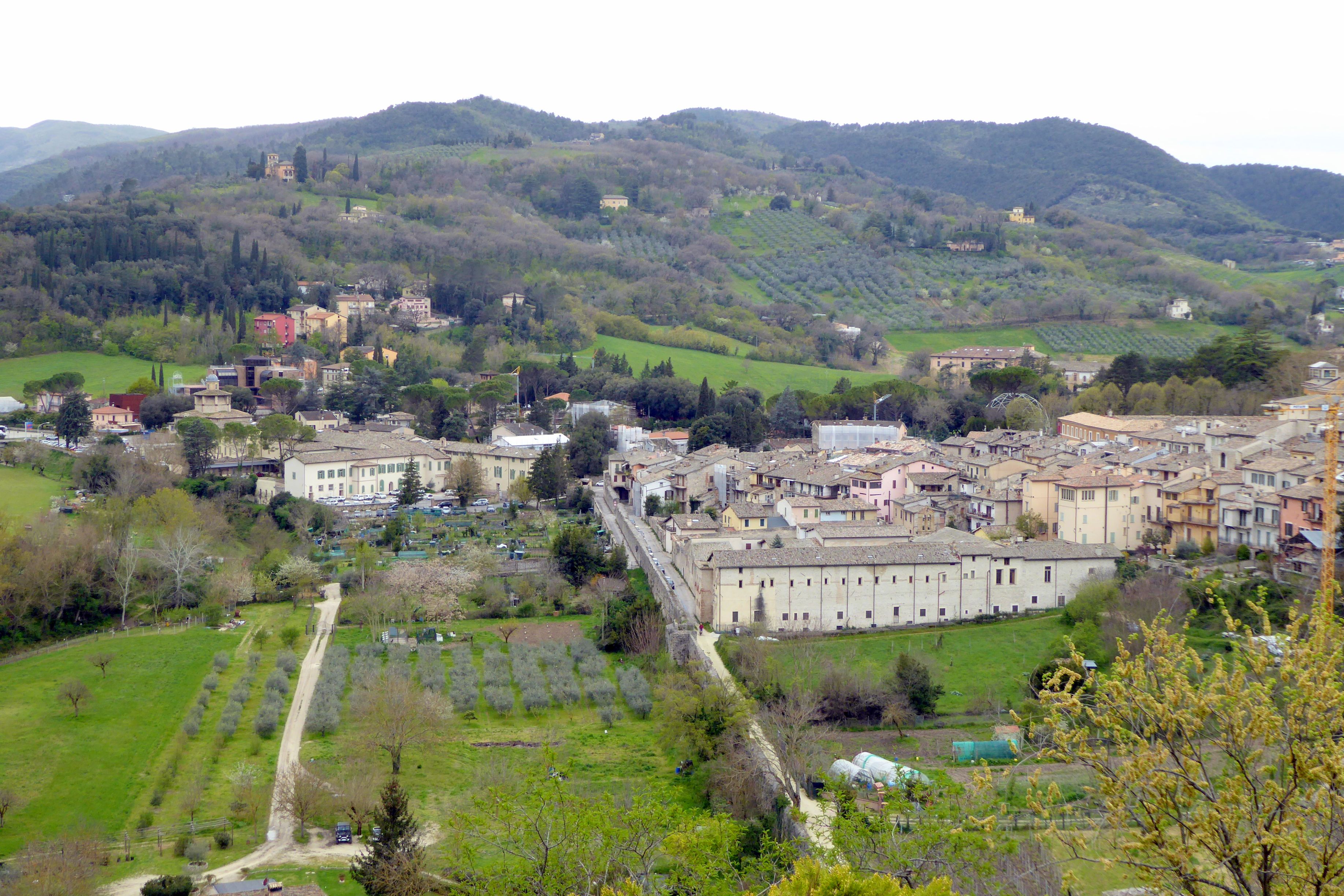
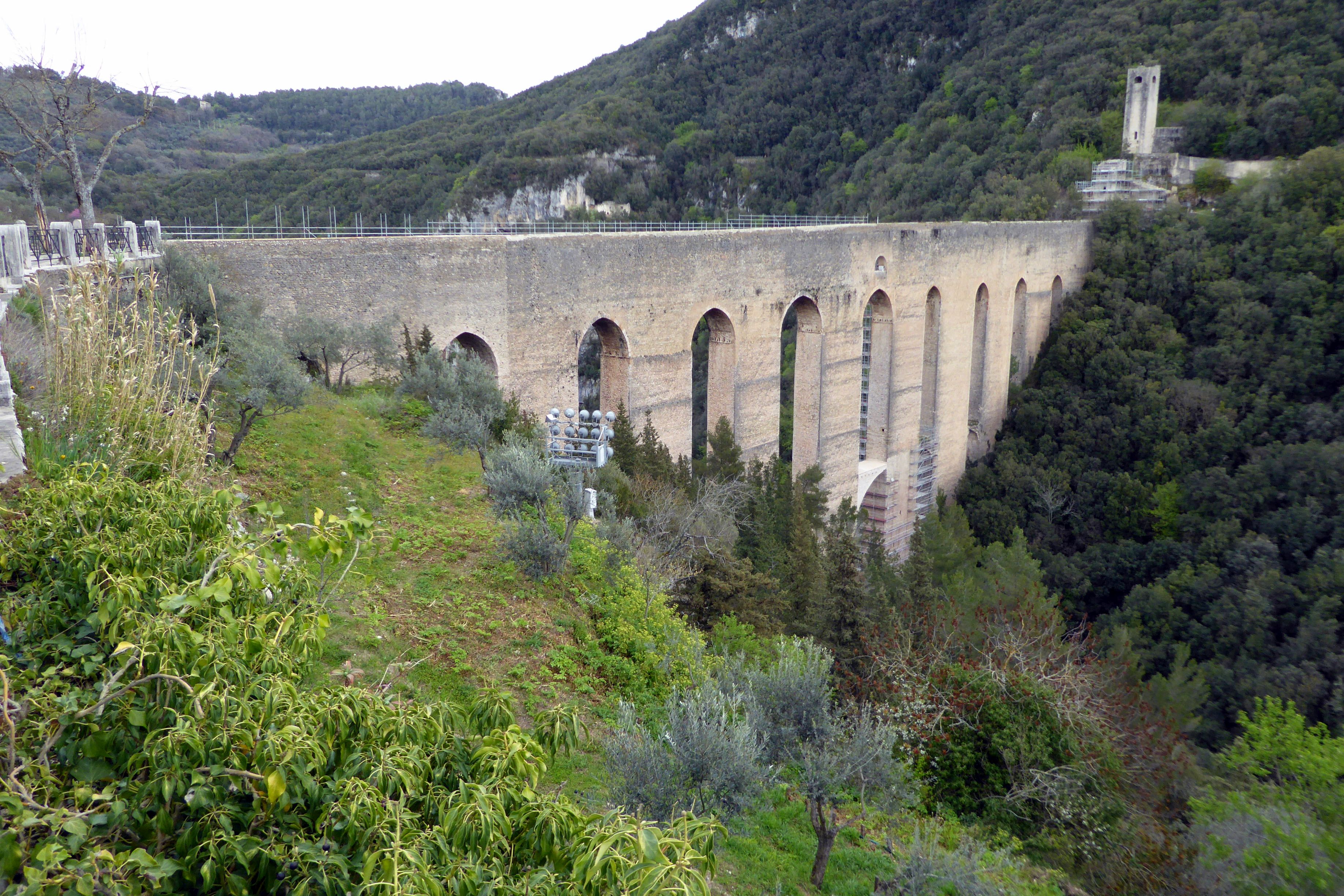
Spoleto was settled on such a steep hill that Rocca Albornoziana Fortress was built at the top in the 14th century, providing a birds-eye view of potential invaders below. It was then used as a prison for 600 years until 1982. Just below, there is a wide tree-lined walking/ biking path that encircles it. The views to the town and hills below are spectacular! To enter the fortress up above, there is an escalator to take sightseers up to the top. The views just kept getting better! From both the walking path and top of the fortress, we had a great view of 13th-century Ponte delle Torri aqueduct/ bridge, which unfortunately is now closed to pedestrians.
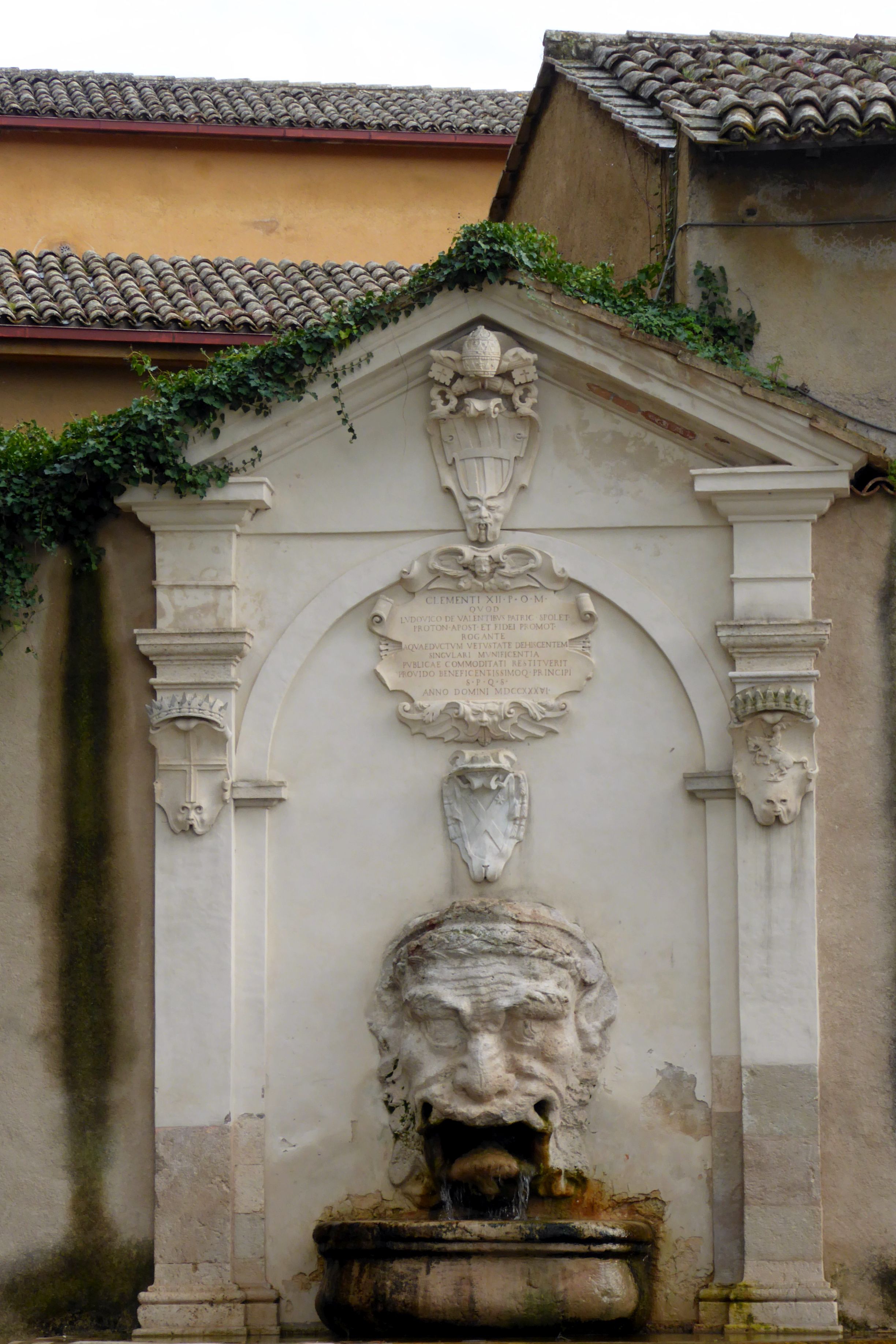
Before walking the path around the fortress, we stopped to enjoy this fountain from 1642.
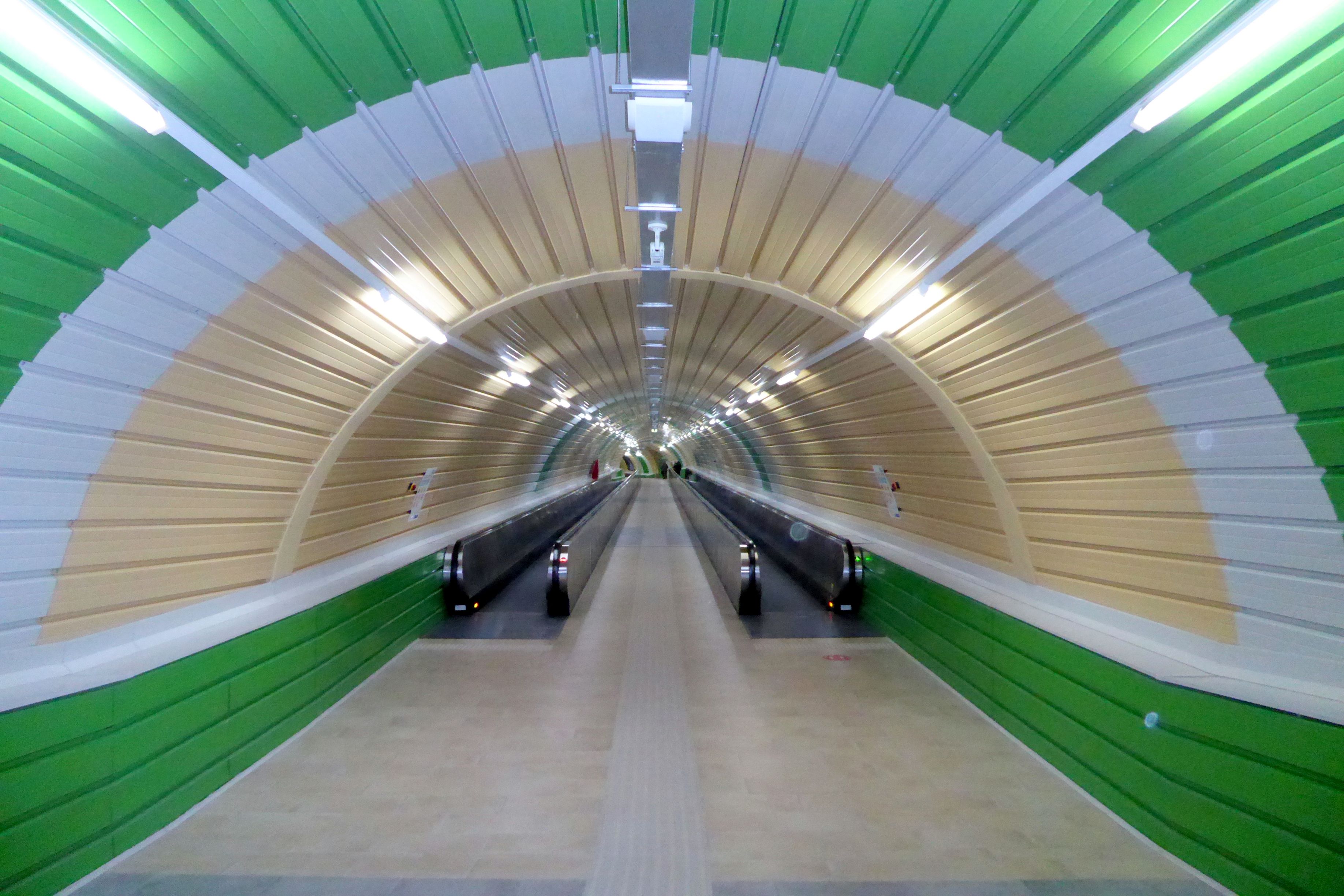
We were able to access this escalator from the walking path. After a long ride up, we took an elevator the remainder of the way to the fortress.The view from the walking path that surrounds the fortress.
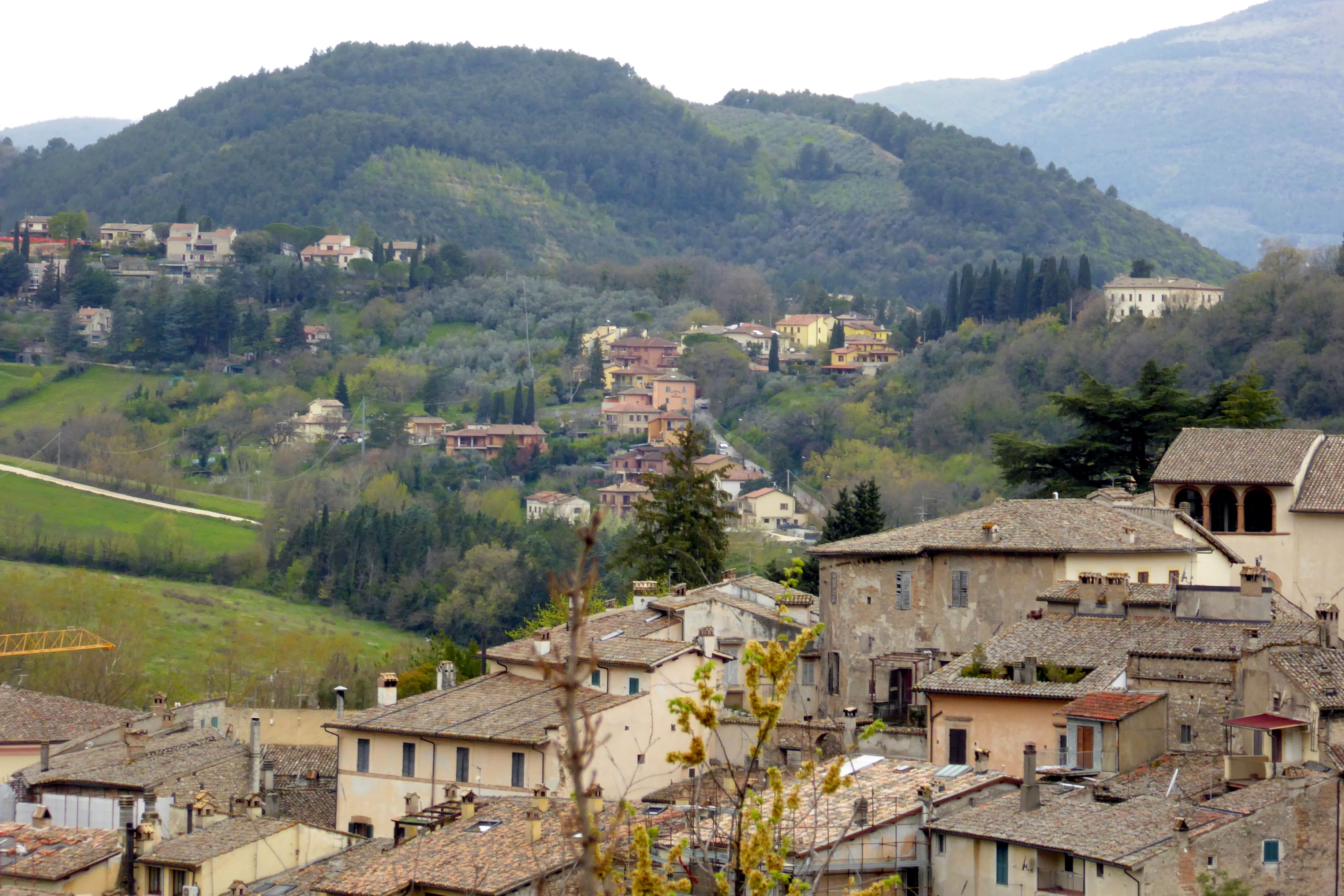
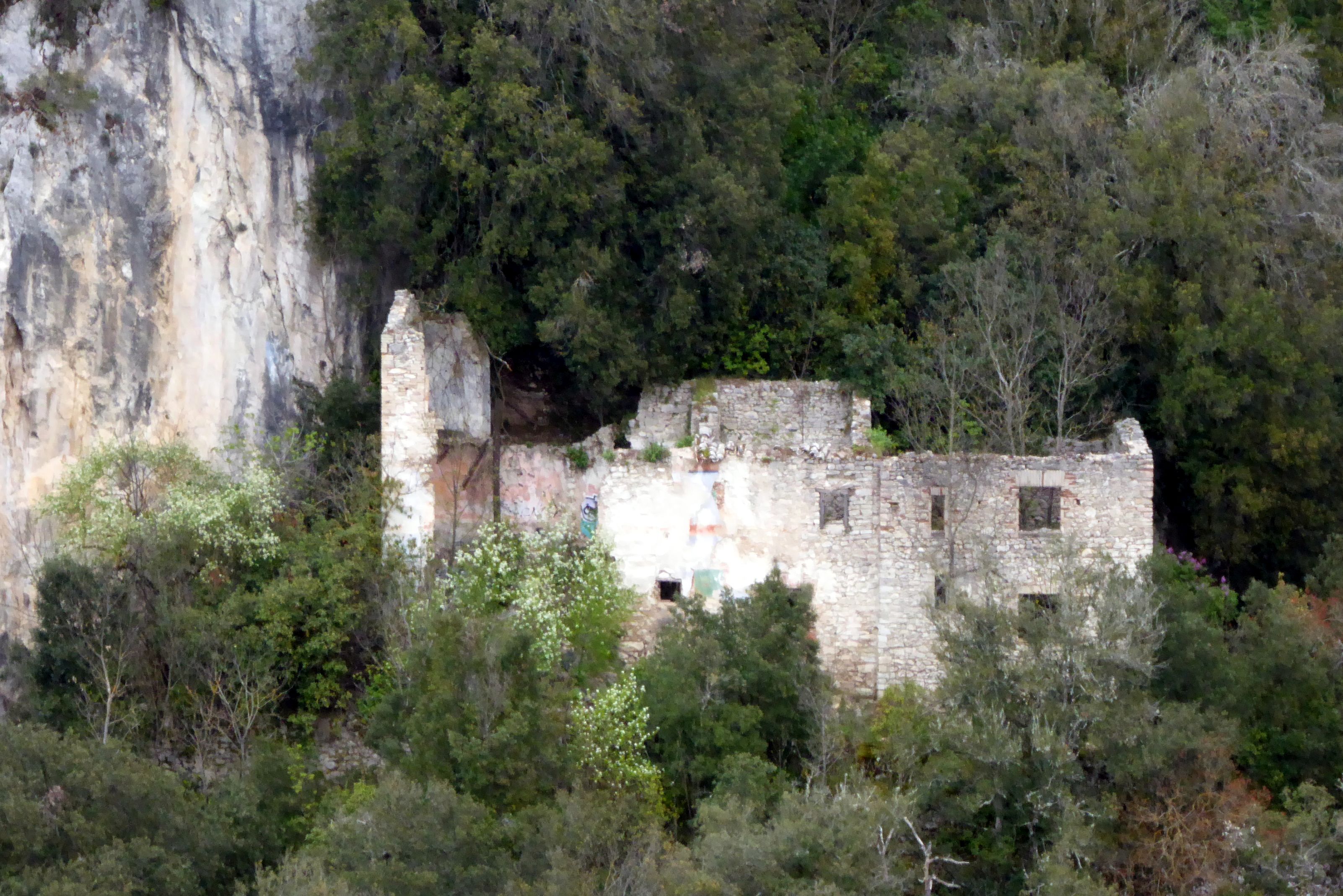
This view was from the walking path below the backside of the fortress.The view from the top of the fortress.Ruins near the far side of the aquaductAnother view out from the walking pathLooking down on a tiled rooftop from the walking path
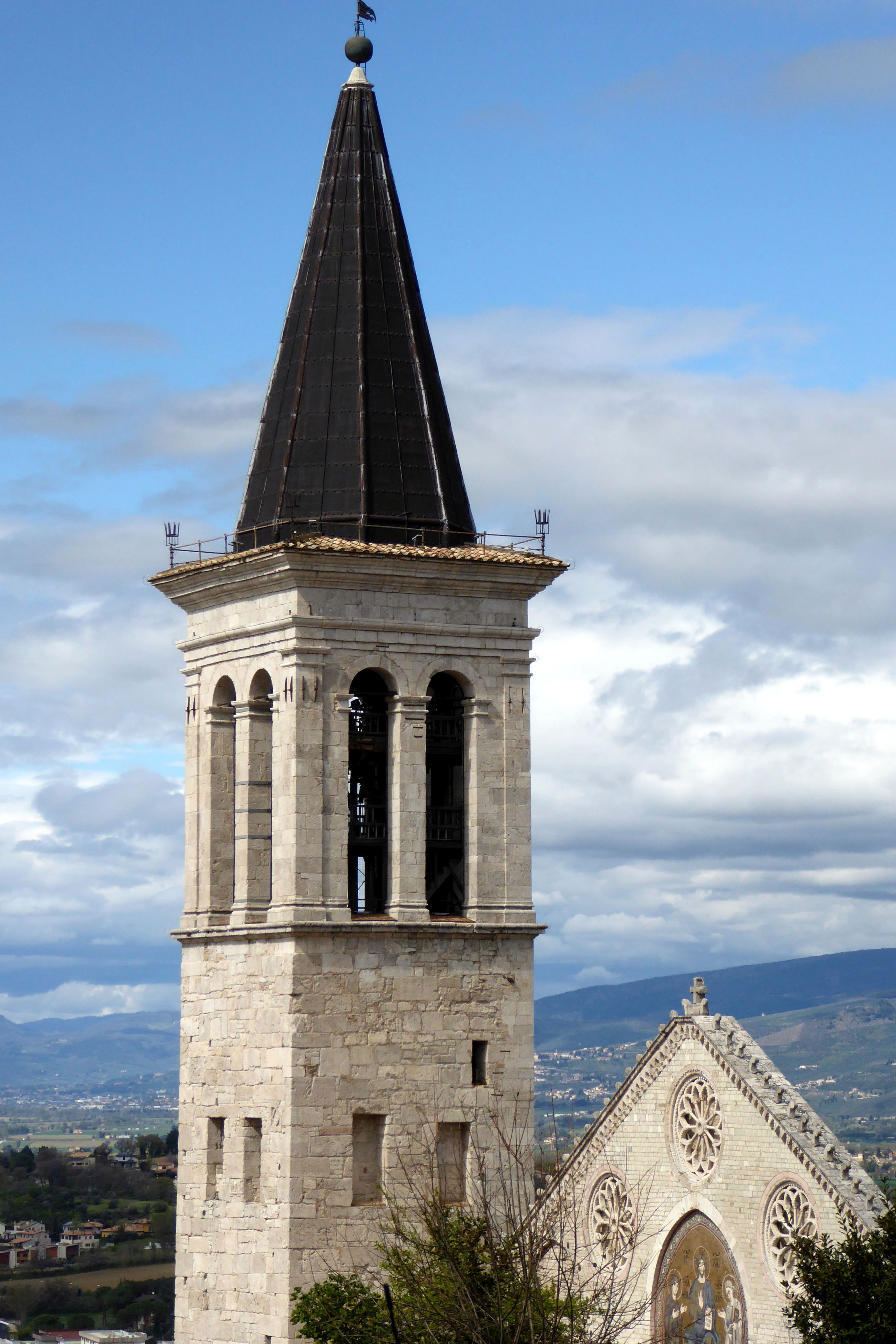
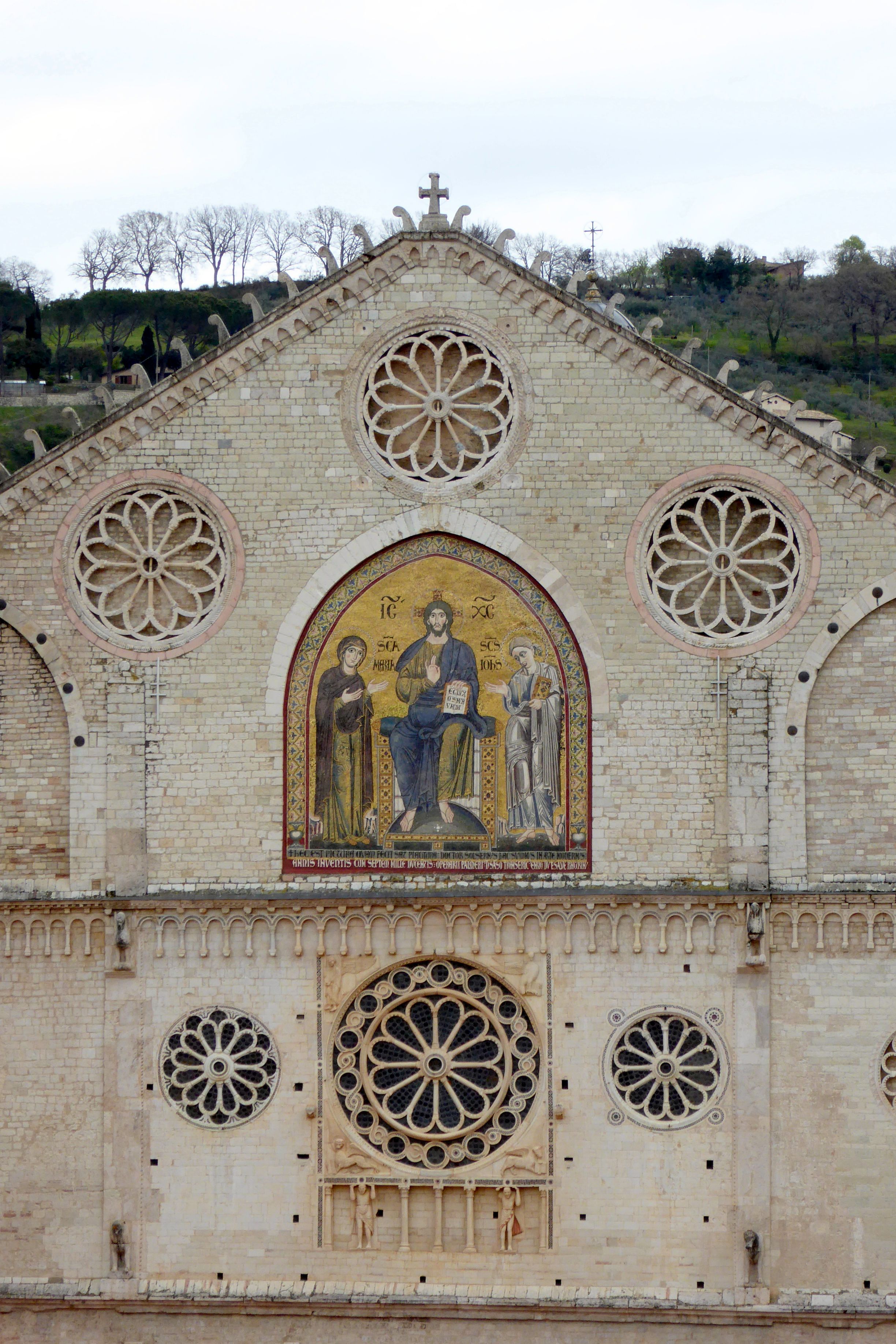
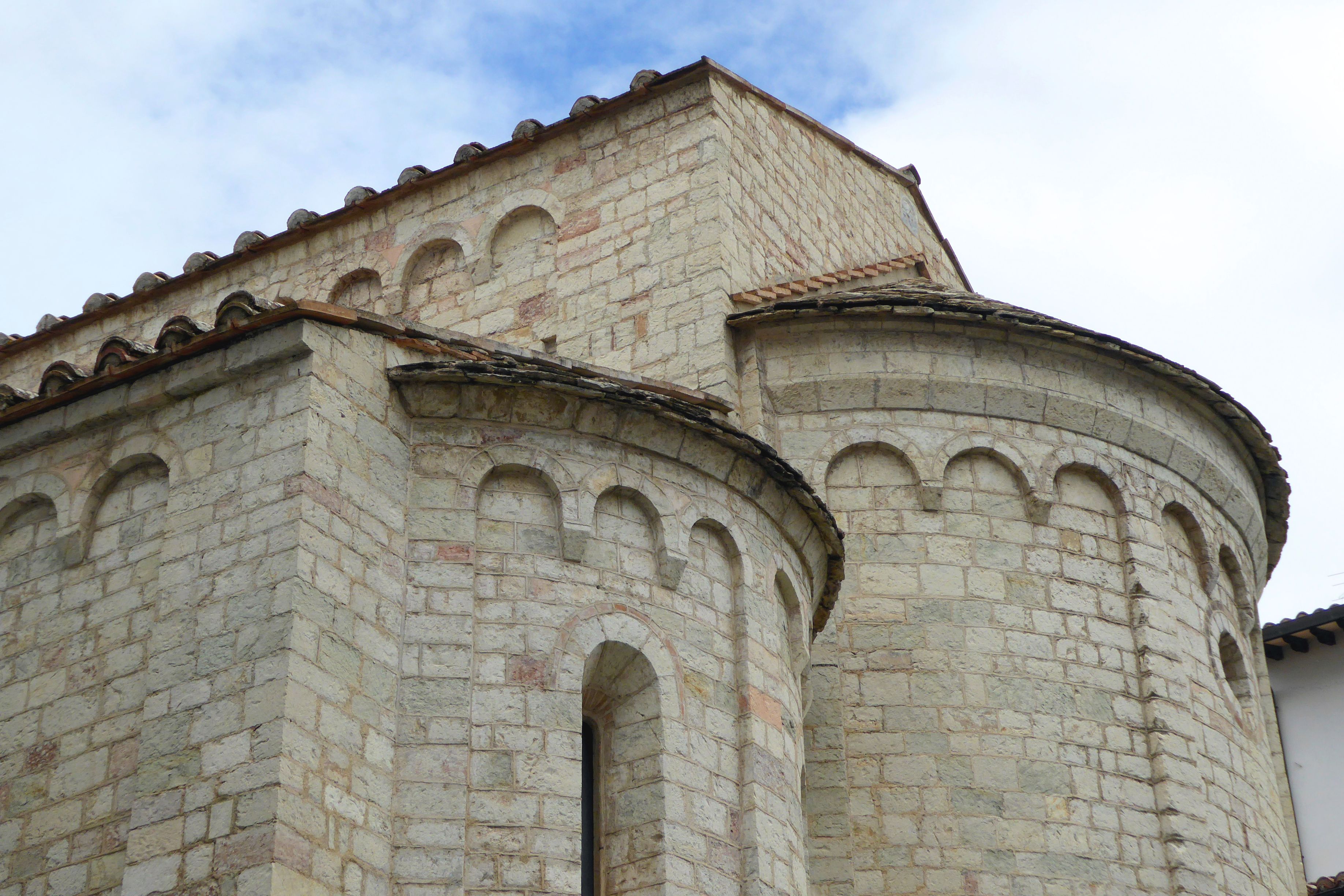
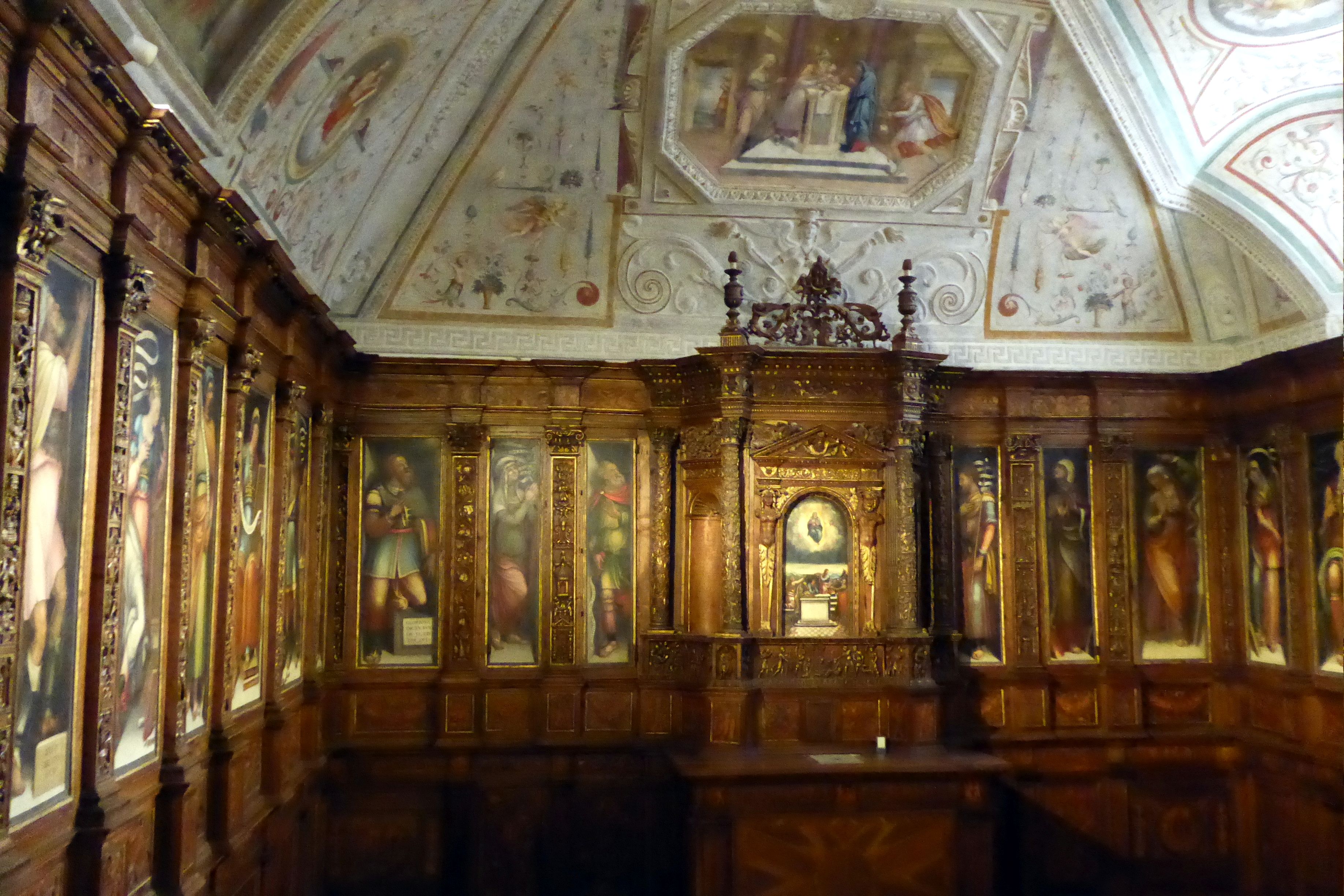
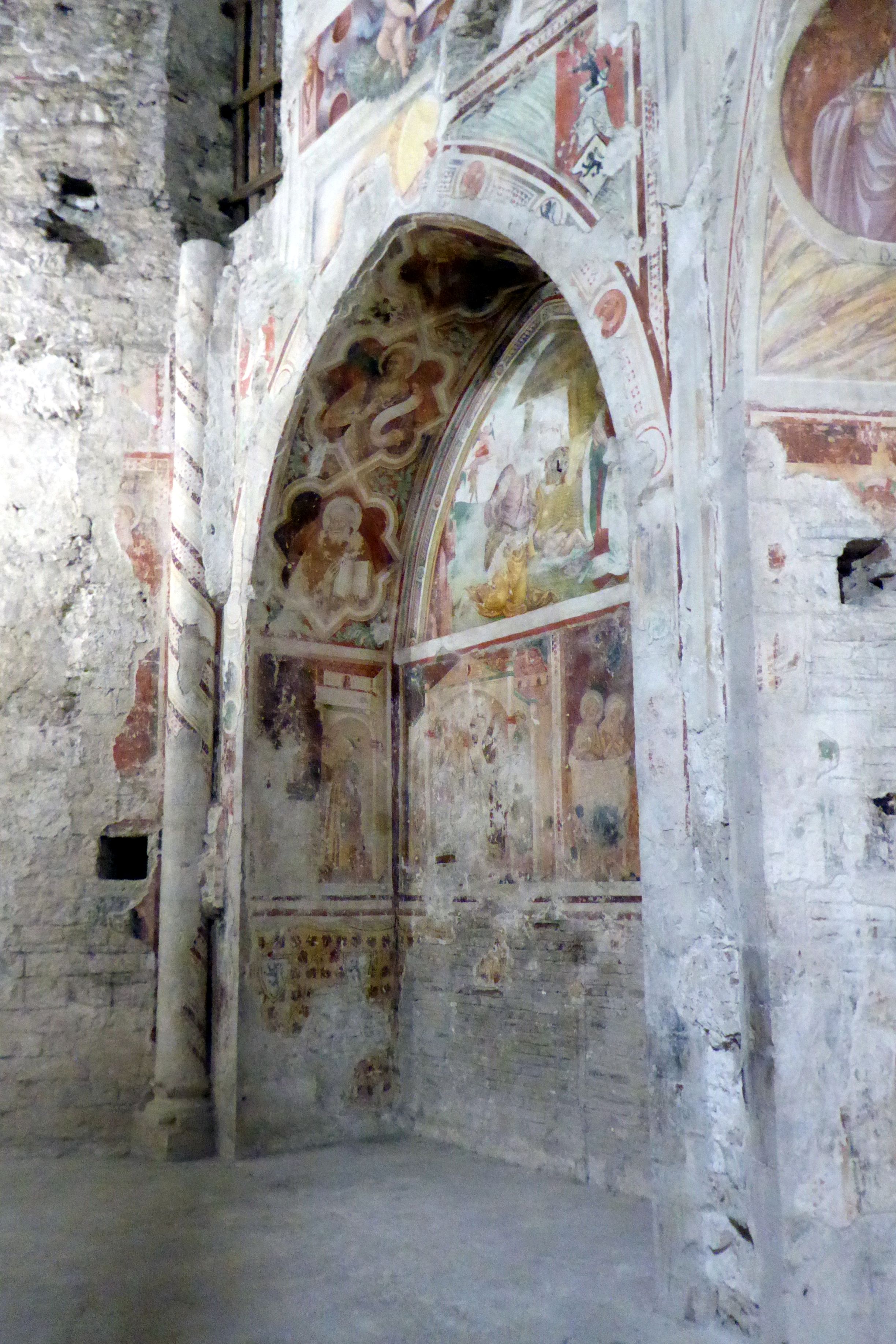
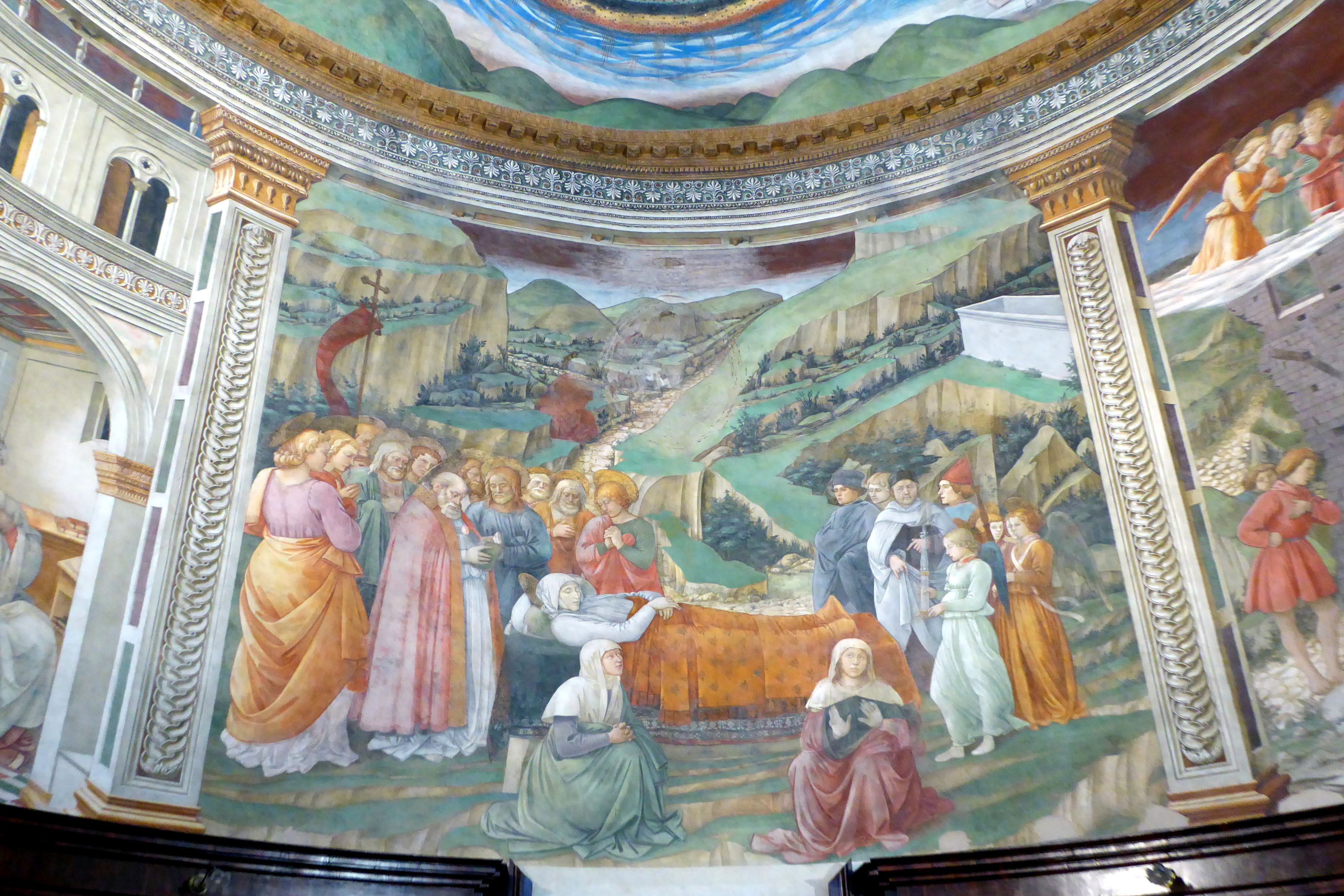
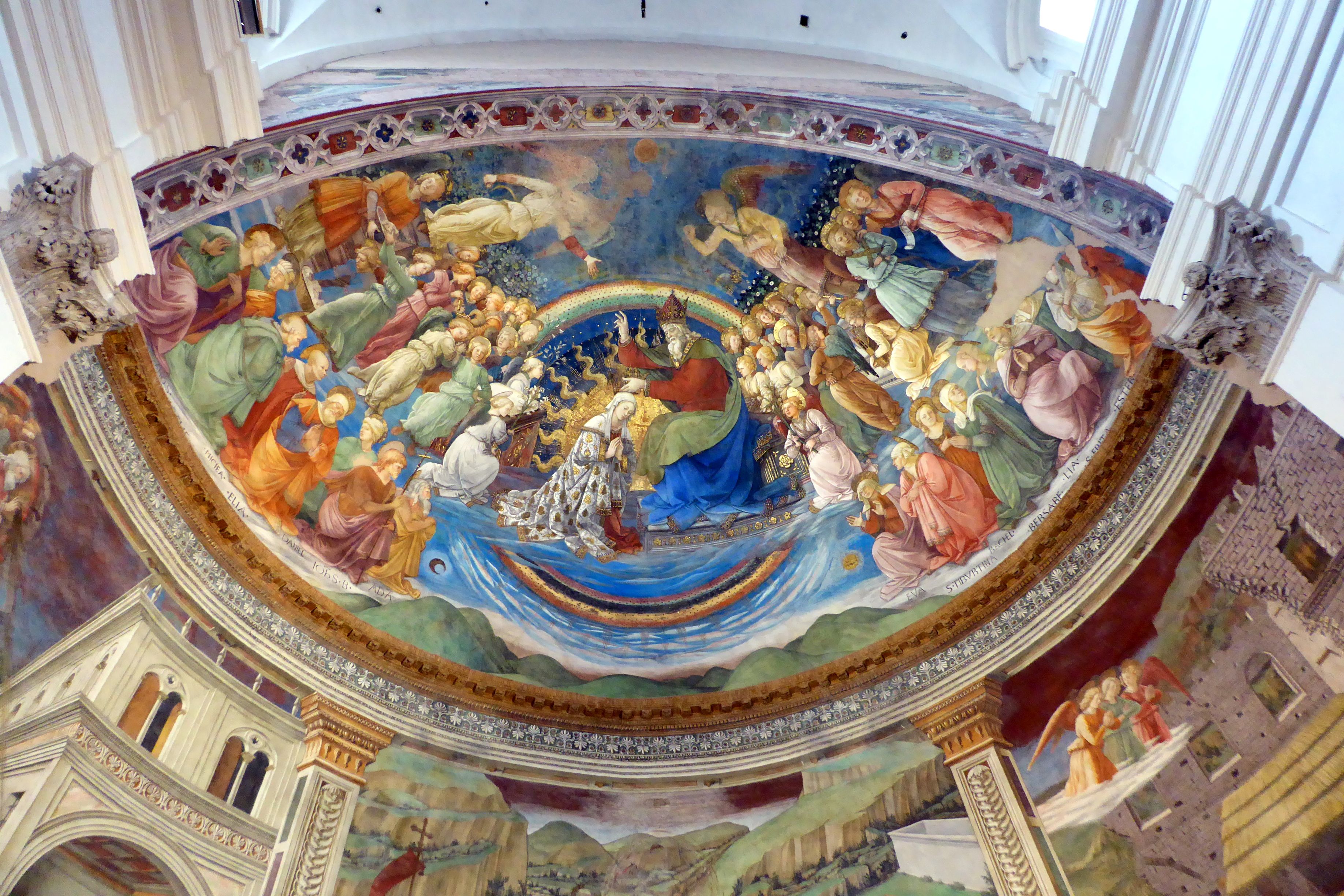
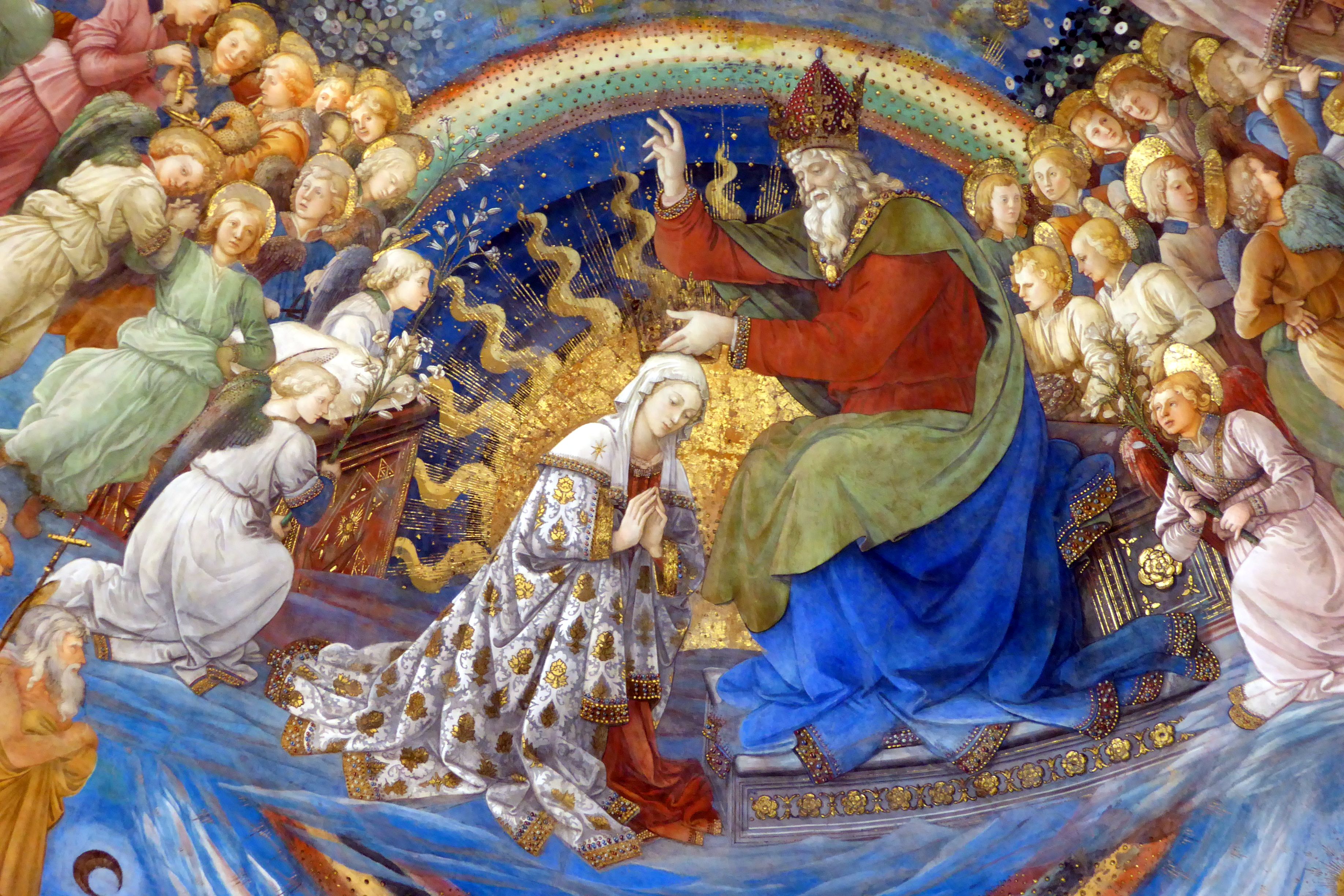
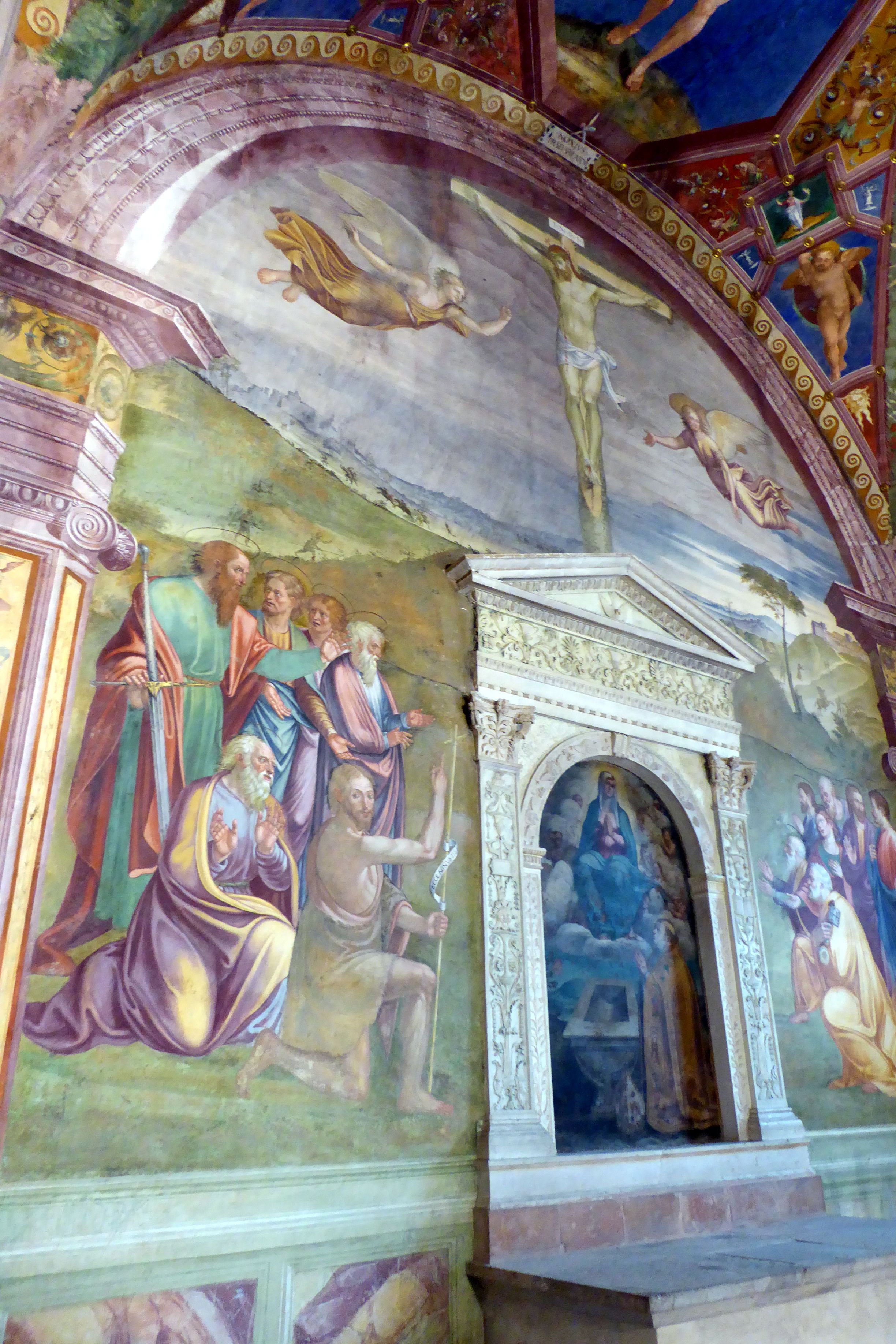
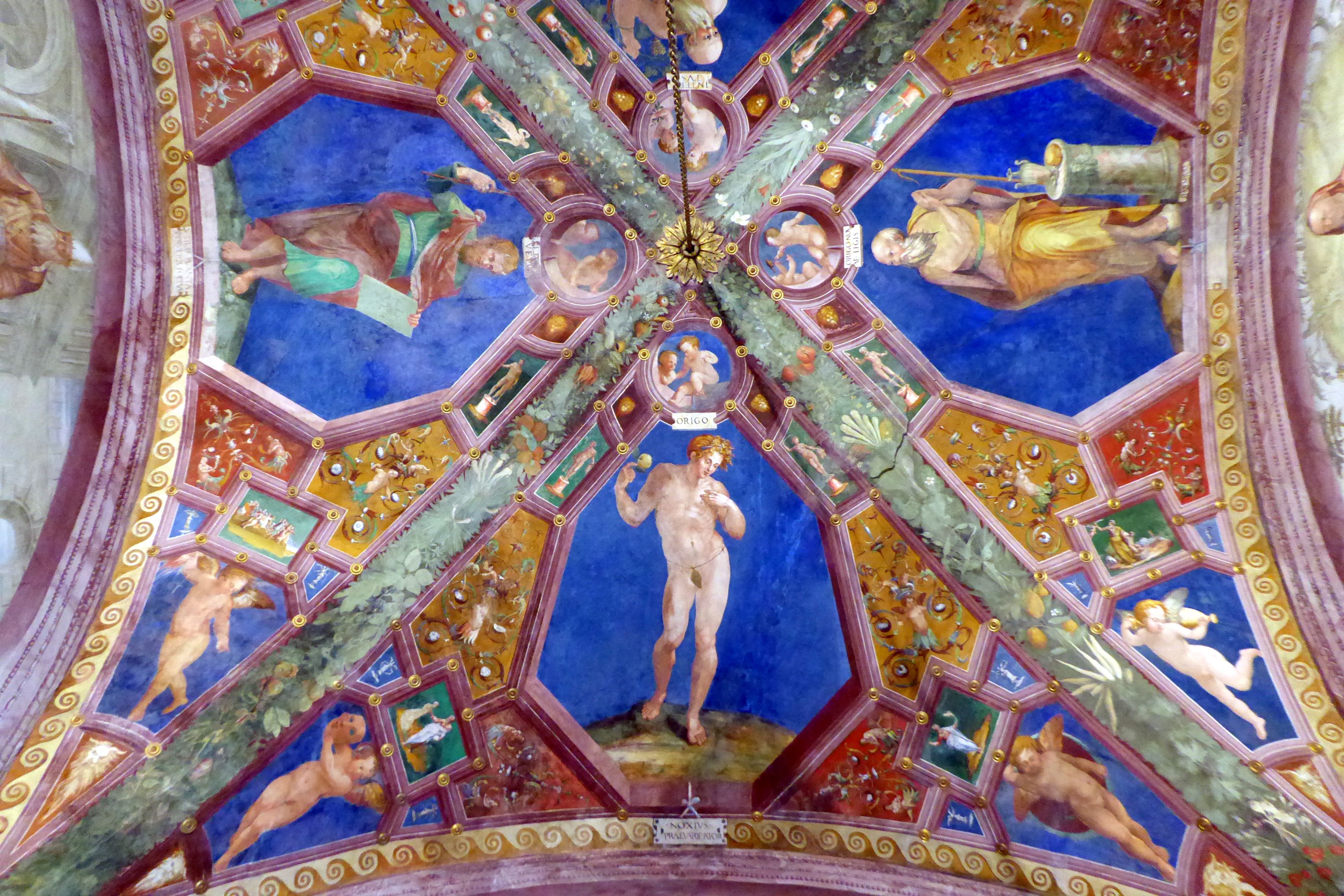
The 11th-century Duomo di Spoleto, the Santa Maria Cathedral, is also a highlight of Spoleto. Made from salvaged Roman stones, the interior is beautiful, and the history fascinating. The gorgeous ceiling frescos were painted between 1467 – 1469.
A view of the top of the cathedral from the walking path
A procession into the cathedral for a service
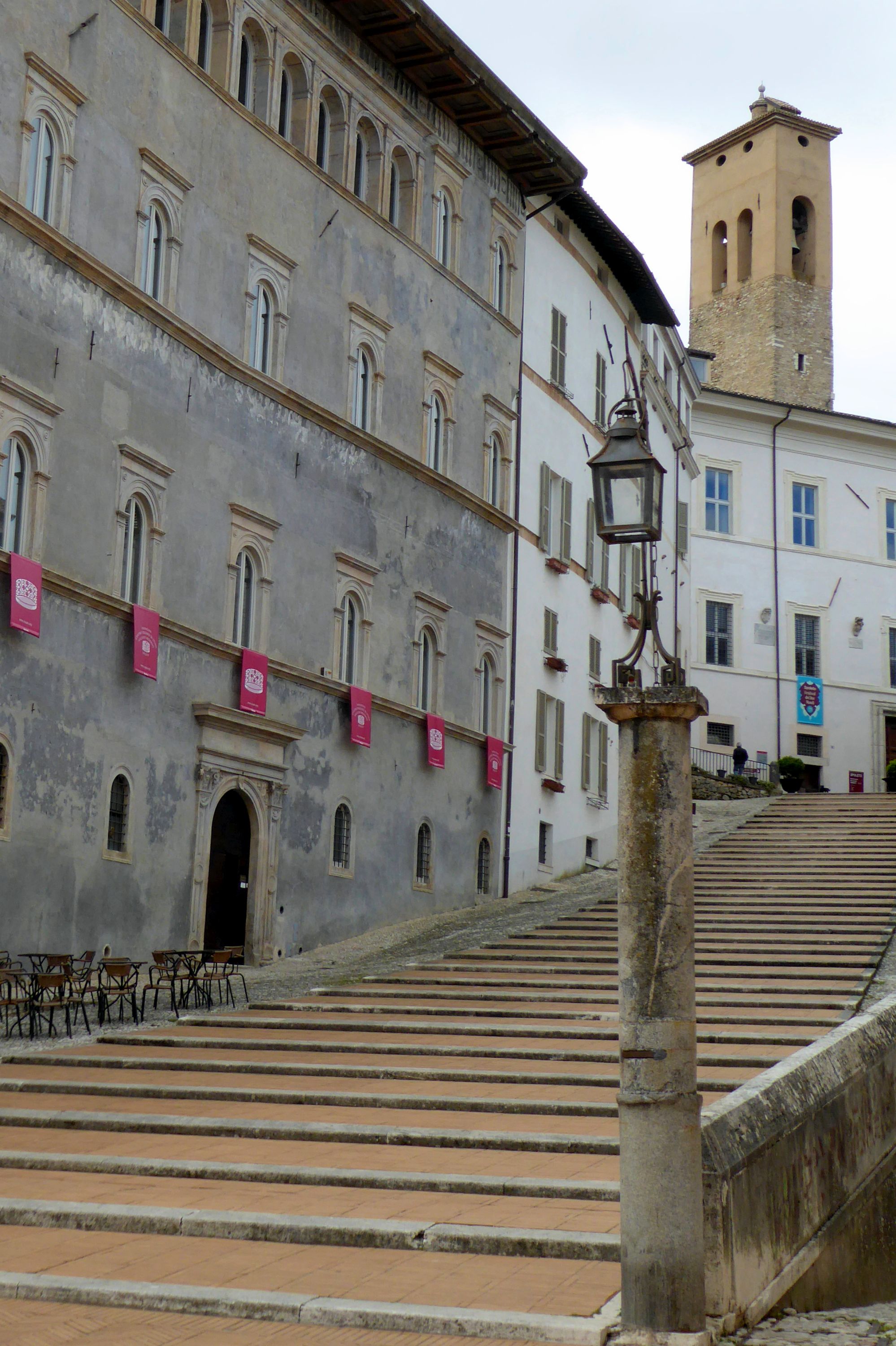
The piazza of the cathedral. Below are close-ups of the wall of the first building.
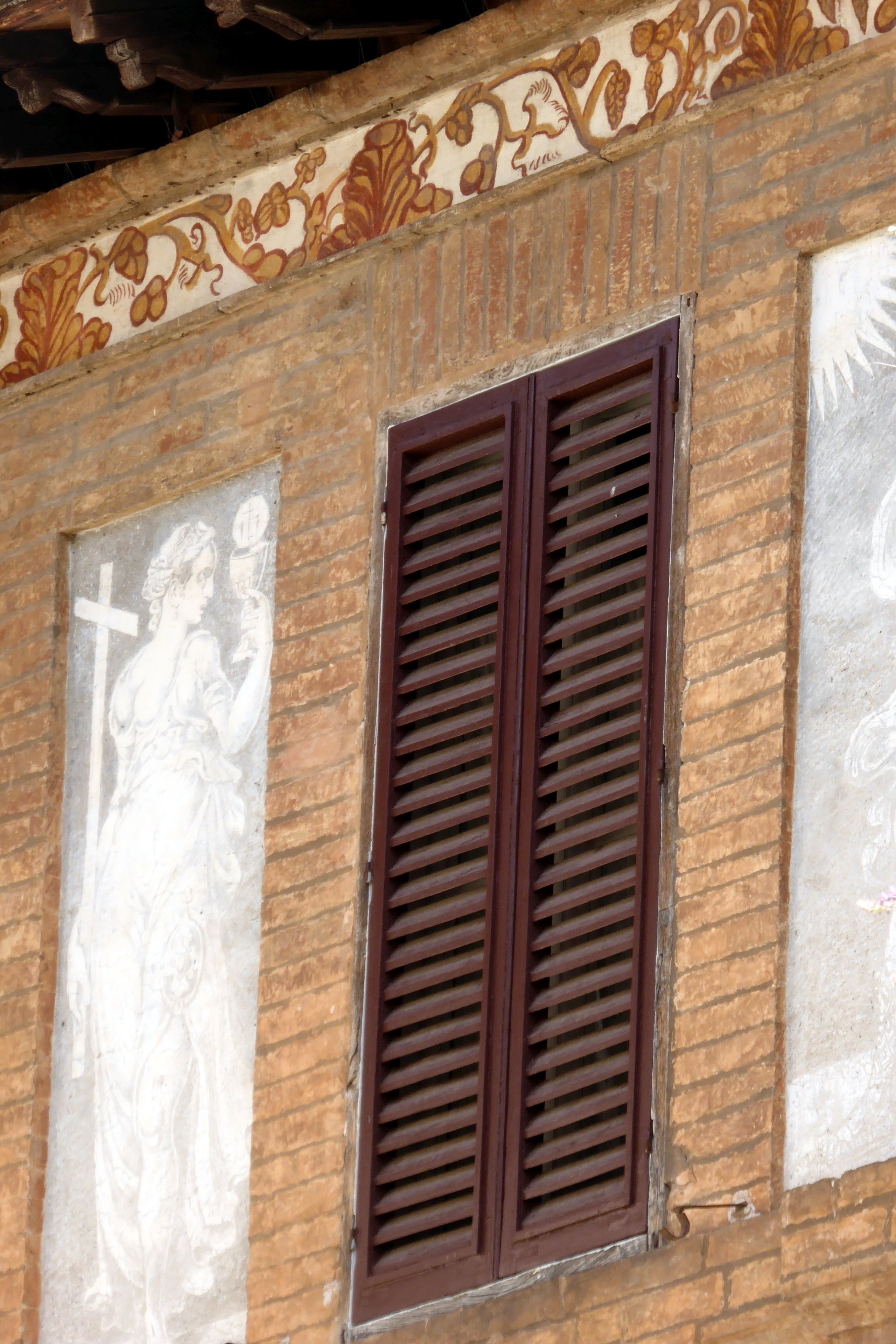
These beautiful etchings were done 500 years ago.
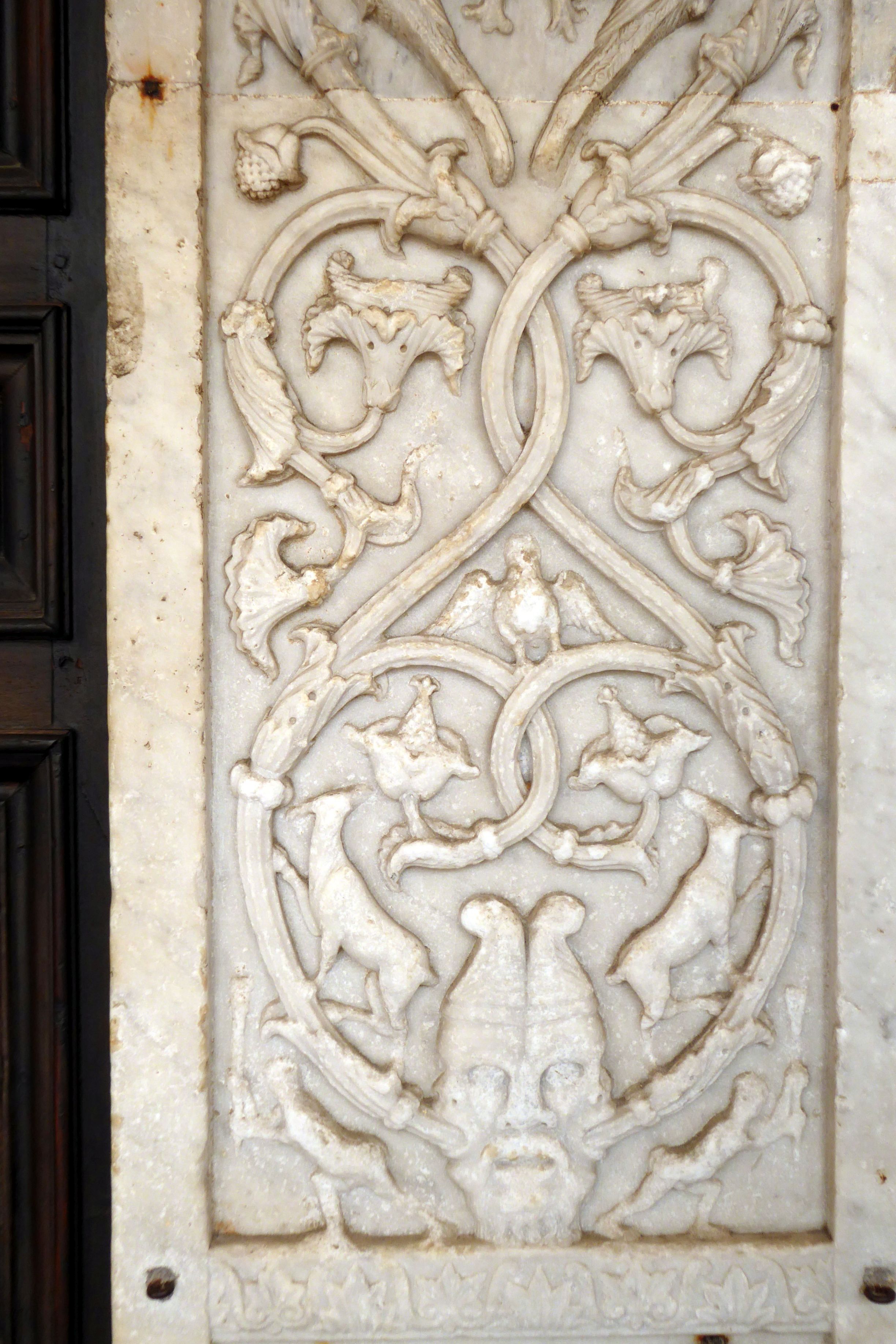
Marble carvings depicting God
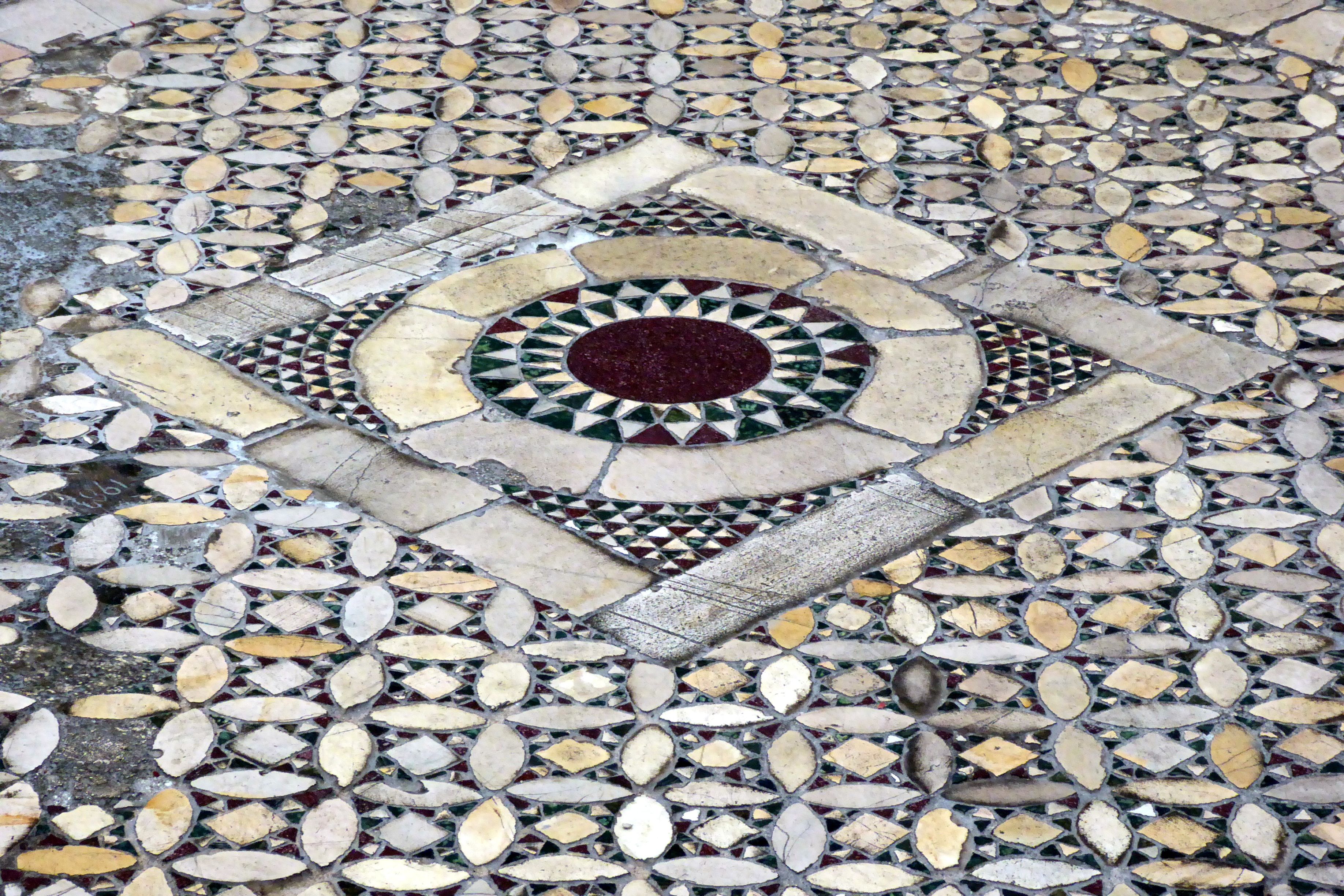
Stone floor of the cathedral
Bruce and I enjoyed exploring the town in depth, between our orientation walk, a guided walking tour the following day, and another walk with Ben to the top of the fortress during the late afternoon of our final day in Spoleto. We also had free time during our second evening to explore Spoleto on our own.
Here, then, is my collection of photos taken during our time in Spoleto:
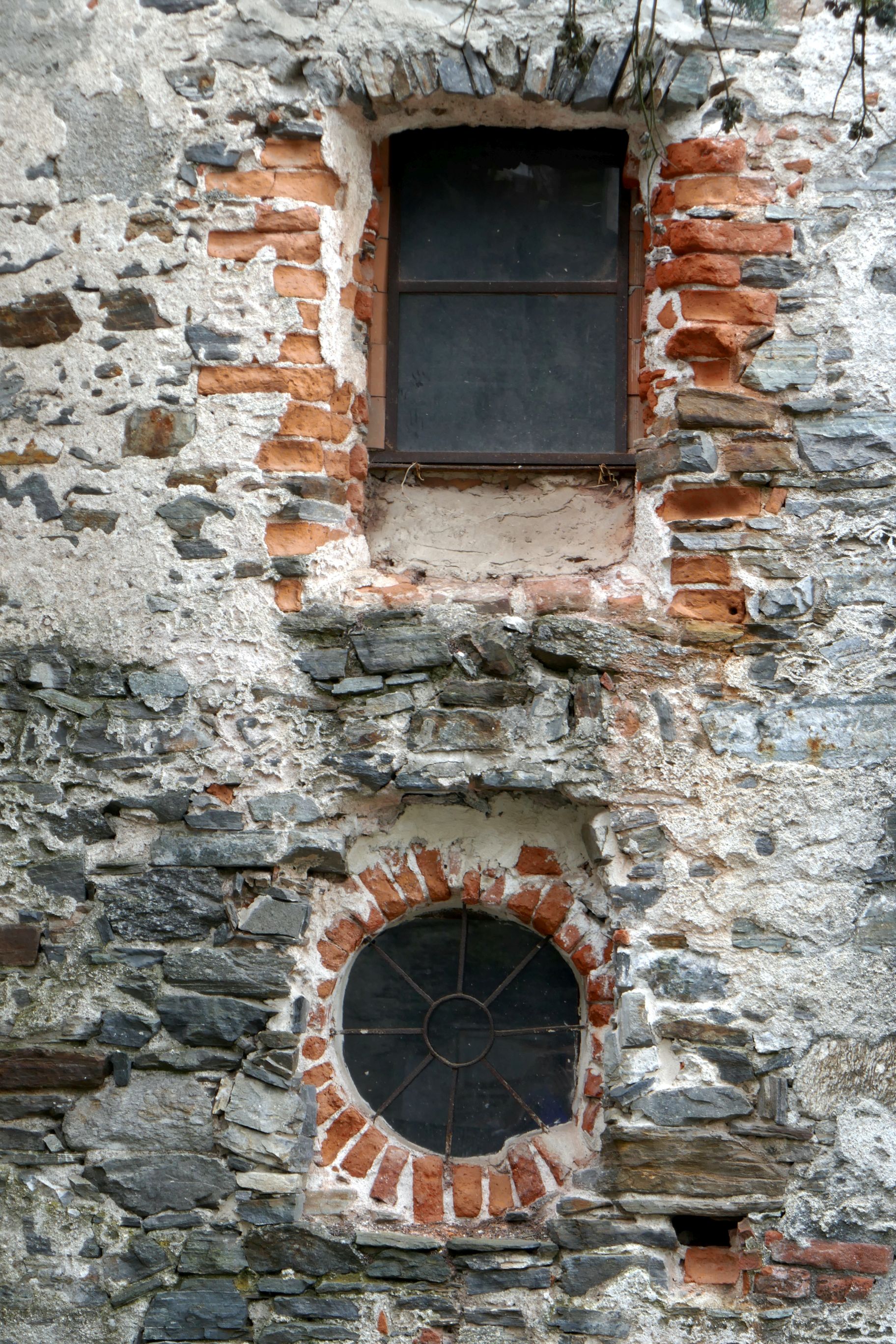
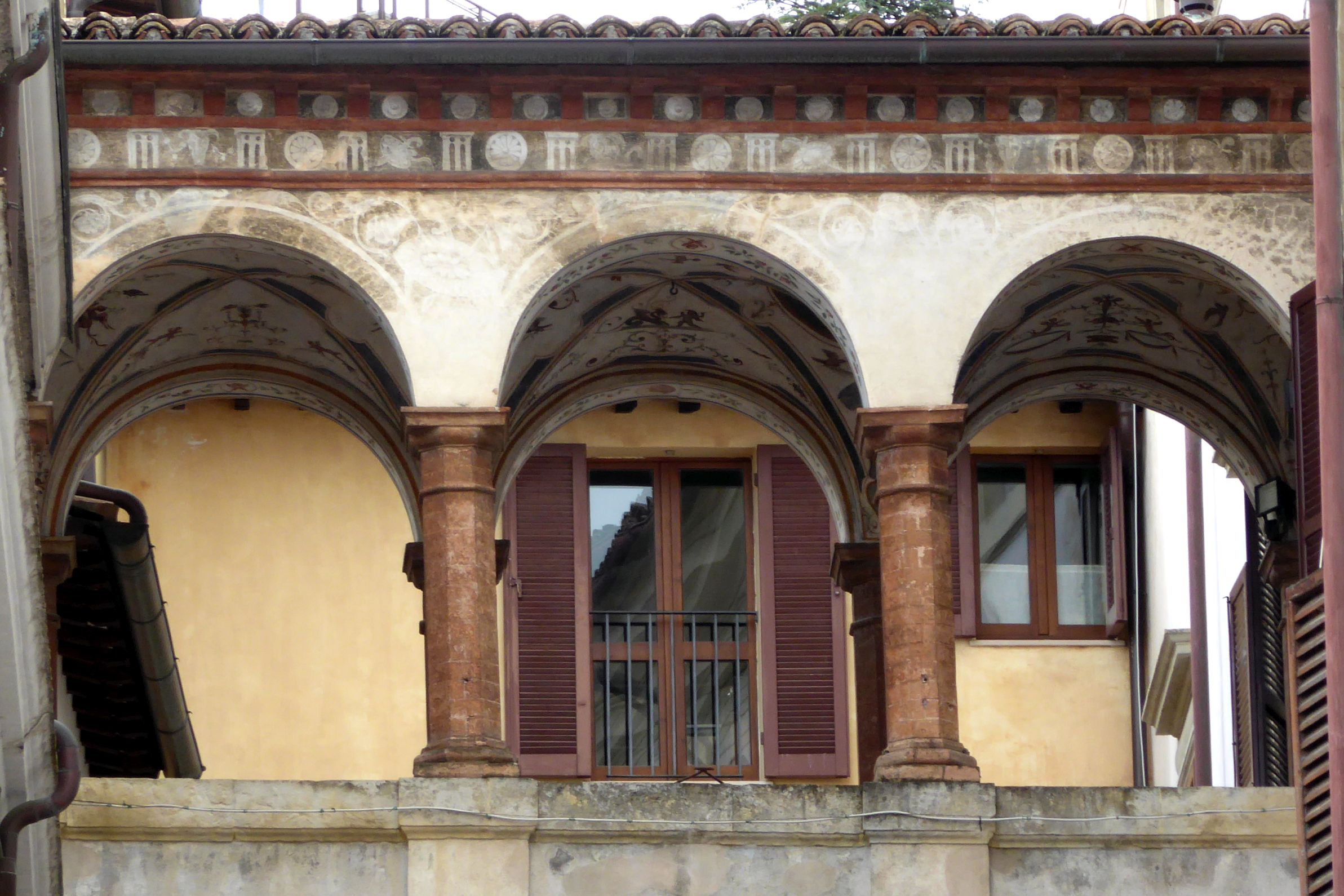
Which windows are fake (painted on the exterior) and which are real? Look closely.
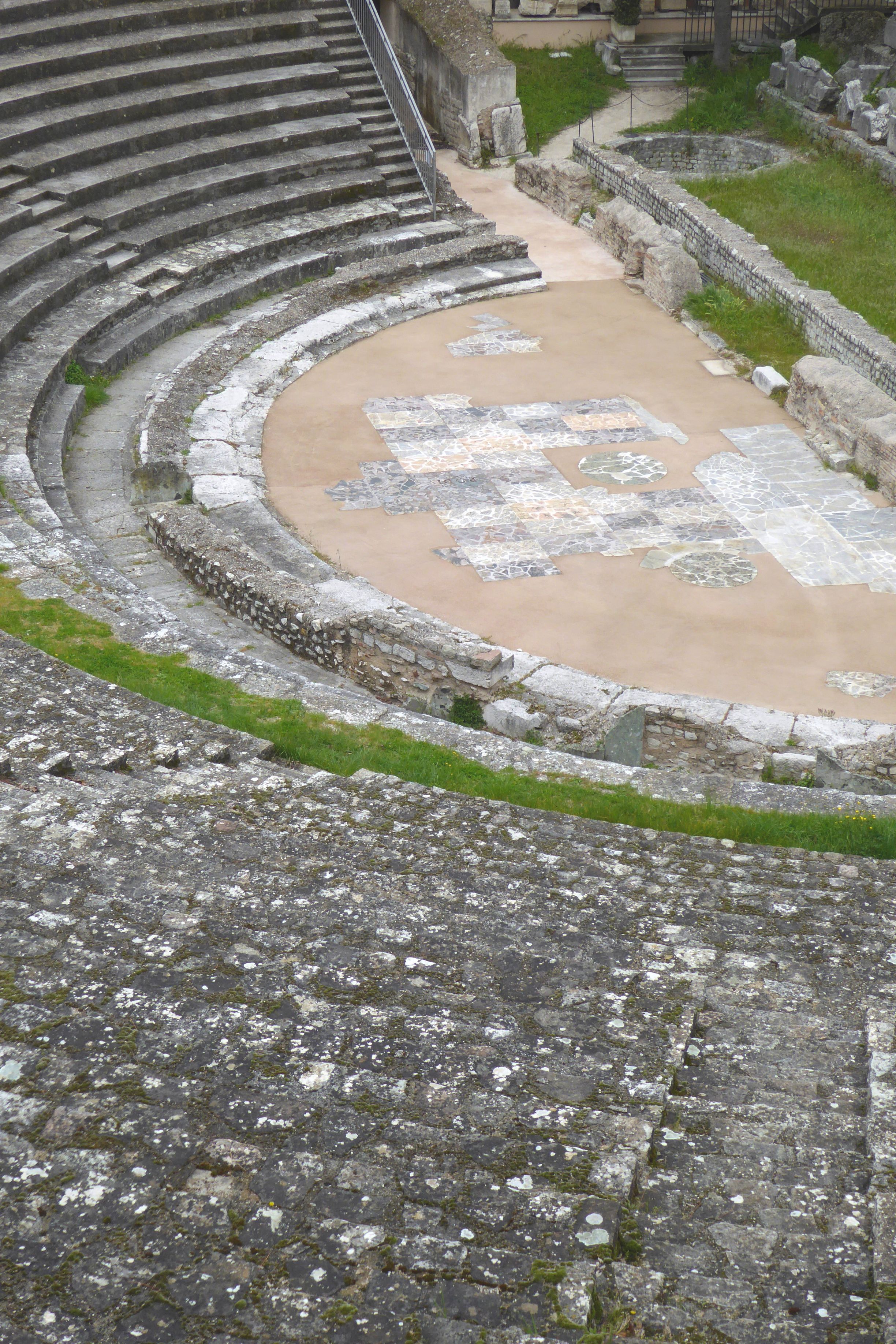
Roman amphitheater
Notice the label on what is decidedly NOT a premium bottle of champagne. This artwork was commissioned by the hotel’s owner during COVID, when they were required to spray every surface down with sanitizer on a continuous basis. Remember how bad COVID was in Italy! After all that, he has quite a wicked sense of humor!
Next up: THE HUNT IS ON—FOR TRUFFLES, THAT IS!
Note: If small group travel is of interest to you, I highly recommend Overseas Adventure Travel (OAT). Although Bruce and I travel together, they do not charge a single supplement for those who travel on their own. Singles also get their own room at hotels. If you book, you can get $100 off your trip by providing my name and customer number (Elaine Krugman, #3018126) as the person who referred you. I will also get $100 off future travel– a win-win!
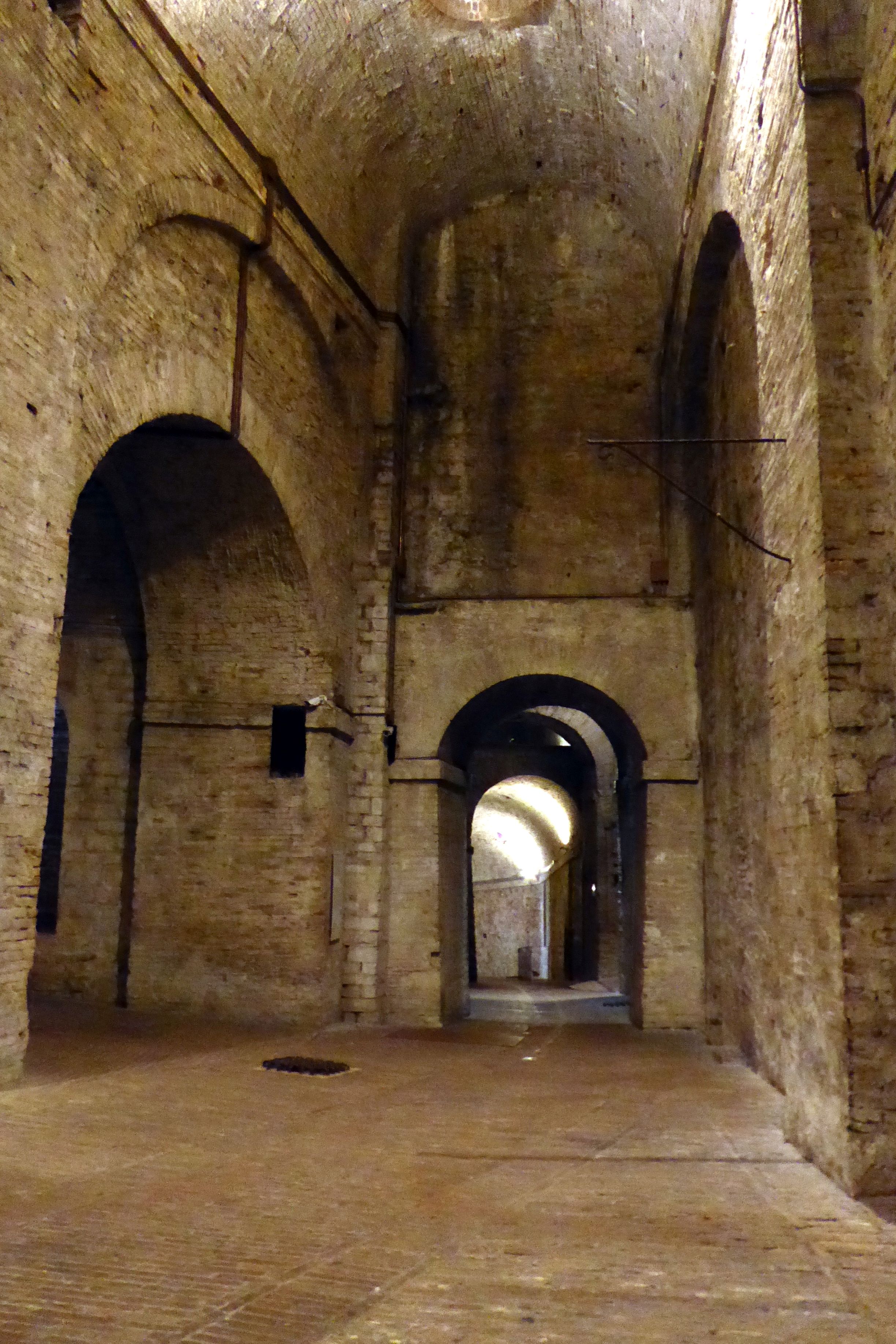
It was (sadly!) time to leave Tuscany behind and explore the Umbria region, so Perugiawas our first destination. Located high on a hilltop in central Italy, Perugia is north of Rome, and southeast of Florence. We were dropped off at the bottom of the hill and took an escalator up through Rocca Paolina, an ancient fortress that was built in the 1540’s.
(For all pictures, click on the image to see full screen view.)
Does the name “Perugia” sound familiar to you? Even if you aren’t familiar with the city, the name might sound similar to something you are familiar with: Perugina, the chocolate company that makes Baci chocolates. Originating in Perugia, Perugina dates back to 1907; however, Nestle bought the company in 1988.
Perugina chocolates were first introduced to the United States at the 1939 World’s Fair in New York City, and they opened a retail store on Fifth Avenue the same year.
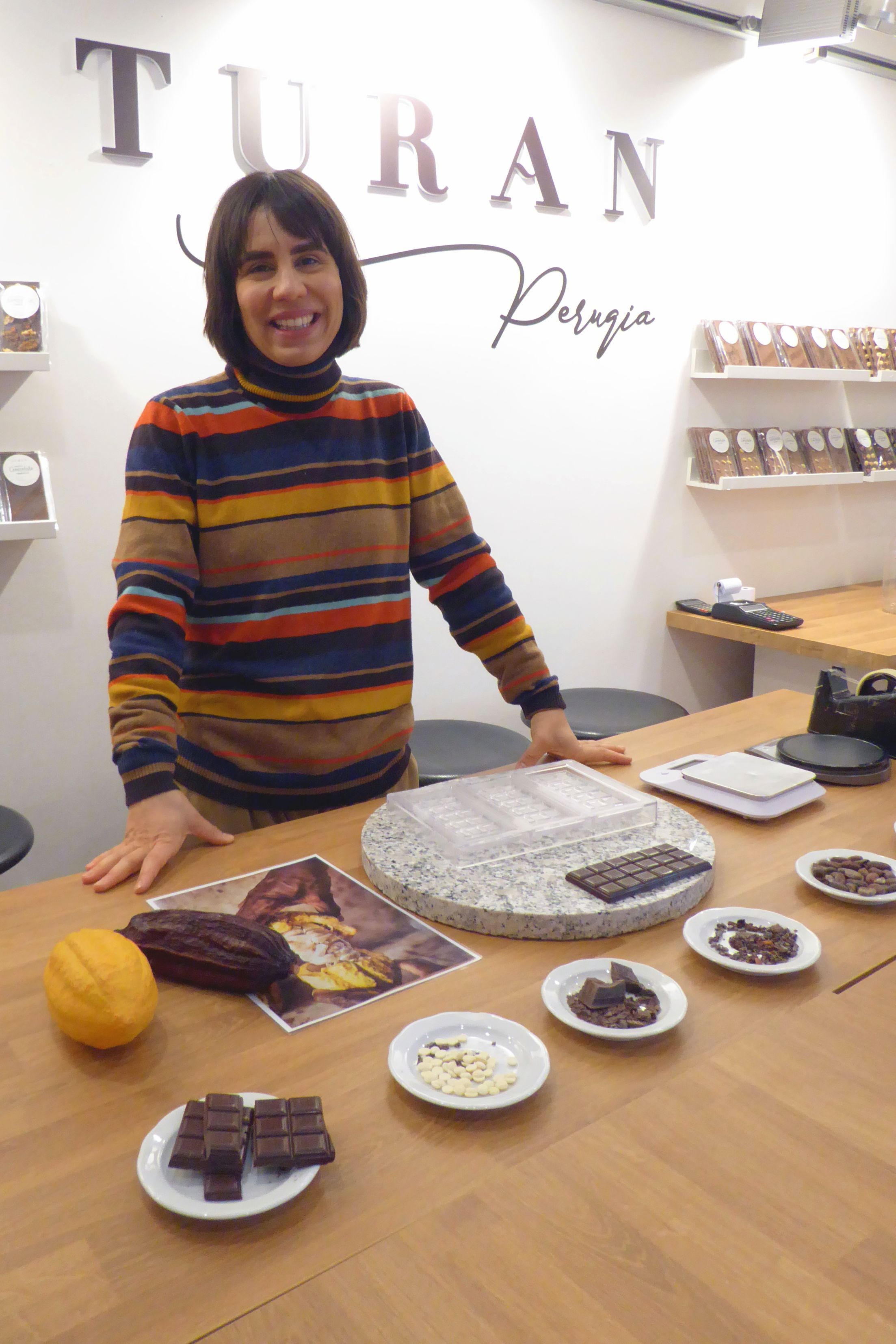
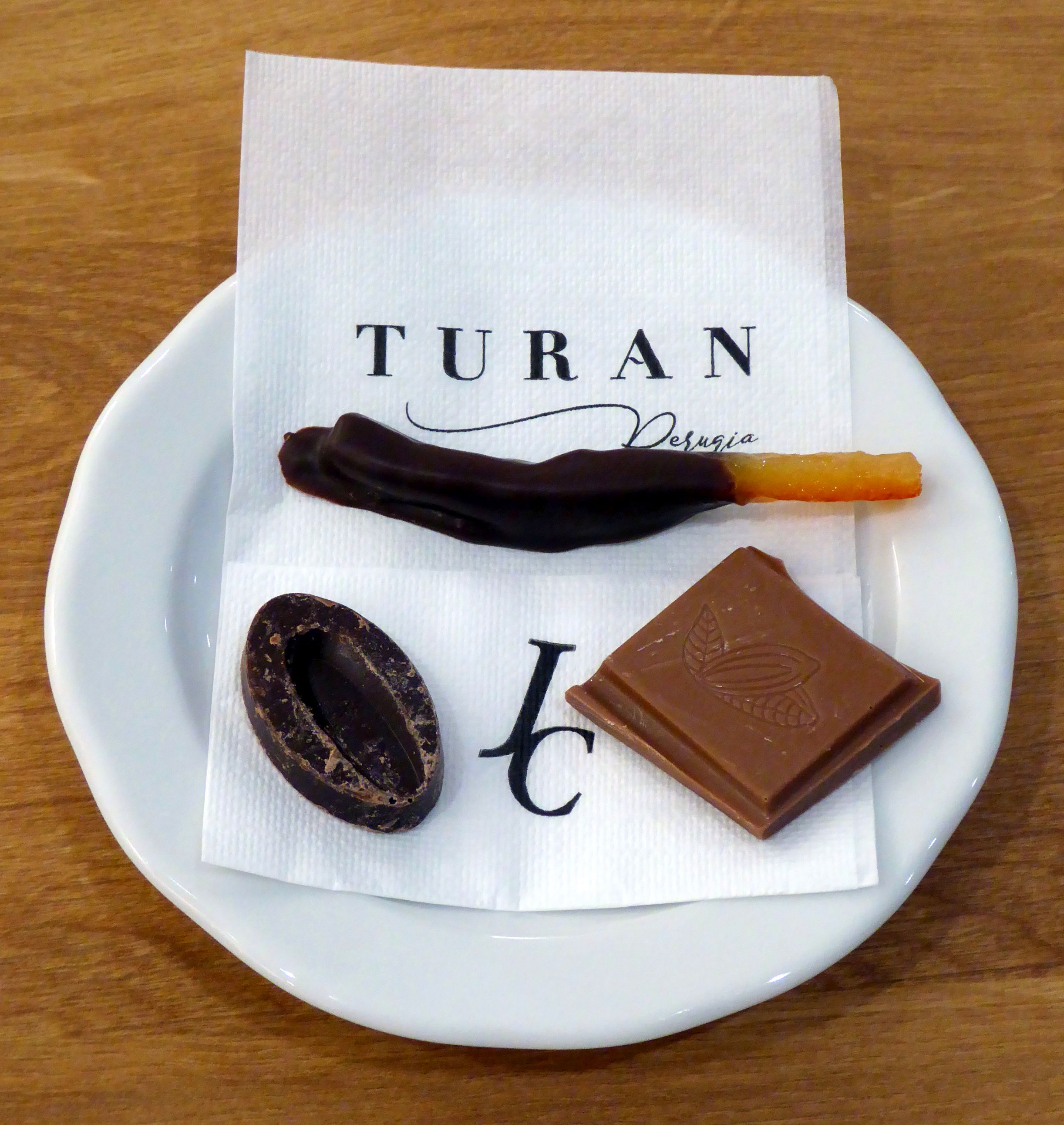
I would have loved touring the factory (as chocolate and touring chocolate factories is one of my passions; just check out my “CHOCOLATE!” tab on this blog!); however, it wasn’t included on our itinerary. Instead, we had a walking tour of Perugia and visited Turan Cafe, a small boutique chocolatier and café located on the Piazza IV Novembre. After learning how chocolate bars are made, we made our own chocolate bar, and then had lunch in the cafe.
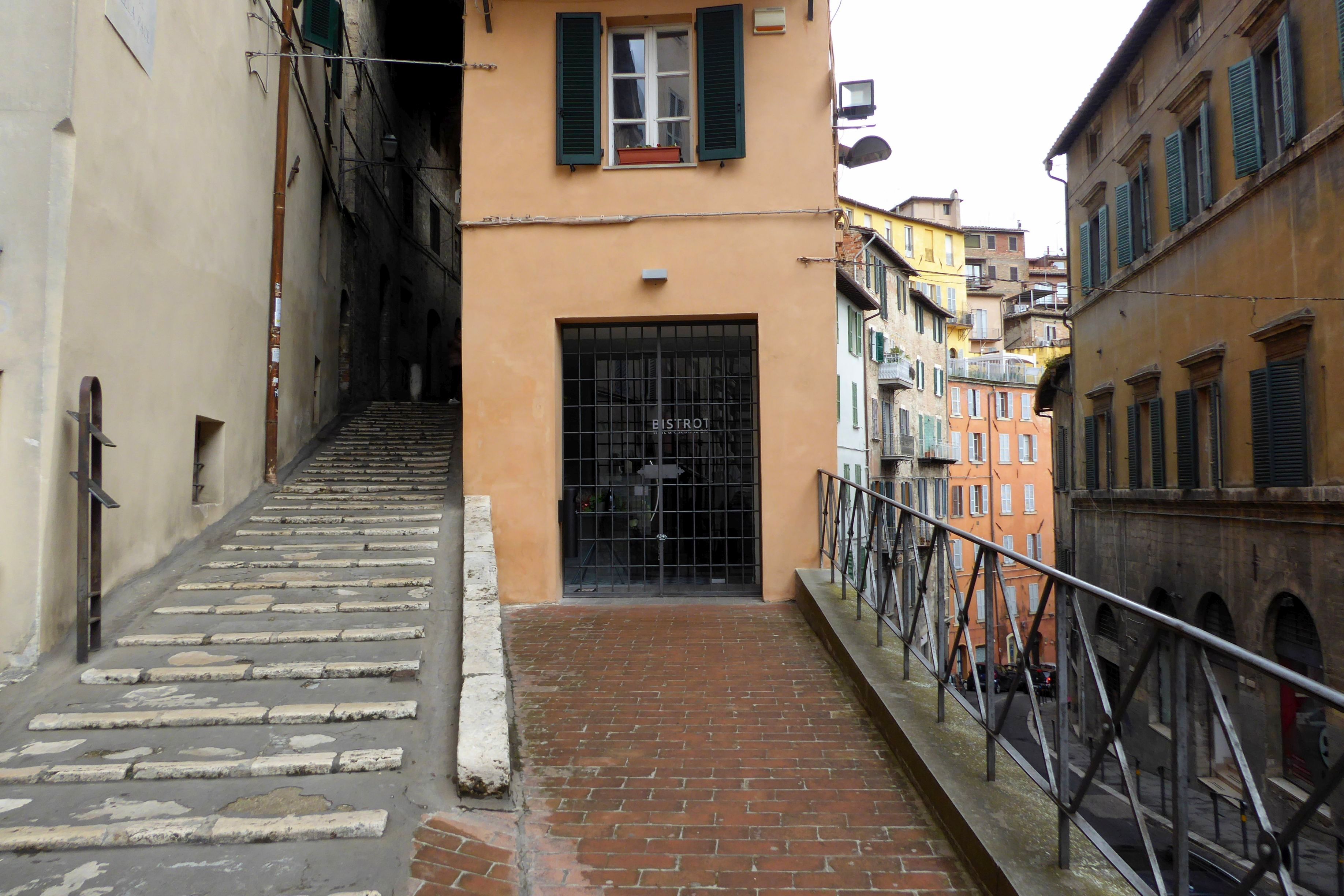
On our way to Piazza IV Novembre and Turan Cafe, straight ahead.
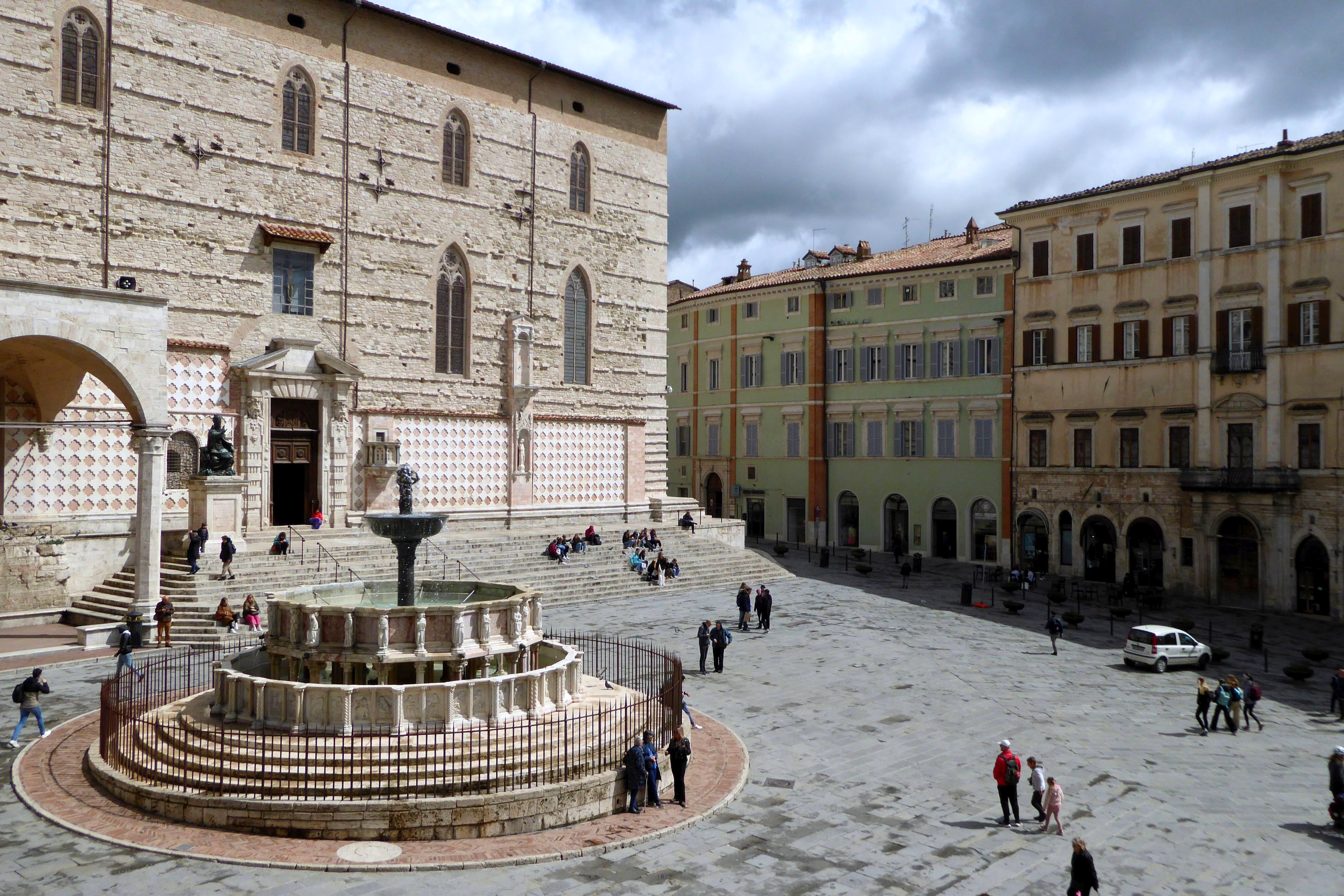
Piazza IV Novembre
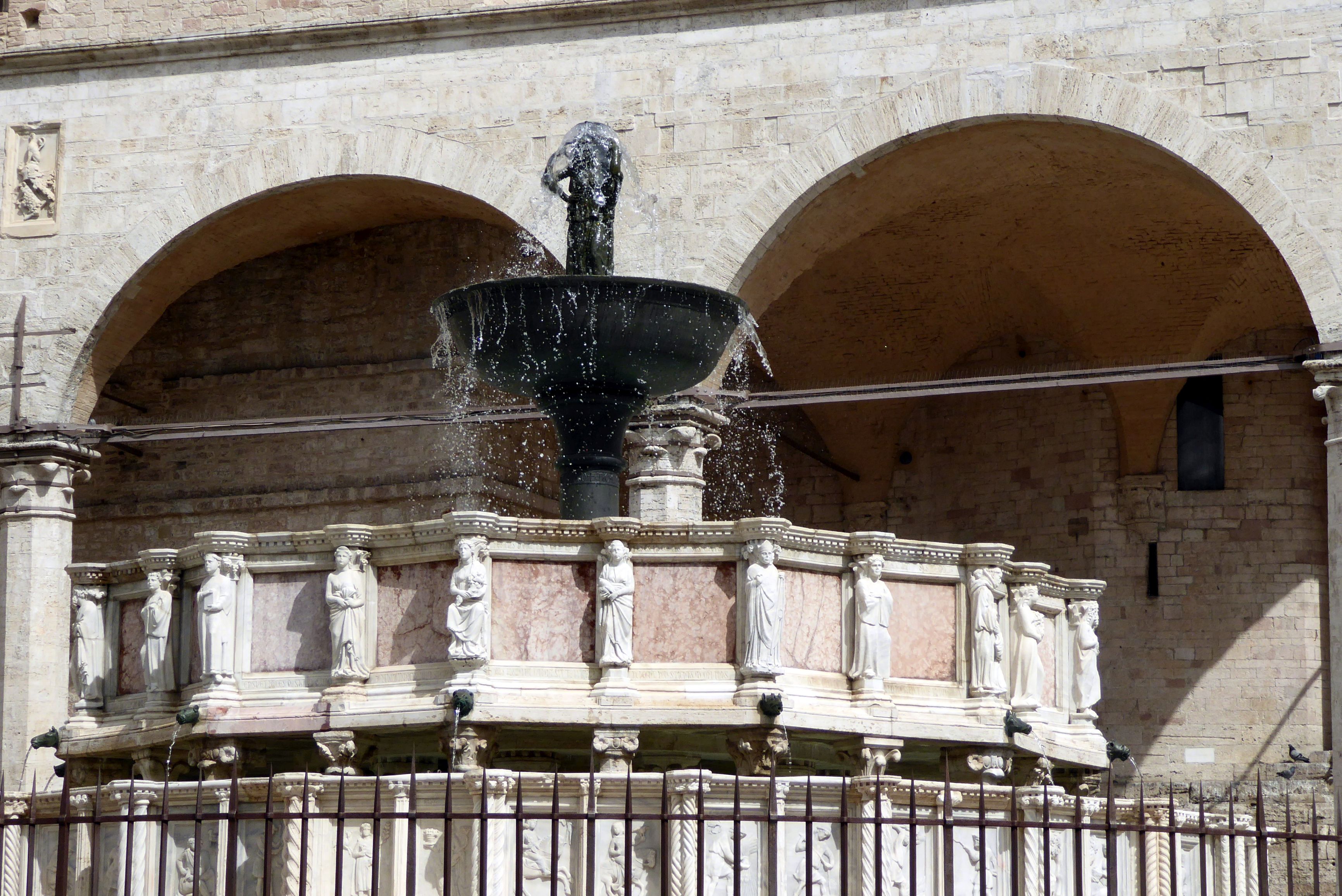
This fountain dates back to the 1200’s.
Although Turan’s chocolates are of excellent quality, they are not a bean-to-bar chocolatier. They source their (already processed) cocoa from South America rather than buying the cacao beans and handling the entire process, from beginning to the end product.
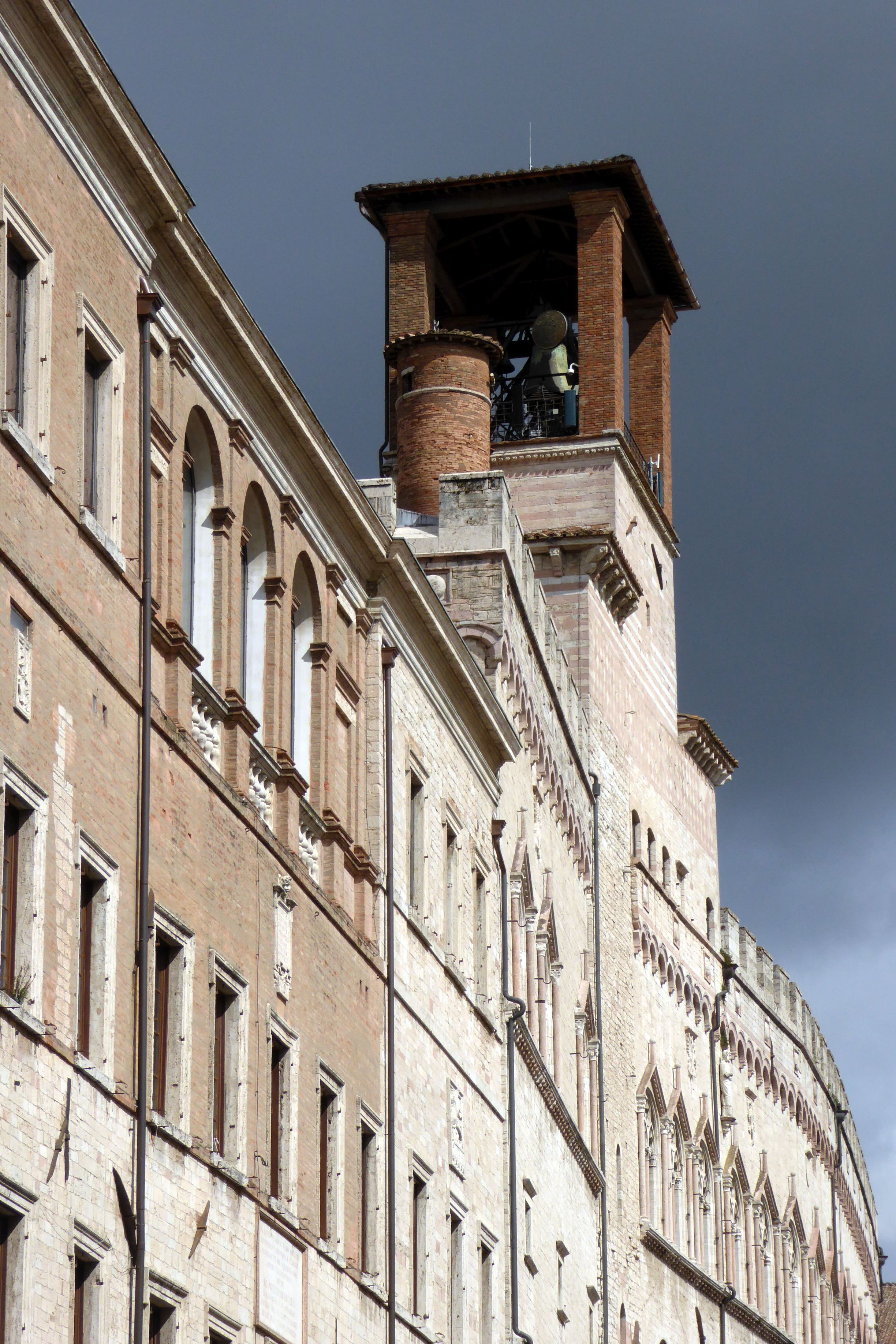
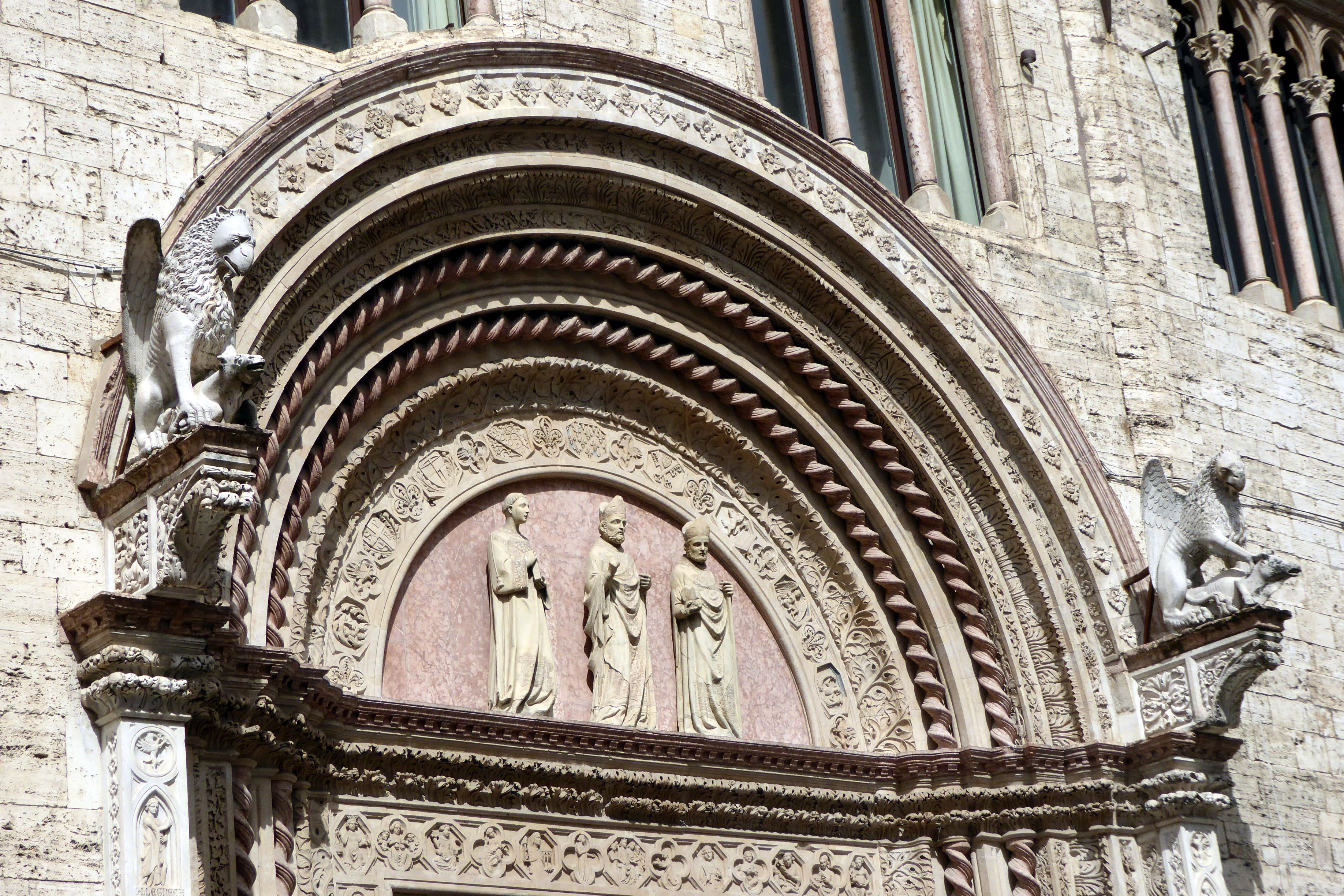
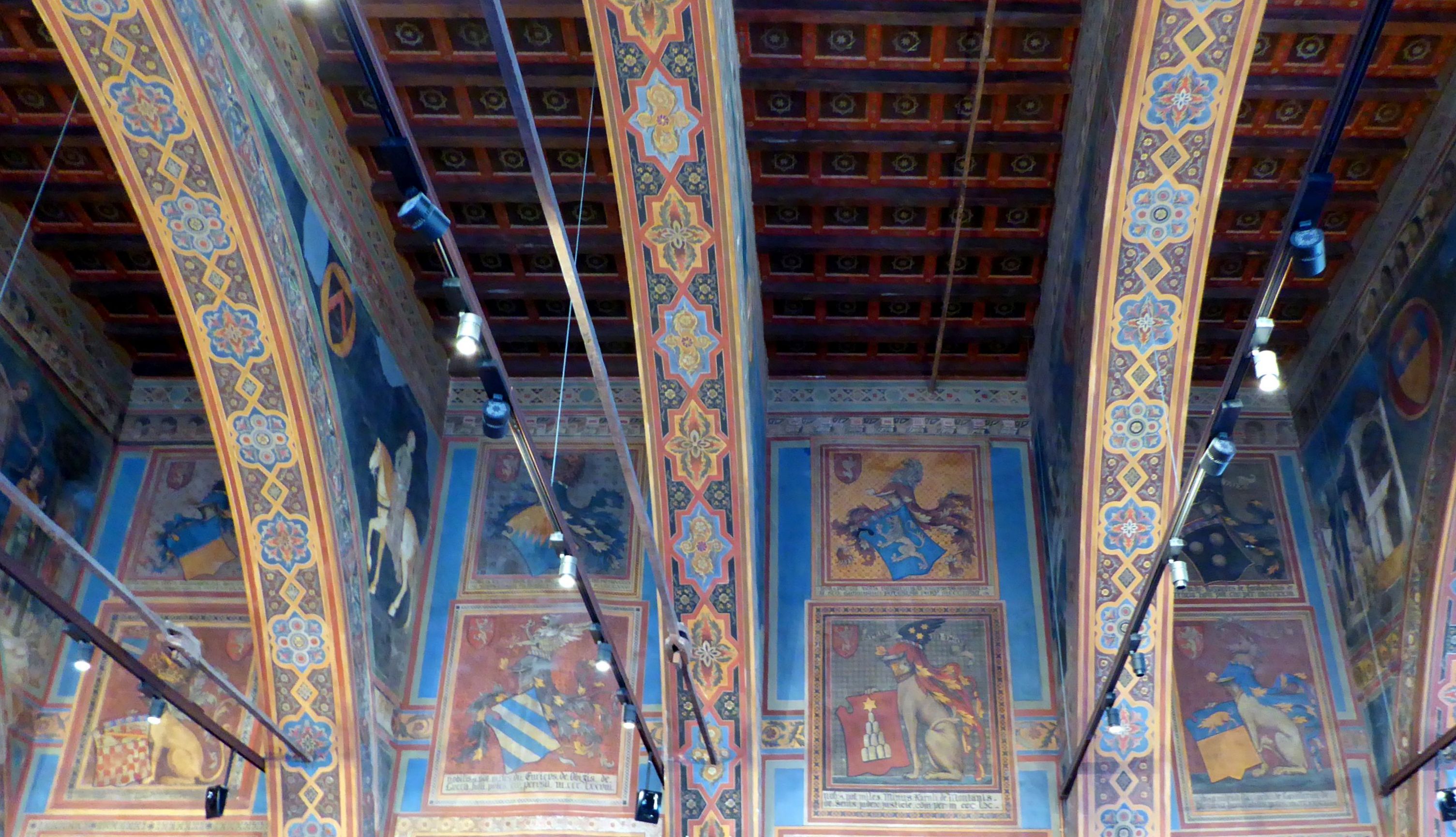
During our free time, we stopped in to see the Palazzo die Priori, a beautiful municipal building located on the piazza across from the café.
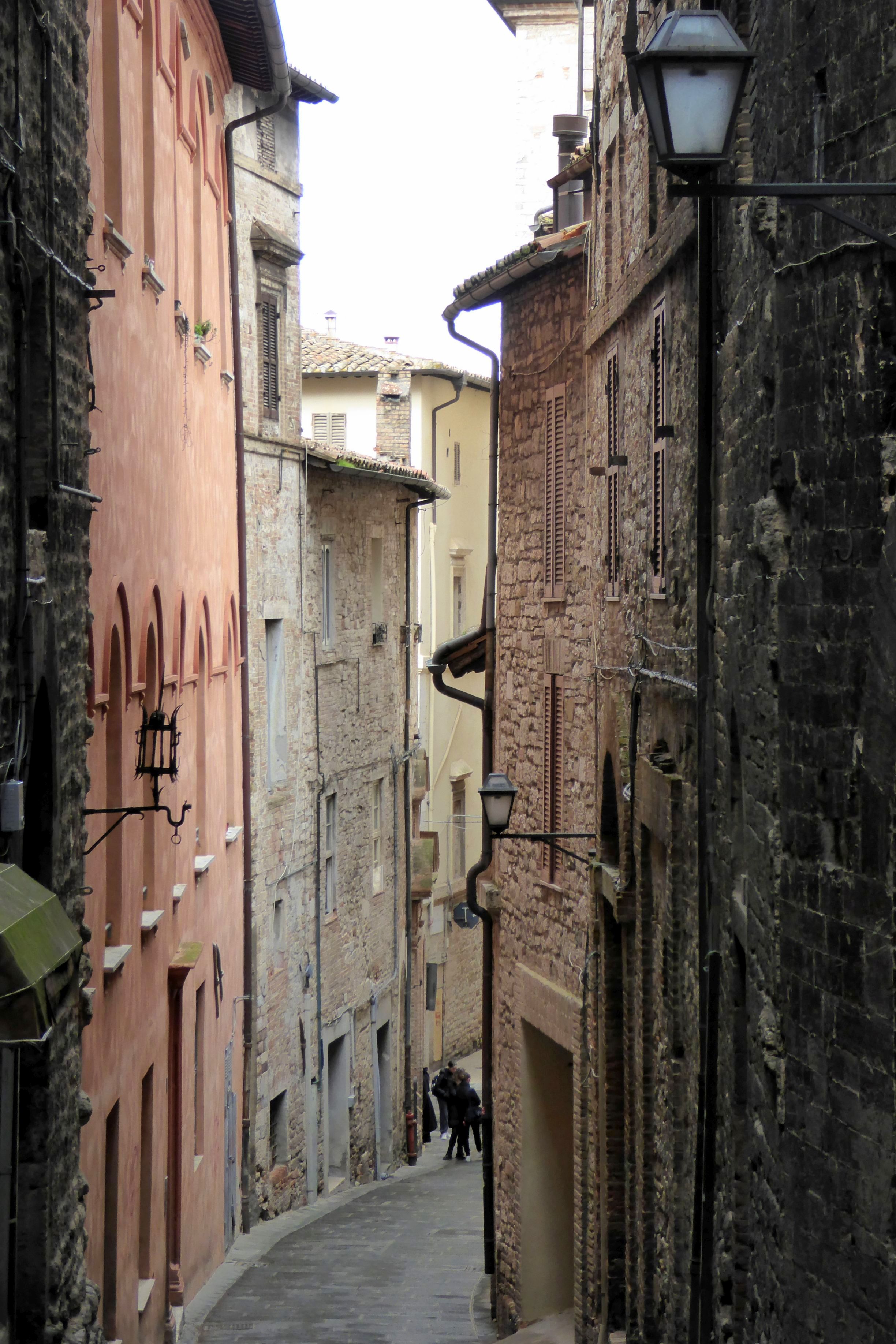
We also wandered the streets of the city center to explore a little bit on our own. Later in the afternoon, our group stopped at a fabulous gelato cafe, and then continued our walking tour. As you can see in all of the outdoor photos from the day, the weather was quite dynamic, constantly changing from cloudy to sunny.
A delicious looking dessert at the gelato cafe!
Assisi was our final stop before heading to our hotel in Spoleto. Unfortunately, photos (even without flash) were not permitted at the Basilica of Saint Francis of Assisi, because it was gorgeous inside. Built in the 1200’s, it was listed as a UNESCO World Heritage Sitein 2000. People come from all over to visit the basilica, because this is where Saint Francis was born, died, and his remains are interred. It is one of the most important places of Christian pilgrimage in Italy.
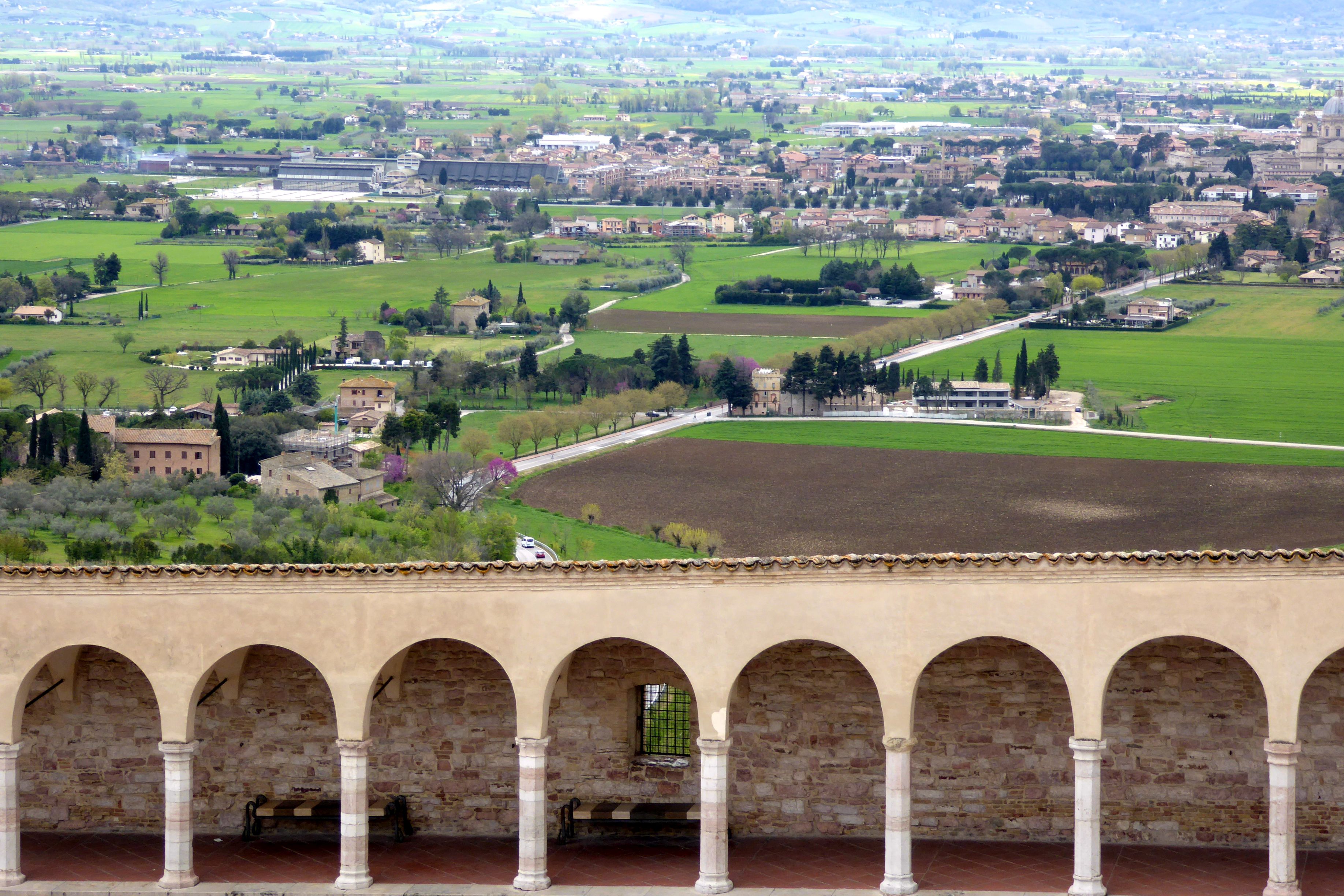
The view from the basilica
The town of Assisi
We continued on to Spoleto, our home base for the next three nights, and the subject of my next post.
Coming up next: Serene Spoleto
Note: If small group travel is of interest to you, I highly recommend Overseas Adventure Travel (OAT). Although Bruce and I travel together, they do not charge a single supplement for those who travel on their own. Singles also get their own room at hotels. If you book, you can get $100 off your trip by providing my name and customer number (Elaine Krugman, #3018126) as the person who referred you. I will also get $100 off future travel– a win-win!
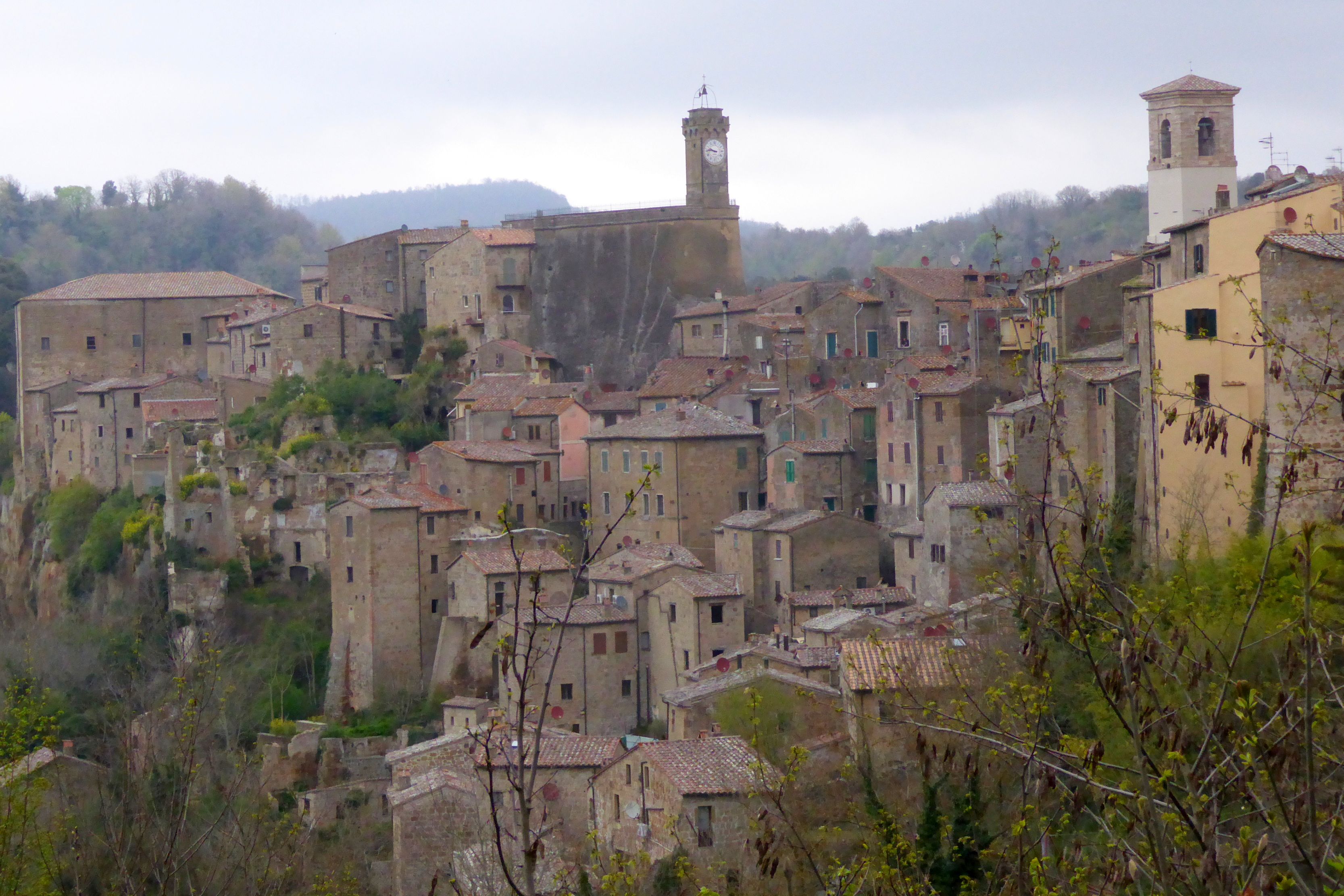
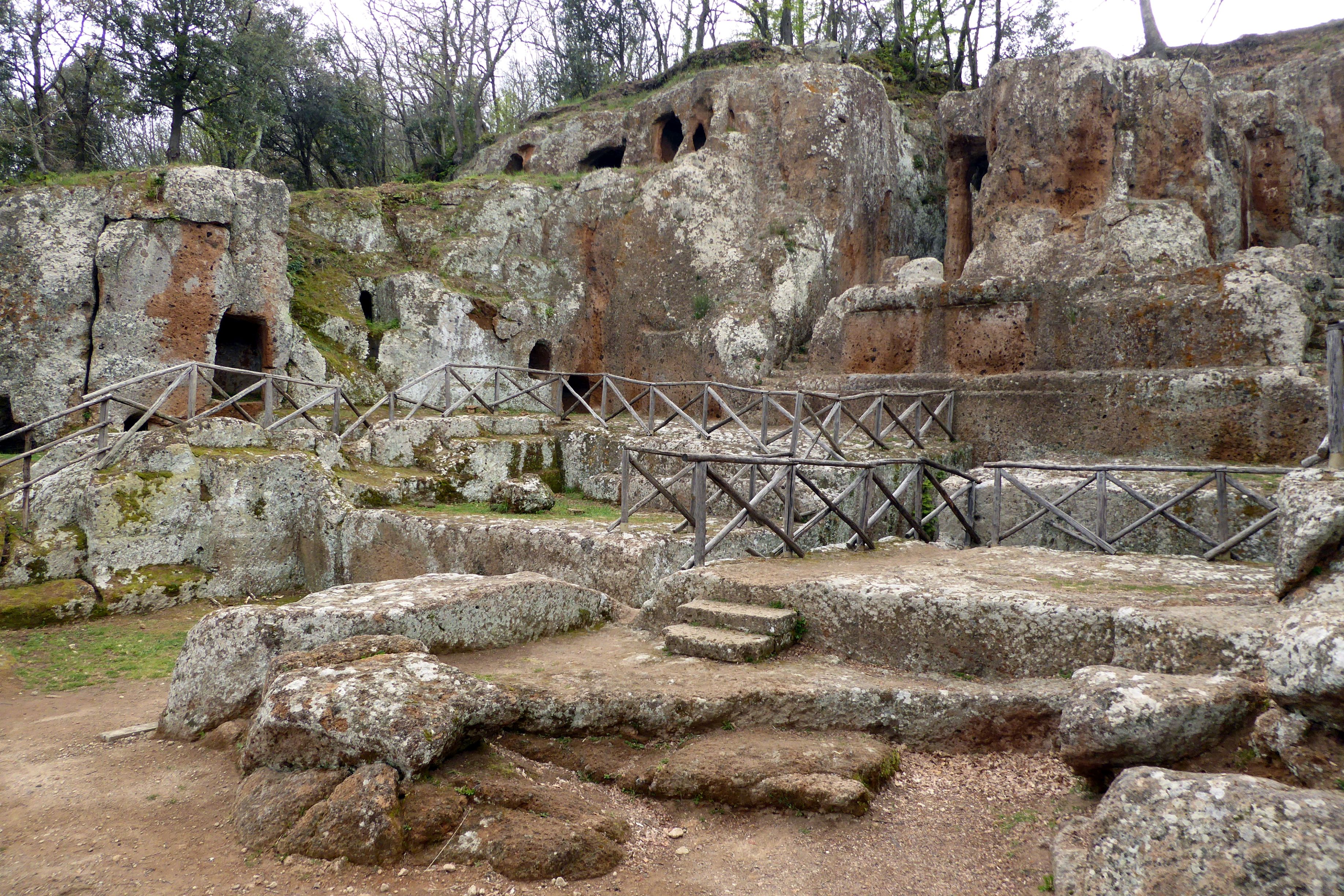
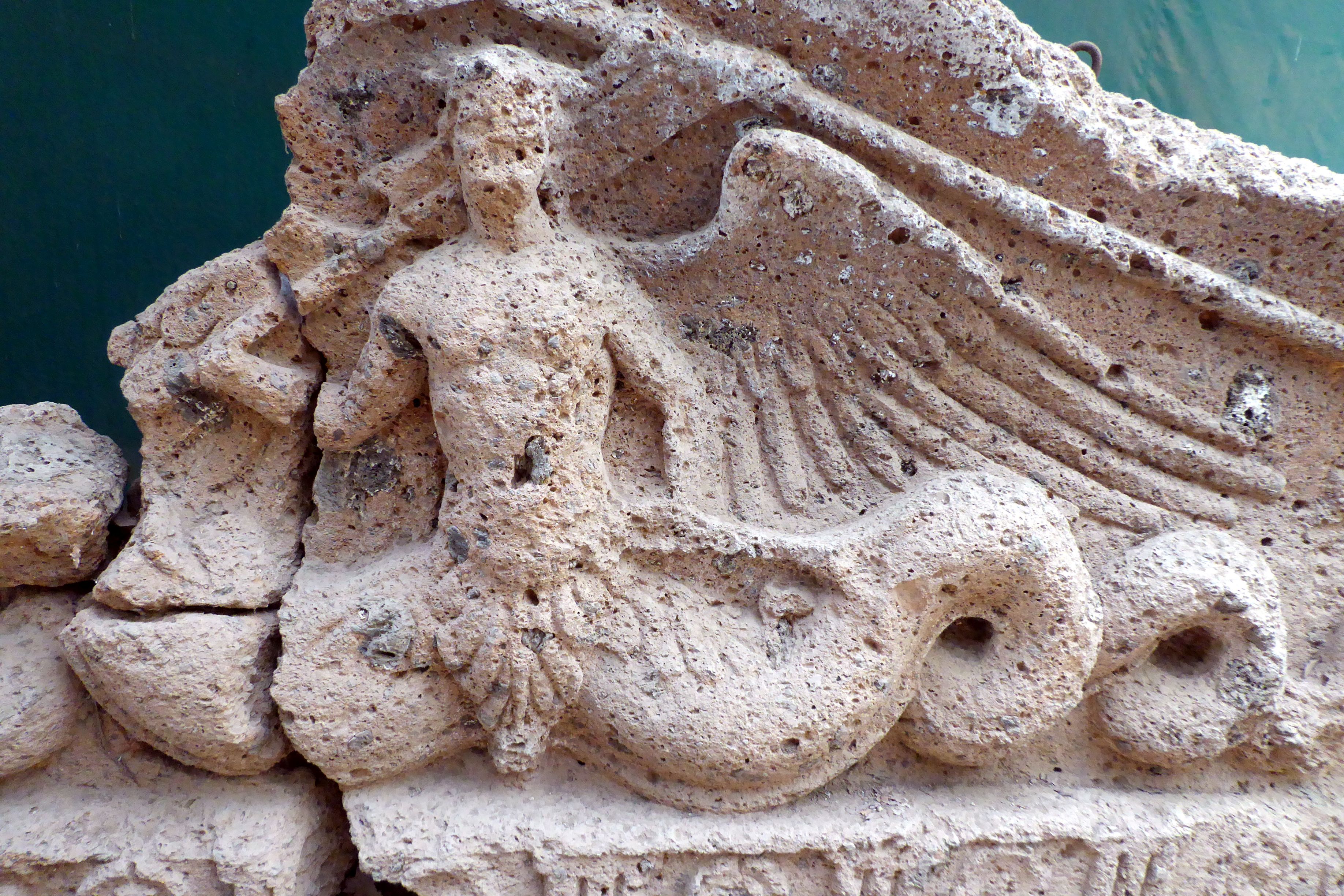
After learning about the Etruscansthe previous day, I was curious to see where the artifacts had been discovered. A guided walk around the Etruscan necropolis of Sovana added another piece to the mysterious puzzle of Etruscan society. A hike through a wooded area and along a sunken road carved into volcanic rock took us to an ancient burial site at Citta del Tufo.
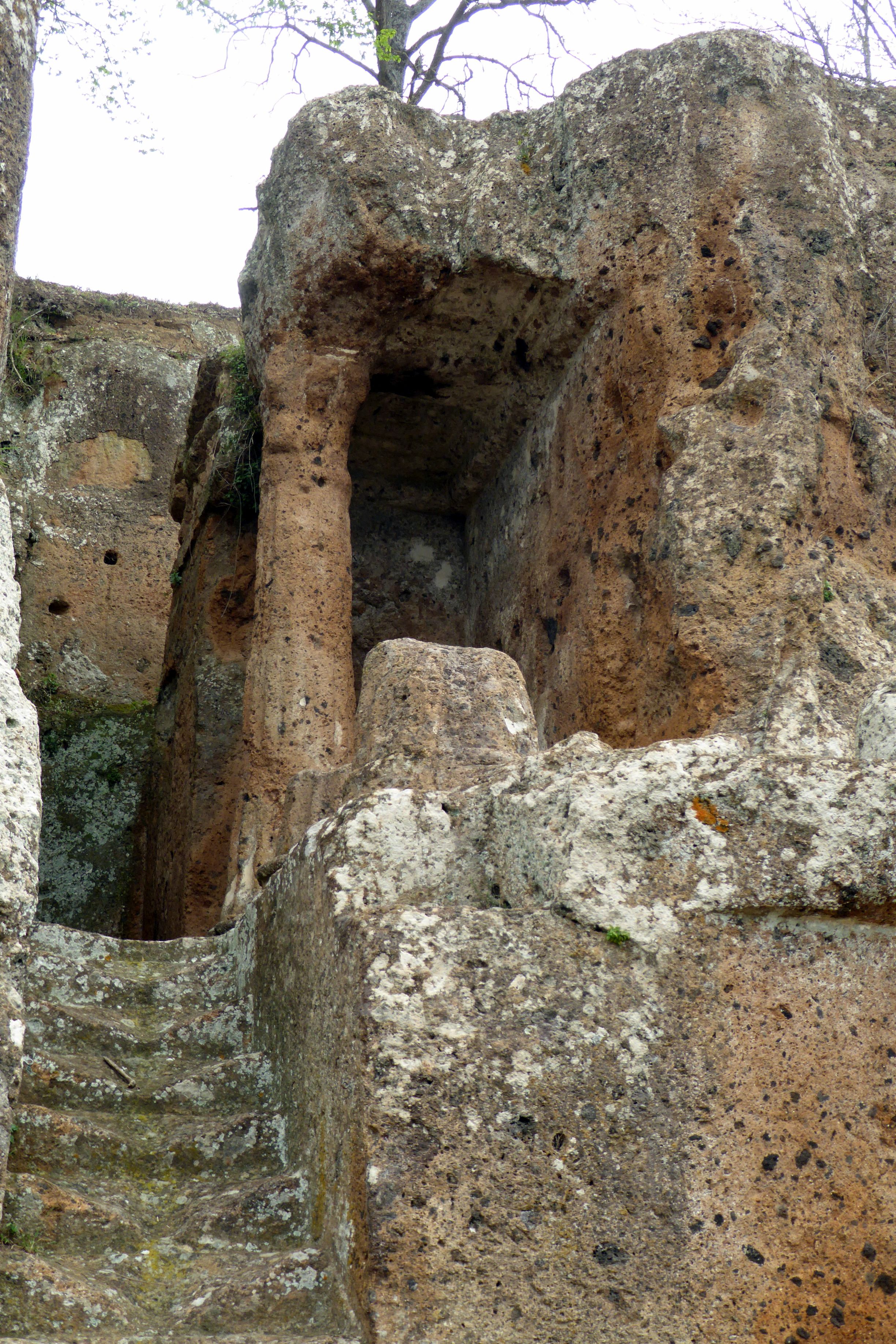
This area has been populated by man since the Stone Age, and it was fascinating to see the 3,000-year-old Etruscan tombs in the park.
(For all pictures, click on the image to see full screen view.)
The town of Sovana
This sunken road was cut into volcanic rock.
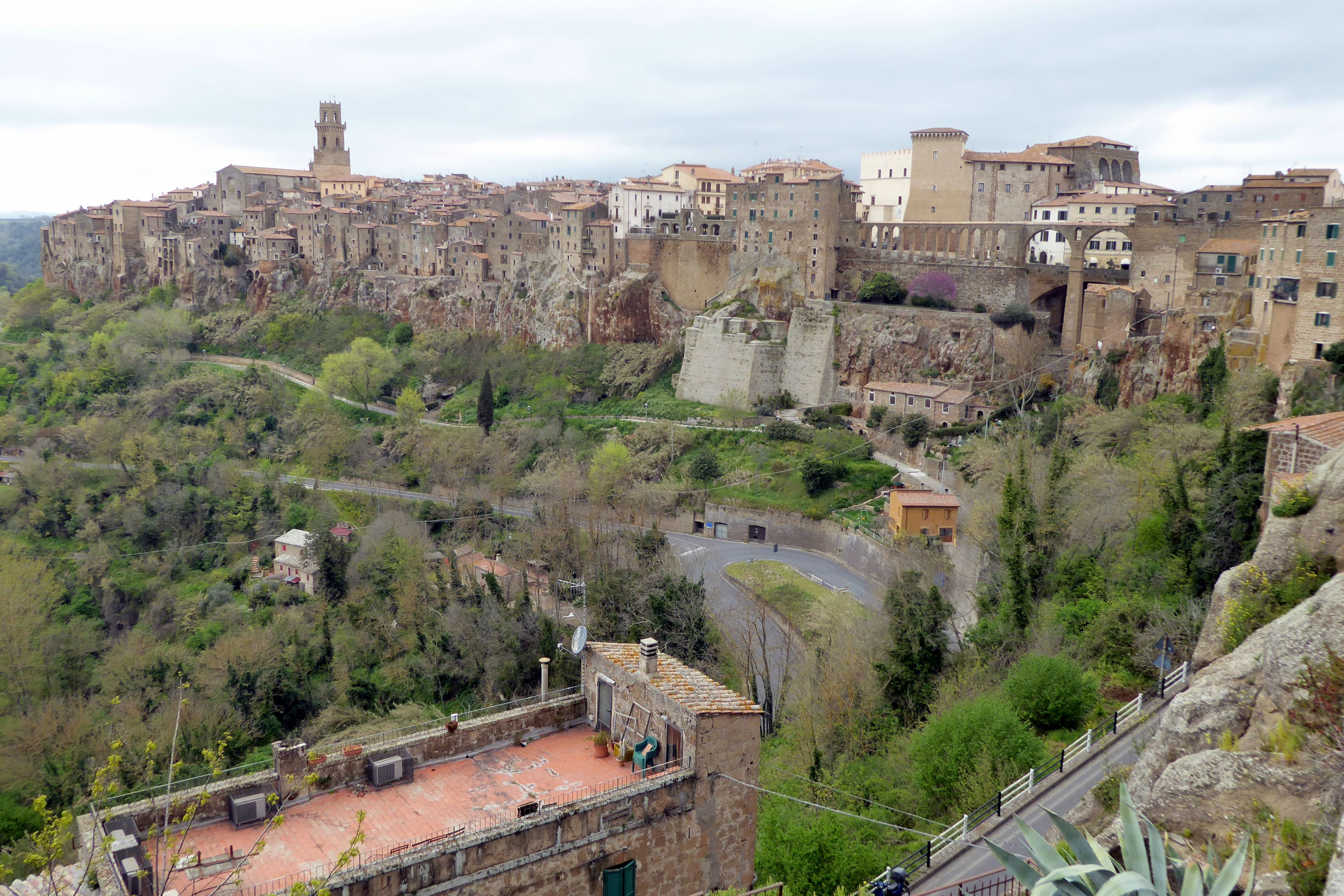
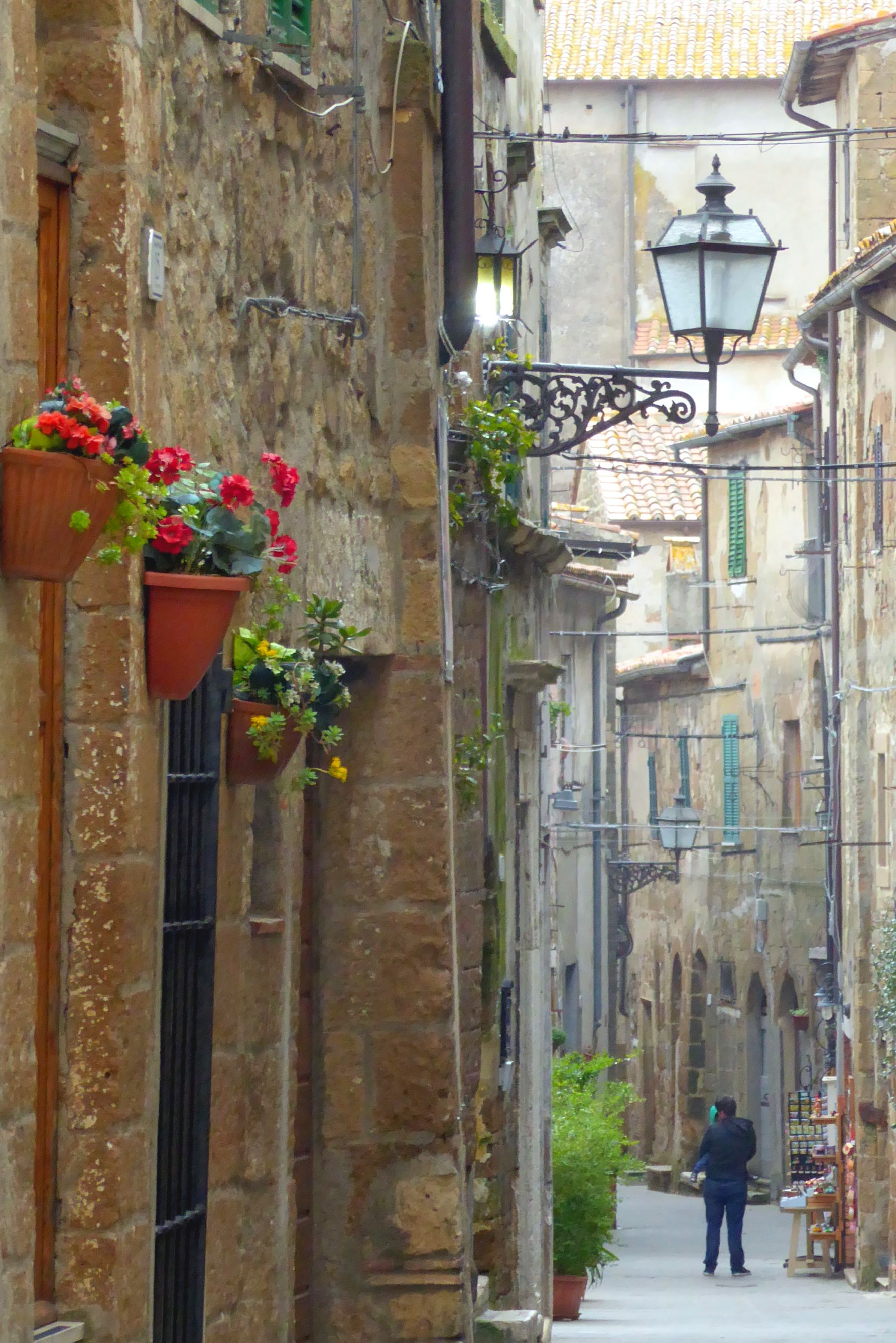
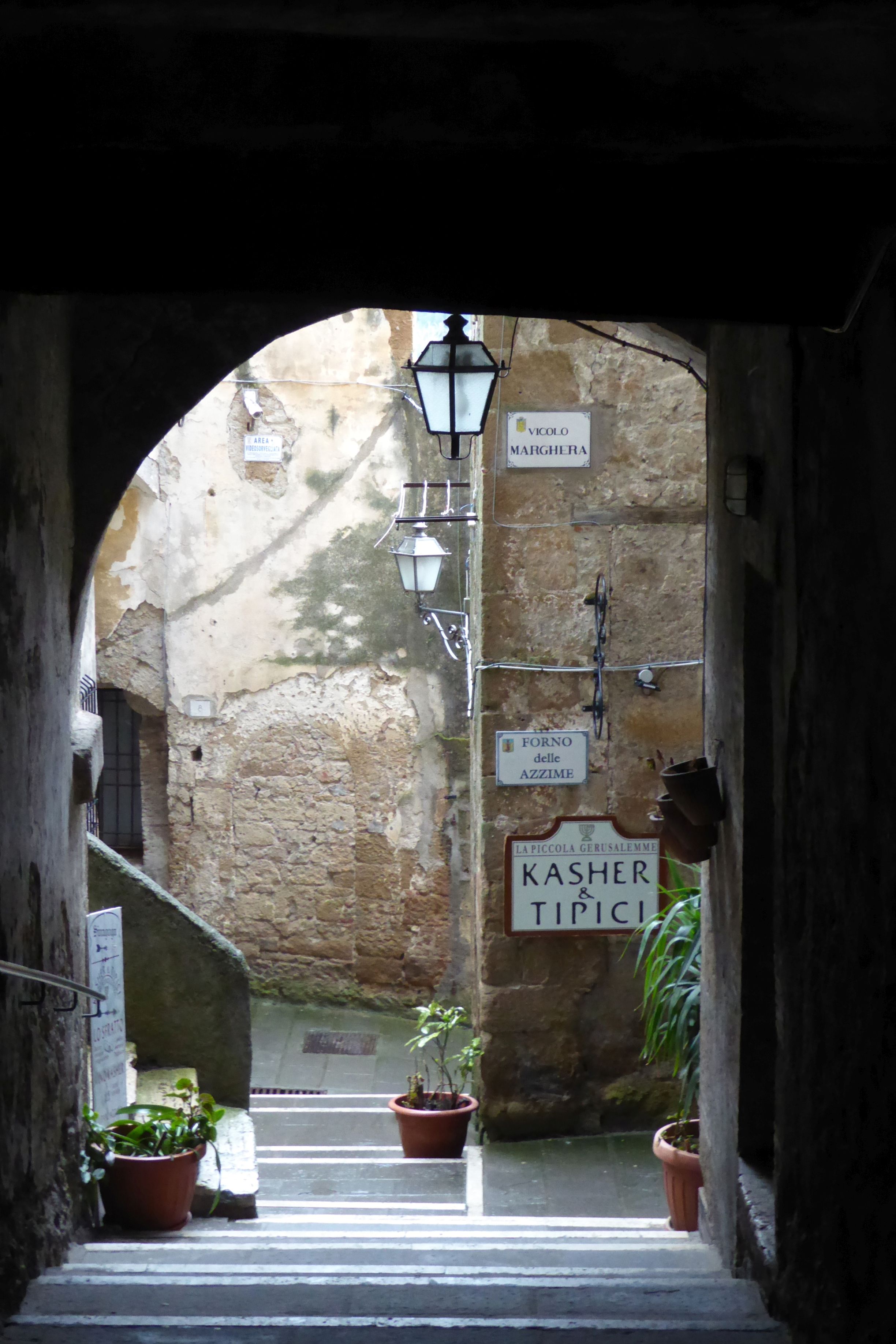
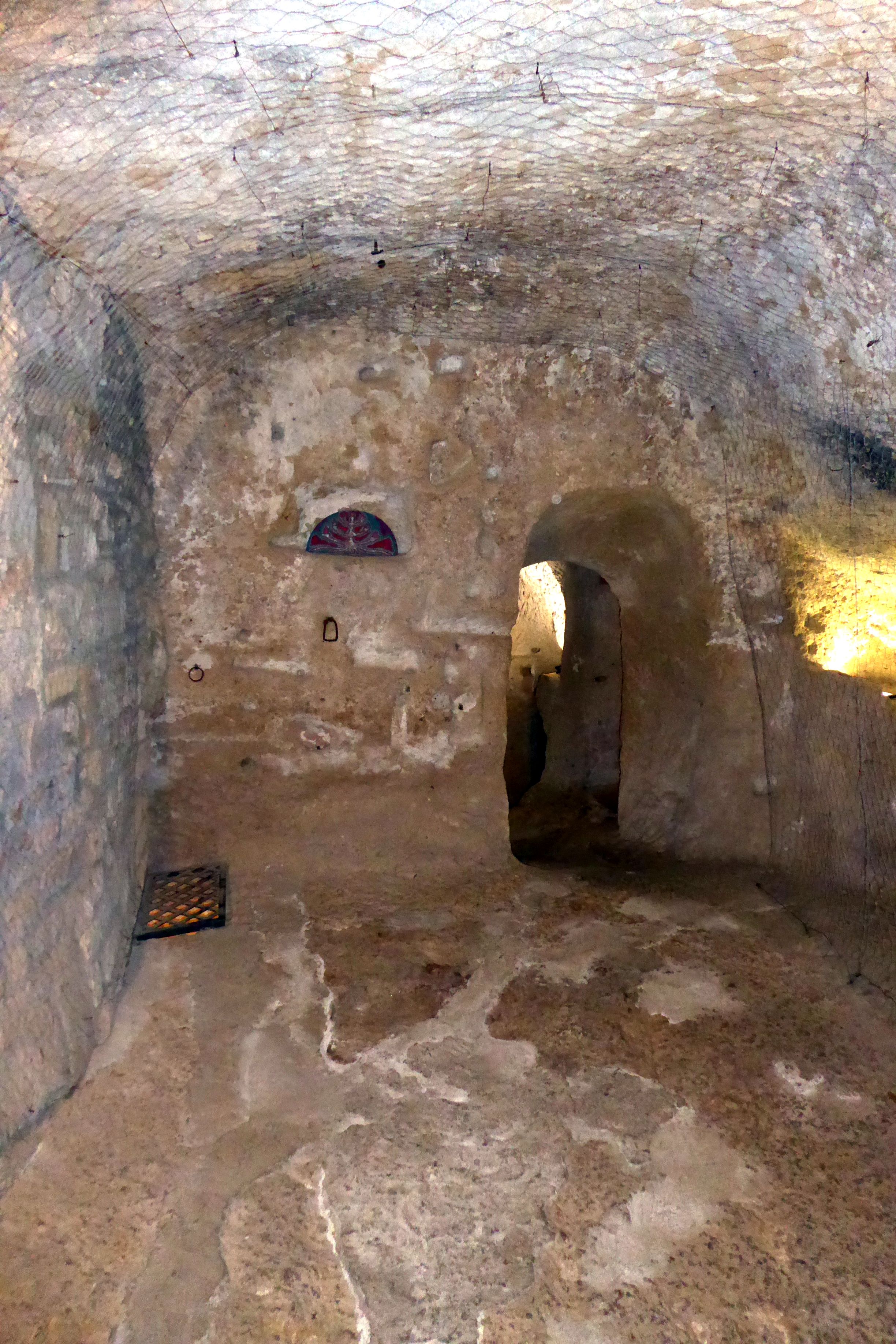
Pitigliano, our next stop, was originally settled by the Etruscans and was once home to a thriving Jewish populationthat had settled there in the early part of the 16th century. Although they were in Italy long before the Christians, they were persecuted in the 1500’s because of their beliefs, and forced to move from their homes into a designated area. They weren’t free until the unification of Italy in 1861; however, over the years that followed, many left the area for larger cities, mainly for economic reasons. By World War II, there were only about 60 Jews left in Pitigliano. When the Nazis came, those who remained hid with five families in their homes. They were then moved to caves for safety, and the community worked together to bring them supplies and food. All of them survived; however, the 22 Jews who left town before the Nazis arrived were captured and killed.
After the war, only 30 Jews returned, and the families who protected and hid the Jews were given medals. Today, there are only three Jews left, including a lady in her 90’s who has worked diligently to preserve the Jewish history of the town of 4,000 people.
During our walking tour, we visited the Jewish synagogue and caves where the Jews had been hidden. It now serves as a museum.
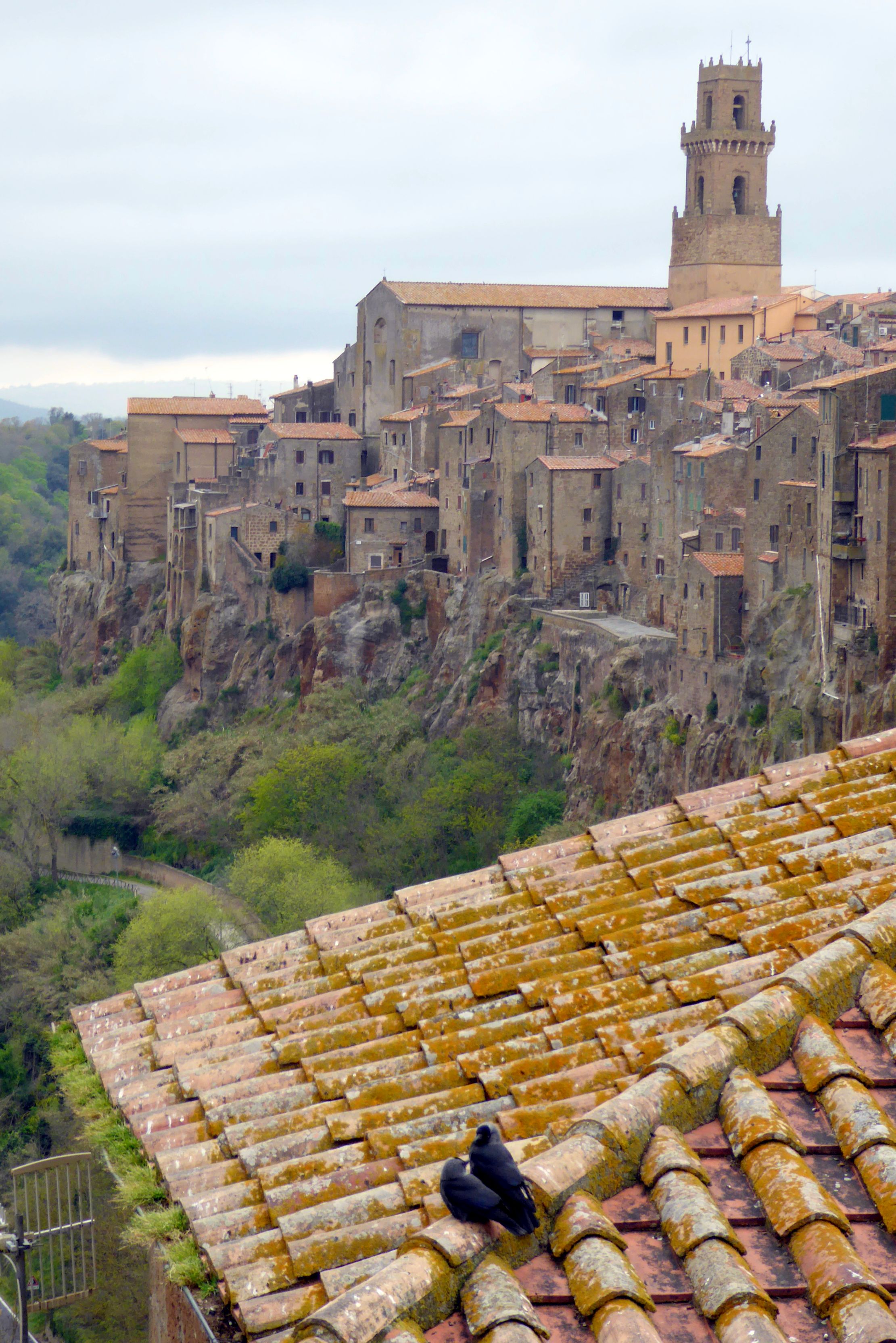
This is my view of Pitigliano:
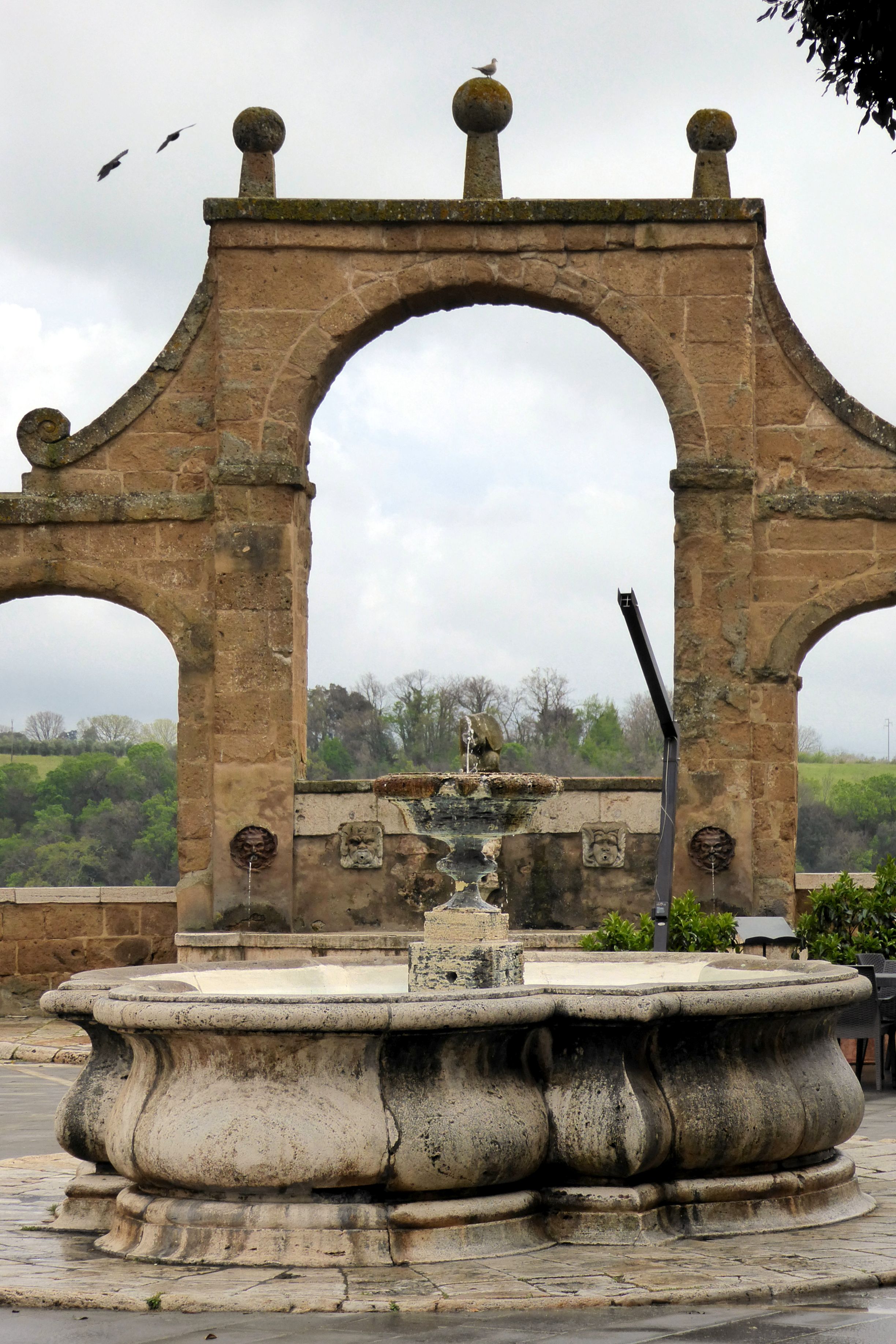
The symbol of Pitigliano
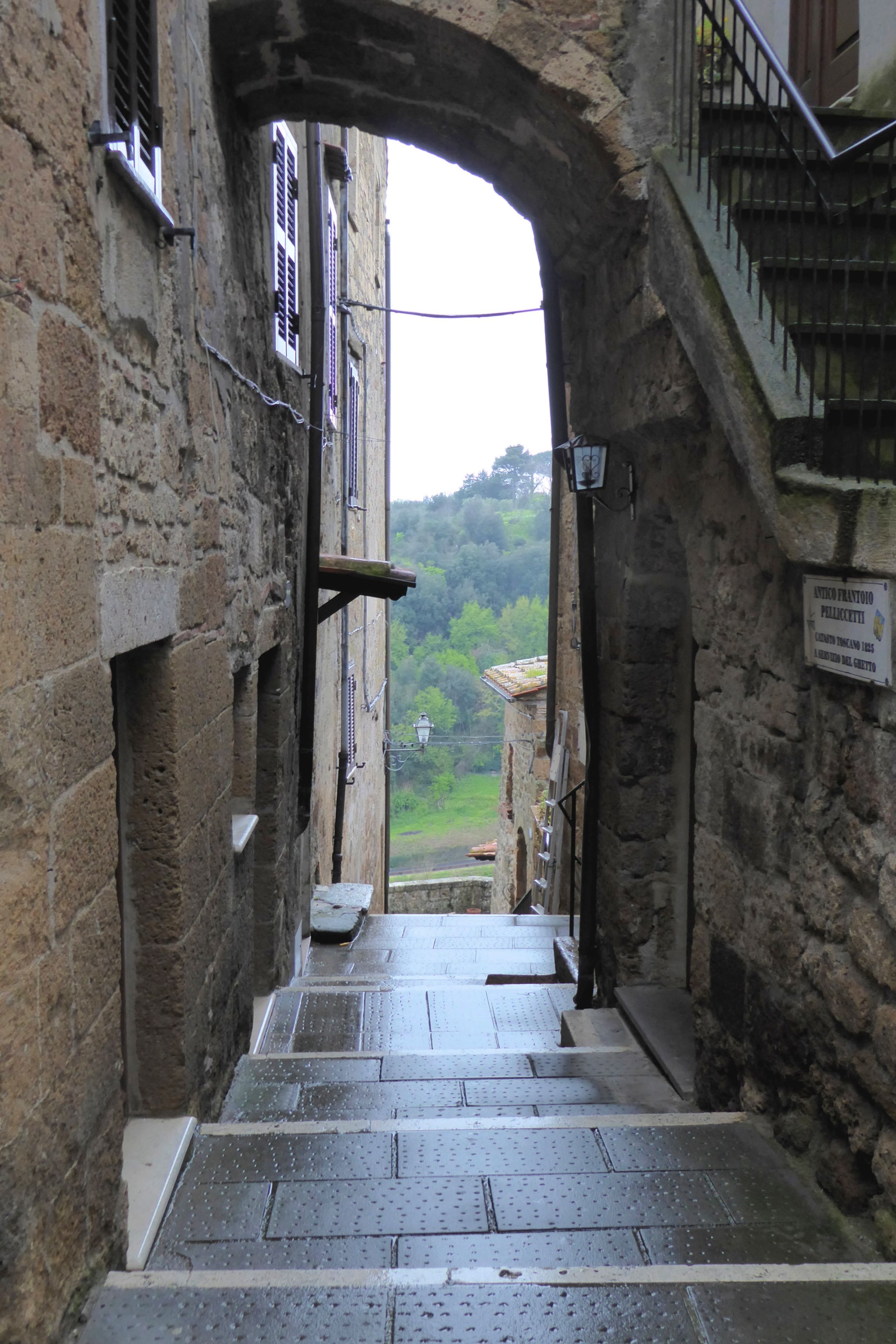
Entering the Jewish Ghetto
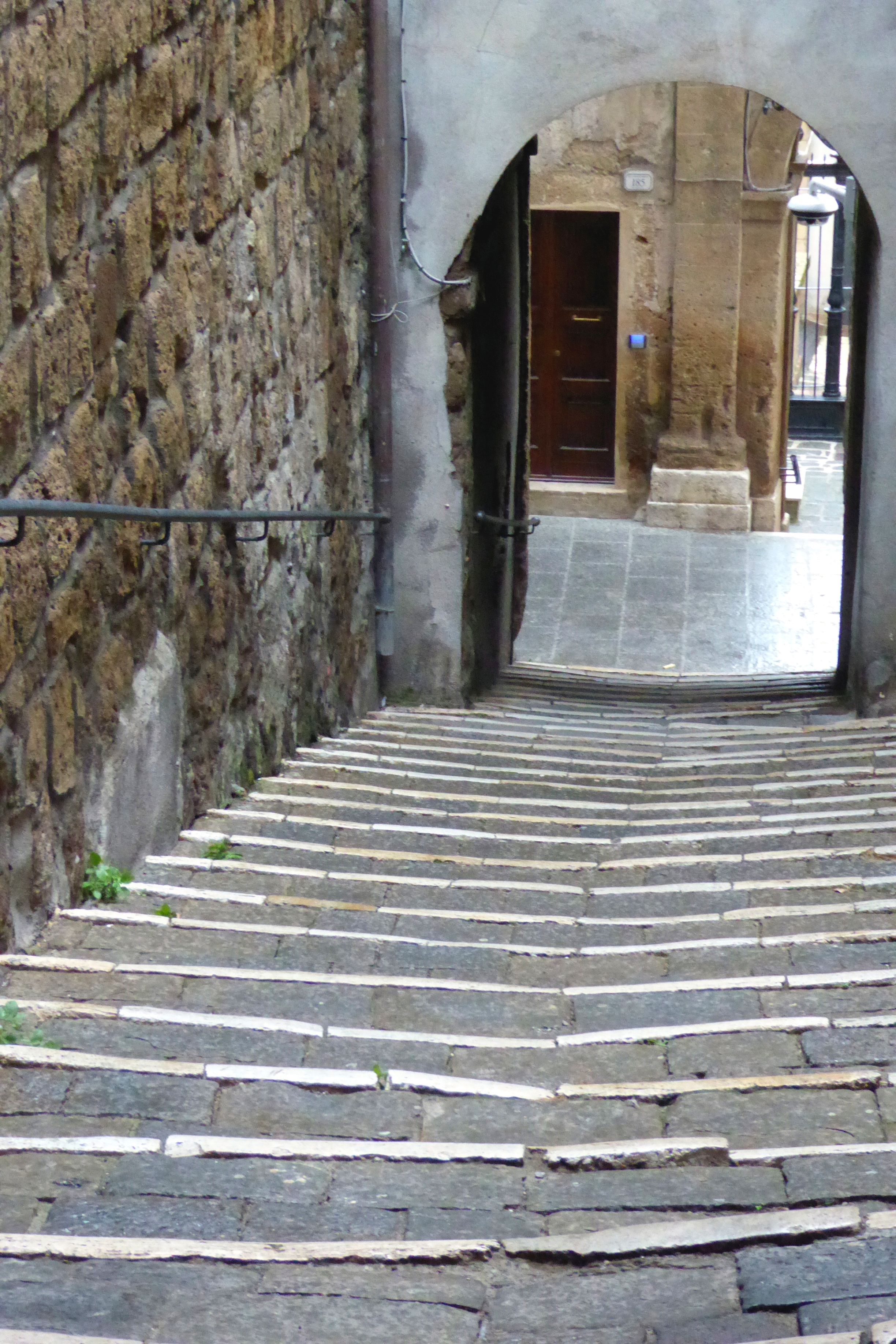
Another entrance to the Jewish Ghetto
Caves where the Jews were hidden from the Nazis
Our group
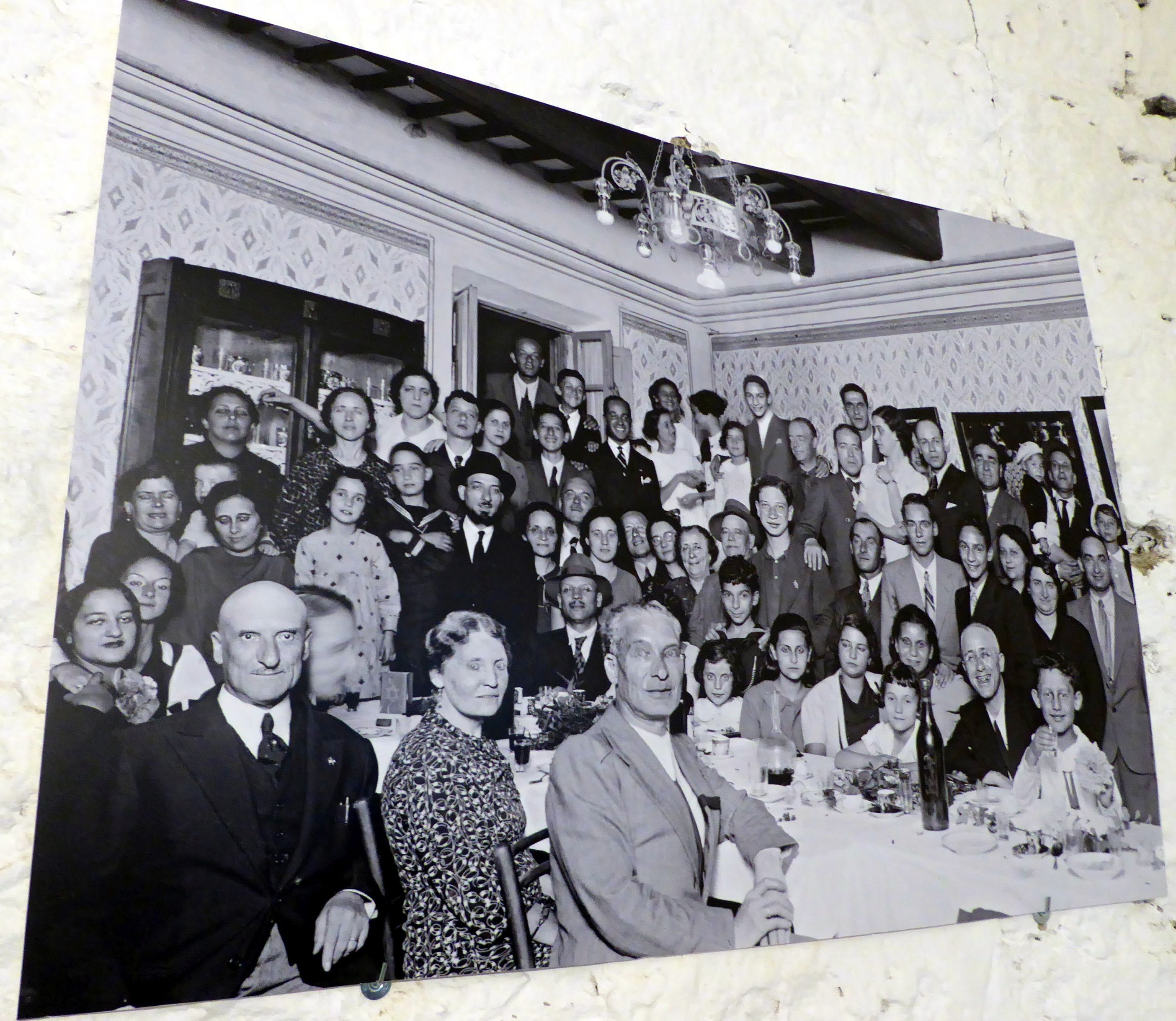
A Jewish wedding in Pitigliano. The young girl to the left of the wine bottle is the oldest remaining Jew in Pitigliano, now in her 90’s.
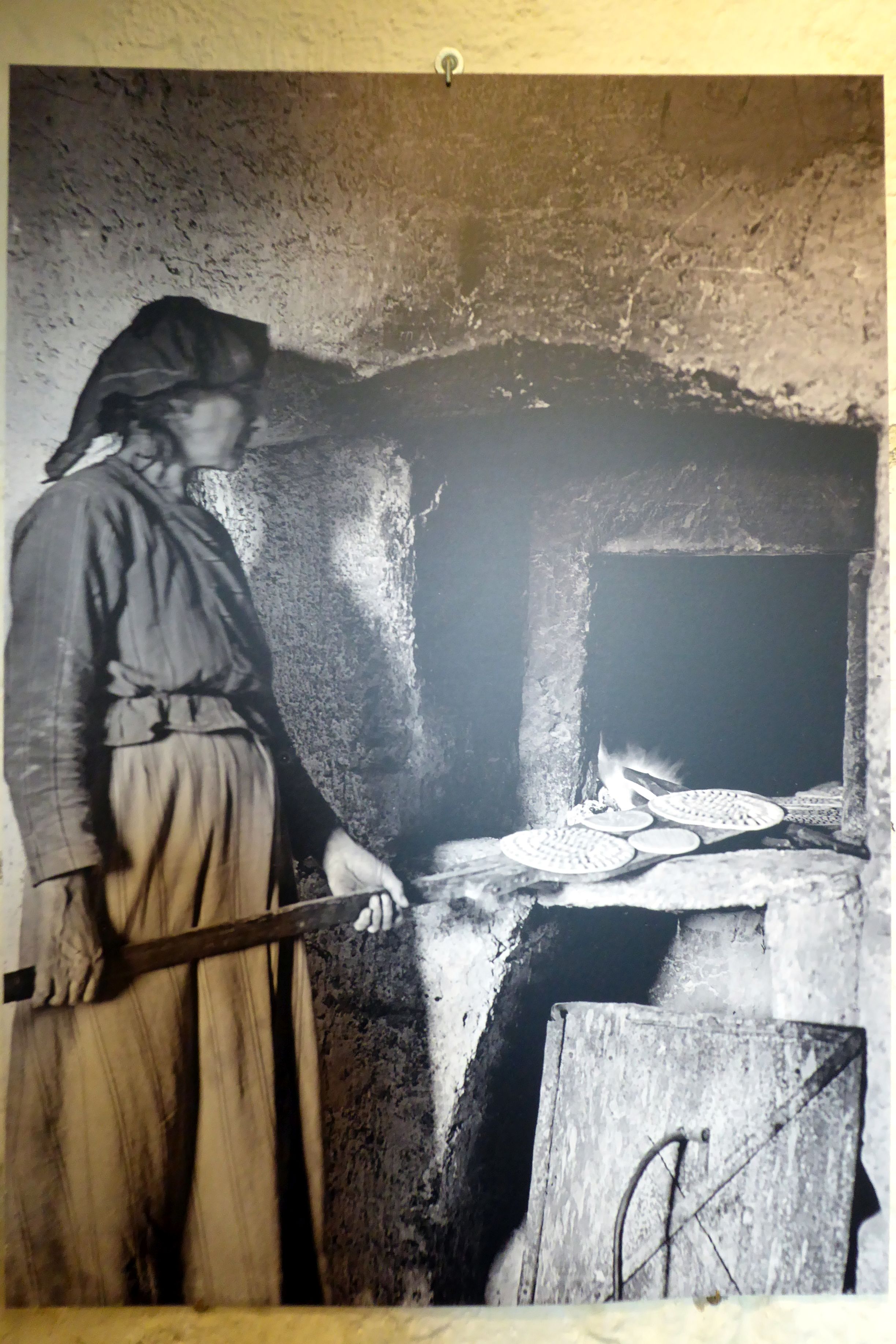
This photo in the museum shows a woman making matzo for Passover.
Matzo
A look down from the museum to the Jewish cemetery below.
Our luck finally ran out when we had our first rain of the trip during the day. It was the only time we needed our umbrellas– and, only for a short time.
The store owner wraps up our only souvenir (besides chocolate!) of the trip: an olive oil dispenser that looks like a small flower watering can.
A scene of the Tuscan countryside captured from the bus window.Another scene captured from the bus window on our way back to Pienza.
Our group went out for a pizza dinner, and we laughed at the way this pizza was made. All of the toppings were separated, and the olives were whole!
Next up: Poking Around Perugia
Note: If small group travel is of interest to you, I highly recommend Overseas Adventure Travel (OAT). Although Bruce and I travel together, they do not charge a single supplement for those who travel on their own. Singles also get their own room at hotels. If you book, you can get $100 off your trip by providing my name and customer number (Elaine Krugman, #3018126) as the person who referred you. I will also get $100 off future travel– a win-win!
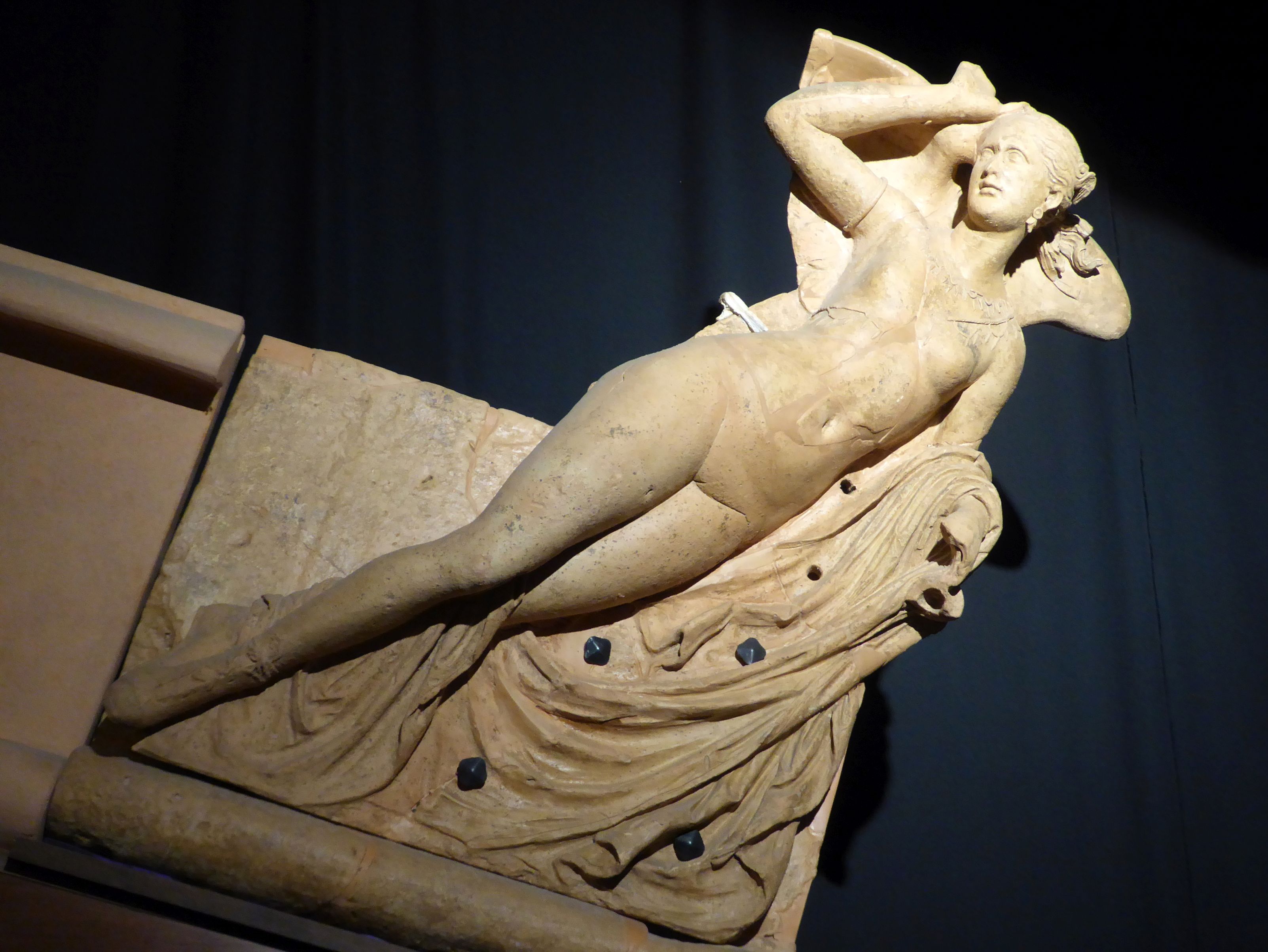
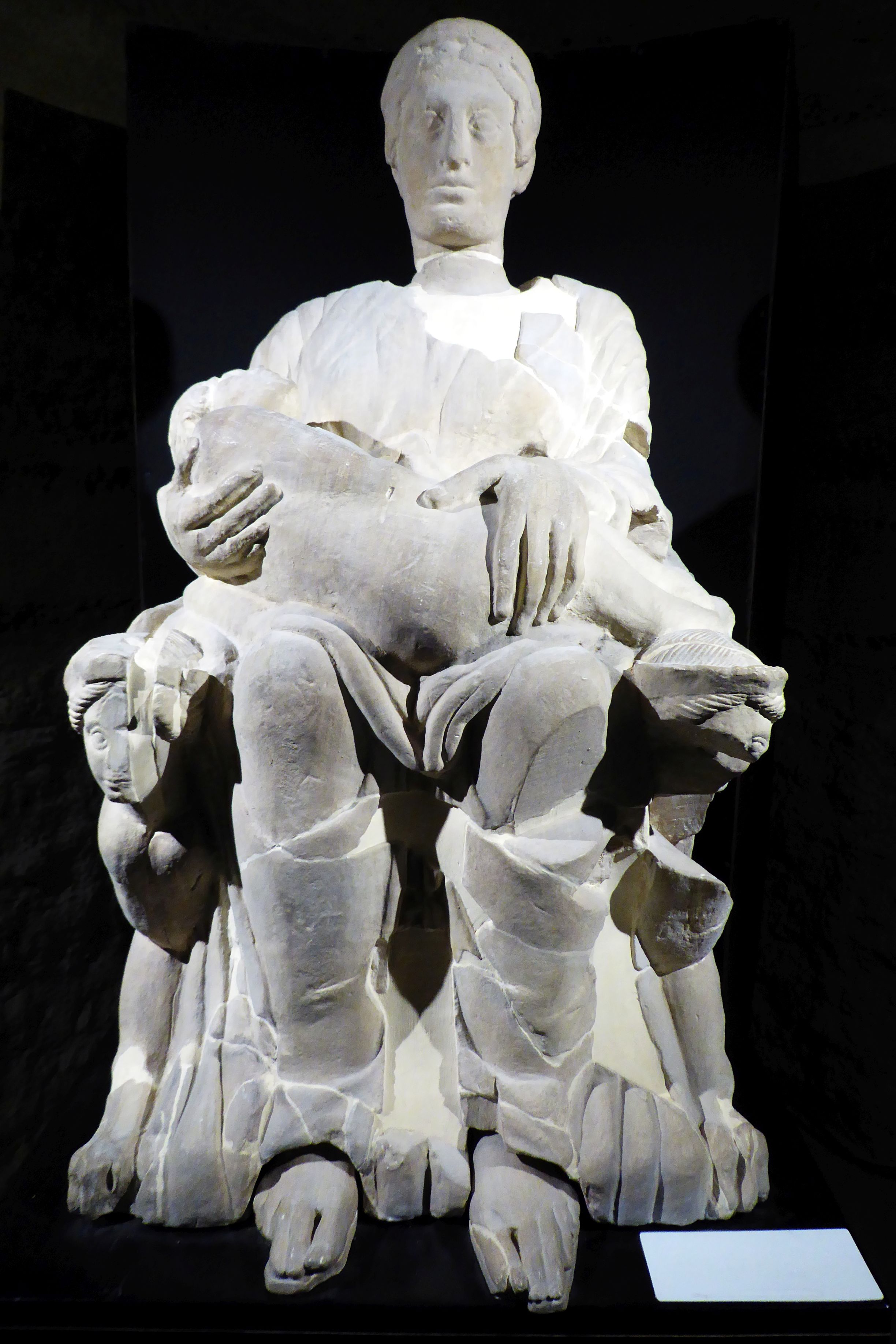
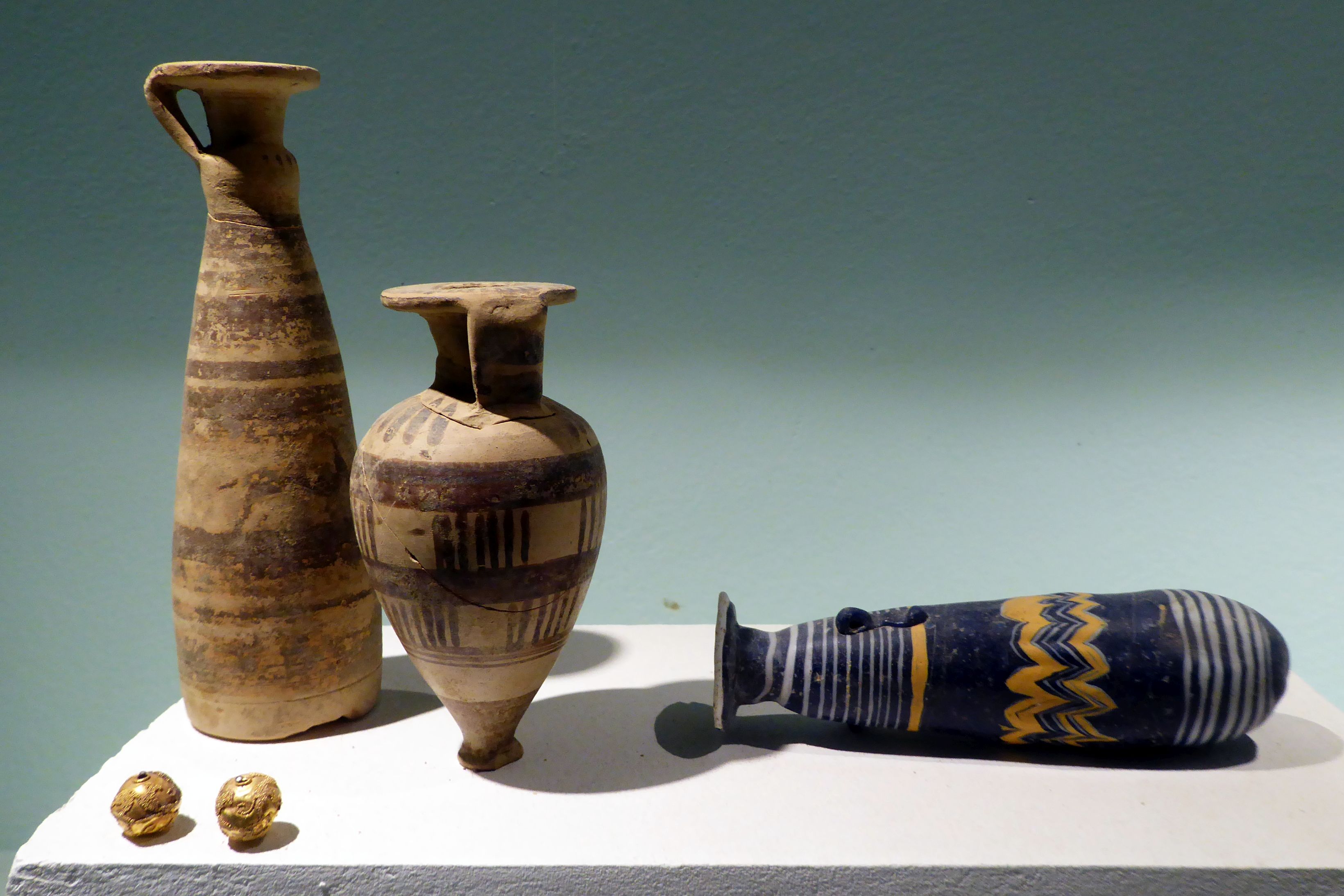
On our way to Montepulciano, we stopped to visit the Museo Civico Archeologico Di Sarteano, an Etruscan museum. The Etruscans were ancient people dating back 3,000 years and lived between Florence and Rome. Women were equal to men in their society, something I could get behind! It was also a hedonistic society; they enjoyed life to the fullest!
(For all pictures, click on the image to see full screen view.)
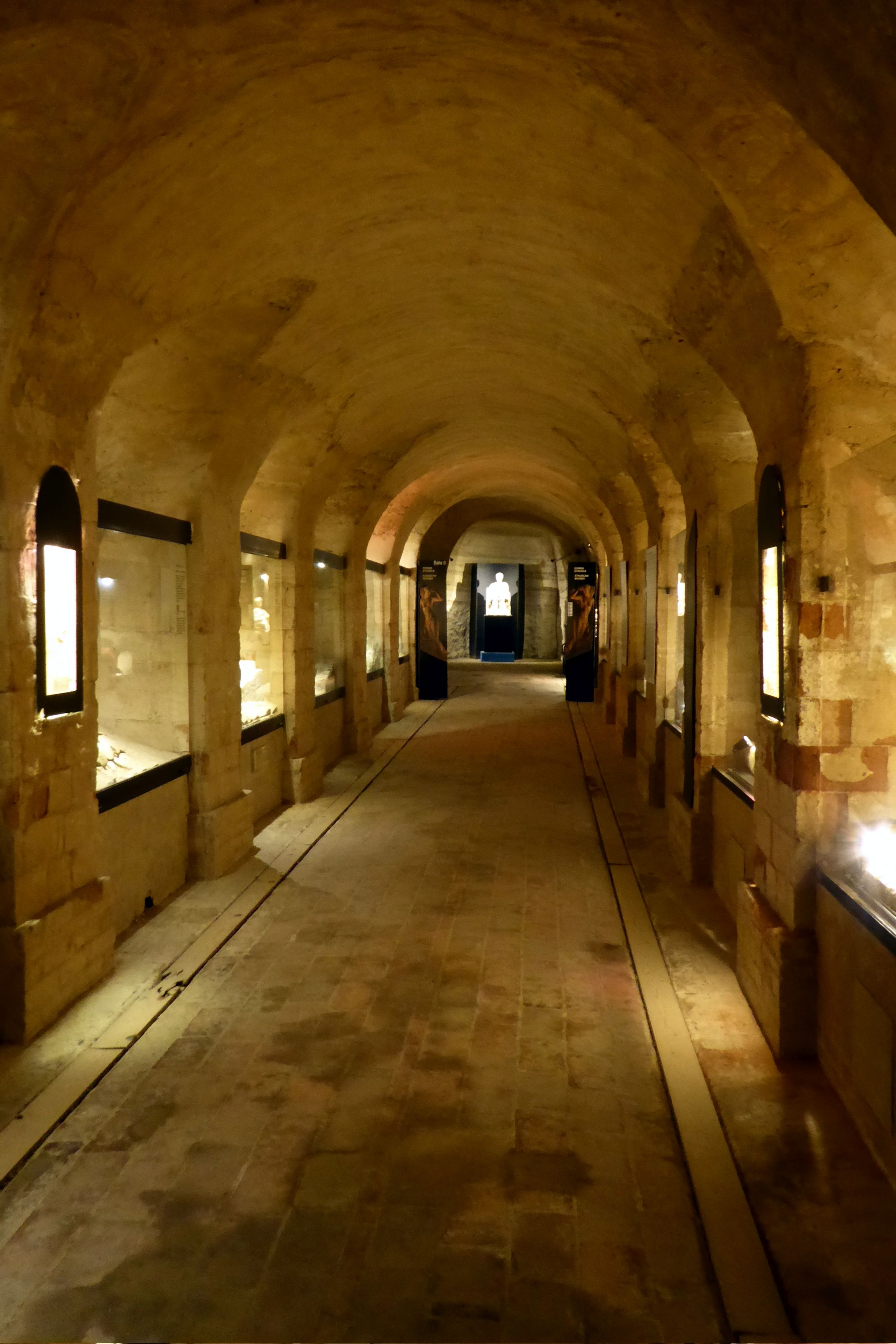
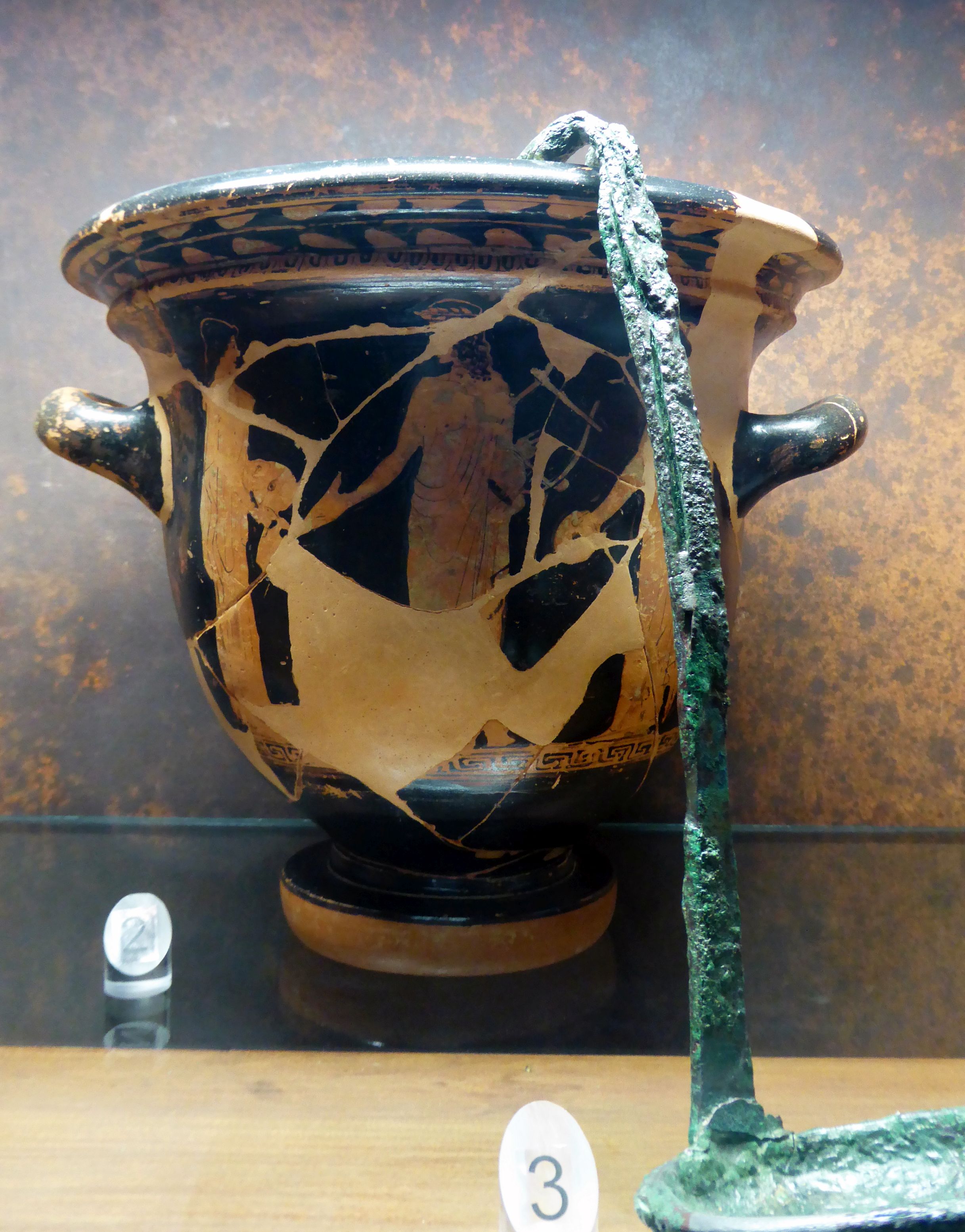
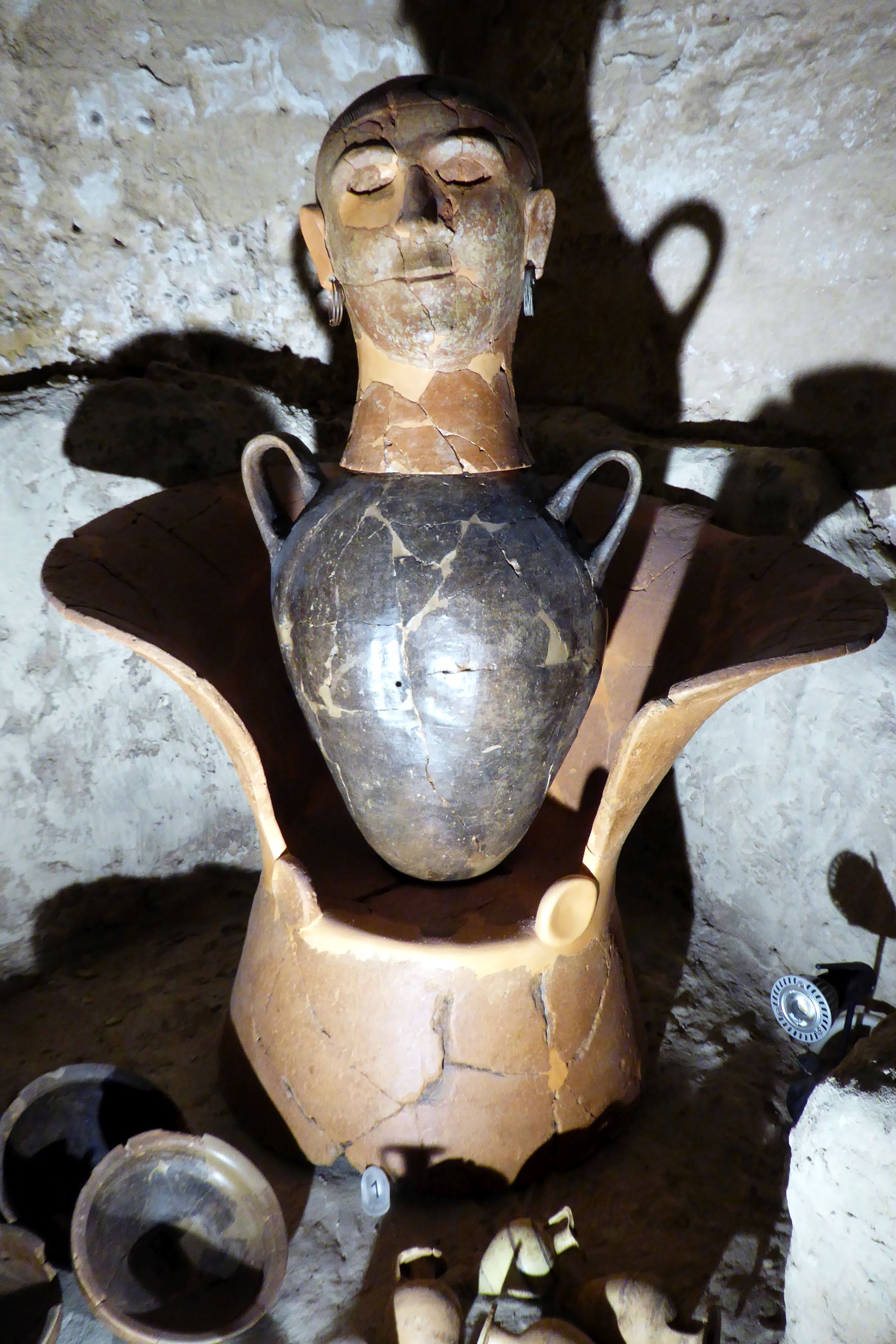
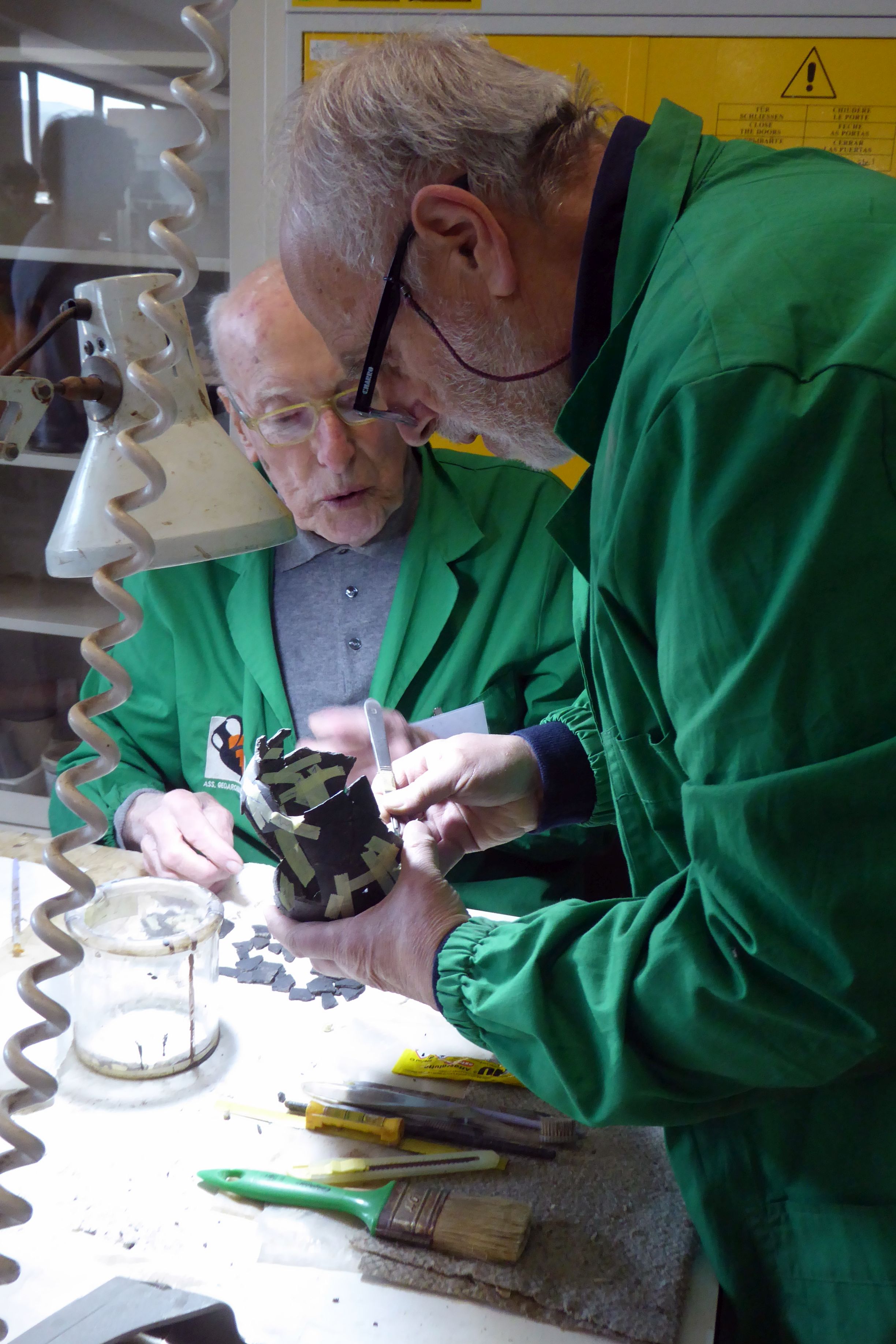
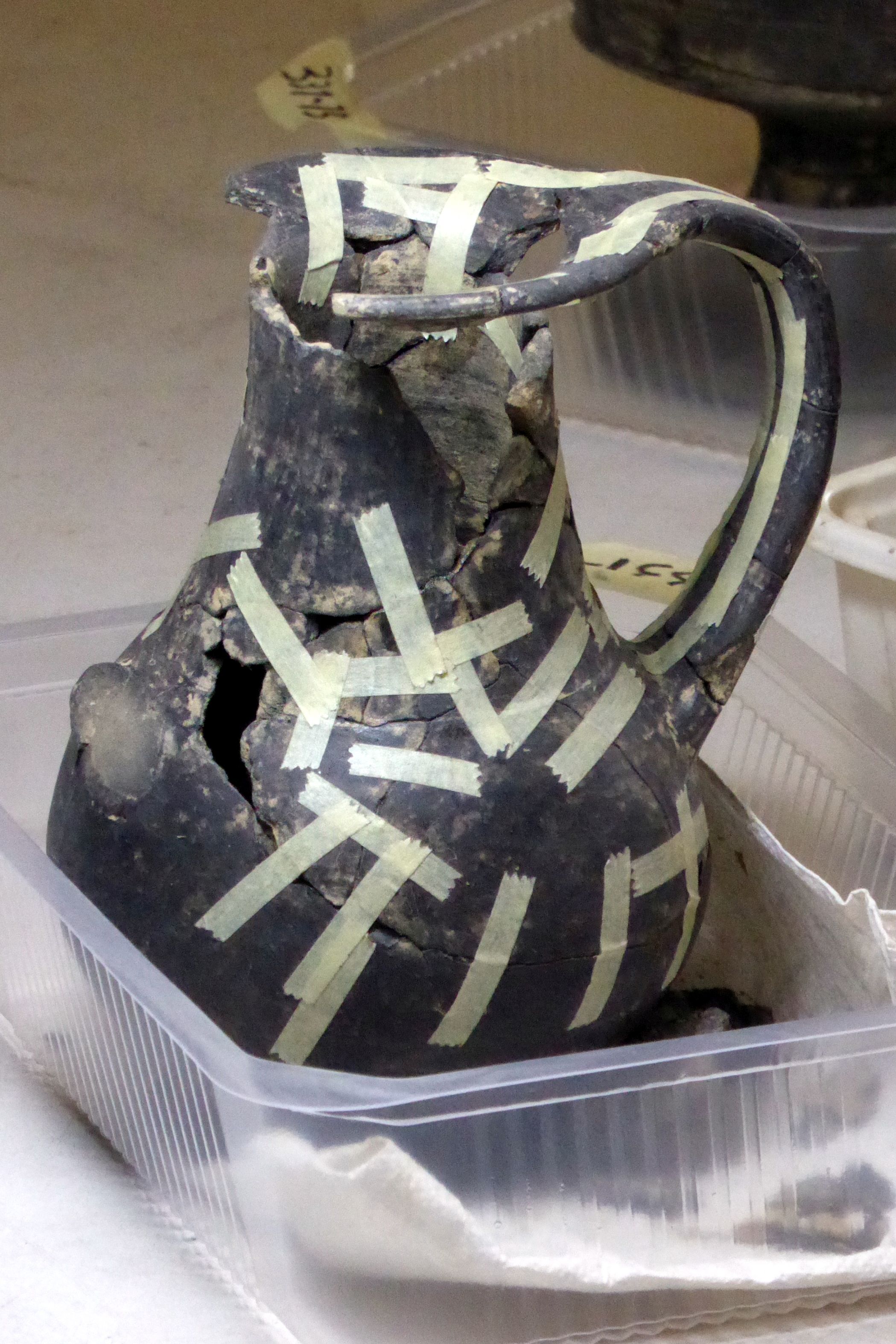
The museum, housed in a former 1700’s wine cellar, had a fantastic collection of ceramics, jewelry, weapons, and other artifacts collected by archaeologists. In most cases, the ceramic bowls and vases had been found in pieces, and then meticulously pieced back together with clay by a team of ten volunteers, over a 25-year period. If two broken pots were found together, the tiny pieces had to be matched by color and texture, and then put back together like a jigsaw puzzle.
Following our tour of the museum, we watched these artists in action, piecing together the latest treasures acquired in archaeological digs. First, however, we got to play with some clay and design our own “treasures” (which we all left behind…). Not wanting to keep unfired clay (which was sure to end up a mess), I took photos instead. Coincidentally, when the staff passed out clay stamps to create our works of “art,” the woman handed me one of a dolphin. How did she know??? It was a perfect match for this dolphin-loving swimmer!
Bruce added his name at the bottom using the alphabet guide,.
Observing the pottery being pieced back together and touring the museum was fascinating, because these artifacts are all the experts have to go on to understand the Entruscan people. There is no literature, so the history of their civilization is shrouded in mystery. The only clues are the weapons, cooking implements, building tools, and other treasures they left behind.
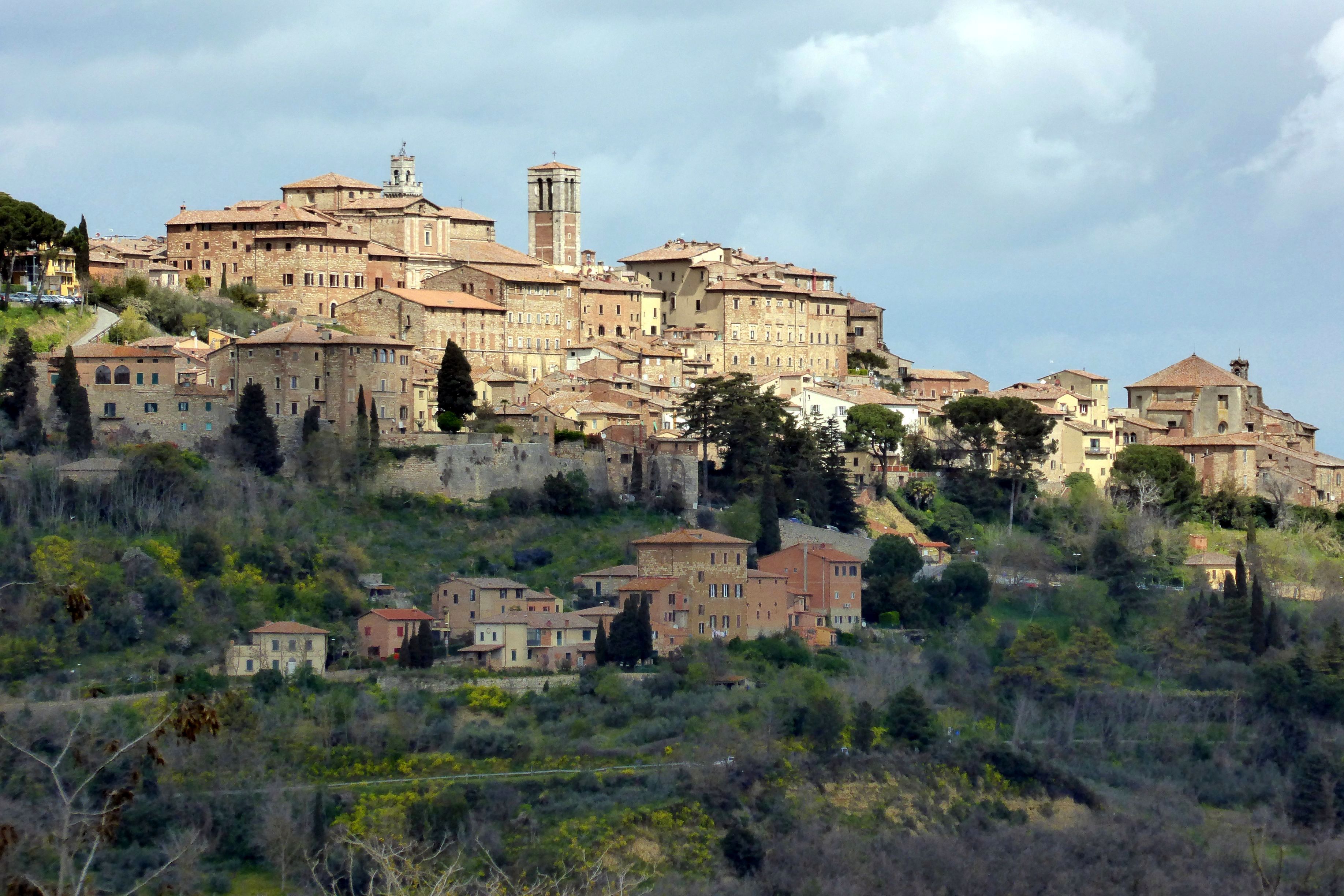
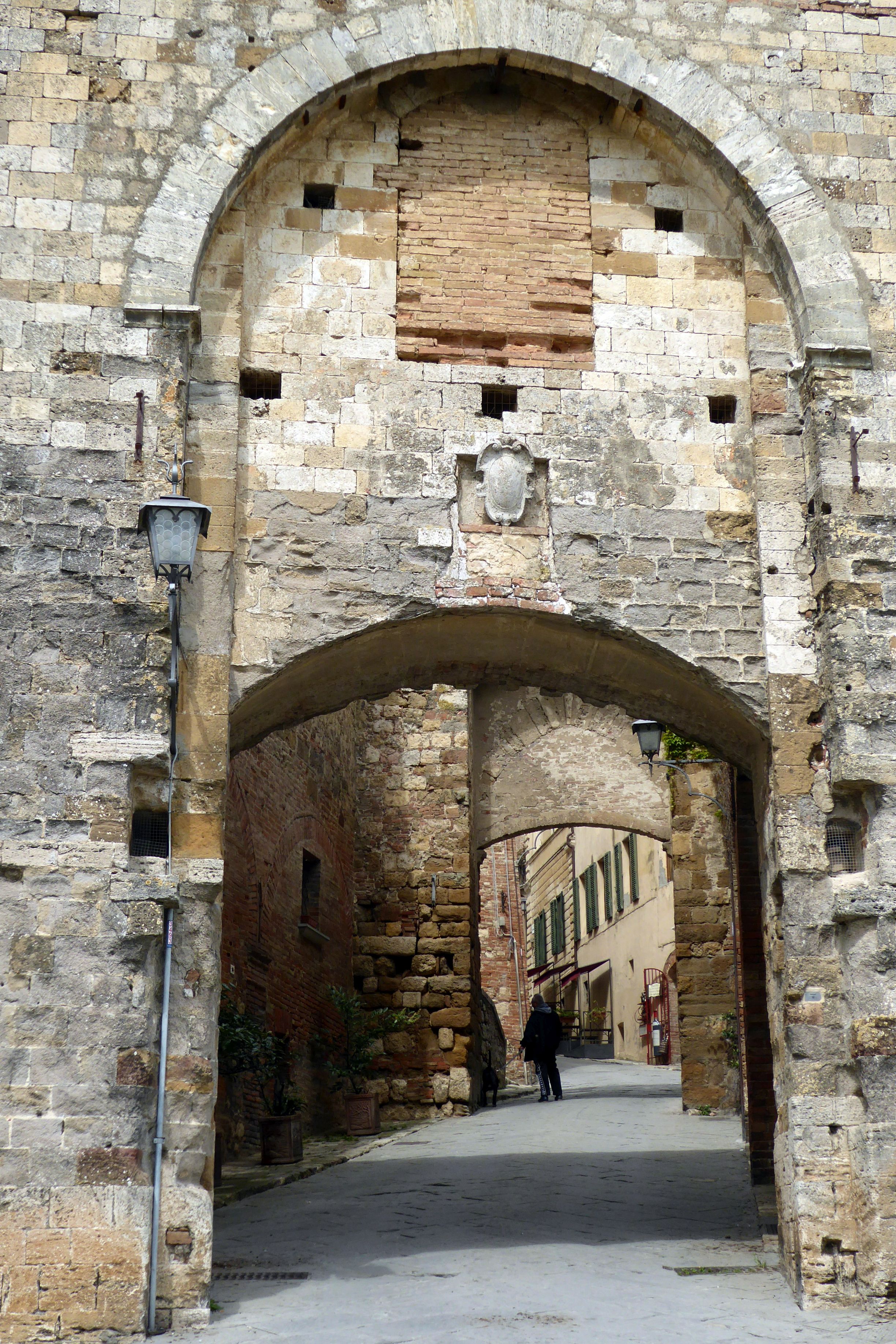
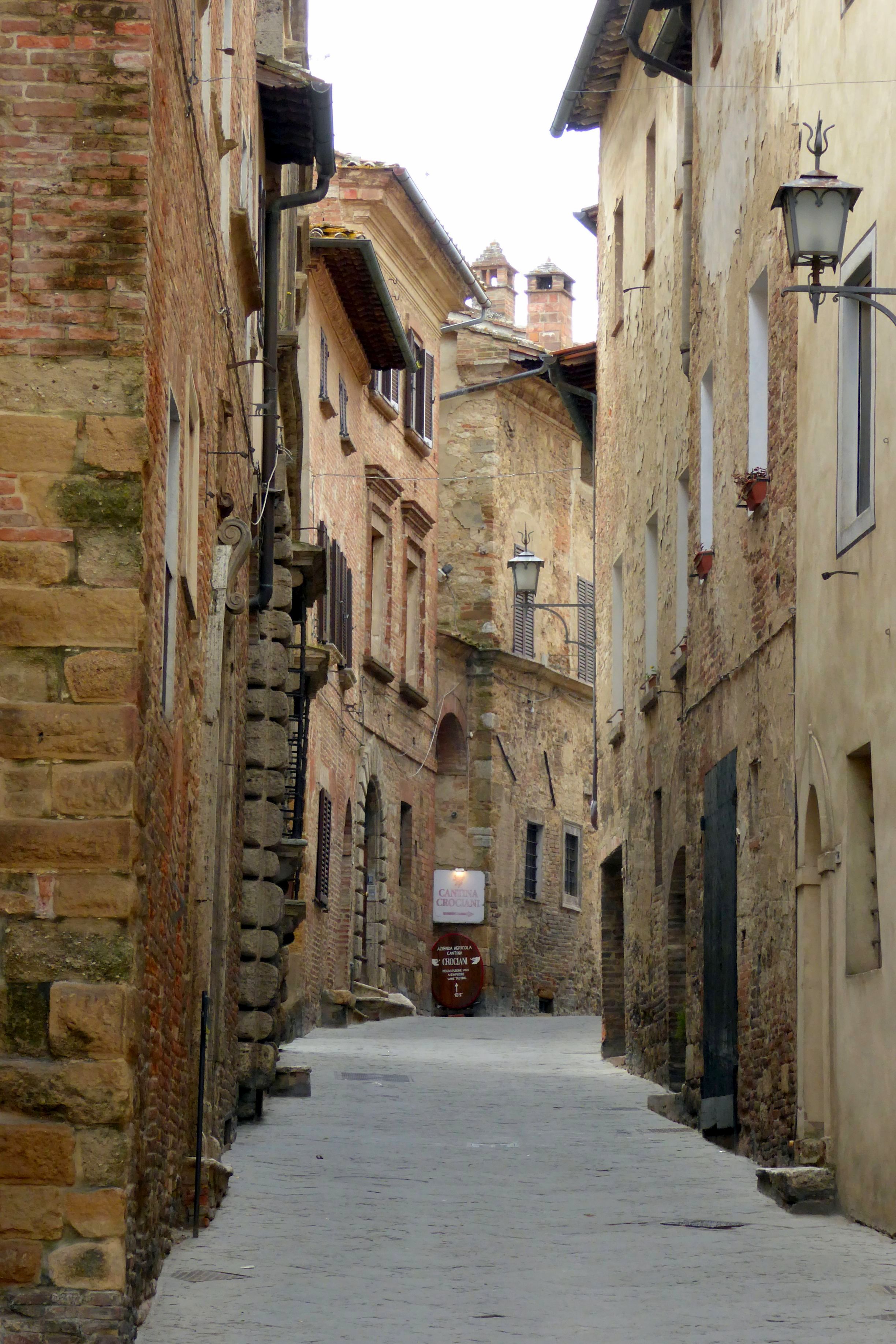
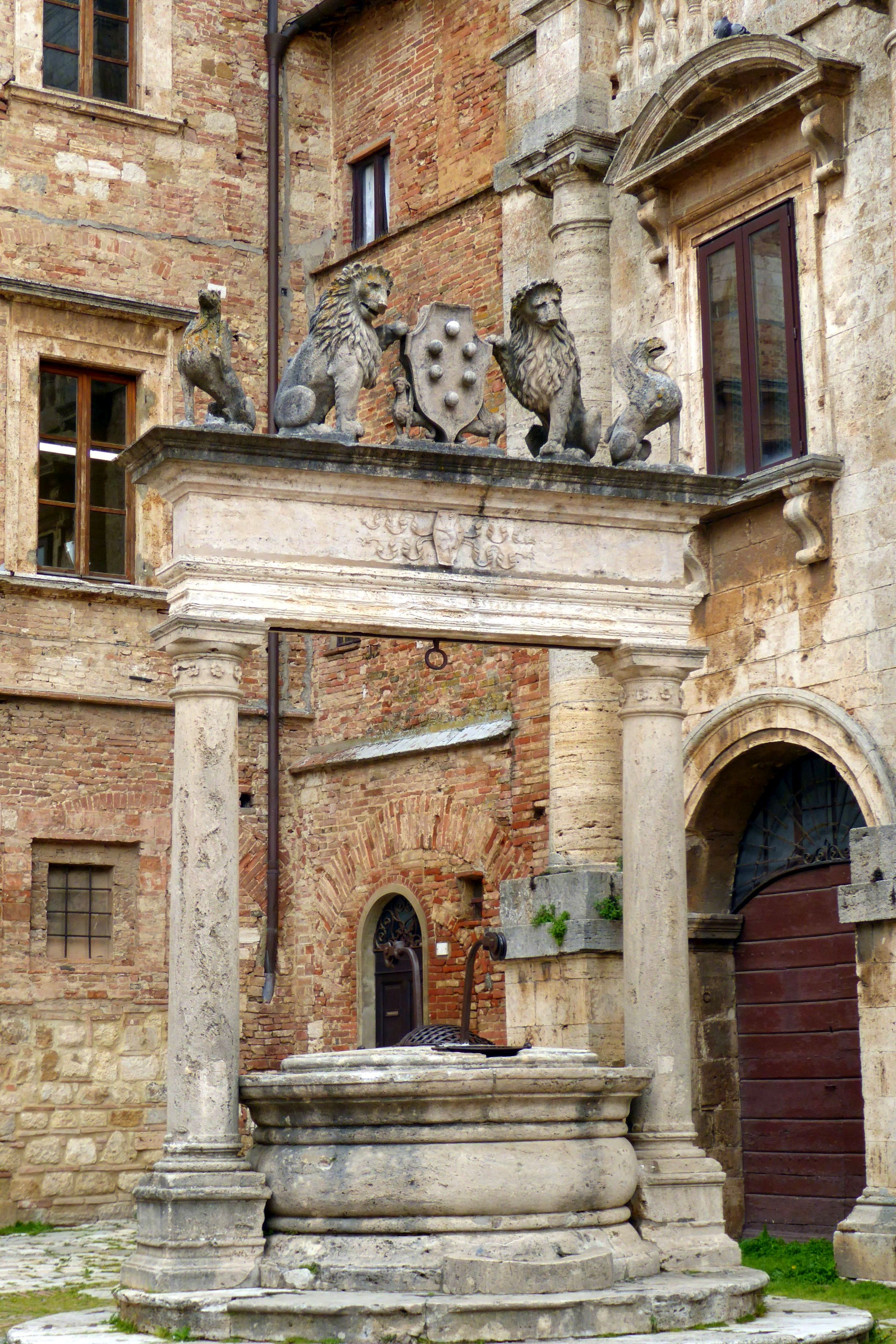
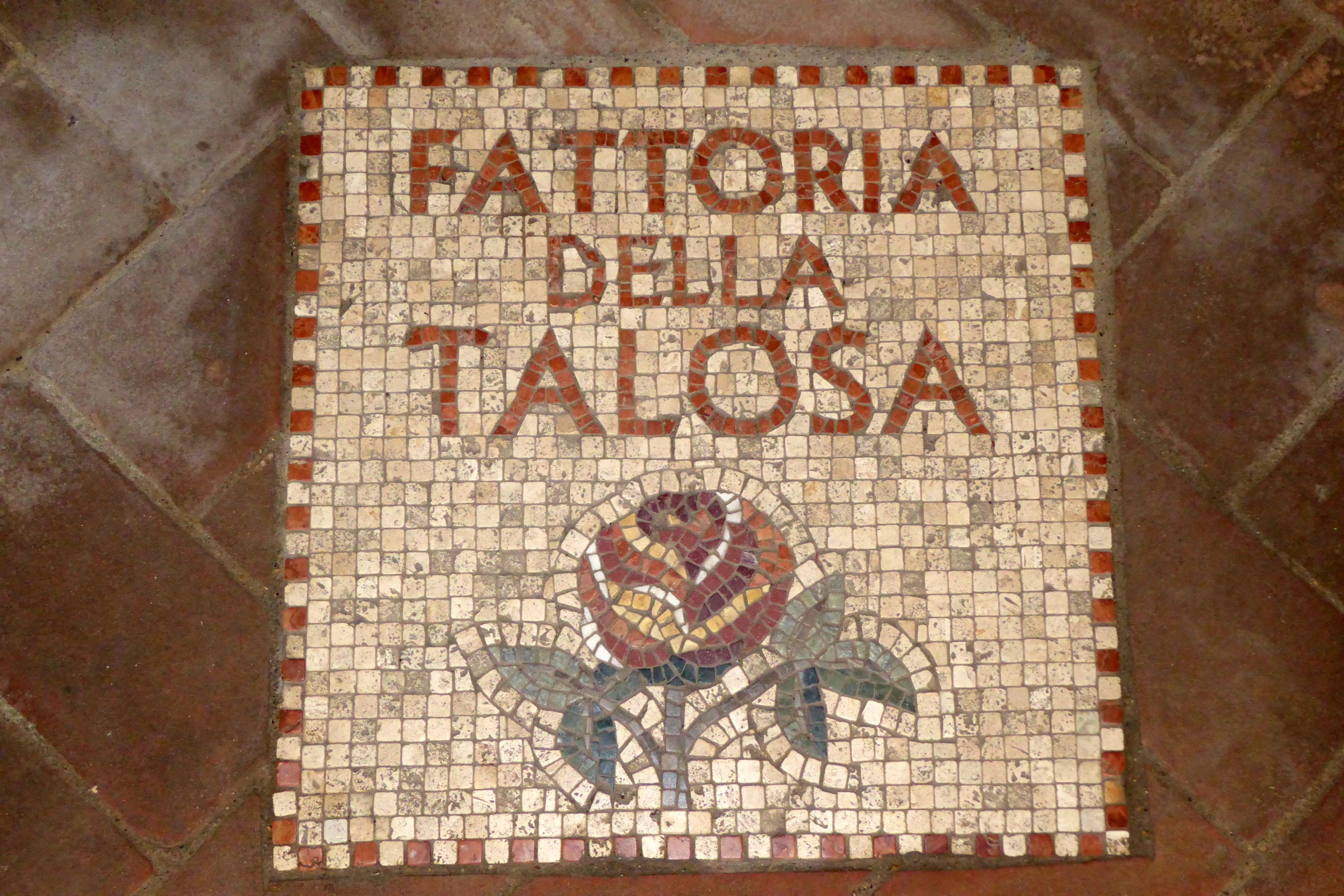
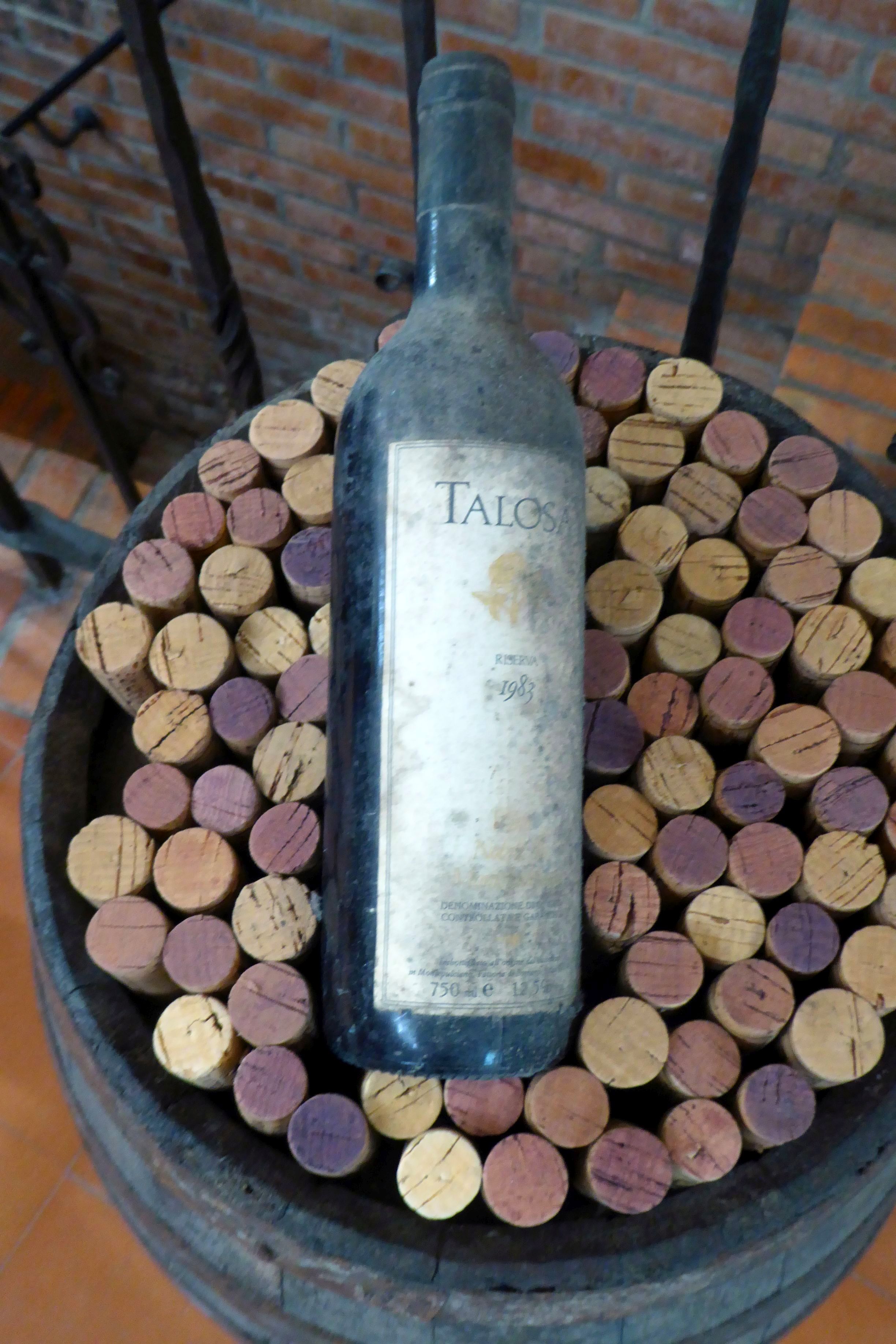
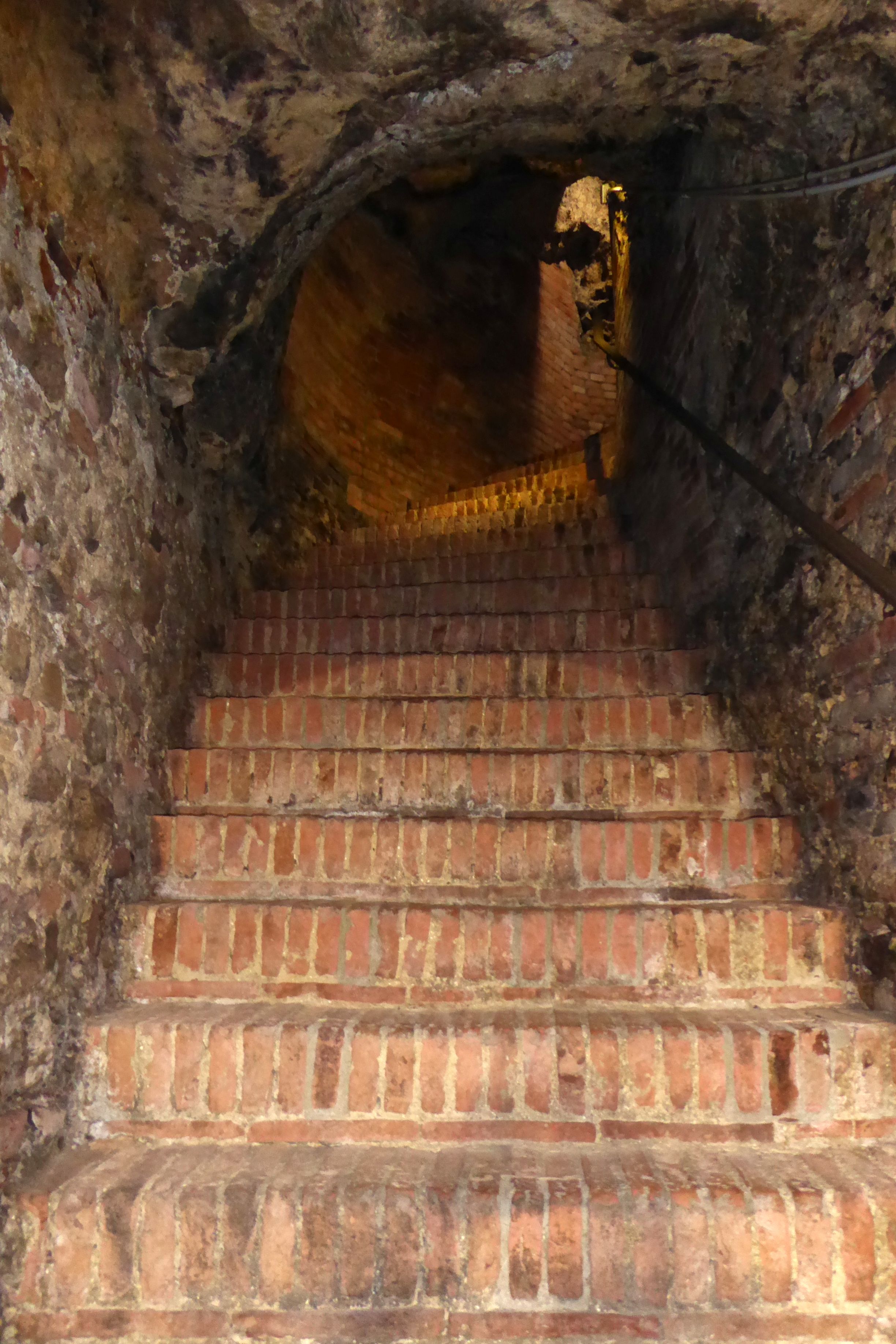
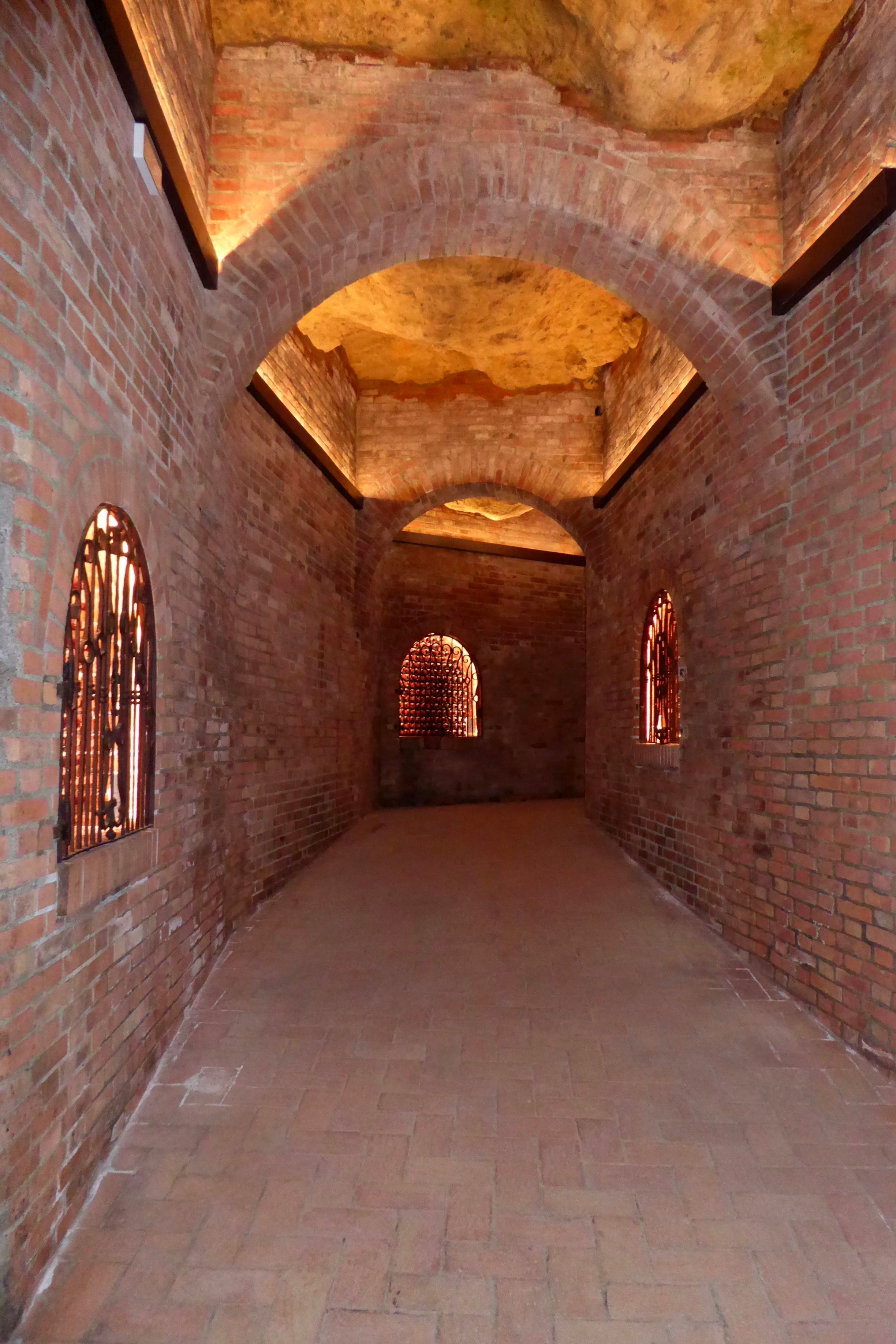
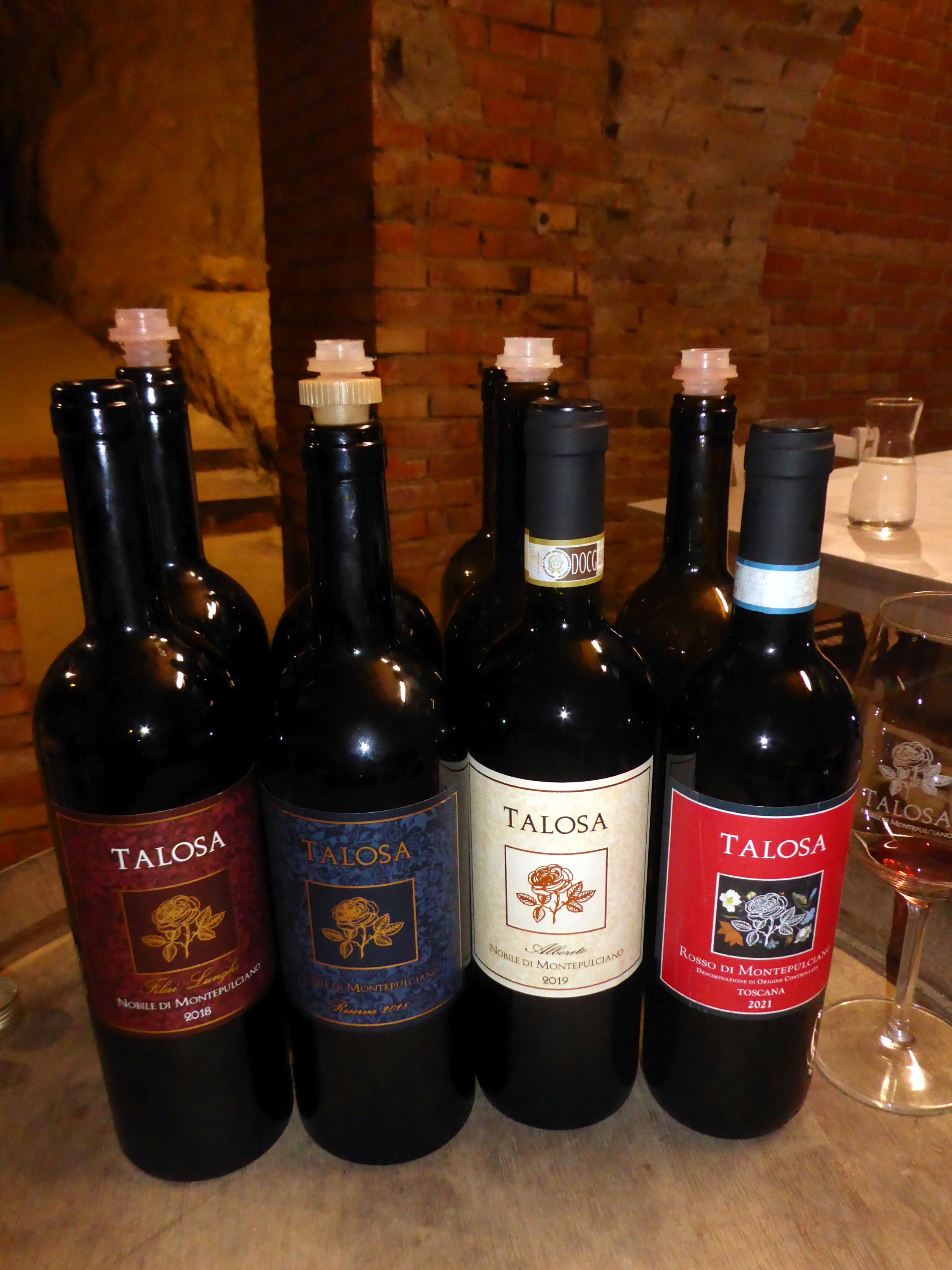
The immaculately preserved medieval town of Montepulciano was our next stop, where we walked the historic street of Via San Gallo and visited Cantina Fattoria della Talosa, a beautiful winery. Located in the old town, the wine is aged in an underground cellar between two of the oldest buildings of Montepulciano, dating back to the 16th century. Sixty steps down, we arrived at the cellar 90 feet below the street where we enjoyed tasting five different wines paired with foods of the region.
As with each day on an Overseas Adventure Travelstour, there was time to explore on our own; so, I poked around the streets to take a few photographs.
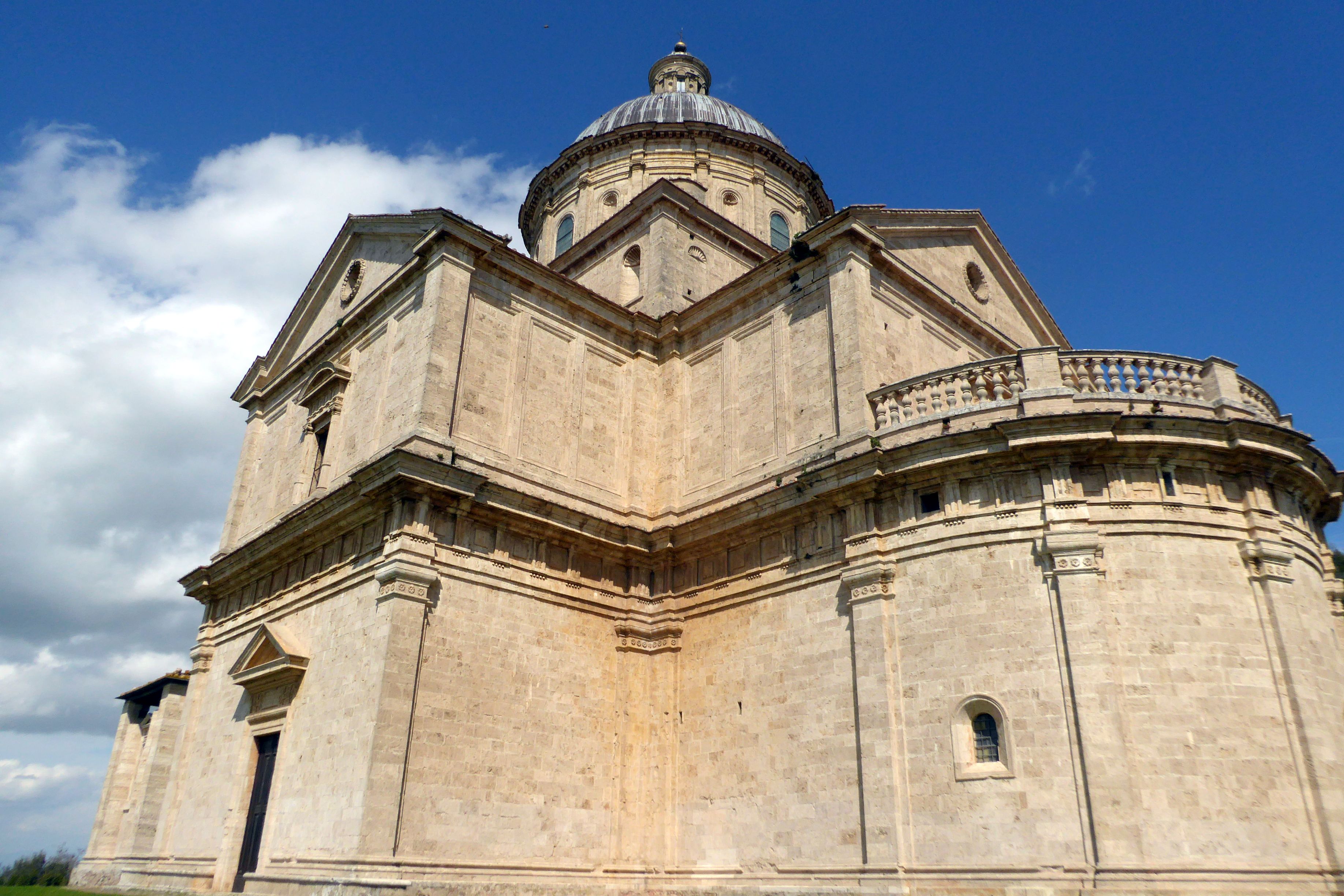
On our way back down the hill to Pienza, we stopped to see San Biagio, overlooking the Tuscan countryside below. Built in the early 1500’s the domed church was designed by Antonio da Sangallo the Elder, an Italian architect.
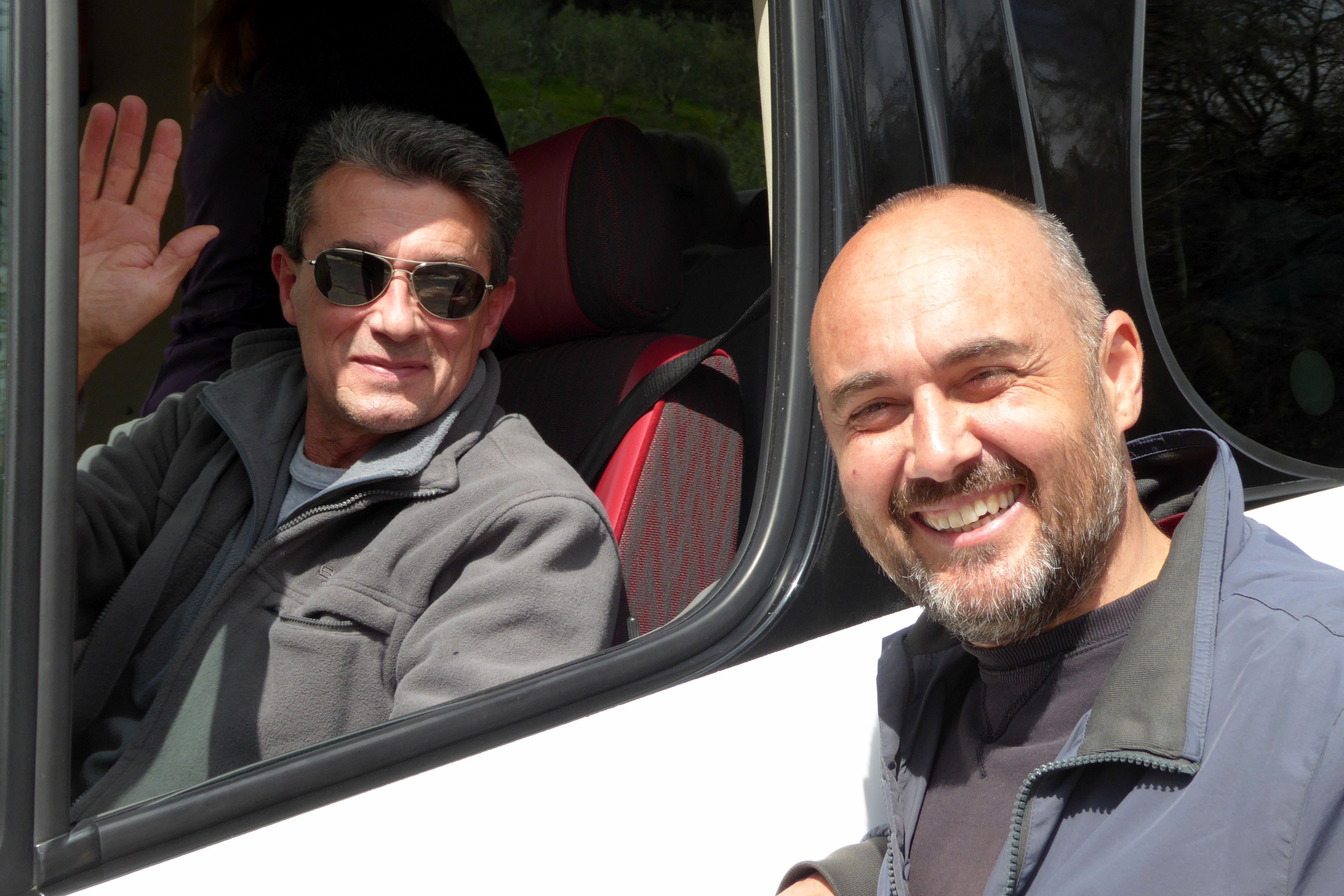
We bid Arrivederci to our wonderful driver, Cesare, and took on another driver the following day. Cesare and our tour leader, Ben, were a fabulous team!
Coming up next: SOVANA & PITIGLIANO
Note: If small group travel is of interest to you, I highly recommend Overseas Adventure Travel (OAT). Although Bruce and I travel together, they do not charge a single supplement for those who travel on their own. Singles also get their own room at hotels. If you book, you can get $100 off your trip by providing my name and customer number (Elaine Krugman, #3018126) as the person who referred you. I will also get $100 off future travel– a win-win!
(For all pictures, click on the image to see full screen view.)
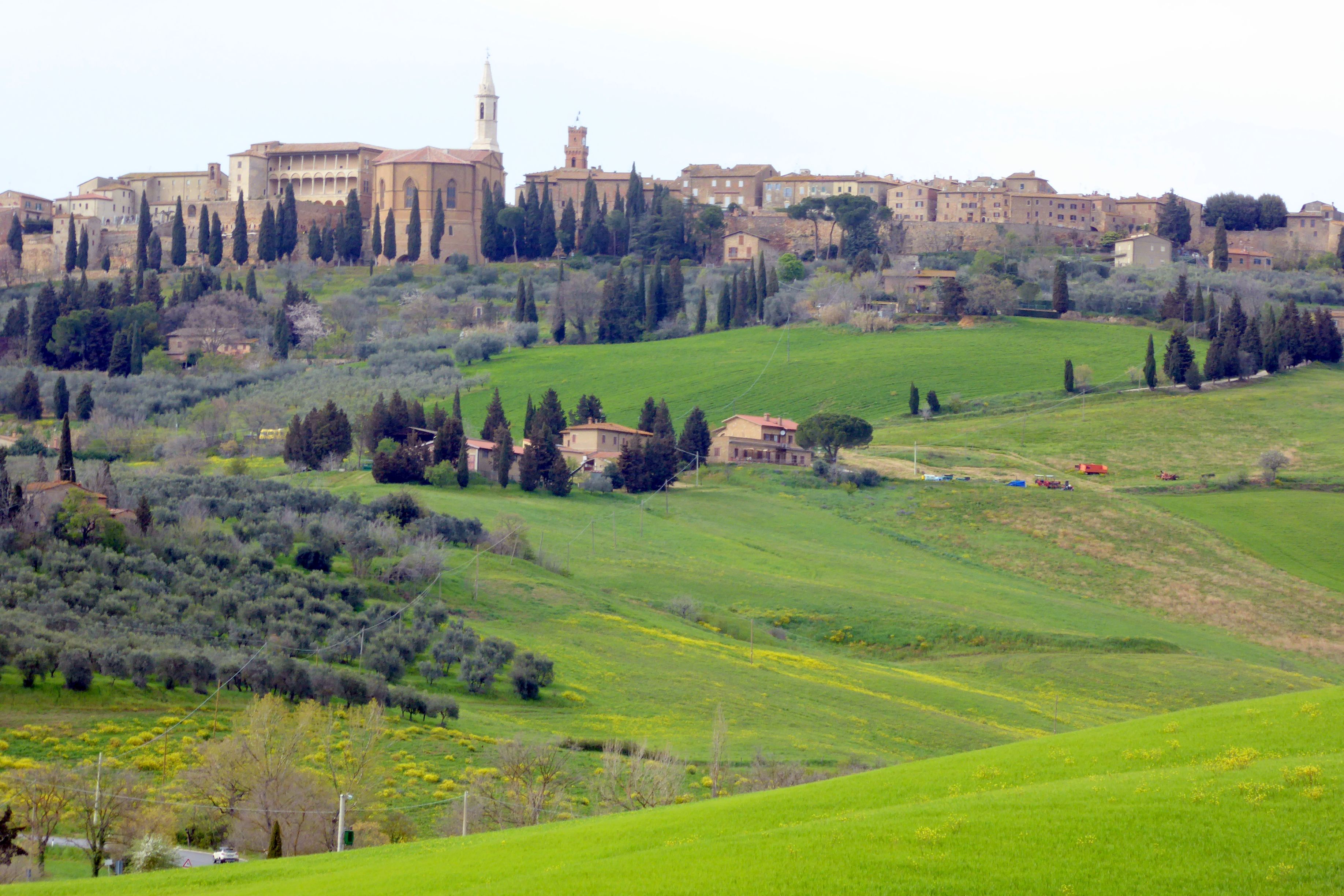
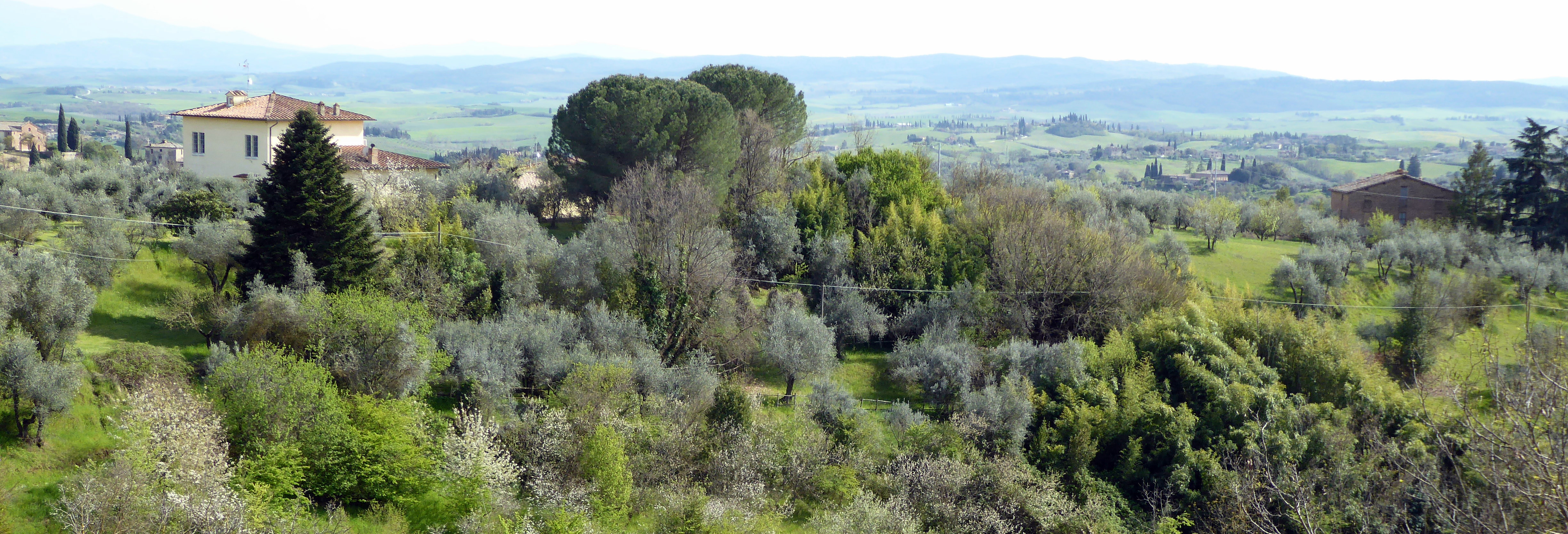
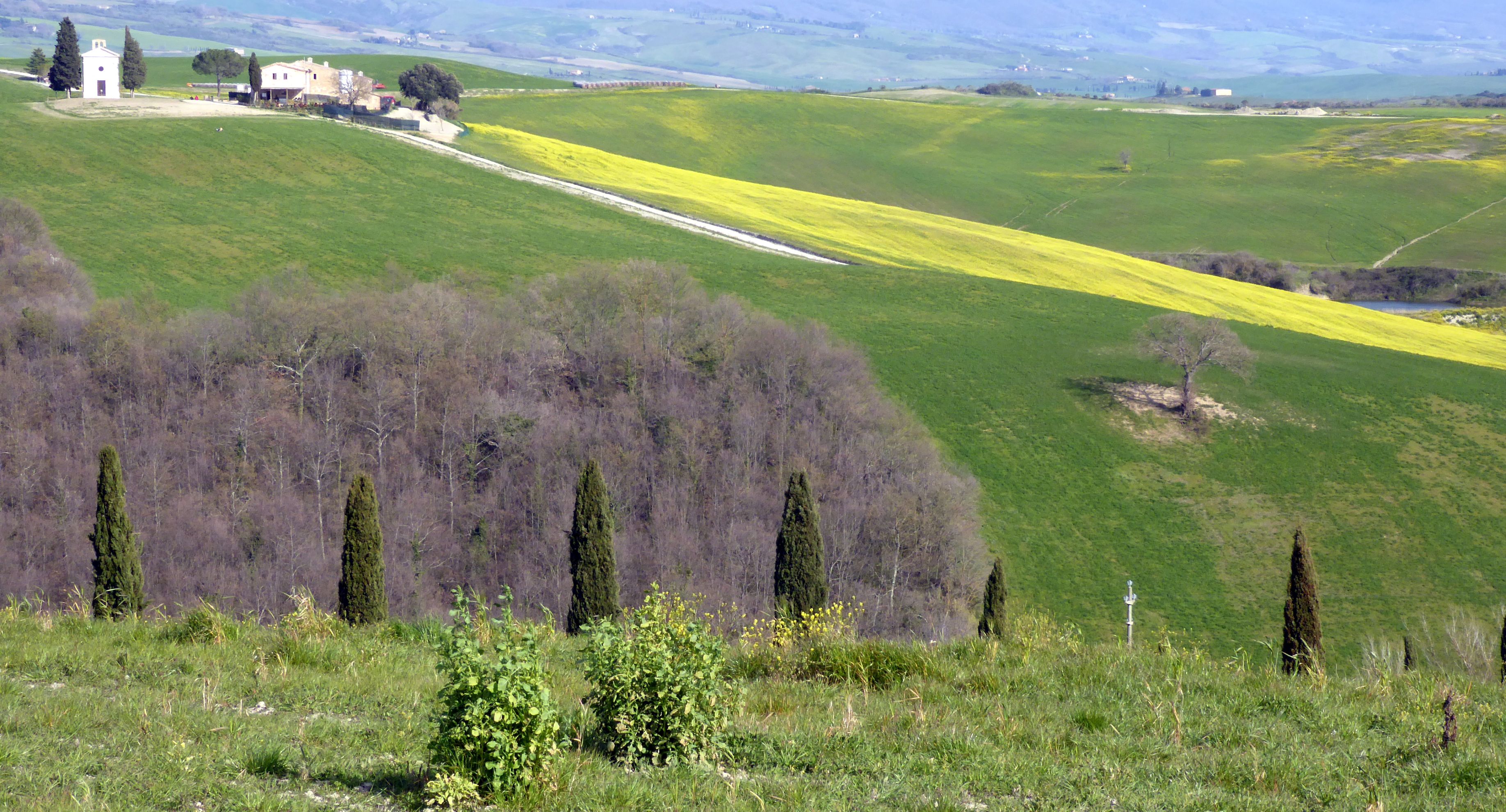
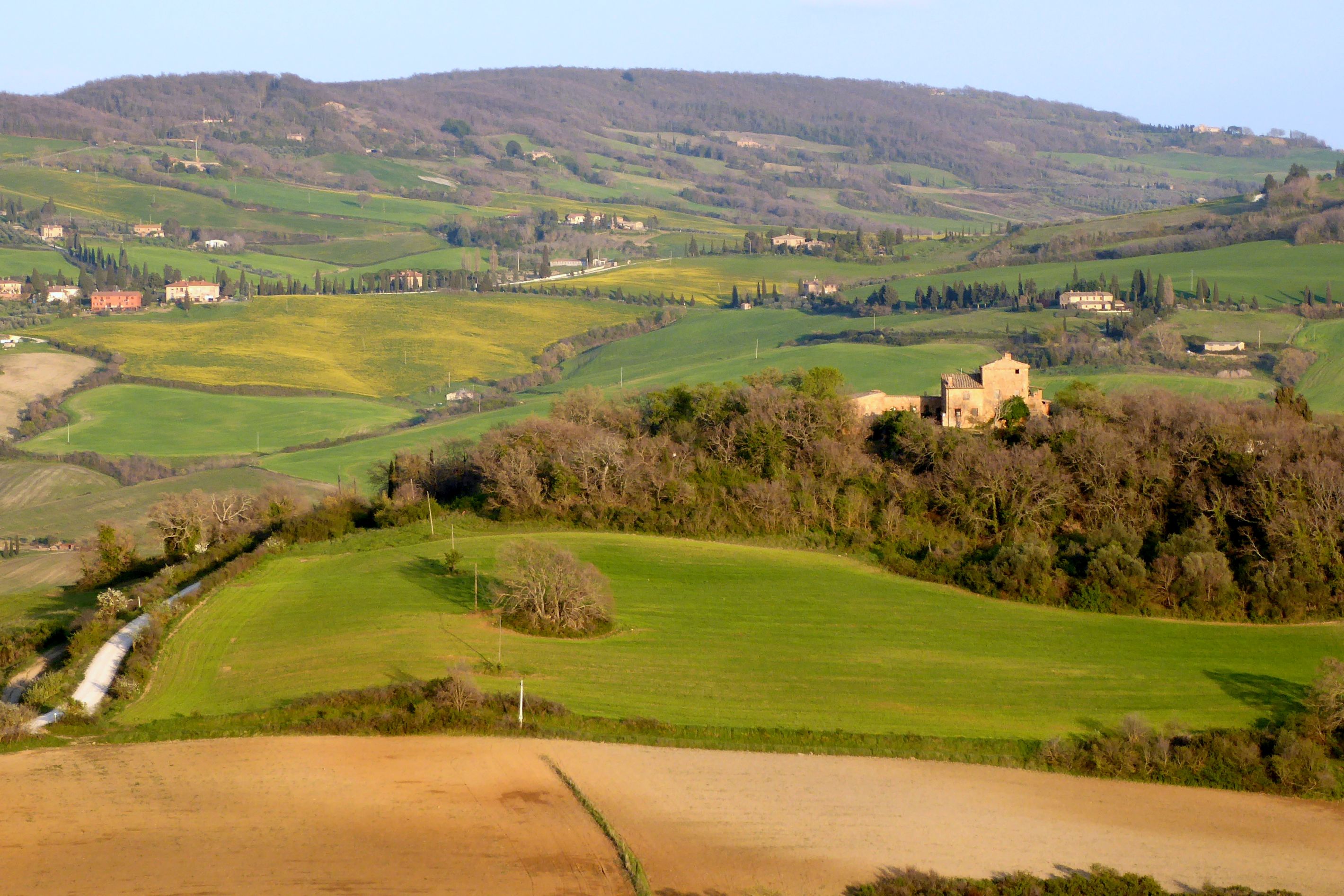
Following our day in Siena, we traveled 32 miles southeast to the Tuscan town of Pienza, our base for three nights. A UNESCO World Heritage Site, this quaint town of 3,500 residents is located on the crest of a hill overlooking the beautiful Val d’Orcia.
Our first view of Pienza from the bus
Established during the medieval period as Corsignano, the town was redesigned and renamed in the late 15th century by Pope Pius II. He enlisted the architect Bernardo Rossellino to transform the town to a blend of Renaissance and Gothic styles, and renamed it Pienza, which translates to “city of Pius.”
It was love at first sight! During our short orientation walking tour before dinner, Bruce and I were charmed by Pienza’s historic city center and were in awe of the breathtaking views of the valley below. We looked forward to exploring it further the following day, upon our return from Montepulciano.
Here is our first look at Pienza, the evening we arrived:
Entering the historic city center
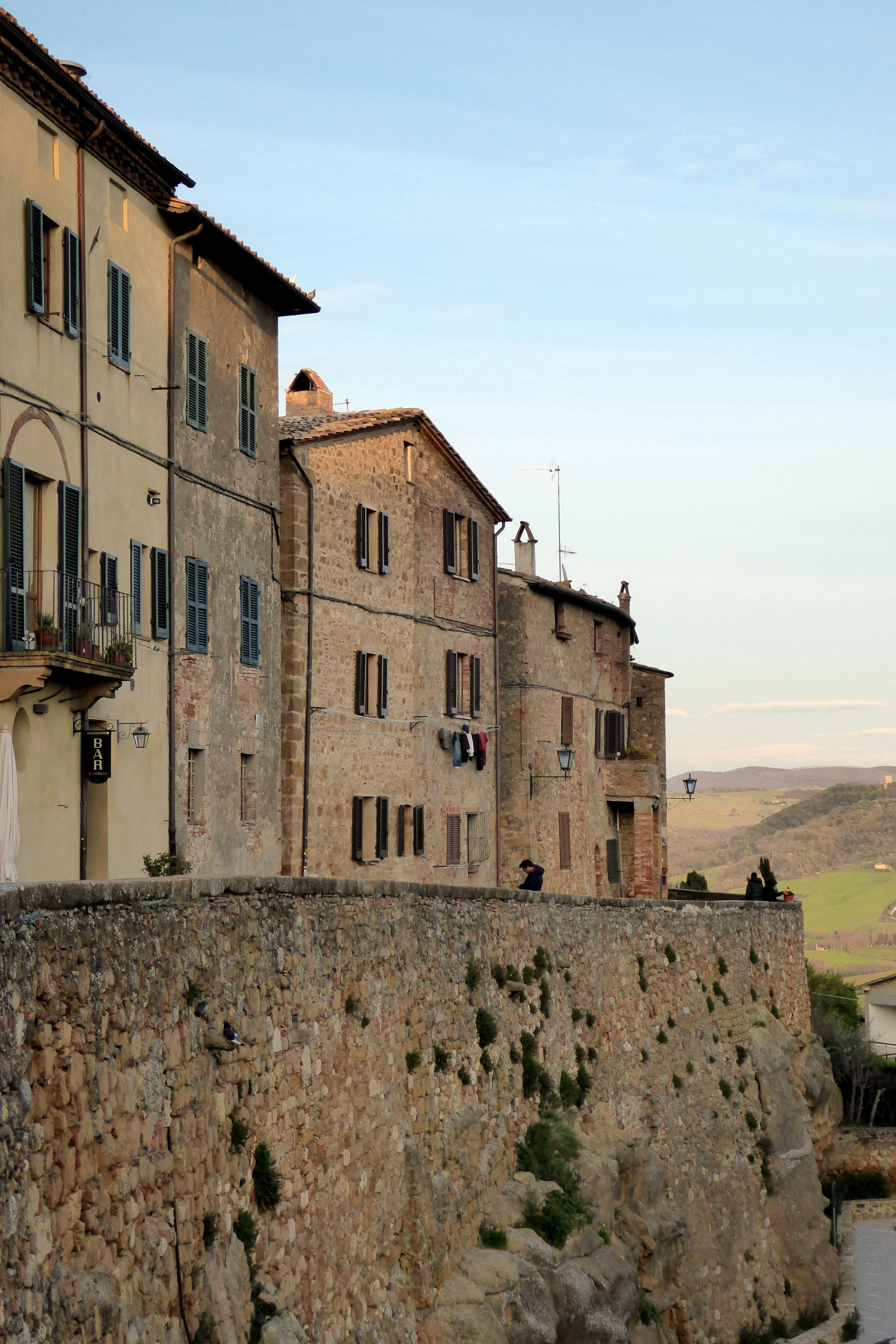
Huge stone walls surround the city center
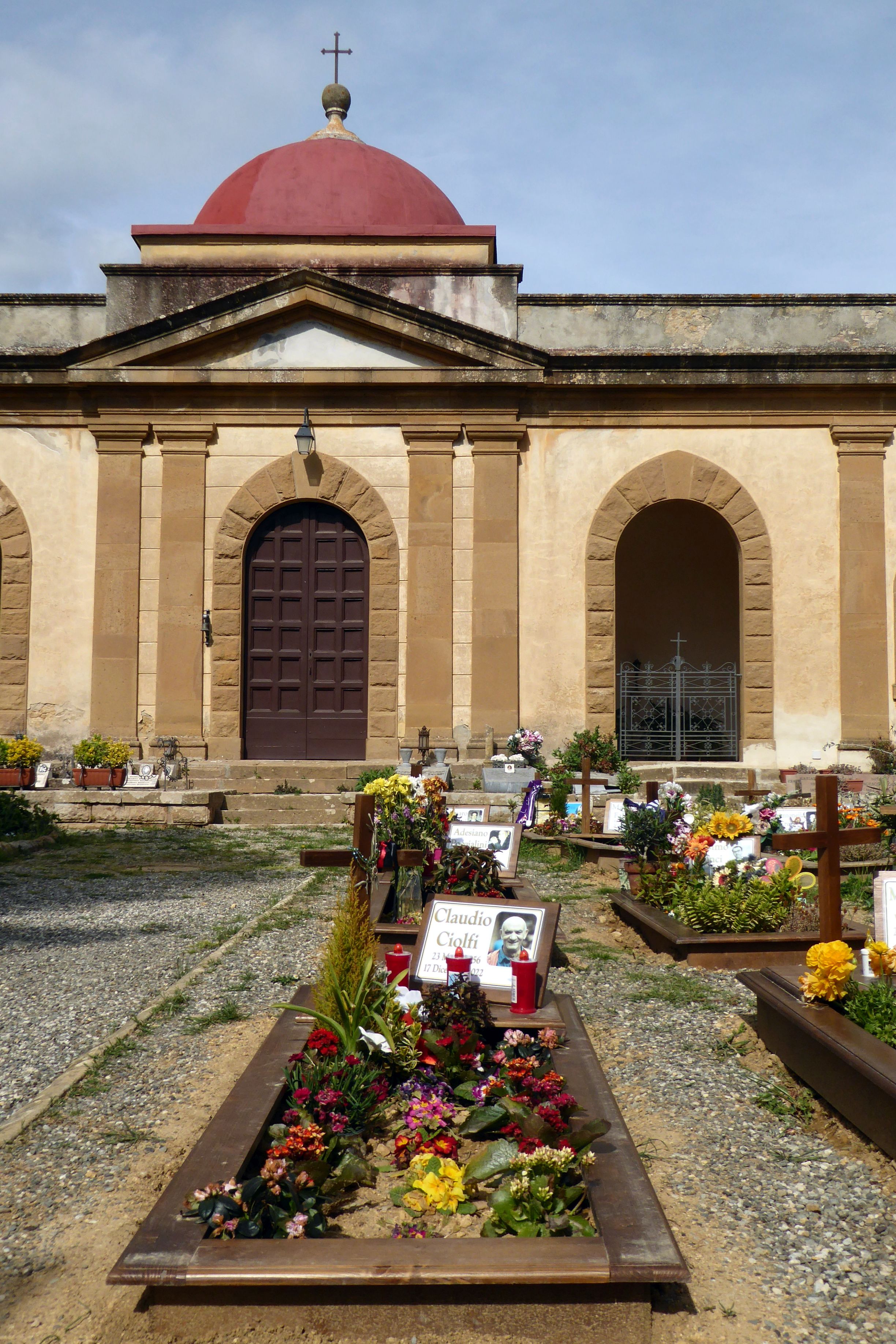
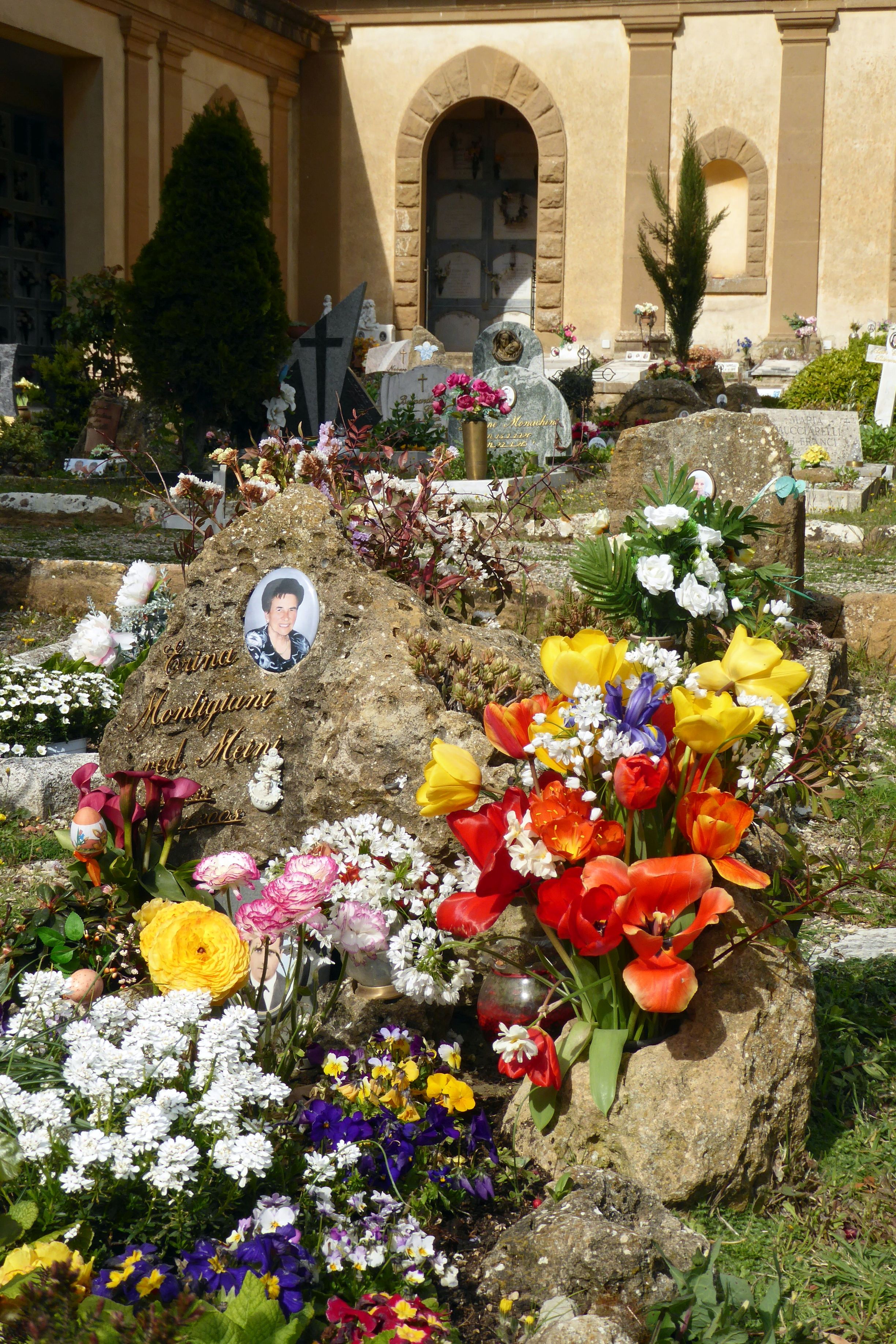
Several of us joined Ben on an optional walk after we returned from Montepulciano. The path we took bordered the town on the edge of the hill overlooking Val D’Orcia. The views were spectacular, and we came across an interesting cemetery along the way. I was intrigued by the effort loved ones made to keep each plot well-maintained and full of beautiful potted or planted flowers.
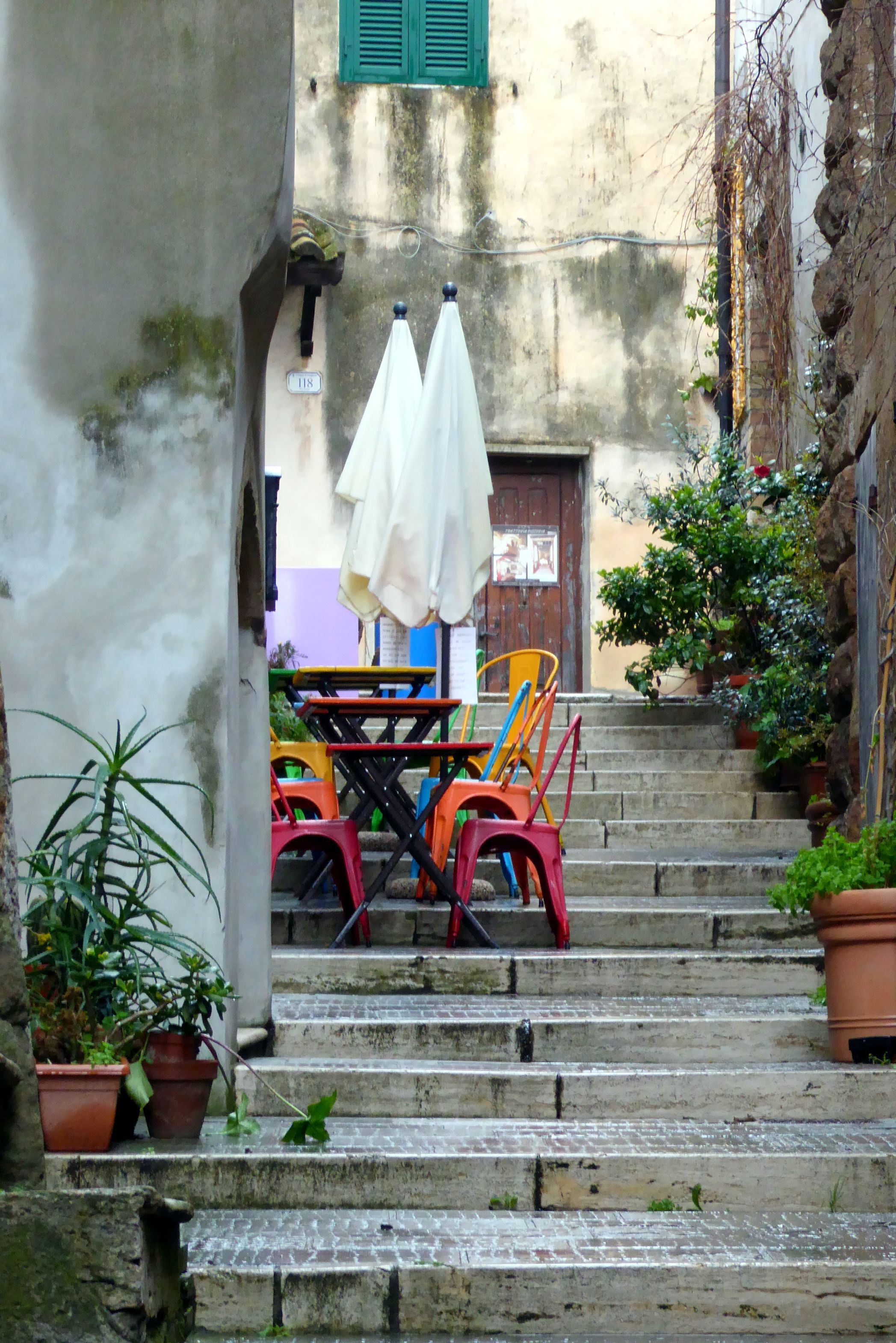
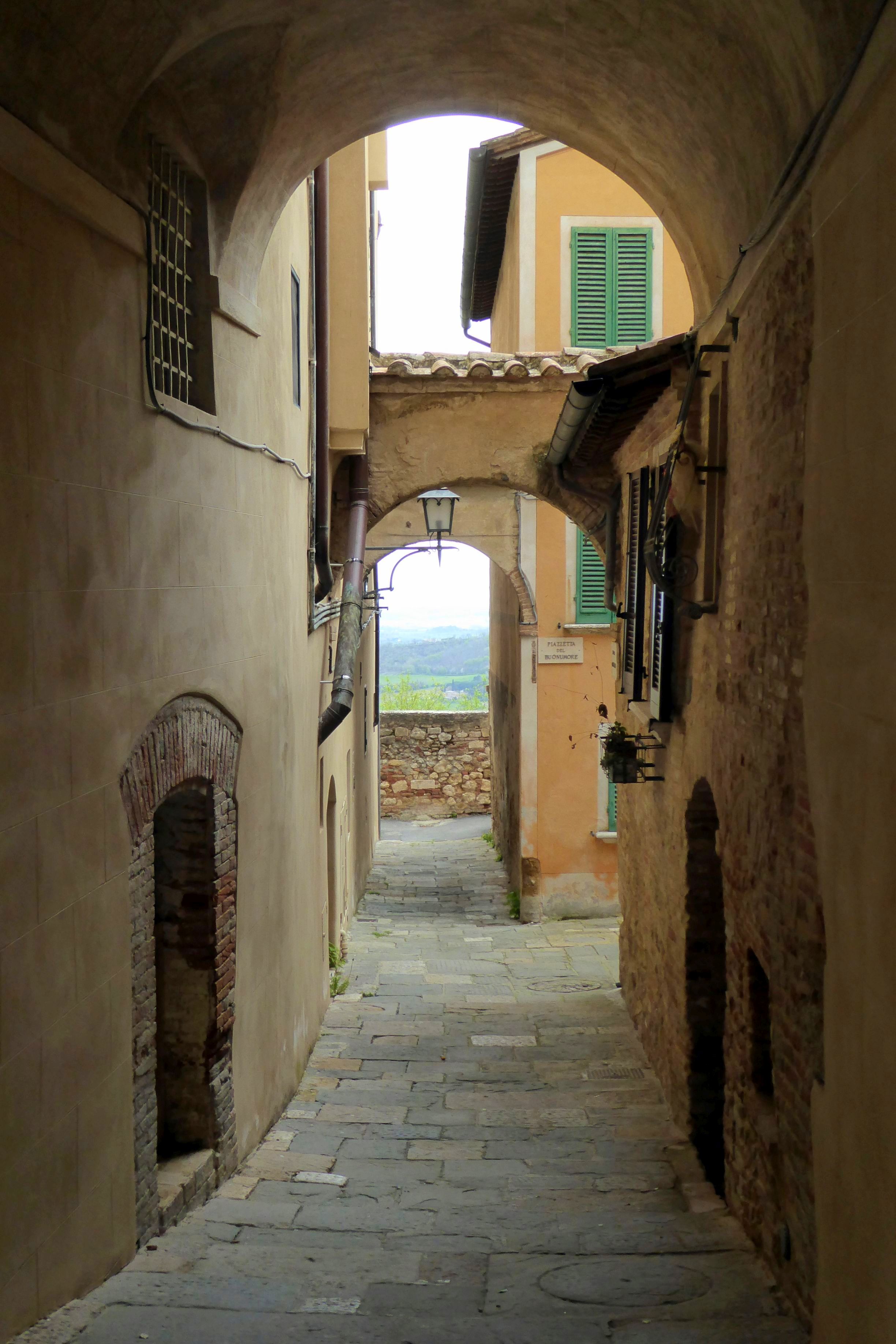
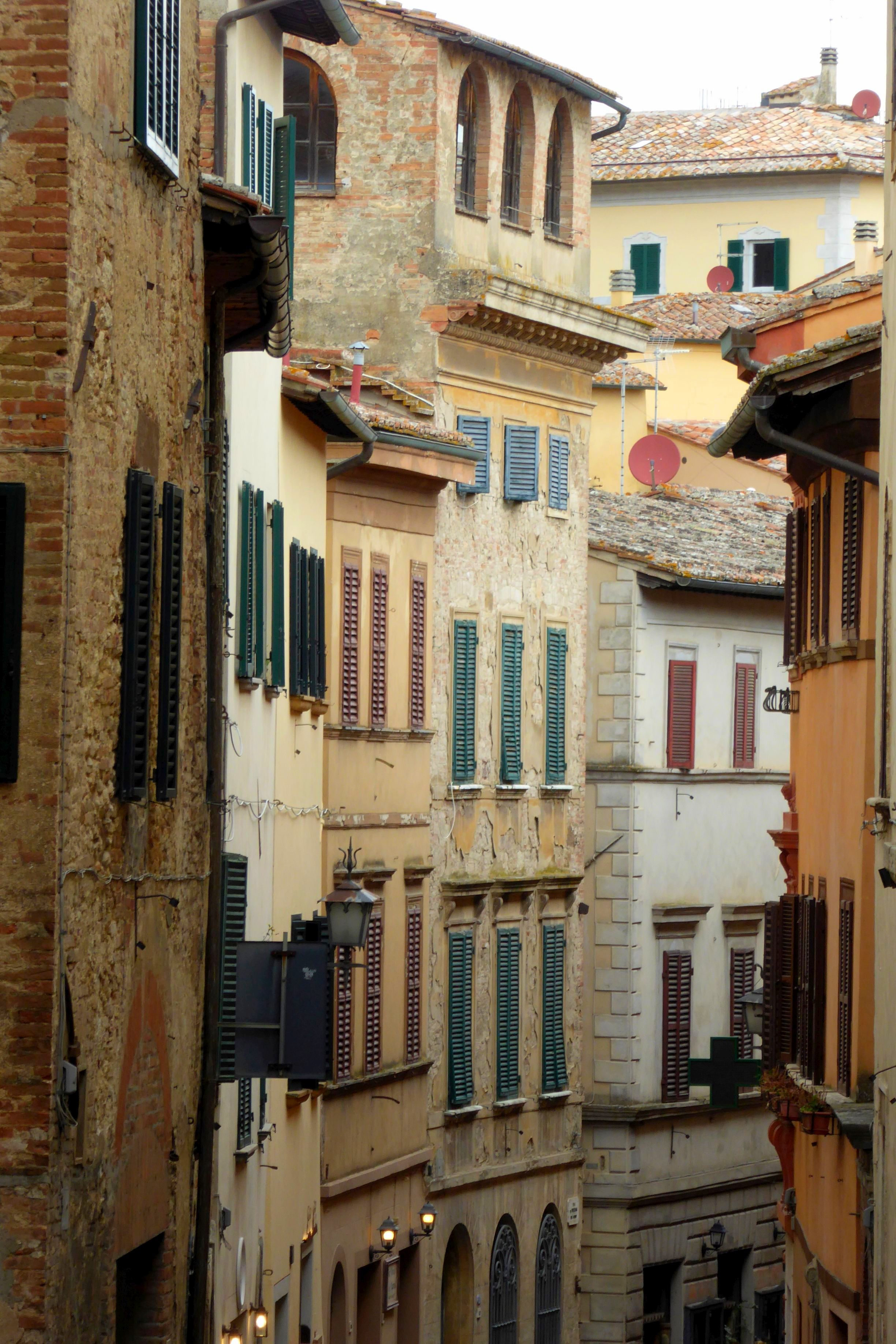
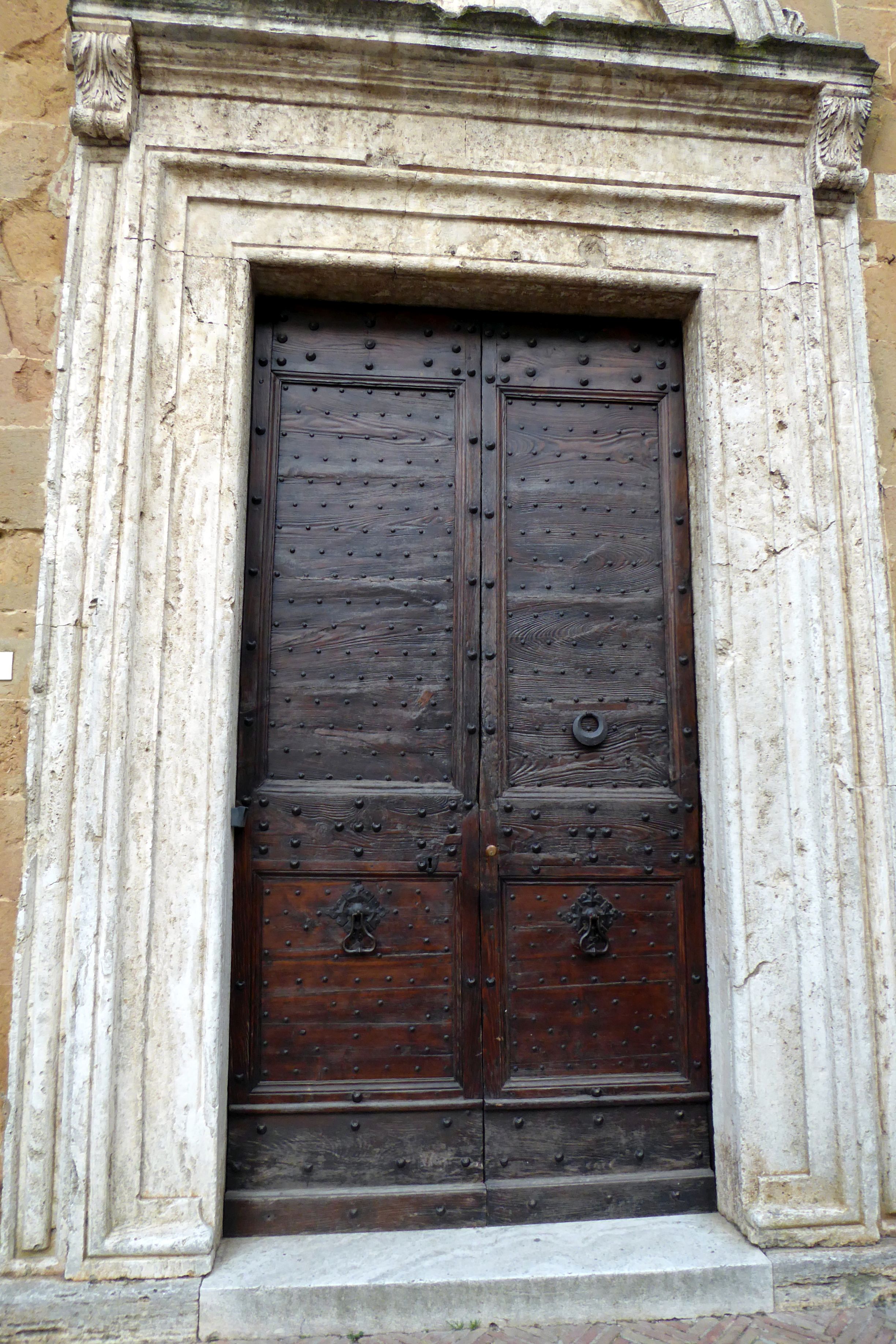
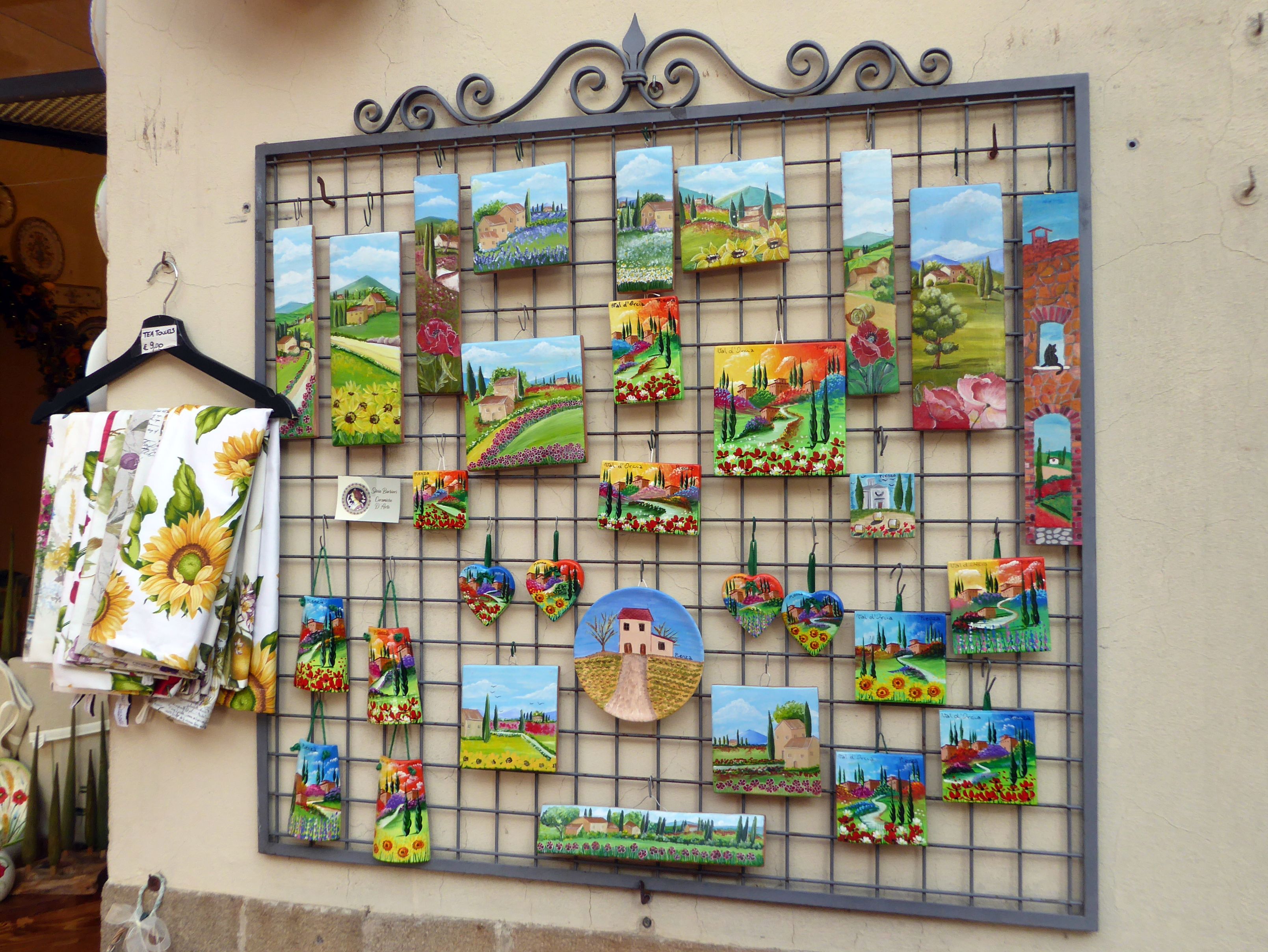
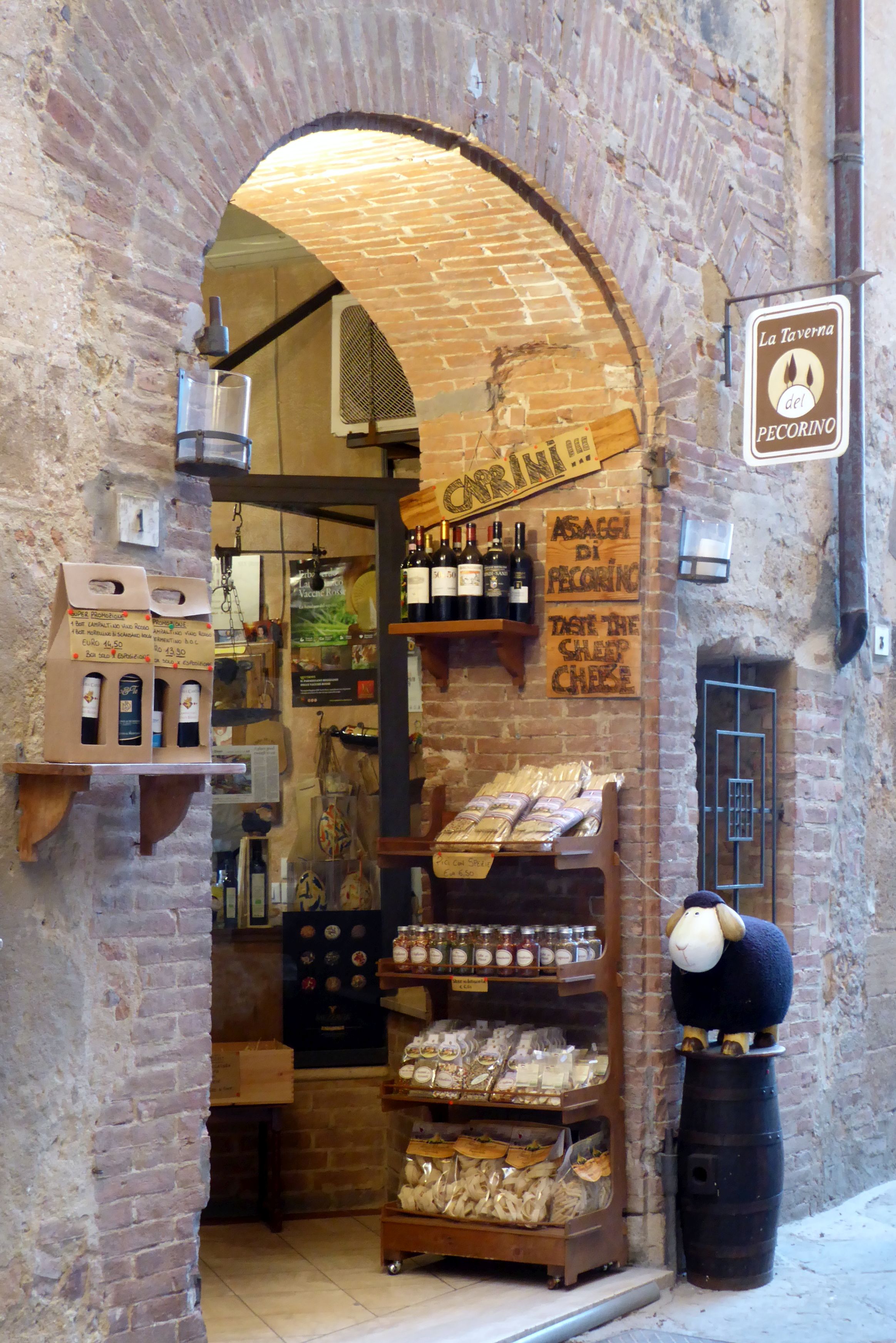
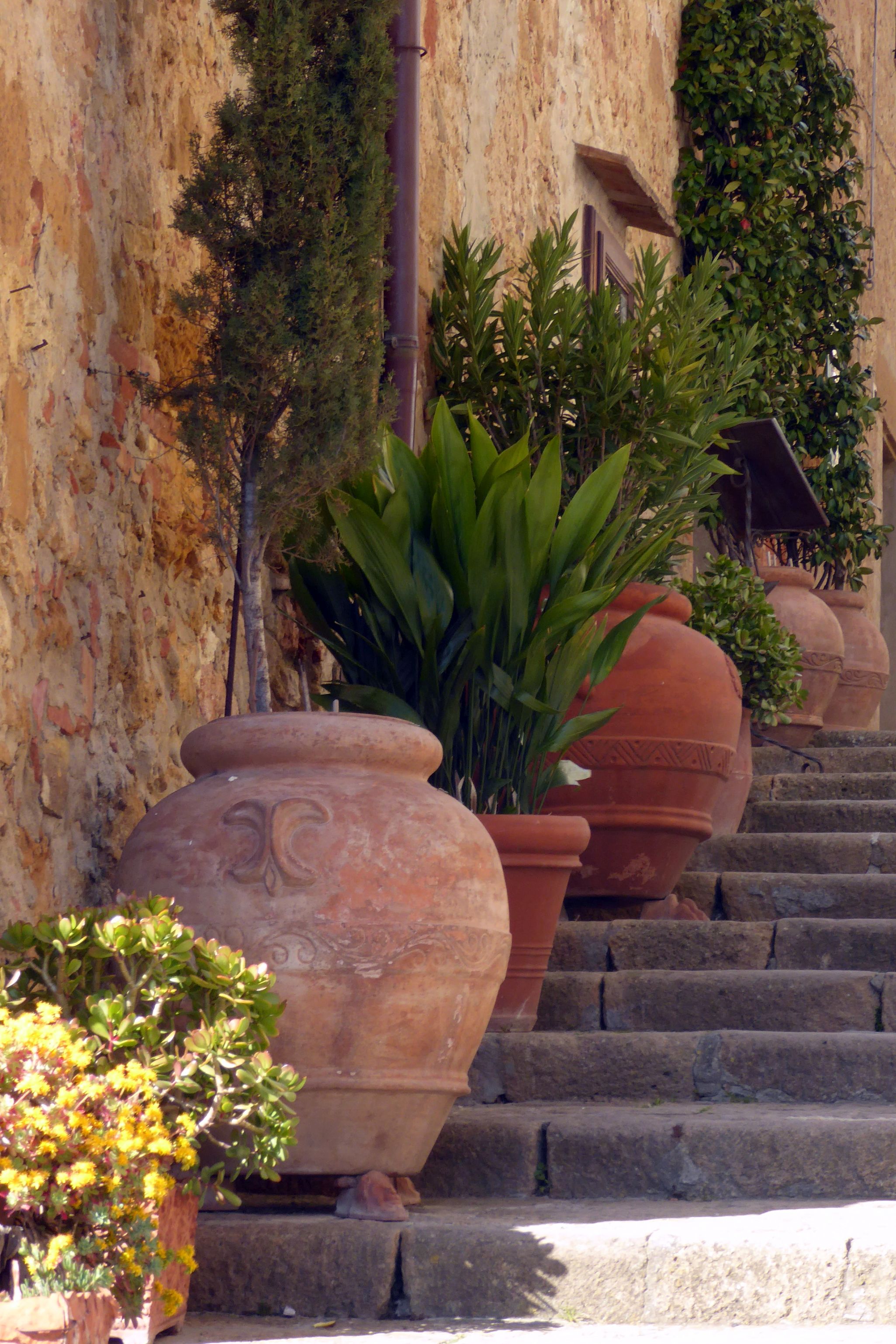
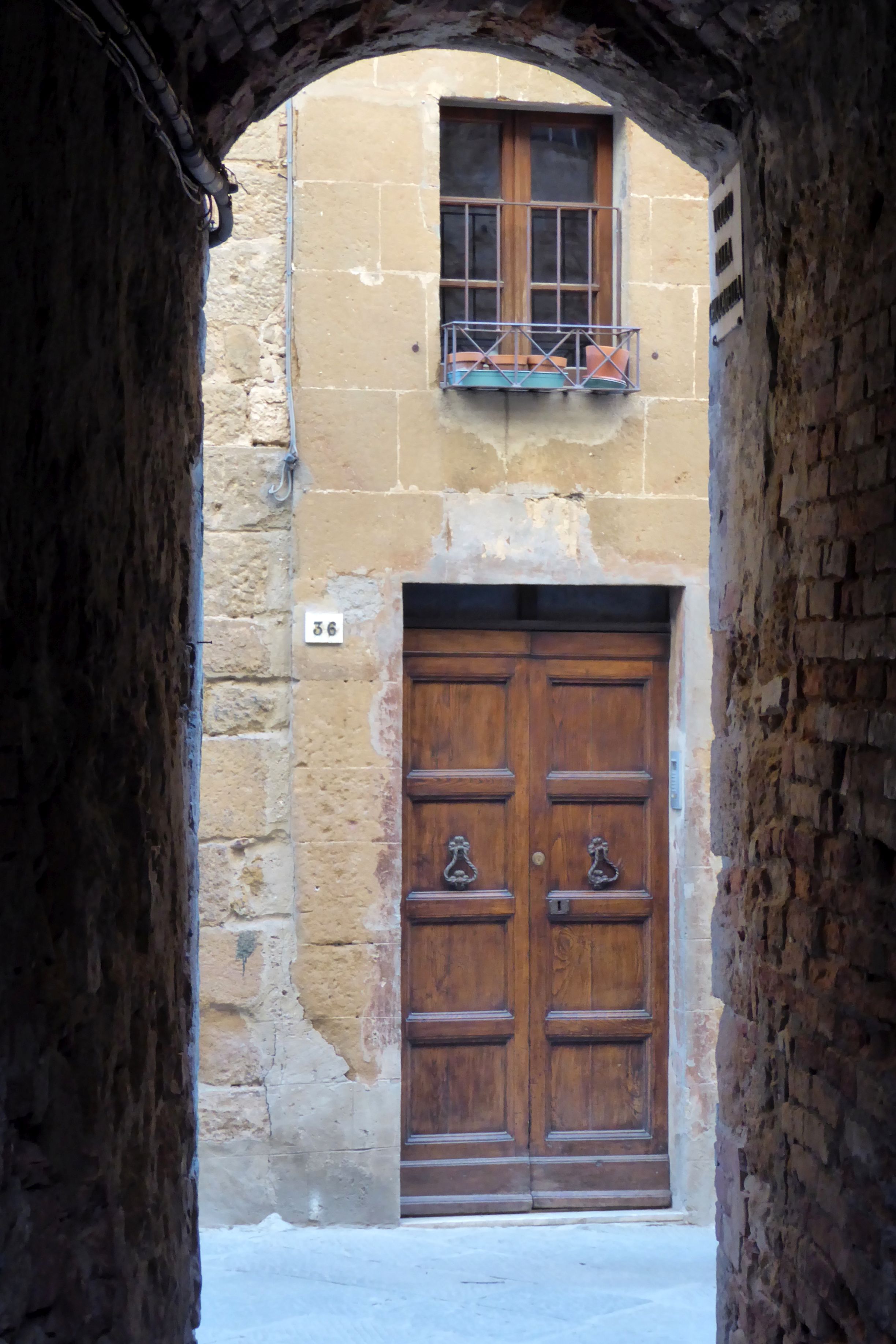
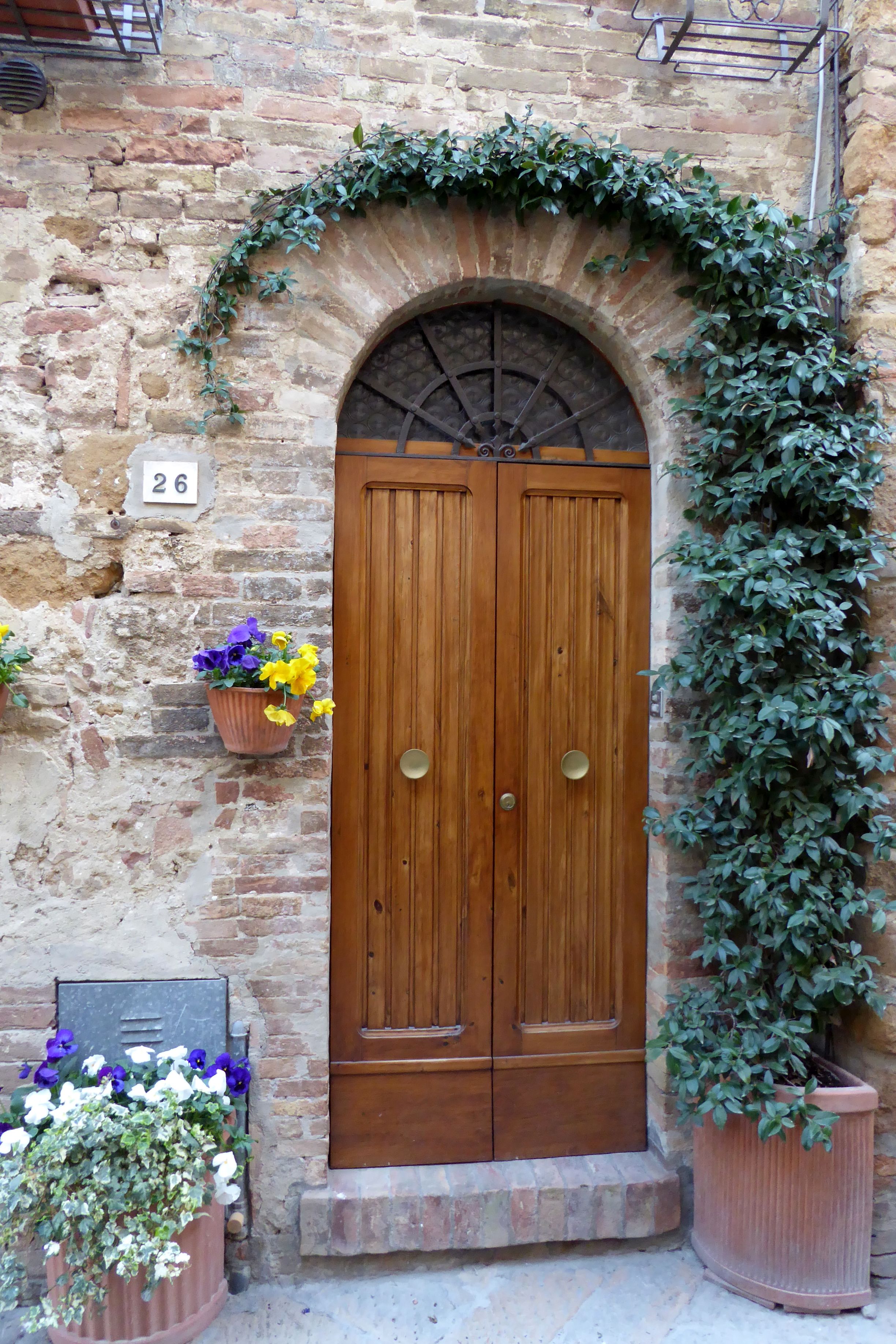
Following our group walk, Bruce and I continued to explore the historic city center on our own, walking literally every street within the walls. As Yogi Berra once said, “When you come to a fork in the road, take it.” And, that we did. Every. Single. One. So much pride and charm; from the doorsteps of homes to the adorable shops, it was quintessential Tuscany at its best!
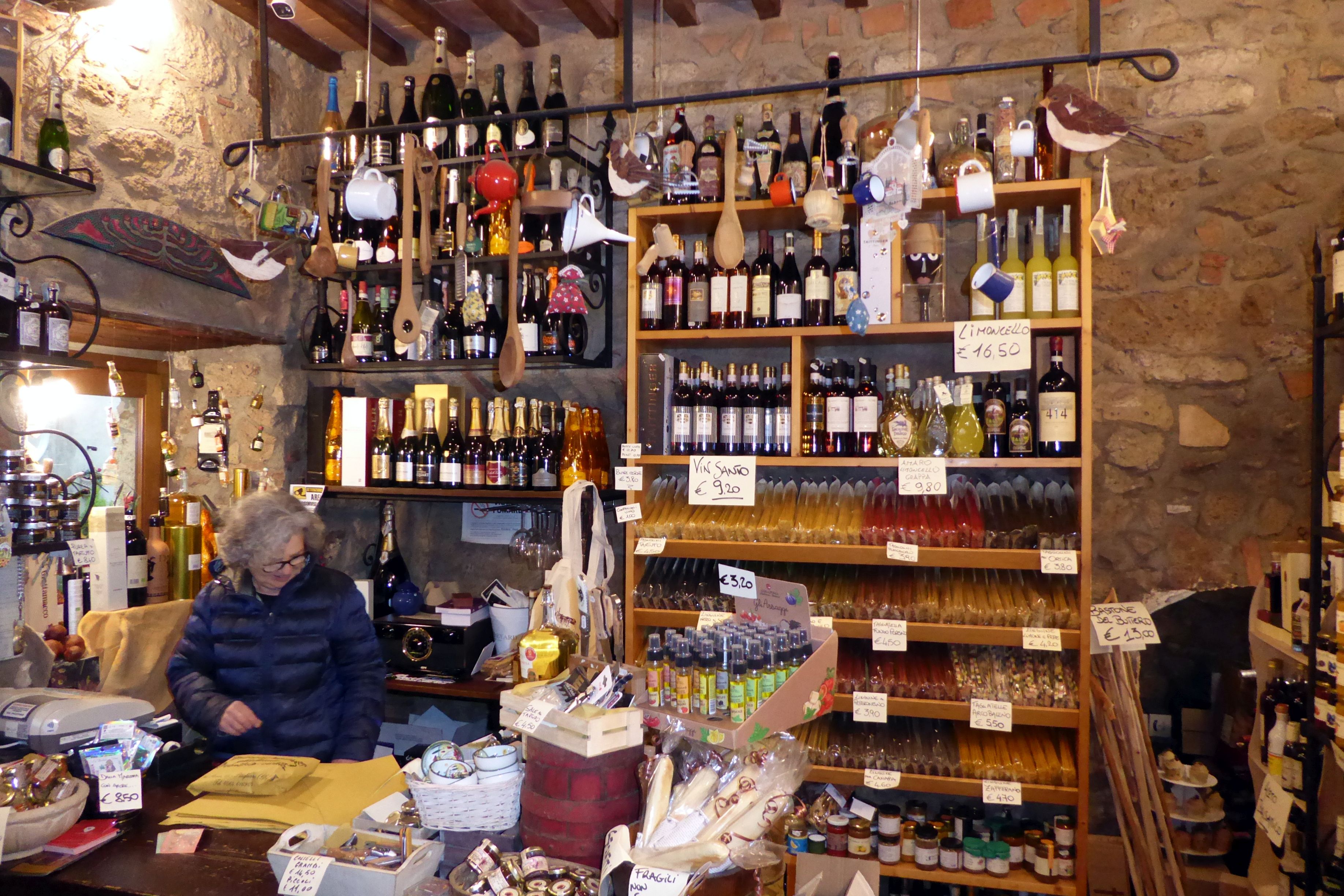
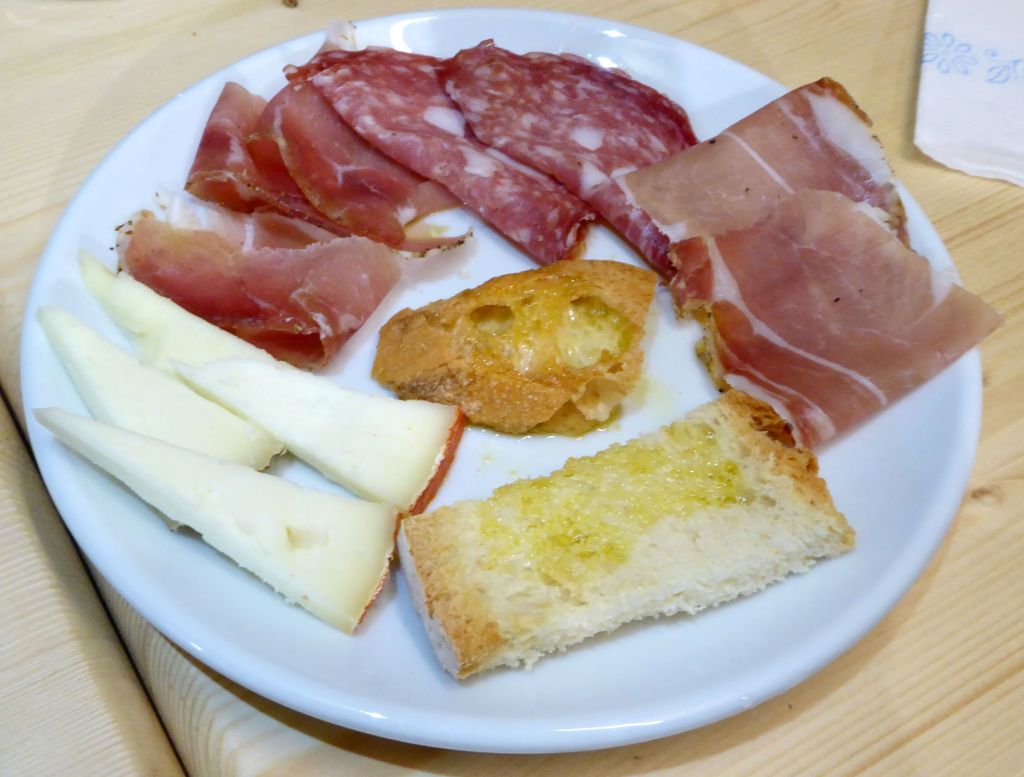
PIenza is known for its excellent pecorino cheese
Next up: MEDIEVAL MONTEPULCIANO
Note: If small group travel is of interest to you, I highly recommend Overseas Adventure Travel (OAT). Although Bruce and I travel together, they do not charge a single supplement for those who travel on their own. Singles also get their own room at hotels. If you book, you can get $100 off your trip by providing my name and customer number (Elaine Krugman, #3018126) as the person who referred you. I will also get $100 off future travel– a win-win!







































































































































 Elaine-iaK's Travels: A Traveler's Tales of People, Places, Photos, Pools... and CHOCOLATE!