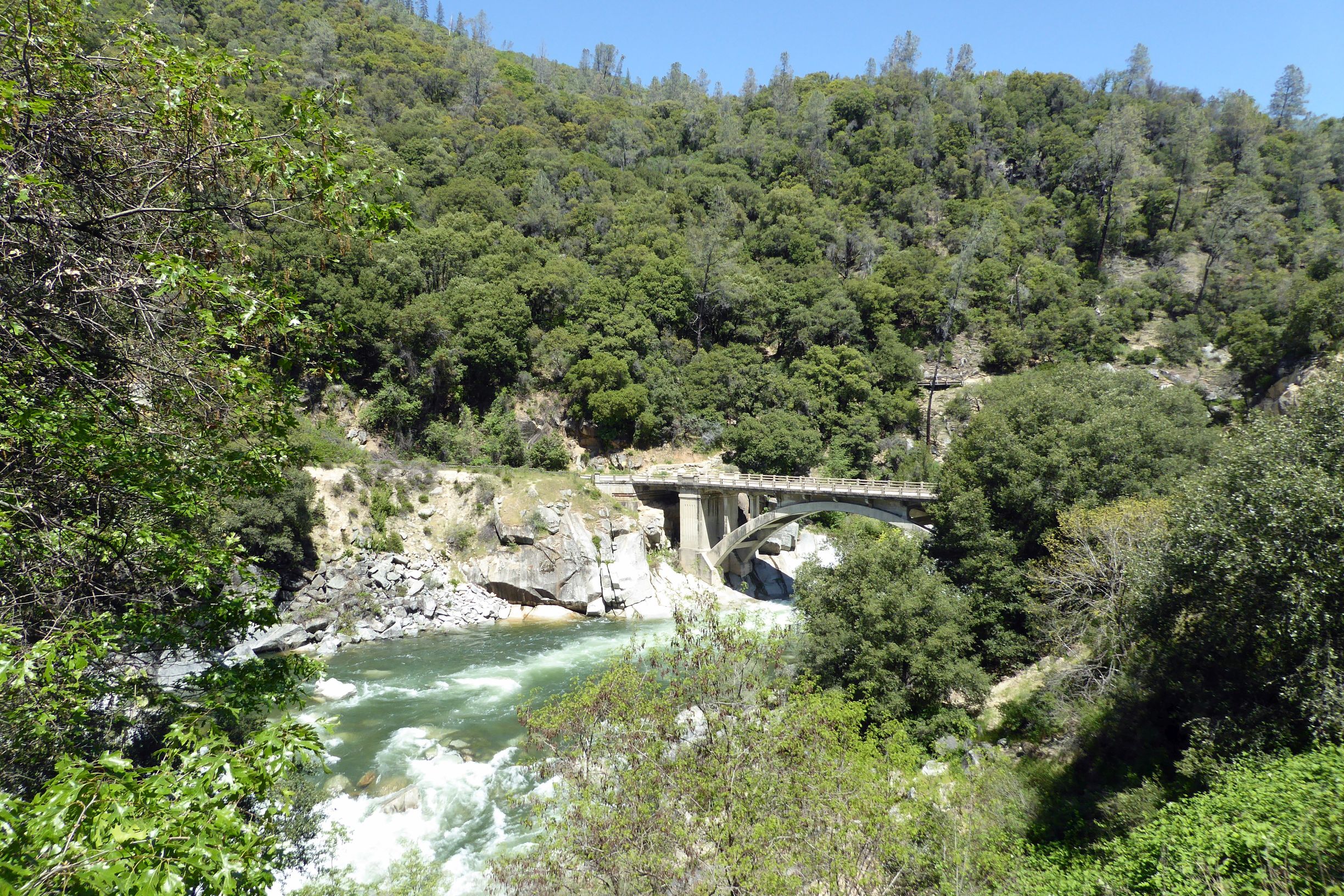
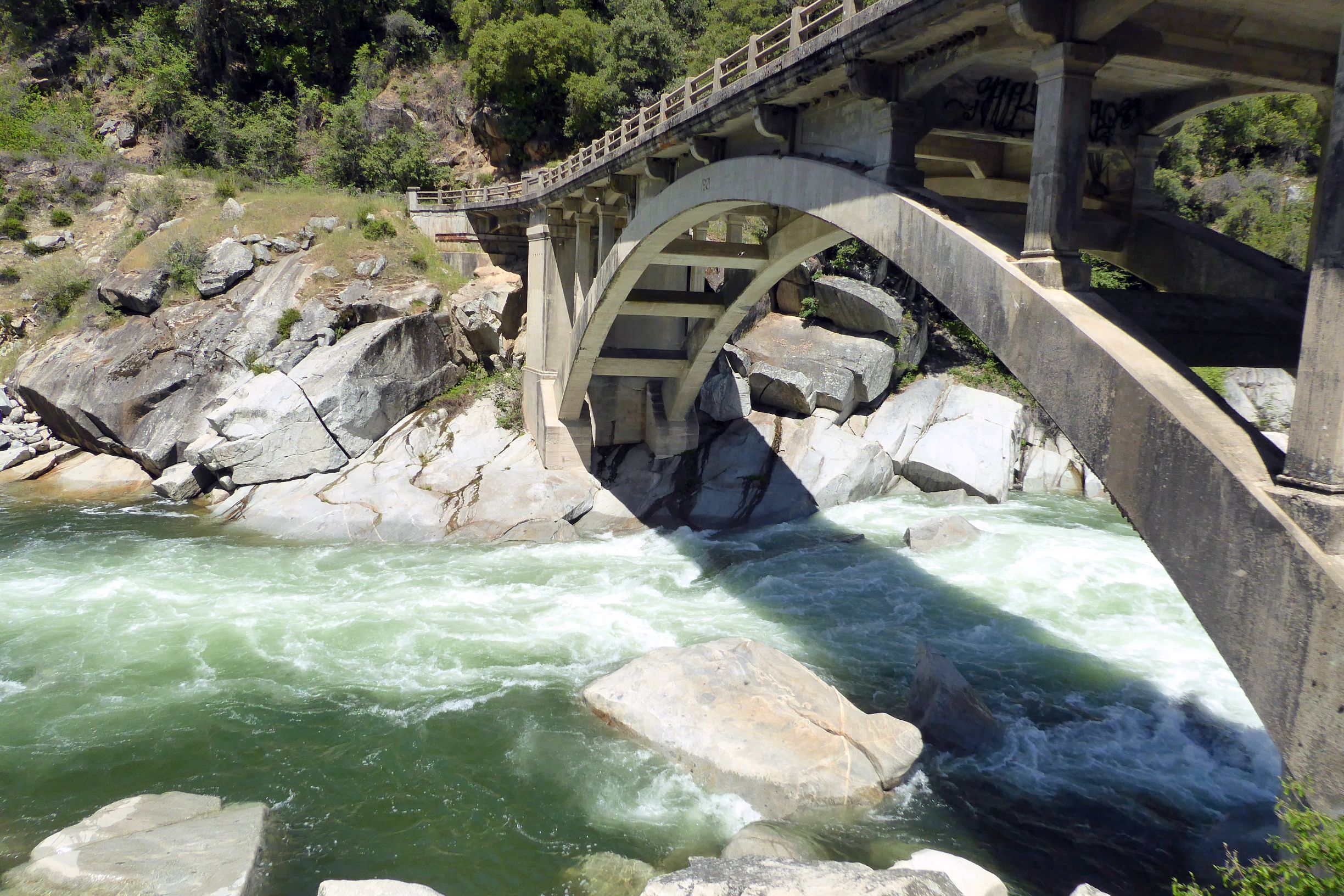



Empire Mine State Park:



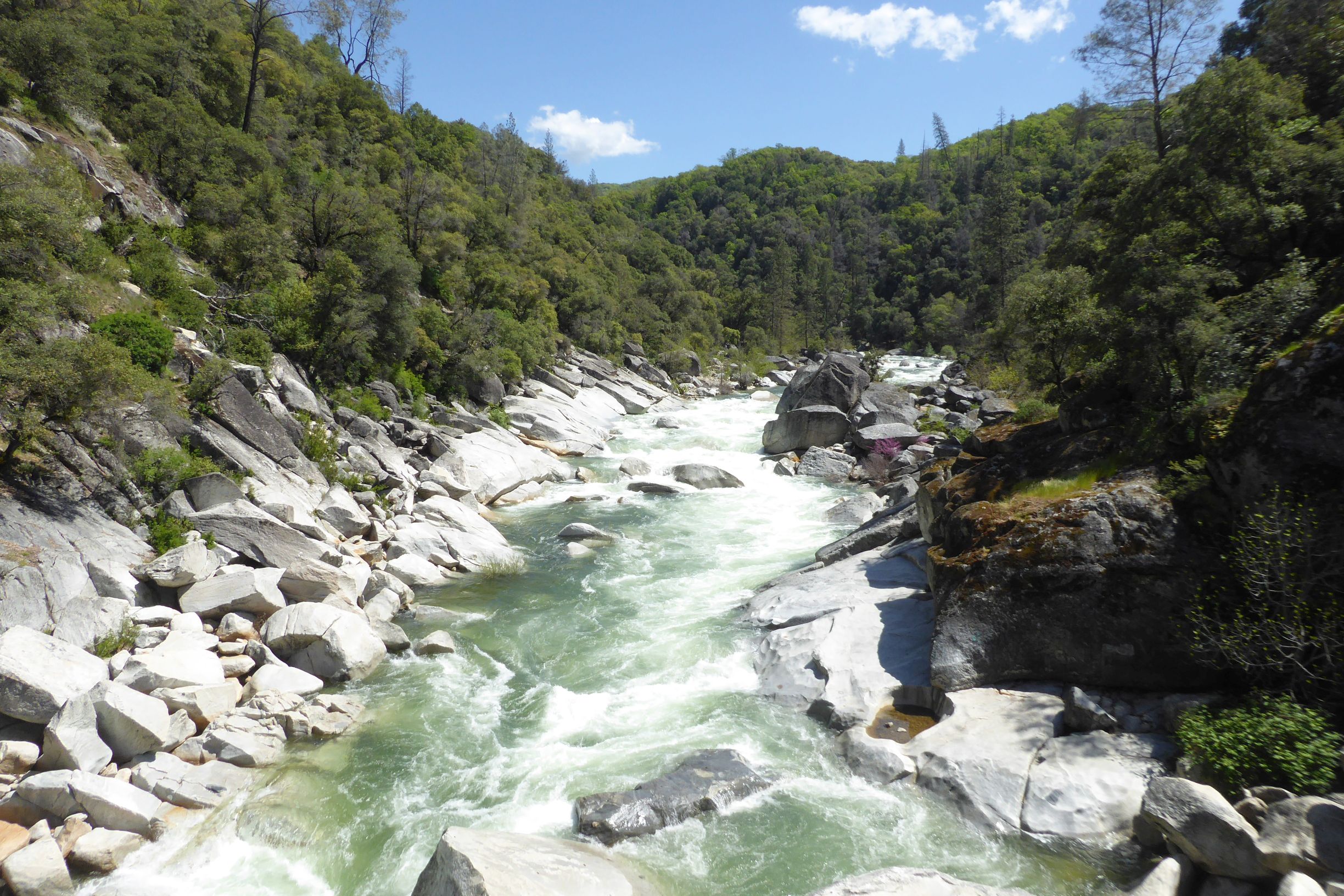
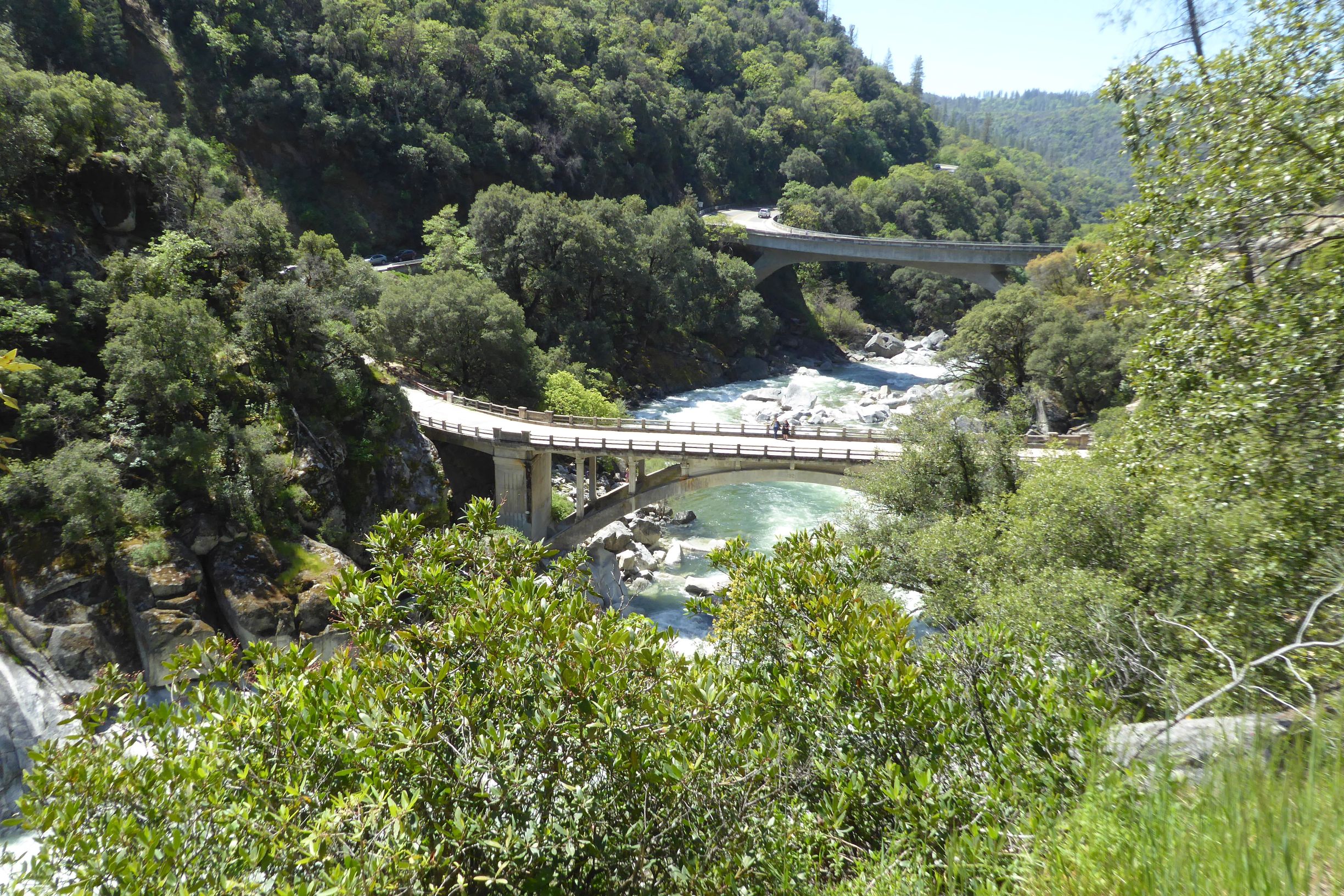
North Star Mine & Wolf Creek:










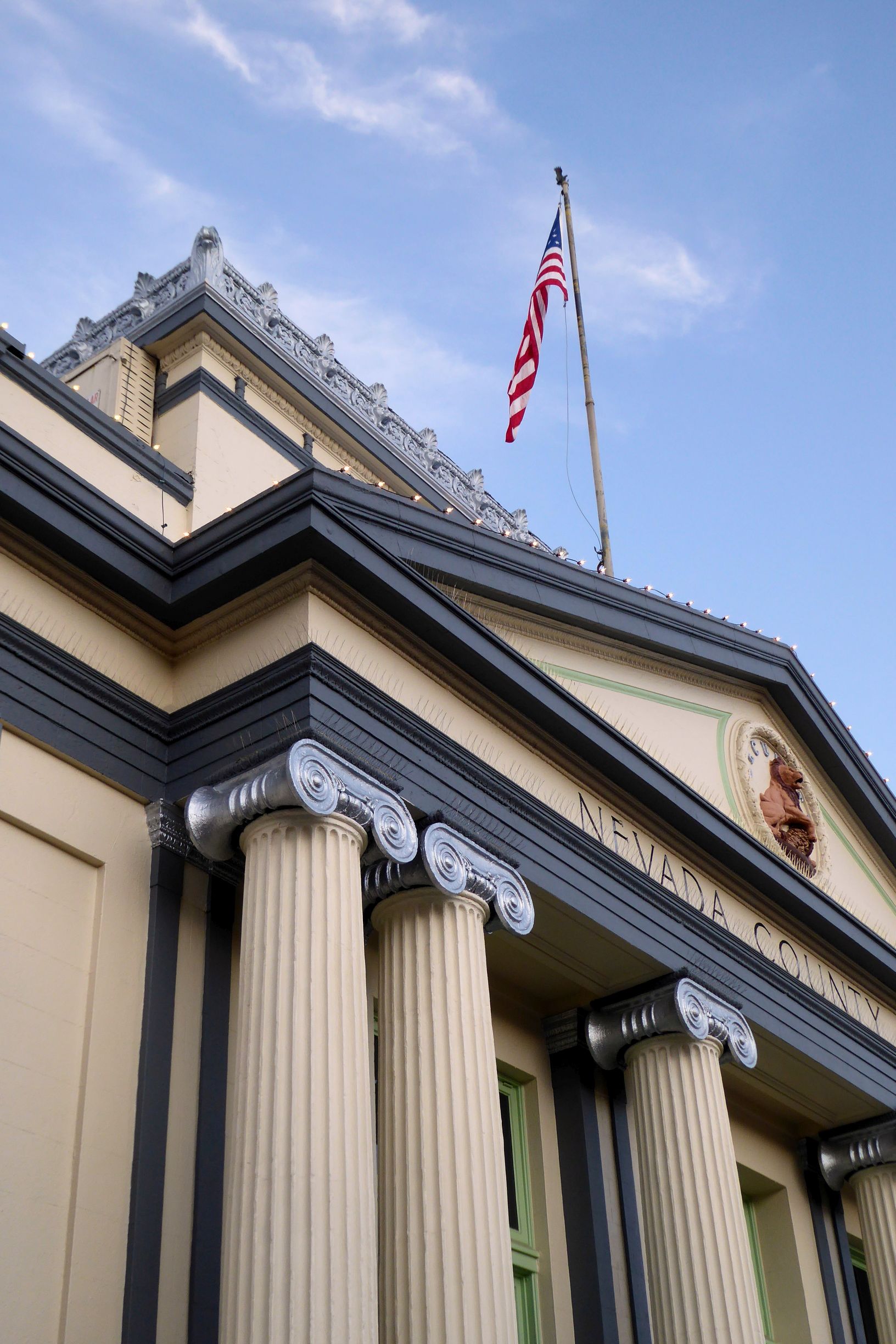
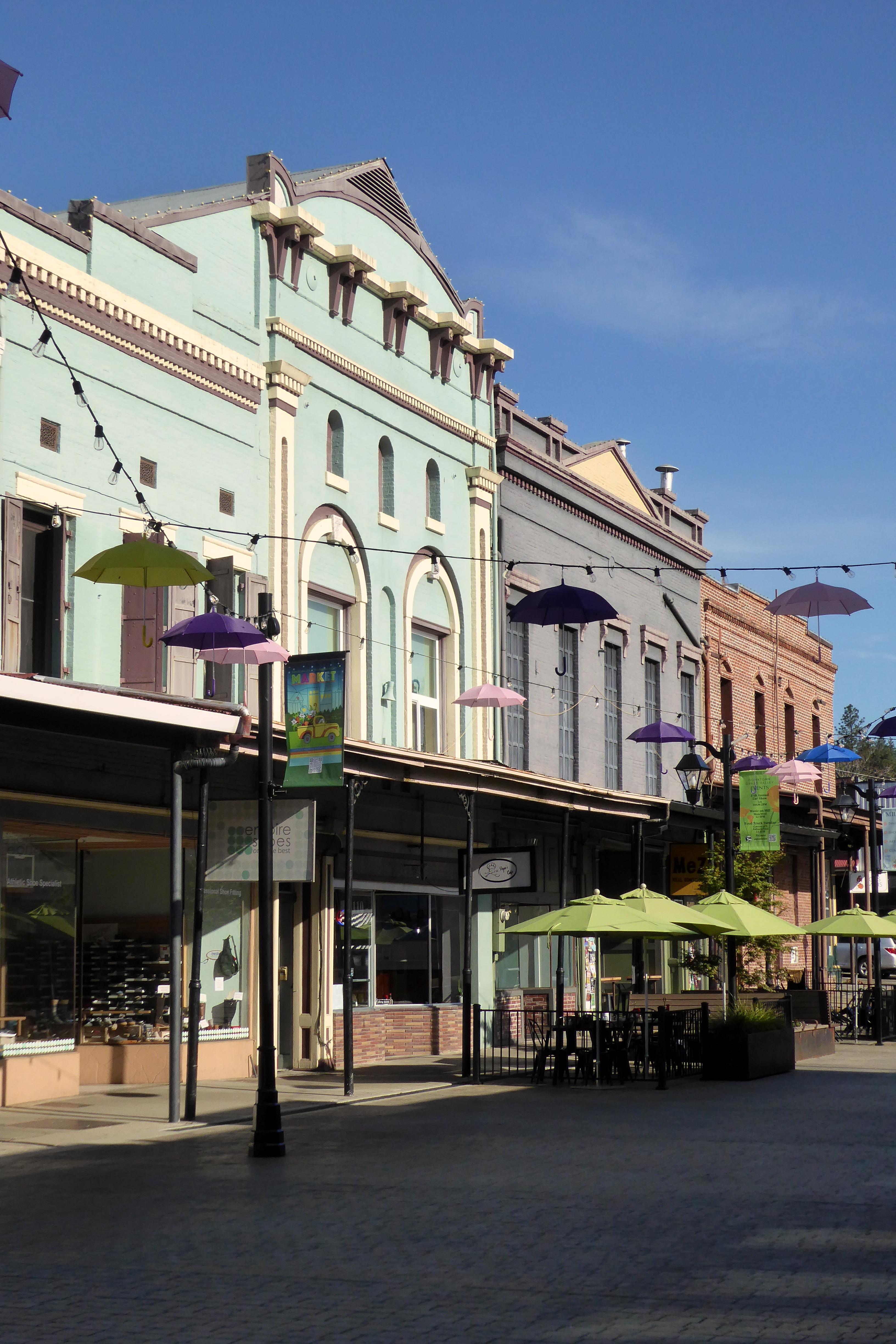
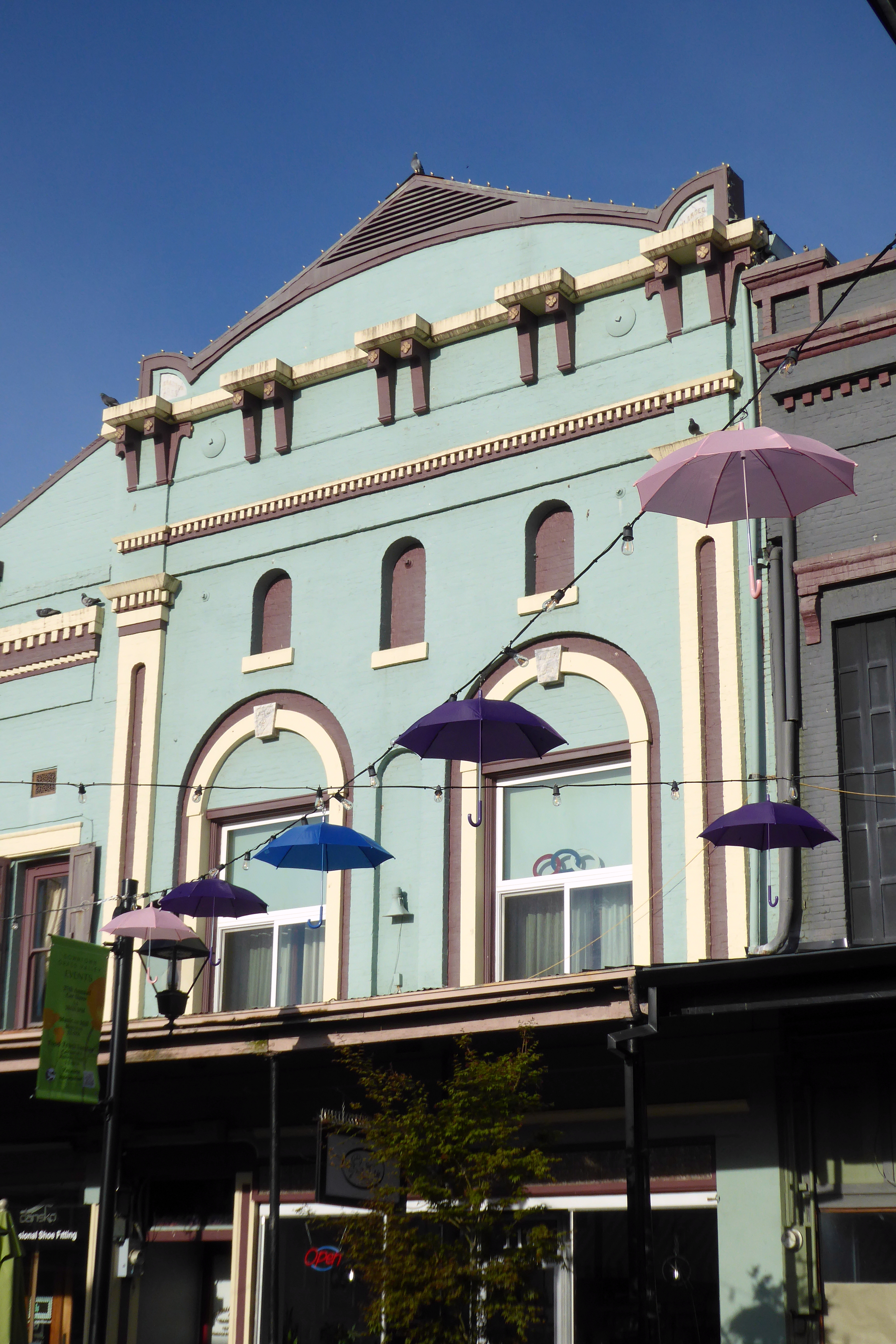
Mill Street Plaza, Downtown Grass Valley:





To see the slide show (full screen) of my Argentina and Chile photos from our Overseas Adventures small group tour, click on the arrow below, and then click on the square symbol in the lower right corner of the YouTube image to expand YouTube to full screen.
If small group travel is of interest to you, I highly recommend Overseas Adventure Travel (OAT). Although Bruce and I travel together, they do not charge a single supplement for those who travel on their own. Singles also get their own room at hotels. If you book, you can get $100 off your trip by providing my name and customer number (Elaine Krugman, #3018126) as the person who referred you. I will also get $100 off future travel– a win-win! Please note: Single supplements are not available on all dates.
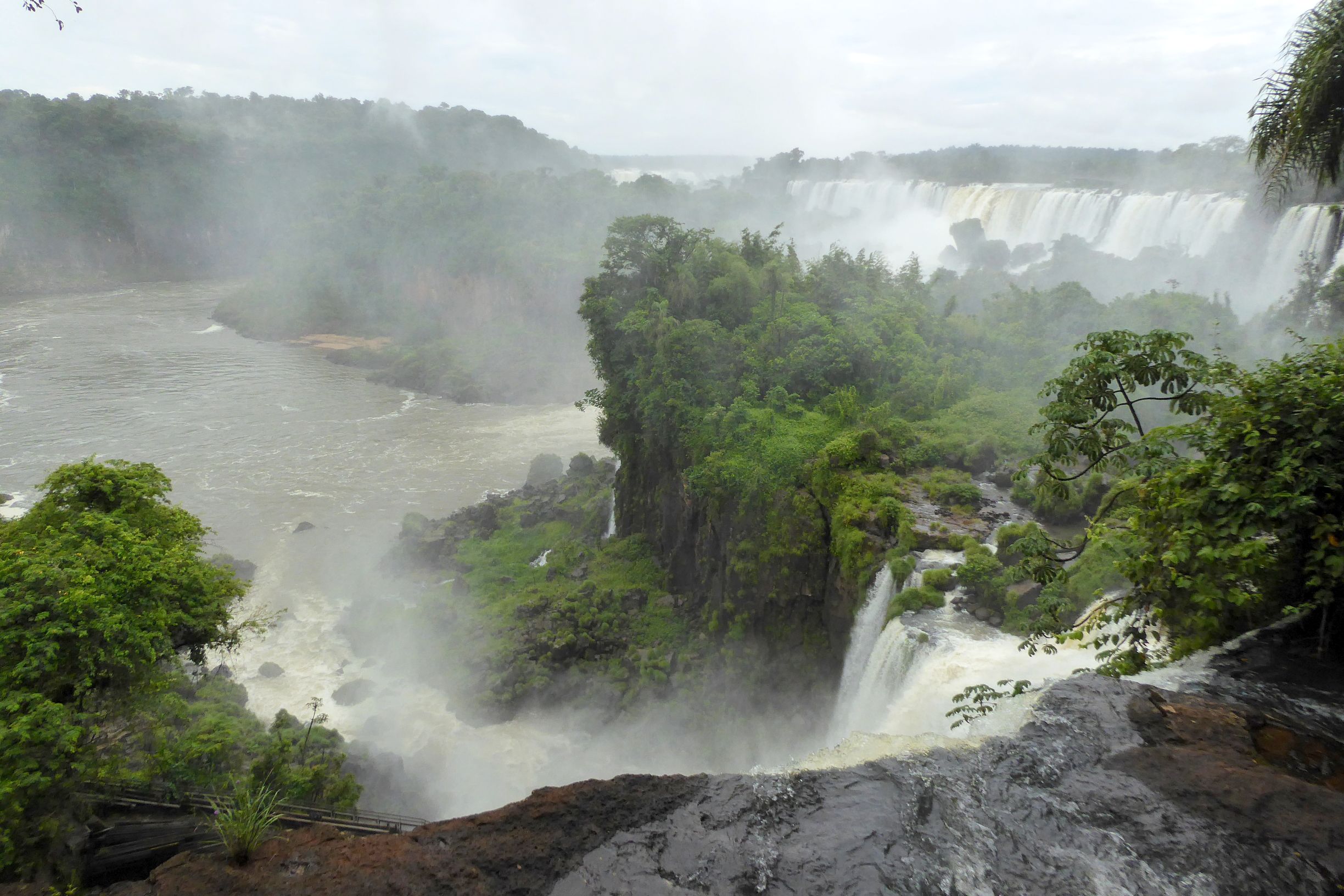
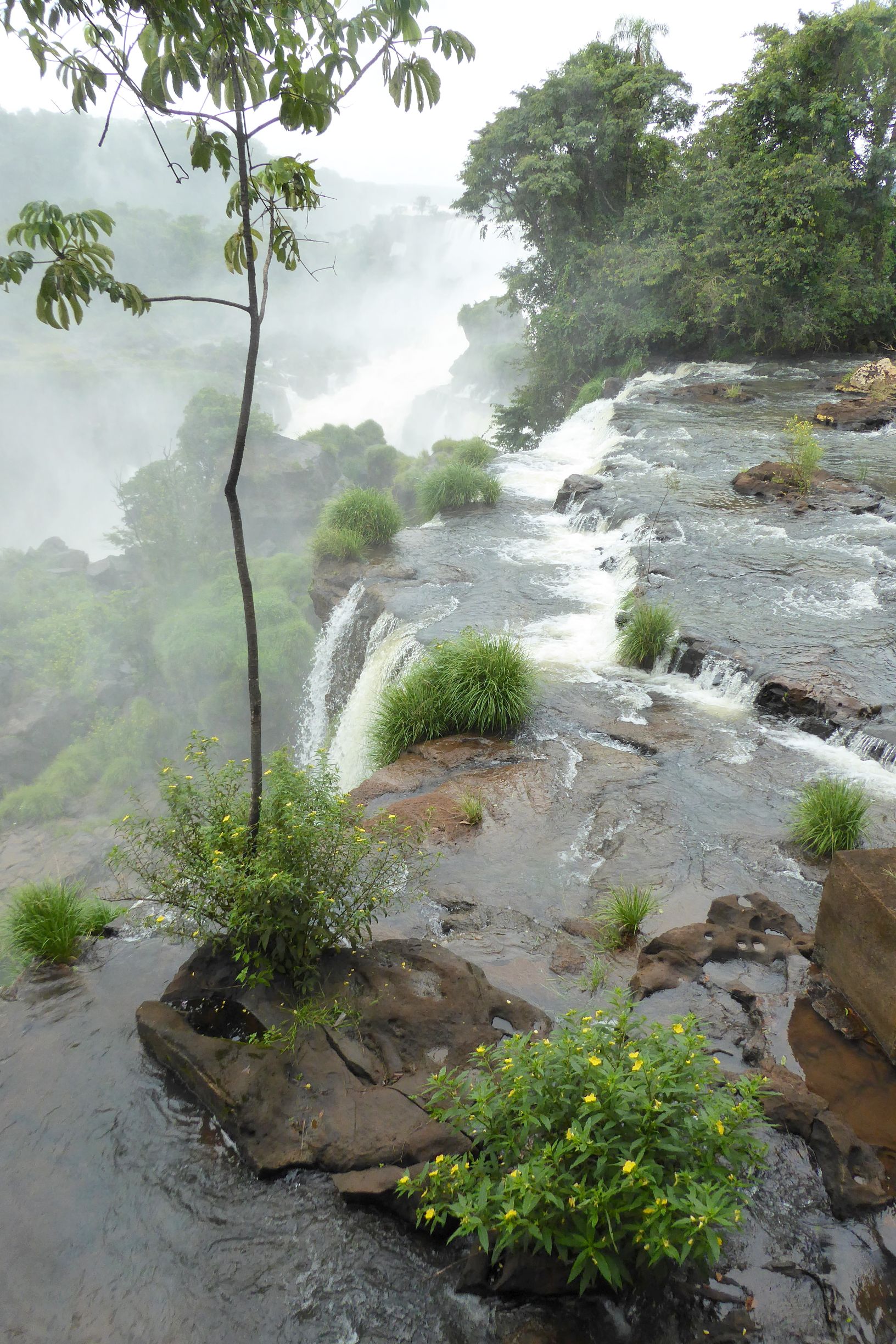
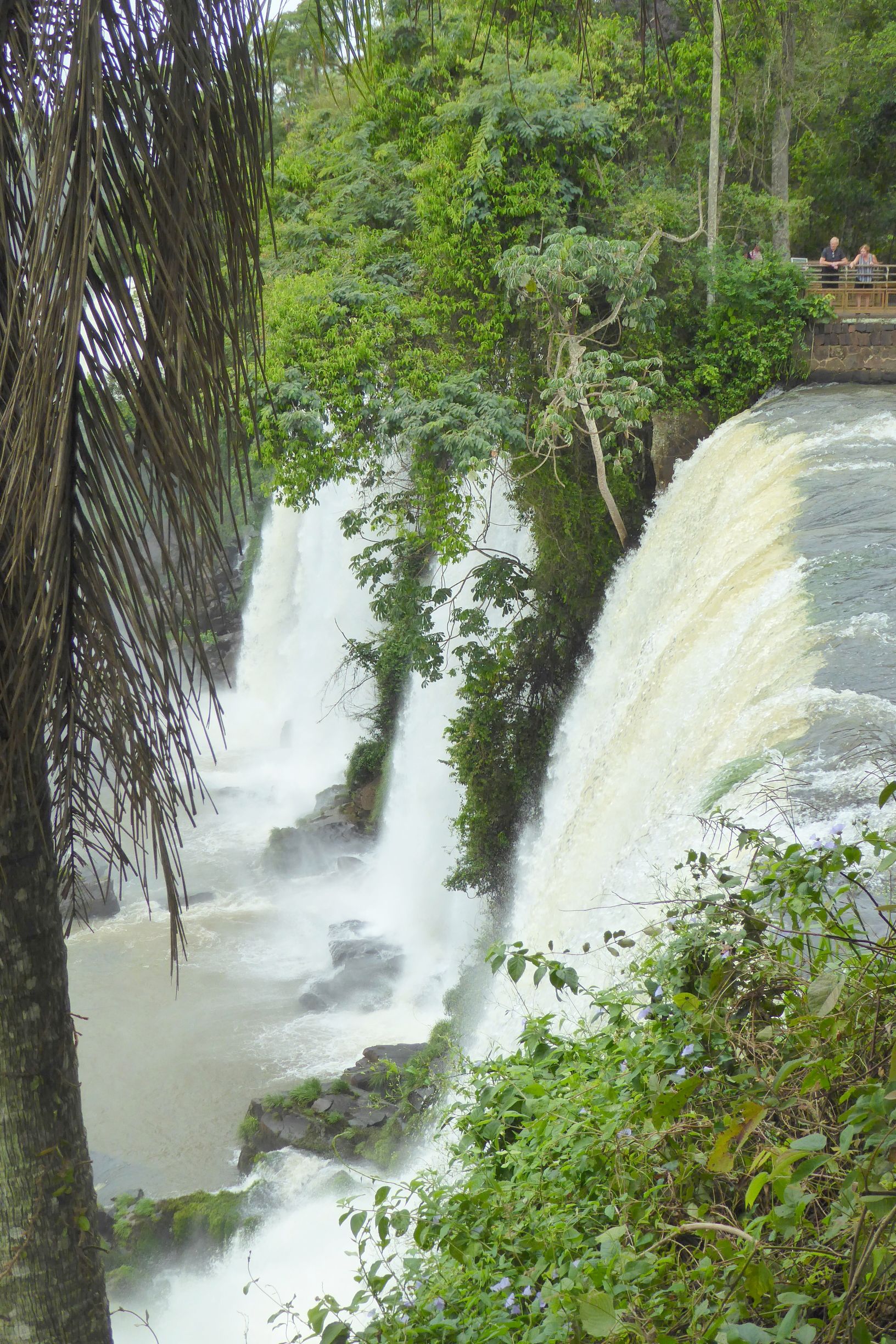
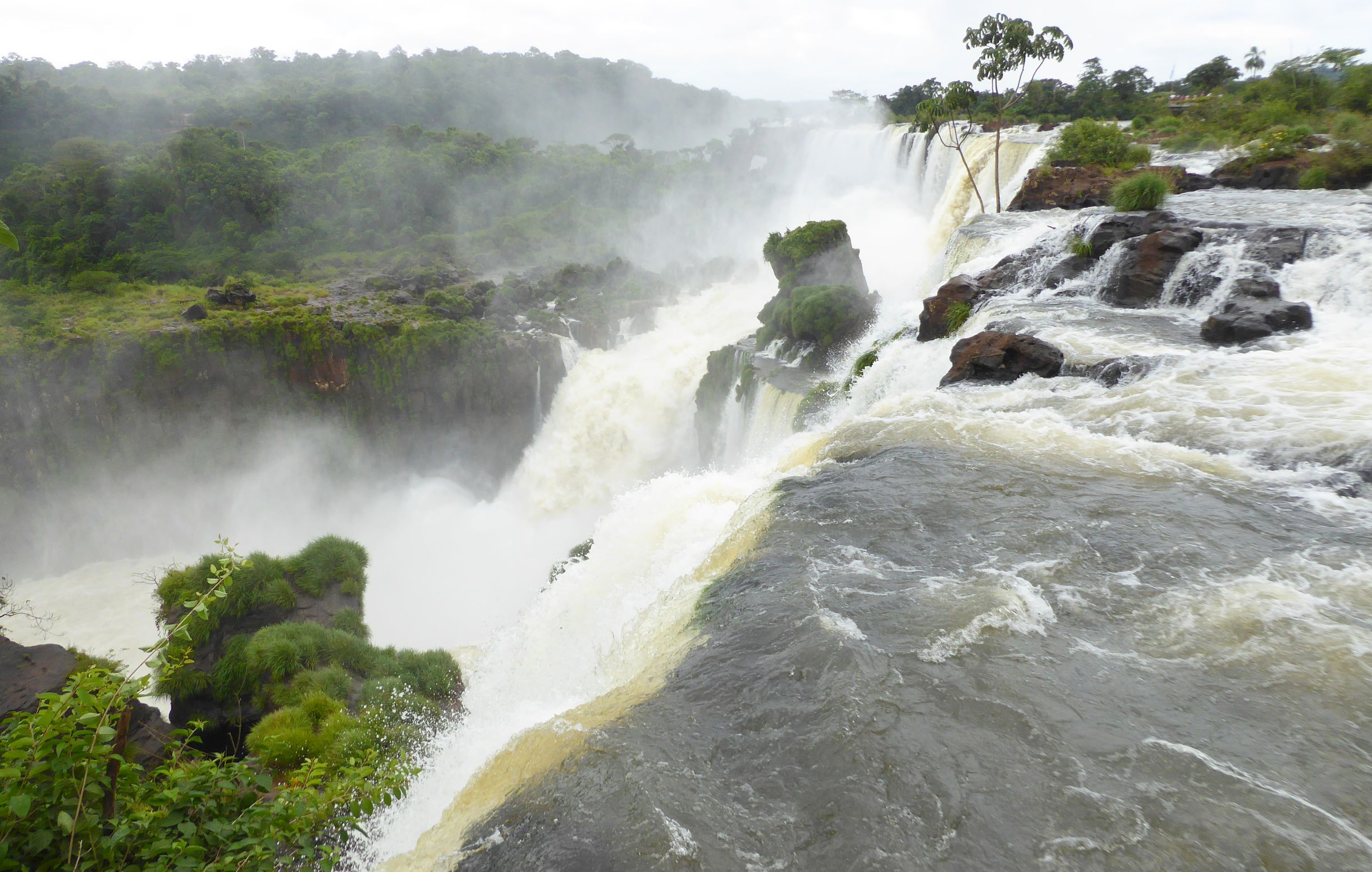
It was our last full day in Argentina, and we were going to do it up right. Back to the falls we go! This time, we saw Iguazu Falls from the Argentinian side—above AND below. More on the “below” views later…
Unfortunately, the skies were a mucky white and gray, but we were (again!) fortunate to not have rain. It just made for lousy photography—white waterfalls against a white sky. The views (in person) were spectacular, though, and we enjoyed walking around the edges of the falls, out onto platforms, and over bridges looking down on the powerful rush of water:
(For all photos, especially panoramas, click on the image for a full screen view.)


Along the trail, we could see three toucans way off (and I mean waaaay off!) in the distance, so I did my best to zoom in through the mist of the falls to get this shot, (which has been cropped to a vertical). It’s bad, I know, but…




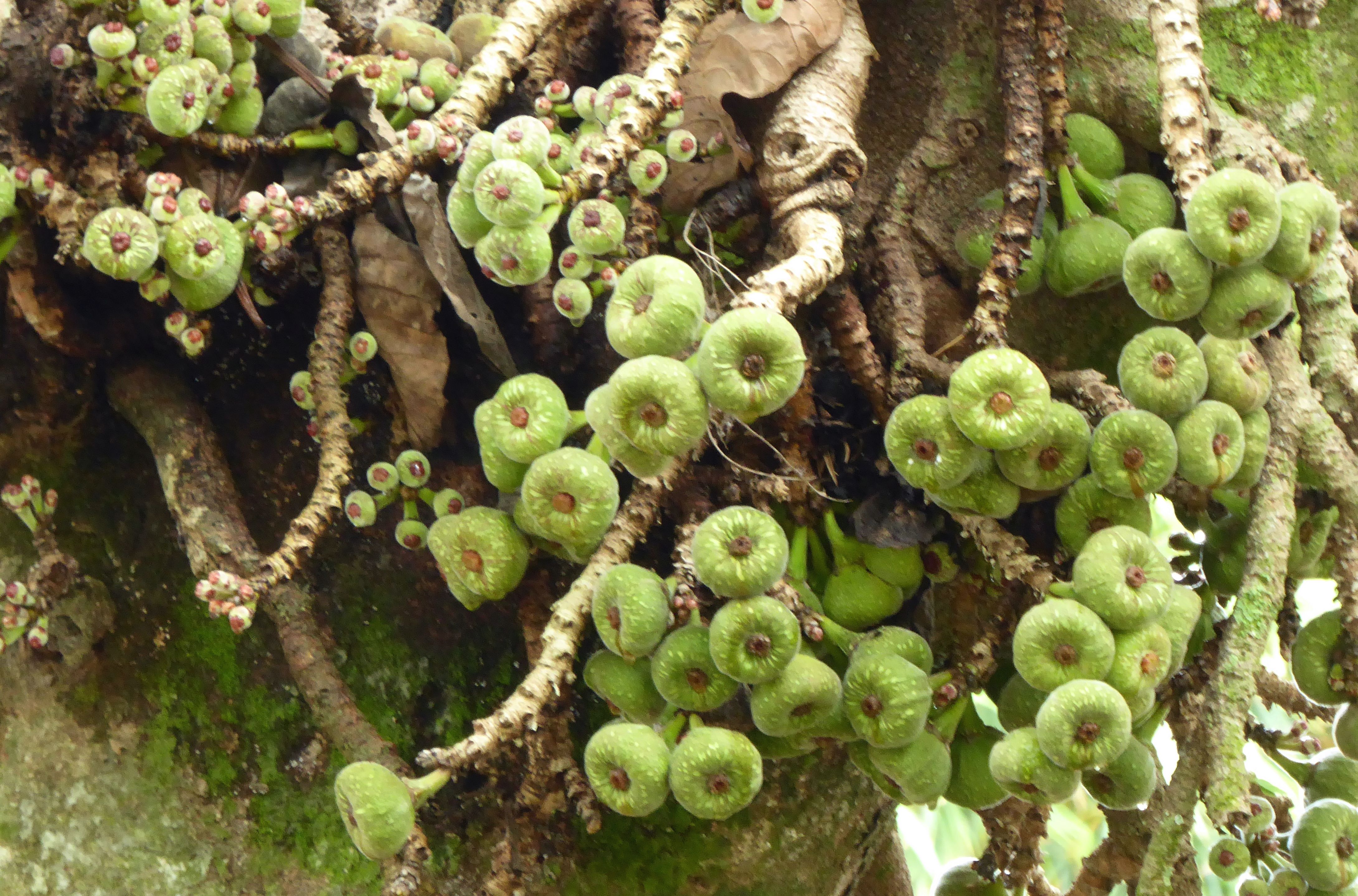

On our way back through the jungle after seeing the falls, we saw some monkeys up in the trees. There was no time to adjust my camera settings, so here’s another bad shot that I don’t want to leave out, because this little guy is so cute!

Now comes the fun part! In the afternoon, some of us took a boat ride to see the falls from below. They warned us we would get wet, so dry bags were provided. I wore my swimsuit, because it was a hot day, and I was looking forward to a refreshing shower from the fall’s spray. What a blast, in more ways than one!


This is a nine-second video from the boat before turning to head into the falls. Make sure to have your speakers on to hear the water:
This is another nine-second video (shot with my waterproof camera) as the captain steered our boat INTO the falls. Notice how much louder the sound is on this one? The falls were roaring!
And this is what we all looked like afterward!

Ahhh, so refreshing!
After returning from our boat ride and walking across the dock, we were greeted by this handsome fellow:


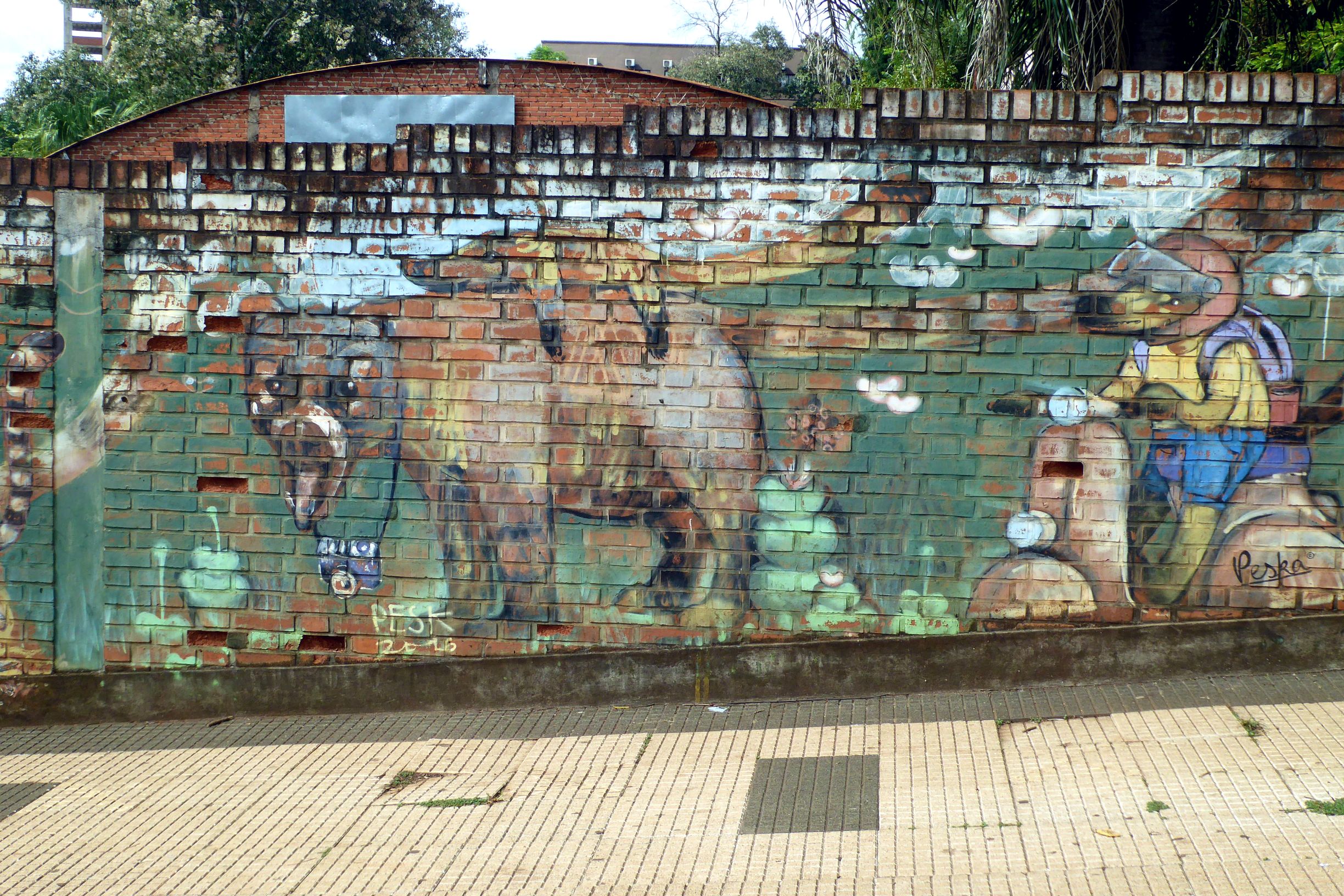
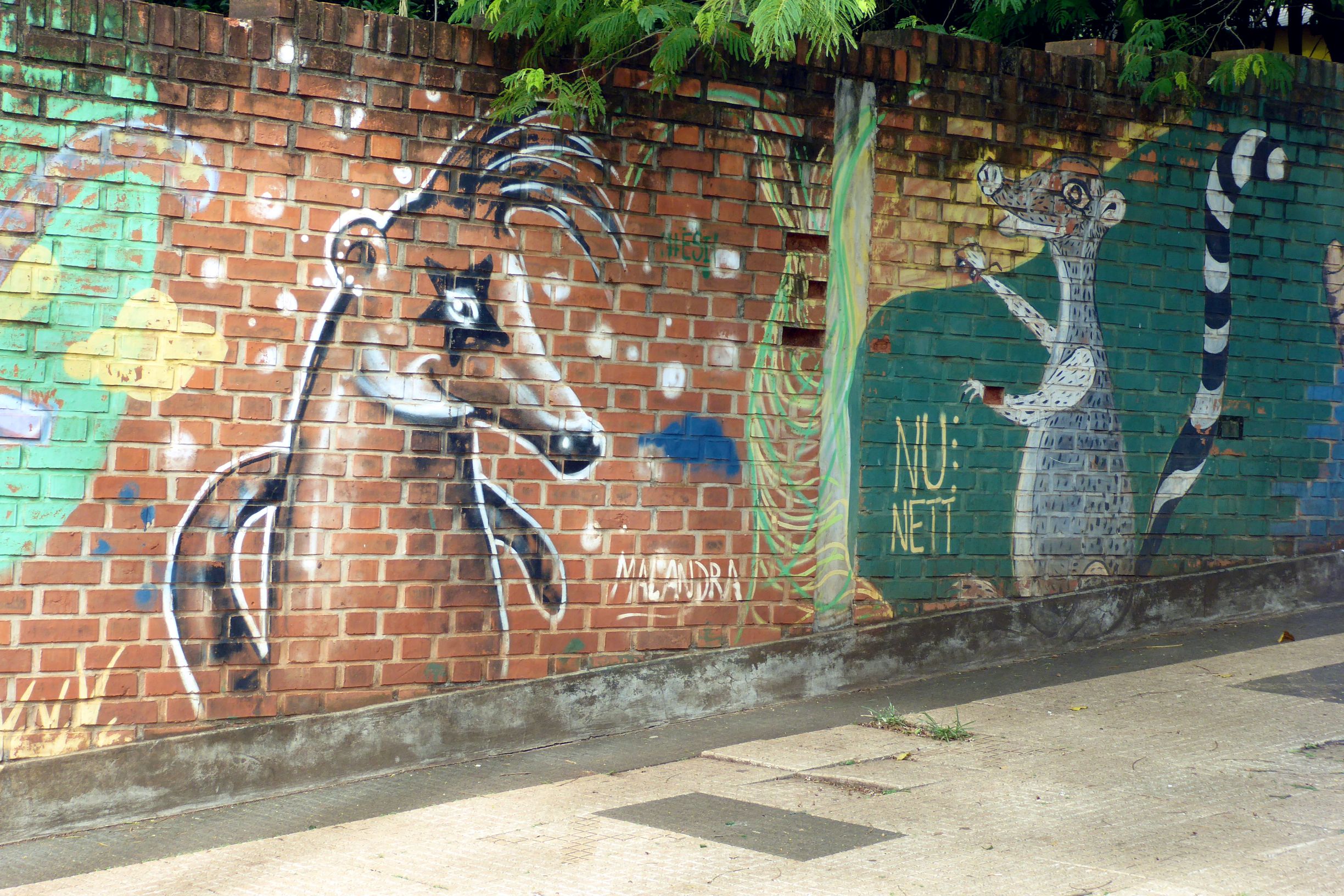
On our way back to the hotel, I shot these murals through the bus window:
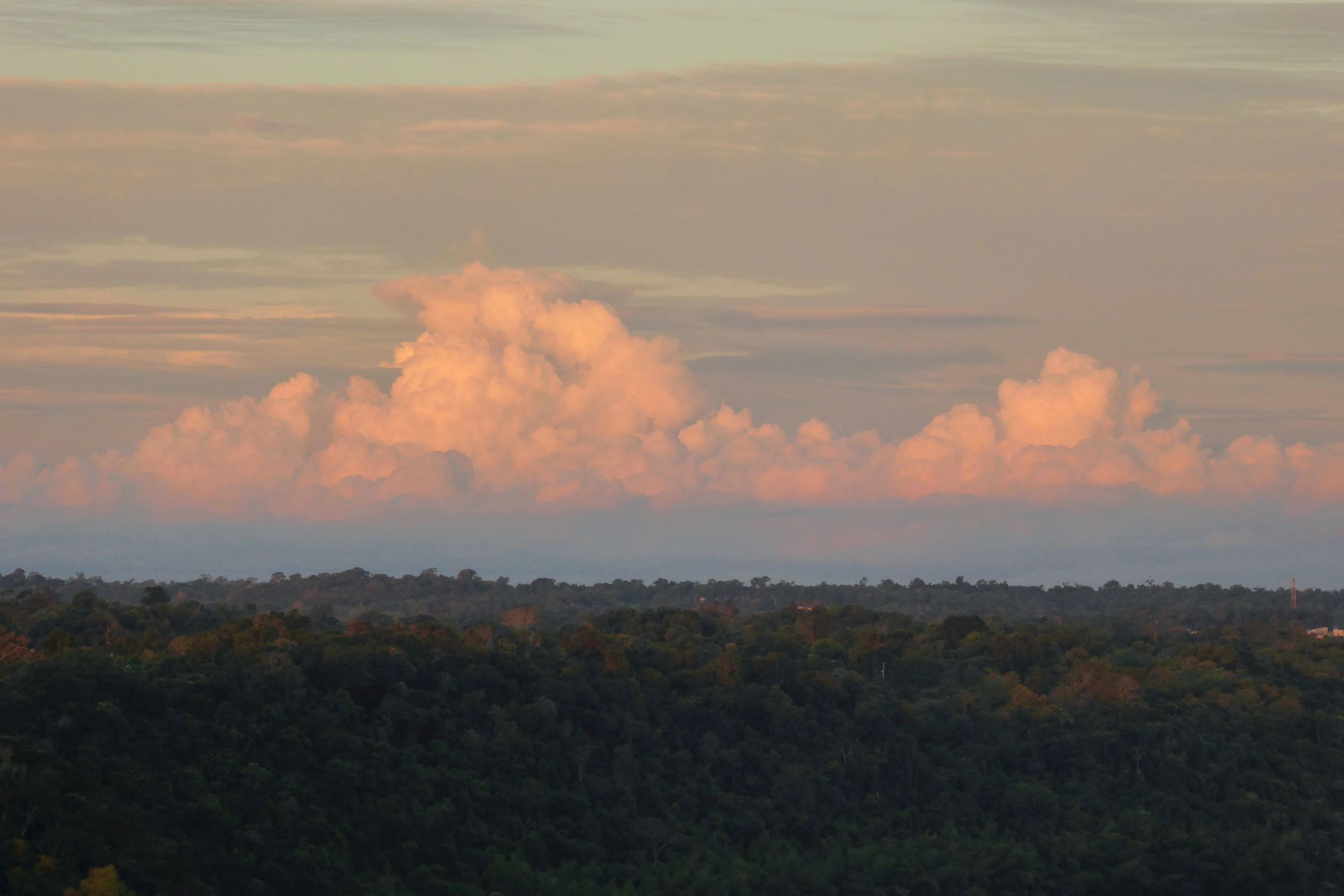
Our Farewell Dinner was wonderful, and we enjoyed one last view from the rooftop.
The following morning, we flew back to Buenos Aires and had a few hours to hop on over to the bakery for empanadas and to Rapanui for one last delicious gelato. After saying our goodbyes, we headed home.


We arrived home on March 7, and more than one month later, we are still in touch with each other on our “Buena Onda” WhatsApp group that Andrea set up for us. It was such a fabulous tour with an amazing group of people, and an experience Bruce and I will never forget. Gracias TOTALES, Andrea and our buena onda OTT group!

Coming up next: ARGENTINA & CHILE #21: A SLIDE SHOW
Welcome to the jungle! I was excited to have the opportunity to visit the indigenous Guarani community of 1,500 residents in the jungle of Puerto Iguazu. The Guarani people have always been nomads, so that “1,500” is really +/- depending on the day. As a native nation, they can move freely between Argentina, Brazil, and Paraguay without having to go through border check. There are five Guarani communities in the region, and they walk between them, rather than use horses or other modes of transportation. They will only use a bus to travel to communities outside of the region.
(For all photos, especially panoramas, click on the image for a full screen view.)
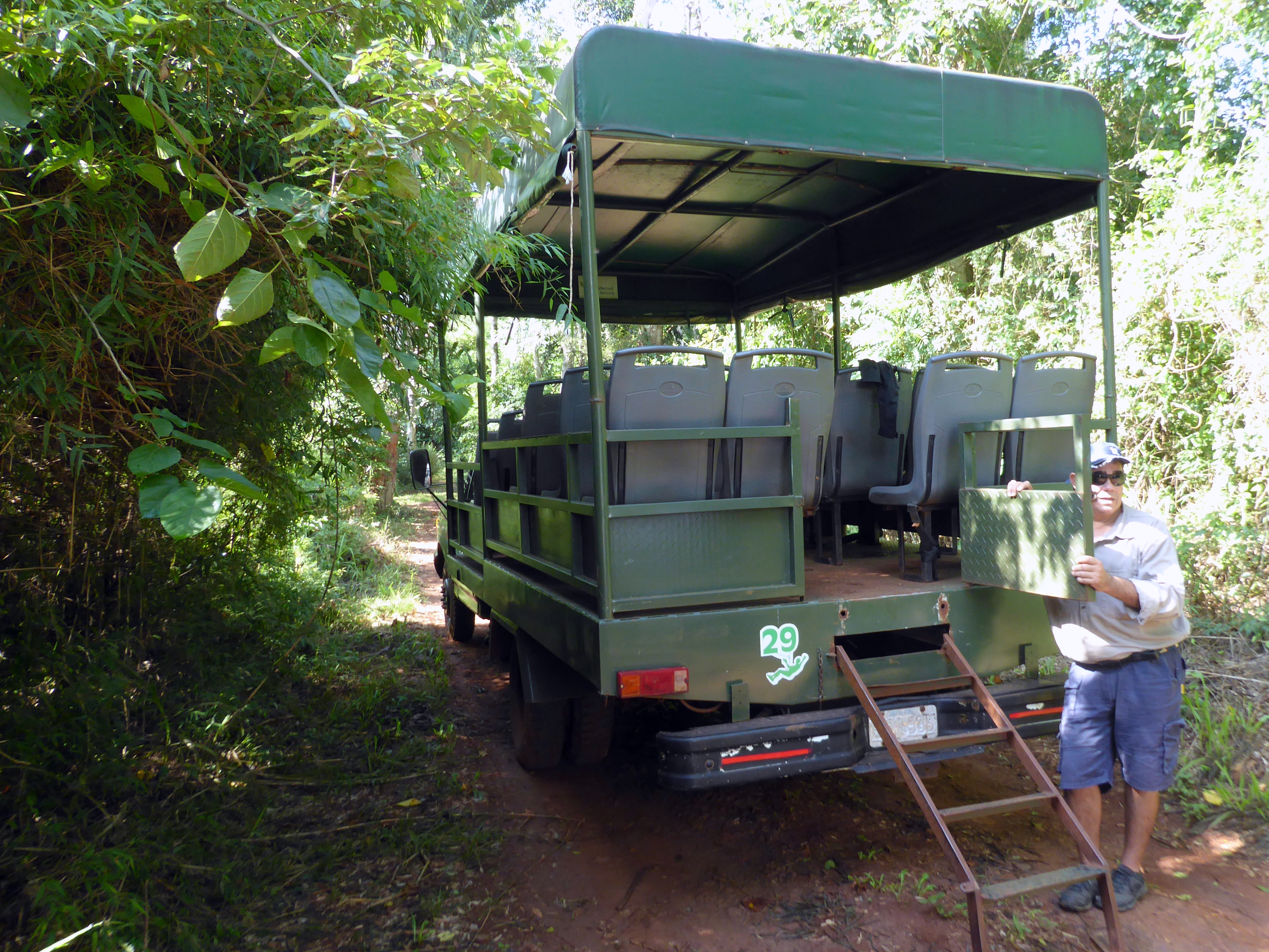
We first boarded an open-air covered truck to drive to the community, and then walked the rich clay-soil path through the jungle to meet with Delphin, the village spiritual leader. He taught us their version of greeting one another: “Ou-ja-ve-tay,” said face-to-face with your hands up, palms facing the other person, and looking them directly in the eye. It is the way to say hello, show respect for the other person, and respect for the earth.
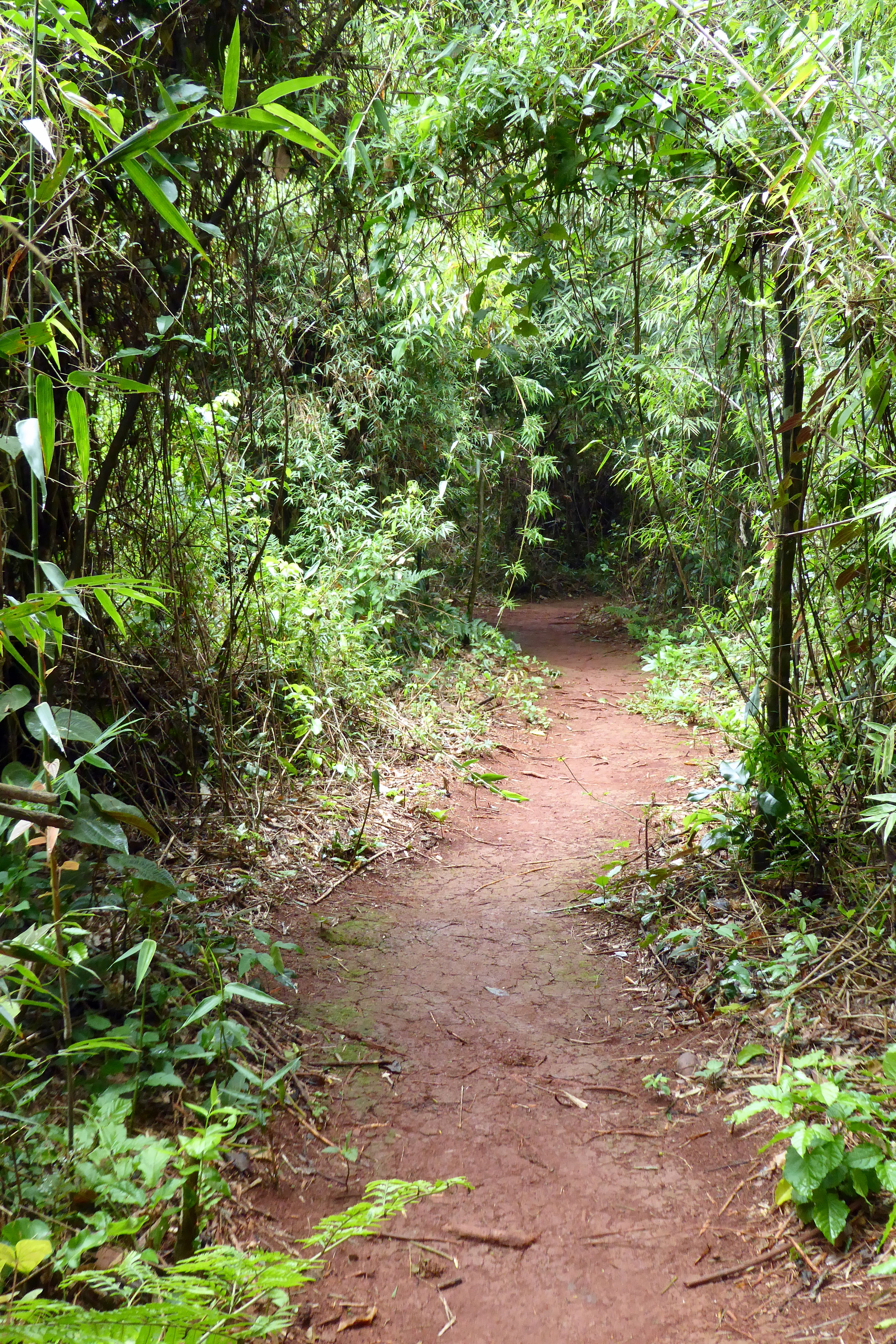

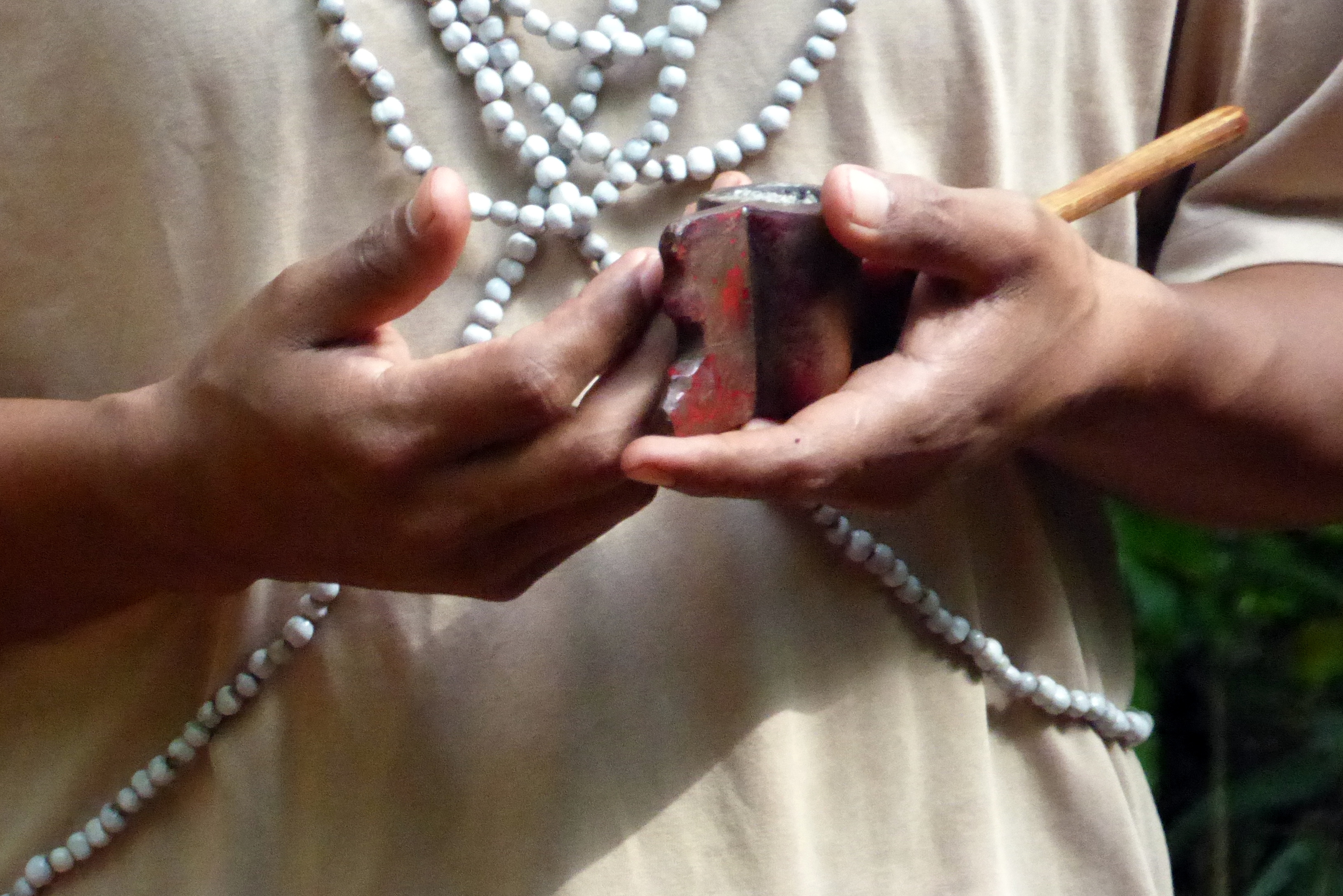
Although the Guarani people can afford shoes, they choose to be barefoot, so they can always be in touch with the earth. They also choose to live modestly with only the necessities.
Since Spanish is the national language of Argentina, they are given a Spanish “official” name at birth. But in their community, the spiritual leader will give a native name that has a special meaning.
Delphin demonstrated how they used to catch their food with a small model of a handmade wood trap. The rope of the trap was made from the bark of philodendron plants. They are no longer permitted to hunt, so they must purchase their meat at a store.
To earn money, the villagers make and sell their handicrafts, including beautiful baskets and wood carvings of native animals. They grow their own food, so this money is used for clothes and other necessities.

Notice the necklaces Delphin is wearing? These are handmade and worn as identification, blessed by the spiritual leader. Each person wears them differently and the quantity they wear differs. Before he died two years ago, Delphin’s grandfather was the previous spiritual leader of his community and had blessed the necklaces Delphin was wearing in his memory.
Delphin’s mother prepared some snacks for us, including Mbeju, a starch cake served with honey. We were also treated to a performance by some children of the village.
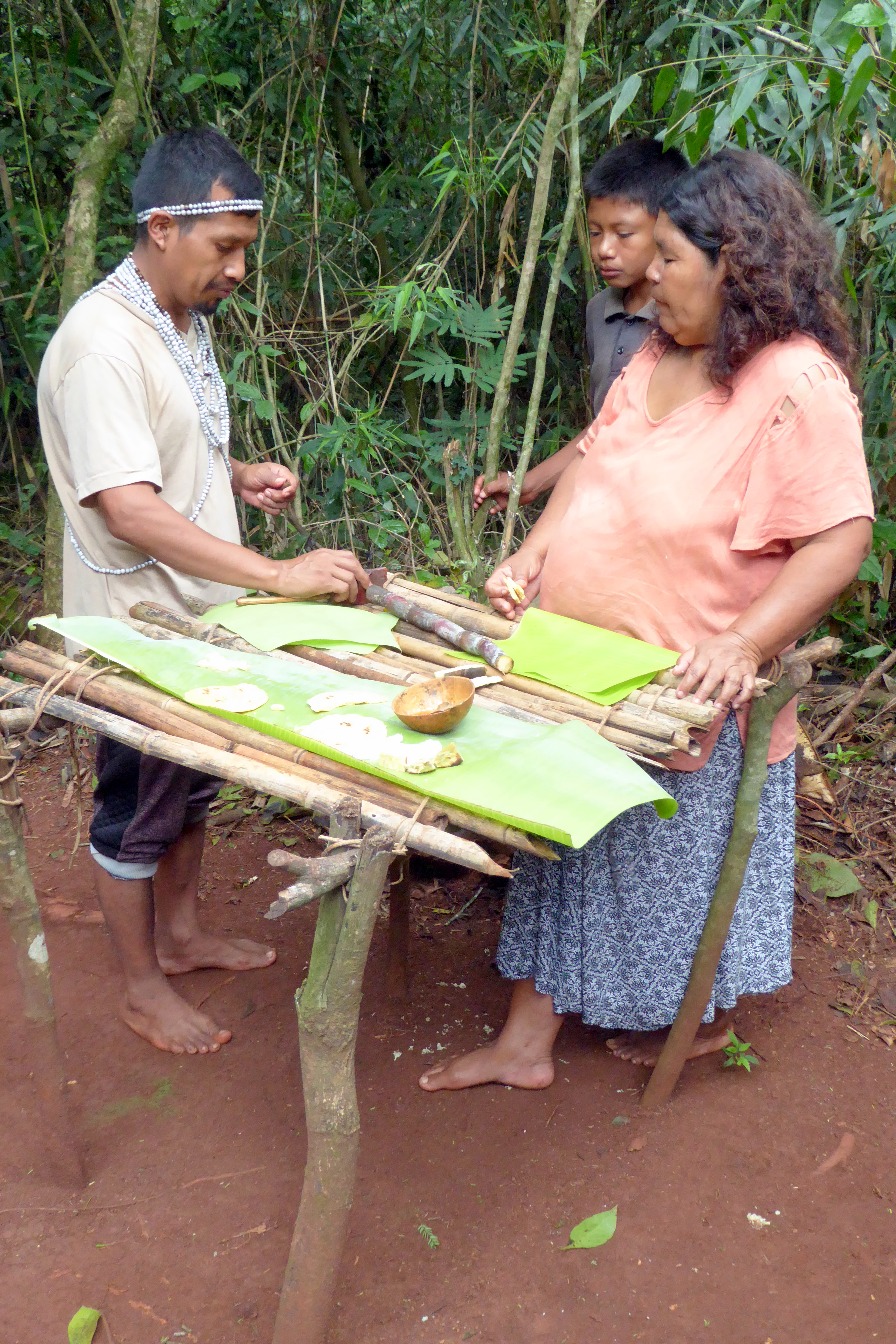
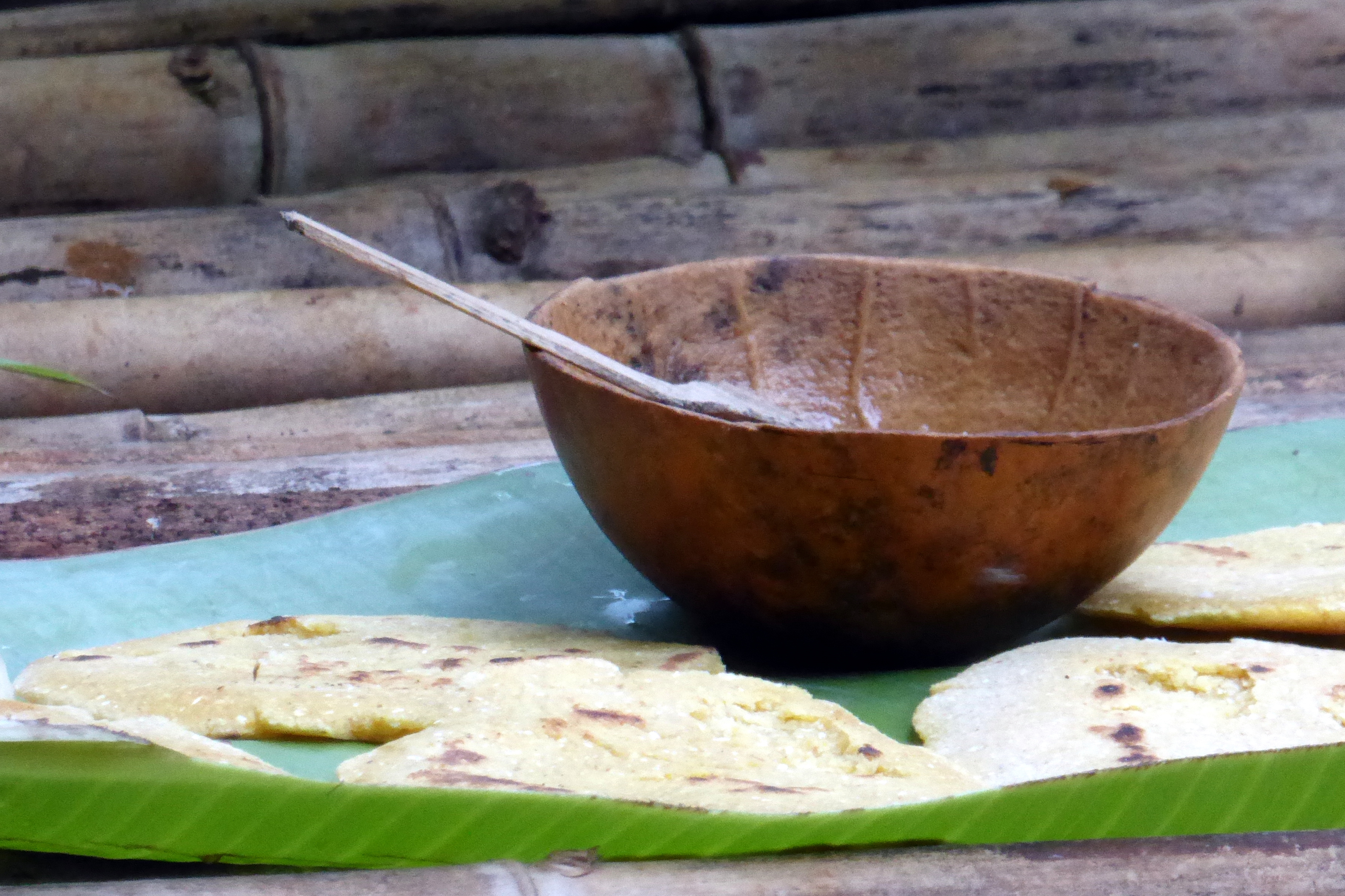


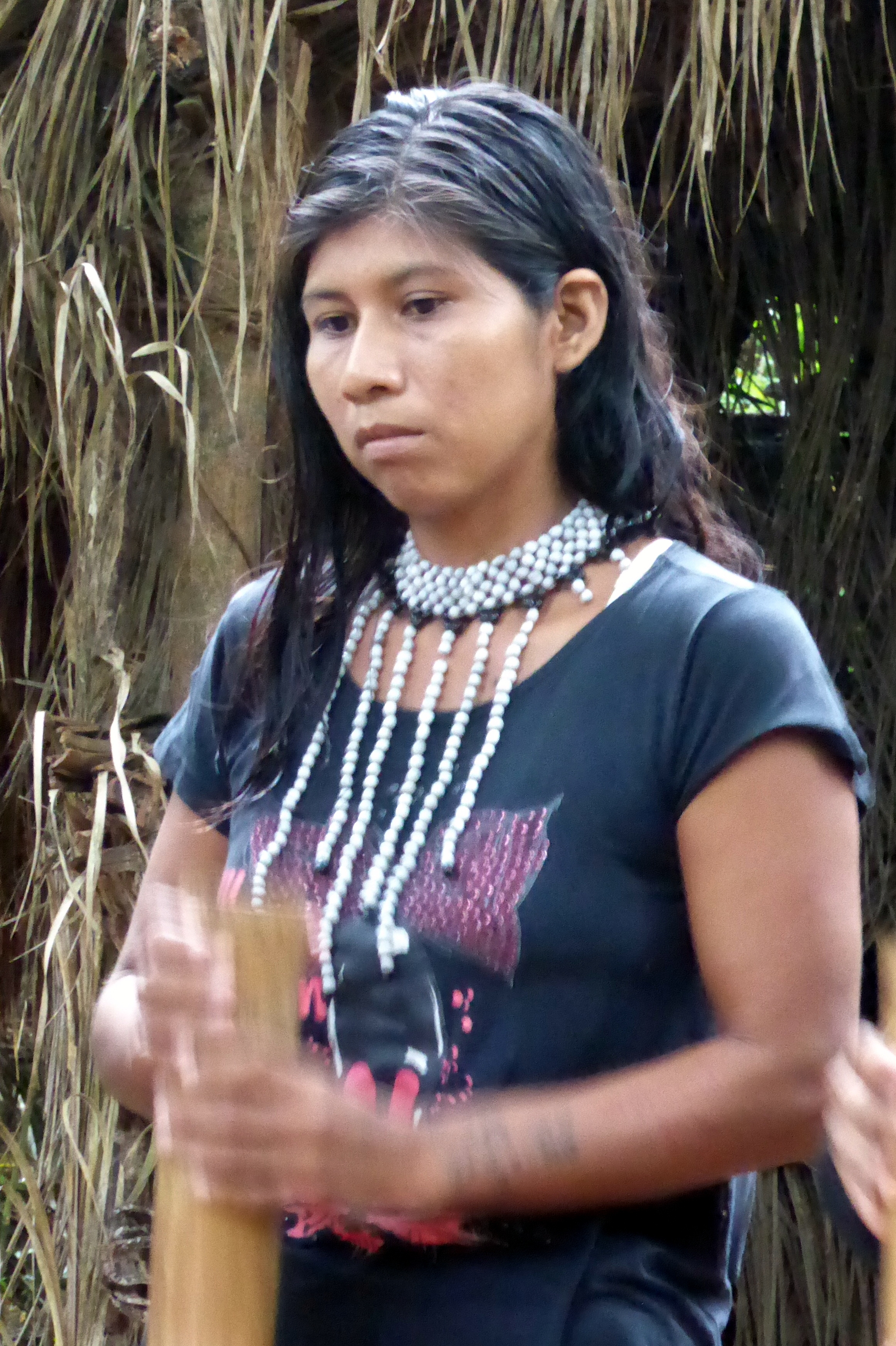
Learning about the culture of the Guarani community was fascinating and memorable—a highlight of our time in Argentina. To remember the day, I bought a small basket and a few of the small carved animals.


Following our visit, we had lunch at a beautiful restaurant and gardens just outside of the Guarani community. We first toured the gardens, which included yerba mate trees, source of the traditional Argentinian drink, mate, which I wrote about previously. I smiled when I saw the trees, because our local guide, Manu, ALWAYS had his mate in arm and mate vessel in hand!


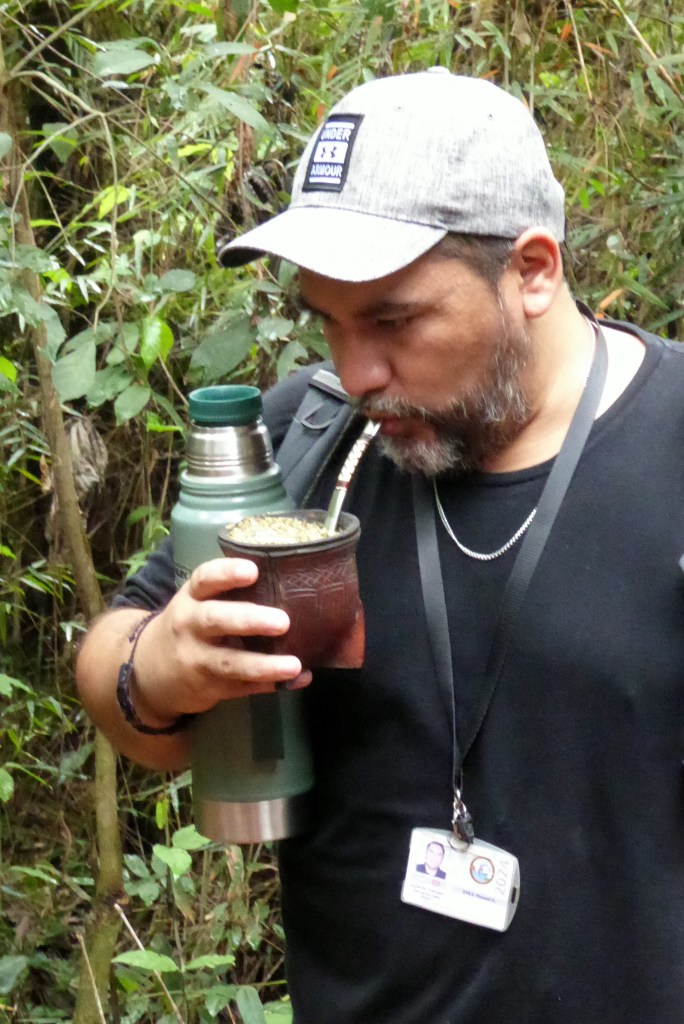
The orchid and butterfly house was beautiful:


For lunch, we enjoyed a sampling of traditional regional food, which was delicious:


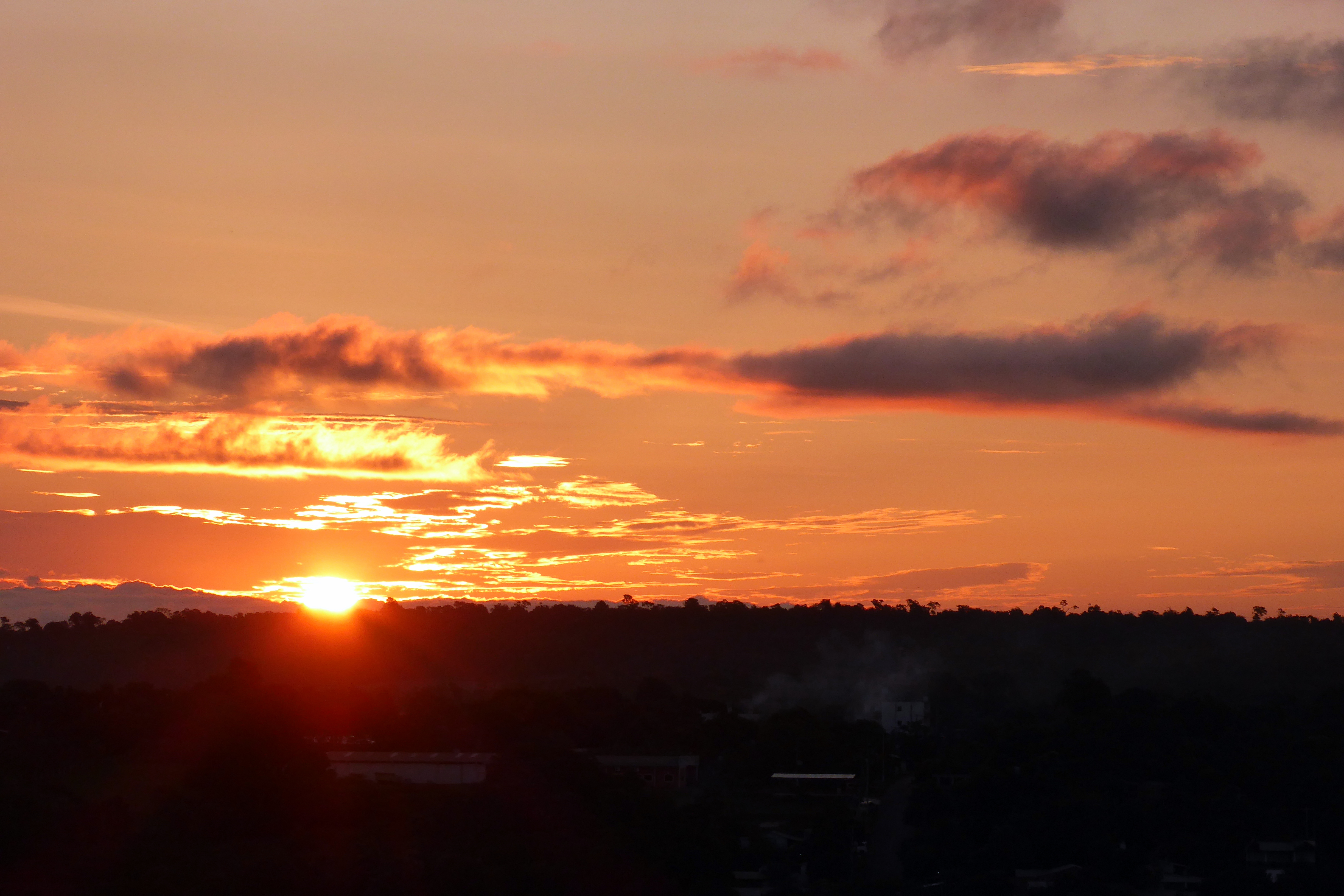
The remainder of the afternoon was free, so we enjoyed spending it in Puerto Iguazu and enjoying the views from our hotel:


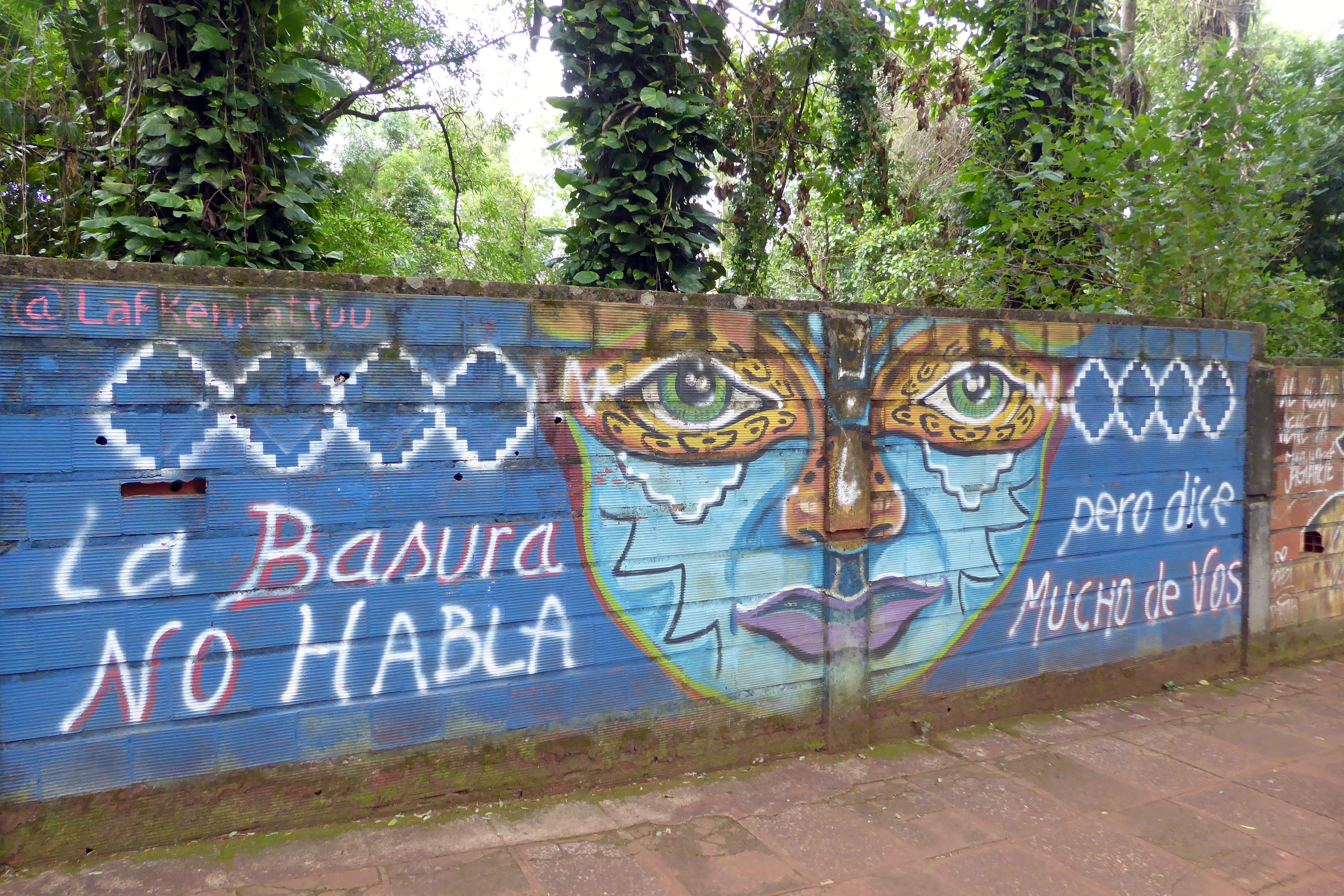






Next up: ARGENTINA & CHILE #20: ABOVE AND BELOW(!) THE ARGENTINIAN SIDE OF IGUAZU FALLS
Off again for another flight! We had never been on a tour with so many flights, but there was no way around it. Besides, there was no way we were going to miss the post-extension and not see Iguazu Falls! We had been to Niagara Falls and were mesmerized and in awe of how large and powerful it was. Well, Niagara Falls (167 feet high and 3,947 feet wide) are small compared to Iguazu Falls, which measure as high as 269 feet and are 8,858 feet wide!
The falls can be viewed from both Brazil and Argentina because they are located on the eastern-most tip of Argentina and surrounded by Brazil and Paraguay. We were going to get to view the falls from both countries.
After arriving in Iguazu, we crossed the border into Brazil and changed buses, drivers, and guides. Ola Manuel (“Manu”)! More about Manu in my next post, but he was a terrific guide!
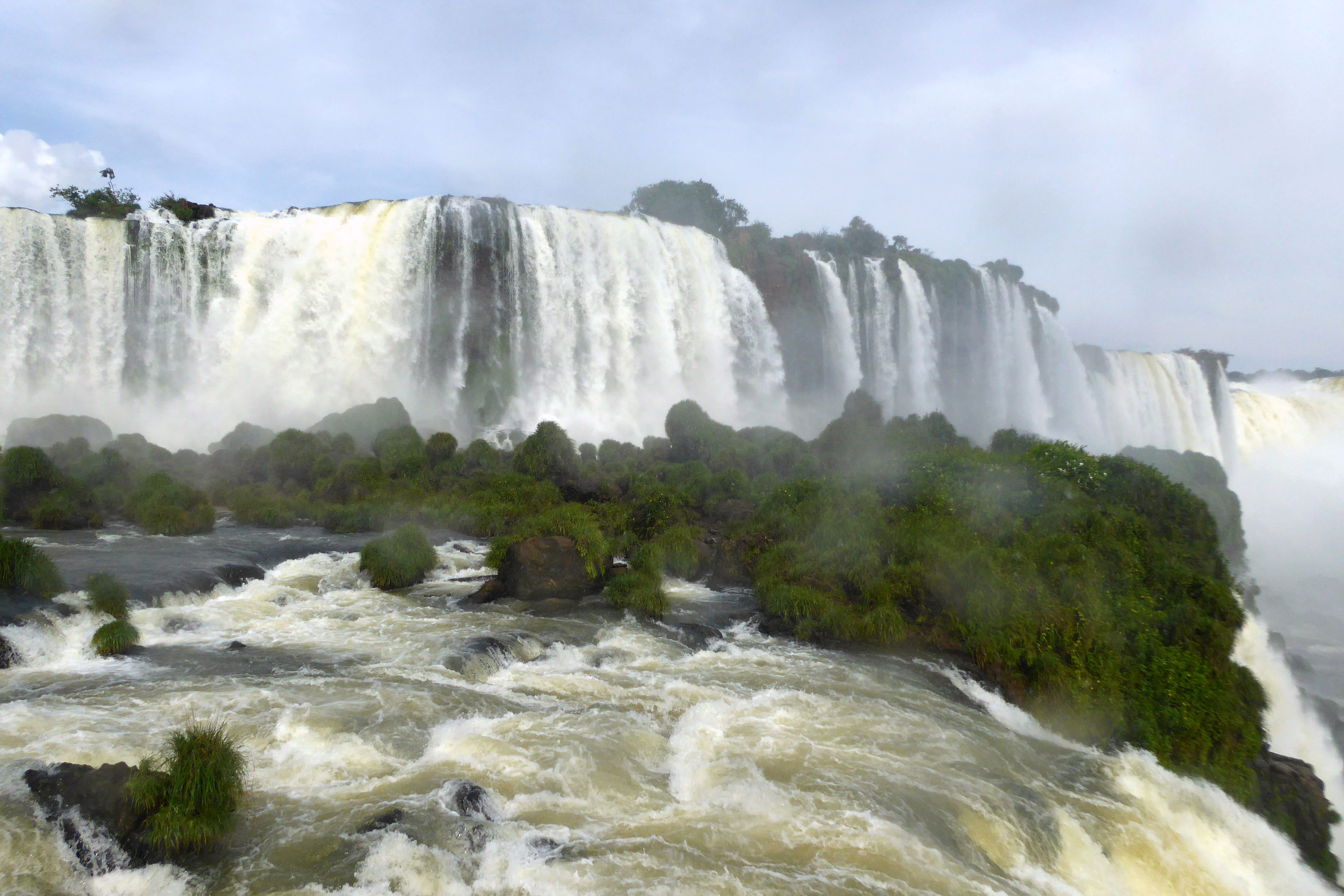
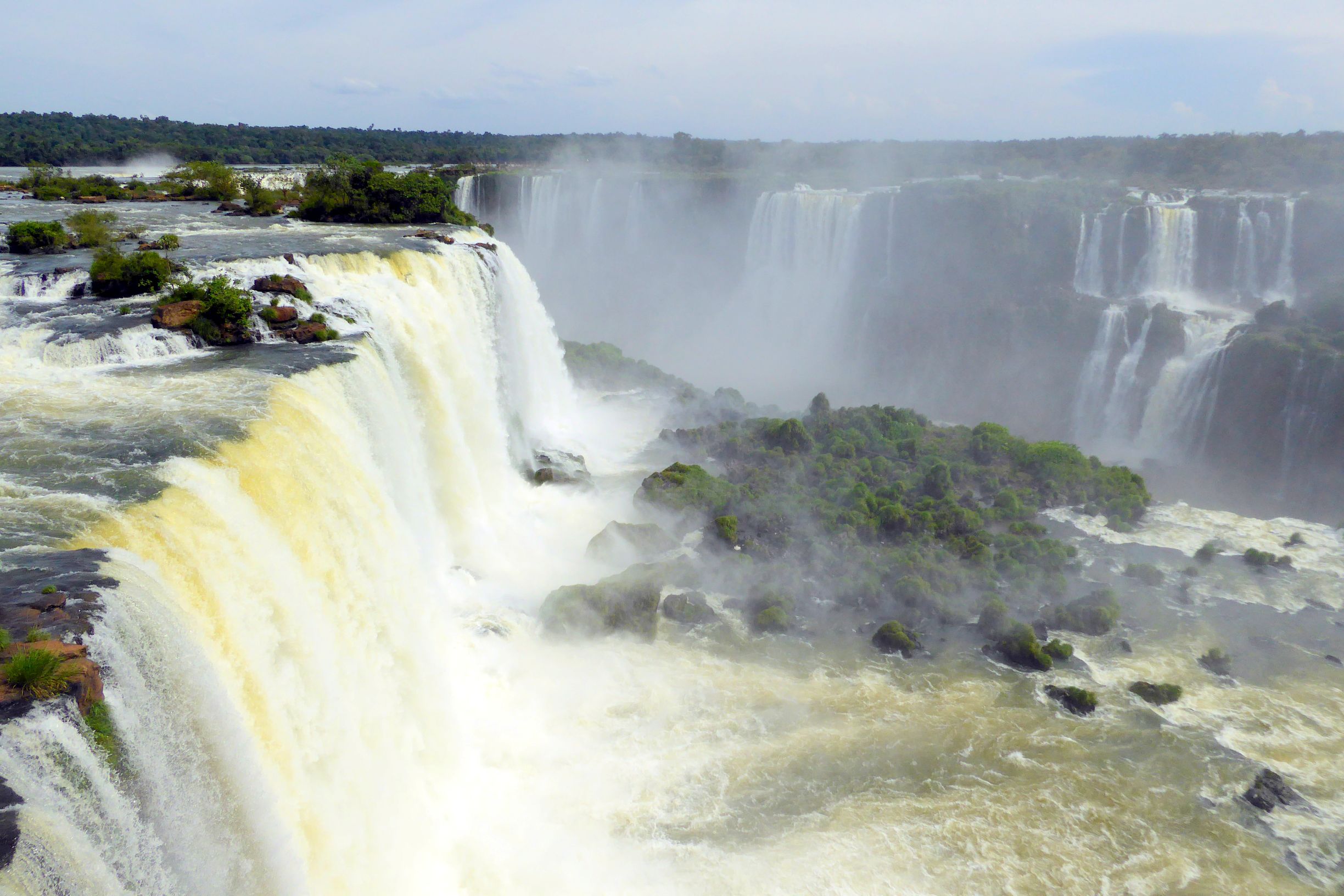
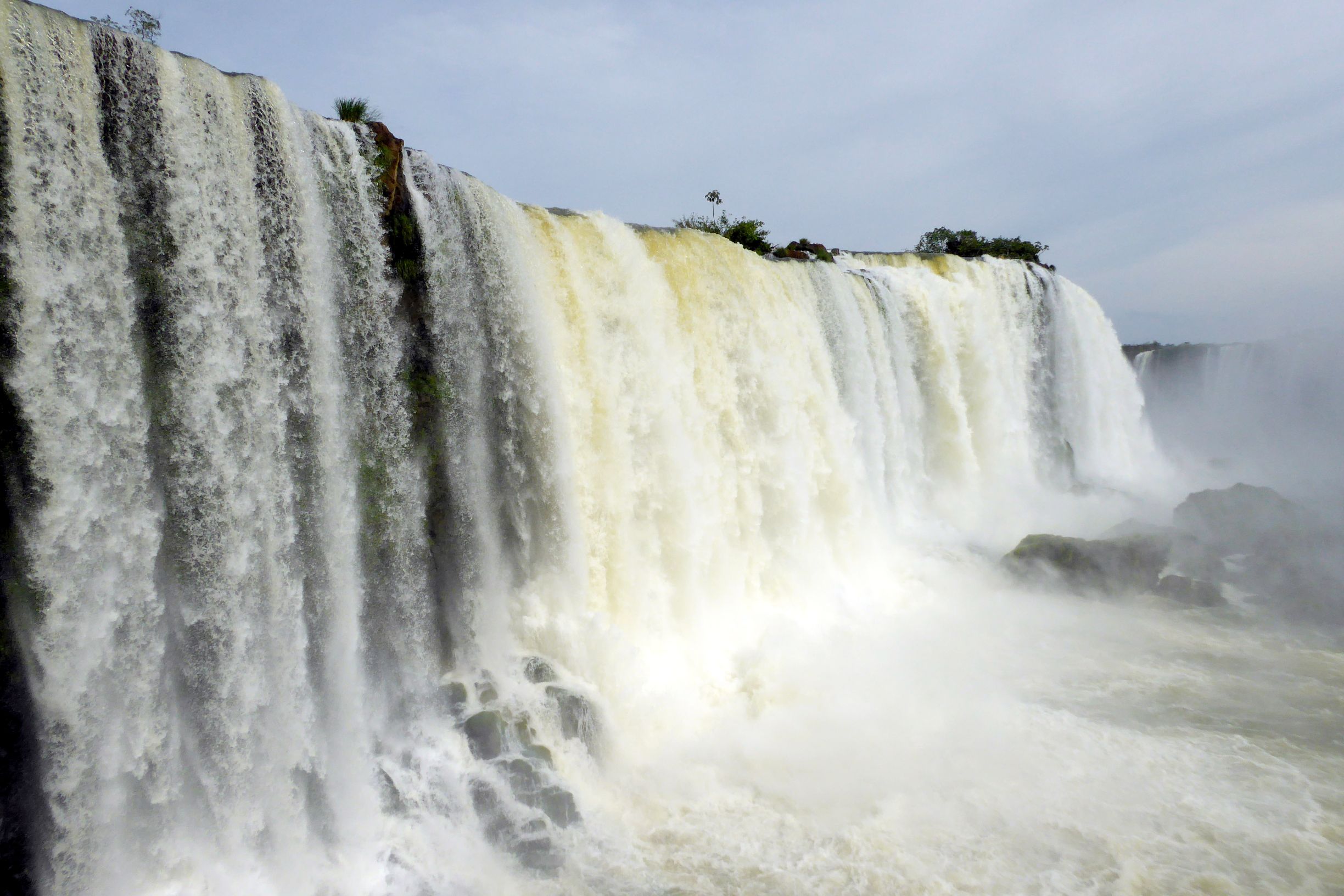
We headed straight to Iguazu Falls, which is comprised of 275 waterfalls, the largest waterfall system in the world! There were several viewing platforms to see the falls from different perspectives as well as a walkway built over the water to get an up-close and personal (and very refreshing!) view of the falls. The volume of water pouring over those falls (61,000 cubic feet per second!), was so powerful that a constant mist was present. It was impossible to keep my camera lens dry, but the cold water was a glorious relief from the heat! I got completely soaked (on purpose), which was a lifesaver during the hike up the hill to get more of a birds-eye view.
The sky was a bit mucky, so my photos aren’t pretty like the ones in that Wikipedia link. I think they will give you a pretty good idea of what we saw, though:
(For all photos, especially panoramas, click on the image for a full screen view.)




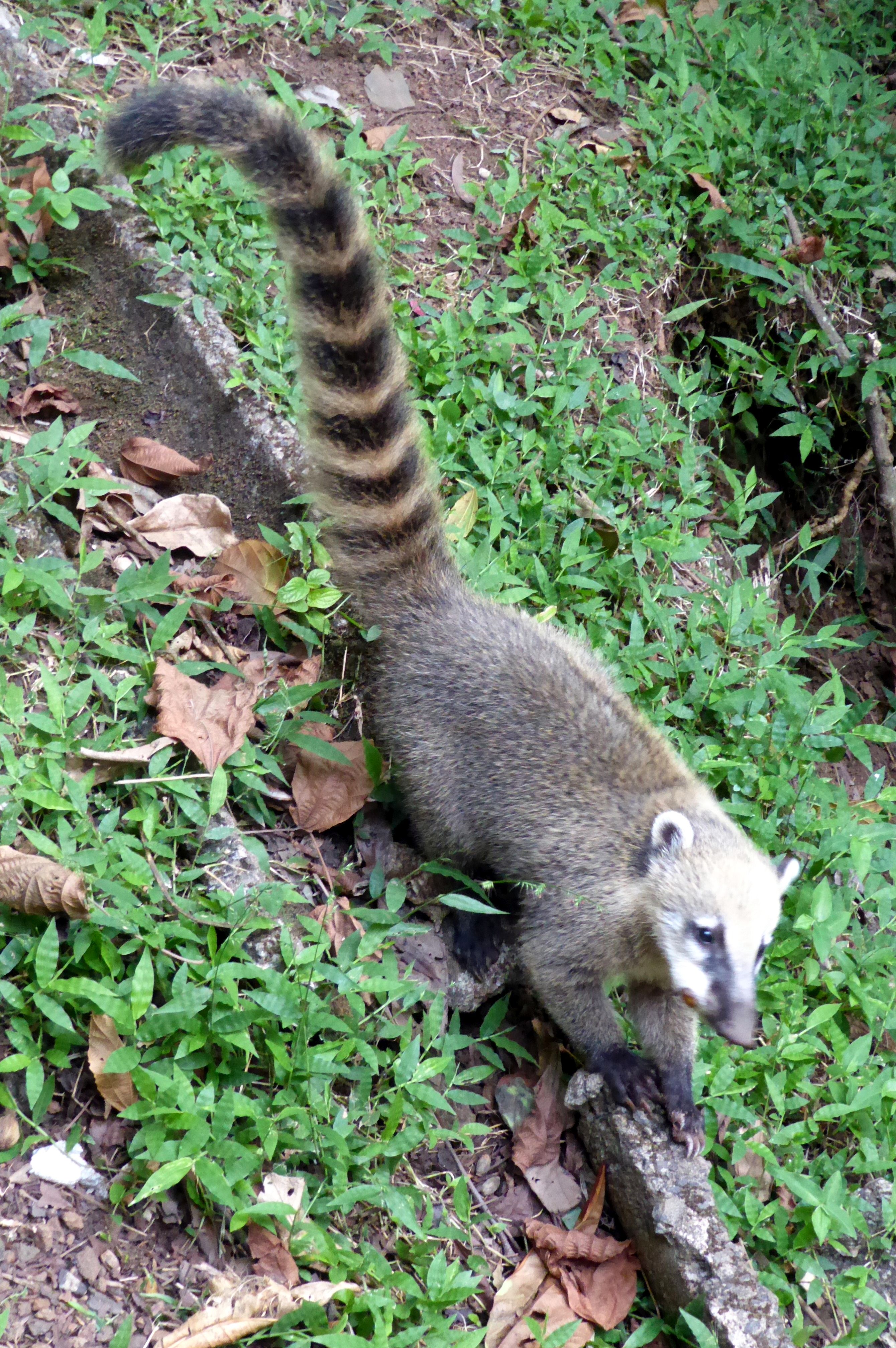
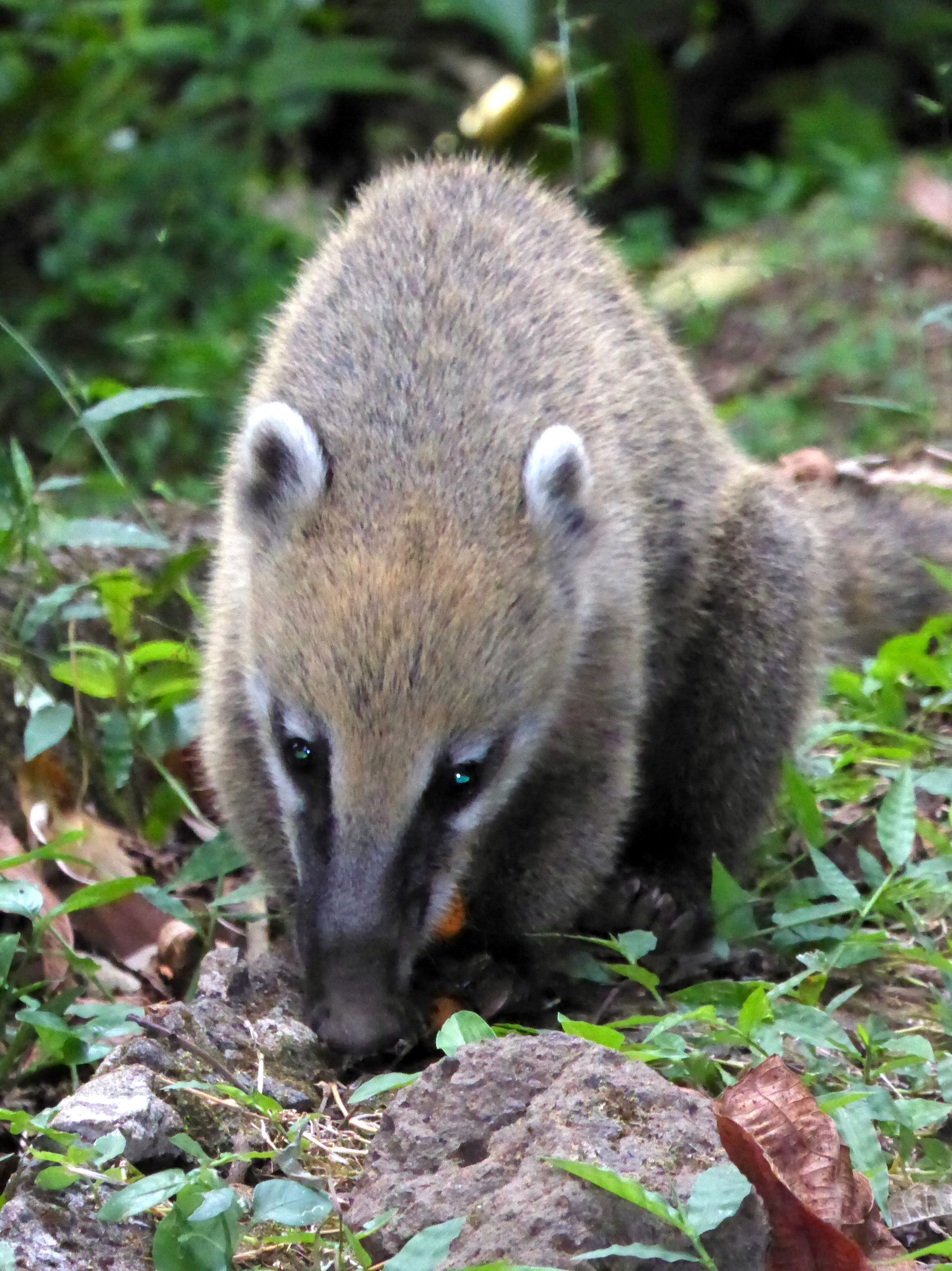
Wildlife seen on the walking trail overlooking the falls:



Following our visit to the Brazil side of Iguazu Falls, we crossed back into Argentina and headed to Puerto Iguazu, our home base for three nights. We learned from Manu that since the city is situated on the borders of Brazil and Paraguay, the 82,000+ residents are a mix from those two countries in addition to Argentina. As a result, the food, language, and culture is a bend of all three. Spanish, Portuguese, and the language of the Guarani natives can all be heard in this tourist city. And, 70% of the residents work in tourism-related jobs, because Iguazu Falls is the most visited National Park in Argentina.
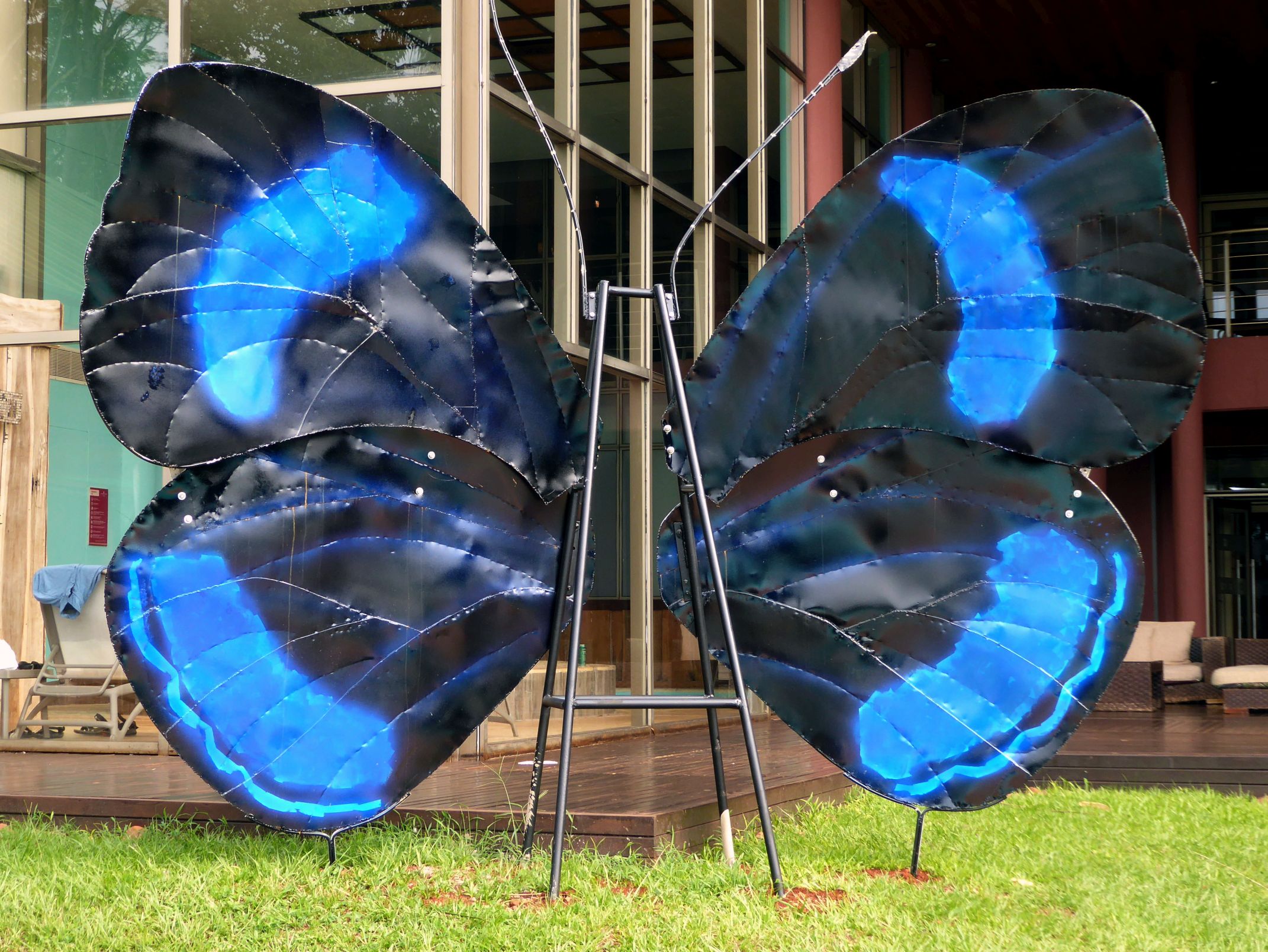
Our hotel, Amerian Portal Del Iguazu, was beautifully situated on the river where we could see Brazil straight across the river and Paraguay across to the right. A short walk away was the Three Borders Landmark where there were more beautiful views of all three countries. Although our room didn’t have a view of the river, we looked out from our balcony to lush jungle views as far as the eye could see. On the roof of the multi-story hotel, there was a beautiful outdoor bar with amazing views:


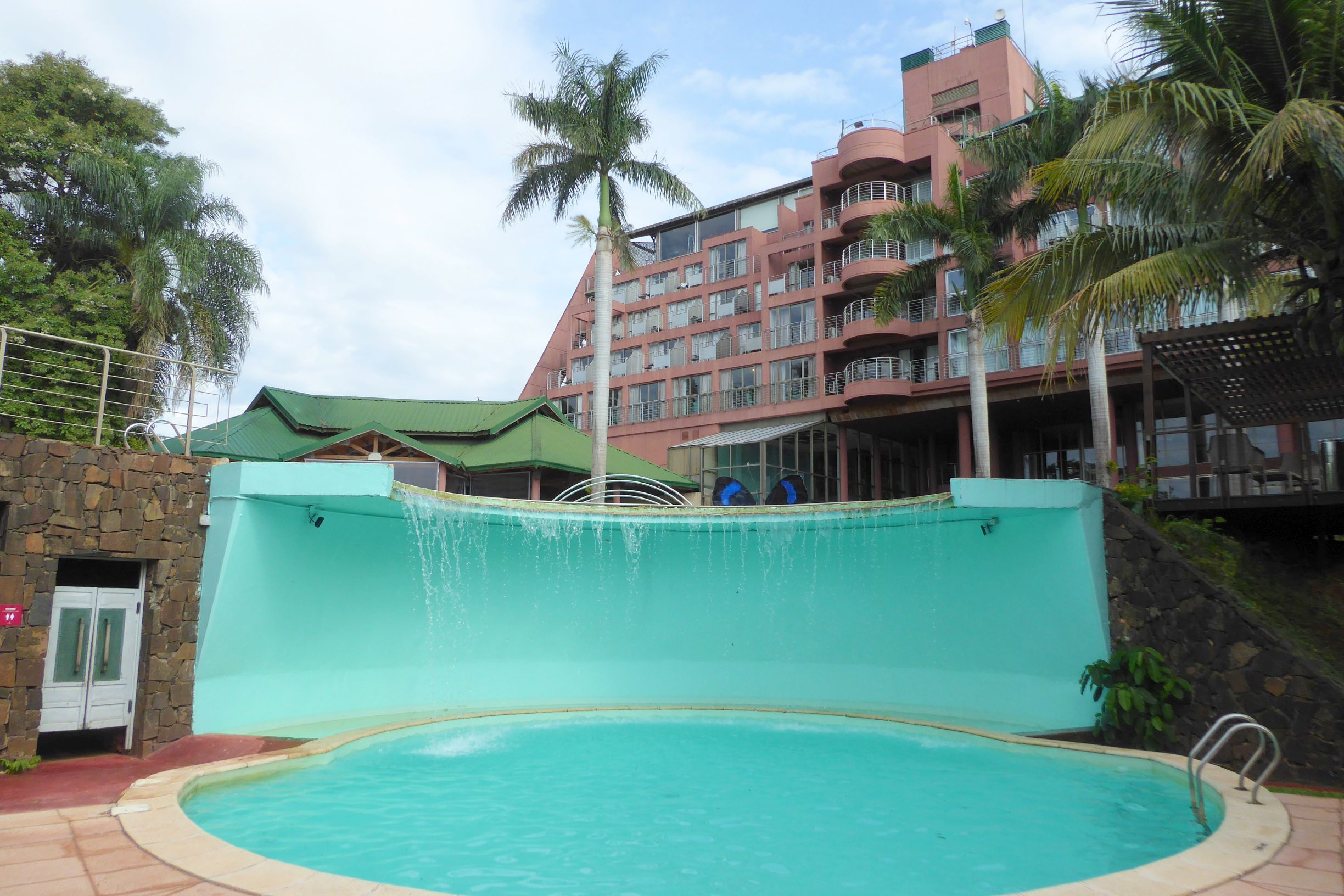

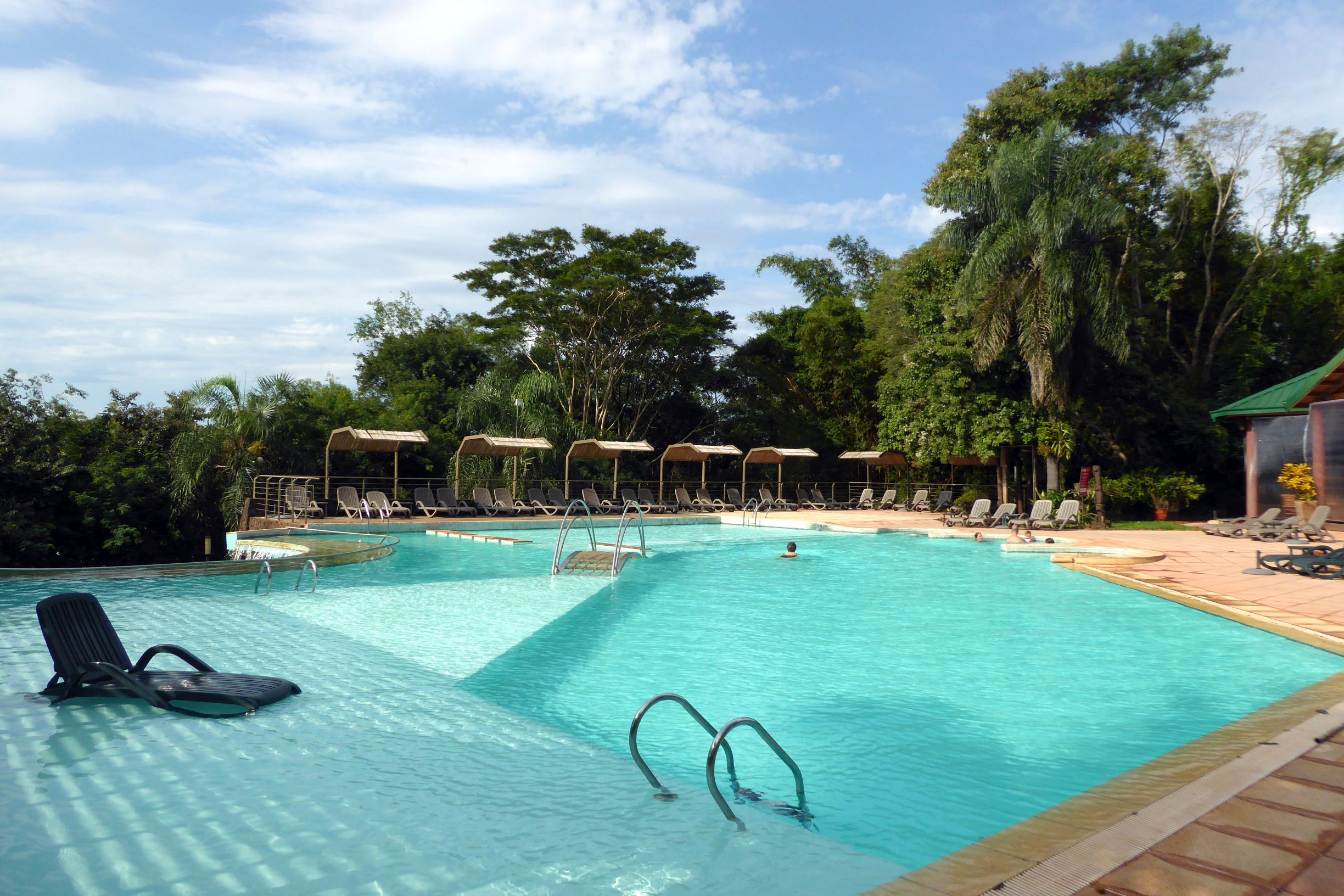
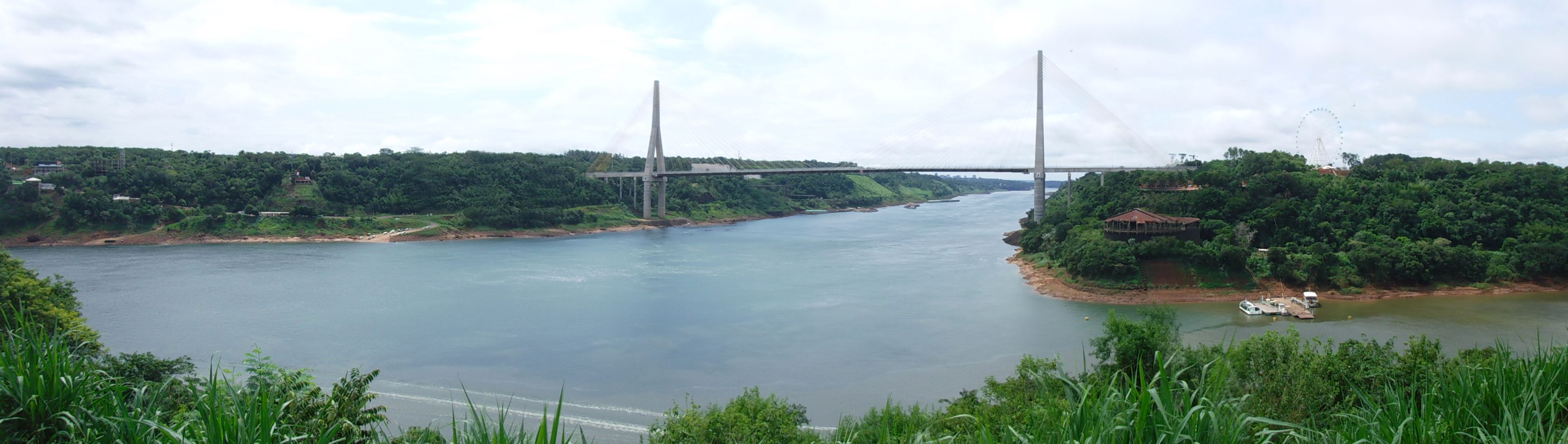
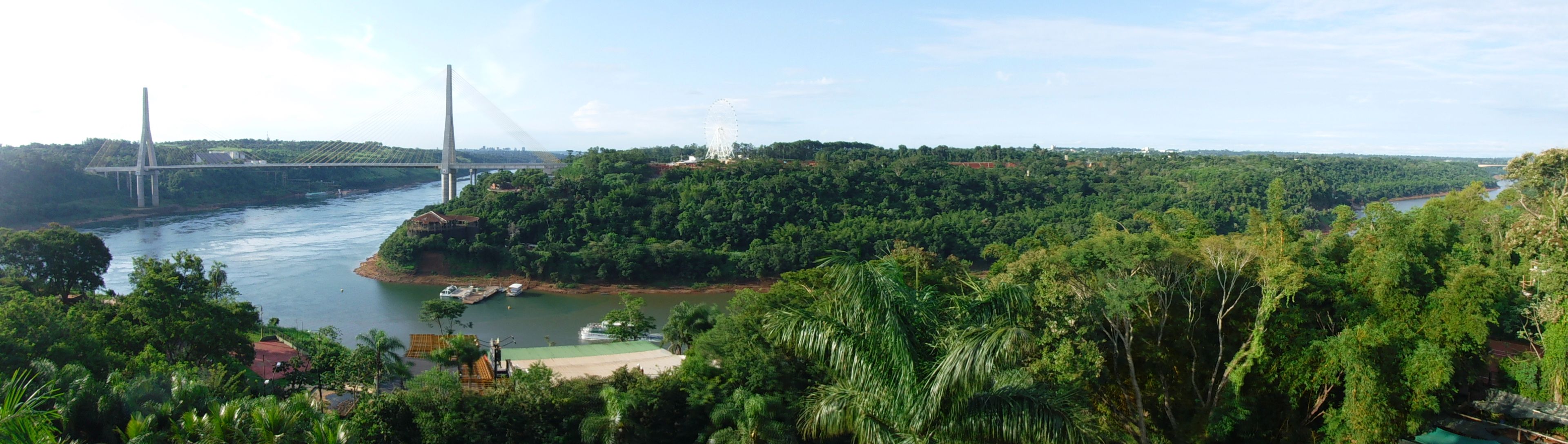
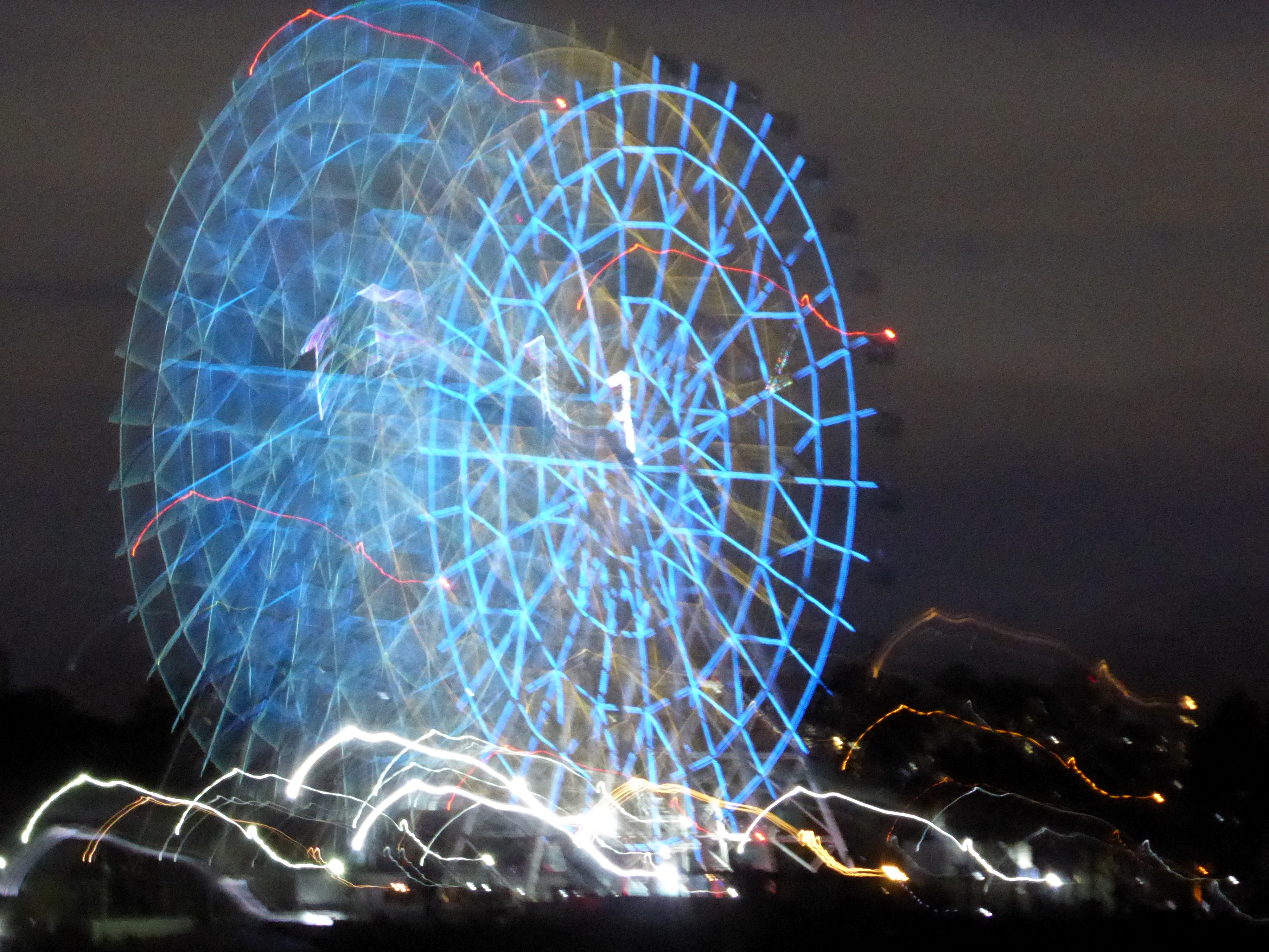
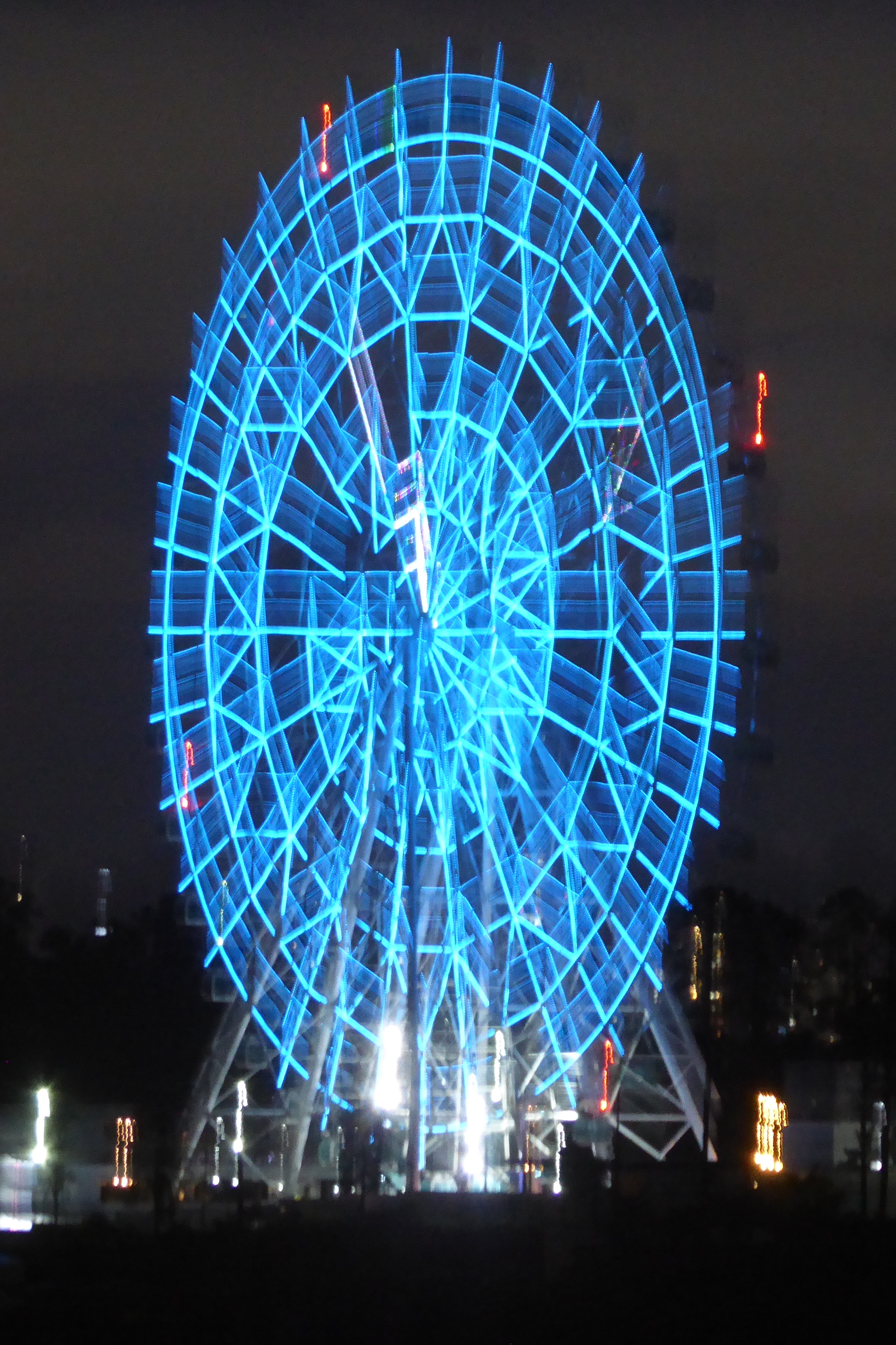
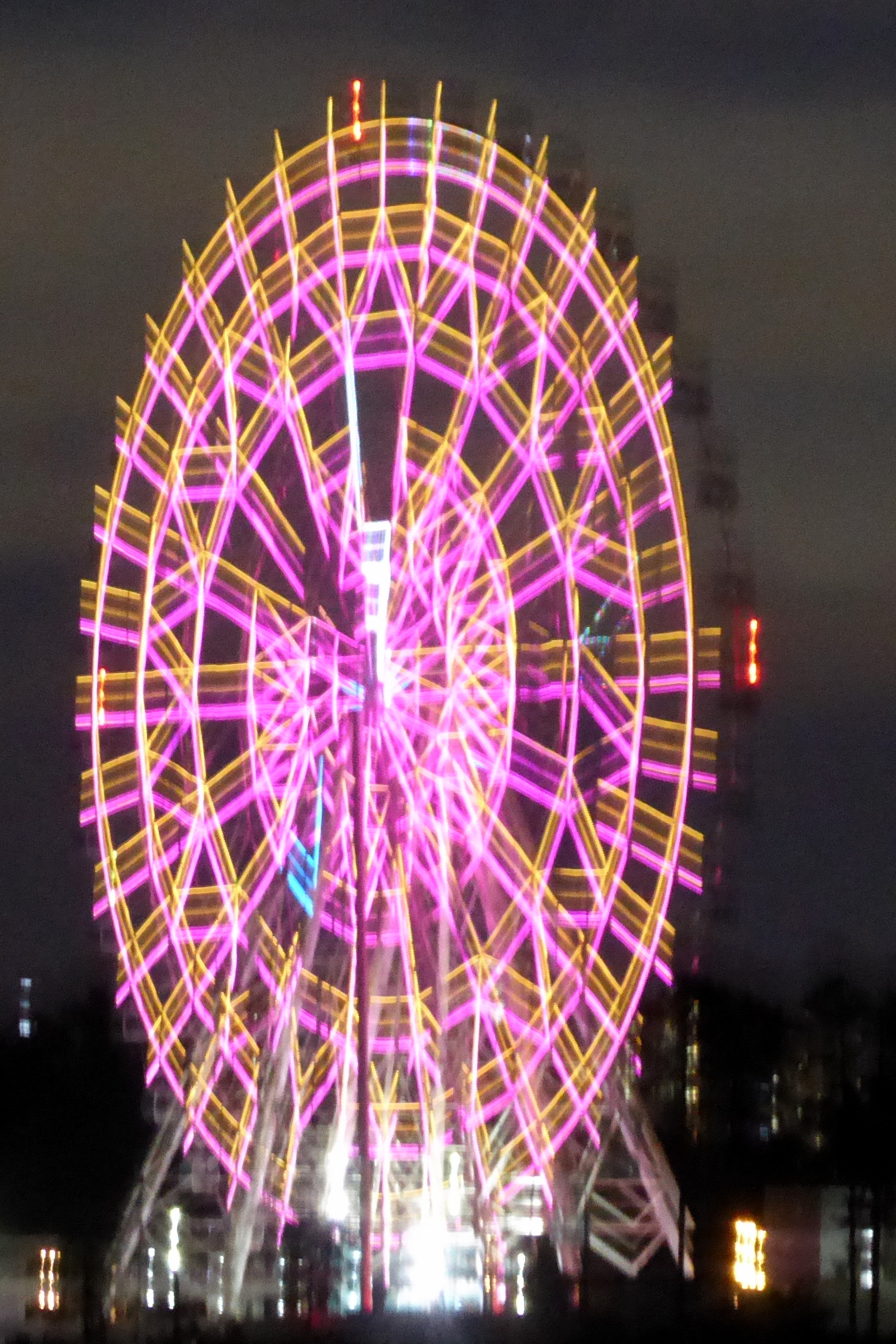
During the evening, our group gathered for a wonderful dinner in the hotel’s restaurant overlooking the pool and the lit-up Ferris wheel across the river in Brazil. It was beautiful!

Coming up next: ARGENTINA & CHILE #19: A VISIT TO THE INDIGENOUS GUARANI COMMUNITY
ARGENTINA & CHILE #17: BACK TO BUENOS AIRES
Since this was a travel day back to Buenos Aires without much to write about, I will combine two days in this post.
As we prepared to bid farewell to El Calafate, we were greeted by this cutie as we looked one last time at the beautiful grounds of our hotel:
(For all photos, especially panoramas, click on the image for a full screen view.)

After a smooth flight from El Calafate to Buenos Aires, we enjoyed a relaxing afternoon before rejoining the group. It was a warm and sunny day, so we enjoyed our short walking tour at the river where we had our Welcome Dinner. This was our last night together on the main tour, so we concluded our walking tour and gathered one final time as our group of 16 at Villegas Resto for our Farewell Dinner.

The following day, we met up with Noe, our Buenos Aires guide at the beginning of our tour. For our last day in the city, we enjoyed a wonderful tour before saying farewell to five members of our group who were not going on with the rest of us on the Iguazu Falls post-extension.
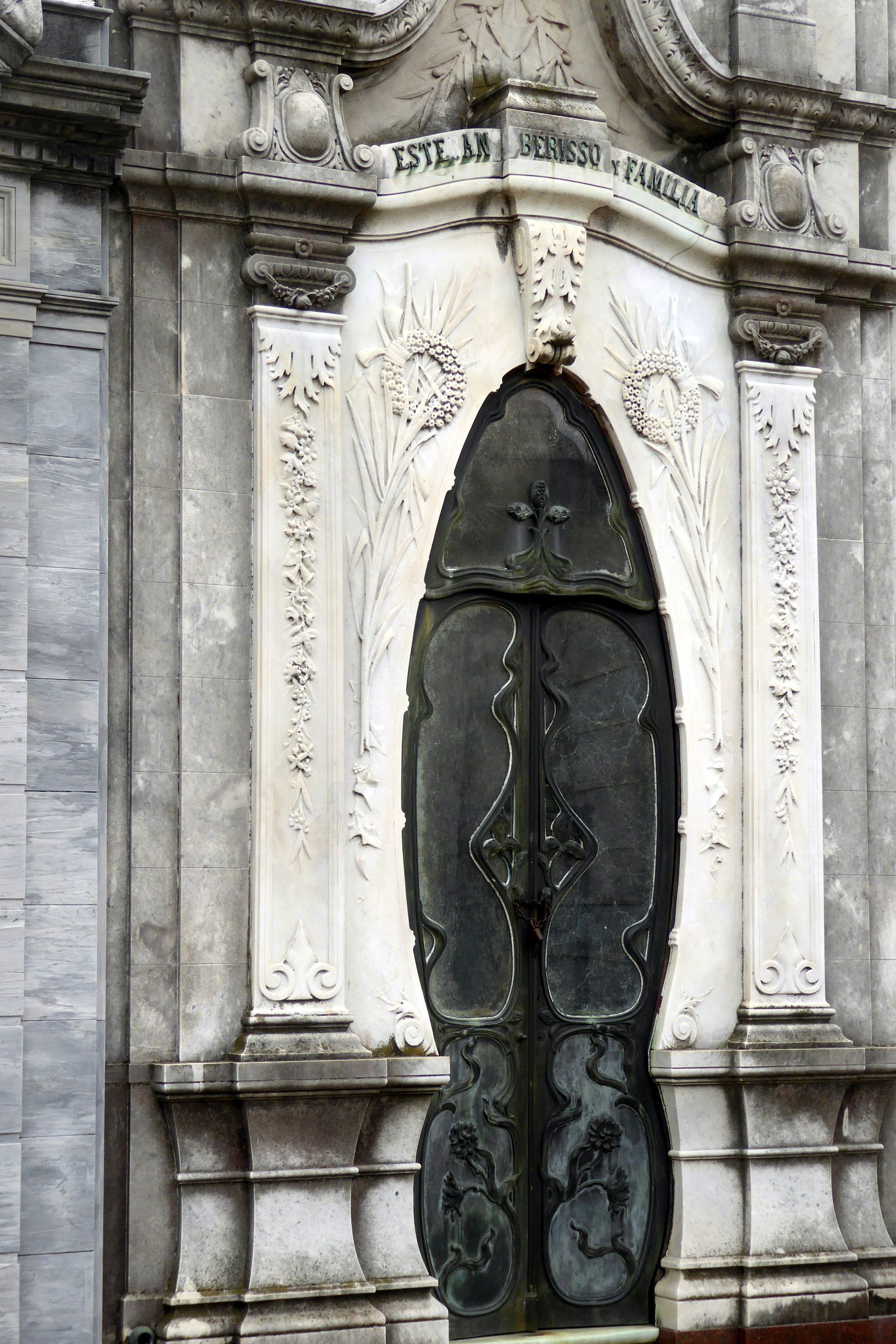
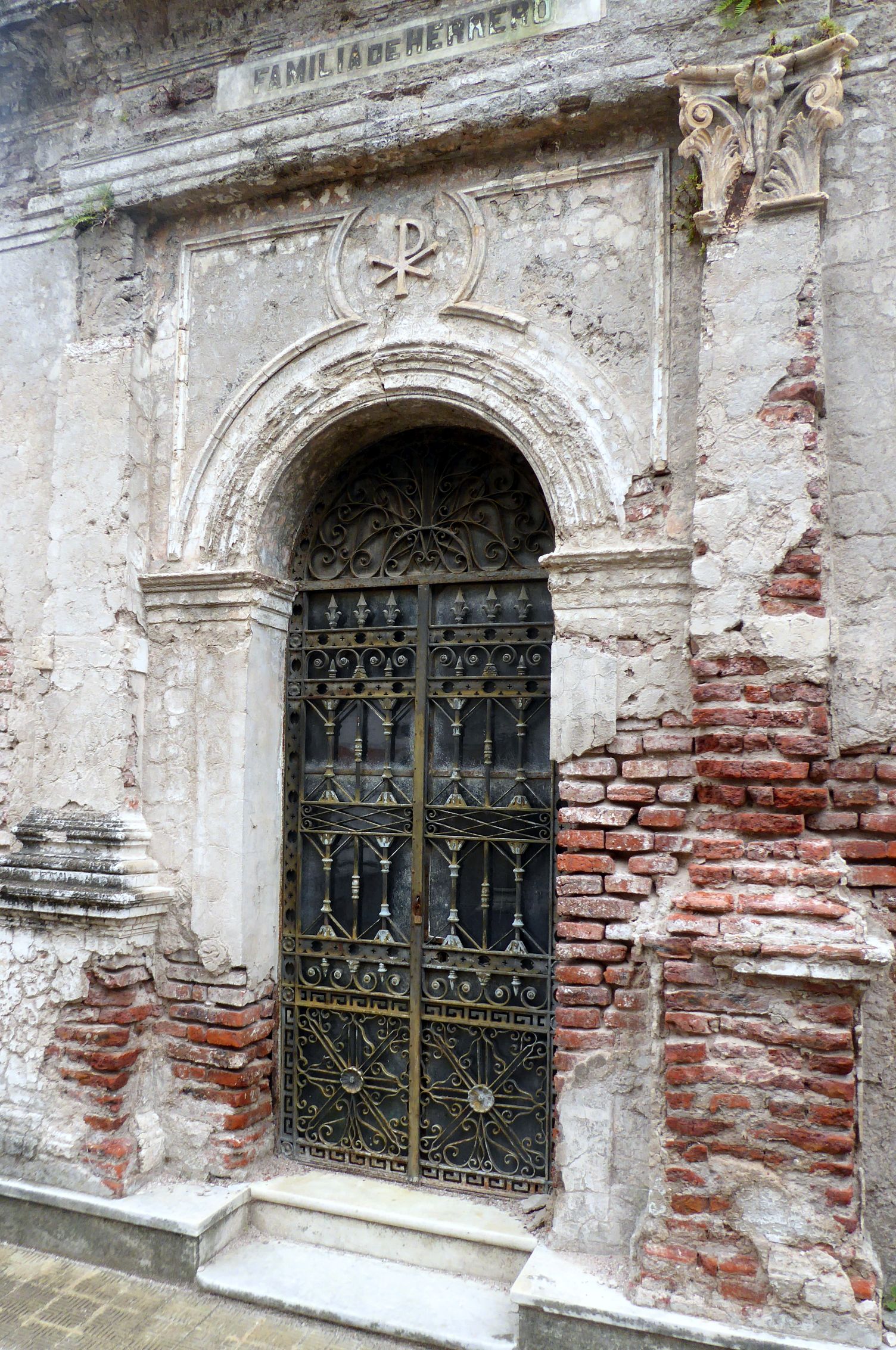
Our first stop was La Recoleta Cemetery, the final resting place of the wealthiest and most famous Argentinians, including Eva (“Evita”) Peron. 94 of the 4,691 vaults in the cemetery have been declared National Historical Monuments. Many of the elaborate marble Mausoleums were worth up to $250,000, and many families are trying to sell them due to financial hardships caused by the unstable economy.




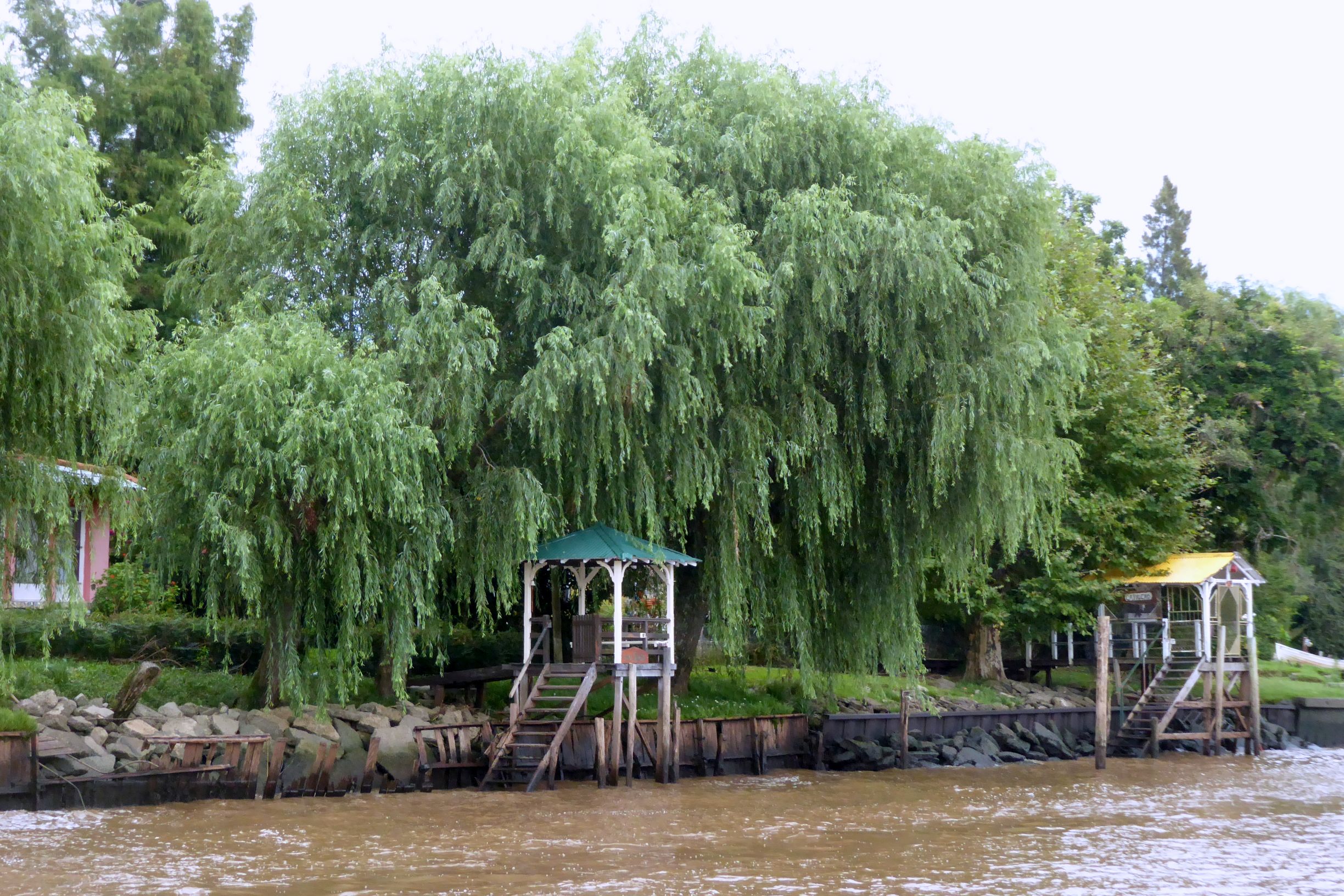
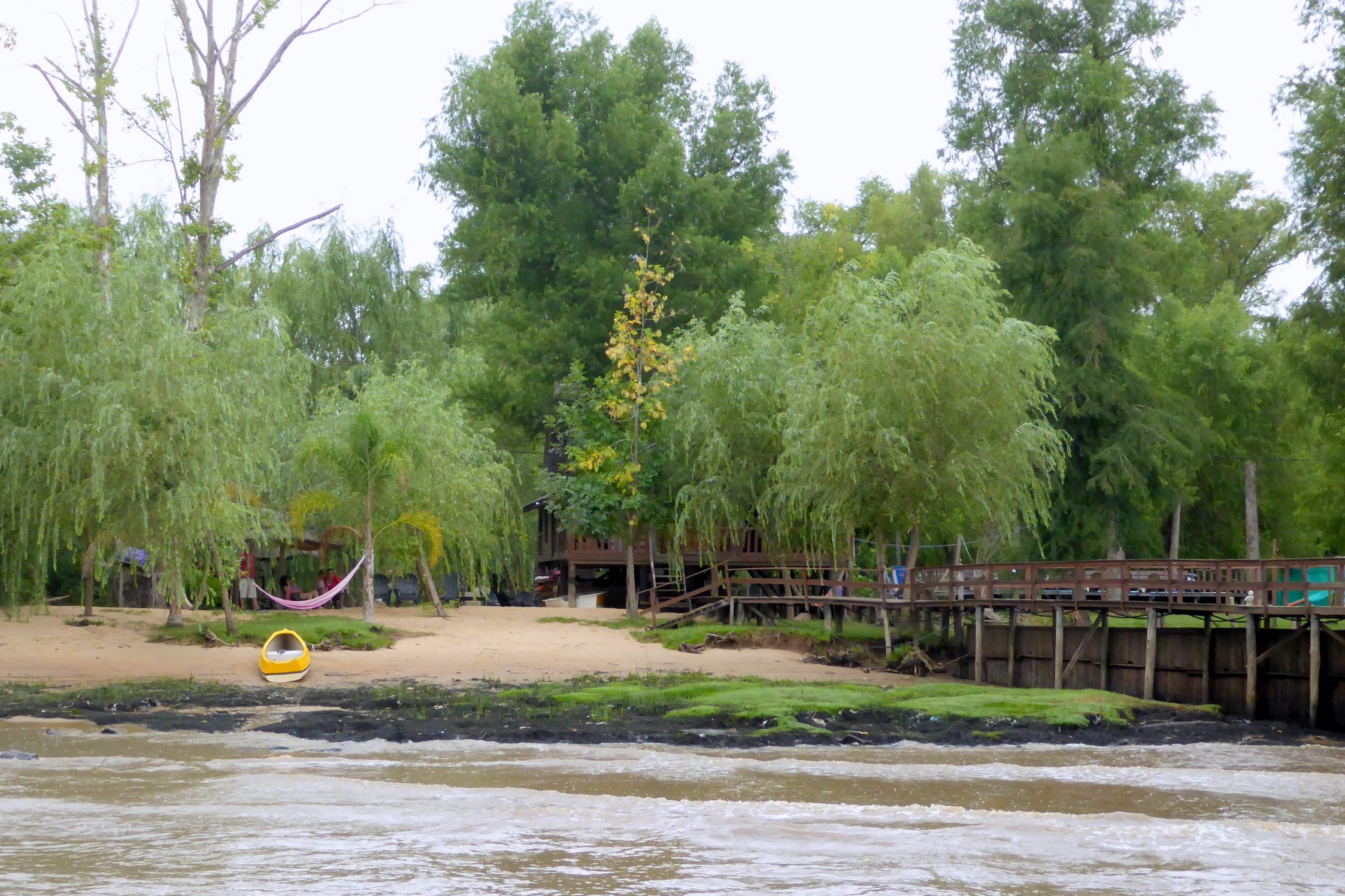
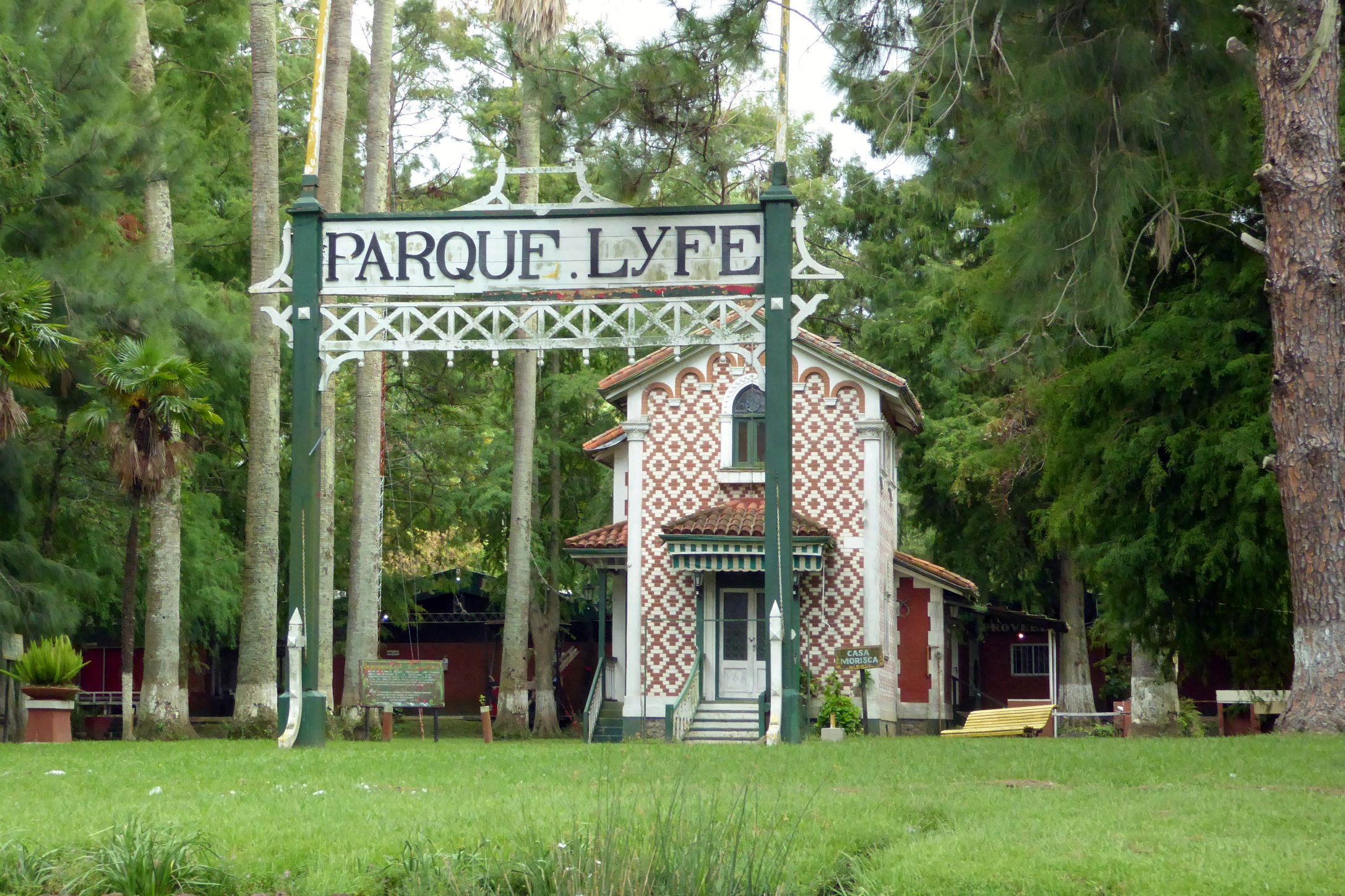
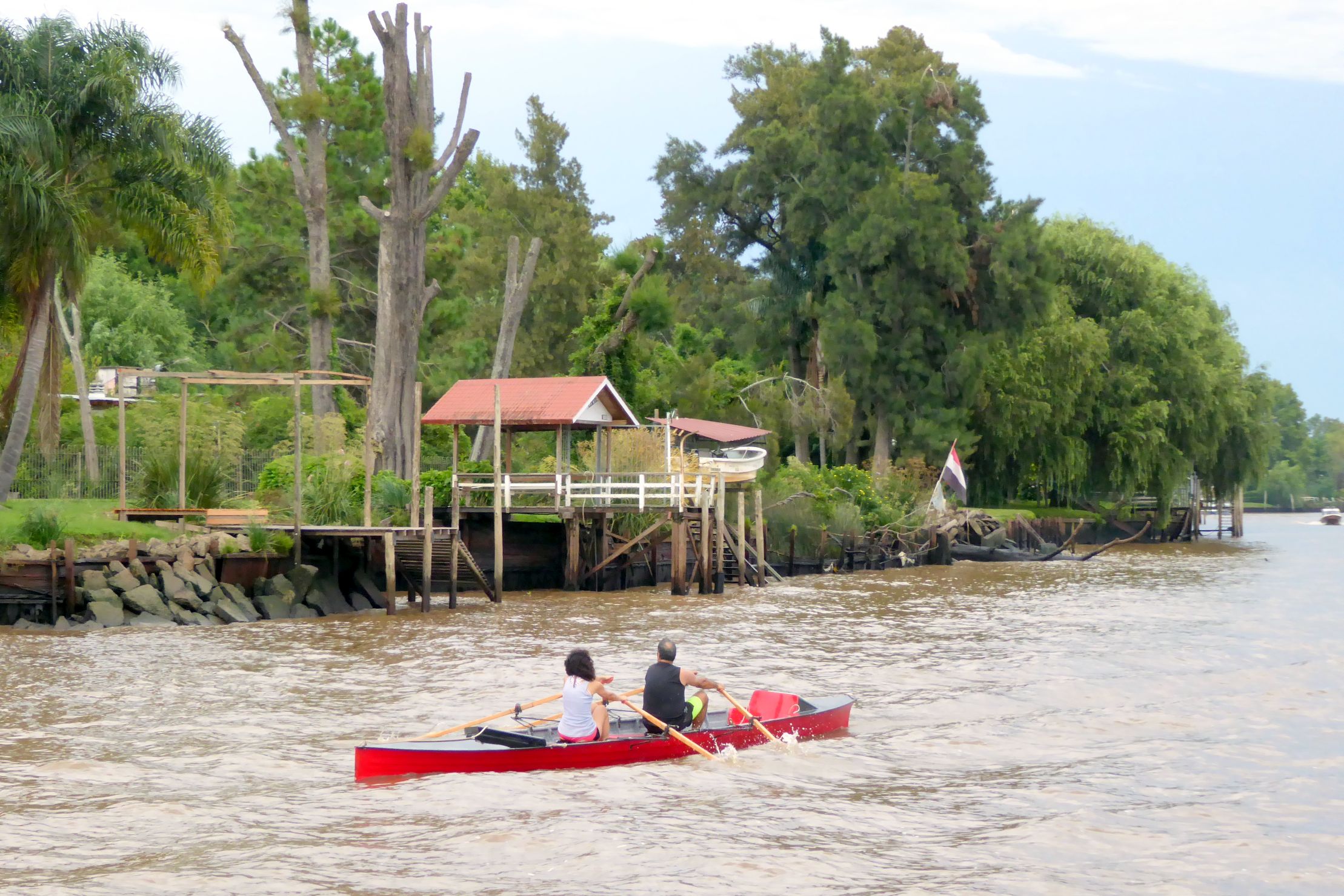
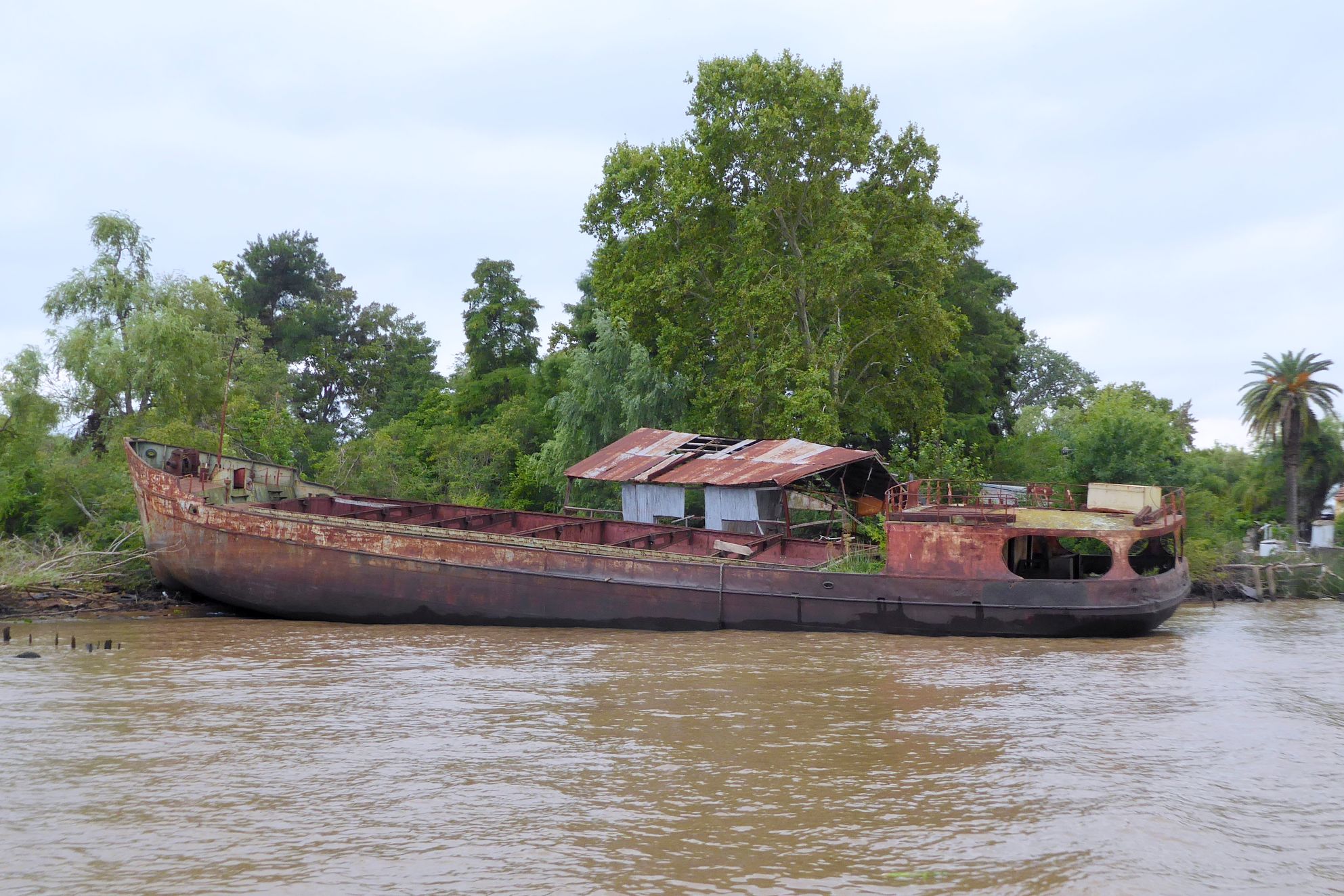
Tigre City, north of Buenos Aires and situated on the Parana Delta, was next on our tour. Located 17 miles from Buenos Aires, it is a favorite weekend tourist destination for city dwellers as well as rowers and kayakers. There are several rowing clubs on the delta, and it is the training site of the Argentina Olympic Rowing Team.
The skies threatened to drench us during our boat tour, so most of the group stayed inside to listen to Noe’s informative narration. I was thankful for the boat’s speaker system because I opted to stay outside and listen while I shot photos. Nora was so interesting!
Tigre City is a group of islands about half the size of Switzerland. Since there are no bridges connecting the islands, boats are the mode of transportation. A network of beautiful 70-year-old wooden boats serve as water taxis—the way most locals get around. It is also the way mail and groceries are delivered, and the drivers know the houses not by numbers, but by their names. Leaving your house to go on vacation? Hail a water taxi, put your luggage up on the boat’s roof, take a seat inside, and off you go!







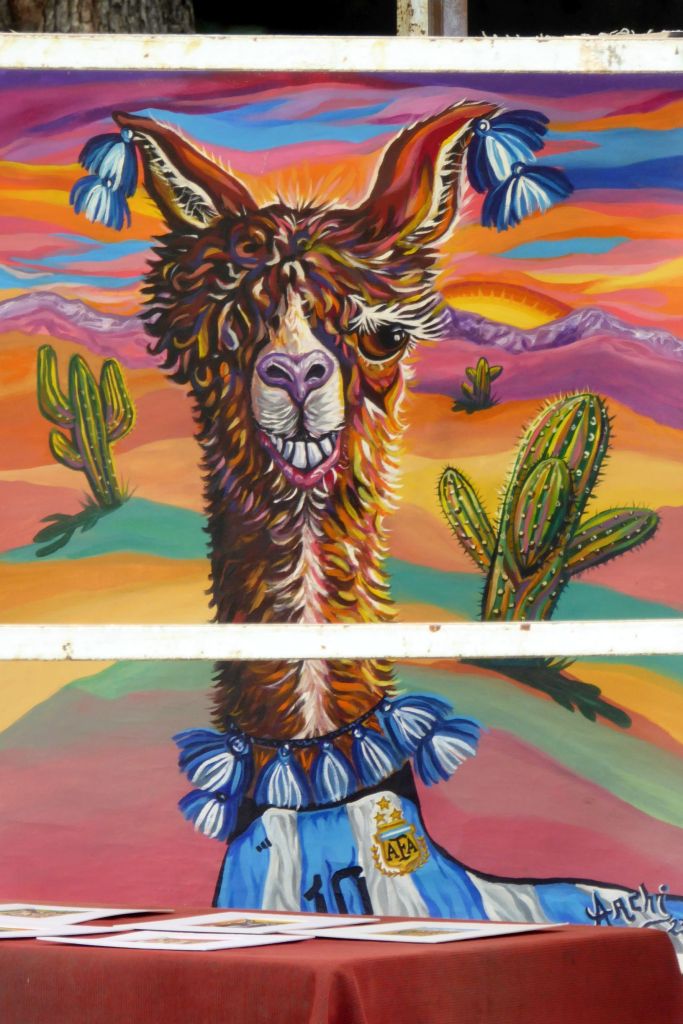
Following our tour, we opted to get dropped off at the weekend crafts market in the city square. I liked the colorful and whimsical paintings by this artist:



Four our last two evenings in Buenos Aires, Andrea’s husband, Julio, joined us. Also an Overseas Adventure Travel tour leader, it was a joy to have Julio with our group. The two of them were such a cute and fun couple!
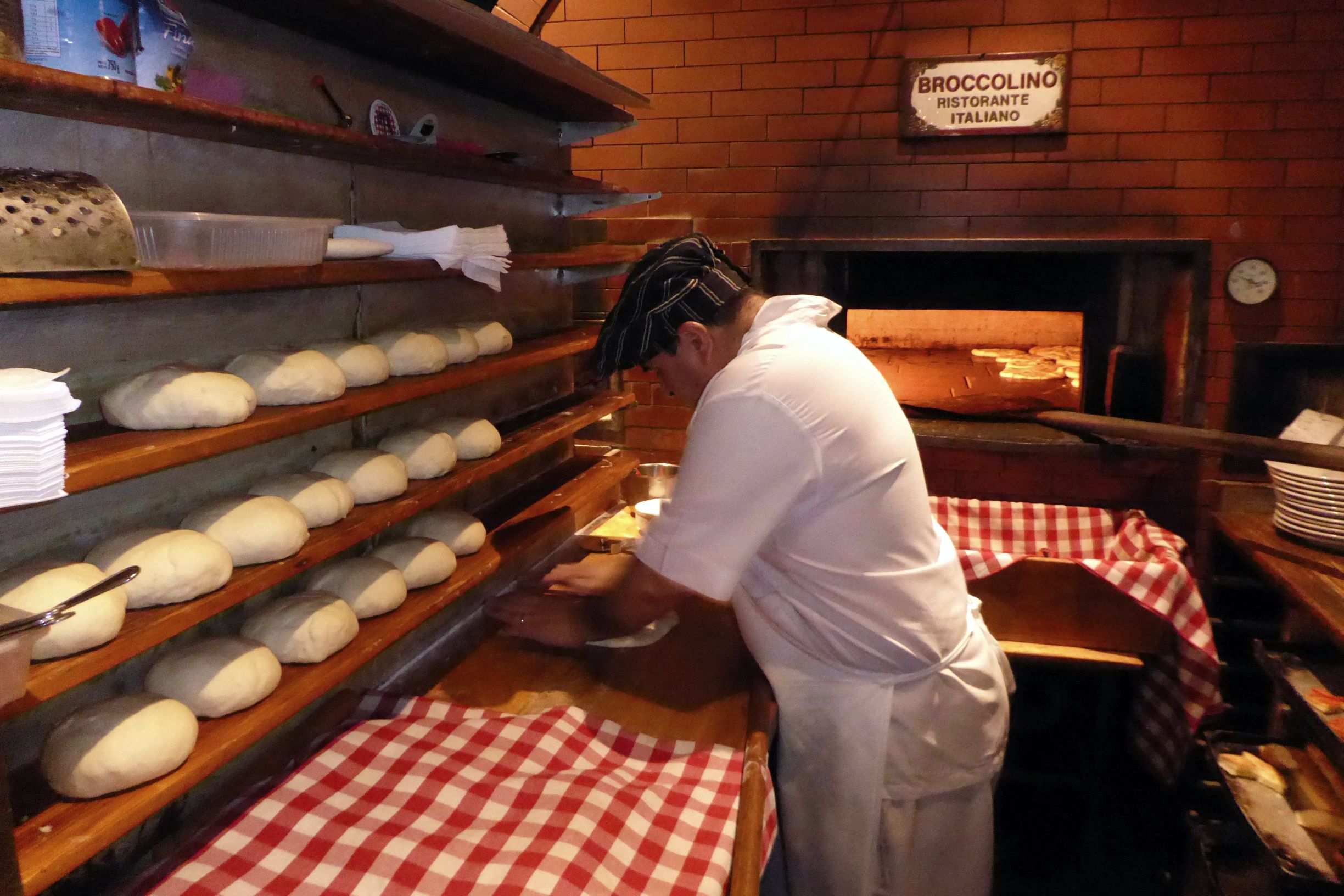
Broccolini Ristorante Italiano, is where we enjoyed our last dinner together in Buenos Aires.
Next up: ARGENTINA & CHILE #18: INCREDIBLE IGUAZU FALLS
What the previous day may have lacked in excitement and beautiful scenery was more than made up for on this day. Just wait…
Before you get to see the glacier, I must show you the Rhea I photographed out the bus window. We saw a bunch of them, but this was the best shot I captured:
(For all photos, especially panoramas, click on the image for a full screen view.)

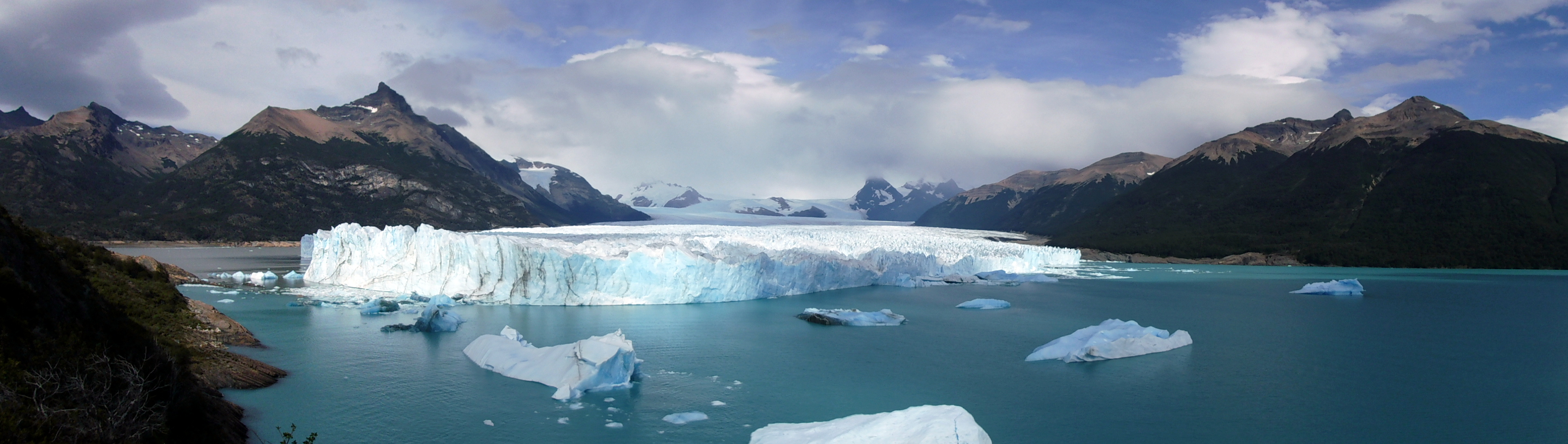
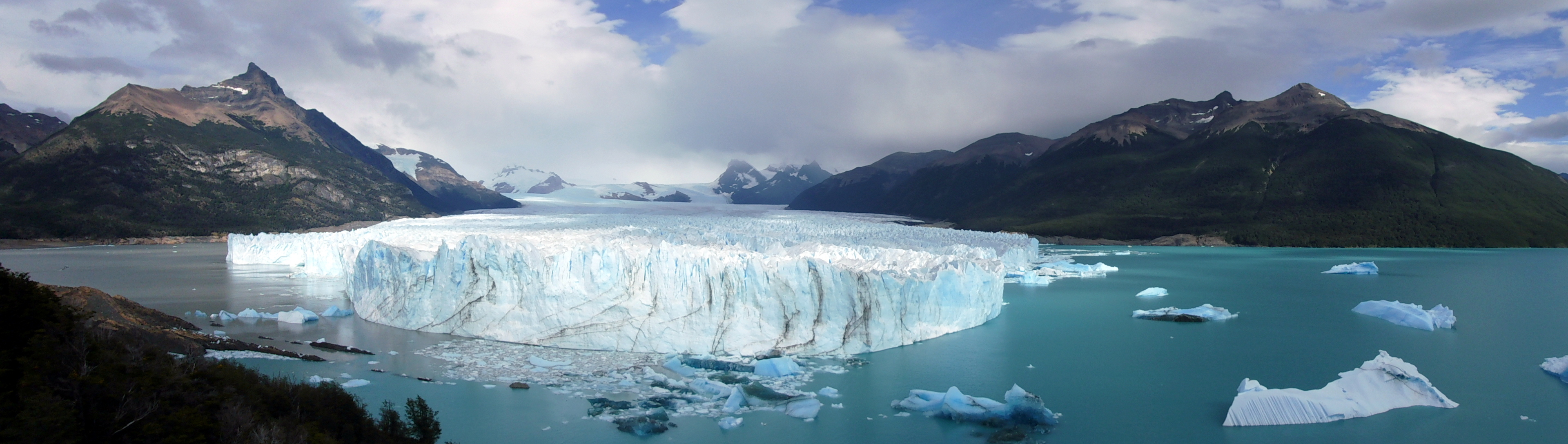
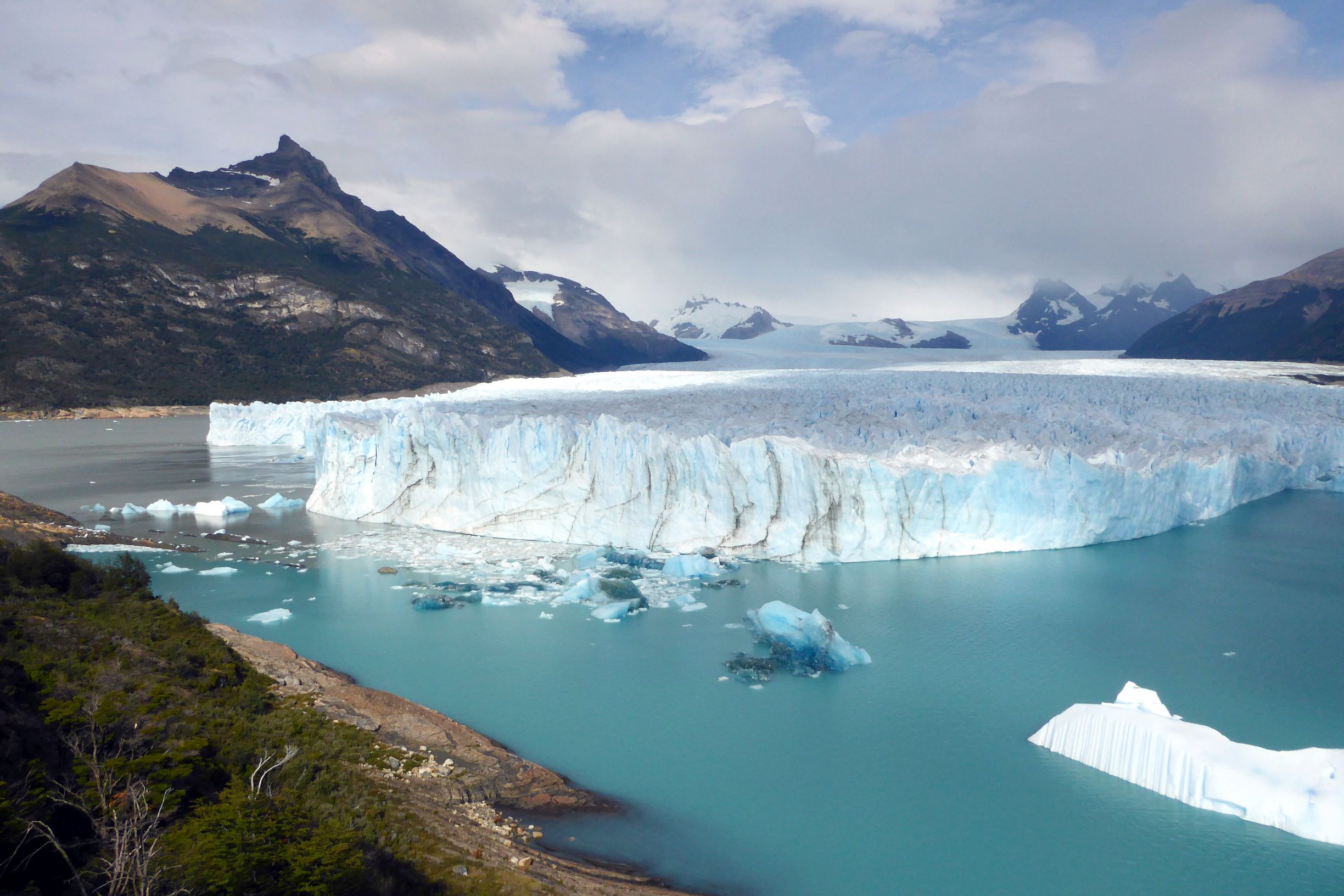
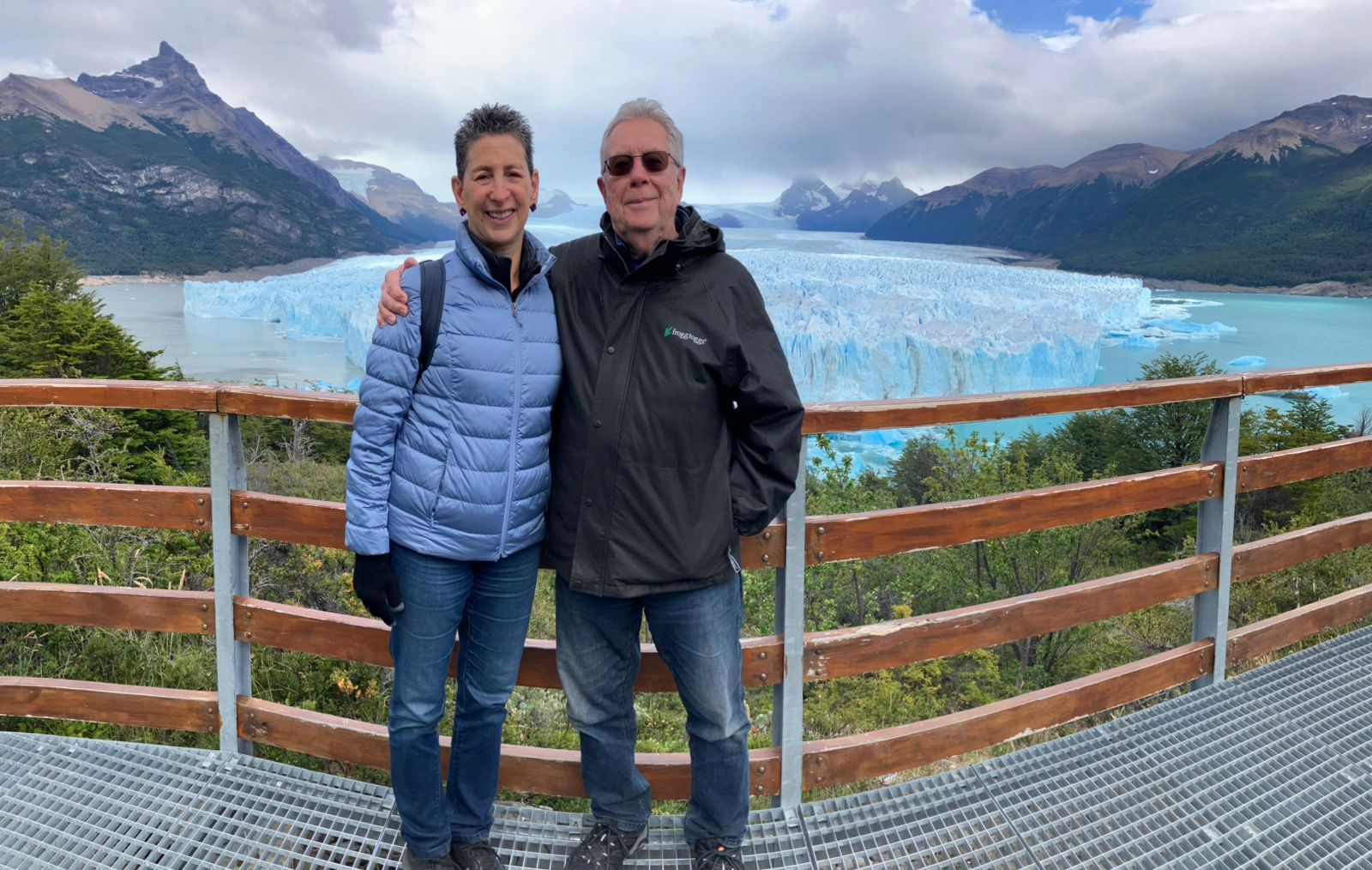
Ok, now I am going to overload you with way too many pictures of Perito Moreno Glacier in Los Glaciares National Park. See how I provided those links? That is how you can learn more about these amazing beauties of Patagonia— another link! I will just let these photos (mostly) speak for themselves. I will preface them by saying I was totally impressed by the infrastructure (including handicap accessible ramps) provided to enjoy spectacular views. The color-coded, well-marked walkways and stairs made it so easy to wander with a plan in mind—and, without getting lost. It is the best I had ever seen anywhere. Gracias totales, Los Glaciares National Park!





Here is a calving sequence:
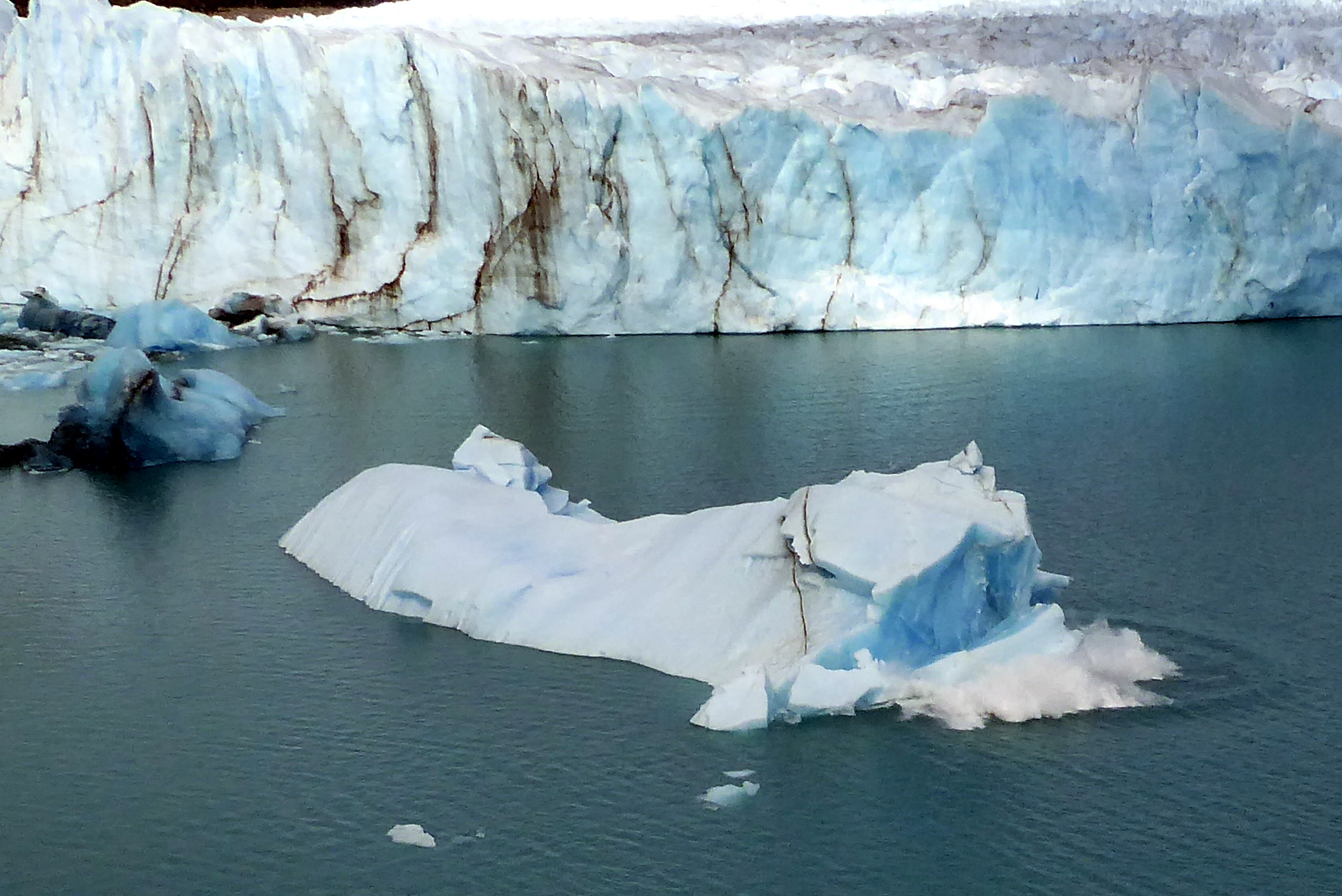

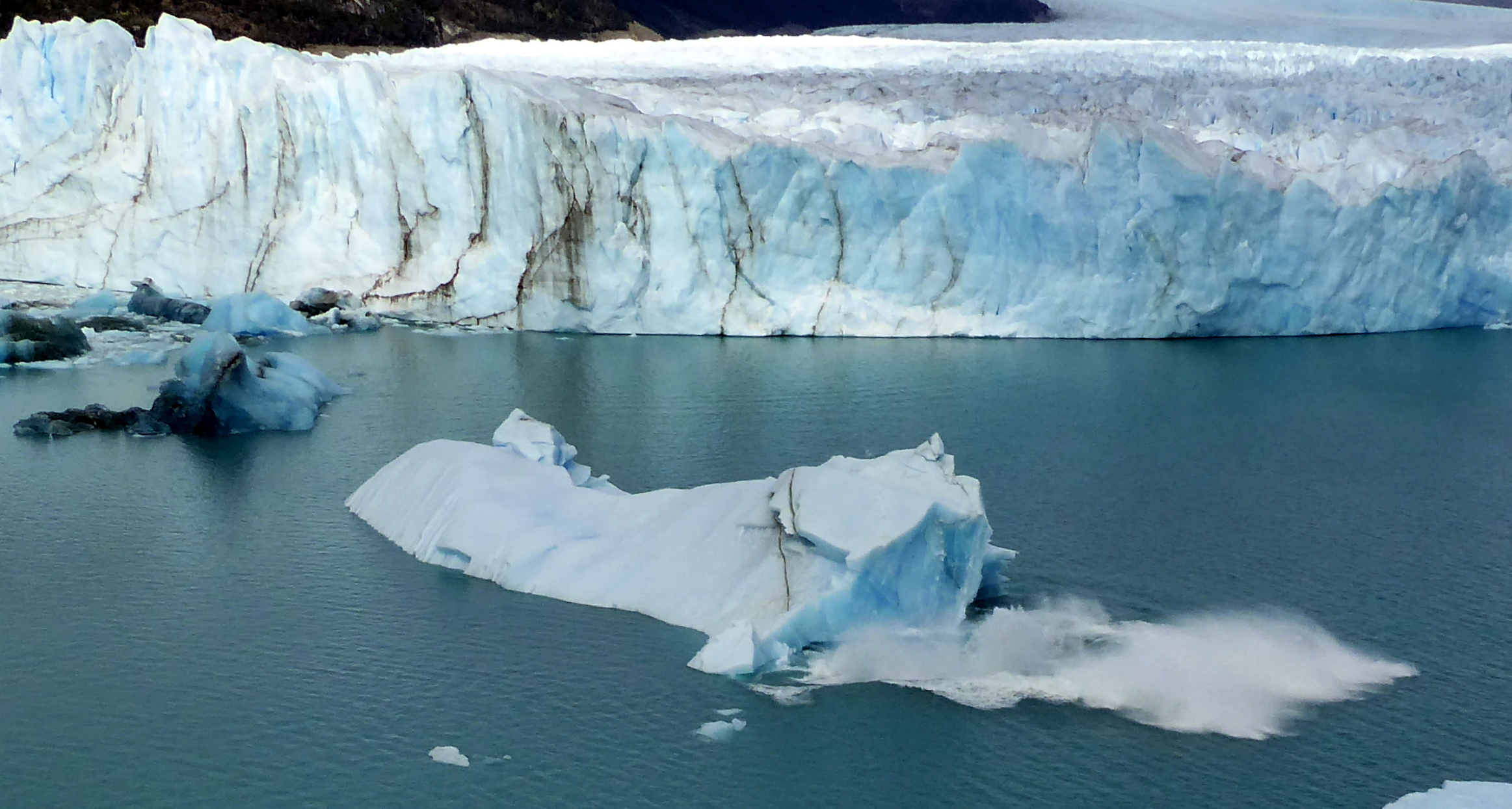

For an up close and personal view of the glacier, our group boarded a boat and were able to witness a lot of calving of the glacier.


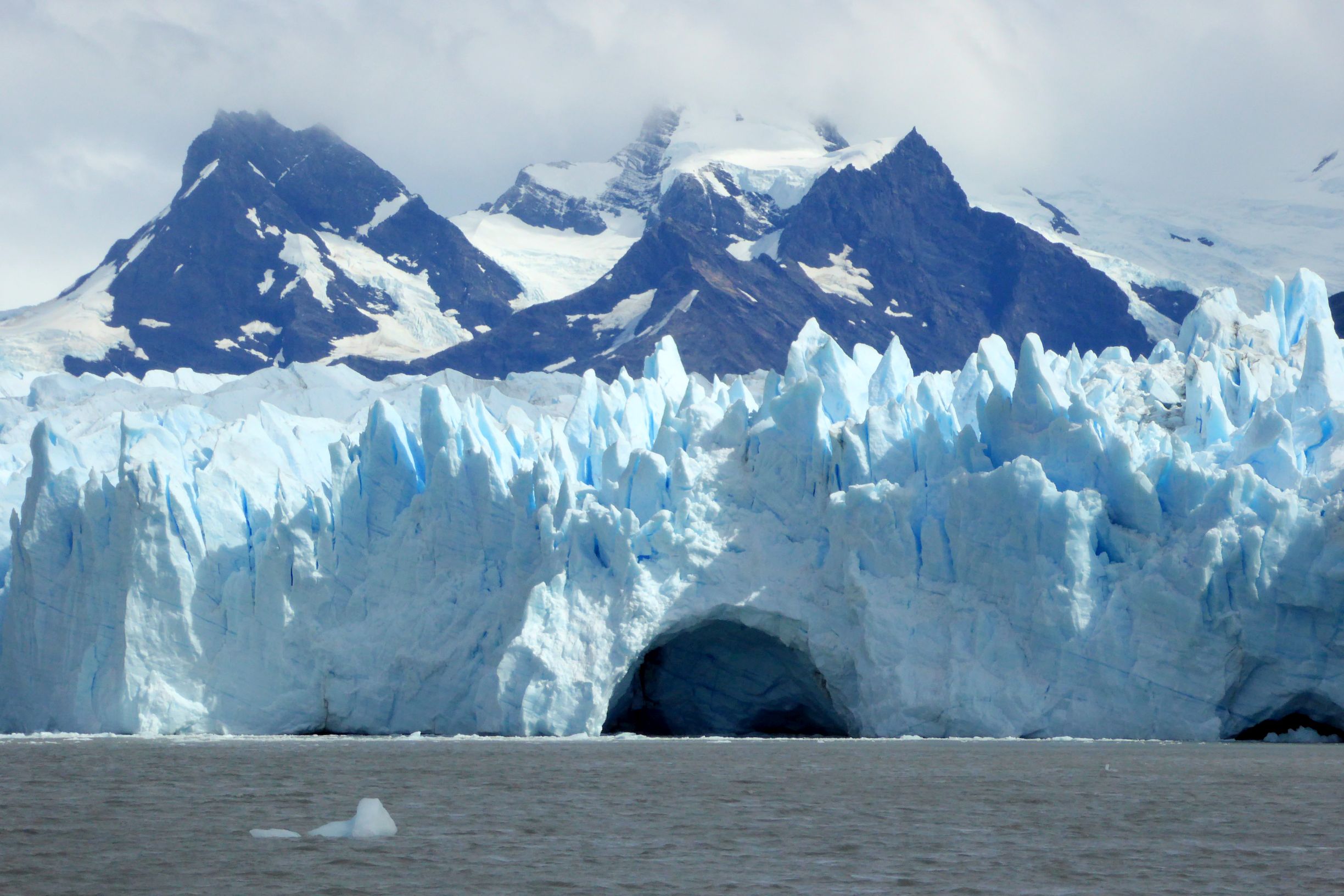


…and then we saw this!
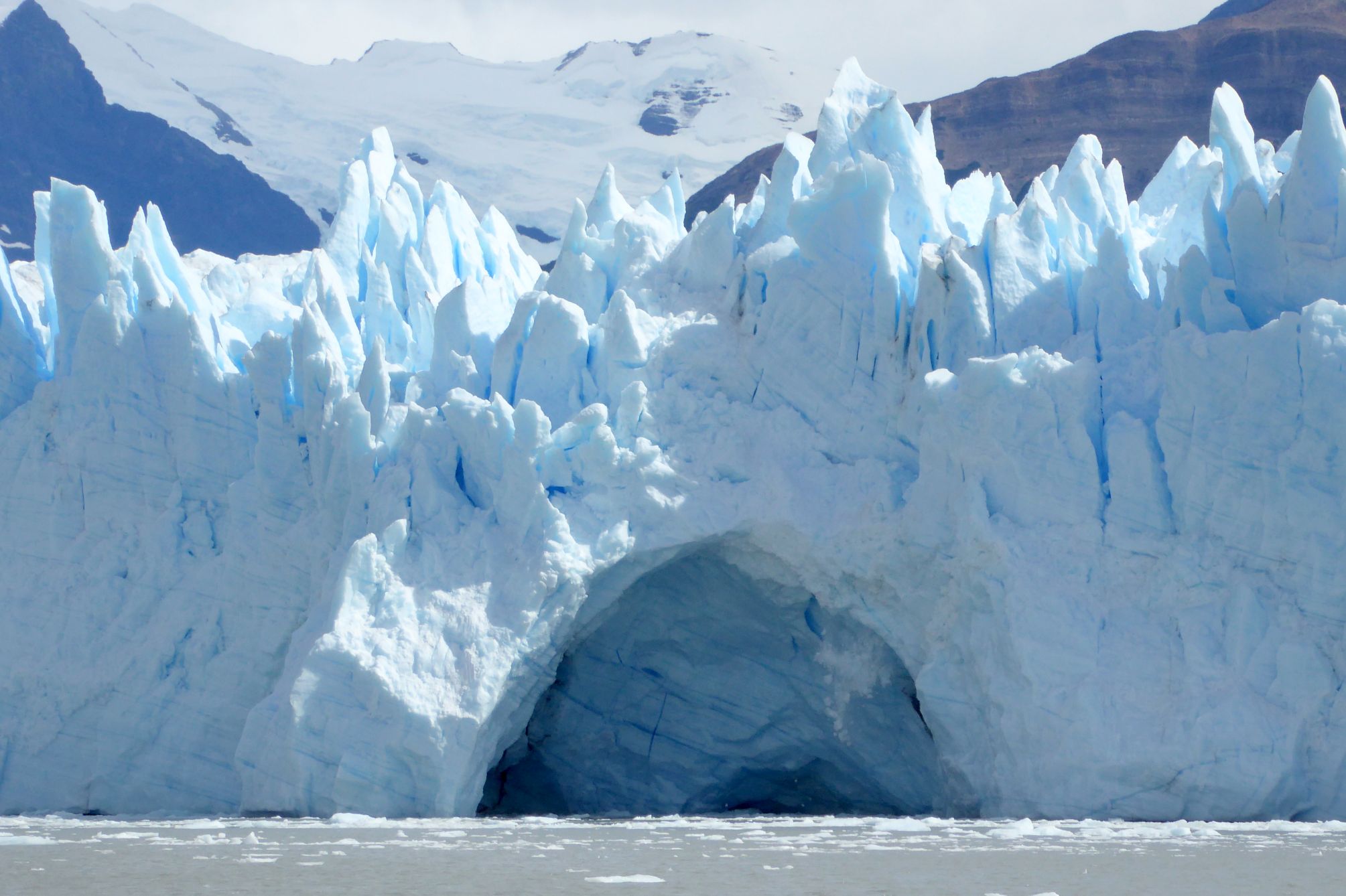


A HUGE GRACIAS TOTALES TO ANDREA SALAS for capturing it all on video, which I uploaded to YouTube. Watch this short video; it’s awesome!

We returned to El Calafate and had the remainder of the afternoon and evening to enjoy the town on our own. Here are some random scenes I captured along the way:


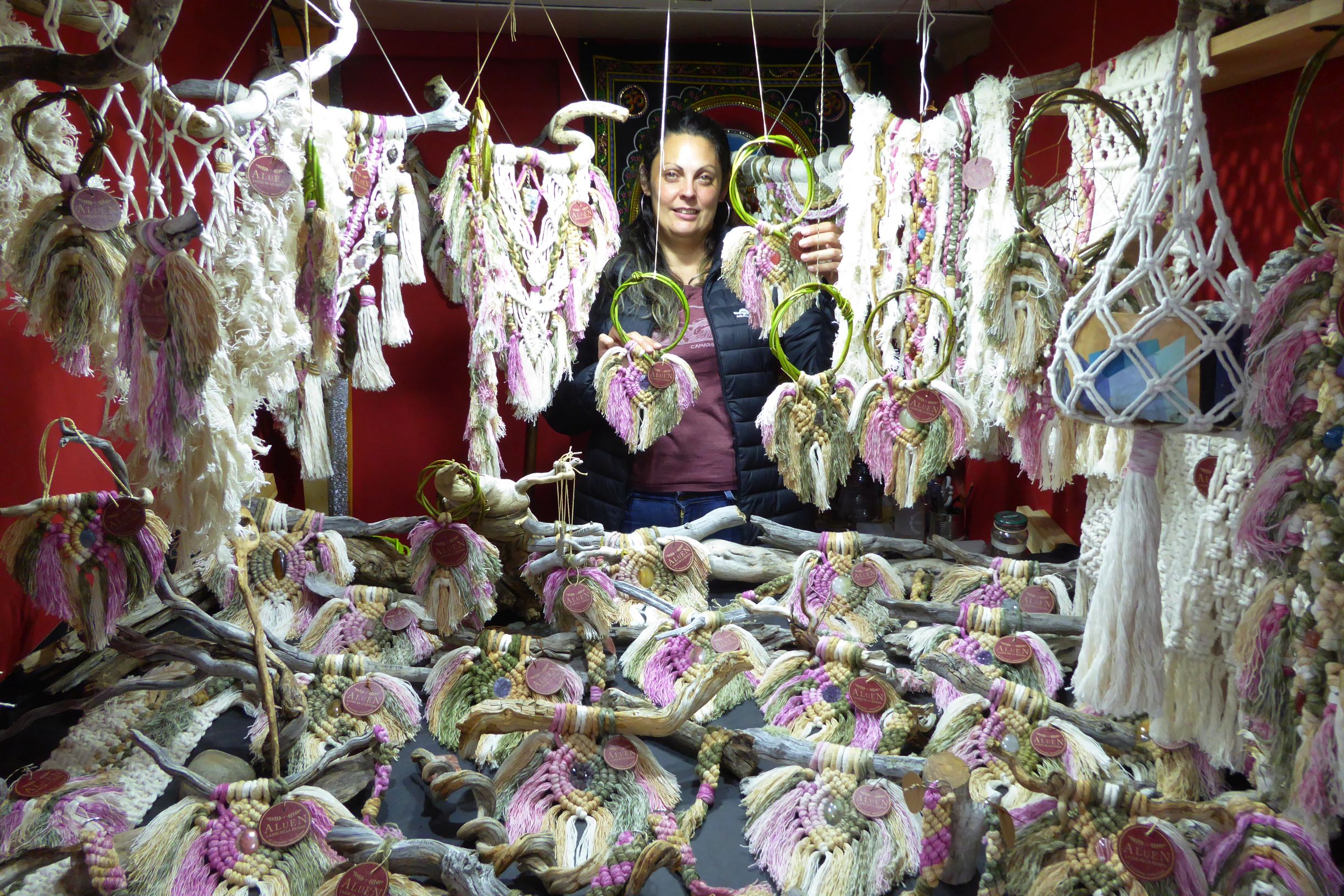
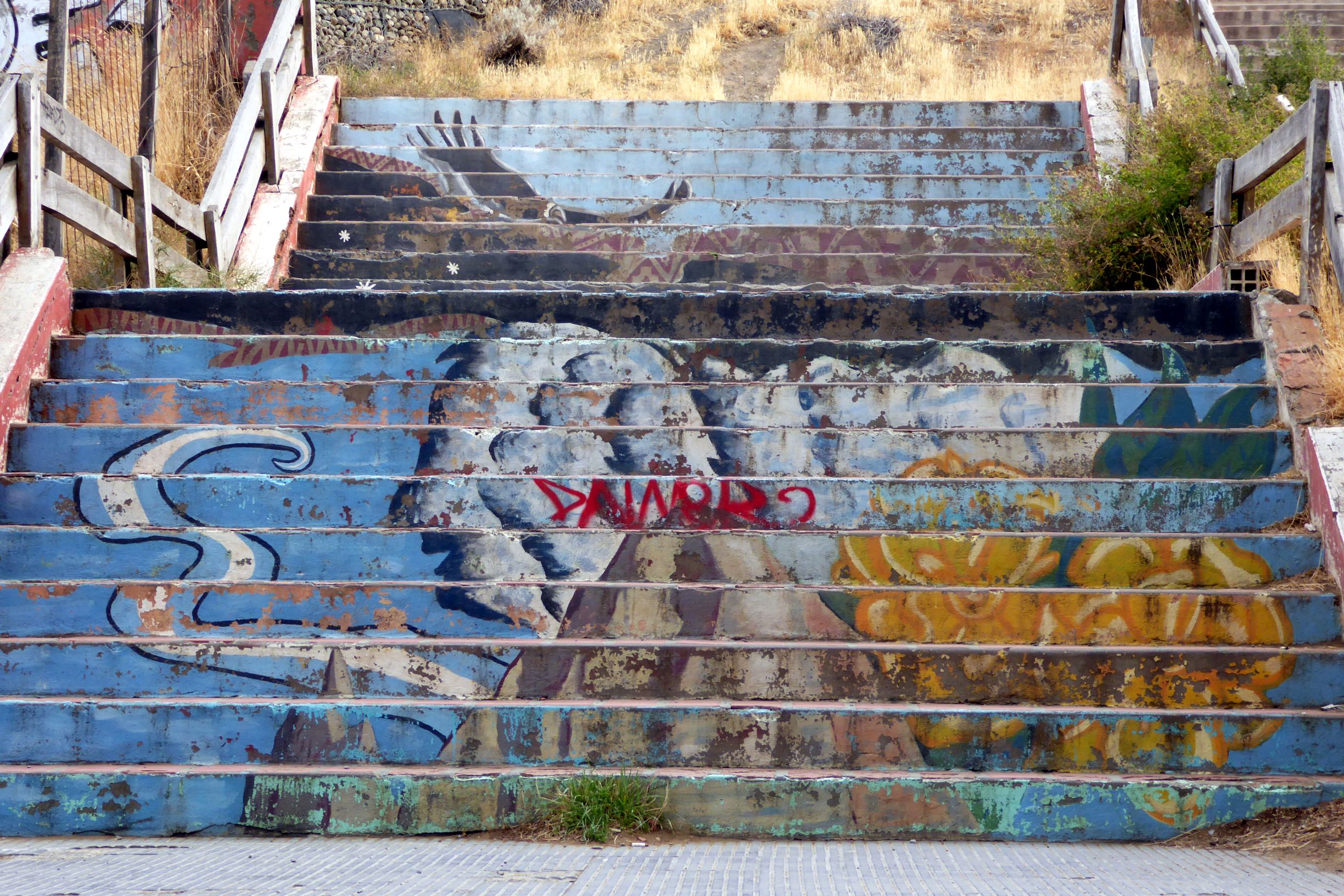


Coming up next: ARGENTINA & CHILE #17: BACK IN BUENOS AIRES
 Elaine-iaK's Travels: A Traveler's Tales of People, Places, Photos, Pools... and CHOCOLATE!