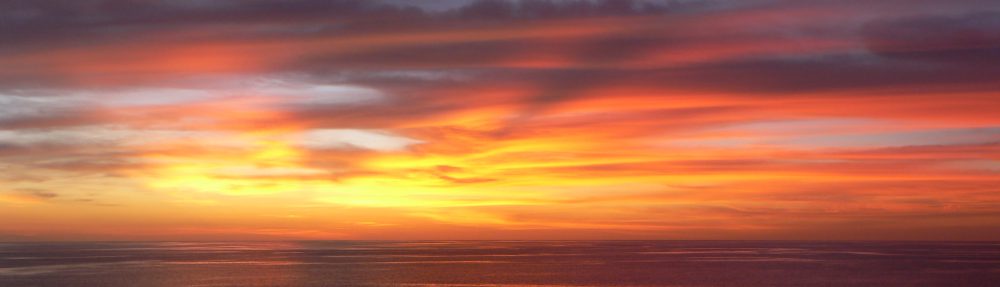
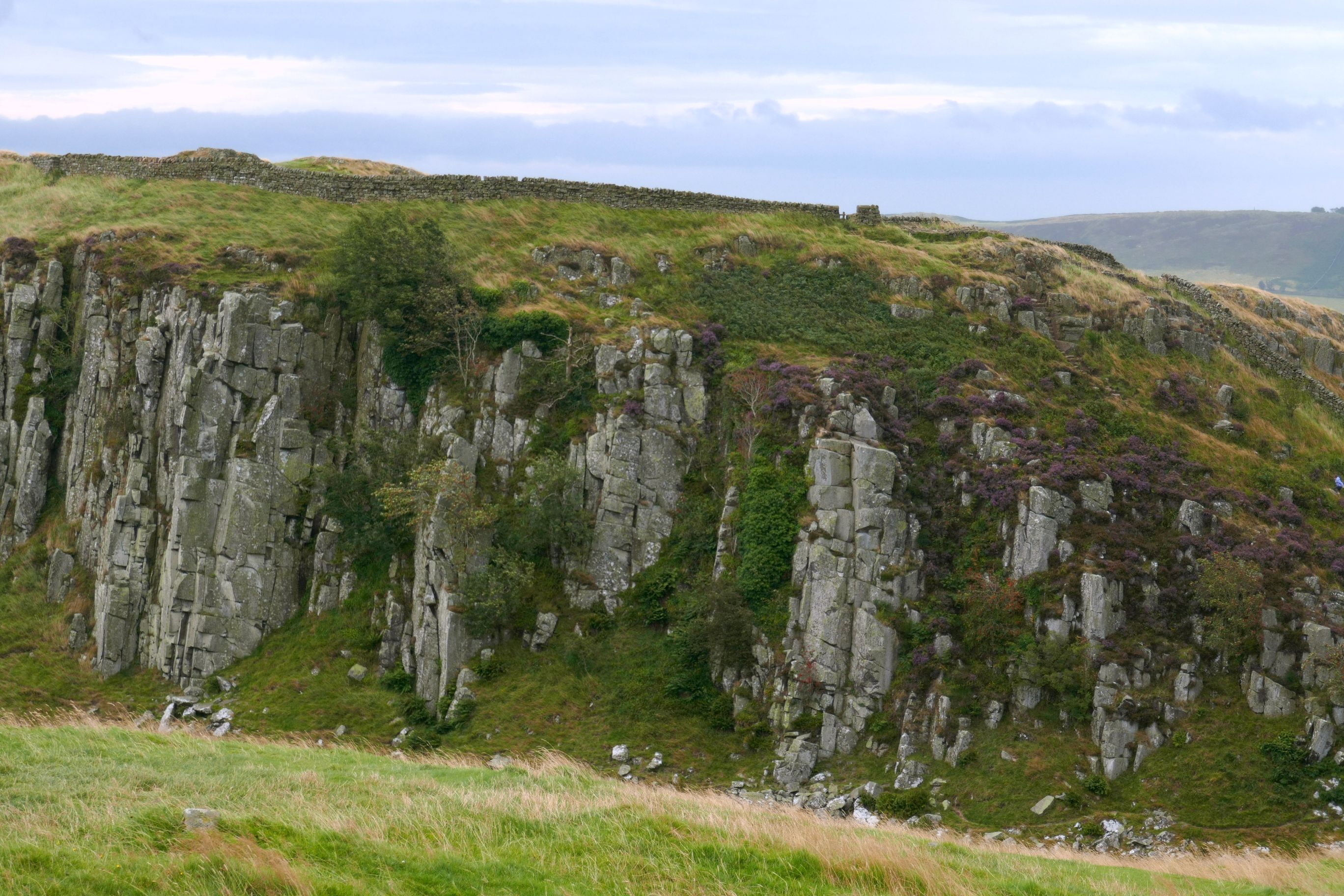
You can’t tell by these pictures, but this was the day our luck with weather ran out. It was bitterly cold and windy, and at one point while we were at Hadrian’s Wall, we all gave up on our local guide and asked if we could go back to the bus to listen to the rest of his talk. I didn’t wait that long; I was already on the bus by the time the rest of the group followed my lead.
(For all photos, click on the image for a full screen view.)

Thankfully, the blustery cold was a one-and-done. The weather was (mostly) fabulous (by U.K. standards) the remainder of our trip!
Back to Hadrian, he was a Roman emperor from AD 117 to 138 and the first ruler to divide Britain. The wall he had built (I’m sure he didn’t lift a finger) beginning in AD 122 was a 73-mile-long stone defensive fortification that runs east to west. It is now a UNESCO World Heritage Site.
It amazed me that so many centuries ago, this barricade was just part of a multi-cultural military zone comprised of forts, barracks, towers, and small towns.
After we thawed out, we visited Vindolanda, near Hadrian’s Wall. It was a Roman auxiliary fort that dates back 40 years prior to Hadrian’s Wall and was occupied until around AD 370. It is considered one of Europe’s most important ancient Roman archaeological sites.
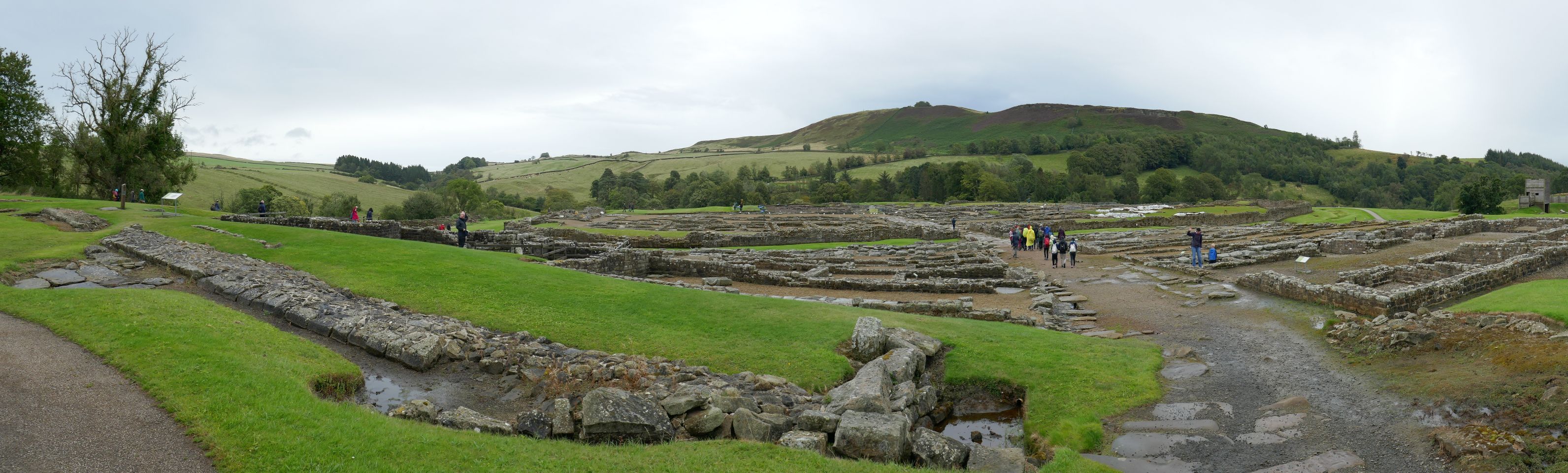
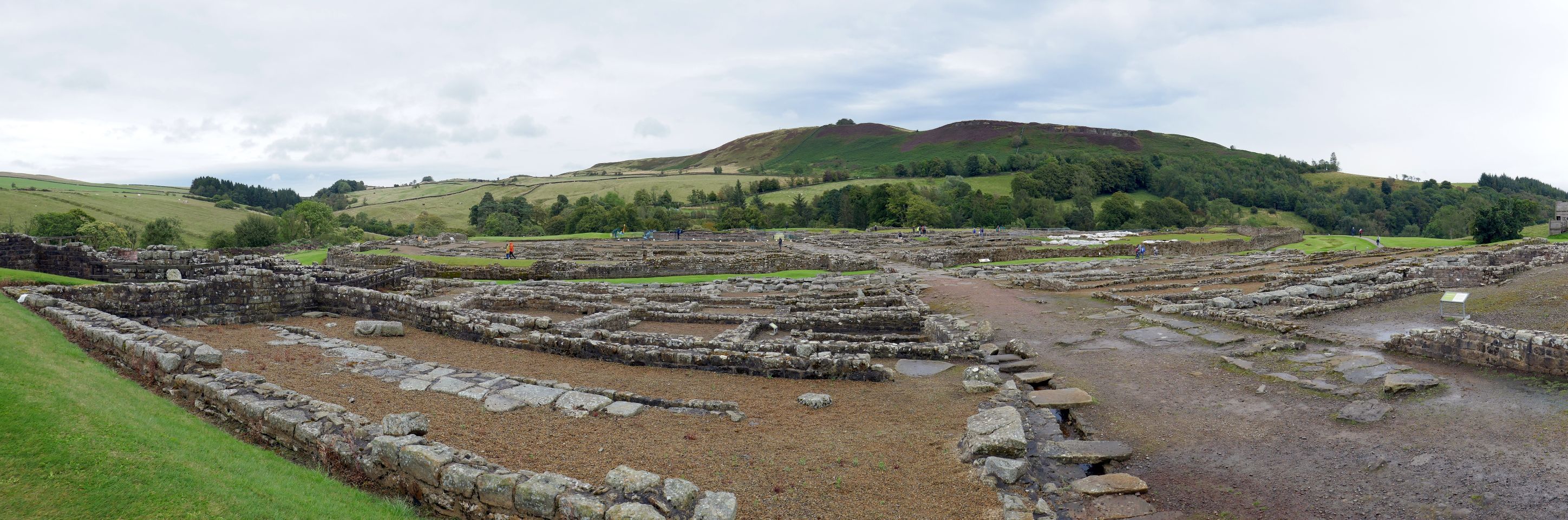
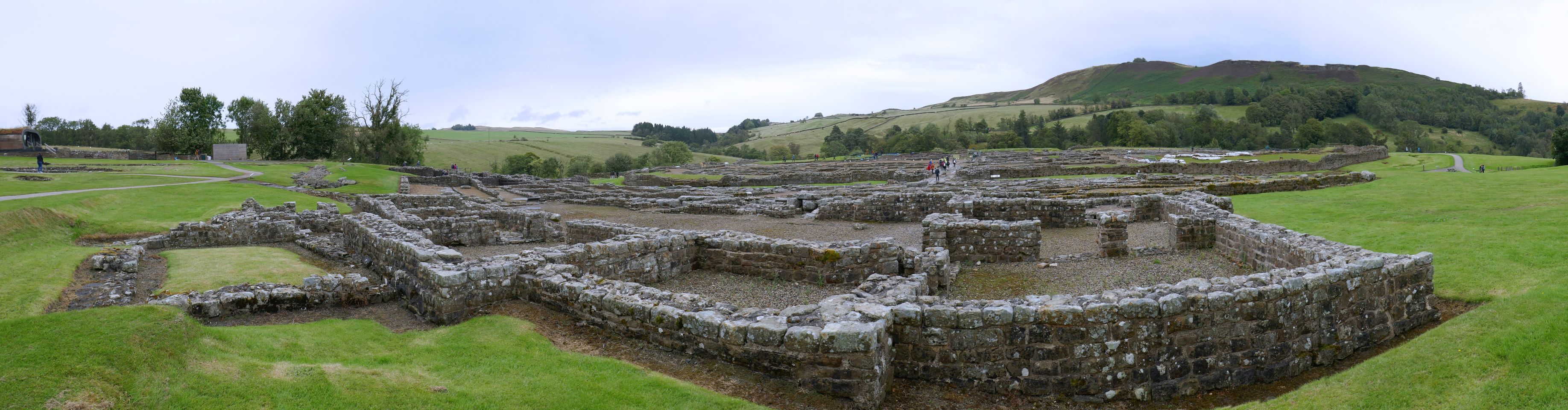


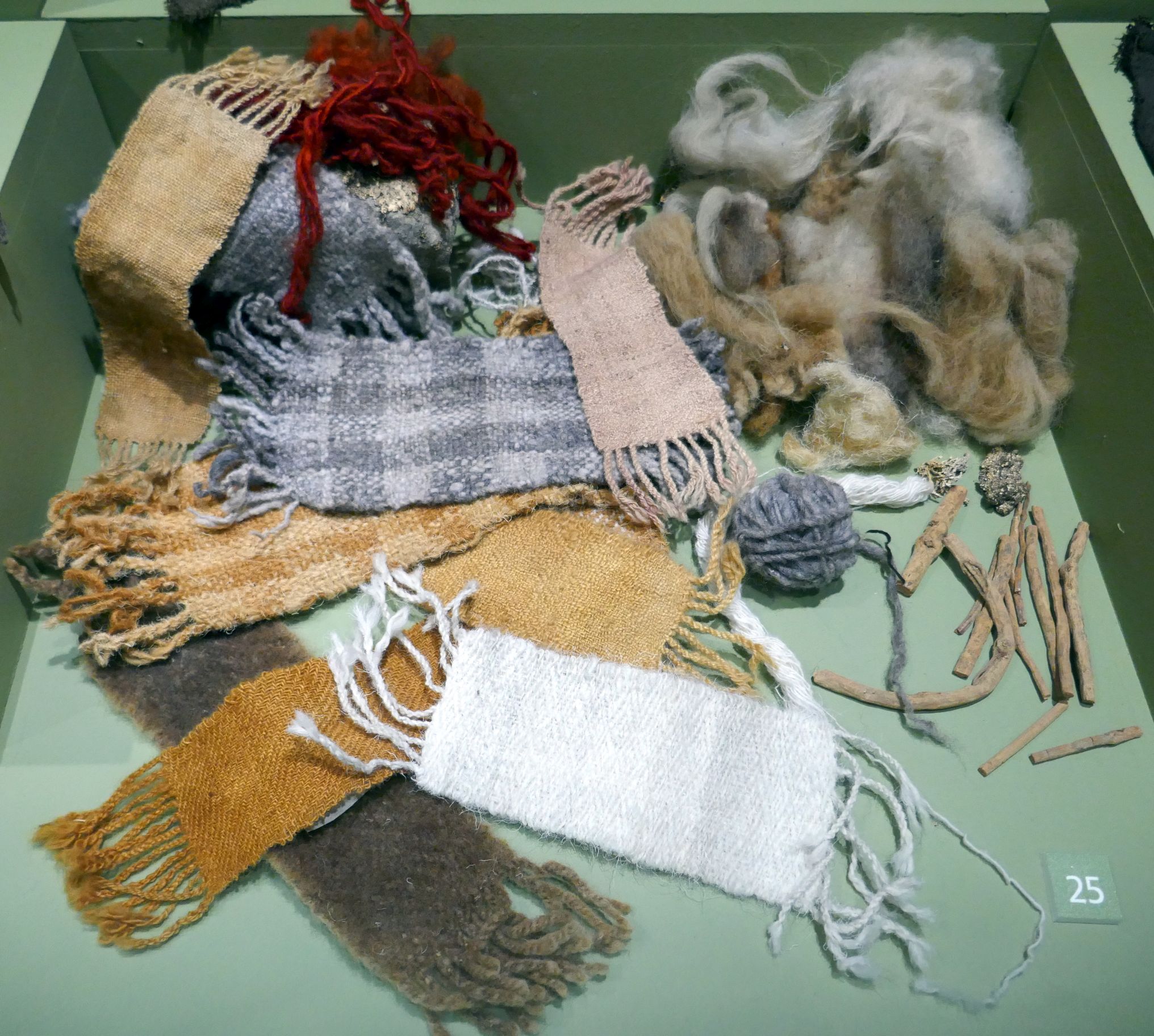
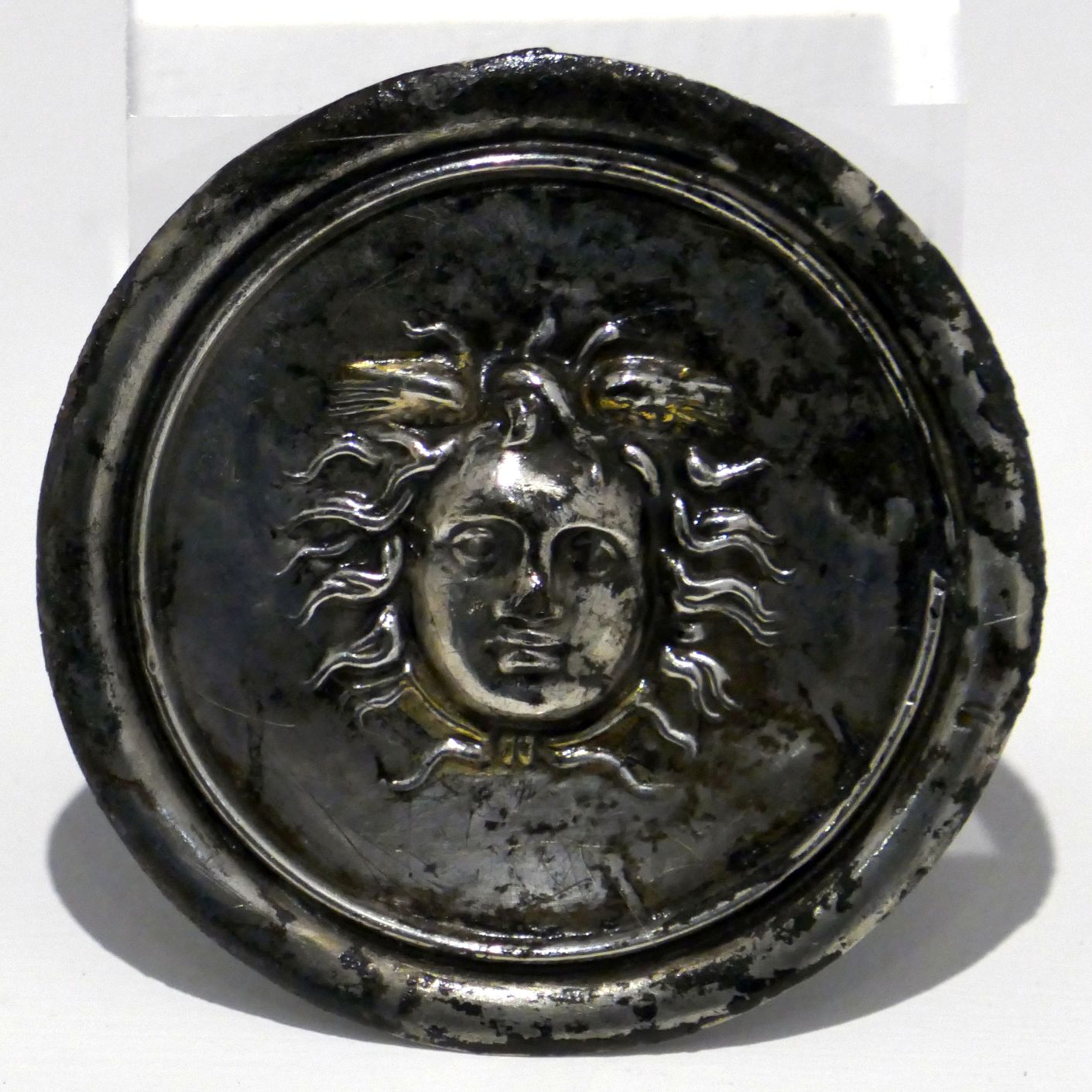
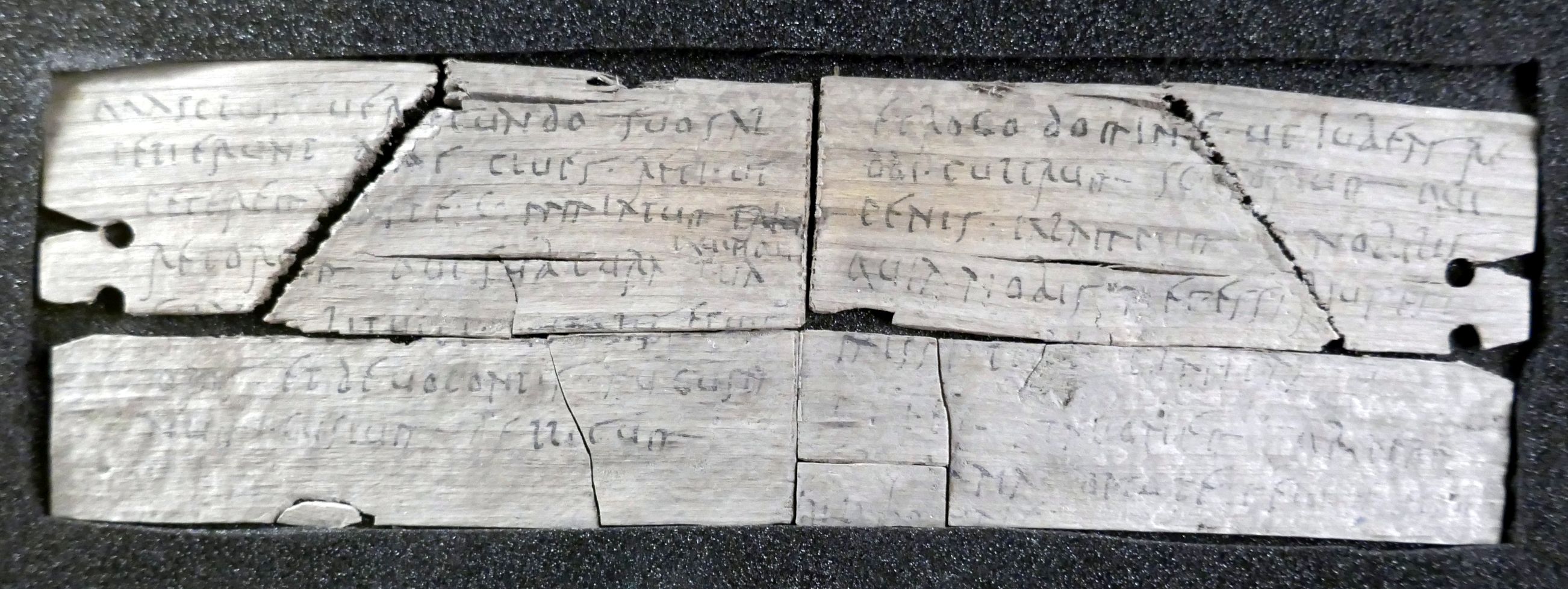
Ongoing excavations have unearthed many amazing artifacts which we were able to see in the adjacent museum—a welcome reprieve from the cold!


Next, we continued our drive to Edinburgh, Scotland, the subject of my next post:
UNITED KINGDOM #7: ENCHANTING EDINBURGH
 Elaine-iaK's Travels: A Traveler's Tales of People, Places, Photos, Pools... and CHOCOLATE!
Elaine, I’m sure enjoying your blog posts about our Idyllic Great Britain trip! Great photos! Mary Stilley
Mary
On Tue, Dec 17, 2024 at 2:51 PM Elaine-iaK’s Travels: A Traveler’s Tales of
LikeLike
Thanks so much, Mary! Many more to come! I have a picture to send you; stay tuned to your email!
LikeLike