ADRIATIC COAST: DAY 10 (Part 2), LOVELY LA PERLA

356

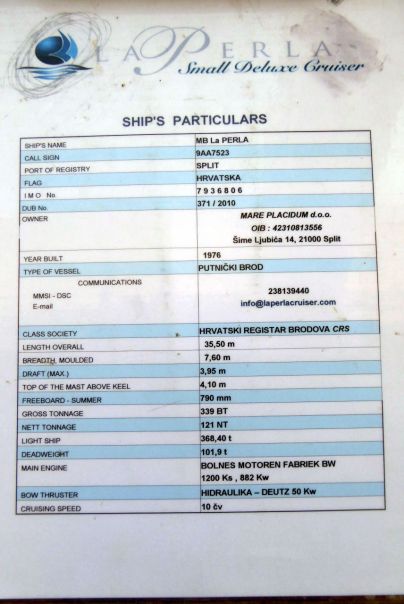
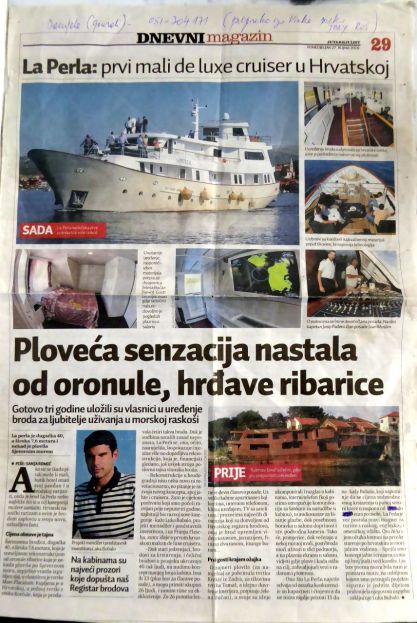
Formerly a fishing boat, Ante Bubalo and his son, Luka purchased the 115-foot-long retired boat ten years ago, had it stripped it to its shell, and completely restored at a cost of two million Euros.  It took three years to renovate and rebuild, a better option than purchasing a new boat, since the hull was of much better quality and thicker than the hulls on new boats.
380


383

It was Luka’s dream to make La Perla a reality, after earning an economics degree at university.  Working with a boat designer to carry out his vision, they gave new life to the old fishing boat by creating a luxury yacht for tourists.  Luka’s wife did the interior decorating, and together, they made La Perla into a comfortable cruising yacht perfect for enjoying the Adriatic Coast.

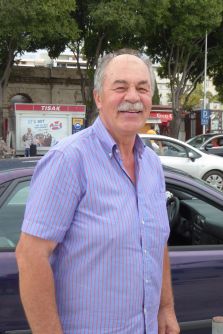
Although now retired from his business of selling prosciutto to stores and restaurants throughout Croatia, Ante assists Luka with his charters that are booked eight months of the year.  Luka is usually on board La Perla for each charter; however, for our cruise, Ante stepped in to cover for Luka.
379-Ante.jpg

Ante Bubalo

Ante’s favorite task of each day was going shopping, picking up needed provisions as well as treats for the passengers.  Each day there was a new surprise—a special cheese, local chocolates, cookies, or other tasty snacks he placed out in the lounge for us to nibble on throughout the day and evening.

374

376

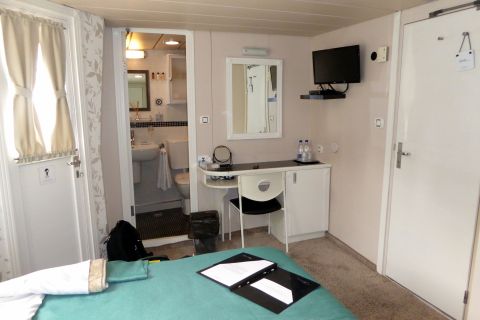
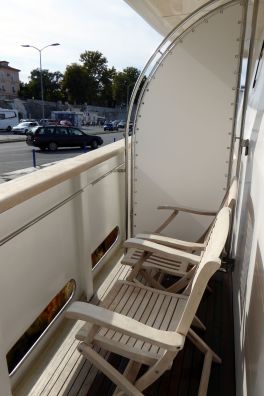
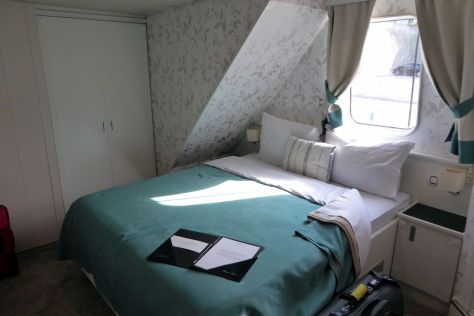
La Perla was wonderful!  Our cabin was surprisingly spacious, well-designed, and had more storage space than we needed.  Suitcases fit perfectly in the bed platform cabinet, so we were able to stow them away and out of site.  The bed was very comfortable, and we were amazed at how smartly designed the bathroom was for a yacht of its size.  We also enjoyed our cozy balcony!
357358

361

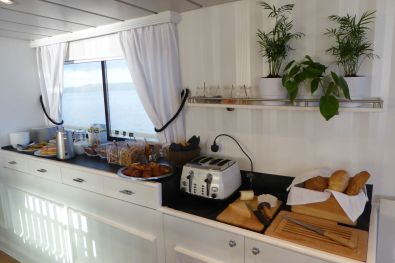
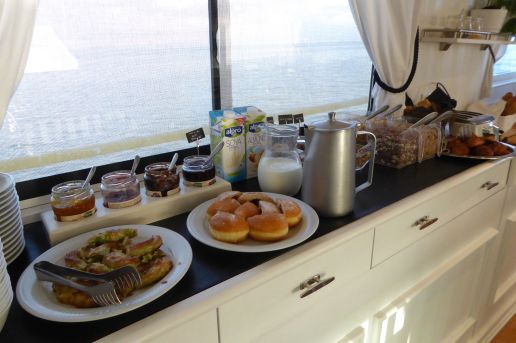
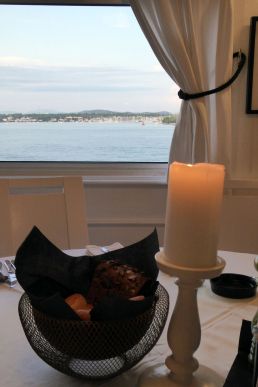
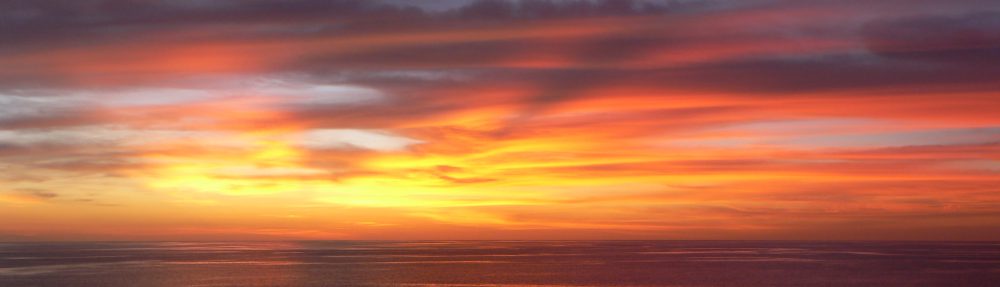
Open-seating meals were always enjoyable with the other twenty-two passengers.  There was never a shortage of conversation!  We also never left hungry.  The variety of food on the buffet for breakfast and lunch was terrific, and the chef also prepared dishes to order.  Dinner was white-glove service with multiple courses and plenty of wine, which was included in the cost of the cruise.  I especially enjoyed the octopus we had one evening as well as the wonderful views of the sunset we enjoyed during dinners.  A couple of times, a few of us grabbed our cameras and made a beeline to the aft deck to capture some photos!

366

The galley was tiny!


368

The dining room

369

370

Breakfast buffet

371372373

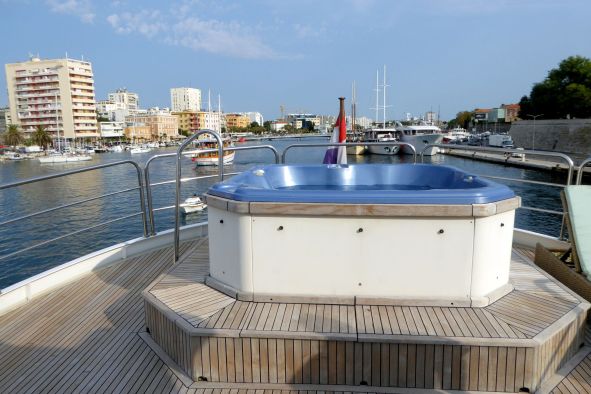
While we were cruising, the indoor and two outdoor lounge areas were very comfortable to relax at and enjoy conversation with the other passengers.  There were also plenty of lounges for sunbathing, and I even found some deck space by the spa to do my Theraband exercises and yoga.  (Try balancing in a yoga pose on a moving yacht; it was a fun challenge!)
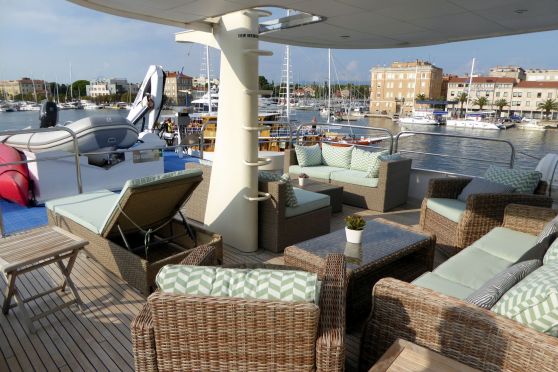
362363364365

There was also a (very!) small gym; however, we opted to do a LOT of walking in each port and take in a couple of swim sessions when La Perla was anchored.  (More on that in a future post.)

The most memorable part of La Perla was Ante and his staff of nine.  They were always friendly and eager to please, and we enjoyed getting to know them while on board.  There were plenty of laughs and good times!

If you are considering a trip to the Adriatic Coast of Croatia, cruising aboard La Perla is a great way to go. Not only was the boat able to travel much closer to the coast, but we were also able to spend a day on the island of Korcula, which is inaccessible to large cruise ships.  Considering it was a highlight of the cruise, it was a great decision to go small!

As you will see in later blog posts, La Perla also had the advantage of being able to anchor in coves, so we could enjoy swimming off the platform, kayaking in their tandem ‘yak, and circling a small island aboard their tender.  Besides, we got to know all twenty-two of the other passengers as well as the crew.  Try that on a cruise ship!
375

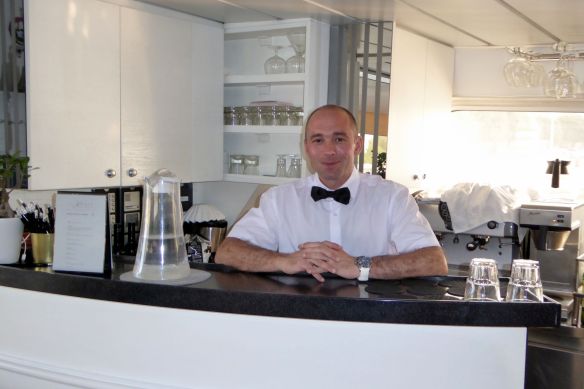
The other “Ante” (no relation) was our bartender/ waiter.

377

378

Now, for a shameless commercial, even though I am in no way affiliated with the company:  Book La Perla through Vantage Travel.  This was my fourth trip with Vantage (and Bruce’s second), and we loved it!  Call (888) 756-6677, give them my name and number (Elaine Krugman 2569087), and you each (if you are traveling with a companion) will receive $50 travel credit.

Stay tuned for more adventures aboard La Perla as we cruise south along the Adriatic Coast!  Meanwhile, check out this video from Vantage.


ADRIATIC COAST: DAY 10 (Part 1), ZADAR, CROATIA

338

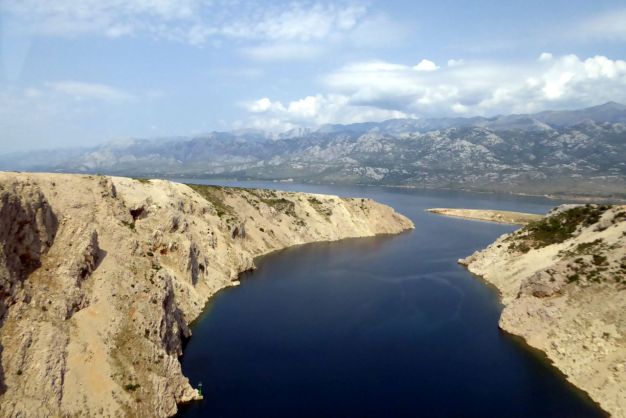
On our way to Zadar to board La Perla, the 115-ft yacht that would be our home for six nights, we took a scenic drive through the city of Rijeka, along the northern Croatian coastline, and through the mountains of central Croatia.

339

Along the way, Sinisa shared some interesting stories about his father, Drago Diklic, who was known as “Yugoslavia’s Frank Sinatra,” and won a lifetime achievement award for his music.  Throughout his career, Drago had performed with many famous American artists, including Louis Armstrong.  Often, they were brought home for dinner and to meet the family, and Sinisa remembers meeting Elton John at his house.

We also learned more about Croatia, including the educational system.  In first grade, children start learning English, and then a second foreign language is added in fourth grade, usually Italian or French.  (Ninety-two percent of Europeans learn a foreign language during their early education, compared with only twenty percent of Americans.)

In high school, students must keep their grades and test scores up if they want to qualify for a free university education.  Everything is paid for by the government except books.  The problem Croatia is having, though, is that after university graduation, too many of the graduates leave the country to pursue a career elsewhere, due to the 17% unemployment rate during the winter months.

Although the unemployment rate is high, there are no homeless people out on the streets at night in Croatia, because the government provides shelters.

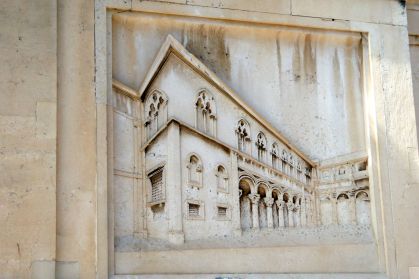
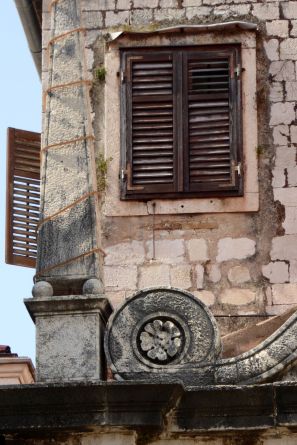
When we arrived in Zadar, we took a walking tour through the city following our group lunch.  Zadar, named Europe’s top destination in 2015, is a Roman-era city with an interesting mix of Renaissance, Romanesque, and medieval architecture.

341

344

345

346

352

These handmade clothes and decorations were sold by an elderly Croatian woman I was unable to photograph.

354

During our walking tour, I was distracted by this tasty-looking display of ice cream…

355

…especially this one!

351

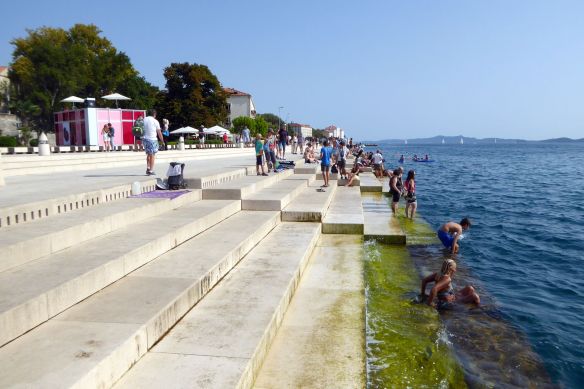
This is the Sea Organ of Zadar, the first pipe organ played by the sea!  It harnesses the power of the sea and plays music.  Underneath the steps, there are 35 tubes that are musically tuned.  The sound comes through whistles that are on the sidewalk.  Musical chords are generated by the movement of the sea that pushes air through the pipes.  The types of chords produced depends on the velocity and size of the waves.  I could only imagine what it must sound like in a storm!

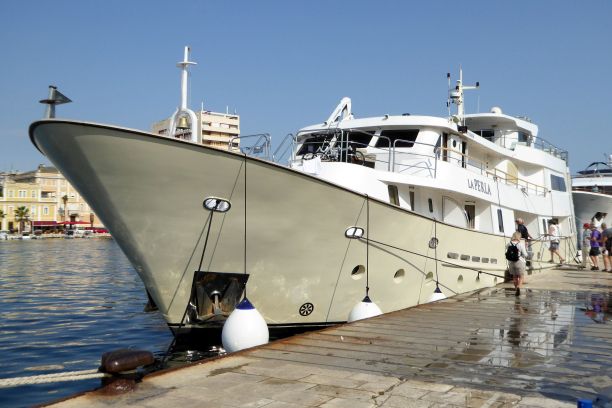
Finally, we arrived at La Perla, docked in Zadar.

Stay tuned for a complete tour of La Perla in Part 2!

ADRIATIC COAST: DAY 9, ISTRIAN PENINSULA, CROATIA

The Istrian Peninsula is considered to be one of the most beautiful regions of Croatia, so we were looking forward to this day with great anticipation.  It did not disappoint.

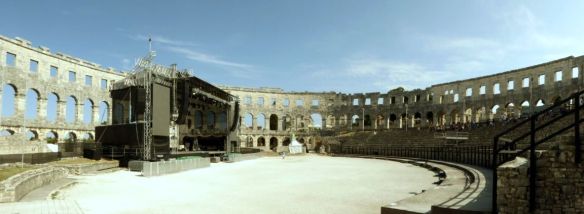
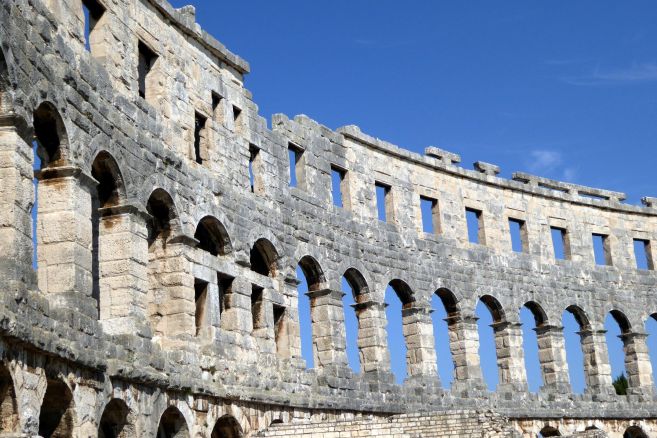
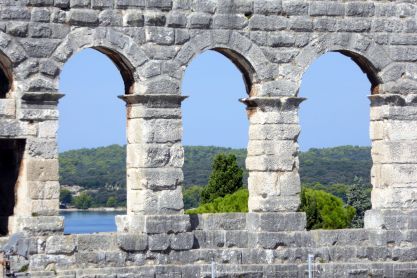
We began in the ancient town of Pula, located at the southern tip of the peninsula.  It is best known for the Pula Arena, one of the best-preserved Roman amphitheaters, and one of the six largest surviving Roman arenas in the world.

296

Constructed in 27 BC – 68 AD, it was amazing to see how much was still standing.  I had experienced that same feeling of awe as when I toured the Coliseum in Rome, and the Acropolis in Greece.  It was hard to wrap my mind around just how old it was and how it was built.

297

There was a stark contrast, though, between the ancient arena and modern, high-tech concert stage that stood in the center of all that history.  It sort of ruined the mood when I tried to visualize what it must have been like prior to the year 681 when the arena was used for gladiatorial combats.  (On second thought, perhaps it was just as well!)

298

299.jpg

The difference in color is where the limestone was pressure washed.  Unfortunately, it damaged the stone, so the operation was halted.

300

After climbing to the upper level and exploring the views from the top, we ventured down to the underground passageways where gladiators and the wild animals they battled awaited their turn in combat.  Now, it is a museum where we learned more about the history of Pula Arena and the area.

303

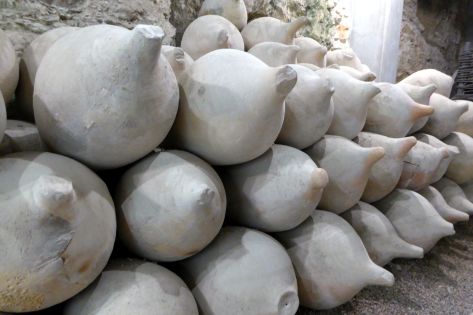
These were used to store and transport olive oil.

304.jpg

Our guide, Nada, captivated us with the stories she told about the arena and her life.  It was shocking to hear how her grandfather, father, her, and her son were all born in the same hospital, but under different regimes/ countries (Austria, Italy, Yugoslavia, and Croatia).  Of course, the languages were different during the first three regime changes, and they were required to learn them each time.

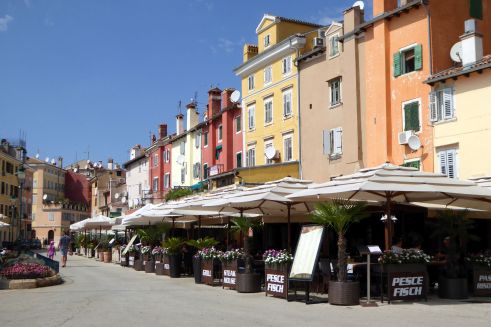
Next, our group visited the picturesque and romantic coastal town of Rovinj for lunch and a tour.  Once part of Venice’s mercantile empire, it has a distinctive Italian look and feel that makes it charming and quite photogenic.  When I read an article about Rovinj written by Rick Steves, I knew I would fall in love with the place.  It is his favorite Croatian town, so I anticipated it would be a highlight of the trip.  Reflecting back, it was my favorite town of all.

305

306307

308

309

311

312

313315

318319

316

317

322

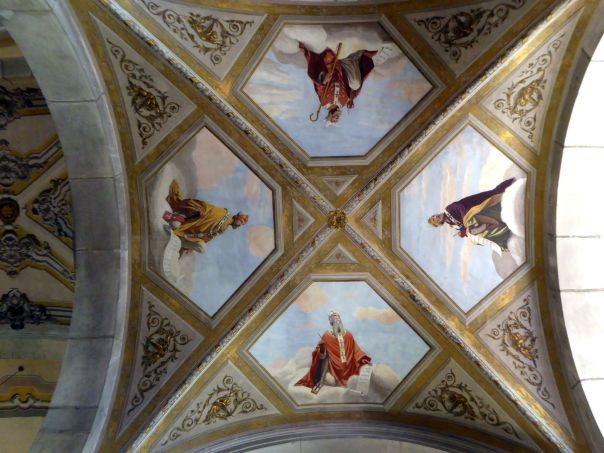
The ceiling of the Church of St. Euphemia, built in 1736.  Paintings in this church date back to the 16th and 17th centuries

323326

327

328.jpg

331

332

Back in Opatija, we enjoyed taking a long walk after dinner along the promenade to get a feel for the bustling nightlife.

335336337


ADRIATIC COAST: DAY 8, OPATIJA, CROATIA

P1210135

P1210139

Well, here we are just a few days before Christmas, and I am finally able to return to one of my favorite hobbies:  travel writing.  I had hoped to have this trip wrapped up by the end of the year; however, our busiest quarter of 2018 was even crazier than anticipated.  Add to that an impromptu ten-day trip back to my home state of California, and here I am finally getting to Day 8 of our summer trip.  We haven’t even made it to the boat yet!  We’re still in Opatijia…

P1210113

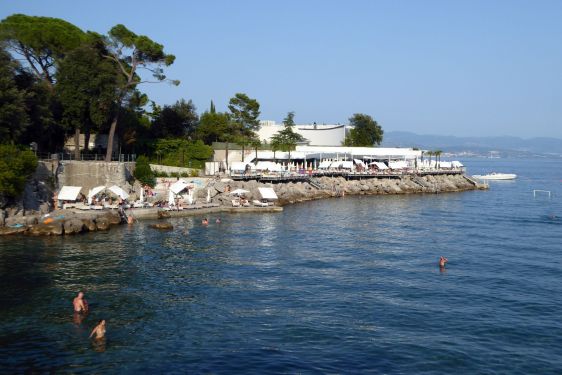
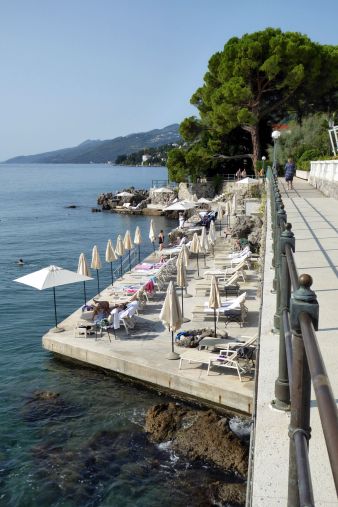
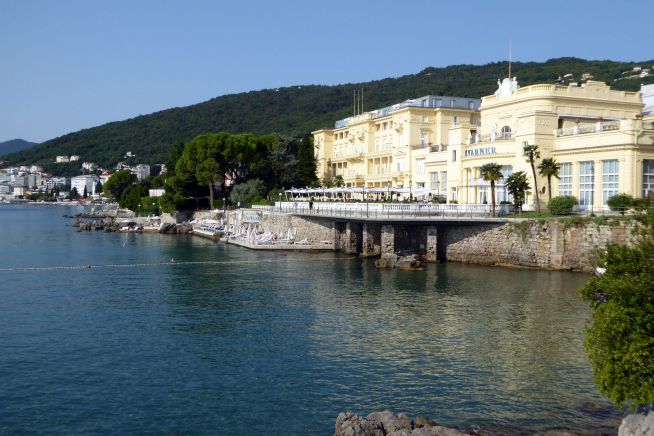
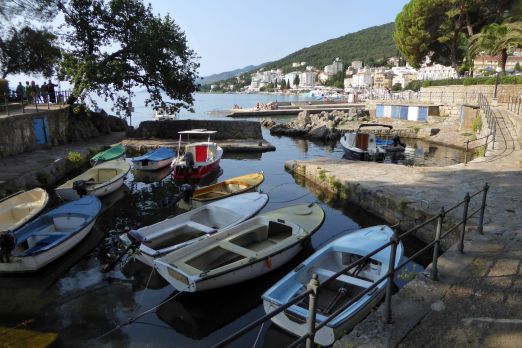
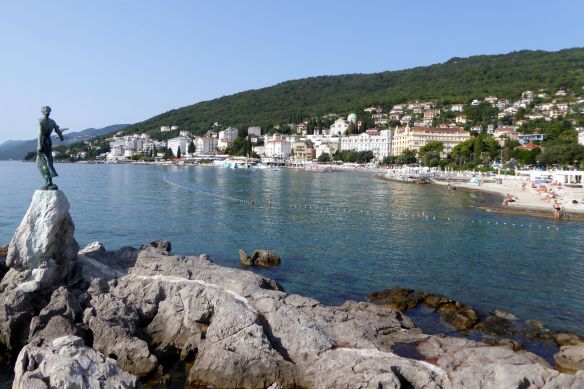
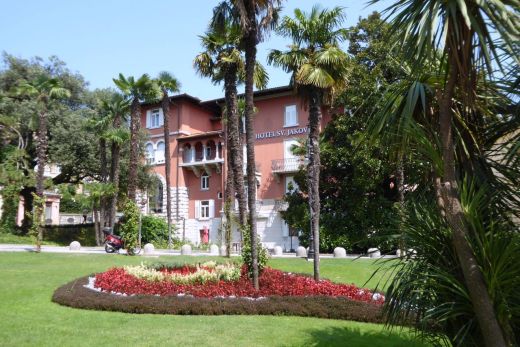
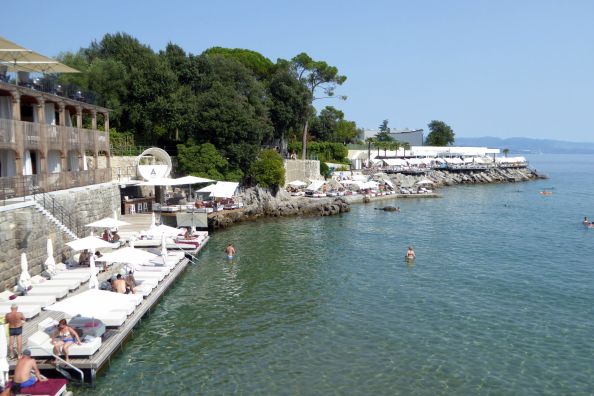
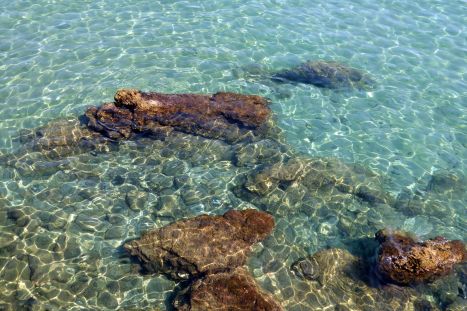
We began the day with a guided walking tour of this seaside resort town, including a portion of the 12-kilometer long promenade that followed the rugged coast.  Seeing that gorgeous, crystal clear water below was a distraction; I couldn’t wait to get in it for a nice, long swim!  Fortunately, that came later in the day.

P1210138.jpg

P1210136

P1210144.jpg

P1210141

P1210146.jpg

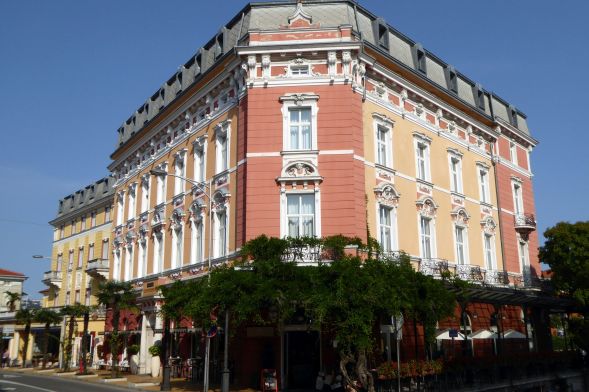
Opatijia was the vacation spot of choice for wealthy Viennese during the height of the Austro-Hungarian Empire.  Today, it attracts wealthy sun and water lovers from mostly Italy, across the Adriatic Sea.  In addition to the beautiful water, upscale shops, restaurants, and hotels keep the tourists coming back year after year.

P1210228.jpg

P1210210

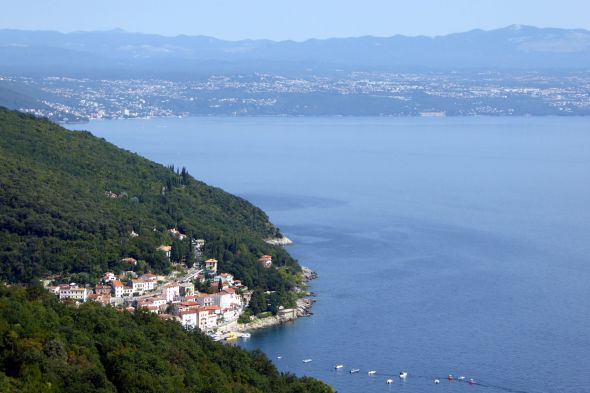
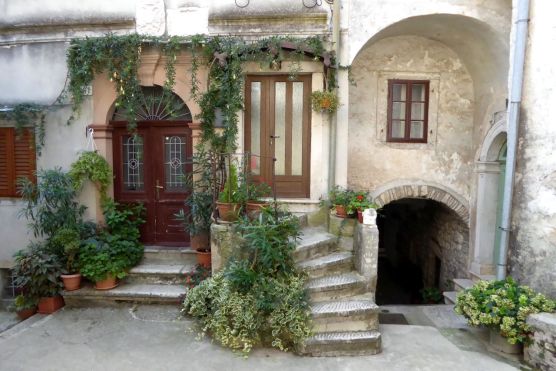
Next, we boarded the bus for a scenic tour of Opatija Riviera’s villages, including Monscenice, one of the oldest settlements in the region.  Dating back over 1,000 years, this was such a charming little village! Perched high up above the sea, the views from Monscenice were breathtaking.  Poking around every corner with my camera was a blast.  This is what travel photography is all about!  I was in my element exploring this tiny village of 100 residents!

P1210181.jpg

P1210150

P1210152

P1210175

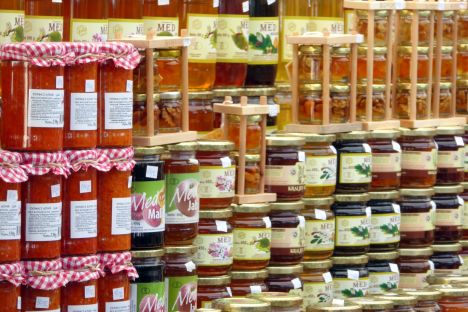
Included in our tour guided by a local expert was a visit to a 500-year-old olive mill where we learned how olive oil is made.  We also tasted a delicious assortment of local brandies and honey.

P1210197

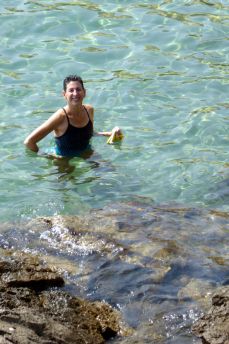
After returning to our hotel,  Bruce and I headed for the water where I had my first refreshing dip in the Adriatic Sea.  Known for visibility up to 200 feet, the 77-degree sea water was amazing to swim in.  I could see fish far up ahead with every stroke!  Swimming pools are never that clear!

P1210217

P1210220.jpg

P1210145

P1210215

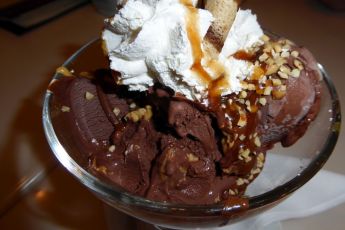
A full-on training session in the huge roped-off swim area built up my appetite, especially since we hadn’t eaten since breakfast, and it was now late afternoon.  Lunch wasn’t to be, though, because we (I!) had our heart set on walking up to the Kras chocolate and ice cream shop for an ice cream sundae!

P1210226

Kras is to Croatia as Ghiradelli is to the U.S.A; however, Kras’s chocolate, chocolate sauce, and chocolate ice cream are all tastier to me.  This was an unforgettable “lunch,” a gastronomical highlight of the trip!

To end the day before our group dinner, we attended an excellent lecture on everyday life in Croatia.  The talk was given by a retired professor, and we learned so many interesting things about the country.

For one, everything in the Croatian language (including names) revolves around nature.  The name for the month of April, for example, means “grass is growing” in the Croatian language.

We also learned that when communism ended, Croatia had a very difficult transition, economically.  A new government was formed from scratch, and they had to take on loans from other countries to rebuild the infrastructure.  Later, repaying those loans presented quite a financhial hardship.

An airline also needed to be established; so, over time, the country’s national airline was built up to a small fleet of fourteen airplanes, from just one.

Another challenge was that property that had been seized by the communists needed to be returned to their rightful owners.  It was a complicated mess!

We were pleasantly surprised to learn that medical care in the country is excellent—some of the best in the world.  Croatian doctors are well-educated and highly skilled.

Although medical care is “free,” it is paid for by the 16% taken out of each worker’s pay check.  Another 35% is deducted to pay for other government services.  As a result, the average Croatian takes home only about $1,000 per month salary, and half of that is spent on food.  This is quite a contrast to the 8% (on average) that Americans pays for food.

Since housing is relatively expensive, the typical married couple lives with one of their parents for nine years before they can afford to purchase their own house.

At least the benefits are good for working mothers.  A mother receives full salary after her child is born and is encouraged to stay home and bond with her baby for a full year.  The first month salary is paid by her company, and the remainder is paid by the 16% tax taken from each Croatian’s pay check.  If a mother has three children, she earns a full pension after 15 years of work.

Life in Croatia is slow and relaxed (so there aren’t many fast food restaurants in the country).  Due to this relaxed culture left over from the communist system, however, work productivity—and the economy—suffers.  A typical worker puts in only 5-1/2 hours of productive work in an eight-hour day.

The most common industries in Croatia are medicine/drugs, textiles, wood, furniture, and ship building, in addition to the 16% income earned from tourism (including medical tourism for inexpensive, top-quality surgeries).

Croatia has become the top destination in the world for small ship cruising, and Americans are increasingly choosing that option.  In 2017, only 50,000 Americans had visited the country; however, in the first half of 2018, 300,000 Americans had cruised Croatia.

What impressed me about Croatia was the country’s very low street crime rate, it has the 16th highest quality of life ranking (U.S.A. ranks 8th, and France is 1st), and it’s the 12th cleanest country in the world

A few fun facts:  Croatia also has the tallest people in the world and most Olympic medals per capita.  Here’s more:  torpedoes, neck ties, writing pens, miniskirts, and parachutes all originated in Croatia!

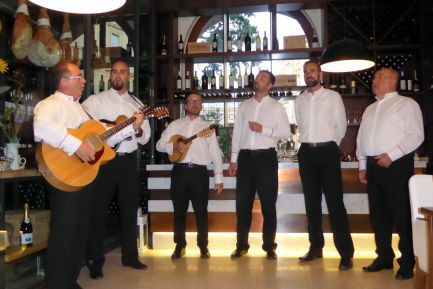
Those facts provided some interesting table conversation during our fabulous fish dinner, back at the hotel.  It was accompanied by a traditional performance of klapa singing by an excellent local group.

P1210241

P1210248

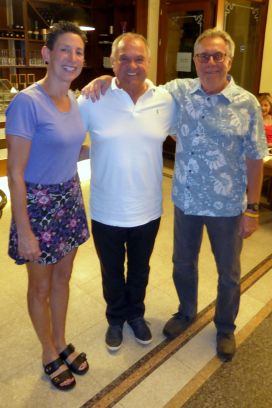
The night concluded bidding farewell to Zoran, our fabulous and friendly bus driver who had been with us since the beginning, but was due for his vacation.  The following day, we would take on our new driver and tour the Istrian Peninsula.