PERU #8: RAFTING THE URUBAMBA RIVER, EXPLORING OLLANTAYTAMBO INCA FORTRESS, AND A HOME-HOSTED LUNCH

When the Incas arrived in the Urubamba Valley in the 1100’s, they discovered a mild climate and fertile soil, which was conducive for growing fruits and vegetables.  As a result, they settled in the area, their civilization and culture grew, and the valley became their sacred land. 

As we floated down the Urubamba River, we learned about the Incas from our river guide while taking in the views of the surrounding Andes. We could see the terraces the Incas constructed entirely by hand to grow their food—terraces that are still used today.

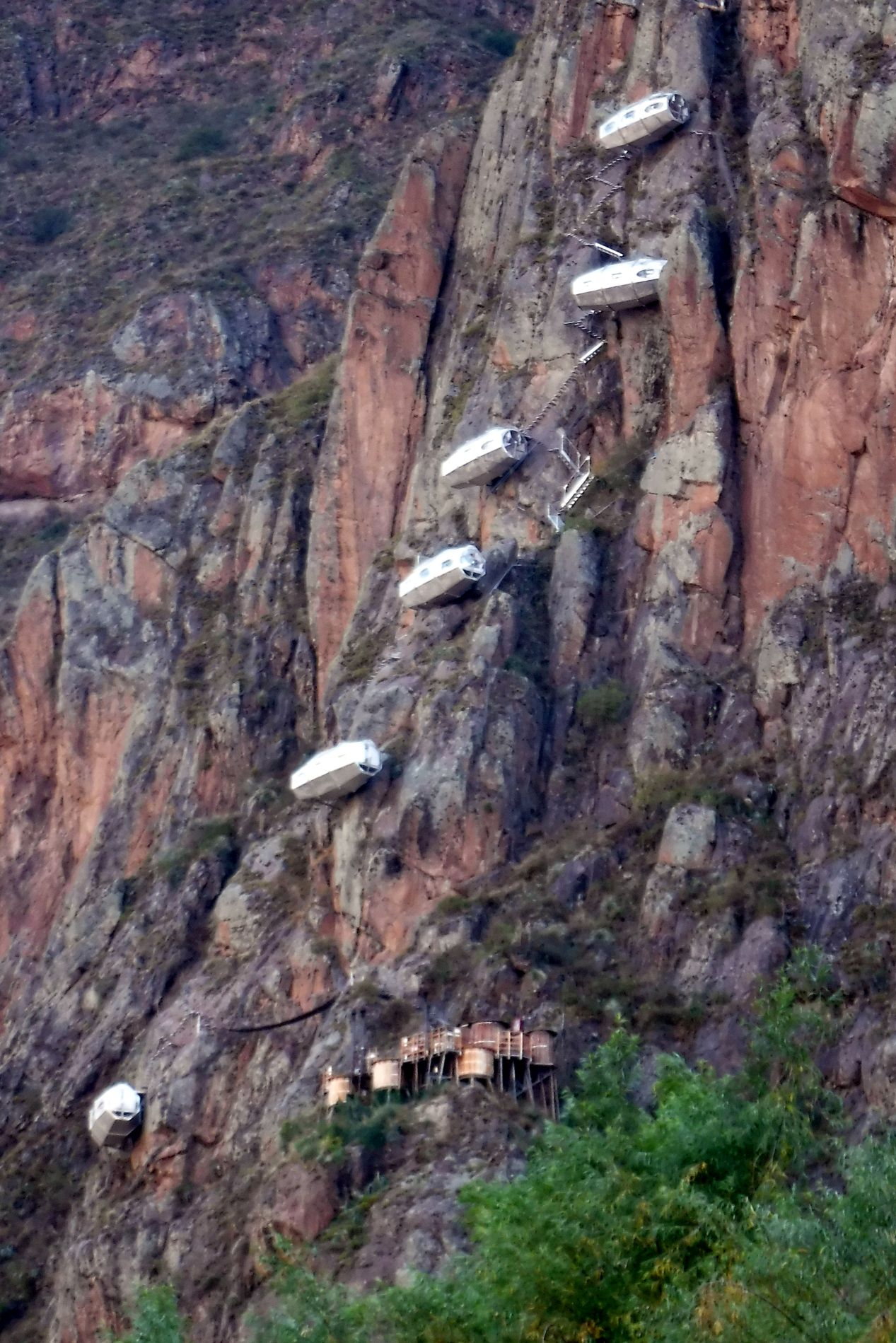
Those white structures hanging off the side of the mountain are hotel rooms for hikers!

It was a beautiful, sunny day, and the opportunity to be on the water brought joy to my heart!  Although we mostly floated, we had the opportunity to do some paddling over what was billed as “Class 1 Rapids.”  That may have been a bit of an exaggeration, but it was still fun!

Our group had split up into three boats, and each guide asked his paddlers to come up with a boat name.  I suggested “Buena Onda” for ours, which translates to “Good Vibes.”  It was the name Andrea, our Argentina & Chile tour leader, gave to our tour group when we traveled with her back in March.  One of the other boats was “Pisco Sour,” named after the favorite regional cocktail, and the other was the “Titanic,”—fitting considering they grounded into some rocks on their way down the river.  Fortunately, they fared better than their namesake; at least they didn’t sink.

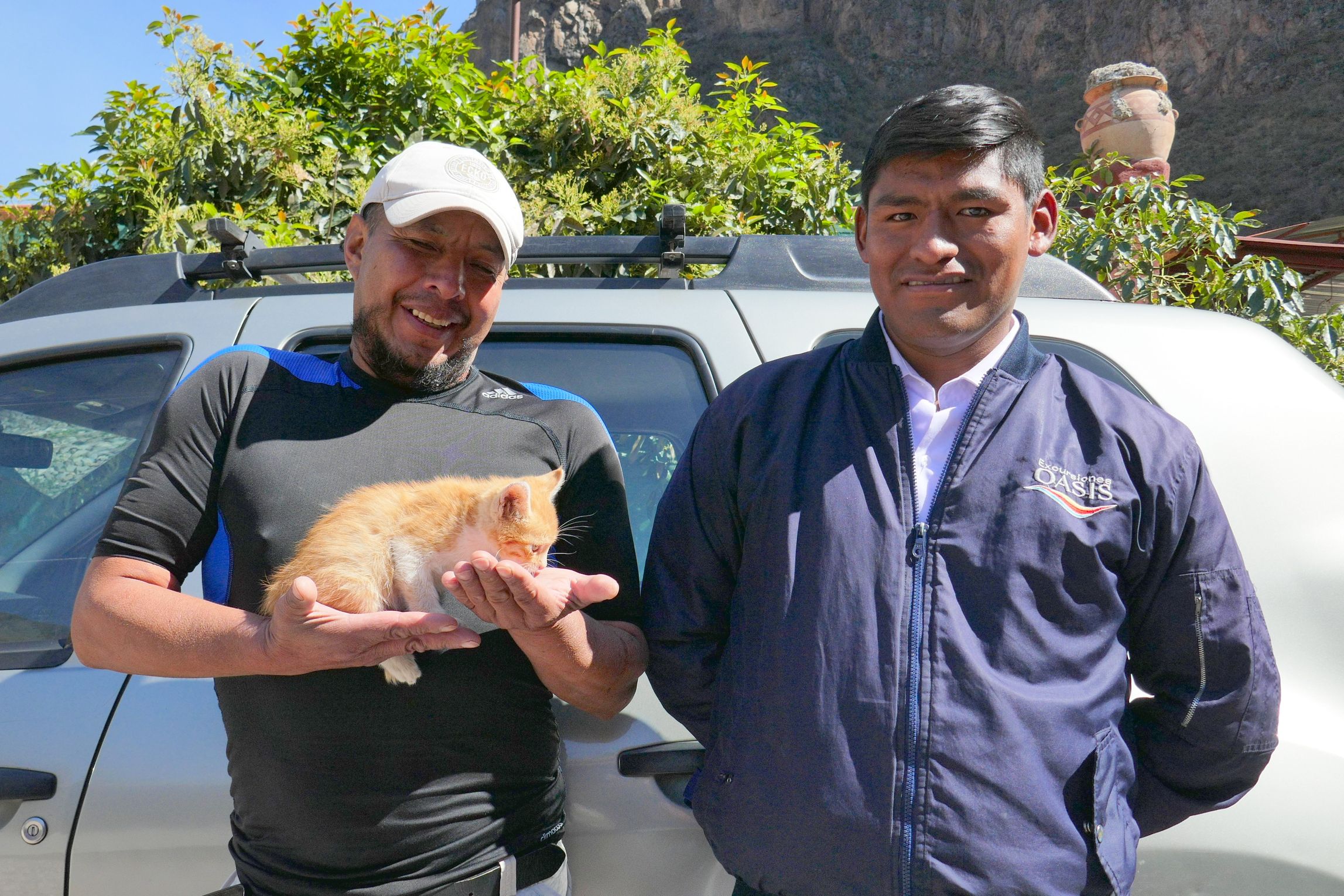
After our float trip, we stopped at the rafting company’s facility to change into dry clothes. Evidently, they like cats, because they constructed this fabulous cat lodge for them!
Our rafting guide and bus driver with a new friend.

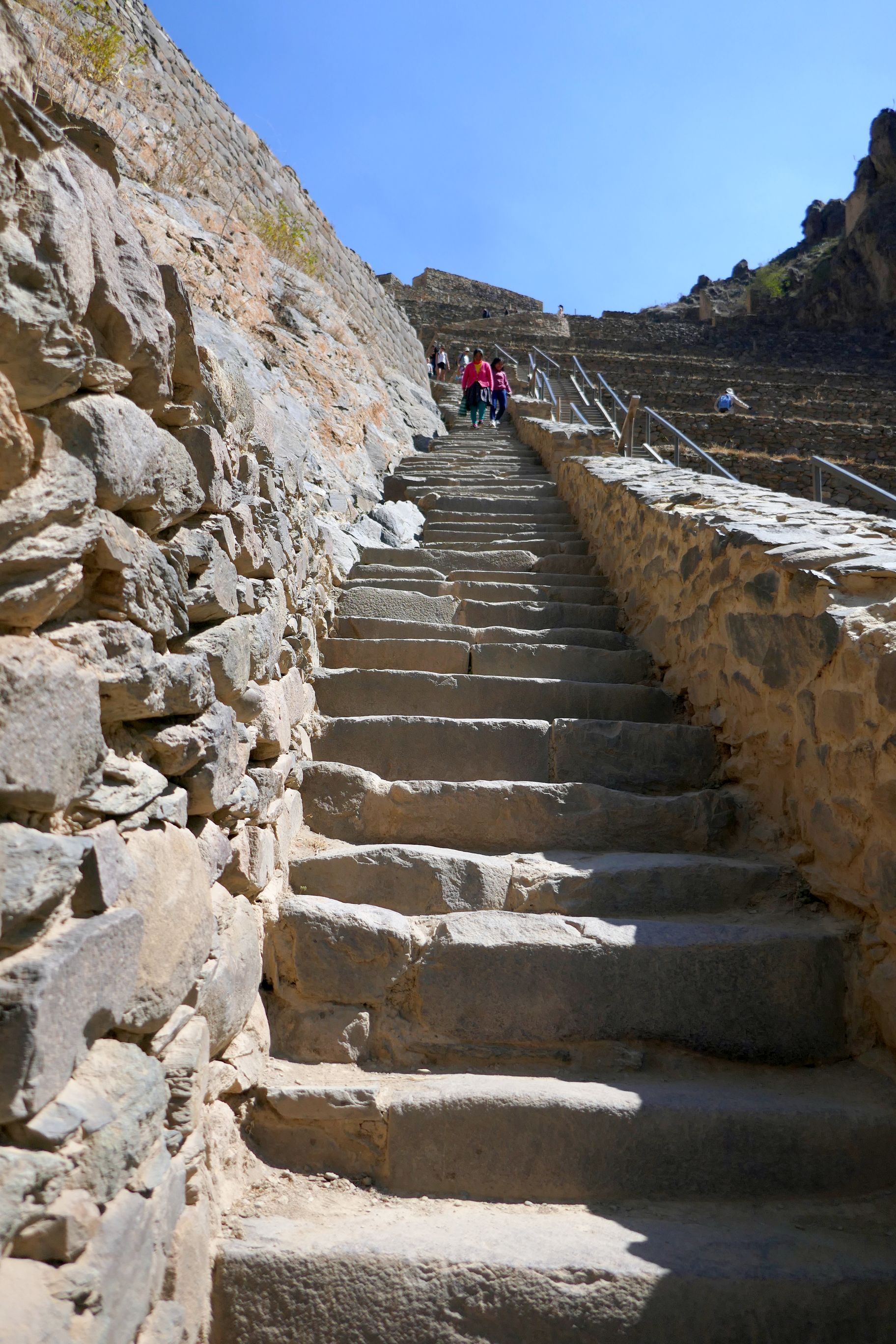
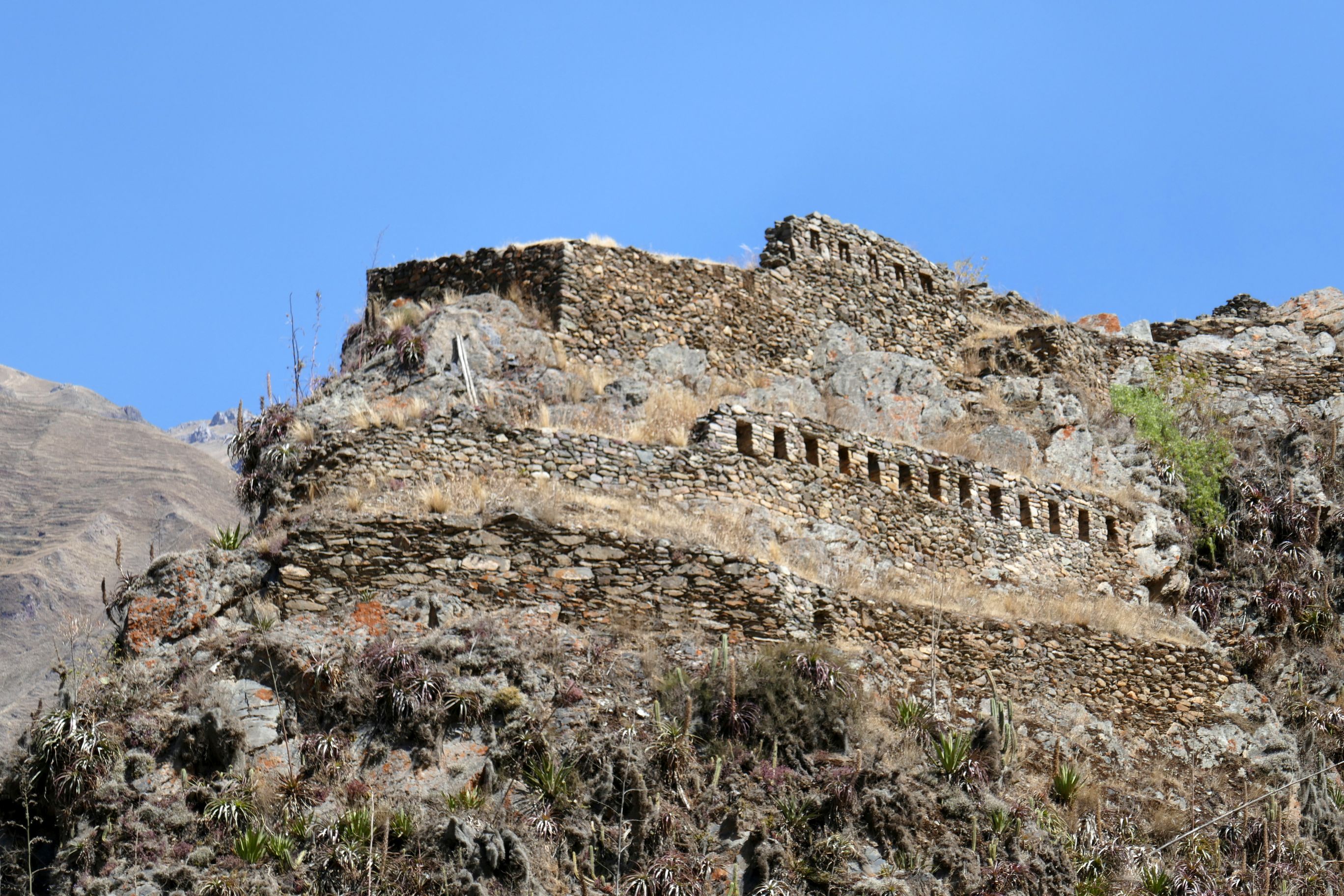
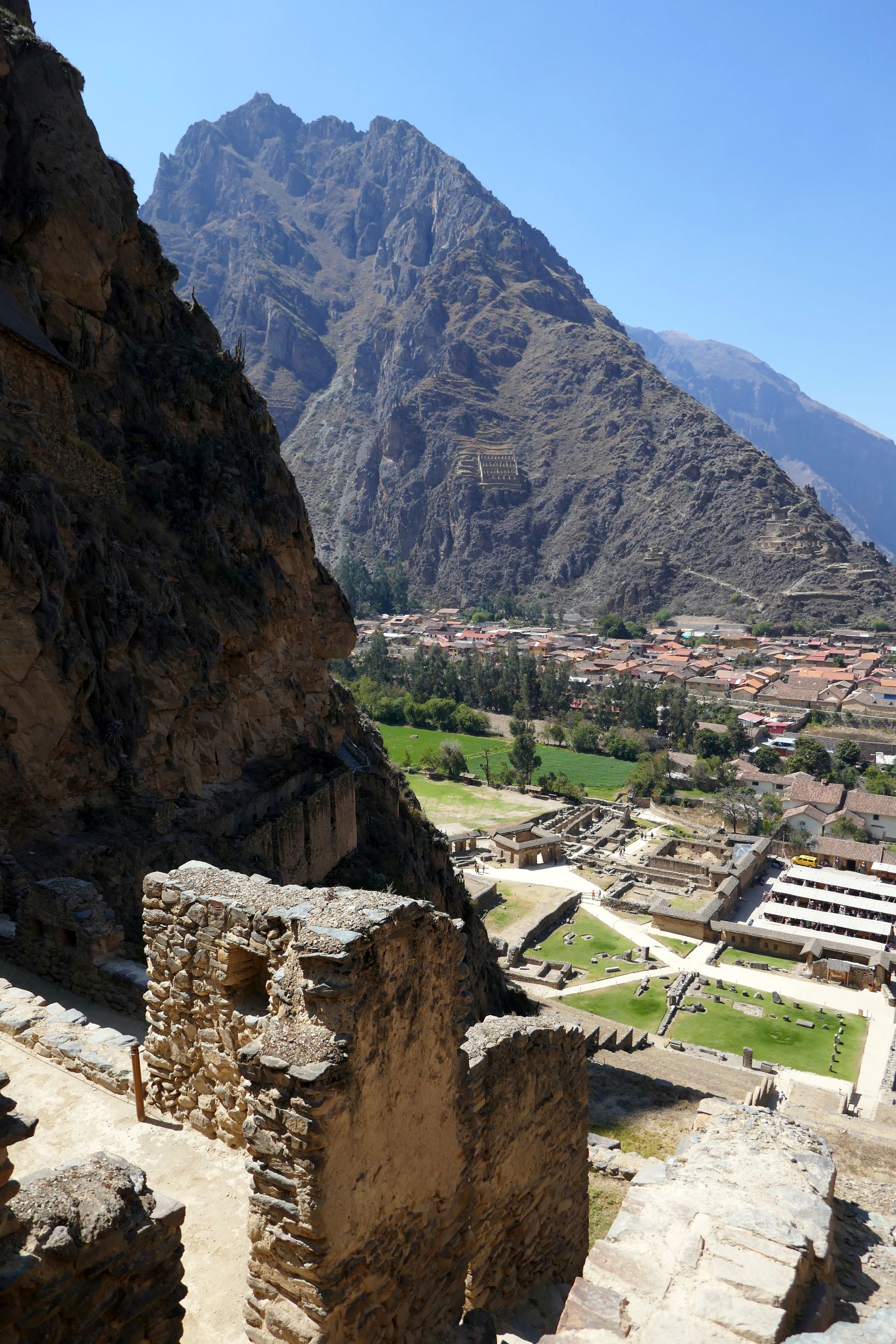
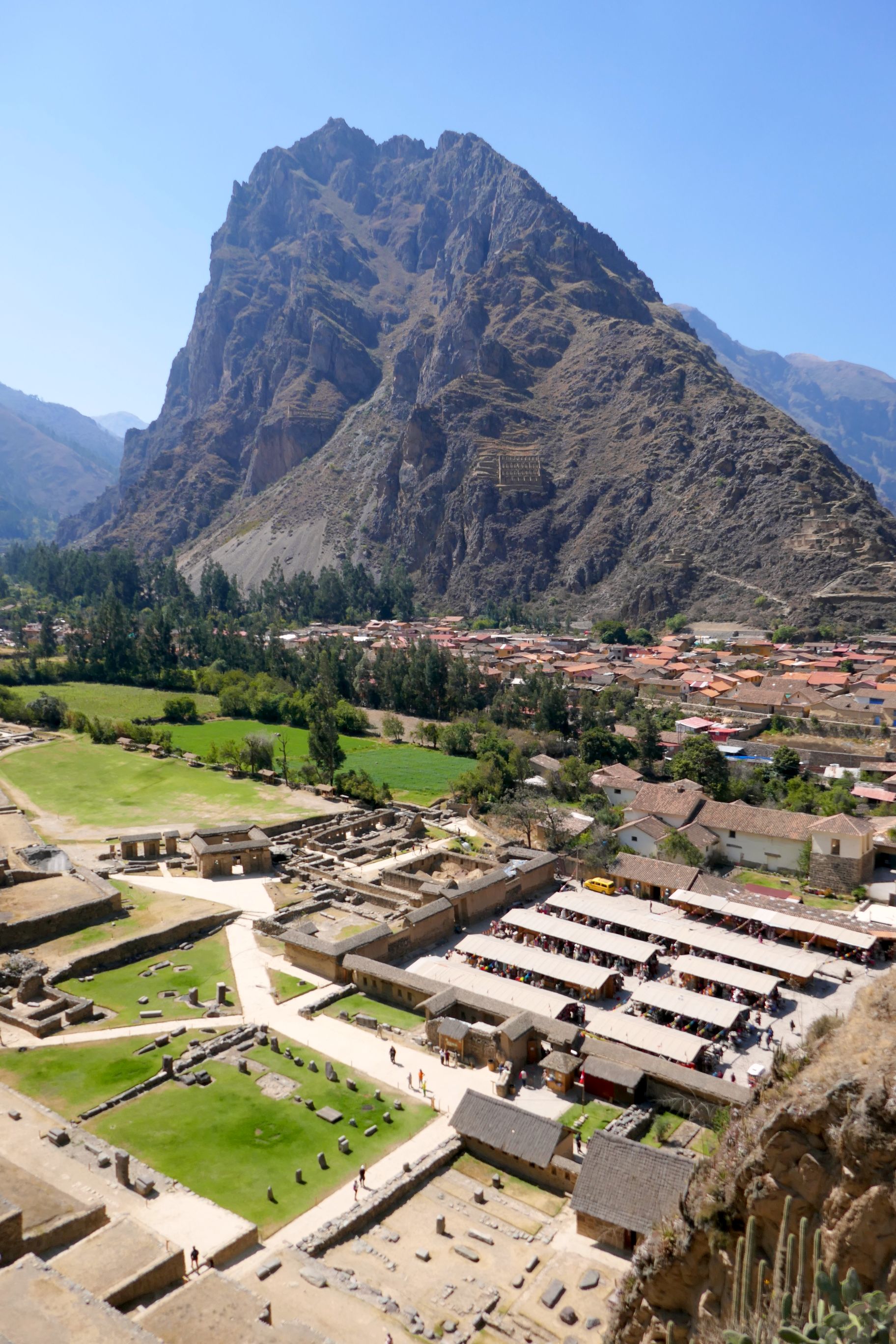
Paddling on the river was followed by hiking at the Ollantaytambo Inca Fortress— just my kind of day!  Our entire Peru tour was rated a 4 out of 5 for its “moderately strenuous” level of activity and high altitude, which was perfect for me.  I looked forward to hiking around these and the other ruins we visited throughout our tour, even if the air was thin.  As a competitive swimmer, I was aerobically fit and I had also prepared by walking fast laps and running stairs while wearing a KN95 mask after my swim workouts.  This was a great opportunity to test my fitness.

The spectacular views!  We were fortunate to have another sunny day, and the views from the top of the ruins were beautiful!  There were only a couple of us from our group that ventured up to the top, so we took turns taking a celebratory photo and stood in awe of what surrounded us.

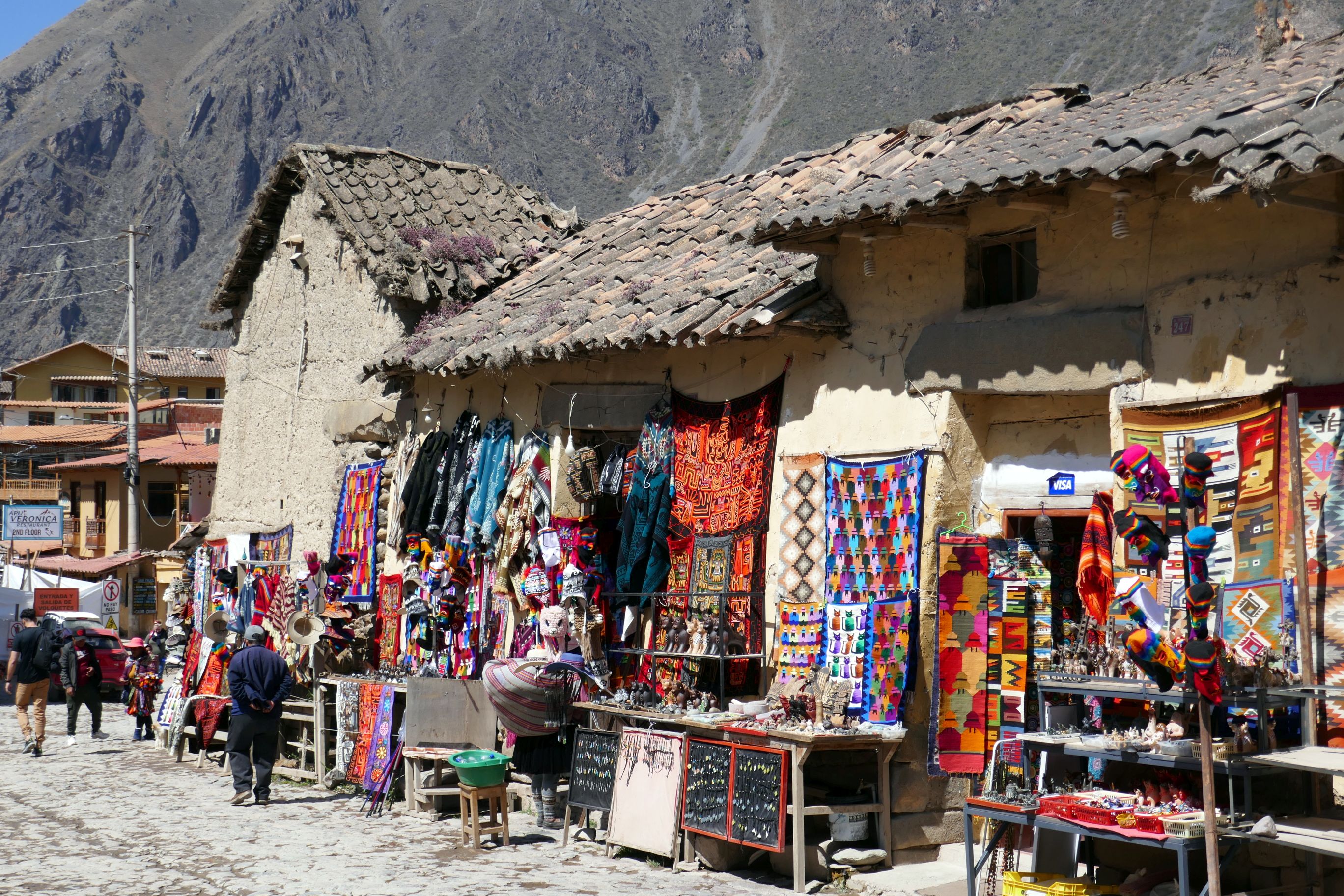
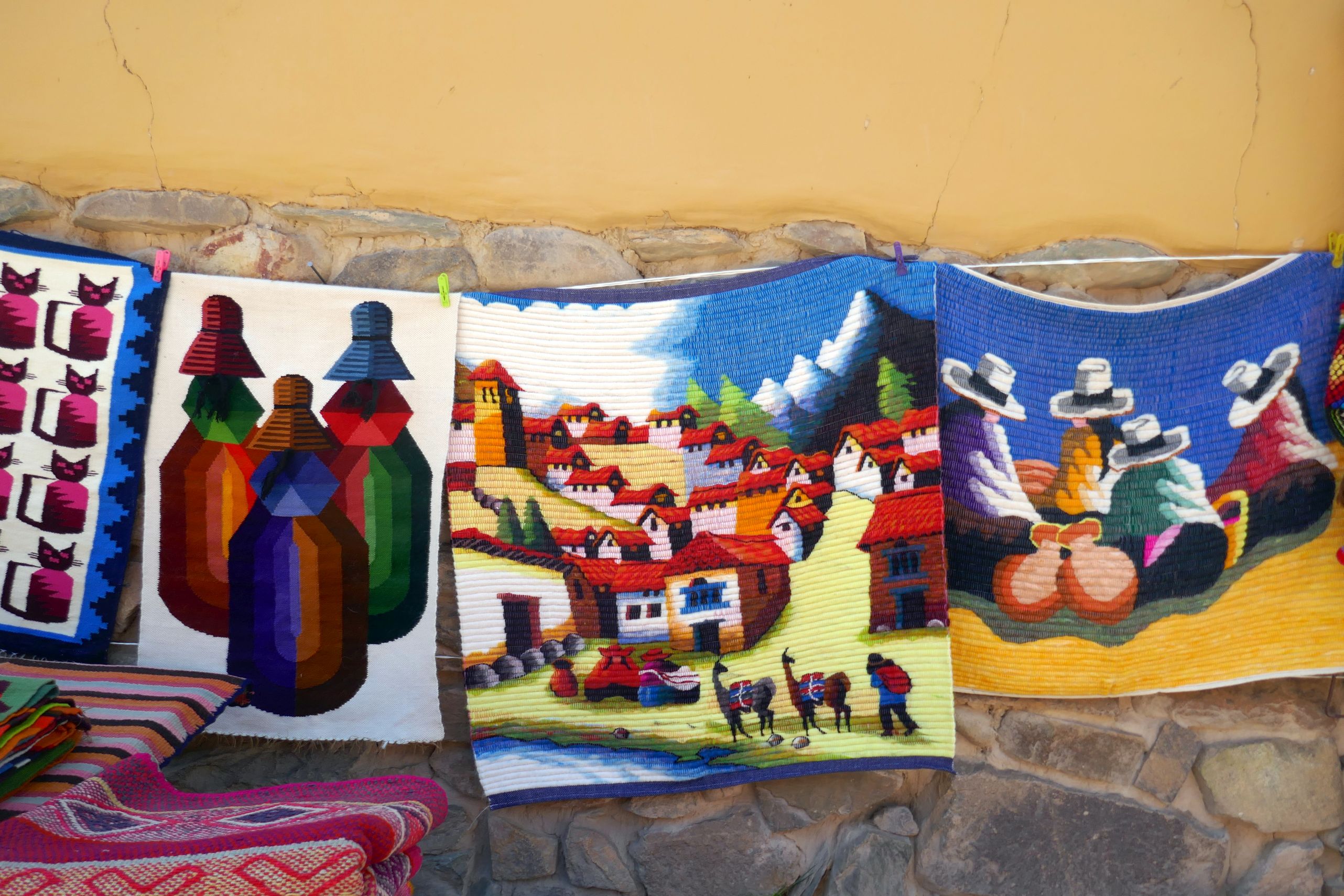
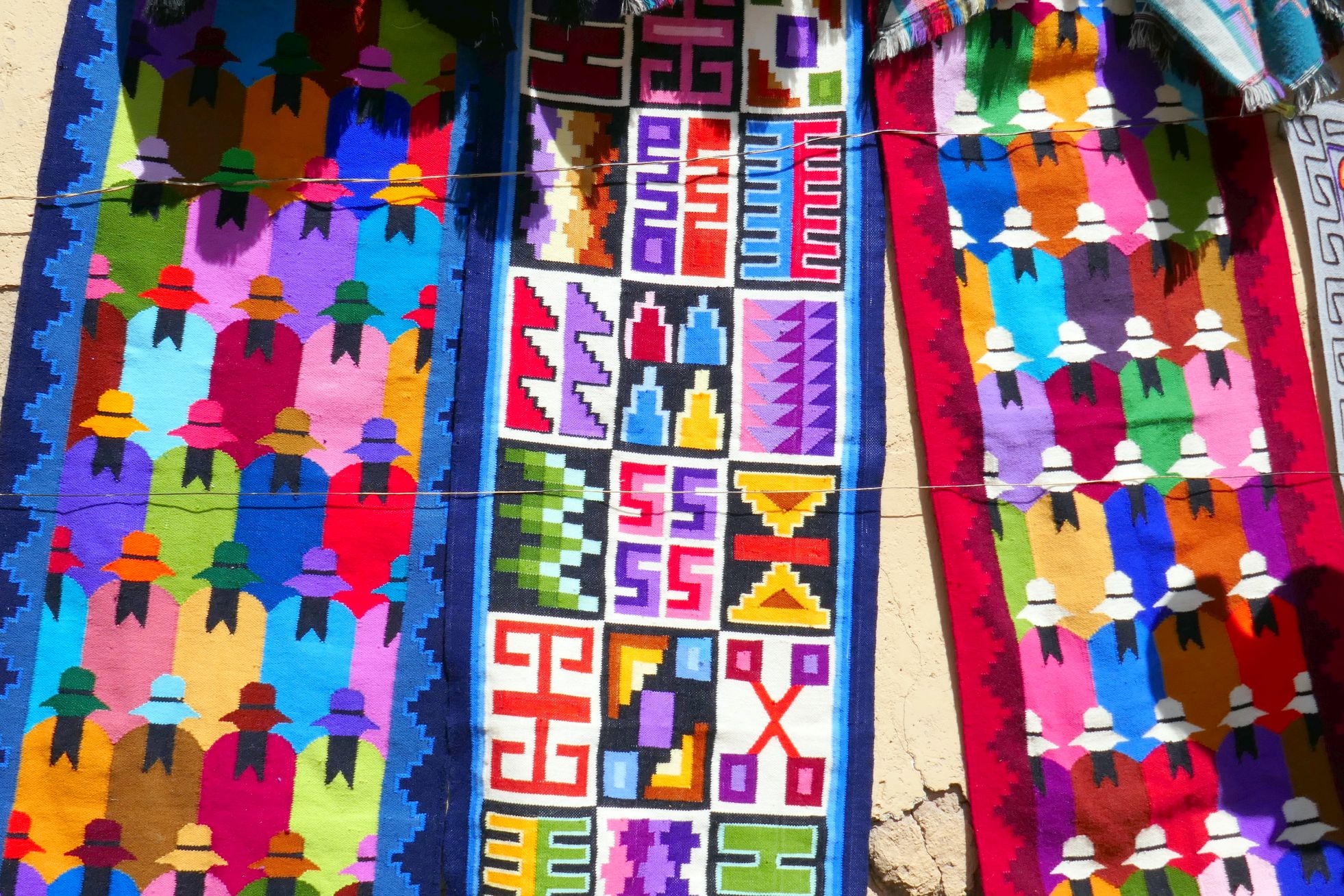
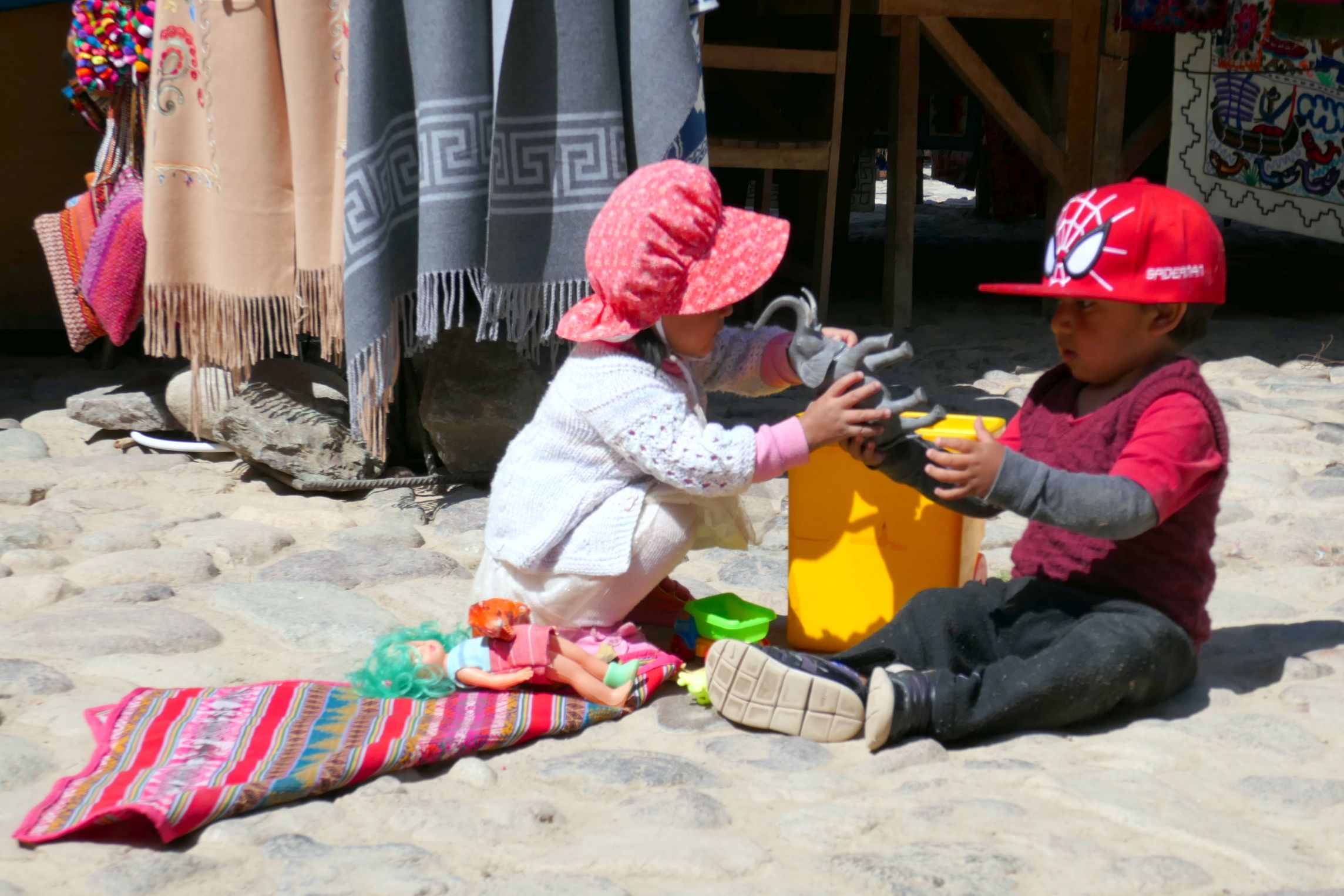
Back at the foot of the ruins and outside the walls of the national park was a craft market, so I spent the remainder of my free time roaming around shooting photos, while Bruce explored the lower area of the ruins with Raul and a few members from our group.

I’m not a shopper at home, but I love to see the native handicrafts in each country I visit, especially the colorful textiles in Central and South America.  They are so photogenic!

Although our day had already been so full of rich culture, history, and excitement, we still had our home-hosted lunch to attend!  This is always a favorite activity on an Overseas Adventure Travel (OAT) tour, so we looked forward to it.  Usually, the group is split up to visit three different homes in smaller group settings; however, that wasn’t possible for this tour due to the lack of available hosts.  Instead, we all went to visit the same family at a home with a large enough room to host the entire group. 
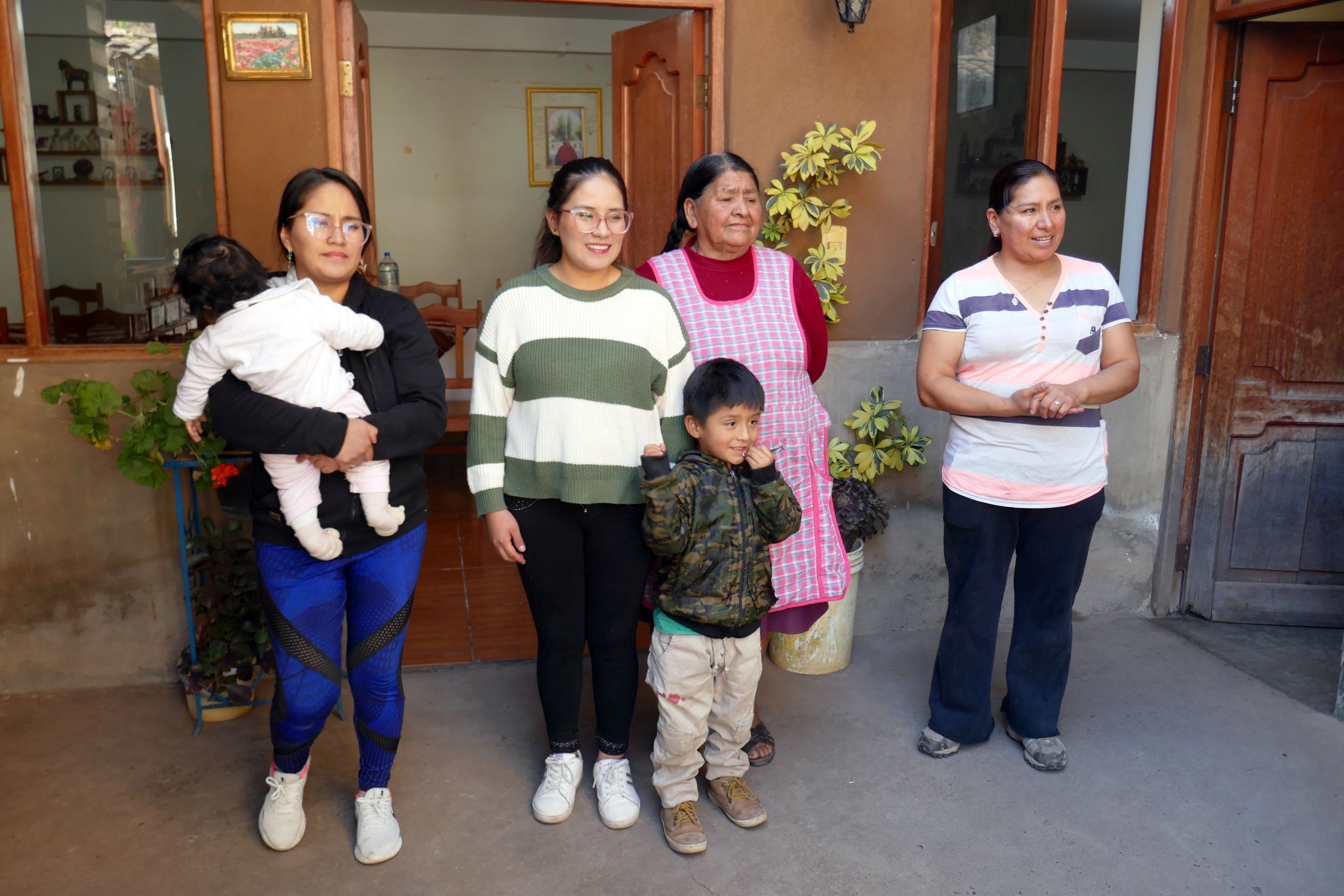
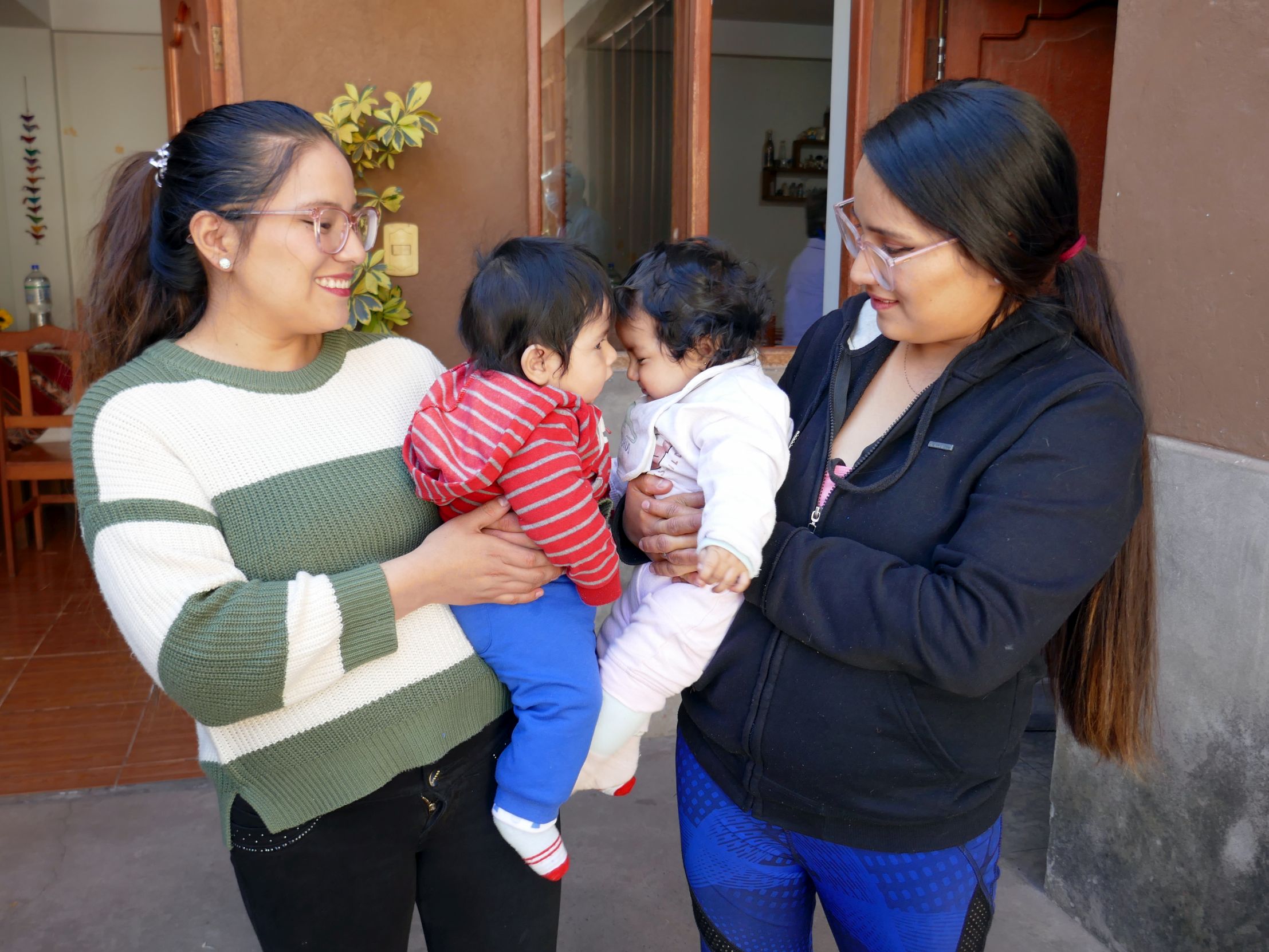
After meeting the great grandmother, mother, daughters, and great-grandchildren, we assisted with meal preparation and setting the table.  In their home, the kitchen is used for all meal preparation except for the cooking which is done outdoors.

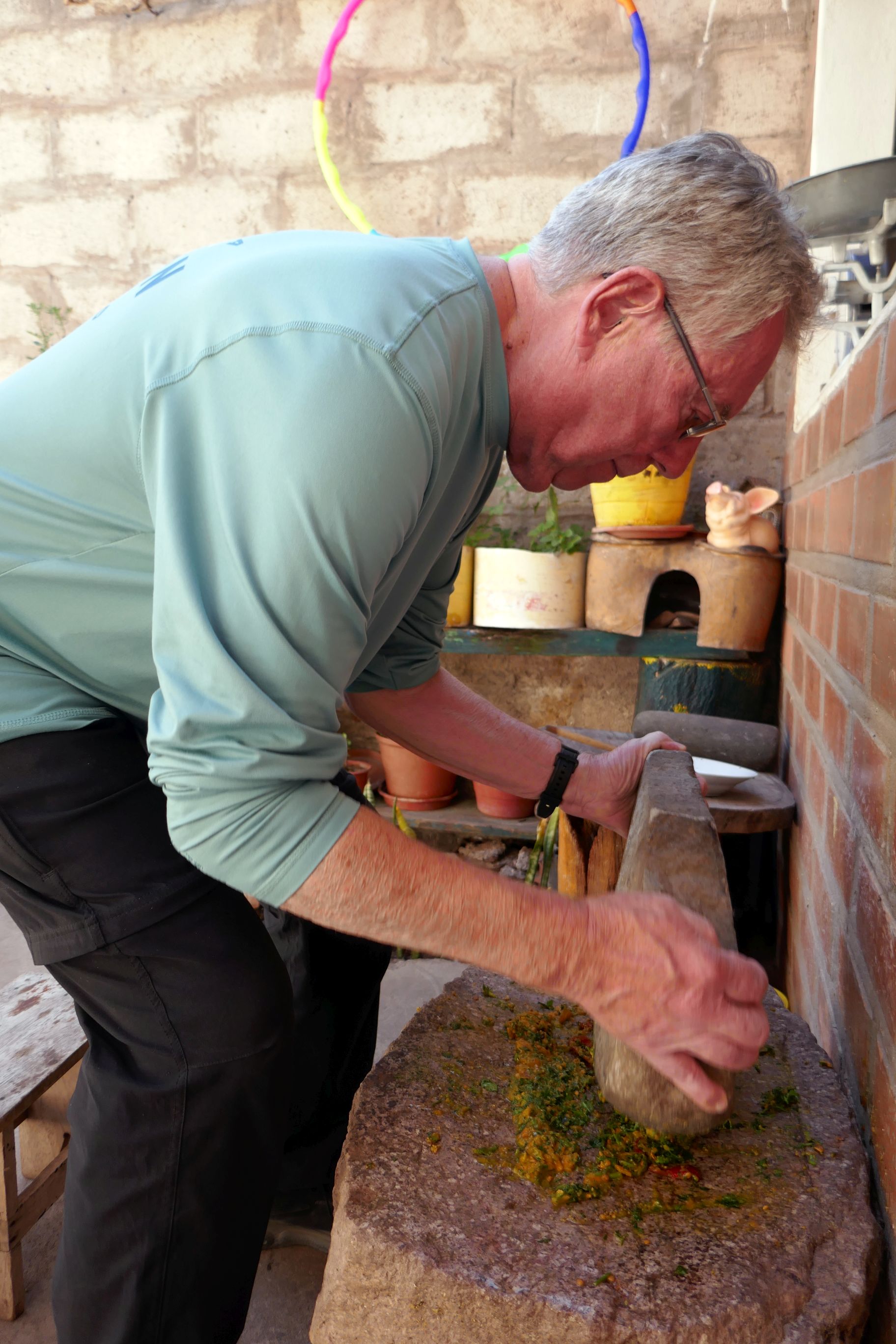
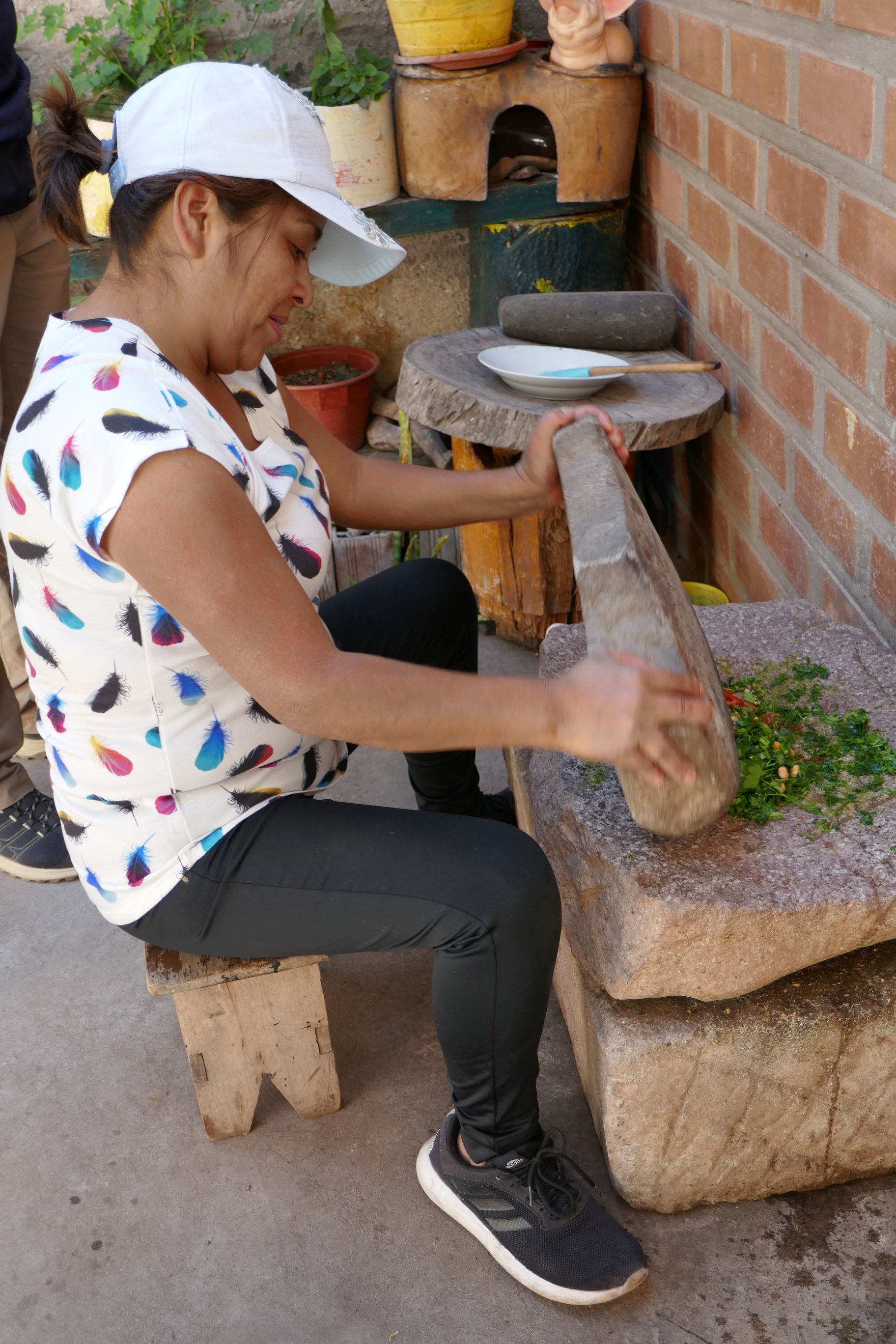
The salsa was also prepared outdoors the old-fashioned way, using a rock to chop the ingredients.  We took turns giving it a good whack.
Lunch included tasty juice made from black corn, cinnamon, cloves, sugar and key lime.  We also had squash soup, delicious vegetable filled tortillas, and guinea pig.  Bruce and I gladly offered our shares of guinea pig to Raul. He loves the Peruvian delicacy; we preferred the tortillas and everything else.

After we all bid farewell to the family by presenting them with gifts we had each brought from home, we had one more stop to make before returning to the Villa Urubamba Hotel for a rest before our group dinner. 

The granddaughters showing off the new fused glass earrings Bruce had made and given them.

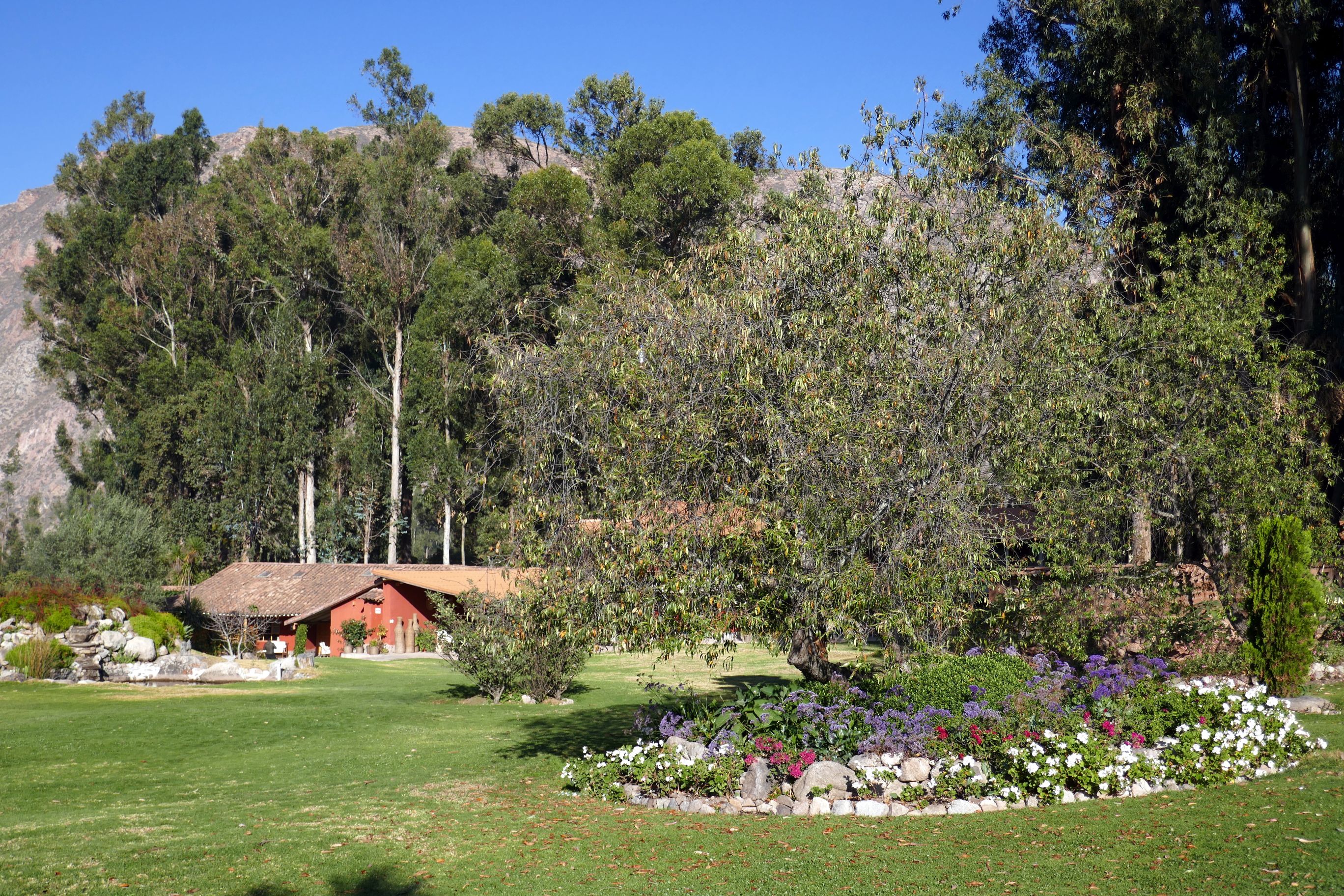
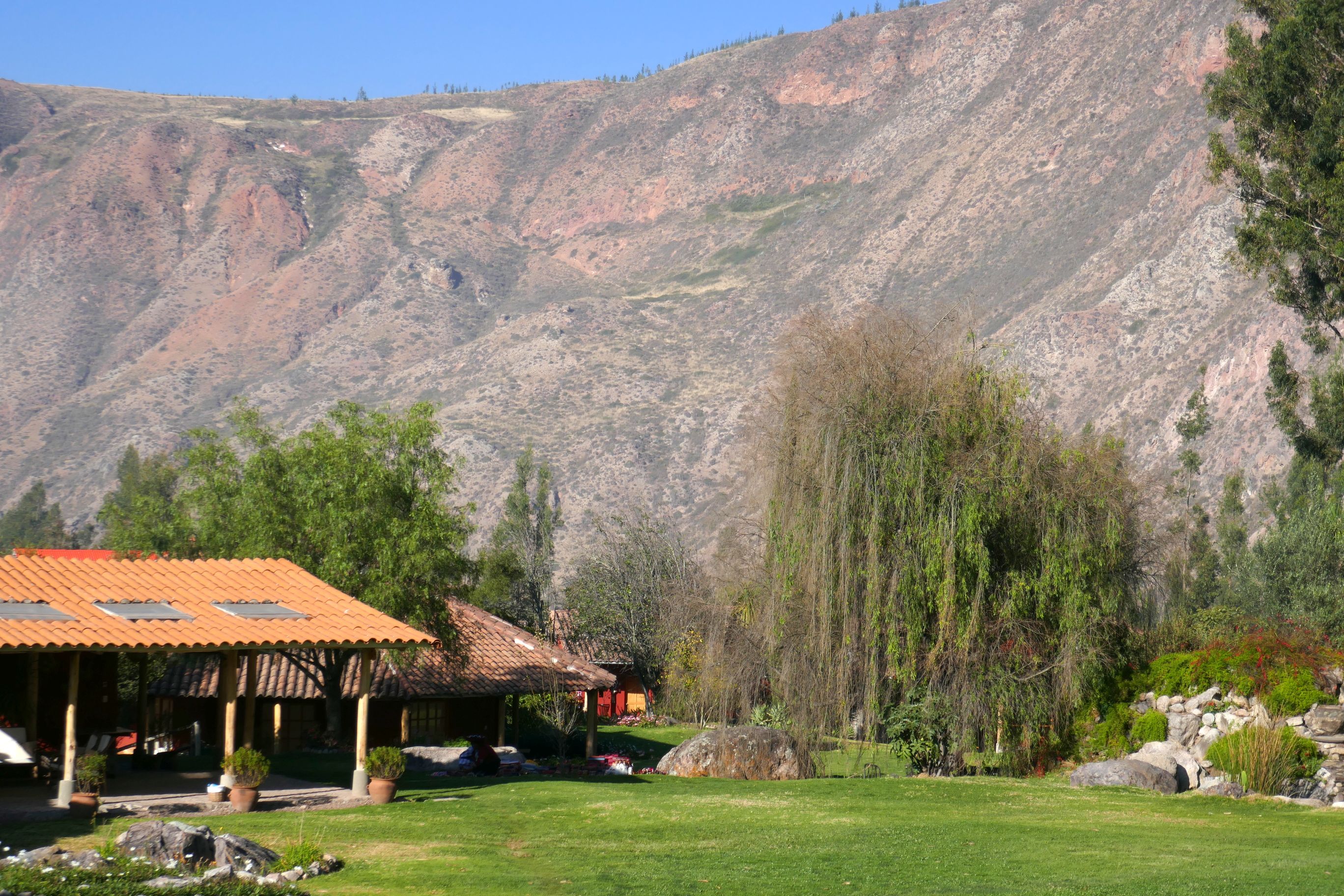
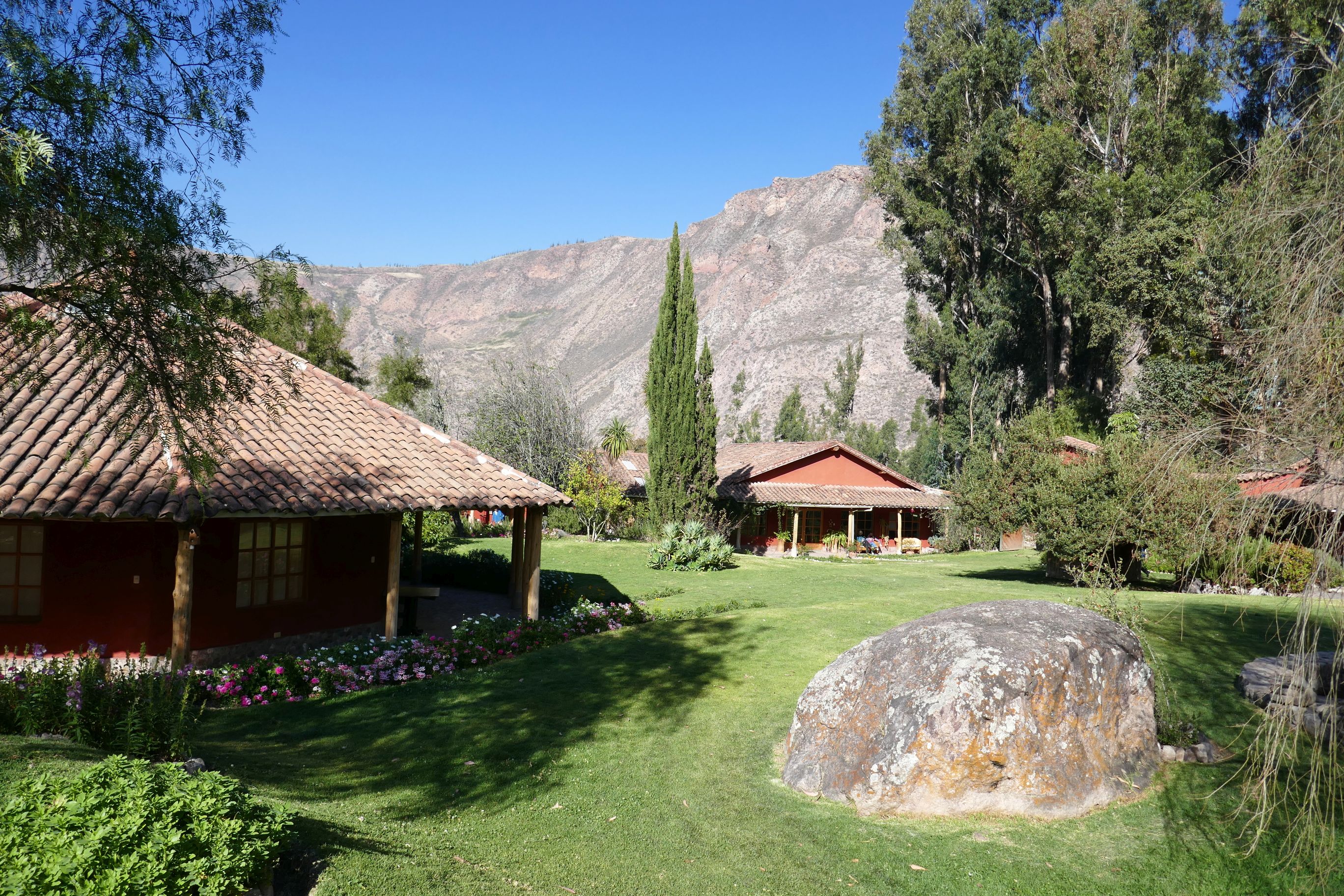
Another activity OAT includes on each tour is meeting with a local for a presentation and question/ answer period on the designated “Controversial Topic.”  In Peru, it’s the coca leaf industry, which will be the topic of my next post.  Until then, here are scenes photographed on the grounds of the hotel:
Displayed on the wall of our room; they made me smile!
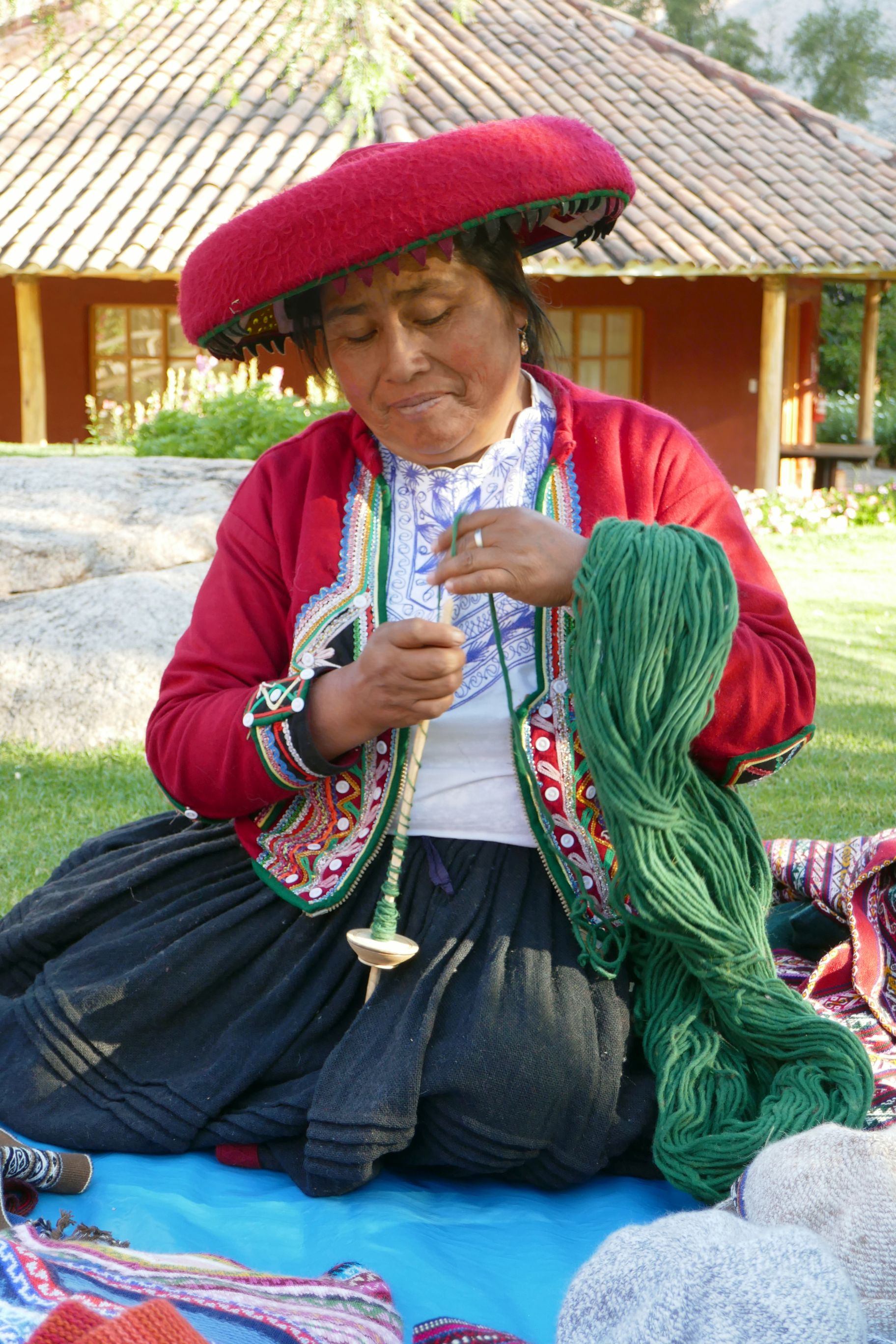
A woman from the area came to the hotel grounds to sell her handicrafts. Here, she is spinning wool the old fashioned way.
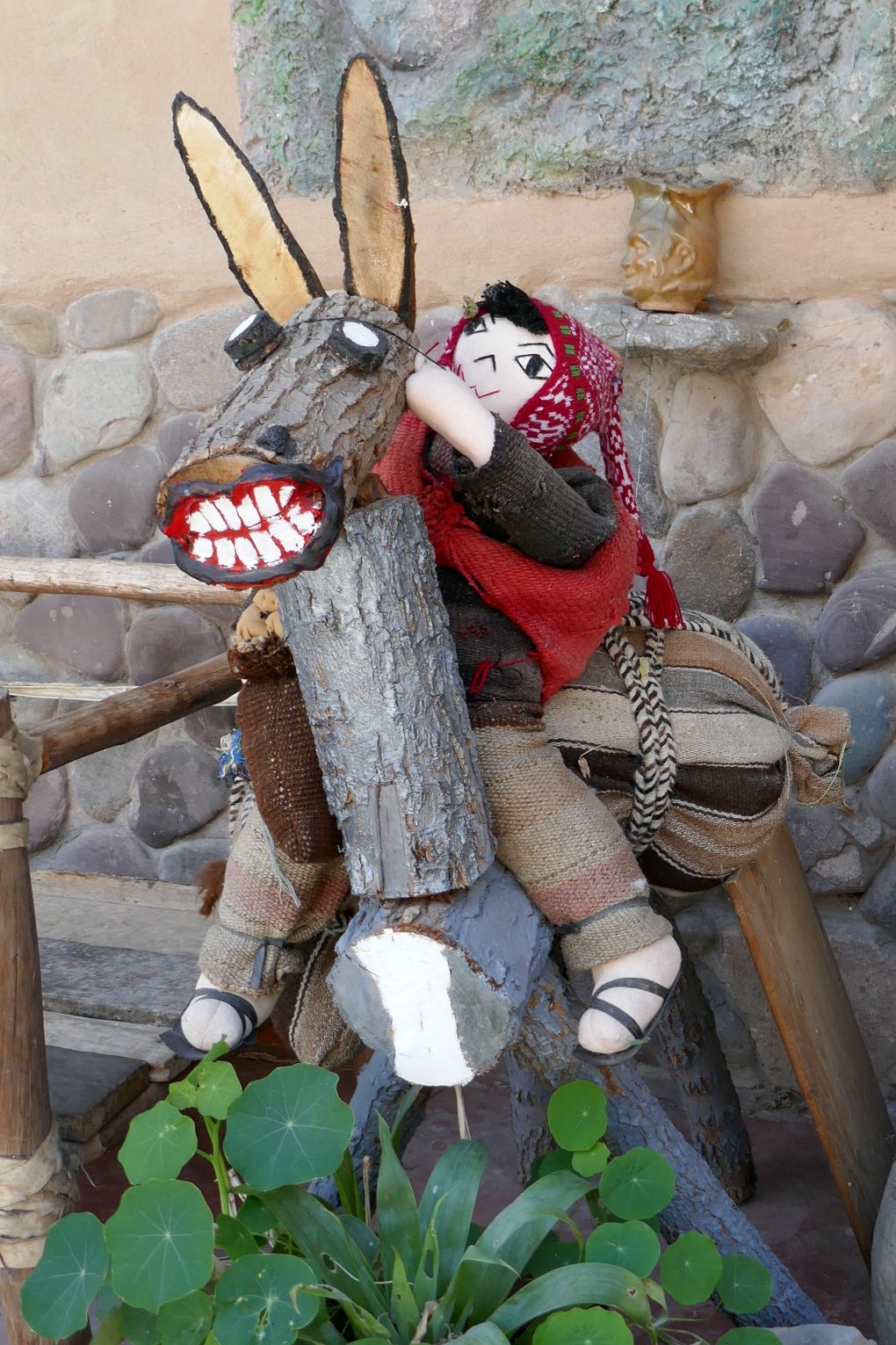
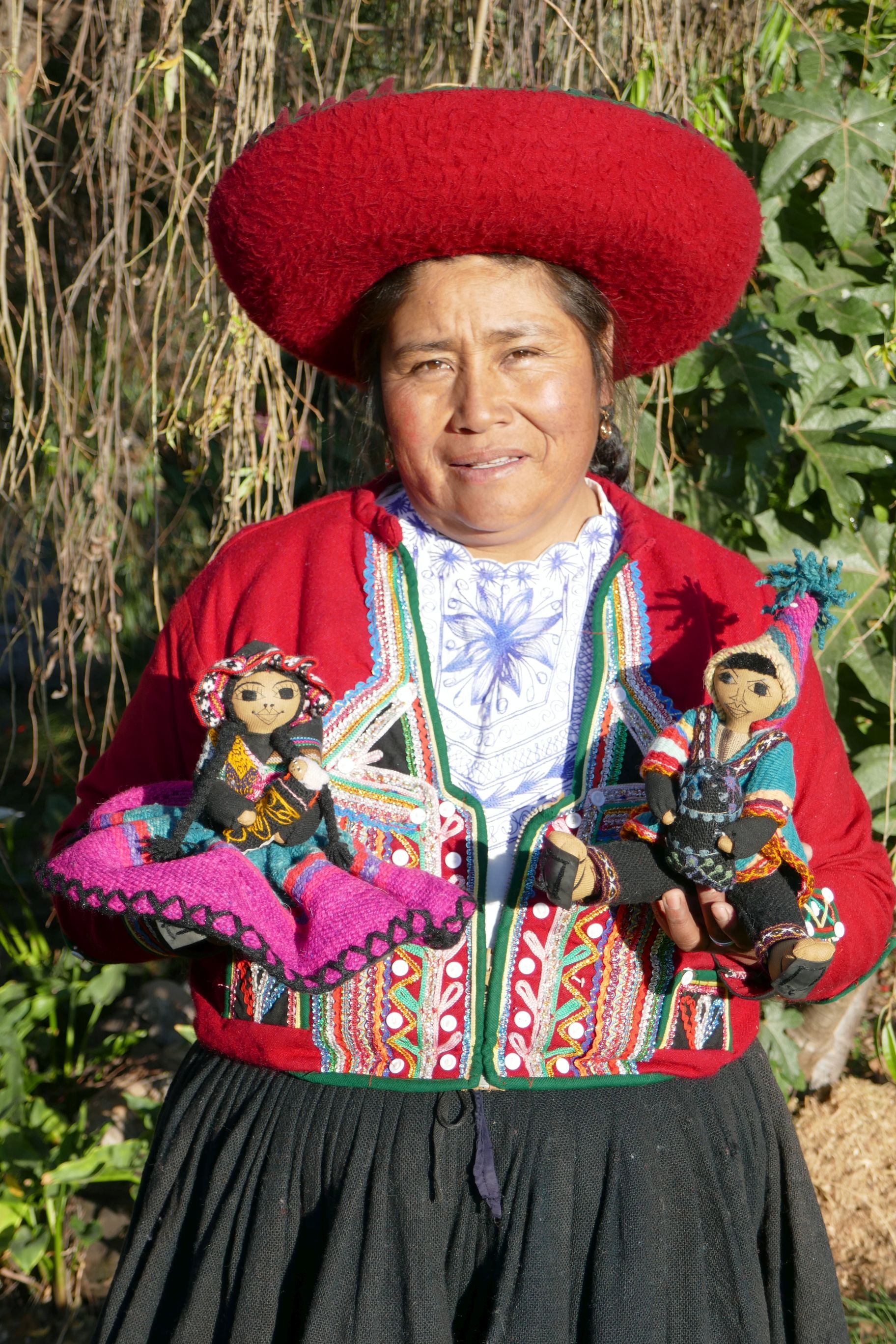
She made these dolls and the beautiful costumes they are wearing. I couldn’t resist; I bought the pair, and they sit on our fireplace mantle– Bruce’s recommendation!

Next up:  PERU #9: THE CONTROVERSIAL COCA LEAF INDUSTRY
PERU #7: THE SACRED VALLEY SURPRISE & PISAC RUINS

Our time in Lima turned out to be so much more enjoyable than we expected, and we knew it was only going to get better from there—assuming we could adapt to the dramatically increased altitude we were about to experience.  Altitude sickness could hit anybody, no matter how fit and healthy you are.  The only thing we could do is stay very hydrated, abstain from alcohol, and follow the other medical recommendations I had researched.  Not only would we be seeing Machu Picchu on this tour, but we would be visiting other ruins and towns at even higher altitudes, so it was important to stay disciplined. 

Seeing these high-altitude destinations requires flying into Cusco, which is at an elevation of 11,200 feet—quite an increase from sea level!  We would be returning to stay in Cusco at the end of our tour, but on this day, our final destination was Urubamba (elevation 9,420 feet), in the Sacred Valley of the Incas.  Sleeping at a lower elevation was the recommended way to ease our transition to the high altitudes of the Andes, so Overseas Adventure Travel (OAT) planned the itinerary perfectly.

Before arriving in Urubamba, however, we would be making stops along the way to see Inca ruins.  At one point, we encountered a blocked road full of people– something we had not expected given the sparse population of the area.  We saw a crowd and wondered what had happened.  Nothing happened; it was another parade!  After encountering a surprise parade in Lima, we never thought it would happen again, but it did; and it was fabulous!

(For all photos, click on the image for a full screen view.)

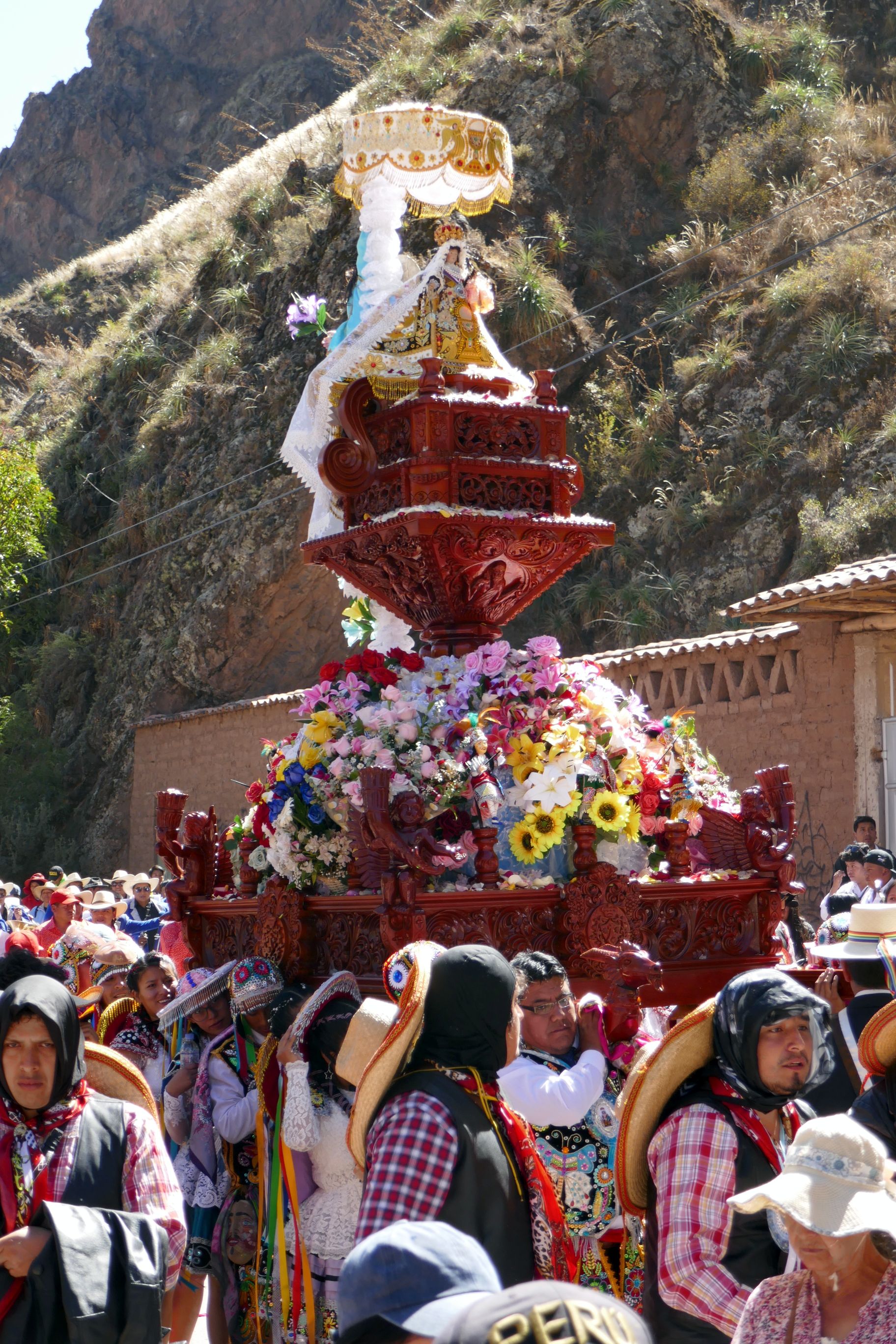
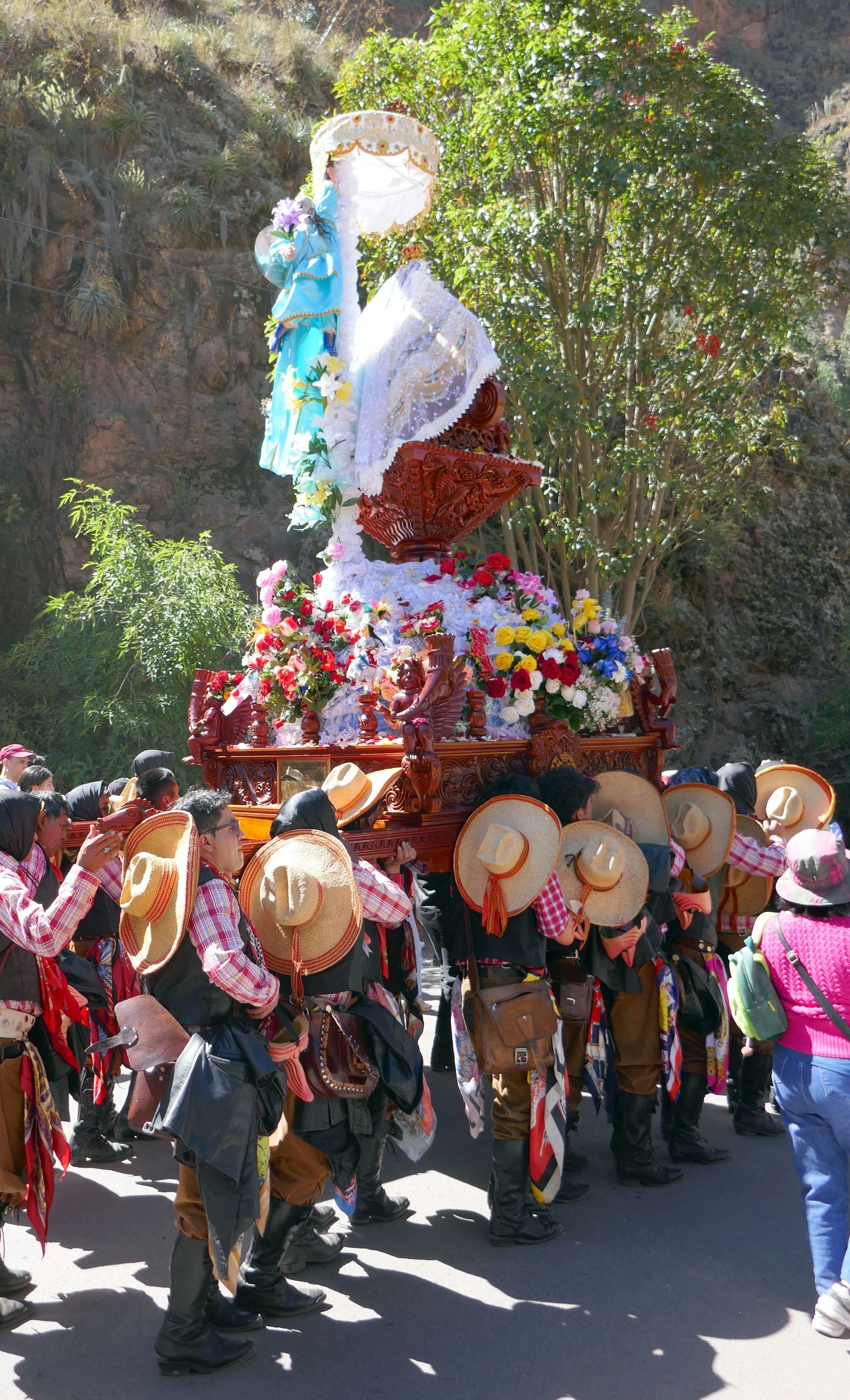
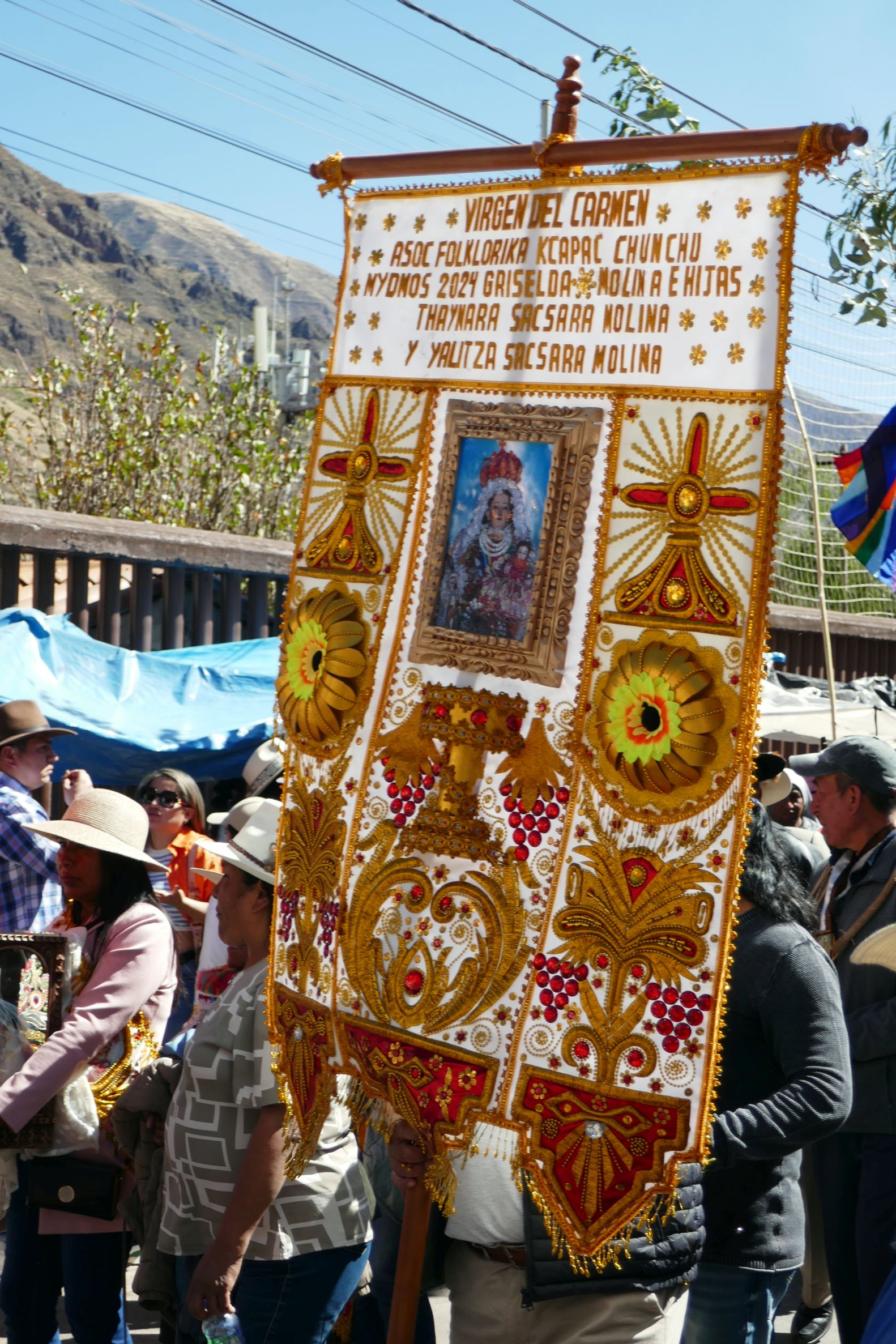
The parade and festival was celebrating Virgen del Carmen, an annual celebration that draws thousands of Peruvians and tourists to Pisac .  Raul, of course, knew all about it, but he wanted to surprise us.  He was hoping our timing would be right for the parade, and it was spot-on.   Encouraging us to jump out of the bus and join in on the fun, I didn’t hesitate.  I grabbed my camera and told Bruce I would meet him at the end of the route where the bus would catch up to us.  It was too crowded and chaotic to stick together, and the bus wasn’t going anywhere until the parade concluded.  So, if you can’t beat ‘em, join ‘em!  And that we did!

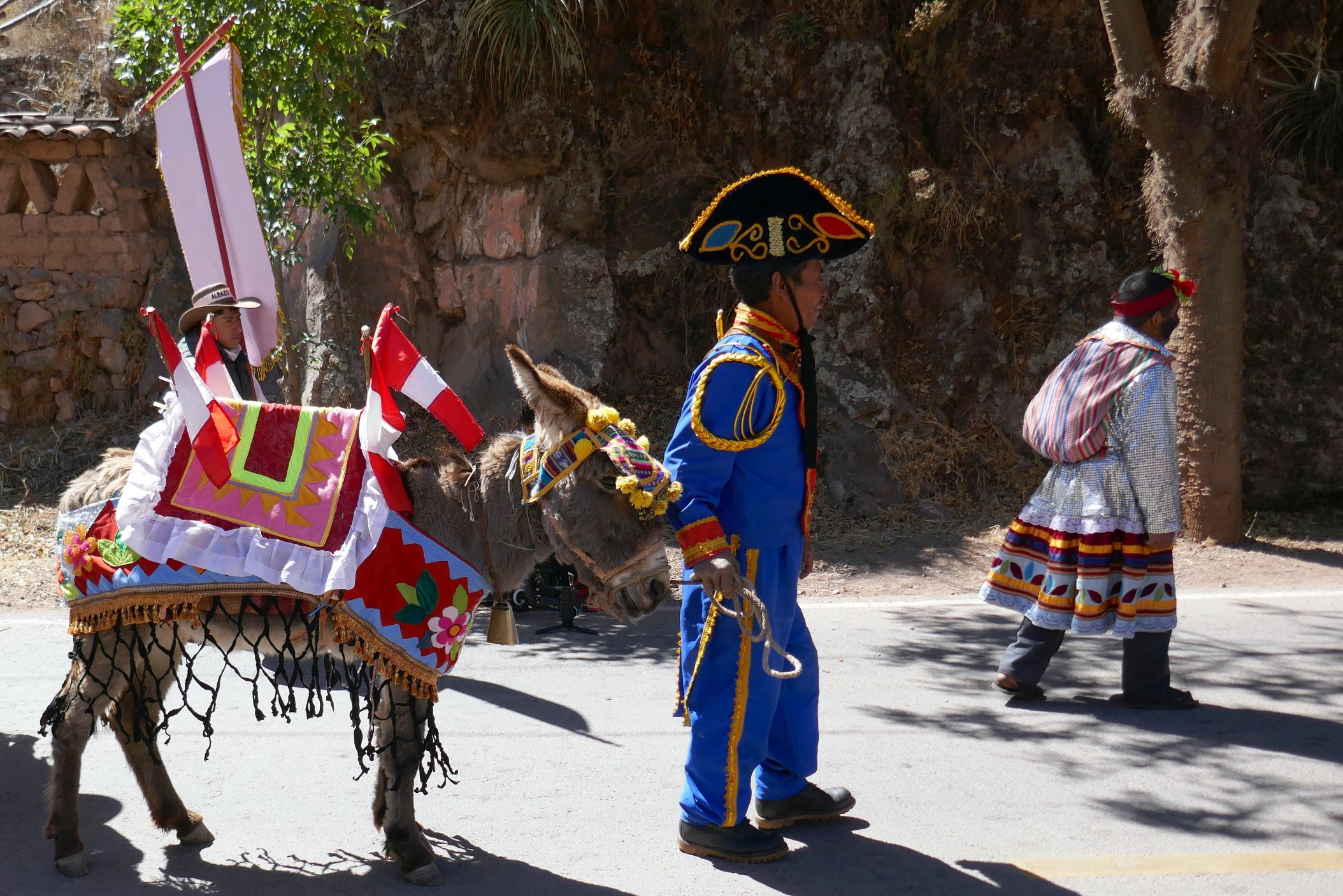
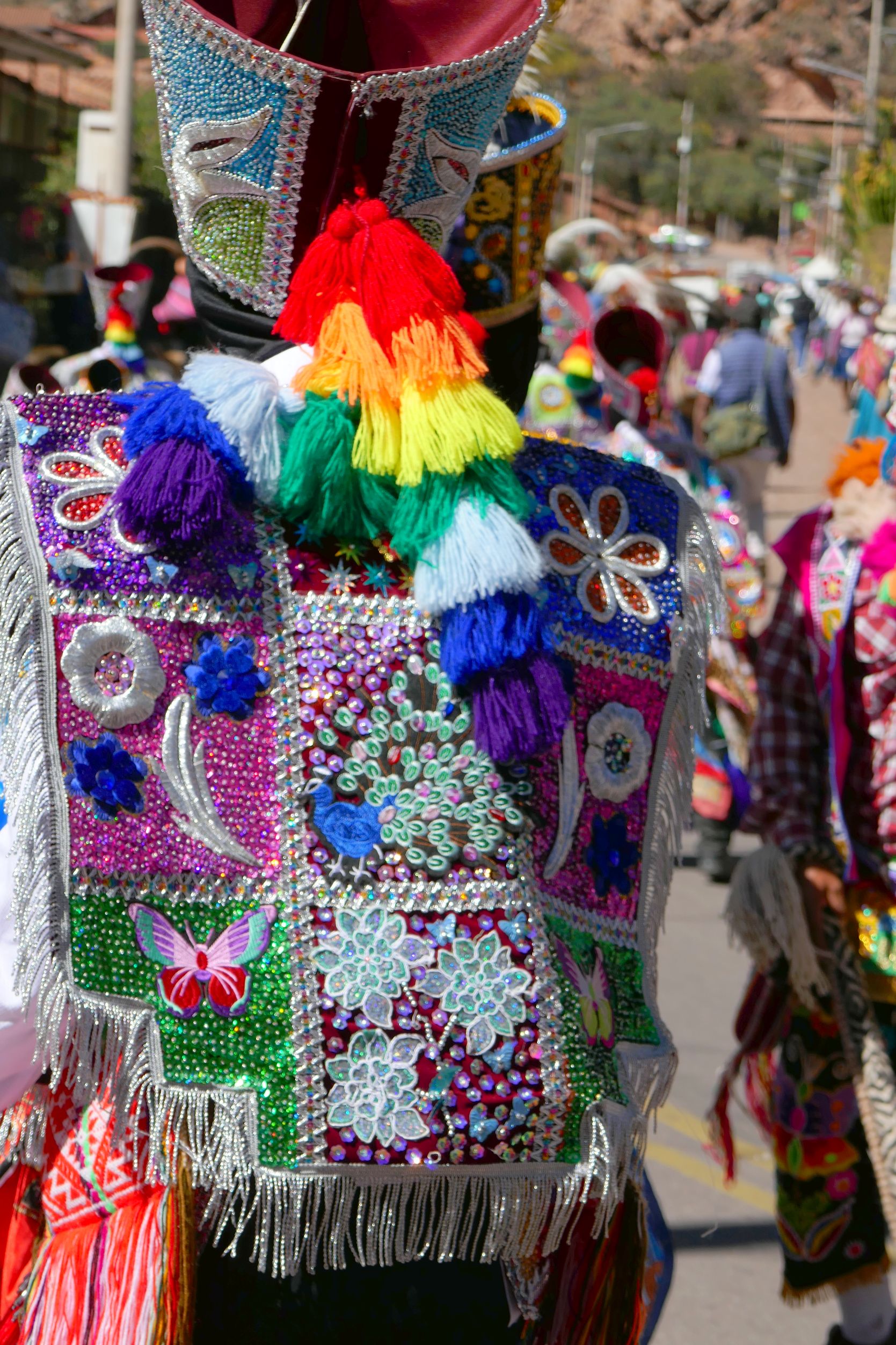
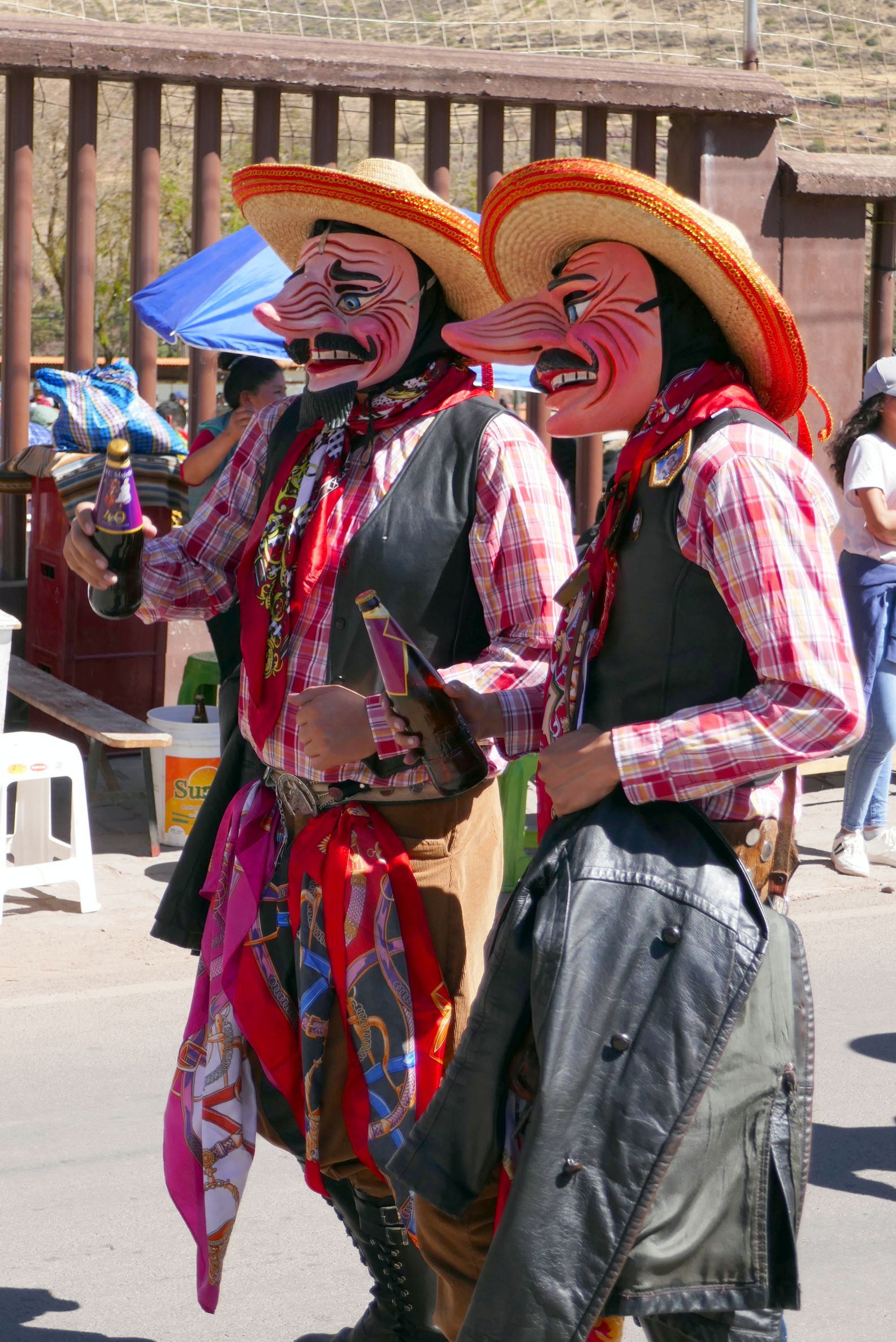
What a joyous, colorful, and noisy celebration!  The participating folkloric dance groups were dressed in amazing handmade costumes, competing for the top prize.  Each year, many hours are spent making each new costume by hand with every sequin and applique sewn on individually.  What a feast for the eyes!  The entire experience was a great introduction to the culture of the Sacred Valley.

Notice her brown hat as well as the white and black hats worn by the women above? The color indicates the class and status of each woman and where they are from. This woman’s brown hat indicates she is from the Andes.

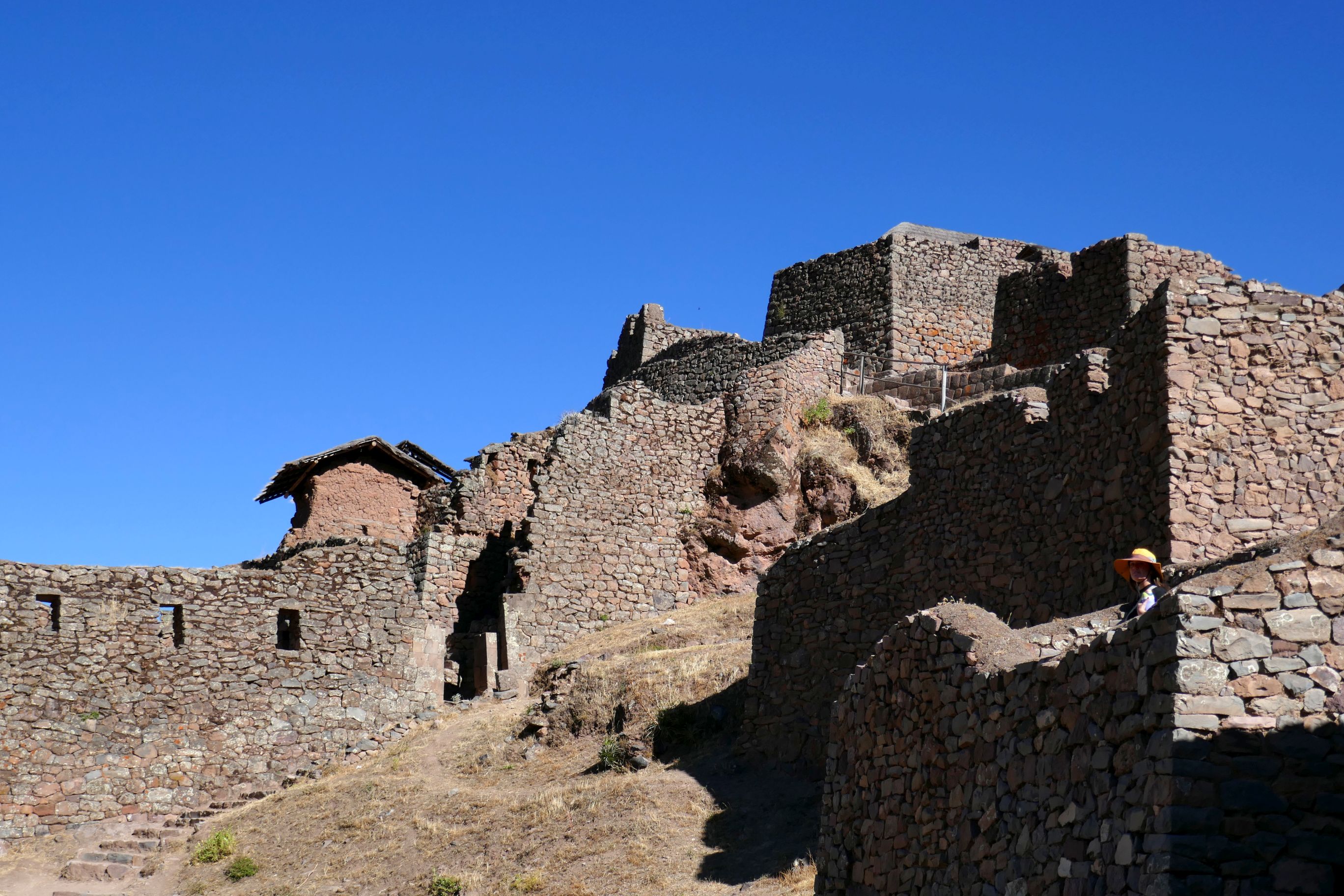
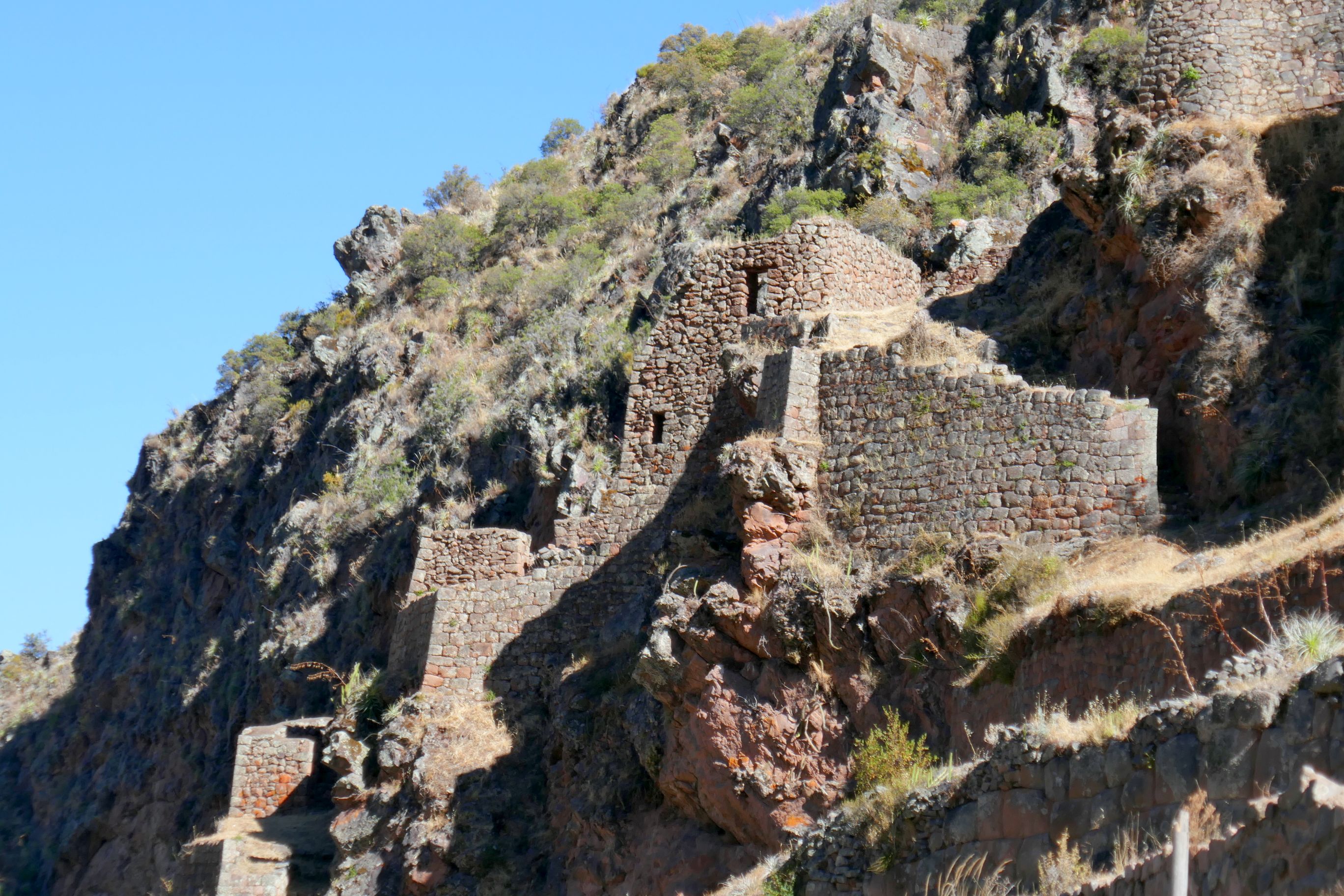
After we piled back on the bus, we ascended along a switchback road above the Vilcanota River to explore the Pisac Ruins.  A well-preserved ancient Inca complex, it is one of the top historical sites to visit in the Sacred Valley and a UNESCO World Heritage Site

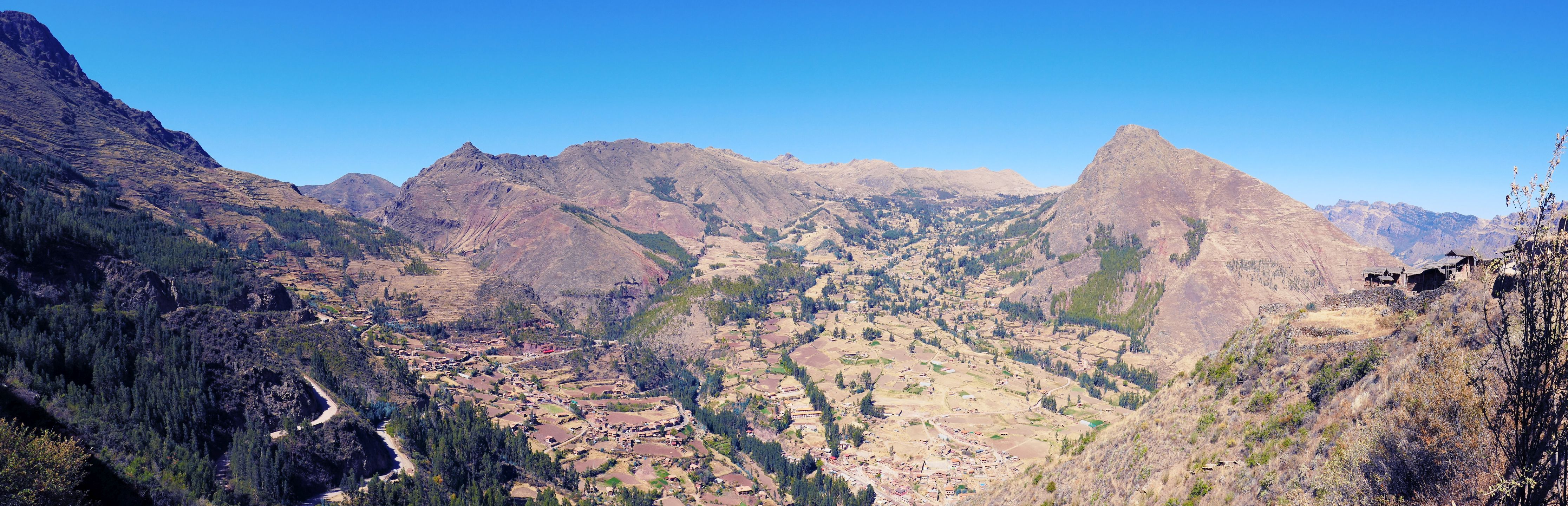
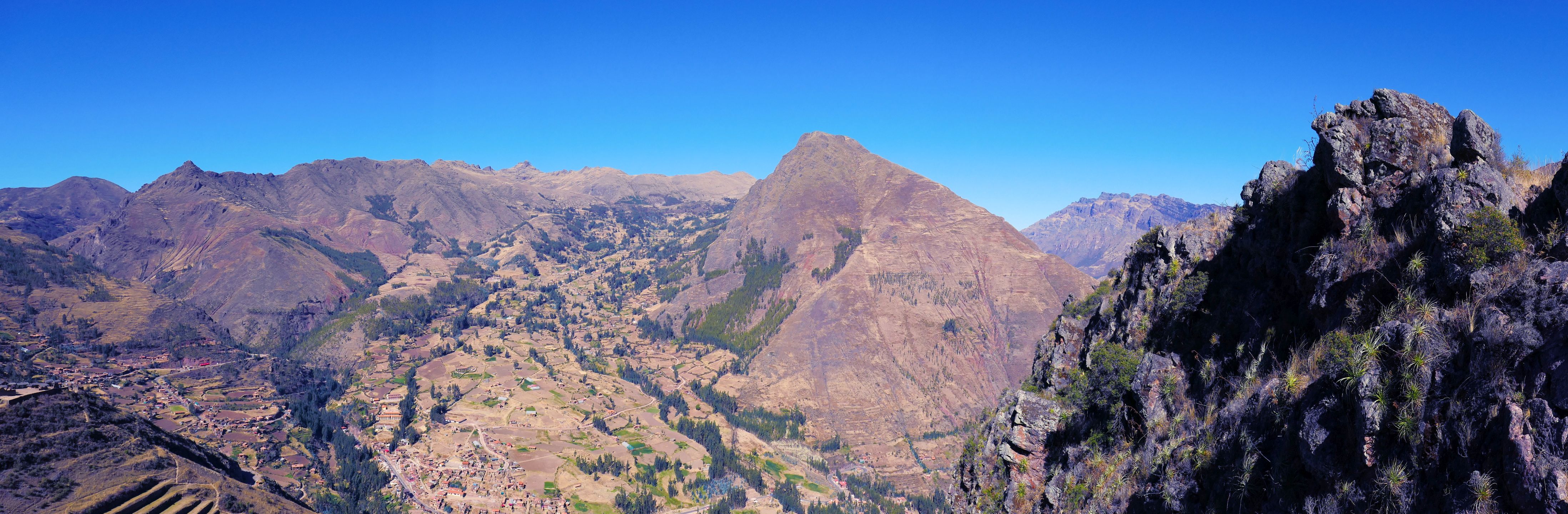
So far, so good!  The high altitude hadn’t registered with my body yet, so I was able to climb up to the top of the ruins at 11,400 feet to enjoy the beautiful vista of the Sacred Valley.

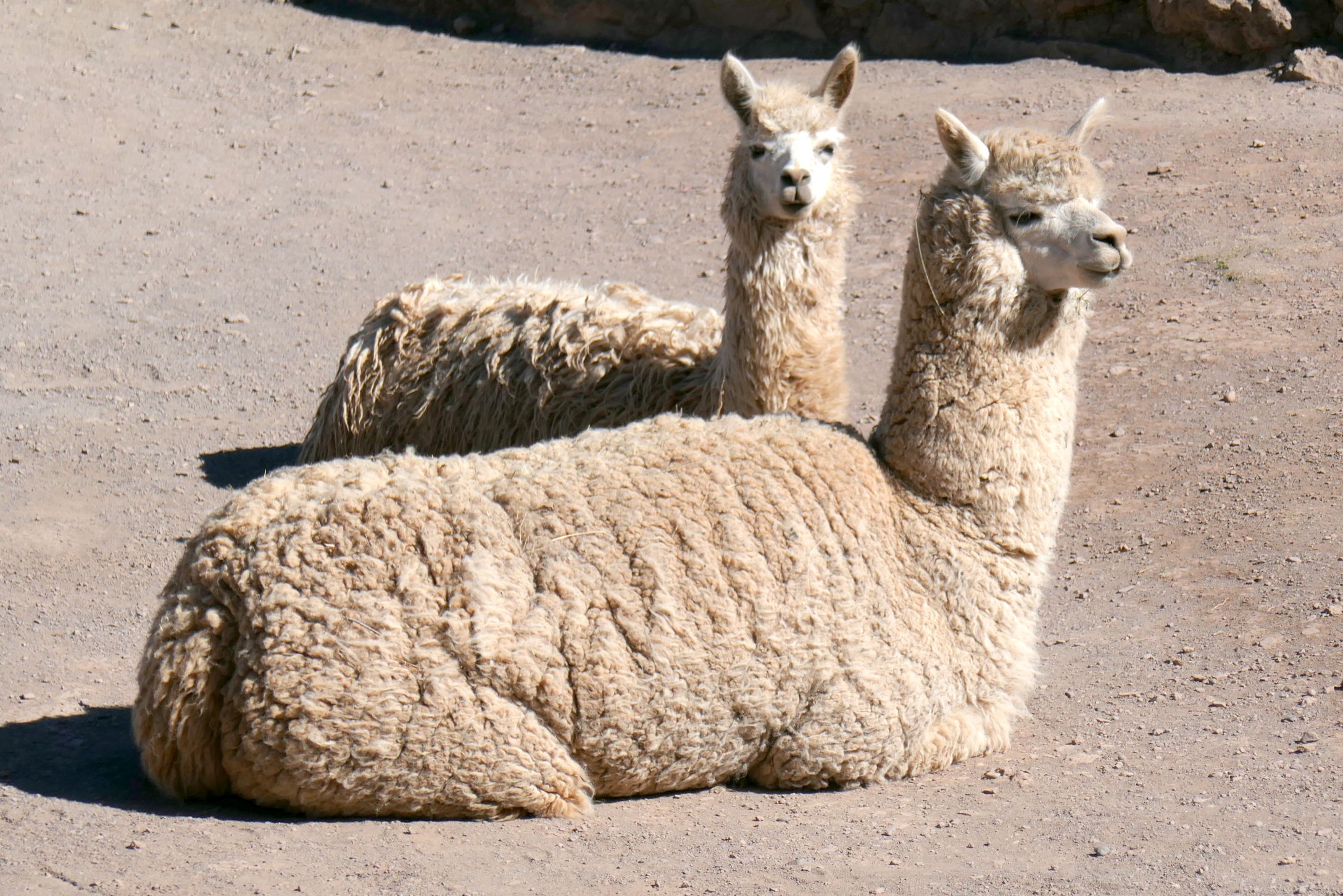
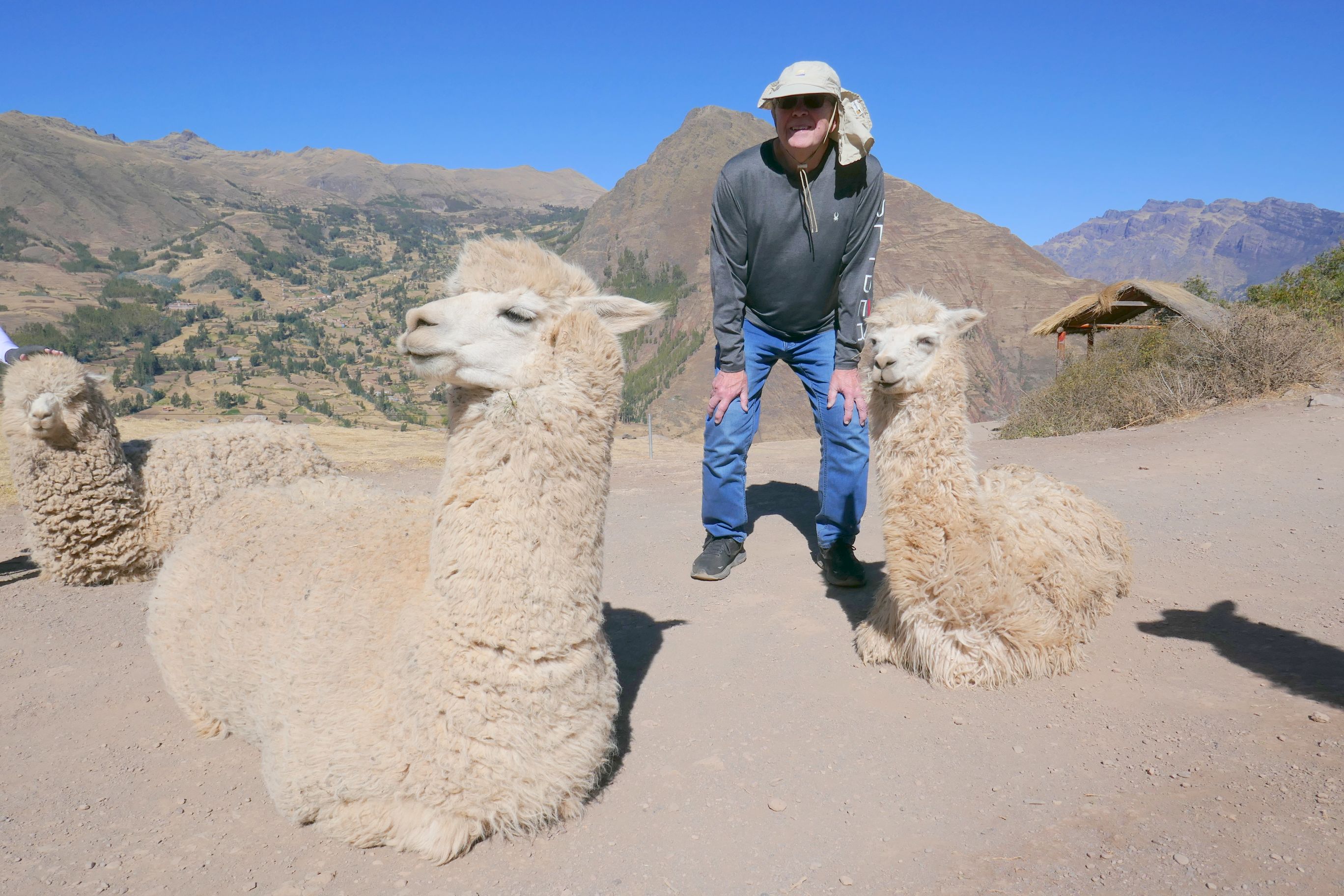
During our hike, we were greeted by some very mellow and tame resident alpacas!  They have become so used to people; they were unfazed:

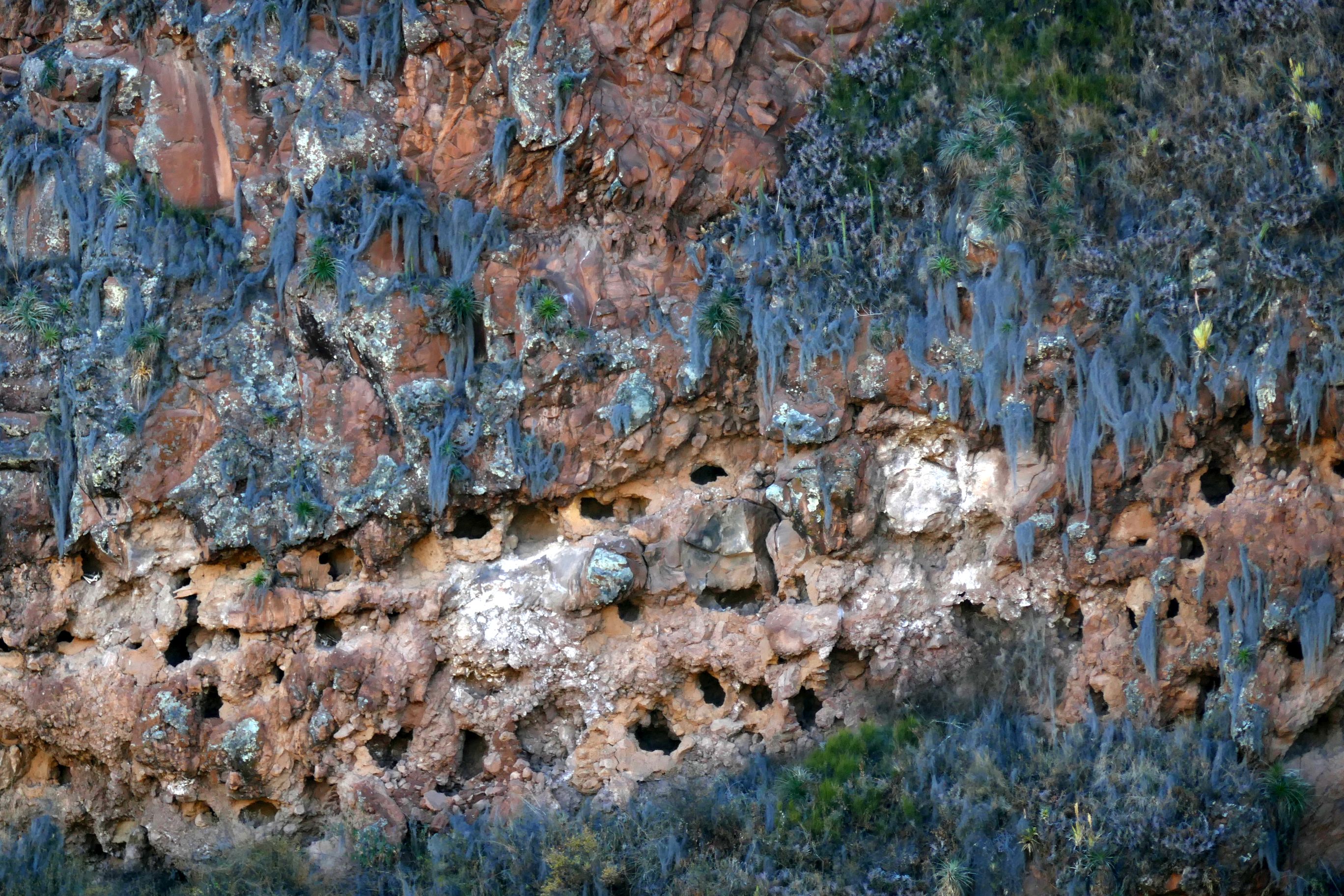
The purpose of the terraced complex was to keep an eye on and control the tribes who lived below.  In the following picture, note the holes in the hillside.  These holes were burial sites where the dead were buried in a fetal position:

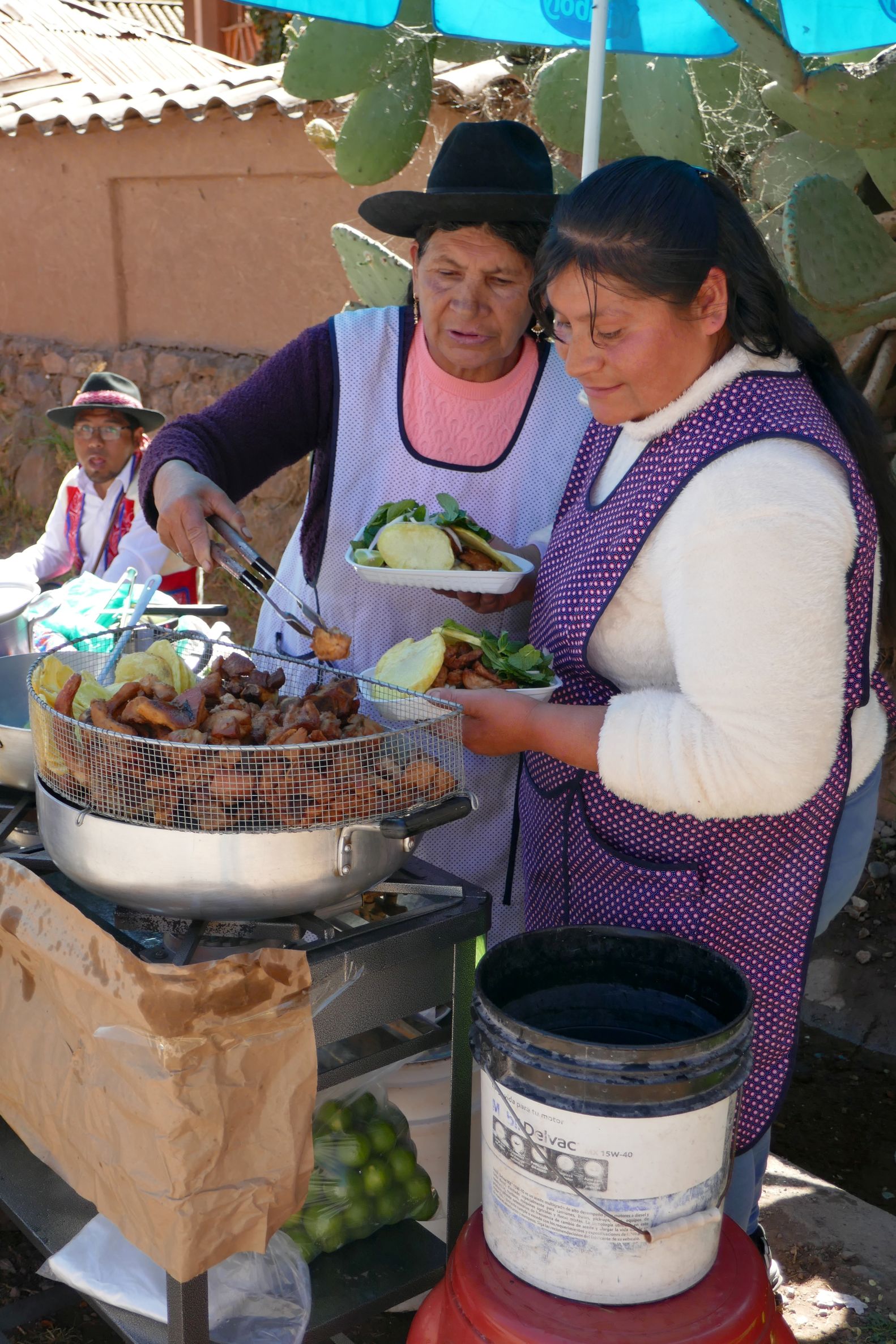
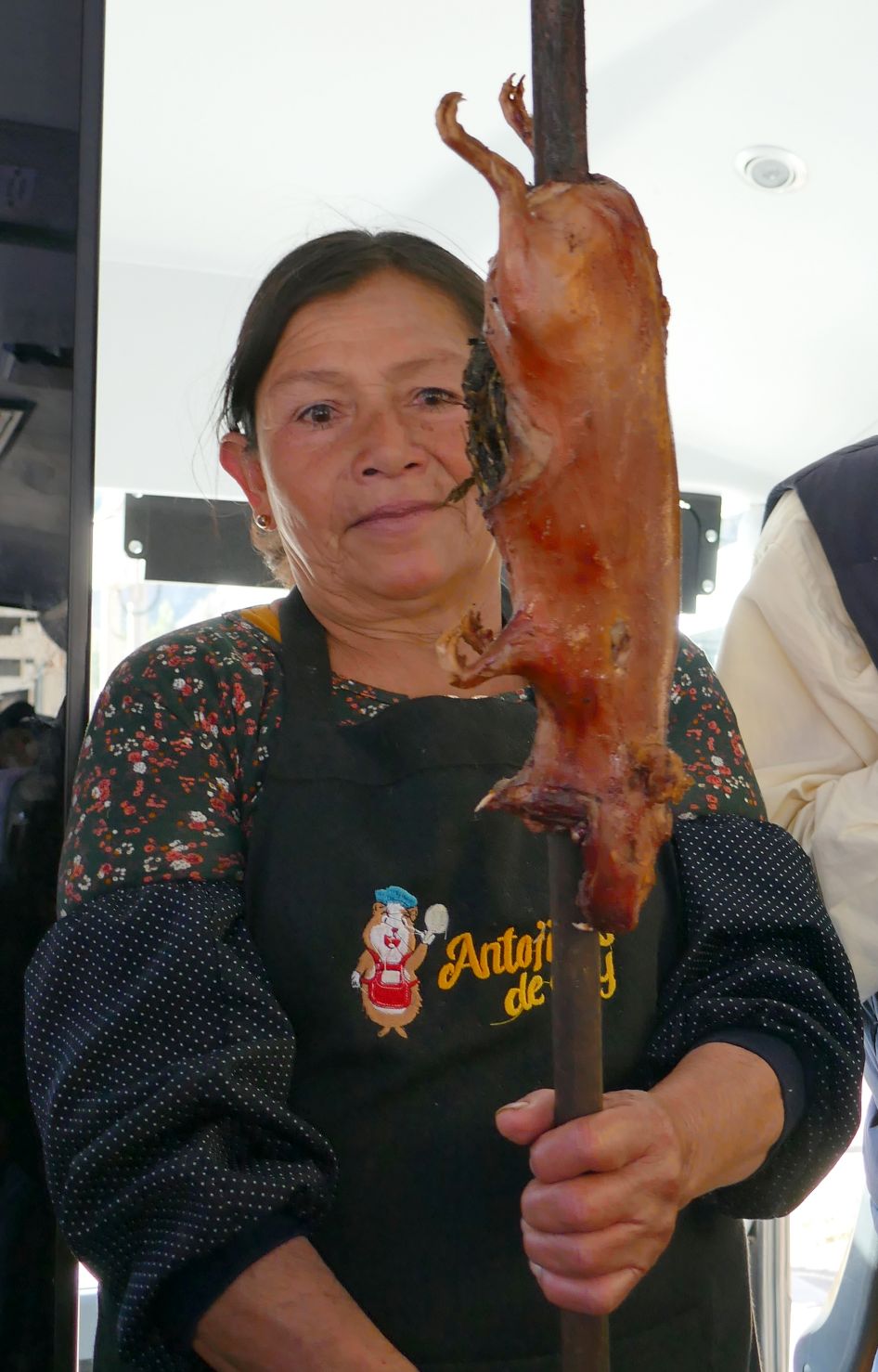
On the way to our hotel, Raul had the bus driver pull over and asked this woman selling roasted guinea pig if she would come aboard to show us. Guinea pig is a delicacy in Peru; however, I grew up with my sister’s pet guinea pigs…

In the late afternoon, we arrived in Urubamba at the beautiful Villa Urubamba Hotel.  I will post more pictures in my next blog, but this is the musician who entertained us at dinner this evening.  I enjoyed his music so much, I bought his downloads, which I will use in my slide show which will appear in my last Peru blog post:

Eder Alvarez Alejos of NativAndina

Fortunately, the altitude never made either of us sick.  I had a headache that first night—nothing a couple of Tylenol couldn’t cure by the next morning.  A few others in our group weren’t so fortunate!

Coming up next:  PERU #8: RAFTING THE URUBAMBA RIVER, EXPLORING OLLANTAYTAMBO INCA FORTRESS, AND A HOME-HOSTED LUNCH