PERU #6: LIKABLE LIMA (PART 6) – A FISH MARKET & DOWNTOWN

We had so many wonderful experiences during our first three days in Lima, and our last day was no different.  A local guide was with us for several hours and he was fabulous! 

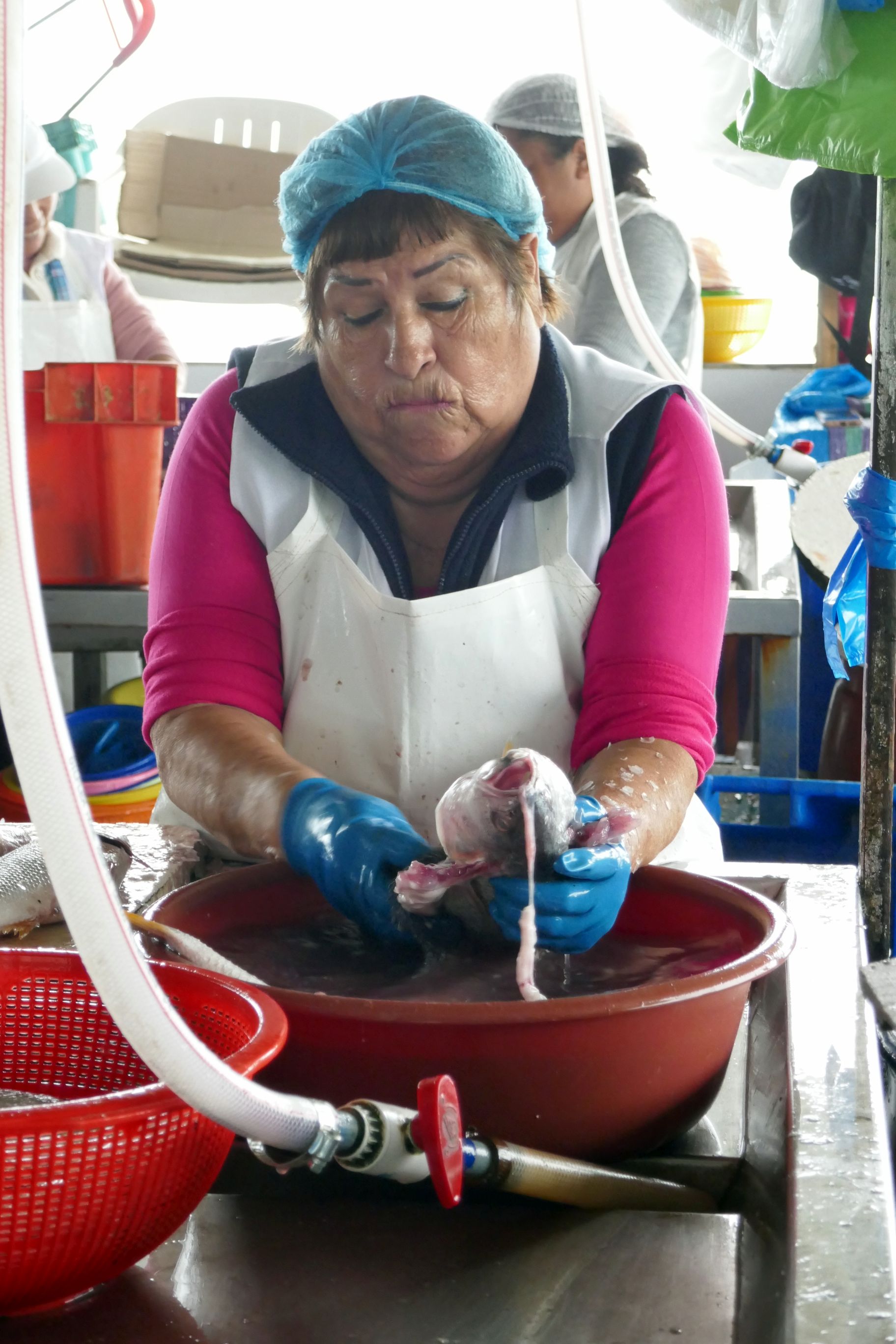
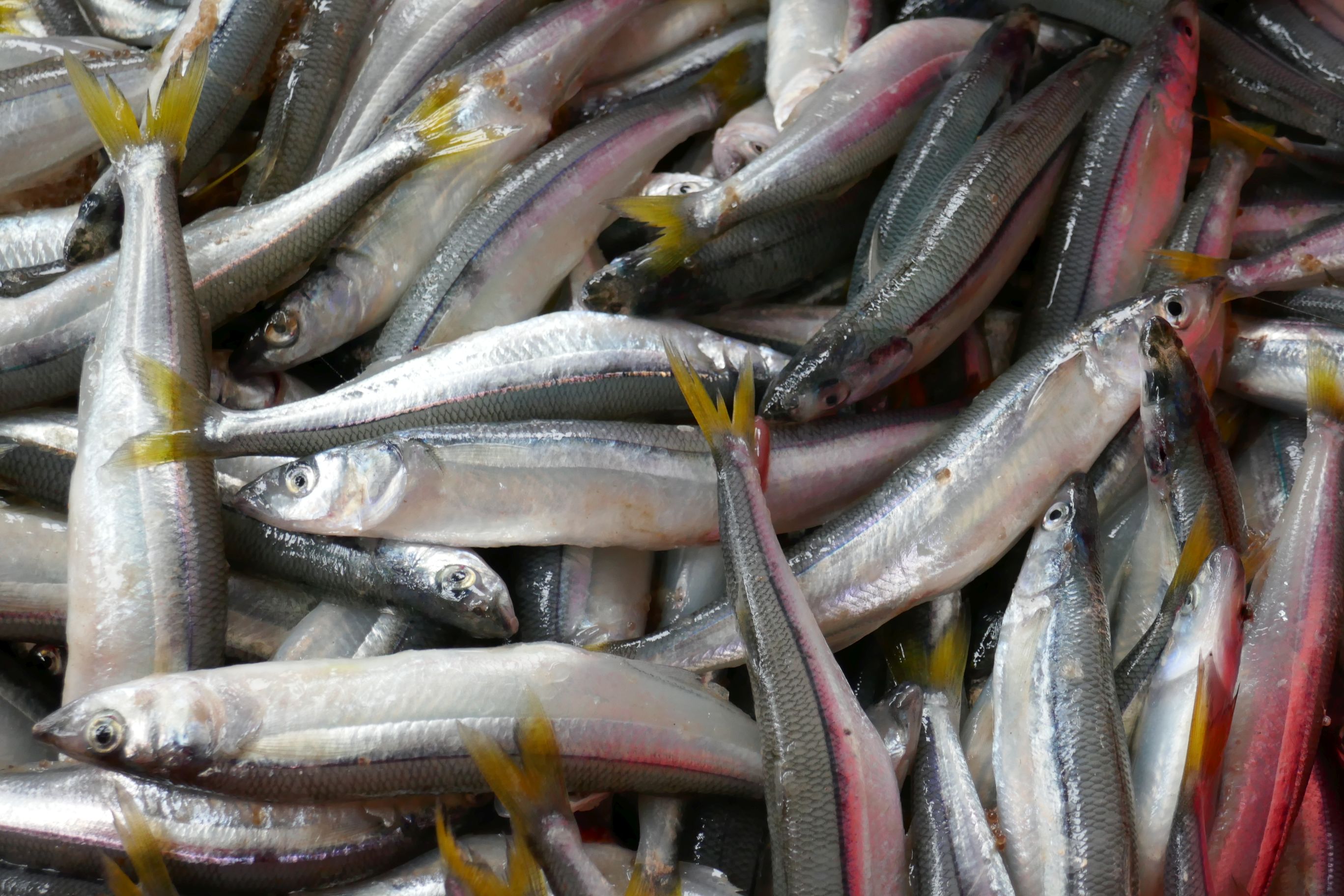
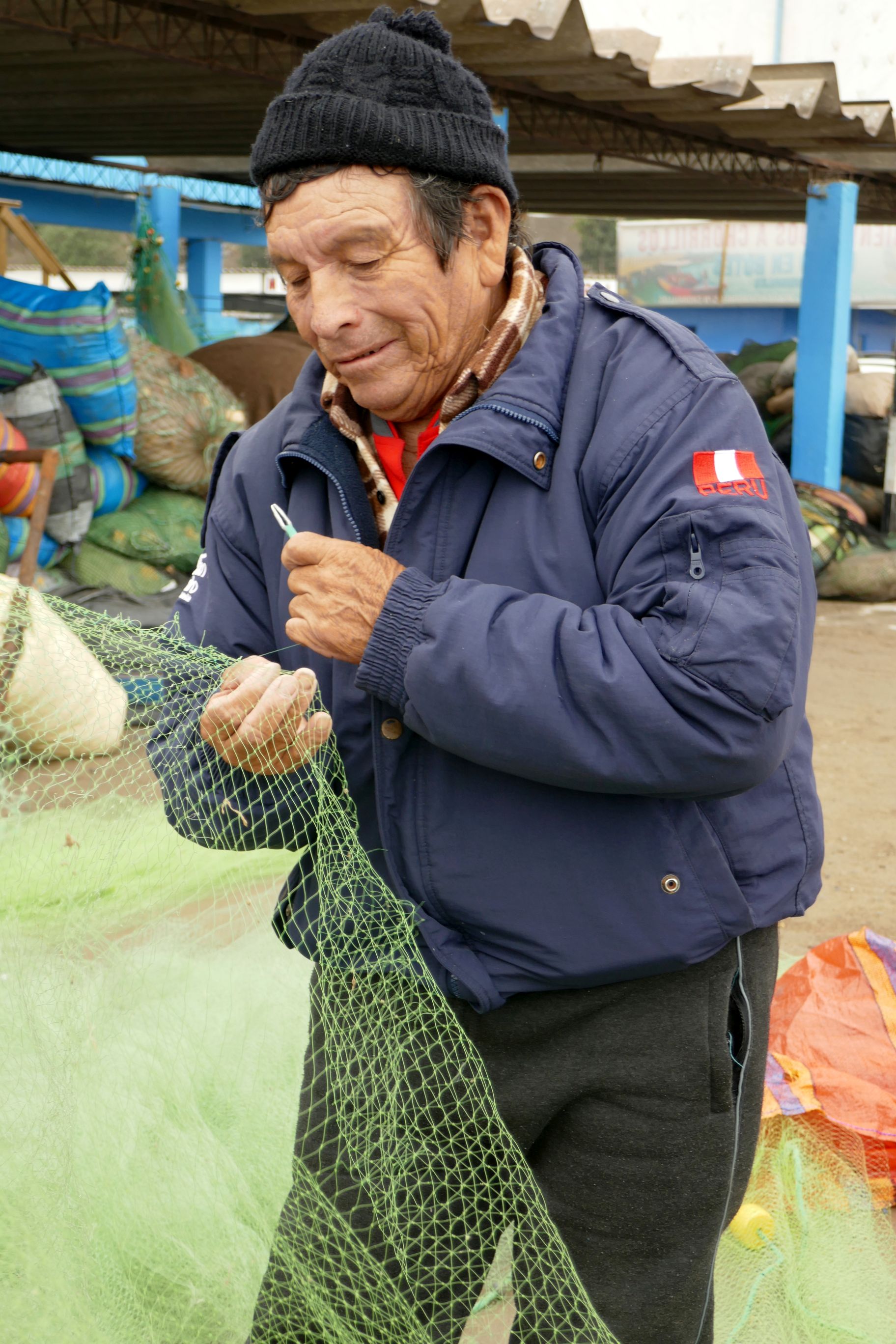
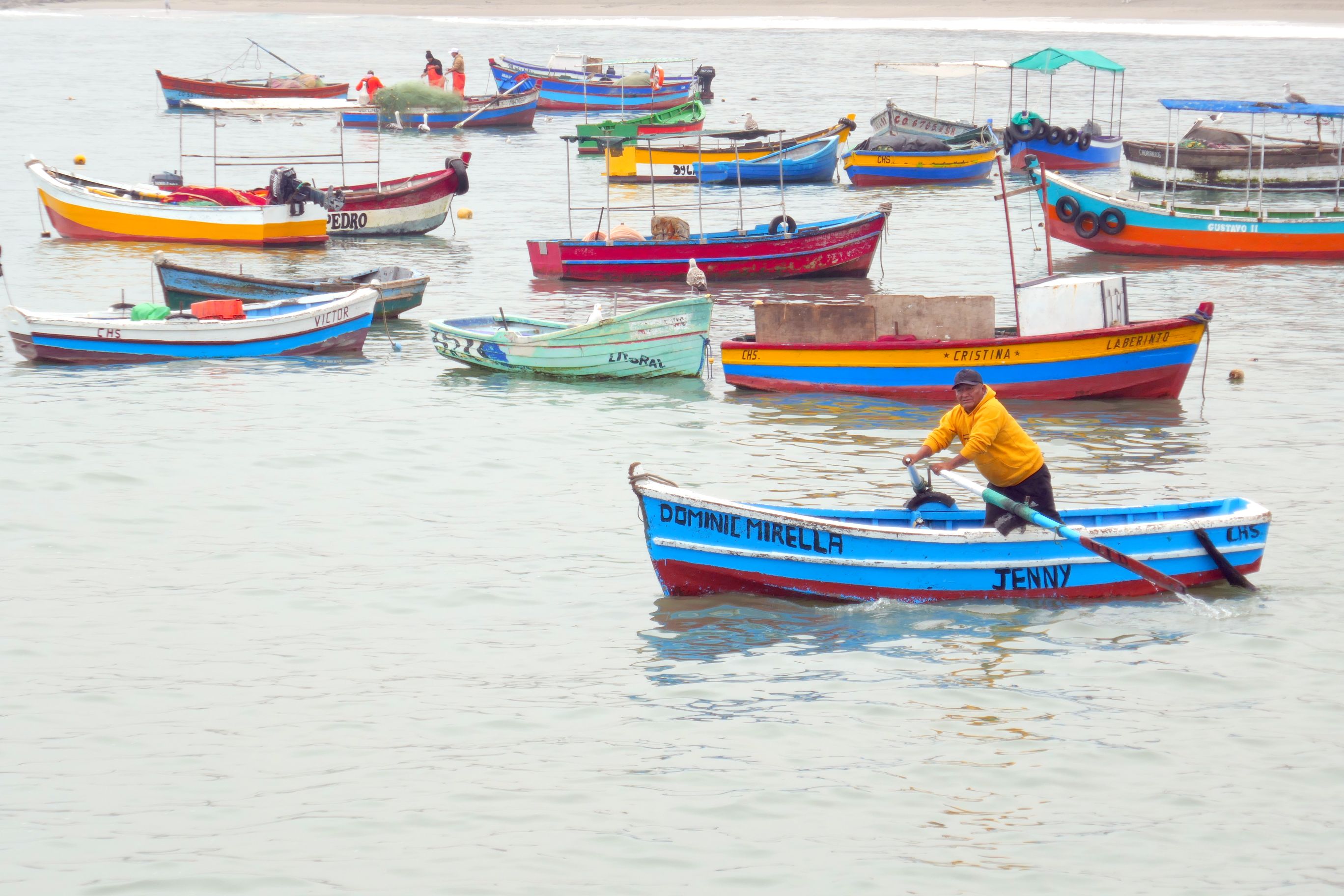
The morning began at a fish market where we learned about a typical day in the life of the local fishermen and the women who clean the fish when they are brought in.  They seemed happy to see us, tell us about their work, and answer our questions while joking around with each other as they cleaned the morning catch.

It was this fisherman repairing his net that caught my eye though.  As good as our guide was, I missed everything he said while watching and shooting this video—something I rarely do, but would have regretted if I hadn’t shot this short clip, because it instantly makes me feel happy:

A little background:  Fisherman make very little money in Peru.  They are the working poor of Lima and barely make a living.  But look at his joy!  He has turned what could be considered a tedious task into something fun.  At first, he didn’t notice me smiling and shooting this video, but when he did, he rushed over, gave me a little side hug around my shoulder and walked off for a quick break.  After he returned, he was back to dancing and the task at hand.  We never spoke a word, but I don’t think I will ever forget him.

(For all photos, click on the image for a full screen view.)
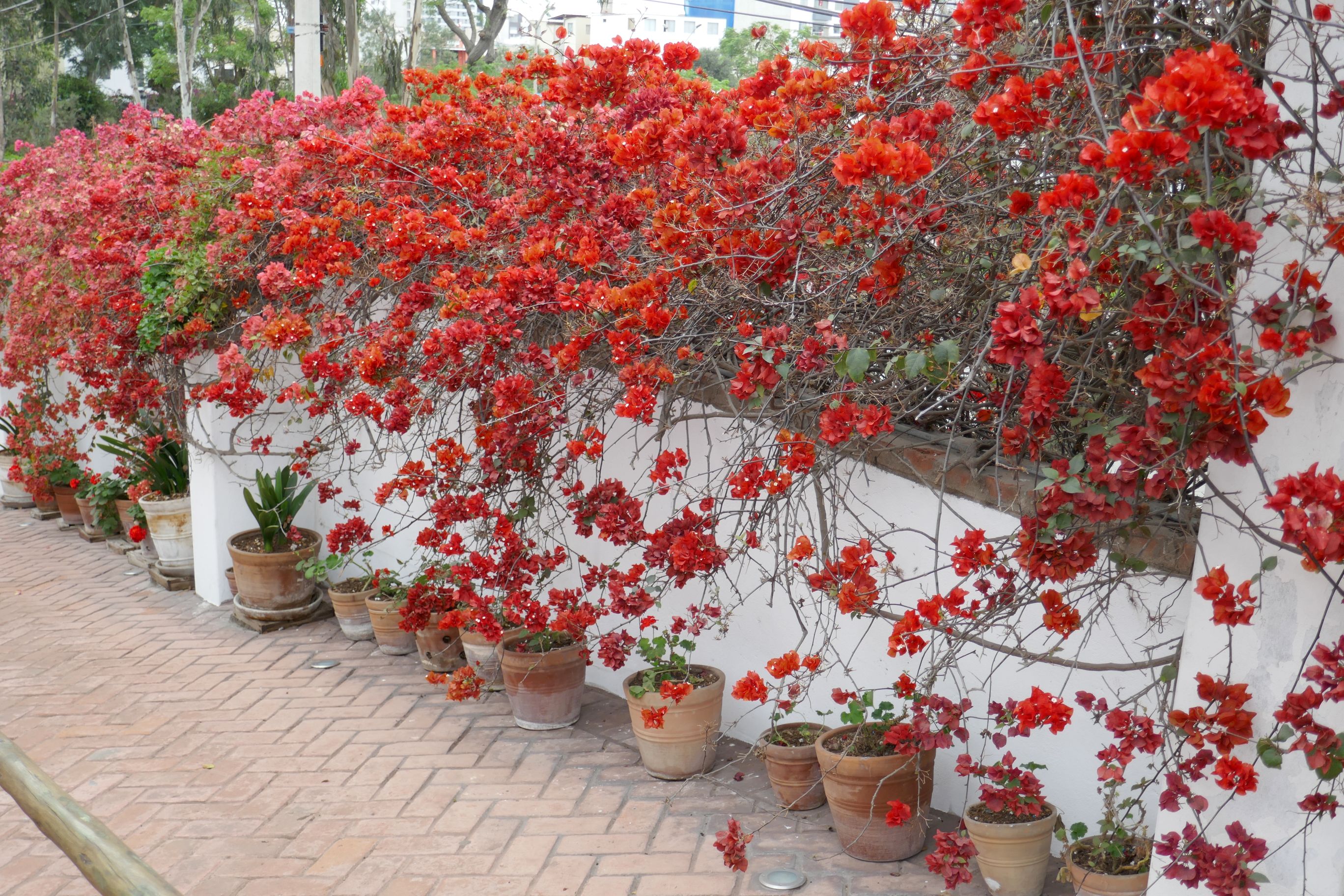
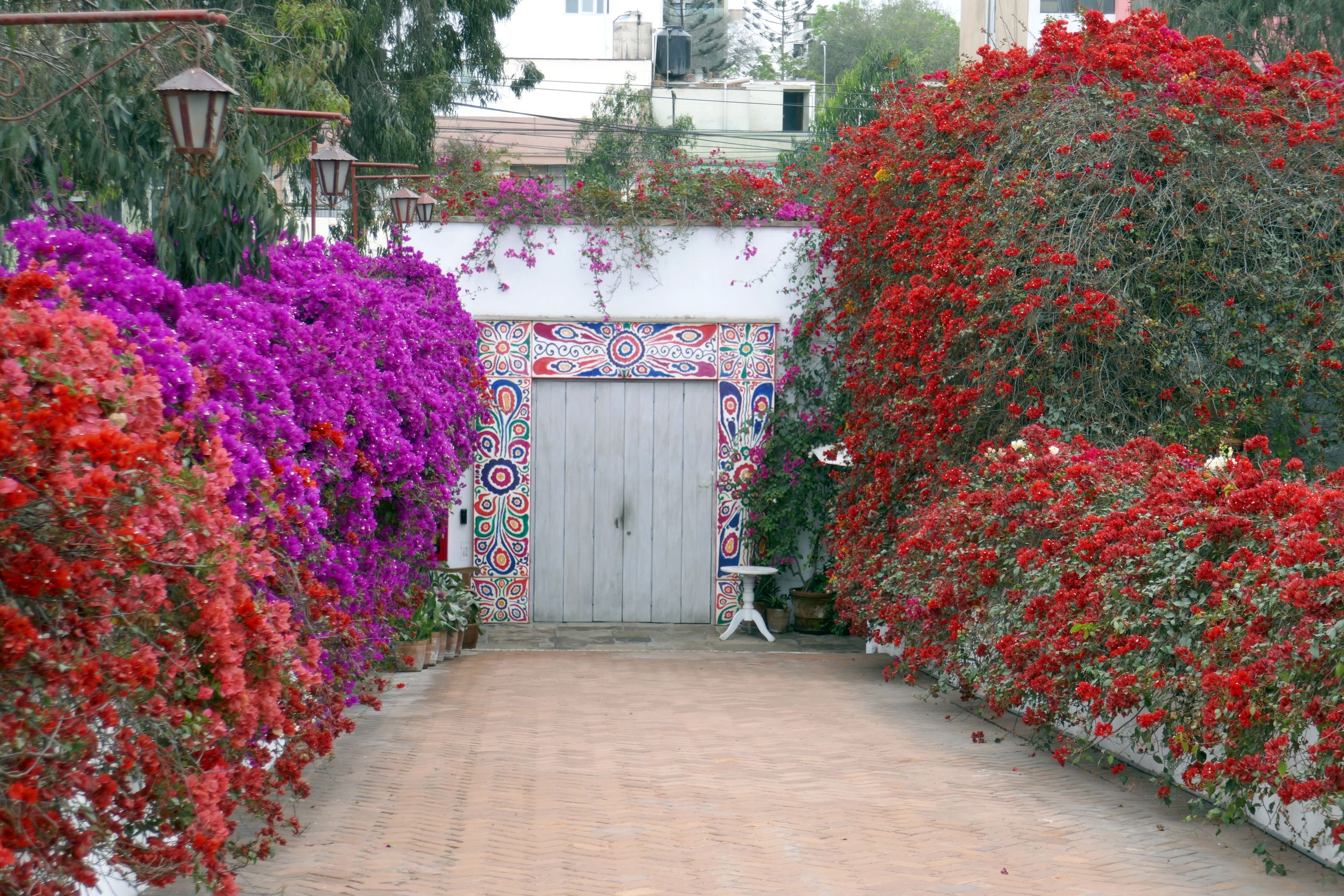
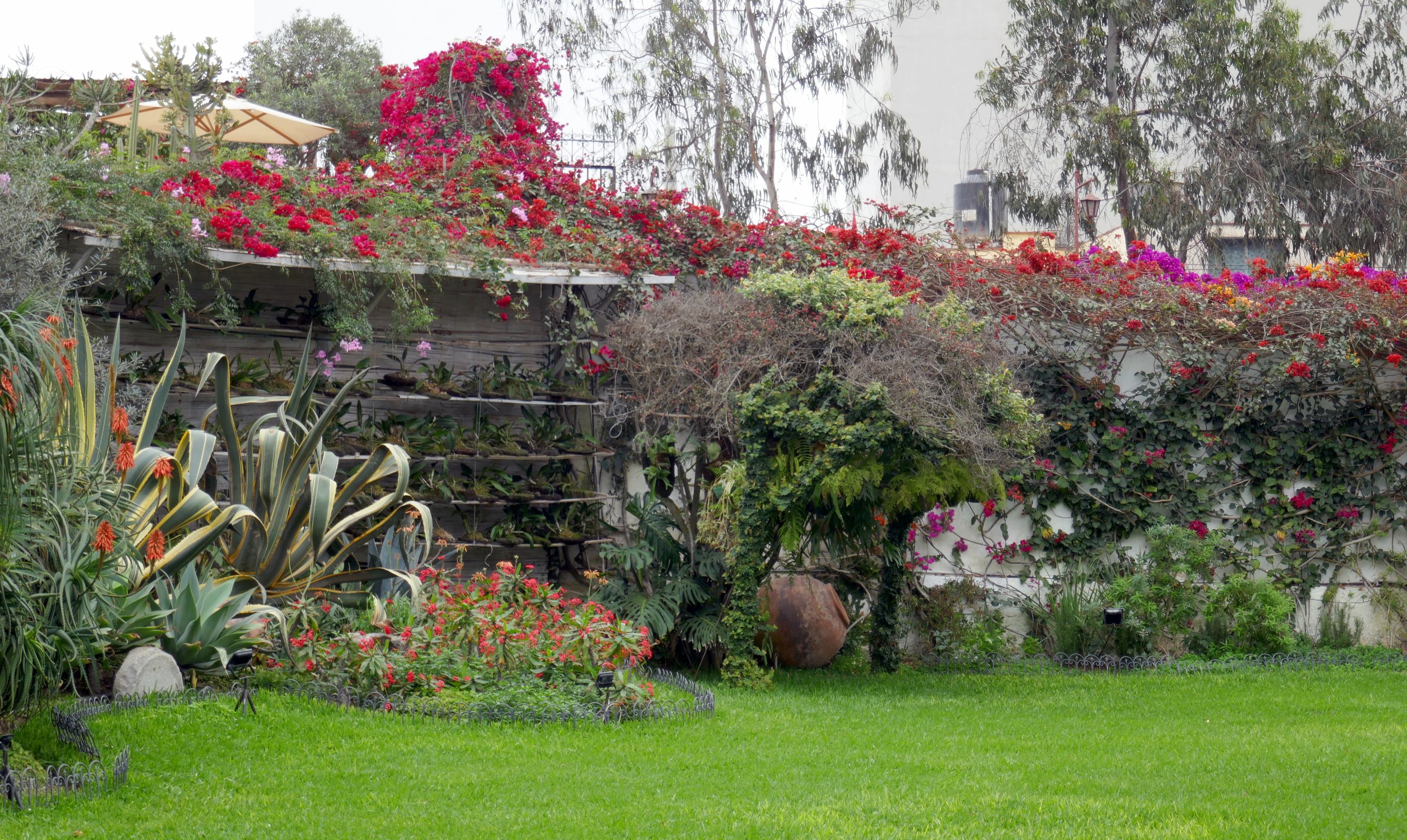
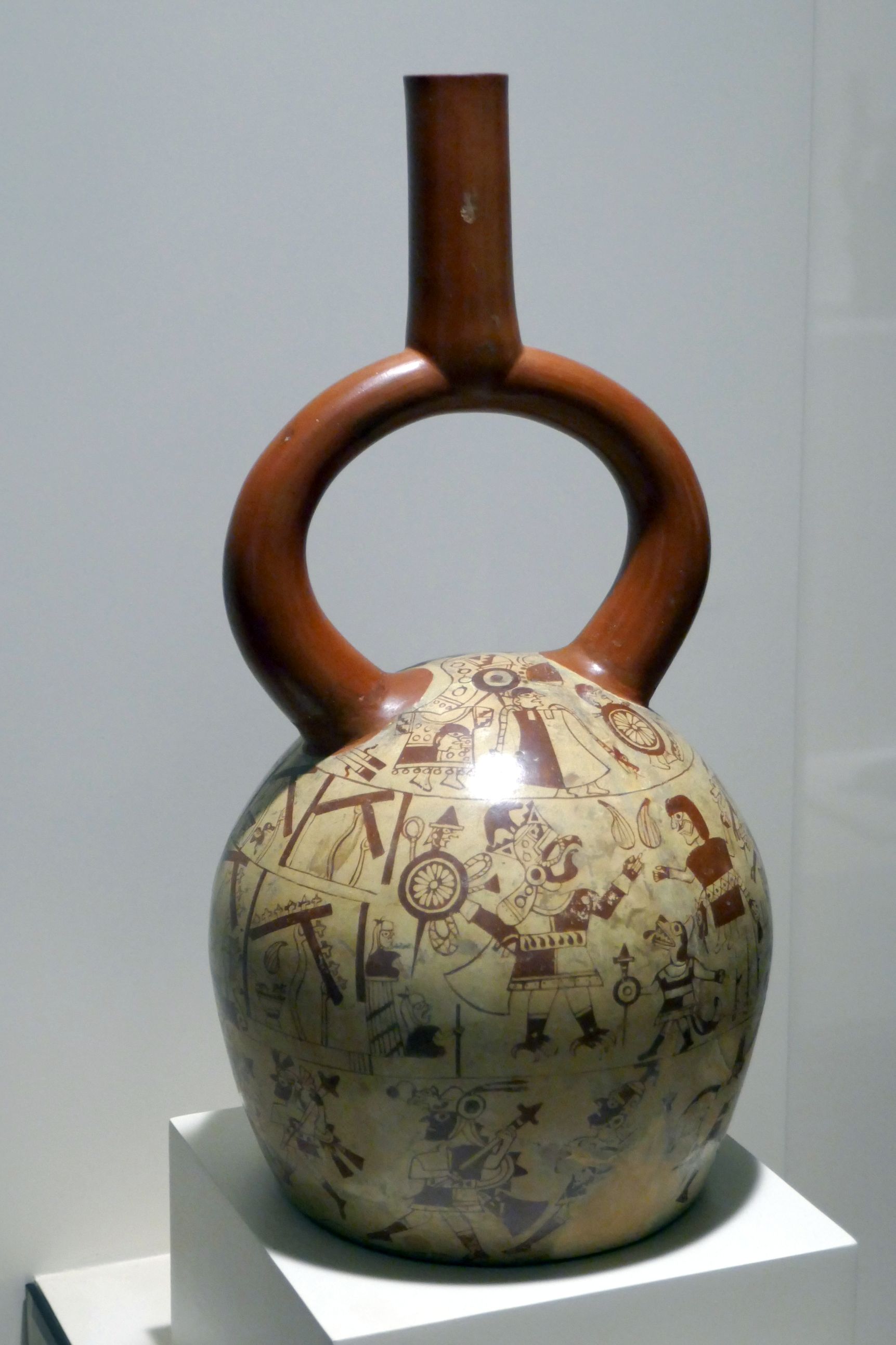
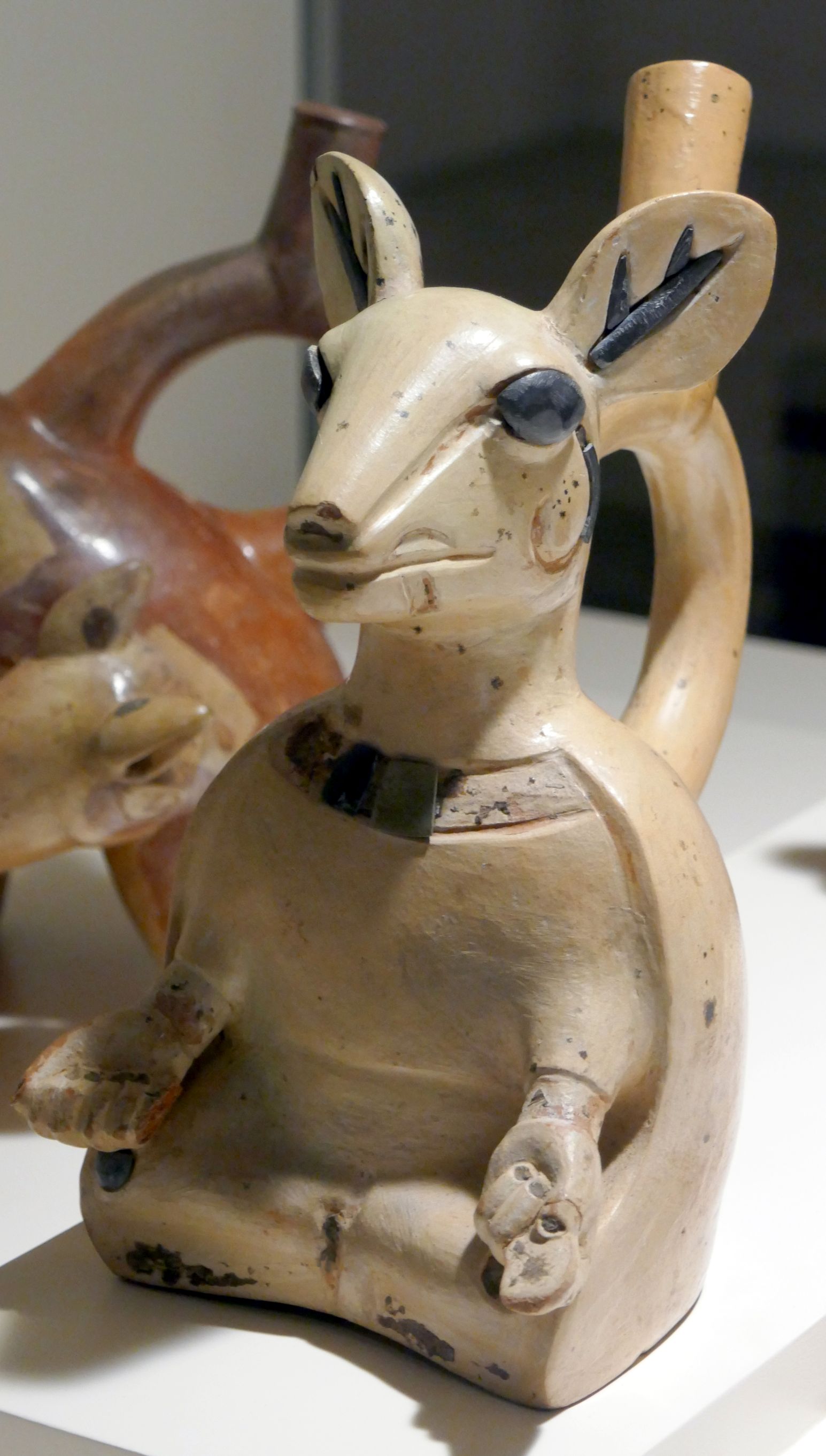
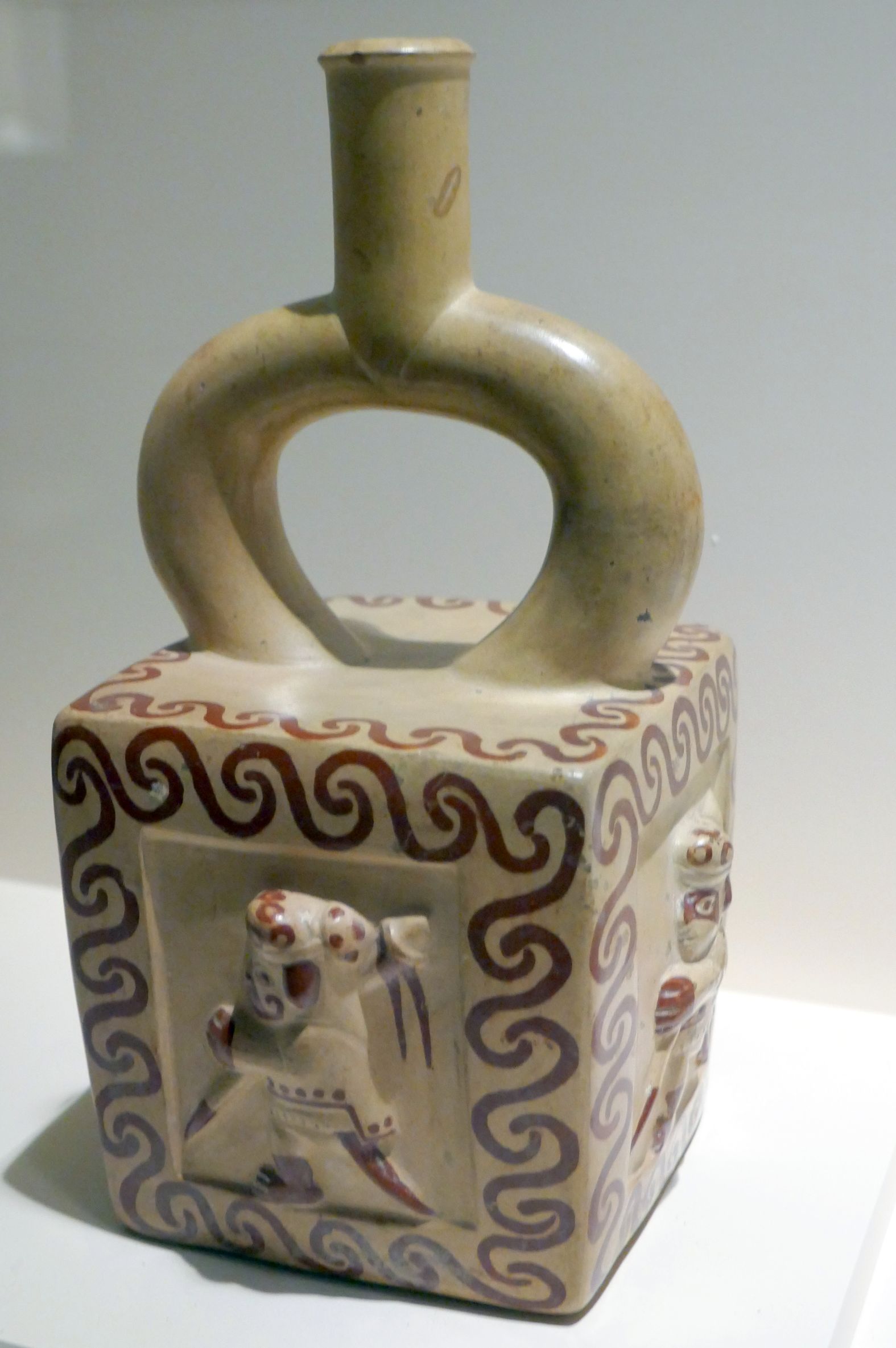
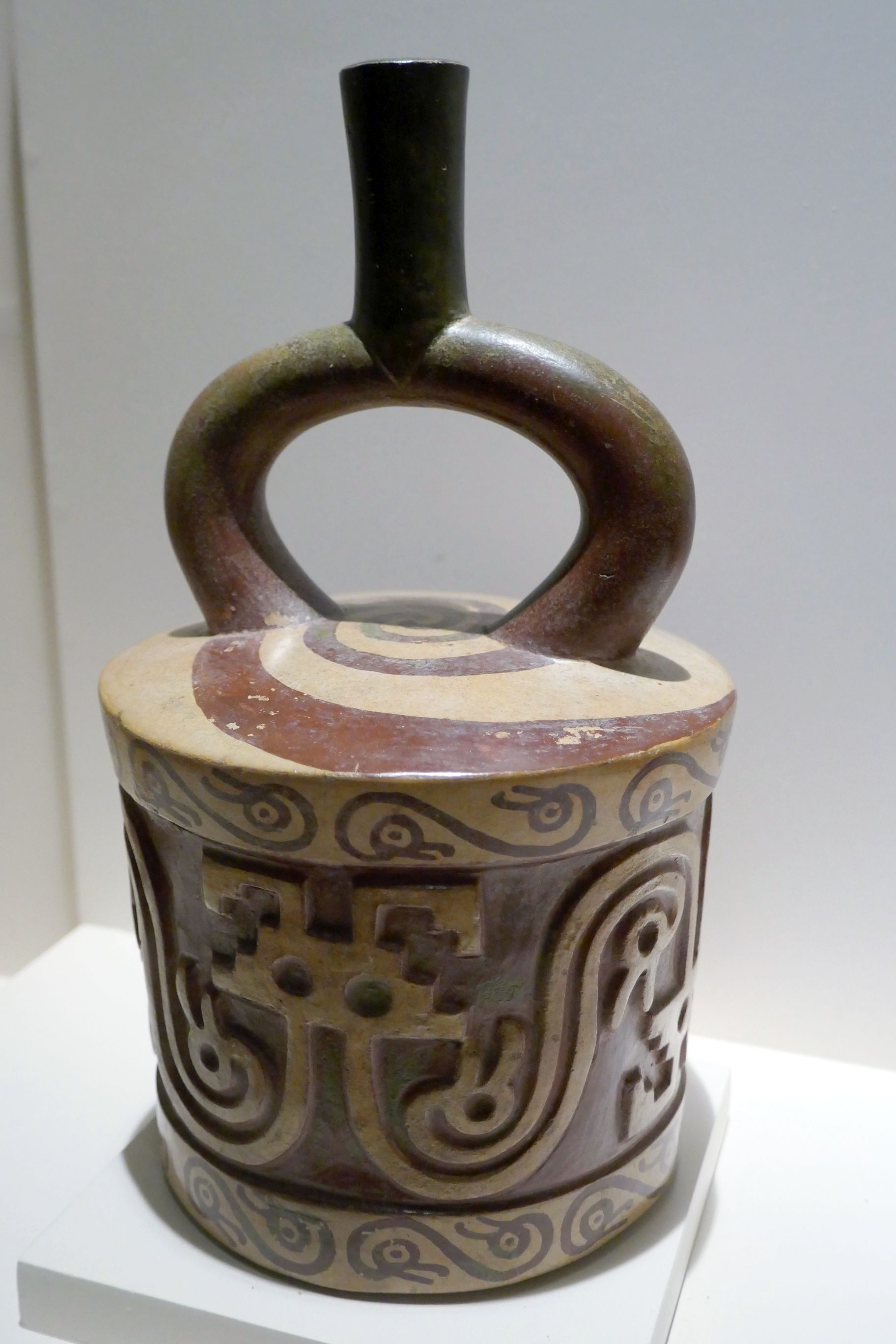
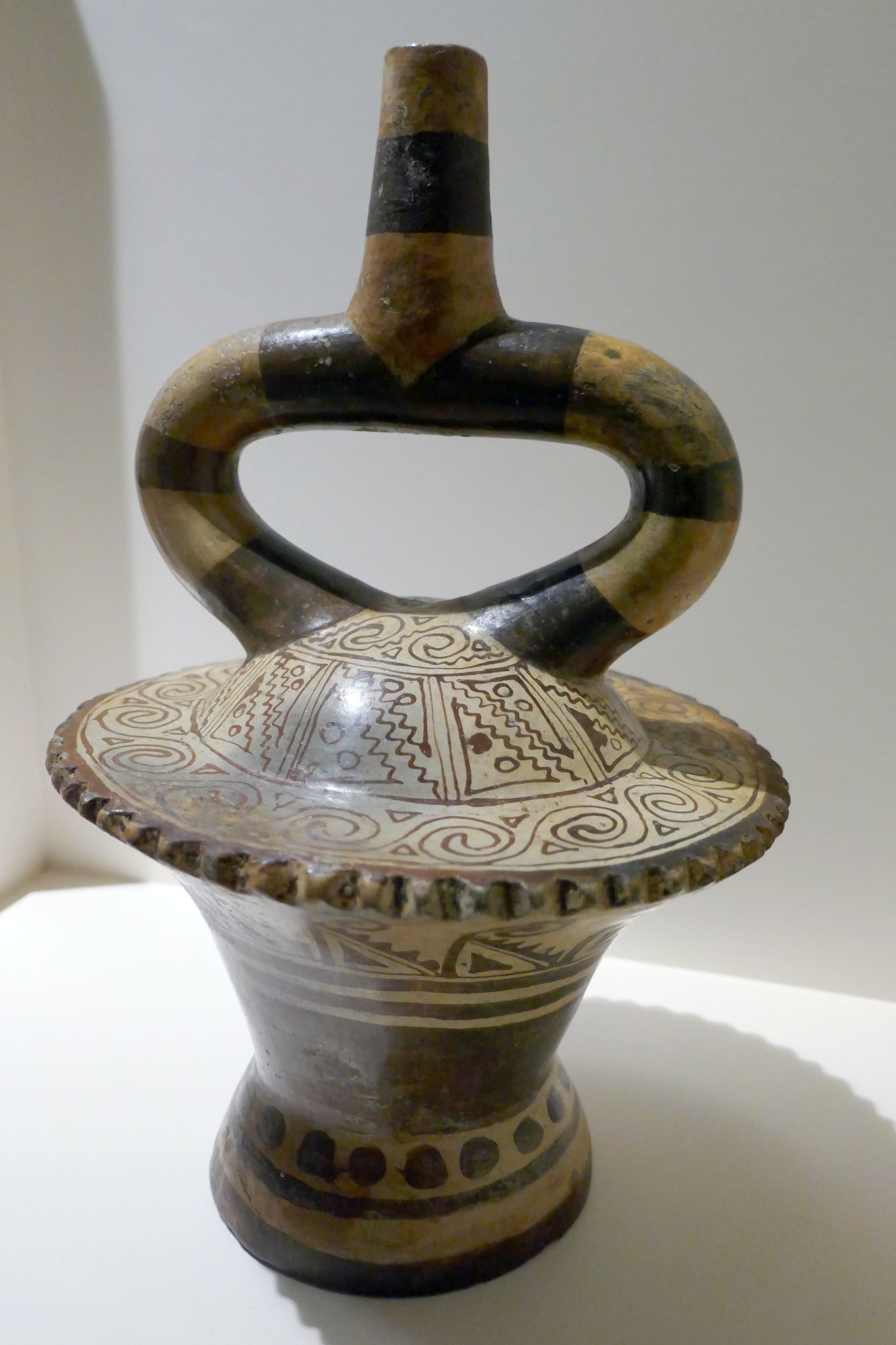
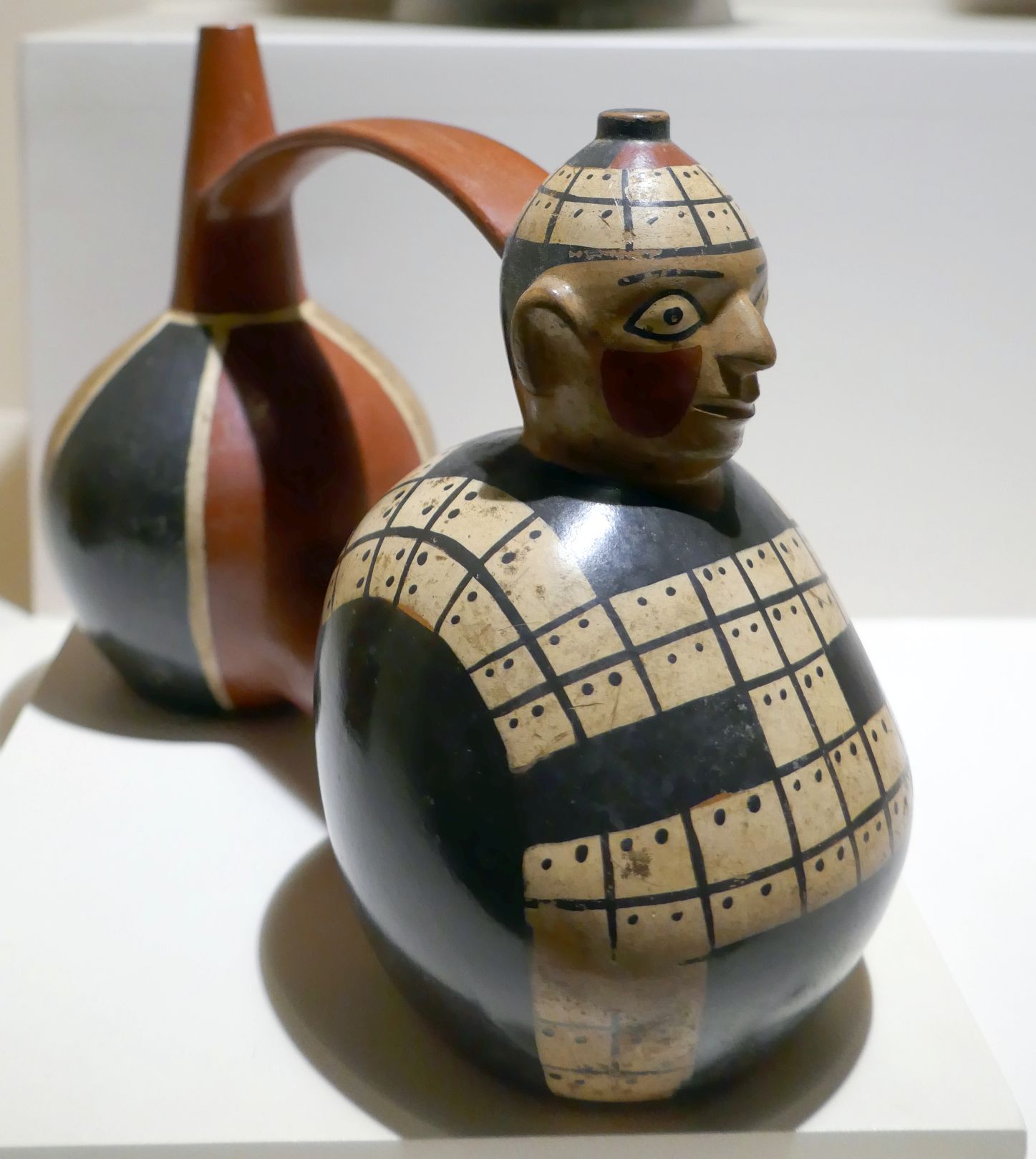
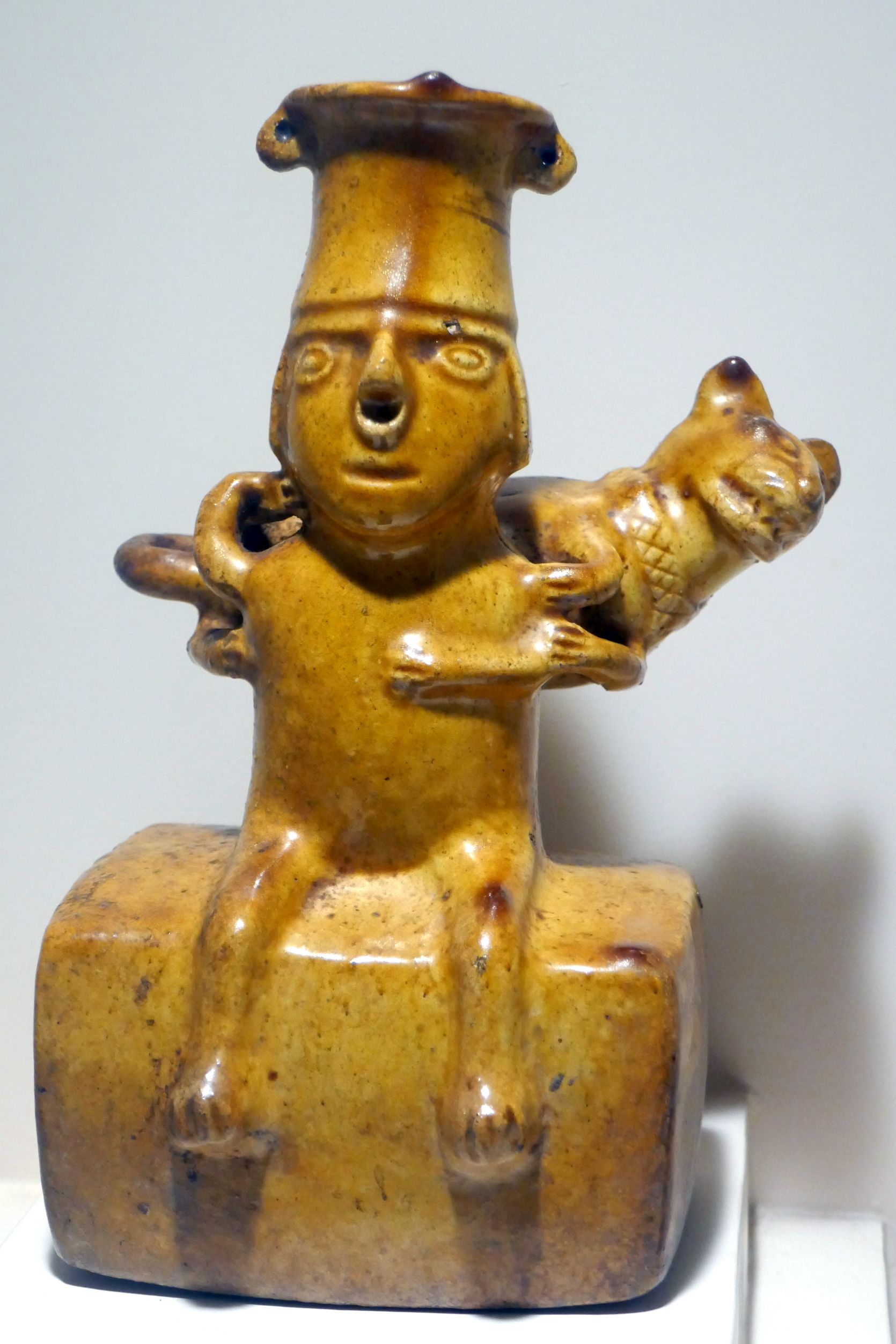
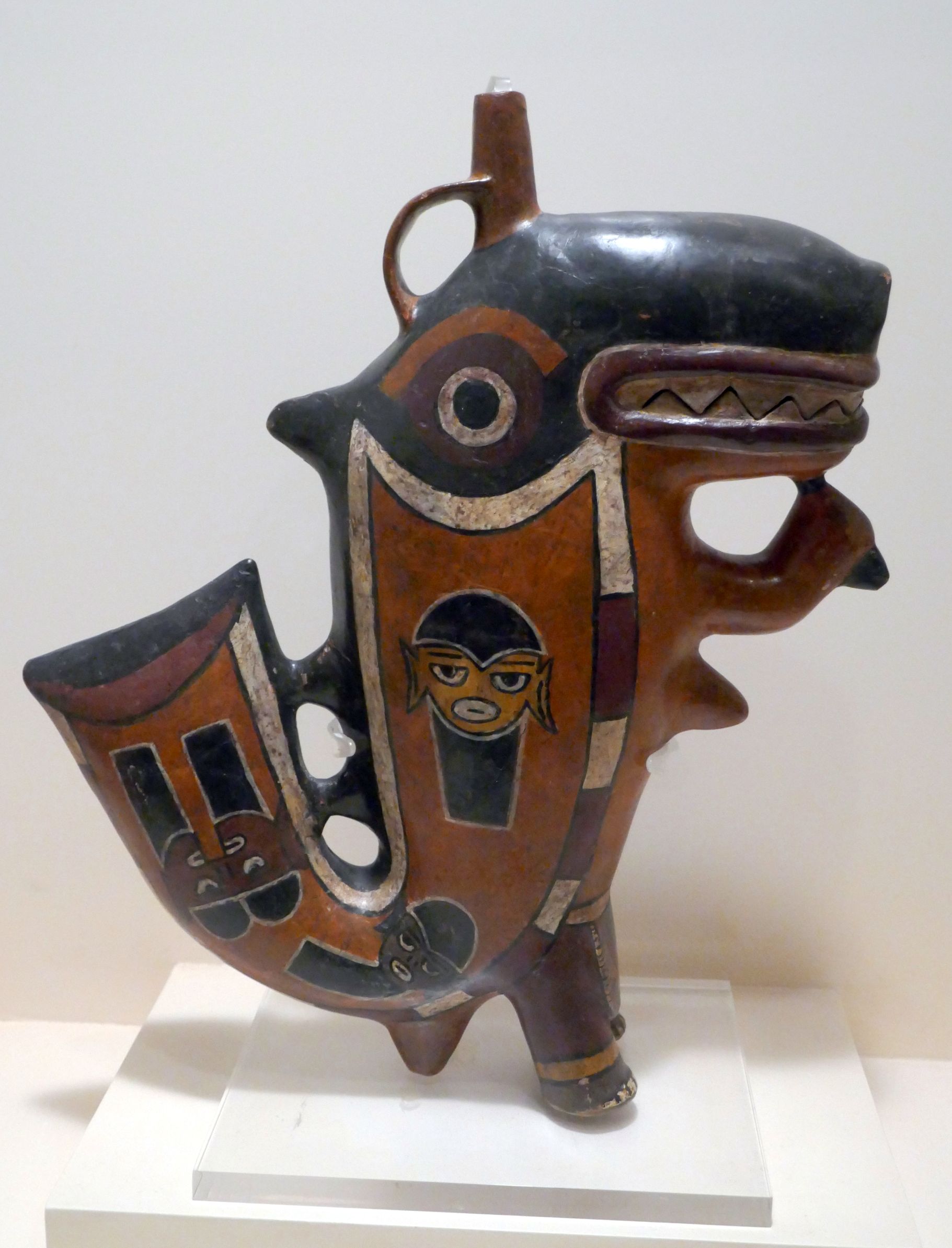
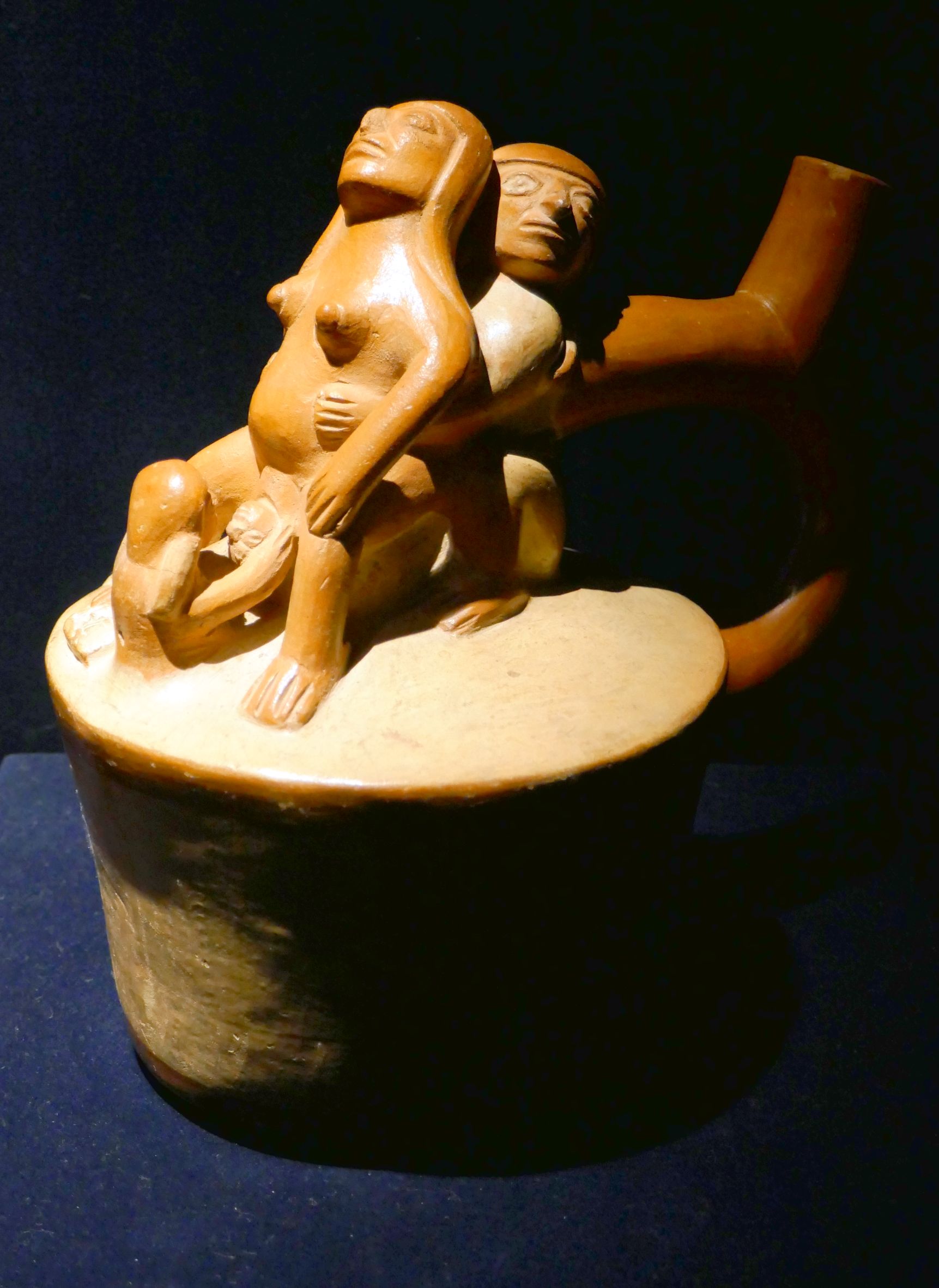
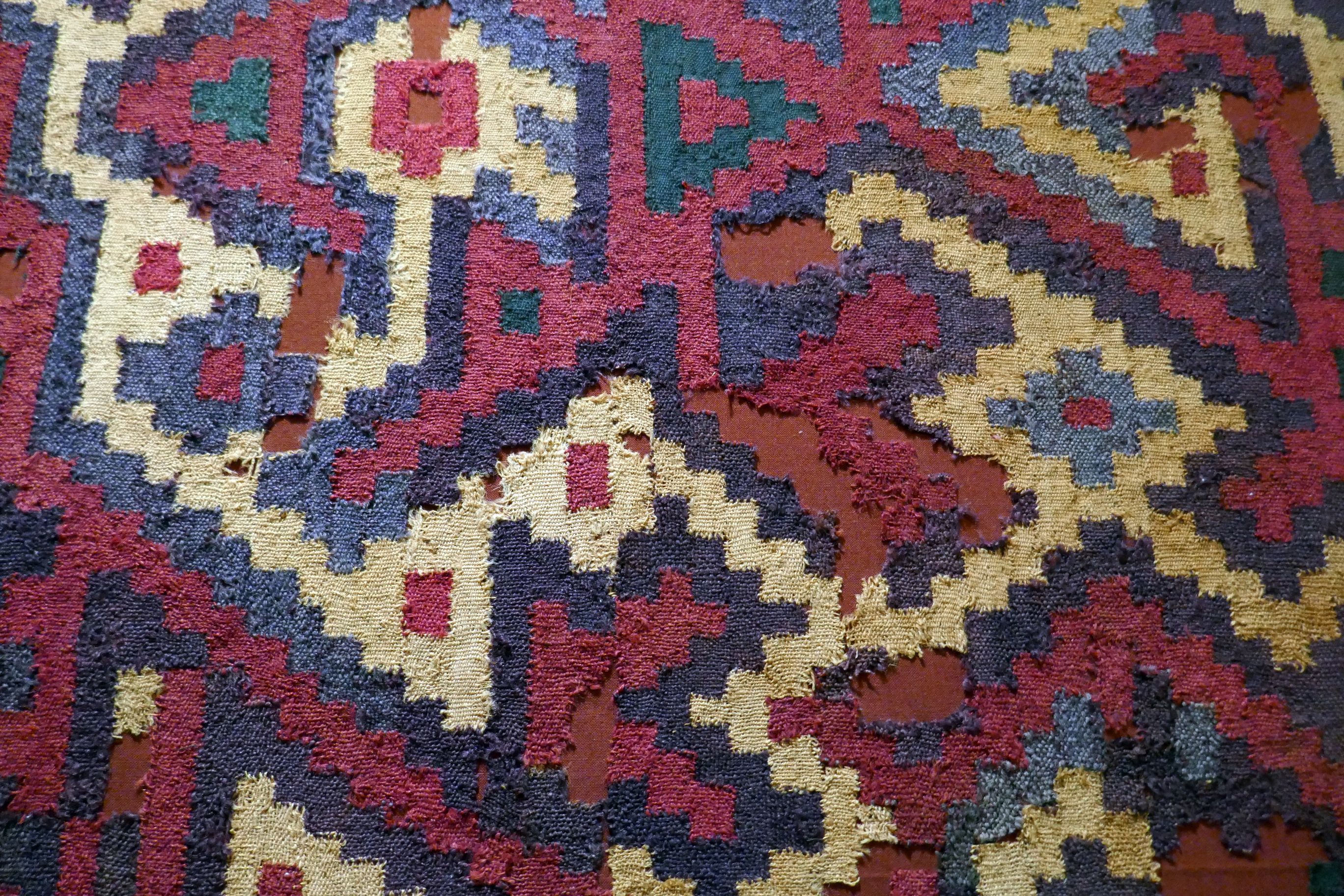
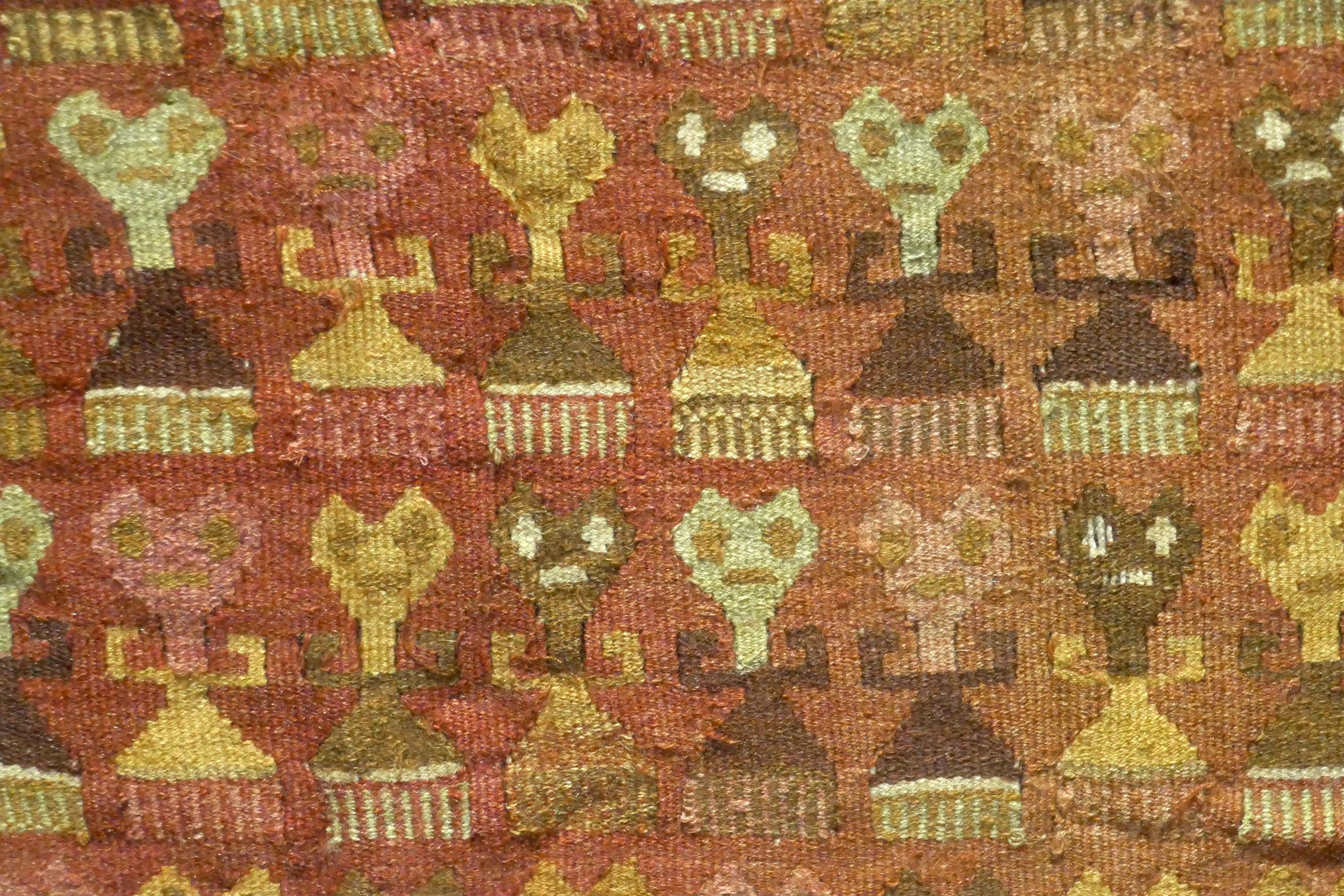
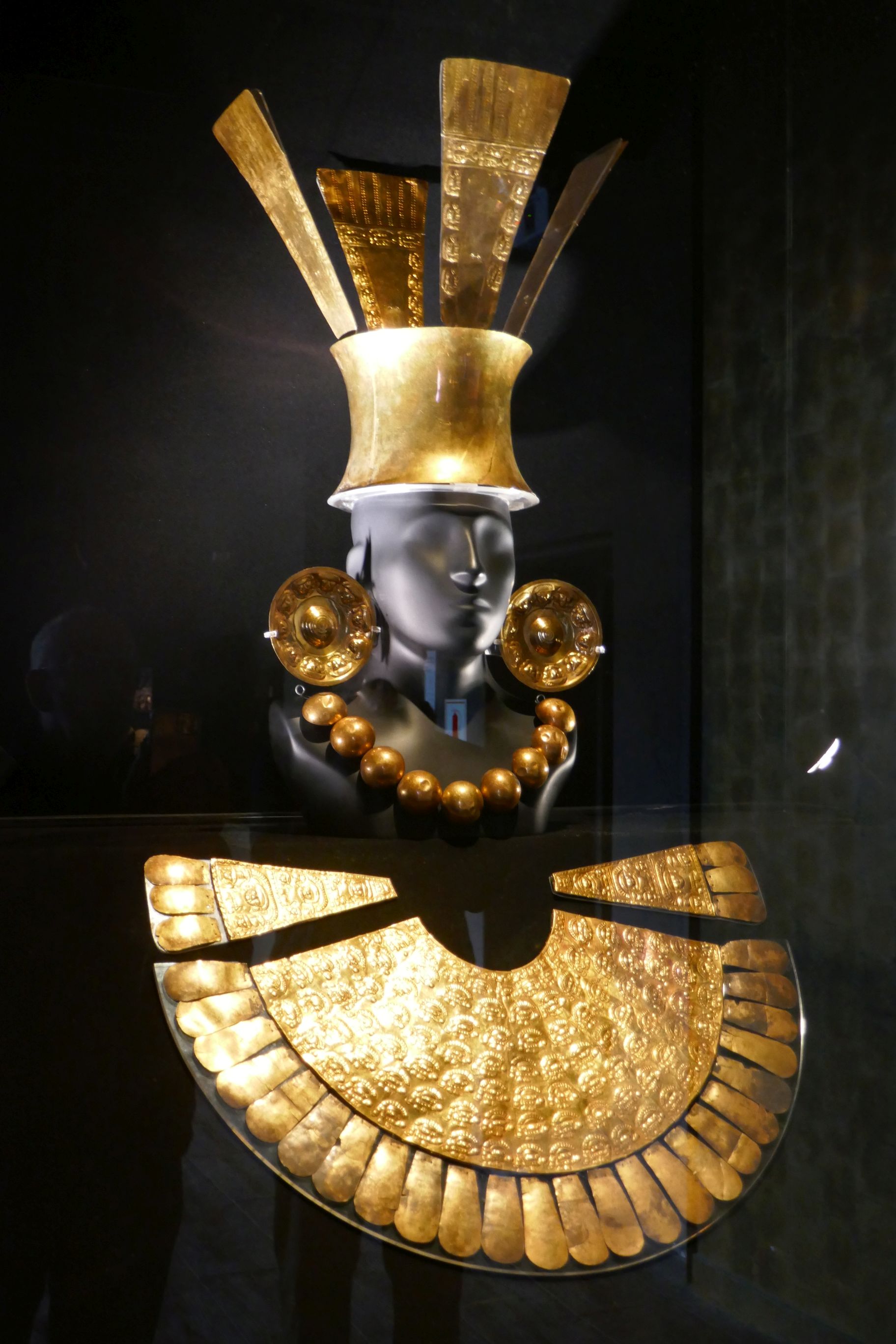
Our morning continued with a drive through the crazy Lima traffic to the beautiful  Larco Museum, an archaeological museum with an amazing collection of pre-Columbian pottery, textiles, jewelry, and more, recovered from the 200 archeaological sites within Lima.  The privately-owned museum is in an 18th century building with beautiful gardens and the most bougainvillea I have ever seen in one place!

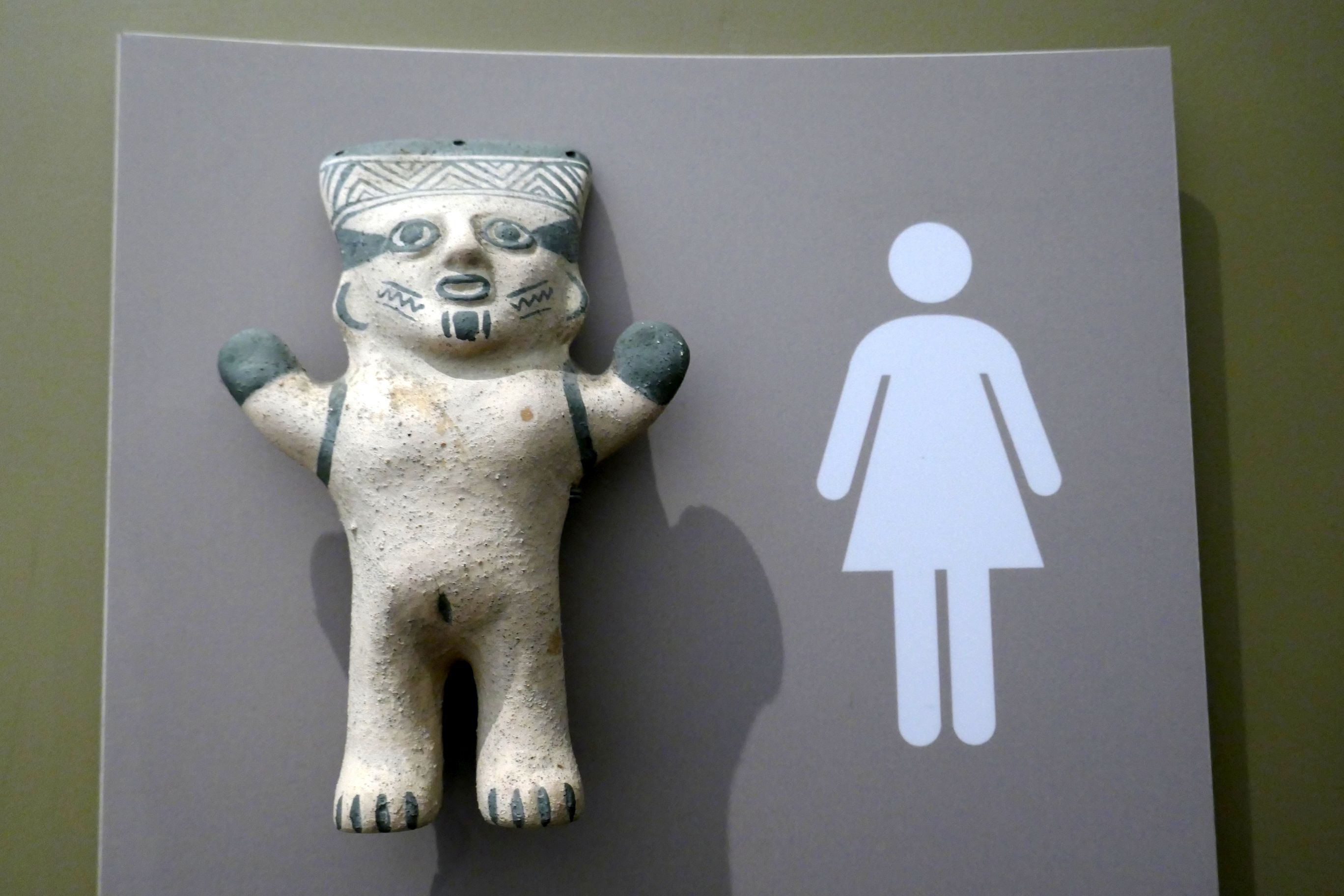
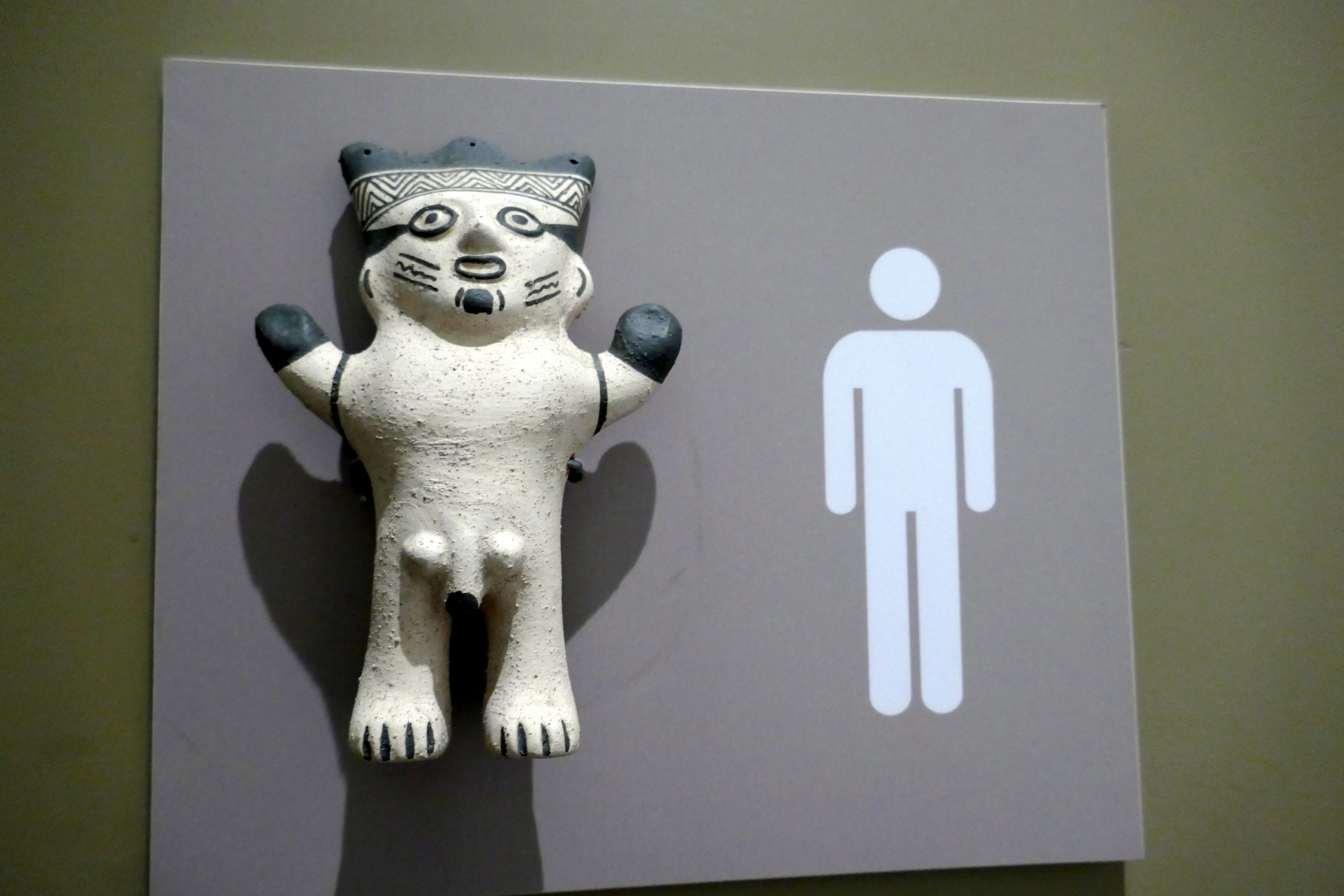
Even the restroom door signs were, uhhh, educational:

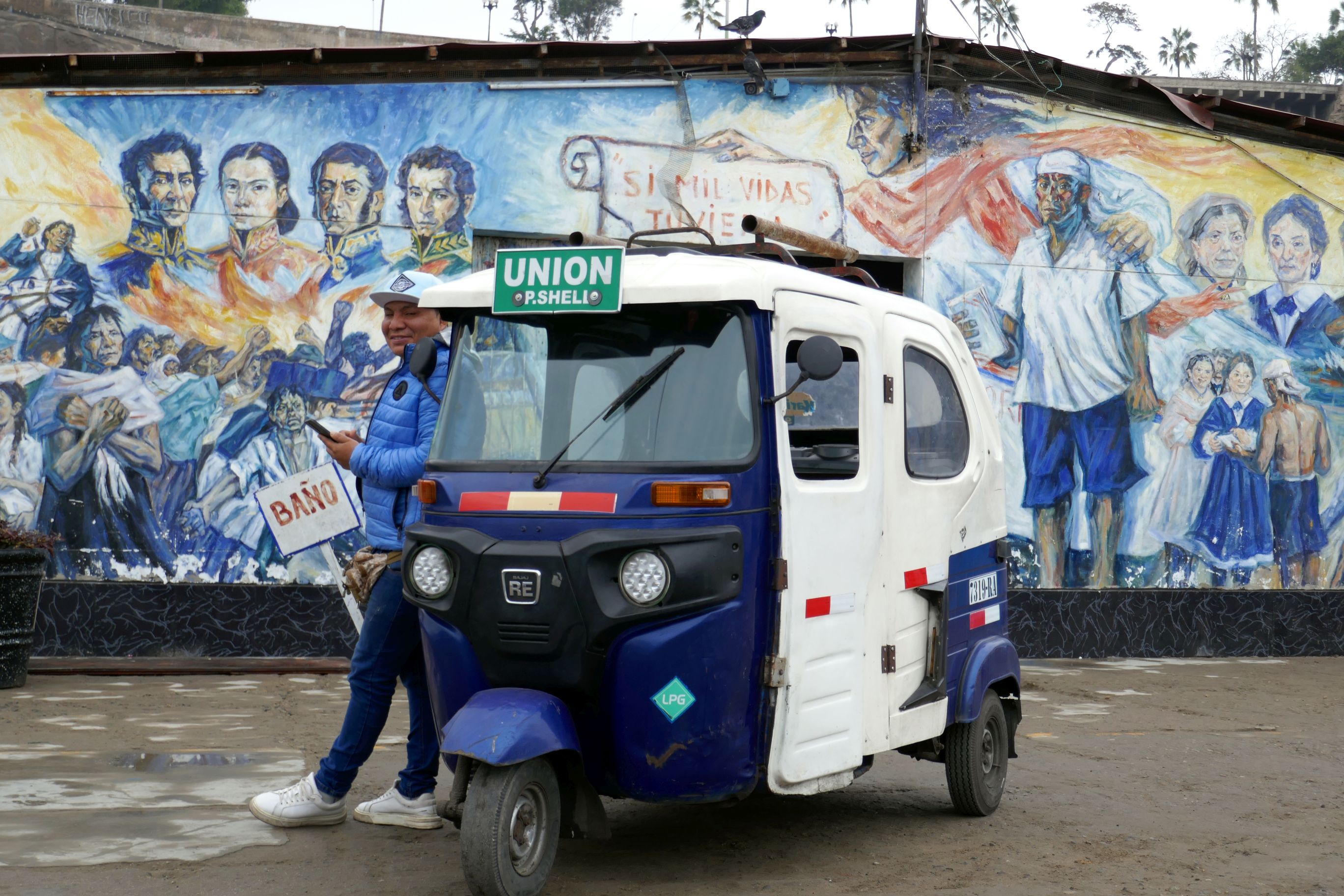
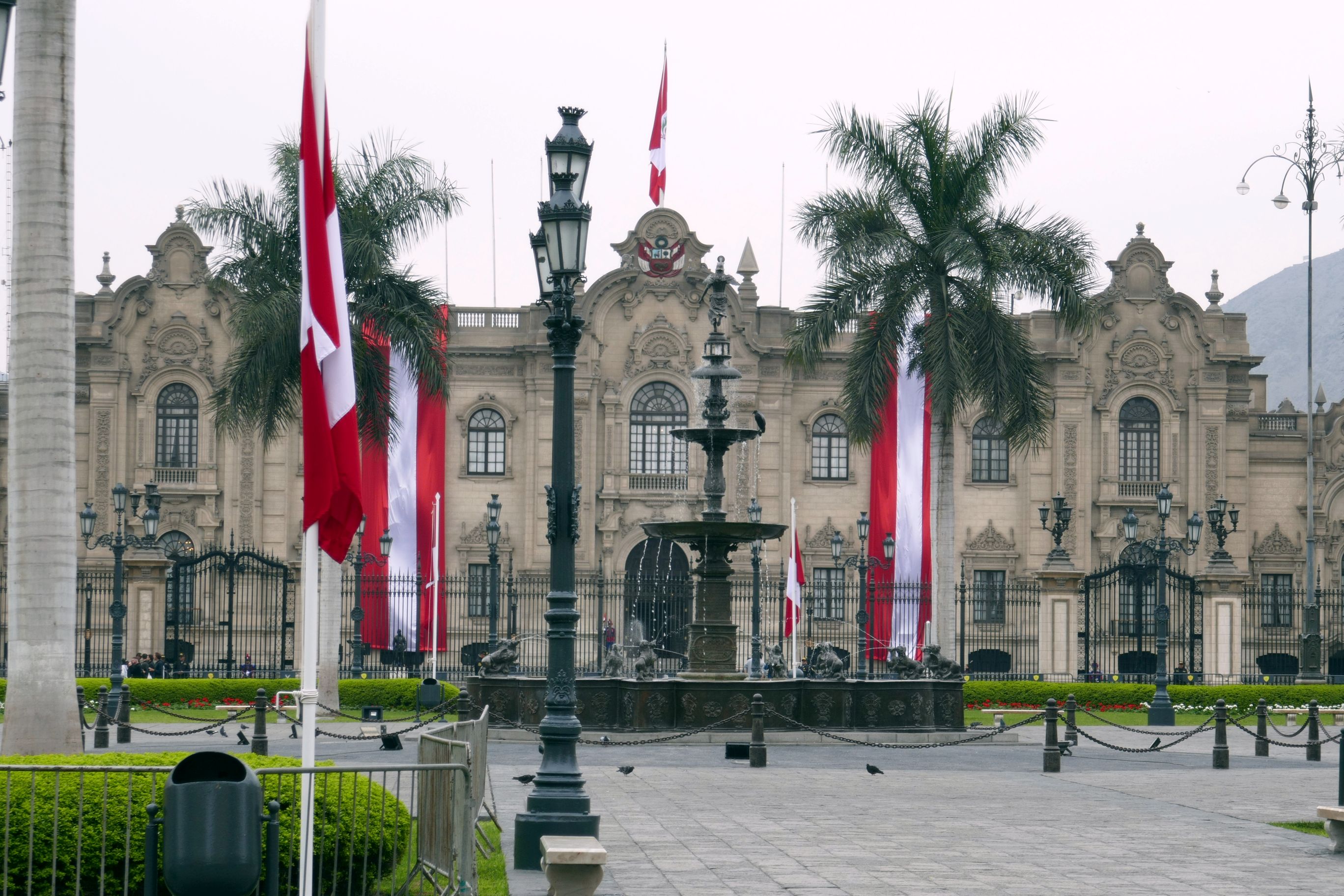
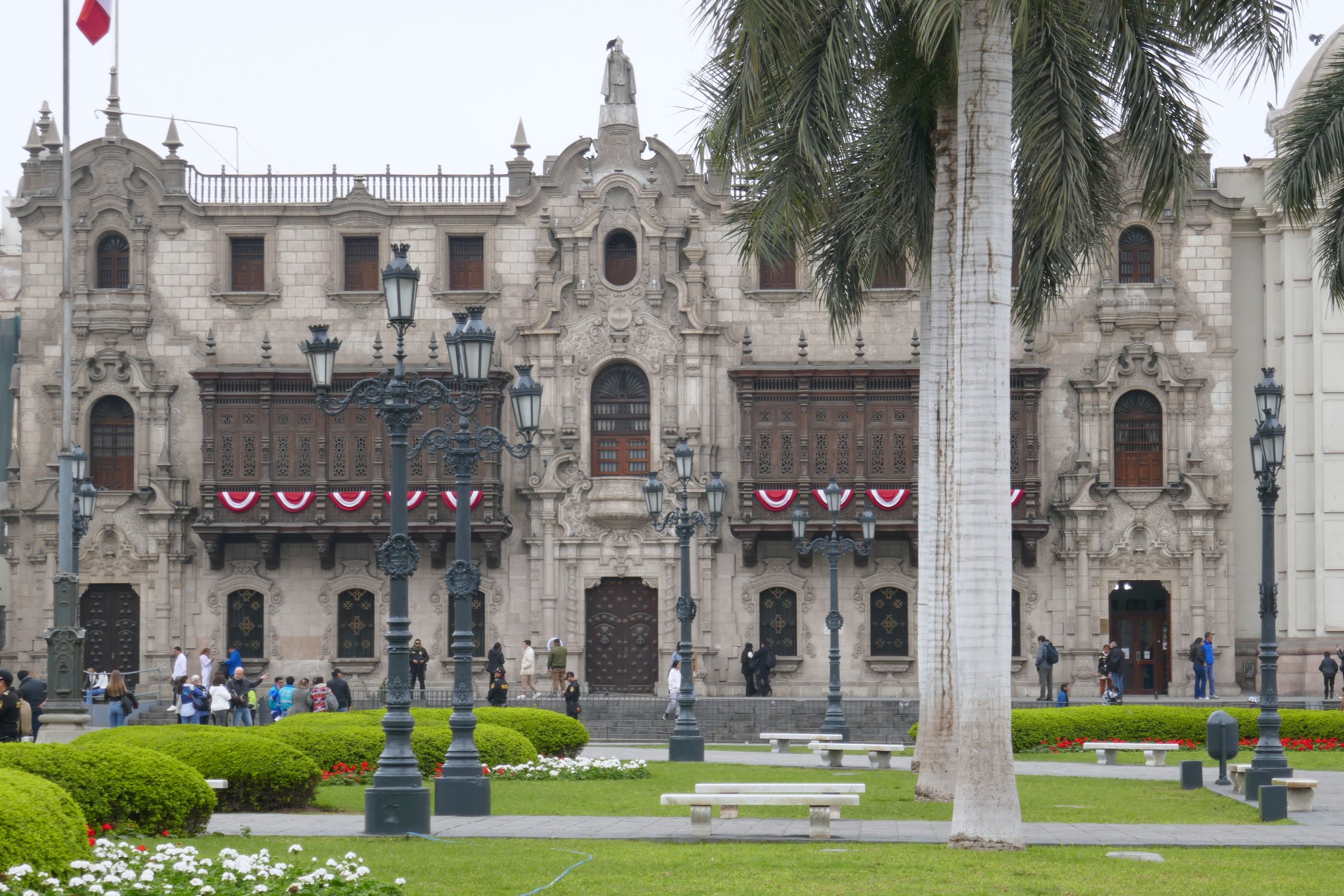
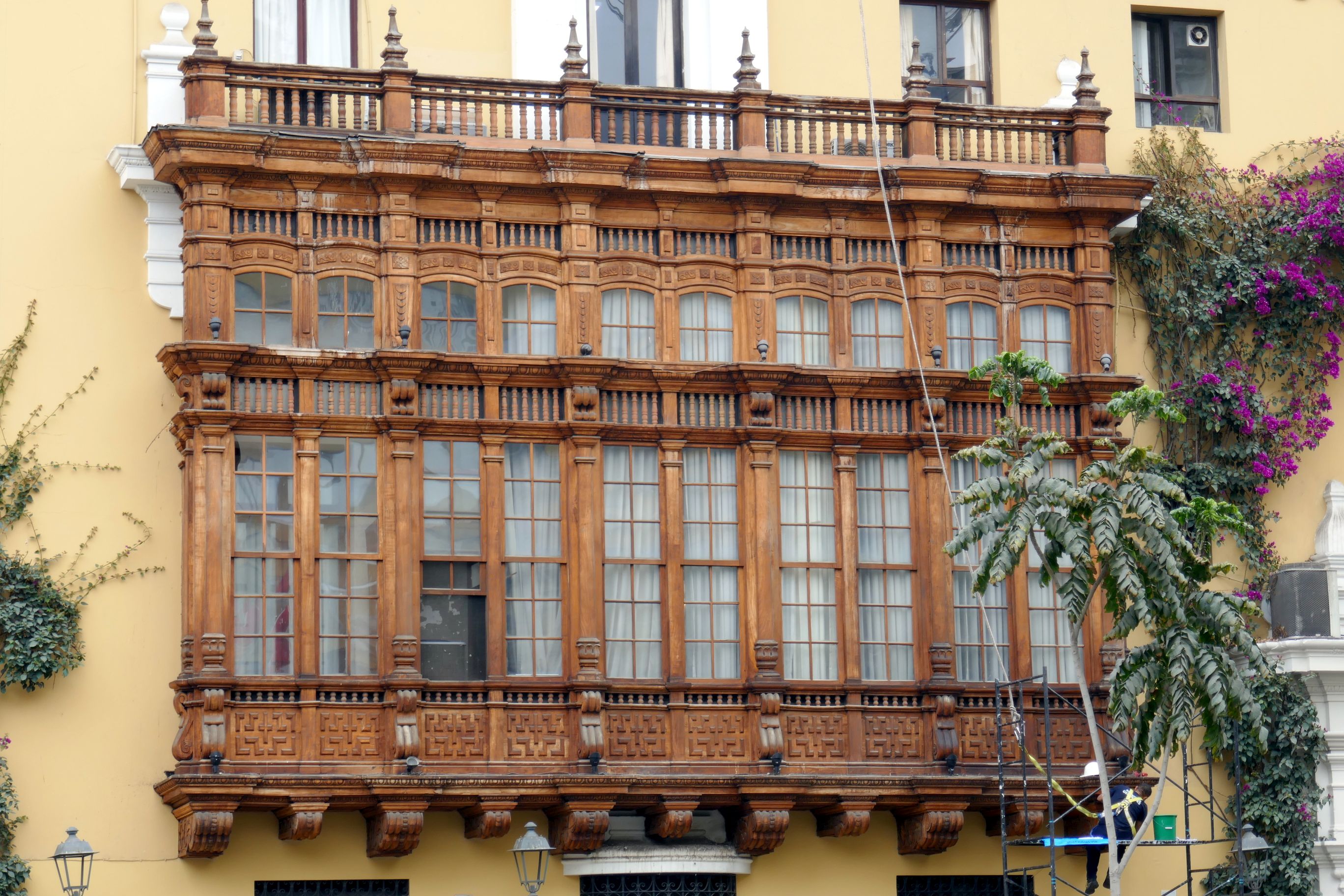
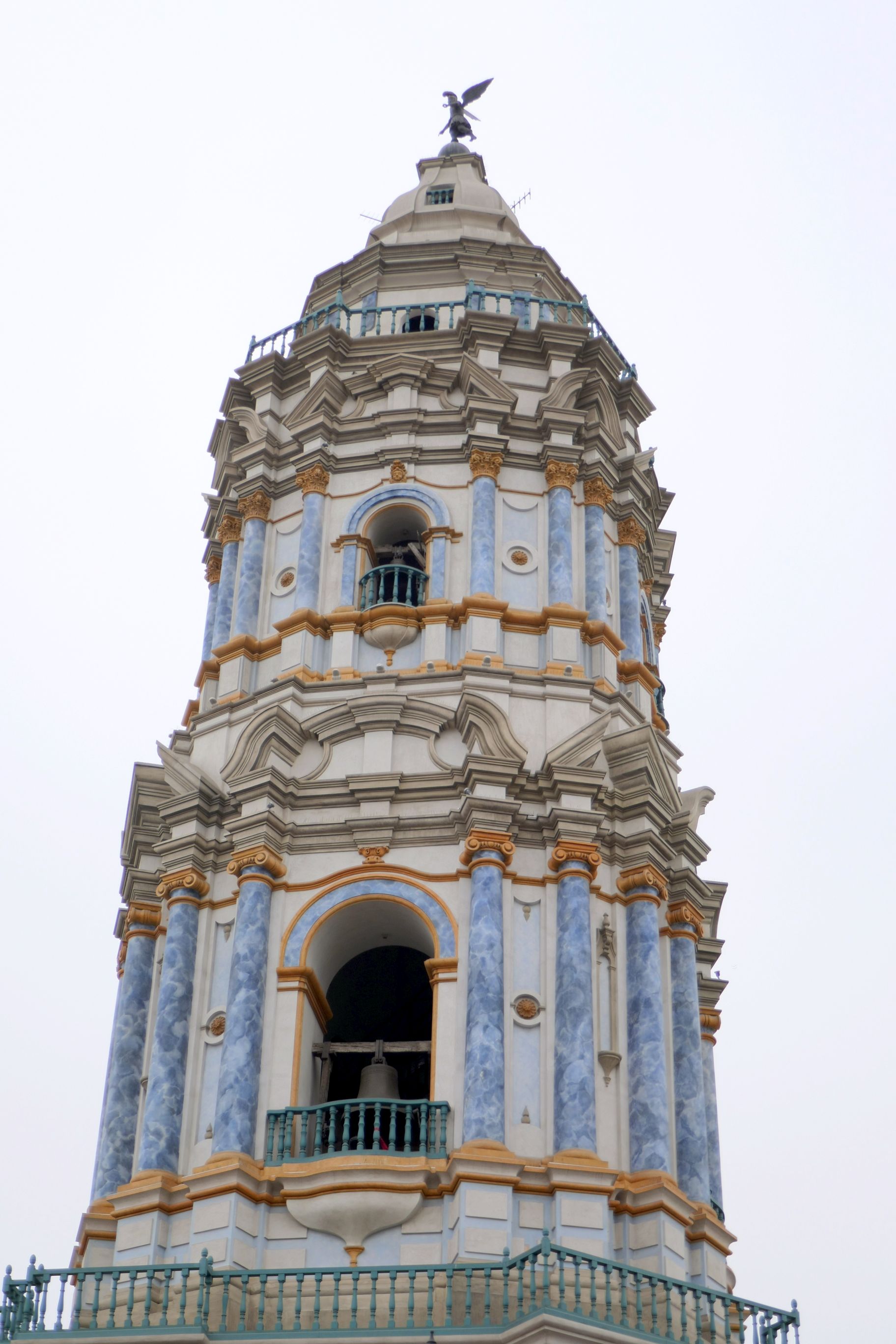
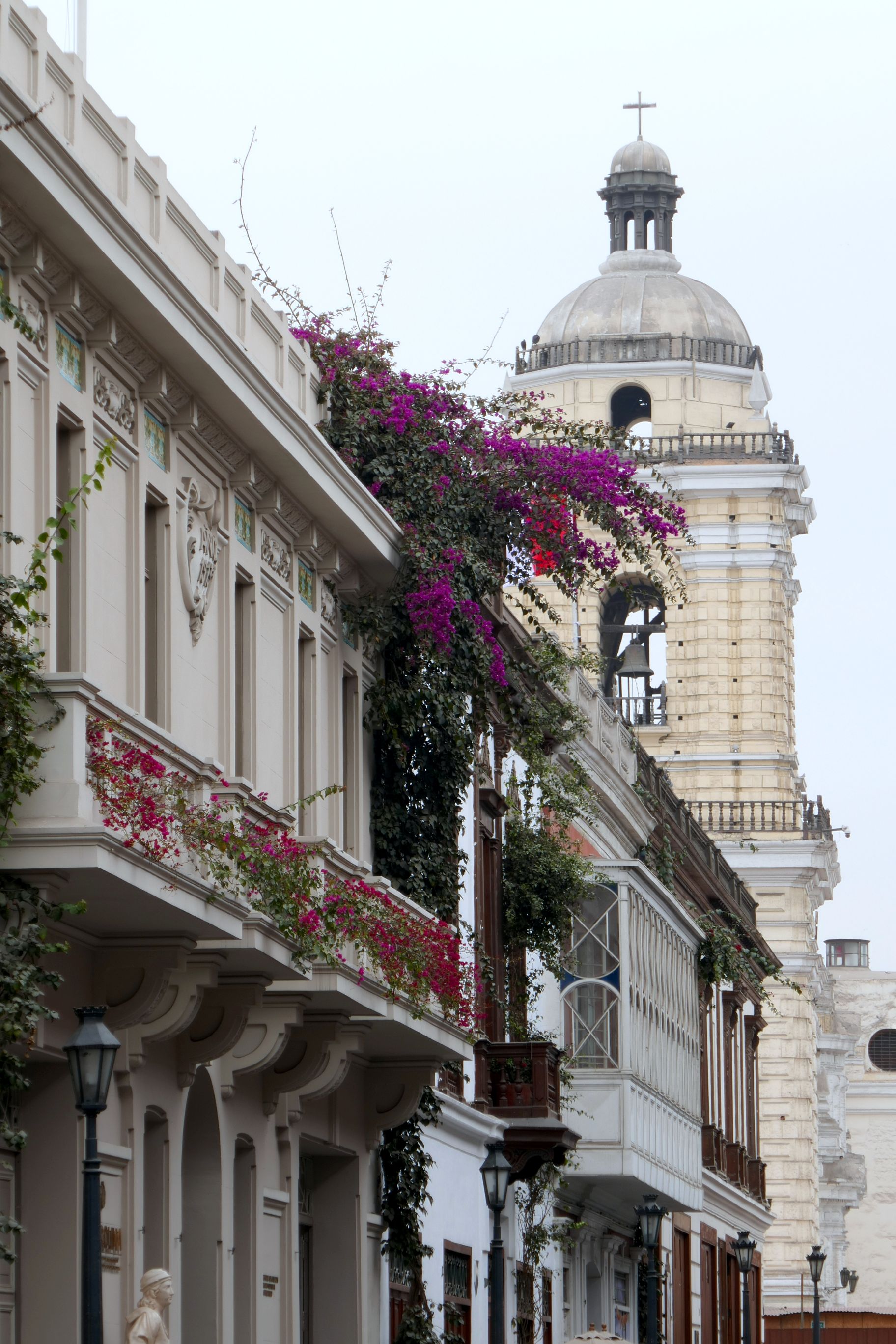
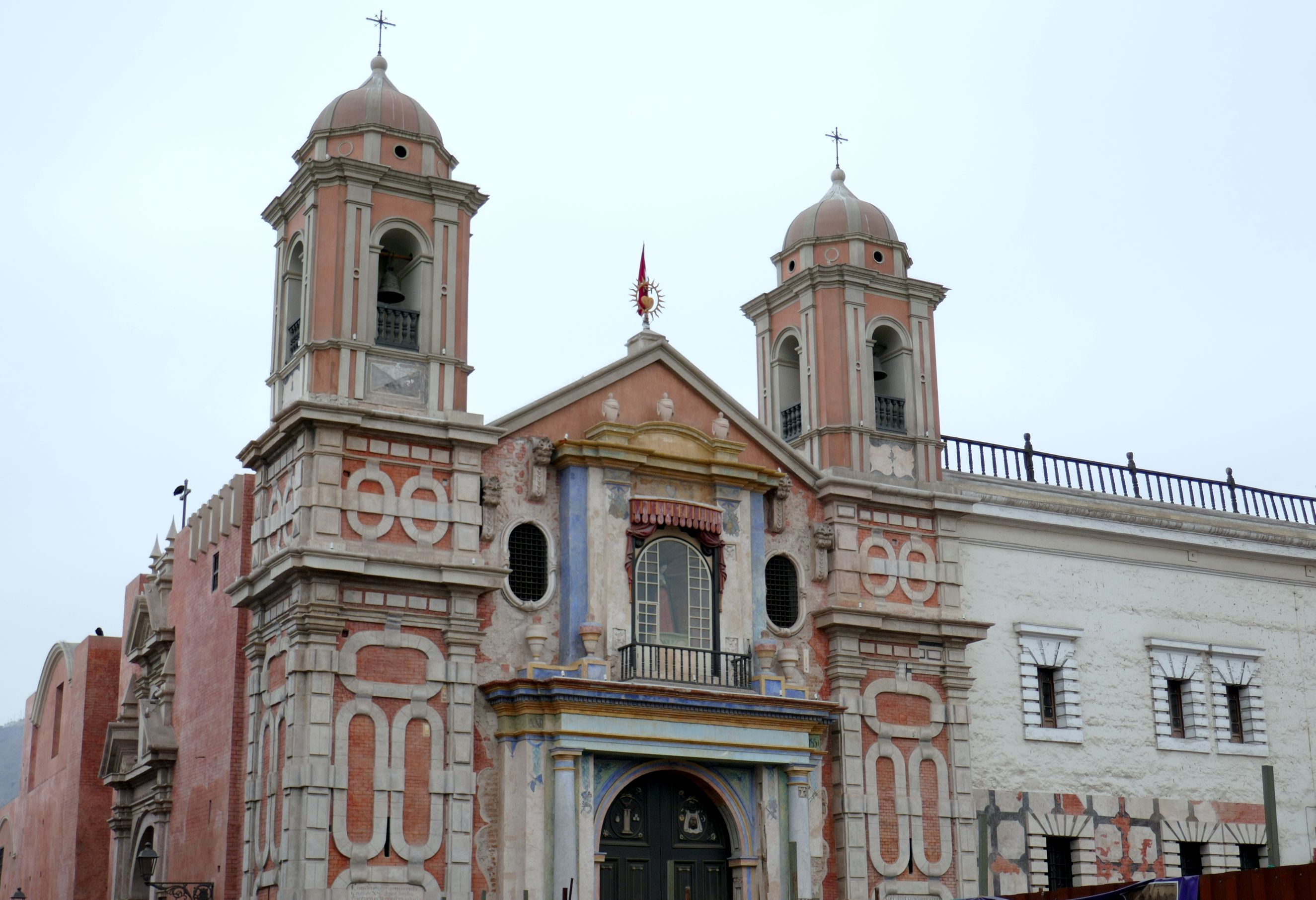
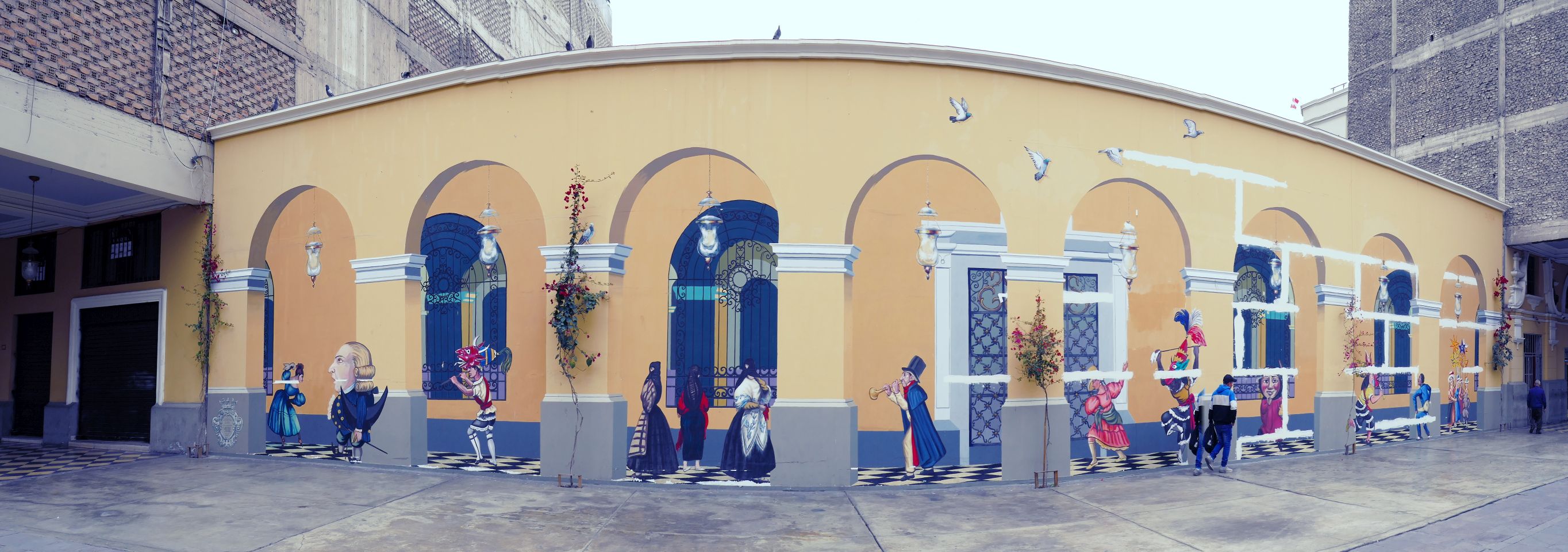
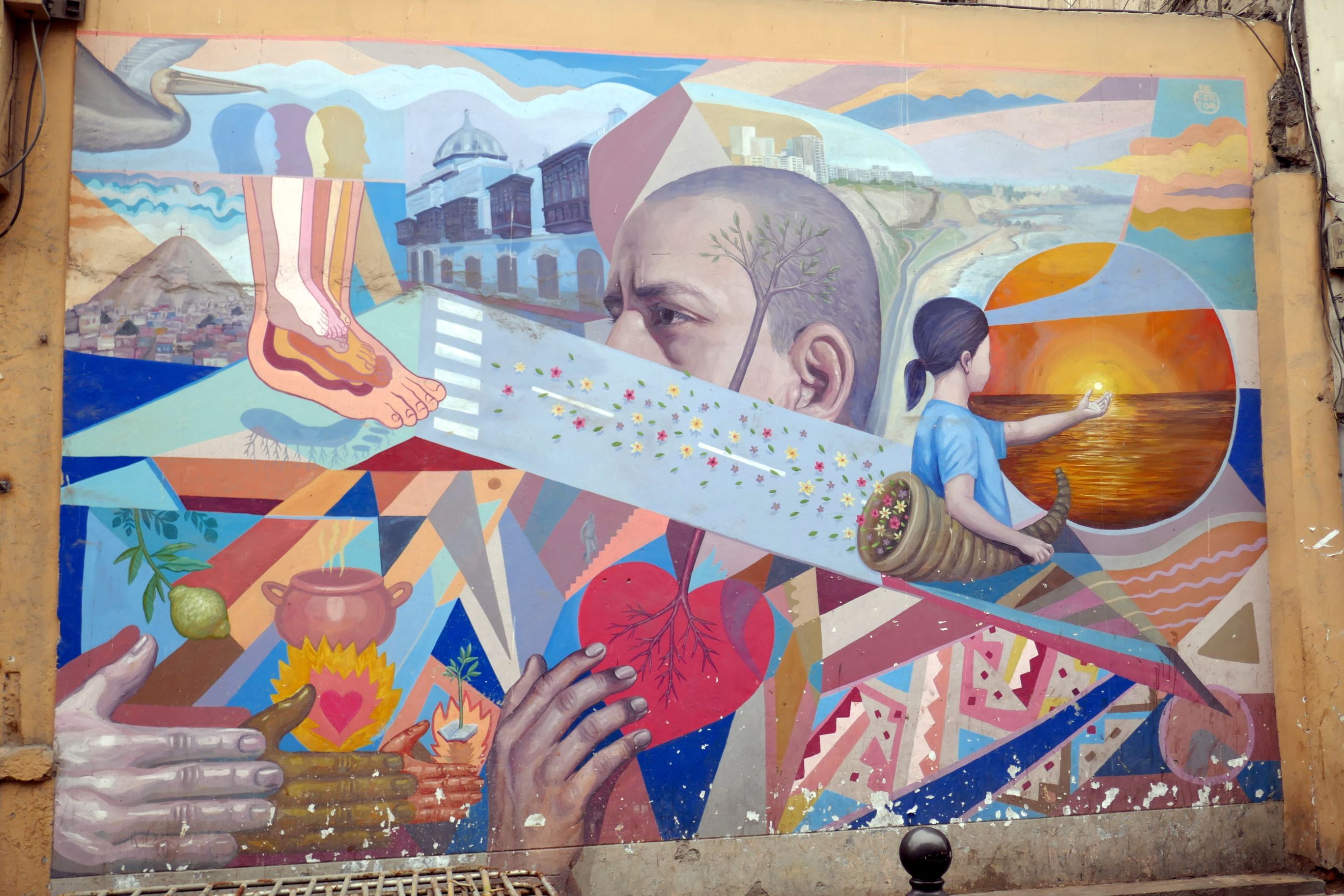
Next, we visited the Colonial District for a walking tour.  Lima has suffered many destructive earthquakes over the years, so few Colonial-era buildings remain in what is now an eclectic mix of architecture.  As a result, the Colonial District is registered as a UNESCO Heritage Site.

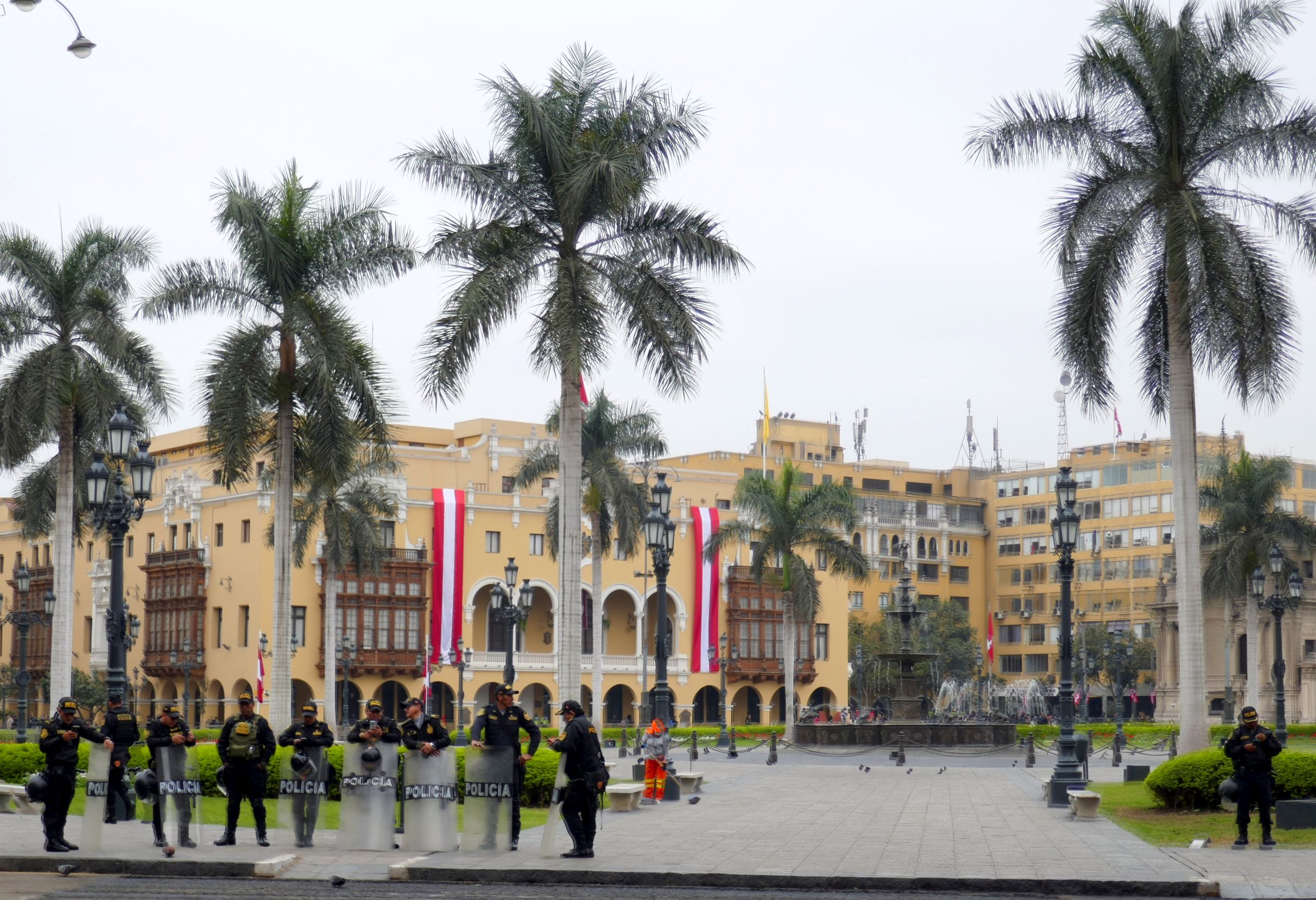
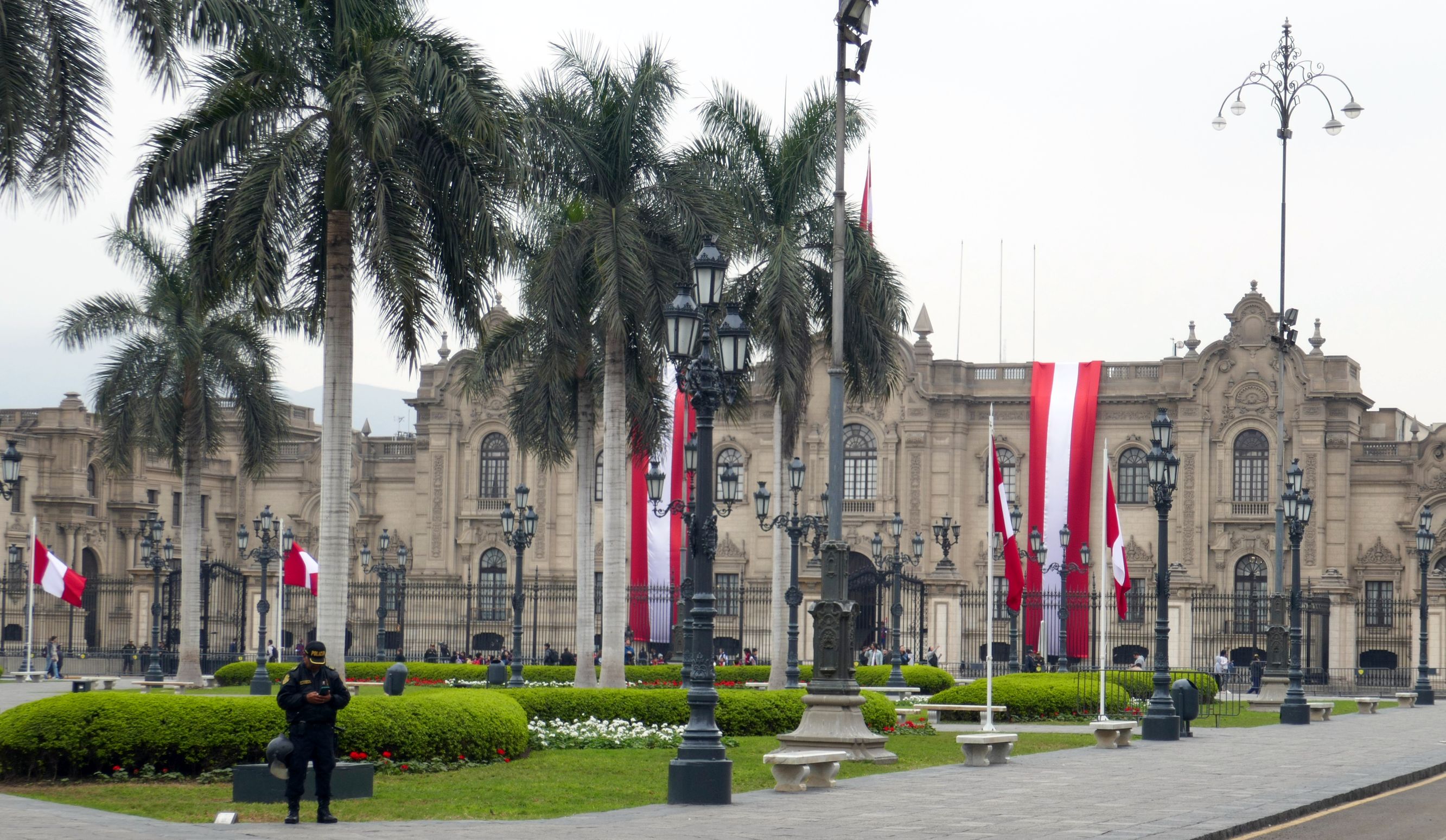
Our tour took us to Plaza Mayor de Lima past ornate government buildings, including the Government Palace and 1650’s-era fountain, while our guide shared a lot of interesting information about Lima.  I had no idea, but 75% of the city’s residents are from other places in the world making it very multi-cultural.

The oldest civilization in the Americas was in Peru, dating back to 3,000 B.C.  Since Lima is located just 12 degrees south of the equator, the tropical climate was conducive for many varieties of produce to grow.  It was also rich in seafood; more than 300 varieties of fish can be found in the region.  So, civilizations developed quickly and there was no need for them to migrate in search of food.  People settled in Lima for this reason, since many areas of Peru are desert.

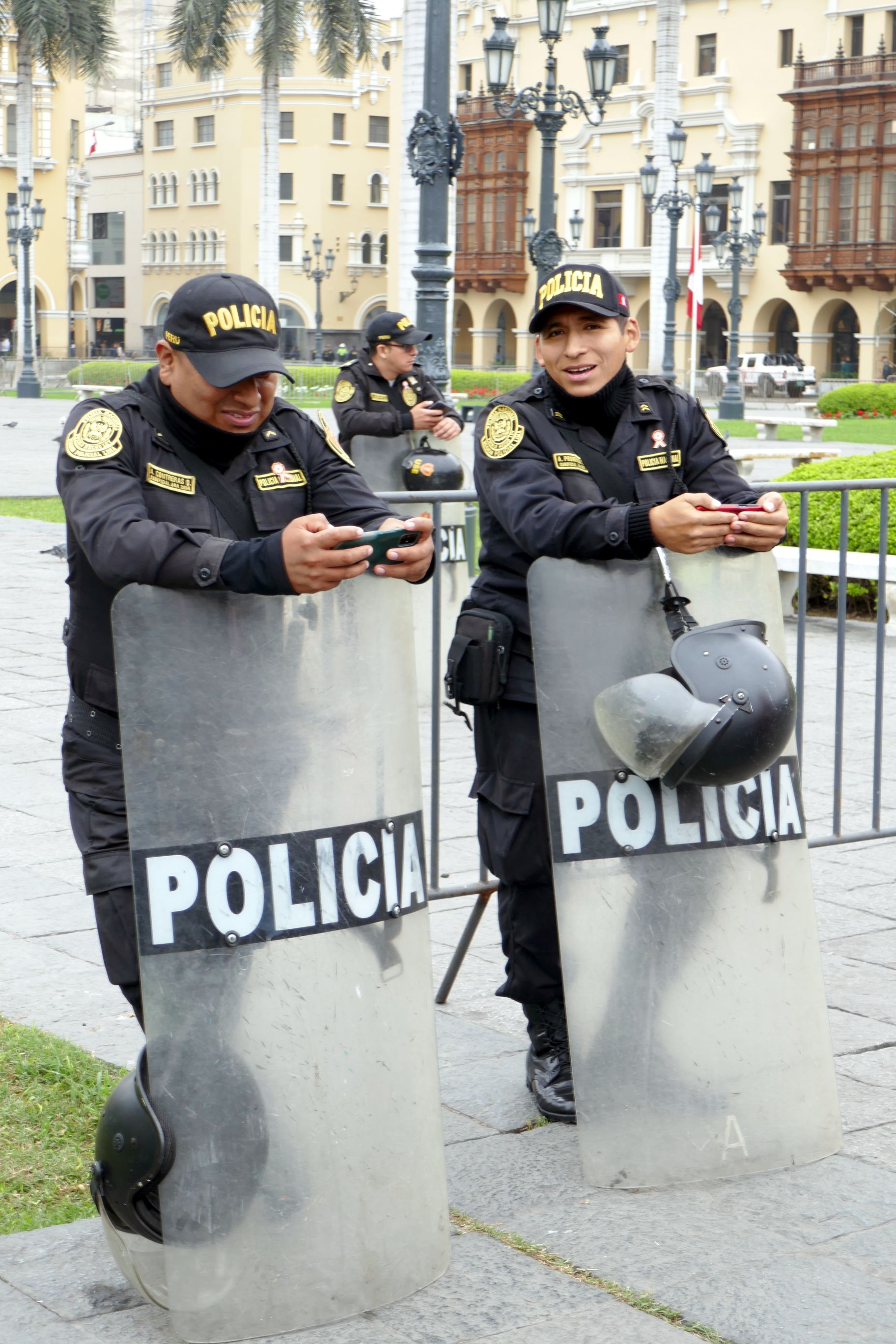
Throughout the square, as you may have noticed in a few of these pictures, the policia was hard at work… on their cell phones.

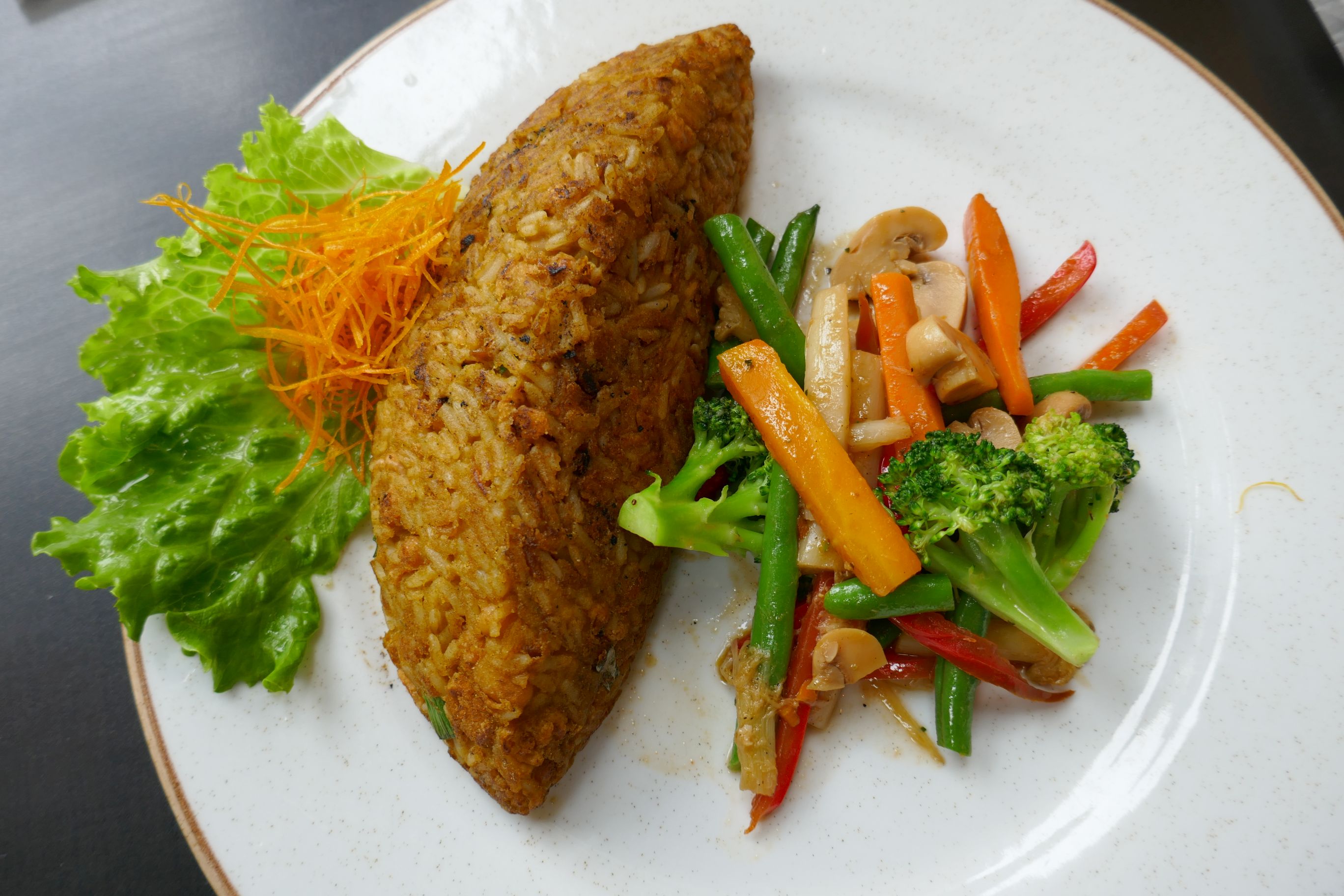
Before heading back to the Miraflores District, we enjoyed a lovely alfresco lunch of traditional Tacu Tacu (Peruvian rice and bean) and continued our walk through town.  It was such a fabulous day!

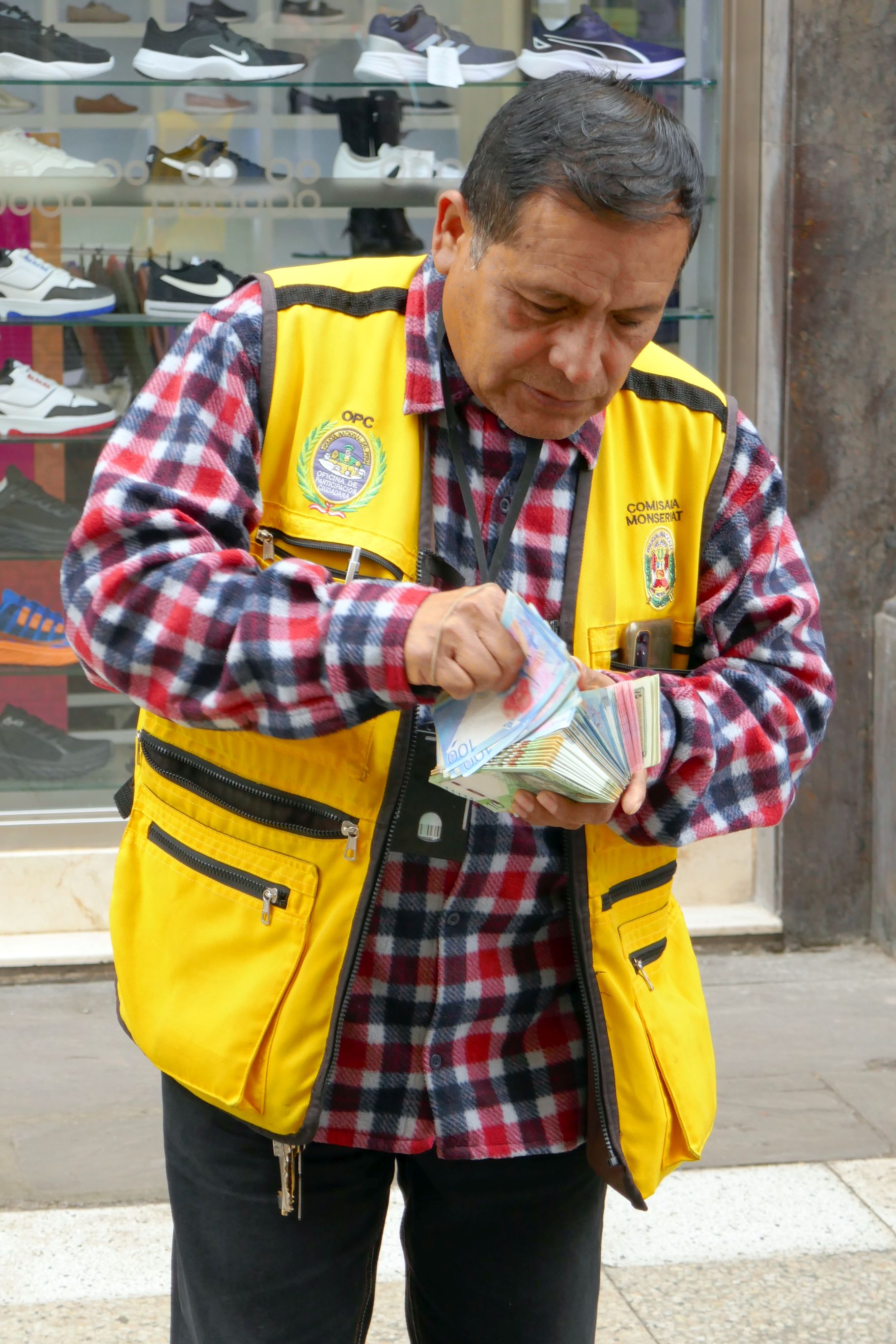
This is how you exchange your money; find somebody in an official yellow vest. Notice the guy on the right. He’s counting his U.S.$. As I watched, most of the stack were 100’s! By the way, counterfeit money is a huge thing in Peru and most of counterfeit U.S. money is made there.

Well, dear readers, after six posts covering four days in Lima, I will be continuing to Urubamba, Cusco, in my next post, but not until after my computer and I take an extended break for more adventures!

Coming up after the break: PERU #7: THE SACRED VALLEY SURPISE & PISAC RUINS

SWITZERLAND & NORTHERN ITALY #18: OVERLAND TO BEAUTIFUL BRESSANONE / BRIXEN

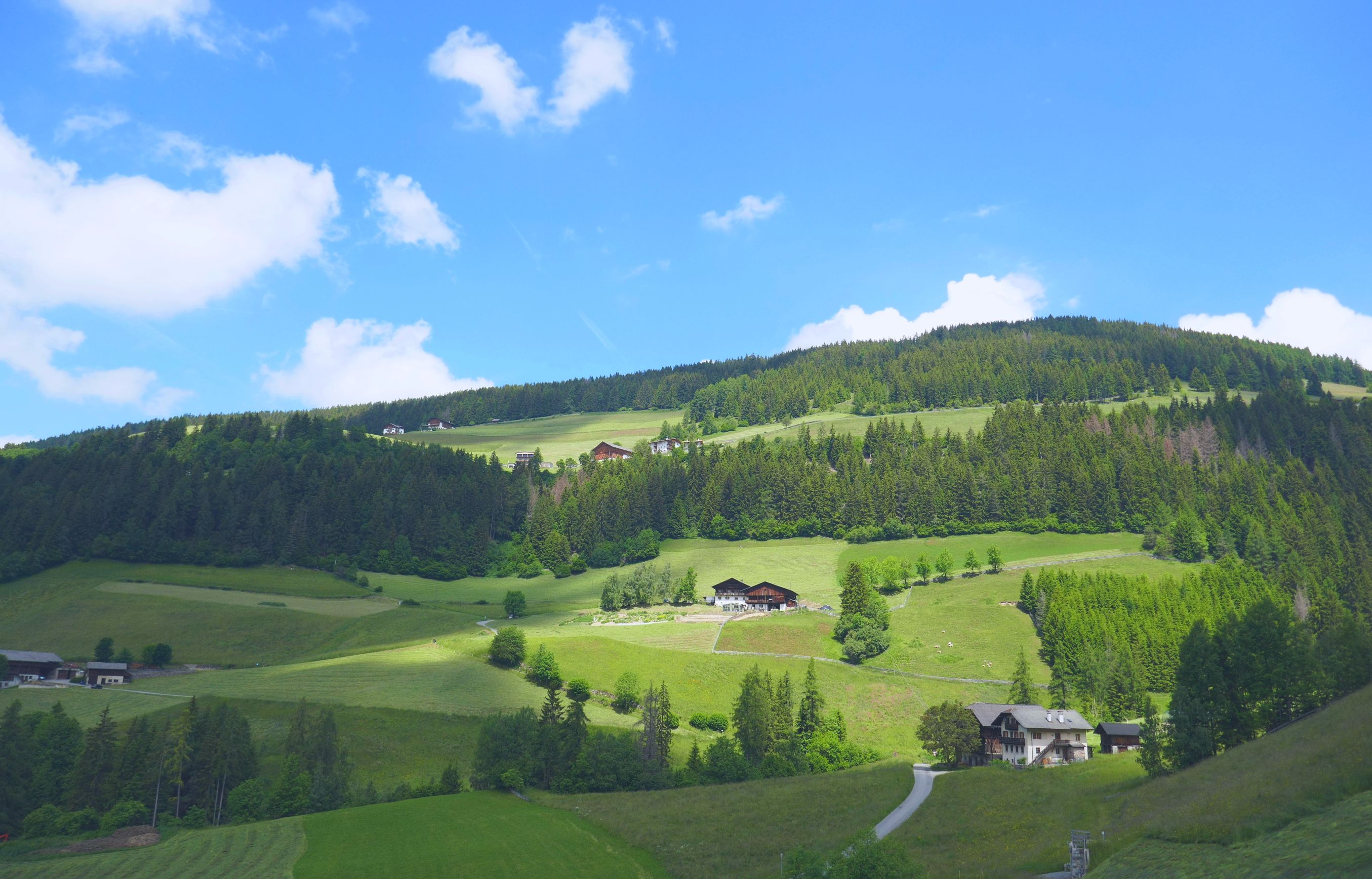
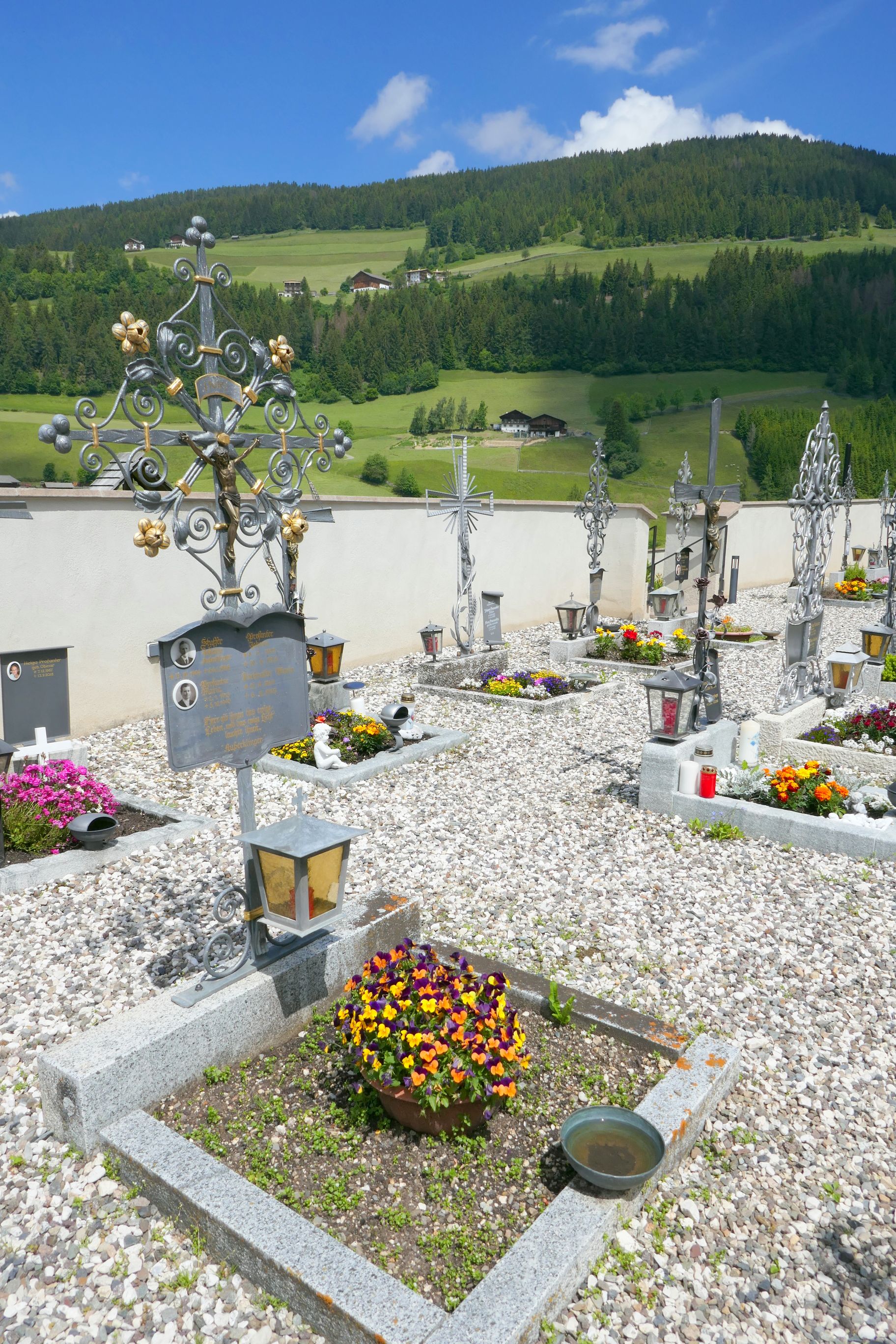
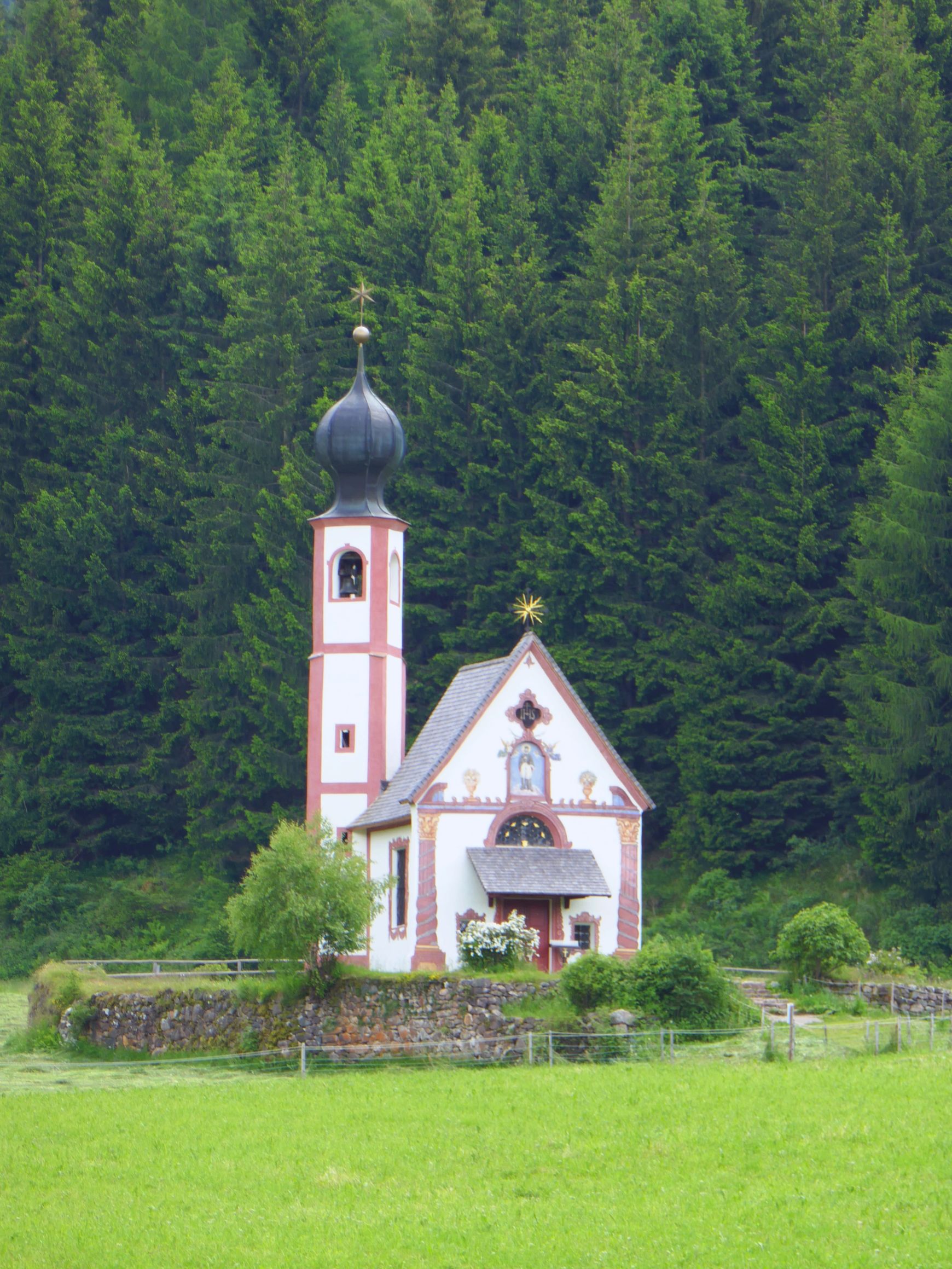
Our travels to Bressanone (aka Brixen) took us through the Val di Funes, a valley in northeast Italy with rolling hills dotted with farms and surrounded by steep alpine peaks.  We stopped for a hike along Santa Magdalena, a scenic trail that passed by family farms, a tiny church, and offered incredible views of the Italian Dolomites when the clouds cleared.  Following our hike and lunch at Fines Hotel & Restaurant, we were fortunate to catch some nice views of the jagged, spiked dolomite mountains. 

Dolomite is a carbonate rock, and the Italian Dolomites are comprised of 32 clusters of dolomite peaks that look like limestone spikes.  The large concentration of this type of rock is only found in Italy and is a UNESCO Heritage Site.

(For all photos, click on the image for a full screen view.)
What a thoughtful farmer, devising a back scratcher for his cows!
This is Gabriel Messner, hike leader and owner of the Fines Hotel & Restaurant where we had lunch. Look for him (hopefully!) in the next winter Olympics as a skier for Team Italy. As a national team member, he has hopes to make the cut!
The view of the Dolomites got better…
…and better. But they will get even better in my upcoming post!

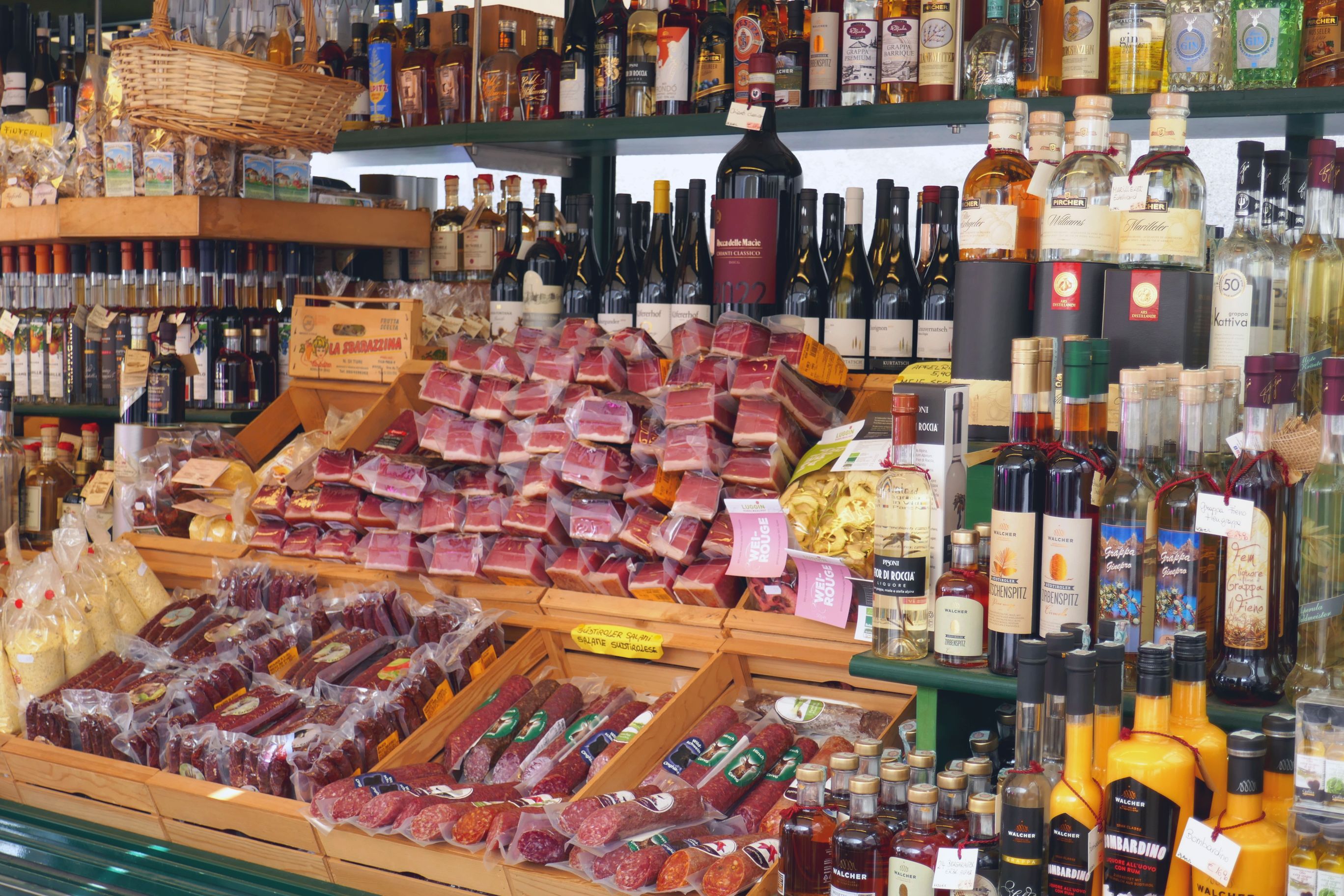
This region of Italy is close to Austria, so the languages spoken are both German and Italian.  The cuisine, as we discovered at lunch, had a German influence—much different than what you would find in the south of Italy.

We continued on to Bressanone, which used to be called “Brixen,” a German name, until Mussolini, the horrible dictator, came in and changed all of the German names of towns and streets to Italian names and forced the residents to do the same.  The fascist didn’t stop there; he banned the German language and it wasn’t allowed to be taught in the schools.  Austrian history was forbidden from being taught as well.  Mussolini tried to wipe out that entire culture.  Thankfully, it was all ultimately reversed. Signs in the area are in both German and Italian, and German is one of the official languages.

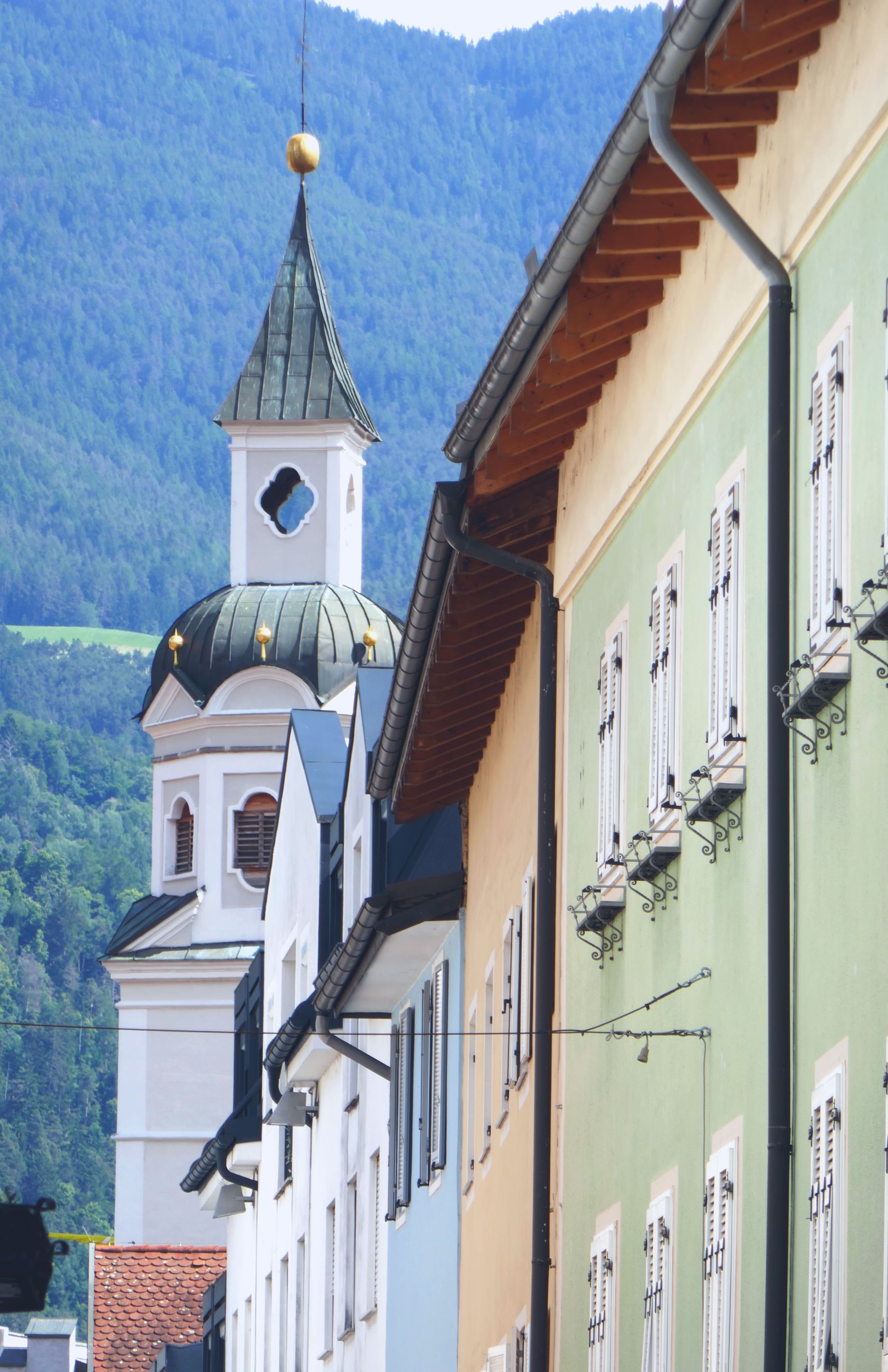
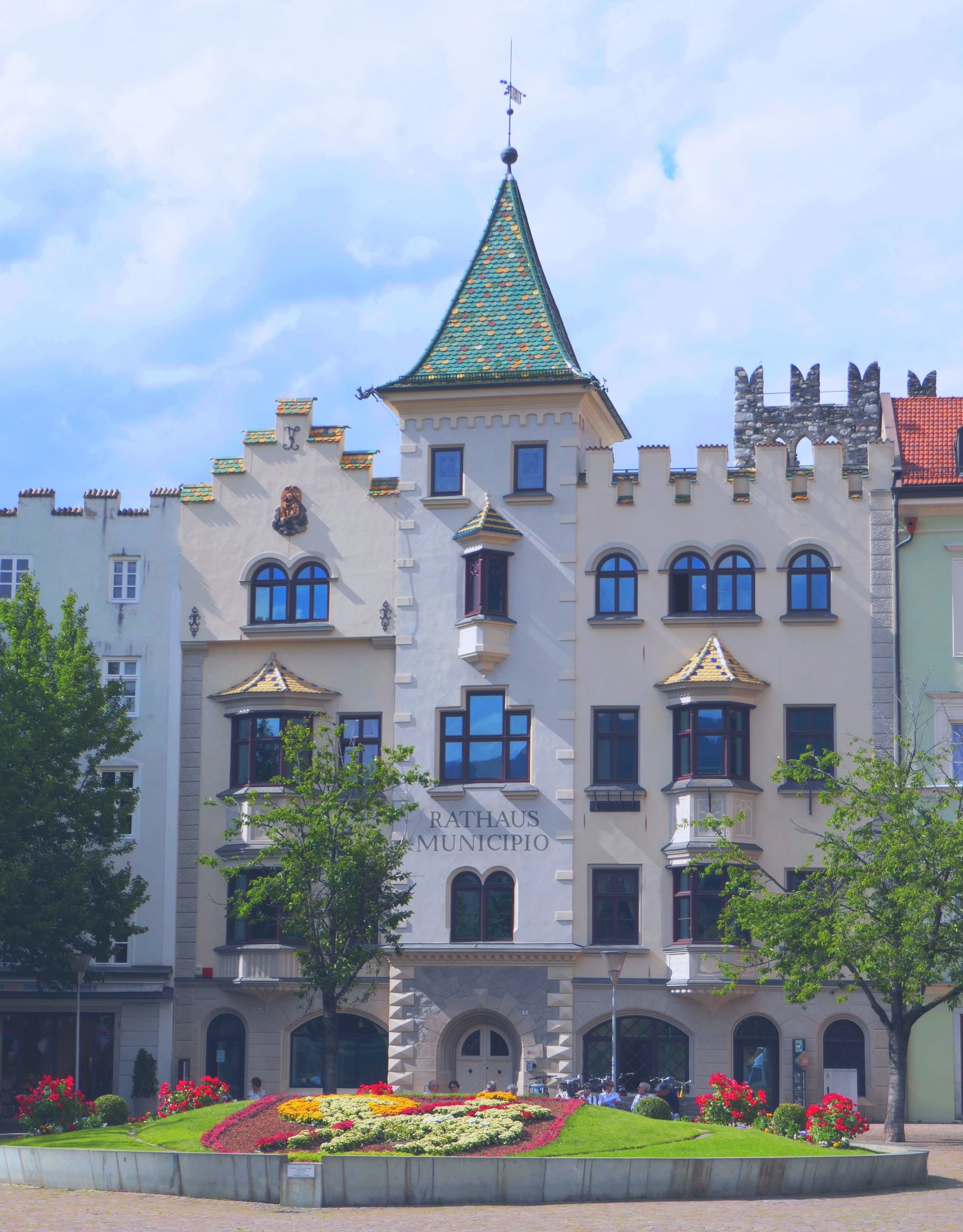
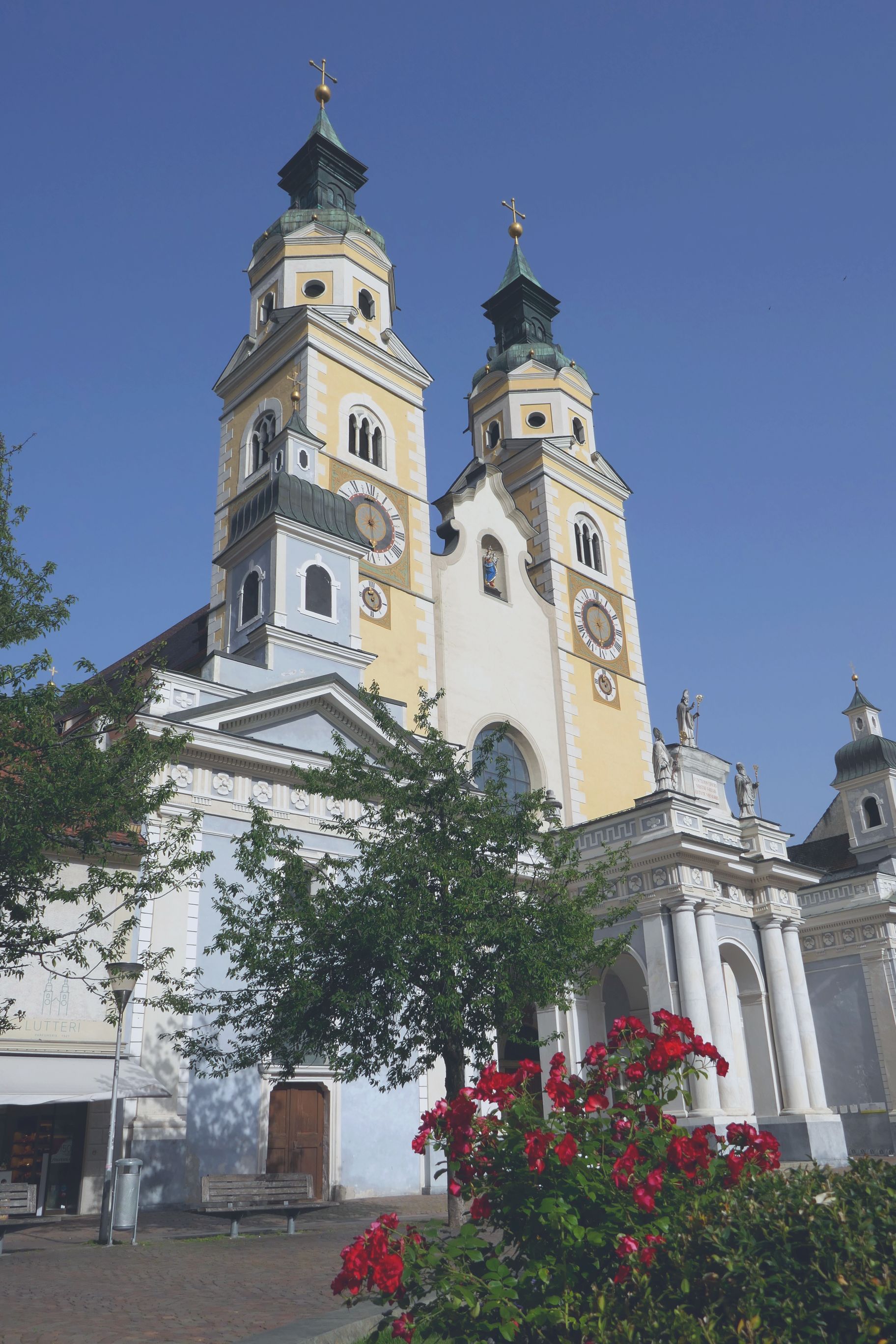
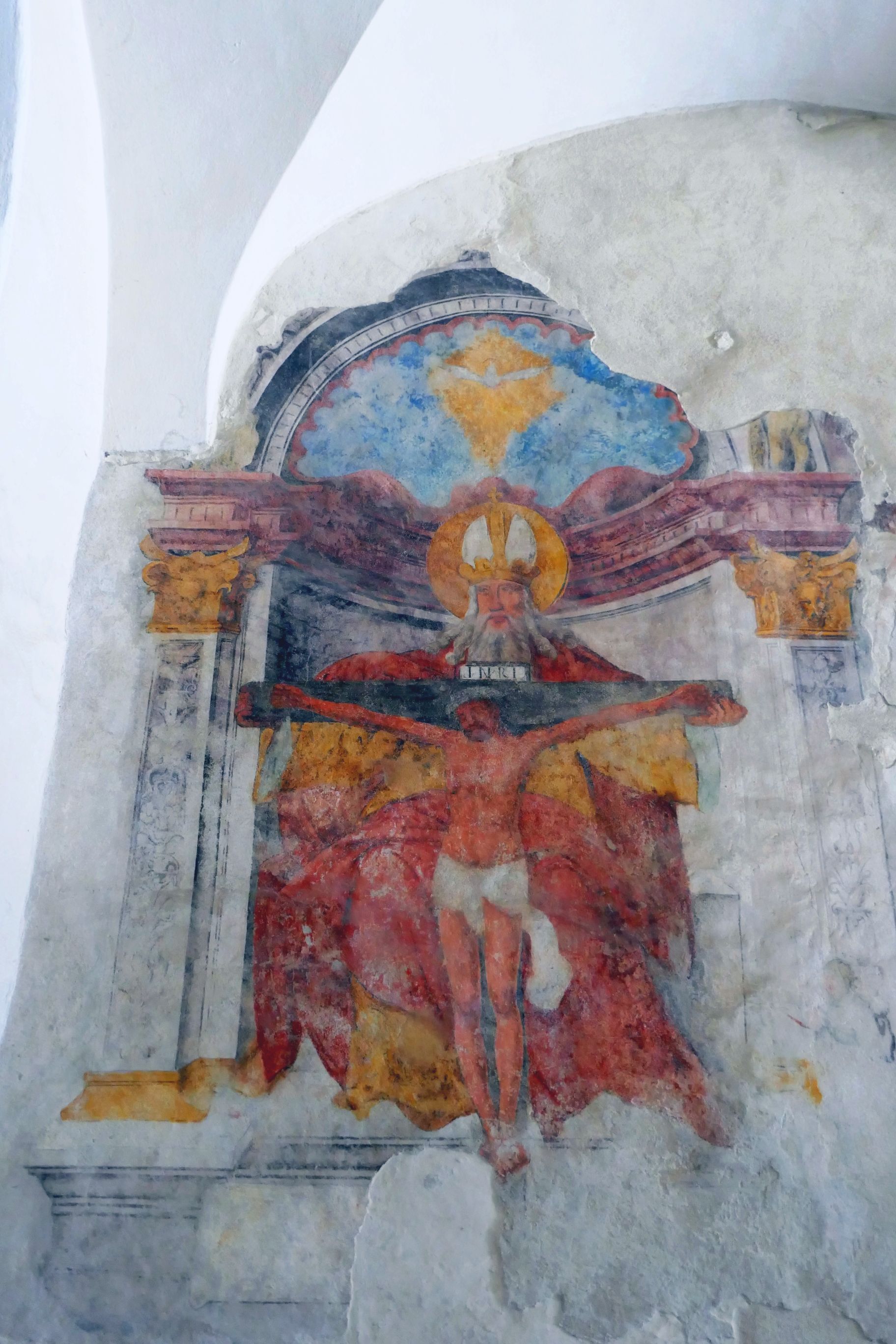
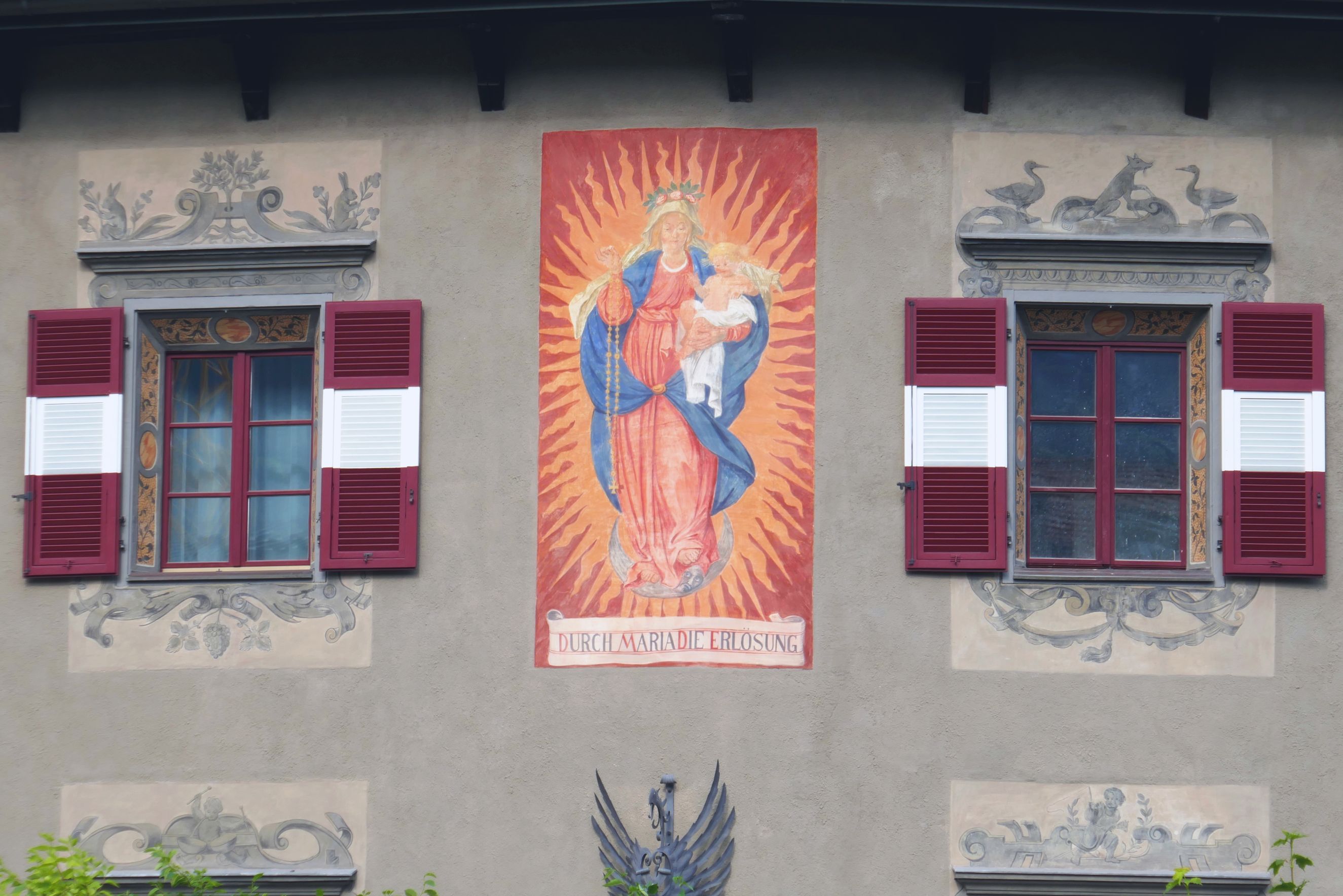
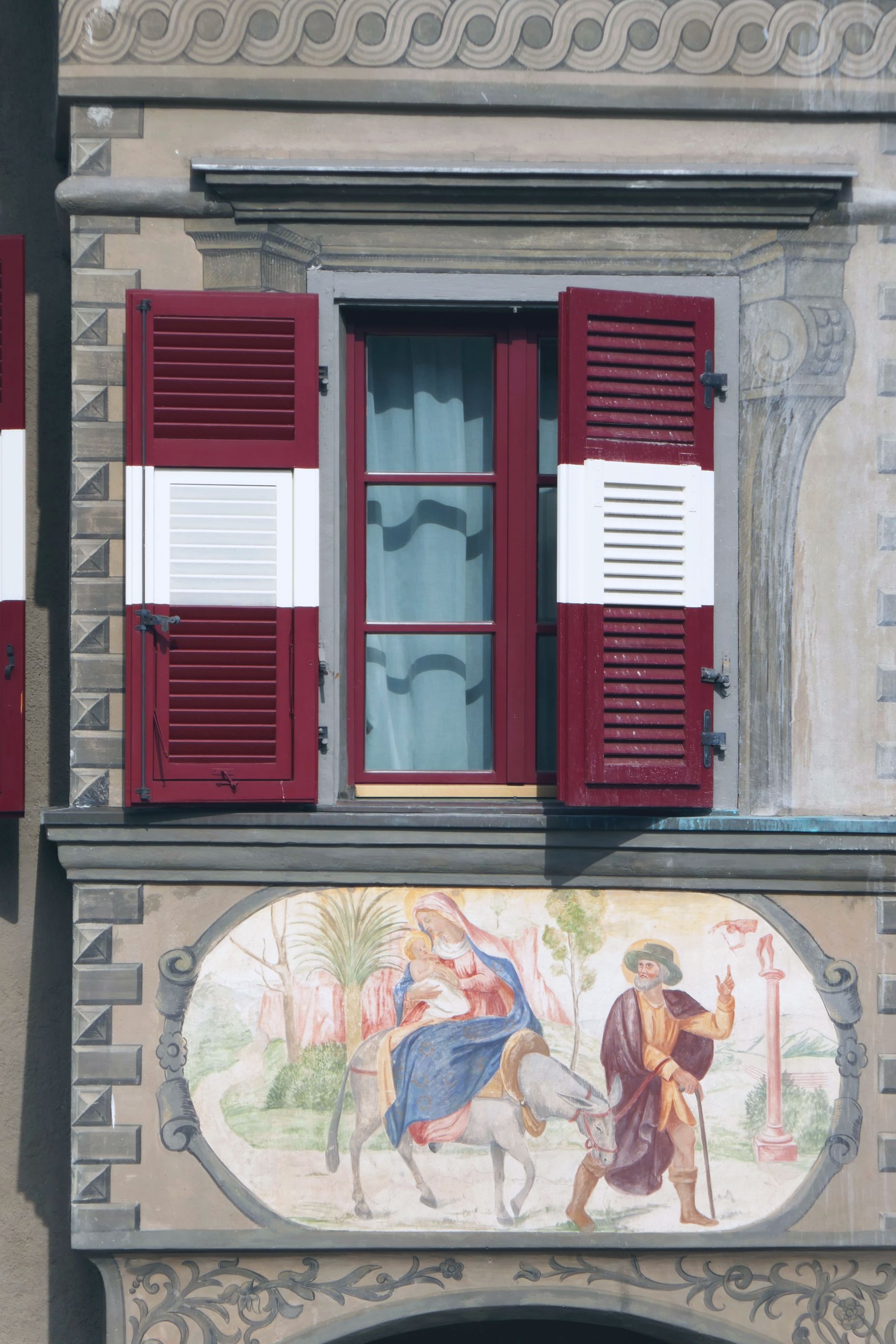
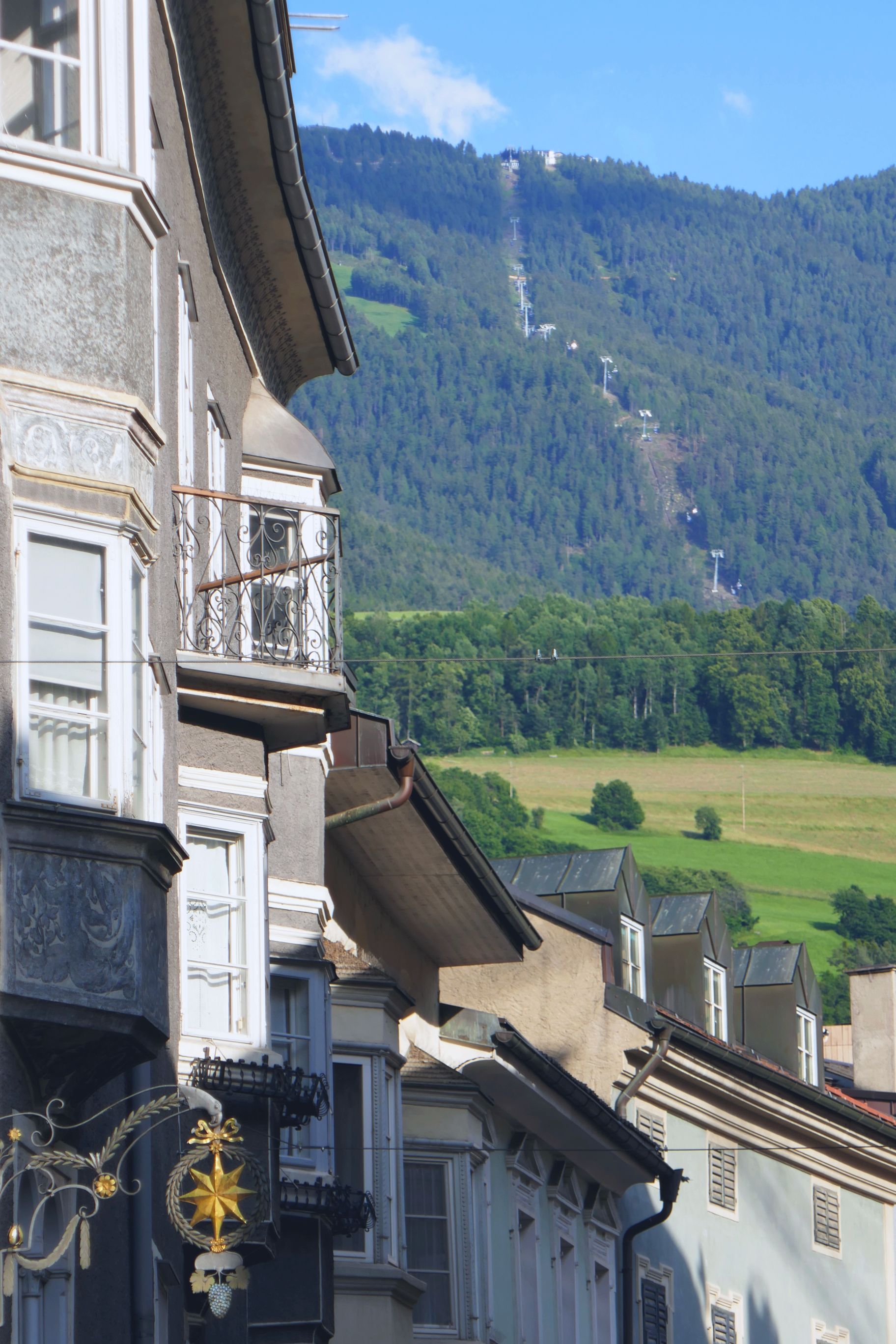
Bressanone / Brixen is a medieval town of about 23,000 people founded in 901 and located in the autonomous Trentino-Alto Adige region.  We found it to be quite charming and enjoyable to explore during the afternoon and evening.

Hotel Krone, our hotel in Bressanone, was established in 1717!
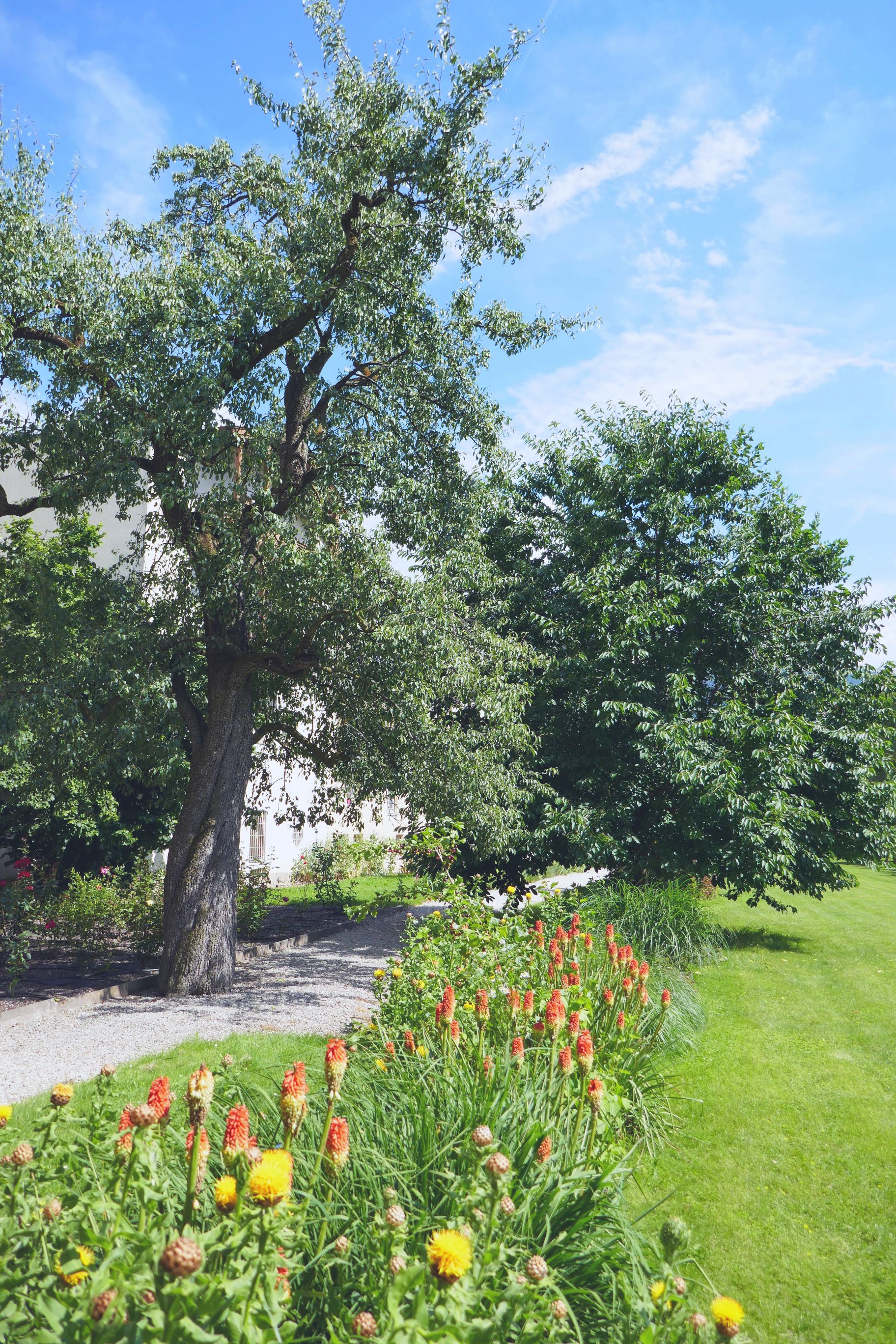
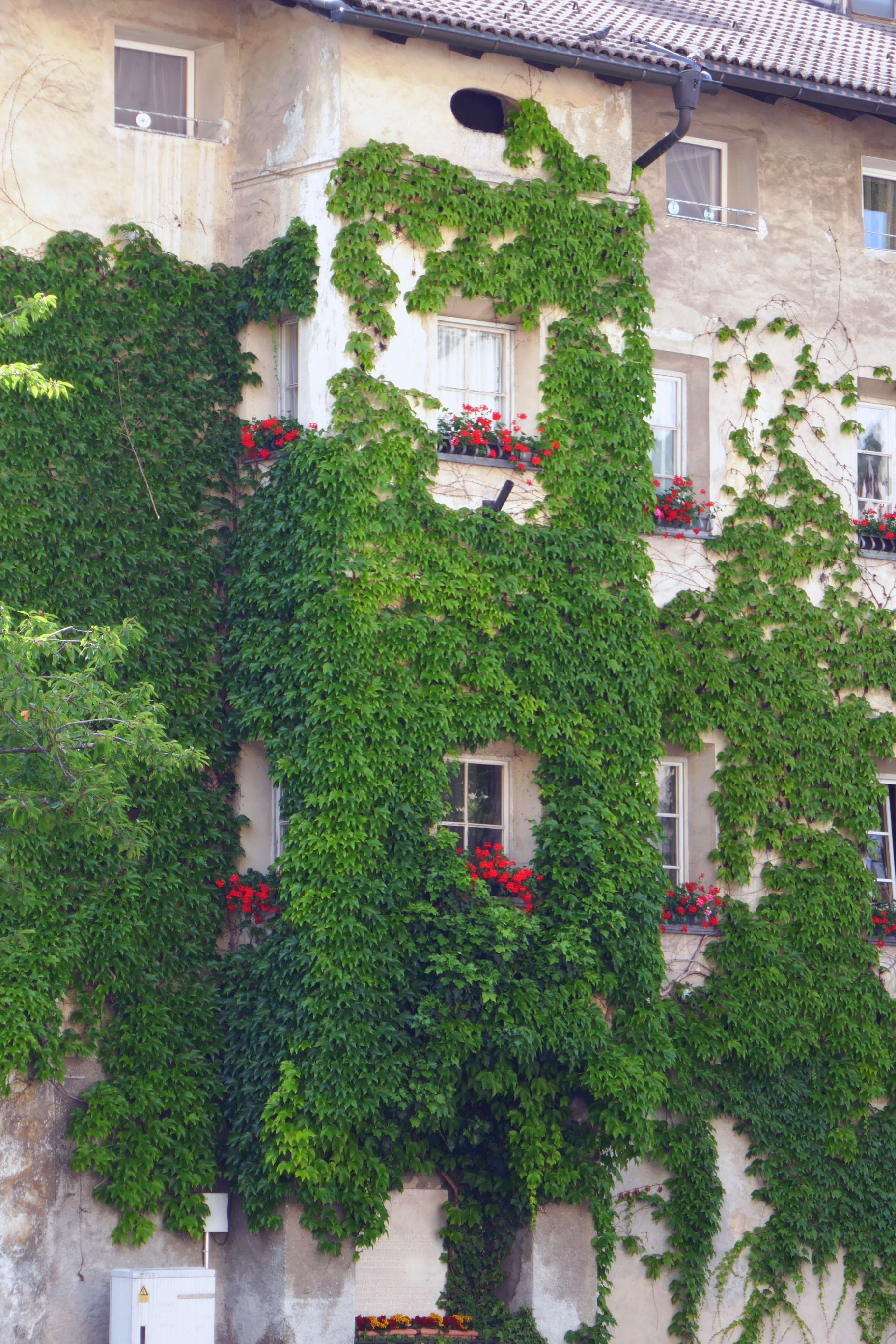
A beautiful garden and walking path down the street from our hotel.
An adorable (and funny!) puppet show in the piazza capped off a wonderful day!

Next up: SWITZERLAND & NORTHERN ITALY #19: VISITING BOLZANO BY TRAIN & CABLE CAR

SWITZERLAND & NORTHERN ITALY #13: ALL ABOARD—AGAIN!

For the six people on the main tour who were not on the pre-extension, this was an opportunity to spend a day in Switzerland.  I’m sure I could speak for the other nine of us that we were excited to see the Swiss Alps again!

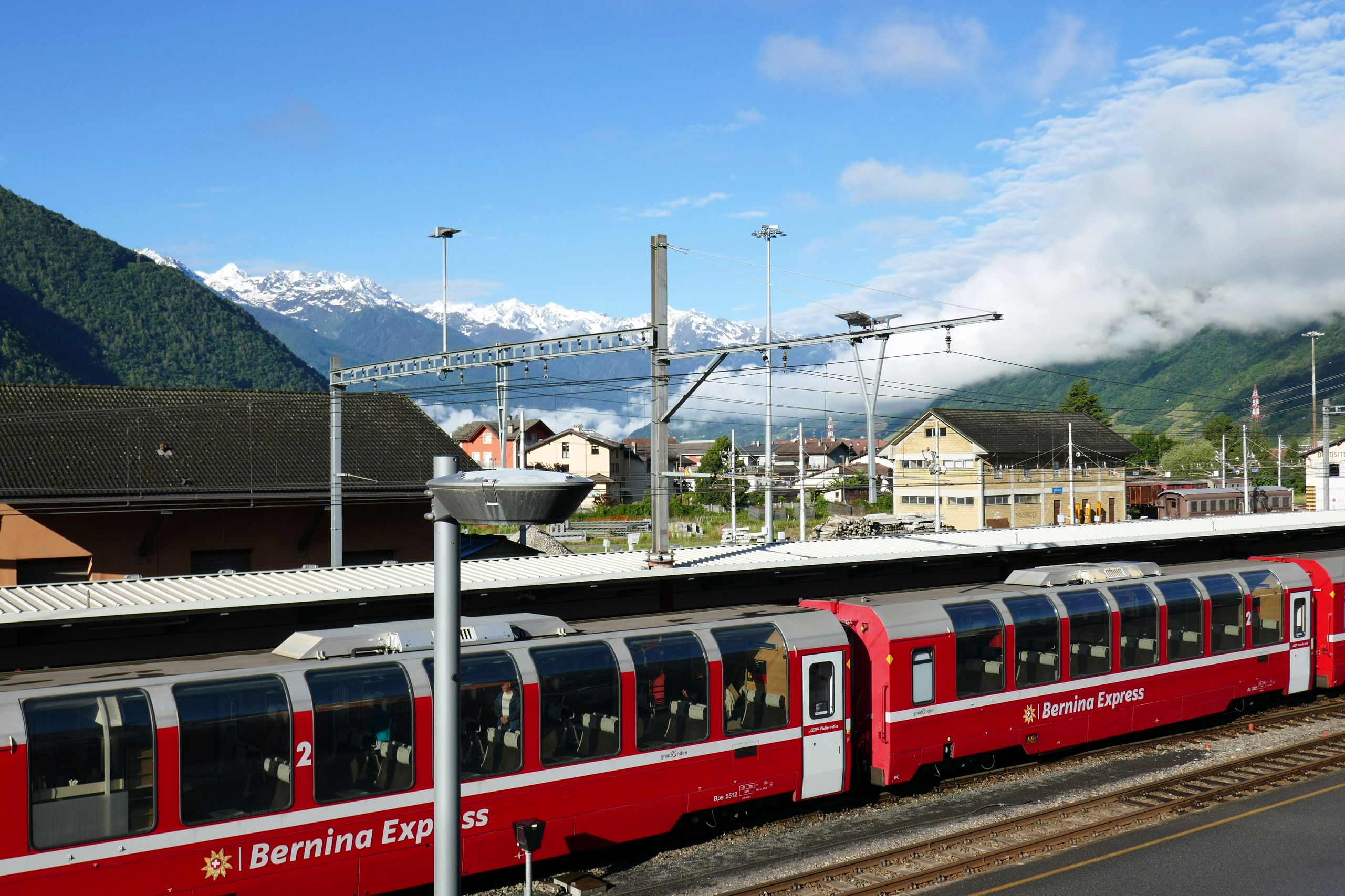
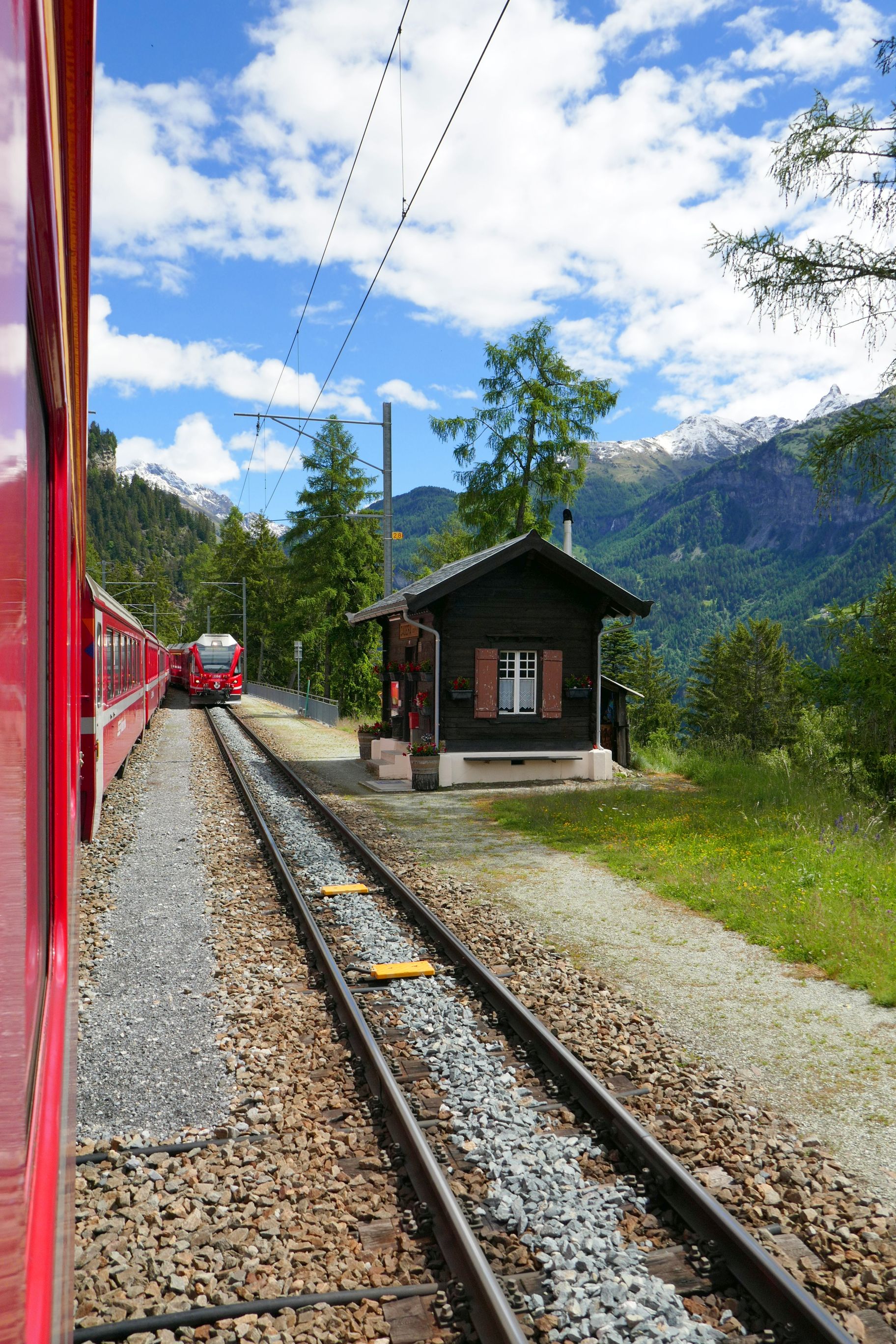
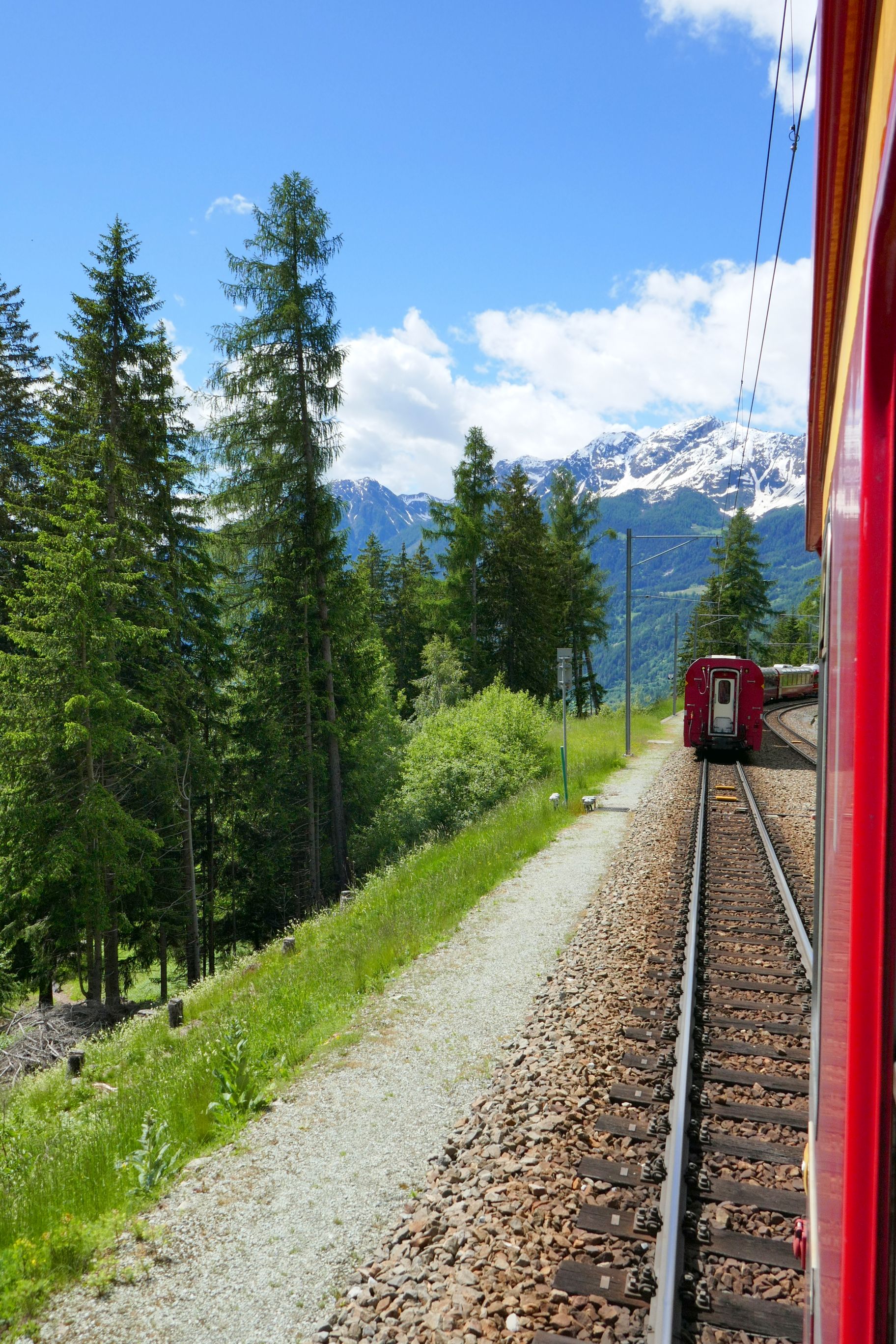
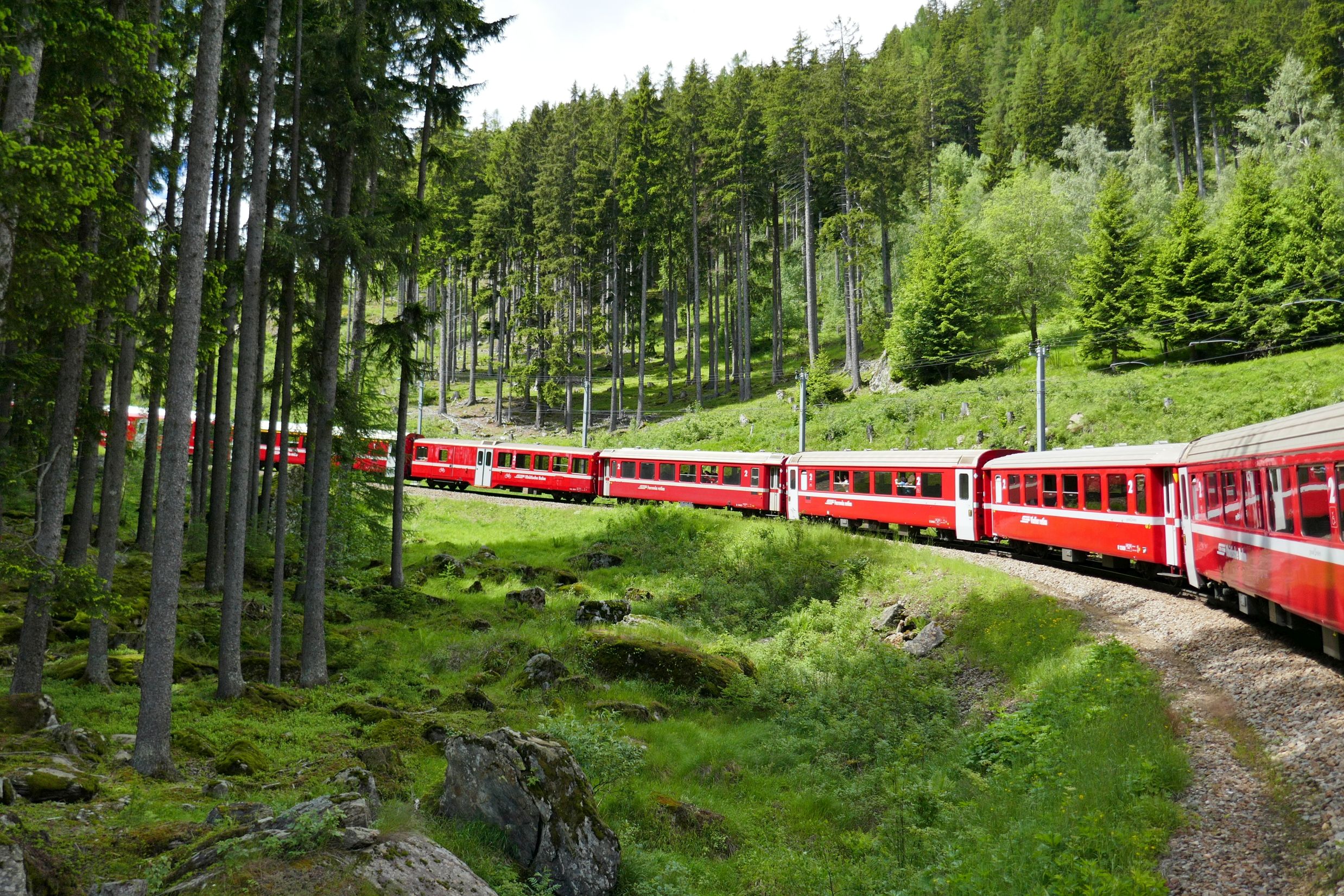
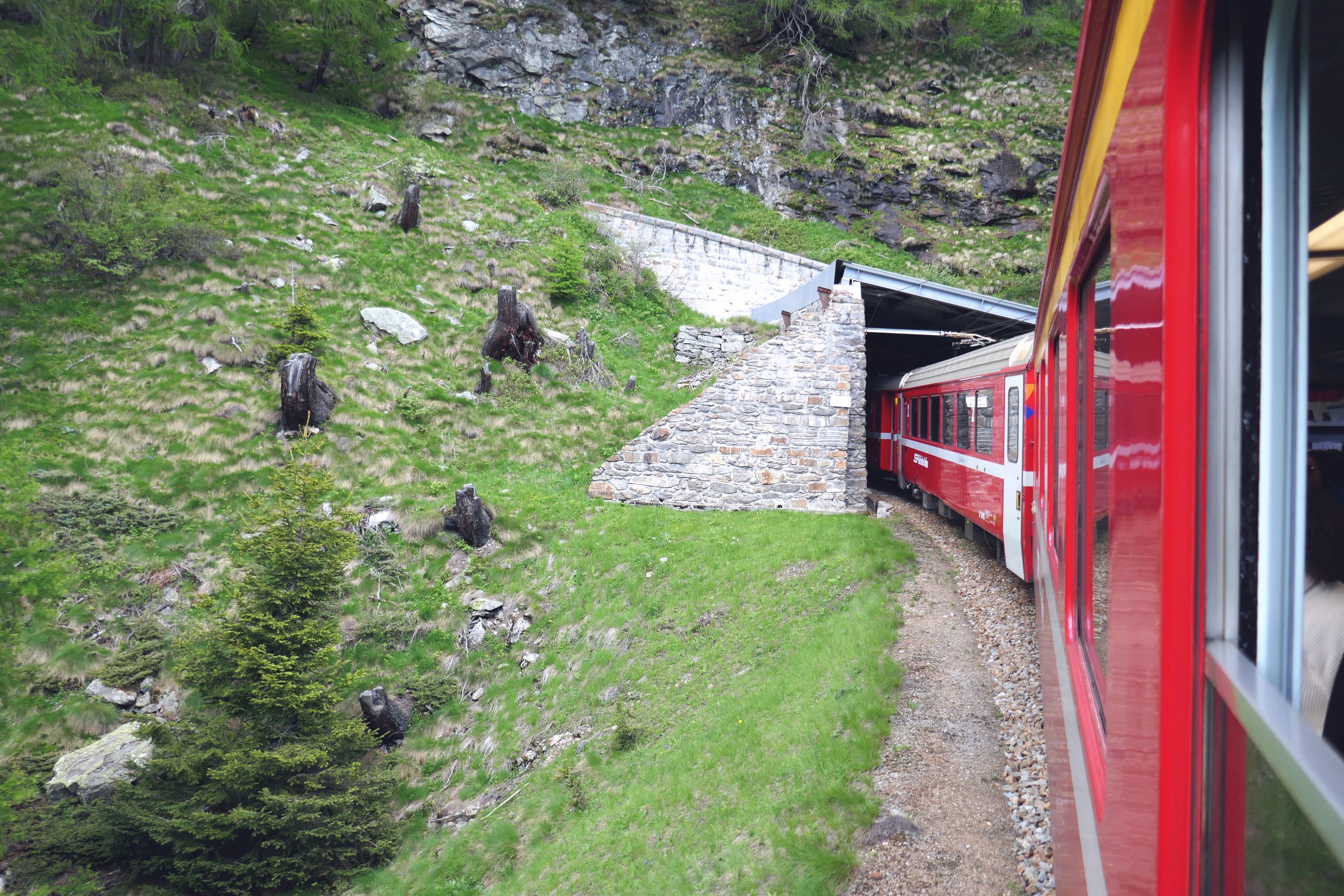
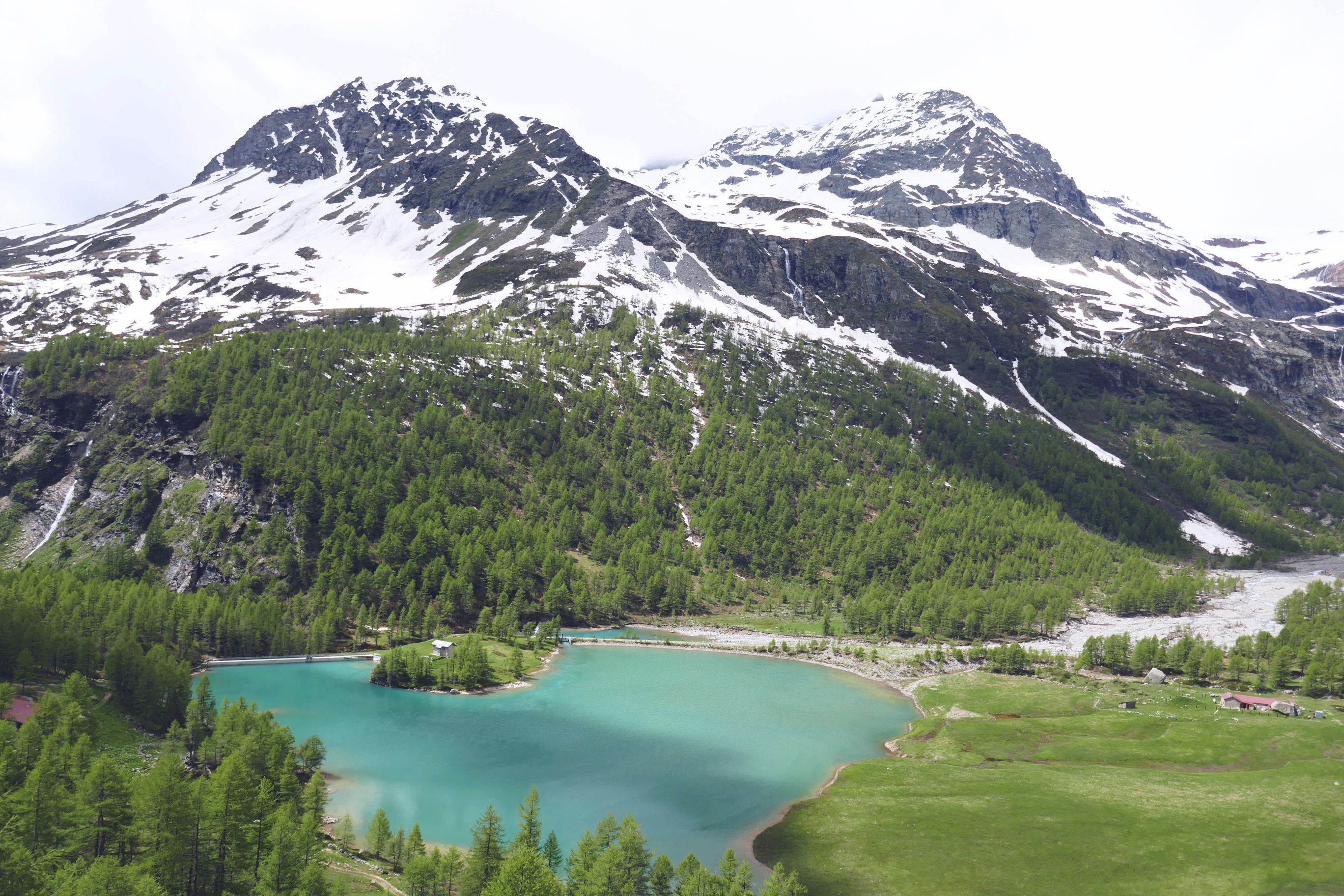
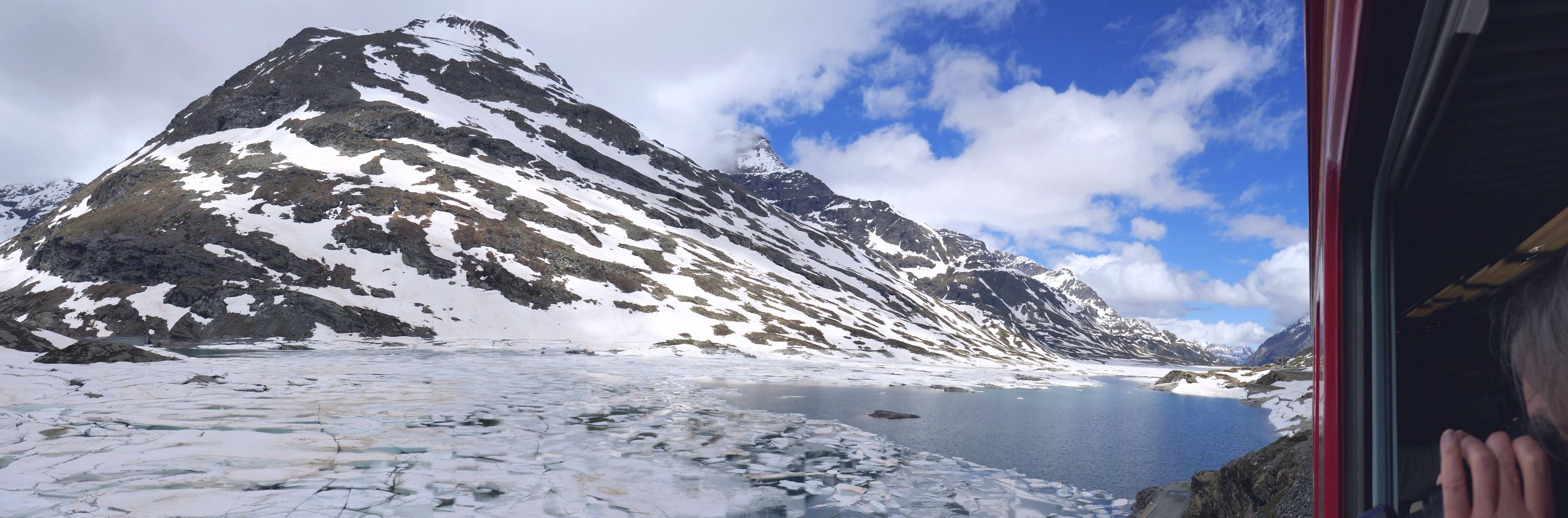
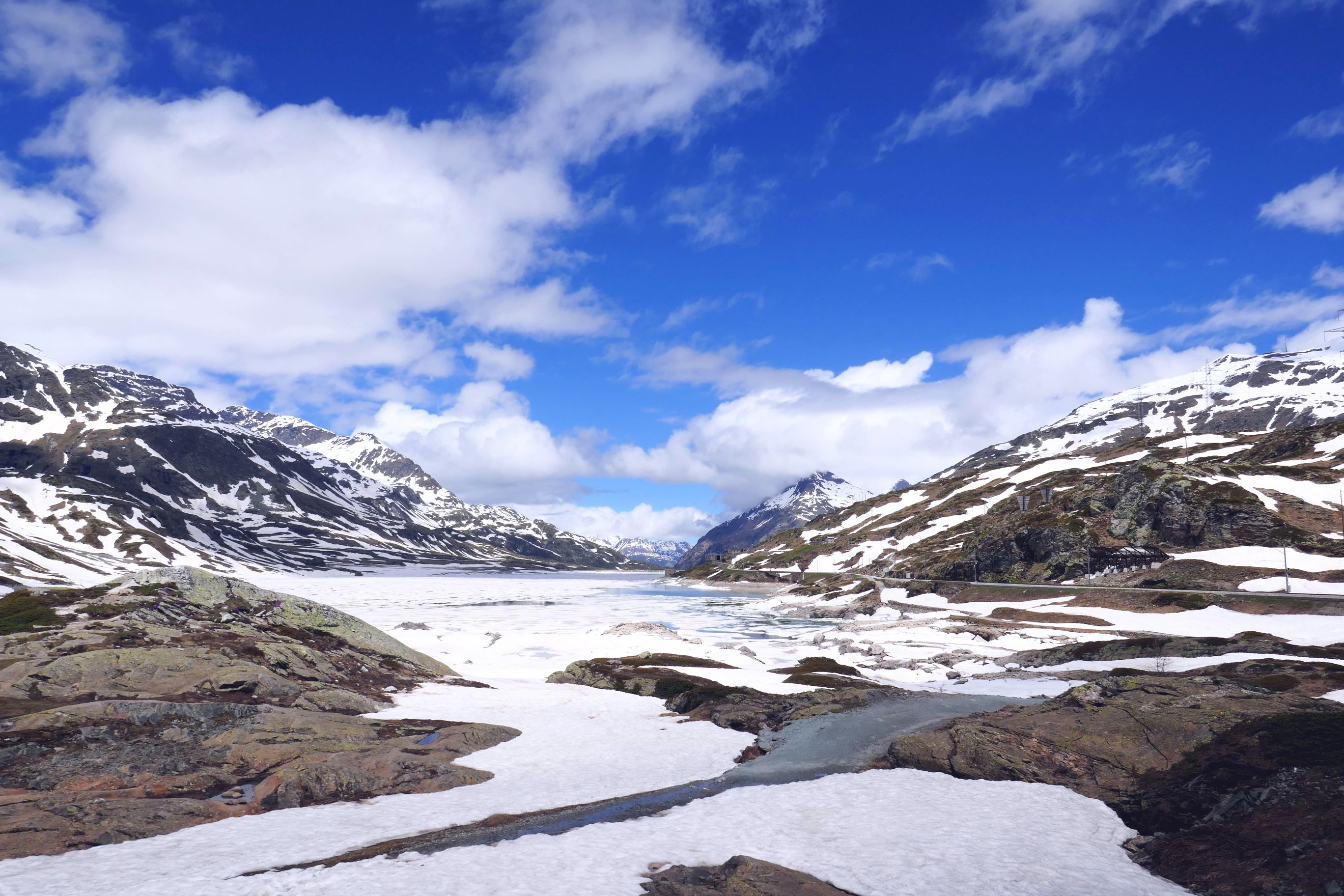
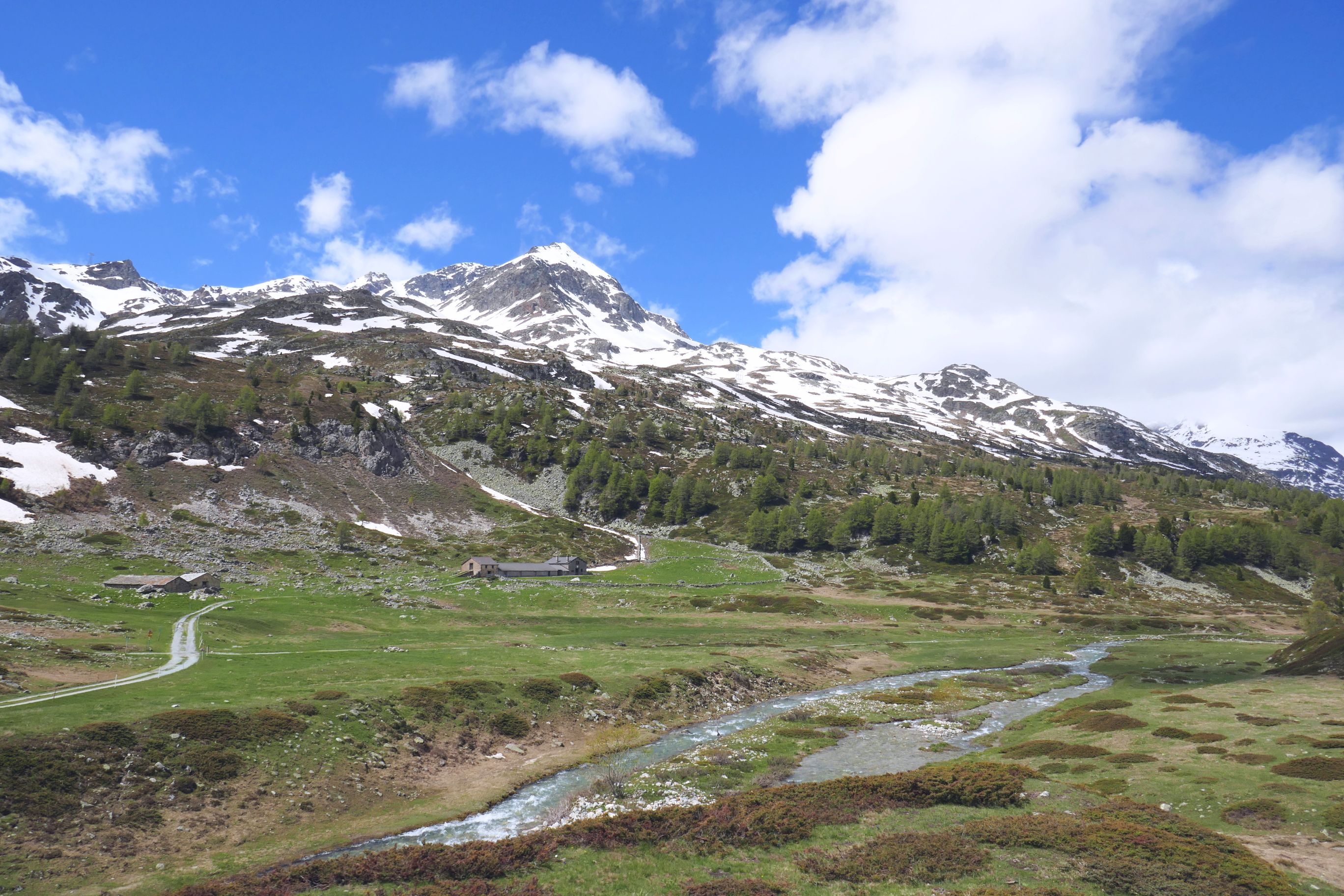
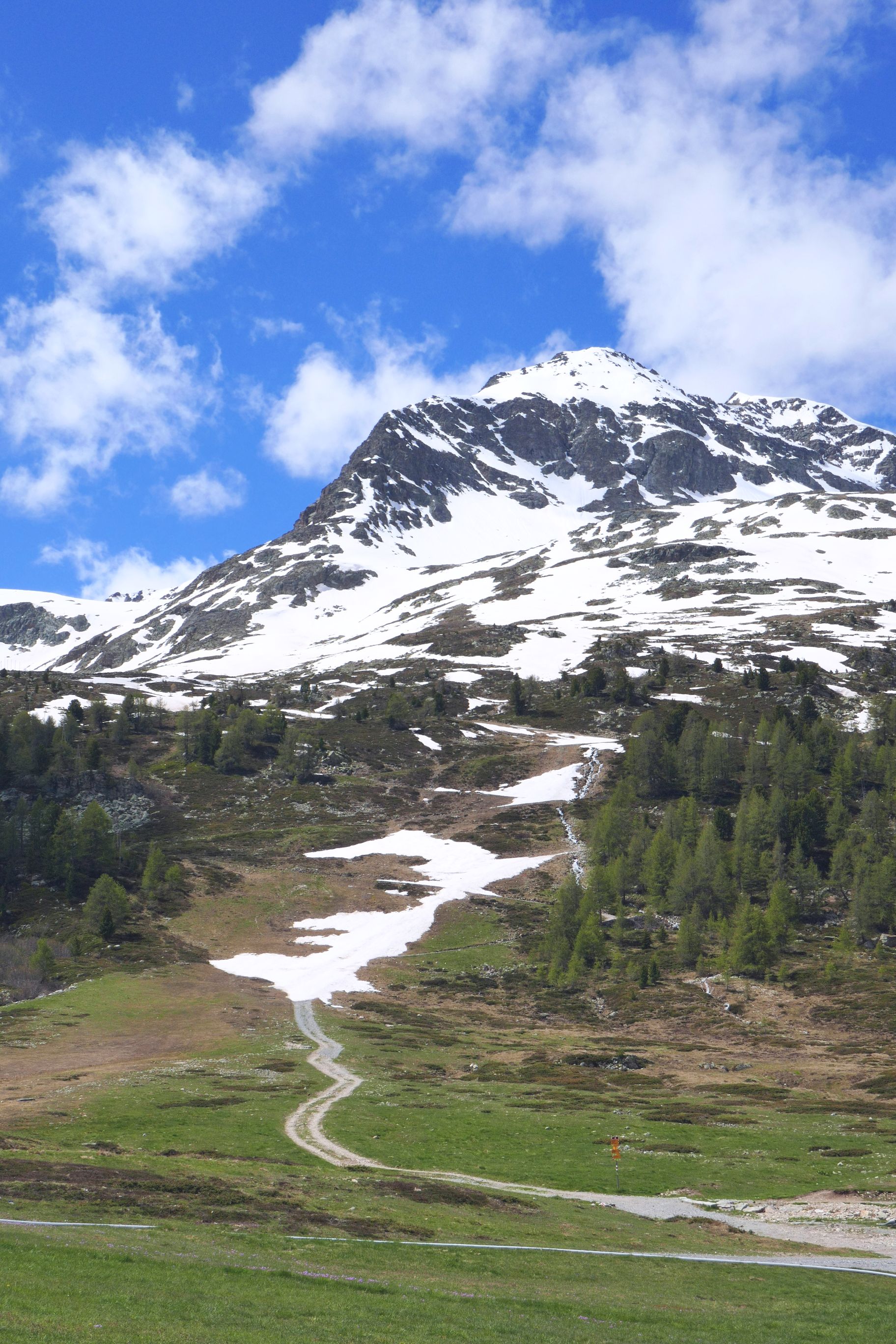
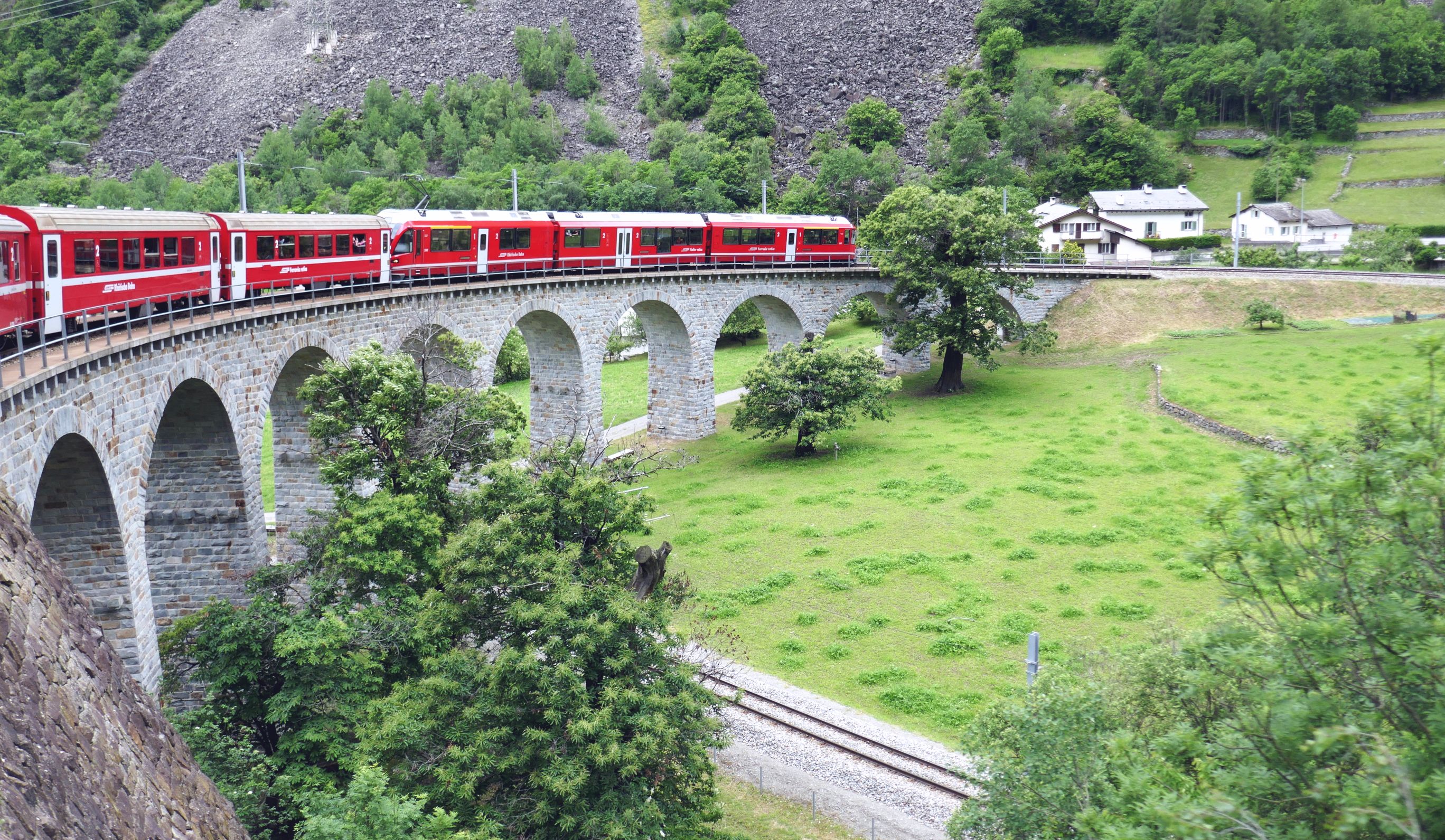
This day was what Bruce and I had looked forward to the most: Riding the Bernina Express.  It is one of the few rail journeys designated a UNESCO World Heritage Site.  Not only is it the world’s highest Alpine crossing (reaching an altitude of 7,400 feet), but also the steepest, with gradients up to 7%.

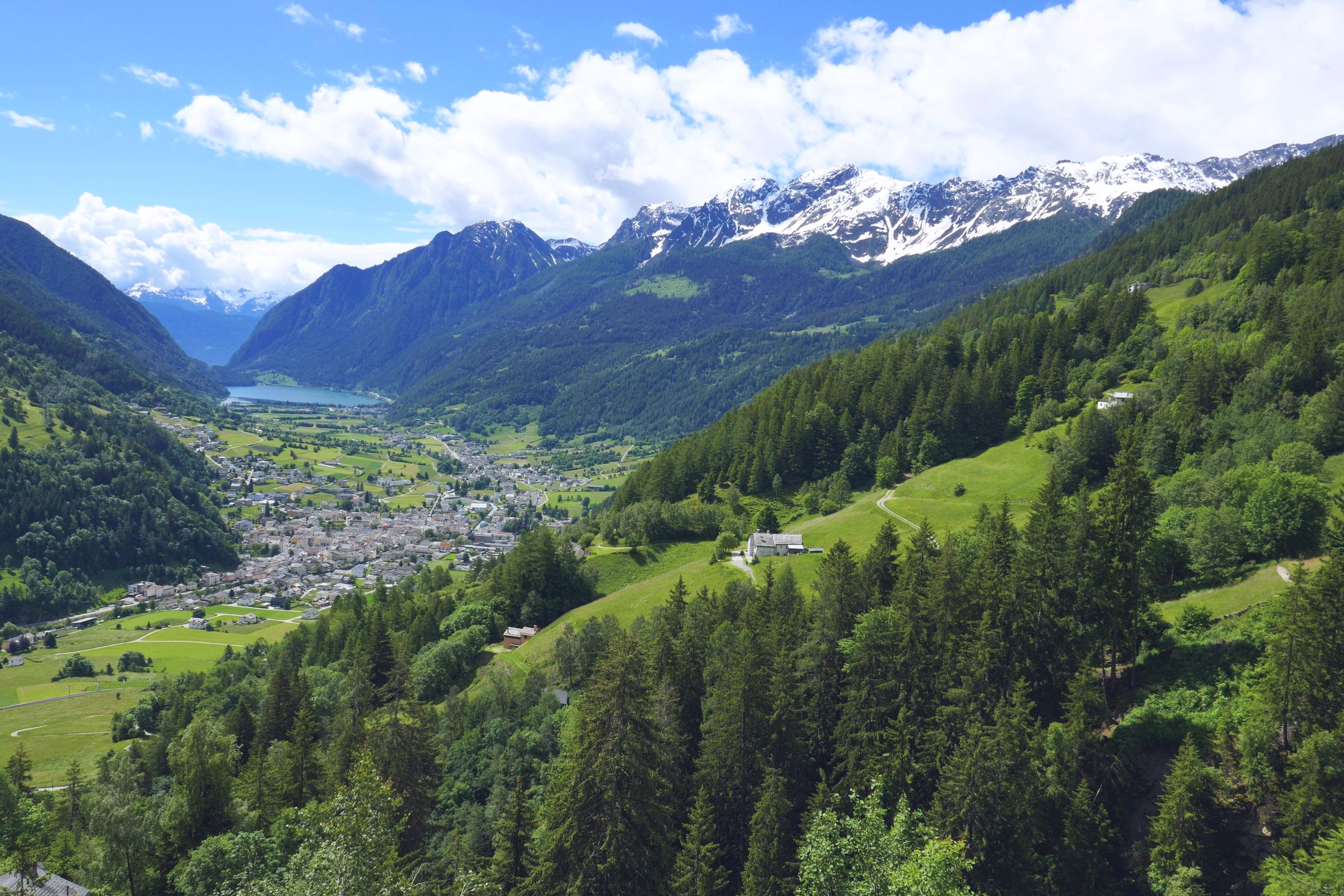
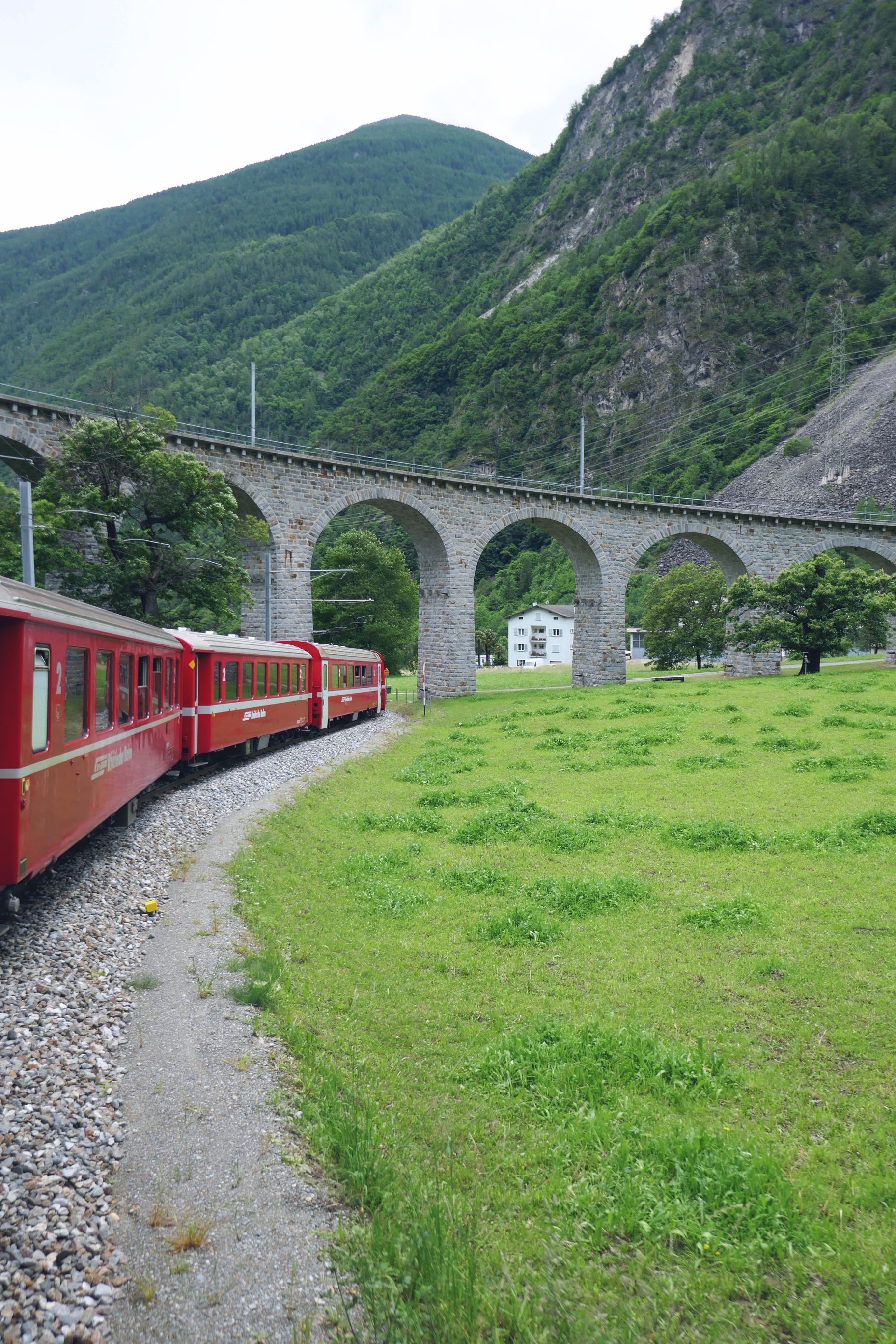
The journey took us over bridges and viaducts (including a full 360 loop over one of them), through tunnels, past glaciers and alpine meadows, and through tiny villages and vineyards.  I did not take this ride sitting down or with the window closed!  Fortunately, I was sitting across the aisle from another photographer in our group, so we shared windows on both sides of the train, jumping back and forth when we saw something worth shooting—which was often!

Our local guide, Roberto, was awesome!  He rides the train six days per week as a guide, so he knew exactly when our cameras needed be ready for a spectacular scene.  At times, it was a blink-and-you-miss it photo op, so he gave us a countdown, so we could capture the best shots.

Remember what I said in one of my Swiss blogs about trains being on time?  Well, $#@* happens and it did happen on our journey.  At one point in the 30-mile ride, we came to a complete stop and didn’t move.  We waited, and waited, and waited…  Roberto finally went in search of the conductor to ask what happened.  The news wasn’t good.  The driver of a huge crane truck didn’t lower the crane enough to go under the railway’s electrical lines, so he got in a tangle with those lines and the lines won.  They came down and lost power, and a crossing arm was destroyed.  It was a mess.  Kudos to the efficient Swiss, though.  They immediately called for a bus to pick us up and take us to the next station where the lines had power.  To compensate for the inconvenience, we were upgraded to first class.  I didn’t notice much difference except the restroom was quite large and nice!

If that’s the worst that would happen throughout our three-week trip (and it was), it was all good! 

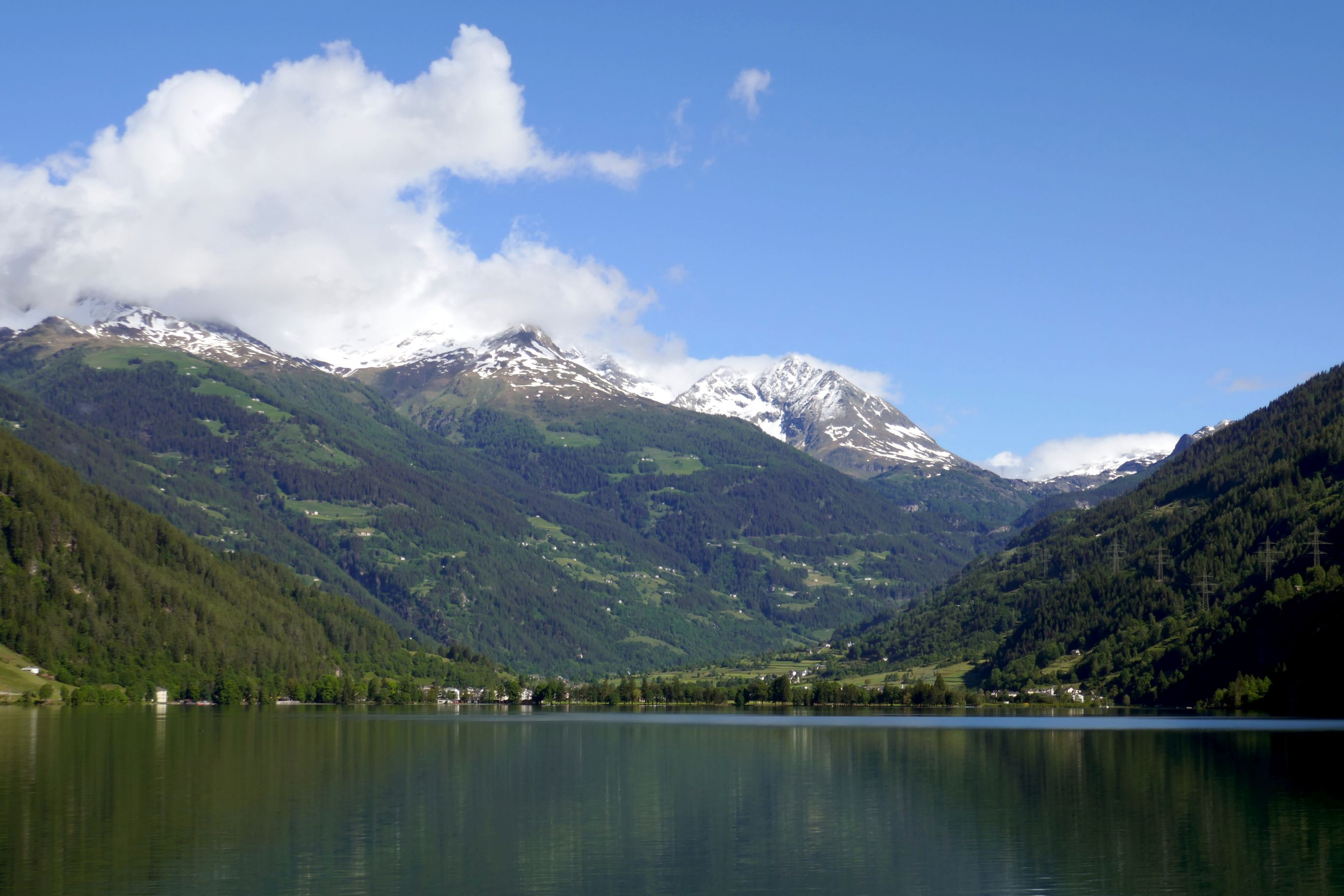
What was fabulous was our luck with the weather!  Normally, there is no snow in mid-June, but it rained for two months straight, late into the season.  Lucky for us, it stopped just in time.  Come along on our journey and see for yourself!

(For all photos, click on the image for a full screen view.)
The view of our train from our hotel room in Tirano. We were so excited to wake up to a beautiful day!
This was just the beginning of many beautiful scenes to come on our 30-mile Bernina Express Journey.
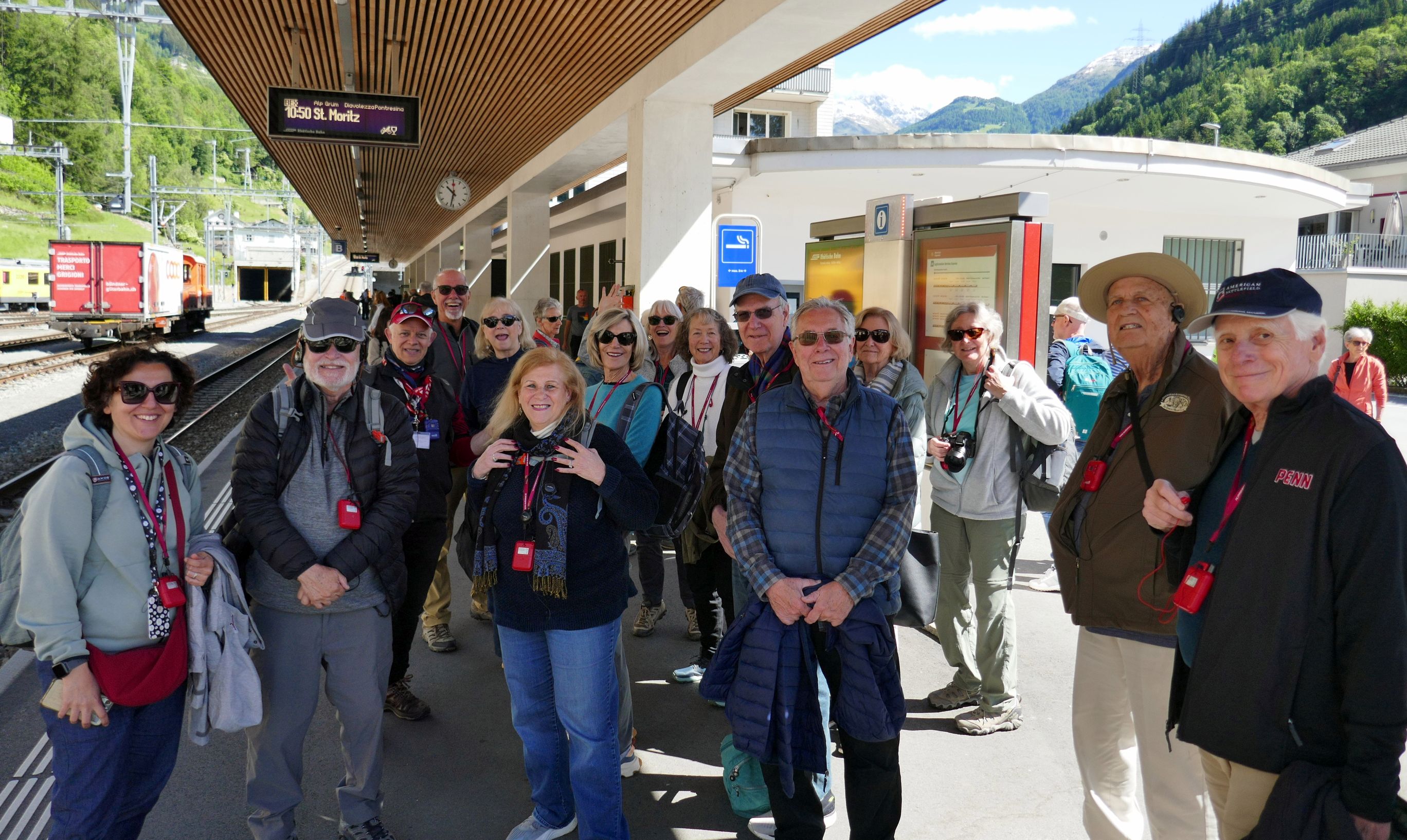
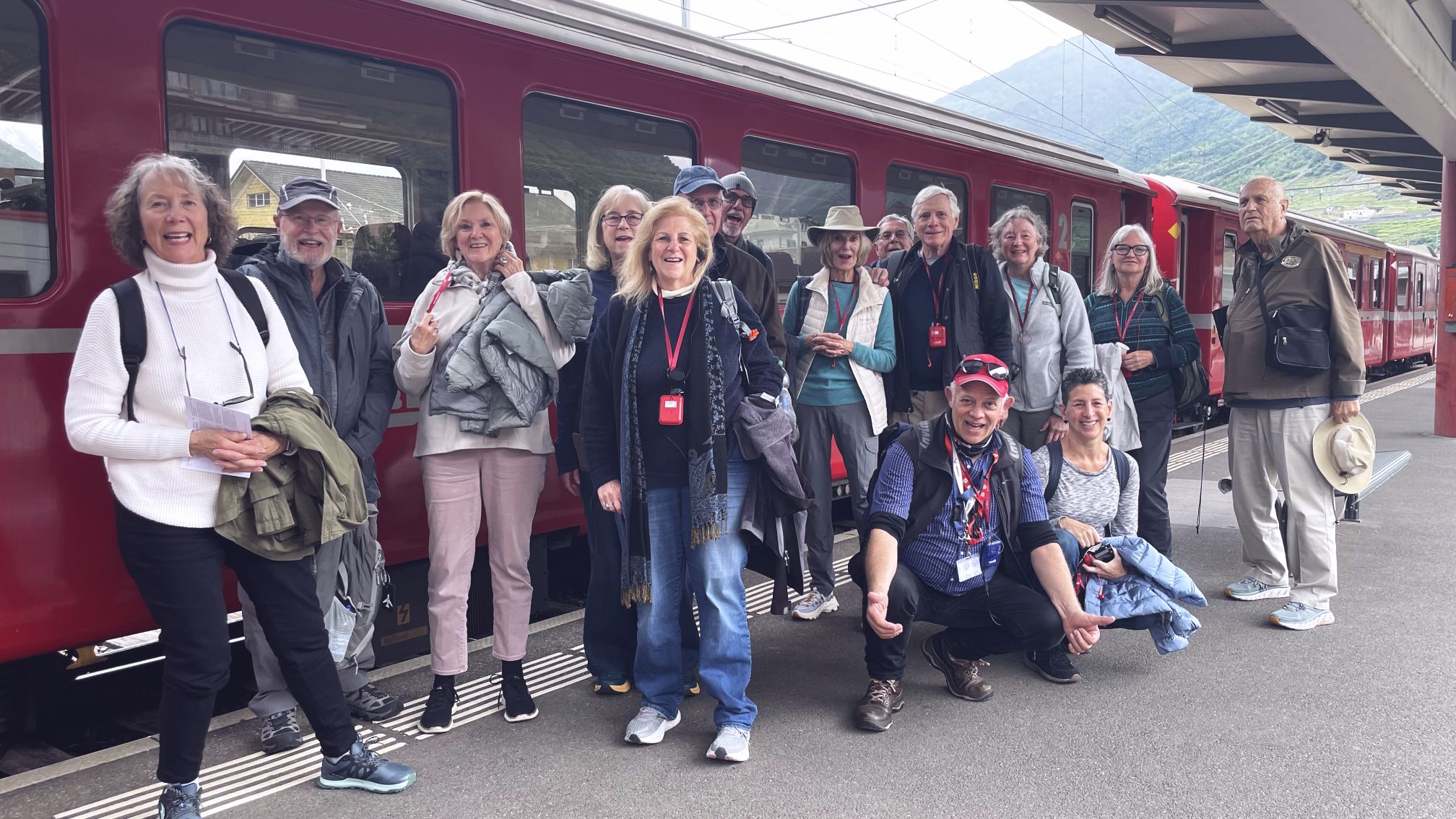
Our group, waiting for Bernina Express train, #2.

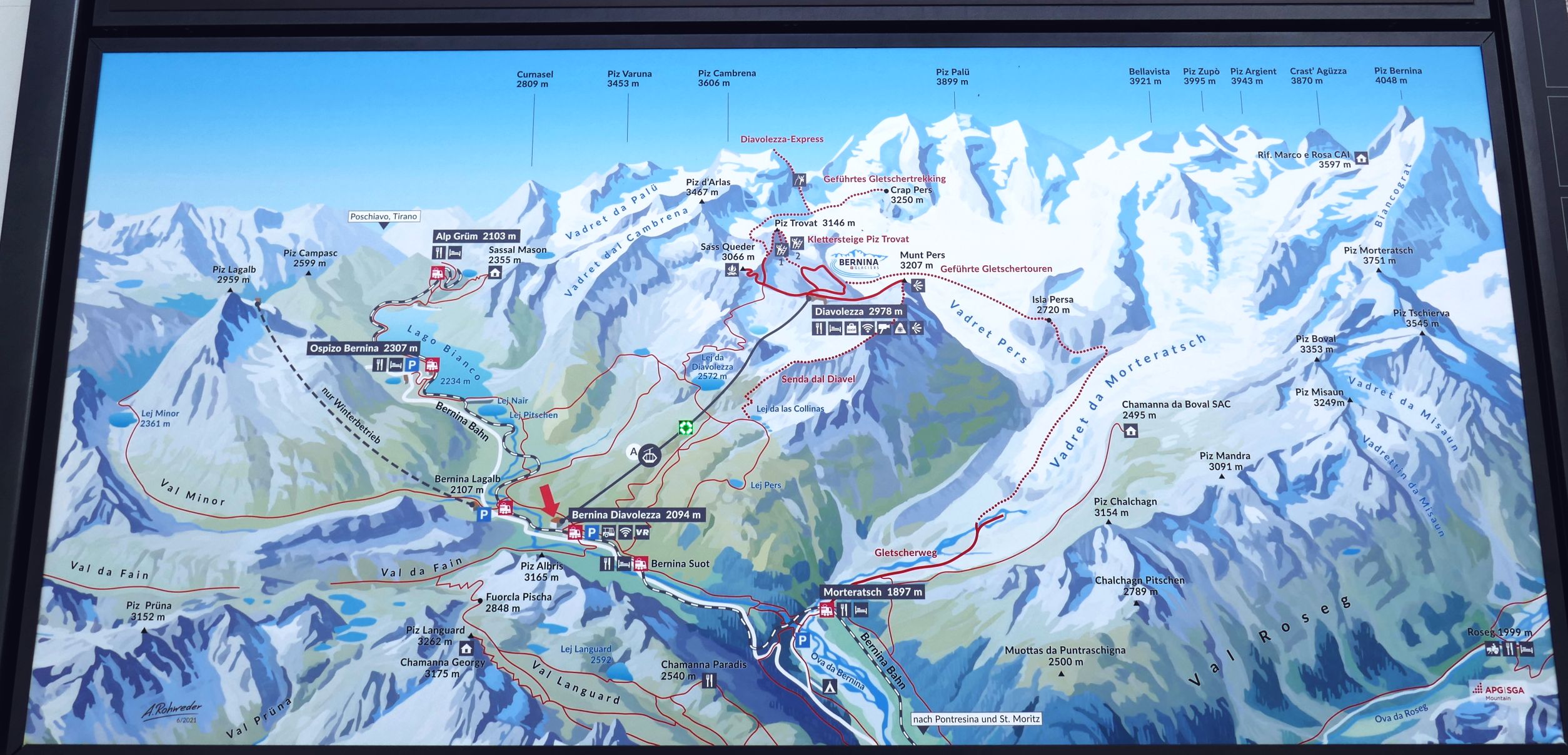
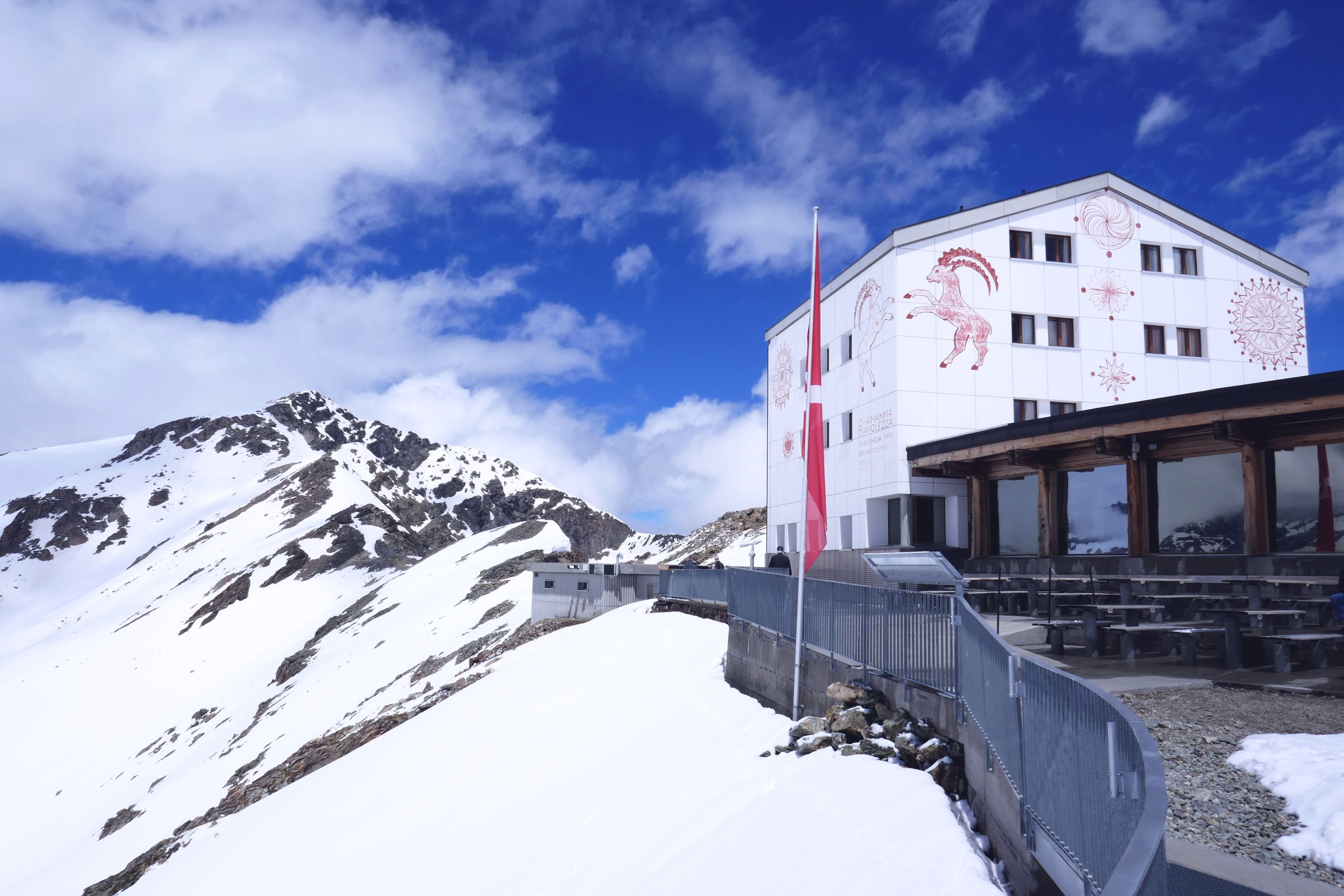
Upon arrival at the Diavolezza station, we took a cable car up to an elevation of 10,000 feet.
The ride was spectacular! This was shot out the cable car window.
Seen while disembarking the cable car. Love it!
The view from the cable car ride back down. Dark clouds rolled in, so we were grateful to have enjoyed the beautiful weather while it lasted!

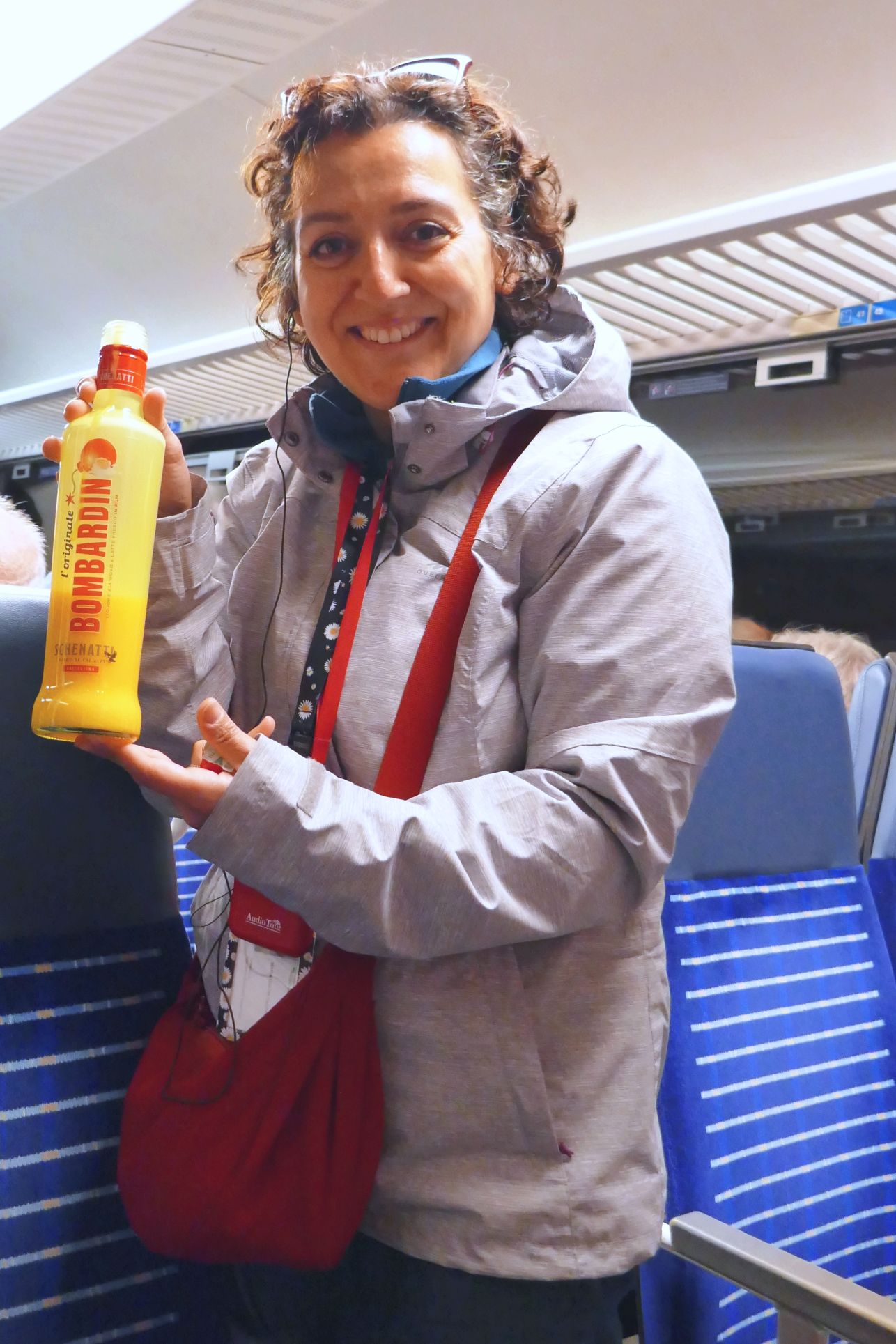
Maria shared a local spiced eggnog with us to celebrate during our journey back to Tirano.

The track made a 360 spiral!

Next up:  SWITZERLAND & NORTHERN ITALY #14: EDOLO AND LAKE ISEO