SWITZERLAND & NORTHERN ITALY #13: ALL ABOARD—AGAIN!

For the six people on the main tour who were not on the pre-extension, this was an opportunity to spend a day in Switzerland.  I’m sure I could speak for the other nine of us that we were excited to see the Swiss Alps again!

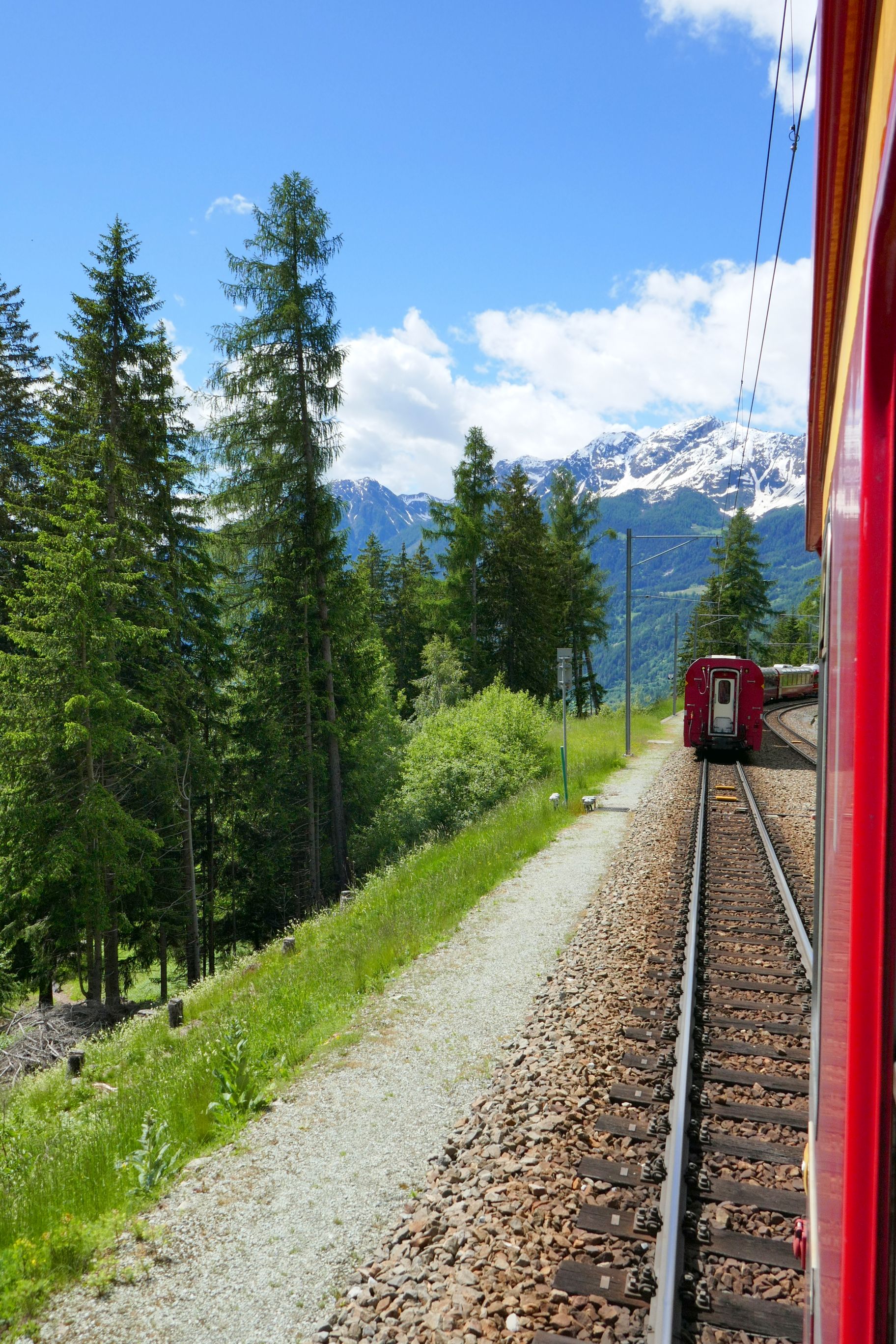
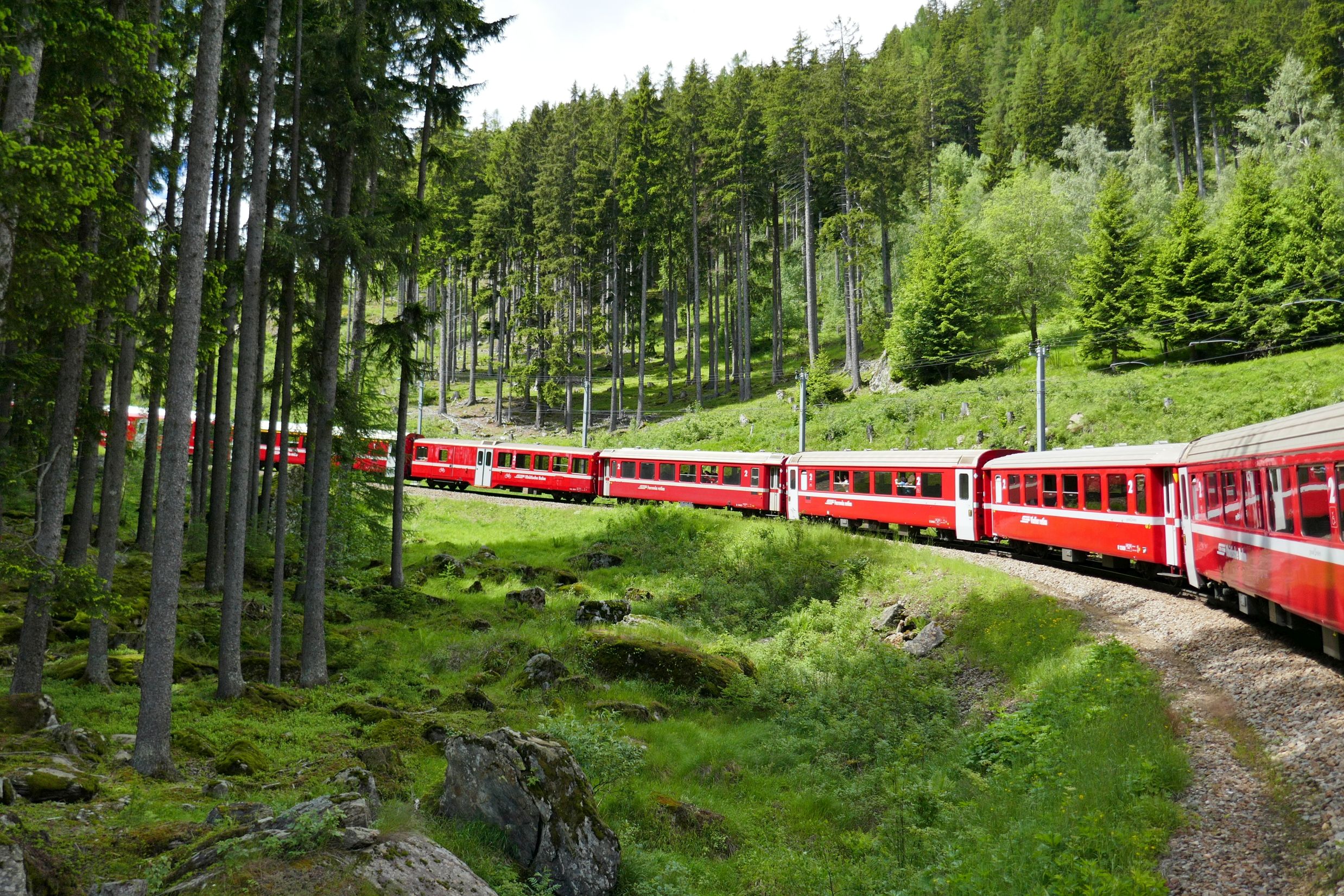
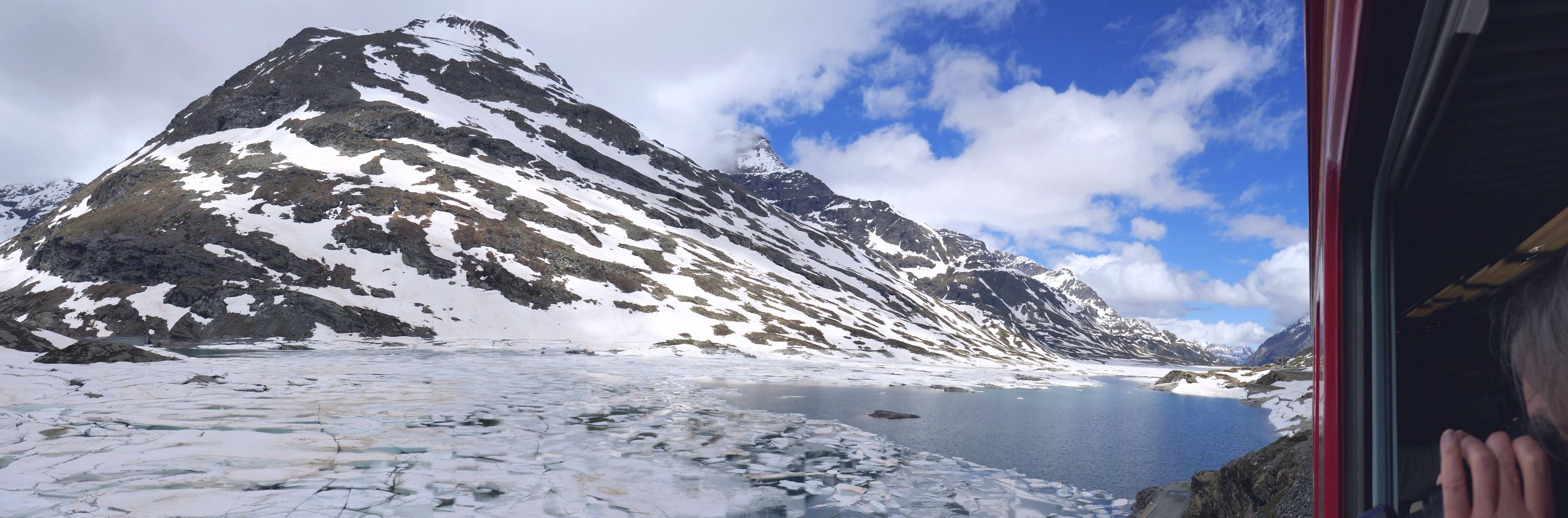
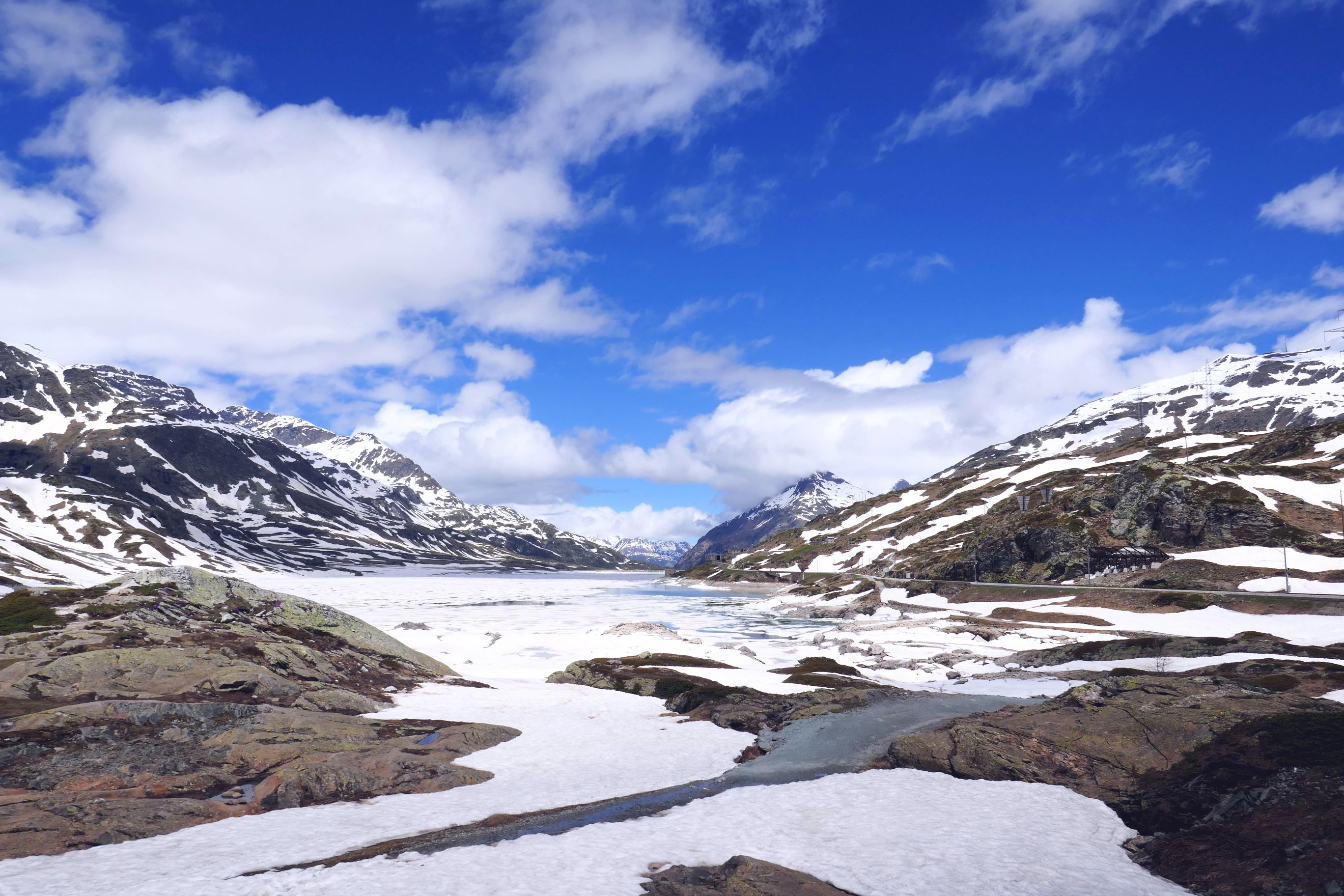
This day was what Bruce and I had looked forward to the most: Riding the Bernina Express.  It is one of the few rail journeys designated a UNESCO World Heritage Site.  Not only is it the world’s highest Alpine crossing (reaching an altitude of 7,400 feet), but also the steepest, with gradients up to 7%.

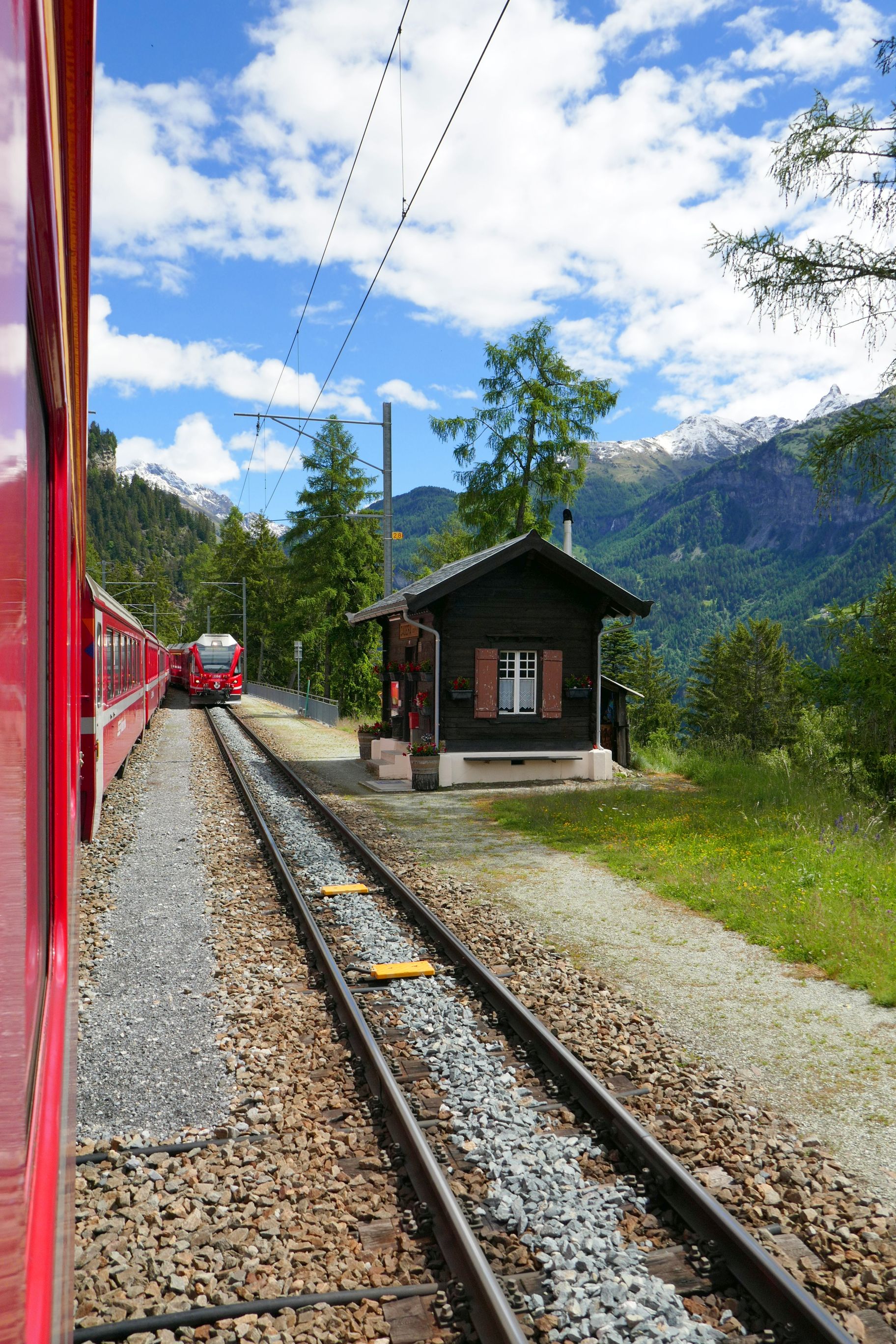
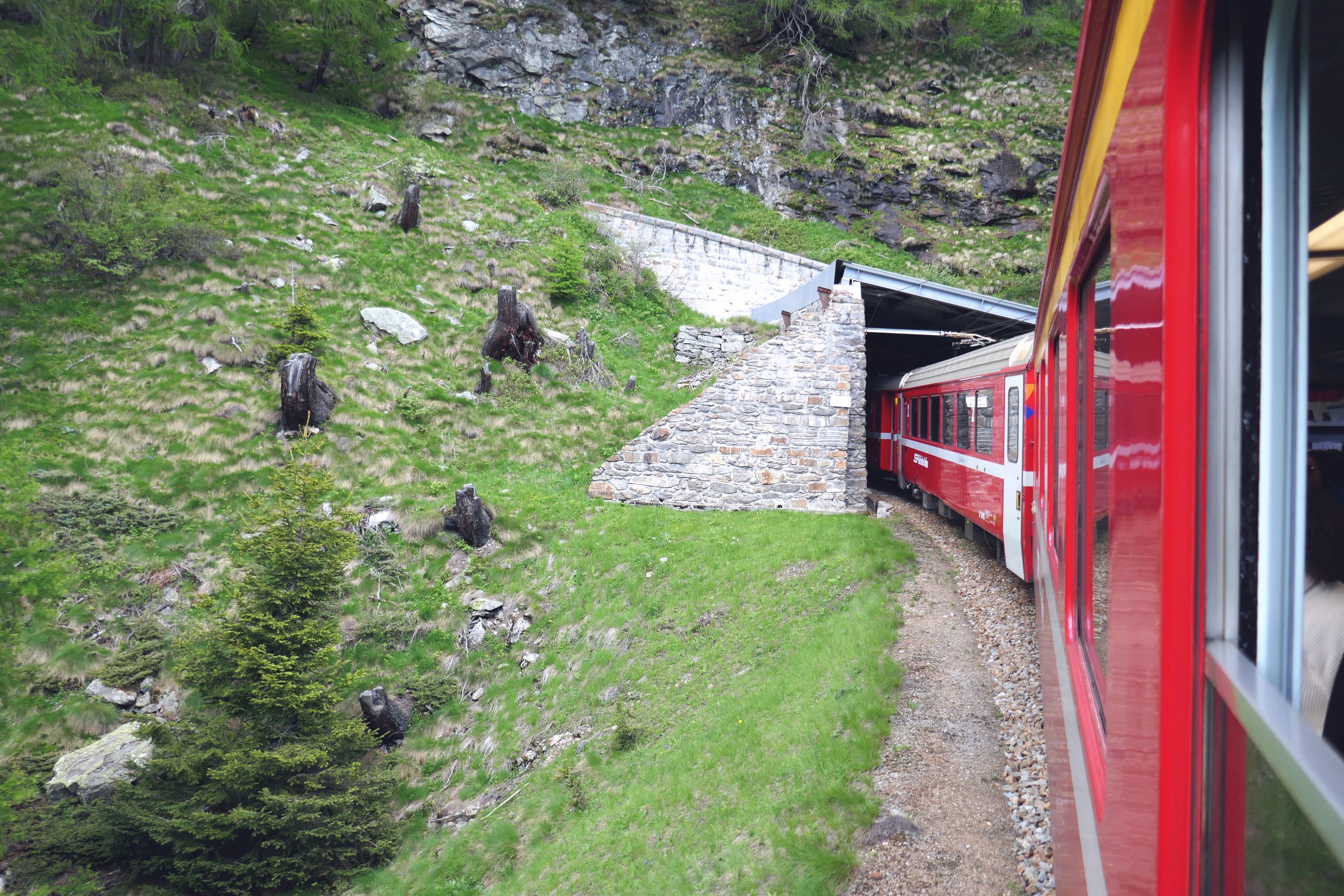
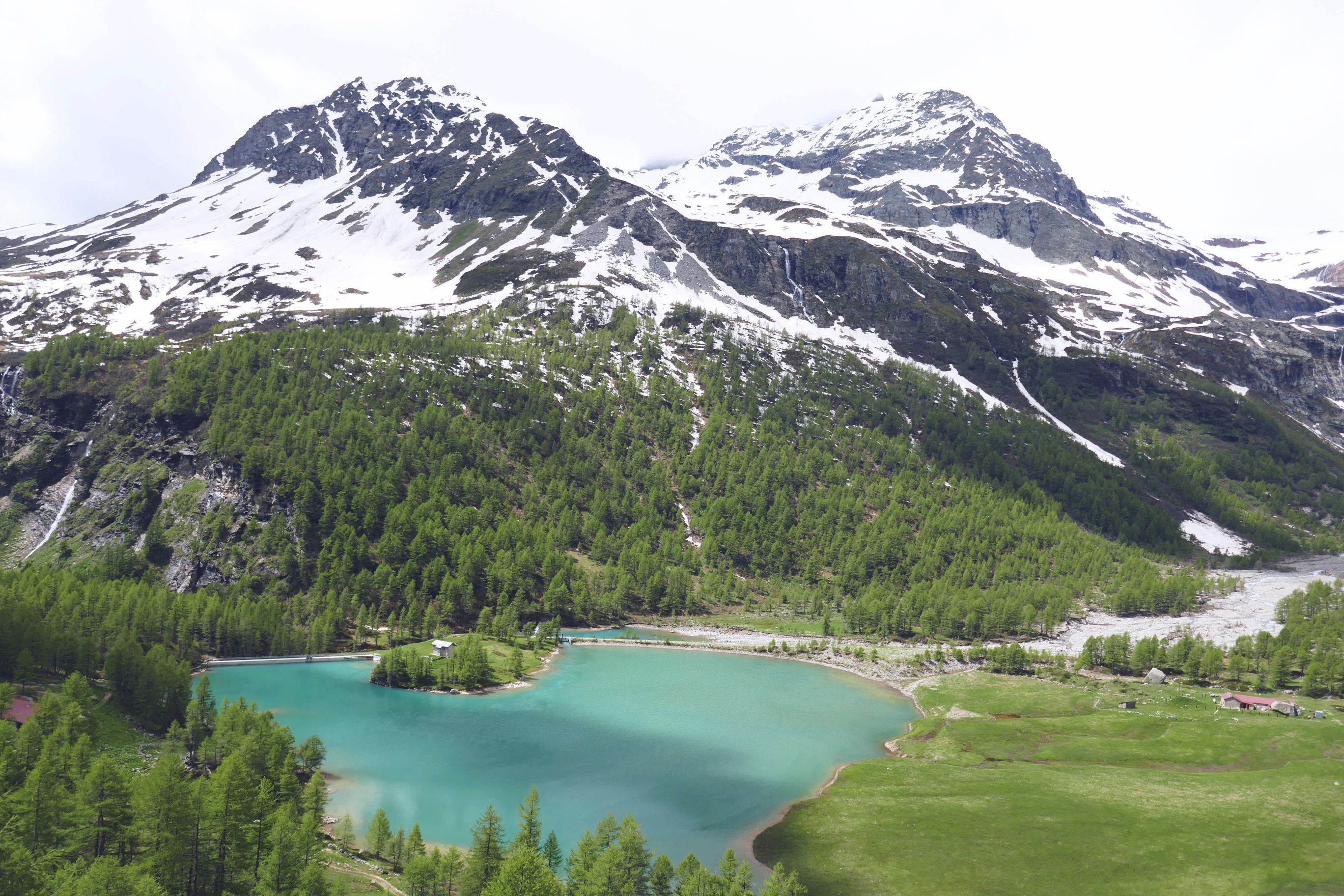
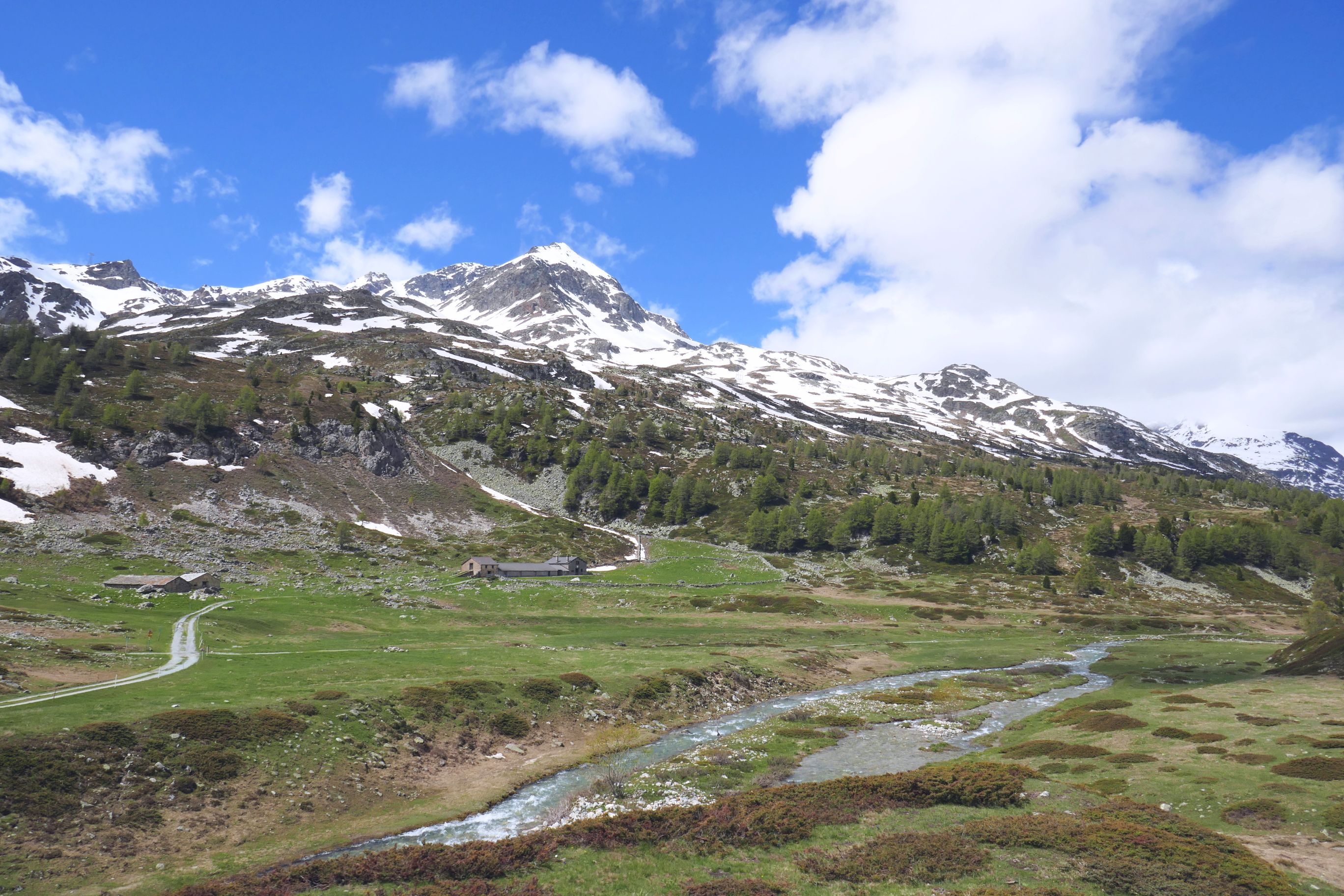
The journey took us over bridges and viaducts (including a full 360 loop over one of them), through tunnels, past glaciers and alpine meadows, and through tiny villages and vineyards.  I did not take this ride sitting down or with the window closed!  Fortunately, I was sitting across the aisle from another photographer in our group, so we shared windows on both sides of the train, jumping back and forth when we saw something worth shooting—which was often!

Our local guide, Roberto, was awesome!  He rides the train six days per week as a guide, so he knew exactly when our cameras needed be ready for a spectacular scene.  At times, it was a blink-and-you-miss it photo op, so he gave us a countdown, so we could capture the best shots.

Remember what I said in one of my Swiss blogs about trains being on time?  Well, $#@* happens and it did happen on our journey.  At one point in the 30-mile ride, we came to a complete stop and didn’t move.  We waited, and waited, and waited…  Roberto finally went in search of the conductor to ask what happened.  The news wasn’t good.  The driver of a huge crane truck didn’t lower the crane enough to go under the railway’s electrical lines, so he got in a tangle with those lines and the lines won.  They came down and lost power, and a crossing arm was destroyed.  It was a mess.  Kudos to the efficient Swiss, though.  They immediately called for a bus to pick us up and take us to the next station where the lines had power.  To compensate for the inconvenience, we were upgraded to first class.  I didn’t notice much difference except the restroom was quite large and nice!

If that’s the worst that would happen throughout our three-week trip (and it was), it was all good! 

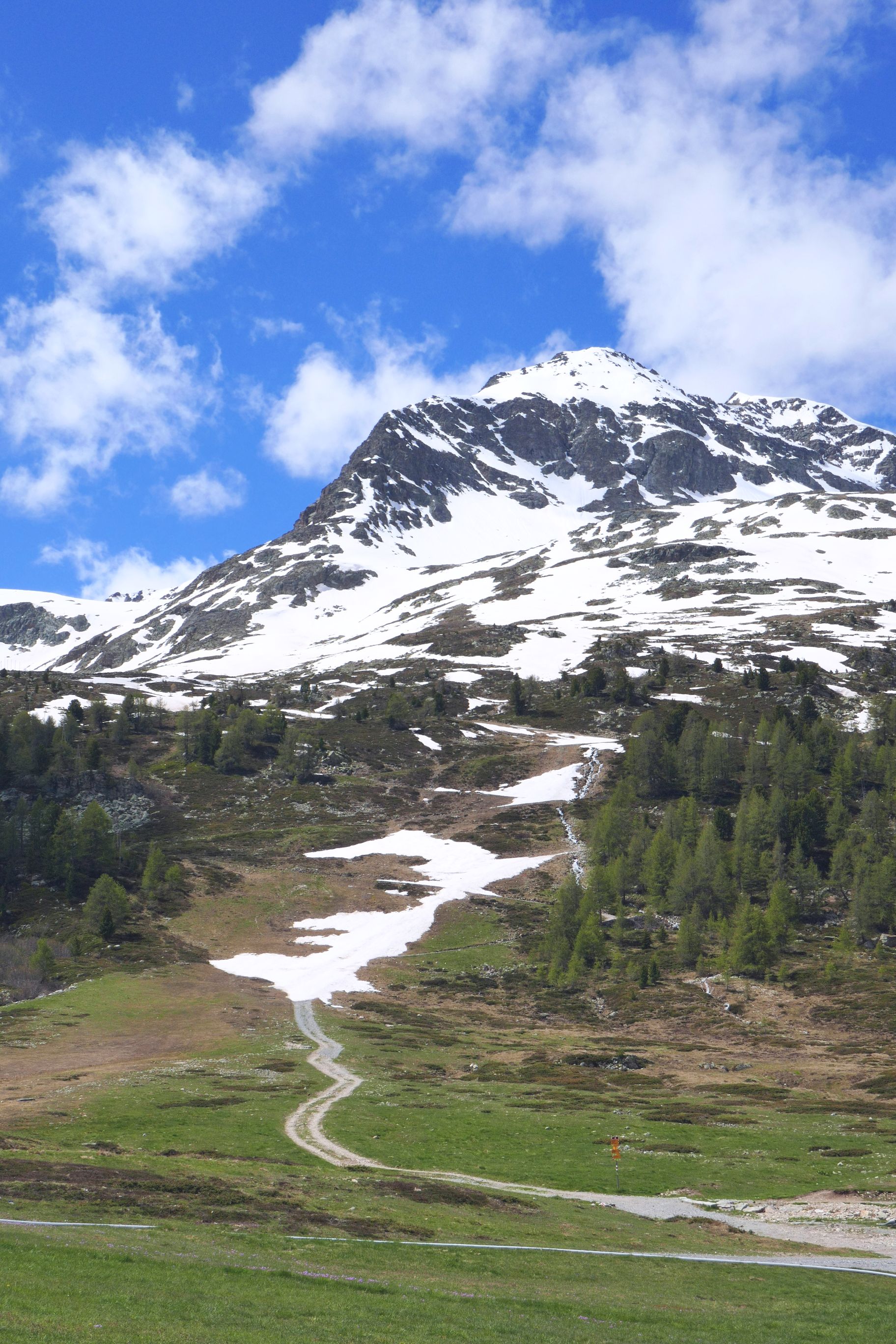
What was fabulous was our luck with the weather!  Normally, there is no snow in mid-June, but it rained for two months straight, late into the season.  Lucky for us, it stopped just in time.  Come along on our journey and see for yourself!

(For all photos, click on the image for a full screen view.)
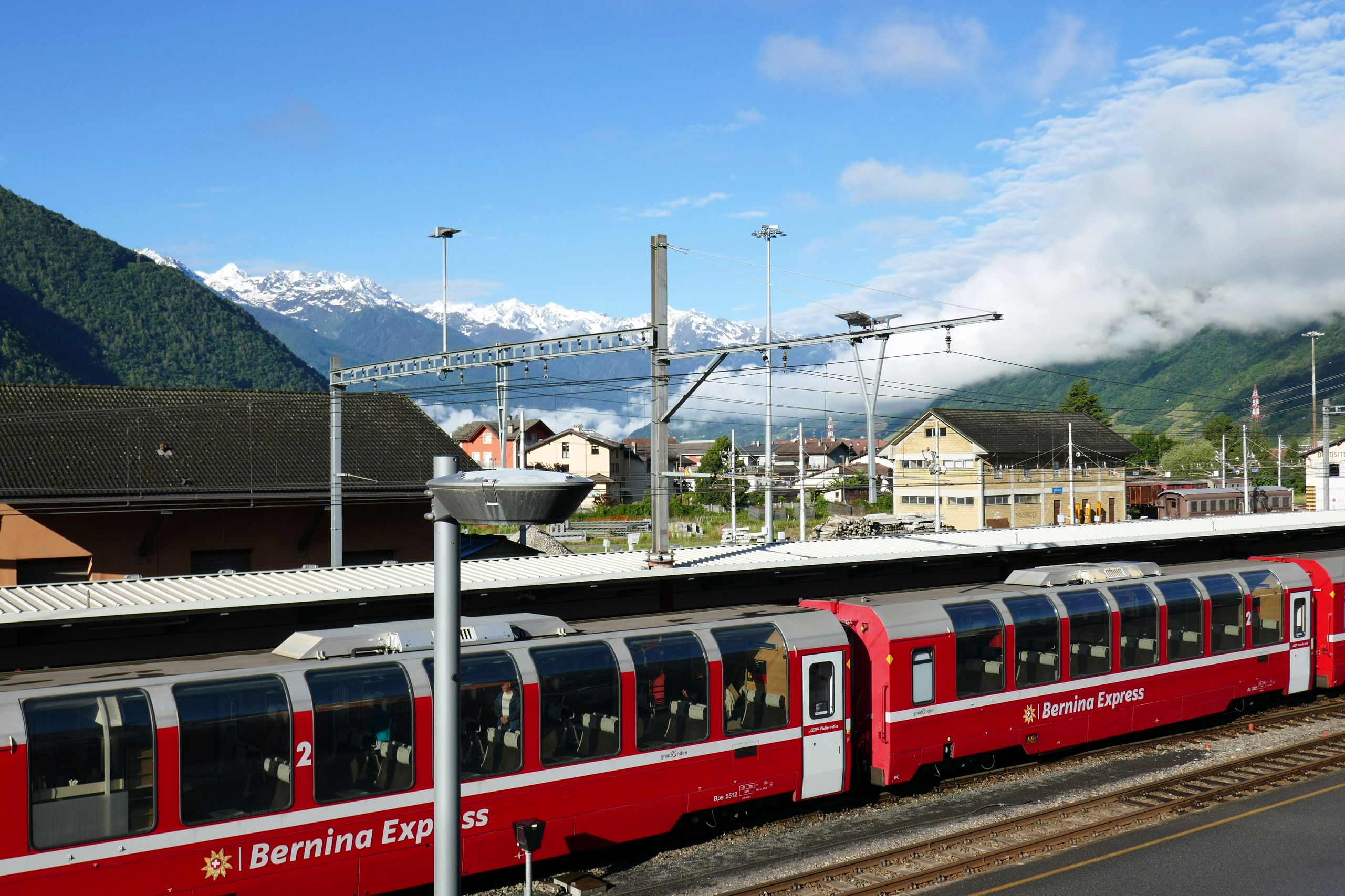
The view of our train from our hotel room in Tirano. We were so excited to wake up to a beautiful day!
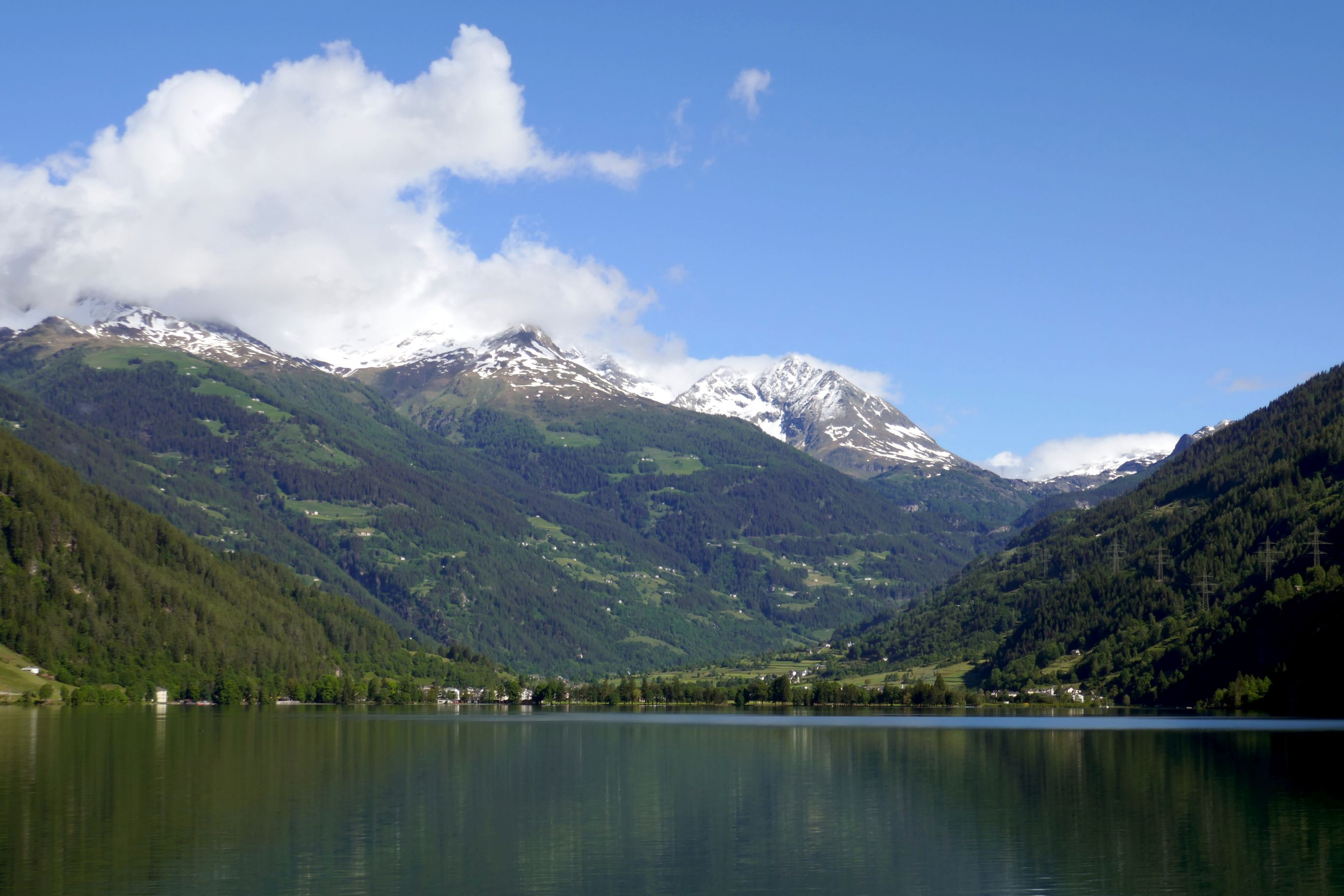
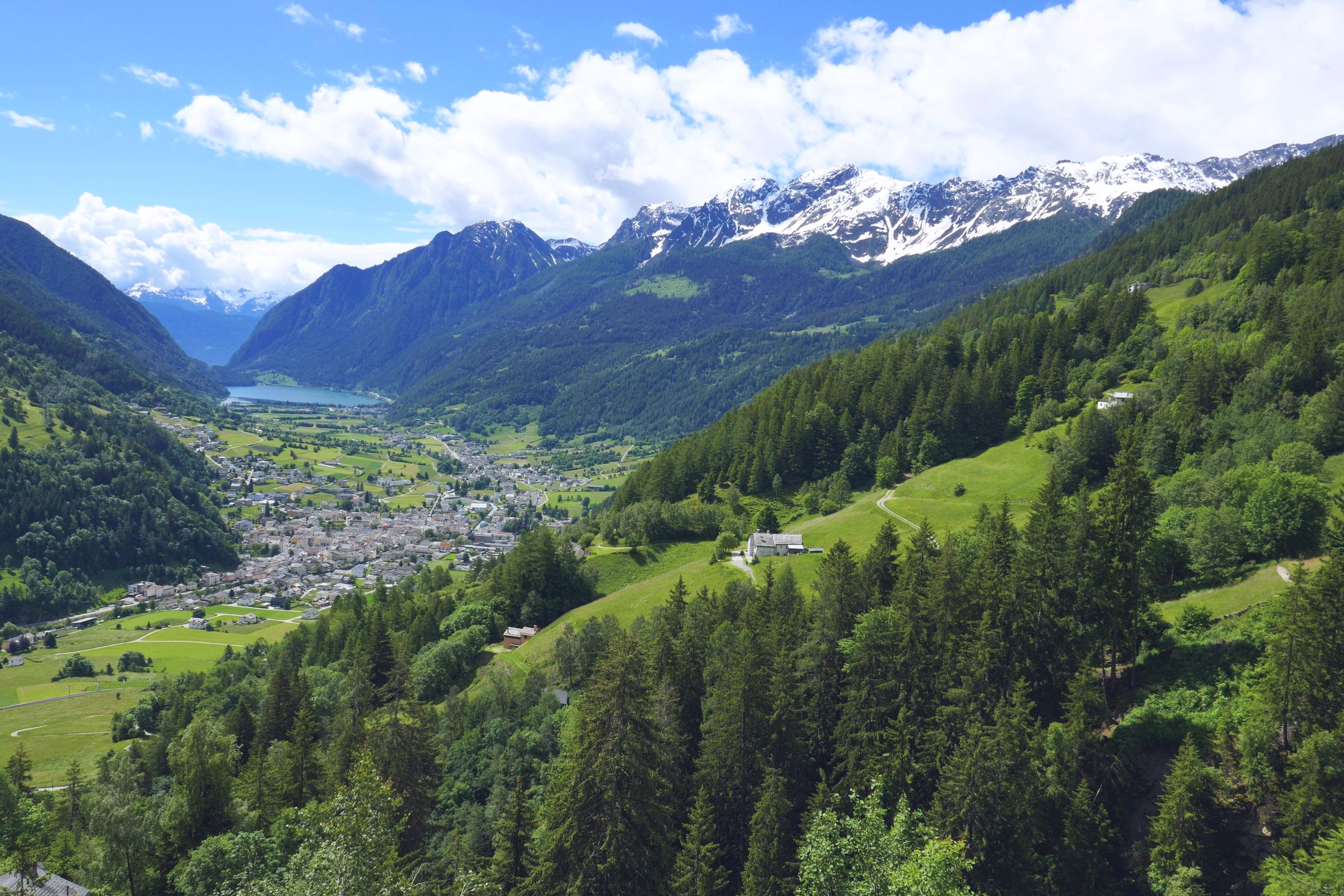
This was just the beginning of many beautiful scenes to come on our 30-mile Bernina Express Journey.
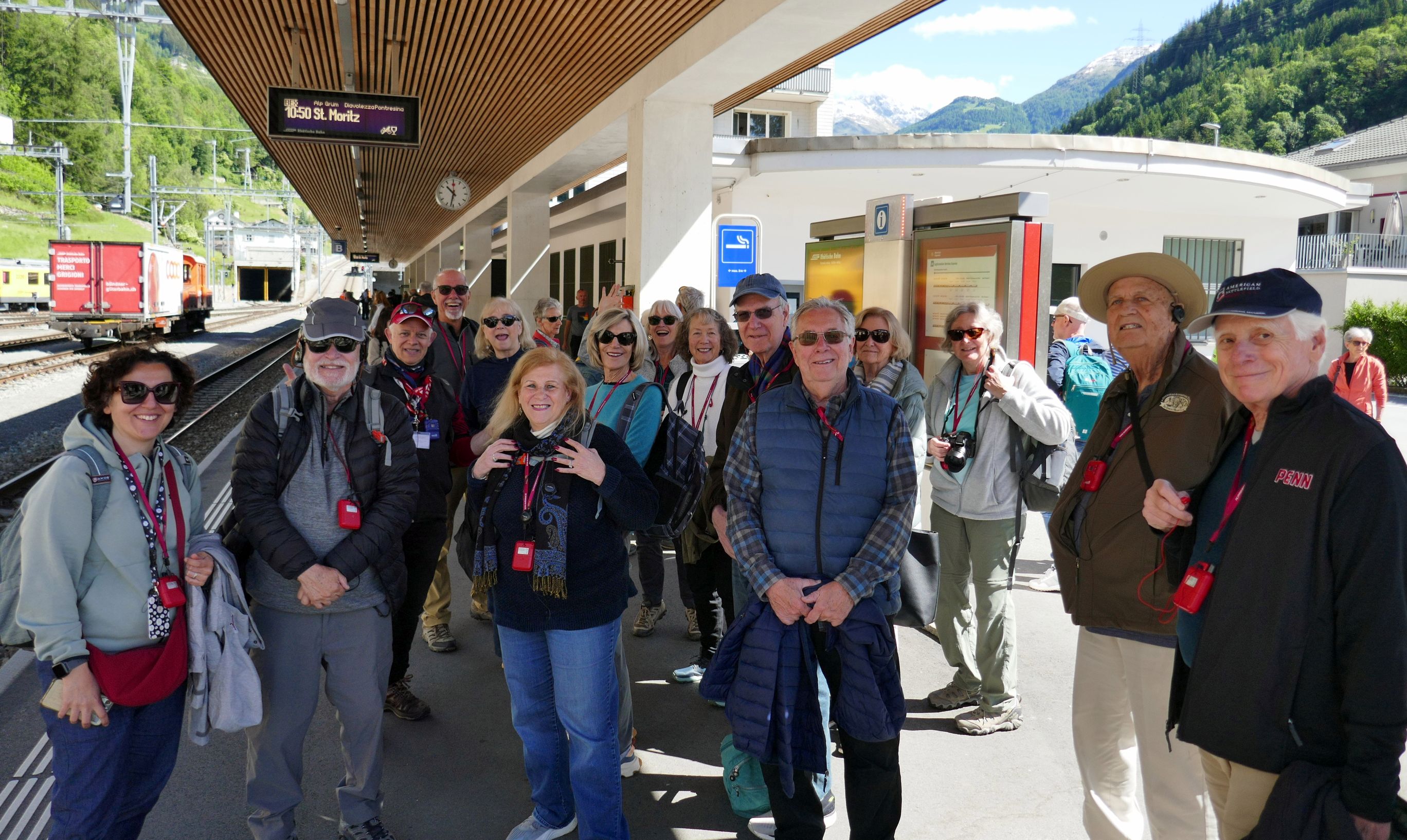
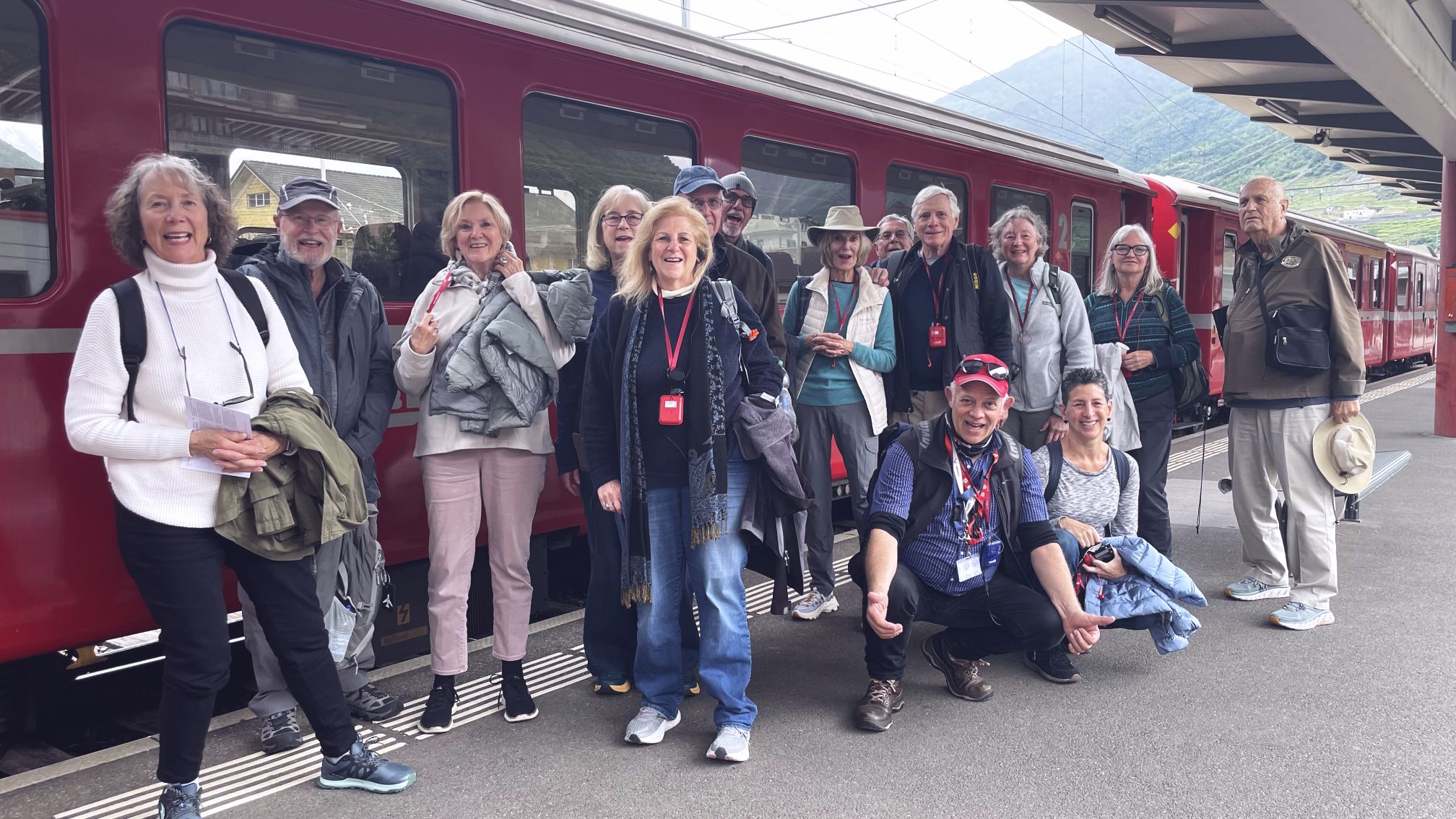
Our group, waiting for Bernina Express train, #2.

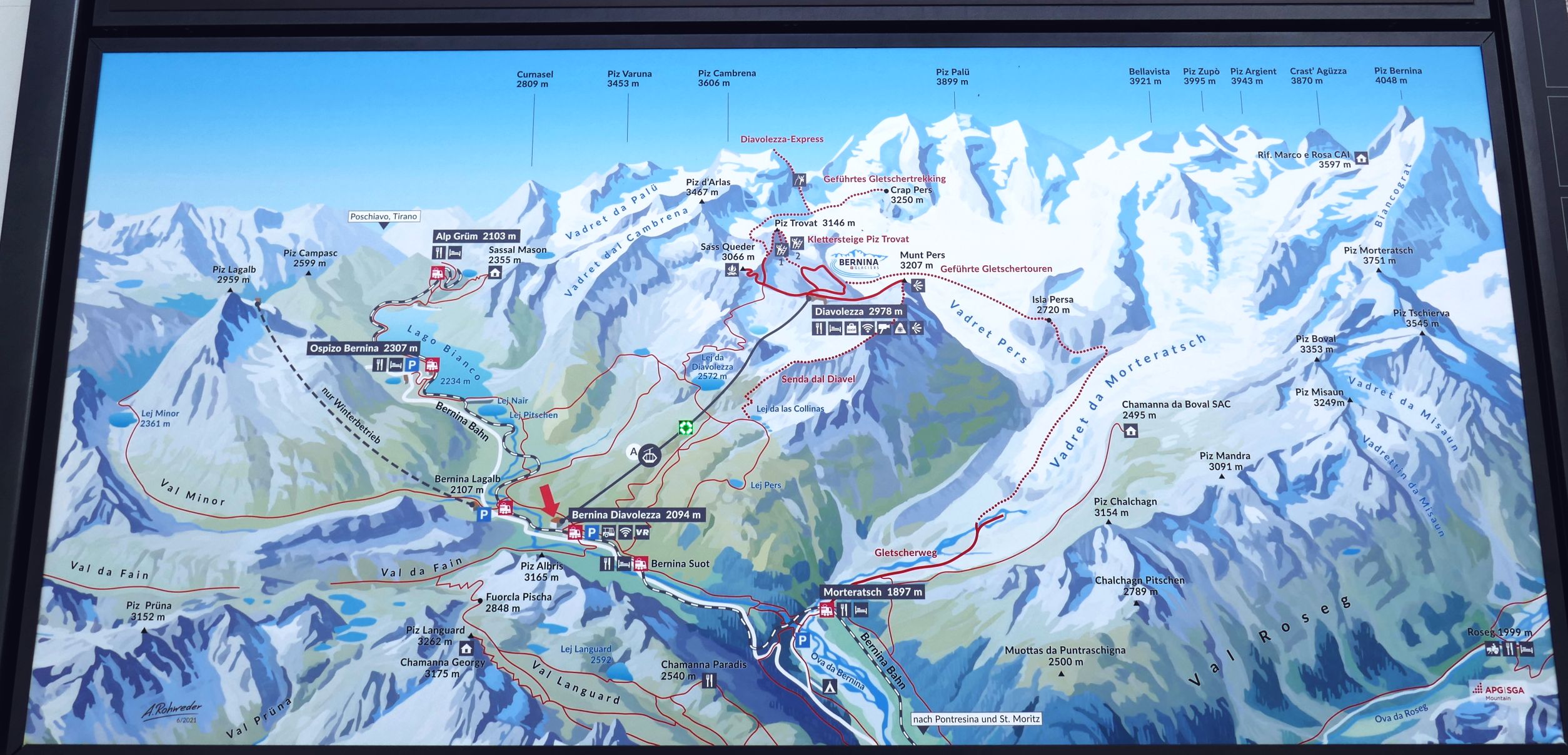
Upon arrival at the Diavolezza station, we took a cable car up to an elevation of 10,000 feet.
The ride was spectacular! This was shot out the cable car window.
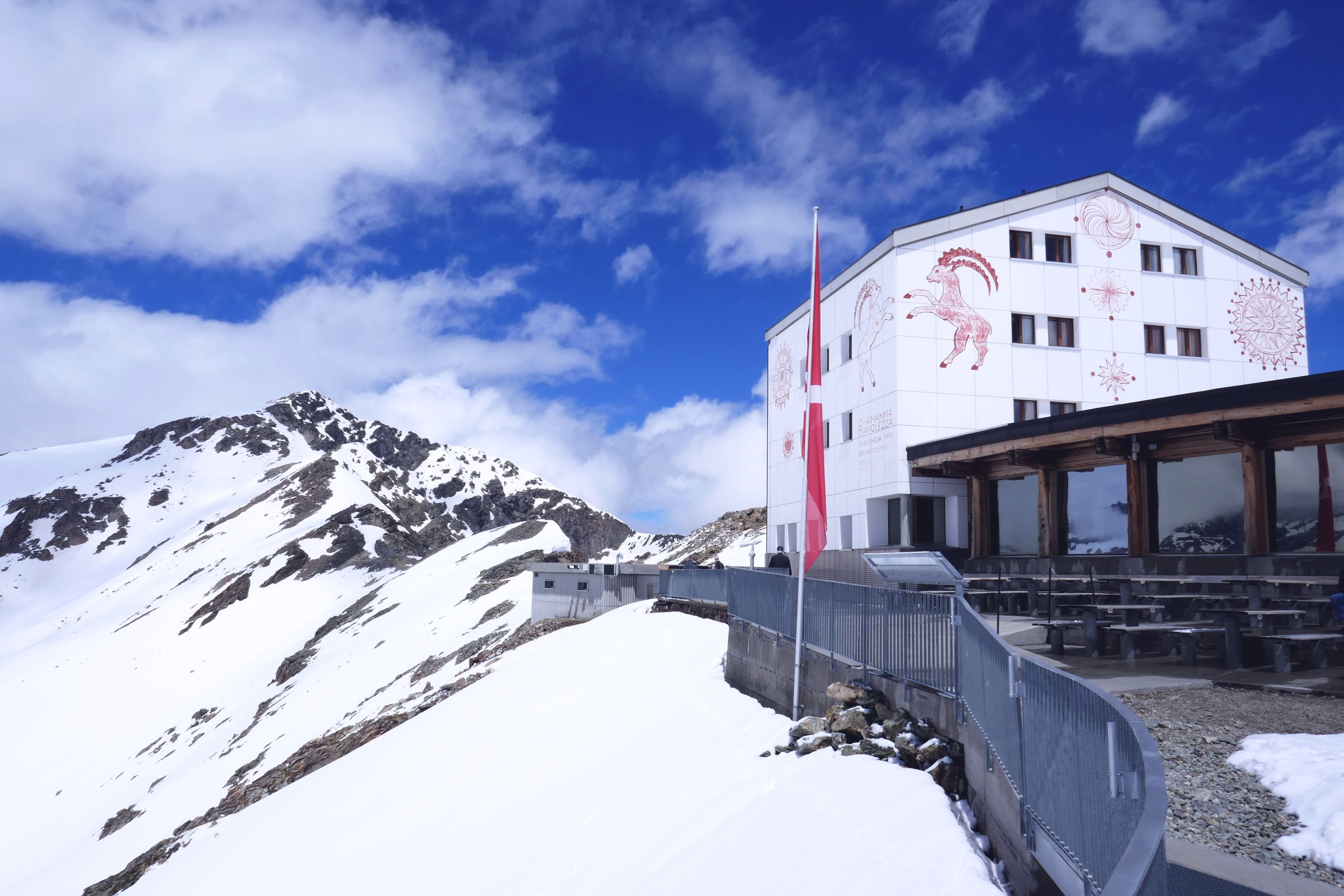
Seen while disembarking the cable car. Love it!
The view from the cable car ride back down. Dark clouds rolled in, so we were grateful to have enjoyed the beautiful weather while it lasted!

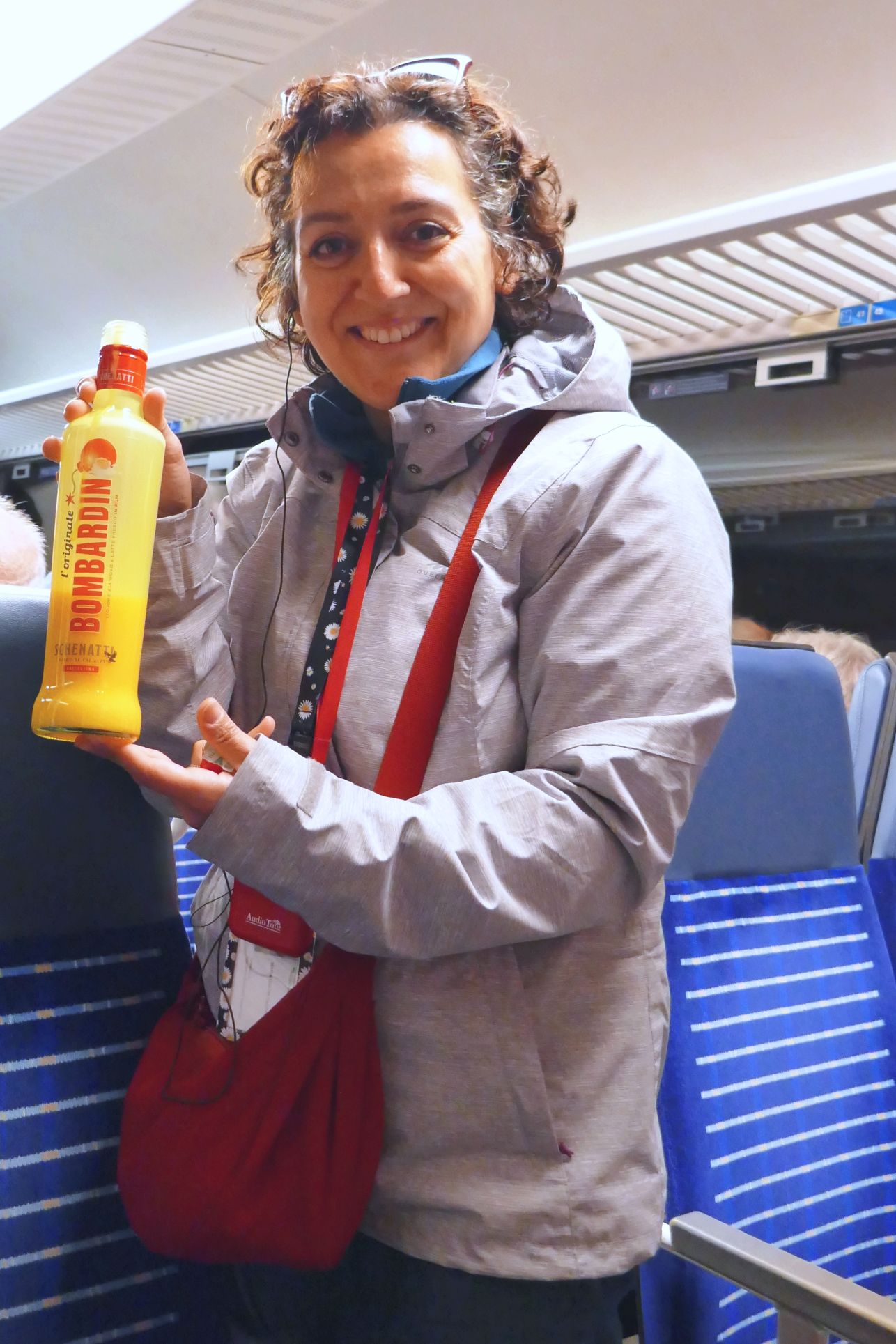
Maria shared a local spiced eggnog with us to celebrate during our journey back to Tirano.
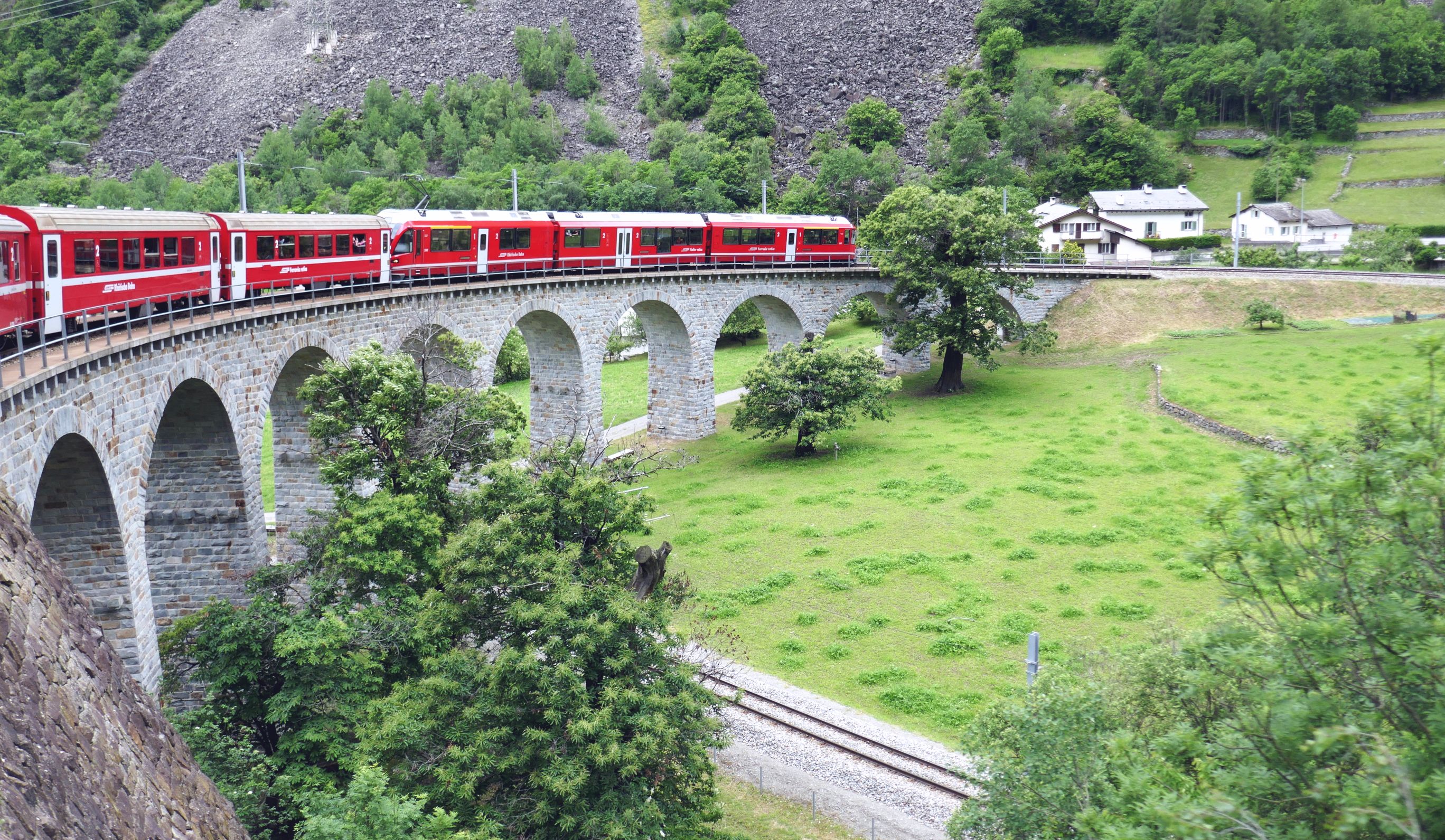
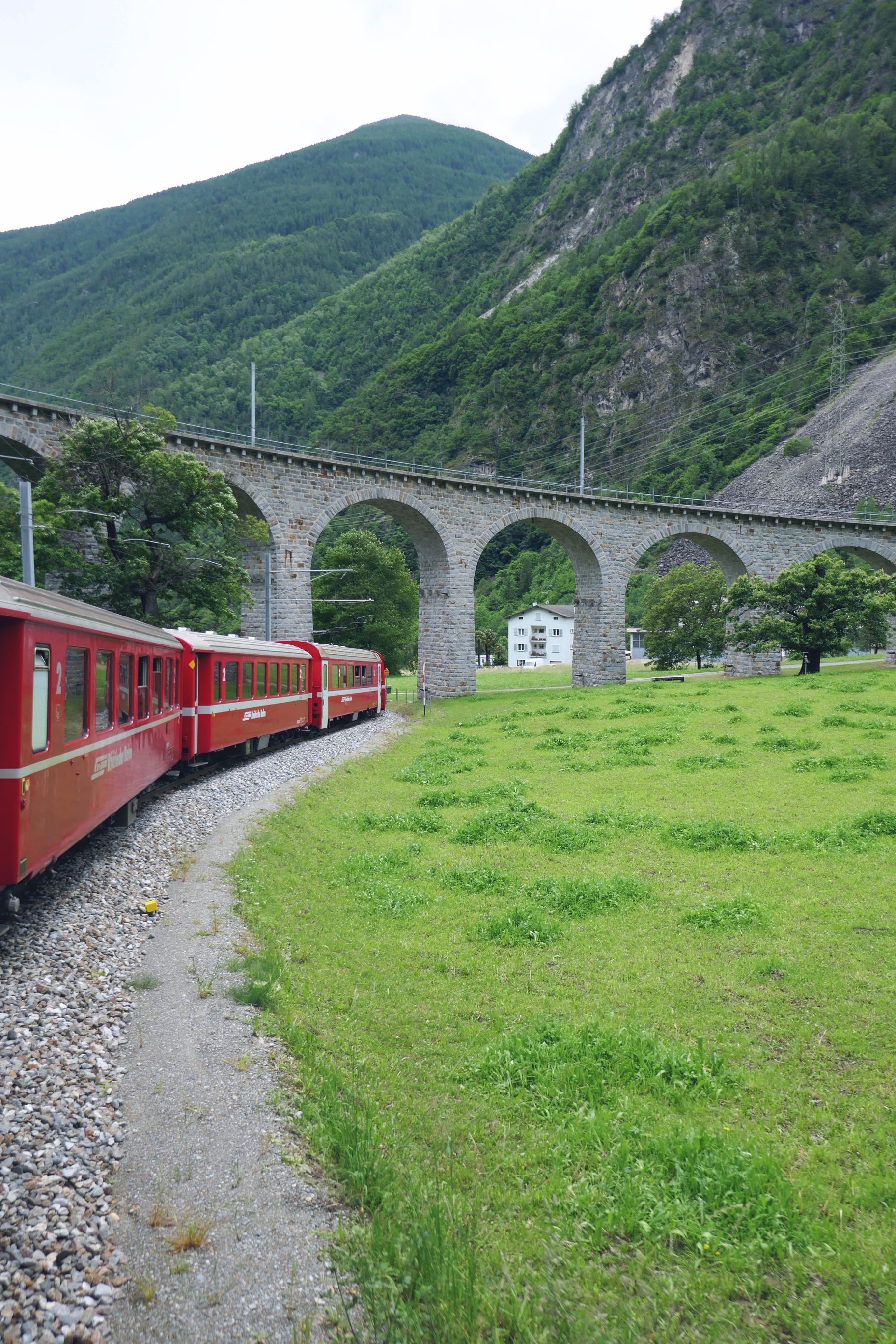
The track made a 360 spiral!

Next up:  SWITZERLAND & NORTHERN ITALY #14: EDOLO AND LAKE ISEO
SWITZERLAND & NORTHERN ITALY #12: VENTURING OFF TO A VALTELLINA VALLEY GOAT FARM & TIRANO
When I heard we would be visiting a goat farm for our “Day in the Life” excursion (an Overseas Adventure Travel feature on every tour), I immediately thought of my friend, Laura.  Years ago, when she visited me and Bruce (and after we all had one too many glasses of wine), a funny conversation we were having about goats led to Laura exclaiming, “Bring in the goats!”  I don’t remember what the story was or how the topic of goats came up, but “Bring in the goats!” has been a joke between us ever since.  Whenever Bruce and I see goats, one (or both) of us quote Laura, have a giggle, and immediately think of her.  So, Laura, this post is dedicated to you!

The farm we visited was in the Valtellina Valley, in the Alpine region of Italy near the Swiss border.  Known for its agriculture and cheese-making, we participated in both activities after first meeting the goats.

First, a little background: The hillsides and hamlets of this region used to be home to the rich; however, when people started moving into the cities, the small hamlets became depopulated and abandoned.  To encourage people to return and build the population back up, abandoned homes were offered by the government for 1 Euro, but with strings attached.  The new owners were required to commit to renovating and living in these homes.  That worked well during COVID, when people started working remotely, fleeing the cities, and repopulating the region.  More and more people are continuing to return to farming and living in more remote places such as the Valtellina Valley again.

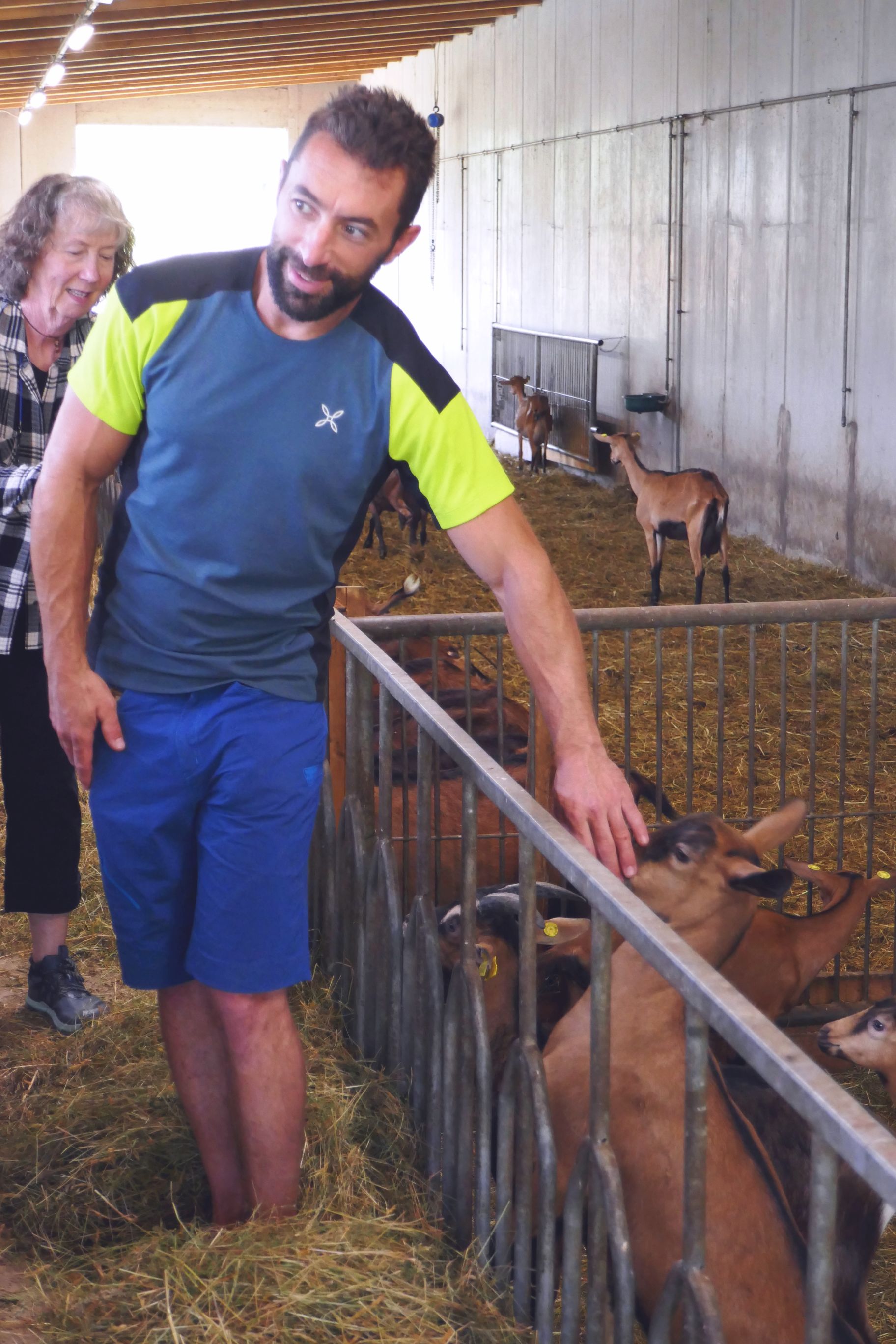
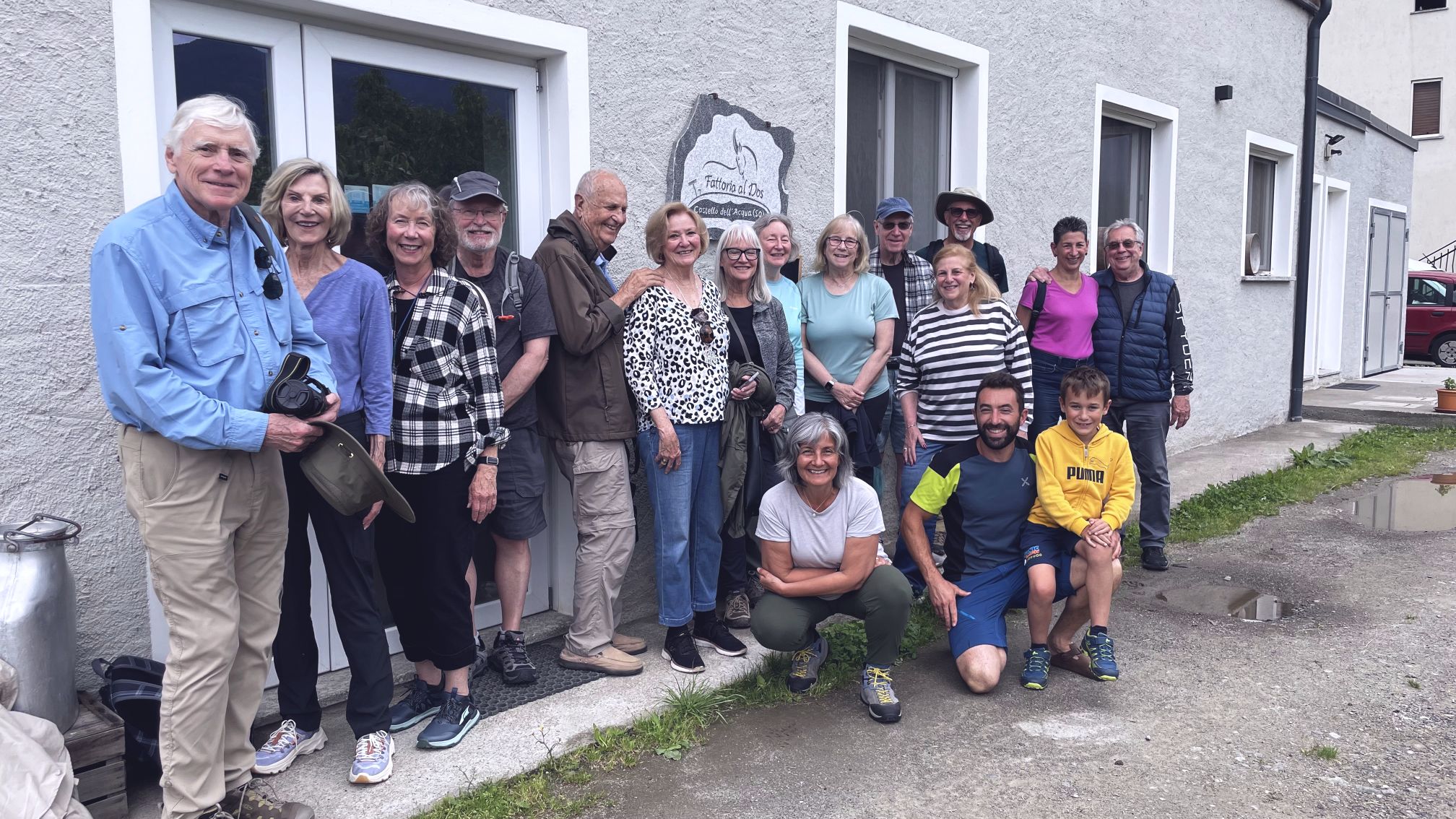
We visited Fattoria al Dos in Castello dell’ Acqua and were hosted by Gabriele, his son, Michele, and Gabriele’s dad.  Their farm had been passed down by Gabriele’s great grandfather through the generations, and Gabriele now does most of the work while his father handles the tourism end of the business, such as hosting groups like ours.

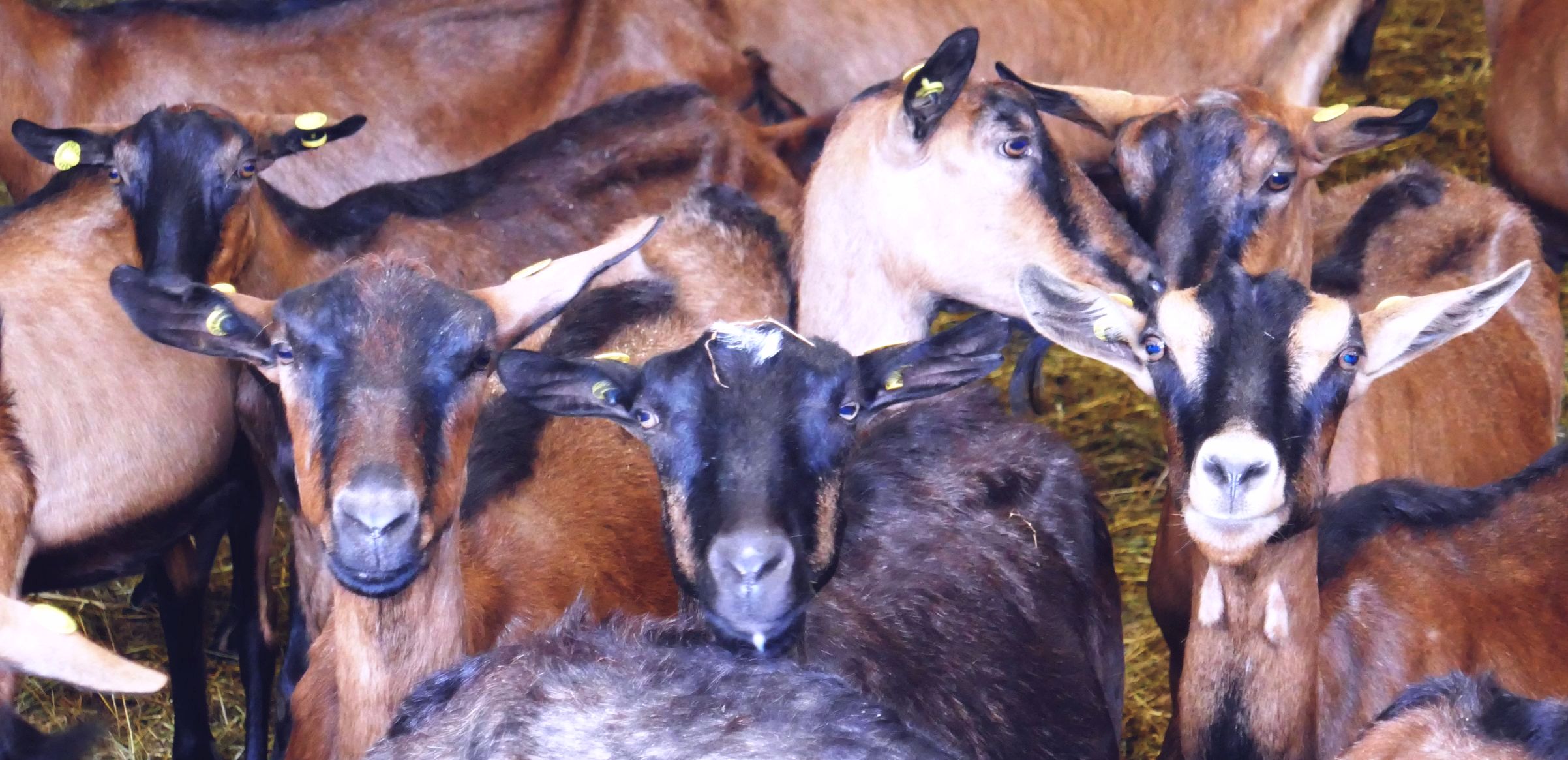
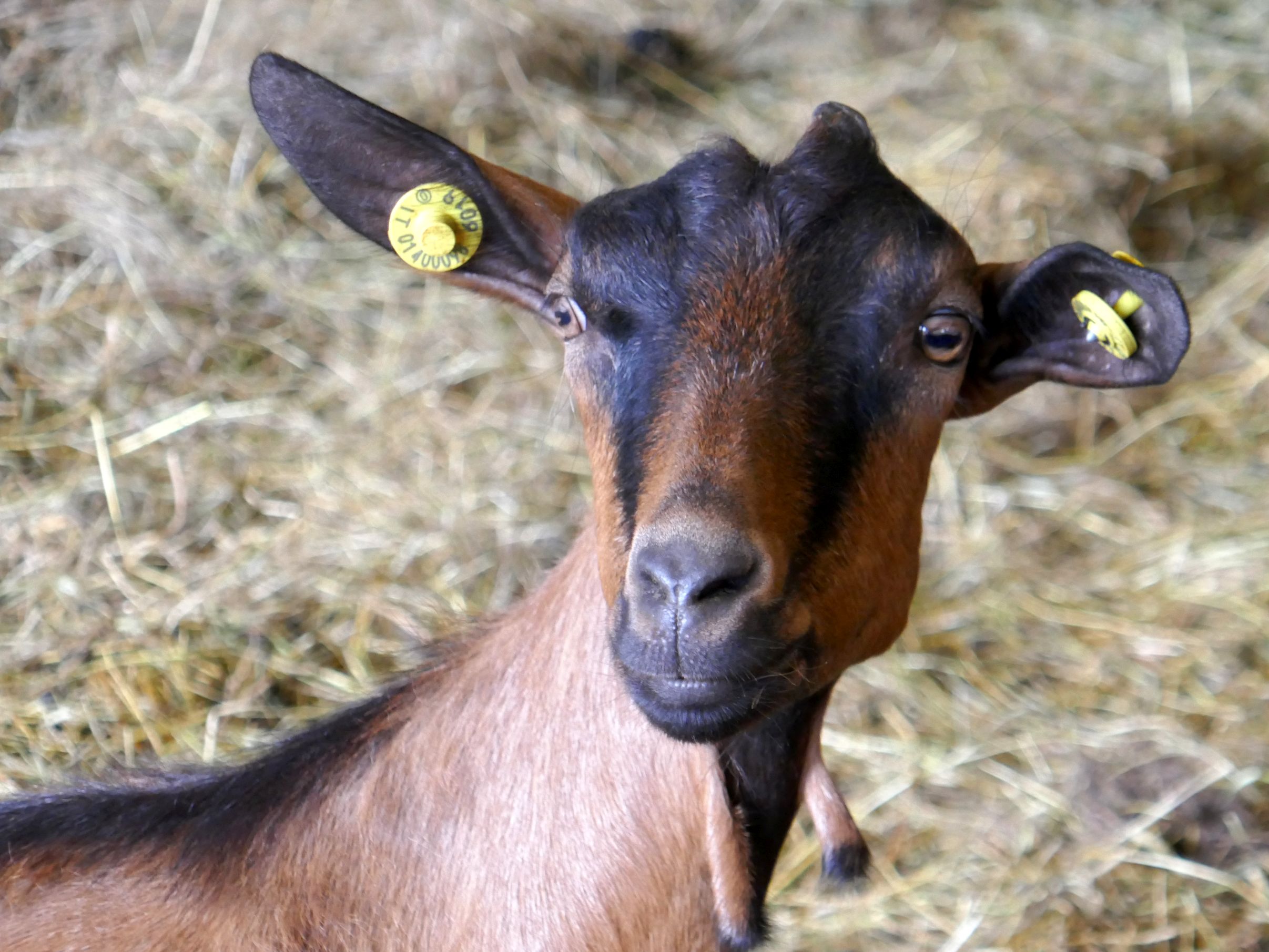
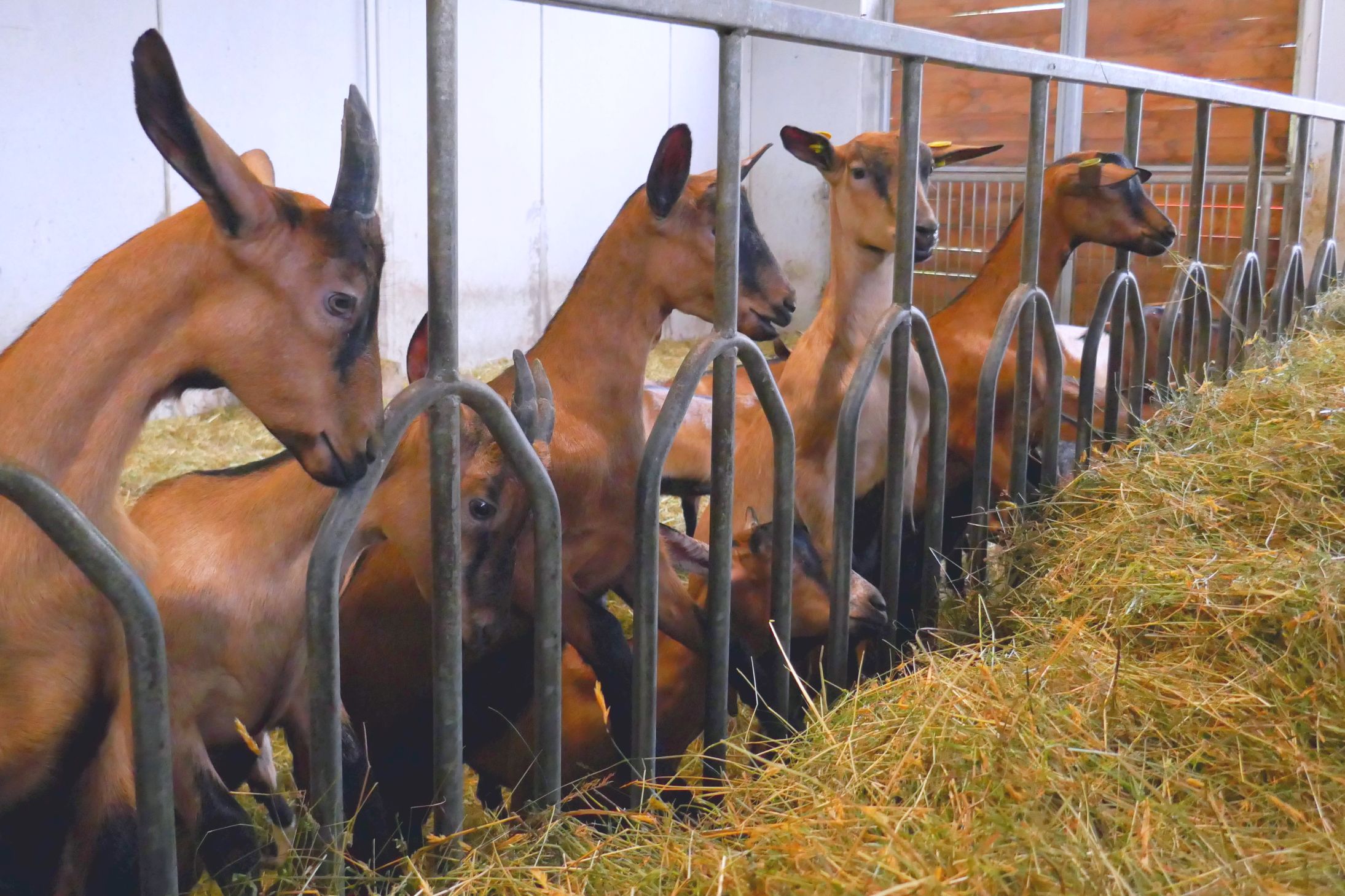
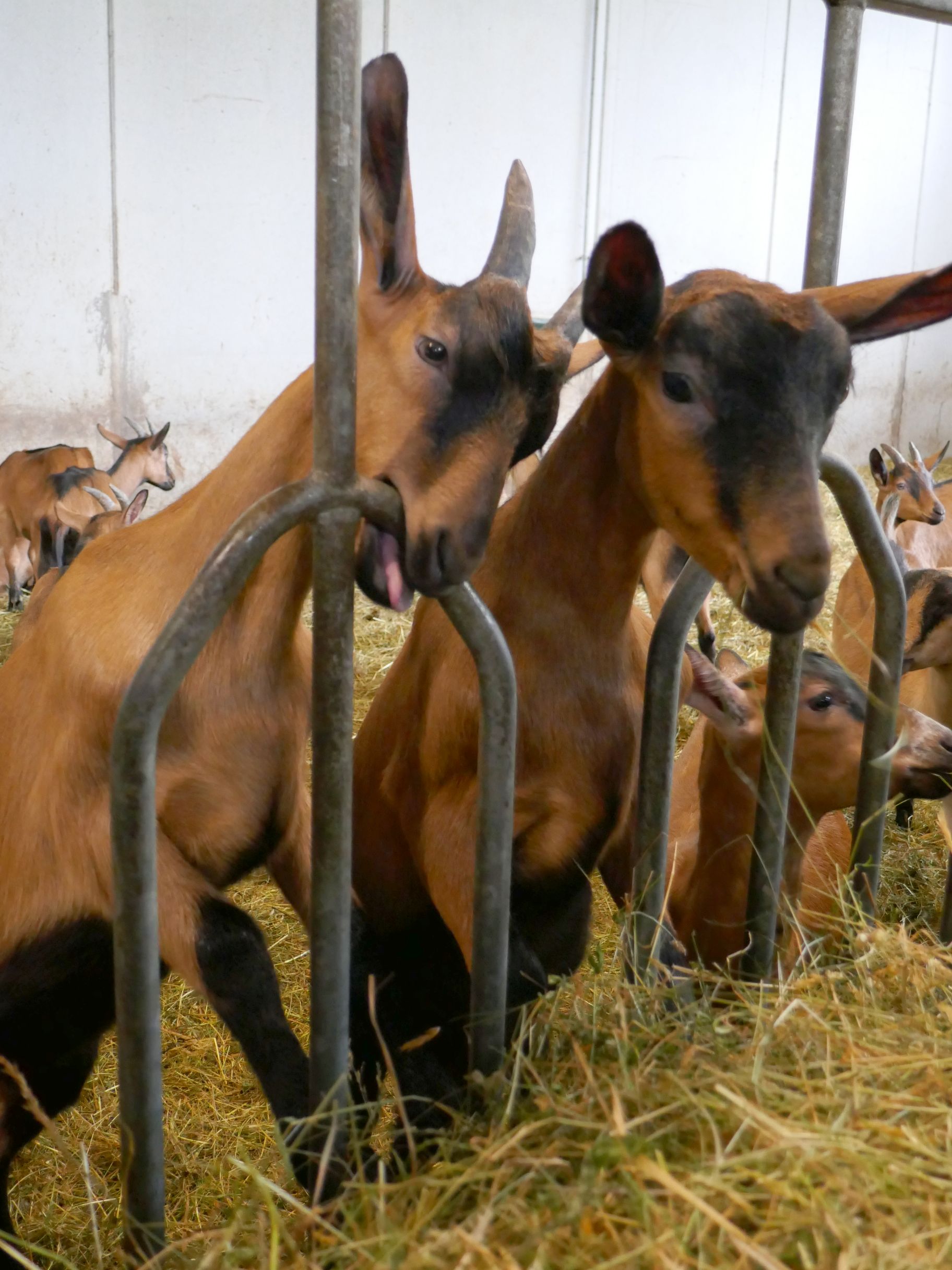
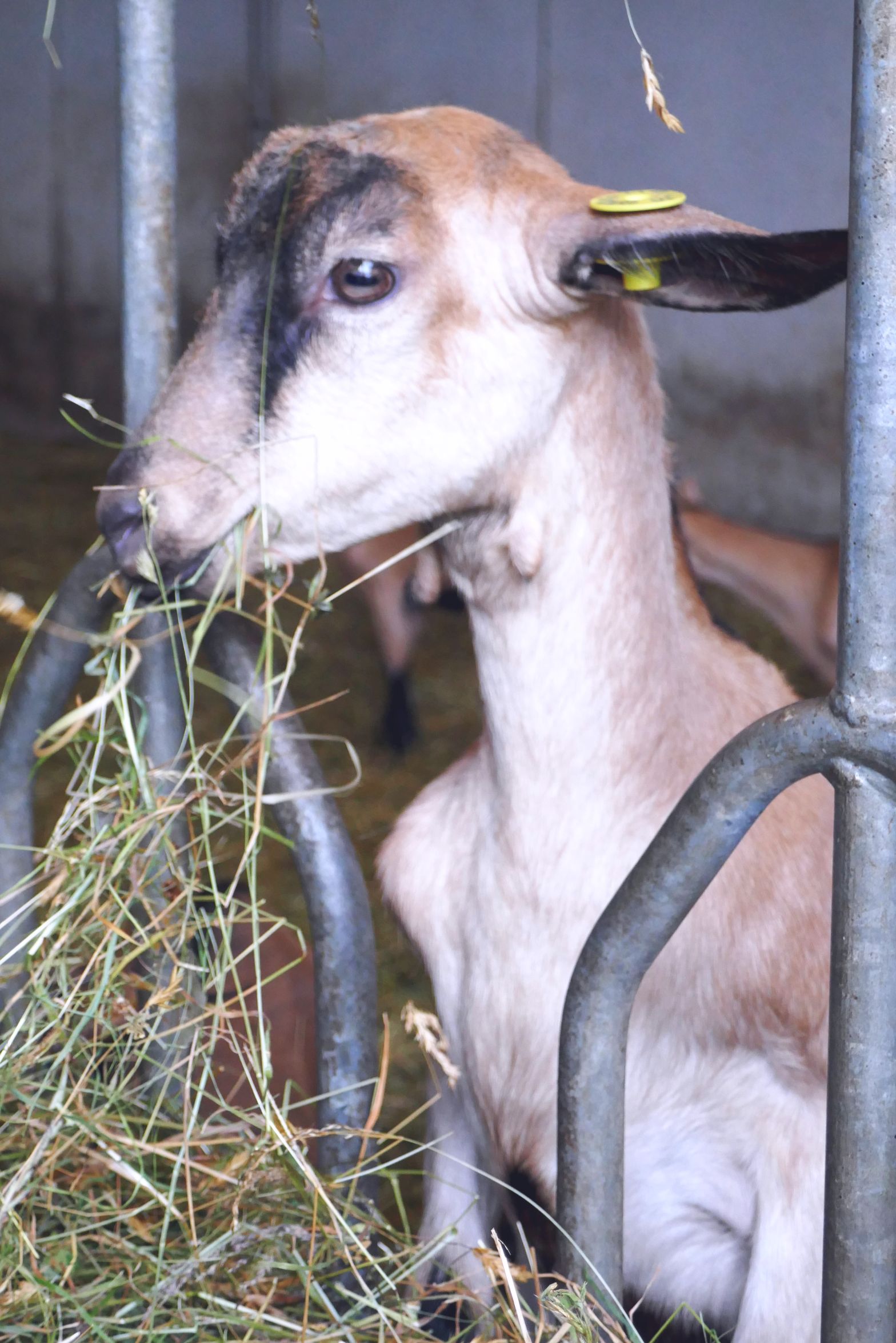
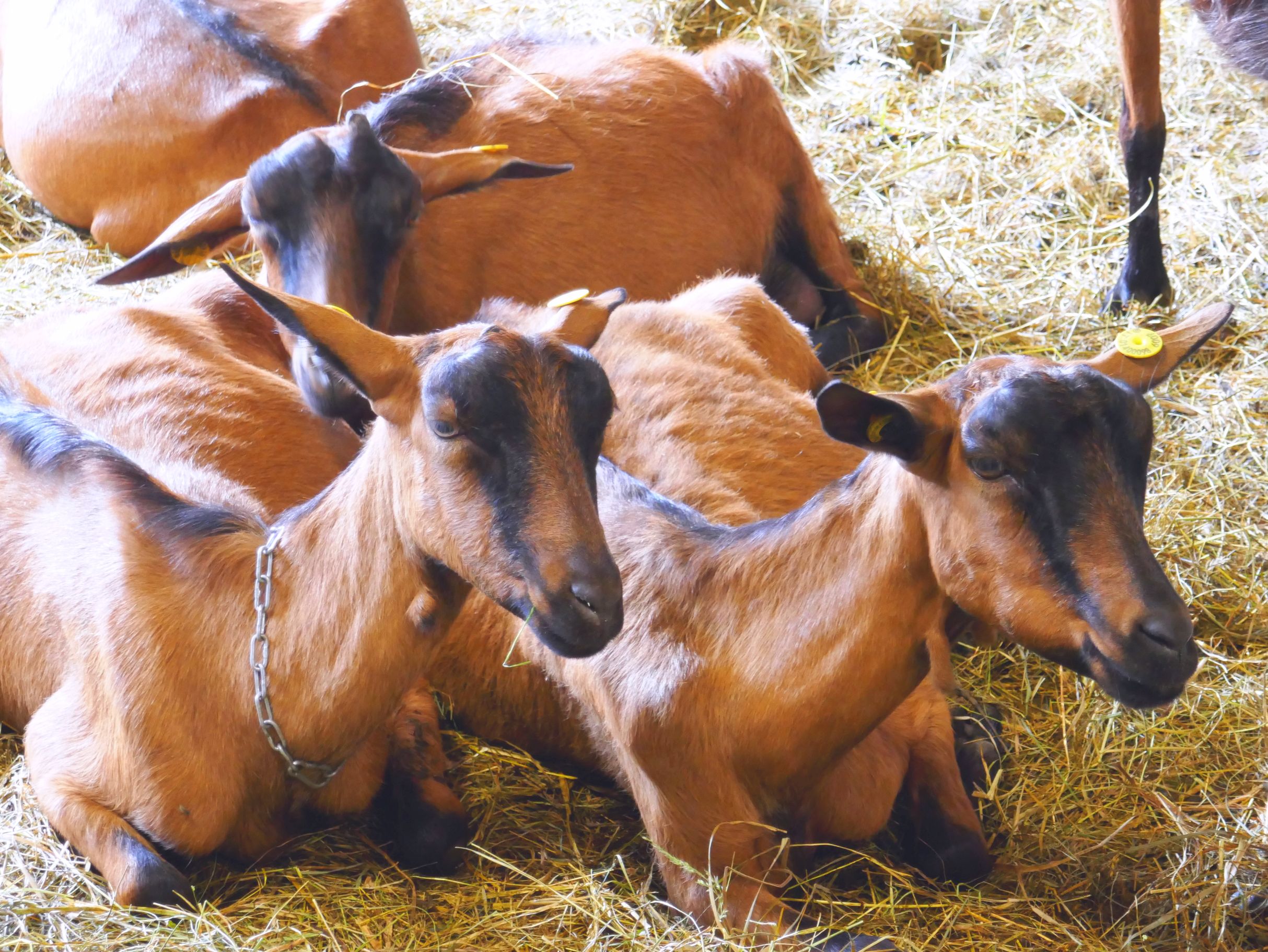
Their goats were a friendly bunch!  They immediately came over to meet us, and they loved being scratched on the head!  If we stopped giving them attention, they just stood there and stared at us, waiting for more.  It was quite evident that once we were on the scene, they didn’t care about eating the hay that was piled up for them.

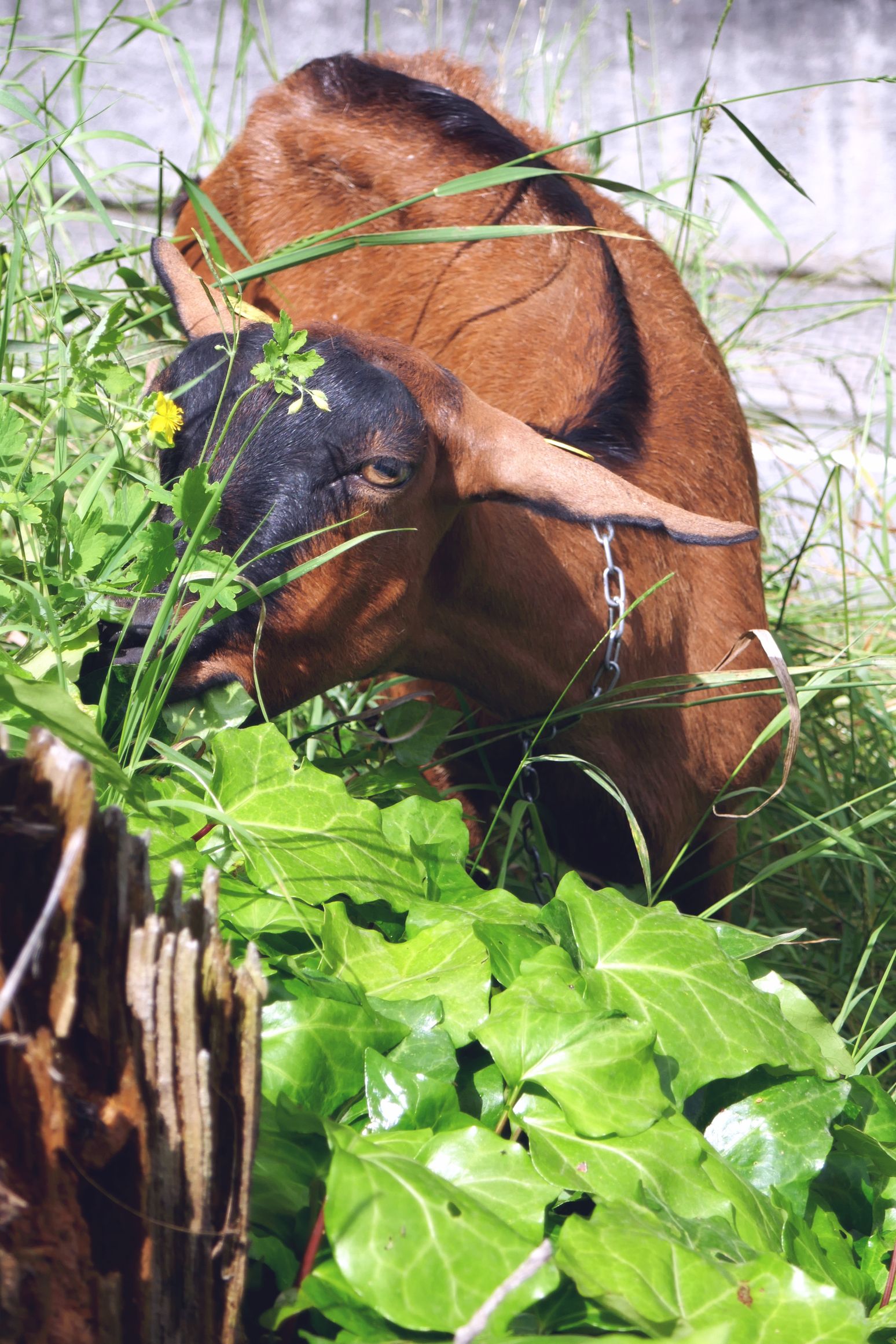
After learning about their goats and the milking process, the scene that unfolded brought out an instinctive, “Bring in the goats!” from both of us.  While we watched, the goats were brought out of the barn and herded by their dog, Simba, to an area where they could feast on fresh grass.

Simba, keeping an eye out on the goats.

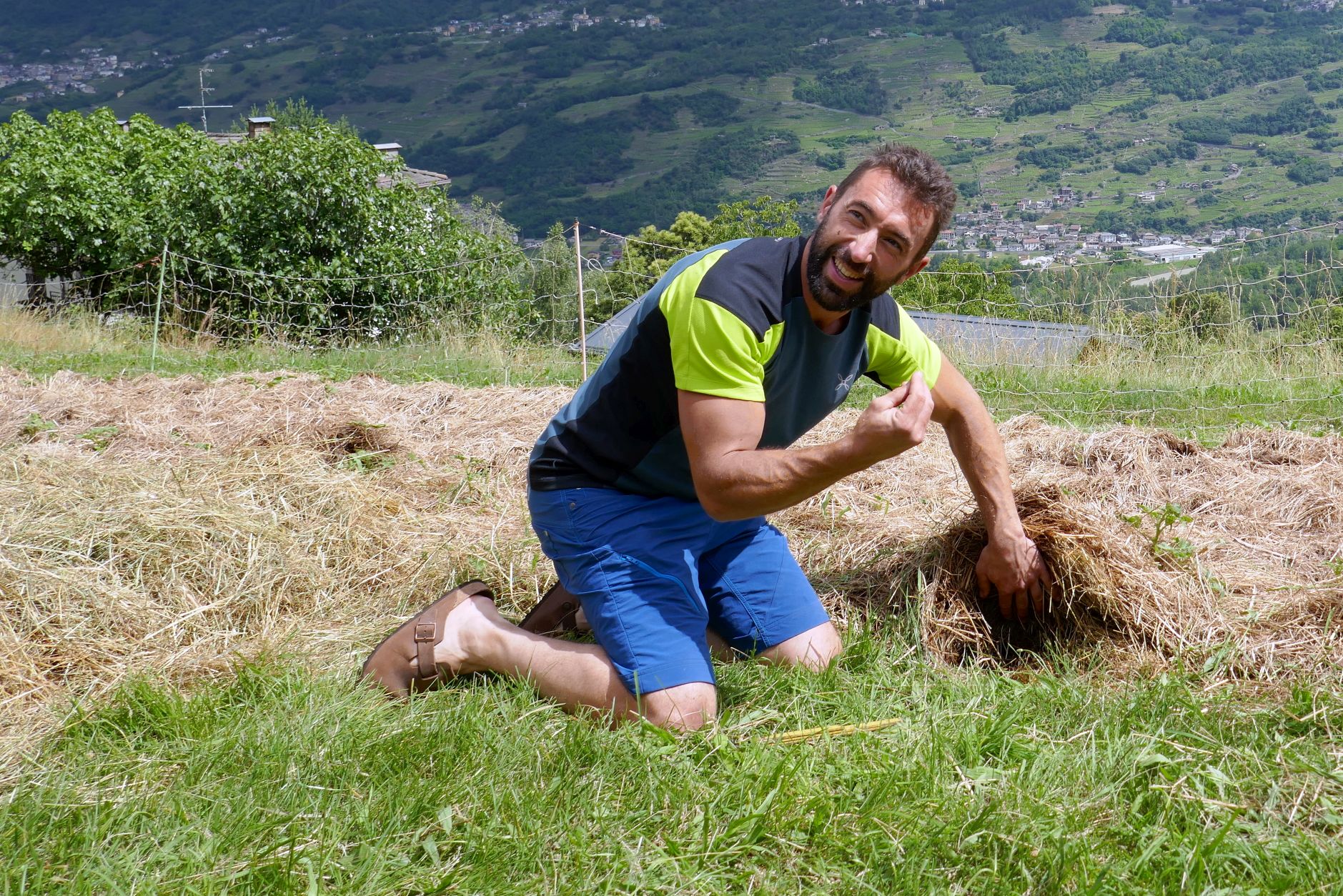
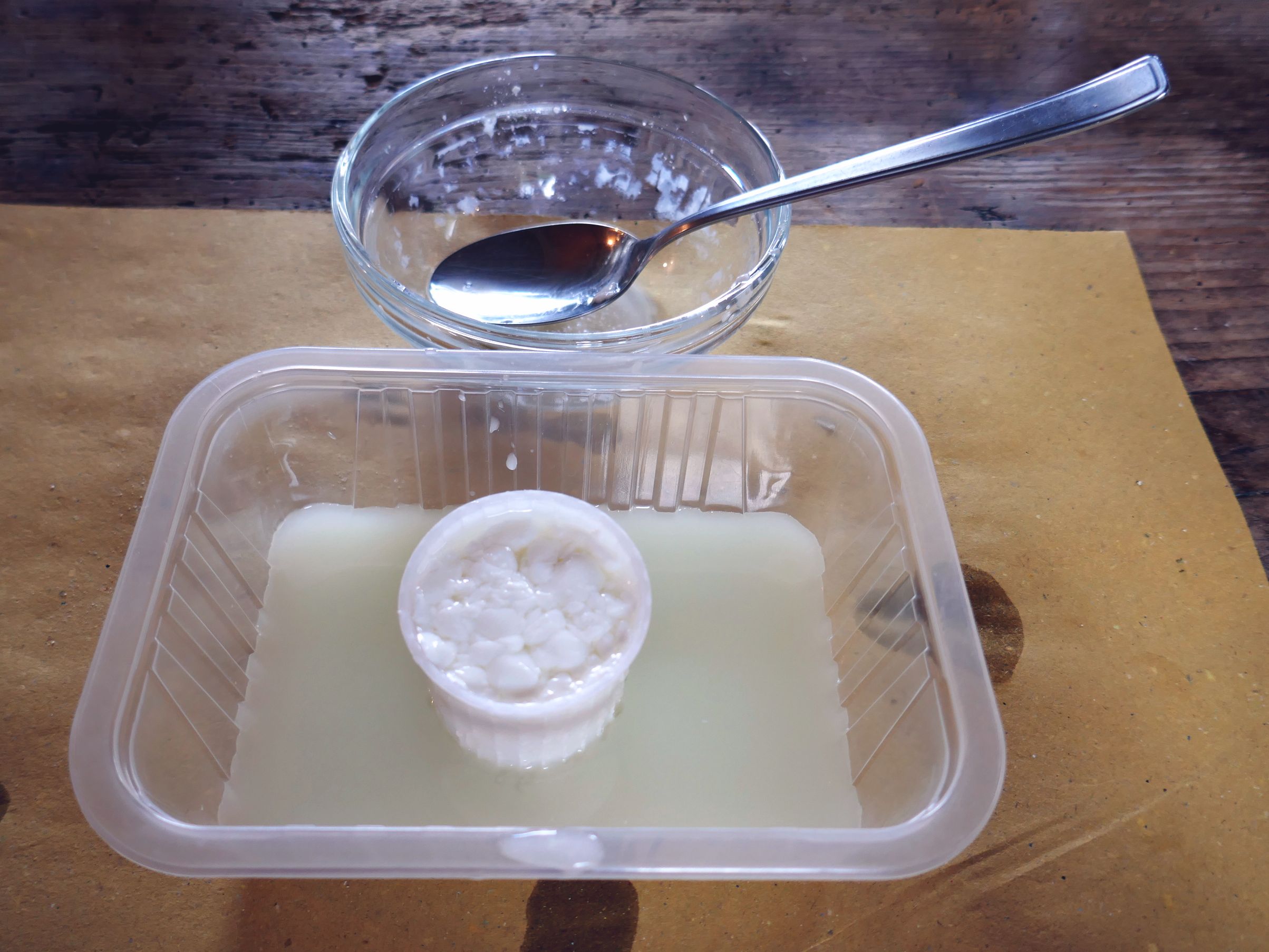
We also helped plant potatoes and learned how to make goat cheese.  Their 60 goats yield about 30-40,000 liters of milk a year that is worked into cheese.  One hundred liters of milk yields about 17-33 pounds of cheese, just to give you an idea of their production, which they sell locally.

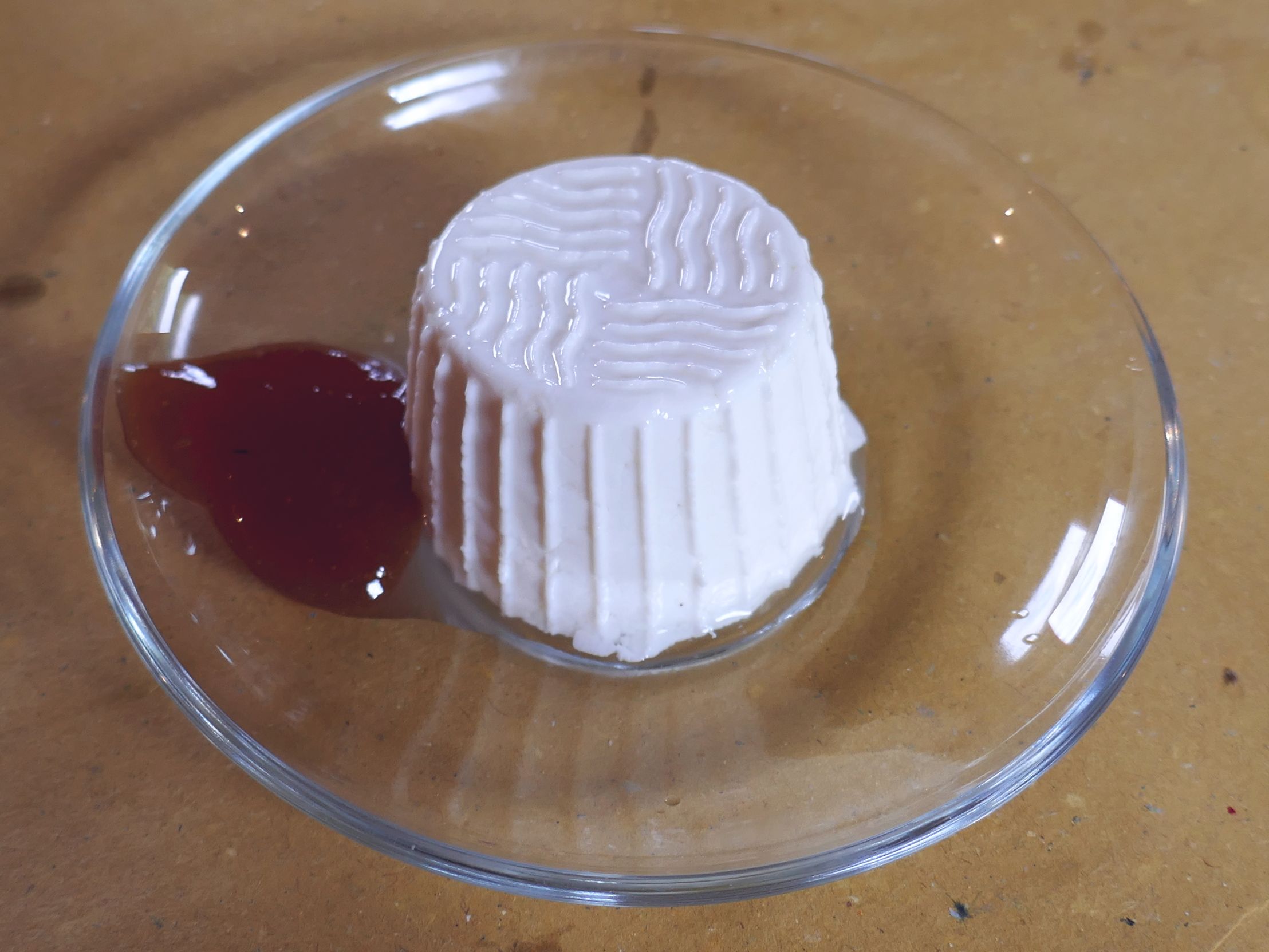
It was interesting tasting the different cheeses they make, from young to aged.  We were then served a traditional farm lunch of risotto.  For dessert, we enjoyed the cheese we each had made, accompanied by homemade fruit jam or honey.

Our time at the farm was so enjoyable, and it was fun learning about the life of the three generations working the farm.  Gabriele and his wife are hoping that Michele will carry on the tradition!

Looking down the hill from their farm, the view was of this little village cemetery.

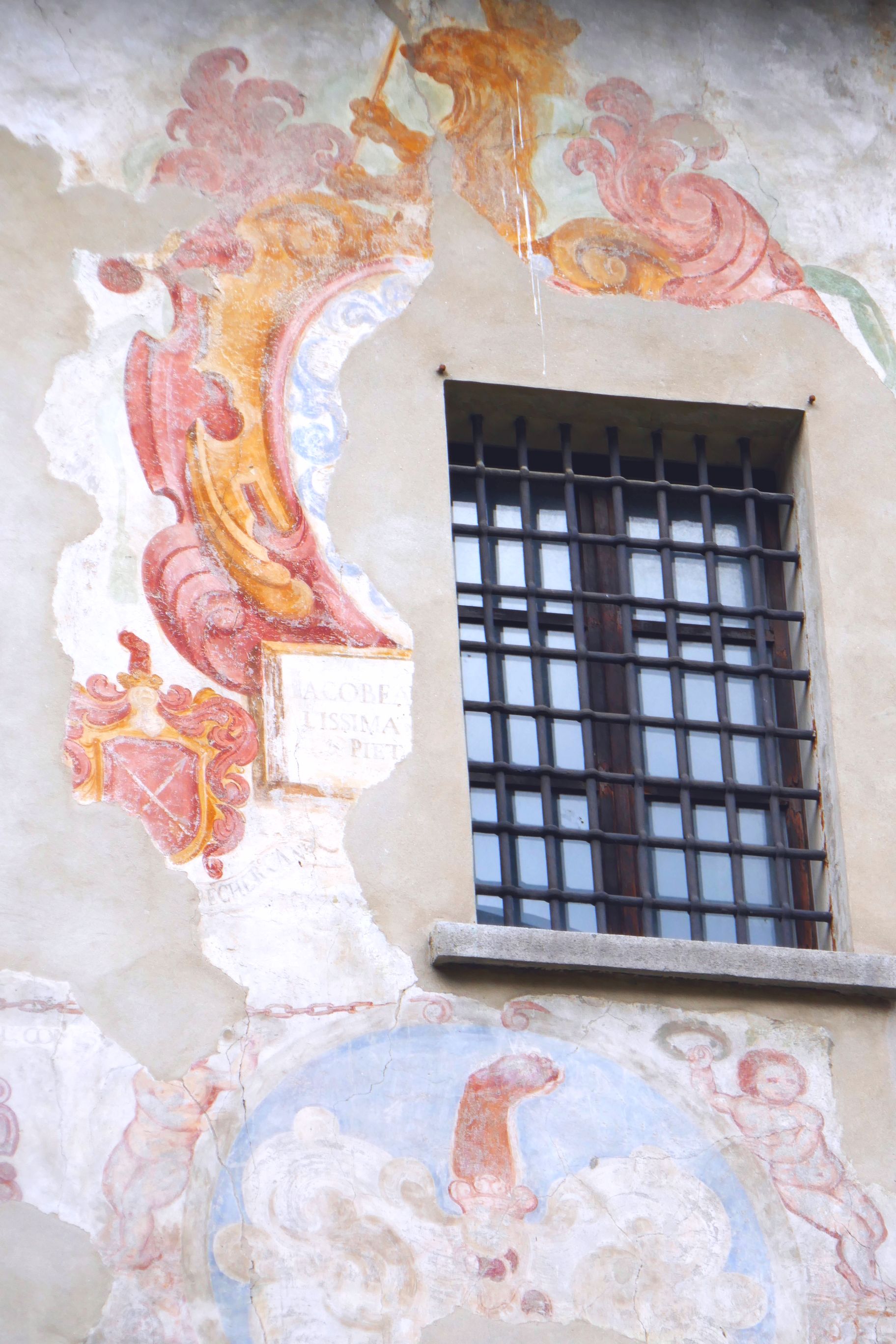
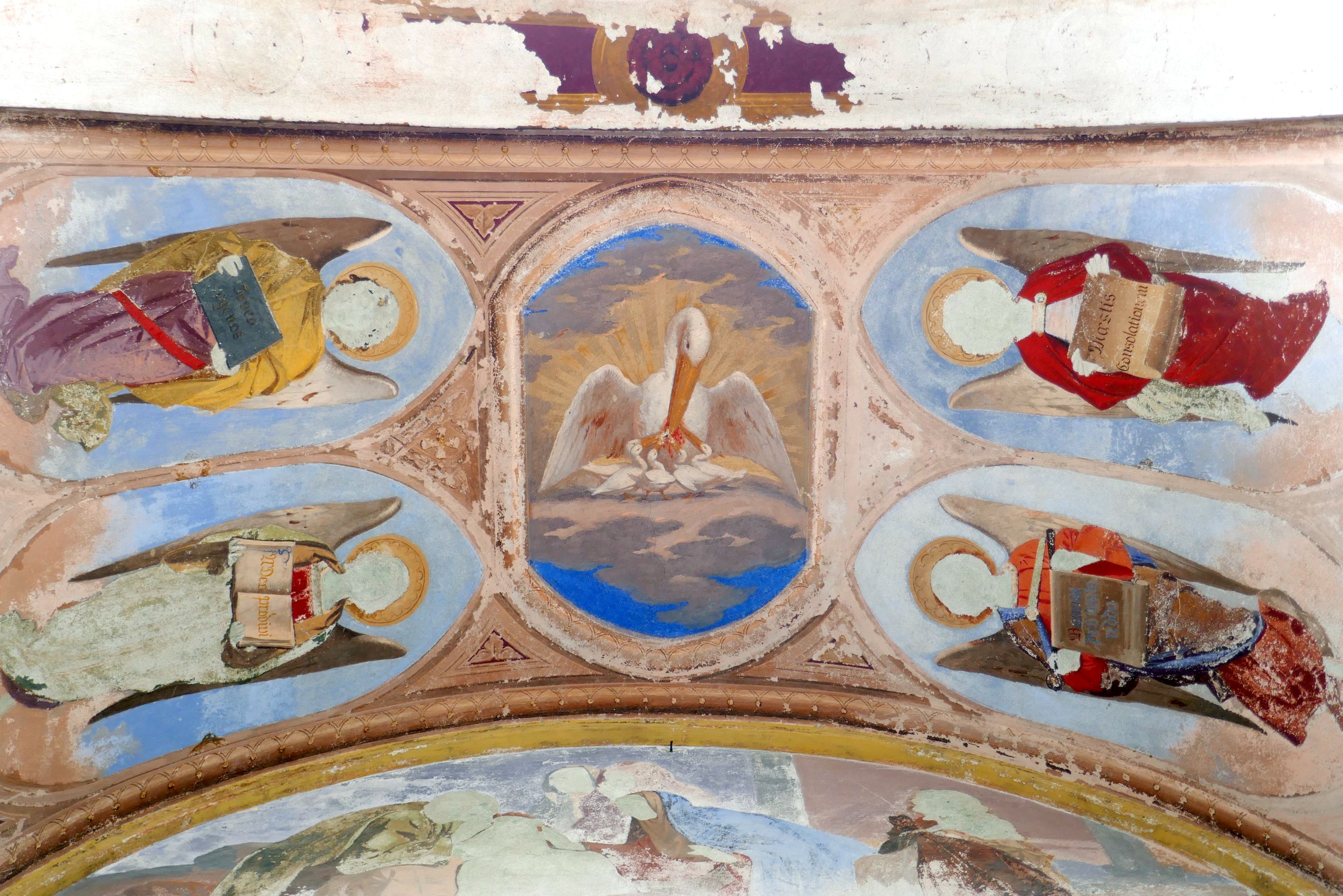
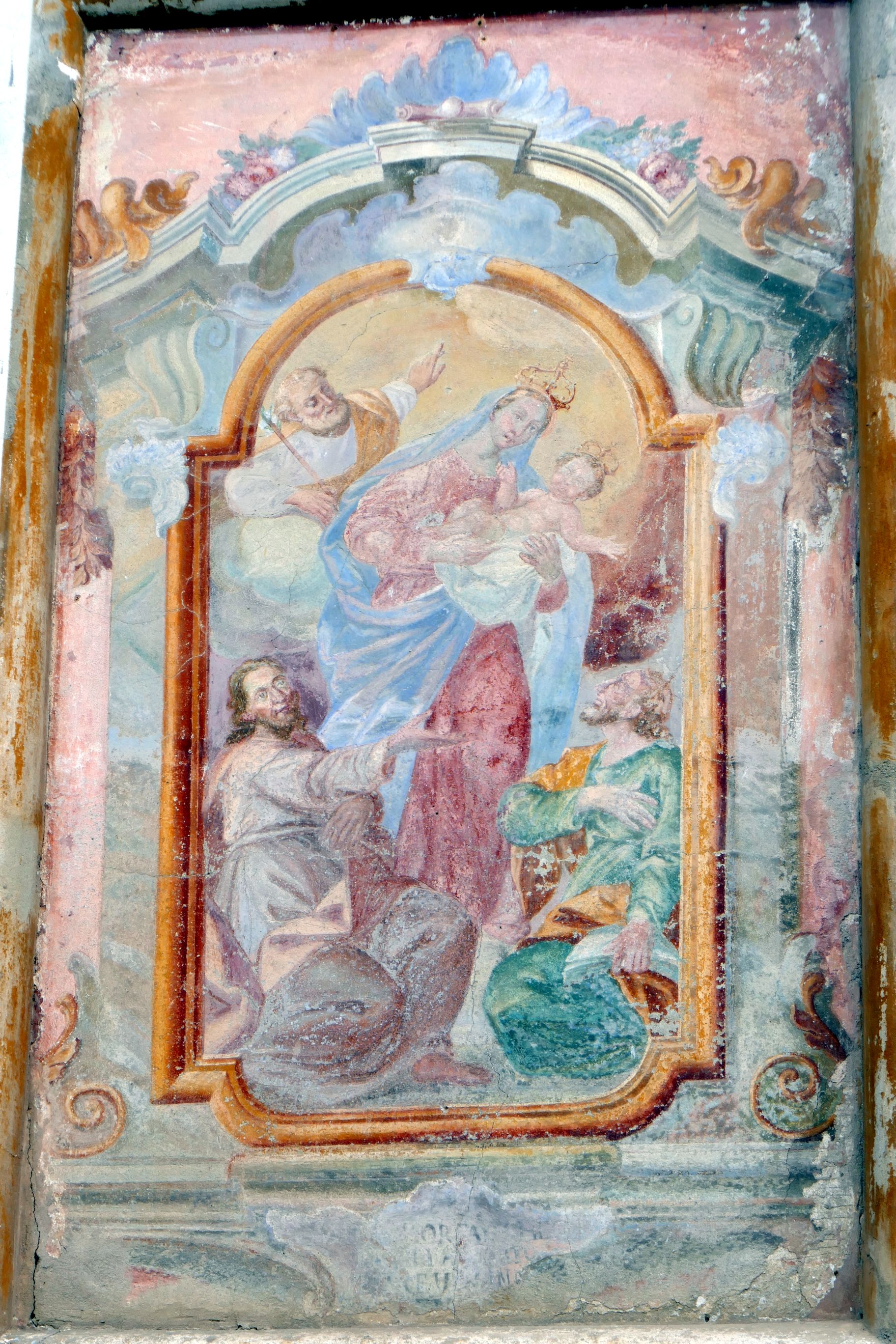
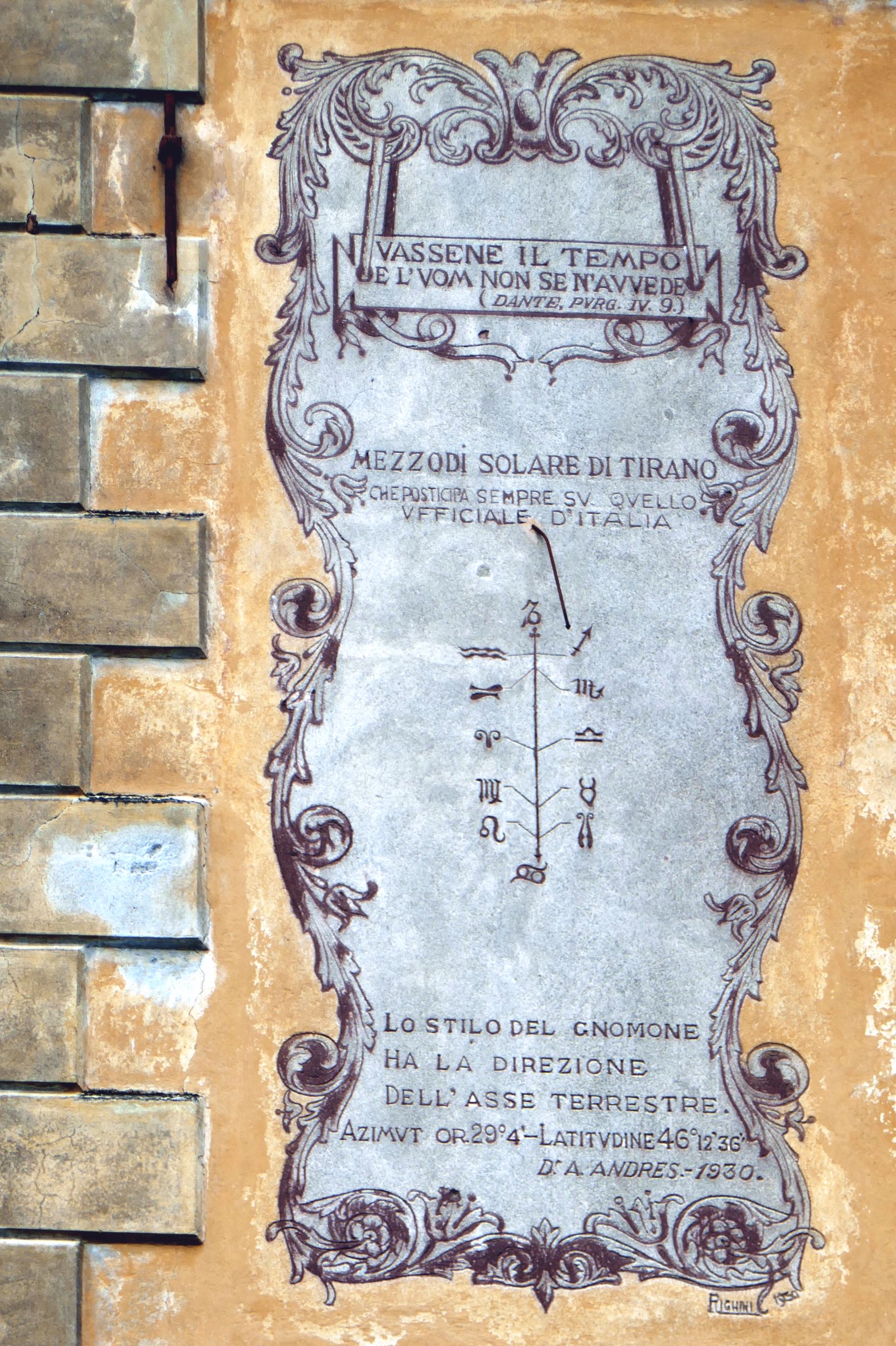
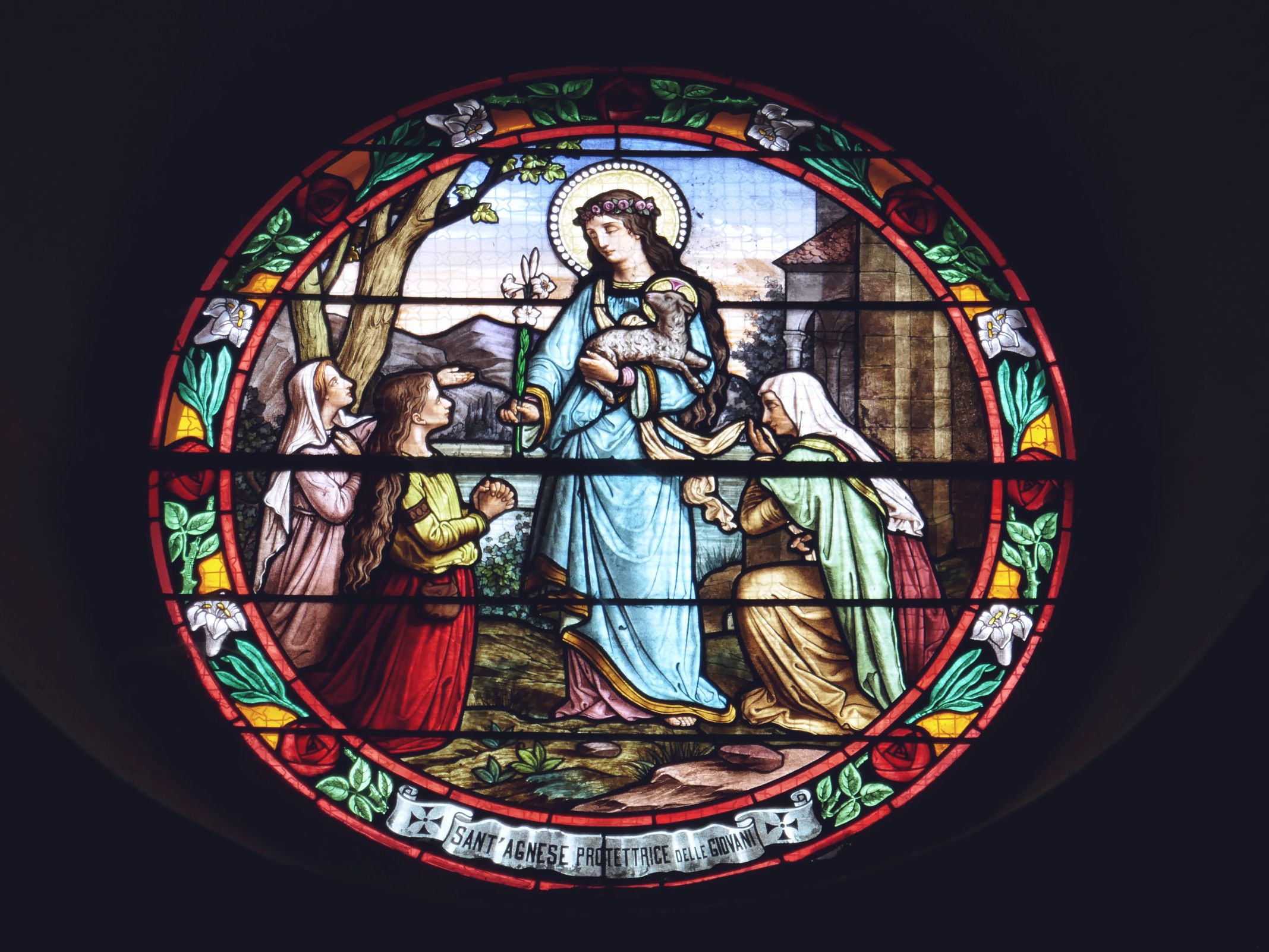
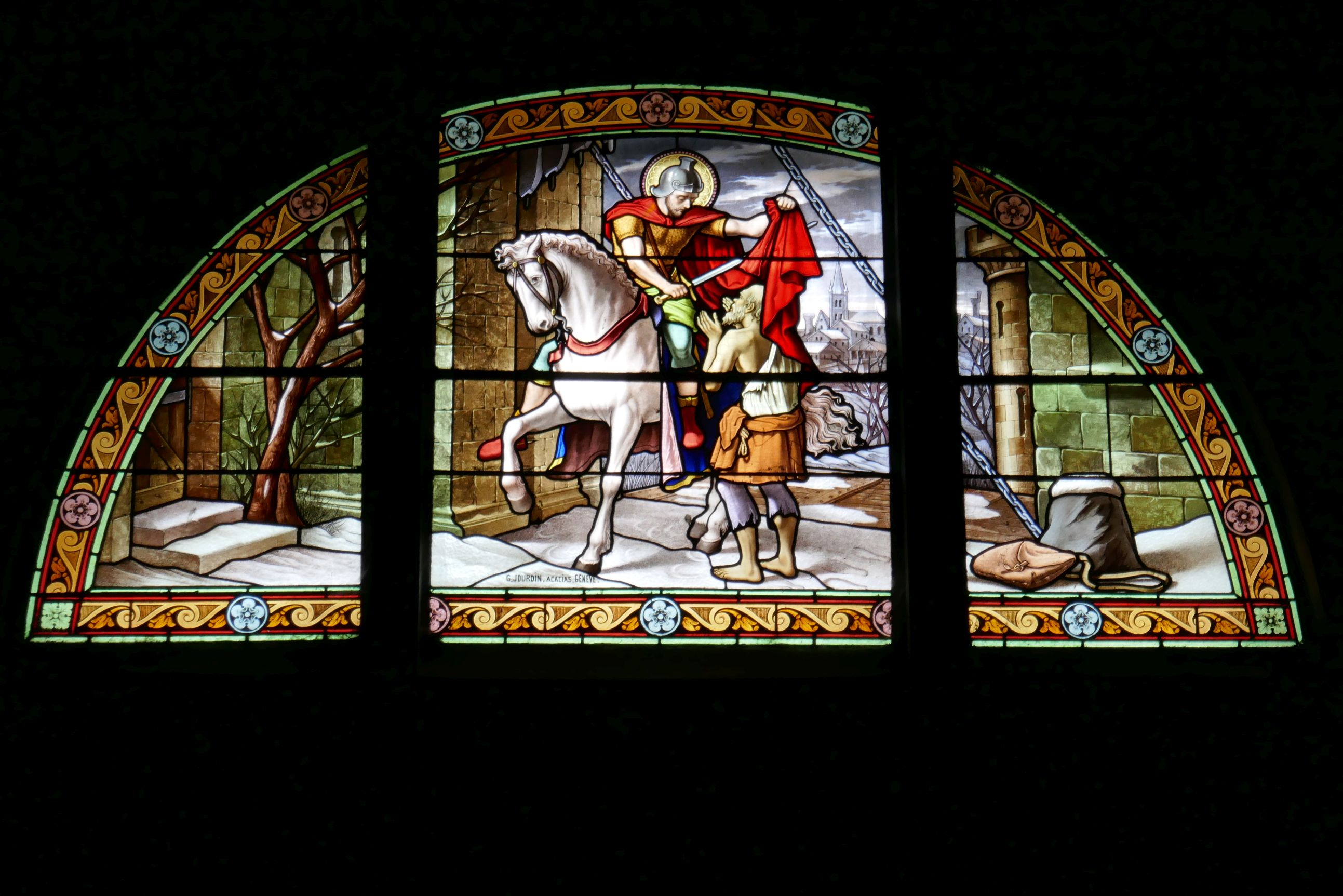
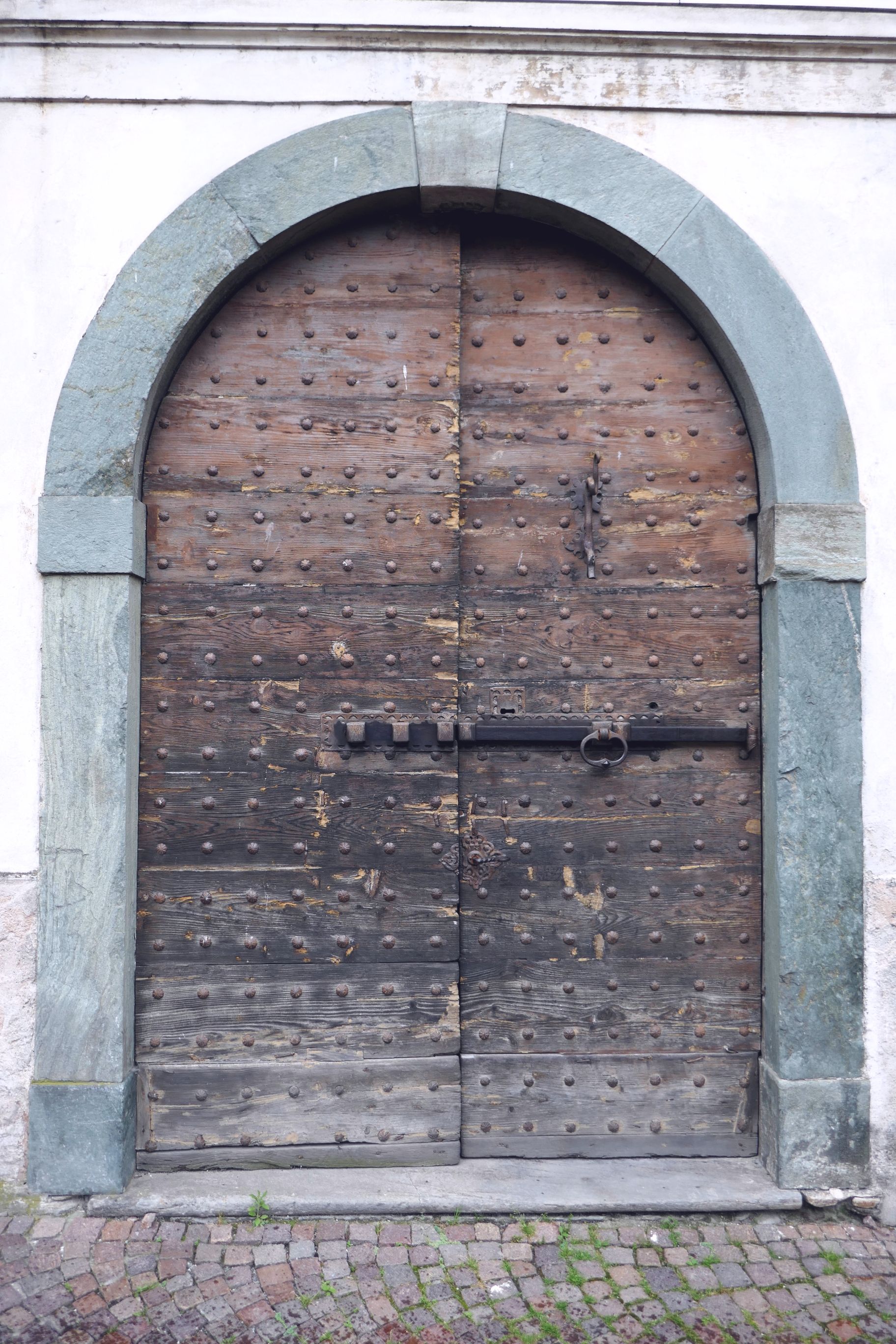
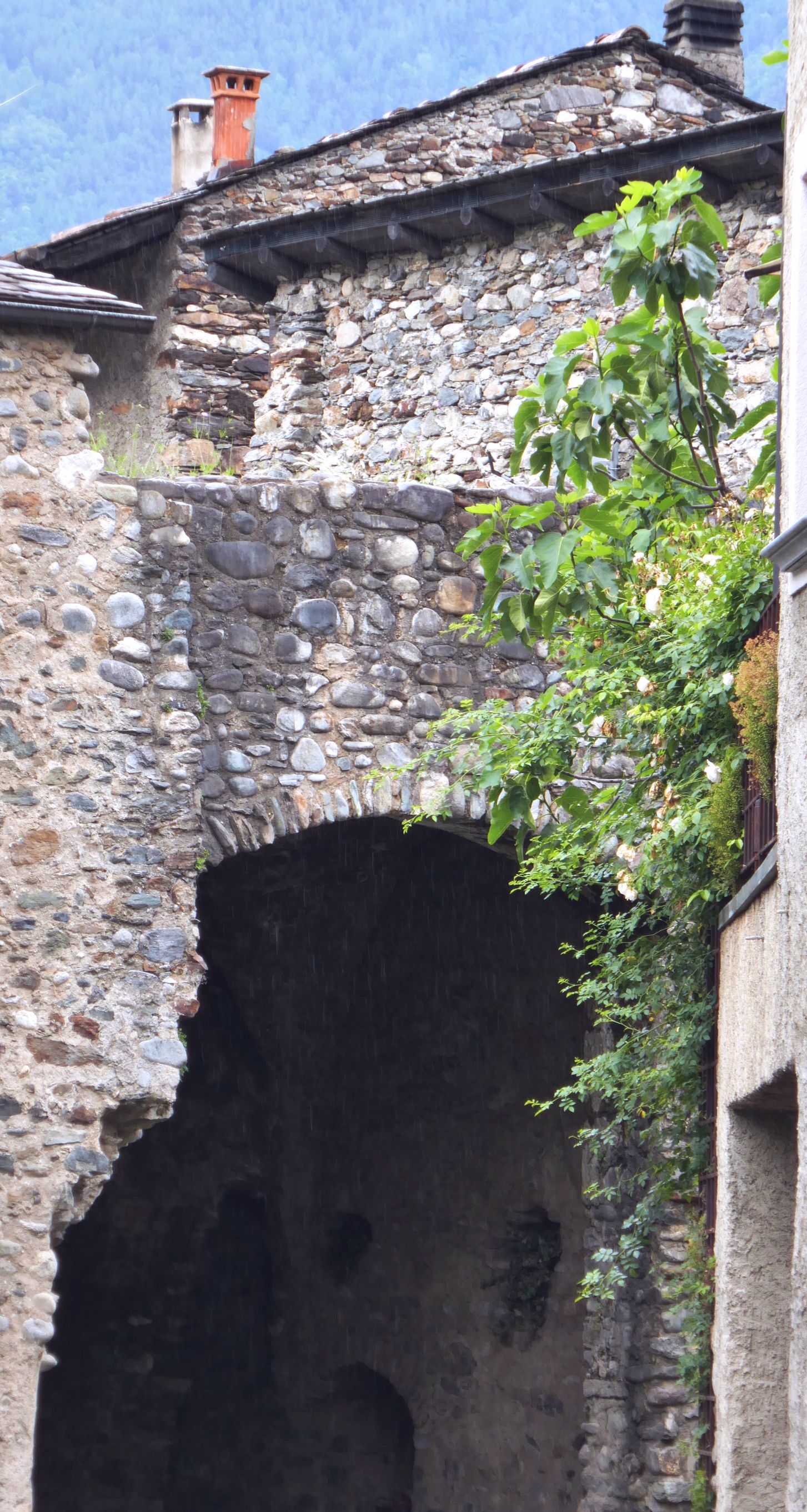
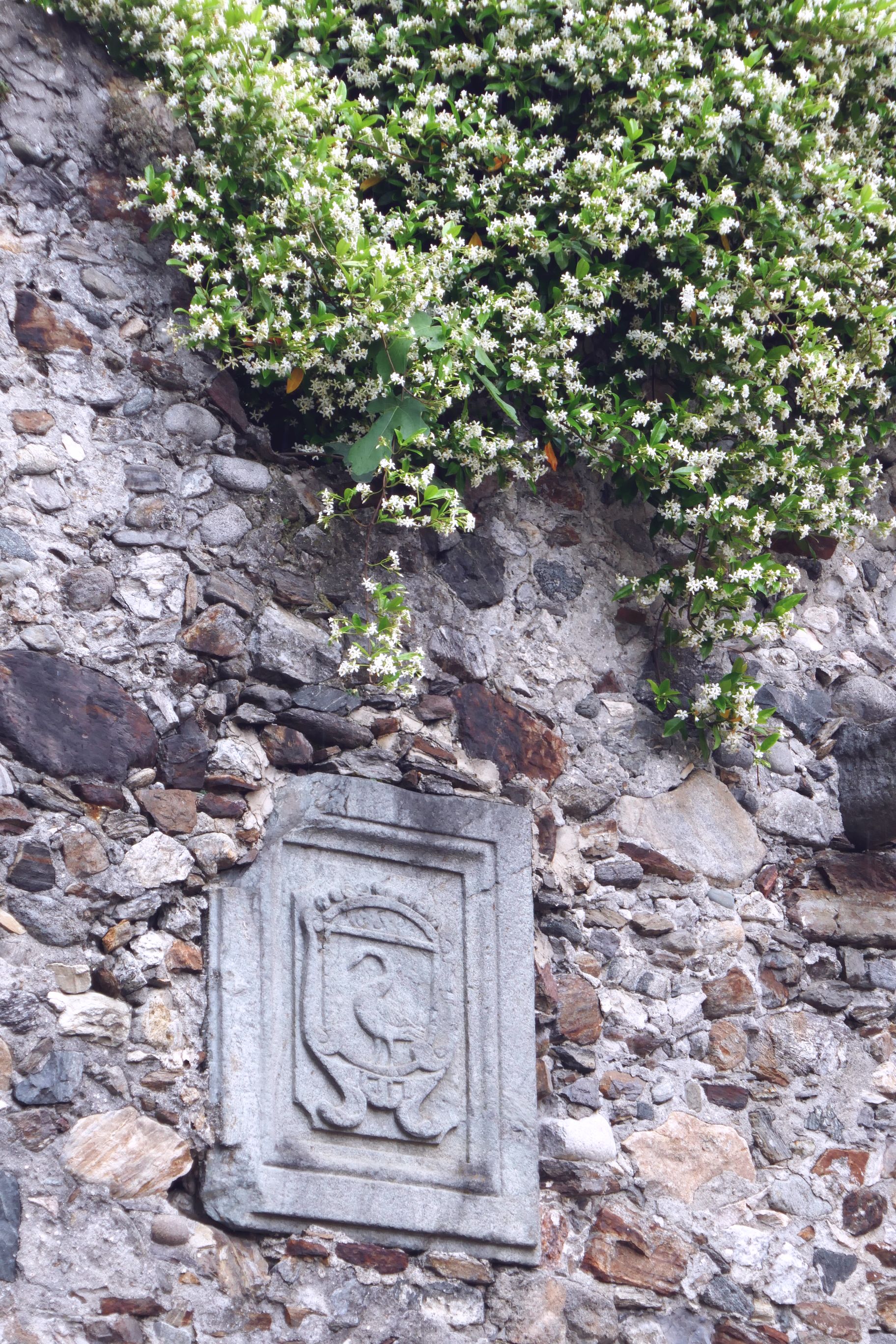
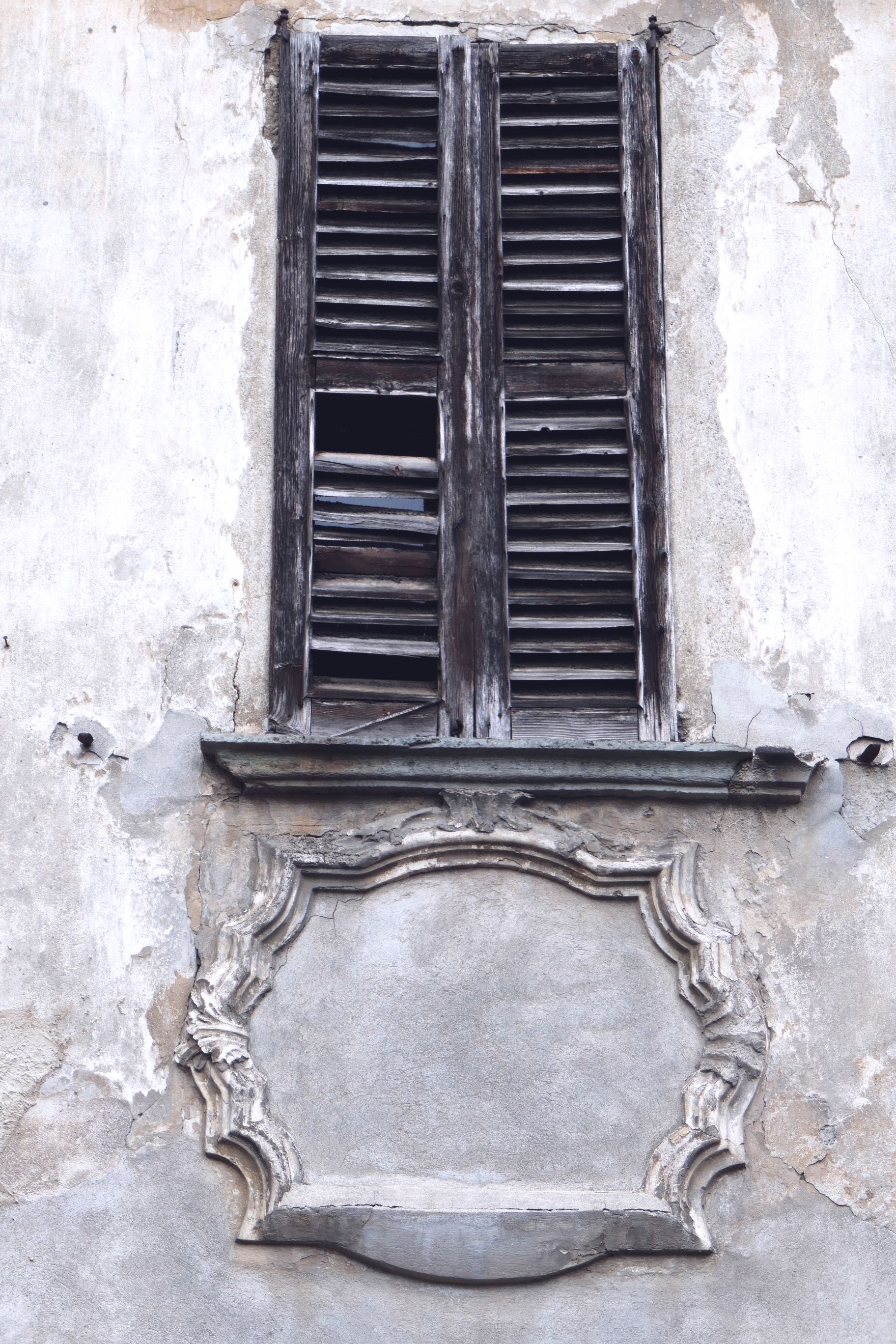
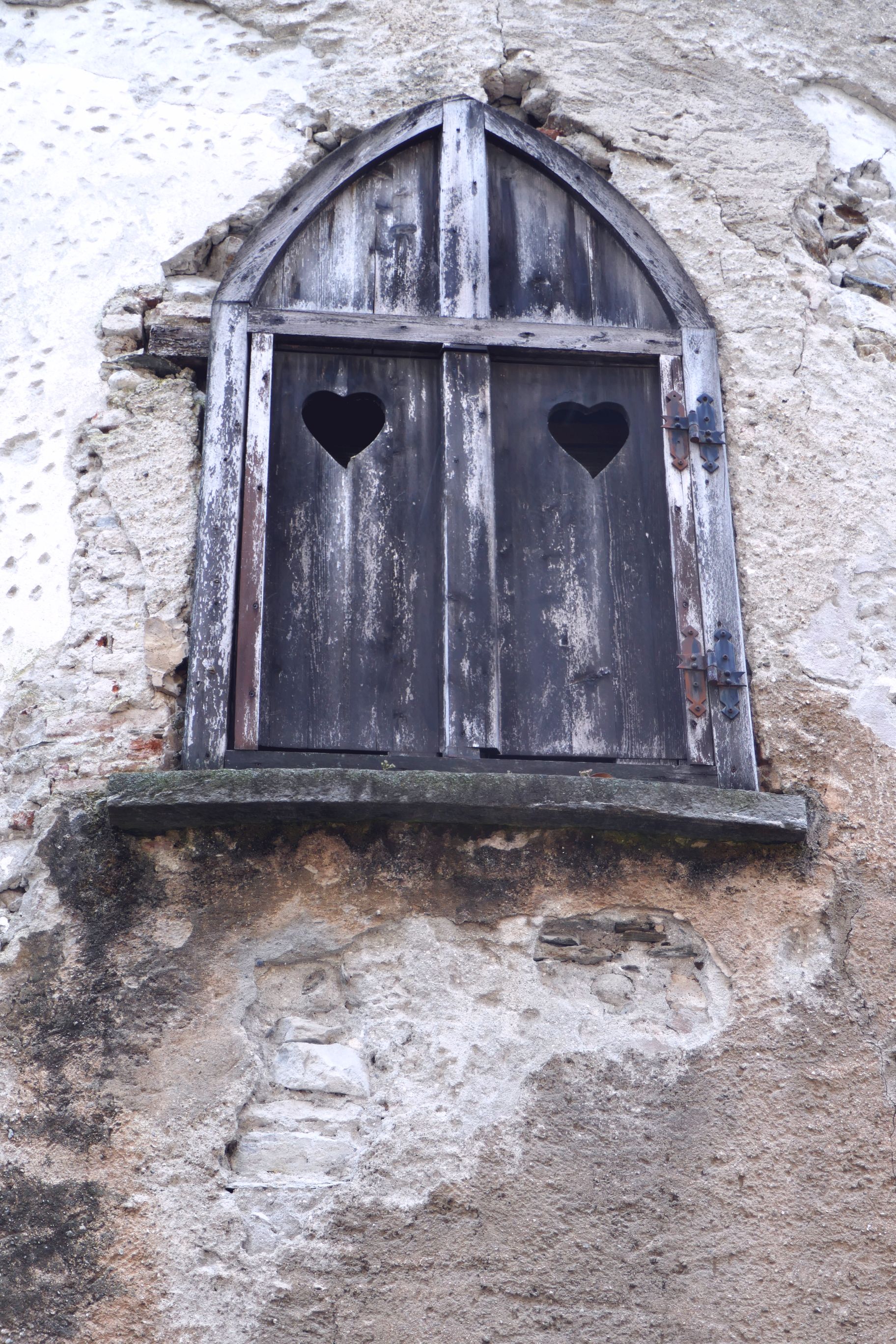
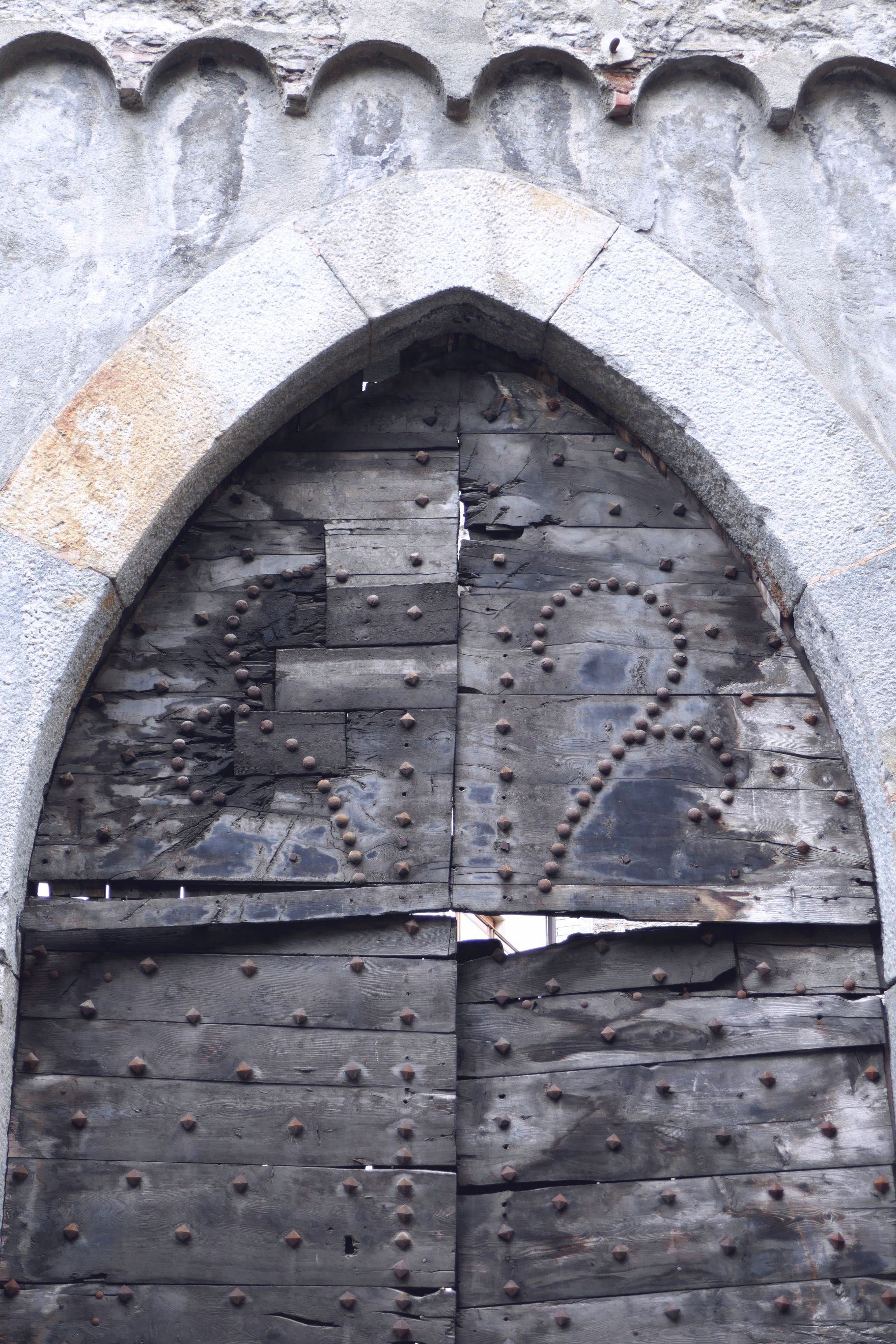
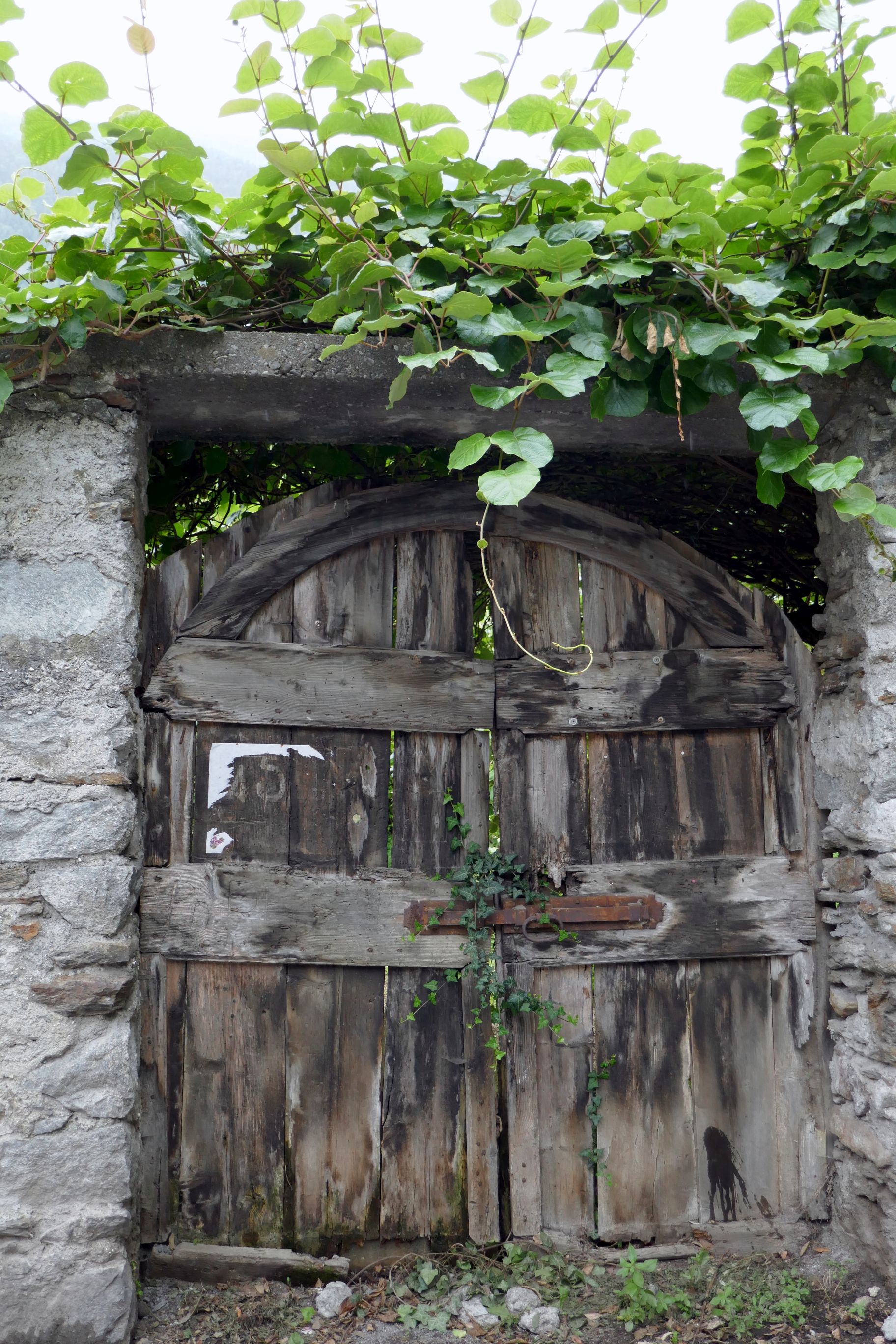
Following our return to Tirano, Bruce rested while I wandered through the town doing photography, one of my favorite travel activities.  I most enjoy exploring quaint, character-filled places that inspire my curiosity, encourage me to peek and poke around corners, get lost, and totally immerse myself in the moment.  Tirano was one of those places.

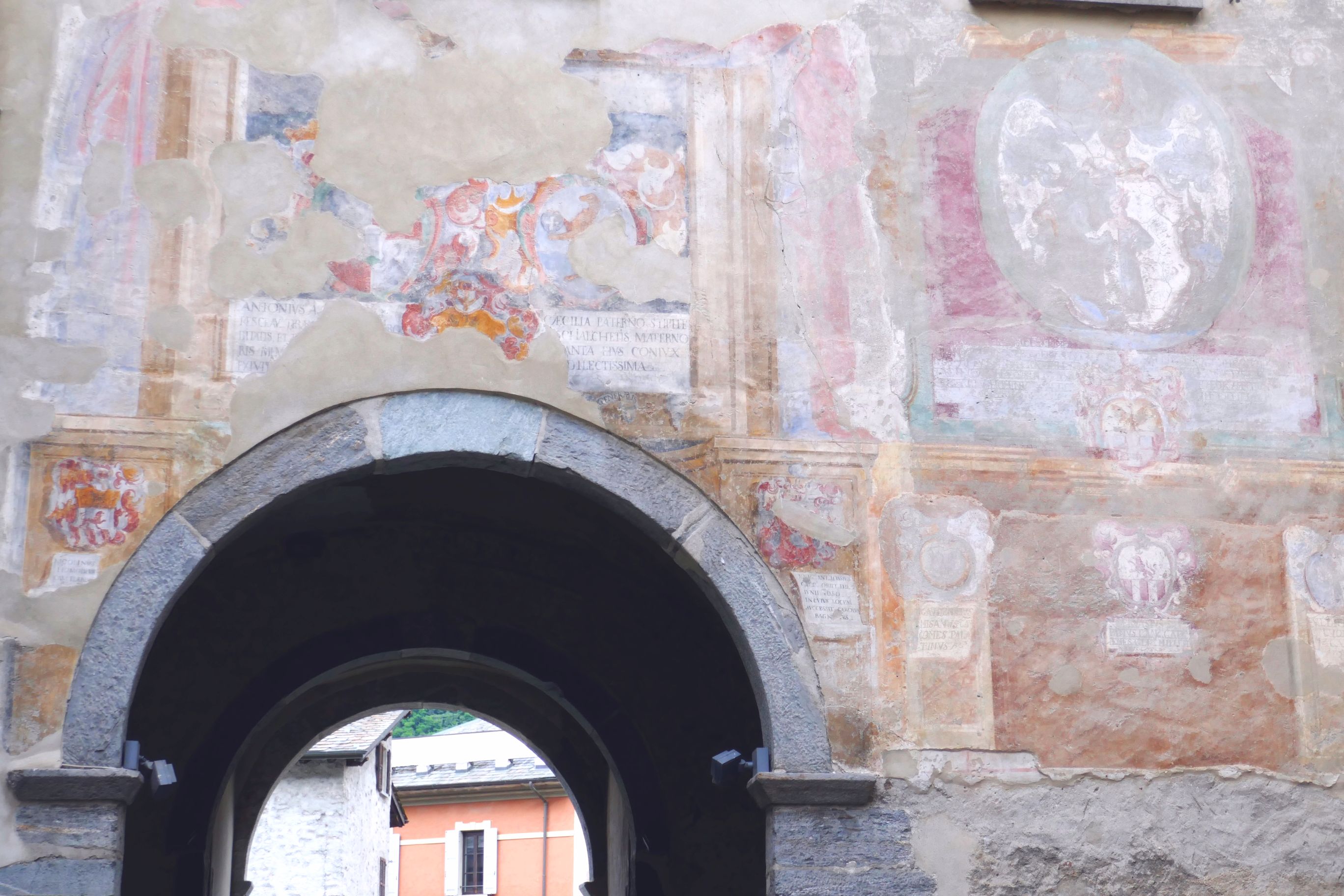
Entering the historic quarter,,,

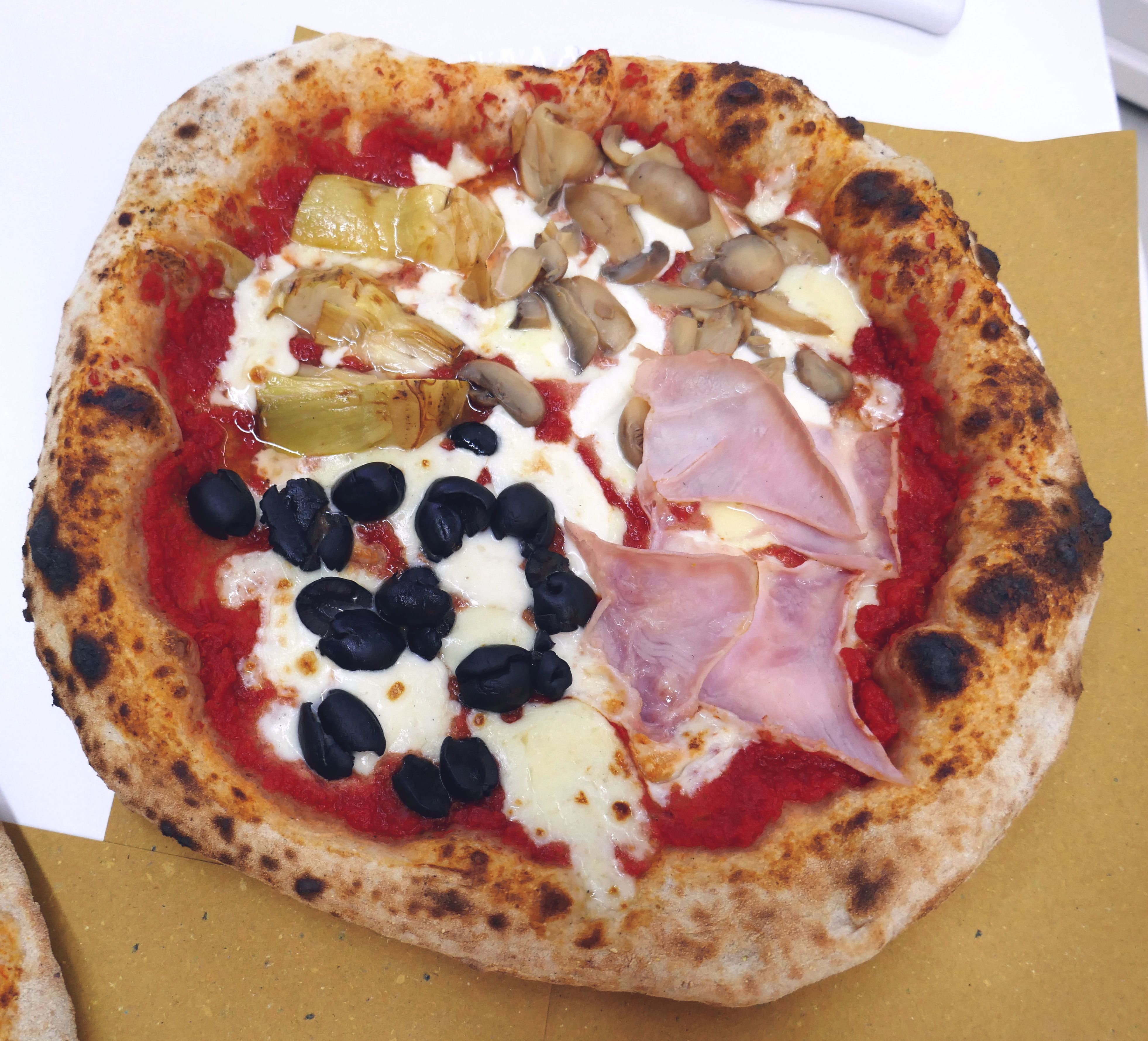
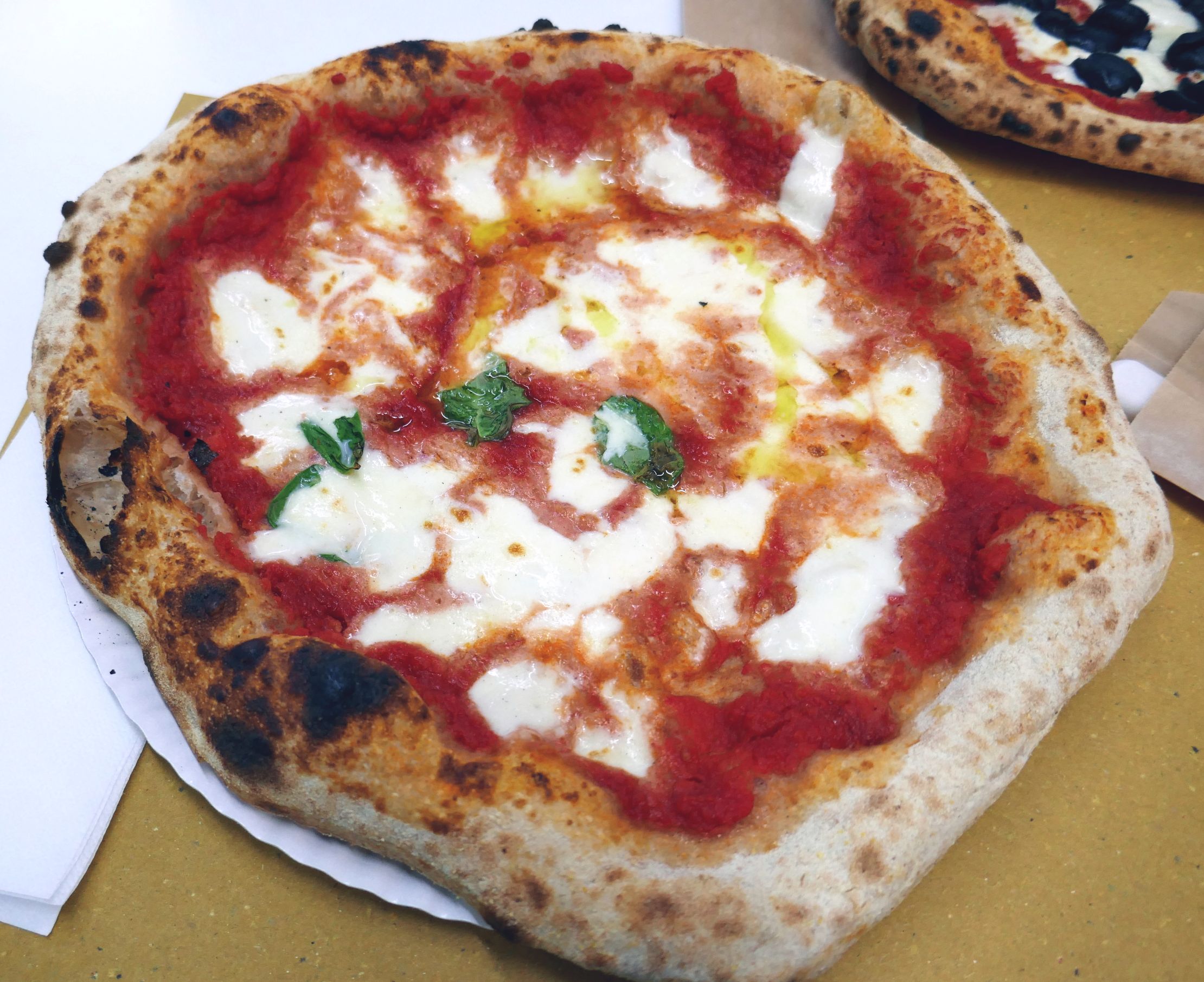
Our evening concluded with these wood-fired pizzas that cost only $13– for both! The one on the left is a traditional “pizza quattro stagioni” (four seasons), which explains why the ingredients were kept separate! Bruce and I split the pizzas, but I passed on the “winter” season.

Coming up next: SWITZERLAND & ITALY #13: ALL ABOARD—AGAIN!