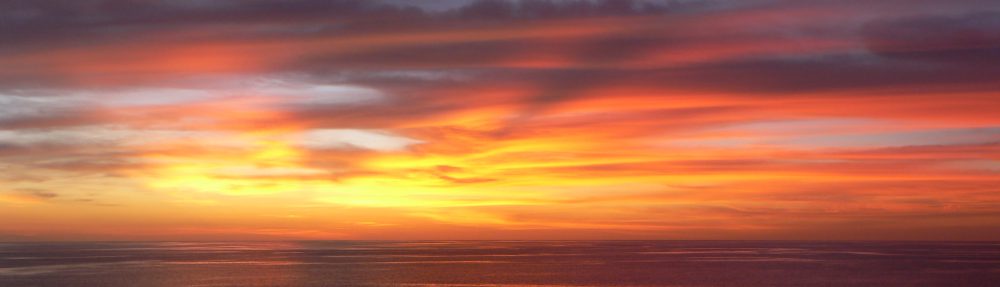
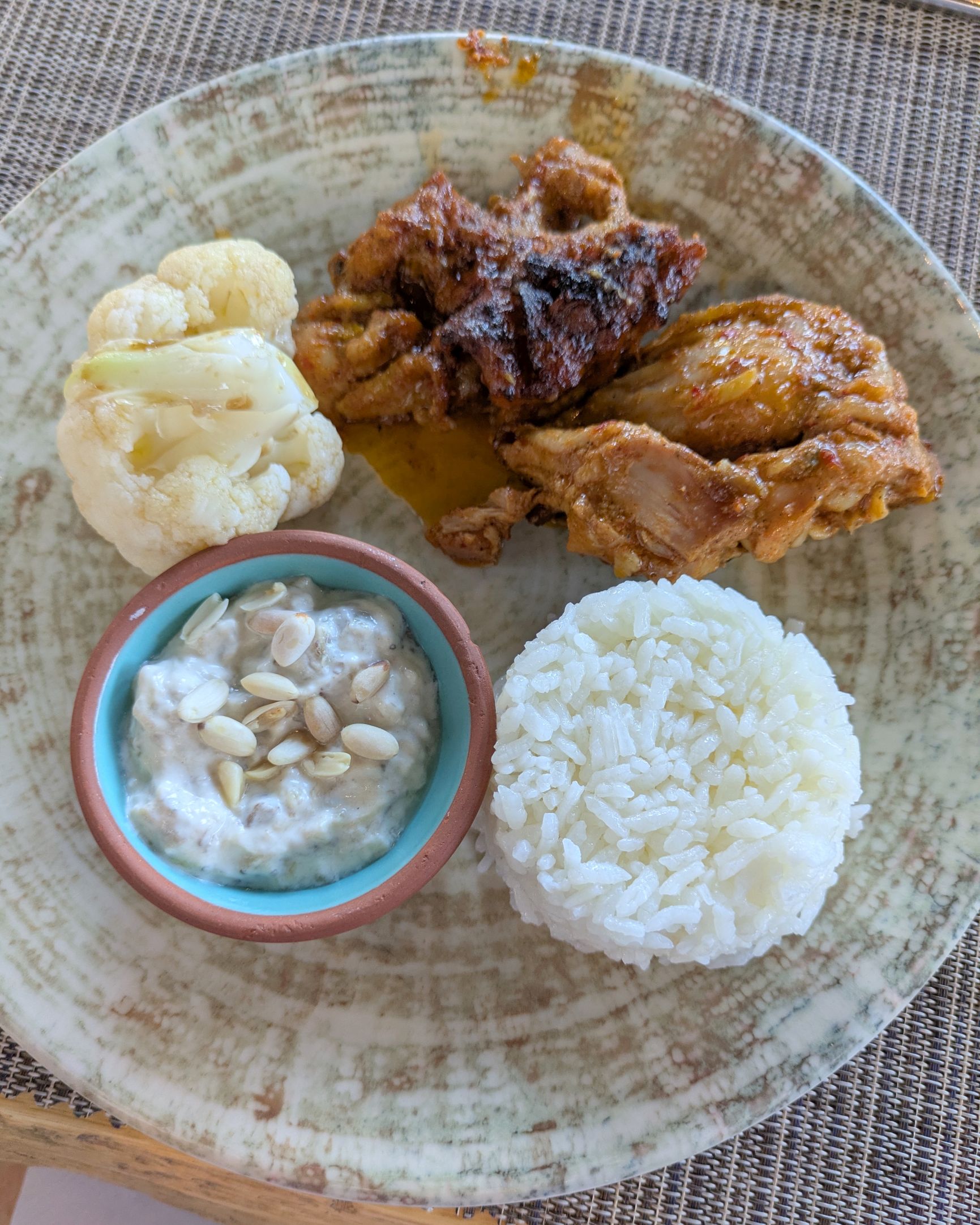
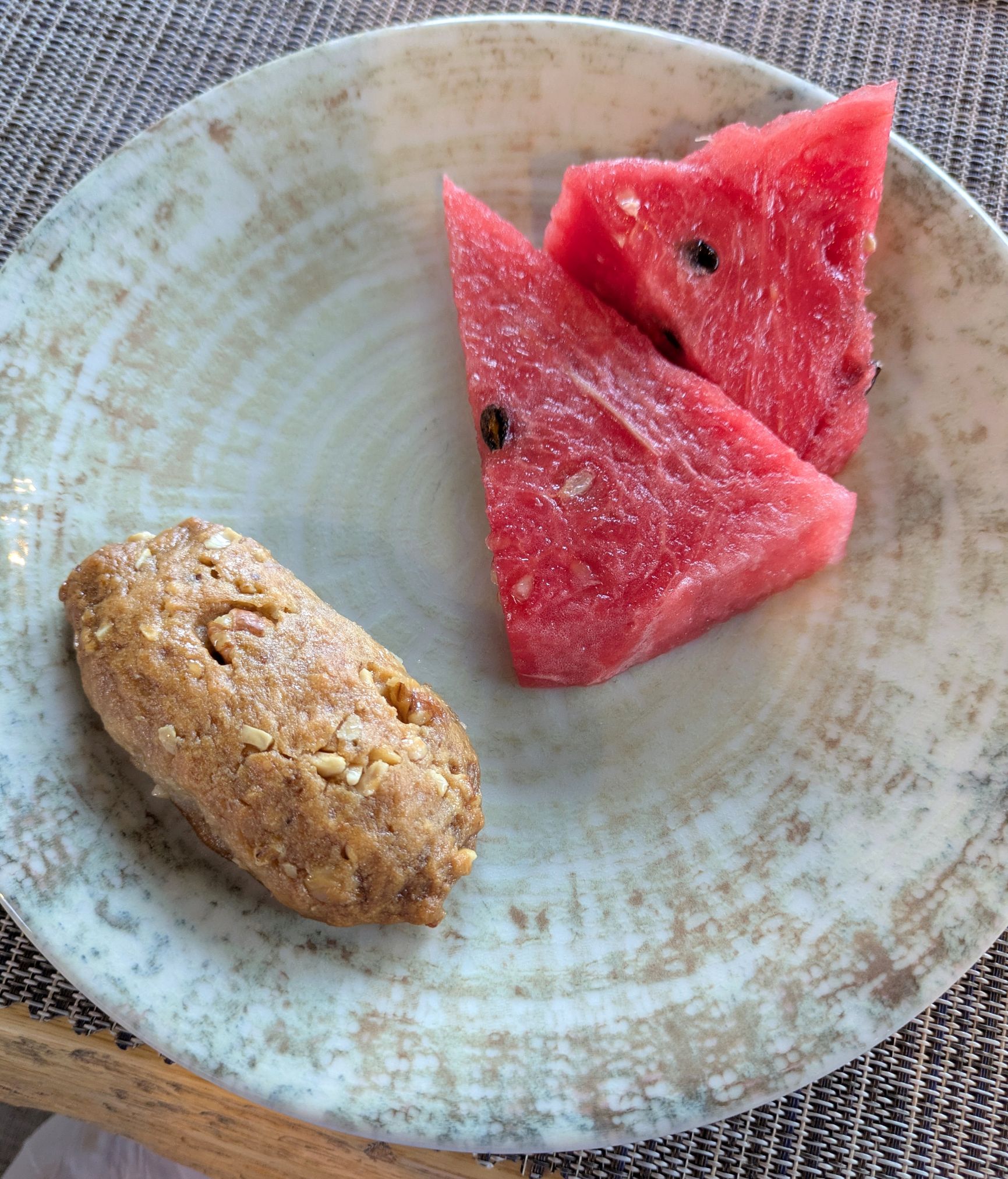
What I like about transfer days to another destination on our itinerary is that we don’t just hop on the bus and drive for hours at a time. The drive is always broken up with interesting stops along the way and a group lunch at a good restaurant where we get to enjoy local cuisine.
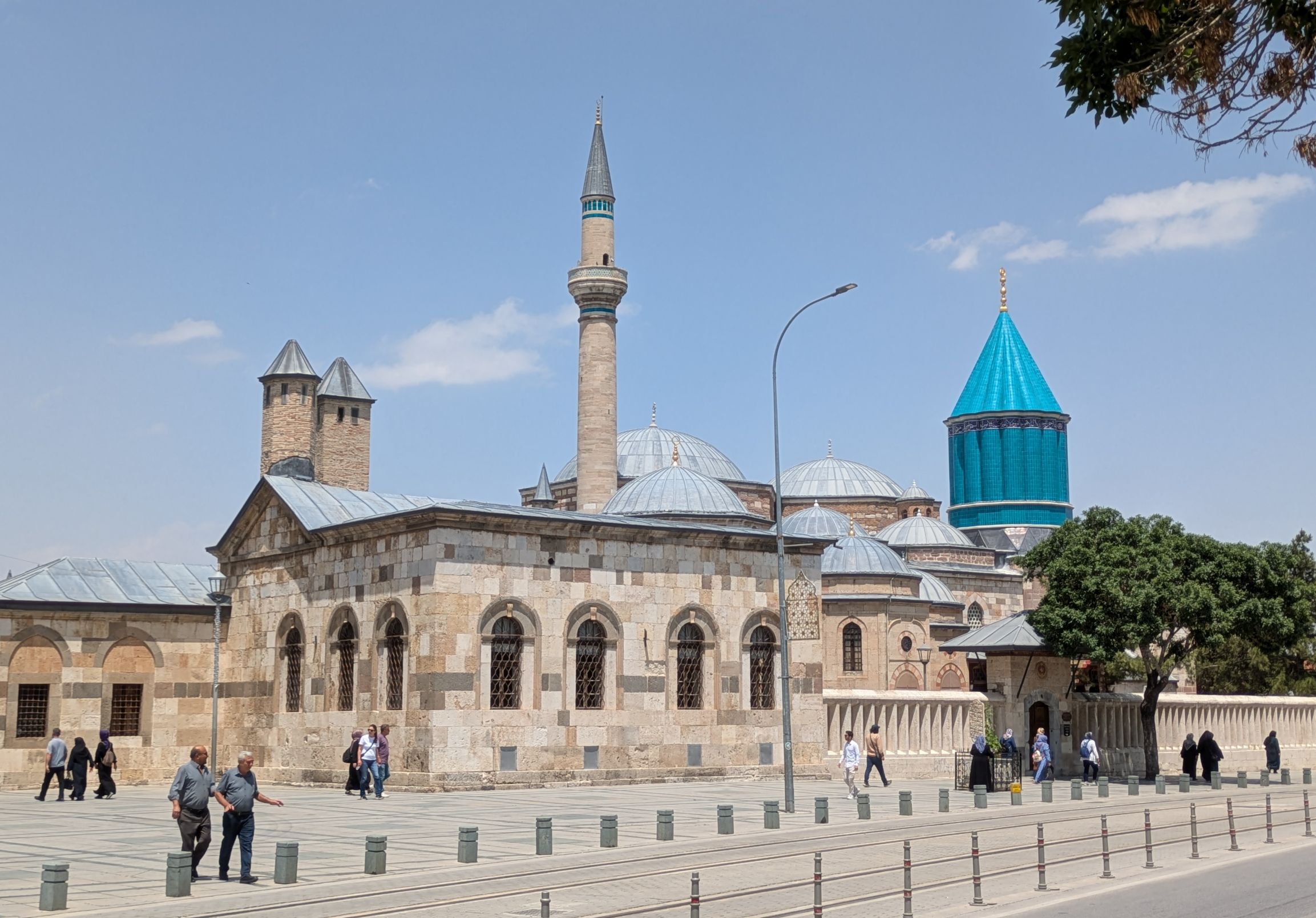
On this day, we traveled across the Taurus Mountains, stopping in the city of Konya, capital of the Konya province and located in central Turkiye. Inhabited since the third millennium BC, it was ruled by several different groups until the 11th century, when the Seljuk Turks conquered the area.
Konya is a bastion of Seljuk culture and home of the Mevlevi order, known as the “whirling dirvishes” due to their famous practice of whirling while performing dhikr (remembrance of God).
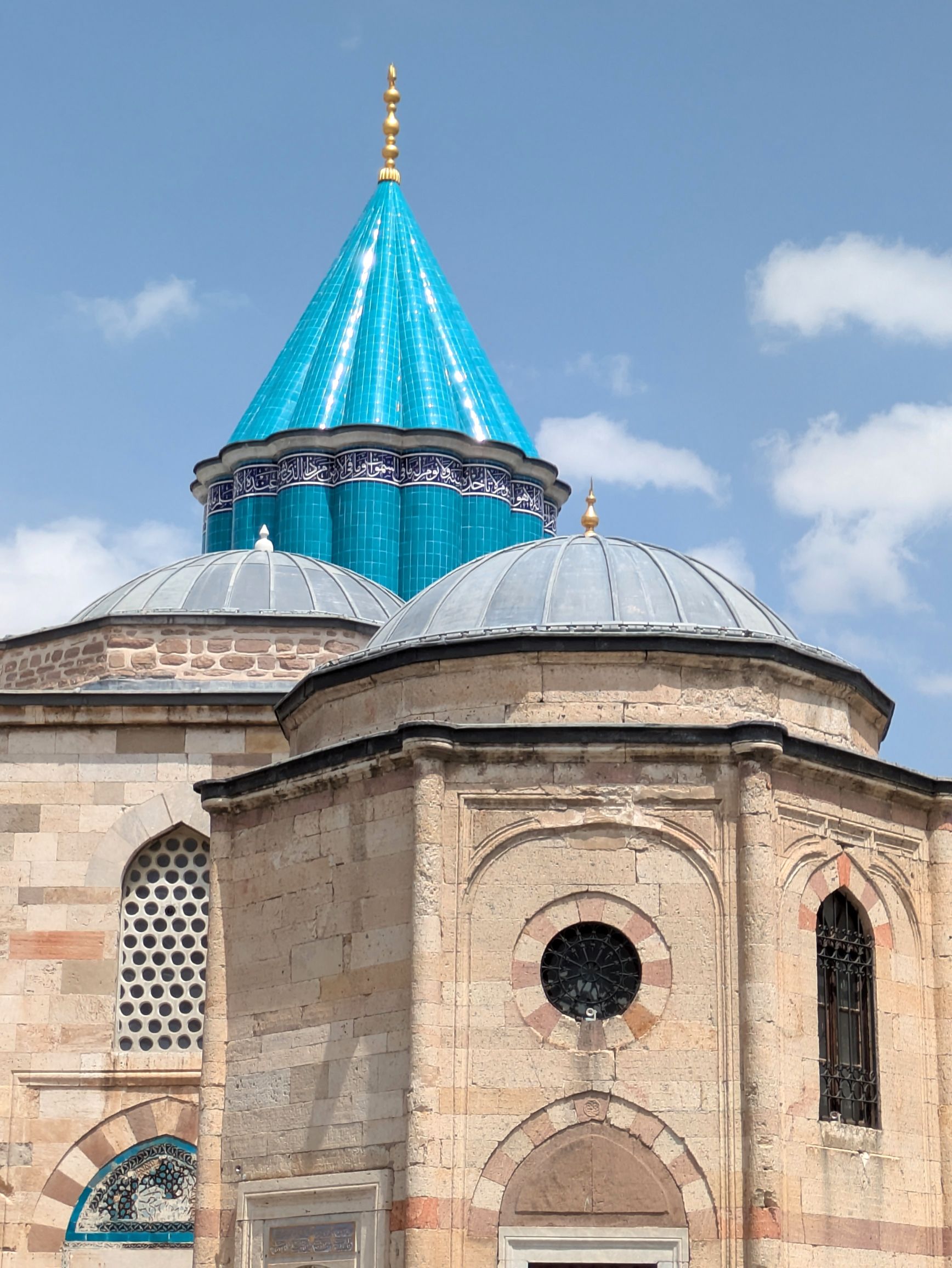
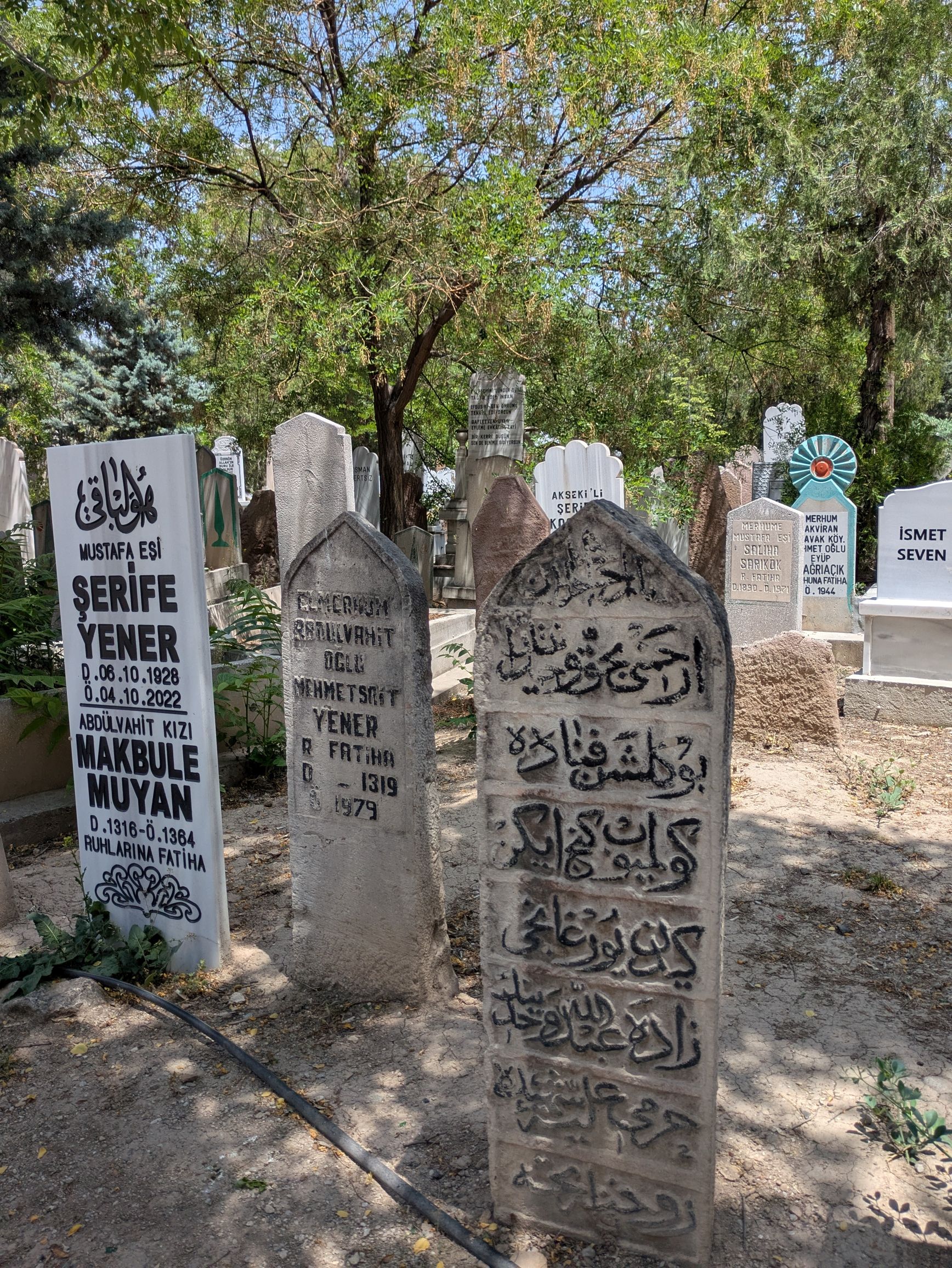
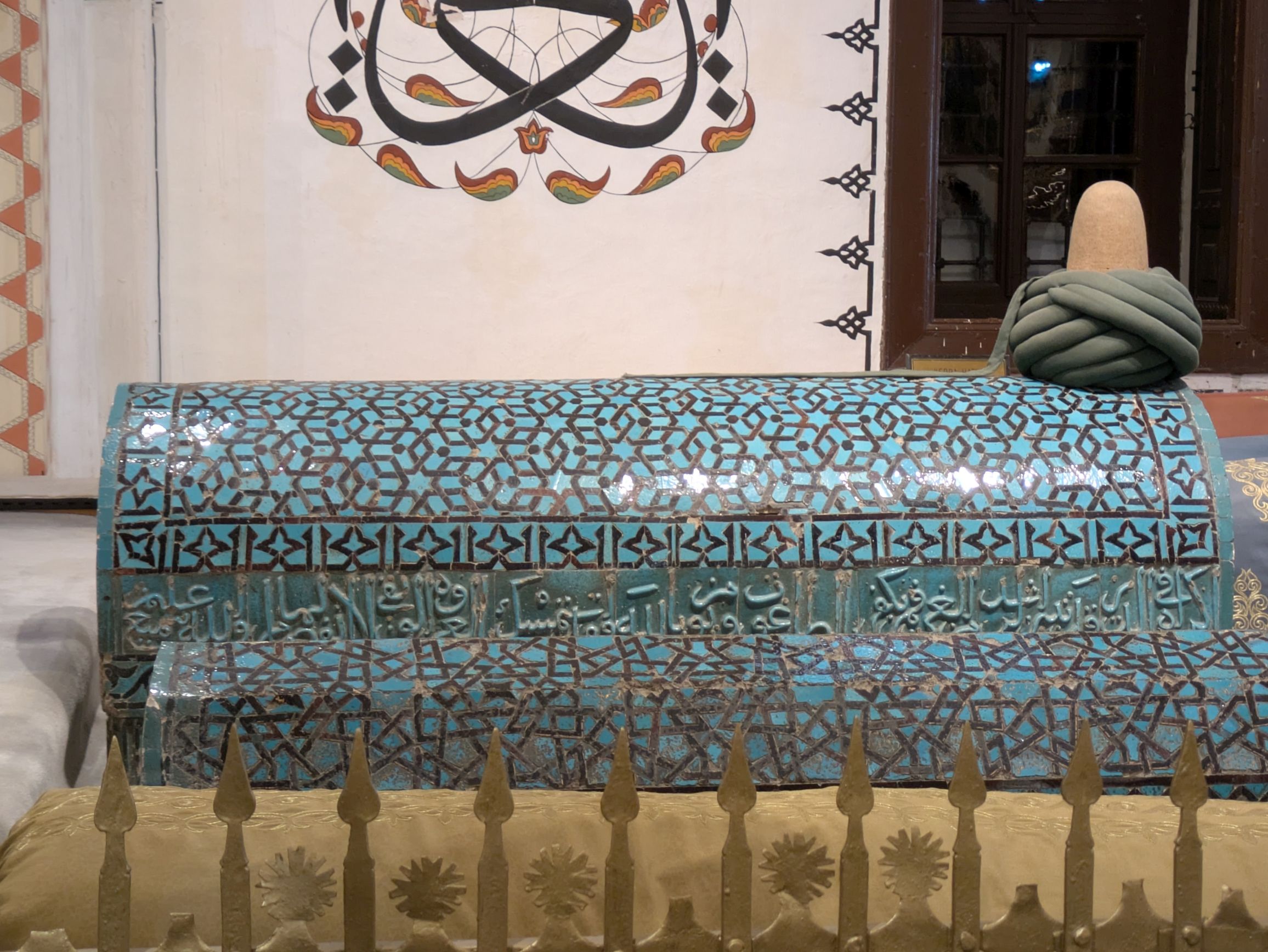
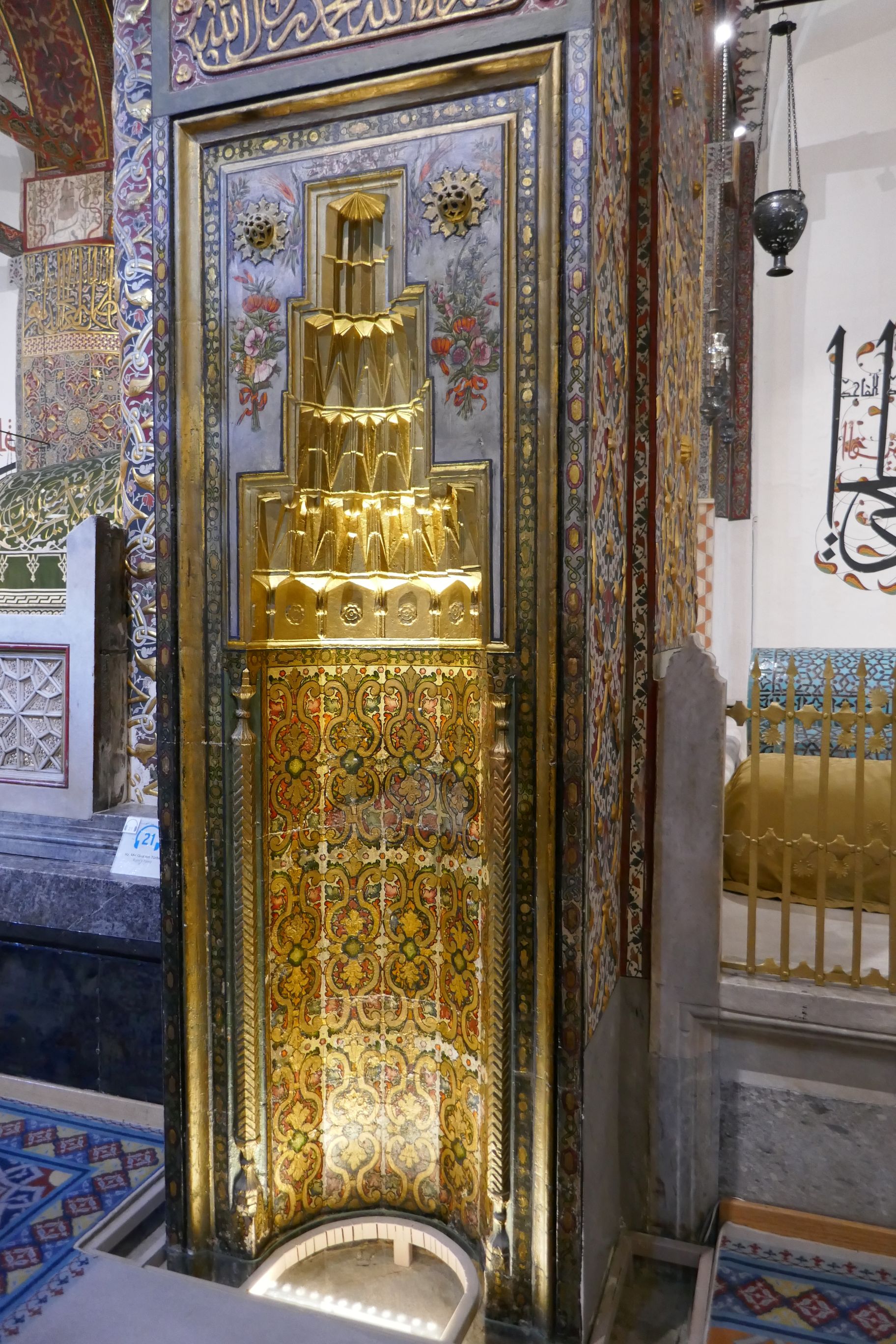
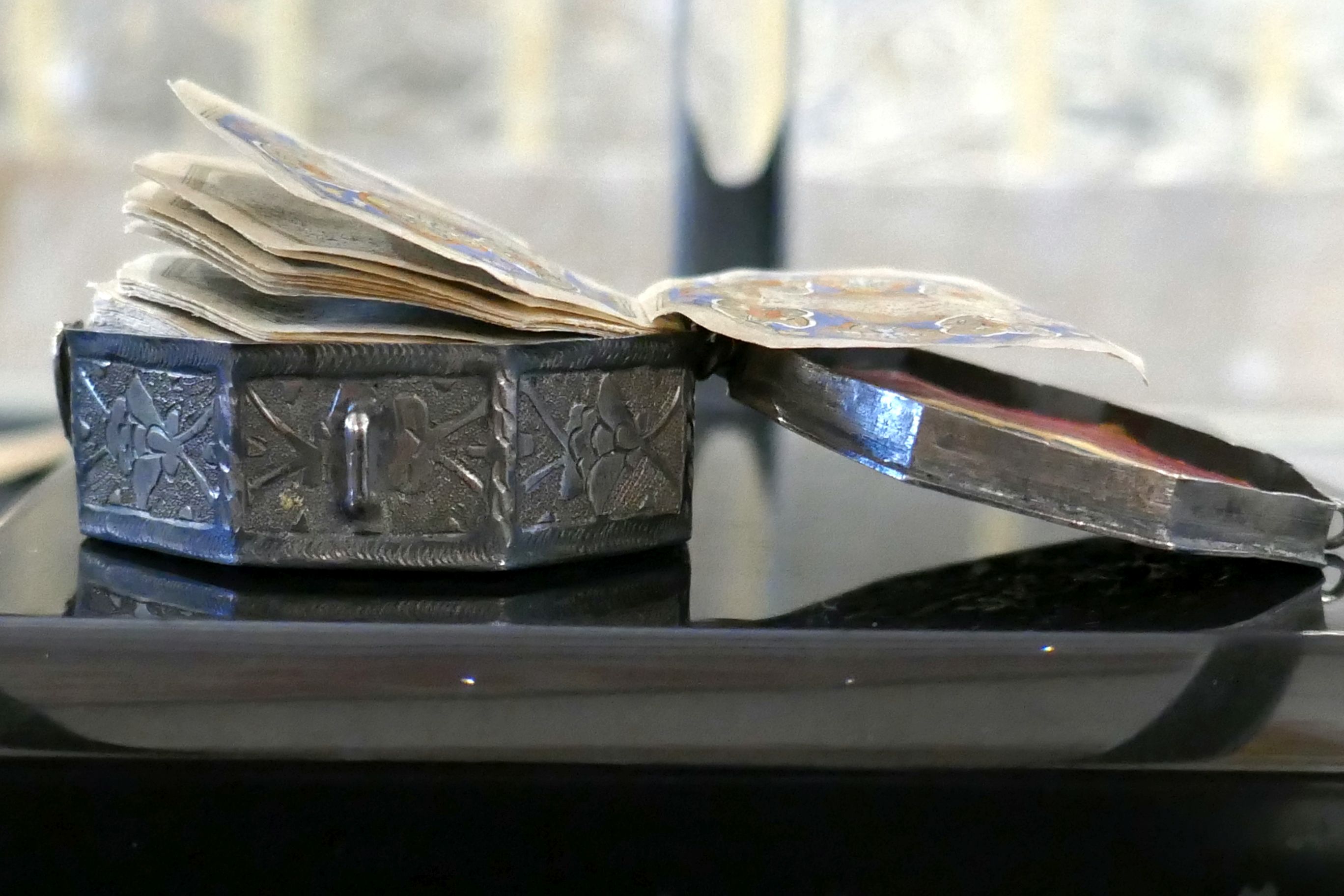
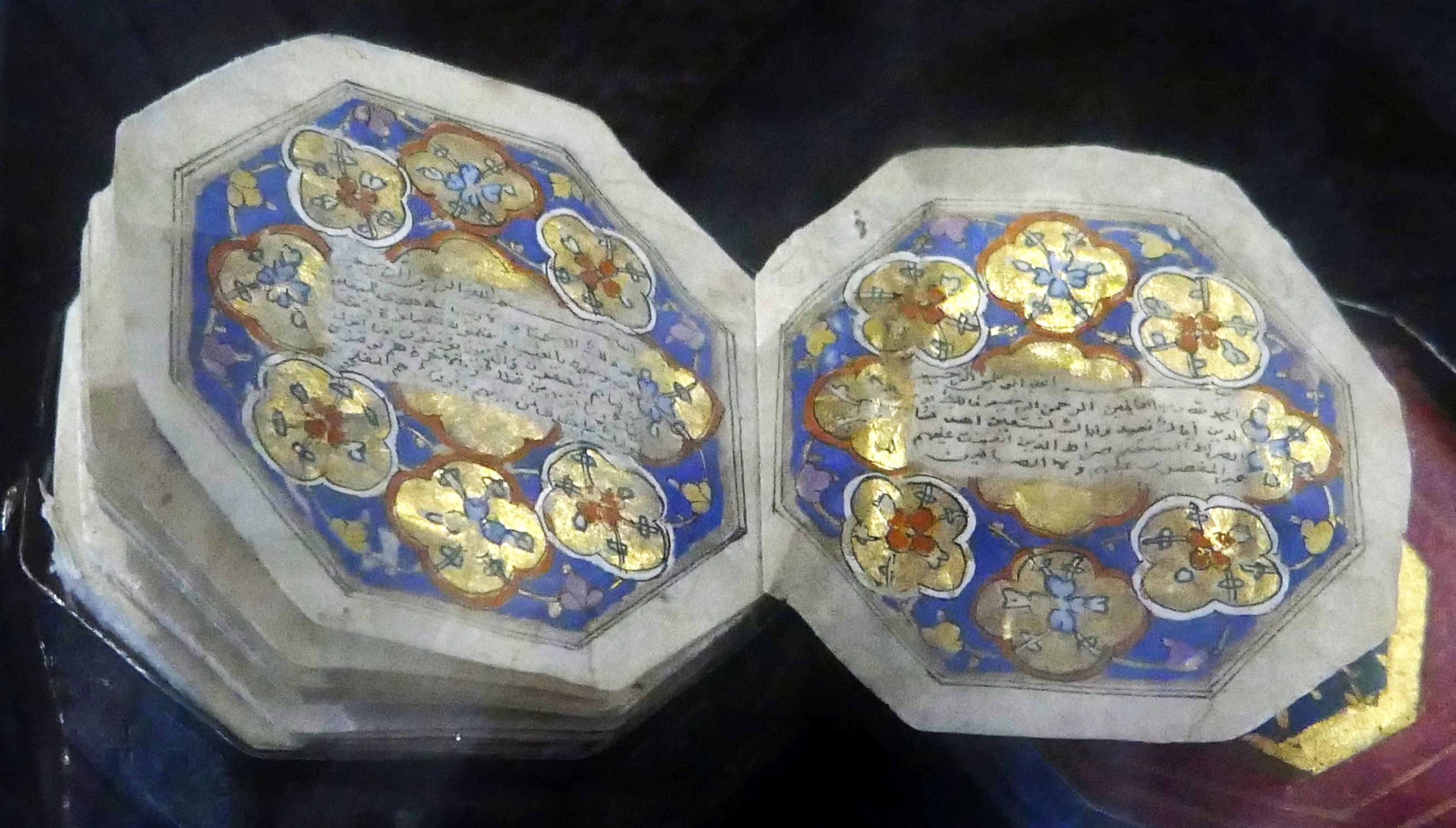
We visited the Mevlana Muzesi (museum), which is dedicated to Celaleddin Rumi, the founder of the Mevlevi order and remembered as one of the greatest literary and spiritual figures of all time. More than a million and a half Turks come here to pray each year.
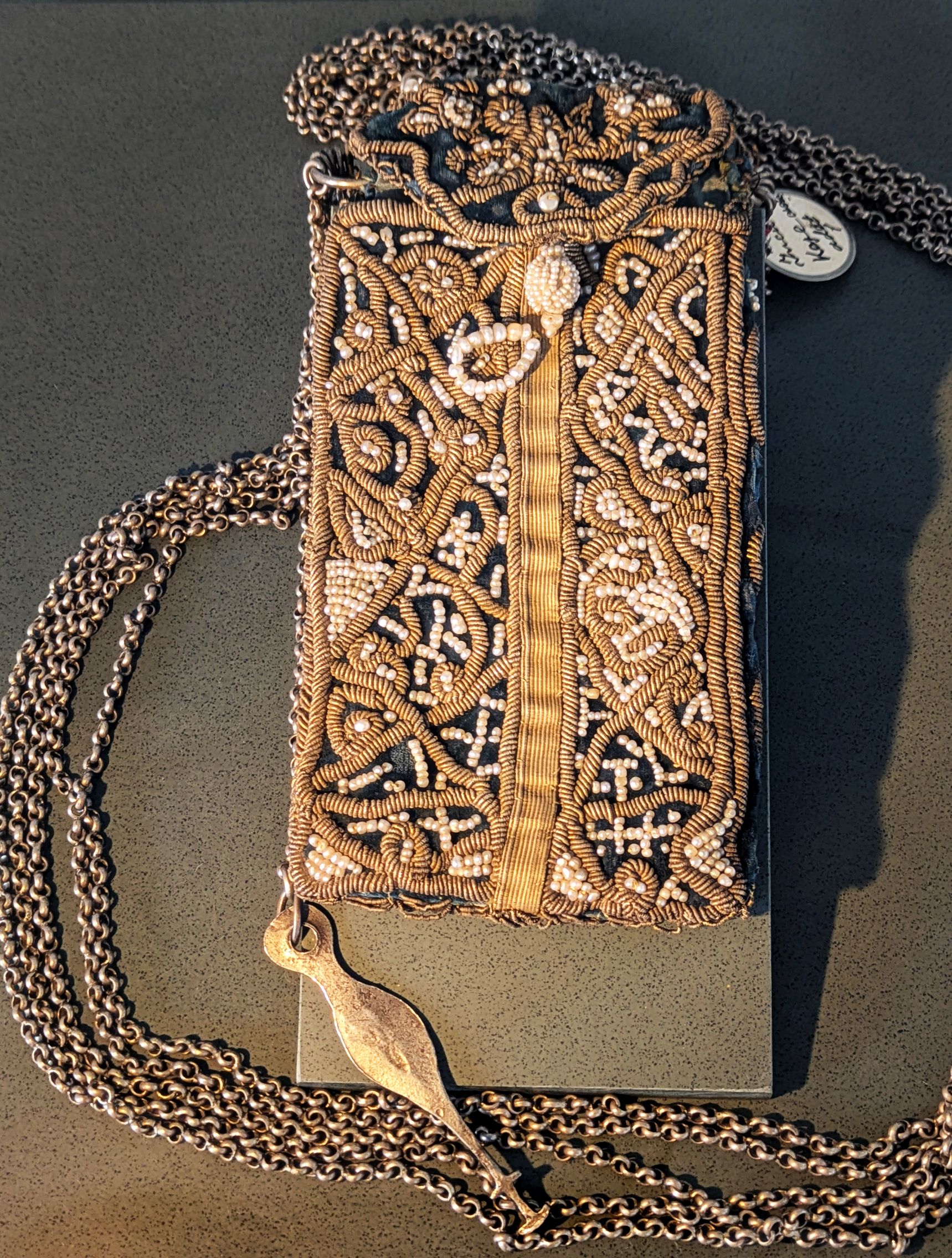
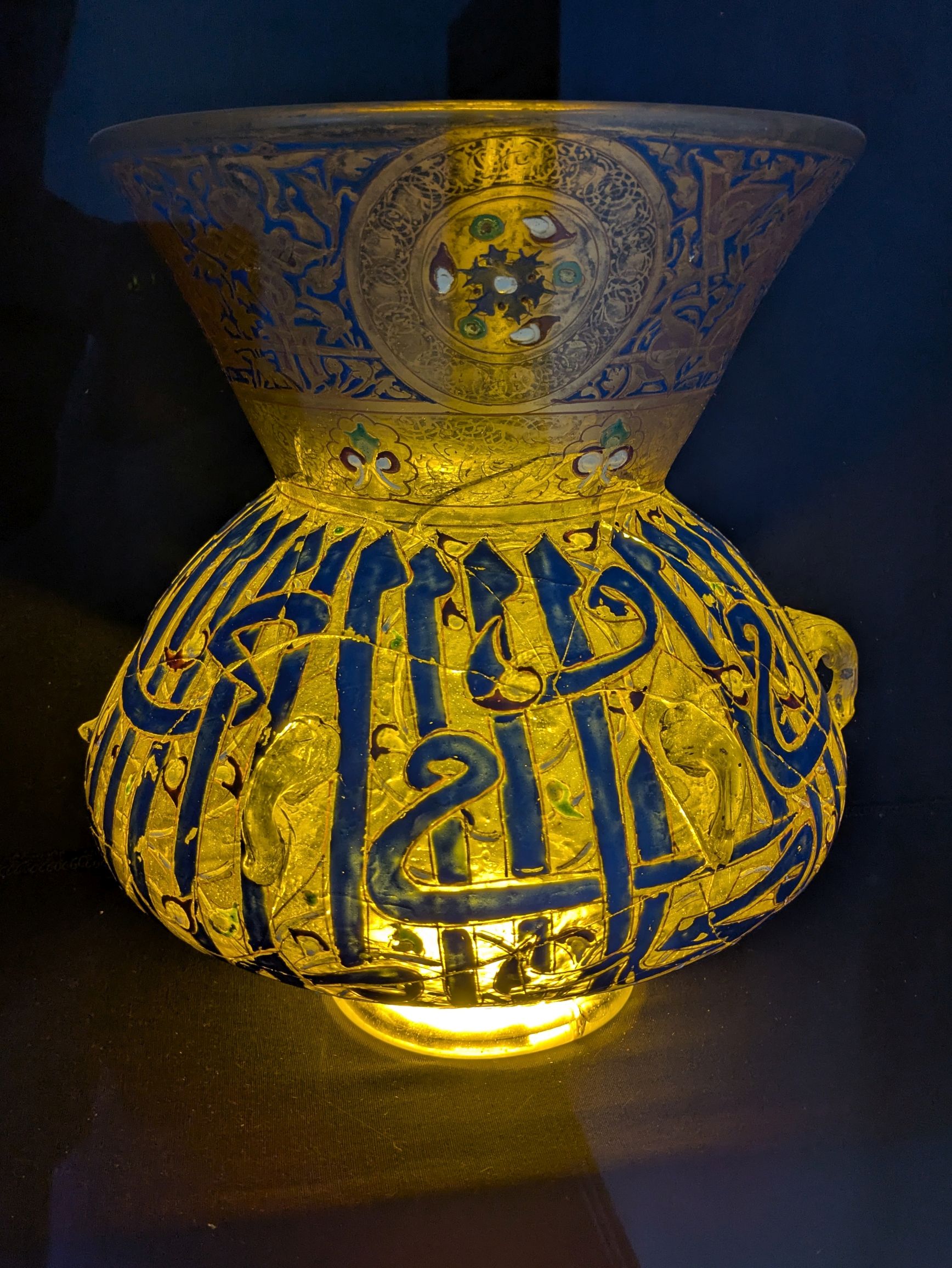
The museum houses the mausoleum of Rumi, and while touring the museum, it became quite evident that the Seljuks were quite wealthy!
(For all photos, click on the image for a full screen view.)






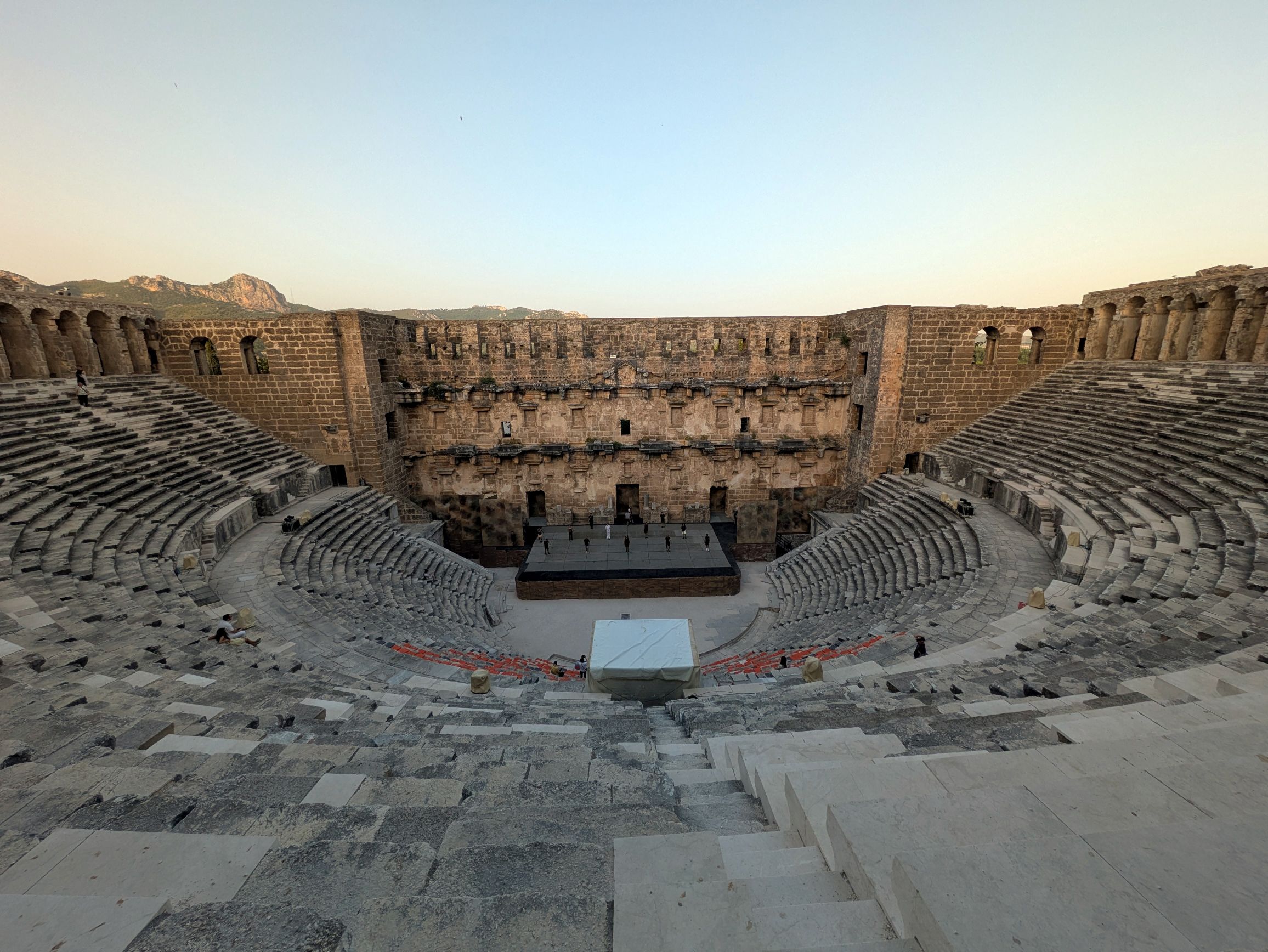
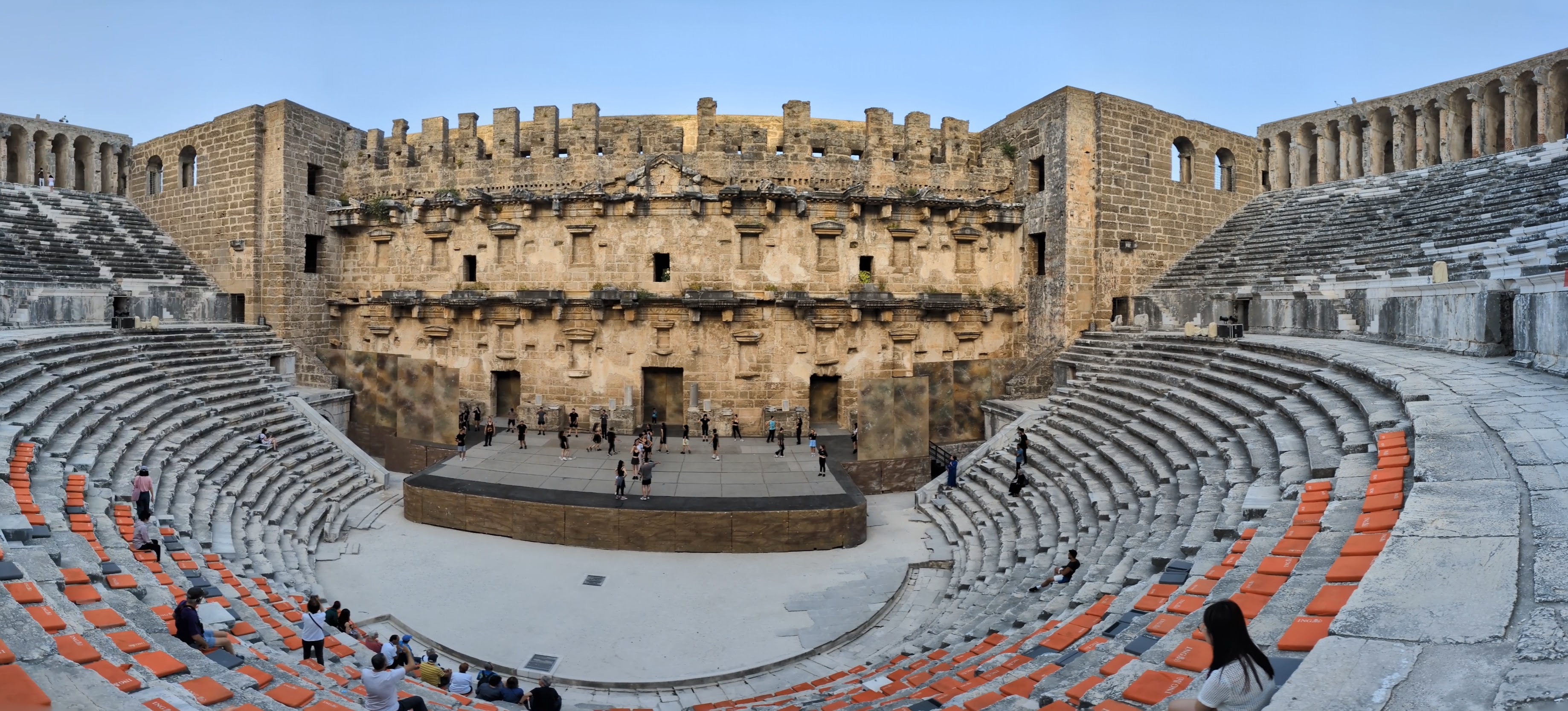
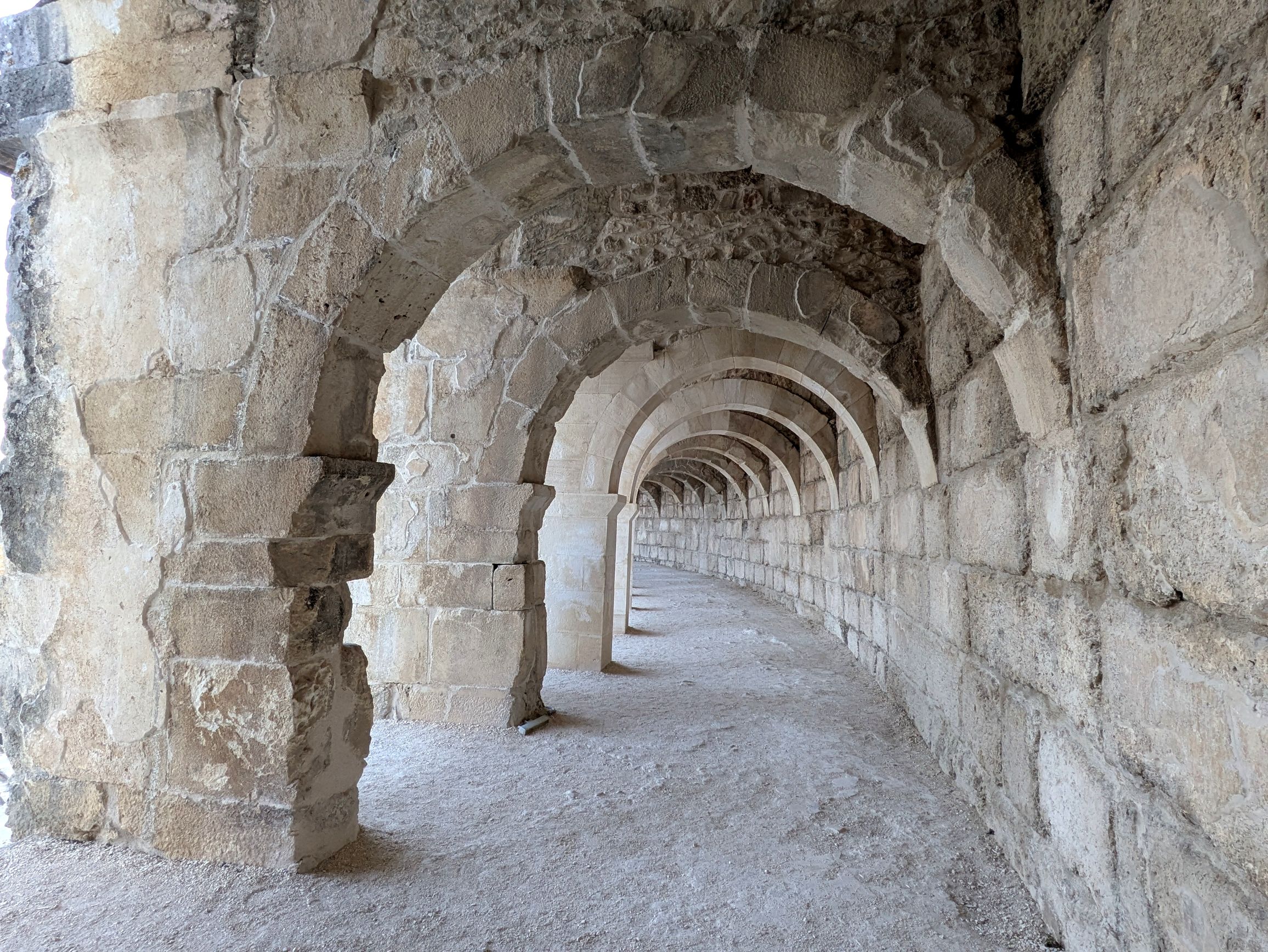
Following lunch, we continued towards Antalya, stopping late in the afternoon to see the Aspendos Antique Theater, the best-preserved Roman theater of the ancient world. Constructed during the reign of the Roman emperor Marcus Aurlius, between 160-180 AD, it was quite a sight to see all these years later, in 2025!
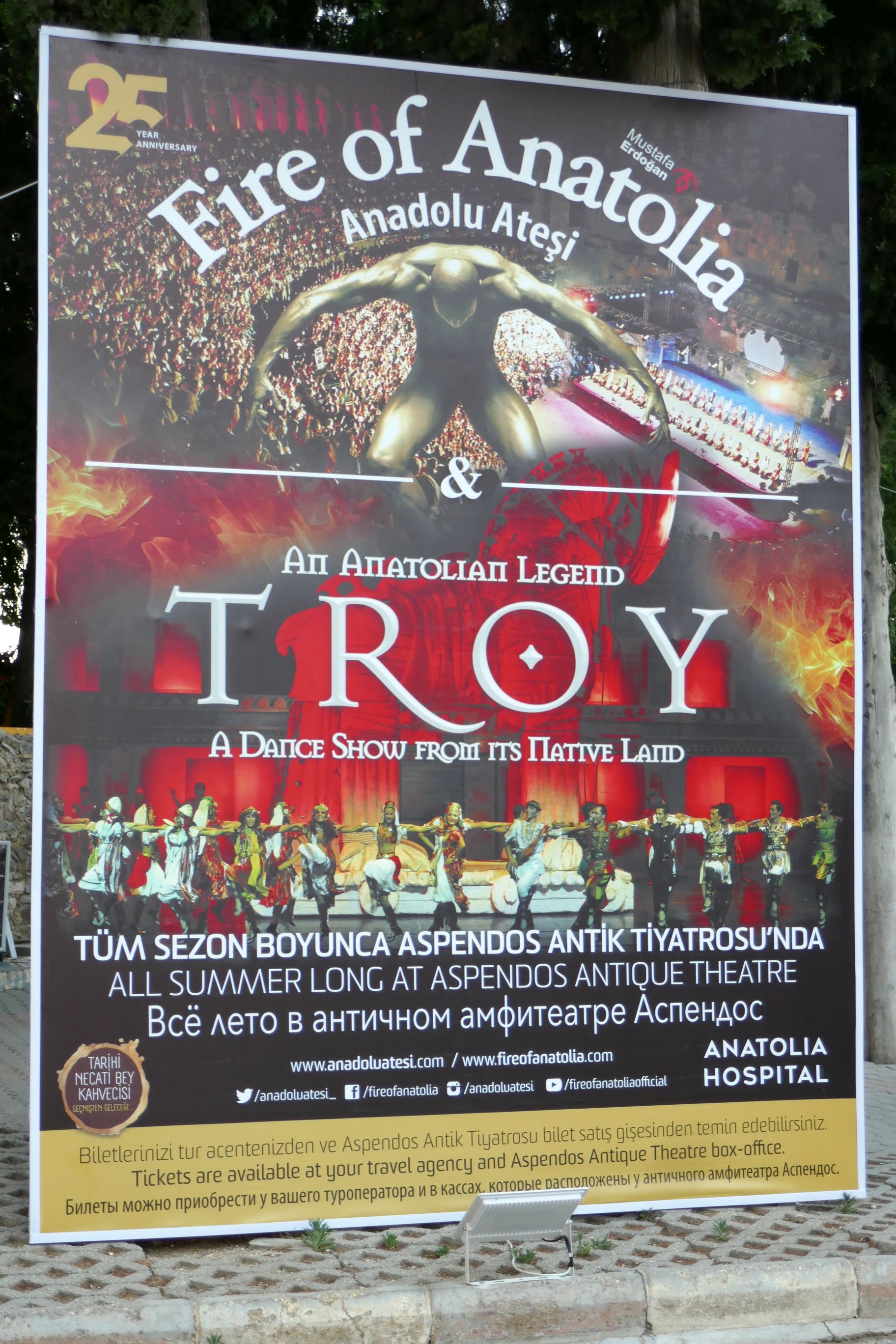
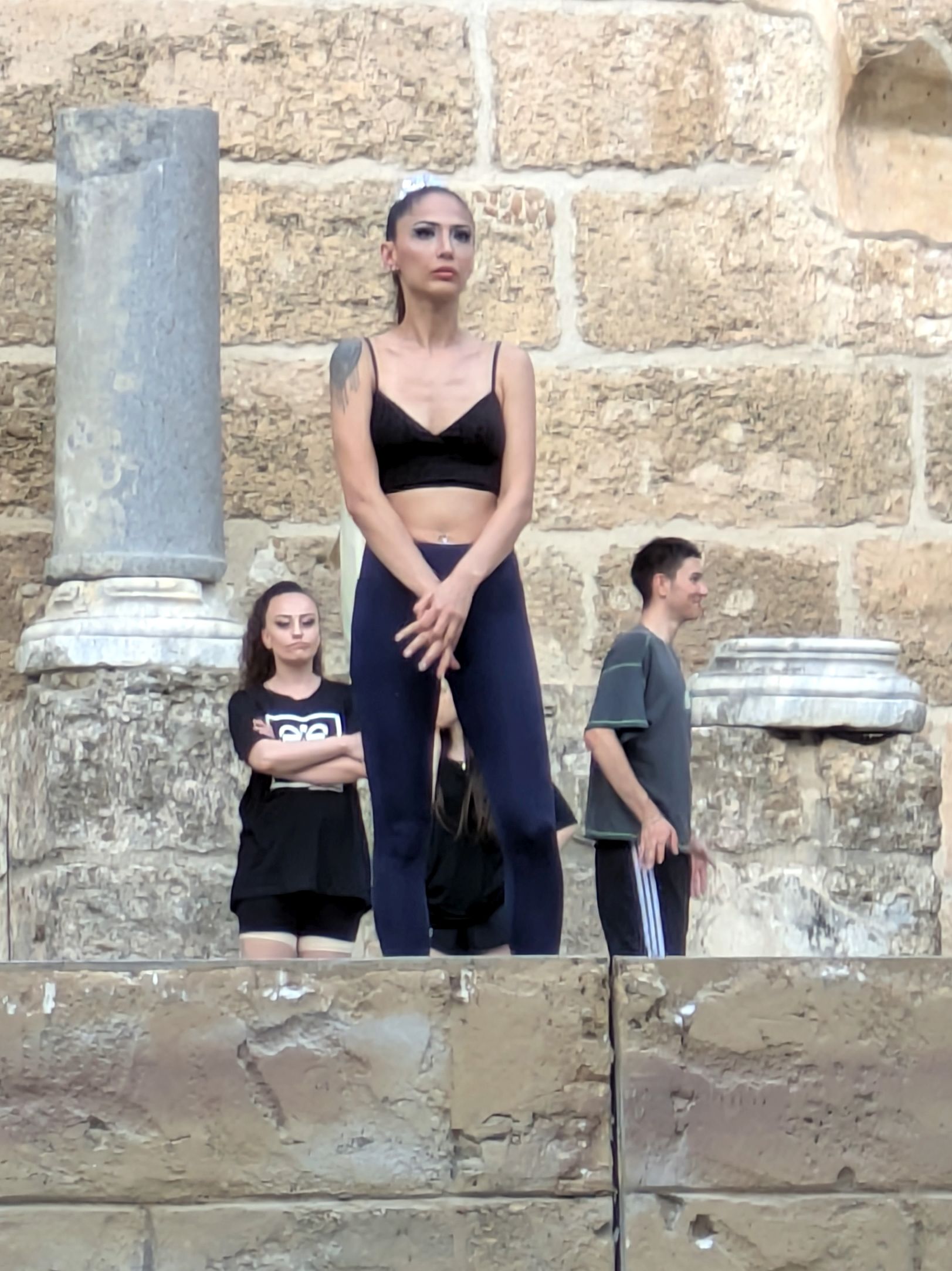
The theater is still in use, and we were fortunate to be able to get in to see it before closing for the day to tourists. Our group of sixteen were the only ones in the theater—that is, besides the “Fire of Anatolia” dance group rehearsing for and “Troy,” “a dance show from its native land.”
There are 120 dancers in Fire of Anatolia, and they have performed in more than 85 countries. They hold two Guiness records, one for the fastest dance performance with 241 steps per minute and another for the largest audience—400,000!
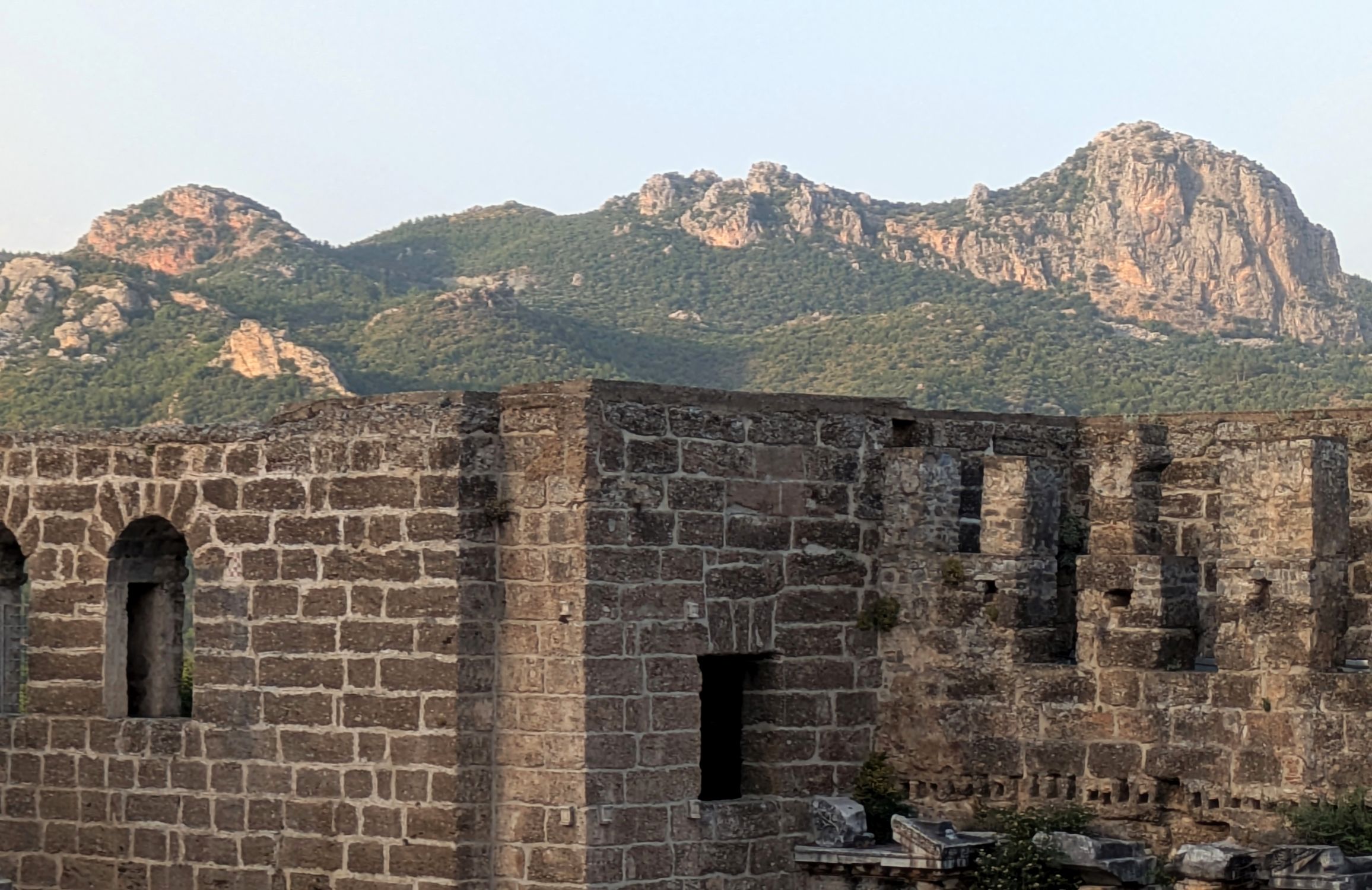
A few of us braved the steep climb to the top level of the theater to photograph the architecture, take in the views, watch the rehearsal, and snag a short video clip of it:




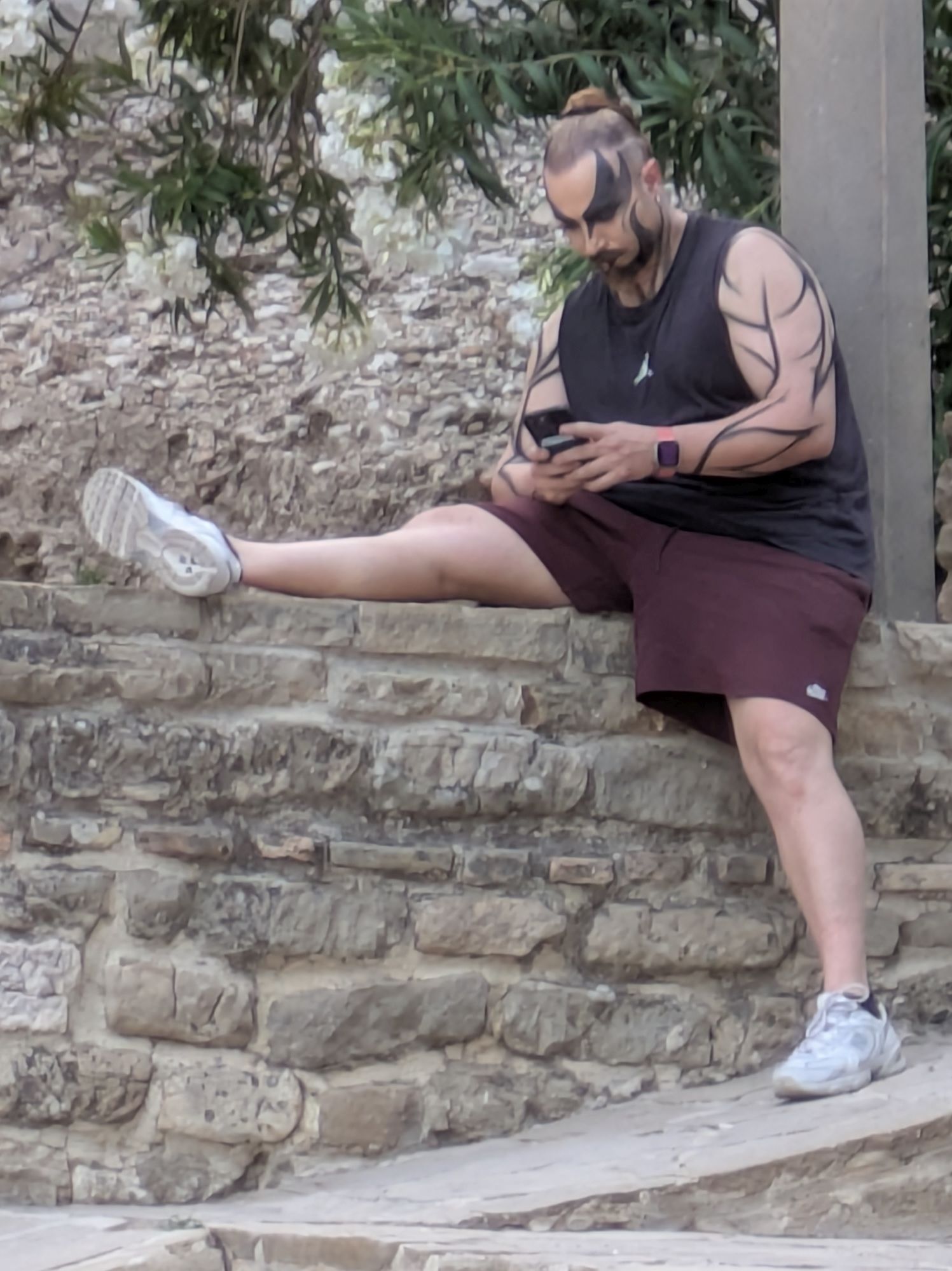
Just before sunset, we saw what remained of an ancient aqueduct near the theater.
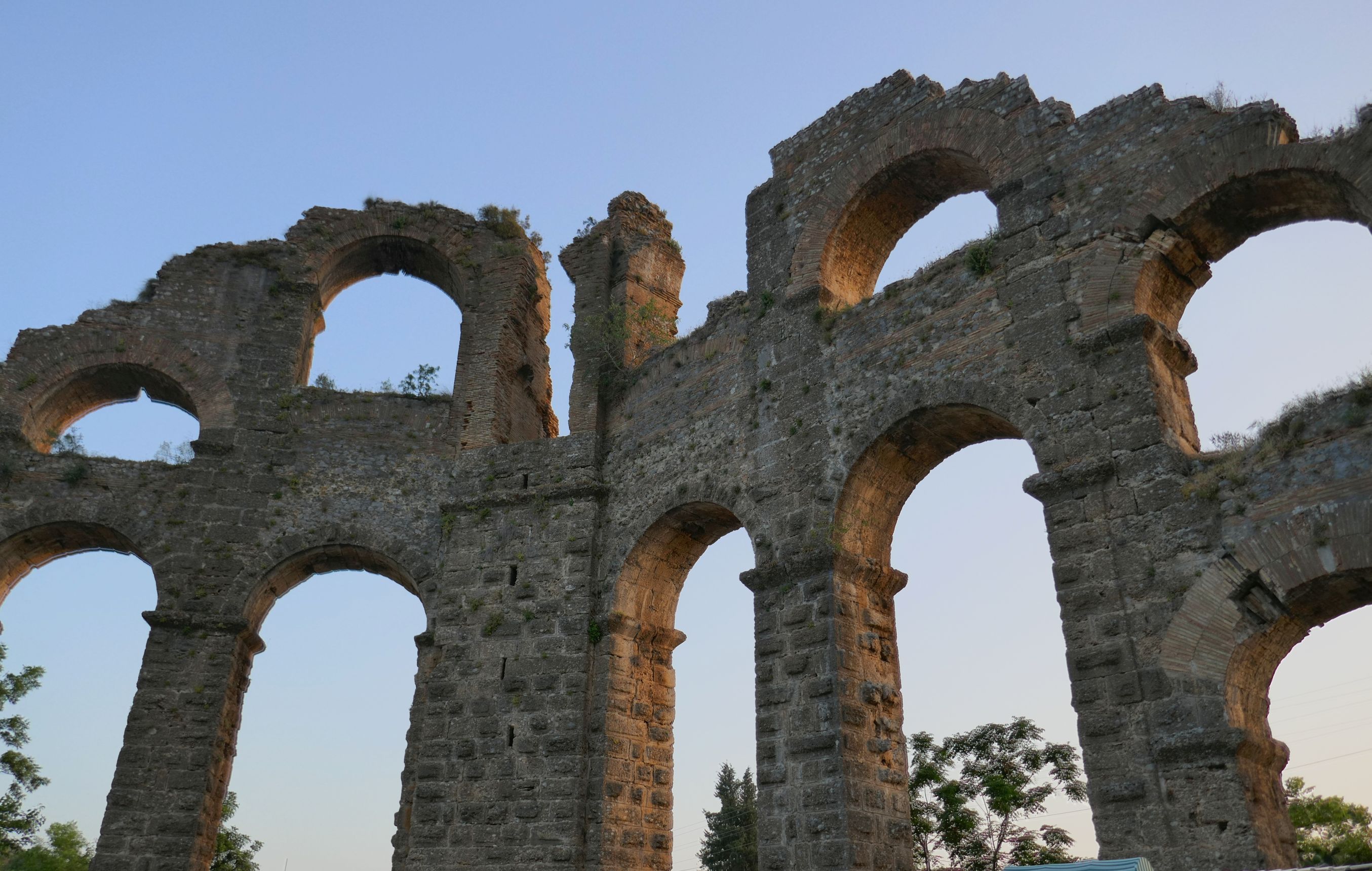
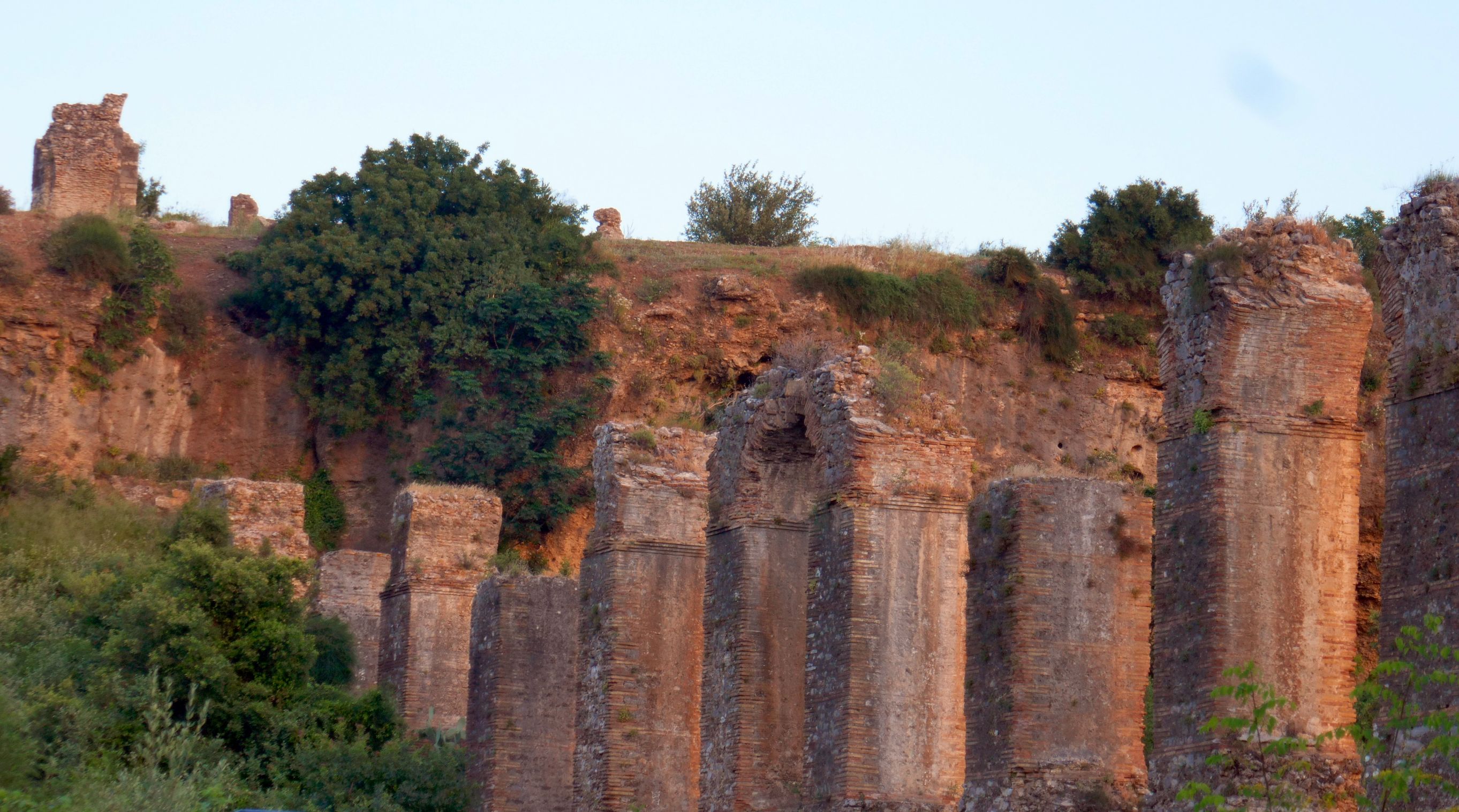
Although we were scheduled to arrive in Antalya late in the afternoon, we all got so caught up watching the rehearsal and seeing the theater that we didn’t arrive until nighttime. Fortunately, we were still able to grab dinner at the restaurant just before it closed at 9:30 PM!
Next up: TURKIYE #9: ATTRACTIVE ANTALYA





 Elaine-iaK's Travels: A Traveler's Tales of People, Places, Photos, Pools... and CHOCOLATE!