UNITED KINGDOM #15: A FOND FAREWELL AND OFF TO OXFORD

On the last day of the main tour, we visited the Culloden Battlefield, the site where the last major battle fought on mainland British soil occurred.

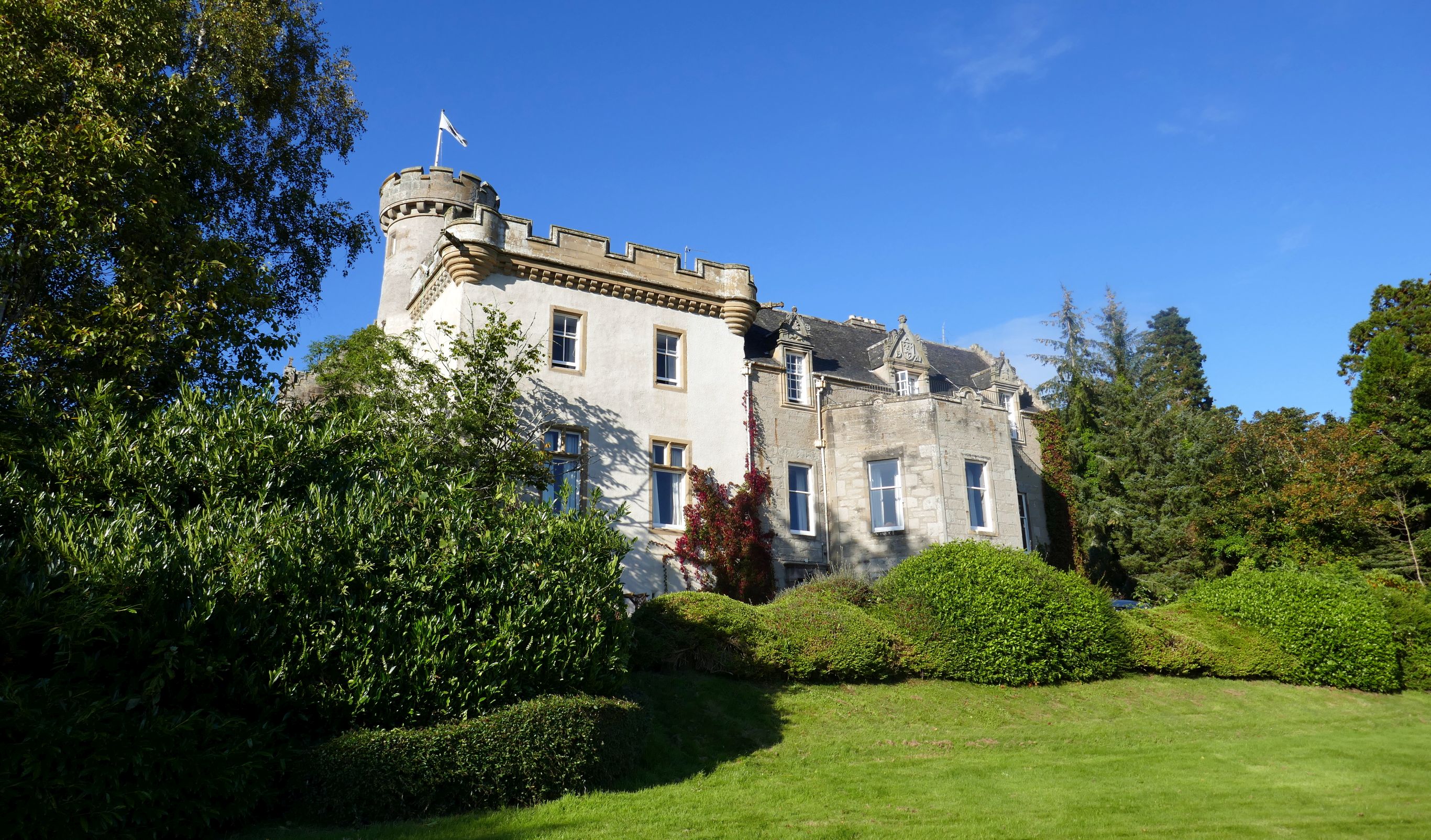
For our farewell dinner that evening, our group had a private room at Tulloch Castle, which dates back to the twelfth century, according to their website, or the fourteenth century, according to Wikipedia.  Either way, it was old!

(For all photos, click on the image for a full screen view.)
Tom (center), our awesome tour leader!

We bid farewell to Tom, our wonderful tour leader as well as half of the group who opted not to join the post-tour extension.  The remaining eight of us headed to the airport the following morning to fly to London and join our new tour leader, Marc, for “Classic English Landscapes: The Cotswolds to London.

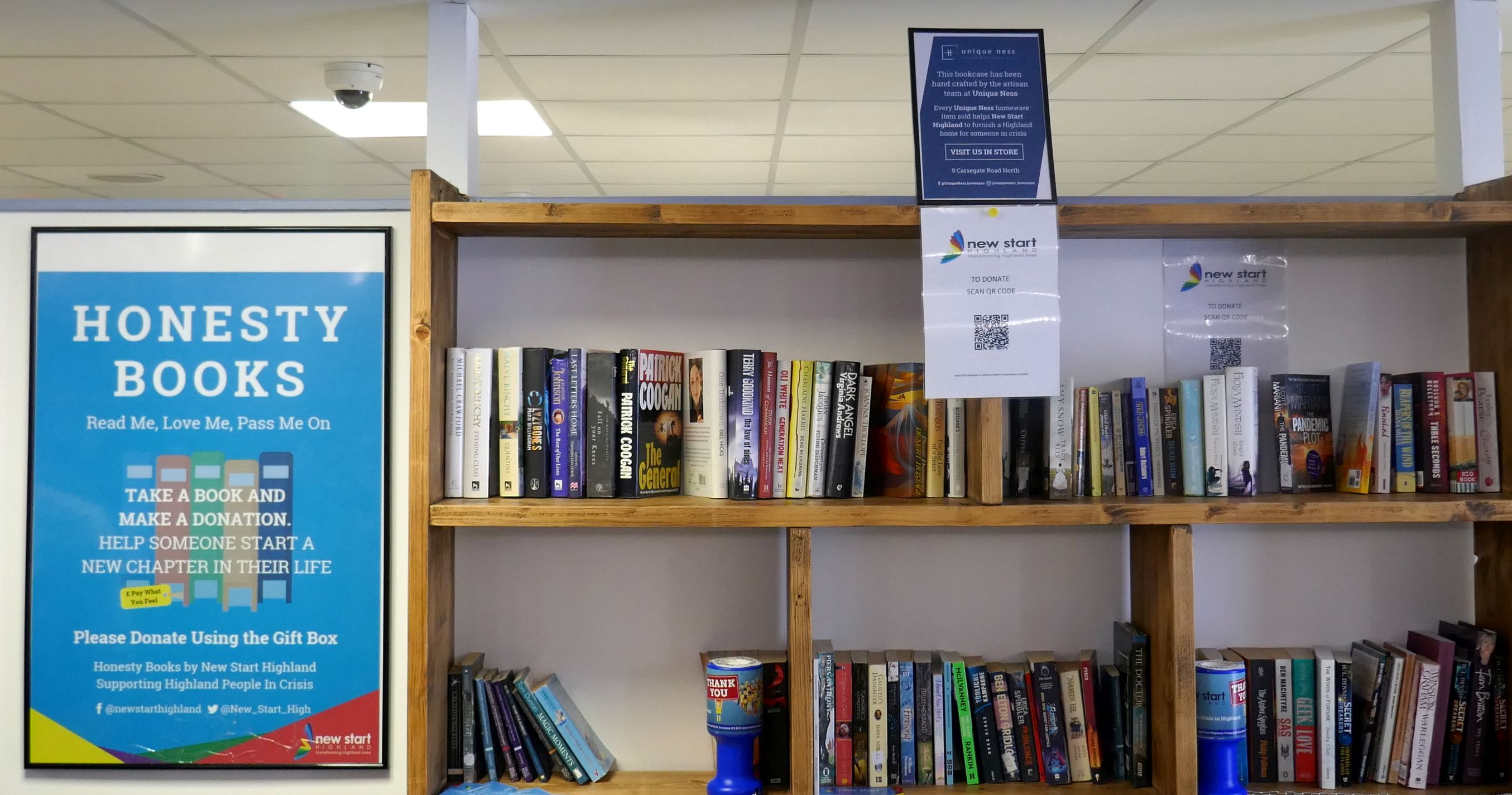
What a great idea for an airport! Good on ya, Inverness!
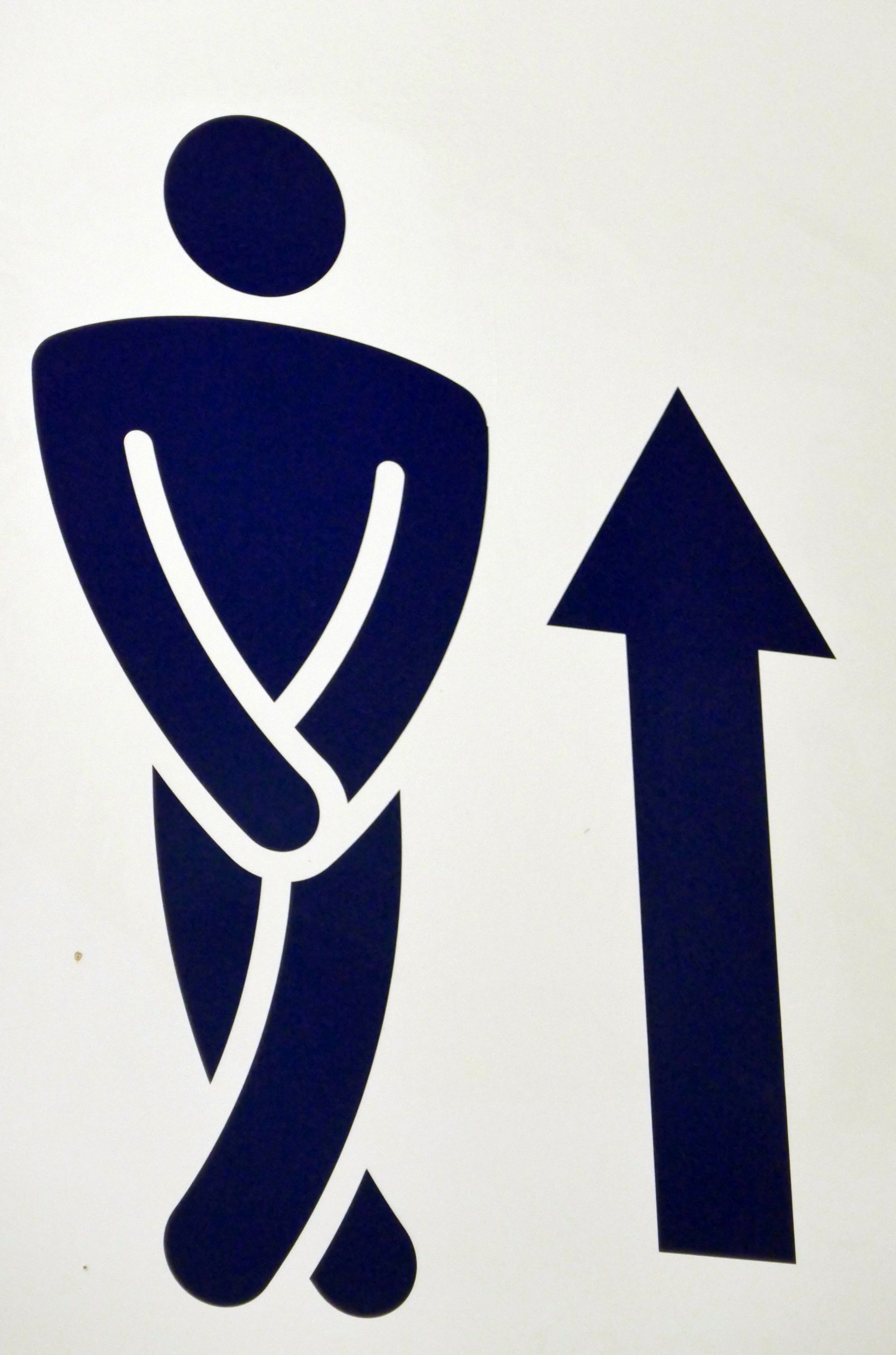
One of the restroom directional signs. Cute!

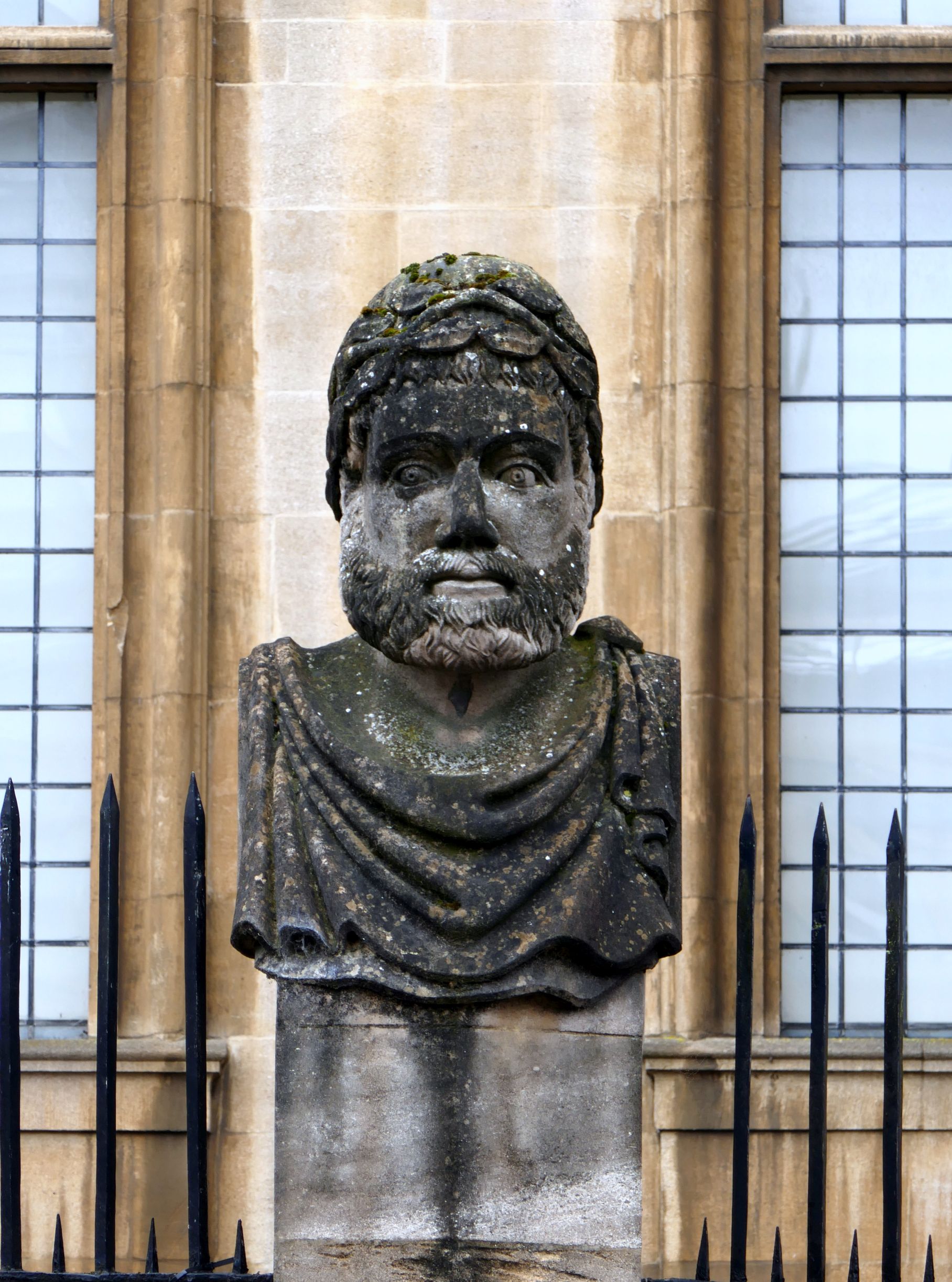
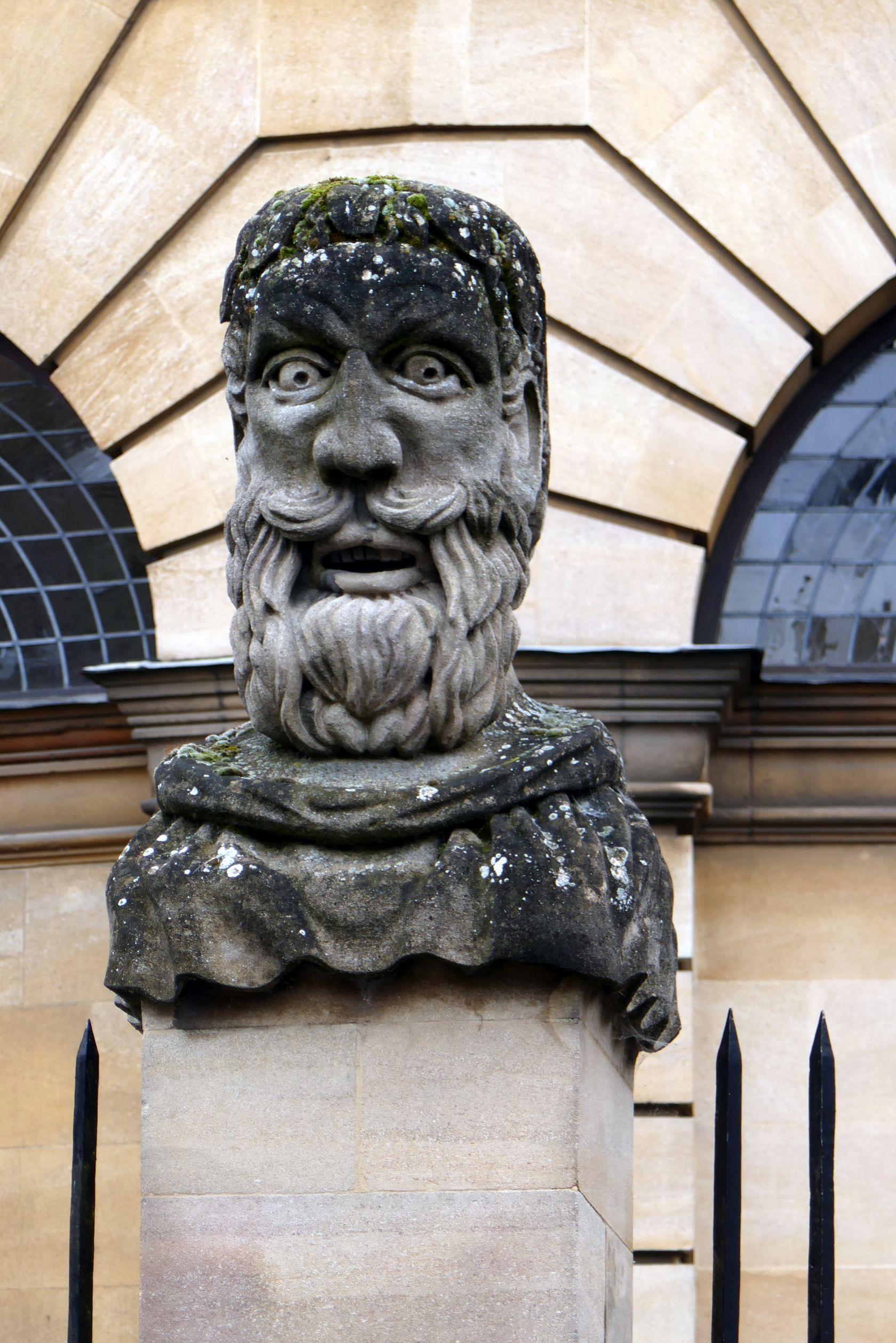
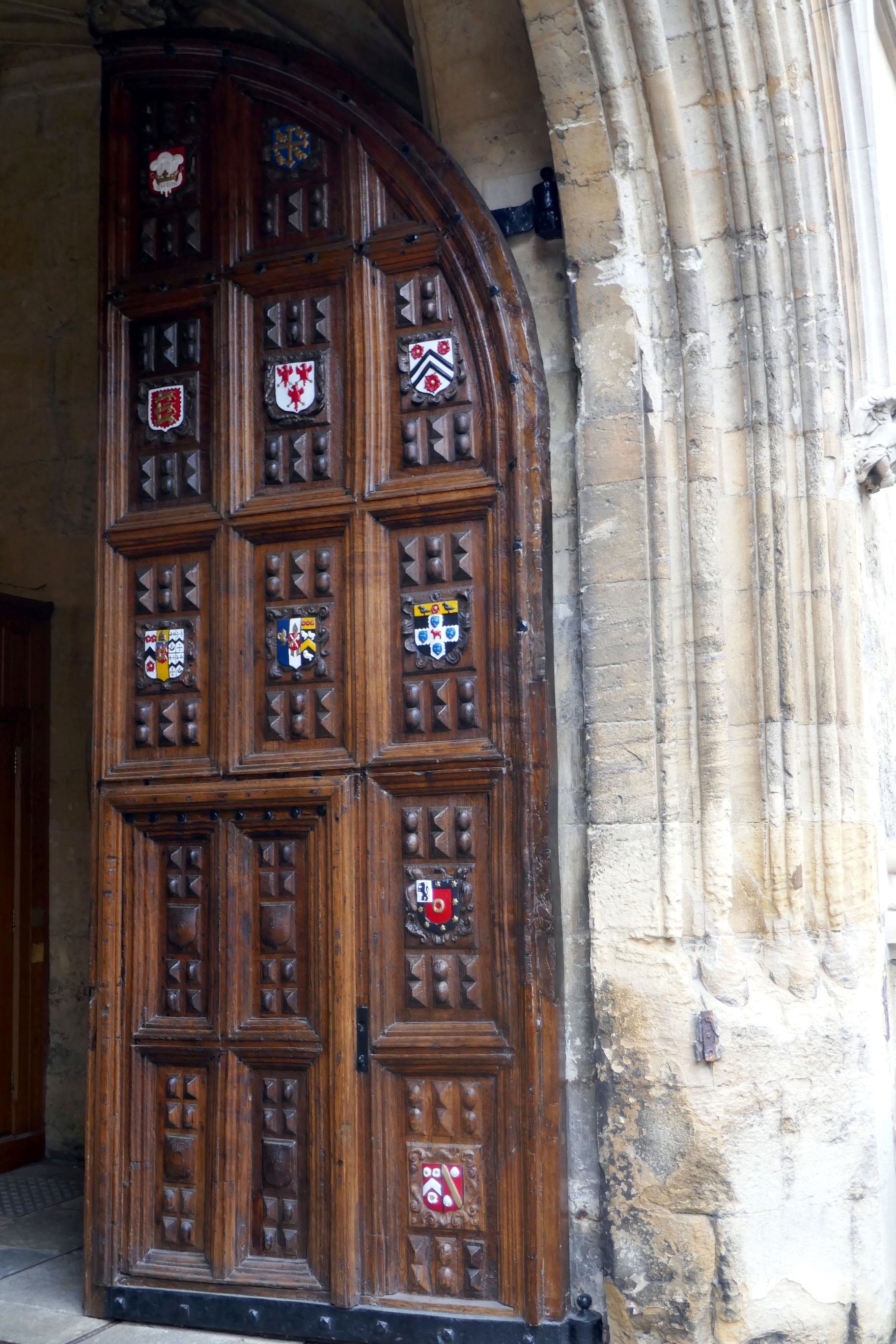
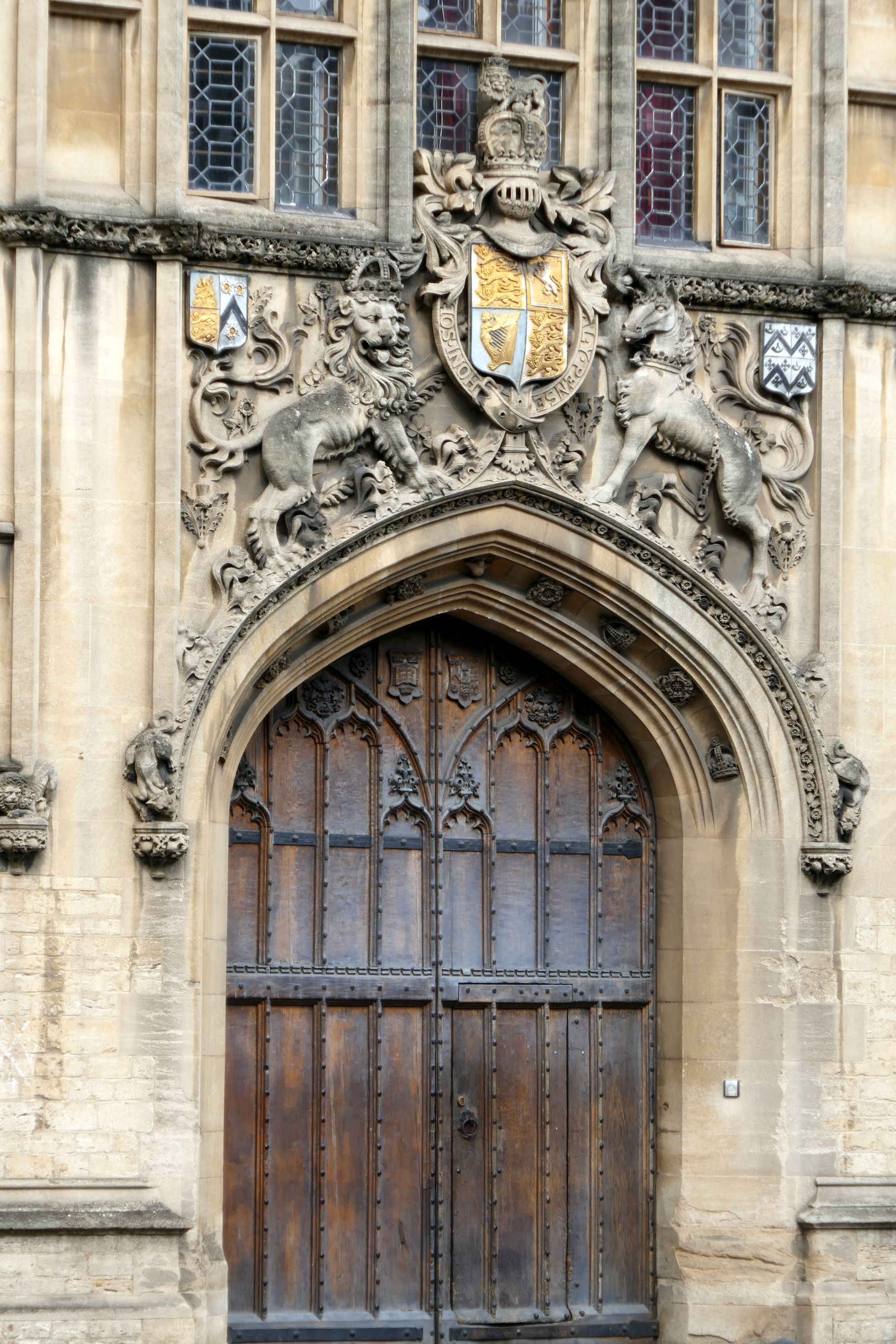
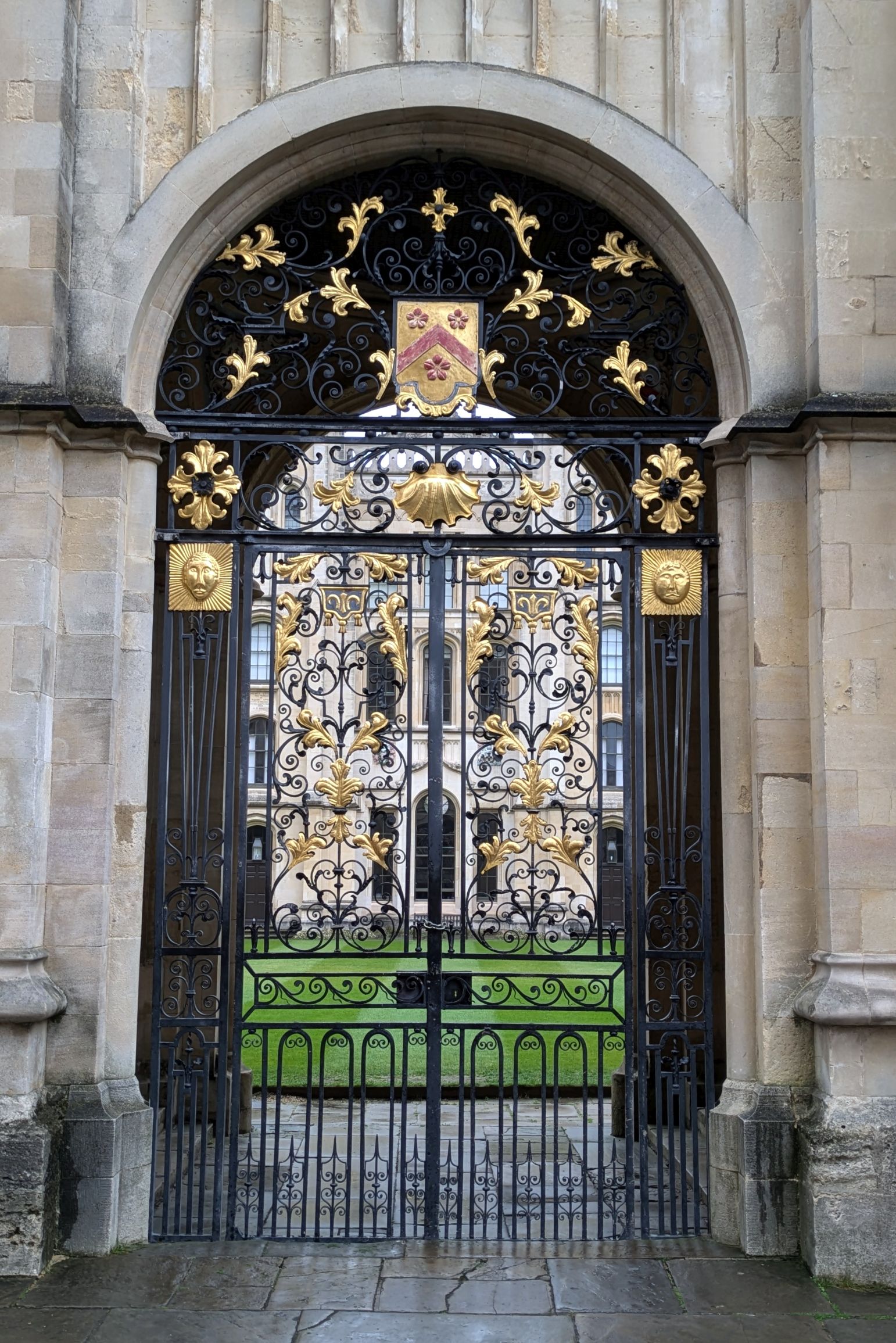
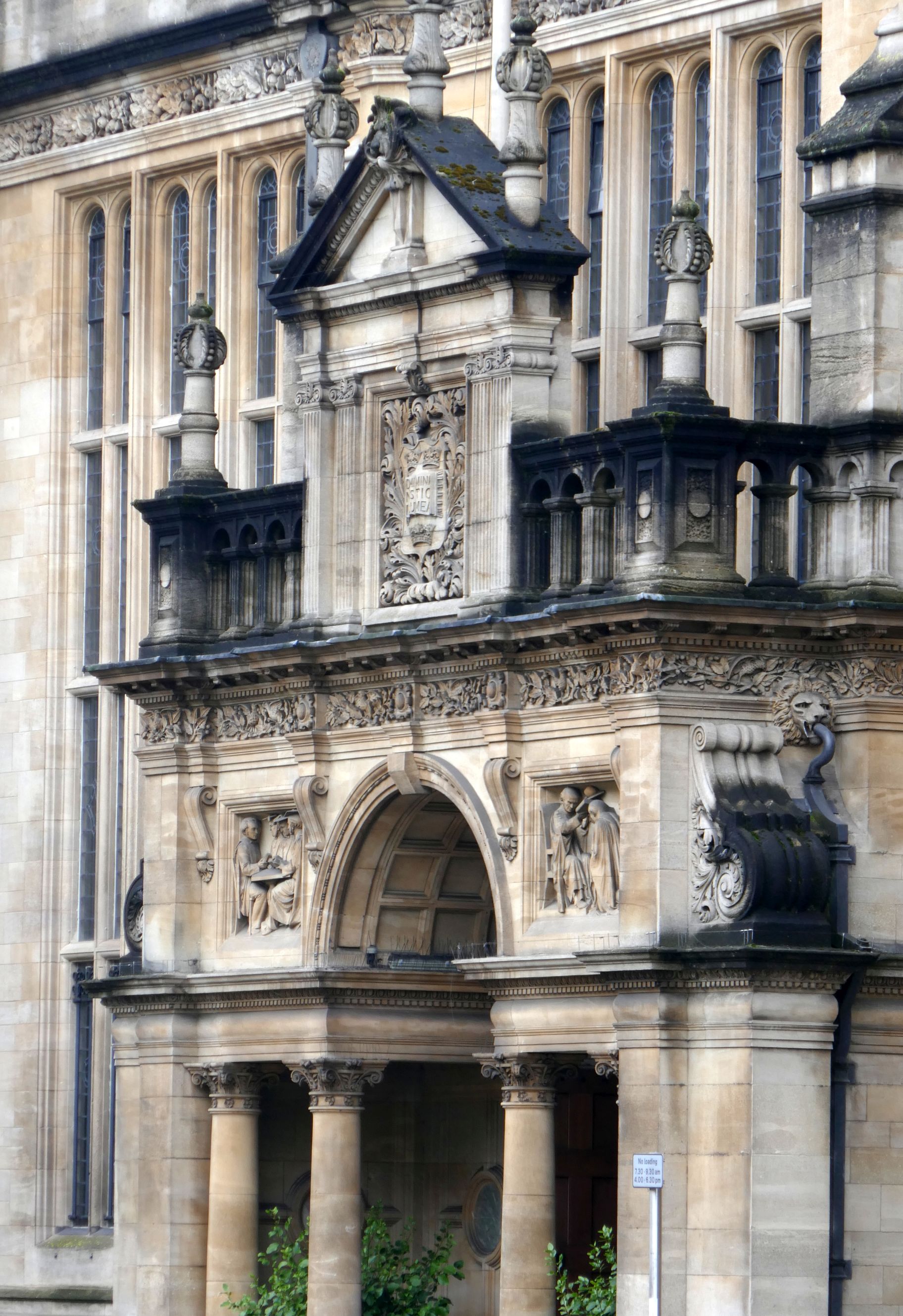
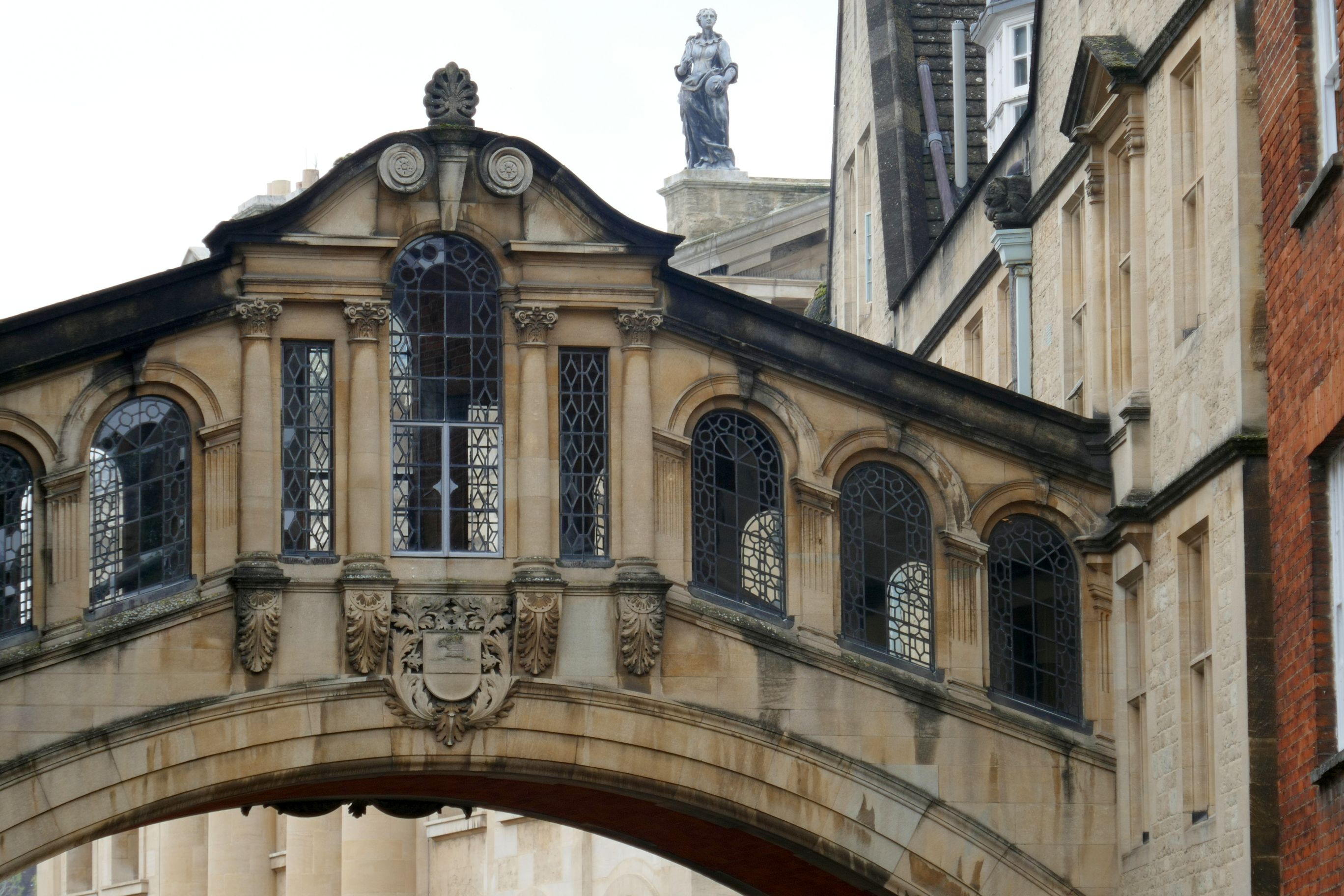
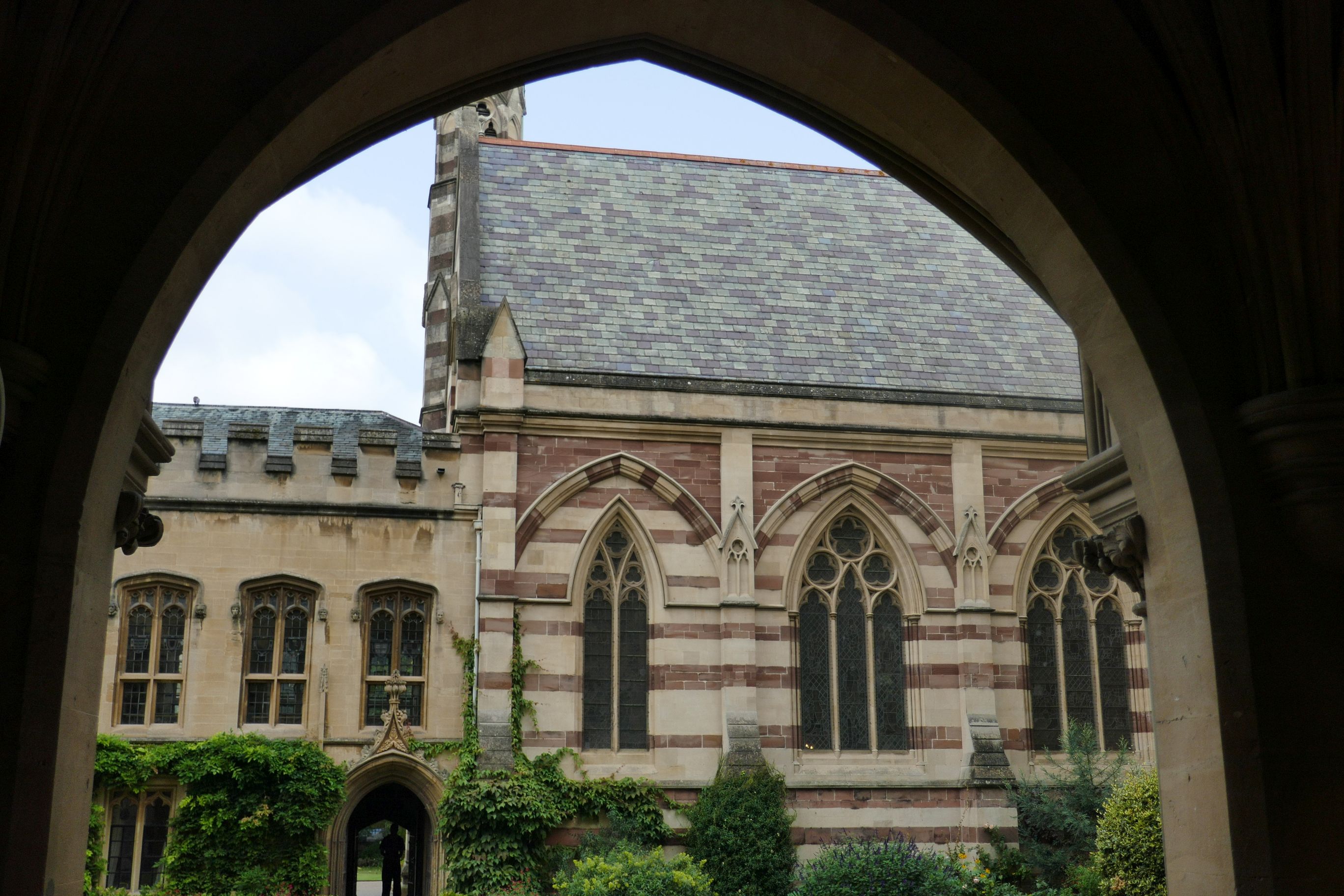
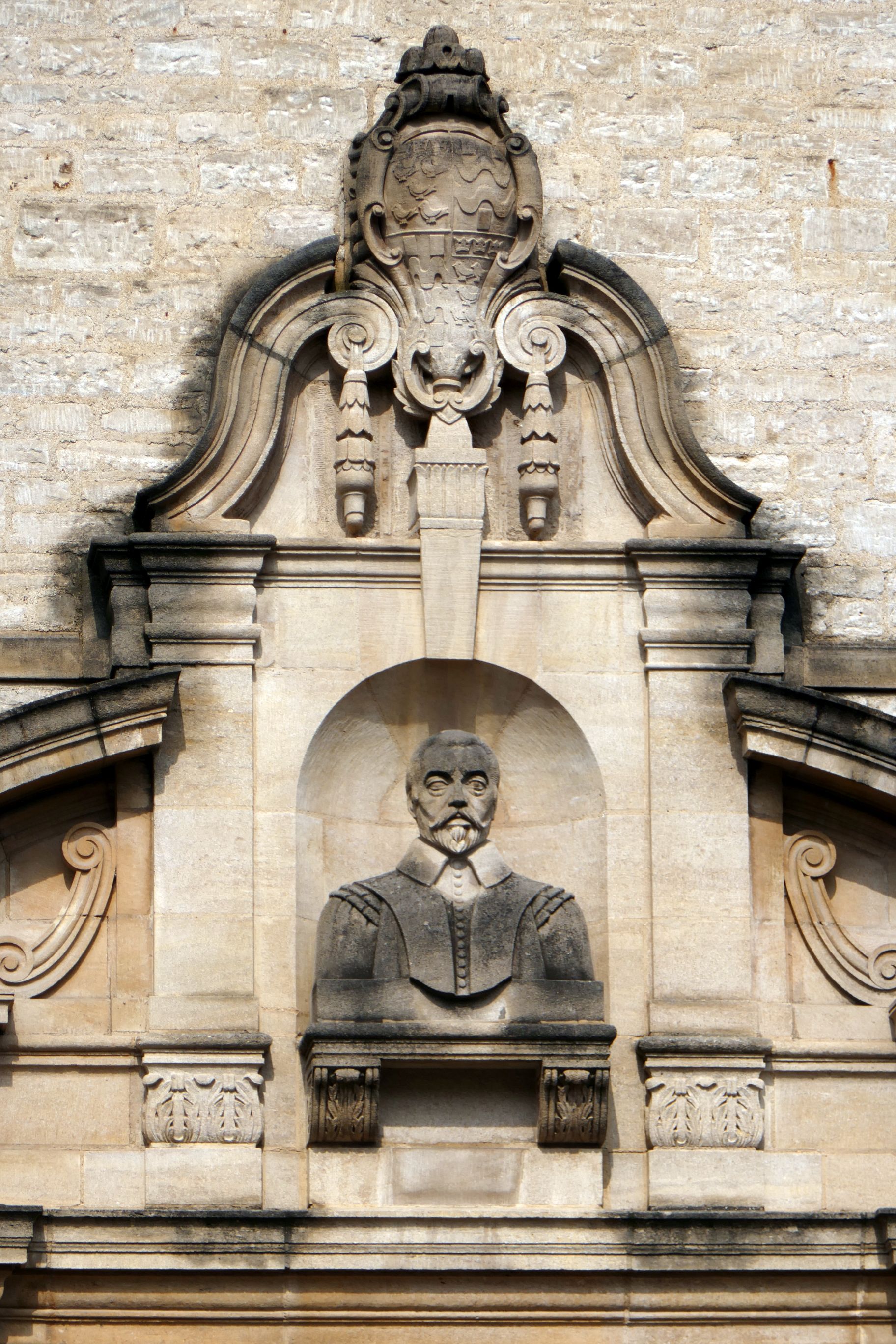
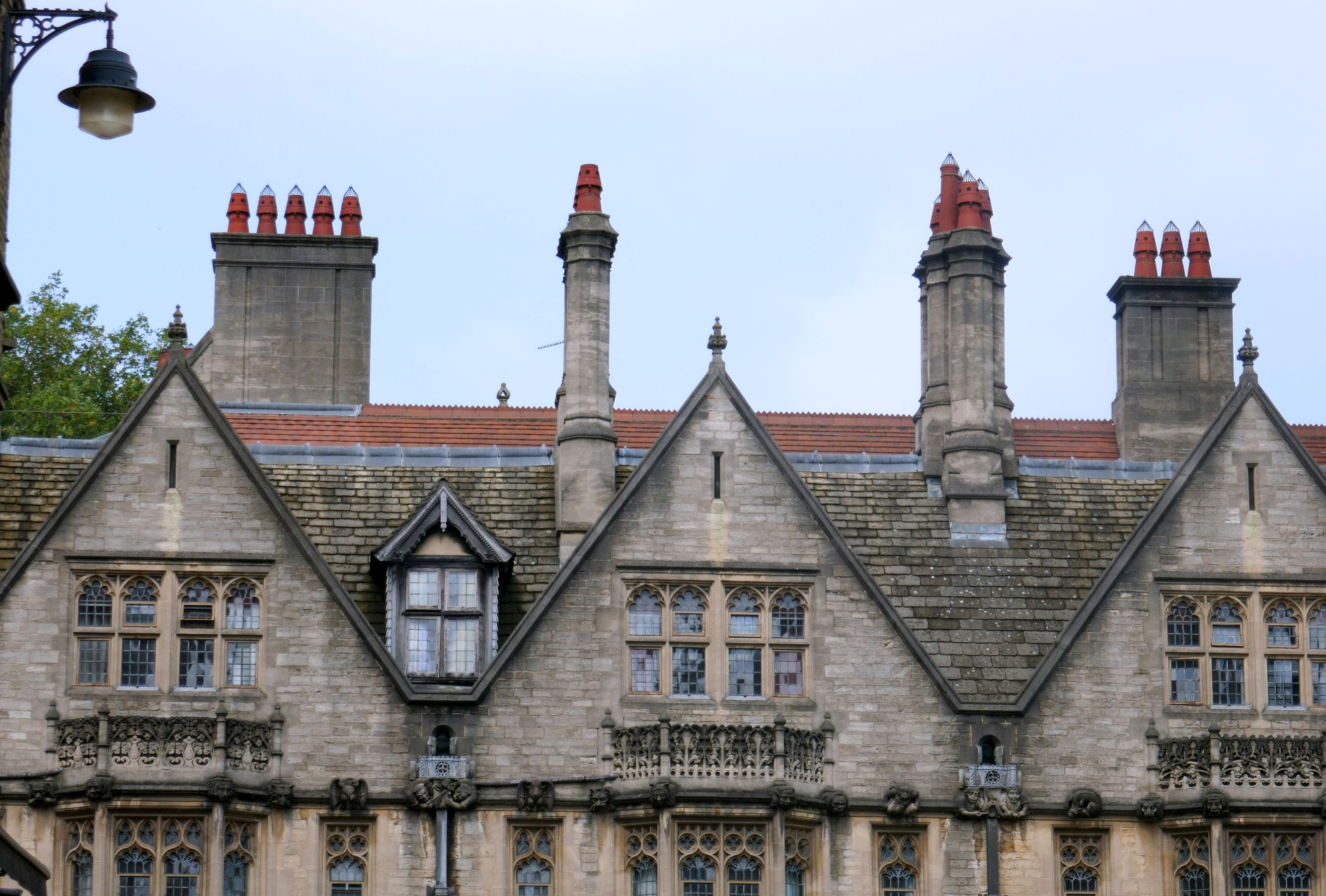
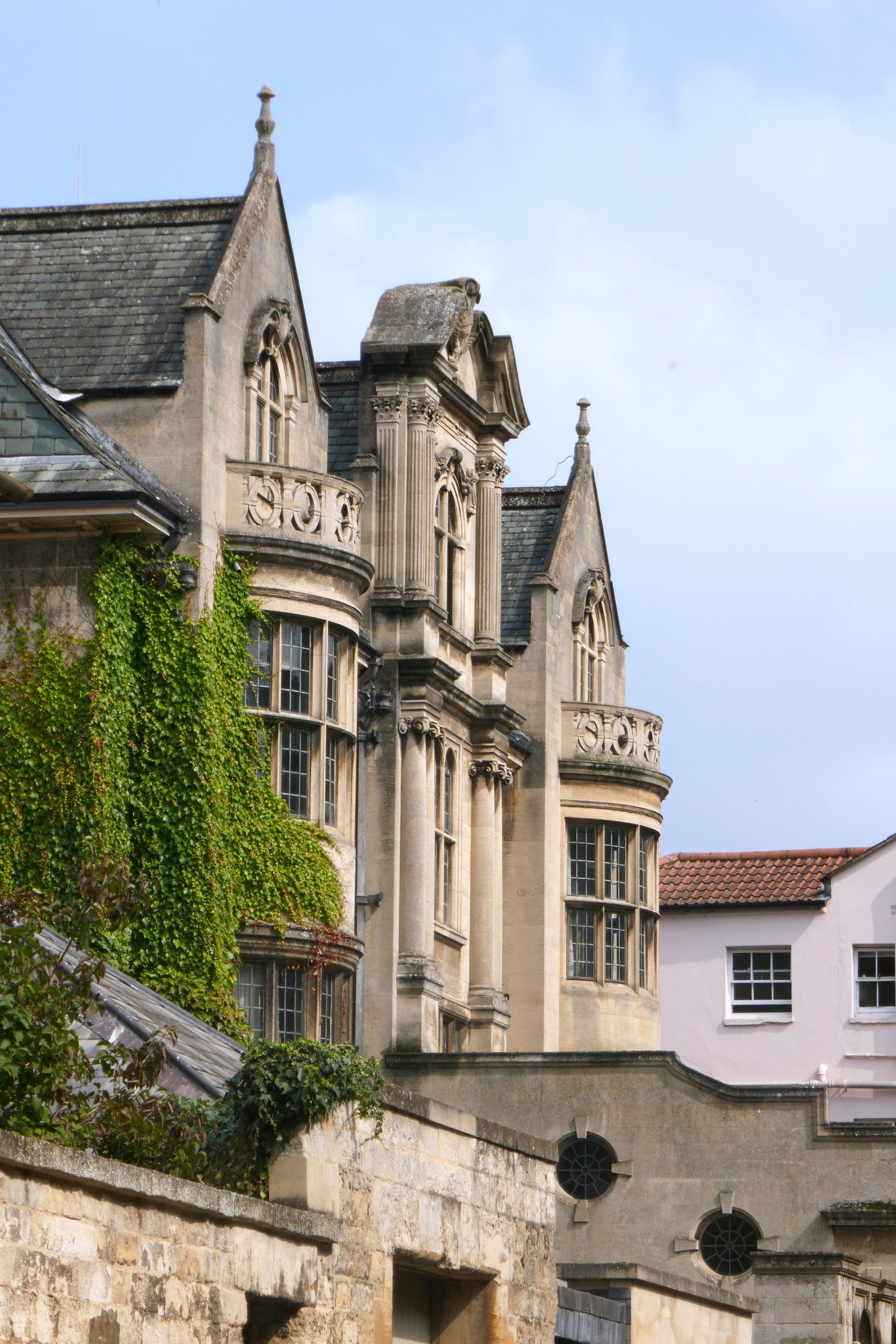
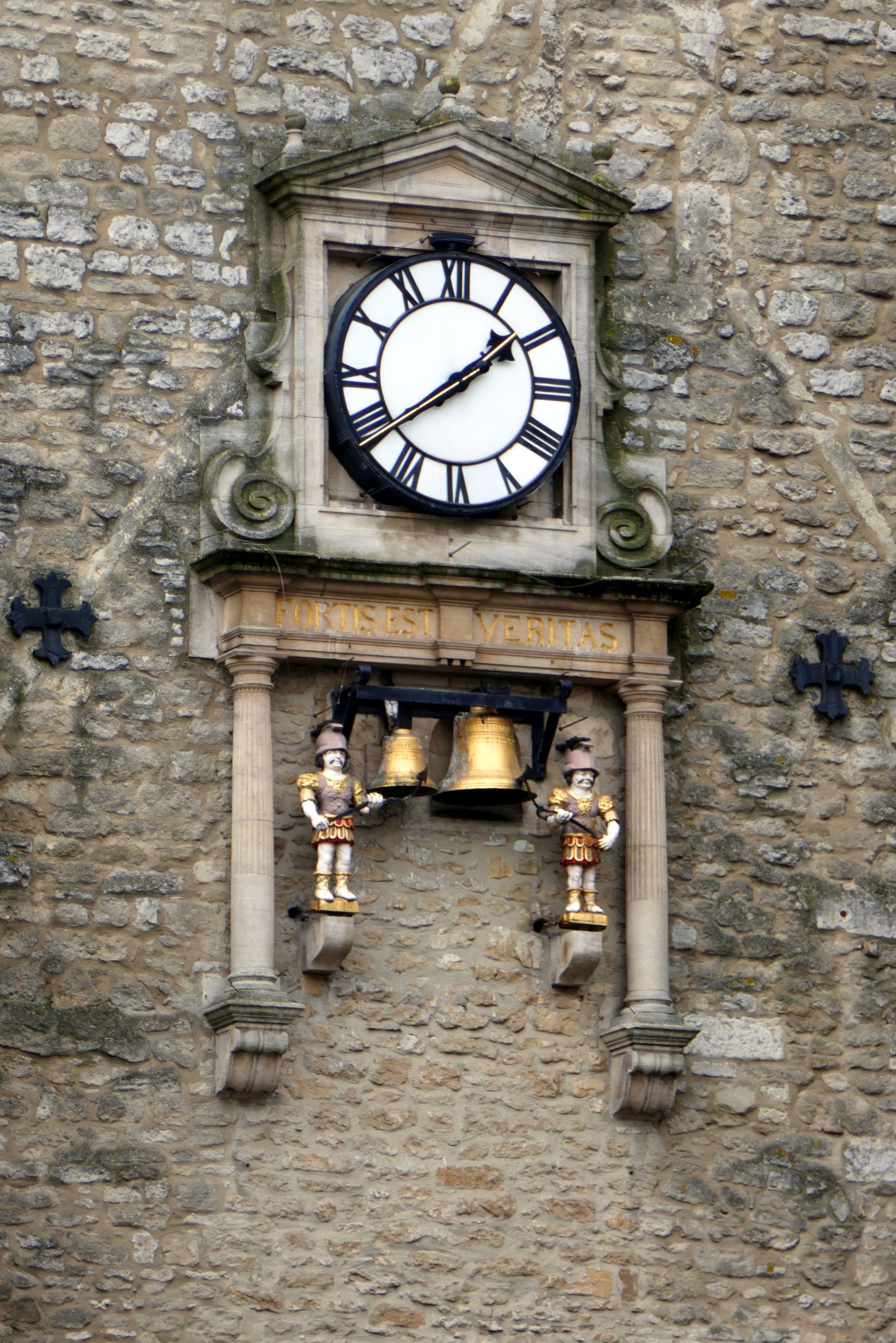
Oxford was our destination for the day.  We visited the University of Oxford, the oldest university in the English-speaking world.  (There is evidence of teaching as early as 1096!)  The university is comprised of 43 constituent colleges that were built in one of the English architectural styles: Anglo-Saxon, Gothic, or Tudor. 40,000 students attend the university in a town of 150,000.

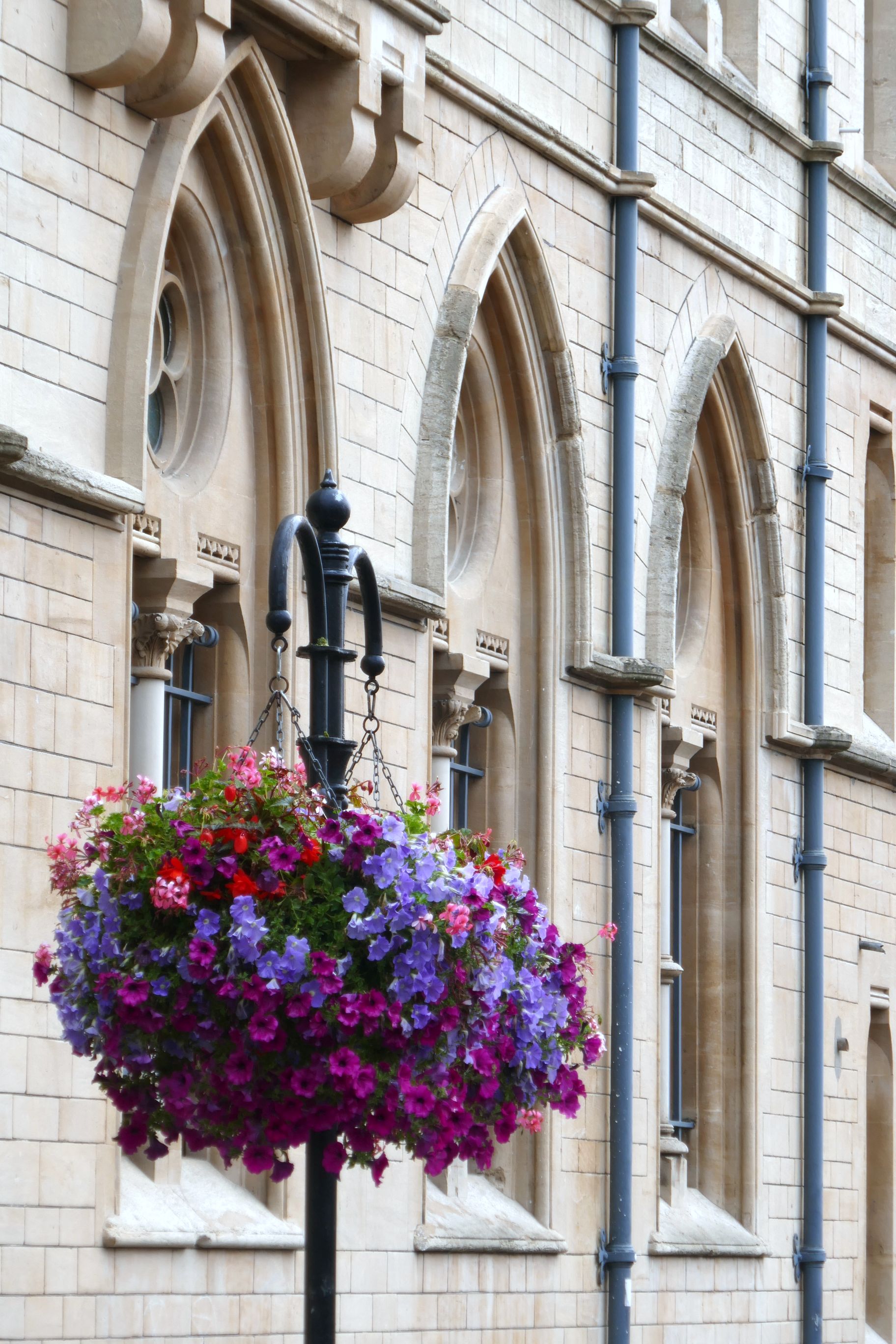
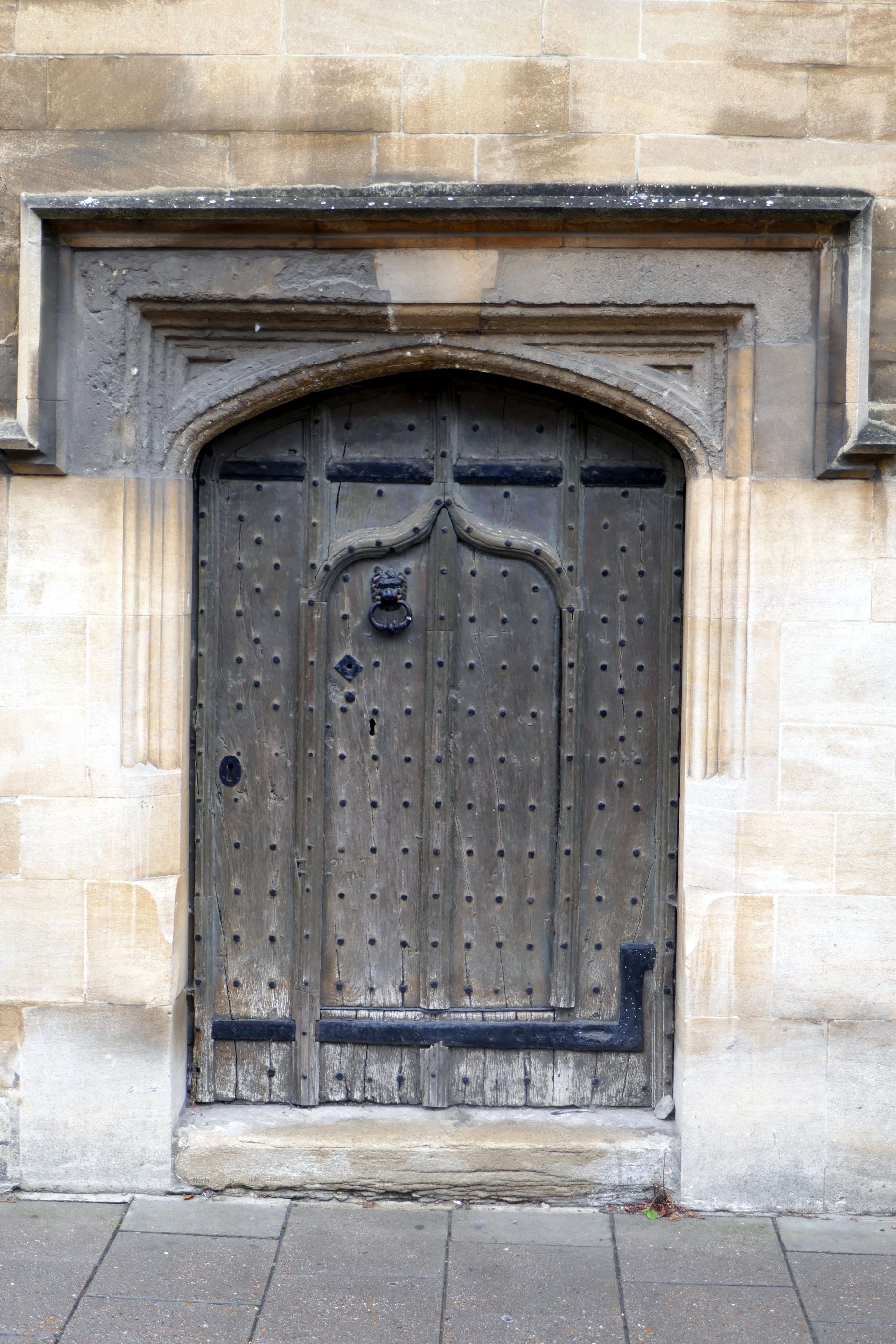
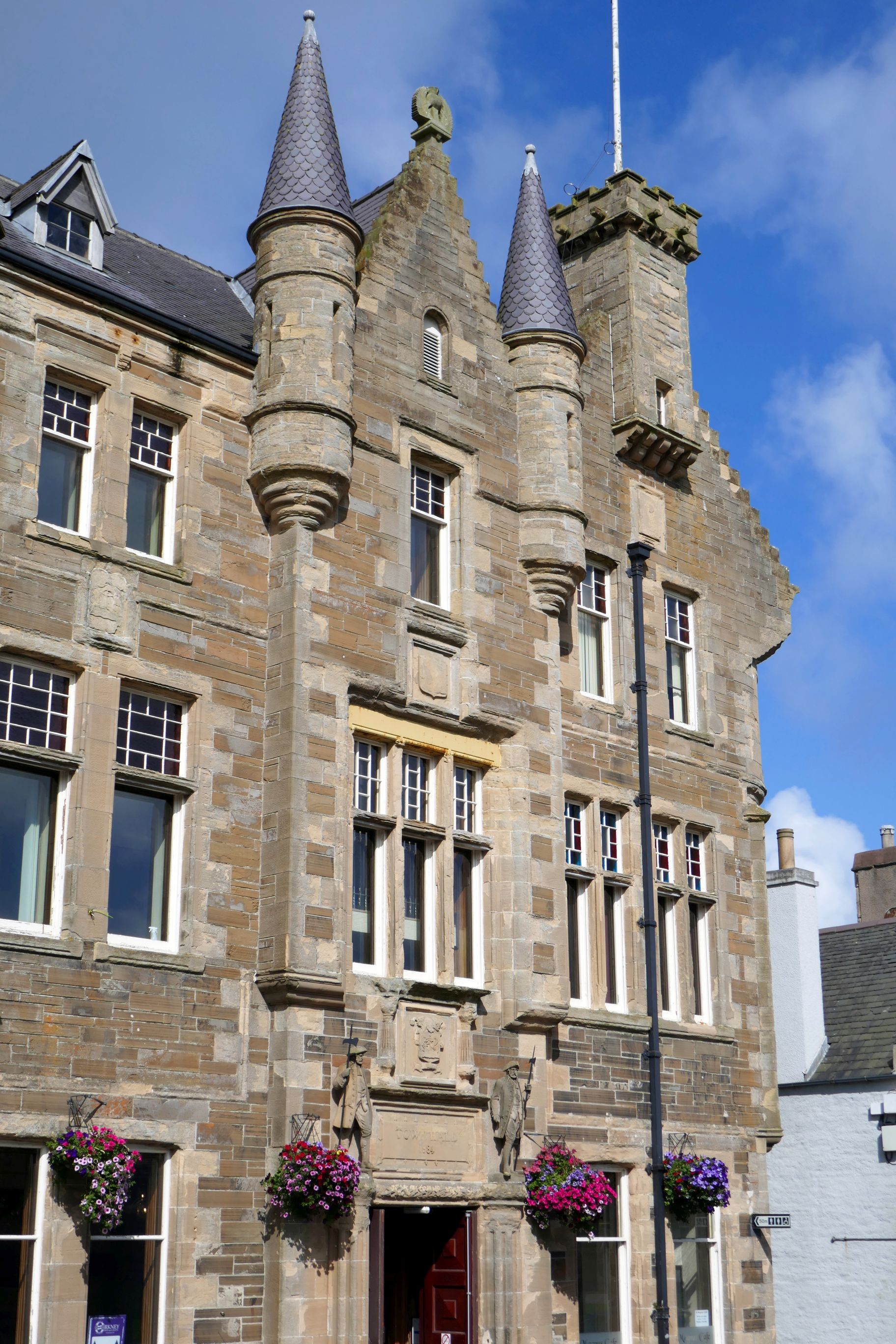
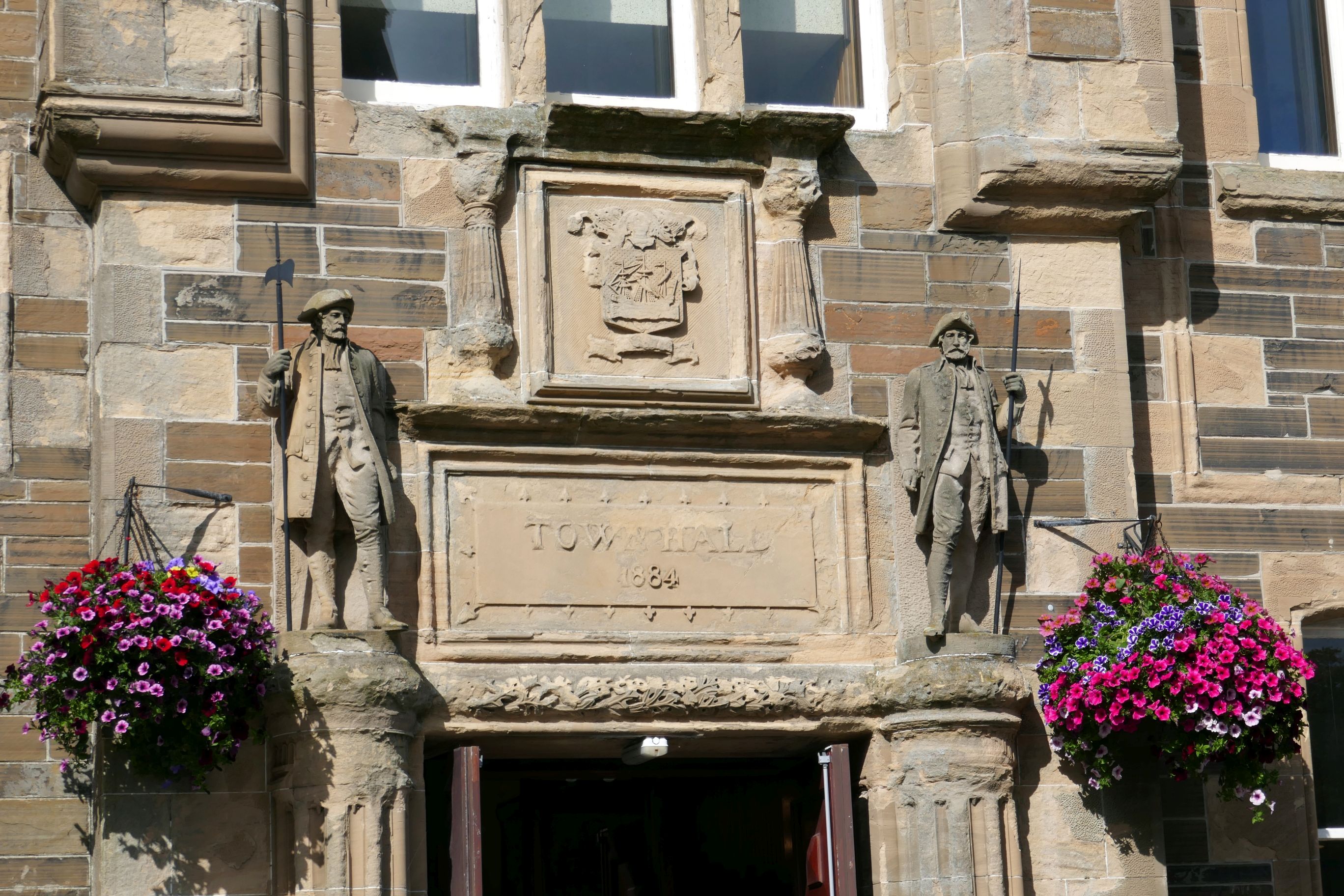
Following Marc’s walking tour and a group lunch, we had time to explore the town on our own.  The different styles of architecture were quite a gorgeous site to see (and photograph)!

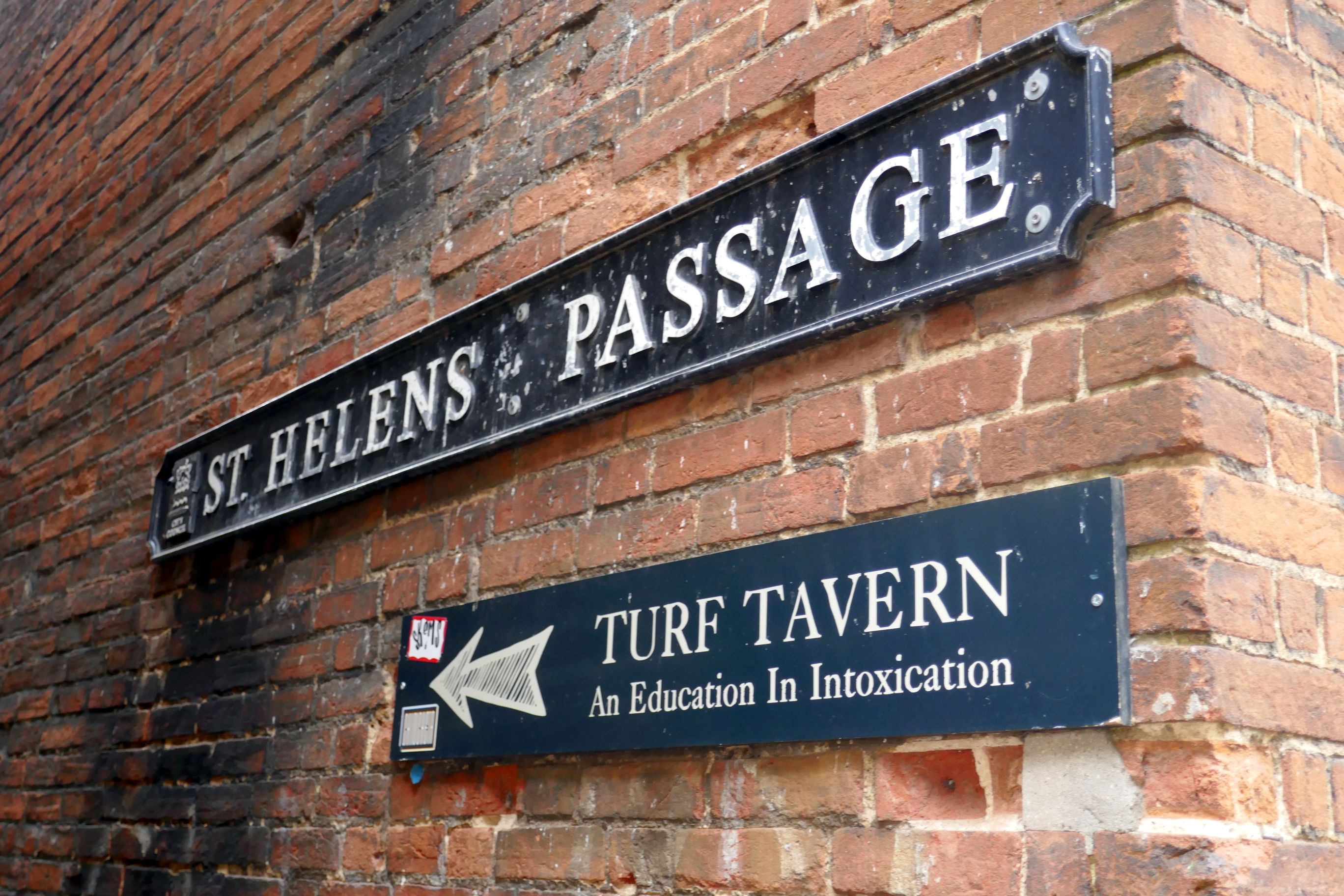
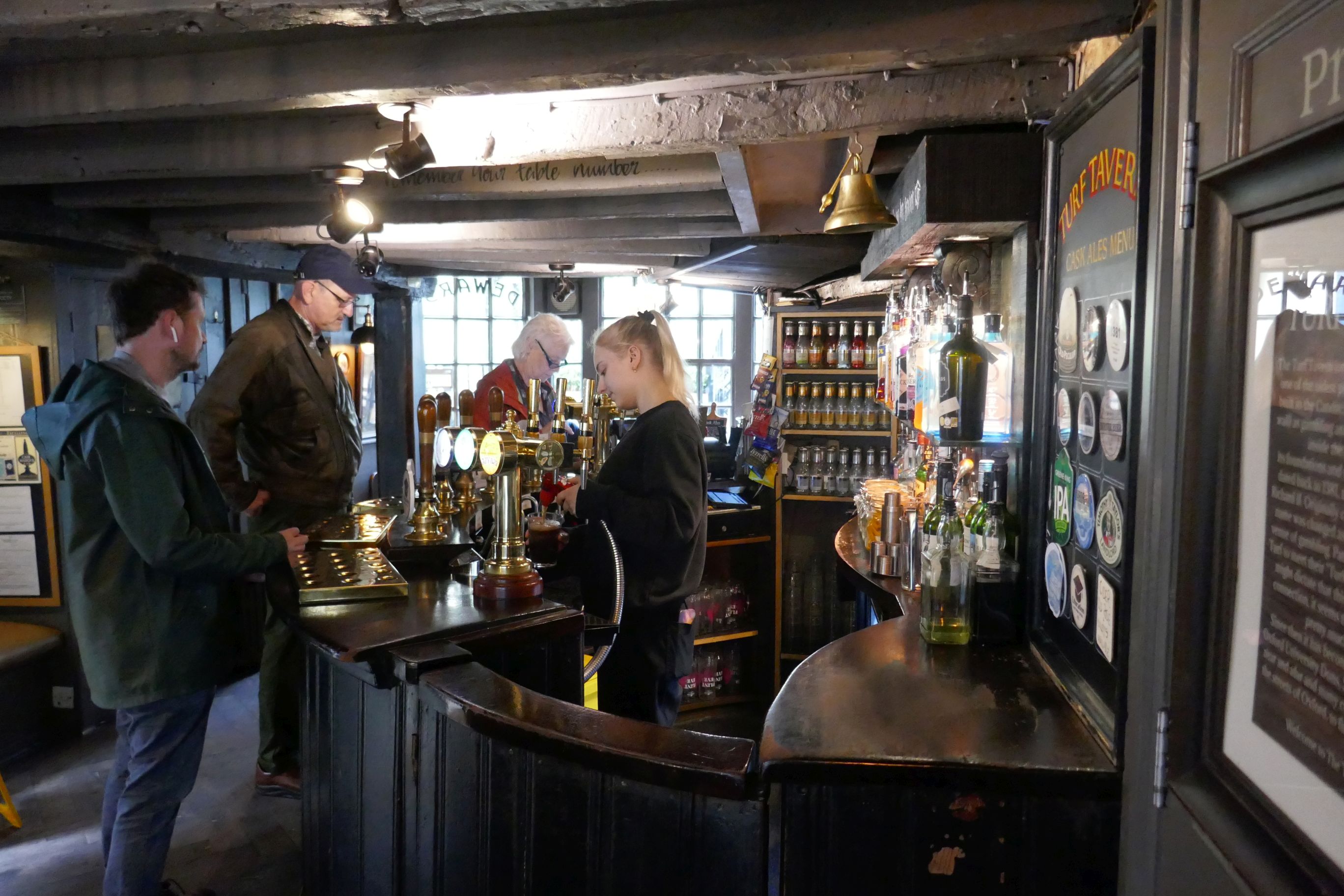
The Turf Tavern is thought to be the oldest pub in Oxford. Its foundations and use as a malthouse can be dated back to 1381. It’s a favorite spot for locals and famous visitors, including President Bill Clinton, Margaret Thatcher, David Bowie, Oscar Wilde, Stephen Hawking, Elizabeth Taylor, and many more!

We continued to charming Cirencester, our base for three nights.  This will be the subject of my next post: UNITED KINGDOM #16: CHARMING CIRENCESTER IN THE COTSWOLDS

UNITED KINGDOM #14: ISLE OF SKYE

It was a bit of a drive to the Isle of Skye, so Tom took the opportunity during the bus ride to talk about current history, which captures my interest more than ancient history.  I like to learn about how events during my lifetime have affected the lives of the people who are still alive to either benefit from or suffer from the consequences.

One example: Brexit. More people of the United Kingdom are going to suffer the consequences than benefit from that debacle.  So, you say they voted for it and deserve what they asked for?  Scotland and Northern Ireland voted to stay in the European Union (EU), but England did not.  They were sold a bill of goods and flat-out lied to by Boris Johnson, their “Liar in Chief,” as Tom so aptly called him.  (Funny, because Tom was such a gentle, mild-mannered soul, but he couldn’t help himself.  To that, I say, “Good on ya, Tom!  Call it like it is!”)  We have one of those who will get inaugurated on my birthday. What a birthday “gift”…

We passed a road sign that stated, “Investing in your future,” referring to improvements that had been completed on a previously horrible road, according to Tom.  Now, with Brexit, there will no longer be access to those funds for improvements.

The only benefits of Brexit, according to Tom, were faster access to COVID vaccines and higher wages for hospitality workers.  Otherwise, the results have been negative: Exports have declined, the GDP has dropped, the value of their currency has decreased, there is a labor shortage in some sectors, immigration has tripled, and much, much more.

As it turns out, the money the United Kingdom was paying to be a part of the European Union was less than what they gained economically from doing business with other EU countries. 

Tom got the shaft from Bexit, because he had been covered by medical insurance no matter where he worked in the EU, which, in his case, included Prague, the Netherlands, and France.  When Brexit began, he lost his citizenship to every EU country and had to return to the UK due to the loss of benefits.

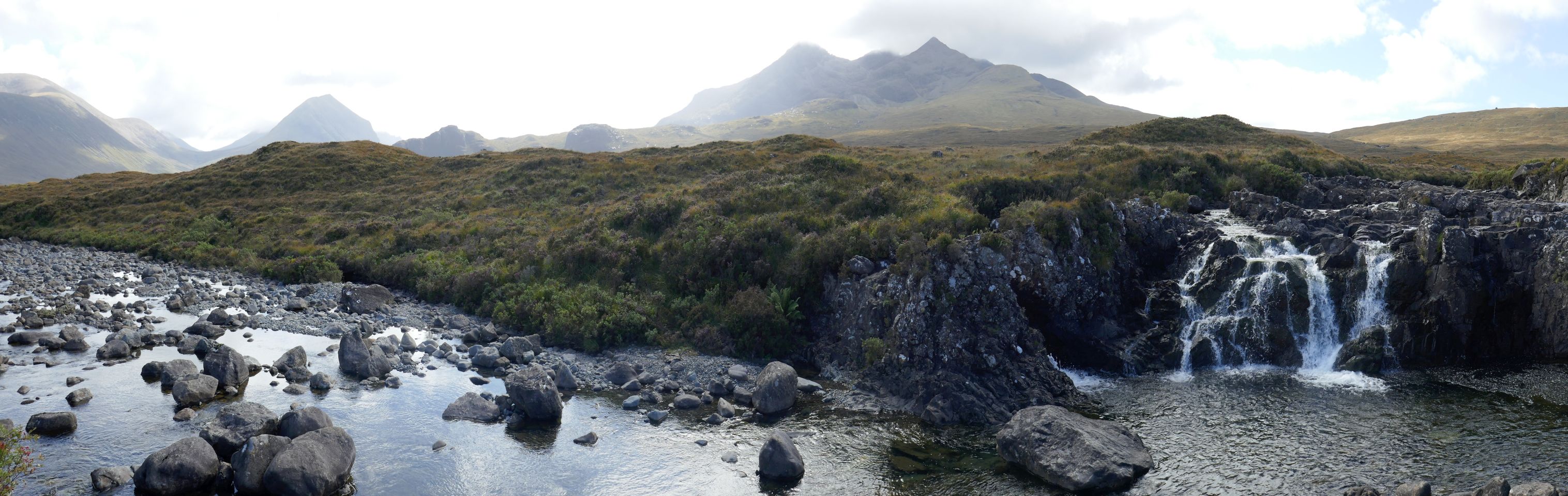
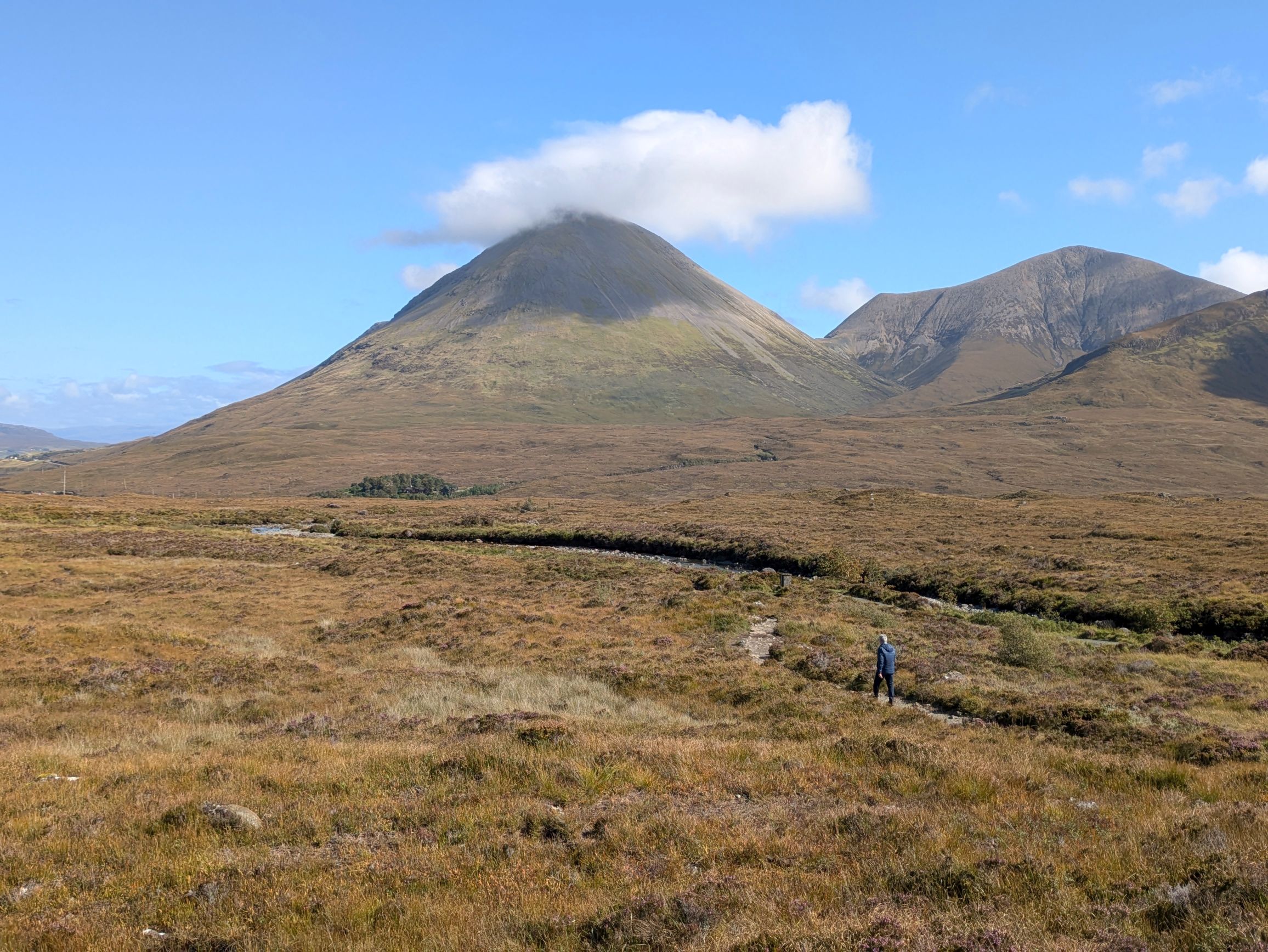
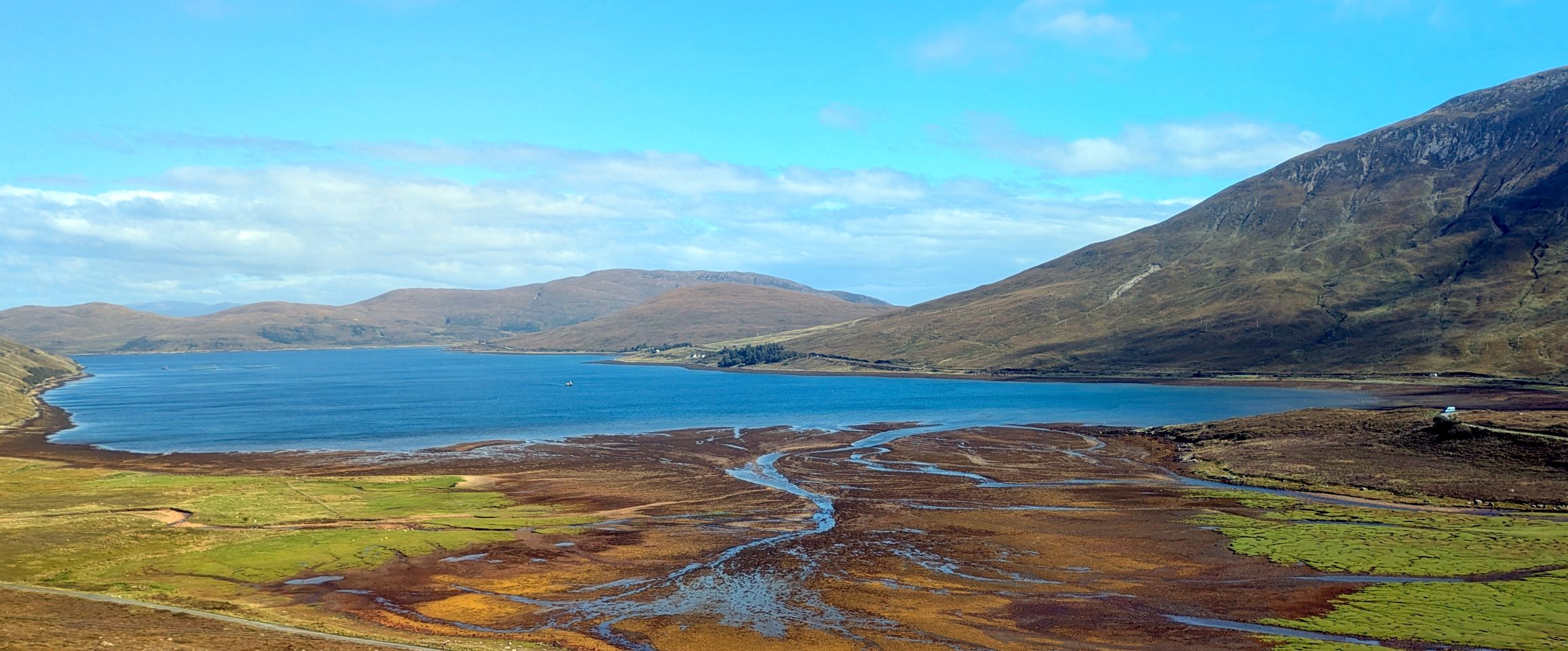
After a long bus ride, we arrived at the Isle of Skye, known as the “Misty Isle,” except we were fortunate to have a rare sunny day!

The Isle of Skye is a sparsely populated place; just 10,000 residents.  Gaelic is spoken in this region.  (A total of only 50,000 people speak the language in all of Scotland.)

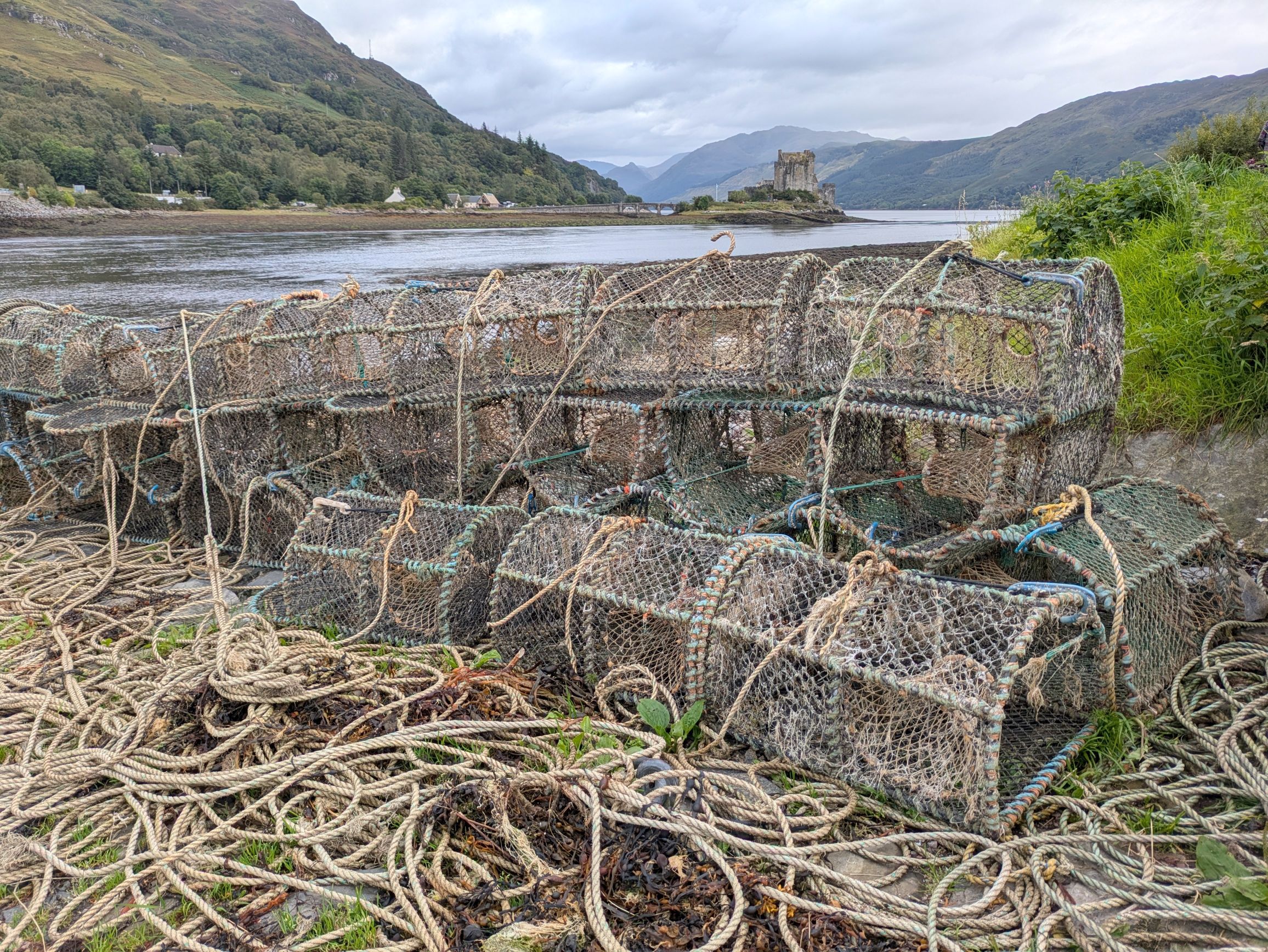
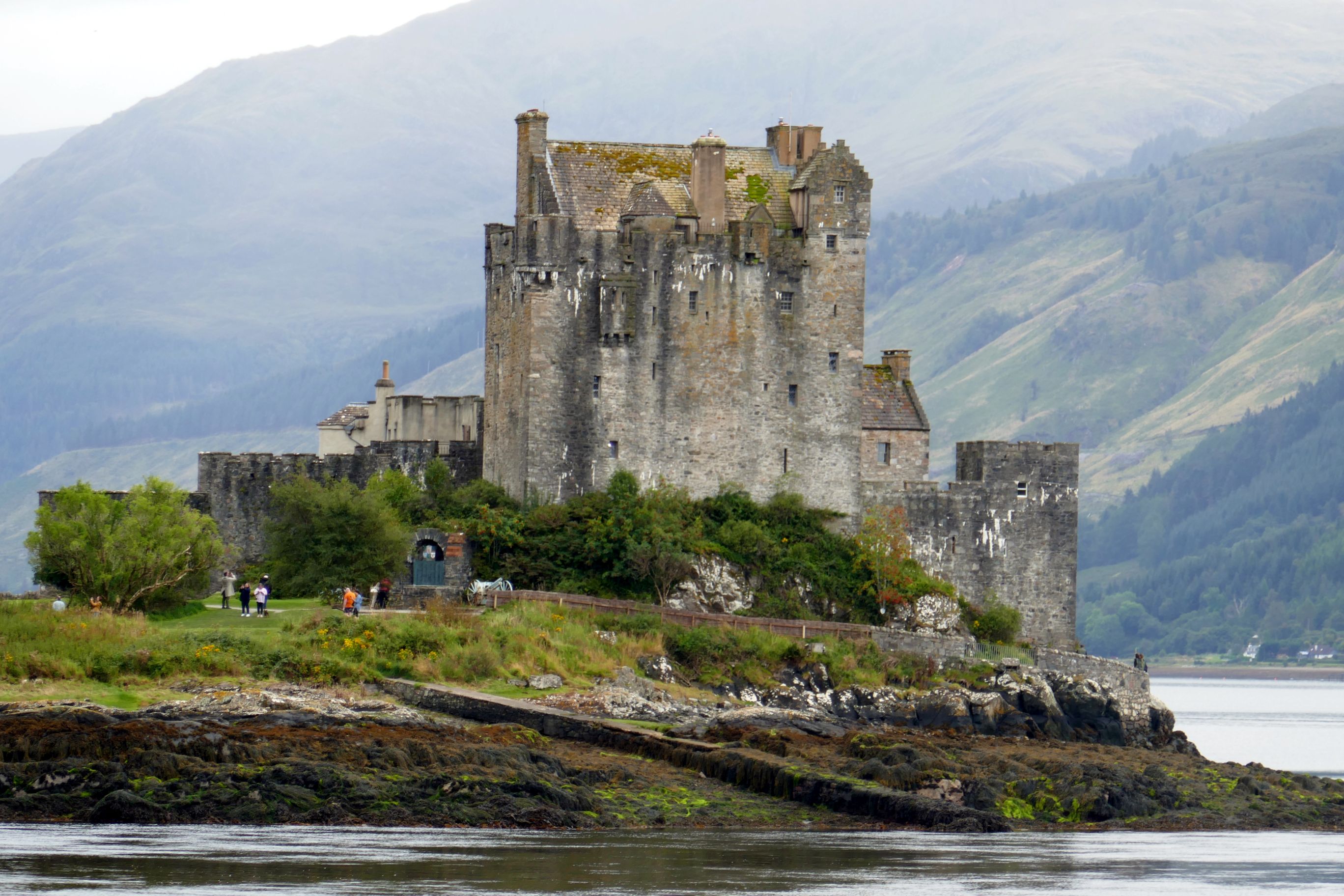
We stopped at a few viewpoints, took a hike, and enjoyed a lunch of Cullen skink, a delicious, creamy Scottish fish chowder.  Later, we stopped to get a view of Eilean Donan Castle, the iconic Scottish monument that stands on a tiny island overlooking the Isle of Skye.

(For all photos, click on the image for a full screen view.)

Eilean Donan Castle
Urquhart Castle

Coming up next: UNITED KINGDOM #15: A FOND FAREWELL AND OFF TO OXFORD

UNITED KINGDOM #13: RUTHVEN BARRACKS & INVERNESS

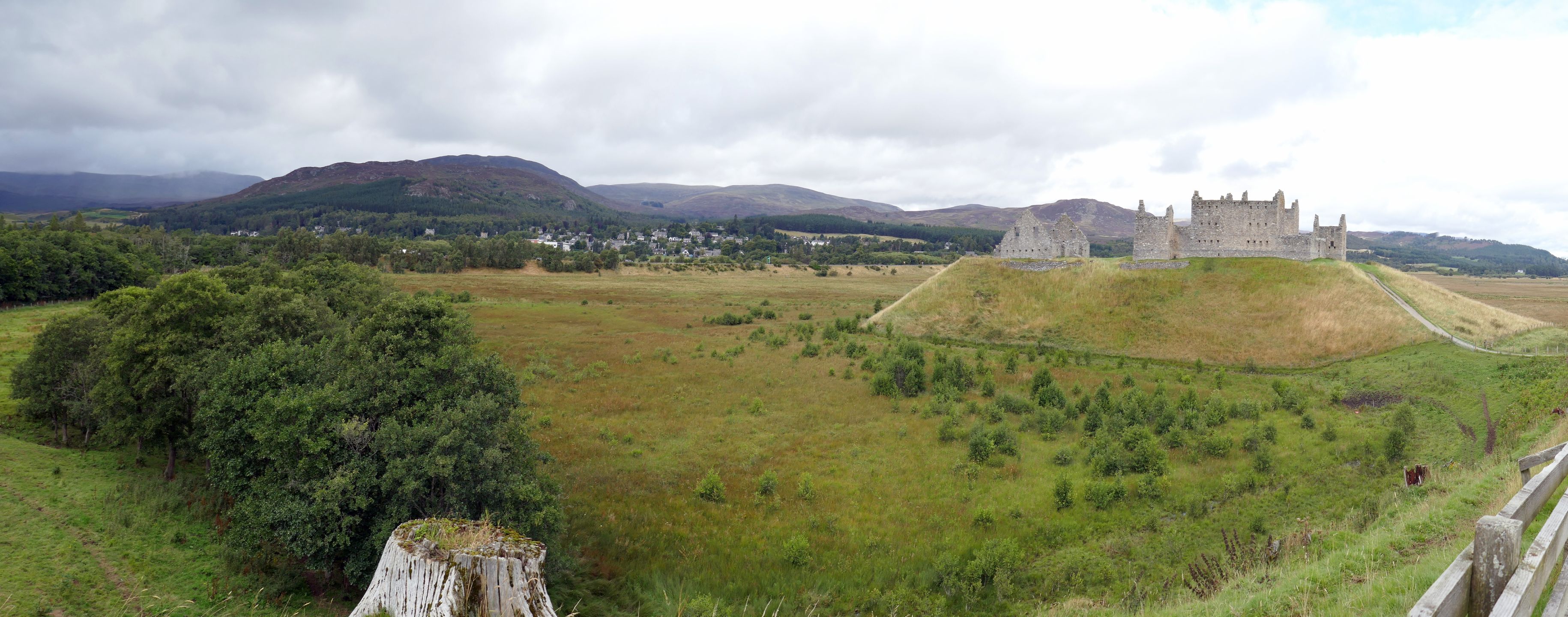
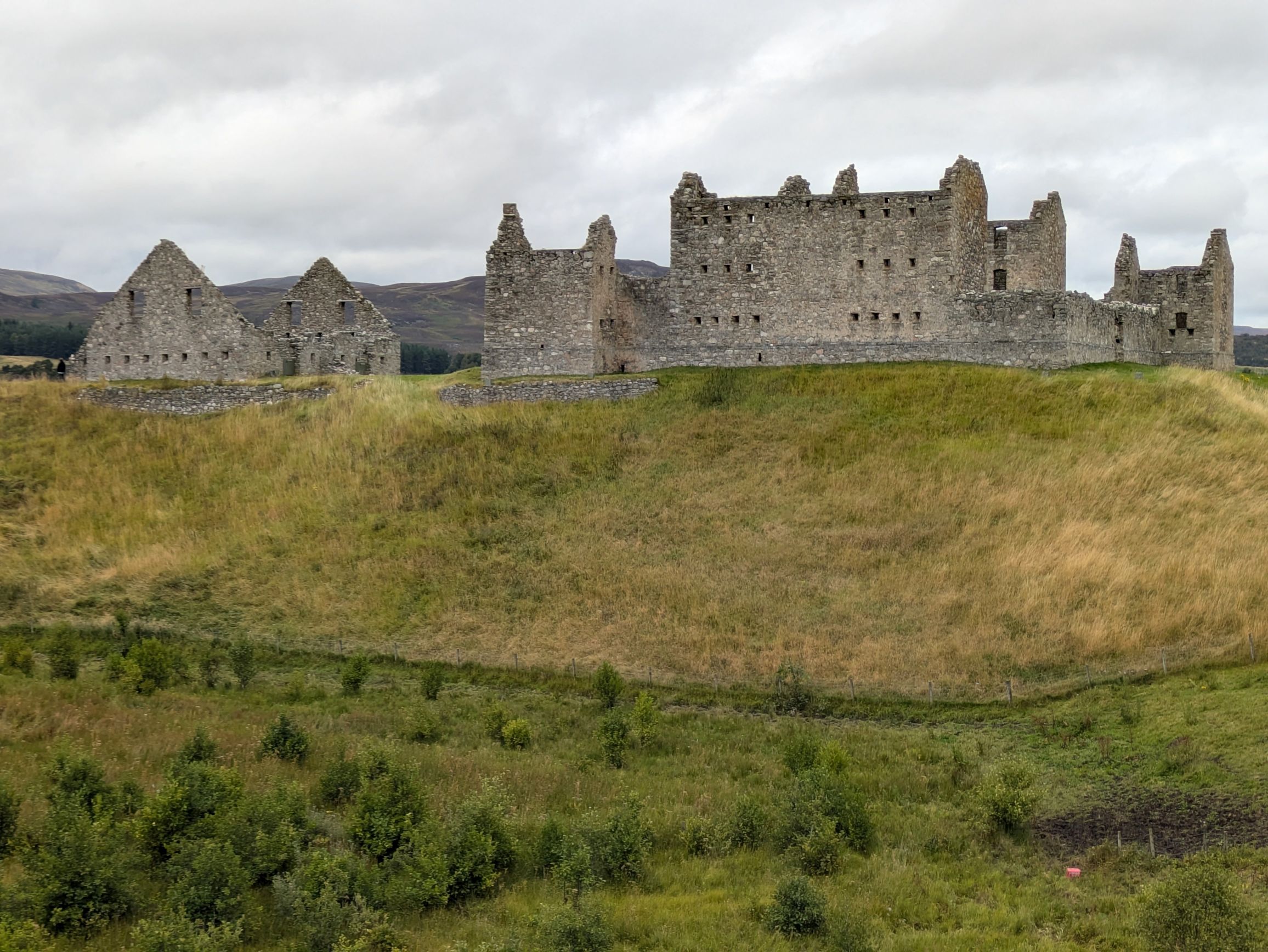
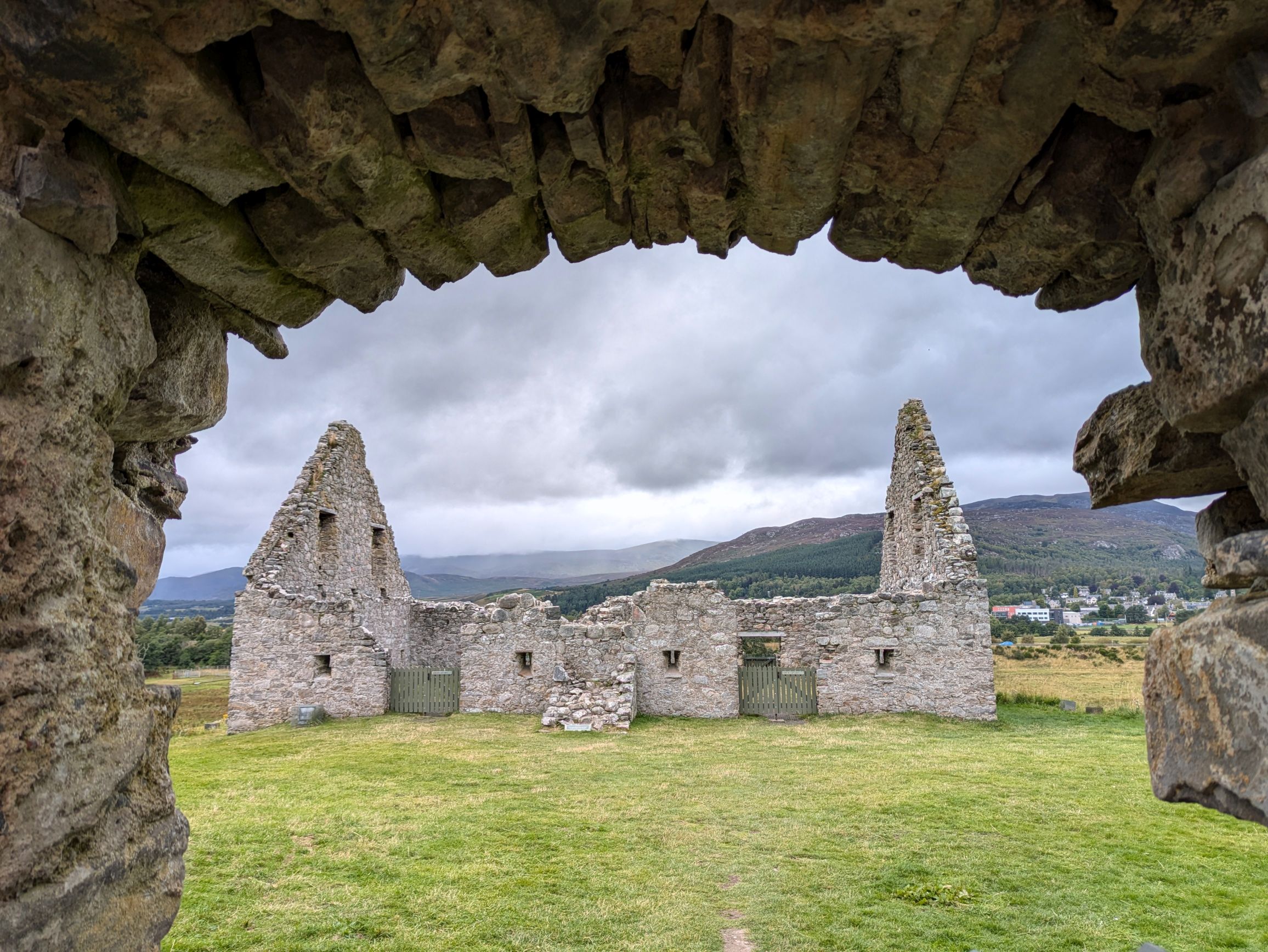
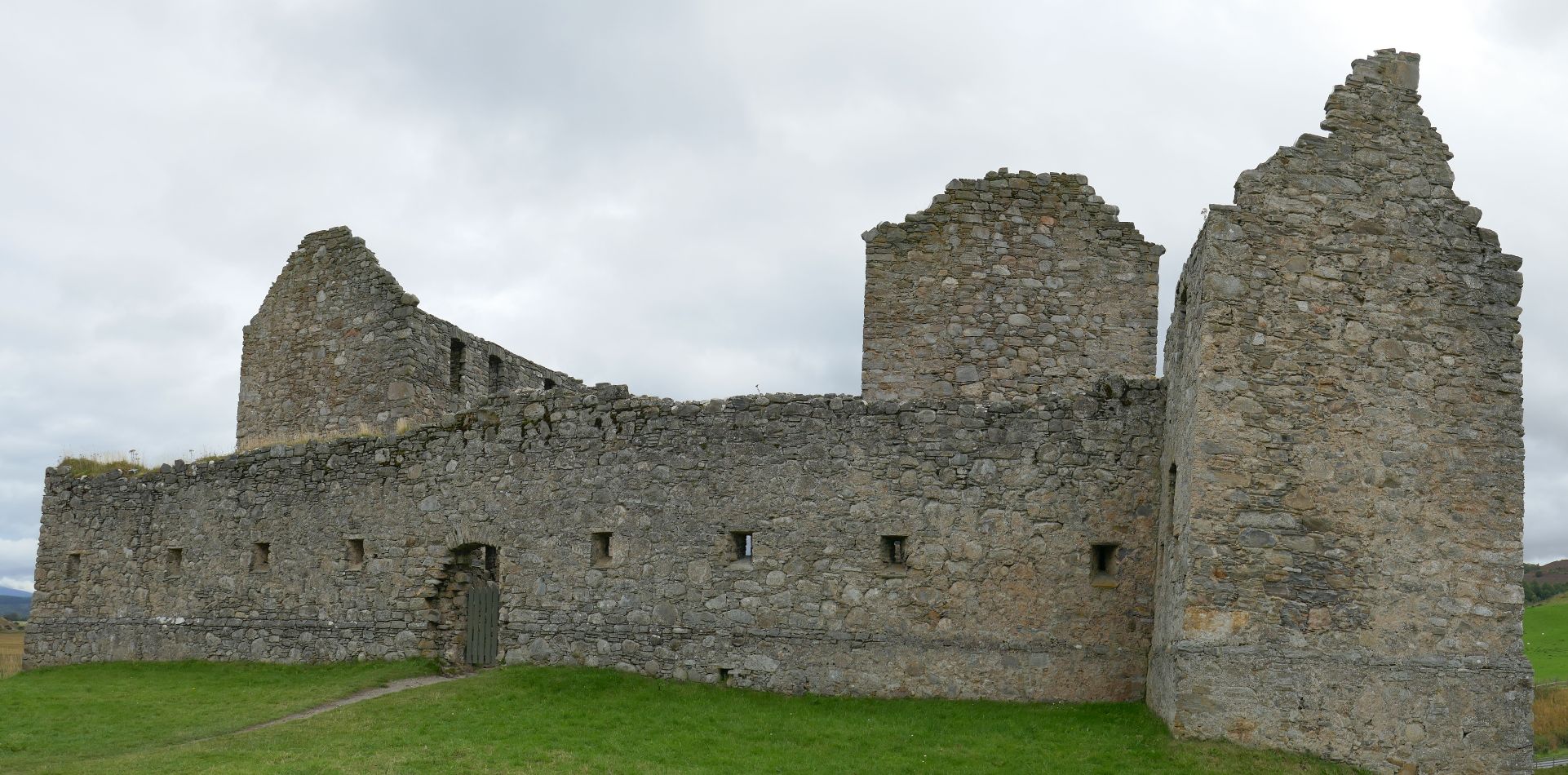
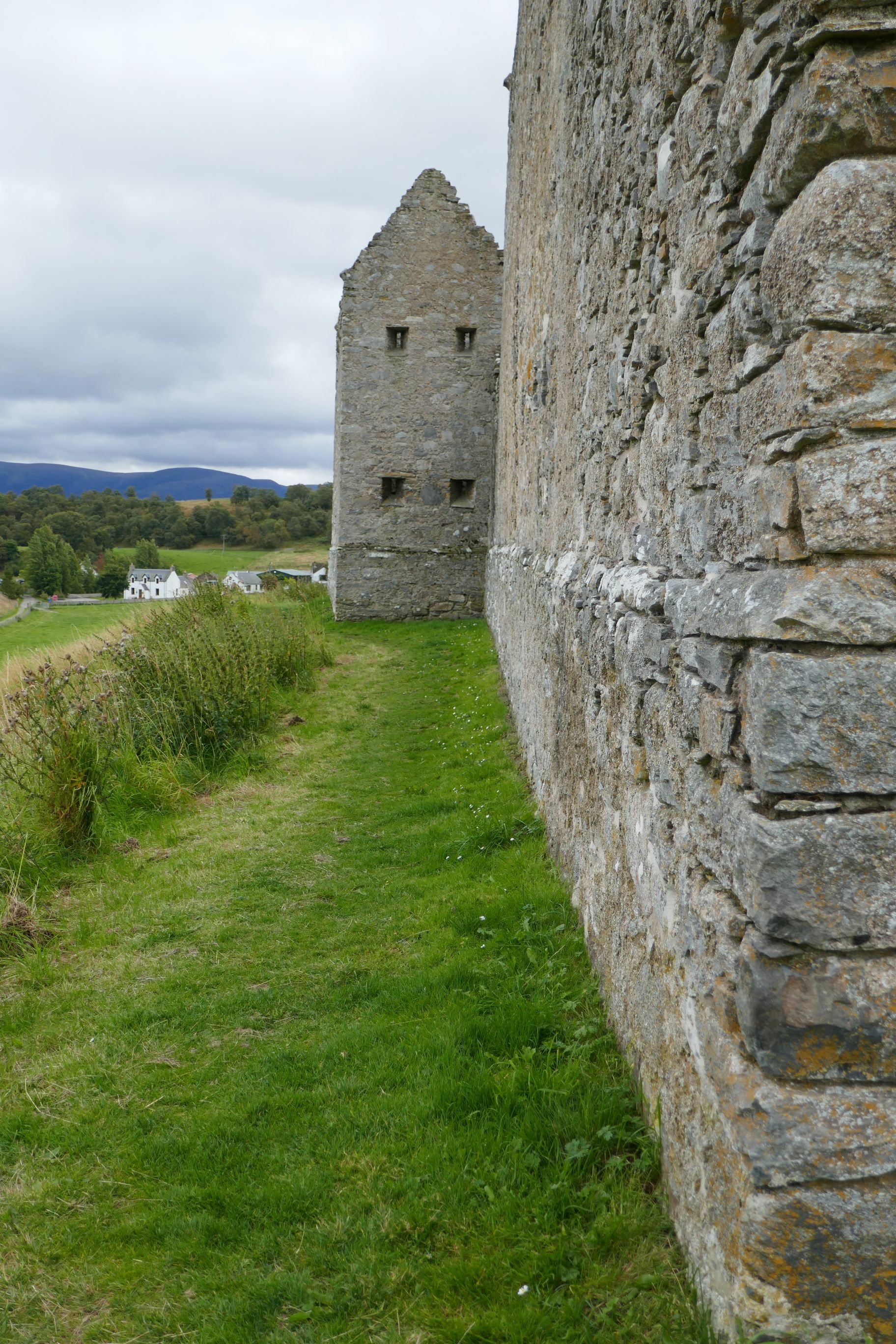
As I mentioned at the end of my last post, the afternoon continued with a visit to Ruthven Barracks.  Following the Jacobite uprising in 1715, these barracks were built on an old castle mound to police the Highlands.

(For all photos, click on the image for a full screen view.)

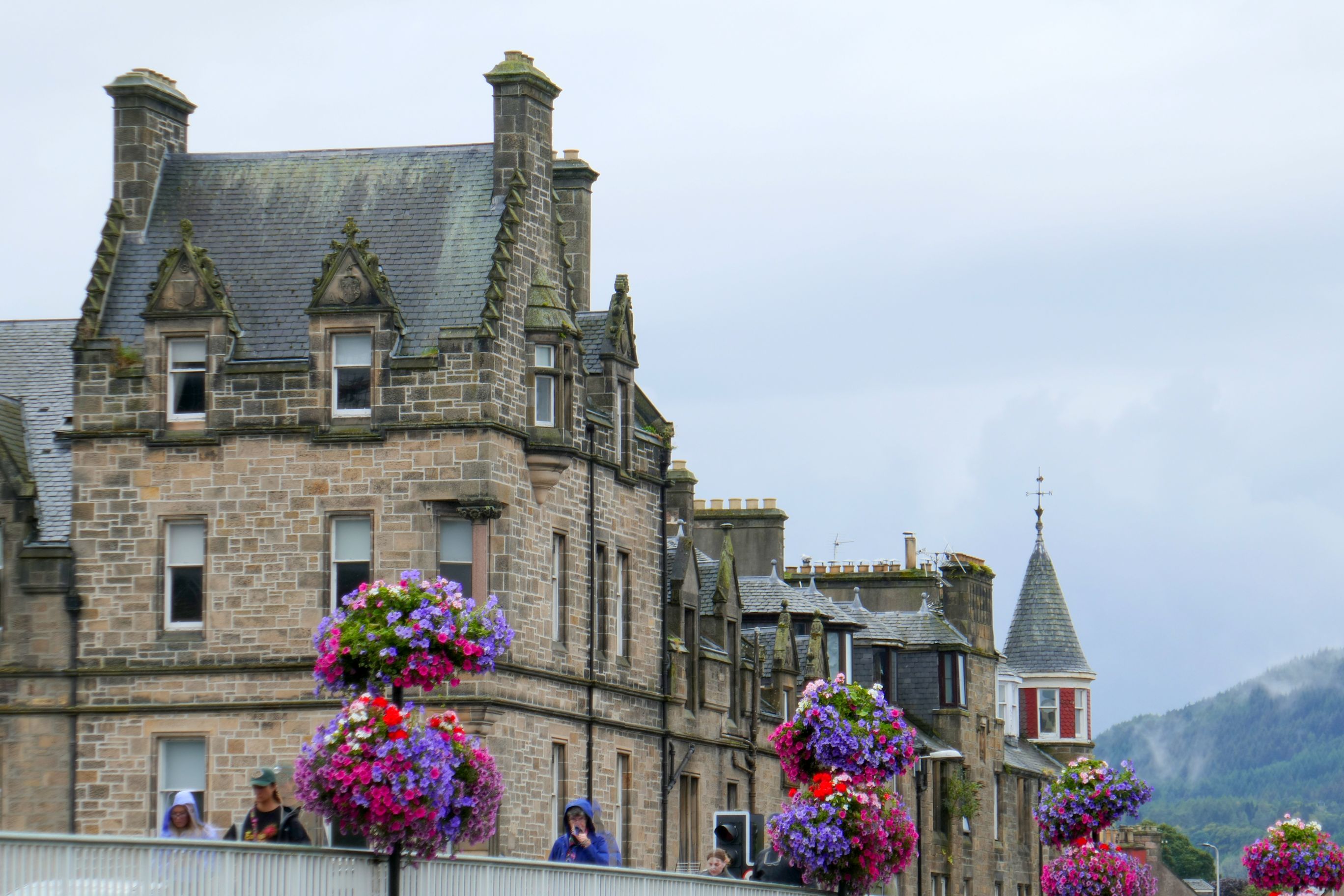
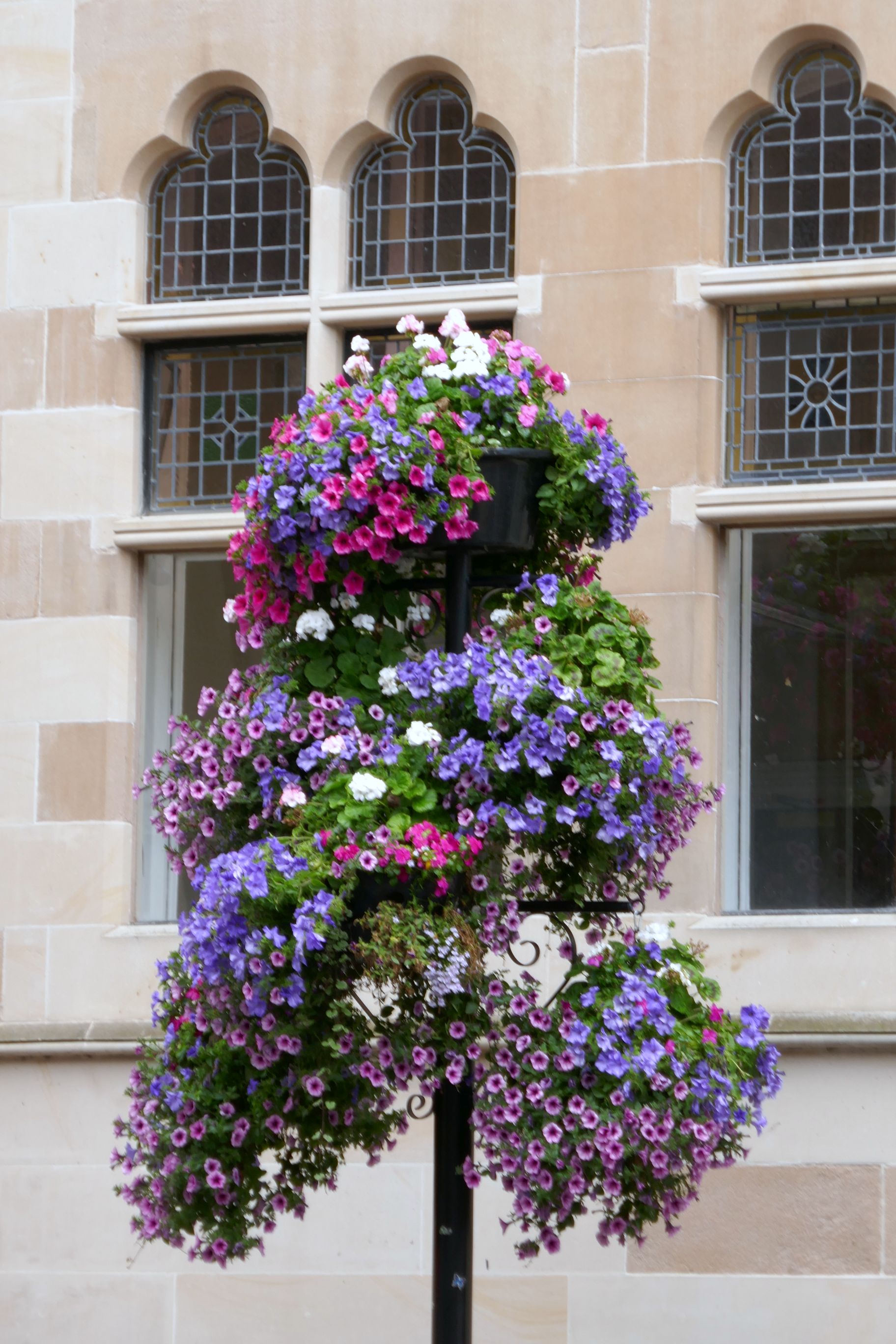
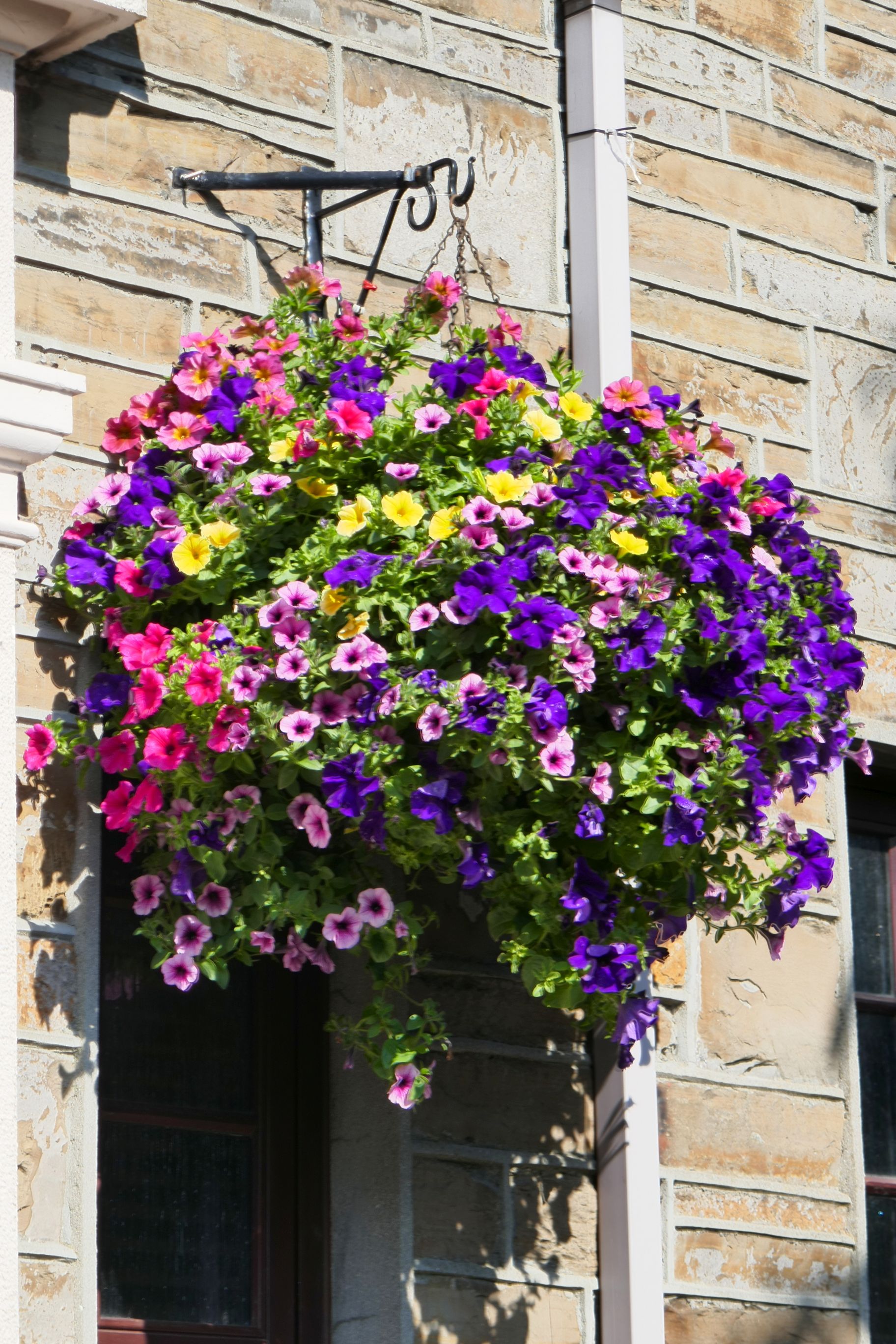
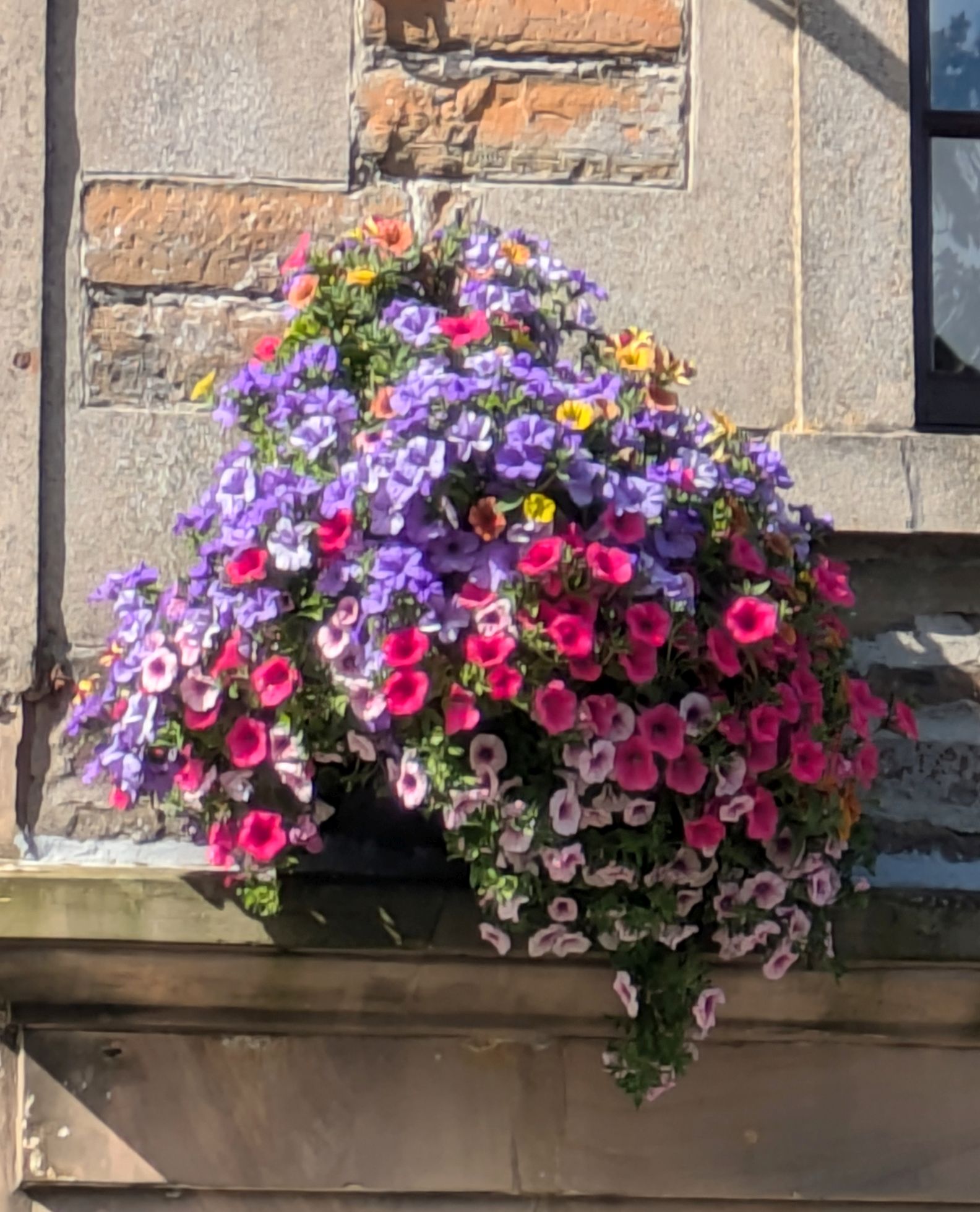
For the remainder of the afternoon and evening, we had free time to explore Inverness, a city with a population of around 50,000.  The city was built along the River Ness, and some of the bridges crossing the river were filled with baskets of beautiful flowers.  It was a lovely city to walk around and explore, so it served as an ideal base during the remainder of the main portion of our tour.

Restaurant Mural

Next up:  UNITED KINGDOM #14: ISLE OF SKYE

UNITED KINGDOM #12: FERRY TO INVERNESS & CAIRNGORMS NATIONAL PARK

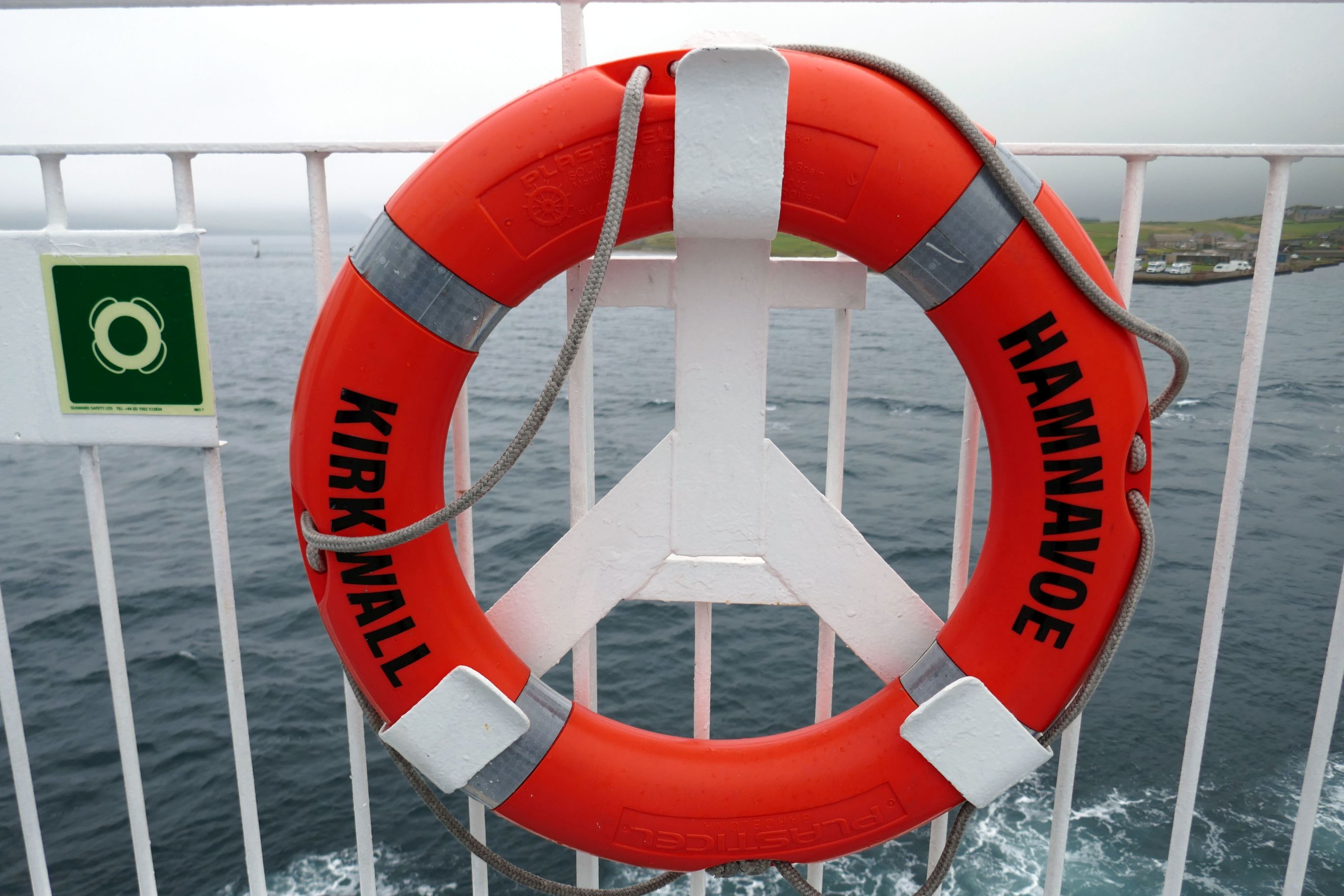
We returned to the Scottish mainland from the Orkney Islands by ferry, from Stromness to Scrabster.  Nobody was looking forward to the ride, because Tom told us how rough the crossing could be.  We dodged a bullet, though.  It was a cold and damp day, but the waters were calm, and the ride was smooth.  Whewww!

(For all photos, click on the image for a full screen view.)

Following the ferry ride, lunch, and a scotch tasting at Clynelish Distillery (Bruce and I slipped our samples to the Scotch drinkers in the group), we arrived in Inverness, our home base for four nights.  (More on Inverness in my next post.)

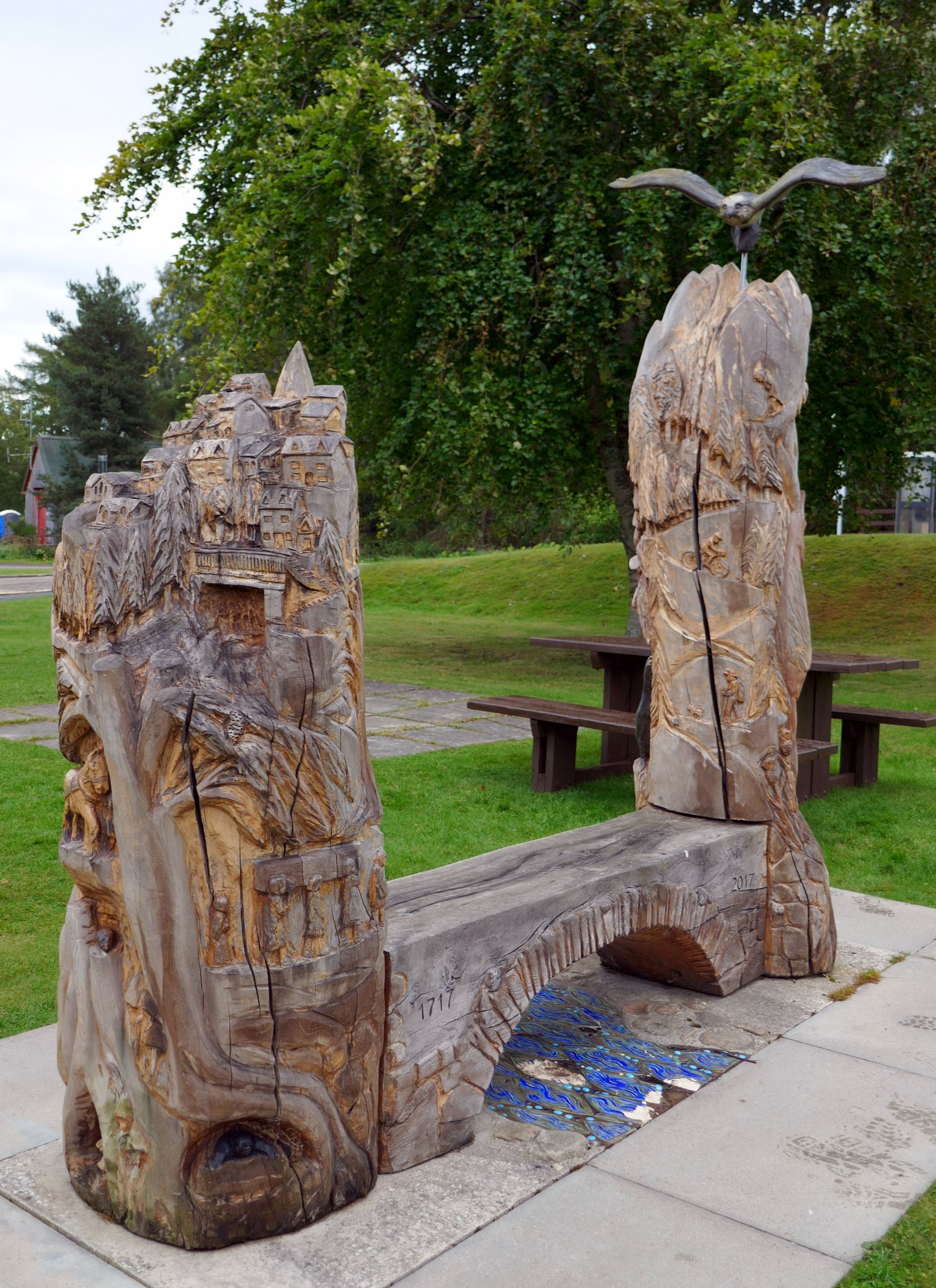
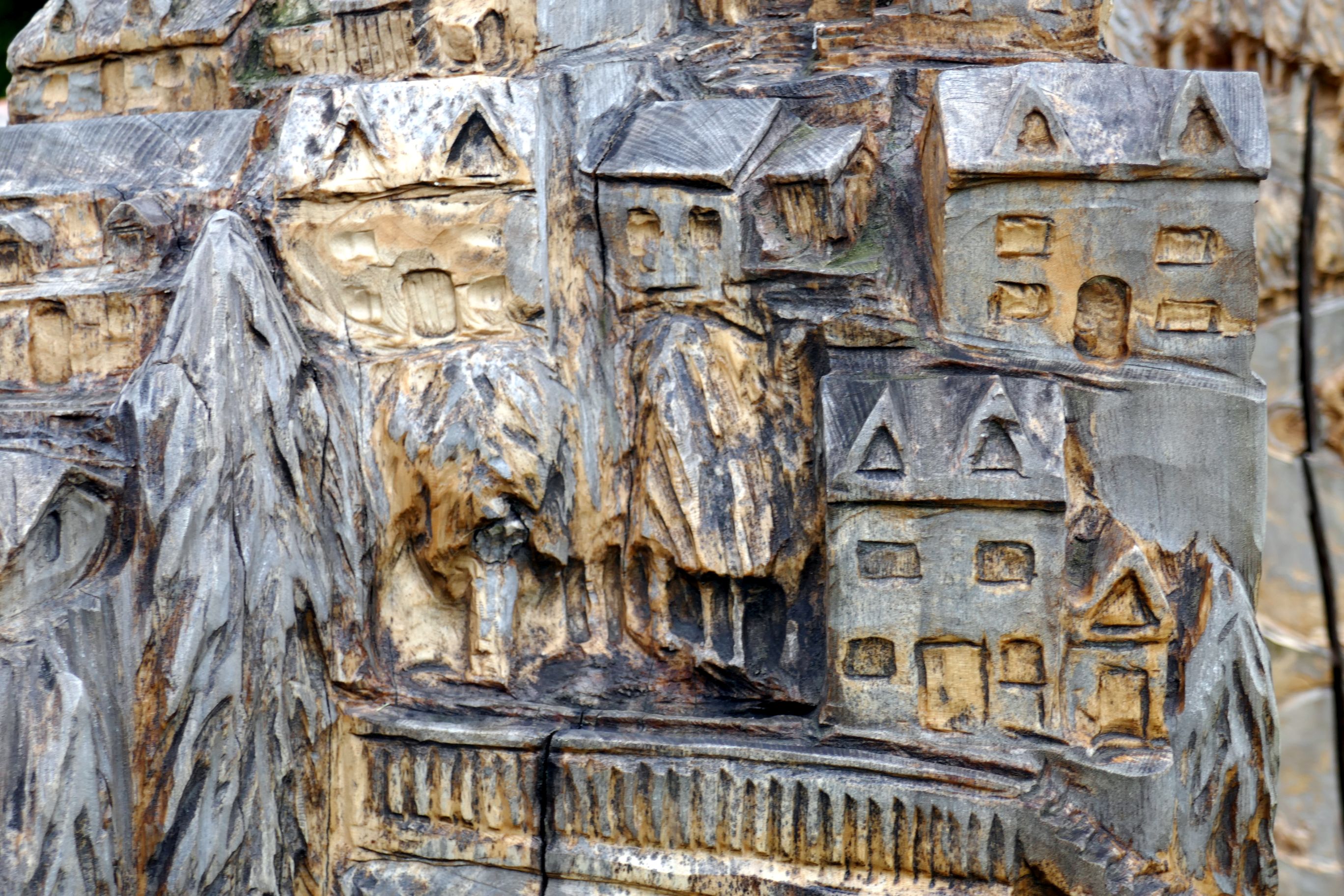
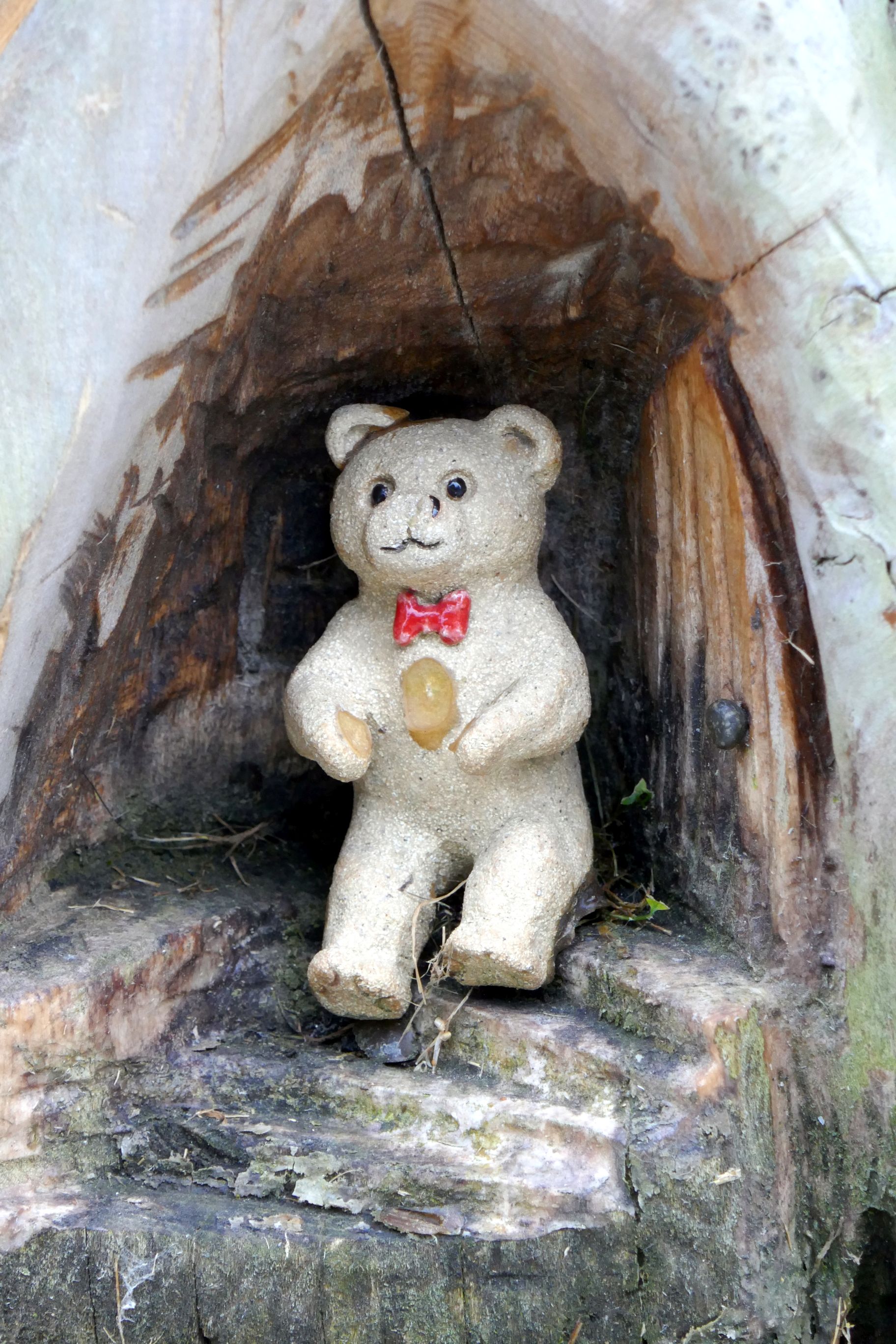
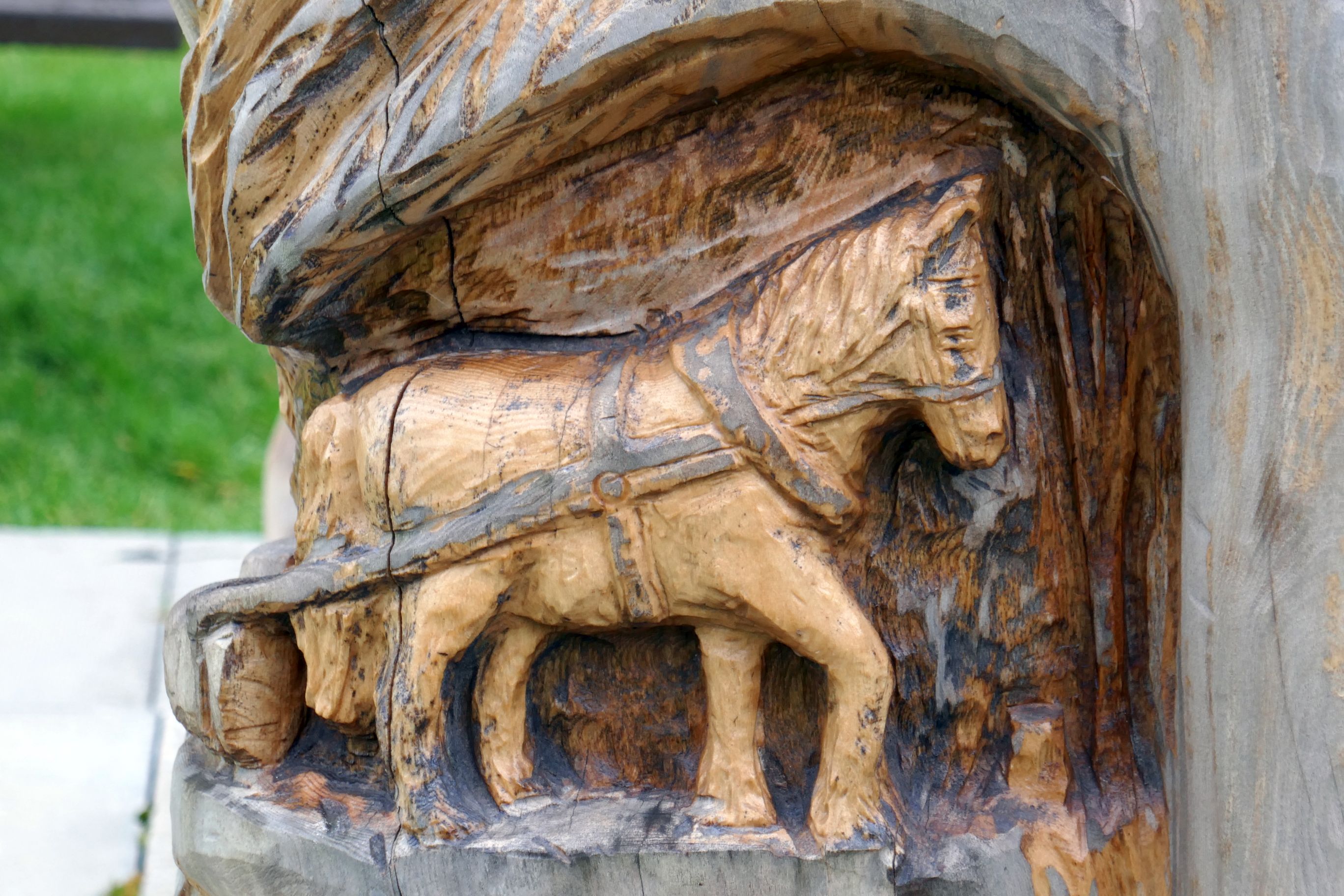
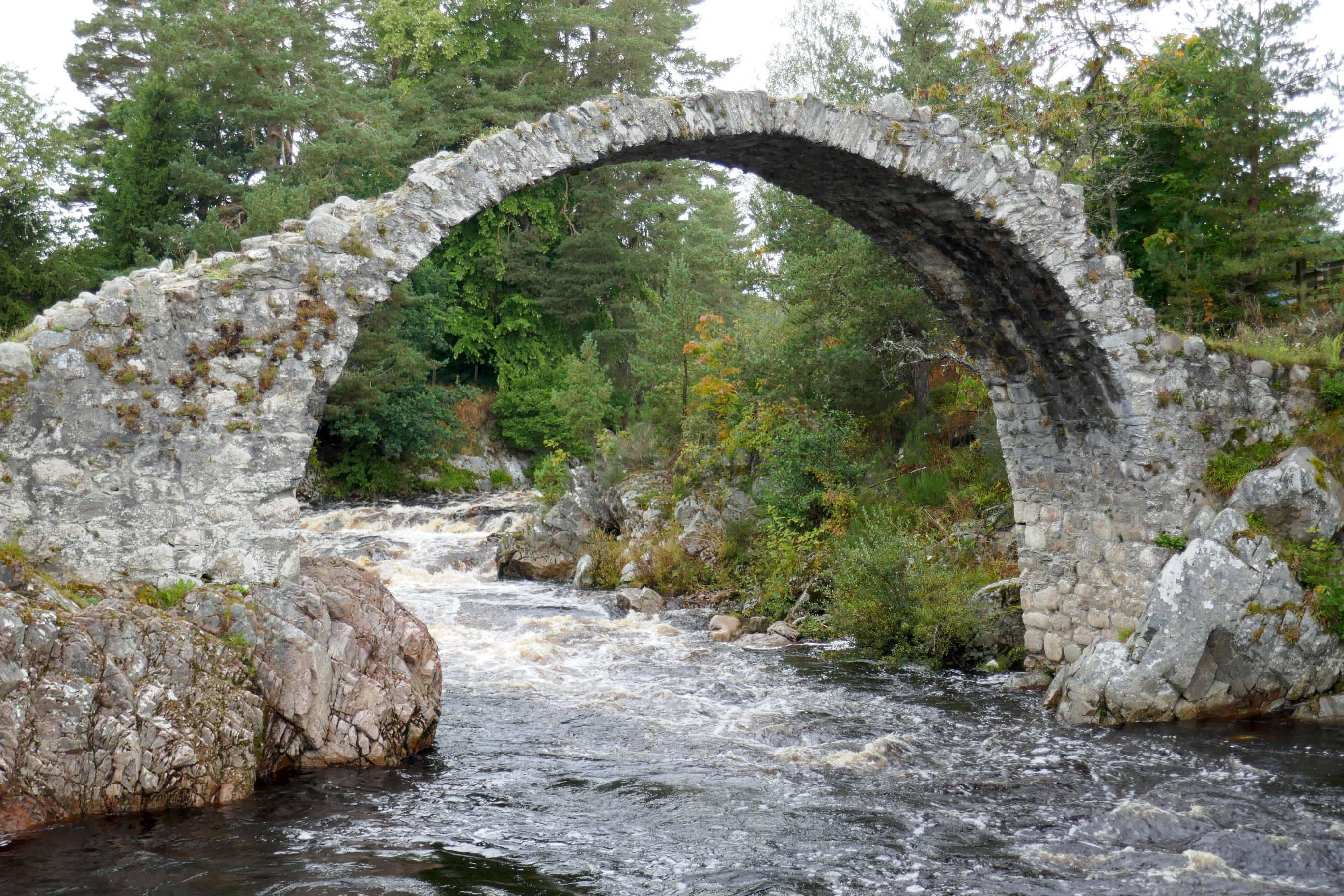
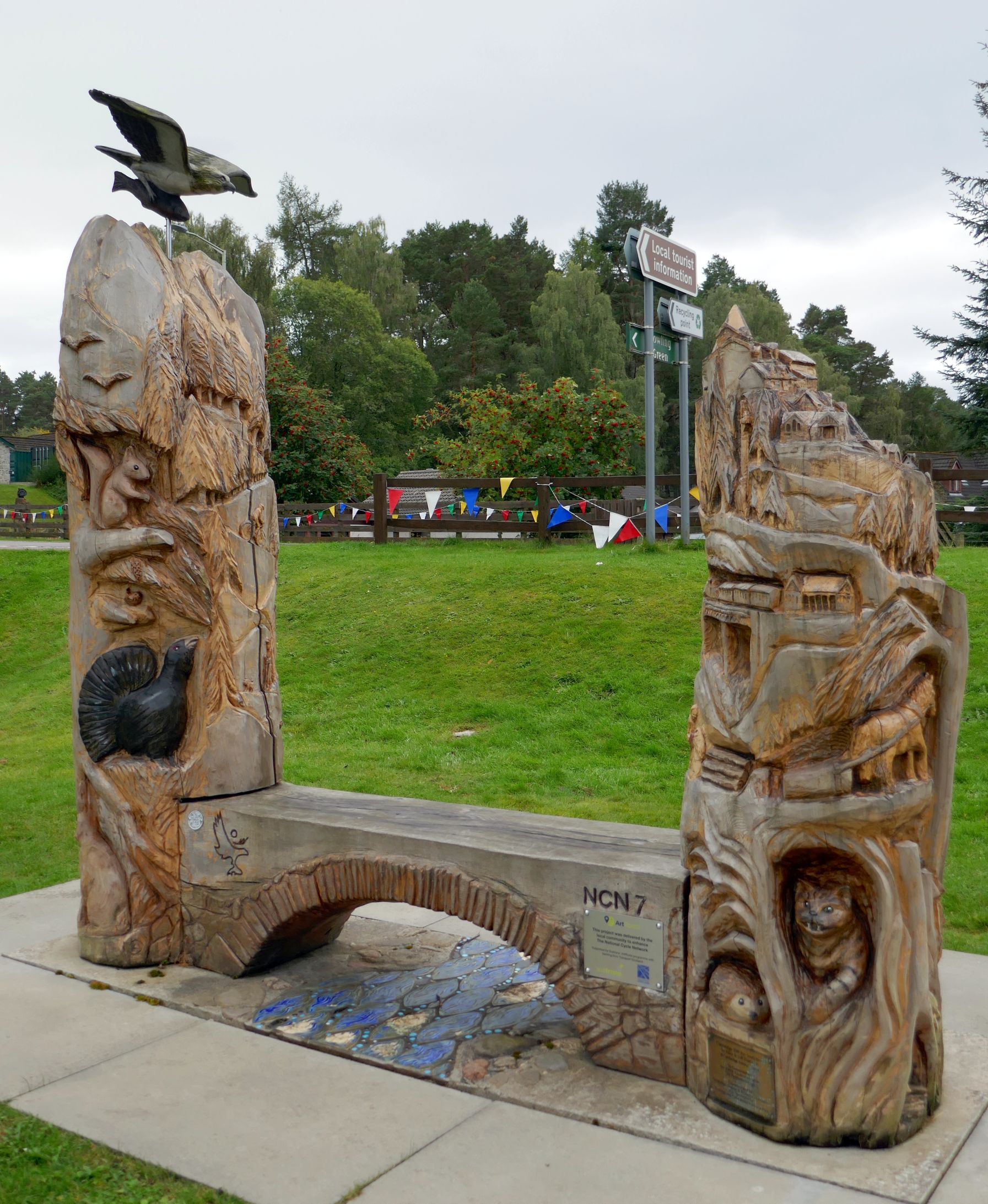
The following morning, we visited Rothiemurchus Estate.  On the way, we stopped in the nearby little town of Carrbridge to see a beautiful stone bridge that dates back to 1719 and crosses the River Spey.  We also saw an amazing carved bench that was the winner of the Carve Carrbridge Open Chainsaw Carving Competition and captured the attention of all of us.  I wonder how many pictures we all took of this incredible masterpiece!

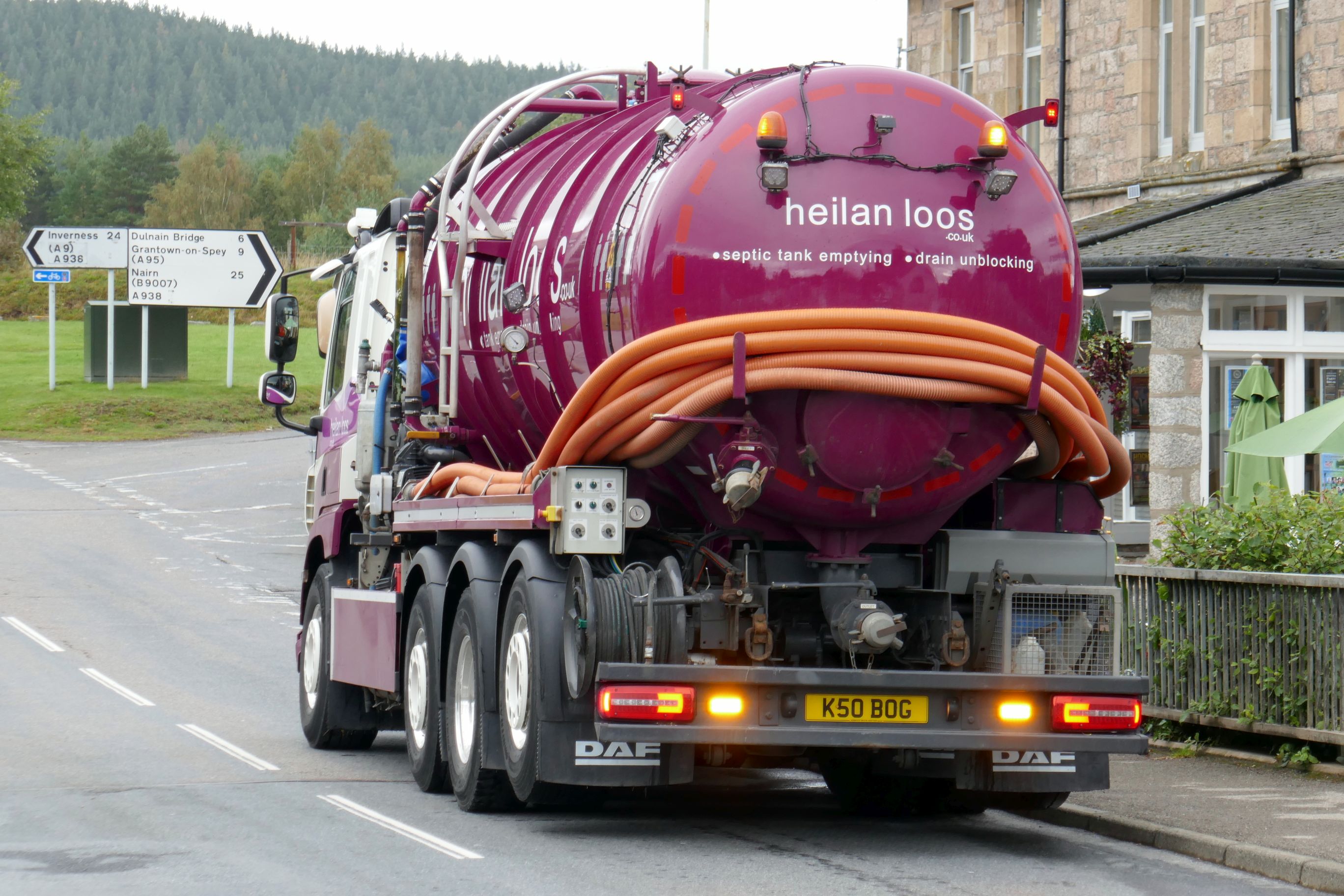
“Heilan COOS” are the Scottish name for the famous Highland Cows of Scotland. I love their sense of humor!

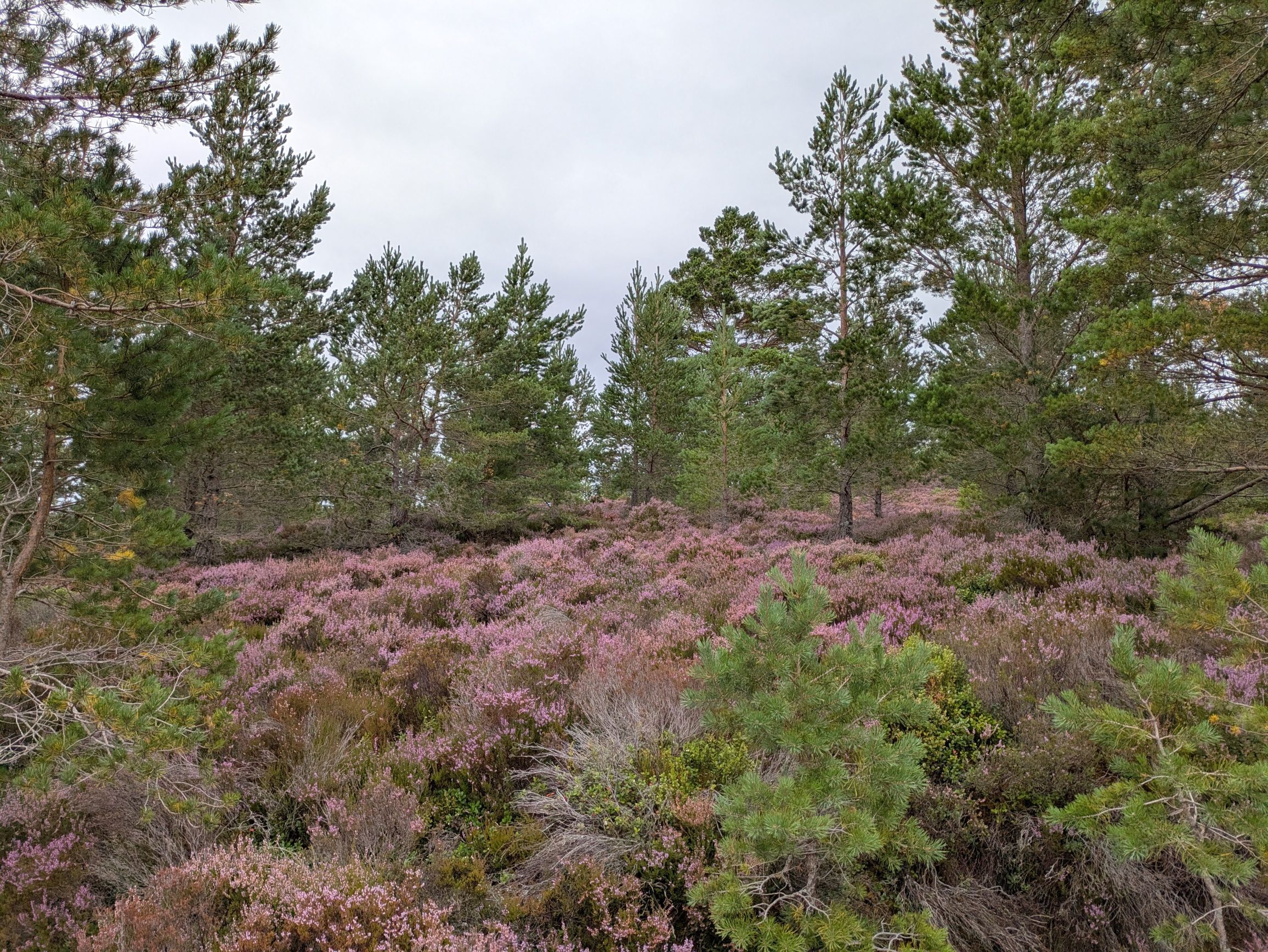
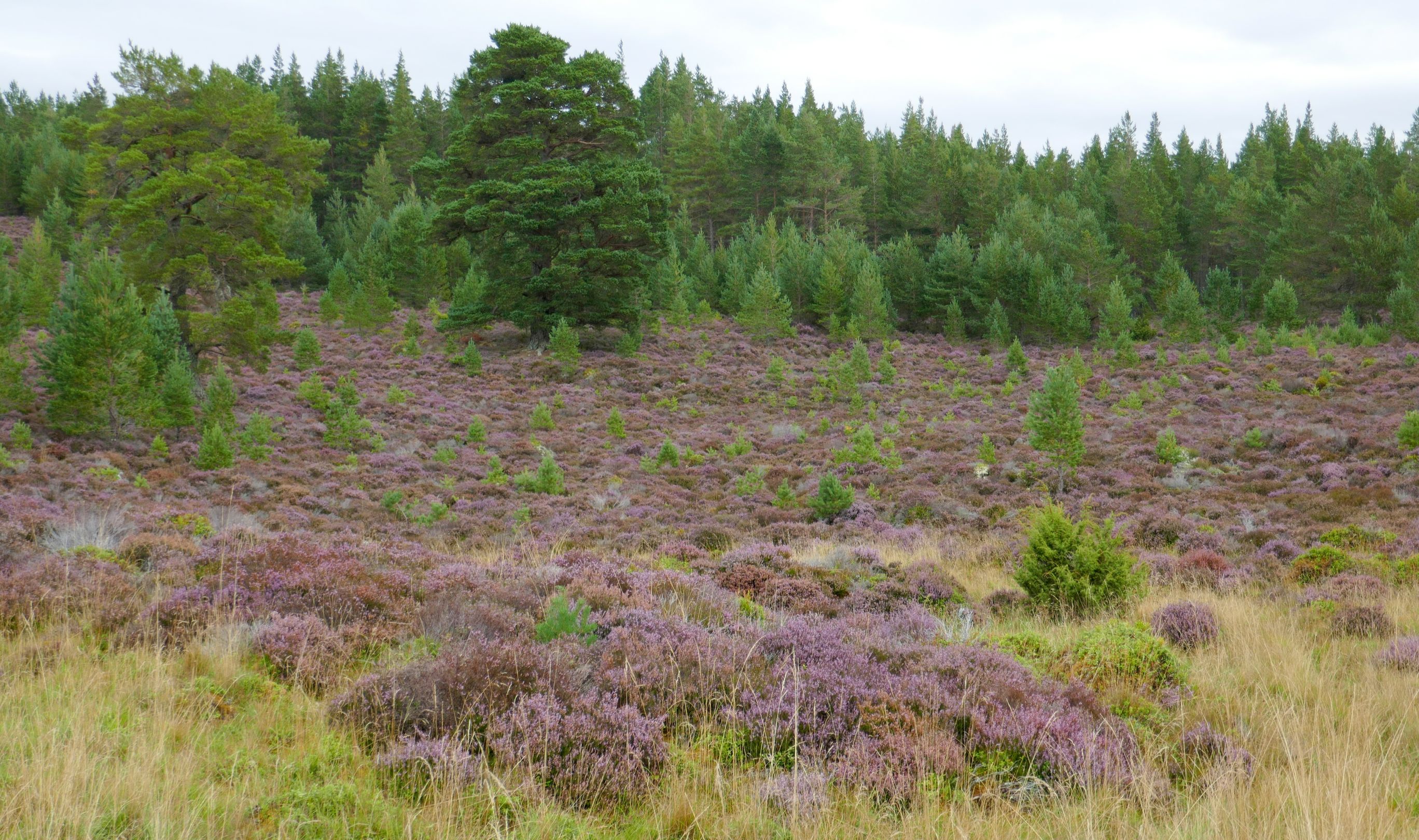
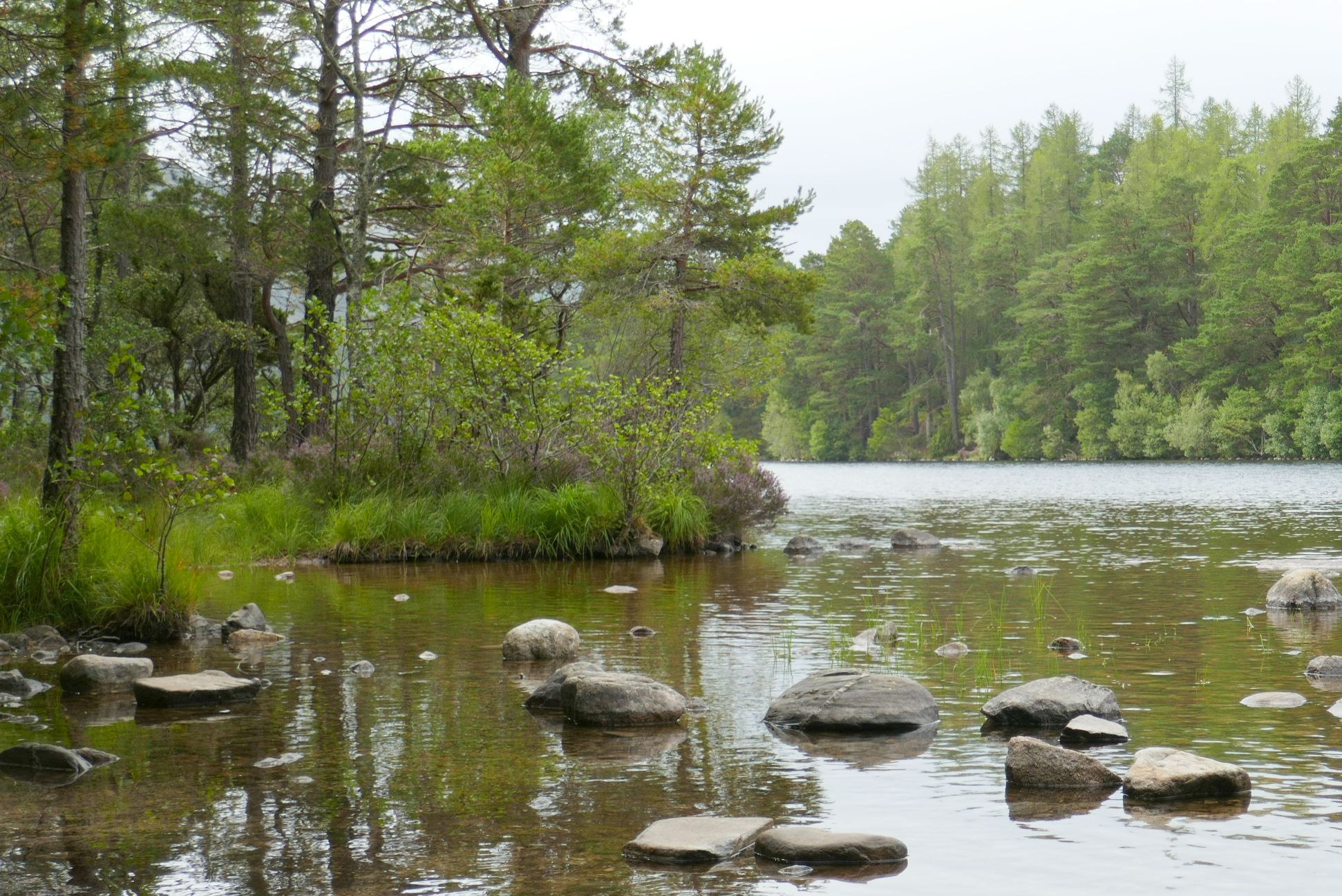
The Rothiemurchus Estate is privately owned and nestled in the heart of Cairngorms National Park.  It has been in the Grant family for eighteen generations, and the latest owner opened it for recreation. 

We took a lovely hike through the beautiful forest with a local guide.

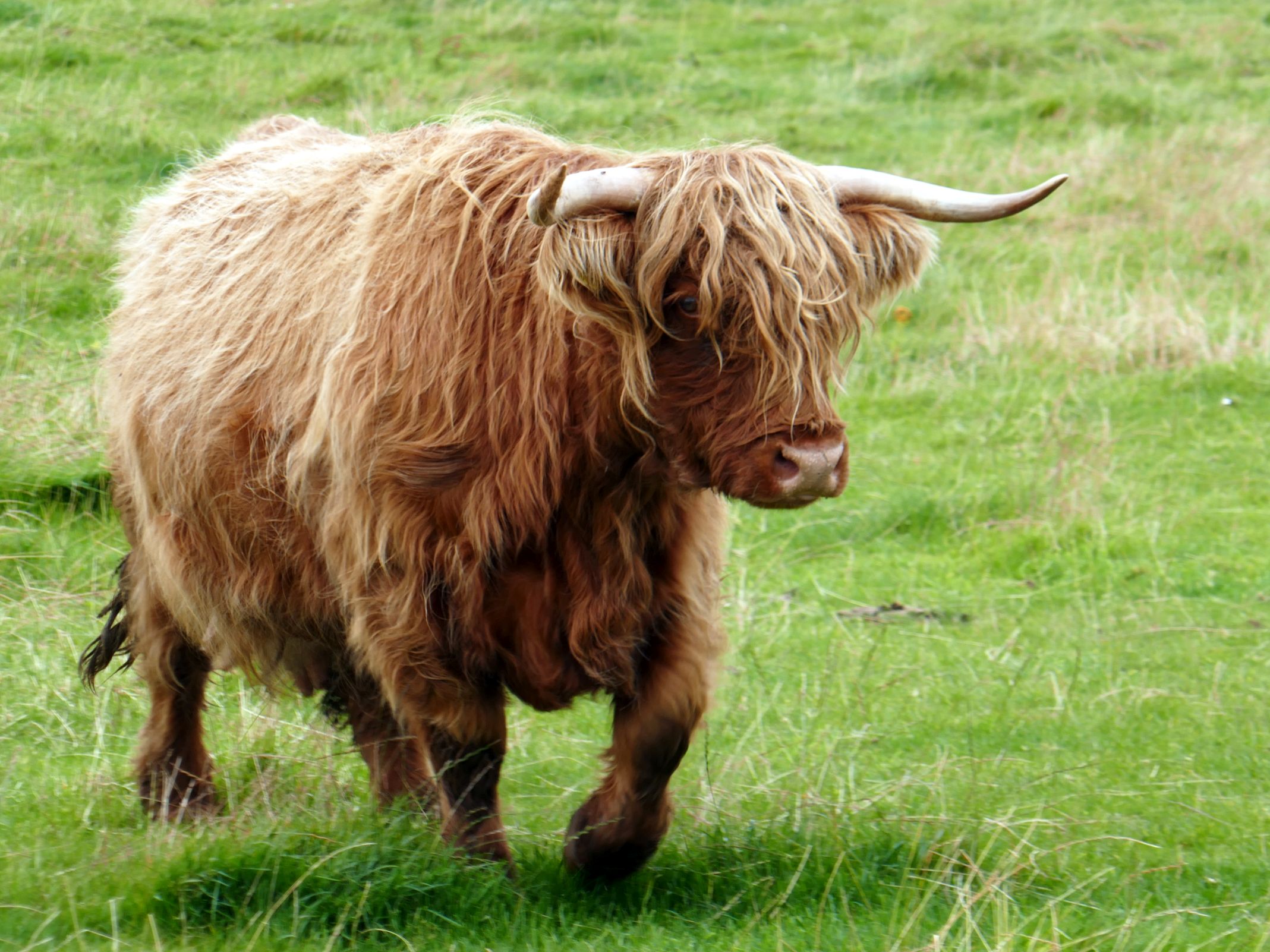
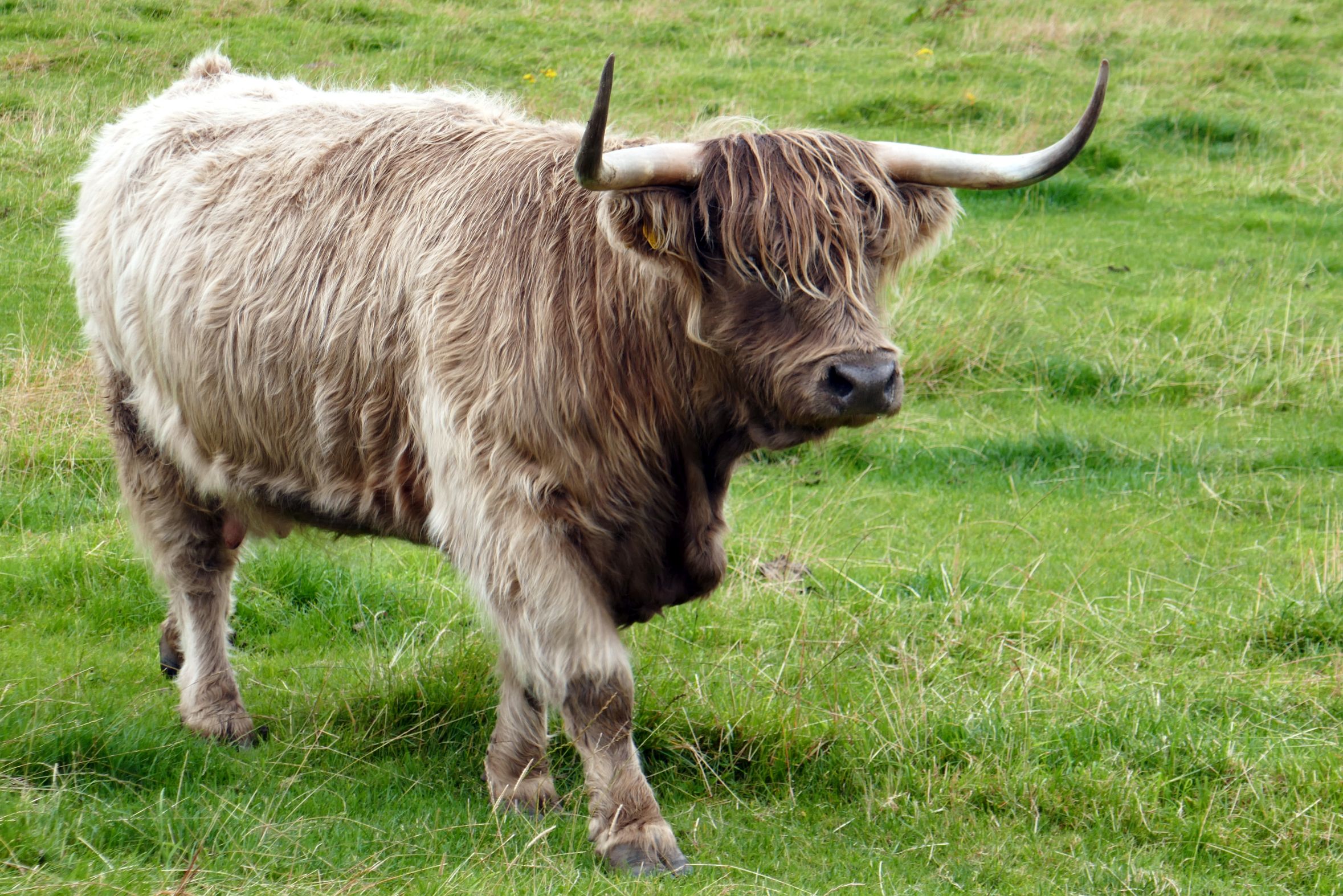
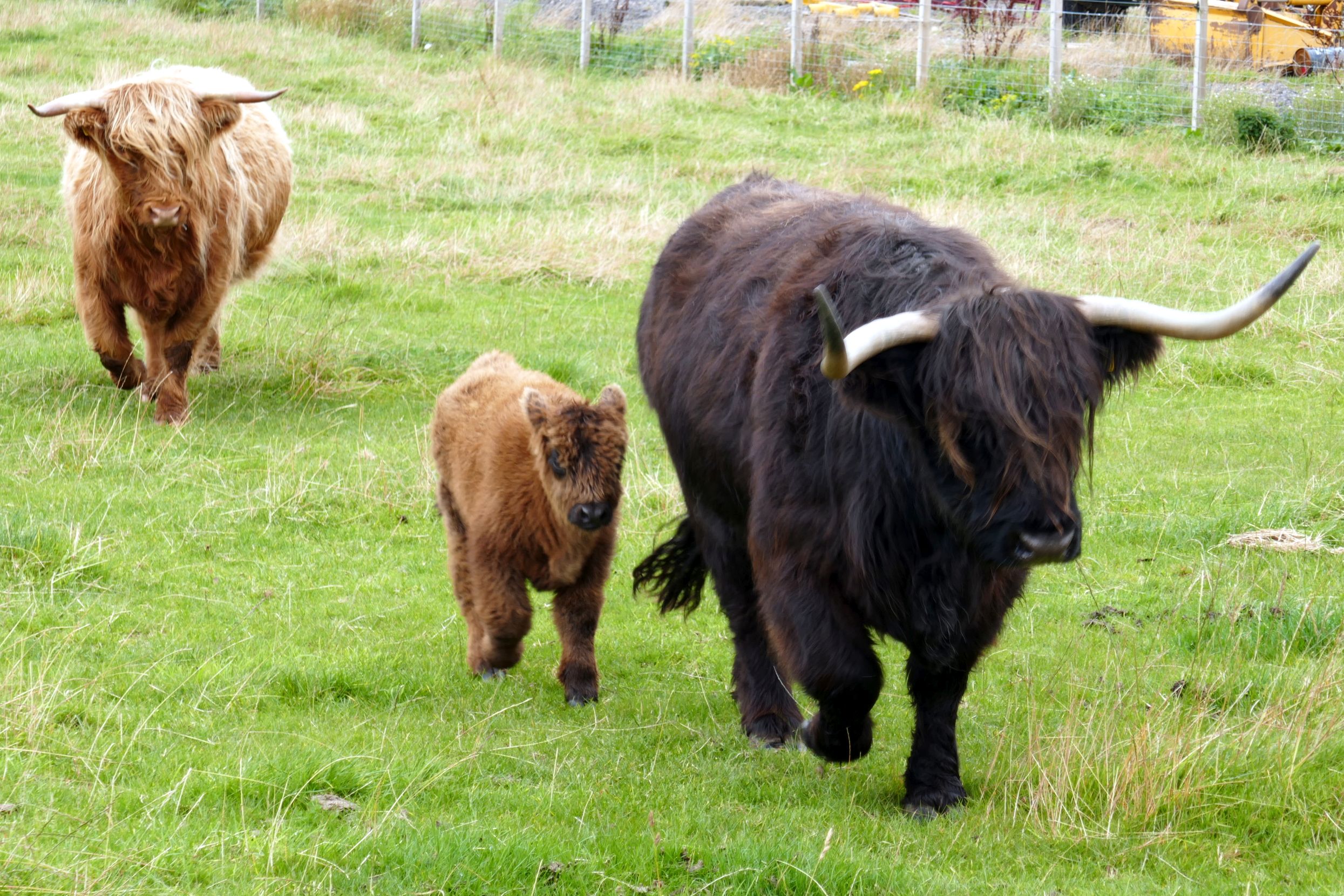
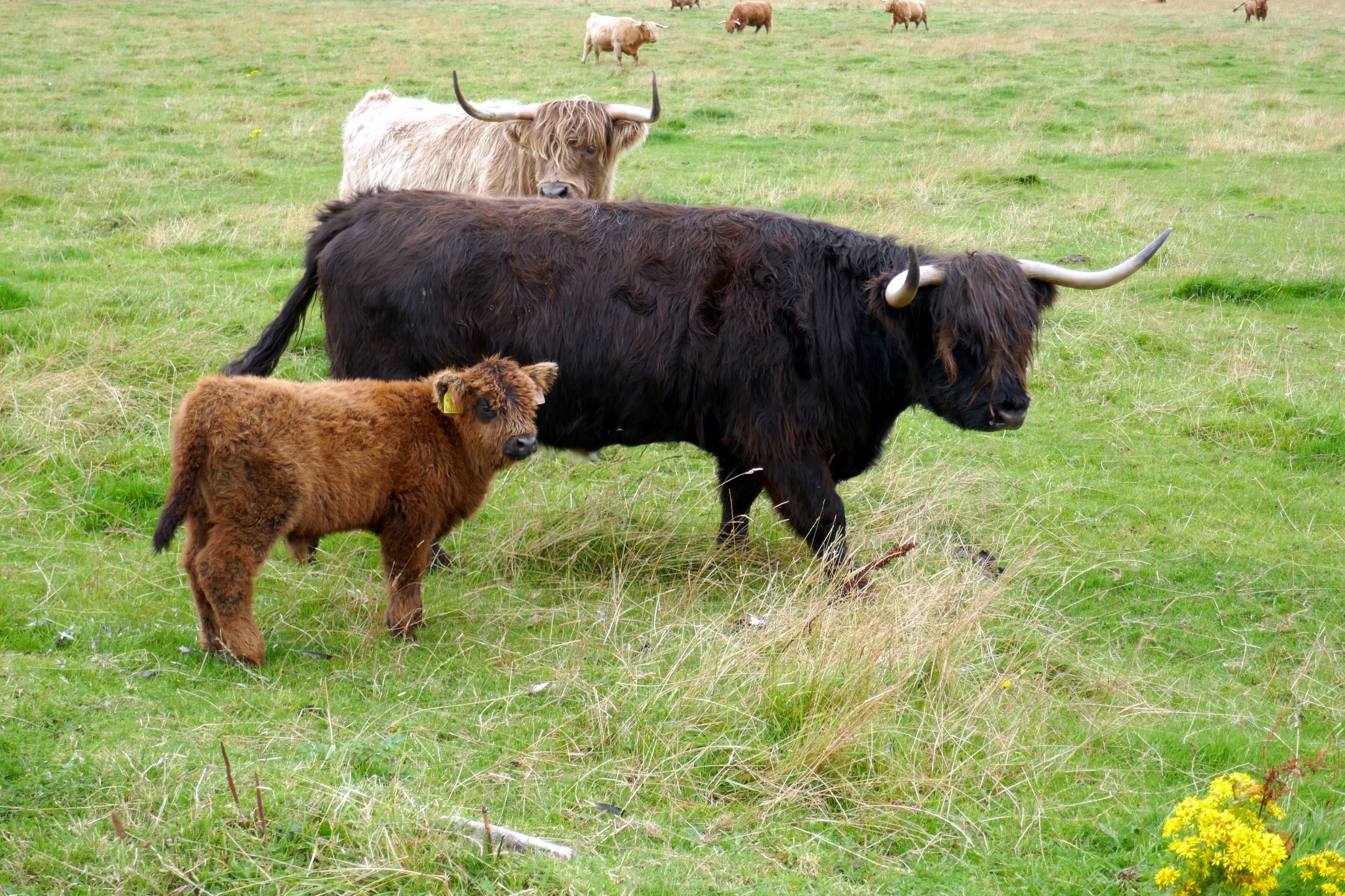
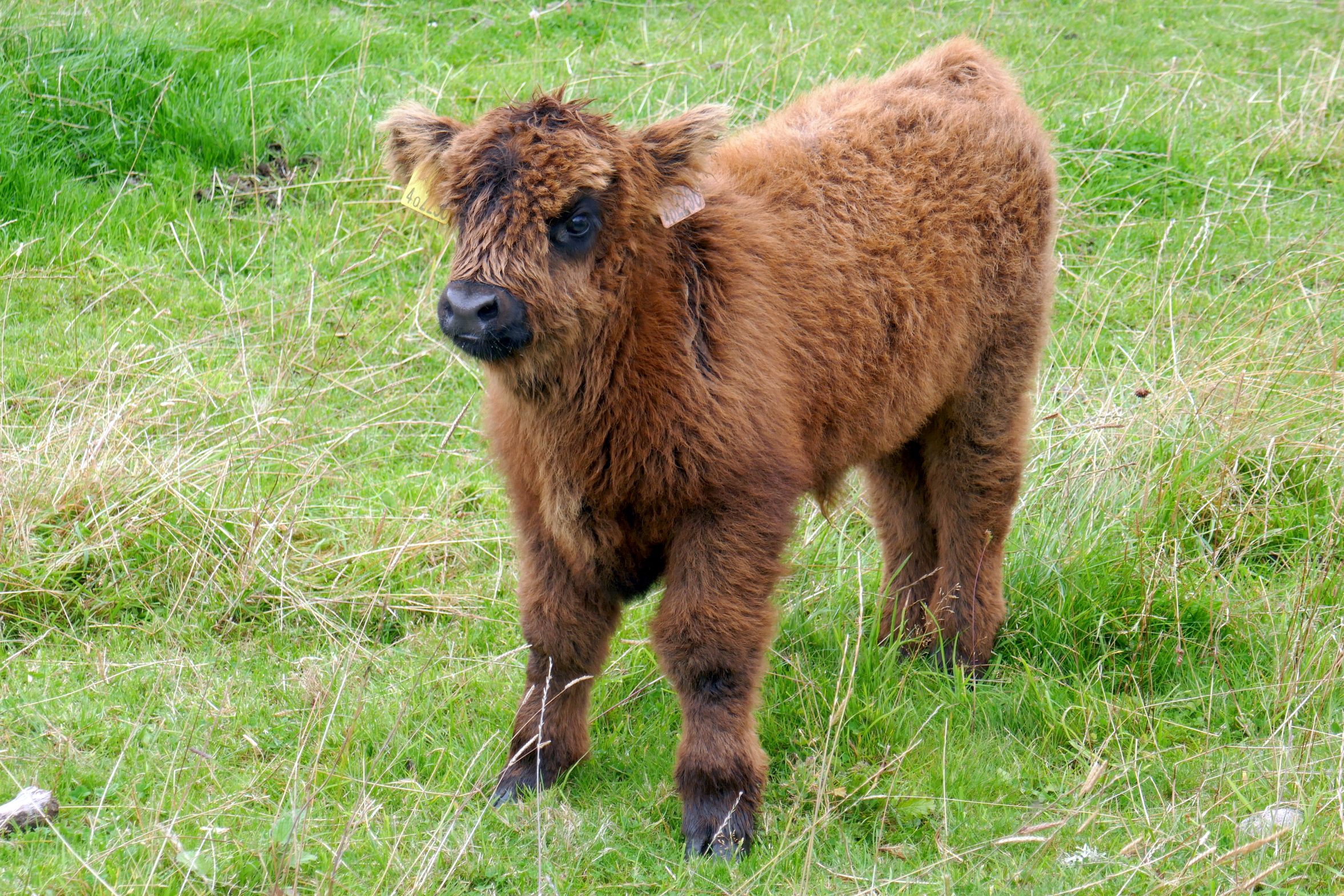
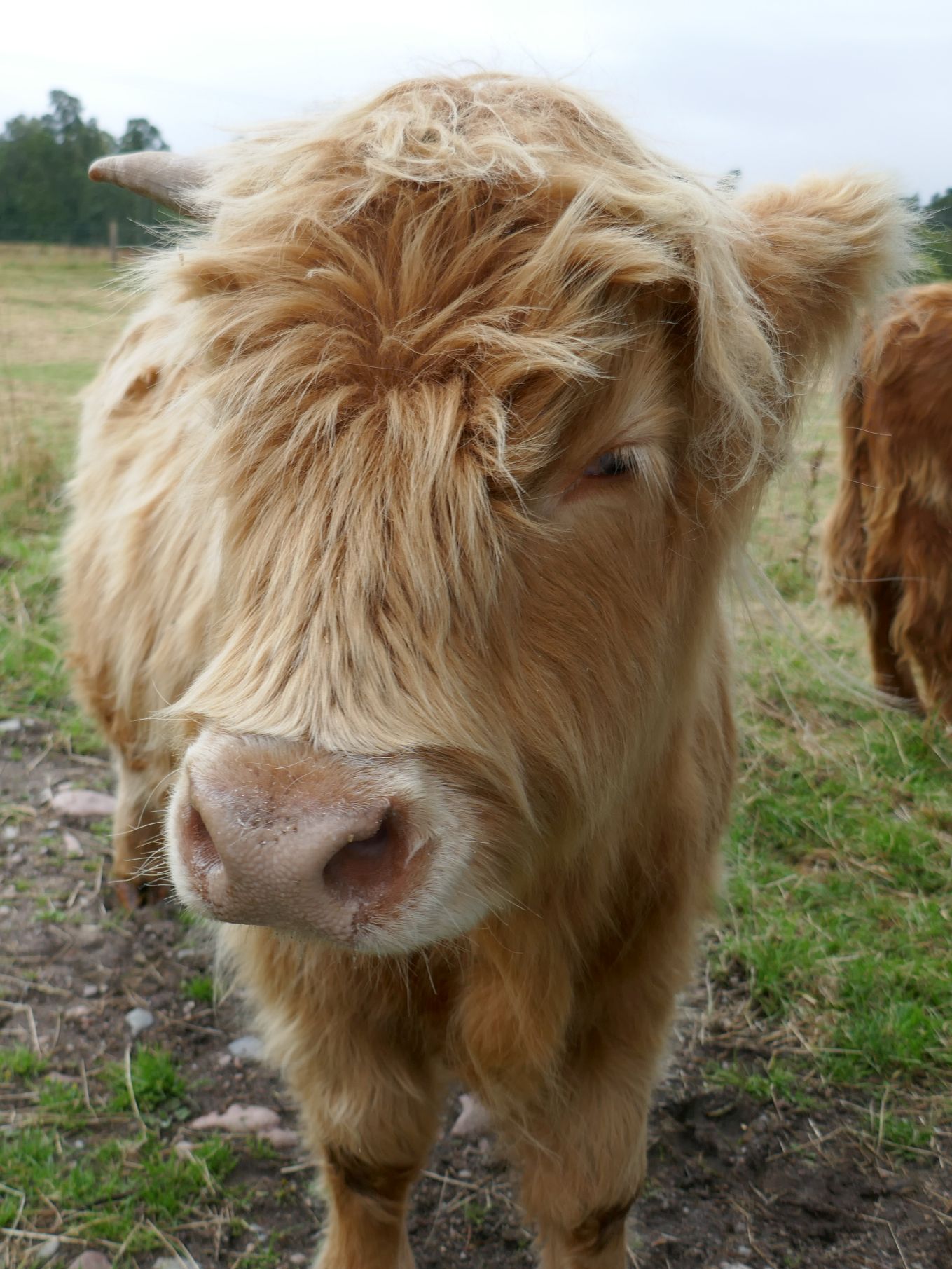
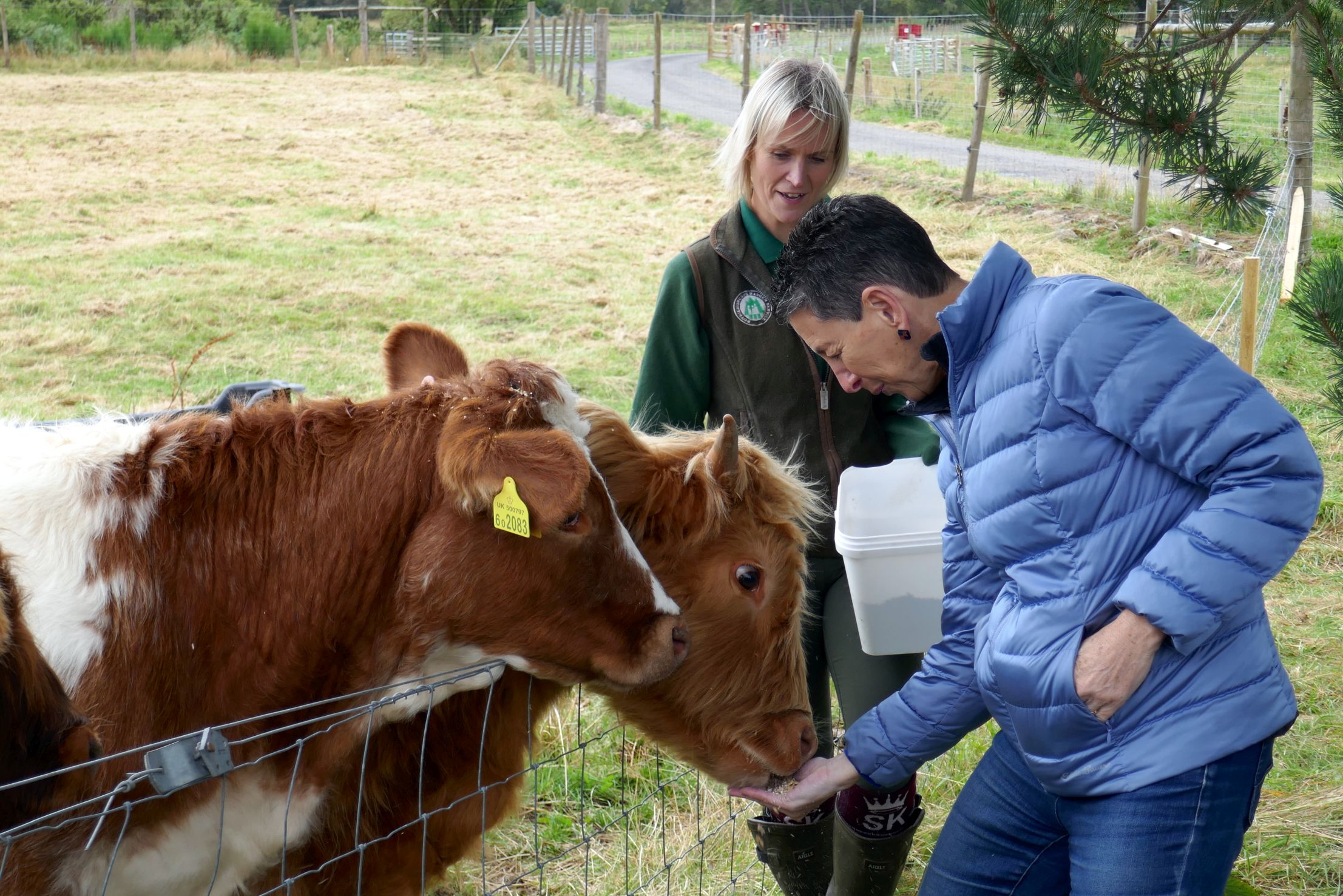
What came next tickled us all: Getting to see and feed Heilan Coos (instead of just that Heilan Loo truck cruising through town)!

“Heilan Coo” is Scottish for Highland Cow, a Scottish breed of rustic cattle that have adorably long, wavy hair and long horns to match.  They are a hardy breed that can tolerate the frigid winter temperatures of the Scottish Highlands. 

The remainder of the day will be the subject of my next post:  UNITED KINGDOM #13: RUTHVEN BARRACKS & INVERNESS

UNITED KINGDOM #11: EXPLORING ORKNEY’S ARCHAEOLOGICAL SITES

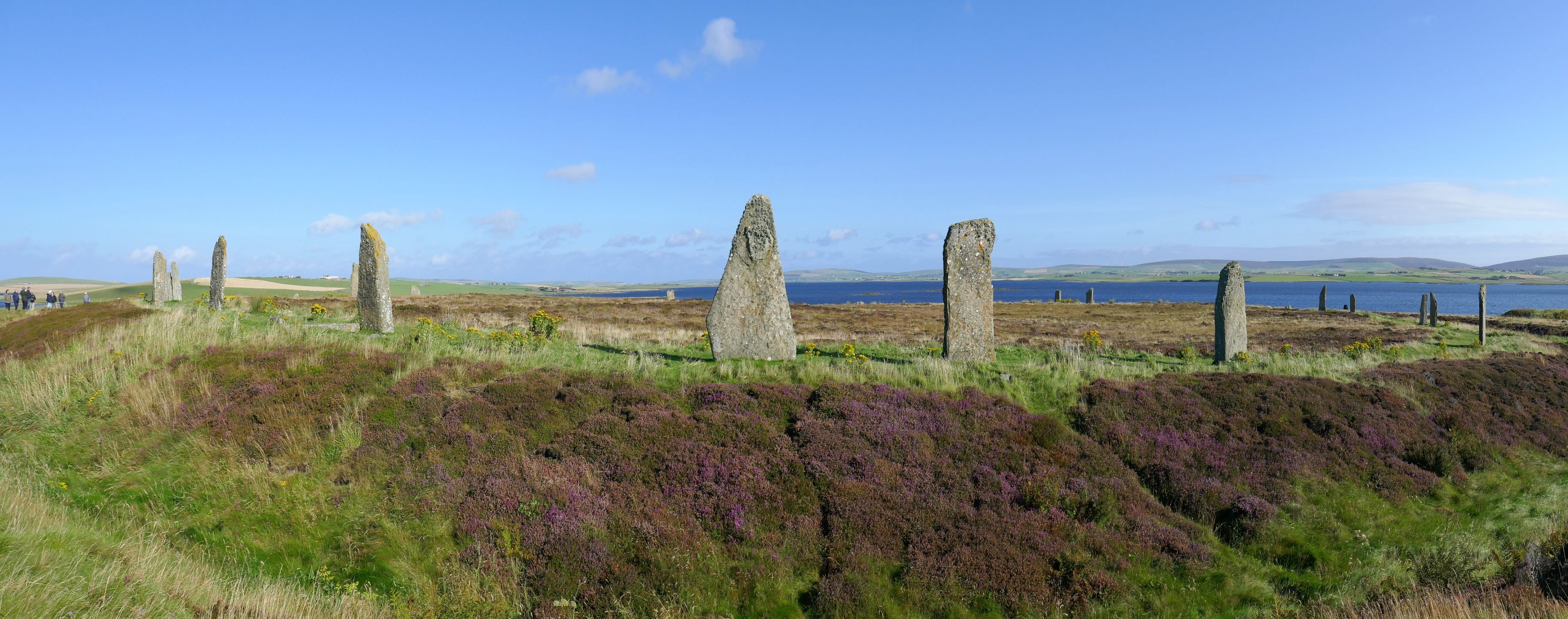
This was a day of seeing stones and rocks- and lots of them!  We began at the Stones of Stennes, a stone circle raised about 5,000 years ago, thought to be used as a ceremonial site.

(For all photos, click on the image for a full screen view.)

Thankfully, it was another gorgeous day, because the views from the Stones of Stennes and our next stop, the Ring of Brodgar, were beautiful.  This Neolithic henge and stone circle is thought to be between 4,400 and 4,600 years old and is a UNESCO World Heritage Site

Not being a big stone circle history buff, I just enjoyed walking around the circle, taking photographs, and enjoying the views.

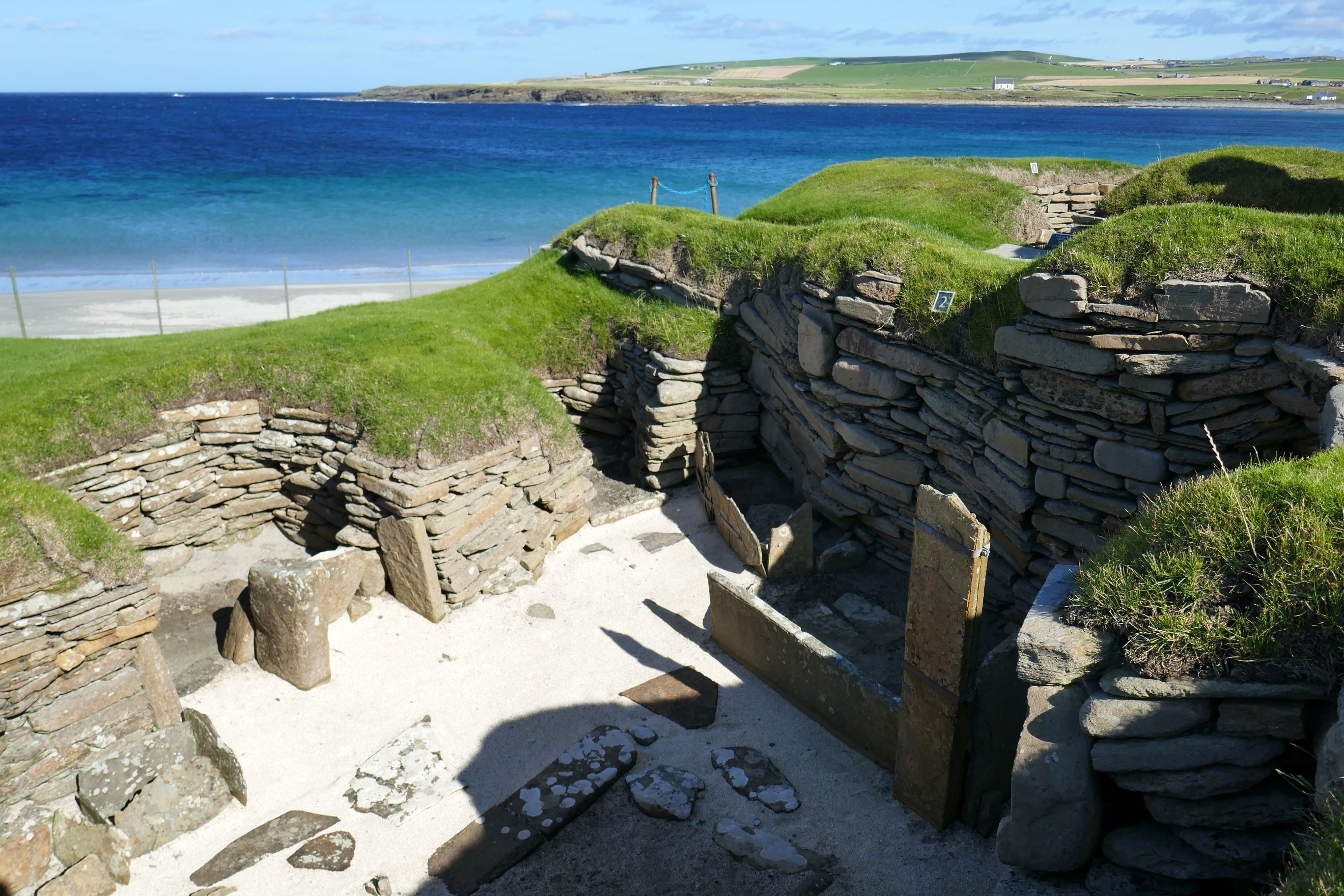
Skara Brae was a fascinating archaeological site with more amazing views!  This 5,000-year-old settlement is so fragile, we were only permitted to view it from the walkway above.

Archaeologists think that a small community of 50-100 people lived on this site, and that it was inhabited for several centuries.  Ten structures remain, and it is Europe’s most complete Neolithic village.  Another UNESCO World Heritage Site, it is older than Stonehenge and was discovered when a historic storm scoured away sand revealing the site. 

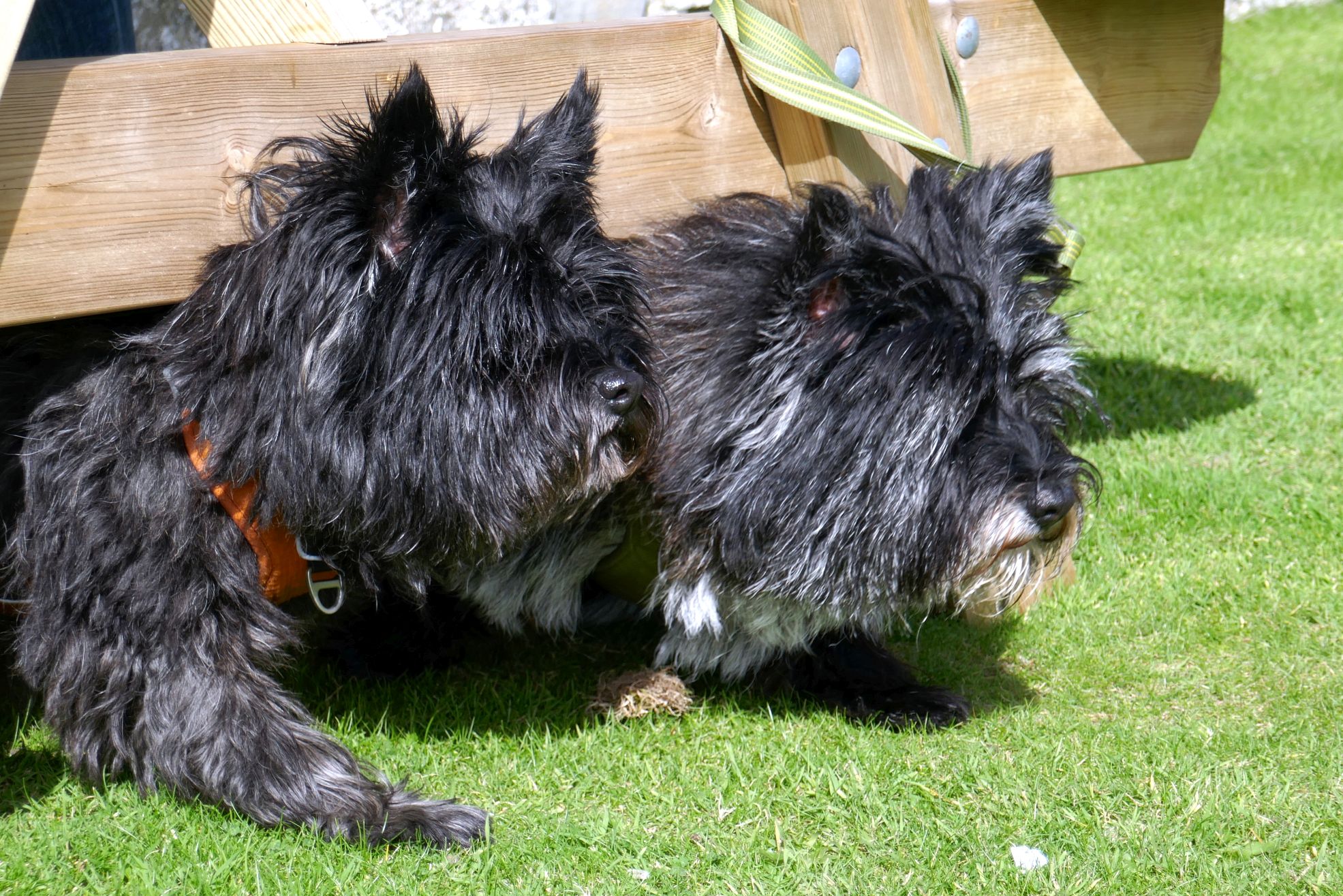
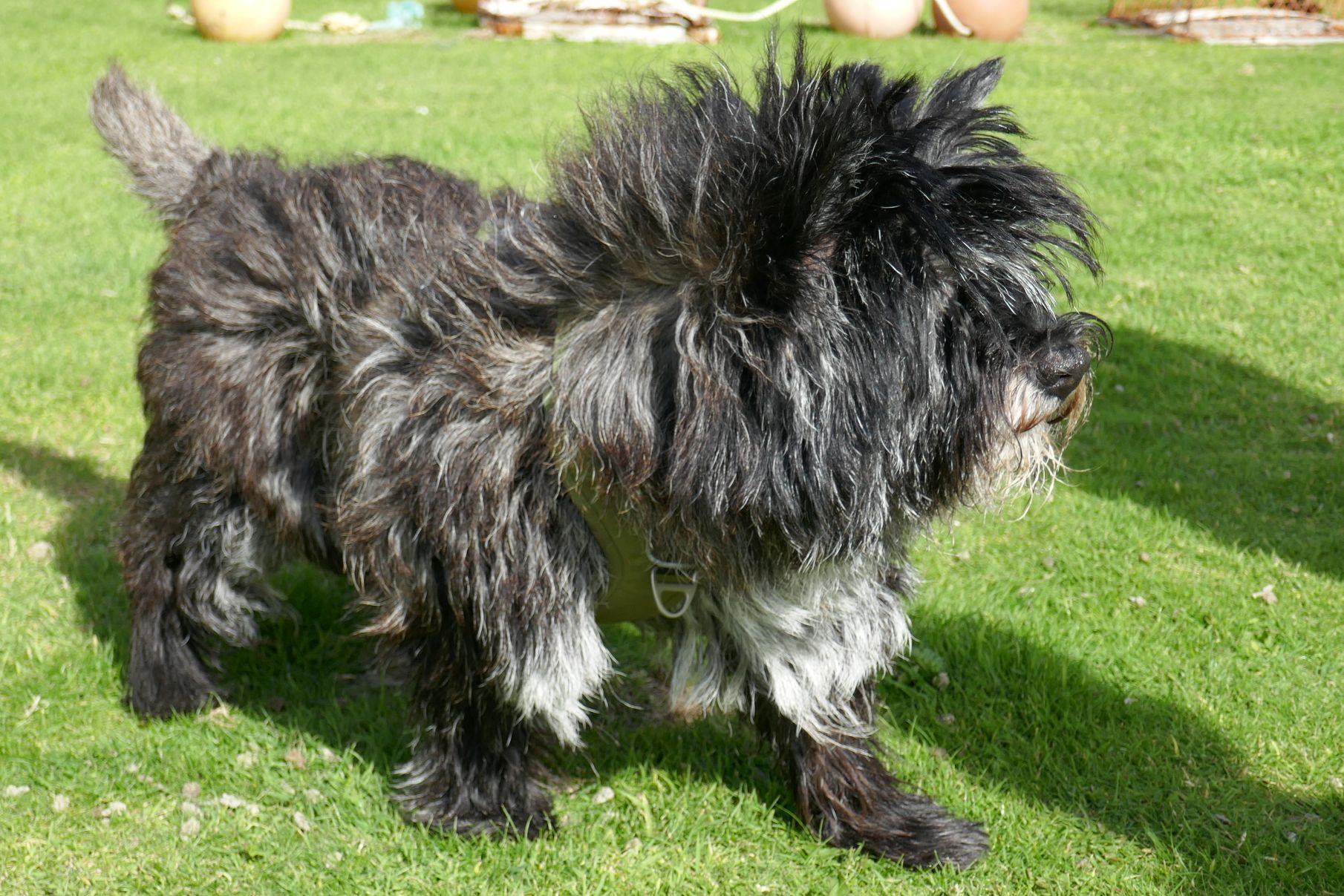
Two new friends I made at our lunch stop:

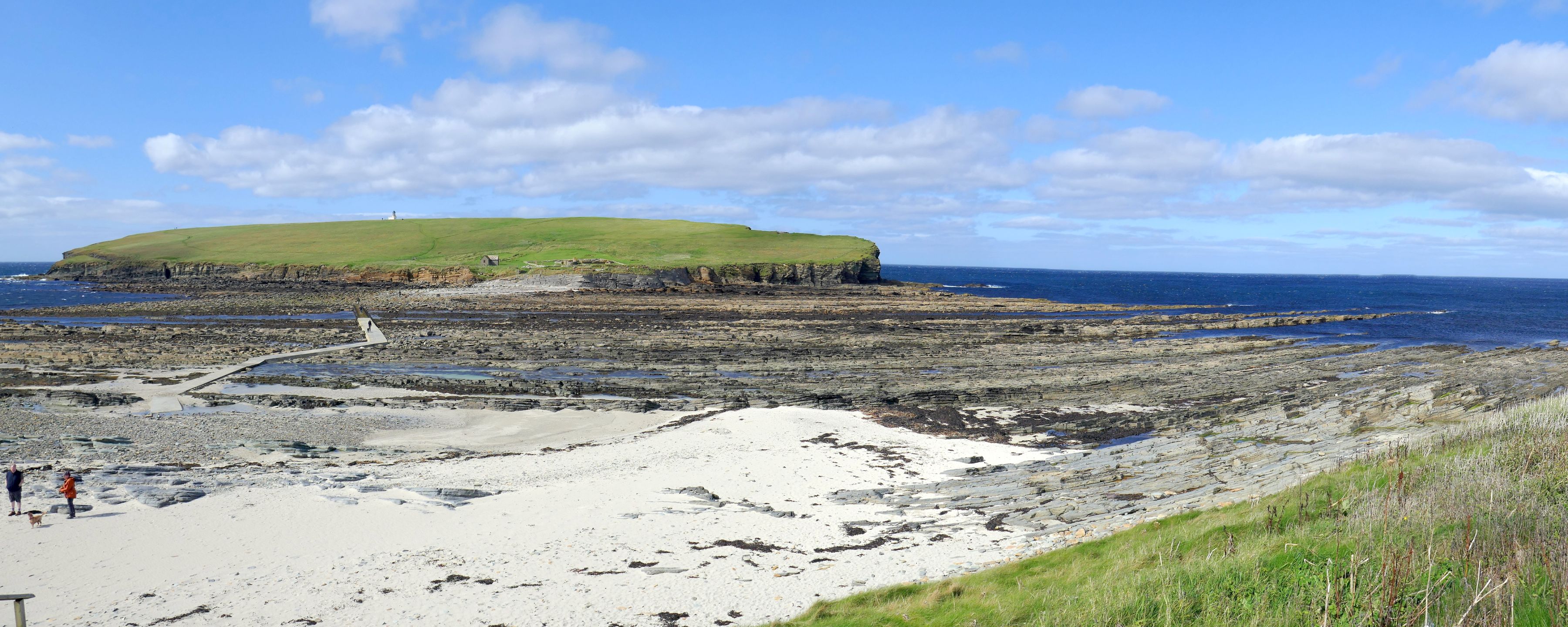
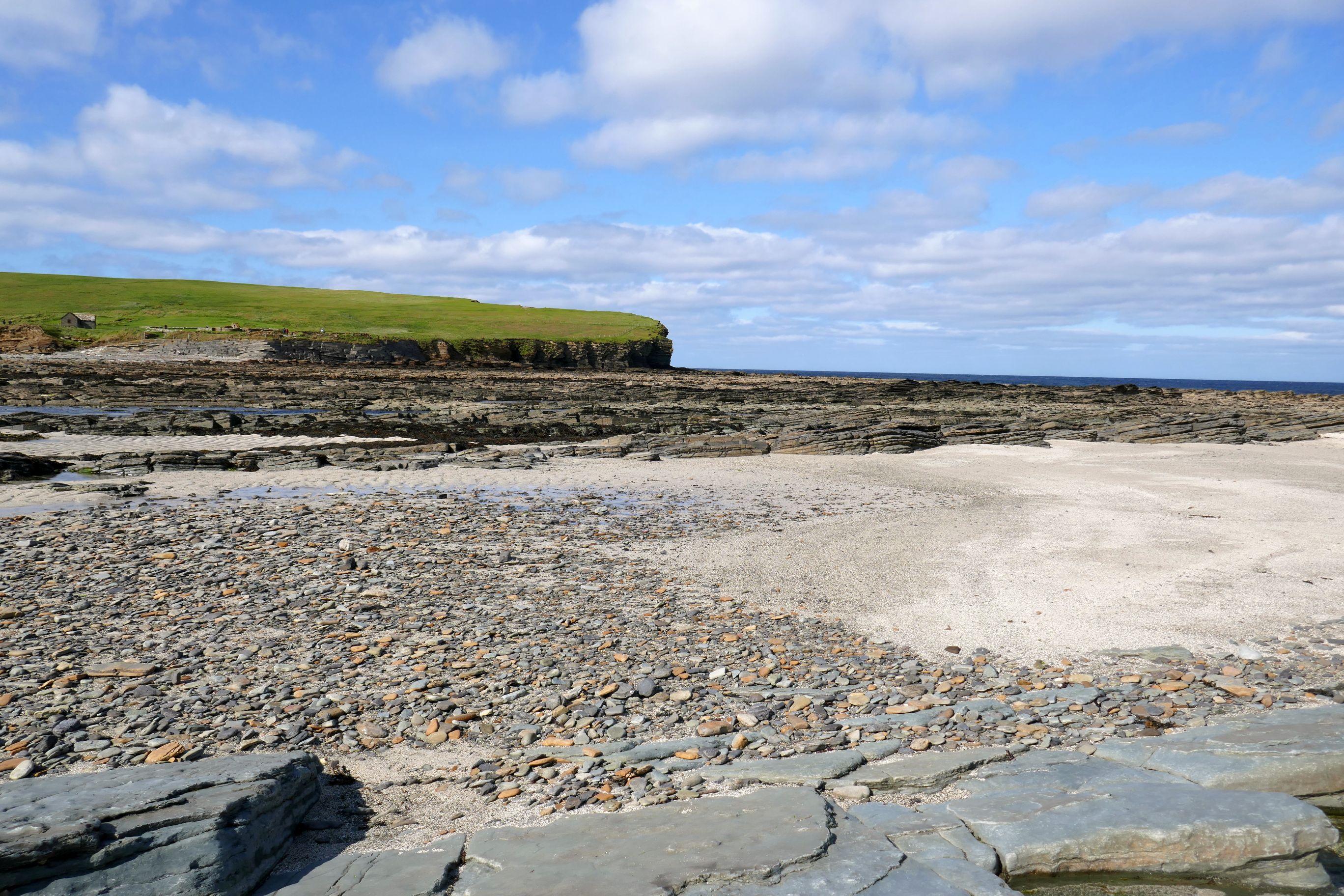
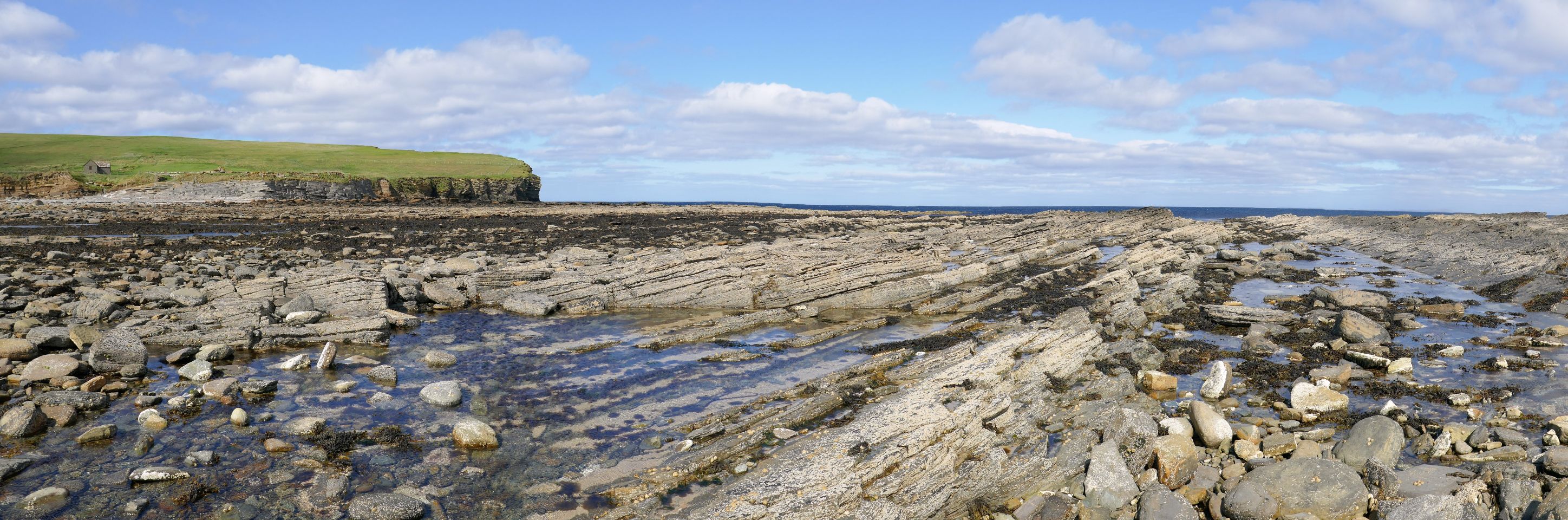
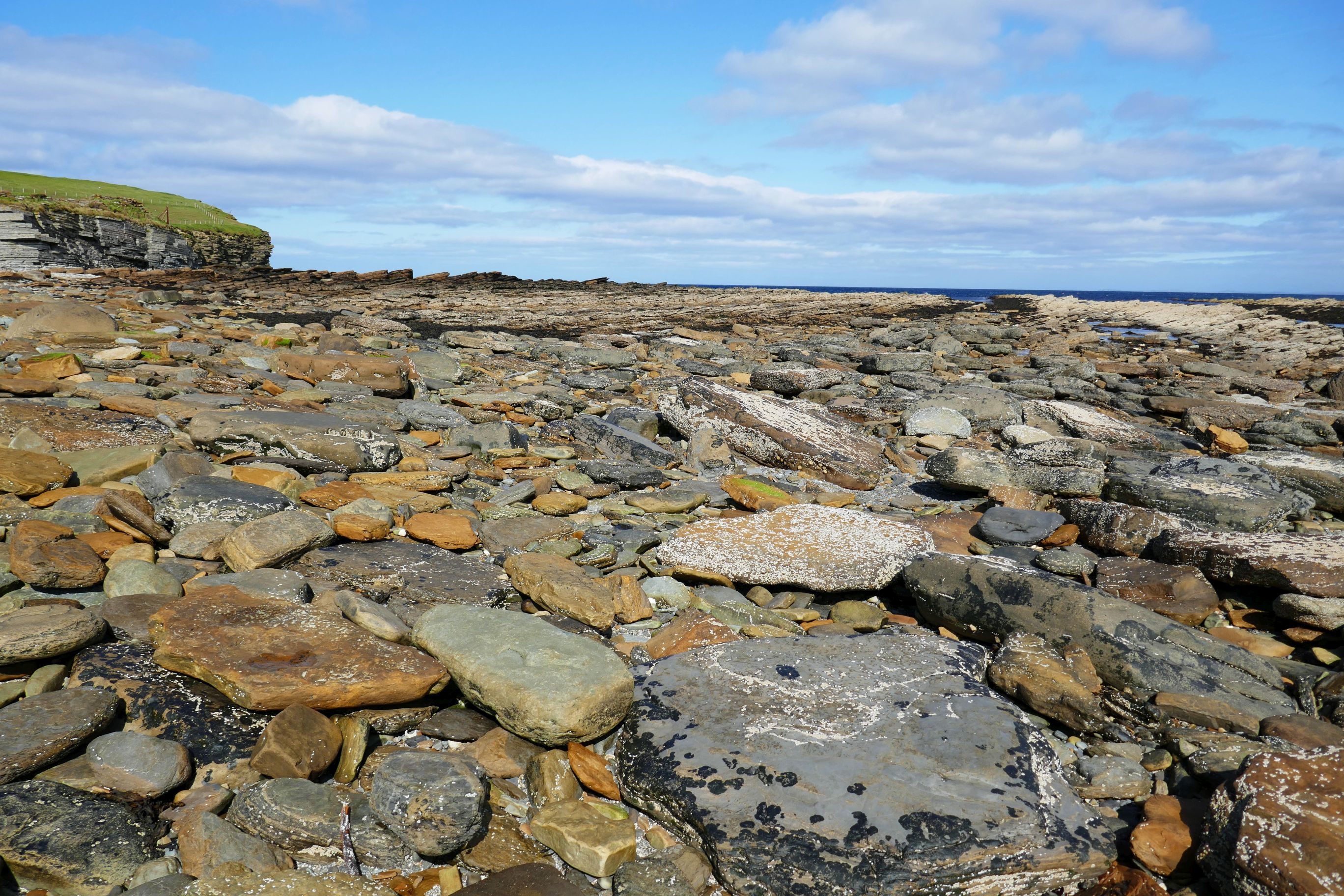
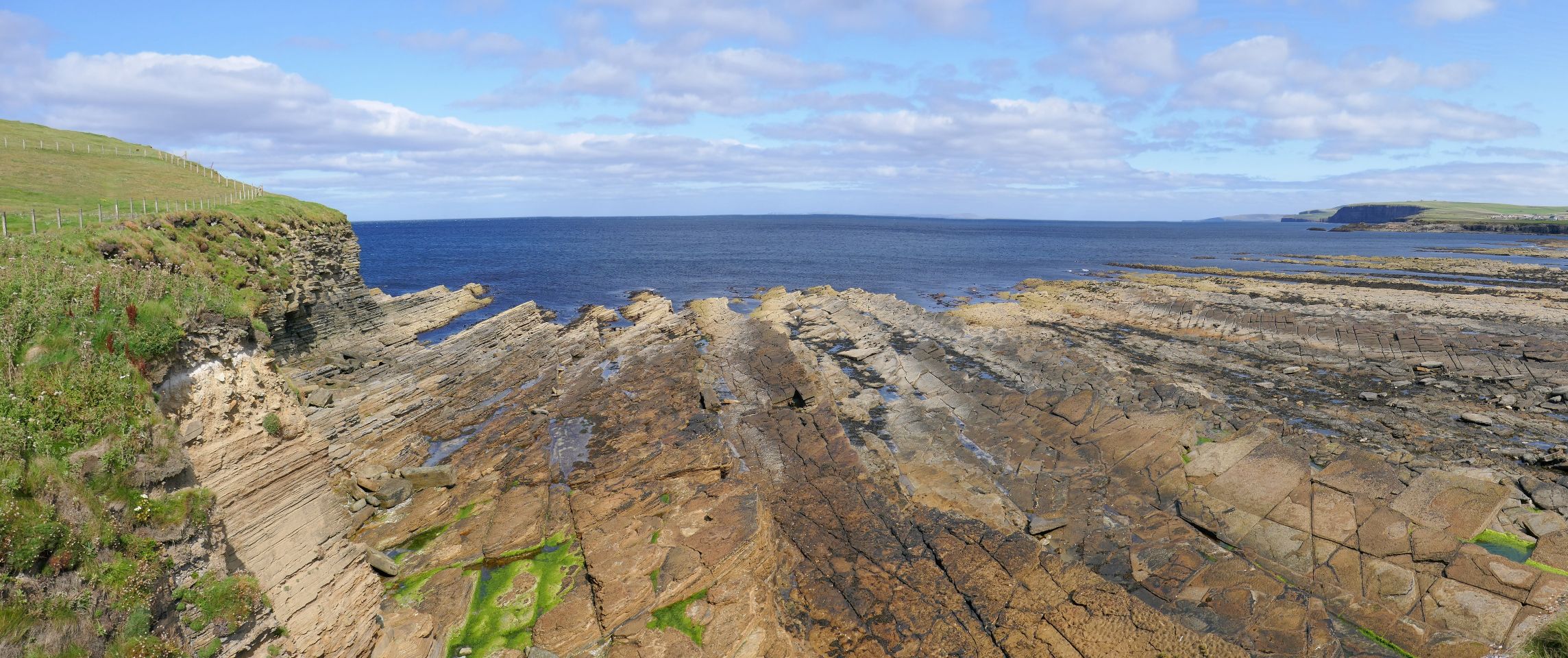
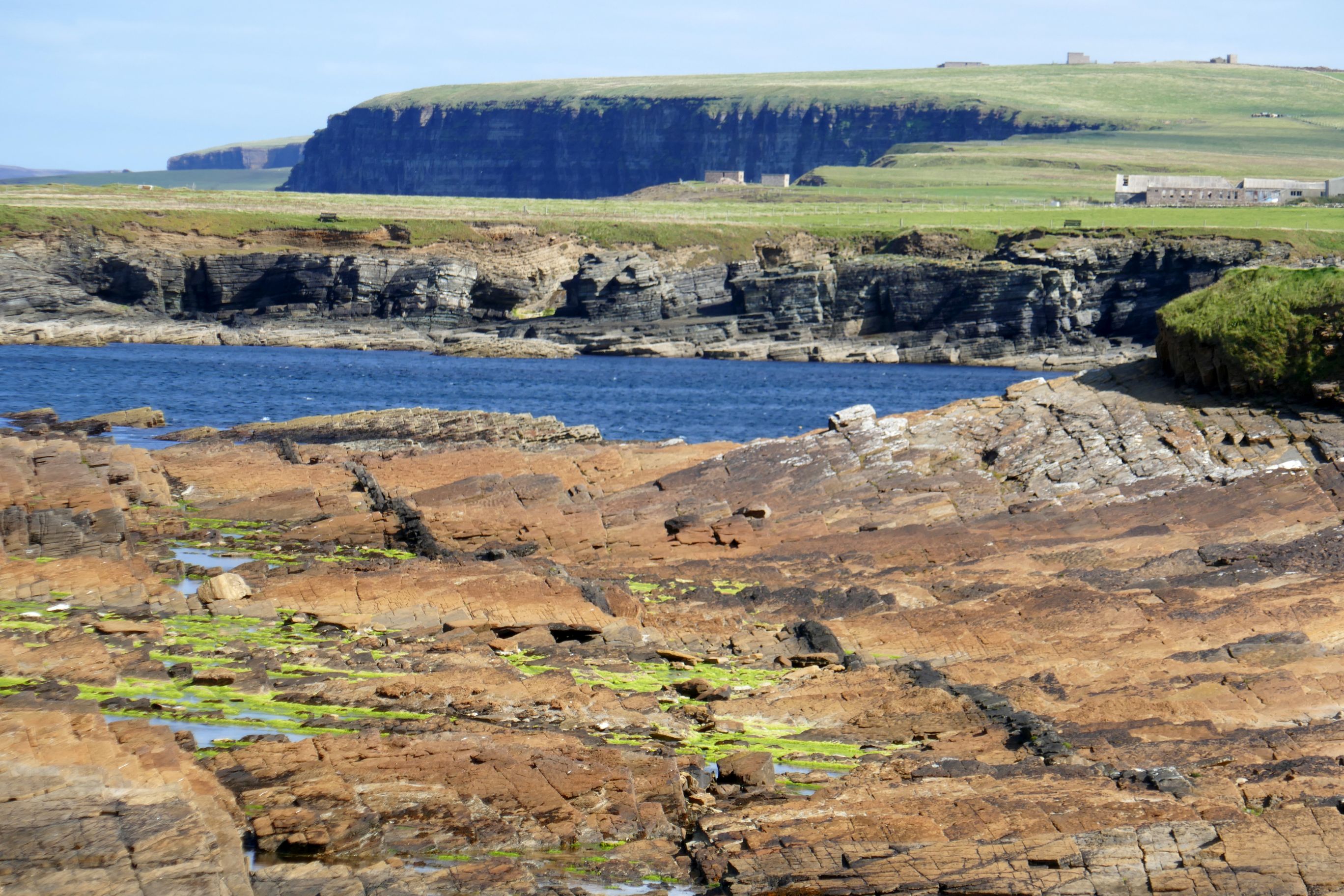
Our final stop was my favorite, and it wasn’t even scheduled!  The walk out to Brough of Birsay can only be done at low tide.  The conditions must also be calm to avoid being swept away off the rocks by winds and the sea.  We hit it just right, so off we went for one of the most beautiful coastal hikes I have ever done!

The Birsay coast faces the Atlantic, so it suffers from high levels of coastal erosion in certain places.  Sadly, there have been numerous archaeological sites that have fallen into the sea.  The area is being monitored closely by the University of the Highlands and Islands (UHI) Archaeology Institute.

How fortunate we were to be able to hike to Brough of Birsay and back!  Once we were out there, I had a choice to either listen to the local guide talk about the history of the area or make a beeline up the steep grassy hill to see the lighthouse.  Thankfully, my swimmers’ lungs allowed me to run up the 150 feet to the top for a quick view of the 1925-era lighthouse and spectacular views of the coast below.  The run back down, I must admit, was a lot easier!

I was very much in my element in Birsay and it was one of the highlights of our visit to the Orkney Islands.  The ocean, beautiful coastline, hiking, and taking photos; it was fabulous!

Coming up next: UNITED KINGDOM #12: FERRY TO INVERNESS & CAIRNGORMS NATIONAL PARK

UNITED KINGDOM #10: ORKNEY’S CHURCHILL BARRIERS & ITALIAN CHURCH

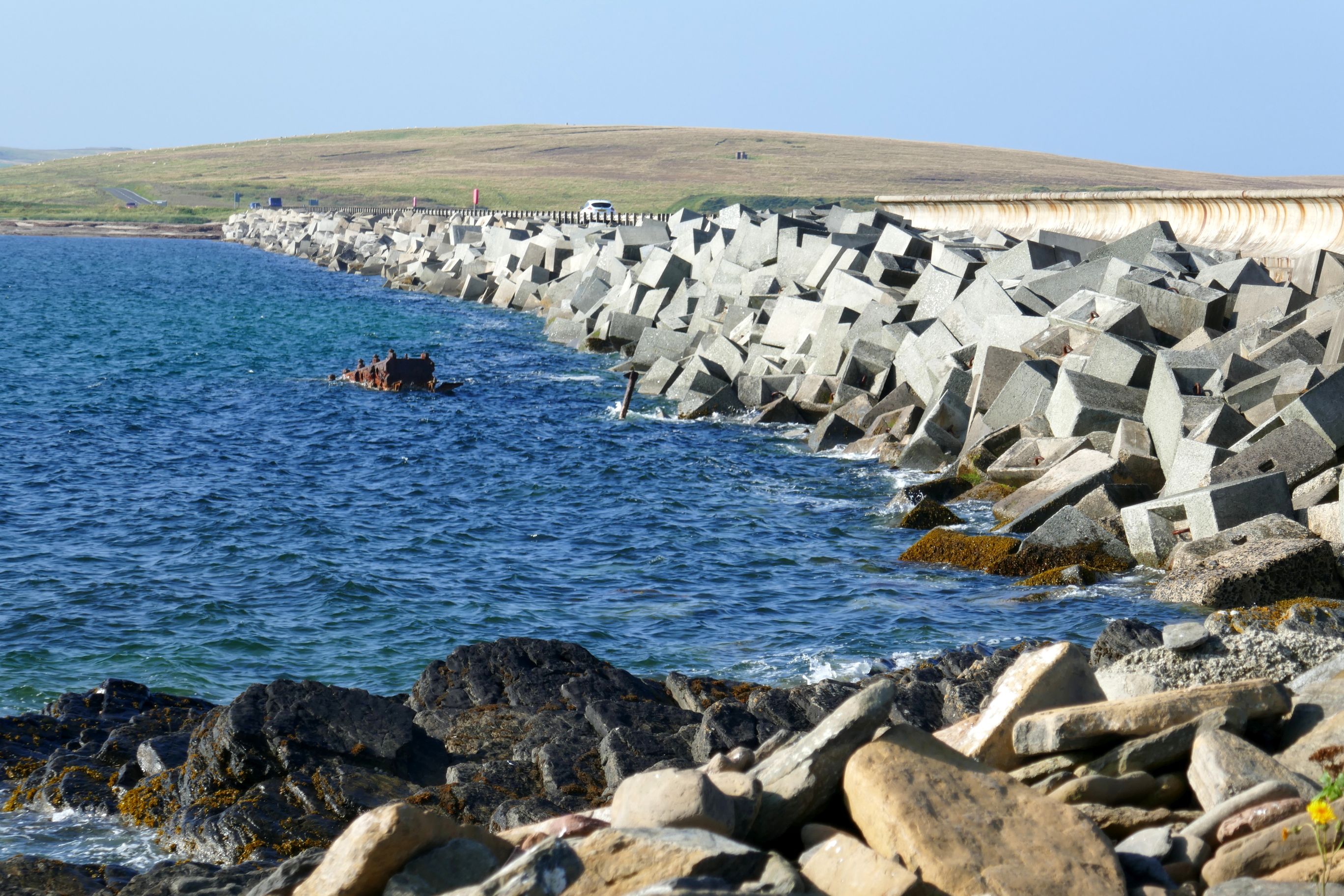
In 1939, the Royal Navy battleship HMS Royal Oak was sunk by a German U-boat at her moorings within the natural harbor of Scapa Flow, in the Orkney Islands.  This led to the First Lord of the Admirality, Winston Churchill, ordering permanent barriers to be built, linking the mainland of Orkney to four of the south isles, enabling the Royal Navy to better defend the vital anchorage of Scapa Flow.

It took nearly one million tons of rock and concrete to form the Churchill Barriers by 1000 Italian prisoners of war.

(For all photos, click on the image for a full screen view.)

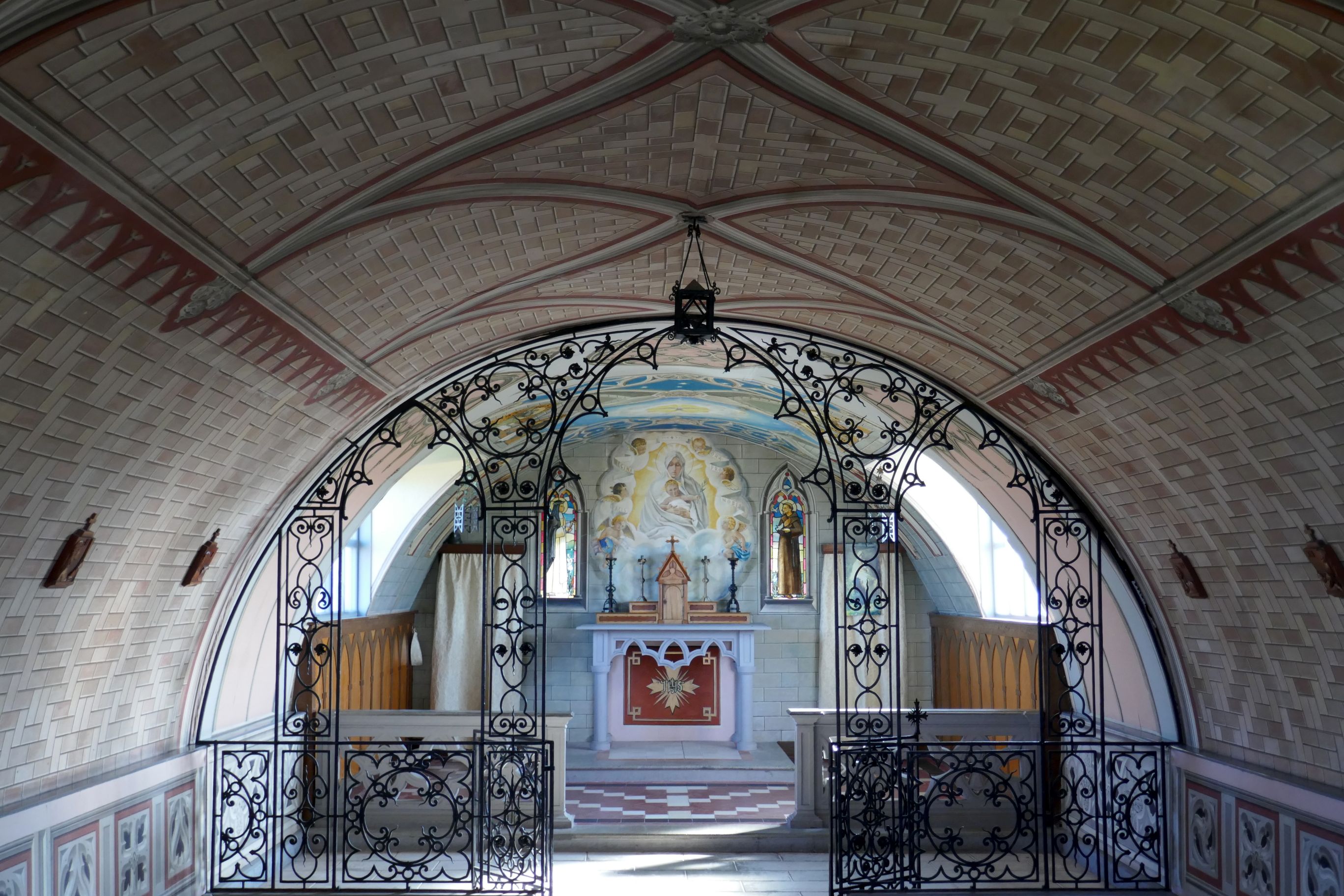
The Italian Chapel is the only building that remains of Camp 60, a Prisoner of War (P.O.W.) camp constructed in 1941 to house these Italian P.O.W.’s.  The prisoners, thousands of miles from their homeland, deeply felt the need for a place of worship.  Led by Domenico Chiocchetti, an artist, a team of the prisoners built the sanctuary of concrete and scrap wood from a wrecked ship.  The alter is Chiocchetti’s masterpiece.  It is based on Nicolo Barabino’s Madonna of the Olives from a small picture given by his mother to Domenico, which he carried with him throughout the war.

It was heartwarming to learn that during the time the Italians were in Orkney, friendships formed between the prisoners and Orkney residents; and, the British were supportive of the Italians and the chapel.

Fast-forward to Orkney today, I found it interesting that Orkney residents feel ignored by Scotland and feel more a part of Norway, which is located just 300 miles away.

Here’s a fun fact:  Would you like to know what the world’s shortest regularly-scheduled flight is?  It’s a flight in Orkney Islands, from Westray Island to Papa Westray, just 1.7 miles away. The flight is only 53 seconds long.  Personally, I would rather be on that flight than the world’s longest commercial flight, Singapore Airlines route between New York (JFK) and Singapore, which averages 18 hours and 40 minutes!

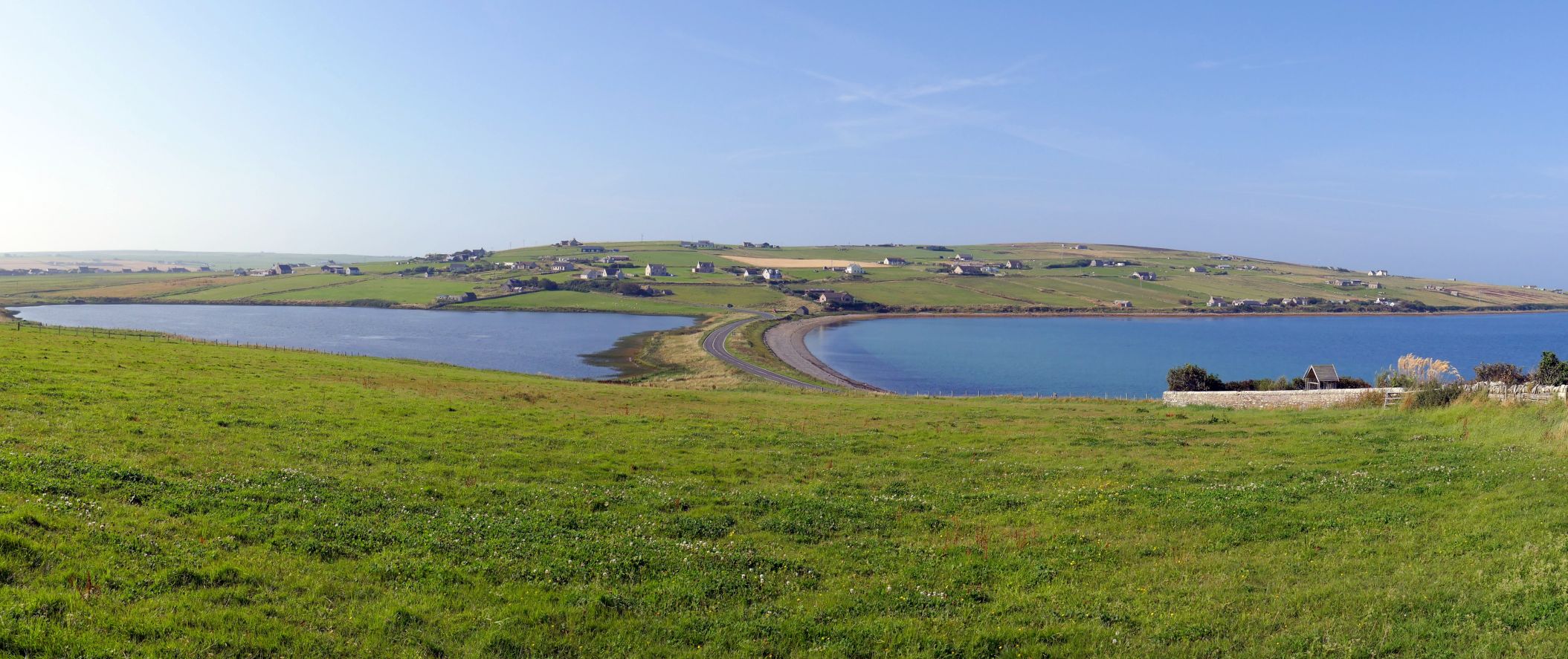
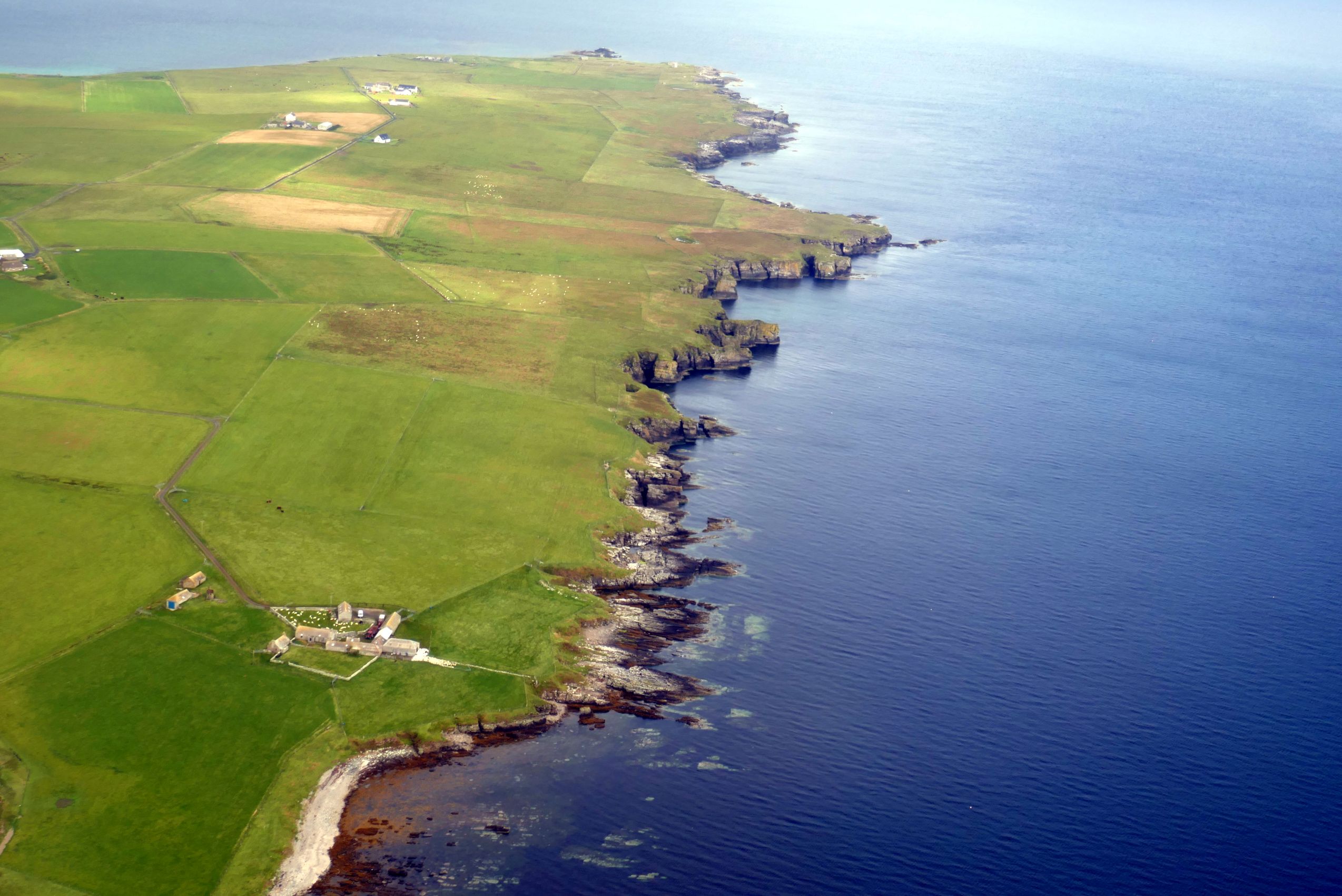
Scenes around Orkney:

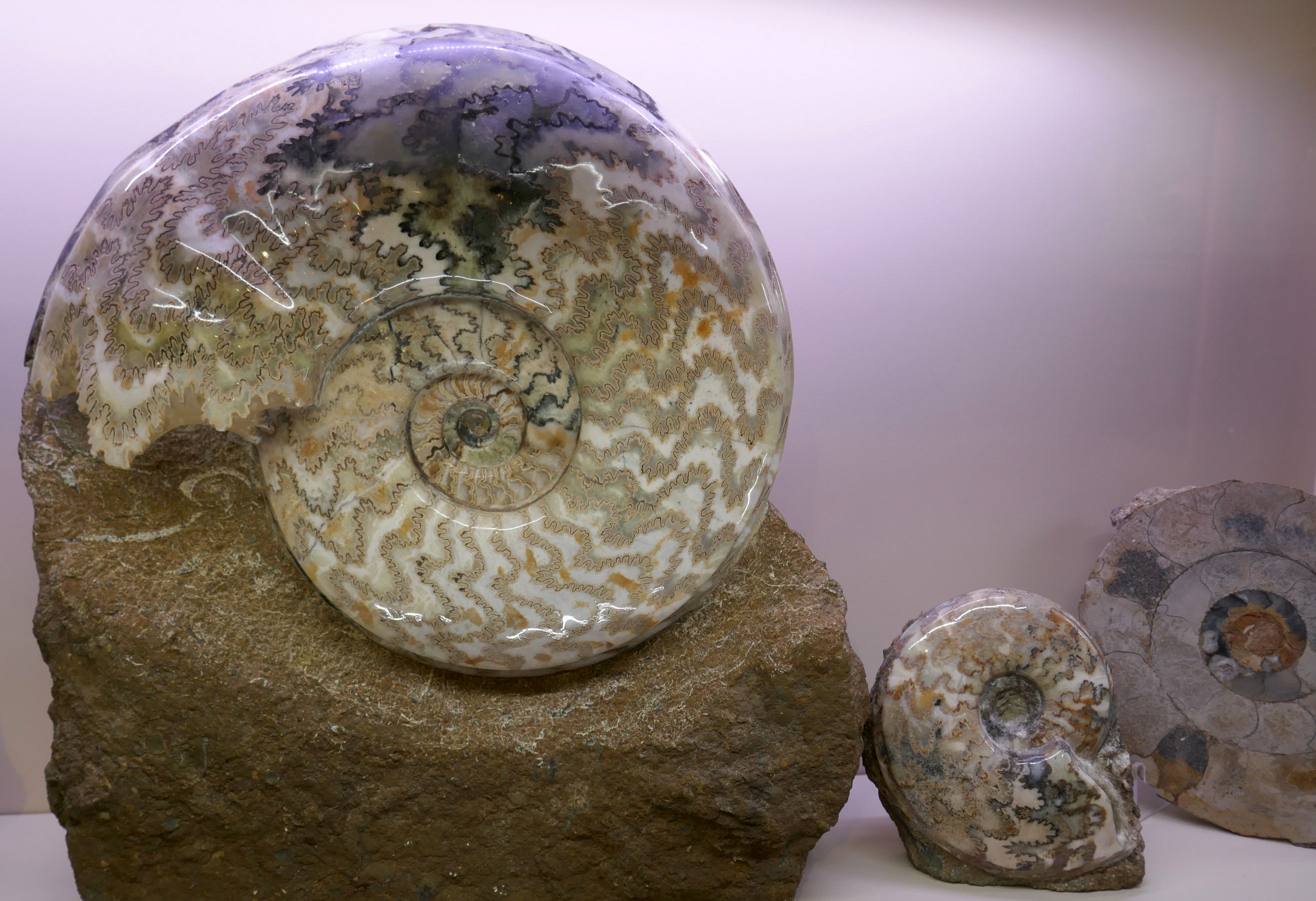
Orkney Fossil & Heritage Centre:

Next up: UNITED KINGDOM #10: EXPLORING ORKNEY’S ARCHAEOLOGICAL SITES

UNITED KINGDOM #9: ONWARD TO ORKNEY ISLANDS
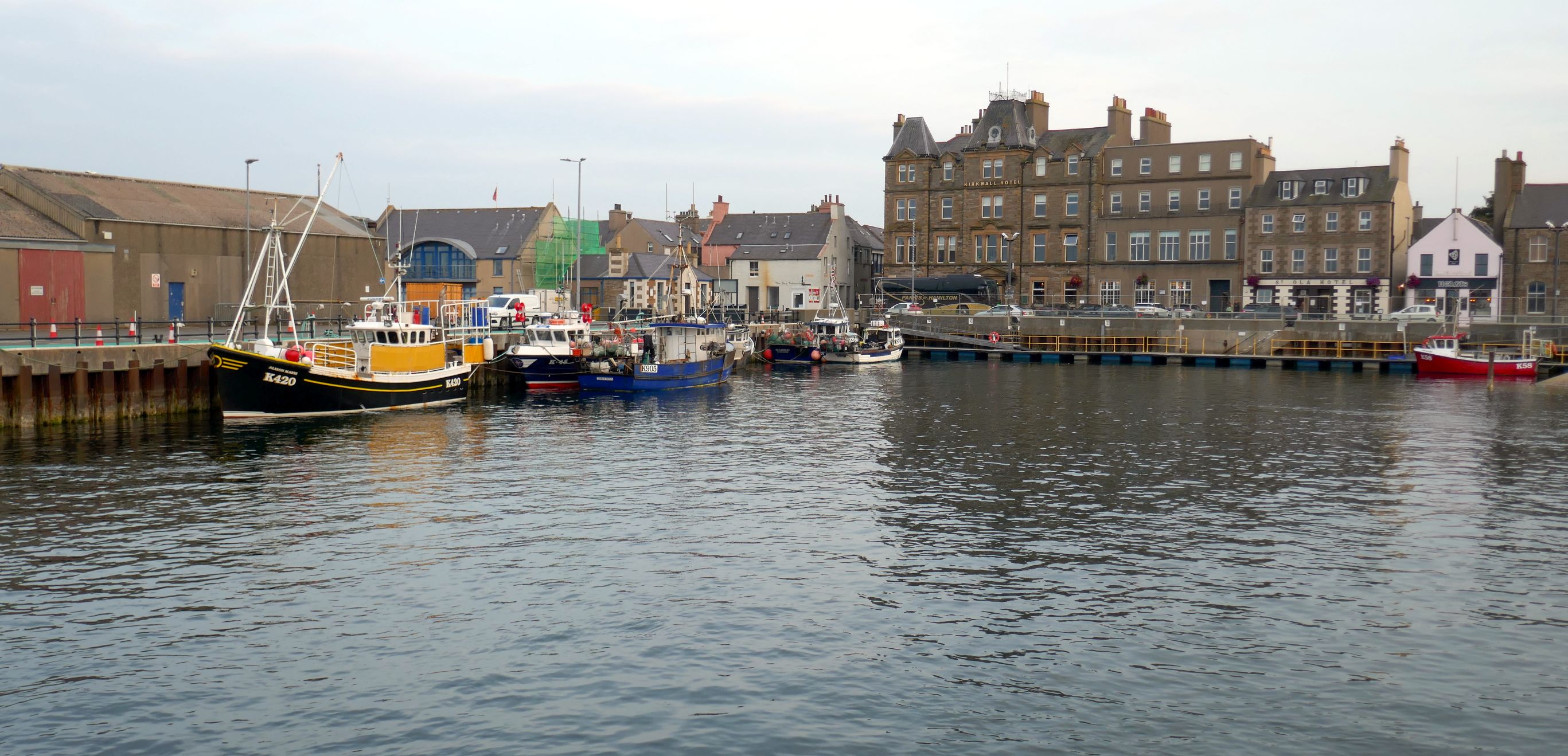
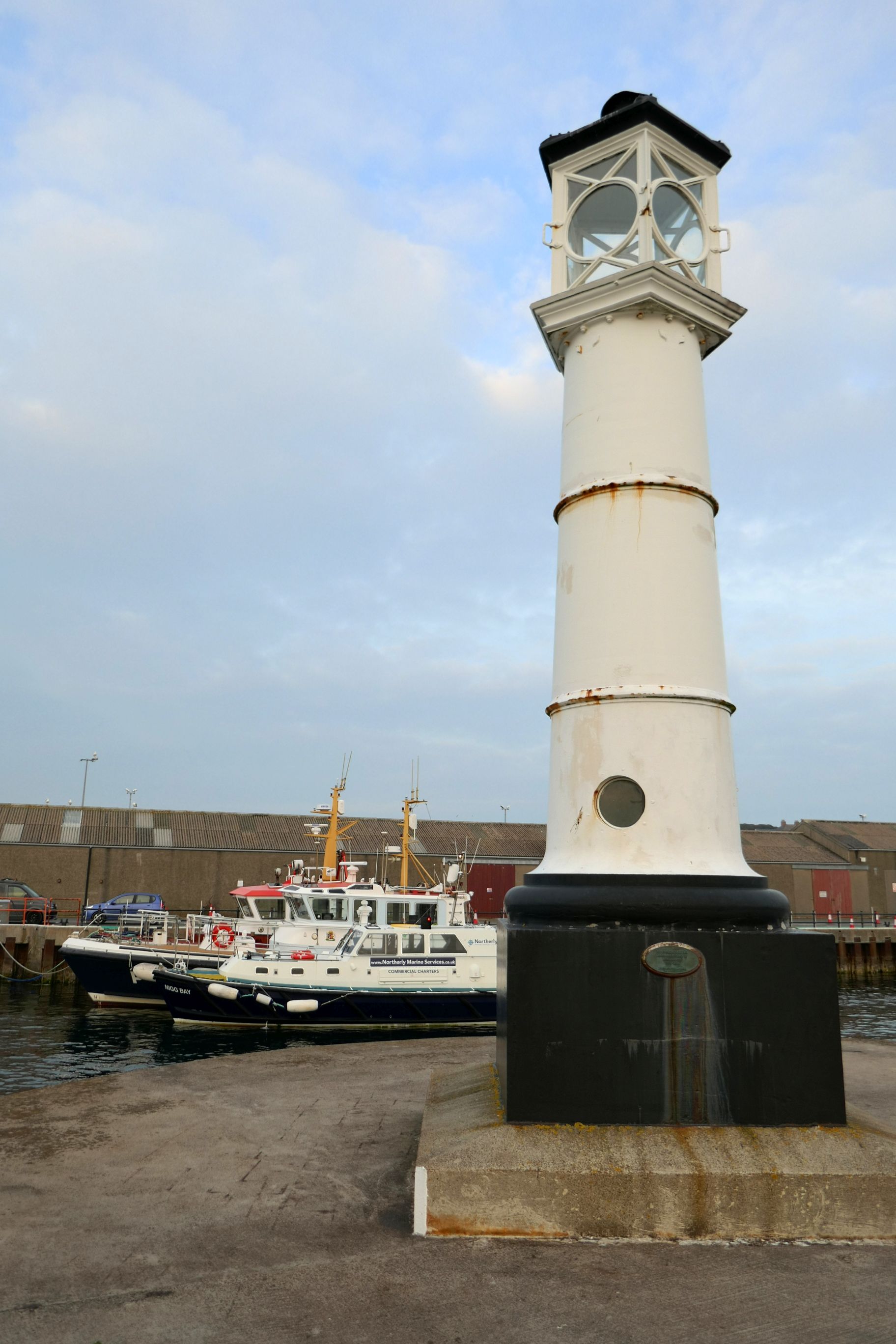
It was a beautiful day to fly to the Orkney Islands!  Located off the northeastern coast of Scotland, Orkney is an archipelago made up of 70 individual islands, only 20 of which are inhabited.  Kirkwall, our home base for three nights, is the largest town of the islands with a population of 8-9,000.  A total of 23,000 people live on the Orkney Islands.

(For all photos, click on the image for a full screen view.)

Tom took us on an orientation of the little town; it’s hard to get lost!  Still, his orientation tour was a great way to get the lay of the land and get filled in on the history of the place.

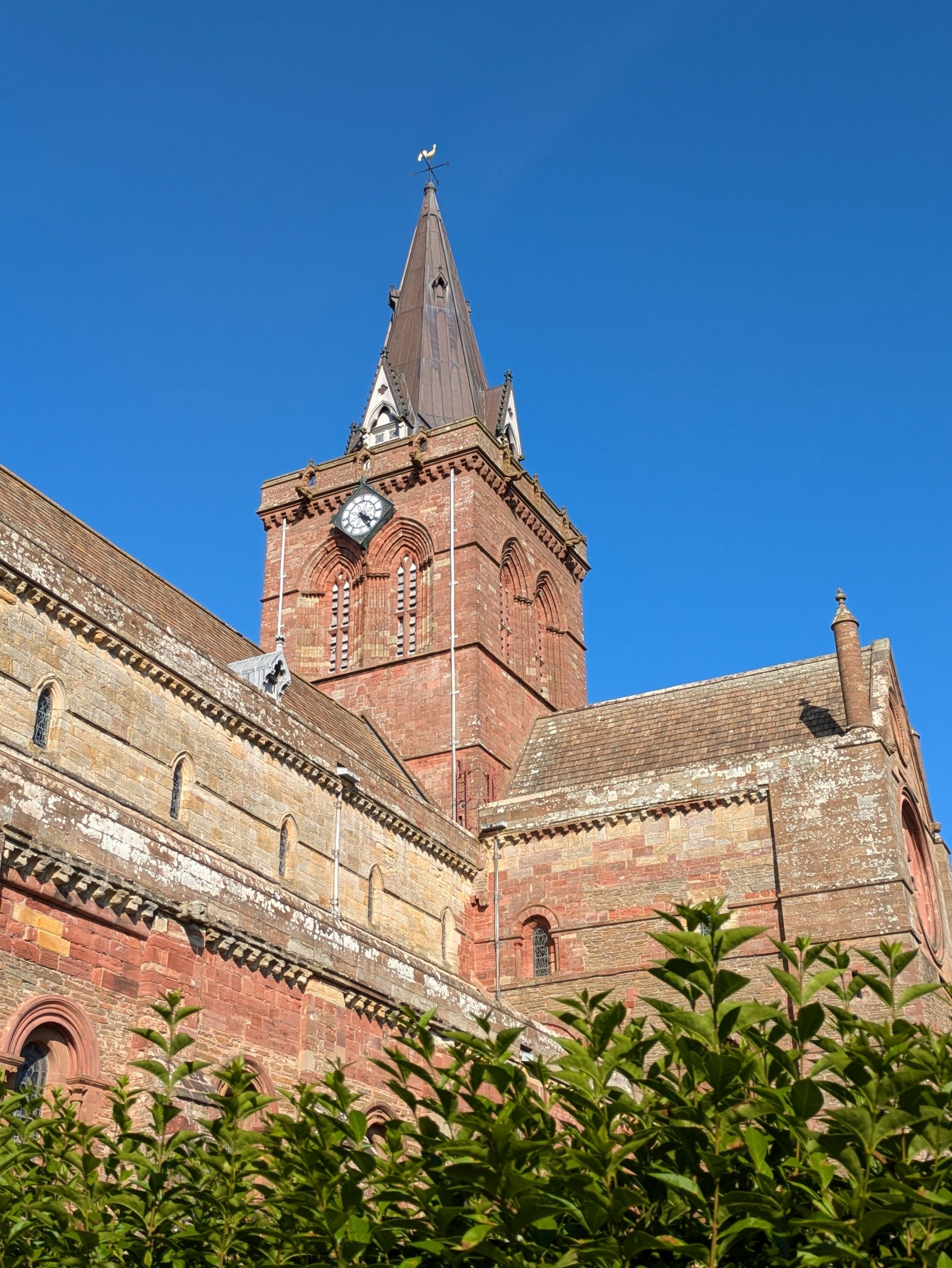
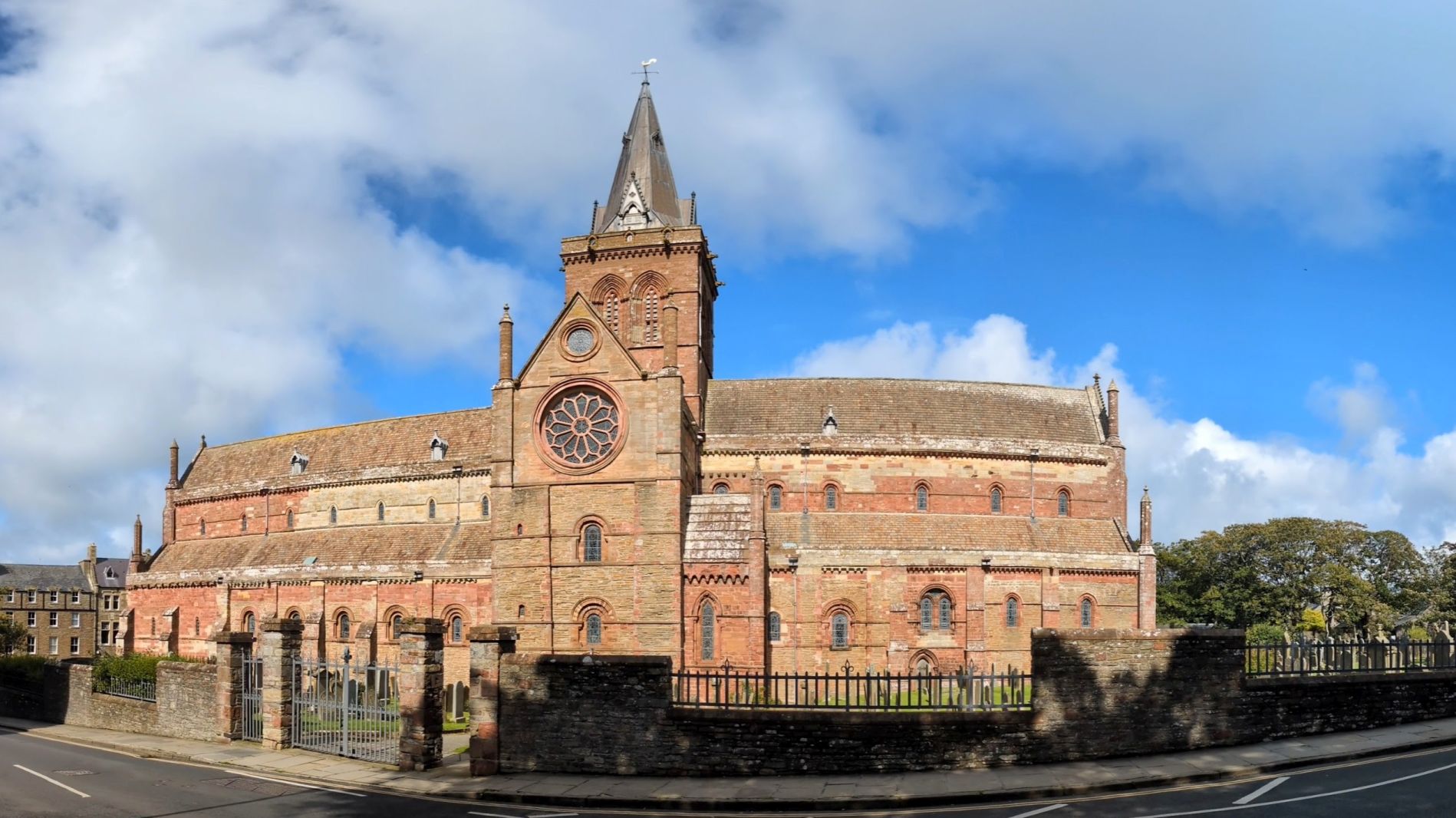
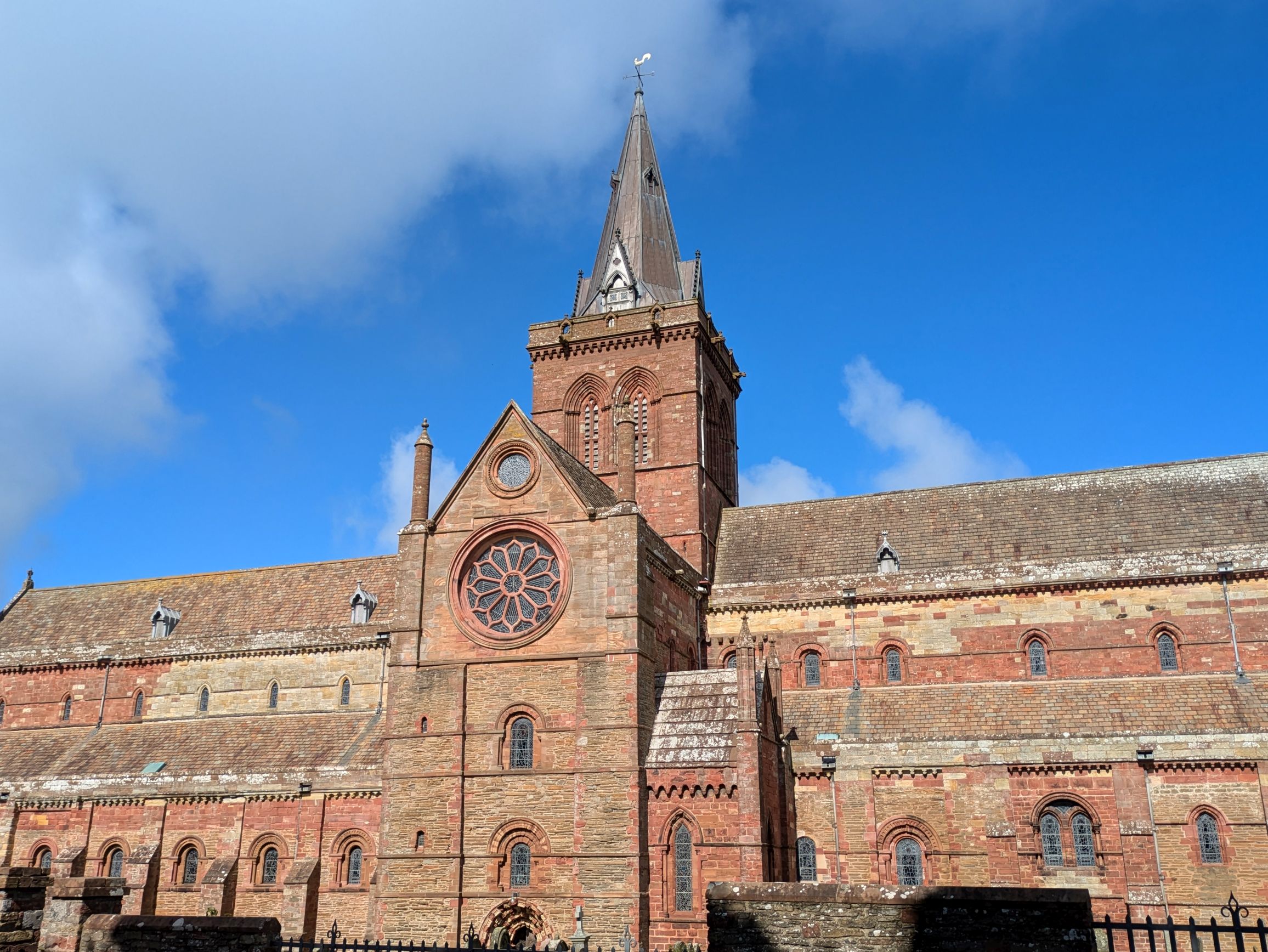
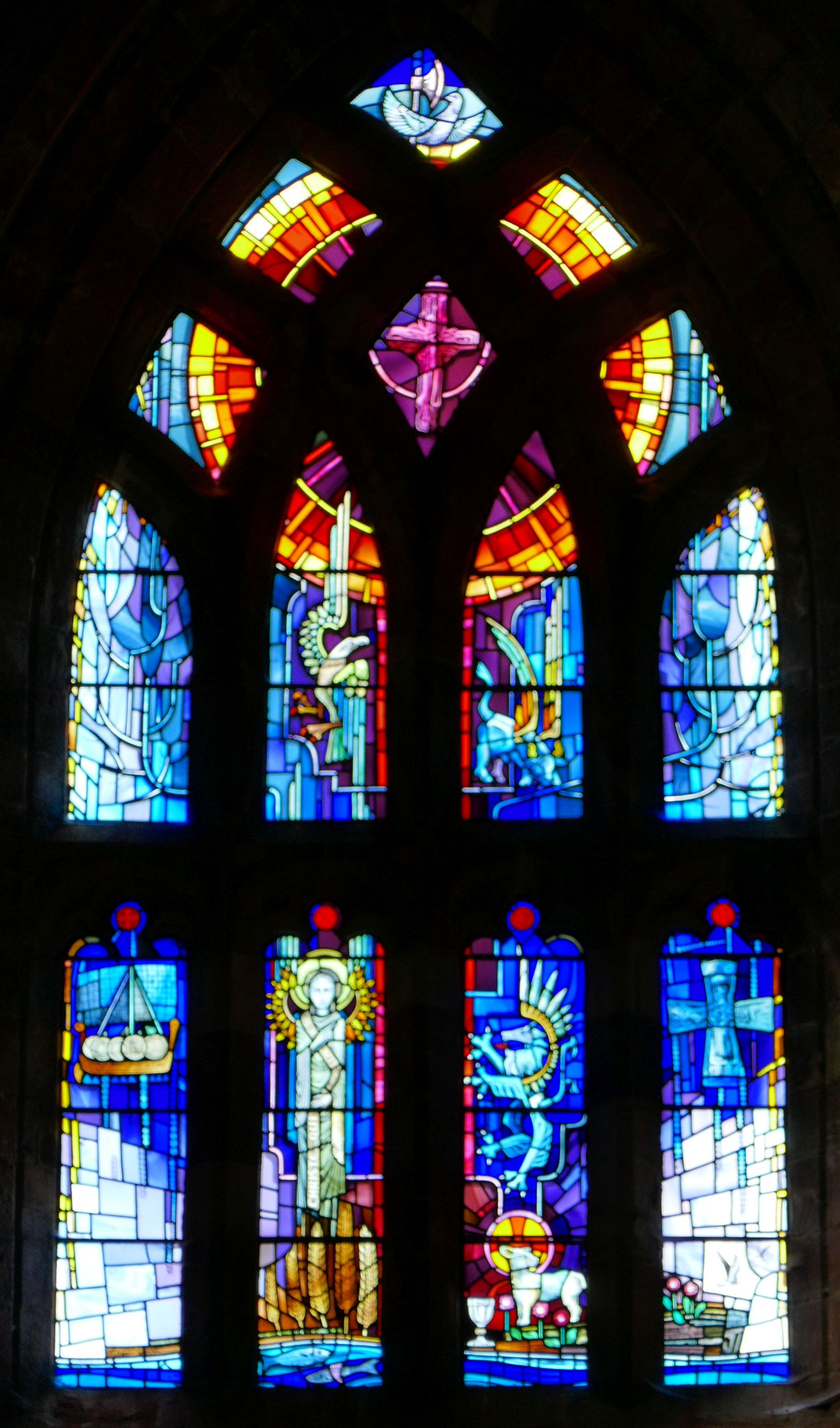
The highlight of Kirkwall is St. Magnus Cathedral, the oldest cathedral in Scotland.  Founded in 1137, it was originally Roman Catholic and built when the islands were ruled by the Norse Earls of Orkney.  Today, it is owned by the burgh of Kirkwall rather than by any church. 

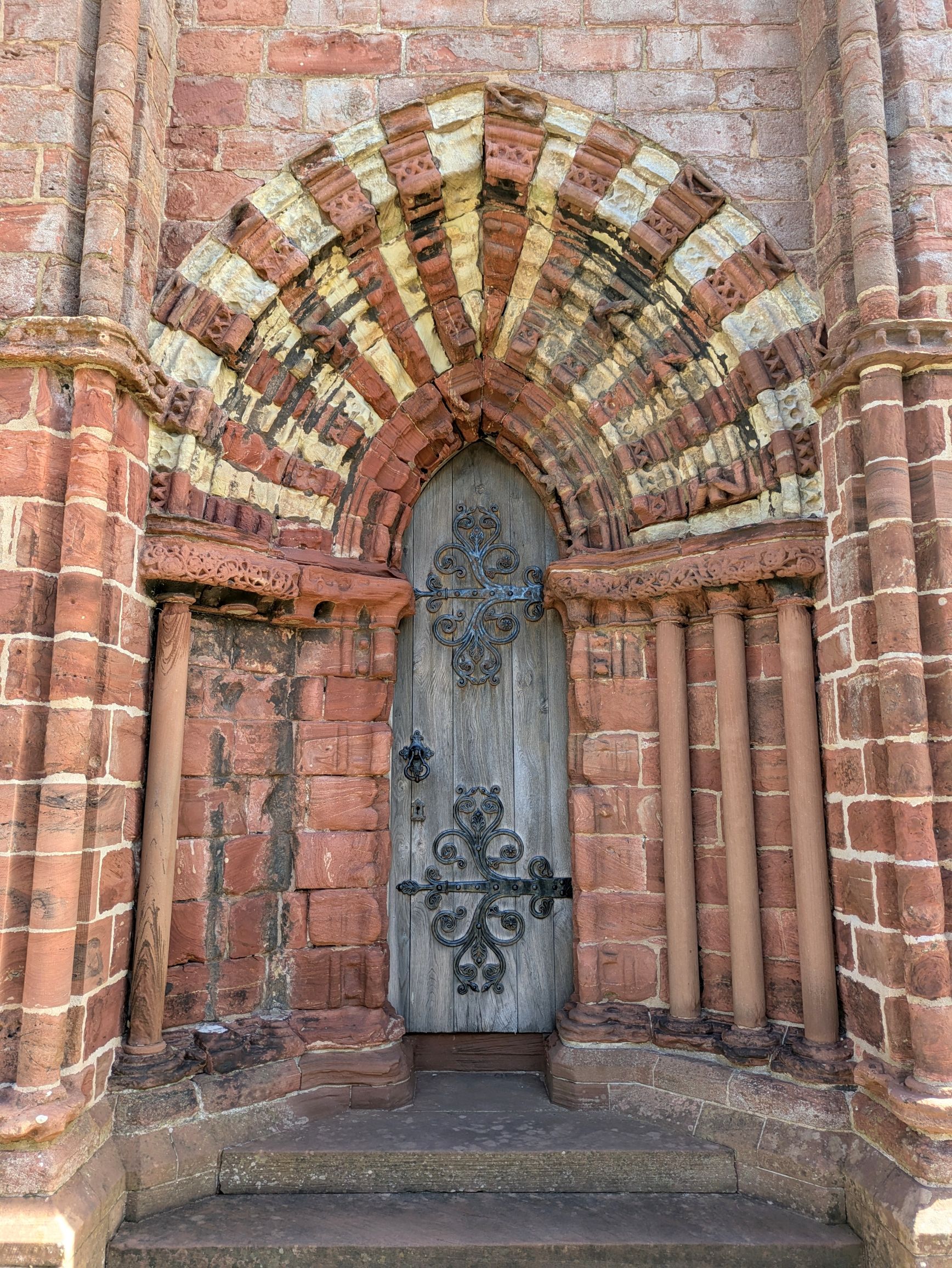
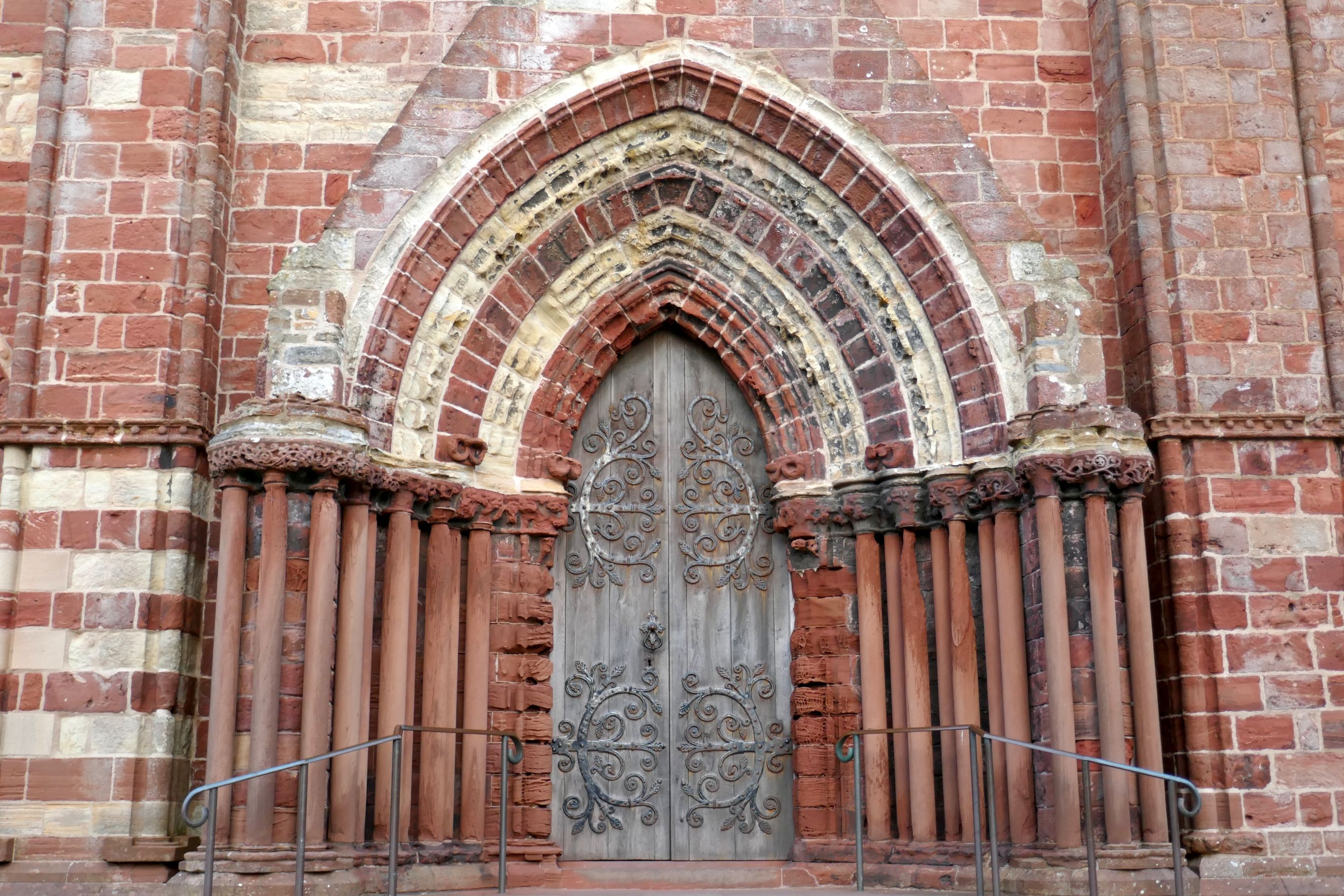
Built of local red sandstone, the Norman architecture of the cathedral is gorgeous.  We enjoyed returning on a couple of occasions during the following two days, just so we could see it in different light—especially in the late afternoon and early evening.

Following our orientation of the town, we walked up to the University of Highlands and Islands (UHI) to meet with Laura who works in the Culinary Department where they teach hospitality and restaurant business.  They have a restaurant on site that students run, and customers give feedback on the service and food.  Another wonderful program the university offers is remote courses on TV that are linked with other universities.  Kirkwall is quite isolated, it’s expensive for students to travel to the mainland, and there is a housing crisis in Scotland; so, being able to go to UHI and “attend” class on TV is very helpful.

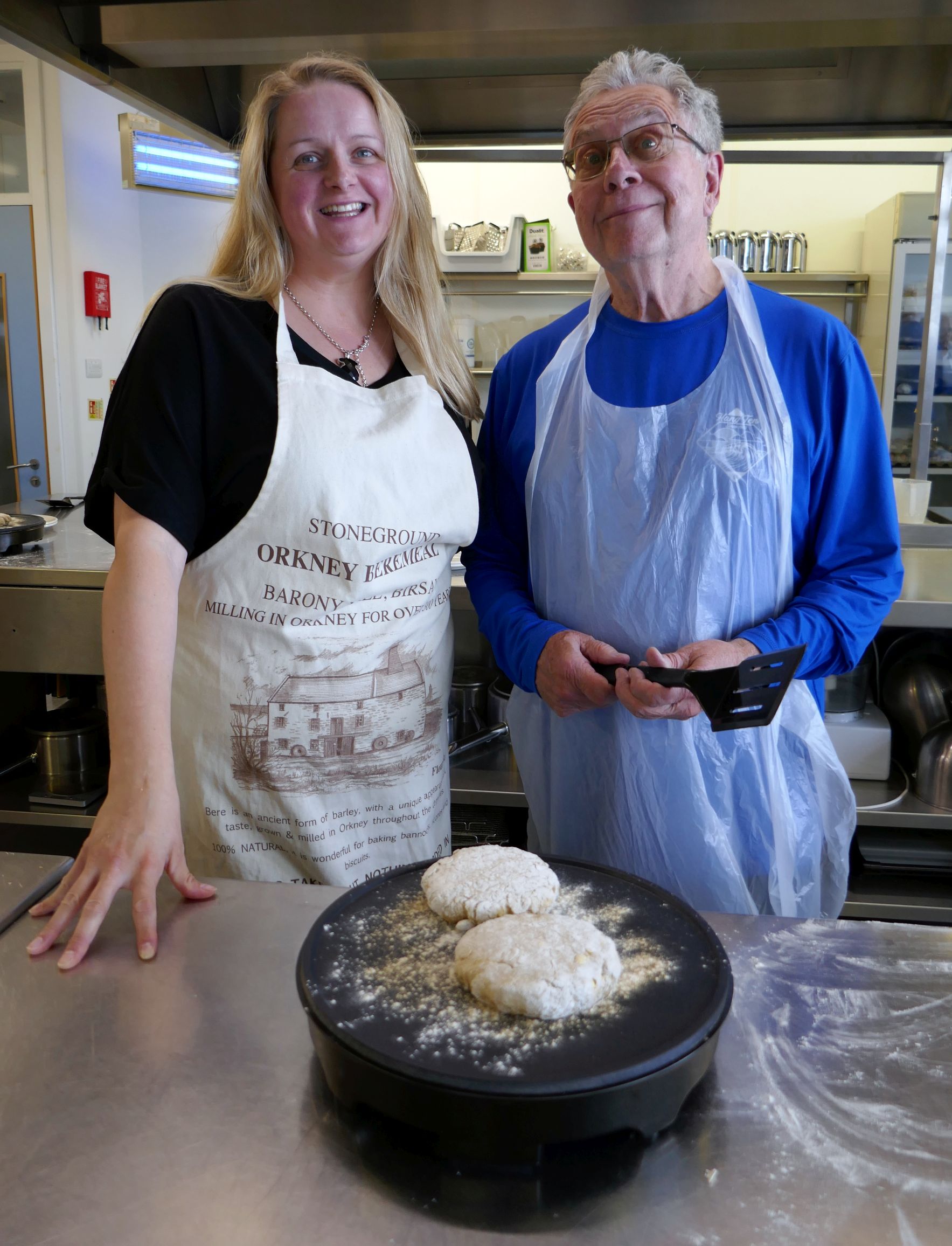
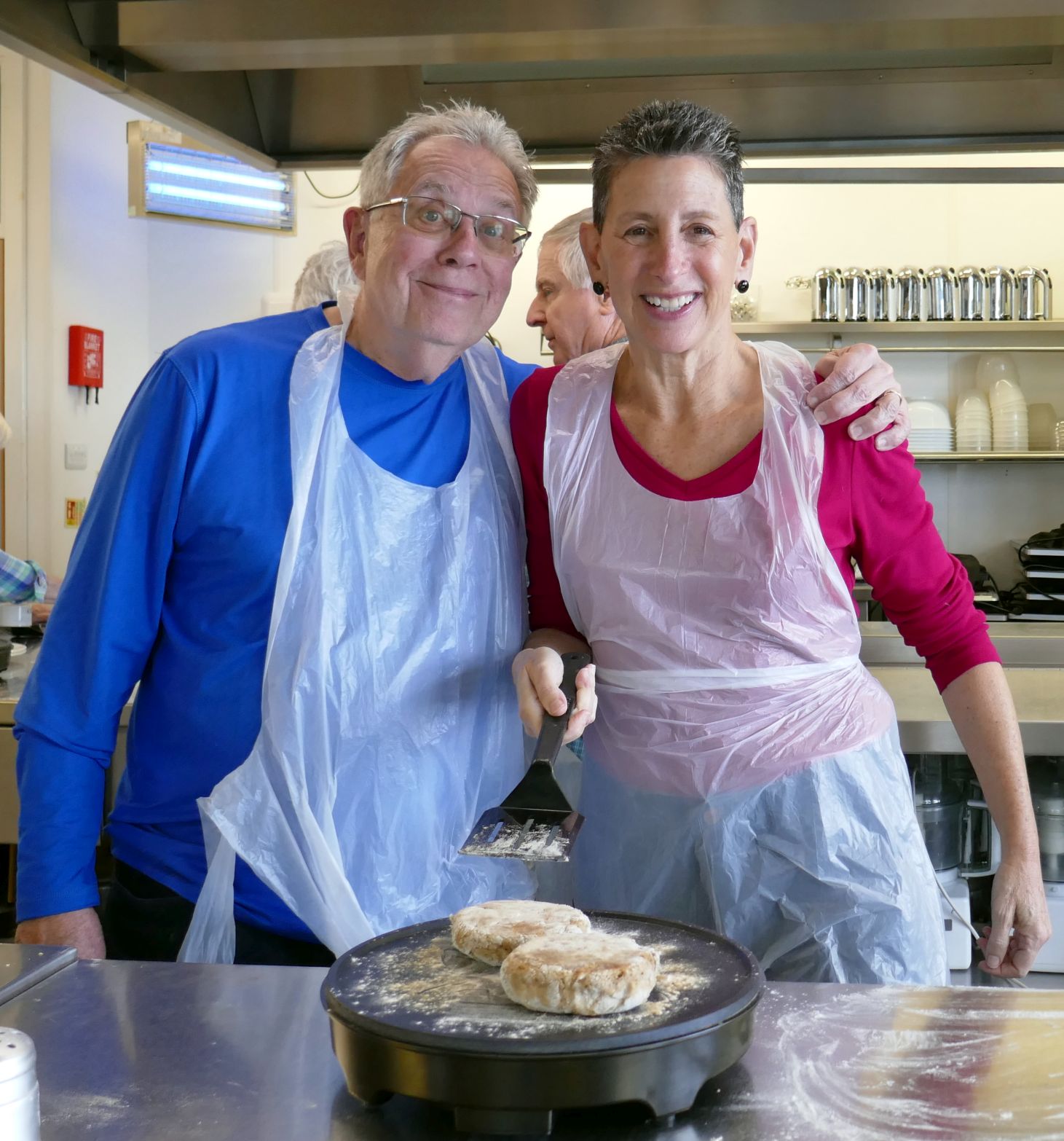
After learning a bit about the university and Laura’s background (She’s a huge Yankees fan and got married in Central Park!), she taught us how to make Bannocks, a Scottish bread made from bere barley, which is grown in Orkney and milled at Barony Mill, the only mill for bere in the world.  Bruce and I teamed up, and ours came out tasty!

Throughout our U.K. tour, in addition to the history, we learned a lot of interesting facts from Tom that baffled us as much as it baffles him!  Check this out:

Electricity that is generated by wind turbines in Scotland doesn’t stay in Scotland.  It goes to the grid in England for their benefit.  Scotland actually pays more for electricity, even though they produce it!  Ditto for oil.  Profits from oil drilled in Scotland go to England.

Wales gets the same shaft from England, but in their case, it’s water.  Wales water gets transported to England, and then it’s sent back to Wales at a premium cost.  What the…?

Although Wales could not survive independence, Scotland has the resources to be completely independent, but England won’t allow them to vote on it.  Go figure…

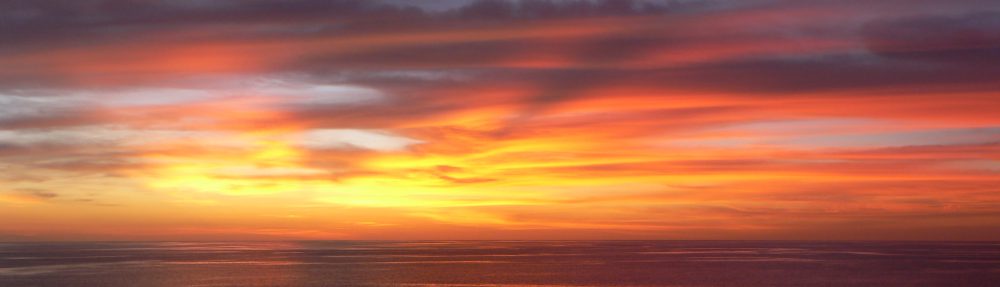
Here are some final sunset scenes around town:

Coming up next: UNITED KINGDOM #10: ORKNEY’S CHURCHILL BARRIERS & ITALIAN CHURCH
UNITED KINGDOM #8: ROSSLYN CHAPEL

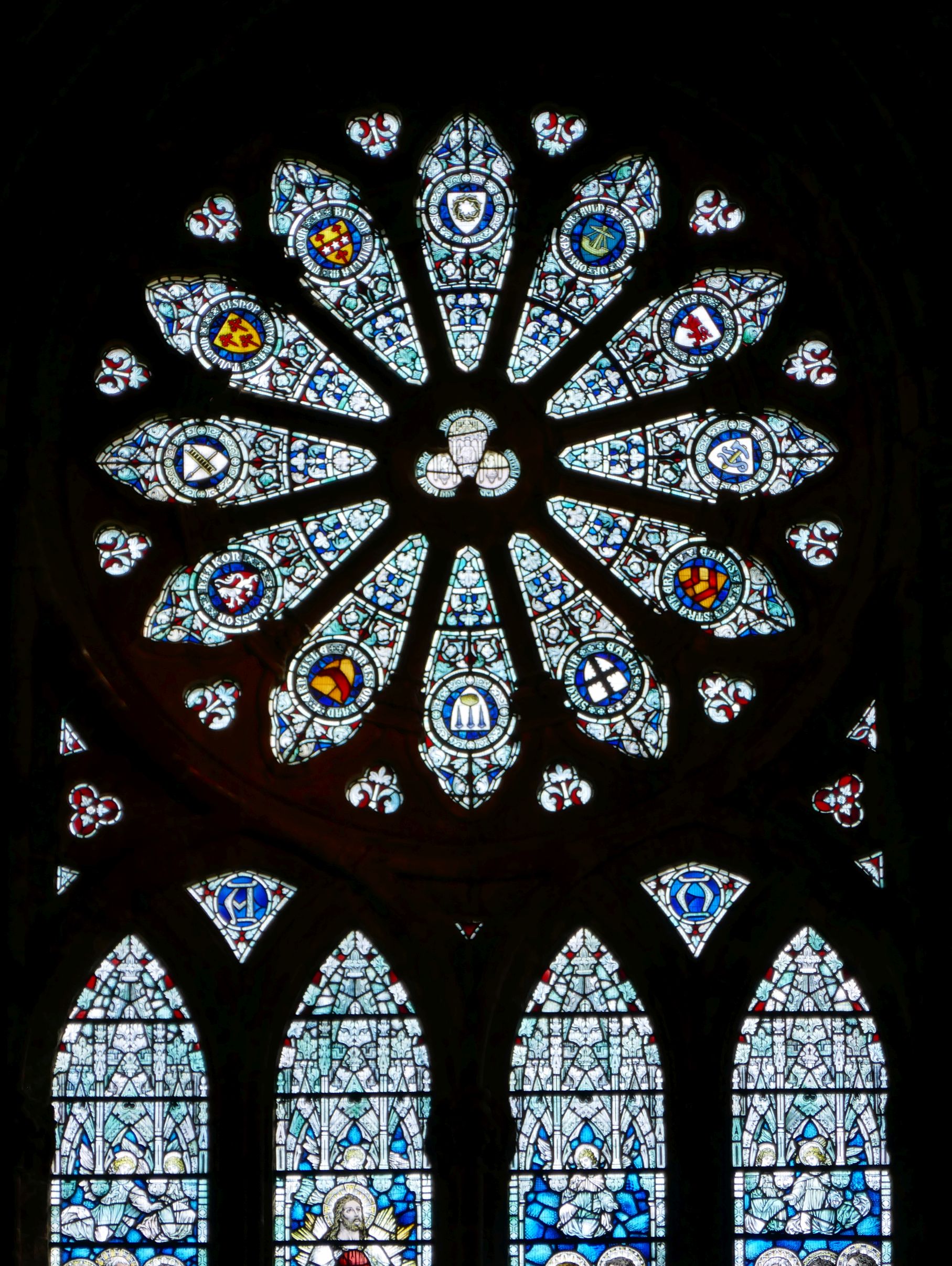
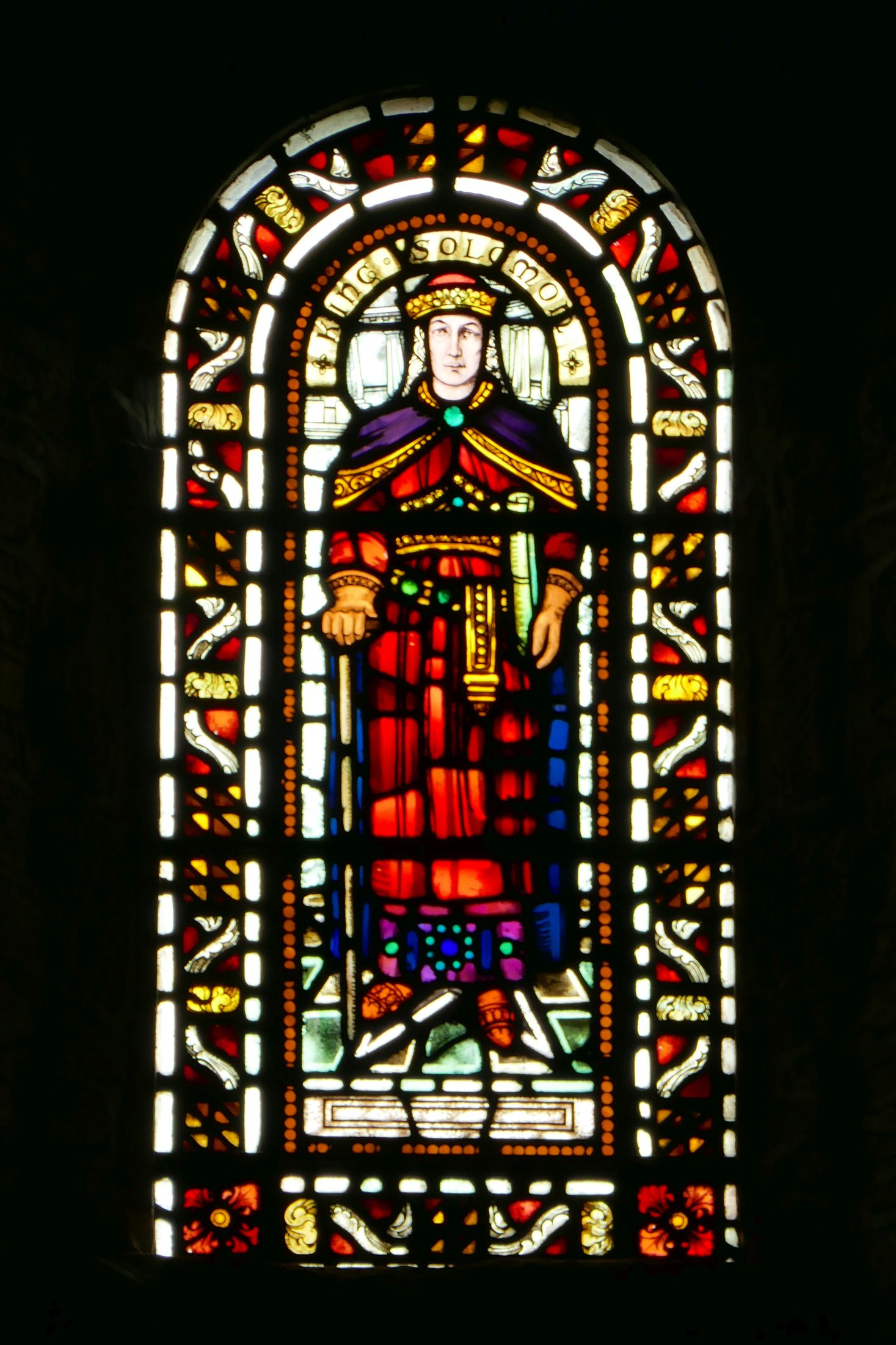
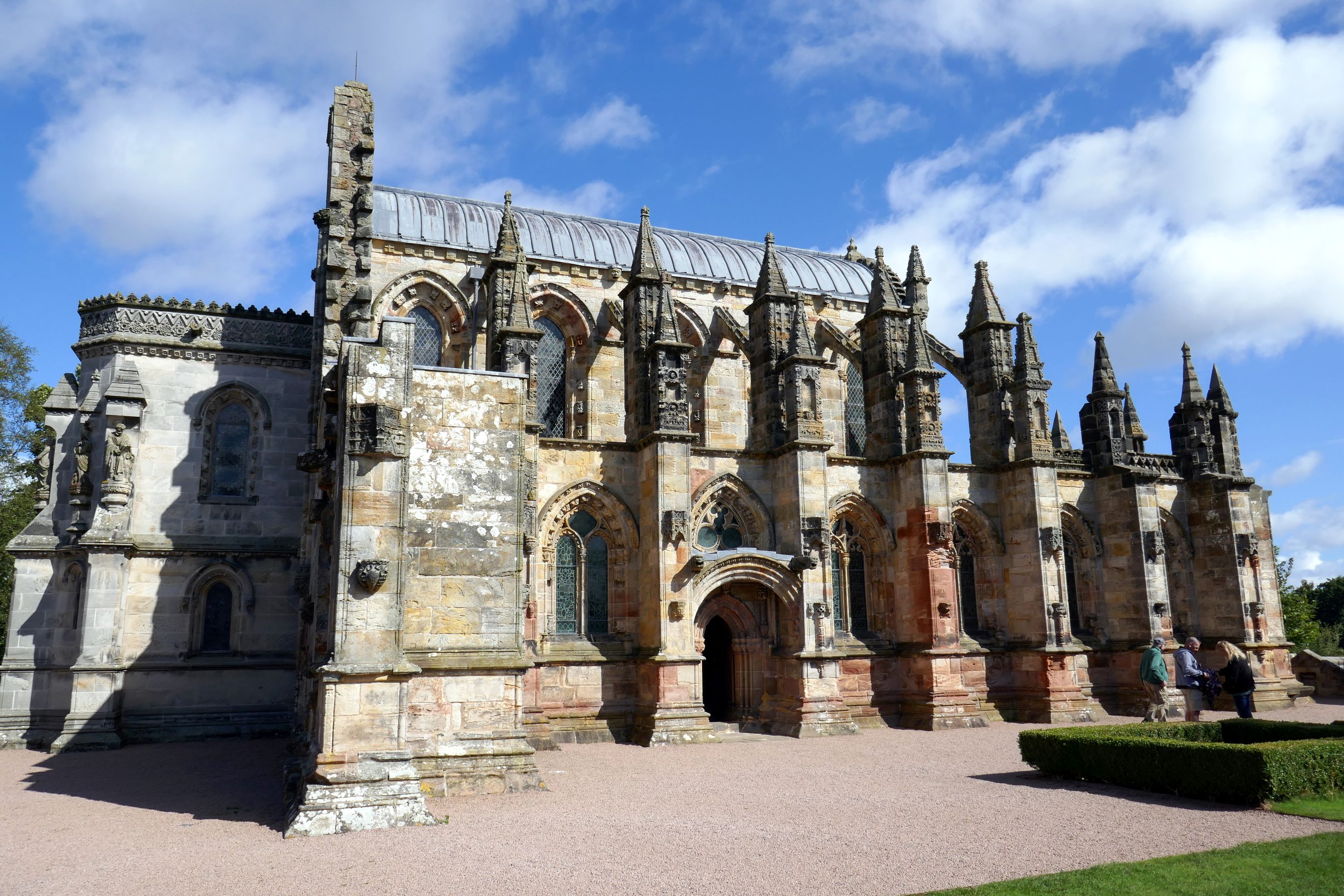
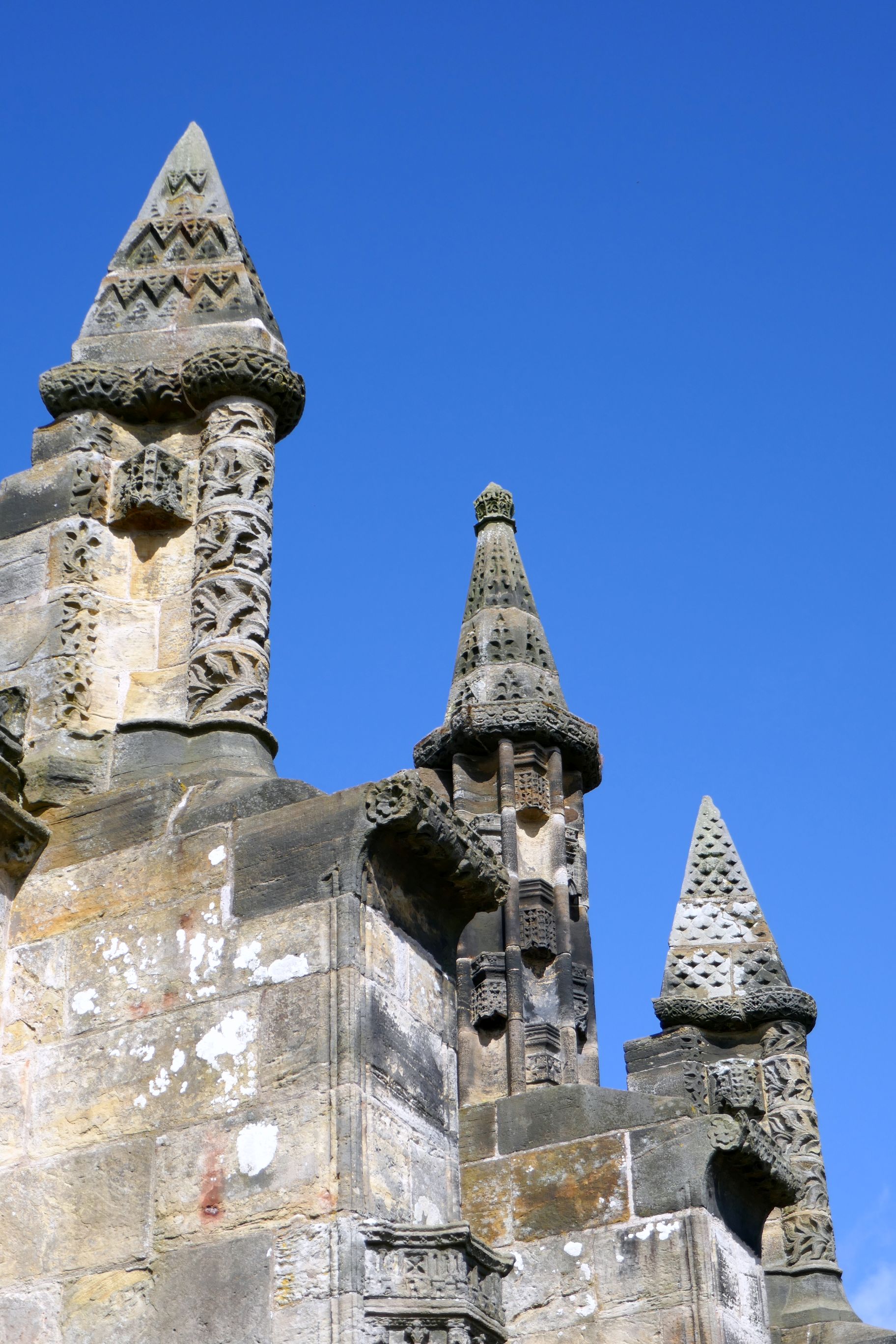
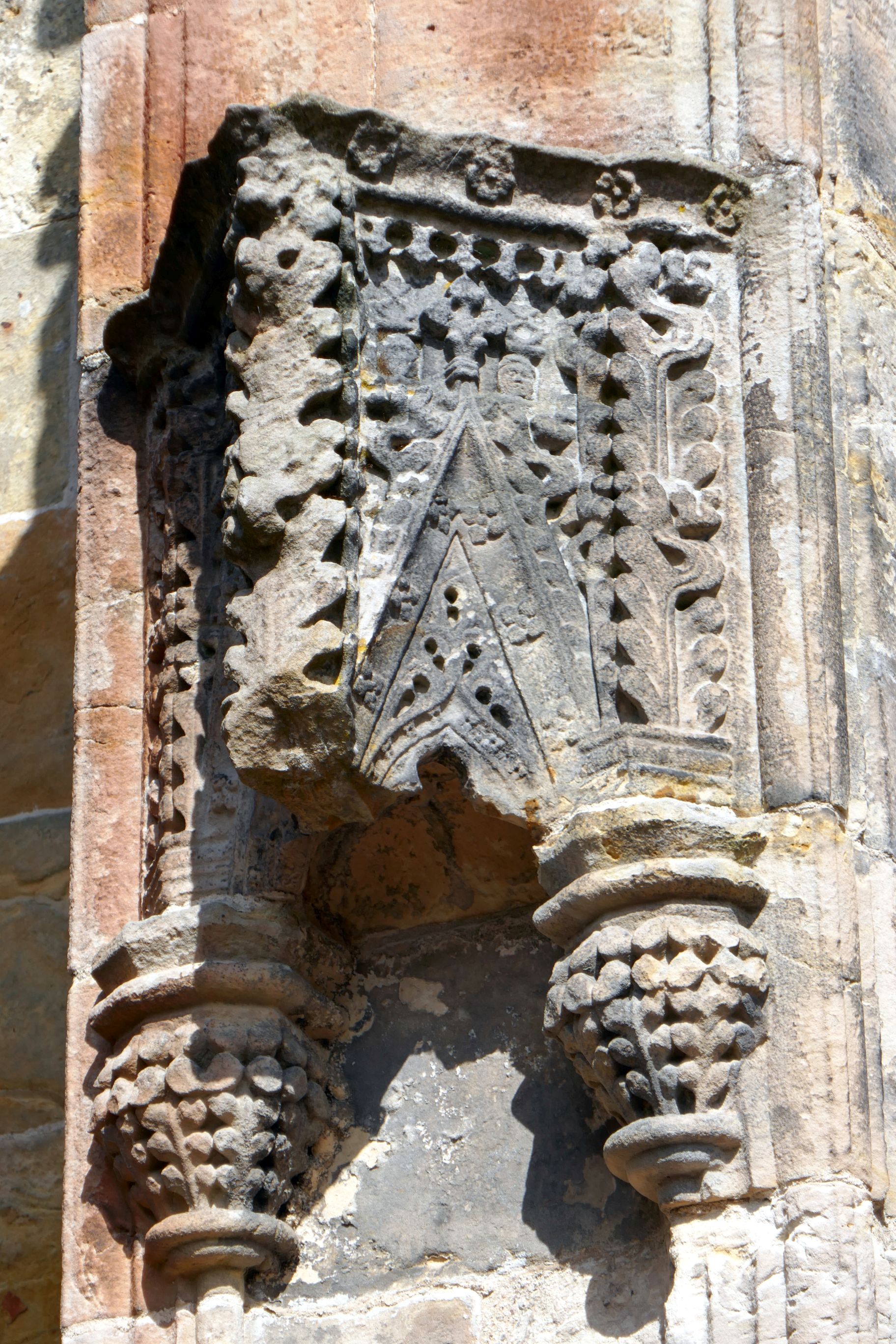
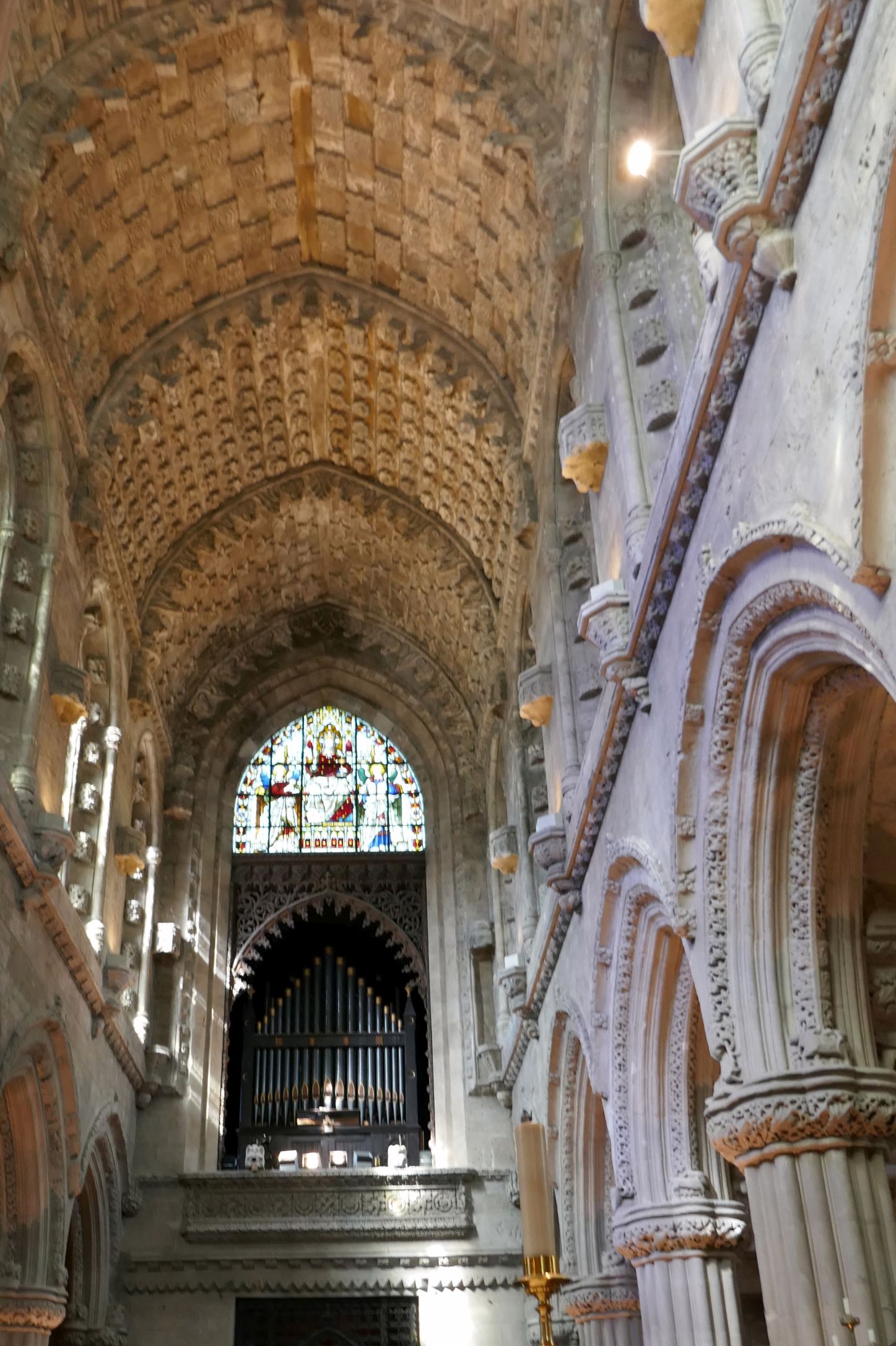
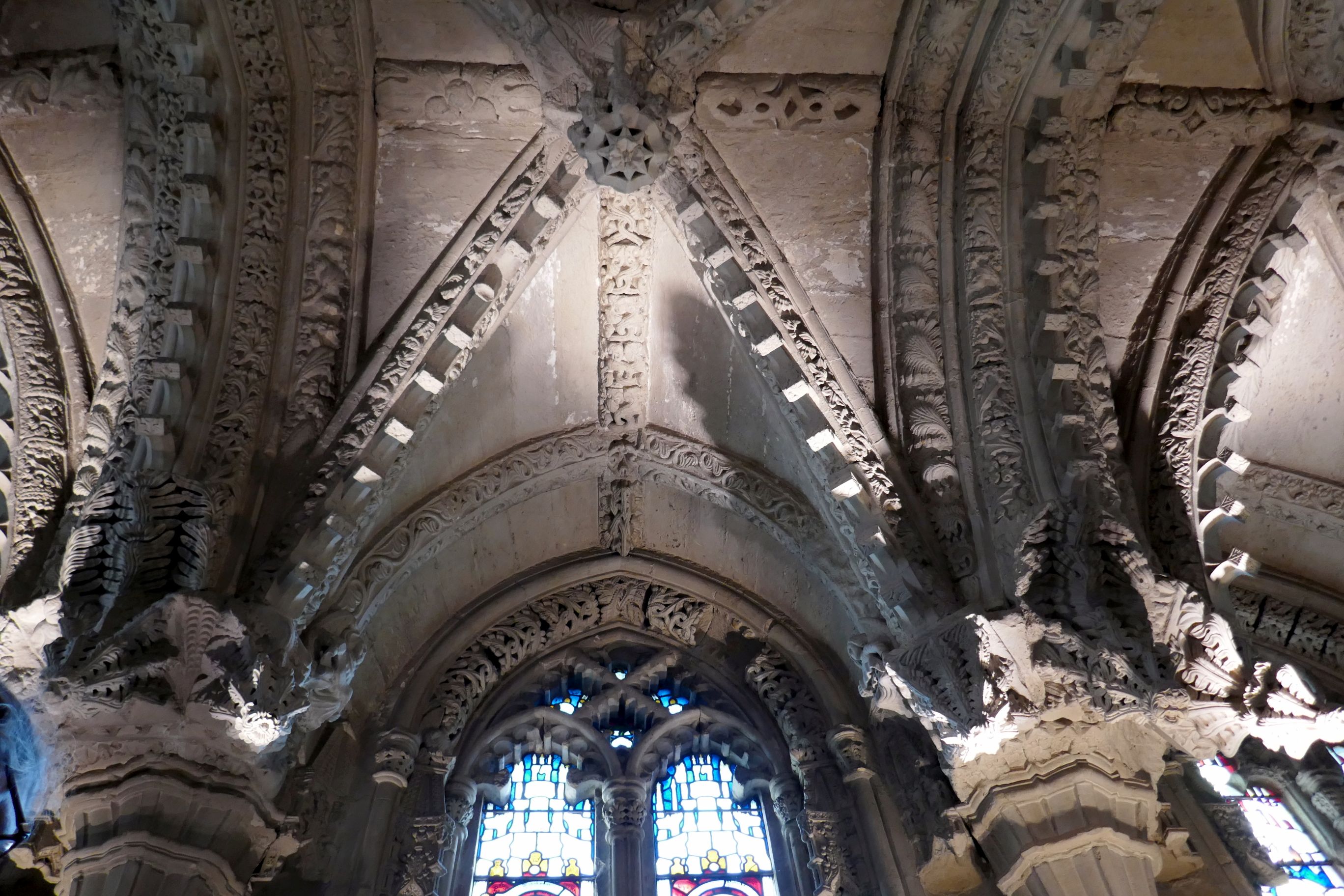
Have you ever read the best-selling novel, The DaVinci Code, by Dan Brown, or seen the movie adaptation of the book? Rossyln Chapel is the setting for the finale.  Founded in the mid-15th century, the chapel is famous for its interior of intricate stonework and vibrant stained-glass windows.

Located in the village of Roslin, in Midlothian, Scotland, the Episcopal chapel is still an active place of worship.  It was founded by William Sinclair, but largely abandoned after the Scottish Reformation in 1560.  Centuries later, Queen Victoria took a liking to it during her visit, so she rededicated it in 1860. 

There is much more to the chapel’s history, but fast-forward to the 1980’s, and speculation circulated that the chapel was connected to the Knights of Templar and the Holy Grail, and Freemasonry—something medieval historians say has no basis in fact.

Regardless, the book and movie made the chapel a famous destination for visitors.  It’s worth the visit; the stonework is amazing!

(For all photos, click on the image for a full screen view.)

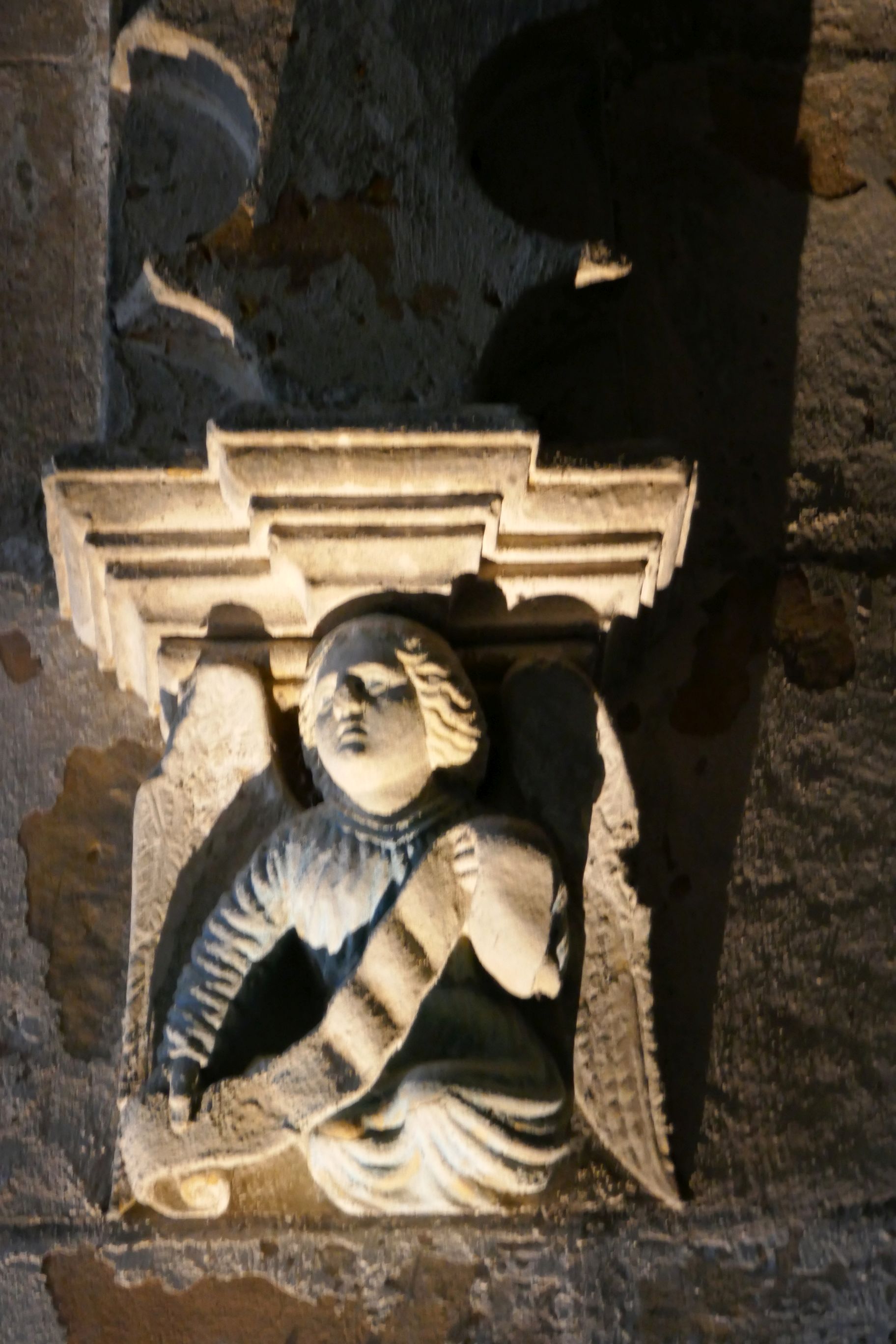
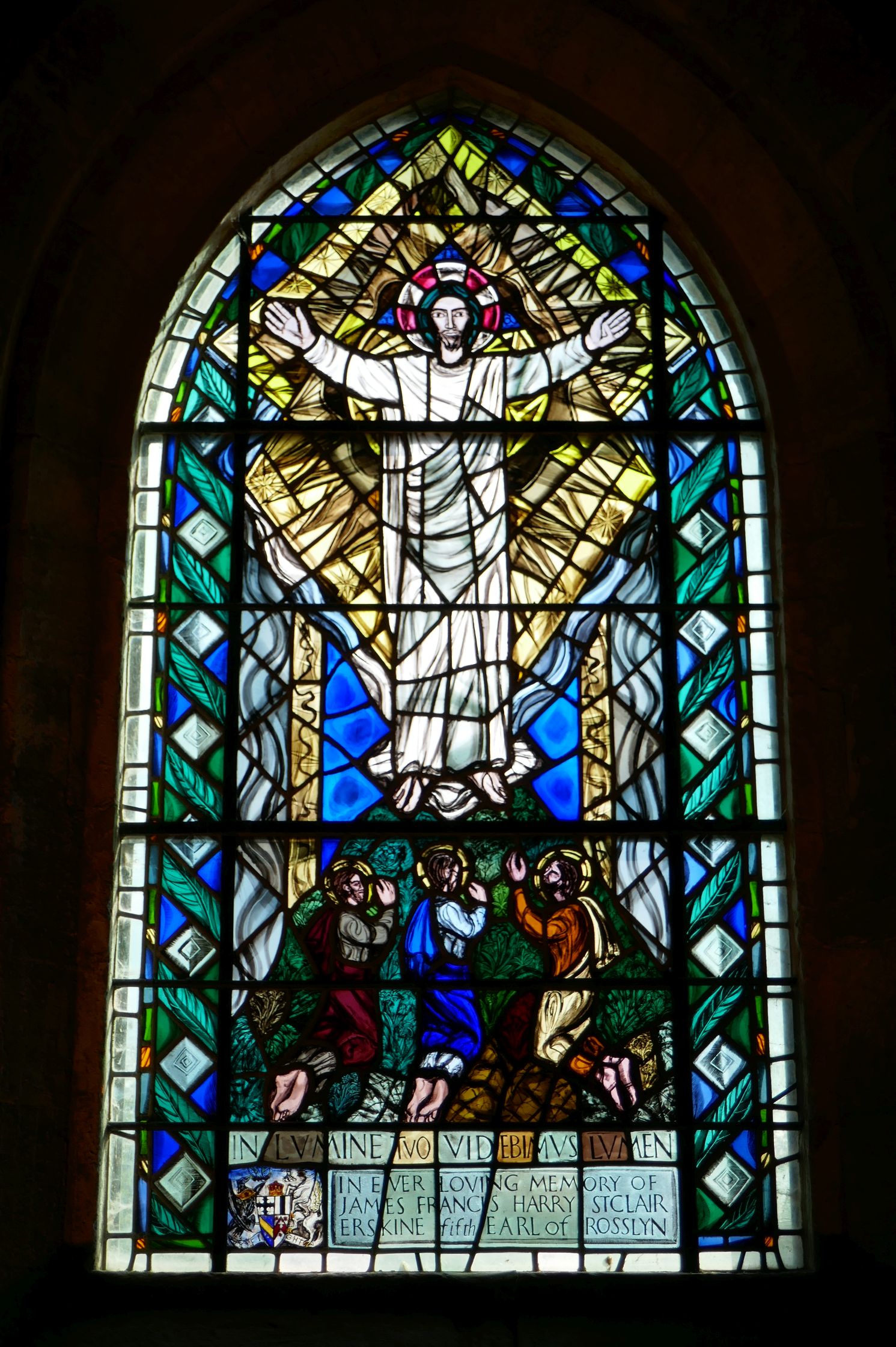
Although they don’t permit photography inside the chapel (“Please note that there is no photography or video allowed inside Rosslyn Chapel, as this can distract and inconvenience other visitors.”), I discreetly sneaked a few photos when nobody noticed. 

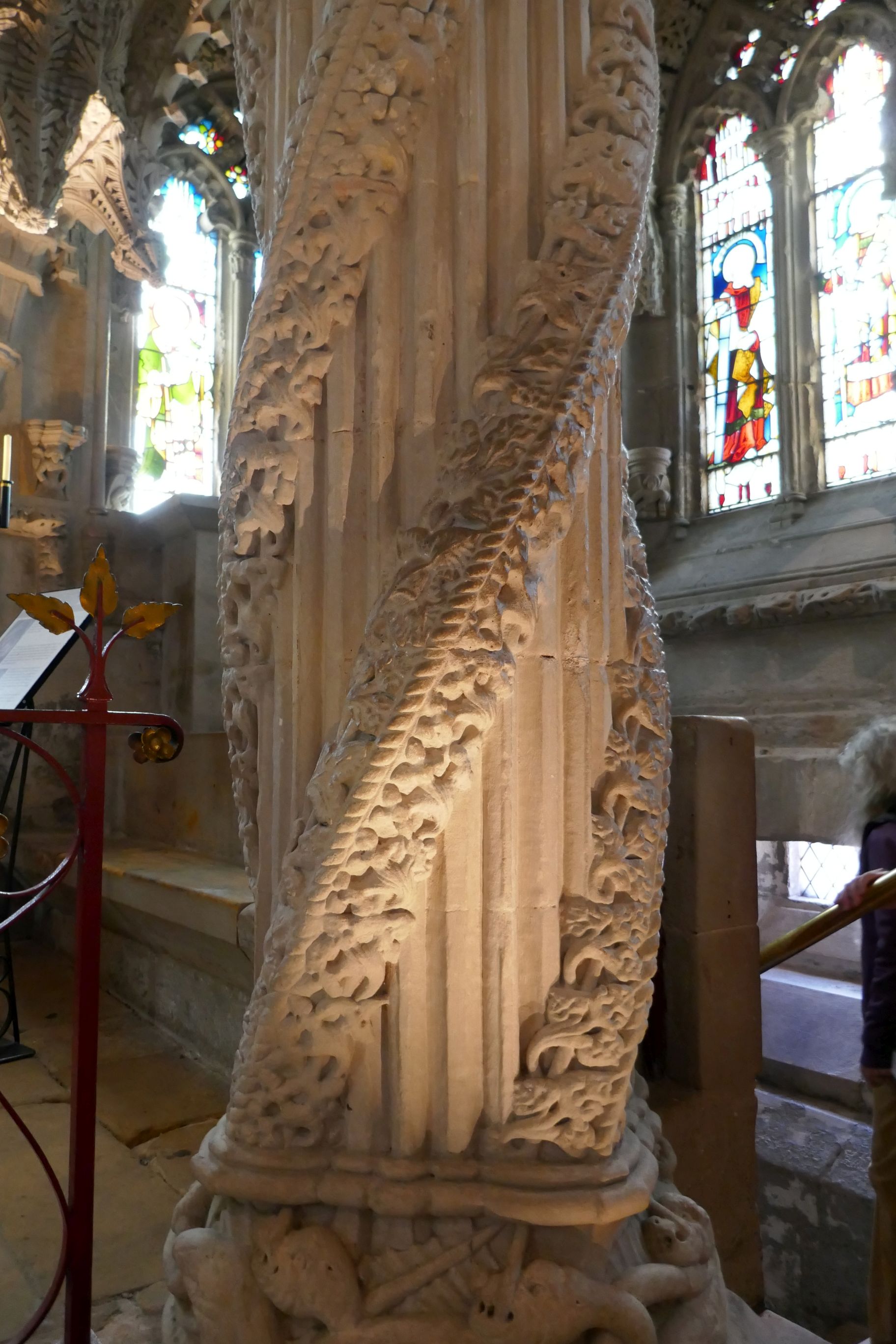
Inspired by a dream, an apprentice mason is said to have carved this pillar in his master’s absence. On his return, the master mason flew into a jealous rage killing the apprentice.
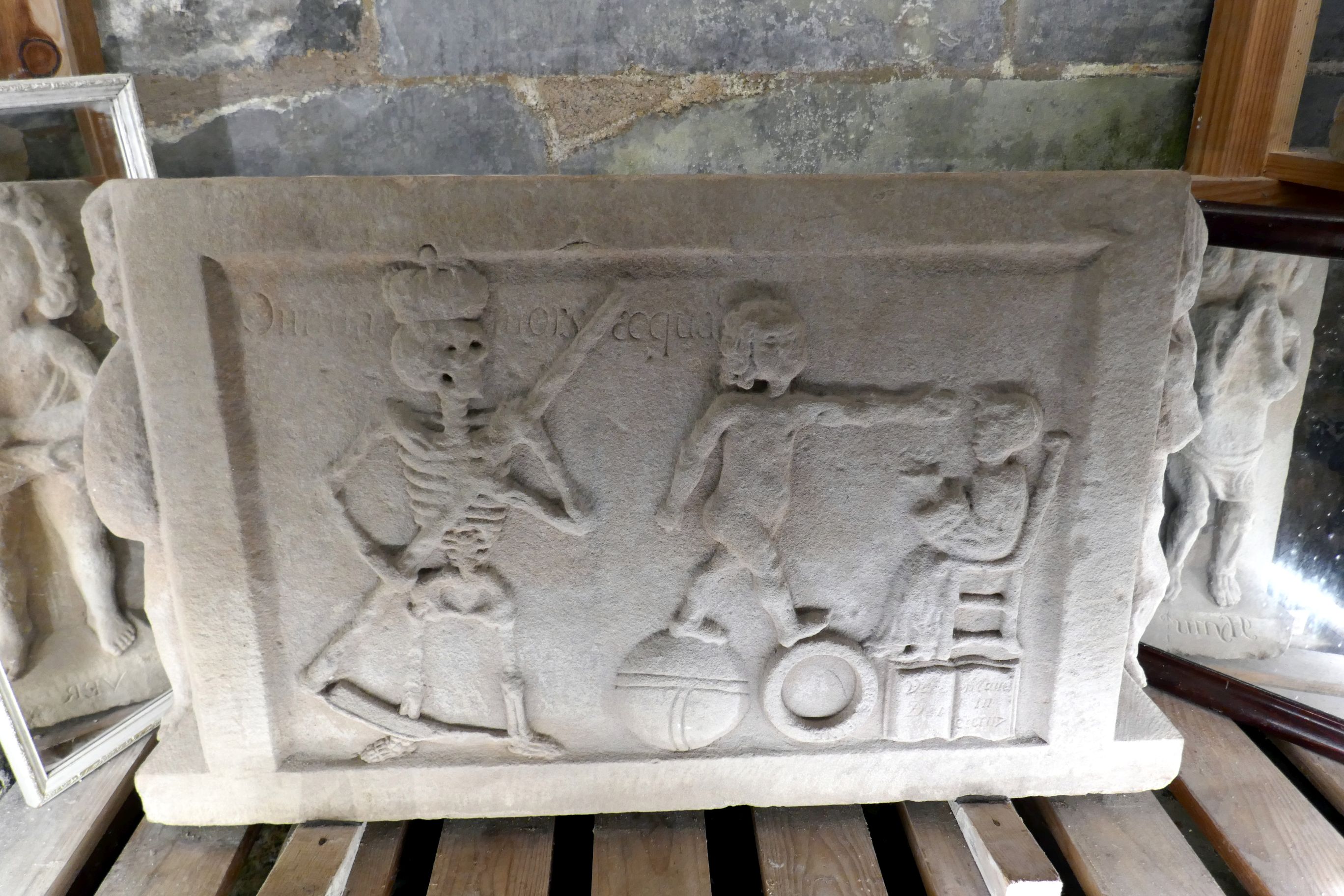
This was located in the basement museum.

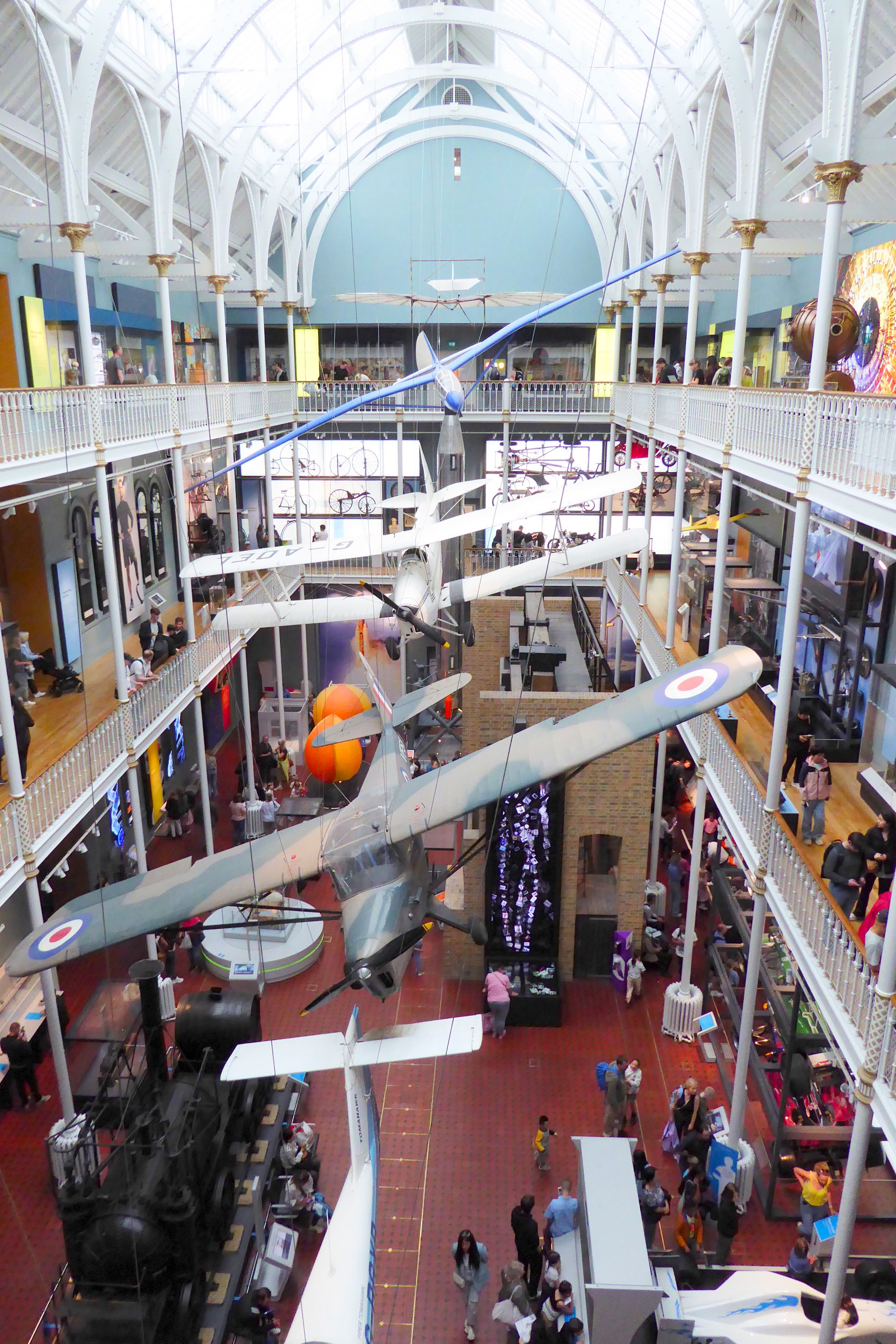
The remainder of the afternoon and evening were free, so Bruce and I took a walk into Old Town and revisited the fabulous National Museum of Scotland and took advantage of the gorgeous day to get this shot from the rooftop terrace:

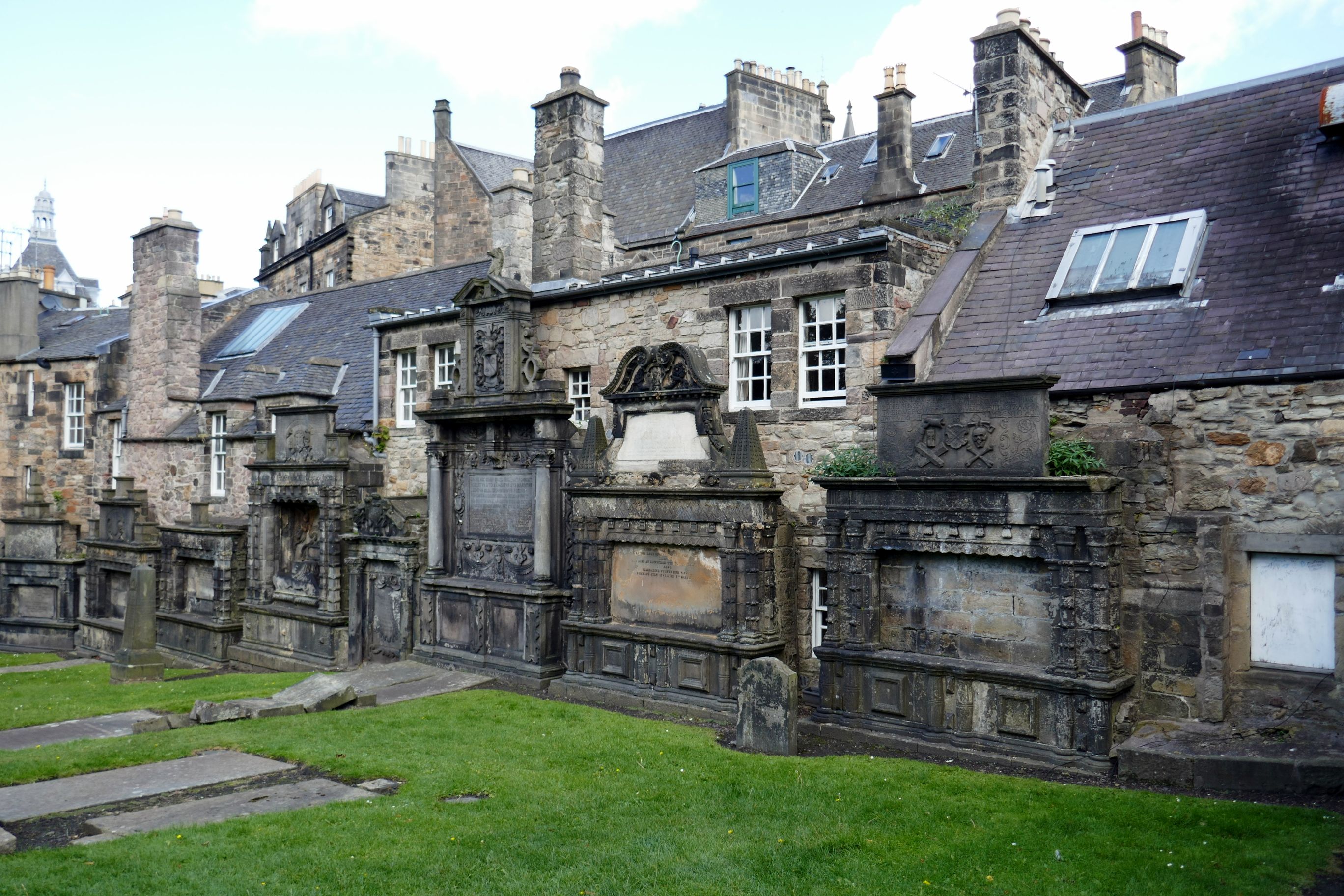
A cemetery located near the museum.

Next up: UNITED KINGDOM #9: ONWARD TO ORKNEY ISLANDS
UNITED KINGDOM #7: ENCHANTING EDINBURGH

For those who have followed my travels, you may remember last year’s blog posts on Scotland.  We hadn’t planned on returning so soon; however, Edinburgh is on Overseas Adventure Travel’s U.K. itinerary.  It was great getting to see this enchanting city again!

If you first travel through the Lake District of England, and then continue to Scotland like we did, you will notice some differences.  The small fields of sheep in the Lake District become larger fields of mostly cattle, and the land is flatter.  The accent is different, too.  “Carlisle” is pronounced “Car-lyle” by the English and “Ker-leel” by the Scottish.

Scotland has 1/3 the land mass but only 8% of the population of the United Kingdom.  Their population is a well-educated one, too– the most educated workforce in Europe.

Even though the country is in the United Kingdom, it still has a degree of independence, because it voluntarily joined the U.K.  They can choose what they keep independent, such as their legal system. 

Unfortunately, like in many other cities around the world, Edinburgh is experiencing an extreme housing shortage, and it is very expensive to buy or rent in the city.  A one bedroom/ one bath rental apartment south of the city will cost you 1,500 – 1,600 British pounds ($1,900 – $2,000+).  There are many Edinburgh workers that live in Glasgow and commute to Edinburgh—a 45-60 minute drive each way. 

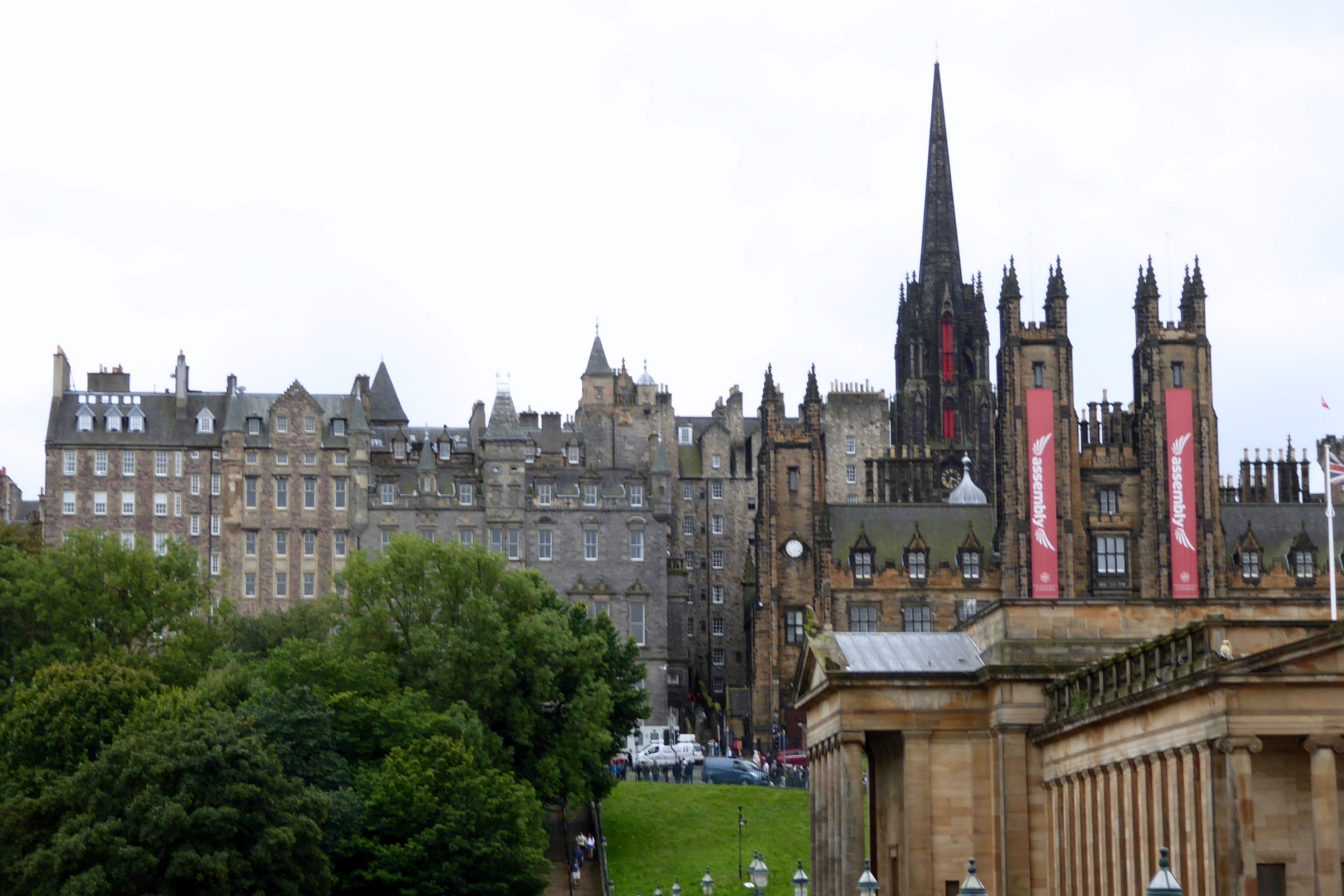
We began our first day with a walking tour of Edinburgh’s Old Town, a UNESCO World Heritage Site, revisiting the places I wrote about in Scotland #1, Scotland #2, and Scotland #5.  It was a beautiful day until the clouds and drizzle moved in during the late afternoon, so I found myself shooting many of the same subjects again.  Déjà vu!

(For all photos, click on the image for a full screen view.)

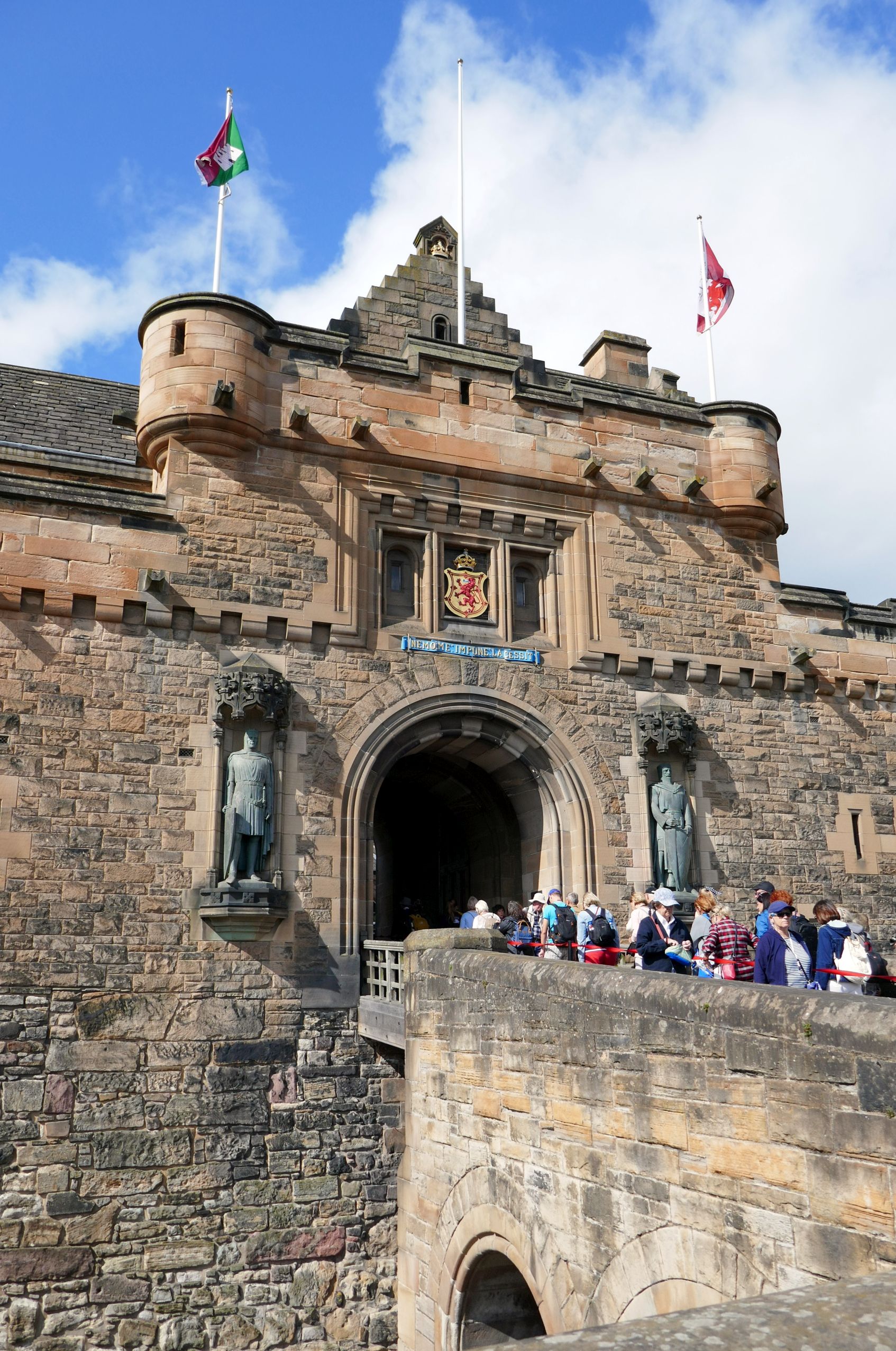
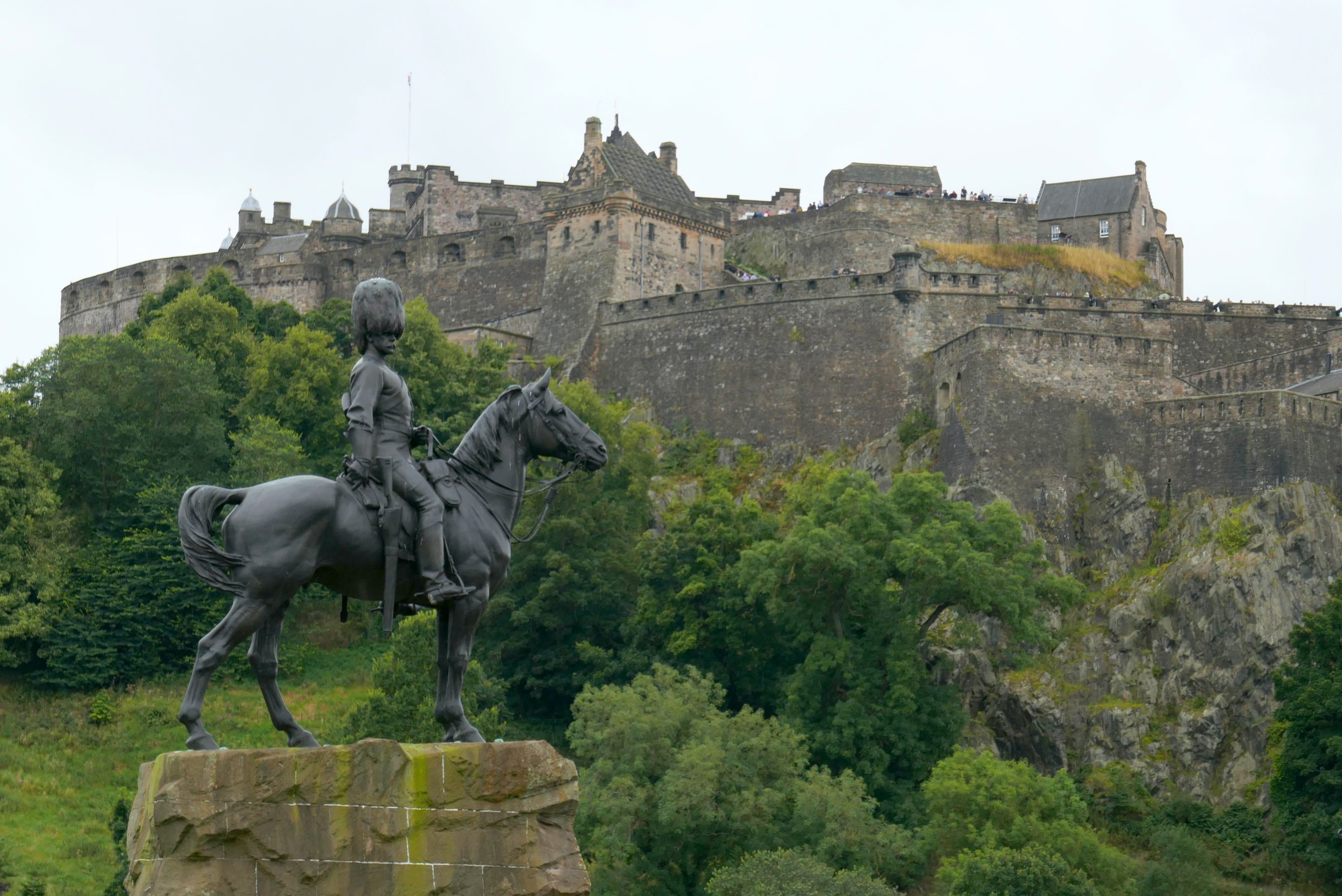
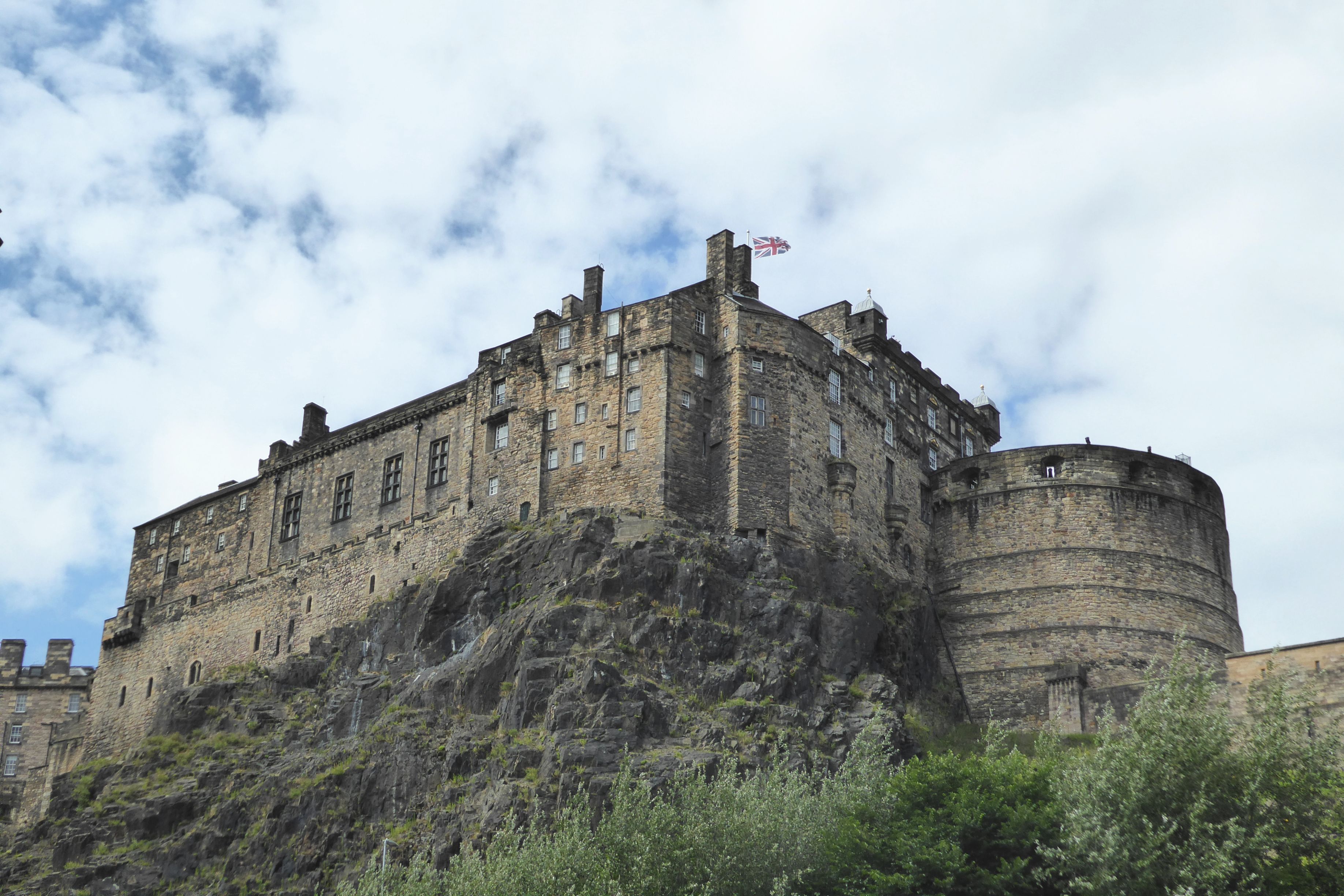
Edinburgh Castle
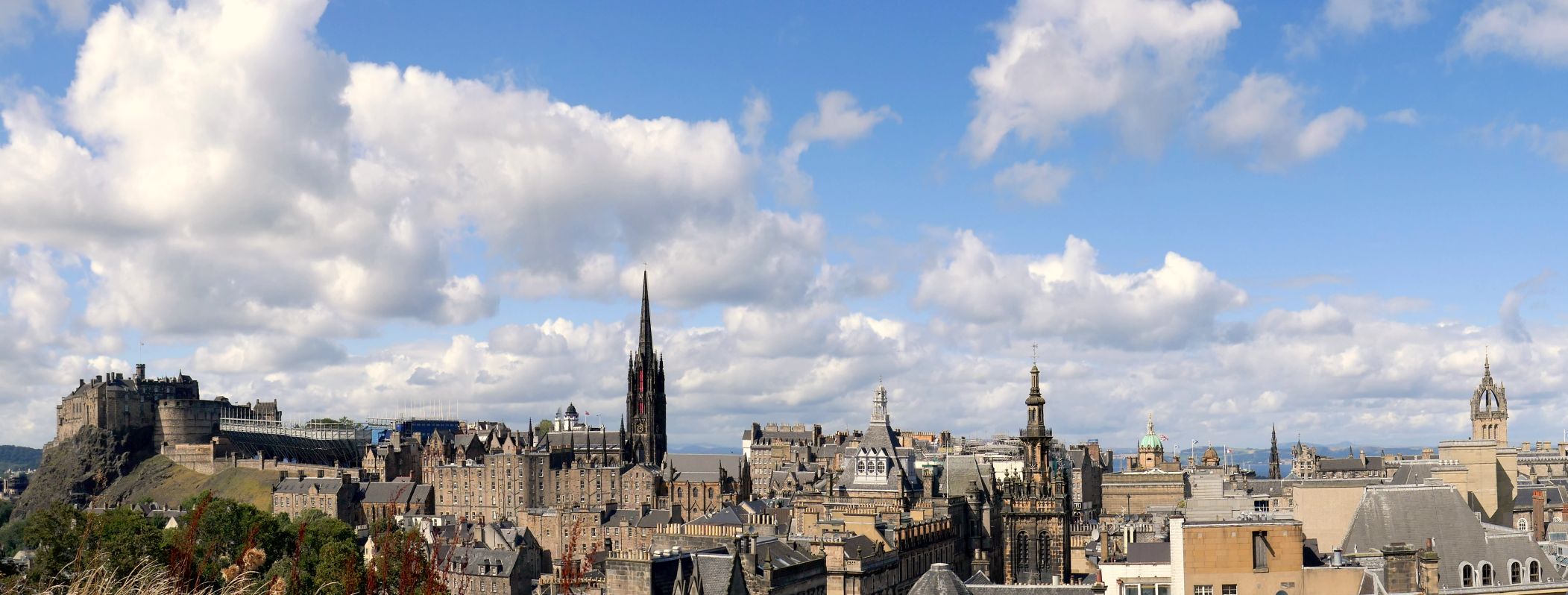
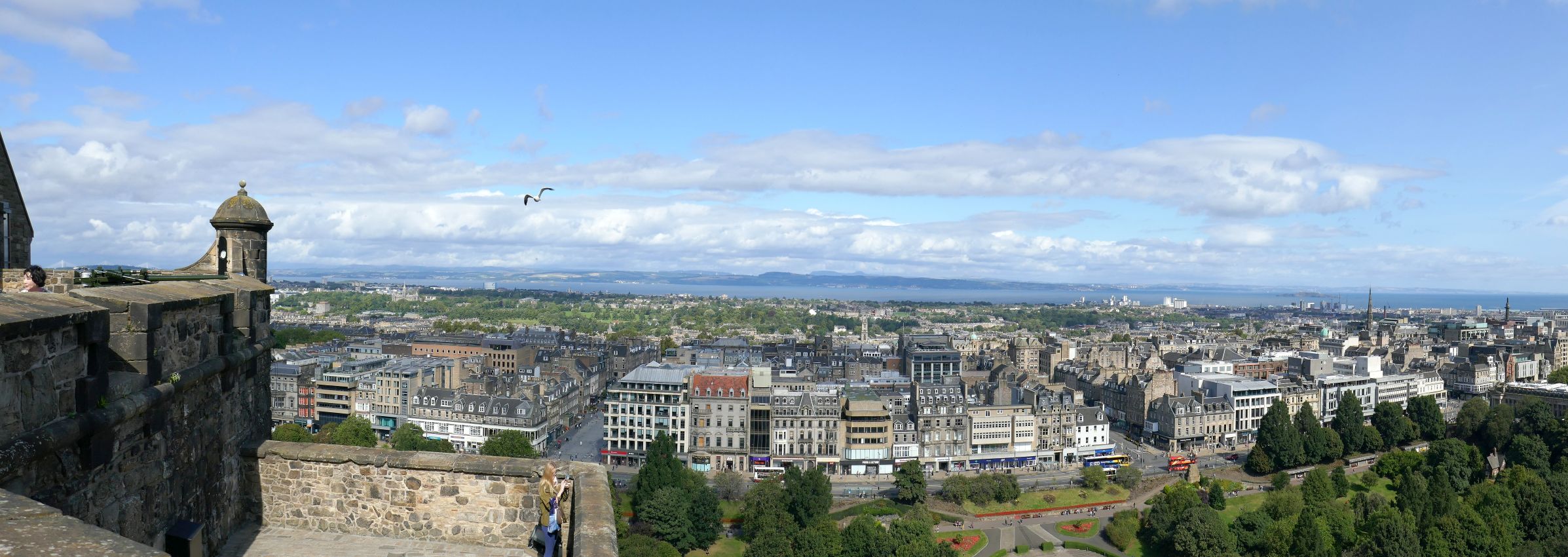
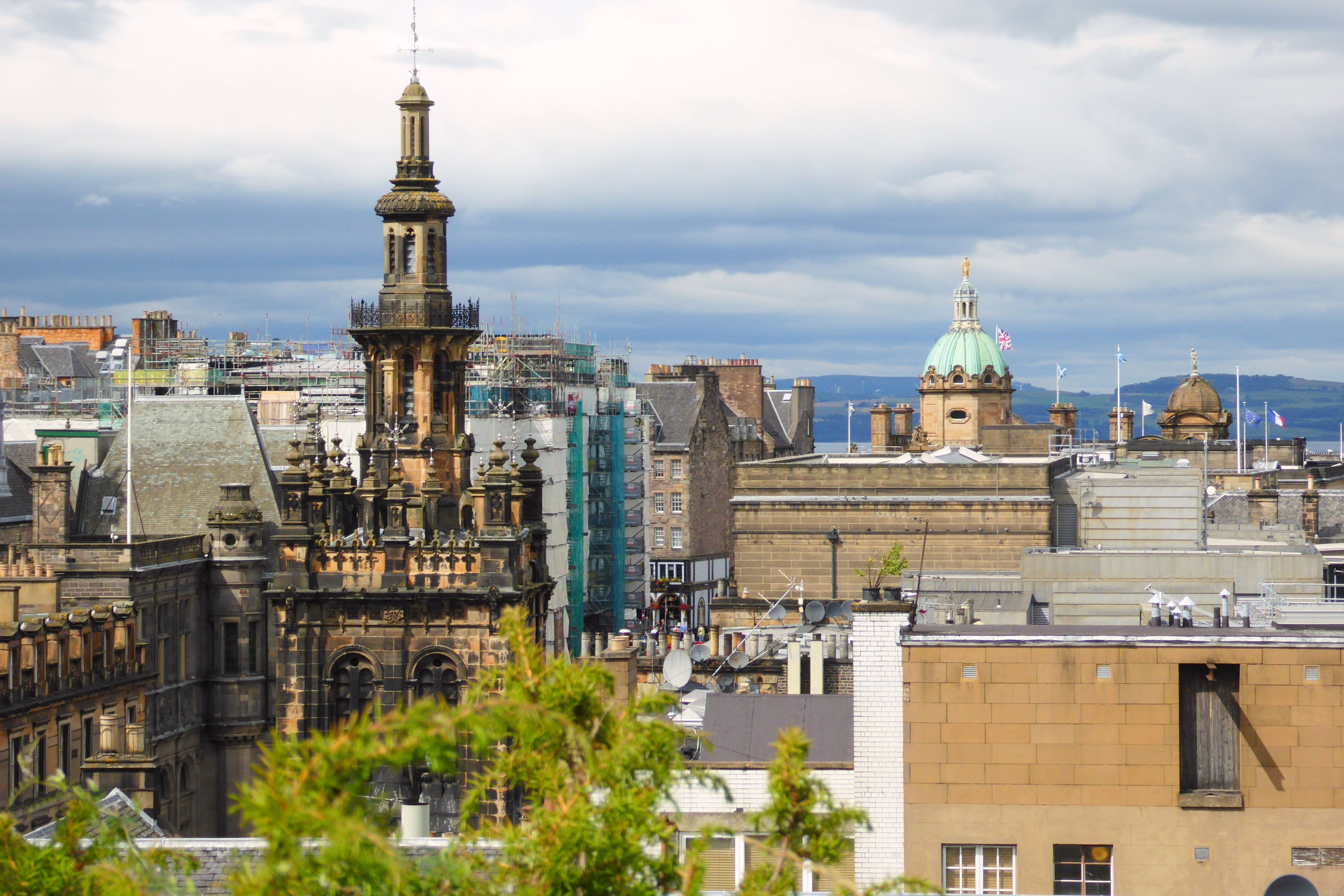
The view from the castle looking down on Edinburgh
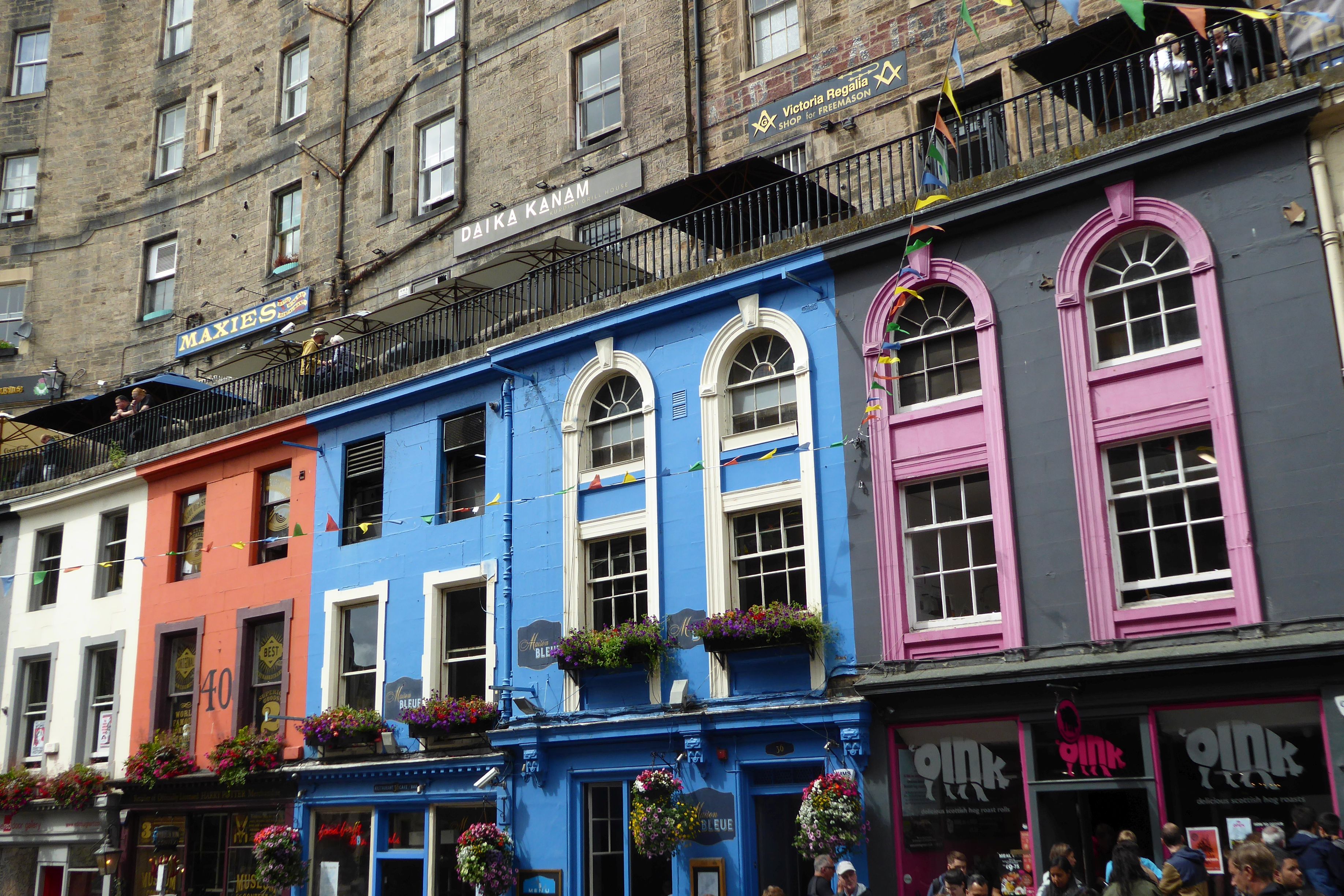
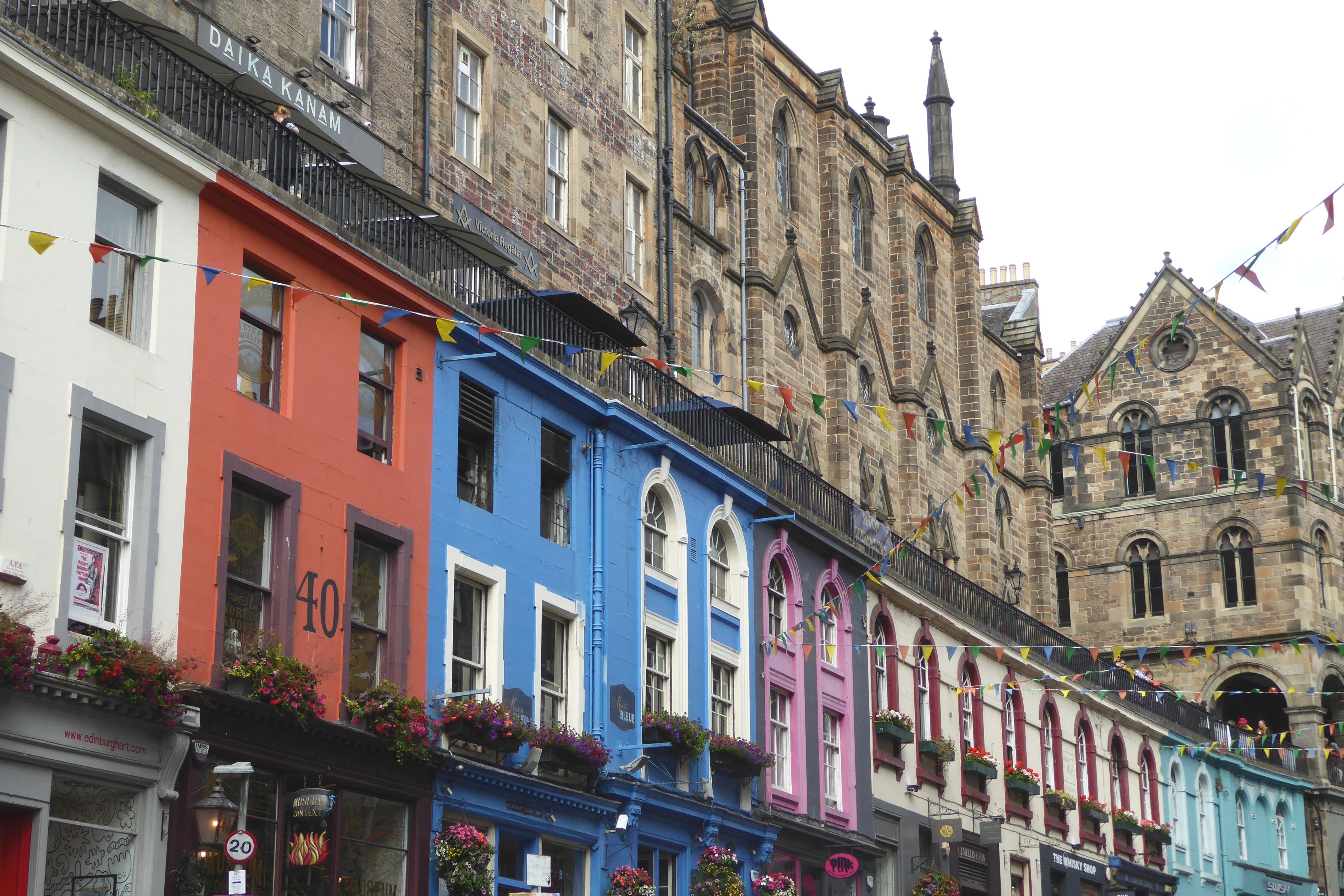
Victoria Street
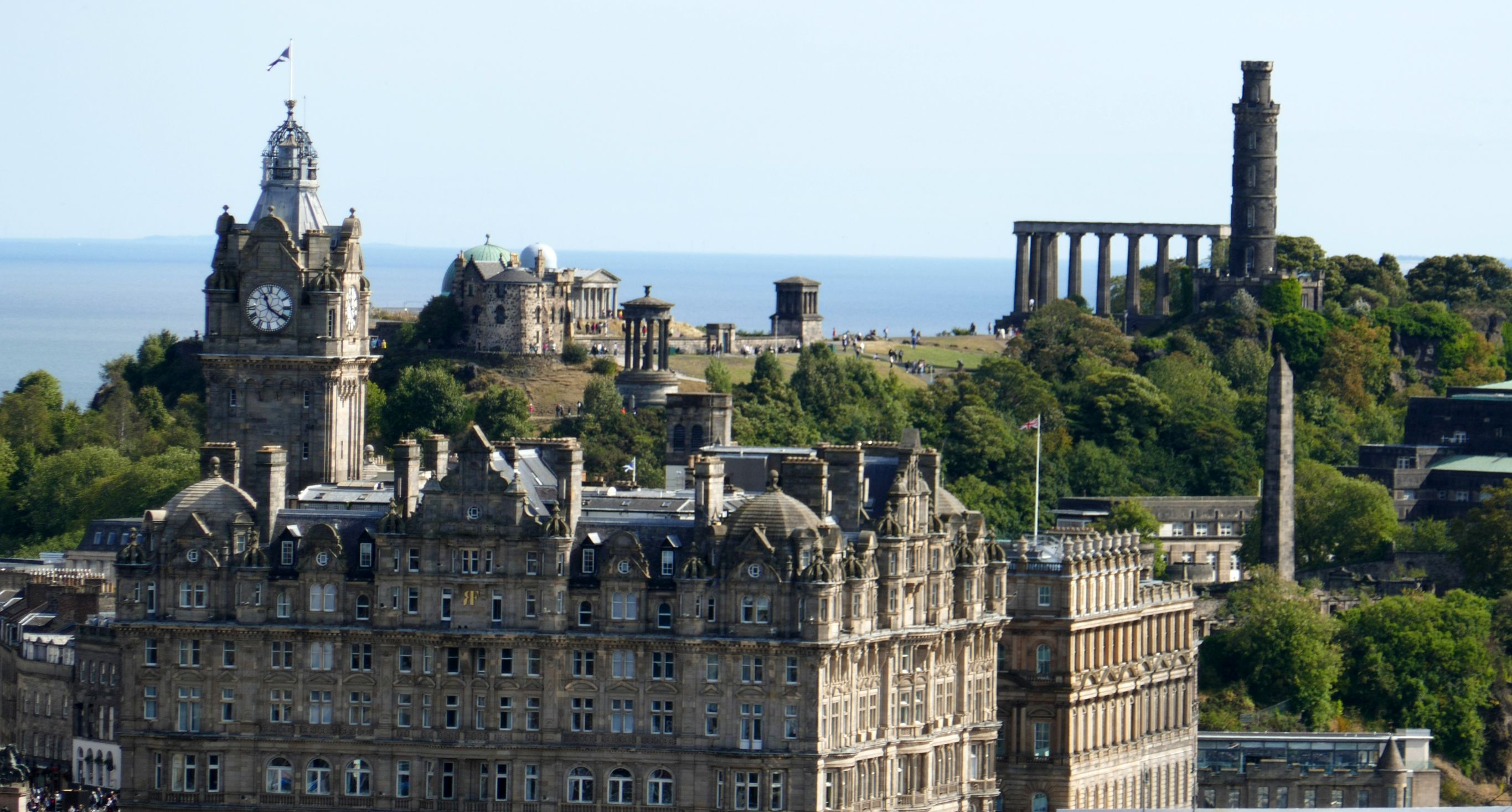
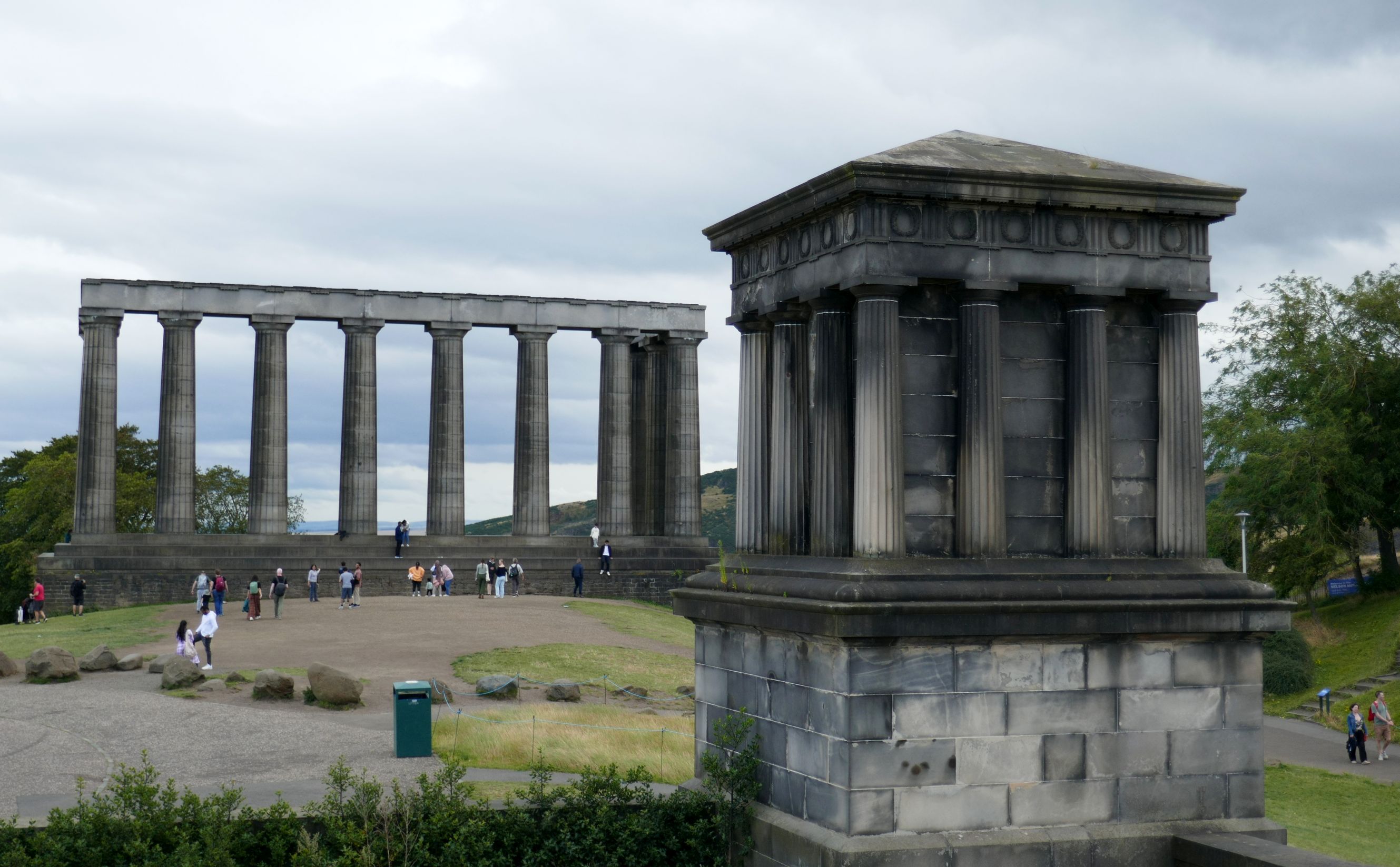
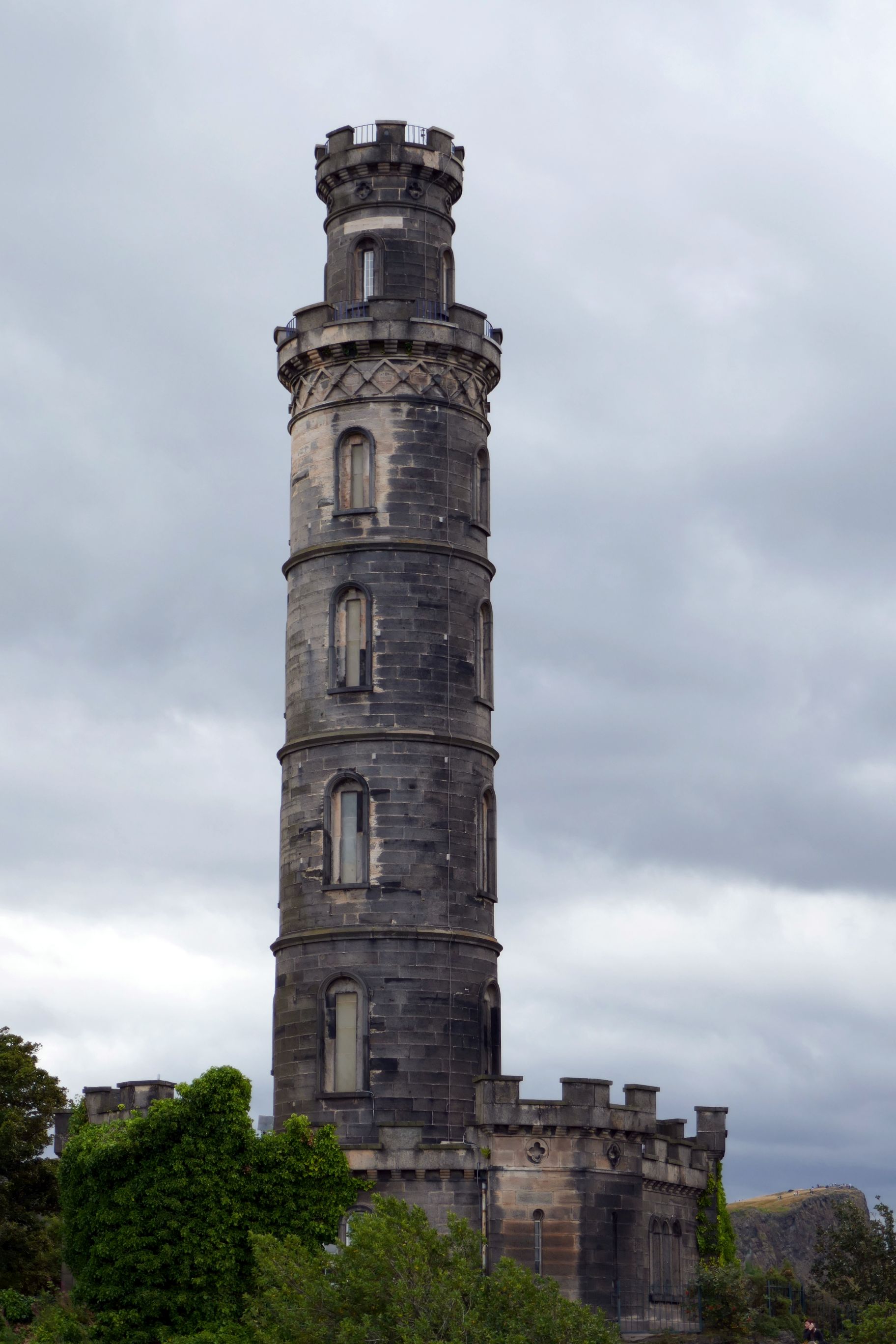
Calton Hill
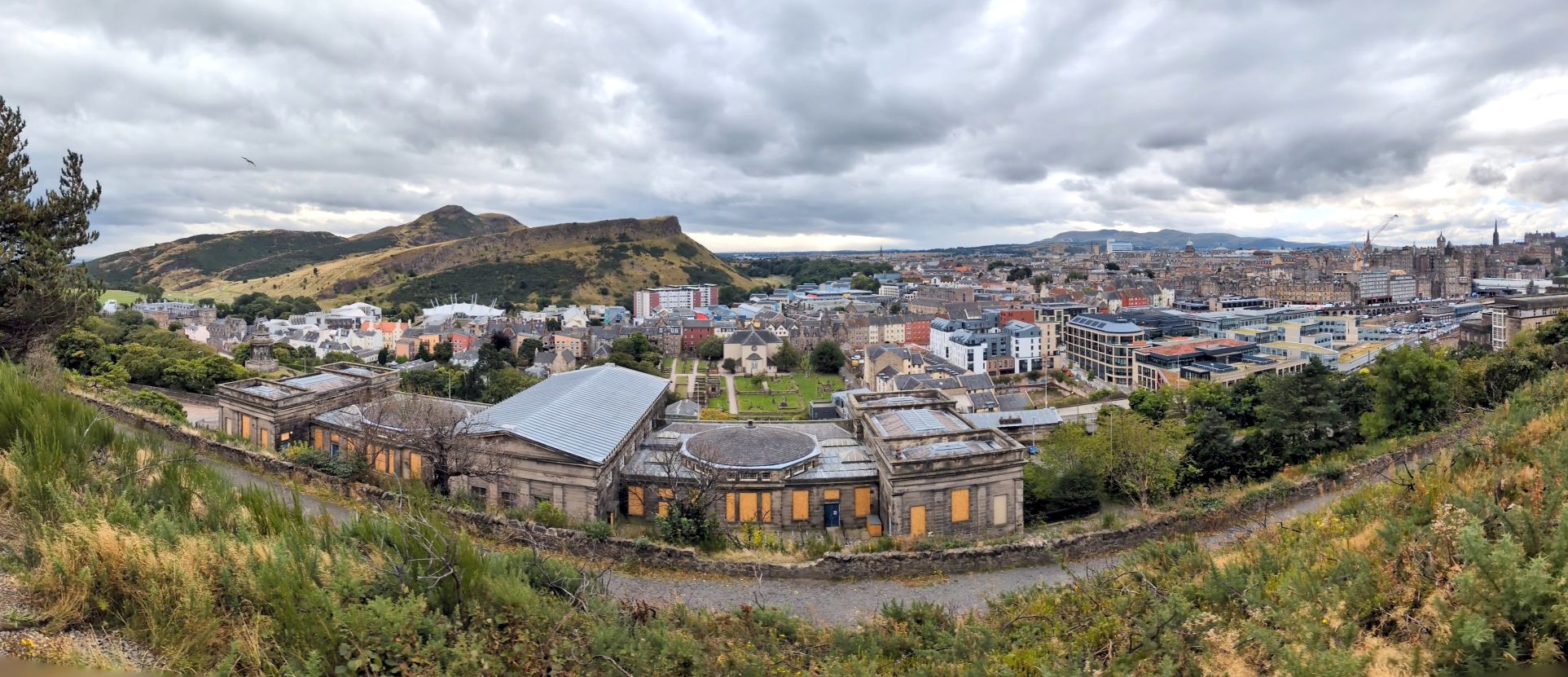
The view from Calton Hill to Arthur’s Seat
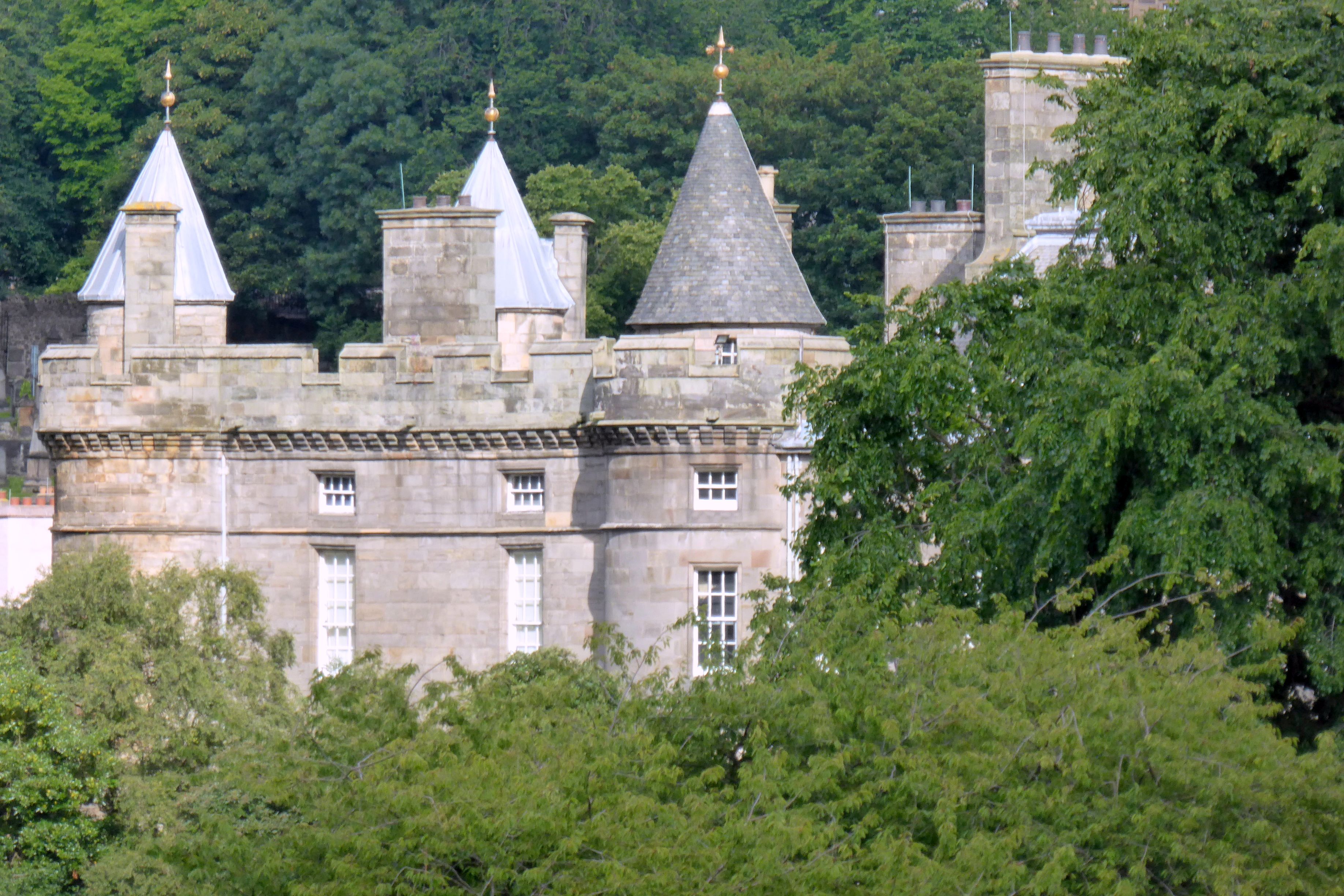
Holyrood Palace

As always on an OAT tour, we experienced a home-hosted meal, and on this itinerary we visited a home in Edinburgh.  We were hosted by a lovely young couple, Ashley and Ian, and Ian’s father, Ross, a cool guy who shared our taste in music.  The dinner was at Ross’s home, but Ashley and Ian did the cooking.  They are working towards growing their catering business to eventually opening a vegan restaurant, so they tried out some recipes on us.  I especially enjoyed the dessert—chocolate mousse made with 350 grams (12 ounces) of silken tofu, 150 grams (5.3 ounces) of dark chocolate, and 3 tablespoons of maple syrup.  Whip it up in a food processor and chill!  How easy is that?

Coming up next: UNITED KINGDOM #8: ROSSLYN CHAPEL

SCOTLAND #5 – TOURING THE SCOTTISH PARLIAMENT & SCENES AROUND EDINBURGH
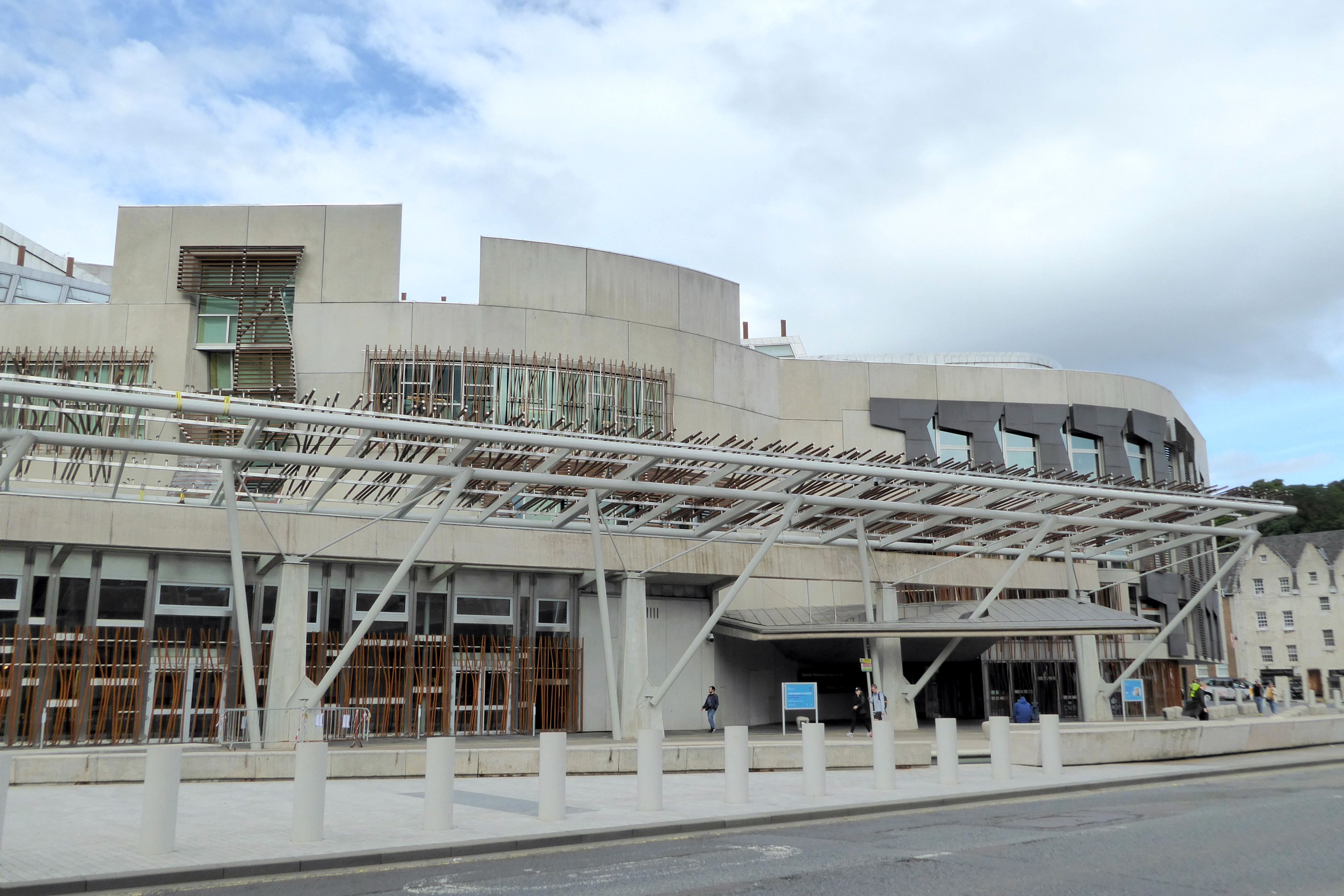
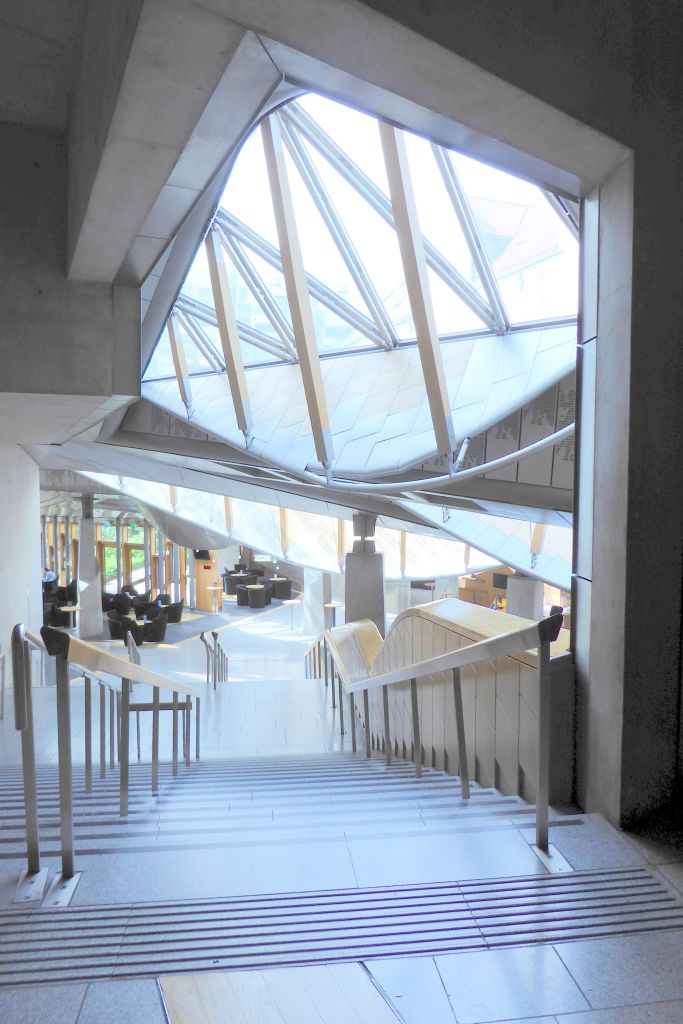
For our final day in Edinburgh, we booked a free tour of the Scottish Parliament Building, so we could see more of its unique architecture. 

Back in 1997, when Tony Blair became Prime Minister of the United Kingdom, he promised constitutional reform within the UK.  A Scottish referendum was held on two questions: to decide whether or not there should be a Scottish Parliament and whether that Parliament should have the power to vary taxation.  The majority of Scots voted Yes to both proposals.  In July of 1999, a Scottish Parliament met in Edinburgh for the first time since the Union of the Parliaments in 1707.

From 1999 to 2004, the Scottish Parliament Building was constructed adjacent to the Palace of HolyroodhouseEnric Miralles, the Spanish architect who designed the building, died before its completion.  How sad that he never got to see his creation and the awards it had won, including the 2005 Stirling Prize.

(For all pictures, click on the image to see full screen view.)

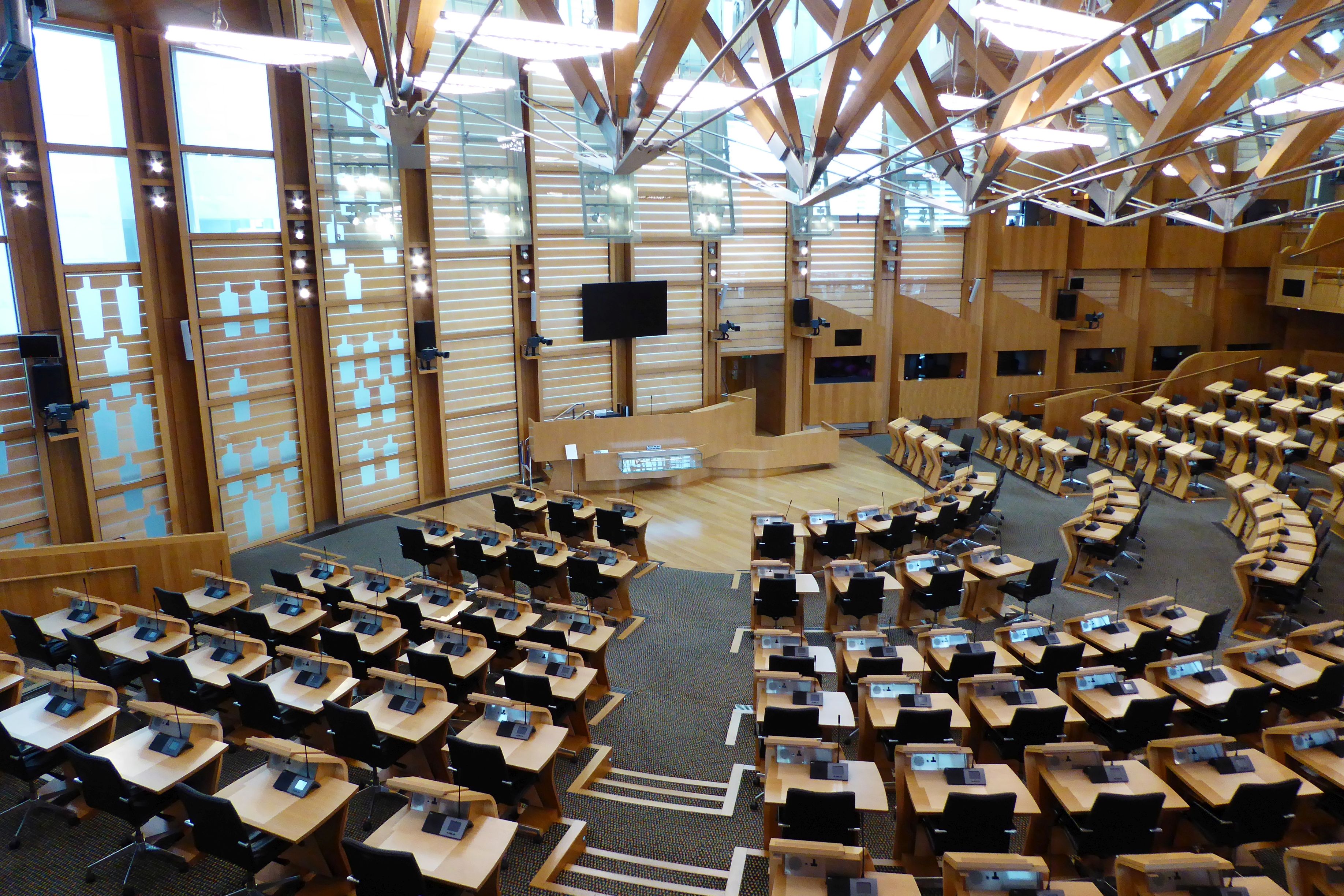
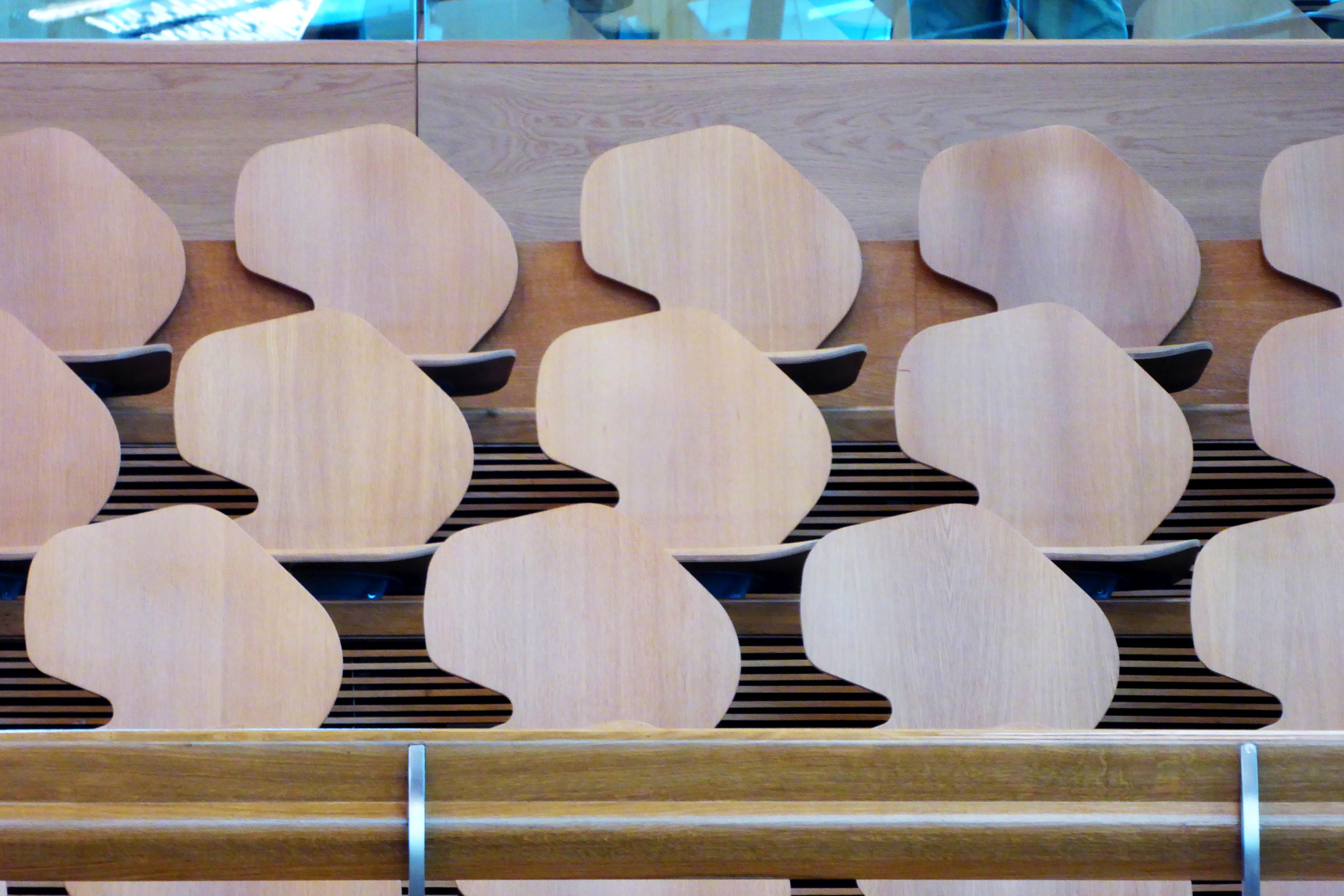
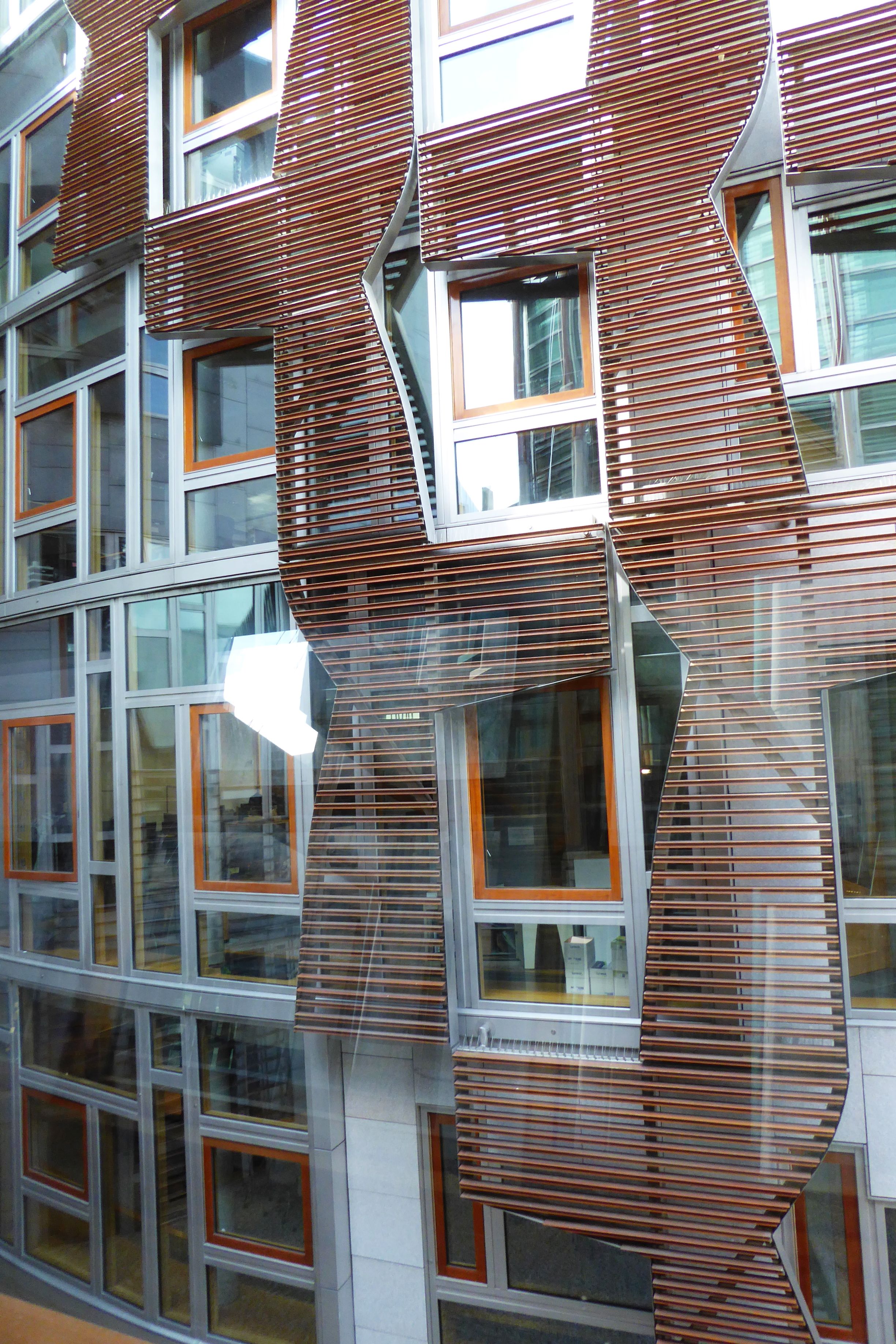
I thought the architecture was fabulous; very unique and interesting!  My favorite area was the debating chamber, a shallow elliptical horseshoe of seating, with the governing party or parties sitting in the middle of the semicircle and opposition parties on either side.  This layout is intended to blur political divisions and encourage consensus.  I liked the design of the desks, chairs in the gallery, the light fixtures, and the way the glass panels let in a lot of natural, diffused light.  Notice the designs in those glass panels. as well as in the light fixtures.  They look a lot like whiskey bottles, don’t they?  I can imagine how after a long session of debating, the politicians take a look at those bottles and wish they were real bottles full of whiskey!

Ceiling light fixture
This ceremonial silver and gold Scottish Parliament Mace symbolizes the power of the Scottish Parliament to pass laws.
She is made of Lego!

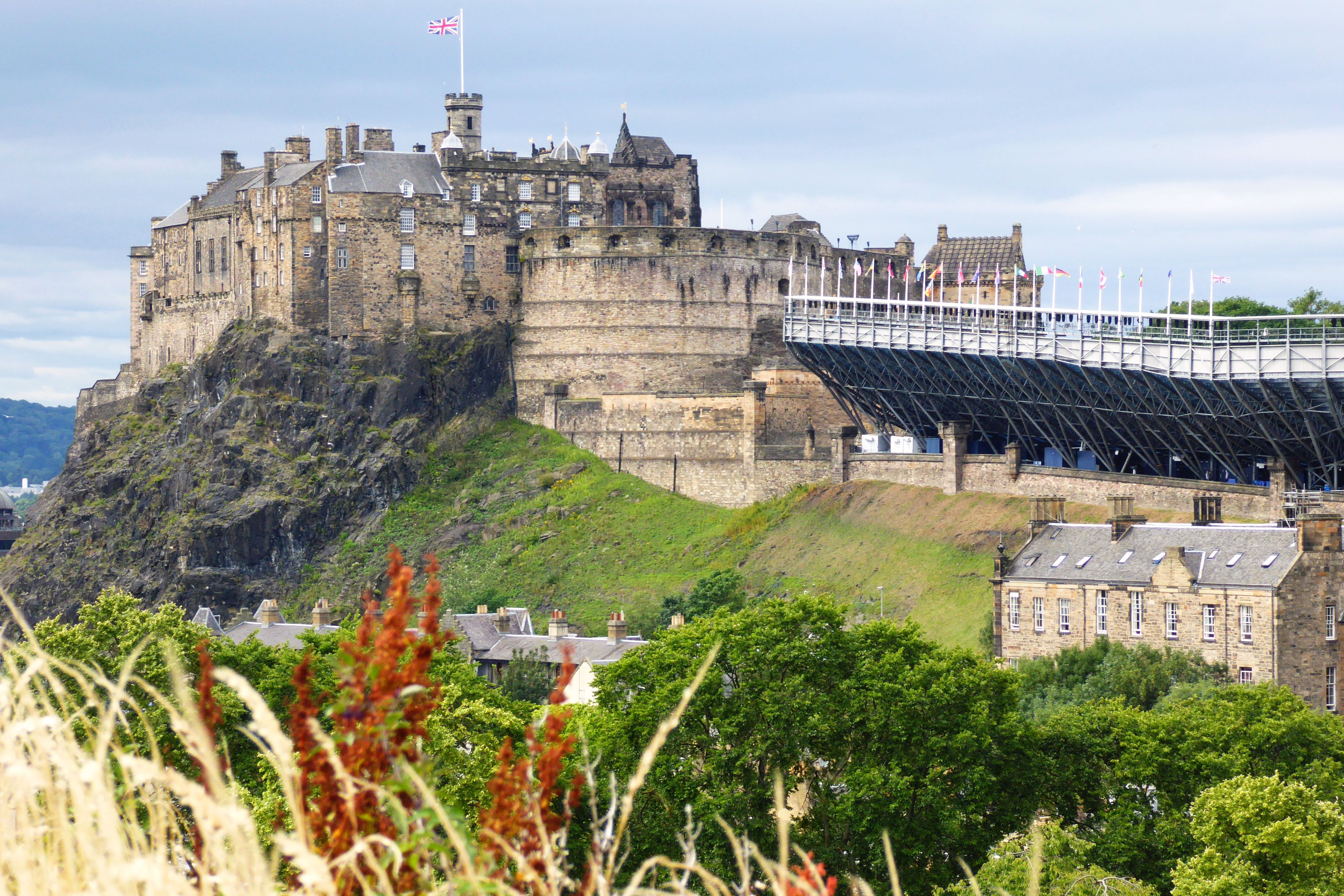
Following our tour, we returned to the National Museum of Scotland to see a few more exhibits and check out the views from the rooftop.  It was a perfect vantage point to see the Edinburgh Castle from another perspective.

Edinburgh Castle as seen from the rooftop of the National Museum of Scotland.
Holyrood Park and Arthur’s Seat

We enjoyed our final day in Edinburgh very much!  Having walked to the Scottish Parliament Building from our hotel through Holyrood Park and past Arthur’s Seat, and then adding more miles walking all over town, we made the most of our day!  It was a wonderful way to wrap up our stay in the city before returning home.

This view was photographed during our walk through Holyrood Park
The flowers were blooming beautifully in the park!

The following are photos I shot throughout our six days in Edinburgh that didn’t appear in my previous posts.

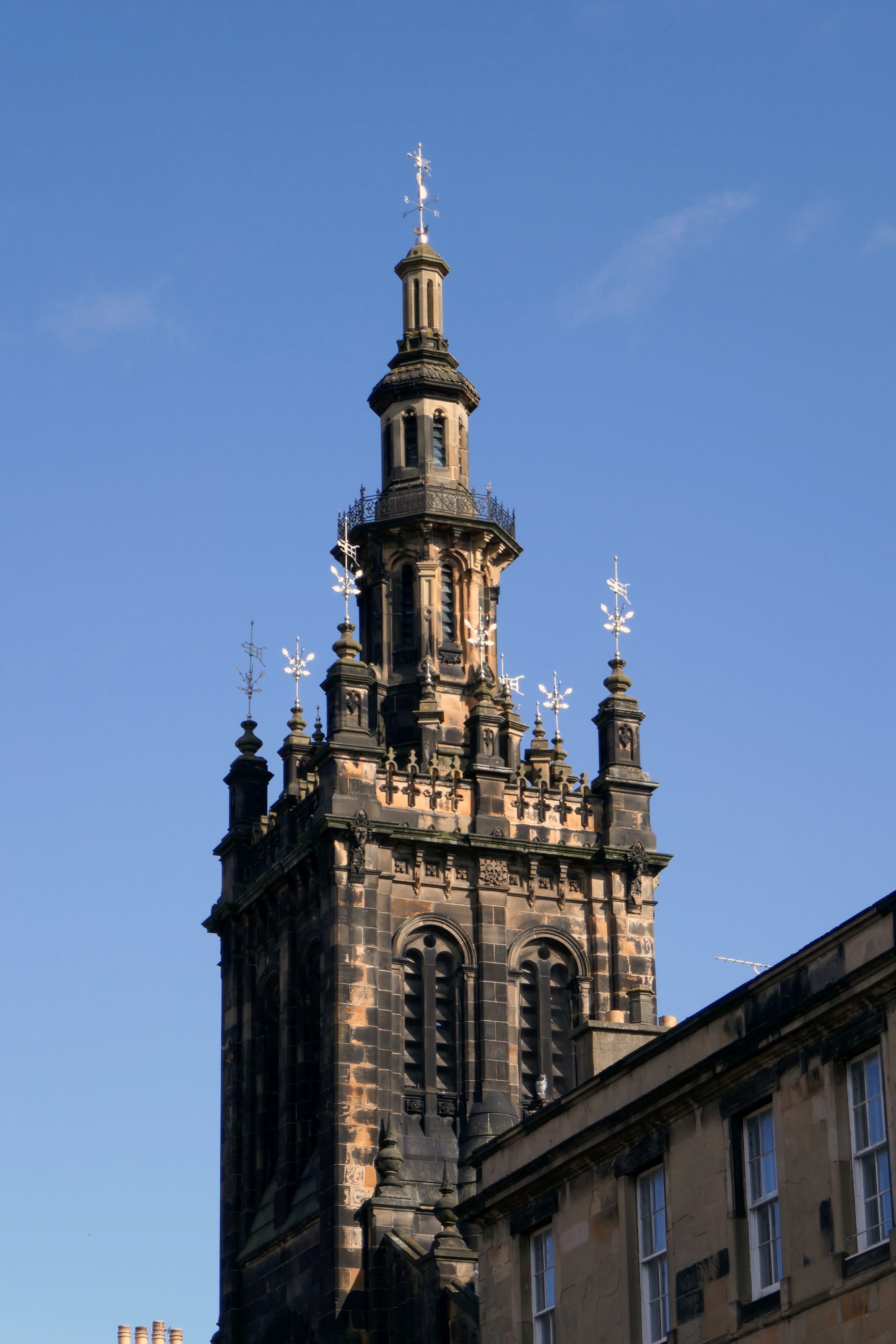
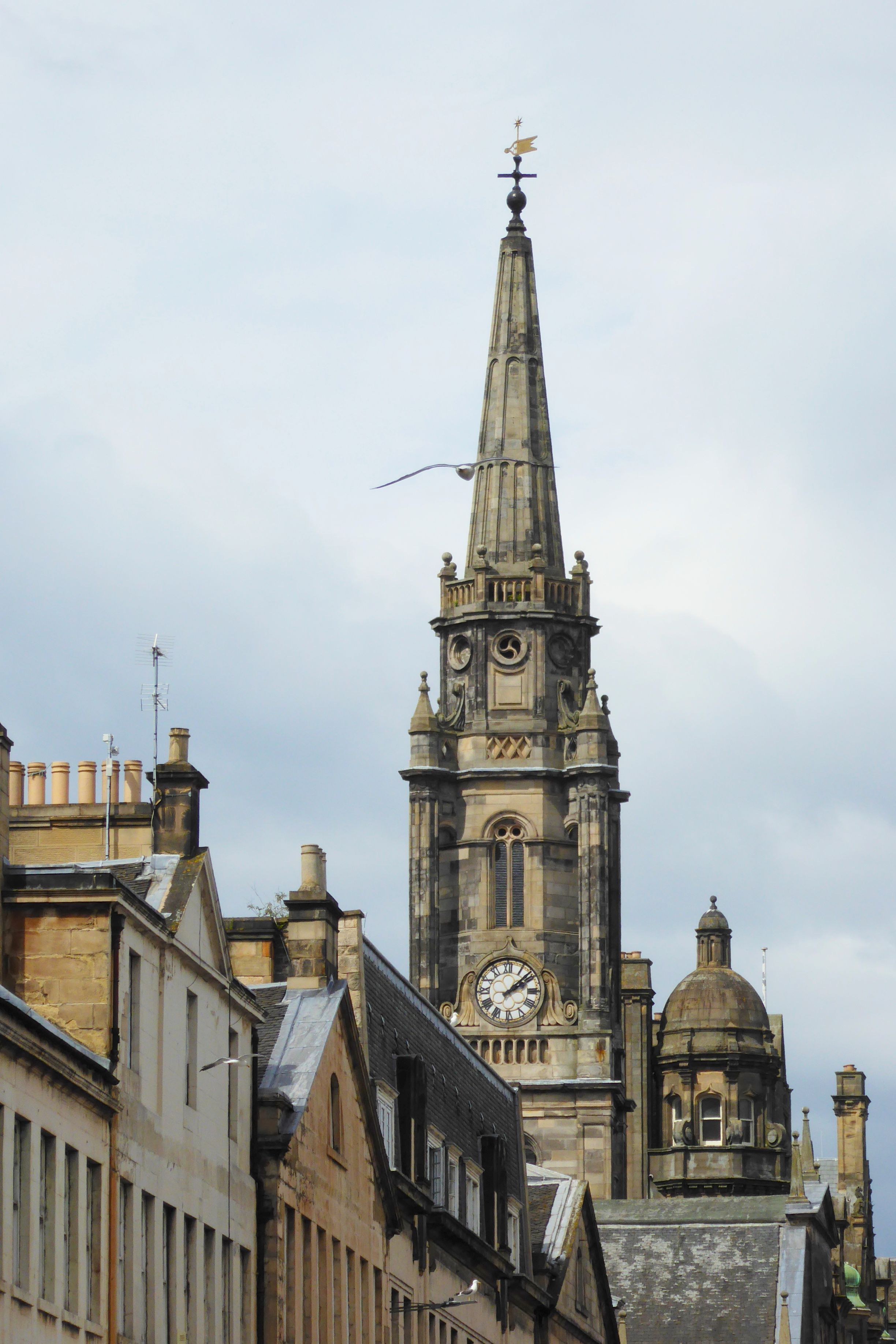
St. Giles Cathedral
Victoria Street/ The West Bow is one of the most photographed streets in Edinburgh.
No, I did not Photo Shop that bird into the picture! I caught him flying straight towards me!
The view of Edinburgh Castle from the Grassmarket area of Edinburgh
This stairway was made of several types of stone.
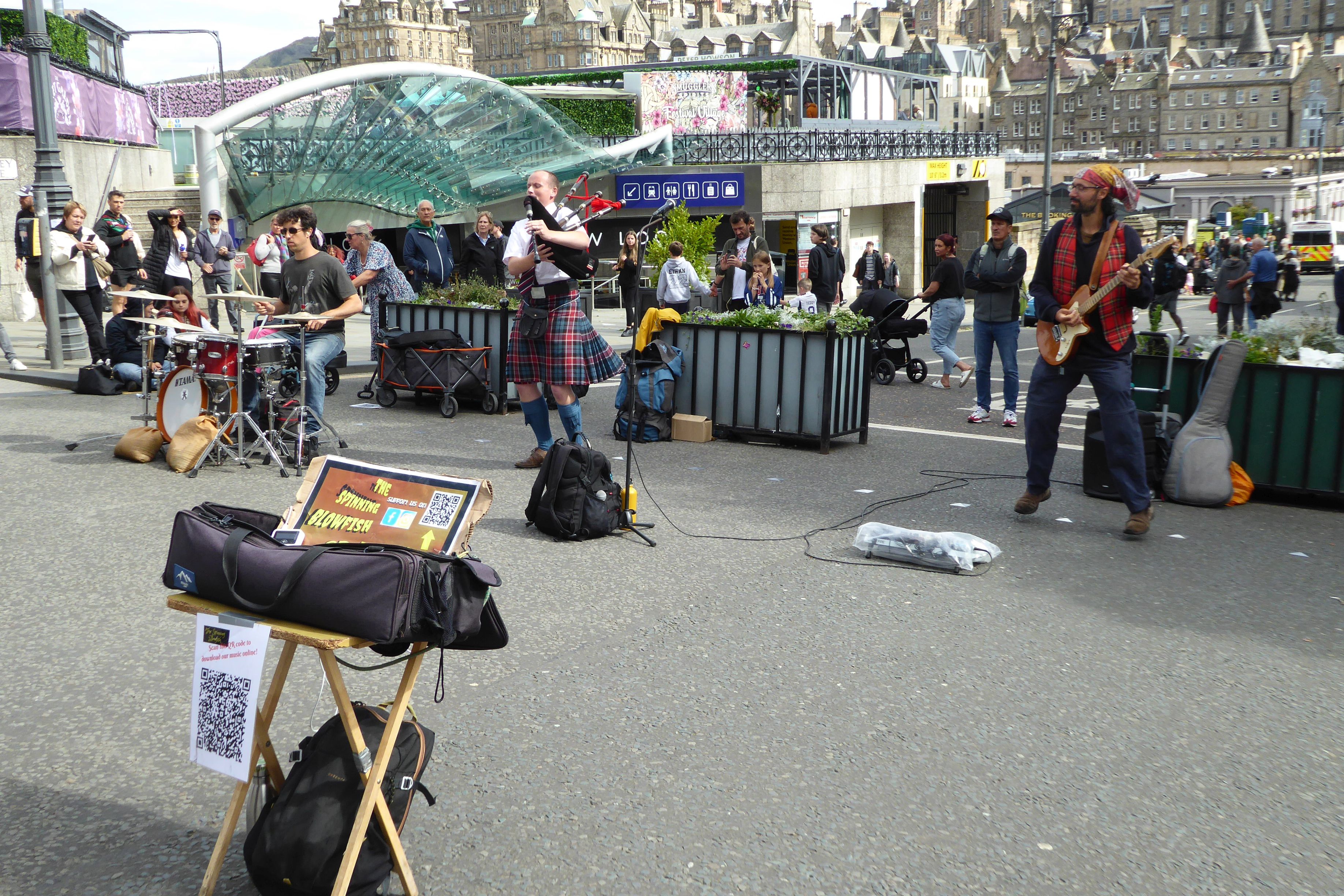
This group, performing near the Waverley Train Station, was an interesting mix with bagpipes. They played a cool rendition of Pink Floyd’s, “Wish You Were Here,” in honor of a former band member who had died.
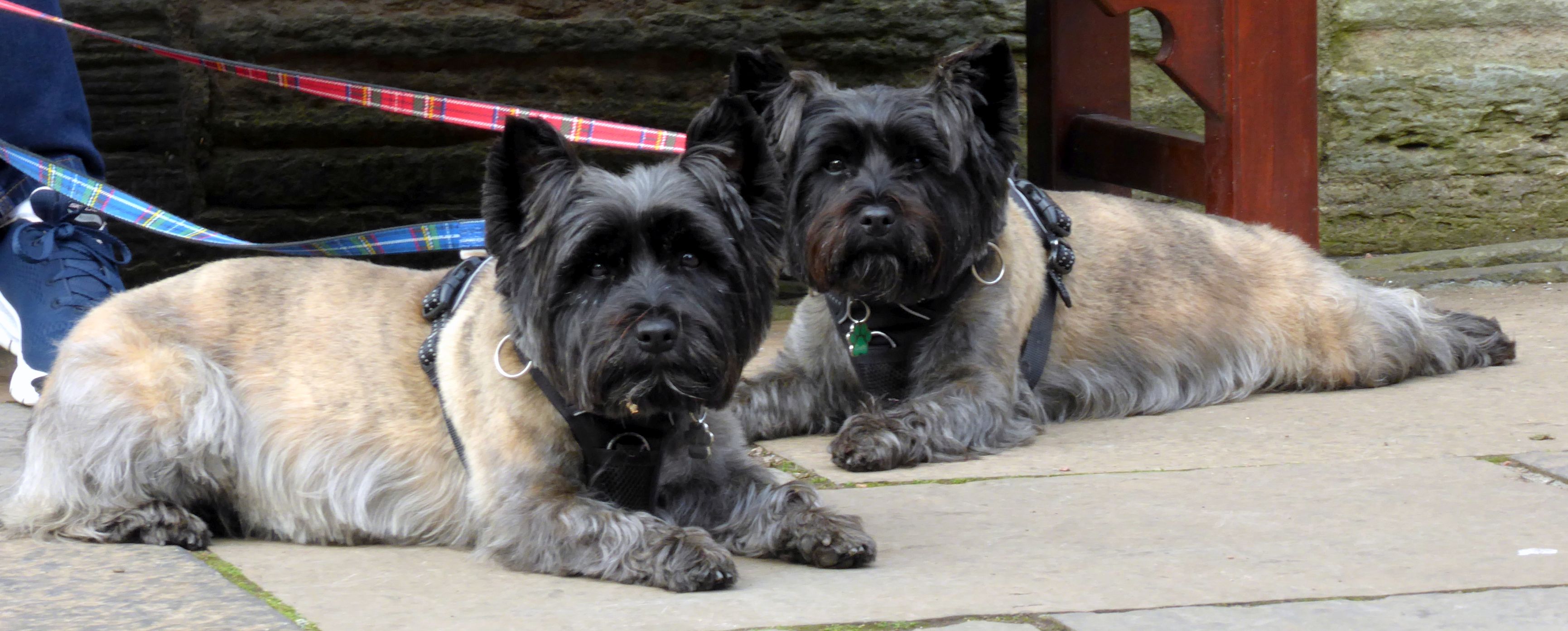
Scottish Cairn Terriers
These murals were painted on a temporary wall that was hiding a construction site.
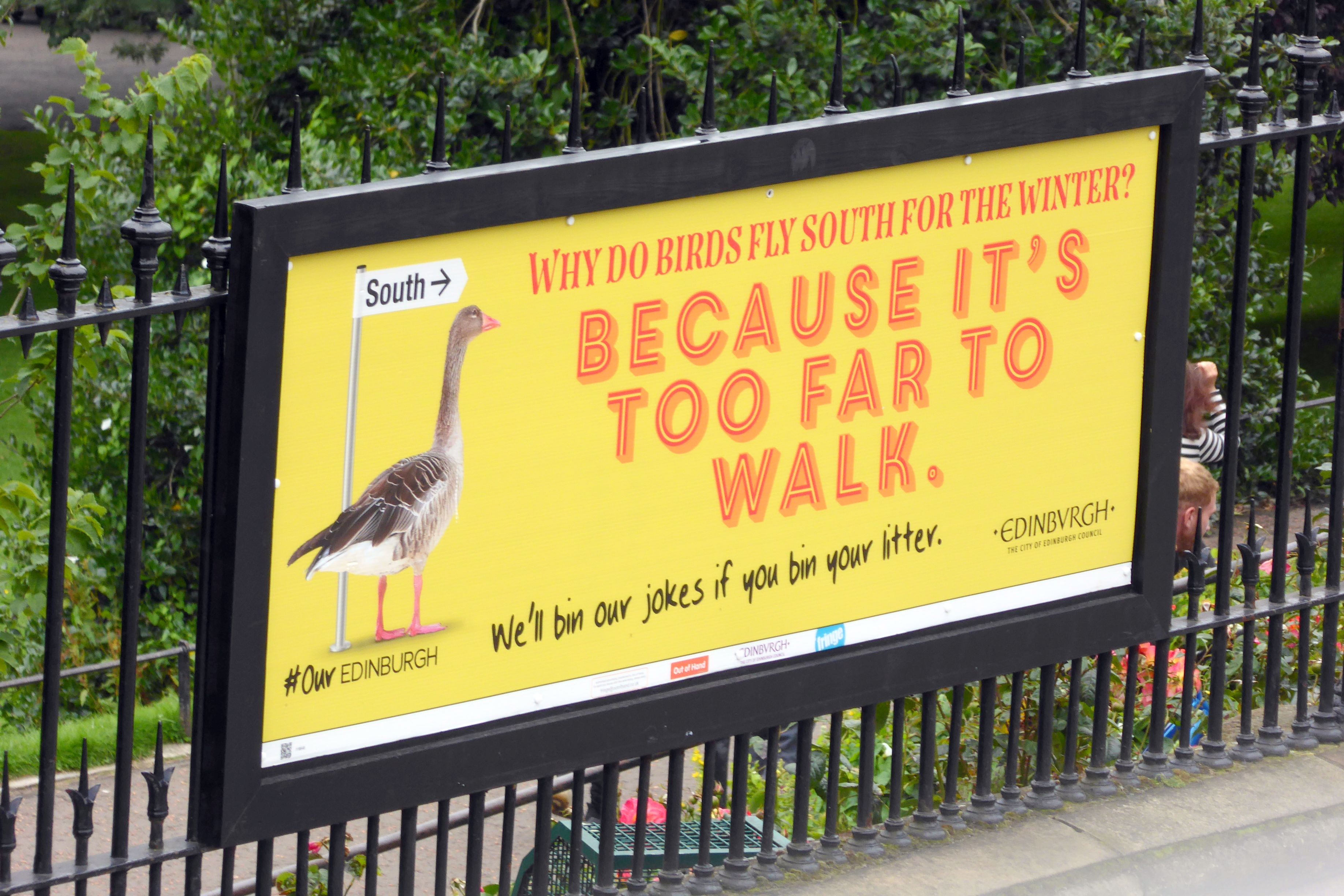
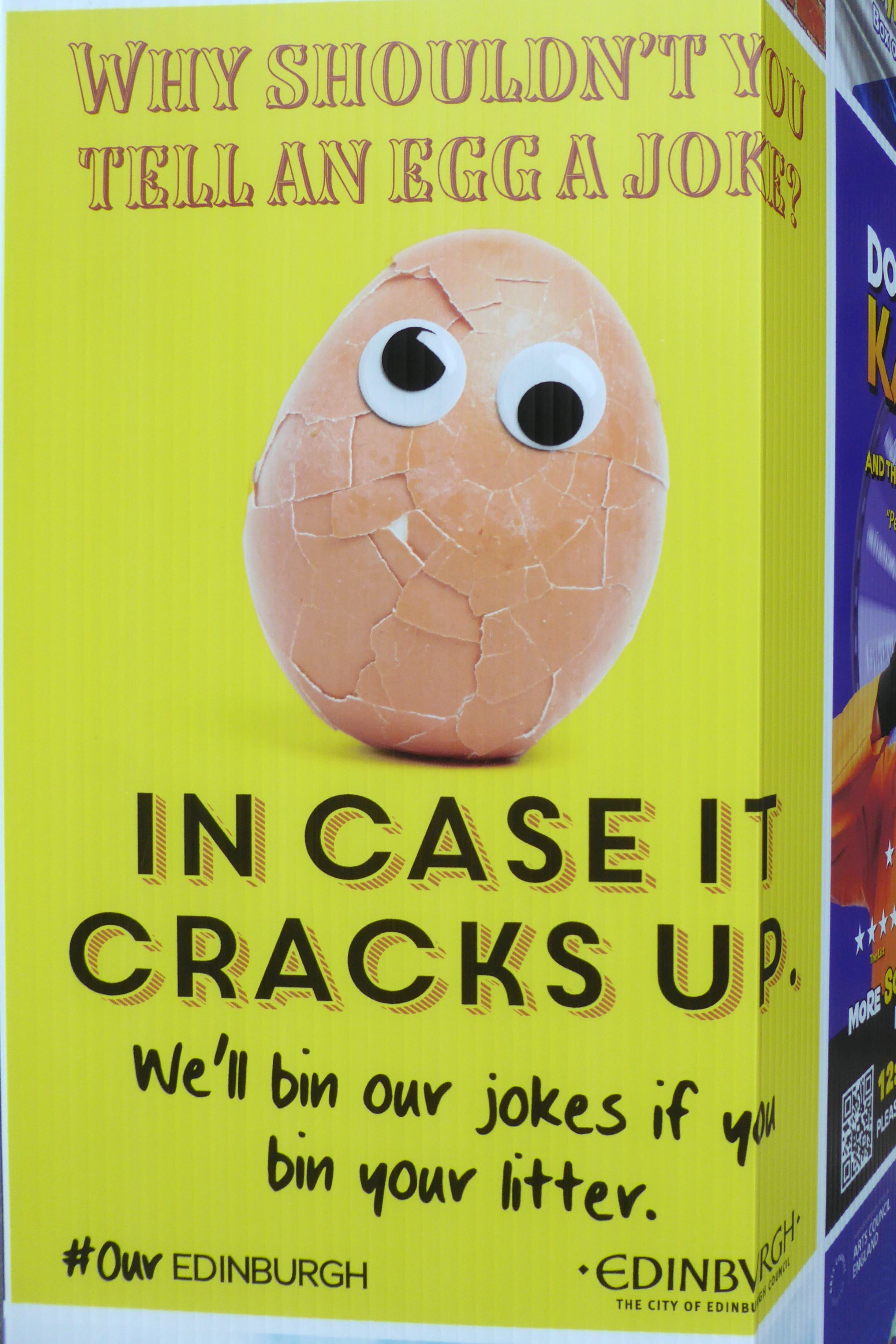
What a great adverstising campaign!
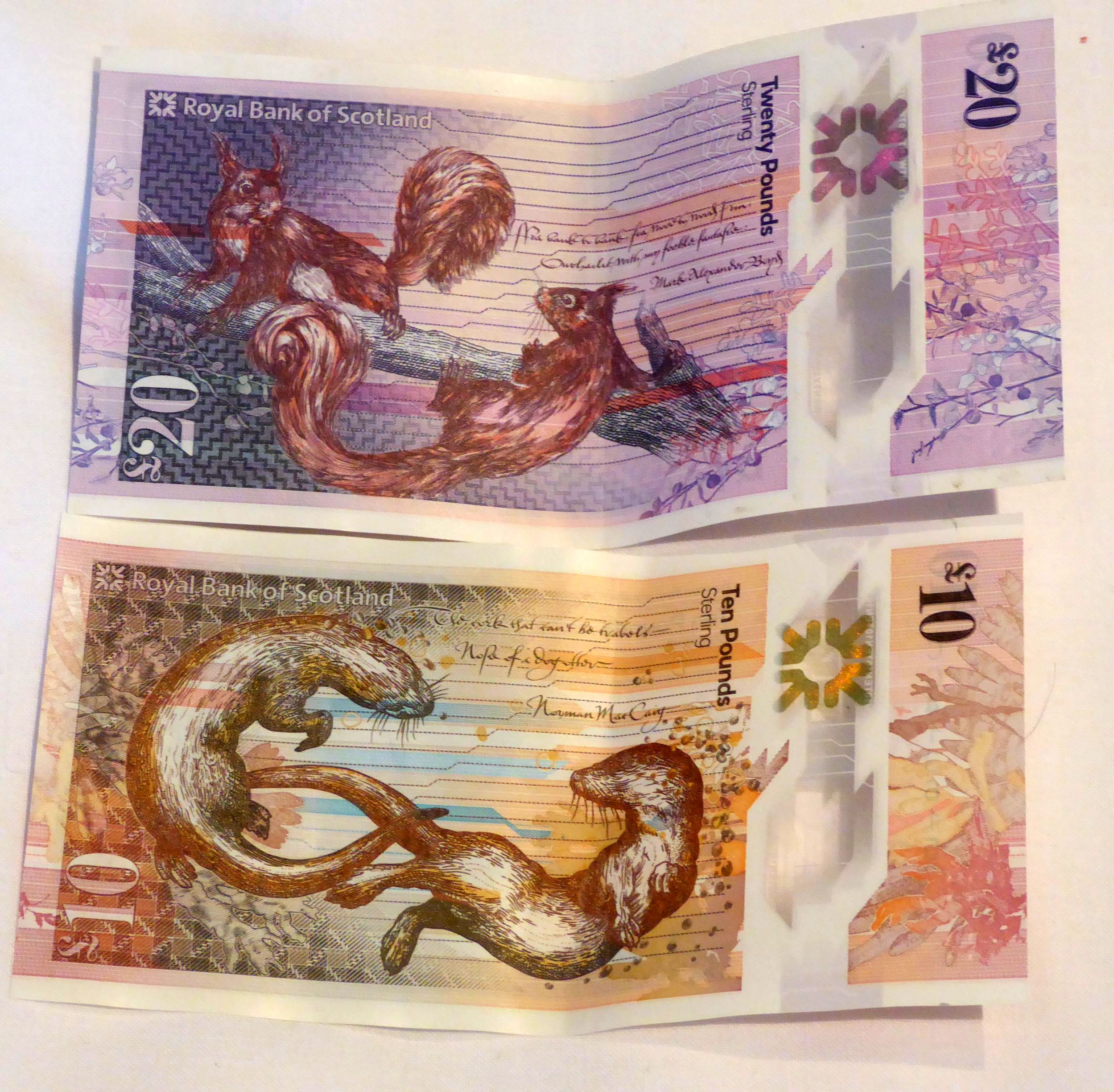
Their currency is a lot more colorful than ours…
…and cute!
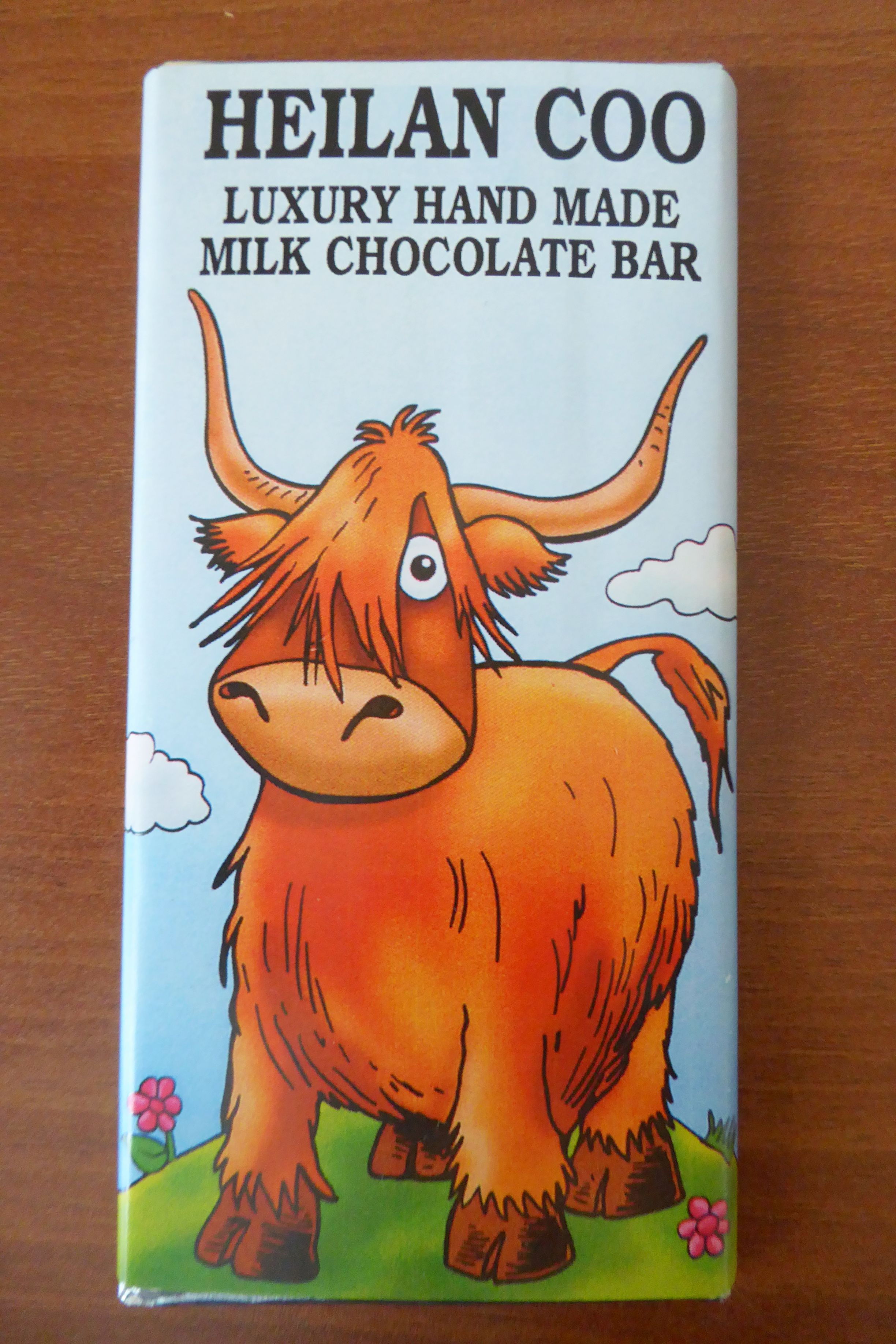
I spent some of that currency on chocolate! This one was for my chocolate wrapper/ label collection.

Thank you for reading! Craft show season is just around the corner, so Bruce and I won’t be traveling internationally again until 2024. Stay tuned then for posts on Patagonia and many more!