
The morning didn’t start blissful—that came later. First, a local gal, Nora, came to talk with our group about the Nazi presence in Patagonia following WWII. It was interesting history I never knew about.
During the 1920’s-1940’s, Germans developed the ski industry in Bariloche and tourism grew. During WWII, Argentina wasn’t exactly anti-Nazi. Juan Peron was elected president during that period, and although he wasn’t a Nazi himself, he was pro-fascist. Argentina was the last to declare war against Germany.
Following the war, Peron allowed selected Nazi war criminals to get fake identities, emigrate to Argentina, and blend in with the other Germans in Bariloche. Peron only wanted those with science and technical backgrounds that could help develop technology in Argentina. By having fake identities, these criminals were able to evade the courts. Between 1947 – 1950, 300 high-ranking war criminals and 5,000 collaborators emigrated to Argentina and were protected by Peron. Disgusting.
Moving on to much more blissful subjects, Bruce and I enjoyed the remainder of the beautiful morning by exploring more of Bariloche:
(For all photos, especially panoramas, click on the image for a full screen view.)




The most blissful of that exploration, of course, was the Bariloche chocolate and gelato! There’s good chocolate in Argentina? Well, yes, as a matter of fact! And, Bariloche, has the best in the country. Remember all those Germans and Swiss who fled to Bariloche? Well, as I mentioned in previous posts, there were a LOT of Italians who fled the devastating aftermath of the war as well, and some of them were fabulous chocolatiers. They had brought their recipes with them to Argentina, so they could continue making chocolate in their new country. When these expats saw how Bariloche was developing into an attractive and successful alpine-like tourist town, they headed to what’s now known as “Little Switzerland.”
There are a lot of chocolate shops in Bariloche! It reminded me of Brussels, Belgium; everywhere I looked, I saw another one! Andrea had recommended Rapanui and Mamuschka, and my blog and Trip Advisor research came up with those two being rated among the best. Rapanui, if you remember from my first post, had a location near our hotel in Buenos Aires. We enjoyed some very delicious gelato there! What I didn’t admit at the time, however, was how much chocolate I also enjoyed from Rapanui. The truffles! The dulce-de-leche filled chocolates!! Pure heaven.
Well, I just had to compare Rapanui to Mamuschka, so I stopped in to purchase a selection—the cutest being these dulce-de-leche bears. We had a gelato at Rapanui, too.

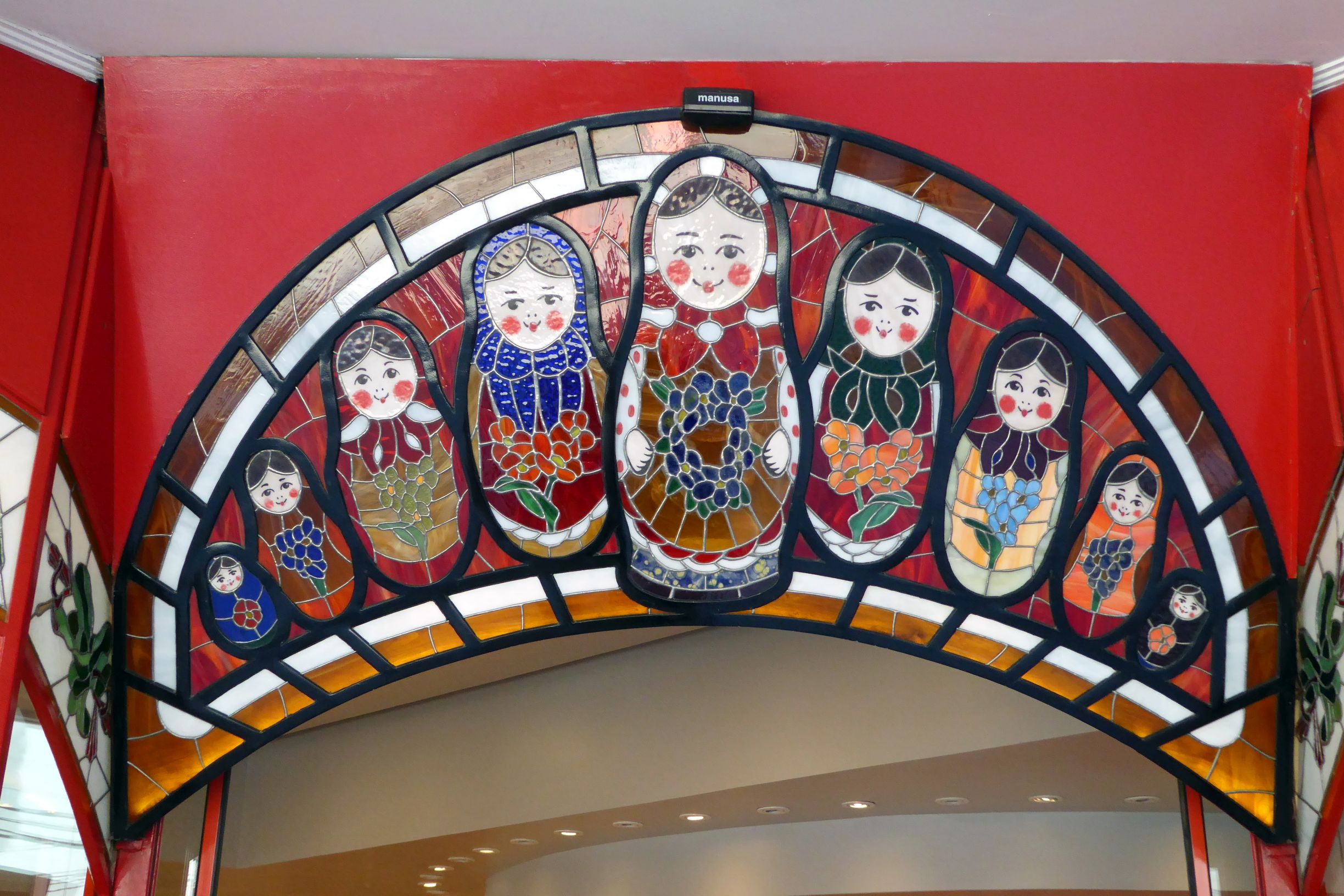

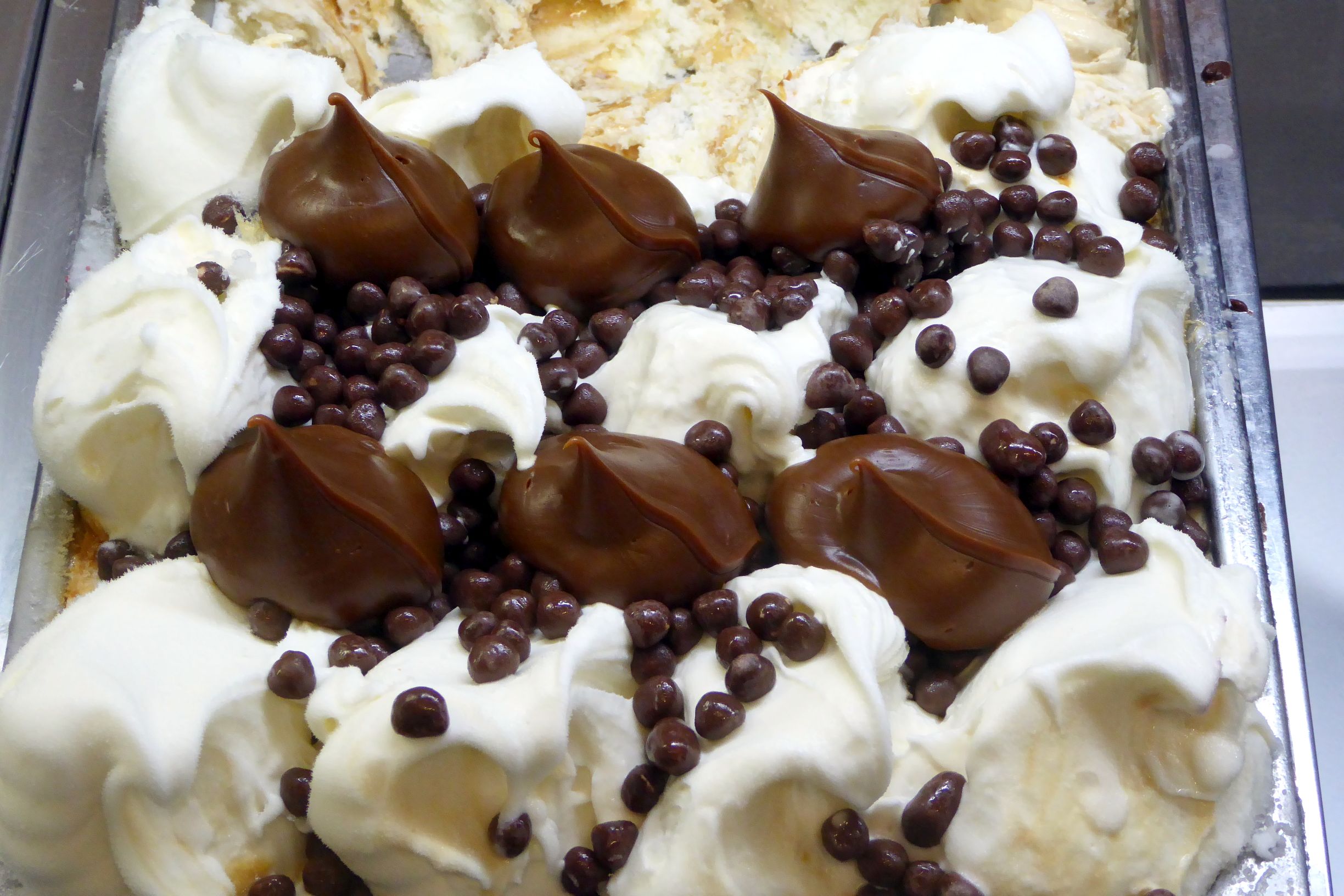

How can I choose the best? Rapanui and Mamuschka were both blissful!
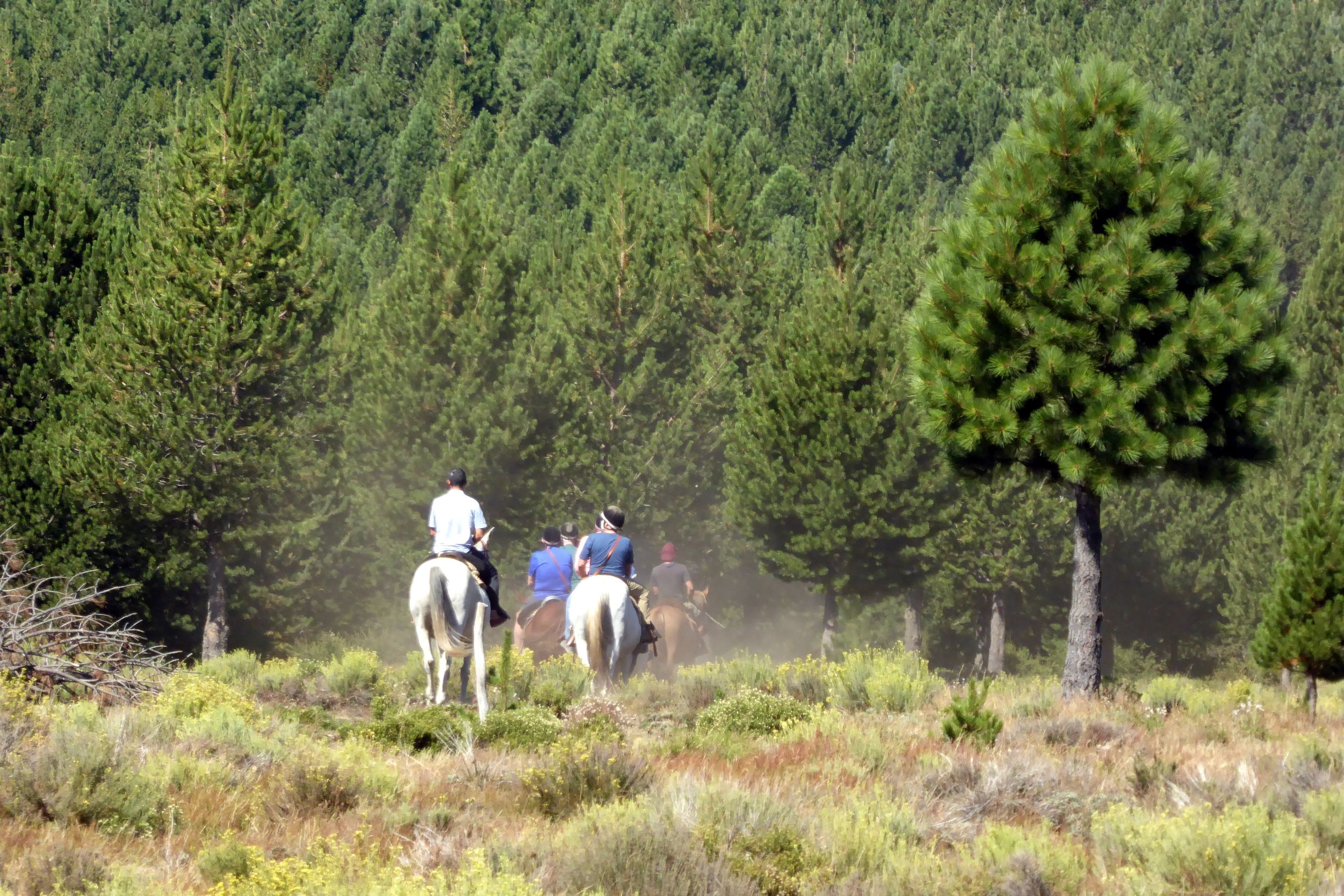
Bariloche had heated up quite a bit by the afternoon, topping out at around 90 degrees—our hottest day in usually cold Patagonia. Horseback riding and a barbeque at a family horse farm was on the afternoon agenda, but it was just too hot for me. I opted to stand in the shade to see the group off, and then scampered back inside for a cold face-dunk in the sink.
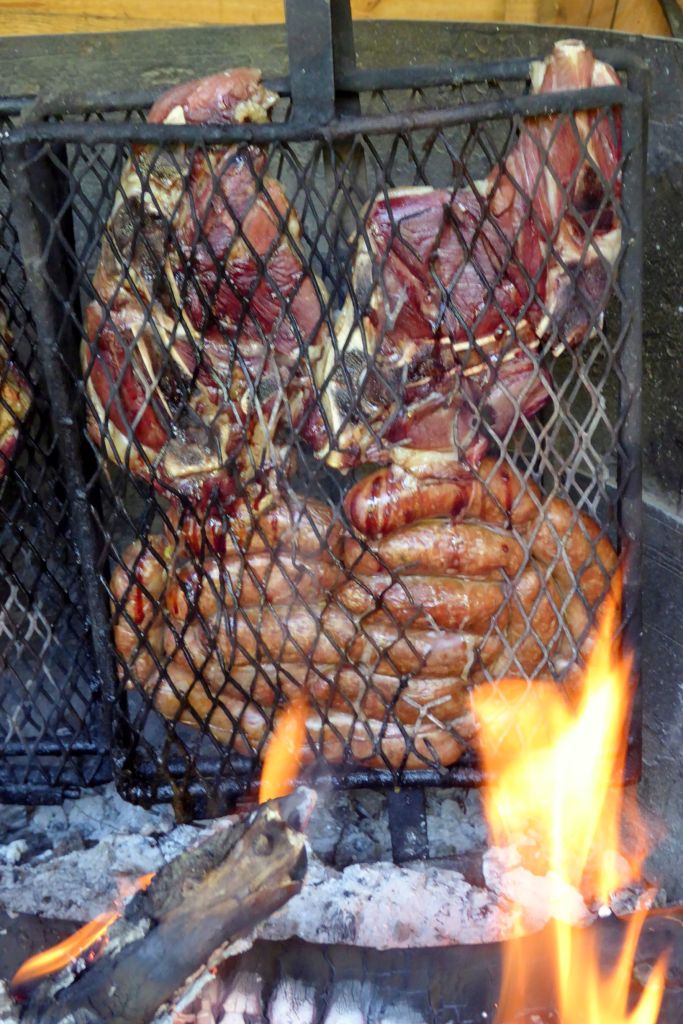
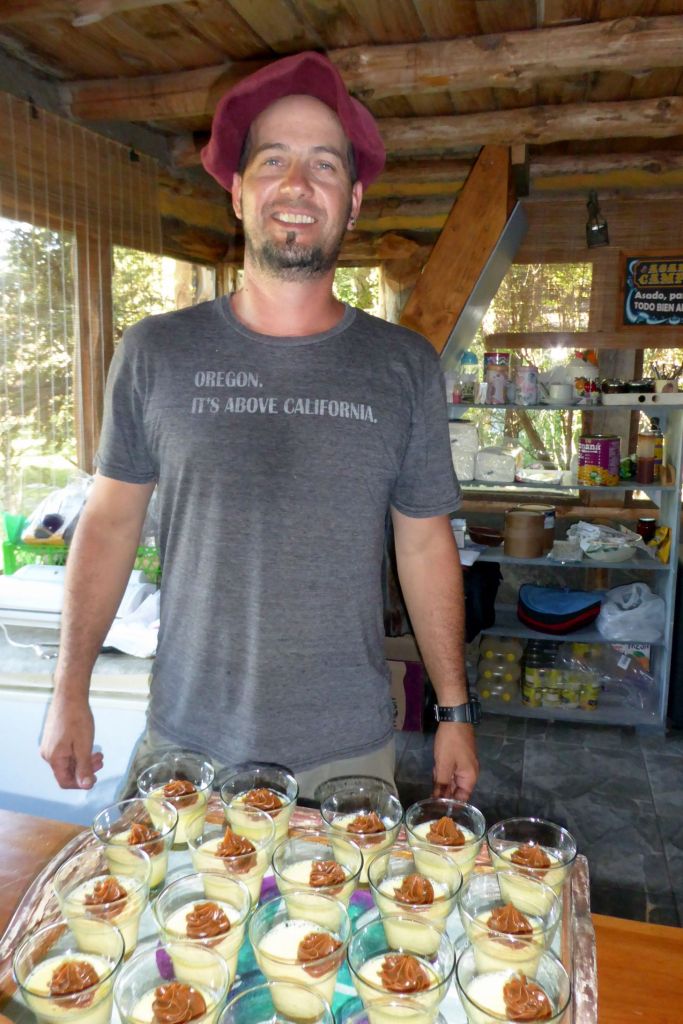
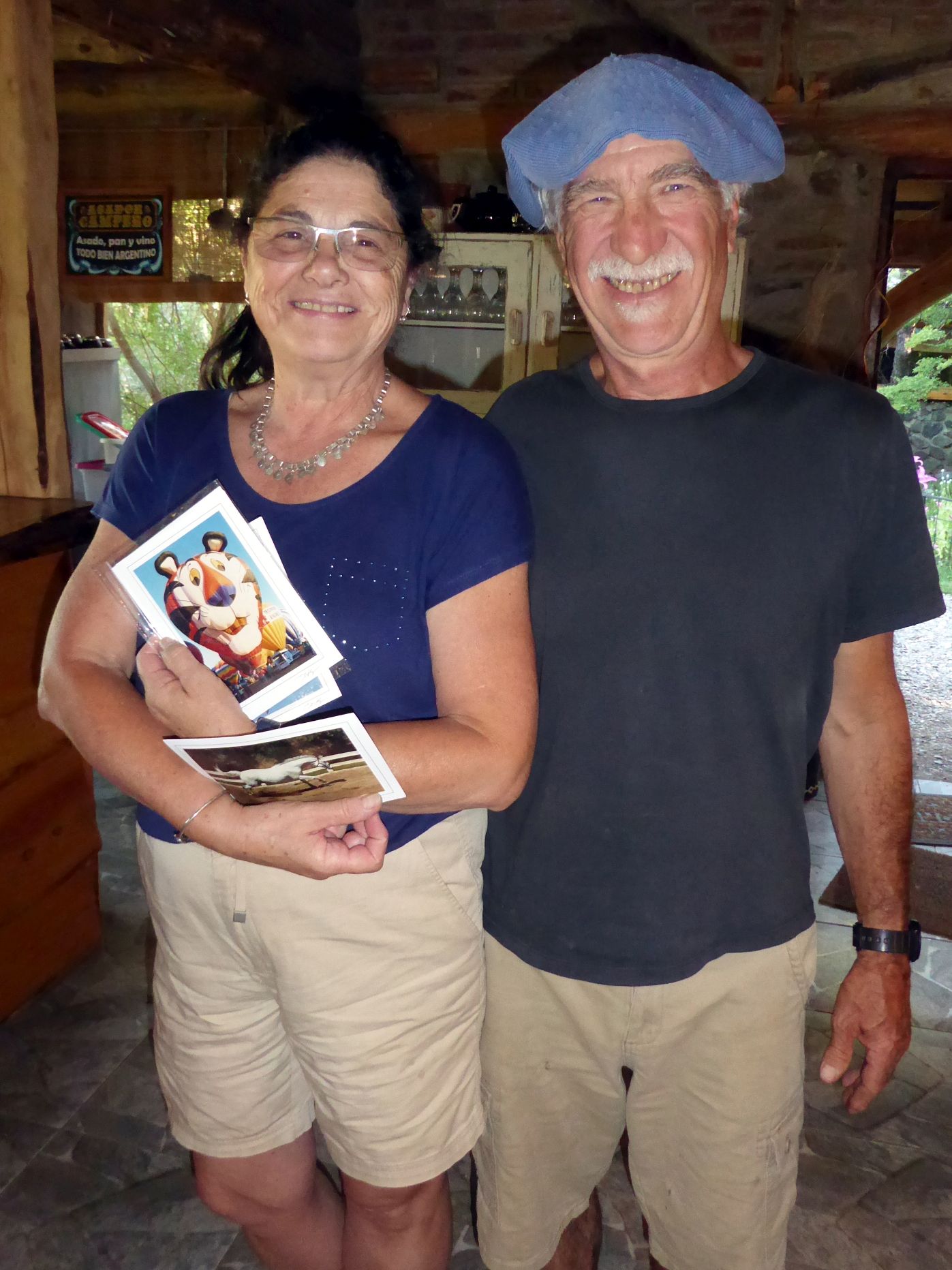
“Los Haneck” was a very cool Patagonian ranch where we were warmly welcomed. Bruce passed on the horseback riding as well, and we had a great time just hanging out with Andrea, Letti (our local guide), Monica Haneck, and her dogs. Meanwhile, Chango and Pancho prepared a barbeque dinner of lamb, sausage, and chicken. Served with salad (veggies—yay!) and a delicious dulce-de-leche-topped traditional flan; it was a fabulous feast!





We also learned how to make and drink mate (“mah-tay”), which is an acquired taste, to say the least. A caffeine-infused herbal drink traditionally served in a vessel made from a gourd, it’s very much a part of the Argentinian culture, especially in the northern part of the country where yerba mate is grown and harvested. The favored drink of the gauchos (cowboys), the tradition began with the indigenous Guarani in what is now Paraguay, southeastern Brazil, Argentina, Bolivia, and Uruguay.

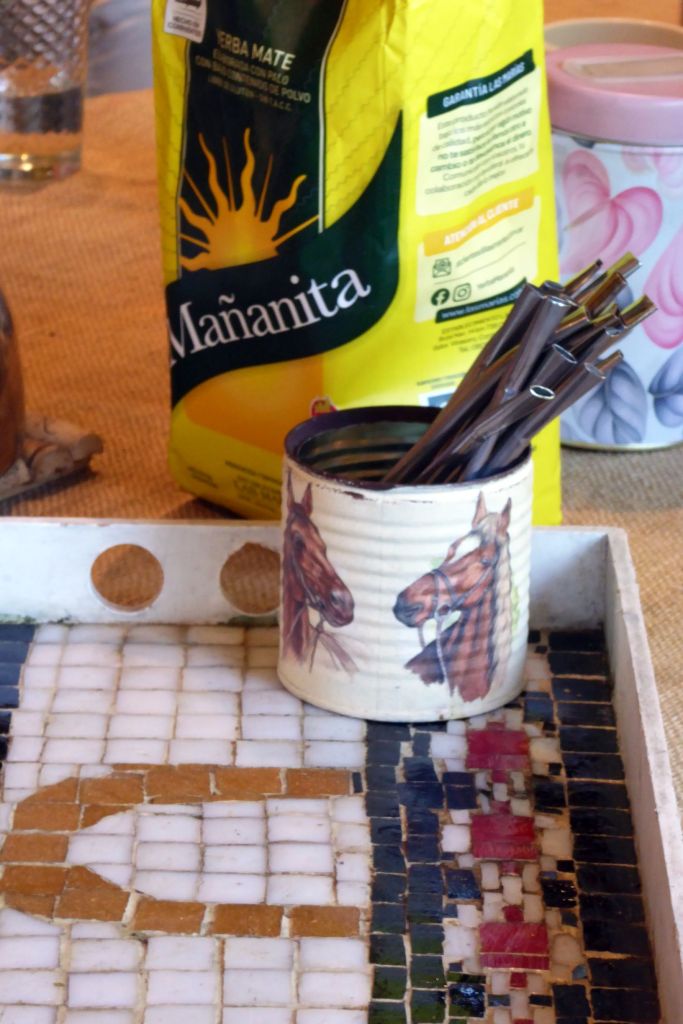

The etiquette attached to drinking mate is just as much a part of drinking mate as the mate itself. It is drunk in social settings, with family and friends. The same gourd and metal straw is passed around and shared by all, so you can imagine how much COVID disrupted this tradition! Instead of passing the gourd and straw, they resorted to passing the thermos of hot water.
There is much more to mate and its consumption than I have written; it’s quite elaborate! If you are ever in that part of the world, though, watch for somebody with a thermos held in the bend of their arm. Chances are that same hand is holding a mate vessel with a metal straw, and they are on their way to share it with a friend! (You will see what I mean in a future blog post.)
Meanwhile, let’s eat!


Next up: ARGENTINA & CHILE #7: OVER THE ANDES TO CHILE WE GO!



 Elaine-iaK's Travels: A Traveler's Tales of People, Places, Photos, Pools... and CHOCOLATE!