We had so many wonderful experiences during our first three days in Lima, and our last day was no different. A local guide was with us for several hours and he was fabulous!
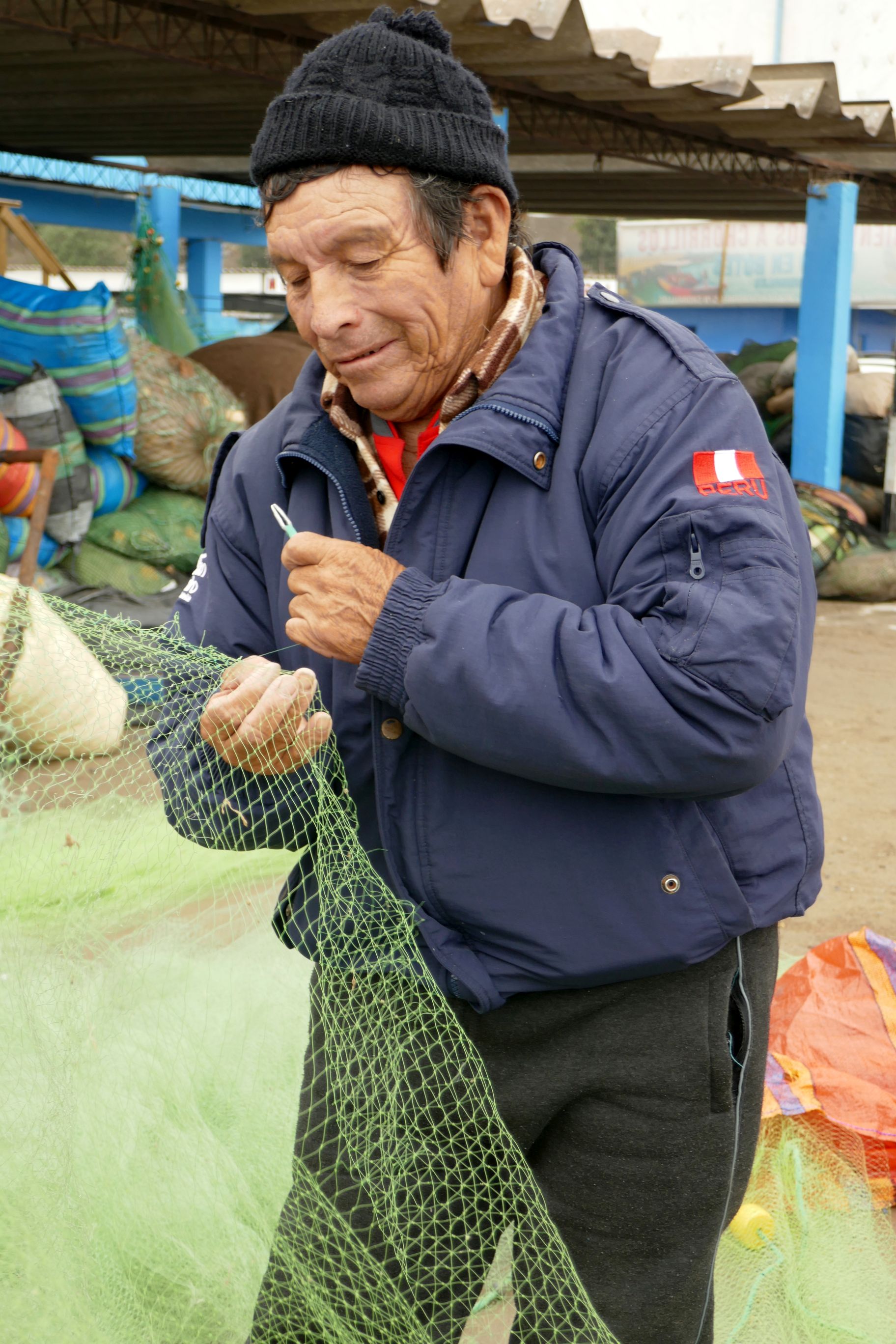
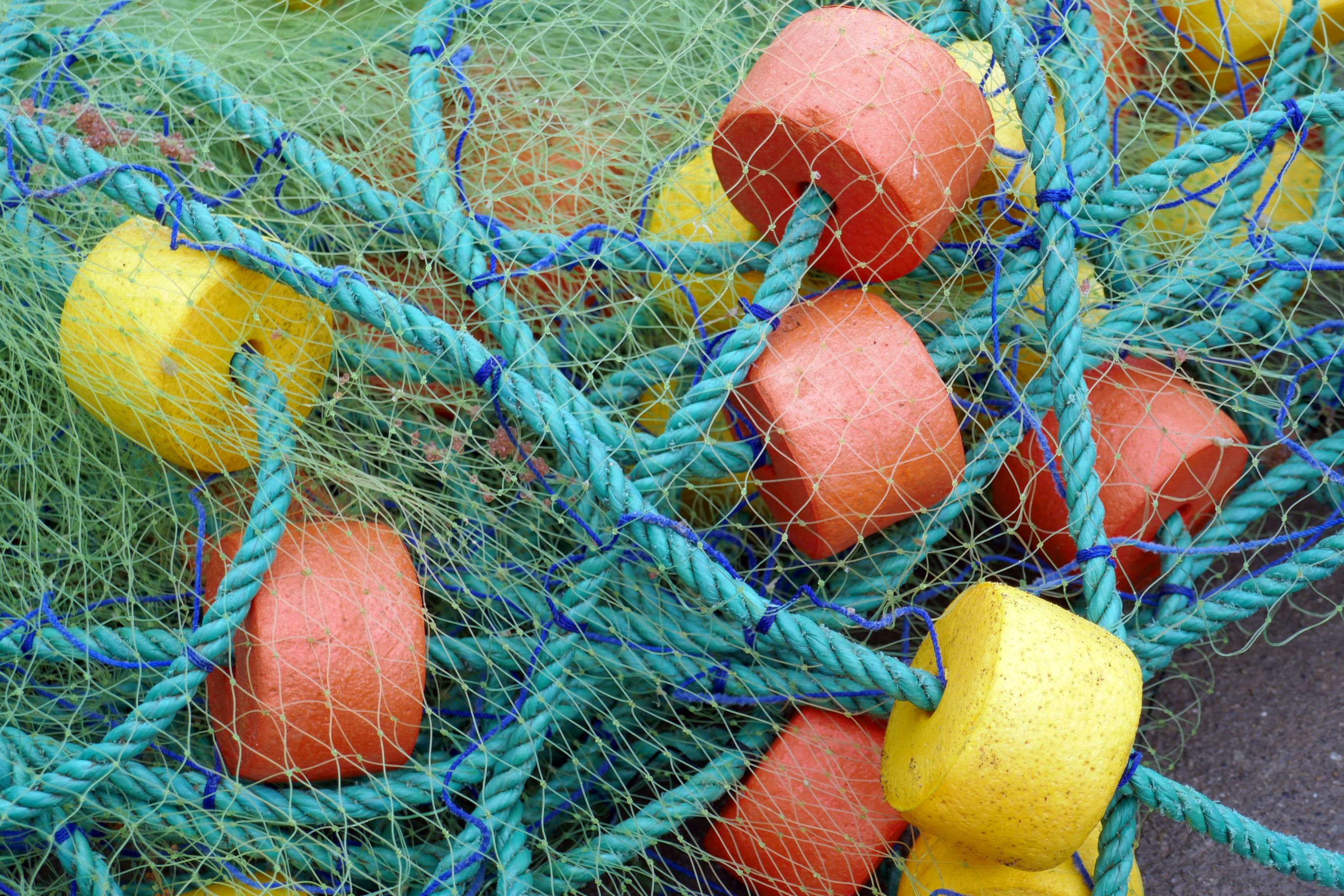
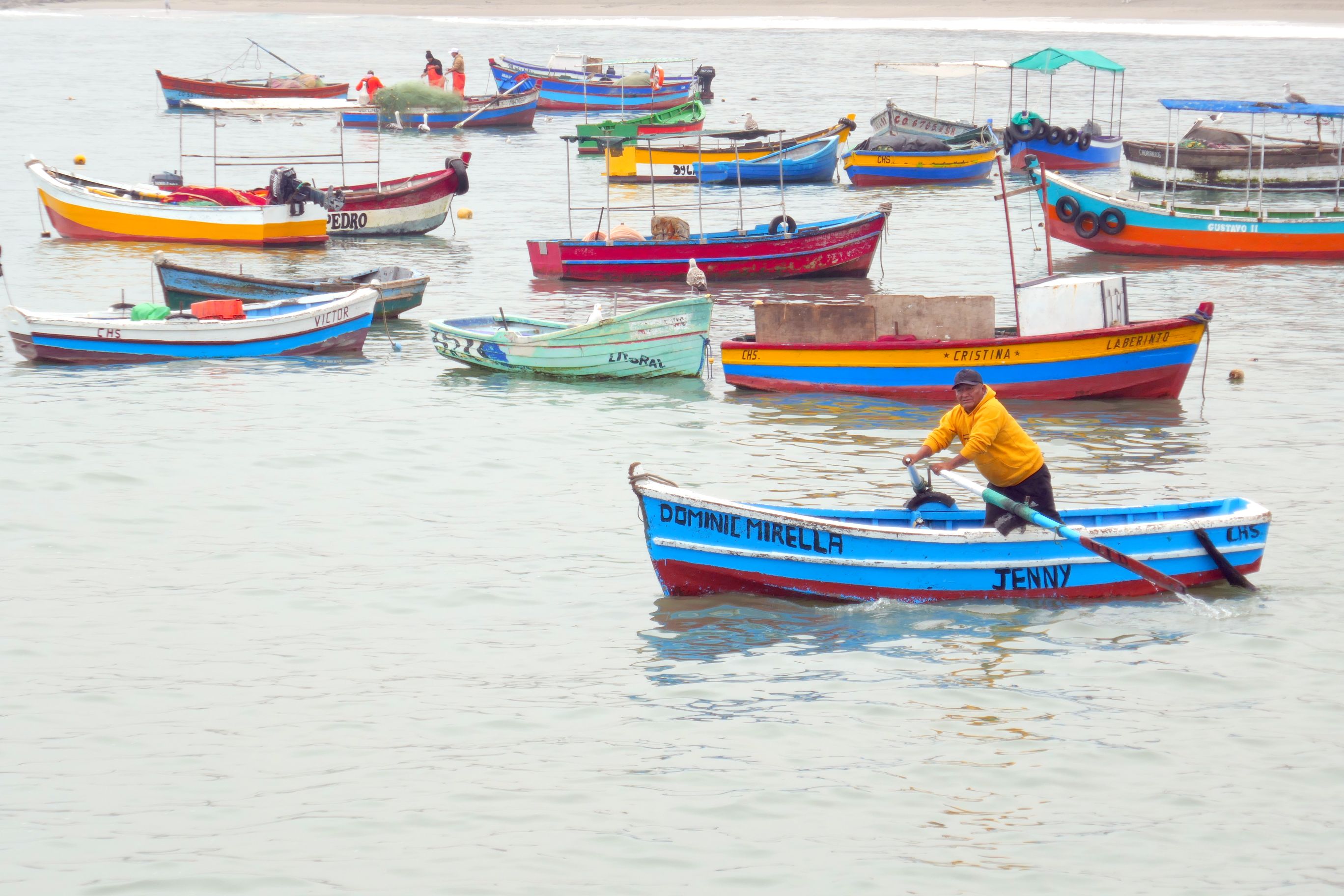
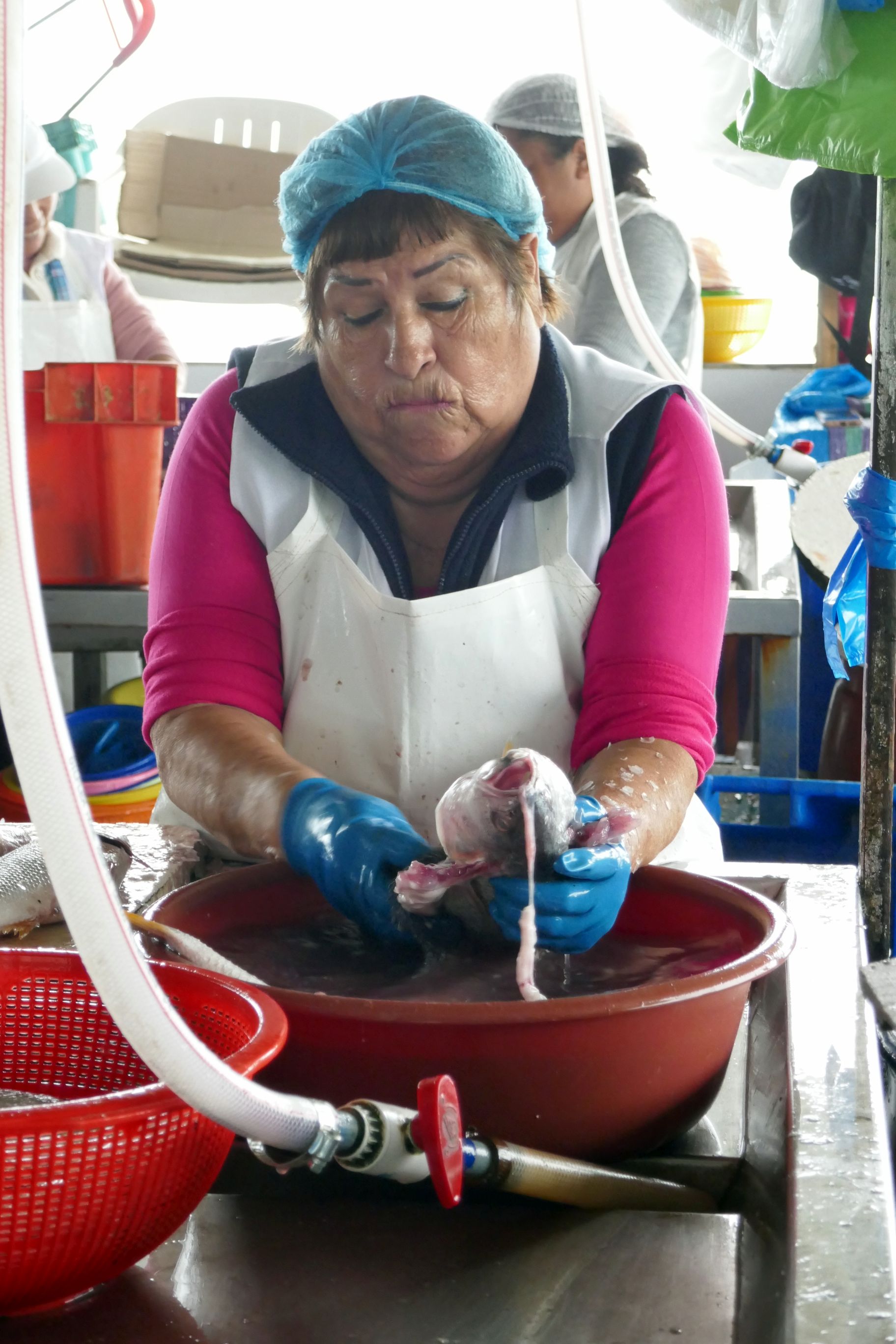
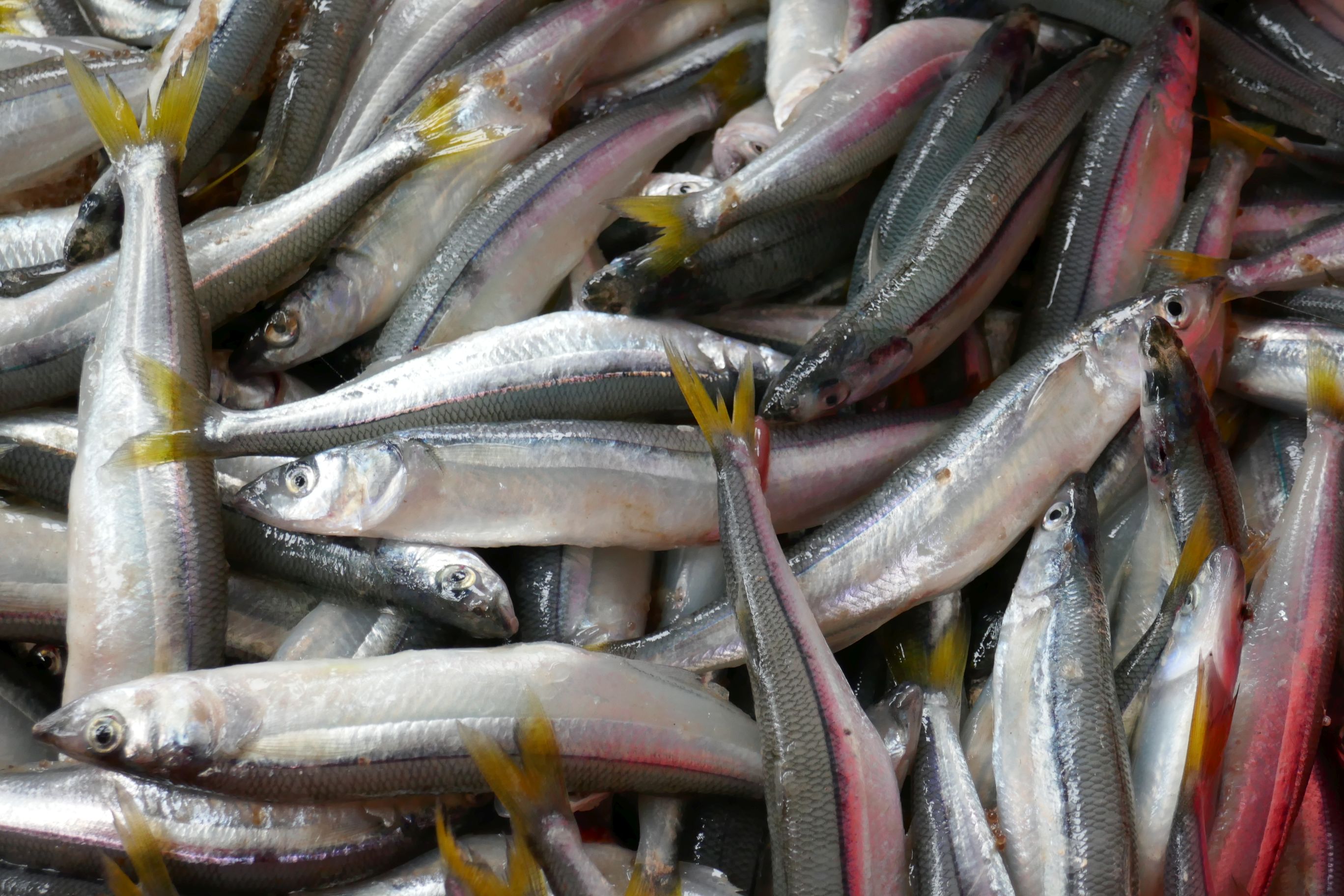
The morning began at a fish market where we learned about a typical day in the life of the local fishermen and the women who clean the fish when they are brought in. They seemed happy to see us, tell us about their work, and answer our questions while joking around with each other as they cleaned the morning catch.
It was this fisherman repairing his net that caught my eye though. As good as our guide was, I missed everything he said while watching and shooting this video—something I rarely do, but would have regretted if I hadn’t shot this short clip, because it instantly makes me feel happy:
A little background: Fisherman make very little money in Peru. They are the working poor of Lima and barely make a living. But look at his joy! He has turned what could be considered a tedious task into something fun. At first, he didn’t notice me smiling and shooting this video, but when he did, he rushed over, gave me a little side hug around my shoulder and walked off for a quick break. After he returned, he was back to dancing and the task at hand. We never spoke a word, but I don’t think I will ever forget him.
(For all photos, click on the image for a full screen view.)


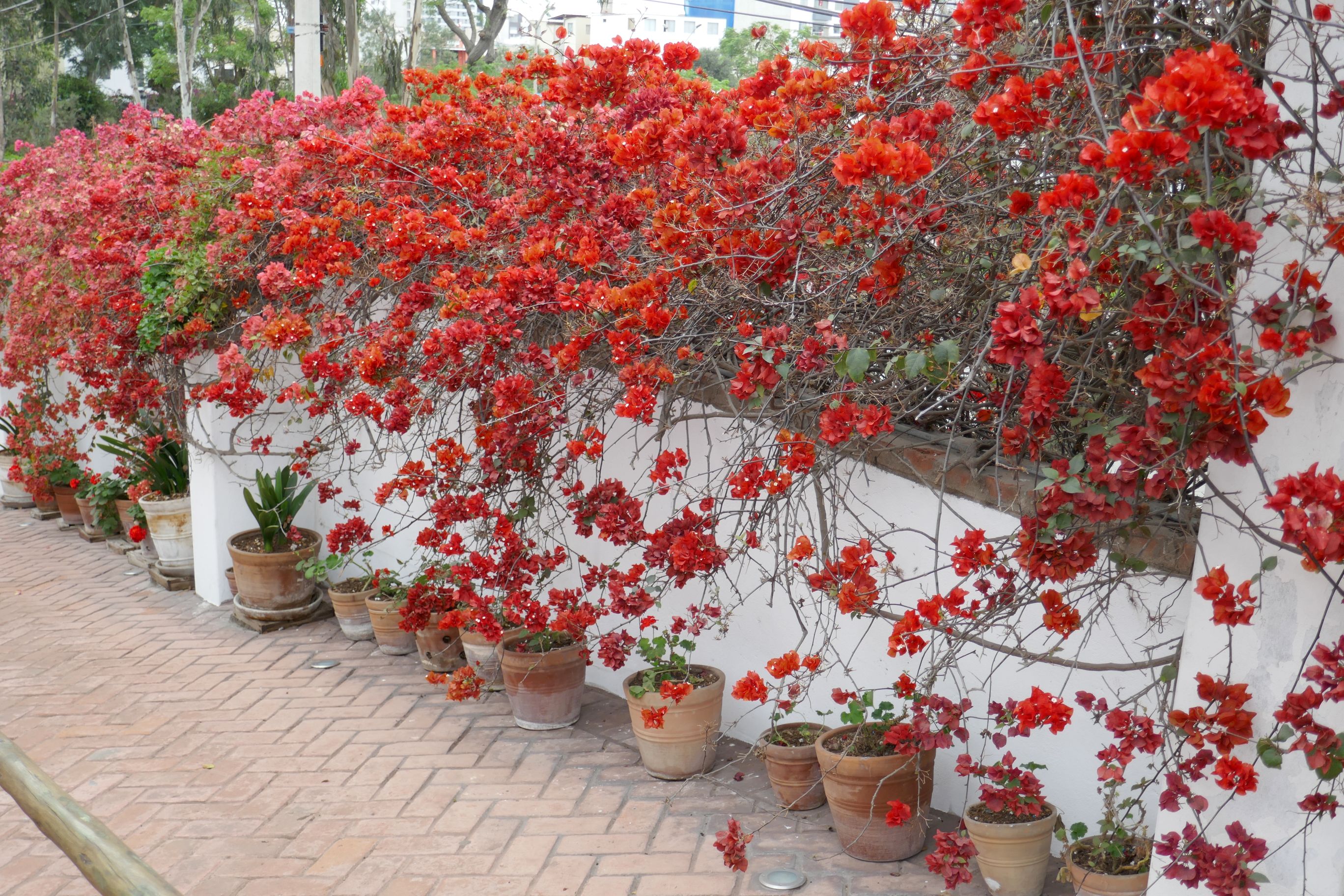
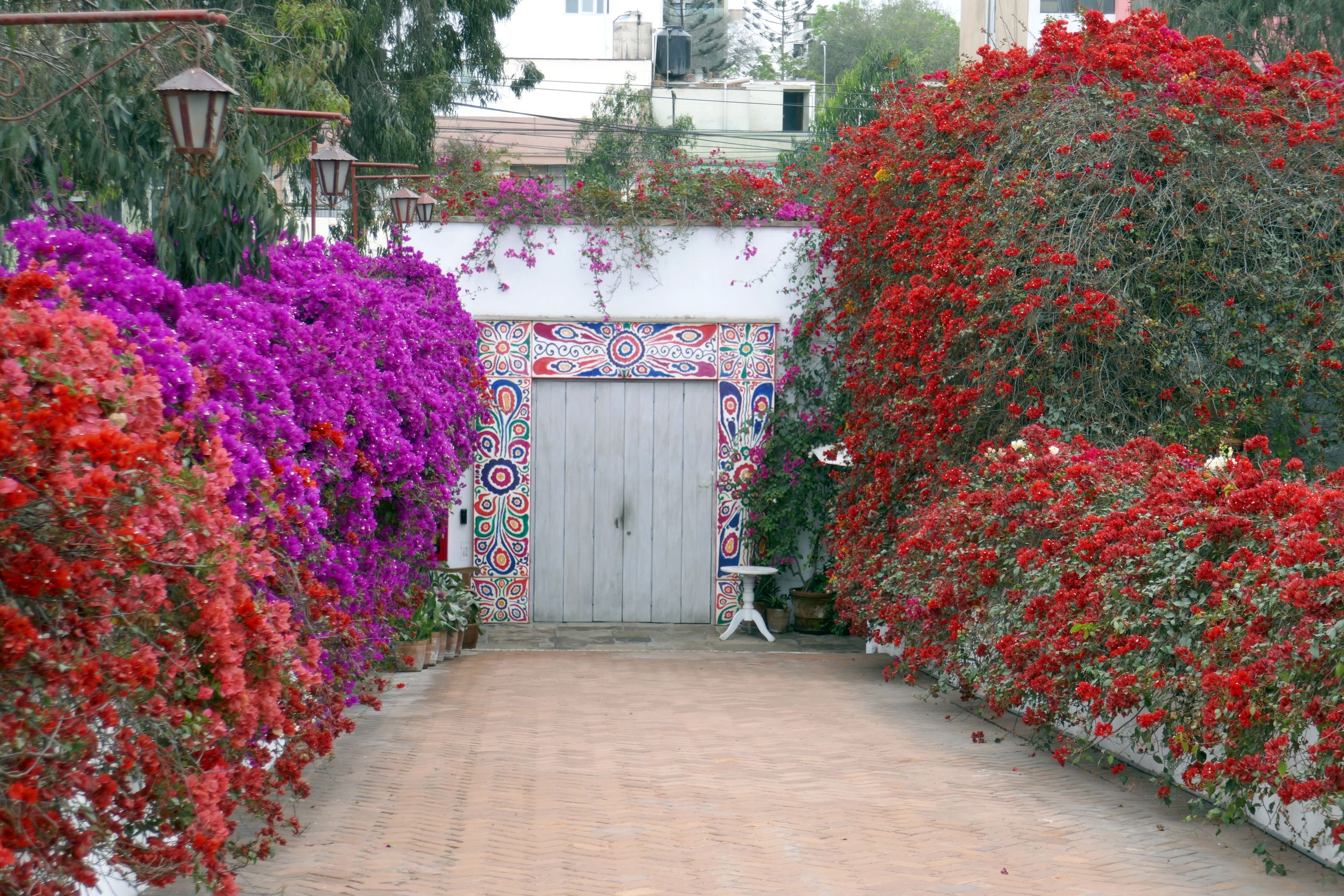
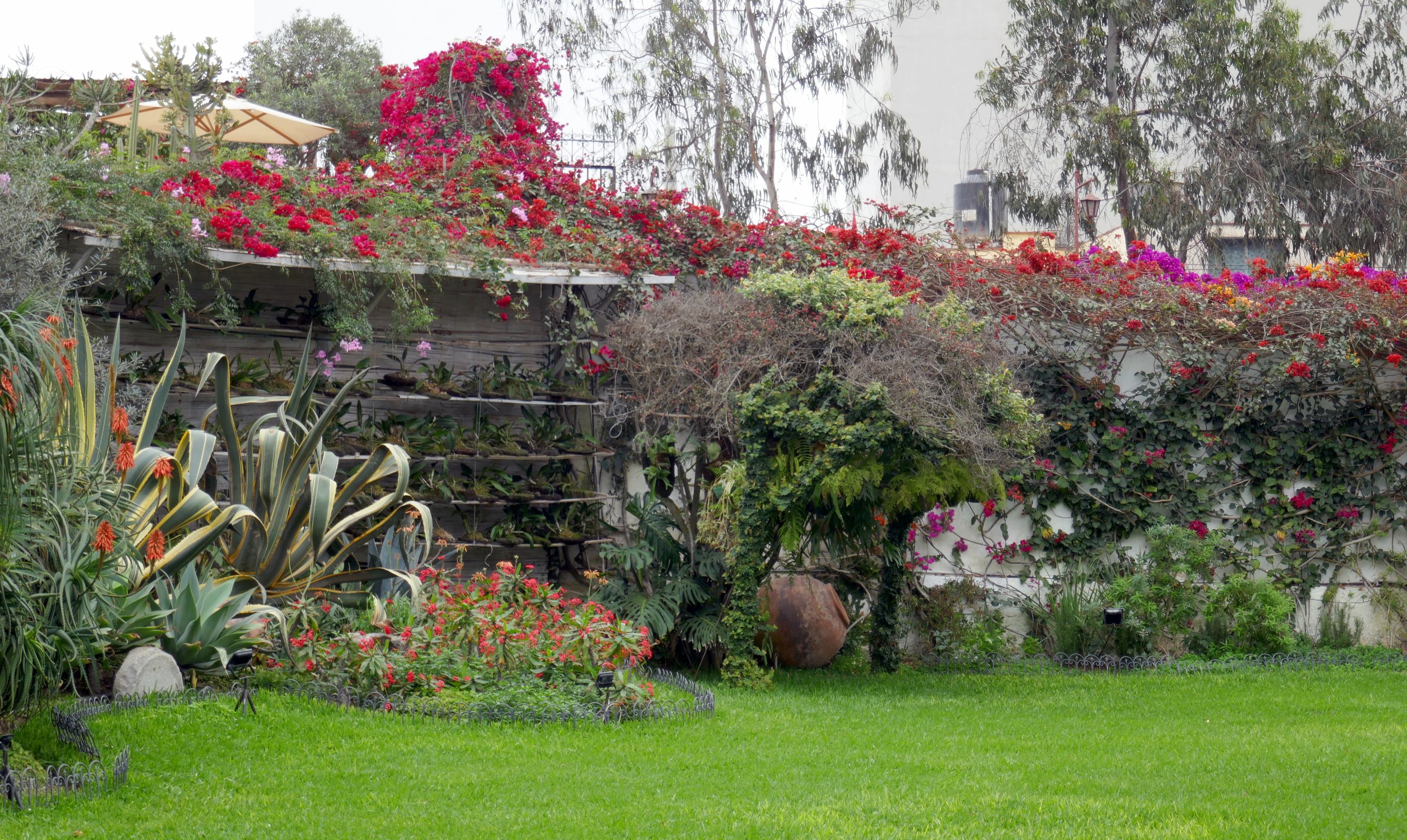
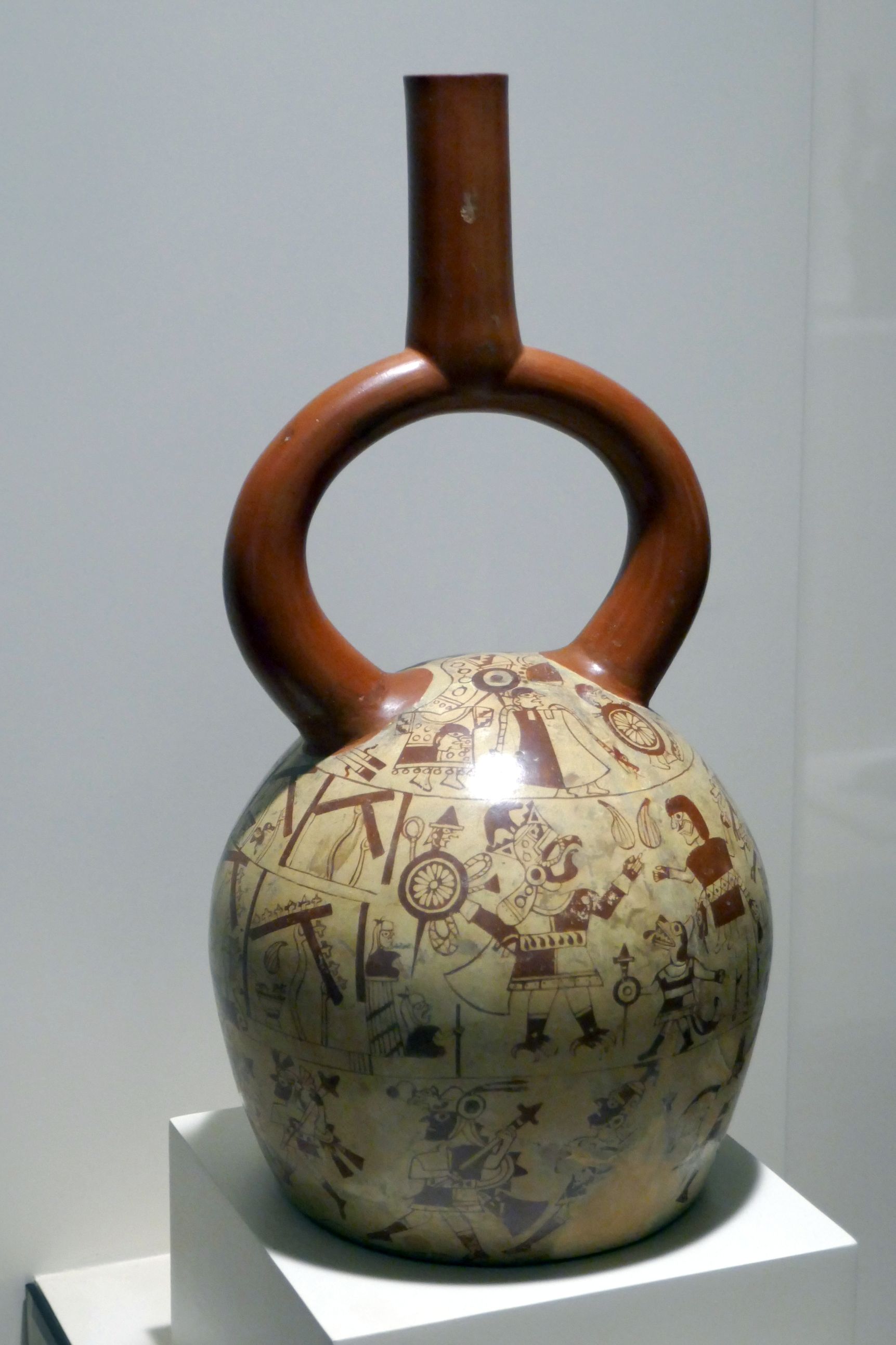
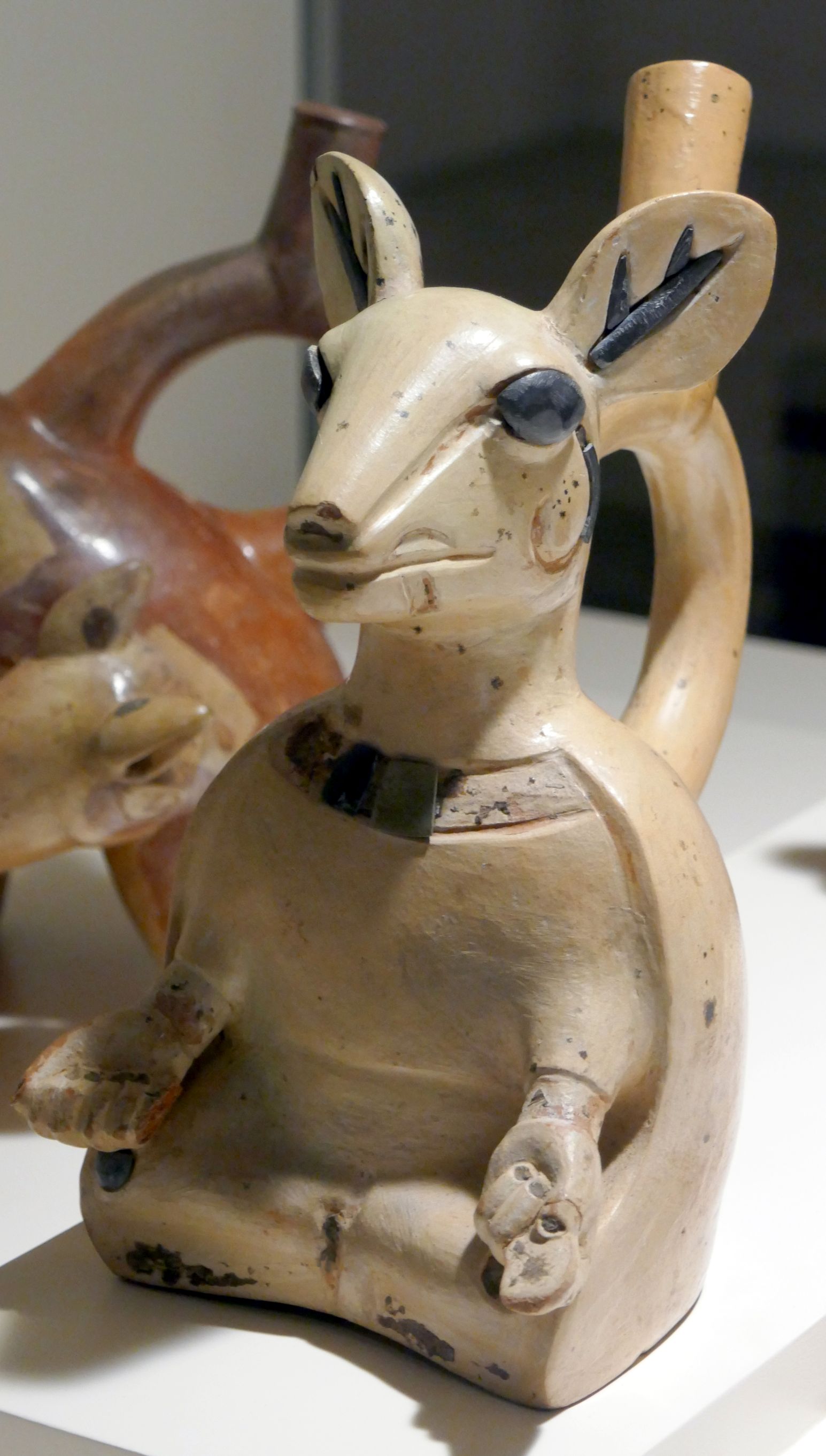
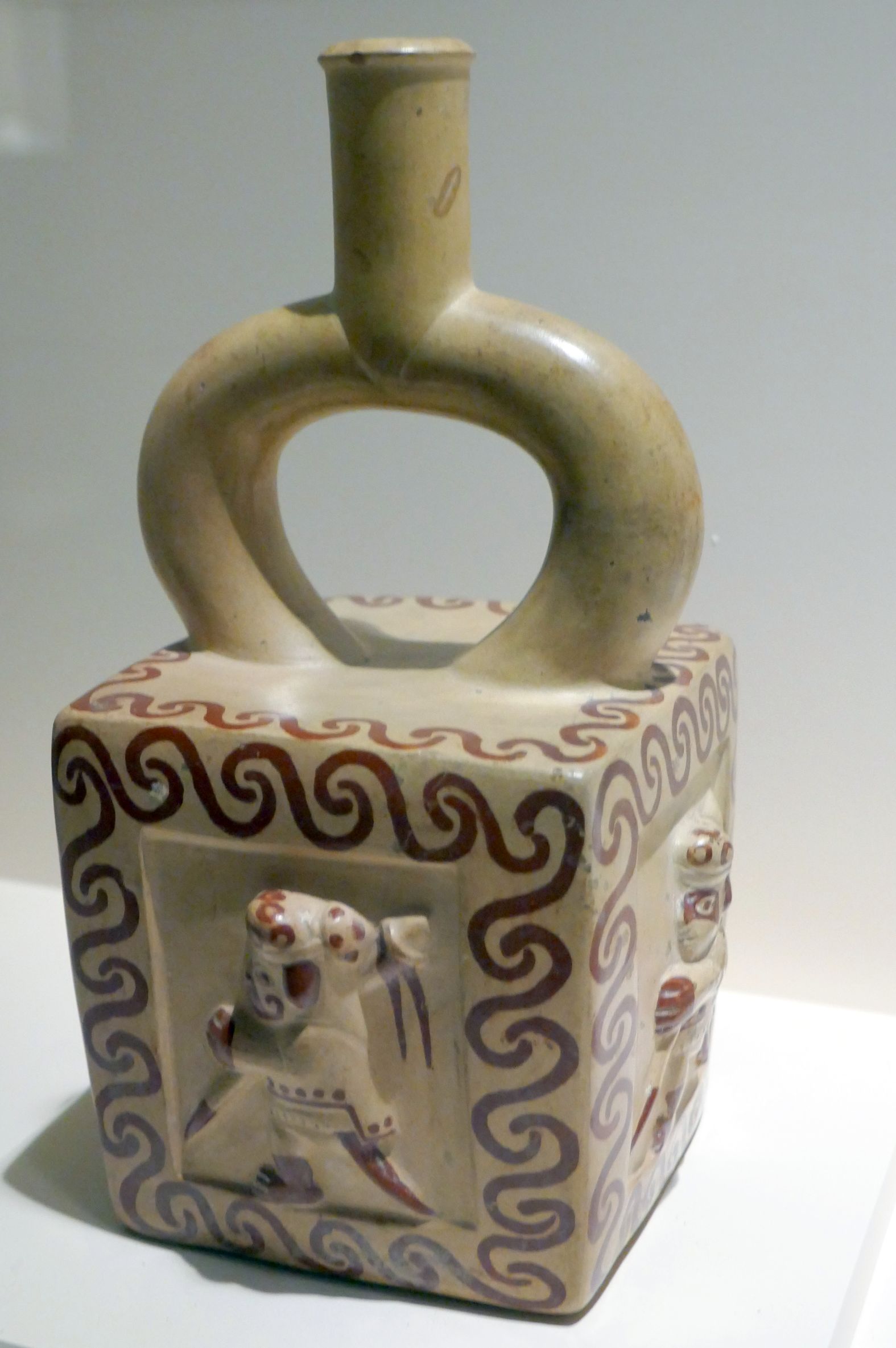
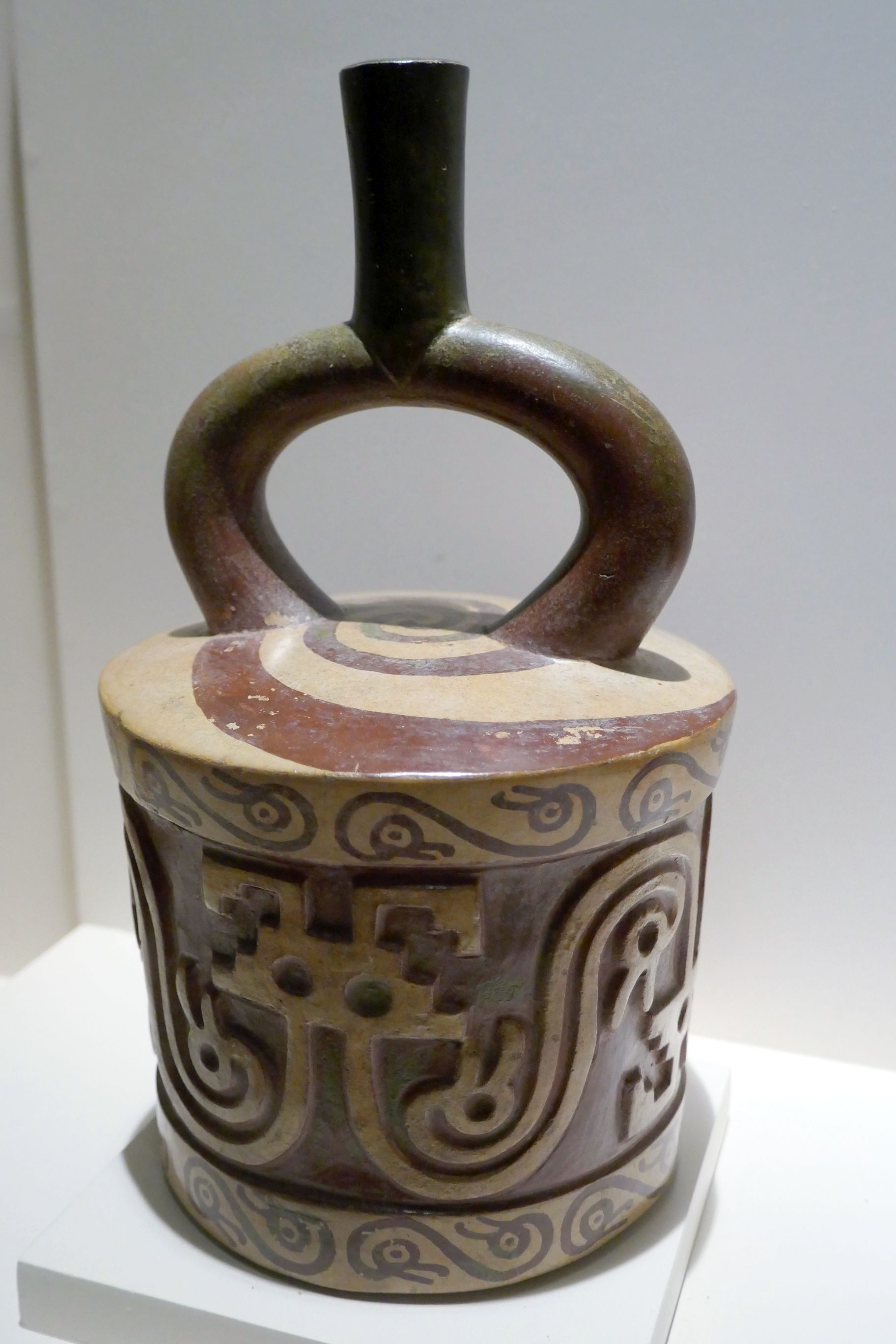
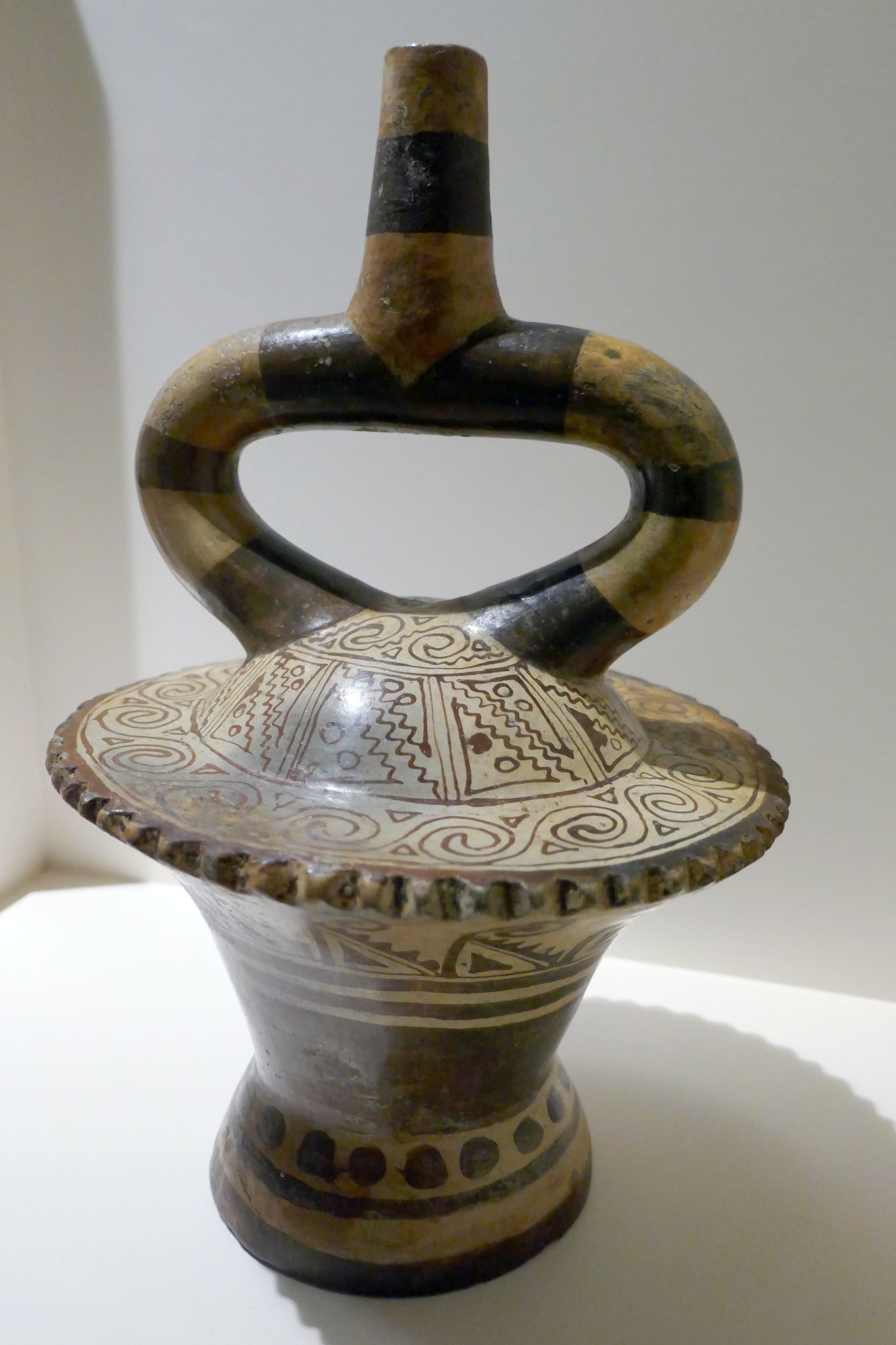
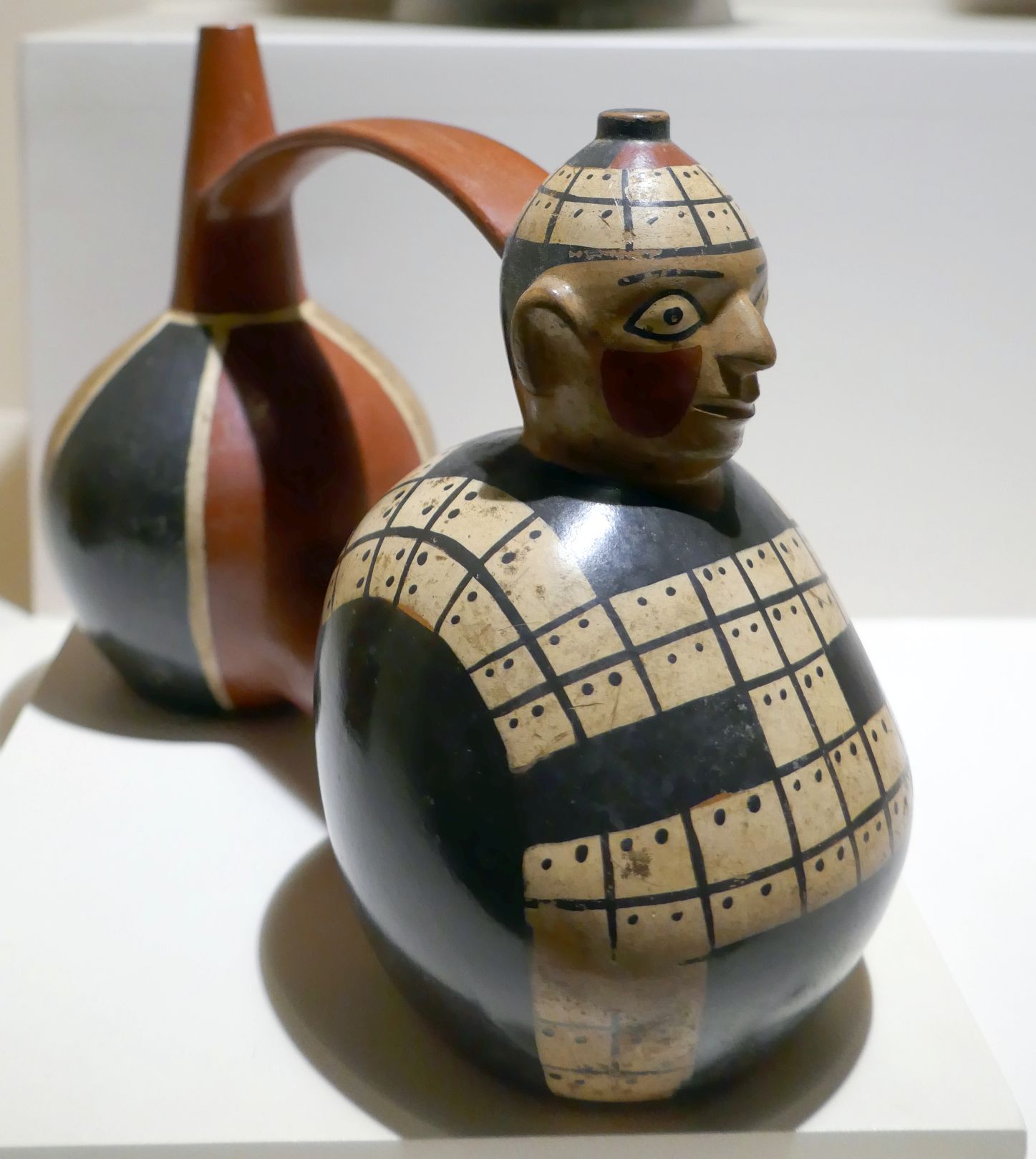
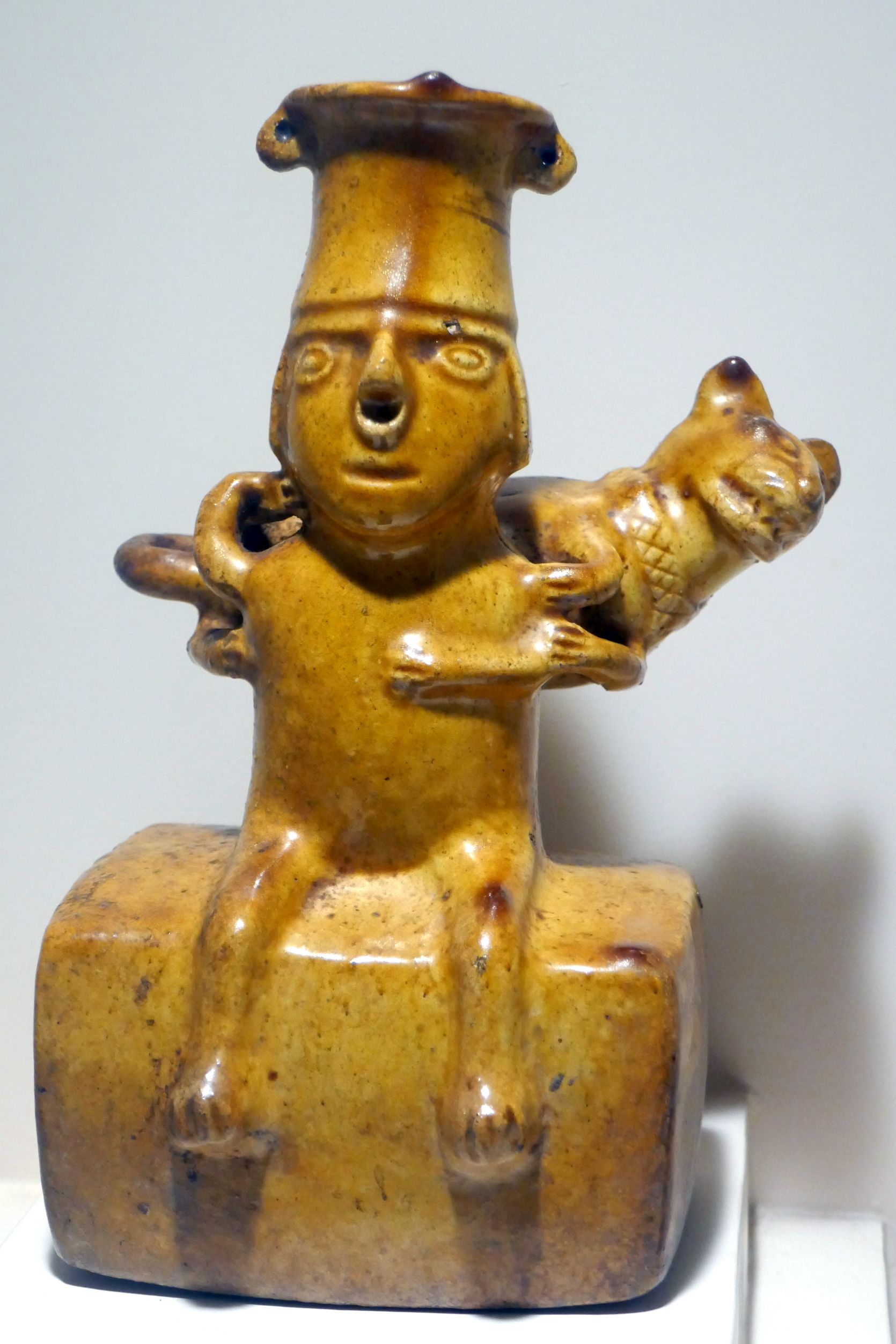
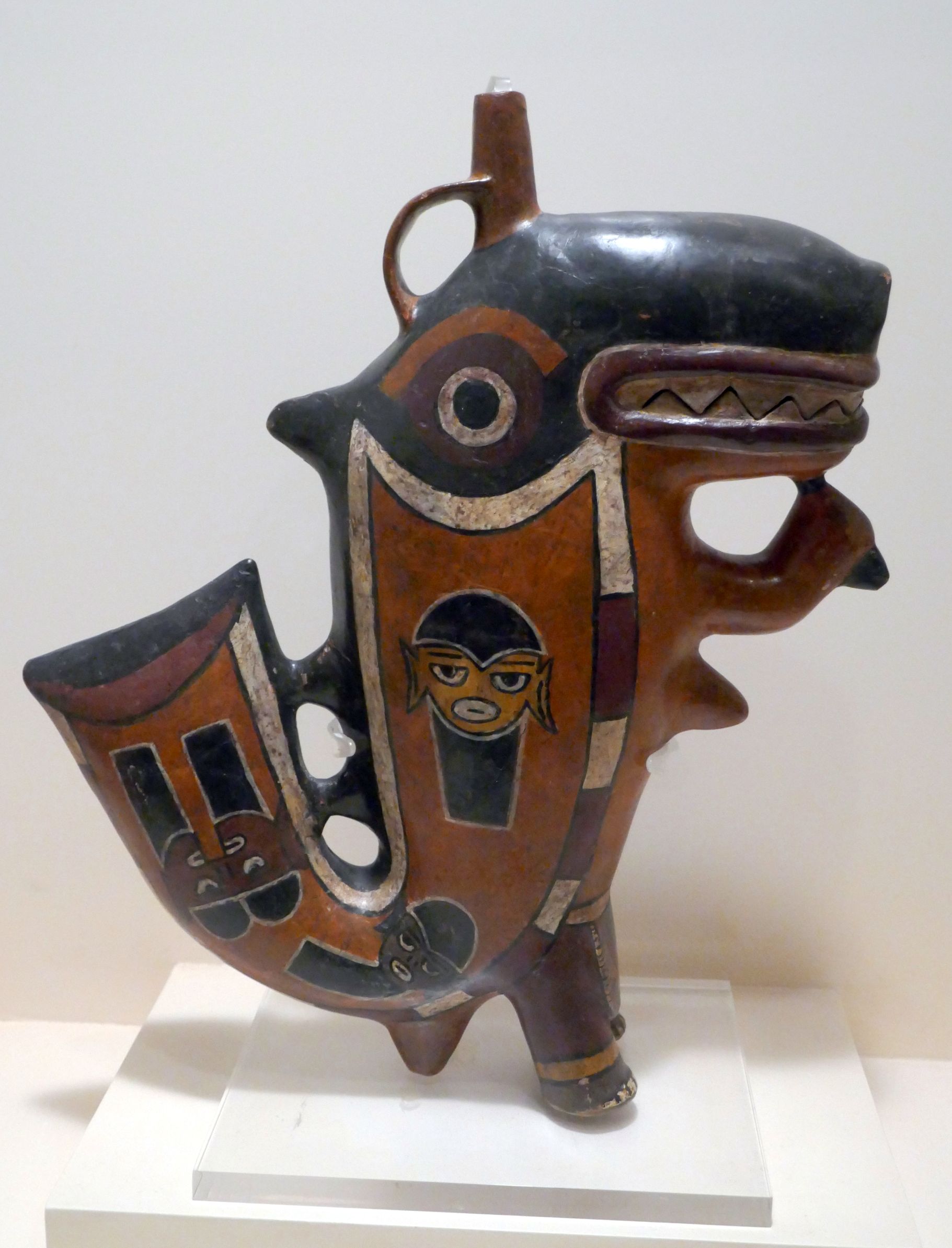
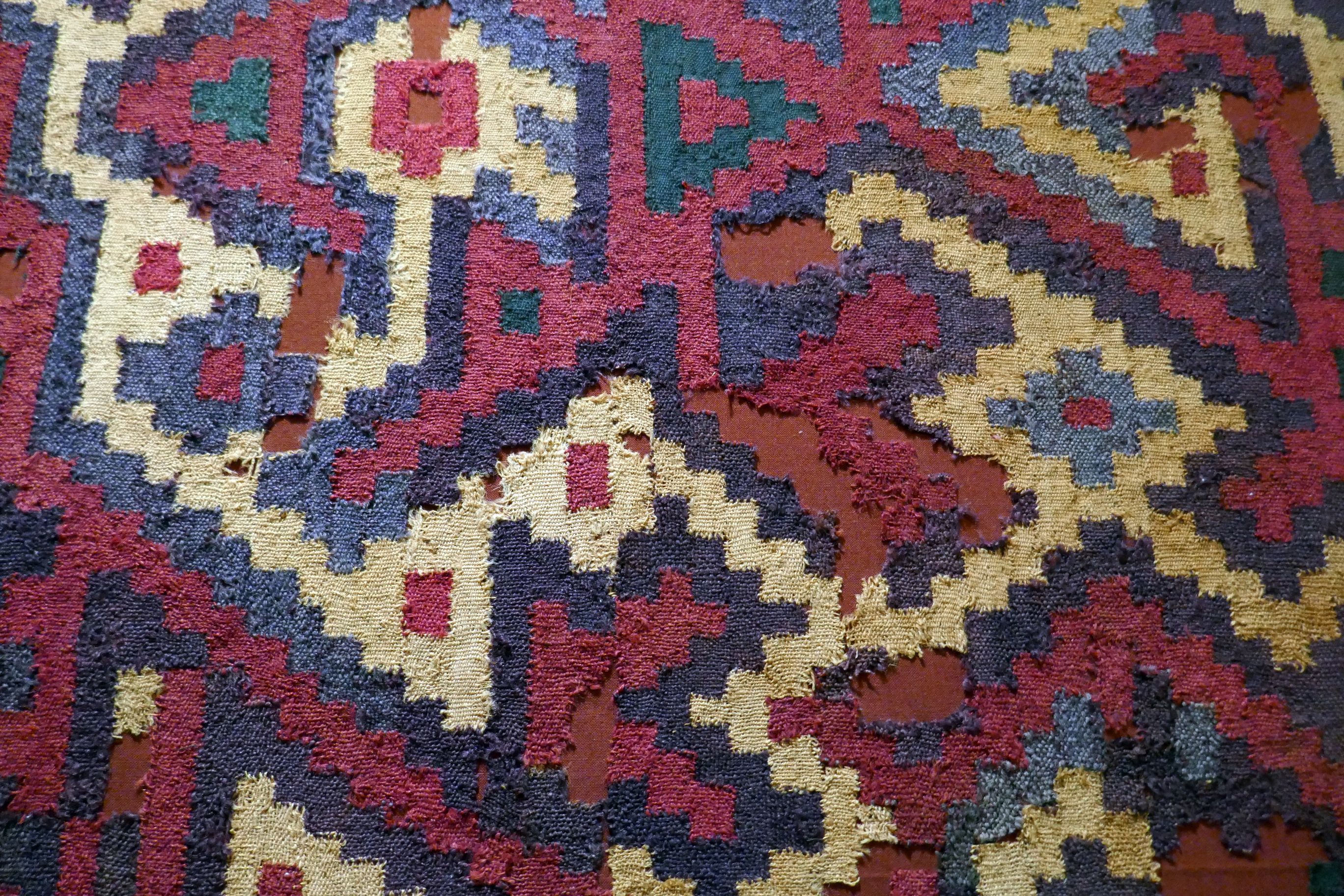
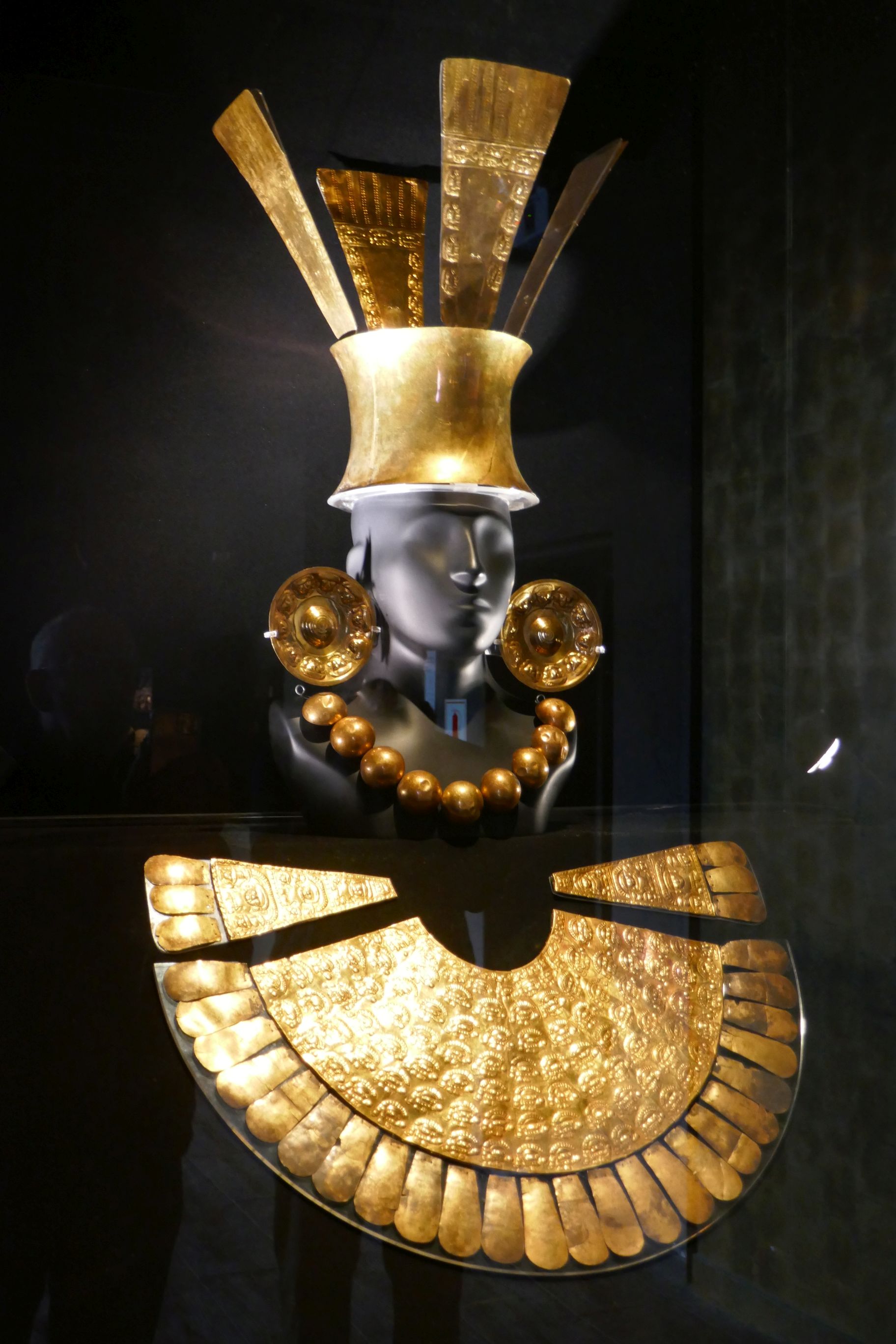
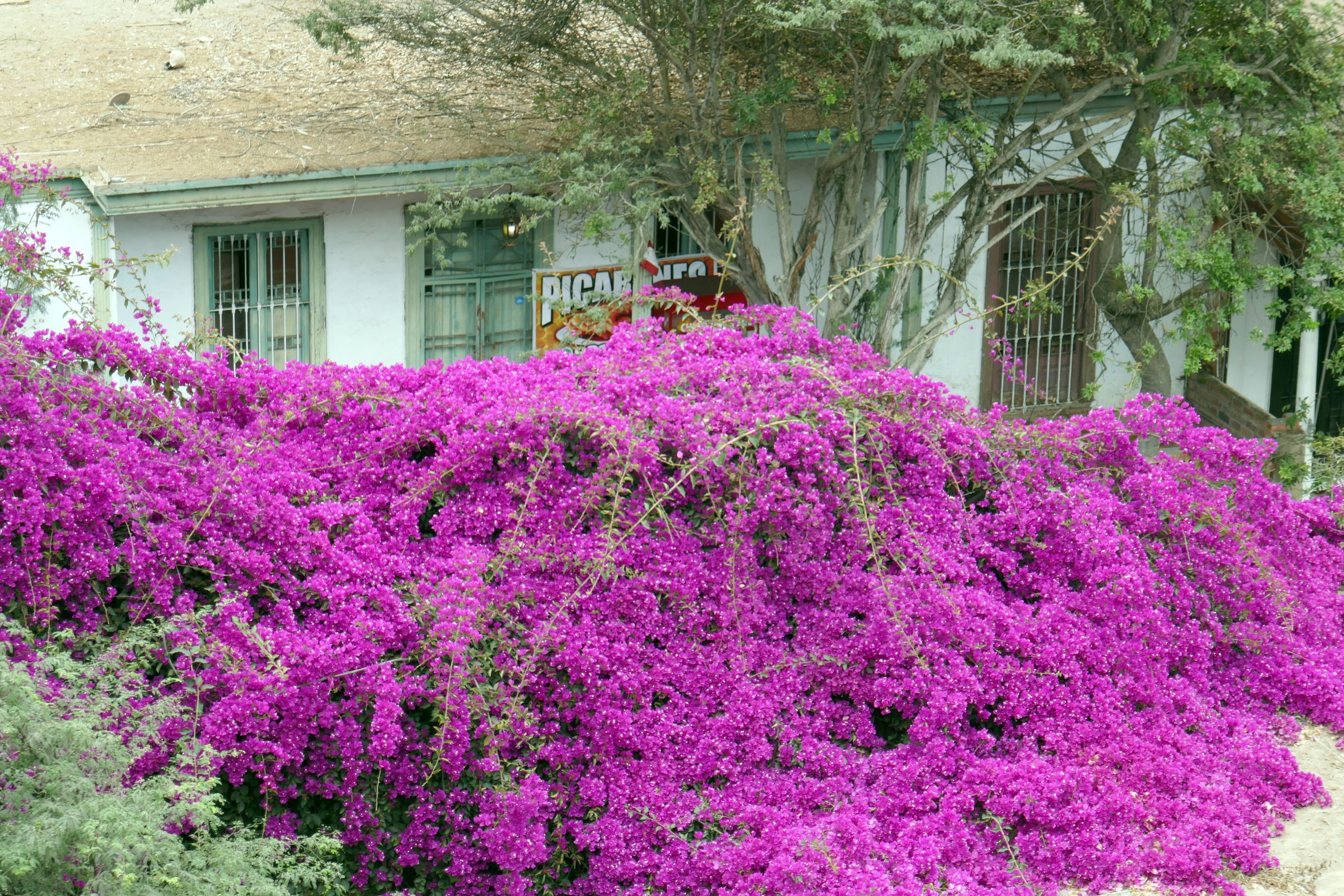
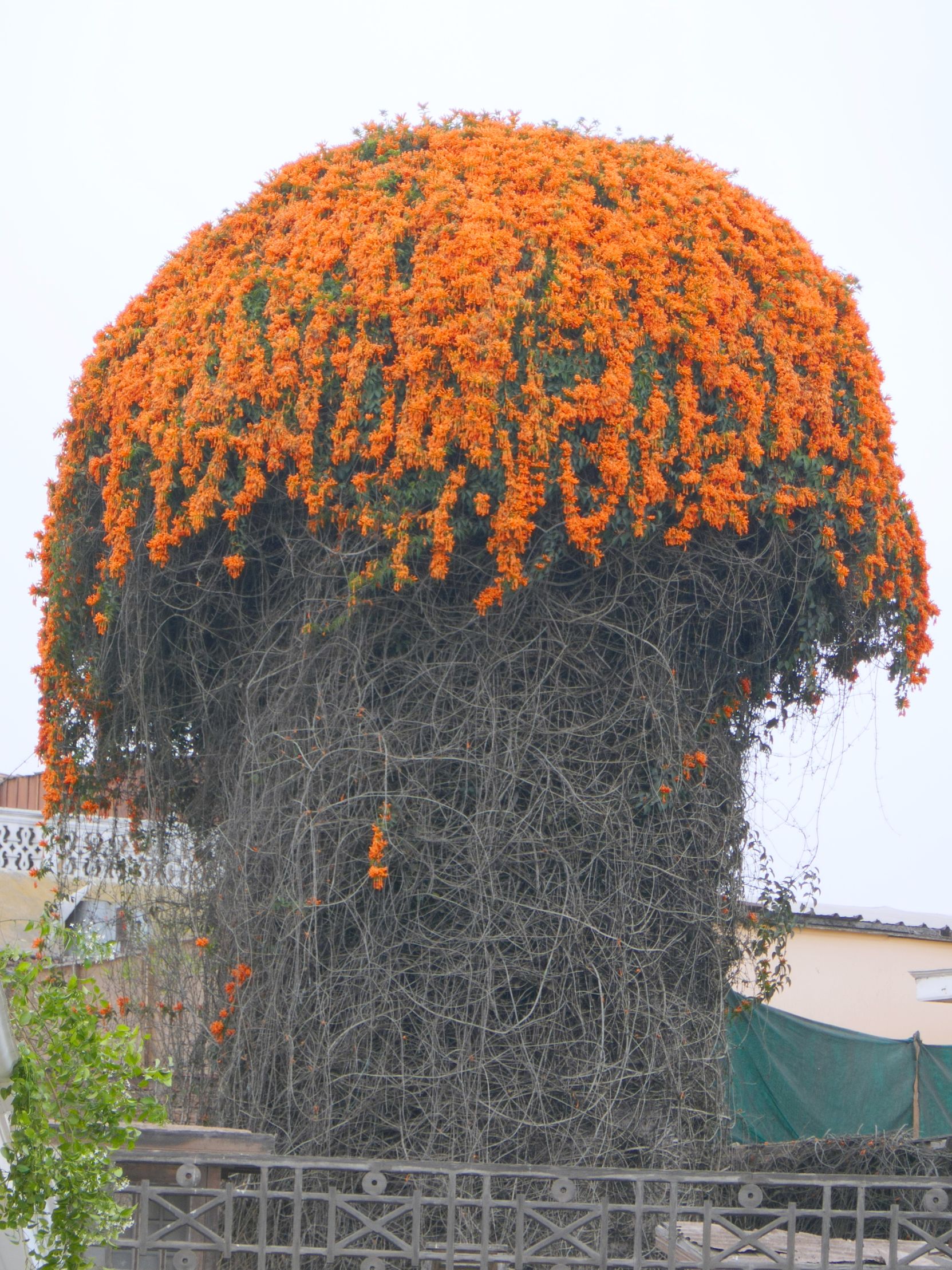
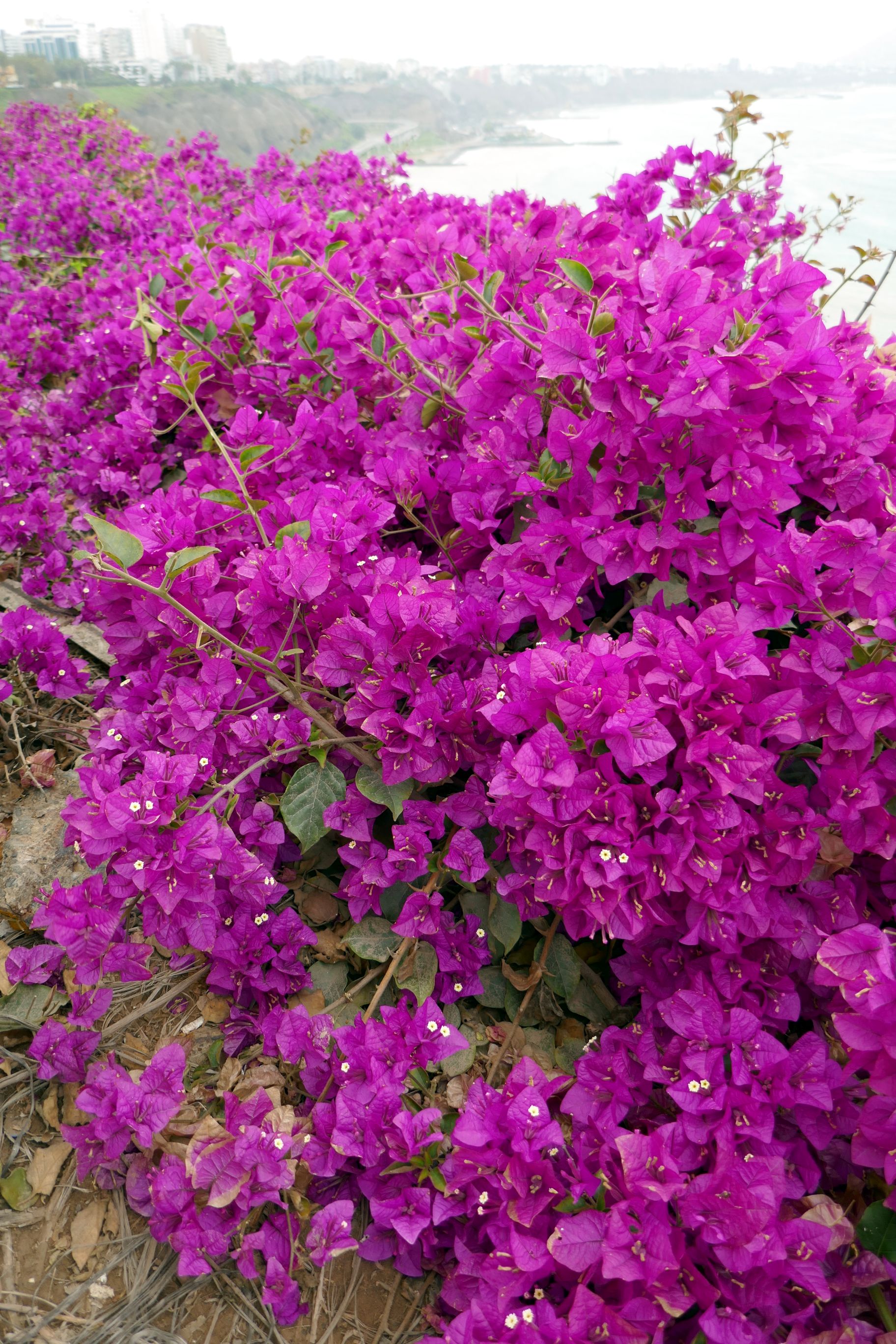
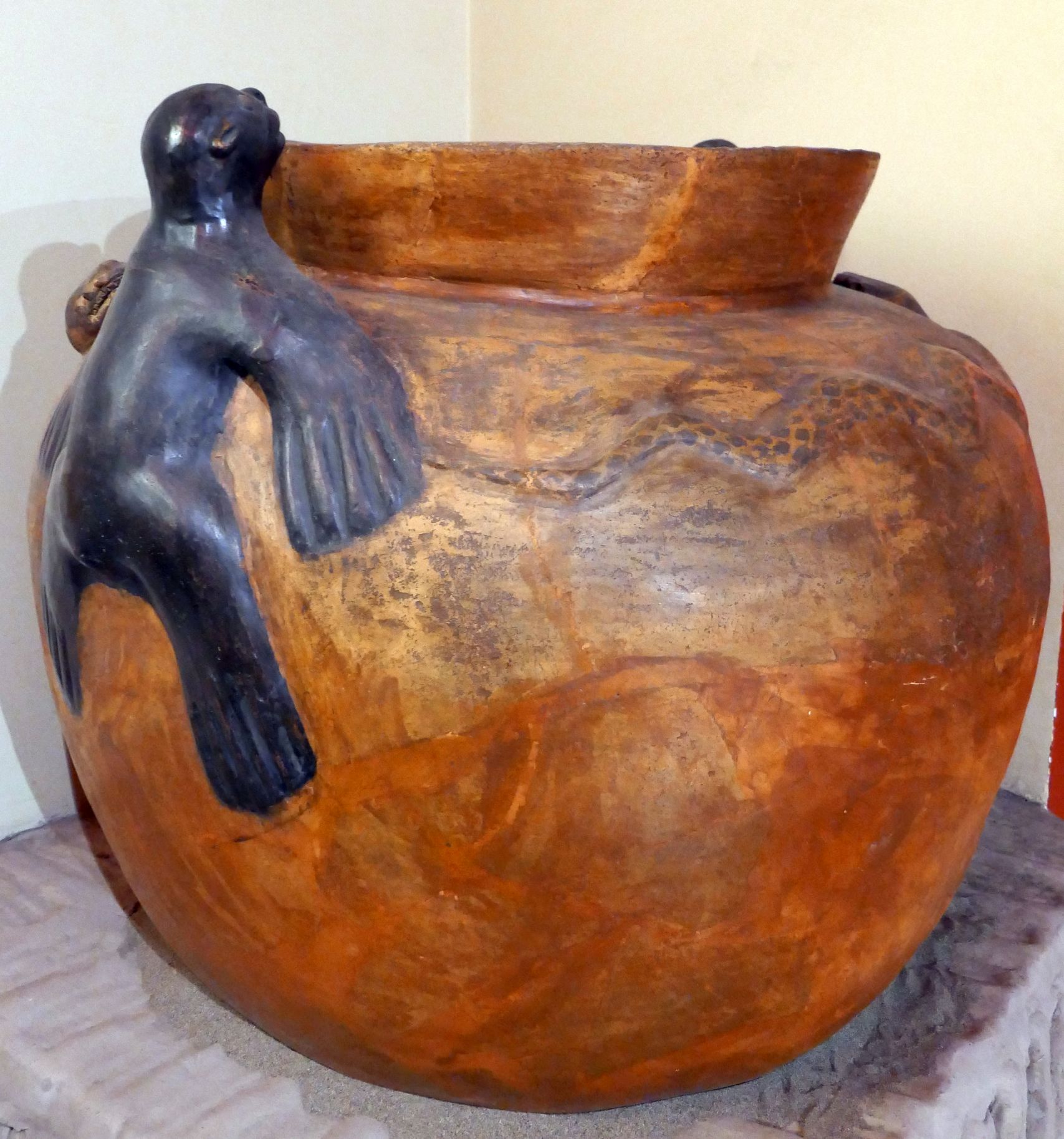
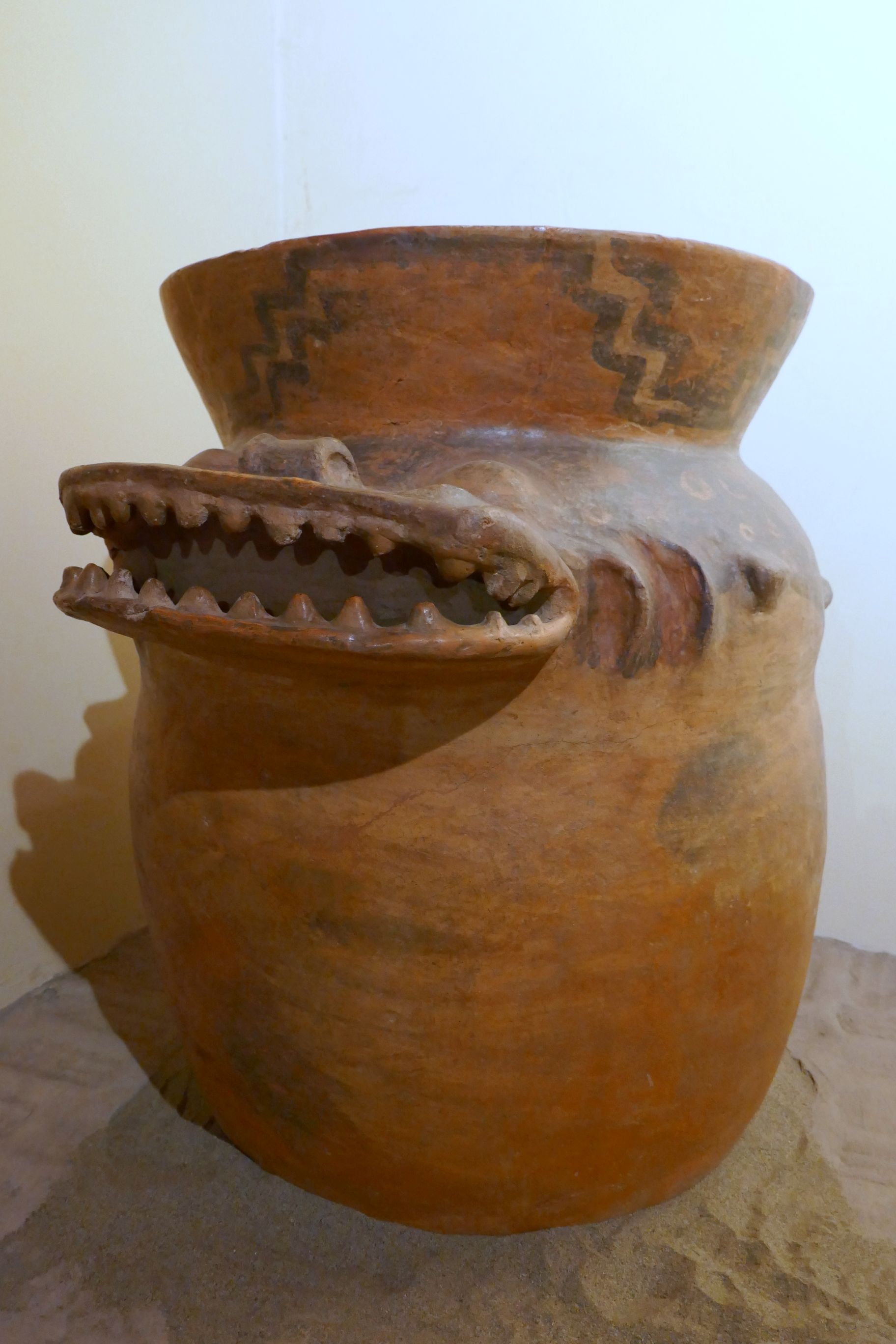
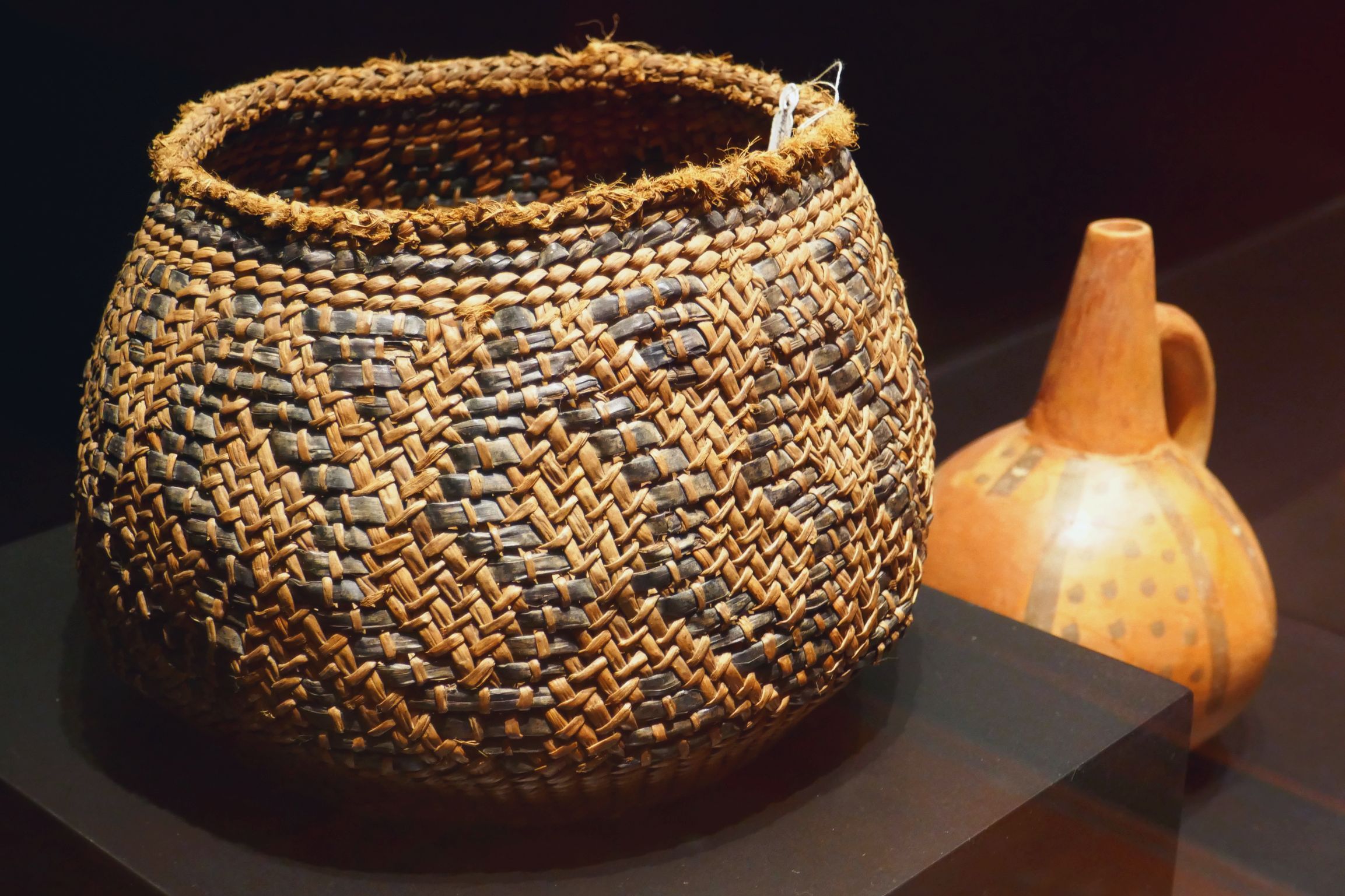
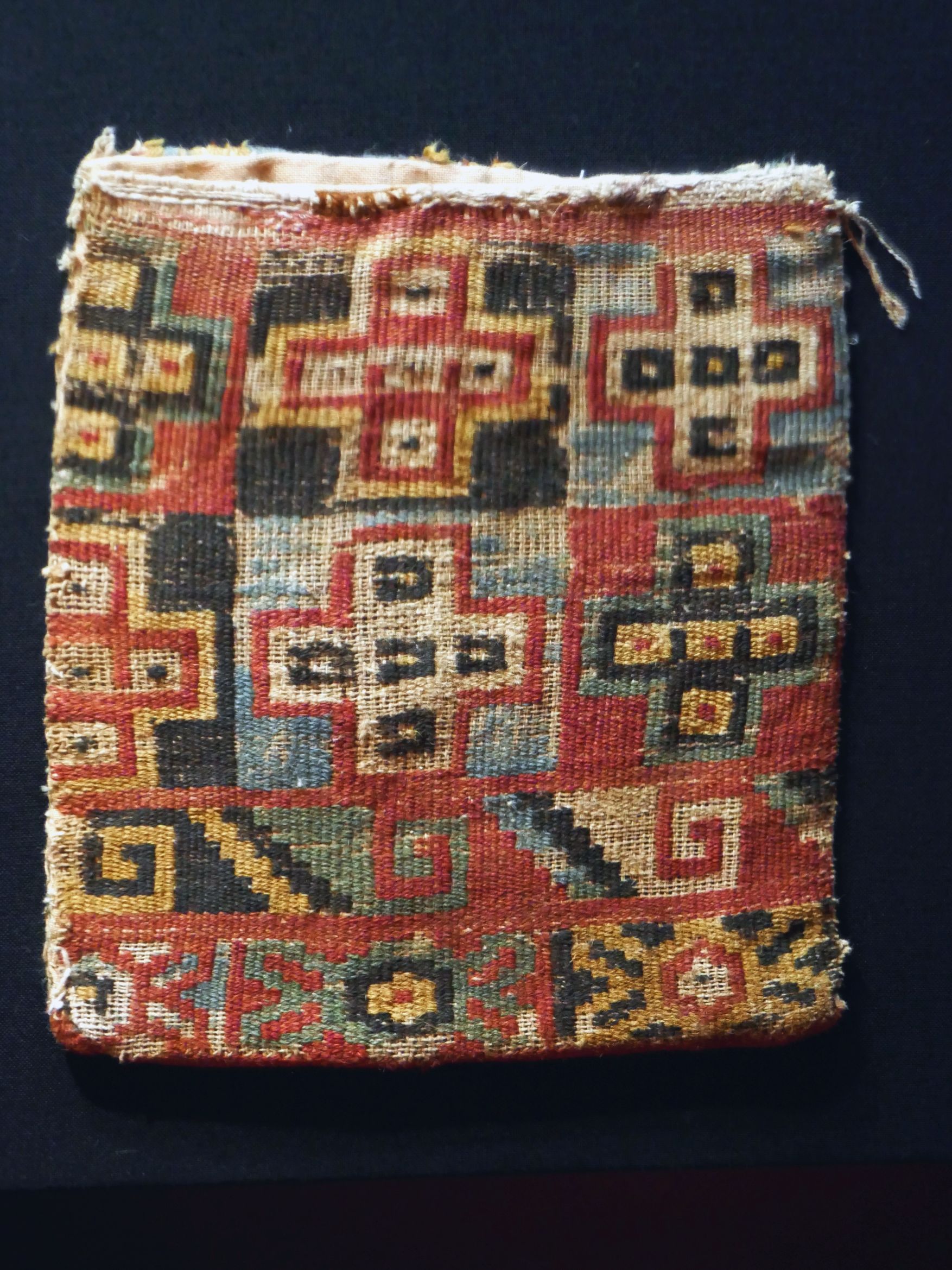
Our morning continued with a drive through the crazy Lima traffic to the beautiful Larco Museum, an archaeological museum with an amazing collection of pre-Columbian pottery, textiles, jewelry, and more, recovered from the 200 archeaological sites within Lima. The privately-owned museum is in an 18th century building with beautiful gardens and the most bougainvillea I have ever seen in one place!



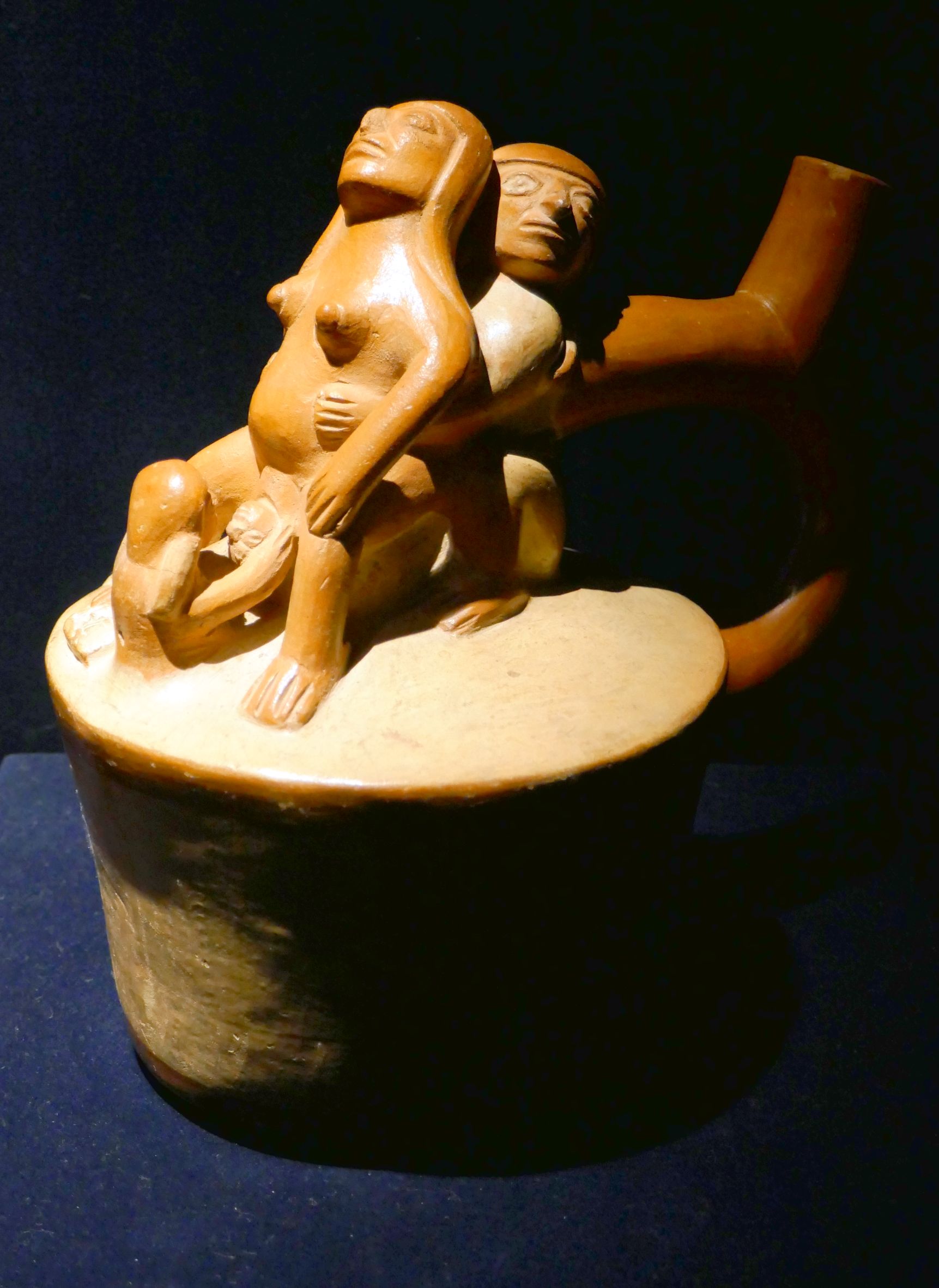

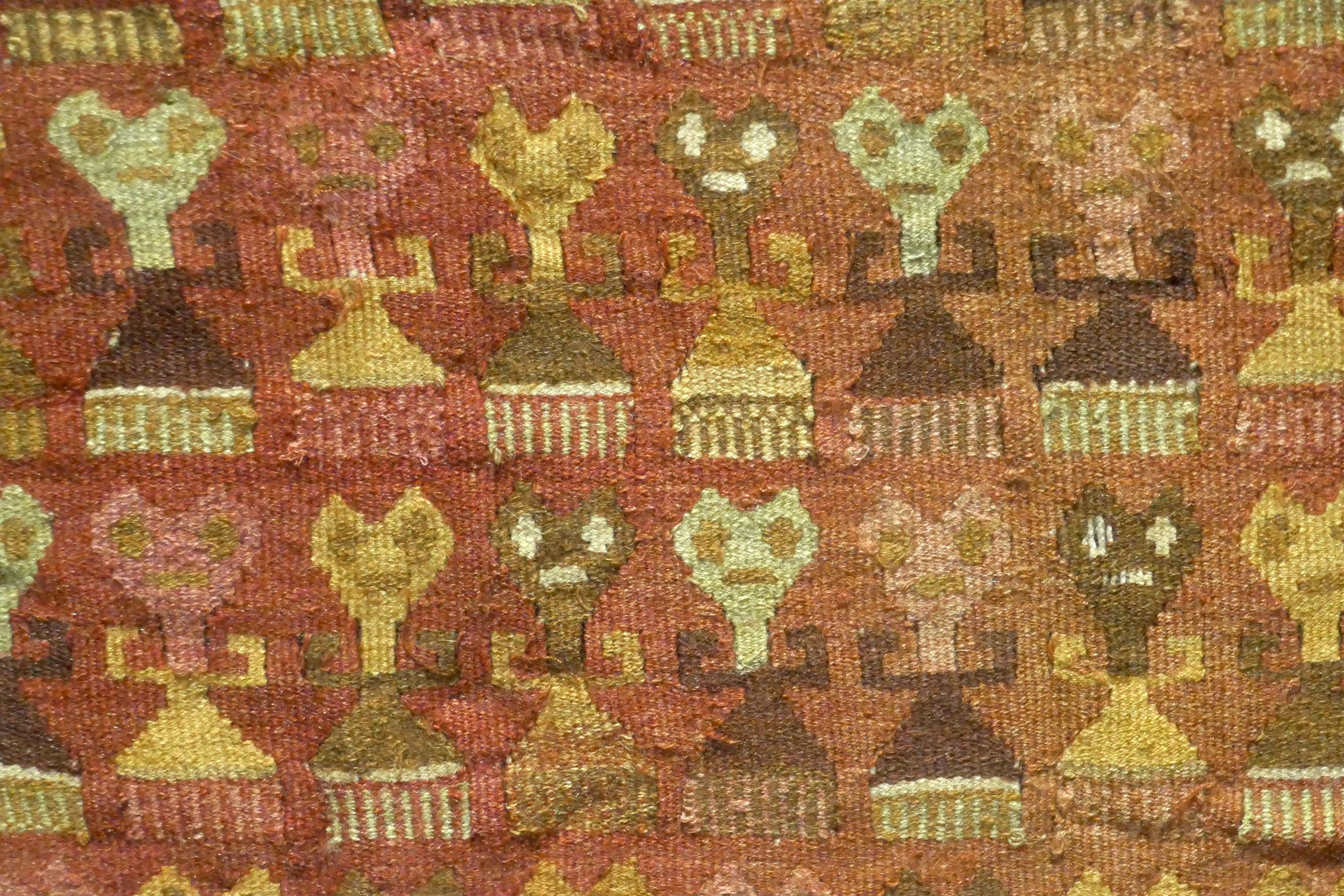

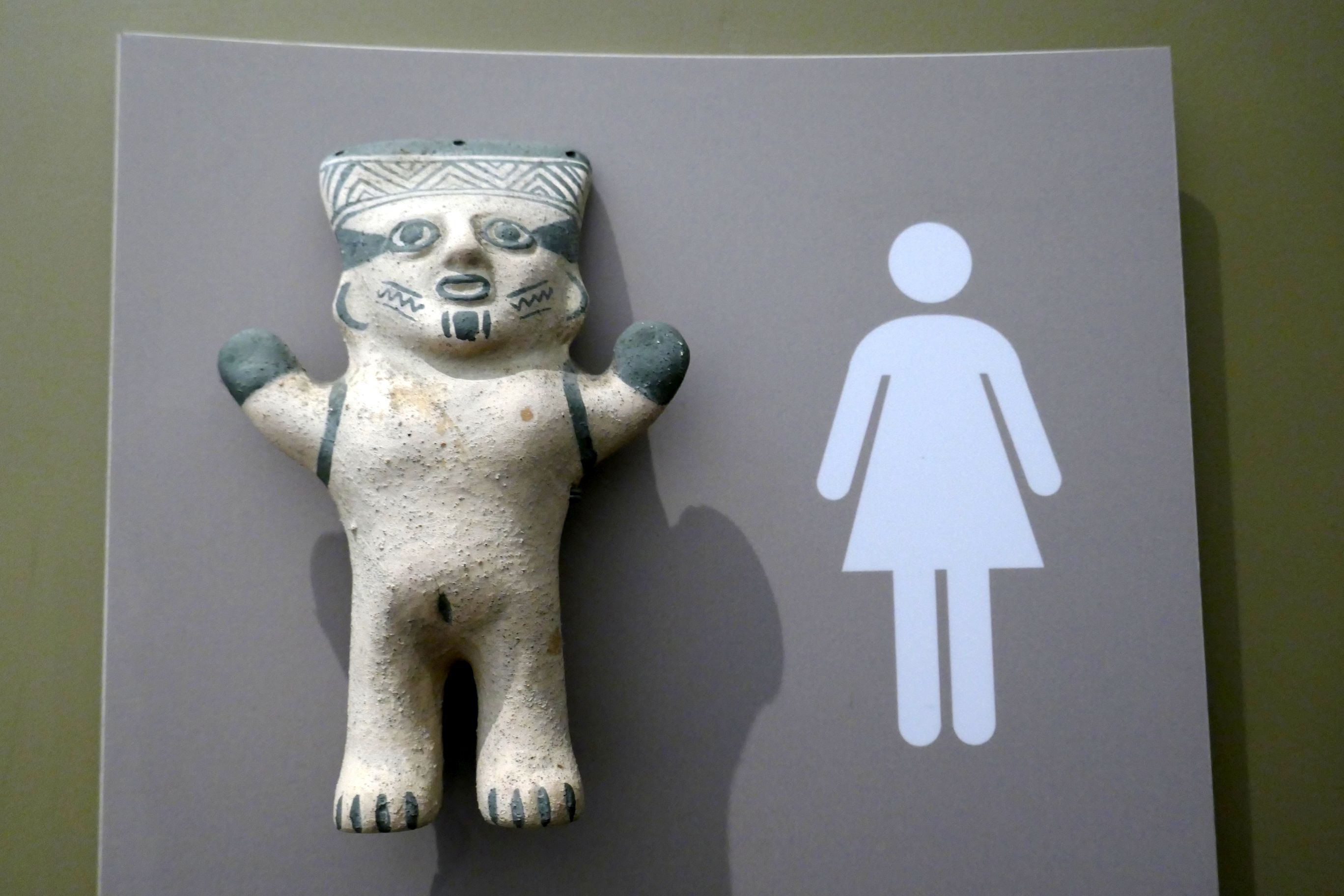
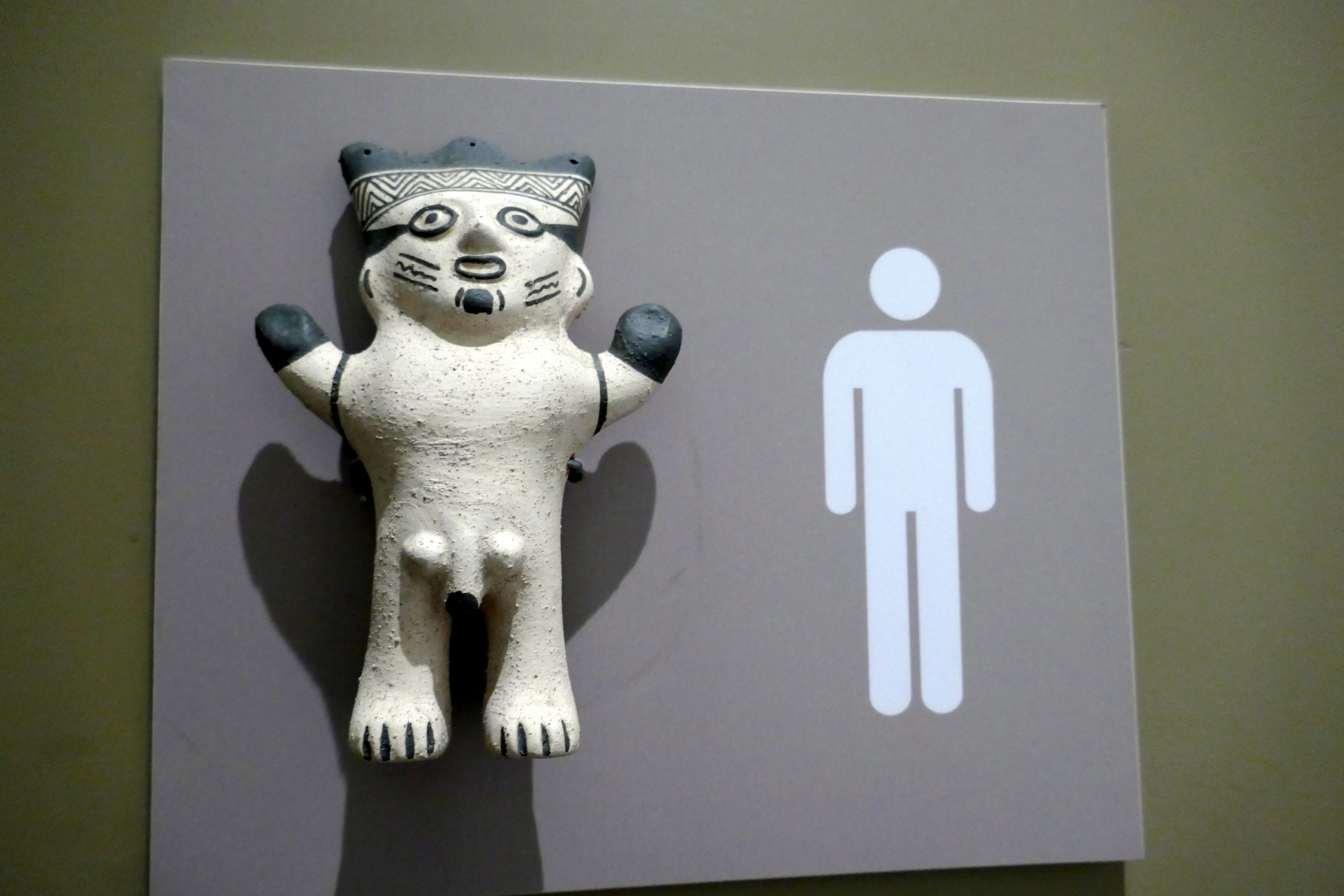
Even the restroom door signs were, uhhh, educational:
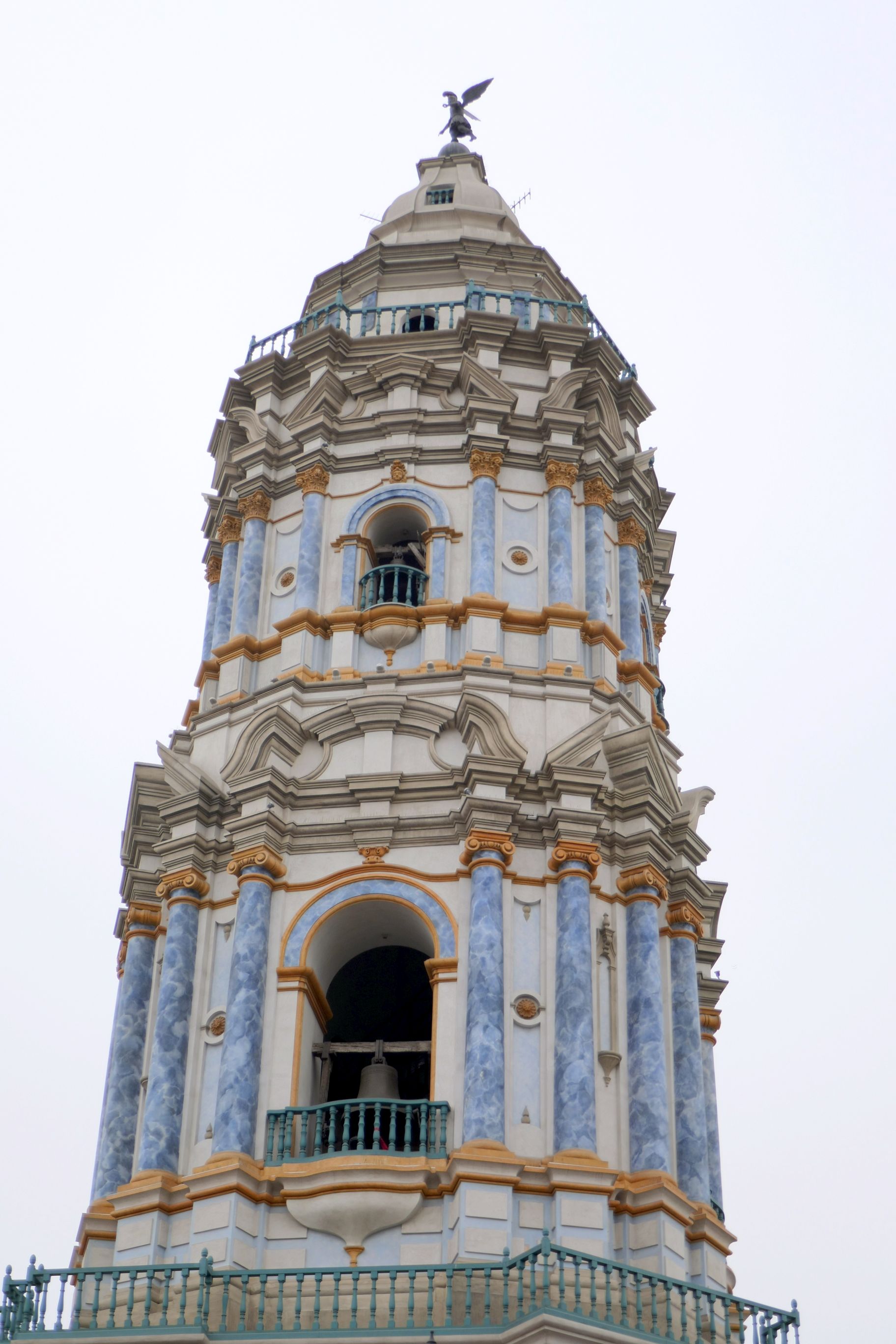
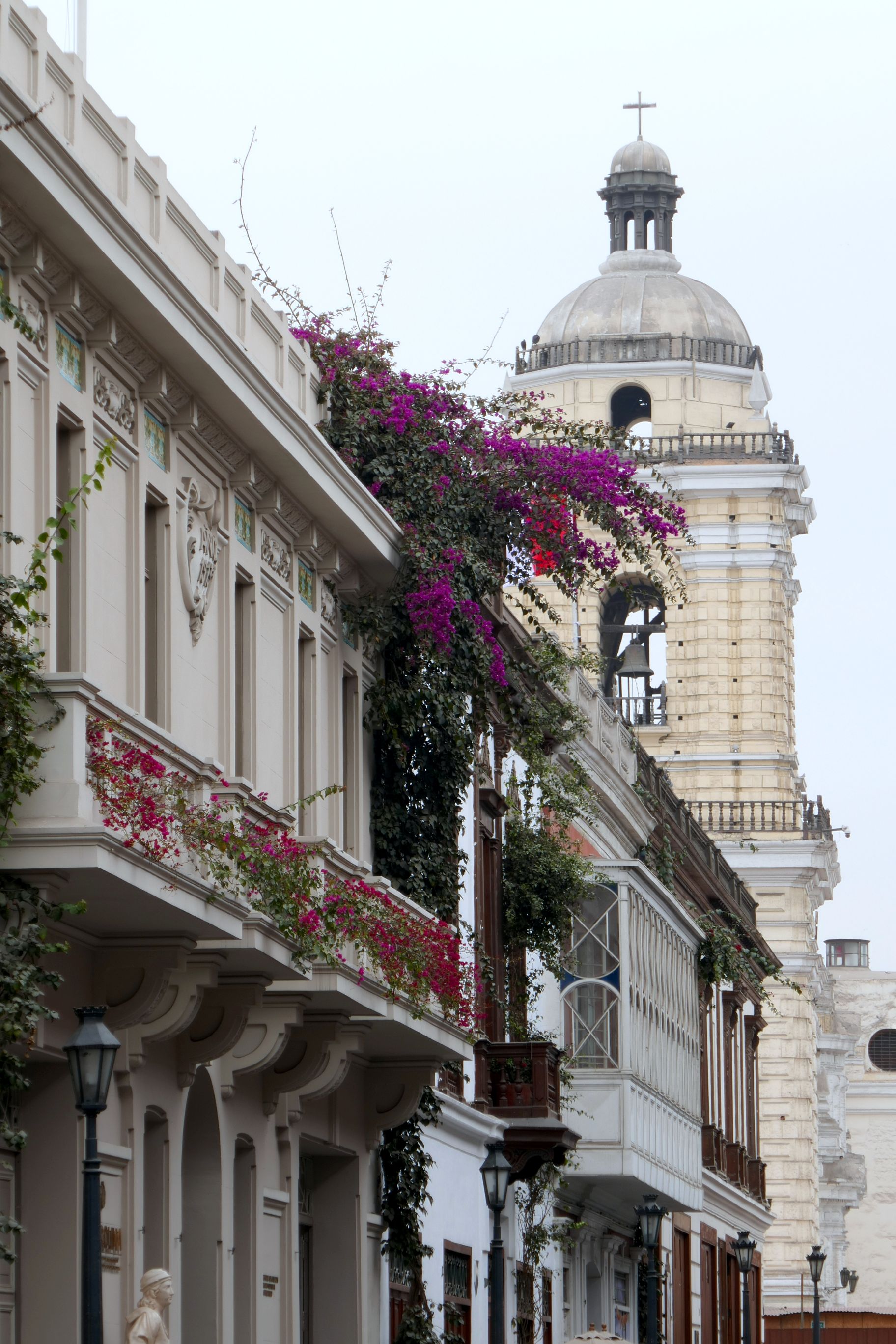
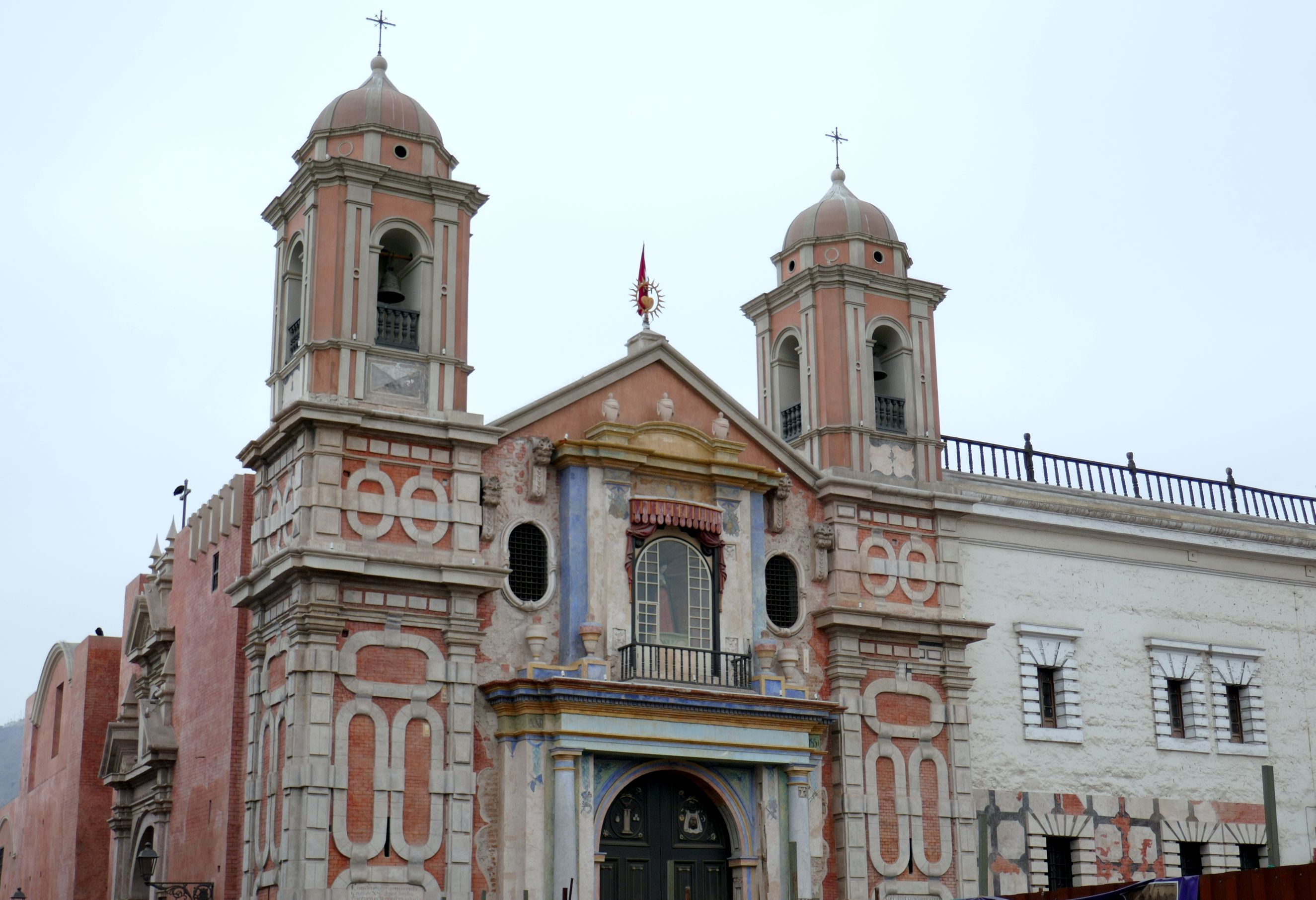
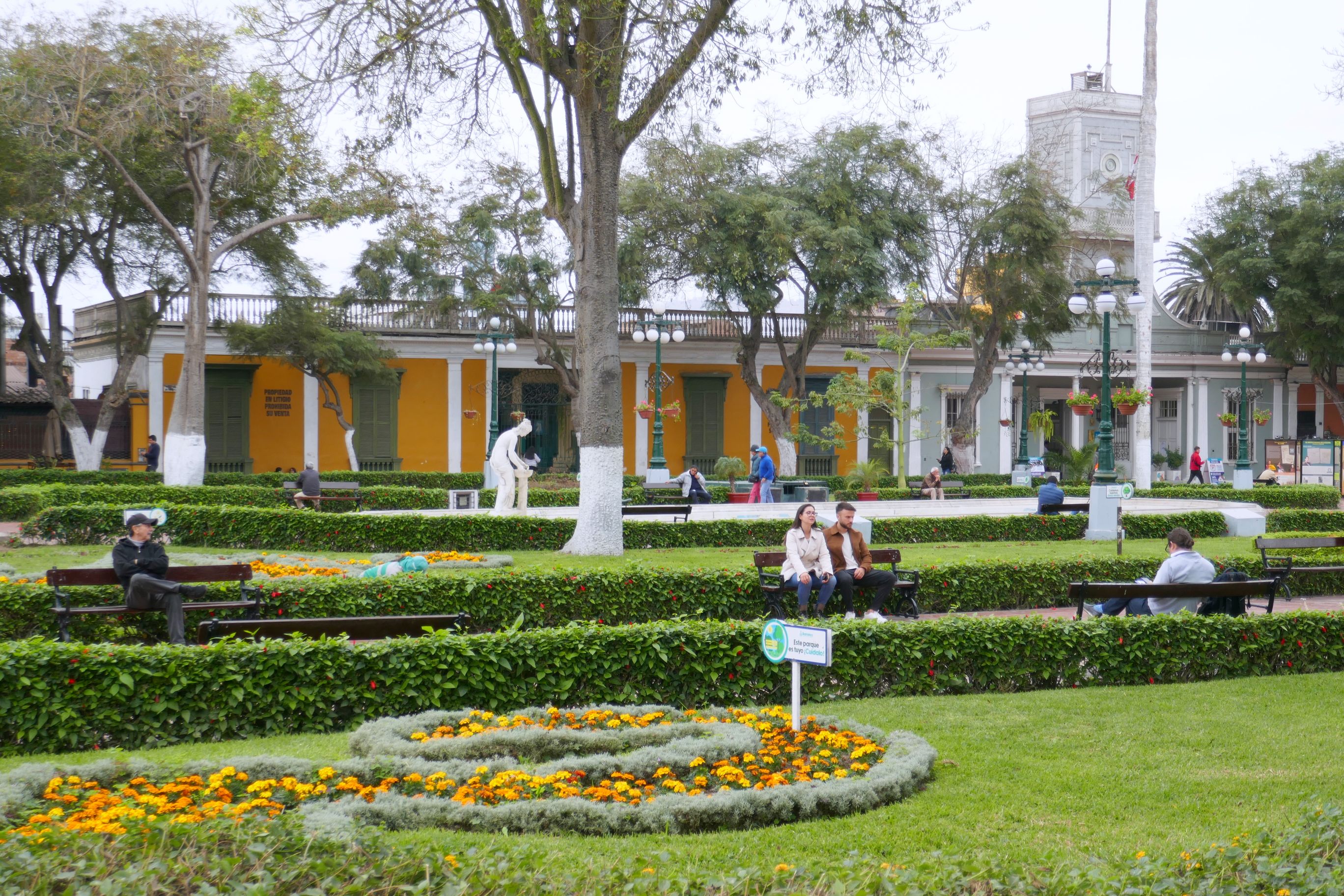
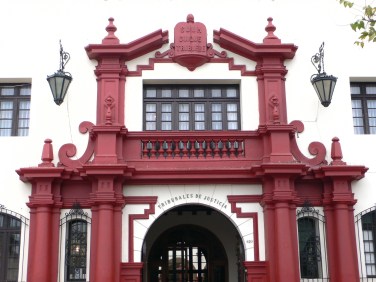
Next, we visited the Colonial District for a walking tour. Lima has suffered many destructive earthquakes over the years, so few Colonial-era buildings remain in what is now an eclectic mix of architecture. As a result, the Colonial District is registered as a UNESCO Heritage Site.
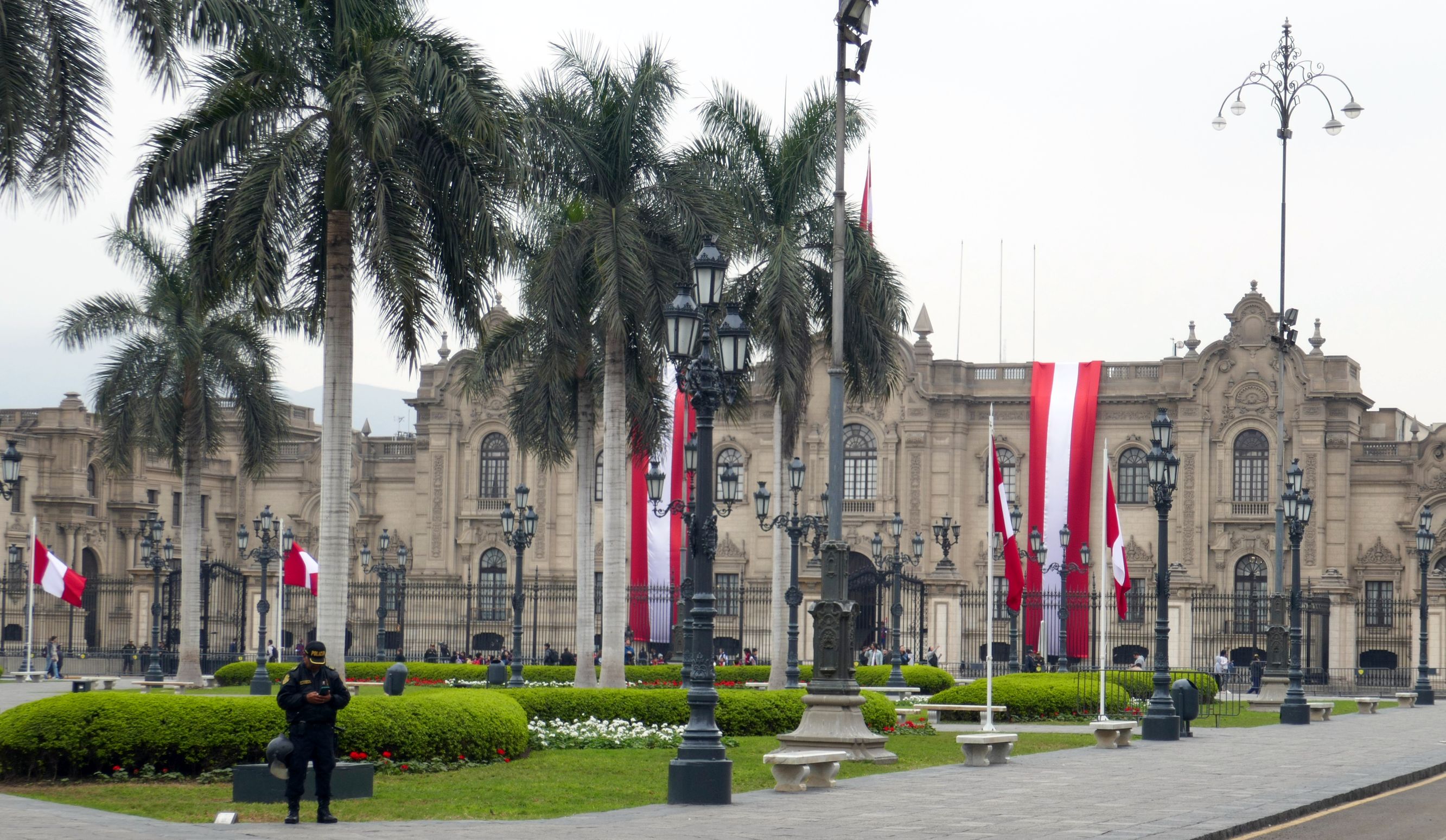
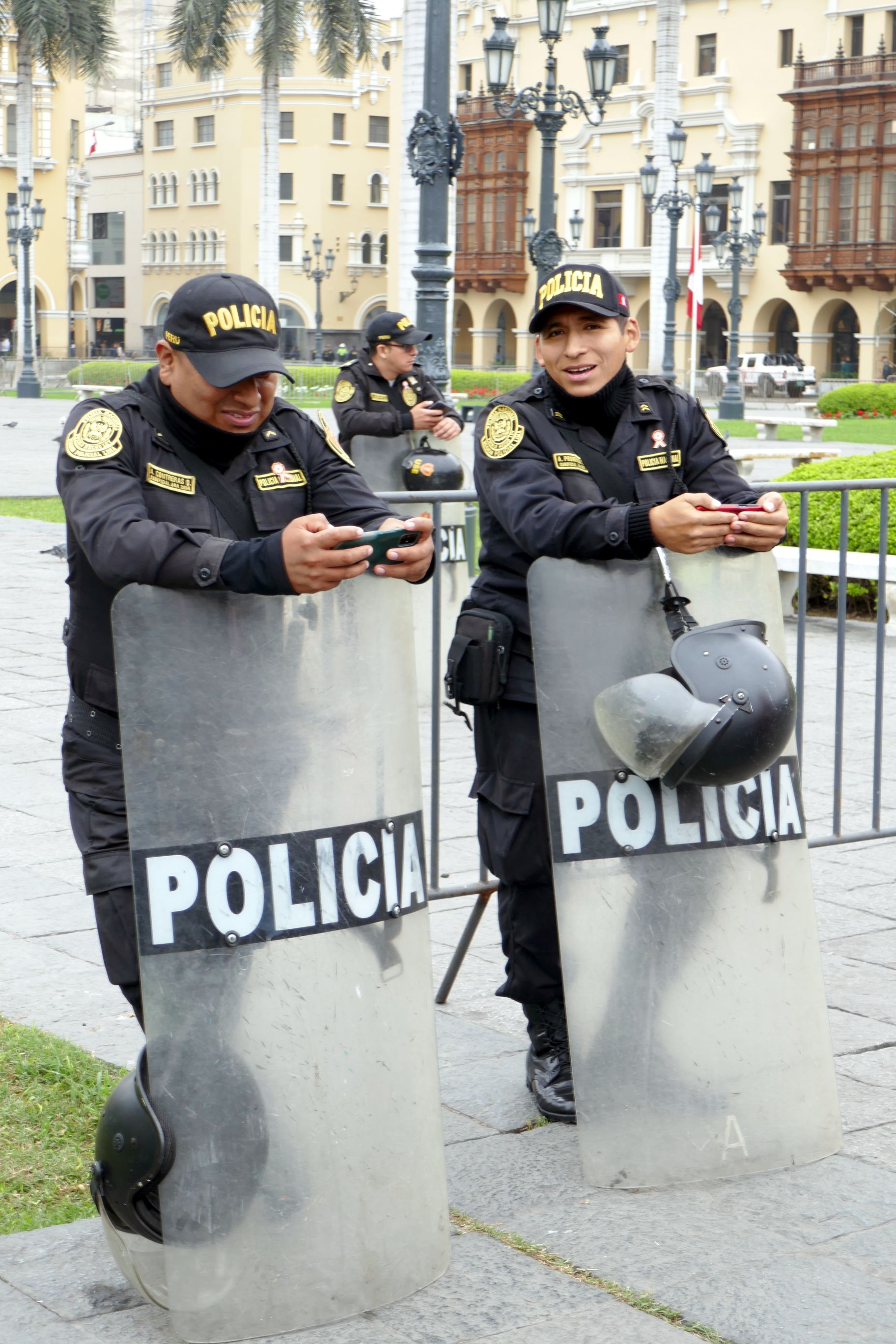
Our tour took us to Plaza Mayor de Lima past ornate government buildings, including the Government Palace and 1650’s-era fountain, while our guide shared a lot of interesting information about Lima. I had no idea, but 75% of the city’s residents are from other places in the world making it very multi-cultural.
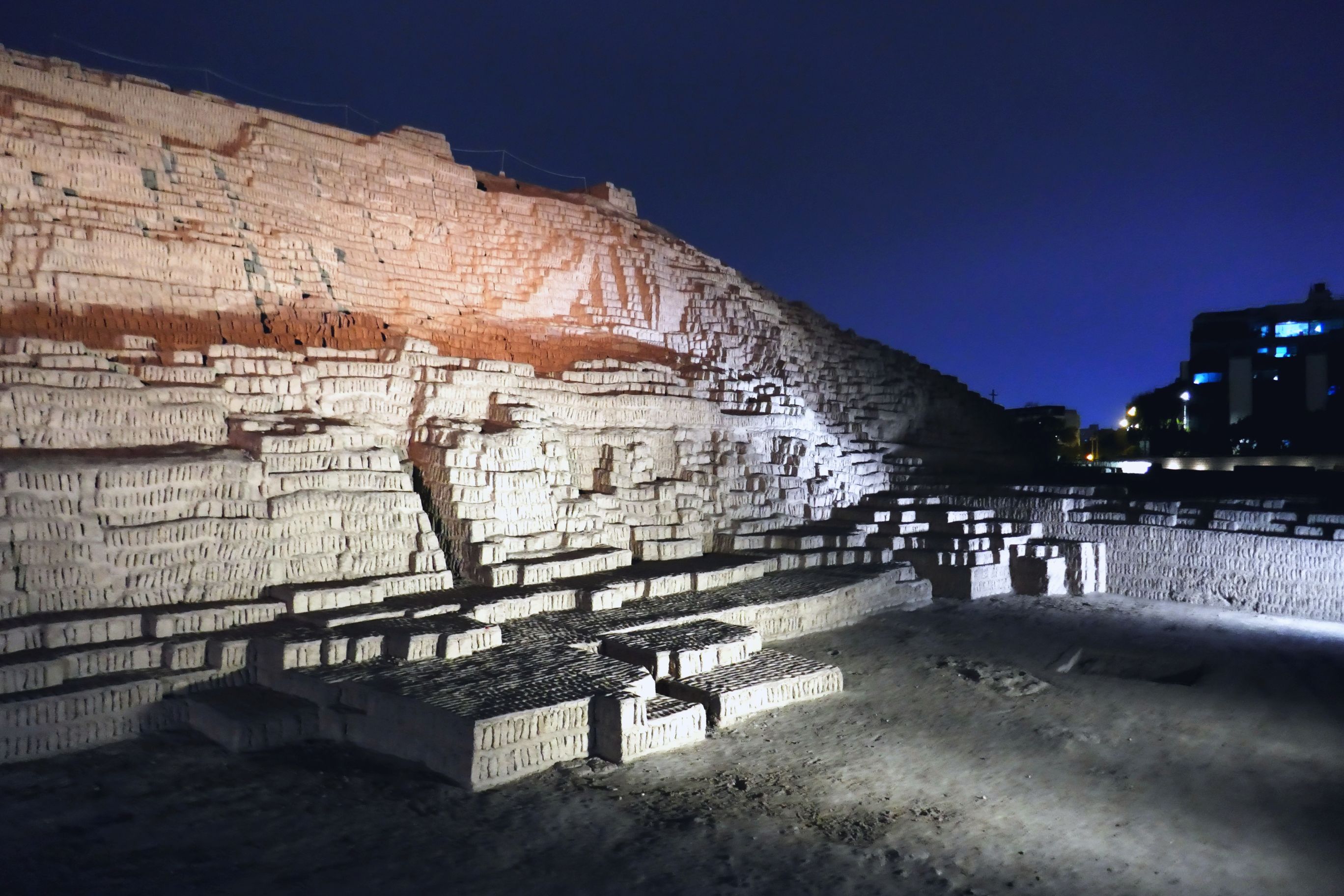
The oldest civilization in the Americas was in Peru, dating back to 3,000 B.C. Since Lima is located just 12 degrees south of the equator, the tropical climate was conducive for many varieties of produce to grow. It was also rich in seafood; more than 300 varieties of fish can be found in the region. So, civilizations developed quickly and there was no need for them to migrate in search of food. People settled in Lima for this reason, since many areas of Peru are desert.
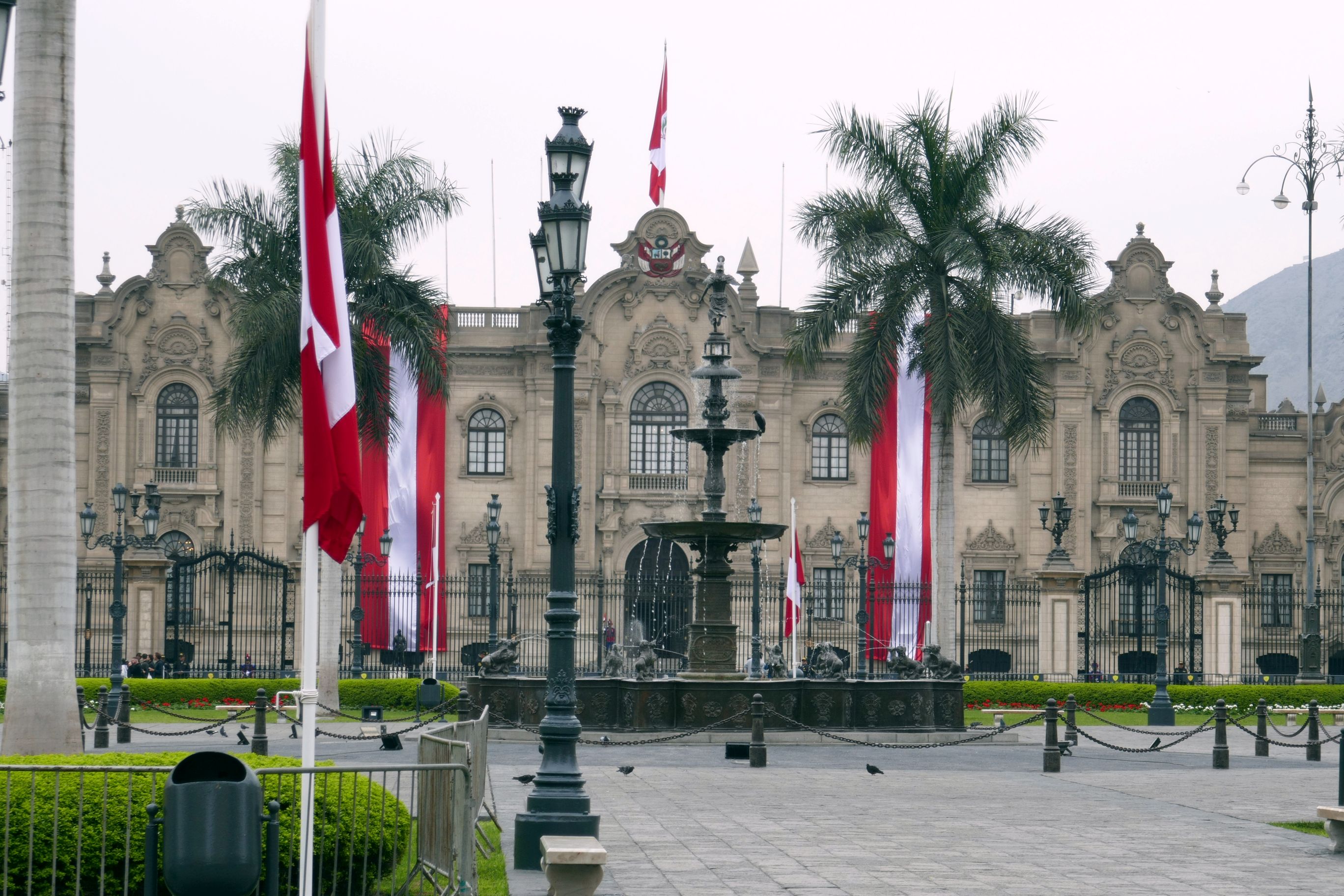
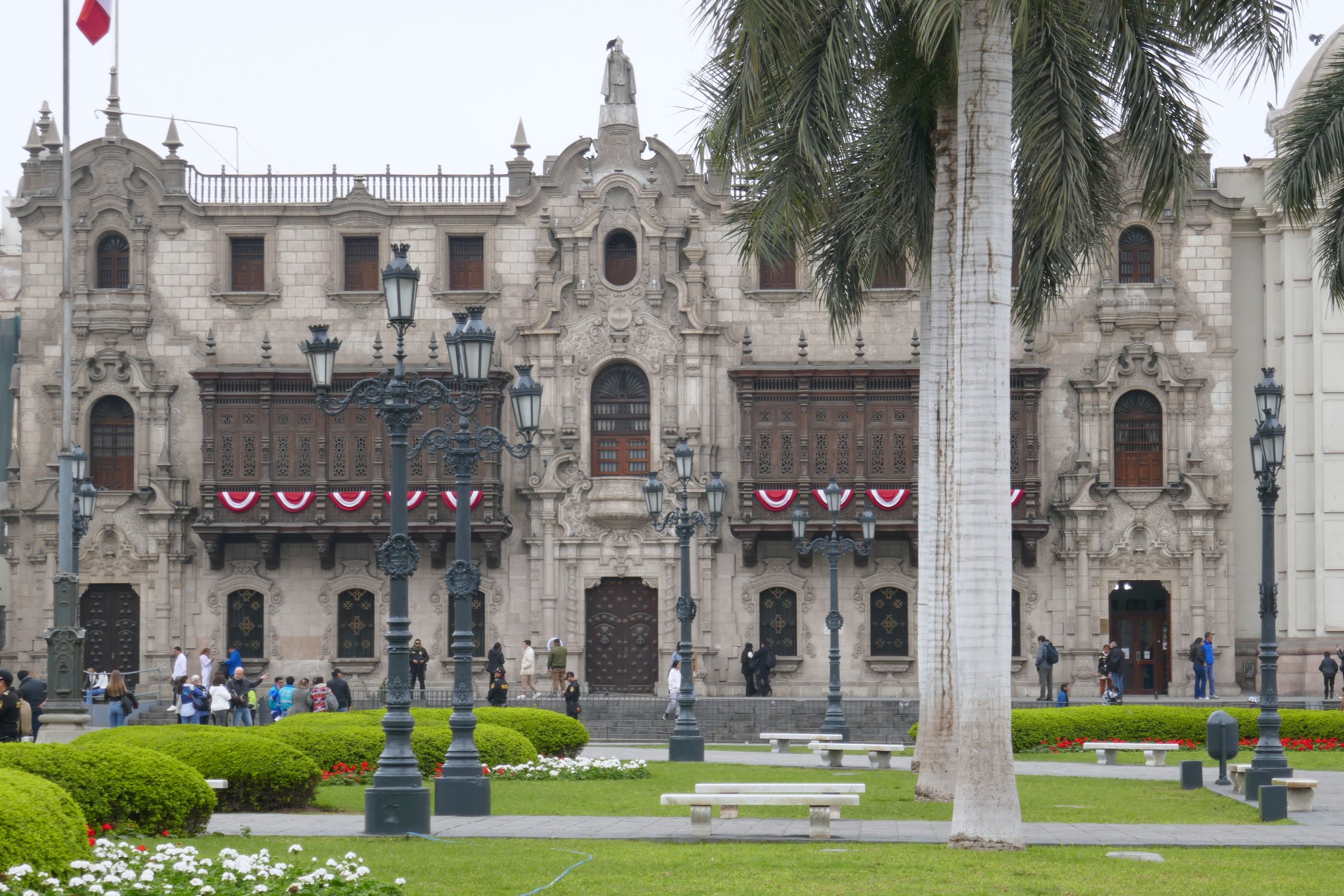
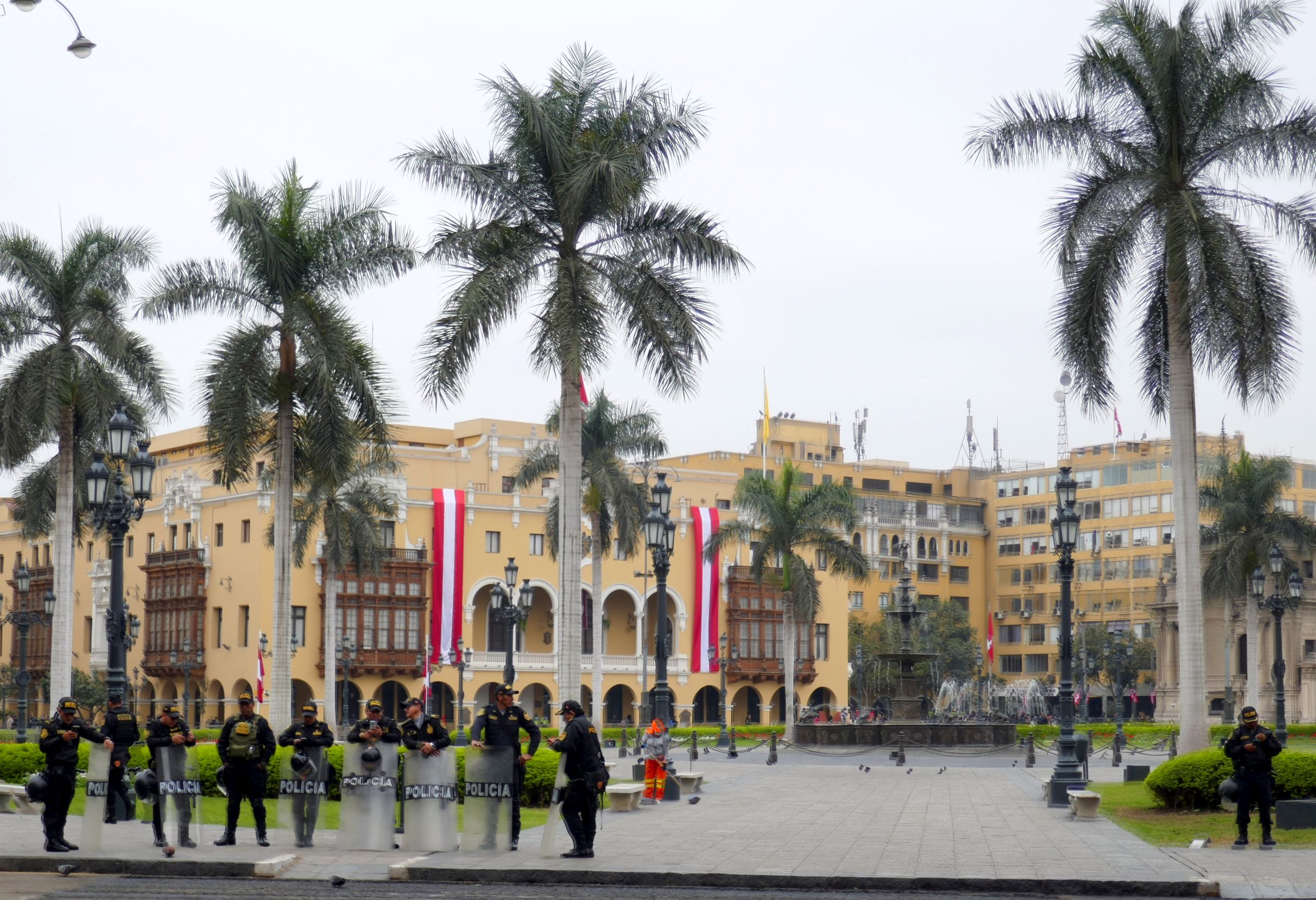
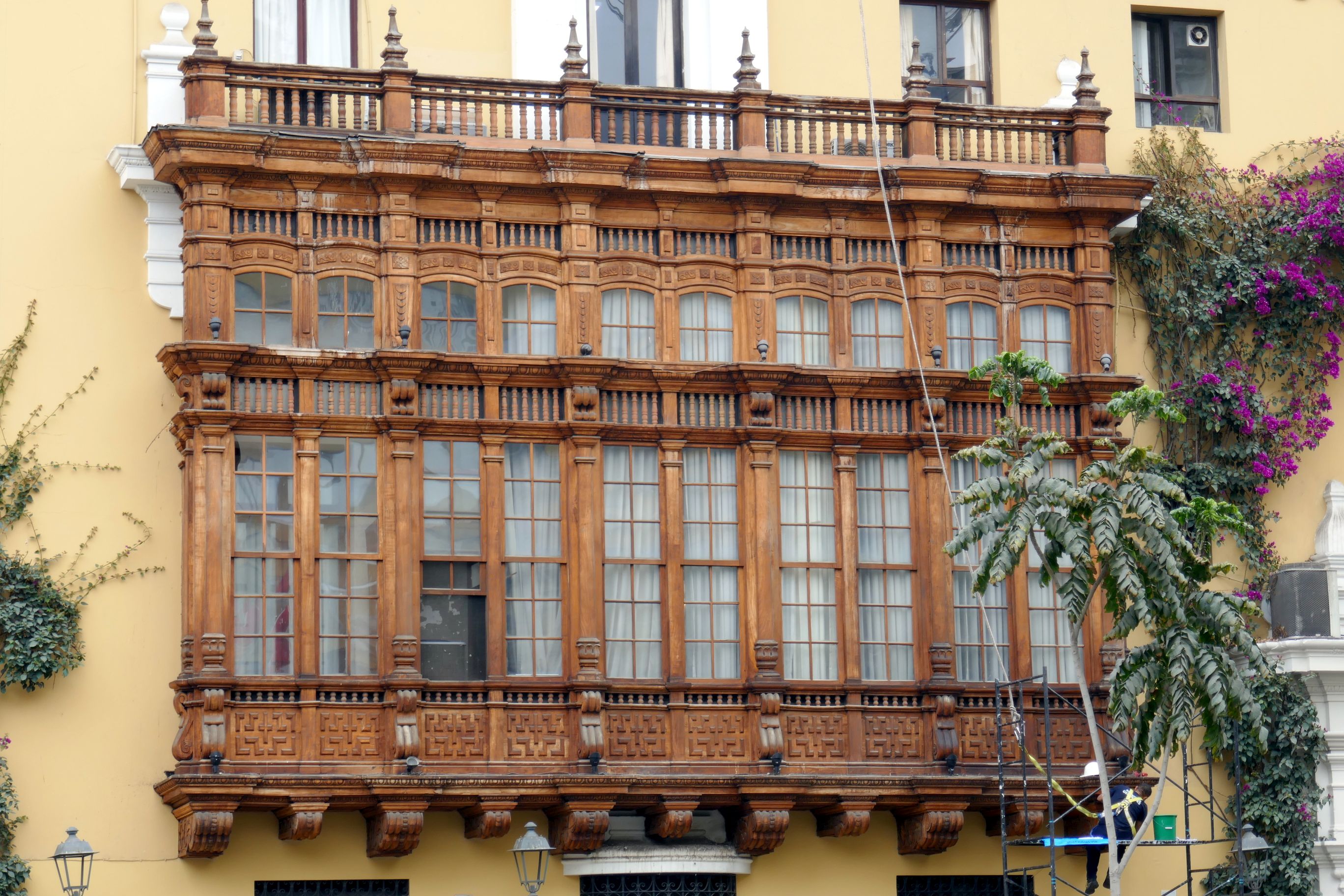


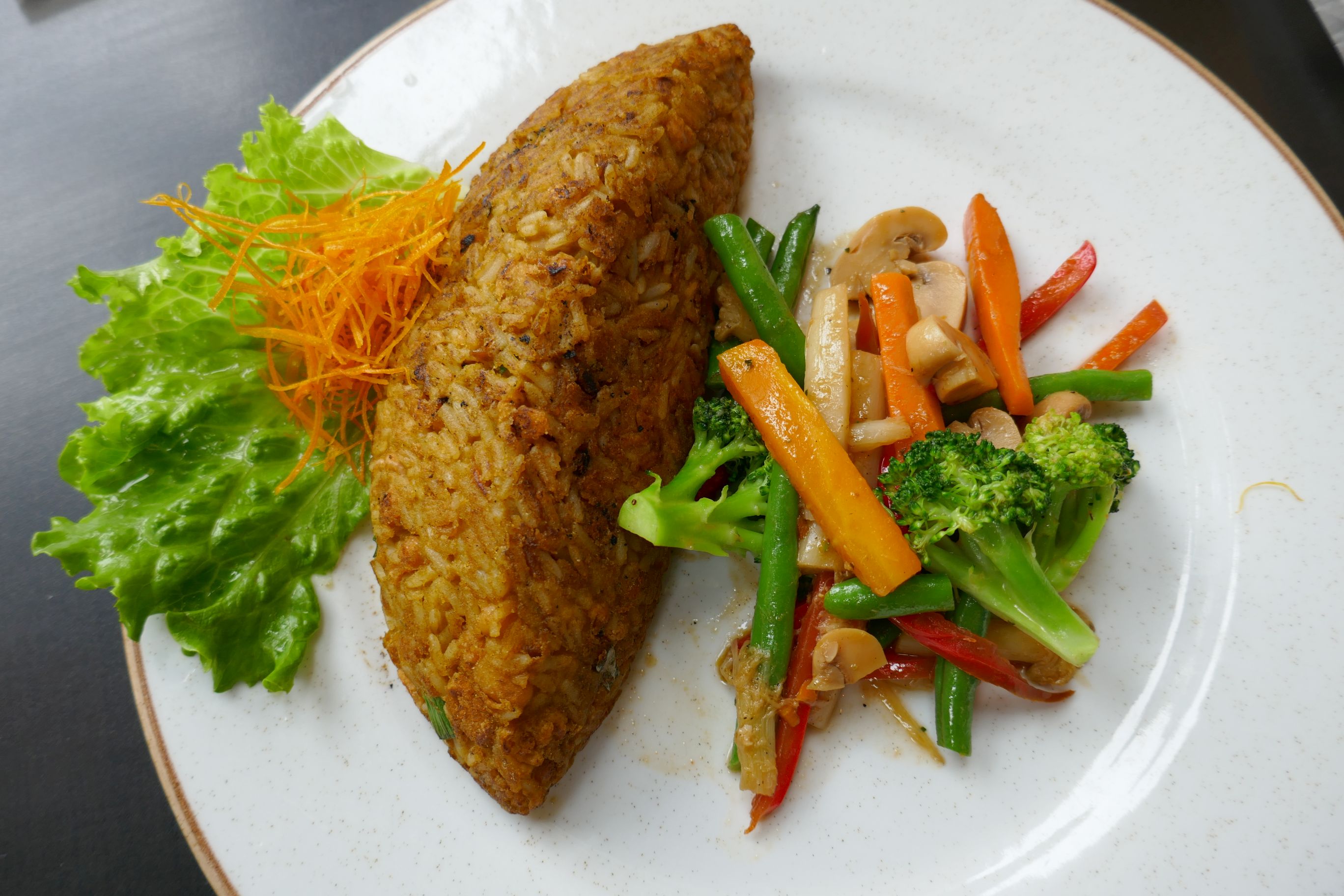
Before heading back to the Miraflores District, we enjoyed a lovely alfresco lunch of traditional Tacu Tacu (Peruvian rice and bean) and continued our walk through town. It was such a fabulous day!



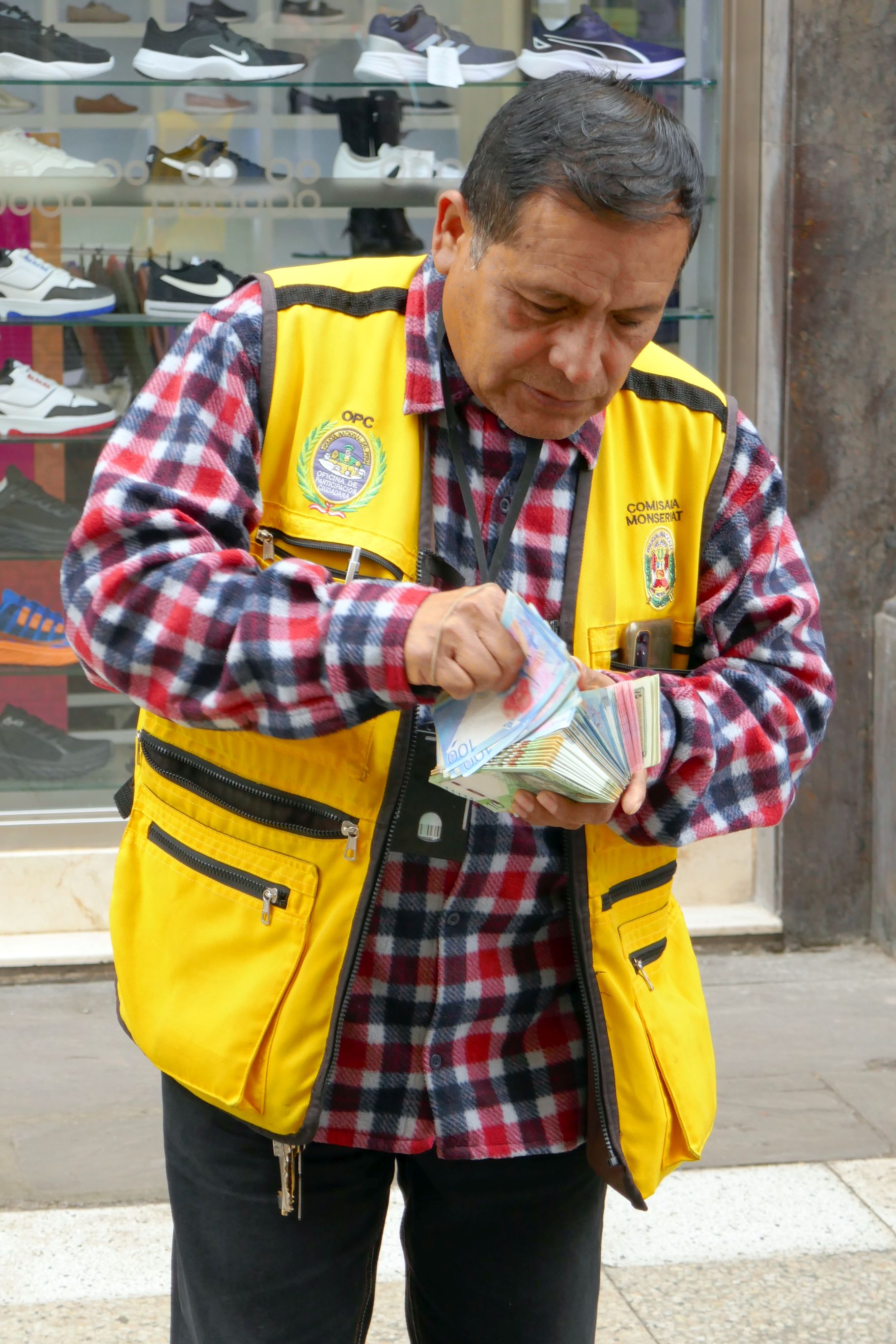
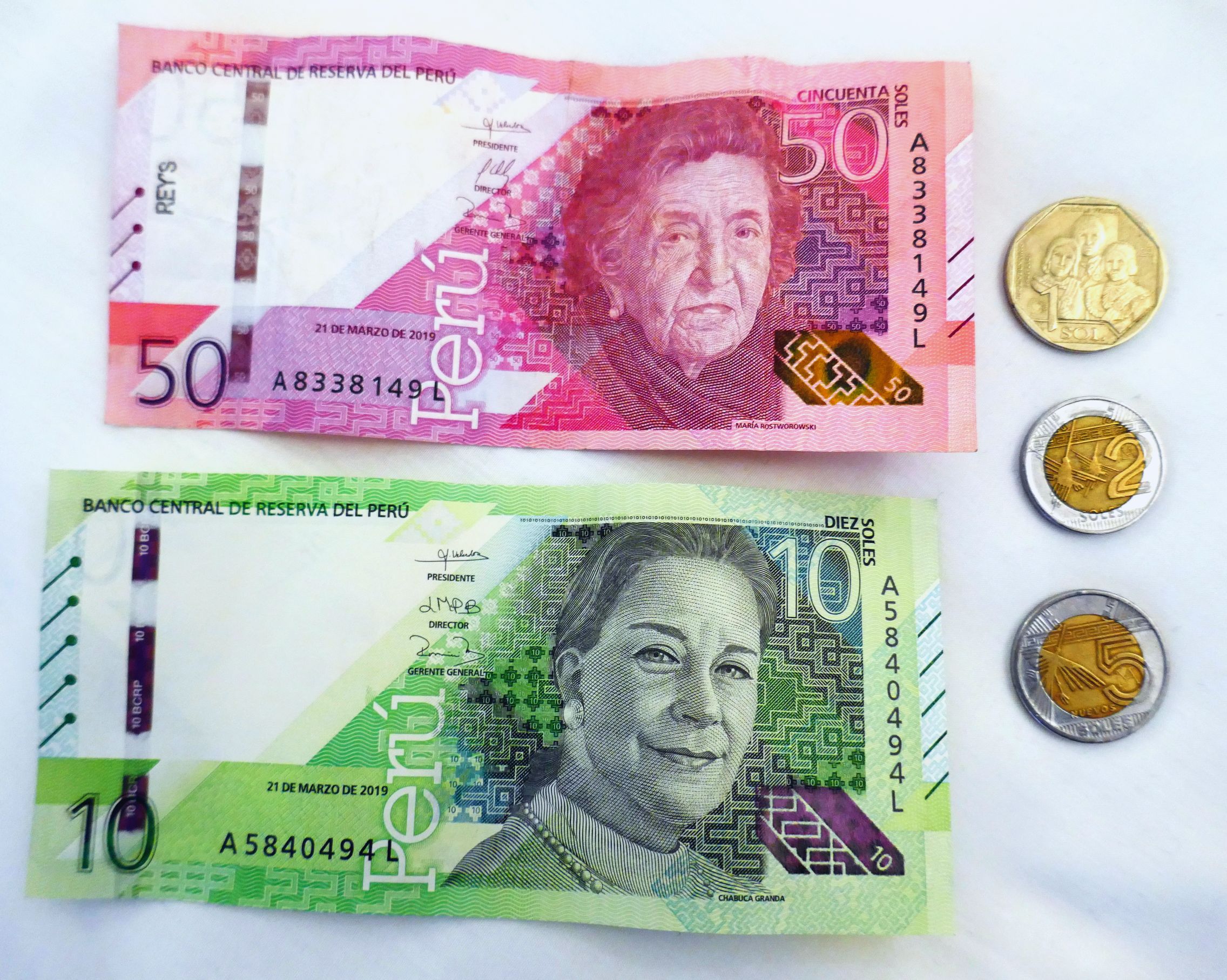
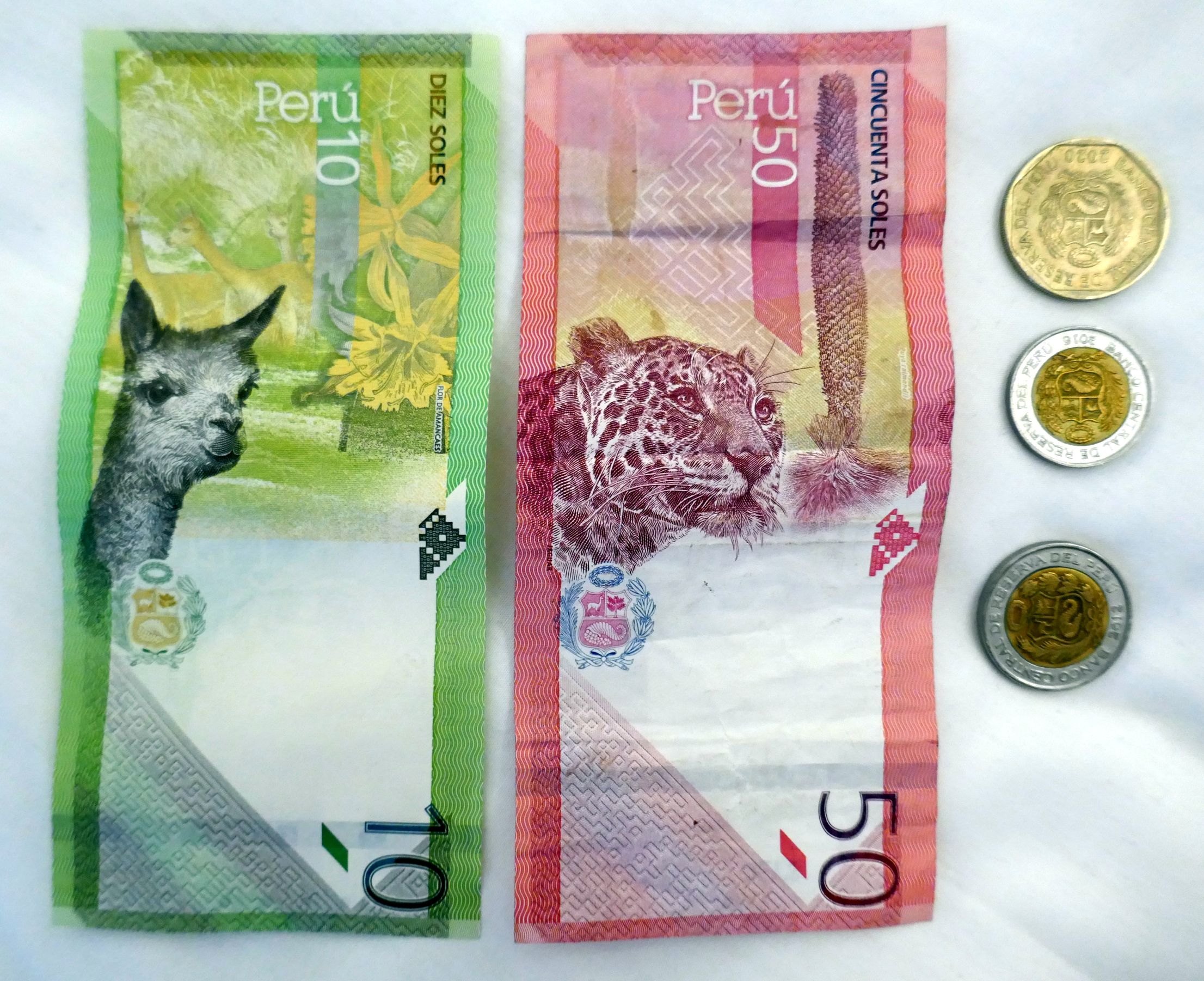
This is how you exchange your money; find somebody in an official yellow vest. Notice the guy on the right. He’s counting his U.S.$. As I watched, most of the stack were 100’s! By the way, counterfeit money is a huge thing in Peru and most of counterfeit U.S. money is made there.

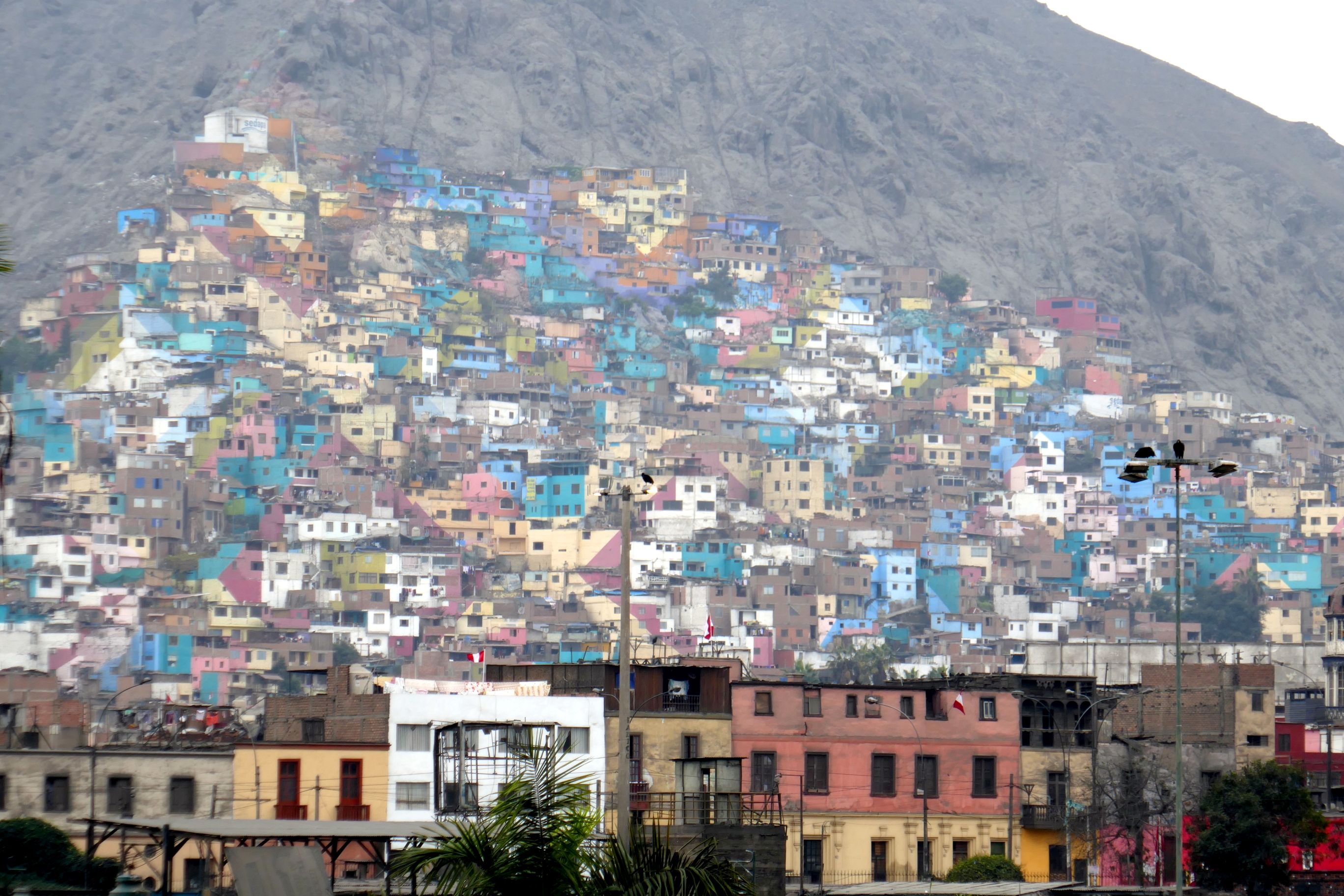


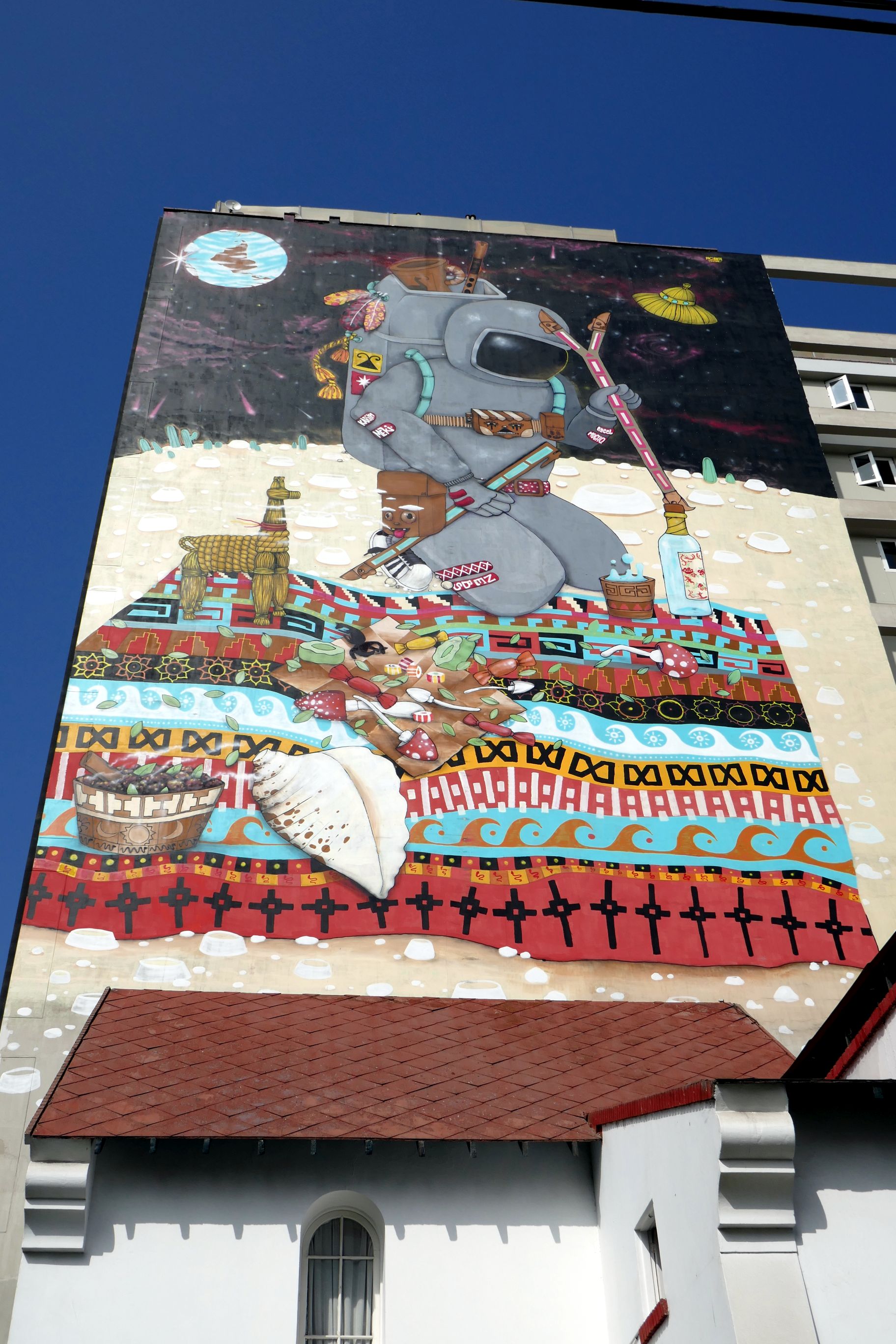
Well, dear readers, after six posts covering four days in Lima, I will be continuing to Urubamba, Cusco, in my next post, but not until after my computer and I take an extended break for more adventures!
Coming up after the break: PERU #7: THE SACRED VALLEY SURPISE & PISAC RUINS




















































































 Elaine-iaK's Travels: A Traveler's Tales of People, Places, Photos, Pools... and CHOCOLATE!


