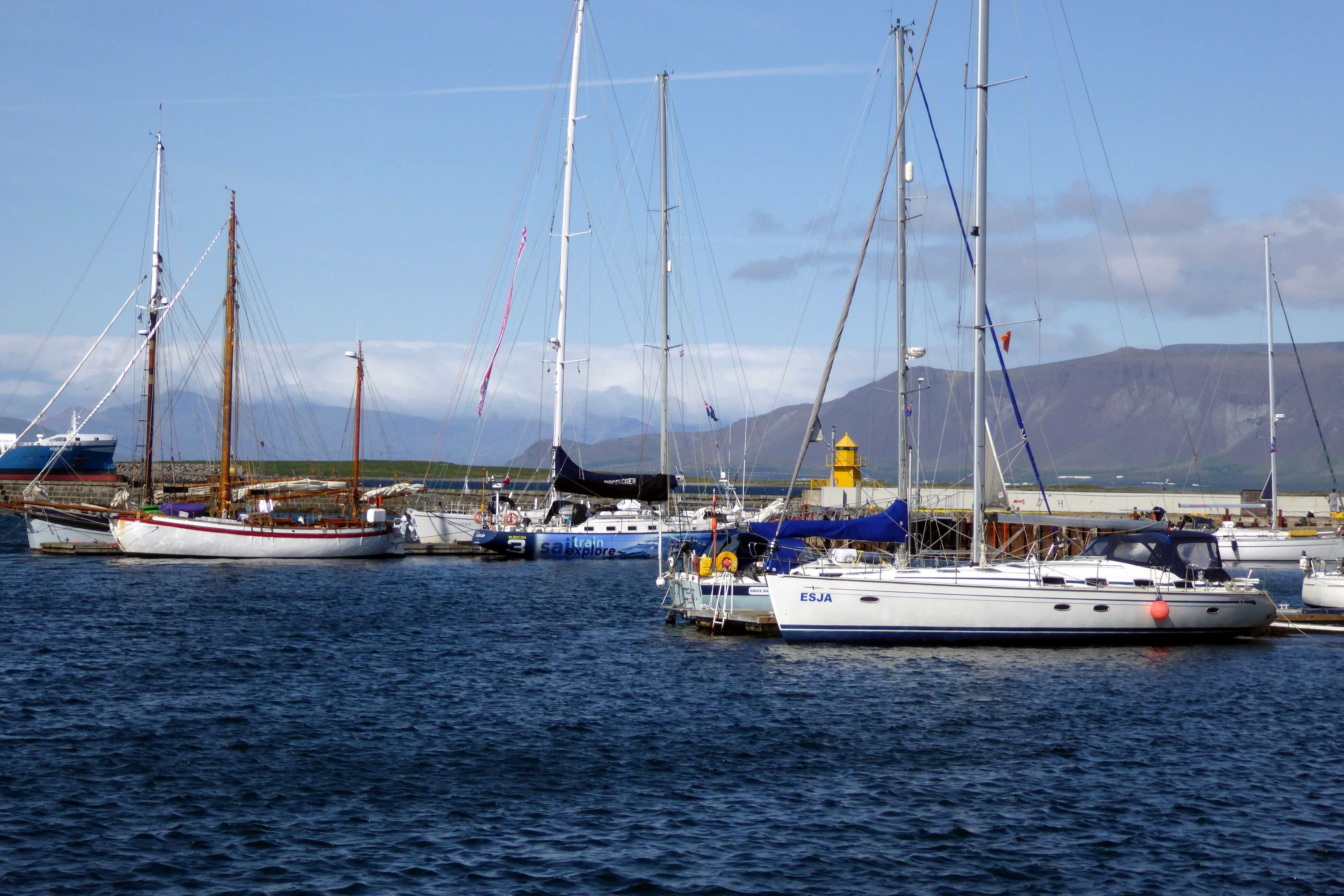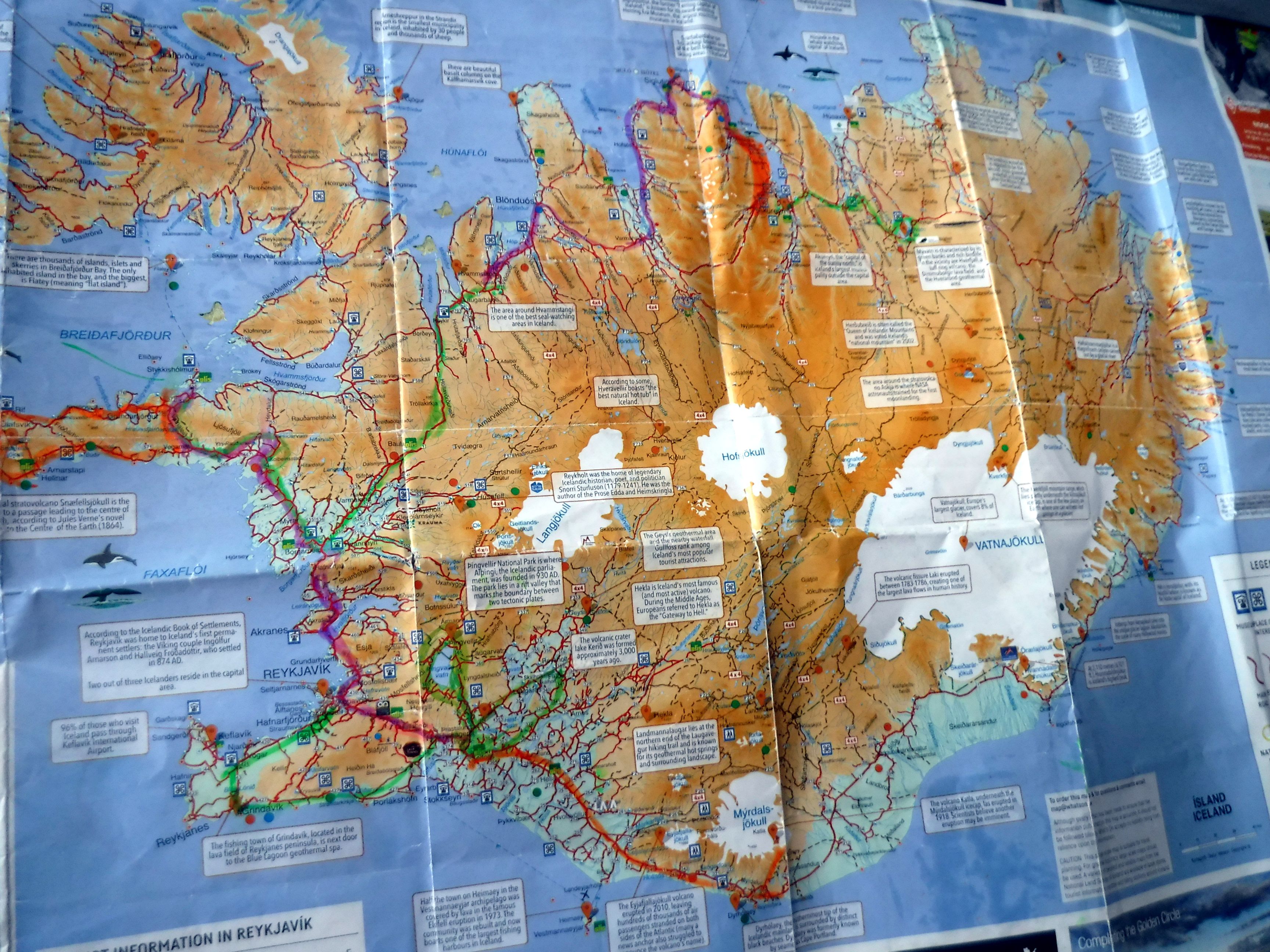
ARGENTINA & CHILE #4: BEAUTIFUL BARILOCHE

Bariloche” (San Carlos de Bariloche) was about a two-hour flight from Buenos Aires and well worth the effort it took for our group to get there.  There had been a strike of airport workers the day before, so all flights had been canceled, leaving the airlines having to deal with a big mess the day we flew out.  There was a long wait to check in; however, we made it to our gate in time for our flight.

Located in the mountains of northern Patagonia, we had expected it to be cold and windy, the typical weather for the region, even in the summer.  As a matter of fact, on the windiest days in Bariloche, cars line up in the parking lot next to the lake for a free car wash! 

I was shocked when the forecast showed a high of 79 and no wind on our day of arrival, and we were warned that we could experience all four seasons in a single day.  Don’t like the weather?  Wait five minutes, and it will change.  Except, it didn’t change much during the entire three days we were in Bariloche.  It was warm and sunny our first day and got even warmer!  So much for the cold-weather clothes and rain gear I had packed; I wore shorts and t-shirts in Bariloche!

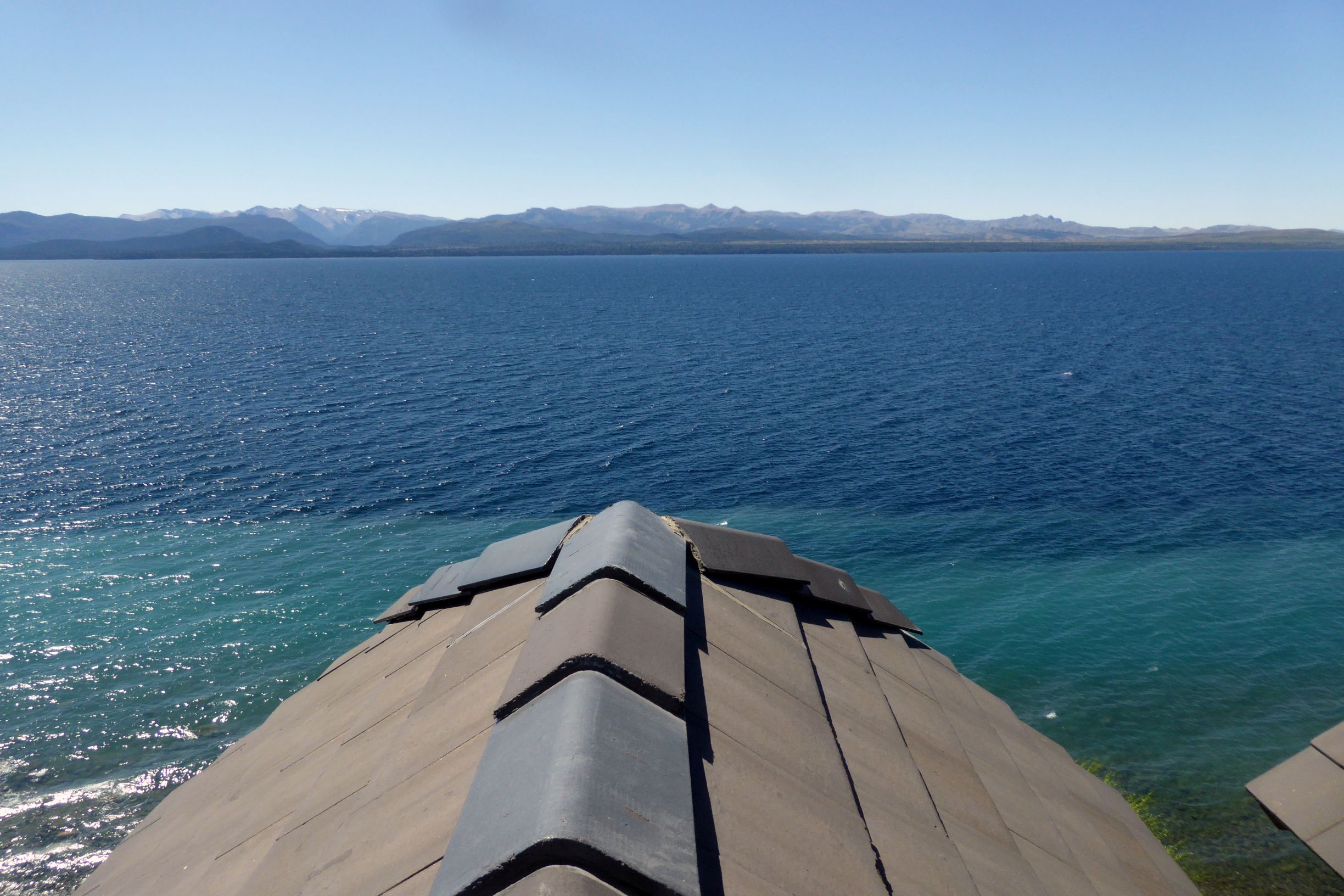
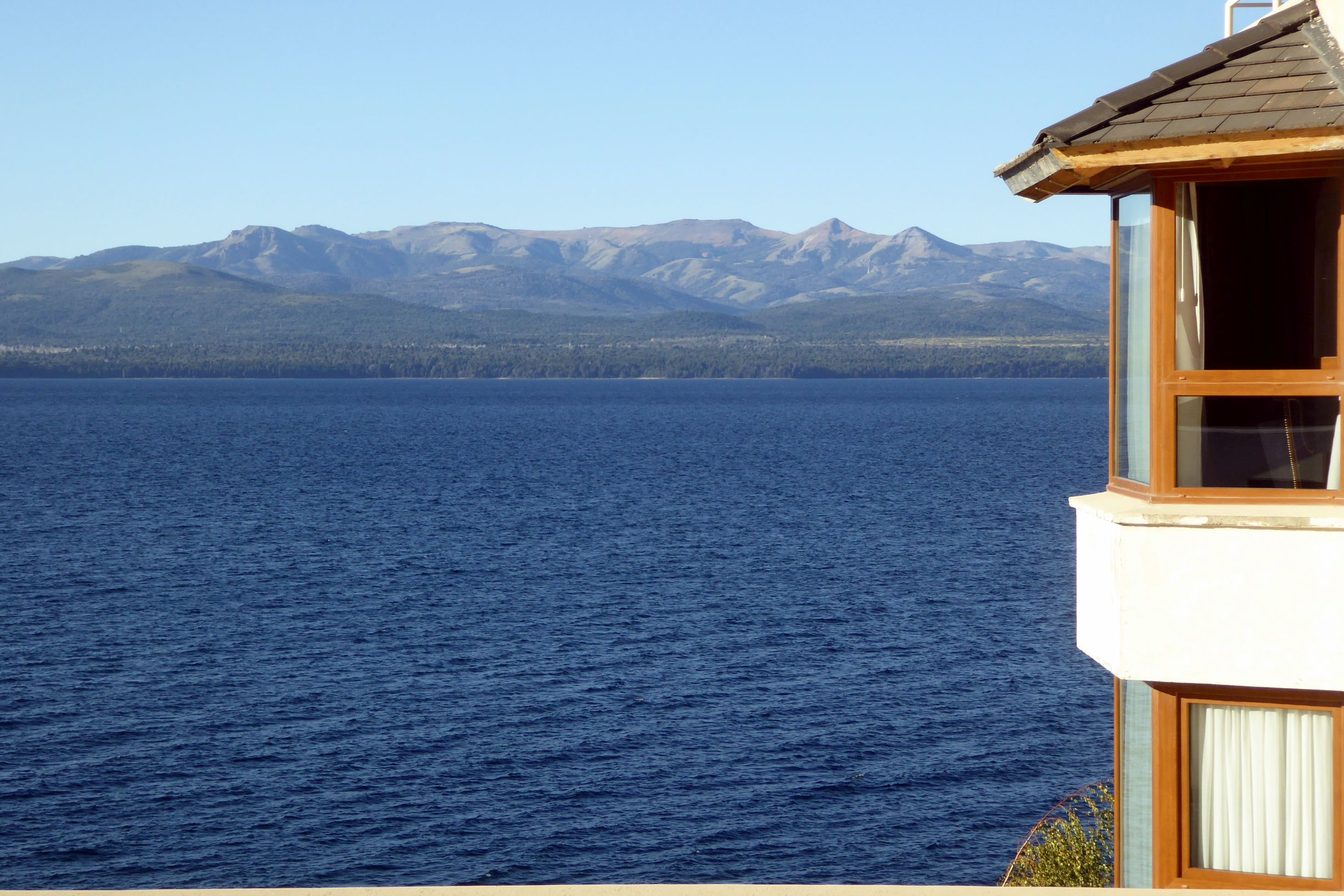
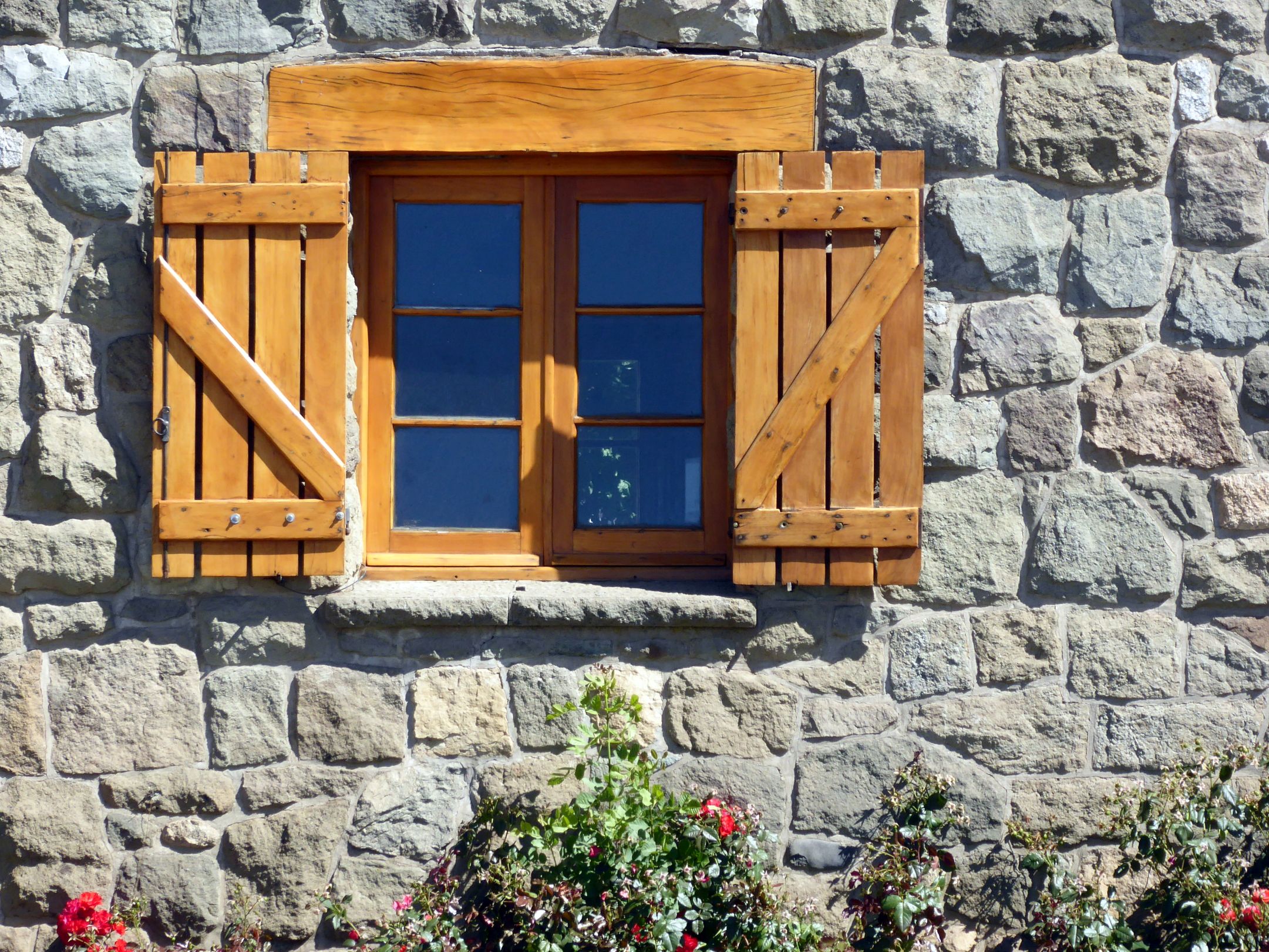
Upon our arrival at Cacique Inacayal Hotel, we were greeted with this breathtaking view of Nahuel Huapi Lake, a 40-mile long lake surrounded by the foothills of the Andes.  The hotel was beautiful—interesting architecture and a lot of wood and stone fit in perfectly with the Alpine vibe of this city settled by the Germans and Swiss.  Nicknamed “Little Switzerland,” it’s the second-most visited destination in Argentina, and I instantly could see why.  The city sits in the center of Nahuel Huapi National Park, which offers many outdoor activities and sightseeing, which we would be doing the following day.  Stay tuned!

(For all photos, click on the image for a full screen view. Desktop computer monitors are best!)
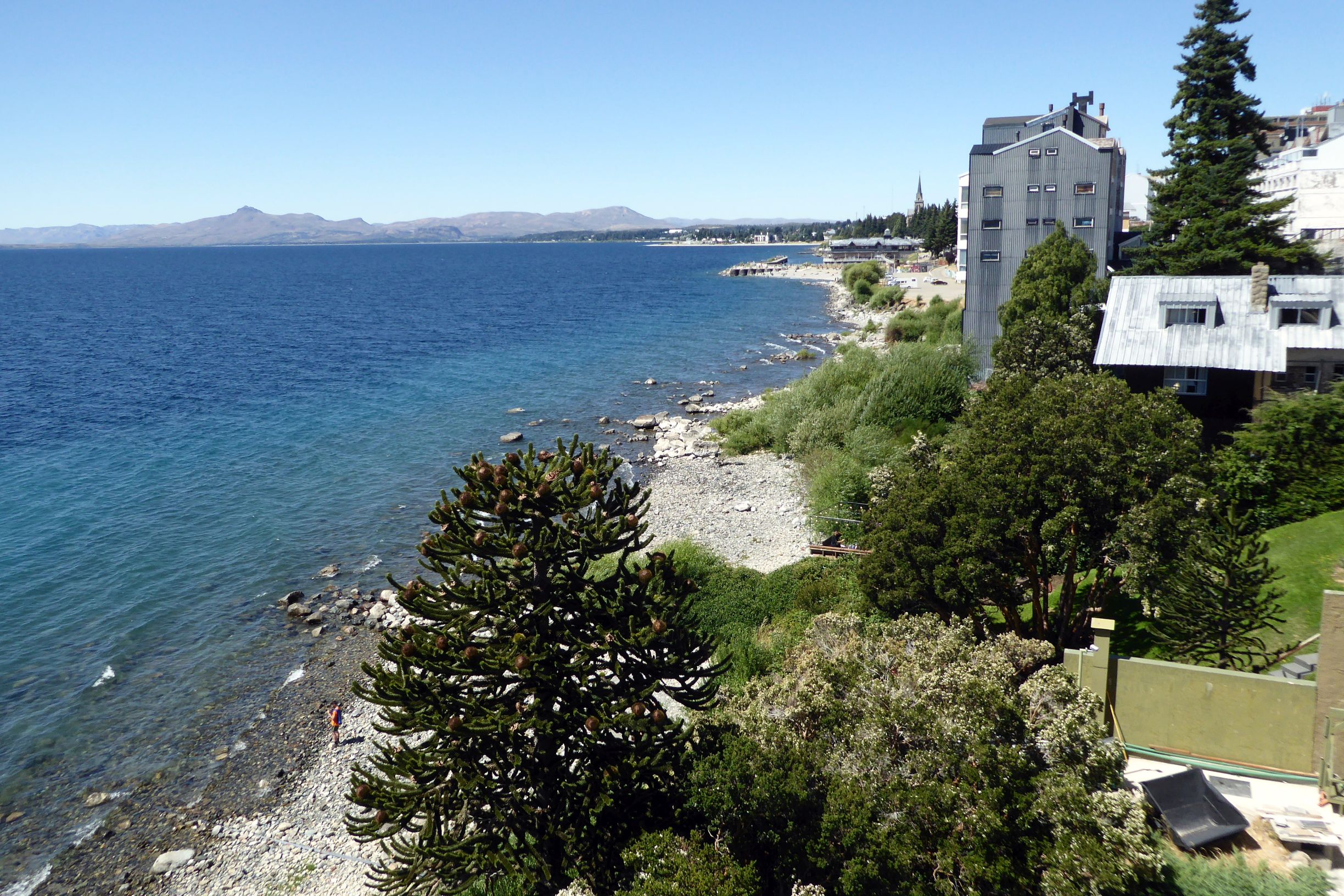
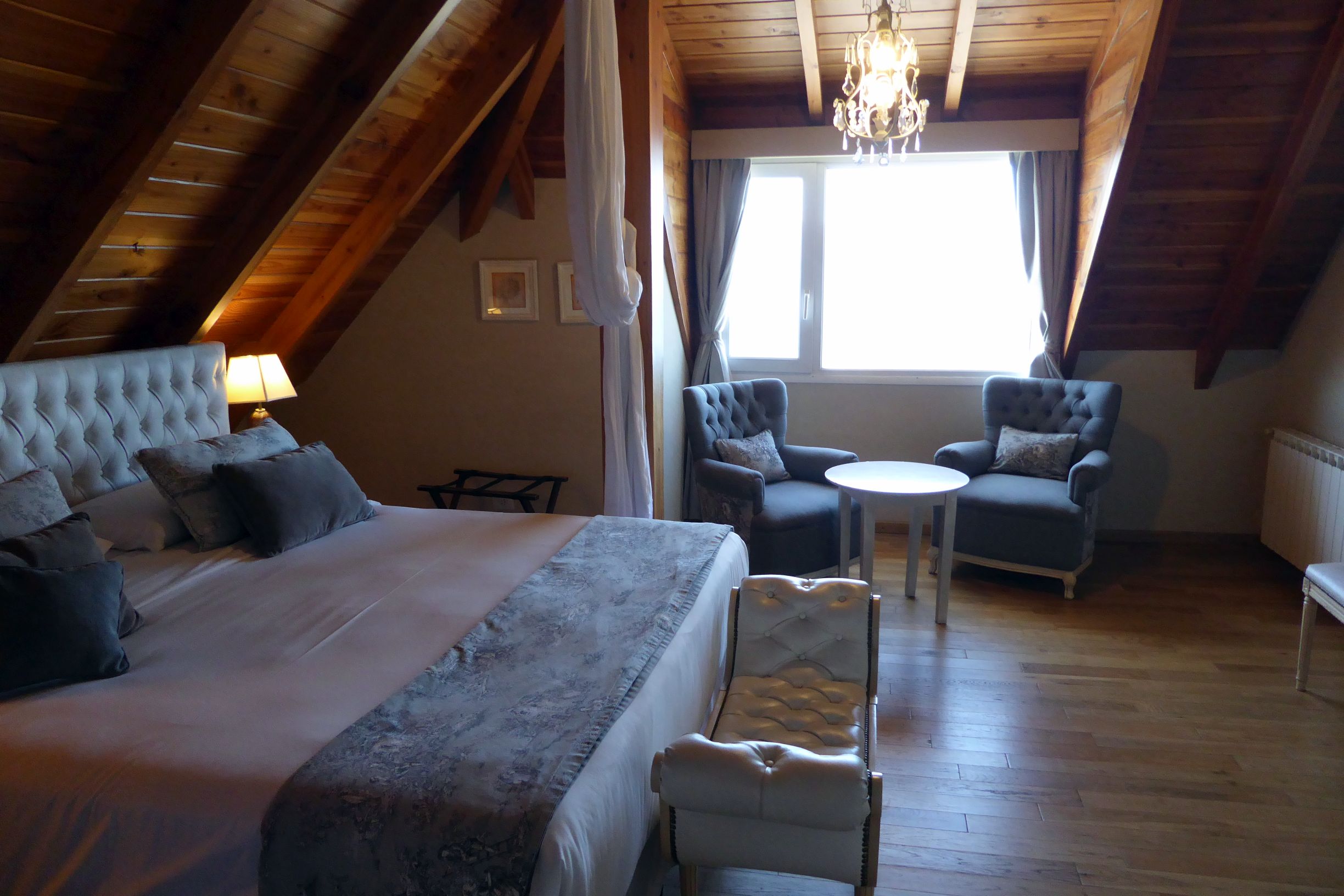
Meanwhile, we settled into our room before Andrea led us on a walking tour of the town.  We were fortunate the top-floor room we got was unwanted by the couple it was assigned to, because of the stairs required to reach it after the elevator ride.  We prefer taking stairs rather than elevators for the exercise, so we gladly accepted the switch.  This is our room with the gorgeous view:

The view of our top-floor room from the bar patio.

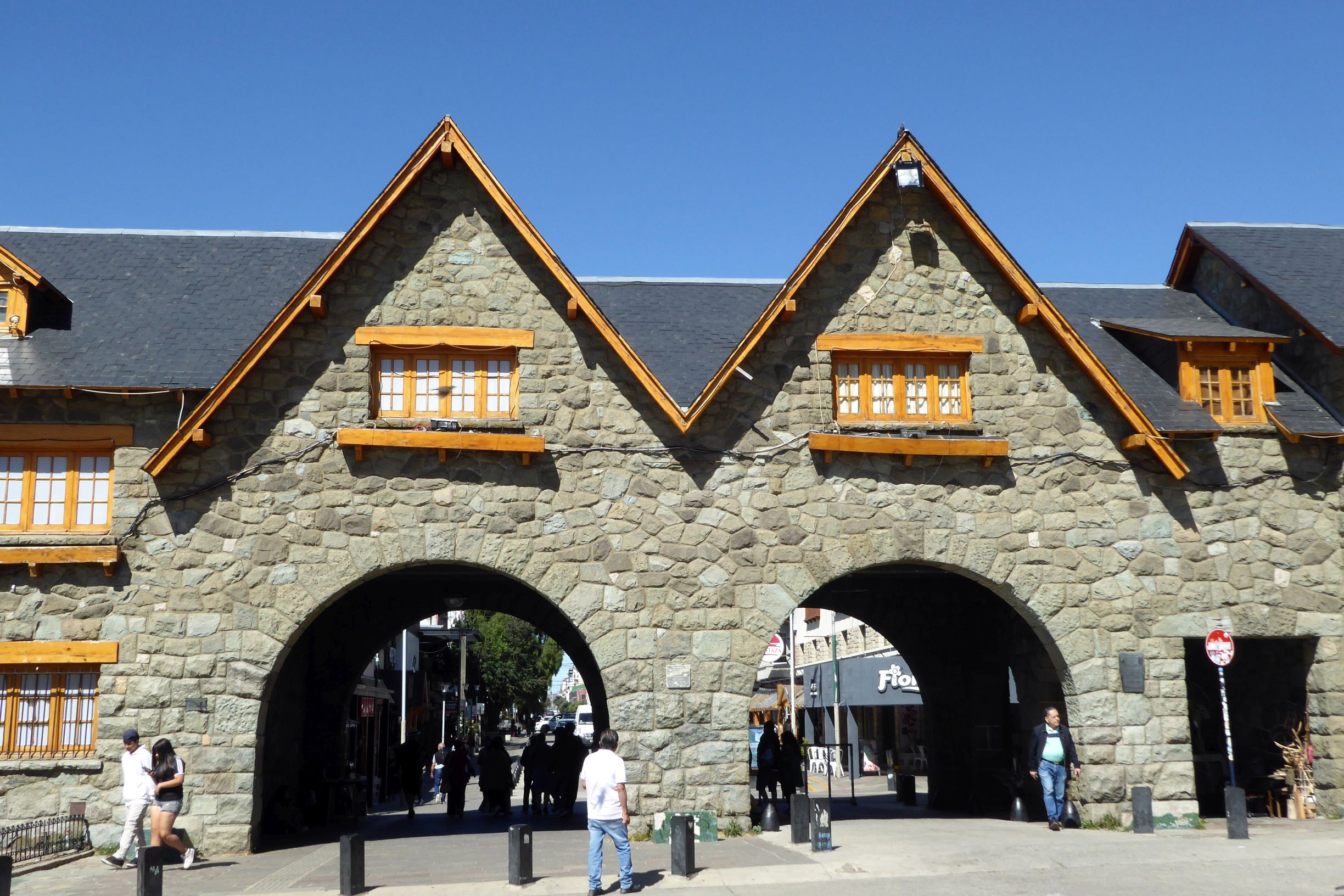
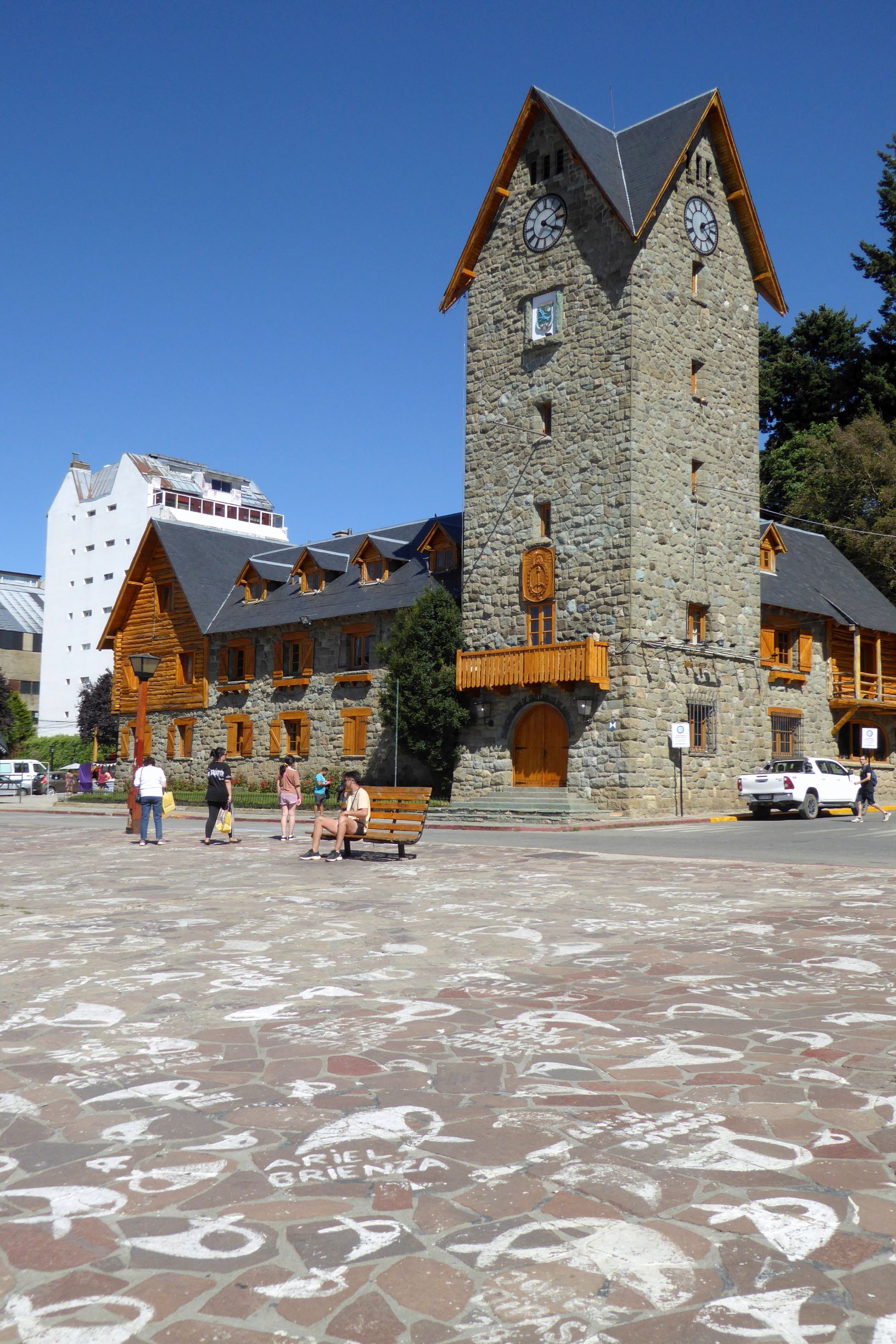
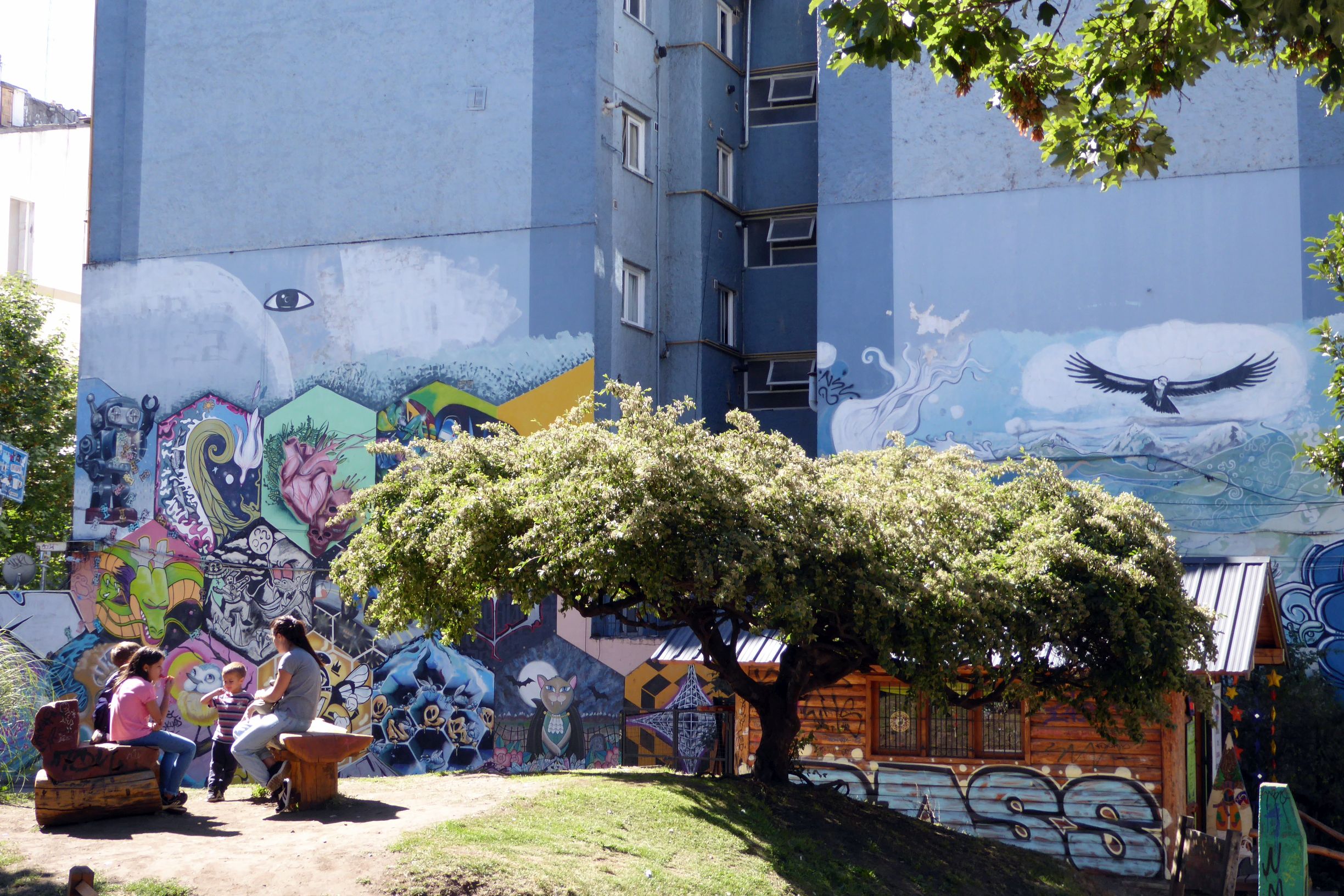
The town center was a short walk away, and I found it to be quite charming—and, a bit (pleasantly!) distracting.  Not only does Bariloche have the nickname “Little Switzerland,” but it lives up to that name with all its chocolate shops!  Stay tuned for more about that, too, in an upcoming post…

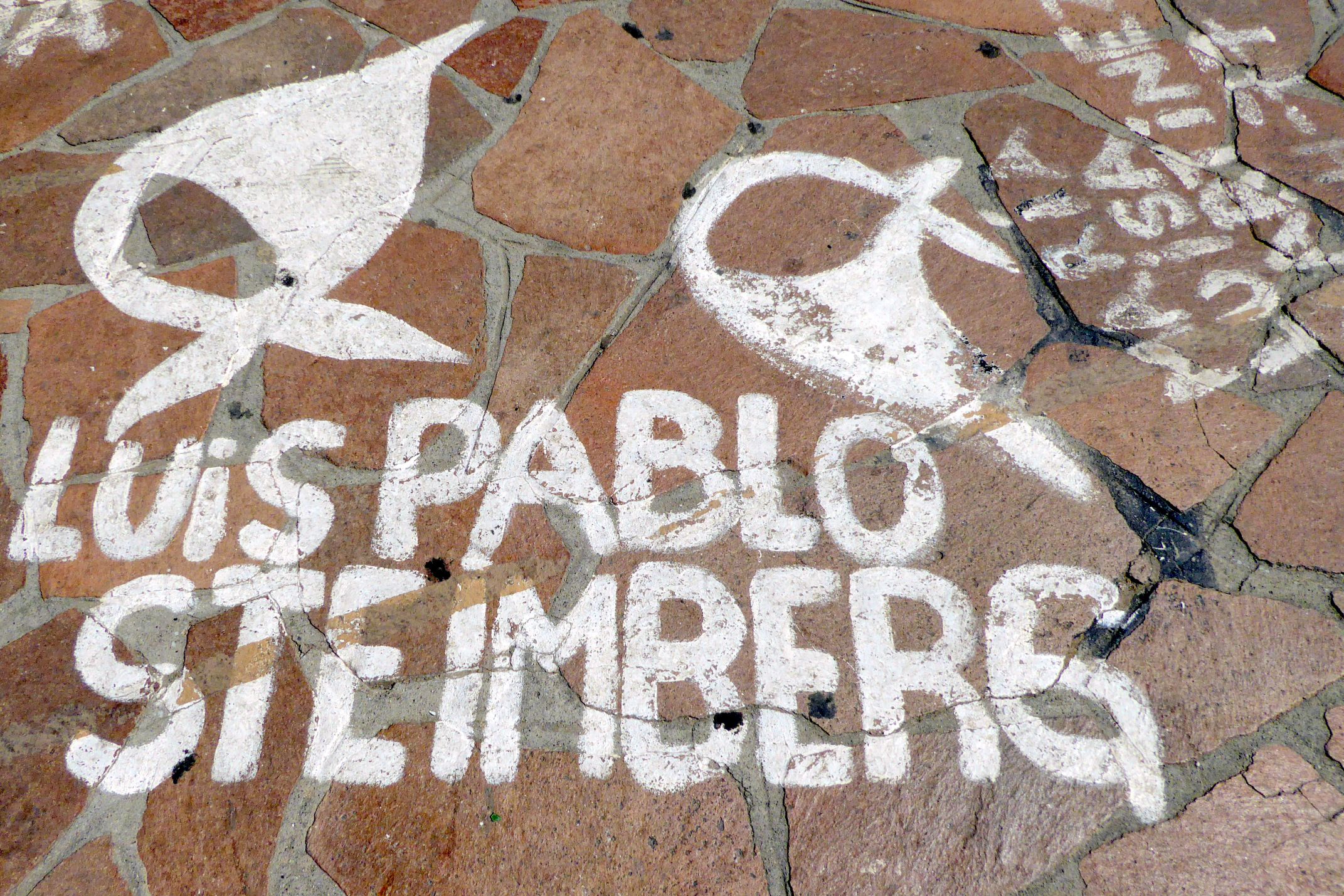
White scarf symbols of the Grandmothers of May Square were painted throughout the square, along with names of those who were “disappeared”– a memorial to those who were never found.
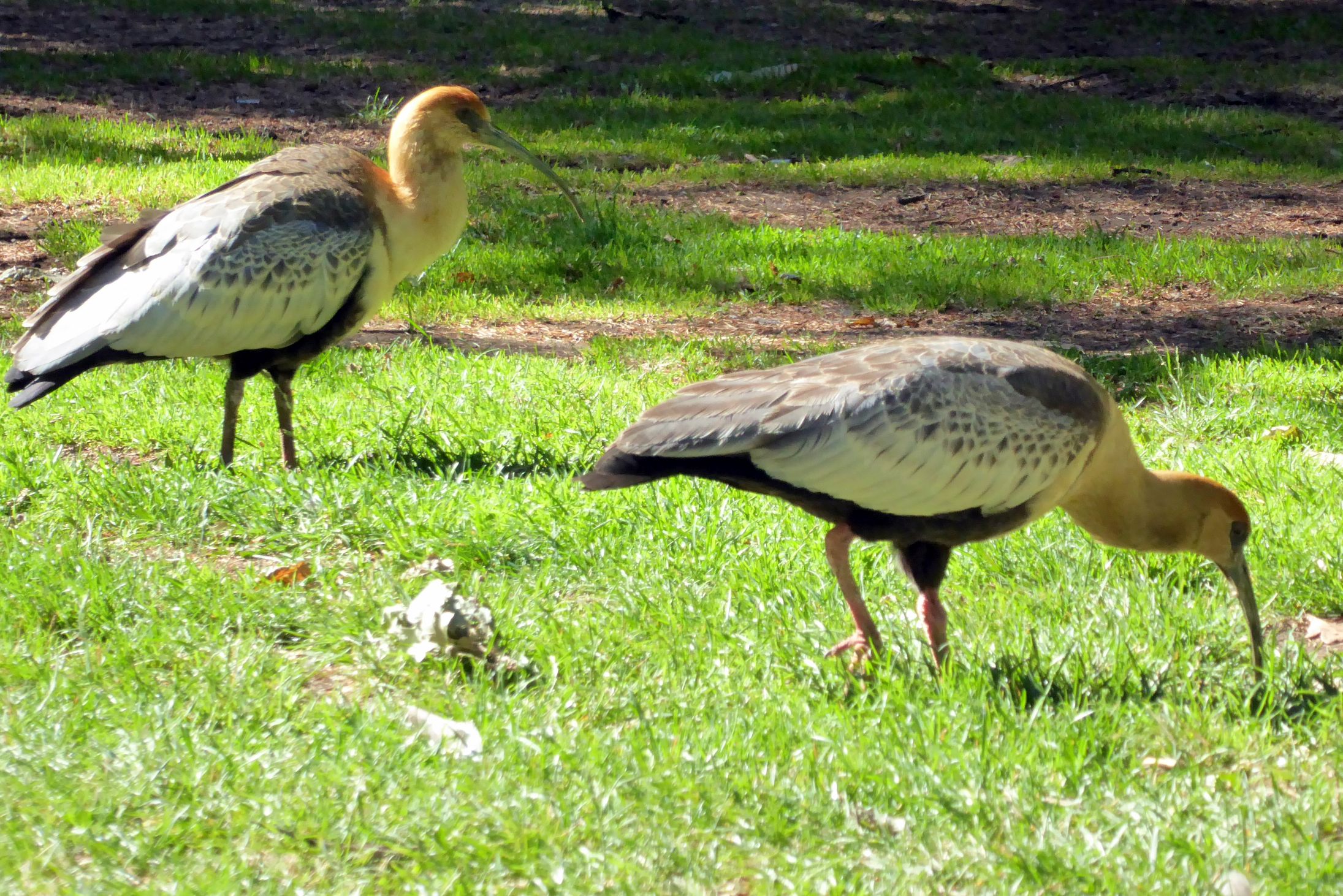
Black-Faced Ibis

Following our walking tour, we gathered at the hotel to meet Christina, from the Mapuche Nation, to learn about the struggles and culture of her native people.  MAPU (land) CHE (people) were the first people of the region which today covers the southern half of Chile and Argentina.  Throughout their history, they have had to fight fiercely to maintain self-determination and freedom—first, against the Inca Empire, and then for over 400 years against the Spanish, Chilean, and Argentinian authorities.

Why do native people always get the shaft?  American Indians, Alaskan Eskimos, Australian Aboriginals, New Zealand Maoris; and; the Mapuche, which evidence proves, have been in Patagonia for 16,000 years!  I could go on and on; there are many more natives just like them throughout the world getting the shaft.  They all have this in common: They were there first, but they are treated horribly by those who followed, and they get no respect.

In Chile, there is a law that doesn’t allow the Mapuche to protest.  If they do, they are considered “terrorists” under the anti-terrorist law.  The bottom line?  They have less rights than American Indians.

Learning about the Mapuche history and culture fascinated me, and I was most intrigued by their spiritual beliefs.  As Christina explained, they only believe in what they can see; they do not believe in God.  Our trusty guidebook explained it this way, “The spiritual belief of the Mapuche people is closely linked to the land and their natural environment from which the power of life emanates of a divine family that creates and sustains man and nature.  Man is perceived as a part of nature that is interconnected with all the surrounding elements.”

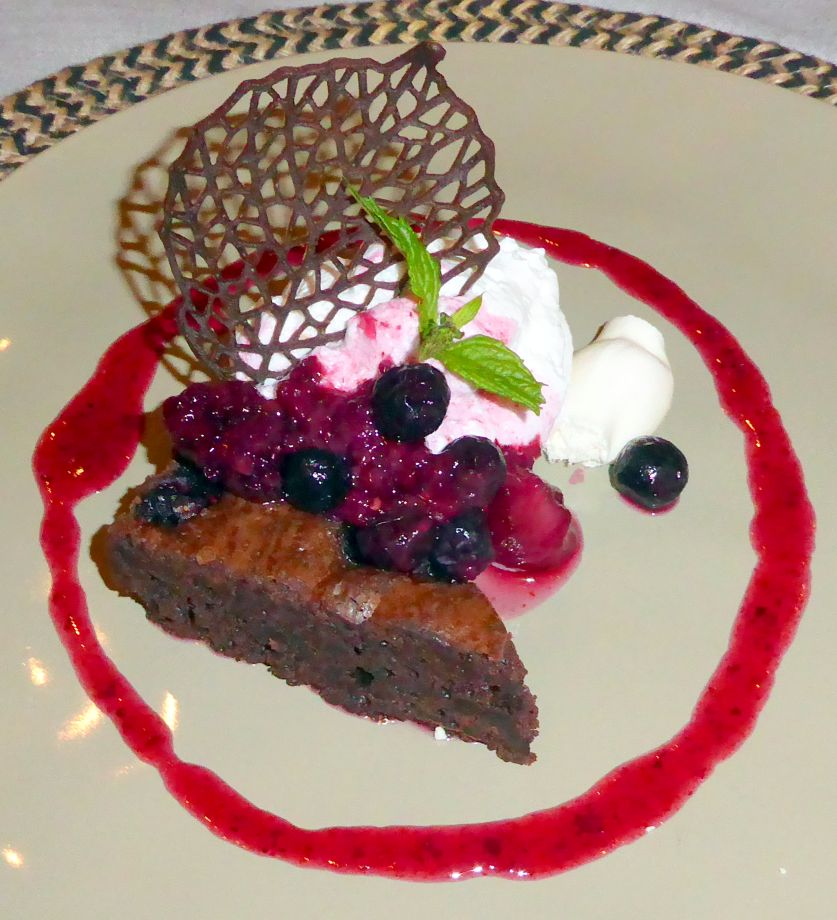
Our first day in Bariloche concluded with the group enjoying dinner together at the hotel—the best part being this exquisite chocolate dessert:

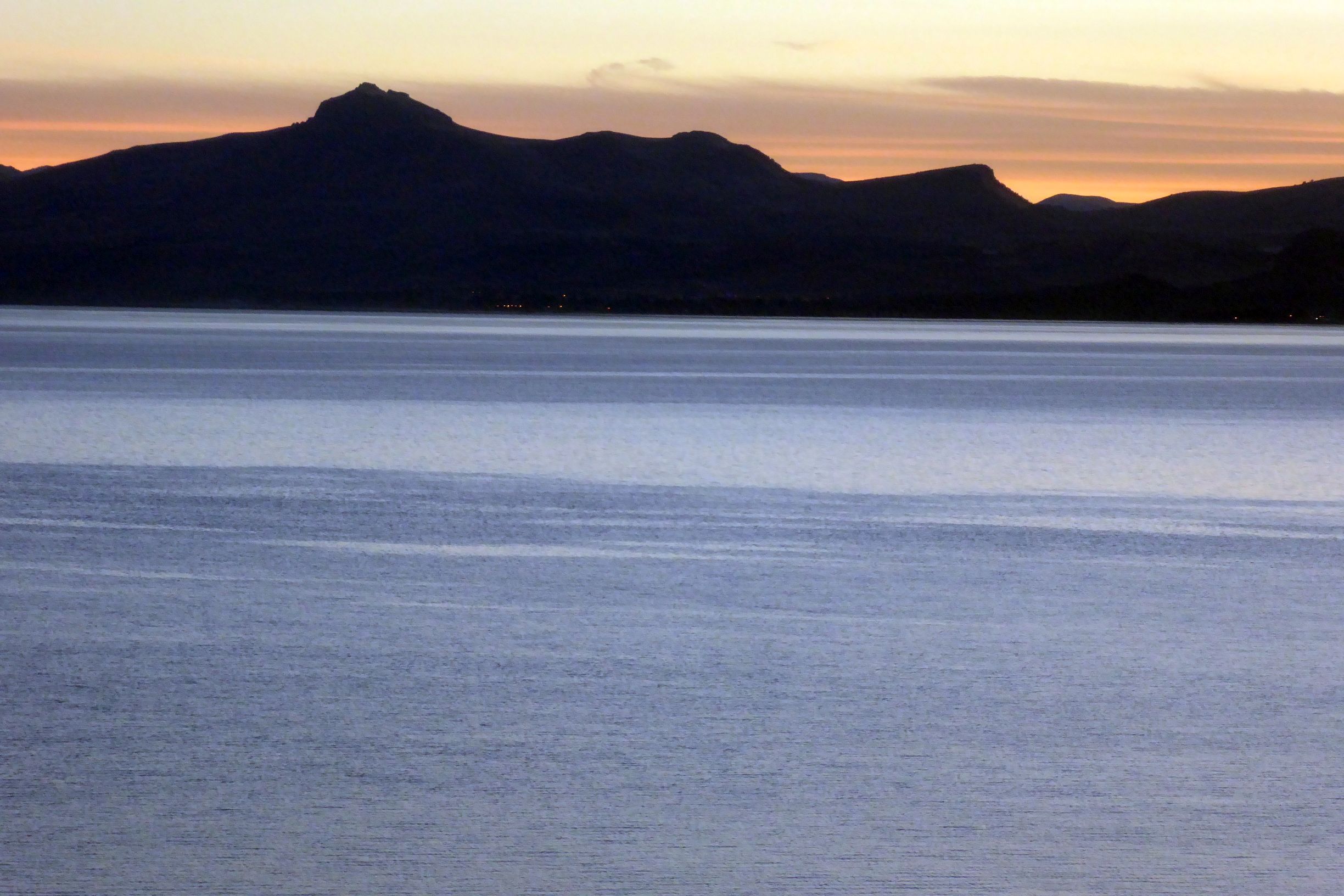
View of the sunset from our room

Next up:  ARGENTINA & CHILE #5:  BREATHTAKING VIEWS OF BARILOCHE & A BREWERY

ARGENTINA & CHILE #3: MORE OF BUSTLING BUENOS AIRES

Our (very!) full day began with a city highlights tour led by Nora, an excellent local guide.  The first destination was Plaza de Mayo (May Square), the main foundational site of Buenos Aires.  This is where history is made.  It has been the site of Argentina’s largest and most important political demonstrations.

(For all photos, click on the image for a full screen view. Desktop computer monitors are best!)

An afternoon view of the plaza when we returned following the city tour.
Metropolitan Cathedral on Plaza de Mayo

Plaza de Mayo is also the meeting site for Grandmothers of May Square and the location of their headquarters and museum of memory of 30,000 citizens who were detained during the military dictatorship of 1976 – 1983. We learned about the human rights organization and their work in trying to find the 30,000 young people who were “disappeared”— either kidnapped or born to mothers in prison, stolen, and illegally appropriated.  Assisted by United States geneticist Mary-Claire King, the Grandmothers have located about 25% of the estimated 500 children kidnapped or born in detention centers.  The kidnapped babies were part of a systematic government plan to have them appropriated to “correct” families that supported the dictatorship.

Our group met one of the victims, Guillermo, and heard his heart-wrenching story.  He is one of the (now adult) “disappeared” children who had been born to a Jewish mother but stolen and given to a Catholic couple and given a new identity.  He learned the truth at age 21.  Both of his grandmothers were part of the original Mothers of May Square.  He was found because his sister had provided DNA to find her parents.  It was through that match that he was found as well.

You can imagine how the truth destroyed Guillermo’s relationship with the couple he thought were his birth parents.  They had committed crimes by taking him, and then lied about it for 21 years.  As a result, his “father” served seven years in prison, and his “mother” served three years.  Neither sentence was long enough; car thieves serve more for their crimes.

Ultimately, he learned that his birth parents were “disappeared” for being student political activists who protested the dictatorship.  They were kidnapped, tortured, and killed.

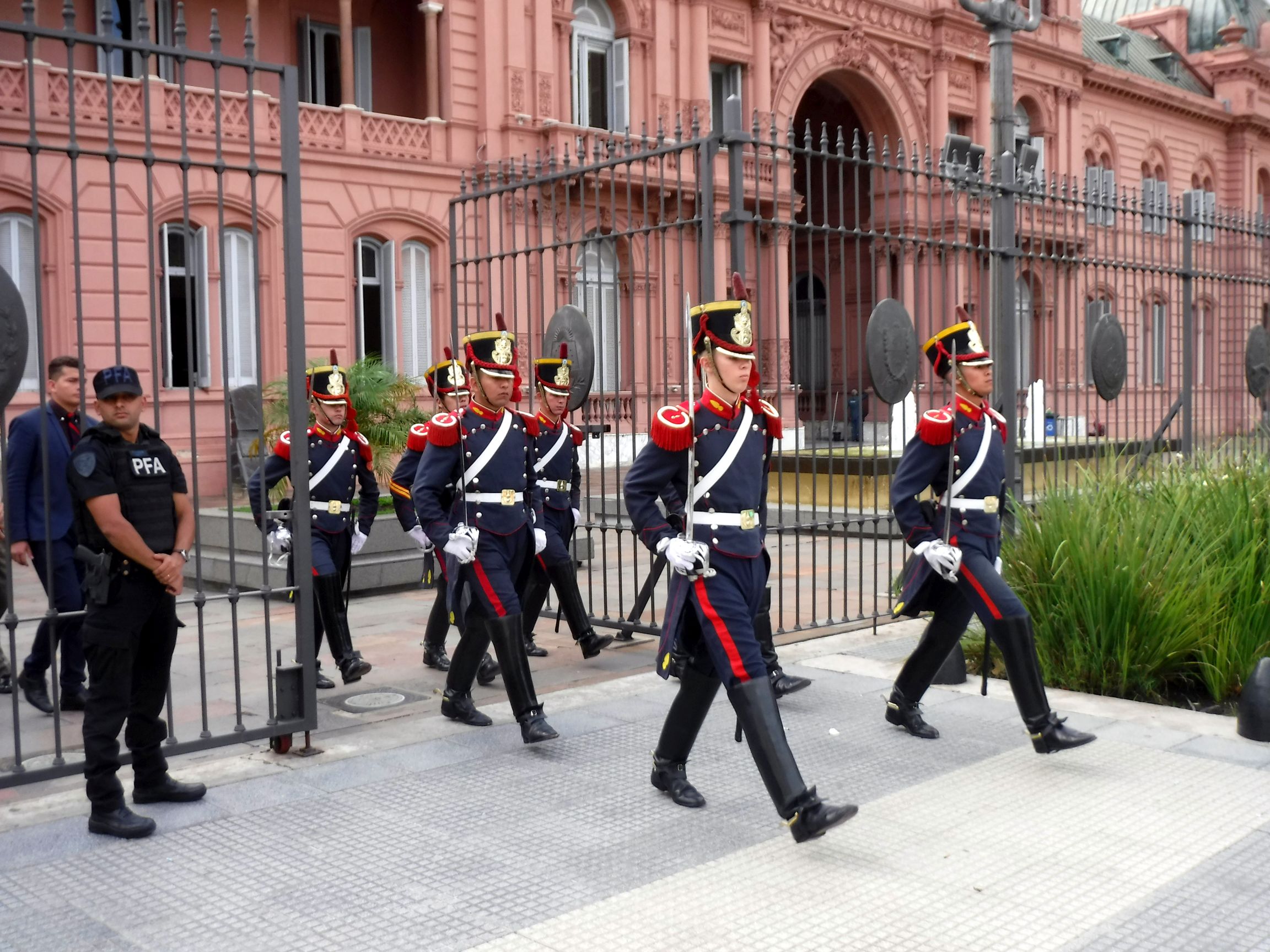
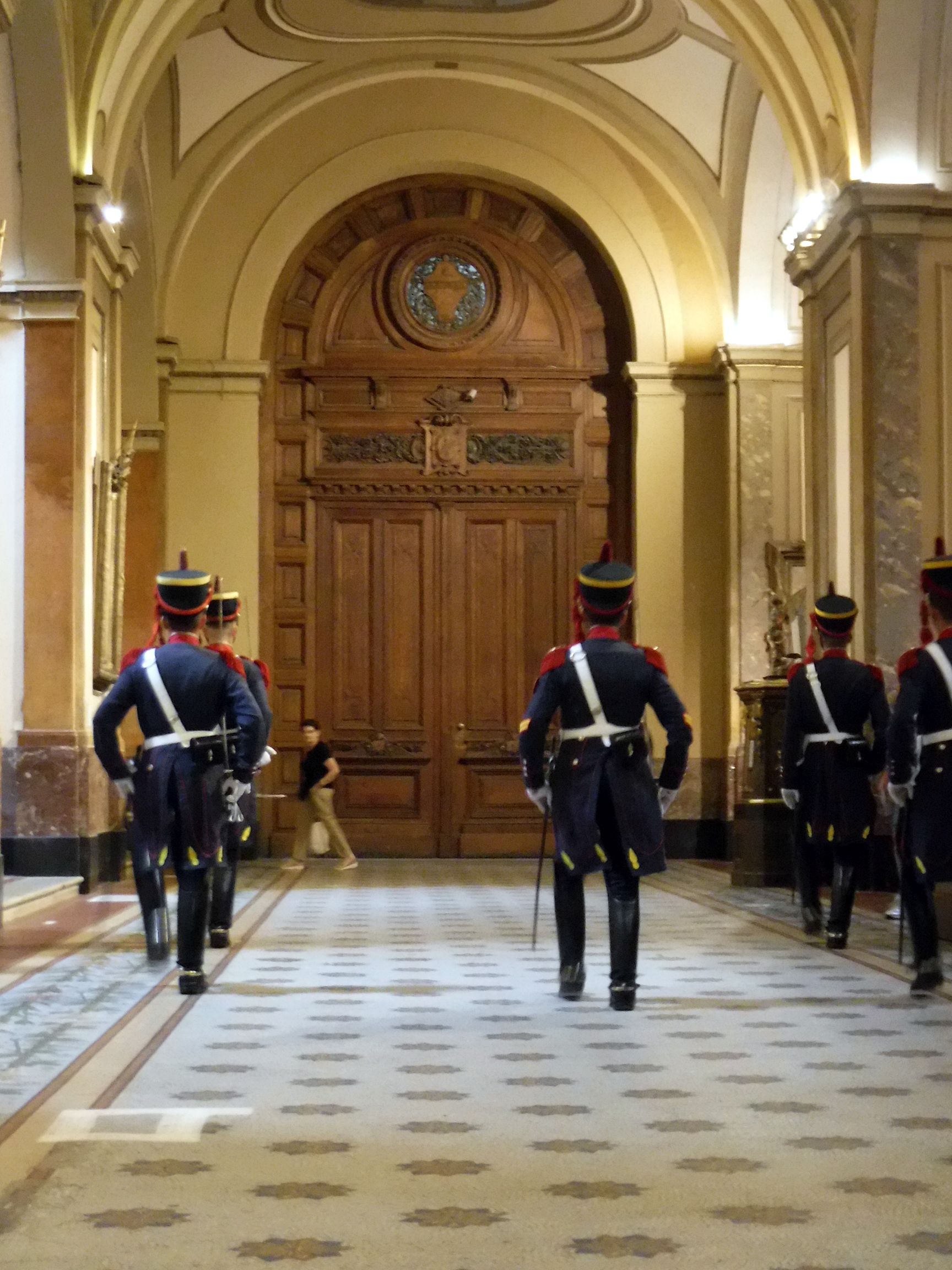
While we were at Plaza de Mayo, we saw the changing of the grenadier guard, marching from Plaza de Mayo to the monument of Argentina liberator San Martin inside Metropolitan Cathedral.

Casa Rosada (Pink Palace)

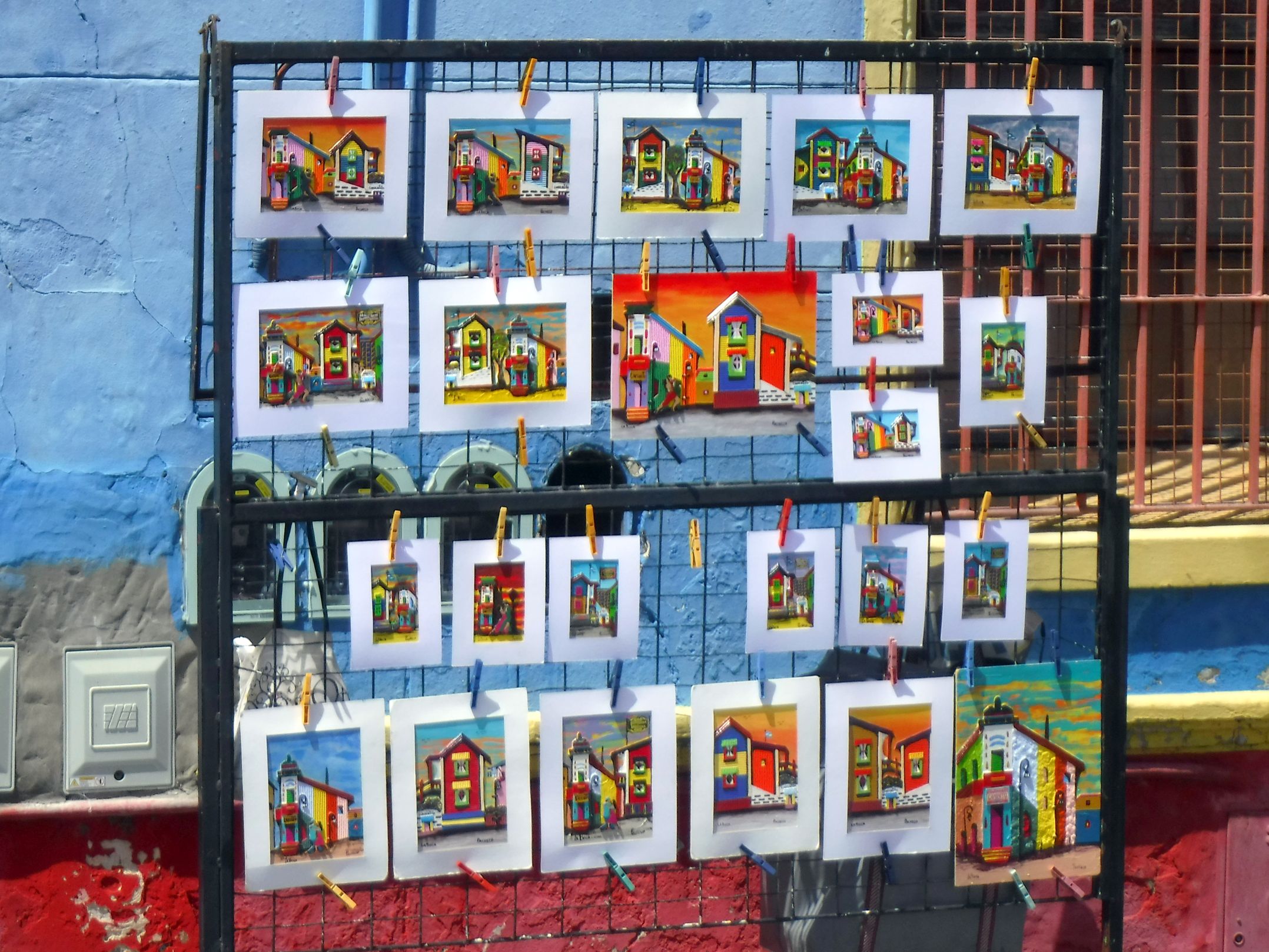
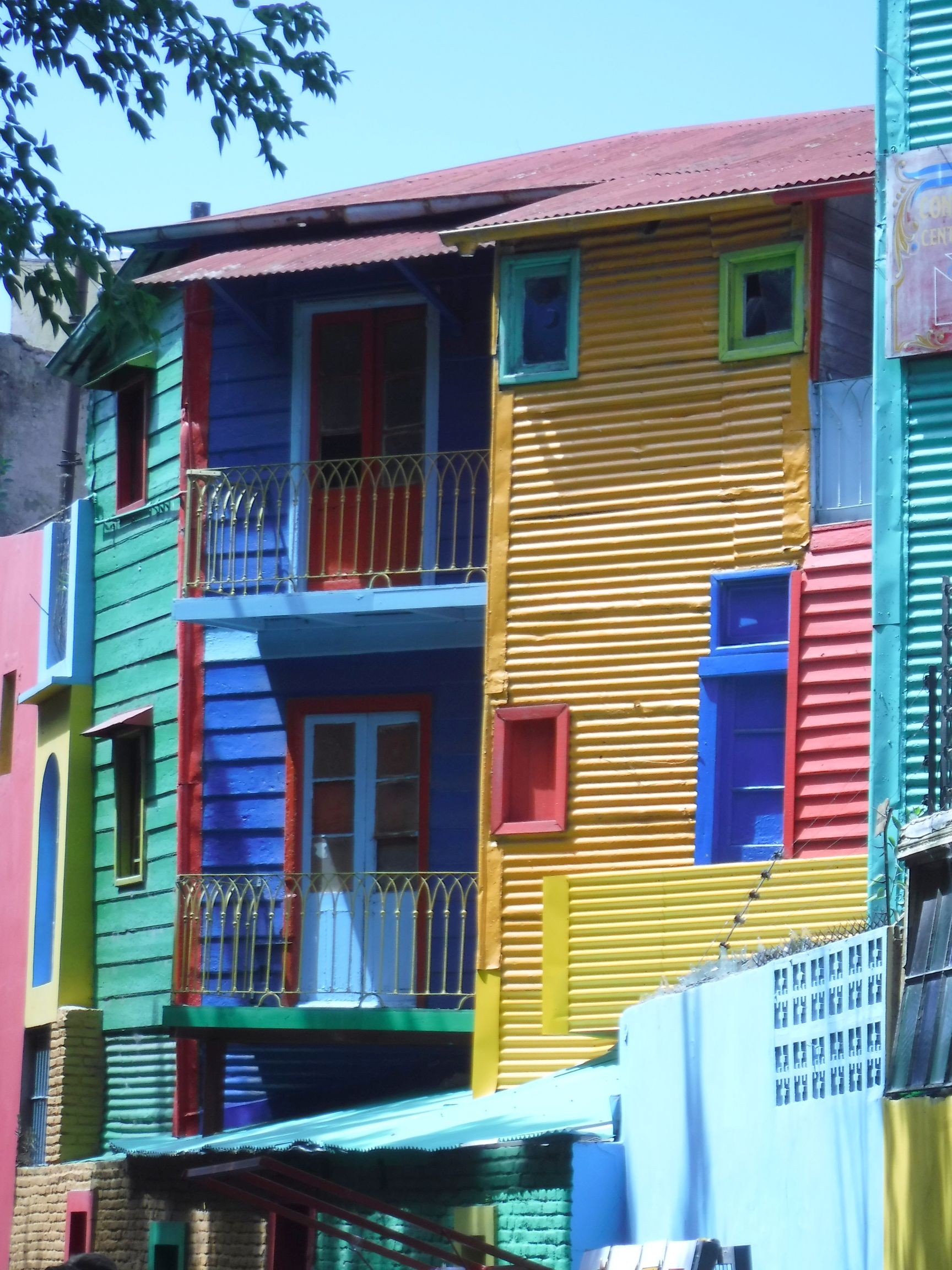
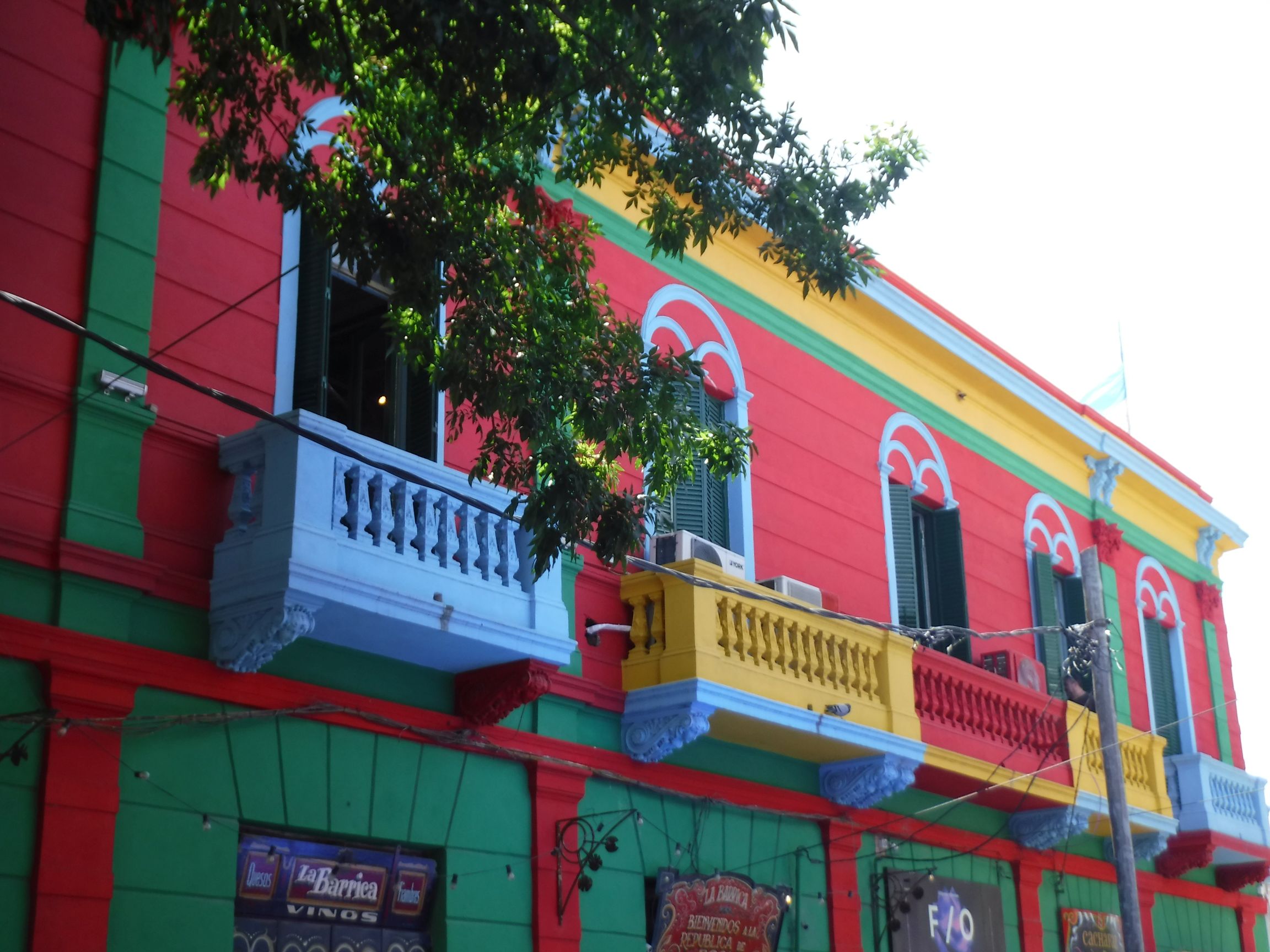
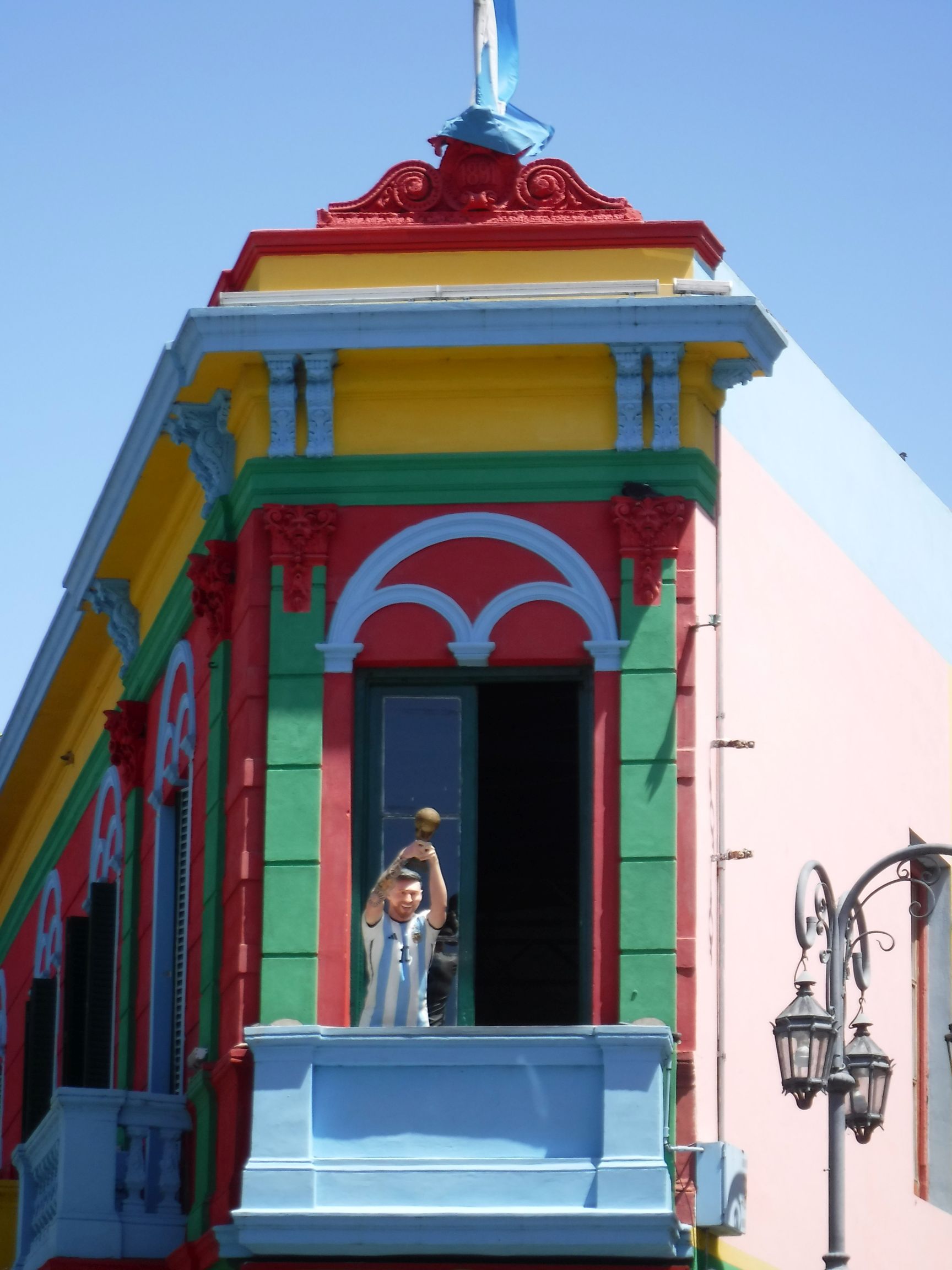
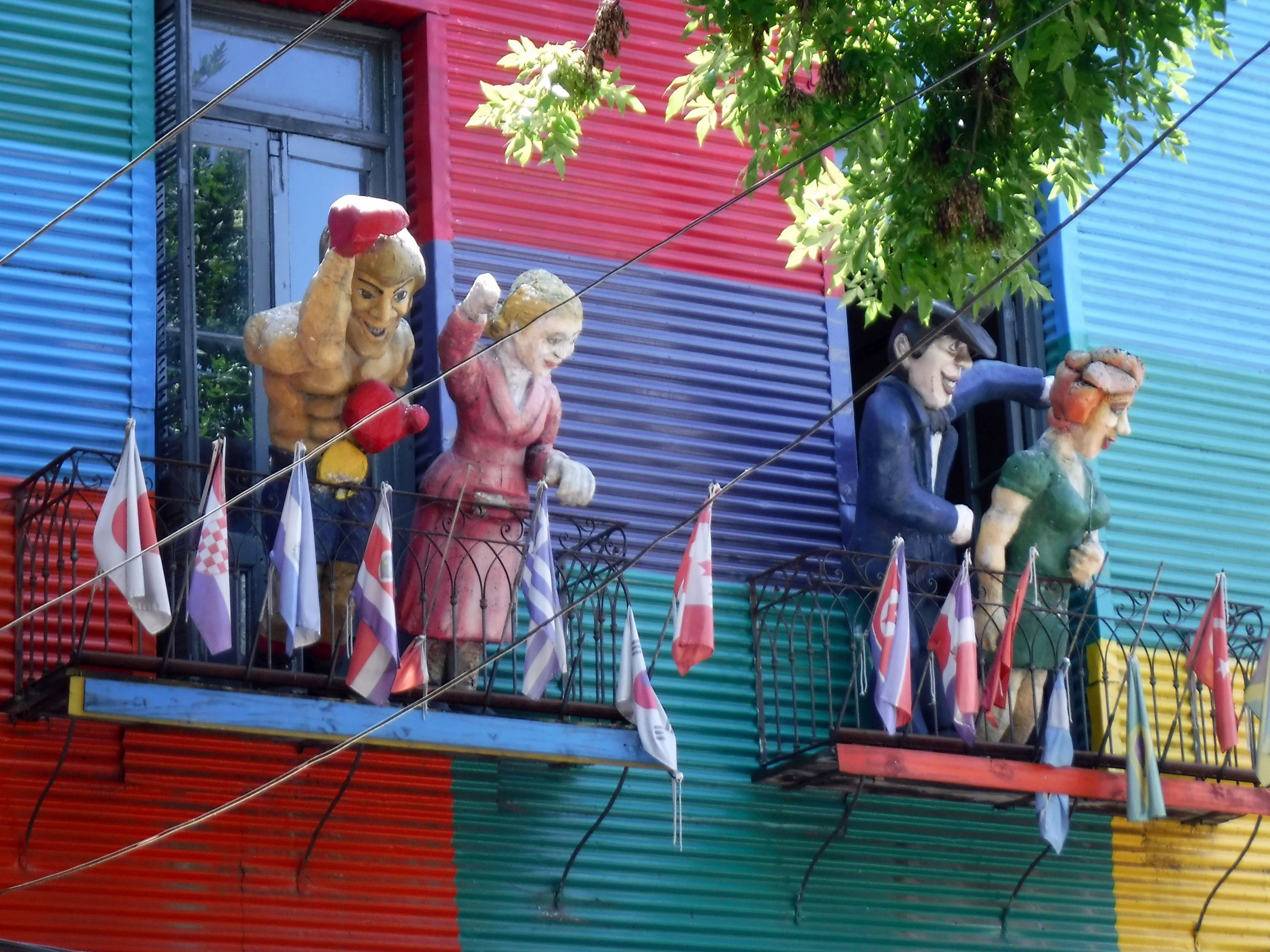
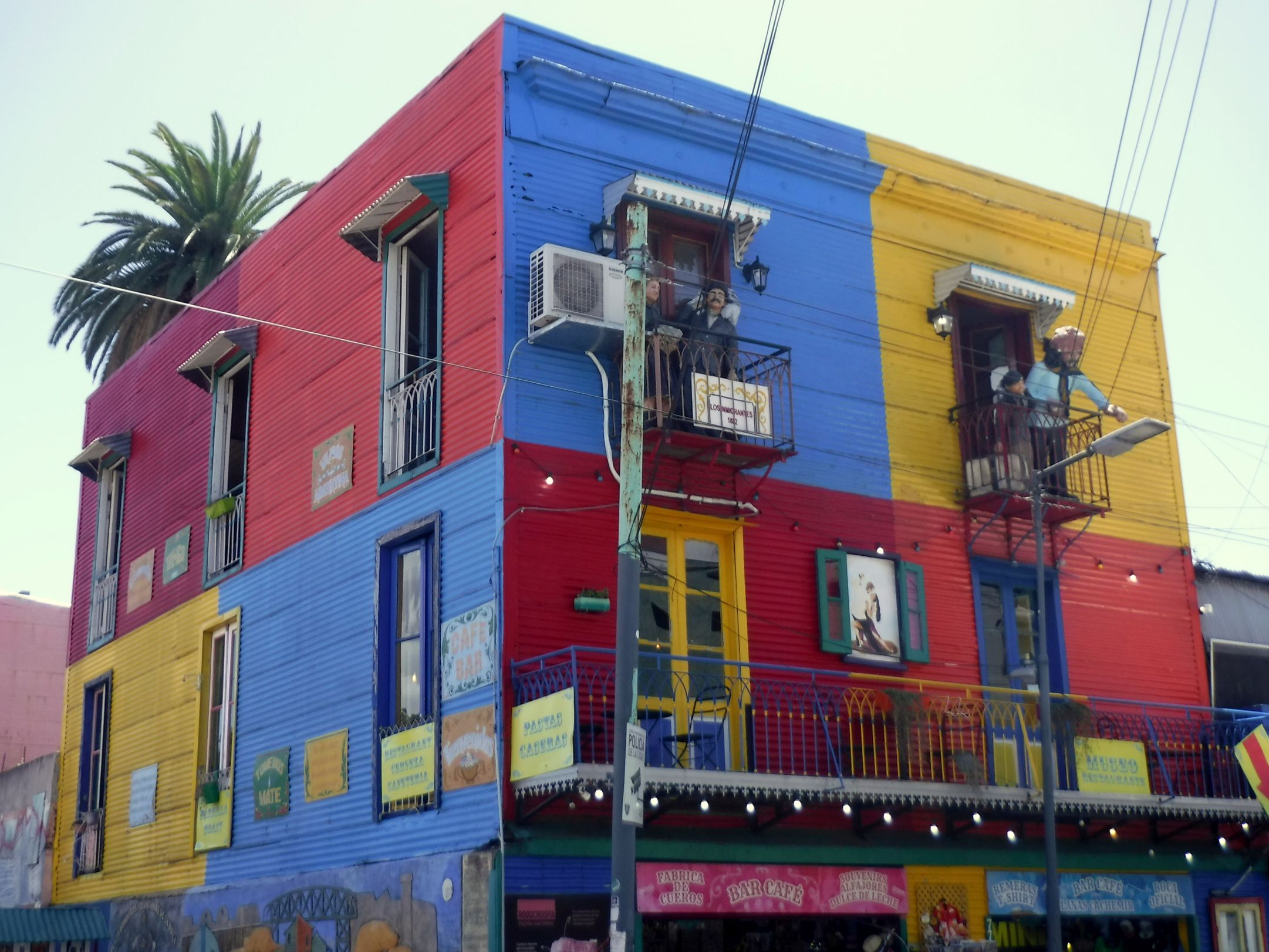
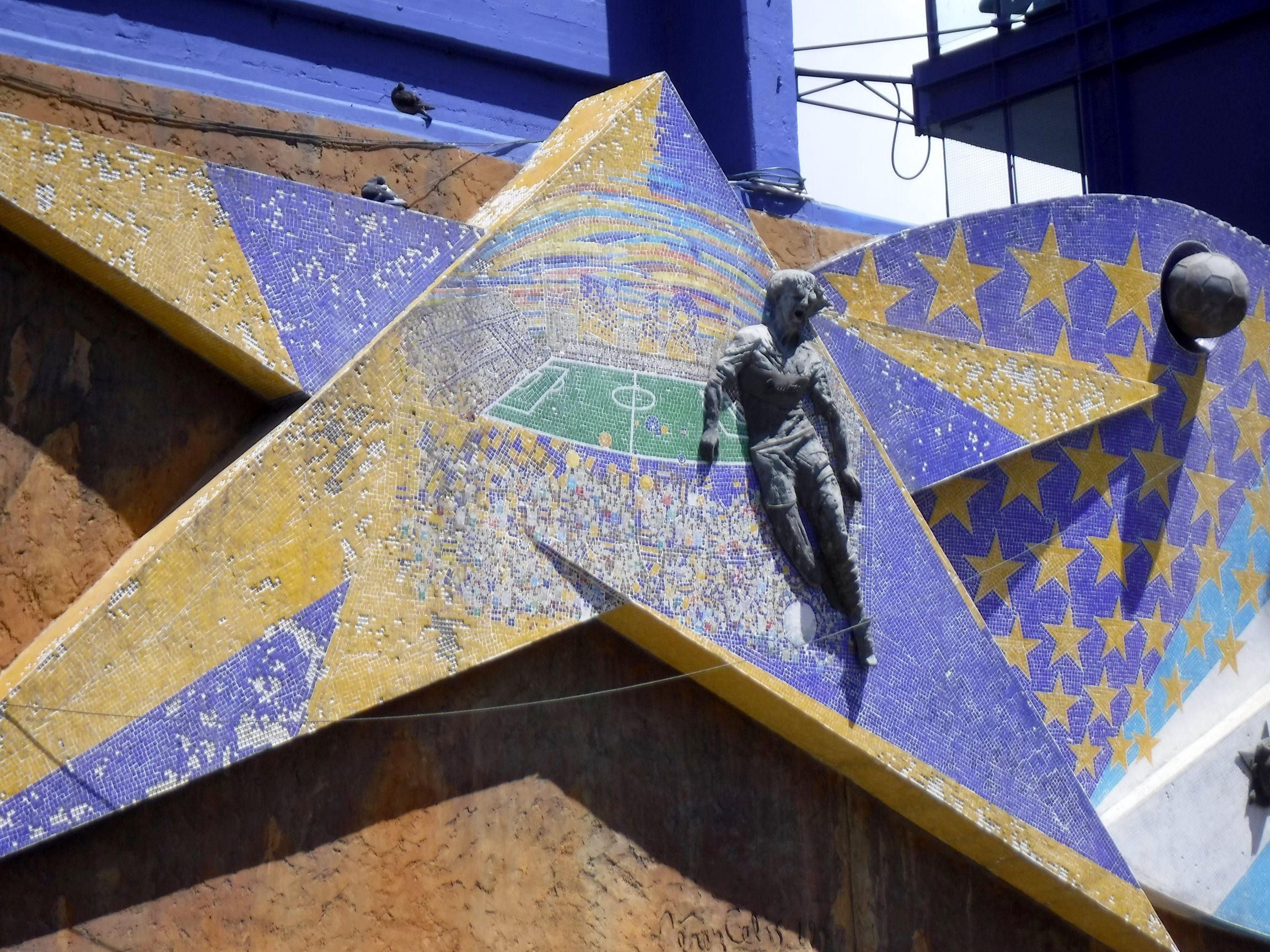
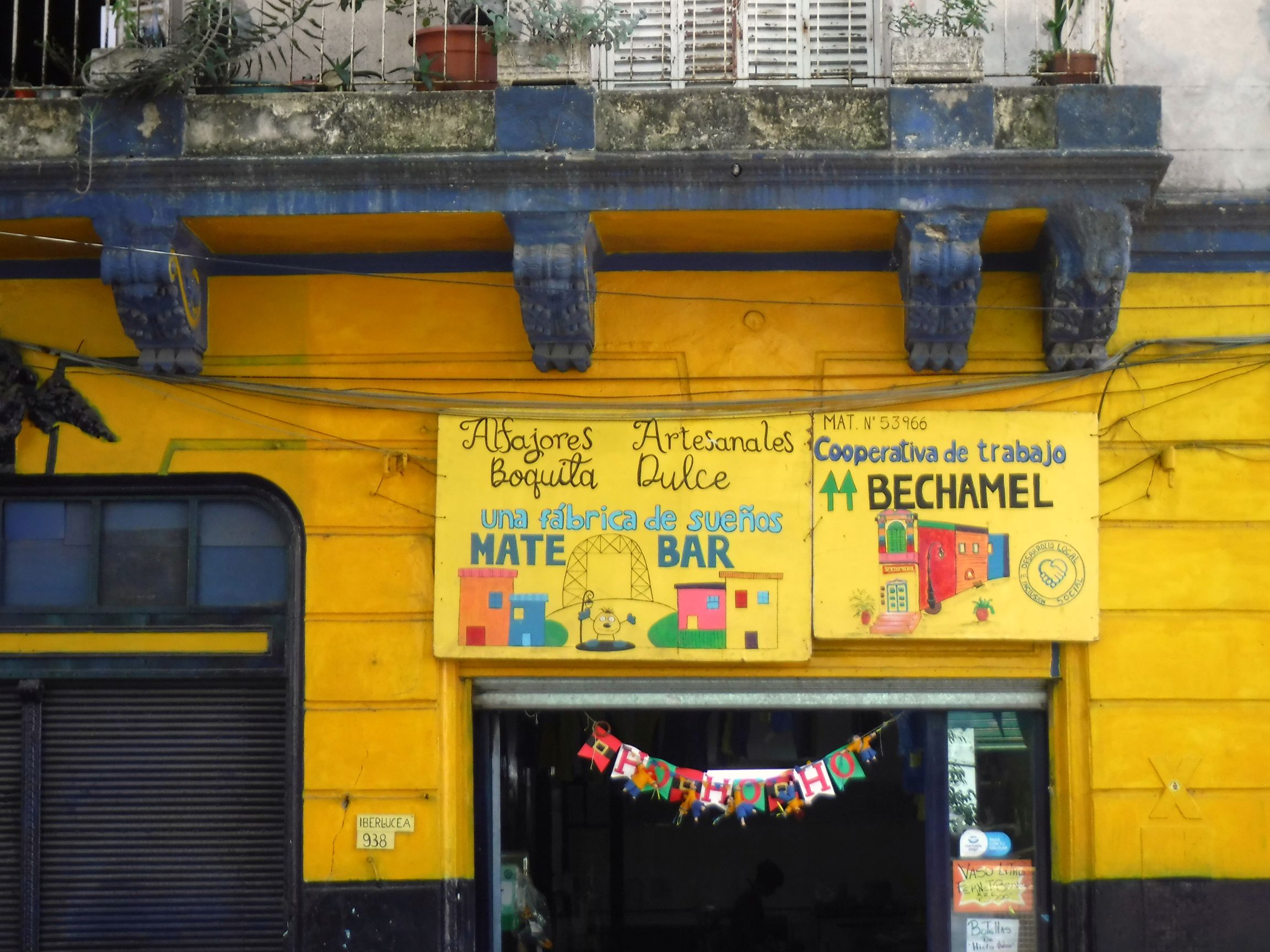
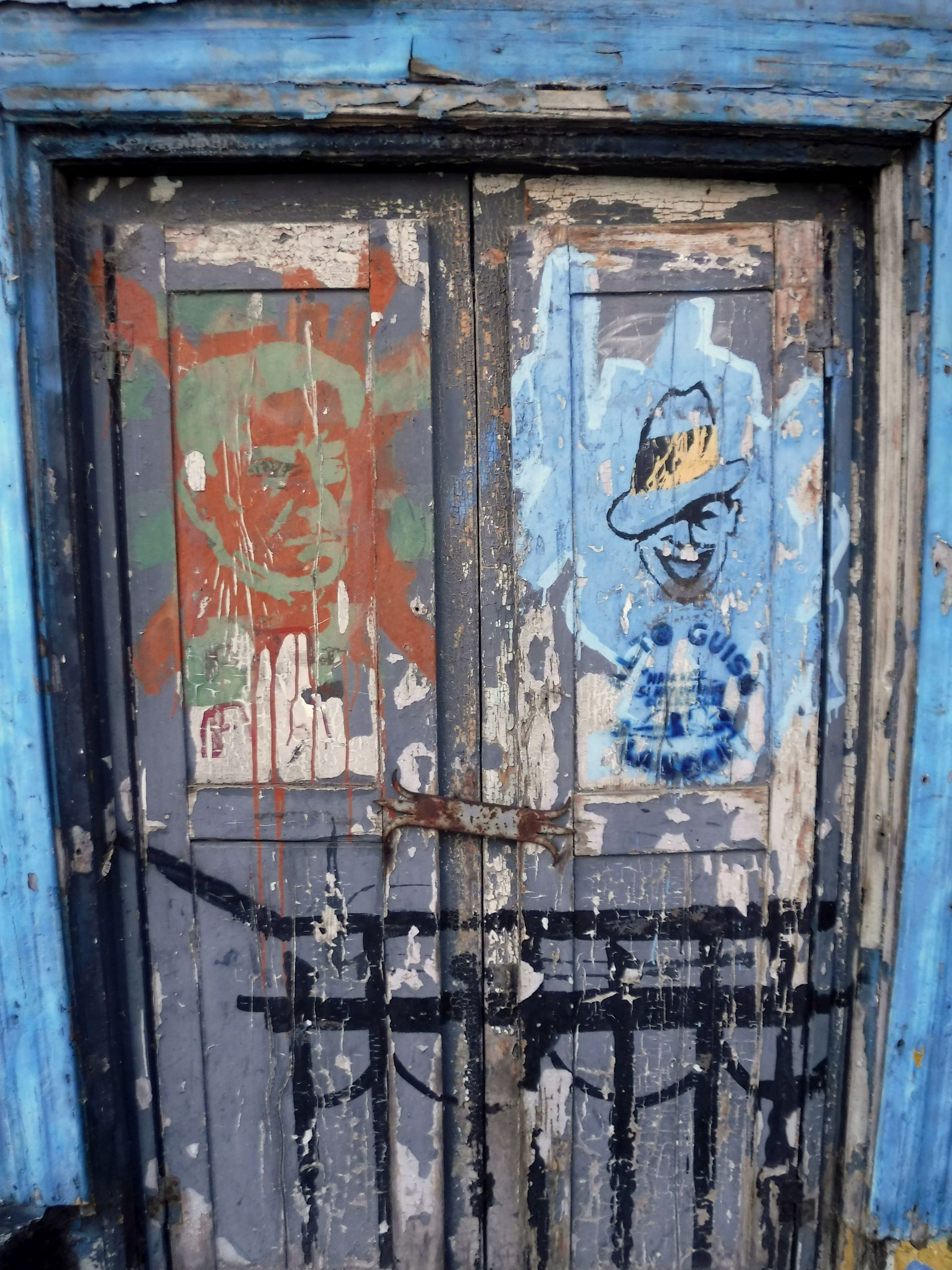
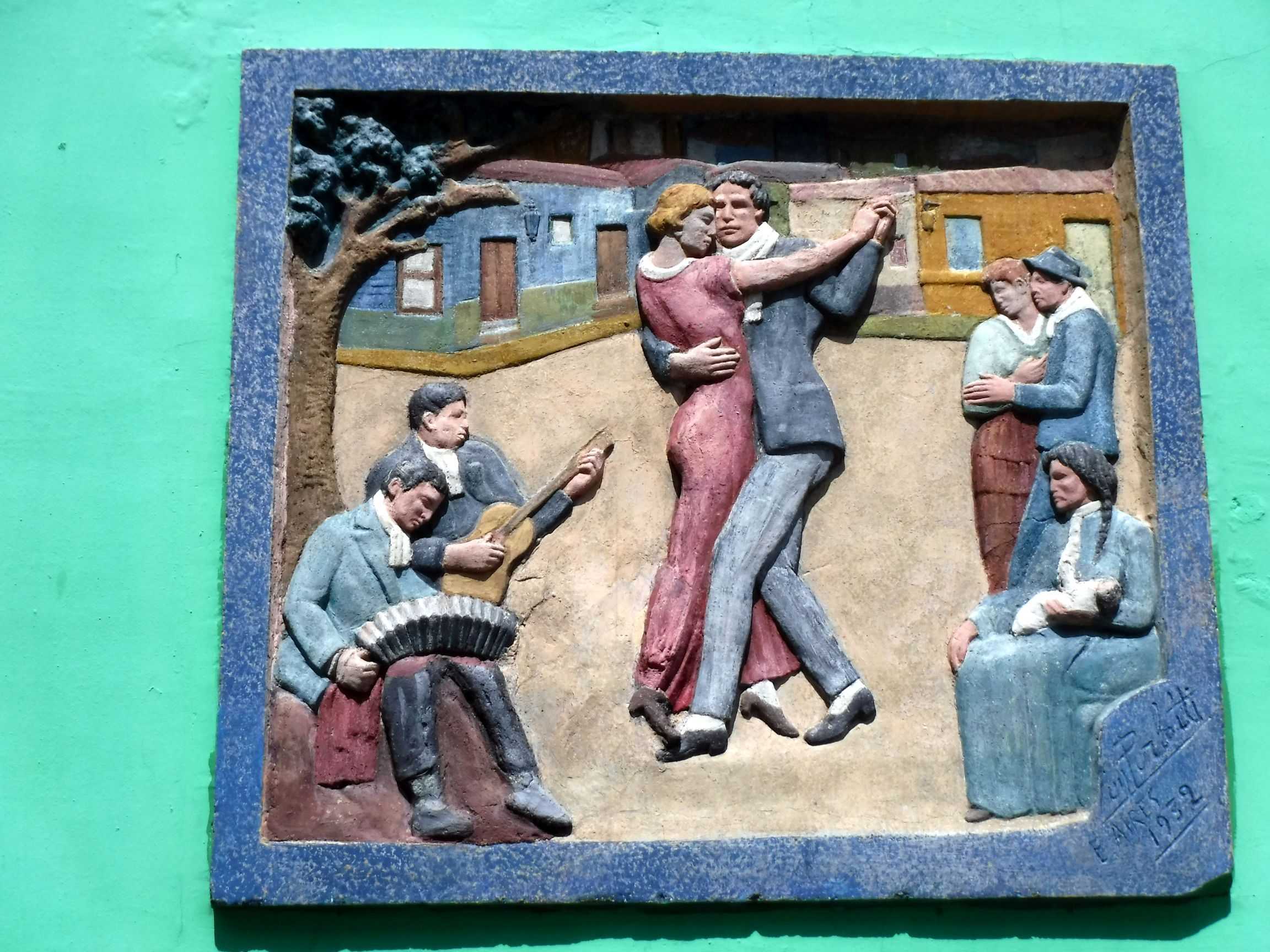
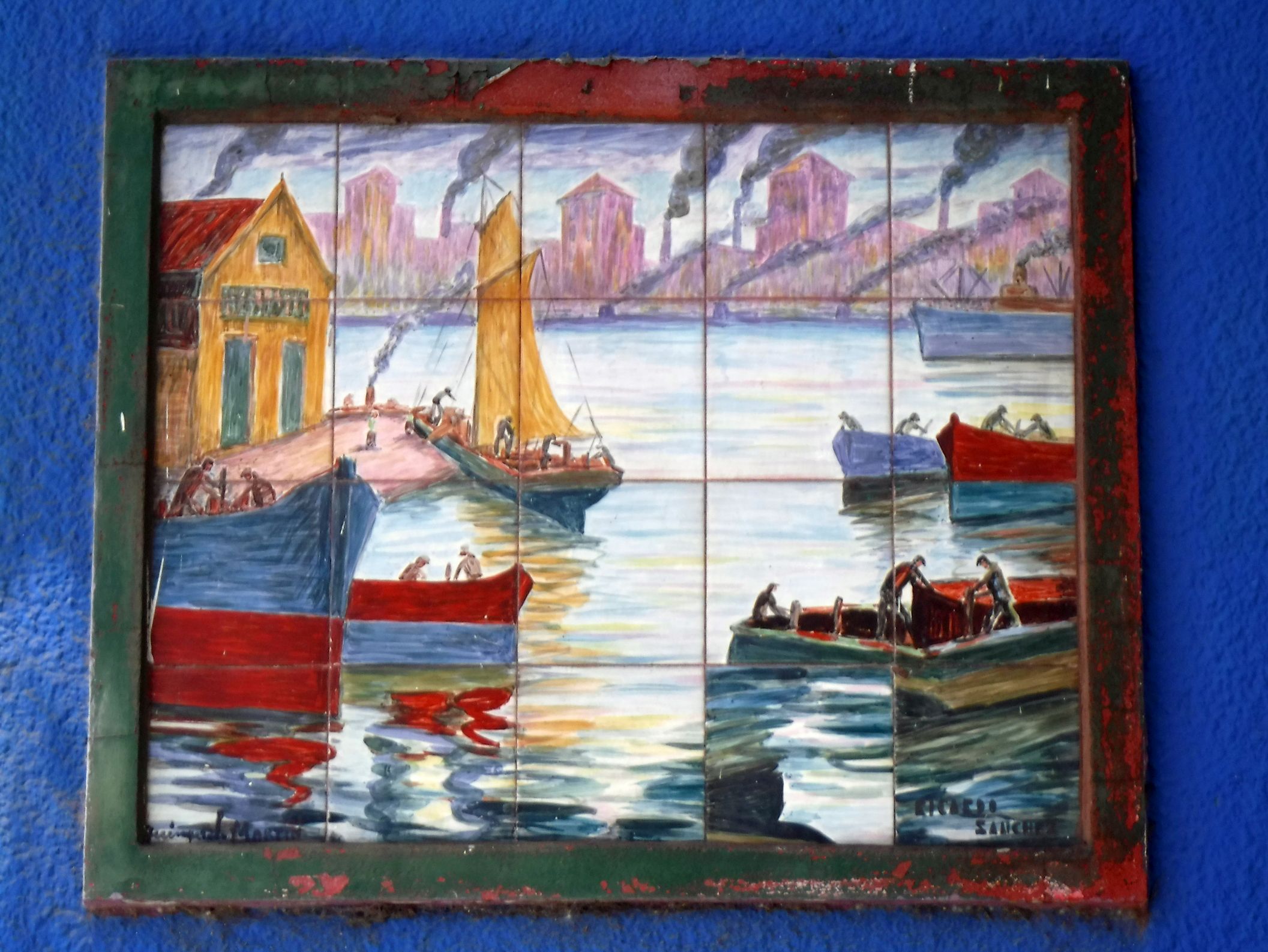
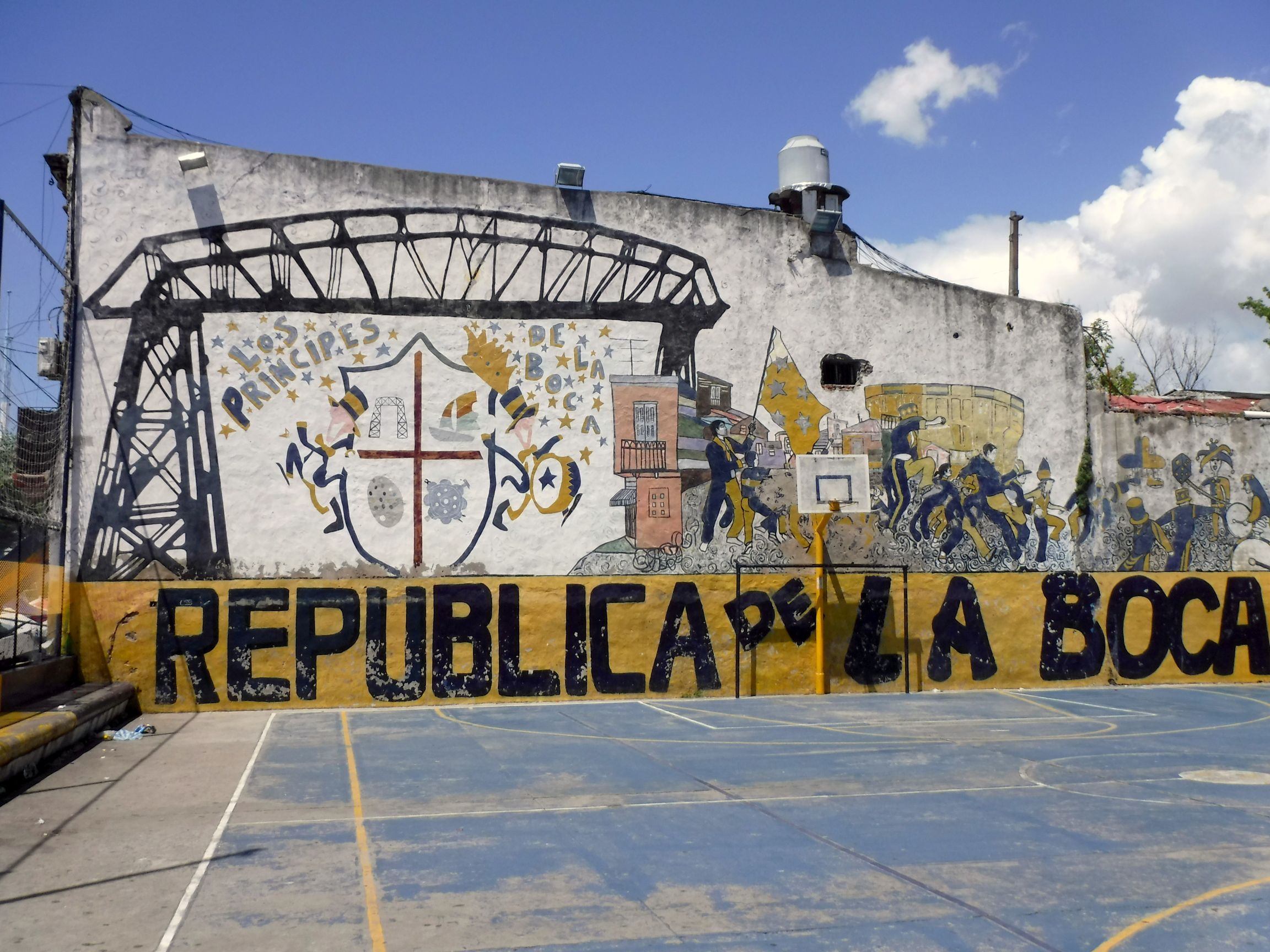
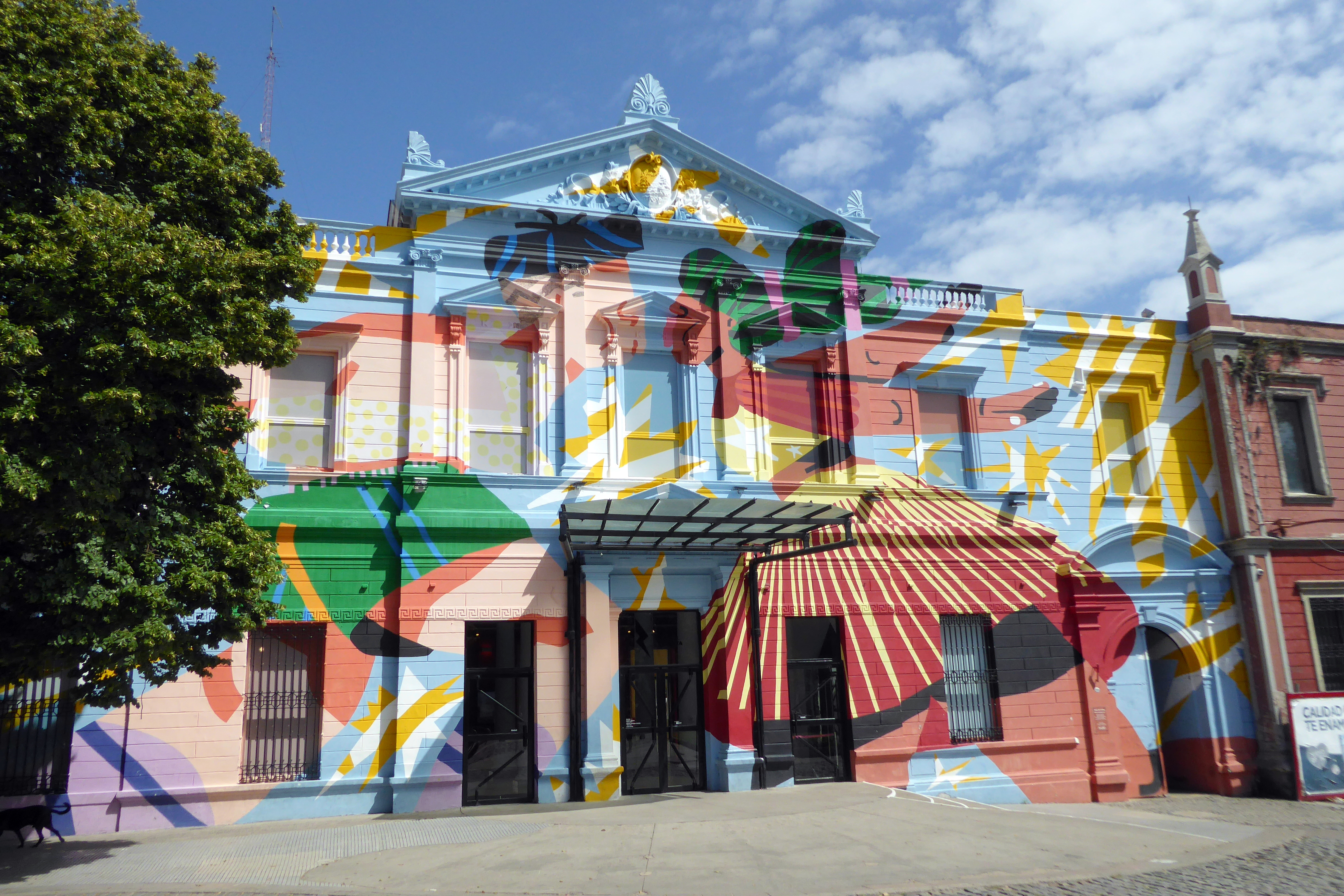
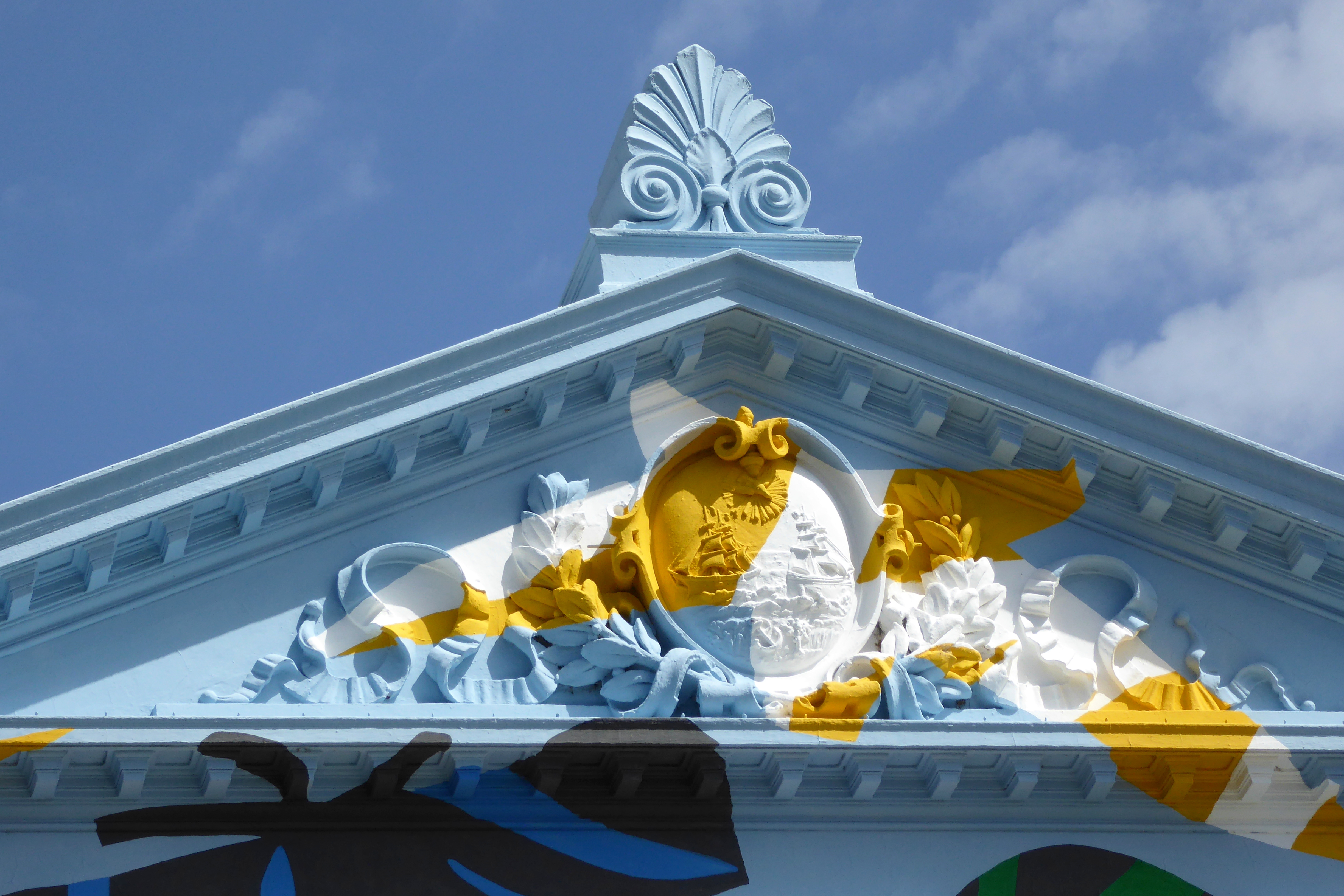
Next, we visited the colorful La Boca neighborhood where the Argentine tango was born.  “Colorful” is an understatement, really, because bright colors pop from every building and mural throughout the streets of this neighborhood settled by mostly Italian immigrants.  Blue and yellow are especially popular—the colors of their soccer team and neighborhood “futbol” stadium.

That’s a statue of Lionel Messi up on that balcony.
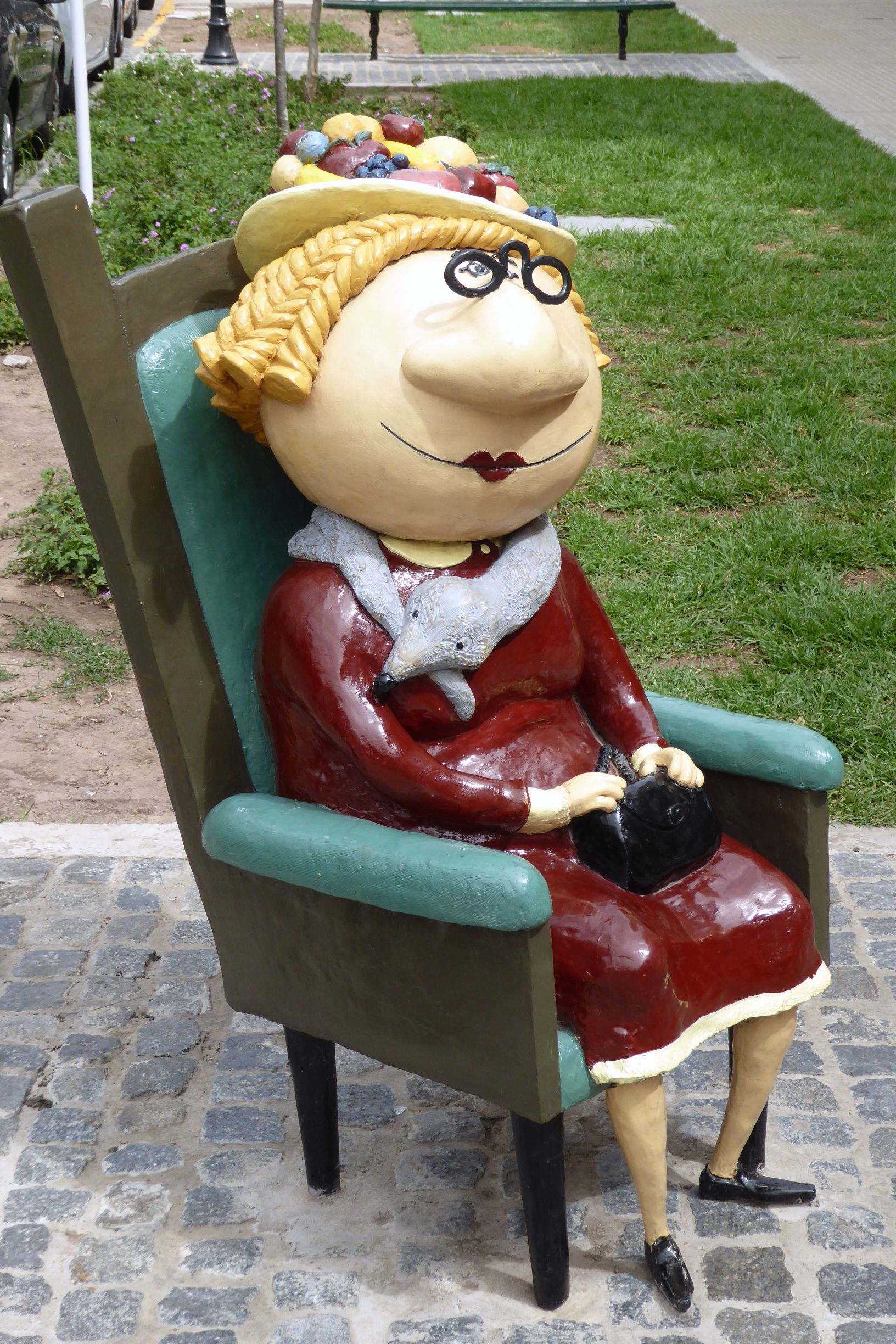
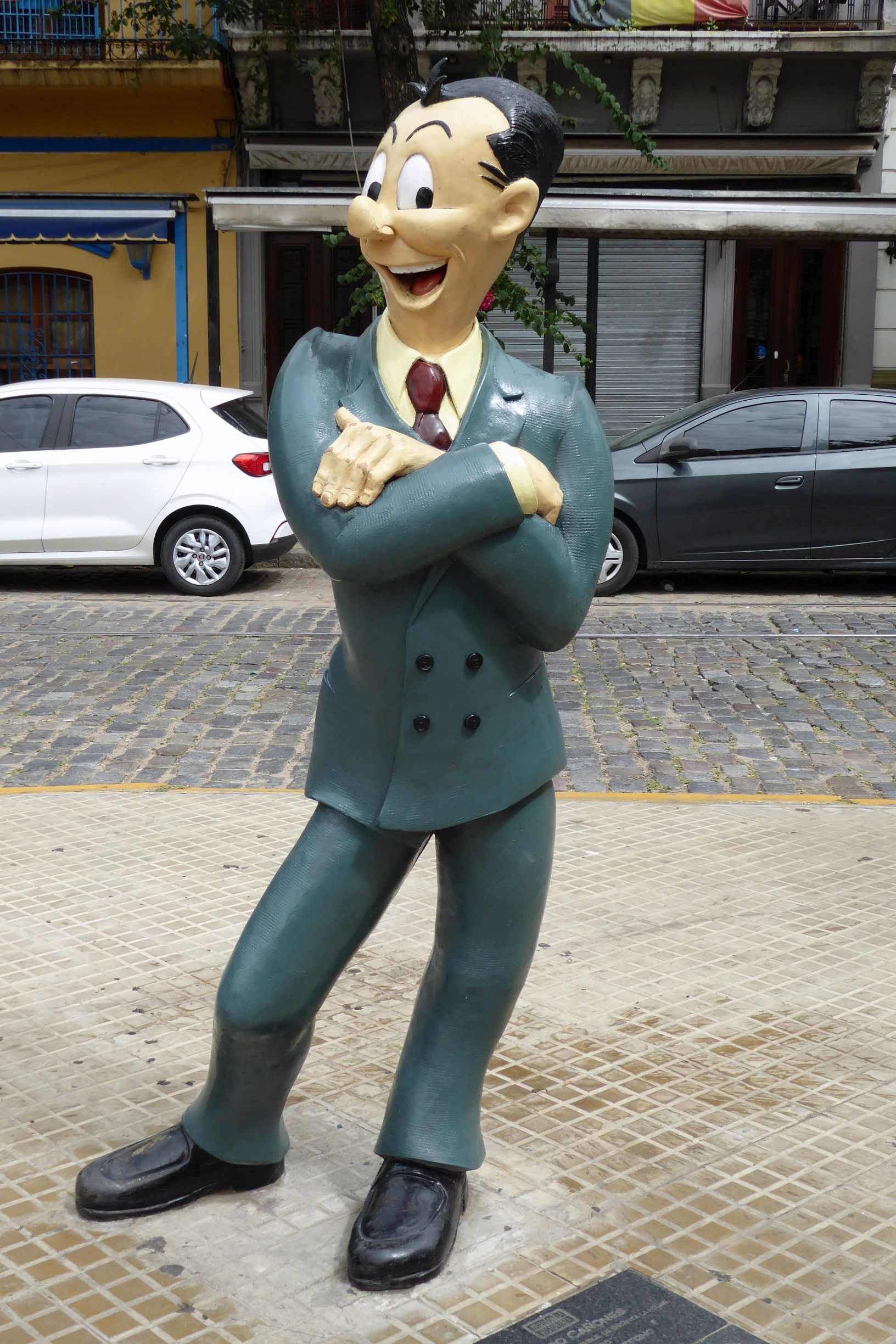
Everywhere we looked, there were these funky life-sized statues on balconies!
Boca Juniors Futbol (Soccer) Stadium
Several shops and houses were painted in the Boca Juniors team colors.
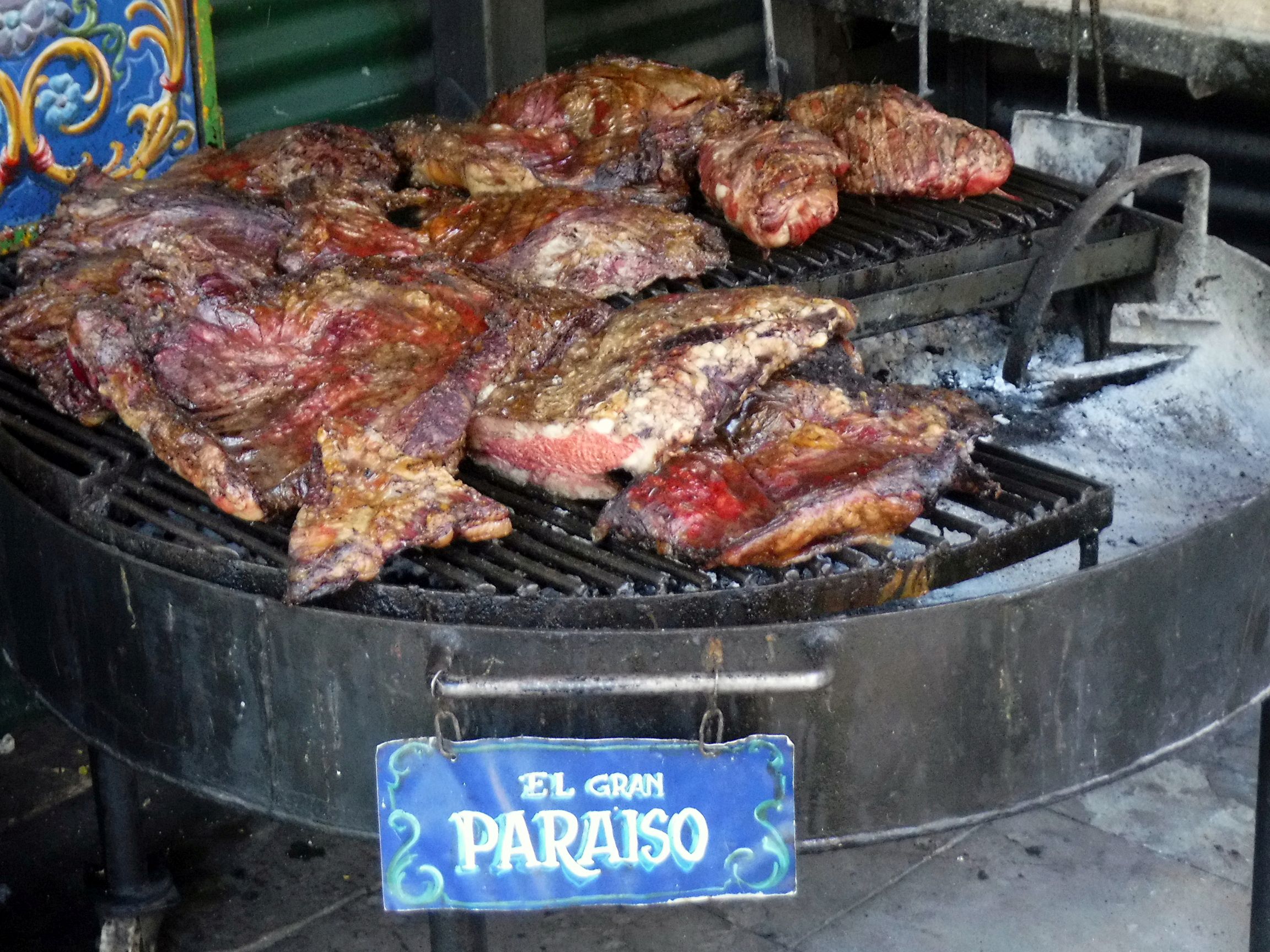
Argentinians love their meat…
…especially steak.
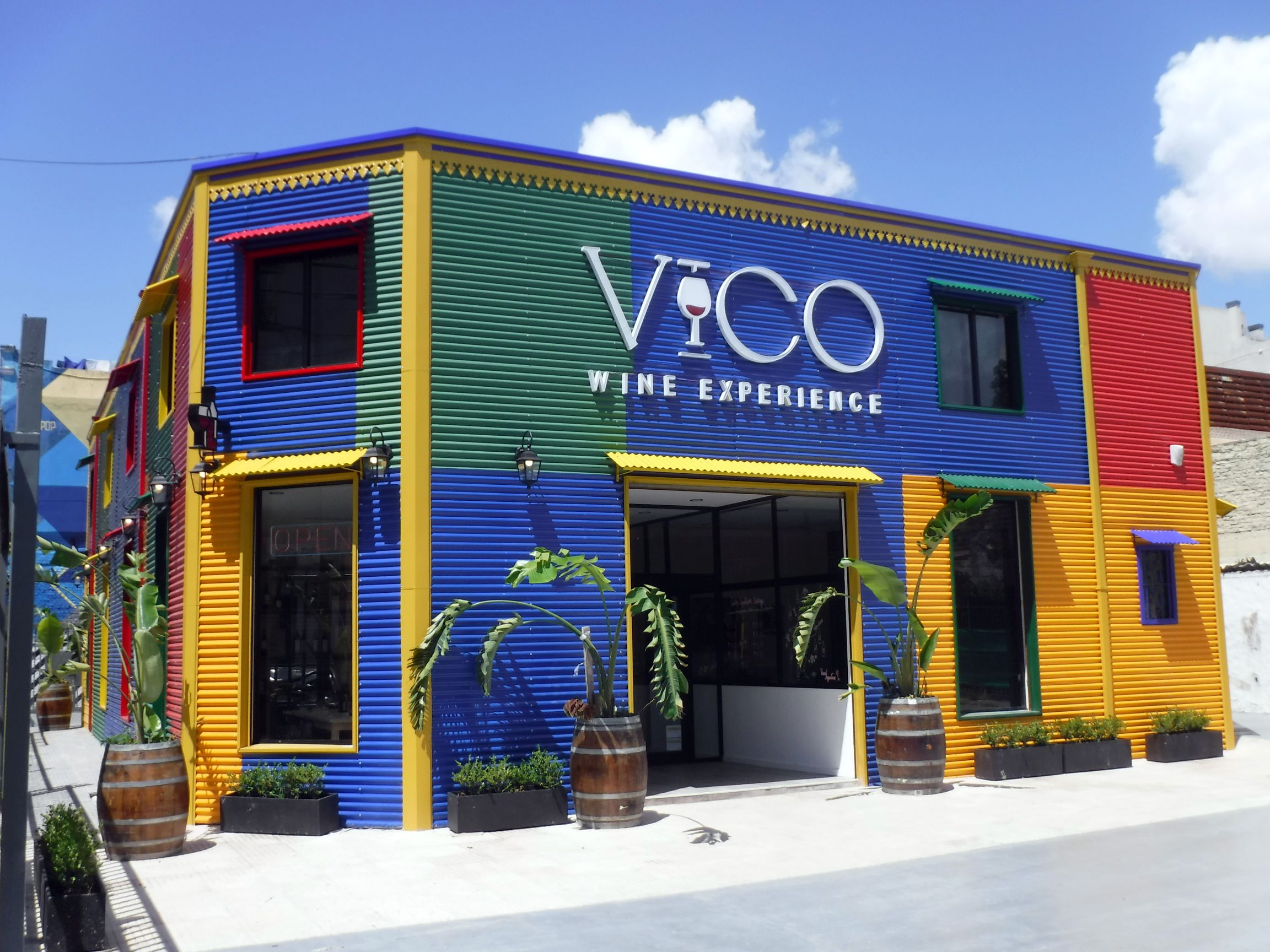
This newer business fit right in with its colorfully-painted facade.

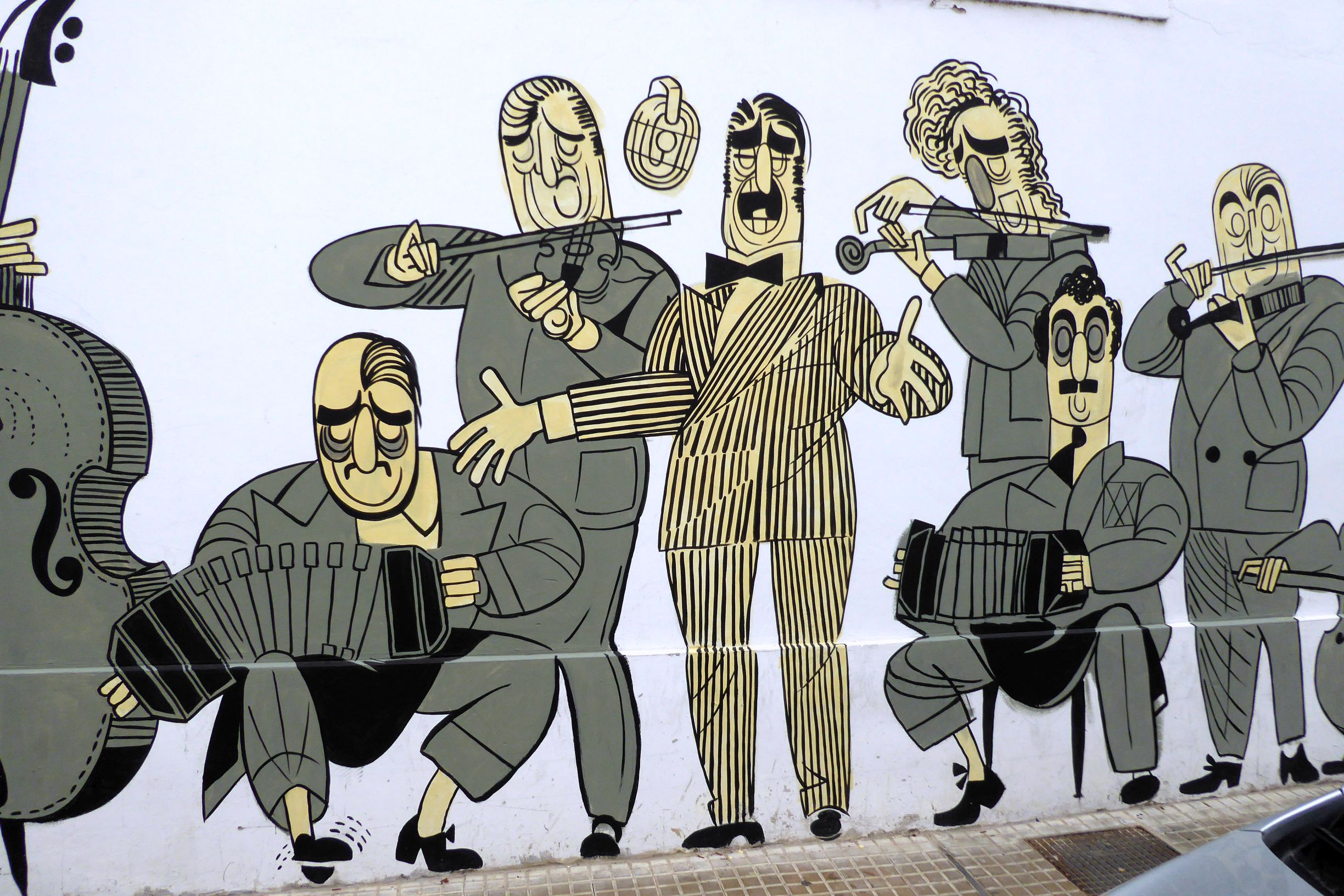
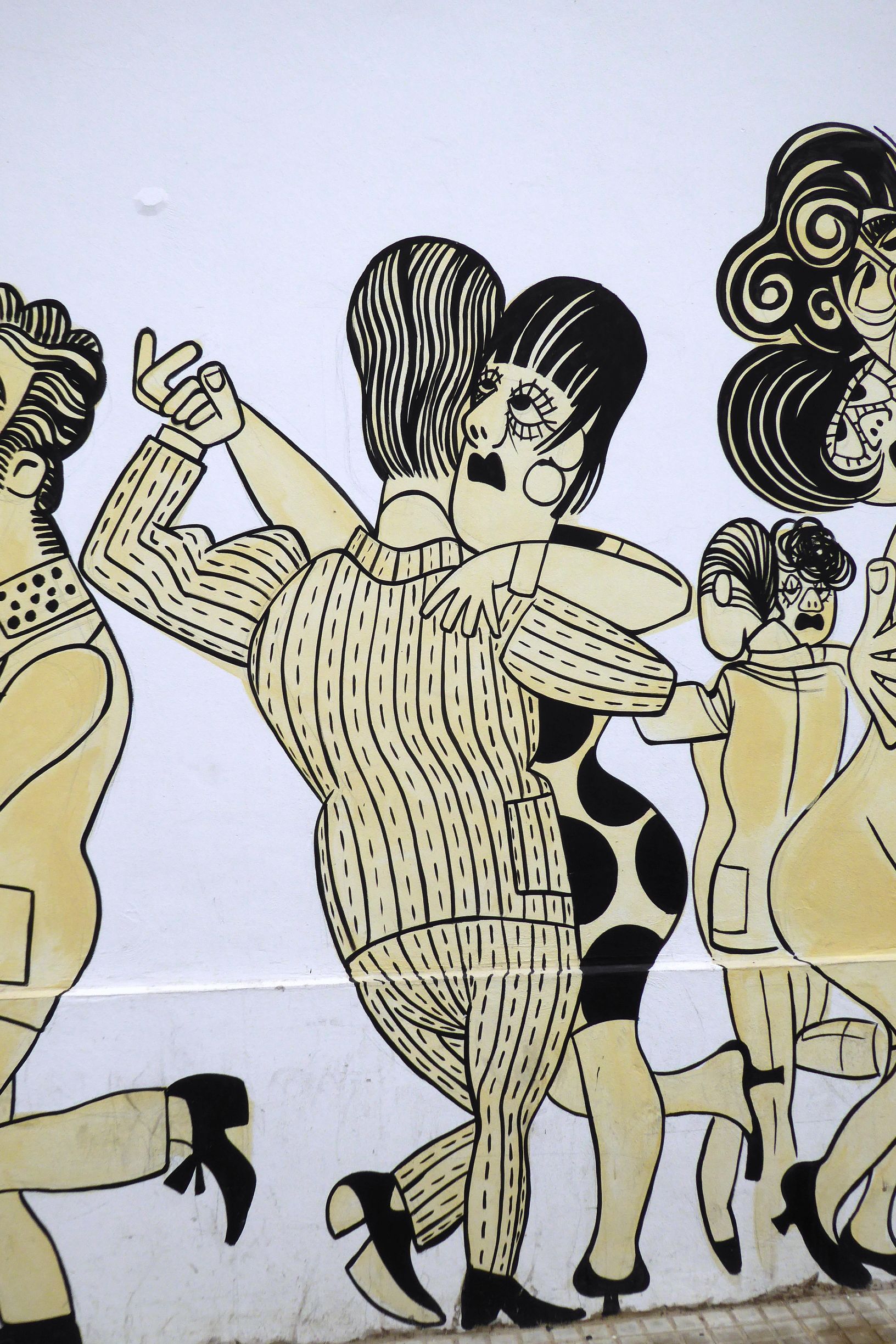
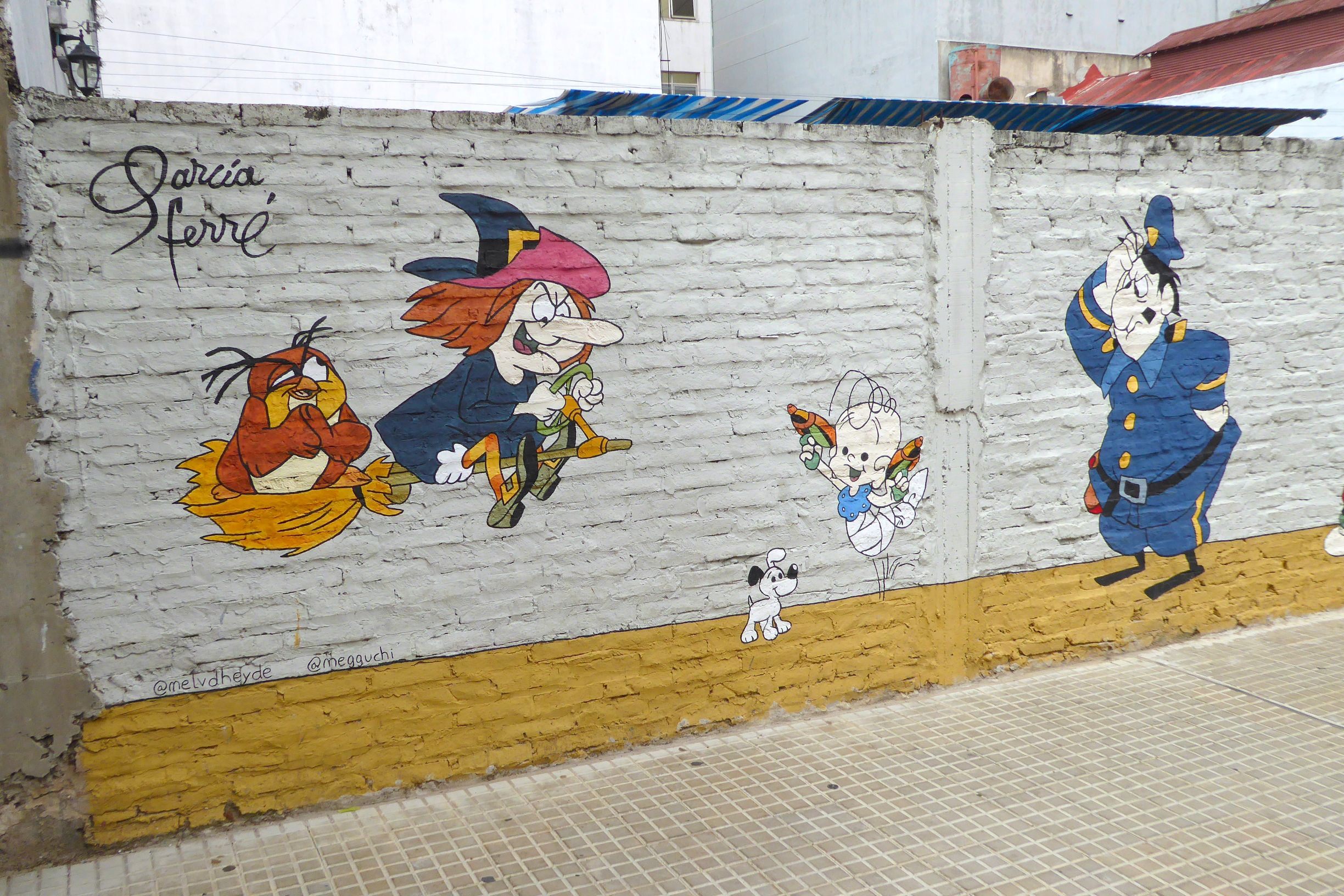
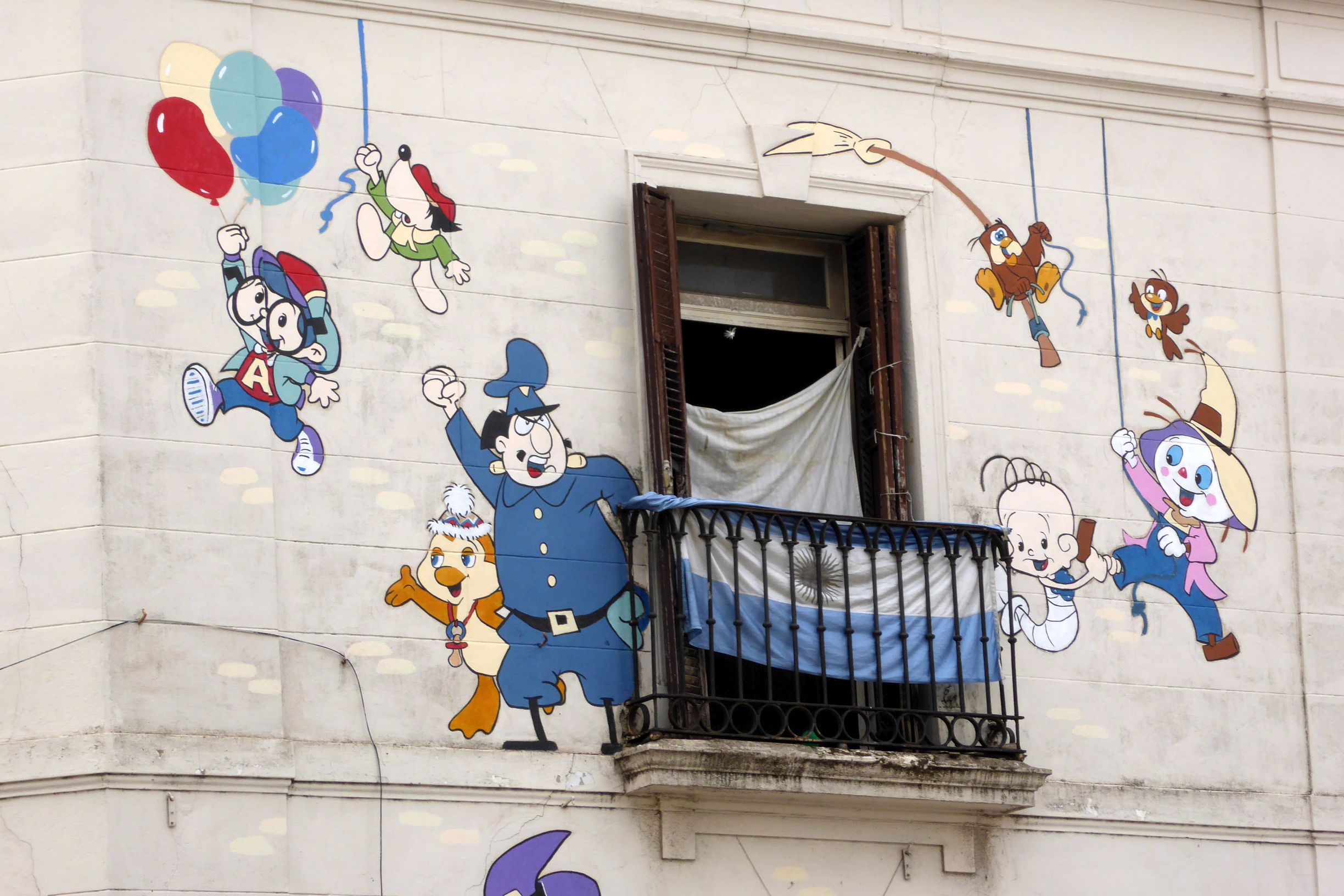
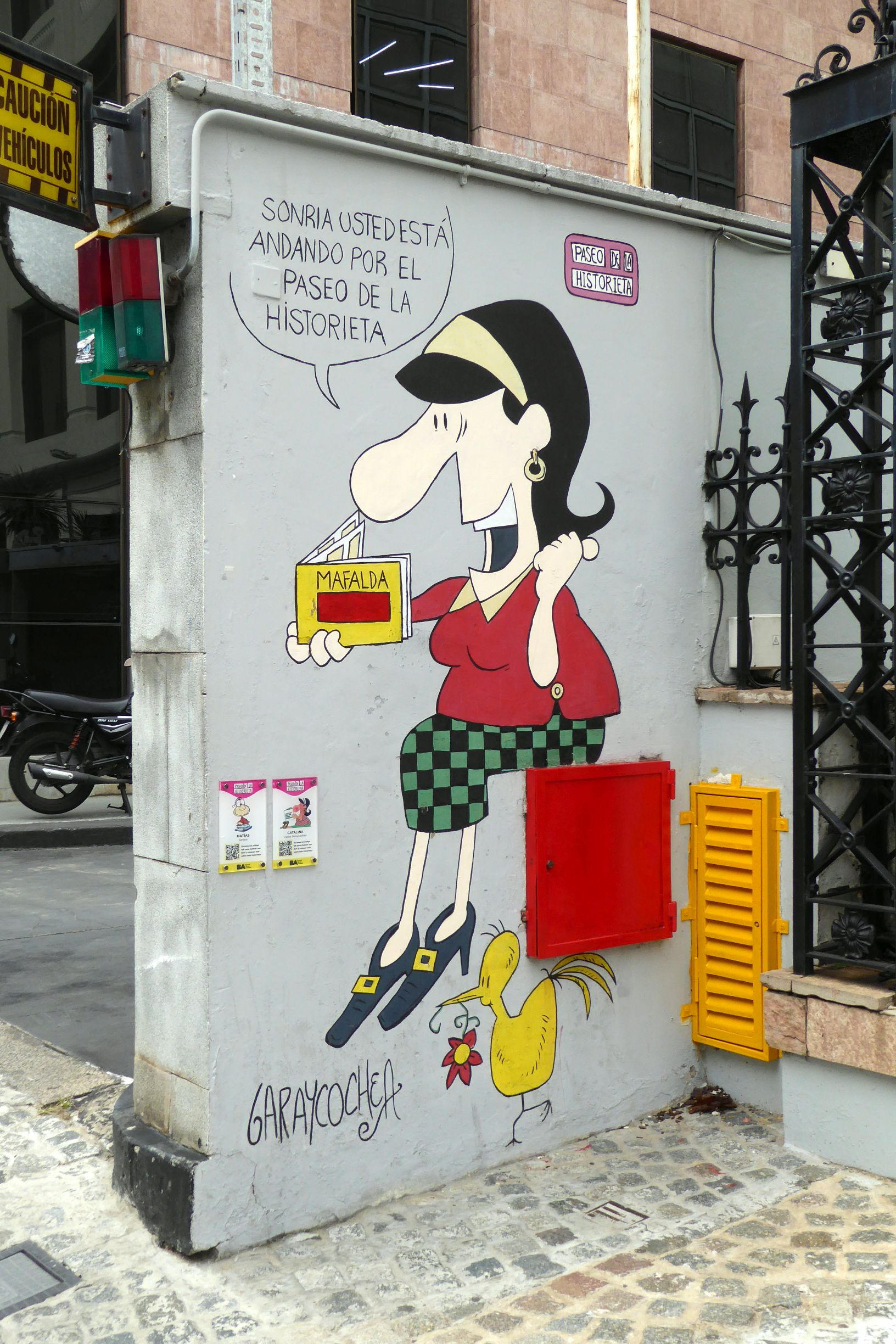
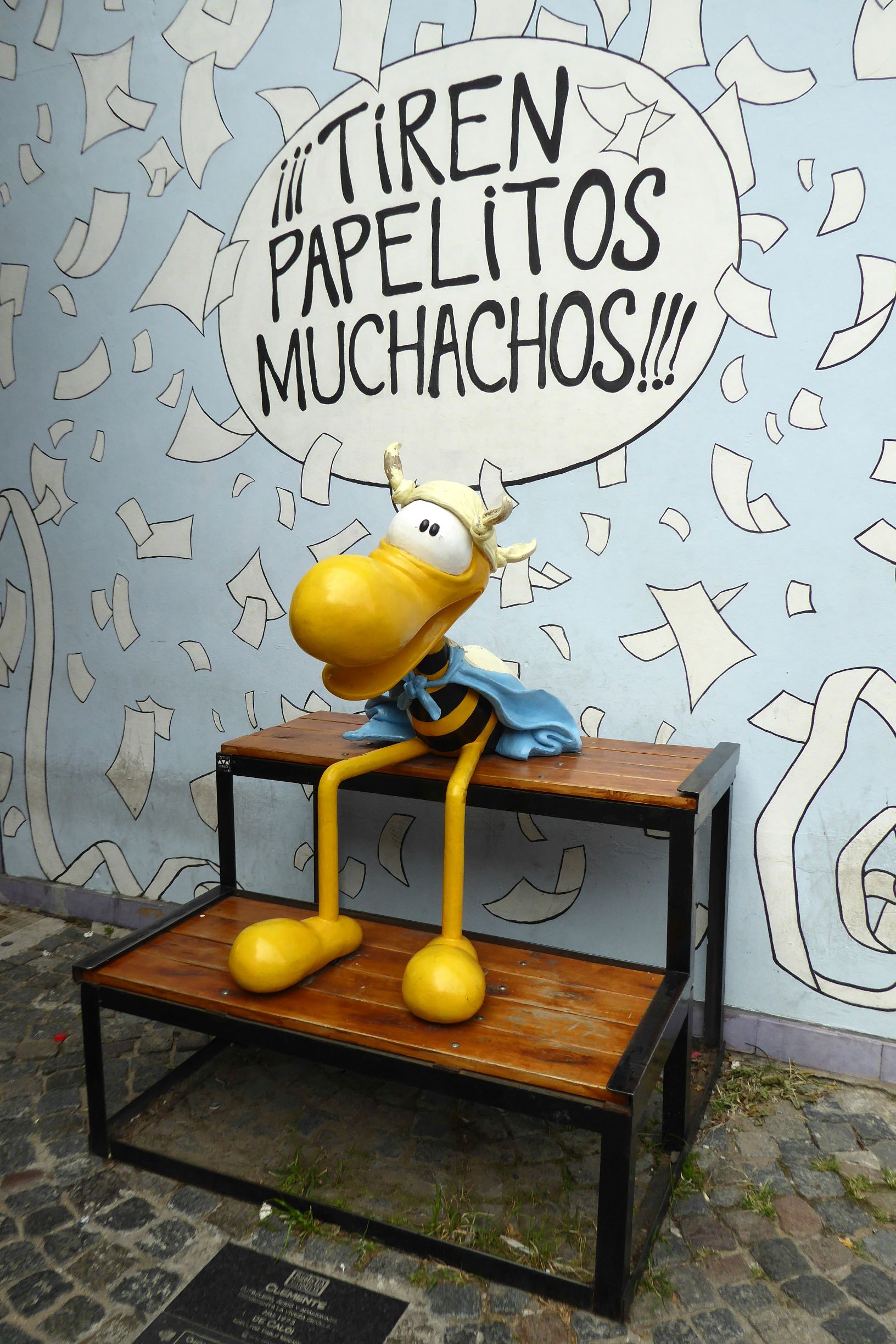
Following the city tour, we opted to be dropped off back at Plaza de Mayo to shoot a couple of afternoon photos of the square before walking to San Telmo, the oldest neighborhood of Buenos Aires.  We got a kick out of Paseo de las historieta, a four-block section of Balcarce Street full of street art dedicated to Argentina’s most popular cartoon characters.

Andrea’s Buena Onda OTT group: Notice what they are drinking! I’ll get back to that in a future post!

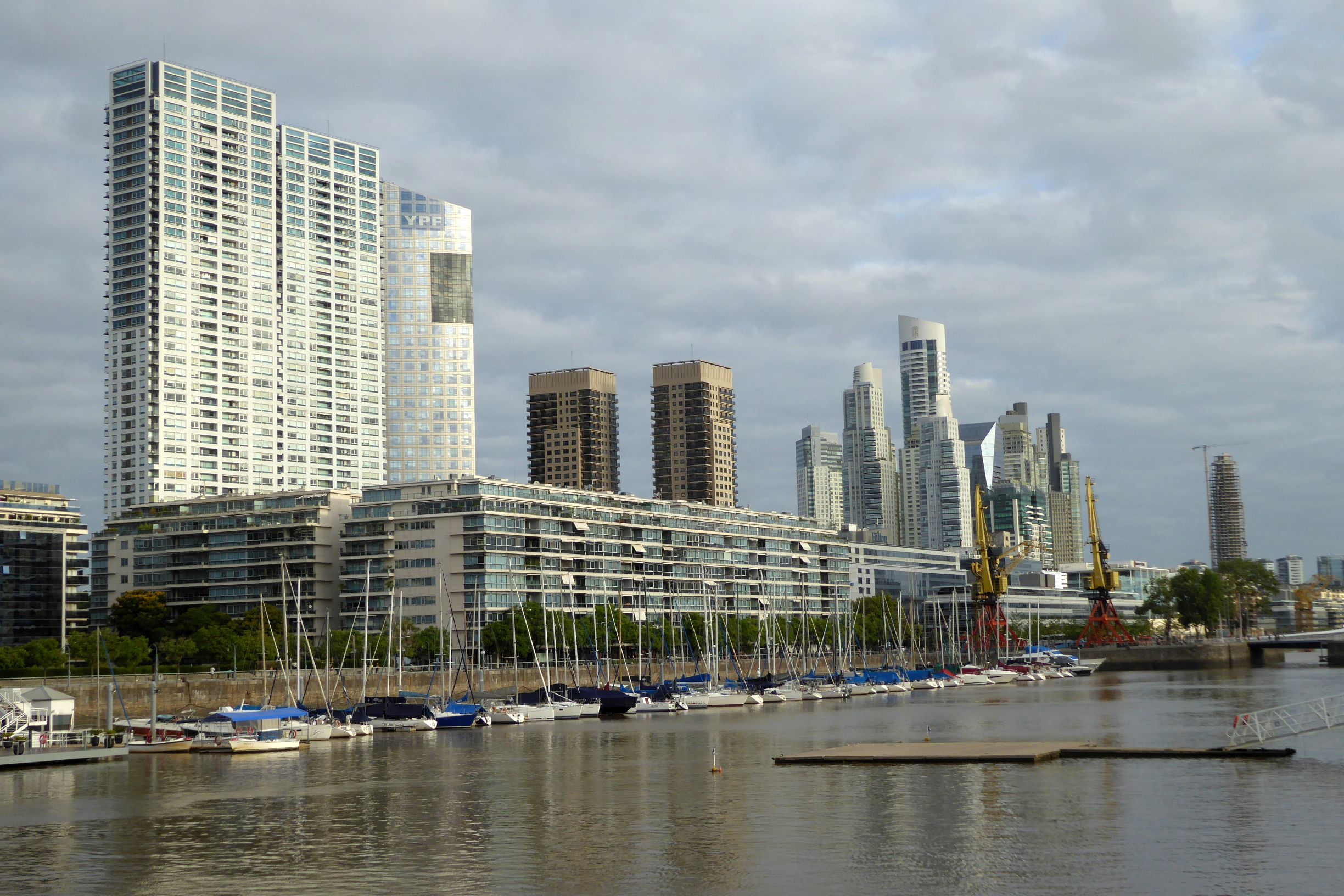
The posh and hip Puerto Madero was where our group enjoyed our Welcome Dinner.  Argentina is world-renowned for their steak, but Bruce and I opted for Pacu, a local fish. 

The view from our restaurant
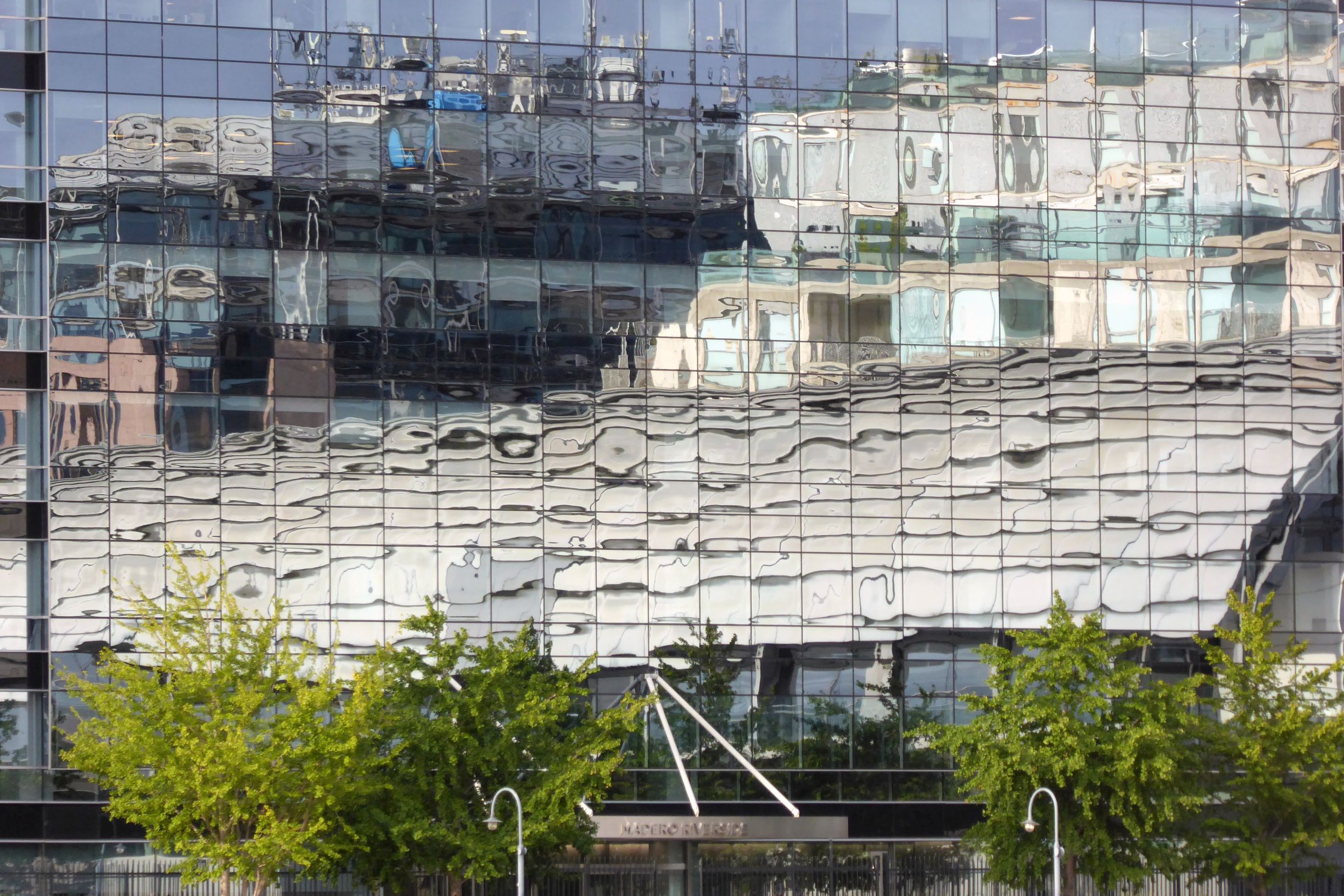
Reflections

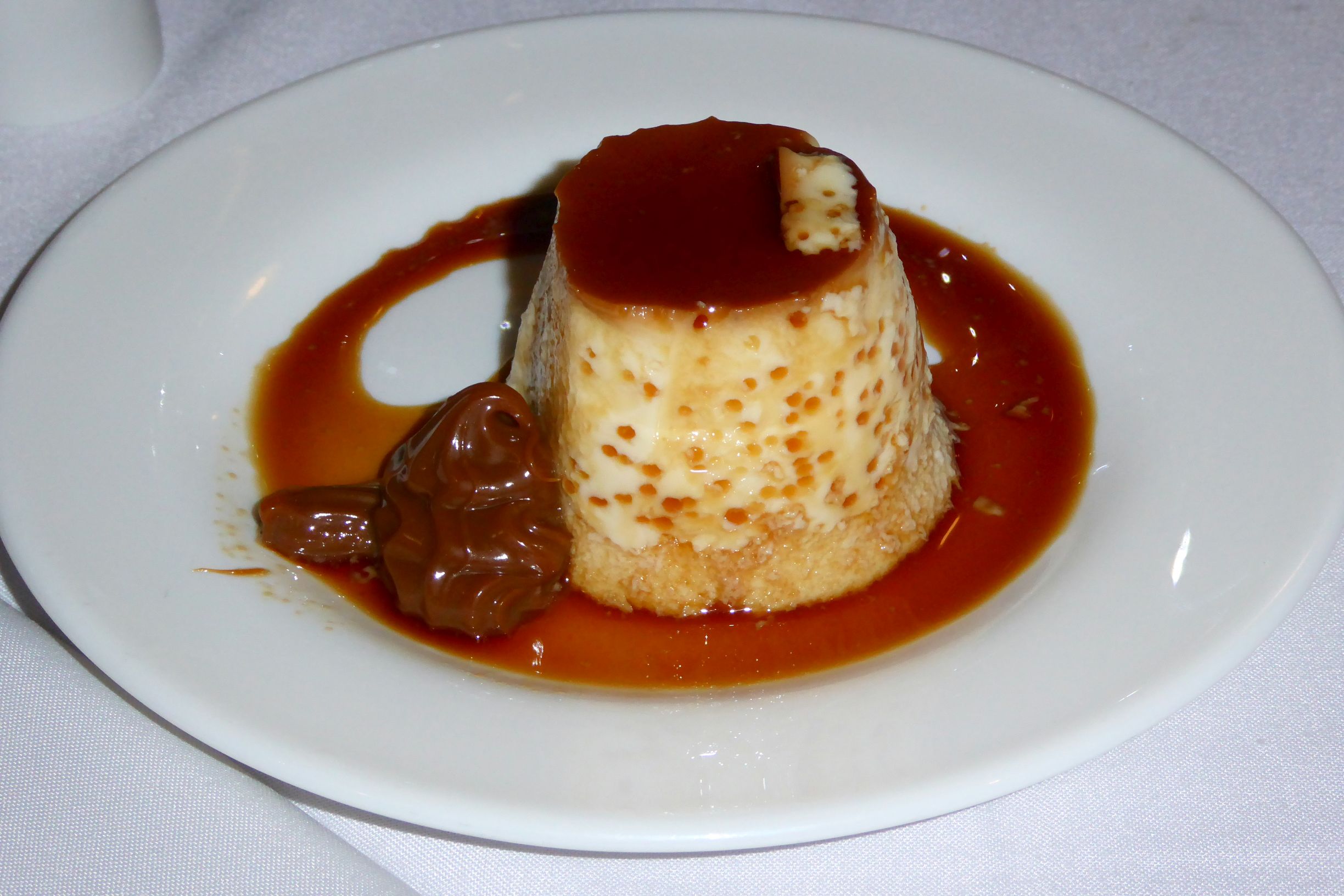
This was the first of many delicious varieties of dulce de leche desserts we enjoyed throughout the tour. I was hooked!

Coming up next:  ARGENTINA & CHILE #4:  BEAUTIFUL BARILOCHE

ARGENTINA & CHILE #2: BUSTLING BUENOS AIRES

For a quick Cliff Notes background on Argentina, I will shamelessly extract information here and there from the wonderful Overseas Adventure Travel guidebook Andrea gave us during our briefing: “Following independence from Spain in 1816, Argentina experienced periods of internal political conflict between conservatives and liberals and between civilian and military factions.”

Sound familiar? What country is not experiencing political conflict between conservatives and liberals?  Like the U.S.A., their country is very divided, and that division played out while we were in Argentina.

Fortunately, none of the numerous strikes and protests had a detrimental affect on our group or travels, but a lot was going on while we were in Argentina.  Javier Milei, the current president, has made a lot of people quite angry since being elected last December– especially those who don’t subscribe to his far-right point of views.  It made for some interesting discussions with Andrea, our trip leader, and her insight and passion added so much to our experience in her country.  As she explained, Argentinians are just as passionate about talking politics as they are soccer! 

More about Argentinian culture will be revealed throughout my blog posts, but if I had to sum up my impressions in just a few words, I would describe it as passionate, eclectic, and European.  Settled by the Spaniards and Italians, their influences permeate all aspects of Argentiniann culture.  There is also a large Jewish community—one of the largest in the world.

Buenos Aires, the capital of Argentina, is known as the “Paris of South America” or the “Cultural Capital of South America.”  It has a population of approximately three million people, but adding in the populated suburbs brings that total to ten million, ranking it in the top ten most populated cities in the world.

The safest area of this massive city was where our hotel was located, so Bruce and I focused on exploring the Recoleta neighborhood, since our feet were our mode of transportation during our first full day in the city.  One of our 16 group members, Diane, needed to get pesos, so we offered to show her where she could exchange her dollars and asked if she wanted to join us on our walk.  Andrea had given us a map with suggestions on what to see, so we set out on what proved to be the first of many beautiful days to come.  (As cliché as it is to talk about the weather, our group couldn’t help ourselves, because the weather was amazing throughout our three weeks in Argentina and Chile—even in Patagonia!)

Here are some scenes of the Recoleta district:

(For all photos, click on the image for a full screen view. Desktop computer monitors are best!)

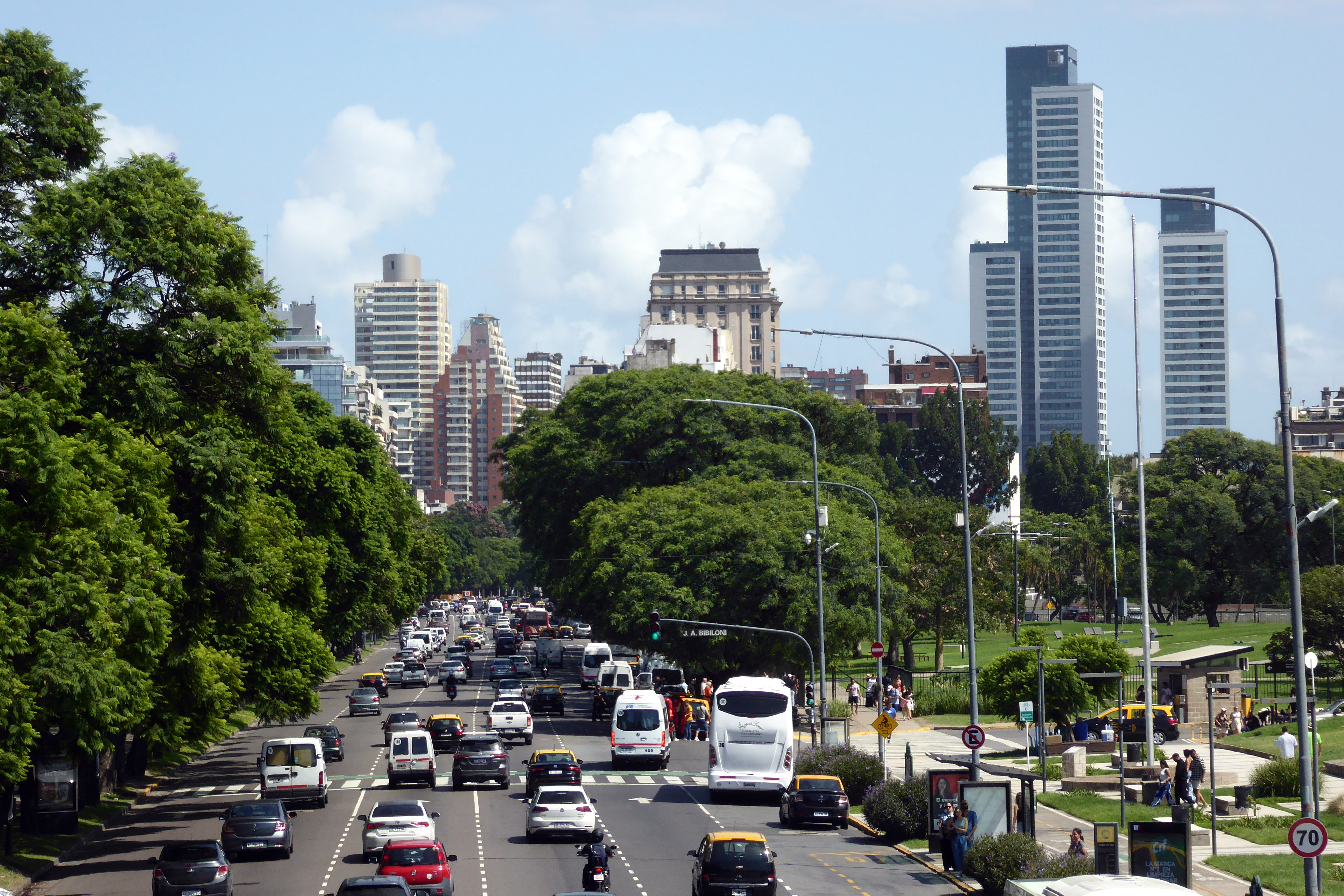
Avenida 9 de Julio (July 9 Avenue) is one of the widest avenues in the world. It has nine lanes with a leafy, gardened median between opposing flows of traffic. It is nearly impossible to cross it on foot on one green light!
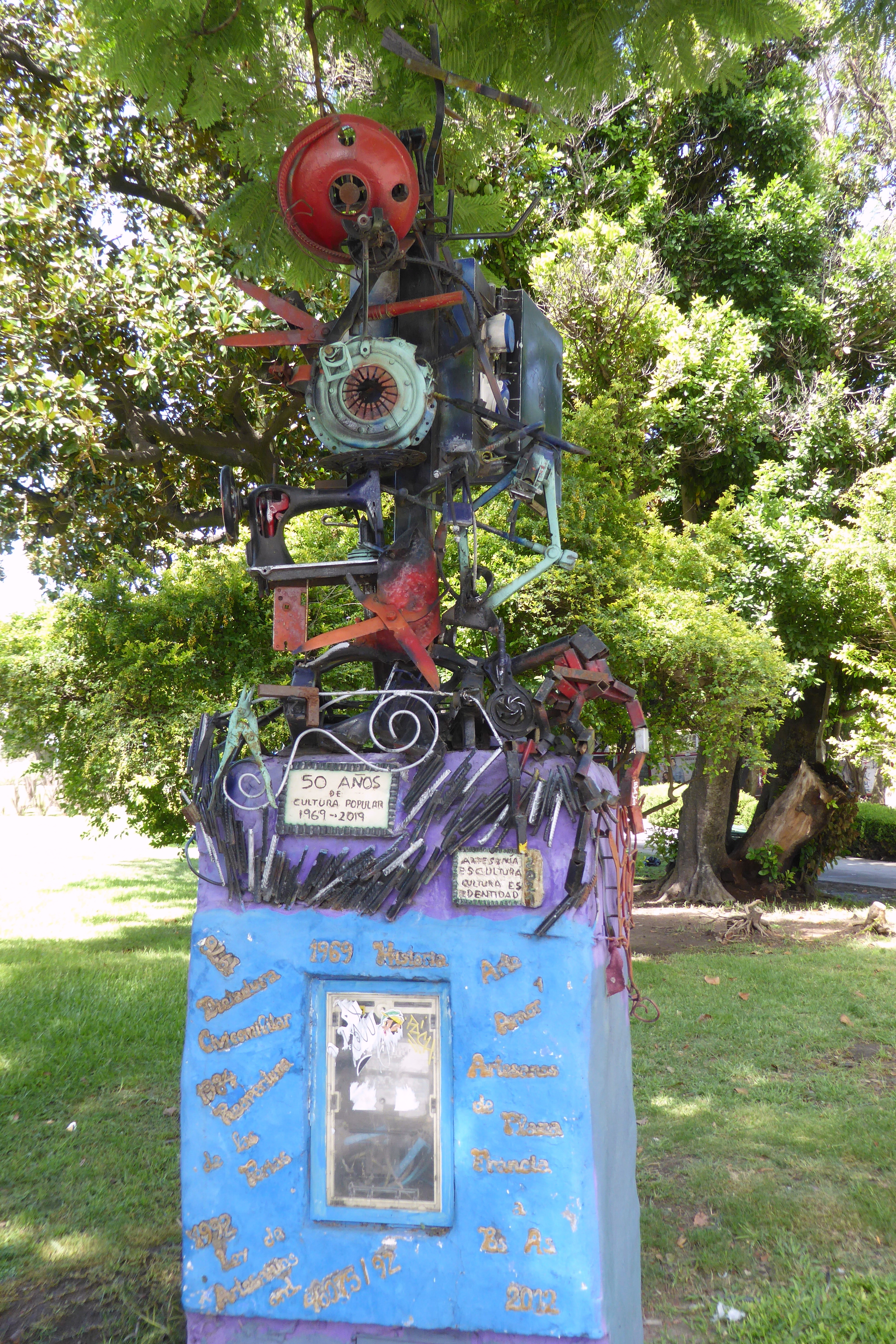
This curious sculpture was in one of the medians
We passed by the French and Brazilian embassies as we made our way through the posh area of the city, in Recoleta.
I was surprised to find these two British-styled phone booths at Placia Francia!
I loved this clever sculpture!
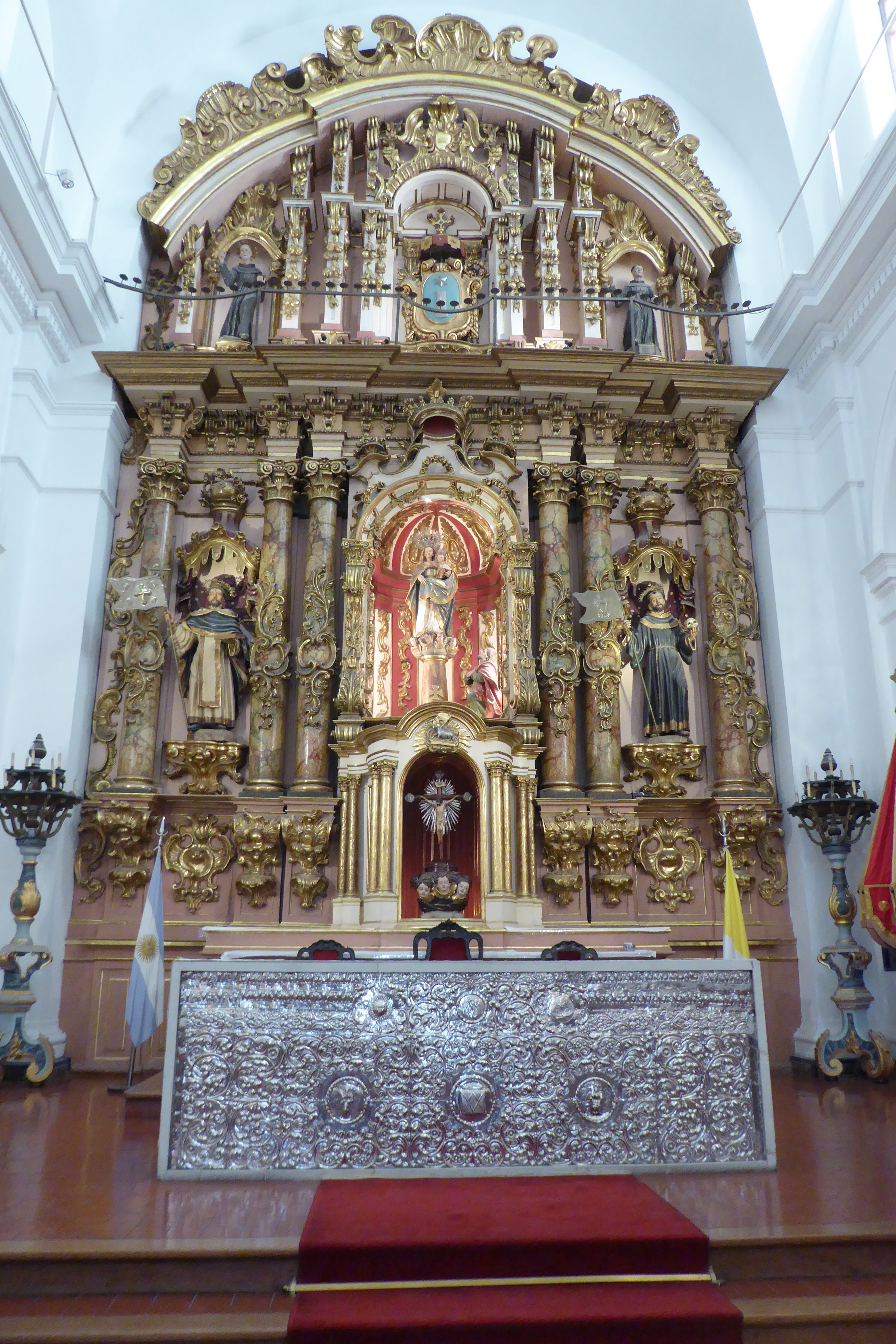
Basilica Nuestra Senora Del Pilar
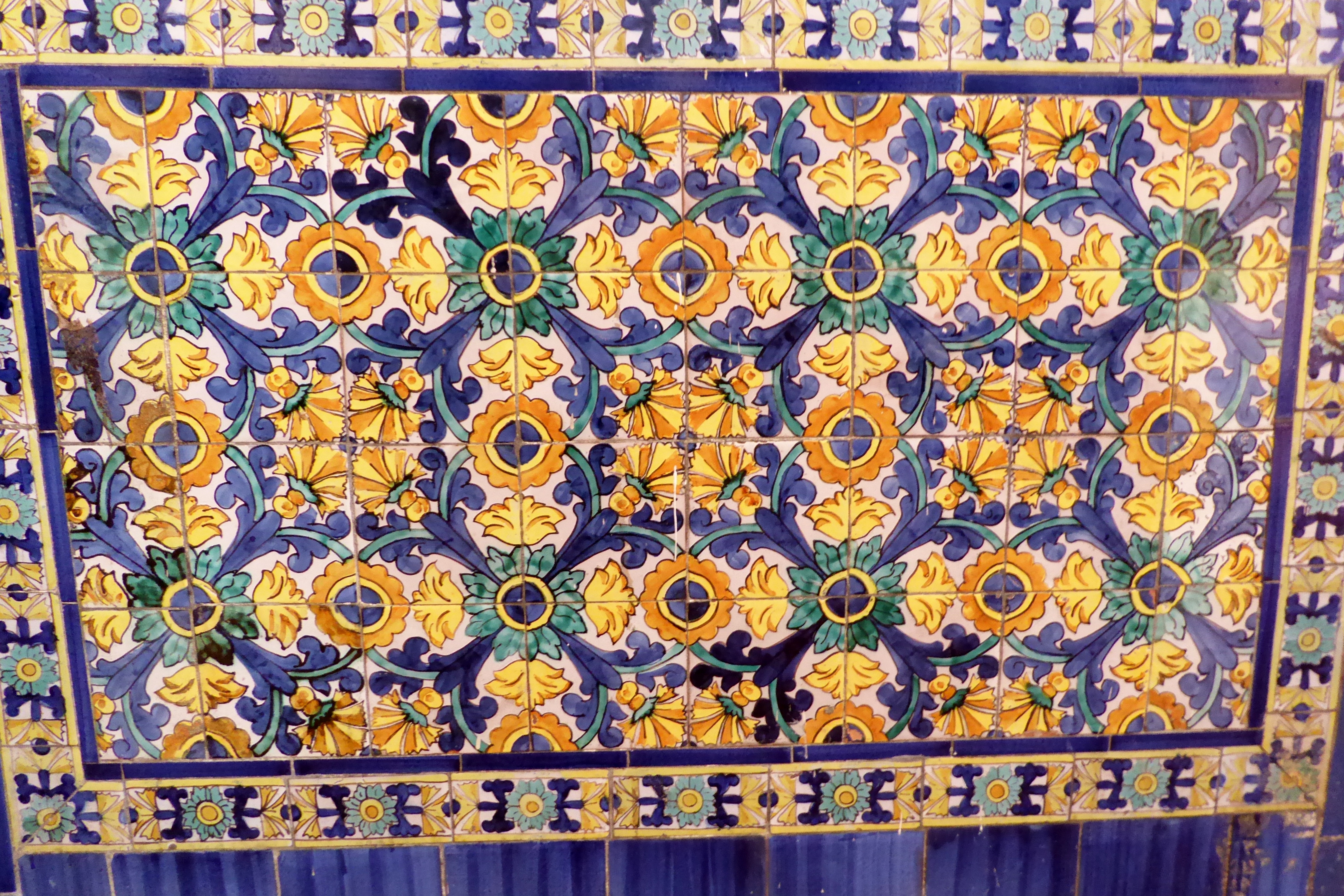
Colorful tiles in the foyer.
This museum was located adjacent to the basilica.
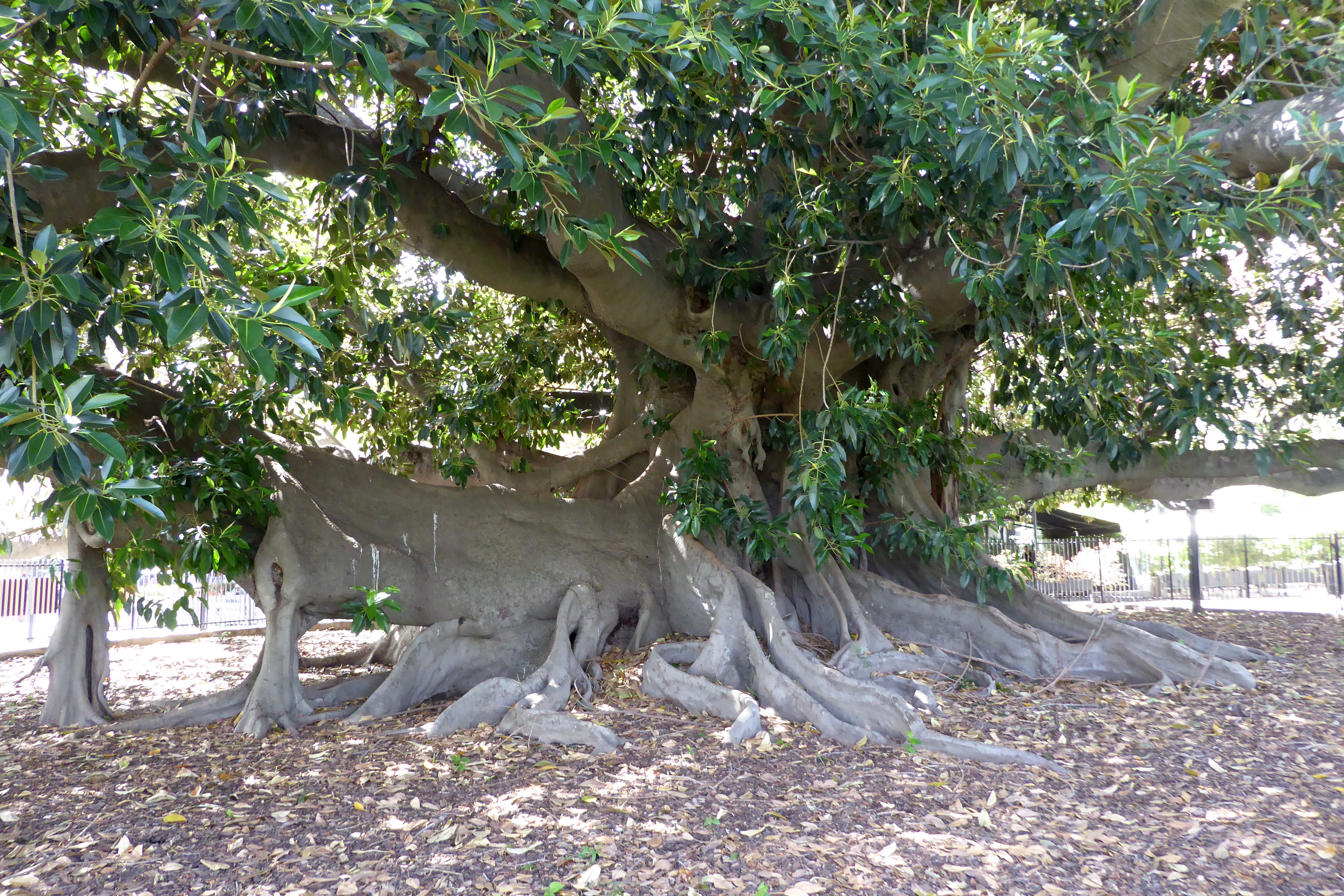
It was summer in Argentina, and the flowers and trees were gorgeous!
We were too early to see the jacarandas in bloom, but the trees were still beautiful!
This professional dog walker had his hands full!

Before our group set out for dinner, we met with Andrea for our welcome briefing.  We learned that throughout our trip, we would be traveling 5,000 total miles, crossing the Andes at an elevation of 4,000 feet, seeing 7 destinations, 1 capital city, 4 national parks, 1 UNESCO site, and 1 natural wonder.  We also enjoyed our first “discovery” of many—a sampling of one of Argentina’s “adult” beverages, a glass of Argentinian wine.  (We soon learned when Andrea announced a “discovery” that a local liqueur, wine, or food was soon to follow.  I love discoveries!)

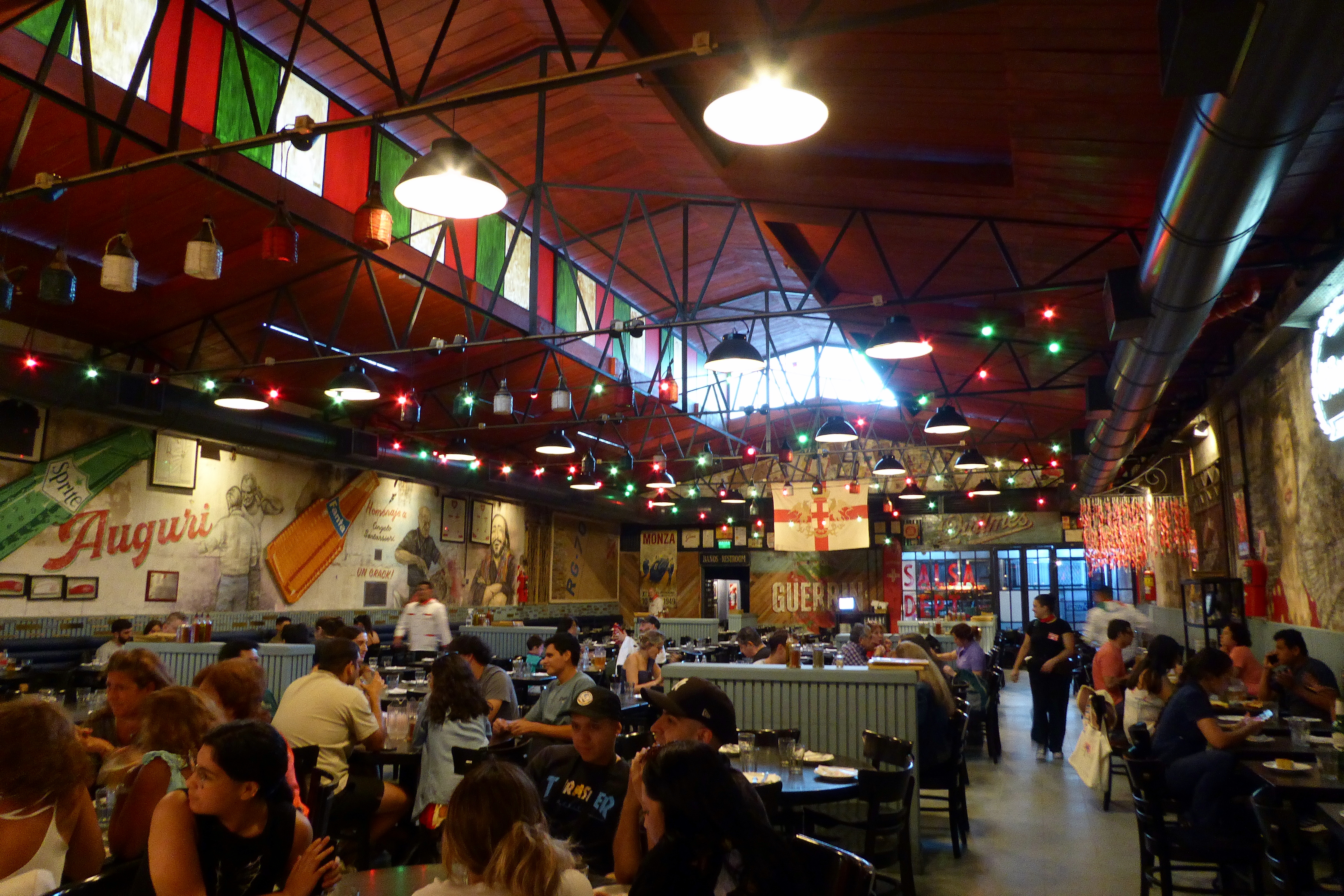
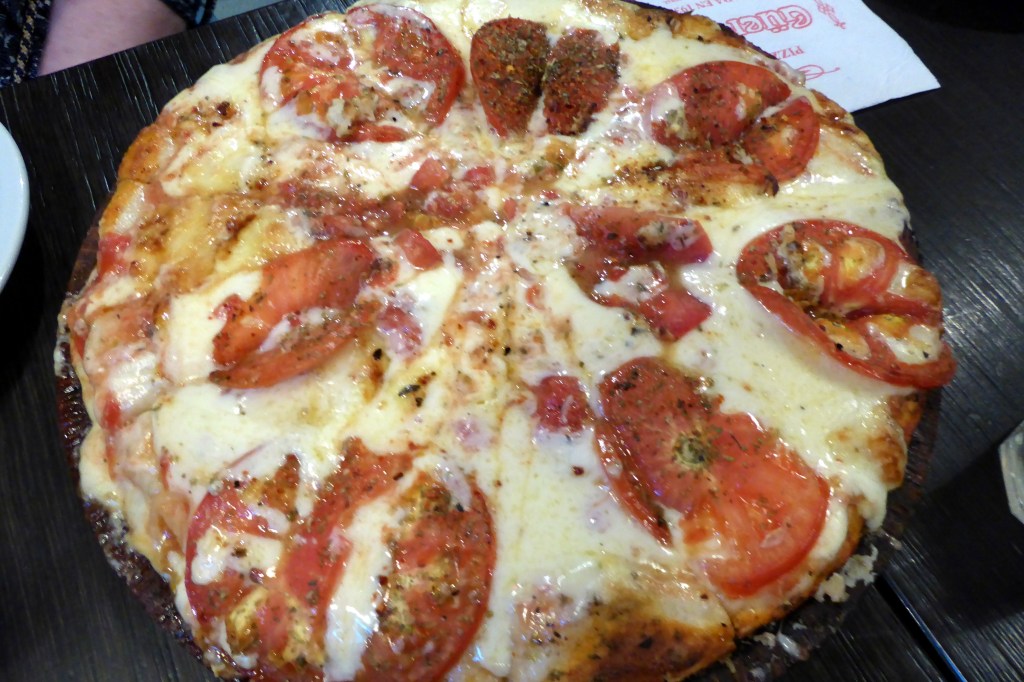
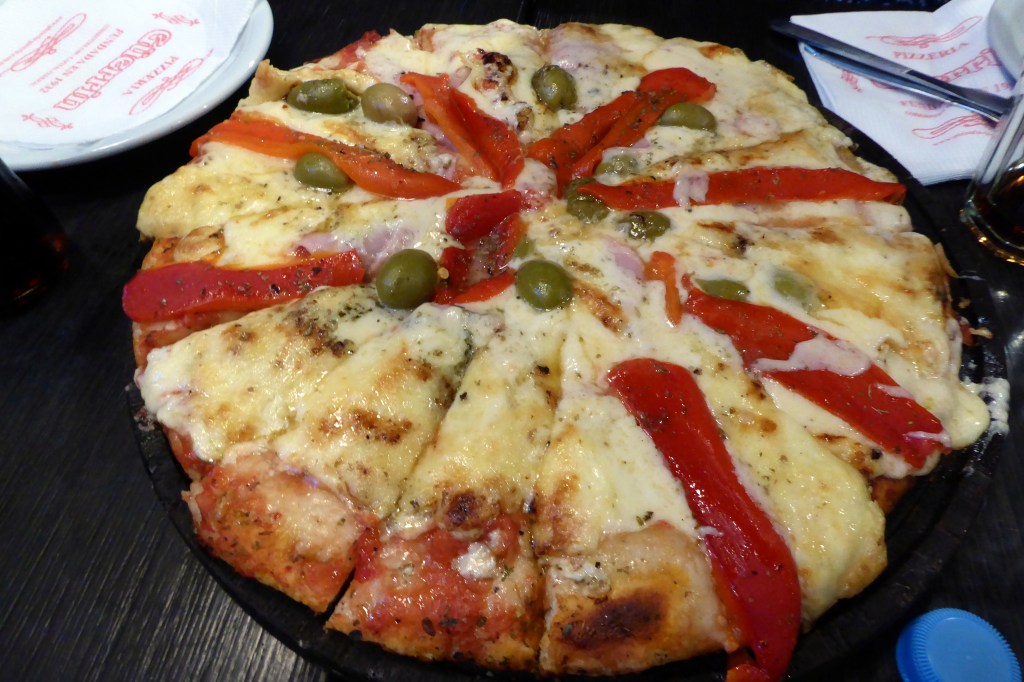
Speaking of discoveries, we all discovered that Andrea was not wrong when she said there was great pizza (and gelato!) in Buenos Aires, thanks to the Italians! Pizzeria Guerrin was muy bueno!

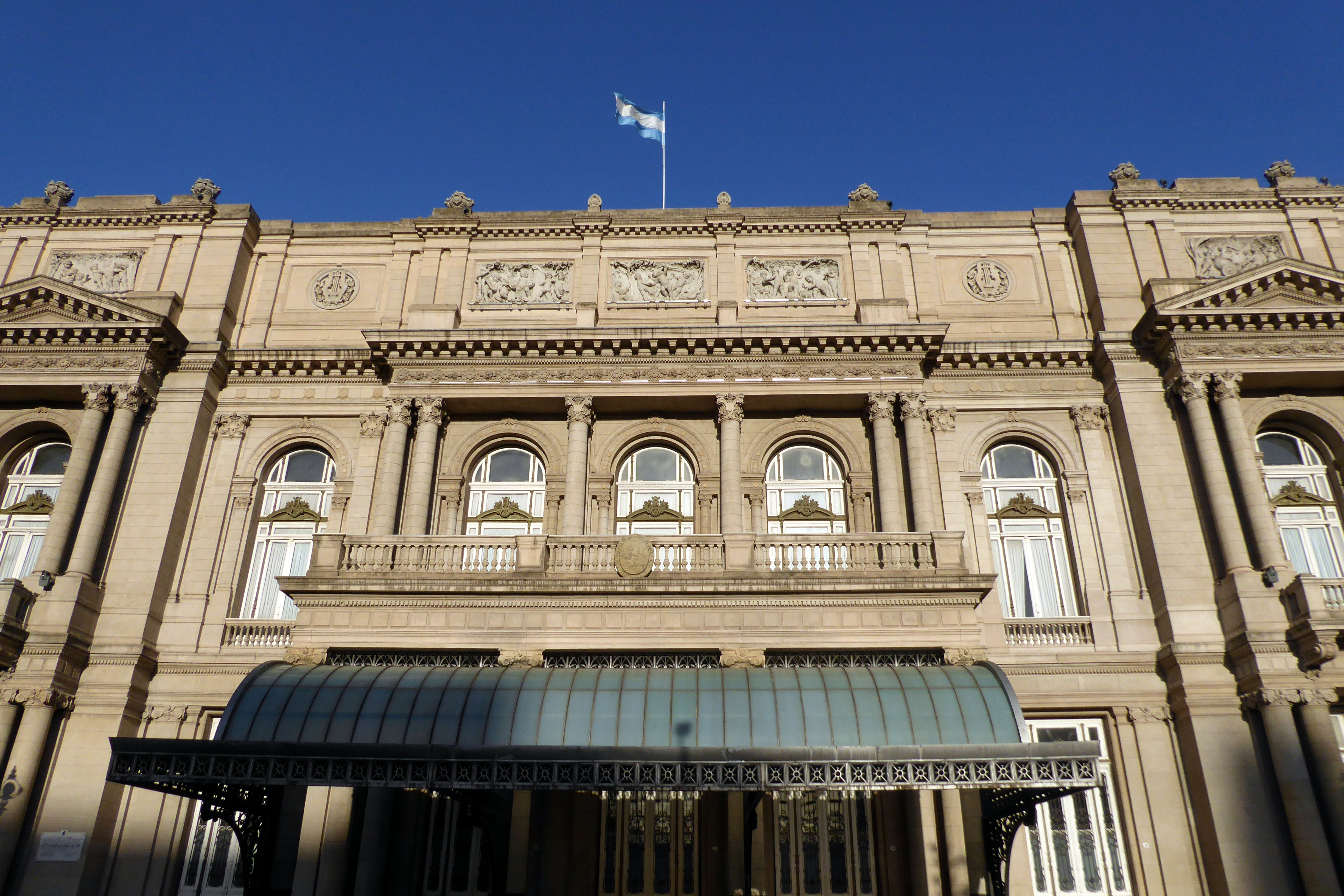
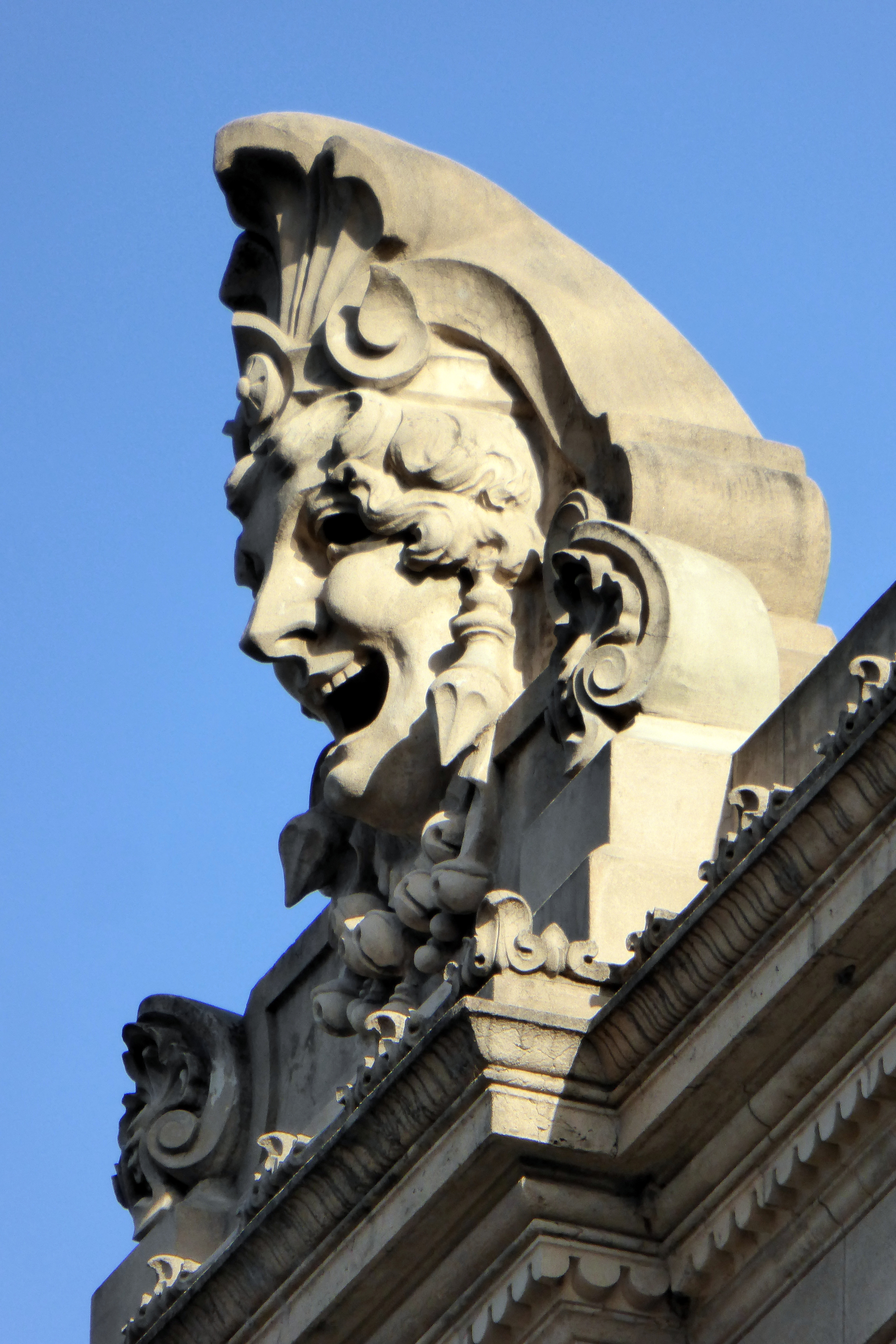
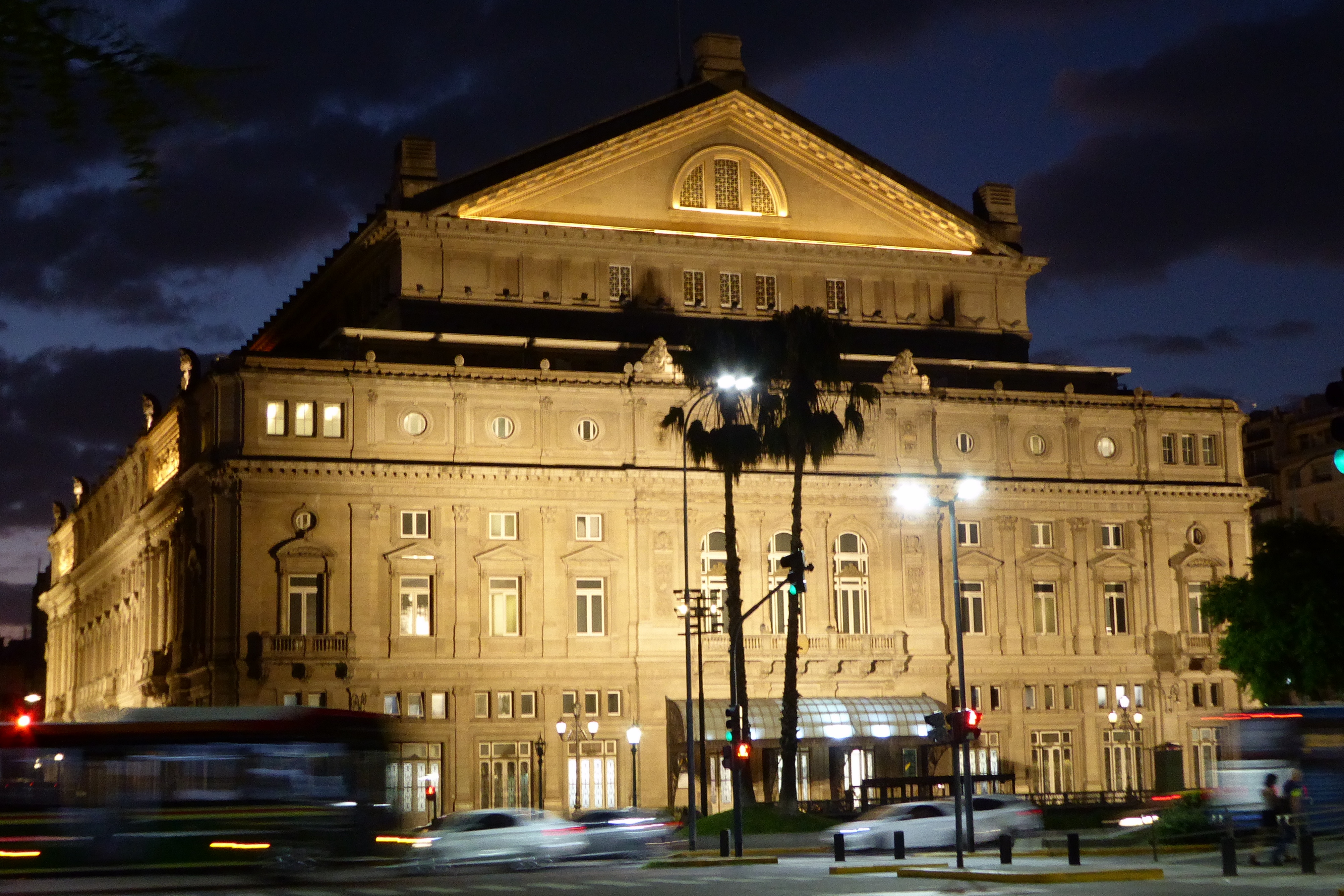
On the way to Pizzeria Guerrin, we stopped to see the world-famous Teatro Colon, considered one of the most important opera houses in the world.
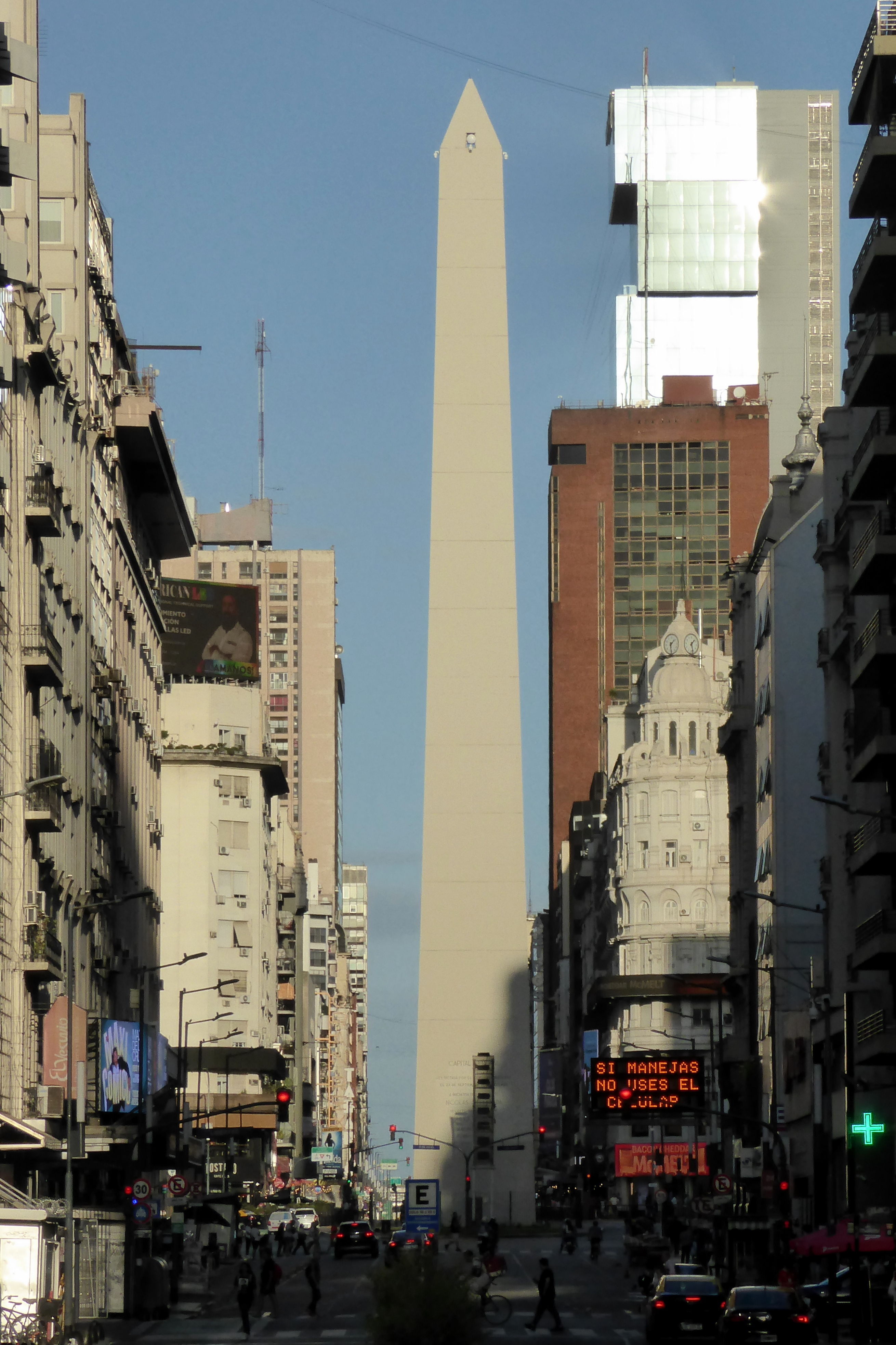
The obelisk of Buenos Aires is a national historic monument and icon of Buenos Aires. It is THE meeting point for political protests and celebrations, including Argentina’s 2022 World Cup victory.
Pizzeria Guerrin, a popular theater district hangout for locals and tourists alike, was a fun and funky place. We passed through several smaller rooms before we arrived at our table in this larger room at the very back of the restaurant.
Their theater district is much like New York’s Broadway.
The Obelisk was lit up colorfully at night.
A night view of the opposite side of the opera house.

Next up:  ARGENTINA & CHILE #3: MORE OF BUSTLING BUENOS AIRES

ARGENTINA & CHILE #1: BEGINNING IN BUENOS AIRES

When Bruce and I were deciding on a destination for our third small group tour with Overseas Adventure Travel (OAT), we wanted to travel somewhere we had never been.  I contacted my fellow travelers from our Italy and Iceland OAT tours to ask them for their recommendations.  There were a few tours that kept popping up in their responses, so we booked those tours for 2024 and 2025—the first being Argentina and Chile.  I had never been to Argentina, so it would be my 72nd country to visit.  And, I had only visited Valparaiso, Chile, and the nearby wine region for a few days before boarding a ship for a cruise, so I wanted to see more.  Bruce had never been to either country.

Before our departure, we had received e-mails (with a cute photo!) from our trip leader, Andrea Salas.  The emails were loaded with great information, sprinkled with humor and colorful fonts, and full of personality.  It struck us both that Andrea was going to be an excellent and fun trip leader, and it was later confirmed during our pre-trip video conference with her on Whatsapp.  What a hoot!  We couldn’t wait to meet her in person.

On Valentine’s Day morning, we arrived in Buenos Aires for a day on our own before joining the group at Argenta Tower Hotel.  Fortunately, there was only a two-hour time difference from Georgia, so jetlag wasn’t an issue; but, lack of sleep on the redeye left us looking forward to a good night sleep.  Until then, we filled the day by getting our Argentinian pesos, taking Andrea’s advice to partake in Argentina’s awesome gelato at Rapanui, and exploring the city.

Argentinean pesos.  Now, that’s a loaded topic—literally.  $100 USD converted into a tall stack of pesos!  Splitting the wad with Bruce, neither of our wallets could close easily.  At the time, we received slightly more than 100,000 pesos—almost all in 1,000-peso notes, worth about $1 each.  (The extra was in 500 notes.)  Try cramming more than 100 bills in your wallet!  At least it was an easy conversion to calculate when pricing an item.  Knock off a bunch of zeros, and you have your dollar amount.

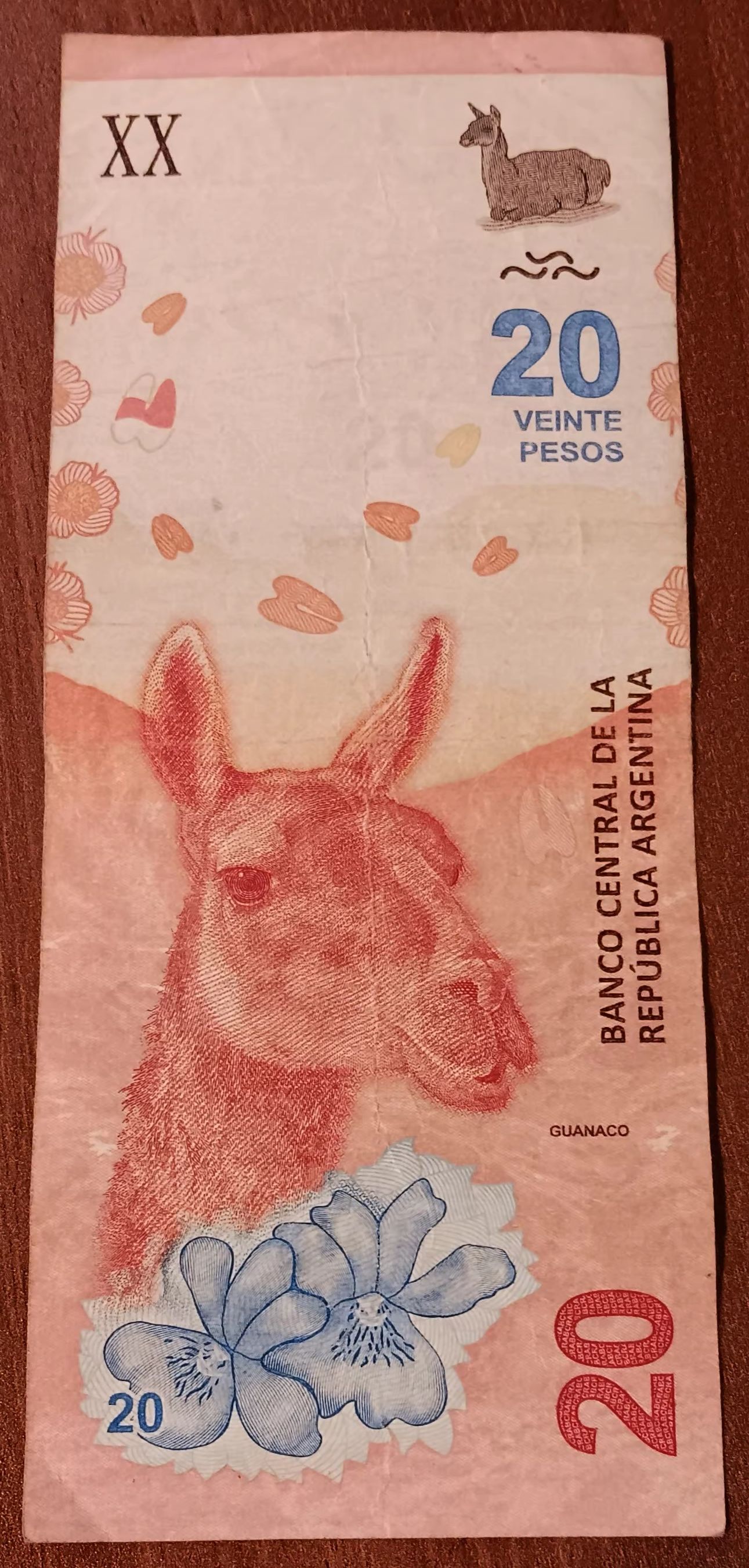
Their currency is quite attractive.  Here is the front and back of a few of their notes.

(For all photos, click on the image for a full screen view.)

This lovely 20 peso note features a guanaco (llama)—we saw a lot of those cuties while on the road.  This attractive note is only worth 2 cents now.  It probably cost more than that to produce it!

What is going on here?  Argentina has been experiencing 200% annual inflation!   You think the U.S. inflation rate is high? Hah!  I will happily accept our 3.1% inflation rate, thank you very much.

As a result of the Argentinean peso’s value, expenses for extras not included with the tour were very low for us.  Take the (amazing!) gelato at Rapanui, for example.  Our medium-sized cup of two scoops (dark chocolate and dulce de leche (carmel) of gelato set us back only $2.60 USD.  Ohhh, and it was sooo good!  (Andrea was spot-on when she claimed Argentinean gelato was just as good—or better—than Italian gelato.  After all, Argentina was settled by a lot of Italians!)

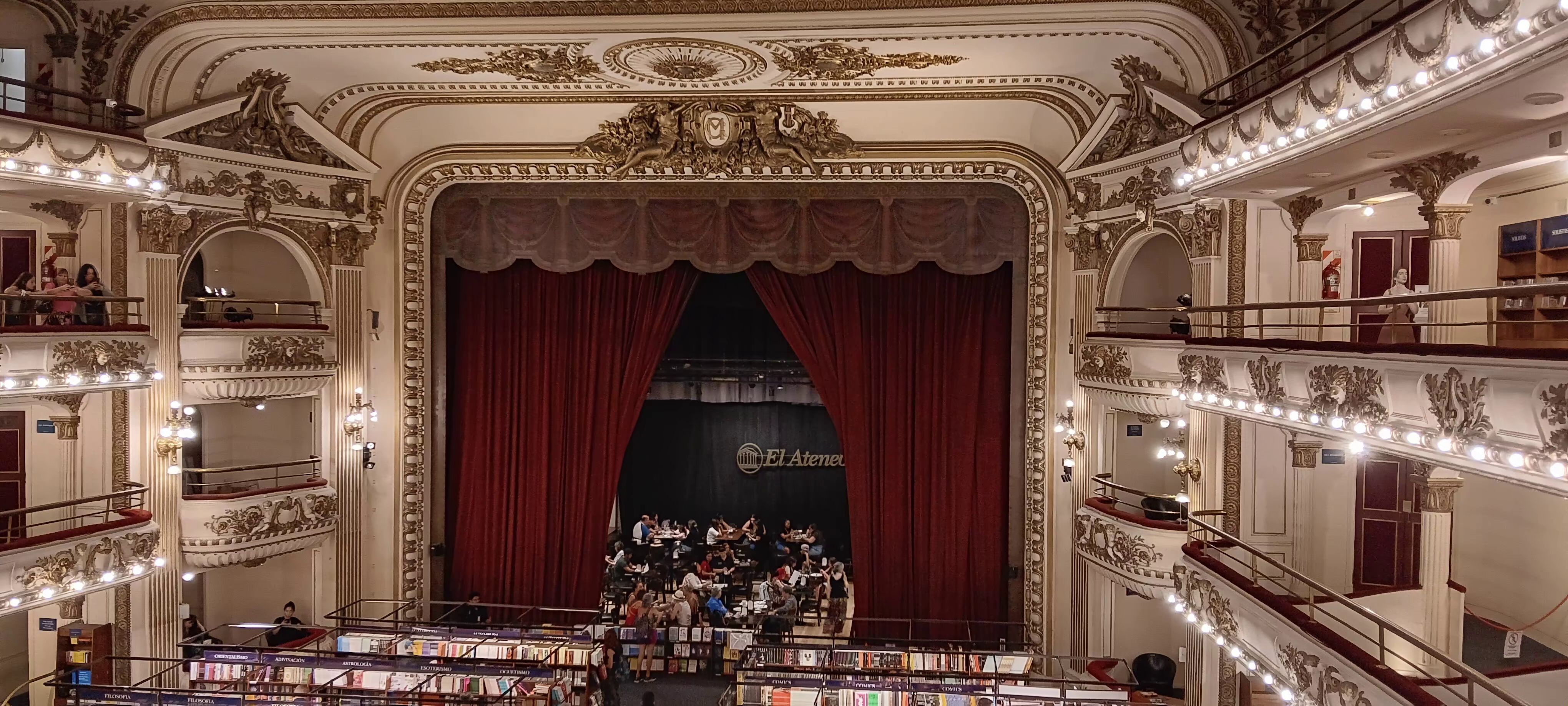
Thoroughly pleased with our first (of many!) Argentinean gelatos, we secured our bulging wallets and headed to the bookstore Andrea recommended visiting.  Now, this isn’t your ordinary bookstore.  El Ateneo Grand Splendid Bookstore, formerly a theater, was gorgeous!

After a casual dinner at a little Argentinean restaurant frequented by locals, we were ready to call it a day.

This was just the first of our three-week adventure, so I have many more posts to come!  Would you like to see more?  Go to my home page at www.ElainesTravels.com, scroll down to the “Sign me up!” button, and enter your e-mail address.  You will receive an e-mail when each new blog is posted.  Rather than reading the post in the e-mail, click on the blog title to read the post at my site for a better experience.  I do not monetize my blog, so you won’t see any dreaded ads!  If you would like to see a larger image of each photo, just click on it to view it full screen, better viewed on a desktop computer!  Although you can unsubscribe from my blogs at any time, I hope you will stick around for more adventures to come.  We have a lot more travel already scheduled for 2024 and 2025! 

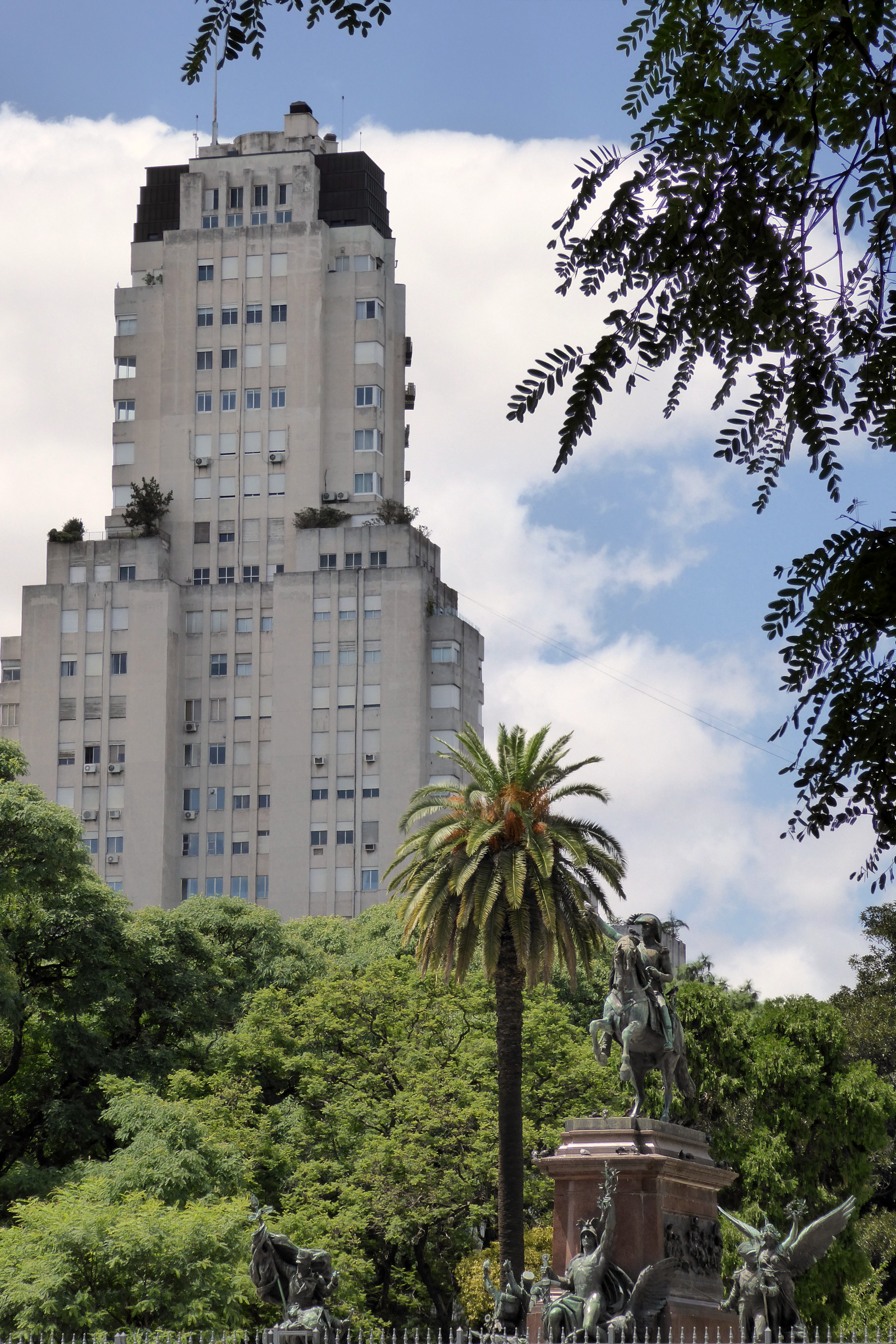
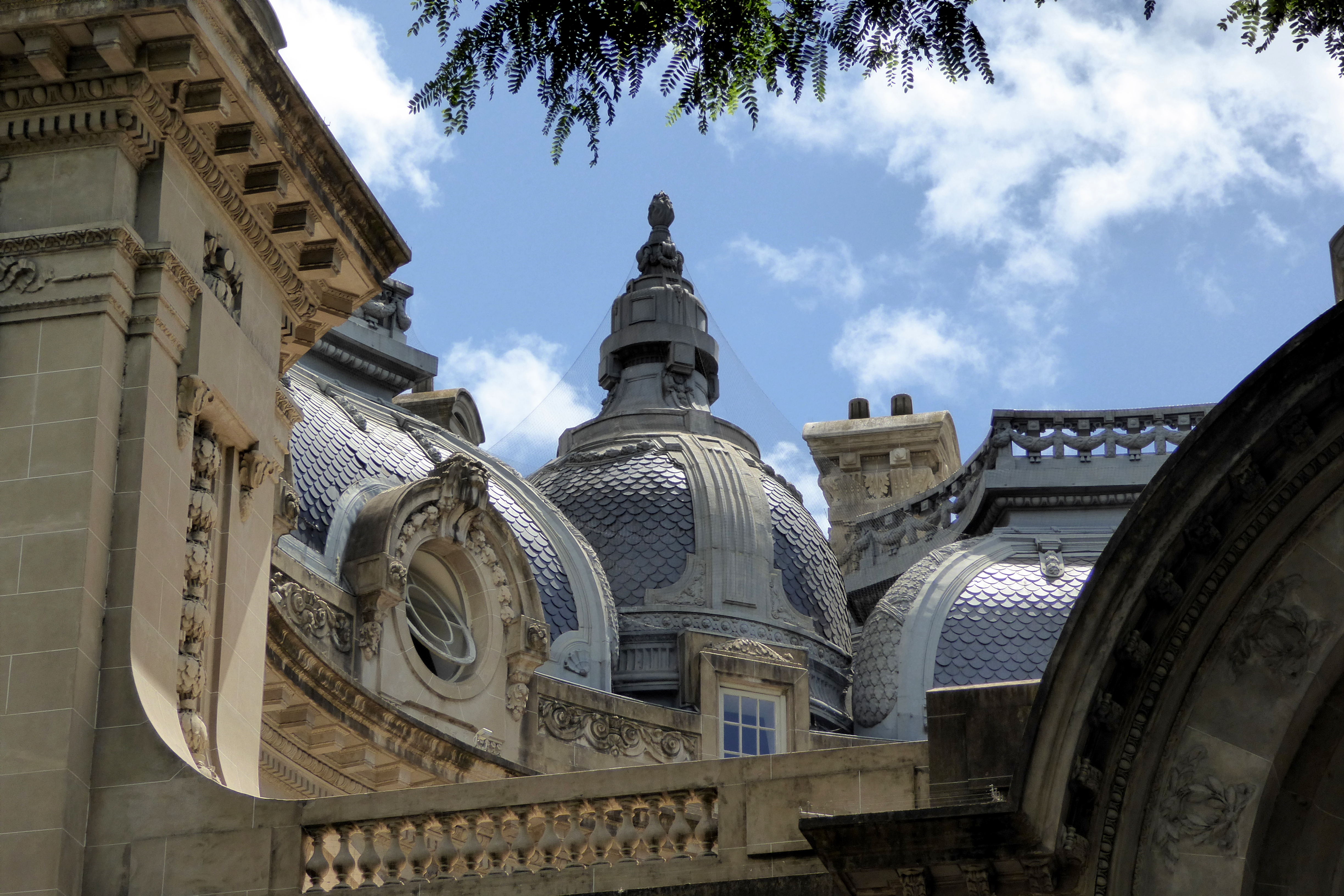
Meanwhile, I will leave you today with a few scenes from near our hotel at San Martin Square.

Located on San Martin Square, Palacio San Martin dates back to 1905.

Coming up next:  Argentina & Chile #2:  Bustling Buenos Aires

ICELAND #16: A SLIDE SHOW

To see a slide show (full screen) of my Iceland photos from our Overseas Adventures small group tour of Iceland, in July, 2023, click on “copy link” in the upper right hand corner of the YouTube screen and paste it in a your URL (where you would type in a website). You can view it full screen by then clicking on the open square symbol in the lower right hand corner of the YouTube window, which will expand it to full screen.

If small group travel is of interest to you, I highly recommend Overseas Adventure Travel (OAT). Although Bruce and I travel together, they do not charge a single supplement for those who travel on their own. Singles also get their own room at hotels. If you book, you can get $100 off your trip by providing my name and customer number (Elaine Krugman, #3018126) as the person who referred you. I will also get $100 off future travel– a win-win!

ICELAND #15:  BASKING IN THE BEAUTIFUL BLUE LAGOON

If you were to ask somebody what tourist activity comes to mind when they think of Iceland, visiting the Blue Lagoon would probably be on their short list.  Trip Advisor has 19,660 reviews posted as of this writing, so it’s a popular place!  Some would call it a tourist trap, but our Overseas Adventure Travel tour visited the lagoon on our last full day in Iceland, and we thoroughly enjoyed it!

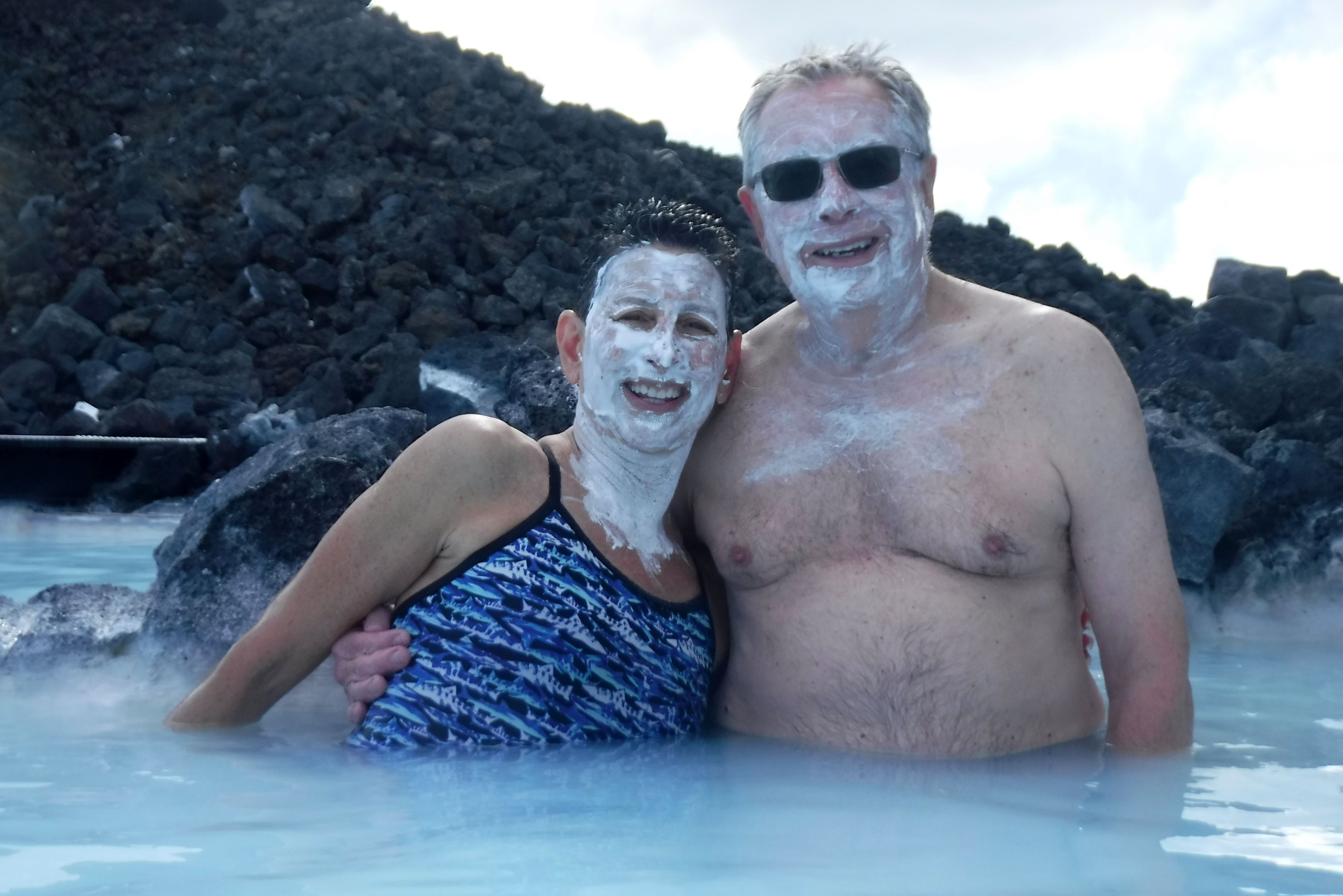
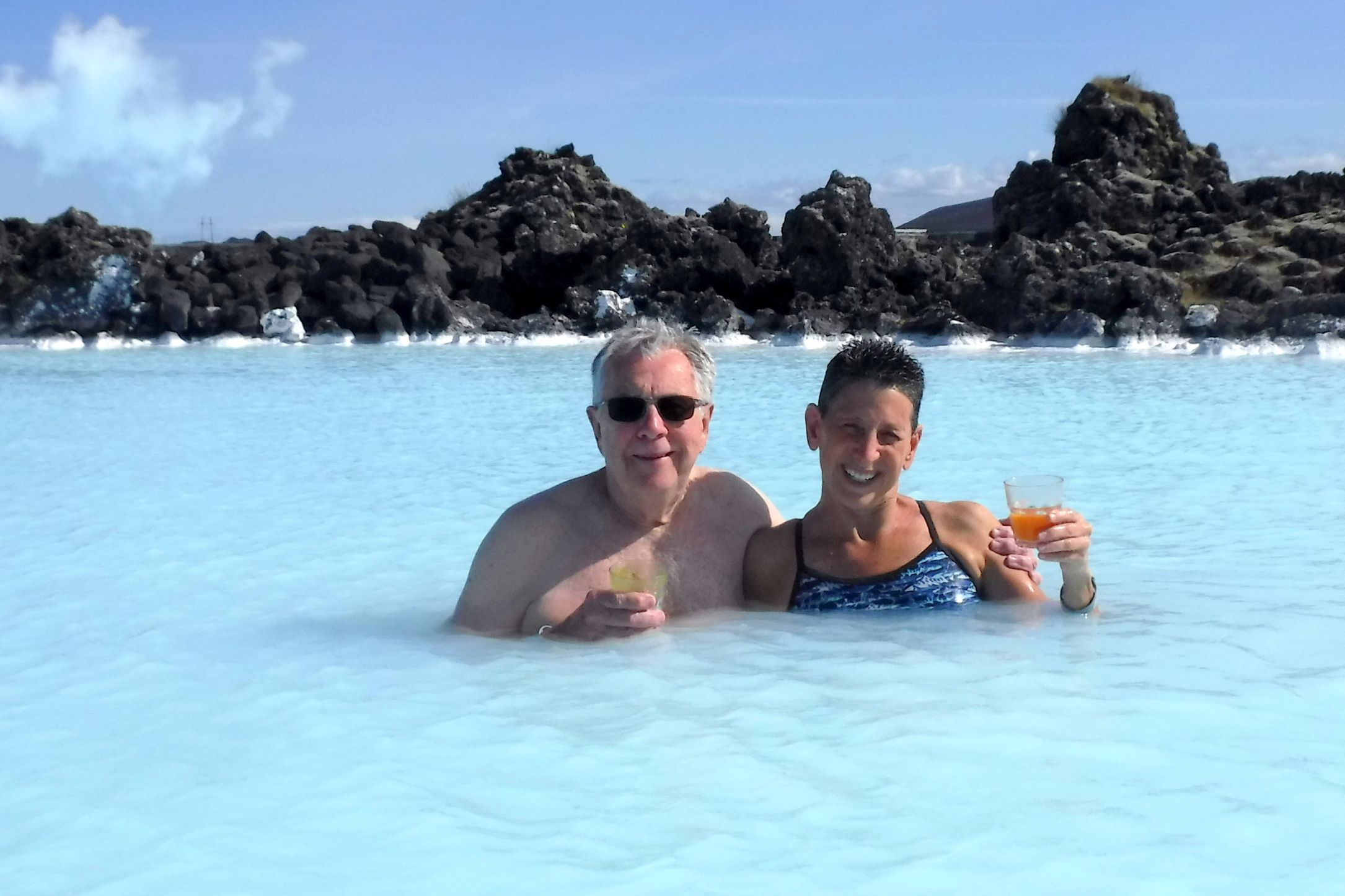
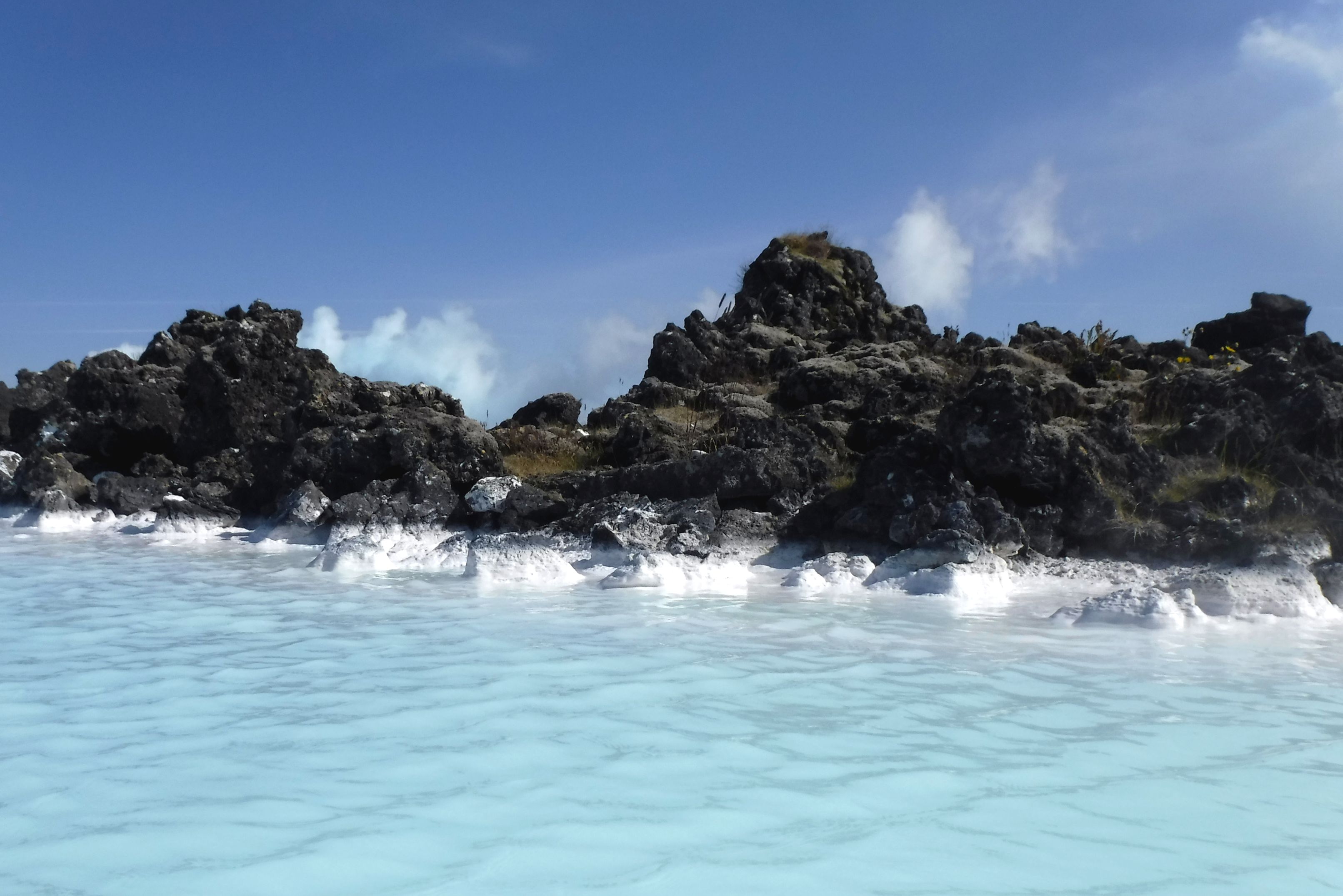
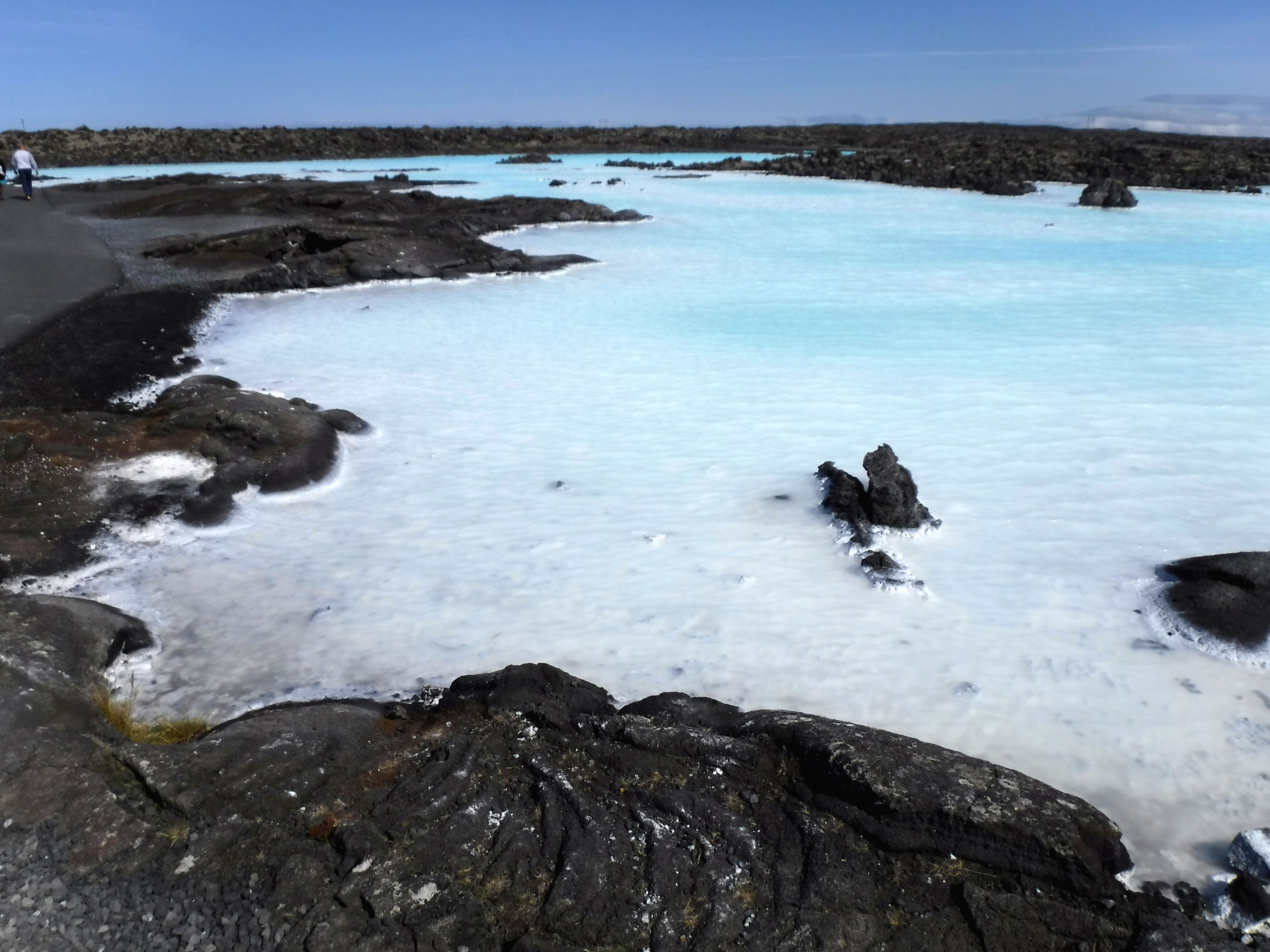
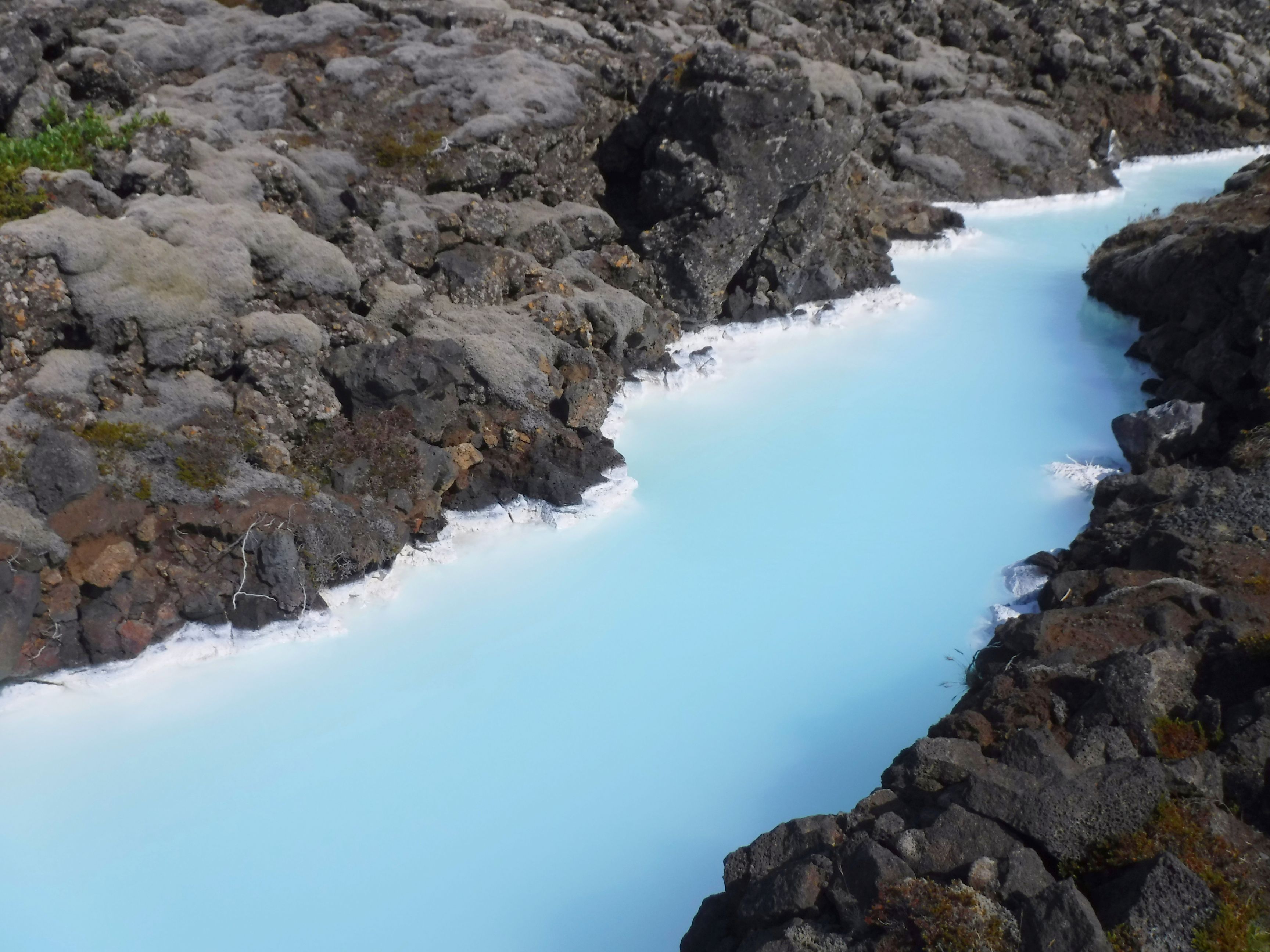
Located in Grindavik, not far Keflavik International Airport, the large geothermal lagoon is rich with silica, minerals, salts, and algae, giving it a beautiful milky-blue color.  The water is comprised of 70% sea water, 30% fresh water and maintained at a steady 100 degrees Fahrenheit.  Included with the basic package is a silica mud mask and a drink at the swim-up bar.

The lagoon is located in the middle of a lava field and near the Svartsengi geothermal power station; so, the heated water from the power station supplies the lagoon. 

Somehow, after exiting the locker room showers and entering the large and crowded lagoon, I managed to find Bruce as well as other members of our group.  I had brought my waterproof camera into the lagoon with me, so we all decided to begin our spa experience with the mud mask for some fun photos.  What a scary looking bunch!

There wasn’t enough time to check out the restaurants, hotel, spa, gift shop, hot-pots, steam rooms, sauna, or even the waterfall that provides a hydraulic massage.  Darn, that would have been awesome!  Time went by so fast, we had to leave before we knew it.  Too bad, because we found the experience to be quite enjoyable and relaxing.  As an extra bonus, we left with very soft skin!

On the way back to the bus, we had just enough time to stroll the walking path through the geothermal pools that were located adjacent to the parking lot. 

Upon our return to the hotel, we had to say goodbye to Haflidi, our bus drive. We’ll miss you!

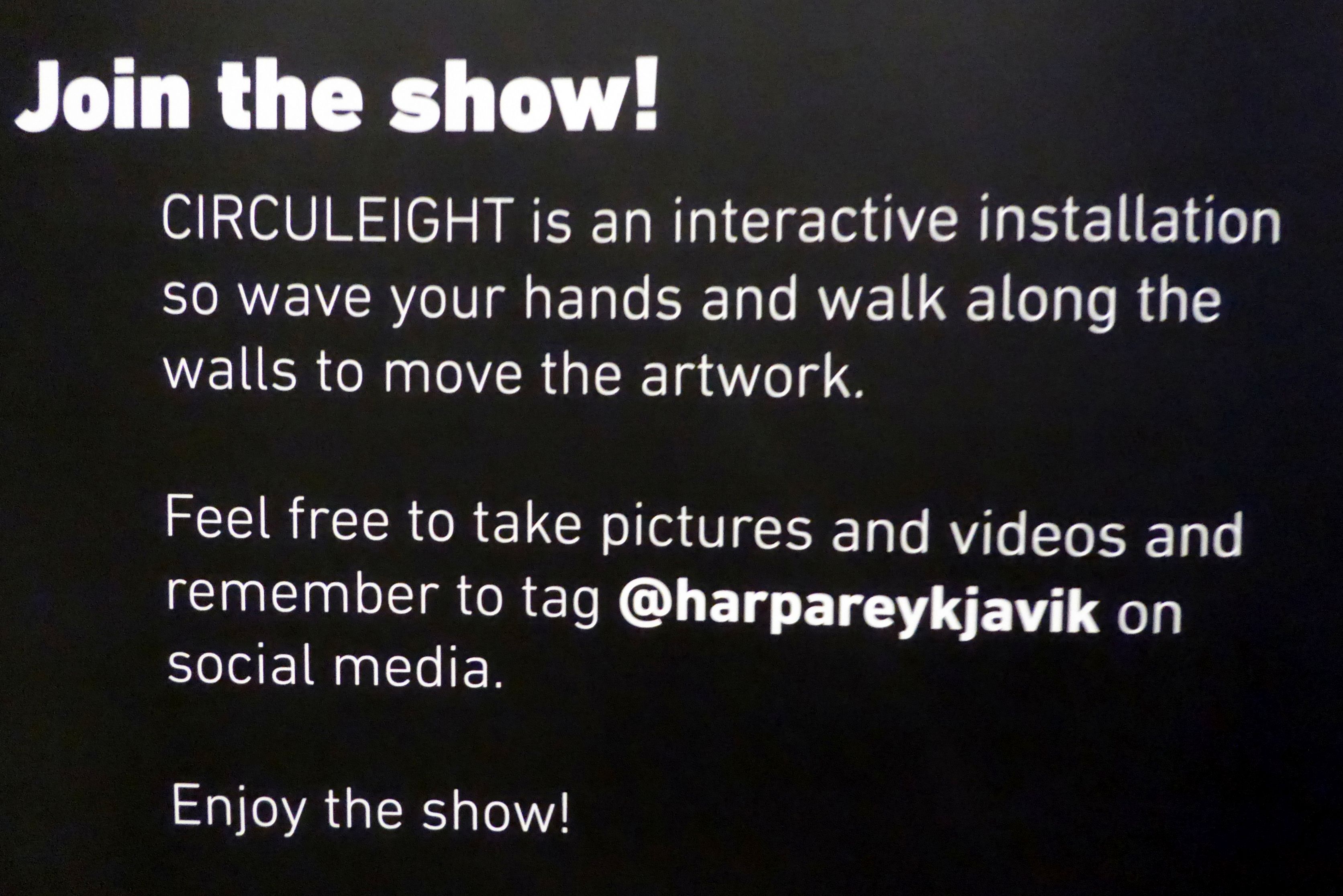
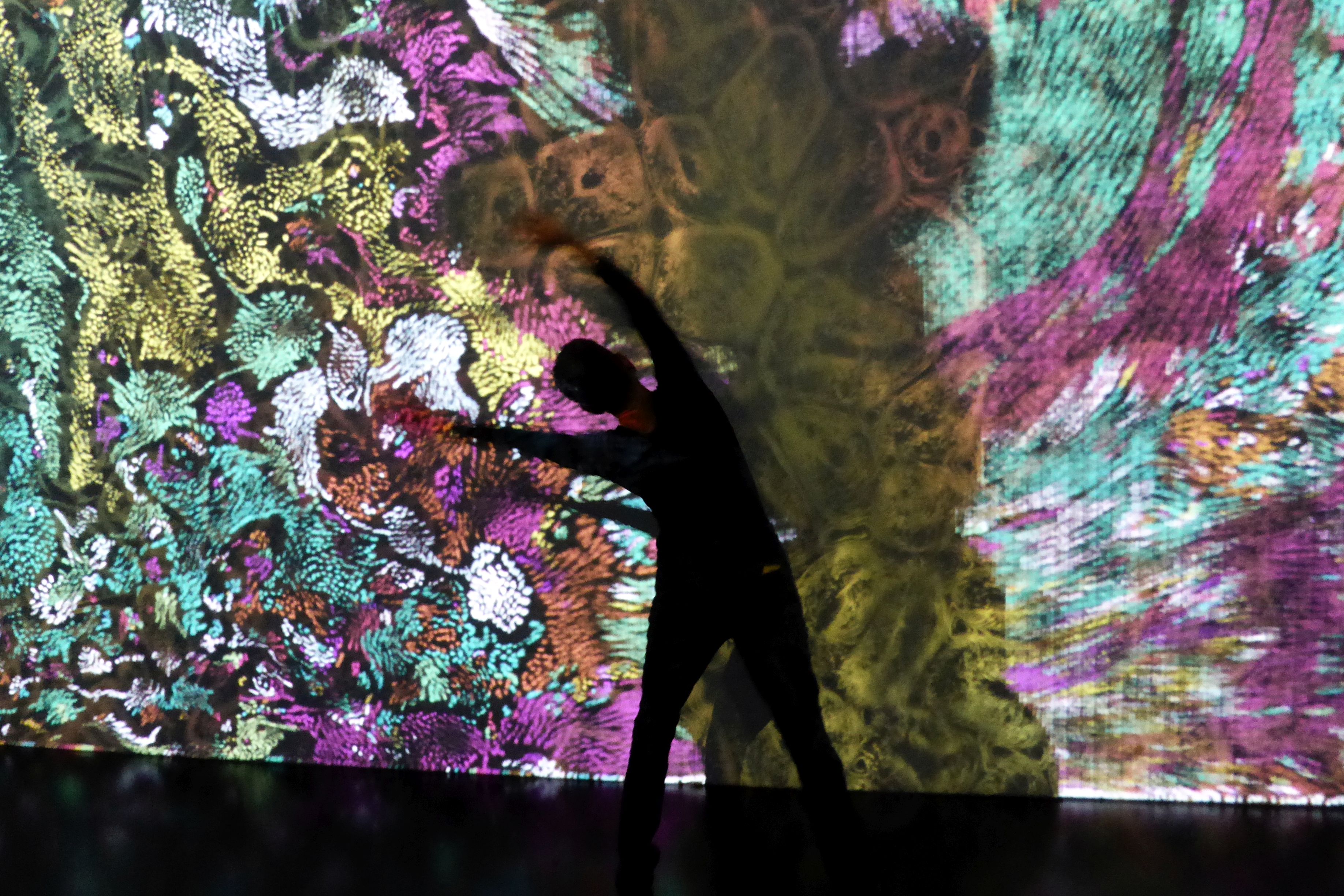
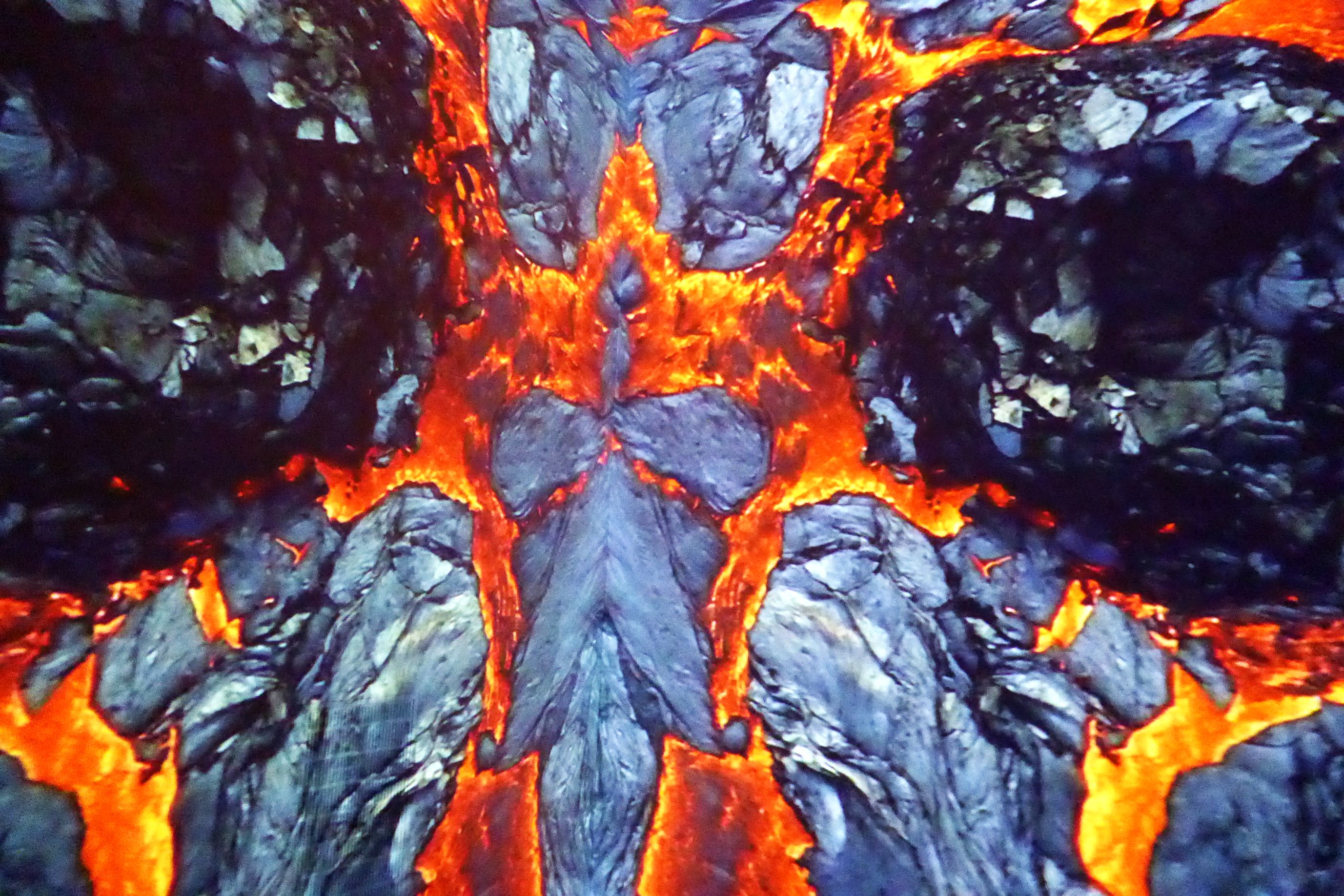
We were fortunate our last day in Reykjavik was so beautiful.  We spent our free time in the afternoon walking the city, doing more photography at Harpa (which I shared previously) and seeing Circuleight, an interactive installation.  Their website describes it as, “Circuleight features designs and real-time interactive visuals inspired by eight elements:  lava, basalt, glacier, water, flora, algae, microorganism and volcanic gas.”

The music was an original score by renowned Icelandic composer, singer and songwriter Hogni Egilsson

The best part of the experience was having the entire room to ourselves for much of our time in there!  We ended up staying and watching a repeat of the 20-minute program, shooting video, and taking still photos.

Check out these short videos of me and Bruce, and you can see how the patterns followed us across the room:

What a fun way to wrap up our visit to Reykjavik! 

During our walk around the city, we reflected on our experiences in Iceland and all the wonderful sights we were so fortunate to see.  After so many years of wanting to see this amazing country, I am happy to say it was so much more than I hoped it would be.

Our last day in Iceland was gorgeous!

Our tour concluded with a lovely farewell dinner with the group, and Thorunn reviewing all we had seen throughout our time together. 

The following morning, we flew to Edinburgh, Scotland, the subject of my next blog series.  Stay tuned!

Coming up next:  Excited to See Edinburgh!

Note: If small group travel is of interest to you, I highly recommend Overseas Adventure Travel (OAT). Although Bruce and I travel together, they do not charge a single supplement for those who travel on their own. Singles also get their own room at hotels. If you book, you can get $100 off your trip by providing my name and customer number (Elaine Krugman, #3018126) as the person who referred you. I will also get $100 off future travel– a win-win!

ICELAND #14:  A GEOTHERMAL POWER PLANT AND OPEN-AIR MUSEUM

The day began with a drive out to a town with a very long name: Hellisheidarvirkjun.  Don’t ask me how to pronounce it; I’m lucky if I can spell it correctly!  Here, we visited a geothermal power plant and saw an exhibition with a much simpler name:  ON.  (Actually, that’s an acronym for “Orka Natturunar.”).

We learned from our guide that only 15% of power plants in Iceland are owned by private companies; the government owns the rest.  The country runs 100% on renewable energy (geothermal and hydropower), making it one of the greenest countries in the world. 

It was interesting to learn how geothermal steam is used to produce electricity.  Iceland is fortunate to have such an amazing natural resource!  But, it was the oil crisis of the 1970’s that motivated them to take advantage of this resource and build geothermal power plants to harness this energy.

To give you an idea of how economical geothermal energy is for the consumer, it costs 0.10 -0.12 (U.S.) per unit.  For comparison, fixed rate plans where I live are running about .65 per unit and up.

Homes in Reykjavik do not need water heaters; the water comes hot directly from the plant via insulated pipes that carry the water 15 miles from the plant to their homes. 

I was surprised to hear that just 17% of the energy produced in Iceland is taken up for residential use.  Industry uses the rest – especially aluminum smelters.  They import boxite from Australia to smelt aluminum, and then export the aluminum to Germany.  Hmmm…

After hearing a presentation about how geothermal energy is produced, we had free time to see the exhibits.

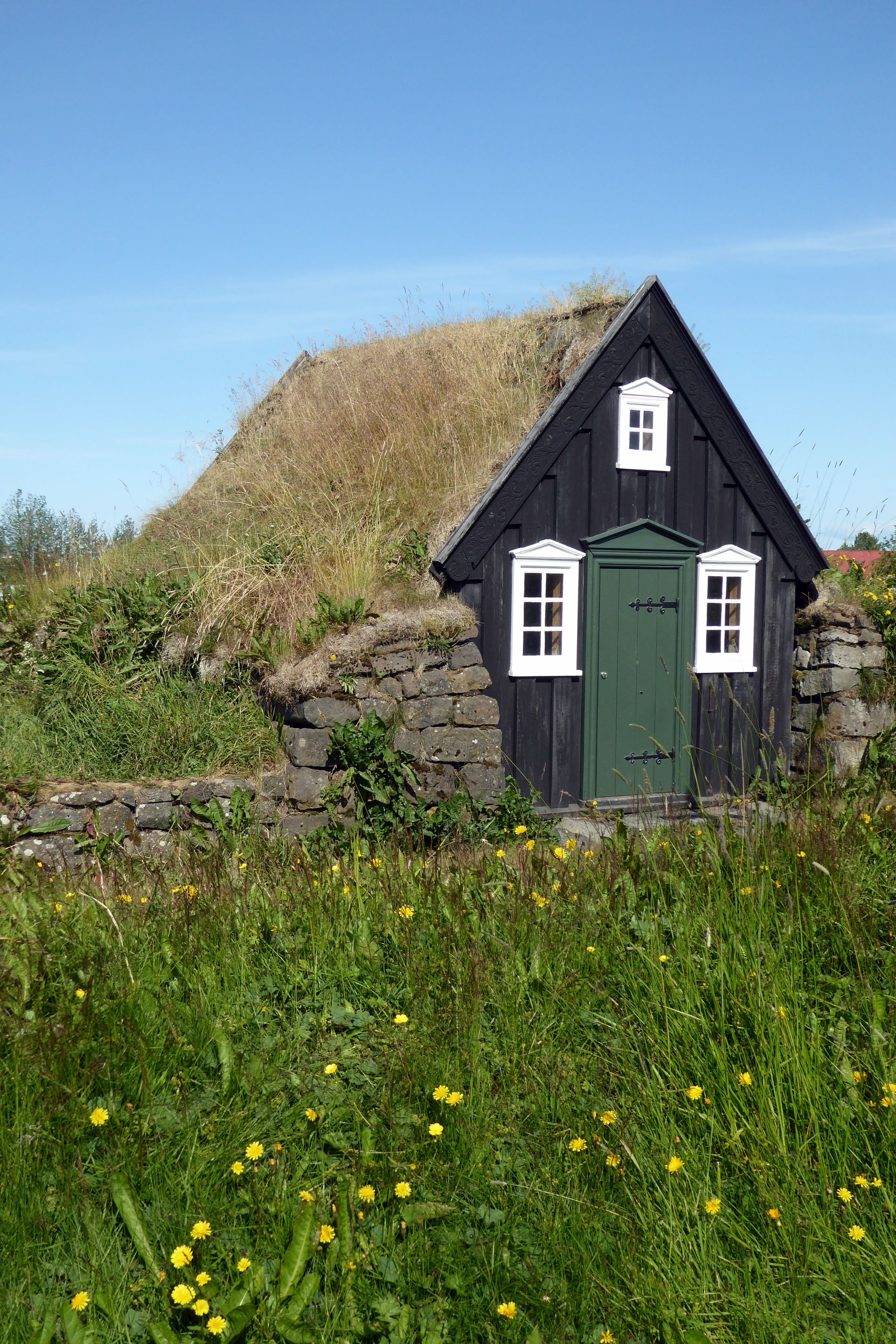
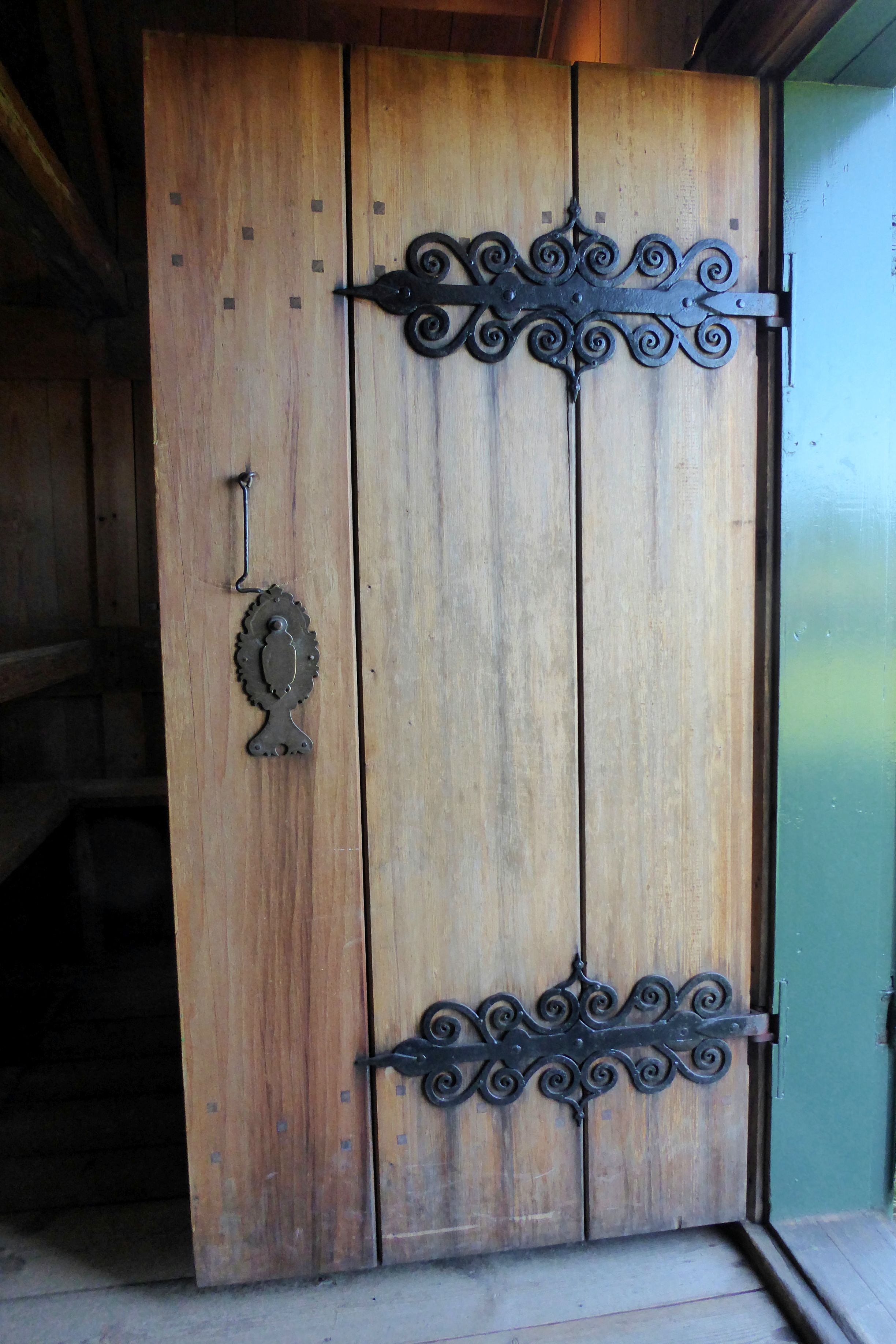
Our next stop was to tour the Arbaer Open-Air Museum.  Here, we learned about the living and working conditions of Icelanders in the past.  Notice how these turf houses were very short with low roofs.  They were built this way to save money, because wood was very expensive.  How unfortunate for those who were tall!

(For all pictures, click on the image to see full screen view.)

Next up: Basking in the Beautiful Blue Lagoon

Note: If small group travel is of interest to you, I highly recommend Overseas Adventure Travel (OAT). Although Bruce and I travel together, they do not charge a single supplement for those who travel on their own. Singles also get their own room at hotels. If you book, you can get $100 off your trip by providing my name and customer number (Elaine Krugman, #3018126) as the person who referred you. I will also get $100 off future travel– a win-win!

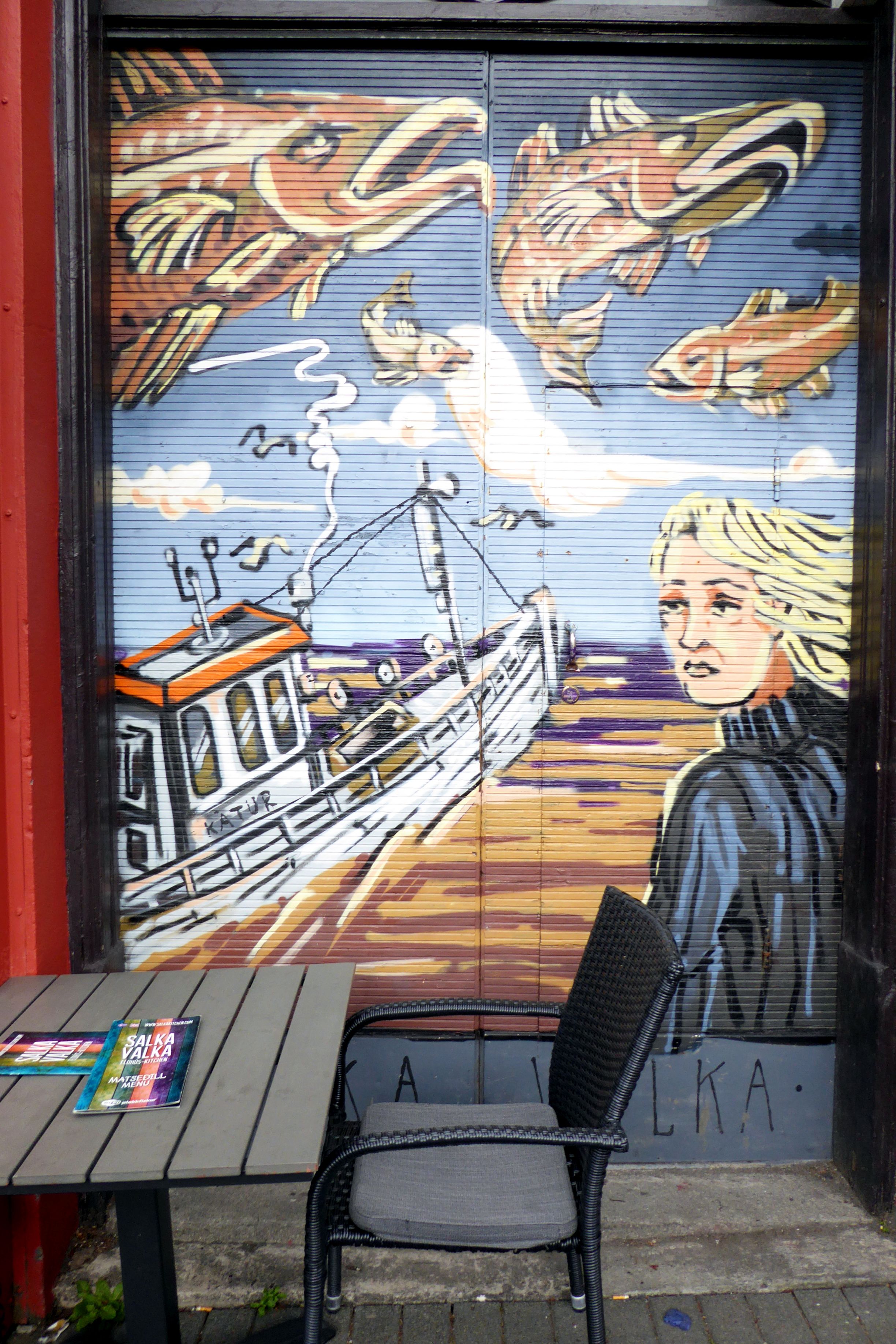
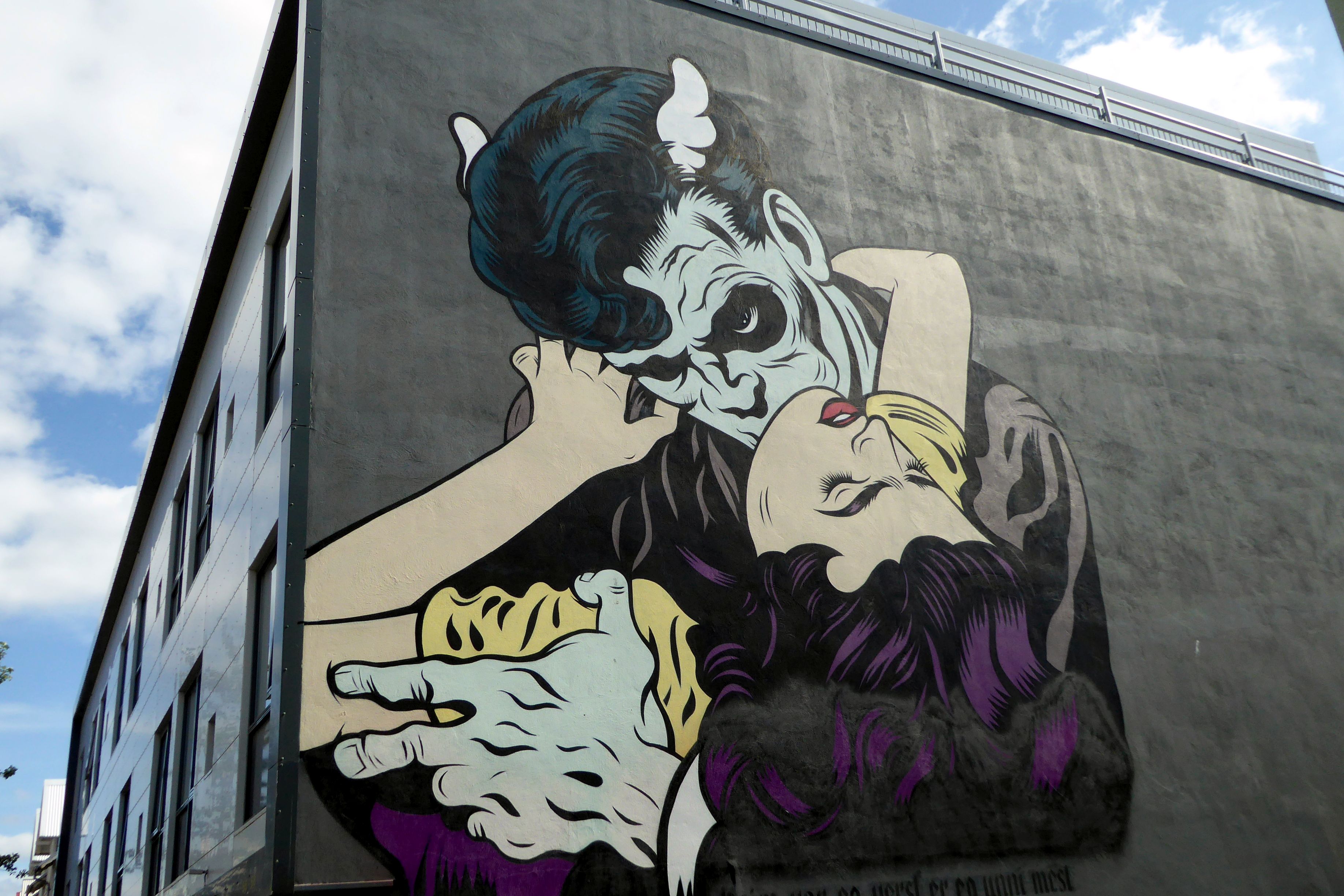
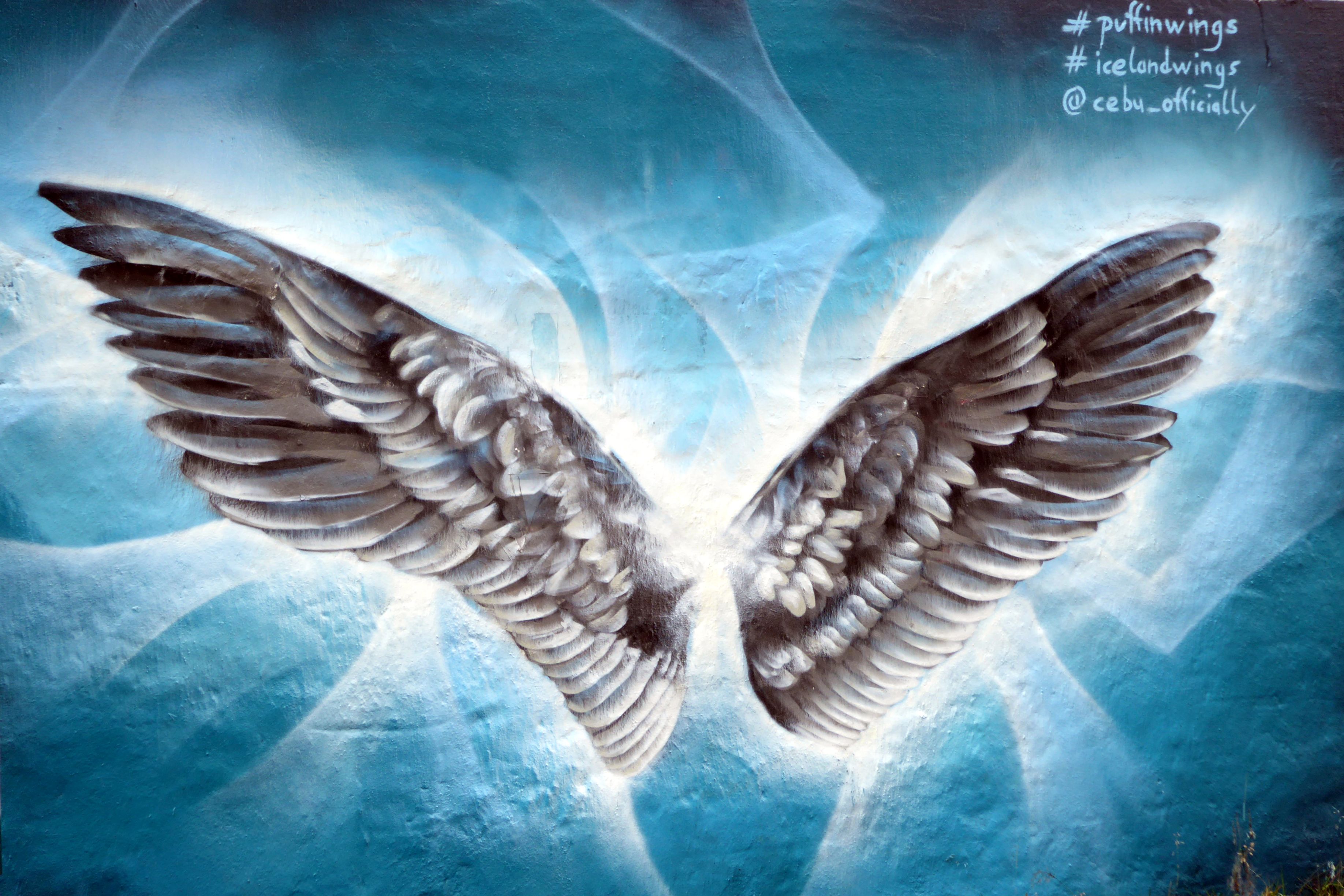
ICELAND #13:  MEMORABLE MURALS OF REYKJAVIK

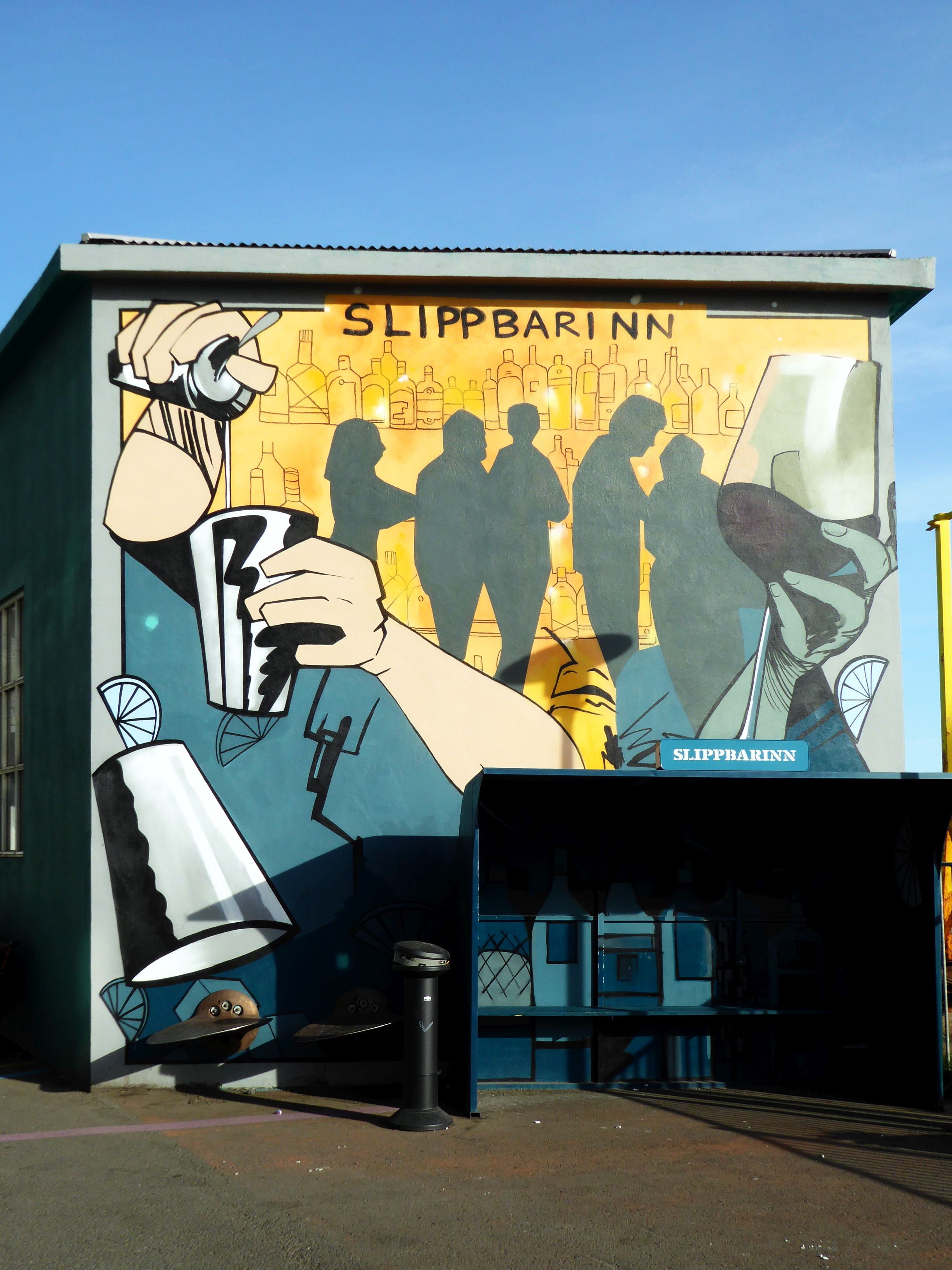
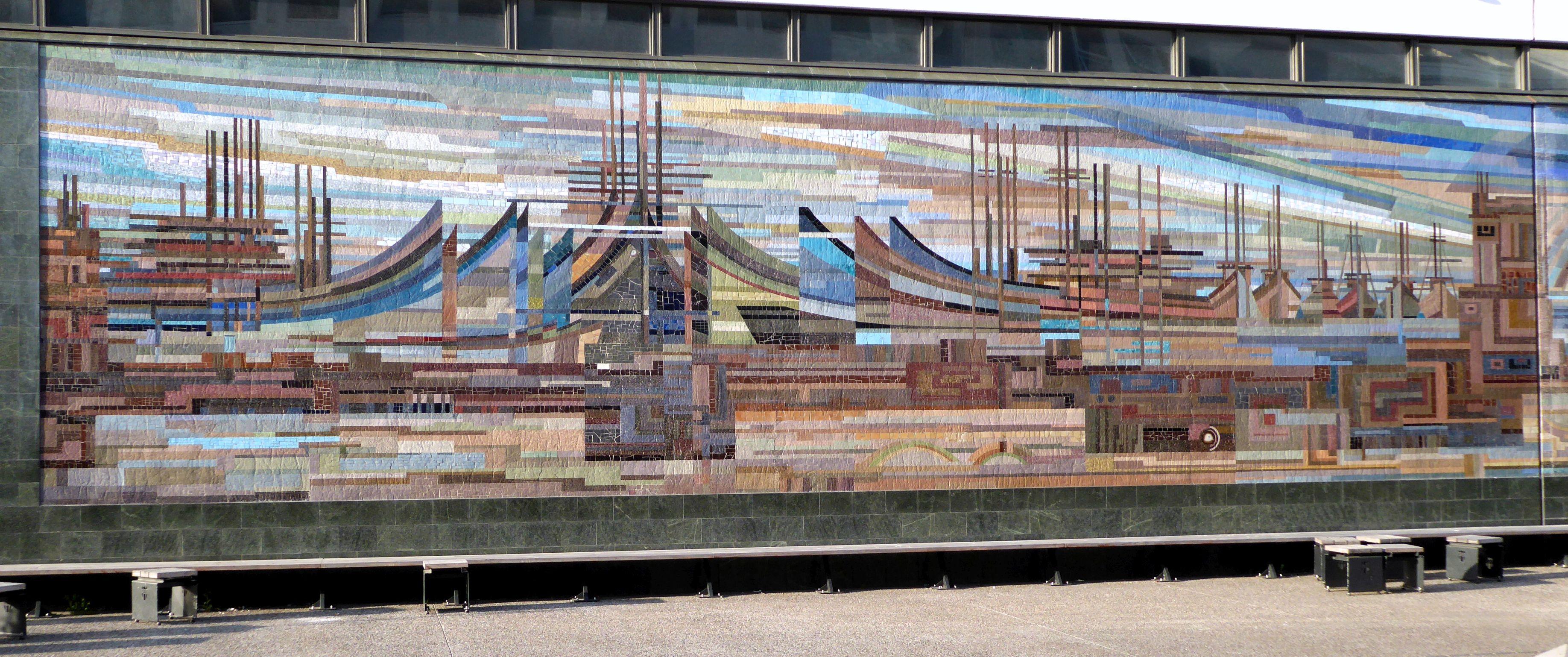
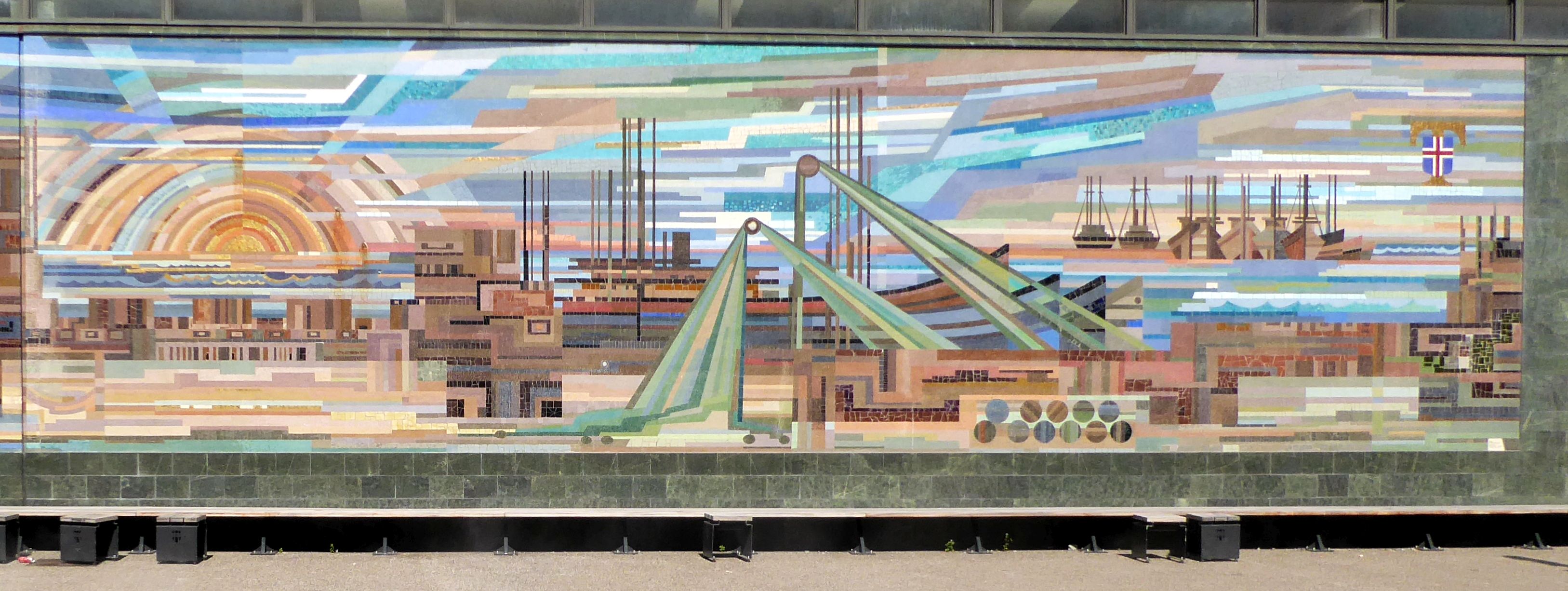
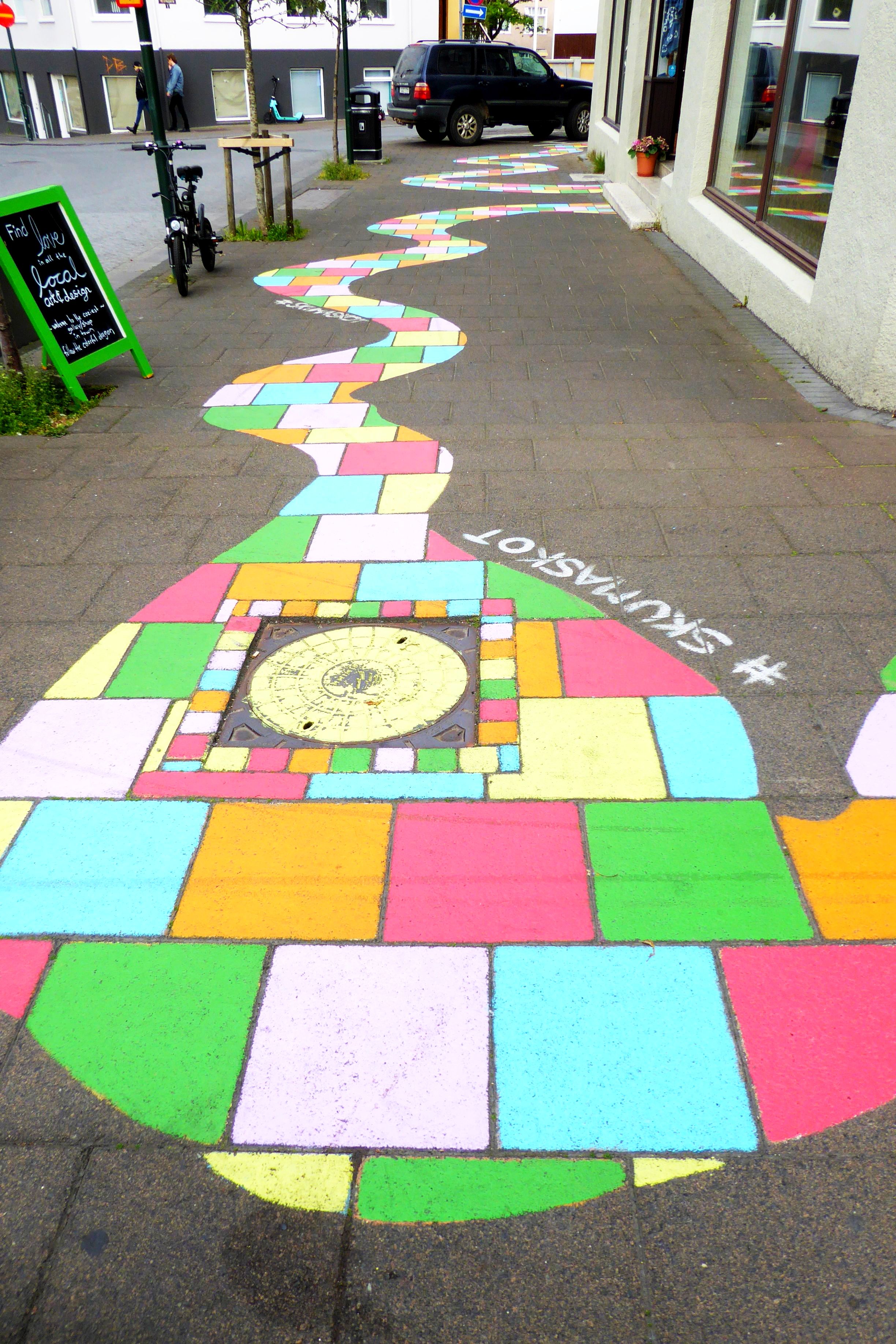
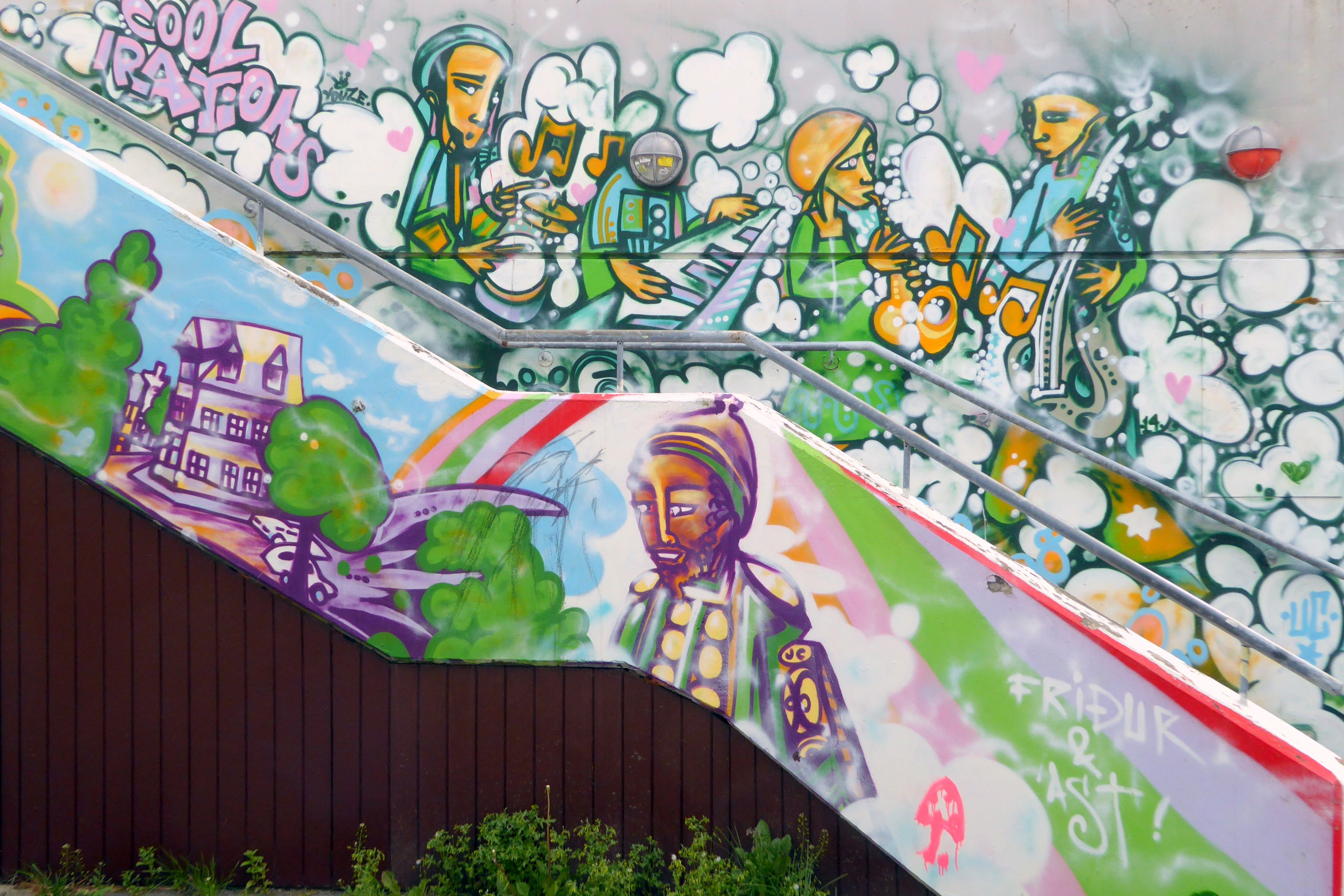
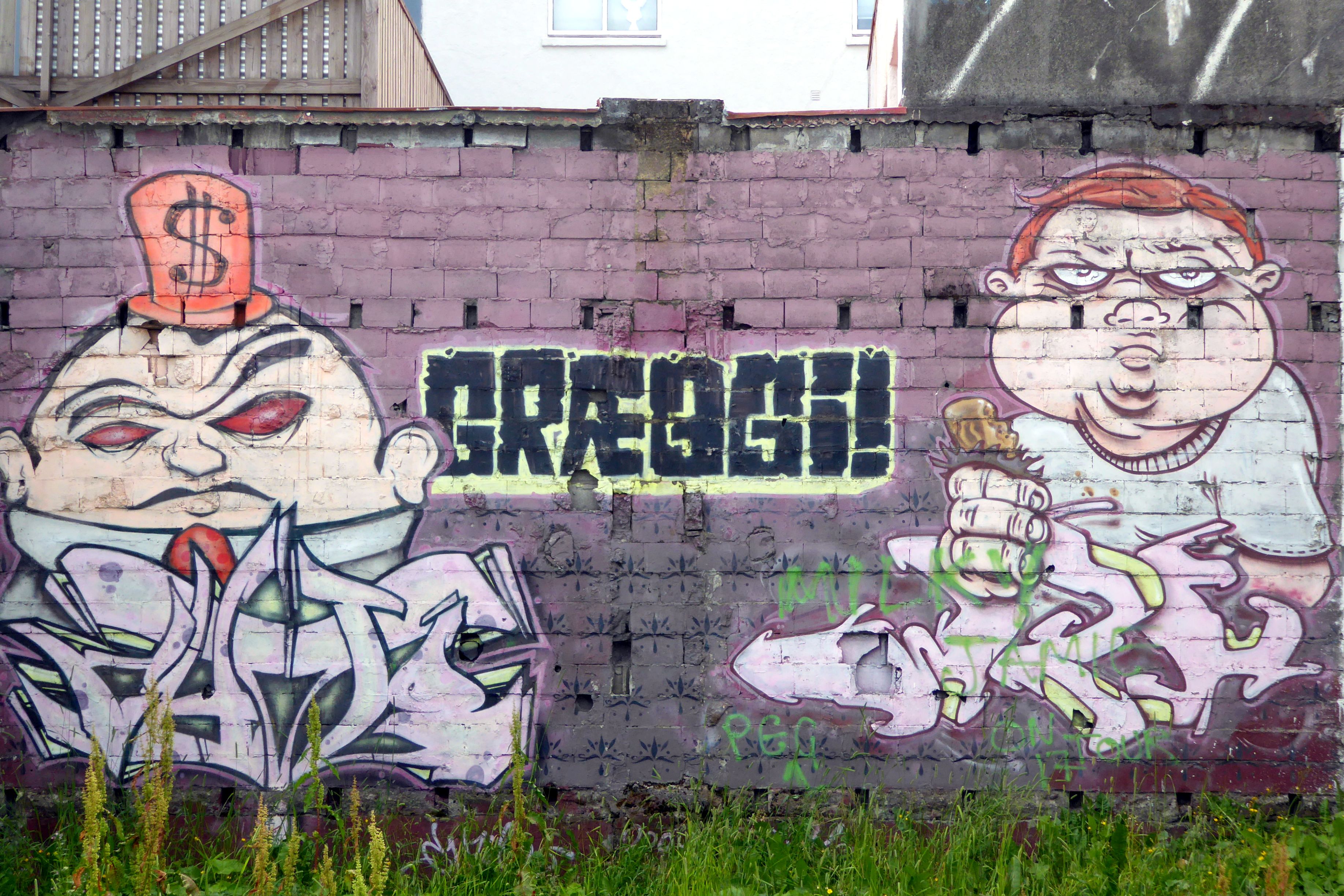
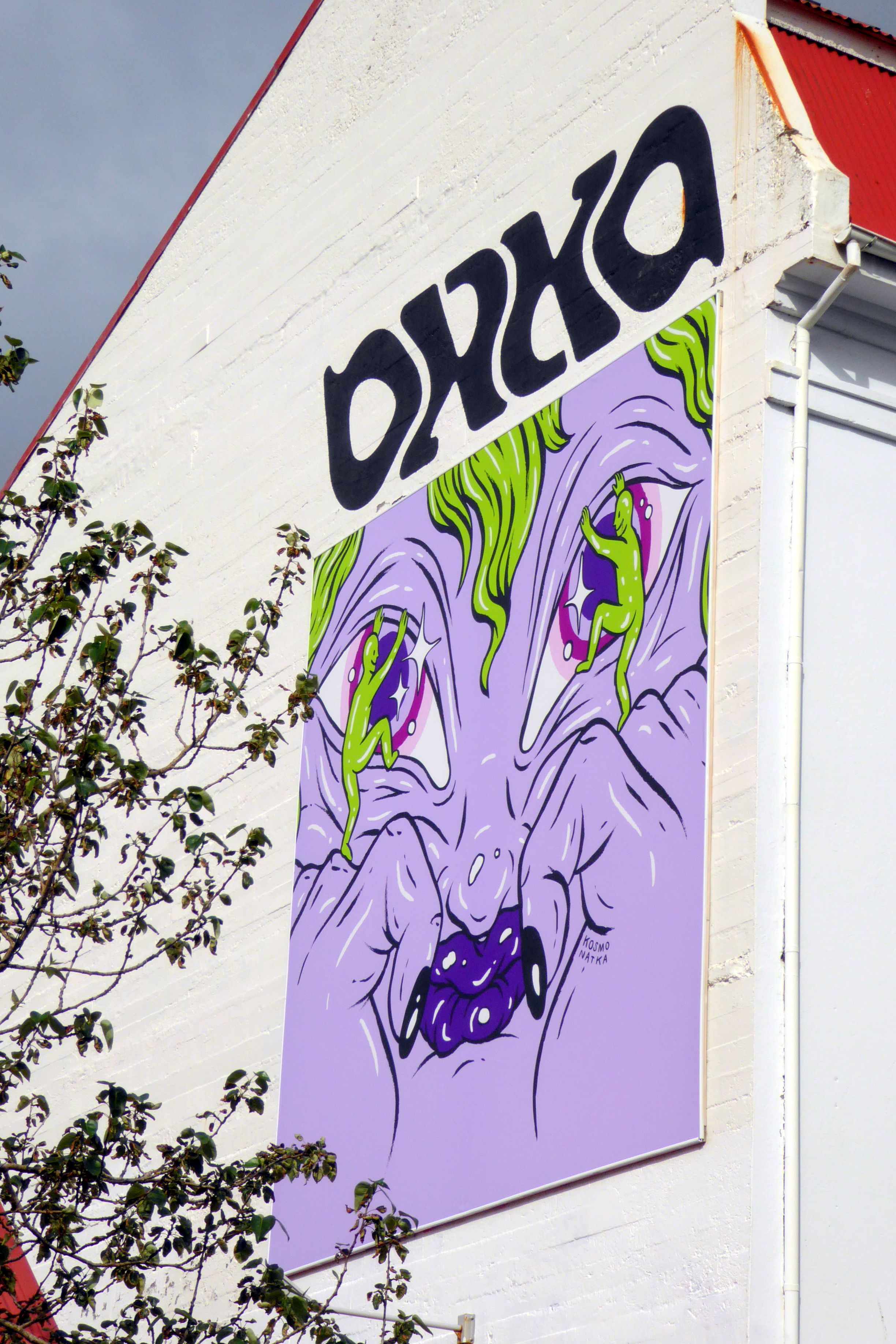
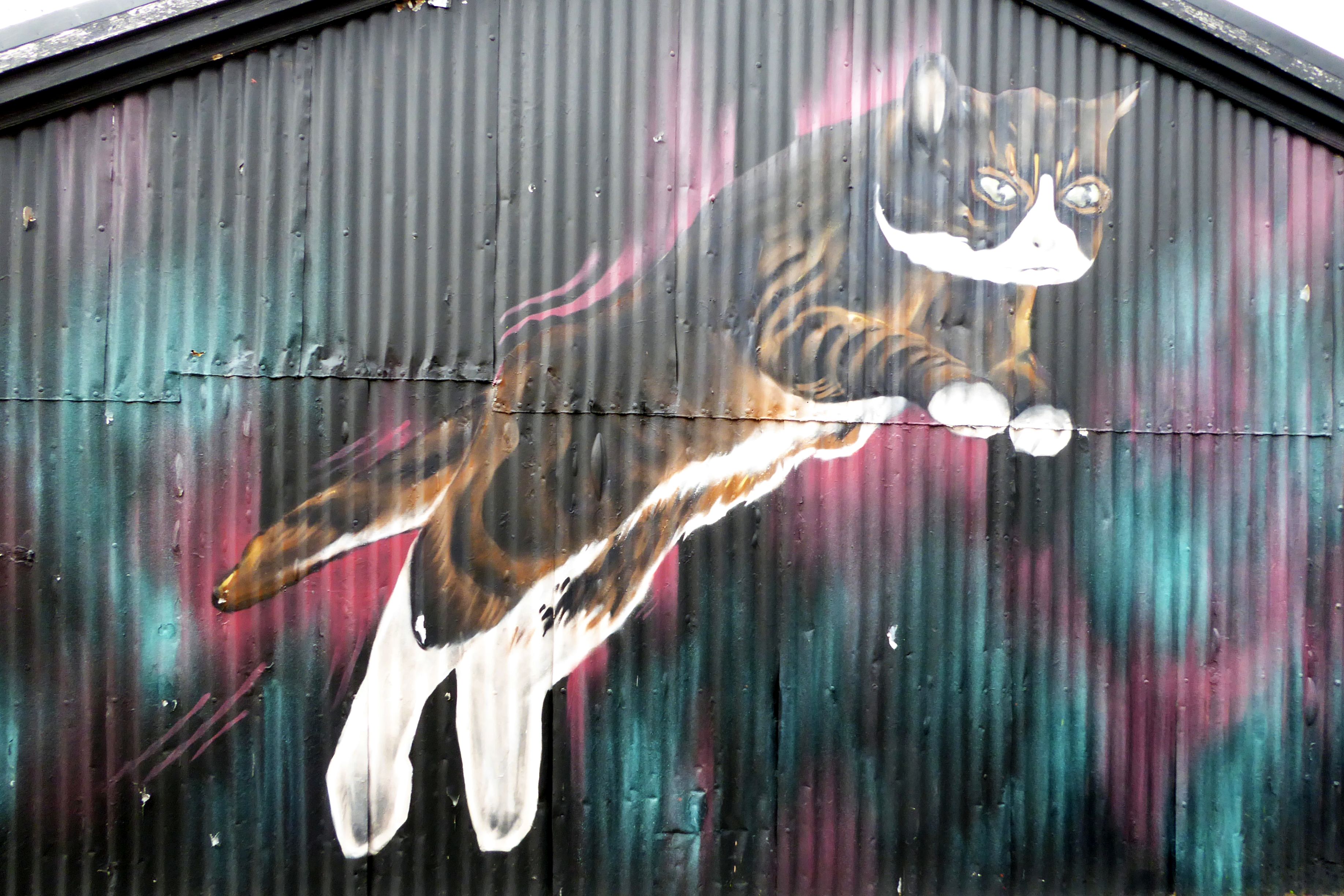
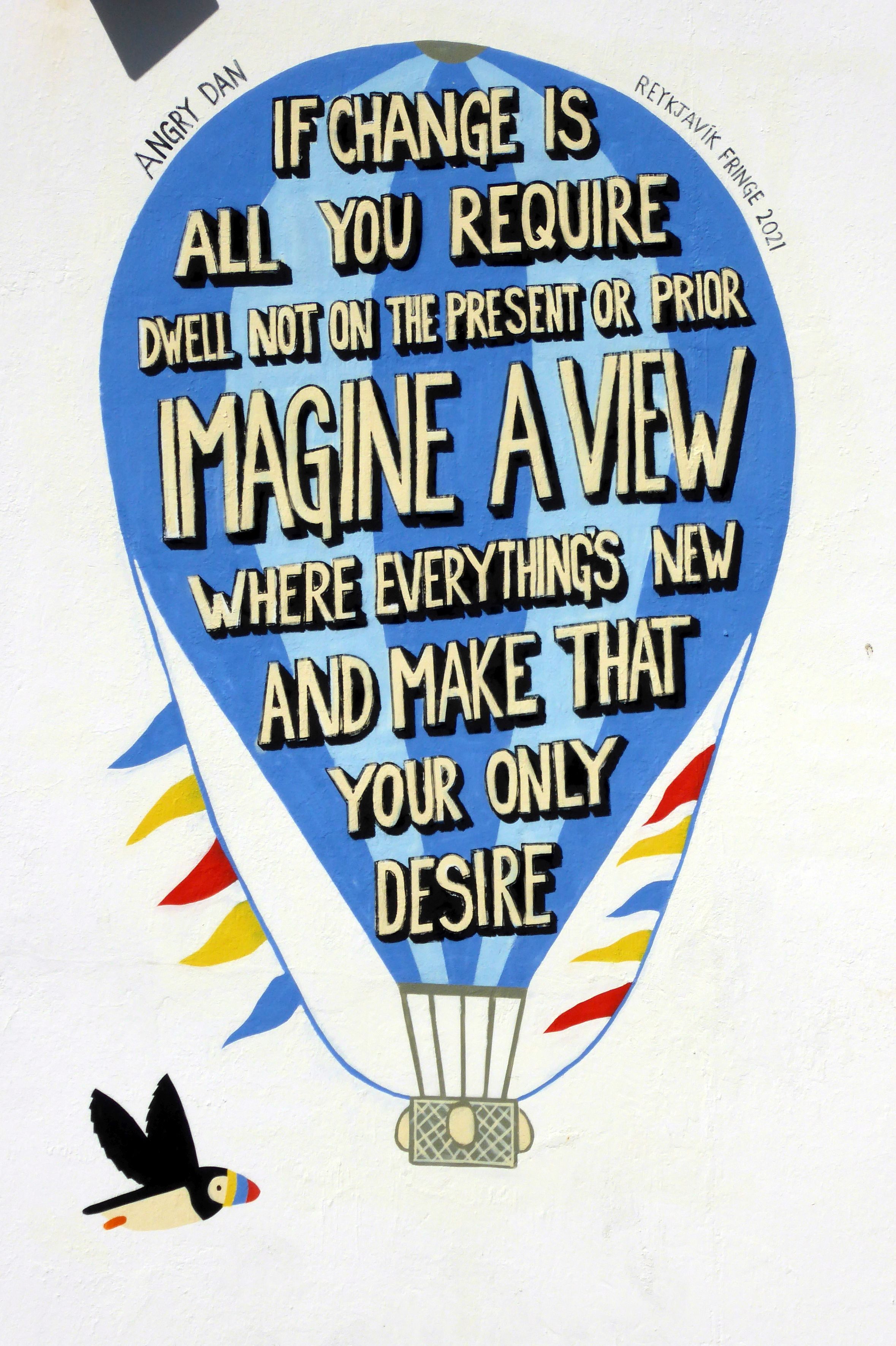
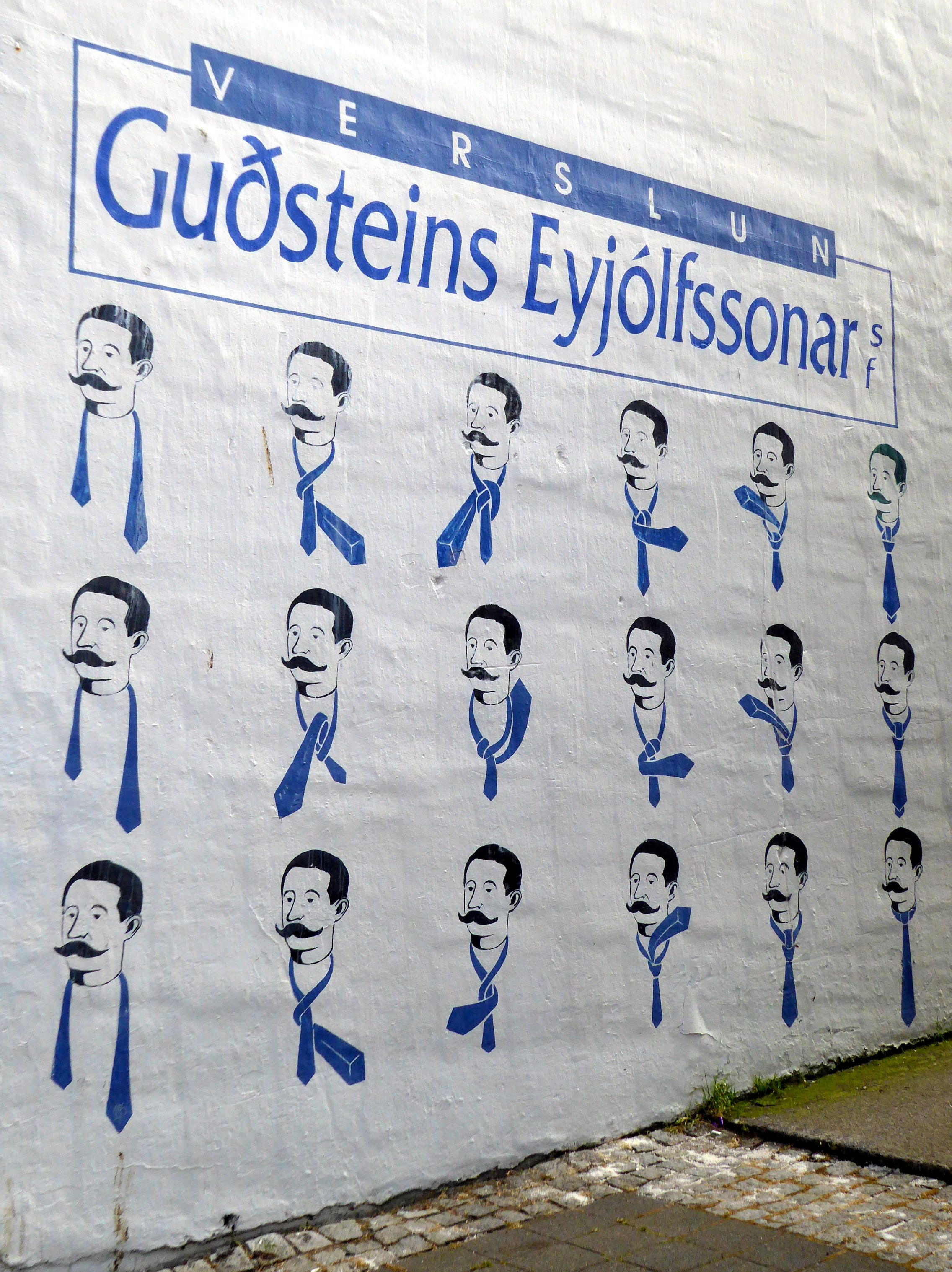
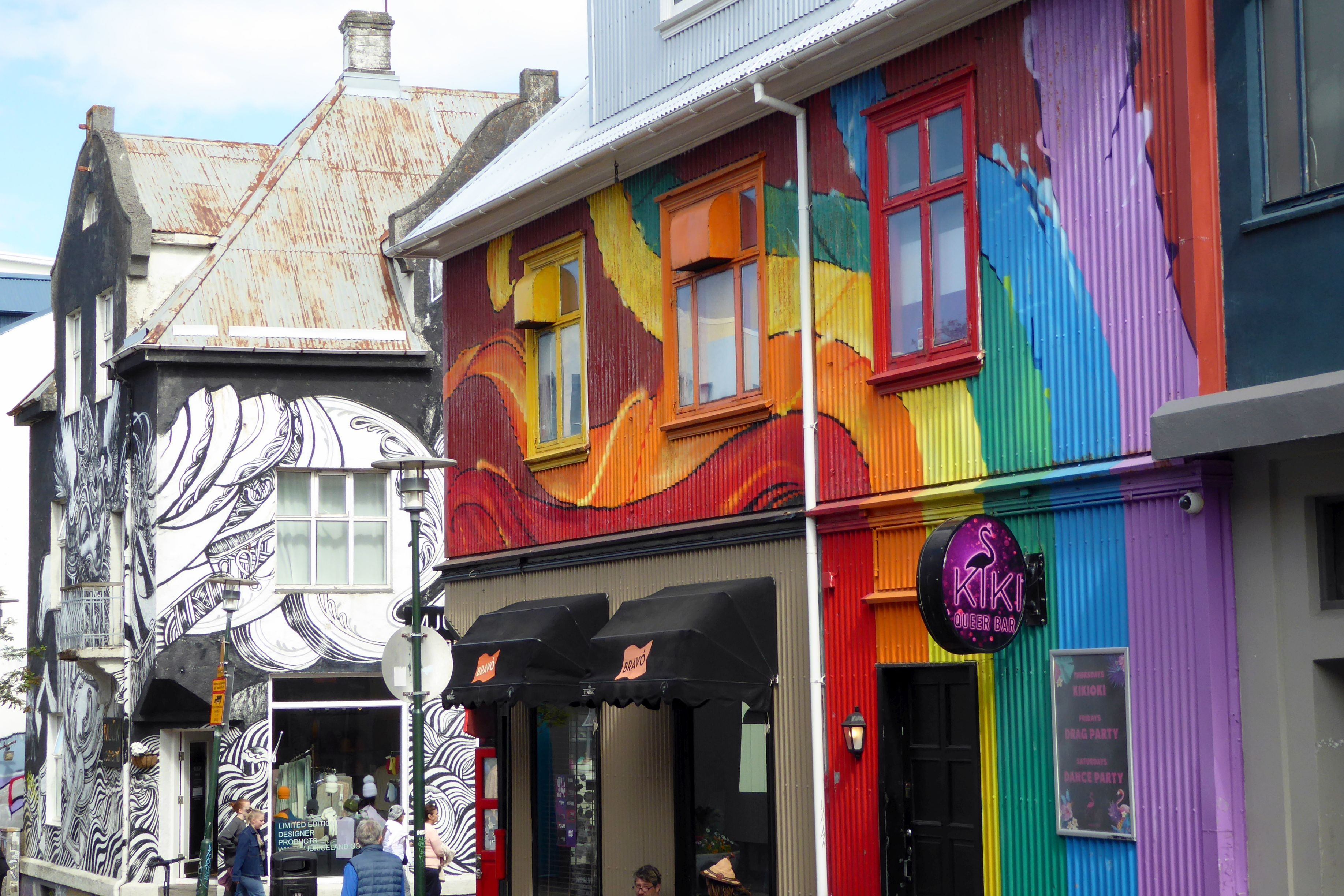
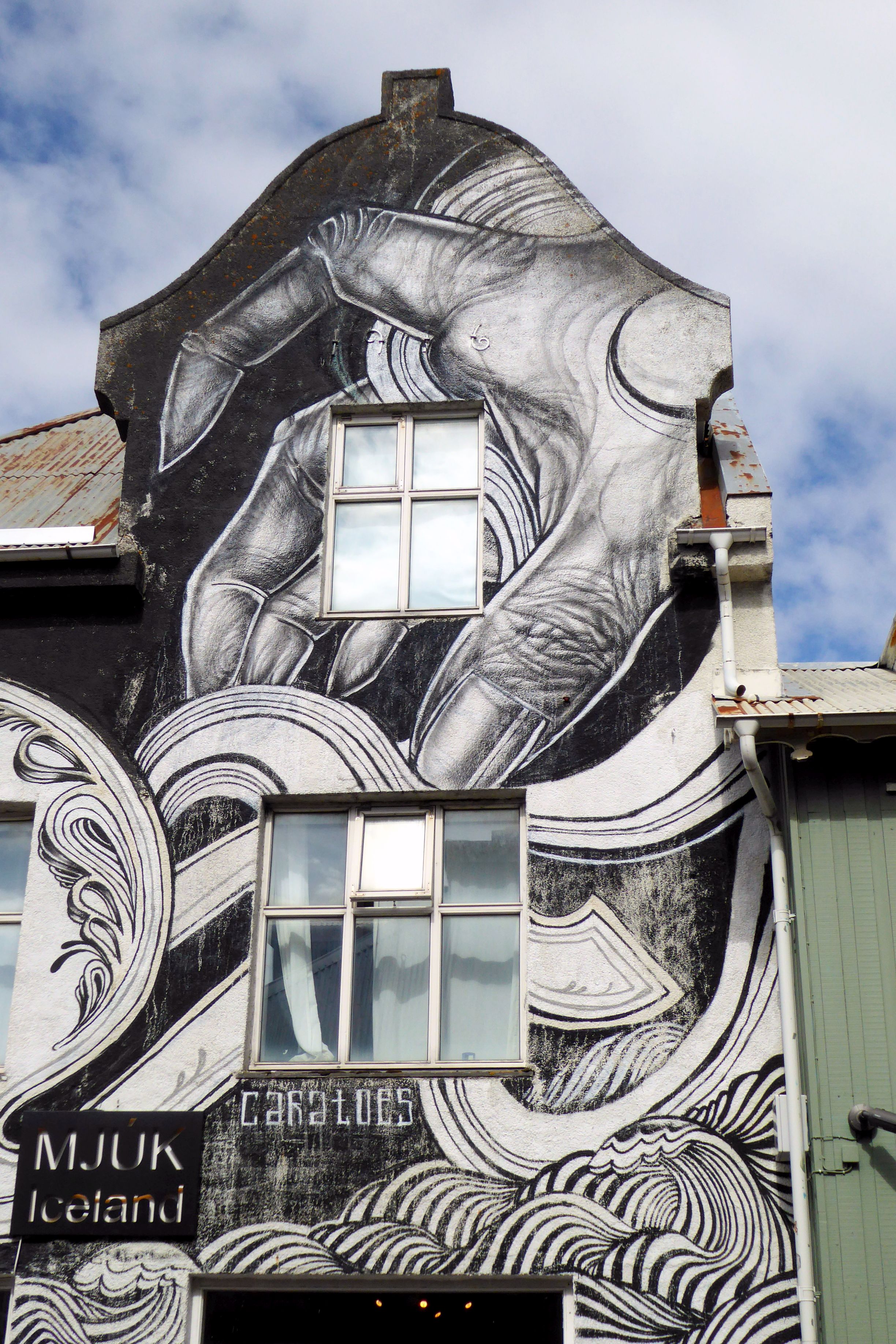
One of the things I enjoy most while wandering around a city is discovering murals.  I am always delighted to turn a corner and see a work of art gracing an otherwise plain wall.  Reflecting over my past travels, a few cities come to mind when remembering the murals I photographed.  Green Bay, Wisconsin, in particular, had several beautiful murals within a short walking distance.

What a nice surprise to discover all of the amazing murals of Reykjavik!  We got in the habit of looking back while walking, so we wouldn’t miss any murals on the back side of the buildings we passed.

We also came across a couple of signs that gave us a giggle:

(For all pictures, click on the image to see full screen view.)

Coming up next: A Geothermal Power Plant and Open-Air Museum

Note: If small group travel is of interest to you, I highly recommend Overseas Adventure Travel (OAT). Although Bruce and I travel together, they do not charge a single supplement for those who travel on their own. Singles also get their own room at hotels. If you book, you can get $100 off your trip by providing my name and customer number (Elaine Krugman, #3018126) as the person who referred you. I will also get $100 off future travel– a win-win!

ICELAND #12:  RAMBLING AROUND REYKJAVIK

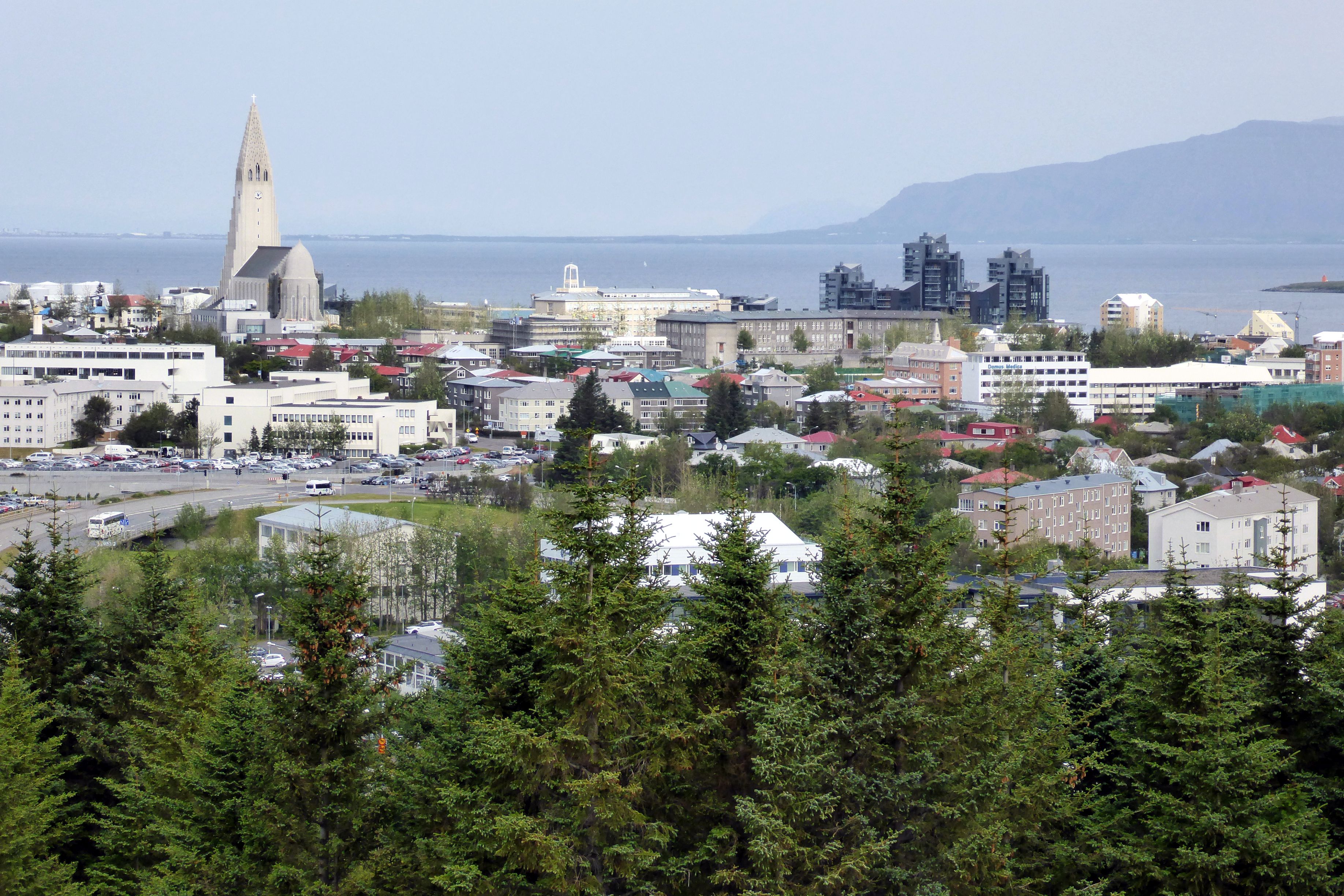
After flying from Akureyri, we spent the final three days of our tour in southwestern Iceland, based in the capital city of Reykjavik (pop. 140,000).  At 248,000 for the region, it is the most populated area of Iceland.

Known as one of the cleanest, greenest (environmentally friendly), and safest cities in the world, I can tell you from personal experience I can see why it has that reputation.  It was a great city to ramble around!

Following our arrival, we visited Perlan, a new and modern interactive museum that features Iceland’s unique natural wonders.  One of the fabulous movies we saw featured amazing video footage of the 2021 eruption of Geldingadalir Volcano, which was the first volcanic eruption in the region in 800 years.  Another movie, “Arora,” was Perlan planetarium’s 360-degree film of the northern lights.

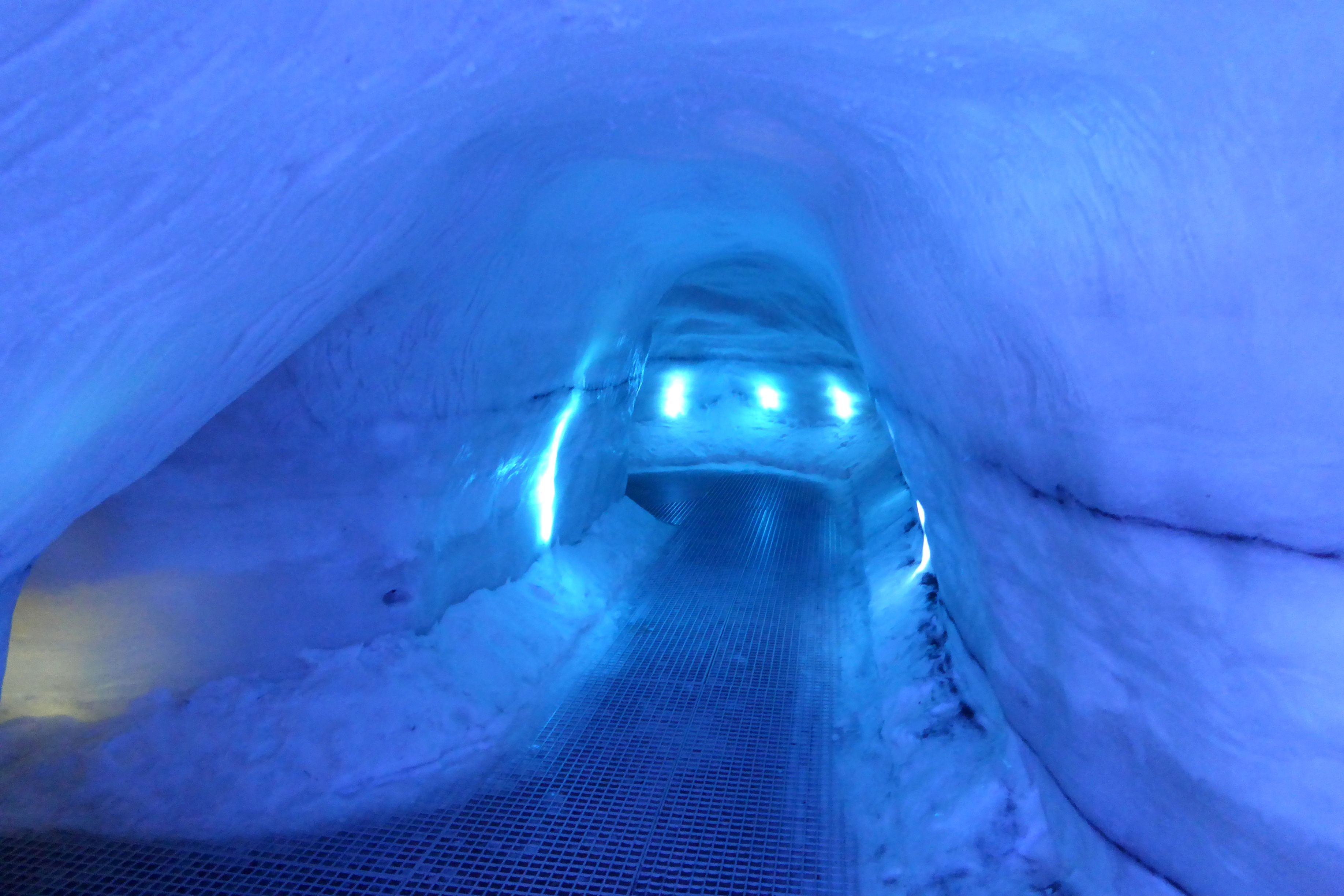
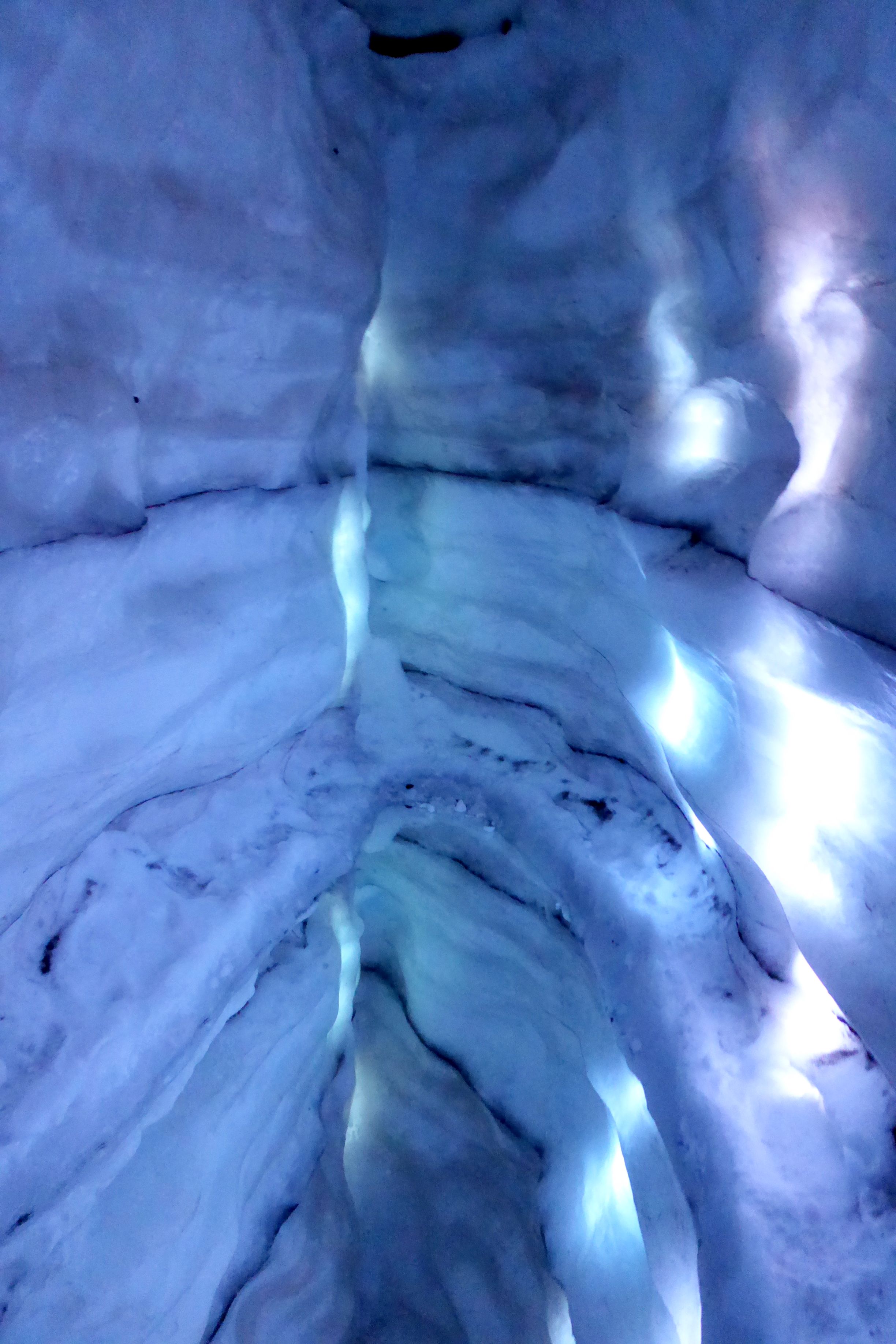
We weren’t prepared for one of the other featured exhibits, but it sure was fun!  It was an ice cave, constructed of 350+ tons of ice!  It took four years to build, and it’s 328 feet (100 meters) long.  The temperature was 5 degrees inside, and I was wearing just my down vest, figuring I could leave my other gear on the bus while we were indoors.  (Thorunn had never been there, so she didn’t know we could walk through an ice cave!)  Oh well; we made a run for it!  It was so cold that we spent the first trip through dodging people just to get out the other side.  Once we warmed back up, we made another trip through, and we were lucky to have the entire tunnel practically to ourselves.  We paused for some quick photos, including one on a beautiful chair they had carved from ice.  (Thankfully, they lined it with a sheepskin rug!)

(For all pictures, click on the image to see full screen view.)

The top floor of Perlan (which translates to “Pearl”) was a glass domed restaurant, bar, gift shop, and patio.  We were able to walk completely around for a view of the city, harbor, and beyond – a good introduction to what we would be seeing next.

The center area revolves 360 degrees.

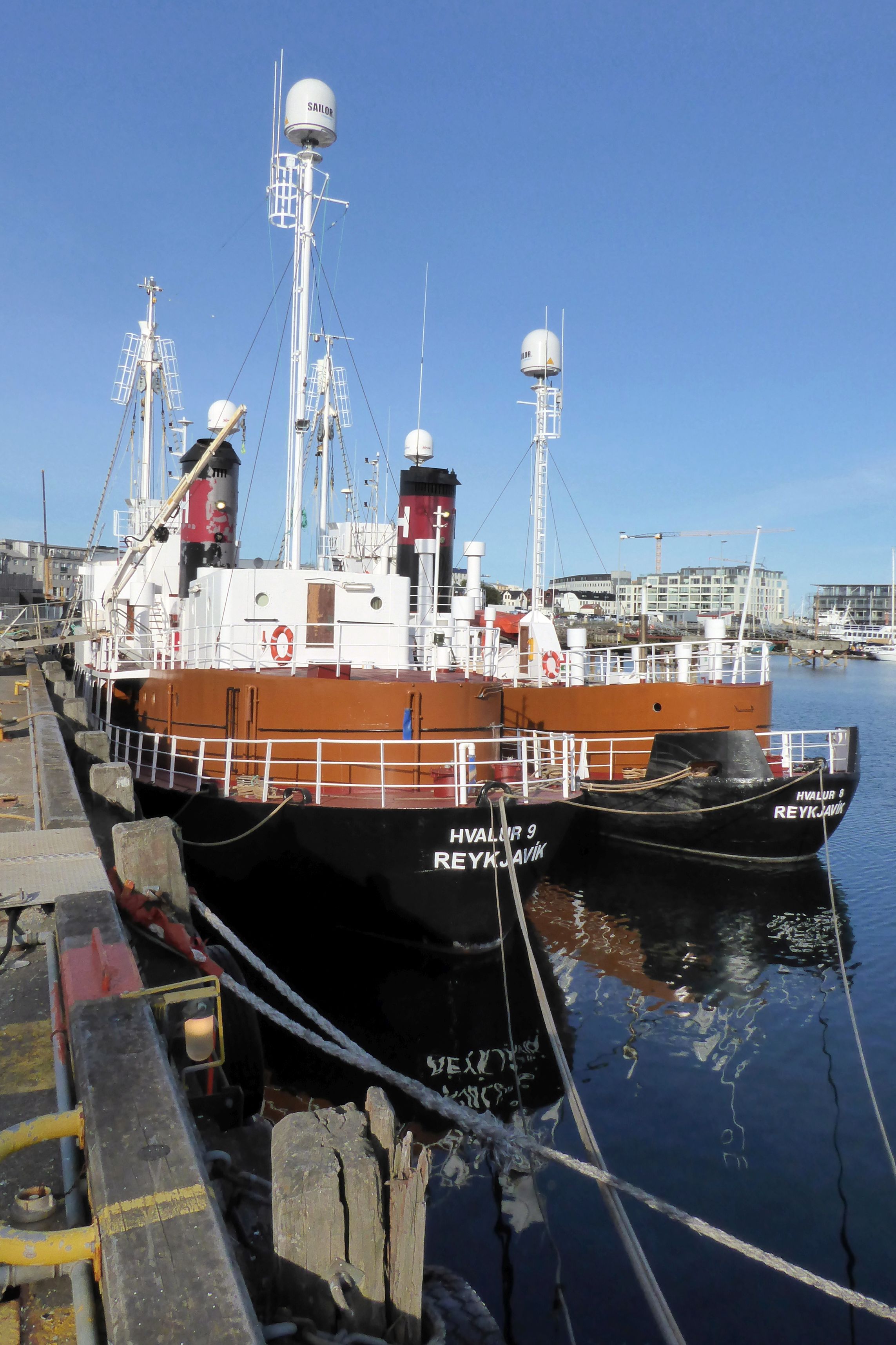
Haflidi drove us downtown to the harbor for our group lunch, which was one of our best meals of the trip; perfectly prepared local wolffish.  This was followed by Thorunn’s walking tour of the city – a city she knows very well, since it is her home!

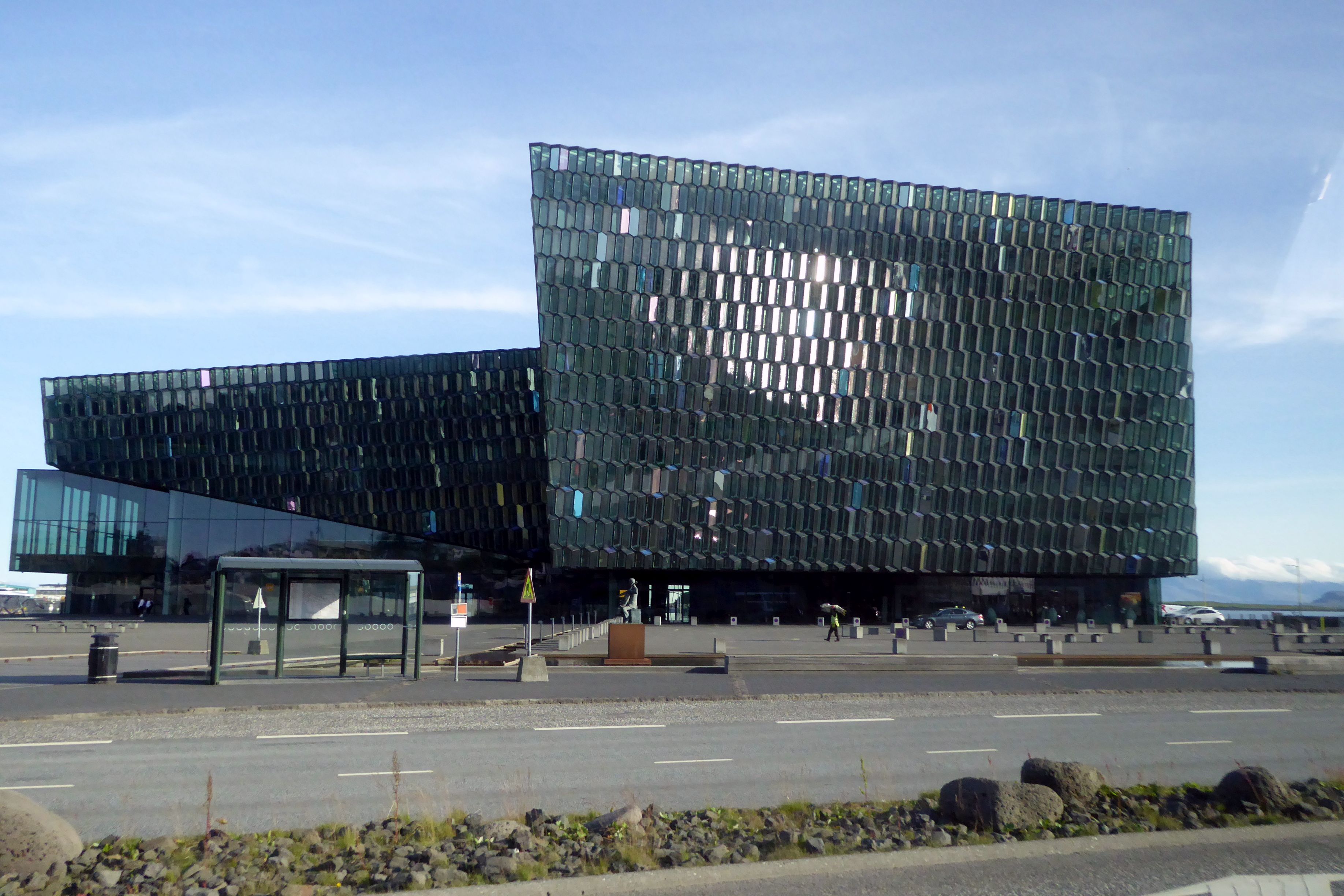
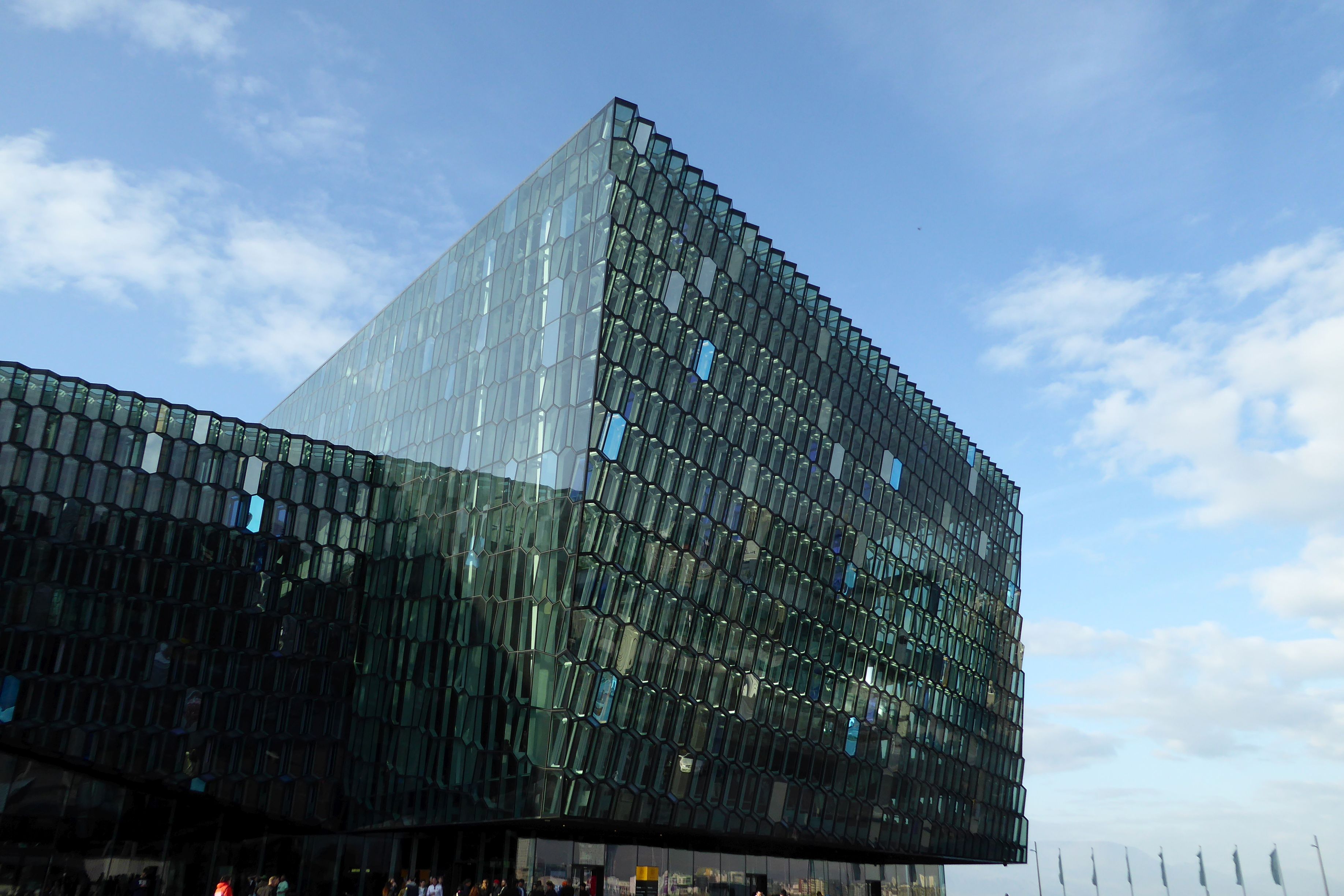
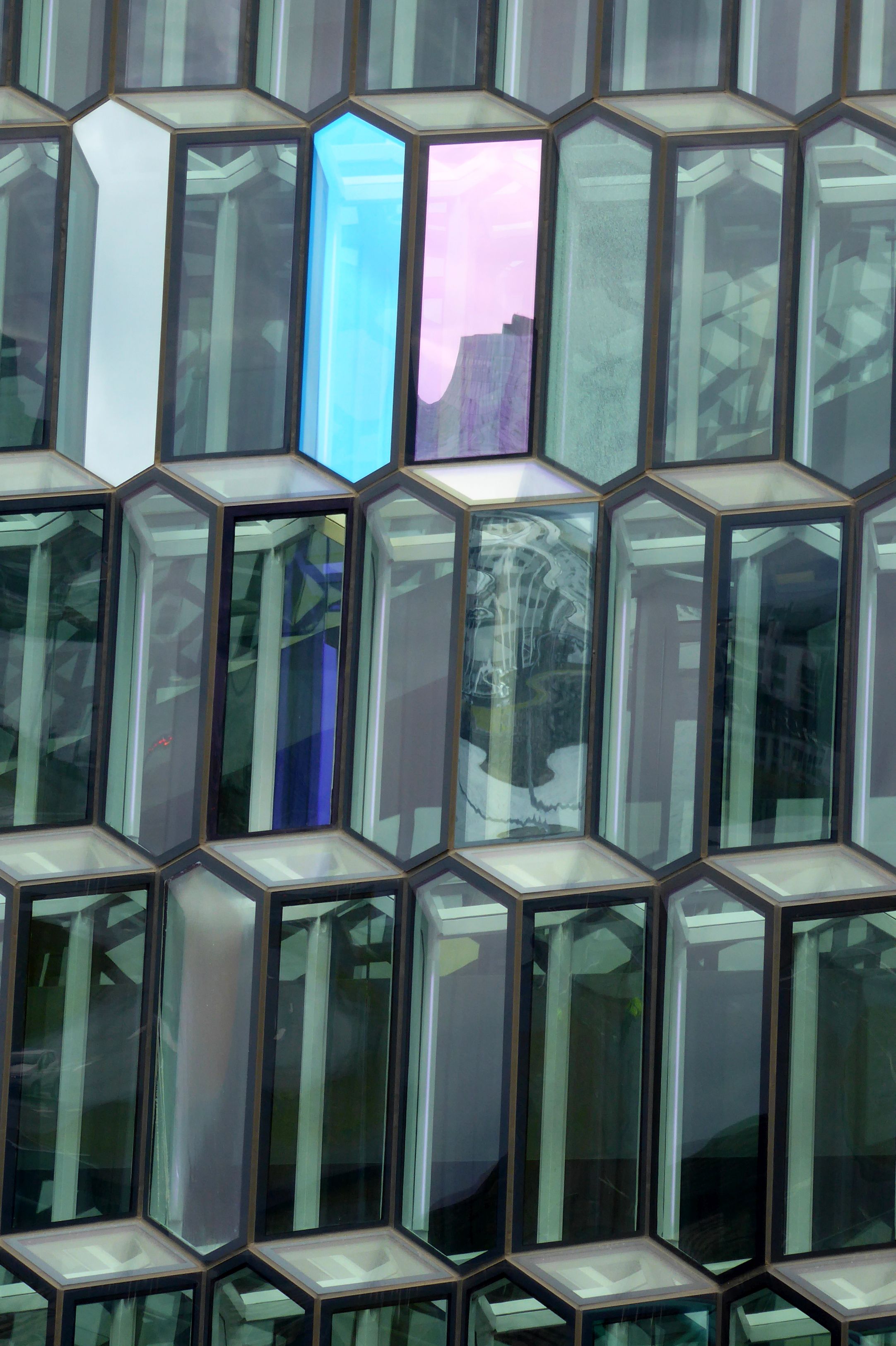
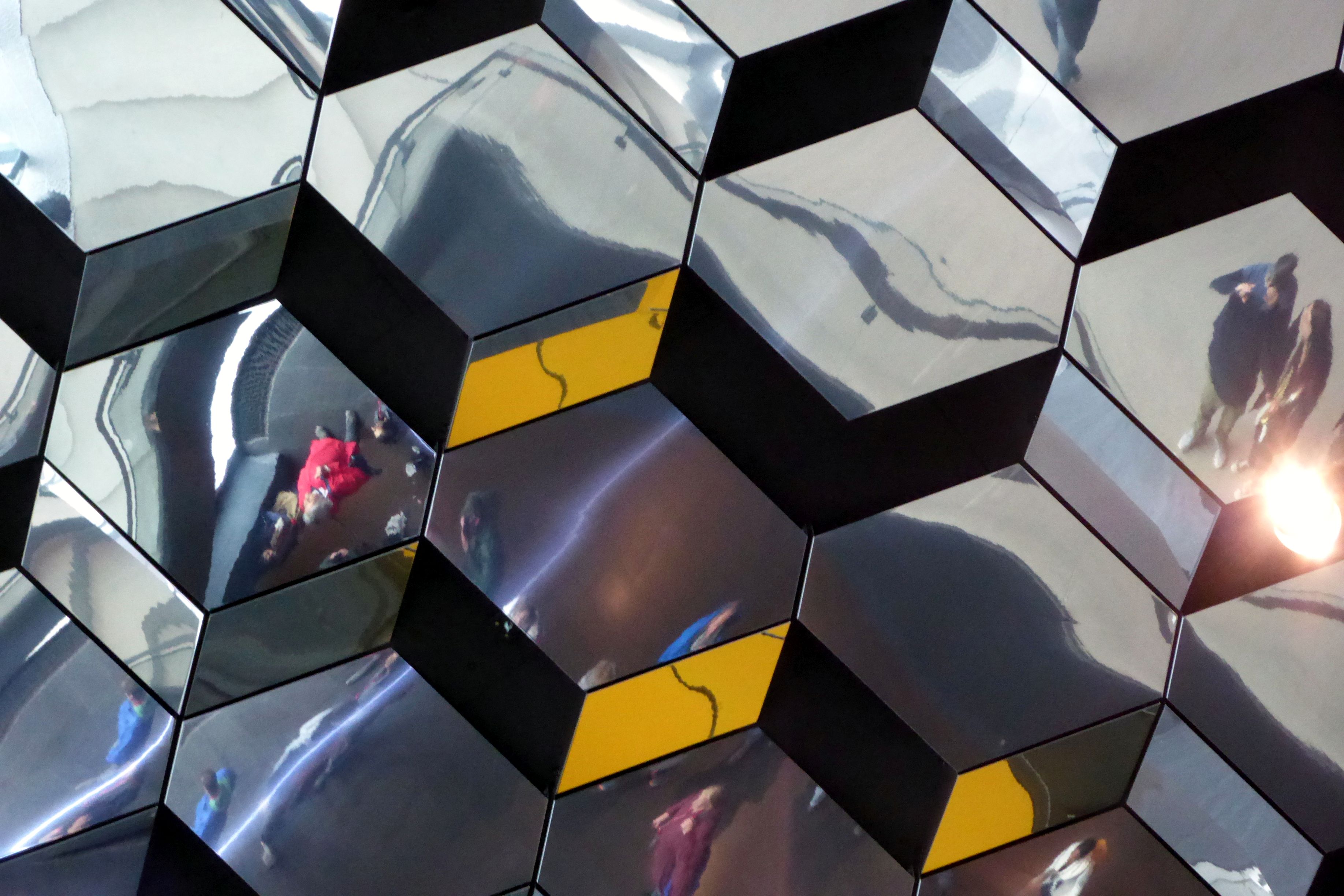
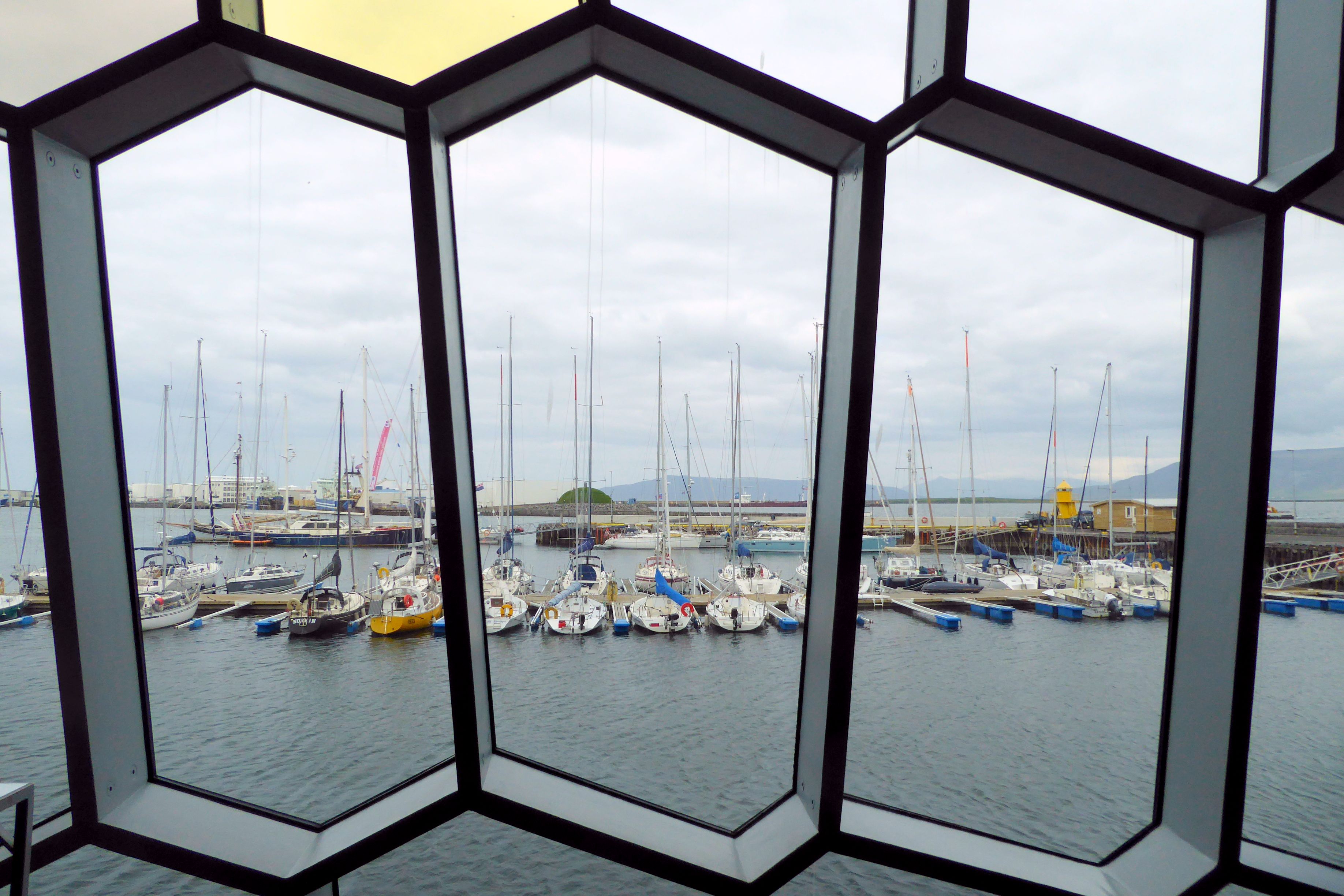
The first stop was just next door to where we had lunch:  Harpa Concert Hall and Conference Centre, a spectacular modern glass building on the harbor front.  Designed by Danish-Icelandic artist Olafur Eliasson and Henning Larsen Architects, the glass façade was inspired by the basalt landscape of Iceland.  Construction had started in 2007; however, it was put on hold during Iceland’s financial crisis in 2008.  It was only half-built, so the government decided to fully fund the remaining construction costs. The concert hall was completed, and it opened in 2011.  In 2013, Harpa won the European Union’s Mies van der Rohe award for contemporary architecture.

We returned the following day and took these exterior shots.

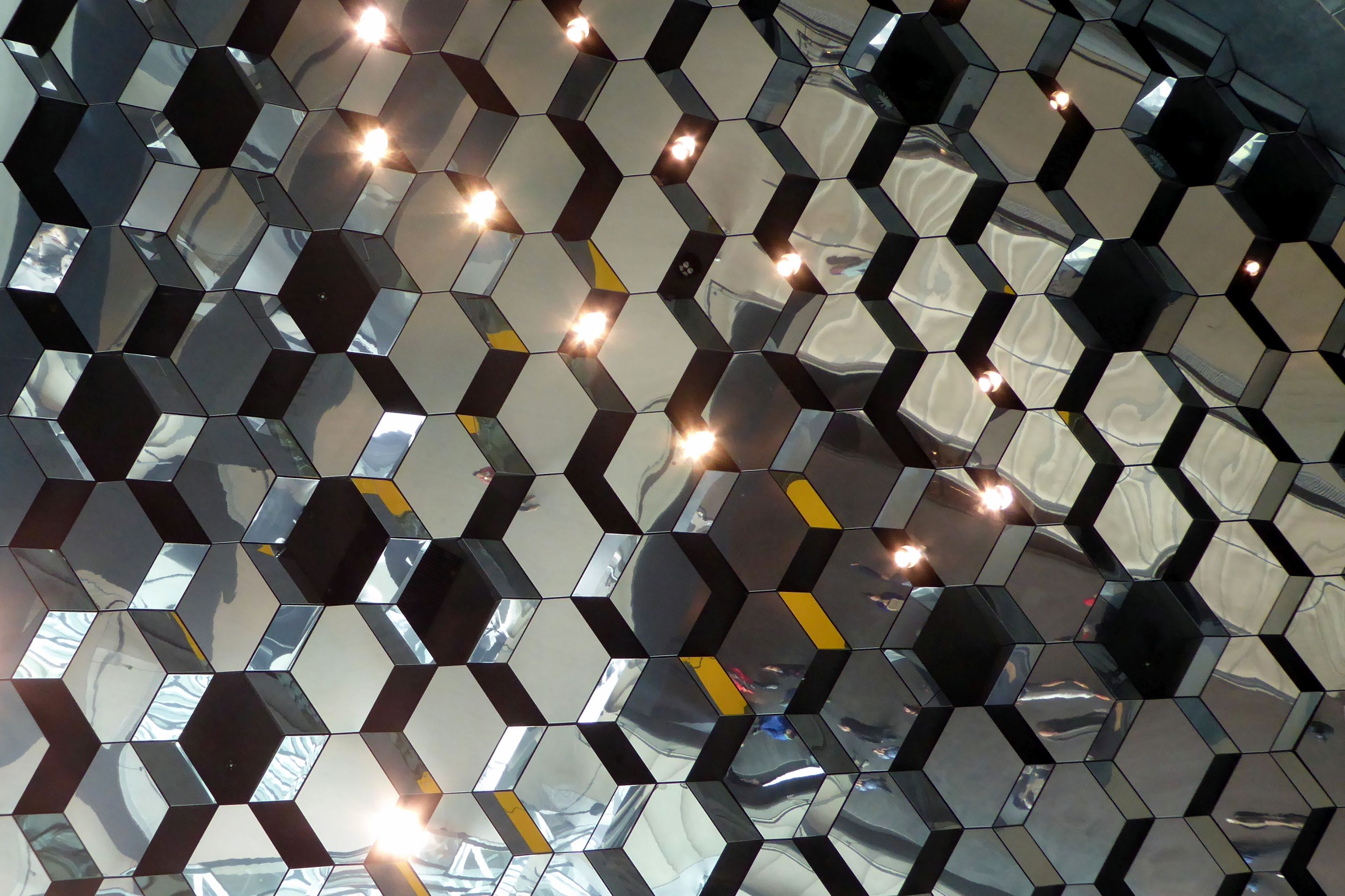
One step inside, and my head was on a swivel, marveling at the architecture and plotting my next photo angle.  It was so inspiring!  We ended up returning the next day, when it was sunny, to shoot more photos.  These are my favorites from the two visits:

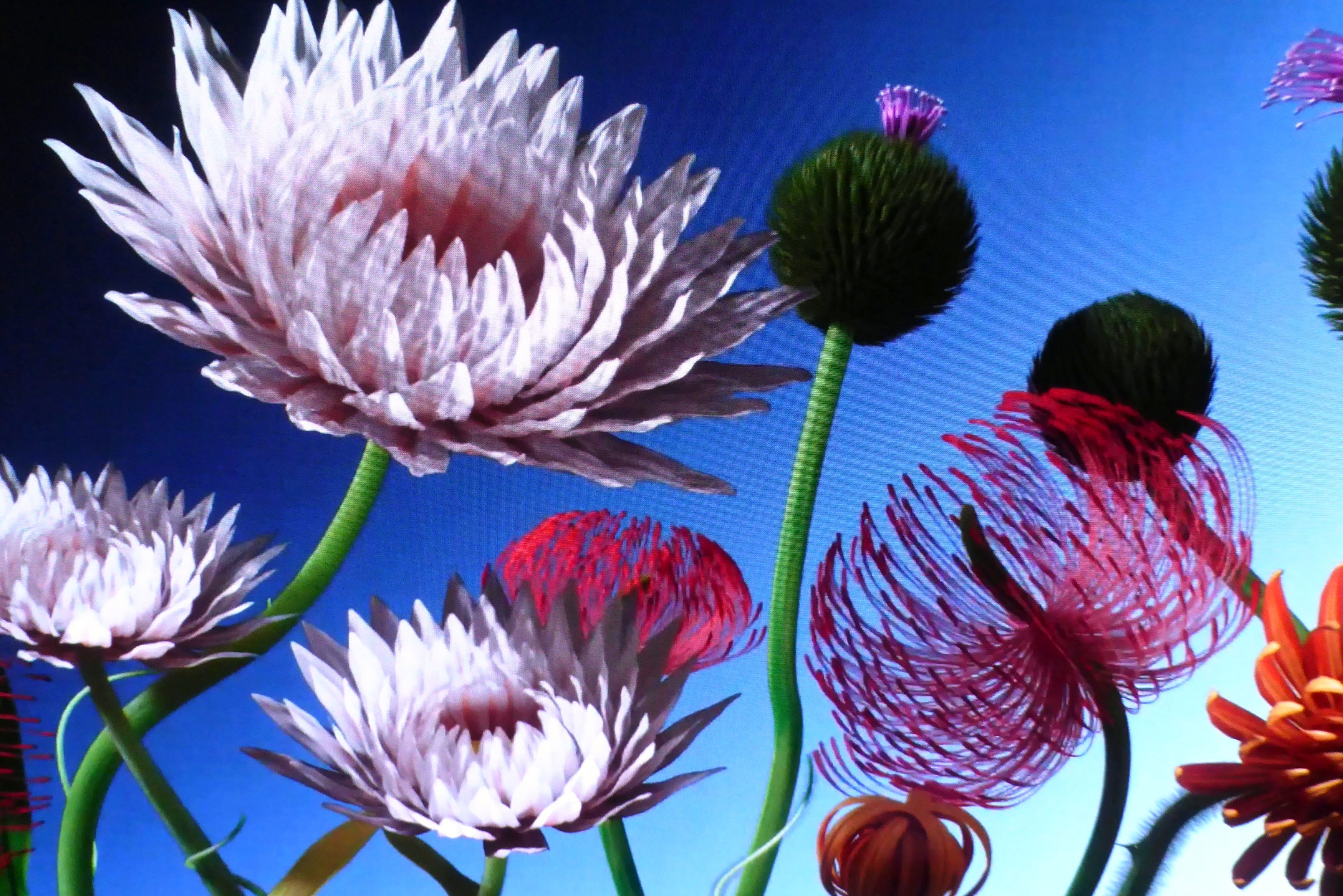
In the lobby, there was a huge screen advertising performances. These animated flowers were included in the loop and were really pretty!

Our walking tour continued to the parliament building and other city highlights.  From what I gathered during our walk, Reykjavik is a very cosmopolitan, hip, and artistic city; and I looked forward to seeing more.

Following are photos I shot during our walking tour as well as during our free late afternoons the next two days.  I left out the murals though; they are the subject of my next post!

Our hotel was on the harbor front — a perfect location for taking in a lovely morning walk before our day of touring!
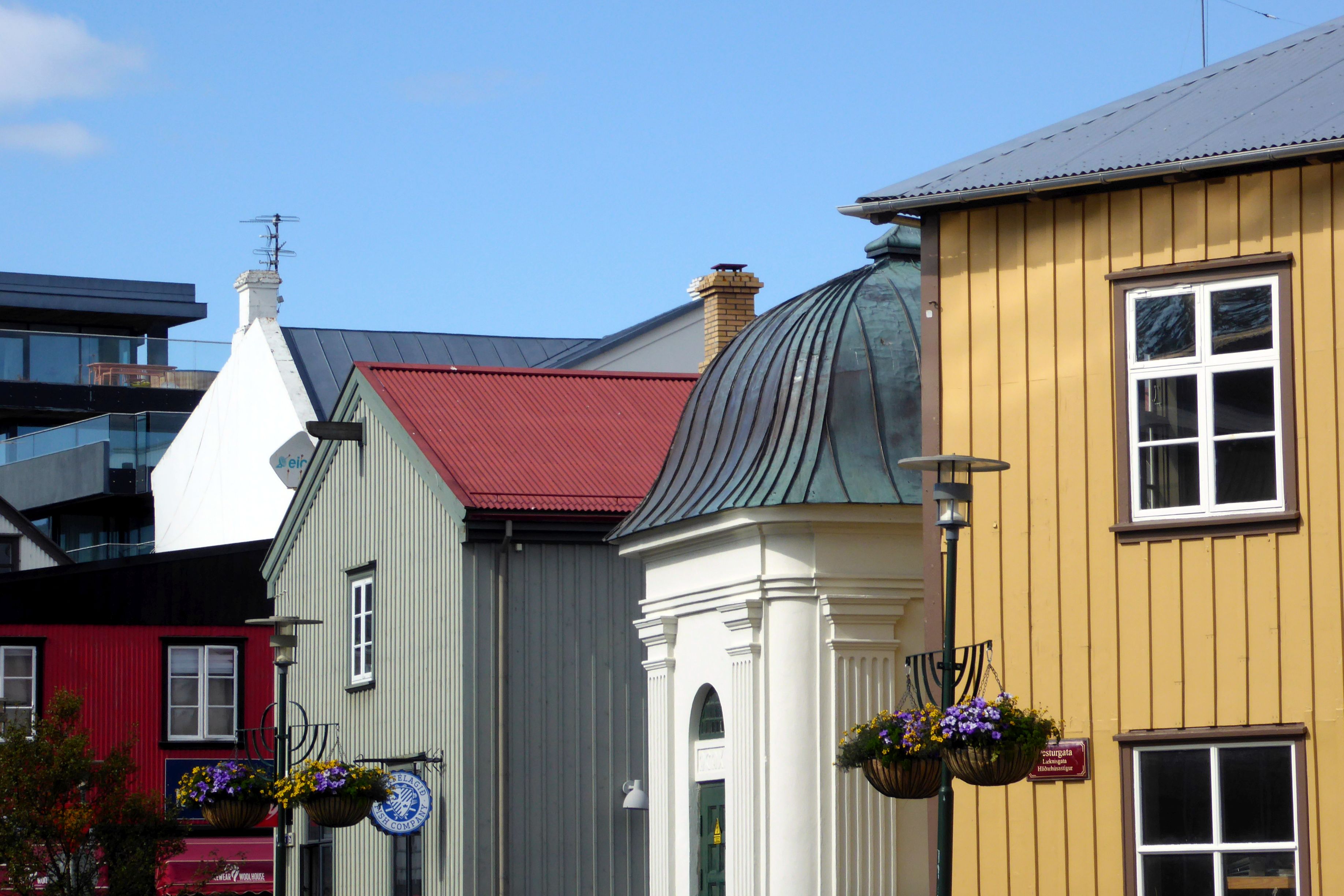
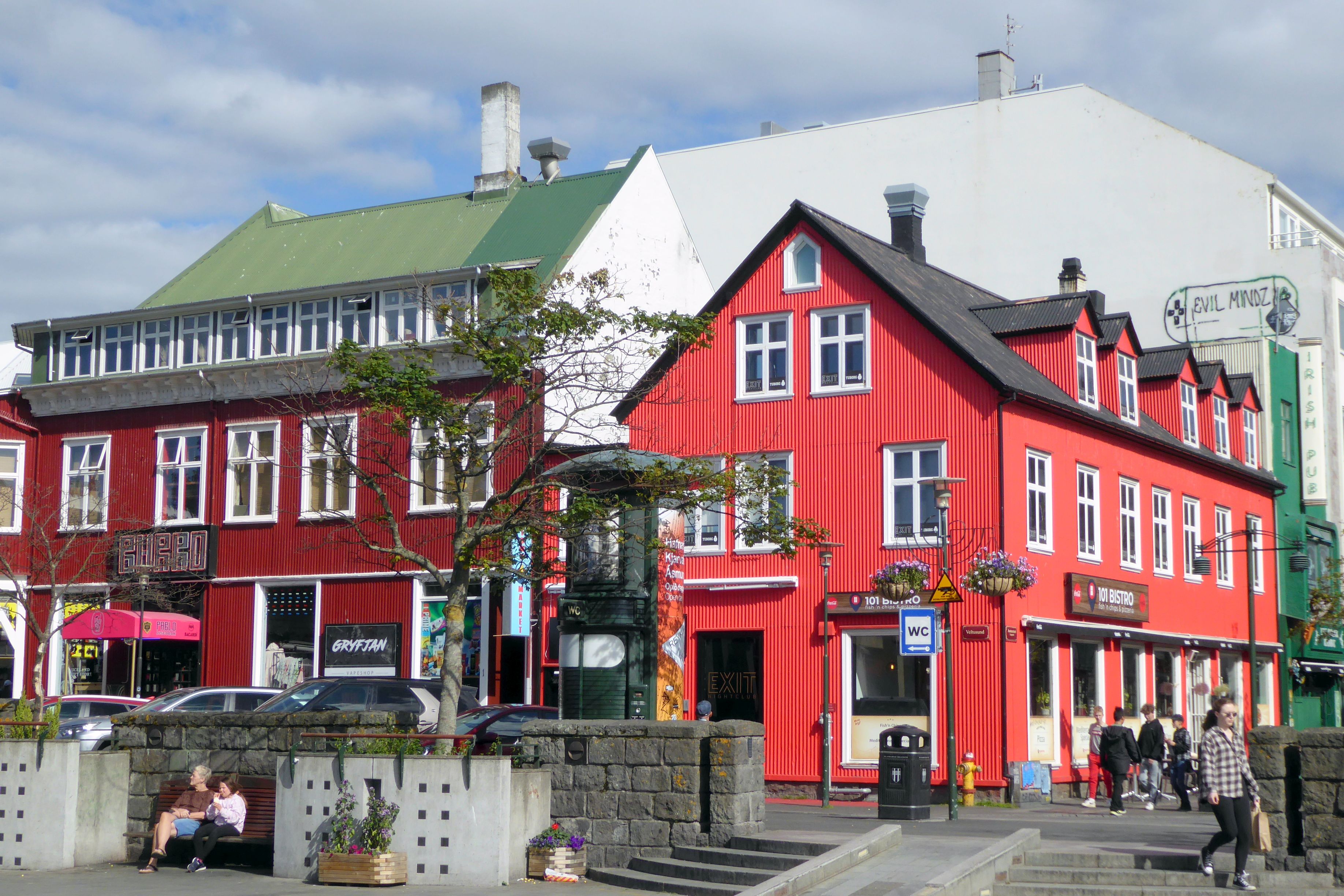
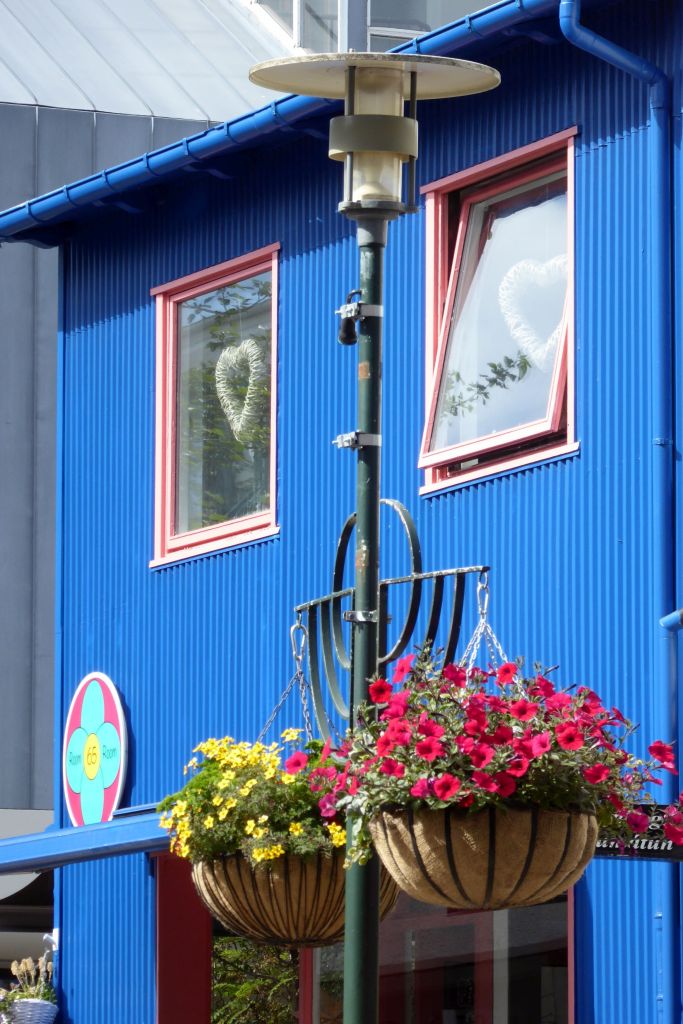
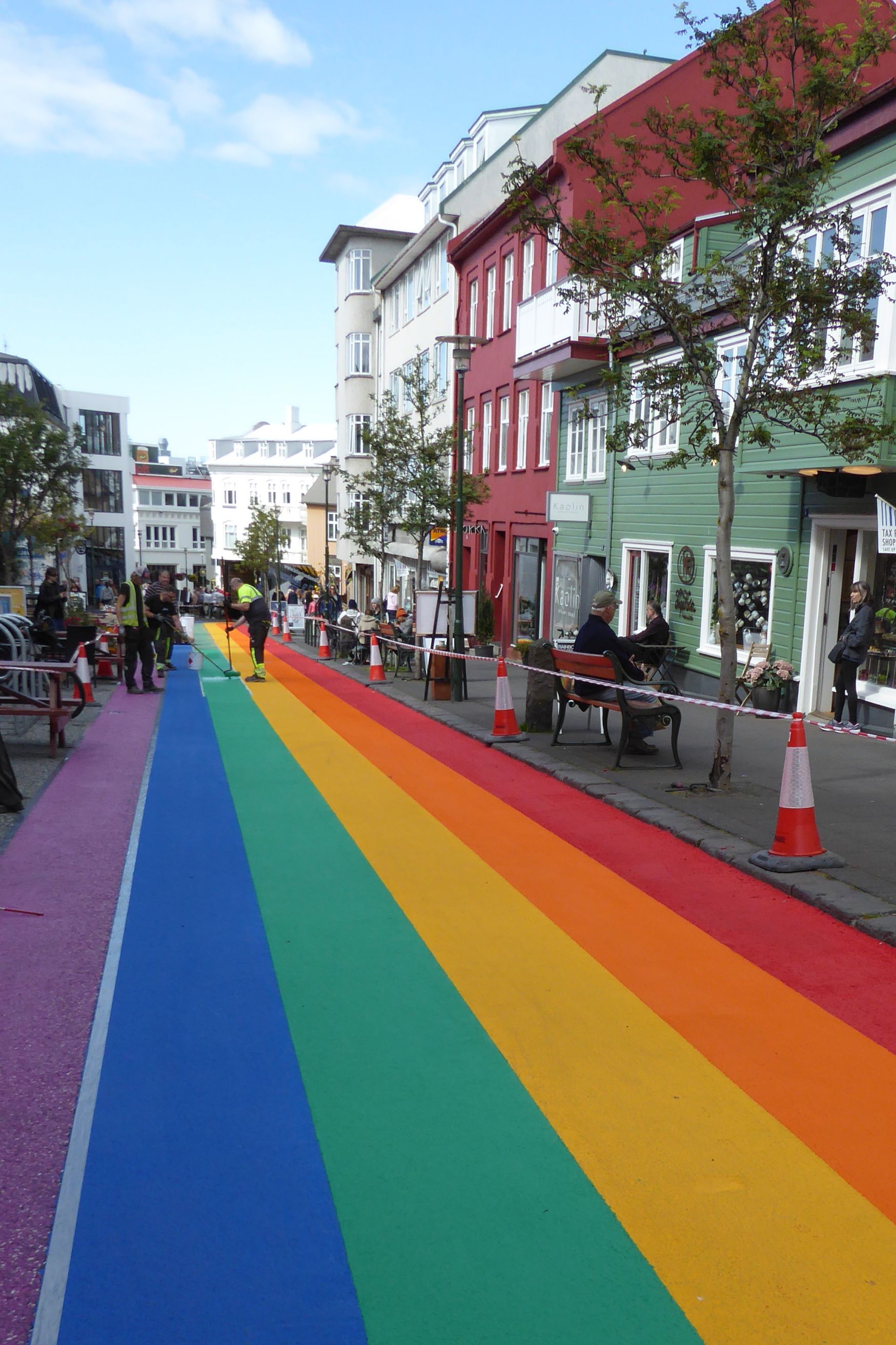
While rambling around Reykjavik, I noticed how colorfully painted the buildings were as well as the abundance of murals you will see in the next post. My theory is this was intentionally done to help brighten up the city during the winters of long nights and only five hours of sunlight per day.
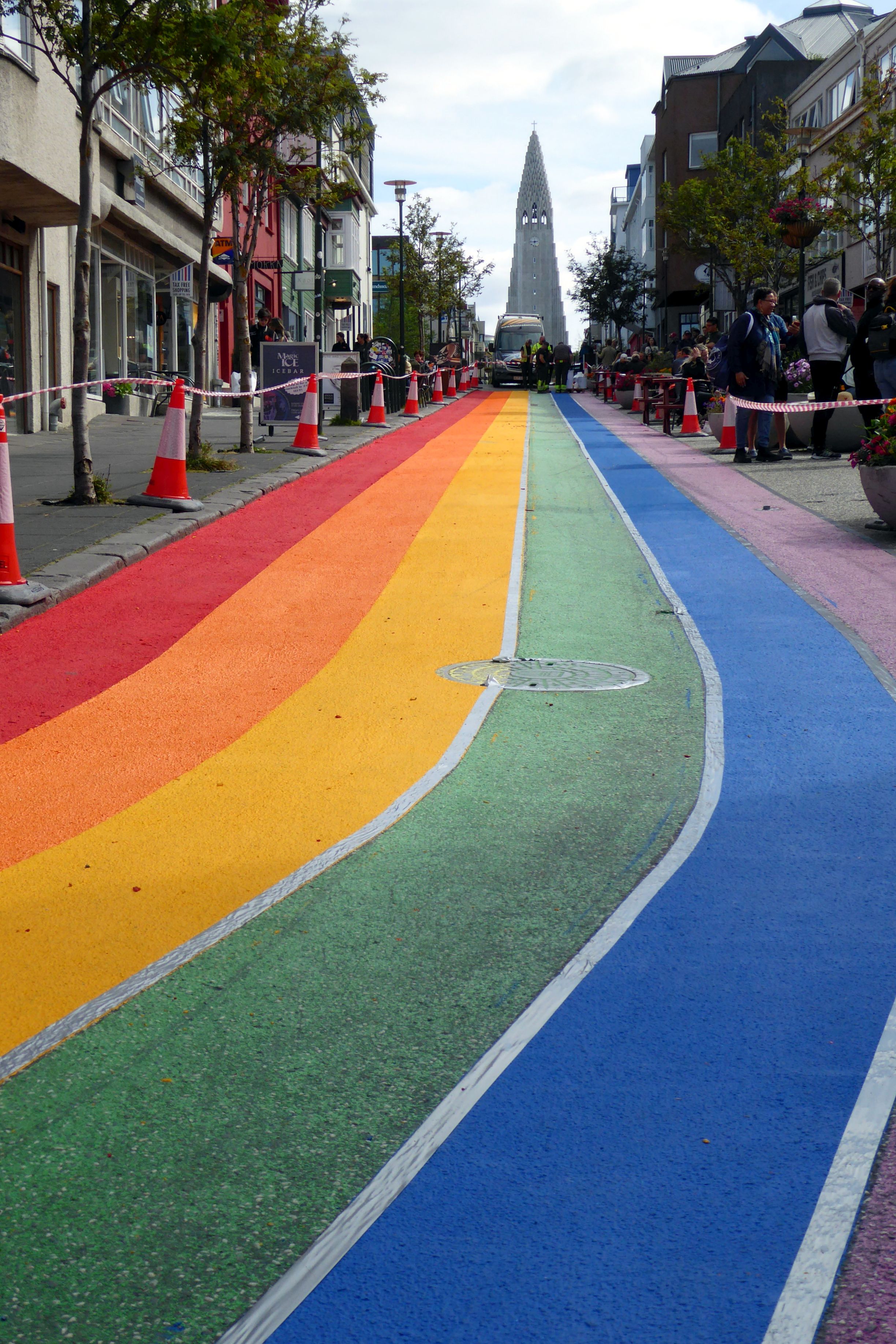
Rainbow Street was being repainted while we were there, so we saw it become brighter each day! Green was next up for a paint job!
Ahhh, a fresh coat of green paint. Looking good! Violet is the last one to go.
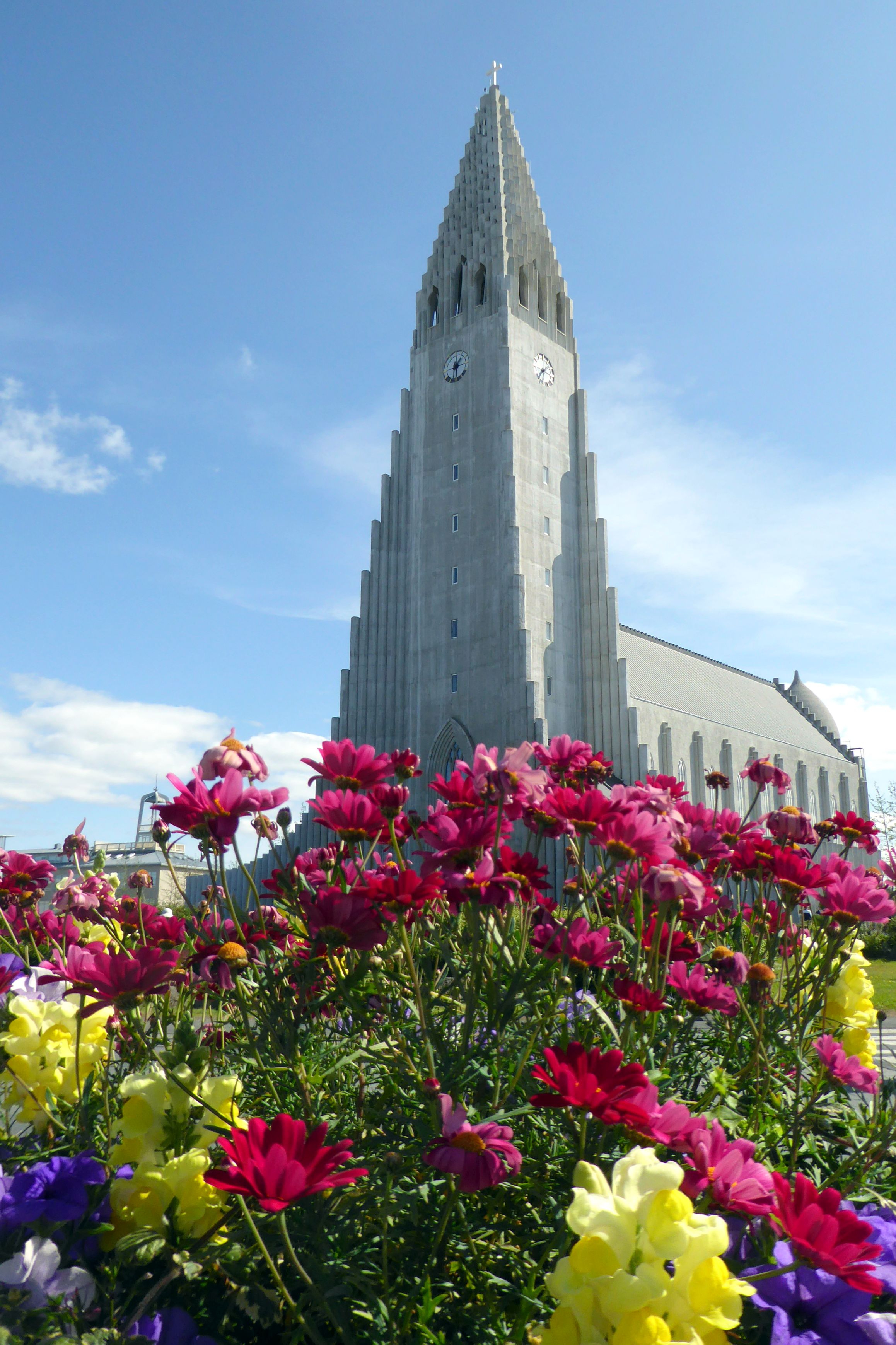
Hallgrimskirkja Lutheran Church

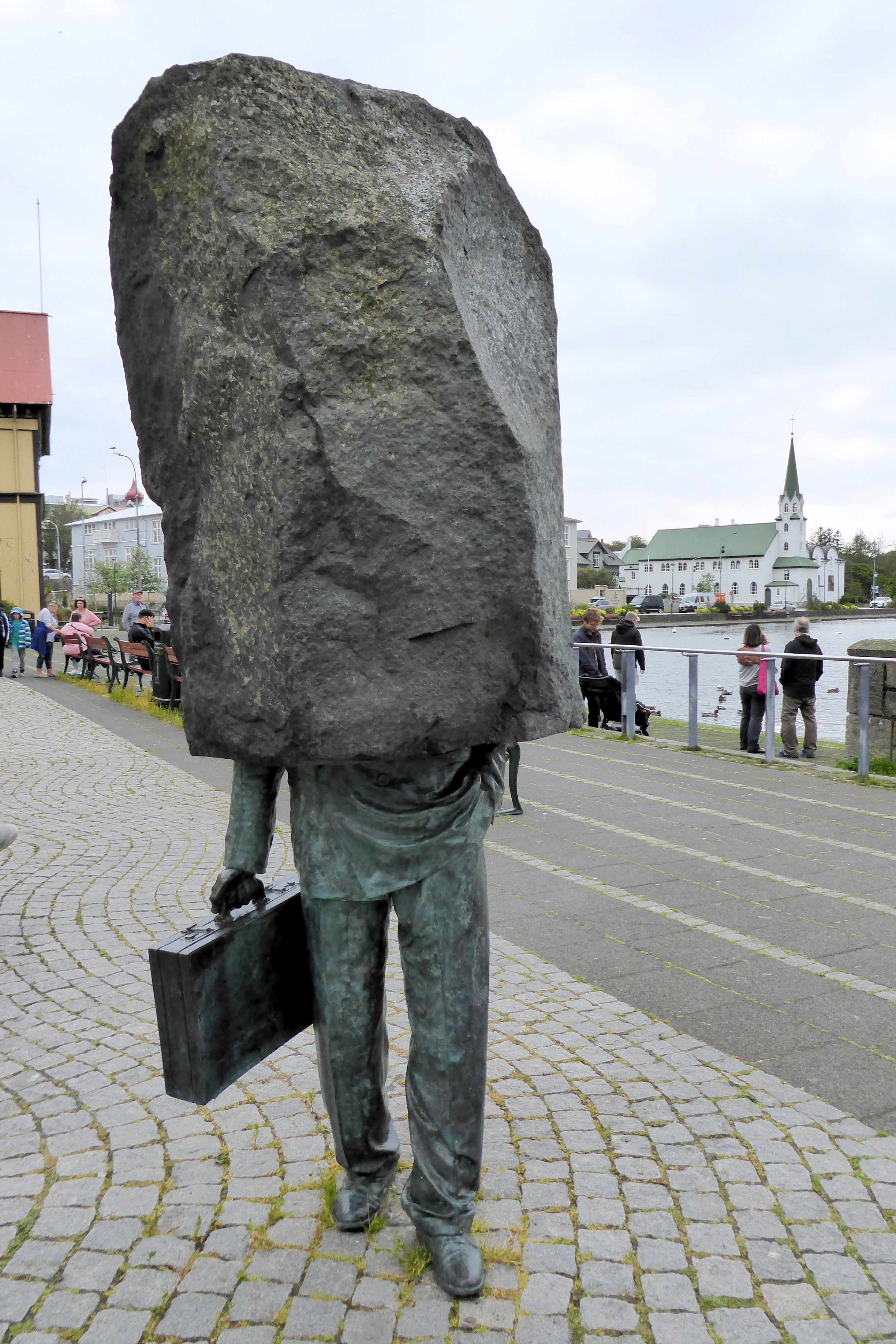
Monument of the Unknown Bureaucrat: Iceland’s tribute to its thankless civil servants.
Reykjavik’s famous hot dog stand was visited by Bill Clinton. Their hot dogs weren’t so hot, though…
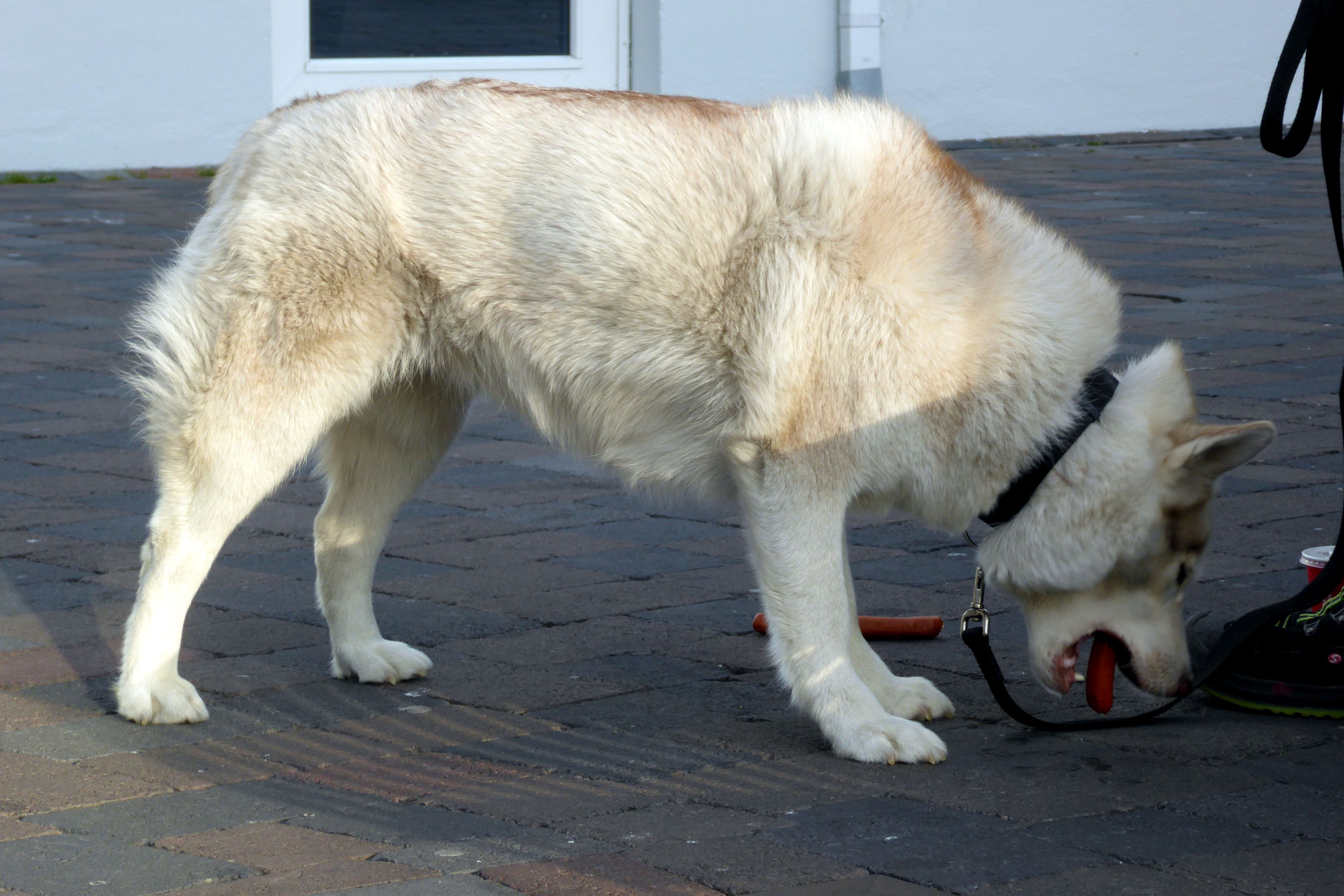
…Although, this pooch thought so! Her owner gave her his dogs, and he ate the rest. It’s a dog eat dog world!
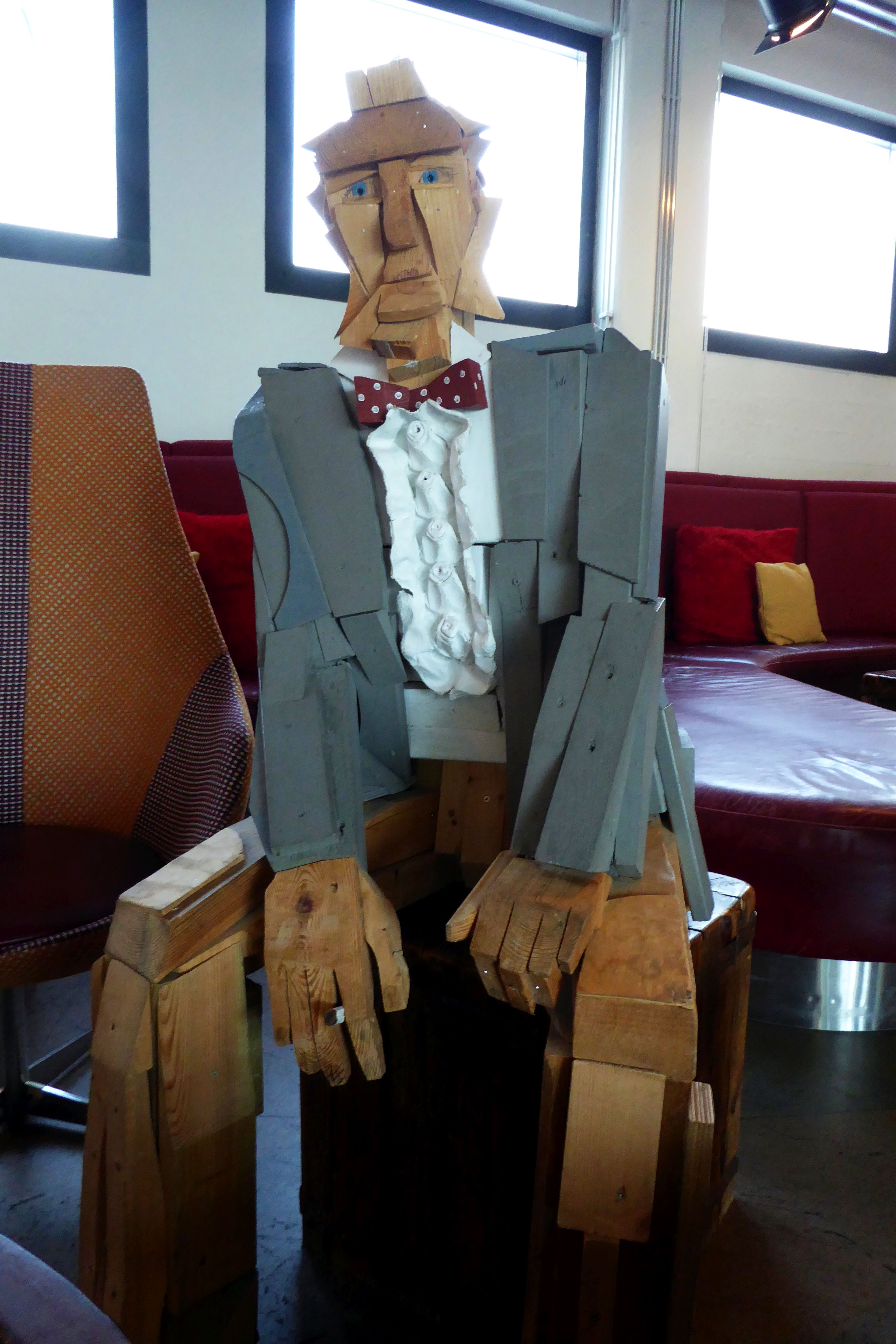
This dapper wooden chap greeted us in the hotel lobby…
… And, this guy decided to pass on the private men’s room!

Next up: Memorable Murals of Reykjavik

Note: If small group travel is of interest to you, I highly recommend Overseas Adventure Travel (OAT). Although Bruce and I travel together, they do not charge a single supplement for those who travel on their own. Singles also get their own room at hotels. If you book, you can get $100 off your trip by providing my name and customer number (Elaine Krugman, #3018126) as the person who referred you. I will also get $100 off future travel– a win-win!

ICELAND #11:  WATCHING WONDERFUL WHALES!

This was the “activity note” in our itinerary for July 25th: “Whale watching is weather dependent and relies upon the cooperation of migratory patterns, which can be difficult to accurately predict…If necessary, an alternate activity will be provided.”  As a result, I fully expected NOT to be able to go whale watching.  Better to not expect it and be pleasantly surprised than be disappointed if it doesn’t happen.  That’s my attitude, at least…

We woke up, looked out the window, and saw a beautiful day awaiting us.  Great!  But, would the seas be rough?  I had visions of Bruce and I being completely miserable, if the motion sickness meds I brought along didn’t do the trick.  Been there, done that; not fun.  If the seas looked rough, we were planning on backing out.

As we hoofed it down the pier to the boat to get a good (mid-ship = less motion) seat, I gazed out to the water and saw… NOTHING.  Nothing, as in no white caps and no swells.  AWESOME!  We enthusiastically climbed aboard and were on our way.

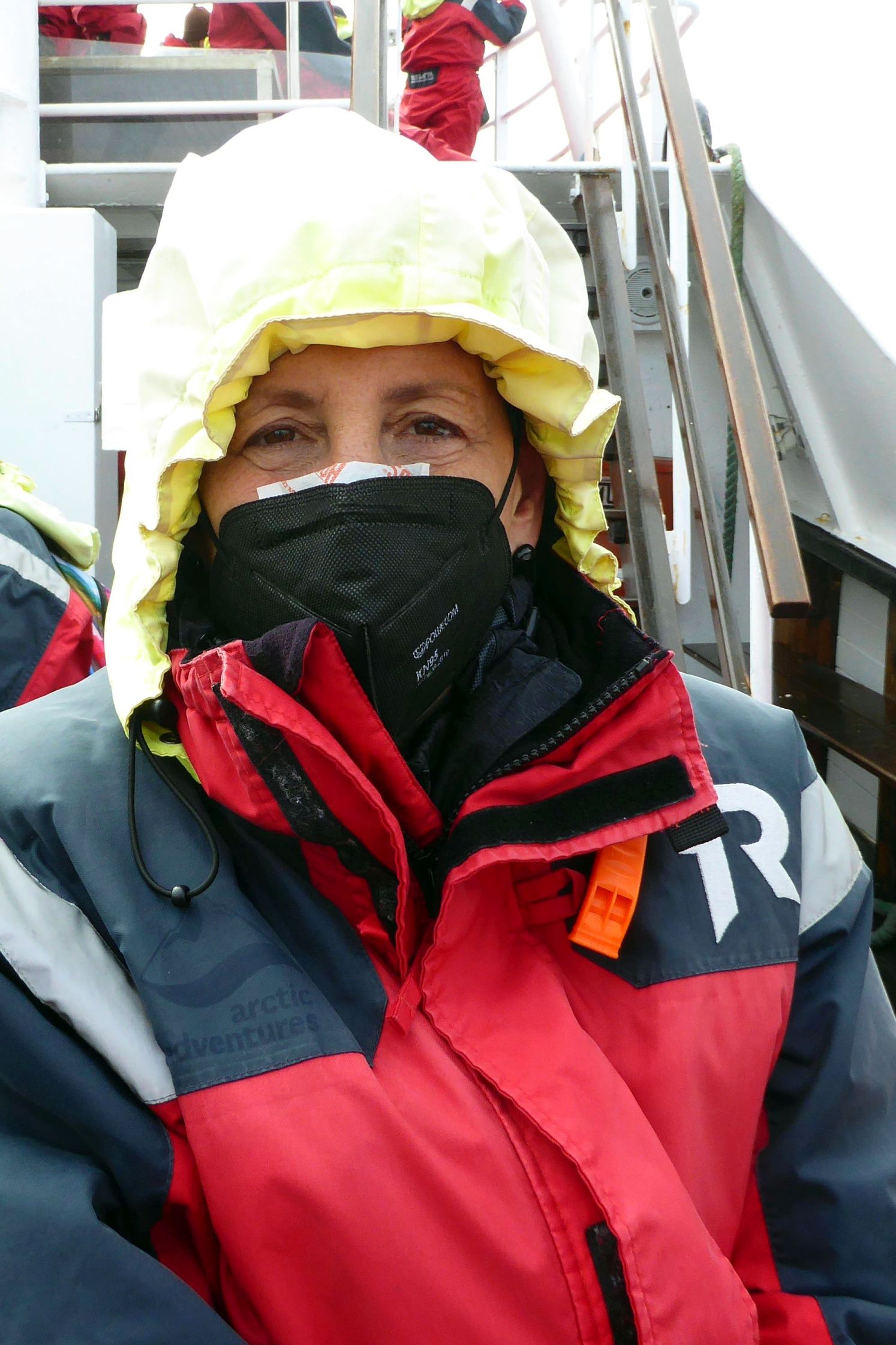
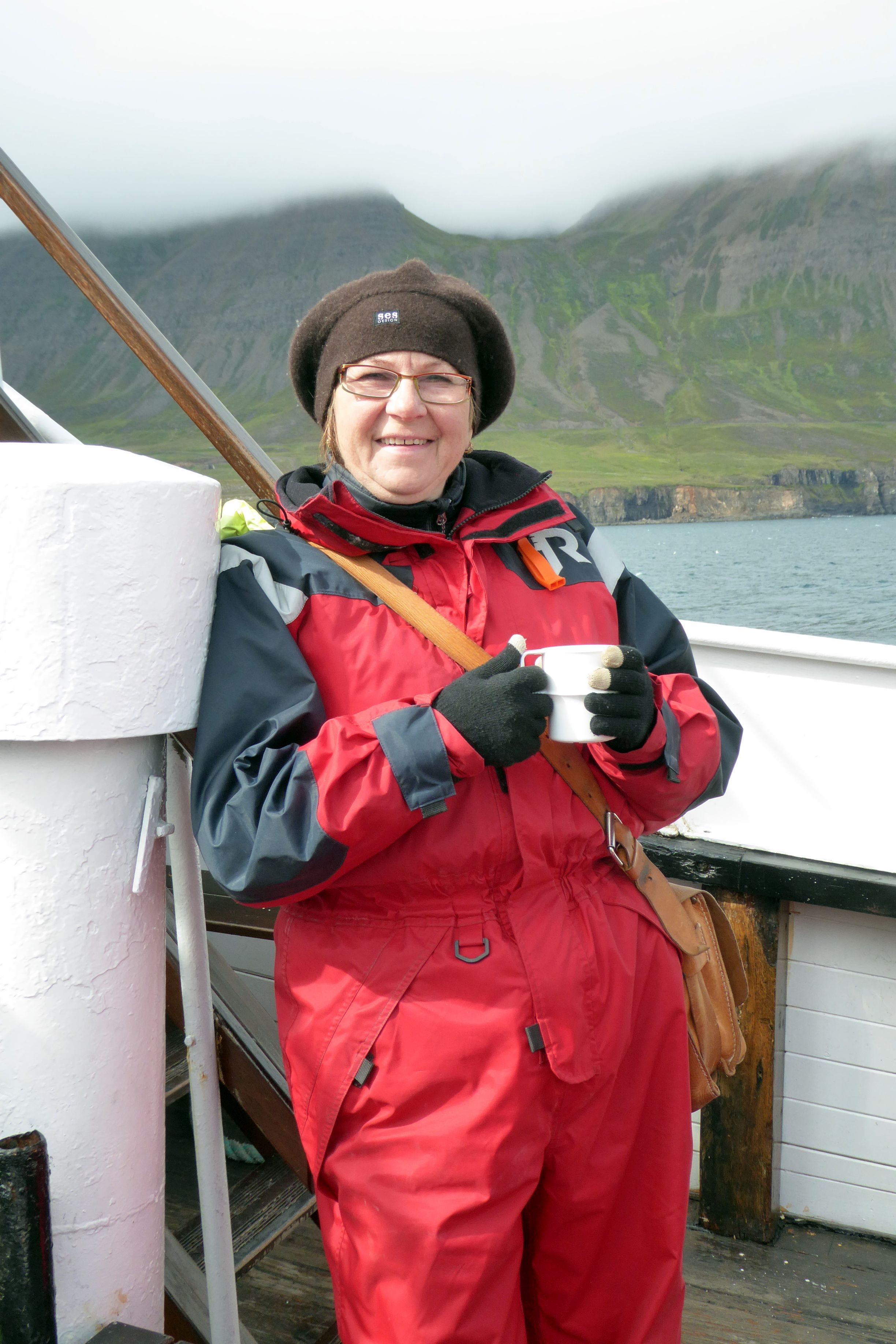
Thankfully, we were provided waterproof (and buoyant, in case of a man-overboard nightmare) suit that covered us head to toes, including a hood.  Between my long sleeve shirt, down vest, down jacket, rain jacket (with hood), ski gloves, COVID mask (to keep my nose warm) and hooded suit; I was well-prepared to battle the cold.  I had also brought along a pair of HotHands, a product recommended by my sister and the Raynaud’s Association newsletter, an excellent resource for Raynaud’s sufferers like me.

It was cold out there, but the Hot Hands worked great!  I slipped one into each glove, and my hands actually got too hot!  I decided to stick them in my pockets instead, keeping my hands there in between shooting photos.

This is how I kept my nose warm, when my hands needed a break from the heat:

(For all pictures, click on the image to see full screen view.)

(Note to self for next winter:  Take the advice of Raynaud’s Association Chairman, Lynn, and place a HotHand in between two masks rather than right on my nose.)

(Correction: In a message from the HotHands “Consumer Relations Specialist, he stated, “Even over a layer, these warmers are not intended to be used on other body parts other than the hands. That could still result in a burn.”)

The waters off of Dalvik (near Akureyri in North Iceland) were peaceful, and the views spectacular.  We even saw some puffins out on the water, but it was whales we were hoping to see.

As the Arctic Sea Tours captain and his first mate searched the waters for whales, Haflidi, our bus driver, assisted.  As a former commercial fisherman, he has had a lot of experience on the waters and had an eagle eye for the whales.

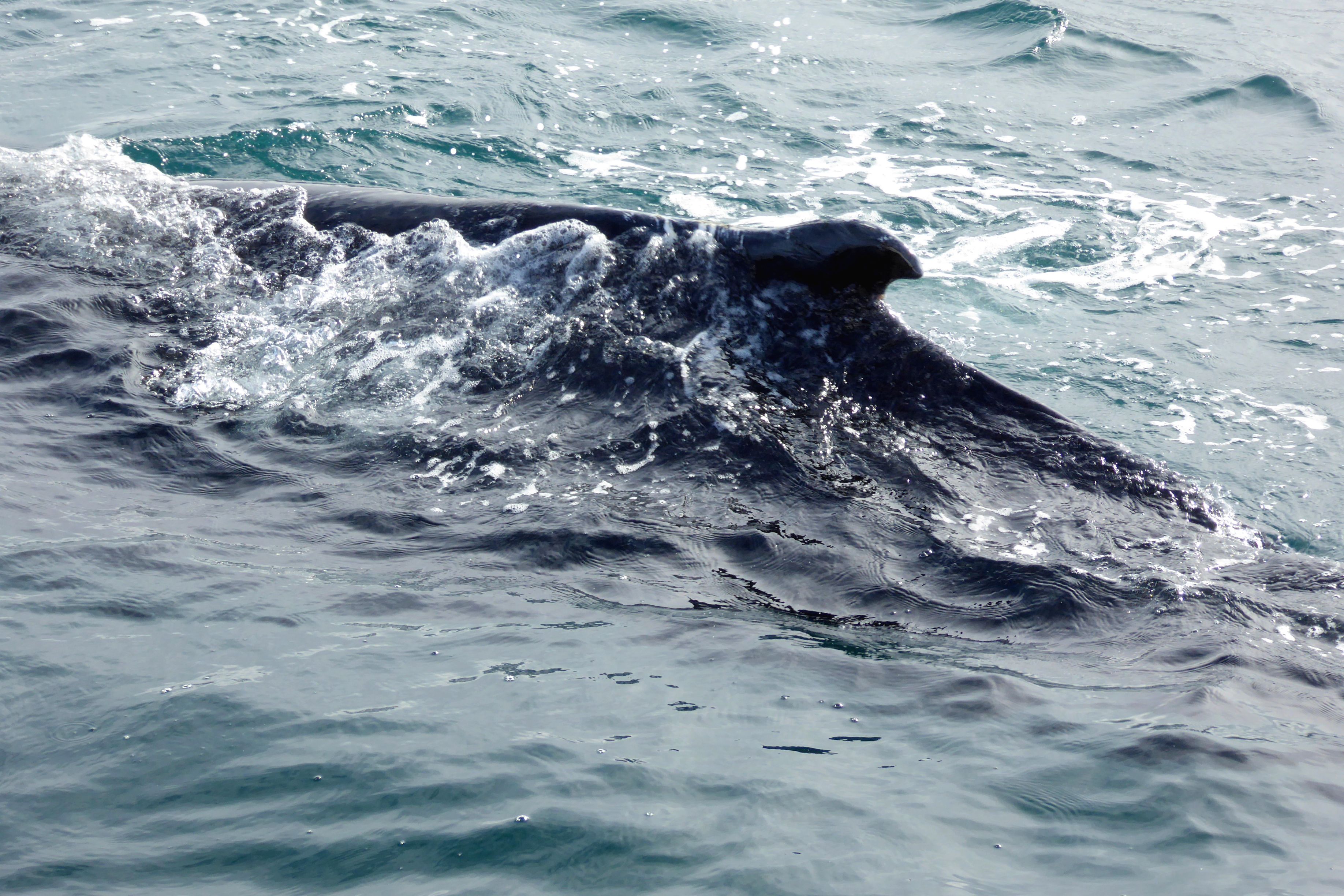
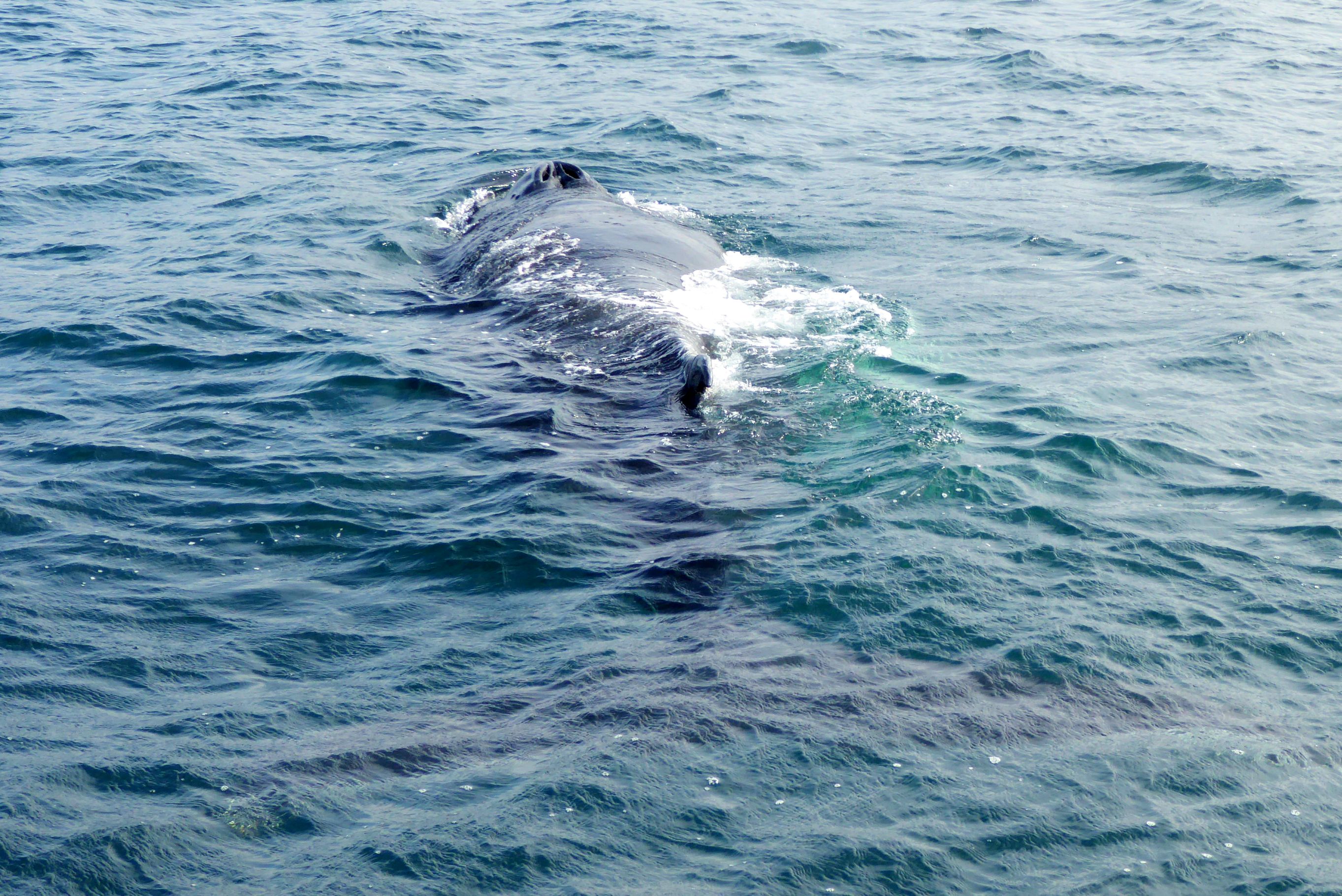
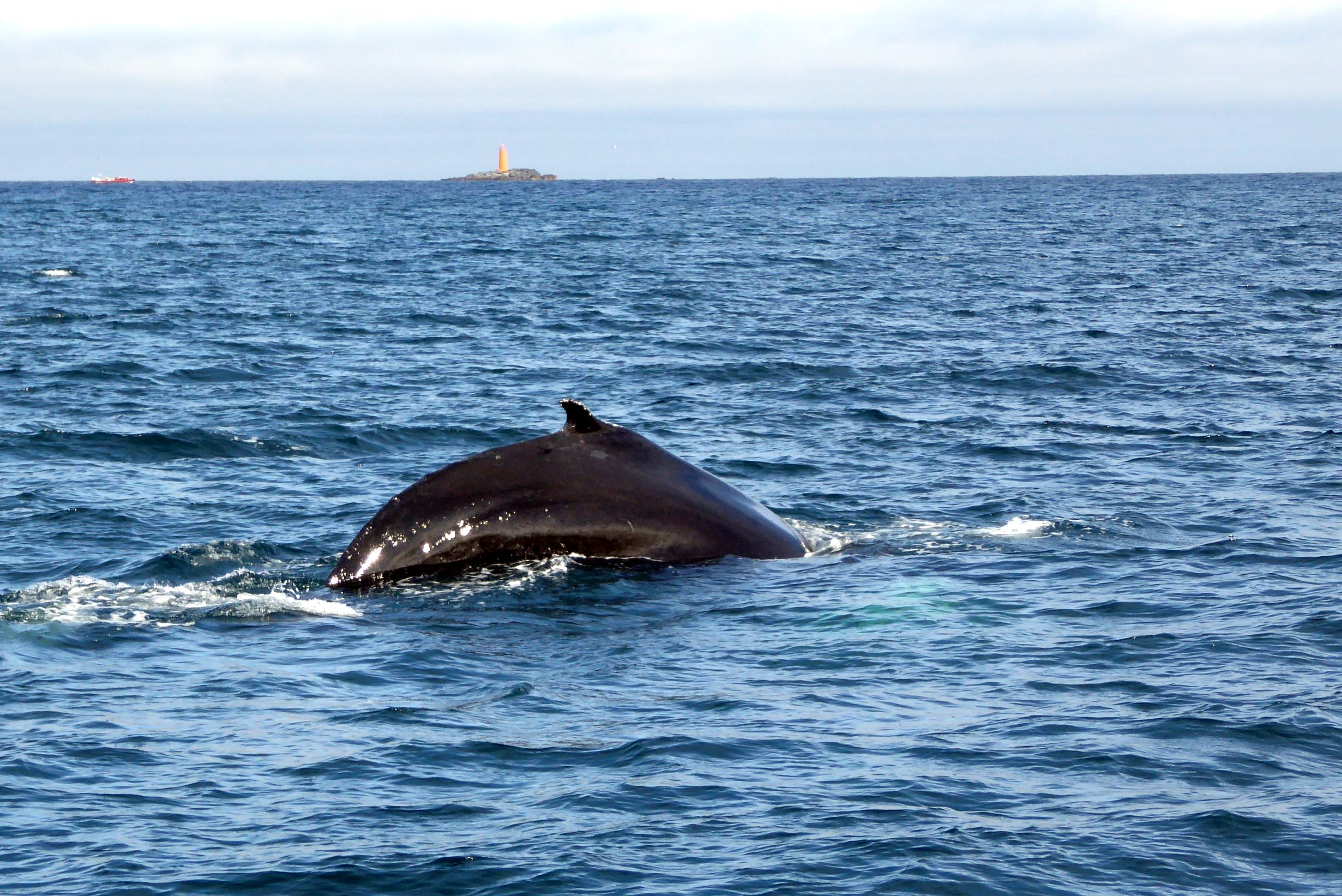
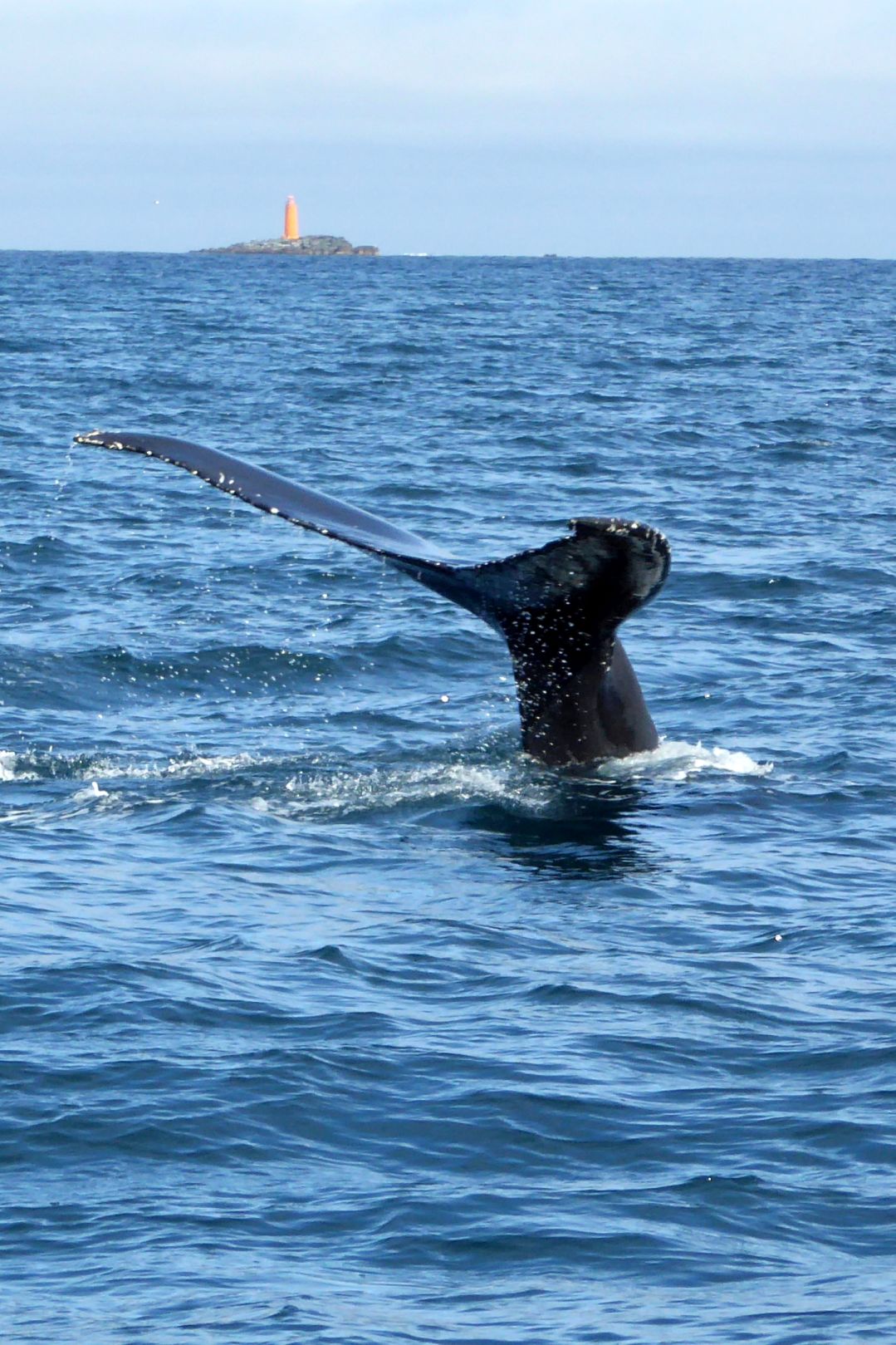
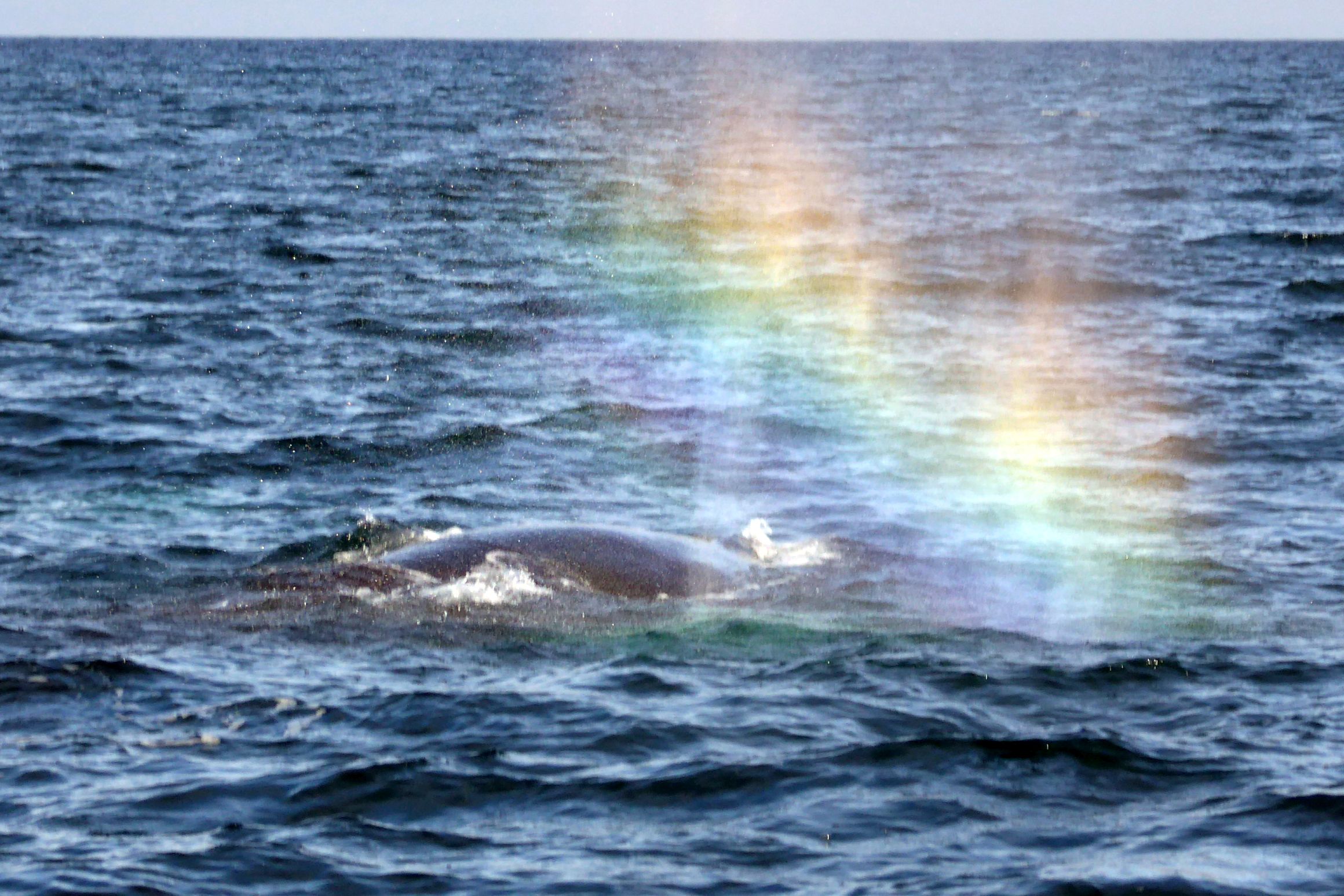
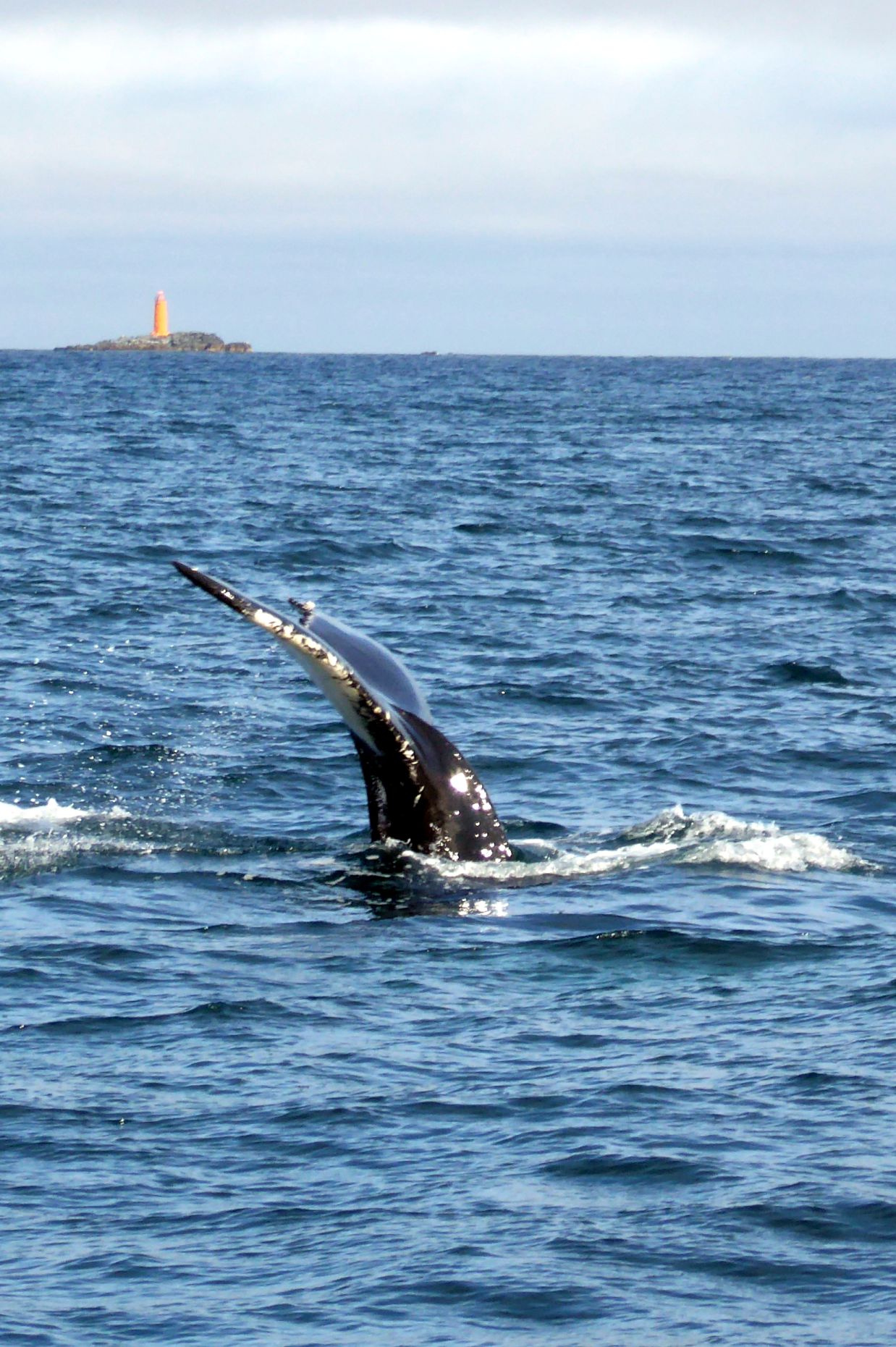
Humpback whales and Minke whales were specifically what we were hoping to see, and they made their presence known – right next to the boat!  Here is one that came within ten feet of the port side as we idled.  No need to zoom in for this shot!  As a matter of fact, Humpbacks range in size from 46-56 feet long, so it looked huge next to our boat!

Two of the whales we saw just floated next to the boat and rested as we idled and watched.  They seemed to be as curious about us as we were about them.  Either that, or they were so used to whale watching boats that they just ignore them.

So graceful, so beautiful!

The scenery served as a gorgeous backdrop, and I took in the beauty as I enjoyed our snacks of hot chocolate and cinnamon rolls that were offered to all on board.

Thorunn, our wonderful tour leader
Our awesome bus driver, Haflidi, with Bruce and Drew
On our way back to town, we passed by the tiniest church in Iceland.

When we returned to Akureyri, I made a beeline to the pool across the street from our hotel.  This was the day I wrote about in my first Iceland post; my most memorable swim in Iceland.

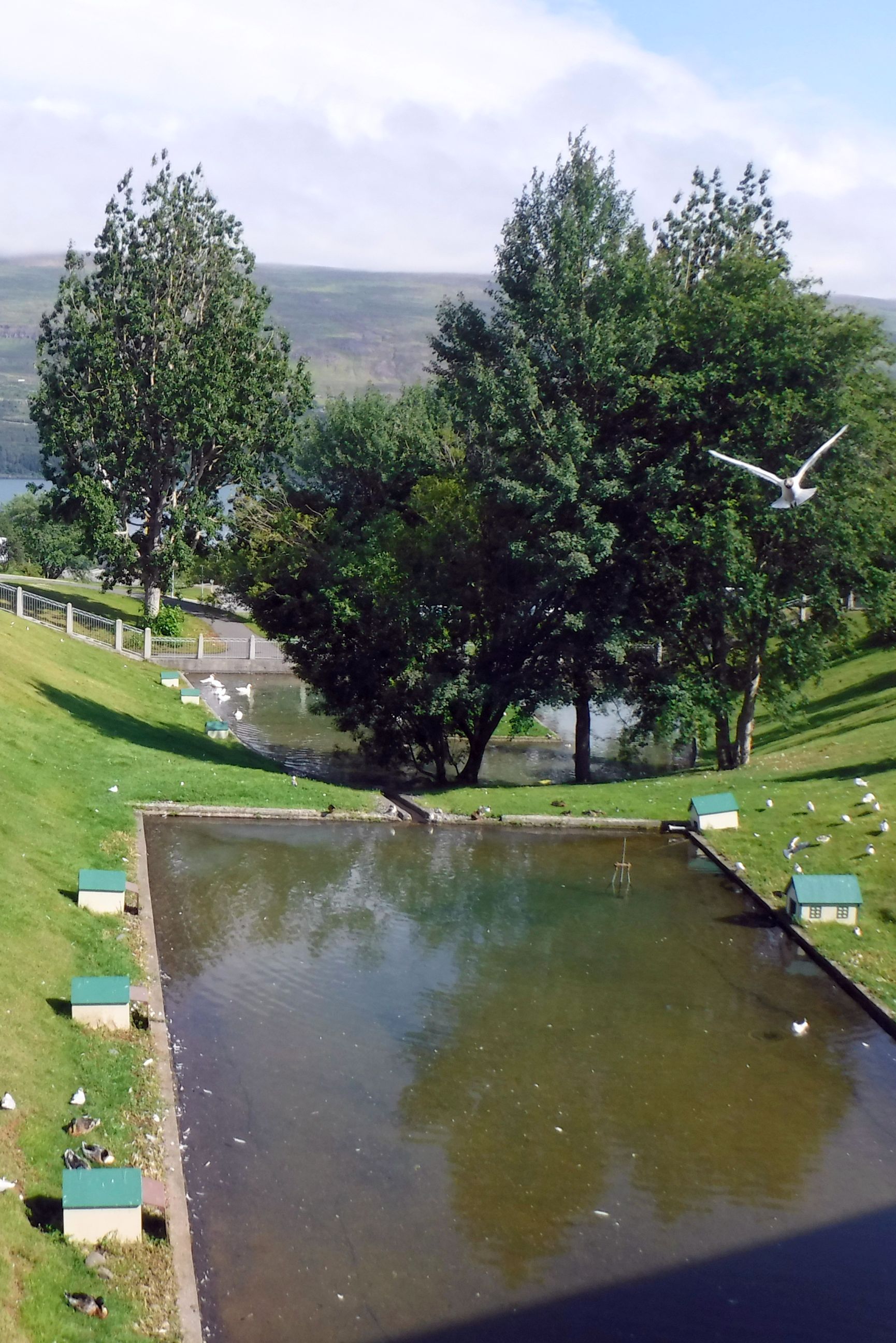
The view from the pool across the bird pond, park, and harbor

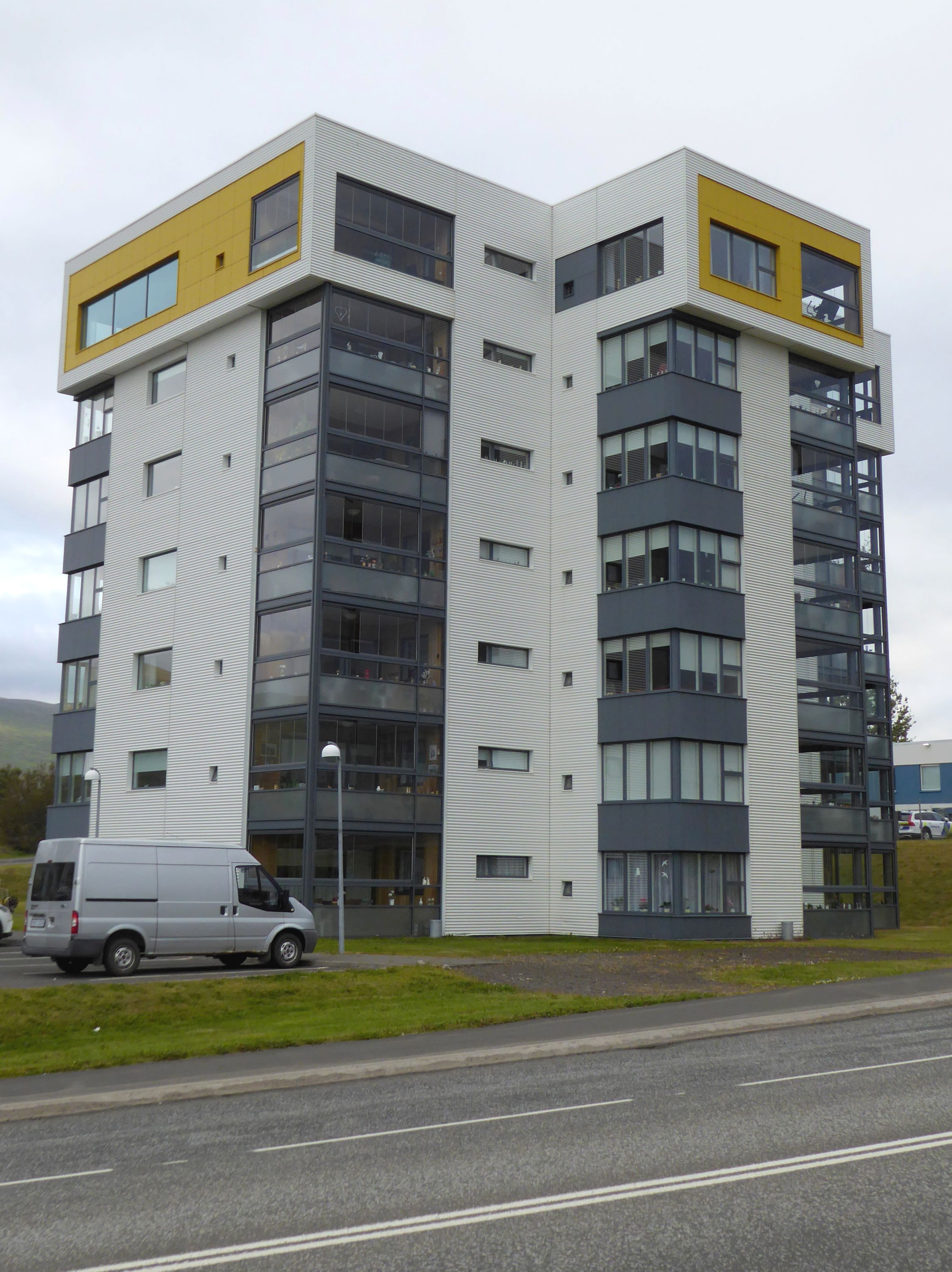
Invigorated and refreshed, I dumped my swim gear off at the room, joined Bruce, and headed back out for a two-mile roundtrip walk to the grocery store for dinner.  Along the way, I snapped this photo just to show you what a modern Icelandic apartment building looks like:

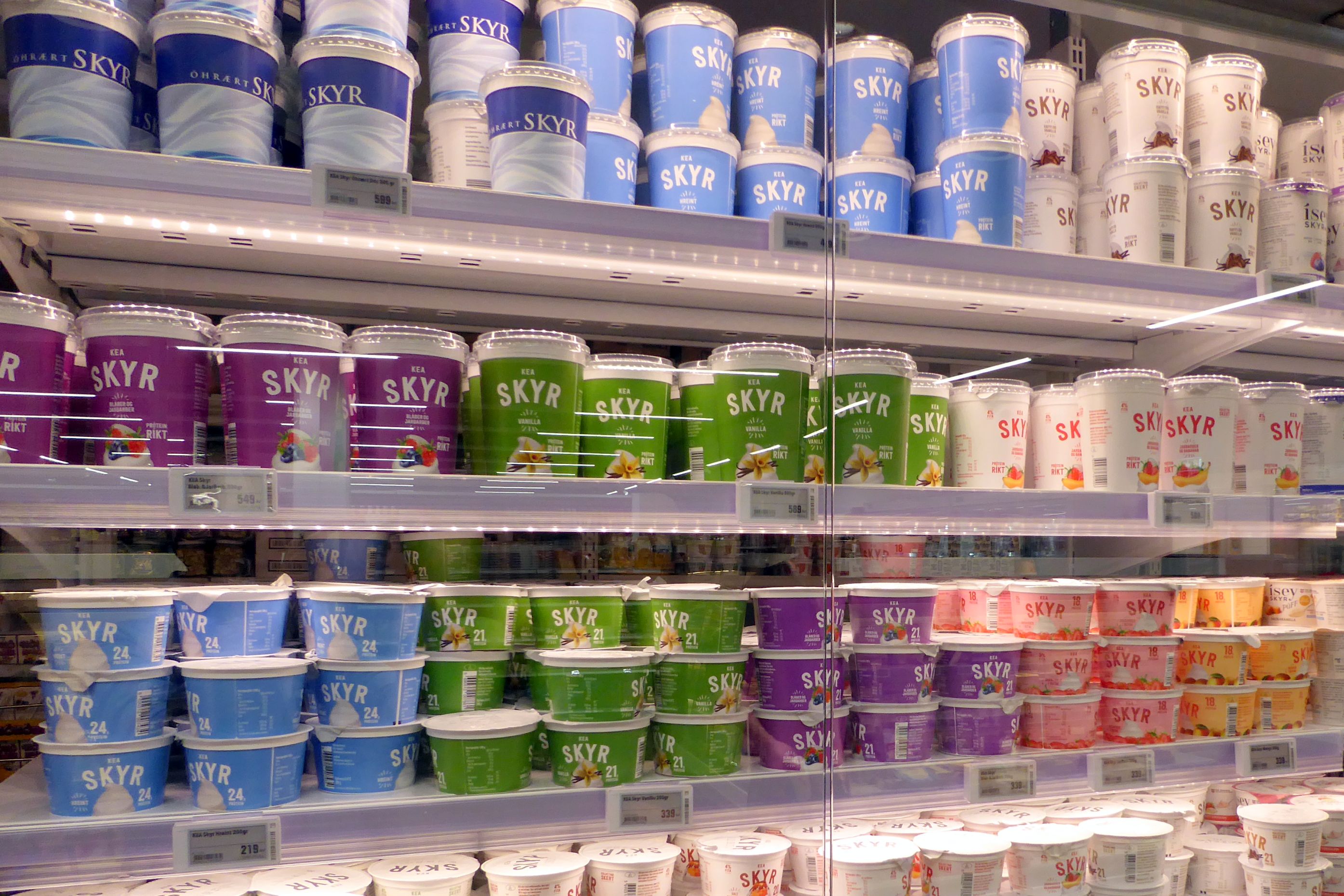
Here are some typical Icelandic foods:

Icelandic skyr is even better than Greek yogurt!
Pickled and frozen fish
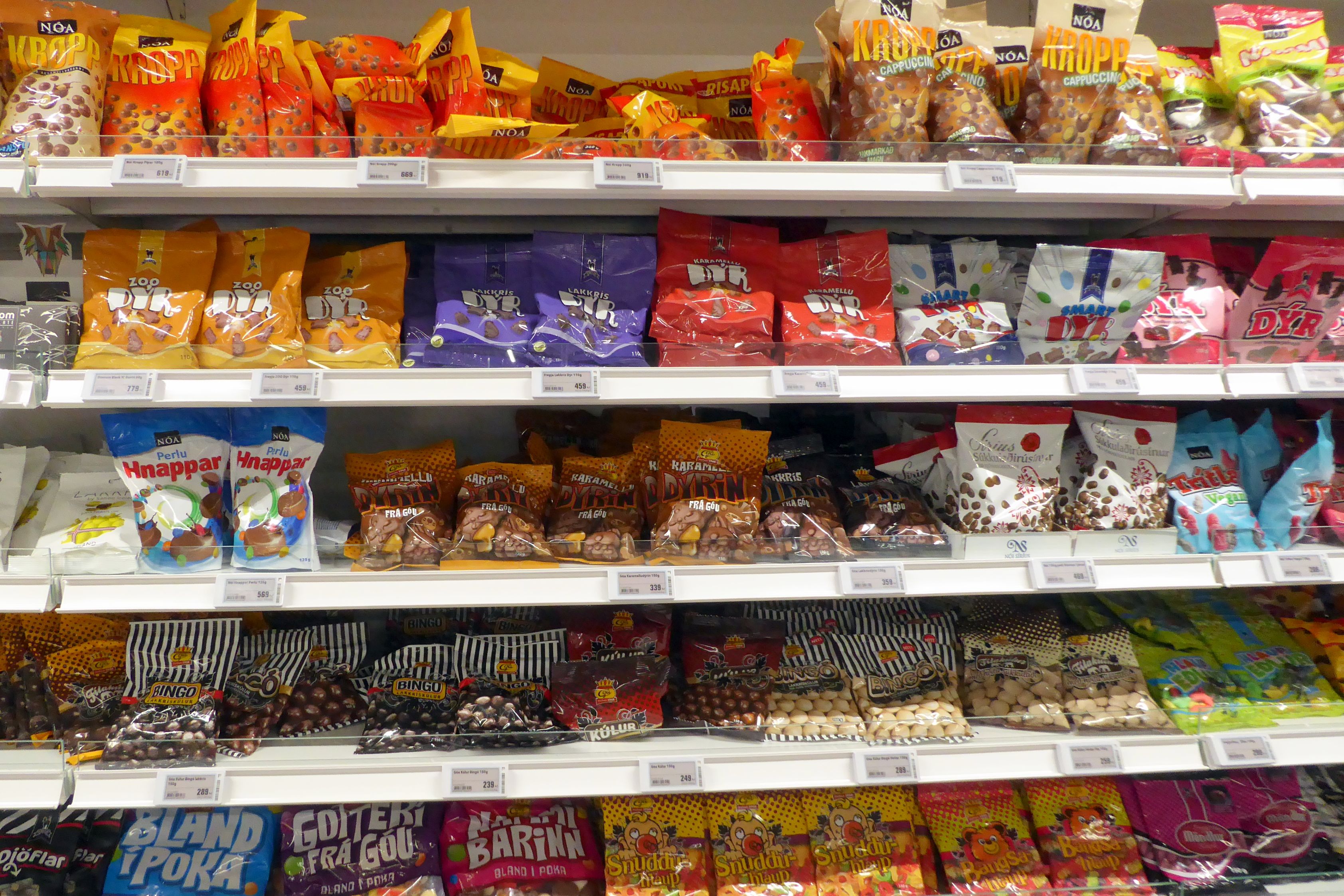
Notice the “Kropp” on the top shelf and “Bland” on the bottom shelf. It got a chuckle out of me!

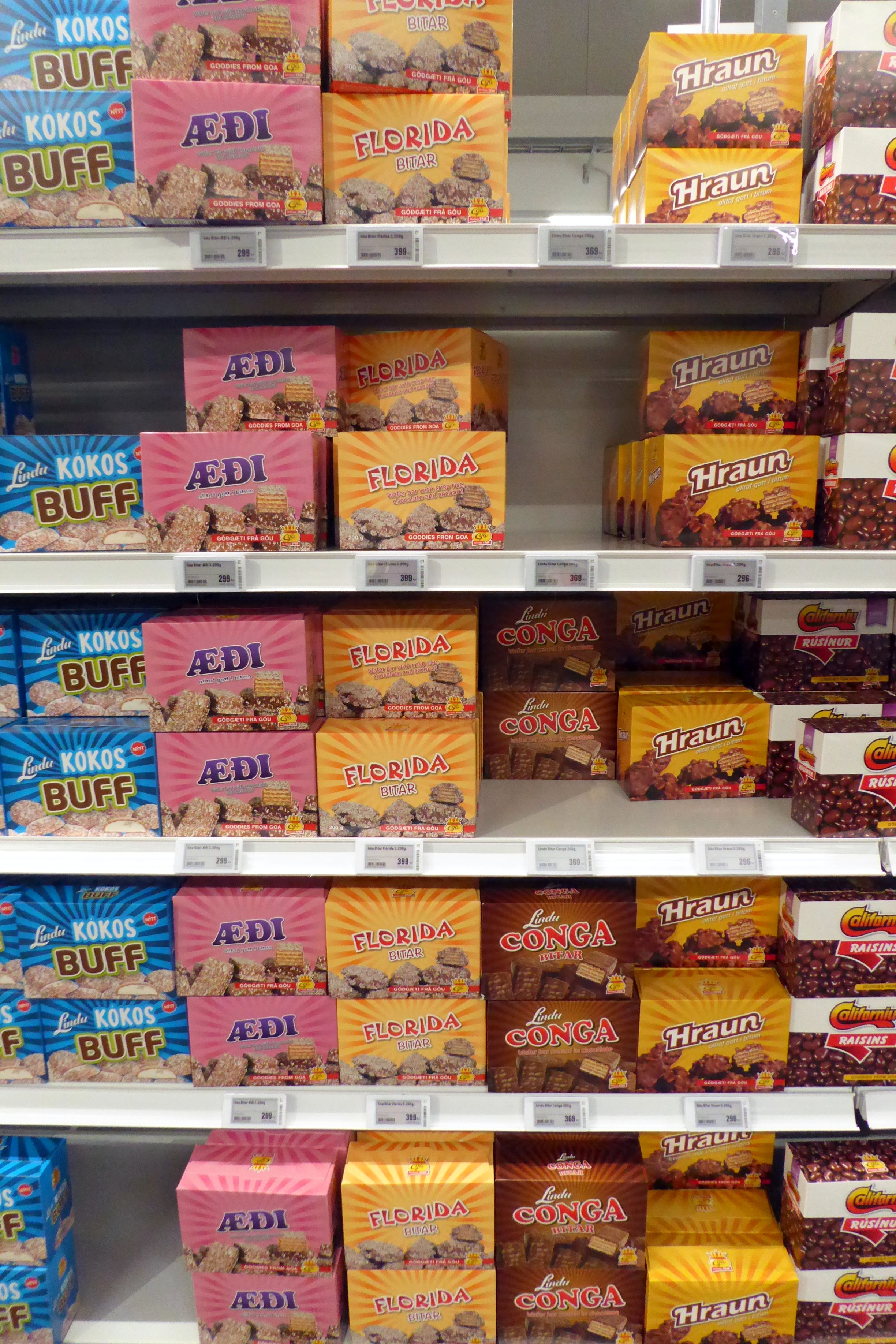
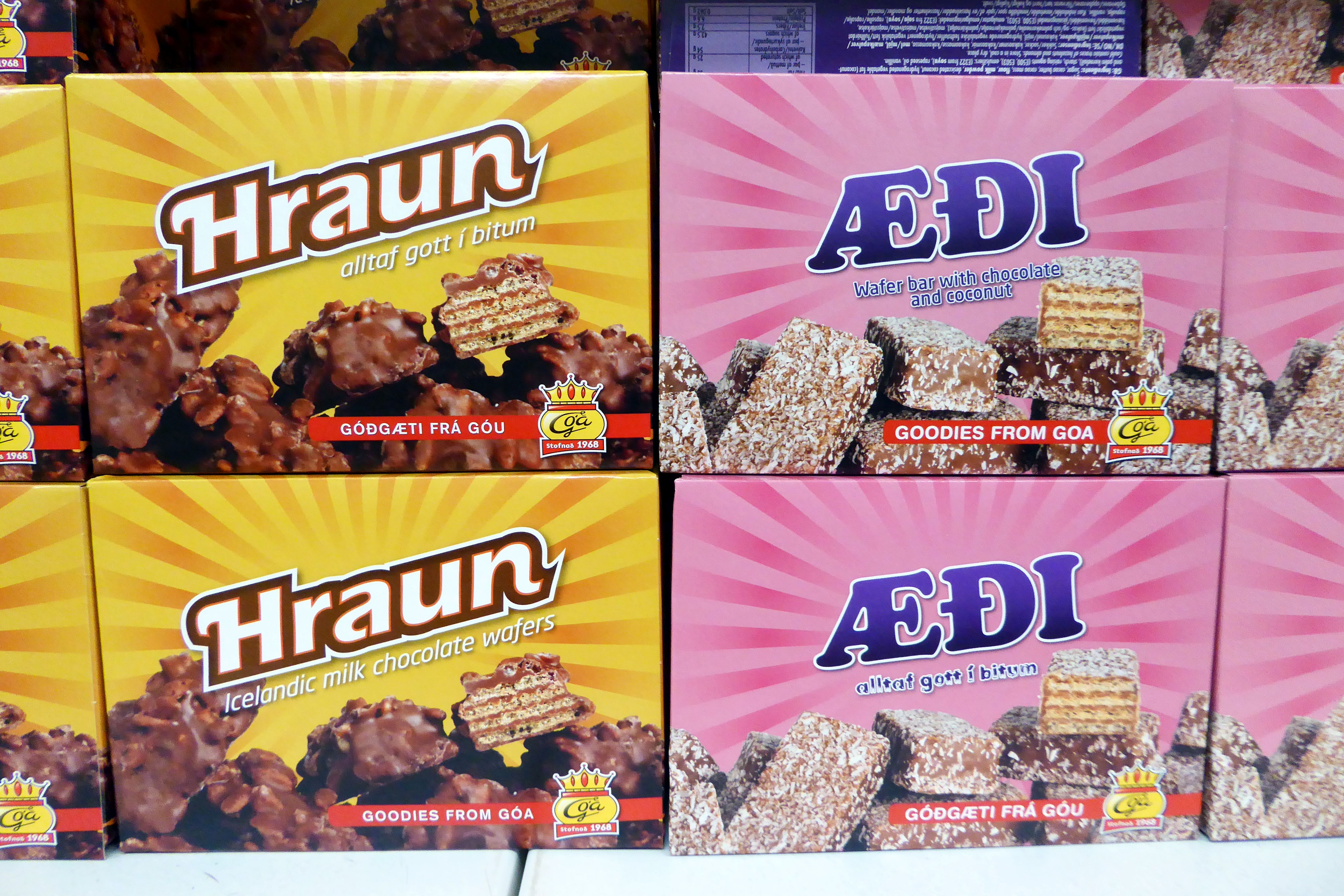
See those bags and boxes of chocolate-covered treats?  Our tour leader, Thorunn, often surprised us on the bus or at the end of a group lunch by offering these to us to sample.  At the end of lunch one day, a bowl of Hraun magically appeared on our table, just as I was thinking to myself, “I sure would like some chocolate right about now…”

It was fun tasting the various Icelandic treats.  The only one that didn’t appeal to me was the chocolate covered black licorice ball.  Not a fan of black licorice!  It is very popular in Iceland, though, and quite abundant on the candy aisle.  I learned the Icelandic word for licorice, so I could avoid it at all costs as I did my chocolate shopping:  “Lakkris.”  If you love black licorice like a couple on our tour did, you would LOVE the candy aisle in an Icelandic grocery store!  Cheers, Brenda and Peter!

Coming up next: Rambling Around Reykjavik

Note: If small group travel is of interest to you, I highly recommend Overseas Adventure Travel (OAT). Although Bruce and I travel together, they do not charge a single supplement for those who travel on their own. Singles also get their own room at hotels. If you book, you can get $100 off your trip by providing my name and customer number (Elaine Krugman, #3018126) as the person who referred you. I will also get $100 off future travel– a win-win!