SOUTHWEST FRANCE, NORTHERN SPAIN & PORTUGAL #15: SANTA COLOMBA DE SAMOZA

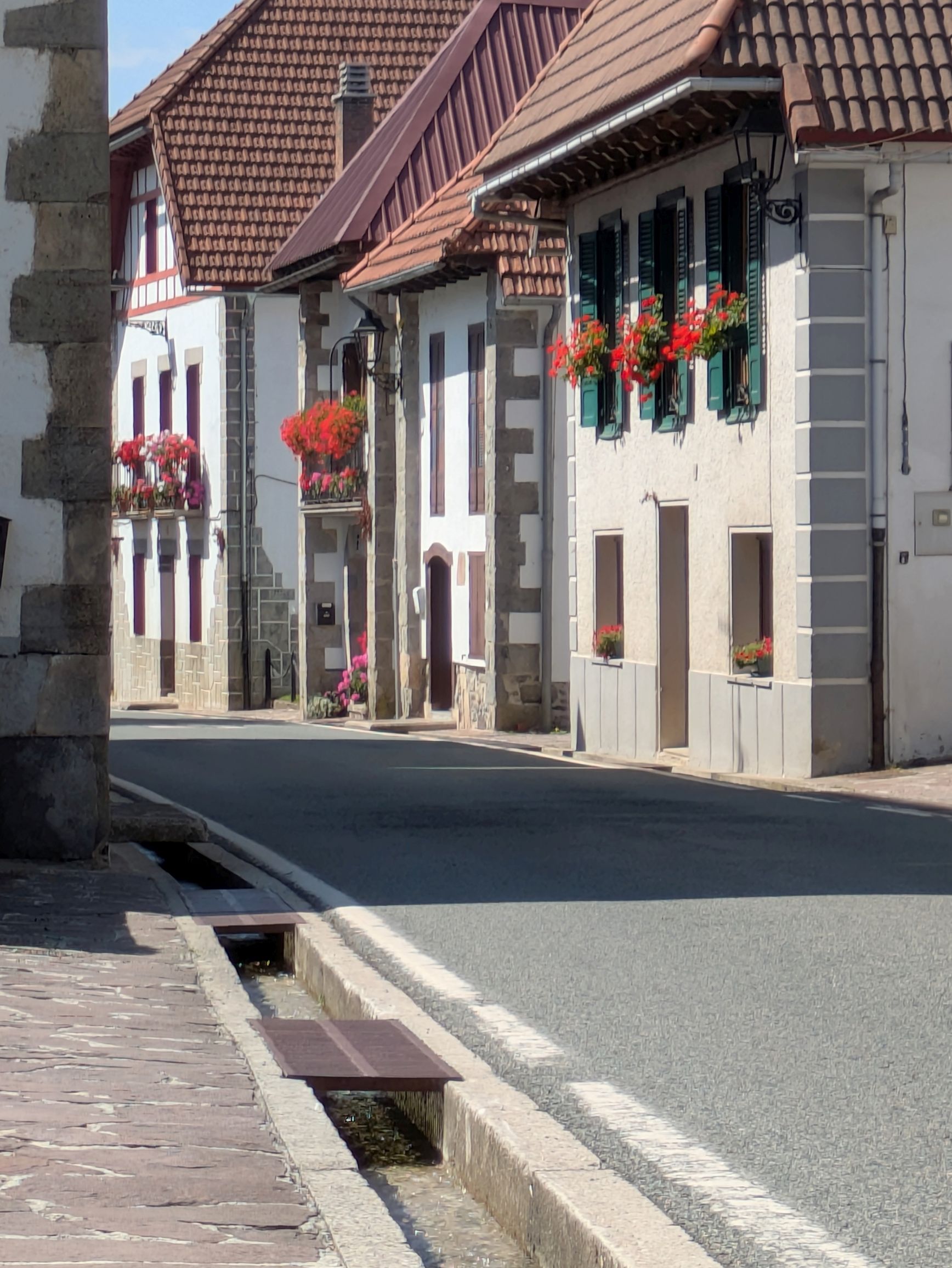
On our way to Santiago de Compostela, we stopped to see a small village with another long name: Santa Colomba de Samoza.  Located in the historical and remote region of la Maragateria, Spain, the residents (“Maragatos”) are believed to be the last living descendants of the North African Berbers who arrived in Iberia in the eighth century. 

Honey production has been an important trade in this region, and there are around 1,000 beekeepers in León, about a one-hour drive from the village.  The honey that is produced is made into a sweet syrup, an ingredient in local desserts.

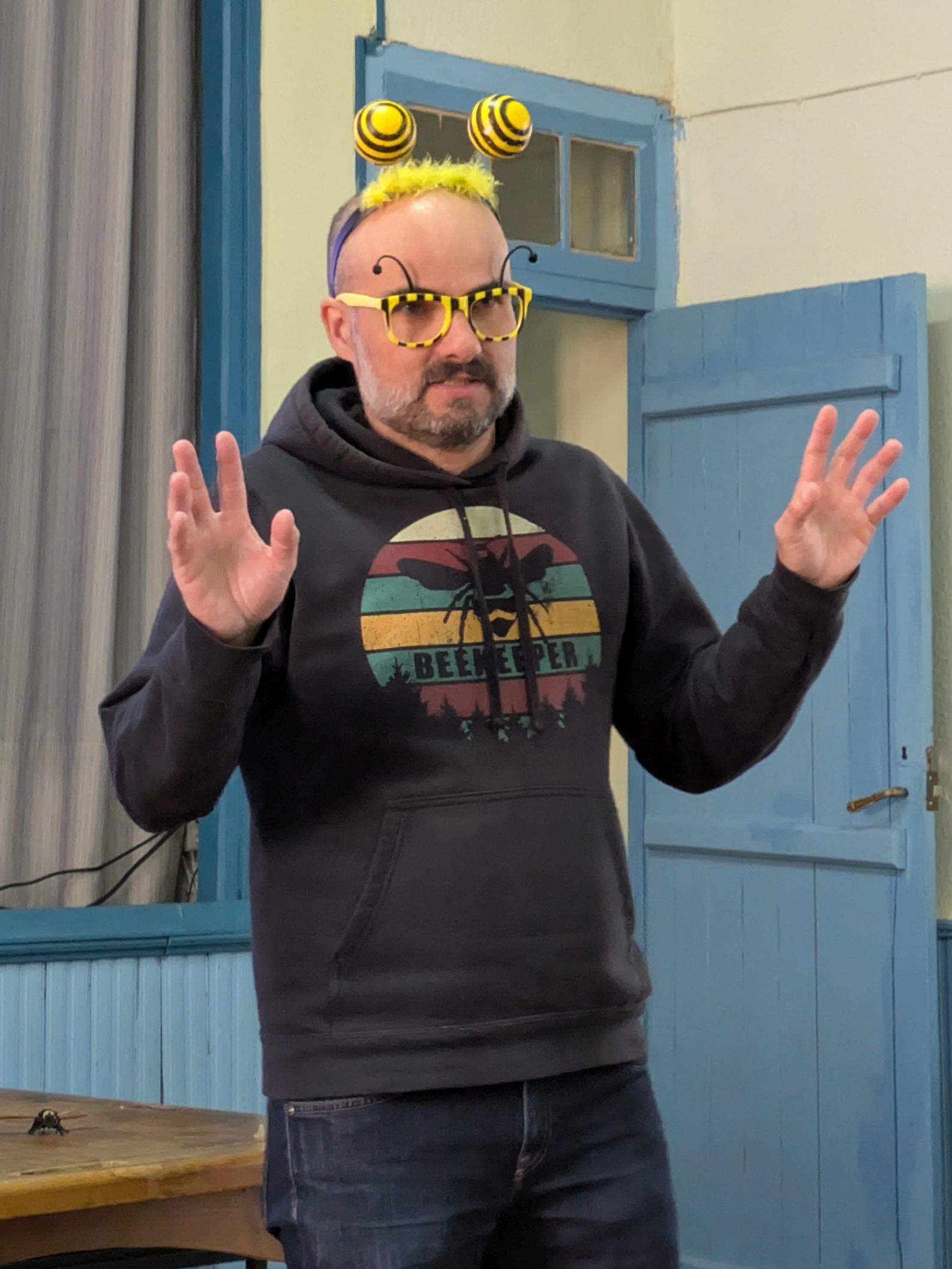
We met with a local beekeeper, Oscar, to learn about his bees and the process of collecting the honey from his hives.  Like many other villagers, his family had left the village for better opportunities in the cities.  Madrid had become their new home, and that is where Oscar was born.  As an adult, Oscar decided to return to his family’s empty village to join the effort in rebuilding its businesses.  There are only 30-40 people in the village that live there in the winter, and Oscar is one of them, trying to grow his honey business, “La Floritura.” He also speaks to schoolchildren about the importance of bees and beekeeping.

(For all photos, click on the image for a full screen view.)
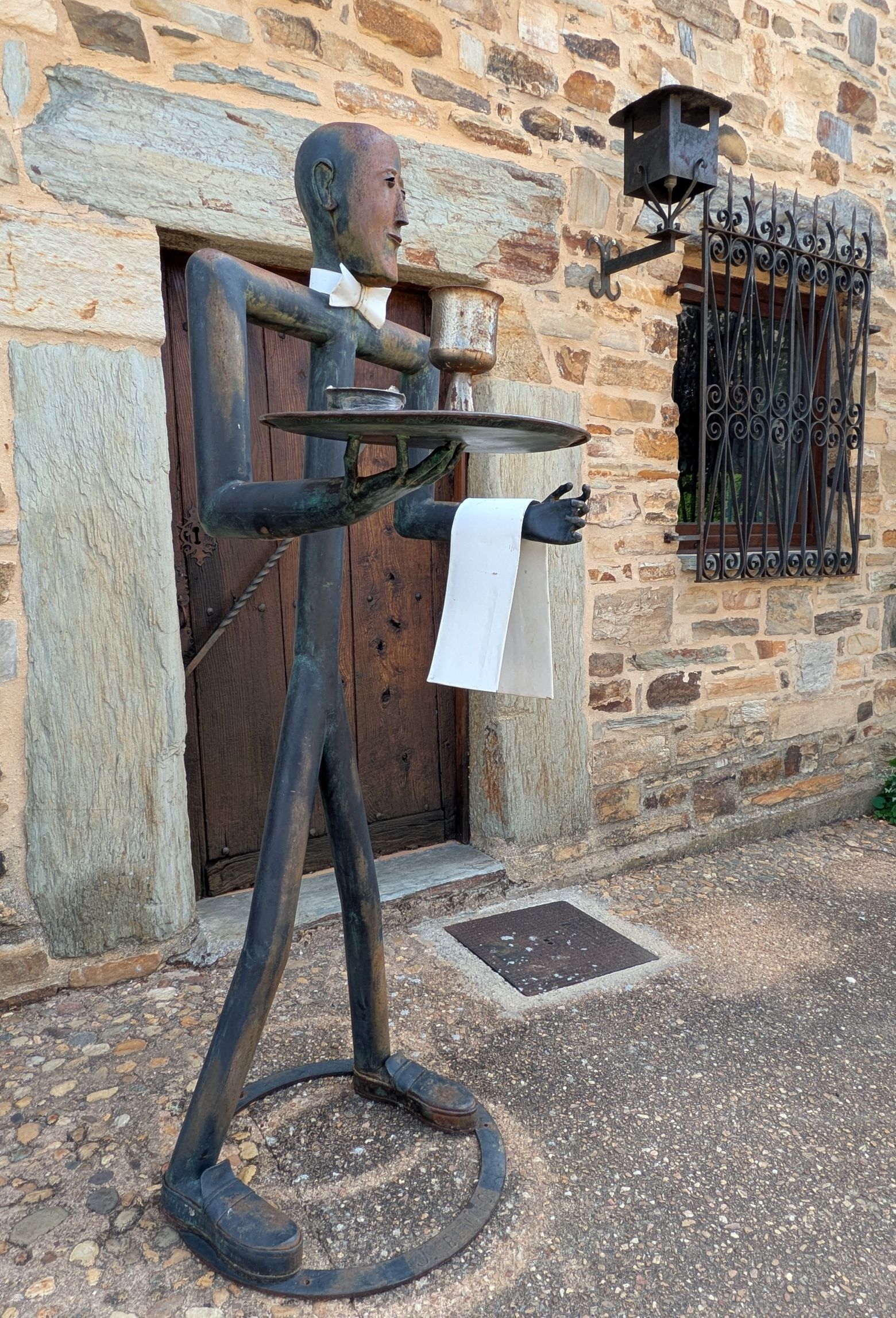
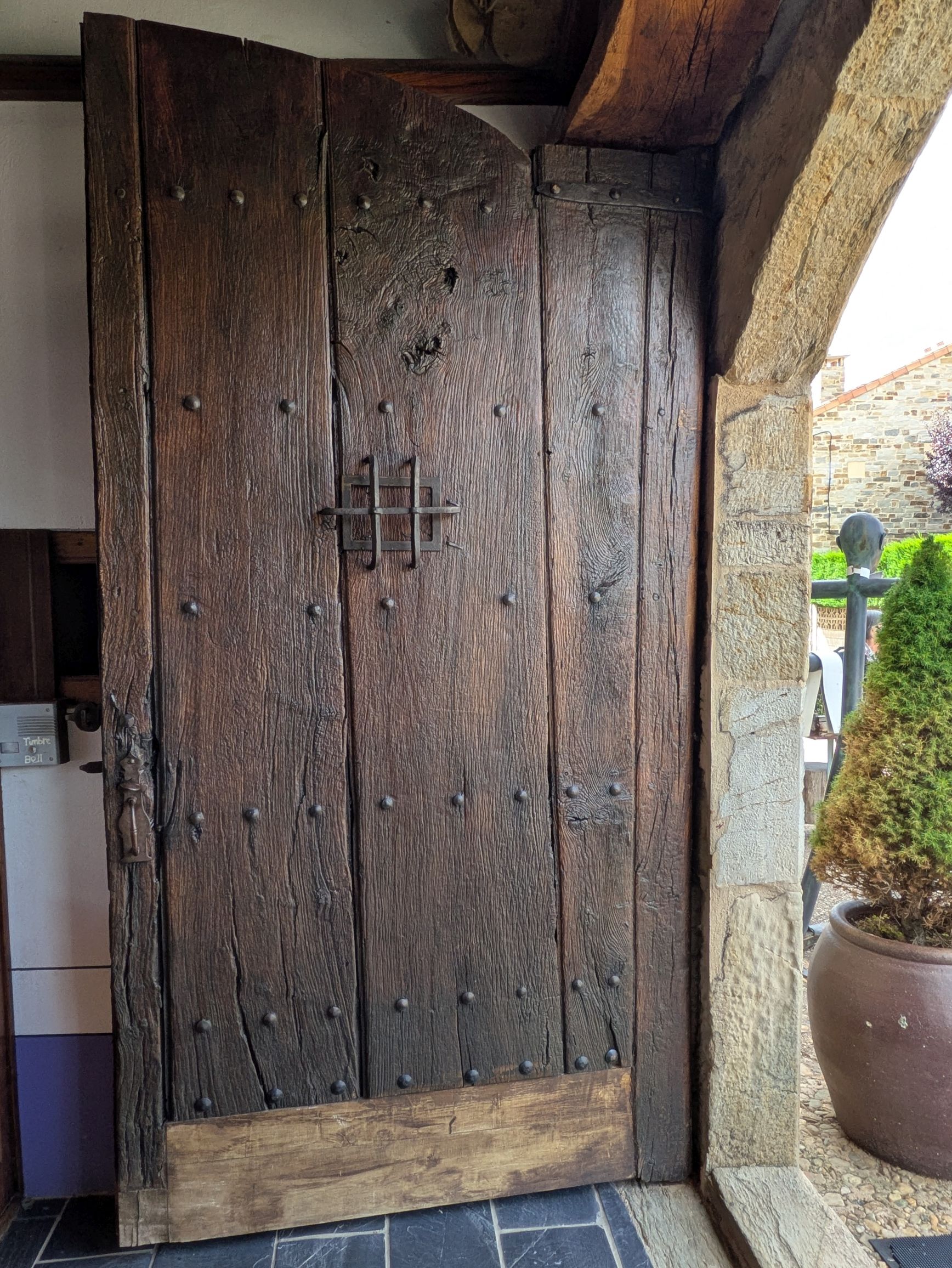
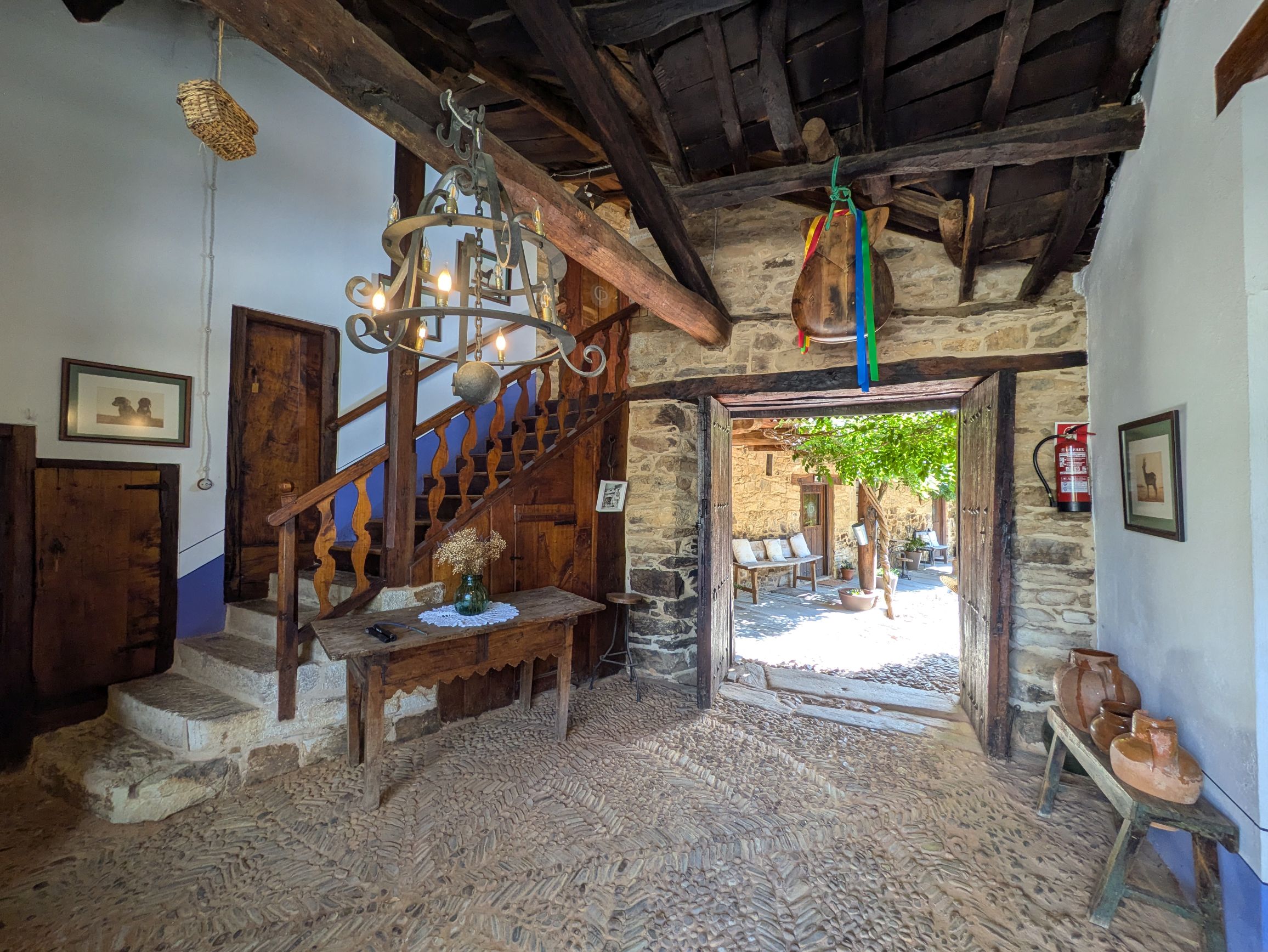
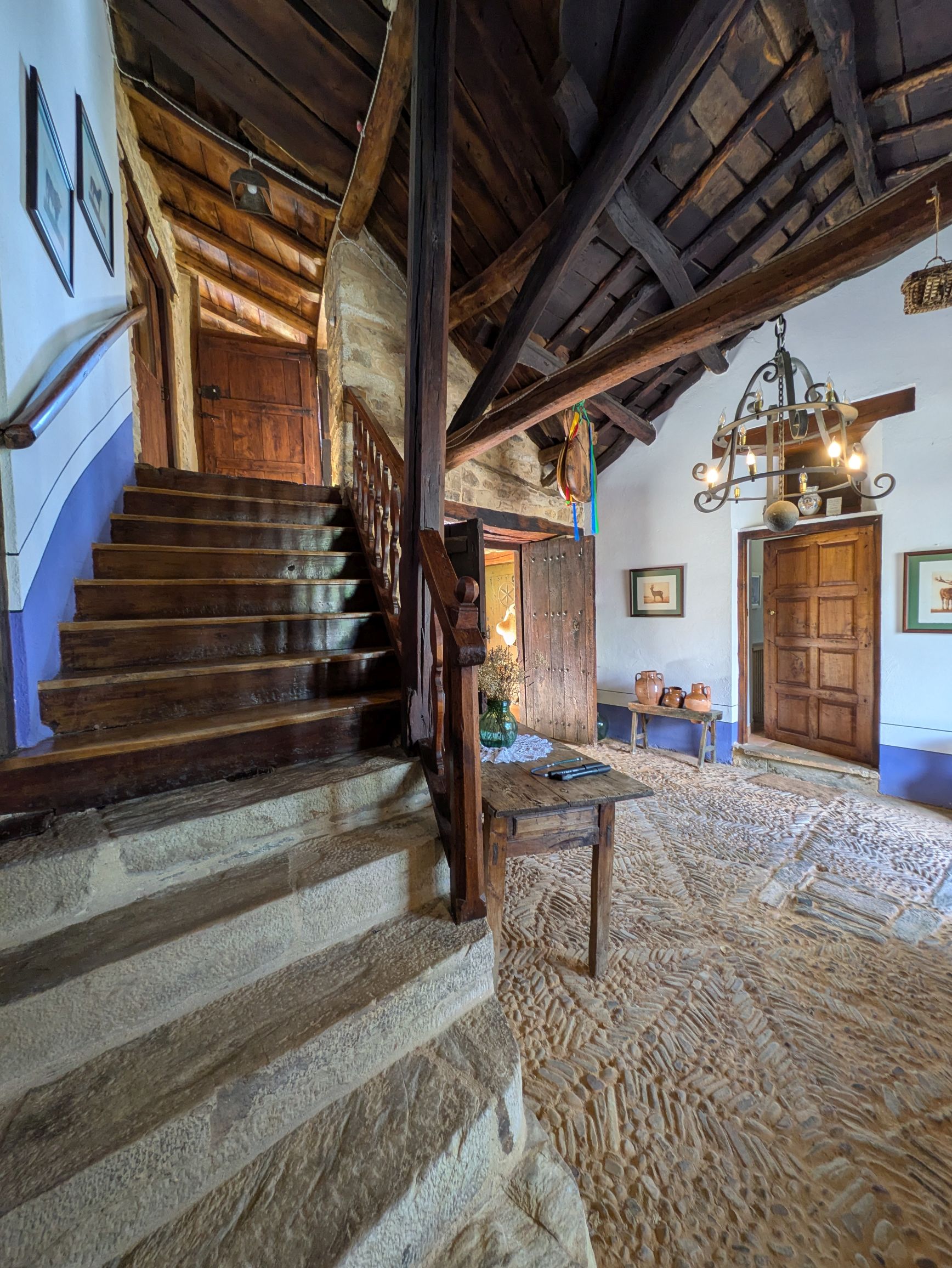
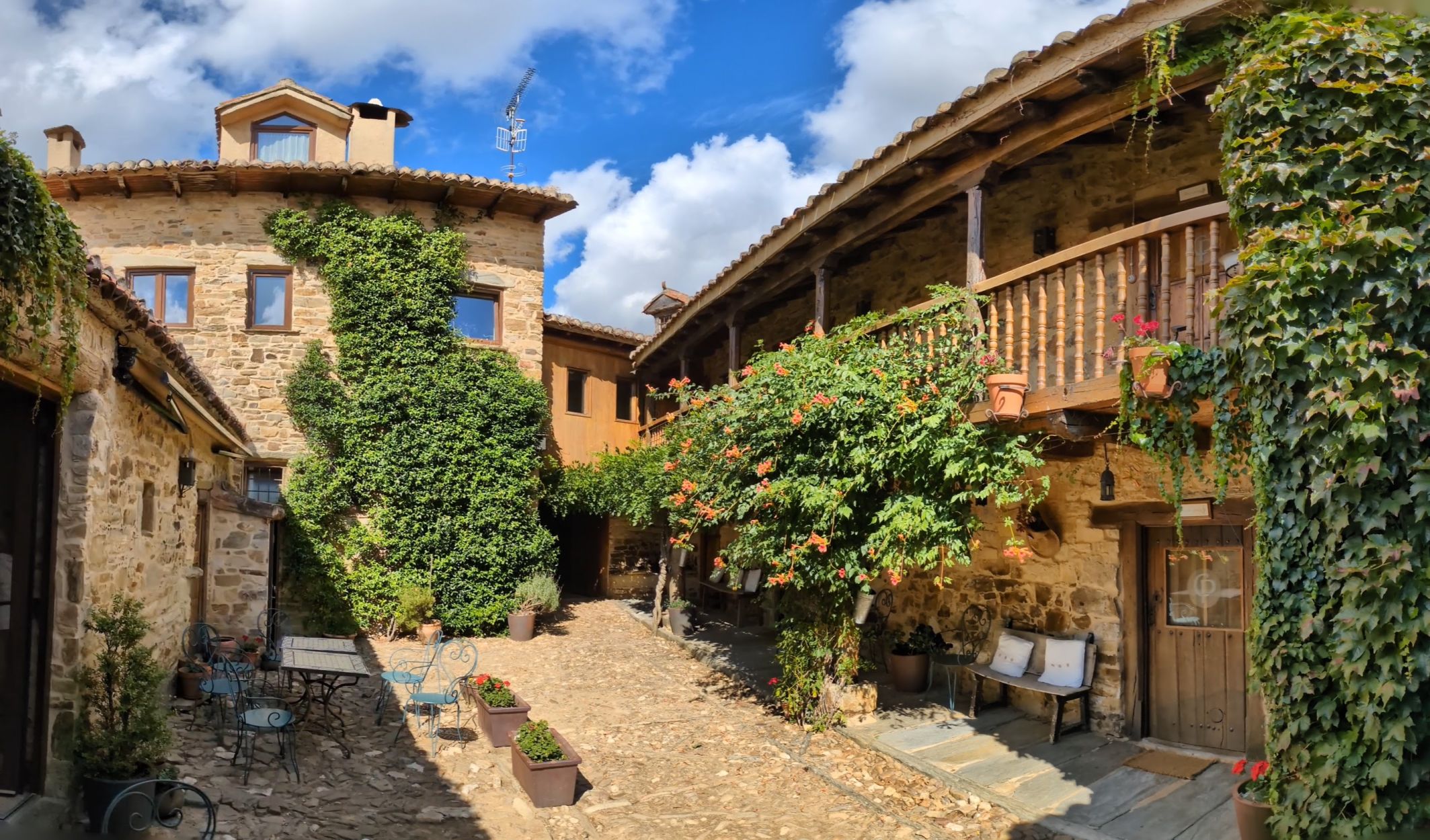
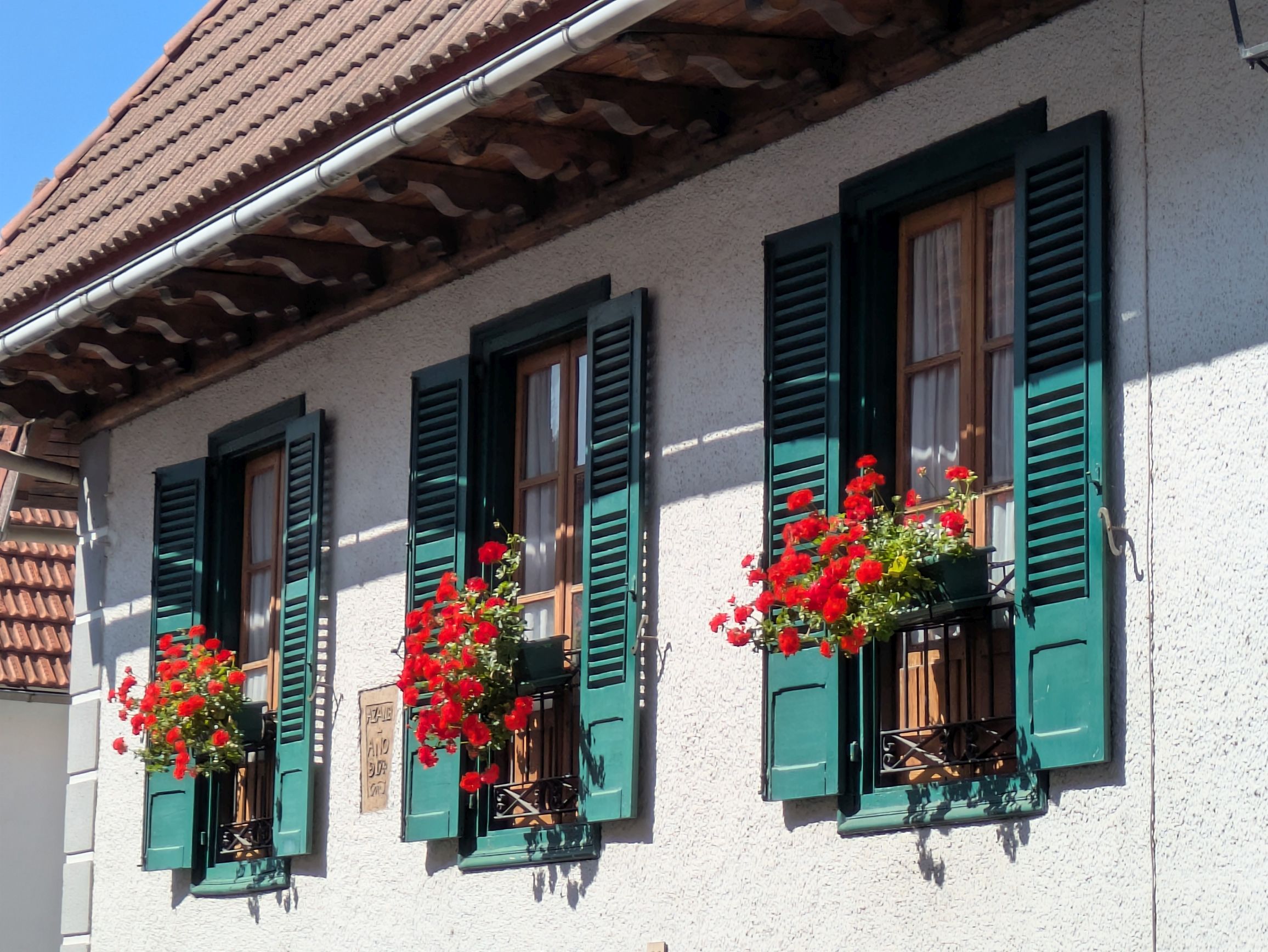
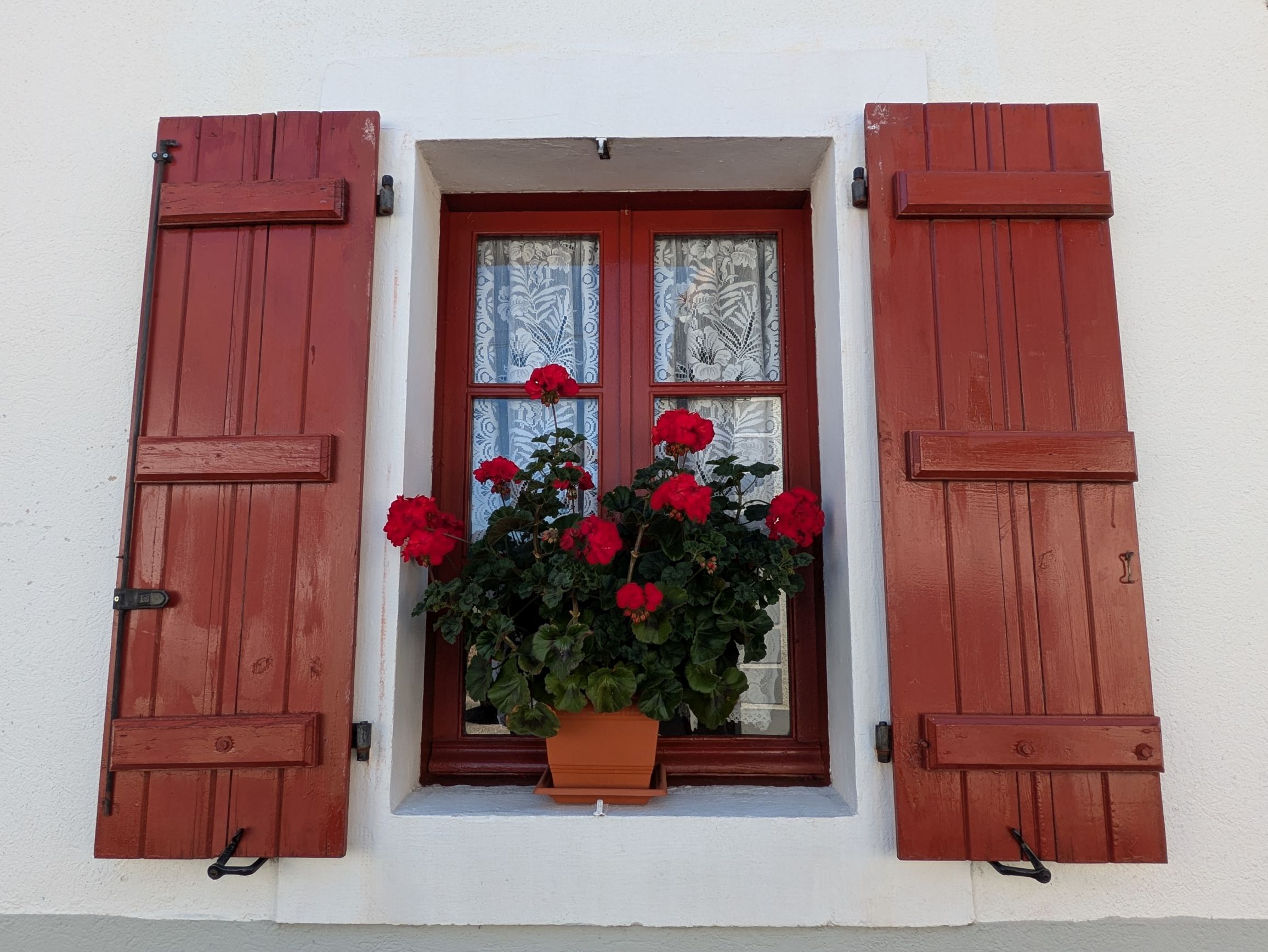
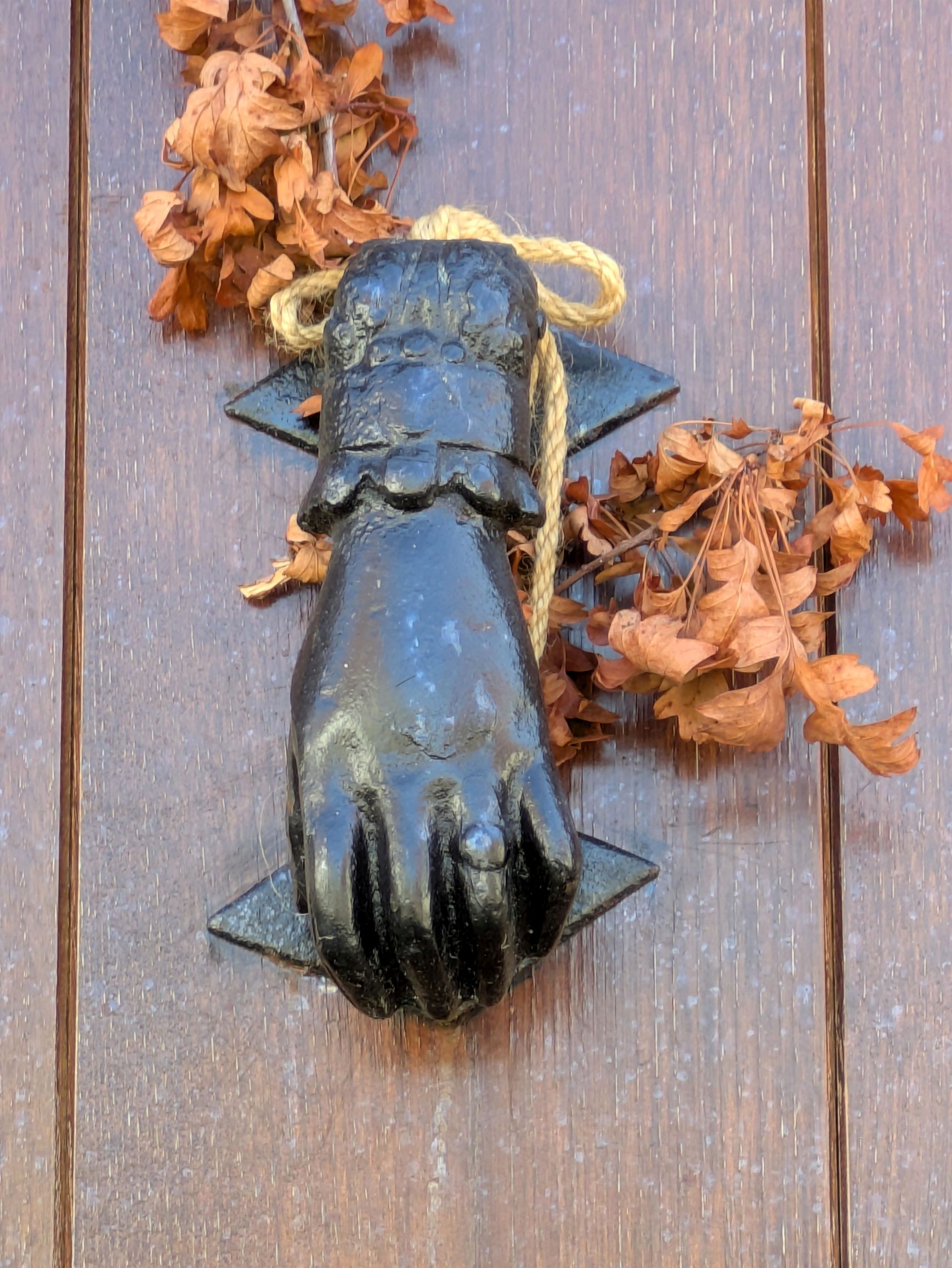
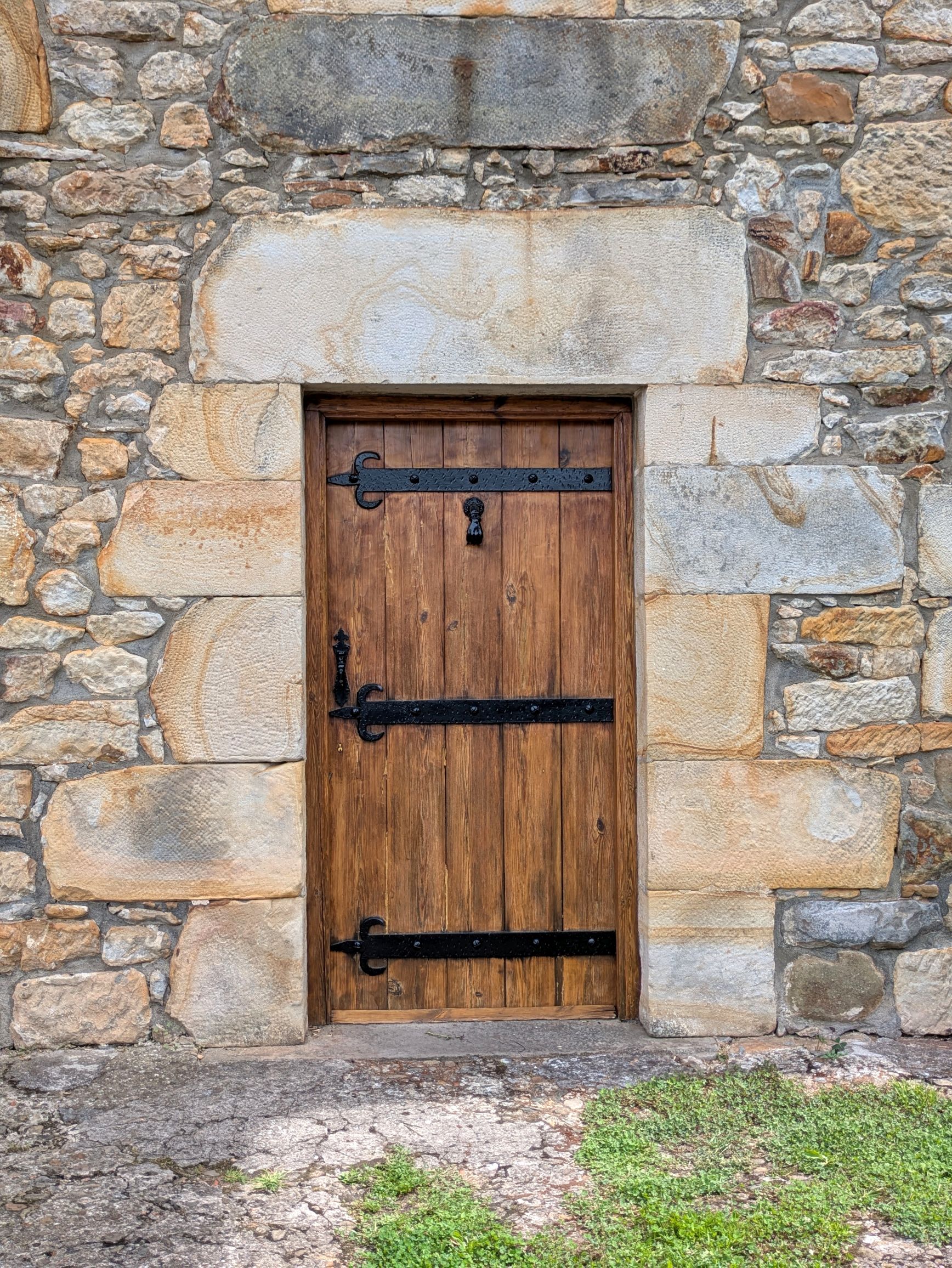
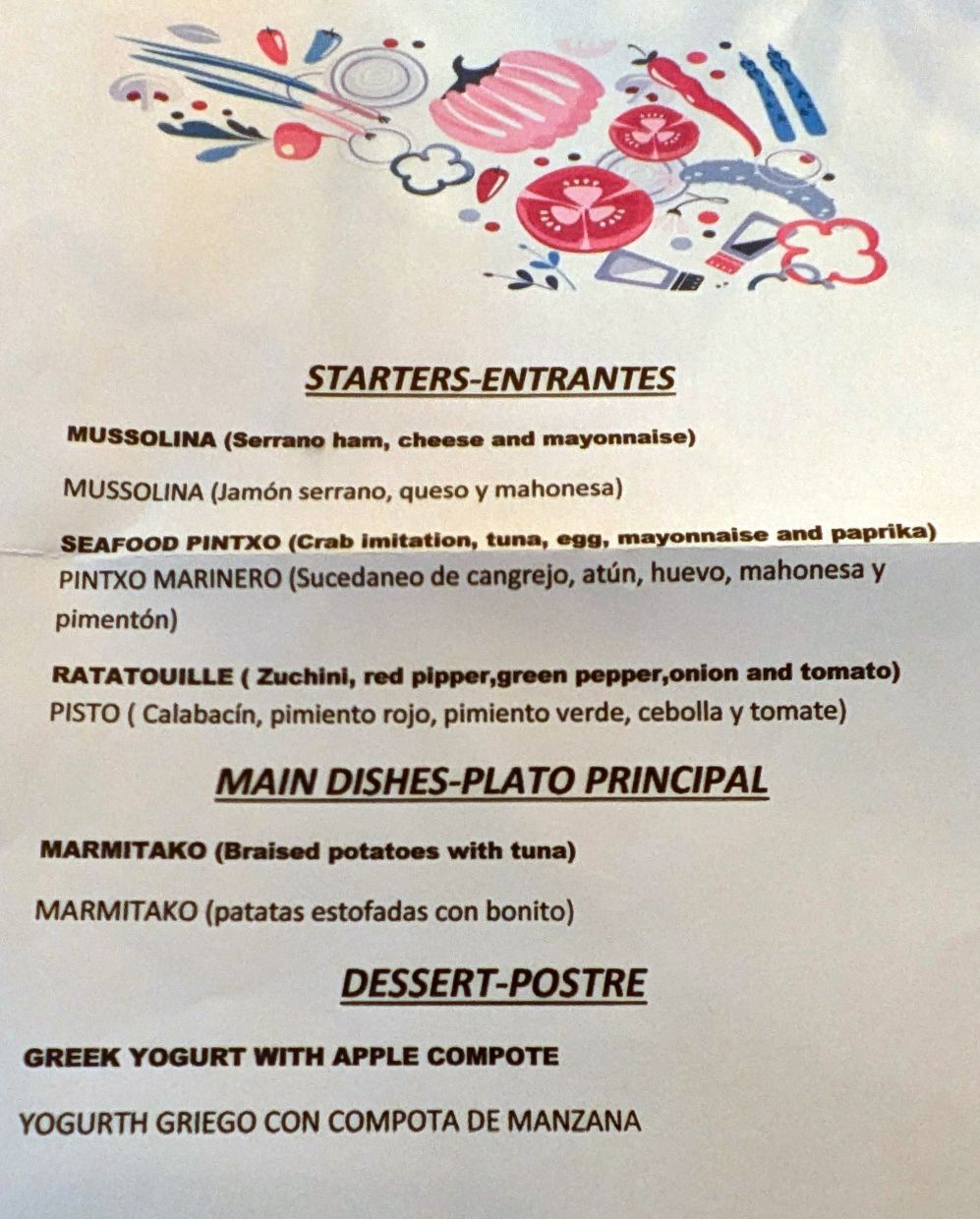
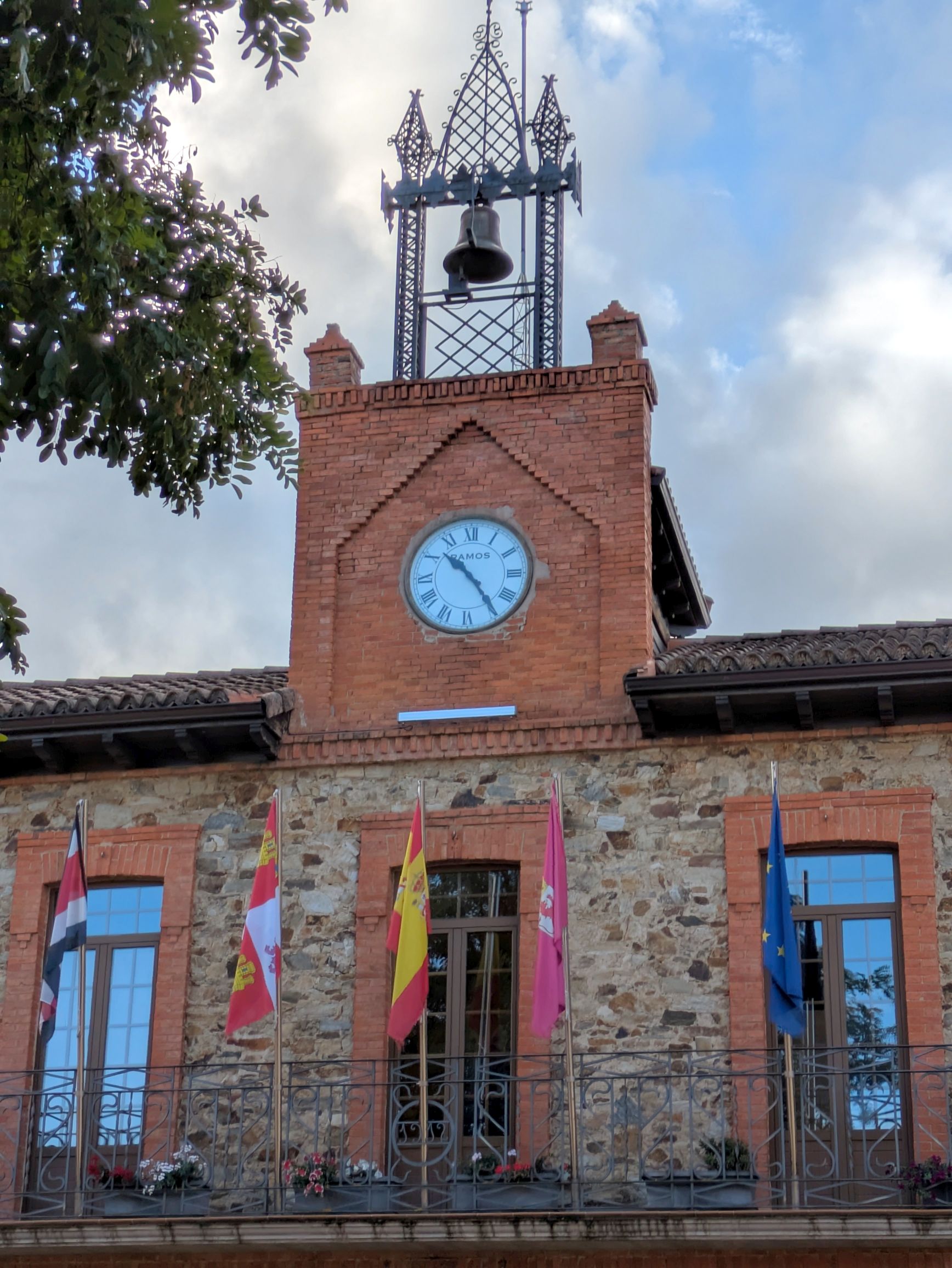
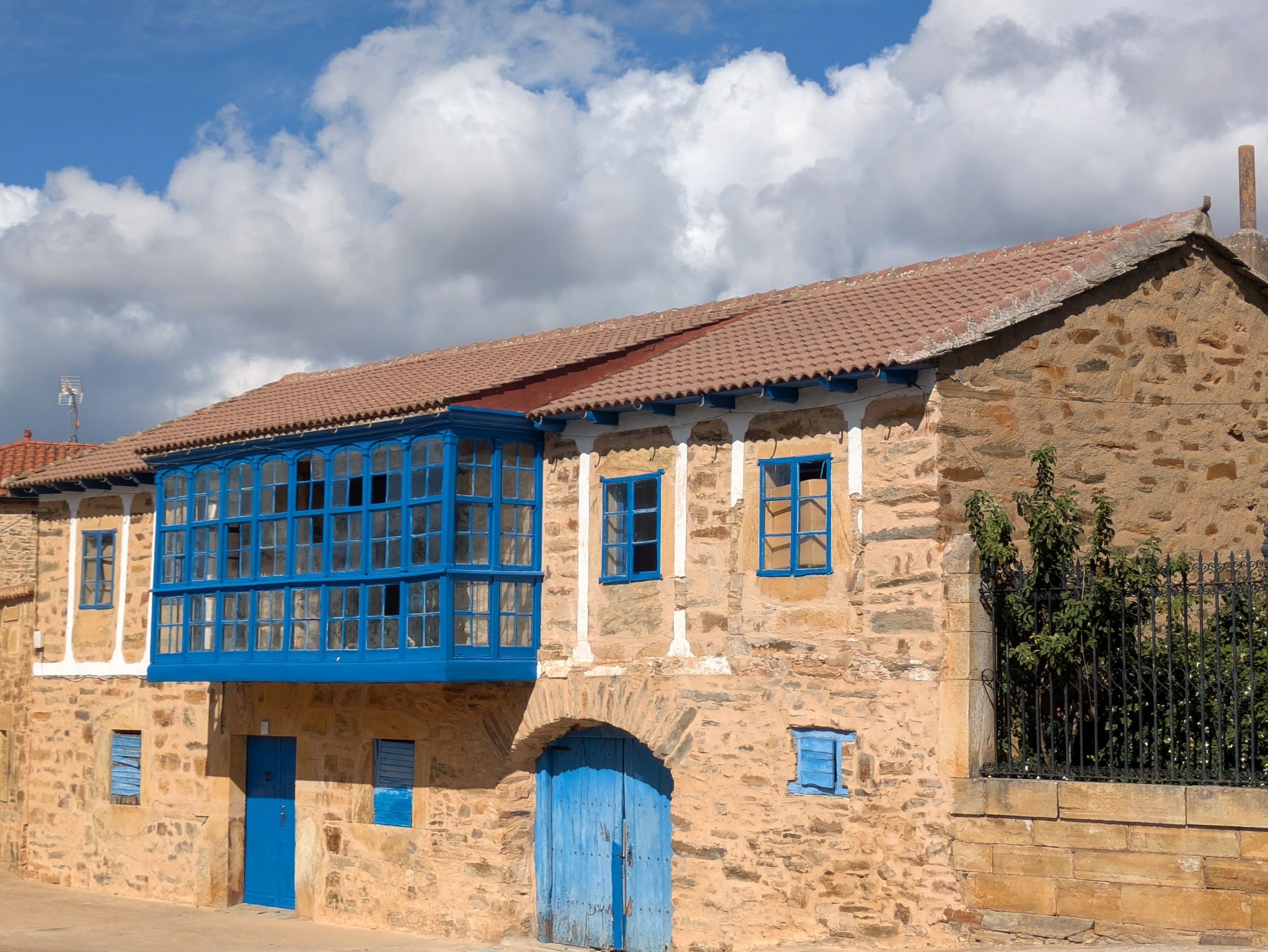
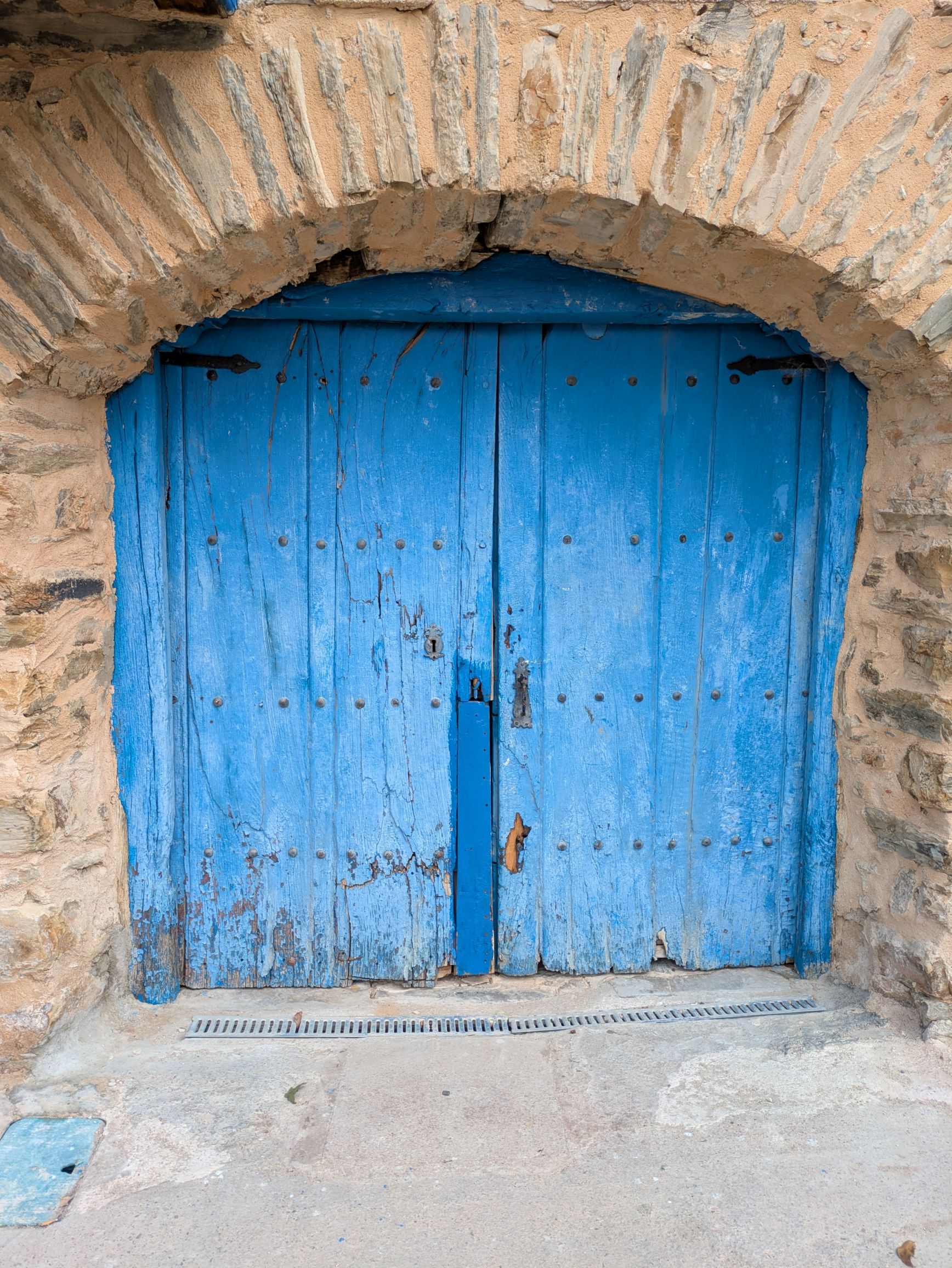
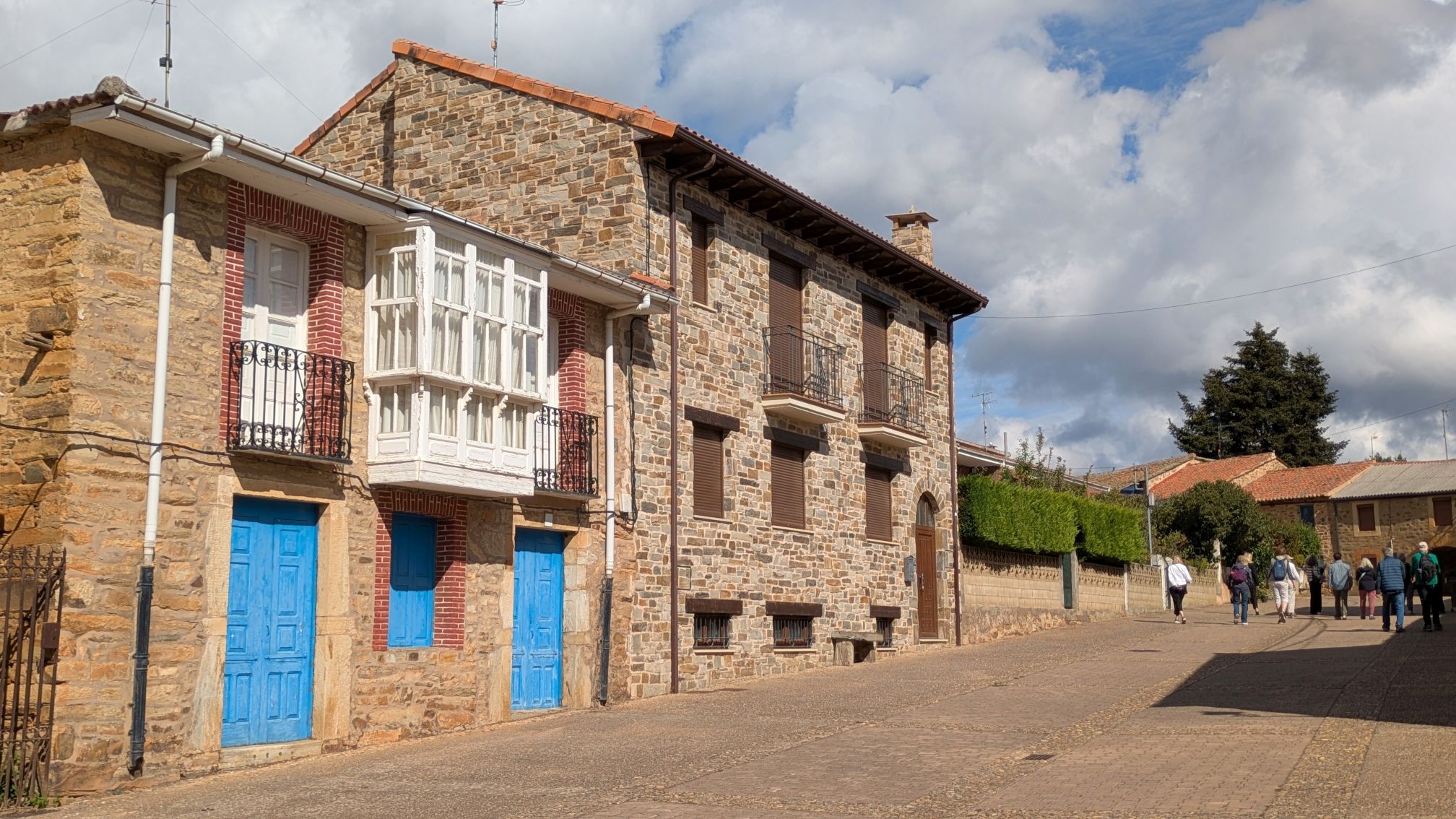
This little village was so full of character and quite photogenic. I was bringing up the rear shooting photos as we walked through the village to Casa Pepa, a 200-year-old traditional Maragato home where our group enjoyed lunch.  Now a small family-run hotel and restaurant, this place was oozing with charm!  It was love at first sight for me and Bruce.  From the front door to the lobby to the beautiful courtyard; it was fabulous!

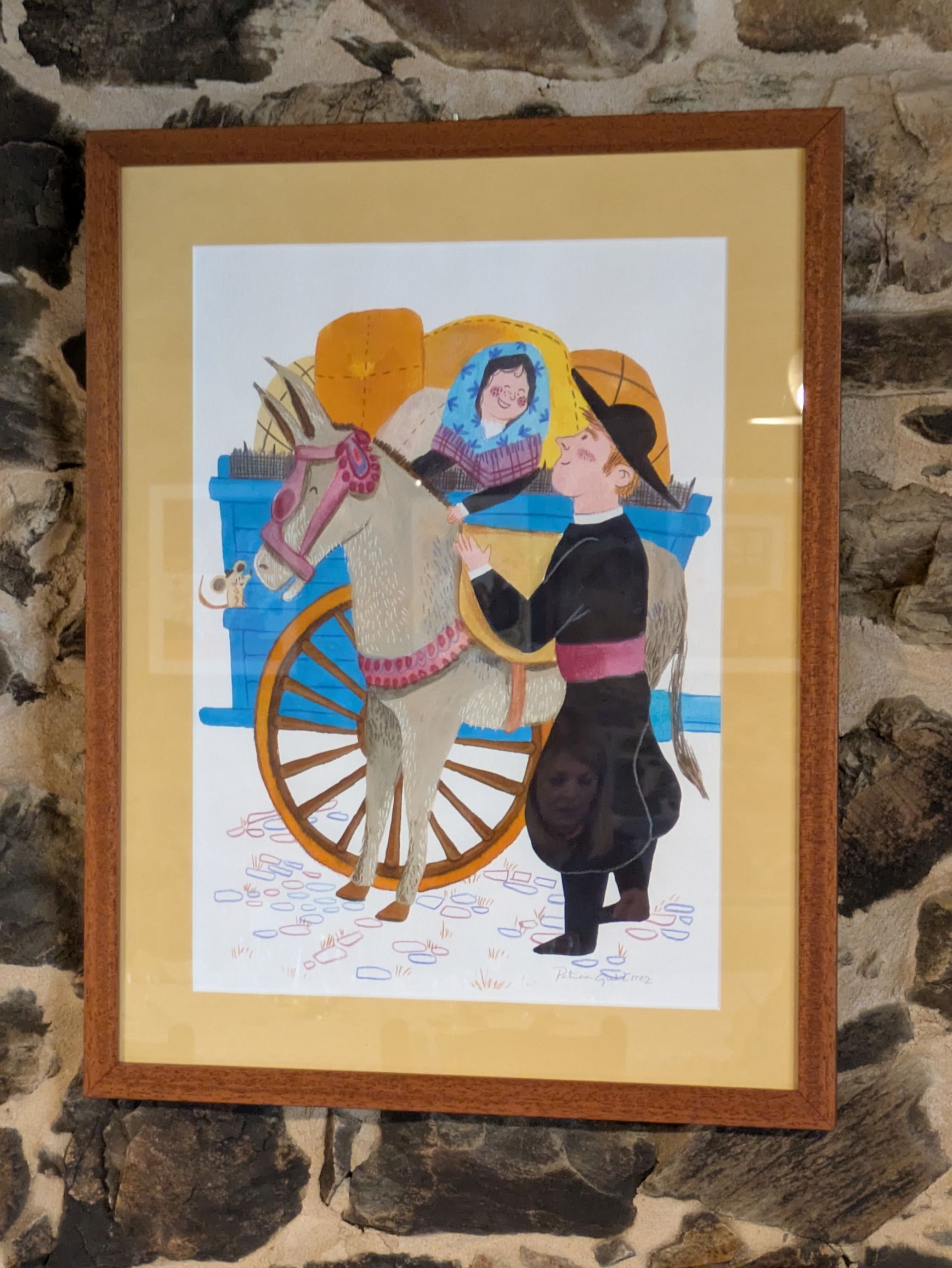
In the past, the villagers in this community transported fish and other food by mules that were kept in the courtyards of their homes.  Out of economic necessity, many of these traditional homes have been converted into guesthouses for pilgrims making their way to Santiago de Compostela.  Casa Pepa is a successful example of this.

Next up: SOUTHWEST FRANCE, NORTHERN SPAIN & PORTUGAL #16: THE VILLAGE OF VILLAFRANCA DEL BEIRZO

SOUTHWEST FRANCE, NORTHERN SPAIN & PORTUGAL #14: LOVELY LEÓN

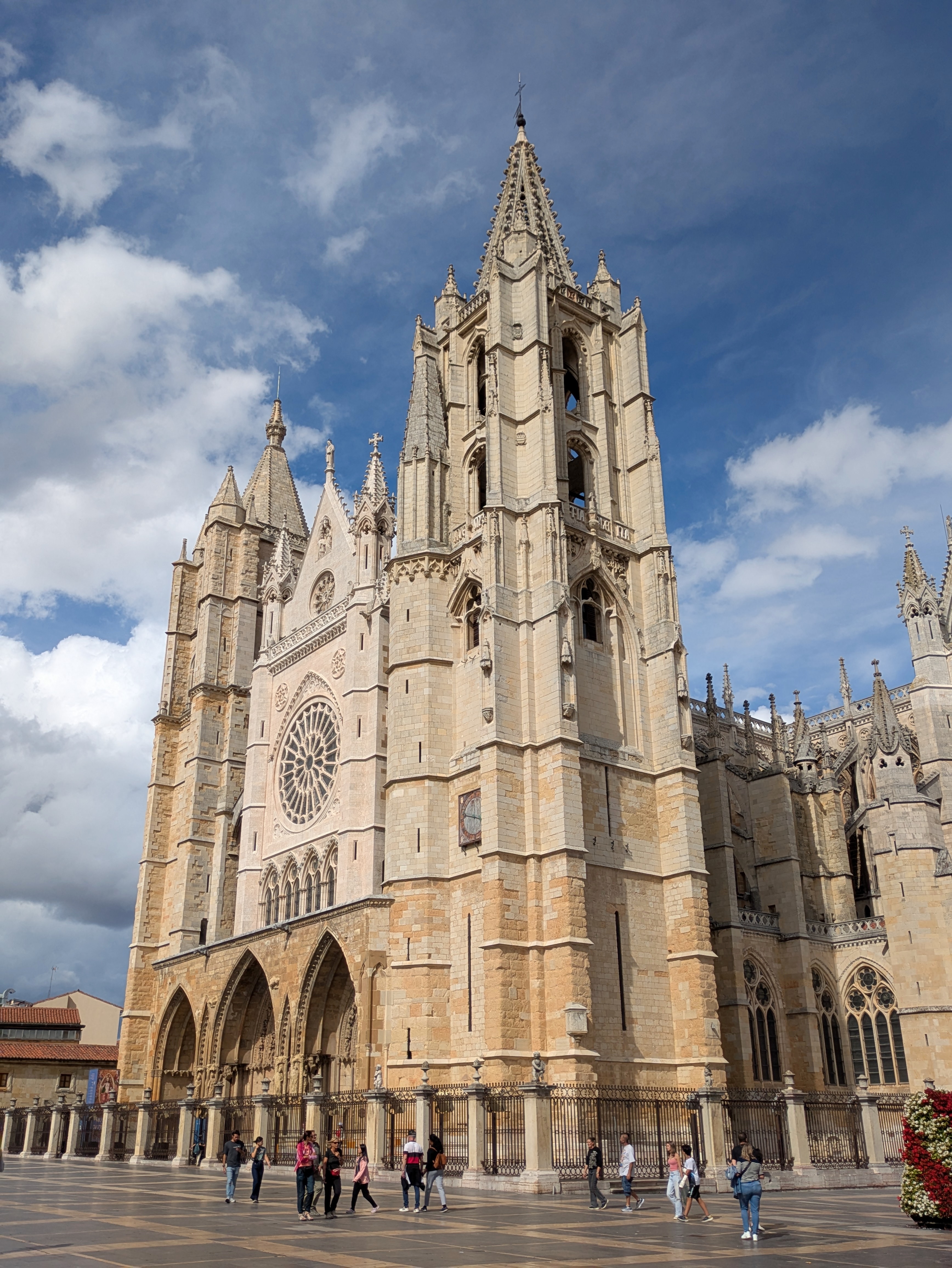
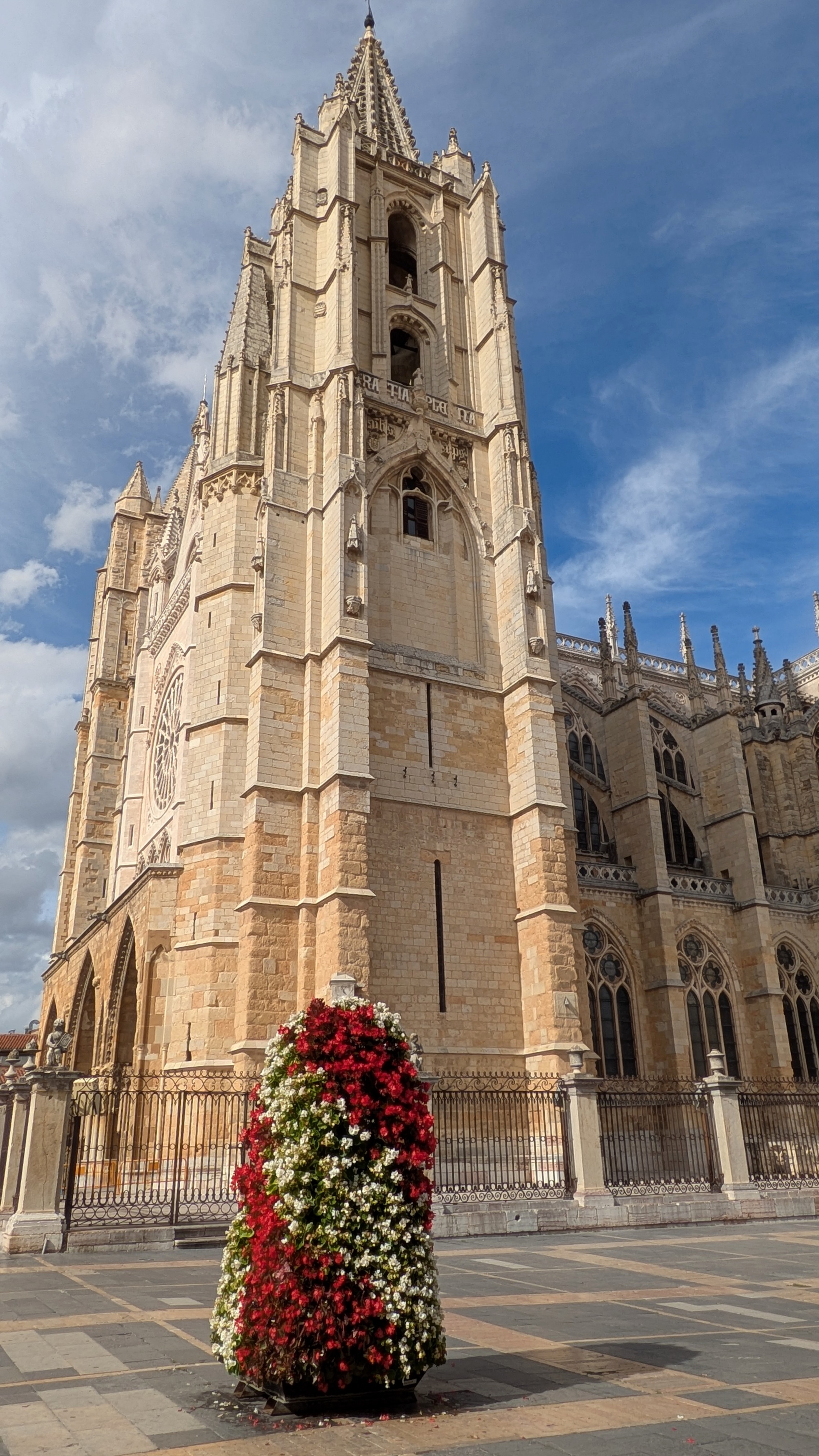
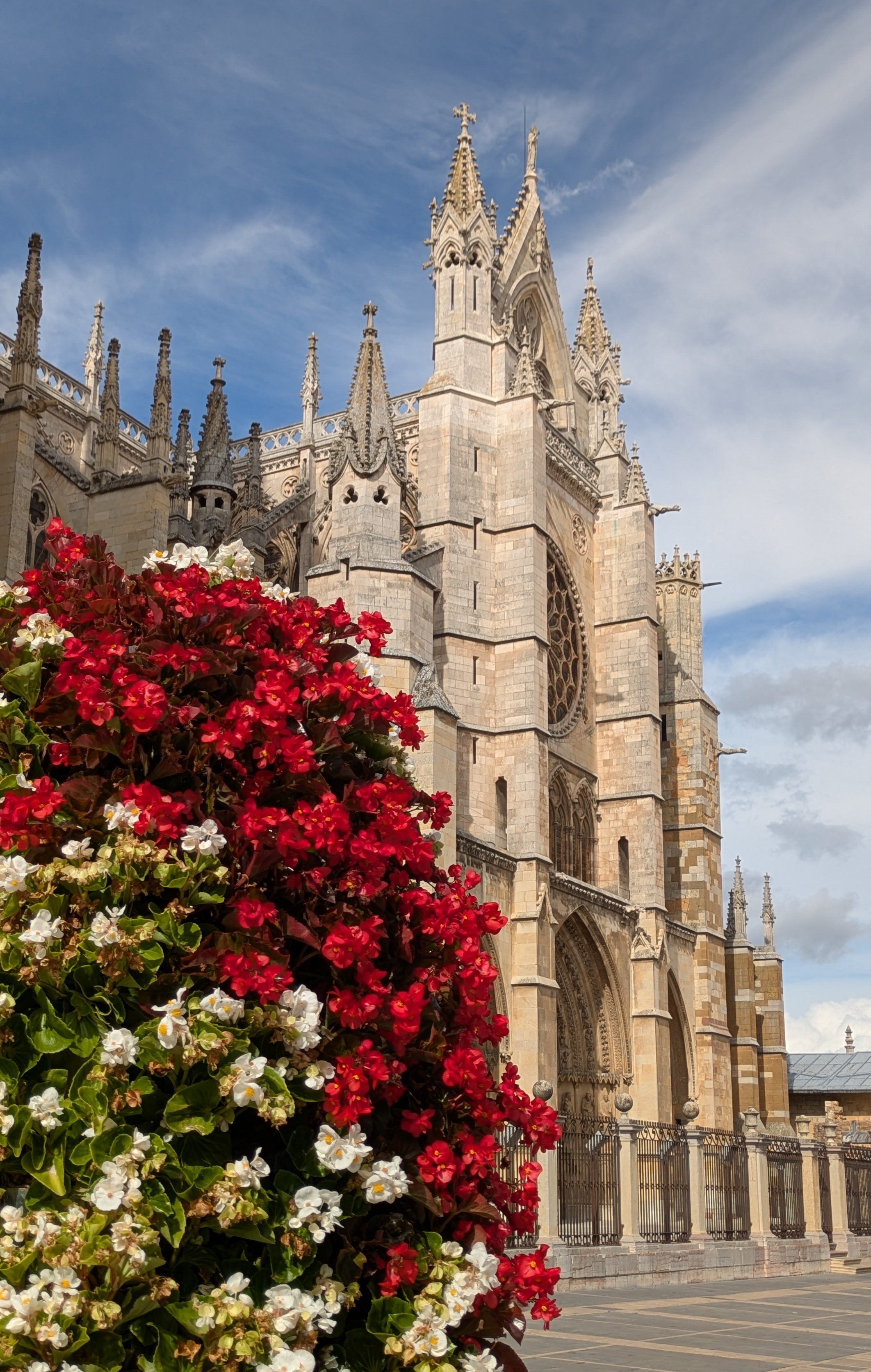
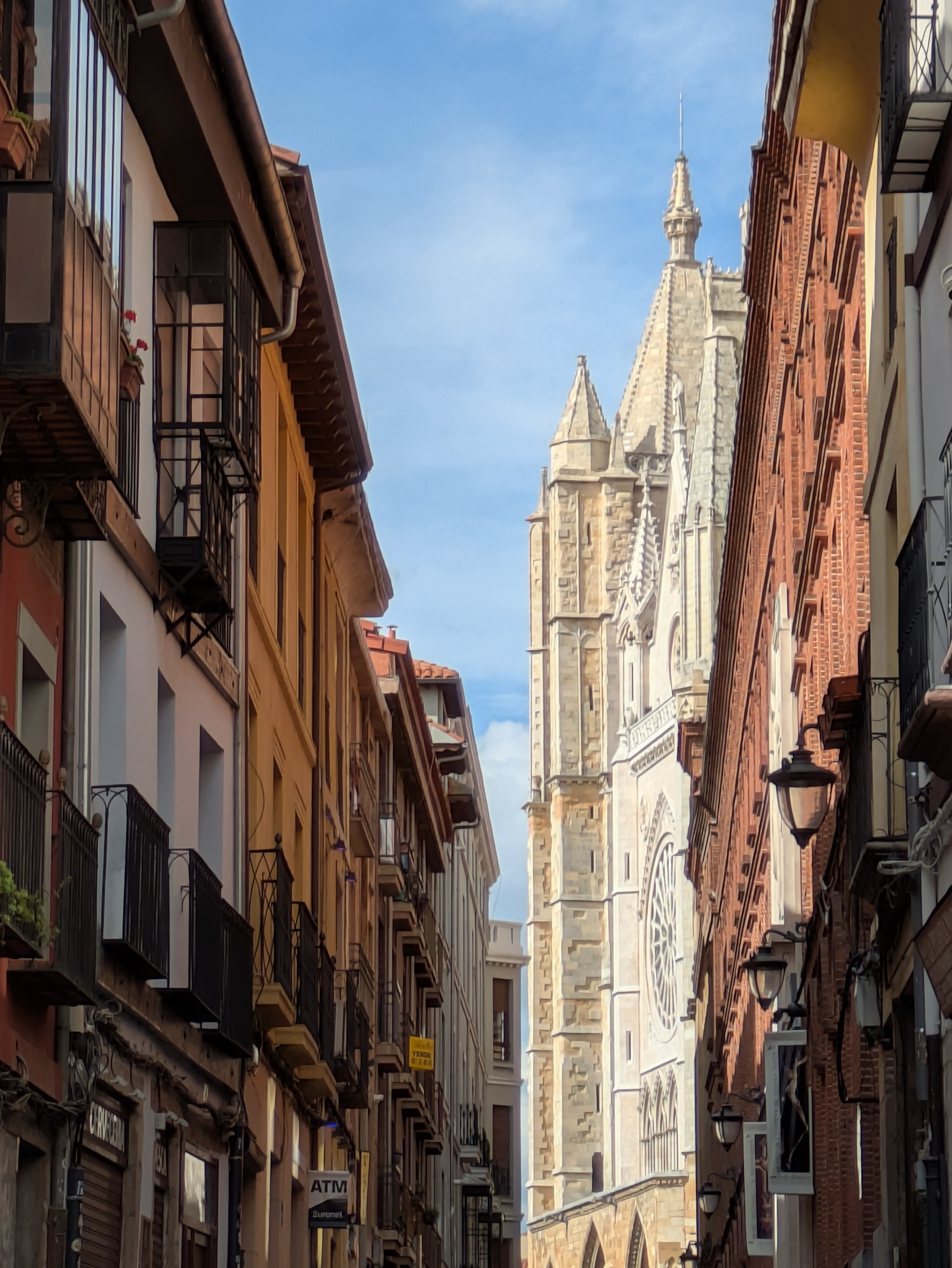
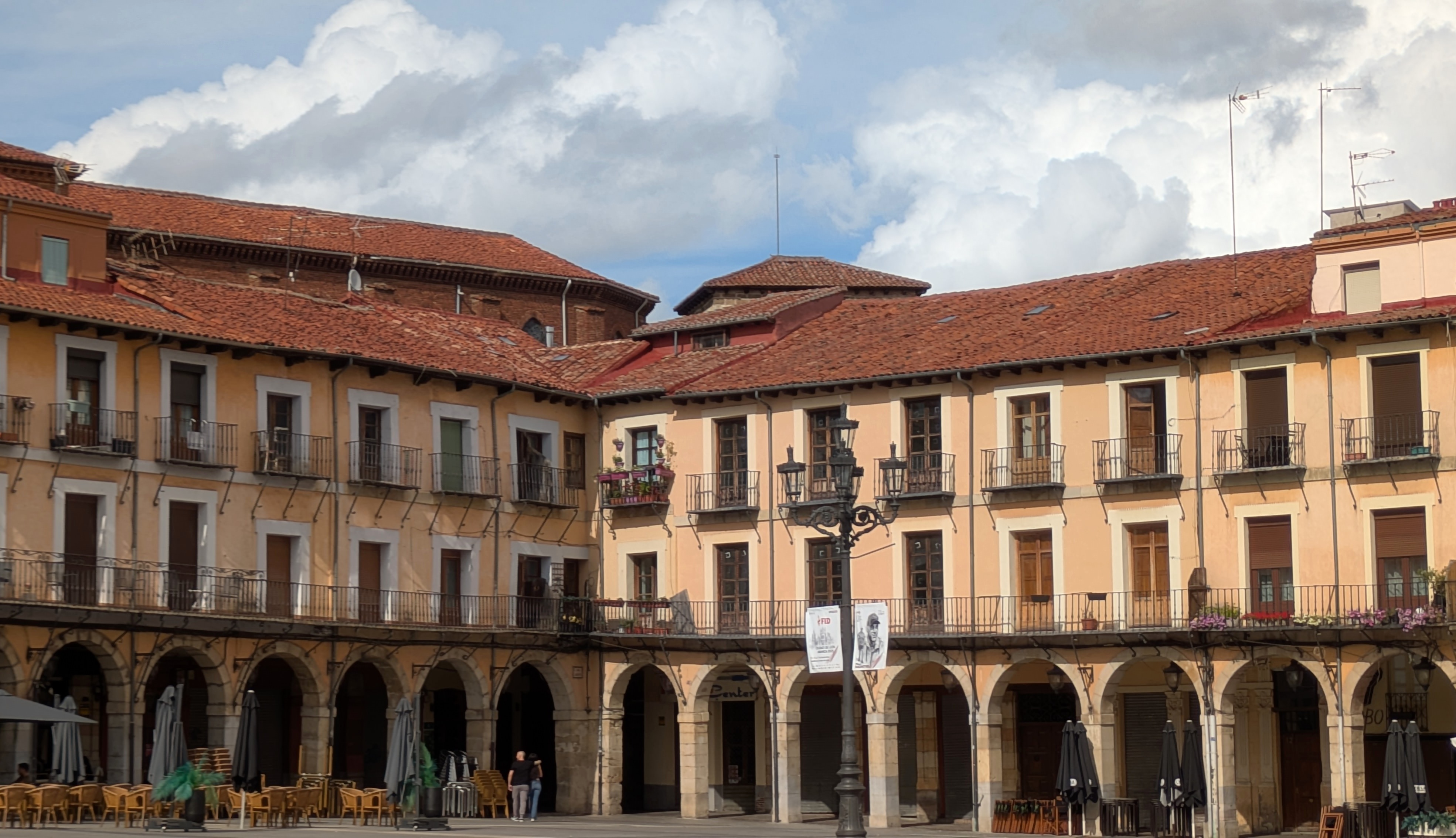
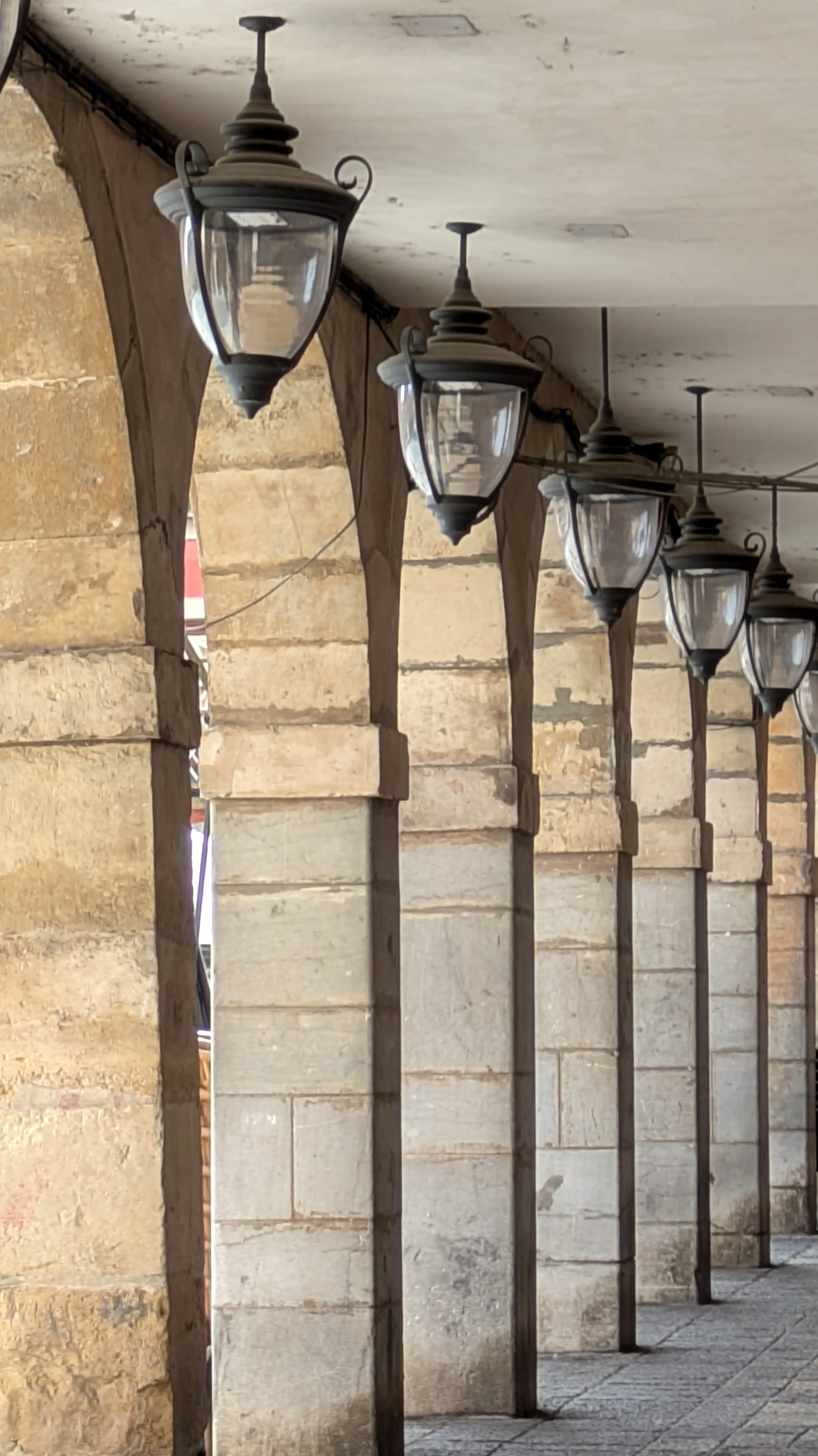
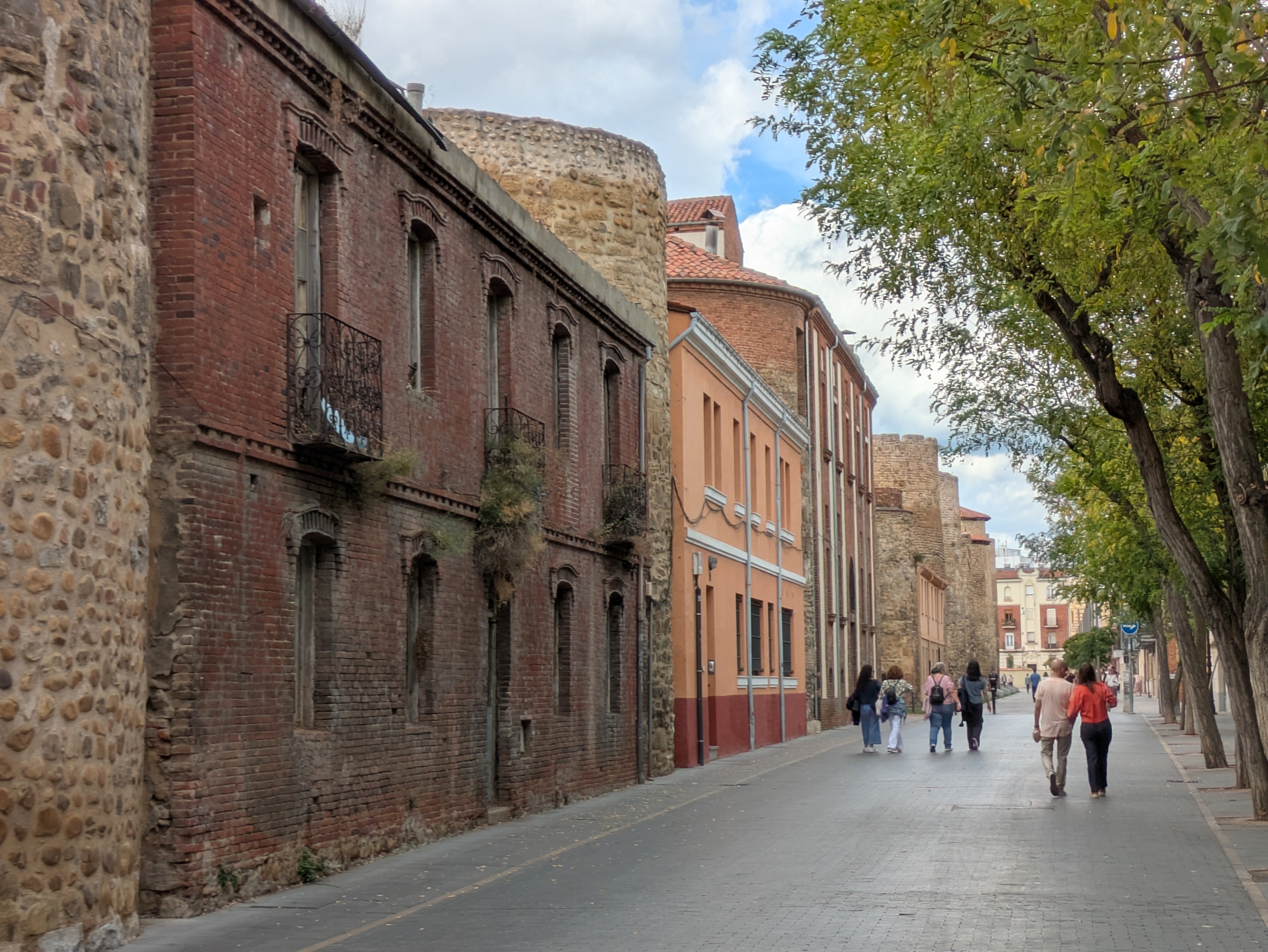
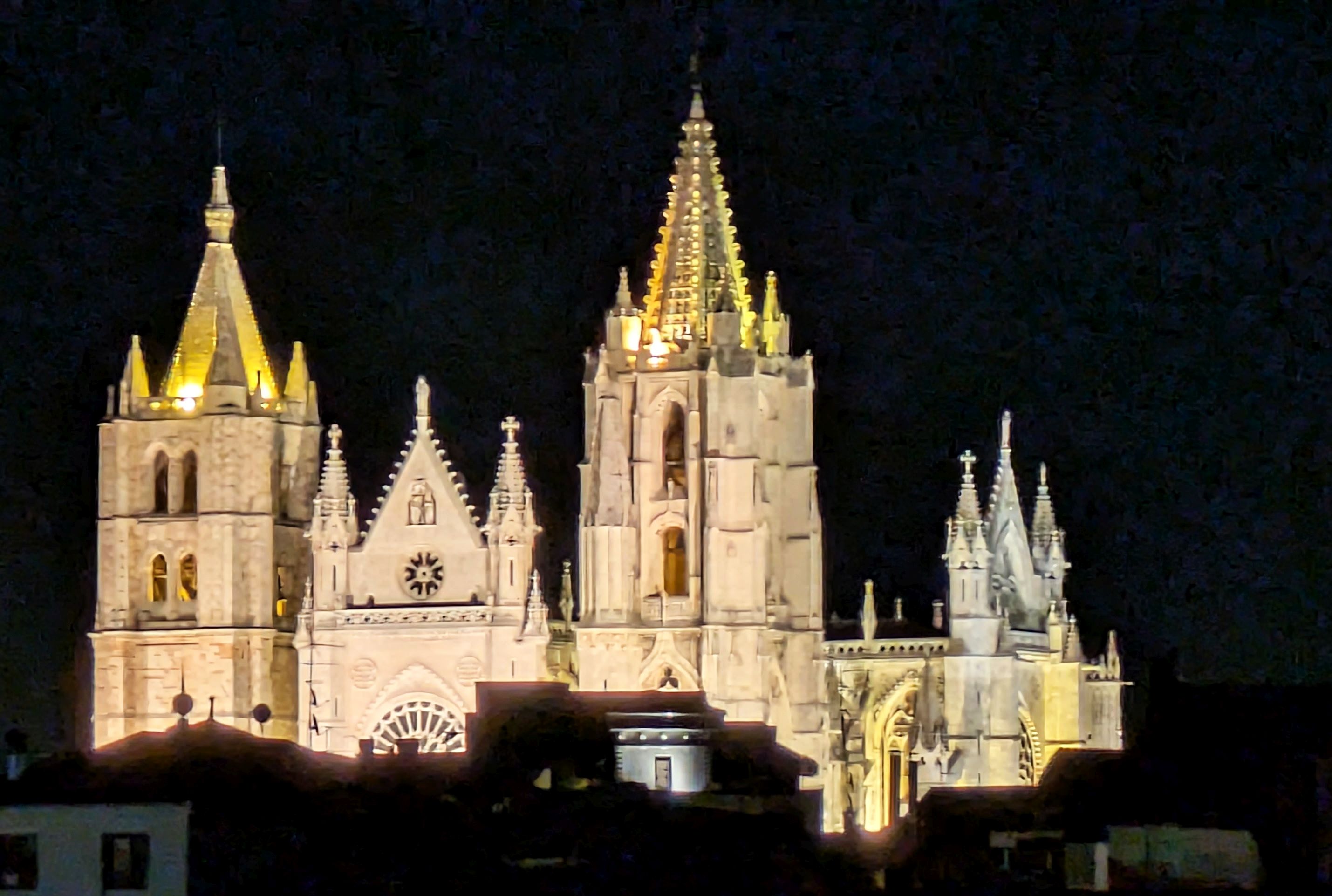
Originally founded as a Roman military base in the first century BC, León has been designated a UNESCO World Heritage Site for its place in history as the first established location of a European parliament.  Seeing the architecture in León is like jumping back and forth into different periods of history.  It’s a mix of medieval, Gothic, Renaissance, and Modernist with the 13th-century León Cathedral being a centerpiece of the old city.  Originally home to second-century Roman baths, it became a palace in the seventh century, and then a cathedral in 1301 with the cloister, north tower, and south tower being added on later.

Like the other towns and cities we had visited, the old town center was an easy and comfortable town to navigate on foot.  I enjoyed our group walking tour and going out on our own to explore further and do photography.

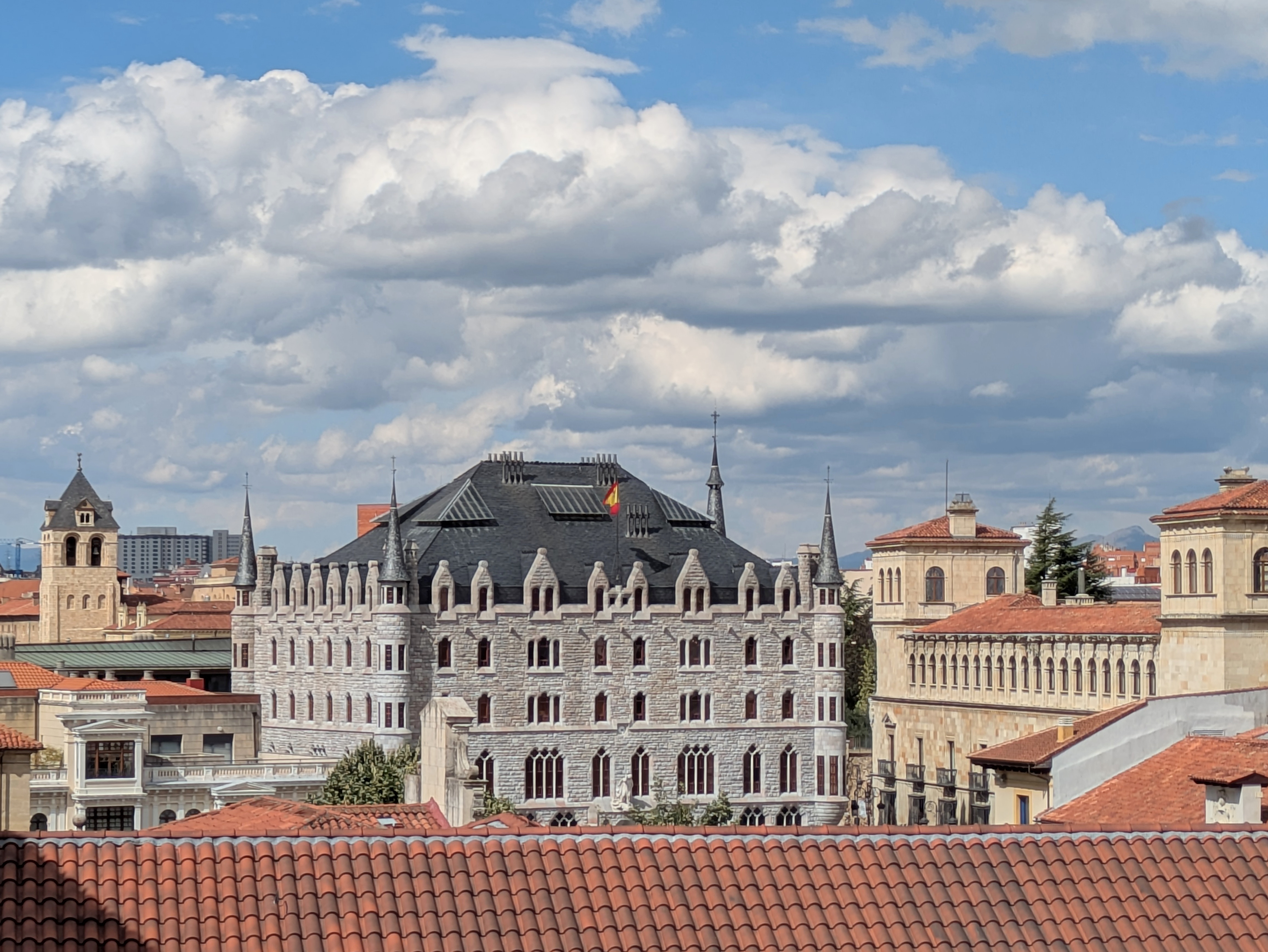
We were very fortunate to have a hotel room that gave us a beautiful view of both the cathedral and Casa Botines lit up at night.  Designed by Antoni Gaudi and completed in 1892, it was originally a fabrics company and then a bank.  Currently, it is a museum dedicated to Gaudi and Spanish art.

Scenes around León over two days:

(For all photos, click on the image for a full screen view.)

The view of Casa Botines from our hotel room window
Casa Botines, close up.
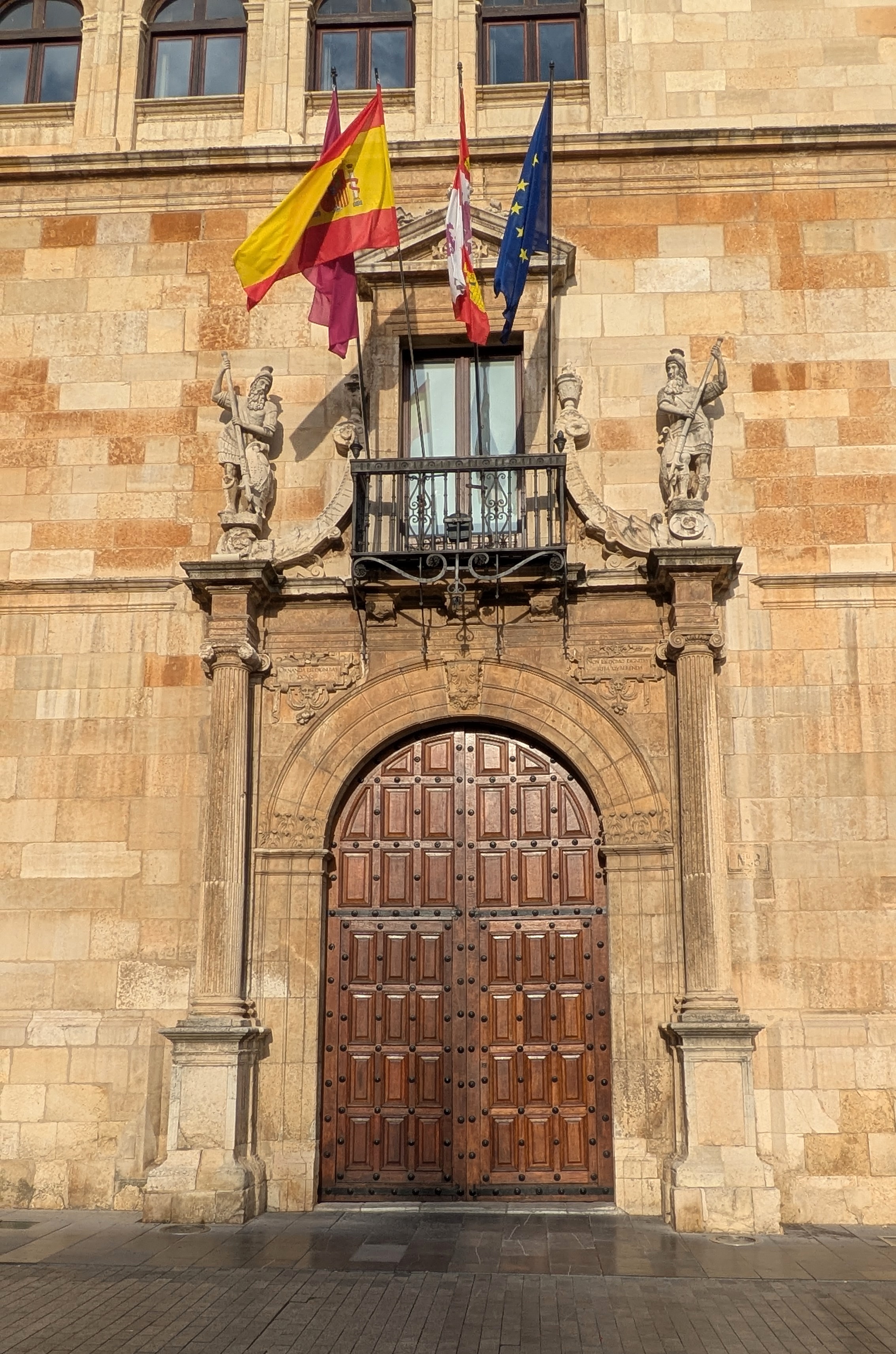
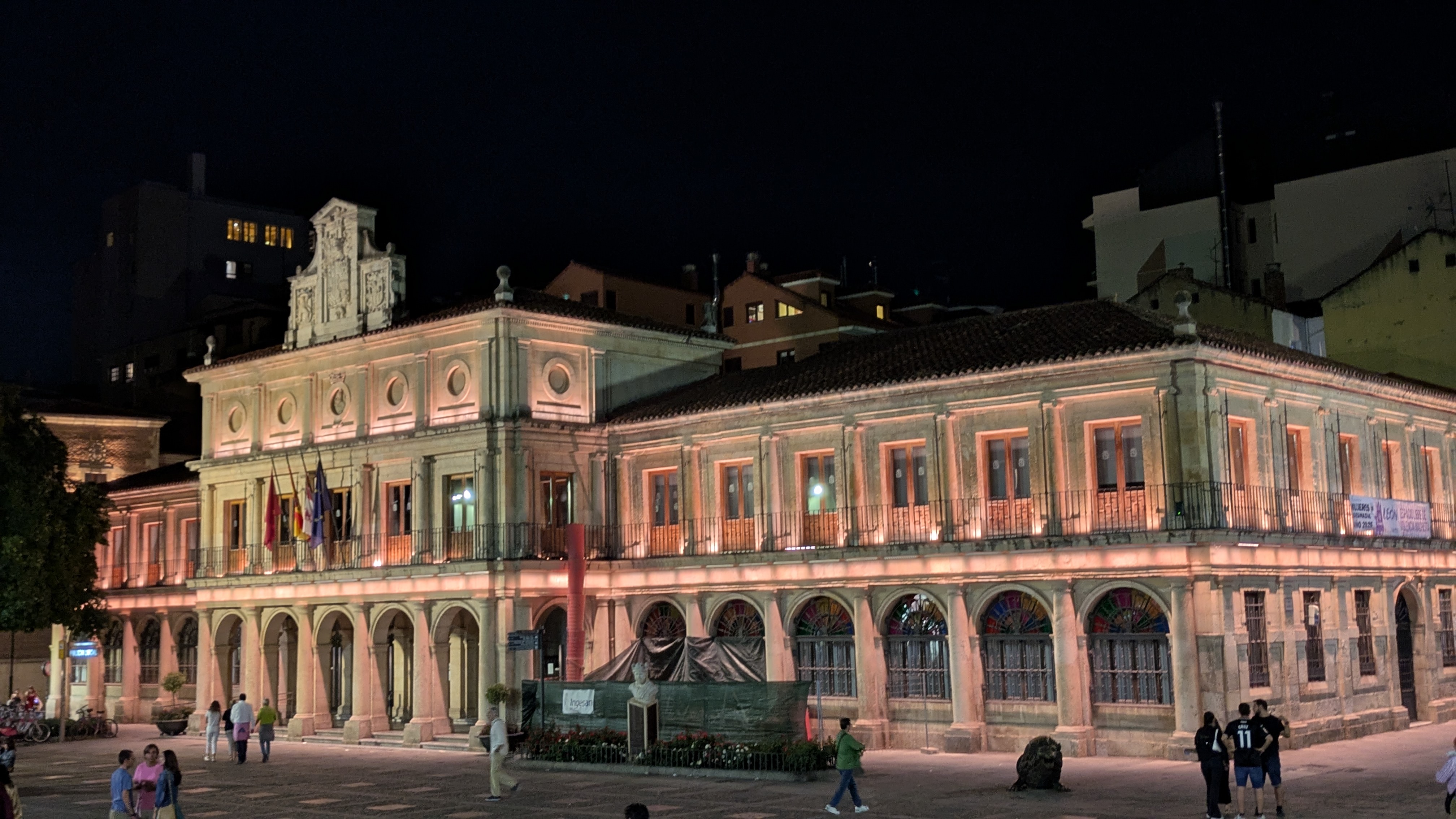
A local government office, adjacent to Casa Botines at sunset.
Leon Cathedral
The view out to the right from our hotel room window
The view of Casa Botines at night from our window

Coming up next: SOUTHWEST FRANCE, NORTHERN SPAIN & PORTUGAL #15: Santa Colomba de Samoza

SOUTHWEST FRANCE, NORTHERN SPAIN & PORTUGAL #12: WALKING THE BEGINNING OF THE CAMINO DE SANTIAGO

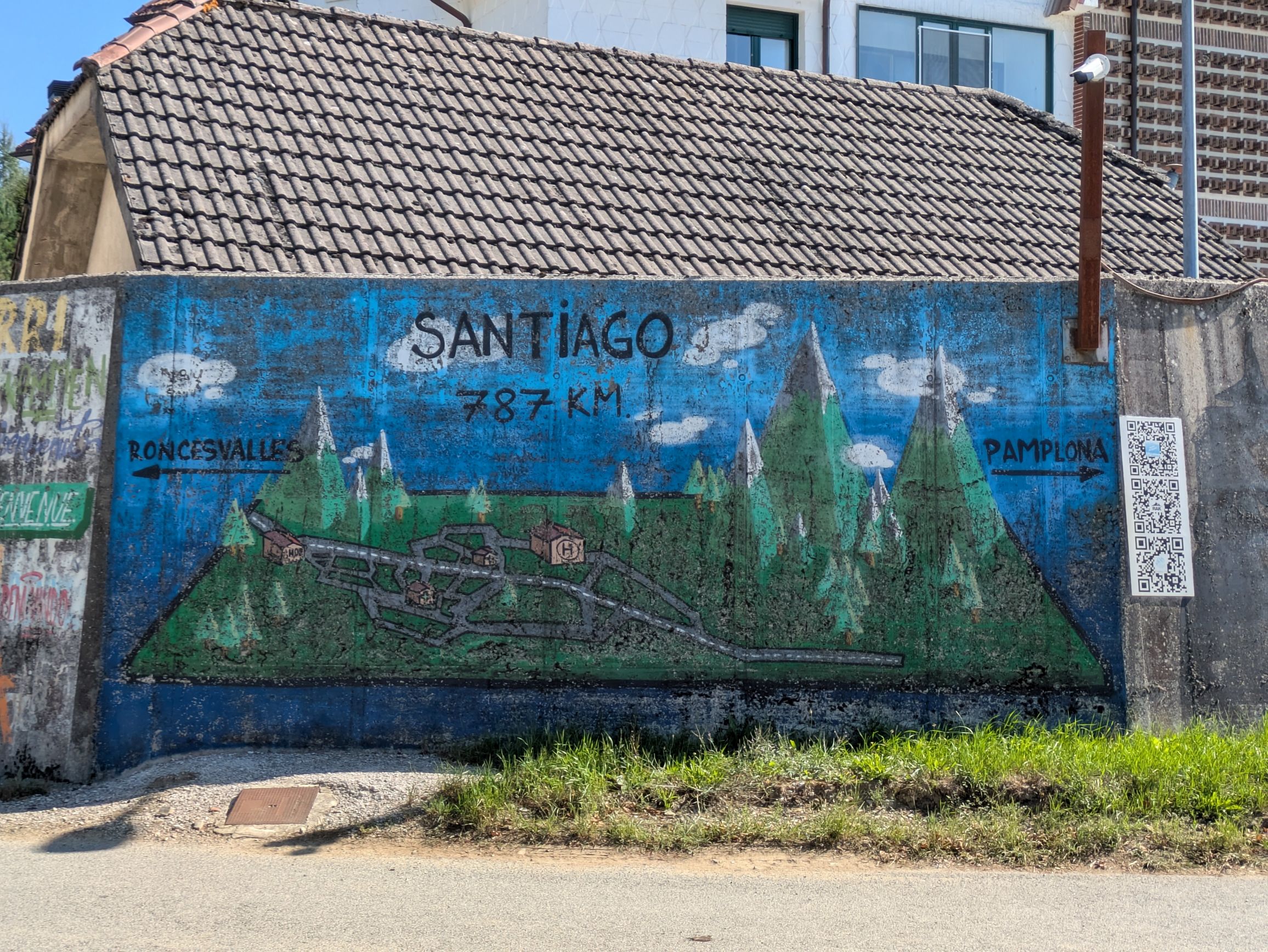
Our group took a side trip from Pamplona to Roncesvalles, in the Pyrenees to walk the beginning of the Camino de Santiago, one of Europe’s most important pilgrimage routes.  “The Way of St. James,”(in English), is a series of walking routes that lead from various locations in Spain, Portugal, and France to the Cathedral of Santiago de Compostela, reputed to be the burial place of Saint James the Great, one of apostles of Jesus Christ.  The most popular trek is the French Way, which crosses the Pyrenees.

Although many people follow the route for spiritual reasons, it is also popular for hikers and cyclists from all over the world.  The route is 500 miles long, and 65% of those who walk it are women, many of them older, walking while grieving losses or experiencing important life changes.  Serena, our tour leader, walked the Camino while mourning the loss of her grandmother.

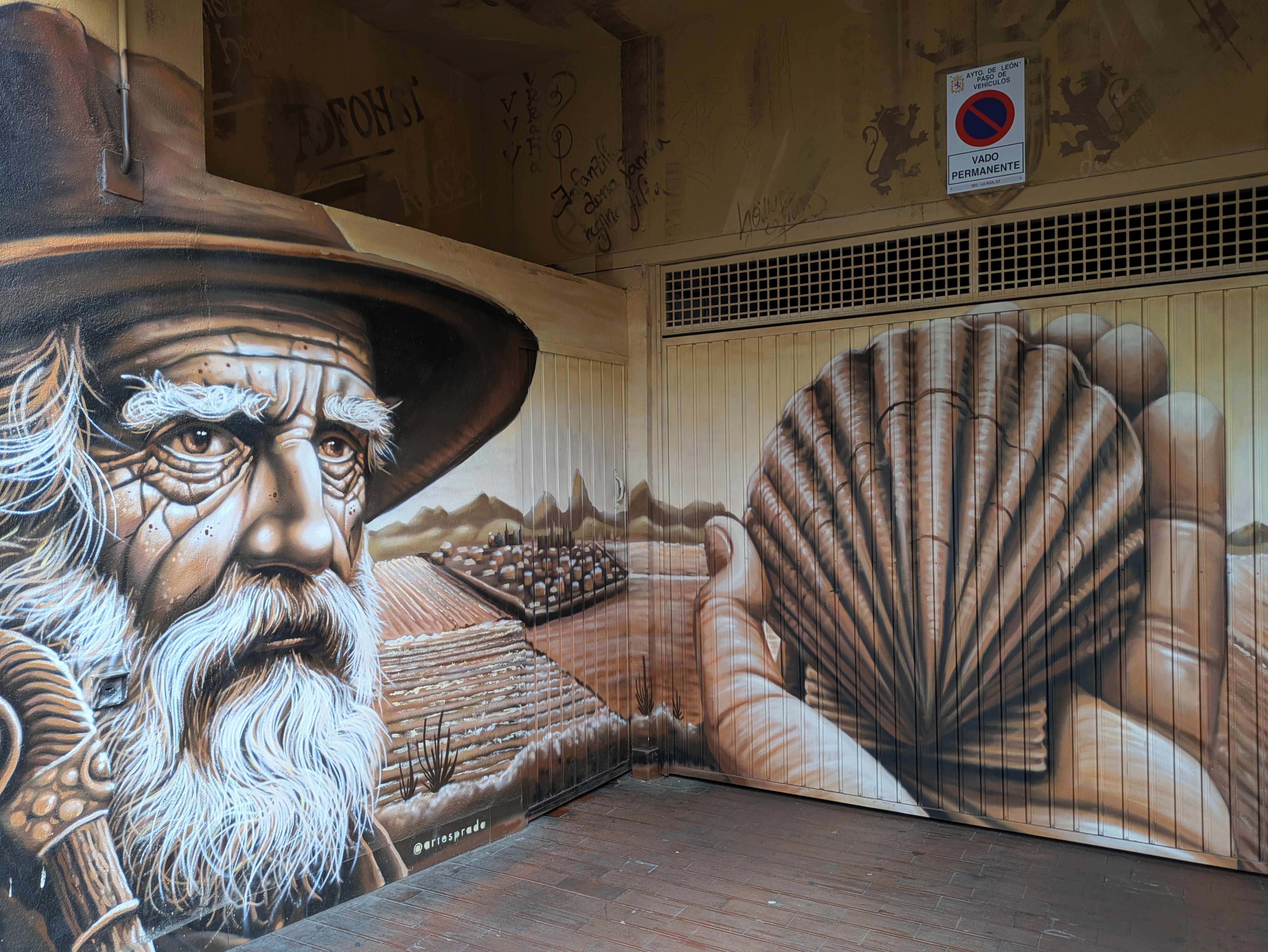
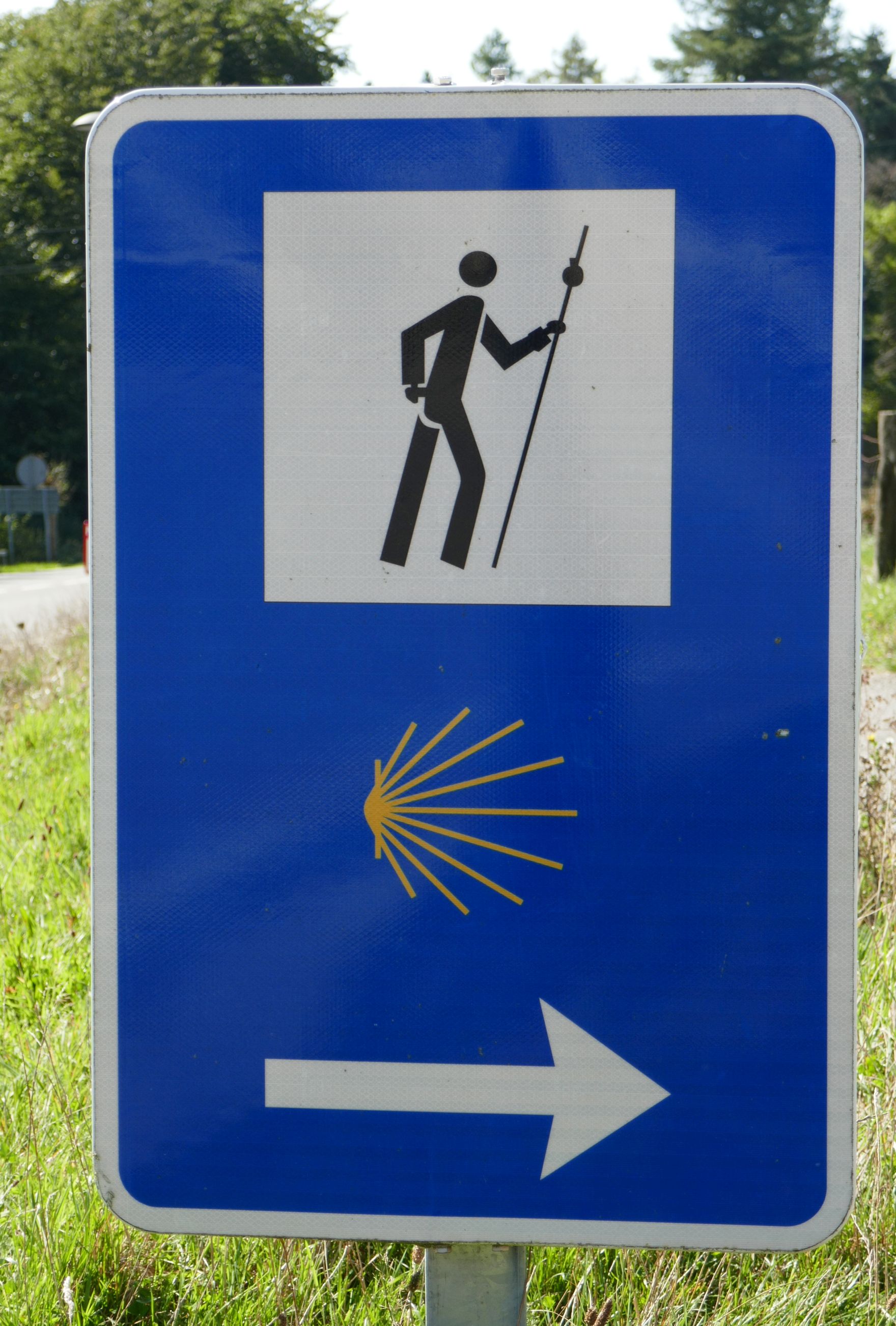
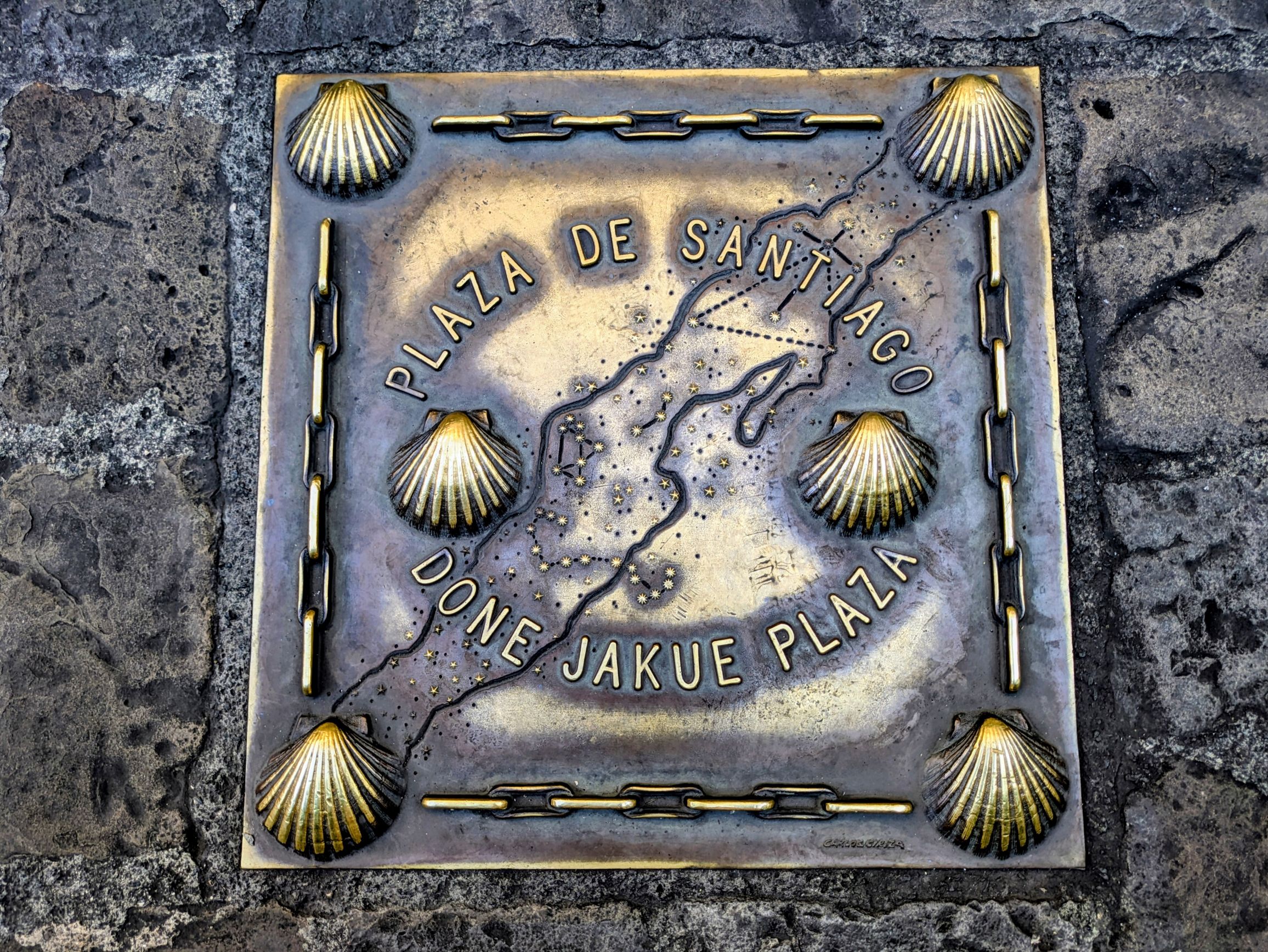
The symbol of the walk is a sword, because a sword was used to cut off James’s head.  A scallop shell is also a symbol, because it could only be found at the end of the route—proof that you walked the entire Camino.  The shell itself was used as a plate to receive food, a symbol of charity.  Today, many walkers buy a shell painted with the sword symbol and tie it to their backpacks at the beginning of their trek to indicate they are walking the Camino de Santiago.  In addition, the scallop shell is the symbol used on directional signs along the route as well as on the front of hostels on the route that house pilgrims overnight.

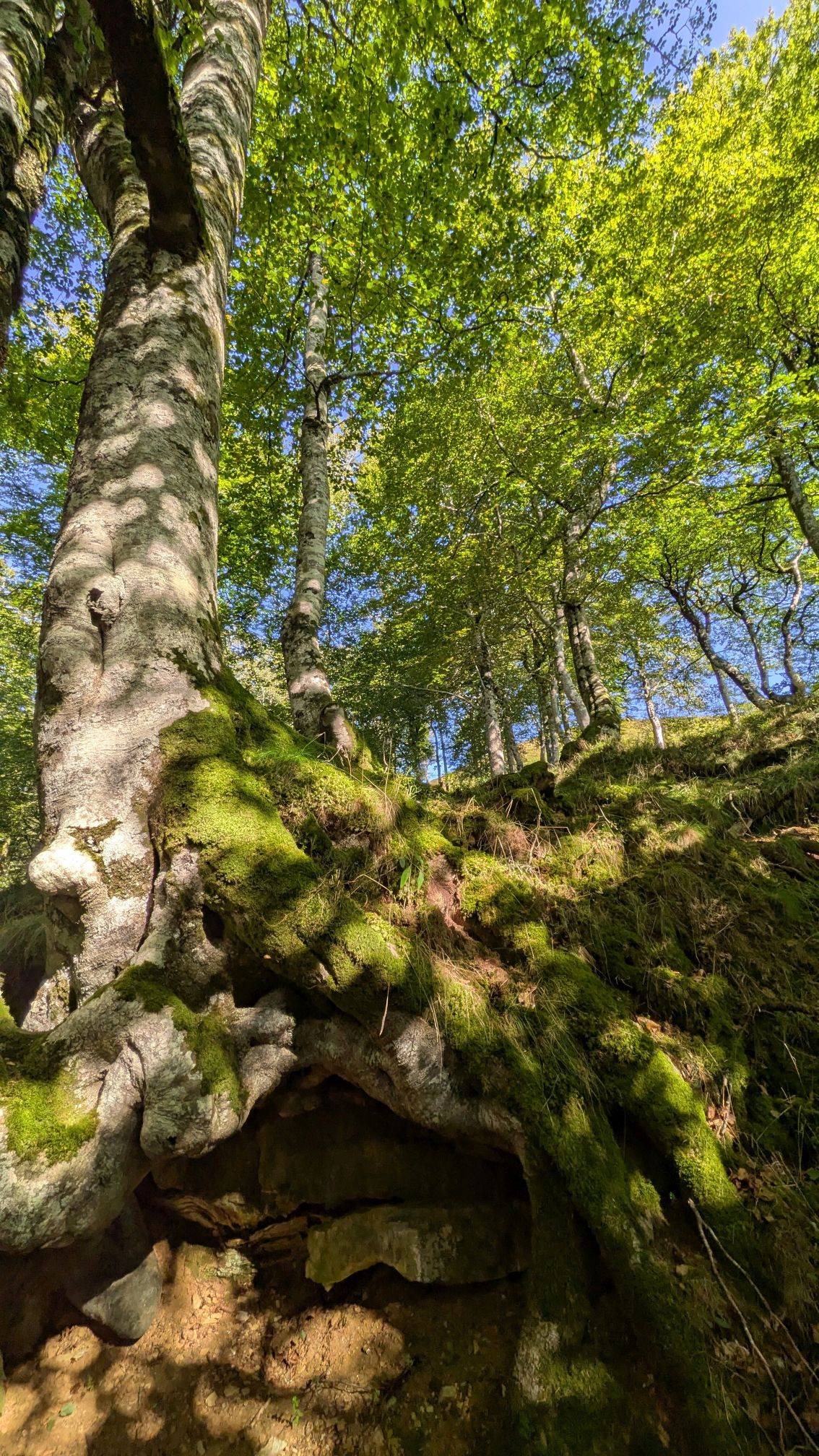
Roncesvalles, where we walked the first mile of the route, is a small town in the beautiful Pyrenees mountains.  Later, we took a second, two-mile walk through the gorgeous northern Spanish forests.

(For all photos, click on the image for a full screen view.)
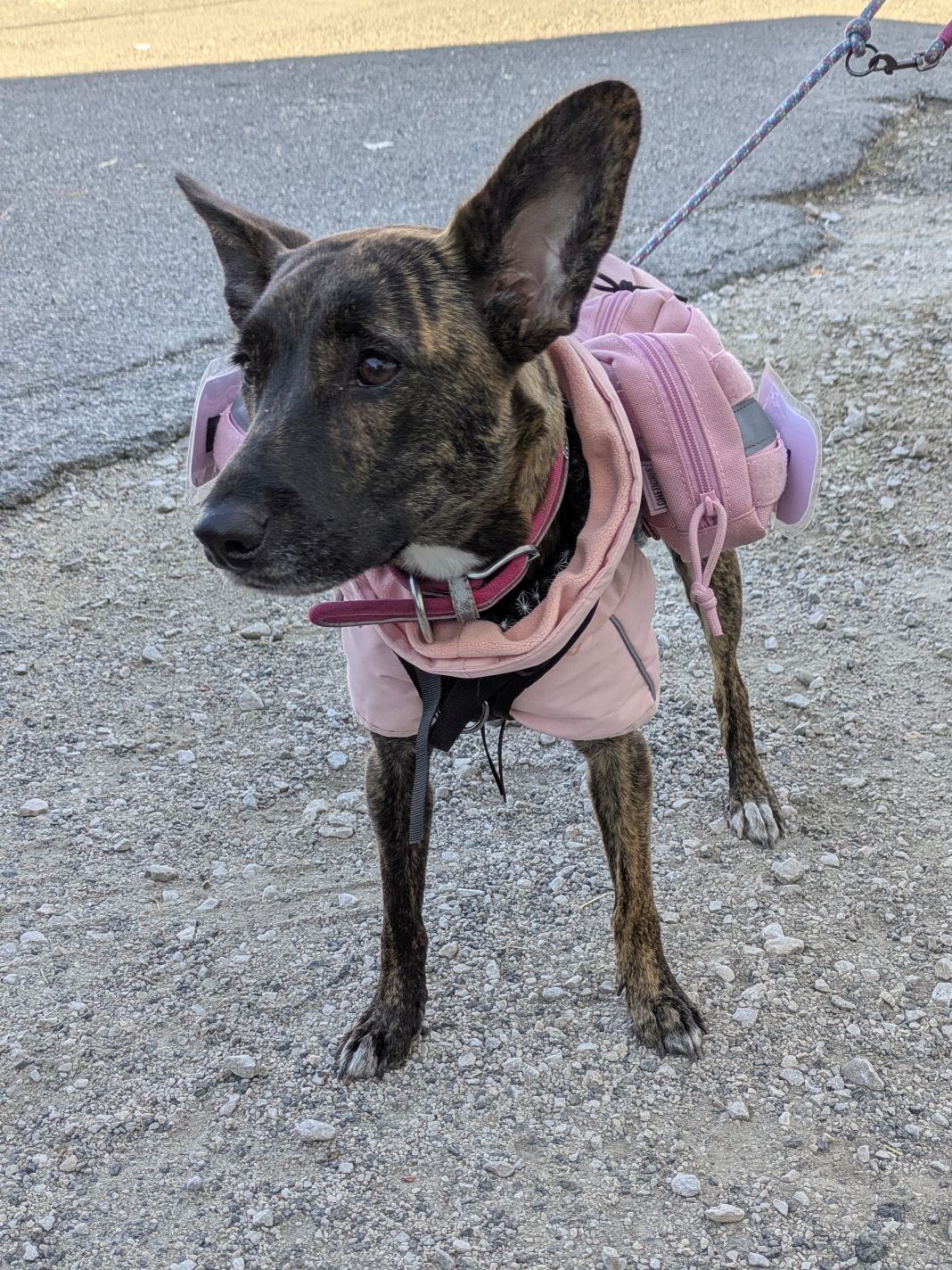
This little pooch was a pilgrim along with her person and carried her own gear.
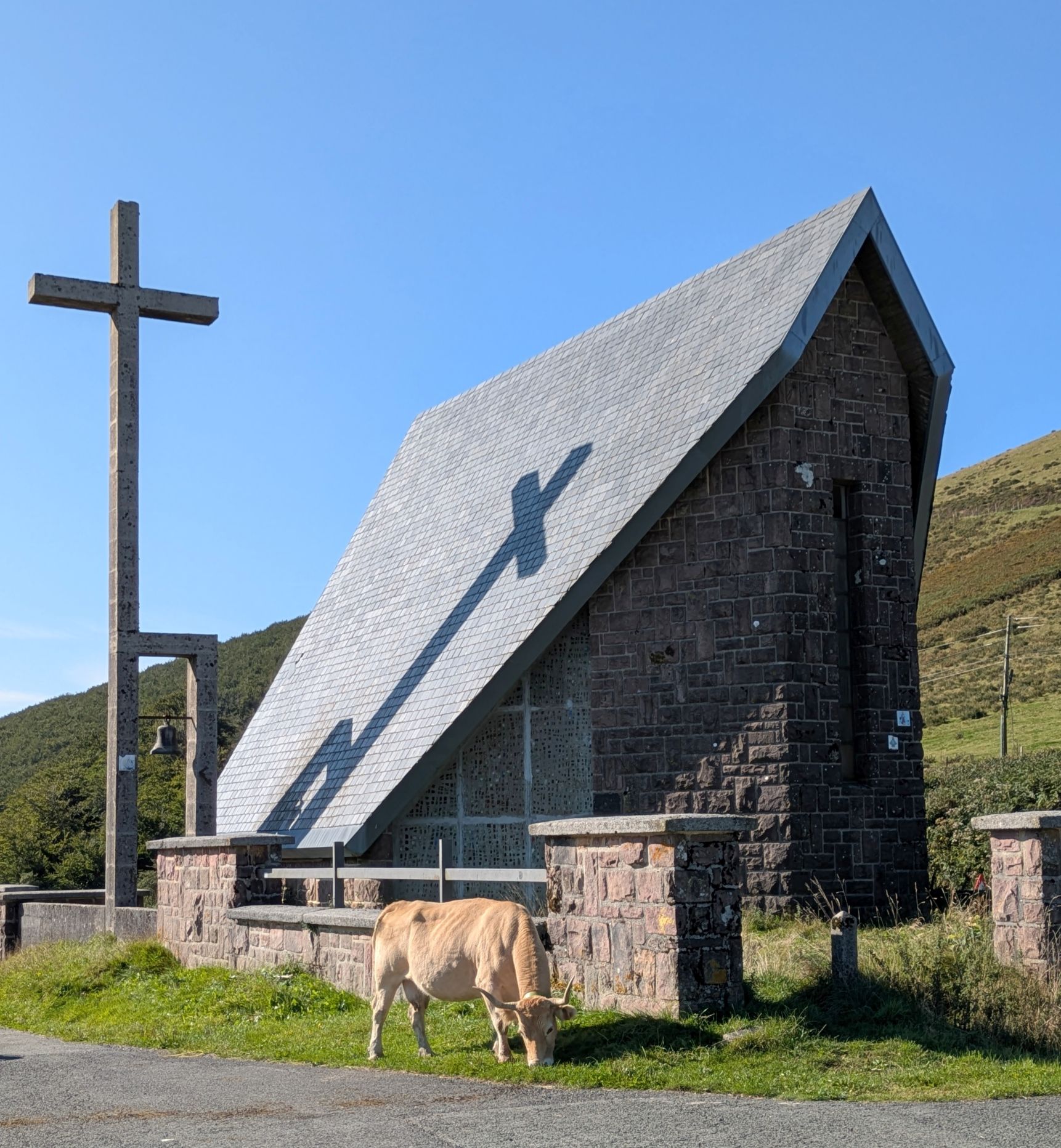
We started our walk here at this unusual church and were a bit surprised to see this beast cross our path without a care in the world. We were glad he kept his horns to himself!
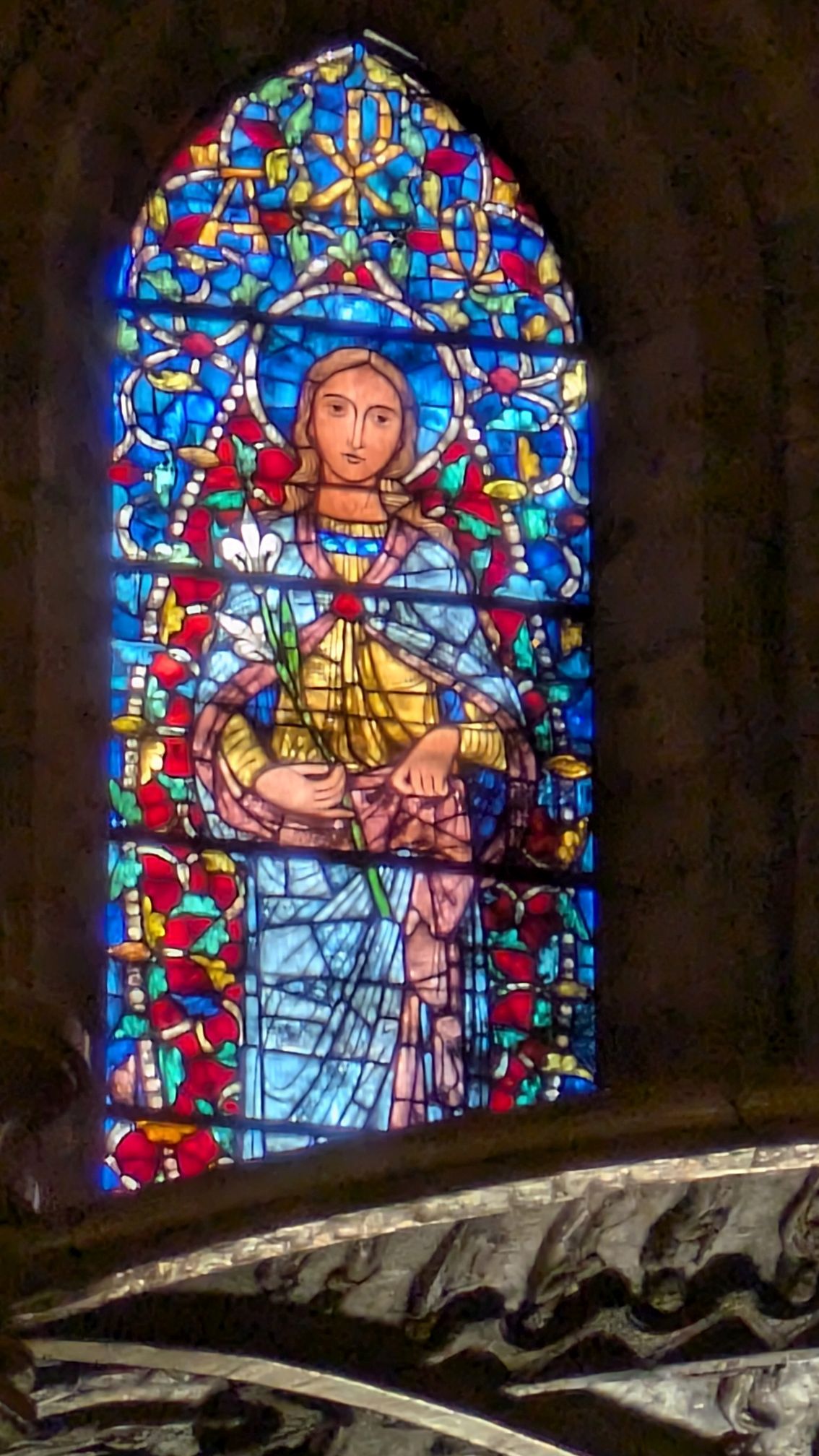
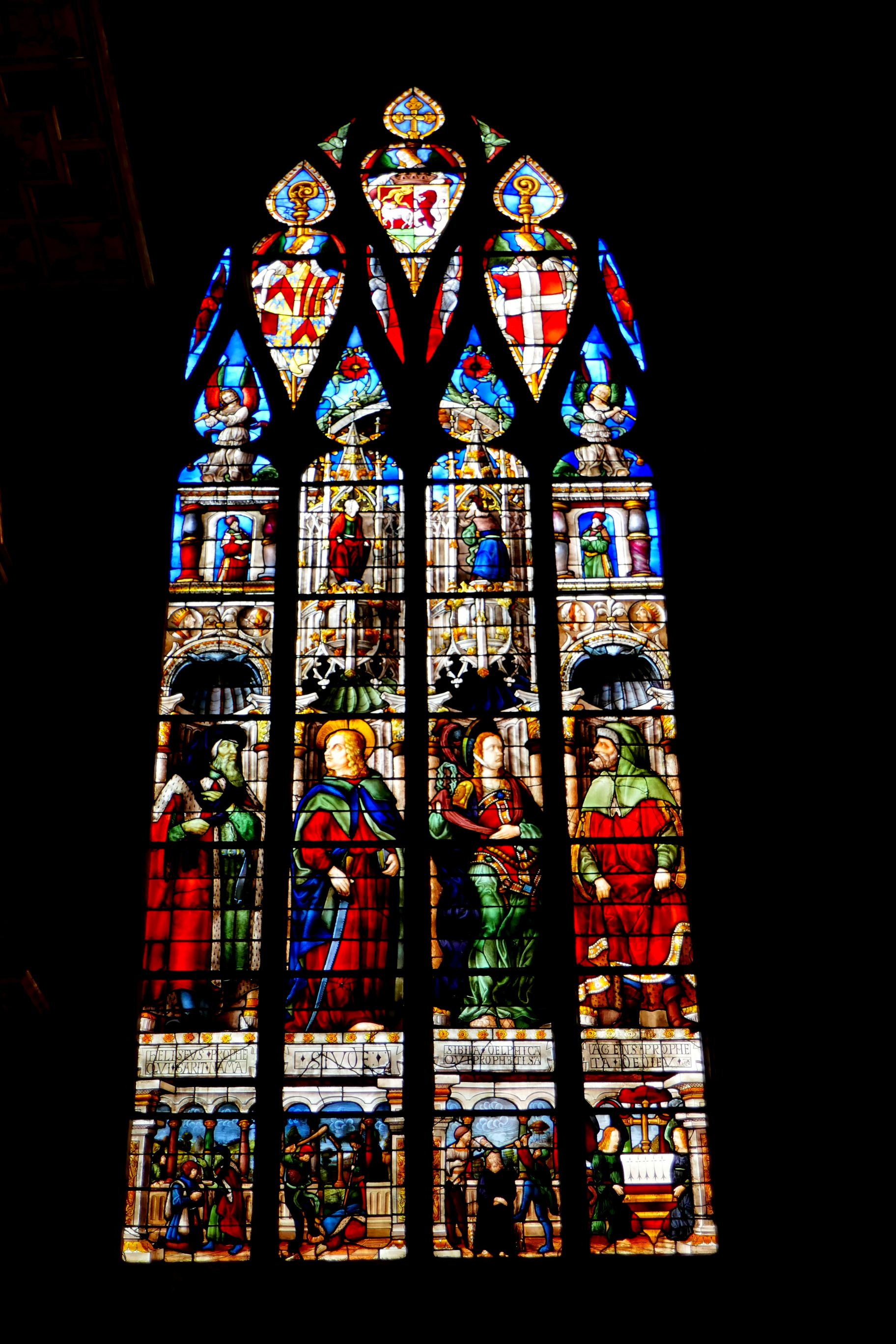
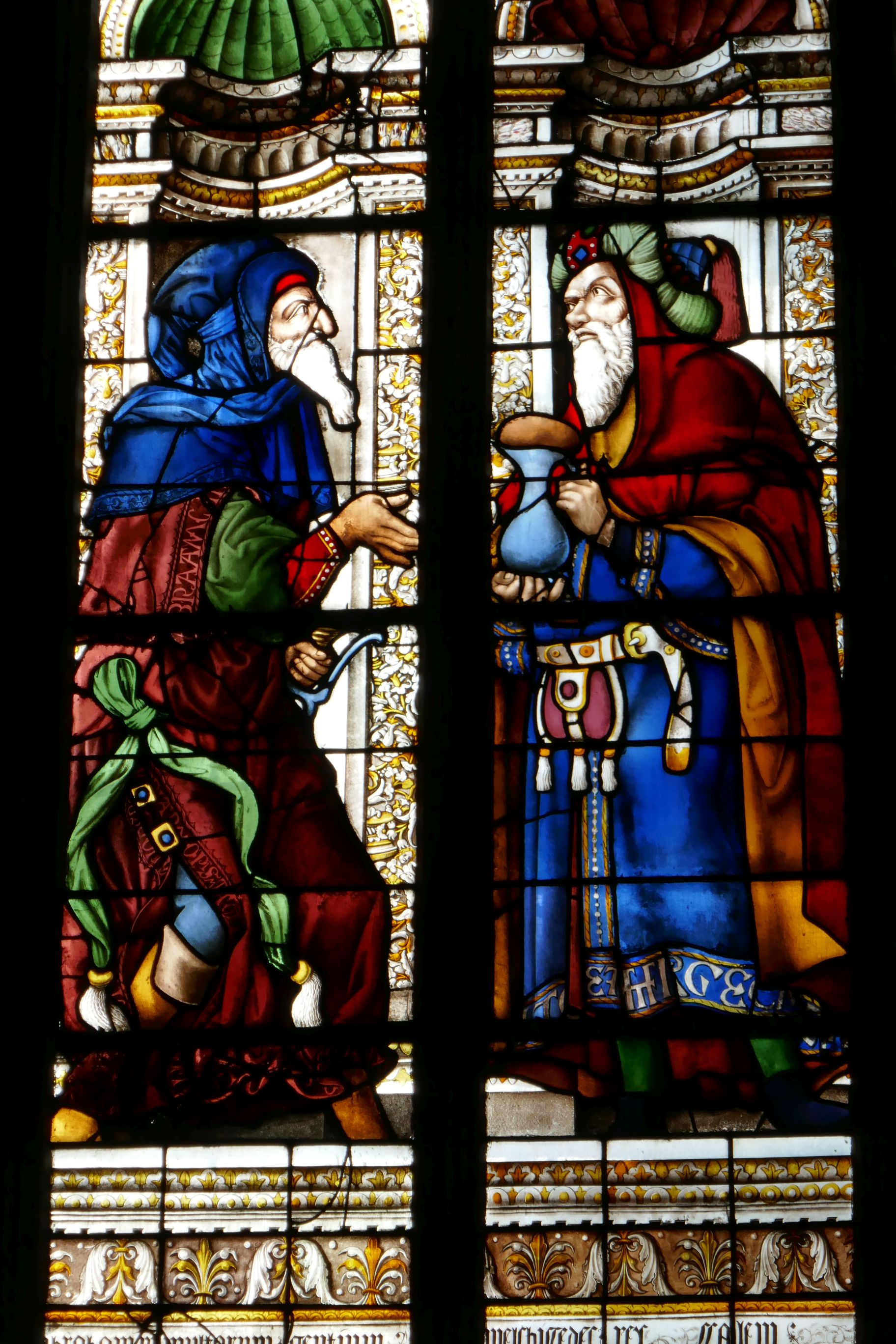
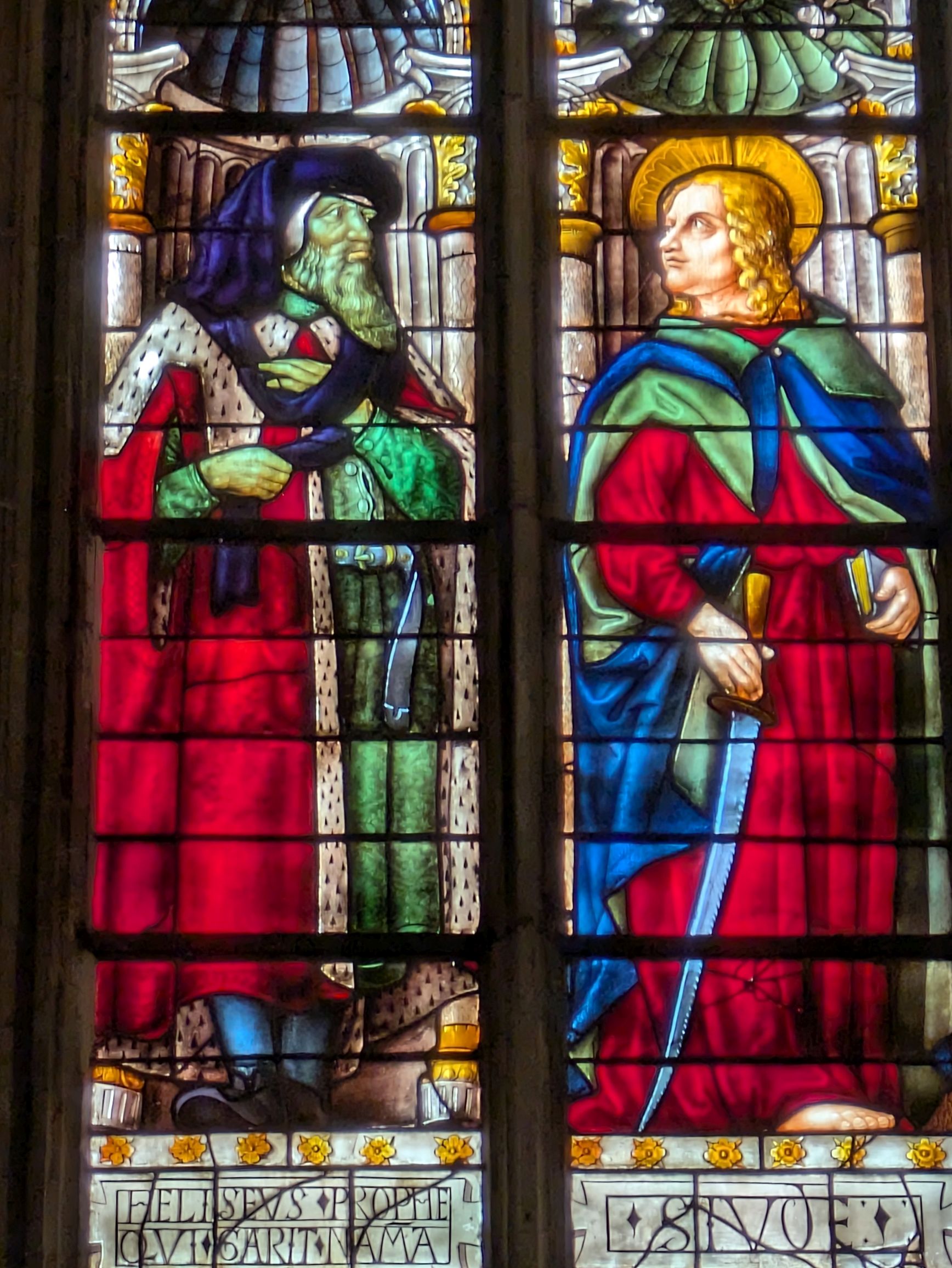
My favorite window at a church we saw along the way

For lunch, we met up with Serena’s friend, Gonzalo Santoma, a photographer and musician, in a charming little village. 

After explaining and demonstrating the Basque sport of Jai Alai in the village gym, we took a stroll to a restaurant for a Basque lunch. 

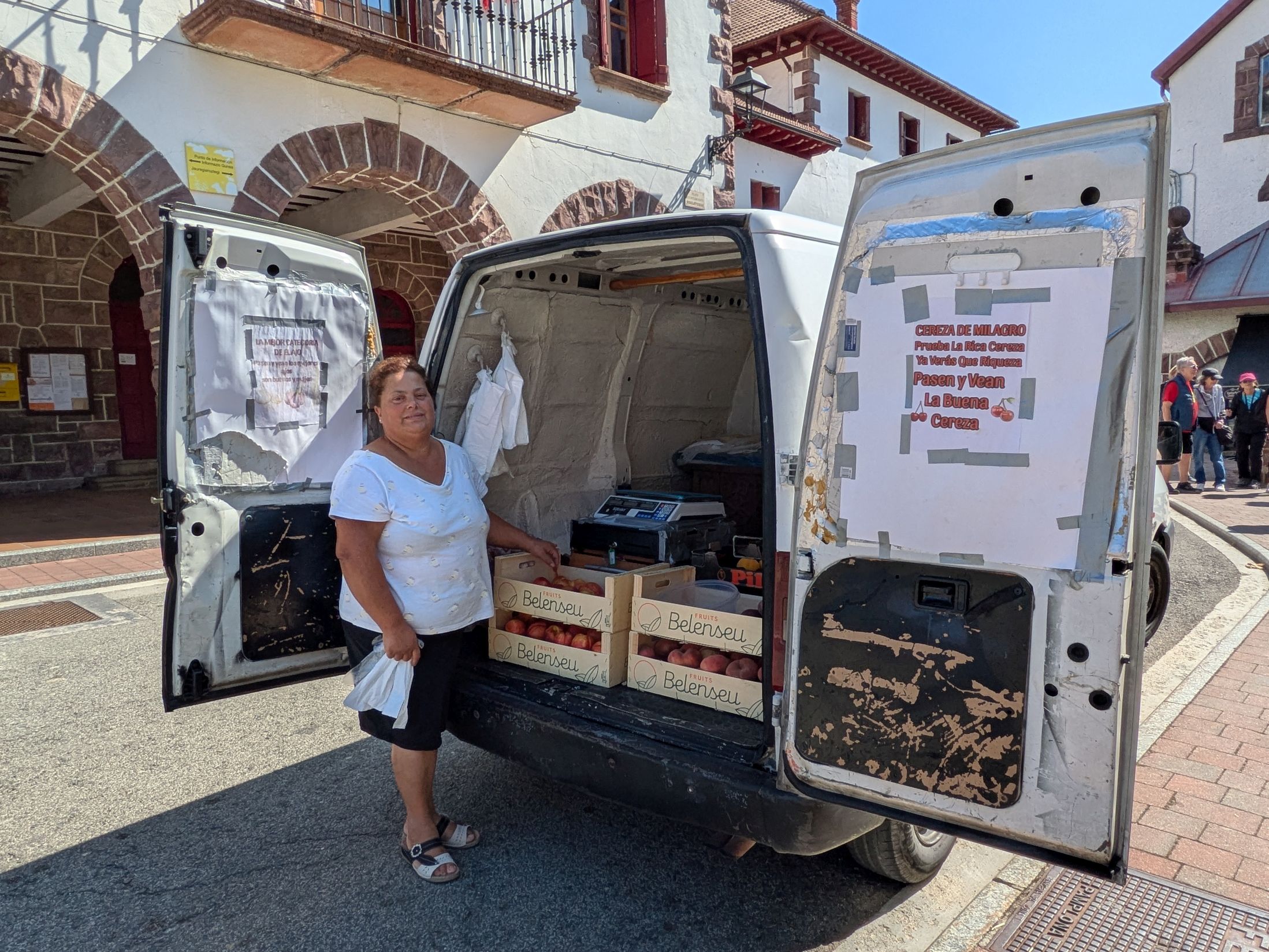
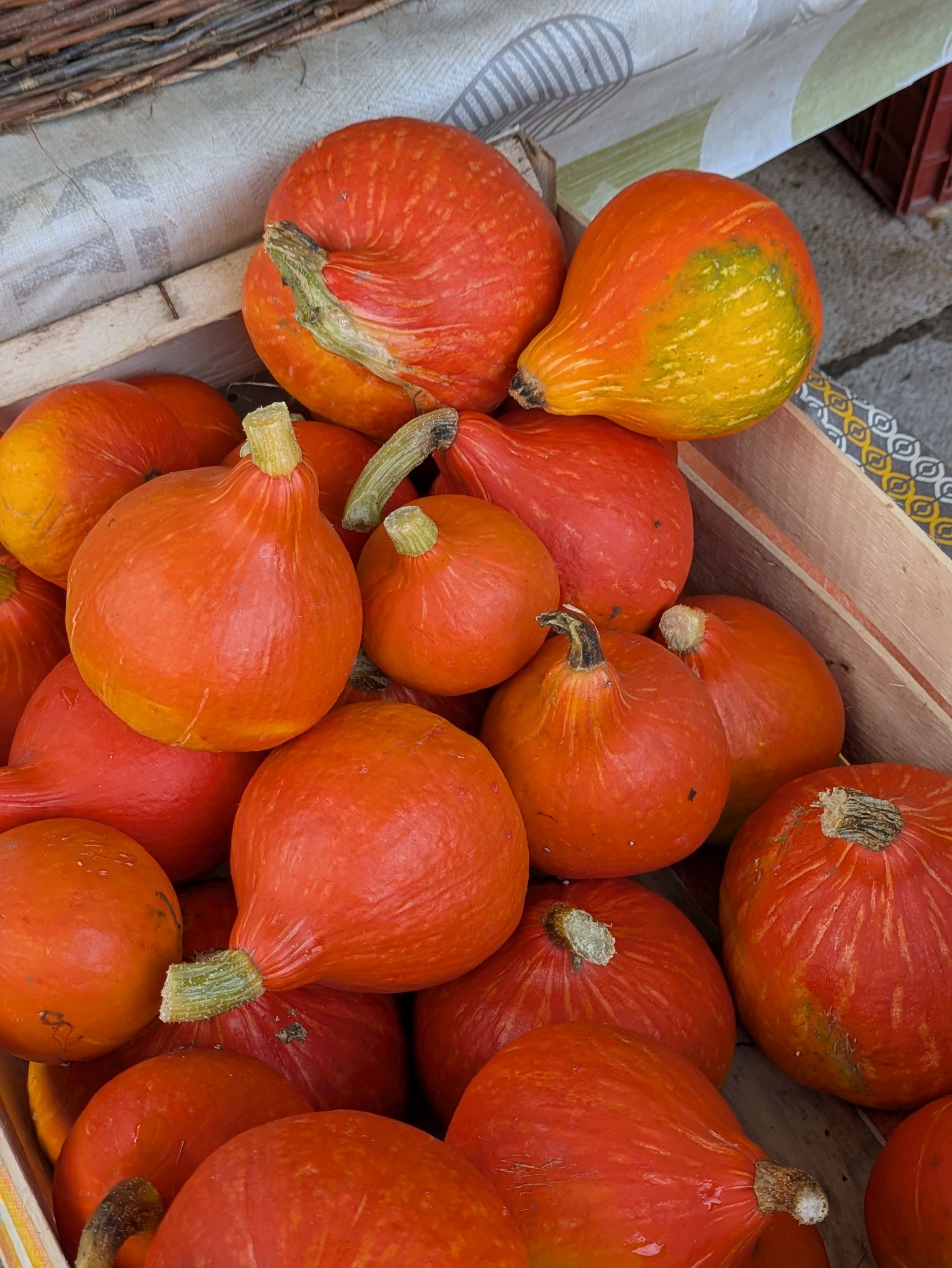
A mobile produce vendor

Gonzalo entertained us with his guitar-accompanied singing, which turned into a duet when a local joined in for a song:

Coming up next: SOUTHWEST FRANCE, NORTHERN SPAIN & PORTUGAL #13: EXPLORING UBIDEA & CASTROJERIZ, ON THE WAY TO LEON.

SOUTHWEST FRANCE, NORTHERN SPAIN & PORTUGAL #11: PLEASUREABLE PAMPLONA

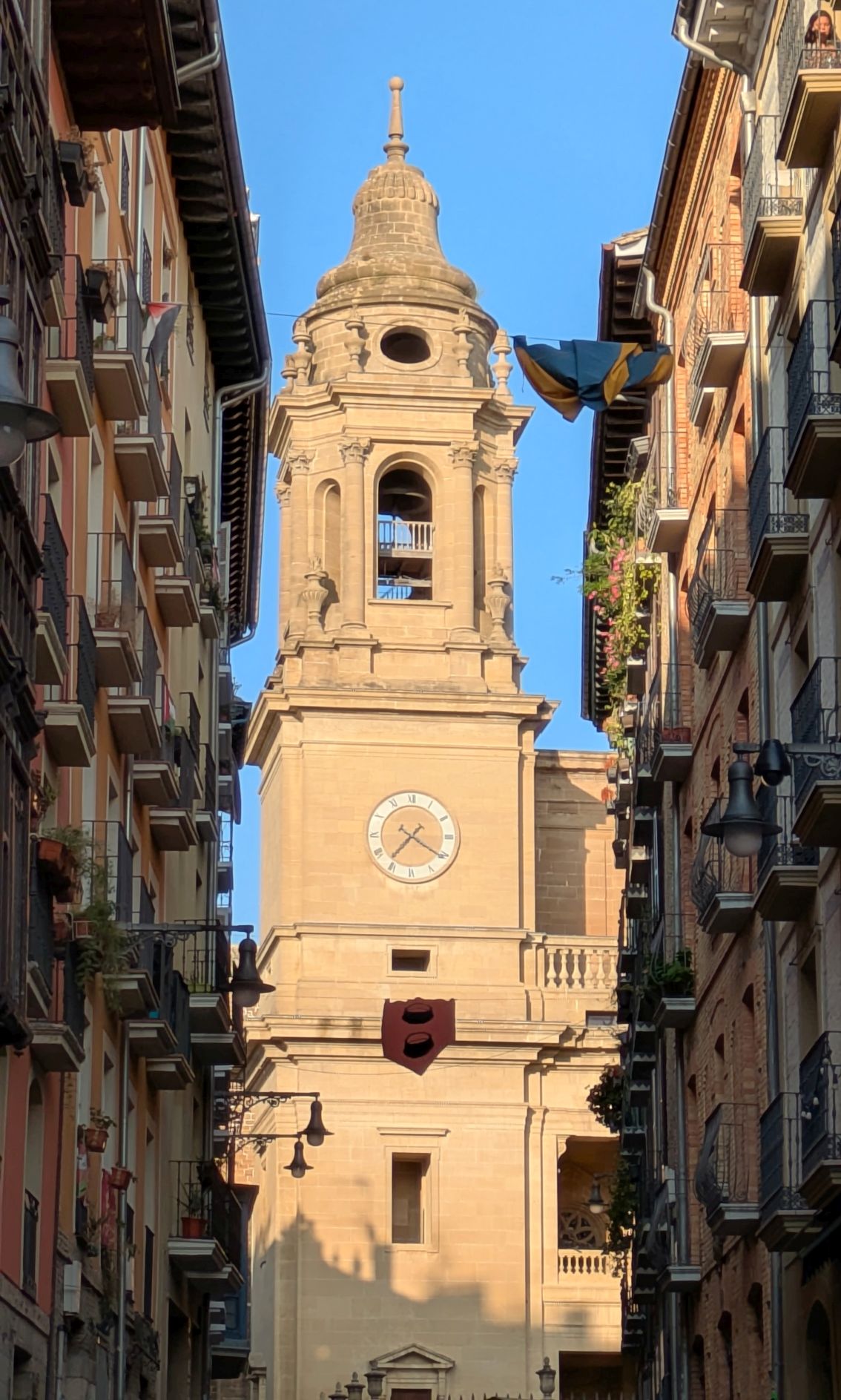
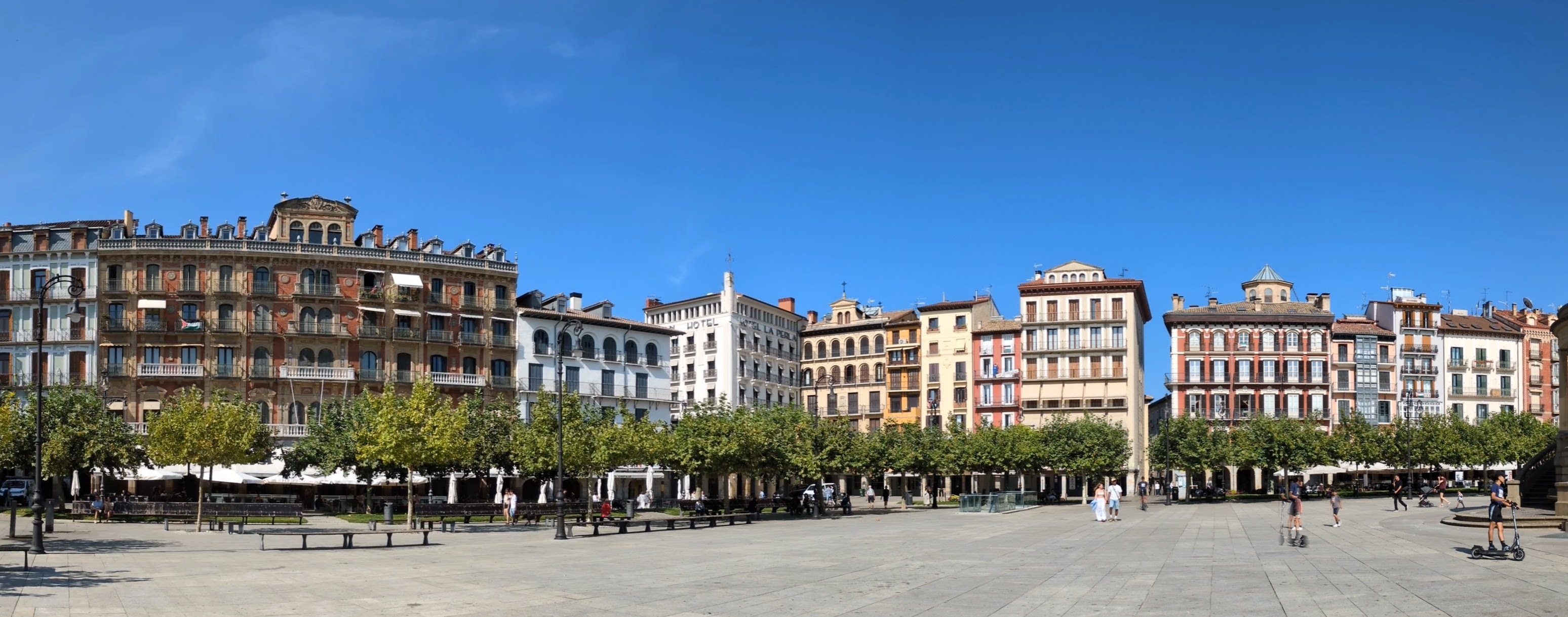
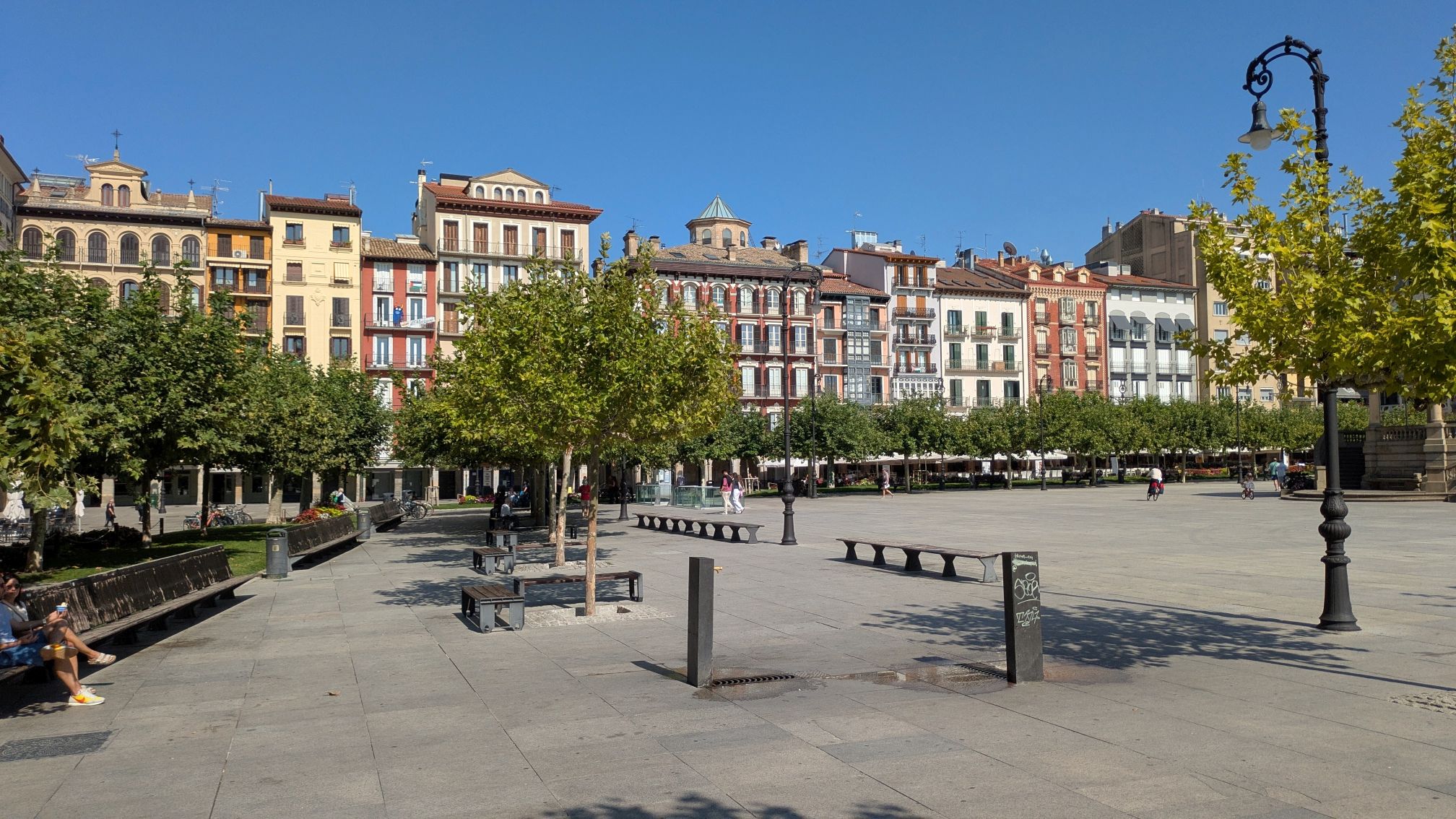
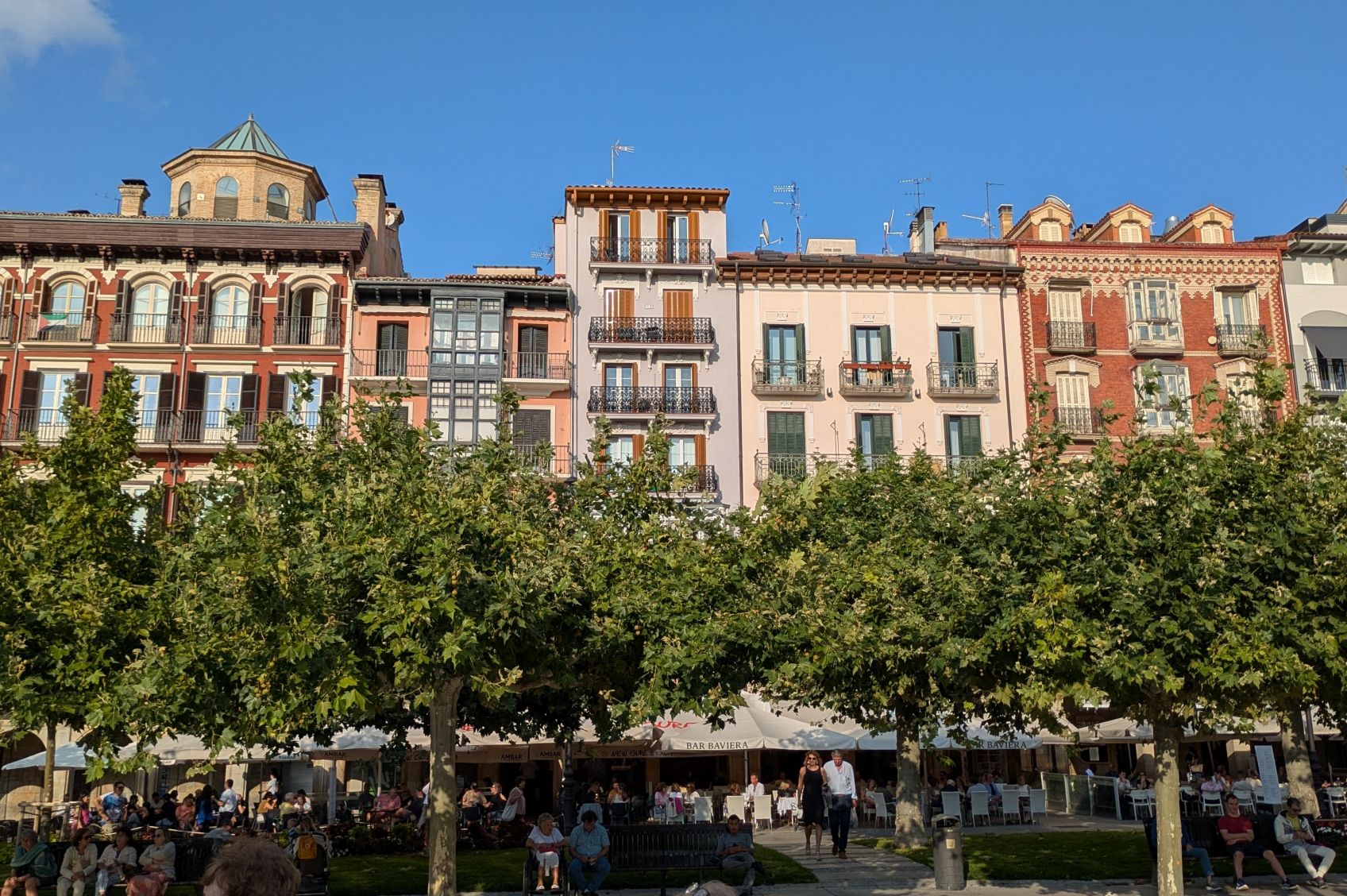
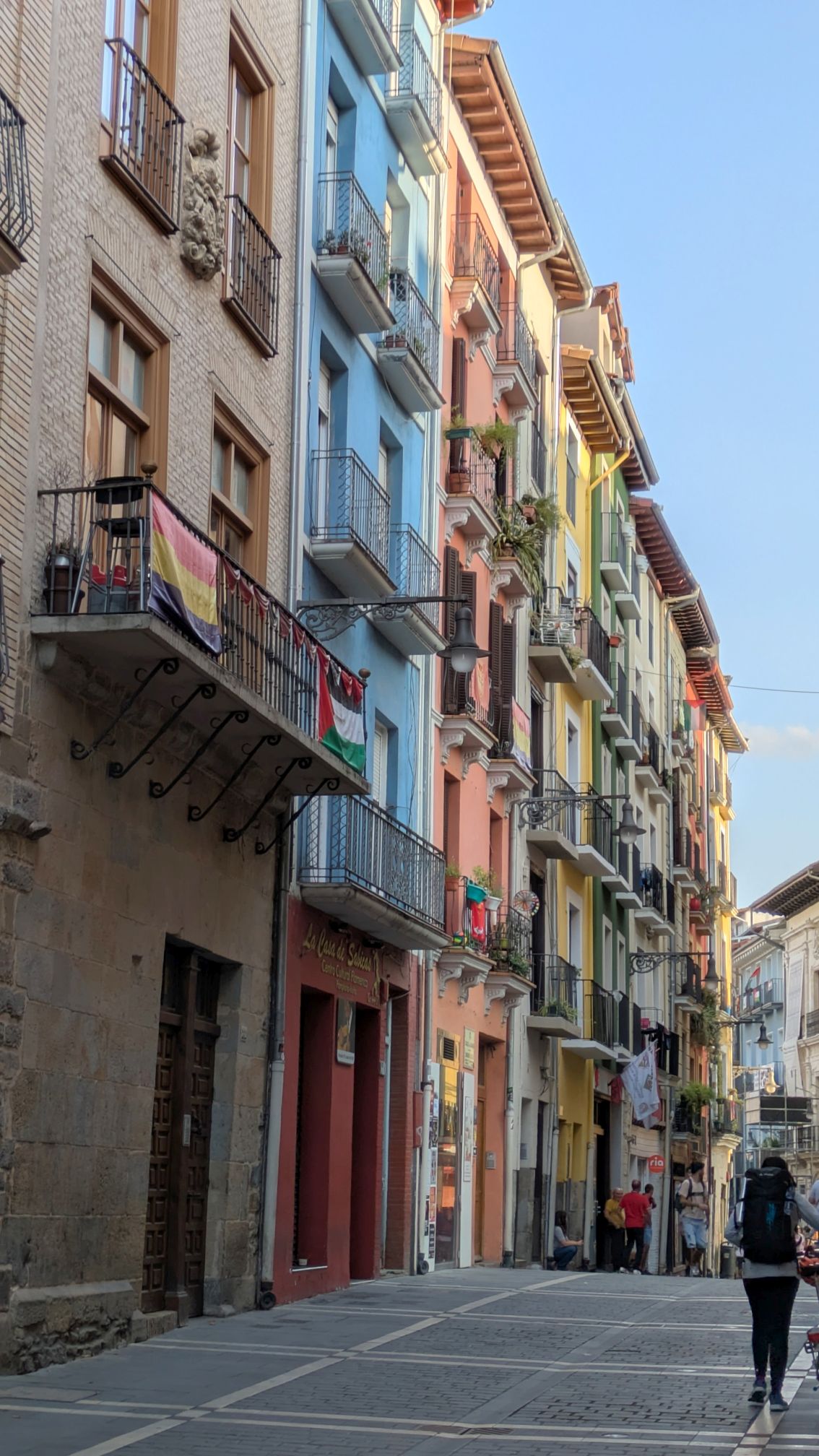
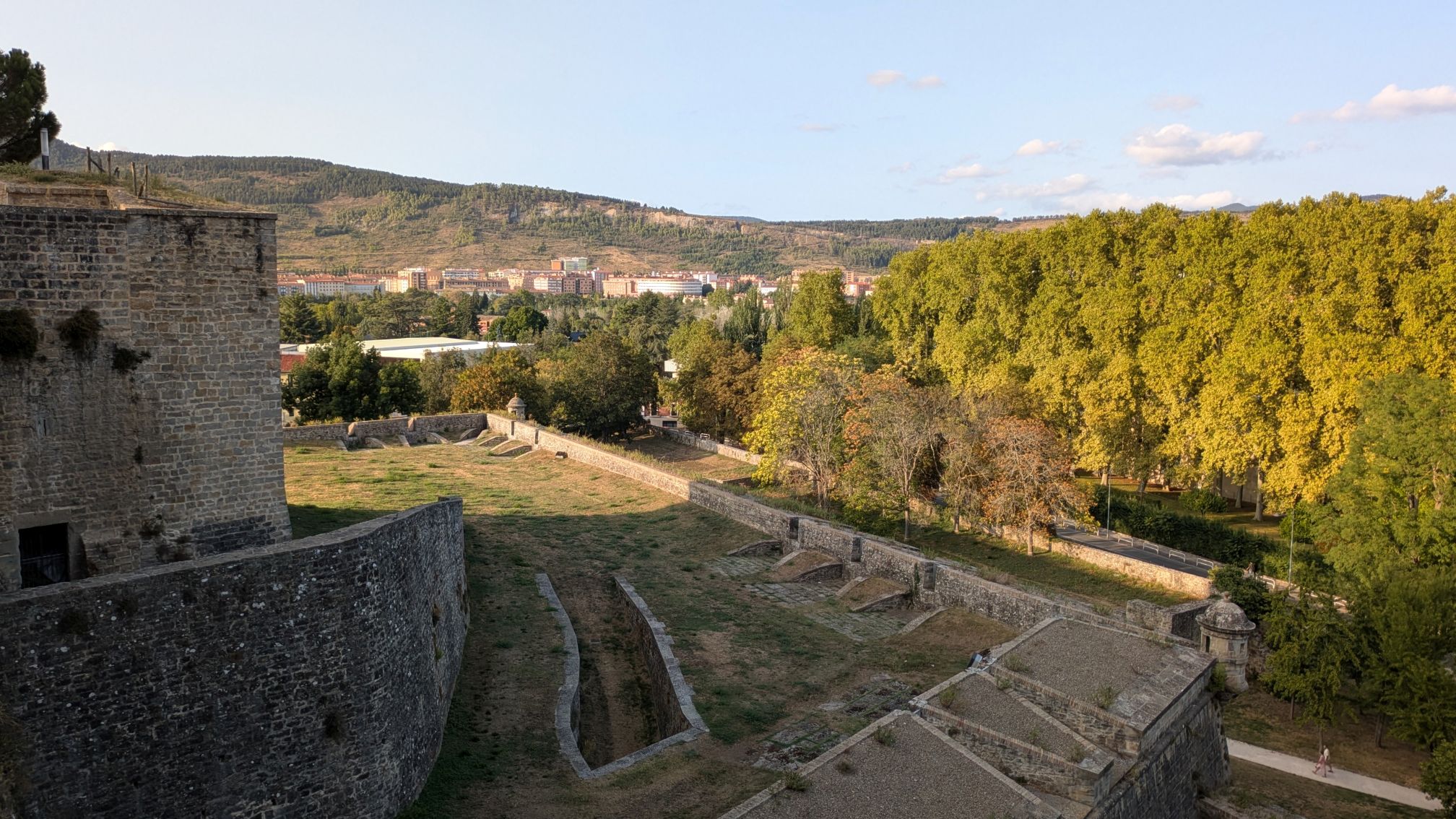
My first impression of Pamplona was how pleasurable it was to explore on foot.  The old city center had a great vibe, and I especially enjoyed walking the fortified walls that date to the 1500’s.

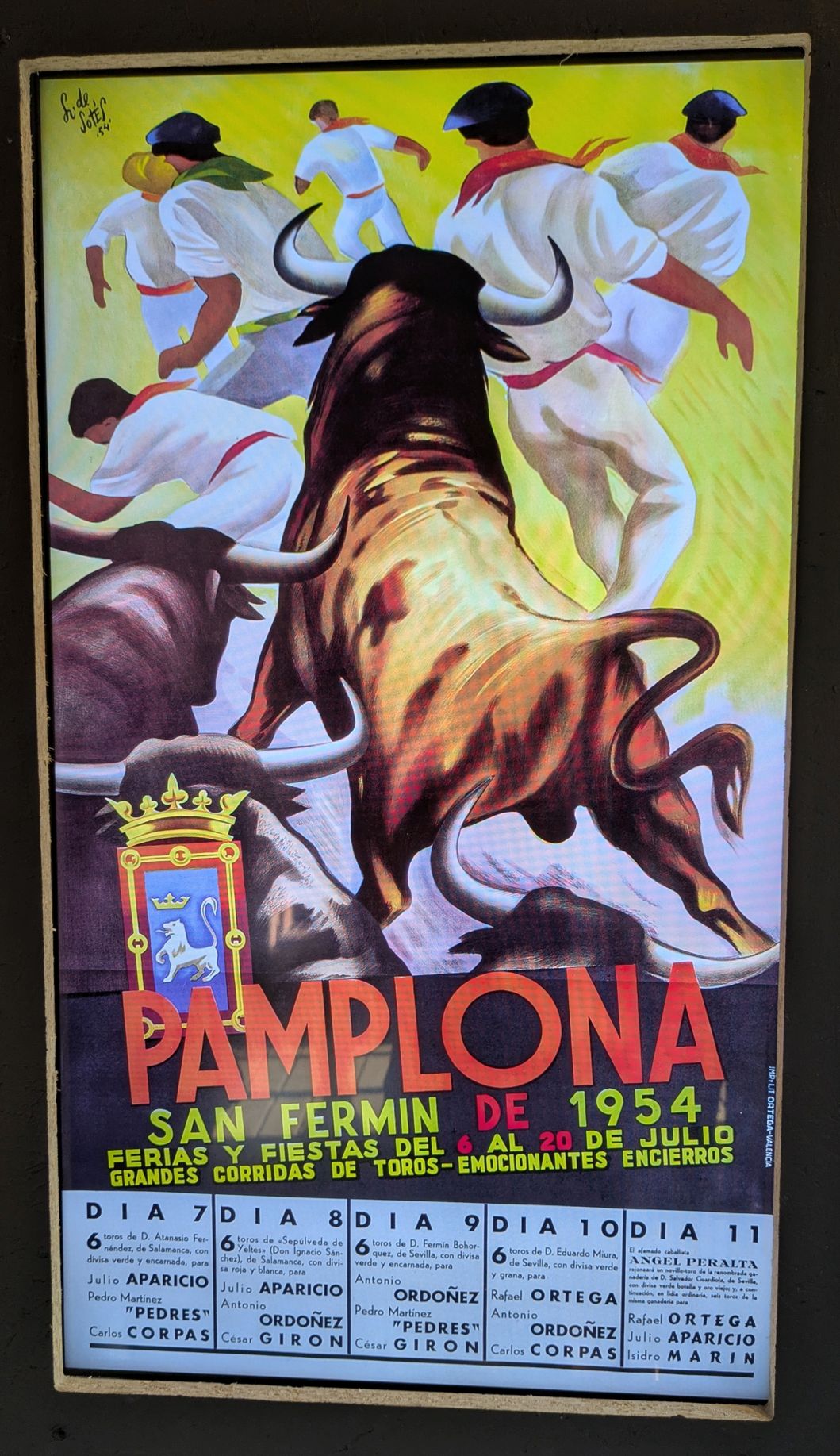
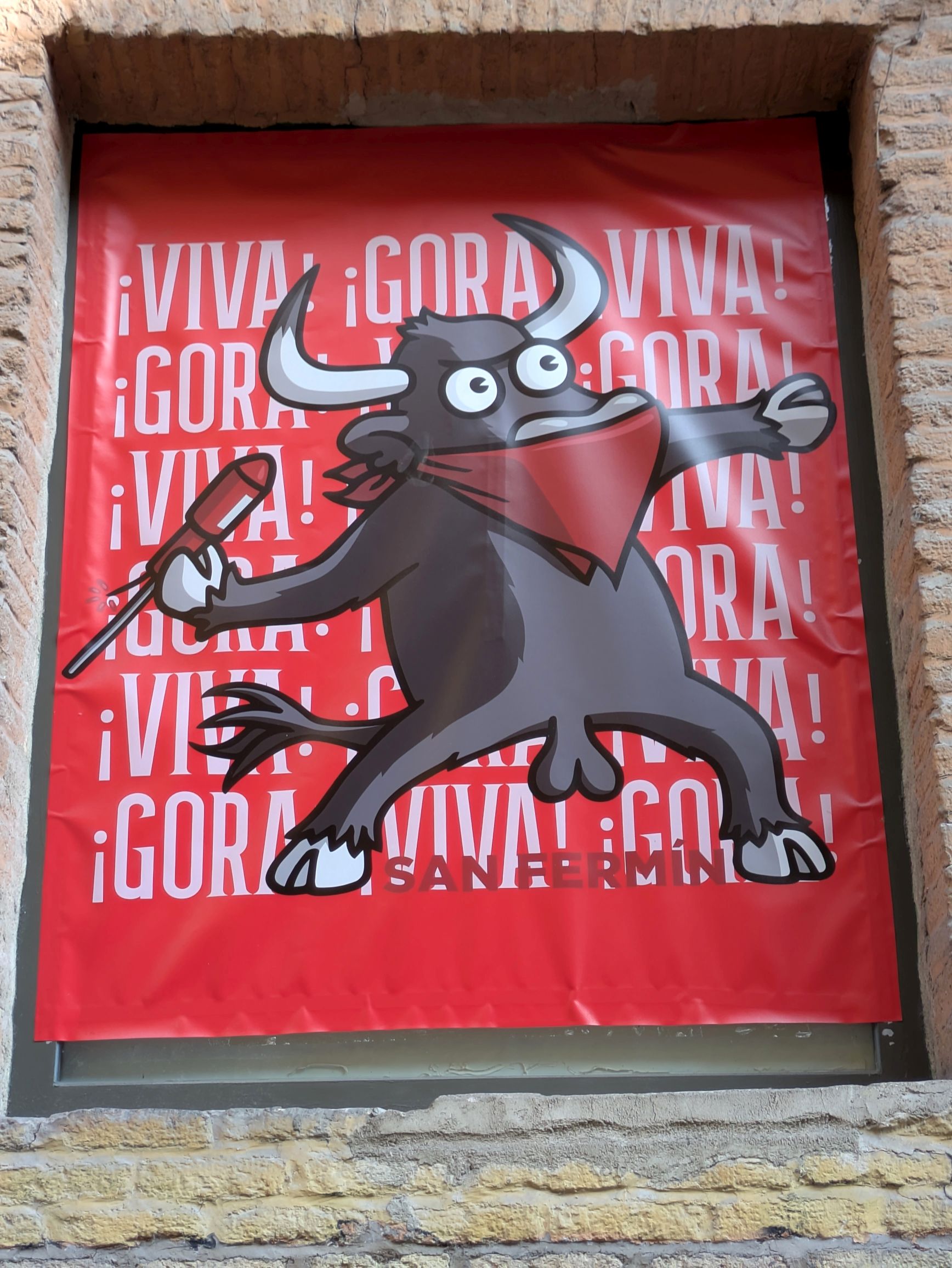
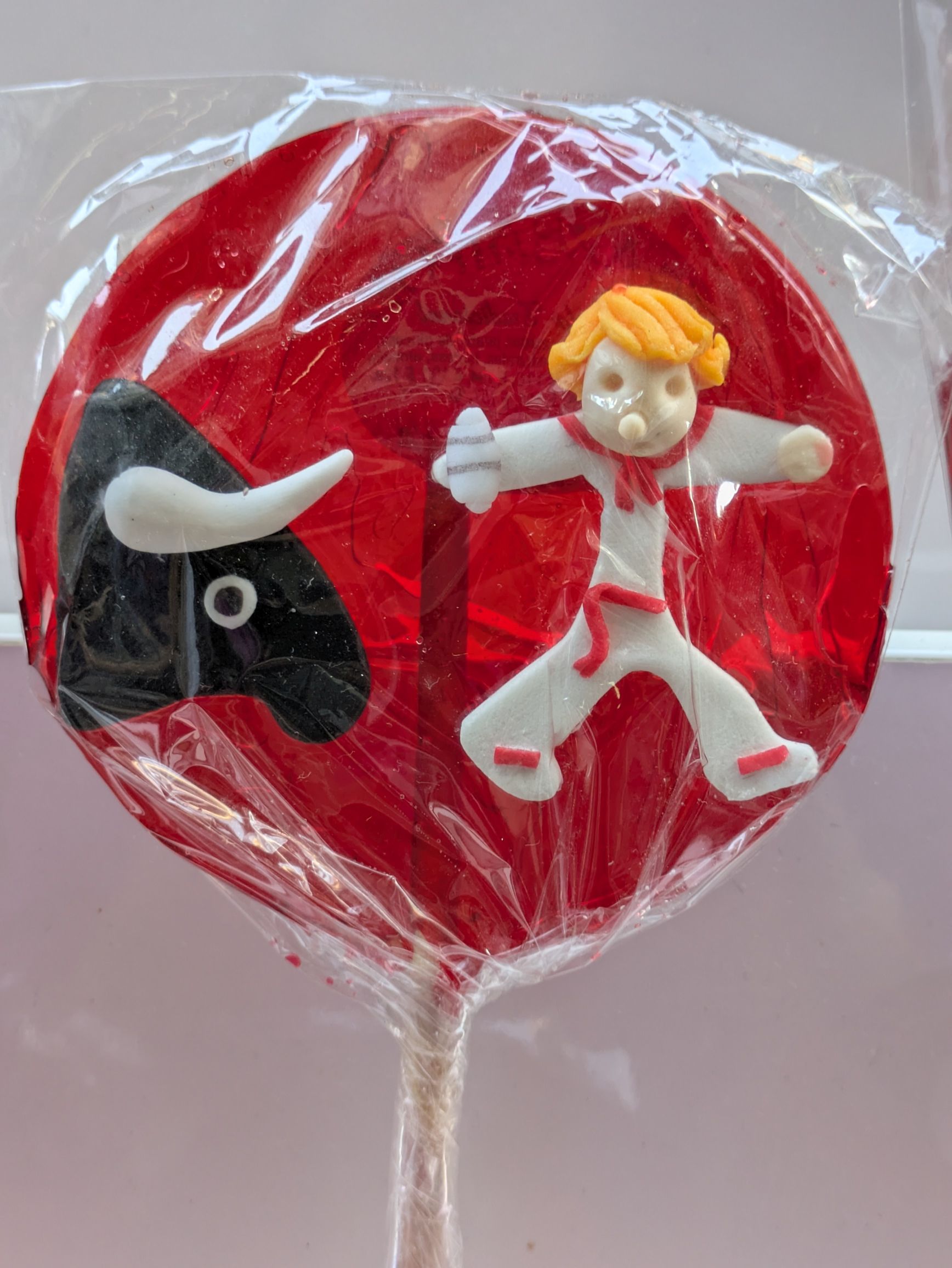
Never heard of this Spanish city?  I’ll bet you have heard of the “running of the bulls.”  Pamplona is where the most famous running of the bulls takes place for one week in July, during the Festival of San Fermin.  Dating to the medieval period, the festival originated when cattle merchants came into town with their cattle and bullfighting became part of the tradition.  There were also other cultural events added to the festival, but it wasn’t until the 17th century that bull running made its debut as an organized event.

During the running of the bulls, hundreds of (crazy, in my opinion) people run in front of six bulls and another six steers down a half mile stretch of narrow streets in a section of Pamplona, ending at the bullring, where the bulls meet their demise.  Why do they do this?  Your guess is as good as mine, but machismo bragging rights probably tops the list of this traditional—but very dangerous—cultural event.  Since 1910, fifteen people have been killed during the event.  Every year, 50-100 people are injured during the run due to falls.

Our group met with Gorka, a local man who used to run with the bulls before he got smart and quit.  Asked why he chose to run in the first place, he said it was a way to overcome his fears.  Although runners are required to be at least 18 years old, identifications weren’t checked when he did his first run at 17.  It was interesting listening to his experiences running with the bulls and seeing pictures of him during his runs.

Although bull running and bullfighting has been met with a growing backlash, even though the sport is protected by the constitution as part of Spain’s cultural heritage.  In a recent poll, 60% of Spaniards said they were opposed to bullfighting.  I’m with that 60%.

(For all photos, click on the image for a full screen view.)

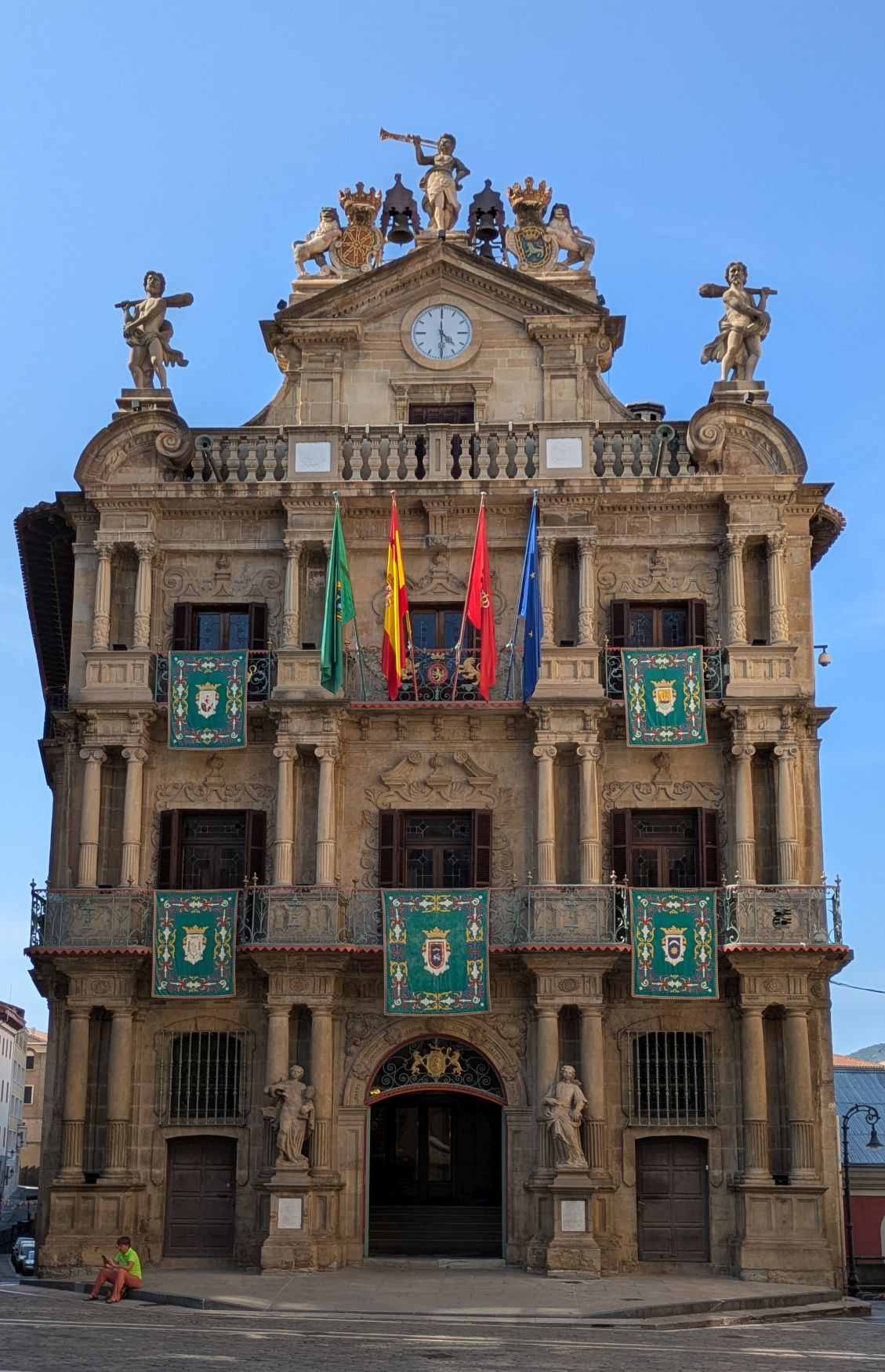
Pamplona City Hall
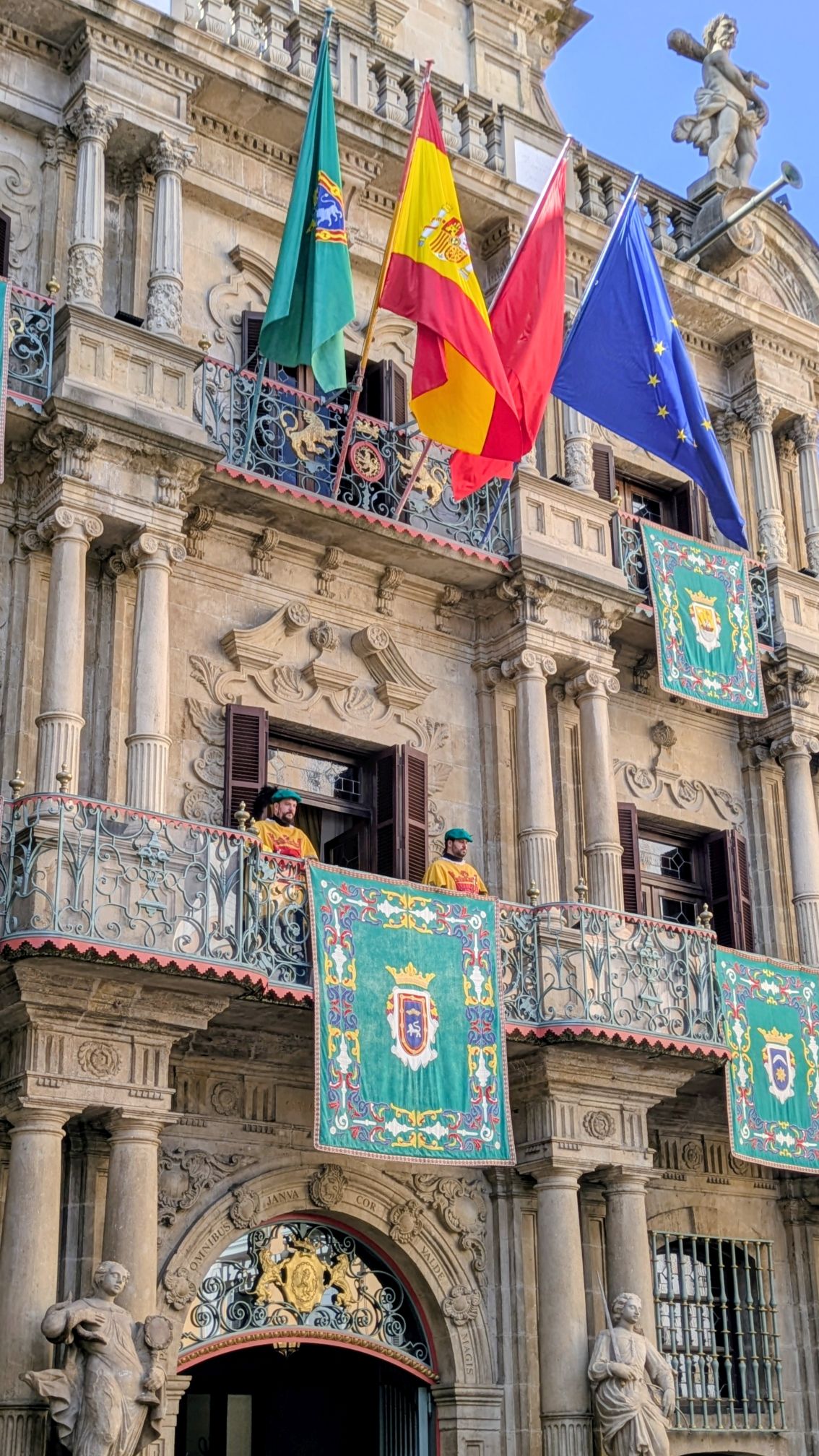
Another view of Pamplona City Hall during a special event
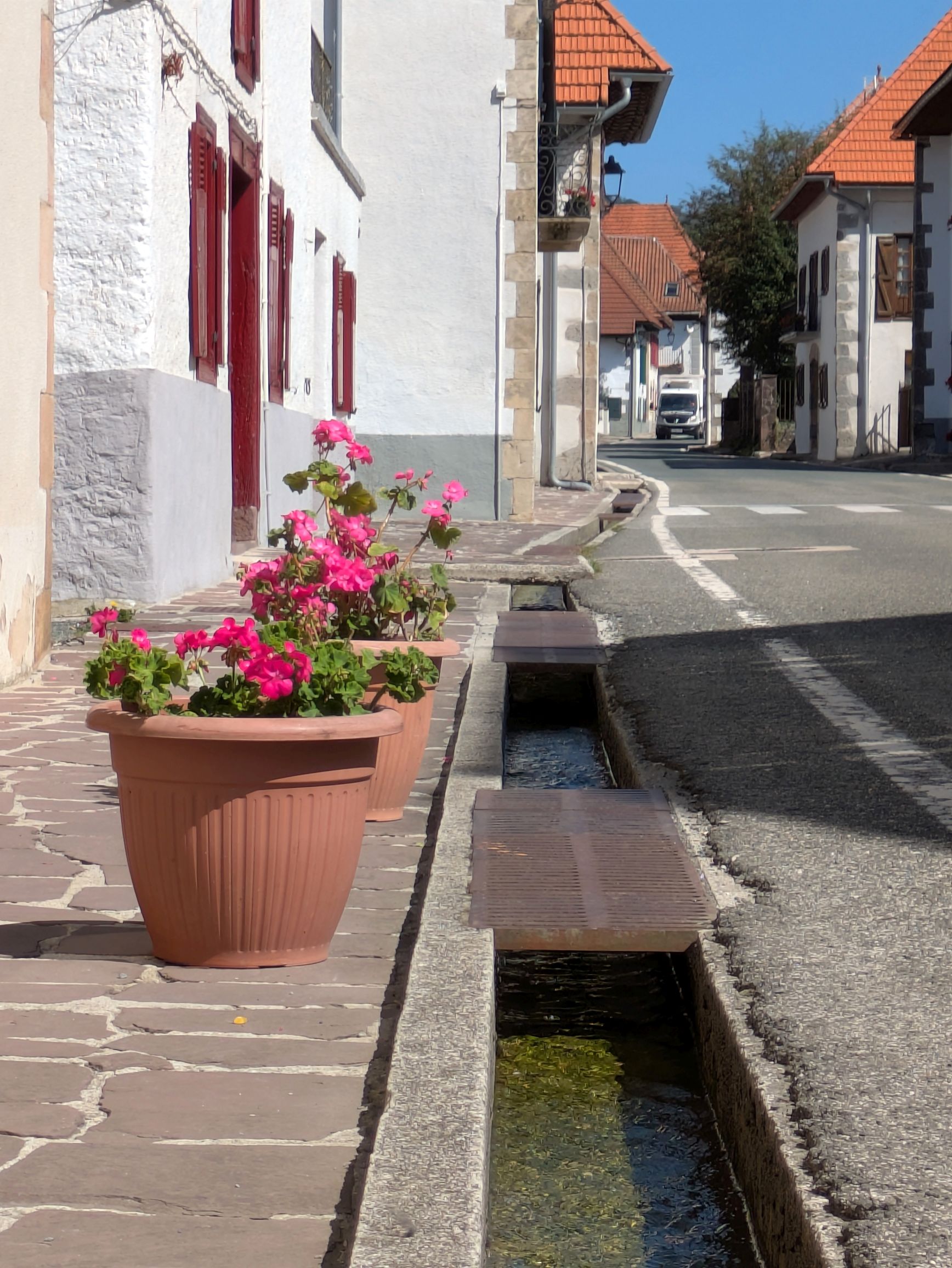
This is a different street, but just as colorful as the last!
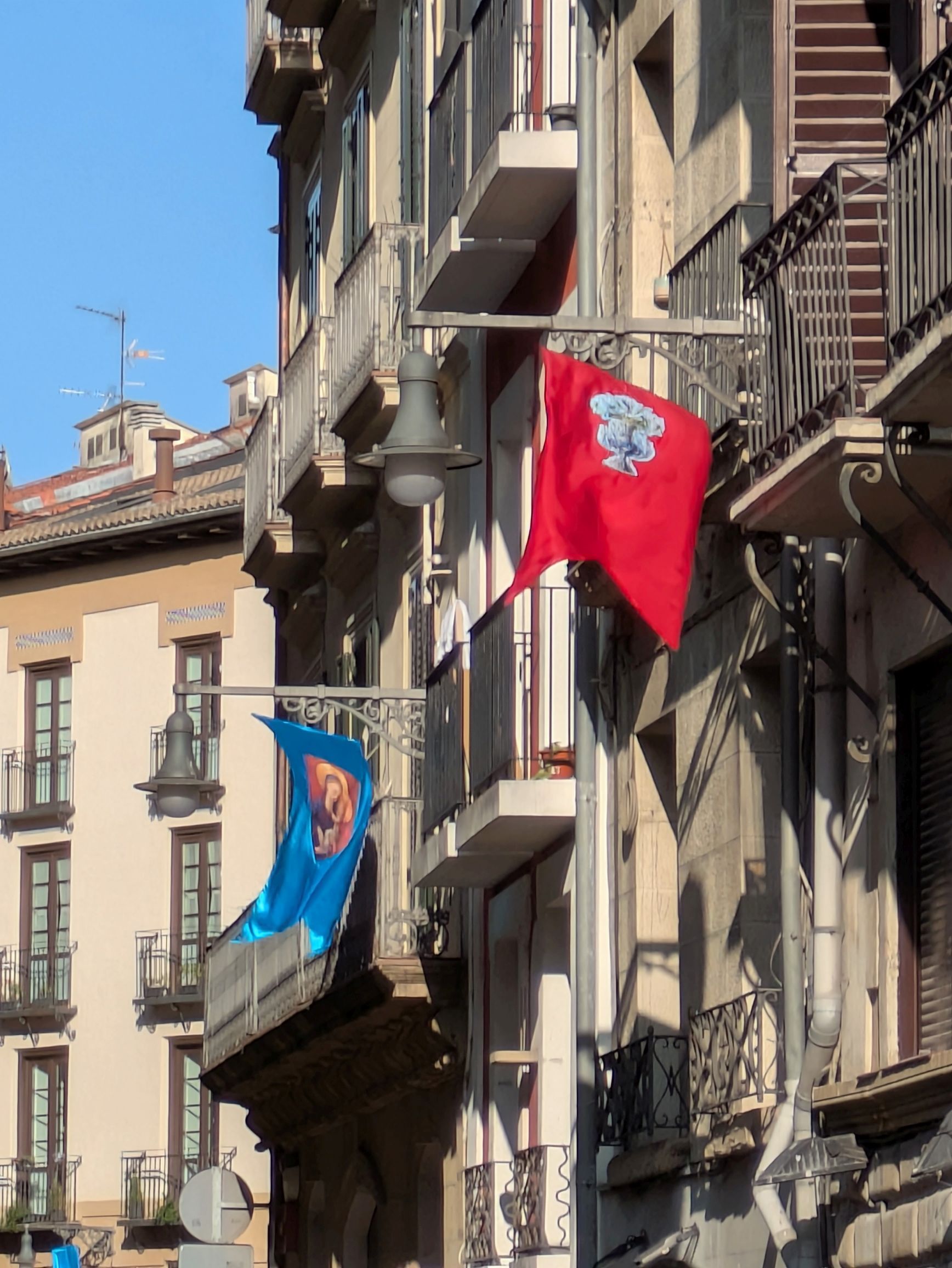
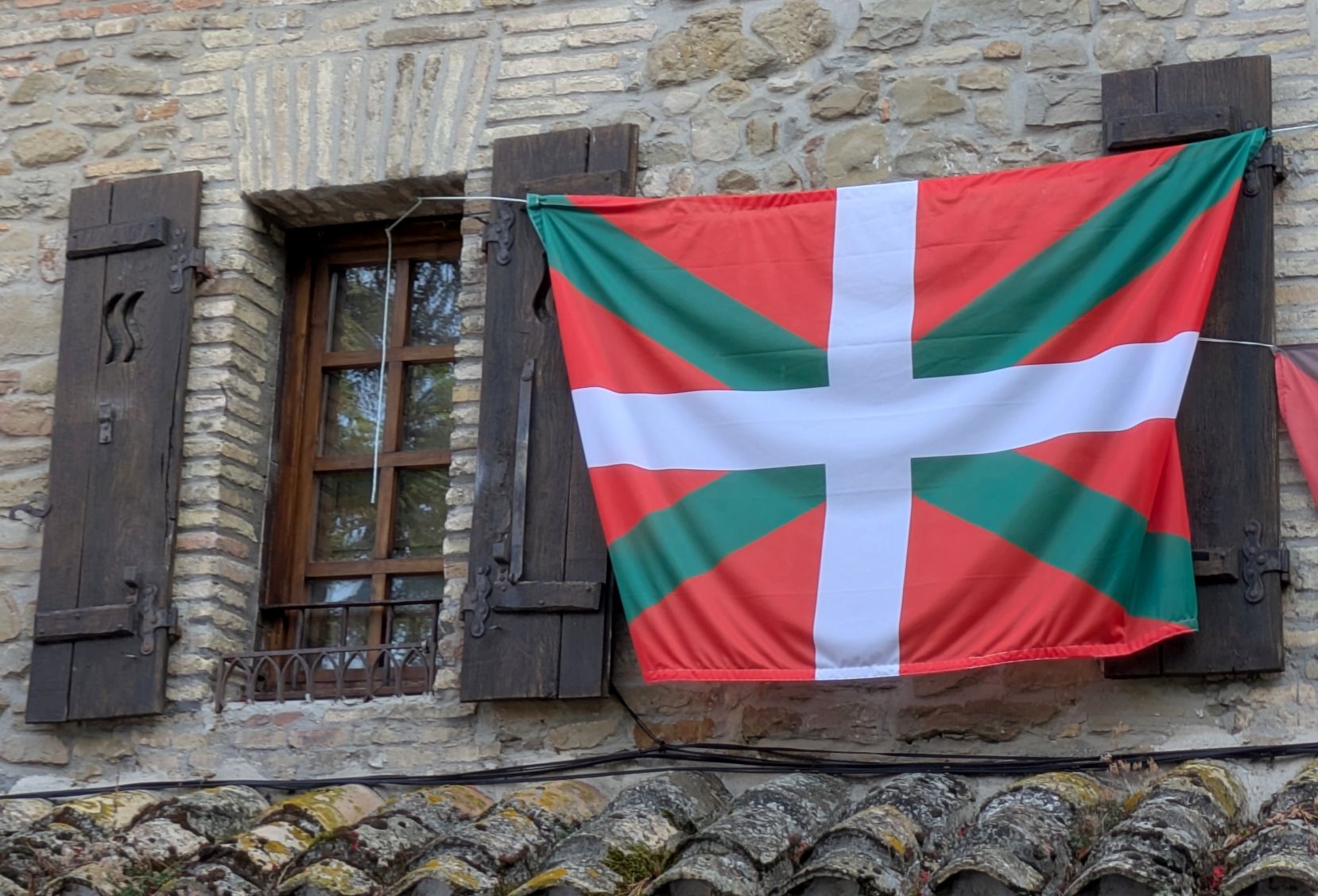
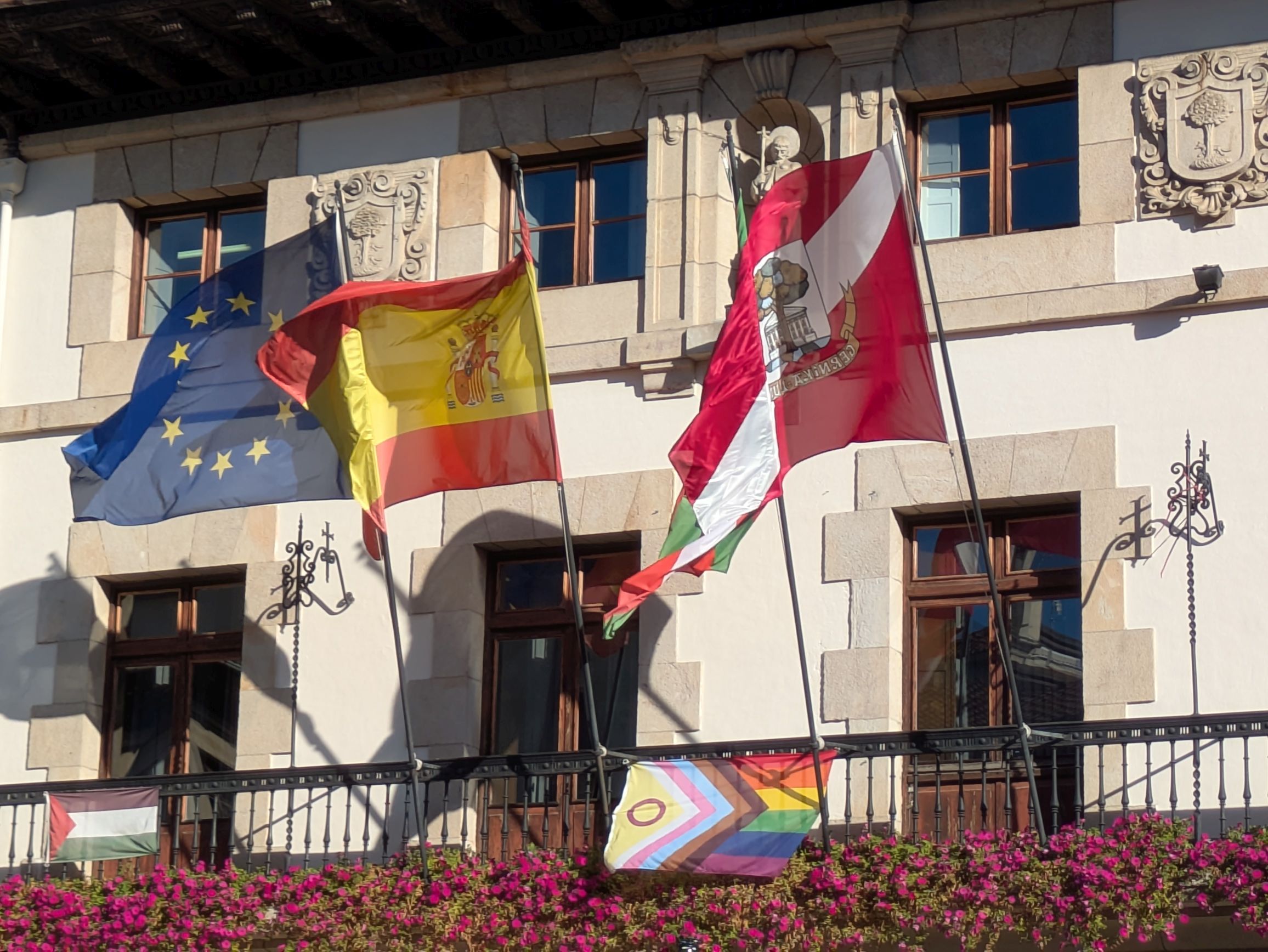
The flag of the Basque Country

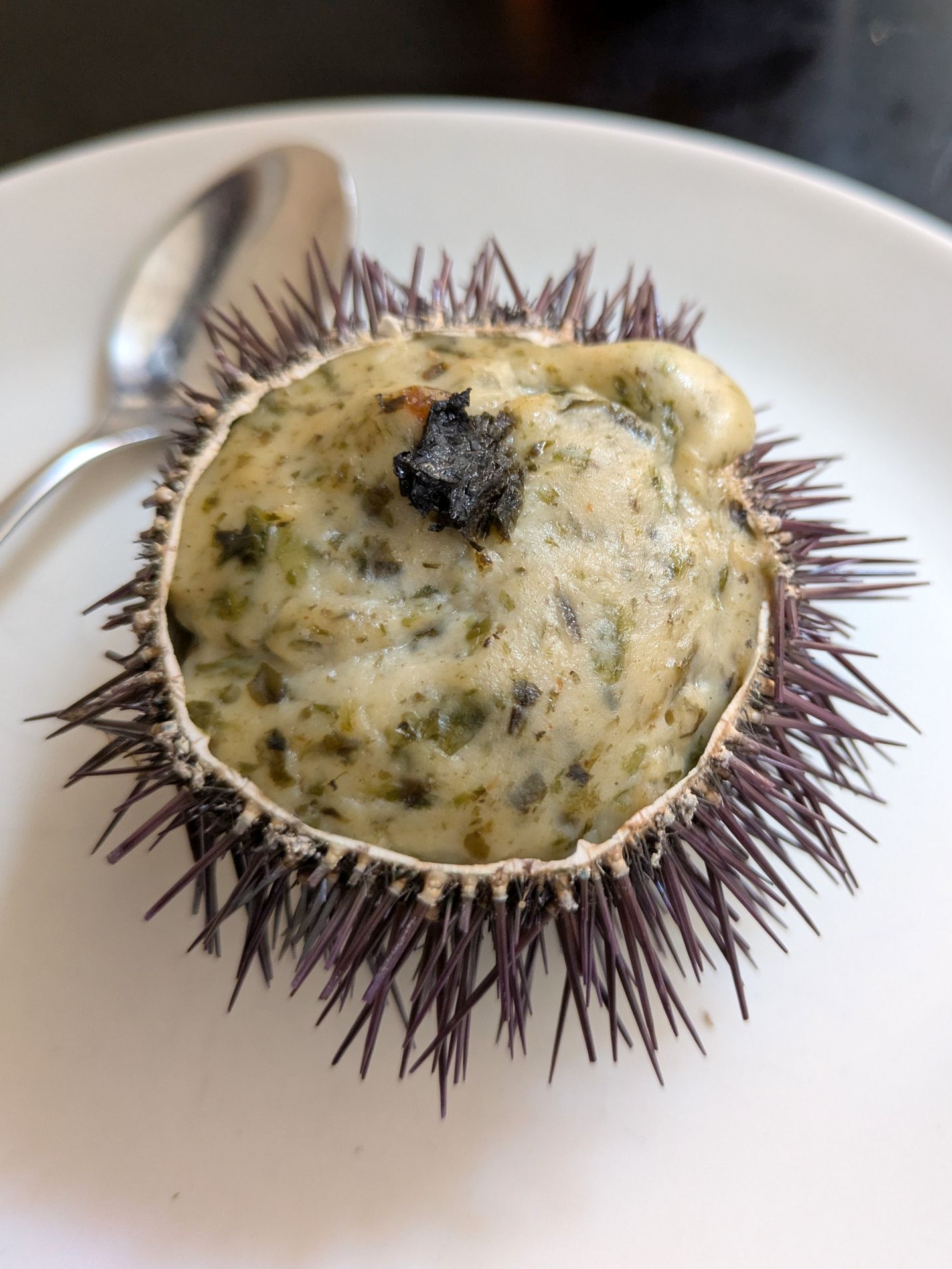
Sampling the cuisine of Pamplona:

Sea Urchin– delicious!
We passed on this one…

Next up: SOUTHWEST FRANCE, NORTHERN SPAIN & PORTUGAL #12: WALKING THE BEGINNING OF THE CAMINO DE SANTIAGO

SOUTHWEST FRANCE, NORTHERN SPAIN & PORTUGAL #10: STUNNING SAN SEBASTIAN

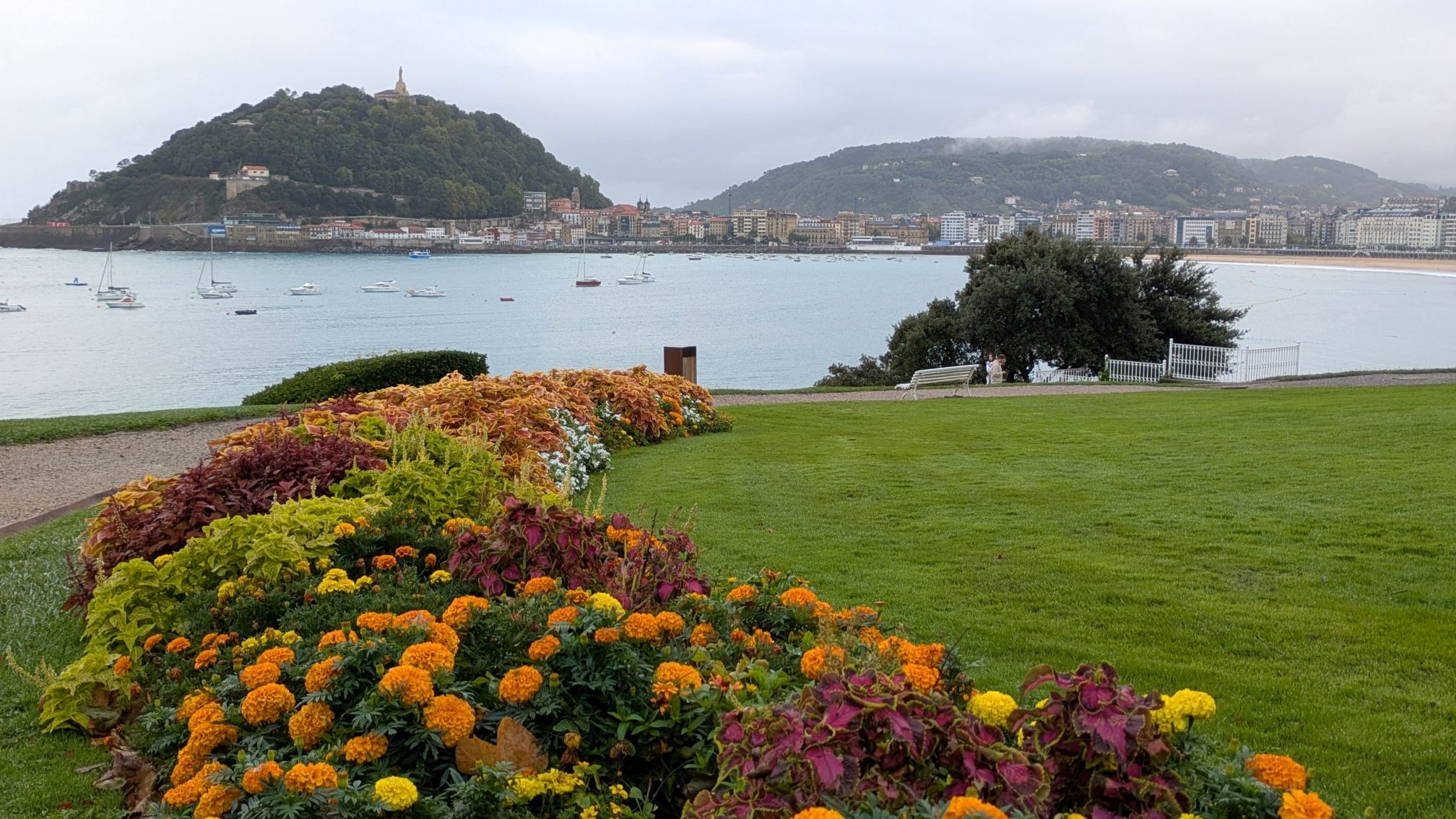
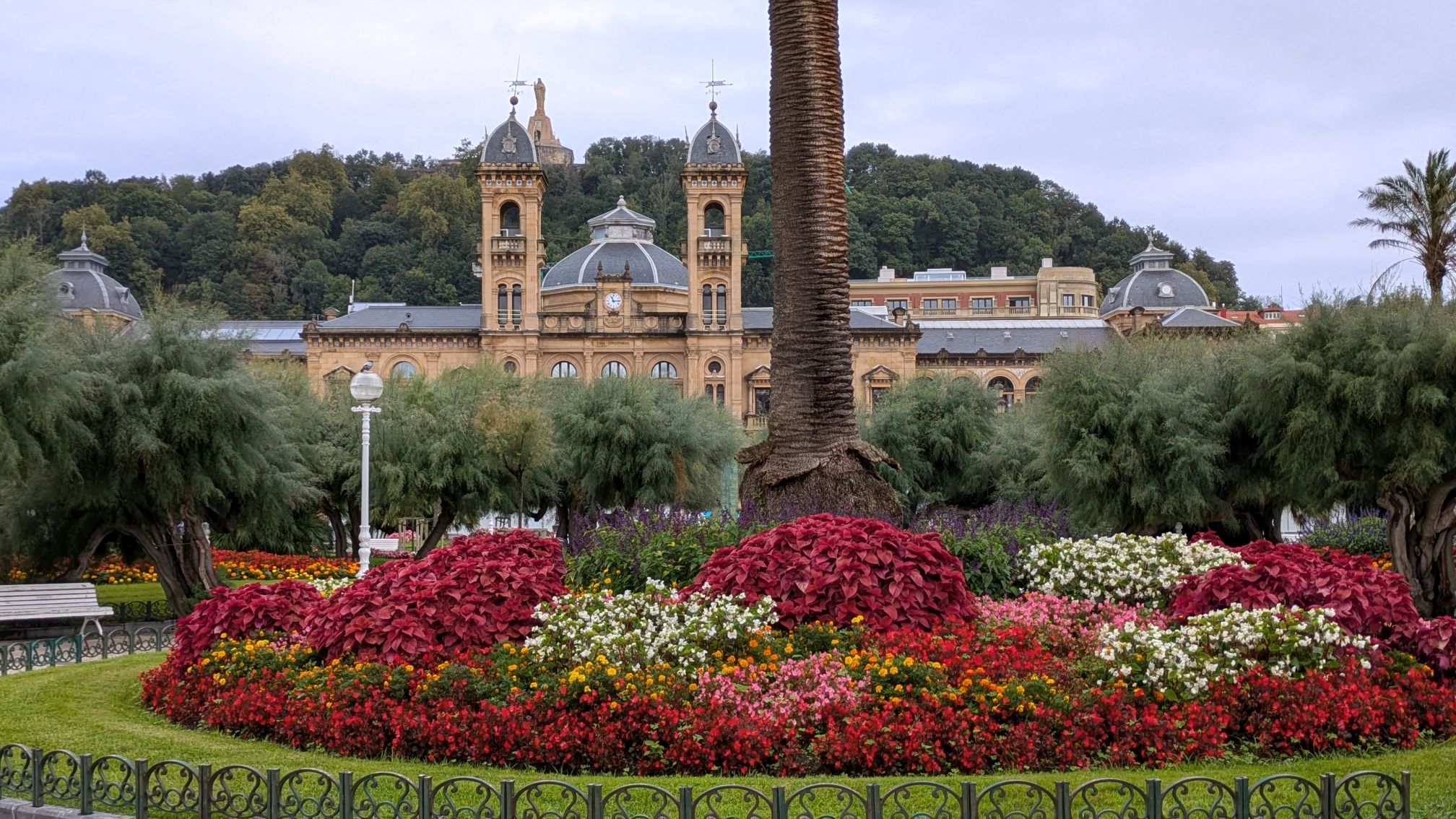
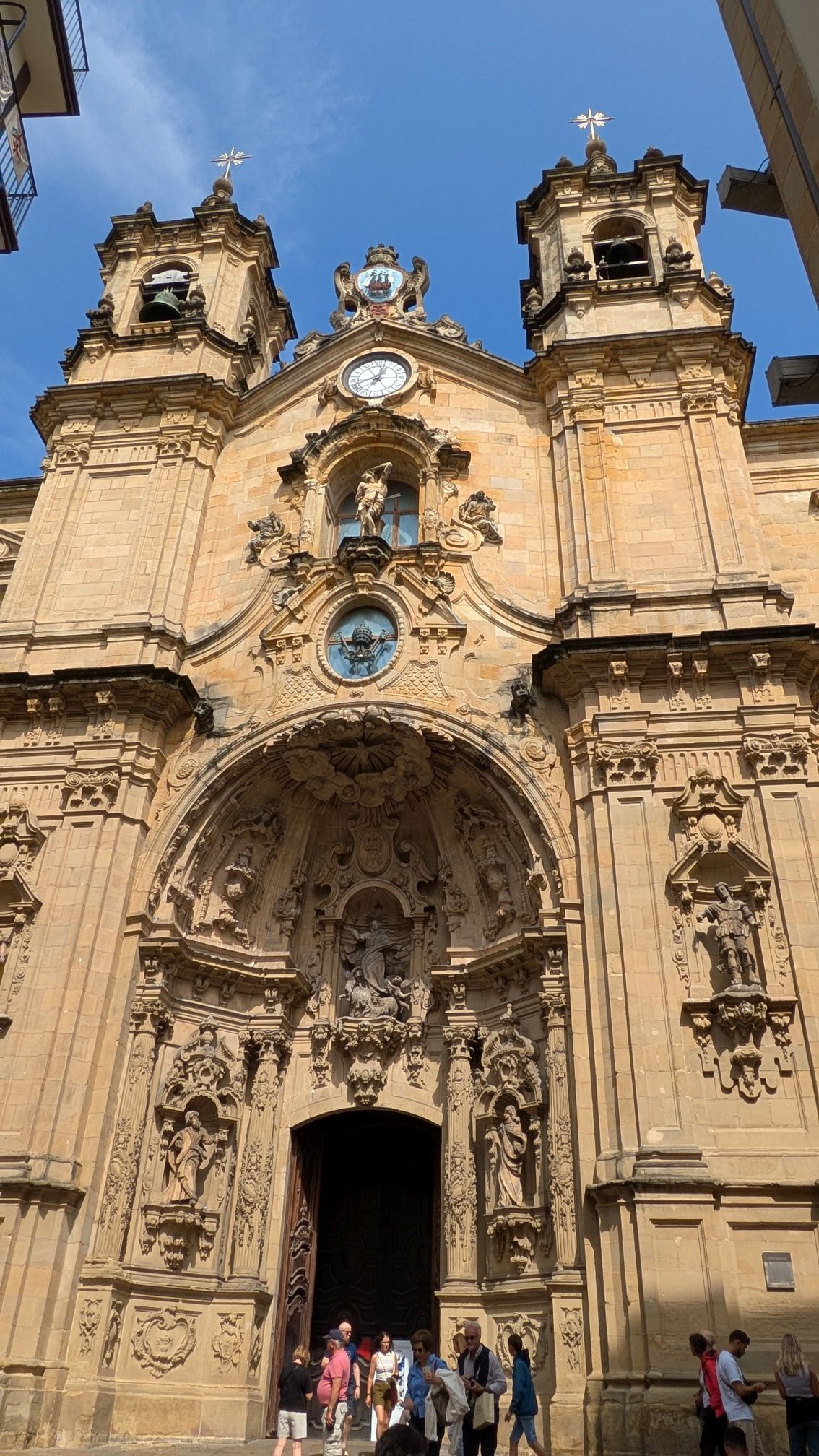
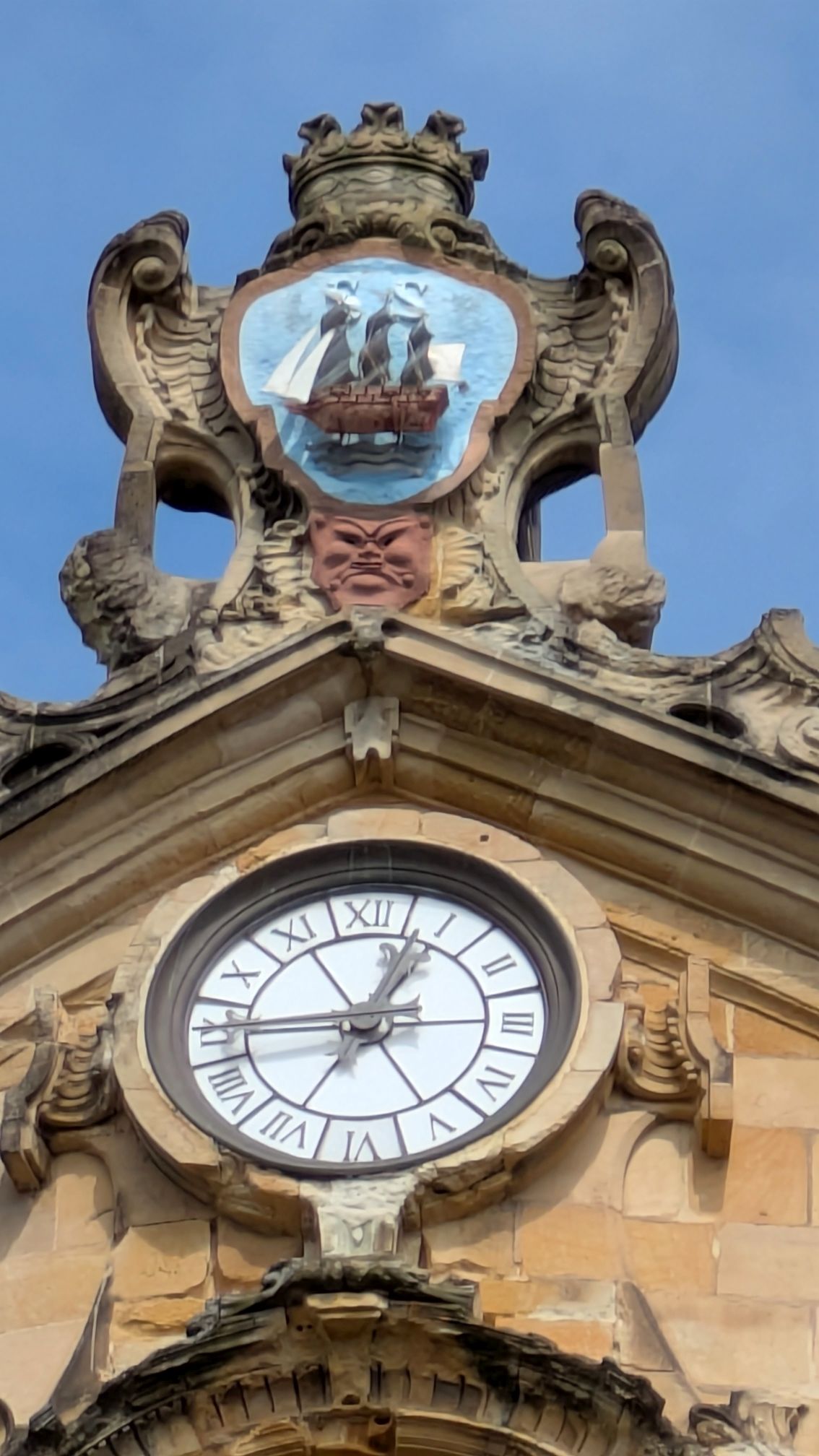
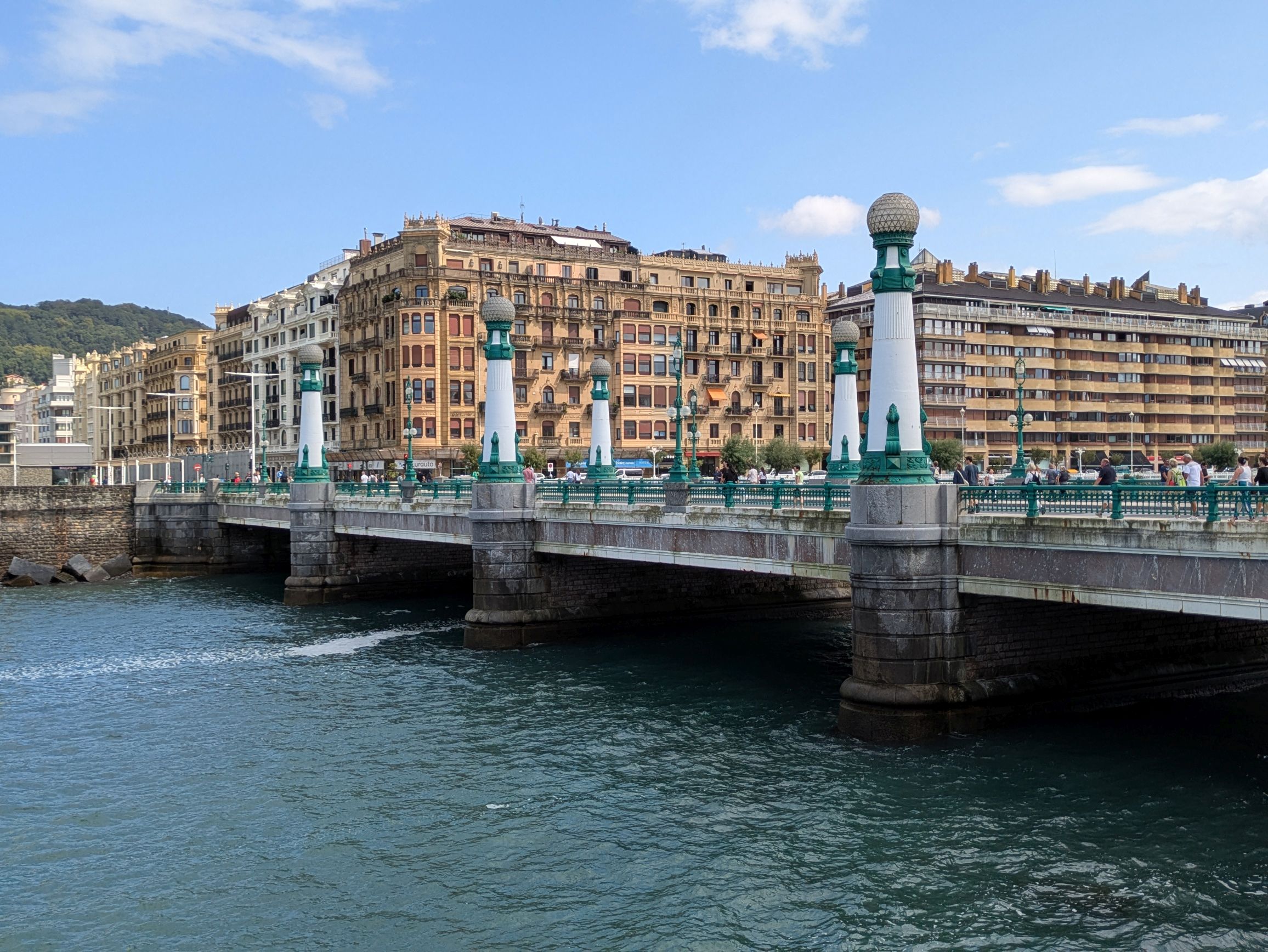
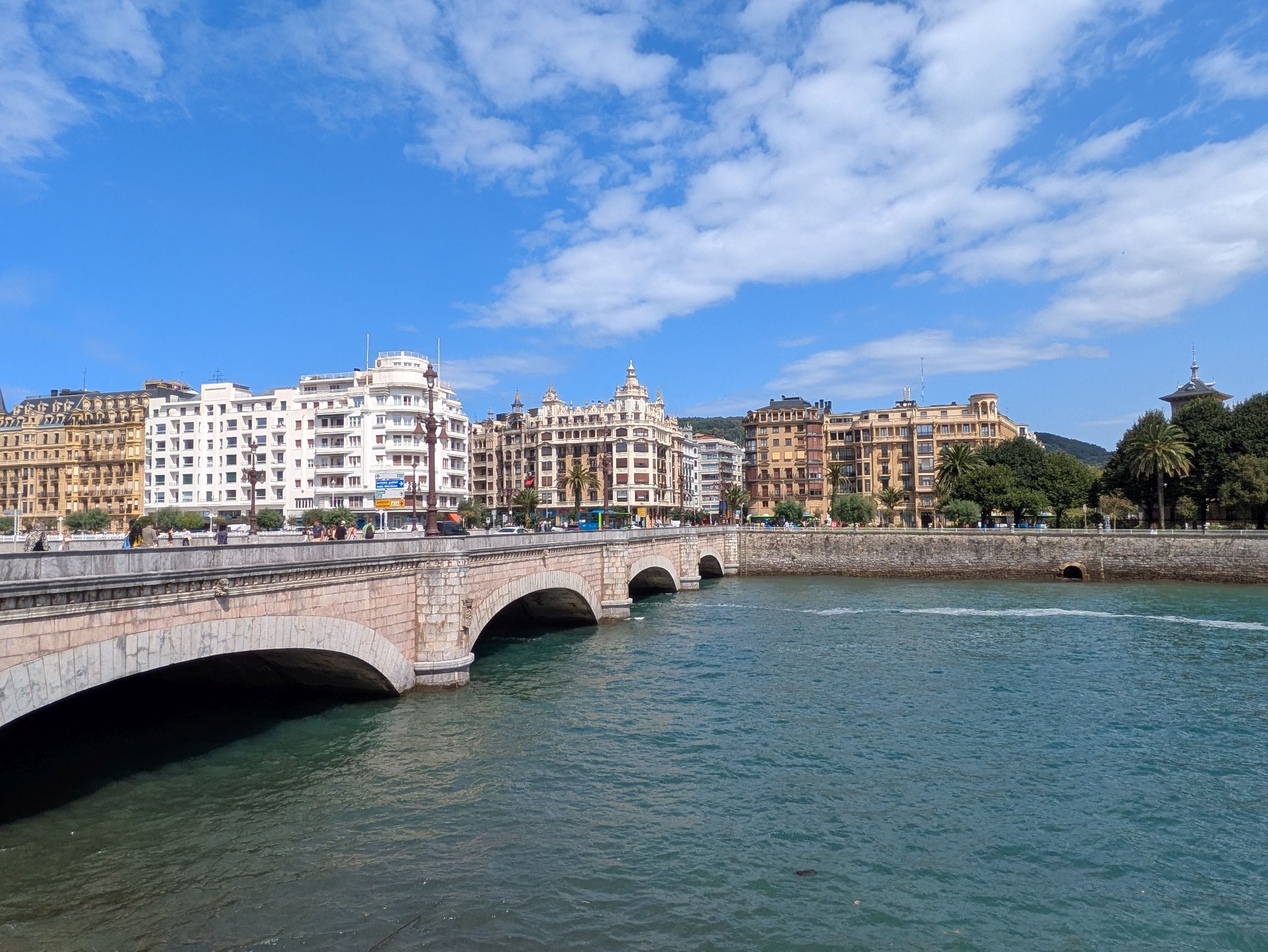
Although the Spanish name for this city in the Basque Country is “San Sebastian,” in Basque, it is known as “Donastia.”  Situated along the coast of Bay of Biscay, the beach is beautiful and the views are stunning.  As a result, it is a popular tourist destination; and, many people visit for their cultural offerings, especially the San Sebastian International Film Festival and San Sebastian Jazz Festival.

Although it was a dreary day at first, we enjoyed a lovely walk along the bayfront promenade, followed by time exploring the town.  By the time we met up for lunch, the skies had cleared, and it was sunny blue-sky afternoon.

(For all photos, click on the image for a full screen view.)
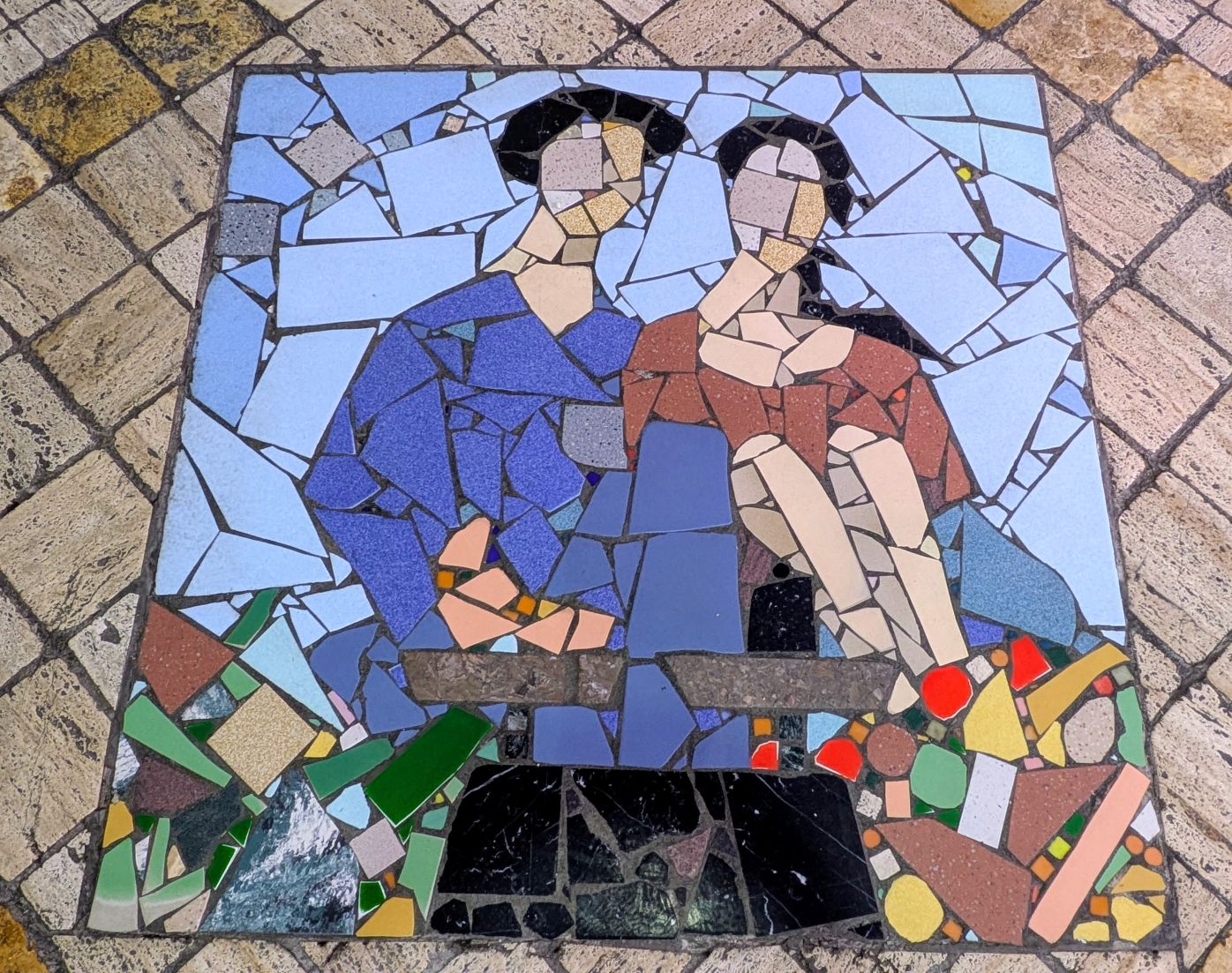
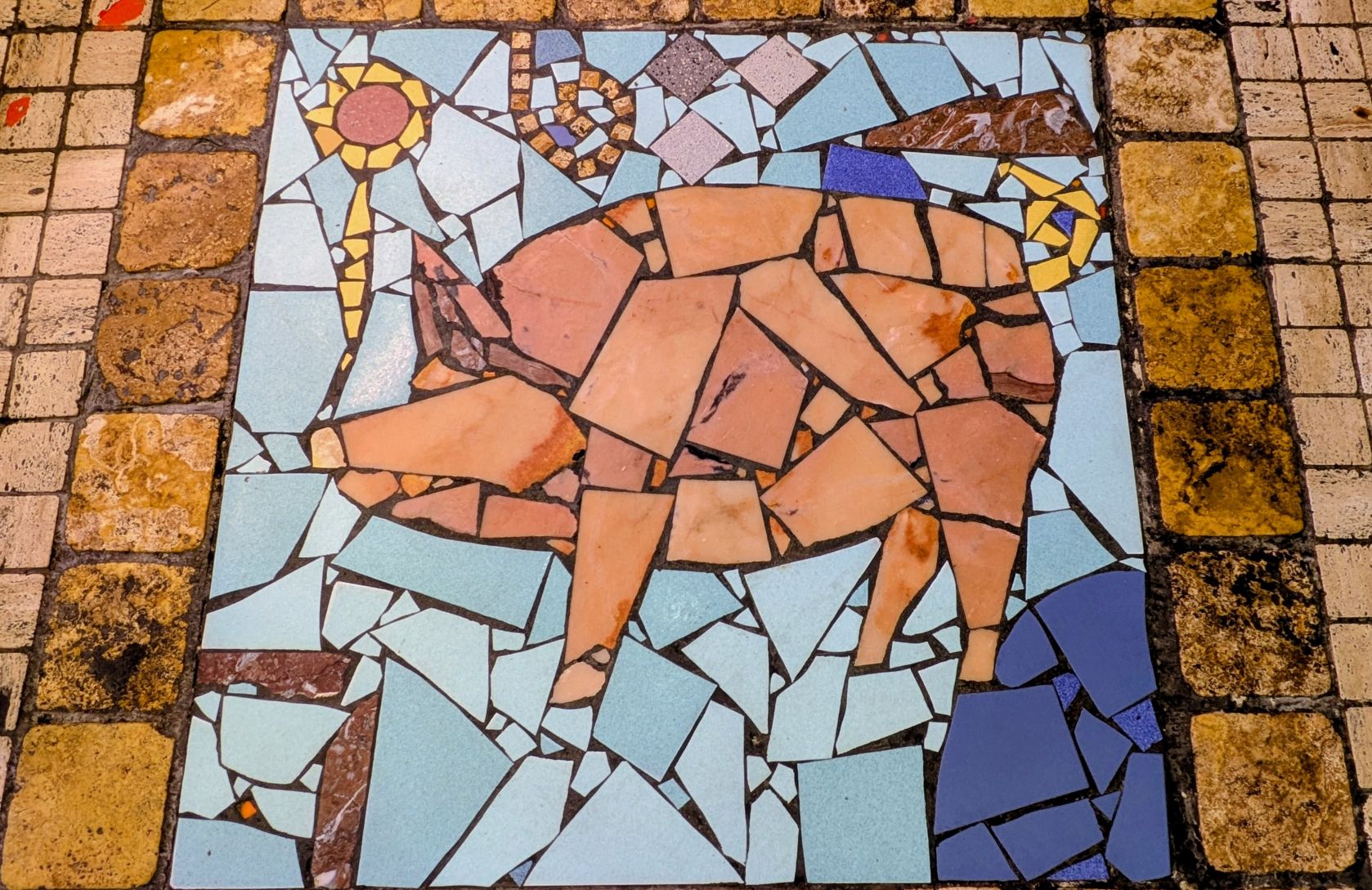
Tile mosaic pictures were a unique feature of the city market’s floors.
Truffles
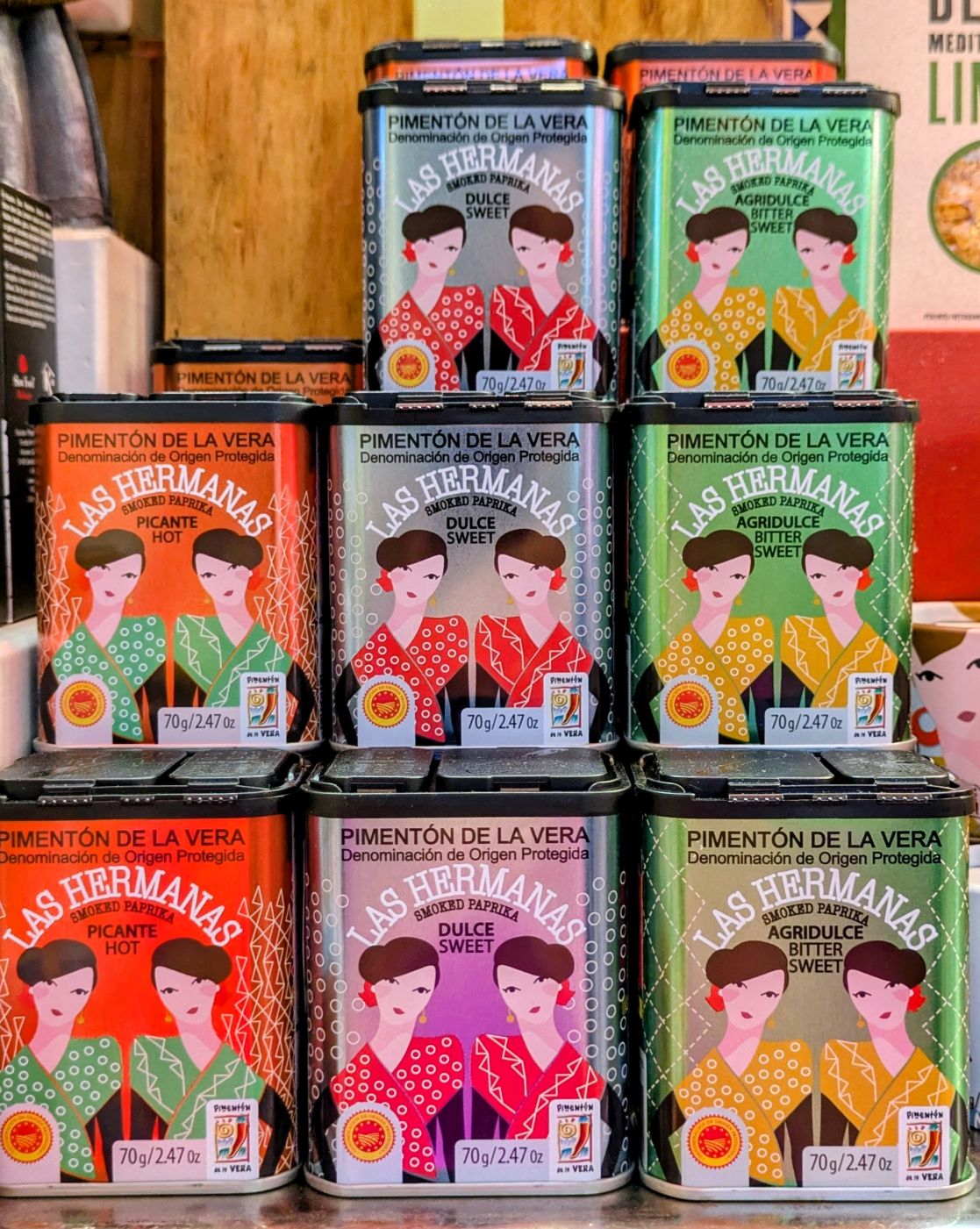
San Sebastian is Spain’s gourmet capital.

San Sebastian is also famous for its Basque Cheesecake.  Created in 1988 by Santiago Rivera in La Vina, his pintxos bar, it became a big hit.  What makes this cheesecake unique is its caramelized, nearly burnt exterior and its creamy, custard-like interior. Although other restaurants and bakeries have attempted to copy the original, we wanted to try a piece from where it originated.  Our intention was to take a slice to go and have it for dessert that night, but we couldn’t help but to sneak a taste.  Mmm-mmm good!

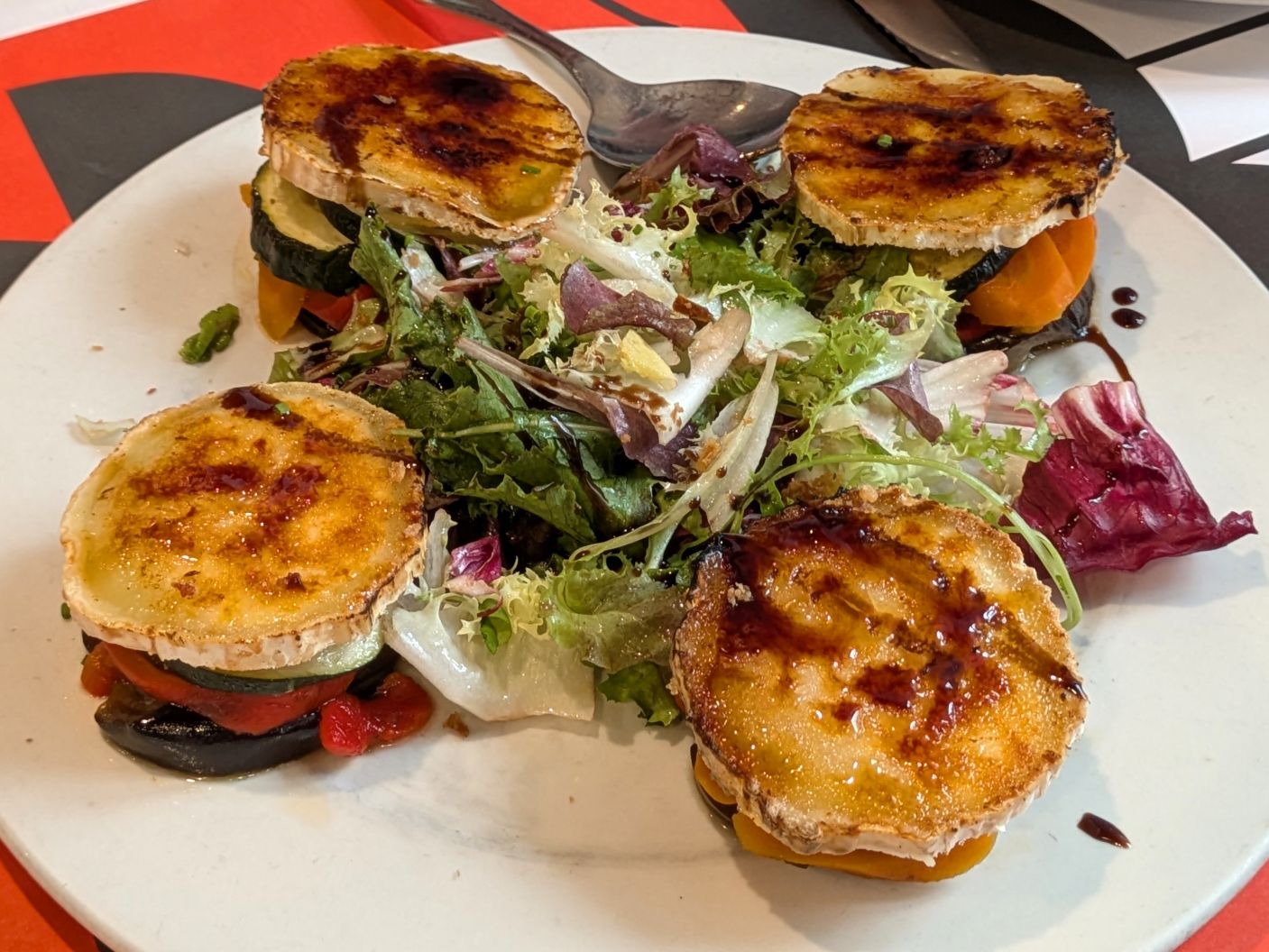
Our group lunch was at a fabulous restaurant, the Morgan Kompany.  We shared several appetizers, but this goat cheese perfection was my favorite:

The afternoon stroll along the riverfront was so lovely!  The sun was shining, we enjoyed more stunning views, and it was a nice way to conclude our visit before traveling on to Pamplona.

Coming up next: SOUTHWEST FRANCE, NORTHERN SPAIN & PORTUGAL #11: PLEASUREABLE PAMPLONA

SOUTHWEST FRANCE, NORTHERN SPAIN & PORTUGAL #9: GUERNICA, THE BASQUE COUNTRYSIDE, AND A HOME-HOSTED DINNER

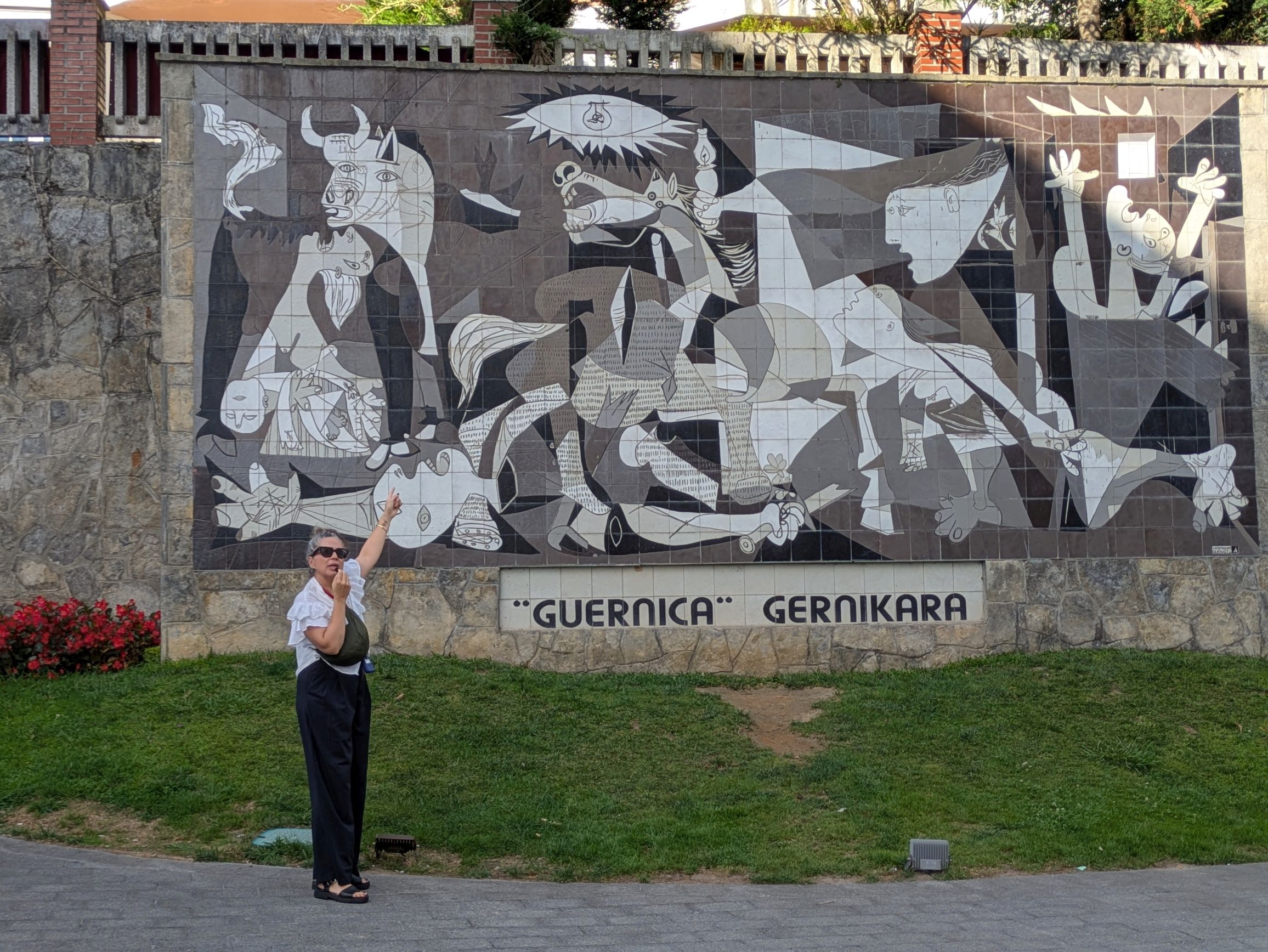
Following a full day of exploring Bilbao, we set out the following morning for a side trip to Guernica (or Gernika, in Basque), a small town in the Basque Country.  1937, during Spain’s civil war, was a devastating year for the town.  Bombed by the Germans for three hours nonstop, the town was destroyed.  Spain’s dictator, Francisco Franco, tried to deny what had happened to Gernika, but some journalists happened to be in town at the time and survived the bombing to record it and reveal the truth.

This devastation was immortalized by Pablo Picasso, a resident of Gernicka, in the famous painting that bears the town’s name.  Picasso had lived there until Franco came into power, and then fled to Paris.

(For all photos, click on the image for a full screen view.)
Serena, our tour lead for the main trip, explains the history depicted in Picasso’s mural.
Serena shares some local Basque treats

We learned about the history behind the mural while visiting the Guernica Peace Museum, located in one of the only buildings that survived the Nazi bombing.

Next, we headed off into the Basque Countryside and visited a couple at their typical Basque farmhouse and learned about Basque traditions, including the preparation of talo, a local flatbread made from corn flour.  Similar to corn tortillas, it serves as bread in Basque homes.  We all chipped in to help make talo to accompany the traditional Basque lunch we enjoyed together.

Talo was prepared in a separate area adjacent to the farmhouse.
Talo

During the afternoon, we had free time to explore more of Bilbao.  In the evening, we were divided into smaller groups to enjoy a home-hosted dinner.  Our hosts, Blanca and David, were delightful, and Amaia, their translator, was a hoot!  We had such an enjoyable time with them!

Blanca was to my left, David in front, and Amaia was next to David.

Next up: SOUTHWEST FRANCE, NORTHERN SPAIN & PORTUGAL #10: STUNNING SAN SEBASTIAN

SOUTHWEST FRANCE, NORTHERN SPAIN & PORTUGAL #8: BRILLIANT BILBAO

Since at least the 14th century, Bilbao, the capital city of Spain’s Biscay province, was an industrial city.  Over the centuries, it became more polluted and unattractive!  By 1900, the city had developed into a shipbuilding center and was the wealthiest city in all of Spain.  But in the mid-20th century, natural disasters and civil war crippled the city.   

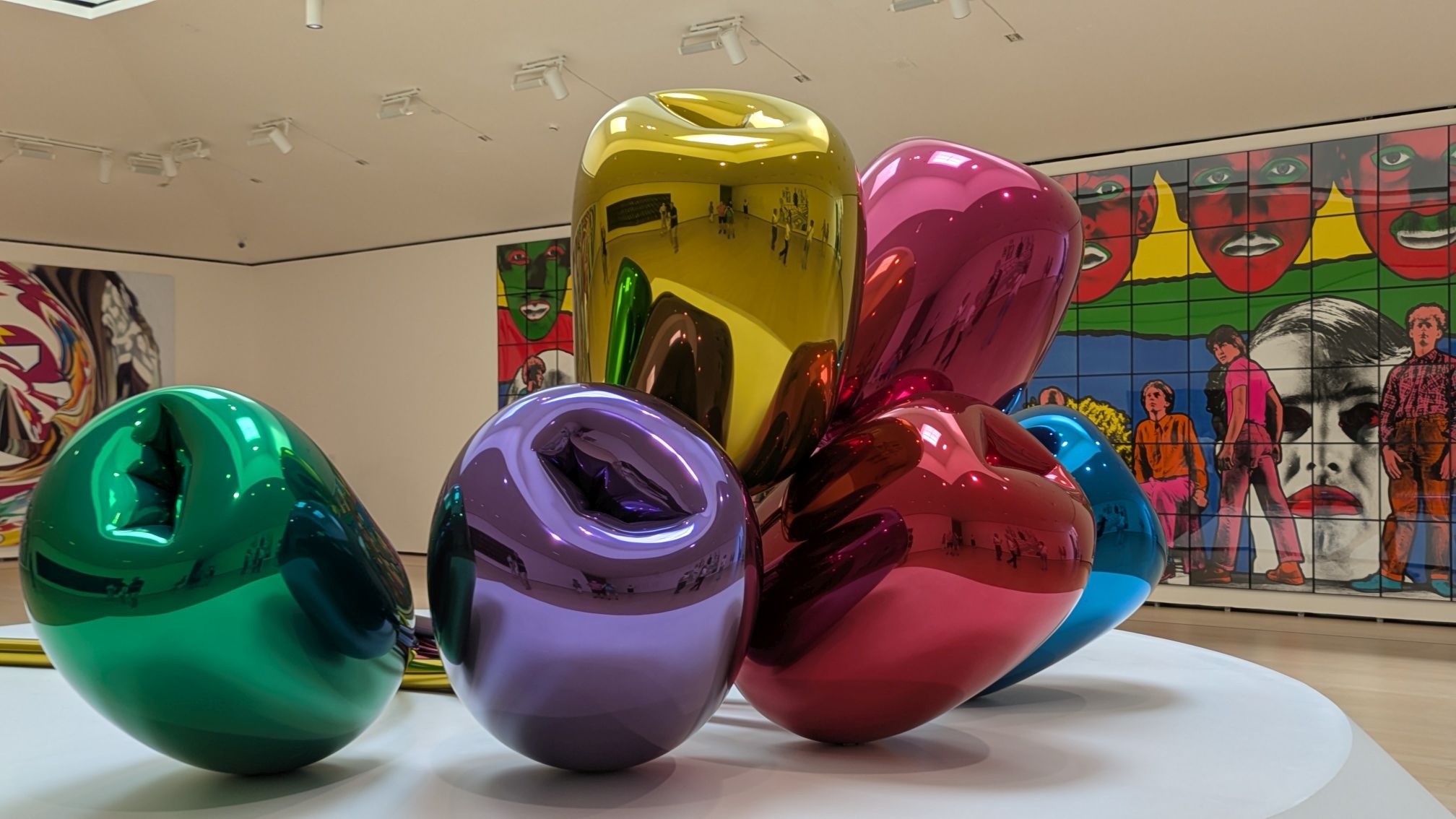
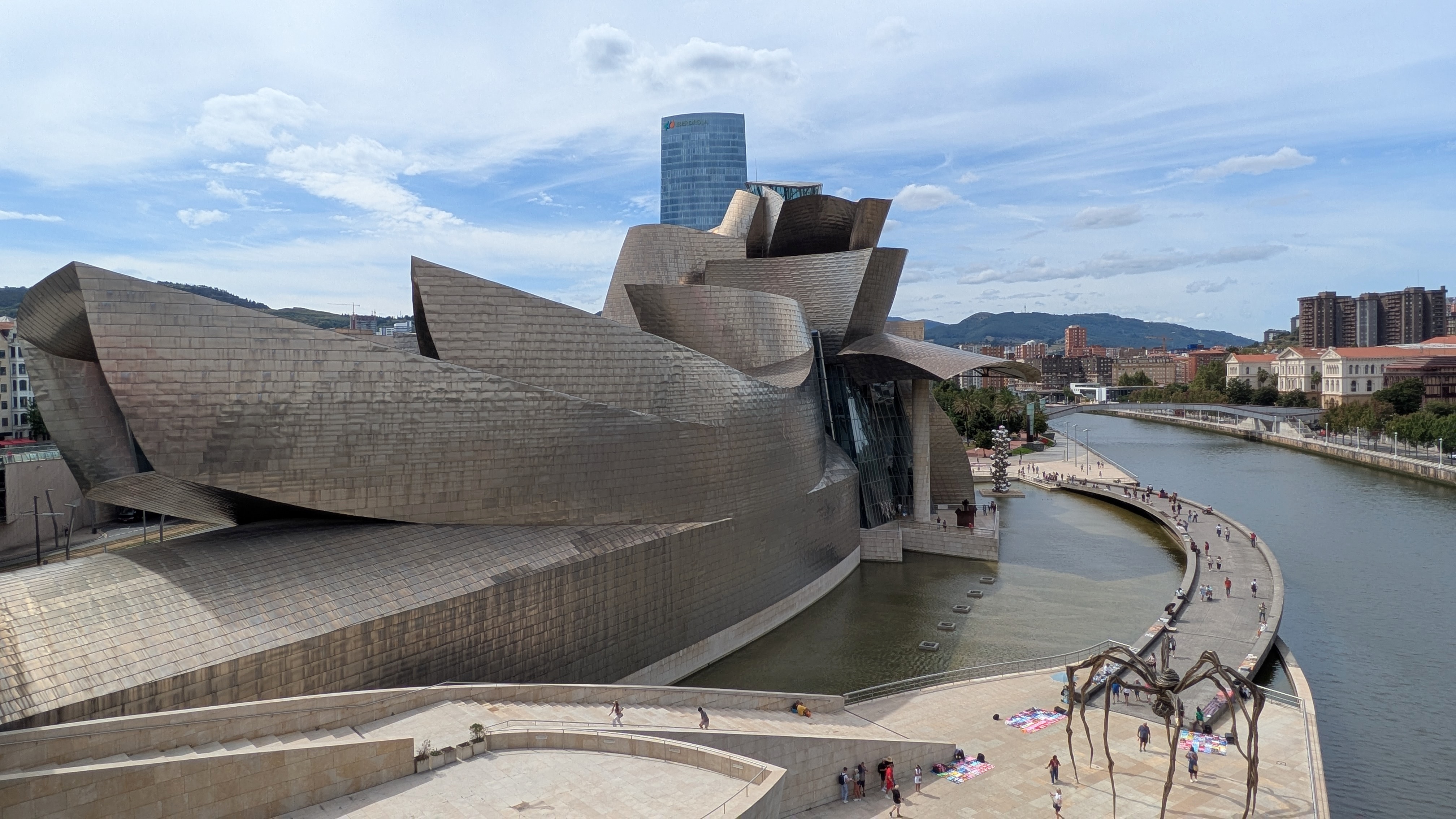
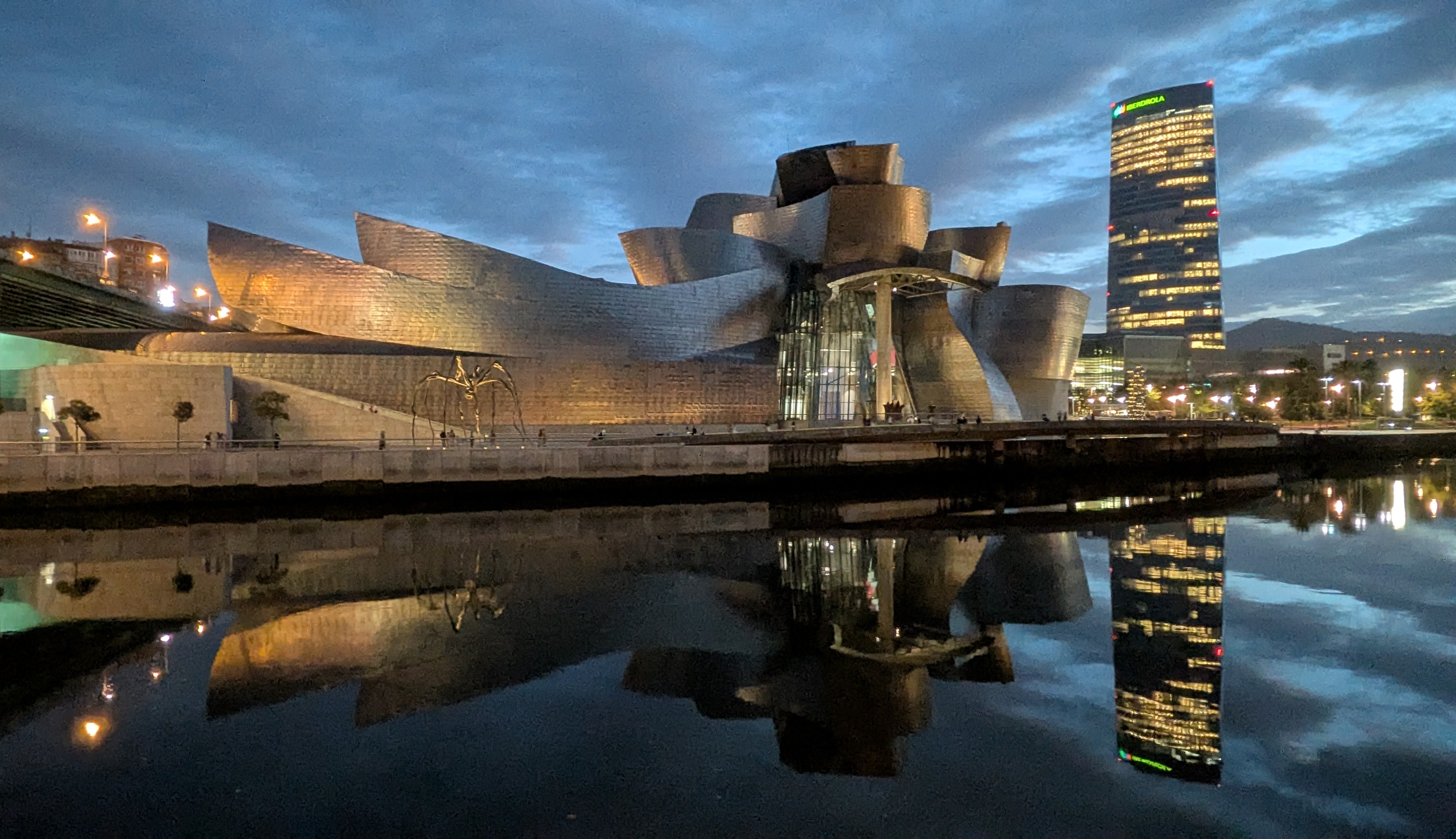
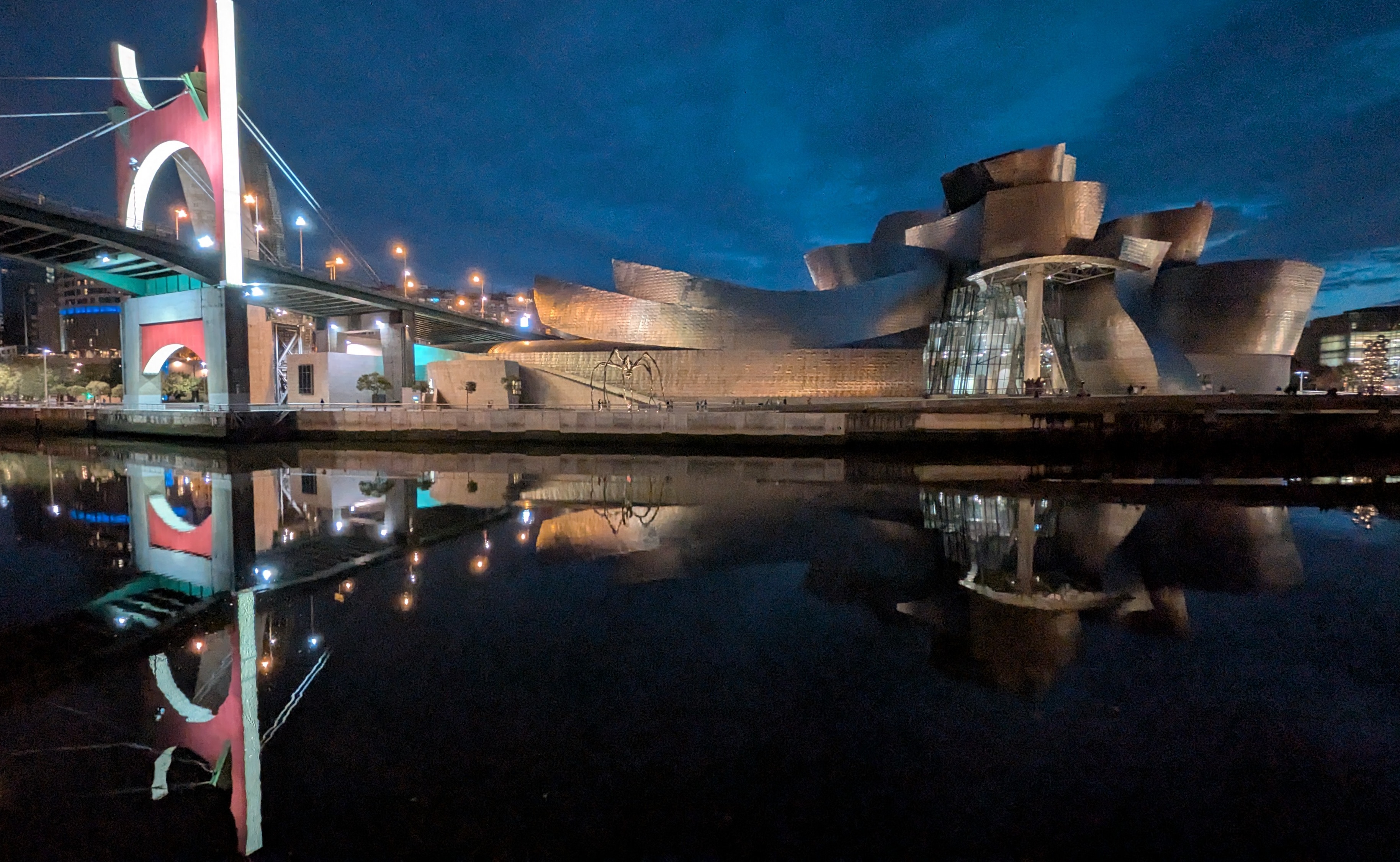
In the mid 1990’s all that changed, and Bilbao was revived and revitalized. Much of the credit for the turnaround goes to the Frank Gehry designed Bilbao Guggenheim Museum, located on the riverfront.  The museum of modern and contemporary art, which opened in 1997, is visually an architectural masterpiece and the prominent centerpiece of Bilbao’s landscape. 

Gehry’s choice of construction materials included limestone from Granada, which covered the base of the building and galvanized steel for the structure, which was covered with plates of titanium arranged in scales.

One of the most amazing facts about the construction of the Guggenheim Museum is that it was built on budget and on time.  How many architects of buildings of that magnitude can make that claim? 

Tourists have come from all over the world to see this gorgeous museum that is considered one of the most important modern architectural works, and the economic impact has been incredible!  In its first three years, almost four million tourists visited the museum, helping to generate about 500 million euros in economic activity.  The regional council estimated that the money visitors spent on hotels, restaurants, shops and transport allowed it to collect 100 million euros in taxes, which more than paid for the building cost.

Viewing and photographing the Guggenheim Museum from the bridge and across the river, both during the day and at night, was a kick!  Bruce and I had looked forward to seeing the museum’s exterior very much, and it did not disappoint!

(For all photos, click on the image for a full screen view.)
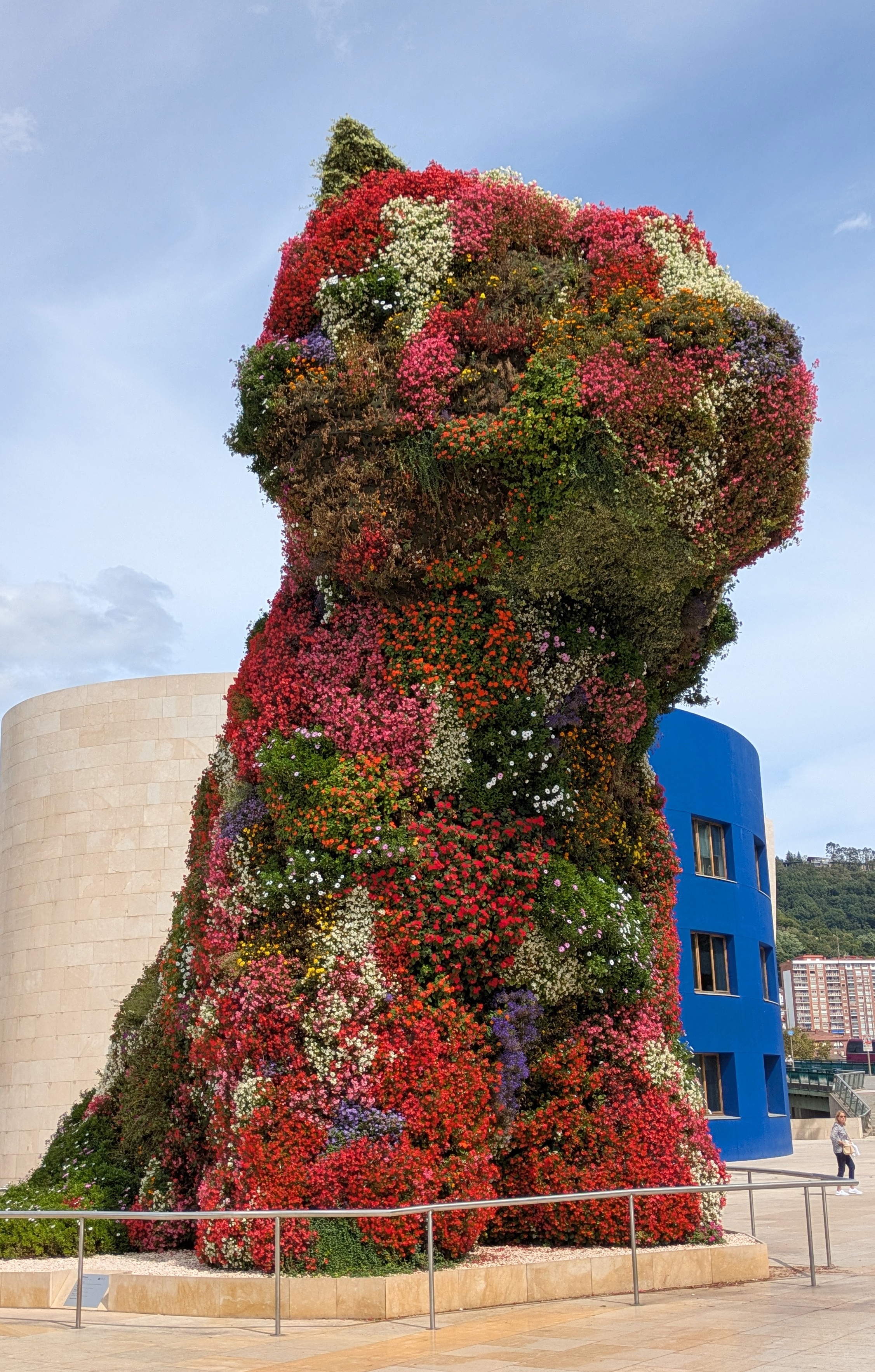
“Puppy,” the flower-covered pooch, sits at the entrance of the museum.
View from the bridge

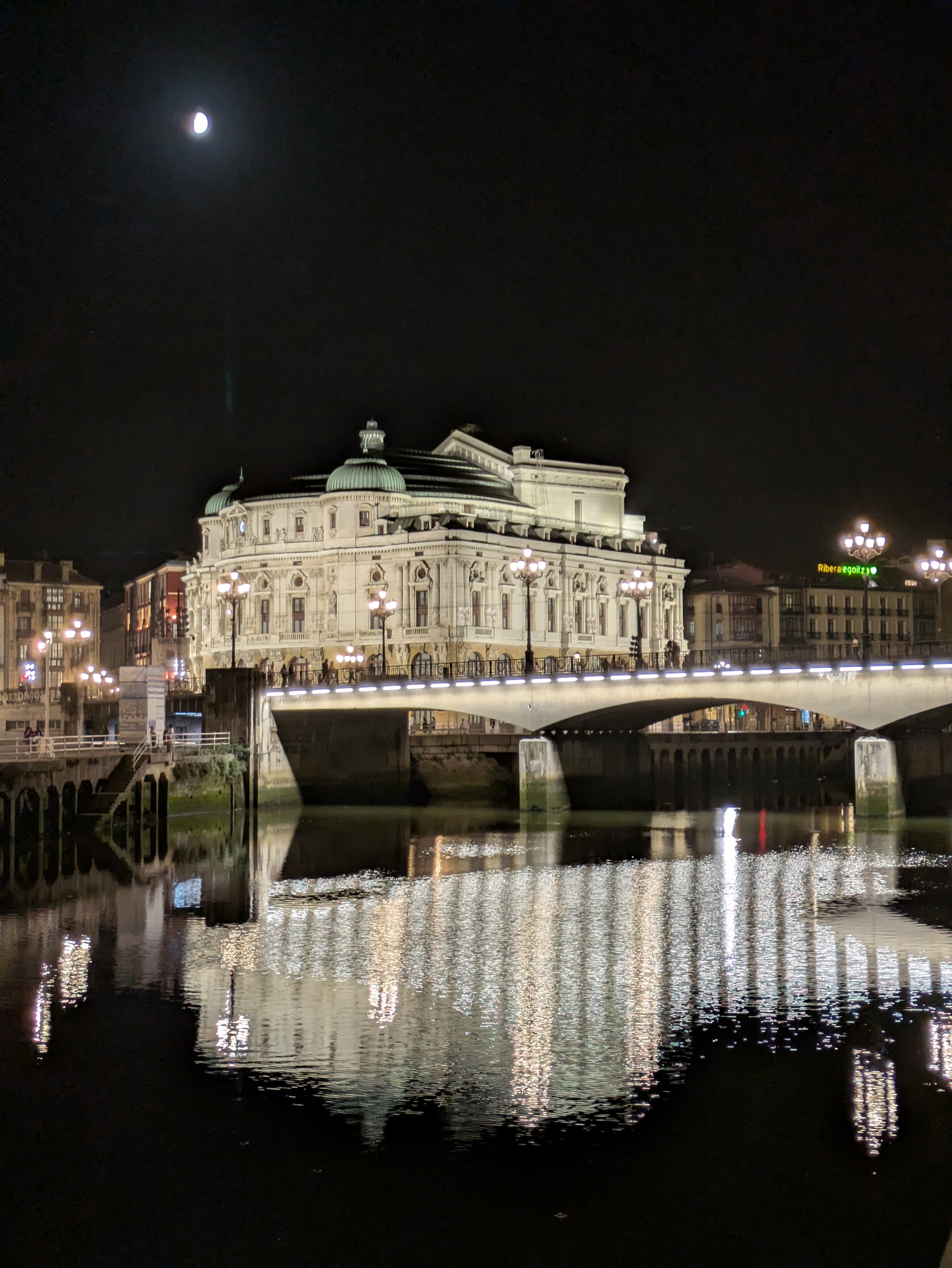
More scenes along the river:

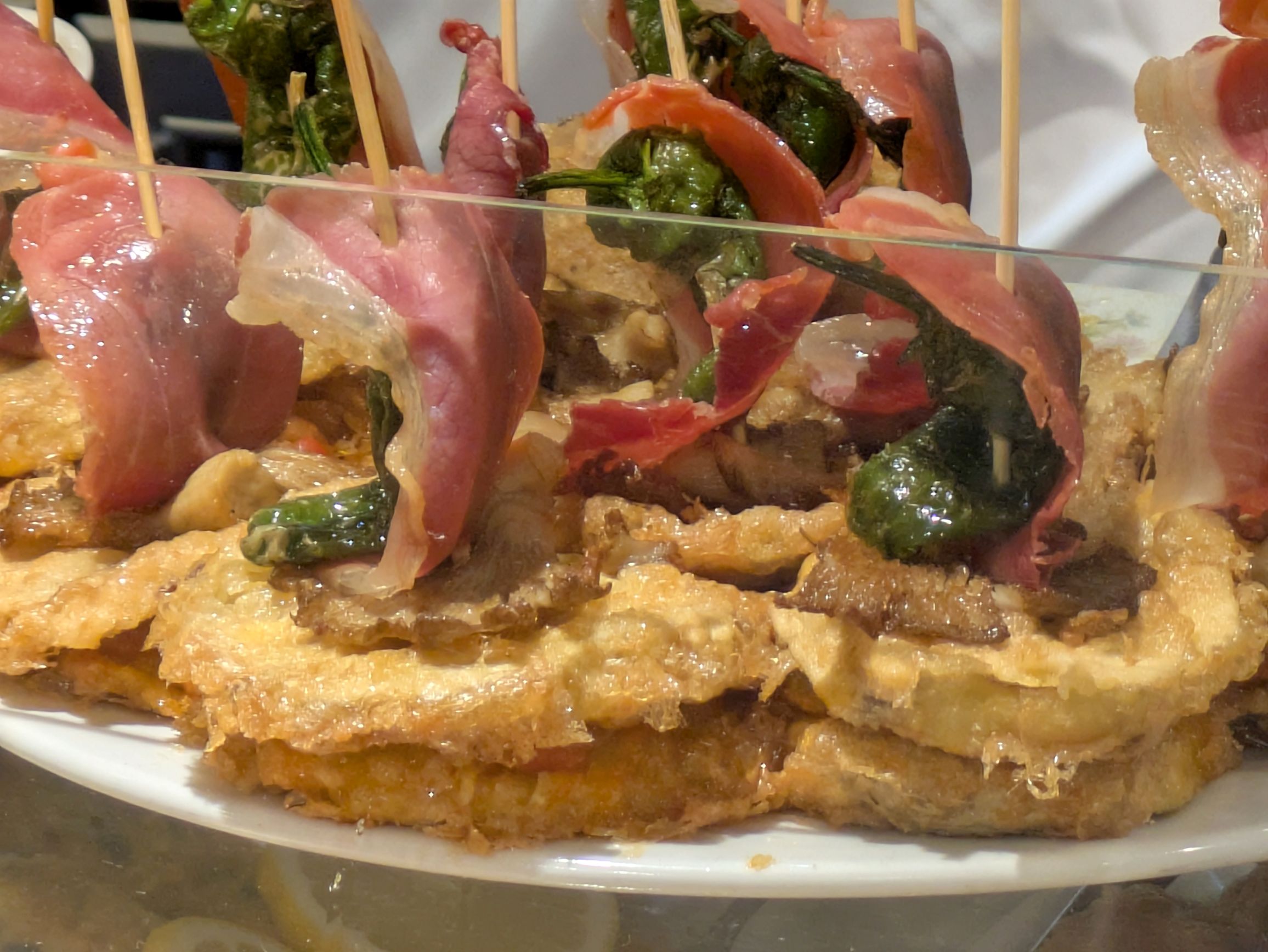
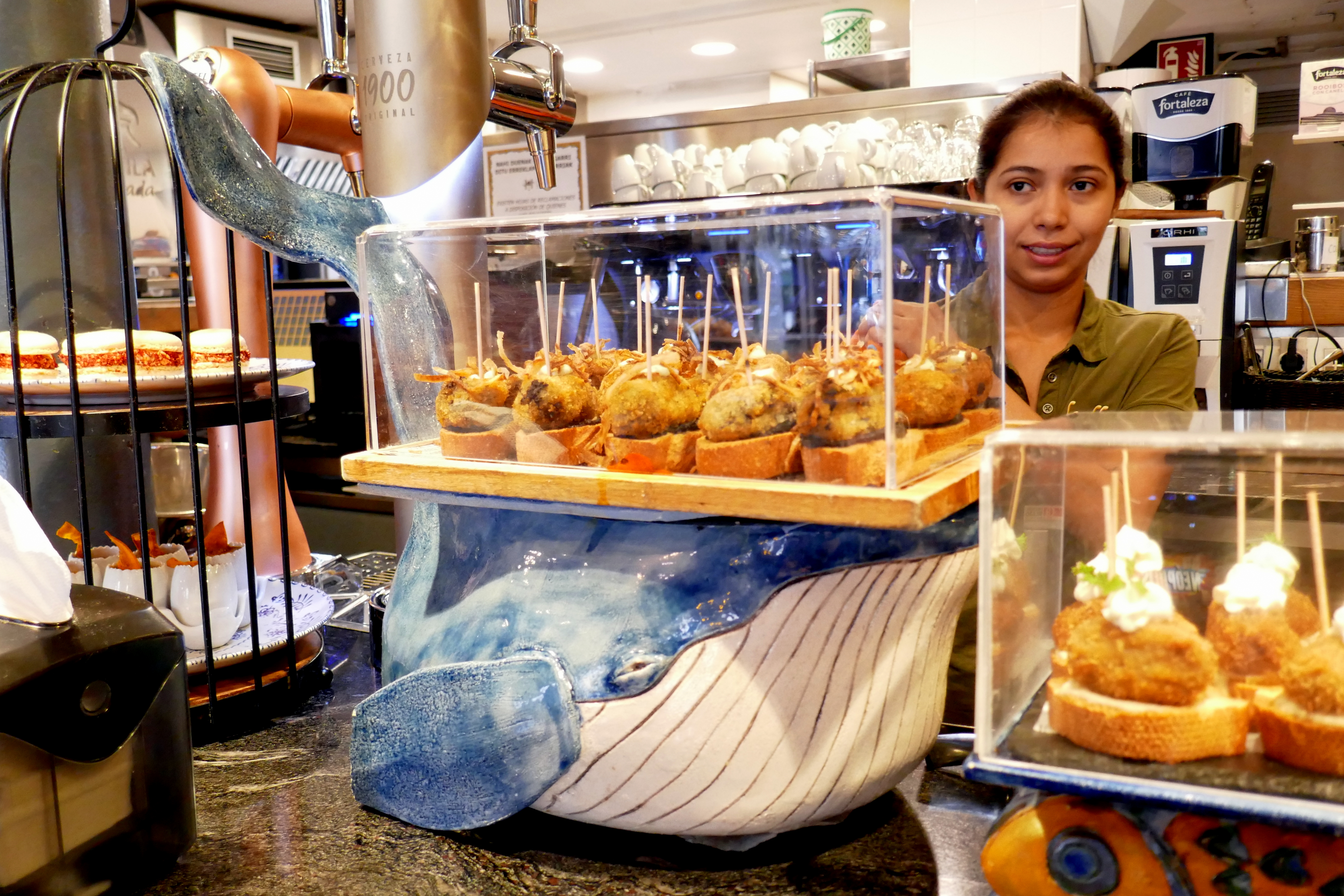
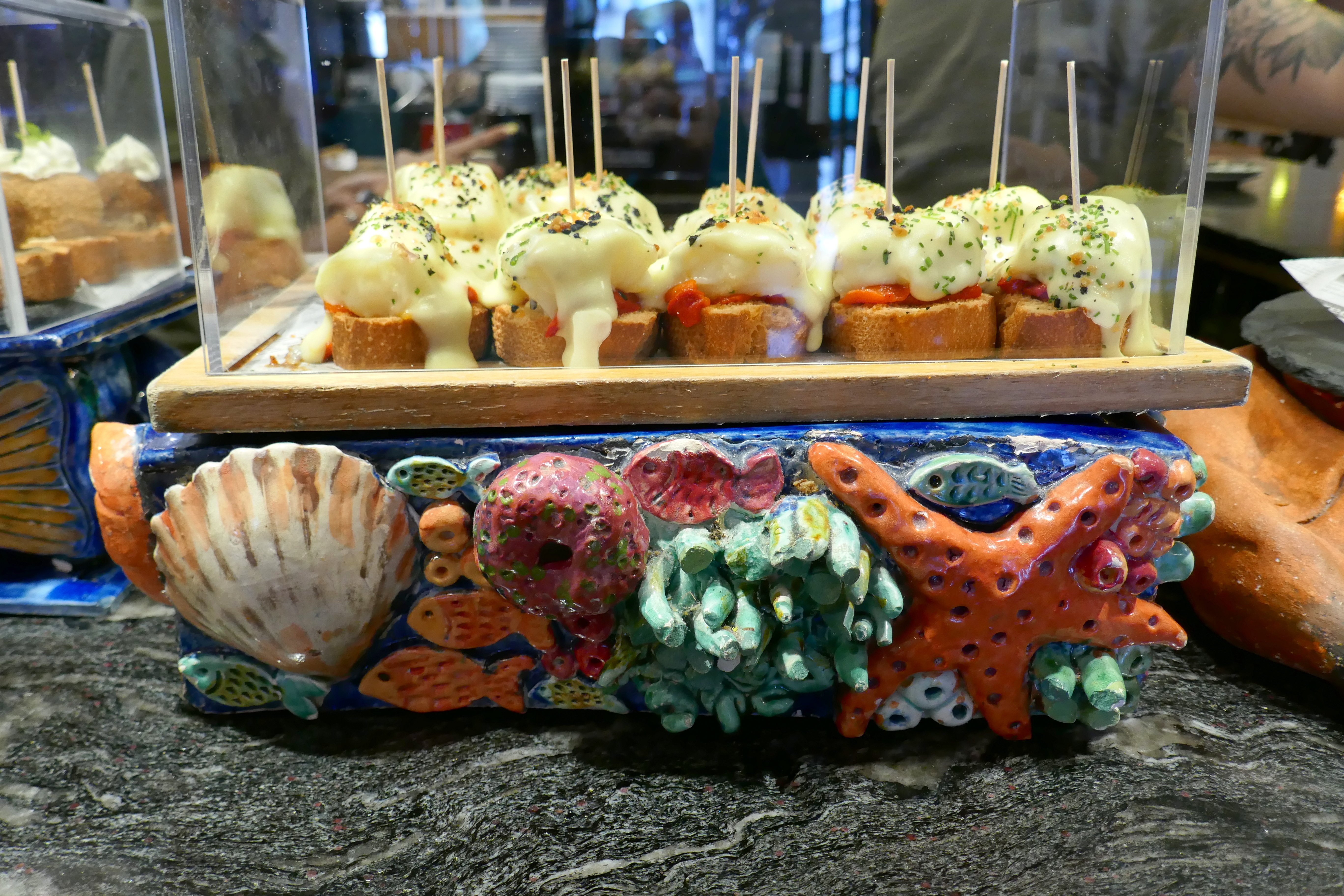
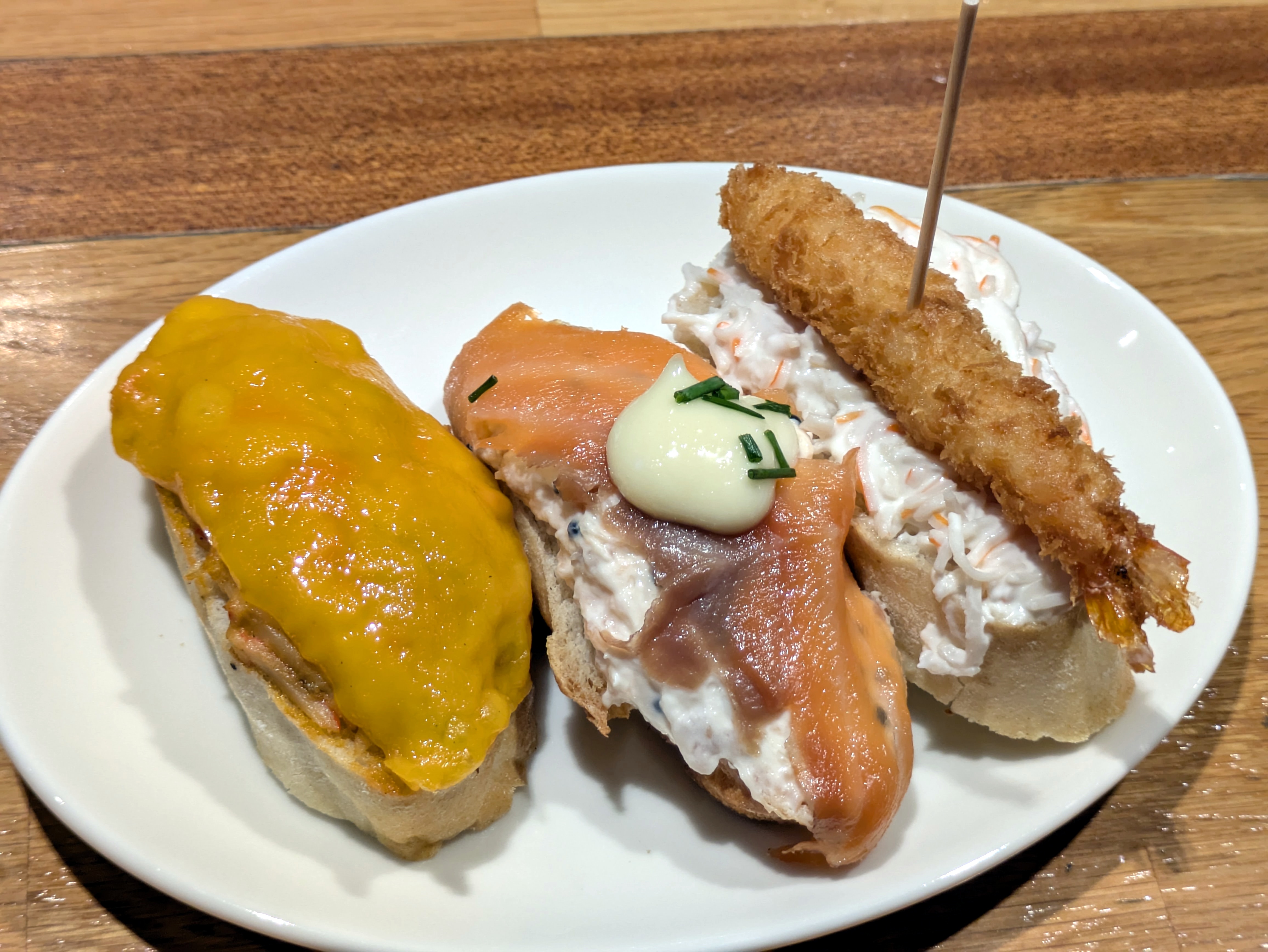
The other thing we looked forward to enjoying in Bilbao, the largest of the Basque Country cities (pop. 347,000+), was pintxos, a small snack with a bread base that is speared with a toothpick.  It is the star of northern Spain’s world-renowned cuisine, and it’s fun to eat!  Typically served in bars, each bar has its specialty, and they compete in culinary competitions for the coveted prize of having the best pintxos.  Throughout the evening, it’s typical for groups of friends to meet up at a bar, have a pintxo or two with a drink, and then move on to another bar to sample more.  It is very much part of the Basque Country social and culinary culture.

We sampled pintxos several times throughout our travels in northern Spain, including a lunchtime pintxos crawl in the medieval Old Town, the “Seven Streets” neighborhood.  Dating to the 14th century, these were the original seven streets of Bilbao. 

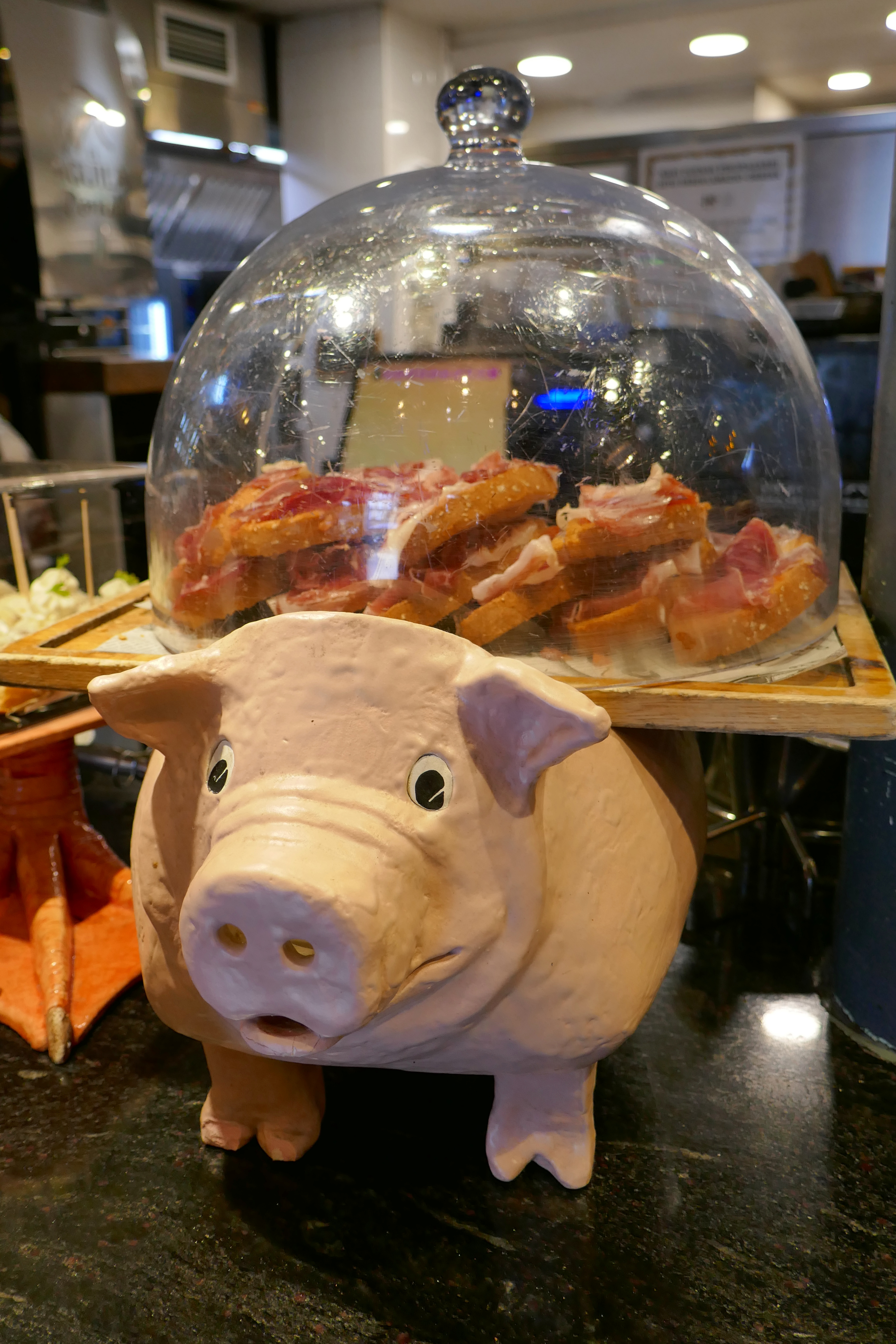
Our favorite pintxos presentation was at La Olla, in Plaza Nueva. Displaying their pintxos in themes, the fish pintxos were displayed on a ceramic whale, the other seafood was lined up on an underwater scene, and the pork pintxos sat atop a pig!  It was adorable, yet practical for us, especially since we avoid eating red meat when possible and prefer seafood.  We could just point to the ones we wanted.

These pintxos were enjoyed at a bar near our hotel.

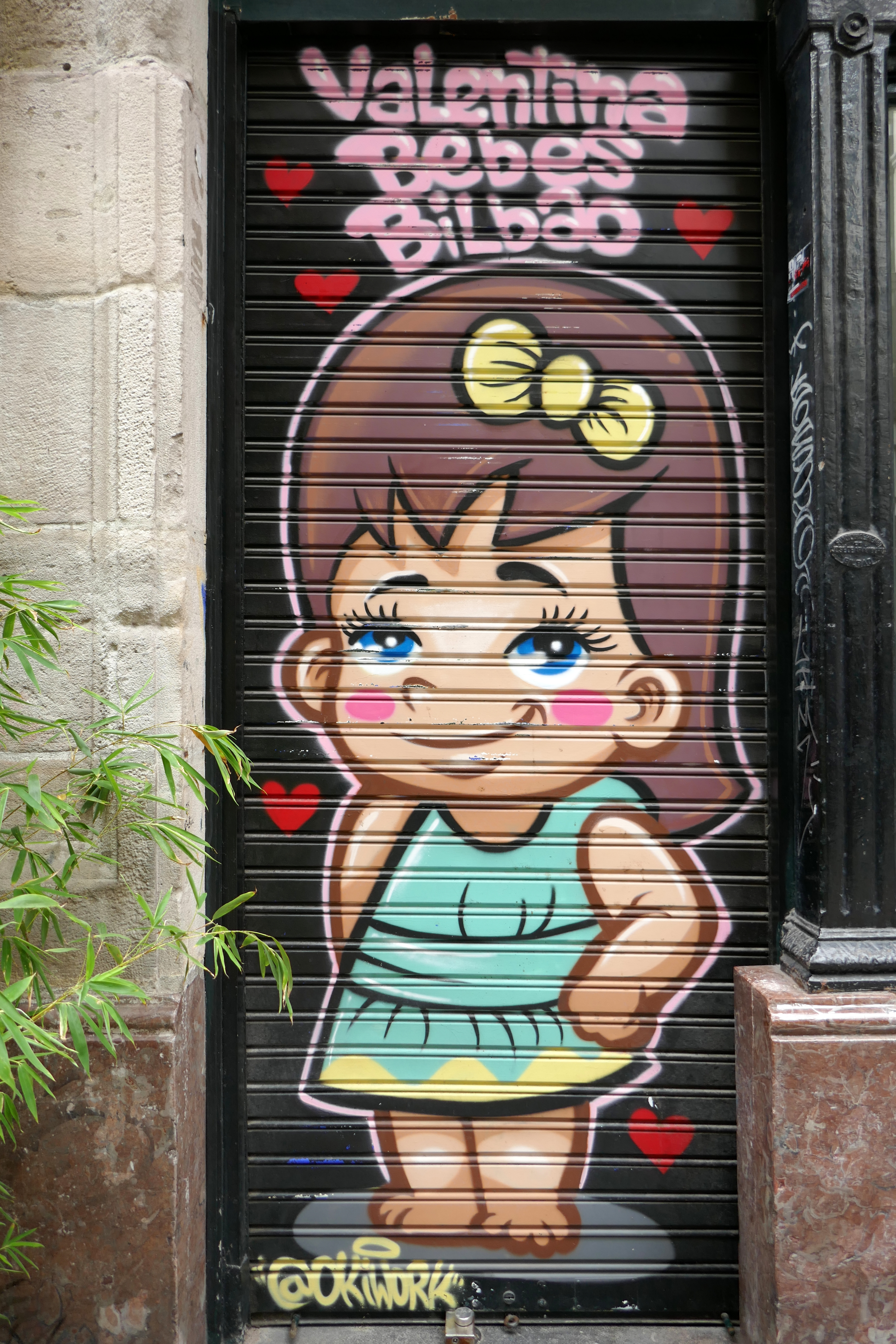
More scenes from around Bilbao:

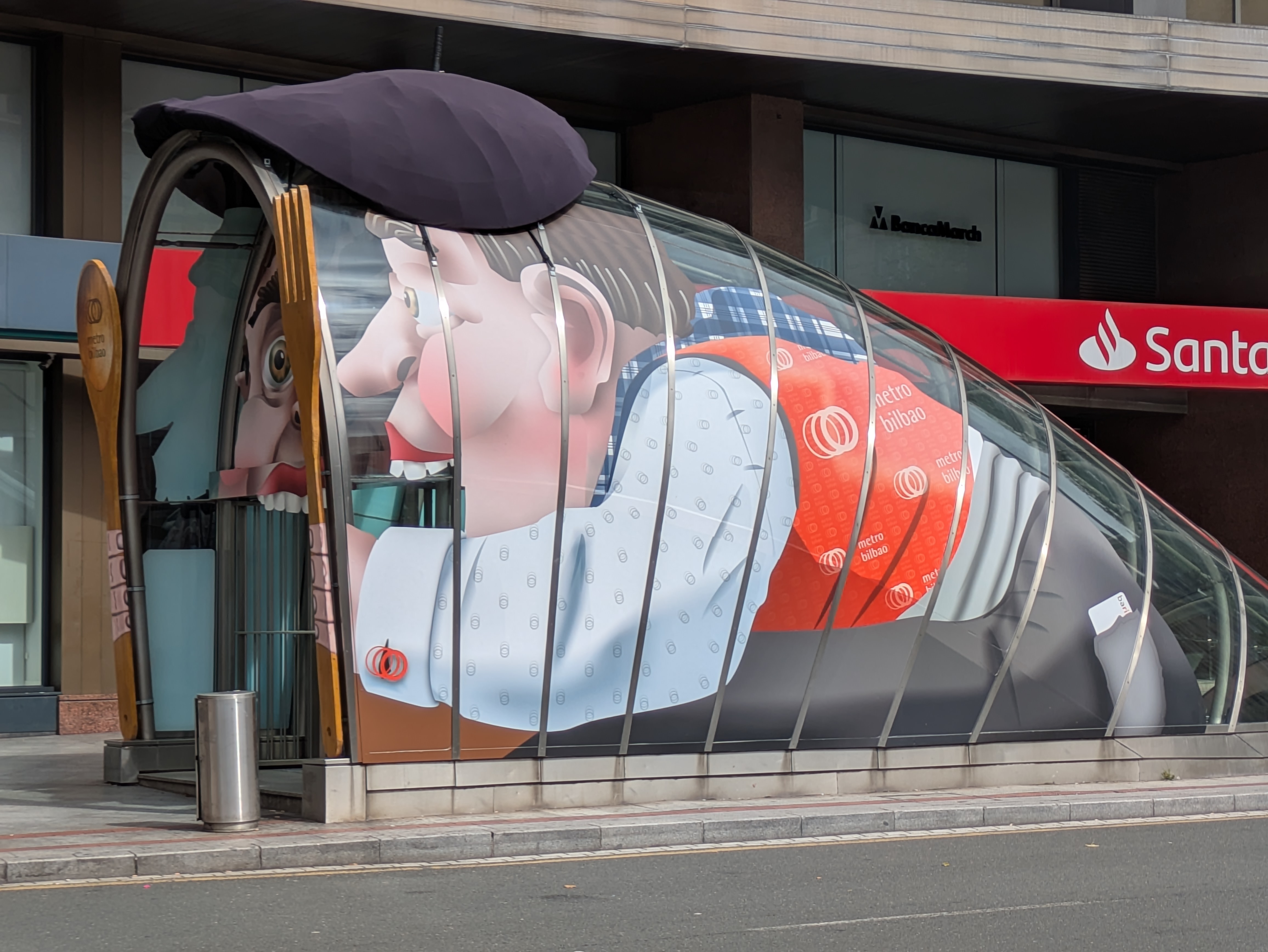
The creative entrance to the subway– CUTE!
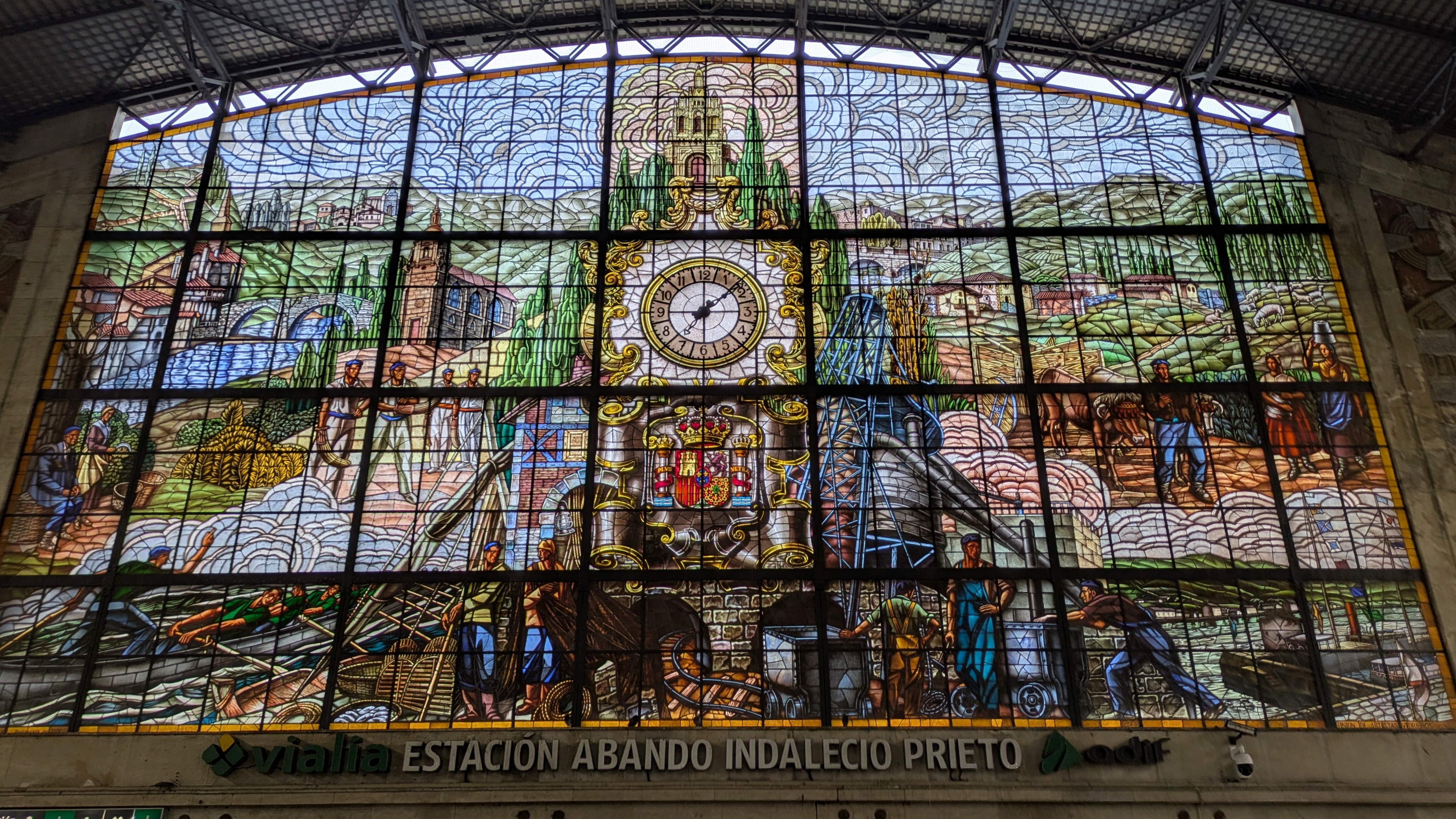
The train station’s incredible stained glass window was designed in 1948 by the celebrated painter Caspar Montes Iturrioz. It comprises 301 pieces of glass and is about 48 feet by 33 feet.
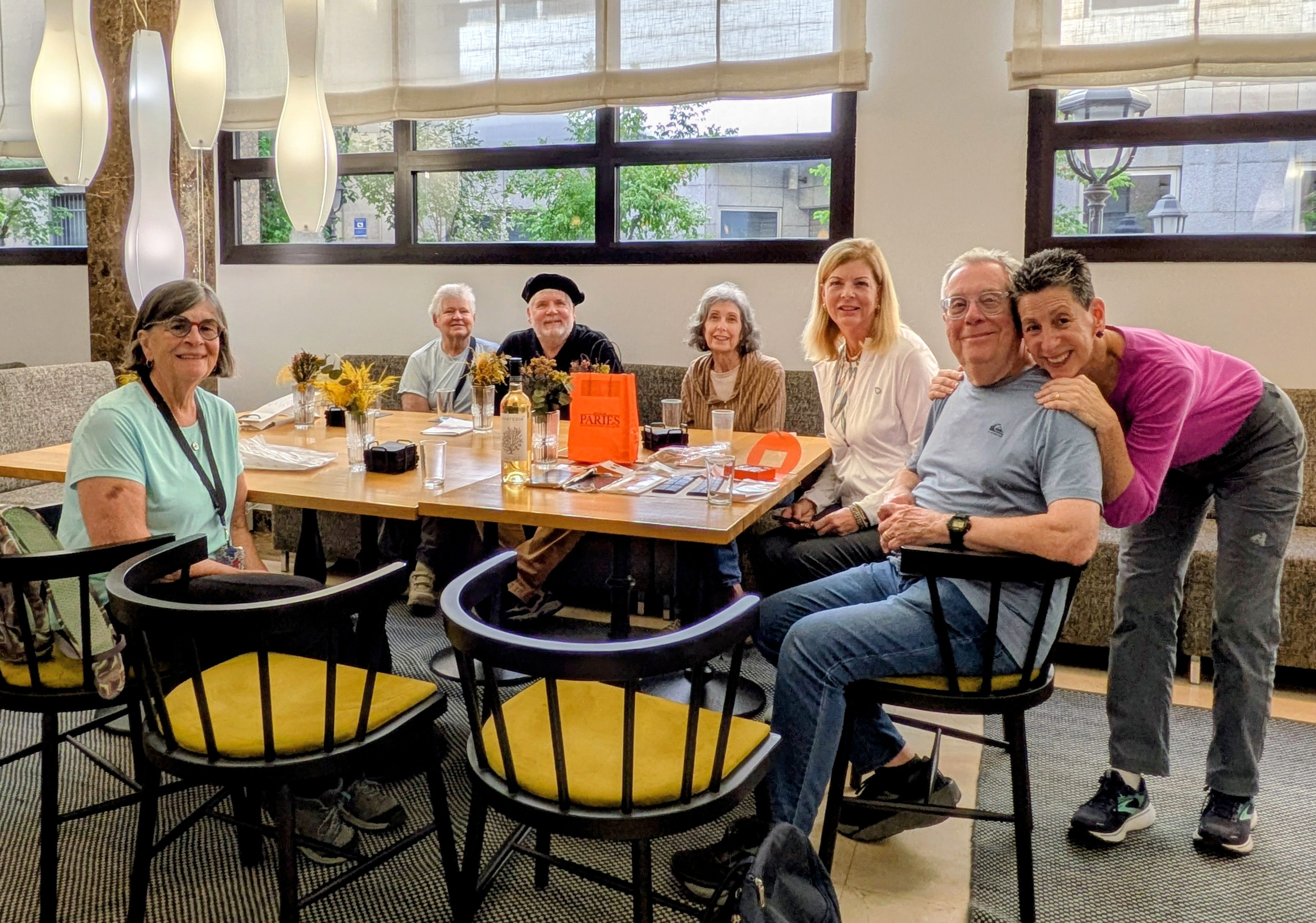
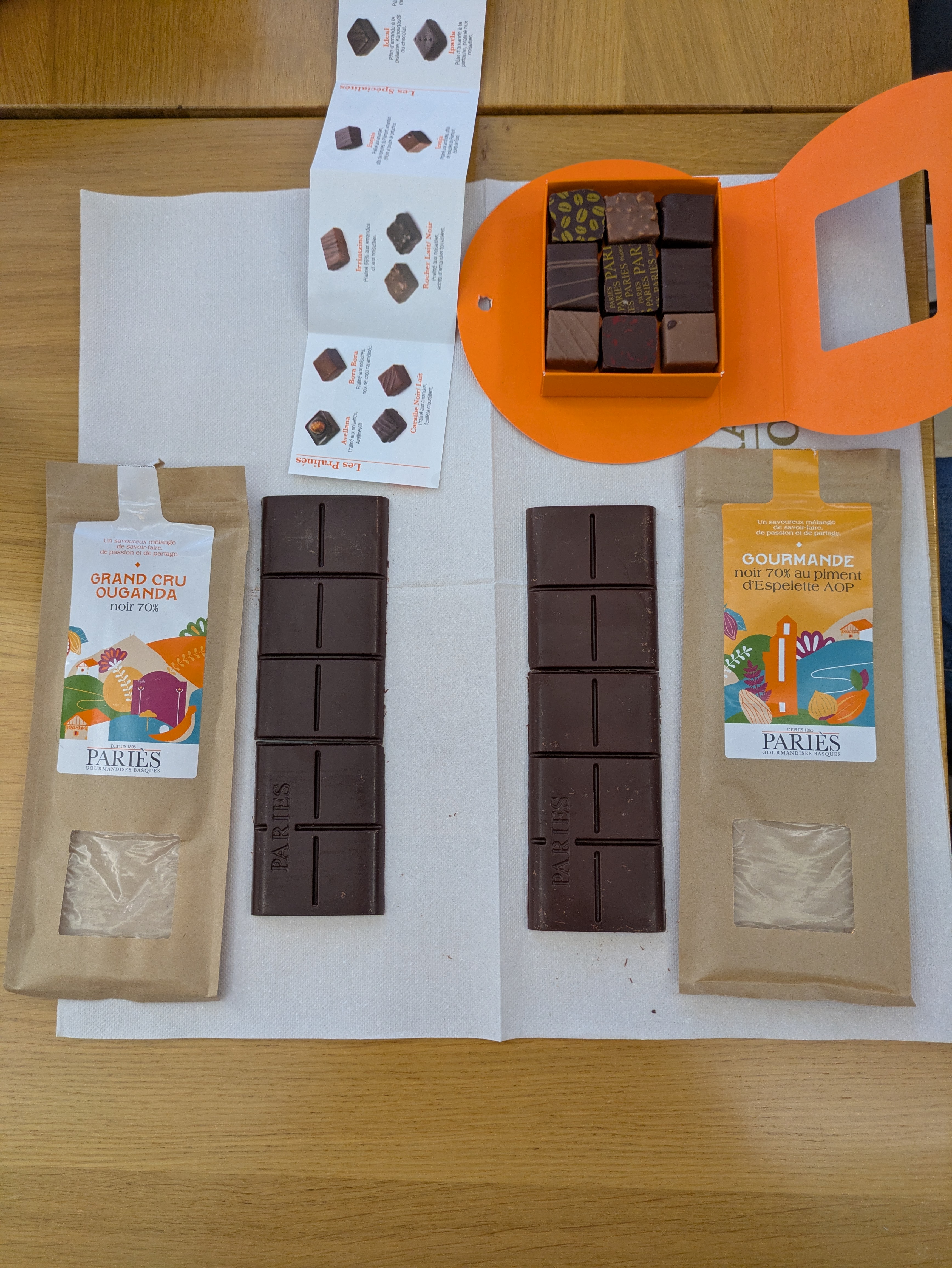
The seven of us on Tom’s pre-trip extension met in the hotel lobby to enjoy the wine and chocolate he gifted us.

Bruce and I found Bilbao, listed in the top ten most walkable cities, to be easy to navigate on foot, and very enjoyable!

SOUTHWEST FRANCE, NORTHERN SPAIN & PORTUGAL #9: GUERNICA, THE BASQUE COUNTRYSIDE, AND A HOME-HOSTED DINNER

SOUTHWEST FRANCE, NORTHERN SPAIN & PORTUGAL #7: BIARRITZ & SAINT-JEAN-DE-LUZ

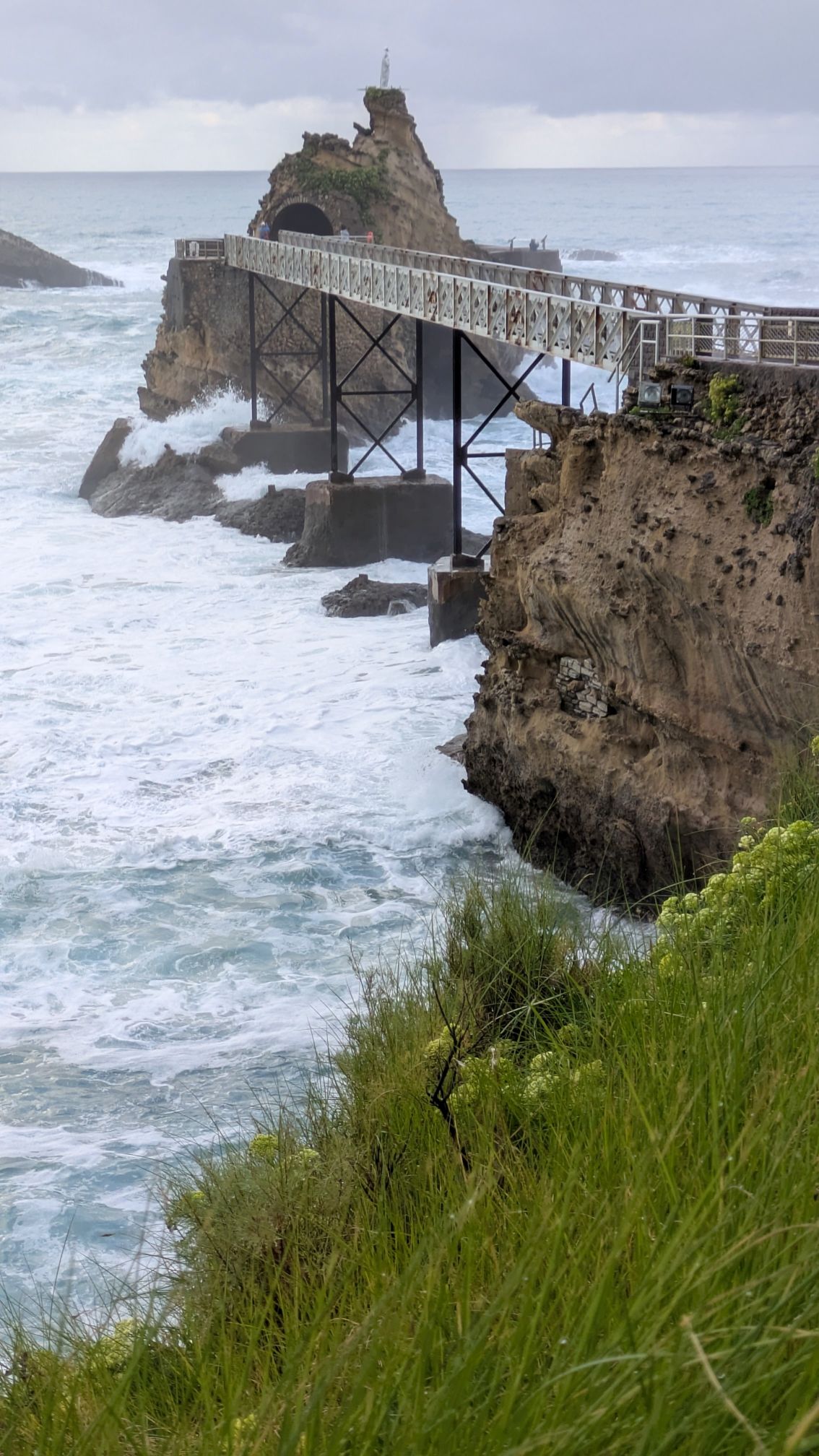
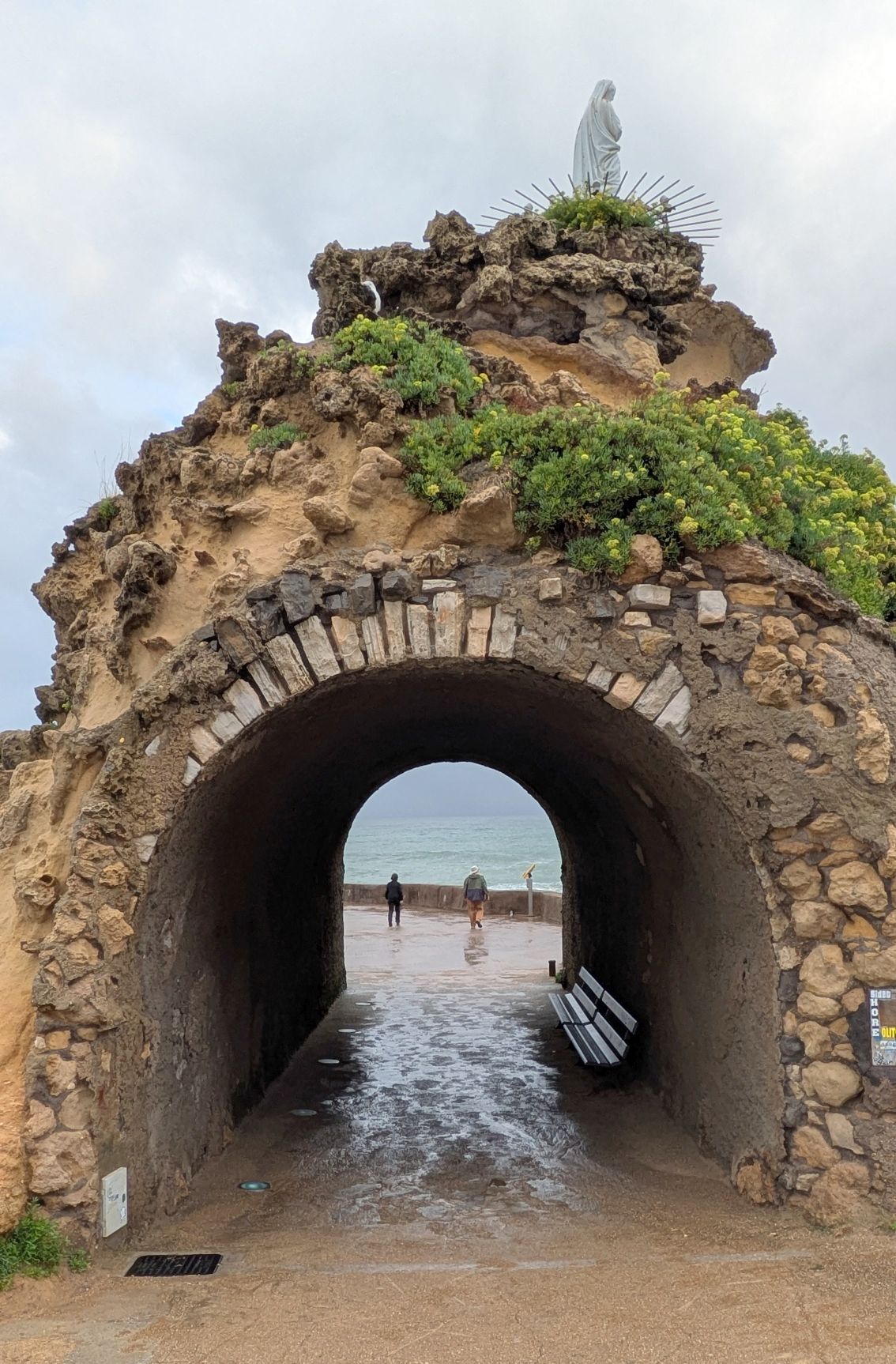
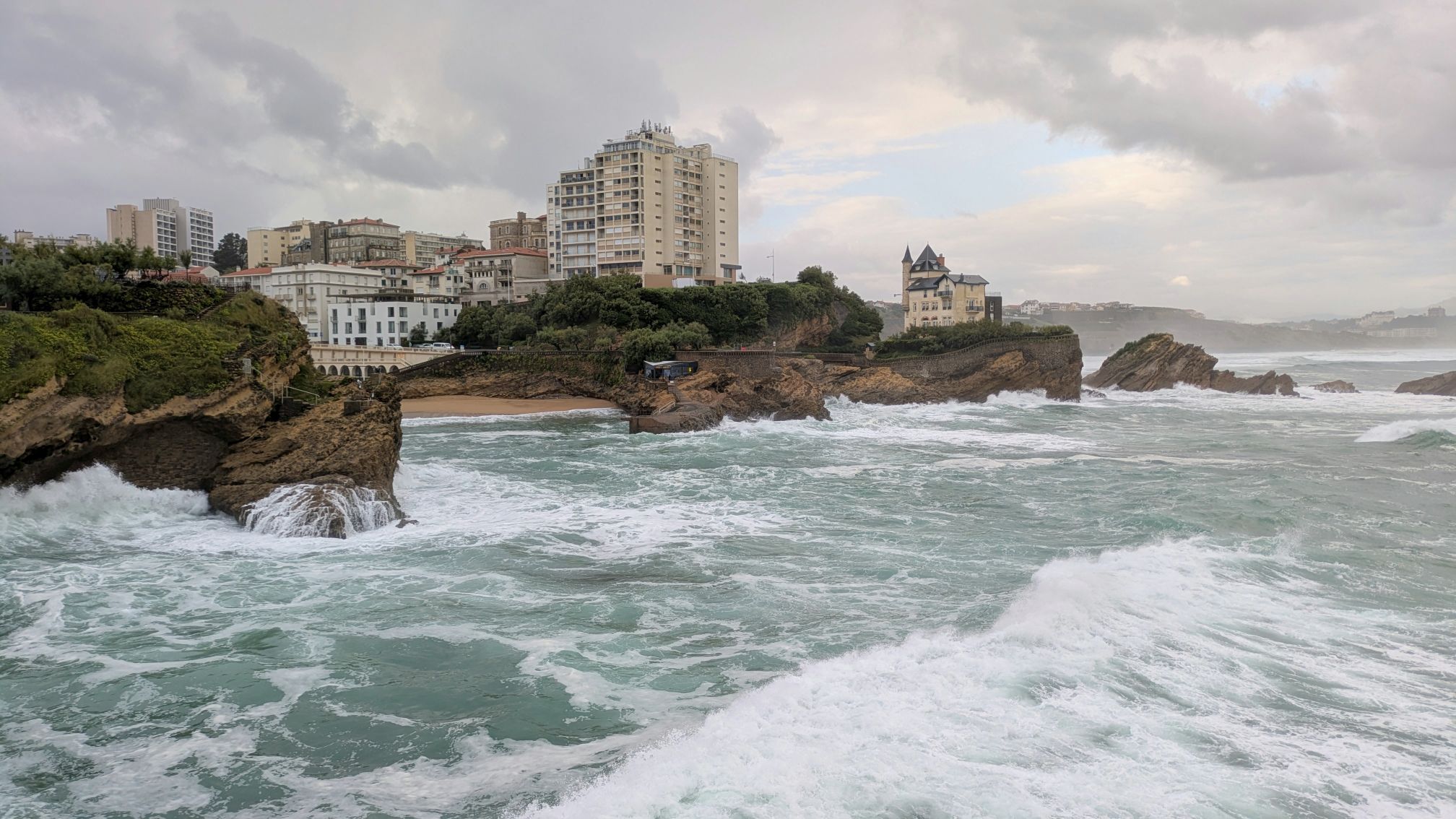
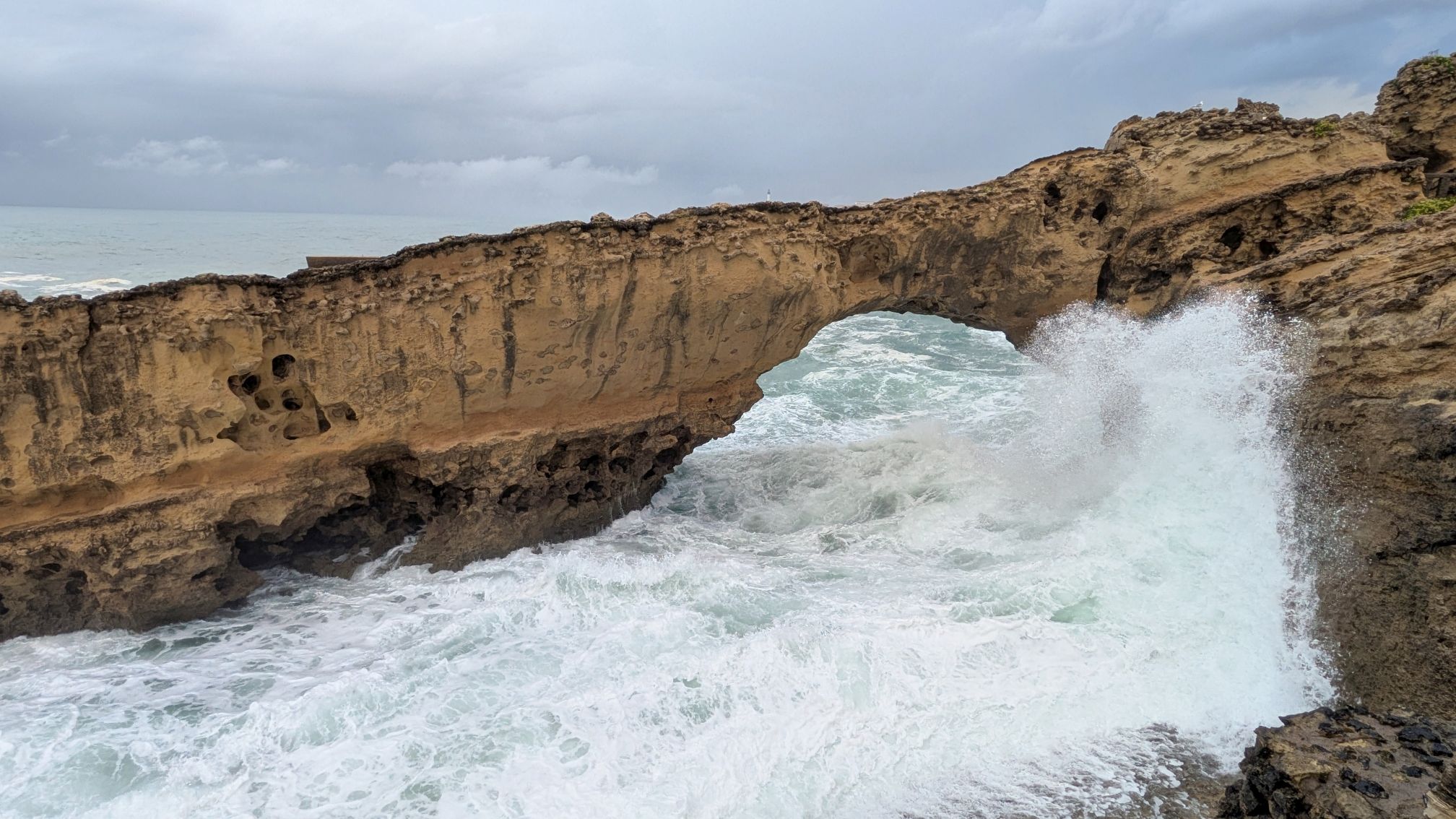
The last day of our pre-trip extension began as a rainy one, so our stops along the coast of Biarritz and Bay of Biscay were a bit of a bust at first and we missed out on what would have been beautiful views.  Still, the tumultuous seas and dark skies were alluring in their own way, and I found them intriguing to photograph.  Once I was out on the old wood-slat pier looking down on the waves crashing against the rocks, I didn’t want to leave.  I could have stood there watching for hours, it was so mesmerizing. 

(For all photos, click on the image for a full screen view.)

Not leaving the pier with the rest of the group was a mistake though.  A large wave came crashing in, streams of water came rushing up through the slats of the pier and all over me.  I was drenched!  Thankfully, I was wearing quick drying travel pants, because I eventually dried out during the bus ride and while walking under the sunny skies of Saint-Jean-de-Luz.

Shot through the wet bus window while heading to our last stop in Biarritz
Biarritz is a surfing town, known for its huge waves (the second largest wave in Europe) and professional surfing tournaments.

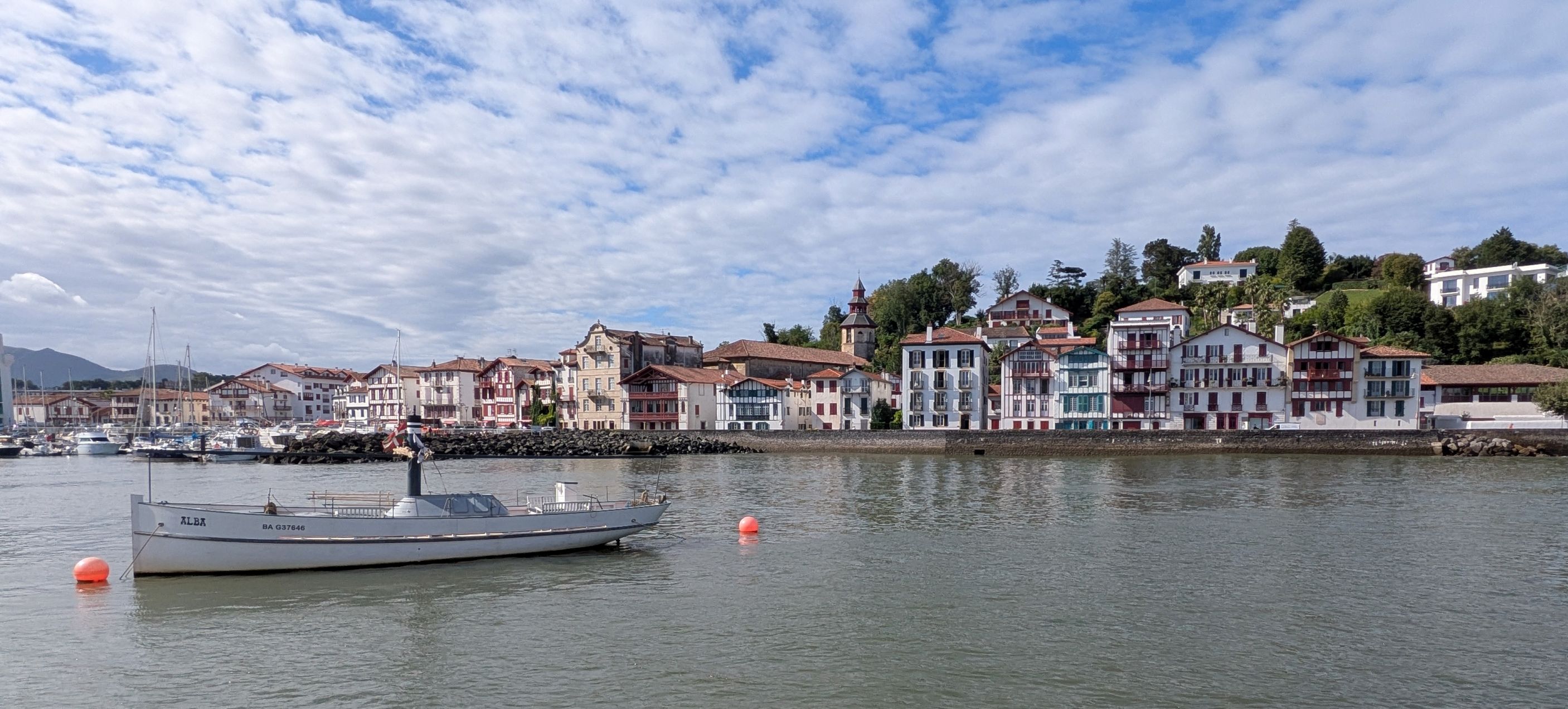
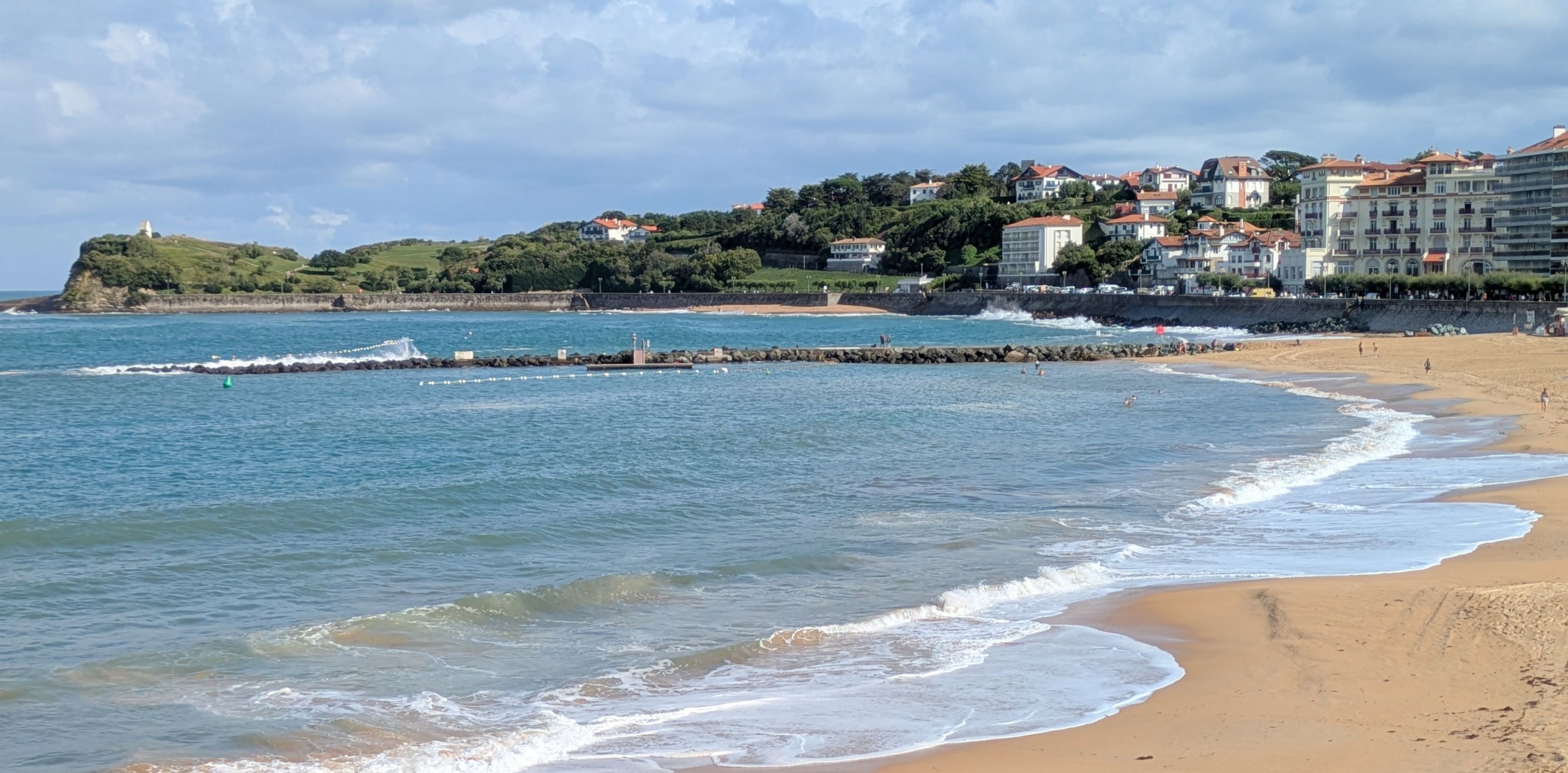
The picturesque fishing village and resort of Saint-Jean-de-Luz was a wonderful place for photography and taking in the views of the harbor and the beachfront of Bay of Biscay.  Colorful half-timbered Basque homes added to the charm.

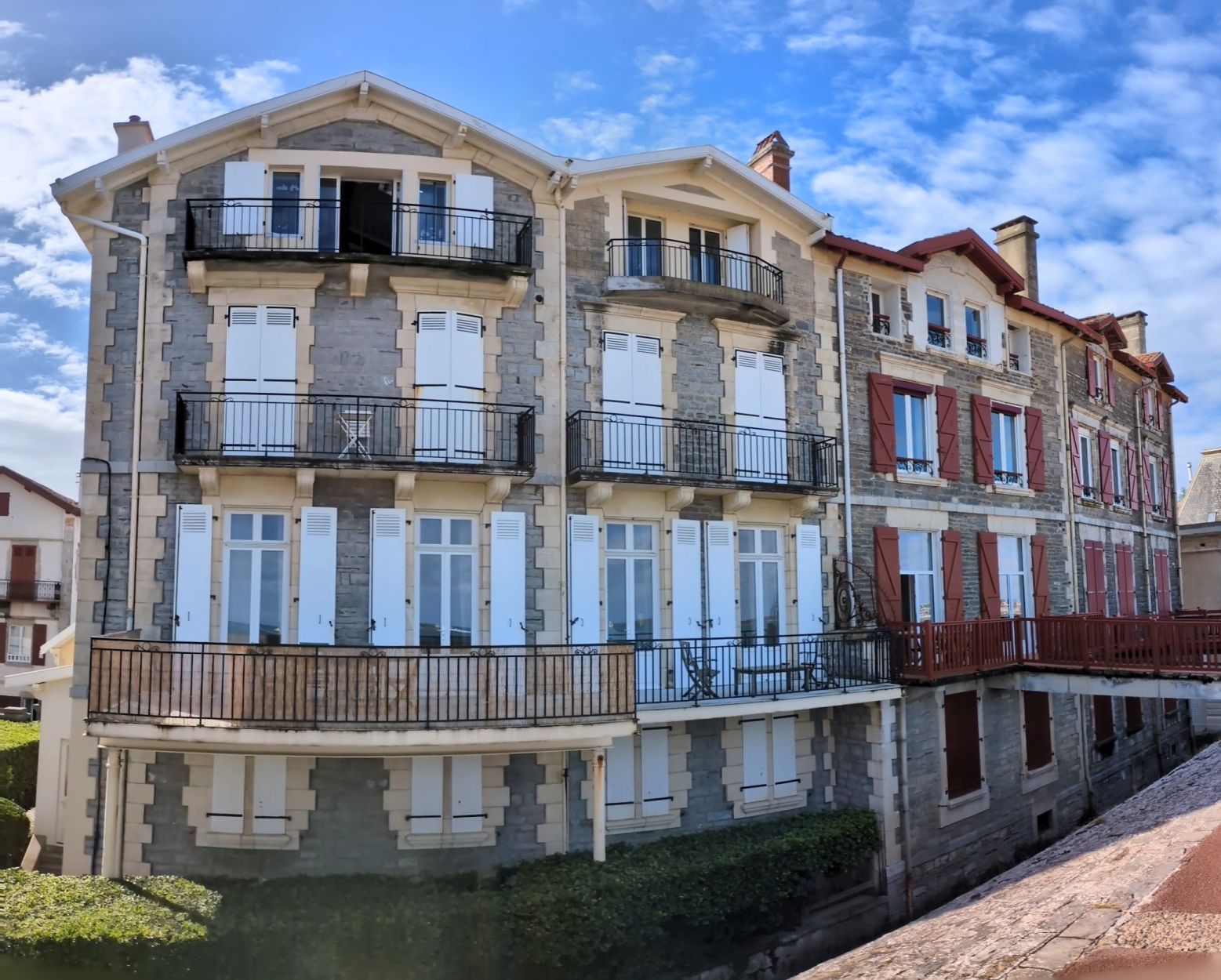
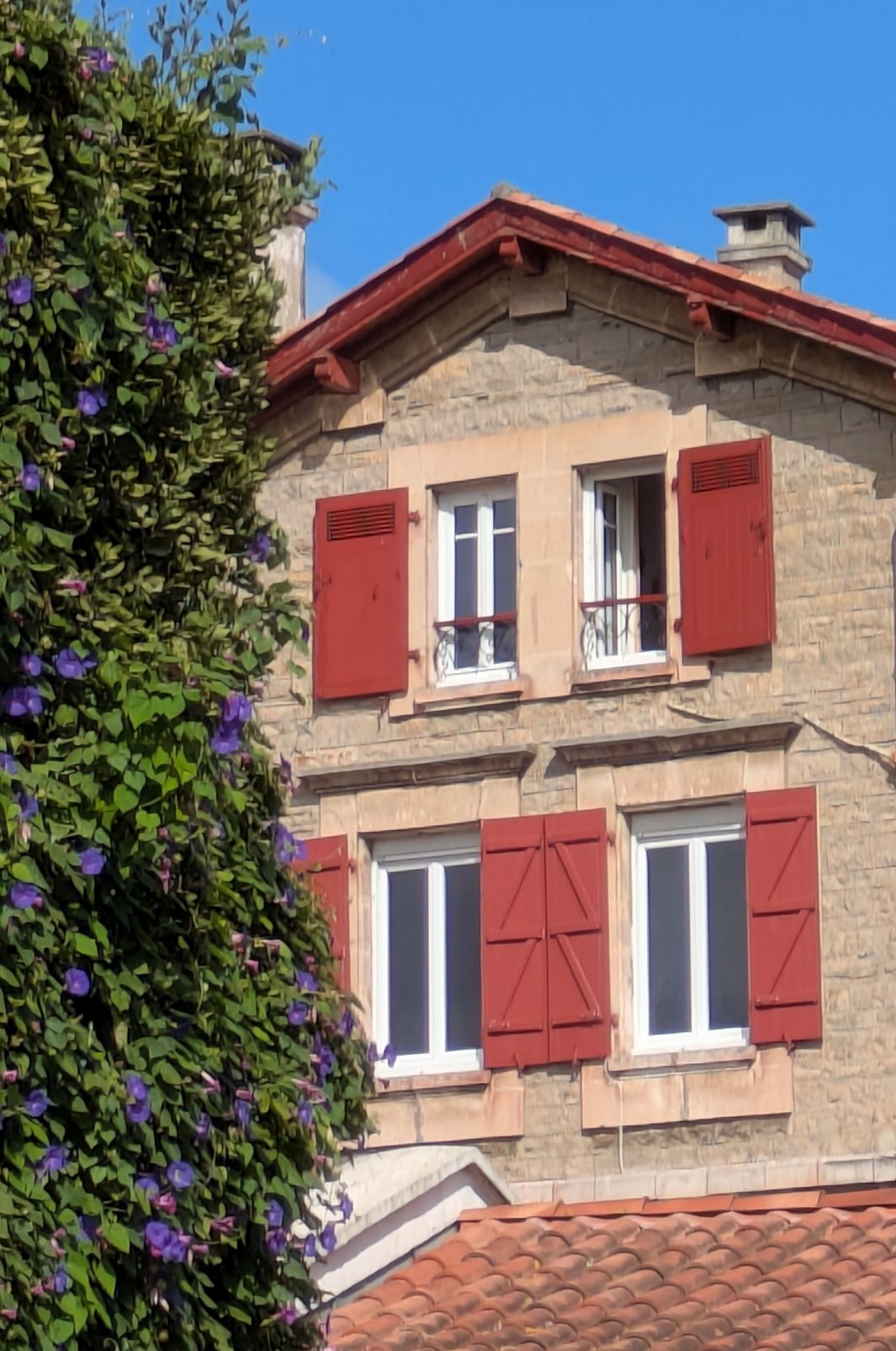
Beachfront homes:

Scenes around town:

Biarritz is known for its striped and nautical fabrics…
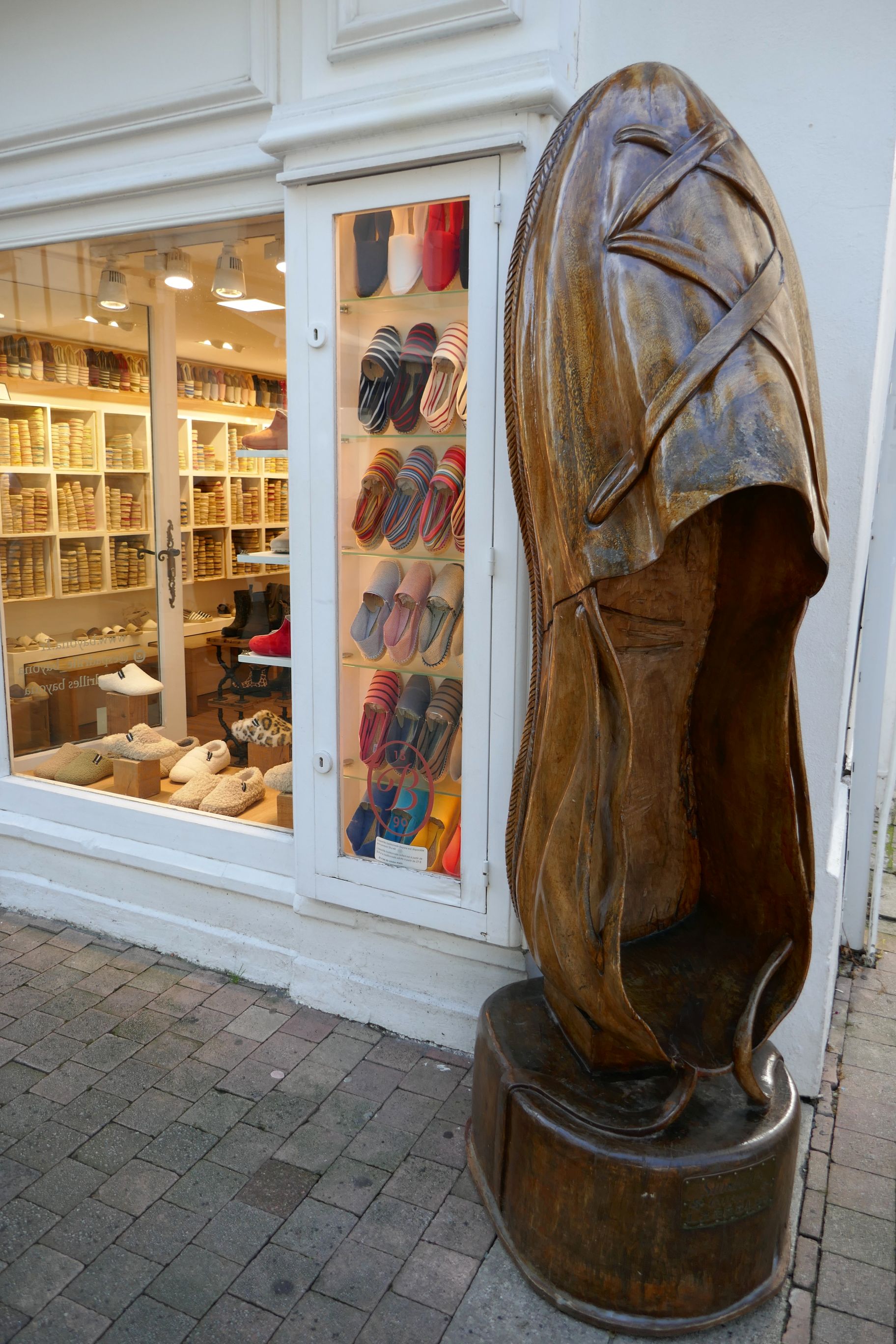
…and making espadrille shoes
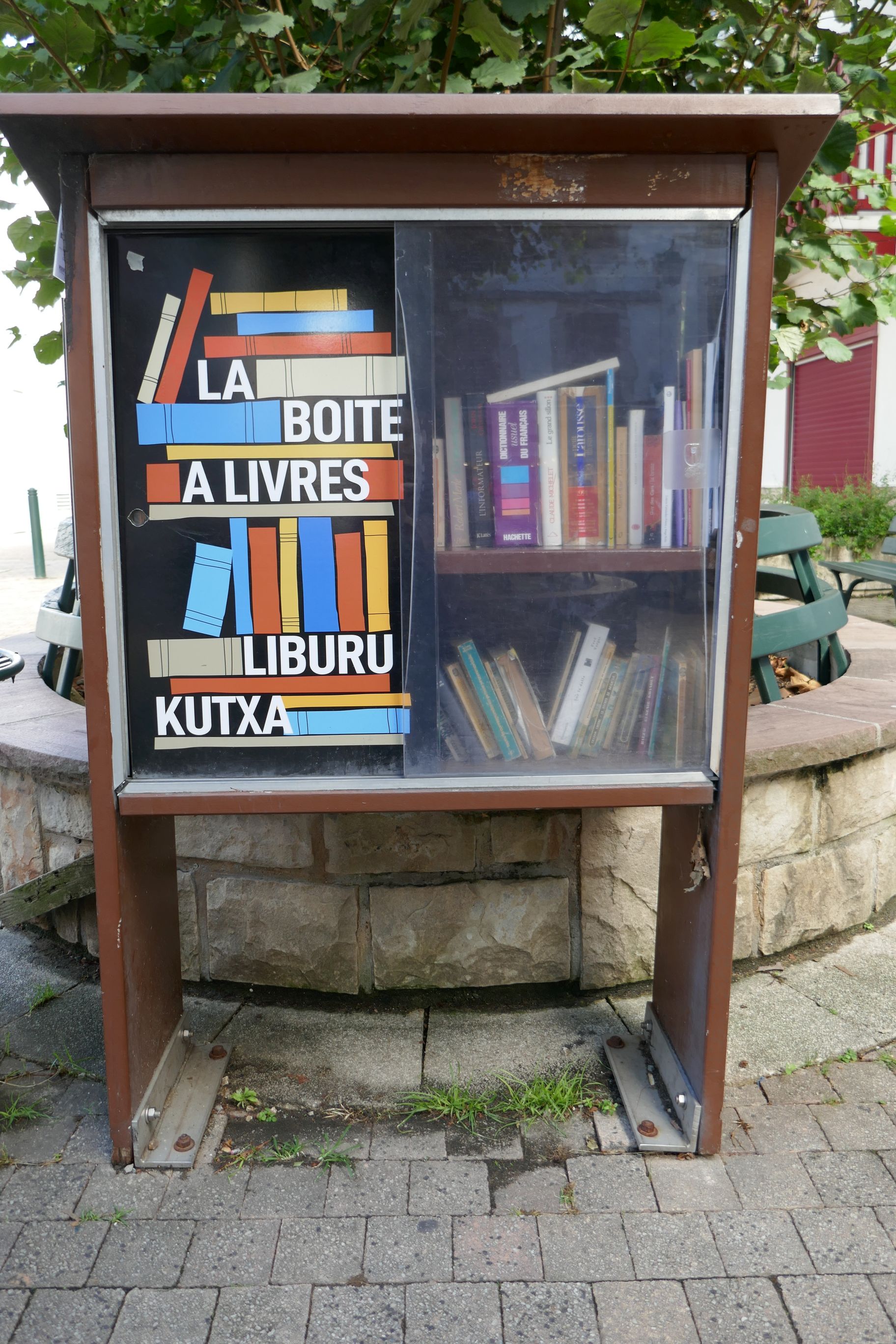
They even have their own version of the little free library!

We were so fortunate the skies had cleared for our last day in southwestern France, before continuing to Bilbao to begin our main tour!

Merci, Tom, for being a wonderful tour guide!

Next up: SOUTHWEST FRANCE, NORTHERN SPAIN & PORTUGAL #8: BRILLIANT BILBAO

SOUTHWEST FRANCE, NORTHERN SPAIN & PORTUGAL #5: BEAUTIFUL BAYONNE

Bayonne, like the other towns we visited in southwestern France, is in the Basque Country.  Its history stretches back more than 2,000 years, so it is full of culture, beautiful architecture.

Built along the intersection of two rivers, it is located quite close to the Spanish border and has a population of more than 53,000 people.  My favorite part of its history is that it became the unofficial chocolate capital of France in the 17th century.  Cacao beans were first brought home to Spain by the Spanish colonists upon their return from South America.  Since Bayonne was right next door, they got in on the action when Jews fleeing the Spanish Inquisition relocated in nearby Bayonne and started producing chocolate. Back then, there were 60 chocolatiers that all worked together to grow the industry, but each one had its own specialty

Currently there are about ten high-end chocolatiers in town, including Chocolat Cazenave, which has been making chocolate since 1854.  I enjoyed stopping in at a few of the chocolatiers to look at their beautiful creations but took a pass on purchasing their pricey masterpieces.

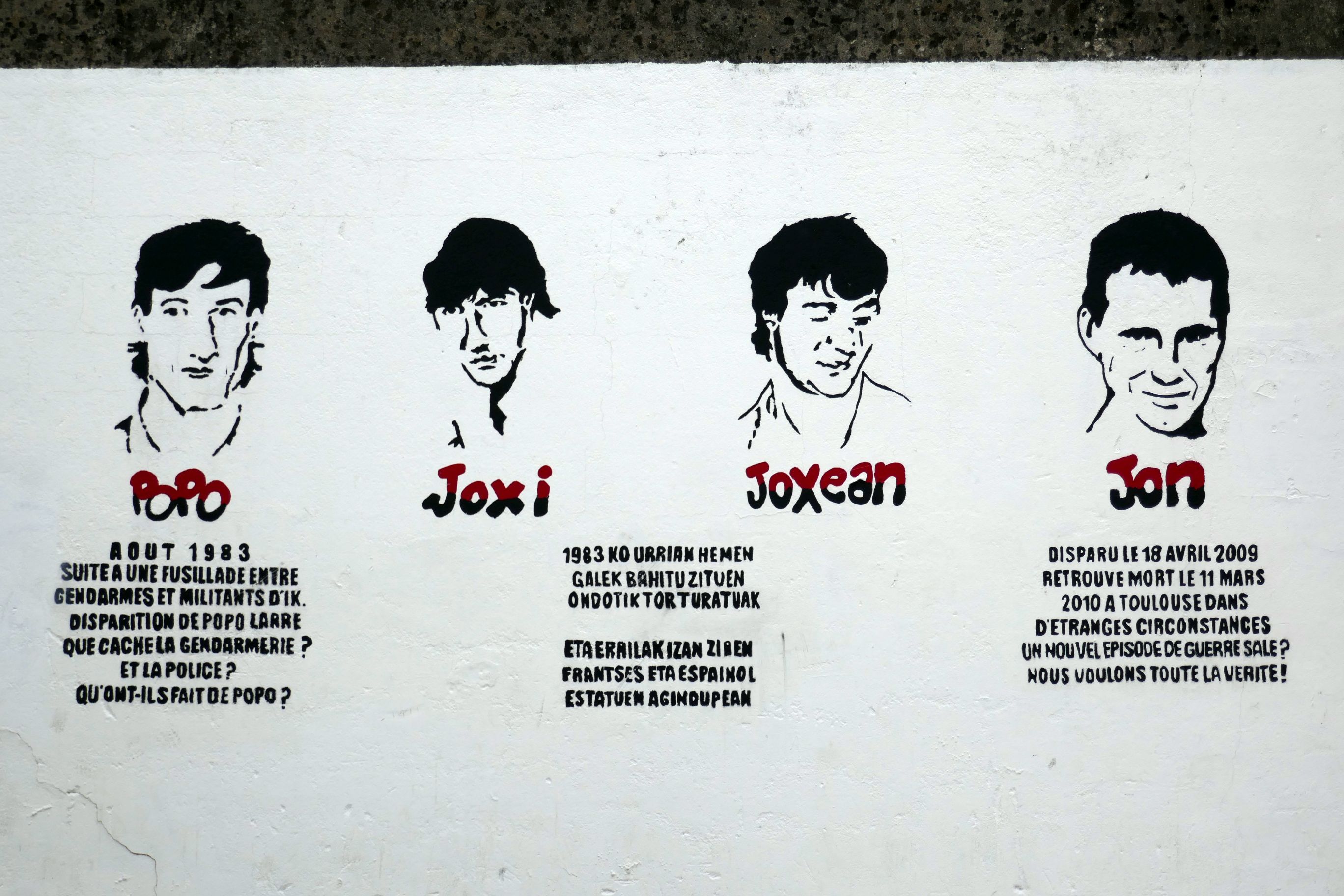
An interesting part of Bayonne’s history began in the 1930’s when the Basque people sought autonomy and started a separatist movement.  Although it culminated in a statute of autonomy in 1936, Spain’s dictator, Francisco Franco, abolished it when he came in power in 1939.  The struggle continued for another twenty years until a faction of the Basque’s National Party broke away and launched a campaign of terrorism against the Spanish central government, making Basque regionalism one of the most destabilizing forces in Spanish political life.

During our walking tour the morning following our arrival, we stopped by an ETA clubhouse and saw some of the political murals nearby, which were explained by Tom, our tour leader:

(For all photos, click on the image for a full screen view.)

Basque prisoners that were disappeared

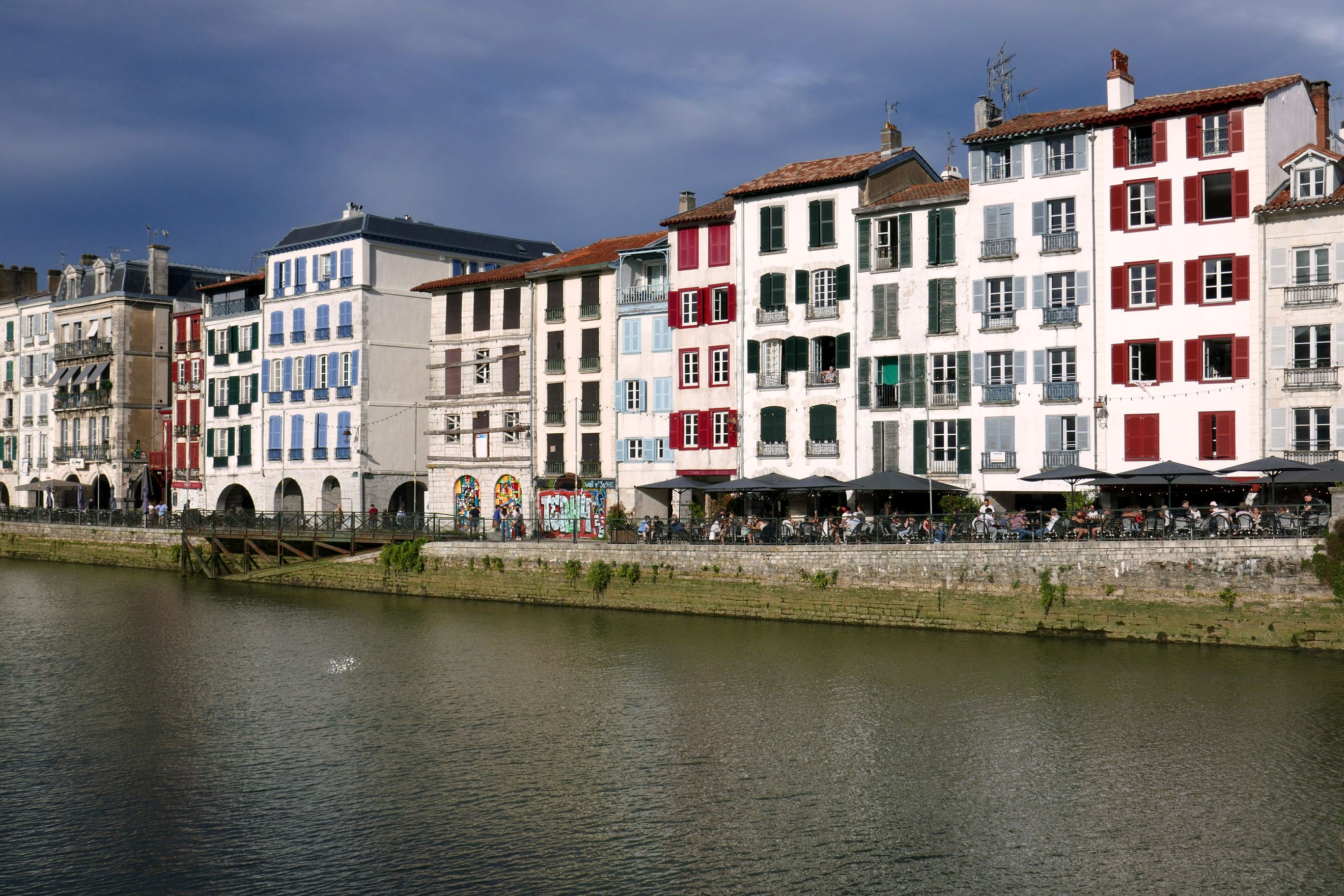
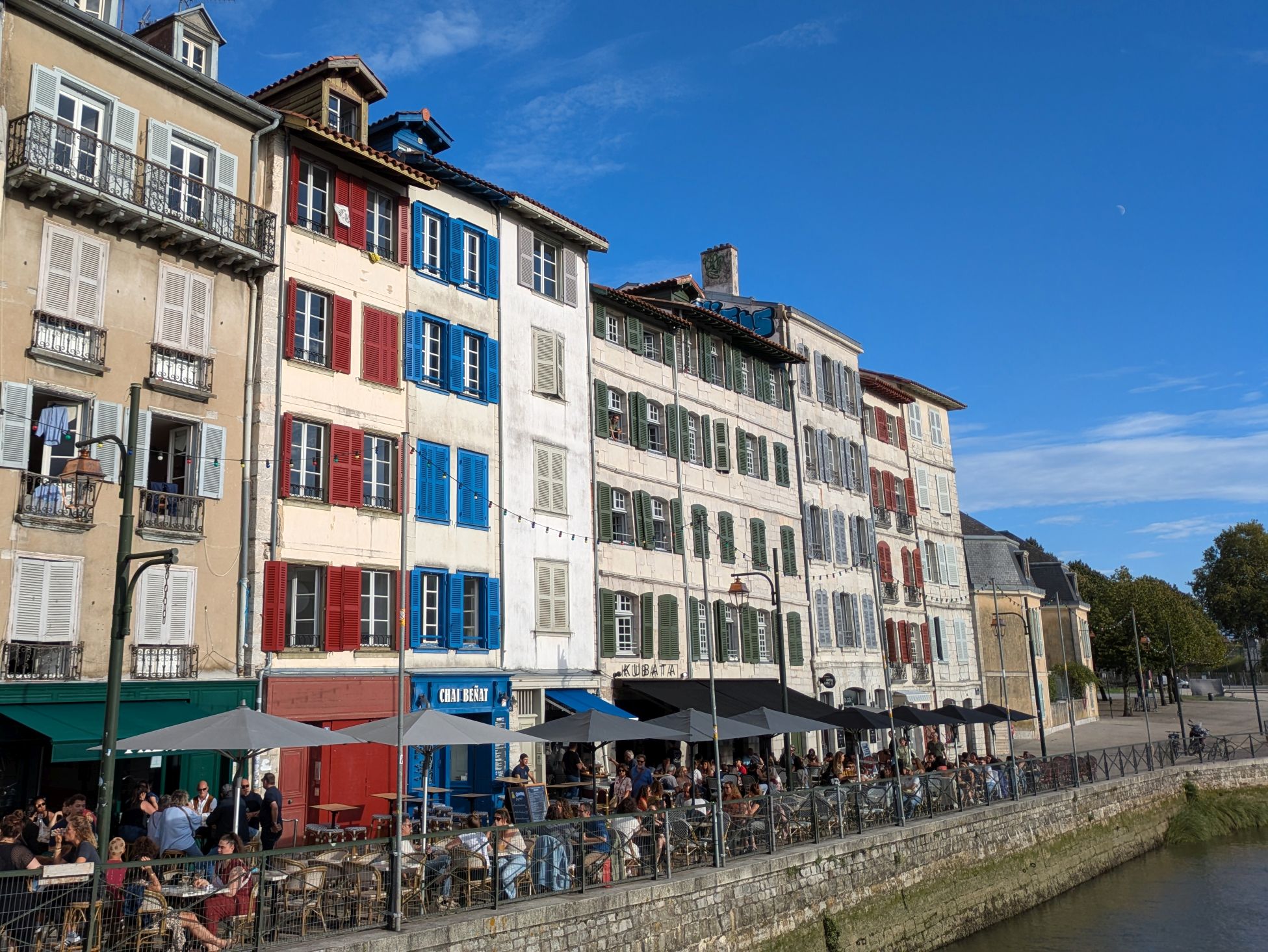
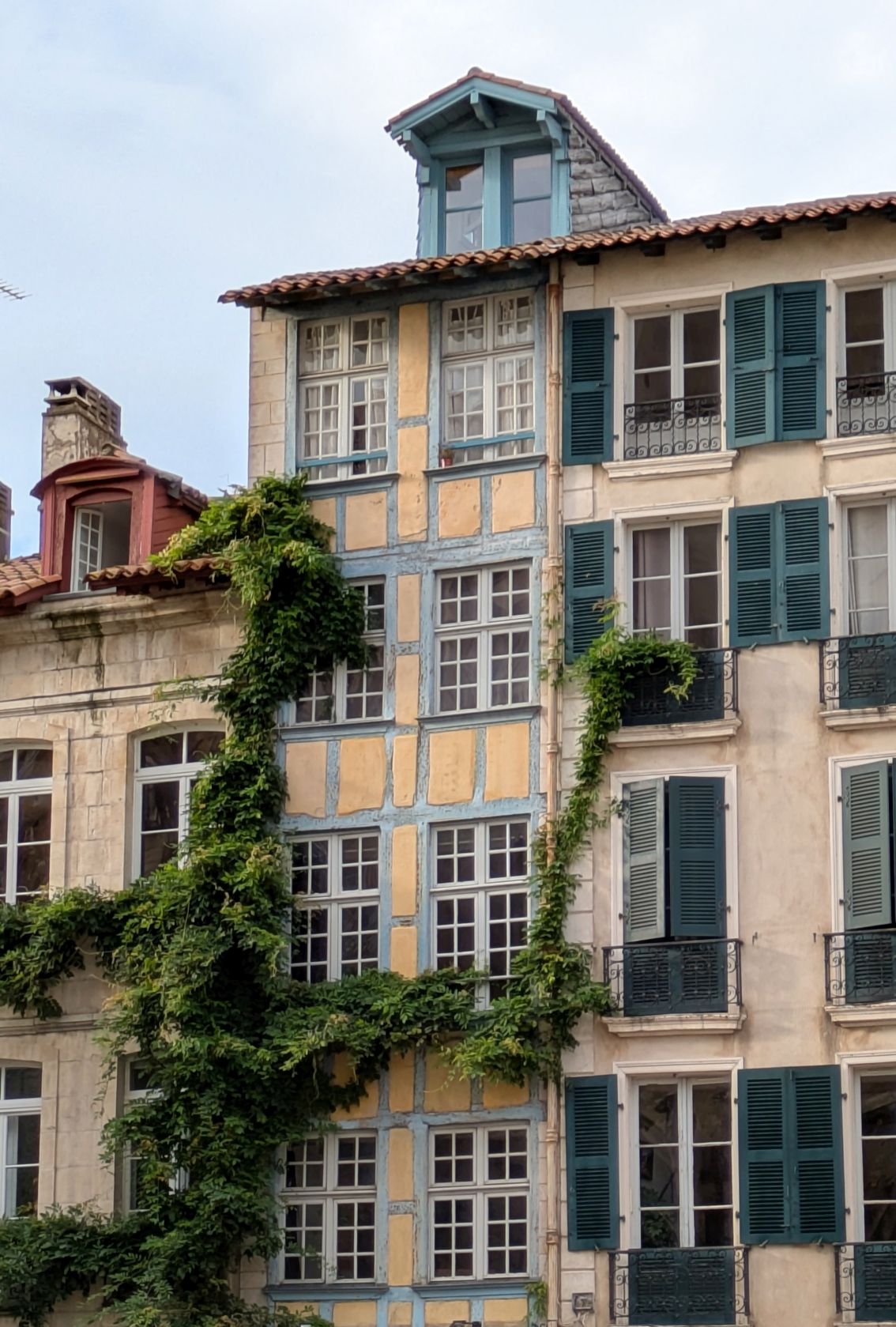
The views of the colorful half-timbered buildings along the rivers were charming and quite photogenic, especially in the late afternoon sun:

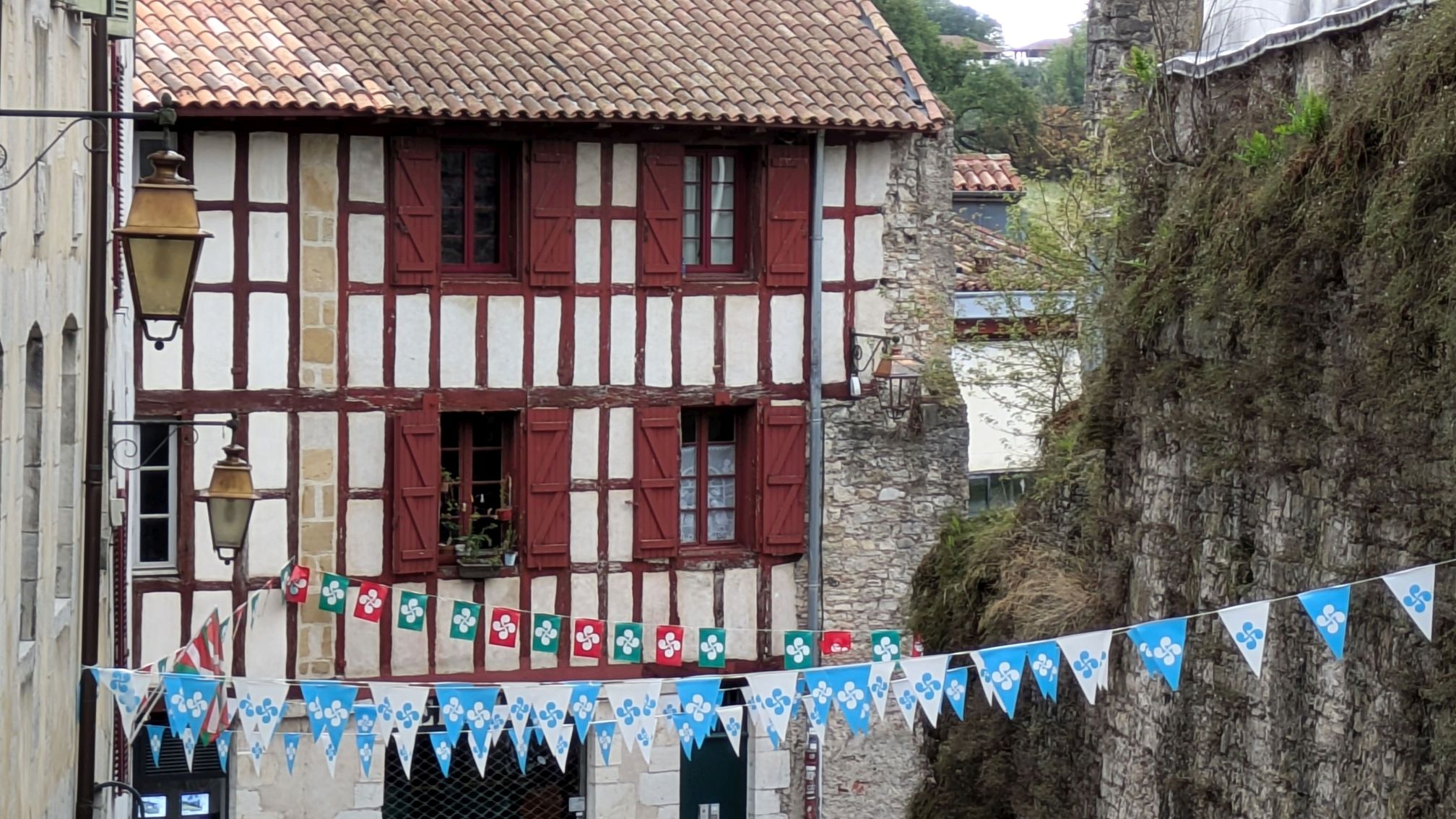
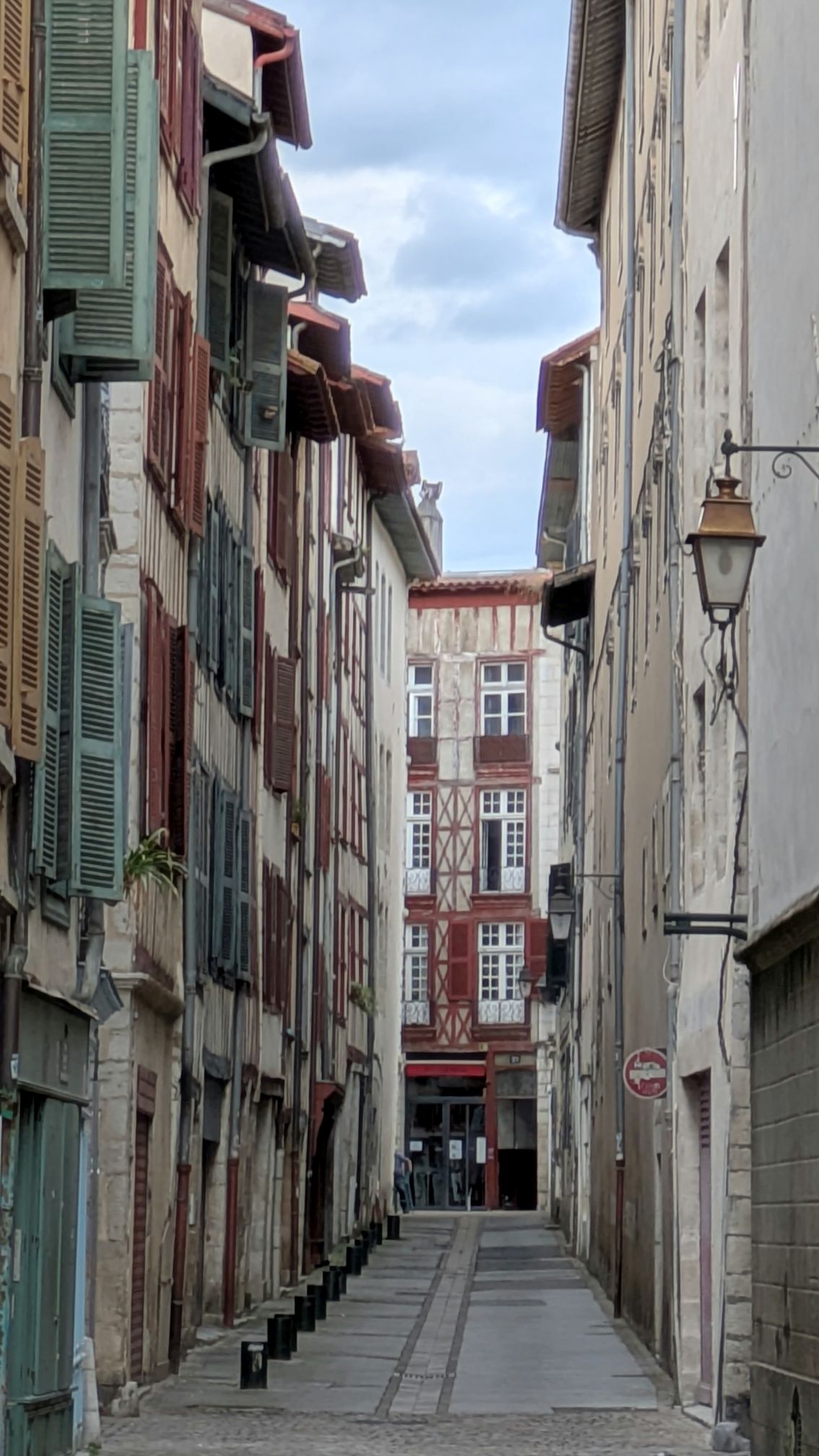
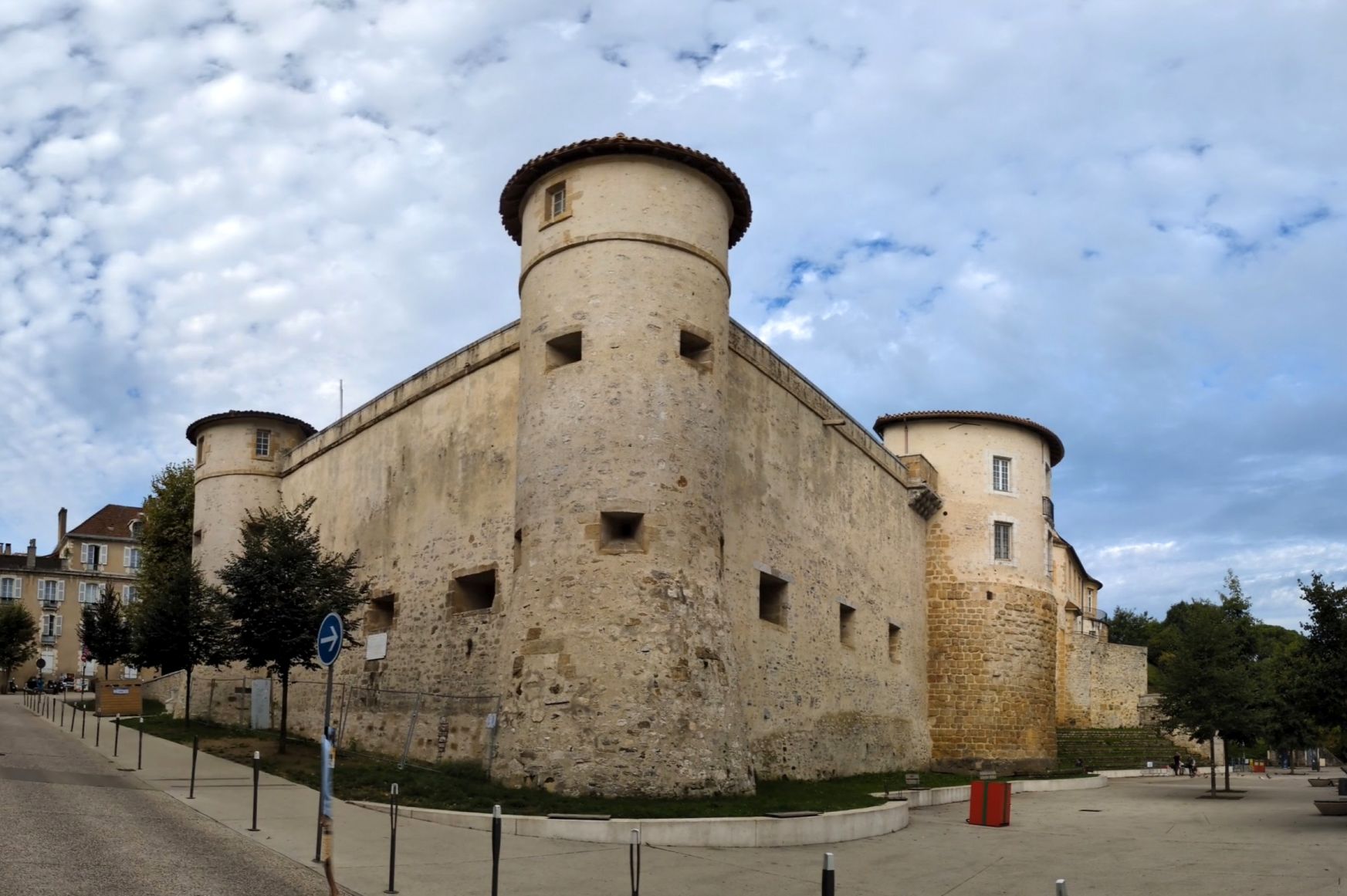
More scenes from around Bayonne during our two days in town:

The Basque flag hangs from the balcony
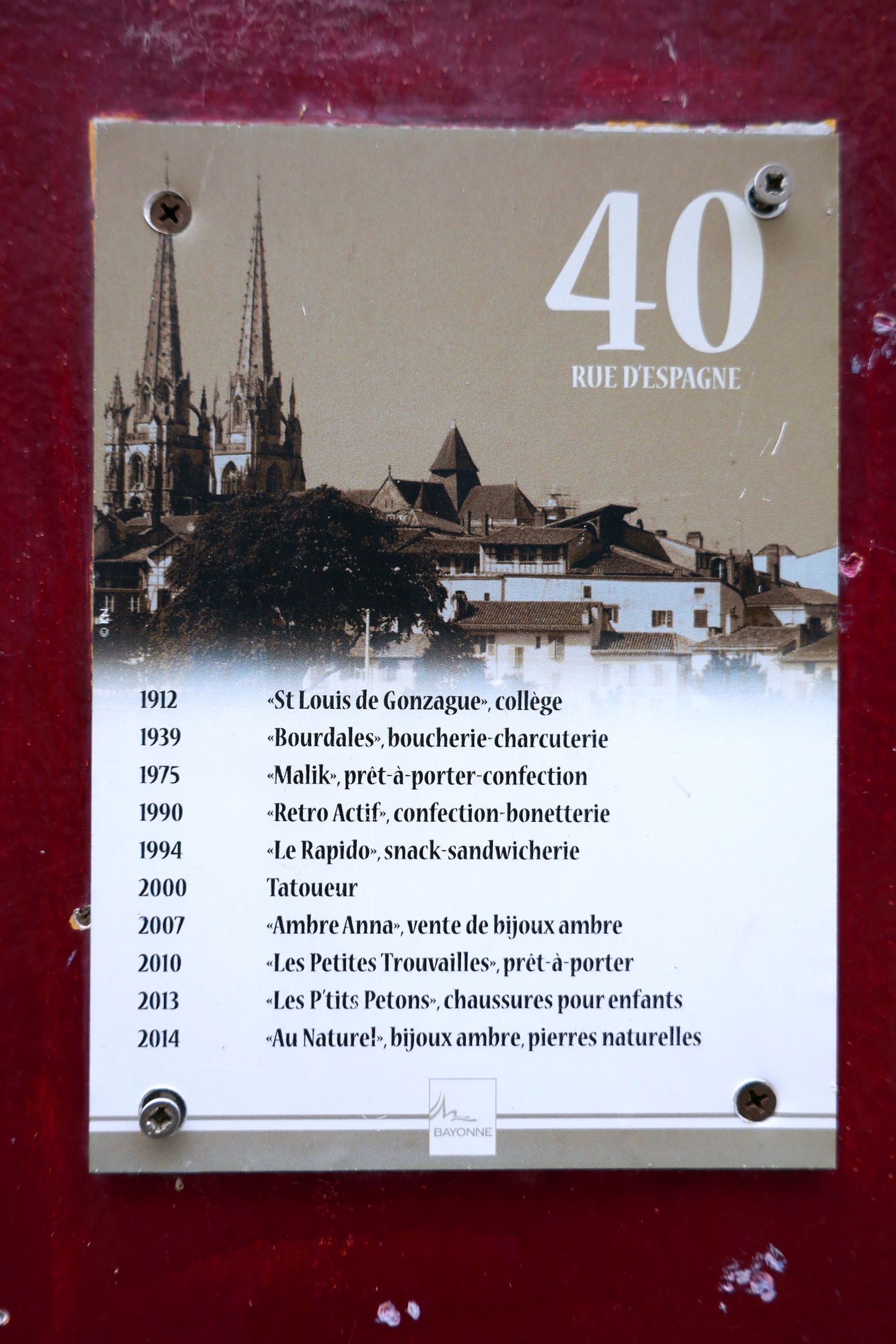
Some of the businesses had plaques in the front listing the history of the owners and what type of business it was each time.
There were also signs to be respectful of those historic buildings!
Down the street from our hotel
The view from our hotel room (left)
The view from our hotel room (right)
Distorted panorama of the sweeping view to the left, and then right from our hotel window
Just before dusk
The riverfront at dusk

Coming up next: SOUTHWEST FRANCE, NORTHERN SPAIN & PORTUGAL #6: BEAUTIFUL BAYONNE

SOUTHWEST FRANCE, NORTHERN SPAIN & PORTUGAL #4: ATTRACTIVE AUCH

Our OAT group left Carcassonne with Bayonne being our final destination for the day.  Along the way, we stopped in Auch for a walking tour led by Tom, our tour leader, for the pre-extension portion of our tour.

Auch, in southwestern France, is a small, 800-year-old town of less than 23,000 people.  It was too small to spend a lot of time in, but it was a lovely day for a walking tour and an al fresco lunch.

There was a wedding in progress at the Auch Cathedral, but we quietly scampered in to have a look around the areas where we could stay out of sight.  A national monument, the interior was beautiful.

(For all photos, click on the image for a full screen view.)

It was also market day, so we had a quick look at the stalls and this clever wine bar on wheels:

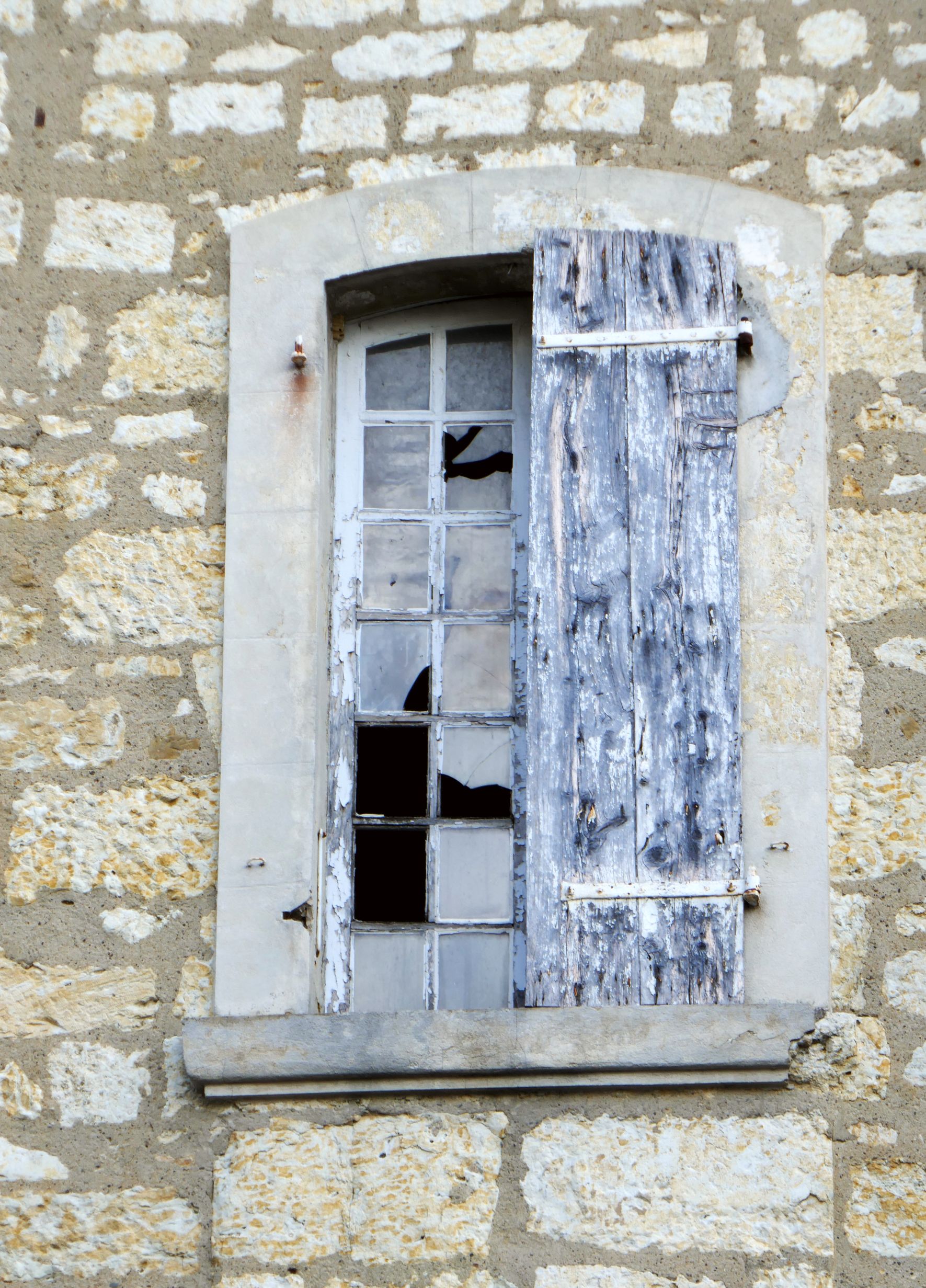
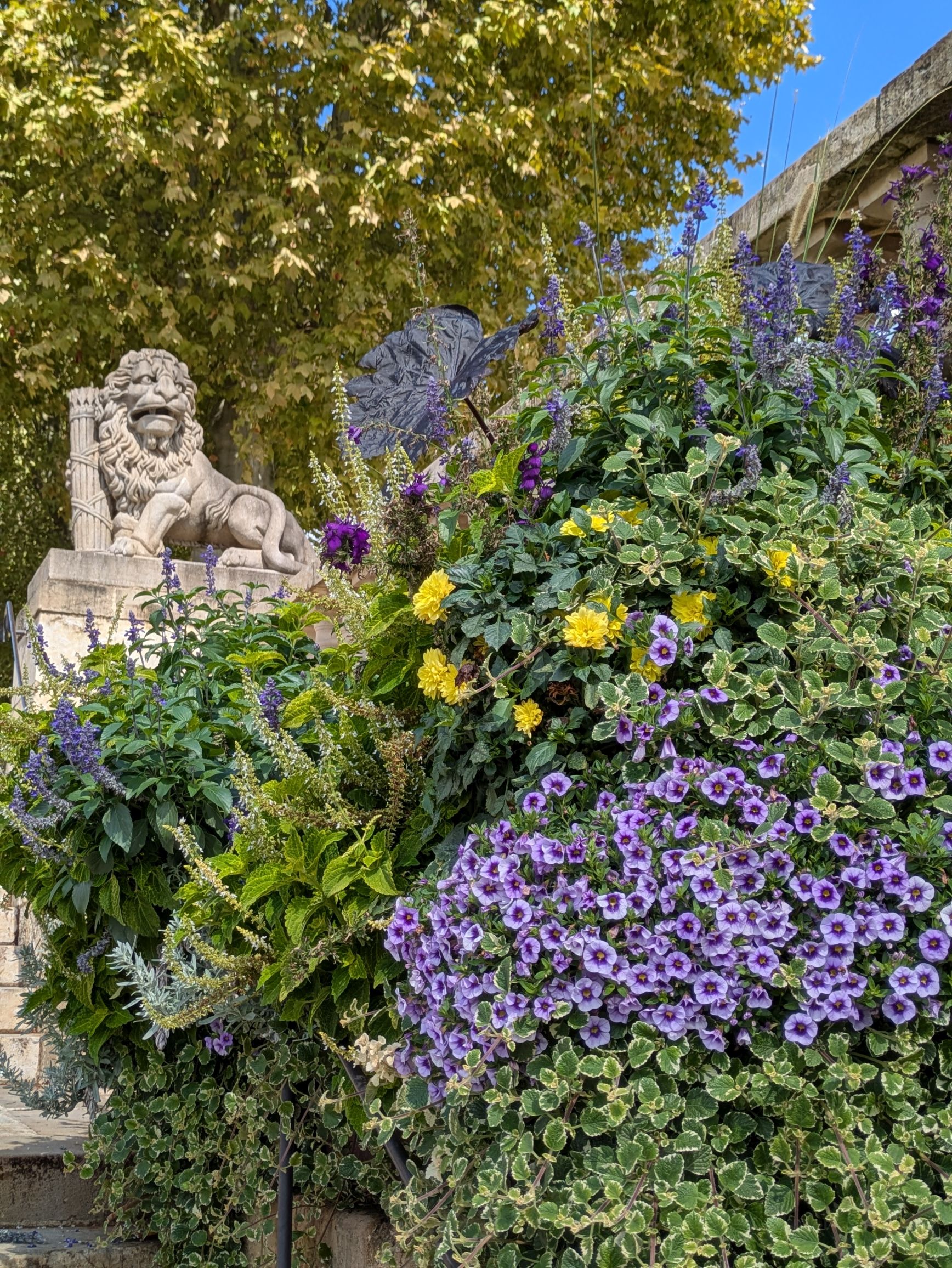
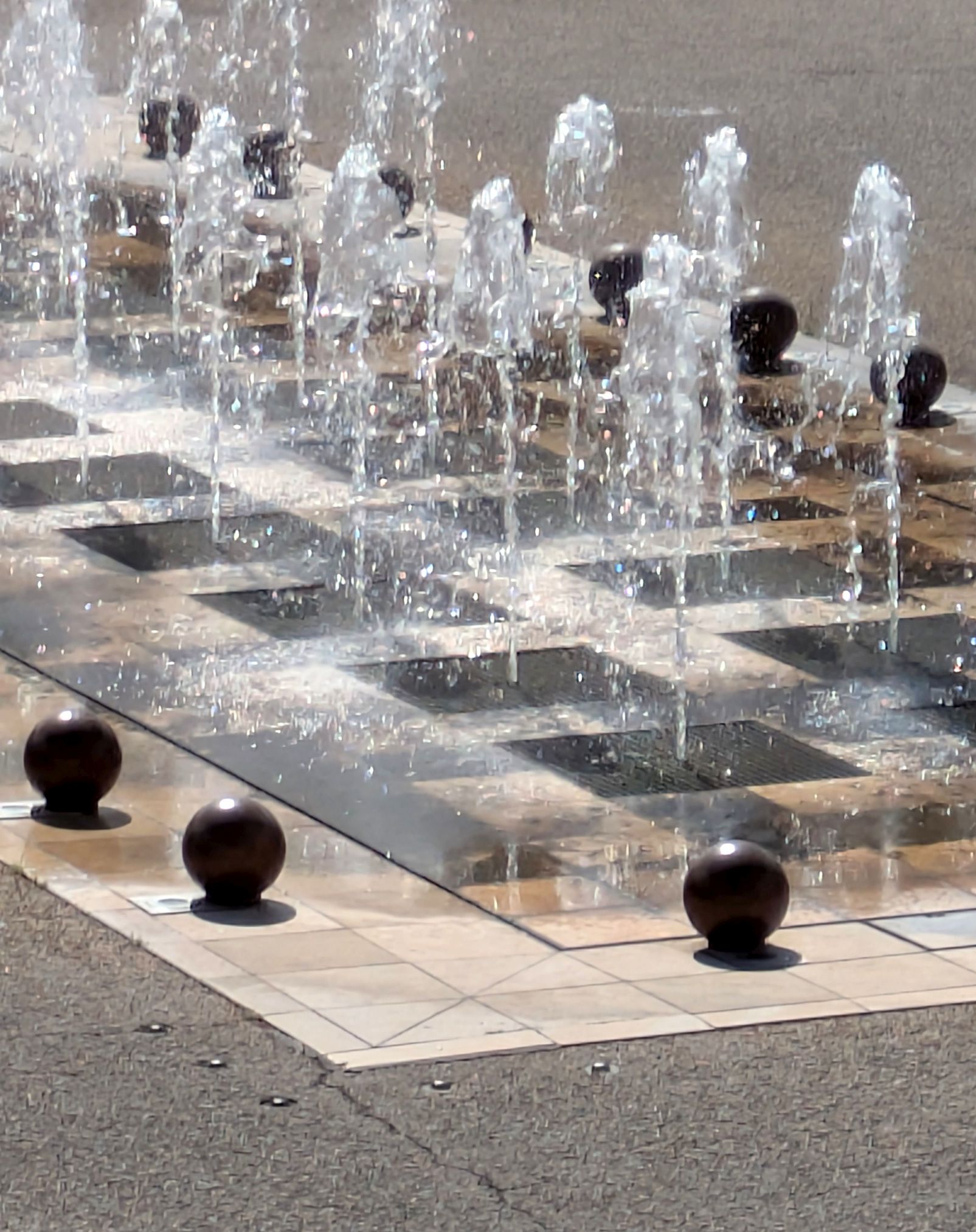
More scenes from around Auch:

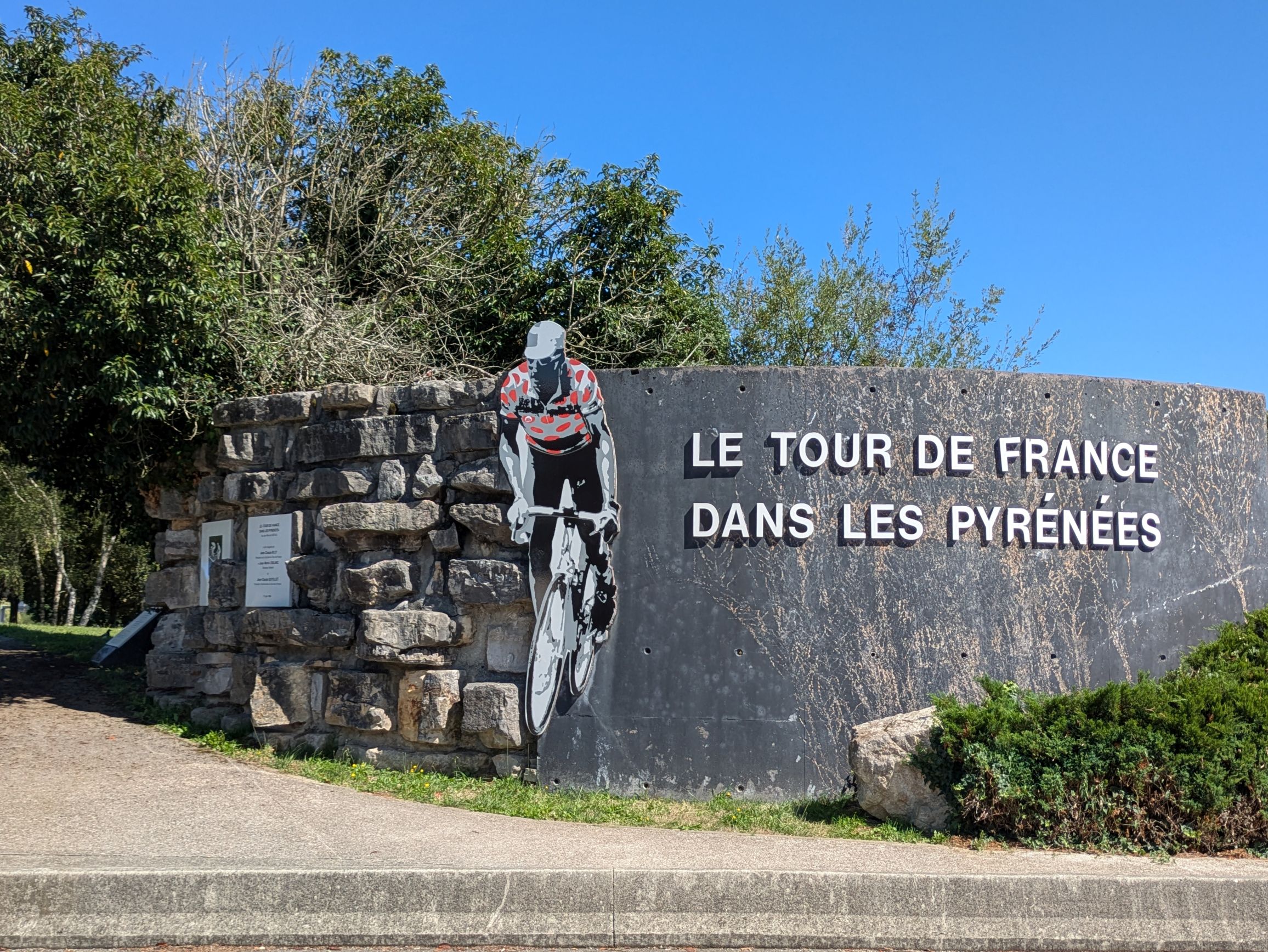
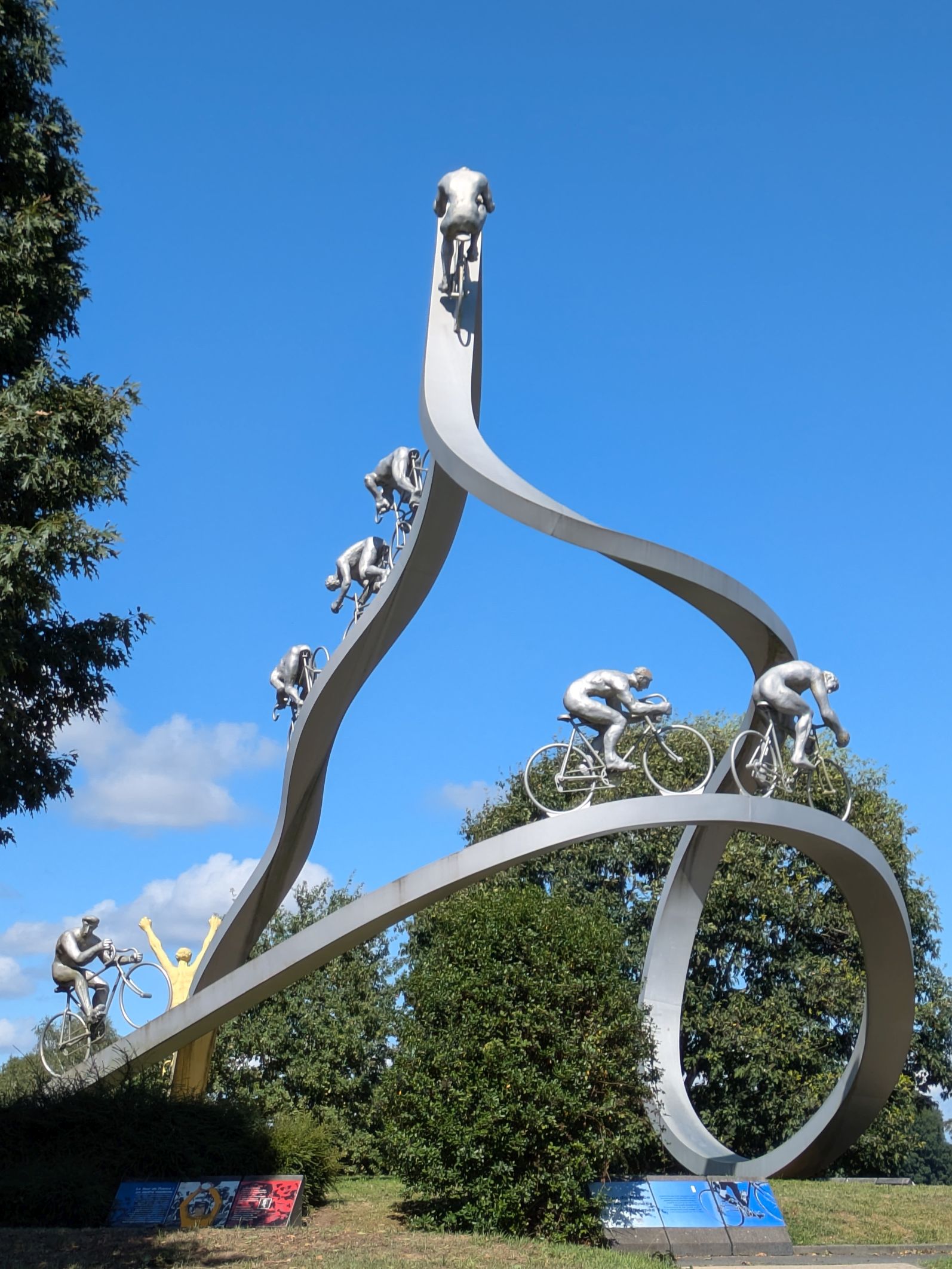
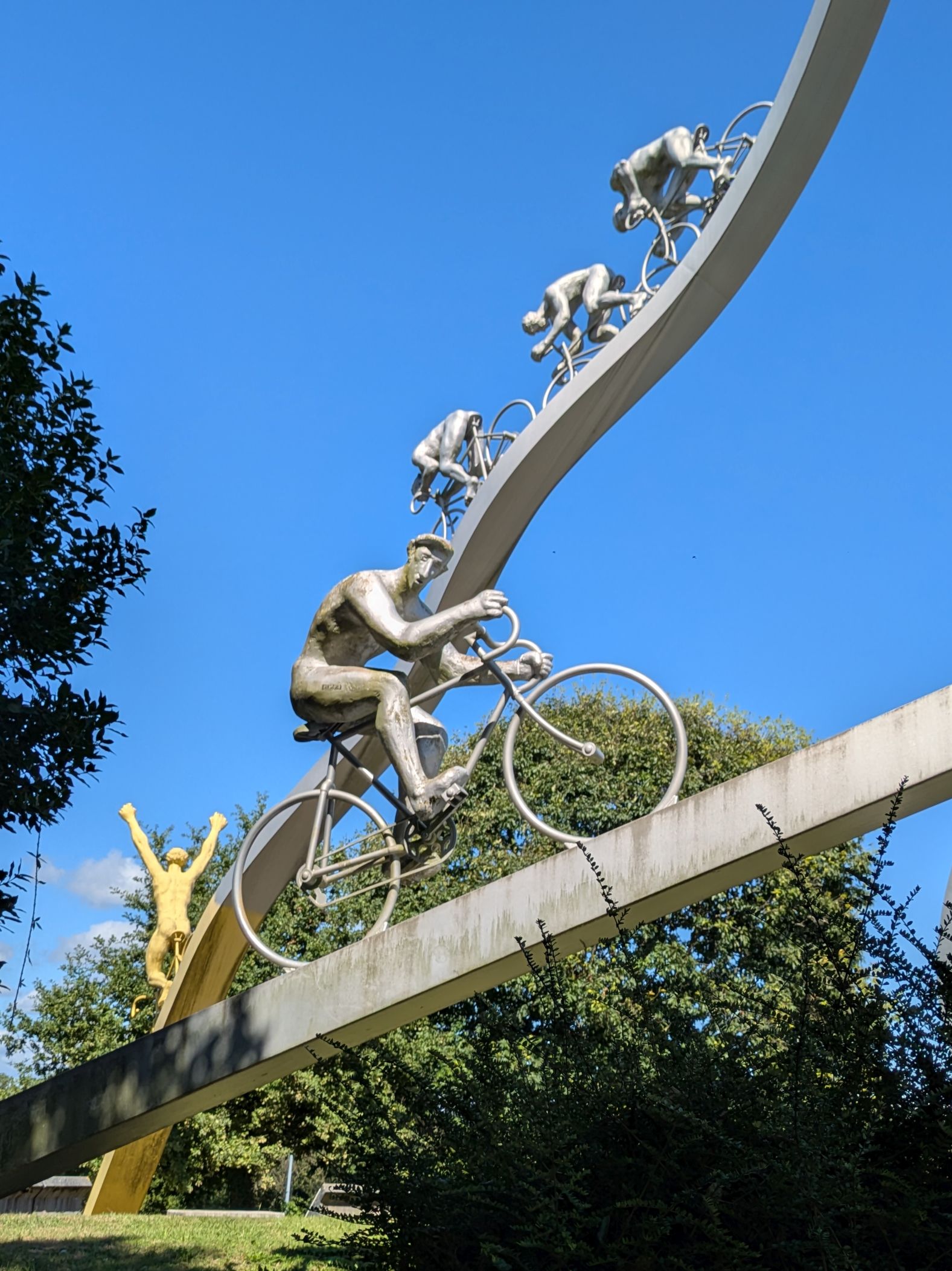
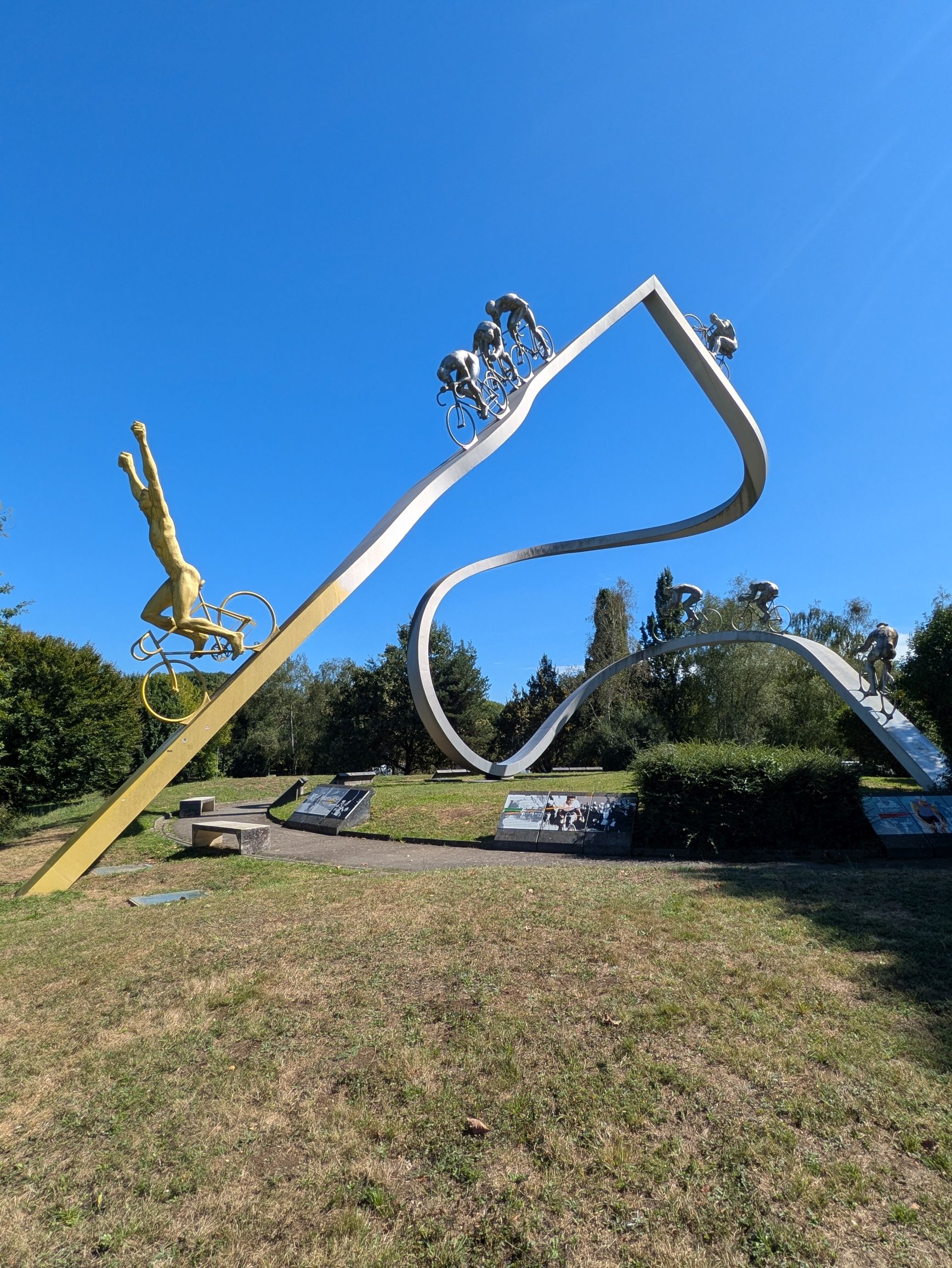
Another stop we made was to see the “Tour de France in the Pyrenees” (The Great Loop) sculpture by Jean-Bernard Metais. Located across from a gas station on the A64 motorway of the Pyrenees Mountains, it is quite a sight to see!

Next up: SOUTHWEST FRANCE, NORTHERN SPAIN & PORTUGAL #5: BEAUTIFUL BAYONNE