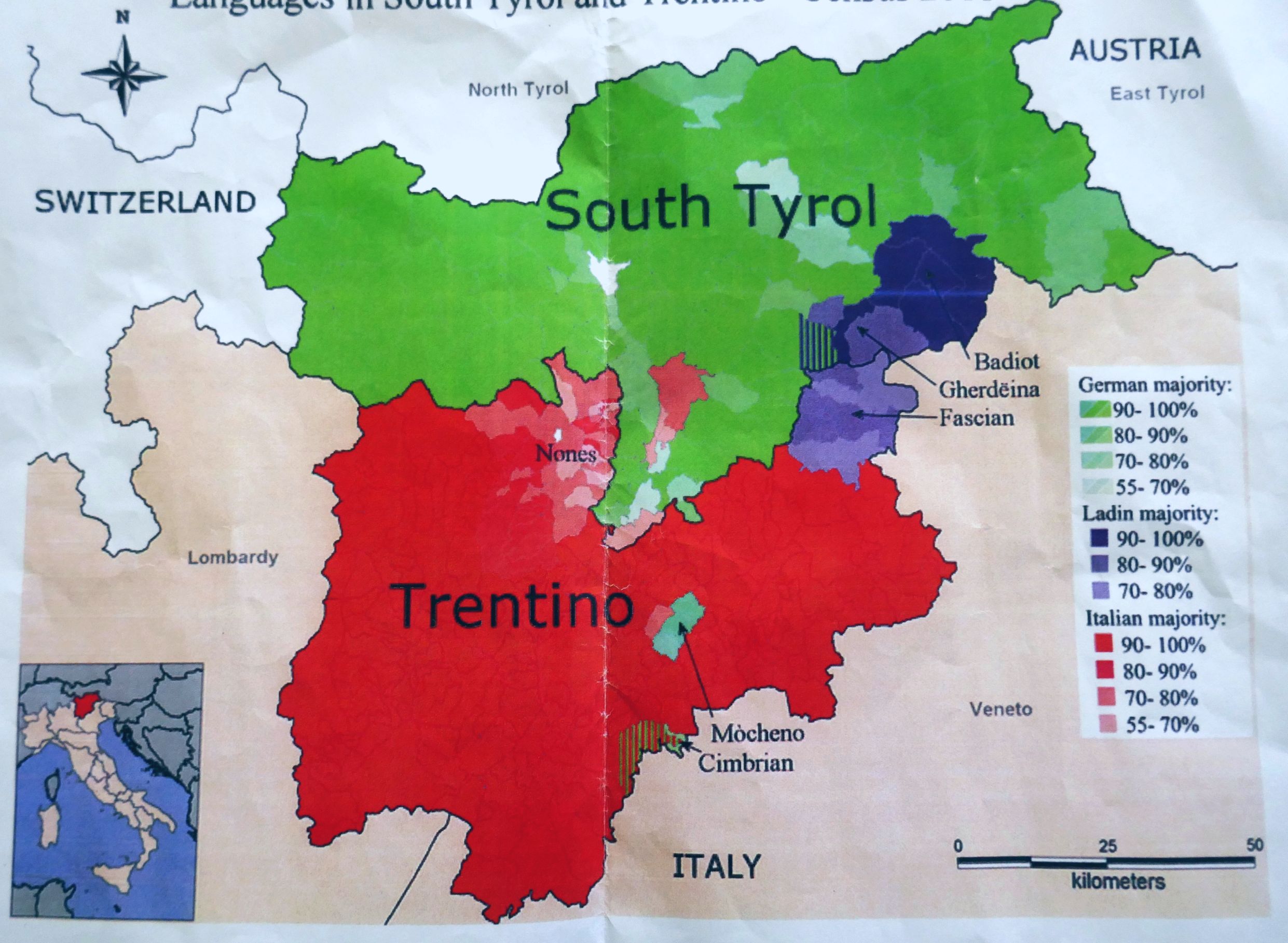
Our group hopped on a local train to Bolzano, the capital of the South Tyrol province of Italy, in the far north of the country. The tourist bureau had issued a free transportation card to each of us, so the round-trip ride was free, as was the bus from the train station to the Museum of Archaeology to visit Otzi the Iceman. Nice!
Otzi wasn’t much of a looker; he wasn’t tall, dark or handsome. No, the bloke was actually a well-preserved 5,300-year-old mummy that was discovered in this region in 1991 by two climbers who saw a hand sticking out of the snow. This is what he would have looked like back in his day:
(For all photos, click on the image for a full screen view.)
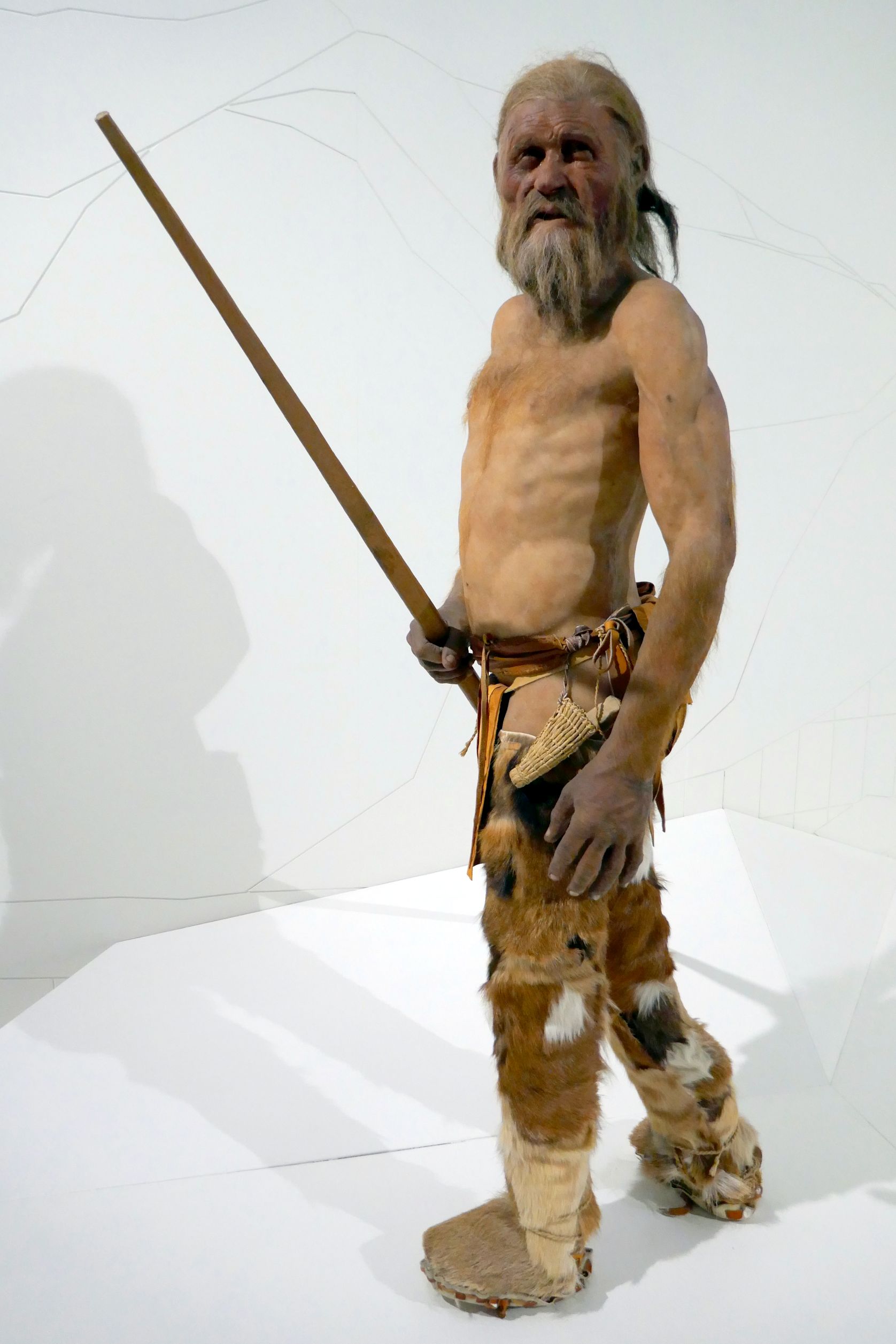
Otzi was analyzed and determined to be the oldest human discovered in Europe. For many years, researchers were unable to determine Otzi’s cause of death, but when he was discovered, damaged equipment near him indicated mortal combat had taken place. Ooooh, the plot thickens…
The mystery was solved in 2001 when a more detailed x-ray examination revealed an arrowhead in Otzi’s left shoulder. He was murdered! Poor Otzi; may he rest in peace.
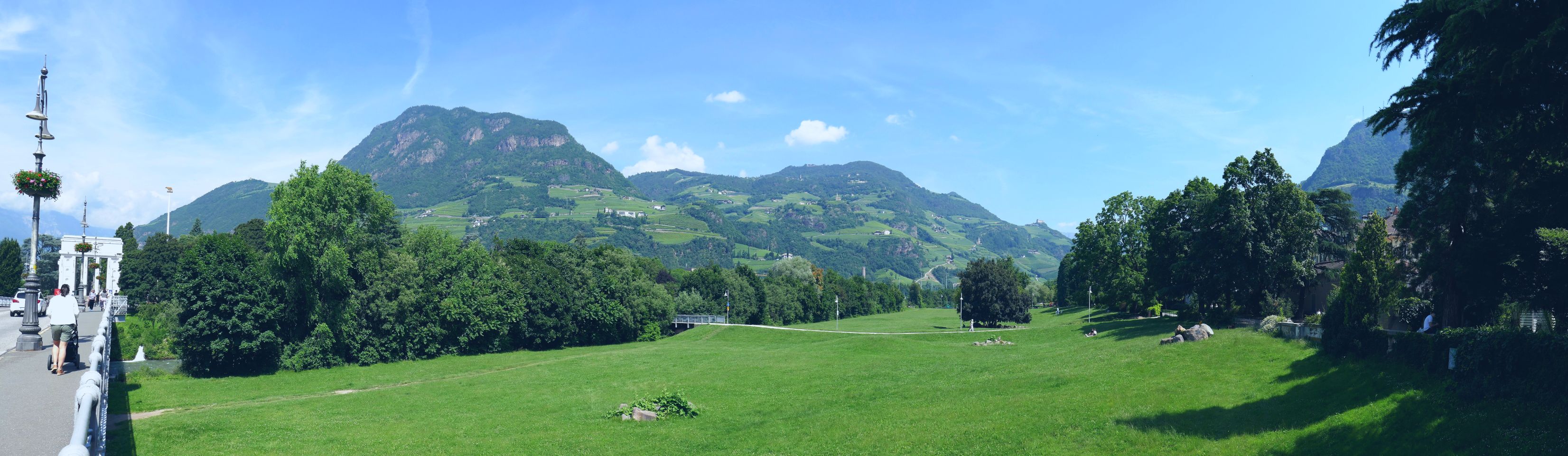
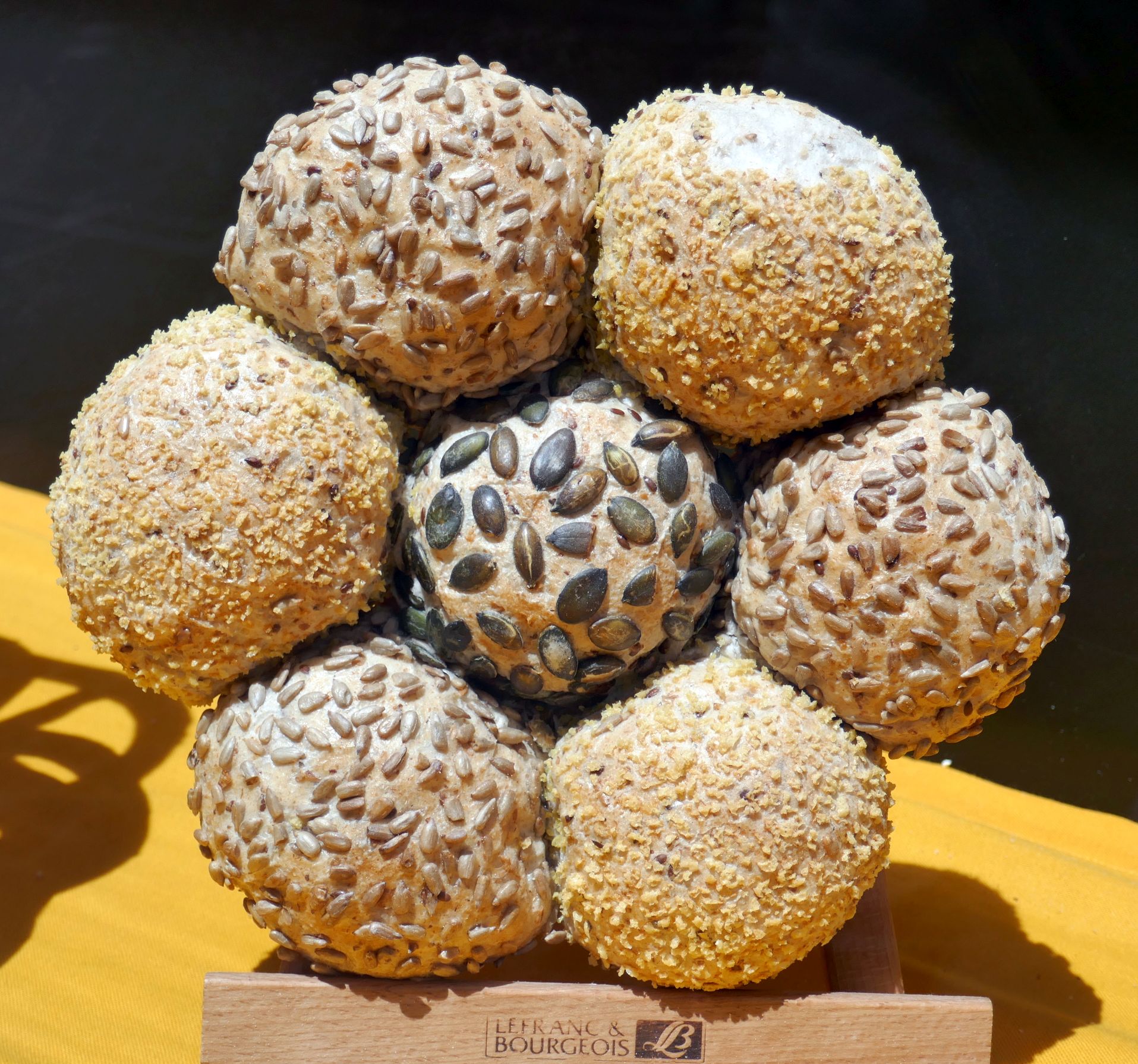
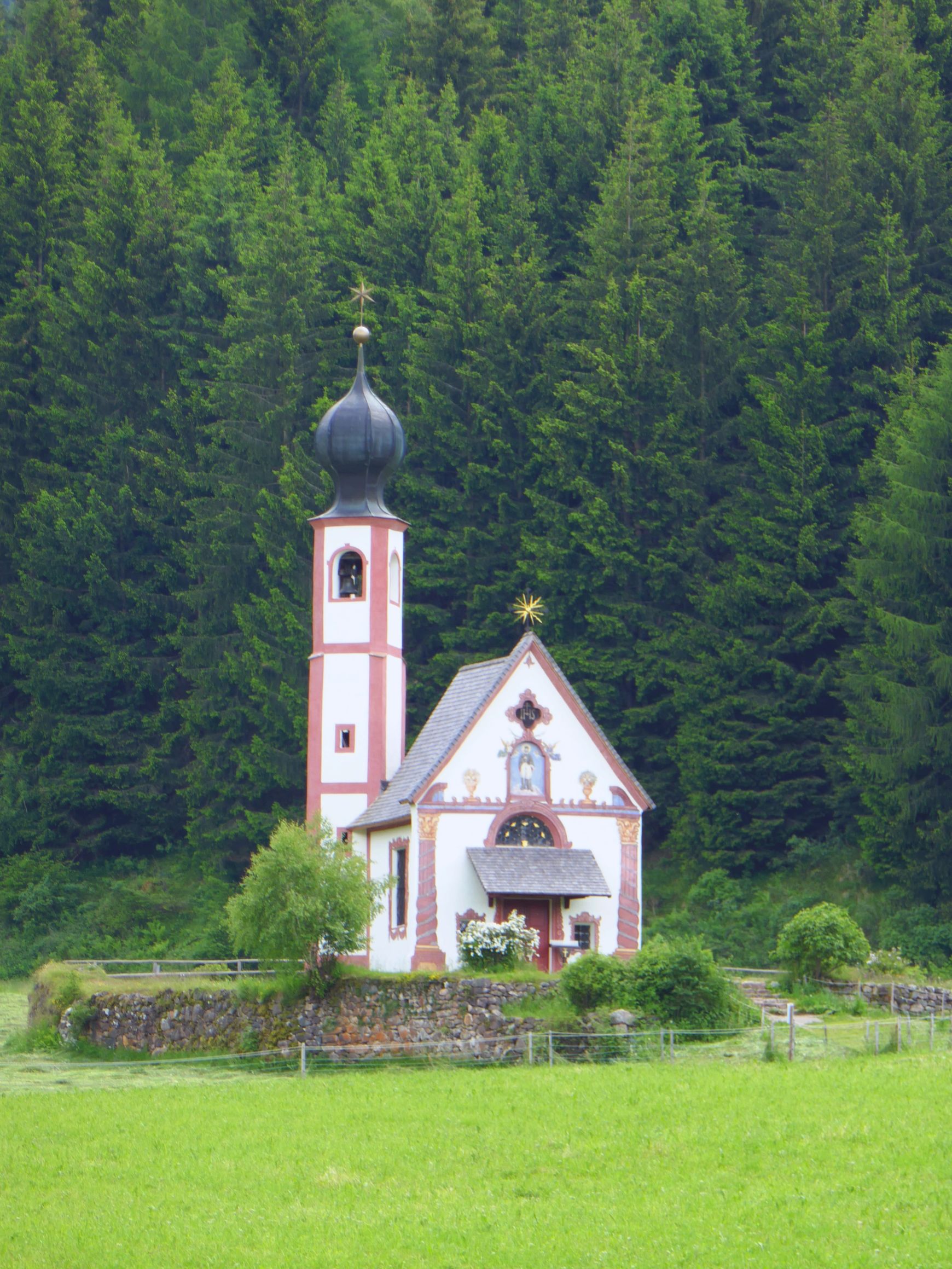
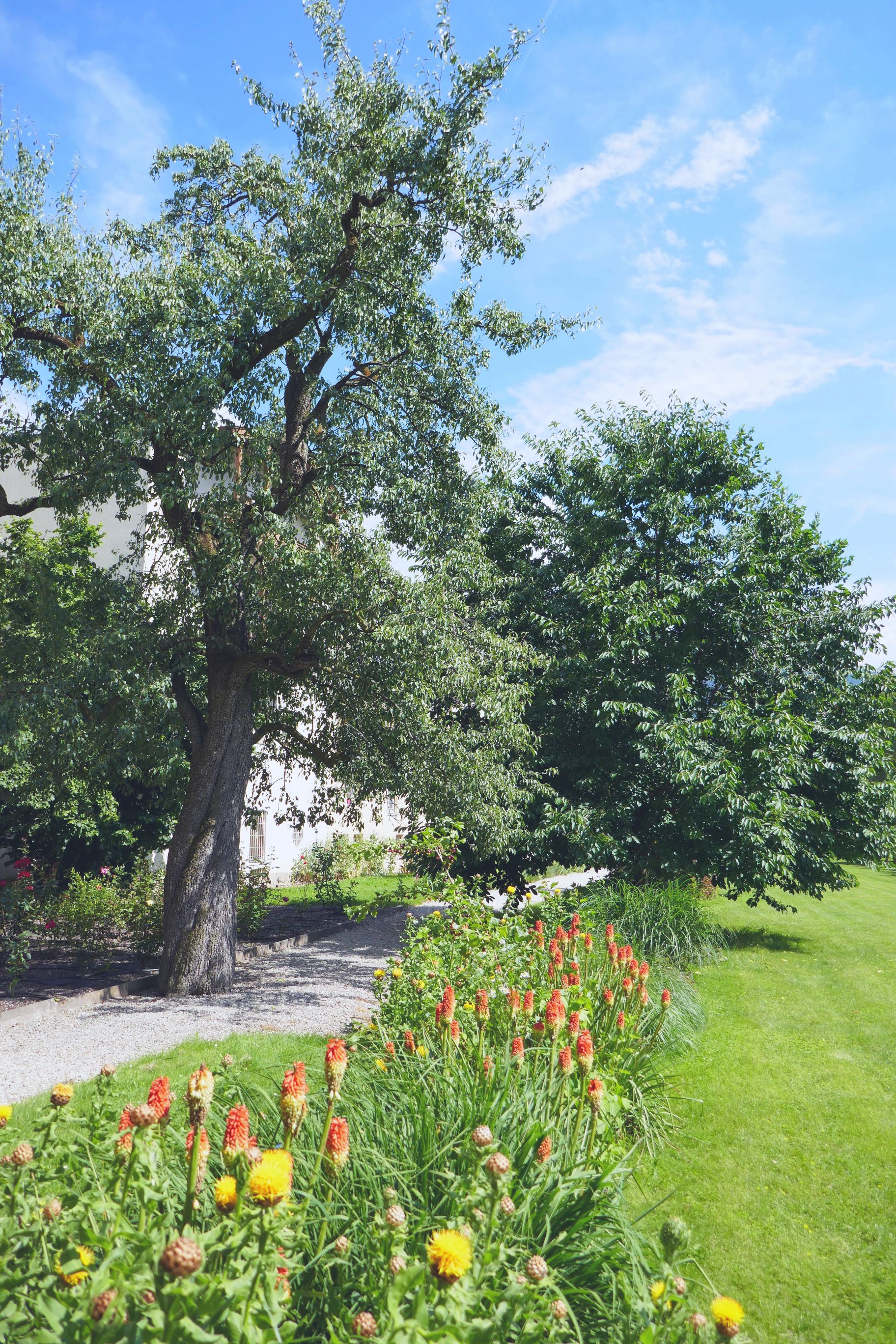
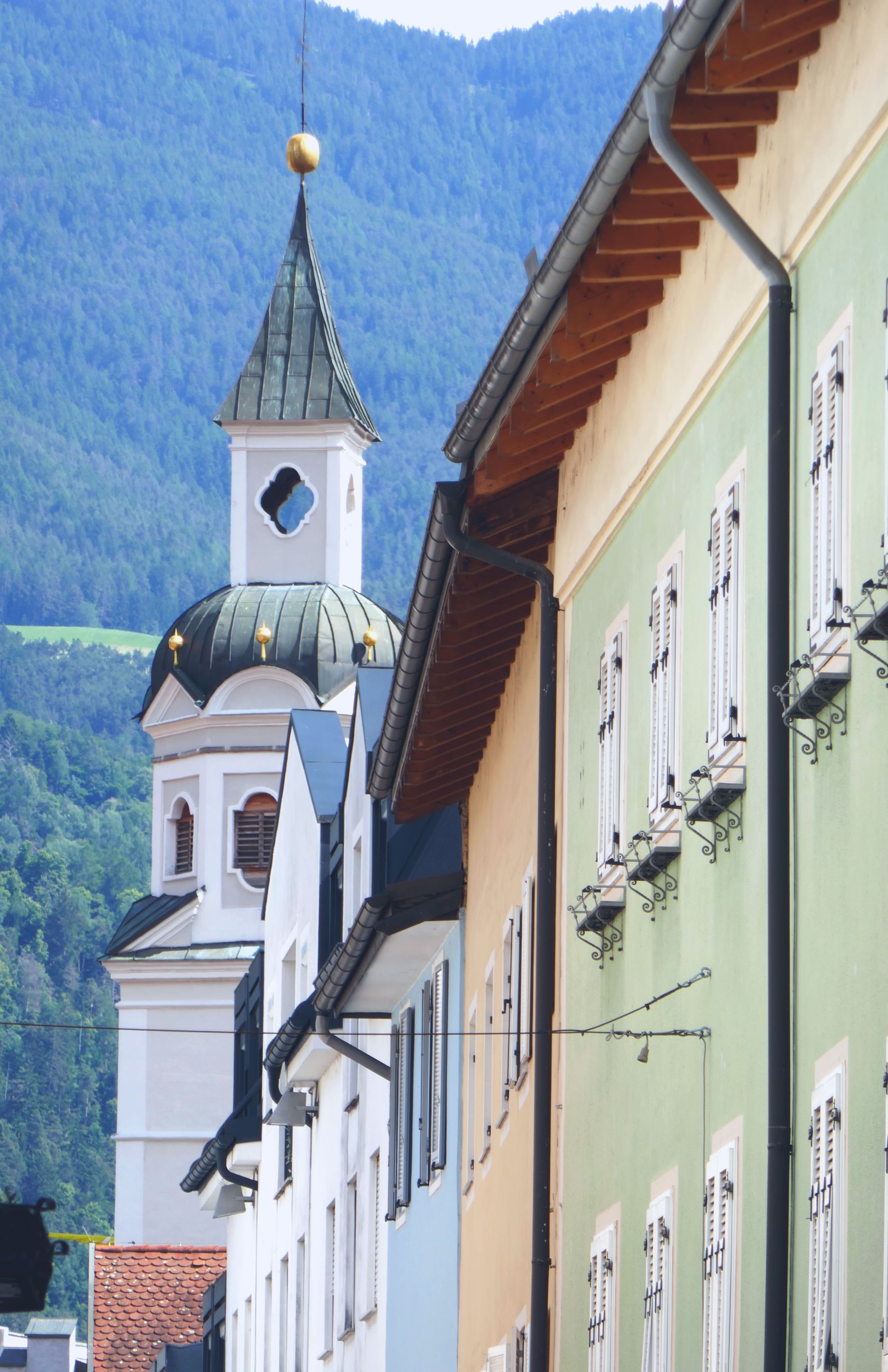
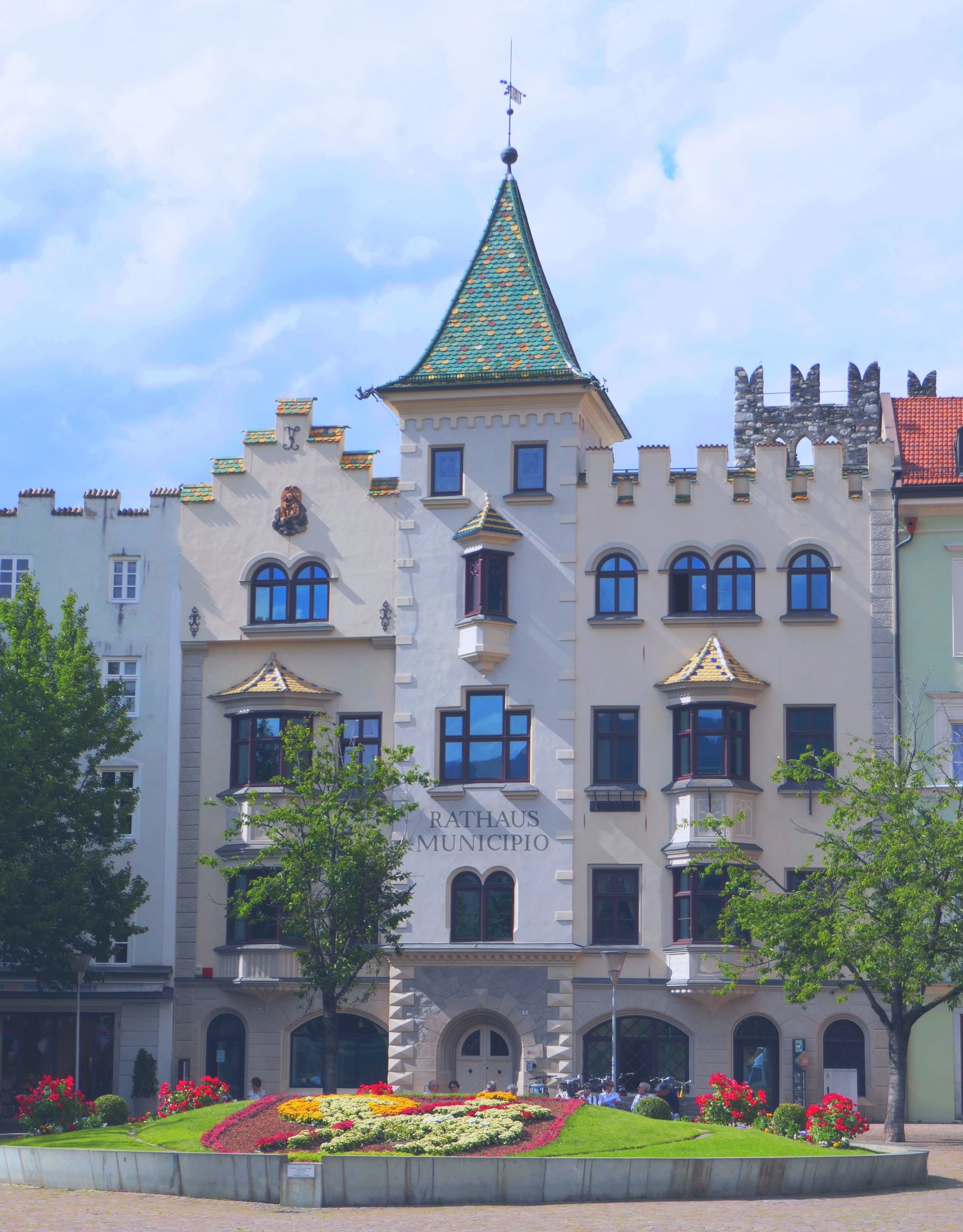
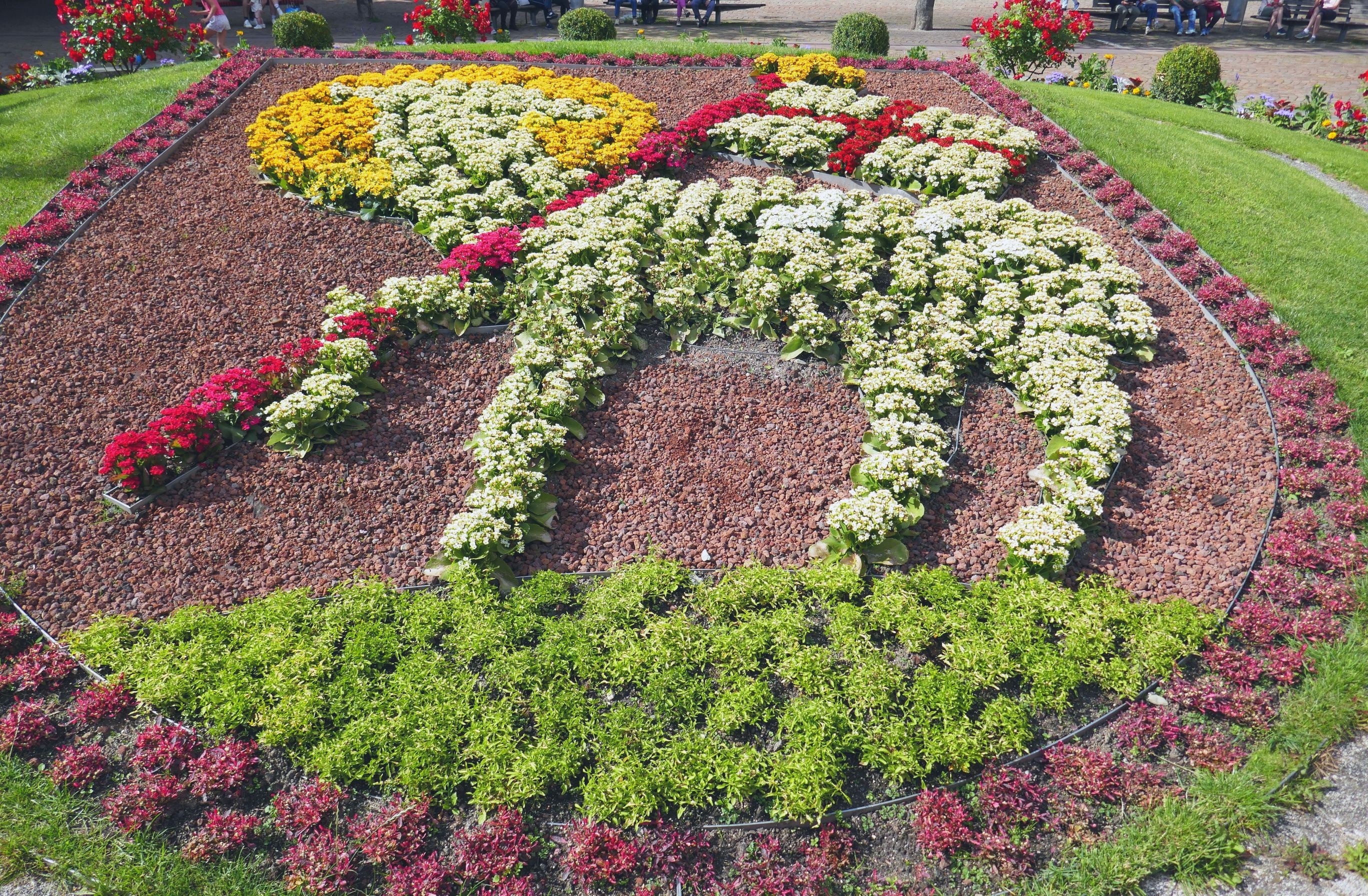
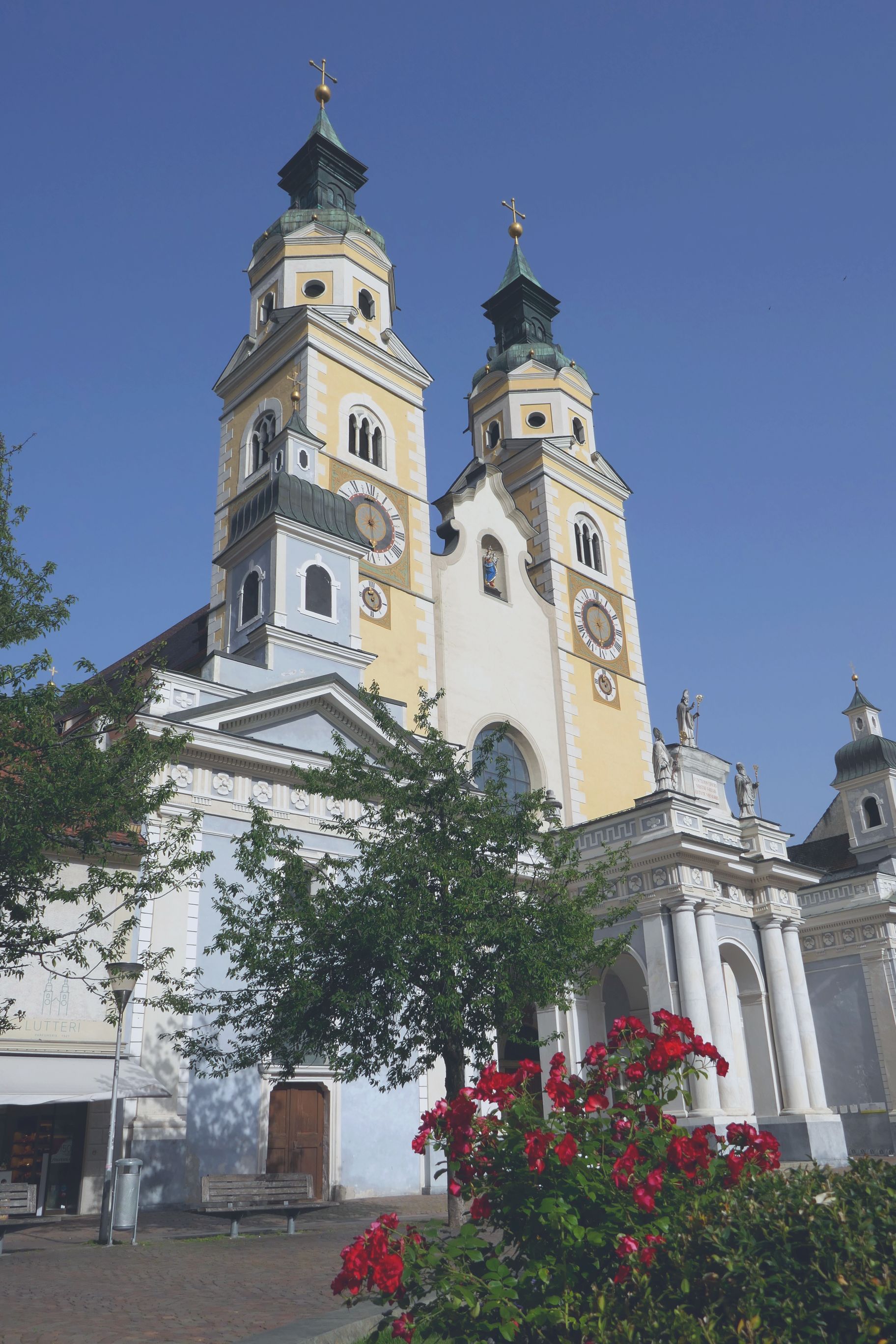
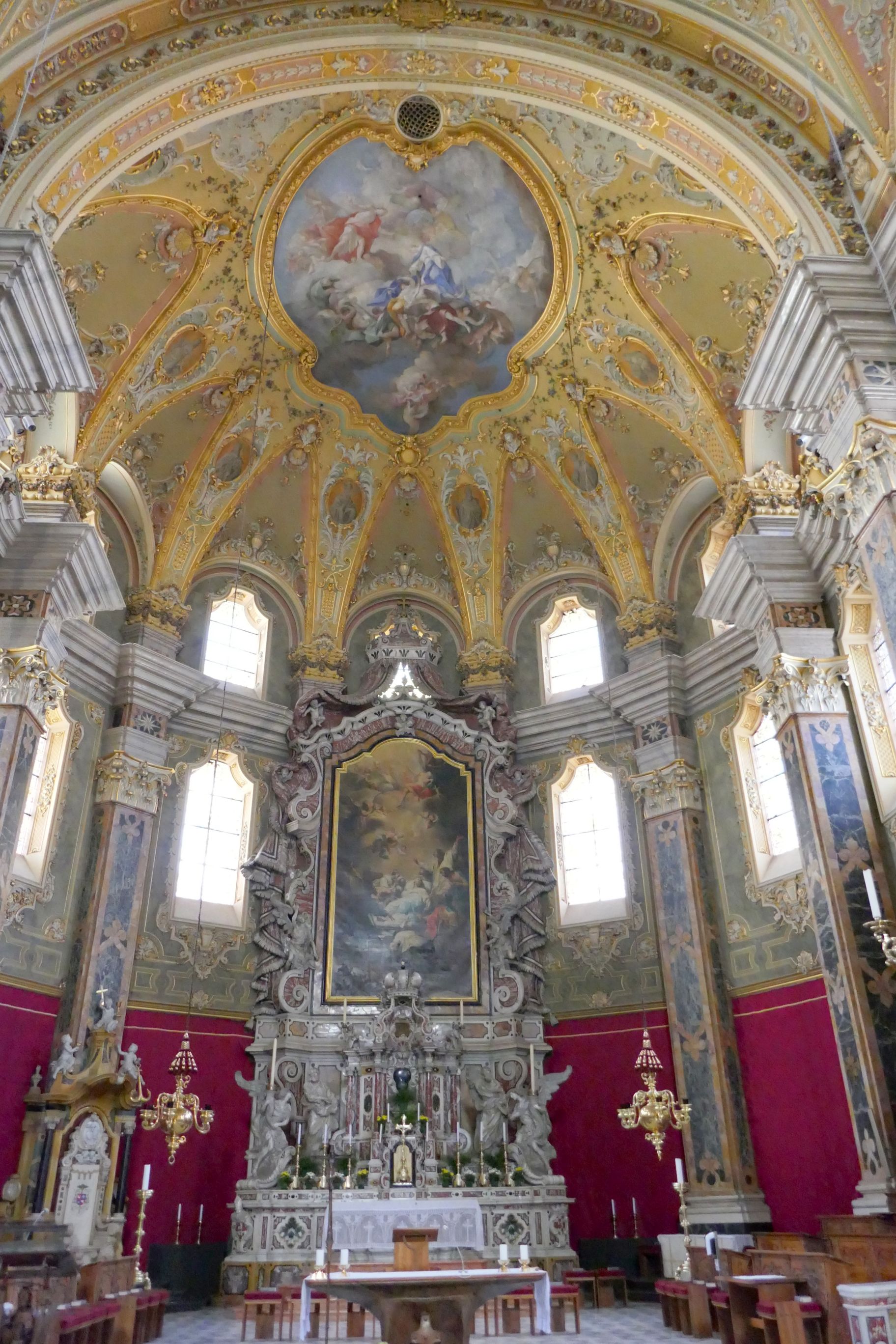
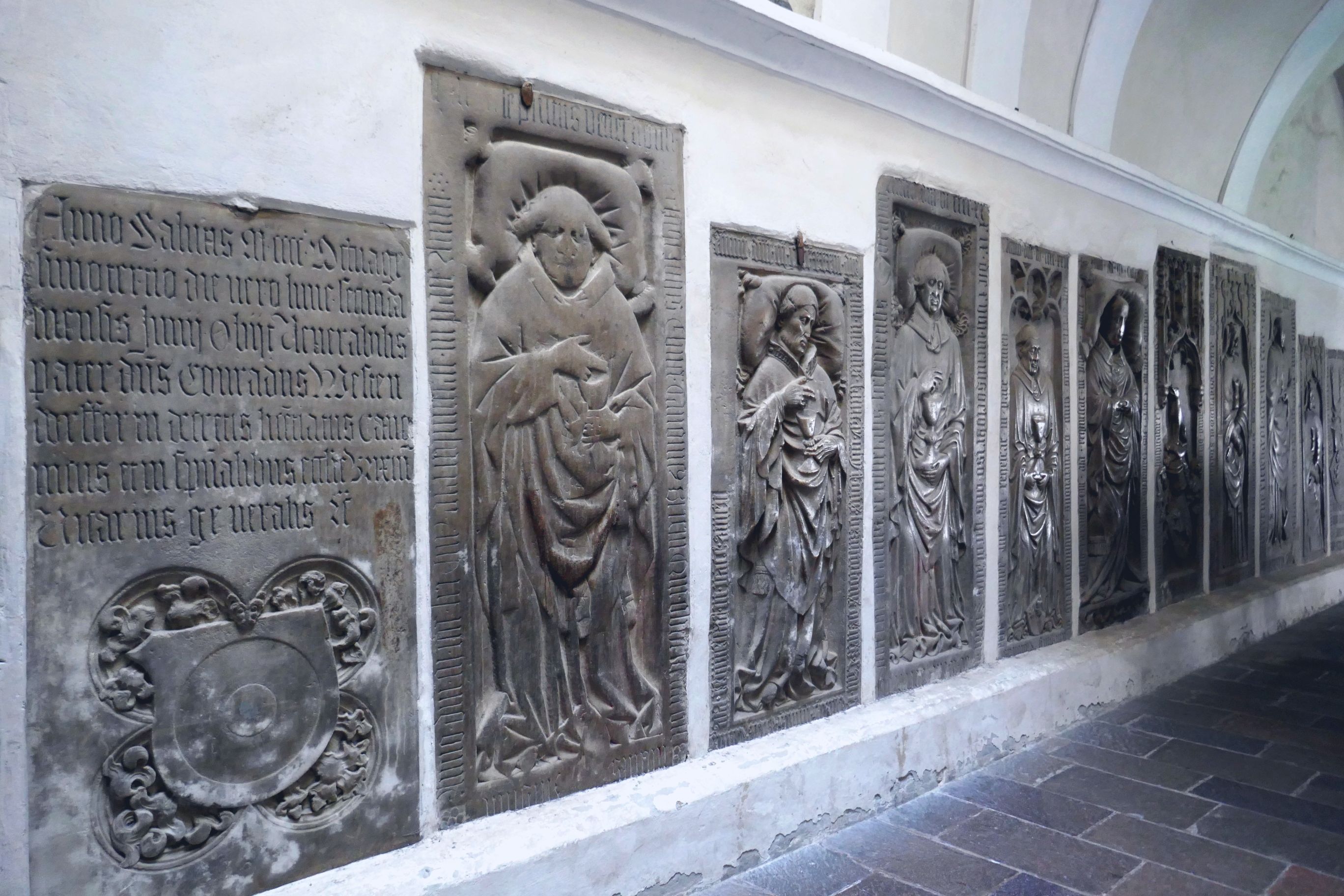
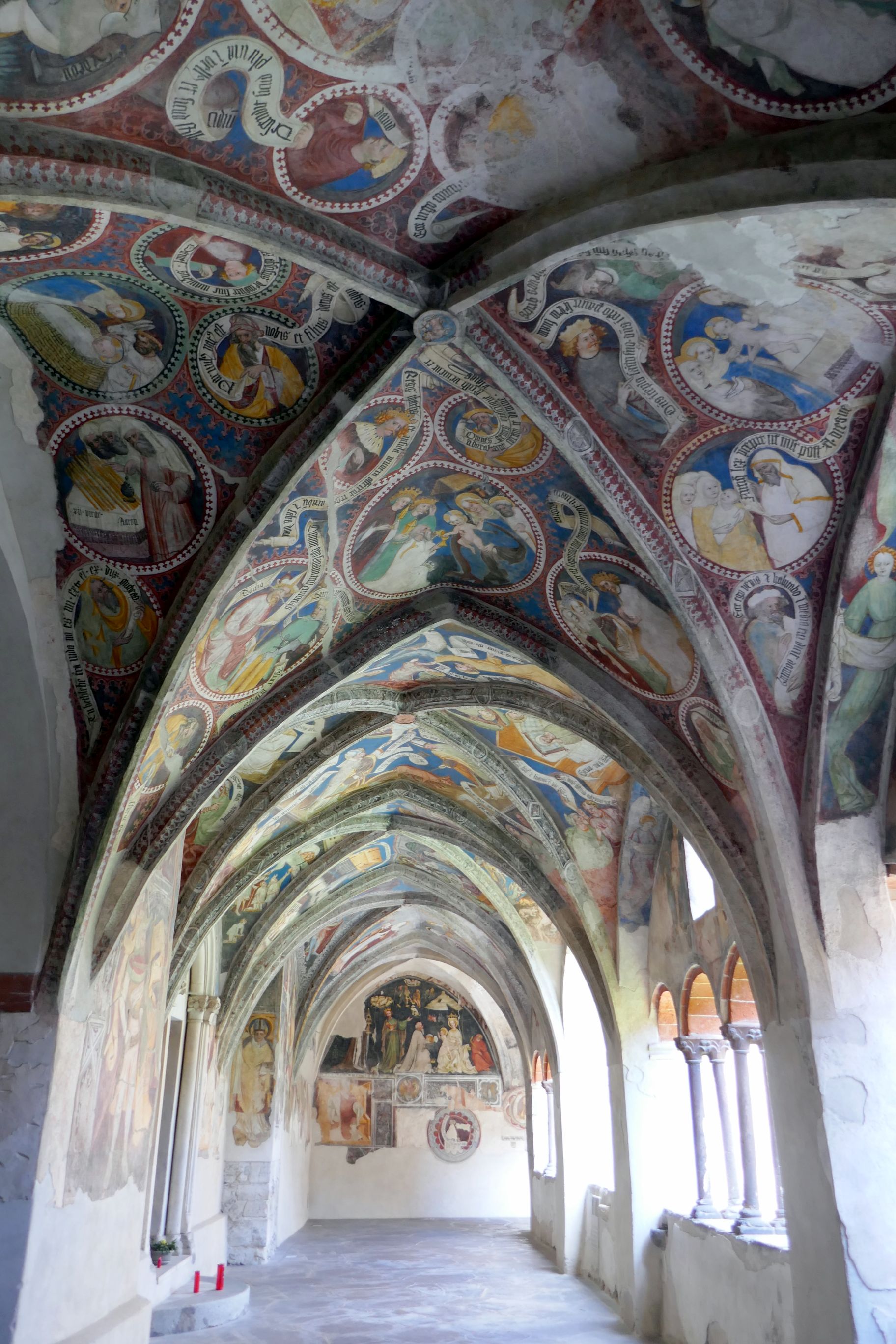
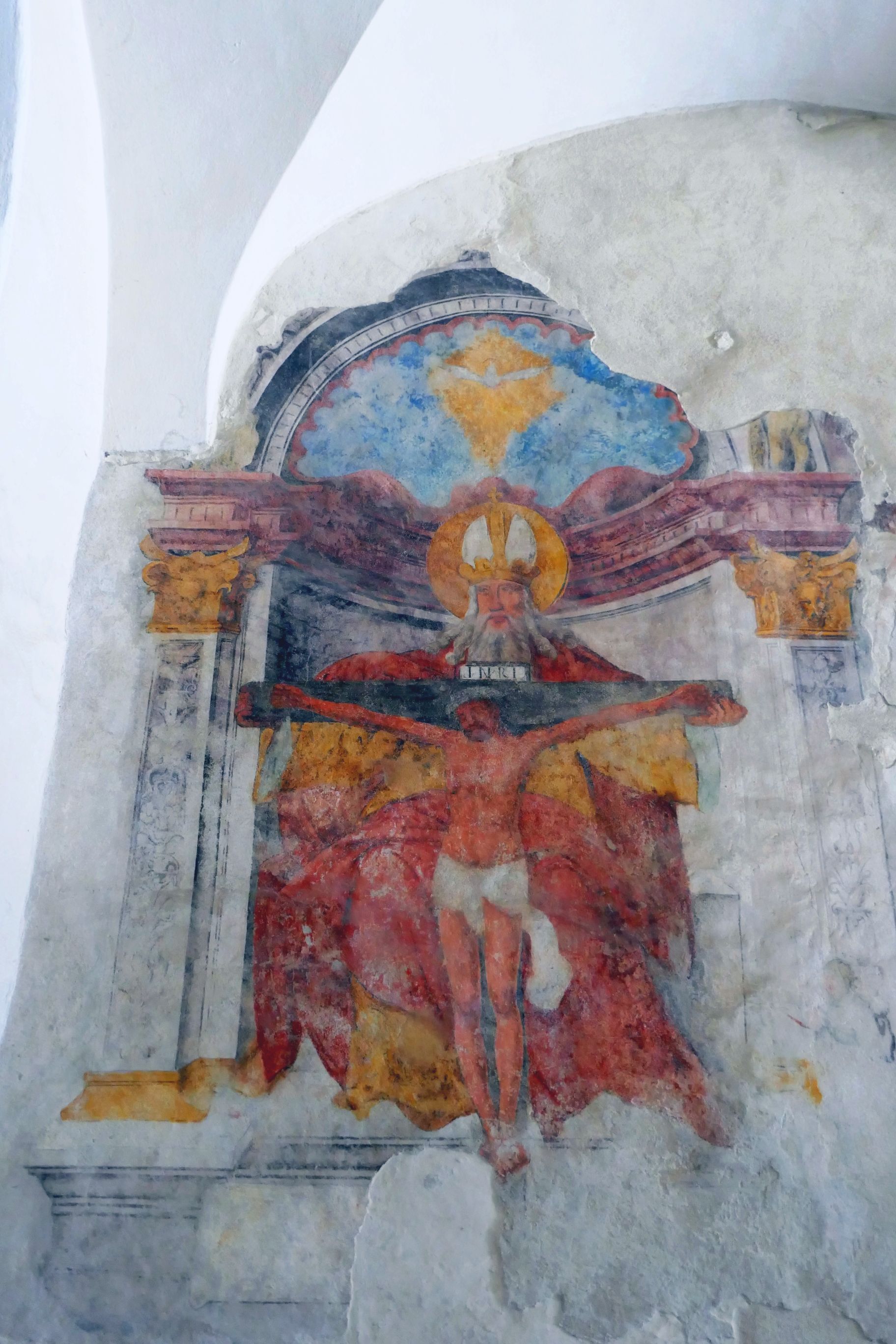
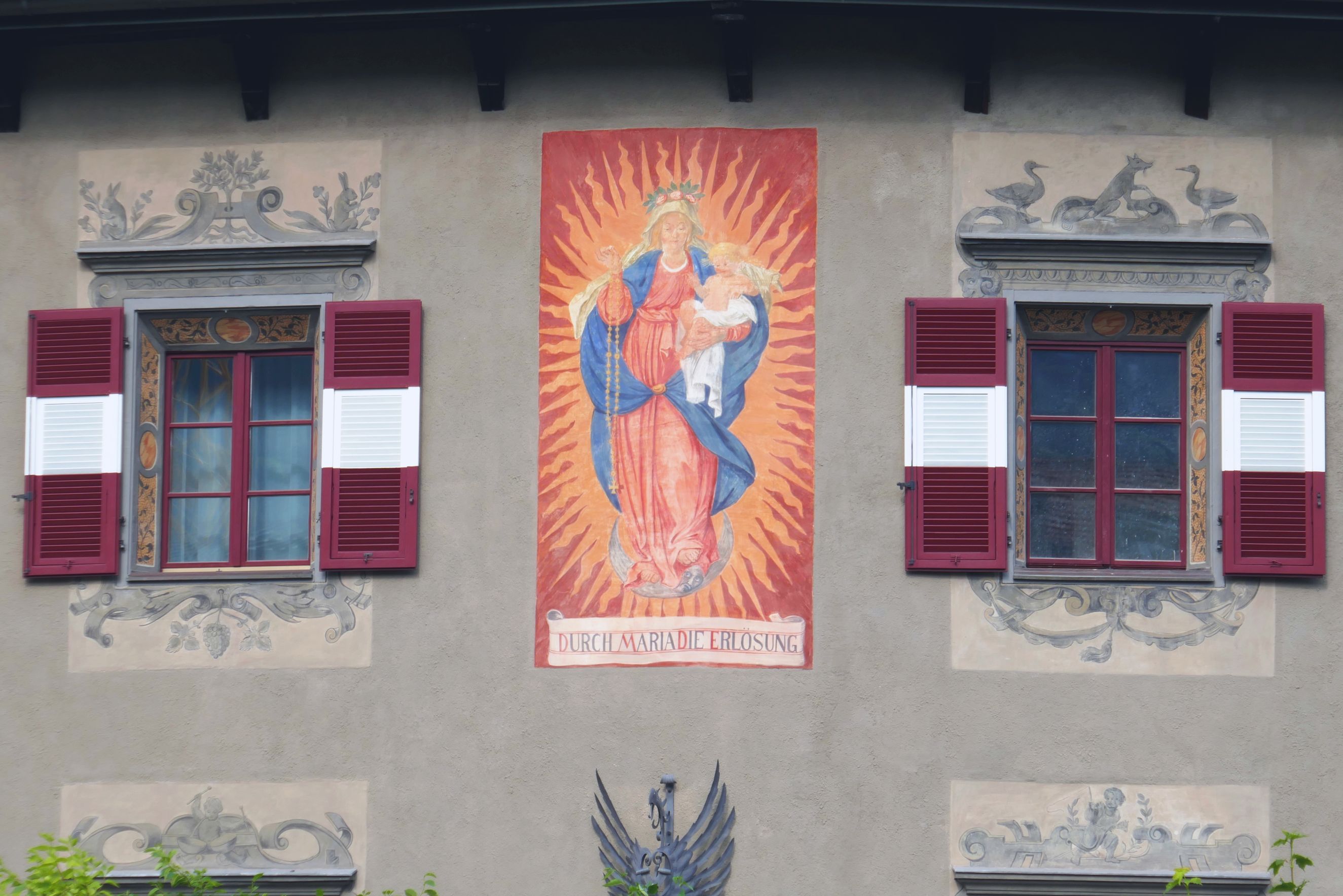
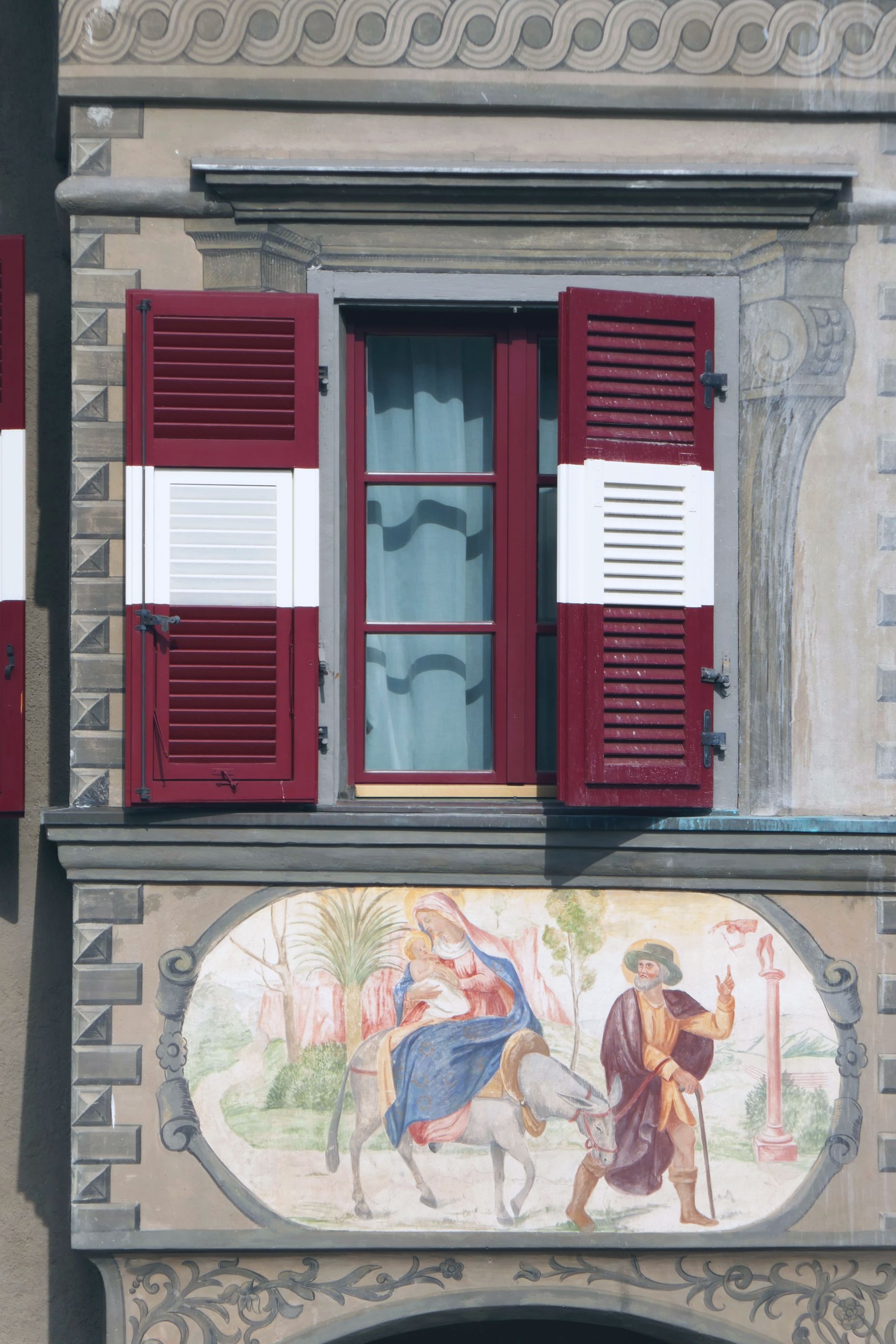
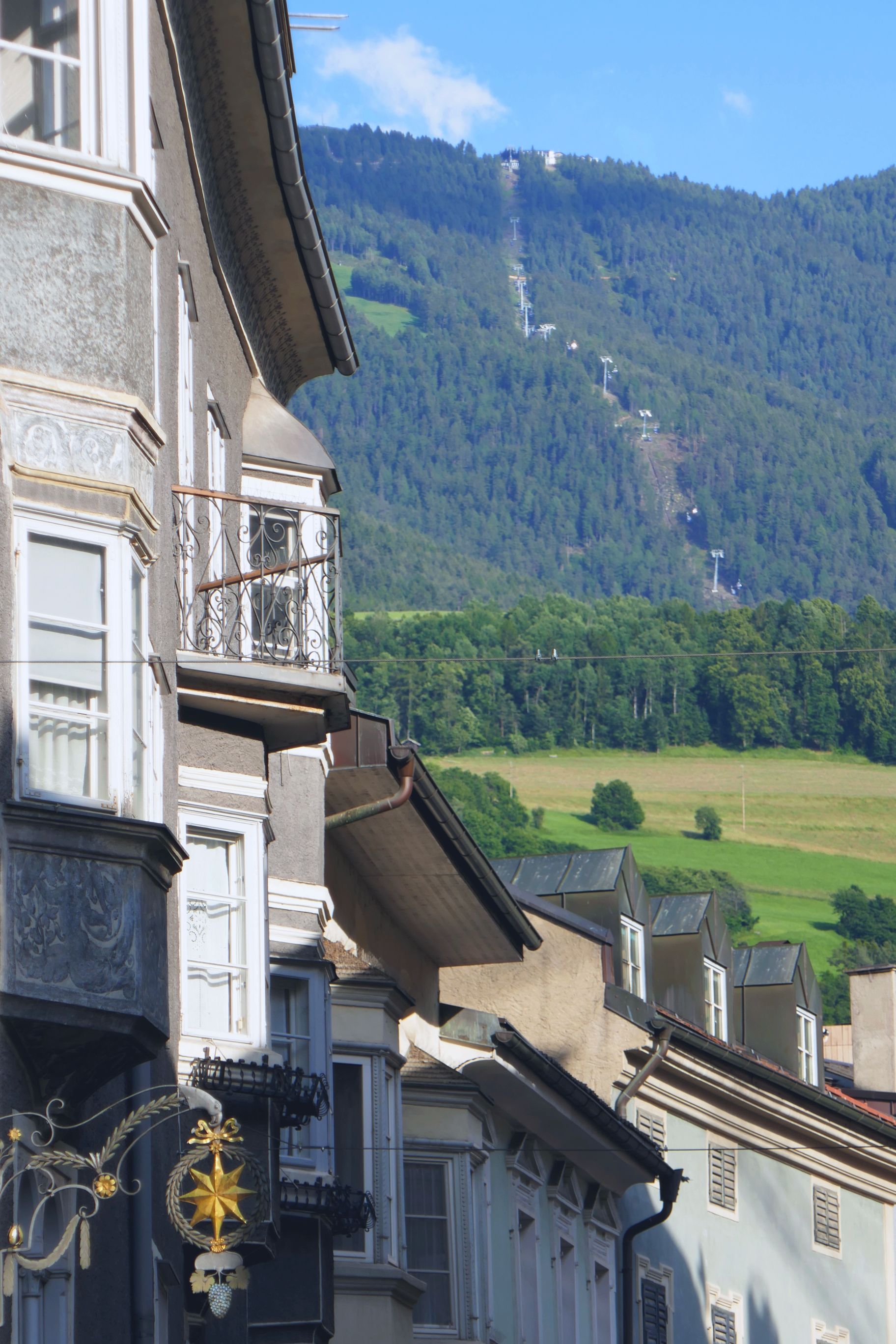
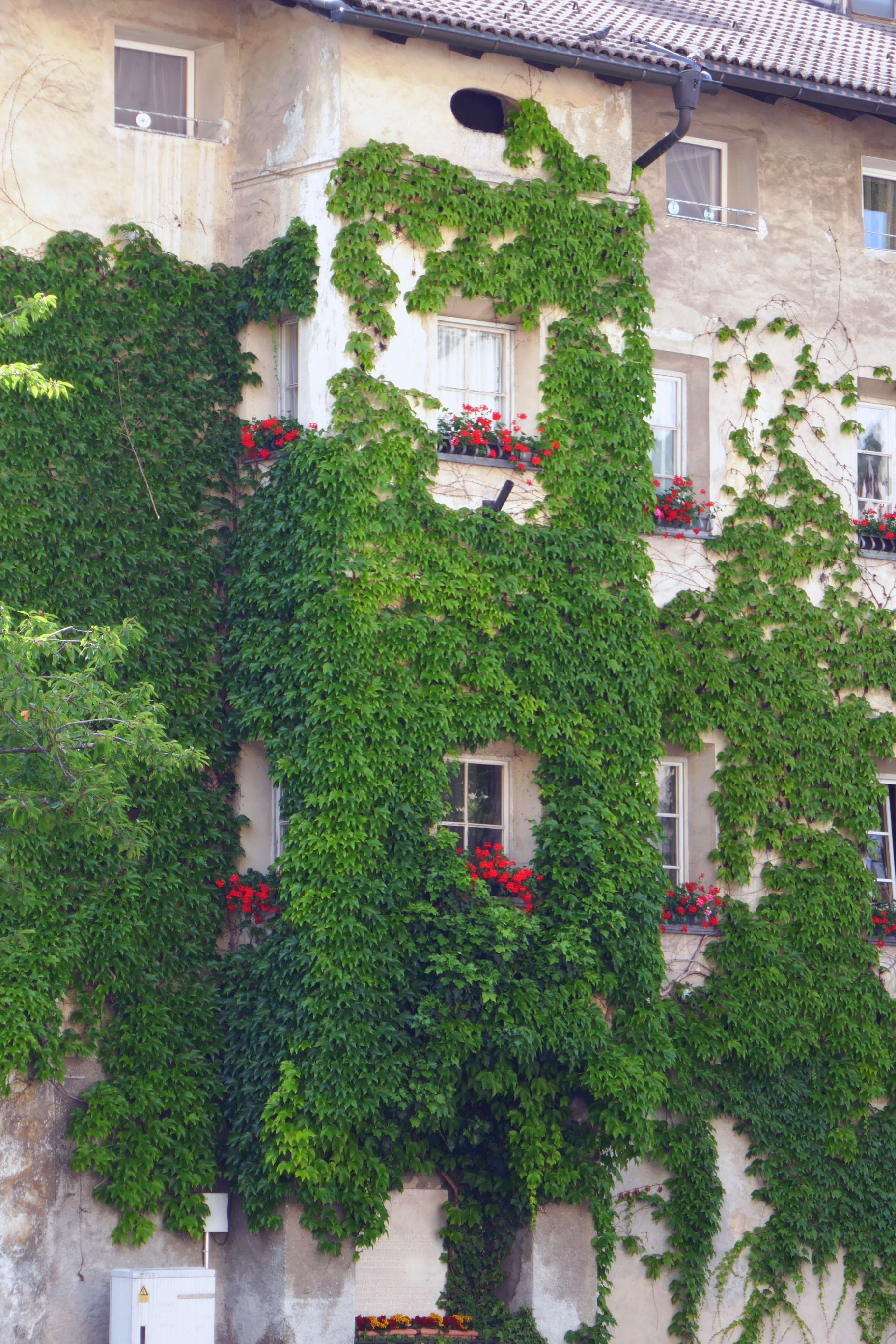
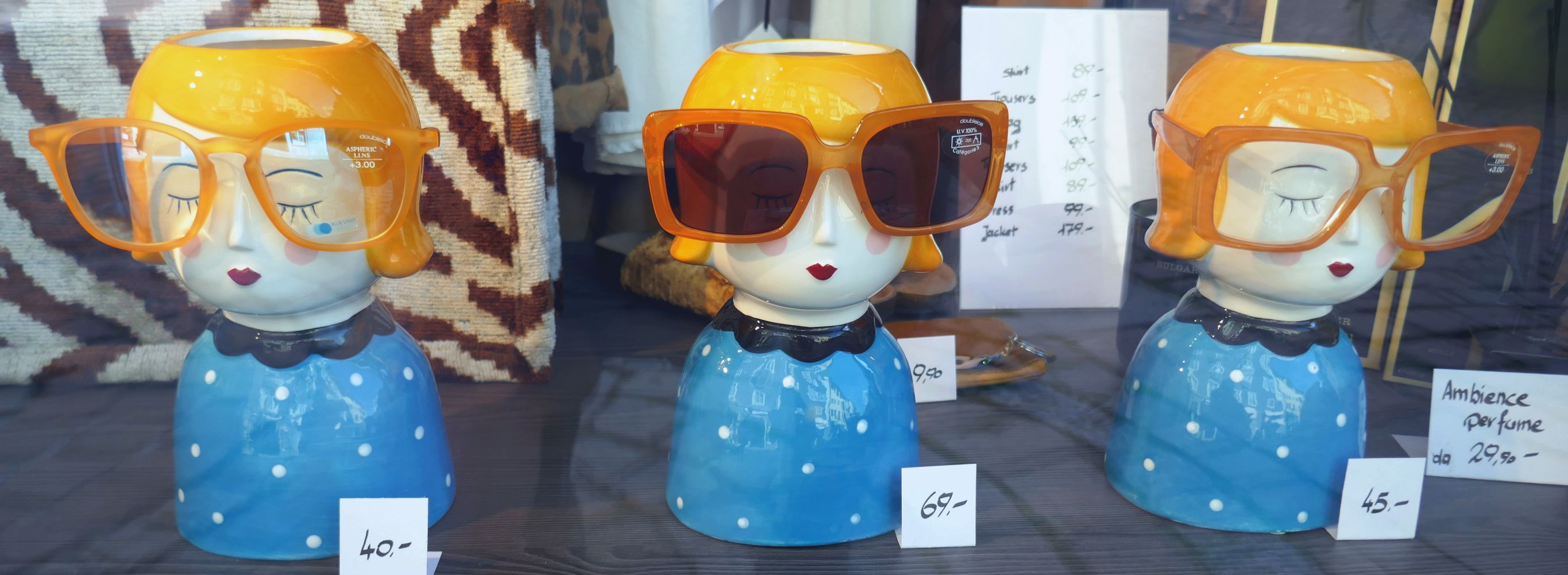
Some Scenes around Bolzano:




While visiting Bolzano, in addition to a walking tour, we met with two locals—one German, and one Italian, to learn about the history and culture identity of this area. South Tyrol had been an Austrian territory for centuries, but as I had explained in my last post, Mussolini had done his best to destroy what used to be a rich German history, language, and culture. Germans were treated badly and forced to abandon their homes and possessions if they refused to give up their language and culture. They were also thrown in prison. In 1939, Germans in the region were given a choice: Go to Germany and live under Hitler or stay and give up their German culture. What a horrid choice! Towns and families became split. For the 70,000 people who went to Germany, they got good jobs, but for those who had owned land in South Tyrol, they were unable to sell it so they could leave. Between 1939-1944, Germans who stayed ended up fighting against Hitler and, in many cases, their own families and friends who had left. Hitler invaded Bolzano and Jews were immediately sent to concentration camps.
Following World War II, Germans had difficulty returning, because there was a lack of jobs or support from the government. As a result, they formed the Unity Party to fight for their rights. They were very poor and didn’t get along with the Italians, but they ultimately won their fight for equal rights and got their German names back.
In 1972, statutes were passed to become an autonomous region. 90% of tax money collected is kept in the region, and Tyrol is now the second richest region in the country.
Today, there are three official languages protected by law in the region—German, spoken by 70% of the people, Italian, and Ladin, the oldest language of the three that is spoken by only 5% of the region’s population.
Thanks to some German and Italian ice skaters from the area that were top in the world at the time, they helped to bridge the cultures and bolstered national pride. As a result, the Germans and Italians get along much better now.
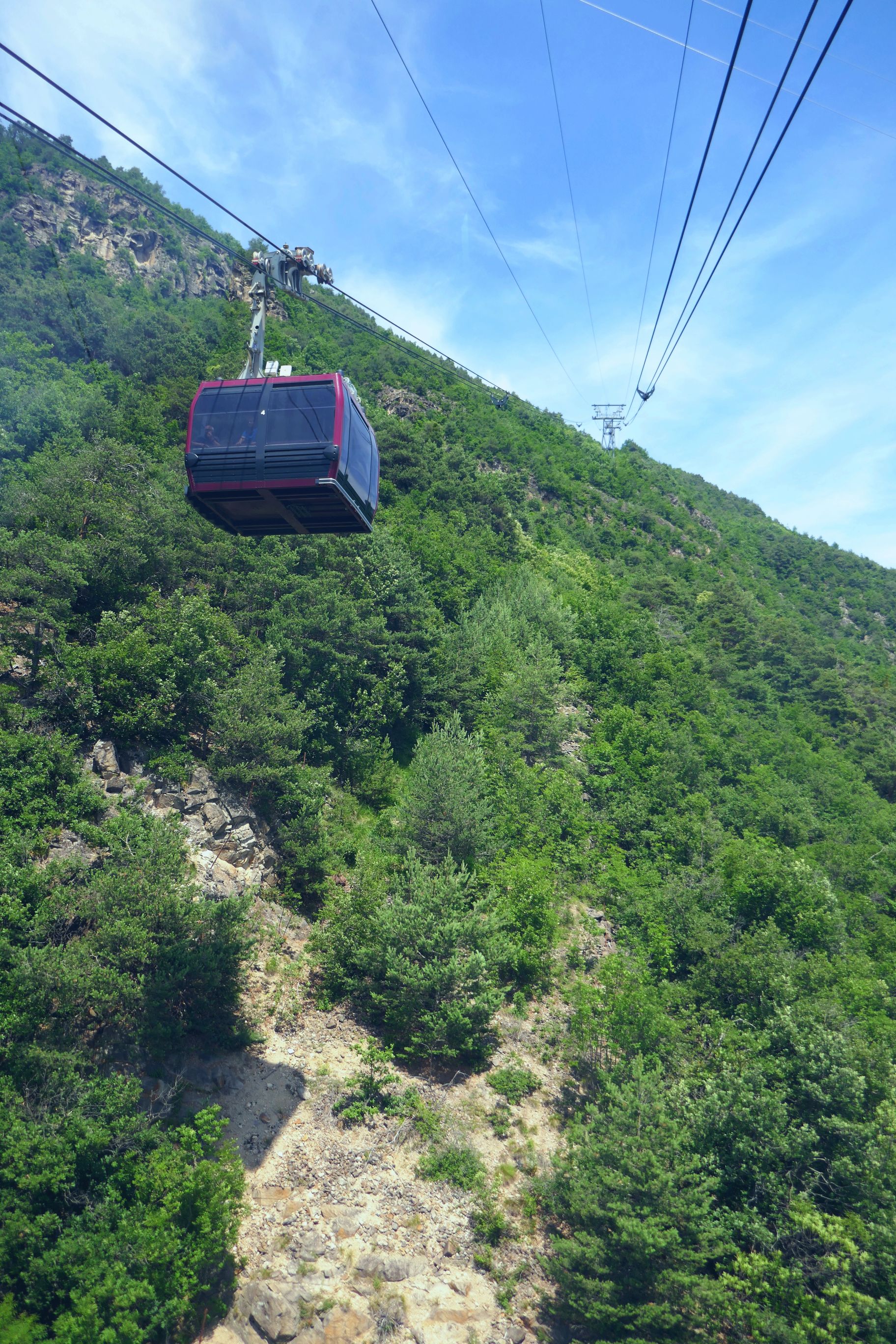
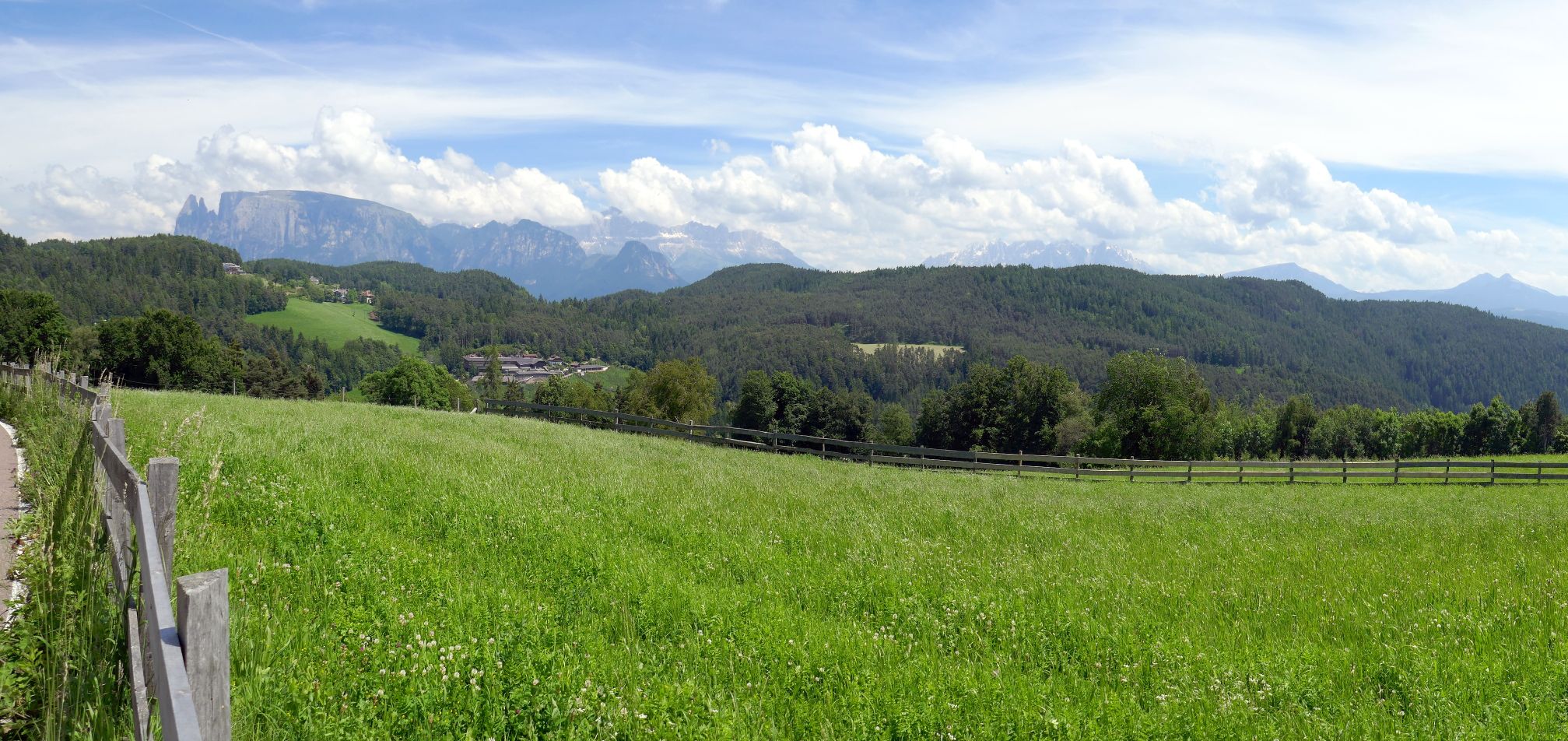
Following what turned out to be a riveting discussion and question/ answer session that went much more in depth about the cultural differences between the Germans and Italians in the region, we headed back to the train station. Most of the group returned to Trento to take an optional tour. Bruce and I opted to take the Renon Cable Car (also free with our card) to Oberbozen/ Soprabolzano and thoroughly enjoyed the views!






Coming up next: SWITZERLAND & NORTHERN ITALY #20: LUSH LADIN VALLEYS & DAZZLING DOLOMITES






















 Elaine-iaK's Travels: A Traveler's Tales of People, Places, Photos, Pools... and CHOCOLATE!