I’m baaack! Sorry for the long delay in between posts, but I was in Des Moines, Iowa, competing in swimming at the National Senior Games (Olympics). Happily, not only did I have a great time, but I won a bronze medal in the 200 Yard Backstroke and a silver in my 200 Mixed Medley Relay!
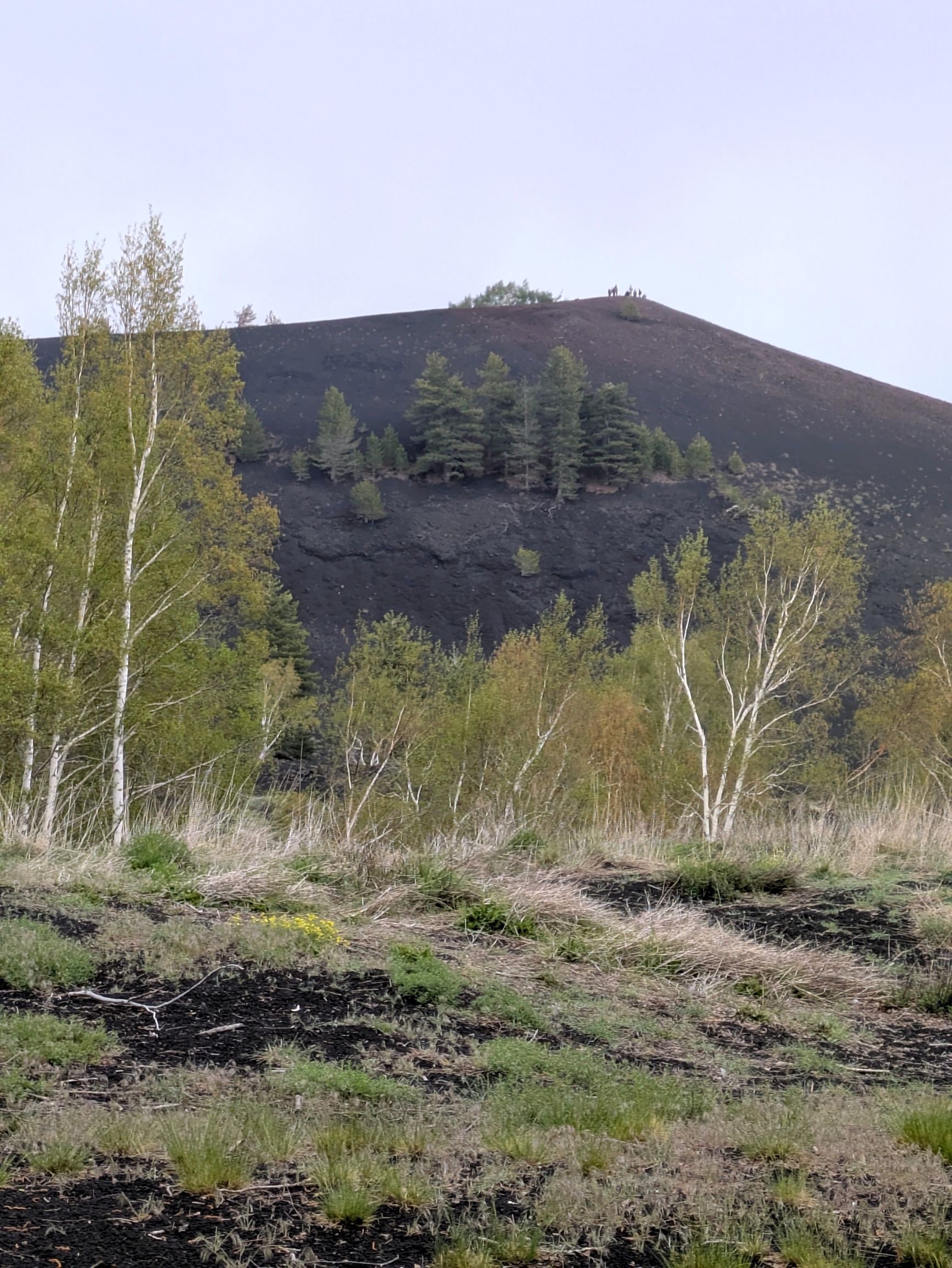
Back to Sicily, our last day on the island before heading over to the Amalfi Coast was spent hiking Mount Etna. As you may have heard, the volcanic Etna erupted again, but we were fortunate to have visited a couple of weeks before that happened.
A UNESCO World Heritage Site, Etna is the highest Italian mountain south of the Alps at more than 10,000 feet in elevation and one of the most active volcanoes in the world.
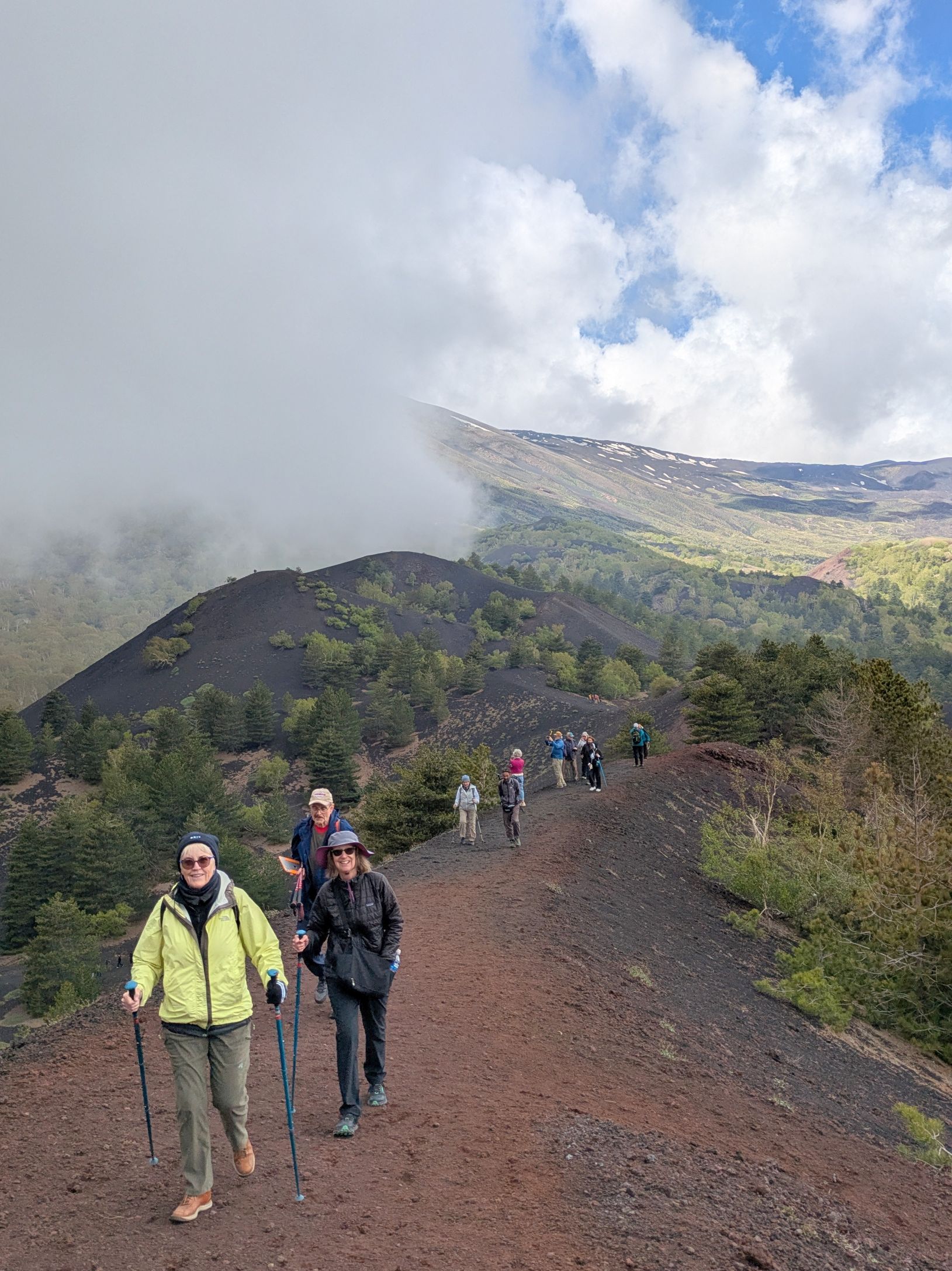
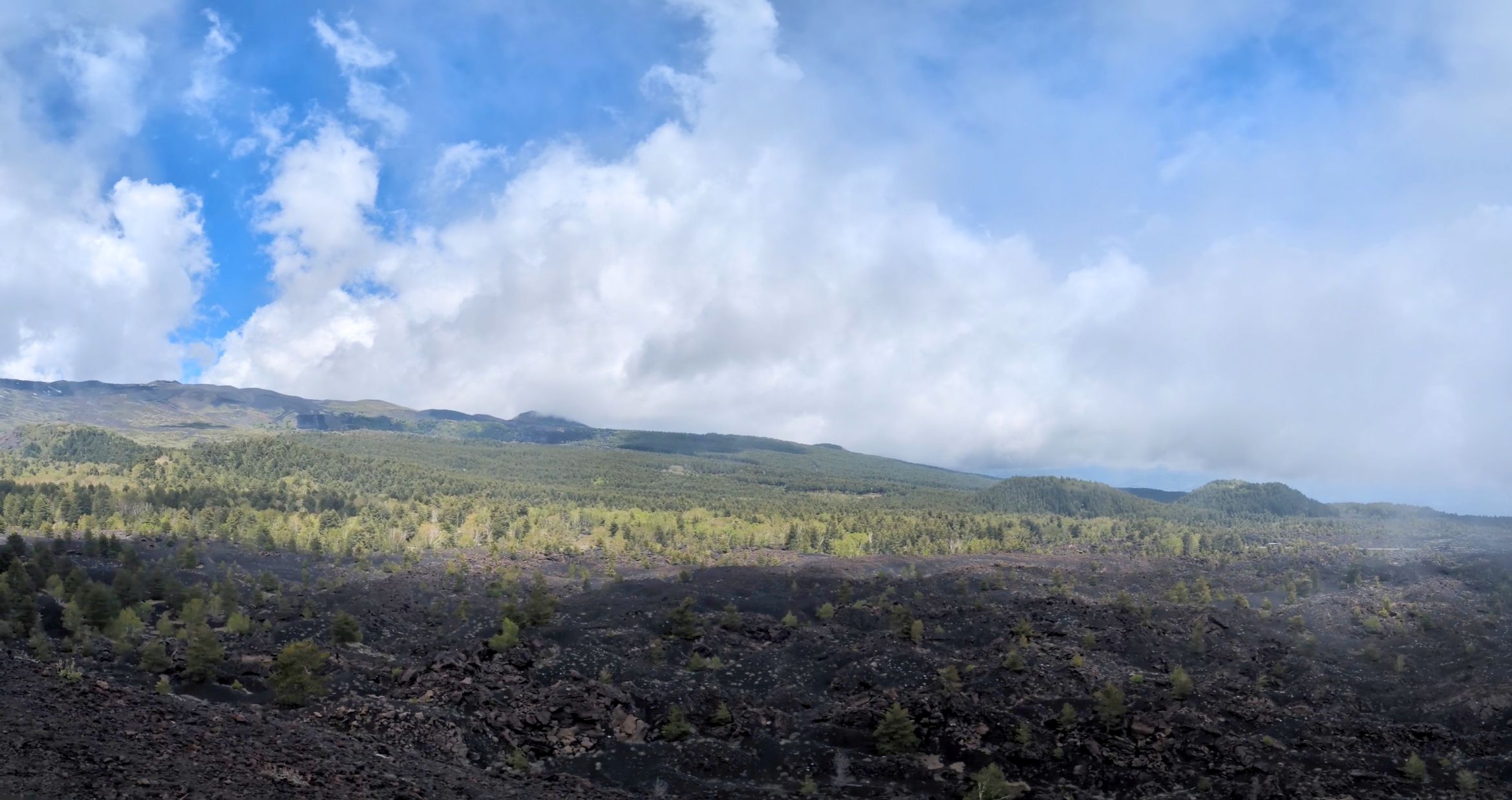
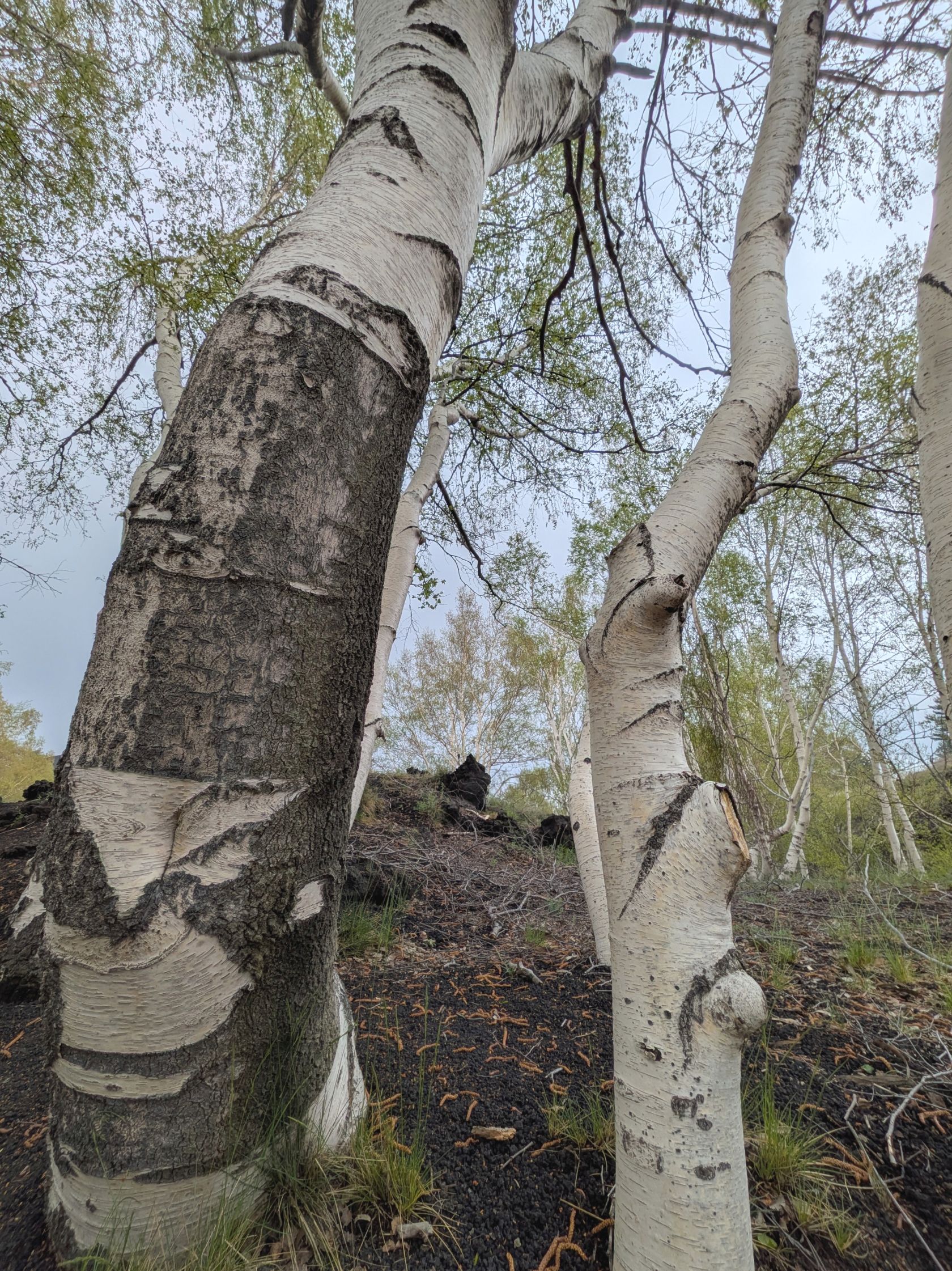
To reach the volcano, we took a 4-wheel-drive vehicle and were joined by a local nature guide, stopping to see a lava flow along the way before hiking to the top of one of Etna’s four summit craters.
(For all photos, click on the image for a full screen view.)

Few volcanoes change as rapidly and dramatically as Etna, and we experienced the changing weather pattern during the steep hike to the top. In the short time we were at the top, the beautiful sunny sky clouded over by a wall of fog that rolled through. Soon, it passed, and it was sunny again!
After every eruption, five million cubic meters of lava ash must be cleared from the villages below and packed in plastic bags for disposal. From February to November of 2021, 53 volcanic eruptions required the removal of lava. There was another eruption outbreak in May 2023, July and August 2024, and for a month in February and March of 2025. During that eruption, the volcanic explosion was 7.5 miles high, and the ash blew to Africa and Greece. The temperature of the lava flow reached 1,000 degrees Celsius! Lava flows only 100 meters per day, though, so there was plenty of warning for the villagers below. Fortunately, none of the 1 million in population surrounding Etna were killed during those eruptions. In 1928, that wasn’t the case, and an eruption destroyed the village below.
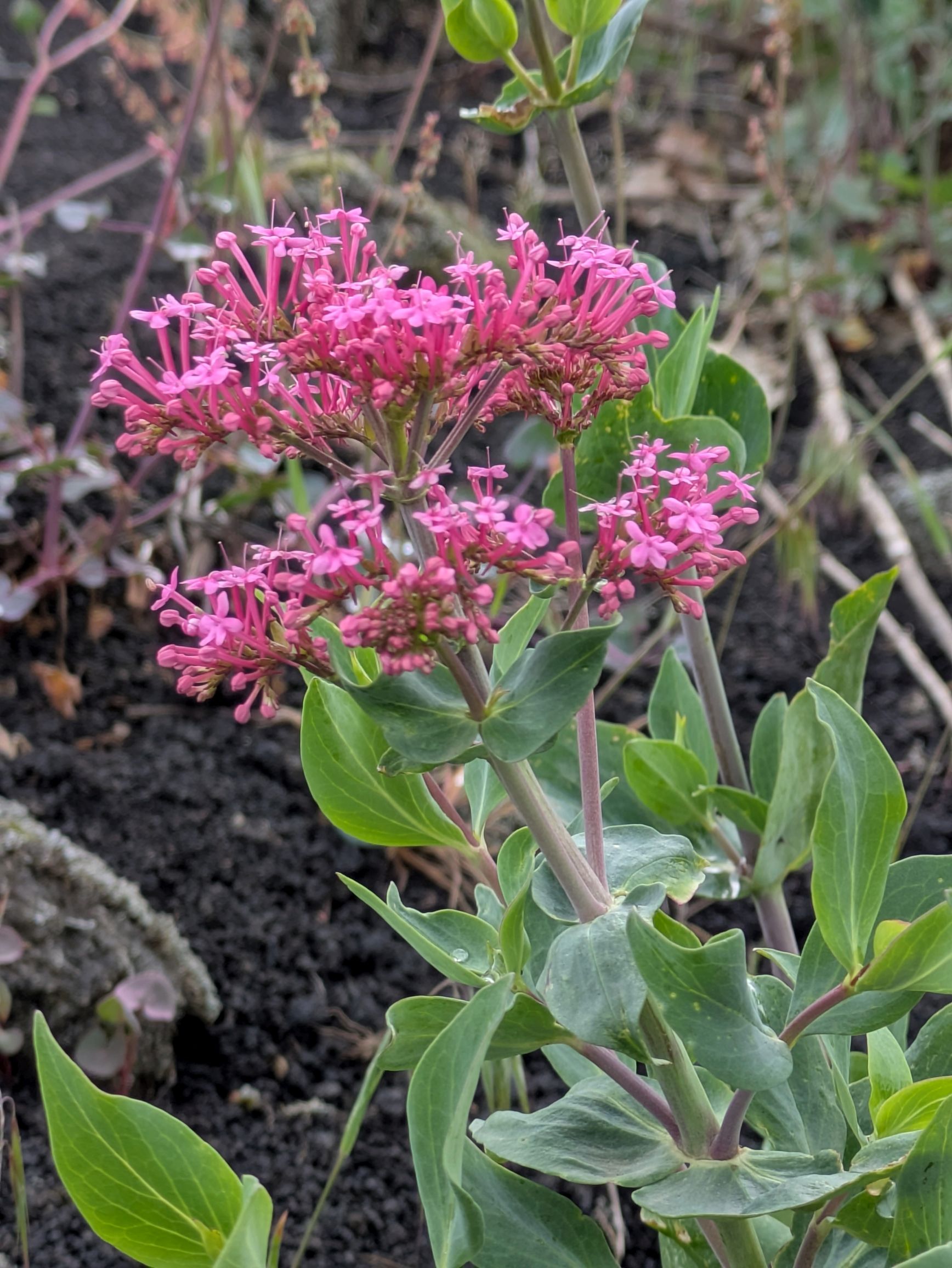
With all those eruptions, it makes you wonder why one million people continue to make Etna their home. It’s because the snow during the winter on Mount Etna provides a good source of water and the soil is very fertile, so it’s a great wine growing area. One thousand different plants—many specific to Etna—grow in the area, and volcanic rock provides an excellent building material. Fifteen million people visit Mount Etna each year, so it also provides a good source of tourism revenue for the locals.
Visiting Mount Etna and hiking to the crater summit was an awesome experience, one I will never forget!




Next up: SICILY & AMALFI COAST #22: SICILY SLIDE SHOW
 Elaine-iaK's Travels: A Traveler's Tales of People, Places, Photos, Pools... and CHOCOLATE!