What I enjoyed so much about this tour of Peru was the wonderful mix of exploring amazing historical sites such as Machu Picchu, learning about the Incas, seeing how the locals work and live, and interacting with them. The “Day in the Life” experience on each Overseas Adventures tour is all about those last two in the mix, so this was my kind of day!
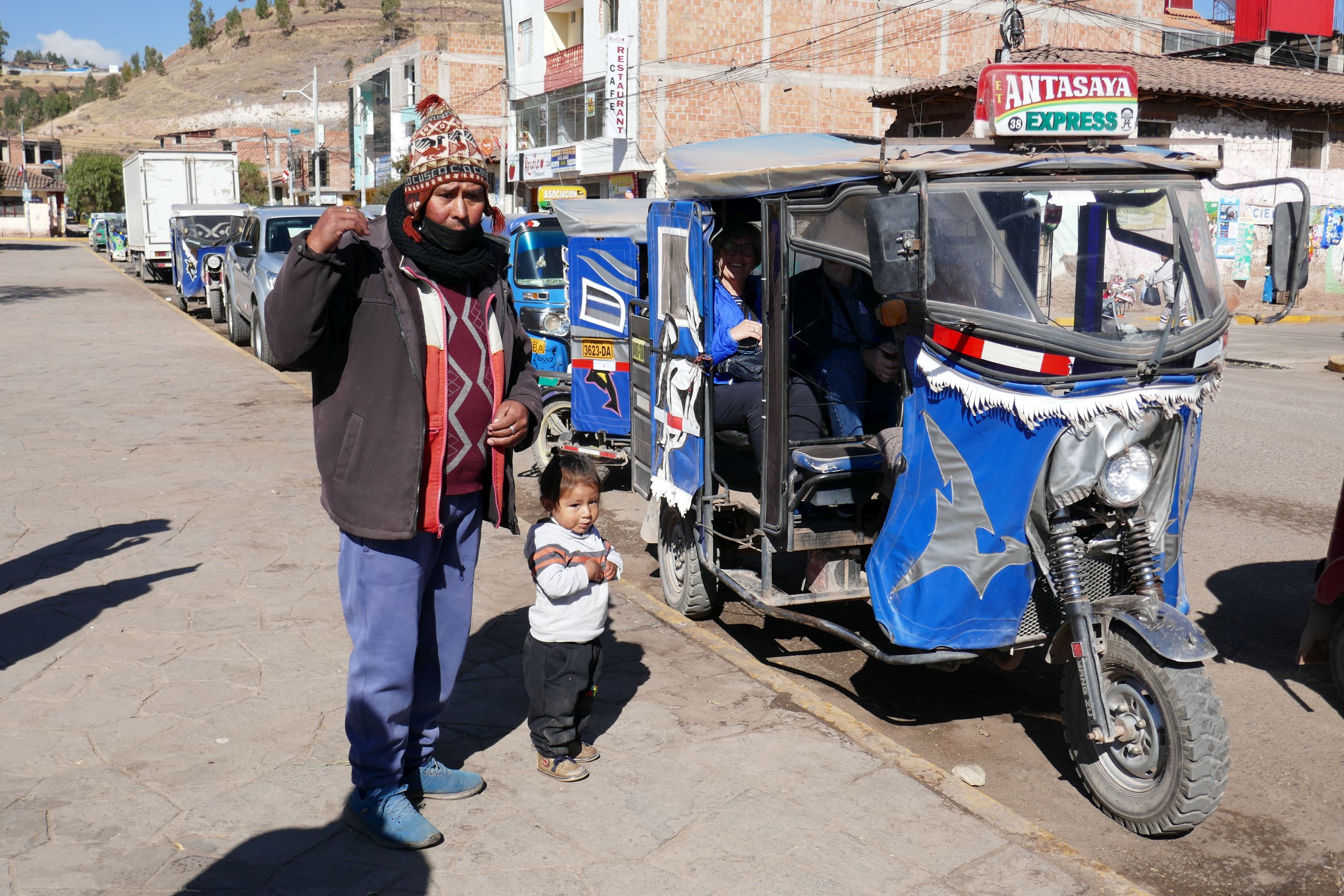
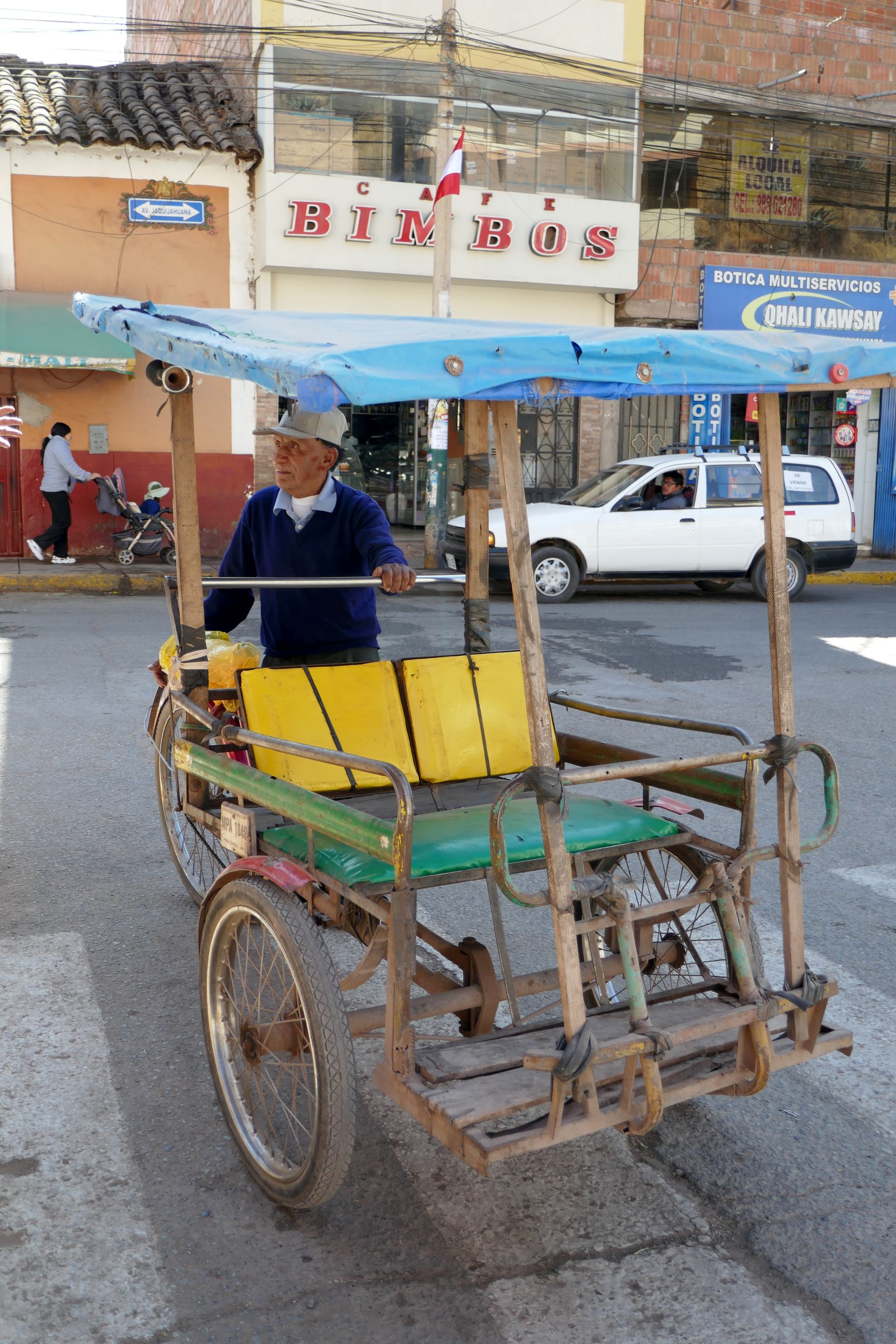
It was a day full of cultural discoveries, beginning with a visit to Izcuchaca (elevation 11,000 feet), a village in the Anta Province of Cusco. The popular and most cost-effective mode of transportation in Peruvian villages is by moto taxi, so we did what the locals do. Our bus dropped us off in town, and Raul hailed several moto taxis for our group of 16 to take us to the local mercado (market). These three-wheeled covered motorcycles are cheaper than a car taxi—about 25 cents a ride. Want to buy one of these three-wheelers? A new one will set you back about $2,600.
(For all photos, click on the image for a full screen view.)


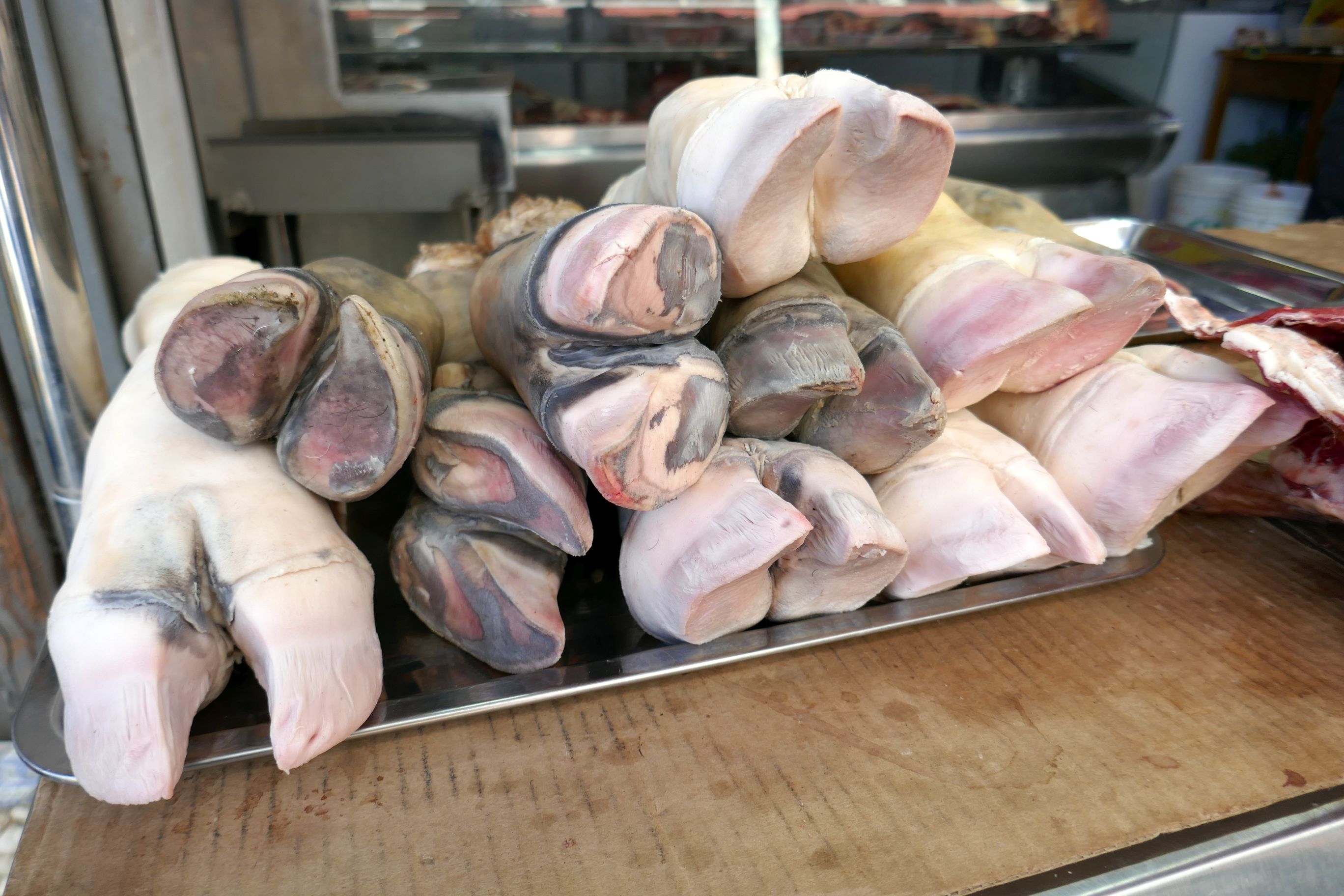
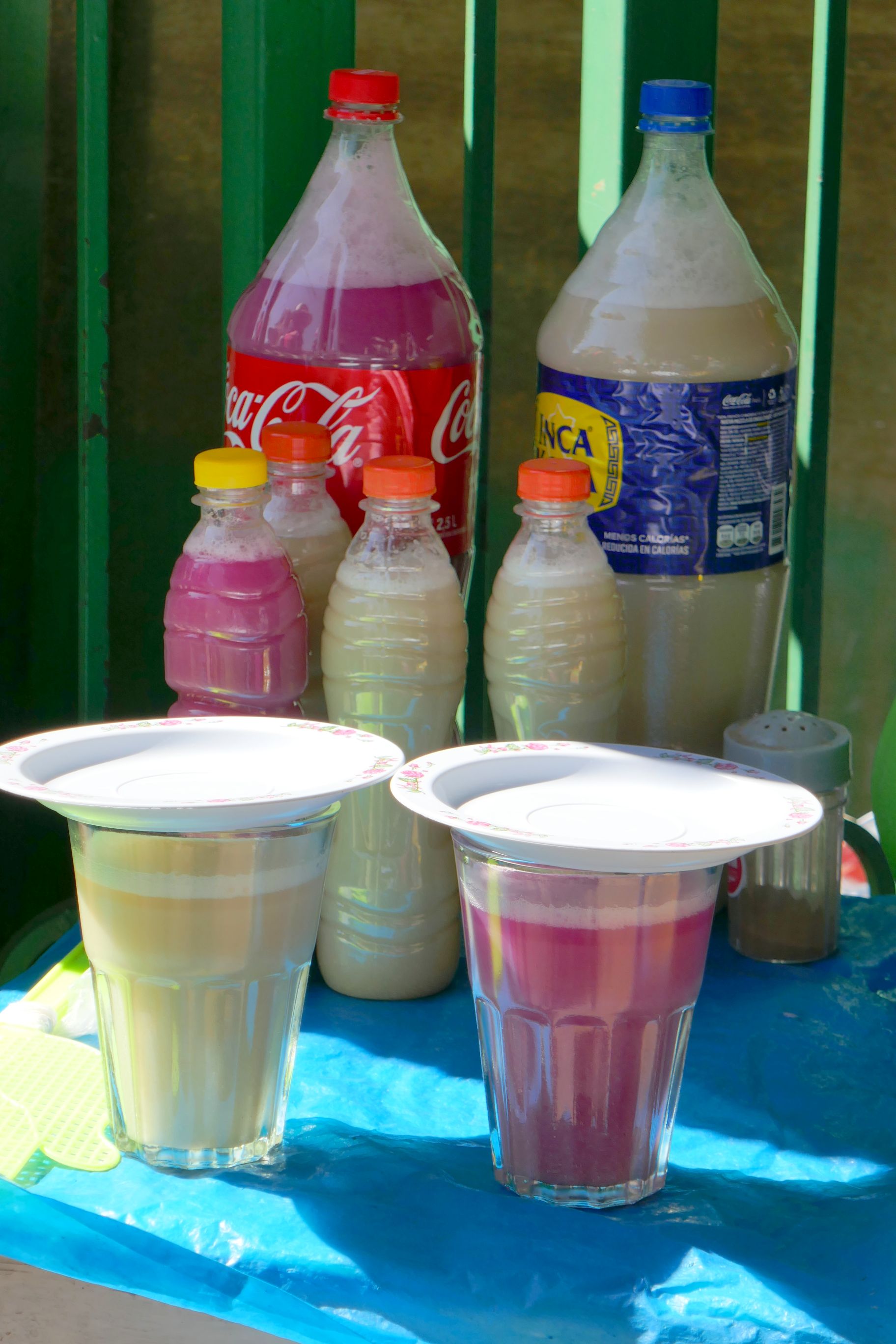


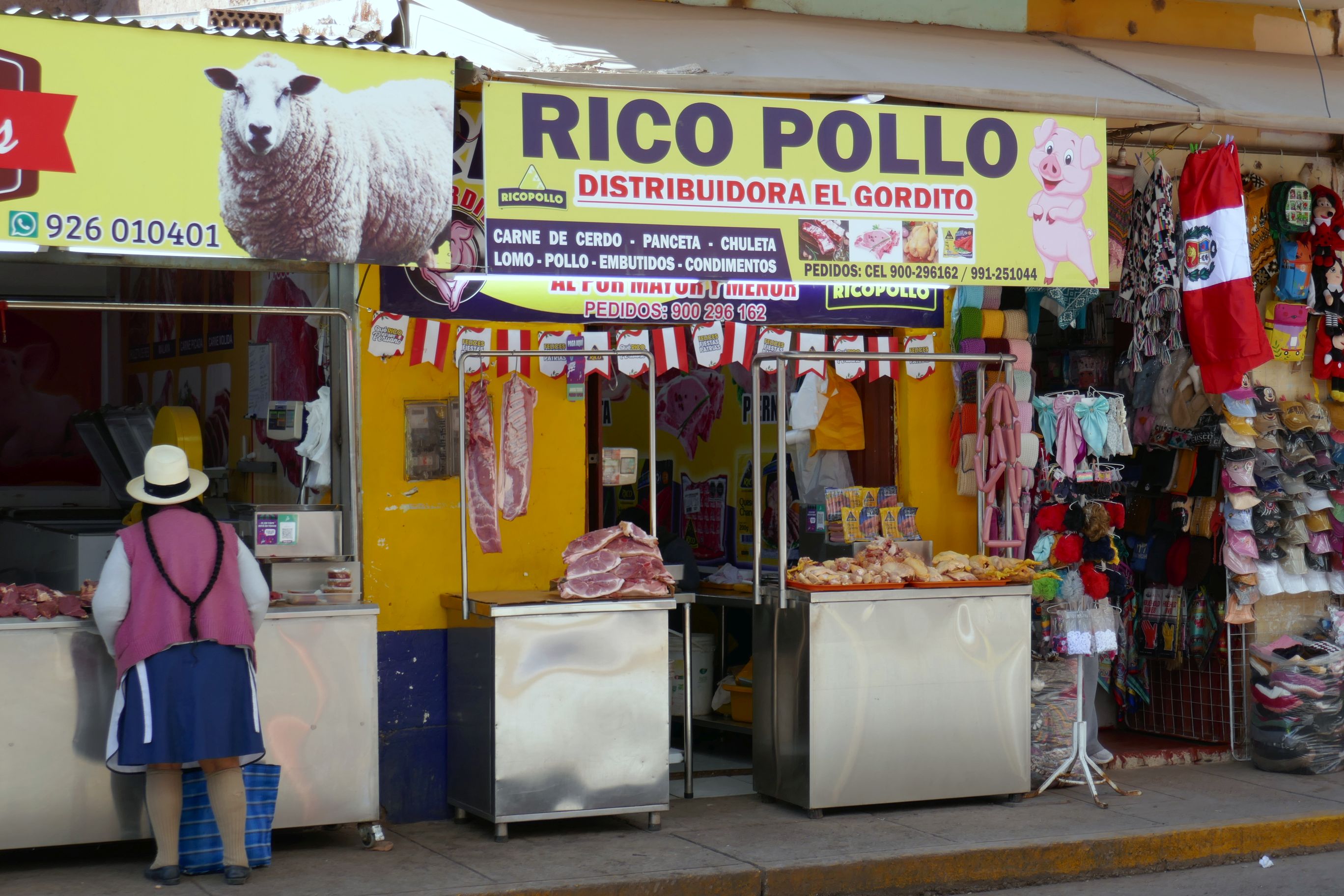
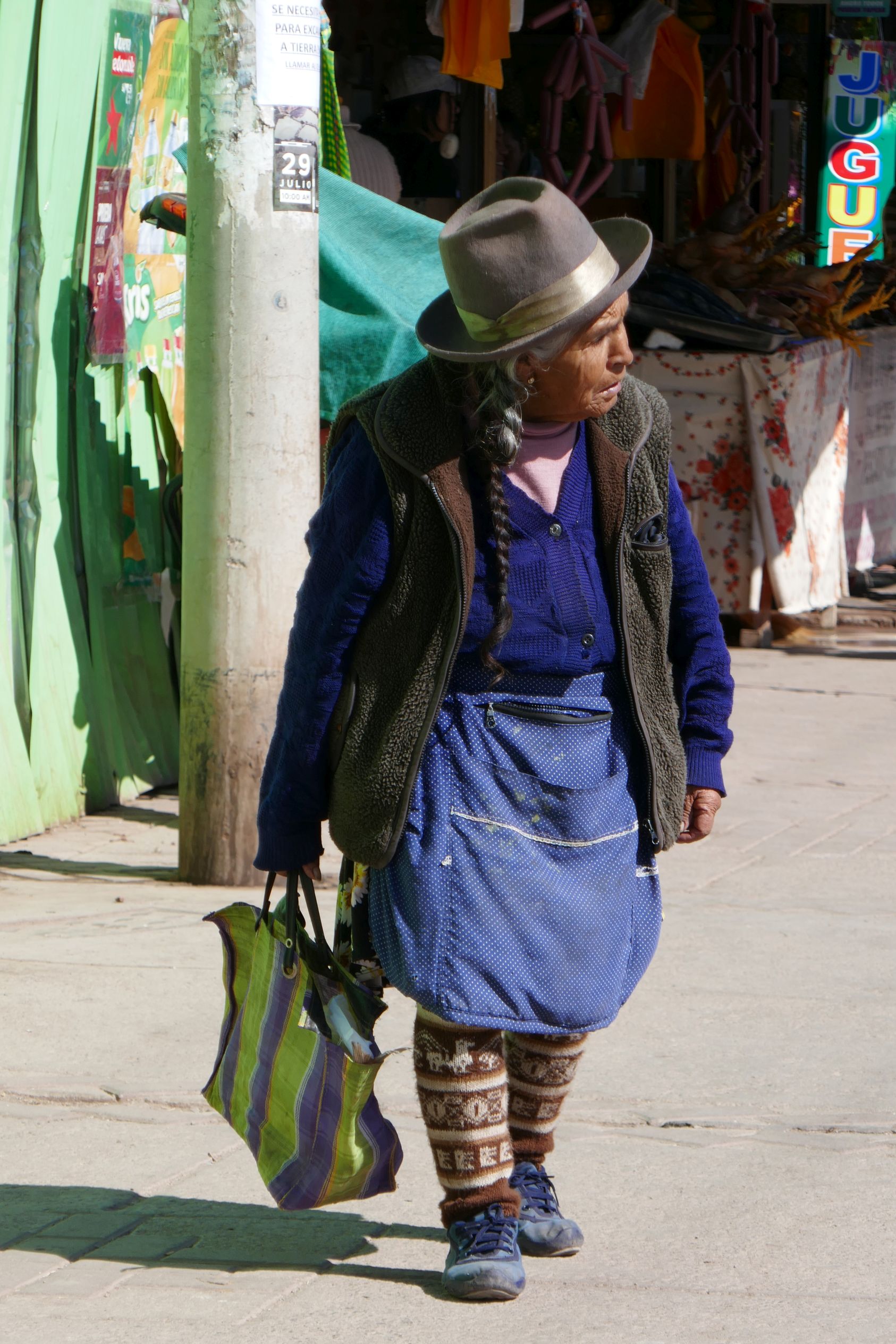
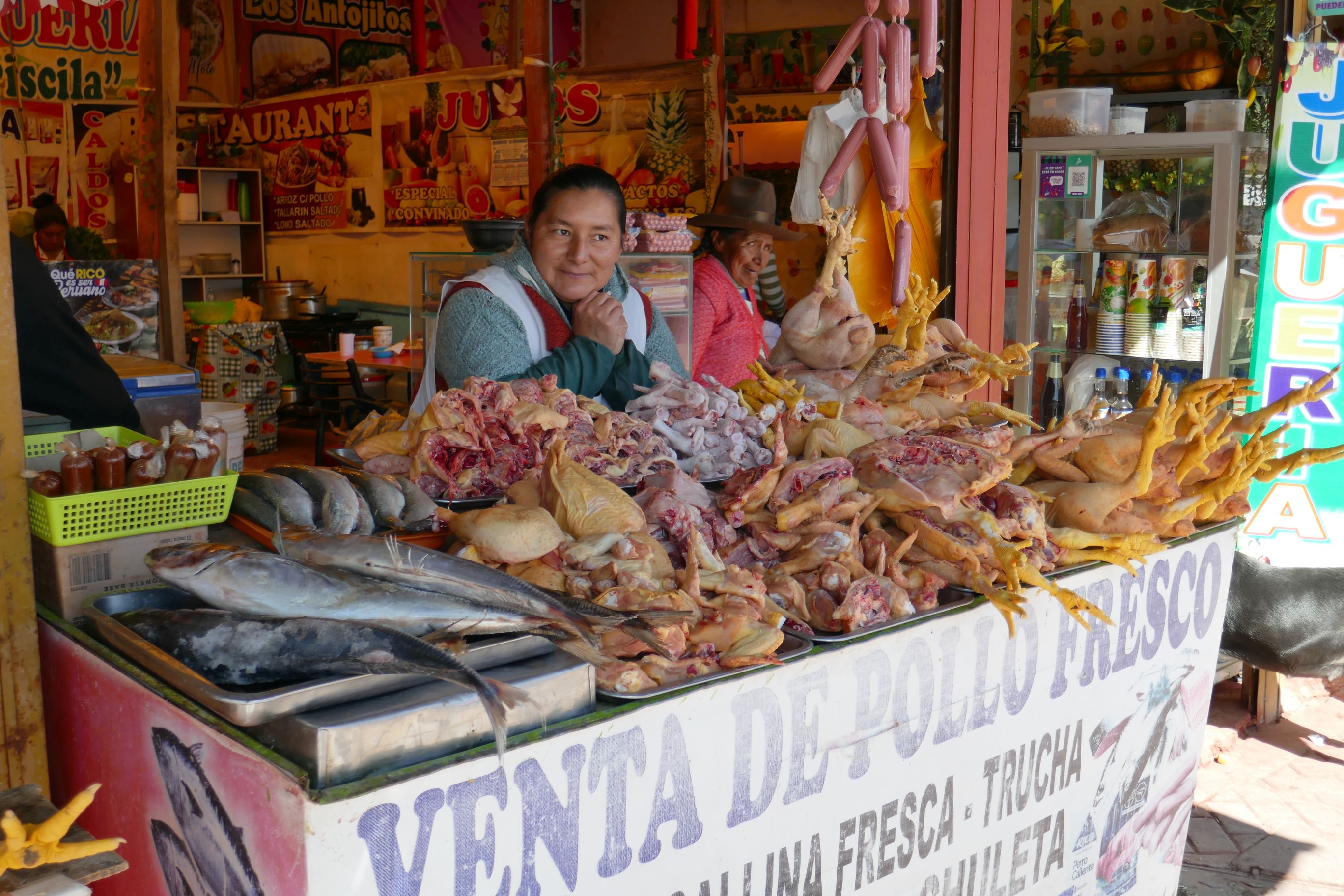
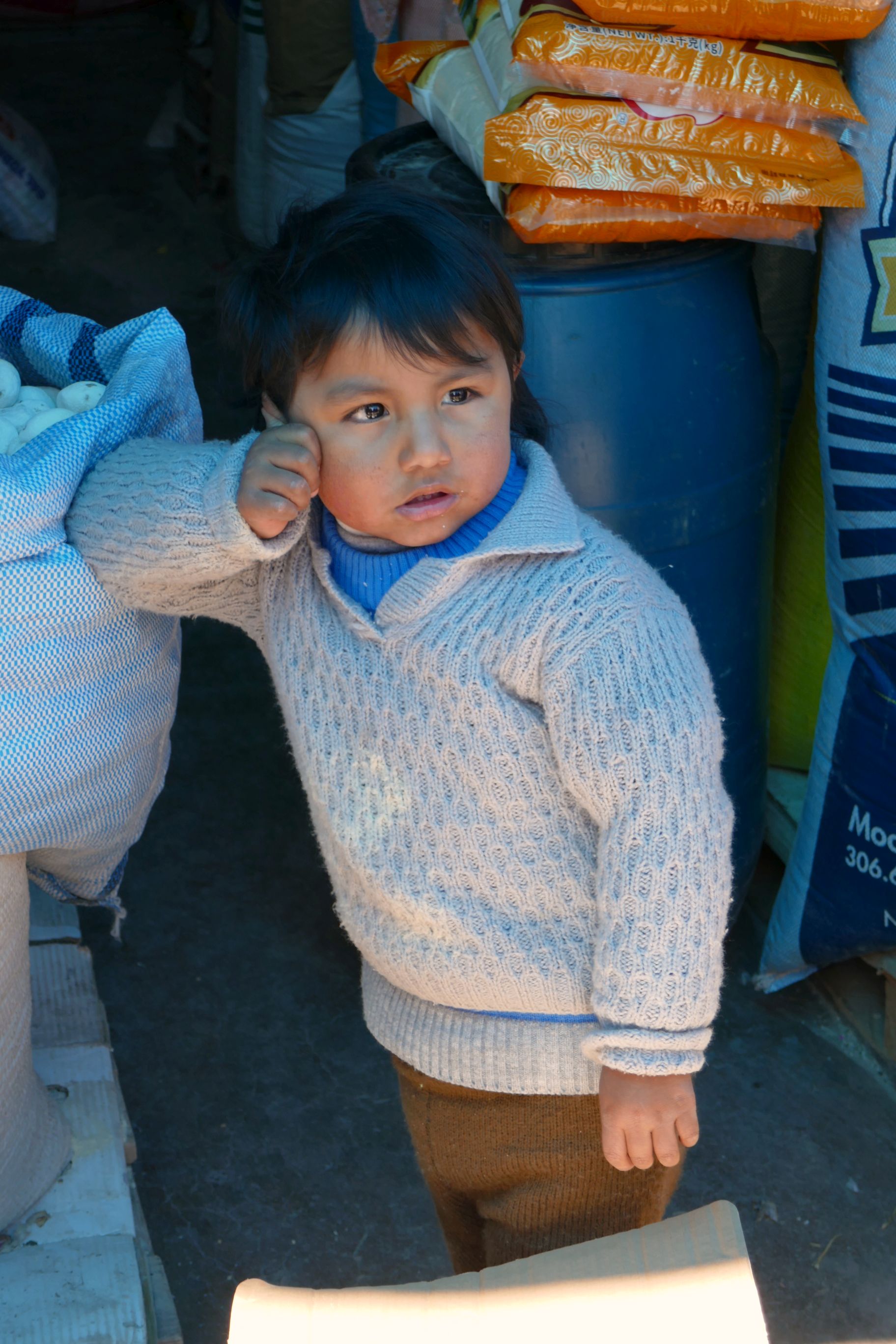

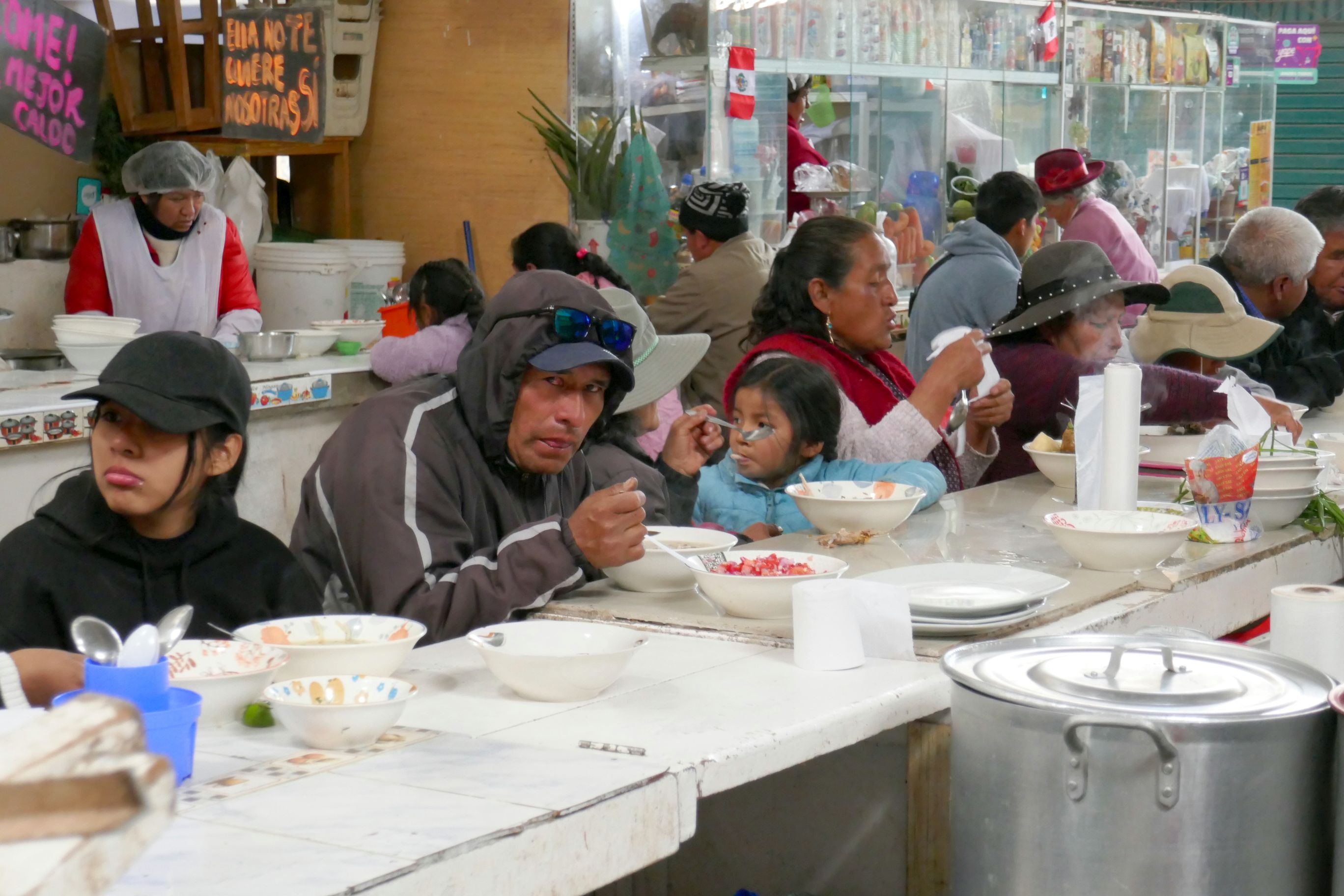
I enjoy wandering through a local, (non-touristy) market where I can observe, explore, do photography, and interact with the vendors using what little Spanish I can speak. At this market, there was a busy soup counter filled with workers on their lunch break enjoying huge bowls of hearty chicken soup for about $2.75.
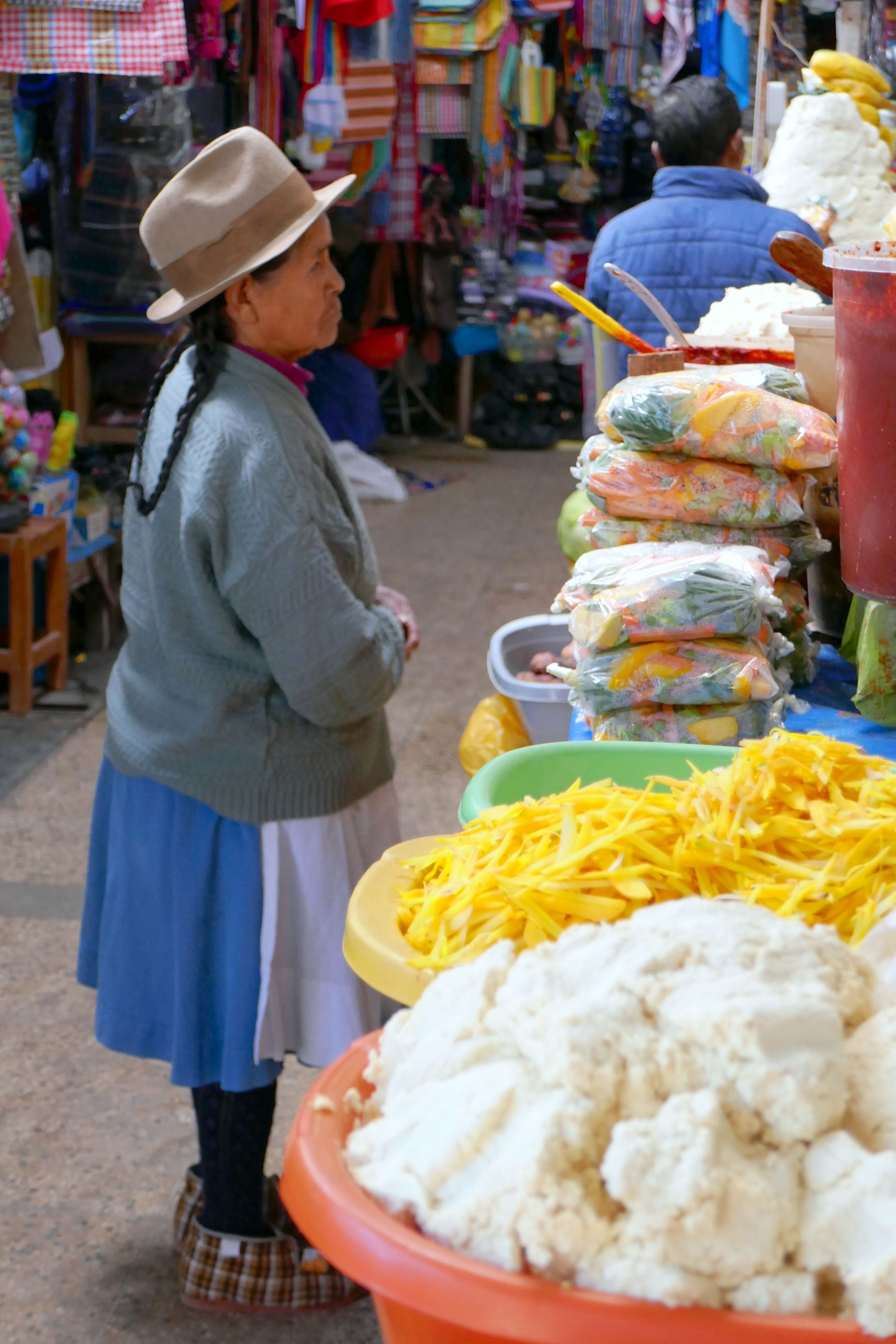
To put the cost of food in perspective, the minimum monthly wage in Peru is about $304—not a lot to live on. As a result, poverty is high; the official poverty rate in Peru is 32-35%, but 60-70% in rural areas. There is no welfare system, so both parents must work for a family to survive, leaving their children to fend for themselves with not much parental attention.
As I wandered the market while Bruce went off in another direction, a few curious looks came my way, but nobody bothered me. We found Peruvians in general to be a bit shy and quiet, but friendly when approached with a few words of Spanish.
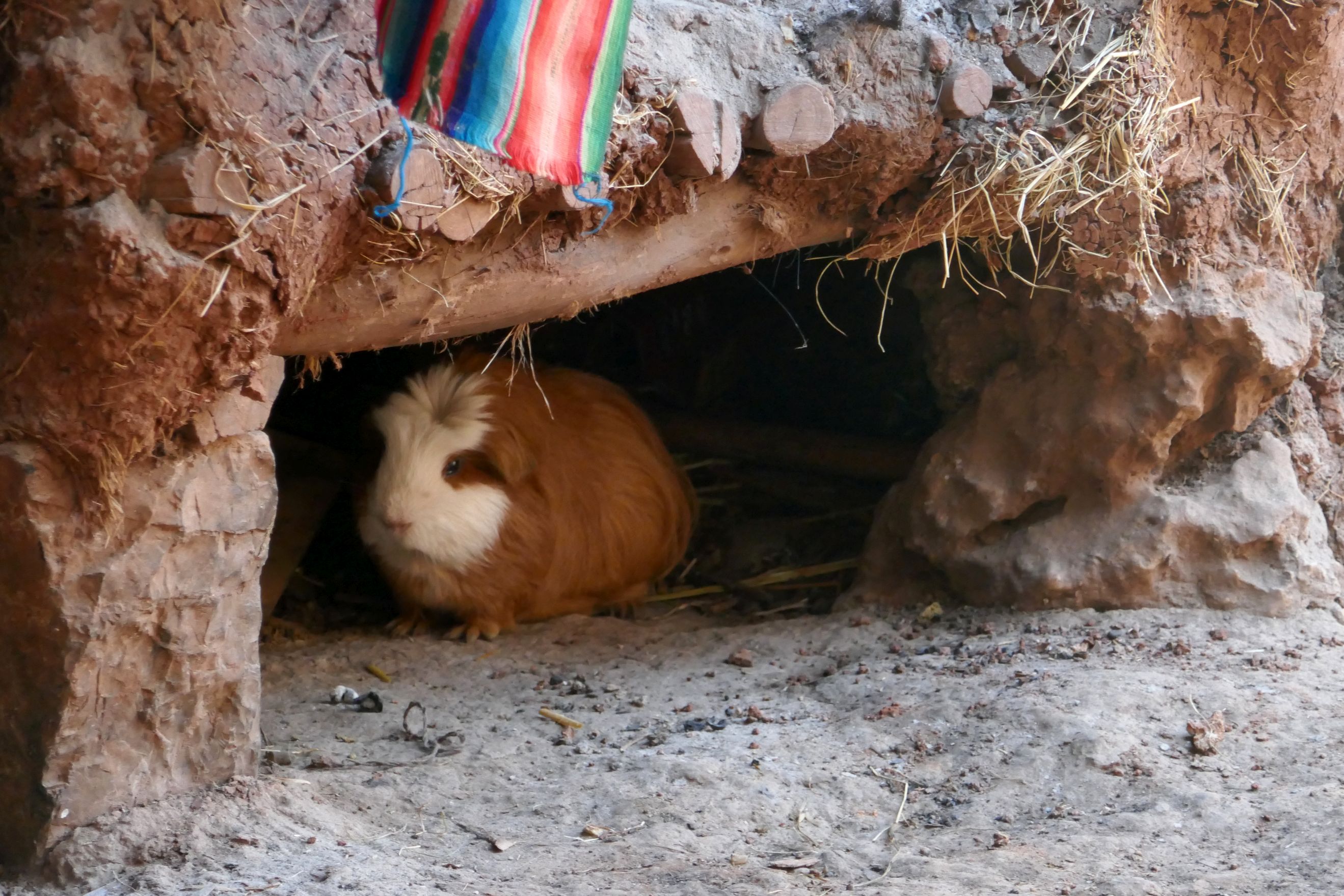
Next on the “Day in the Life” agenda was visiting a family at their home in the Chacan community. This family of farmers has four bulls for breeding, pigs, guinea pigs, and a burro.
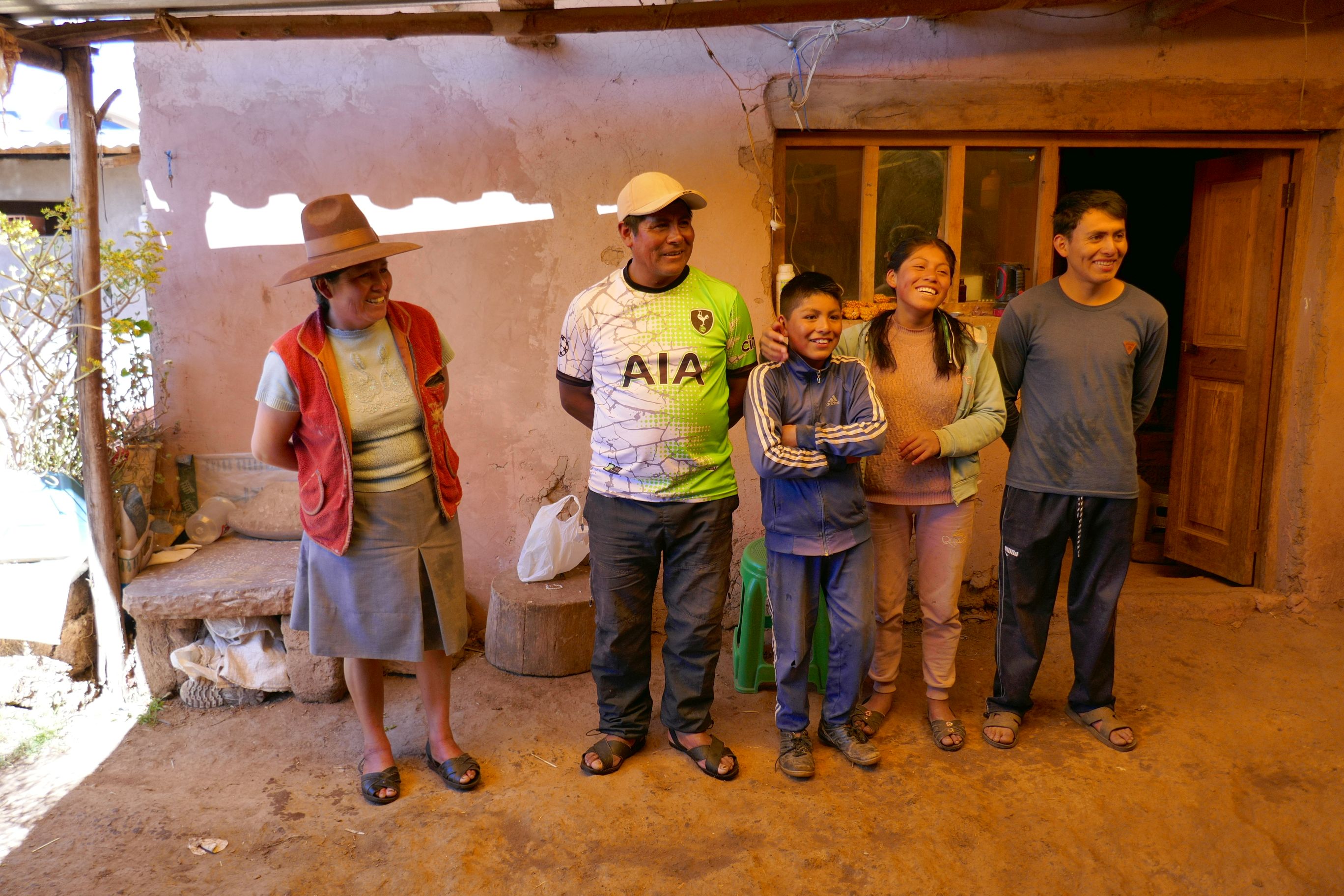

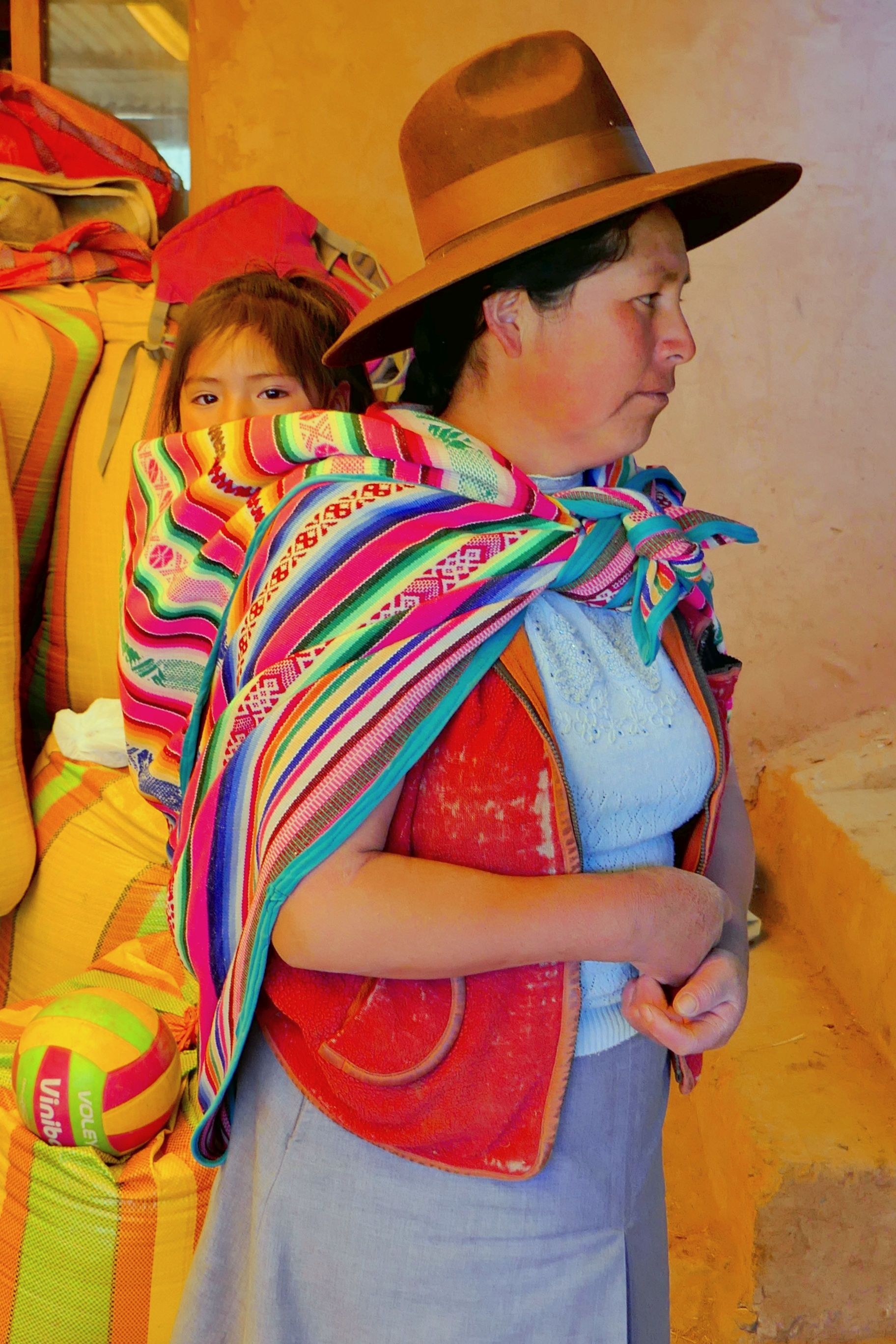
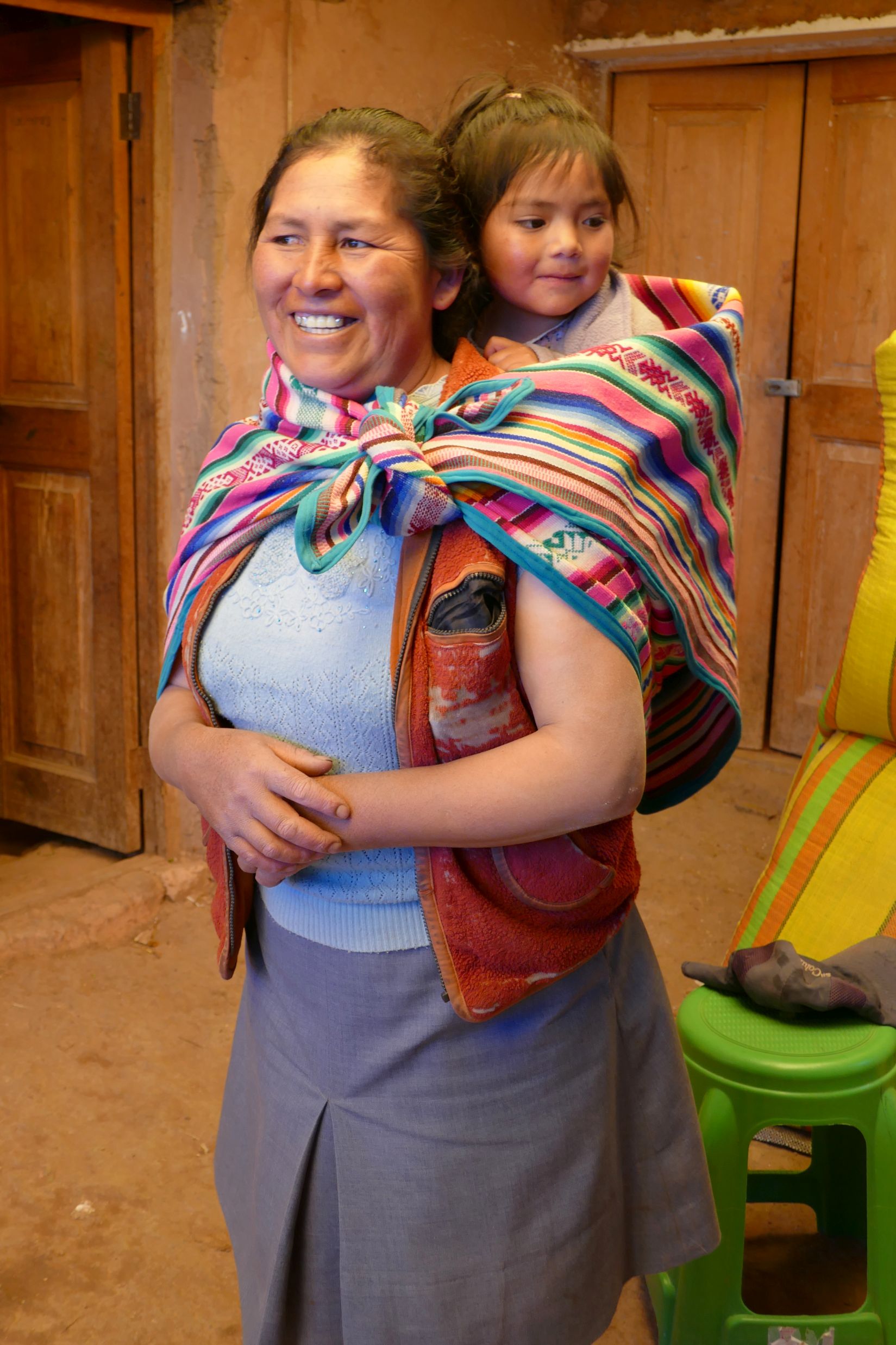


They grow their own corn and other produce that they take to the market on Sundays to sell. They can’t afford their own truck, so they pay a driver to pick them up with their produce. They also can’t afford to buy a tractor for working the fields, so they rent one for about $25 per hour.
After touring their farm, we had the opportunity to ask the family questions with Raul as our translator. They were so warm and friendly and seemed to really enjoy having us at their home.
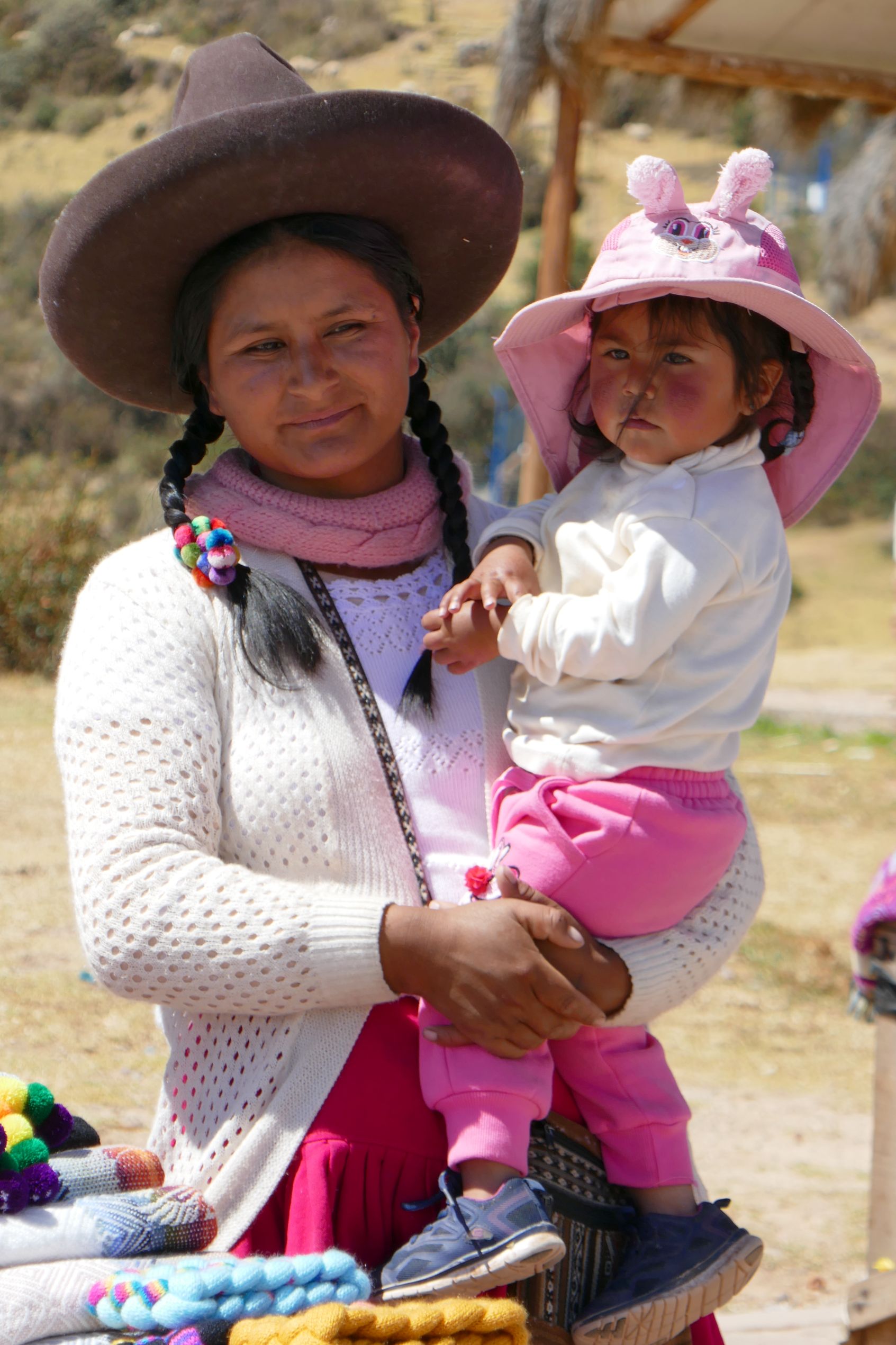
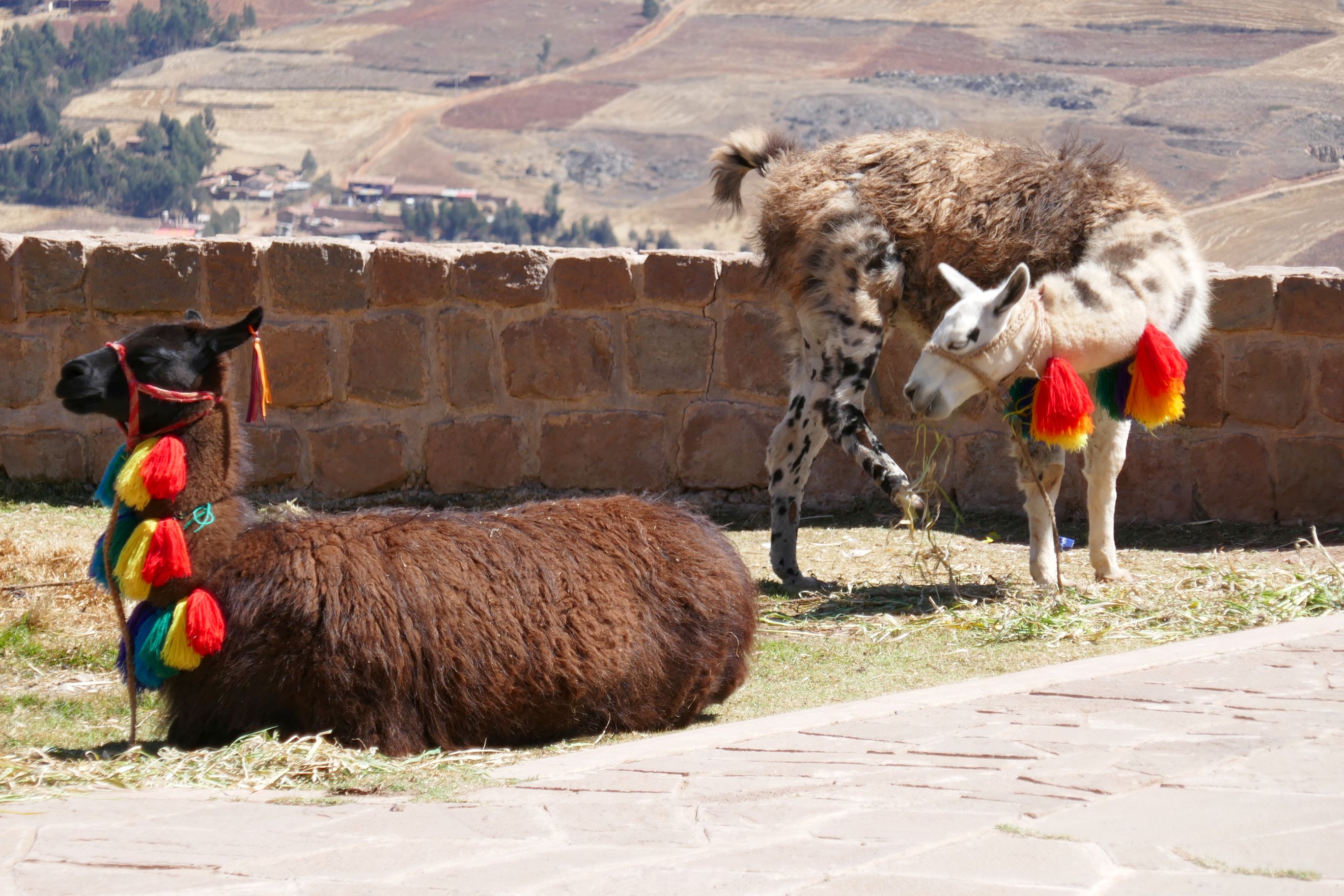
On our way to our next destination, we stopped at a viewpoint where locals were selling their wares:
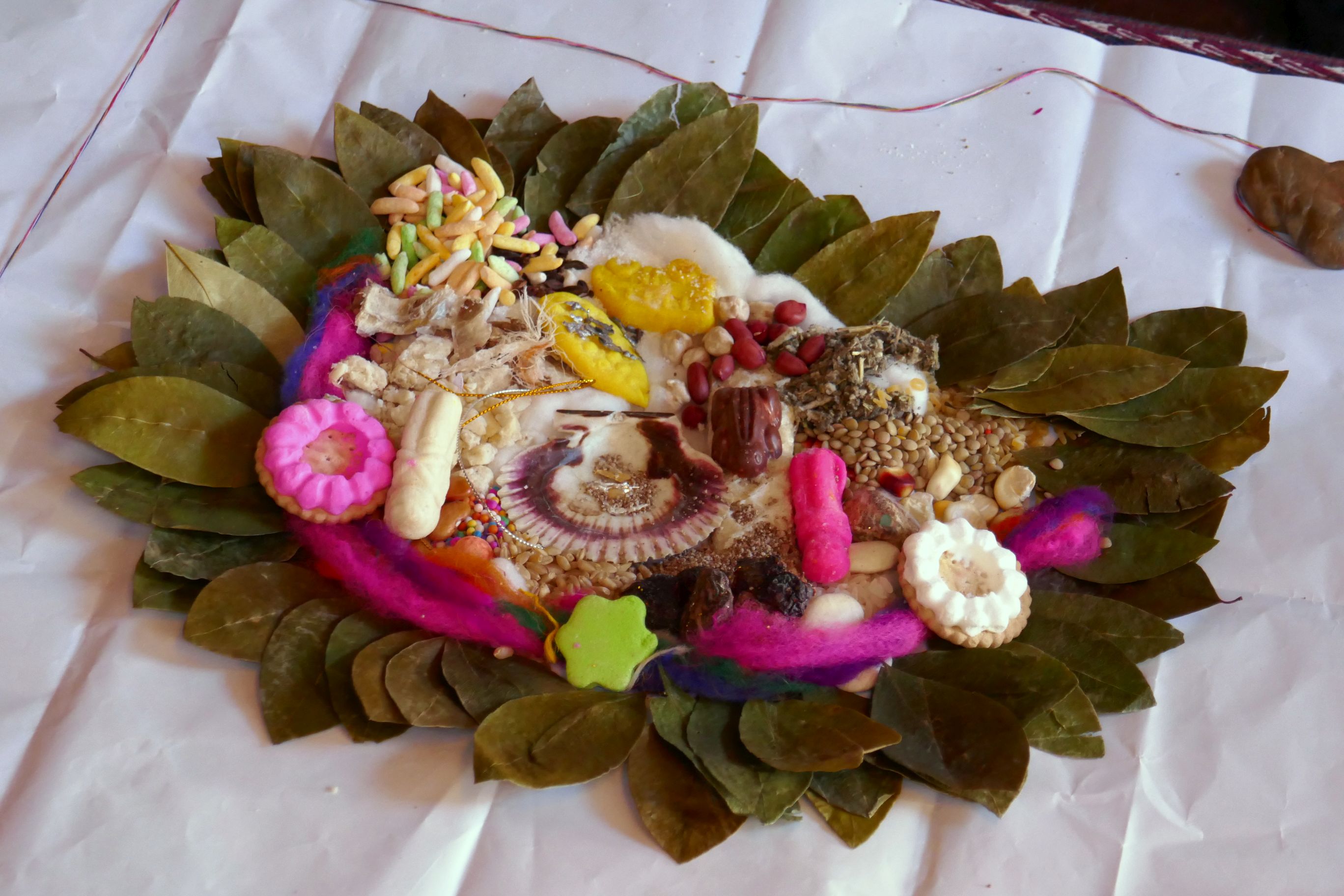
Next, we visited the “Medicine Man,” an Andean Shaman who performed a healing ceremony. Although Peru is a Catholic country, about 75% of its people practice going to a Shaman.
Offerings were given to the Pachamama (Mother Earth) by packaging and burning them, and the Shaman wished for good health and safe travels for each of us.

This was a very culturally full day, but we weren’t finished yet! We experienced all of that before lunch!
Our next stop was Chinchero Village at a textile weaving co-op where they prepared lunch for us and demonstrated the textile dyeing and weaving processes. The women of the co-op all wore black skirts which represents Pachamama.
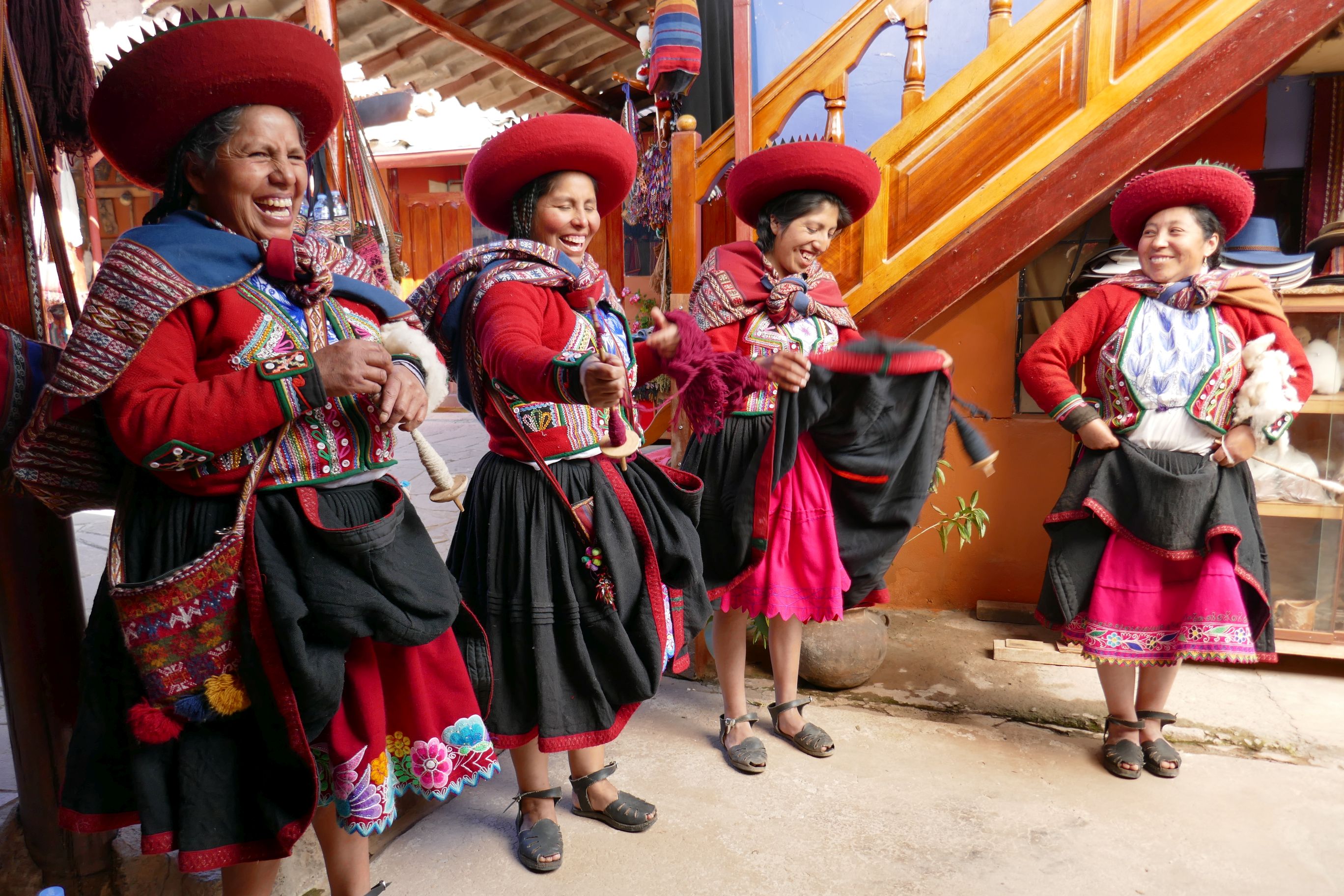


During the demonstration, they explained how the wool is cleaned using jicama that is grated in water. It is strained and agitated, washed, and then dried in the sun before being dyed. Natural fruits, plants, parasites, or lichen are used for the dyes. Purple corn, for example, is used to dye wool purple, and cactus beetles are used to make red dye. Salt is added to fix the color into the wool.


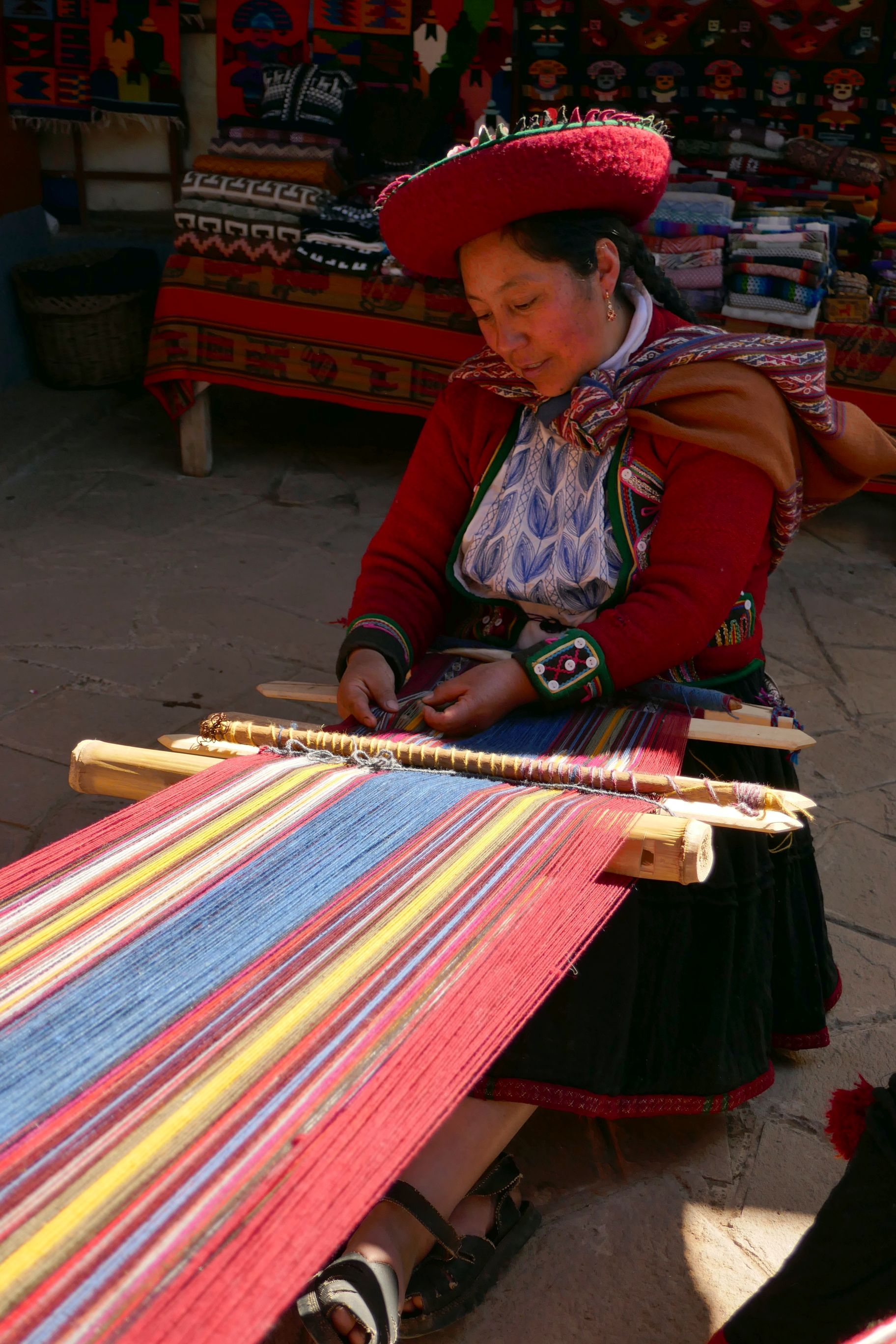
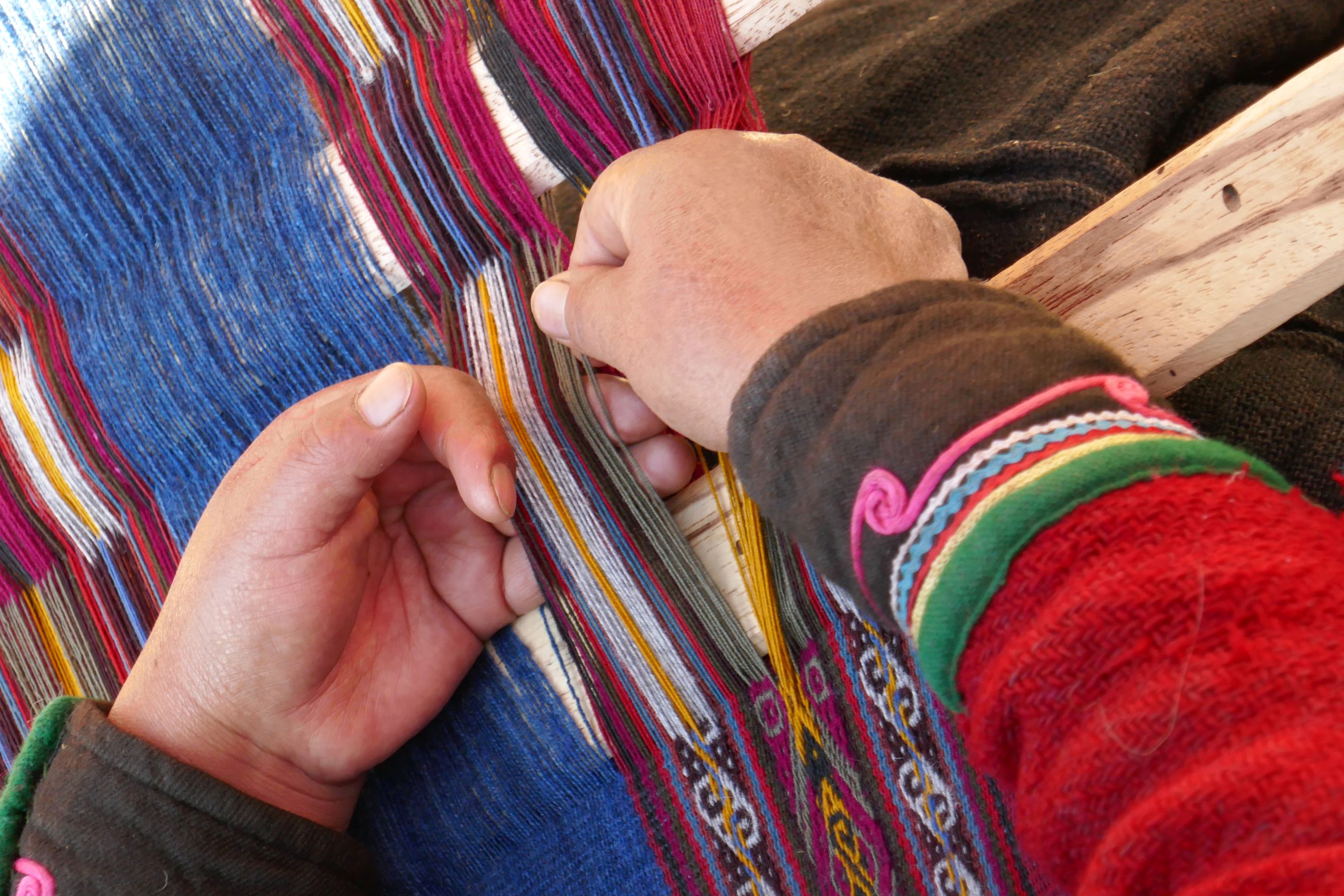

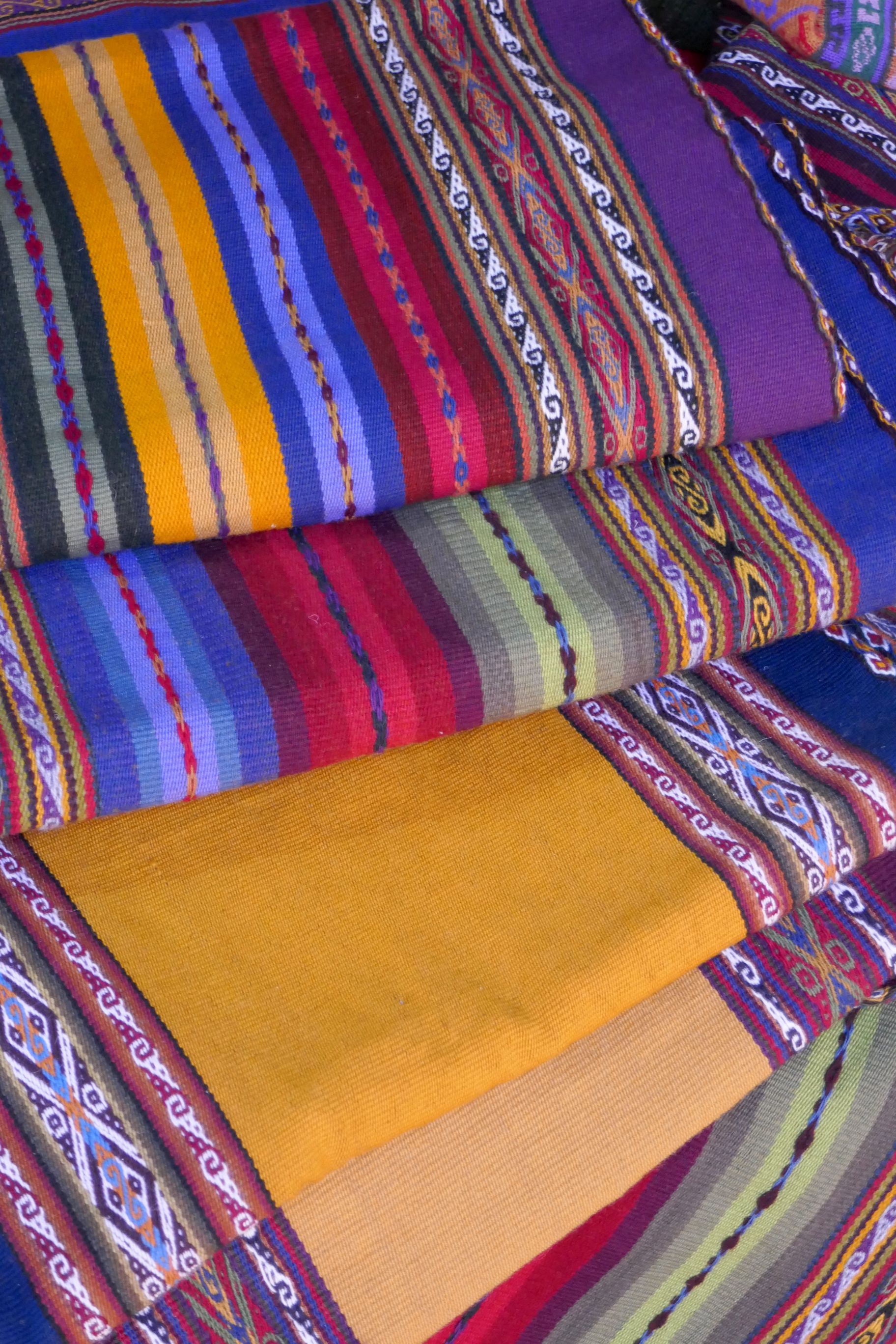
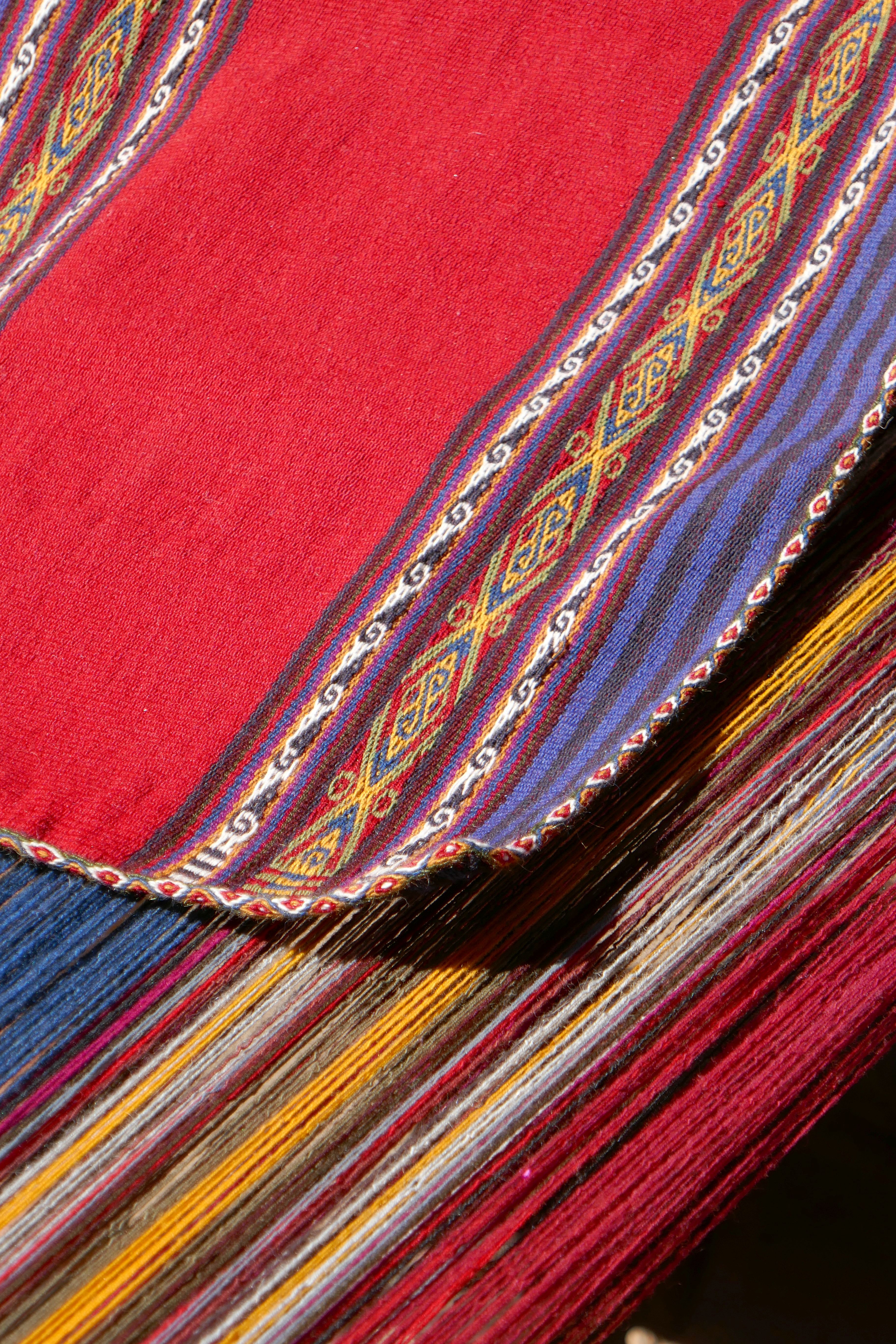


This beautiful hanging we bought from the weaver was made with a design representing serpents (white) and puma claws (in between the white serpents). The colorful stripes represent the Cusco flag. It took this weaver four months to make and it cost about $150. She was also the cook for our lunch!




We returned to Cusco to enjoy the remainder of the afternoon and evening on our own, but Raul made us an offer we couldn’t resist—the topic of my next post.
Next up: PERU #14: MIND-BLOWING MERCADO SAN PEDRO
 Elaine-iaK's Travels: A Traveler's Tales of People, Places, Photos, Pools... and CHOCOLATE!