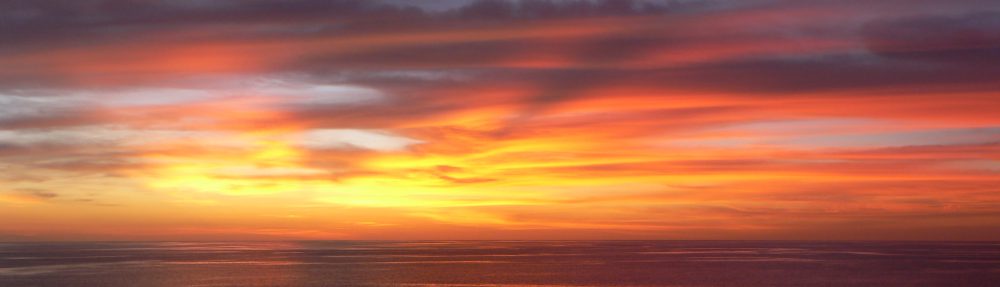
This was a big travel day by bus. We drove into Chile by crossing over the beautiful Andes Mountains. The Chilean border station where we stopped to have our passports checked and our luggage scanned for fruits, nuts, and other banned foods, was in Argentina. The border itself, however, was technically at the top of the Andes at an elevation of 4,000 feet, 80 miles from Bariloche where we had departed. When we arrived at this invisible border, we got out of the bus and had a decision to make: Should we stay or should we go? The group was split at first:
(For all photos, click on the image for a full screen view.)
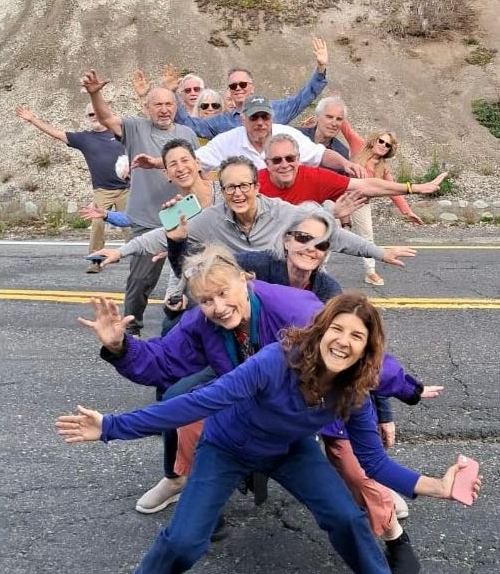
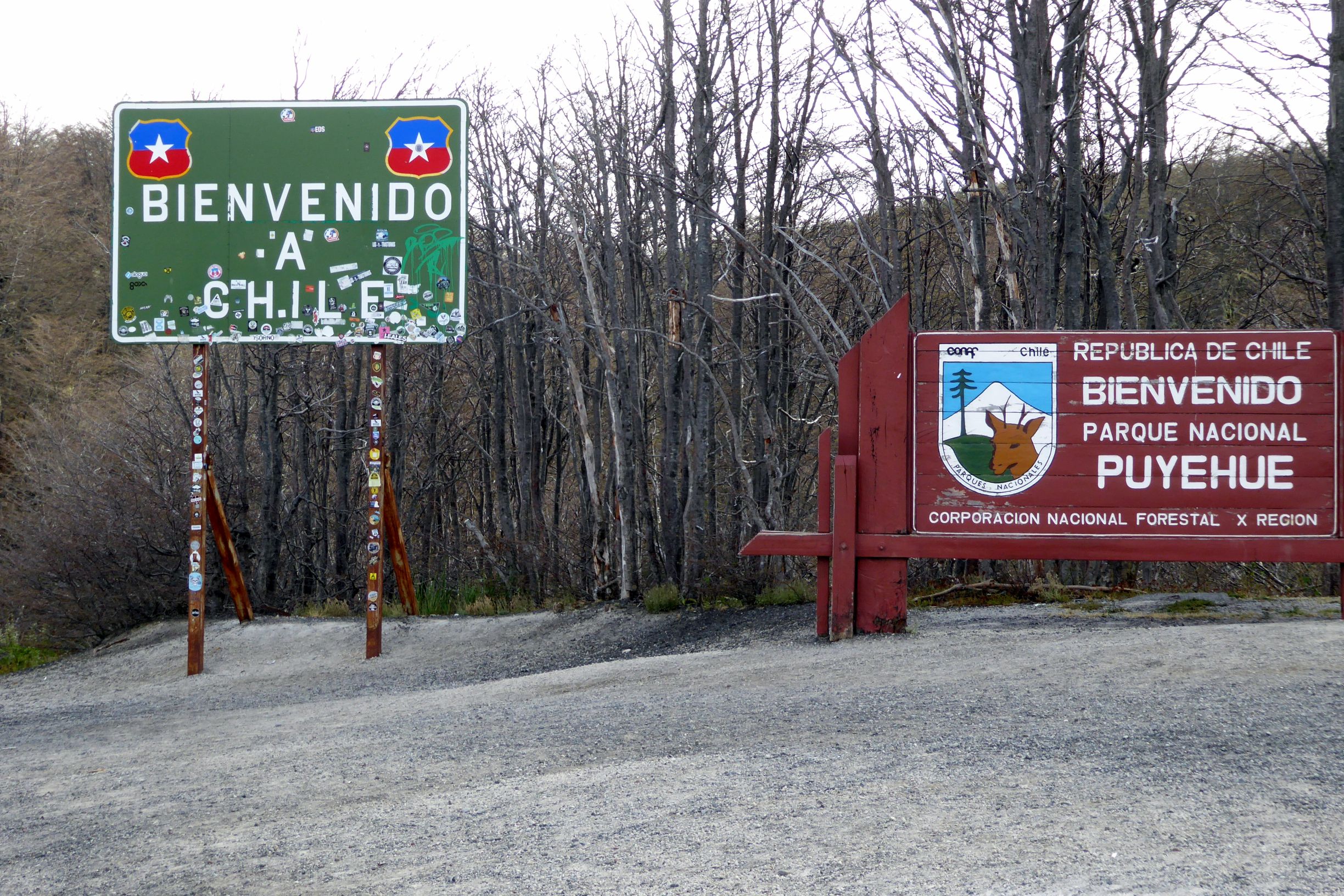
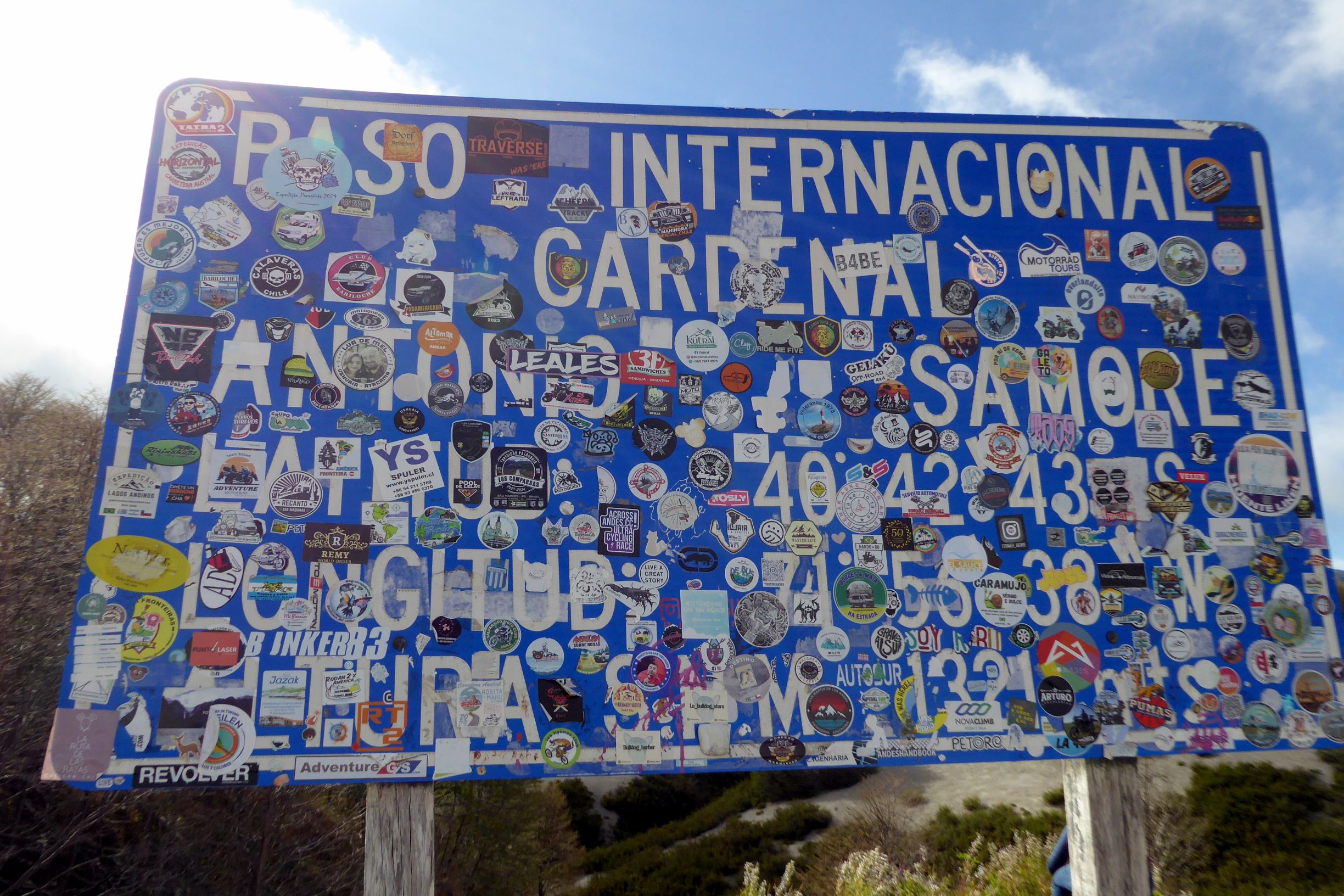
To Chile we go! (Fortunately, we escaped being obliterated by an 18-wheeler that sped by following our border-straddling stunt. We celebrated our ultimately unanimous decision with another “discovery,” made a toast to Chile, and ventured on.
Along the way, while taking in the gorgeous views, we learned about our new country. Andrea summed up the differences between Argentinians and Chileans with this comparison: Argentina is the Italy of South America, and Chile is the England of South America. In other words, Argentinians are loud, disorganized, (and drink mate); and, Chileans are humble, more conservative, organized, follow the rules, and drink tea. As an Argentinian married to a Chilean, Andrea and Julio both agree on that assessment!
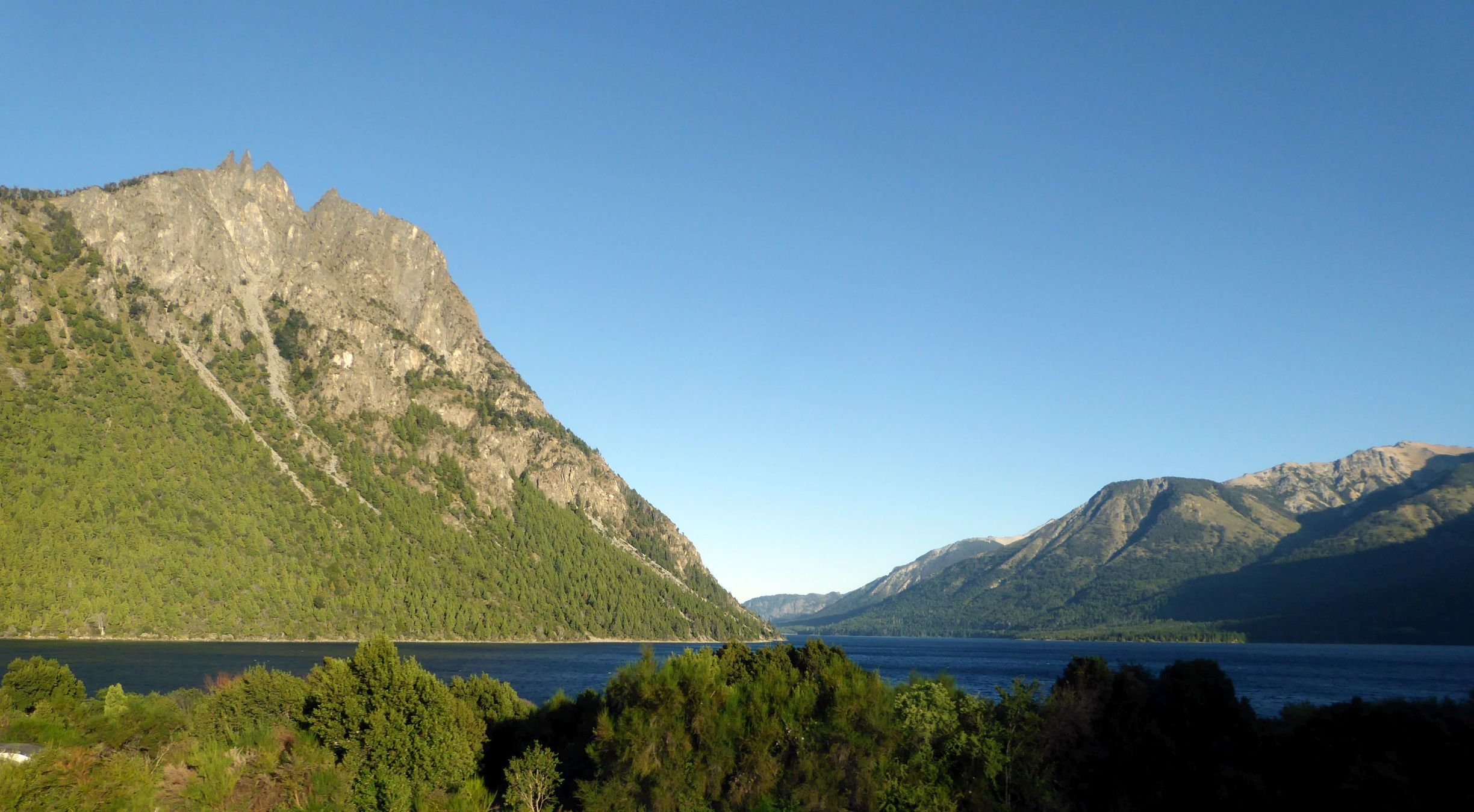
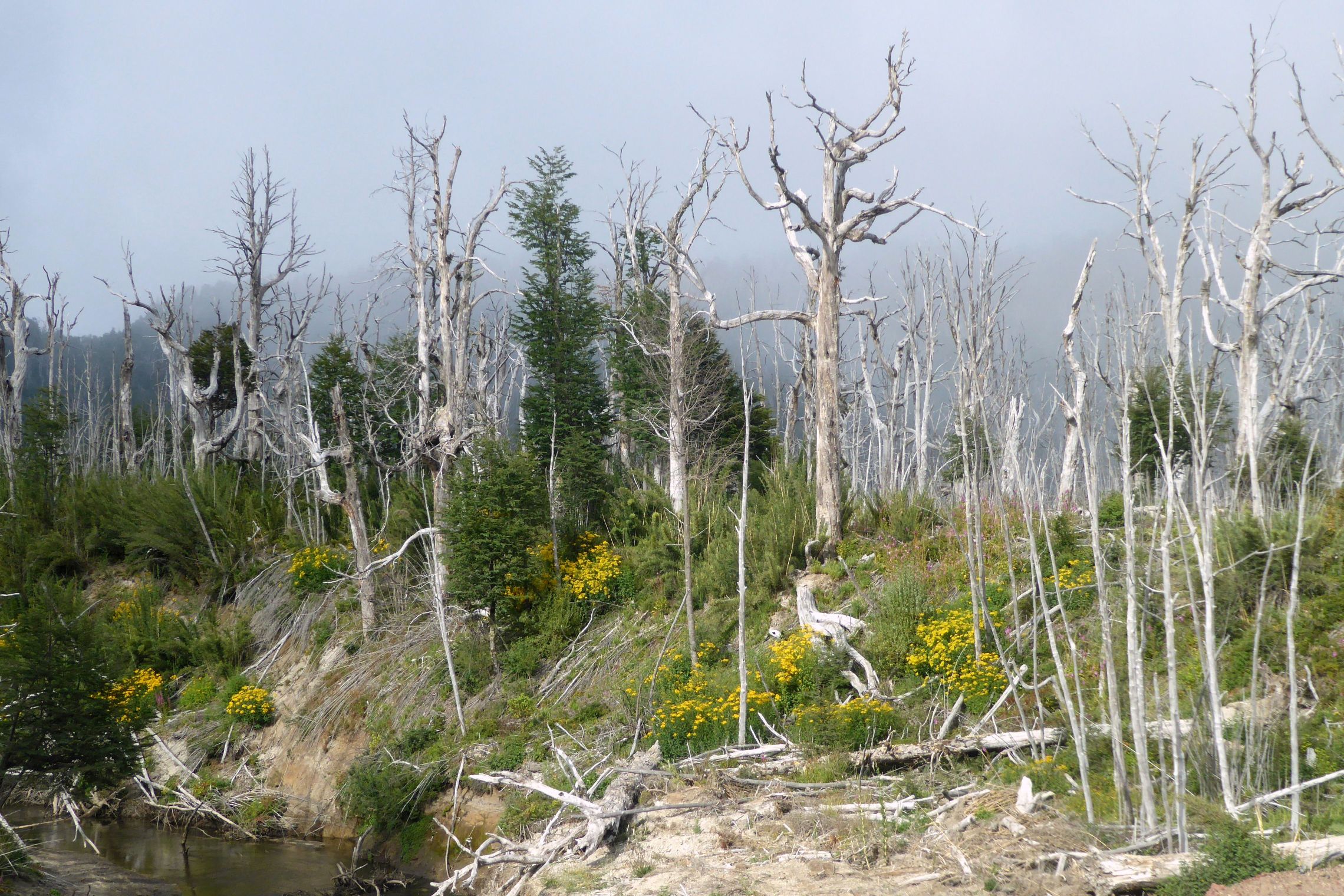
Chile is a funny-looking country on the map. It is very long (2,625 miles!) and narrow (averaging just 10 miles wide). An arid desert is located at the north end, and the south has glaciers and a rugged terrain. In between, there is everything from mountains and cliffs to valleys, and lakes as well as forests, islands, and canals. The Andes separate the country from Argentina to the east, with the highest elevation being at 21,000 feet. We were going to see Patagonia, in the south, beginning with the Lakes District, one of Chile’s five regions. The region is famous for its wonderful cabernet sauvignon wine as well as copper and lithium production.
Daniel, our local guide, told us a lot of interesting information about his country as we made our way towards Puerto Varas. We learned that Chile is the second-largest salmon producer in the world after Norway. Surprisingly, it’s not Pacific salmon they are farming, even though Chile faces the Pacific Ocean. They are farming Atlantic salmon, because the Norwegians brought it over and taught the Chileans how to farm it successfully.
We also learned that Chile experienced the biggest earthquake (9.6) ever recorded. That was back in 1960, and it lasted ten minutes! 1,500 people were killed, and the earthquake caused a tsunami with 120-foot waves!
Since then, Chileans have gotten used to earthquakes and have strict building codes. The last big quake was in 2010—an 8.8—which also caused a tsunami and left many people homeless. These days, Chileans consider a 7.0 earthquake no big deal.
More about Chile in the posts to come, but it was time to stop for lunch. Fortunately, we didn’t get held up at the border station, which often takes three hours to get through. It was quiet there, so it only took about 75 minutes to process our group—a good thing, because we were getting hungry!
Our lunch stop was a cute little family restaurant where we were served the most tender chicken I had ever eaten. I felt a little guilty, though, because we could see those farm-raised chickens just outside the window as we enjoyed their former relatives. Which one was going to be the next victim?
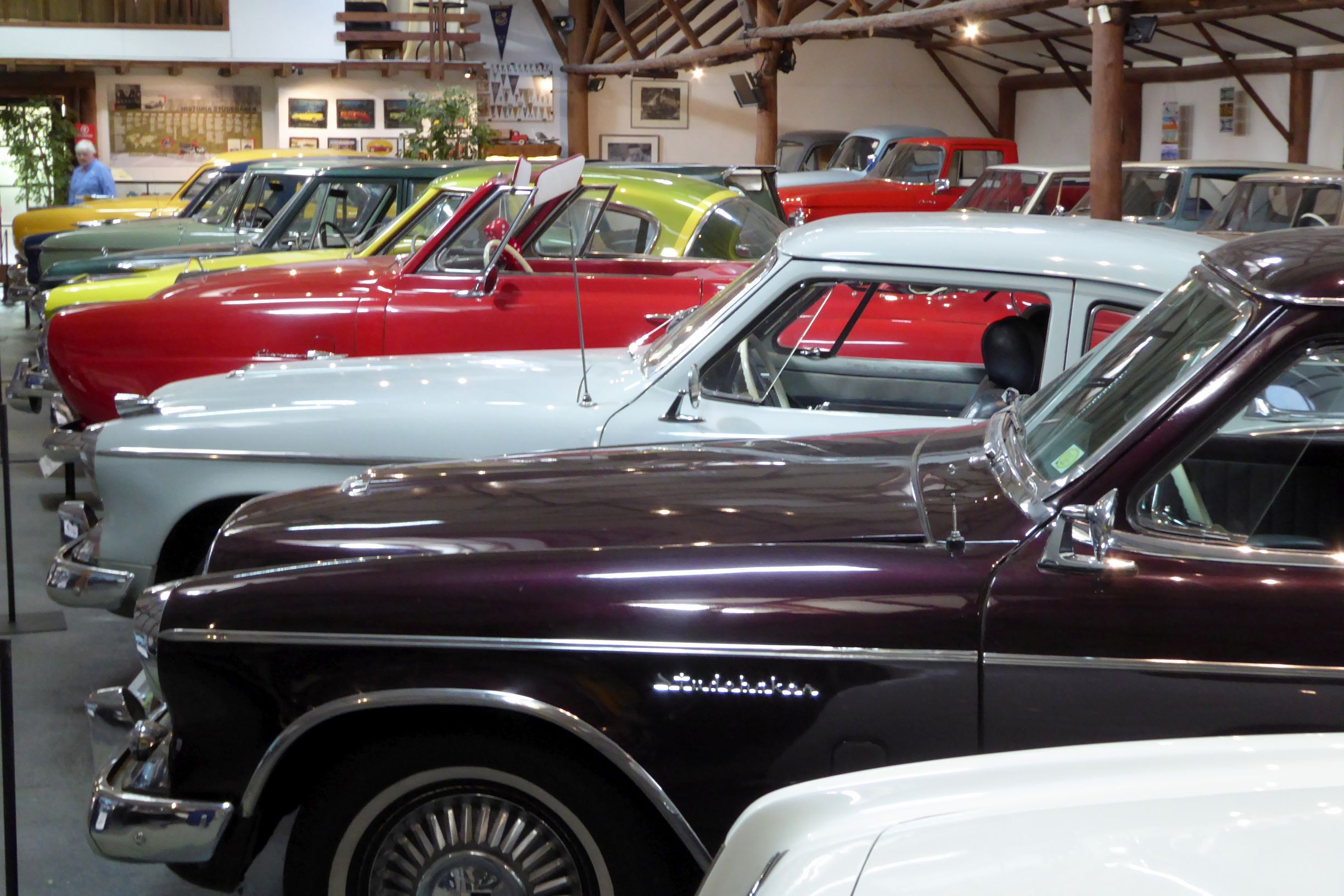
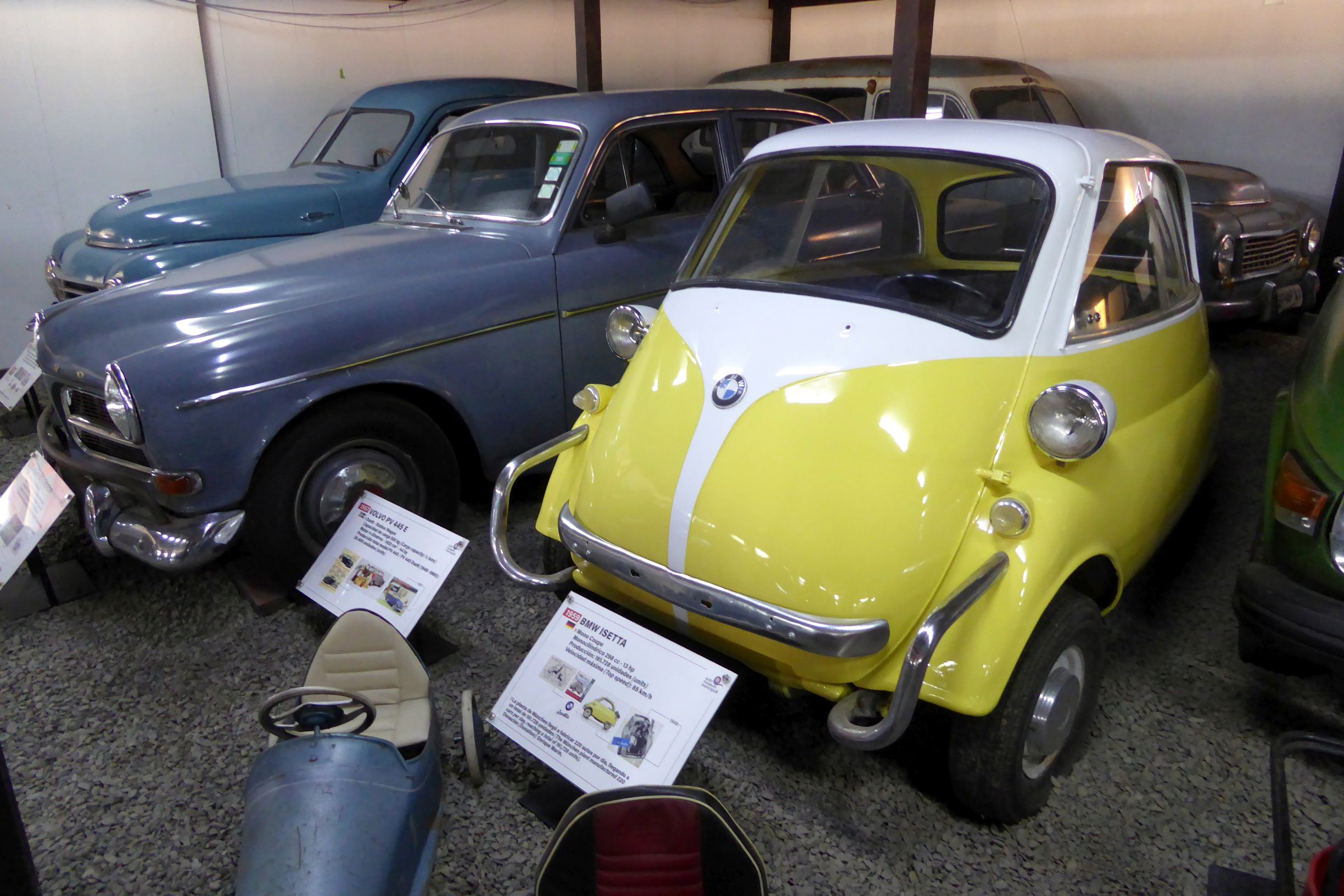
Before hitting the road, we stopped in to see Moncopulli, the auto museum located next door. I just looked it up on Trip Advisor; it gets a 4-1/2 out of 5 rating. Bruce and I agree; it was worth a visit if you are in the area! The museum’s owner is a collector of Studebakers, and he opened the museum as a tribute to his father who owned a Studebaker. Tragically, his parents were killed in a car crash when he was just 11 years old. Now, the museum features his car collection as well as an assortment of Studebakers that were donated to the museum.
Onward ho to Puerto Varas we go! It was a beautiful afternoon when we arrived—much different than the cold and windy weather we were expecting. The remainder of the afternoon was free, so we headed out to get some Chilean pesos and explore the town before meeting up with the group at a local restaurant for dinner.
Puerto Varas faces Lake Llanquihue and is the gateway to Vicente Perez Rosales National Park. Known as the “City of Roses,” the sidewalks are lined with beautiful rose bushes that were in bloom.
The city was founded by German immigrants, which was evident in the architecture and vibe of the town.
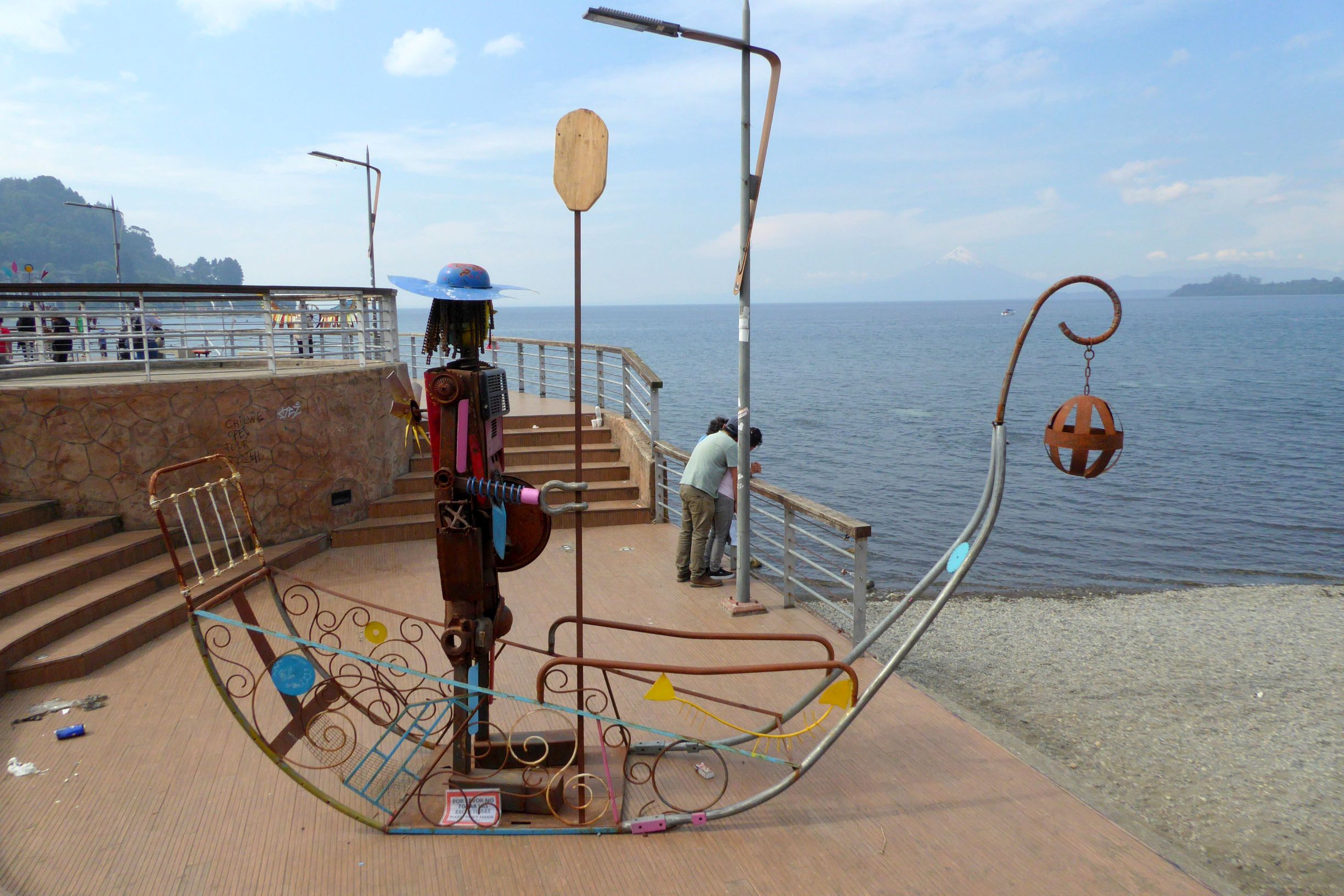
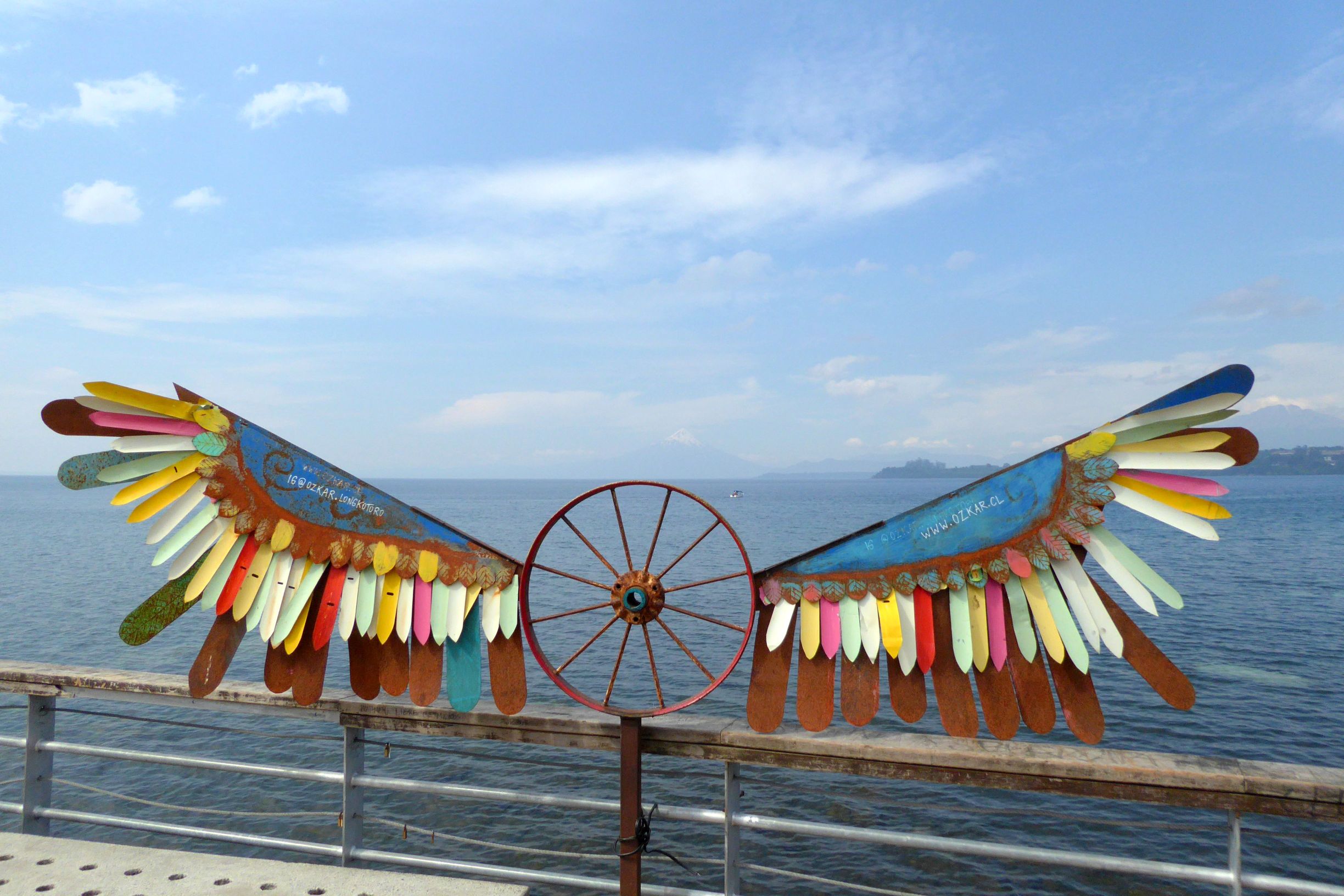
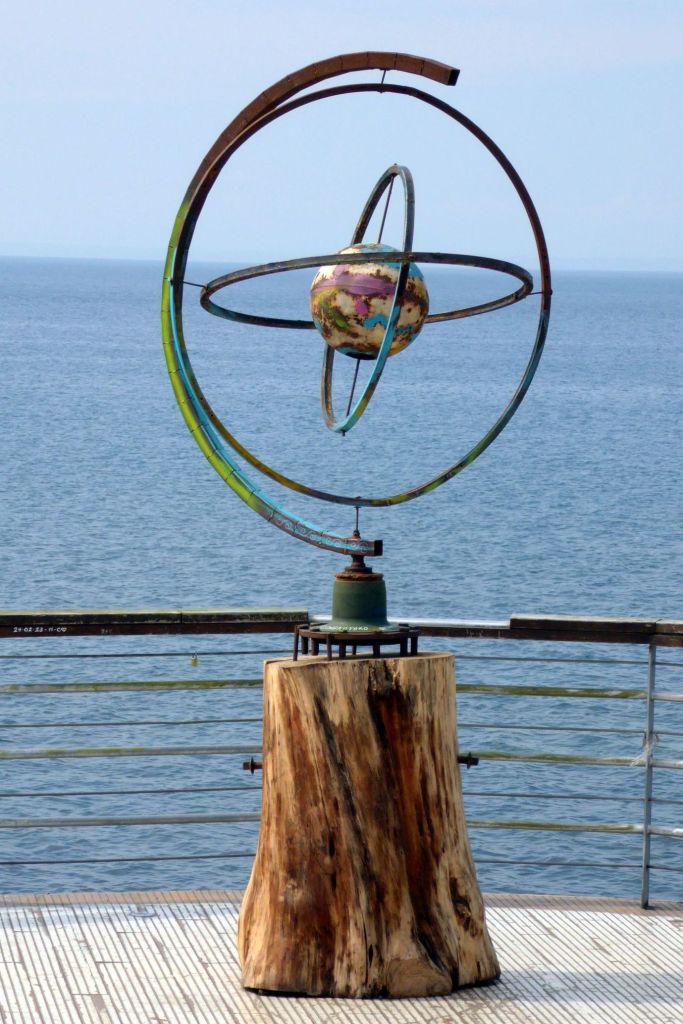
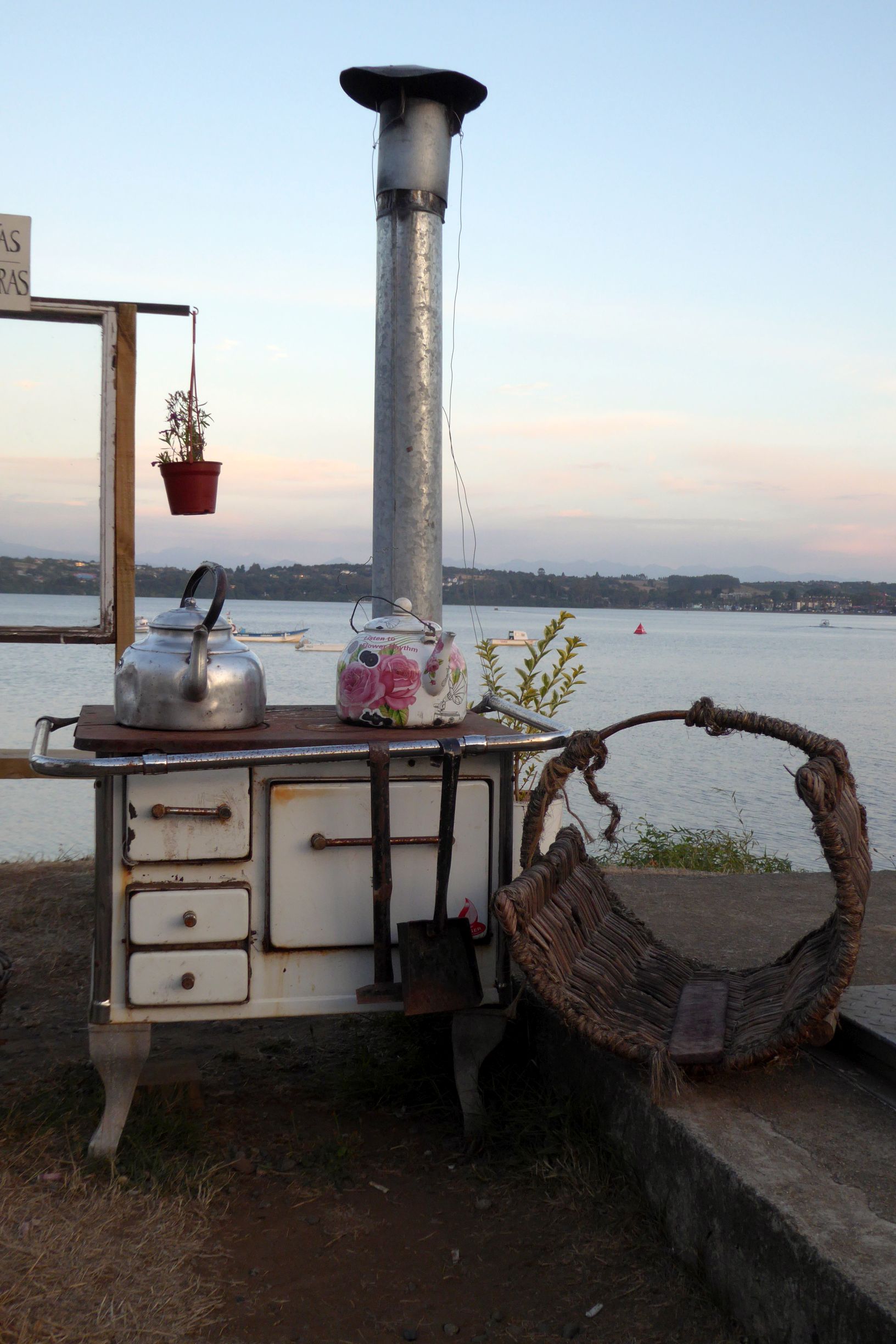
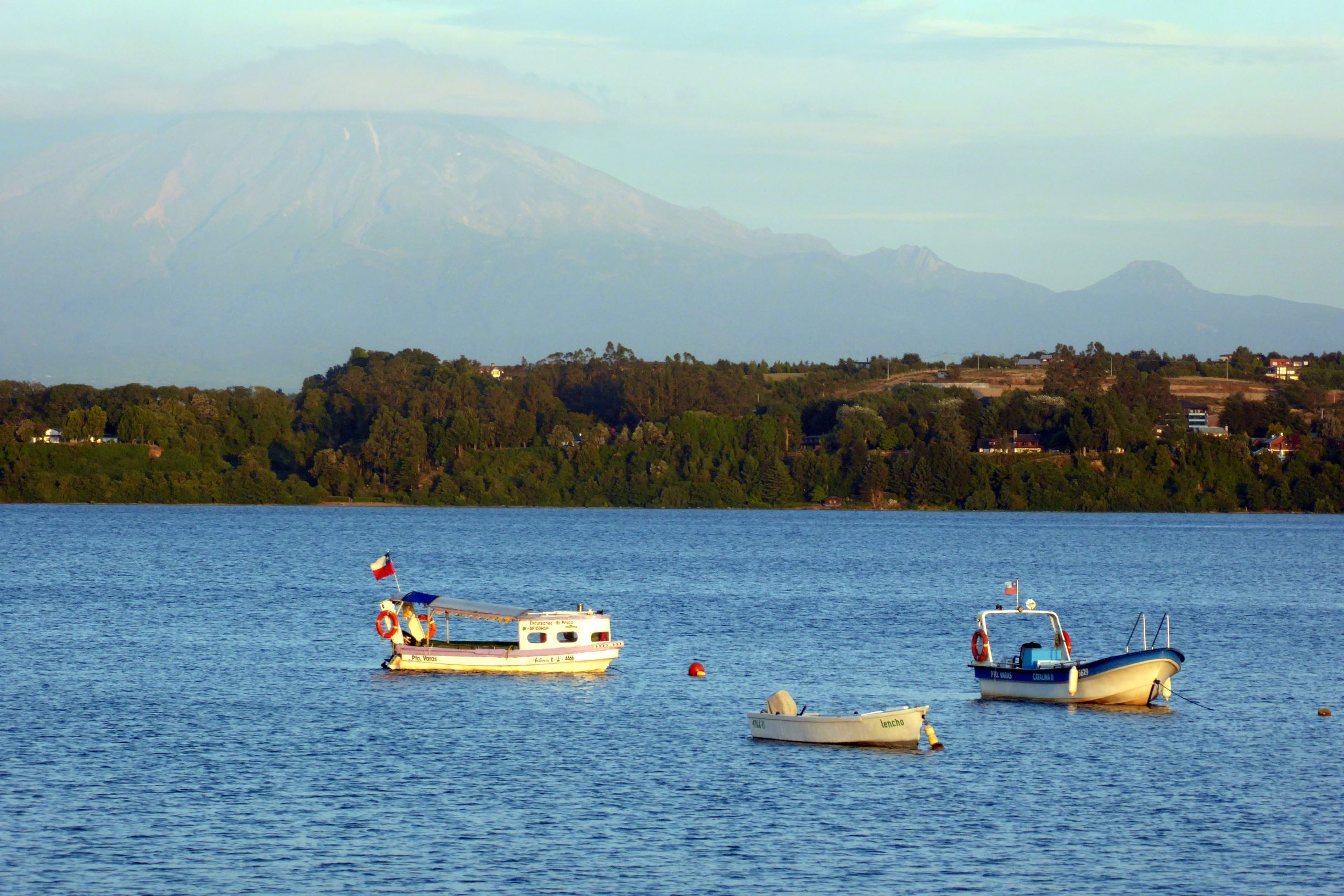
Here are a few scenes I captured while visiting the craft markets and walking along the waterfront of town:



Next up: ARGENTINA & CHILE #8: PETROHUE FALLS, A MUSIC SCHOOL, AND HOME HOSTED DINNER
 Elaine-iaK's Travels: A Traveler's Tales of People, Places, Photos, Pools... and CHOCOLATE!