SICILY & AMALFI COAST #9: MORE MAZARA

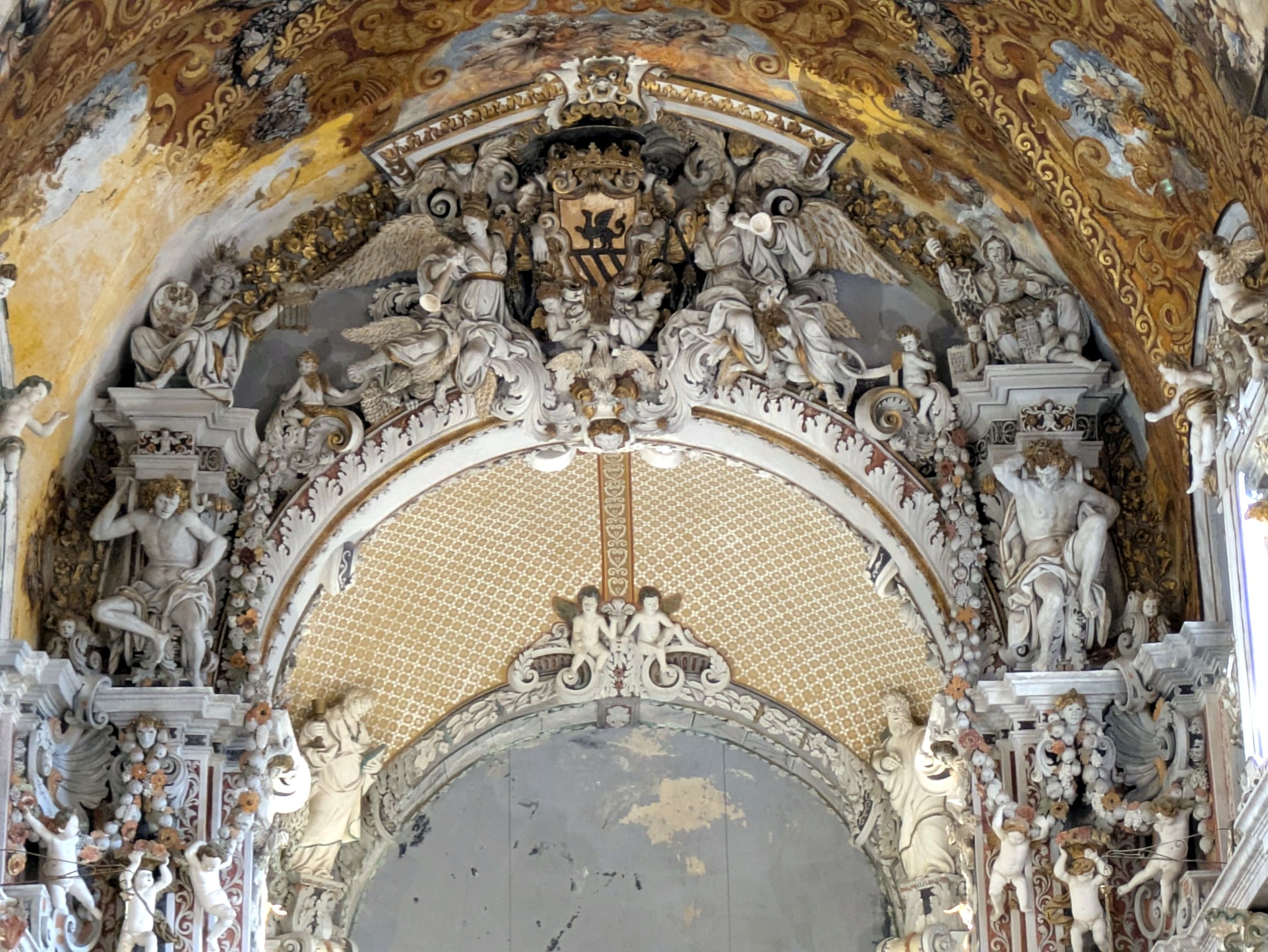
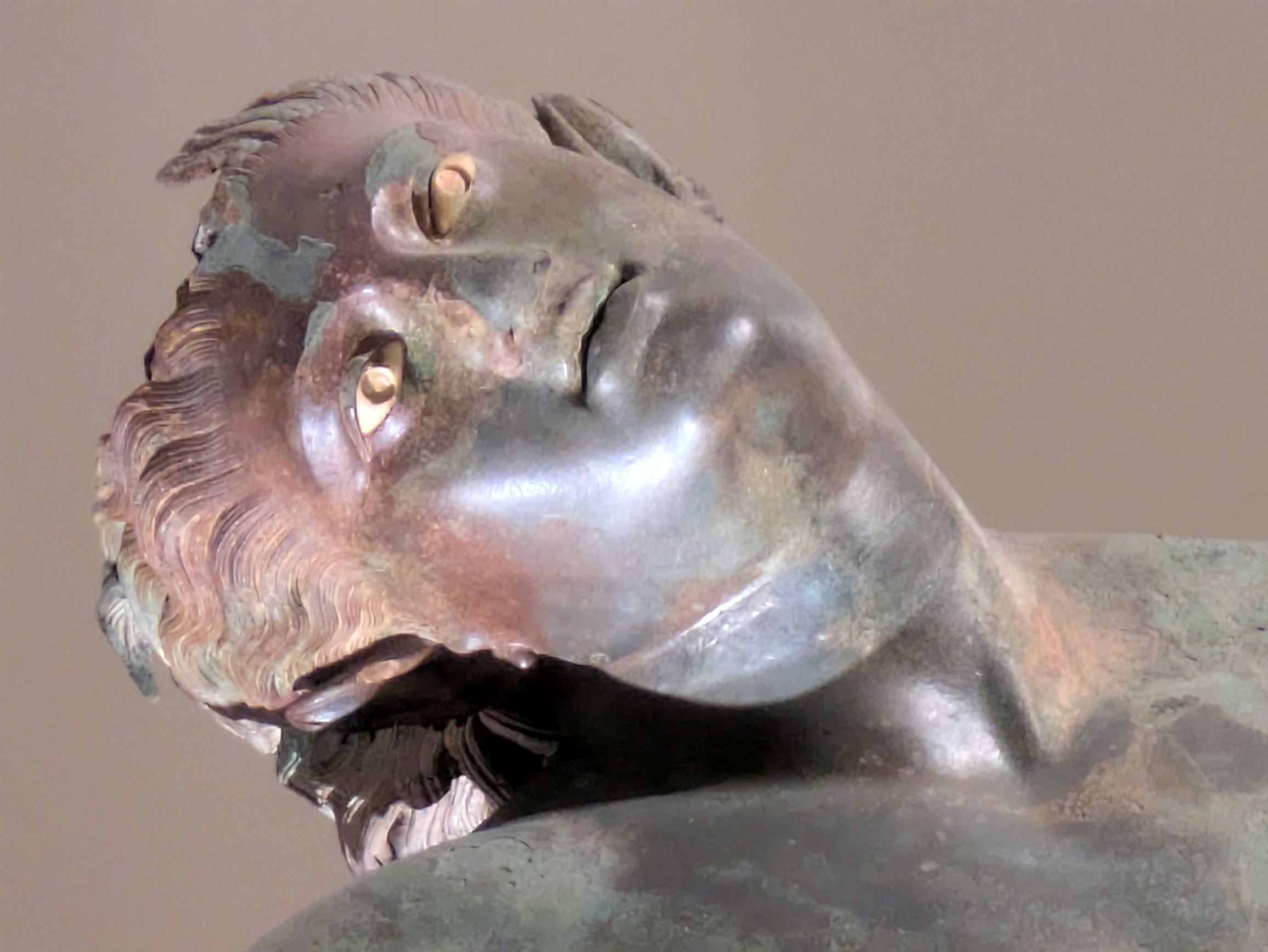
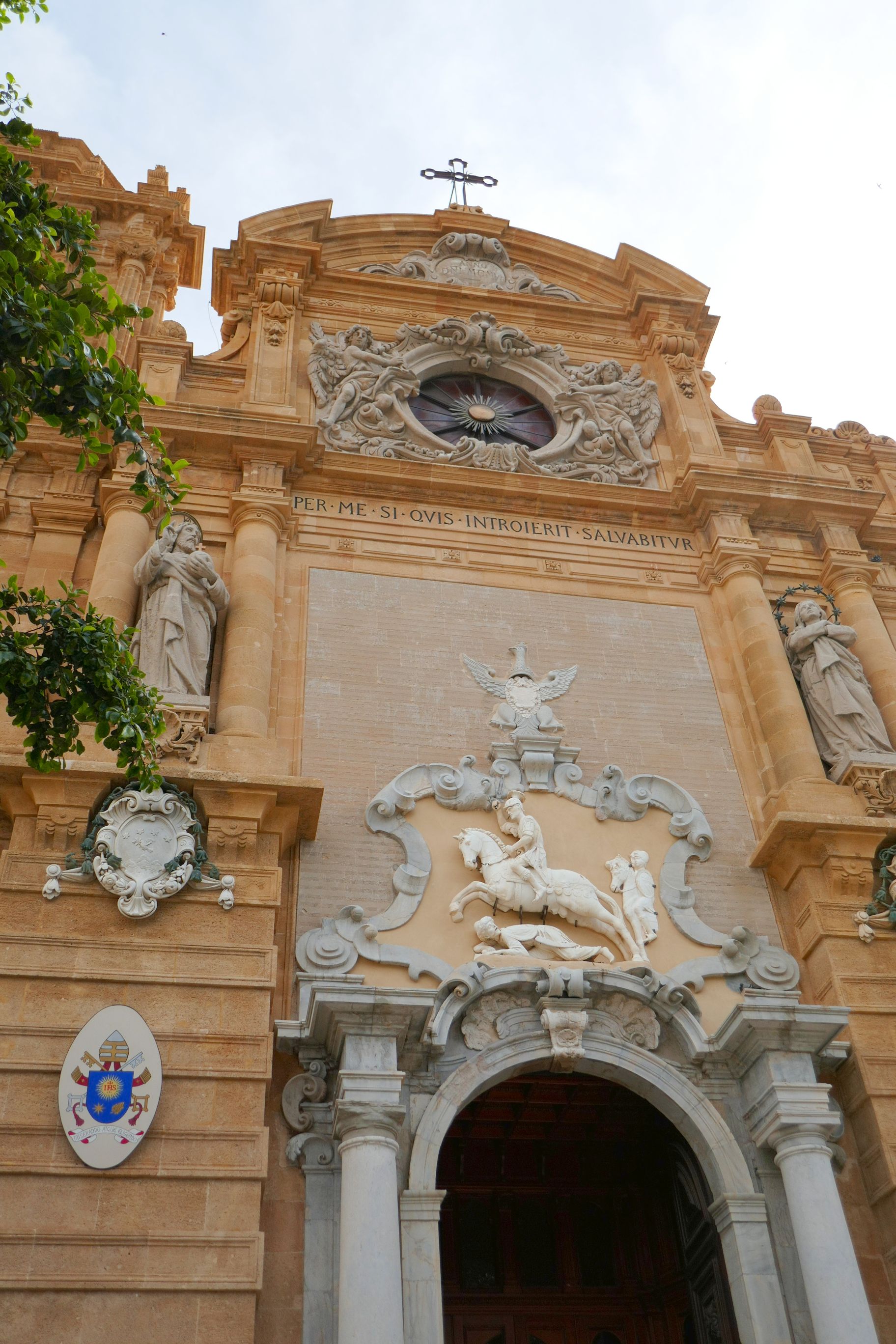
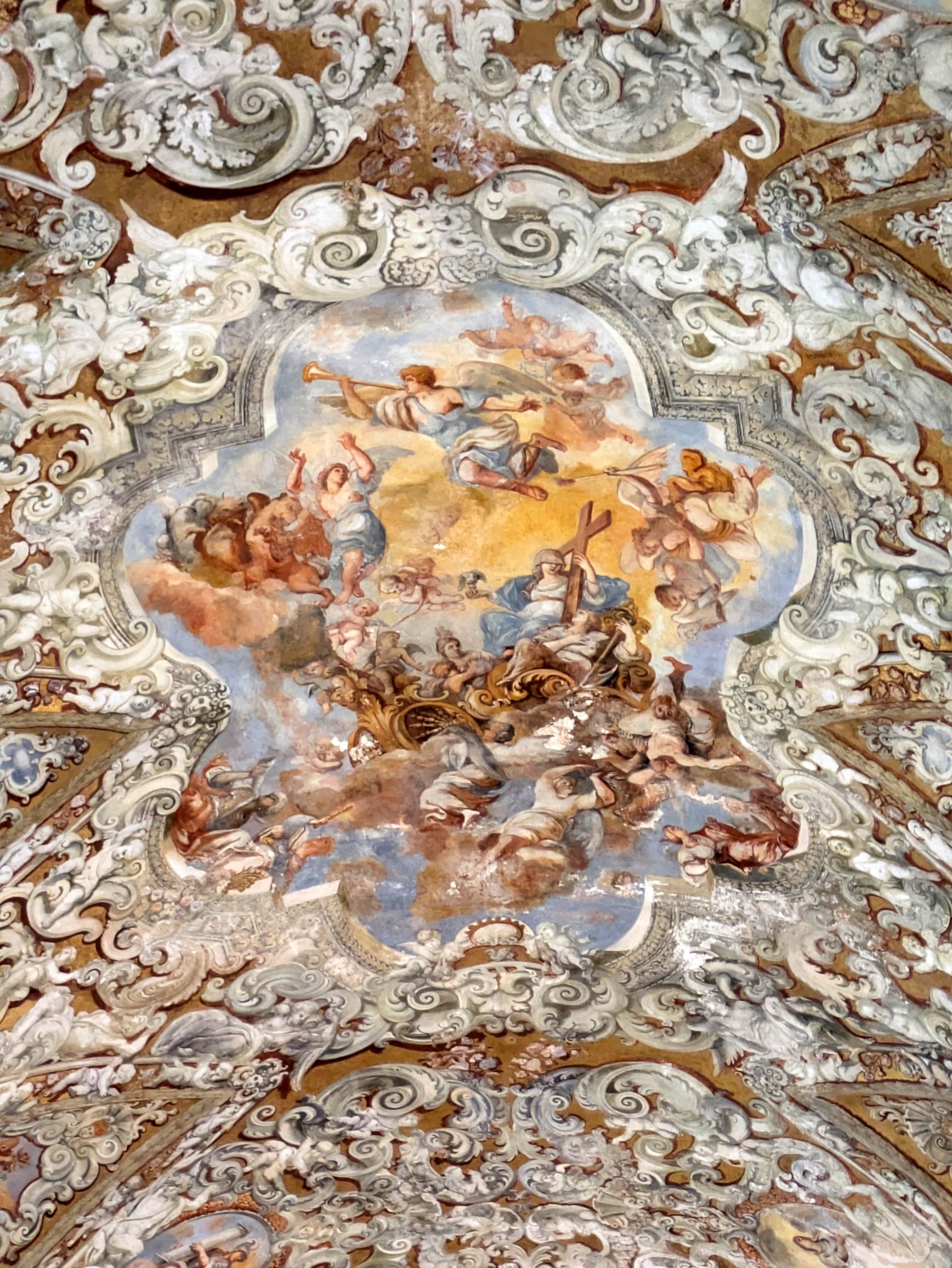
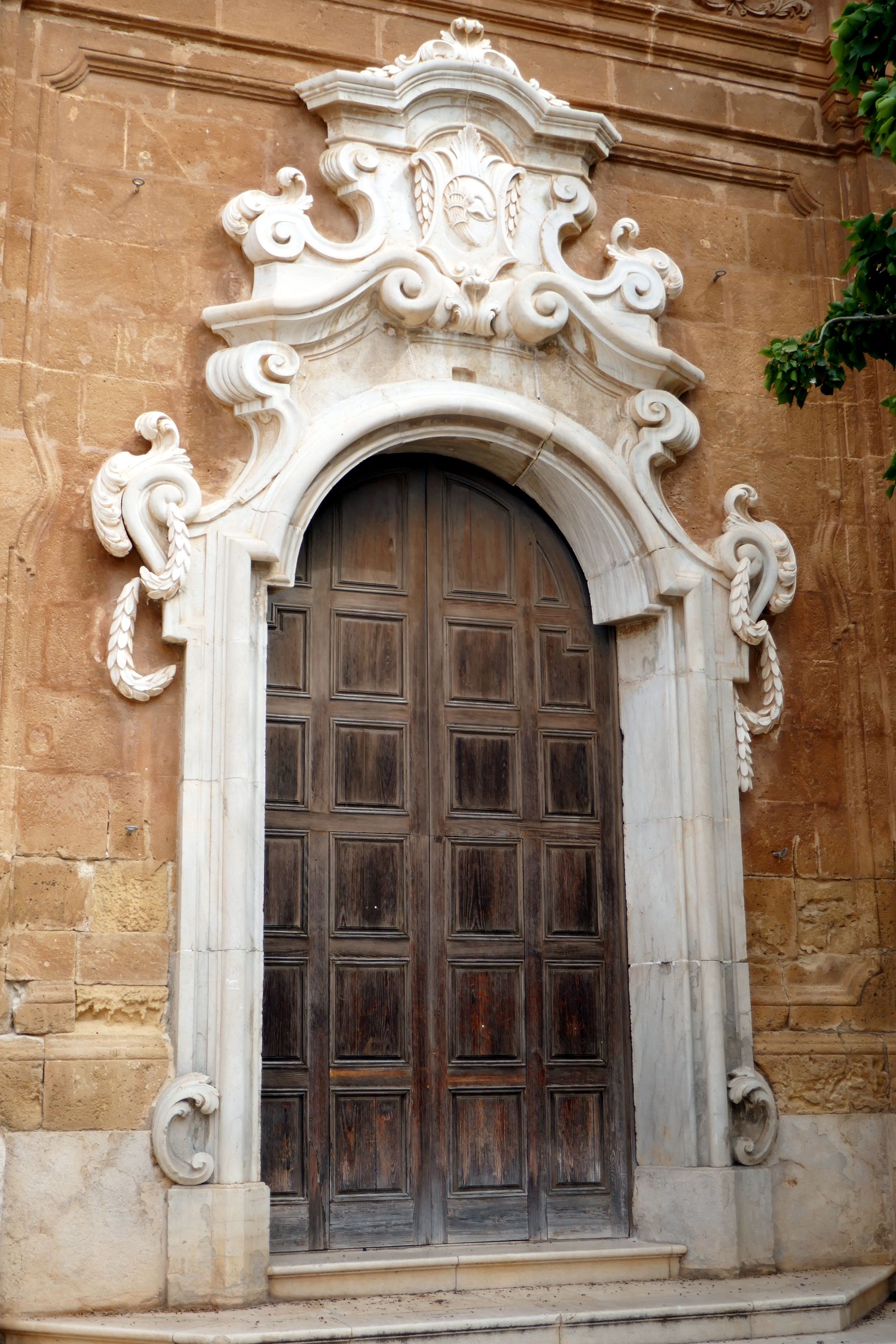
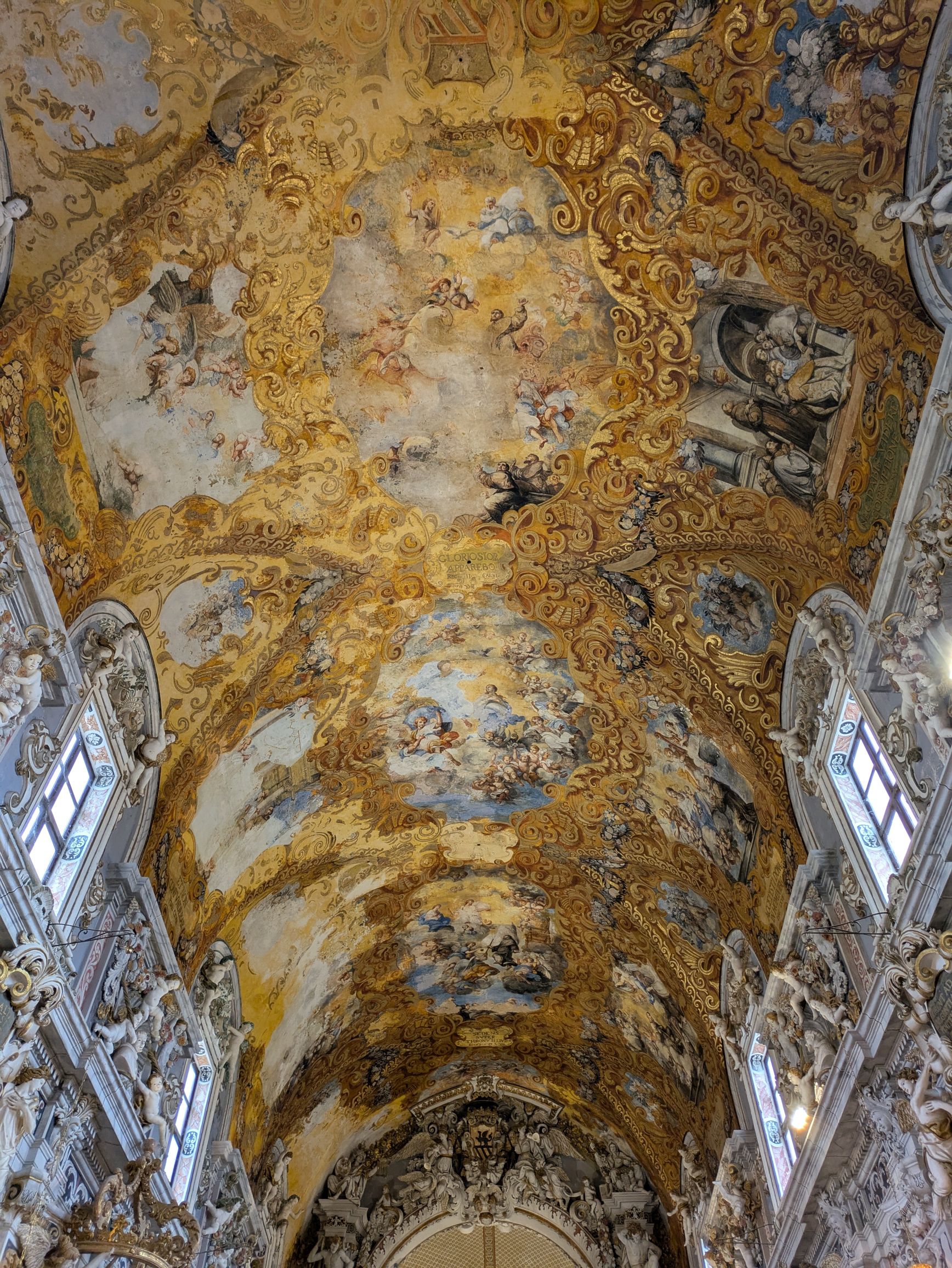
One of the stops we made on our walking tour of Mazara was at the Museum of the Dancing Satyr.  The museum is housed in the deconsecrated church of Sant’Egidio, which was incredibly ornate, as you will see in the photos below.  What captured our interest wasn’t so much the church, but the story behind the discovery of the bronze Dancing Satyr, believed to date to the 3rd or 2nd century BC.

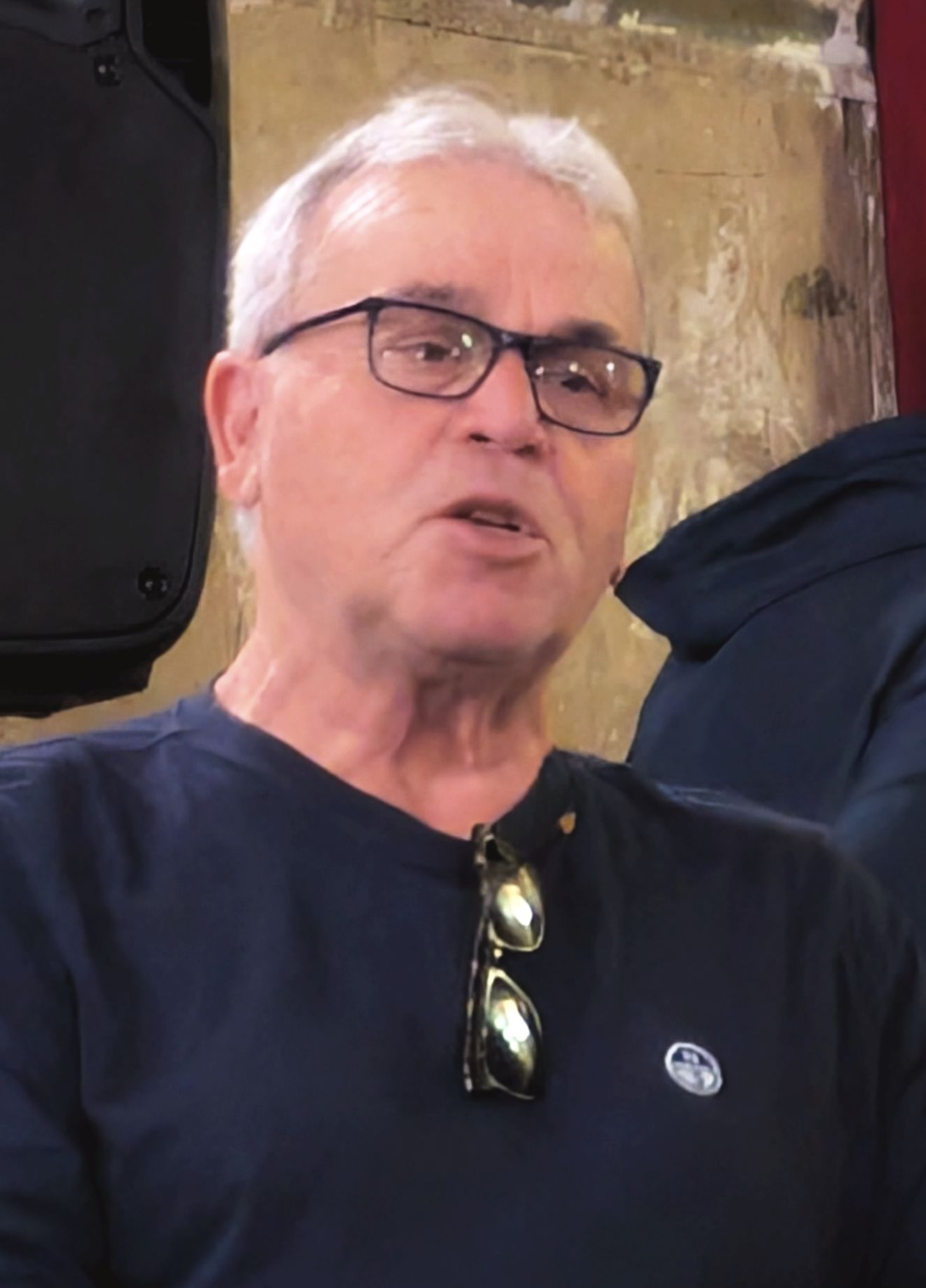
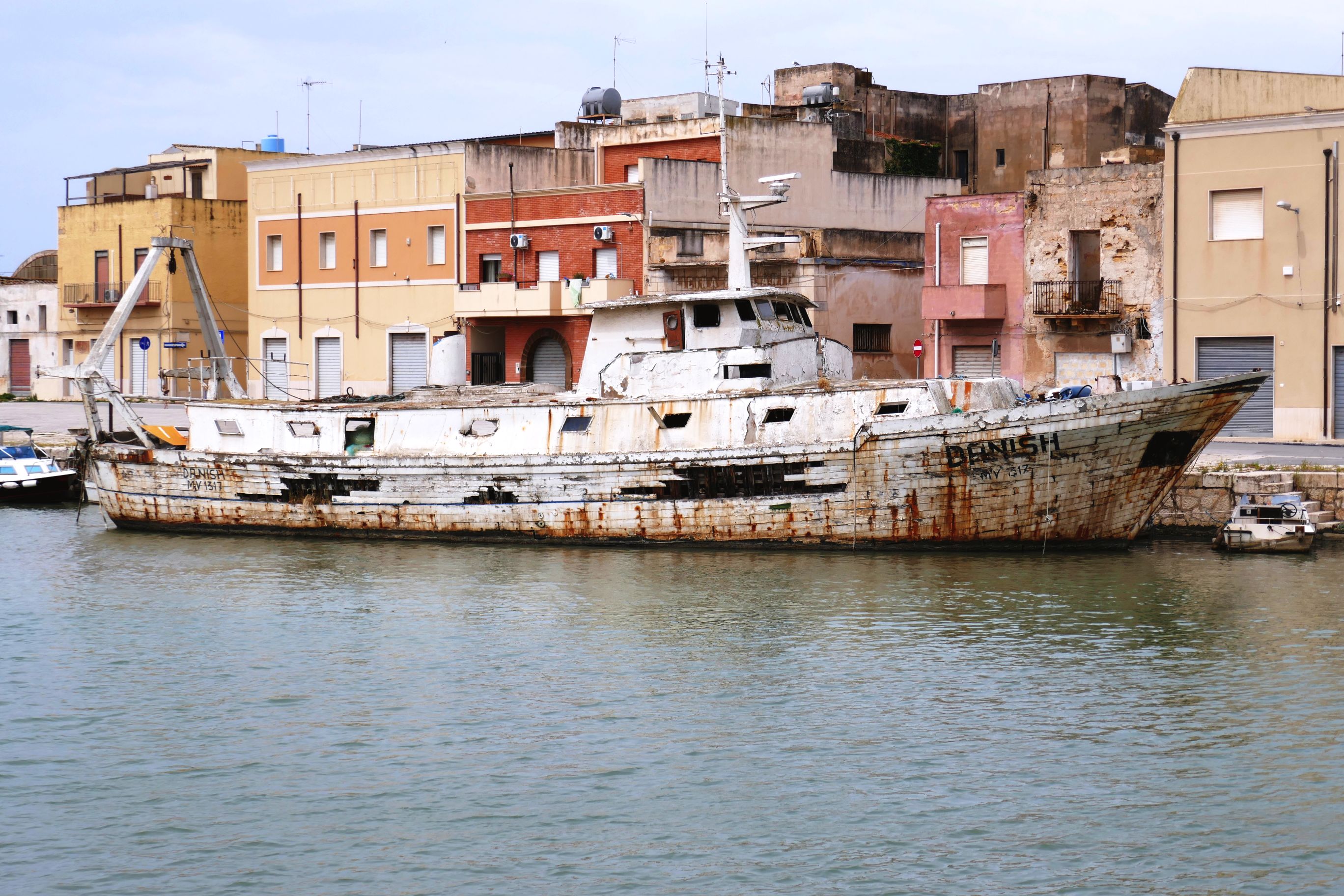
On March 4, 1998, while Captain “Ciccio” Francesco Adragna, a local fisherman, and his crew were hauling up shrimp, the torso of the sculpture came up along with it.  Seven months prior, while also fishing for shrimp, the leg of the sculpture was entangled in the net and broke off.  Francesco spent the next seven months returning to the area in search of the remaining statue.

After visiting the museum and seeing the statue, which itself was a memorable experience because of the back story, our tour leader (also “Francesco”), escorted us into a theater for a surprise.  Ciccio Francesco came to speak with us about his adventure discovering the sculpture!  After his slide show presentation, we were able to ask questions and learned he and his crew were rewarded 600,000 euros for their discovery.  Of that, 250,000 euros went to the owner of the boat, and he personally took home 60,000 euros.

At 65 years old, Ciccio Francesco retired after 50 years of professionally fishing the waters off Mazara.  He spends some of his retirement time hosting Overseas Adventure Travel groups for lunch at his home, averaging about 200 lunches per year.

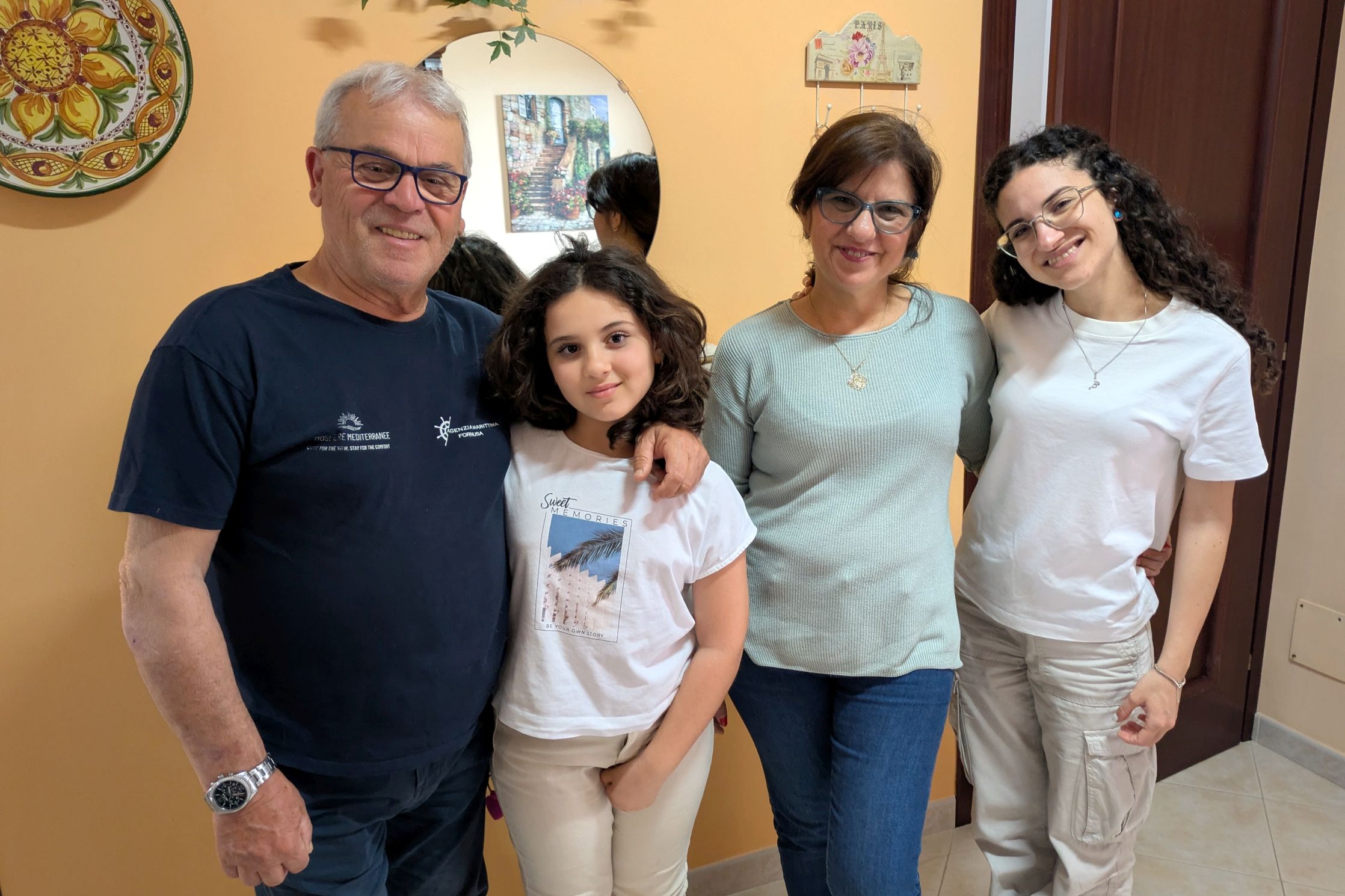
We didn’t know this until after his talk, when he showed up as one of the hosts while the 16 of us were divided up into three groups to go to our home-hosted lunch.  Bruce and I, along with three other people, were assigned to Ciccio Francesco, and he drove us to his home.

Joining us for lunch was Francesco’s girlfriend, Angela, her daughter, Lea, and his grandchild, Carlotta, age 7.  Lea, a 26-year-old pharmacist, took the day off from work and joined us so serve as translator.  Her English was impeccable!

Here, then are scenes from the remainder of our day in the Kashah of Mazara:

(For all photos, click on the image for a full screen view.)

Church of Sant’Egidio is the location for the Museum of the Dancing Satyr
The Dancing Satyr
Captain “Ciccio” Francesco Adragna
Ciccio, Carlotta, Angela, and Lea in their home for our home-hosted lunch.

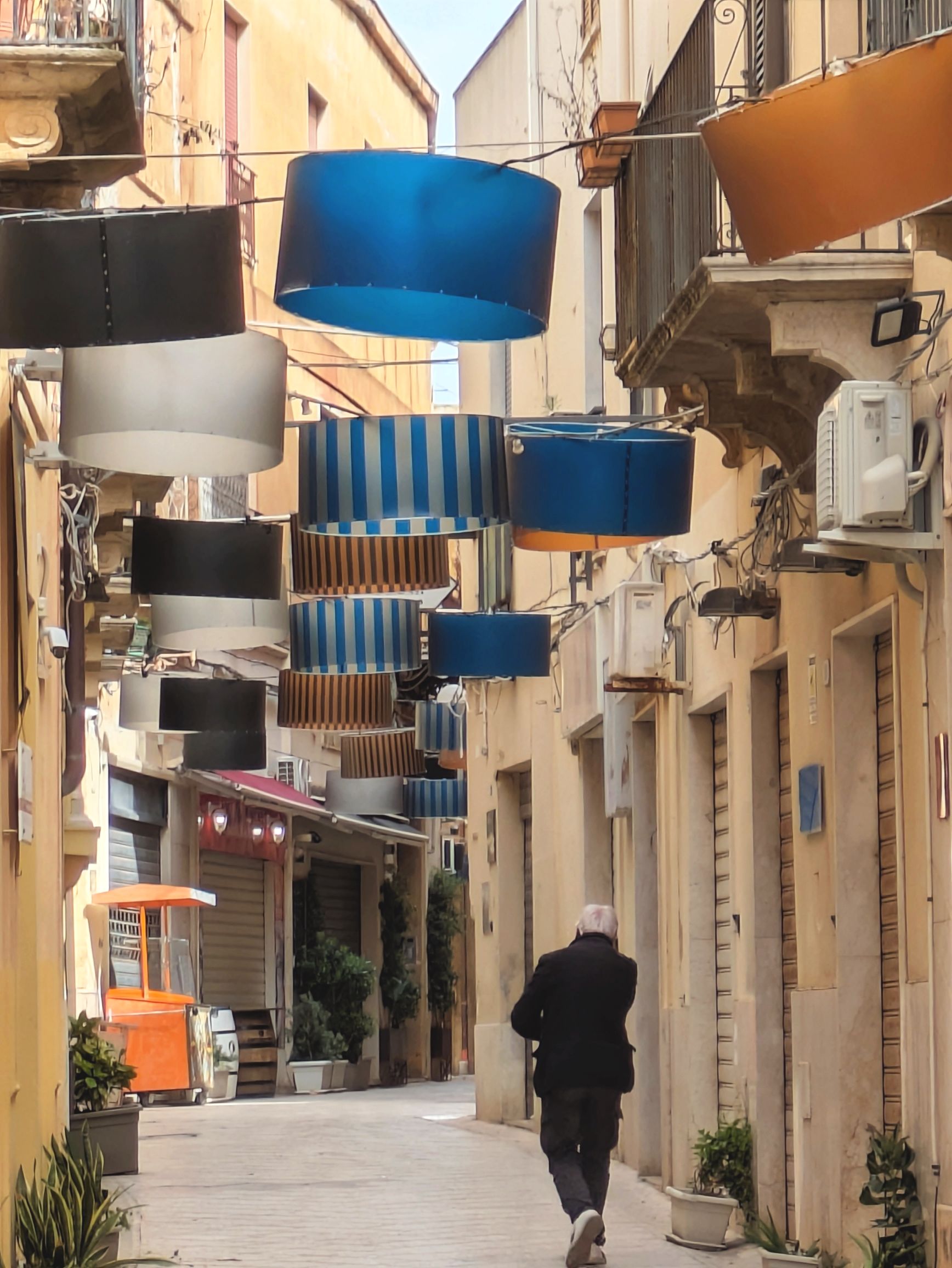
More scenes from the day:

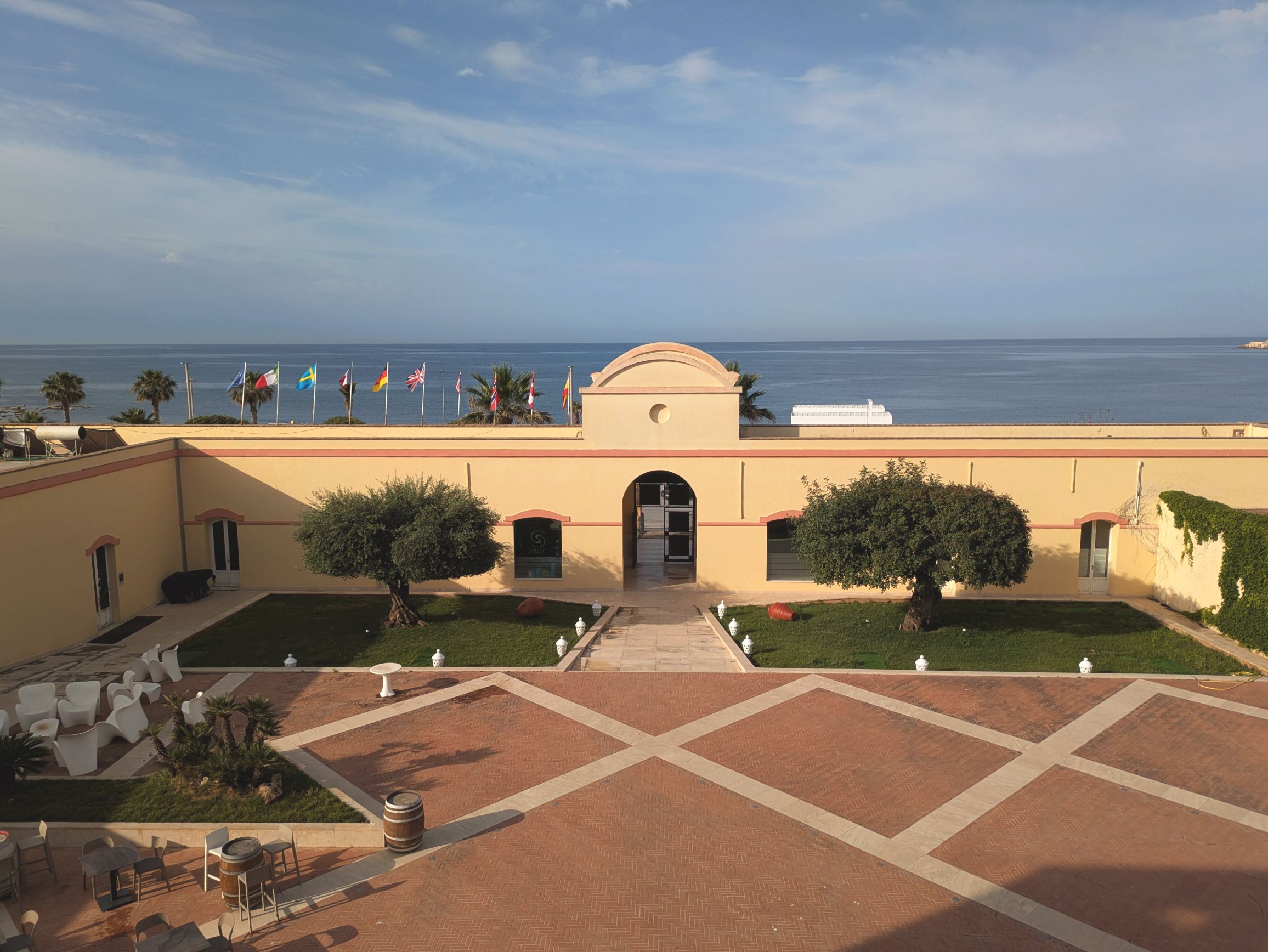
The view from our hotel window
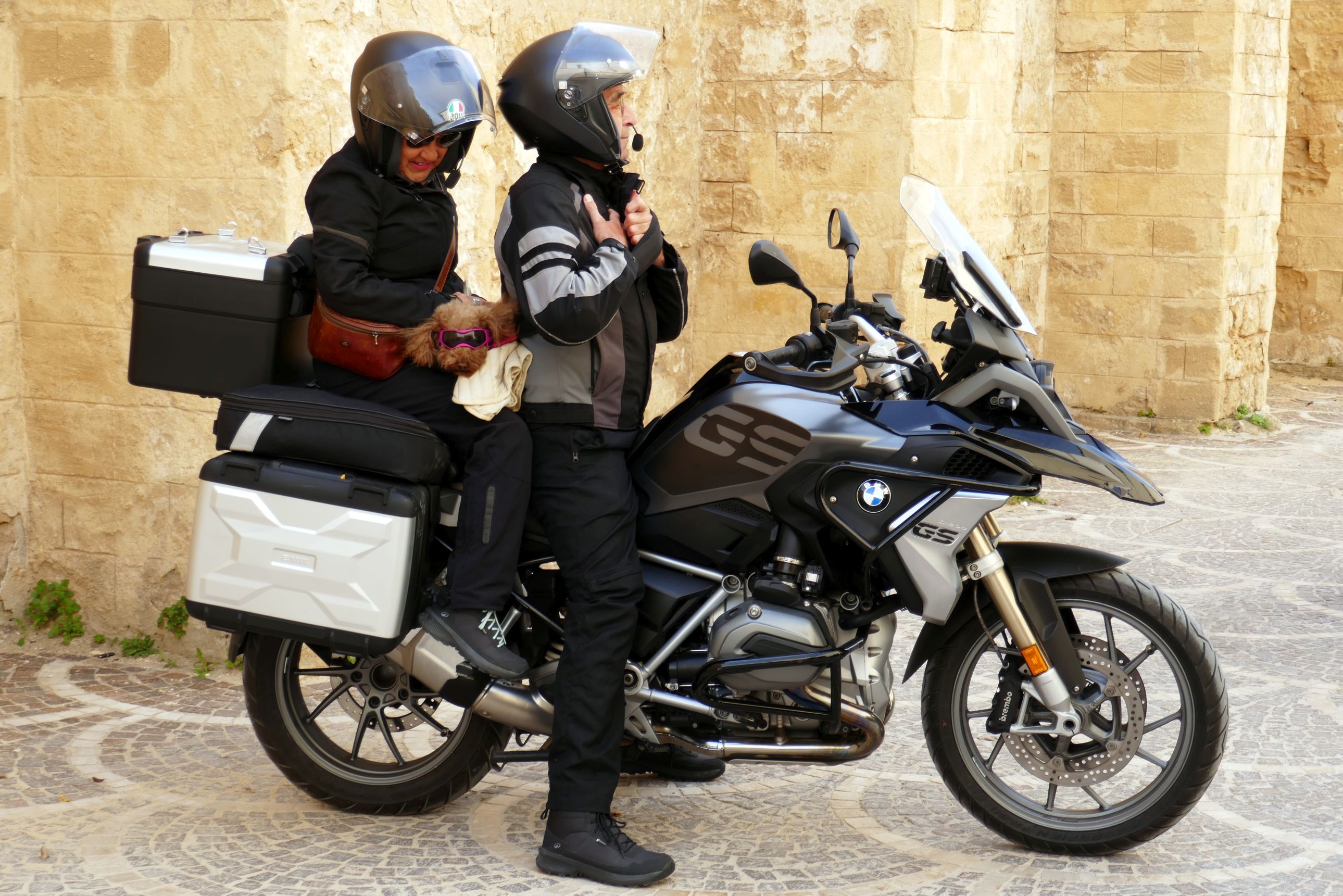
Guests from our hotel were stylin’
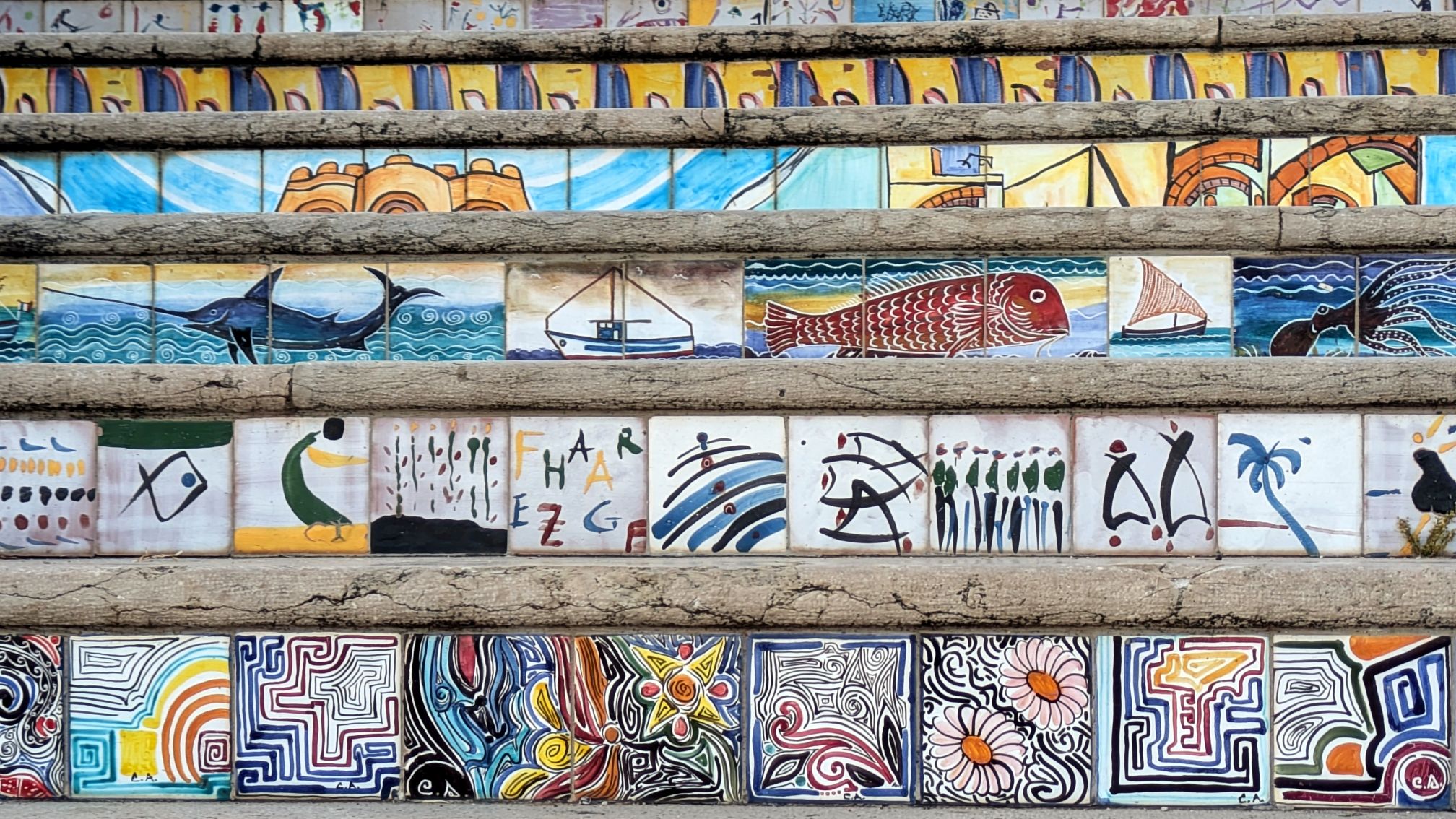
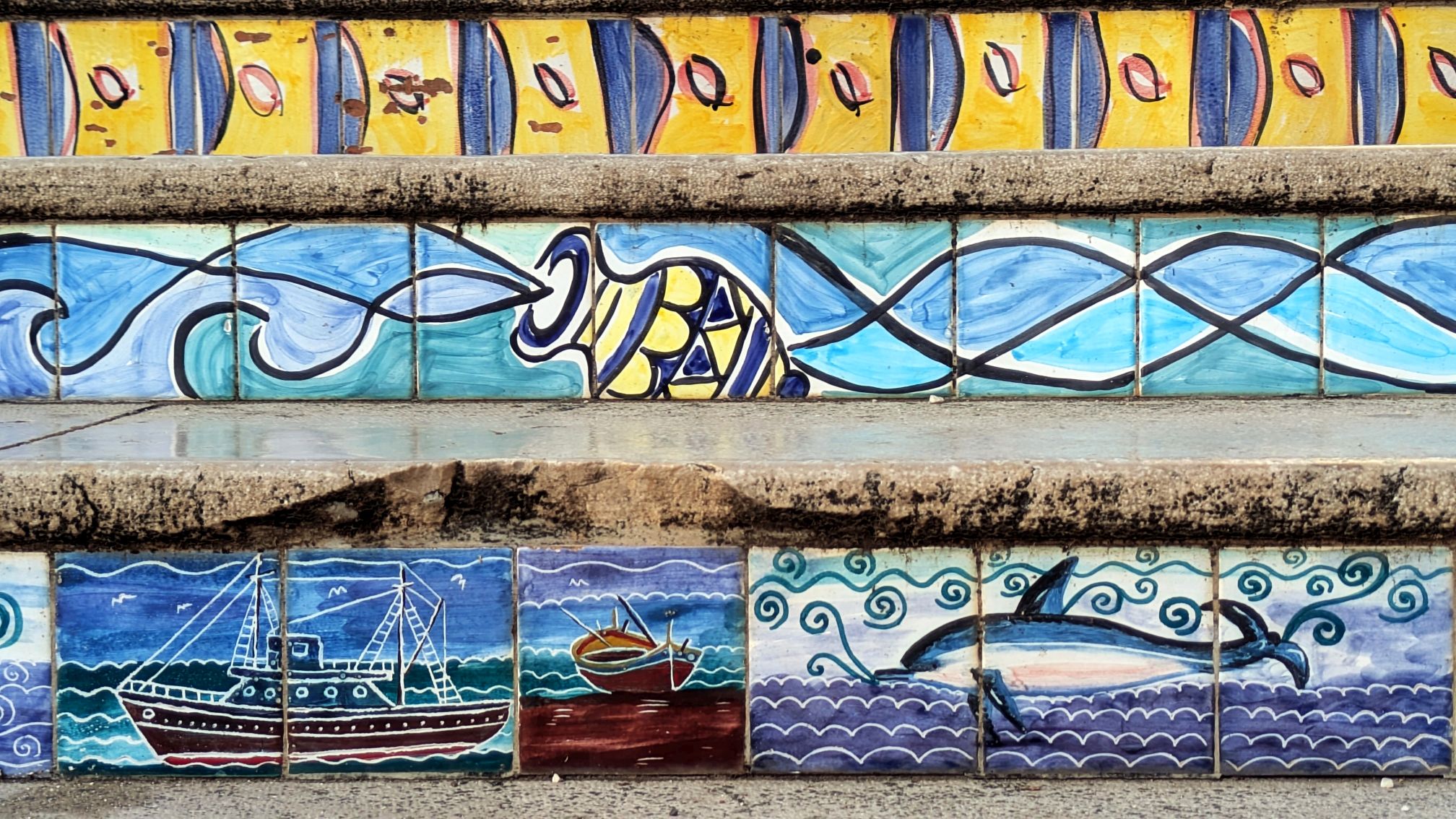
Stairs leading up to the Kasbah
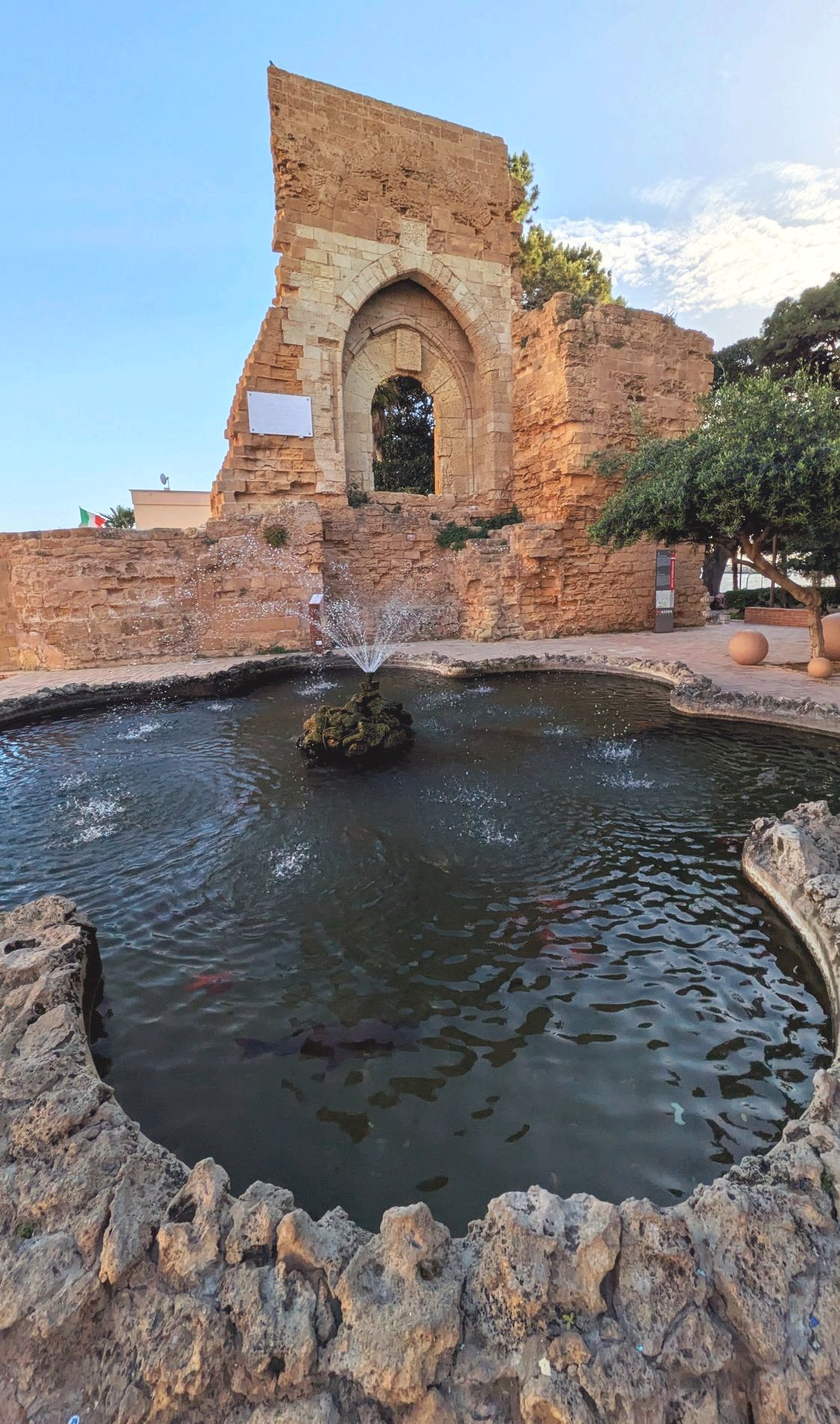
Norman Arch: The city of Mazara del Vallo, after about three centuries of Islamic domination, was conquered by the Normans in 1072. They surrounded the city with walls and towers as well as a castle. In the 19th century, it was demolished, and this is all that remains.

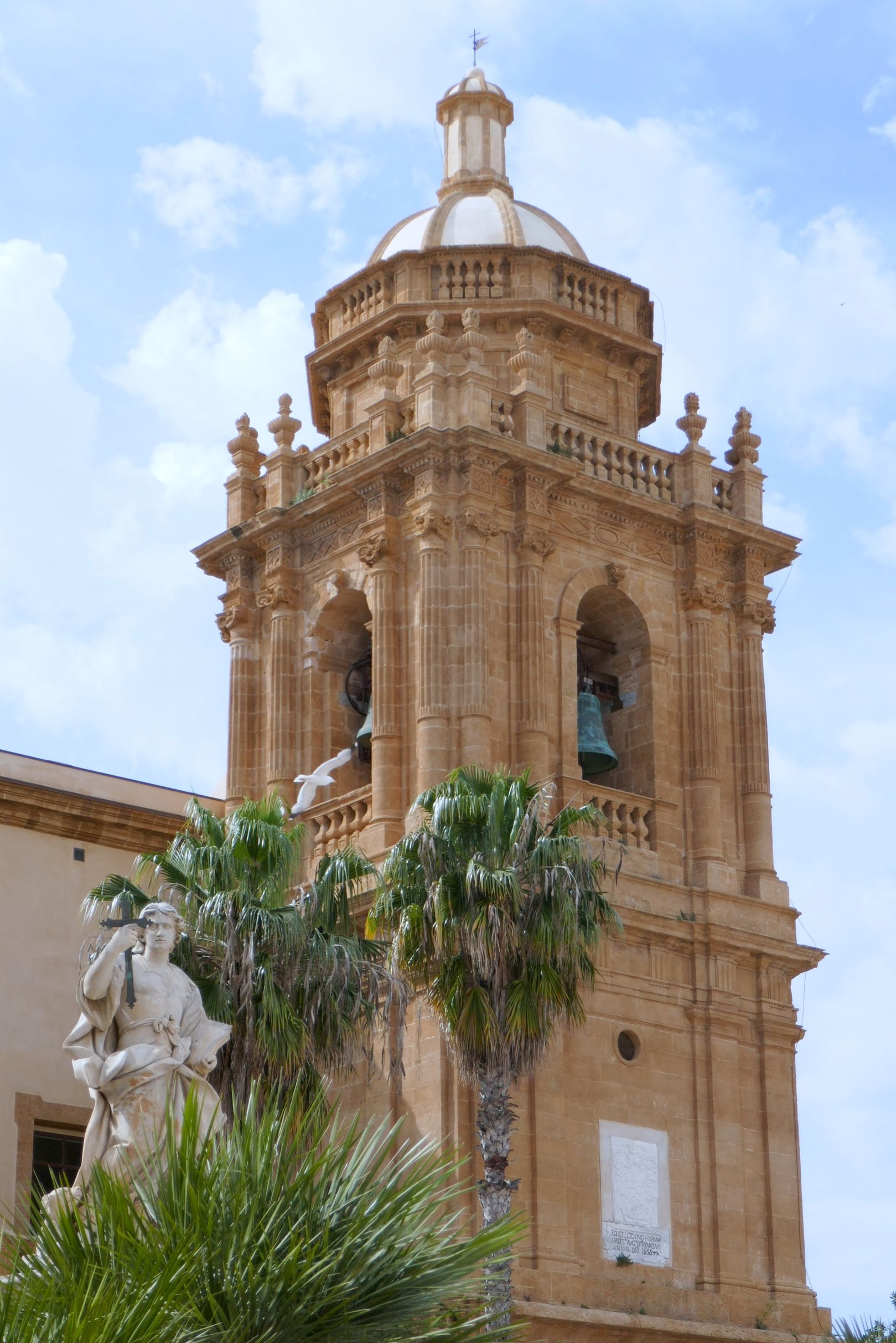
Cathedral of 1000 Angels

Coming up next: SICILY & AMALFI COAST #10: SEEING SALT PRODUCTION & MOTORING TO MOZIA

SICILY & AMALFI COAST #8: MEANDERING AROUND THE MAZARA KASBAH

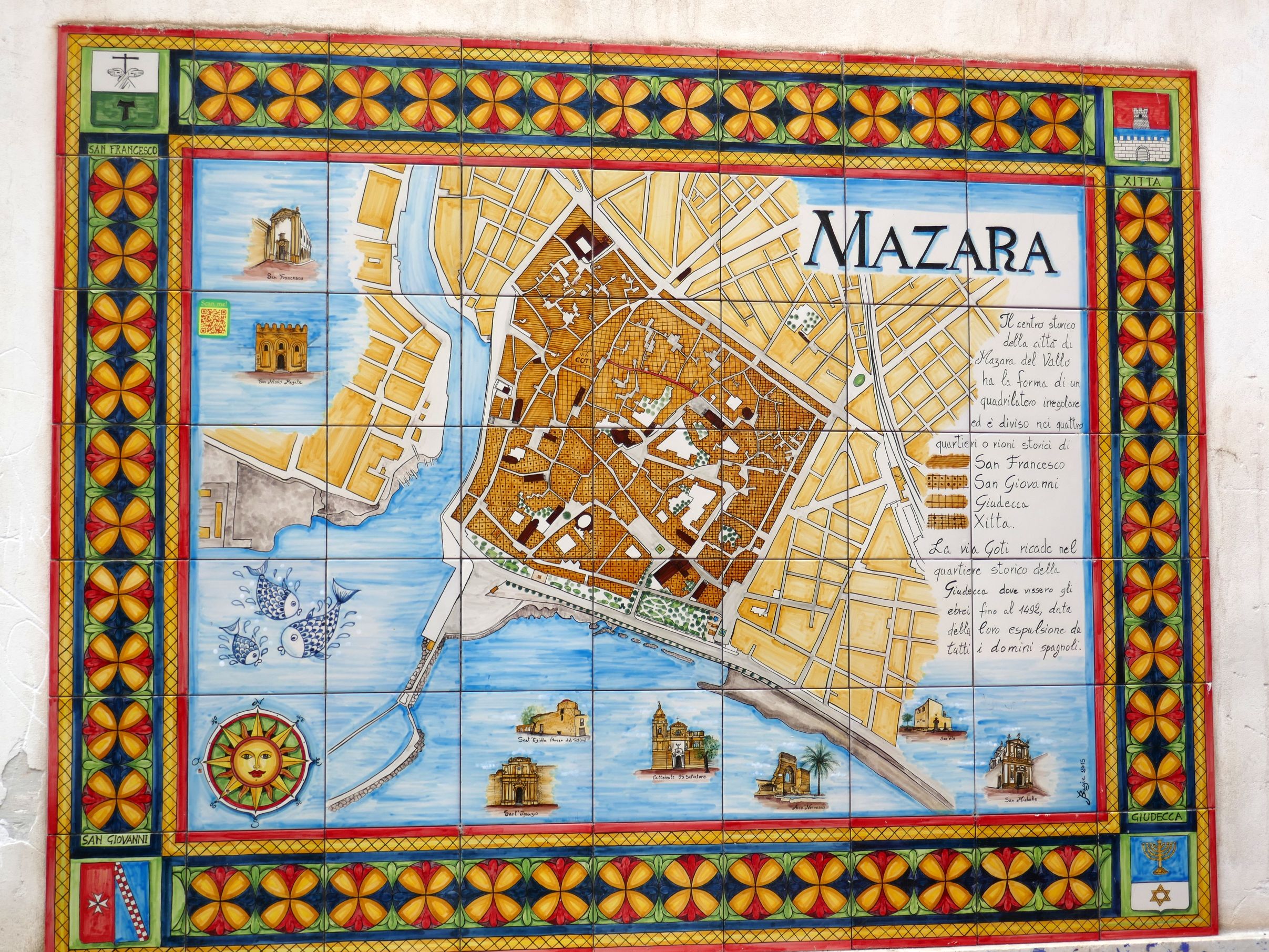
A UNESCO-protected city, Mazara del Vallo (“Mazara”) is unique in several ways.  First, it is Sicily’s most Arabic city and was conquered and controlled by all sorts of group after being founded by the Phoenicians in the 9th century BC.

Currently, 3,000 of the 60,000 residents are Tunisian or other Maghreb Arabs, so the culture is a mix of Sicilian and Arab.  What makes it unique is the peaceful co-existence of Muslim and Christian Faiths.  Add to the historical mix the small Jewish communities that were established centuries ago, it could have been a recipe for disaster.  Instead, there has been religious tolerance in Mazara throughout history and they call themselves, “Citta della Pace” or “City of Peace.”  There is even one street where there was an active church, Jewish temple, and mosque all within steps of each other.

Mazara is an important fishing center of Italy, and the Muslims and Christians work well together with mutual respect, side-by-side, on fishing boats as well as in agriculture, and other industries.  That is unique in this crazy world!

Muslims pray five times a day, and there is no problem that the call of prayer is broadcasted throughout Mazara except in the historic Jewish Quarter.  (Actually, there aren’t many (if any) Jews in Mazara currently, because they were kicked out during the Spanish Inquisition.  There is a small Jewish community in Palermo, however.)

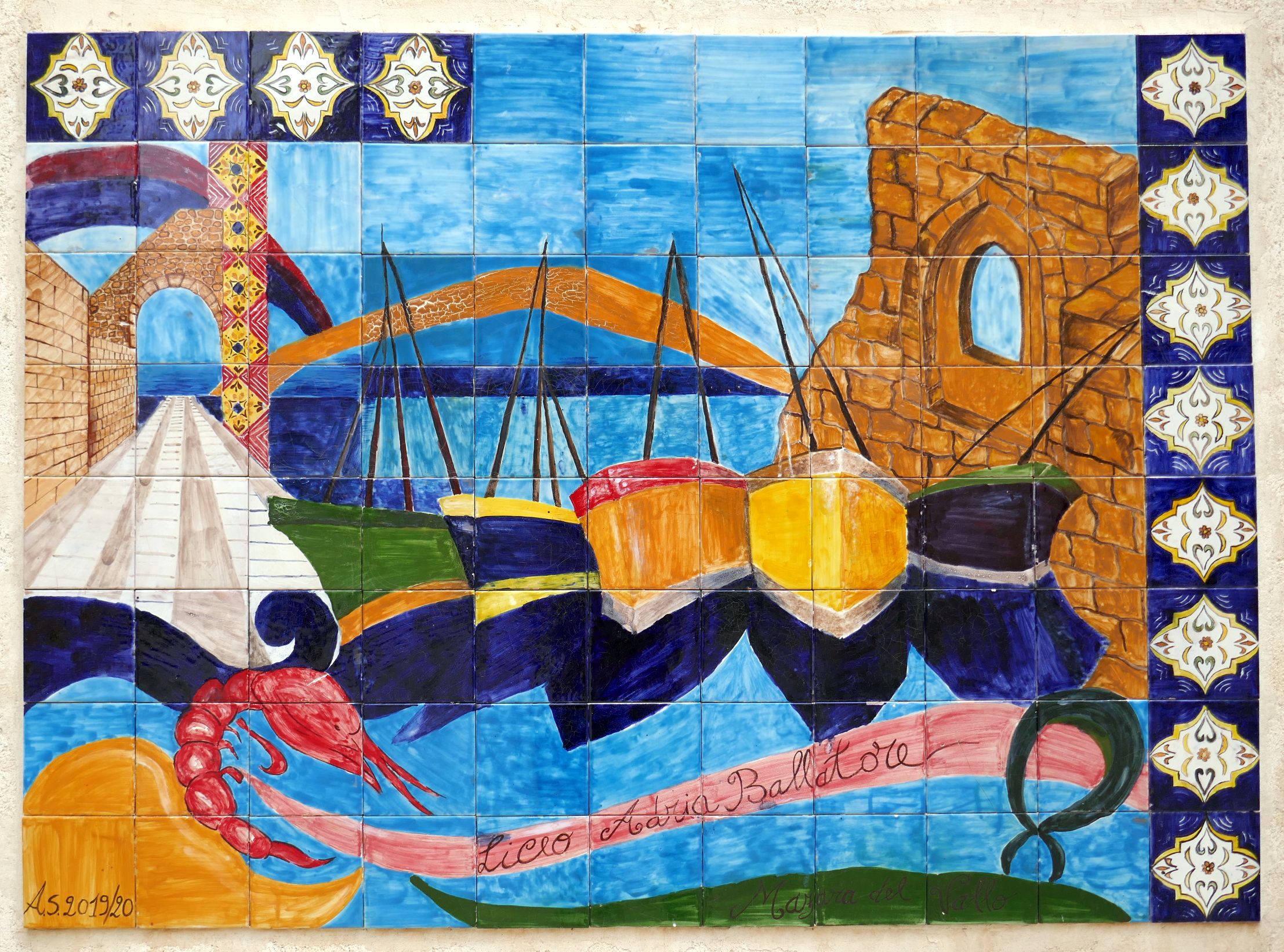
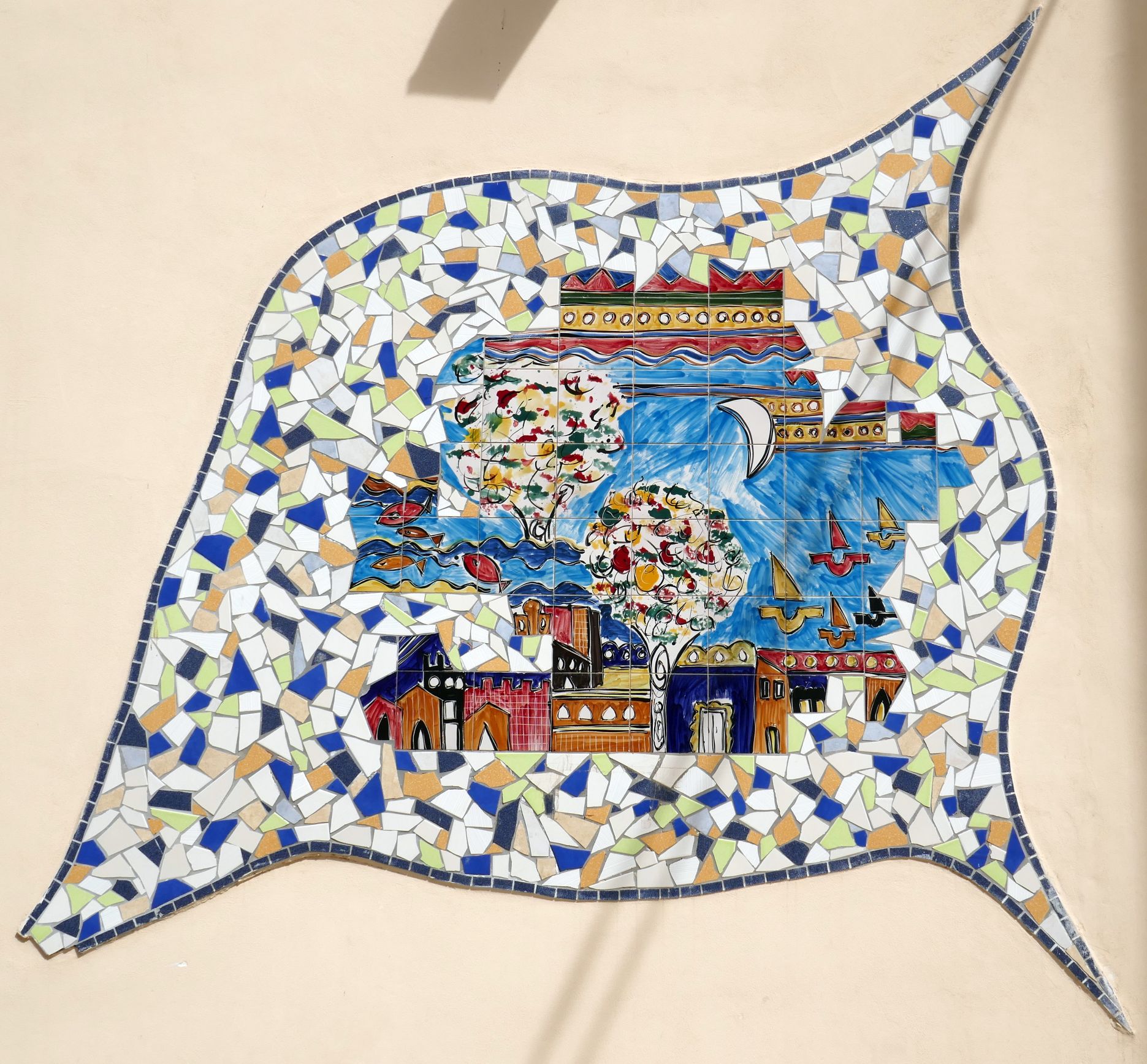
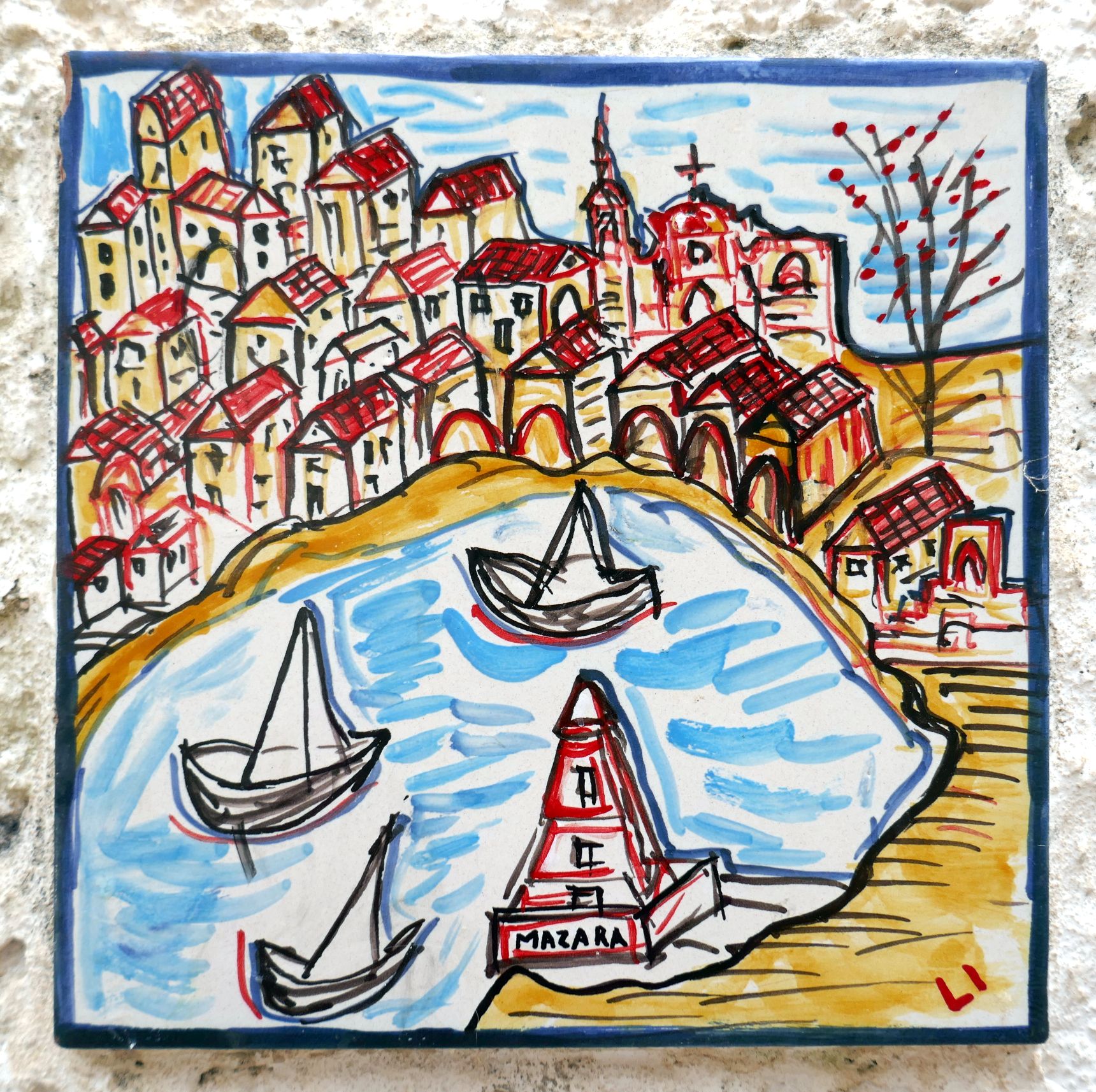
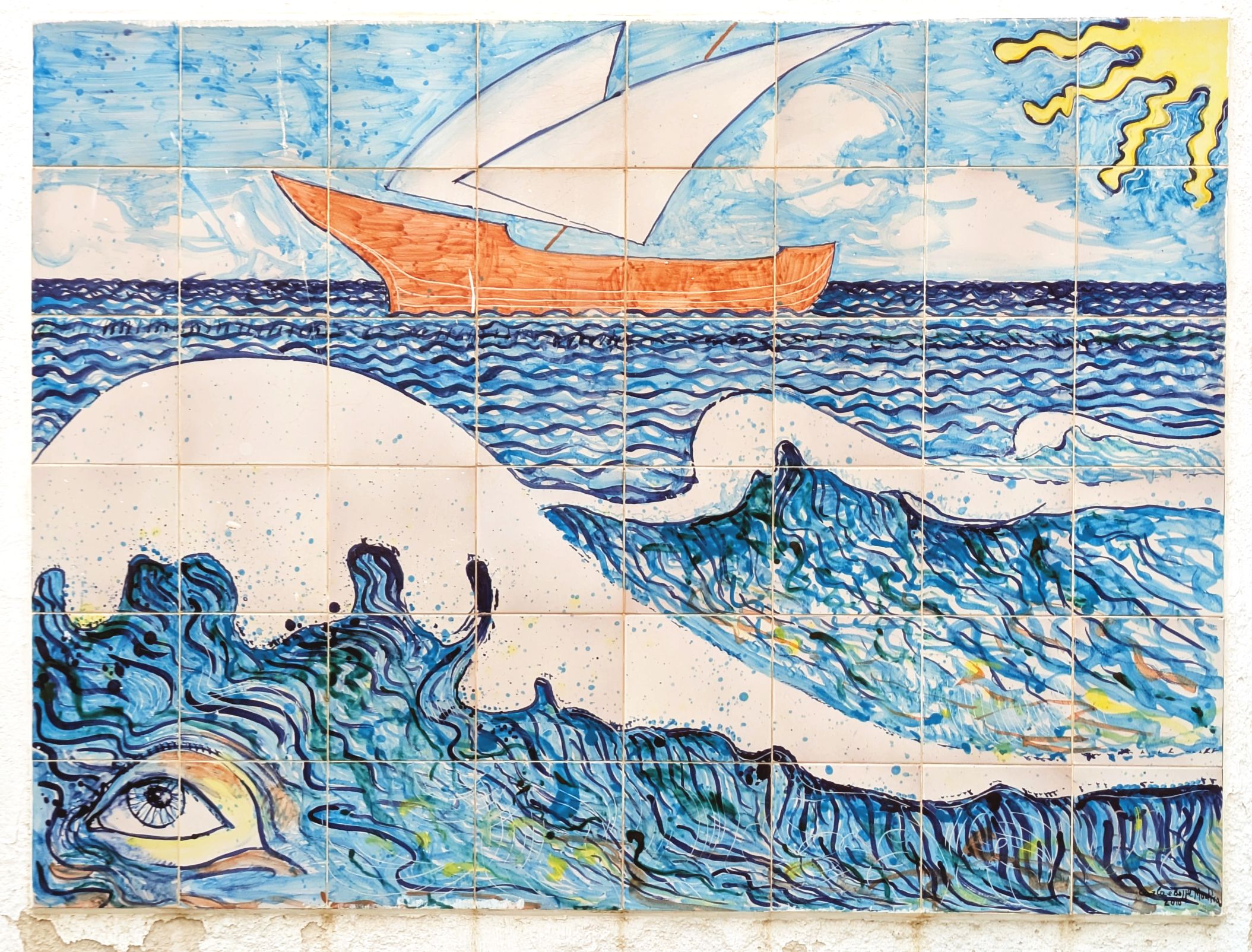
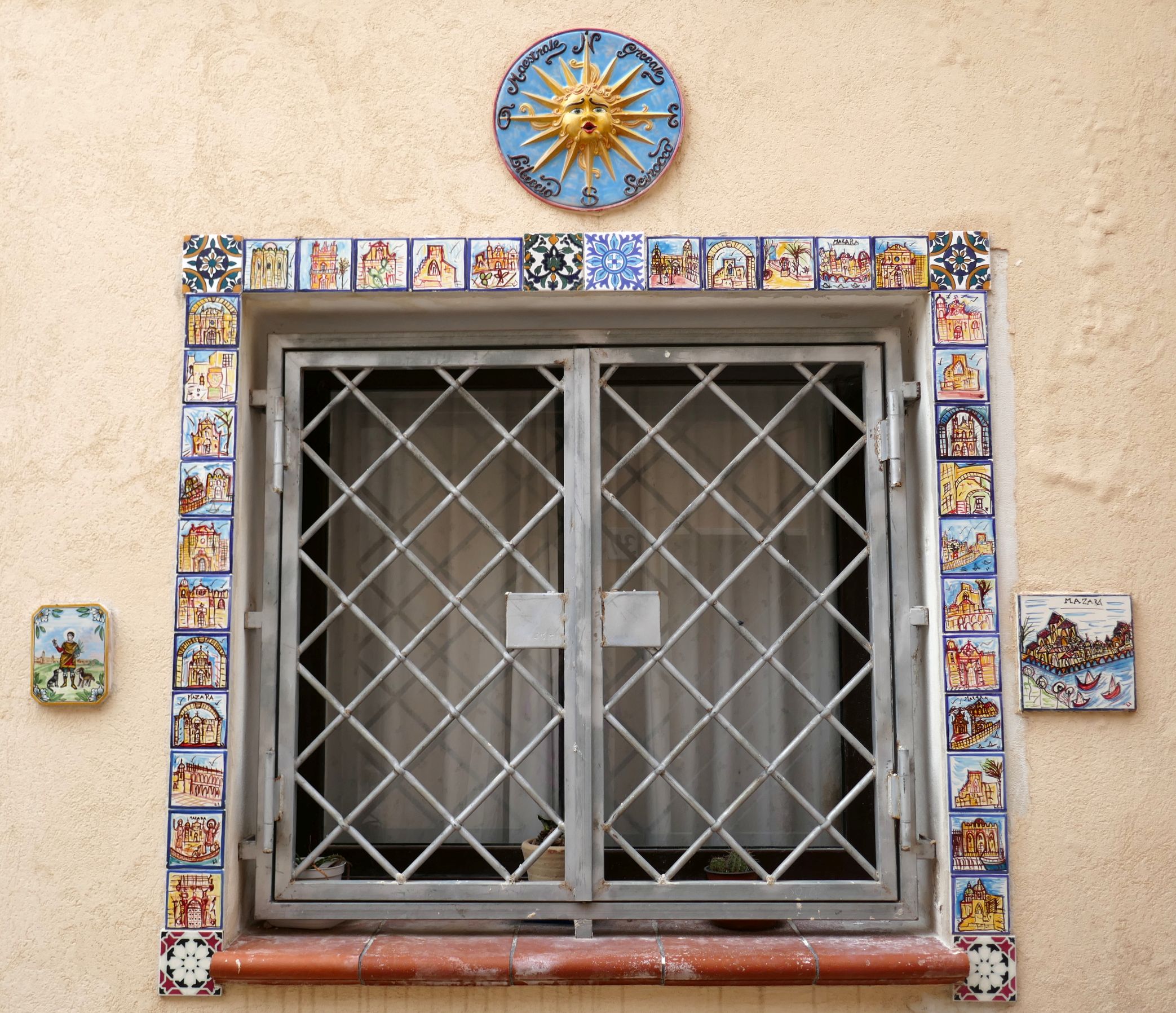
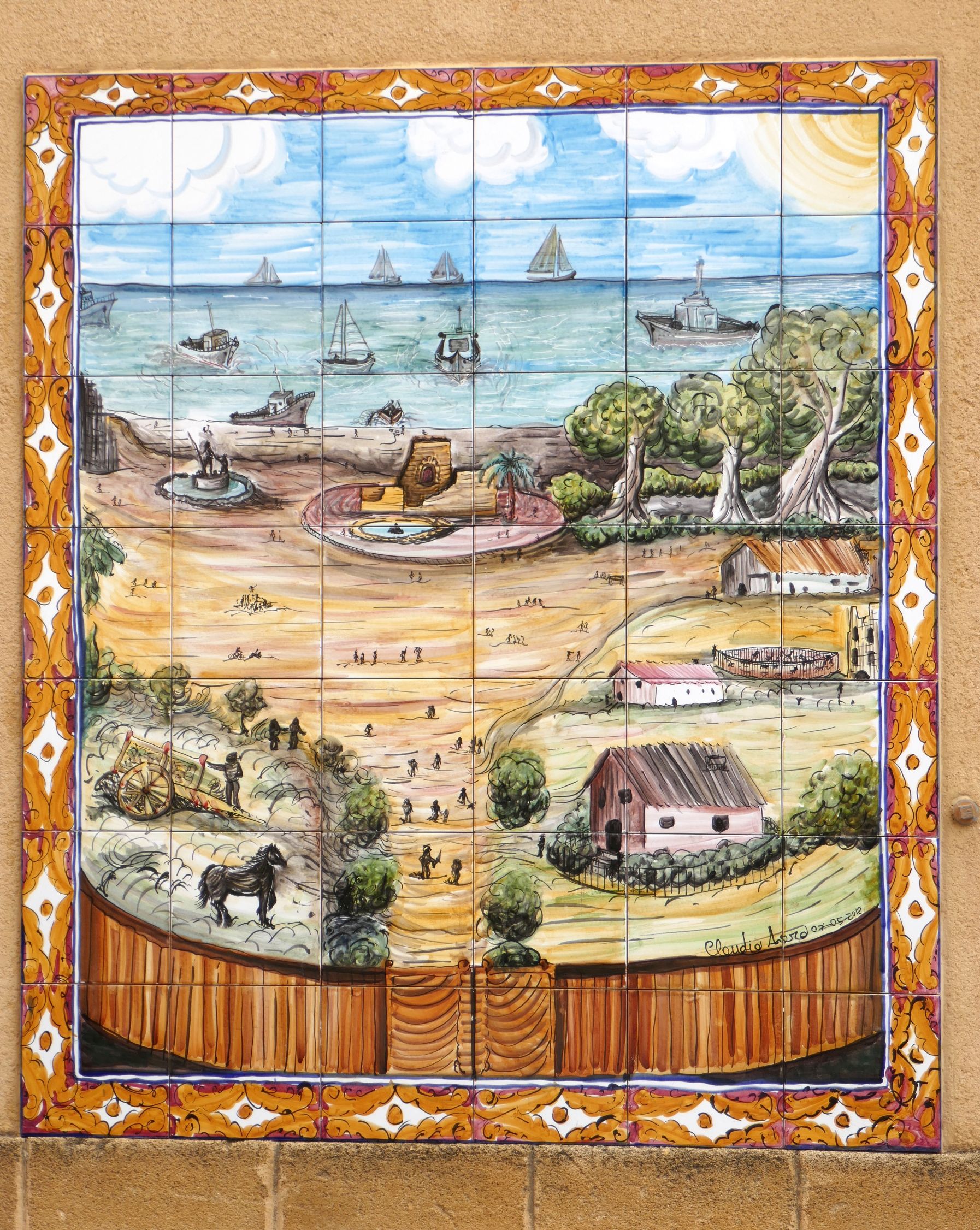
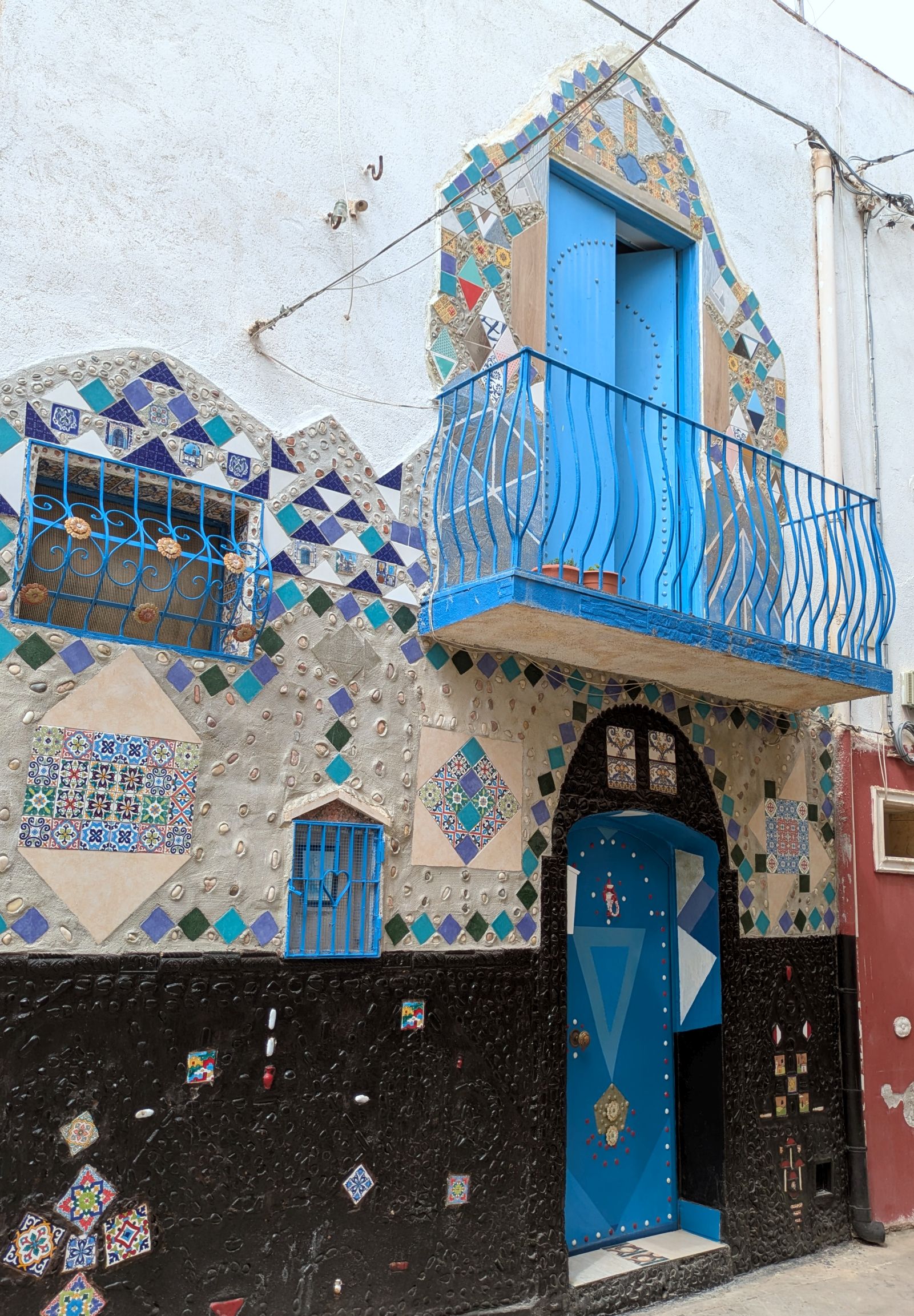
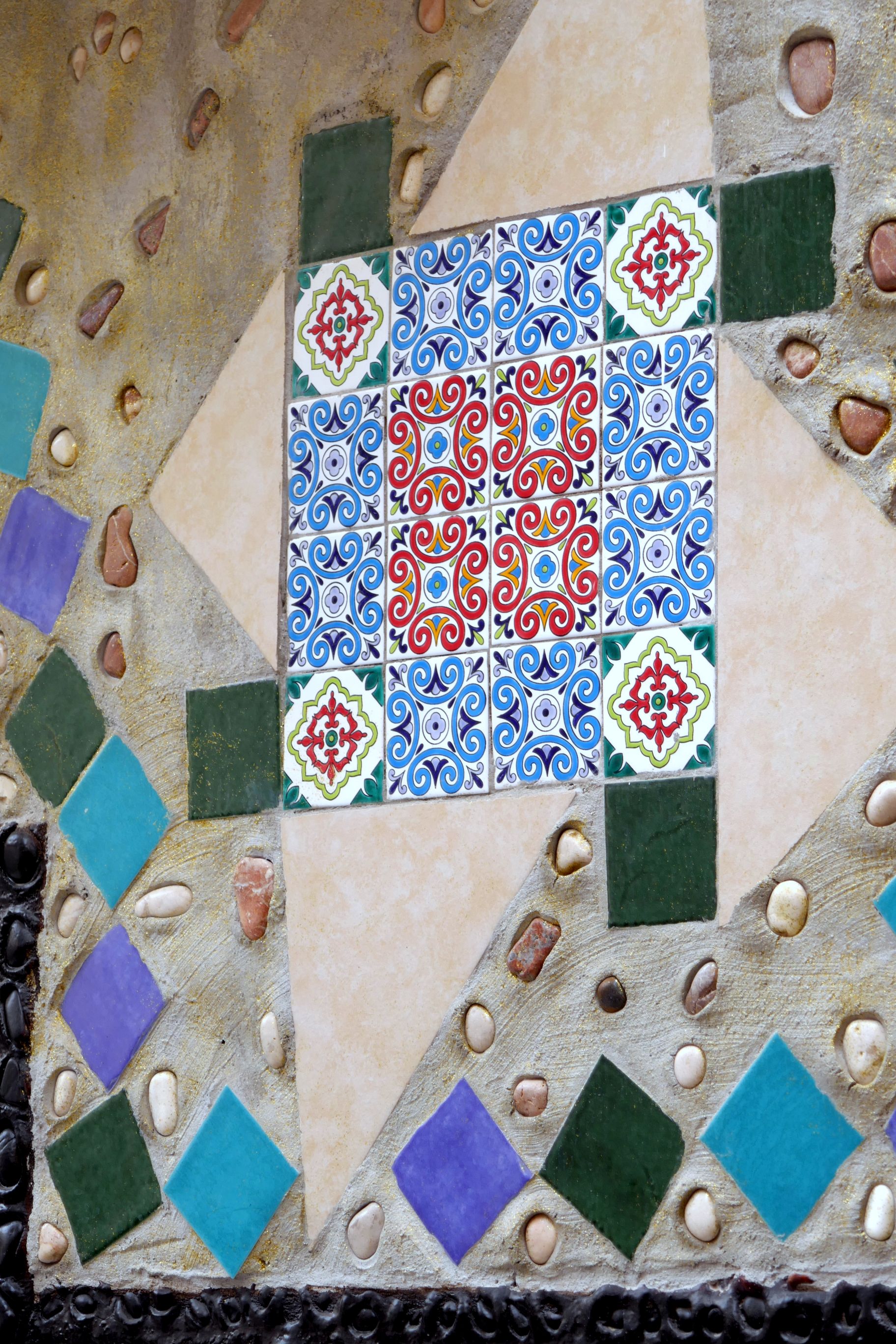
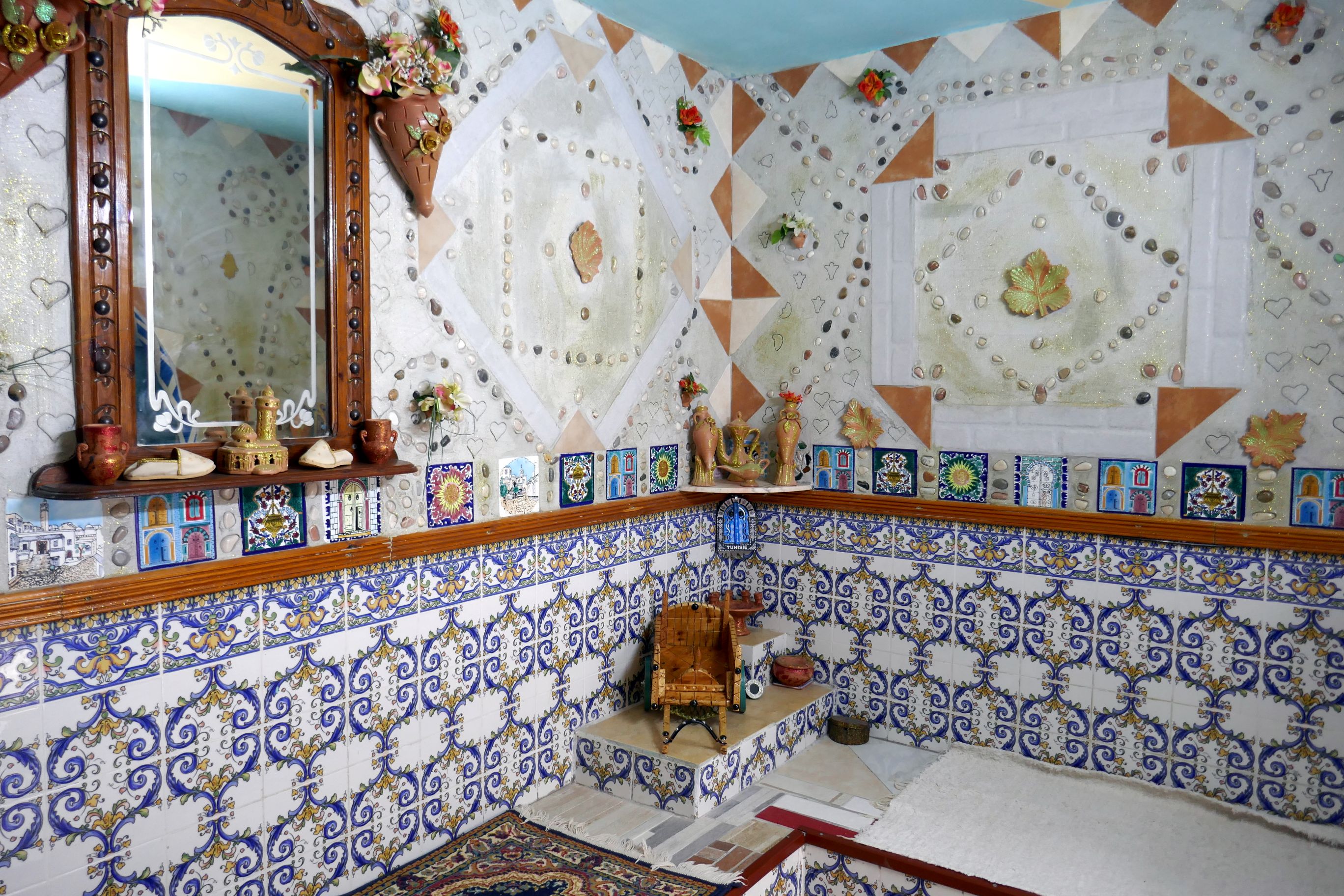
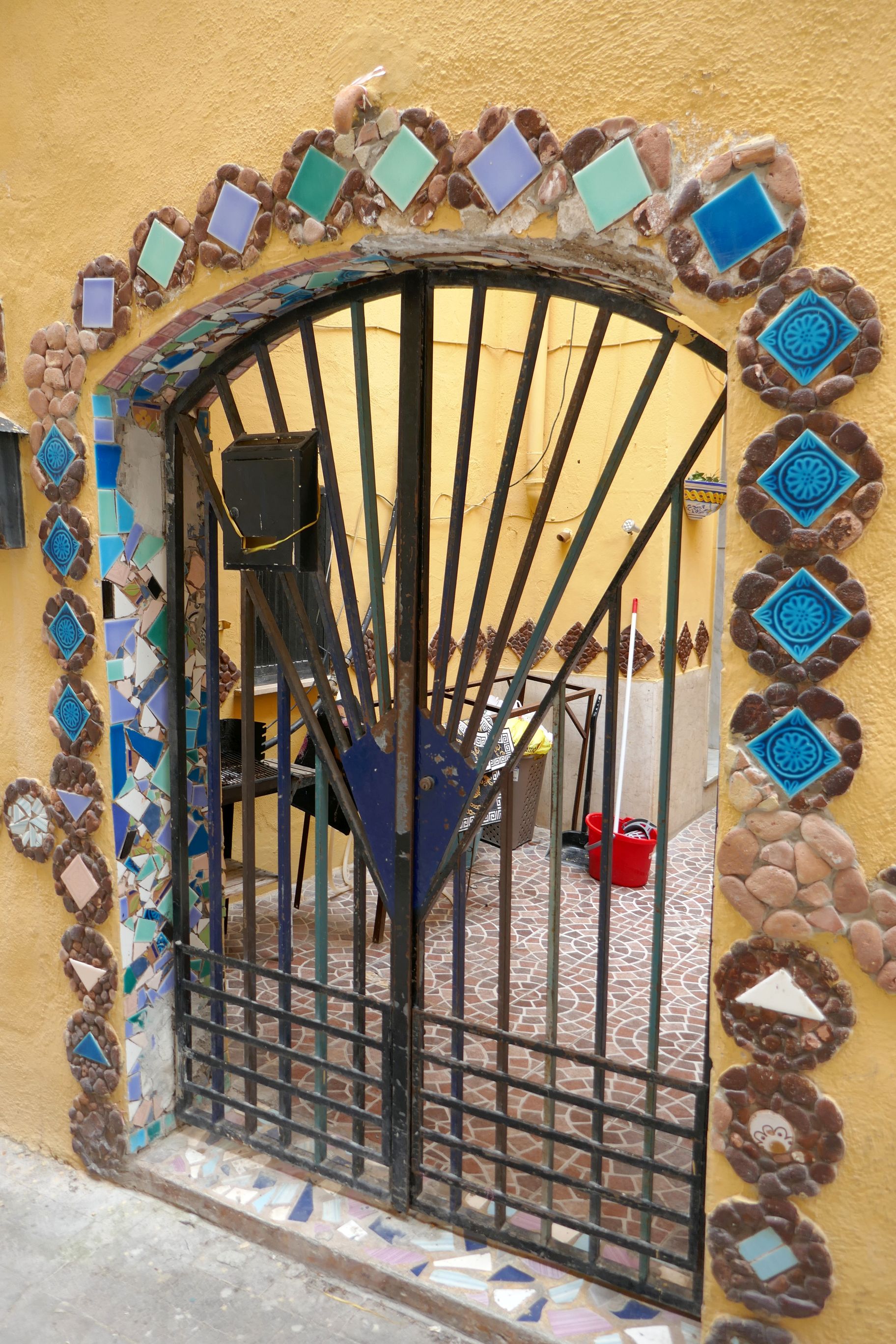
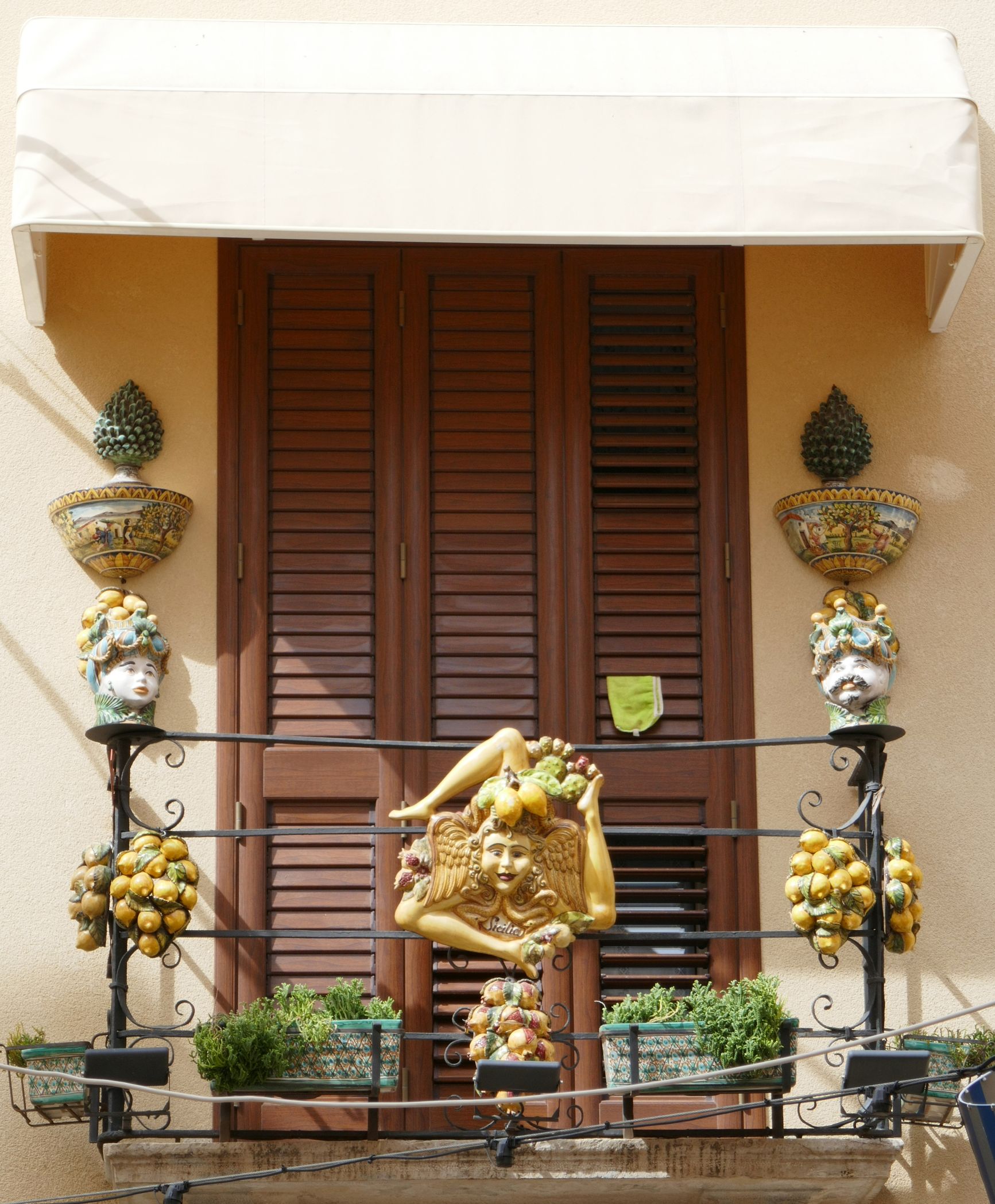
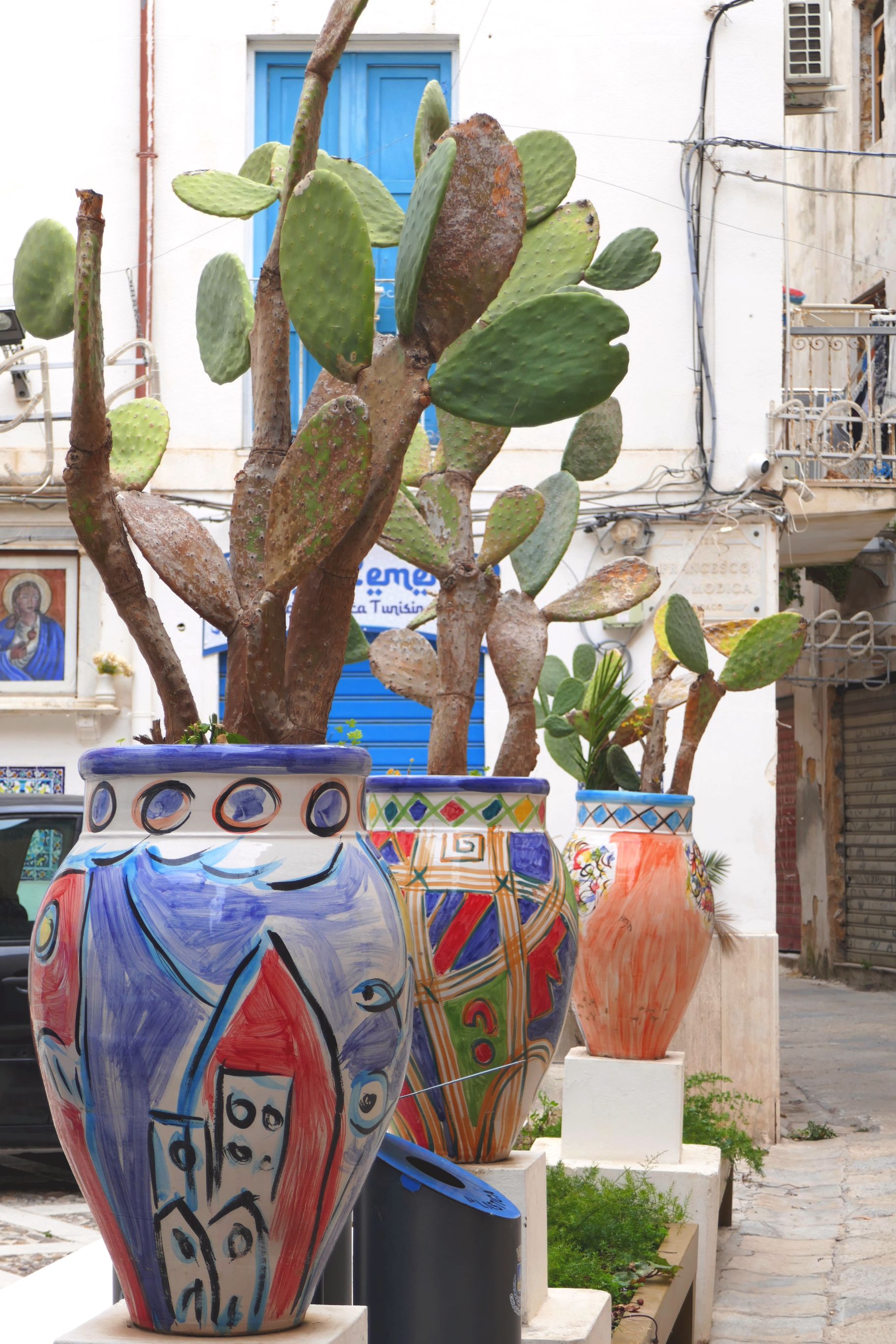
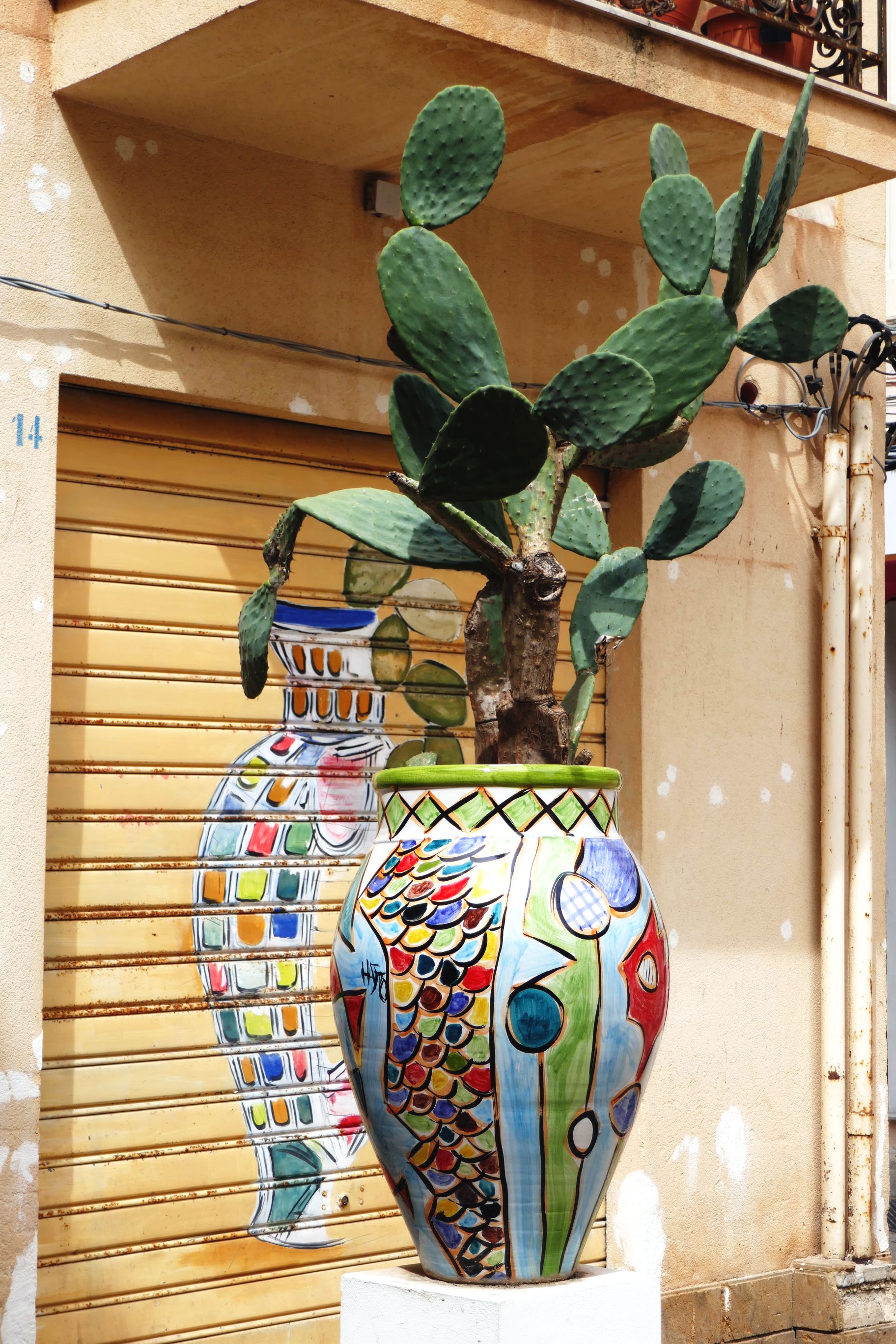
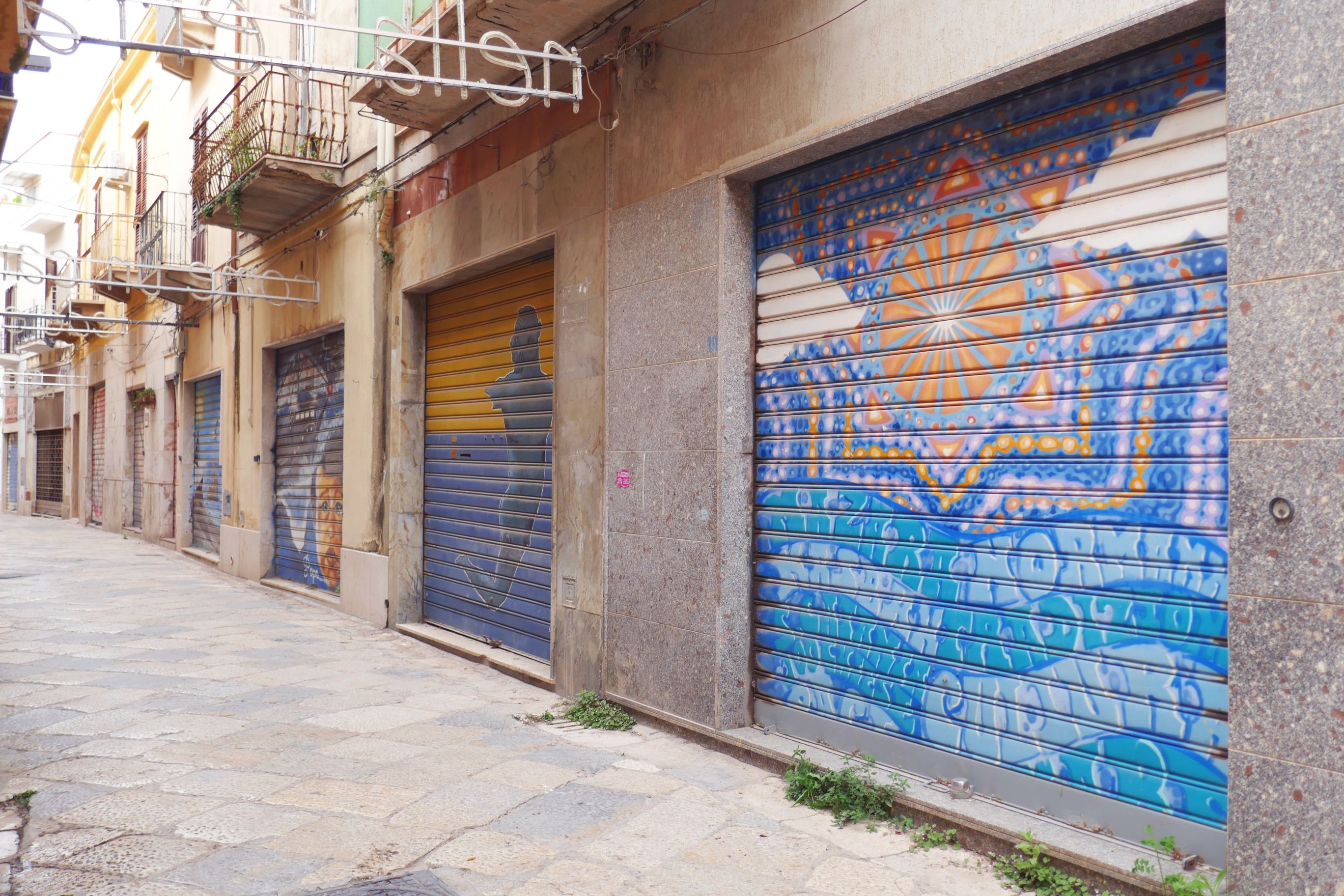
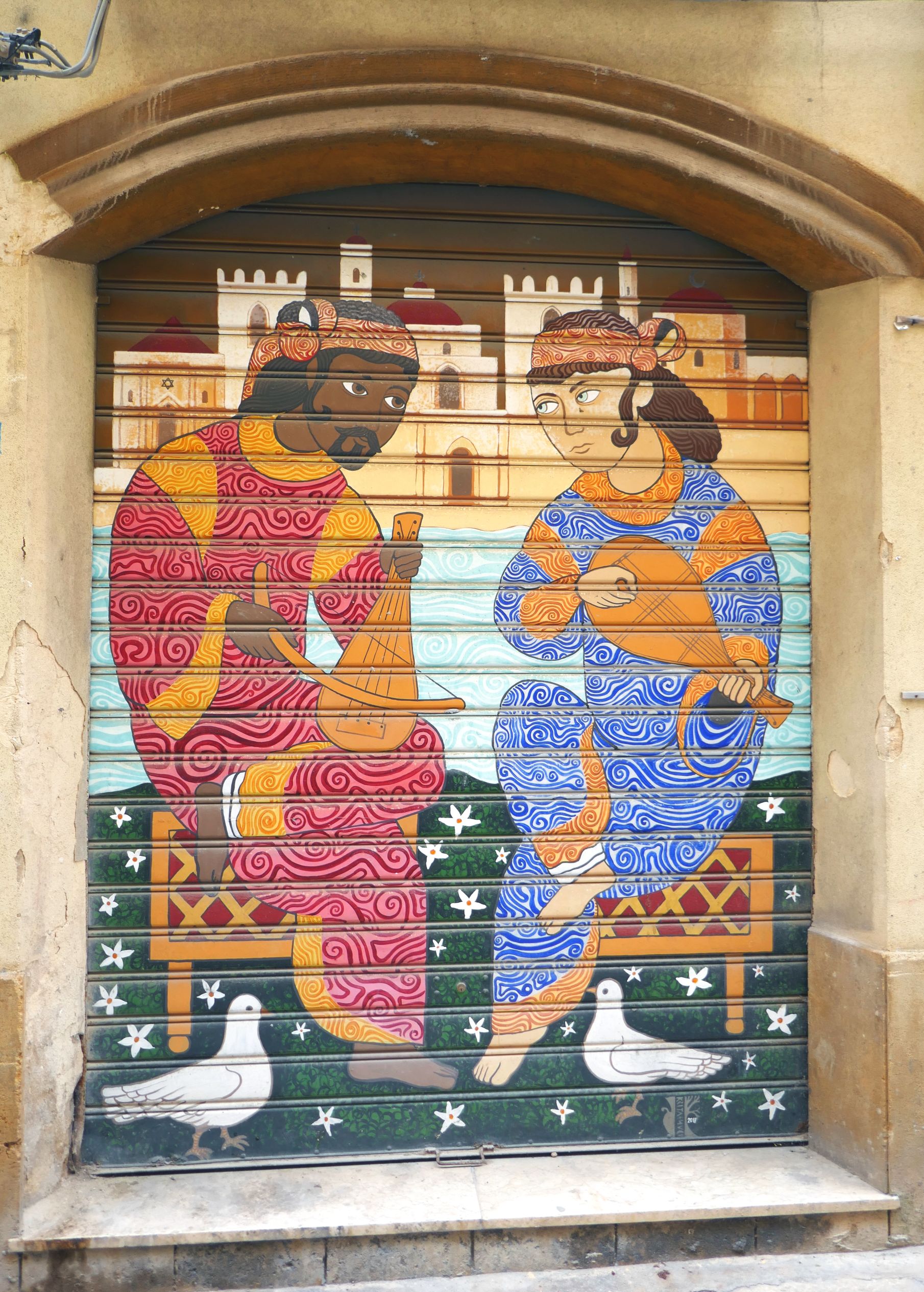
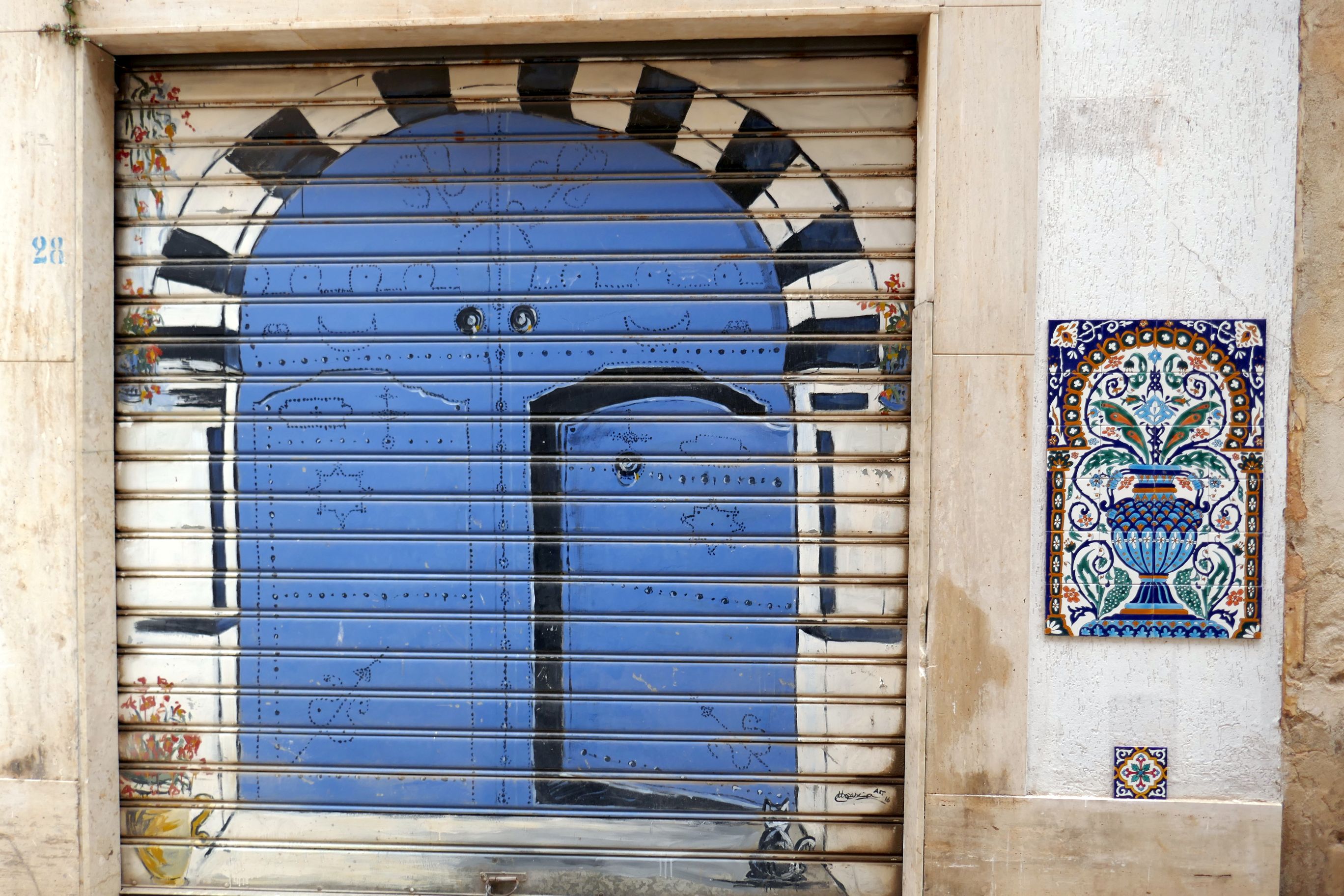
The Kasbah of Mazara is also unique in that its streets are full of colorful wall tiles and tile murals, garage door murals, and pottery.  I was captivated by it all, so I couldn’t stop shooting photos during our walking tour!  I hope you enjoy…

(For all photos, click on the image for a full screen view.)
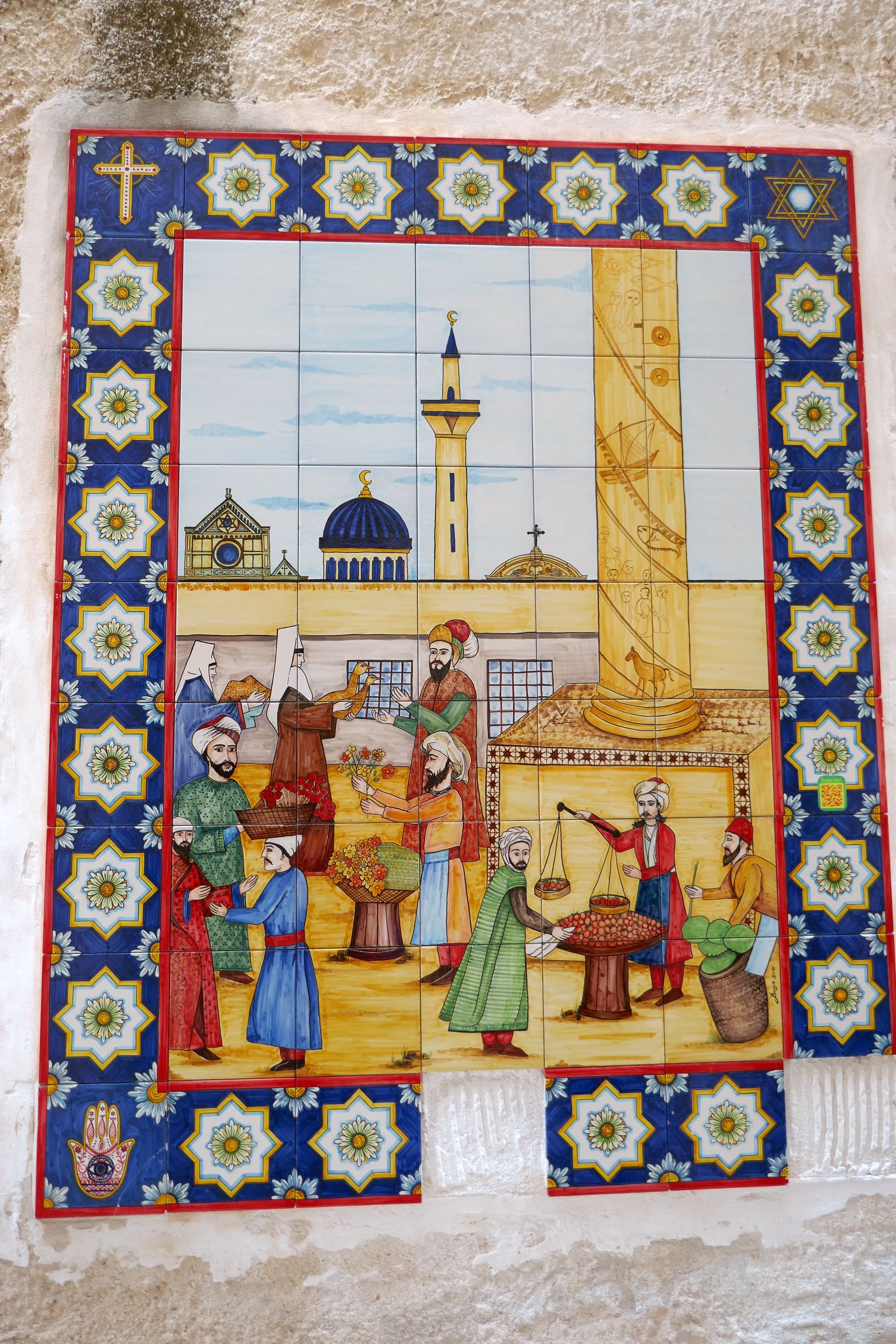
Tiles are missing, but the story of this mural is powerful, because it depicts the Jewish temple, Muslim mosque, and Christian church side-by-side as well as Mazara’s mix of people.
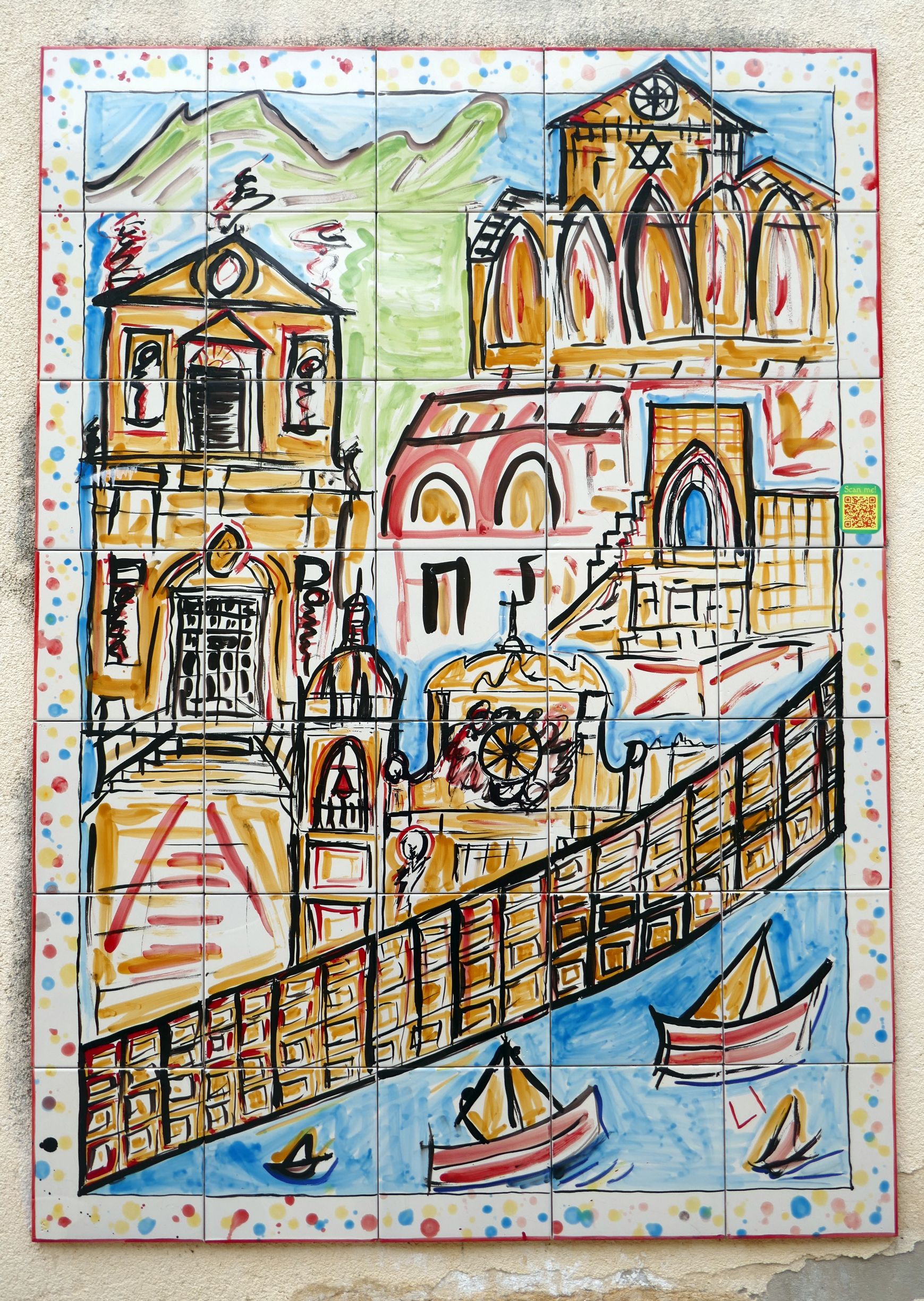
A different take on the same idea.
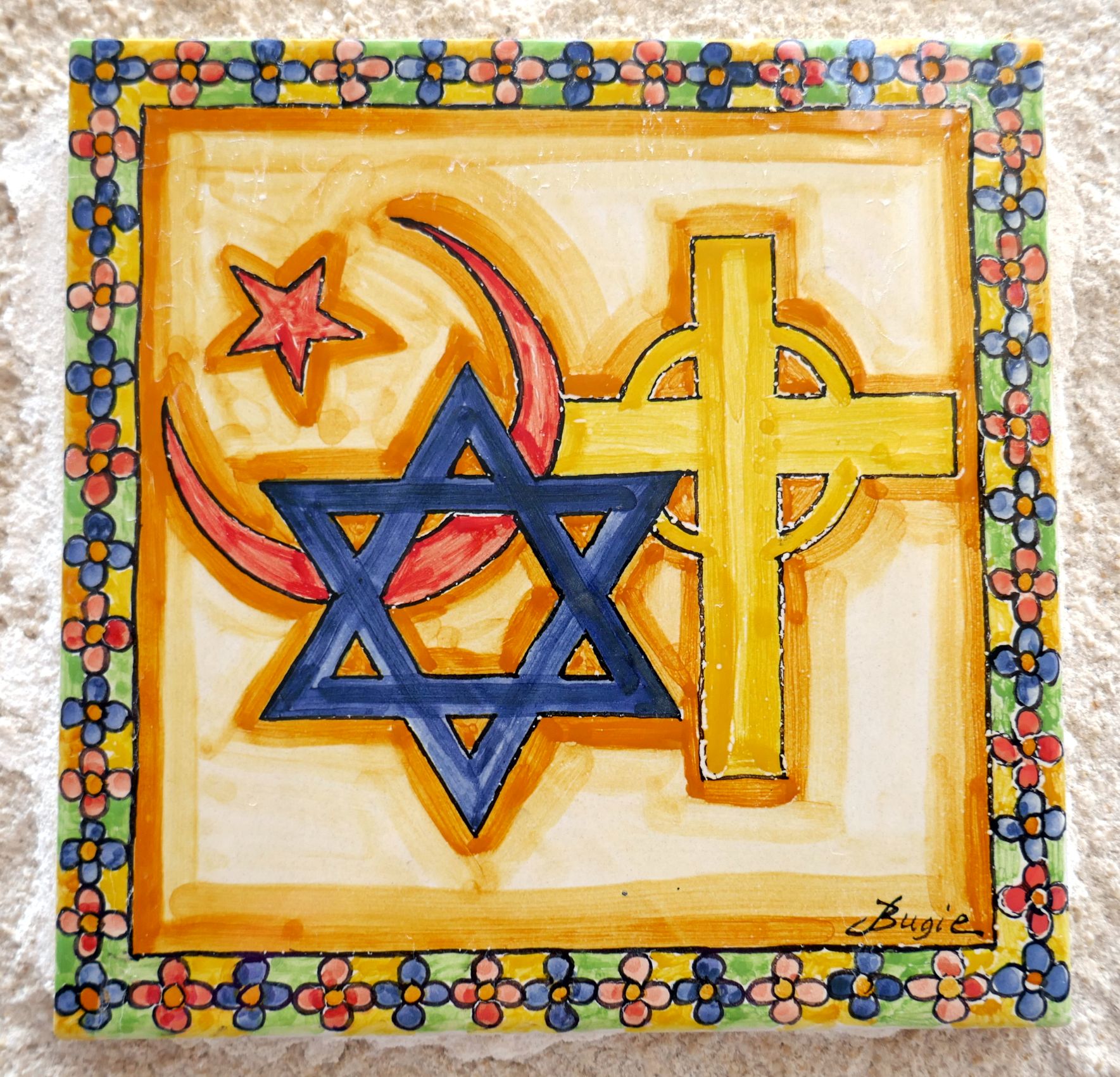
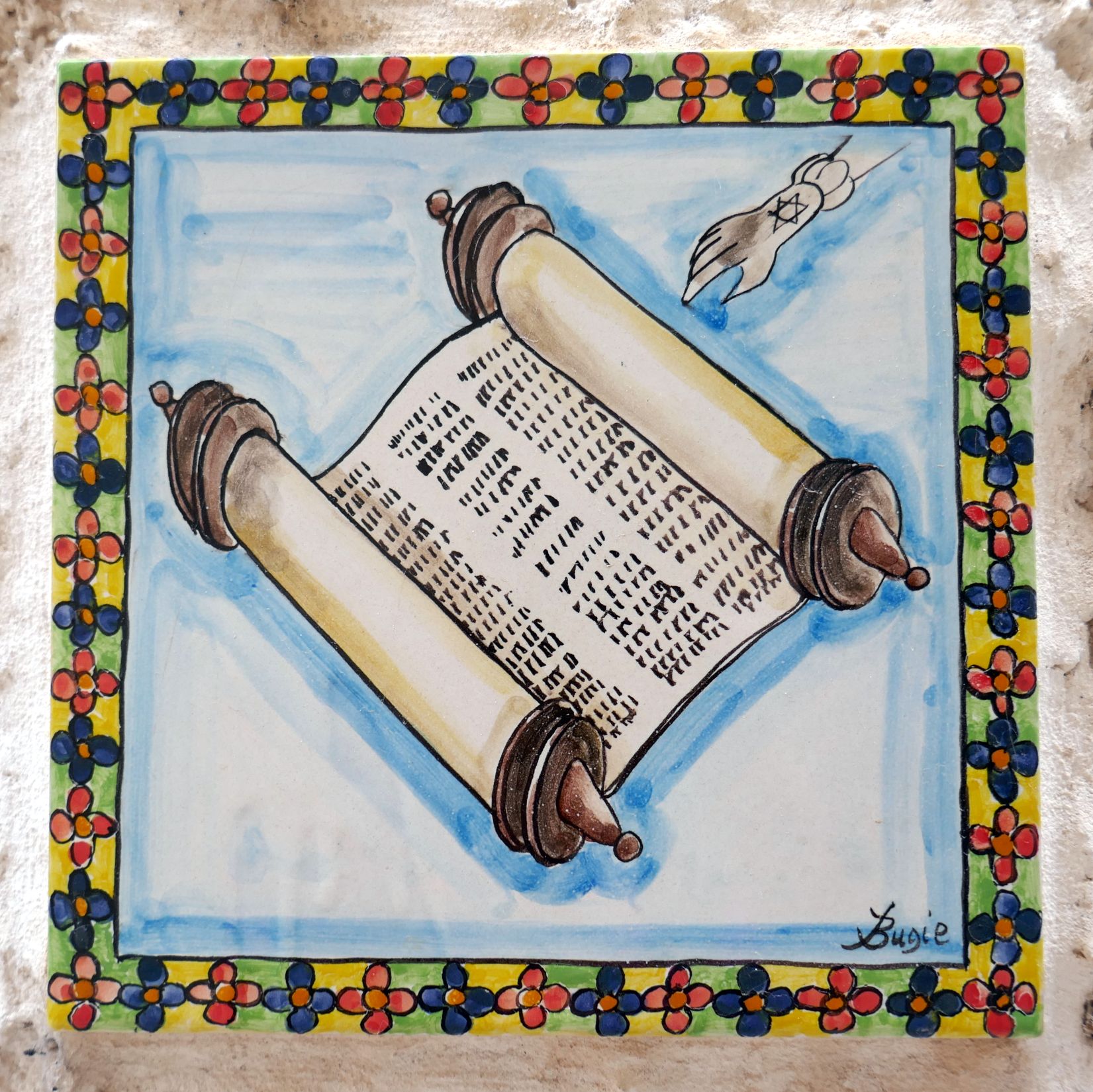
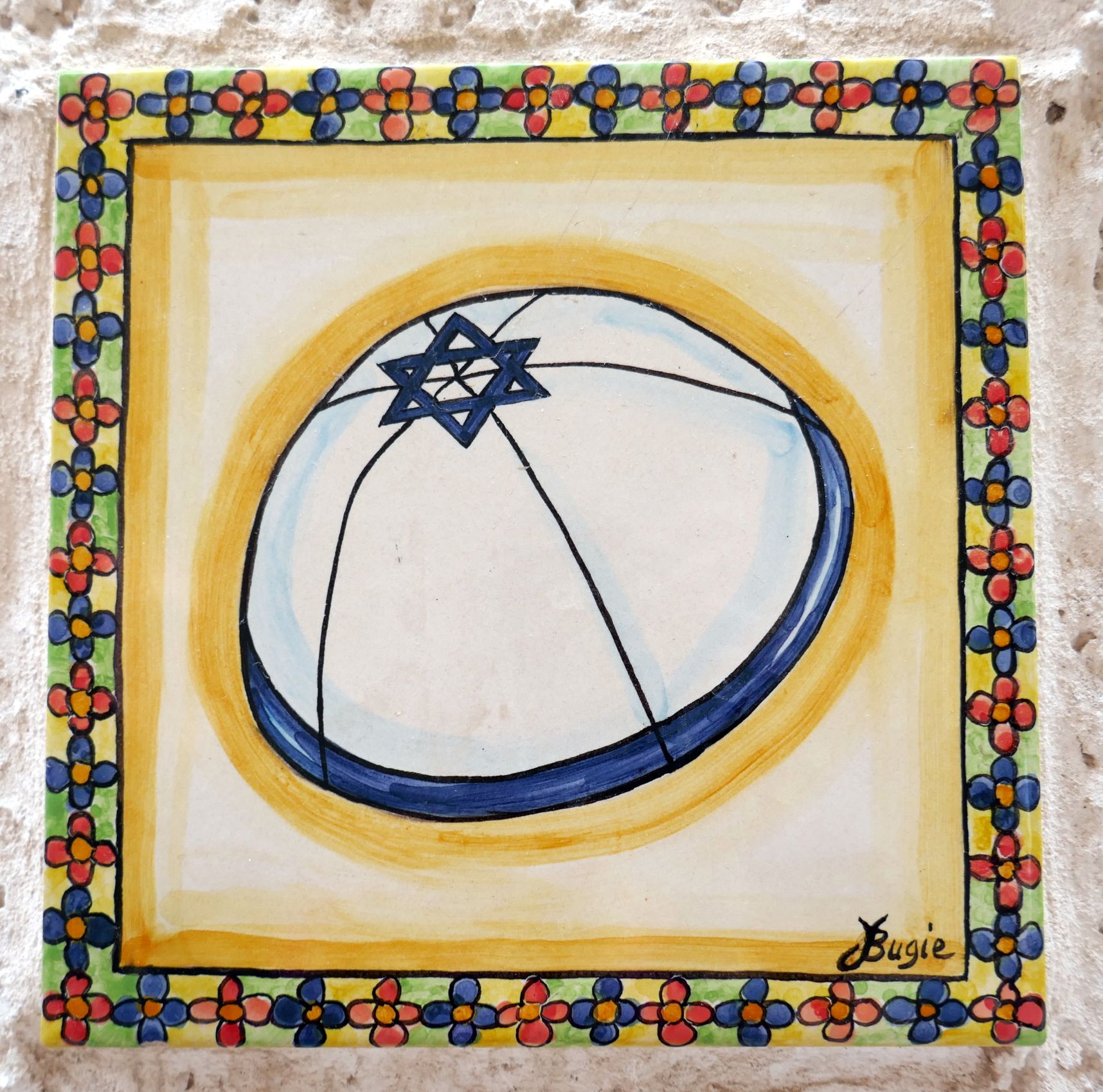
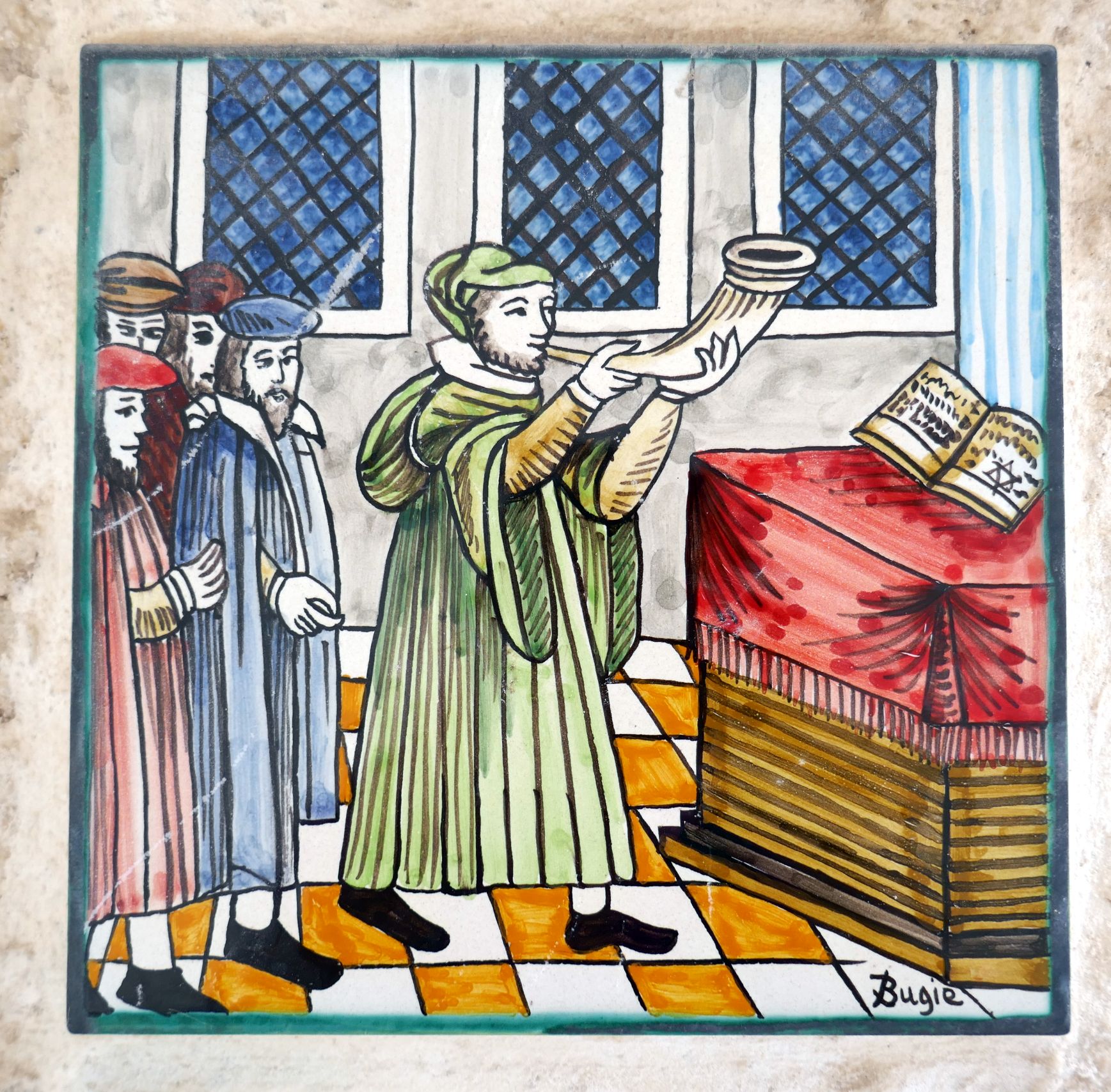
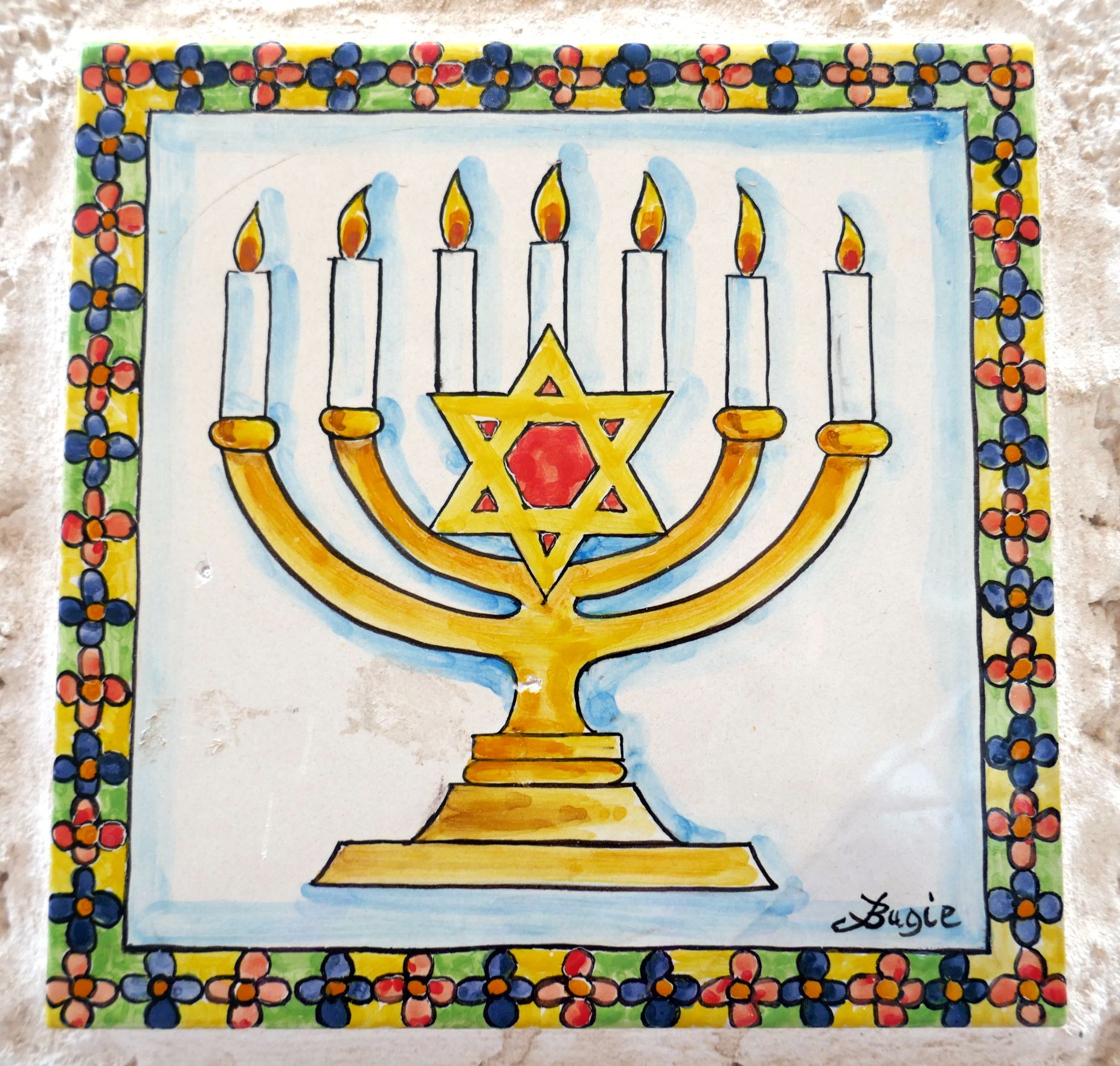
These are tiles on the walls of the historic Jewish Quarter, depicting symbols of Judiasm.

The gentleman who owns this home did all the tile and artwork himself. He graciously welcomed us into his home for a tour.

These garage door murals were all entered in a contest:

This mural won the contest. This little boy’s father was a fisherman on this boat and died in a storm.

Next up: SICILY & AMALFI COAST #9: MORE MAZARA