SWITZERLAND & NORTHERN ITALY #20: LUSH LADIN VALLEYS & DAZZLING DOLOMITES

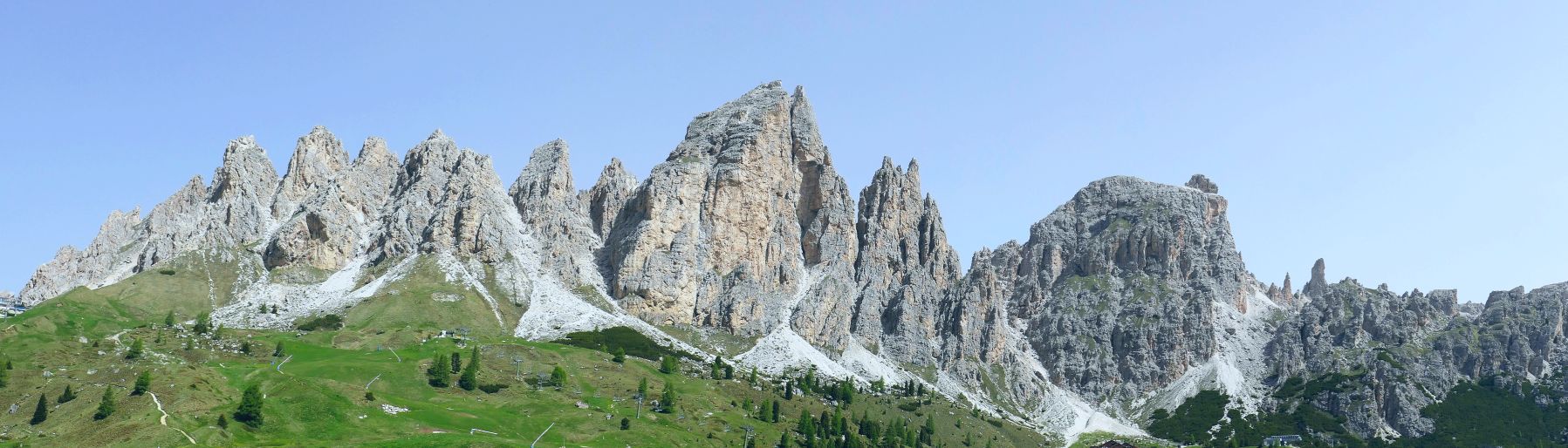
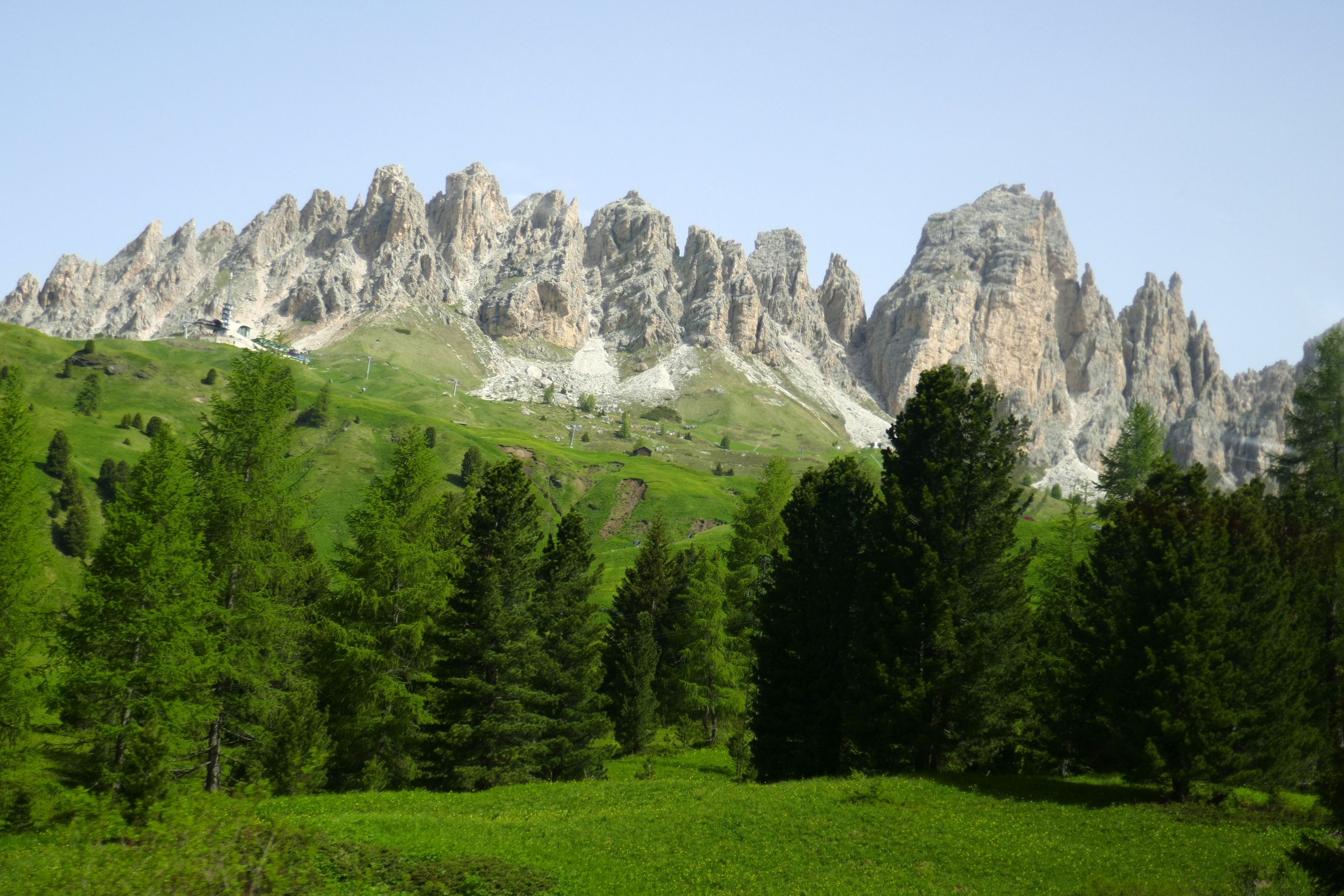
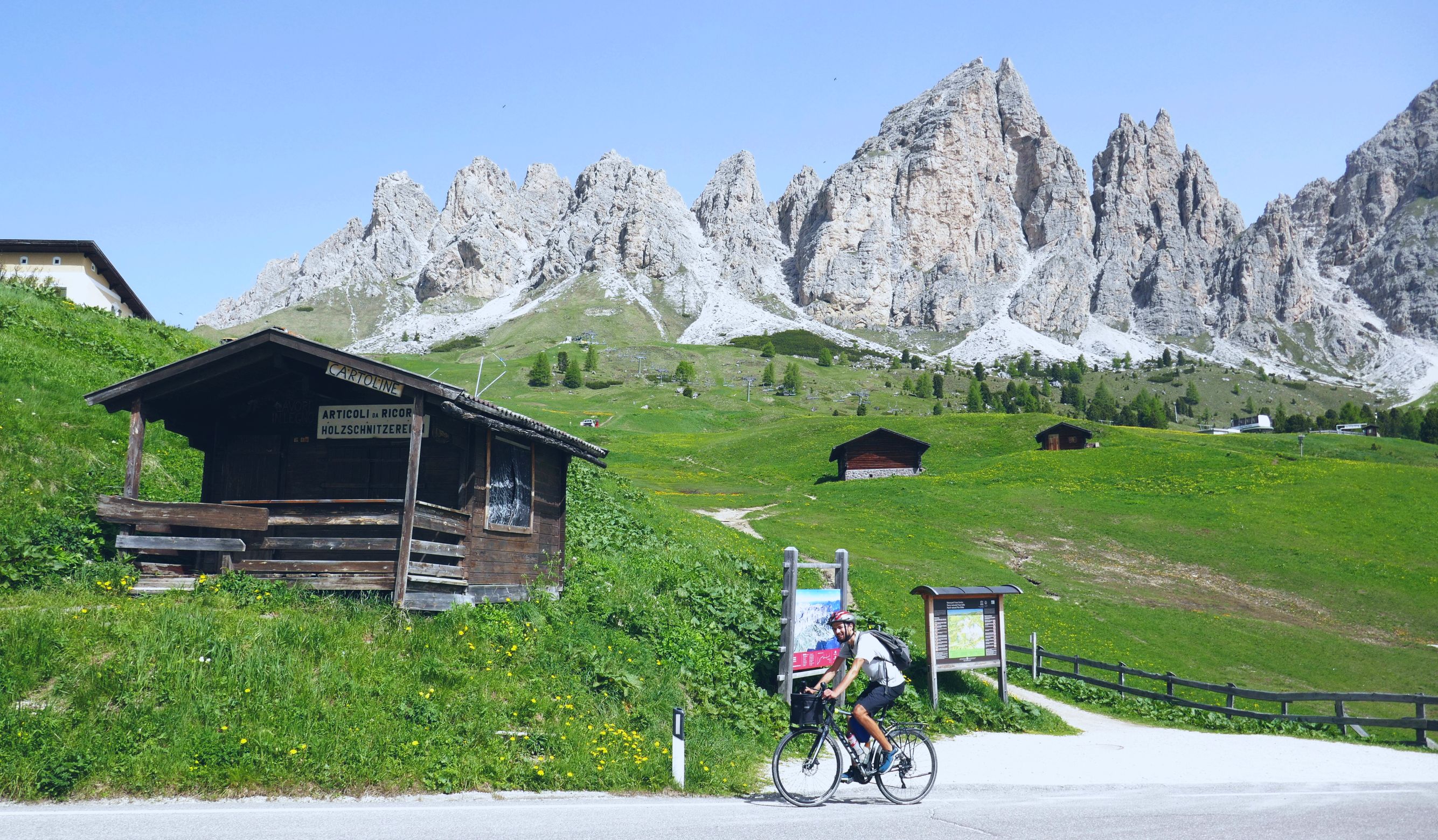
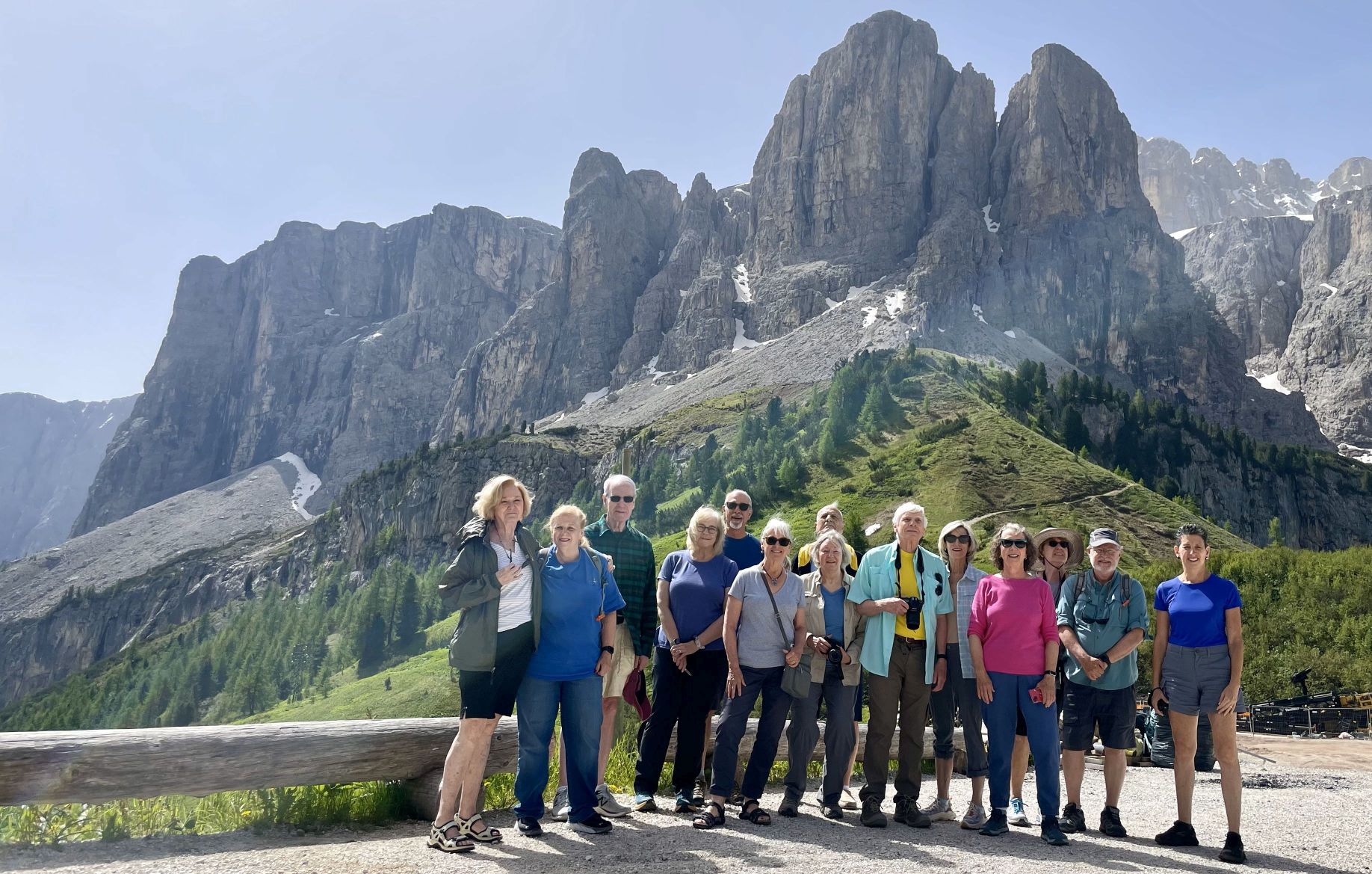
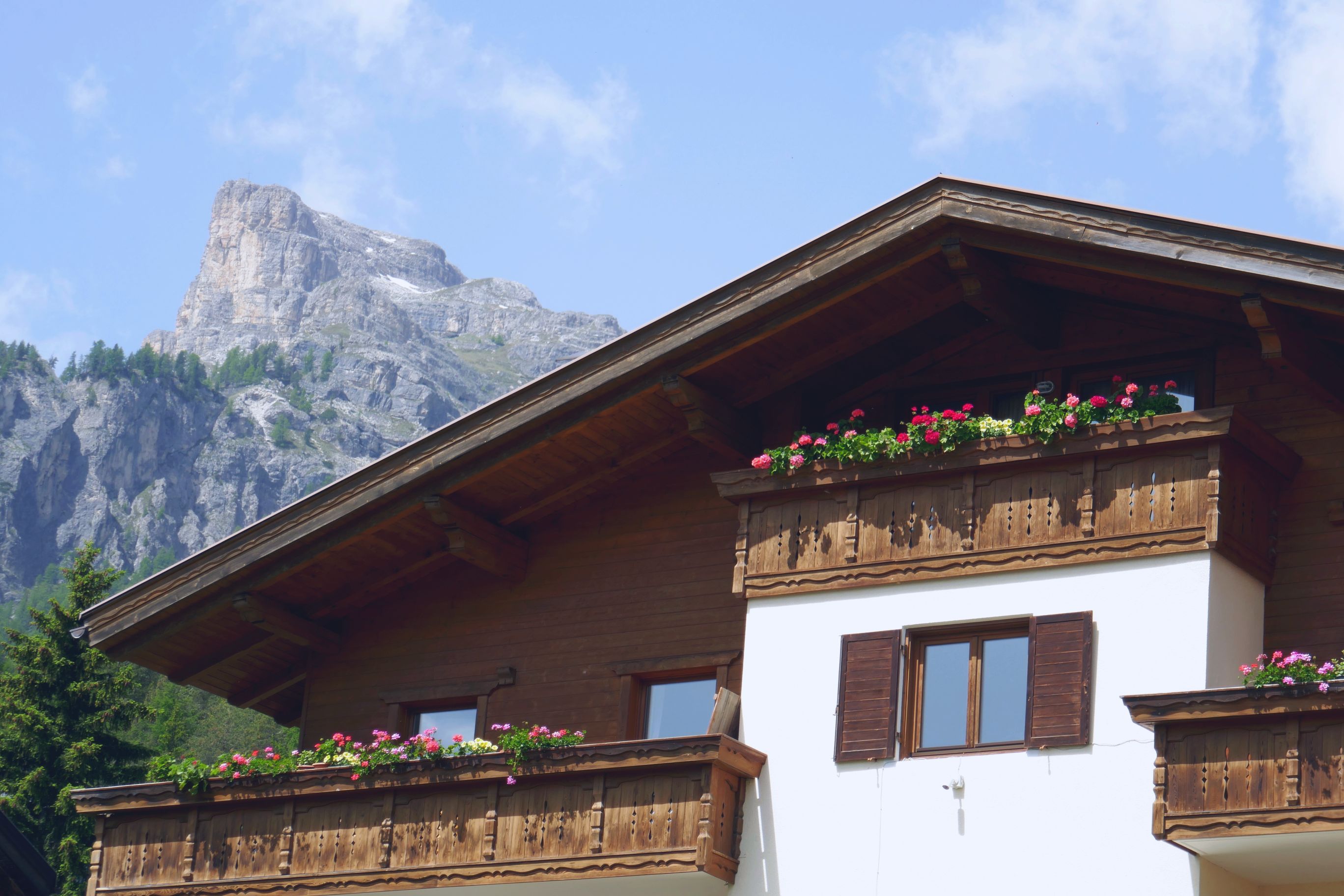
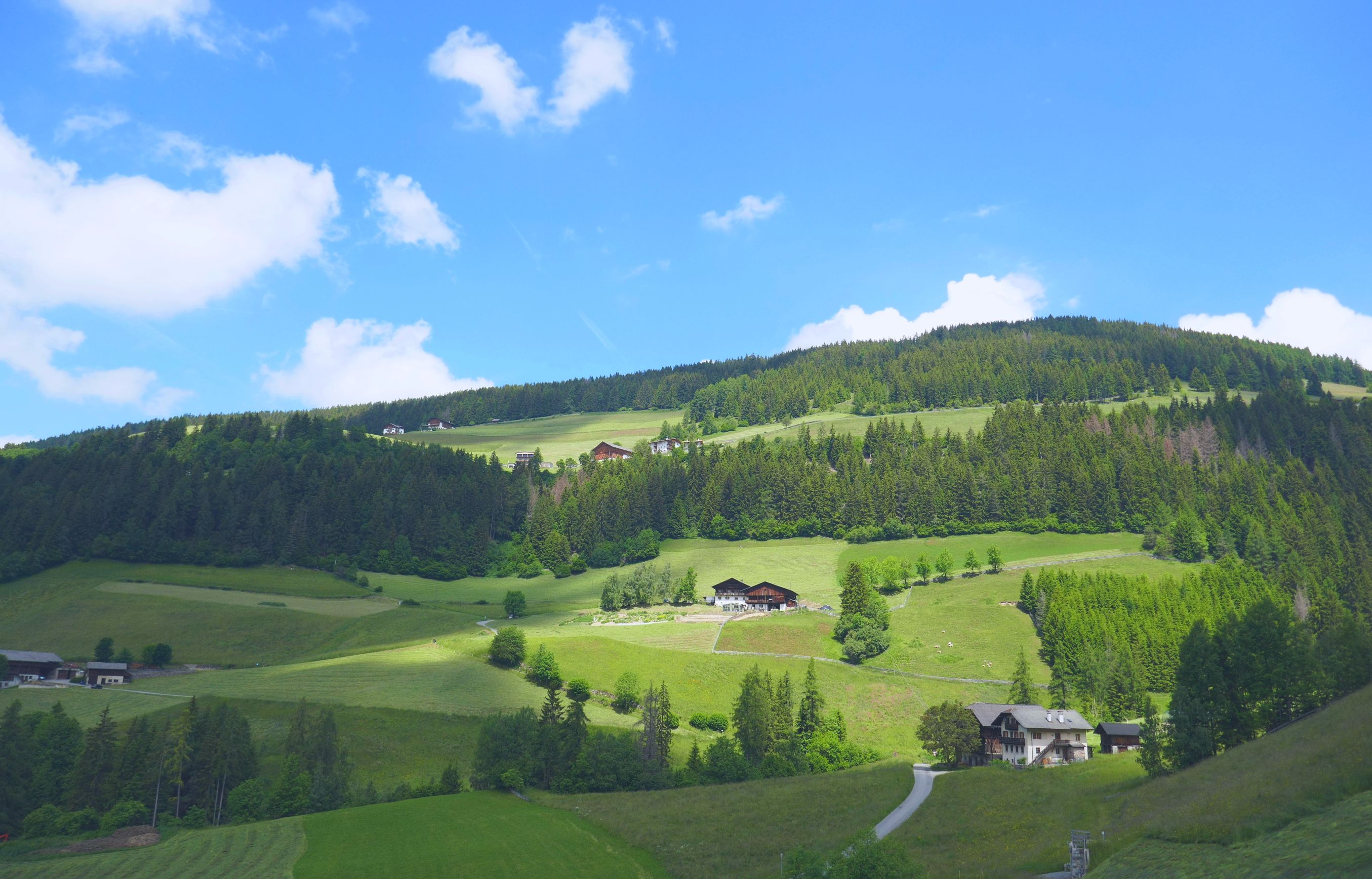
I was hoping for good weather on the day we would have the best views of the Dolomites and we got it!  As we made our way along the winding roads into the Val Gardena valley, the views were stunning.

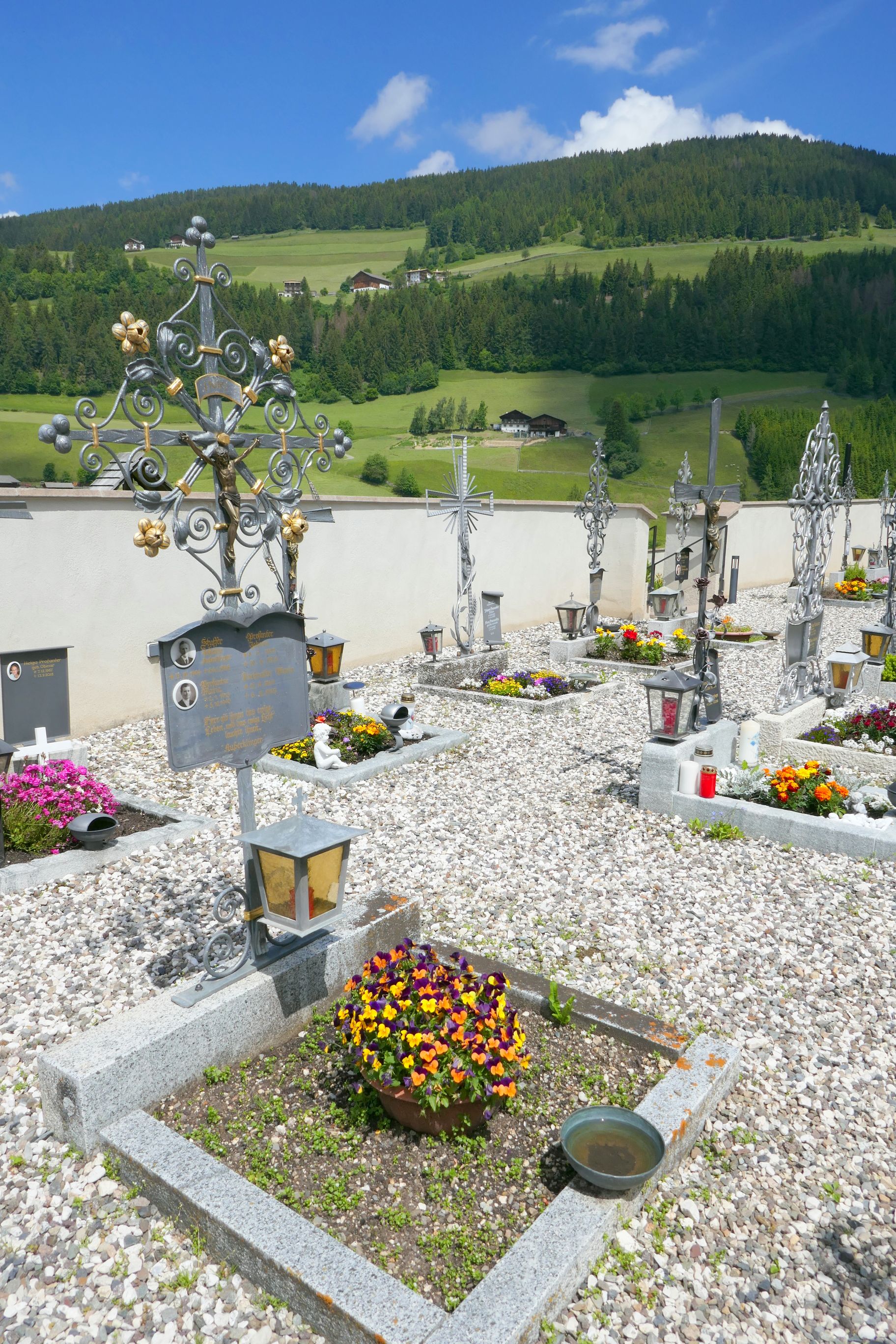
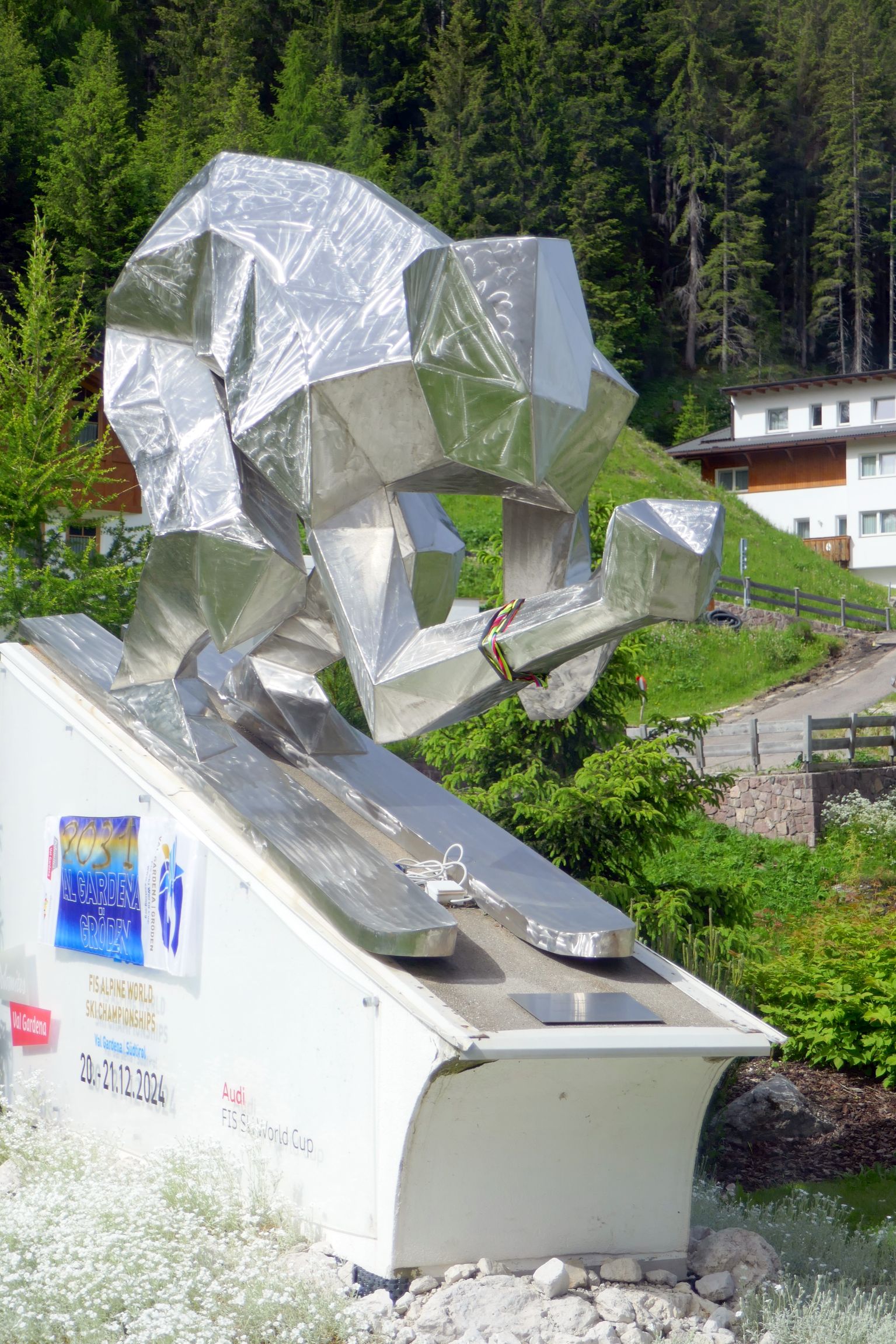
This is a top ski area in the winter and a popular hiking and mountain biking destination the remainder of the year.  It is one of five valleys in the region where the main language spoken is Ladin, and the people are very proud of their language and culture.

(For all photos, click on the image for a full screen view.)
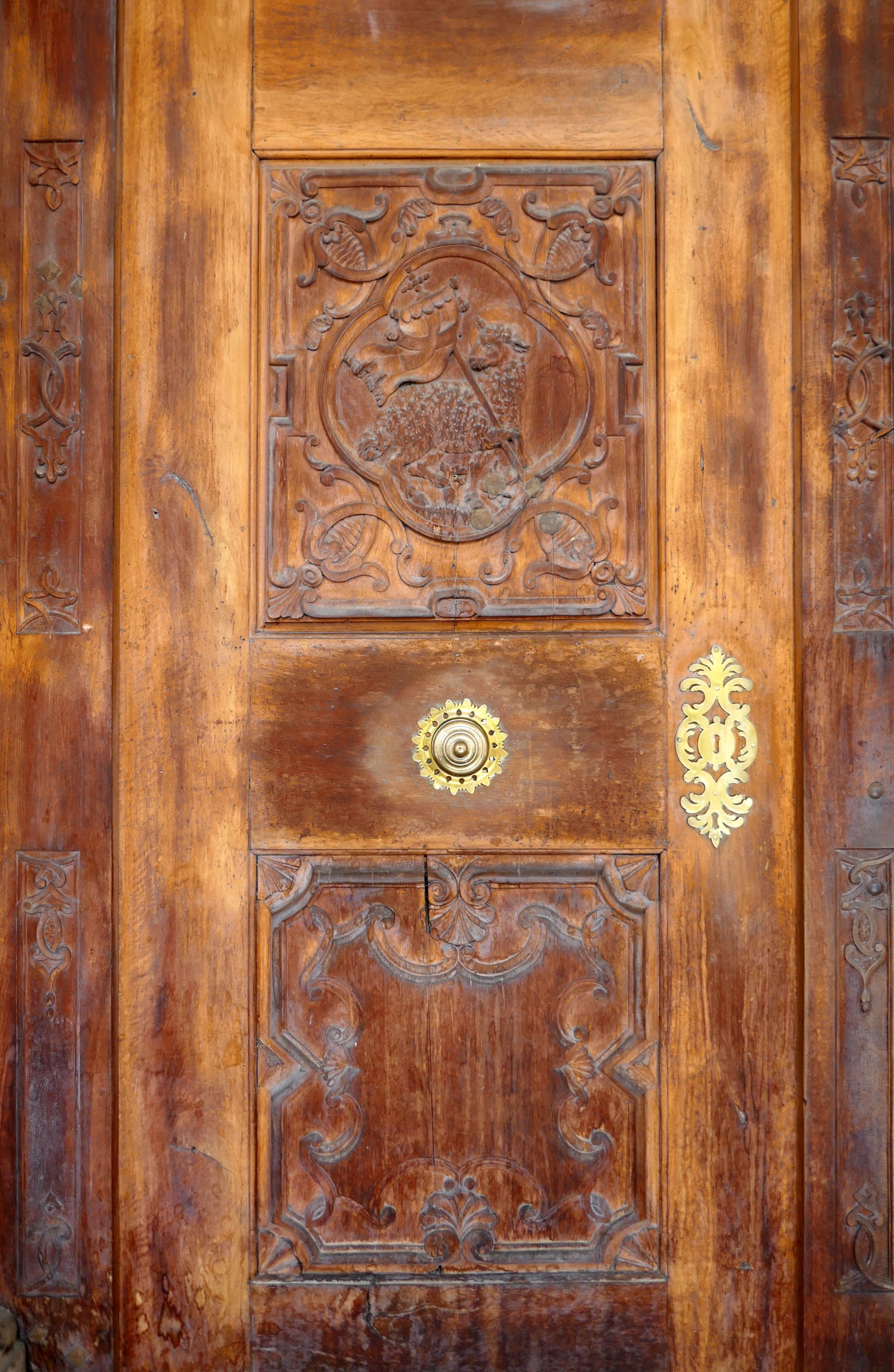
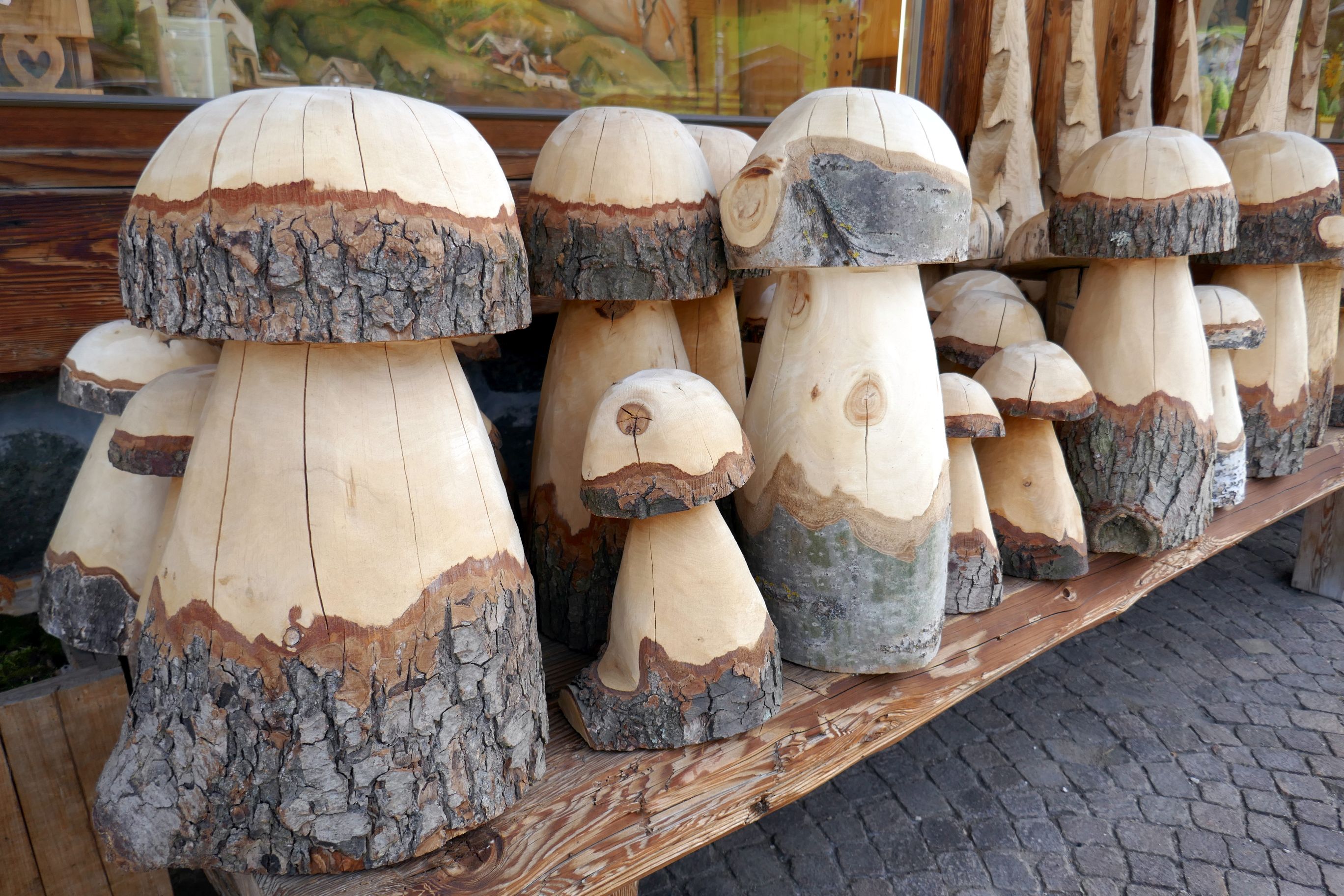
Wood carving is a traditional craft here and the local churches are adorned with intricate wood carvings.  We stopped at a shop to see some beautiful wood-carved creations as well as these large mushrooms—a nod to one of the staple foods in the region.
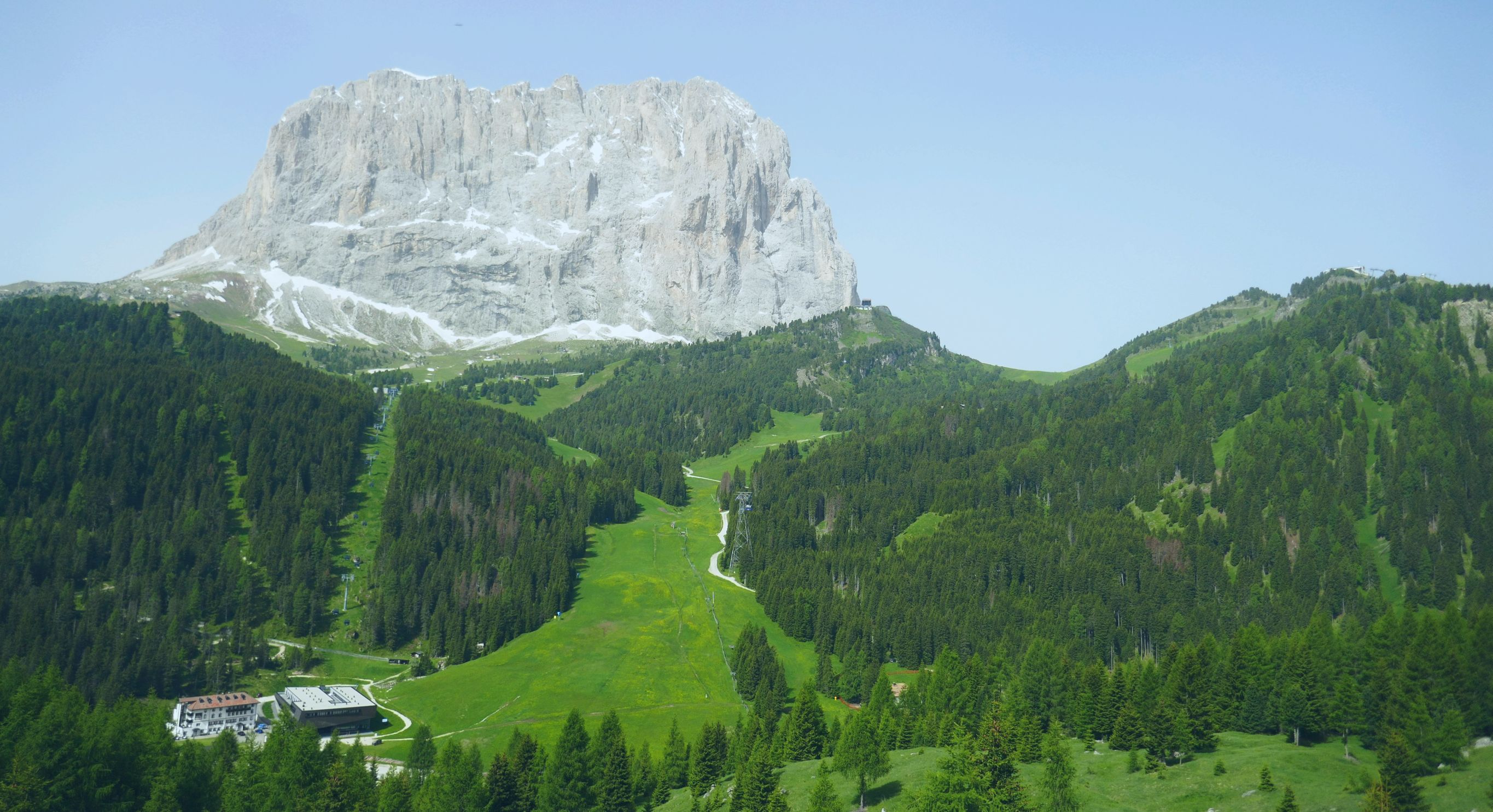
The main attraction, however, was the gorgeous scenery!

We met with Peter, a native of the area who could speak five languages fluently by the time he was 20 years old.  In addition to his native Ladin language, he grew up speaking the other two official languages of the region:  German and Italian.  During his earlier school years, he learned English, and then French when he was in high school.

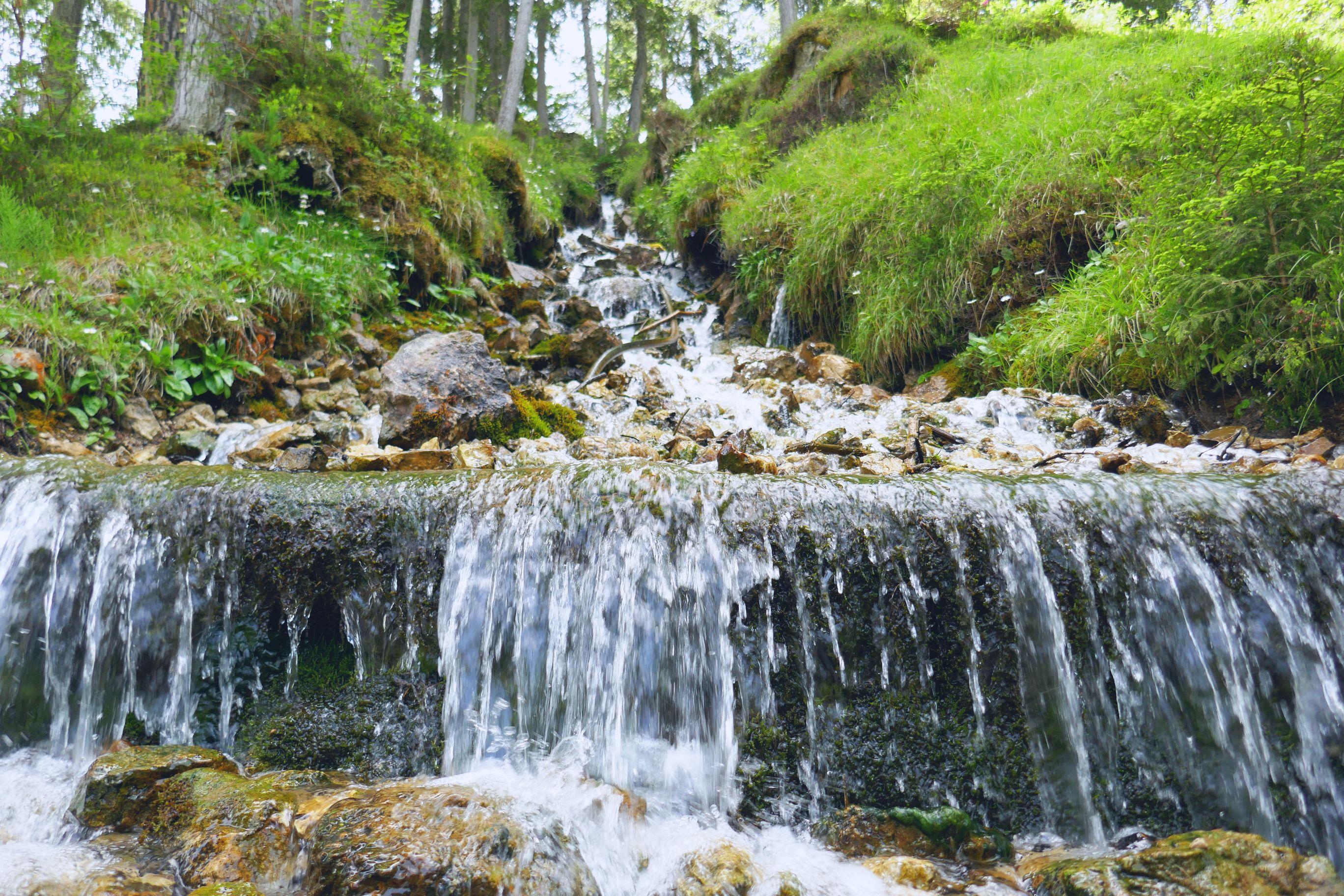
Peter led us on a hike through the little village and through beautiful hillsides, while sharing his culture with us and pointing out the flora and fauna along the way.  Our hike concluded at a small lake, a popular ice skating and curling spot in the winter.
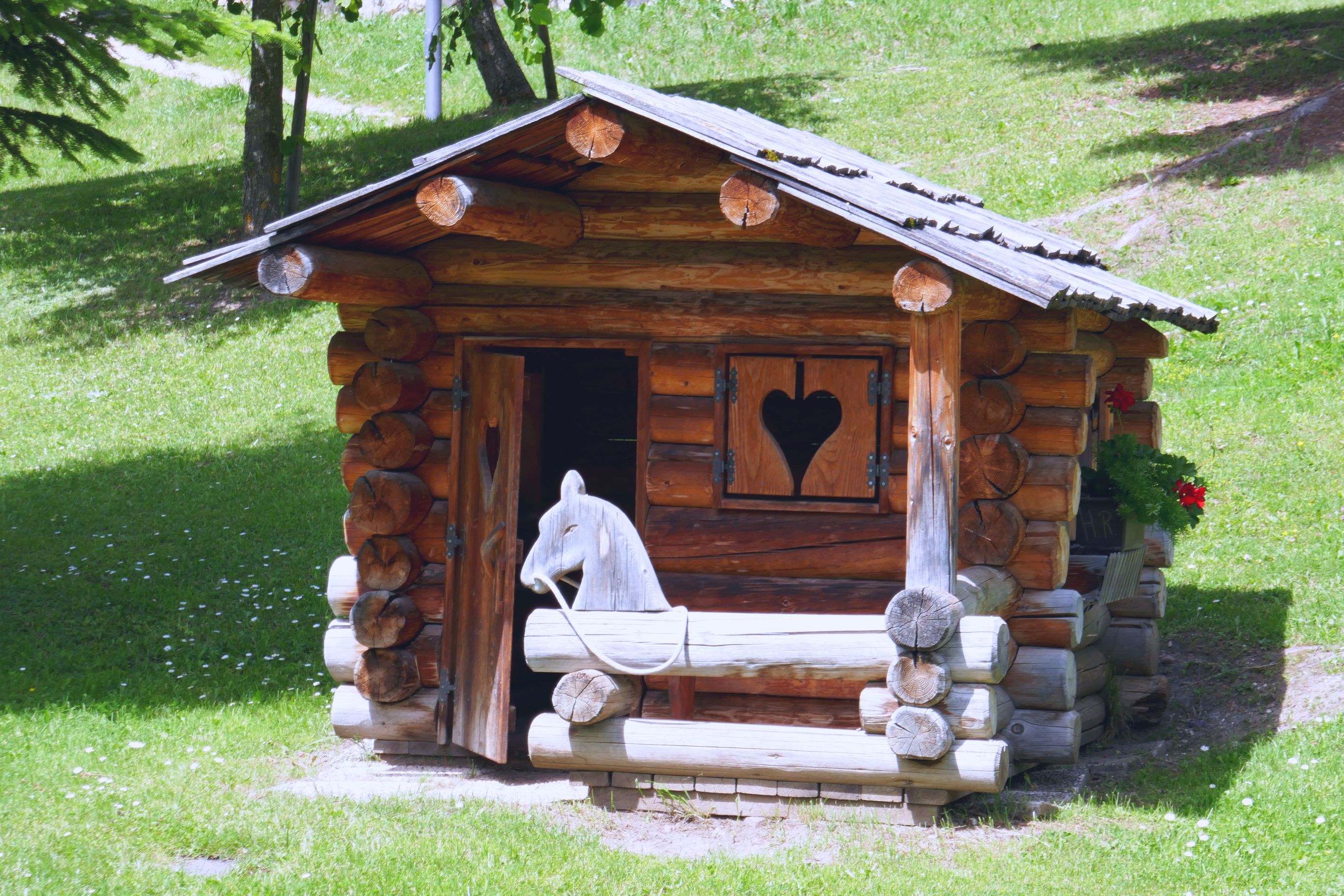
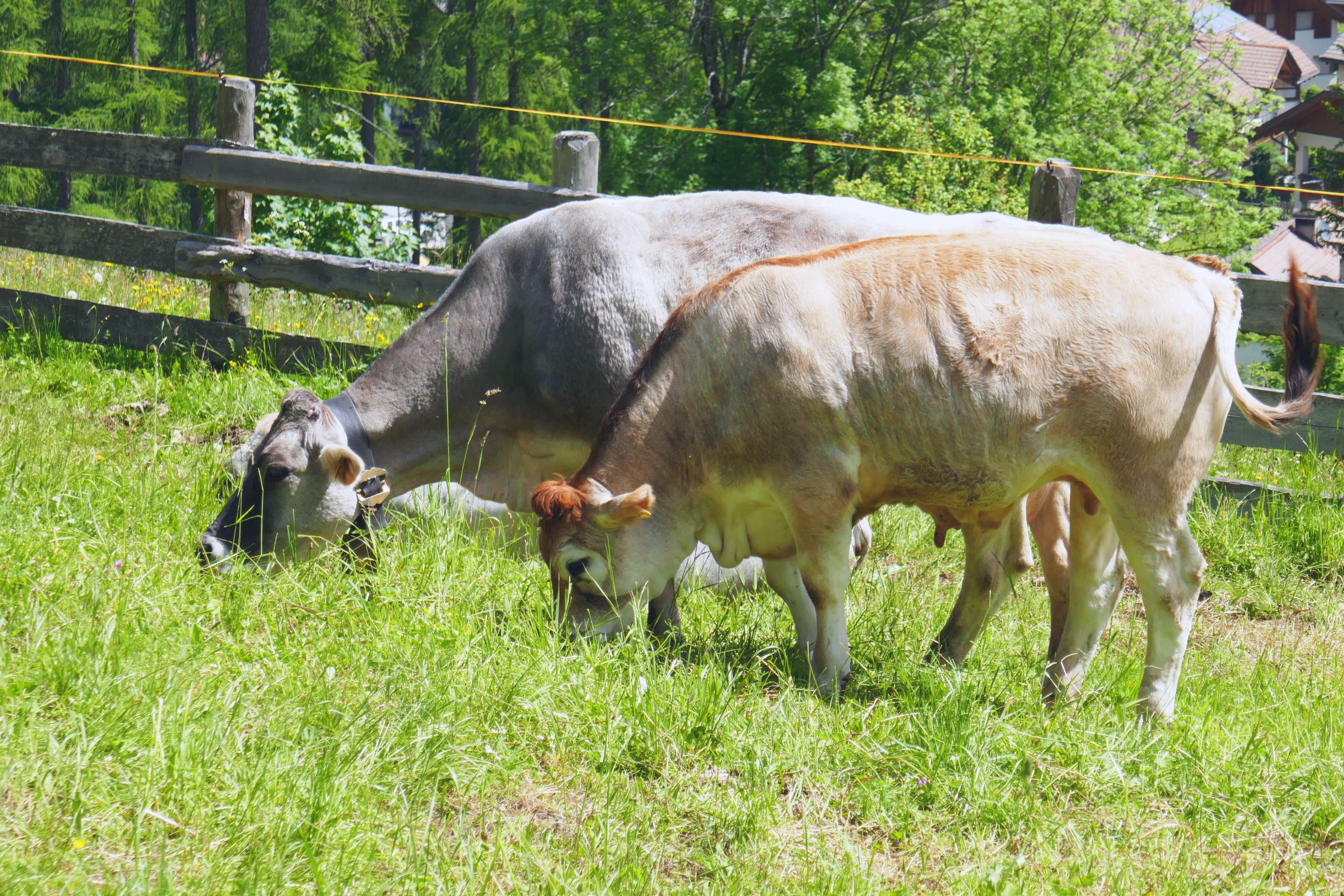
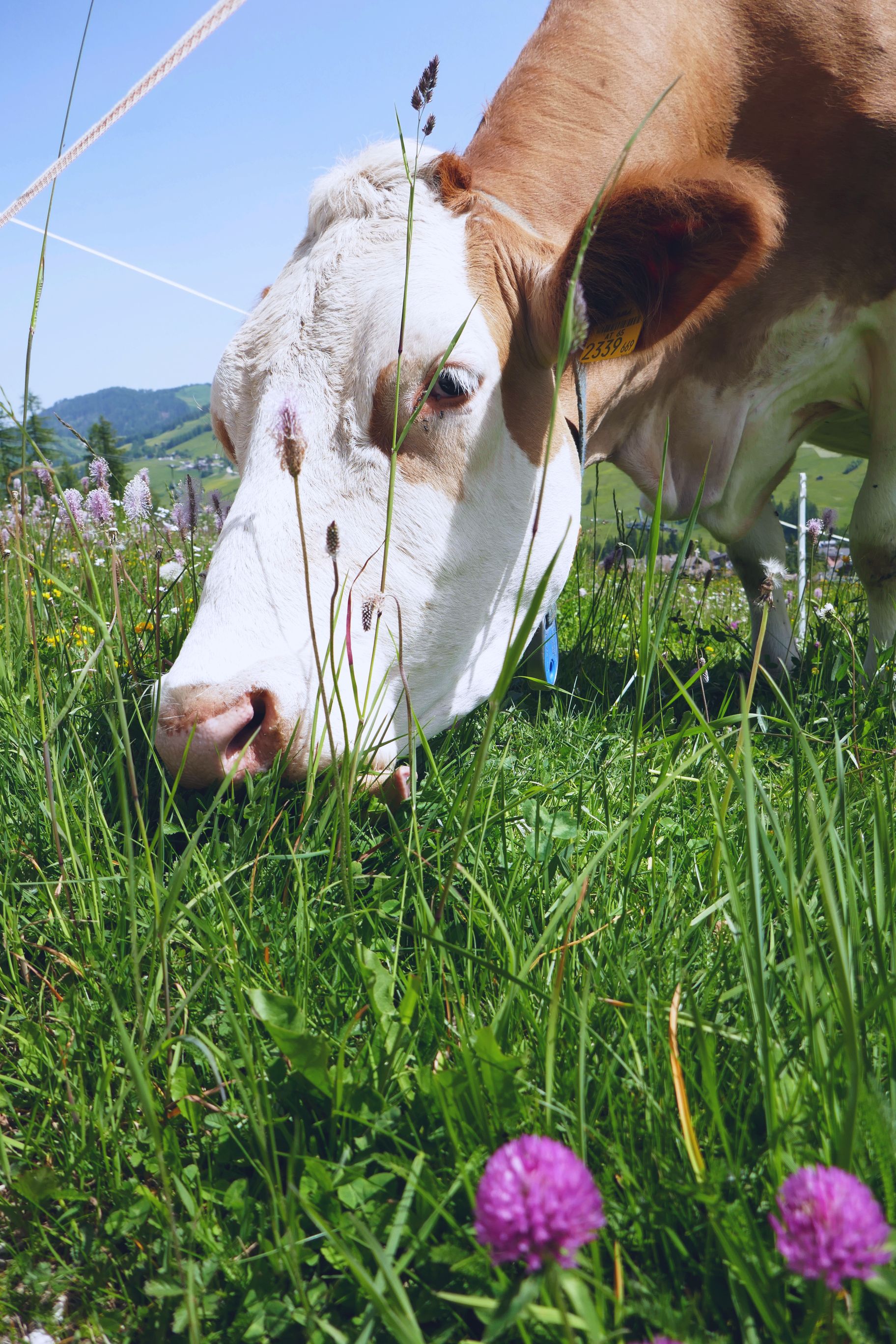
This is a popular skiing area, so there were several ski lifts– and a few cows.

Following our hike, we stopped at the cutest little village for a traditional Ladin lunch.  It was a lovely day!

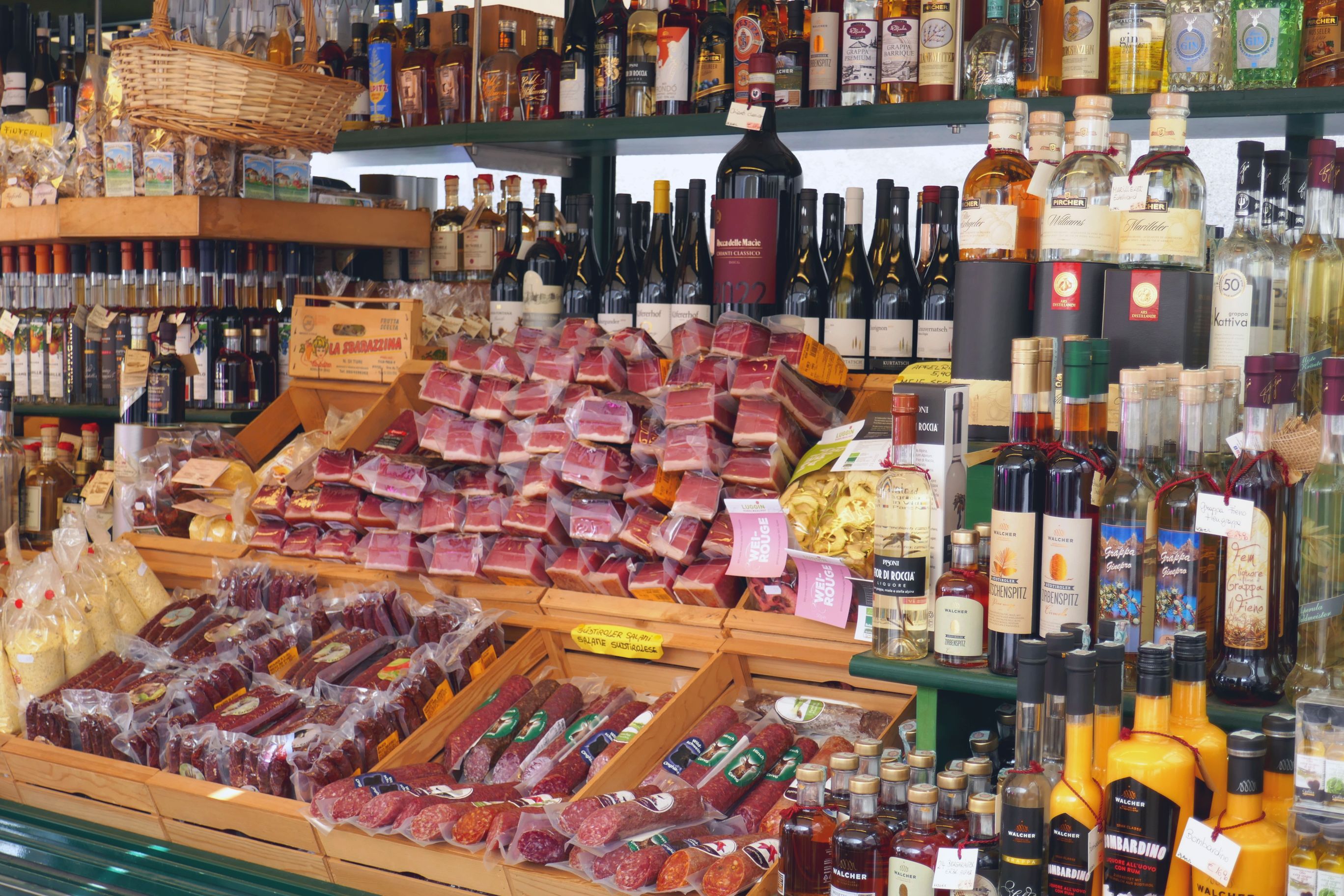
Few vegetables can be grown in northern Italy due to the climate, so tomato-based sauce is not used on pasta. Instead, they use butter, and lots of it!

Next up:  SWITZERLAND & NORTHERN ITALY #21:  VENETIAN VILLA CONDULMER

SWITZERLAND & NORTHERN ITALY #18: OVERLAND TO BEAUTIFUL BRESSANONE / BRIXEN

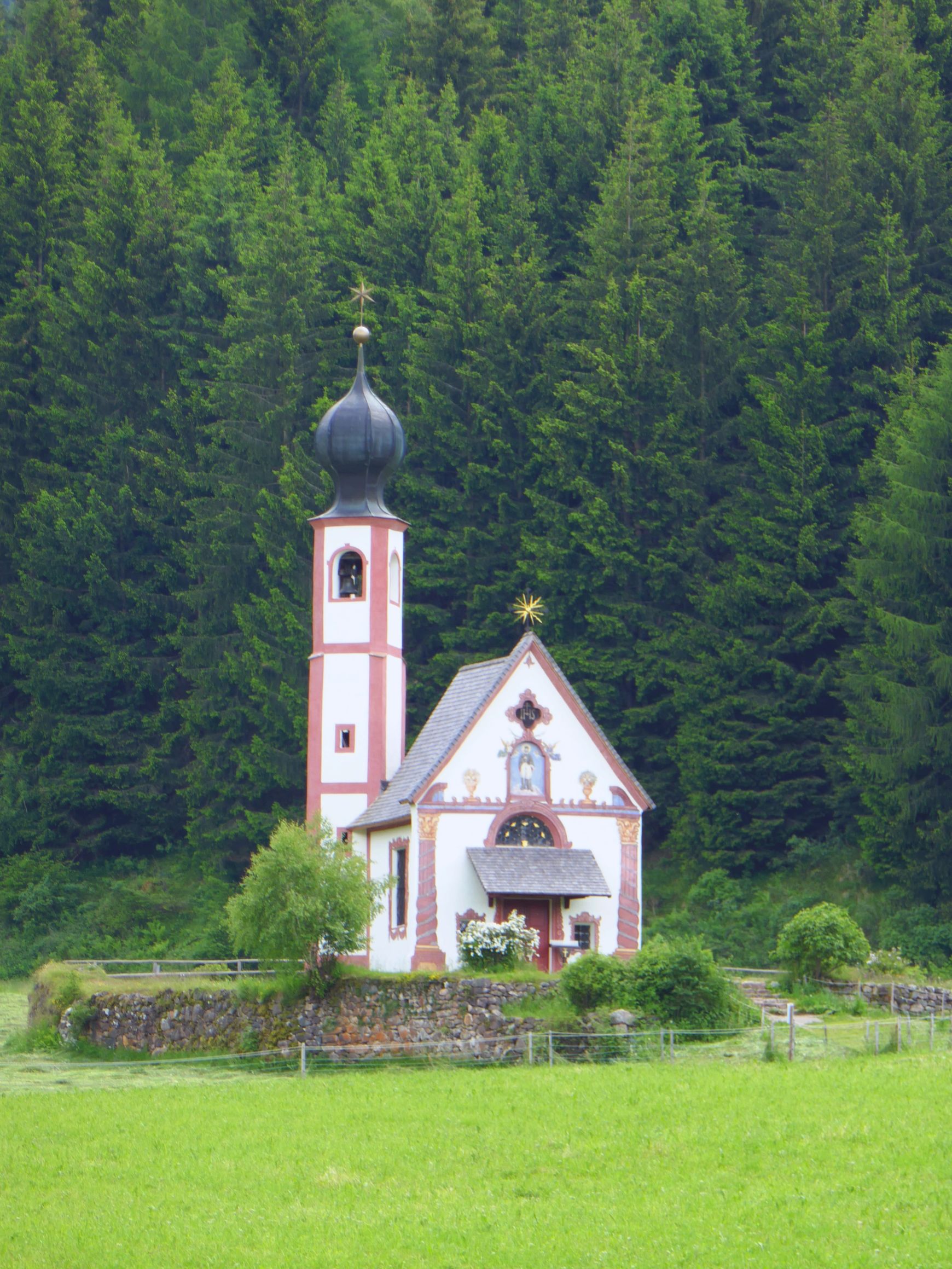
Our travels to Bressanone (aka Brixen) took us through the Val di Funes, a valley in northeast Italy with rolling hills dotted with farms and surrounded by steep alpine peaks.  We stopped for a hike along Santa Magdalena, a scenic trail that passed by family farms, a tiny church, and offered incredible views of the Italian Dolomites when the clouds cleared.  Following our hike and lunch at Fines Hotel & Restaurant, we were fortunate to catch some nice views of the jagged, spiked dolomite mountains. 

Dolomite is a carbonate rock, and the Italian Dolomites are comprised of 32 clusters of dolomite peaks that look like limestone spikes.  The large concentration of this type of rock is only found in Italy and is a UNESCO Heritage Site.

(For all photos, click on the image for a full screen view.)

What a thoughtful farmer, devising a back scratcher for his cows!
This is Gabriel Messner, hike leader and owner of the Fines Hotel & Restaurant where we had lunch. Look for him (hopefully!) in the next winter Olympics as a skier for Team Italy. As a national team member, he has hopes to make the cut!
The view of the Dolomites got better…
…and better. But they will get even better in my upcoming post!

This region of Italy is close to Austria, so the languages spoken are both German and Italian.  The cuisine, as we discovered at lunch, had a German influence—much different than what you would find in the south of Italy.

We continued on to Bressanone, which used to be called “Brixen,” a German name, until Mussolini, the horrible dictator, came in and changed all of the German names of towns and streets to Italian names and forced the residents to do the same.  The fascist didn’t stop there; he banned the German language and it wasn’t allowed to be taught in the schools.  Austrian history was forbidden from being taught as well.  Mussolini tried to wipe out that entire culture.  Thankfully, it was all ultimately reversed. Signs in the area are in both German and Italian, and German is one of the official languages.

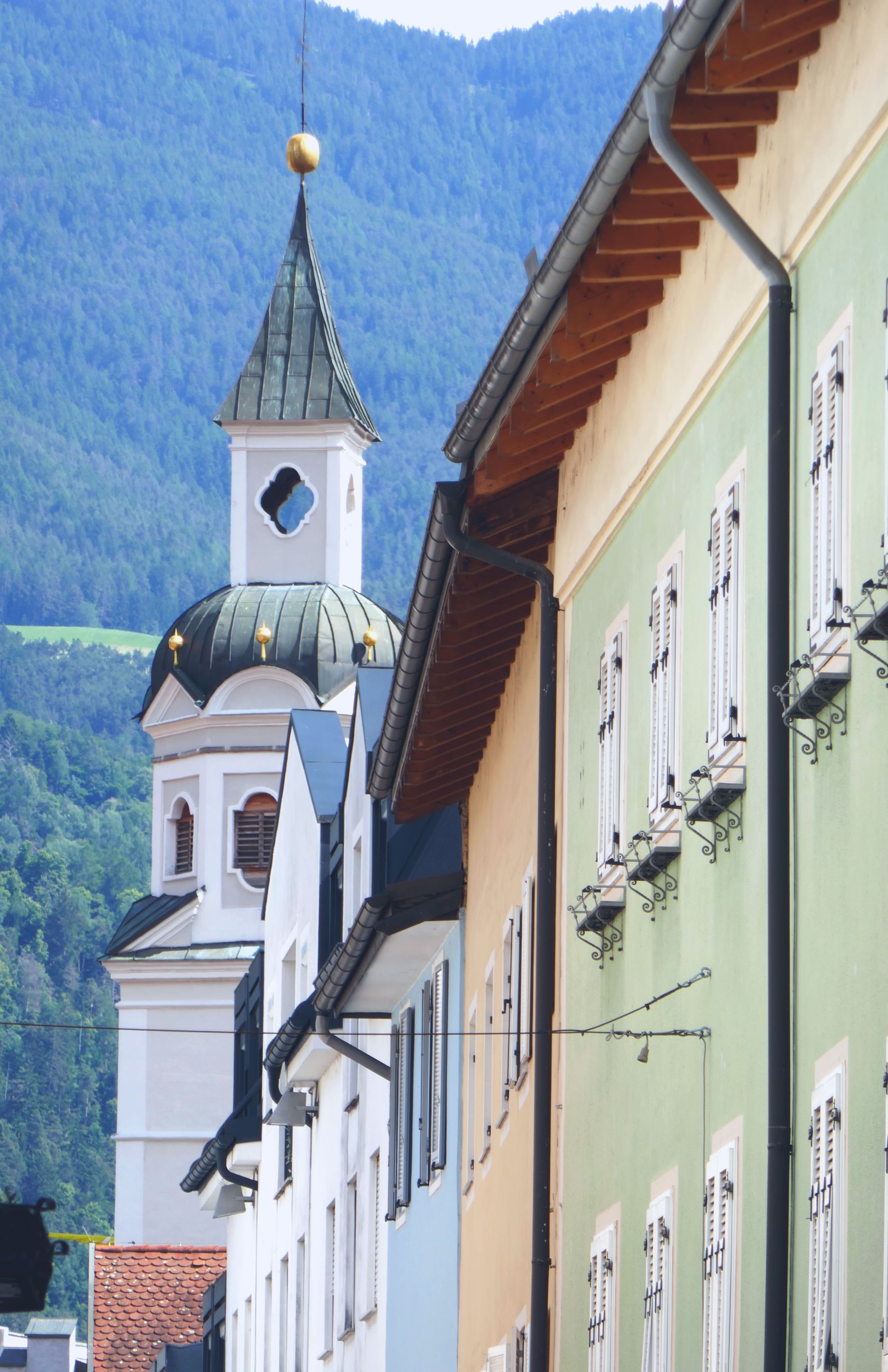
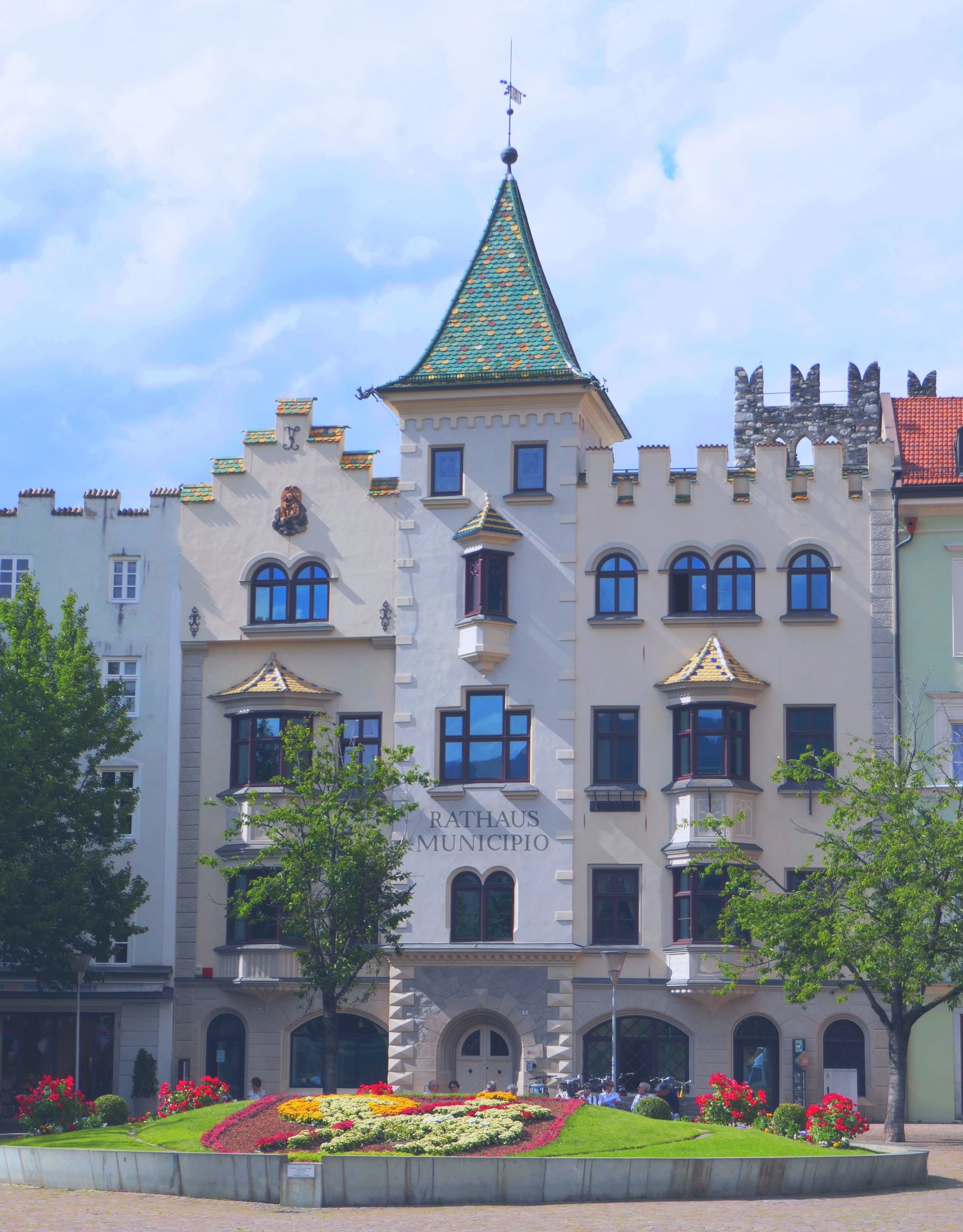
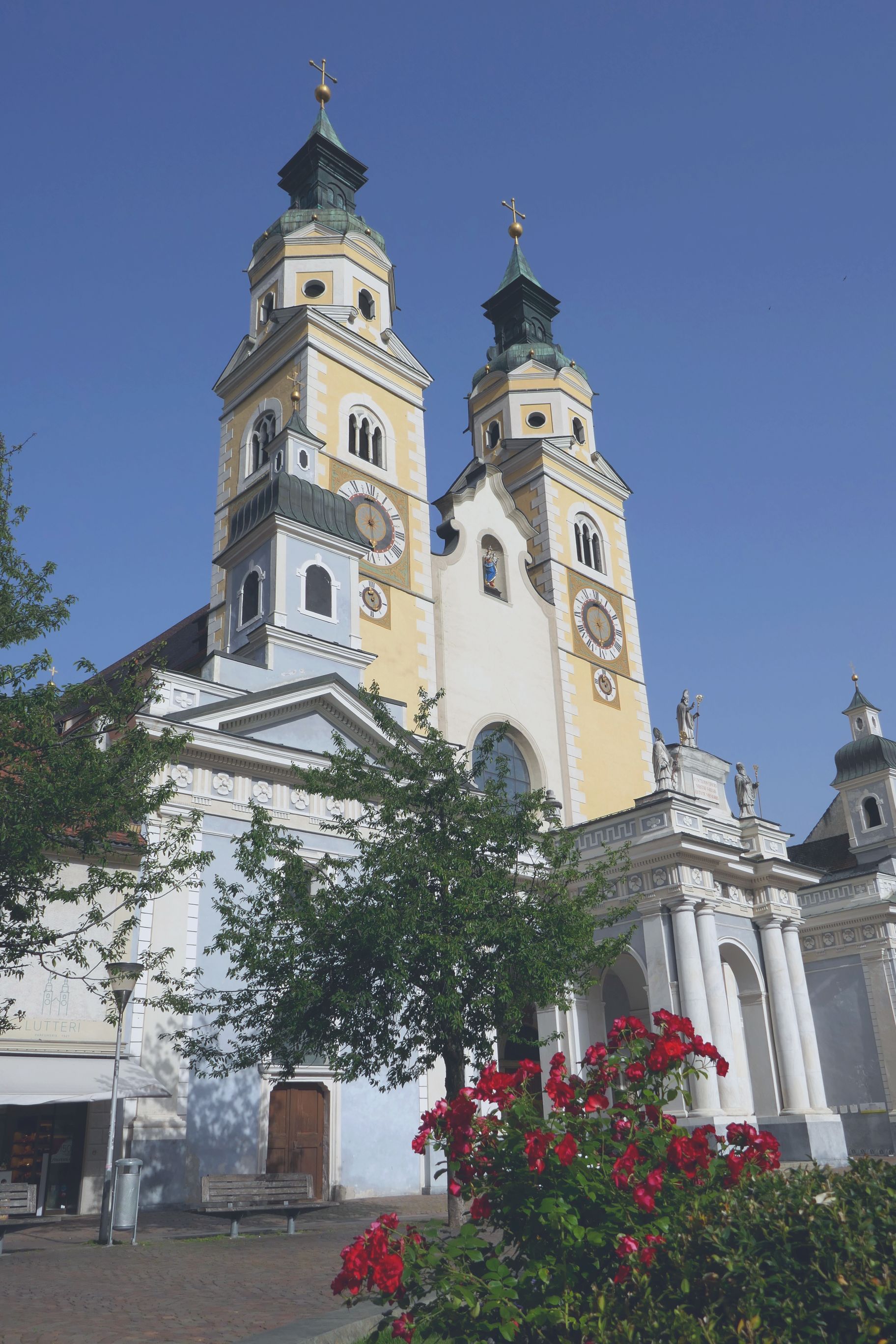
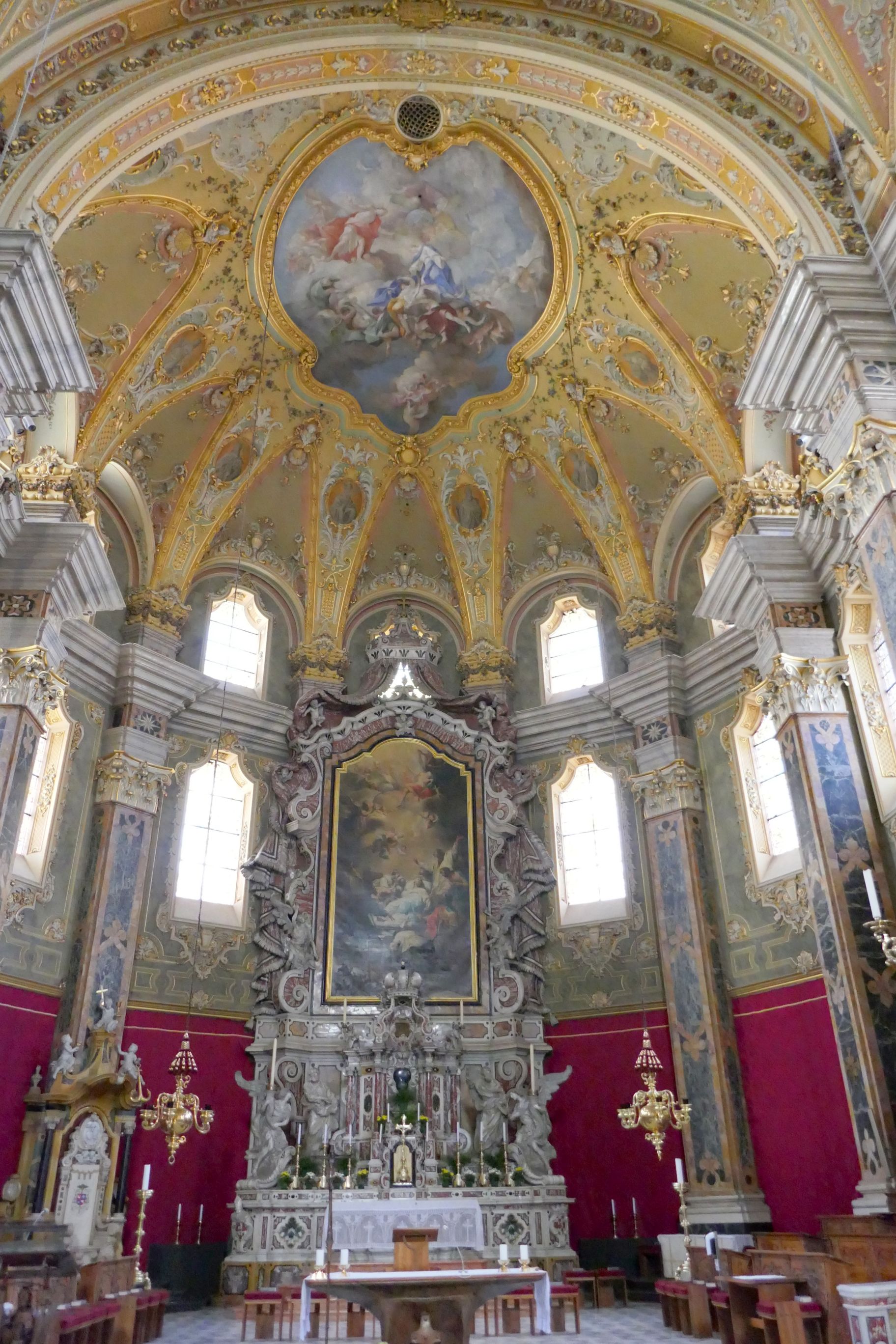
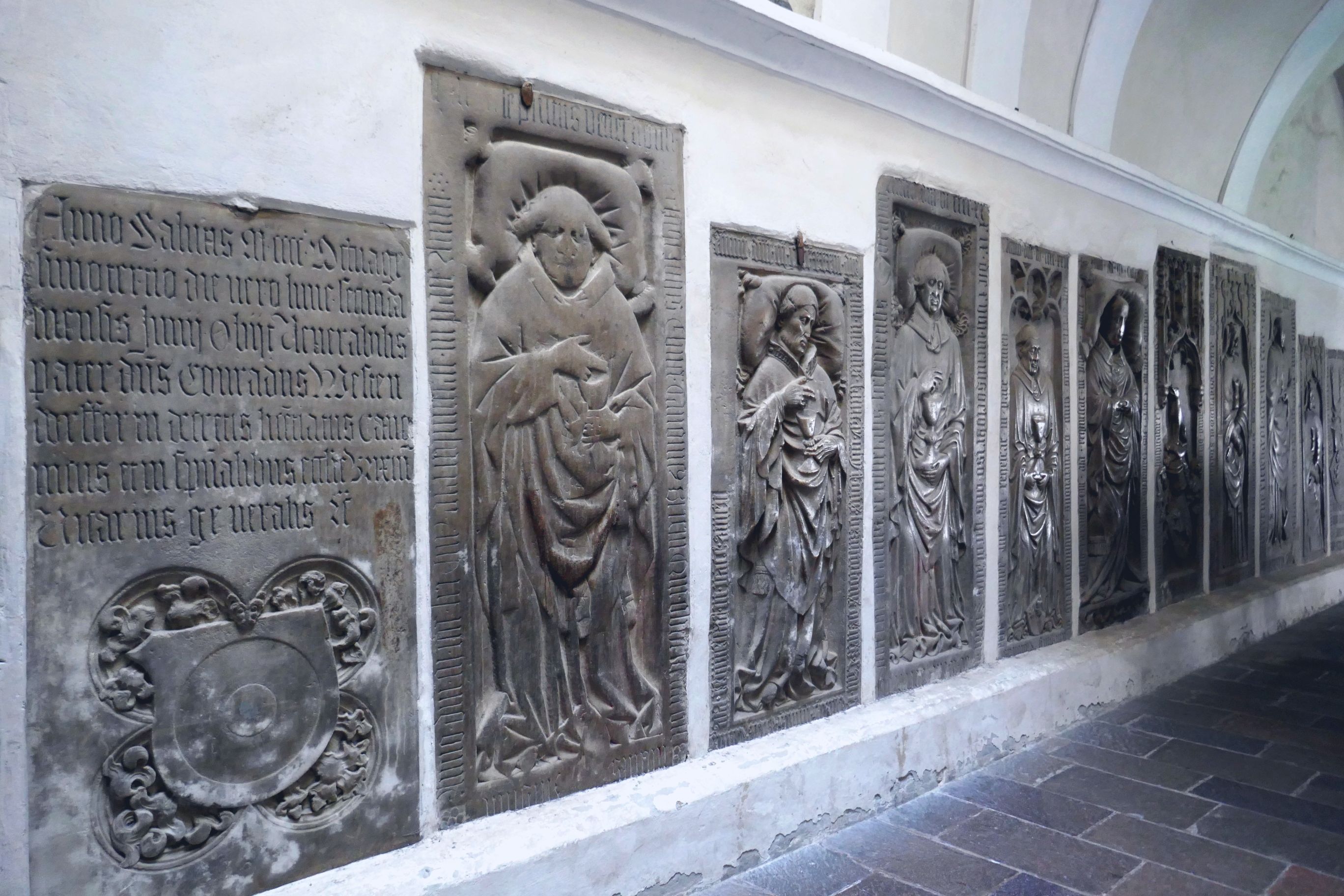
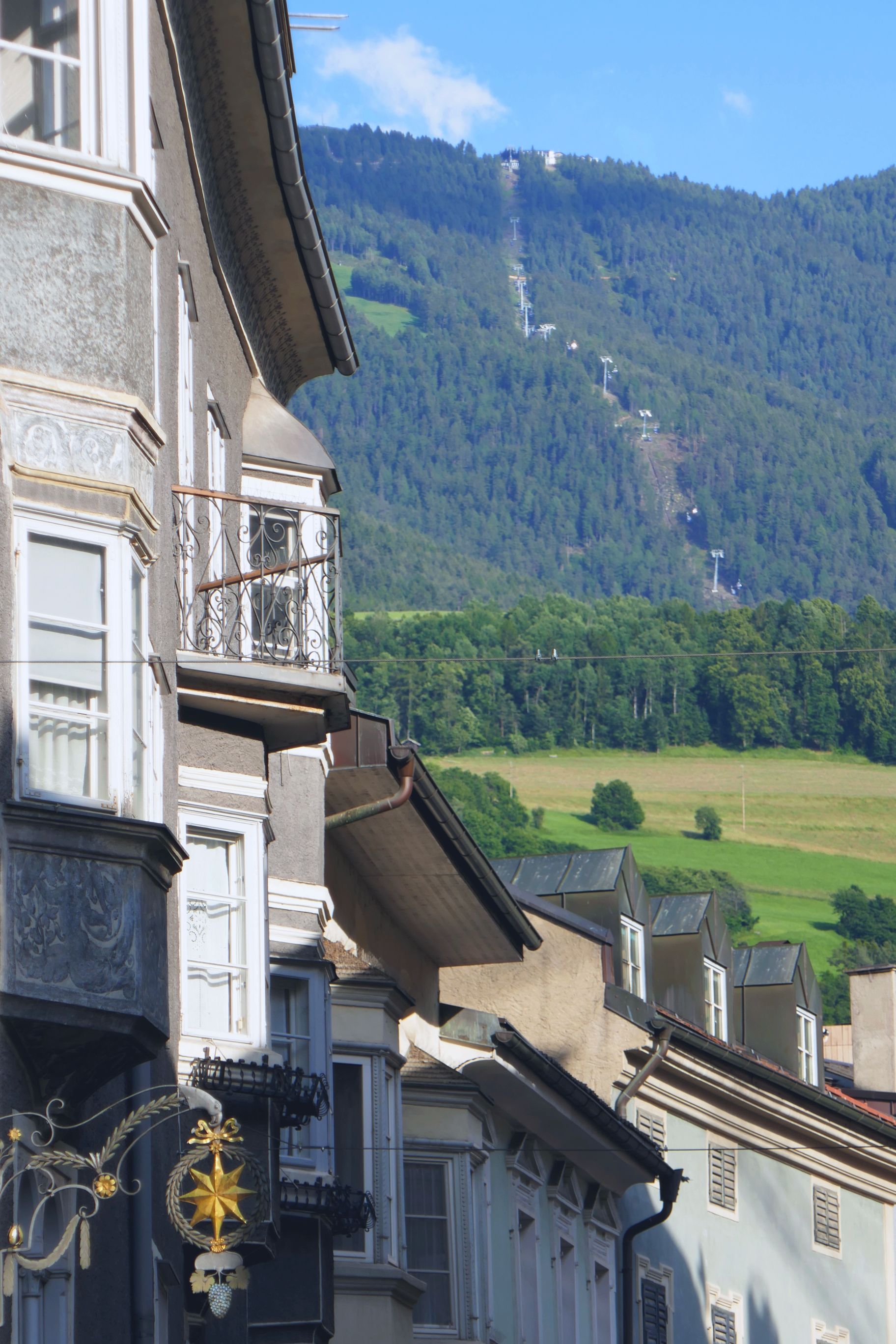
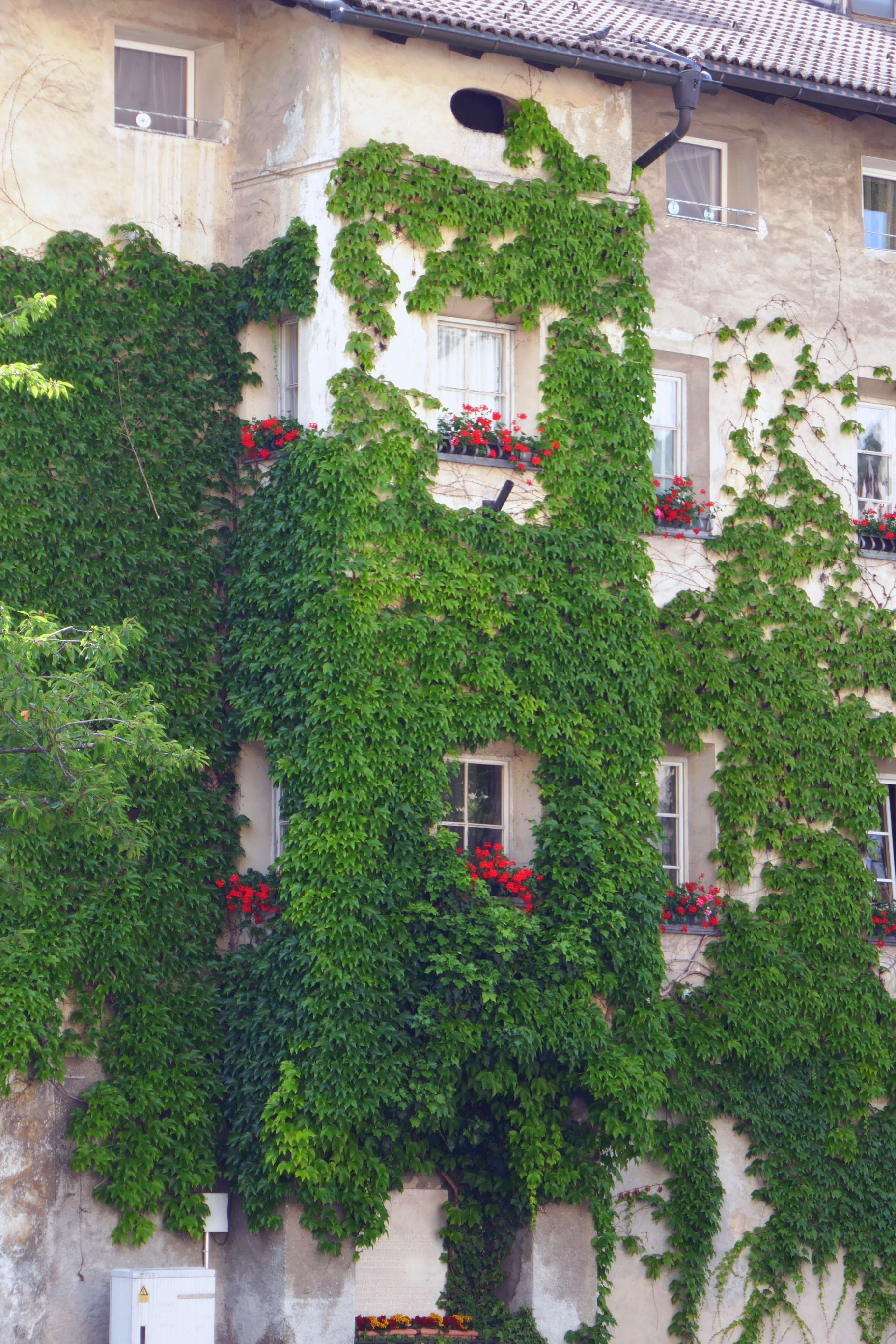
Bressanone / Brixen is a medieval town of about 23,000 people founded in 901 and located in the autonomous Trentino-Alto Adige region.  We found it to be quite charming and enjoyable to explore during the afternoon and evening.

Hotel Krone, our hotel in Bressanone, was established in 1717!
A beautiful garden and walking path down the street from our hotel.
An adorable (and funny!) puppet show in the piazza capped off a wonderful day!

Next up: SWITZERLAND & NORTHERN ITALY #19: VISITING BOLZANO BY TRAIN & CABLE CAR

SWITZERLAND & NORTHERN ITALY #16: TRAVELING TO TRENTO

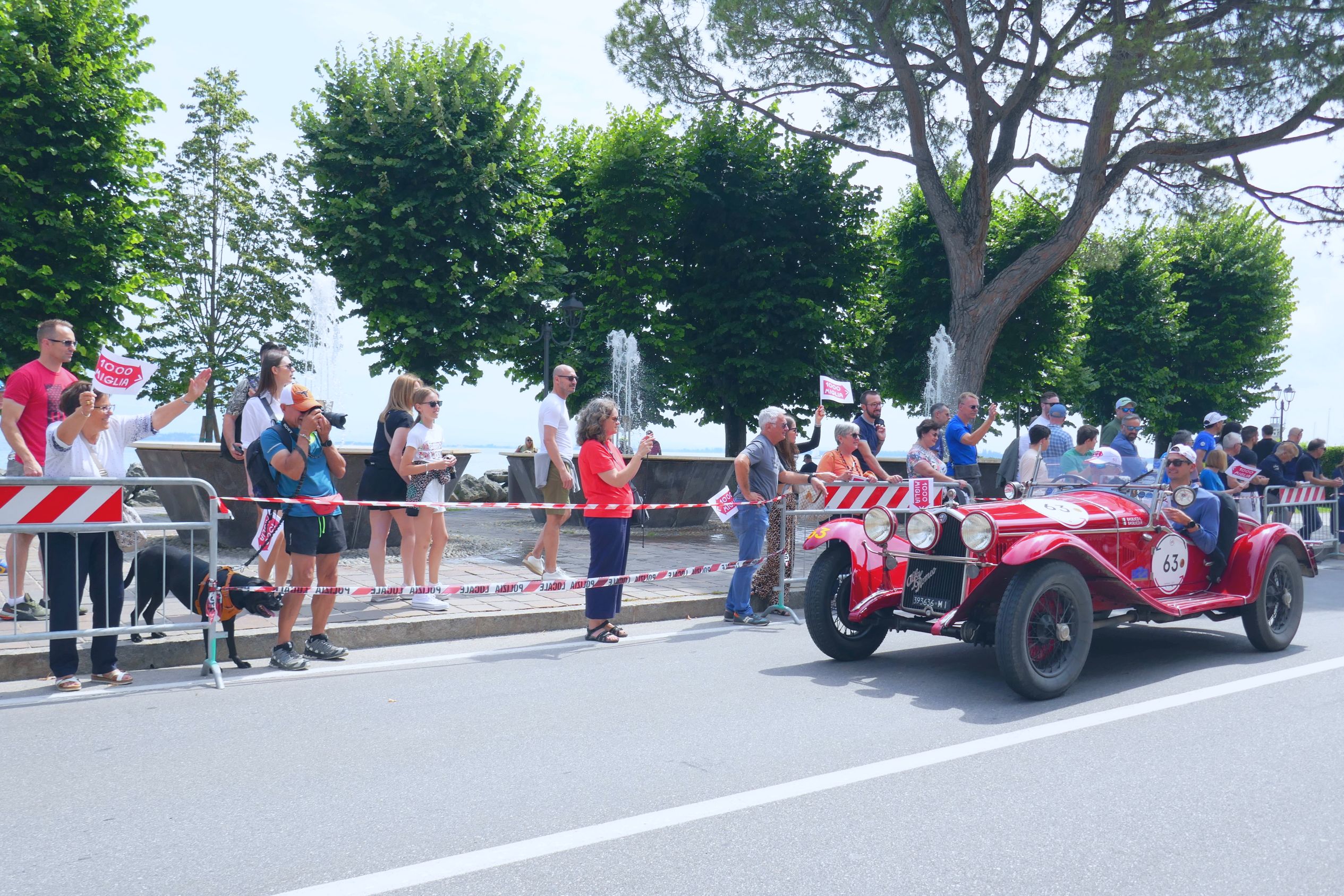
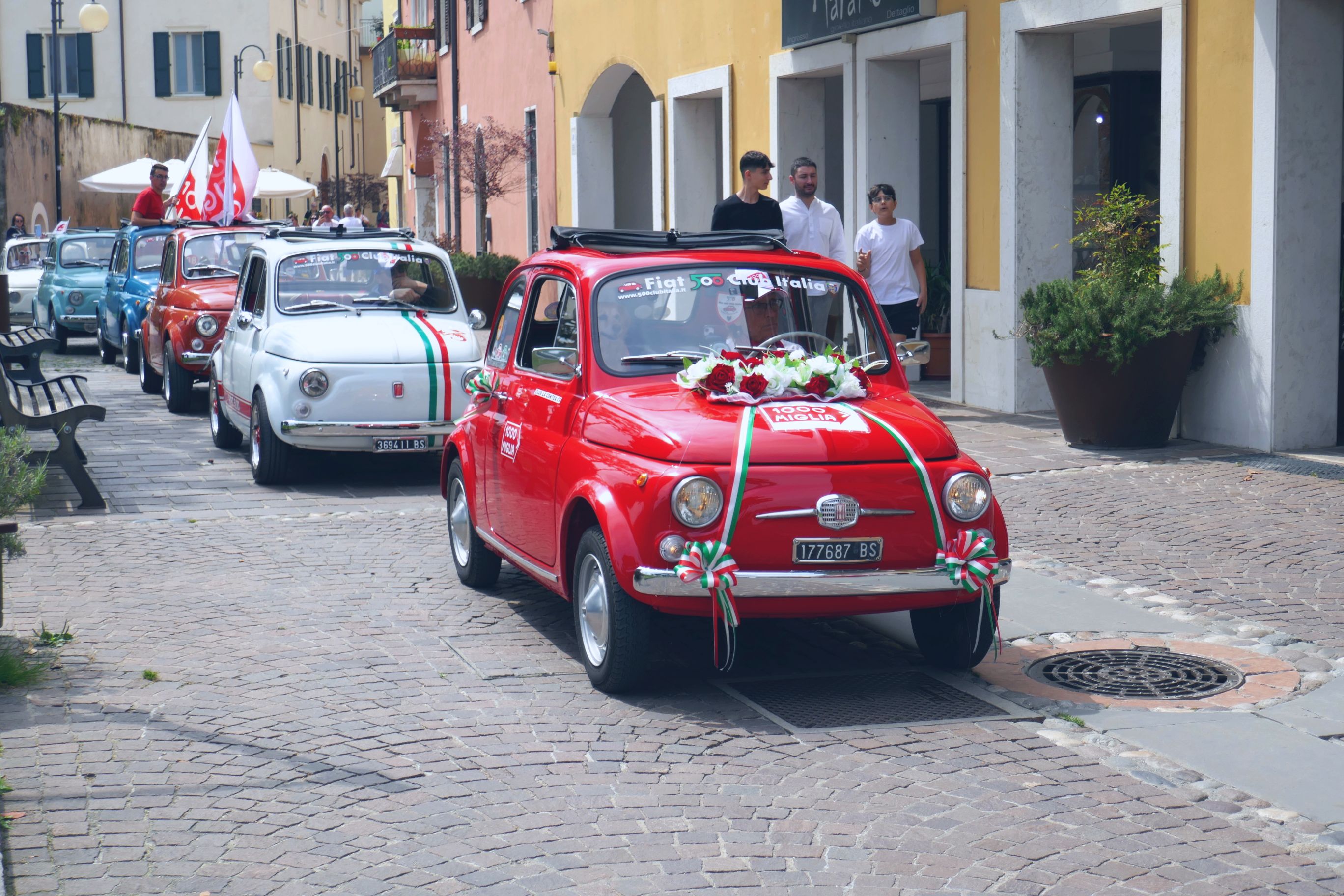
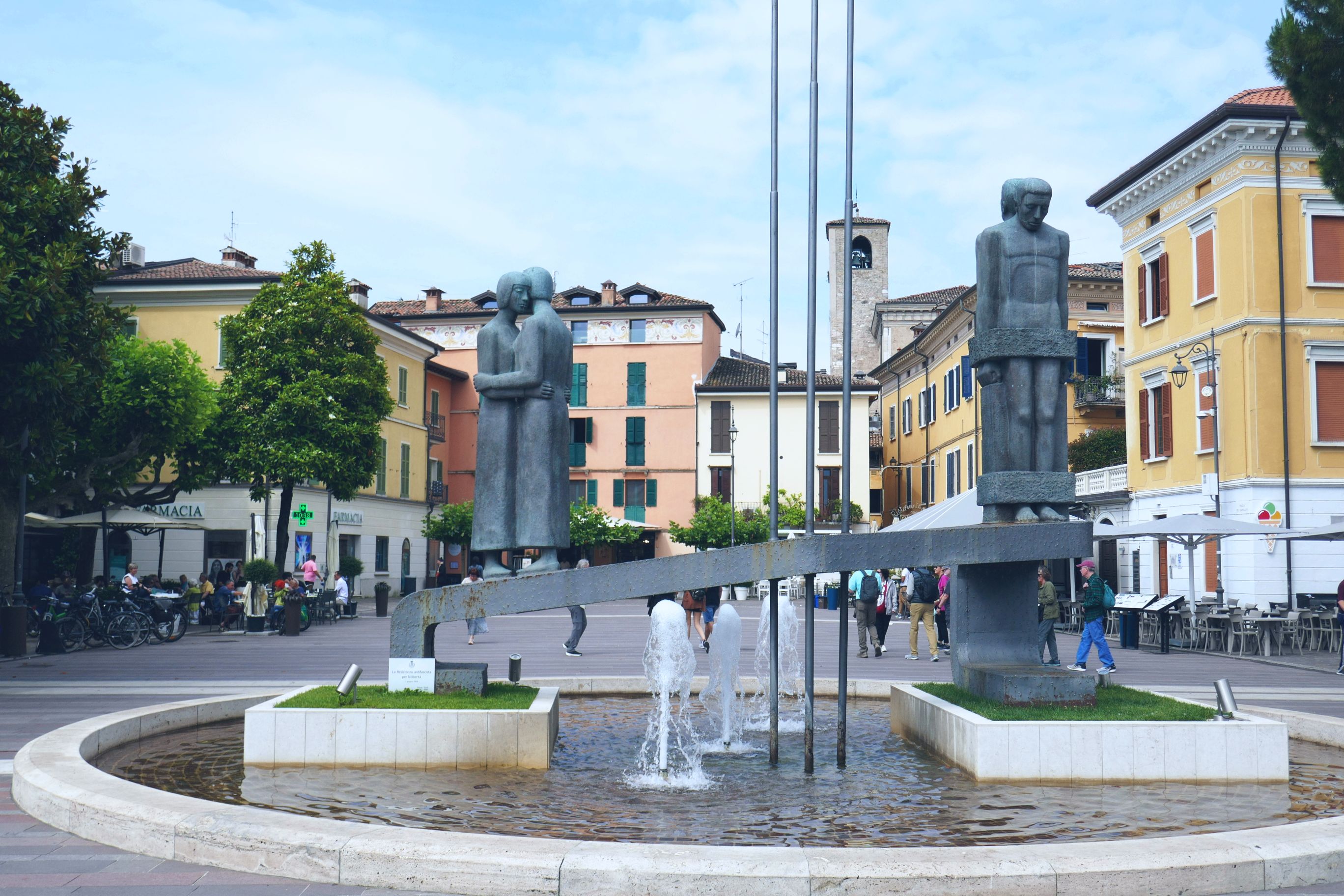
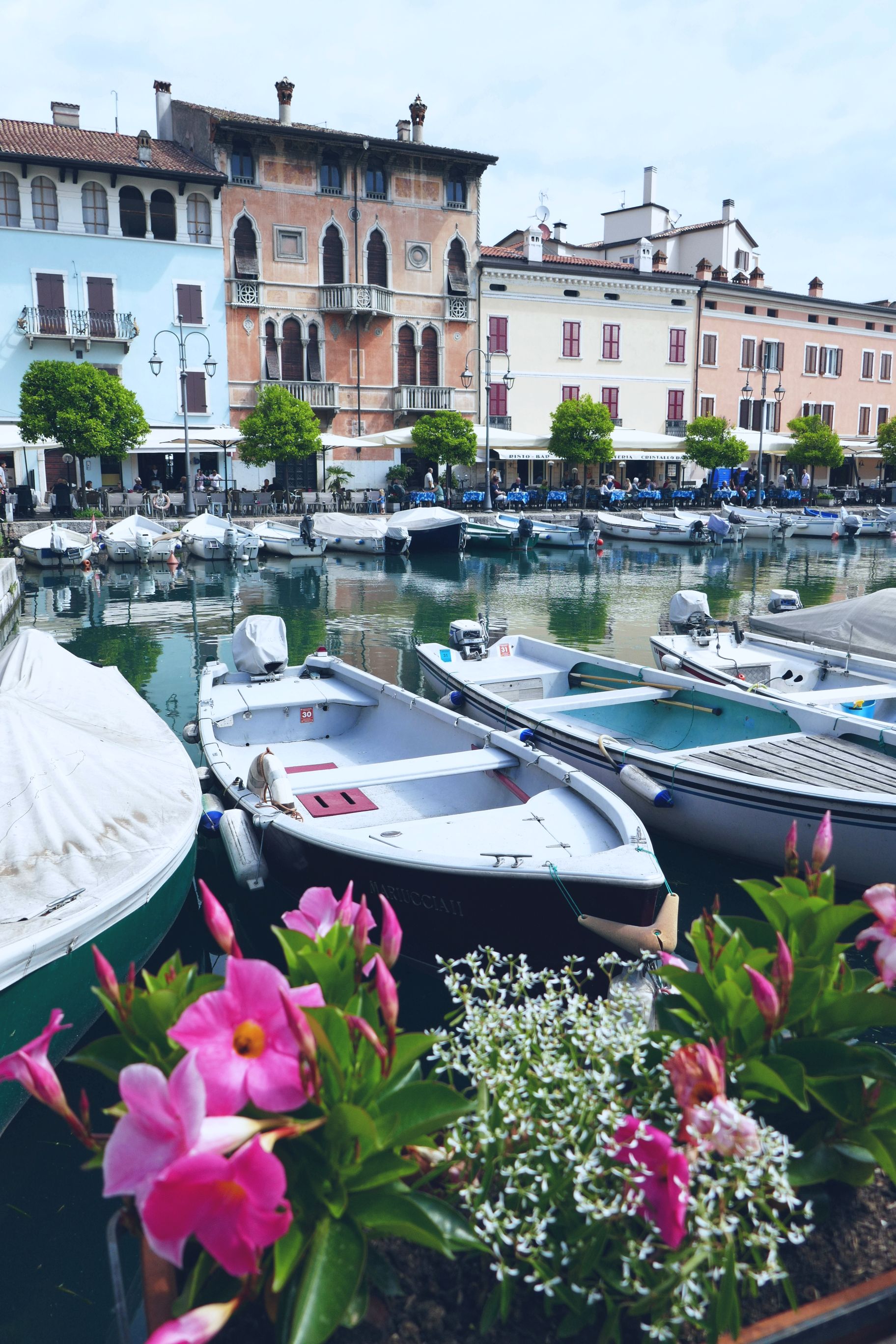
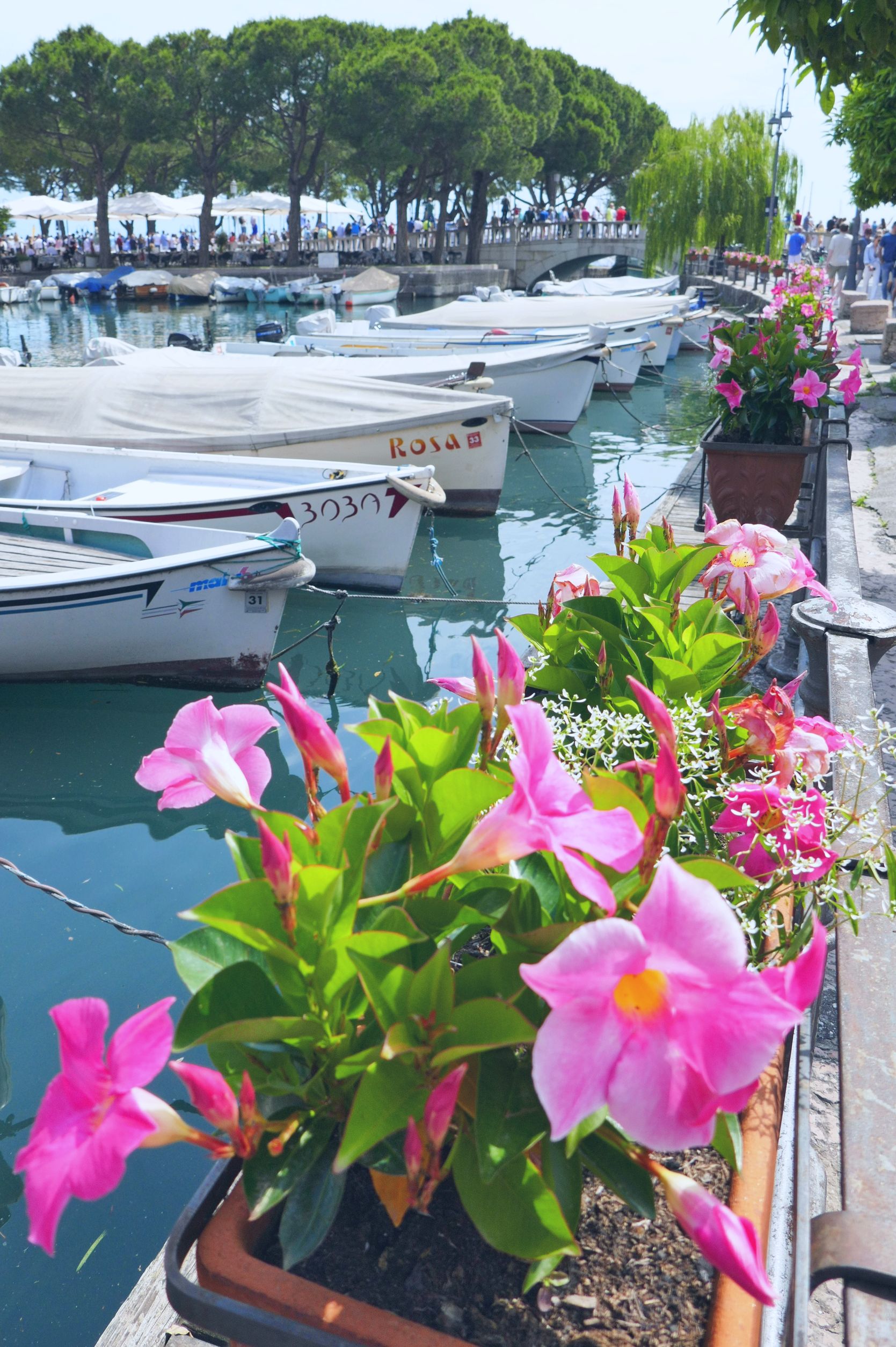
On the way to Trento, we stopped in the beautiful town of Desenzano, situated on the shores of Lake Garda, Italy’s largest lake.  Some of the streets were blocked off, which baffled Maria, our travel leader, and our bus driver.  Did something horrible happen?  It wasn’t until a sports car with a number on the side whizzed by that we realized we had stumbled upon a car race!  We all hopped out of the bus and headed to the waterfront to see the action.  It was the 2024 1000 Miglia, an annual 1000-mile vintage car race that has taken place in the province of Brescia since 1927.  The tour concluded in Desenzano where the drivers got their final stamps at the check-in tent, and then took some final laps to celebrate.  Italians are huge car race enthusiasts, so it was fun to watch with the locals, as they cheered for their favorites.

(For all photos, click on the image for a full screen view.)

Maria also managed to corral our group for a walking tour of the town, which we found to be quaint and charming.  The race and walking tour were great ways to break up our journey to Trento!

Ricetto Castle

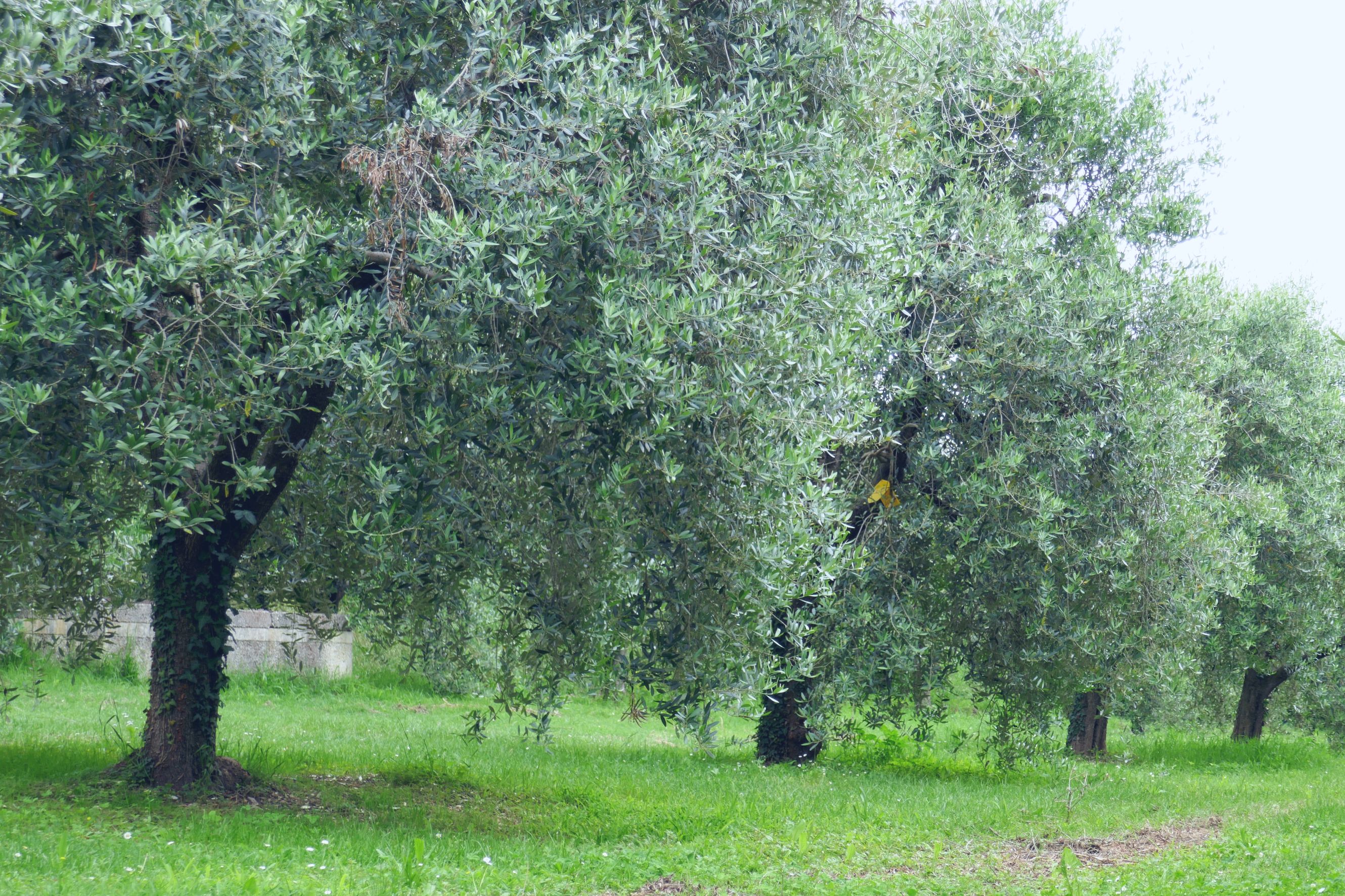
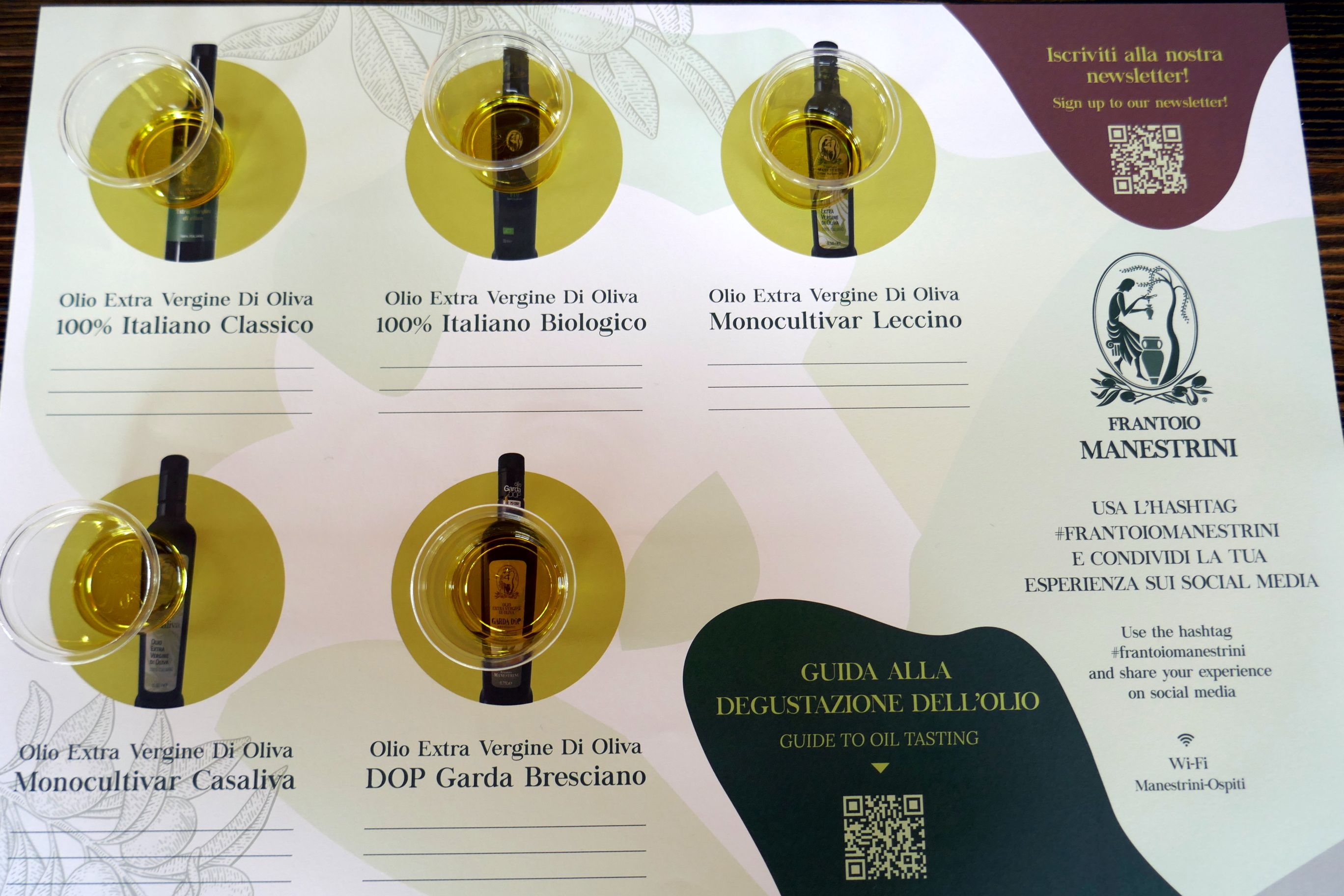
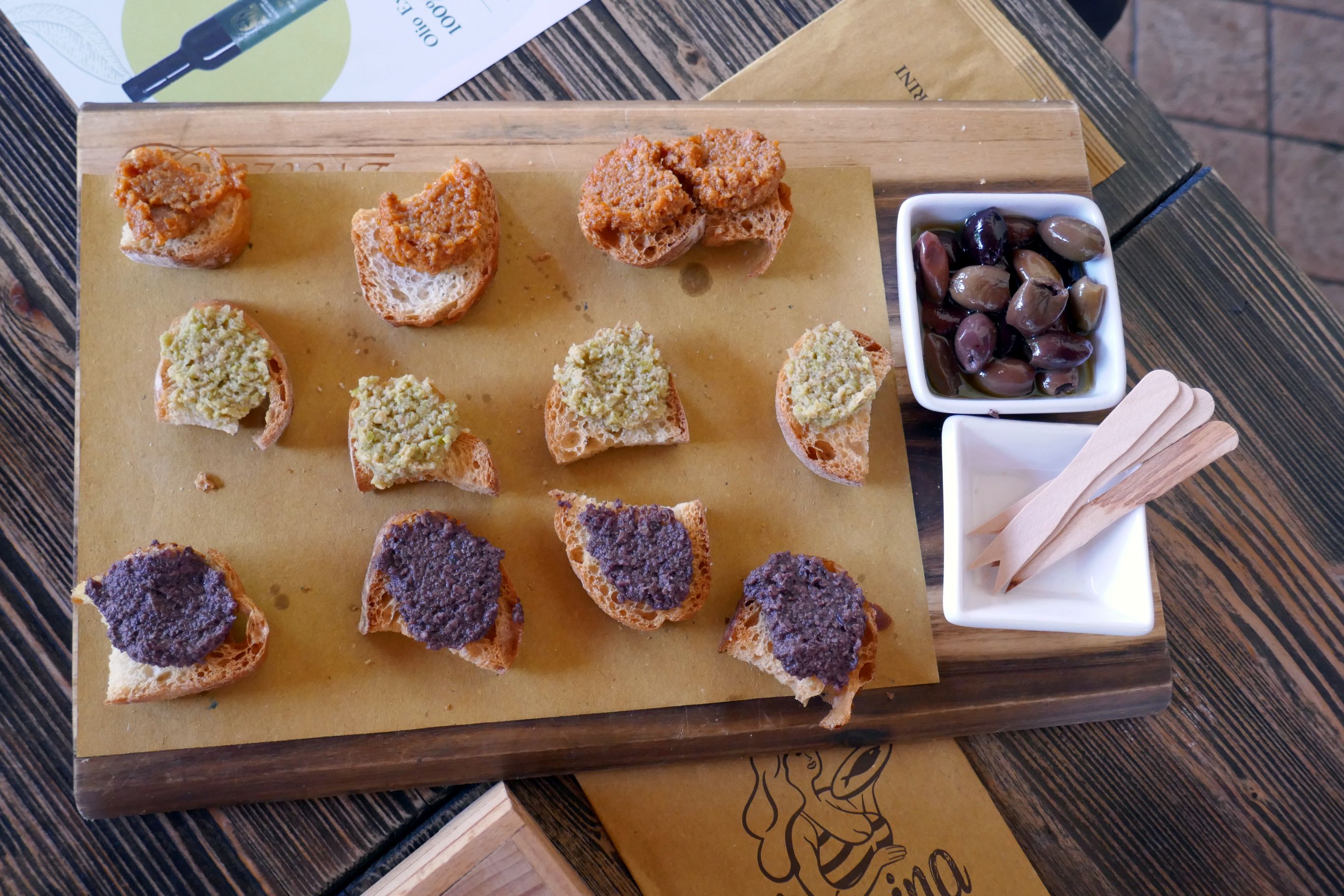
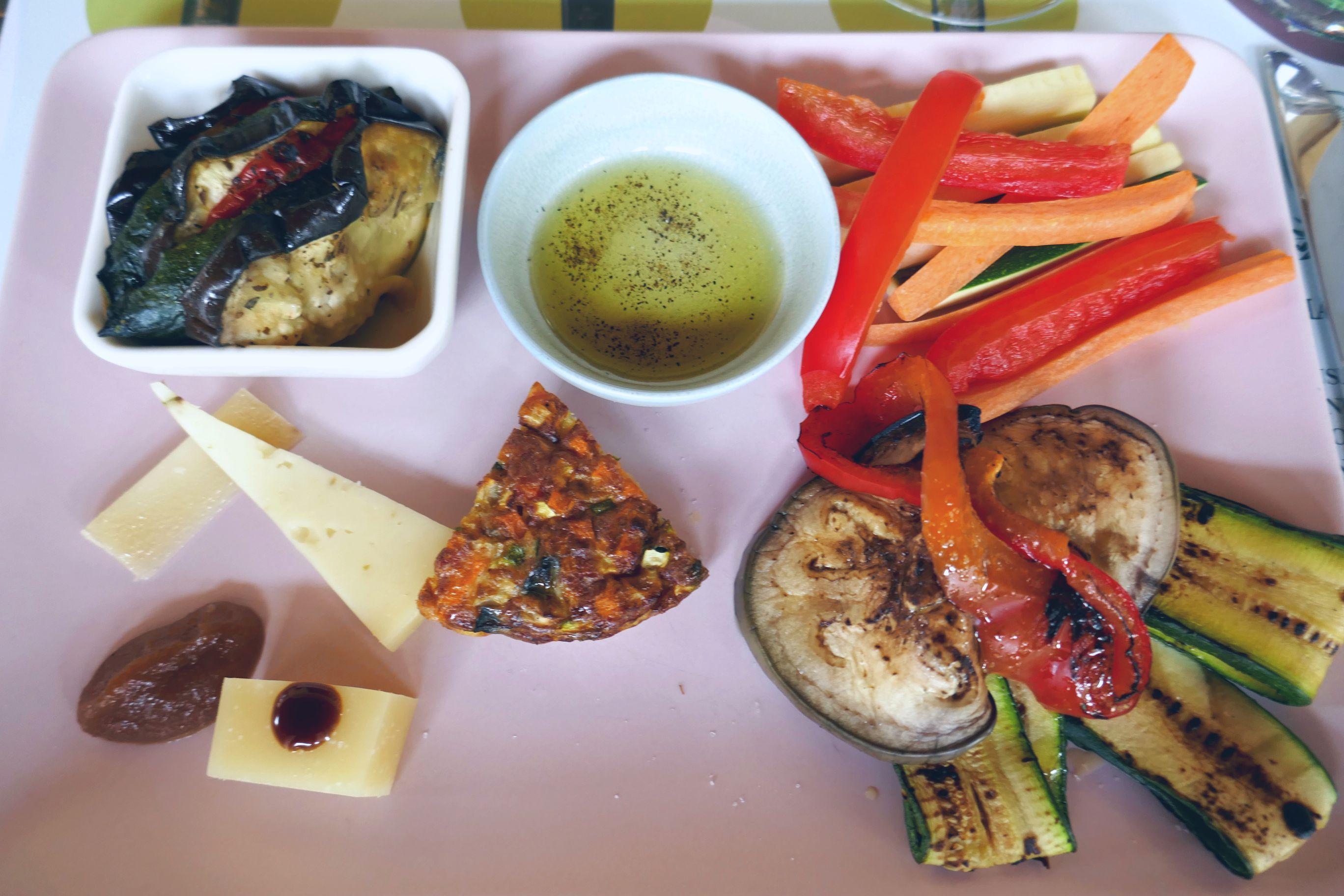
We continued on to visit an olive mill for a tour, olive oil tasting, and al fresco lunch.  The mill we visited, Frantoio Manestrini, was a family-operated mill that had received national recognition.  The vegetarian option for lunch was a welcomed surprise, given the lack of vegetables available during the previous days in Northern Italy and Switzerland.

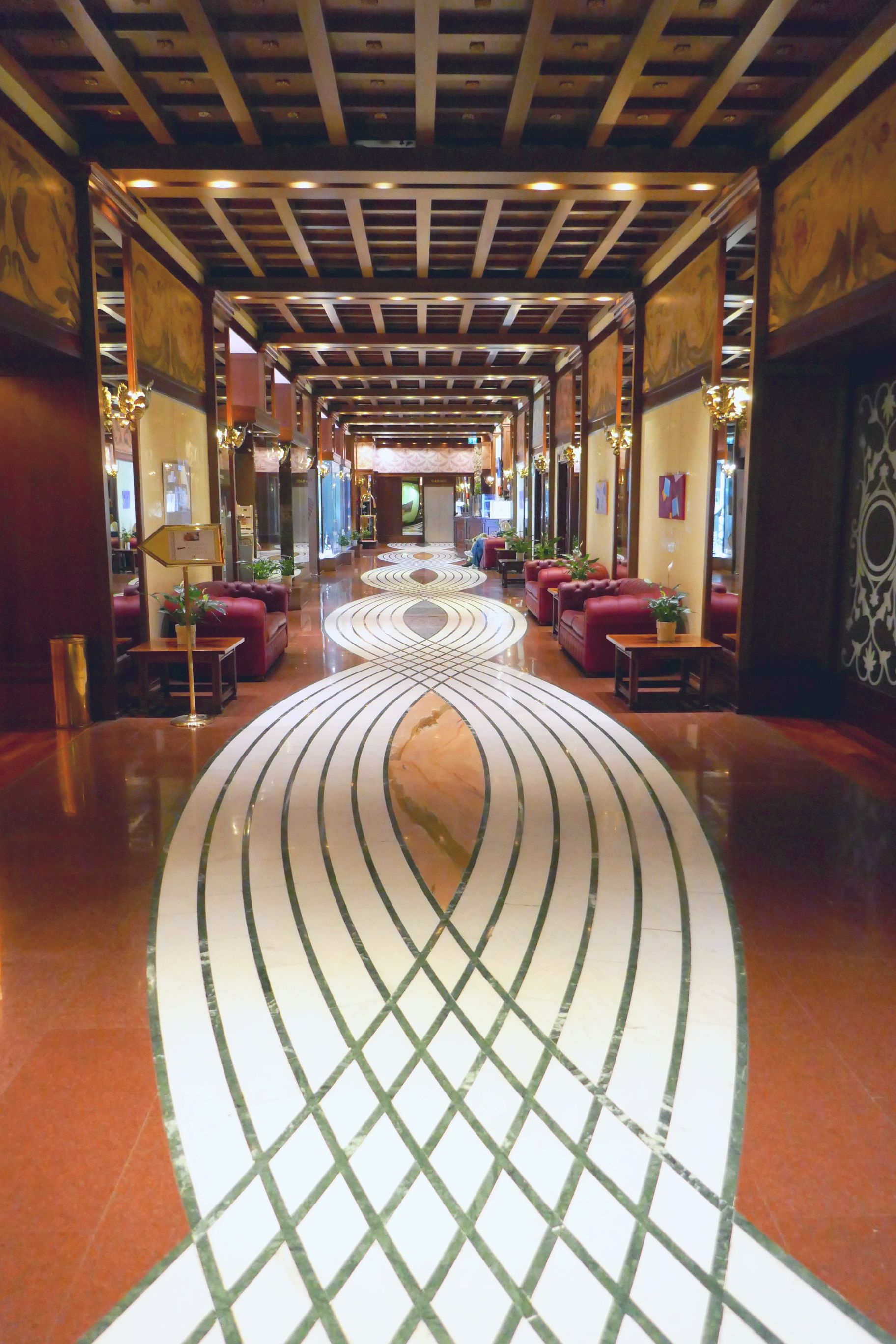
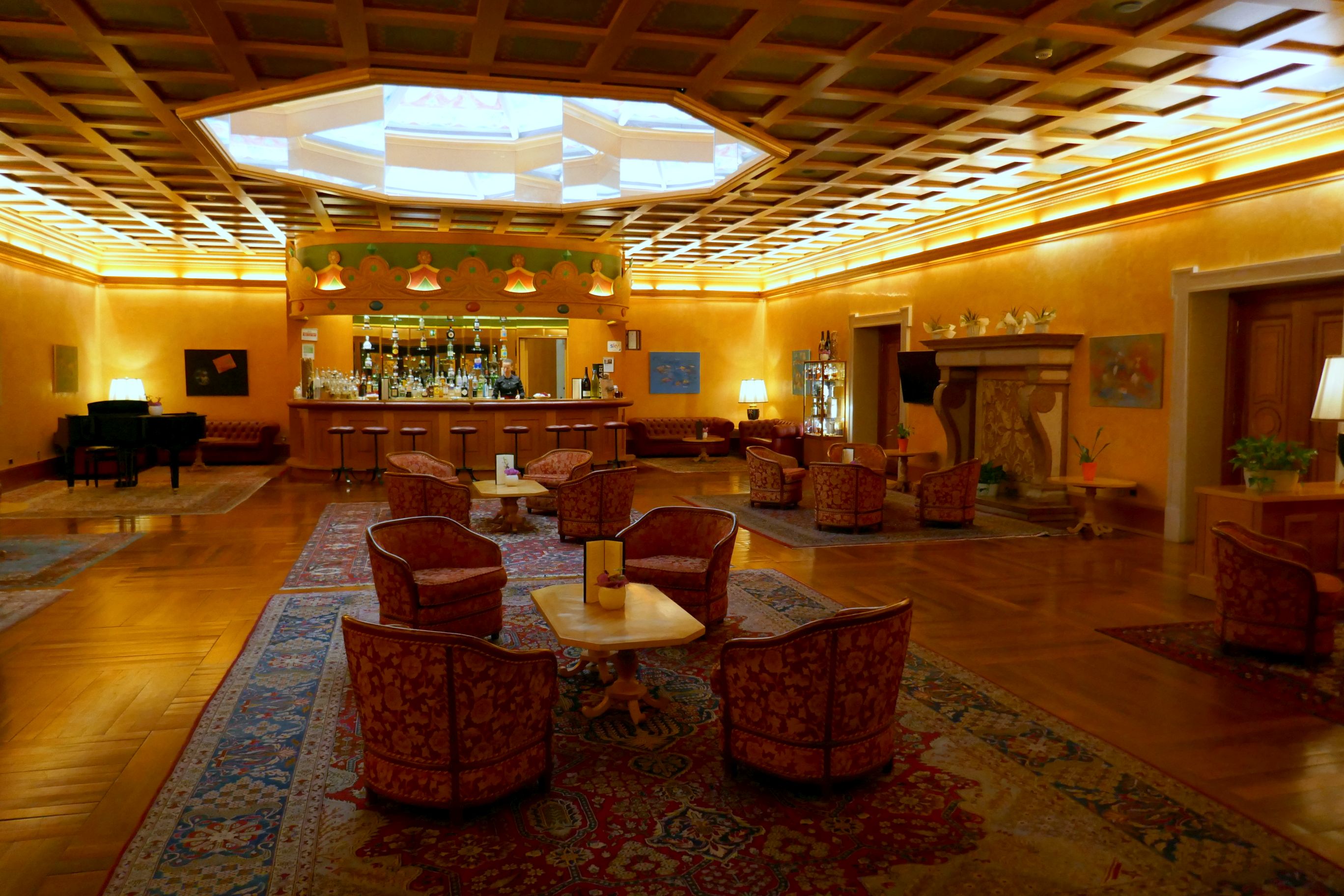
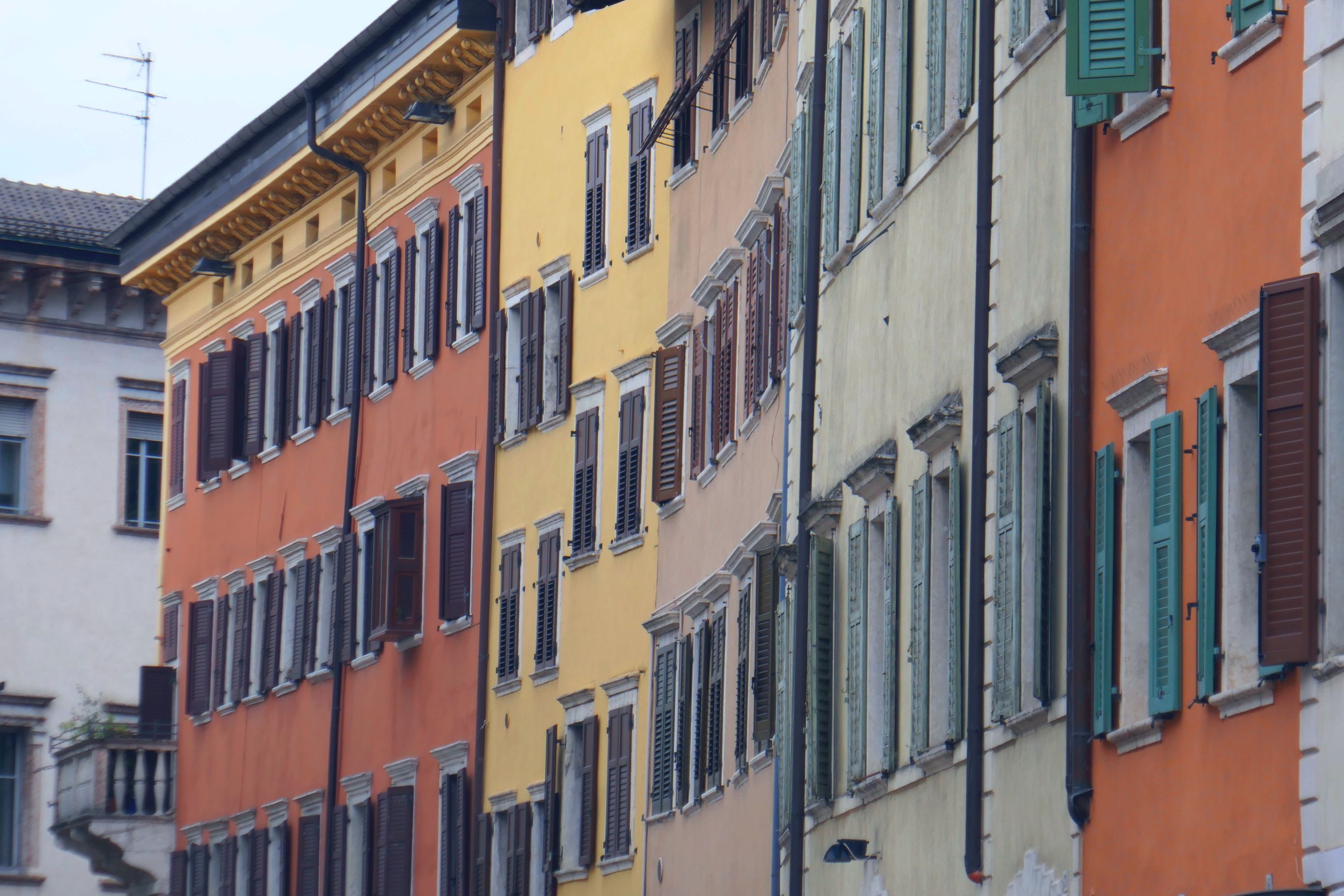
The final leg of our journey took us through the foothills of the Italian Dolomites, which we would be seeing more of in the following days.  Upon arrival in Trento, we checked in at the beautiful Grand Hotel Trento, and then took an orientation tour of the lovely town.

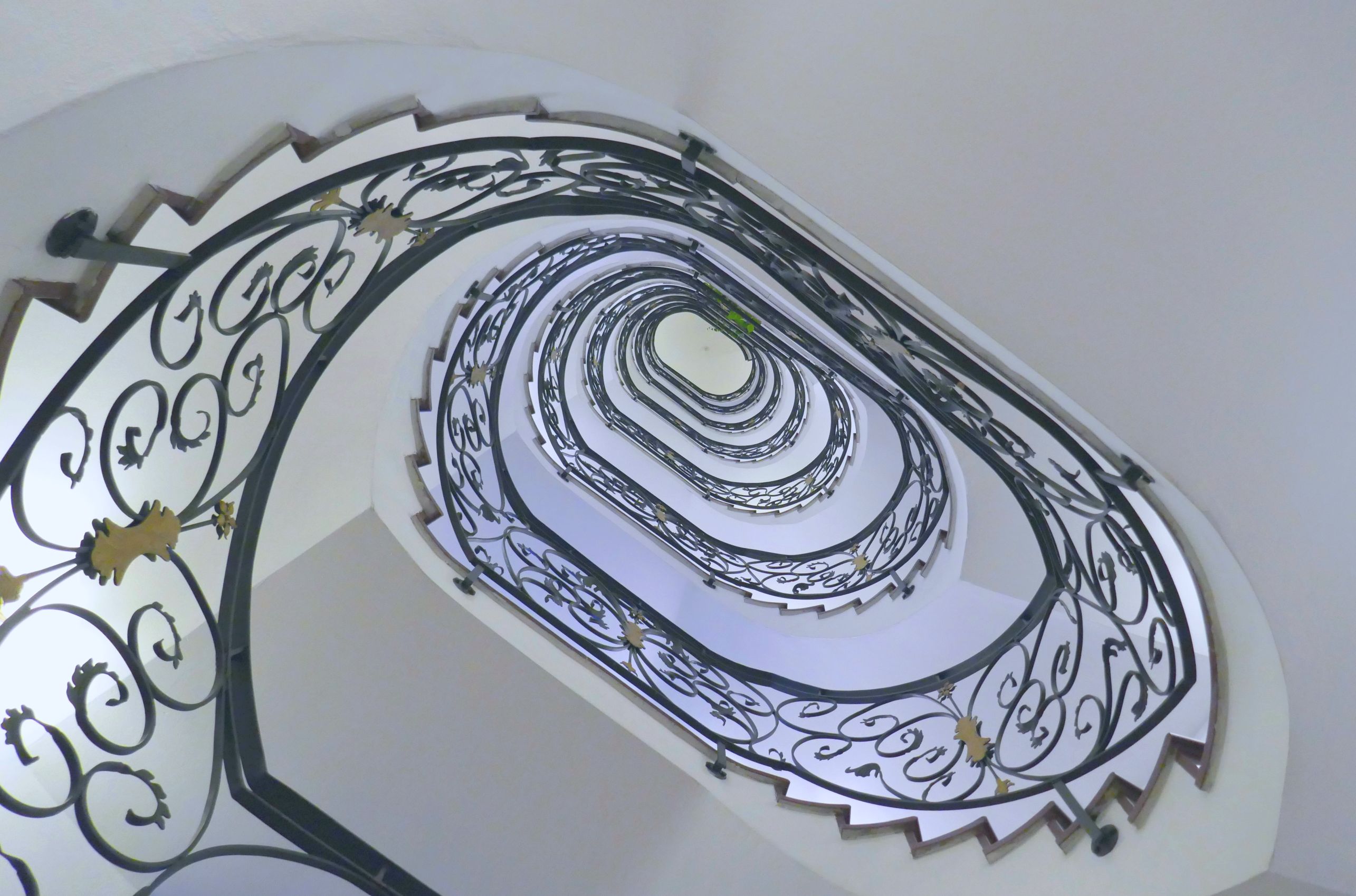
Looking up the winding staircase from the bottom floor…
…and looking back down from the top.

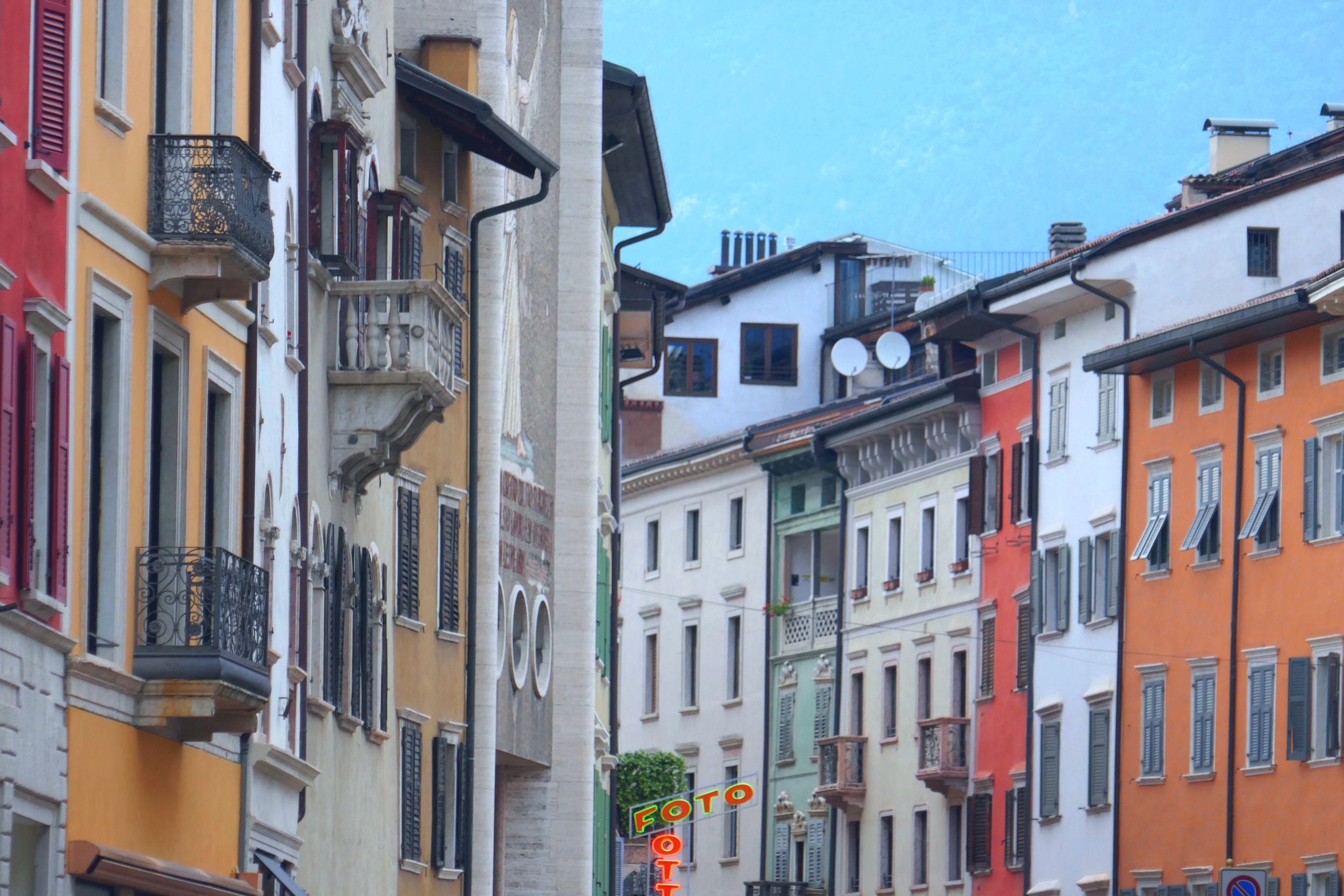
Trento is the capital of the autonomous province of Trento.  Formerly part of Austria, it was annexed by Italy in 1919 and is now one of the wealthiest and most prosperous cities in Italy with a high standard of living and quality of life.

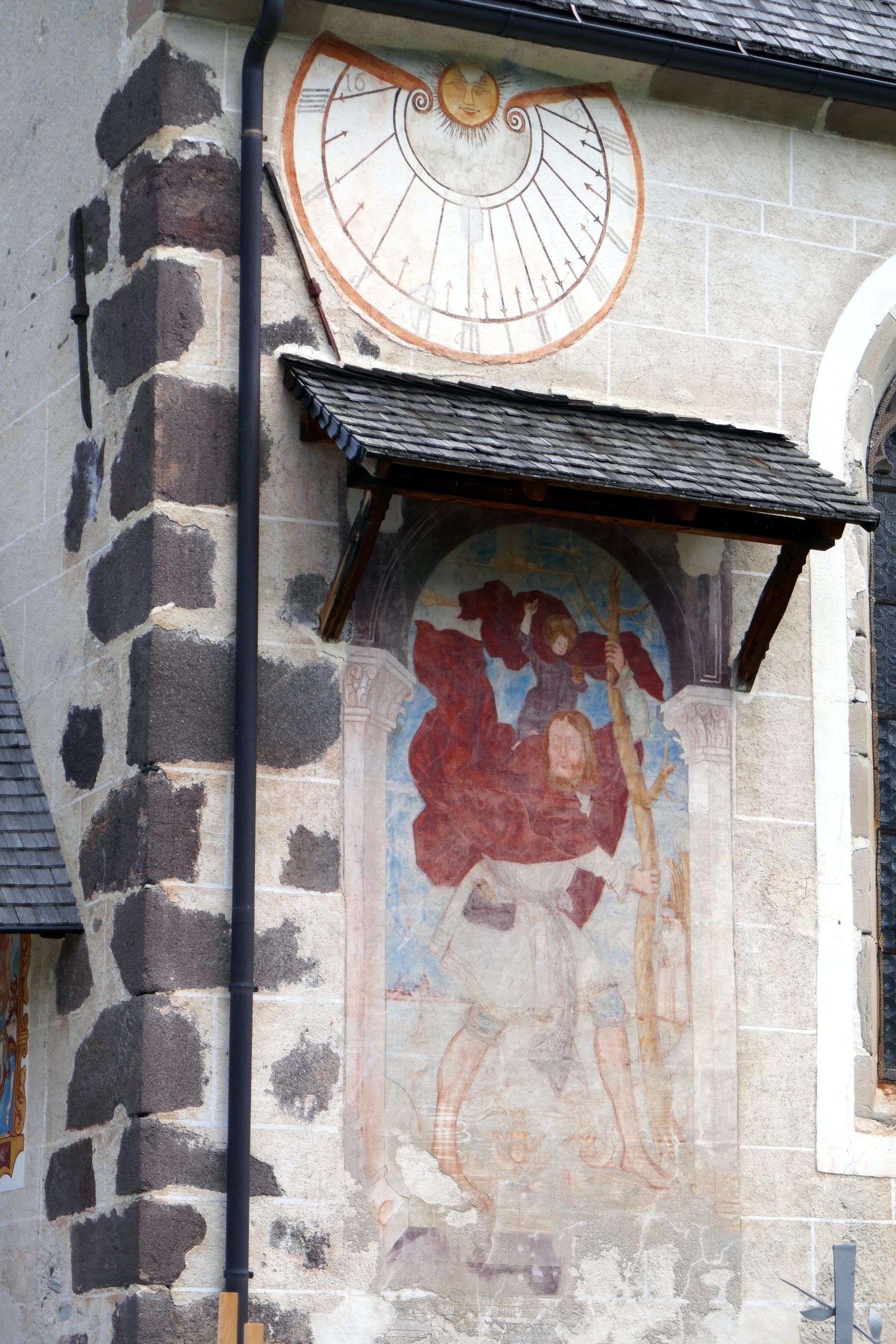
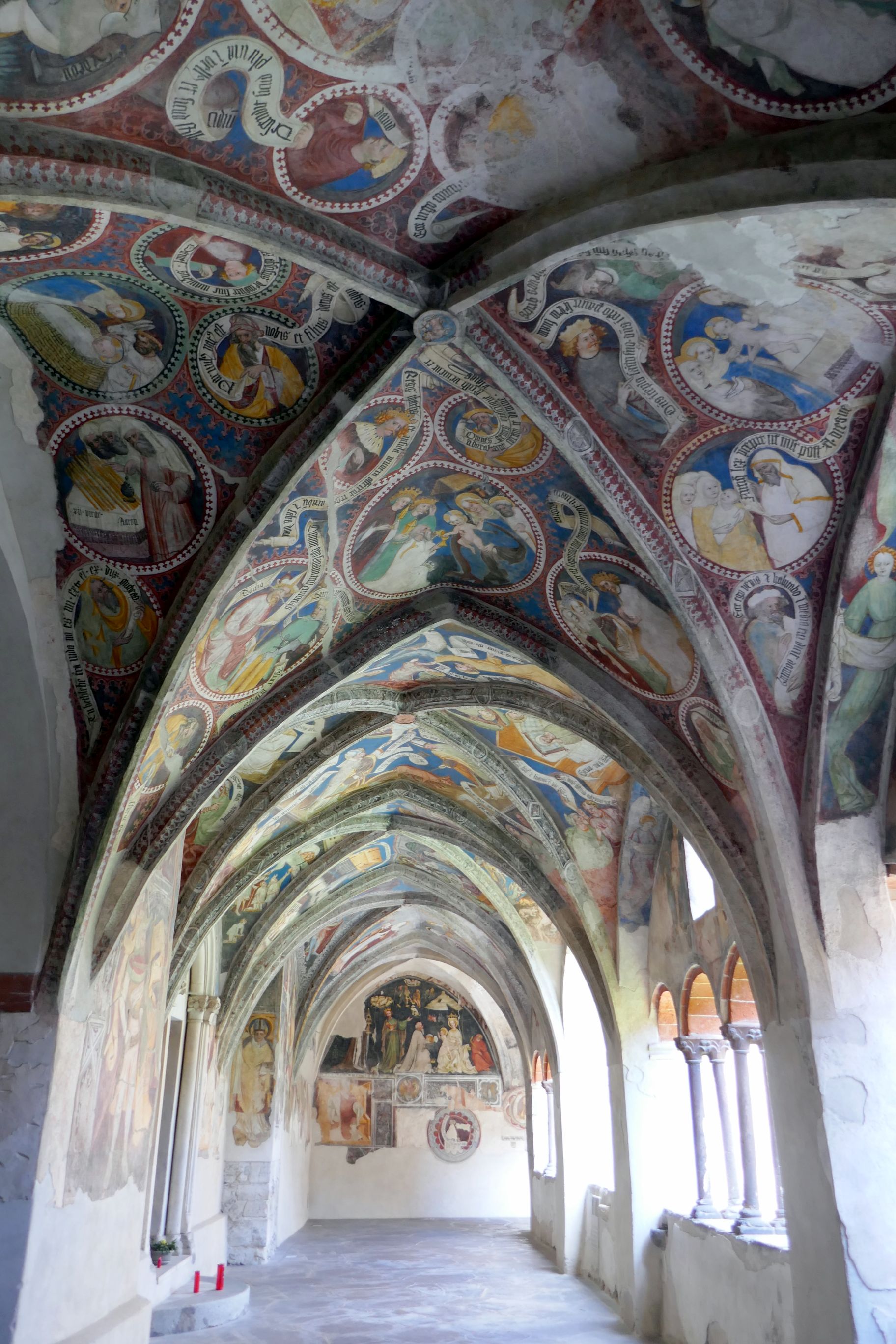
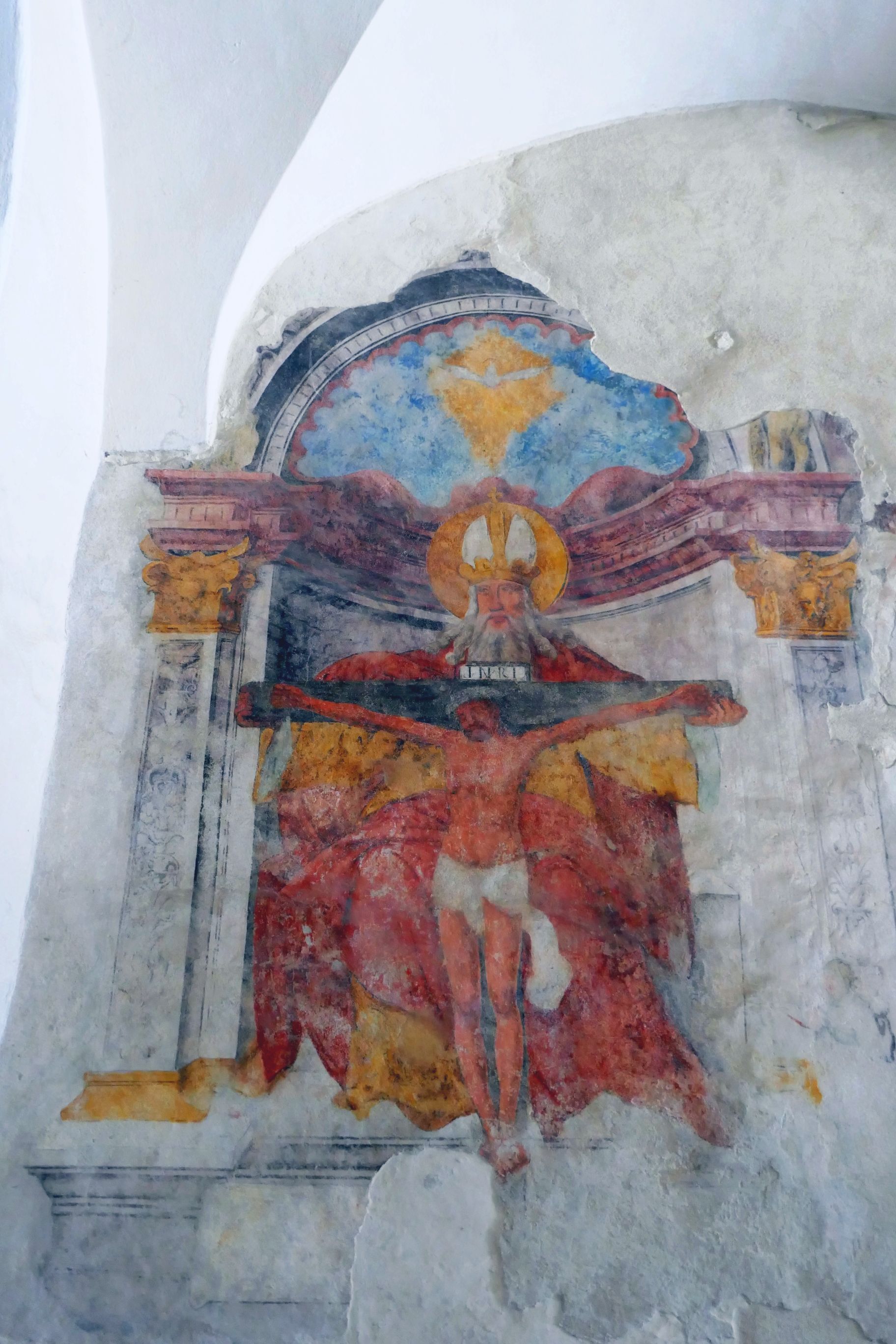
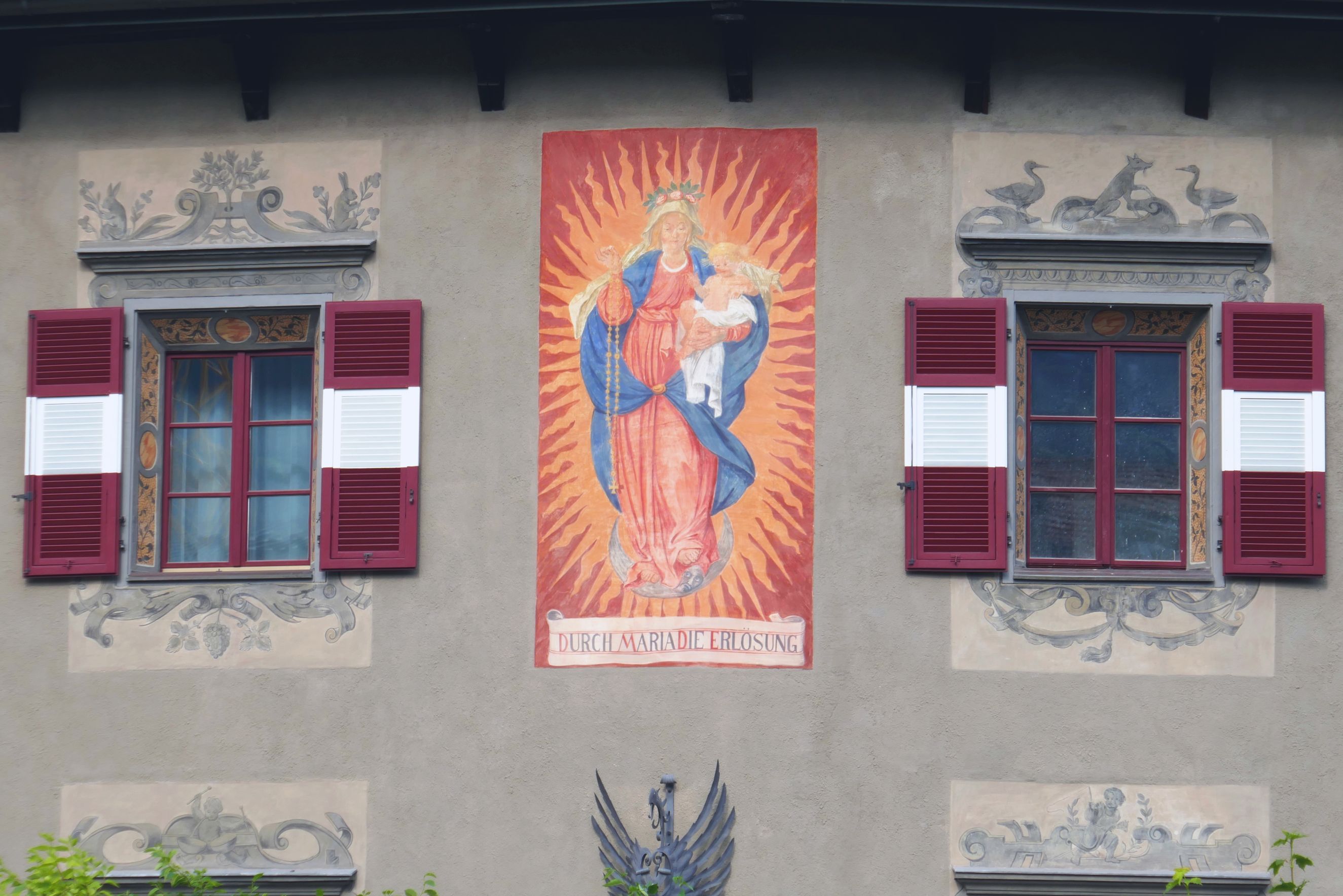
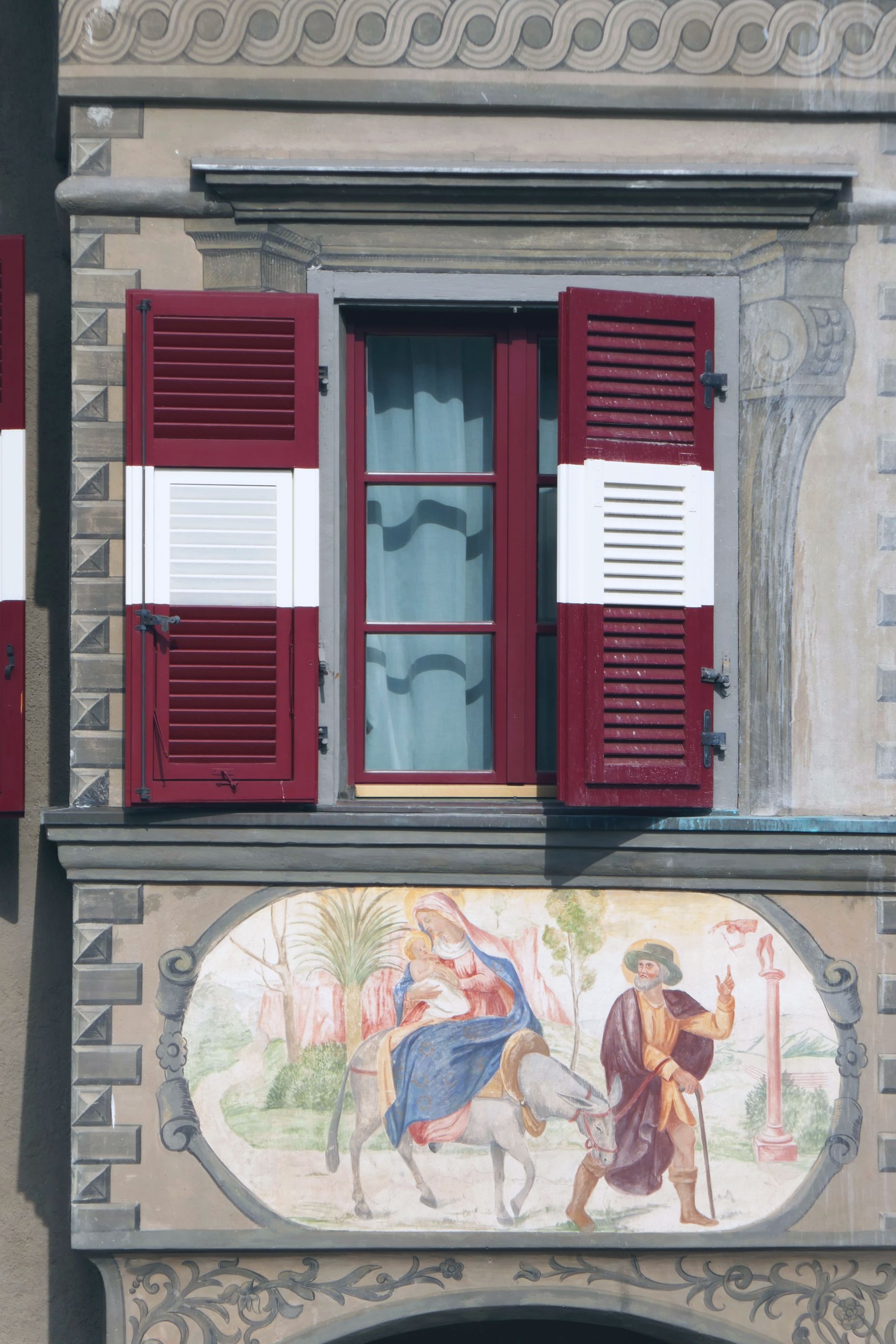
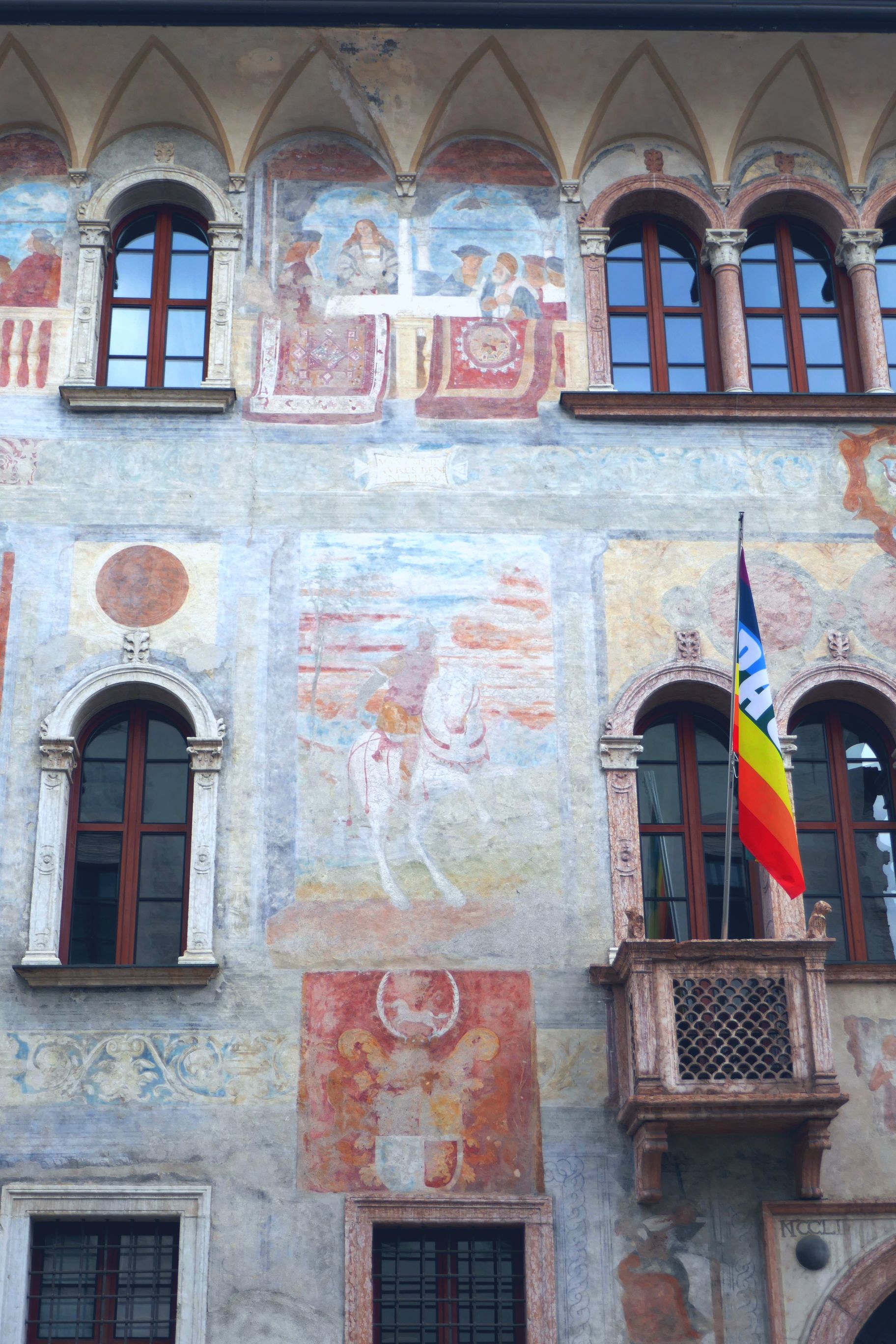
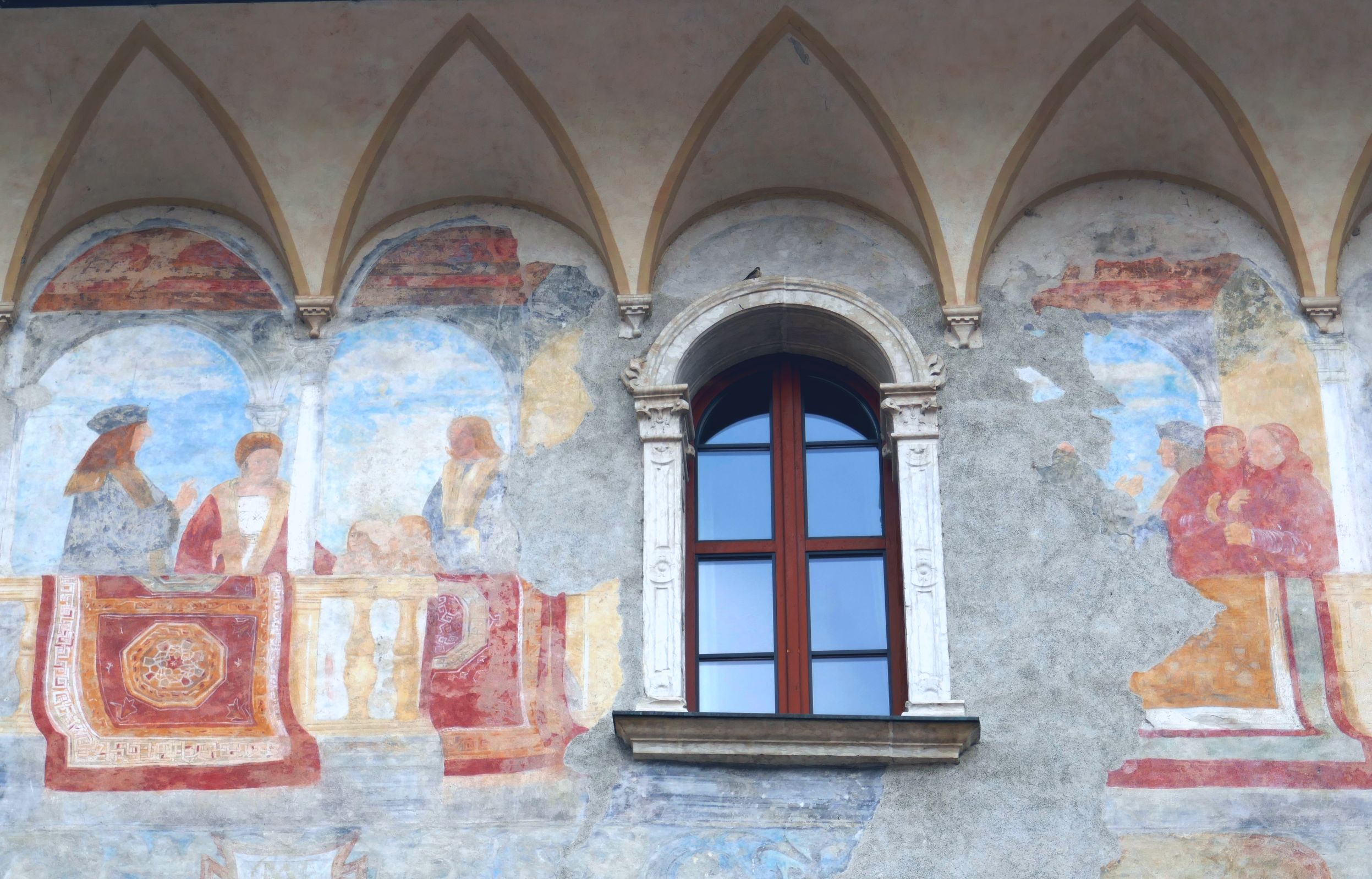
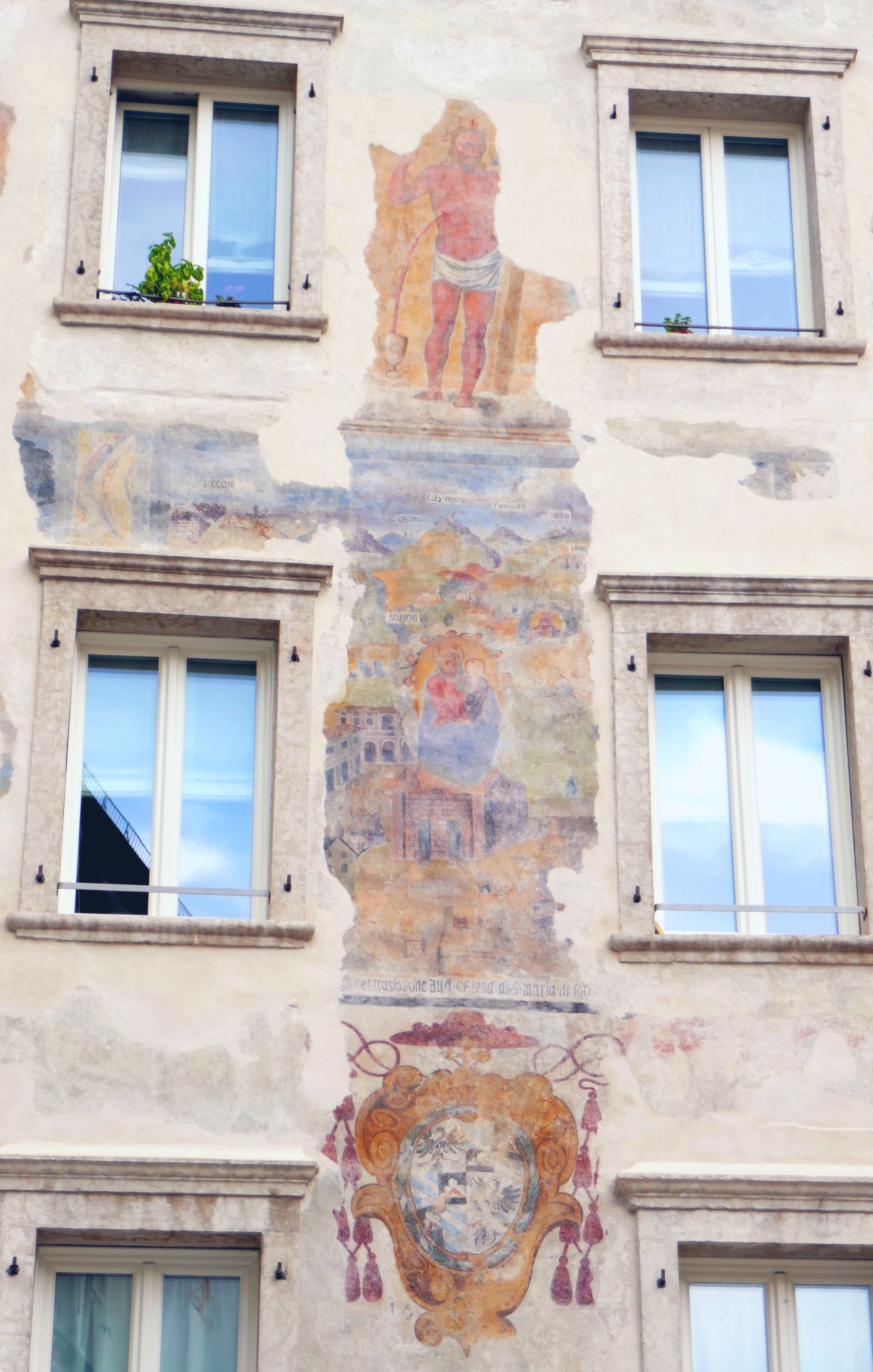
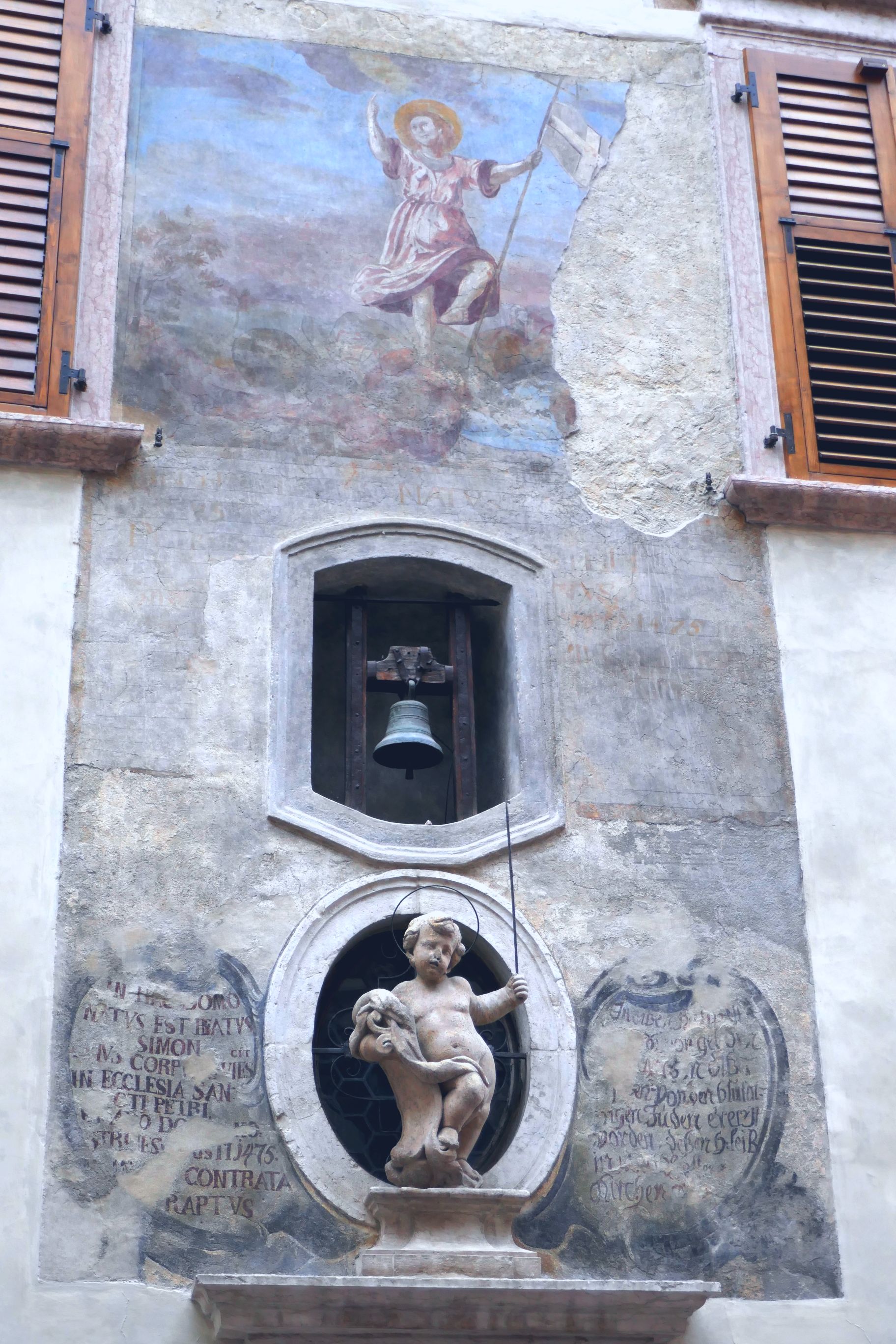
Trento is a city of frescoes.
Trento is also a city of gorgeous stone sidewalks of local red limestone.
Some of the stone sidewalks have fossils such as this one dating back 200-250 million years!

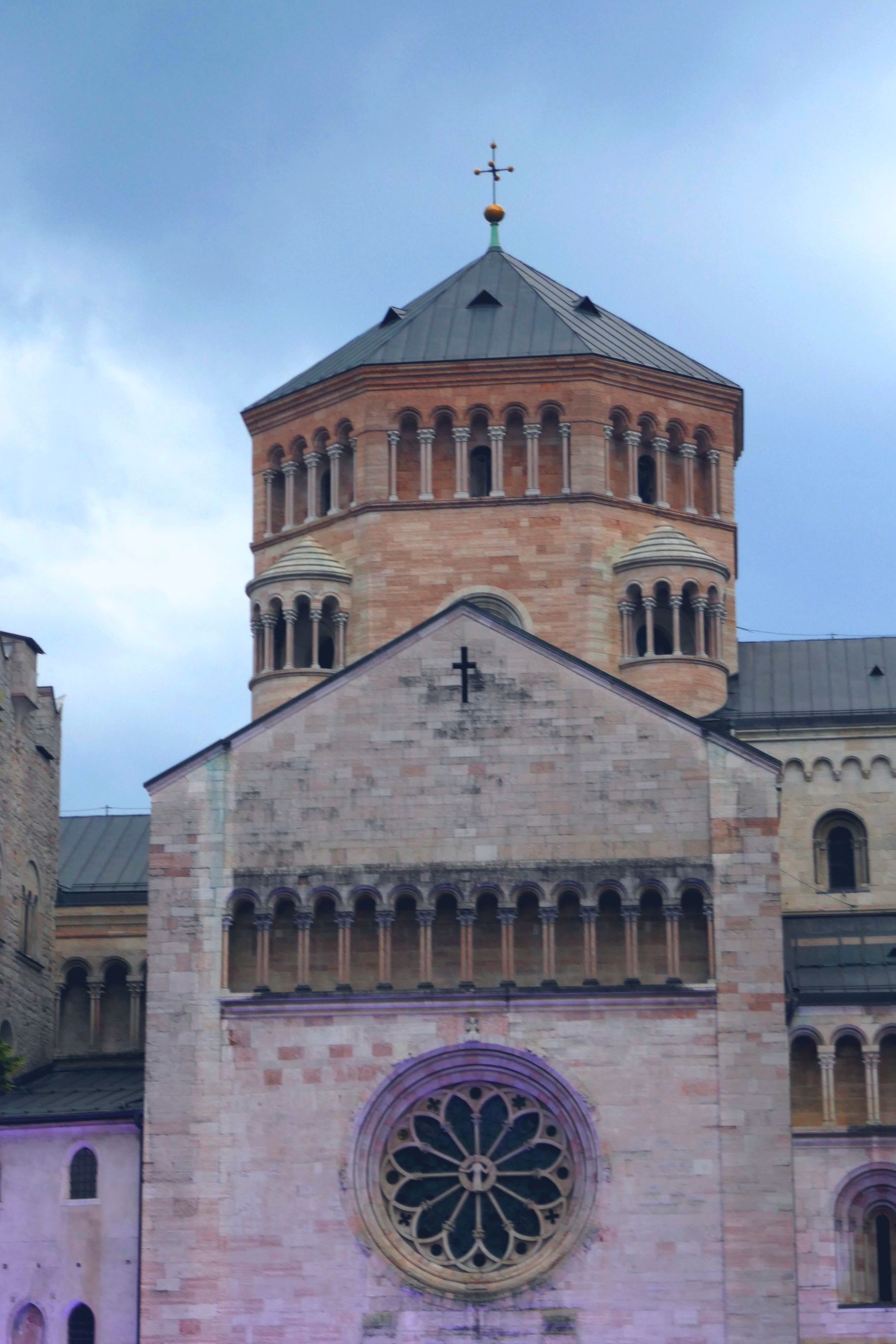
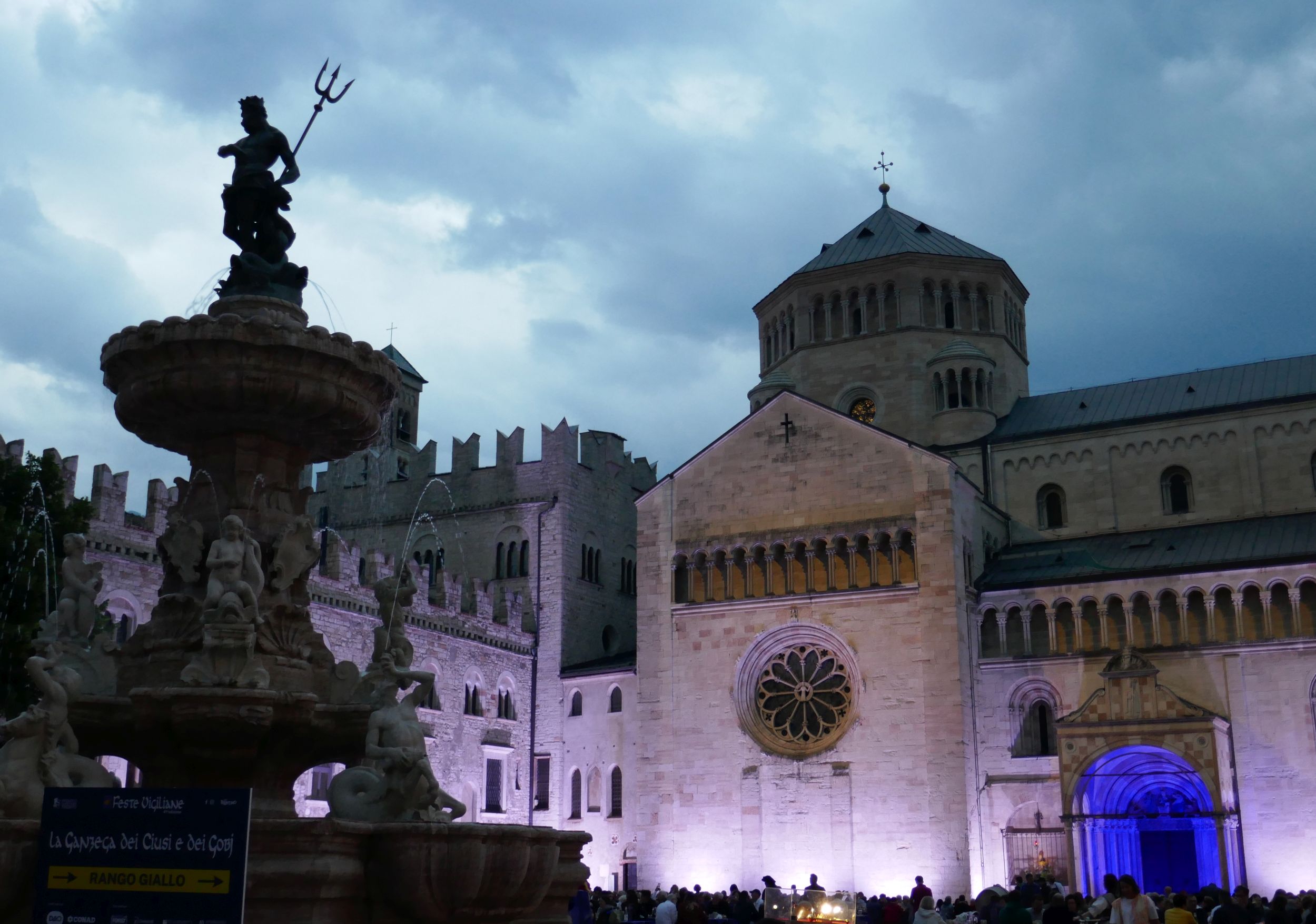
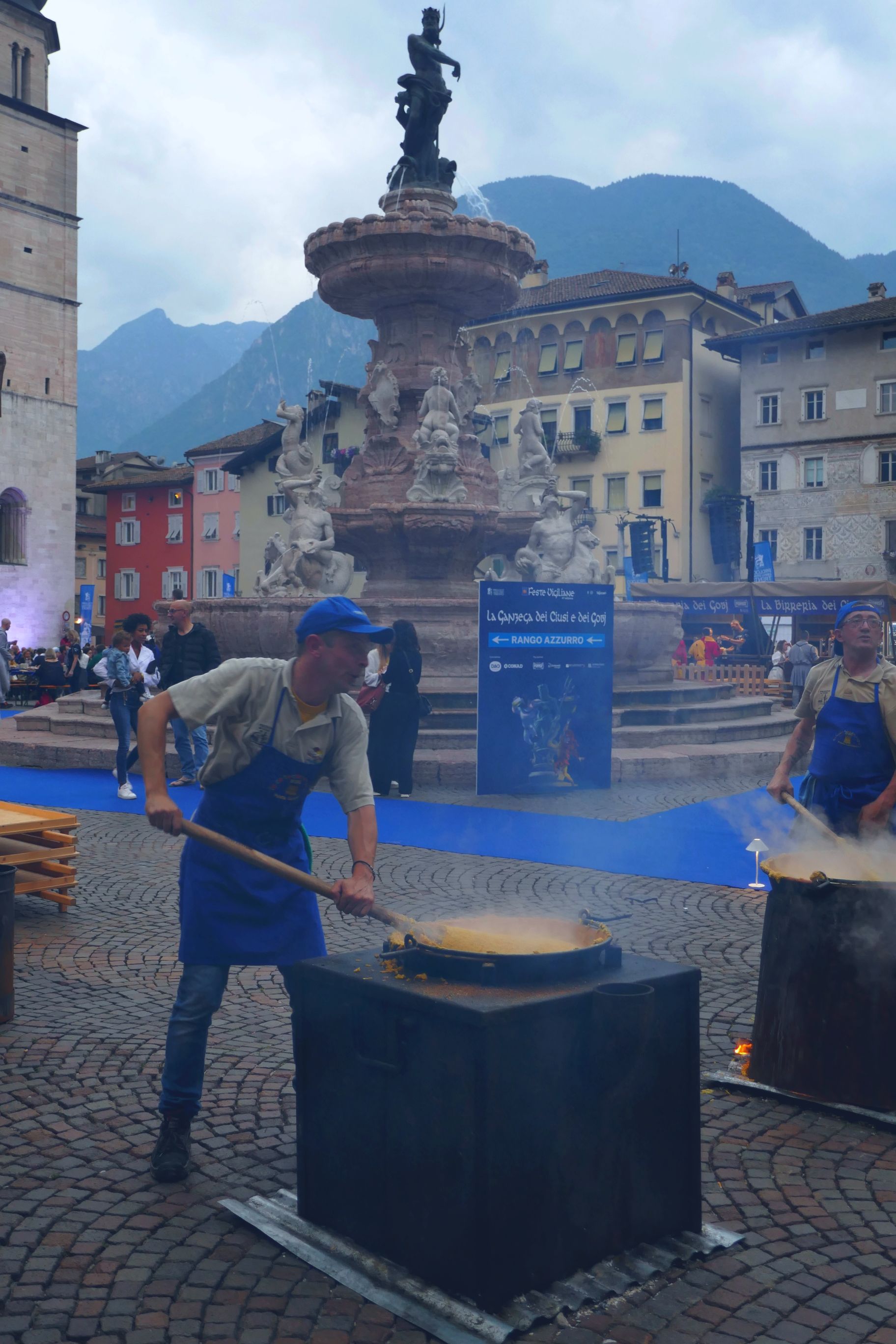
As if we hadn’t already experienced good luck when we happened upon that car race, the good luck continued in the evening when we stumbled upon a festival in Plaza Duomo, the cathedral square, following dinner.  Proloco Centro Storico Trento is part of Feste Vigiliane, celebrating patron saint San Vigilius.  The week-long festival transforms the streets and alleys into a mediaeval quarter where food, entertainment, and ancient handicrafts bring out the crowds.  The celebrations are full of humor and laughter, concluding with fireworks on the final day.

We stood outside the gate watching men prepare huge copper kettles of polenta.  Along with beer, bowls of the polenta were carried out by costumed servers.  It was a big social event, and everybody seemed to be having a great time!  We sure enjoyed watching!

Coming up next: SWITZERLAND & NORTHERN ITALY #17: TERRIFIC TRENTO