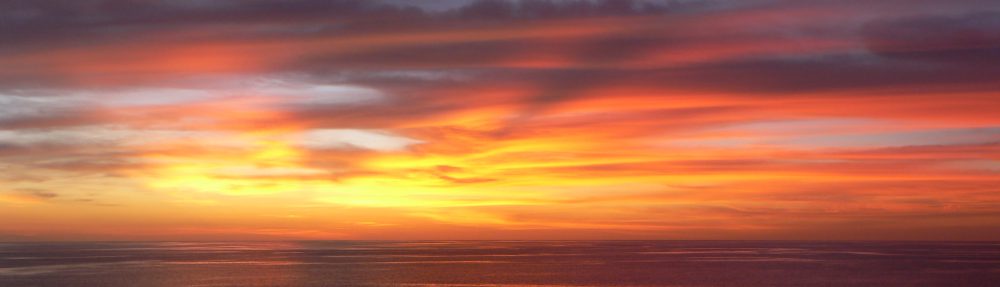
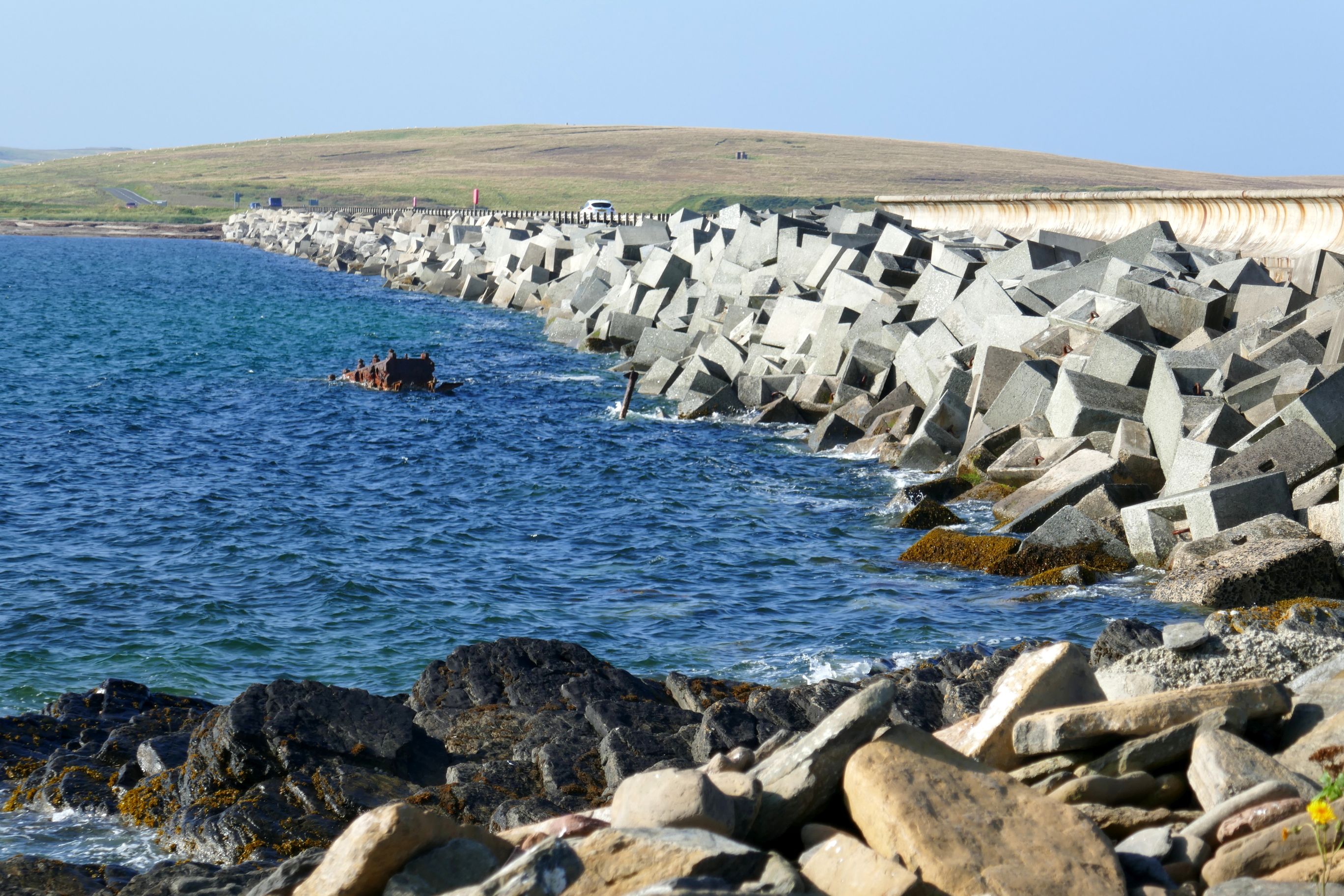
In 1939, the Royal Navy battleship HMS Royal Oak was sunk by a German U-boat at her moorings within the natural harbor of Scapa Flow, in the Orkney Islands. This led to the First Lord of the Admirality, Winston Churchill, ordering permanent barriers to be built, linking the mainland of Orkney to four of the south isles, enabling the Royal Navy to better defend the vital anchorage of Scapa Flow.
It took nearly one million tons of rock and concrete to form the Churchill Barriers by 1000 Italian prisoners of war.
(For all photos, click on the image for a full screen view.)
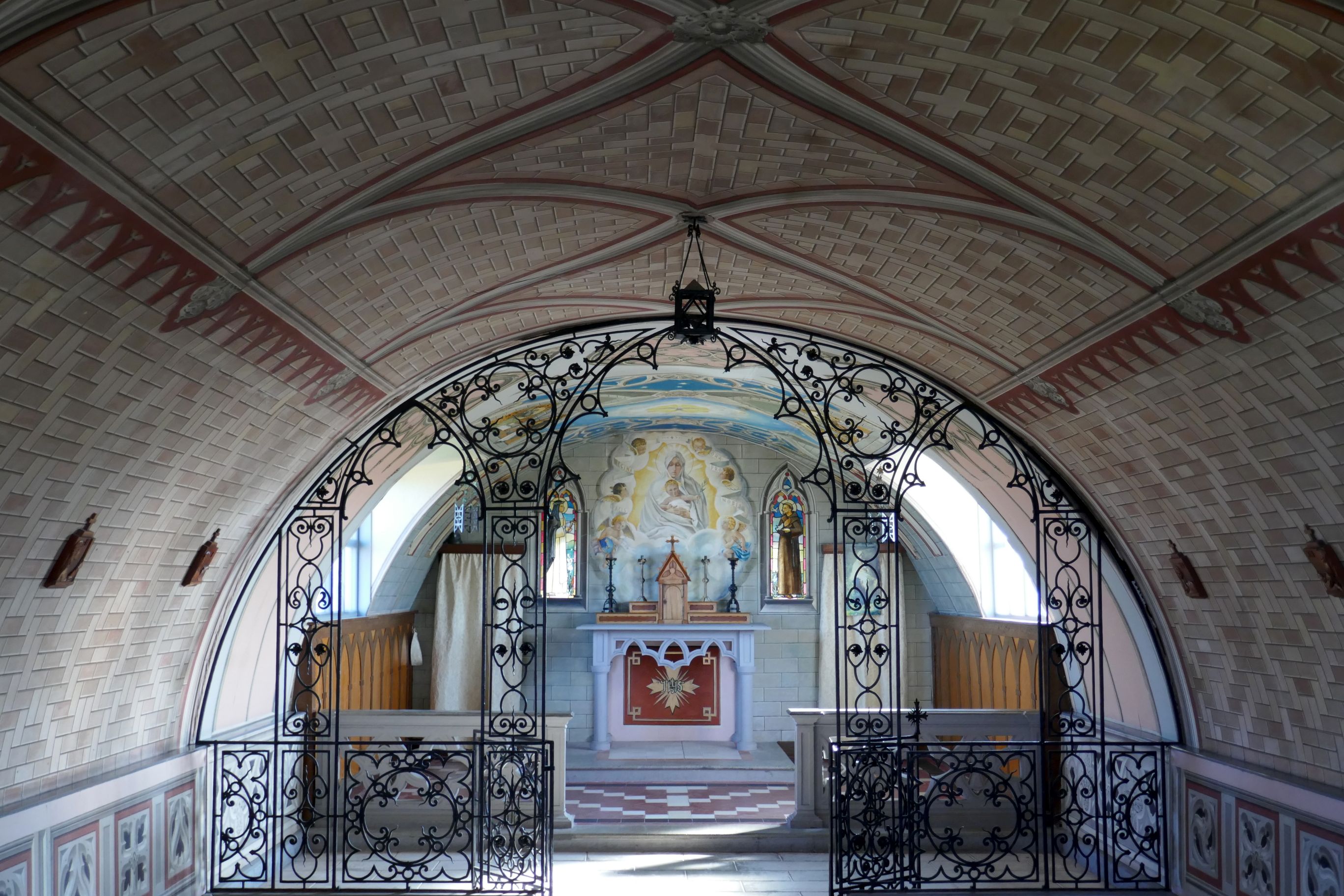
The Italian Chapel is the only building that remains of Camp 60, a Prisoner of War (P.O.W.) camp constructed in 1941 to house these Italian P.O.W.’s. The prisoners, thousands of miles from their homeland, deeply felt the need for a place of worship. Led by Domenico Chiocchetti, an artist, a team of the prisoners built the sanctuary of concrete and scrap wood from a wrecked ship. The alter is Chiocchetti’s masterpiece. It is based on Nicolo Barabino’s Madonna of the Olives from a small picture given by his mother to Domenico, which he carried with him throughout the war.
It was heartwarming to learn that during the time the Italians were in Orkney, friendships formed between the prisoners and Orkney residents; and, the British were supportive of the Italians and the chapel.



Fast-forward to Orkney today, I found it interesting that Orkney residents feel ignored by Scotland and feel more a part of Norway, which is located just 300 miles away.
Here’s a fun fact: Would you like to know what the world’s shortest regularly-scheduled flight is? It’s a flight in Orkney Islands, from Westray Island to Papa Westray, just 1.7 miles away. The flight is only 53 seconds long. Personally, I would rather be on that flight than the world’s longest commercial flight, Singapore Airlines route between New York (JFK) and Singapore, which averages 18 hours and 40 minutes!
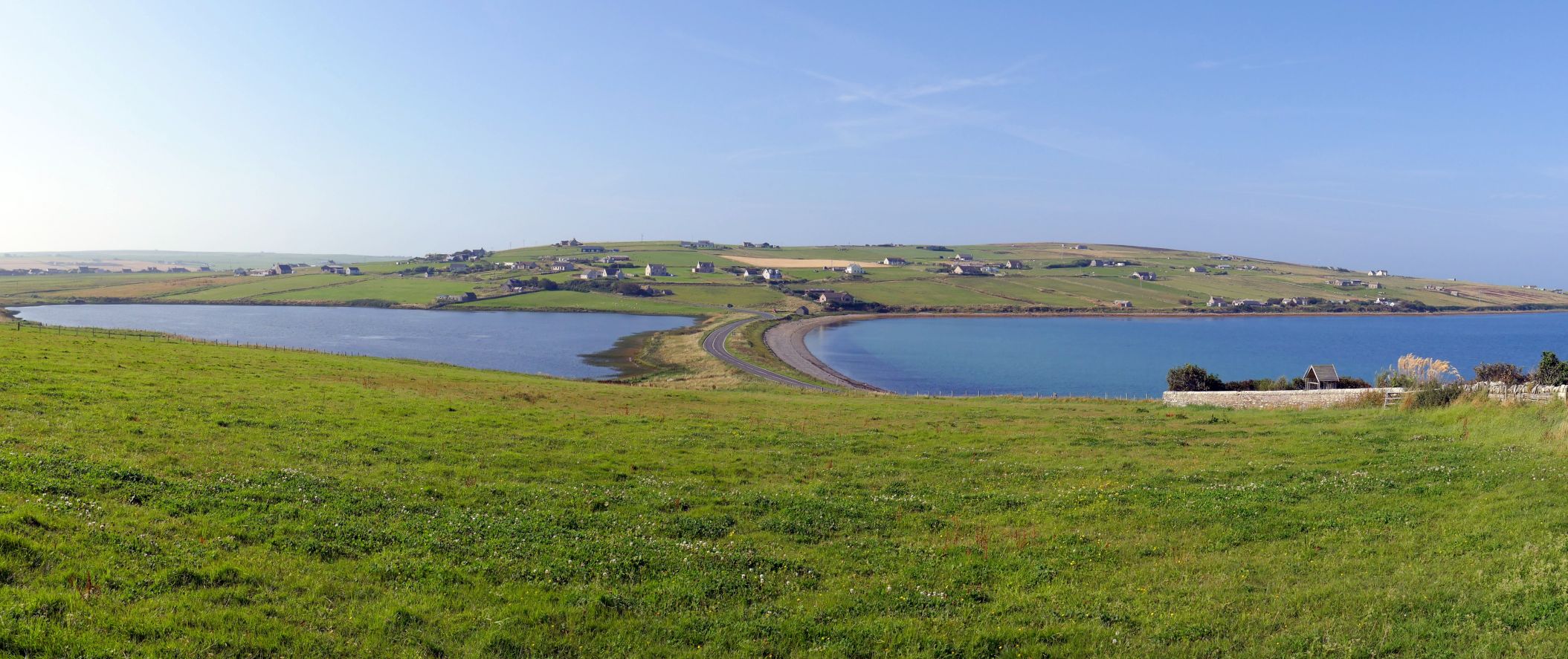
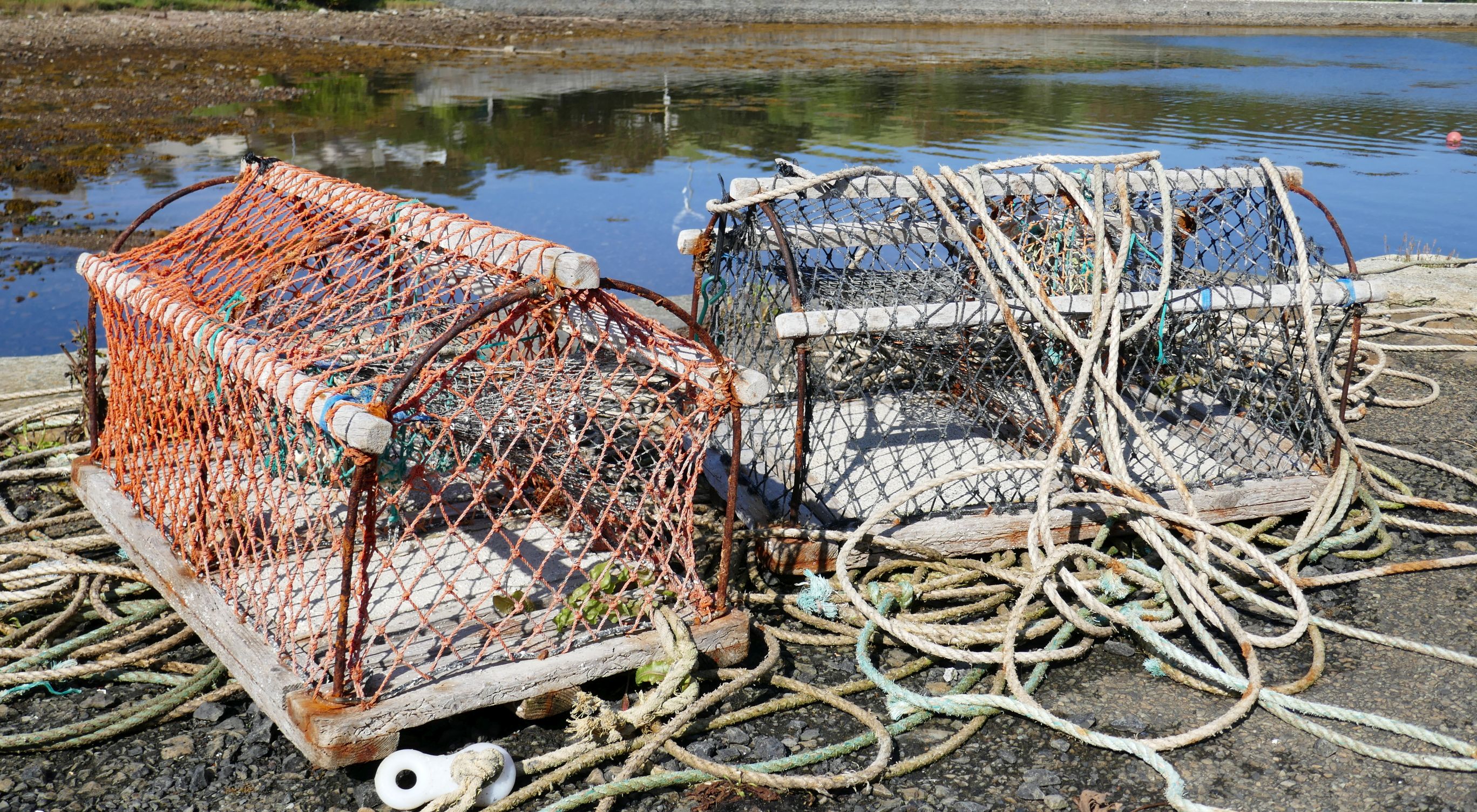
Scenes around Orkney:
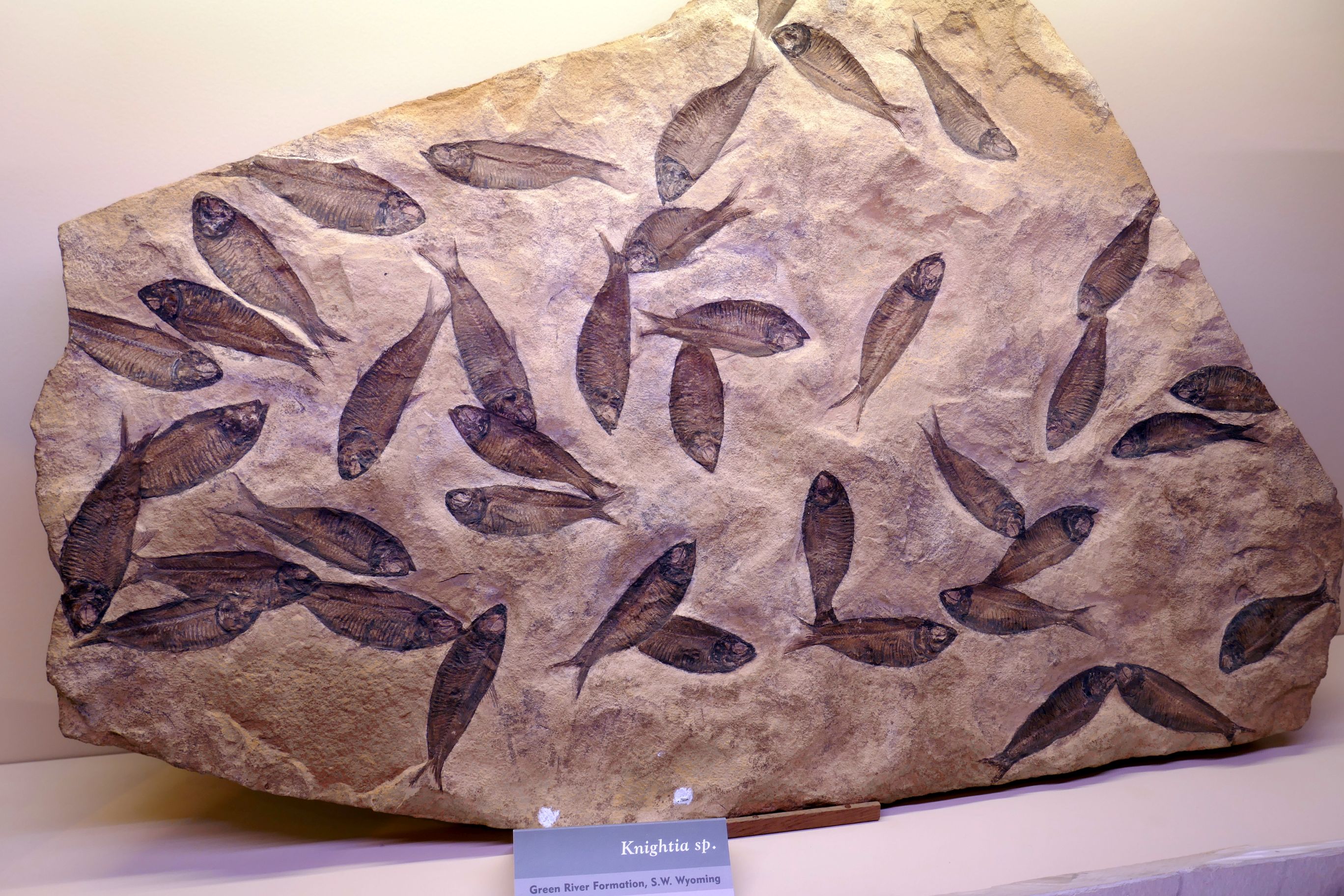
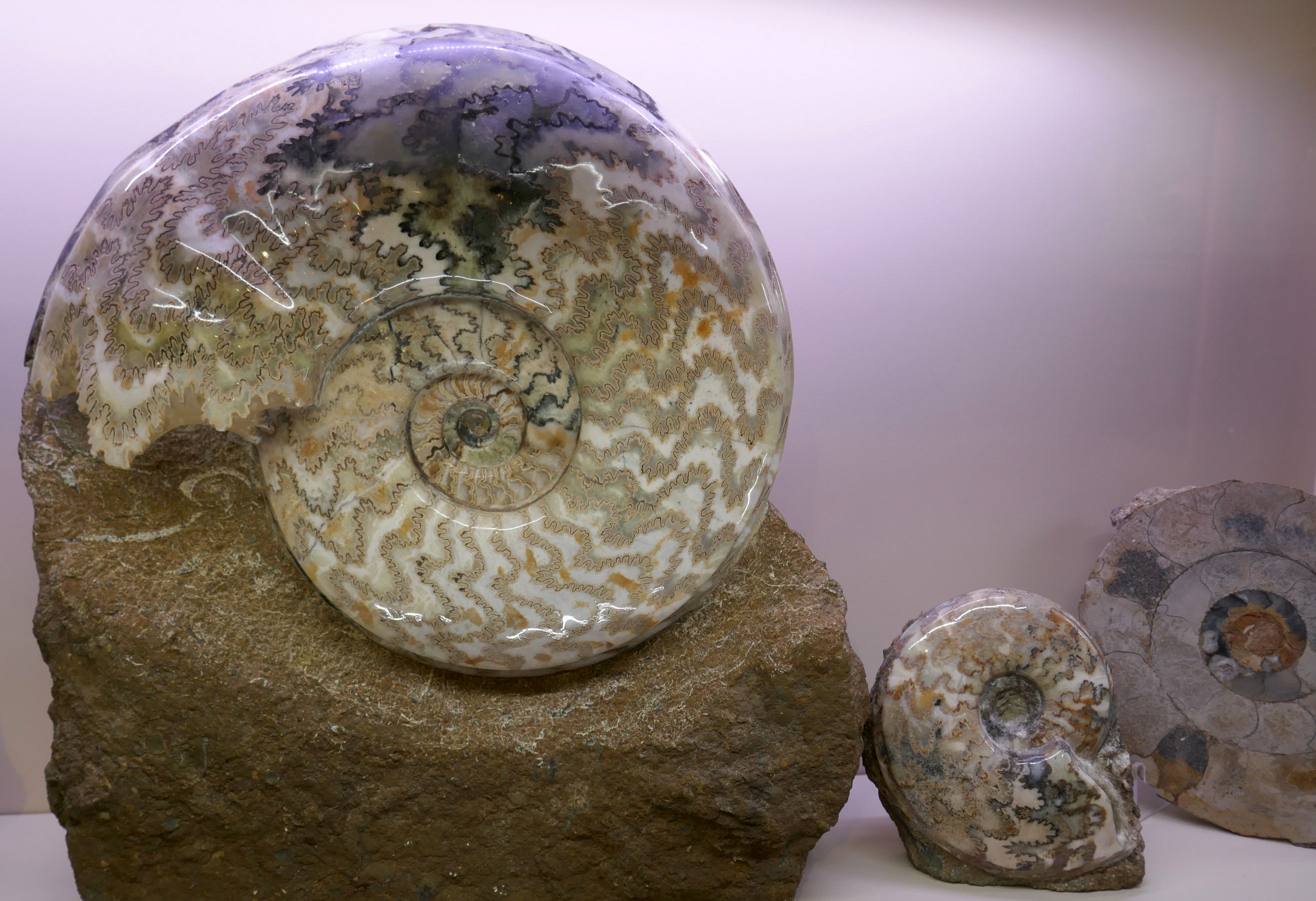
Orkney Fossil & Heritage Centre:
Next up: UNITED KINGDOM #10: EXPLORING ORKNEY’S ARCHAEOLOGICAL SITES
 Elaine-iaK's Travels: A Traveler's Tales of People, Places, Photos, Pools... and CHOCOLATE!