TURKIYE #4: THE BEAUTIFUL BOSPORUS STRAIT & MORE ABOUT ISTANBUL

As I mentioned in my first post on Istanbul, the Bosporus Strait separates Europe from Asia, and Istanbul is located on both continents.  That would make an interesting trivia question, don’t you think?  “In what city can you be on two different continents but never leave the city?”  Answer: “Istanbul.”  Cross a bridge or take a ferry and be in Asia and Europe without ever leaving Istanbul!  I wonder if that question has ever been on Jeopardy…           

We didn’t visit the Asia side of the city, but we did take a sightseeing cruise with Nuri as our guide.  It was nice; we had the entire boat for ourselves and enjoyed a gloriously sunny day!

During our cruise, we learned that the Bosporus is a very important maritime waterway, because it connects from the Black Sea to the Mediterranean and the Atlantic Ocean via Gibraltar, and the Indian Ocean through the Suez Canal.

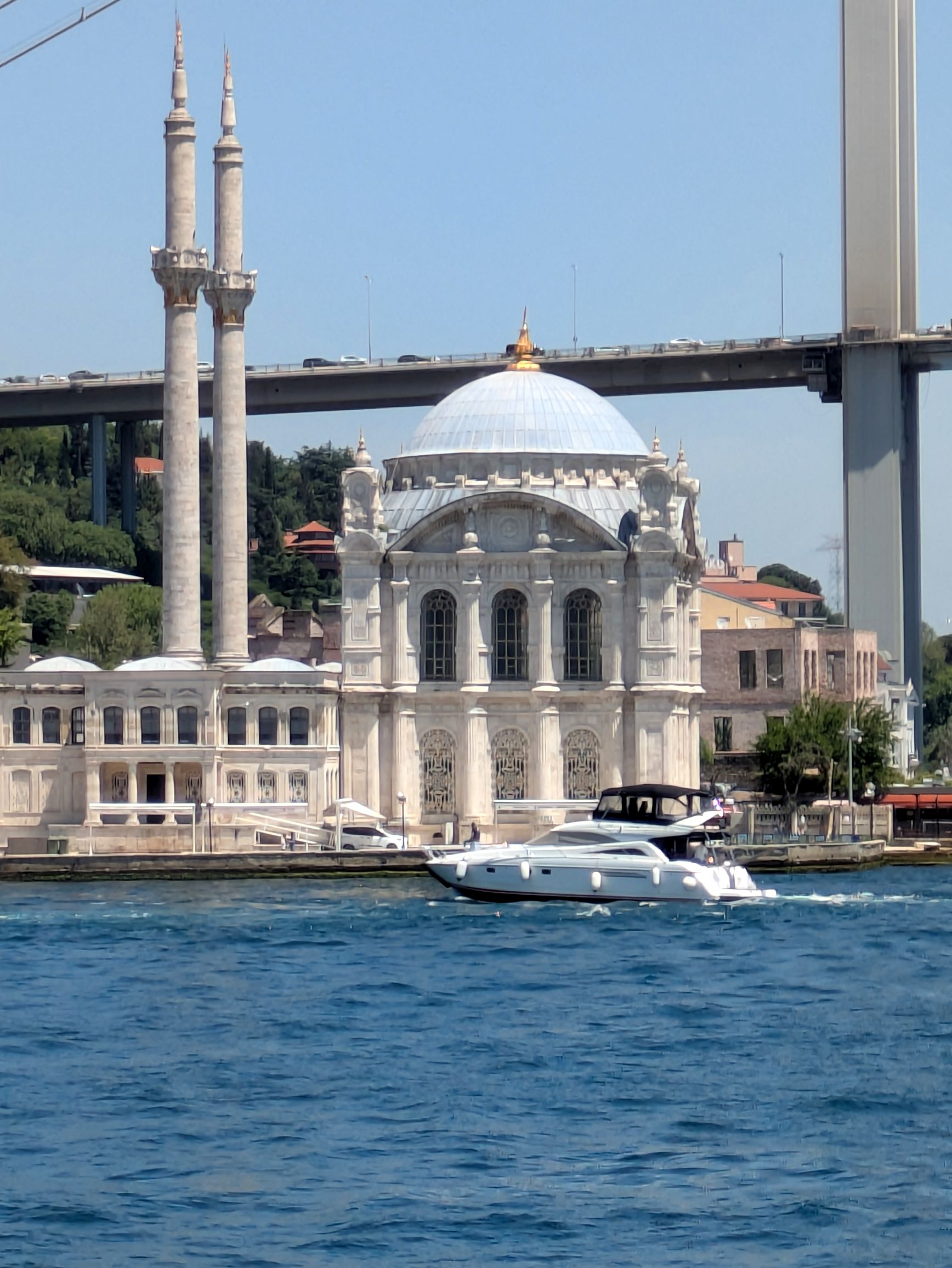
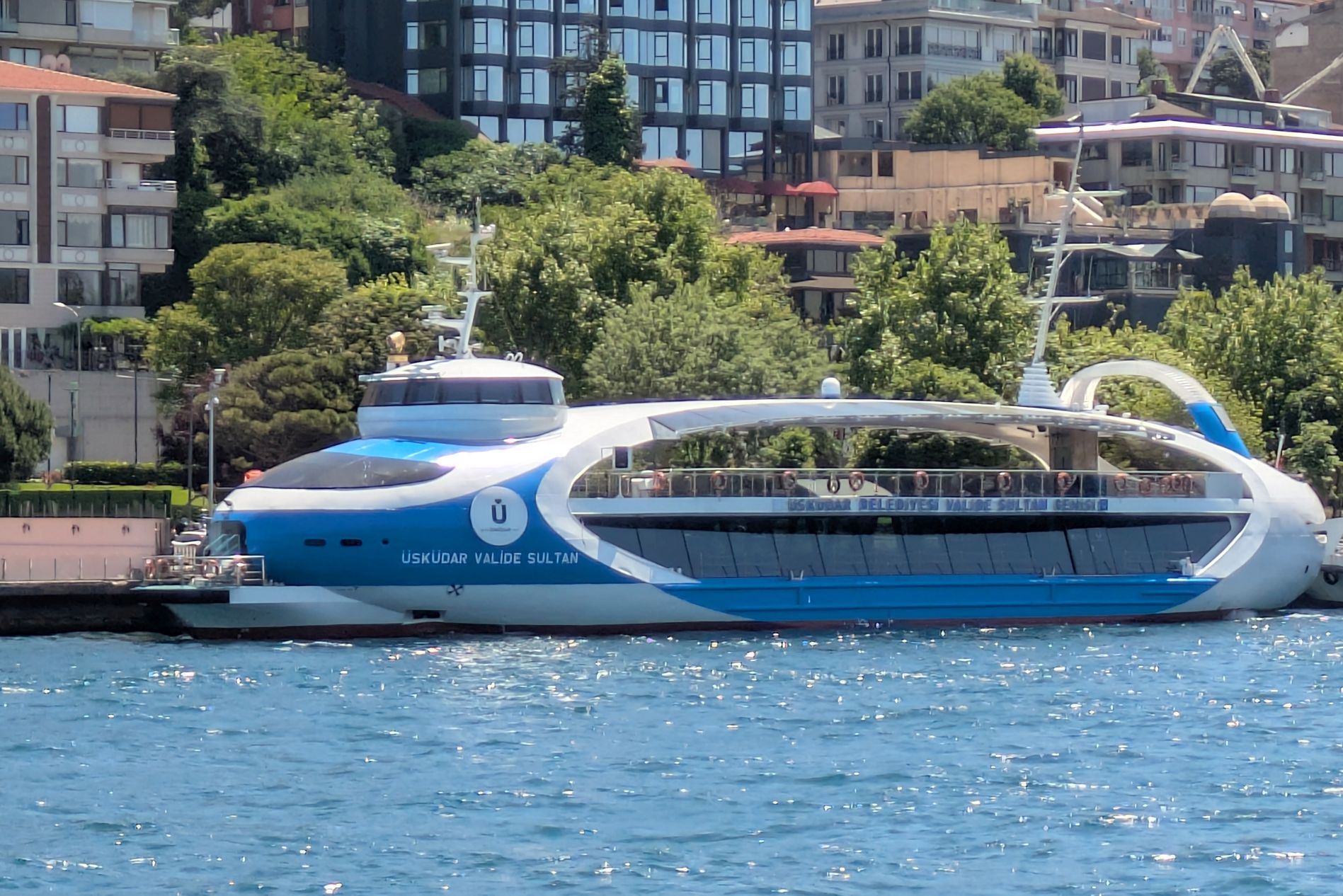
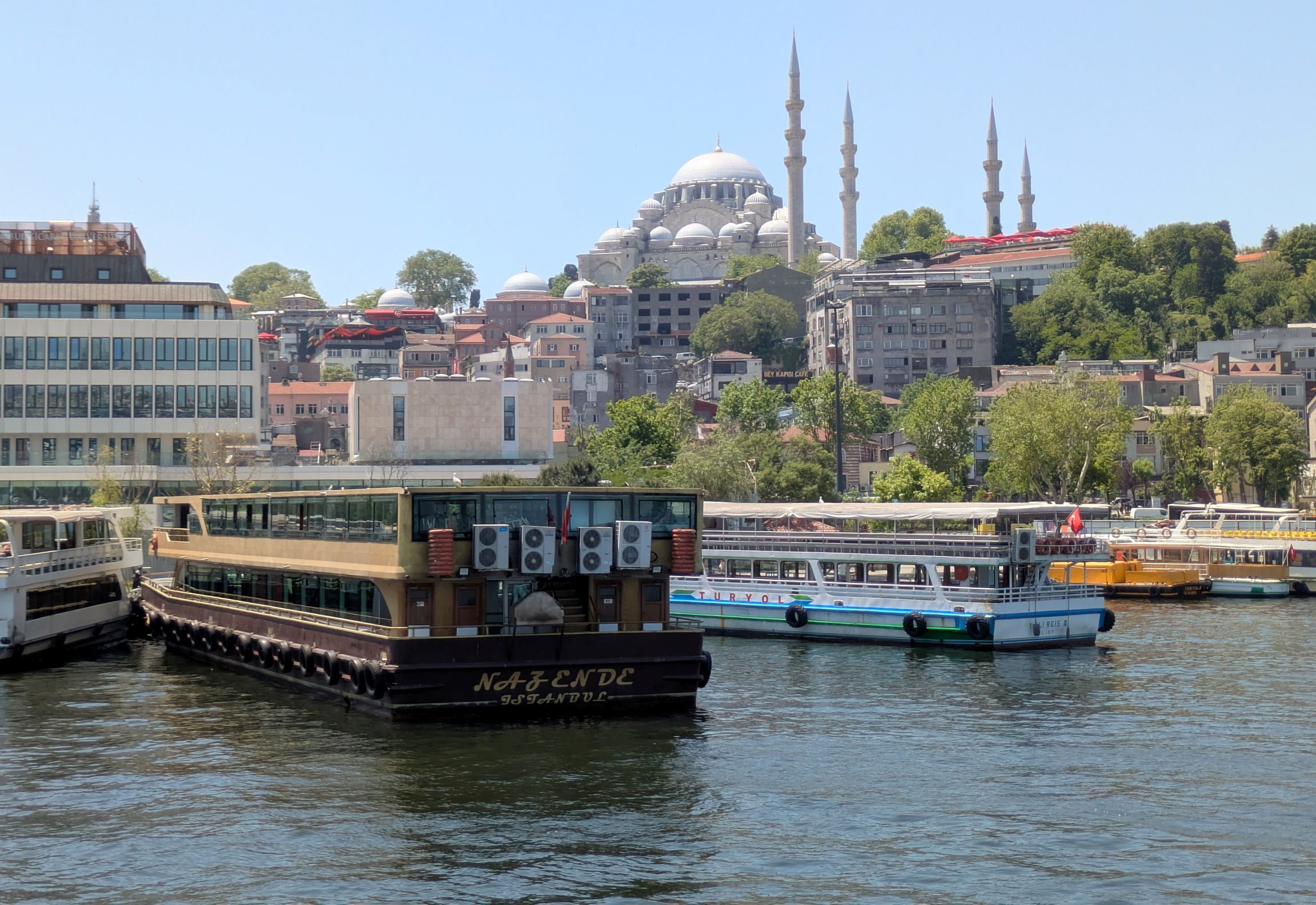
The Bosporus is well-traveled by everything from freighters and tankers carrying goods and oil, to ferries carrying cars and people back and forth between the two continents.  Throw in all the sightseeing tourist boats, fishing boats, and yachts out for a pleasure cruise; there is never a dull moment!

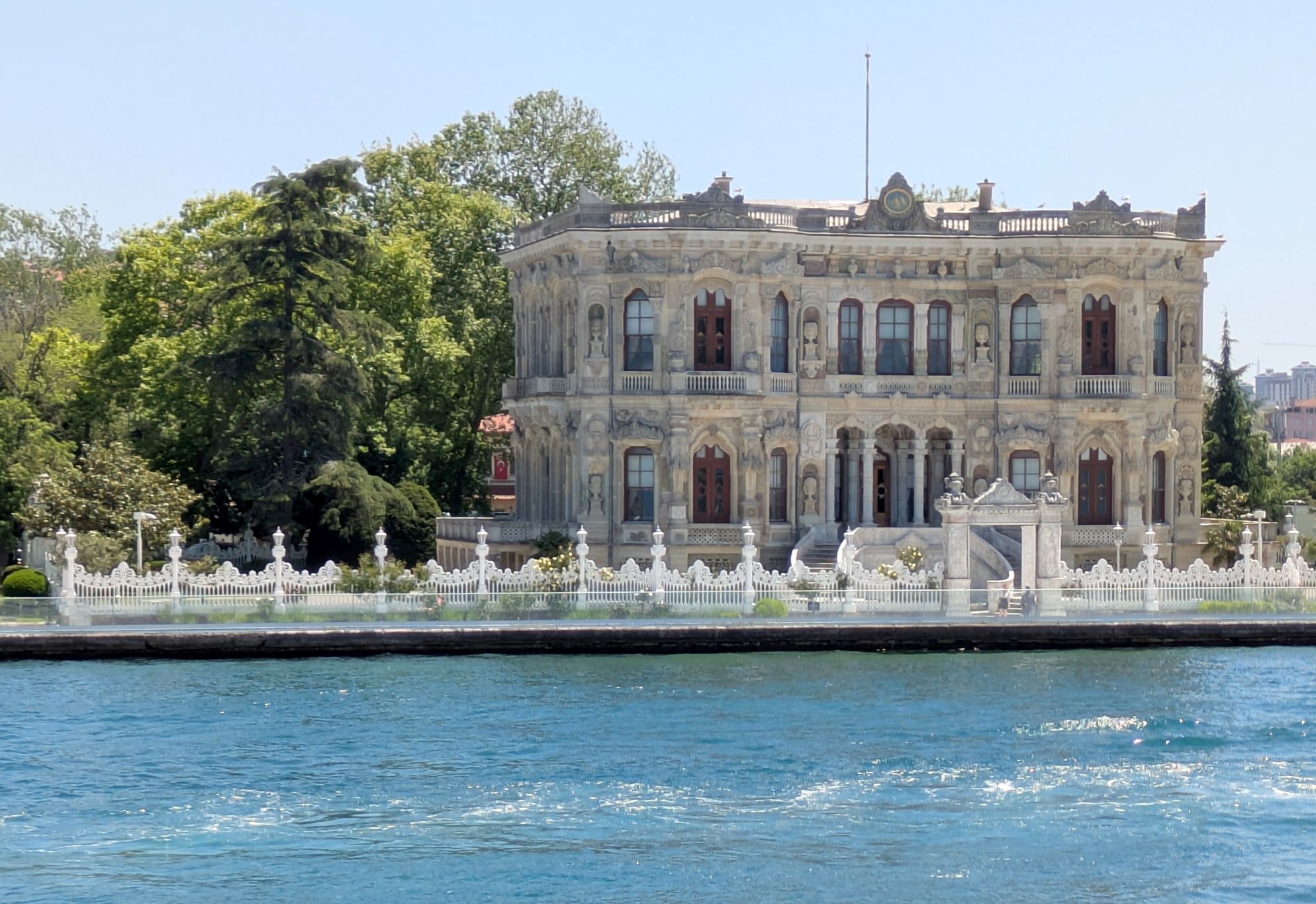
Would you like to live in a home overlooking the Bosporus, so you could take in the views of all those boats passing by?  Although it’s less expensive to live on the Asia side of the river, it will still set you back a minimum of $2 million.  The most expensive homes on the Bosporus are as much as $100 million!  It is the most expensive real estate in the country.  On the other side of the hill from the Bosporus, however, a two bed / two bath flat will cost you about $150,000.

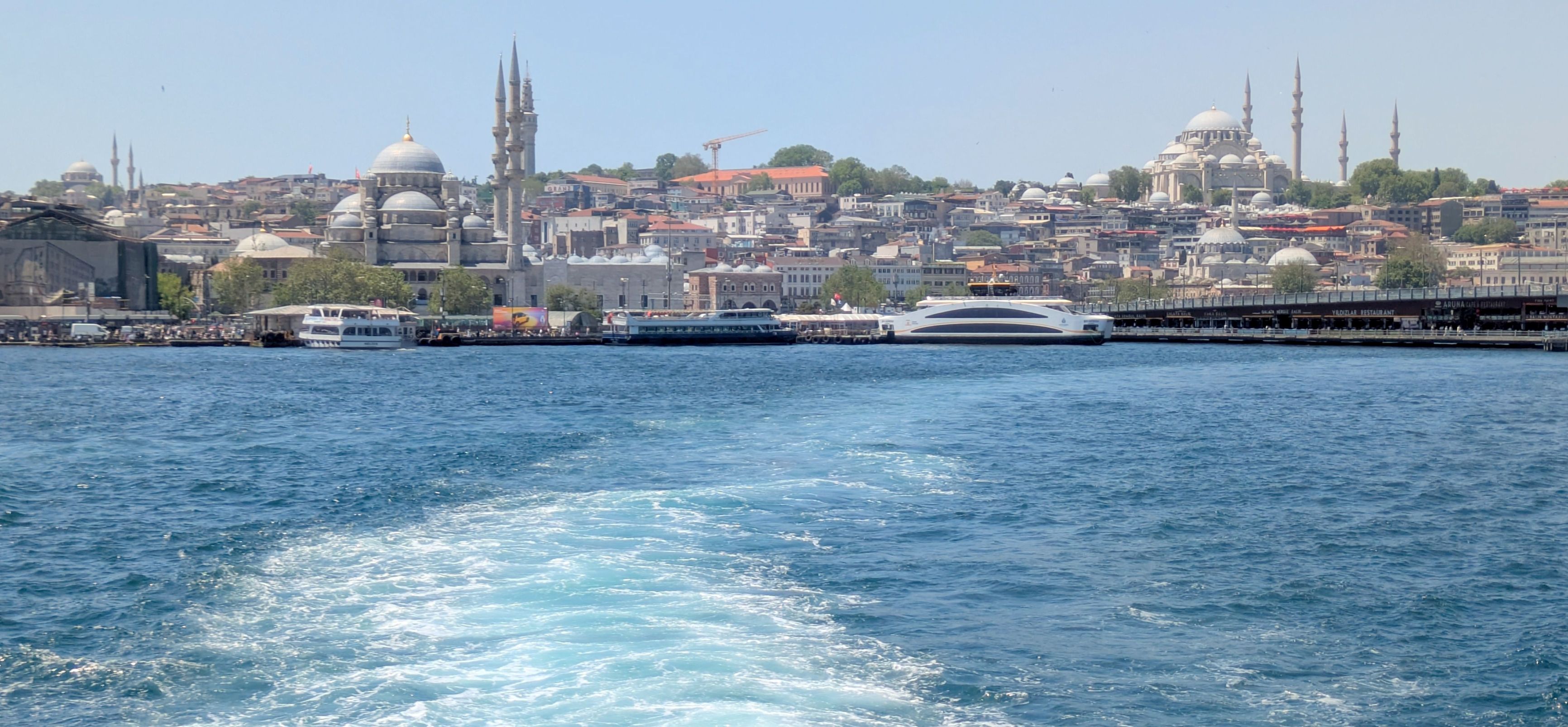
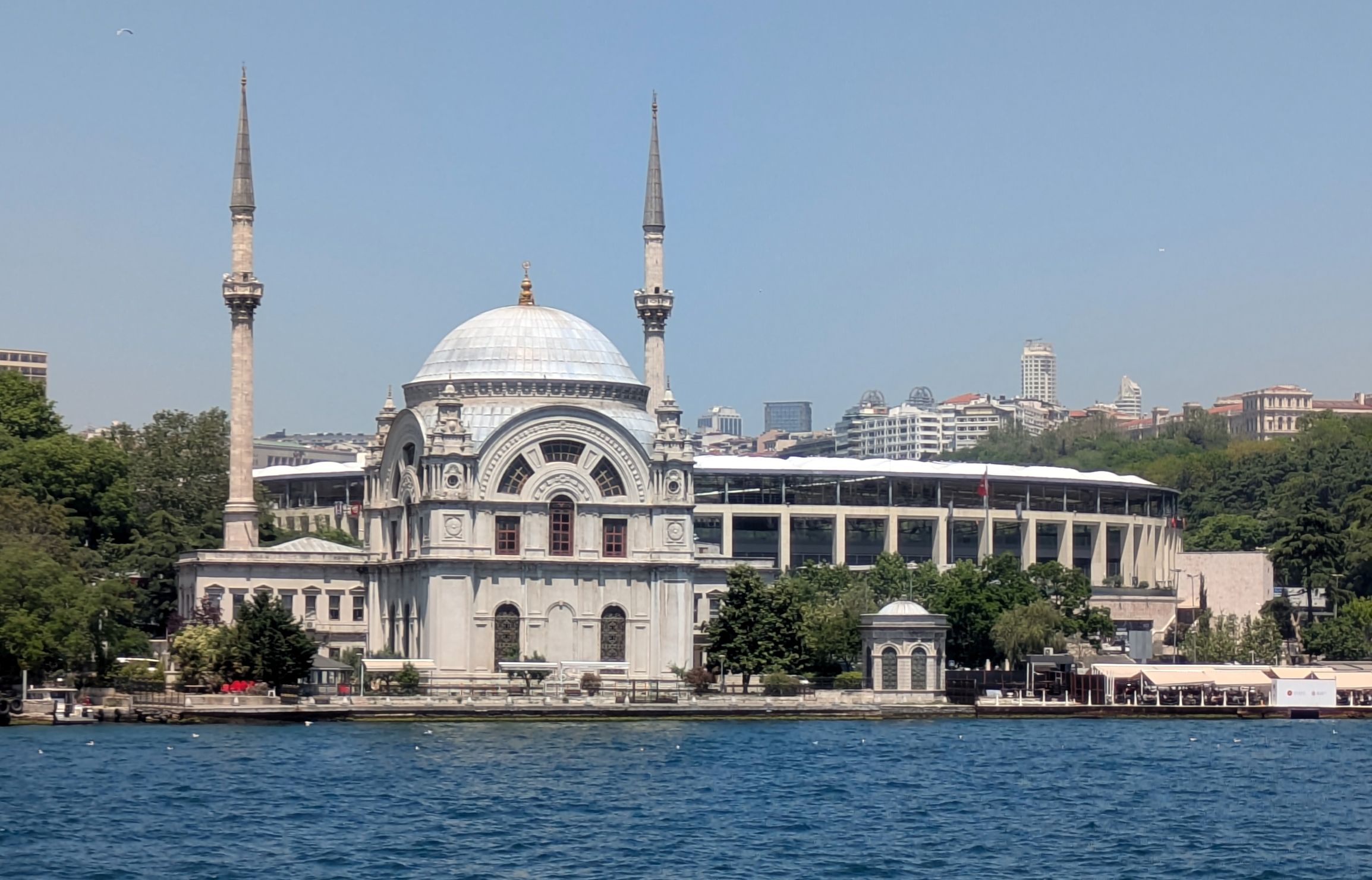
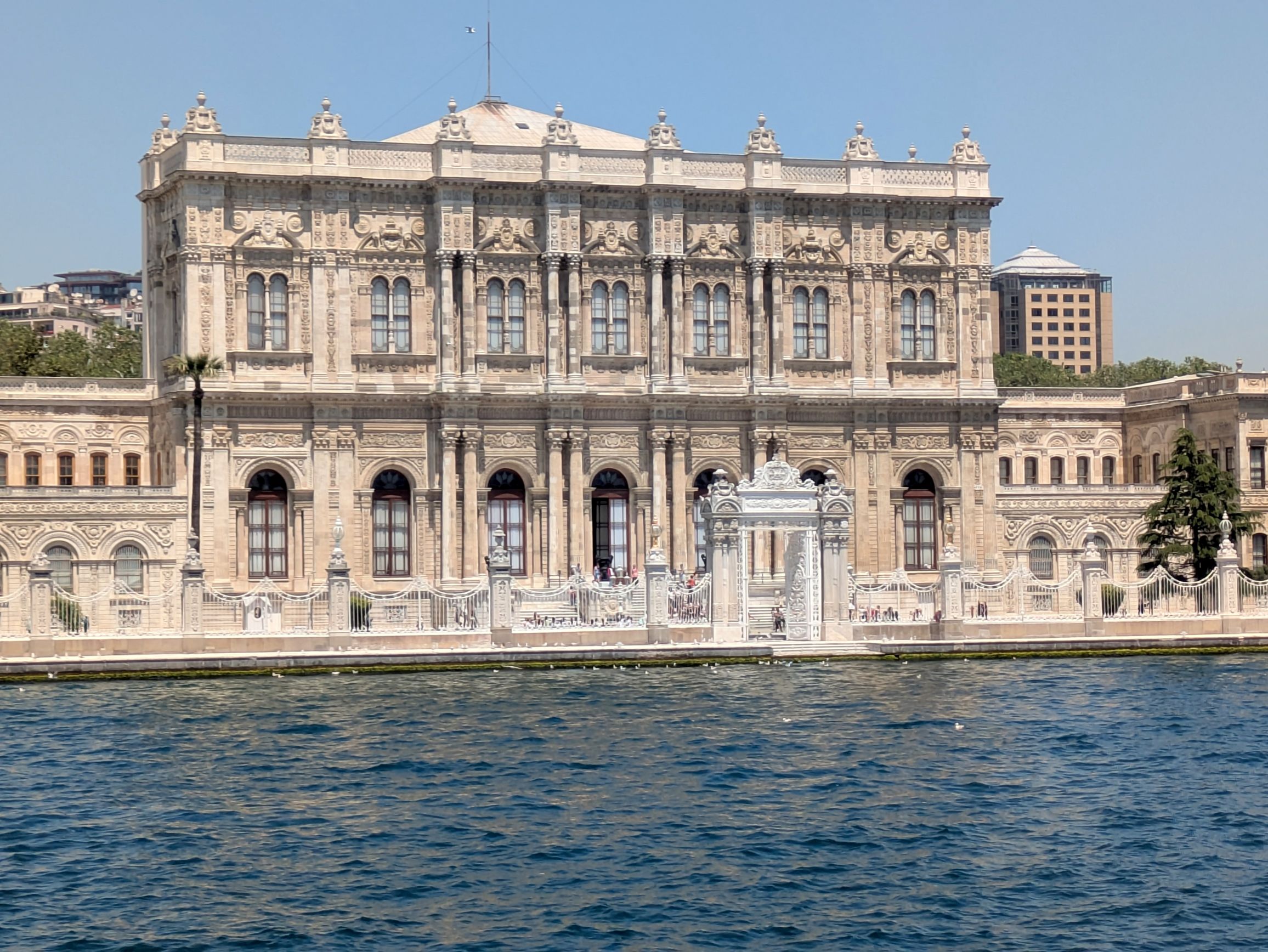
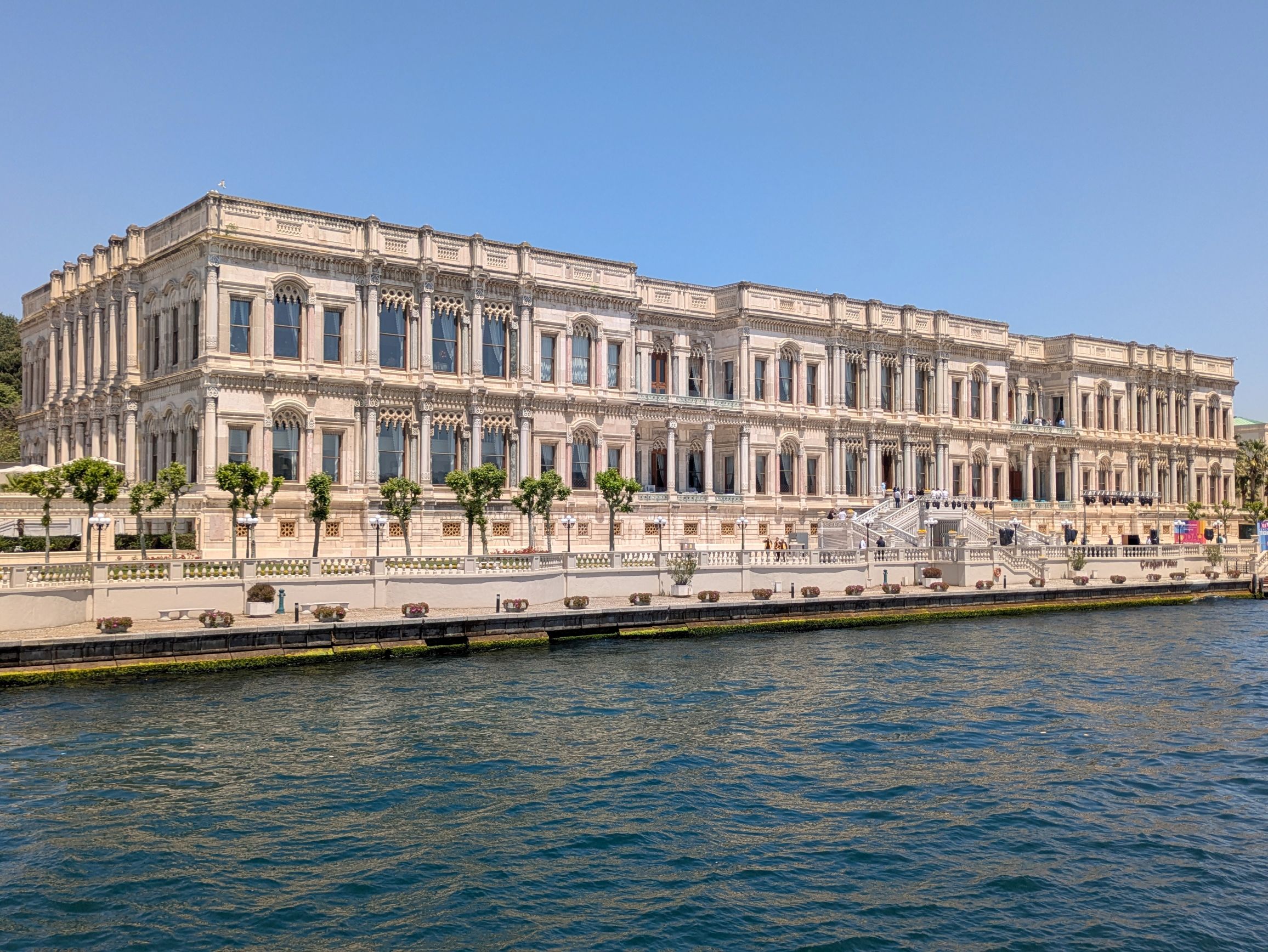
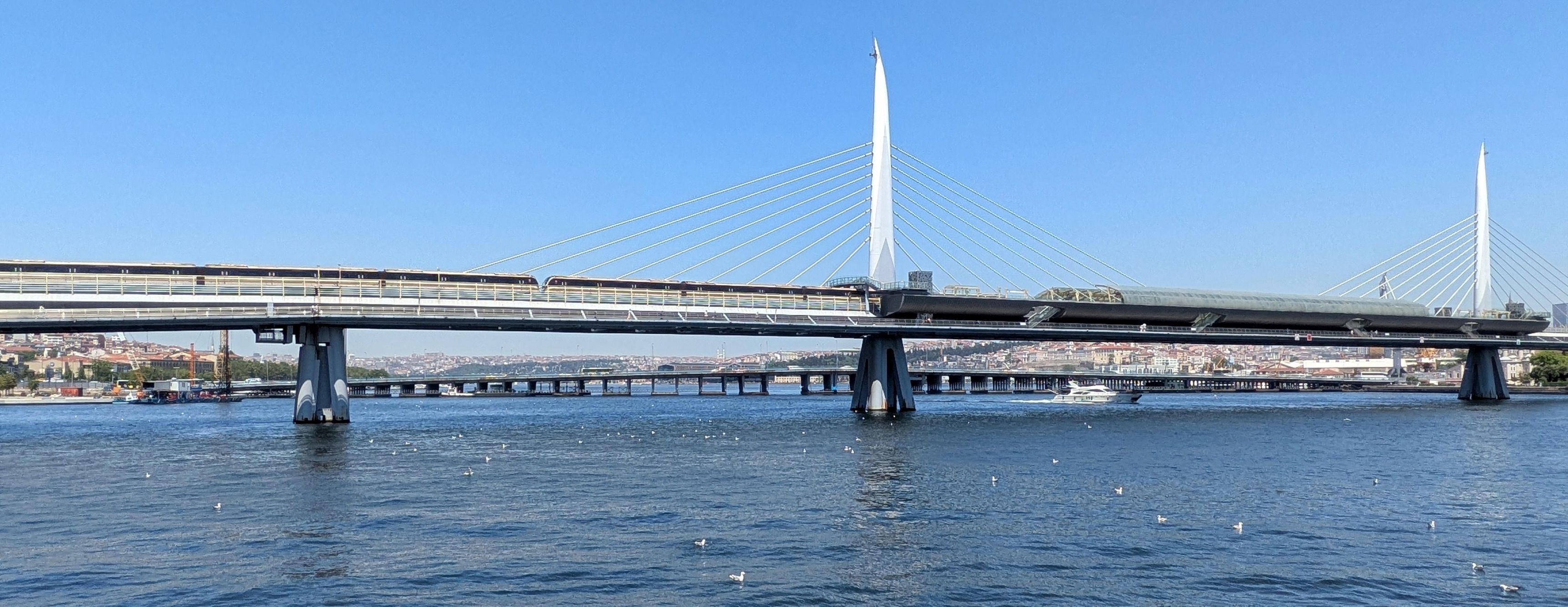
Here are some scenes along the Bosporus, in the order they were shot on our round-trip boat ride:

(For all photos, click on the image for a full screen view.)

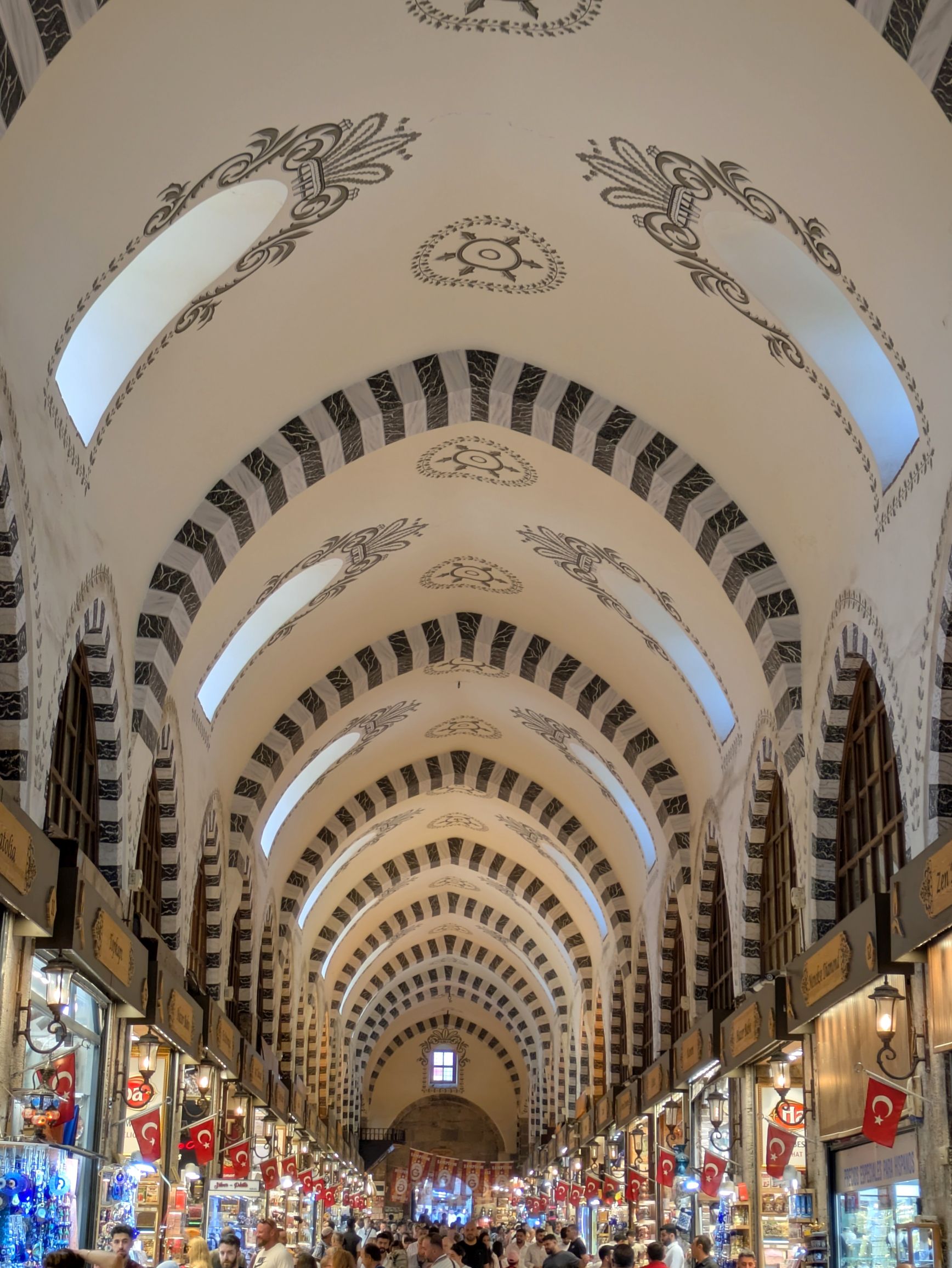
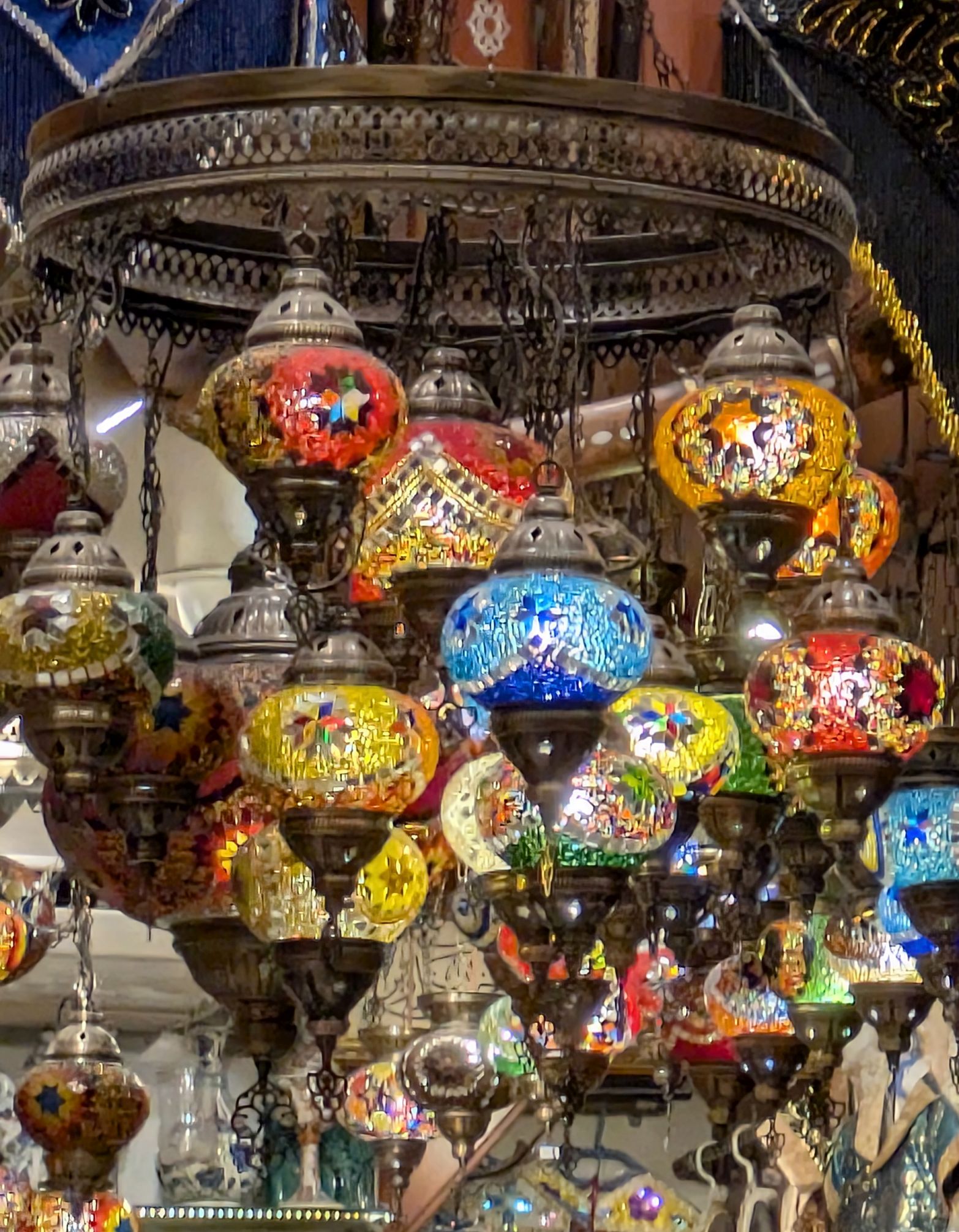
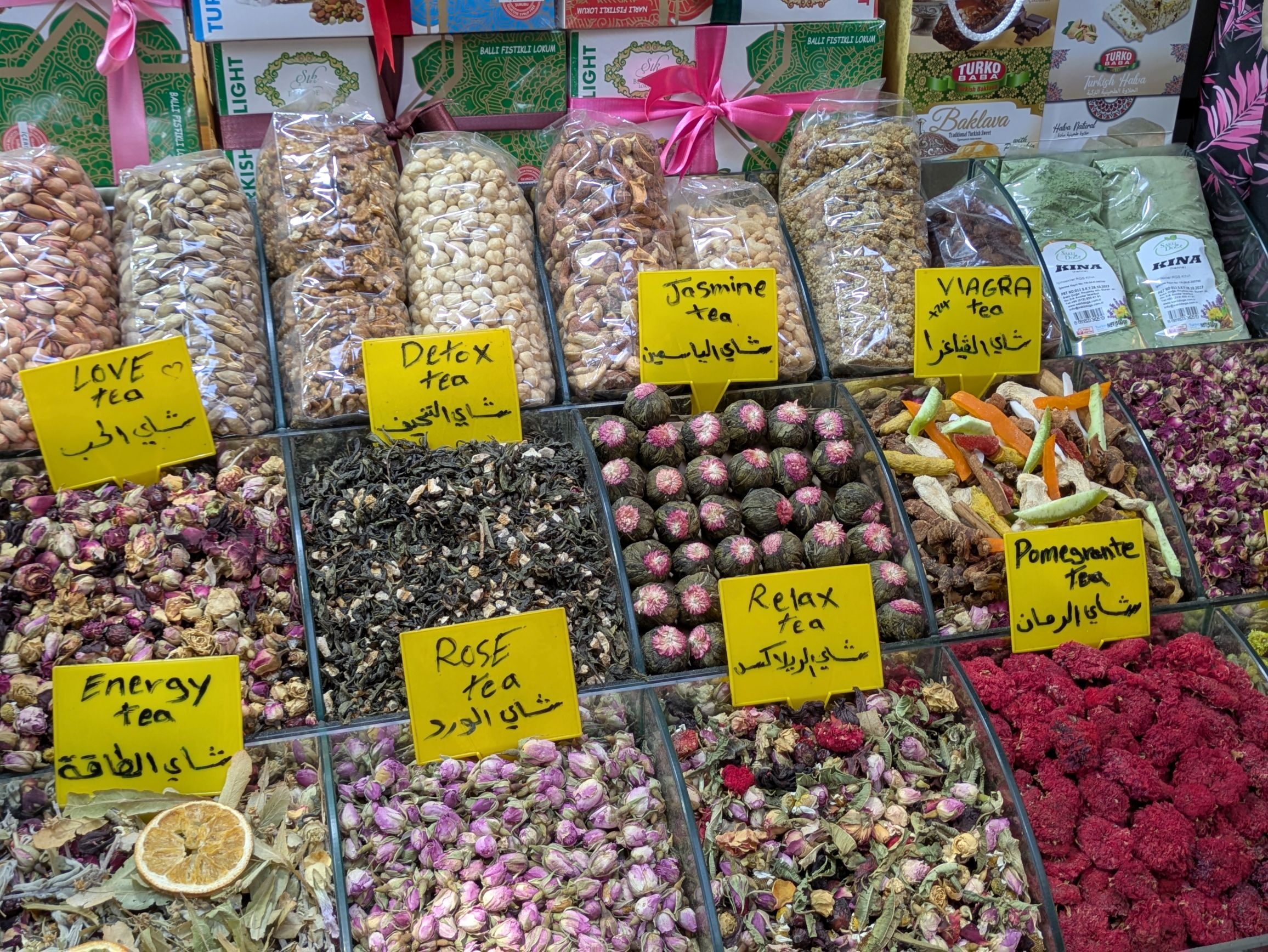
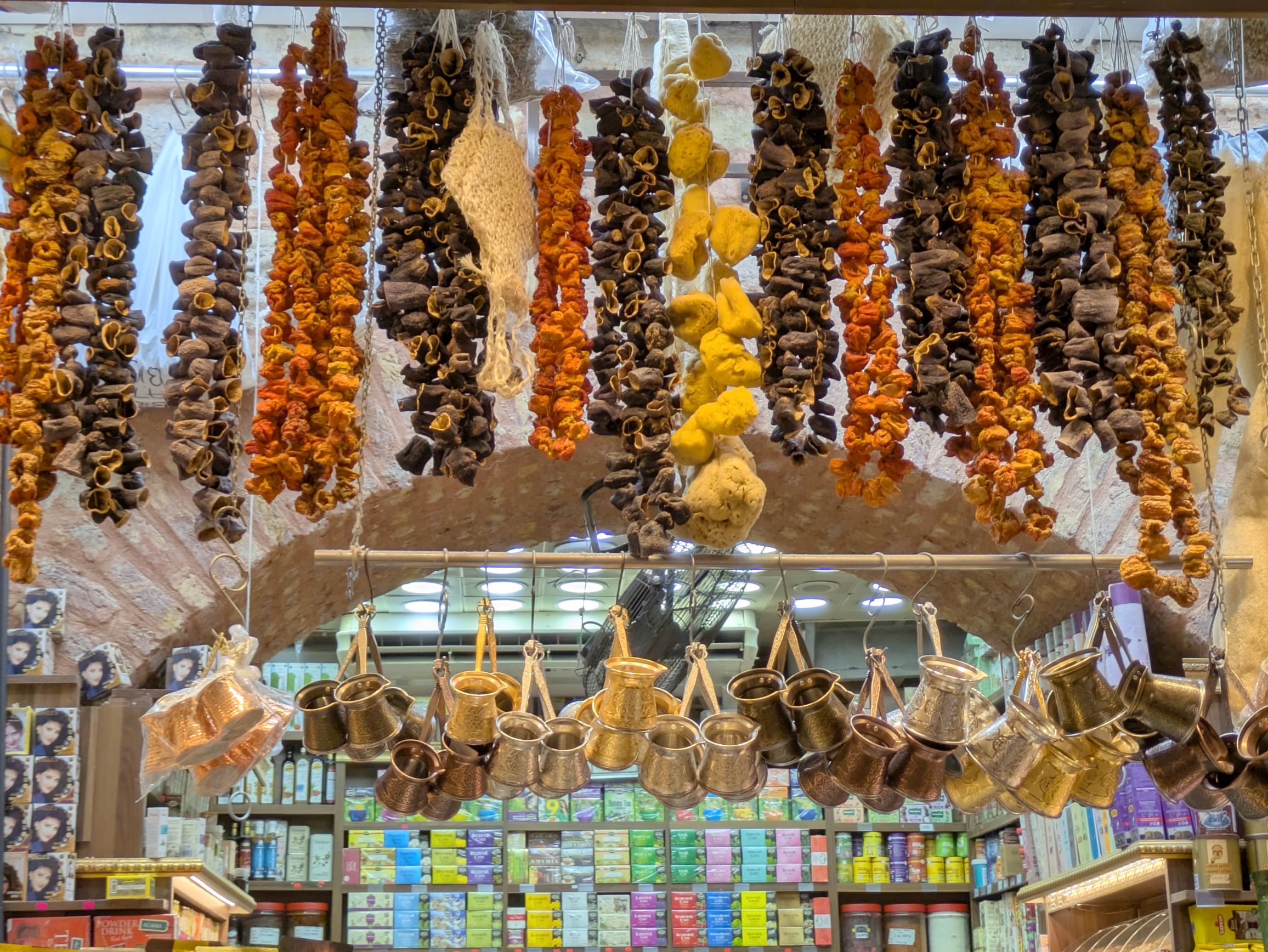
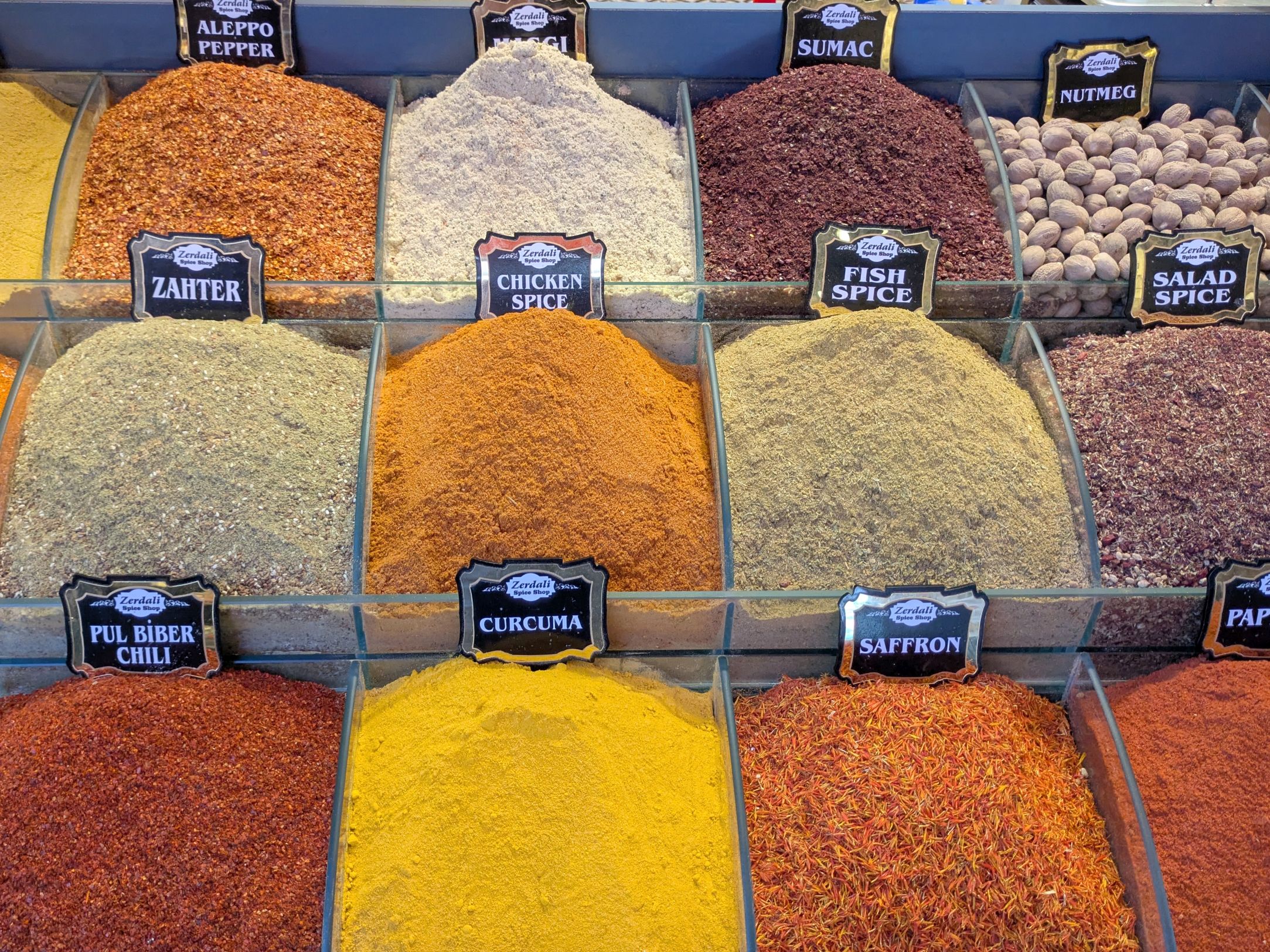
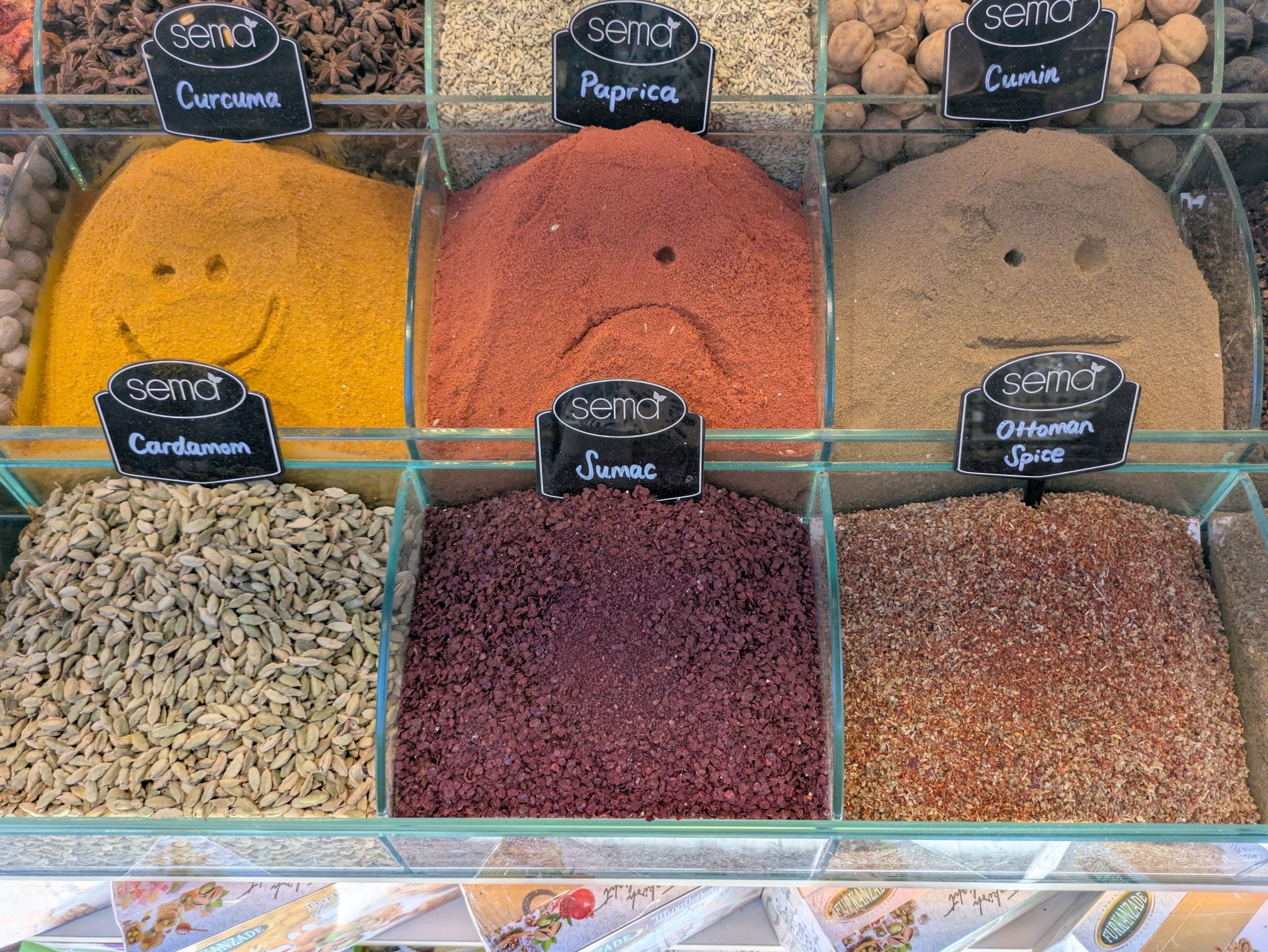
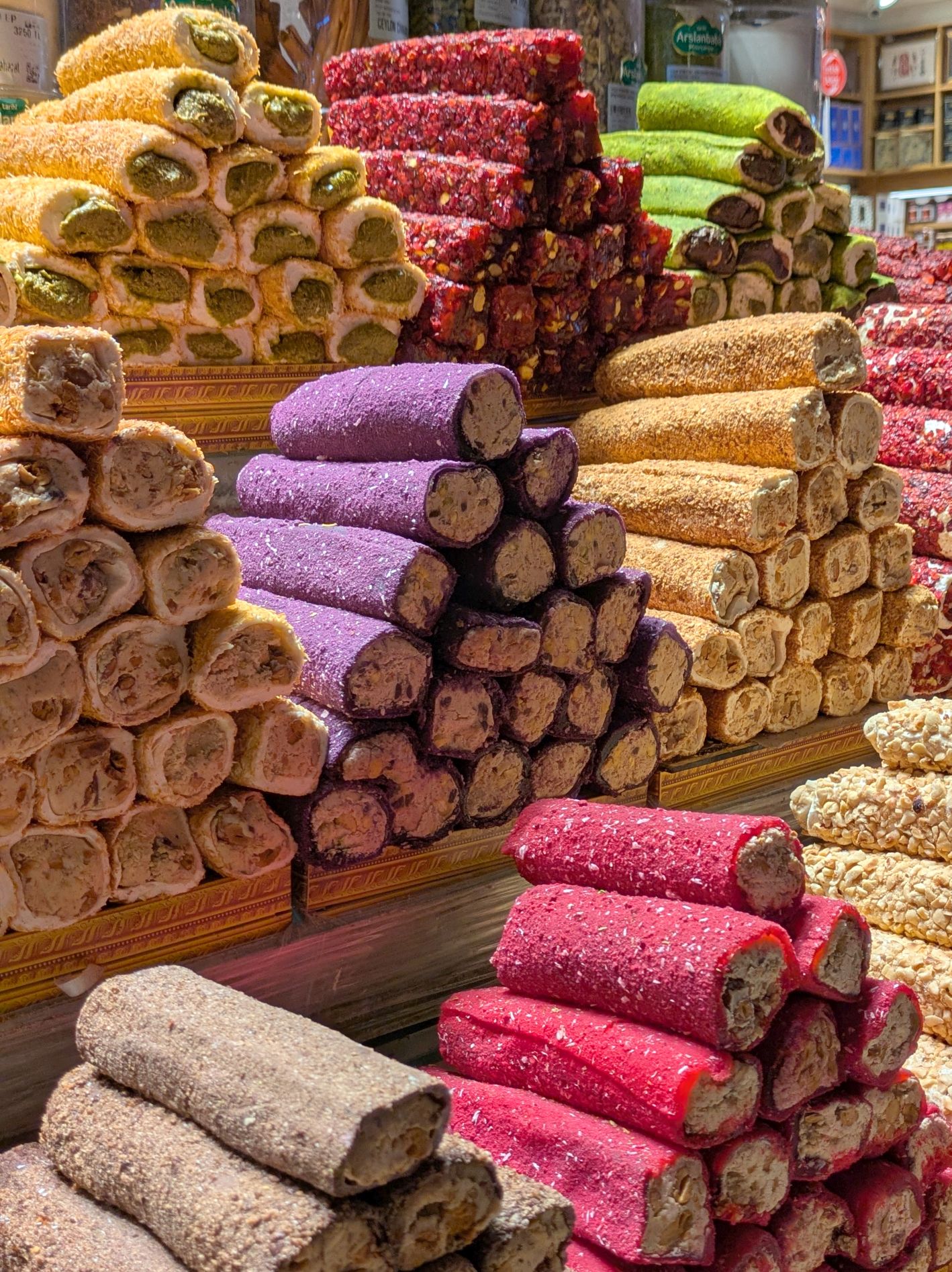
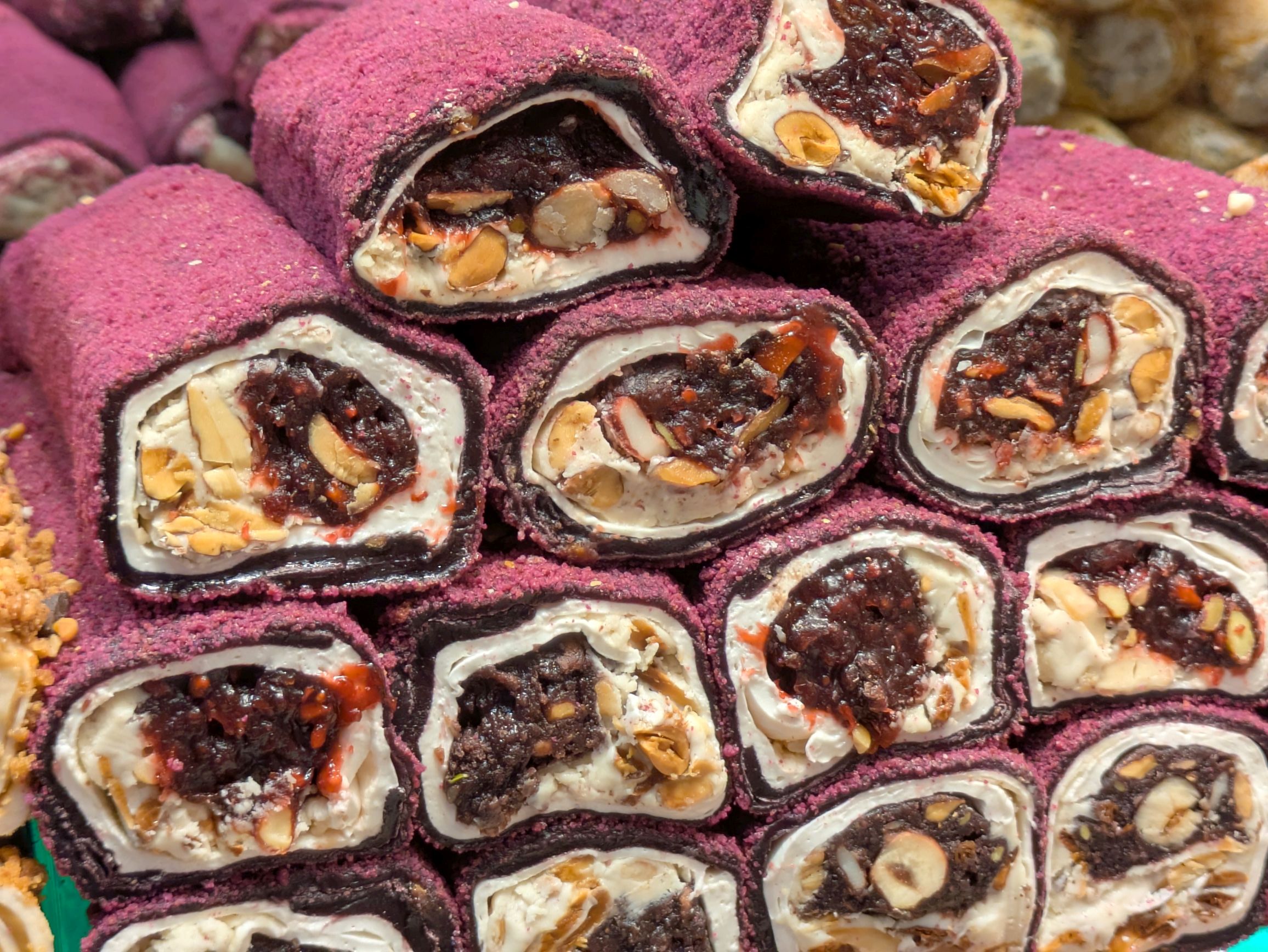
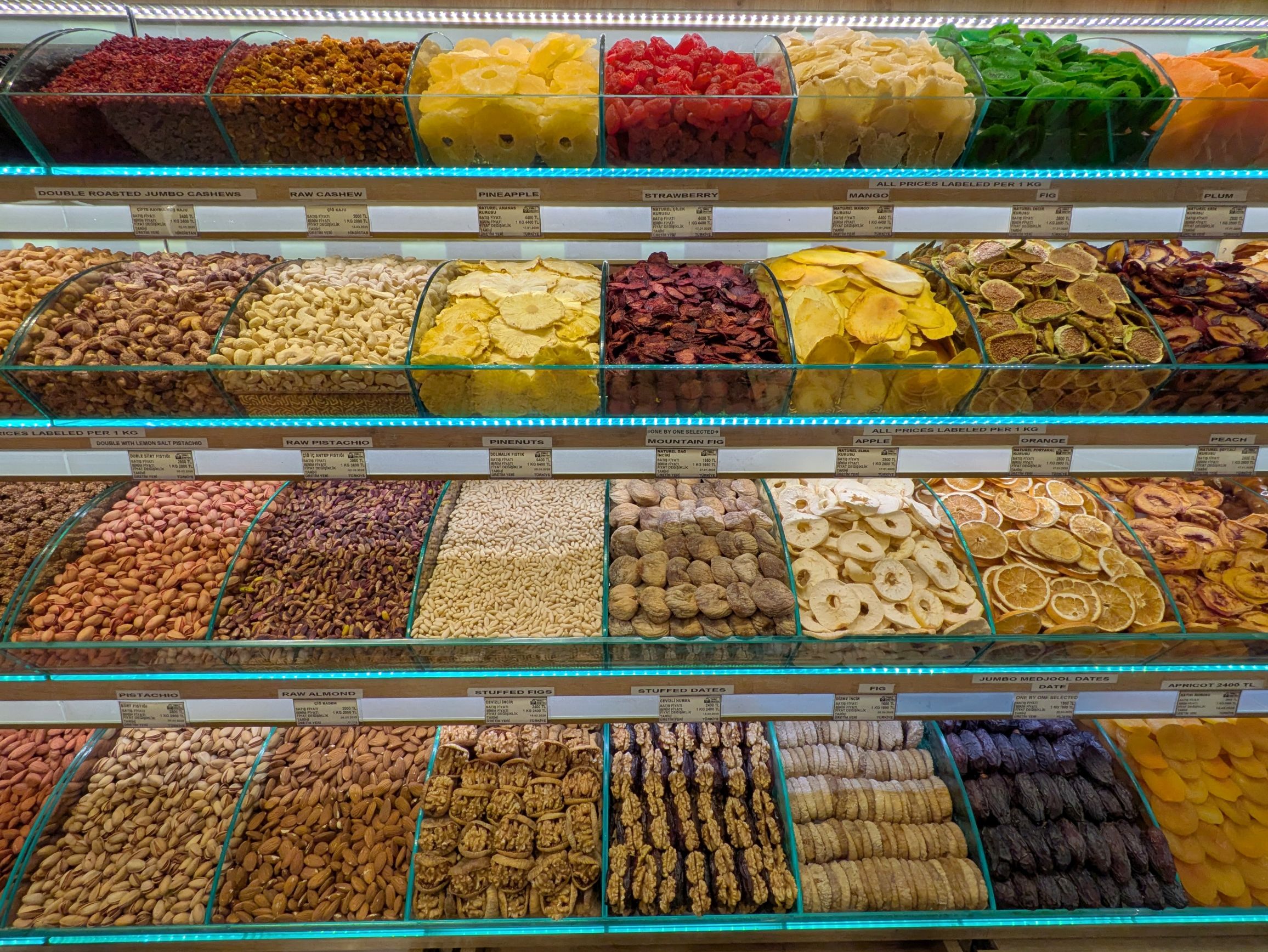
I previously mentioned that we also visited the Spice Bazaar while we were in Istanbul.  Known to locals as the Misir Carsisi, it dates back to 1660 and is one of the largest bazaars in Istanbul.  It was very similar to the Grand Bazaar in its display of spices and Turkish delight, so I combined those photos in Turkiye #2.

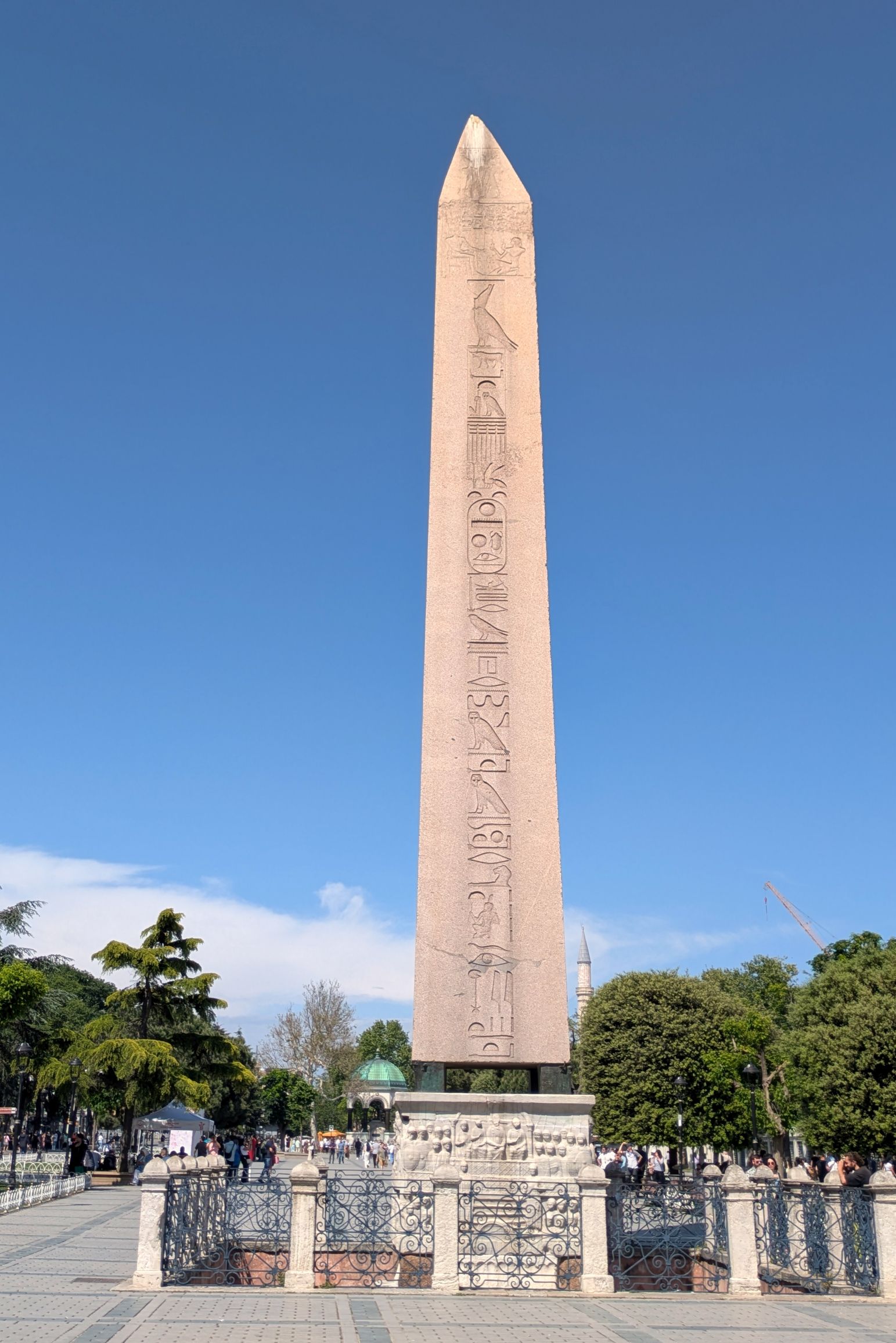
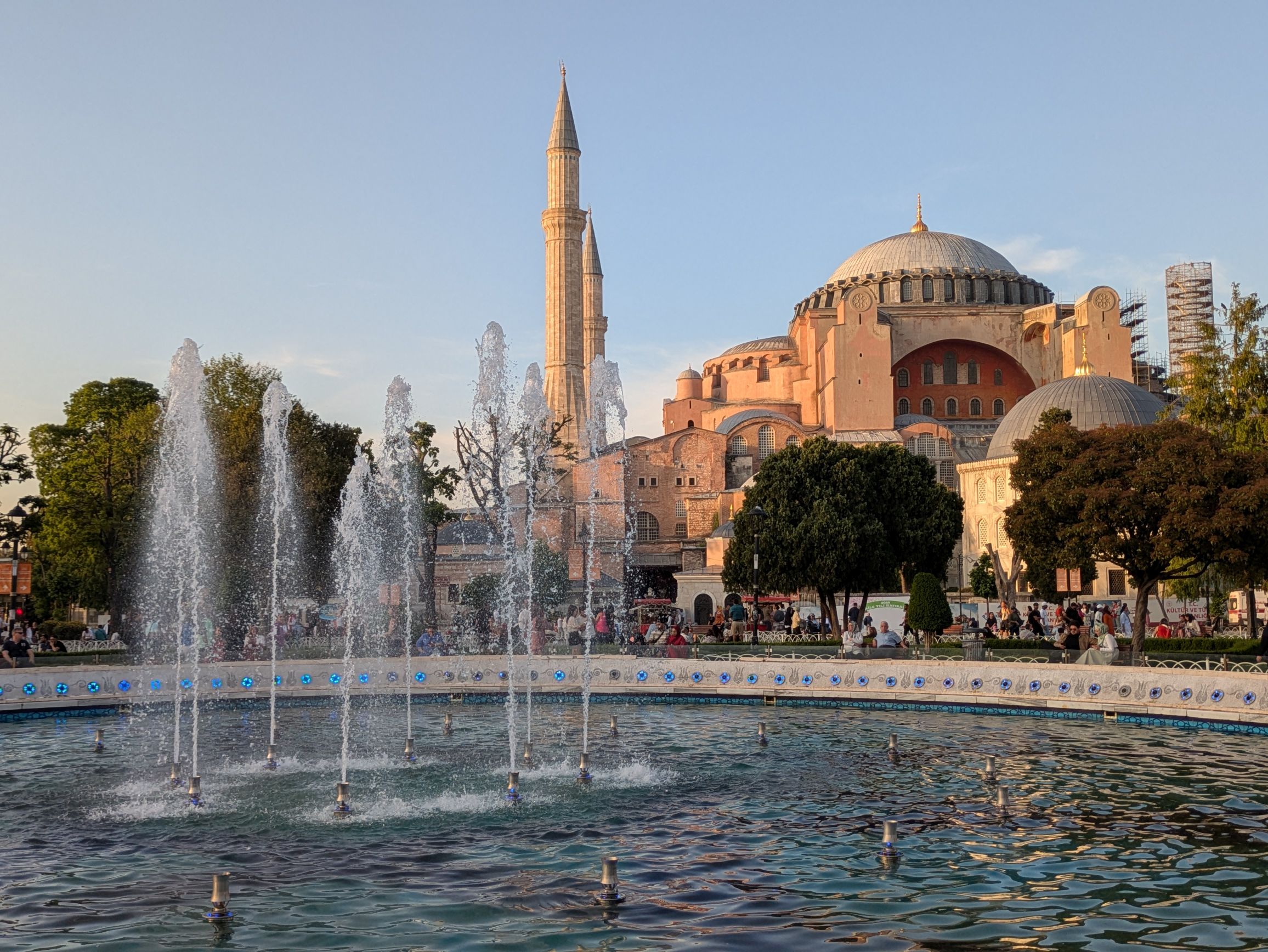
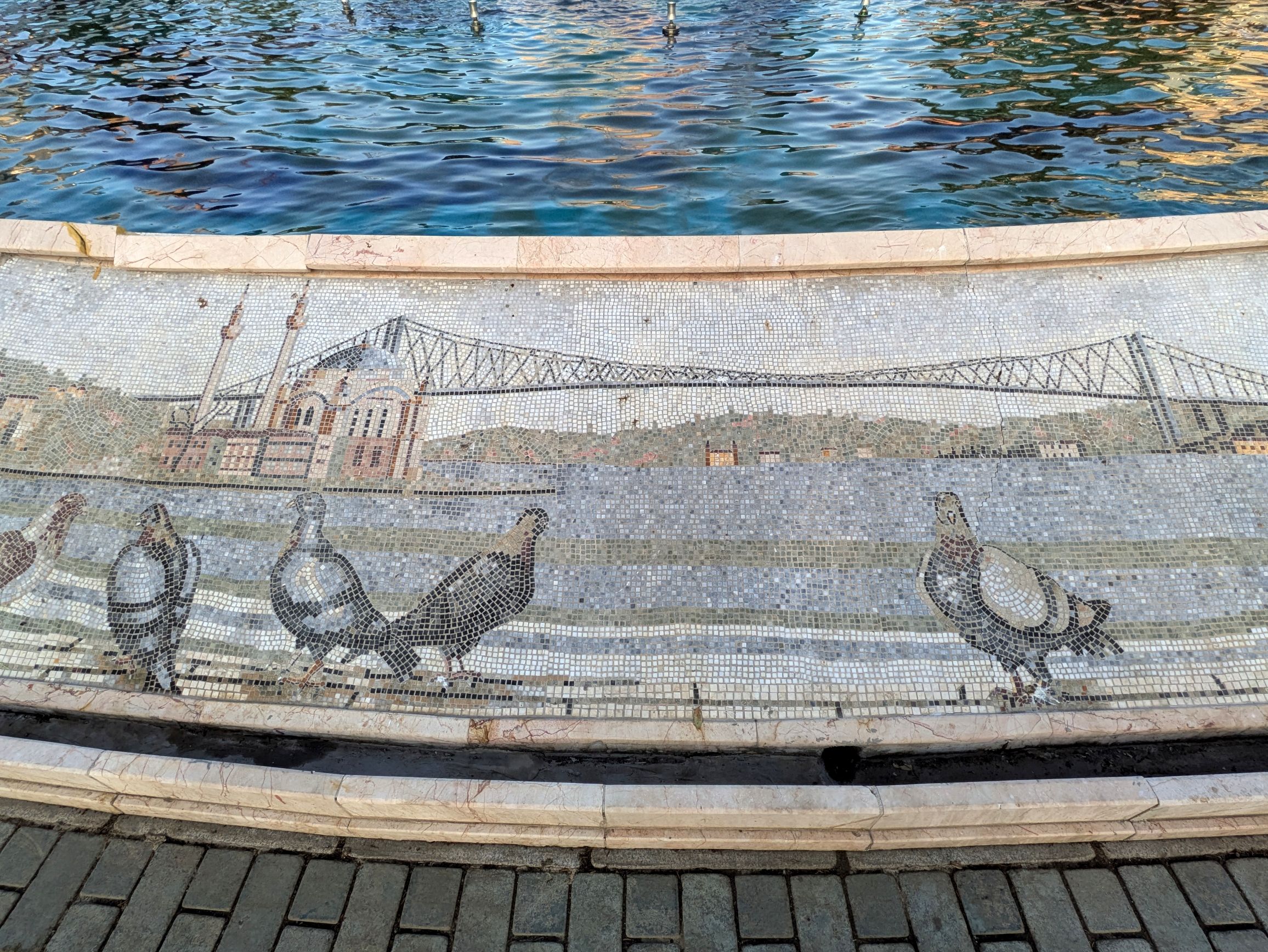
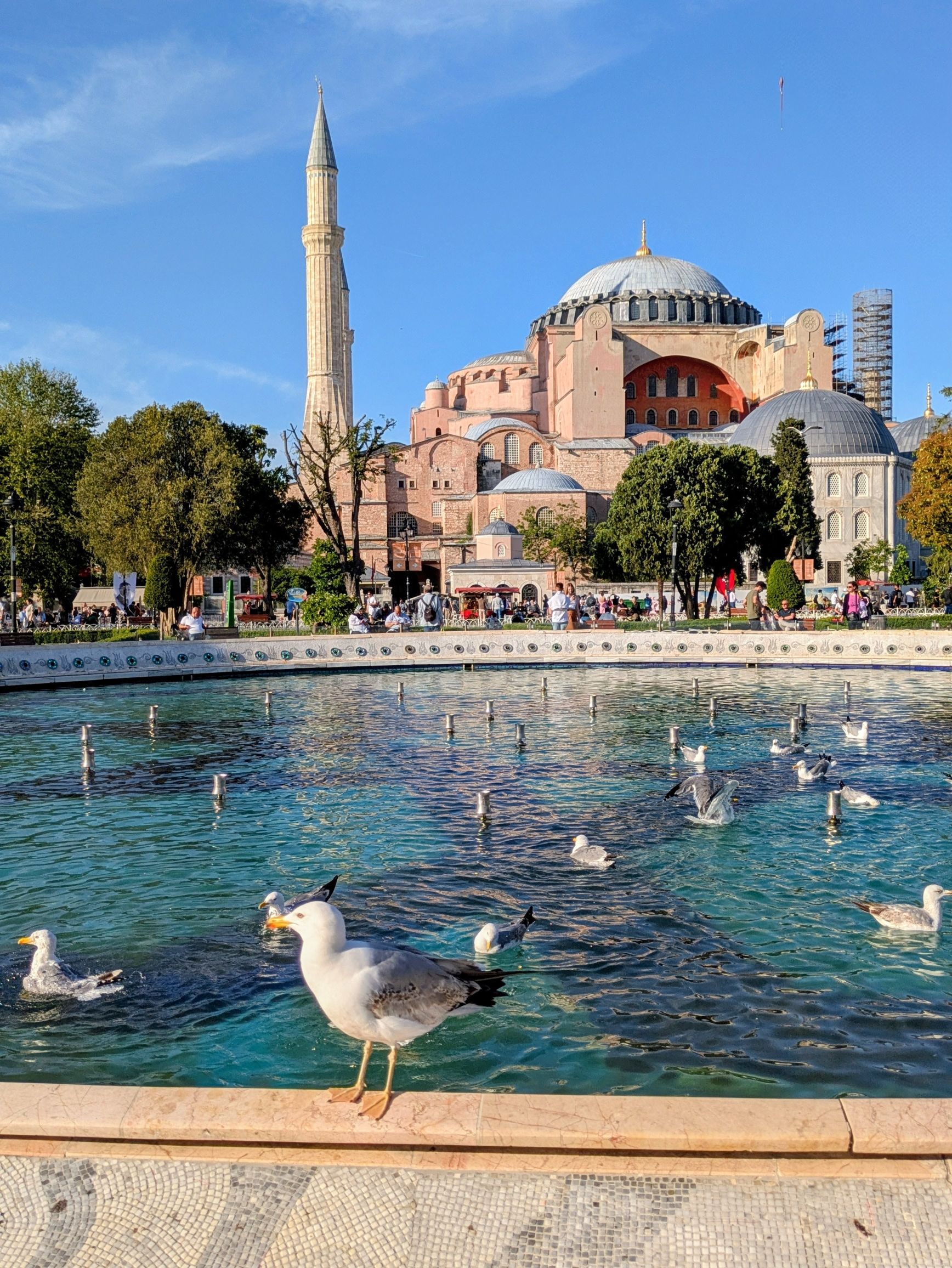
The following are more scenes around the Hippodrome (central square):

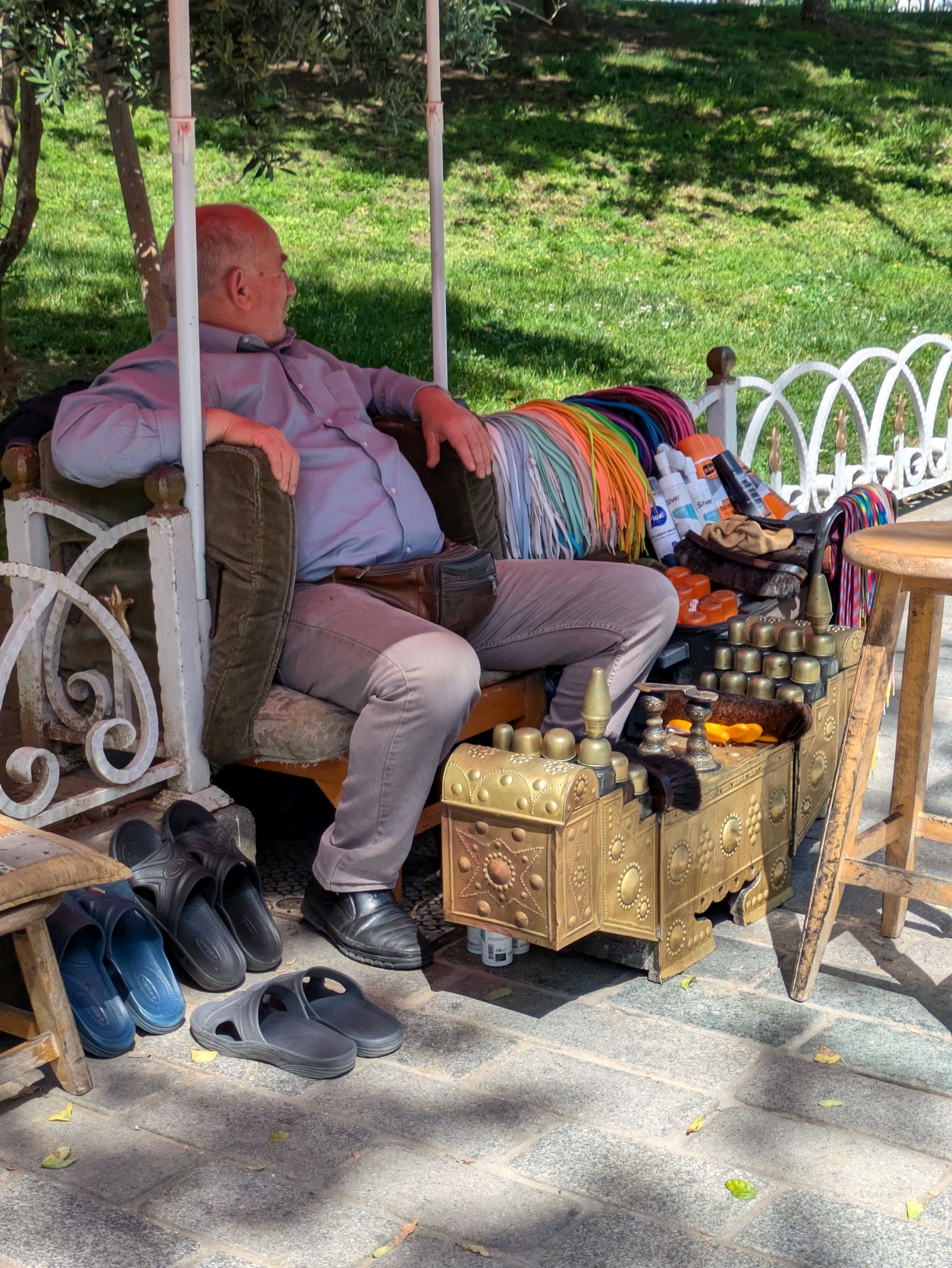
A traditional Turkish shoe shine stand

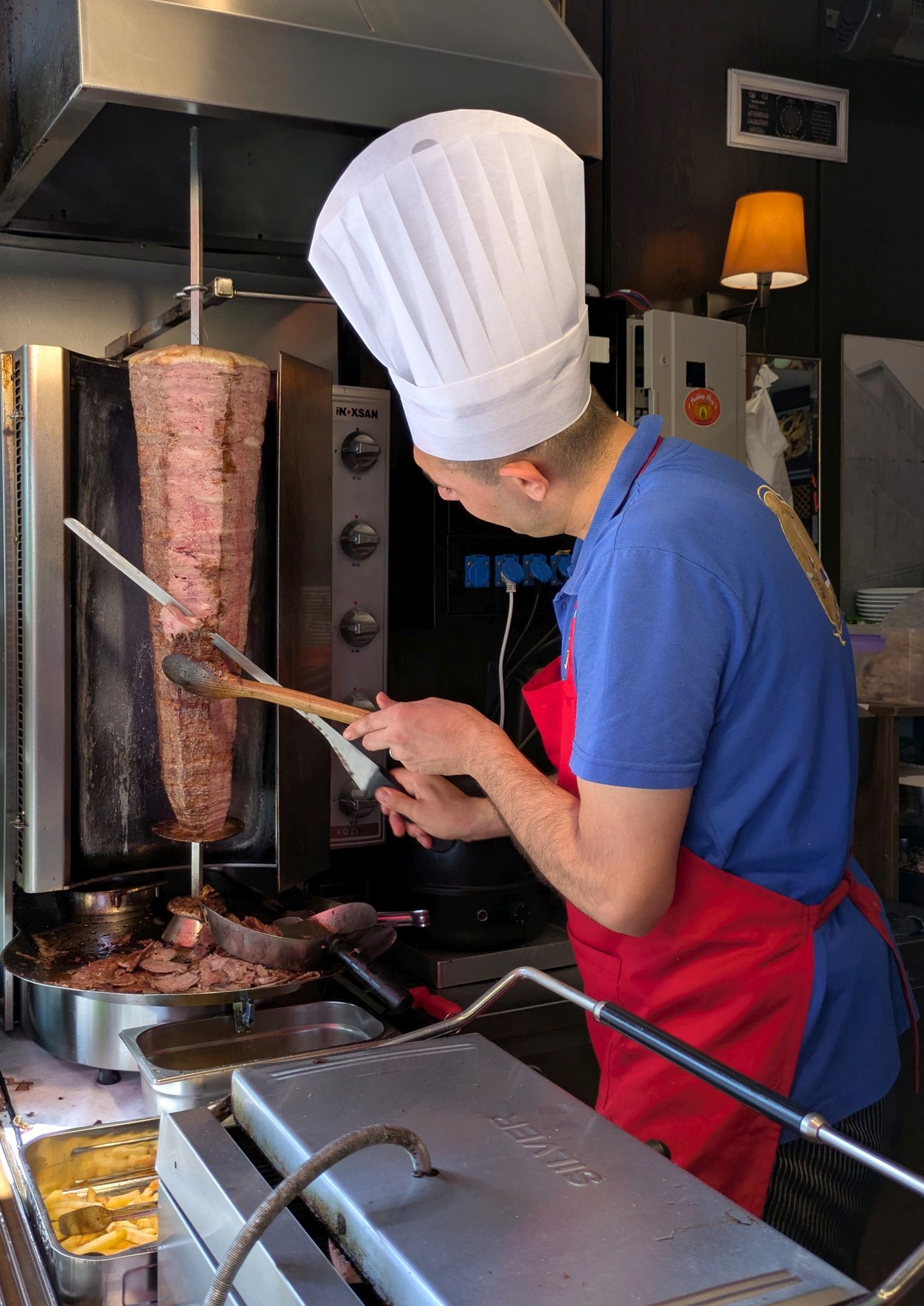
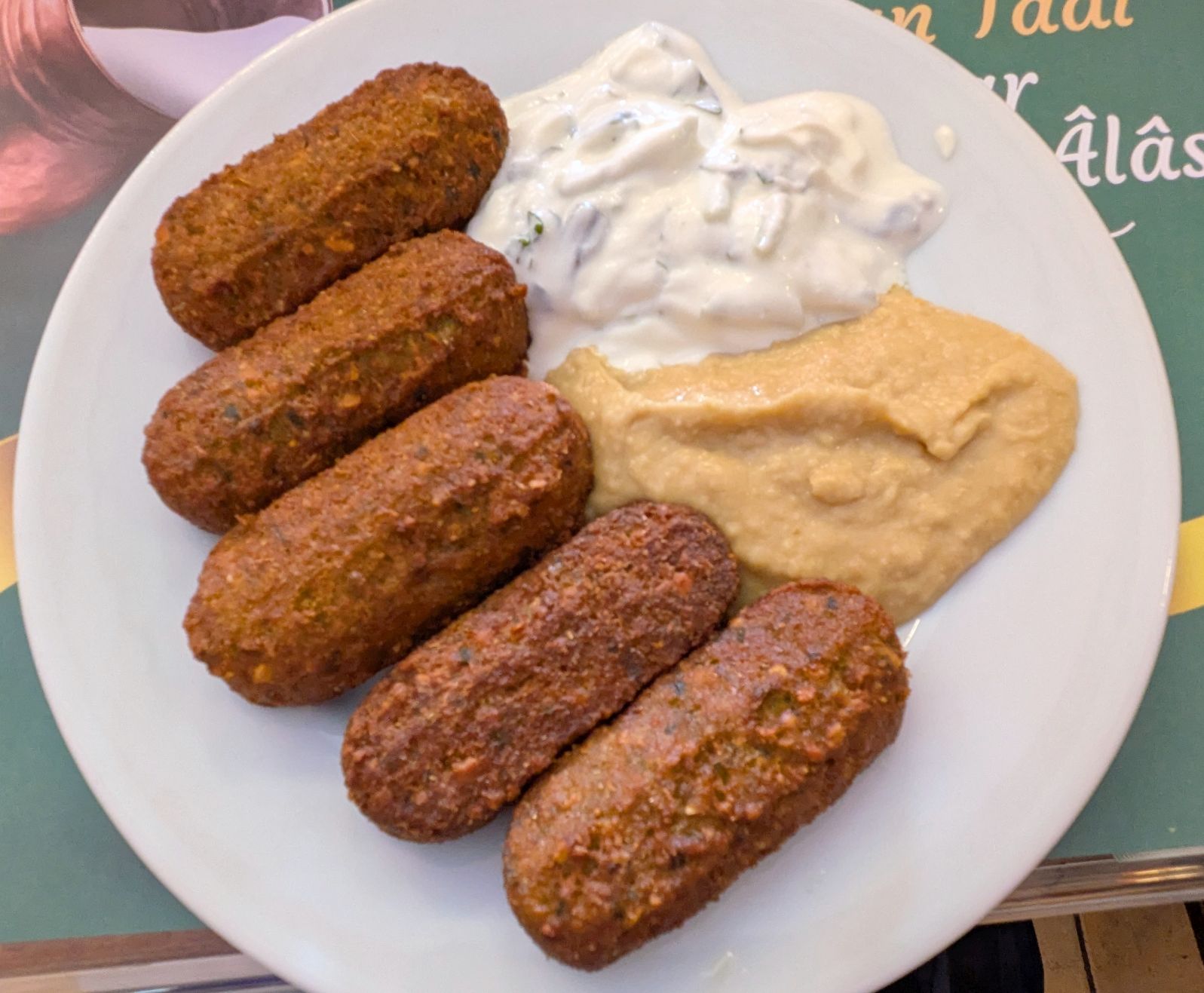
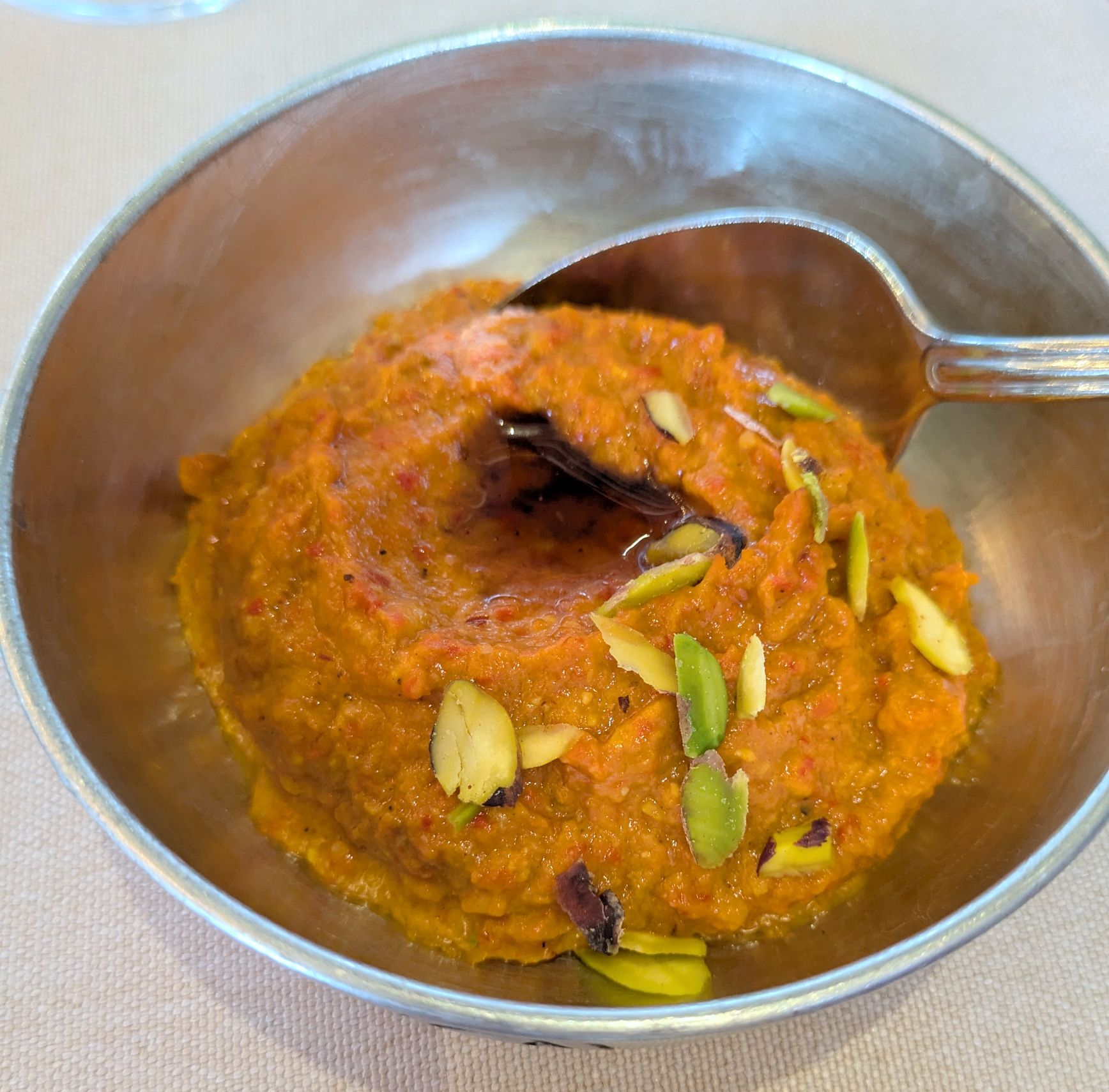
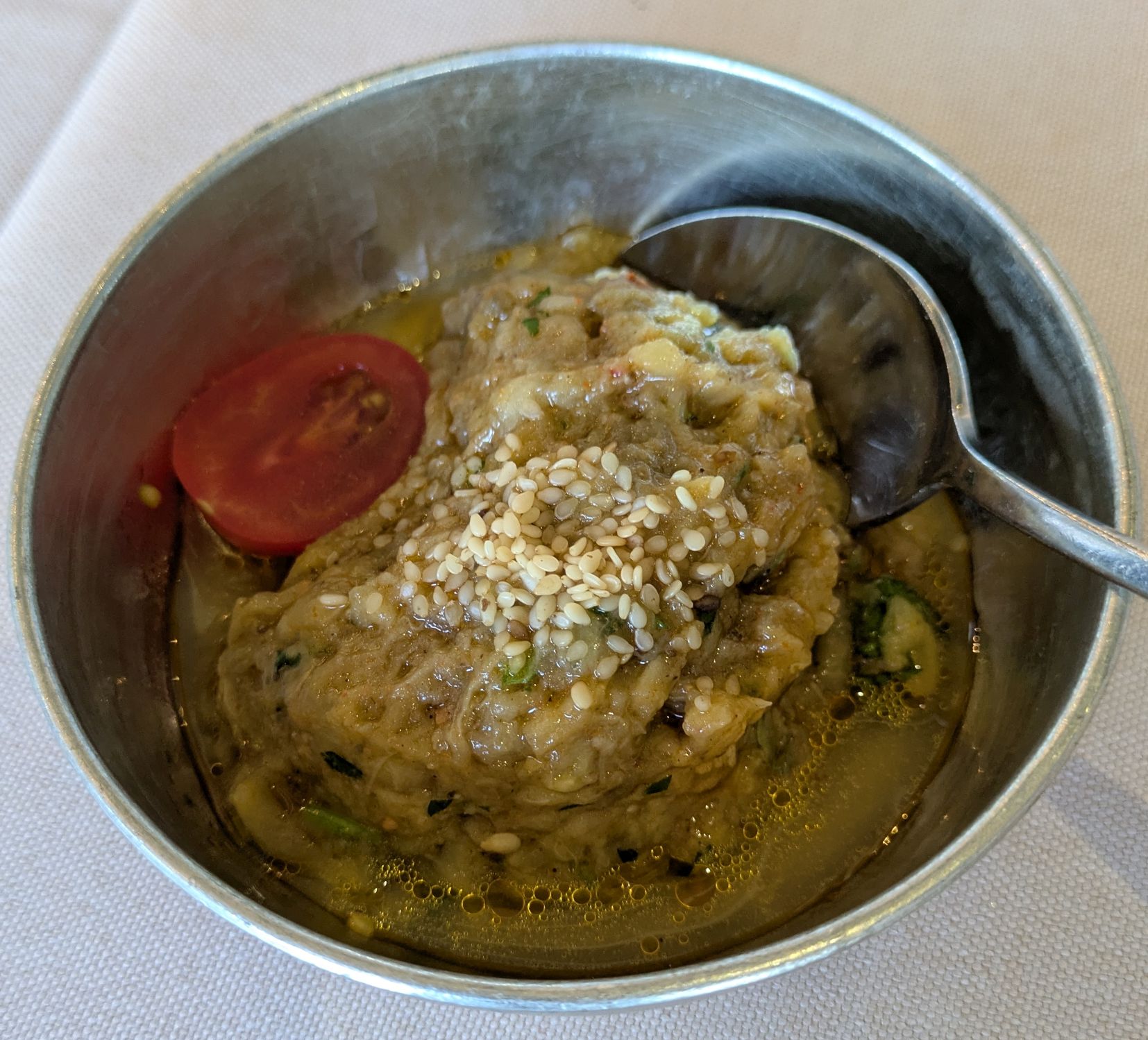
We enjoyed the food in Istanbul very much!

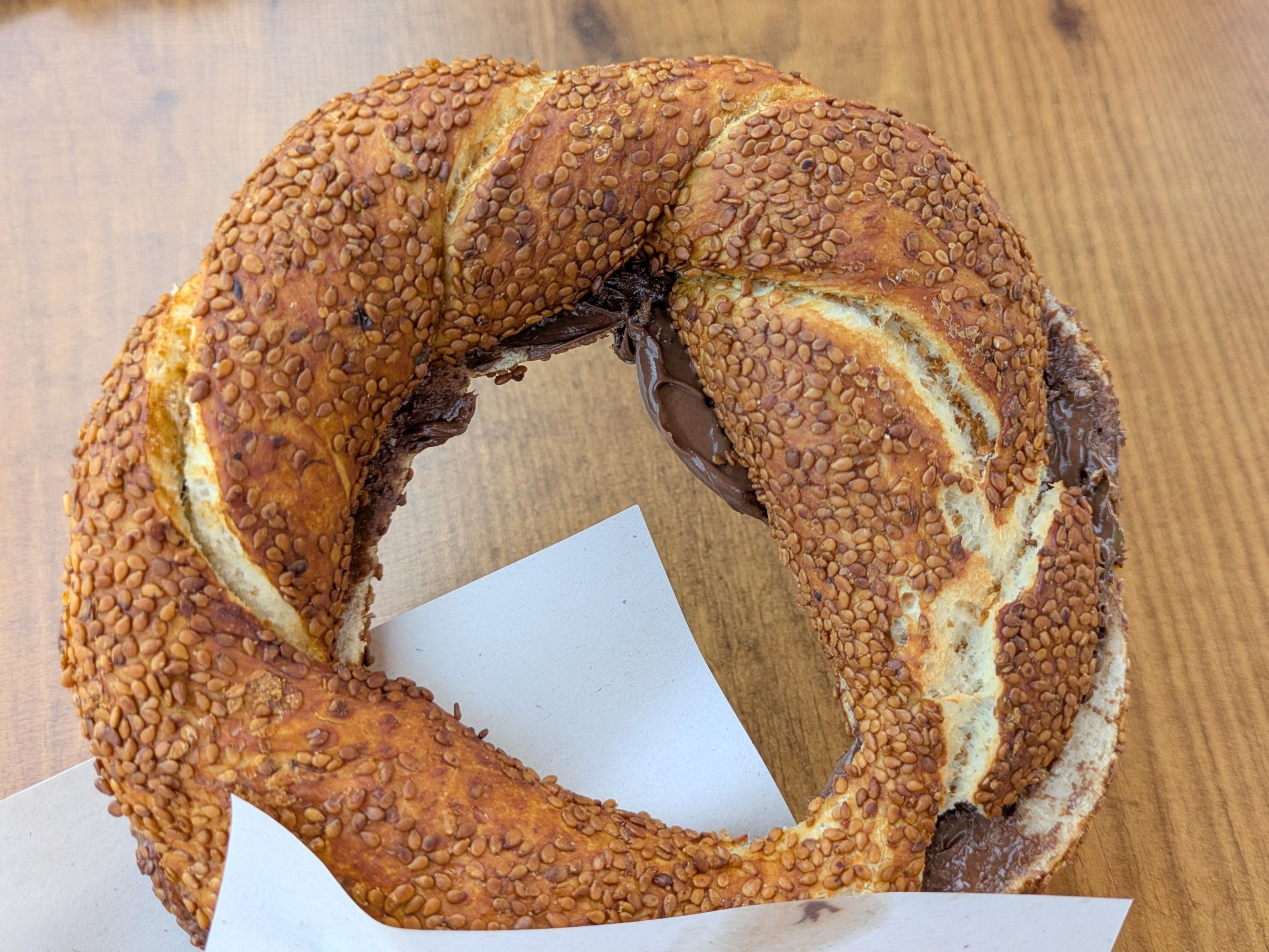
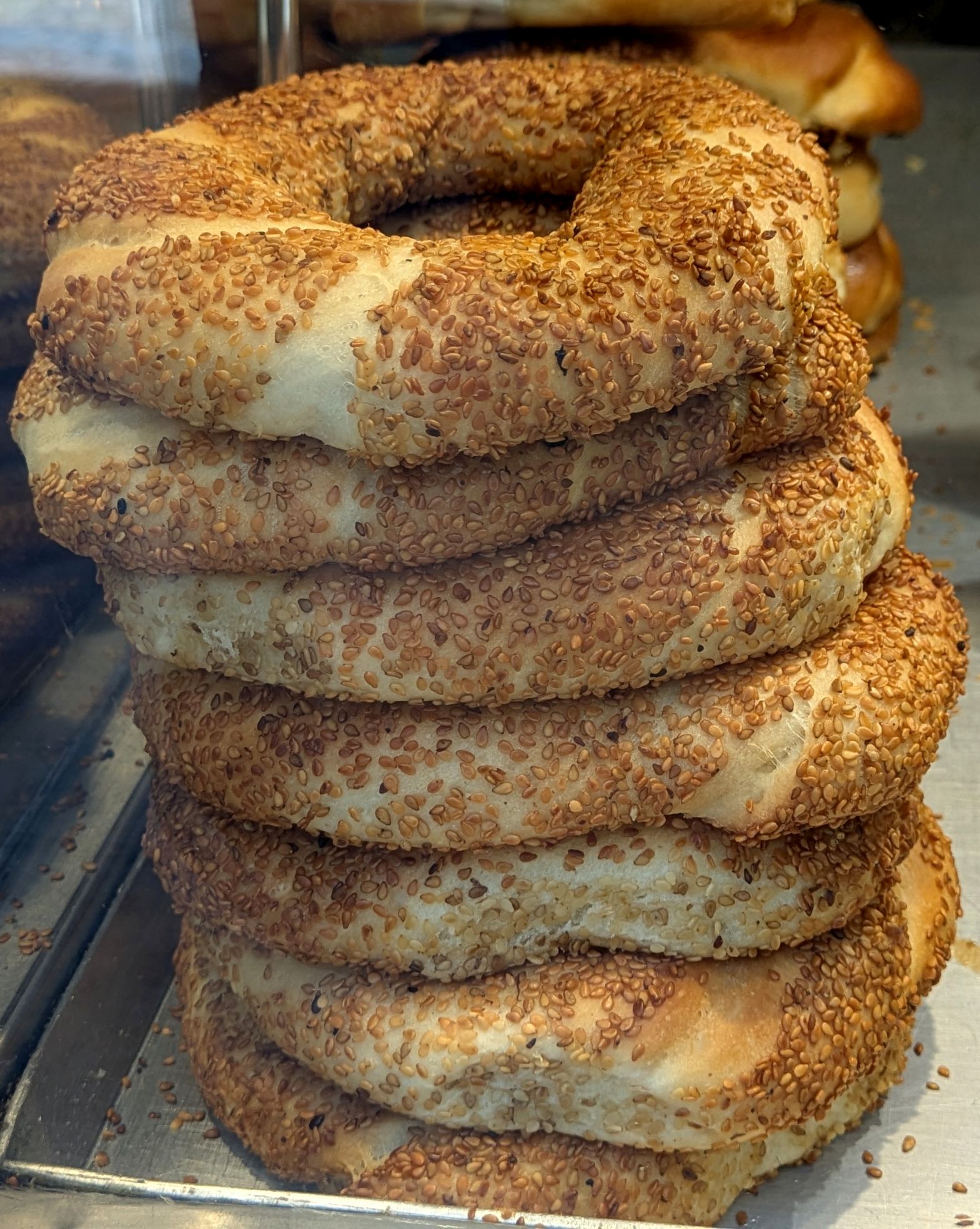
This is a Simit, sort of like a bagel, but they are larger and the dough is twisted. This one was purchased from a cart in the HIppodrome. Plain simits were the equivalent of 50 cents, but one filled with Nutella only set us back an extra 25 cents for a delicious and very inexpensive snack!
Although I opted for falafels instead, I had to grab this shot!
Falafels

These were various different spreads and condiments that tasted so good!

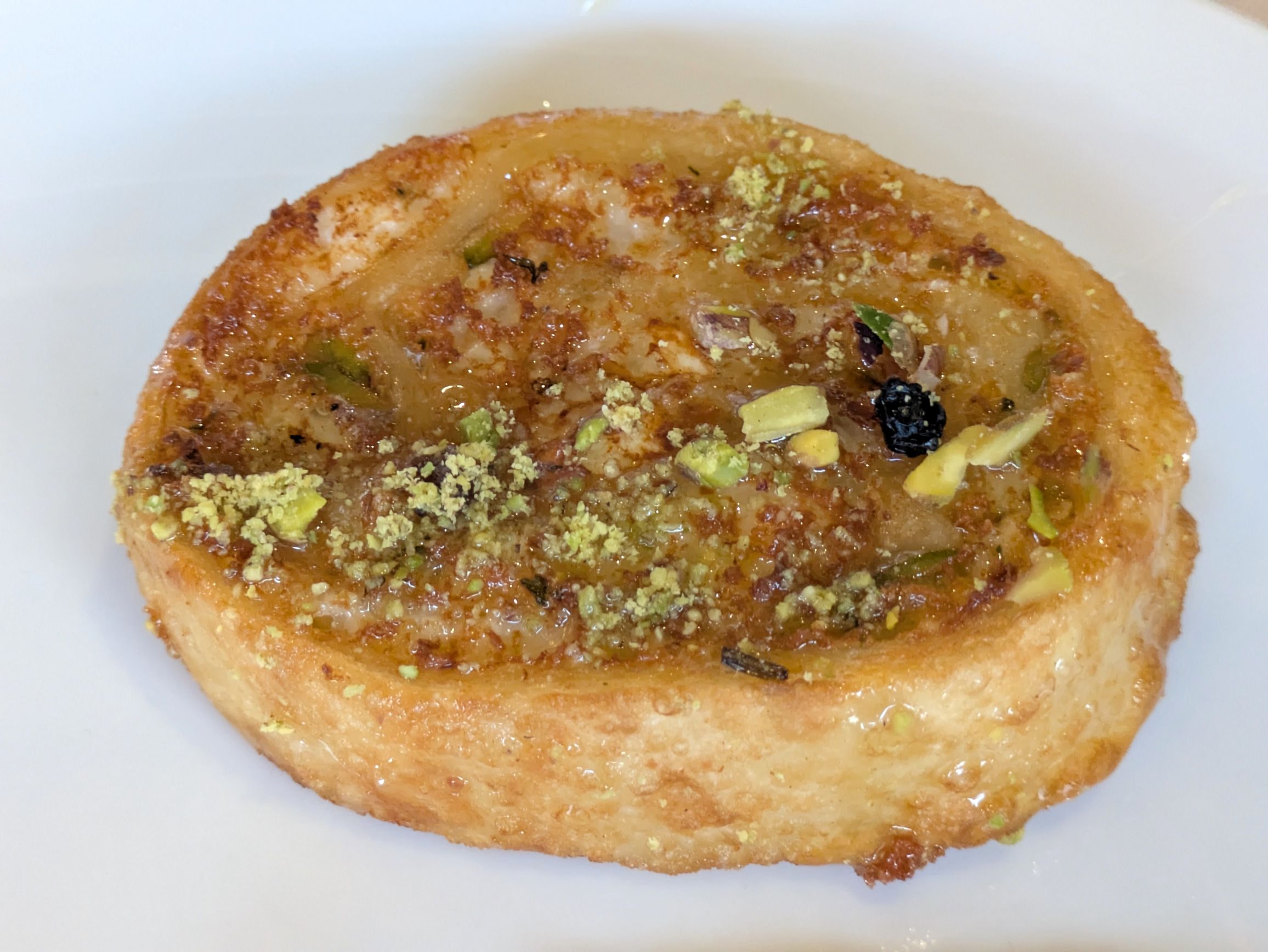
Hot appetizer of pastry with cheese and honey. DELICIOUS!
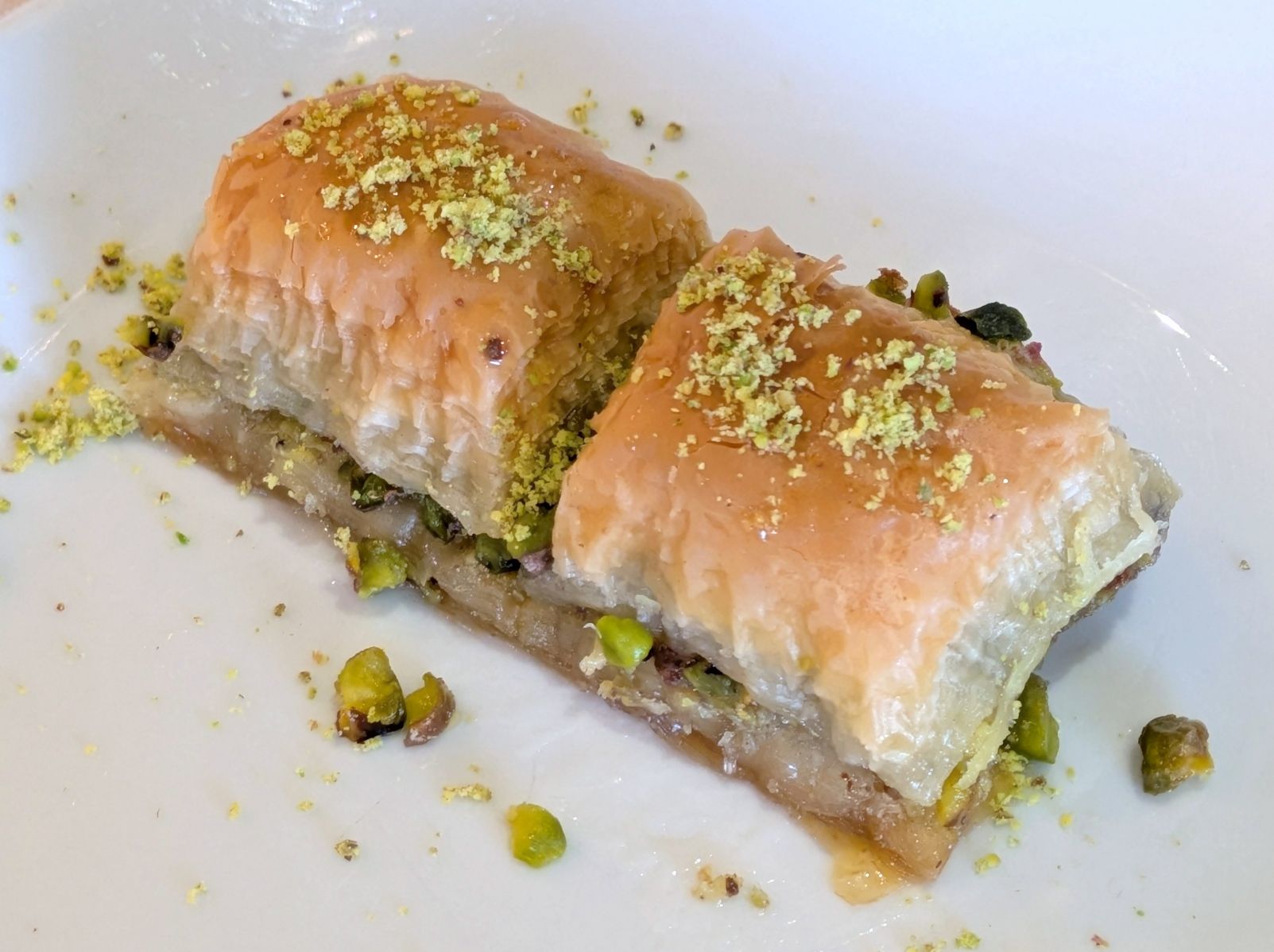
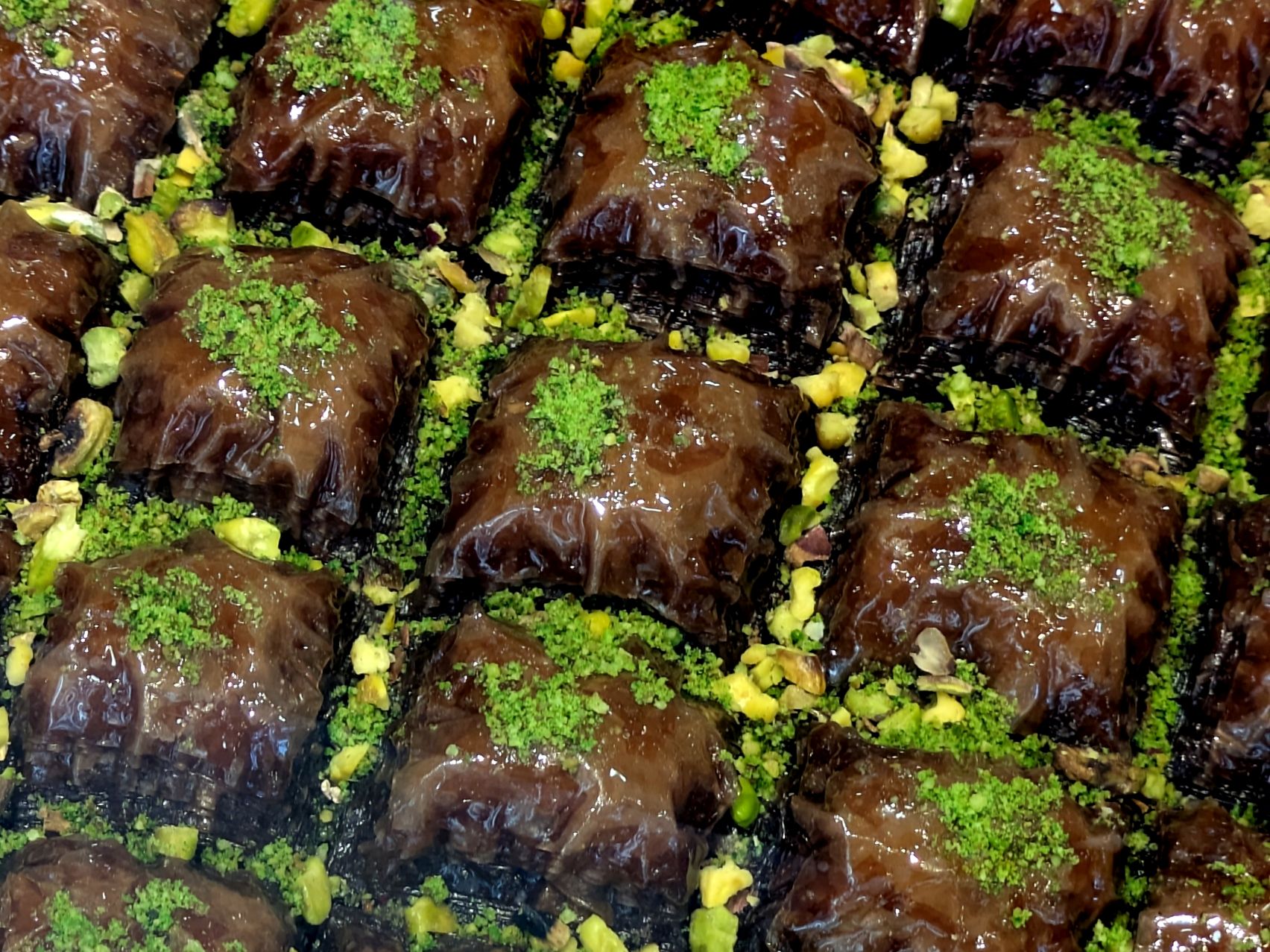
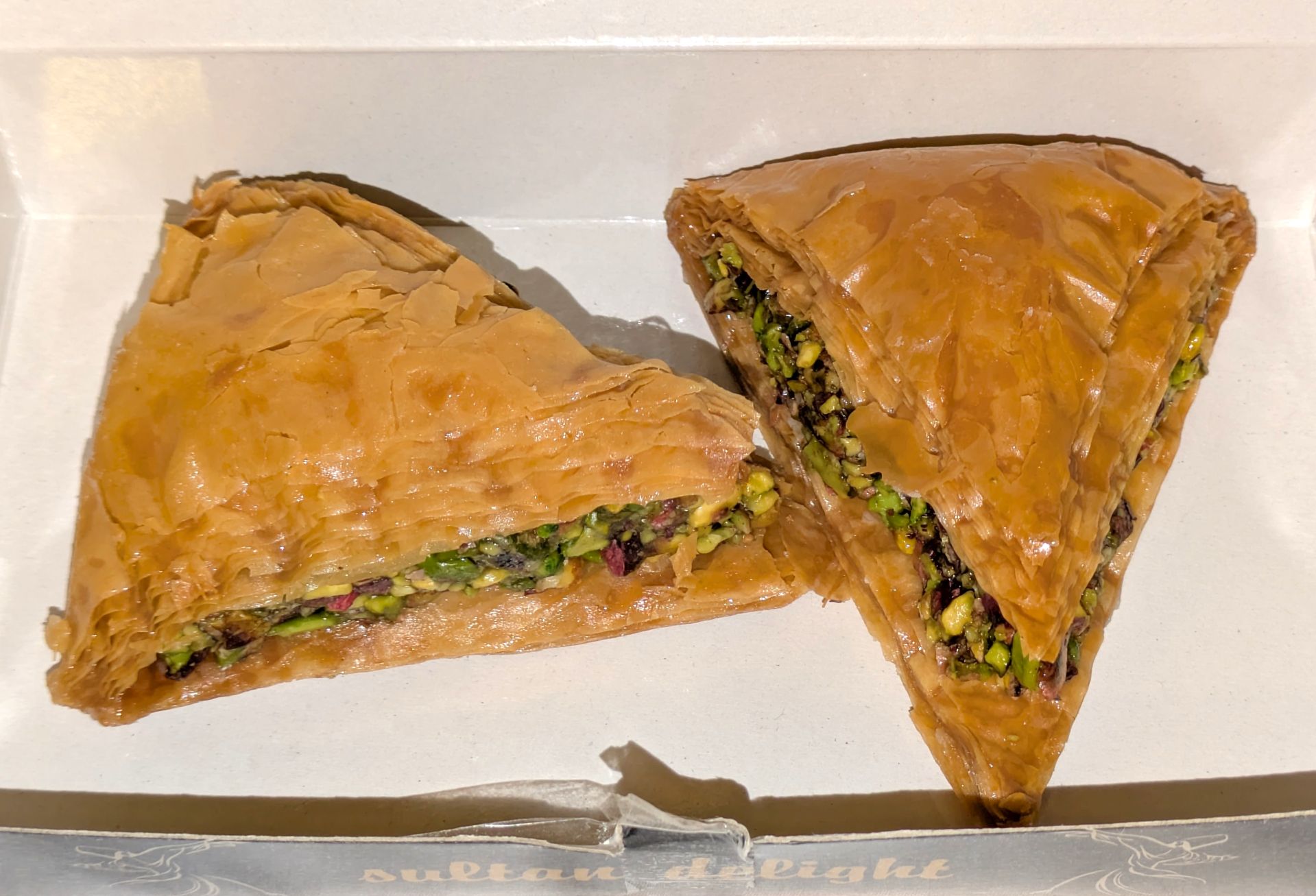
Baklava, which is phyllo dough pastry, honey syrup, and pistachio nuts

Next up: TURKIYE #5: CAPTIVATING CAPPADOCIA

TURKIYE #3: MAGNIFICENT MOSQUES & TERRIFIC TOPKAPI PALACE

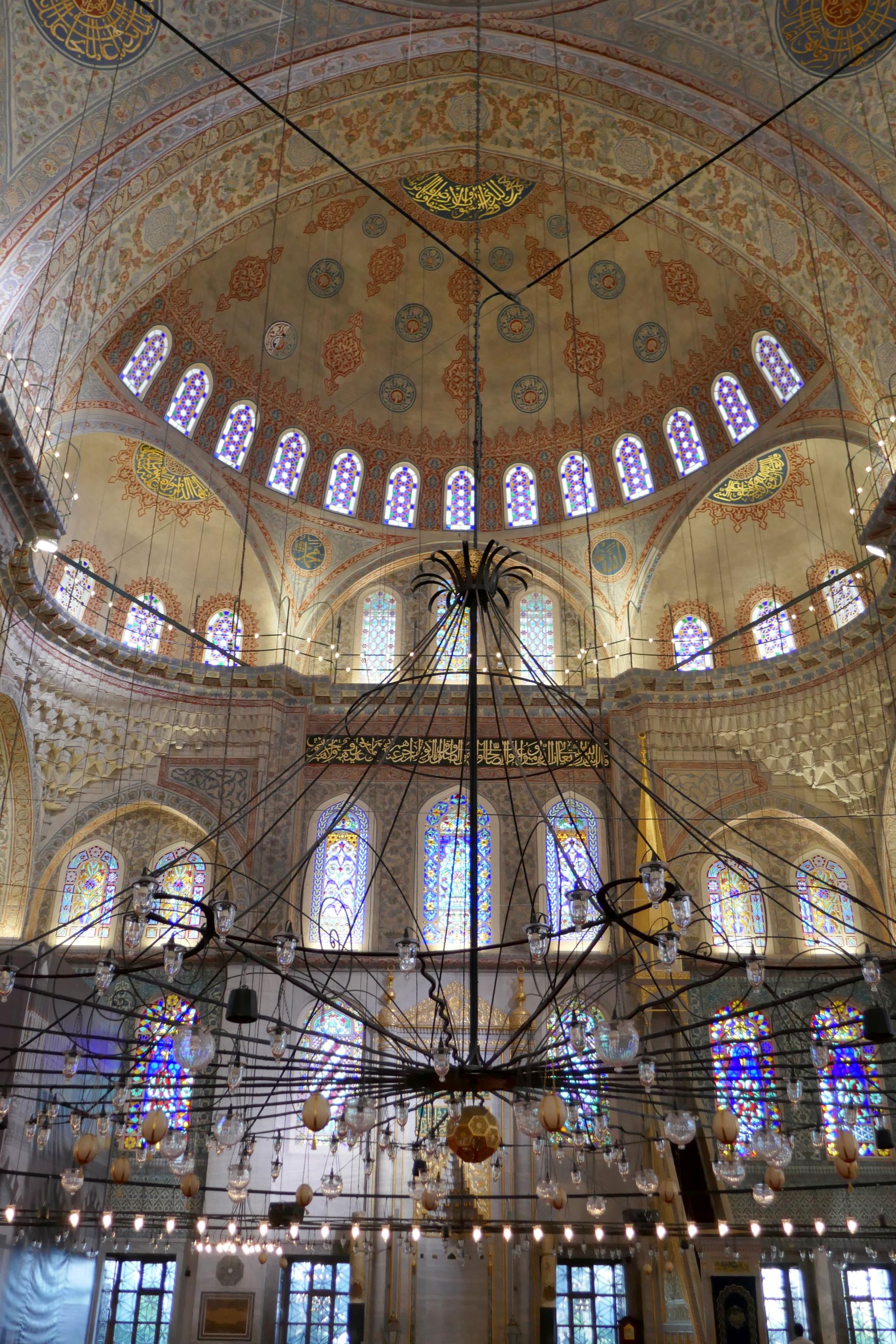
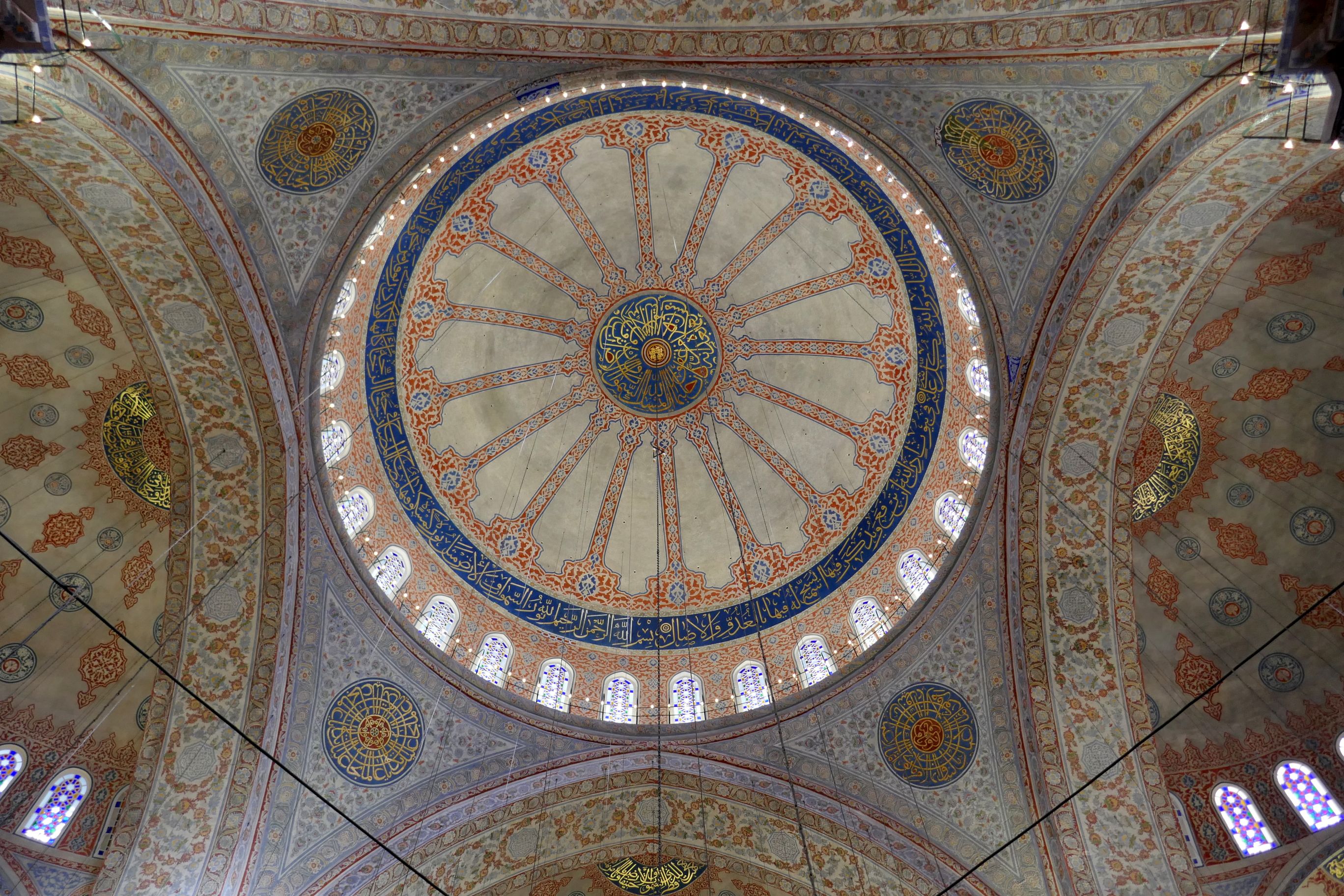
During our free time in Istanbul, Bruce and I explored the Sultan Ahmed Mosque, better known as the “Blue Mosque,” listed as a UNESCO World Heritage Site under the name “Historic Areas of Istanbul”.  This is the mosque we saw lit up when we arrived at our hotel at night, and we were eager to see the mosque’s interior.

This Ottoman-era mosque, completed in 1617, is an iconic attraction in Istanbul because of its history and architecture.  The central dome is surrounded by four semi-domes over the prayer hall, and it’s quite a sight to see when you step inside.  The Iznik tile work itself makes this a must-see destination if you are ever in Turkey. 

(For all photos, click on the image for a full screen view.)
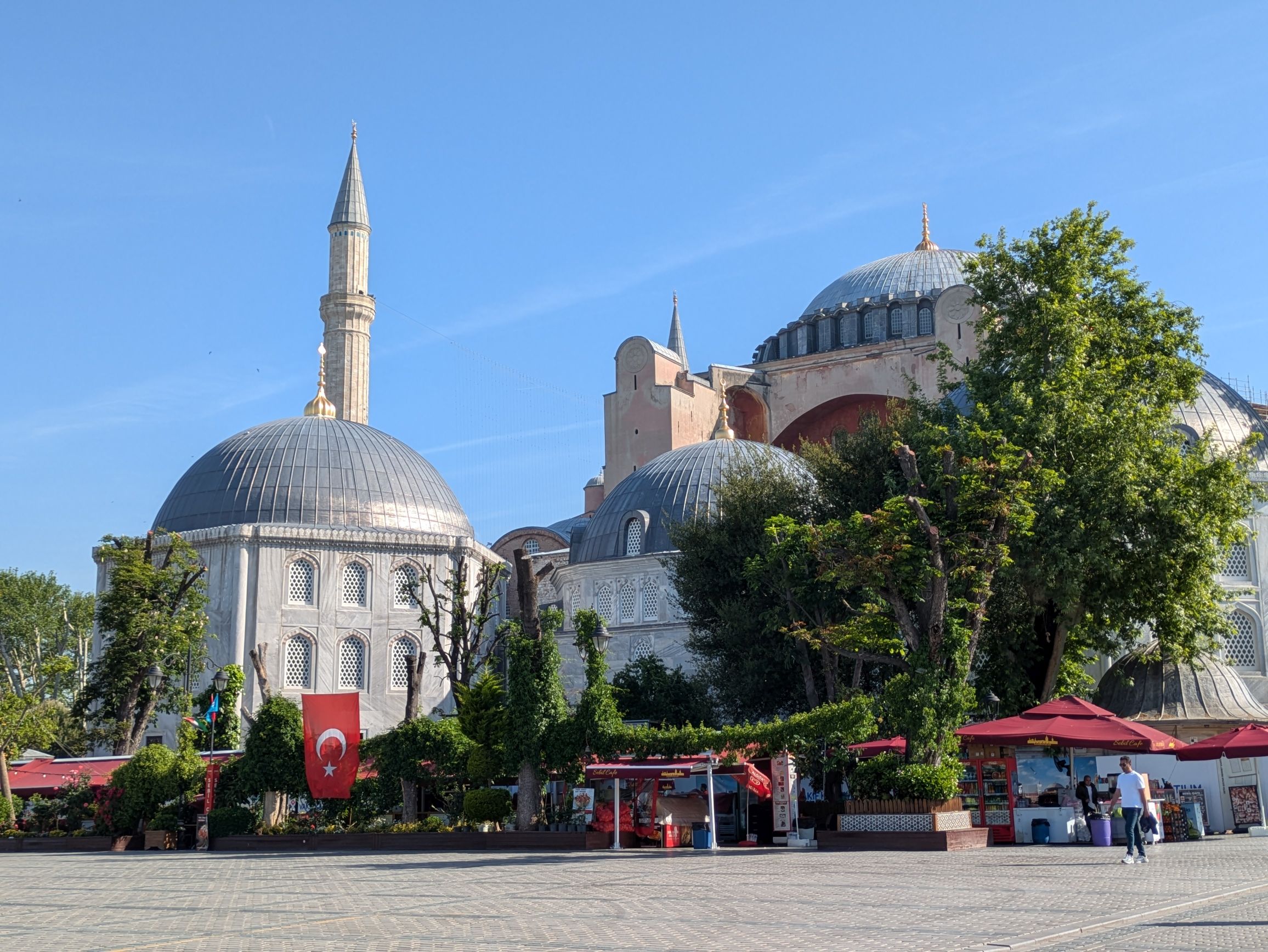
Nuri, our tour leader, led our group on guided tours of Hagia Sophia and Topkapi Palace during the following two days in the city.  Although we didn’t tour the Hagia Sophia until our final day, it is located just across the Hippodrome (central square) from the Blue Mosque, so I will tell you about it first.

Nuri, our tour leader

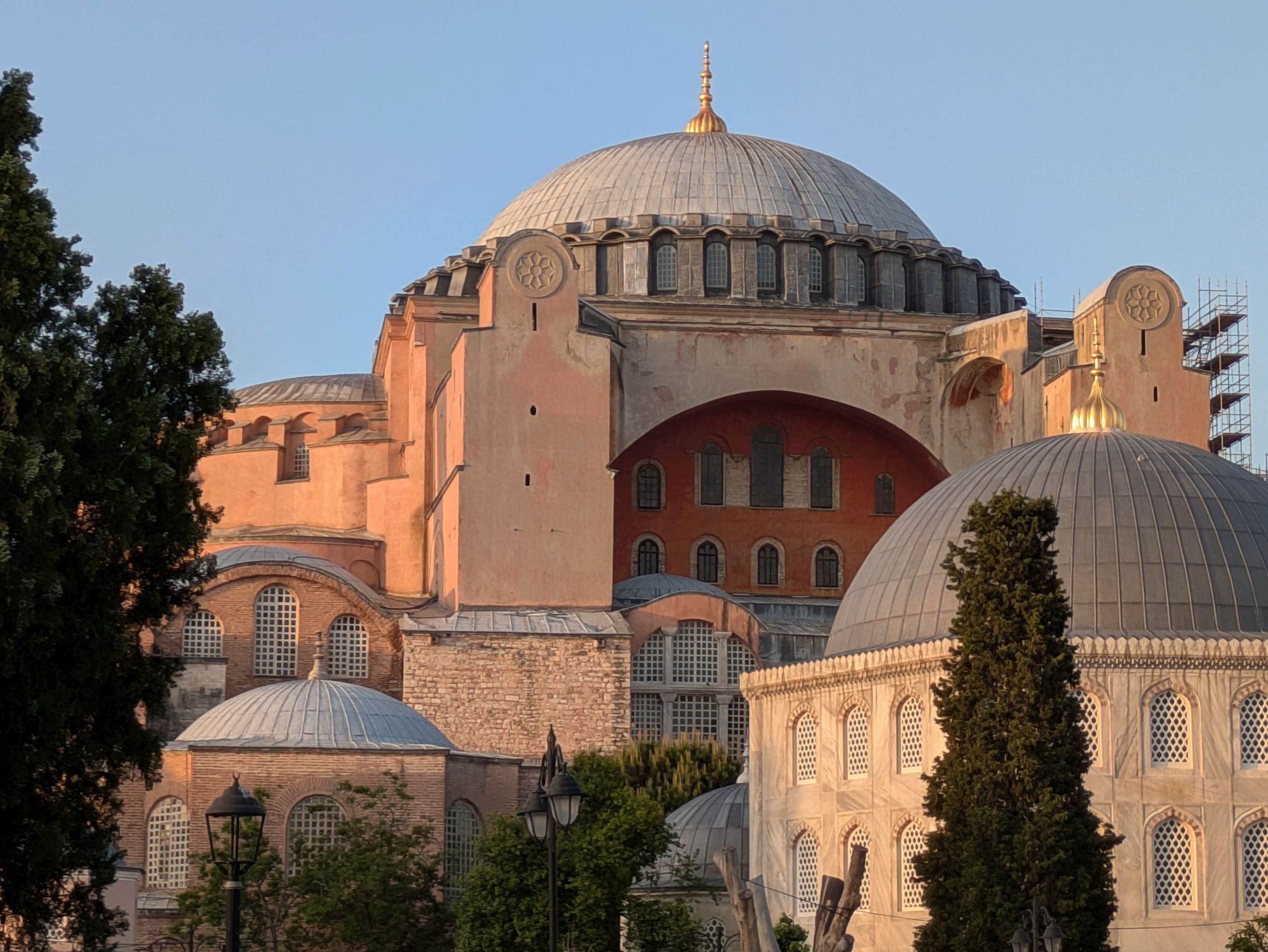
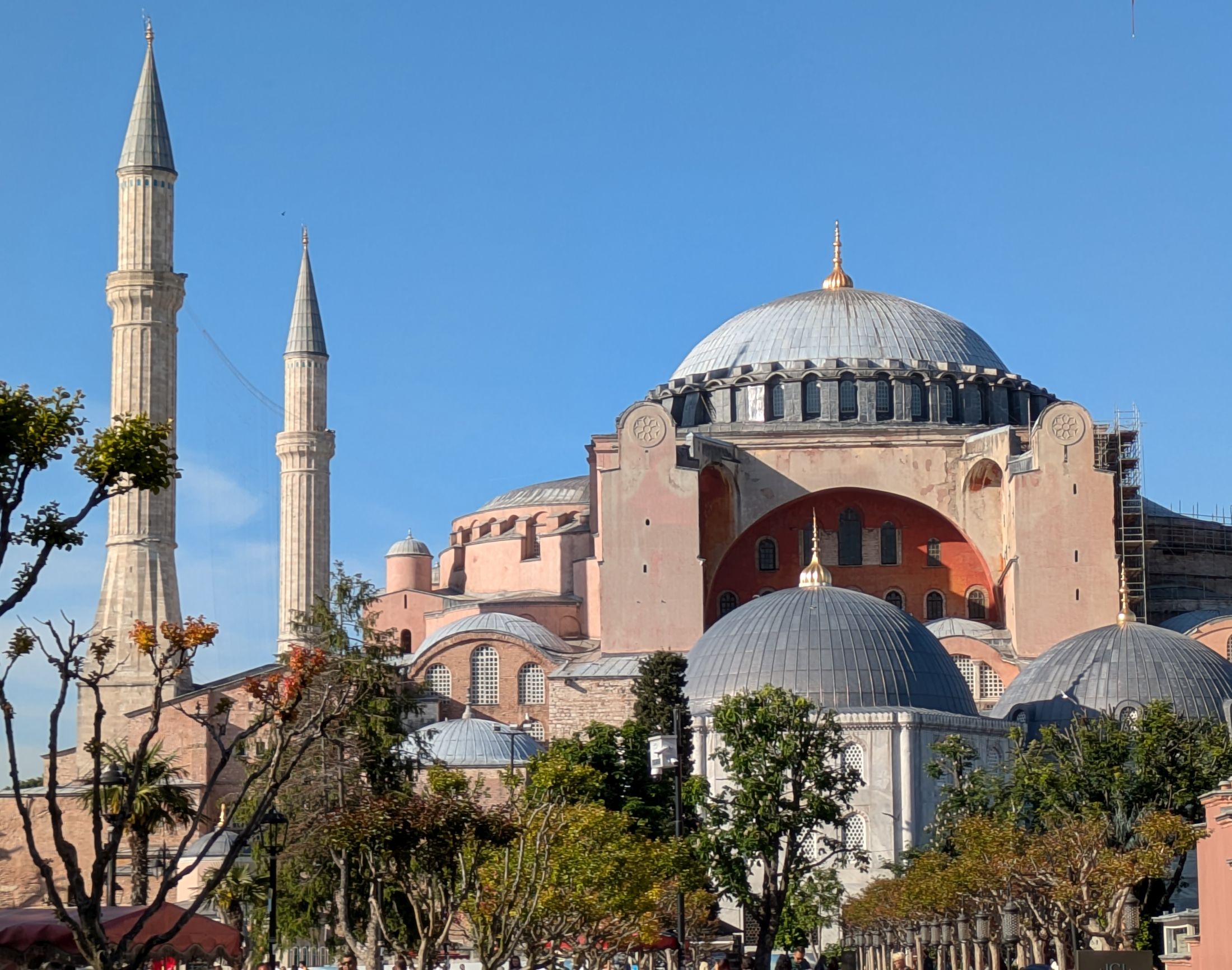
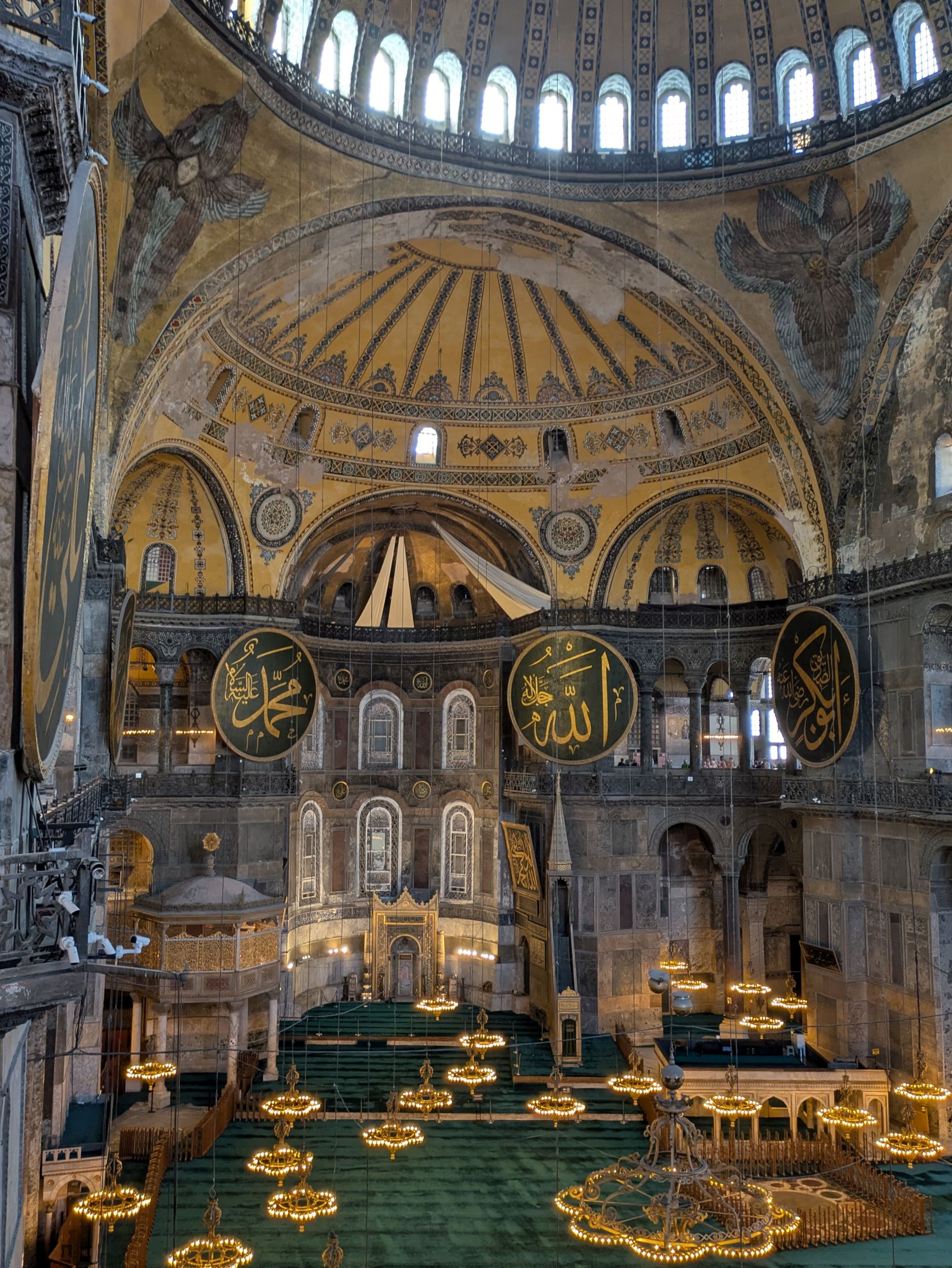
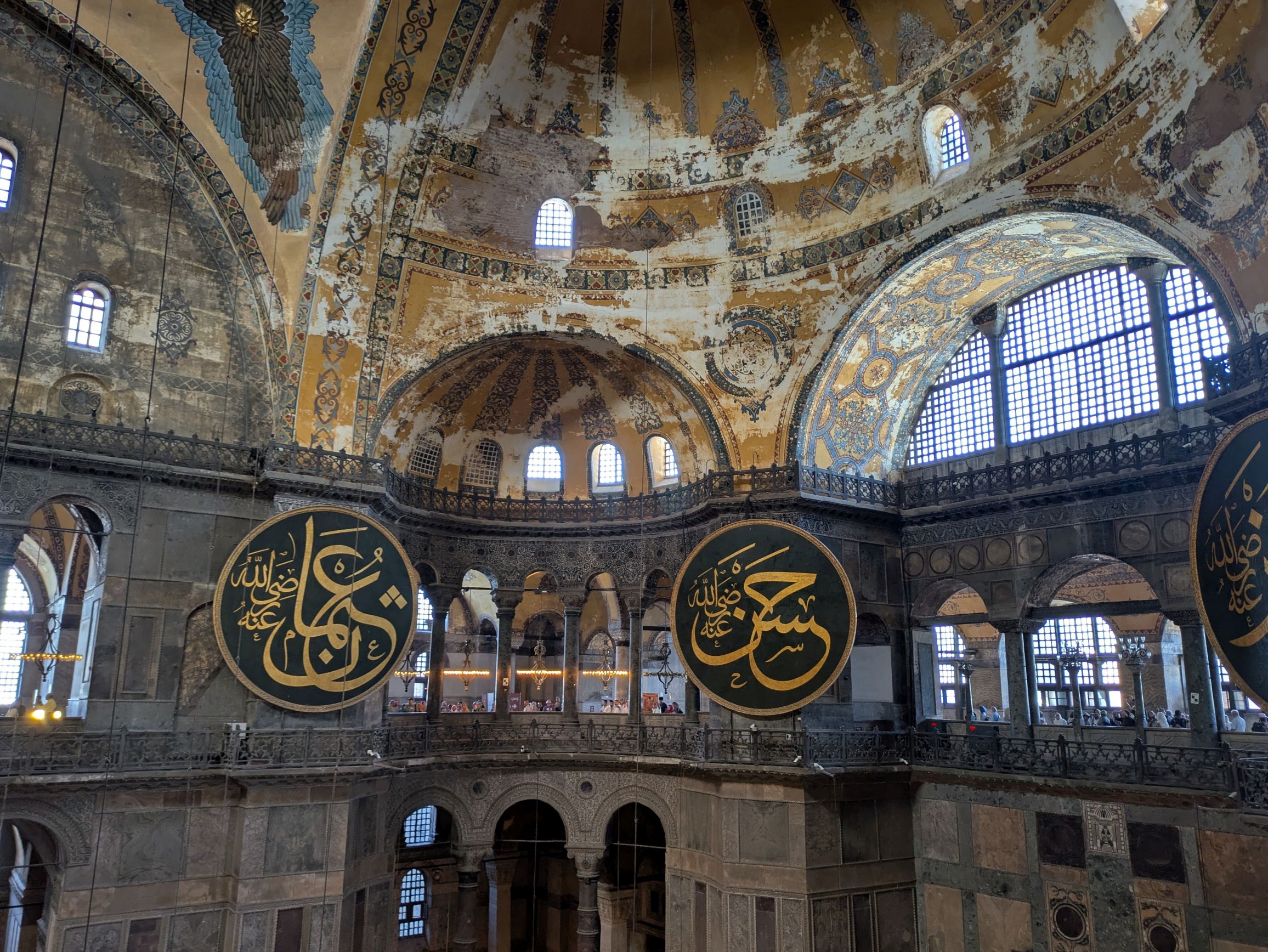
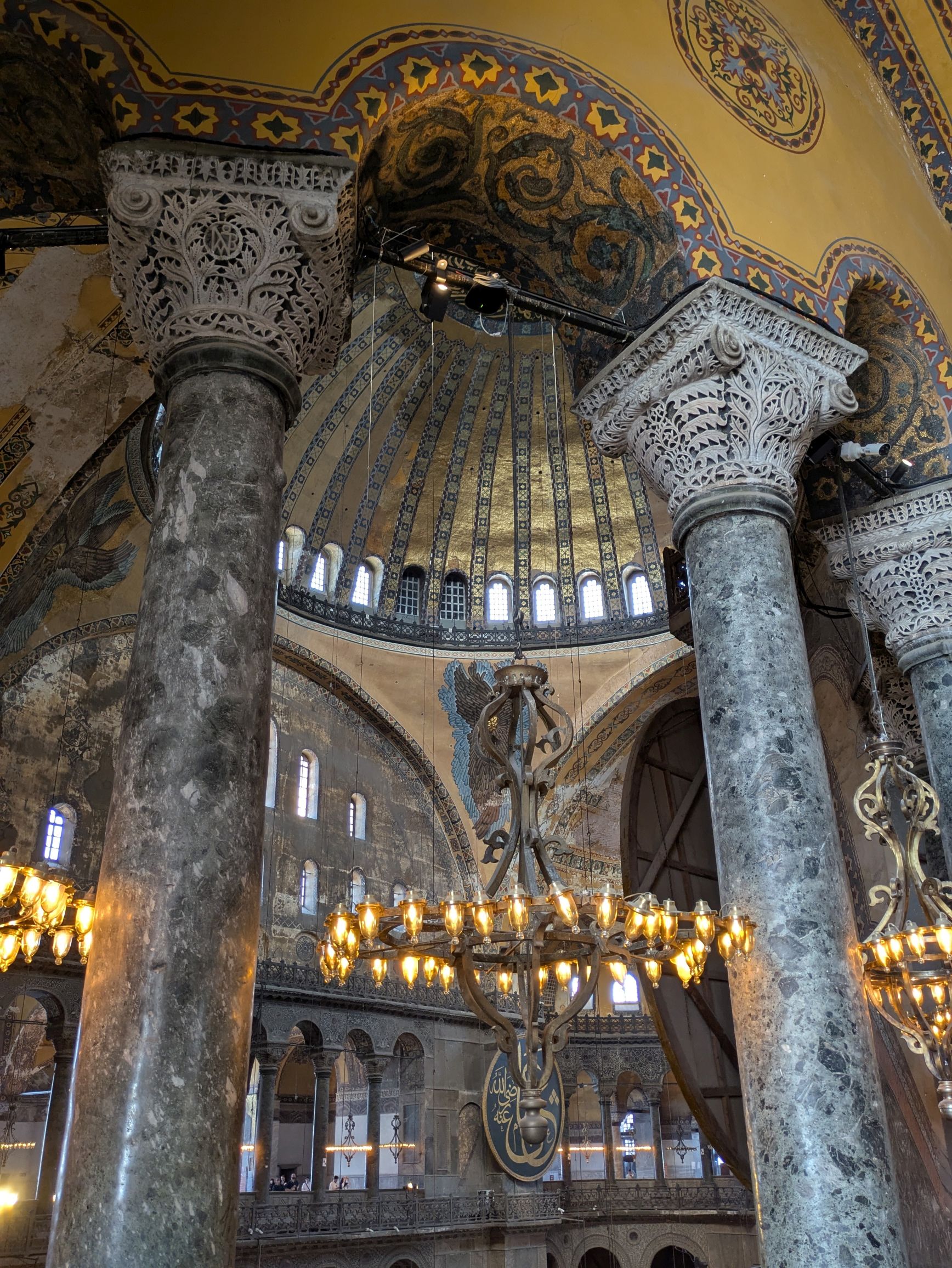
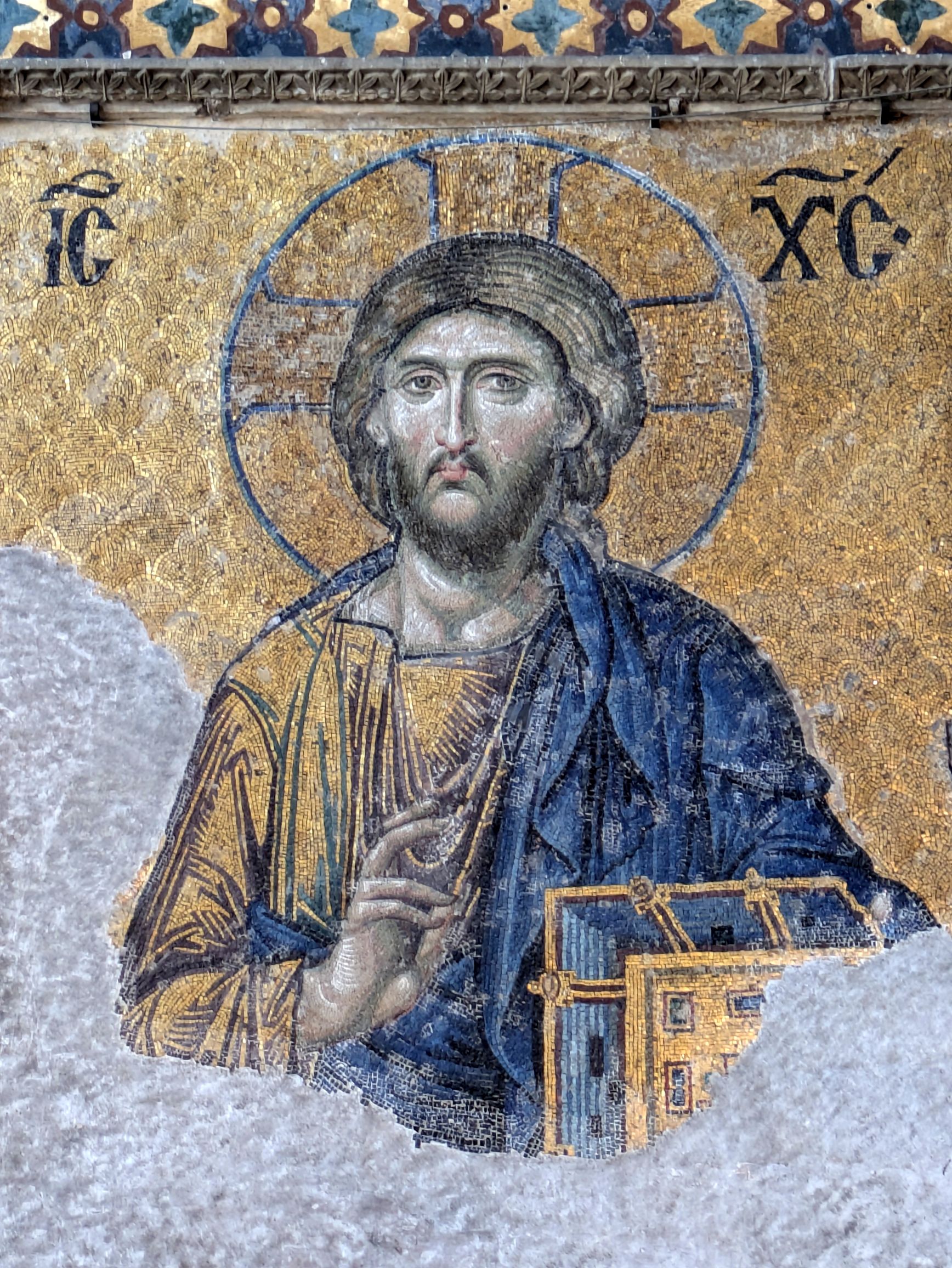
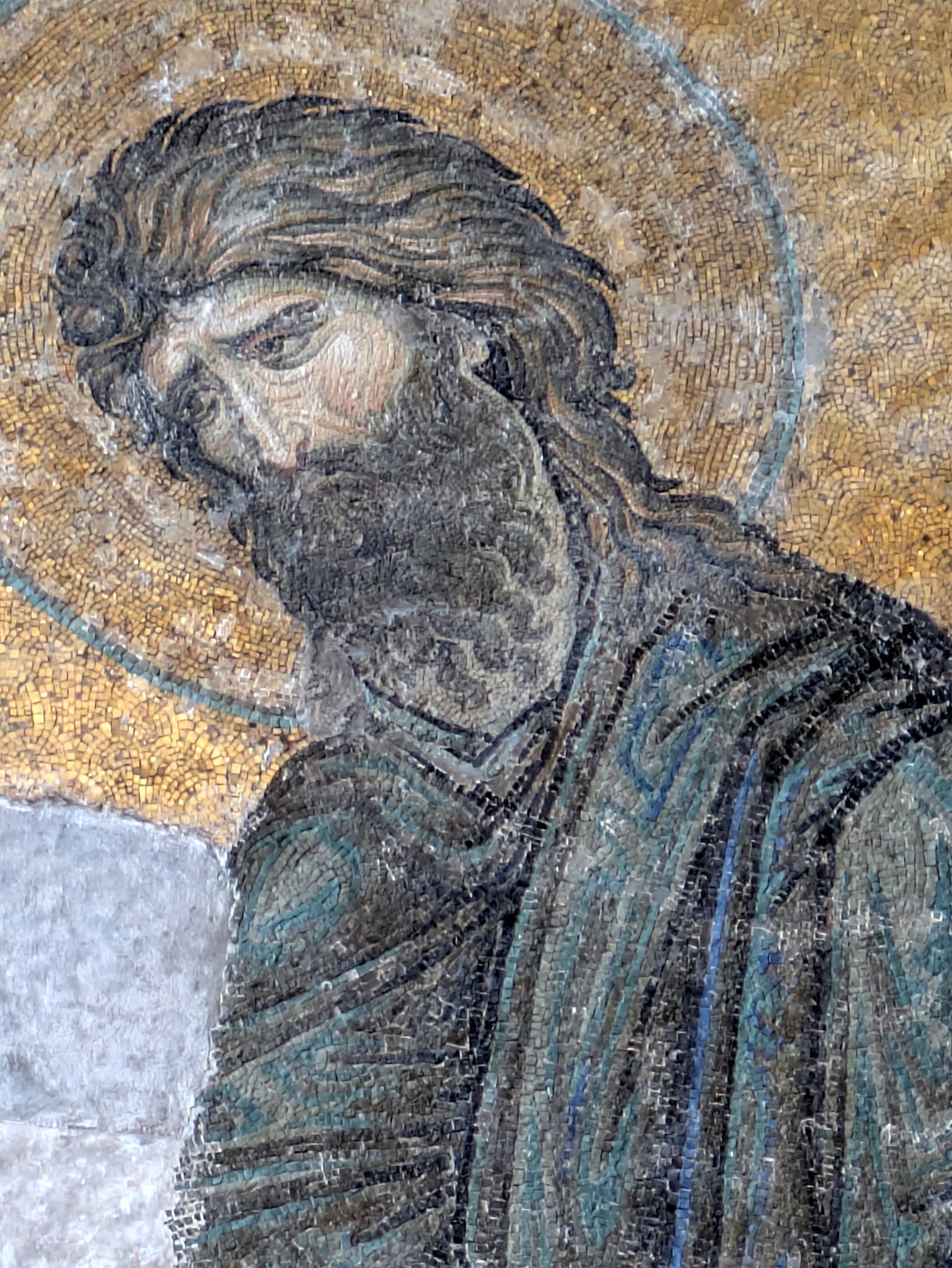
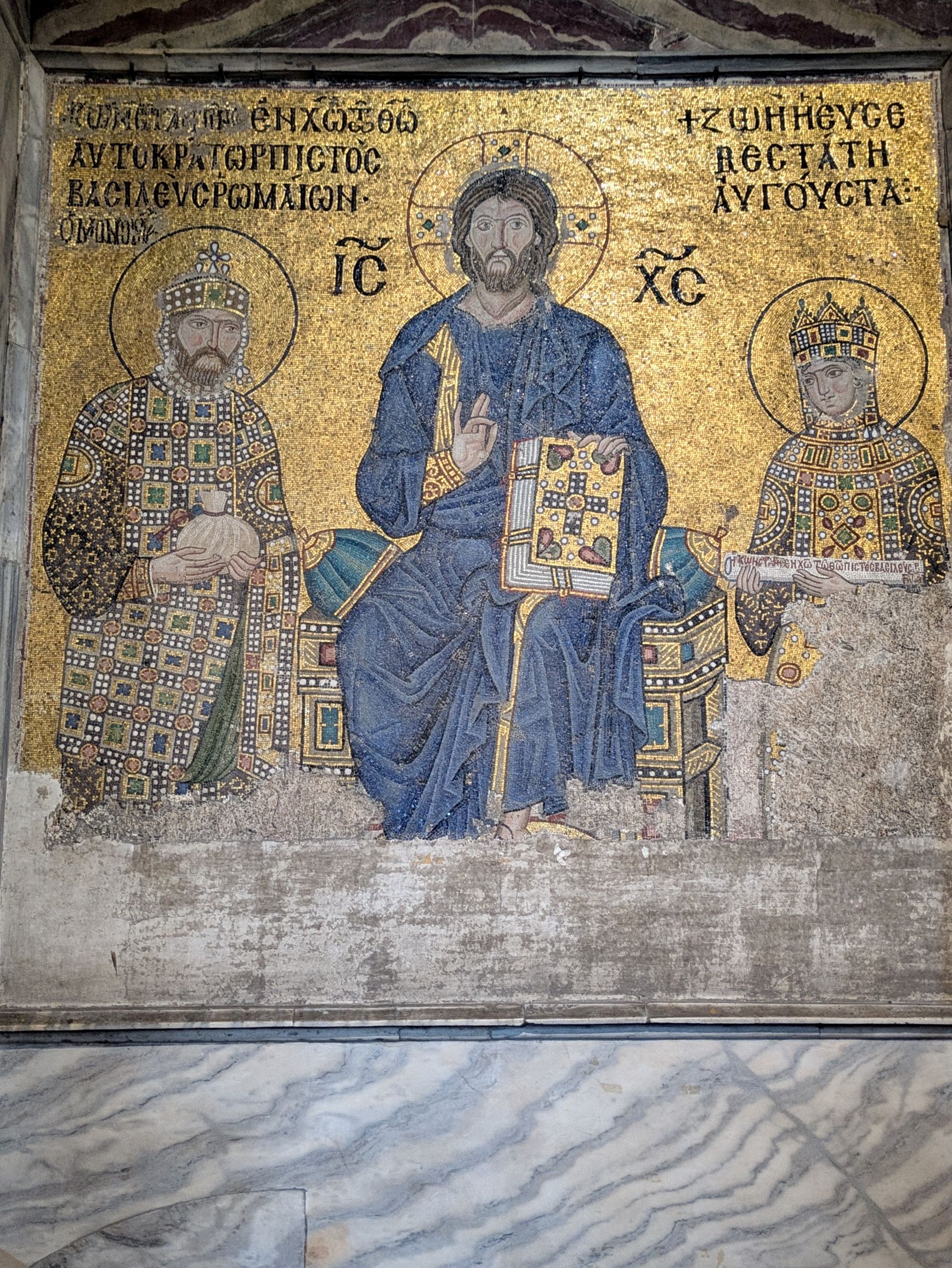
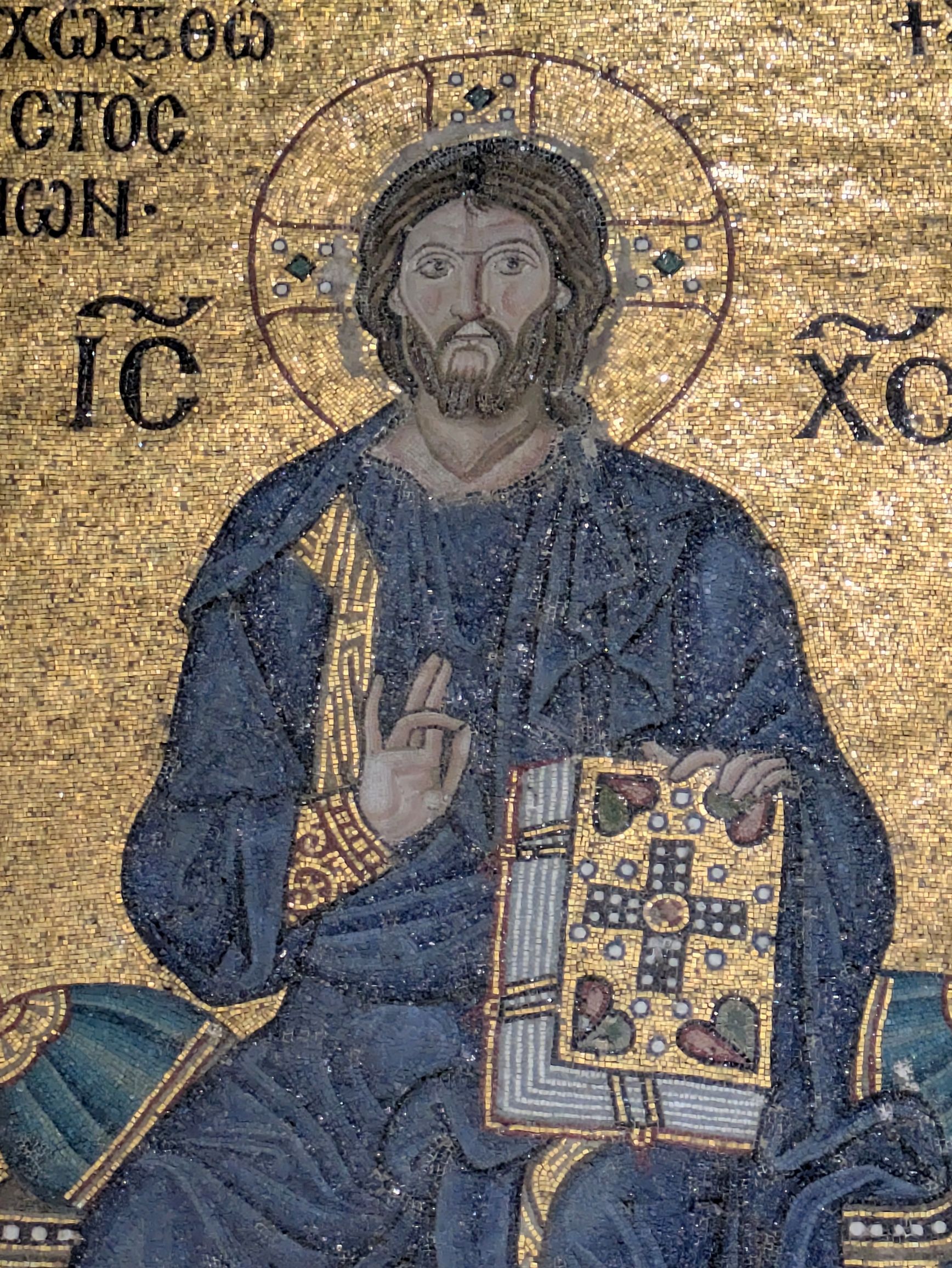
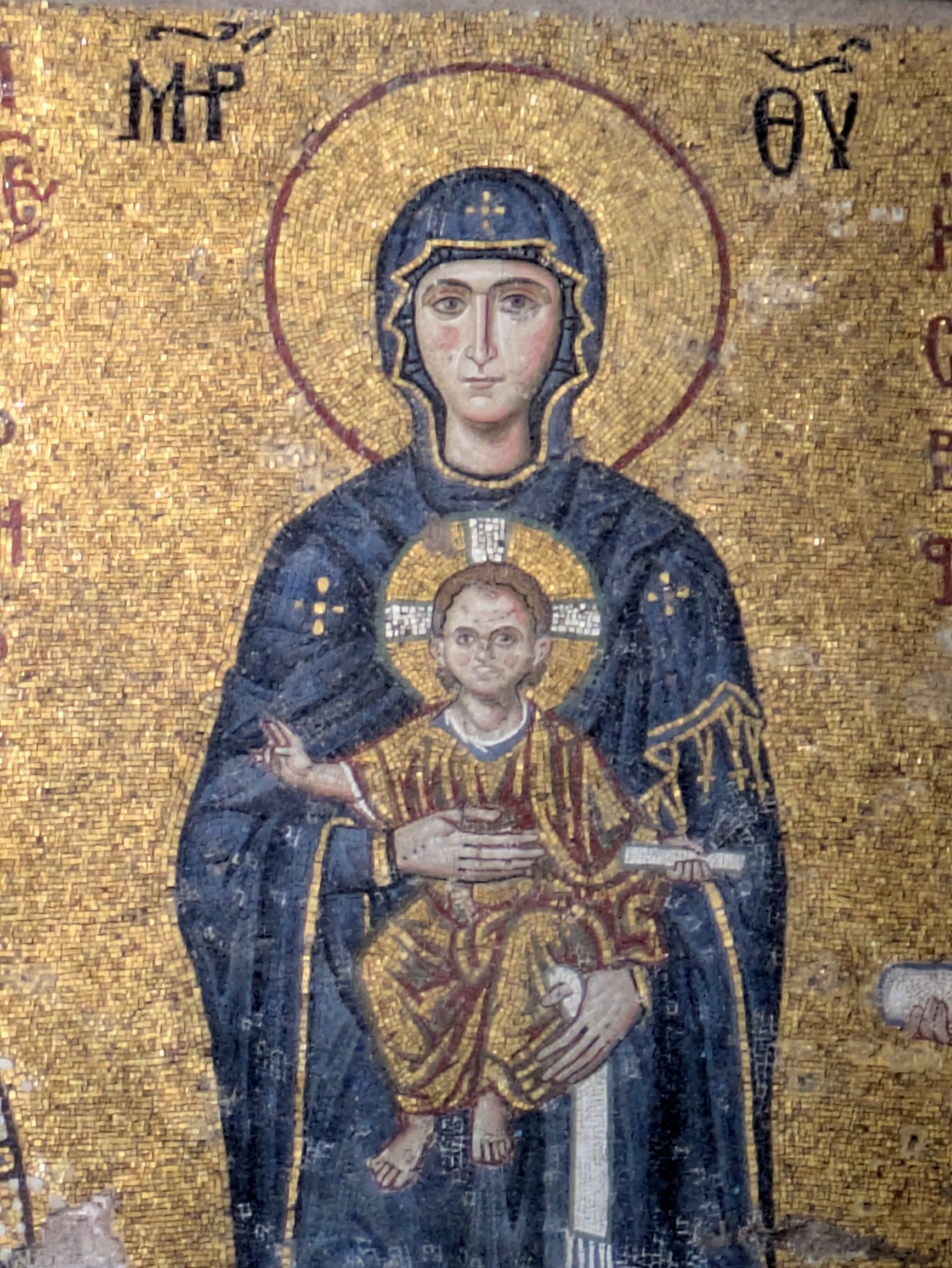
Hagia Sophia Grand Mosque (also a UNESCO World Heritage Site) is considered the epitome of Byzantine Architecture.  The first building of the complex was built in AD 537, and until the fall of Constantinople in 1453, Hagia Sophia served as a cathedral.  It was a mosque until 1935 when it became a museum.  In 2020, it was redesignated as a mosque, but in 2024, the upper floor of the mosque began serving as a museum once again.

As we toured the interior, we were in awe of the architecture, mosaics, marble pillars and floors as we learned about the history—far too detailed and complicated to write about here.

Mosques have strict rules about the attire permitted to be worn by visitors, but Hagia Sophia’s guards had an interesting way of determining who was permitted in from our group without purchasing a paper covering and who was not.  Bruce’s shorts were the same length as the other “Bruce” in our group, but he was permitted in without the fashionable coverings the others got to wear.  I brought a scarf for my head, so I was good to go.

The same day we toured Hagia Sophia, we visited the spice bazaar and took a cruise on the Bosphorus Strait.  More about that in my next post.

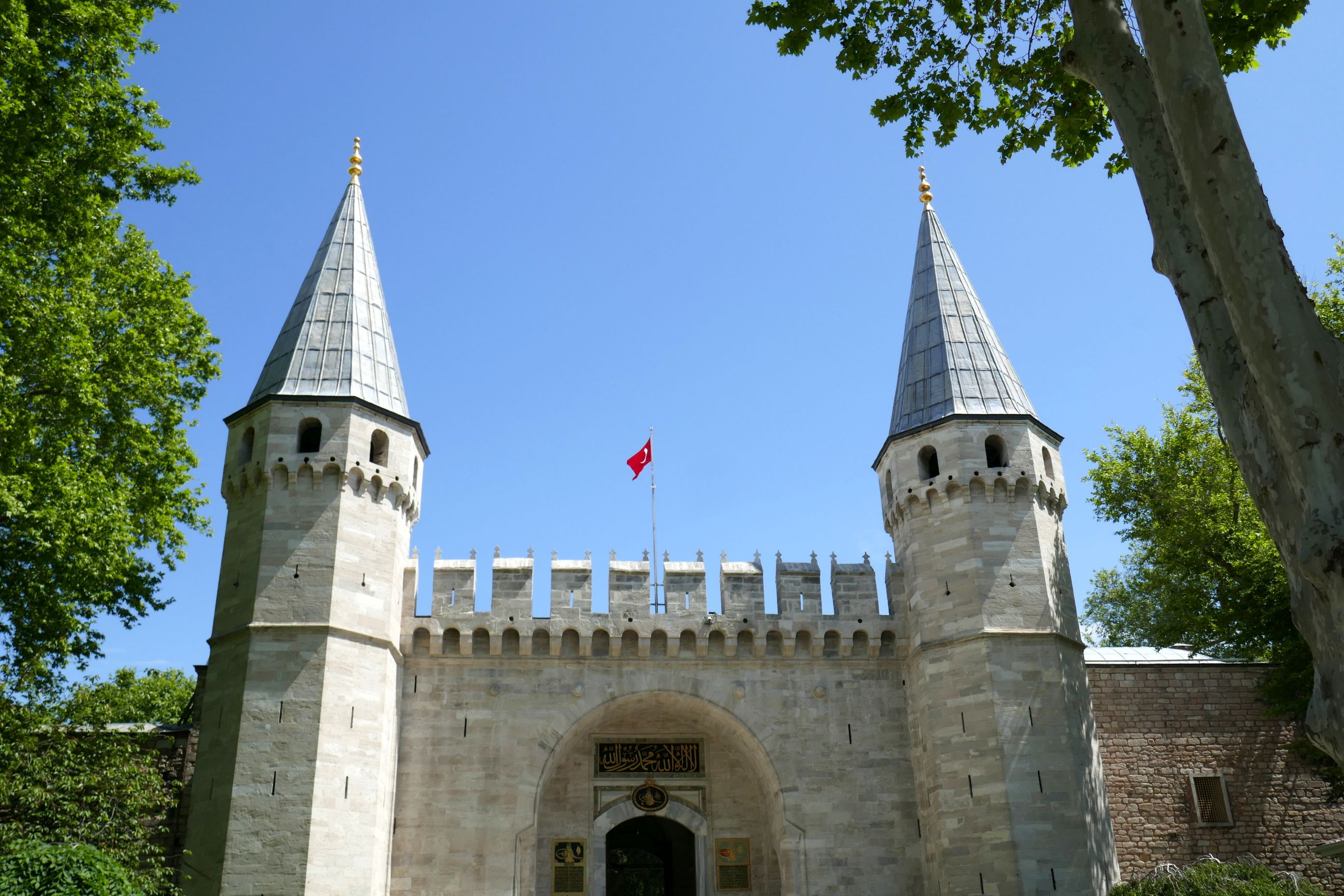
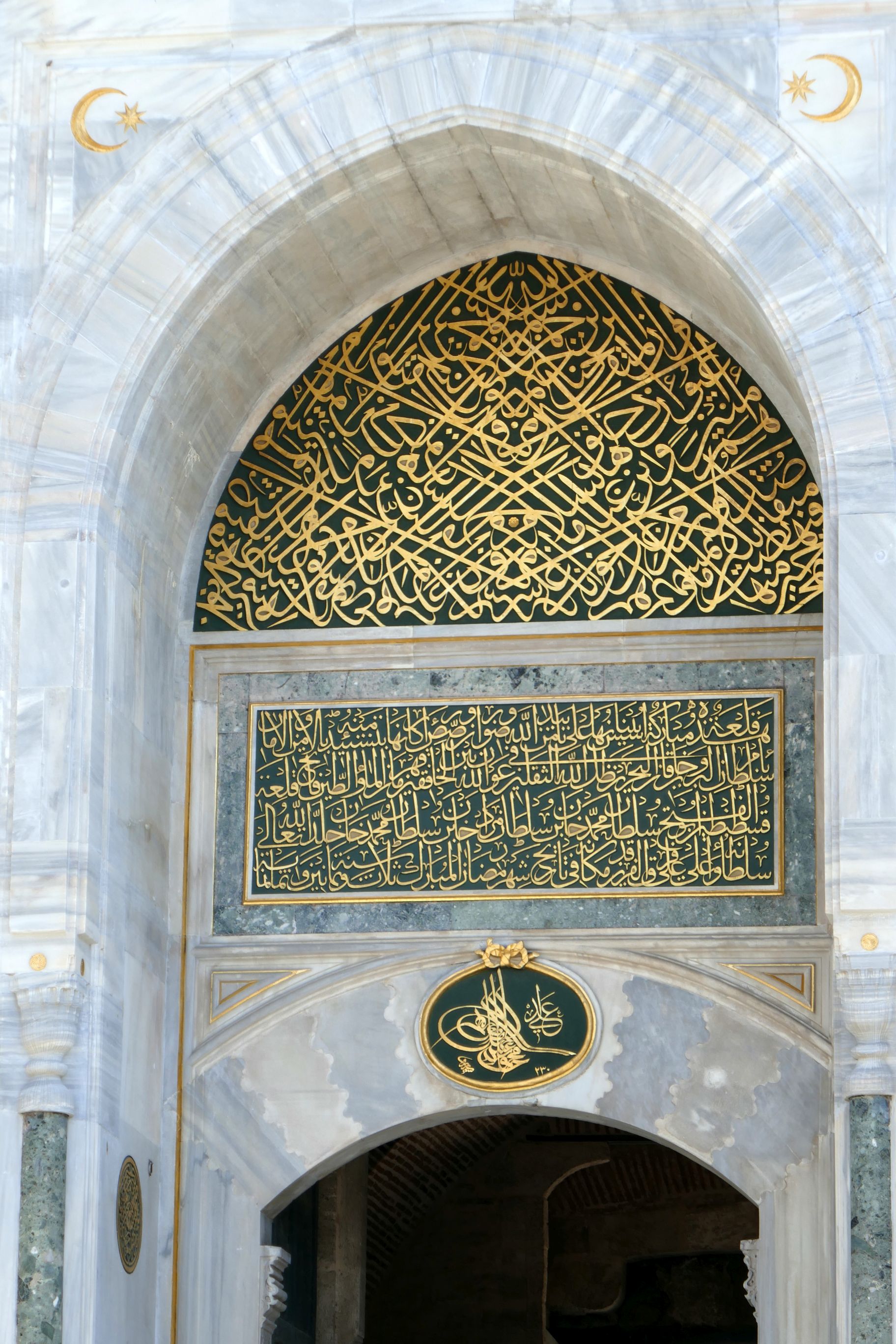
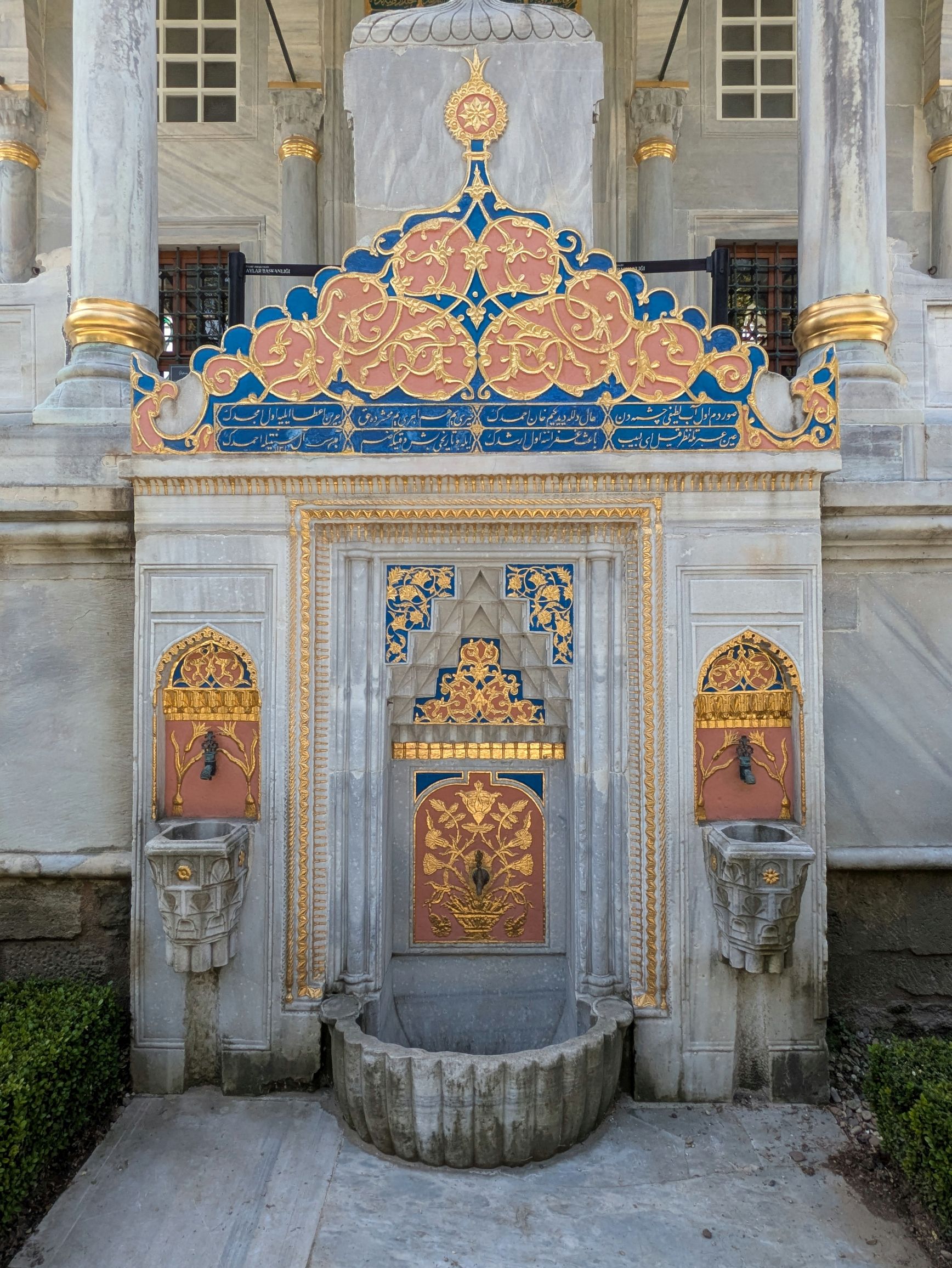
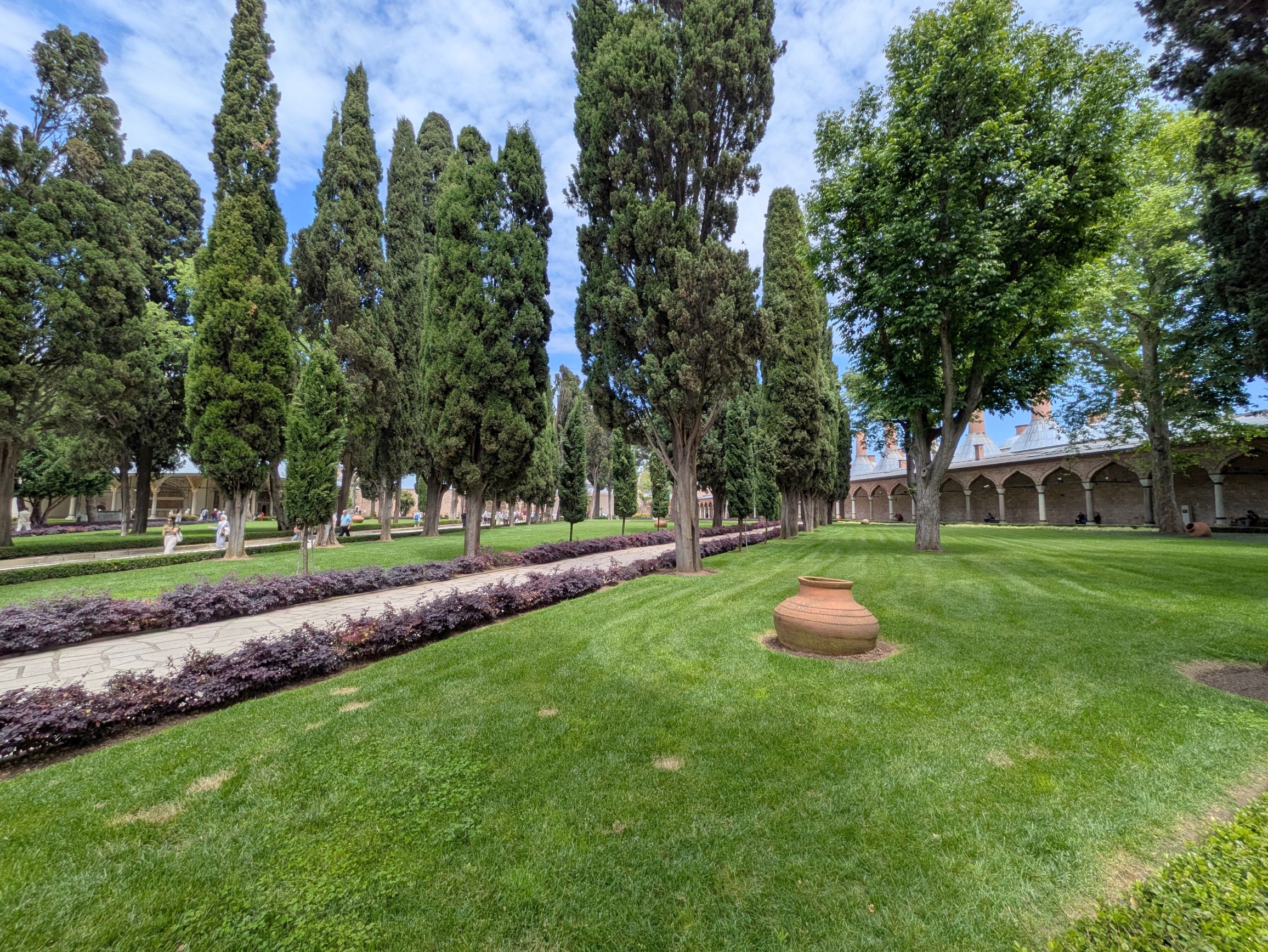
On our first day with the group, we toured Topkapi Palace, which served as the administrative center of the Ottoman Empire and was home to its sultans.  Six years after the conquest of Constantinople, Mehmed the Conquerer ordered the place to be built.  For several centuries, the complex expanded, but a AD 509 earthquake and 1665 fire required the palace to be renovated.  Fast-forward to 2025, and the complex now consists of four main courtyards, many smaller buildings, and is another UNESCO World Heritage Site. Again, we were in awe!

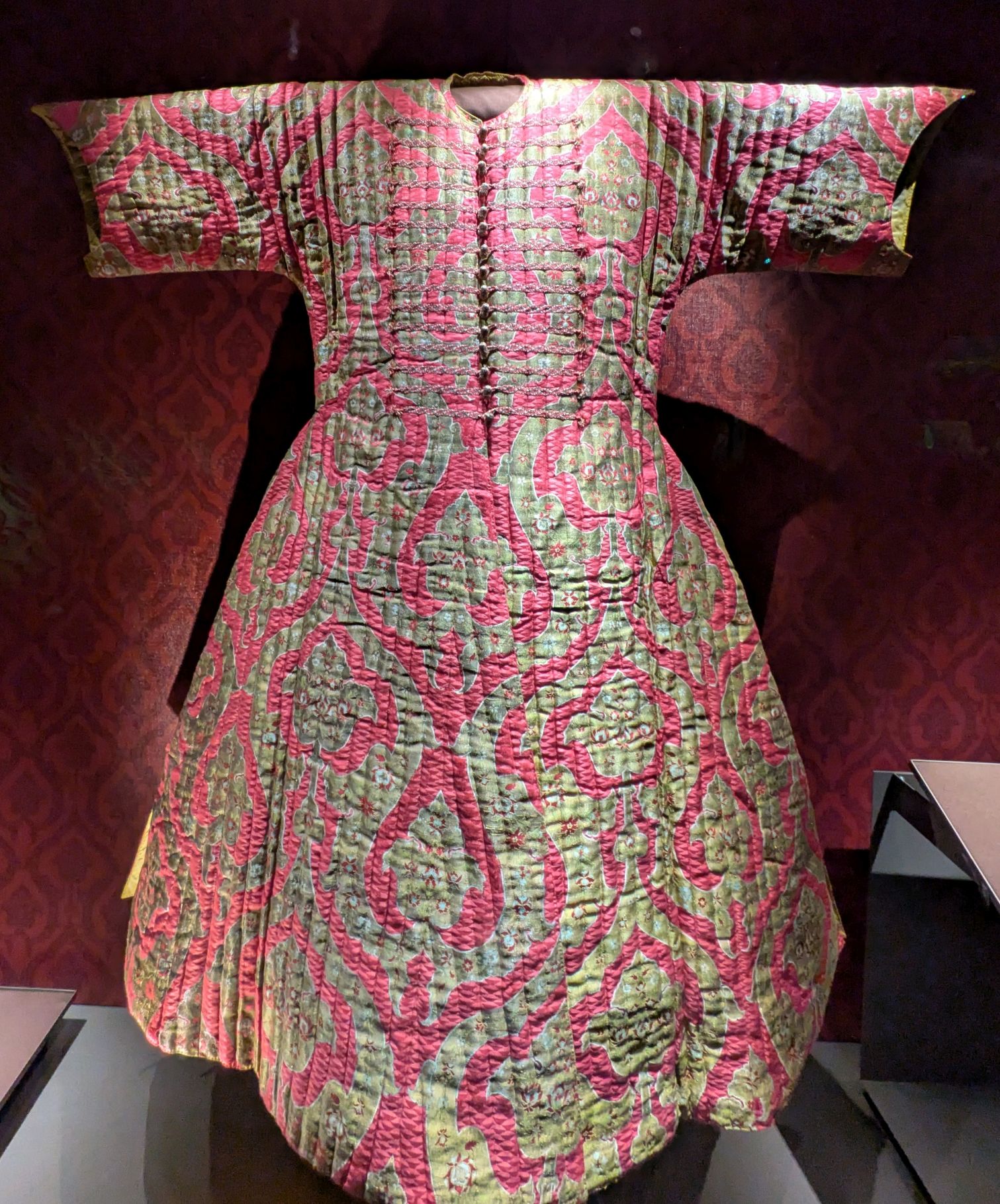
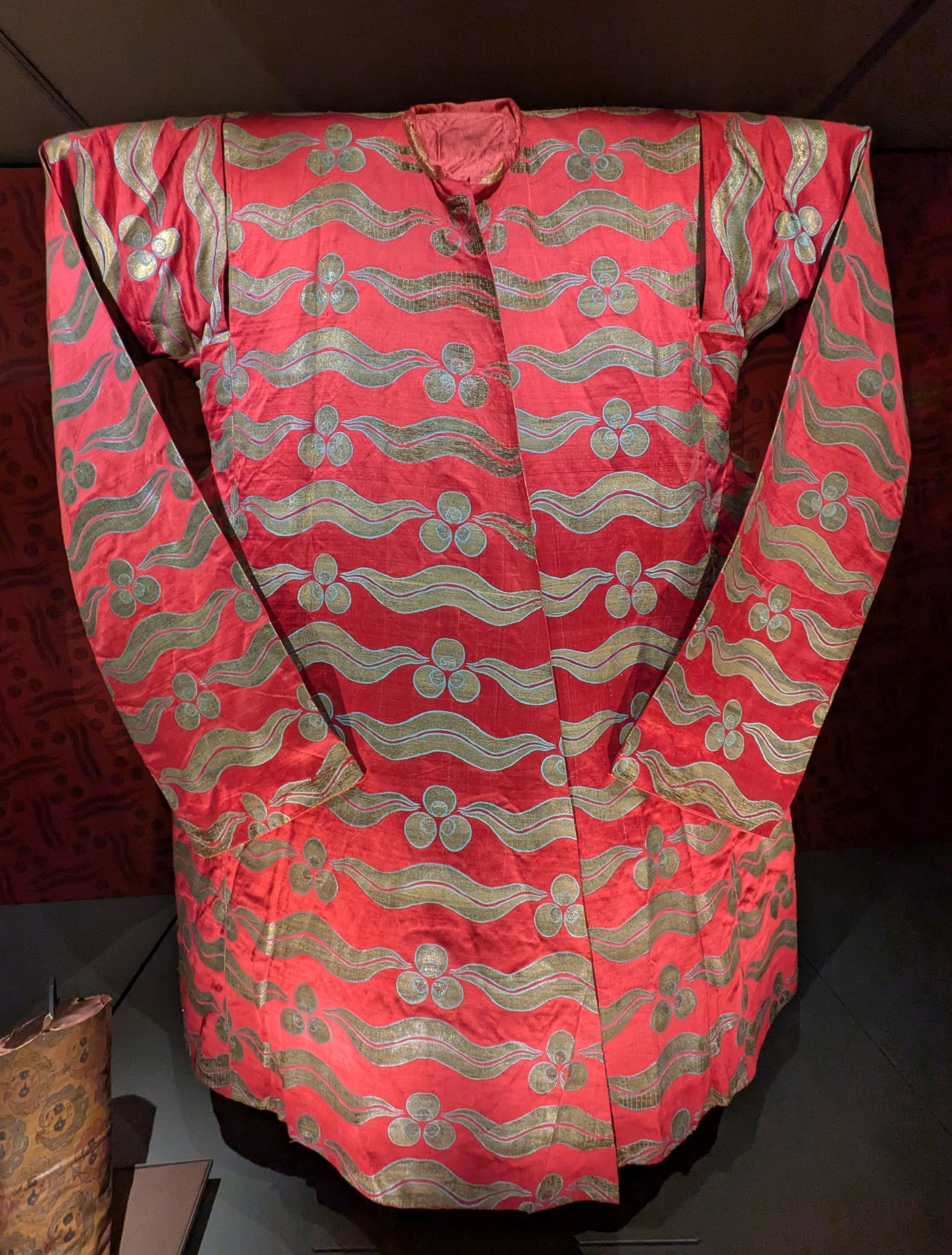
The following are all from the 1600’s and on display in the museum of the palace:

Coming up next: TURKIYE #4: THE BEAUTIFUL BOSPHORUS STRAIT & MORE ABOUT ISTANBUL

TURKIYE #2: THE GIGANTIC GRAND BAZAAR

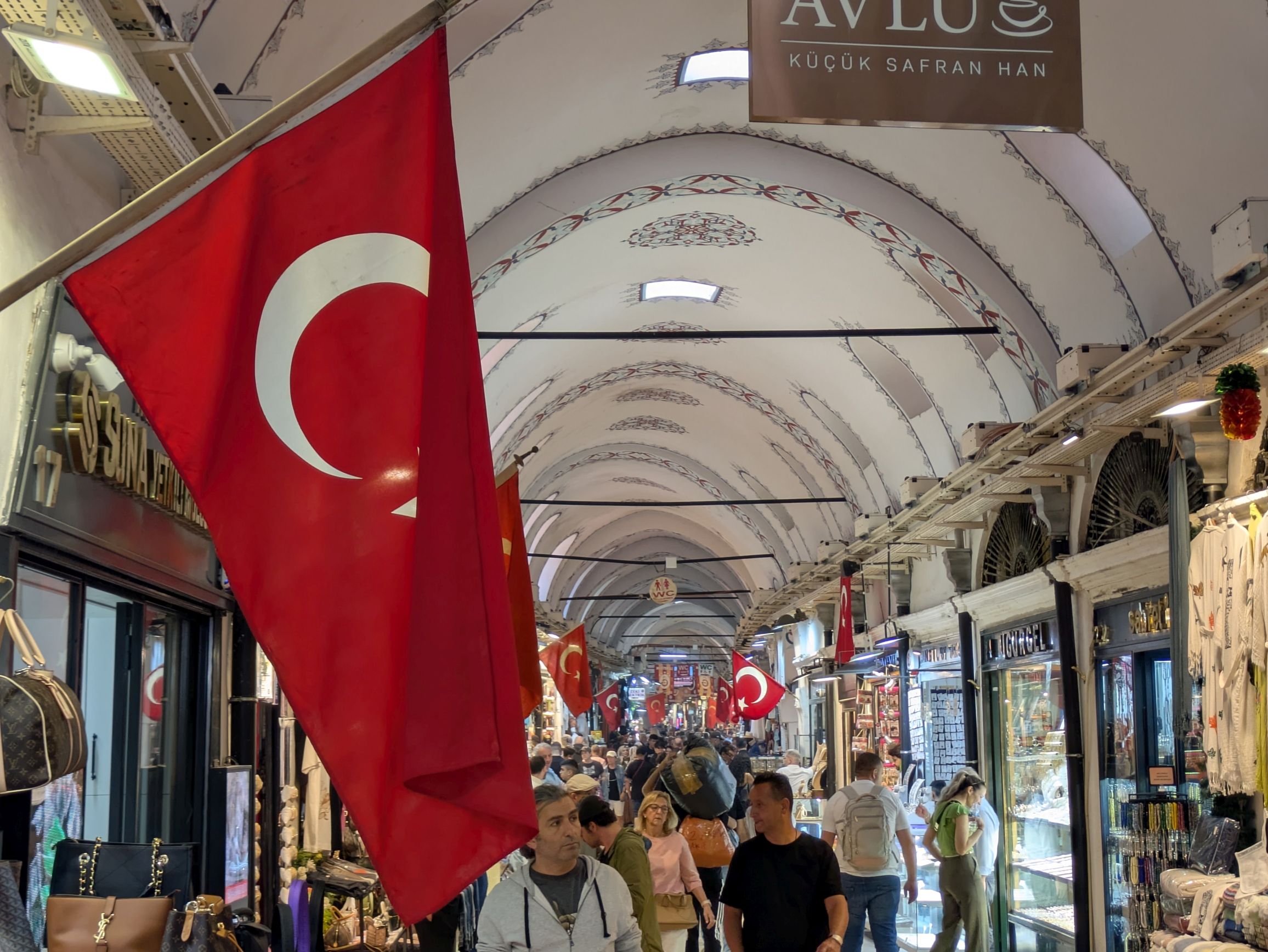
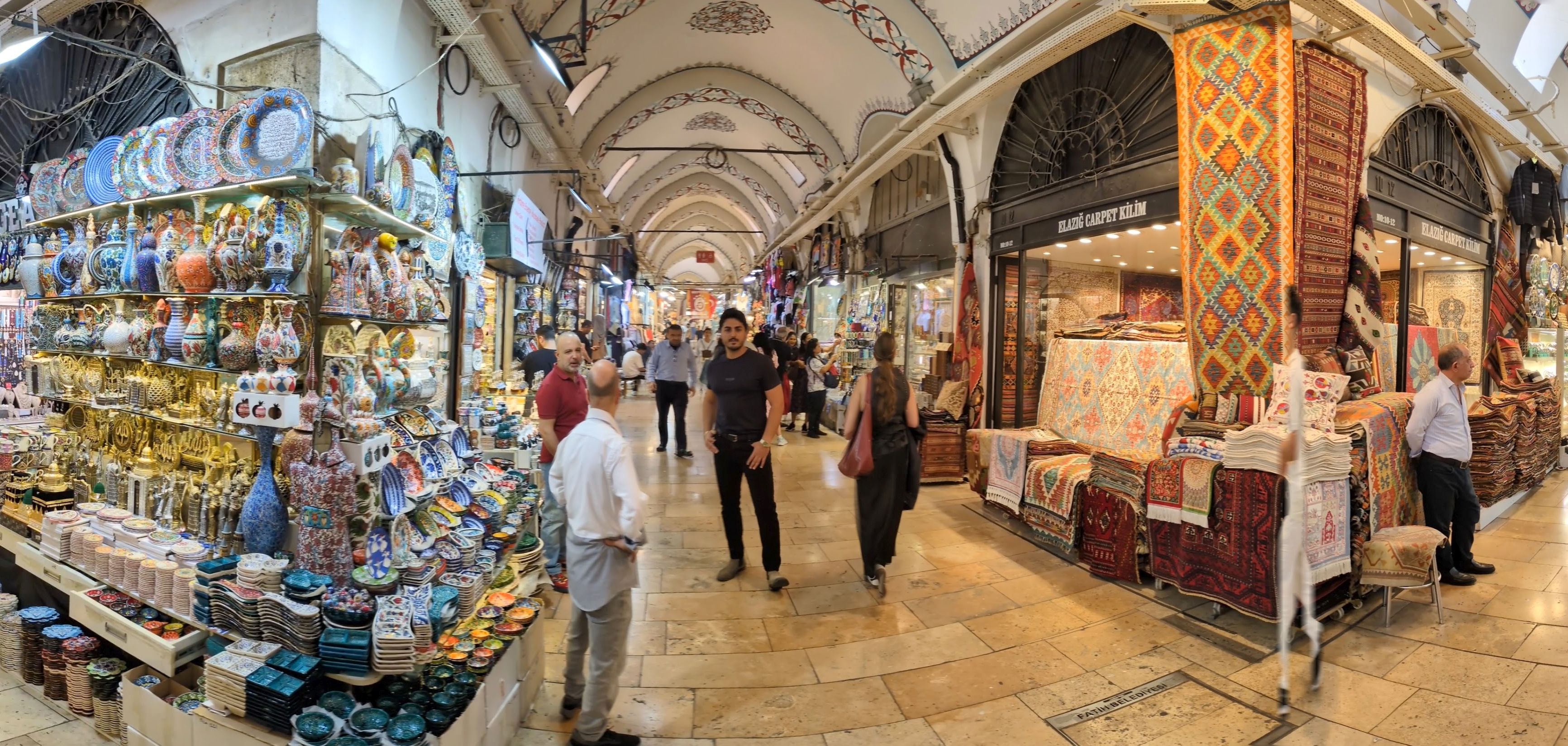
Take one step into Istanbul’s Grand Bazaar, and it’s hard to imagine that it began as a warehouse ordered to be built by Mehmed the Conquerer in 1461. One of the first shopping malls in the world, it is also one of the largest covered markets, with 61 covered streets and over 4,000 shops. Annually, the Grand Bazaar is visited by approximately 91,250,000 people, making it one of the most visited tourist attractions in the world.

The architecture of the main part of the bazaar is beautiful and quite nice to walk around, even if you don’t like to shop. Besides, if you like to people watch, this is THE place to go! But make sure to look up and around, because the architecture and tile work is lovely.

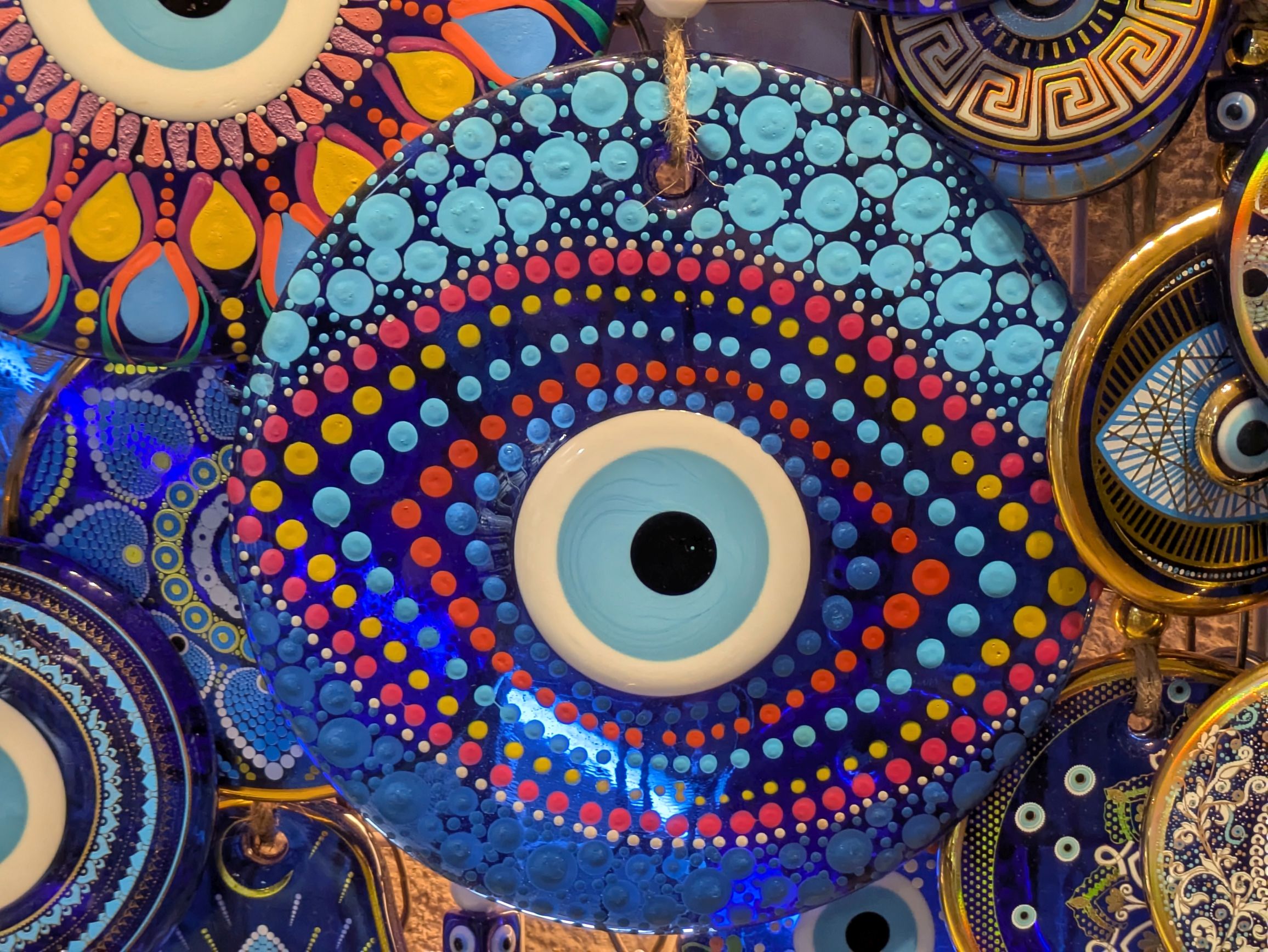
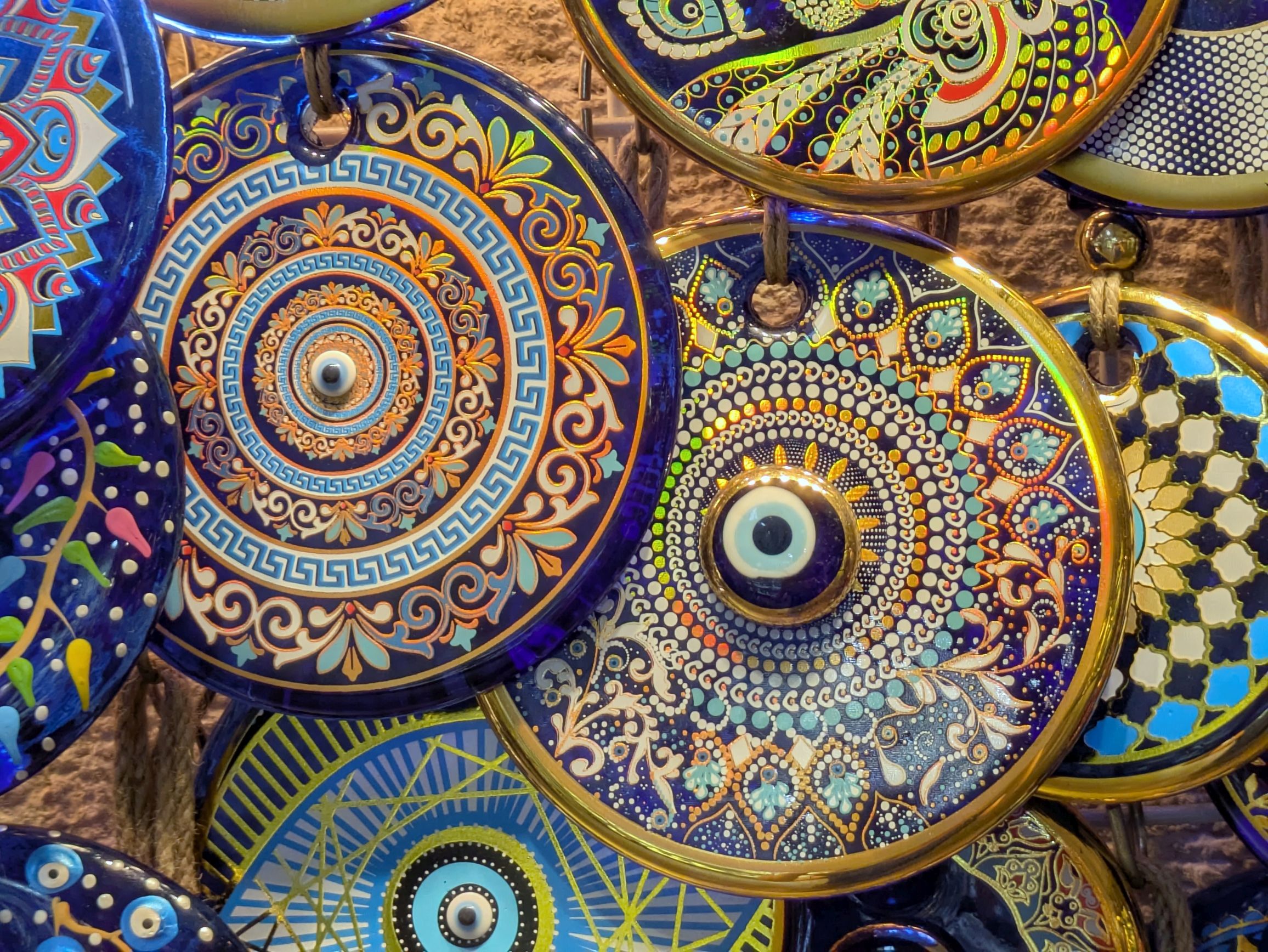
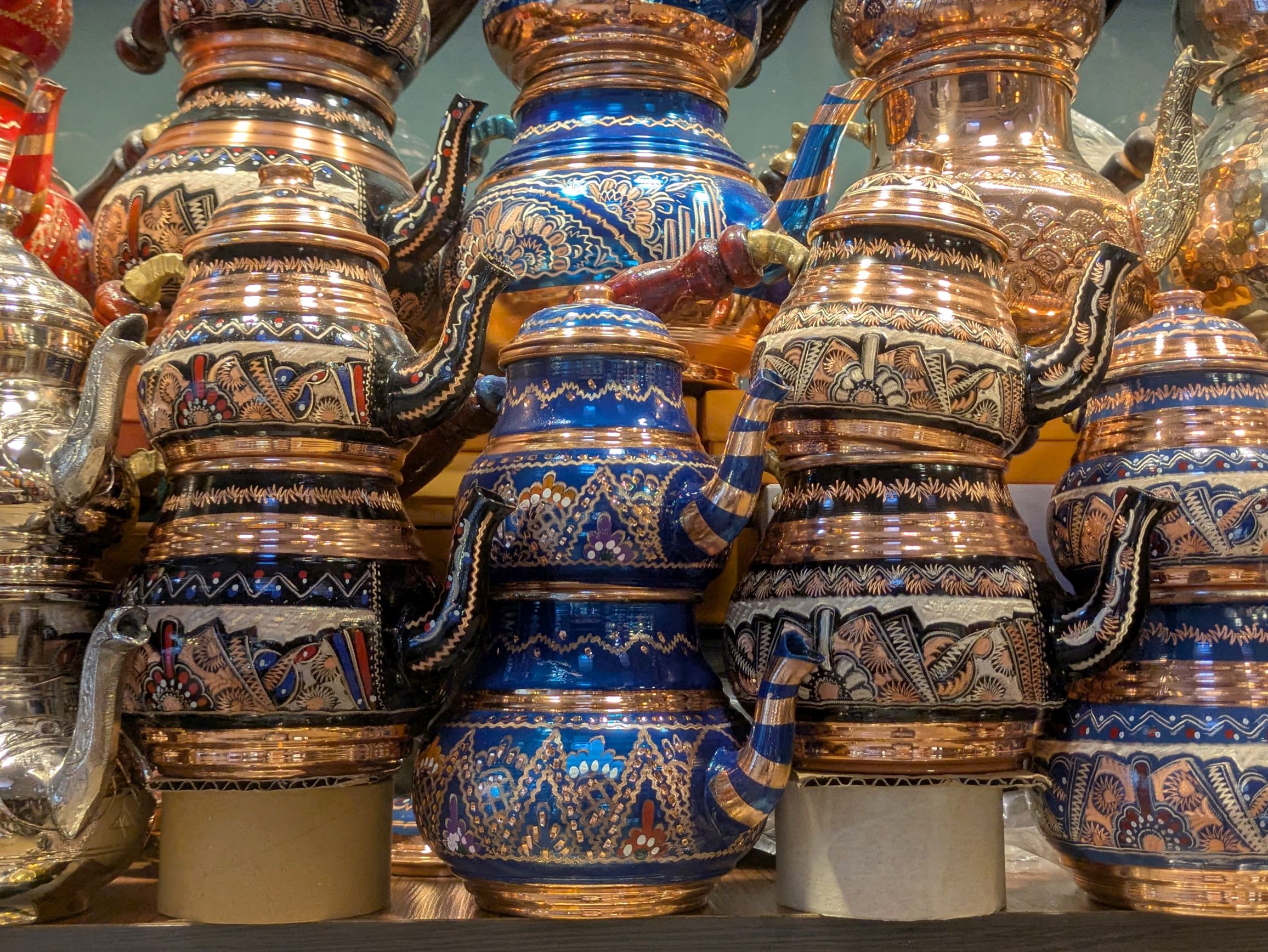
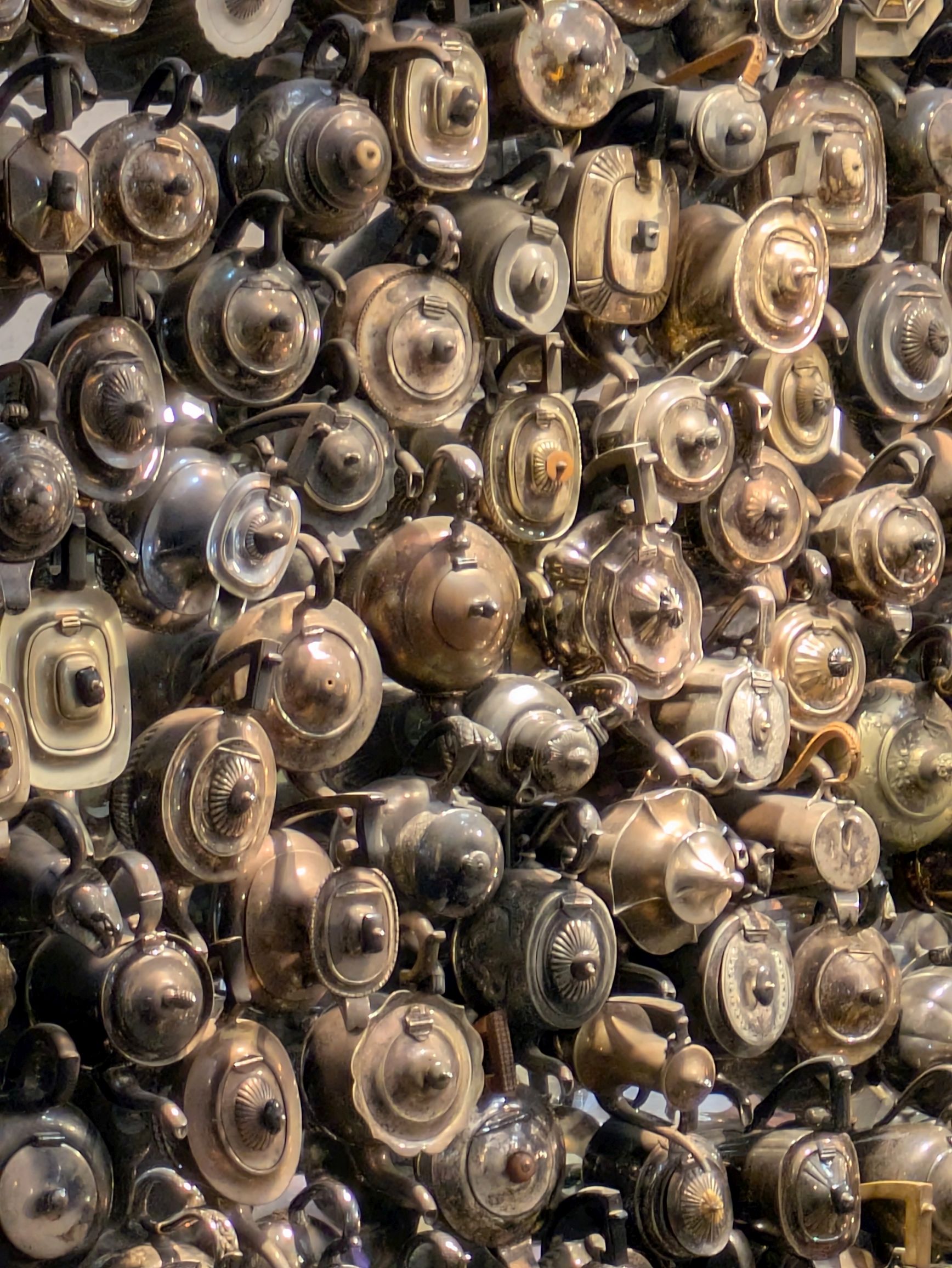
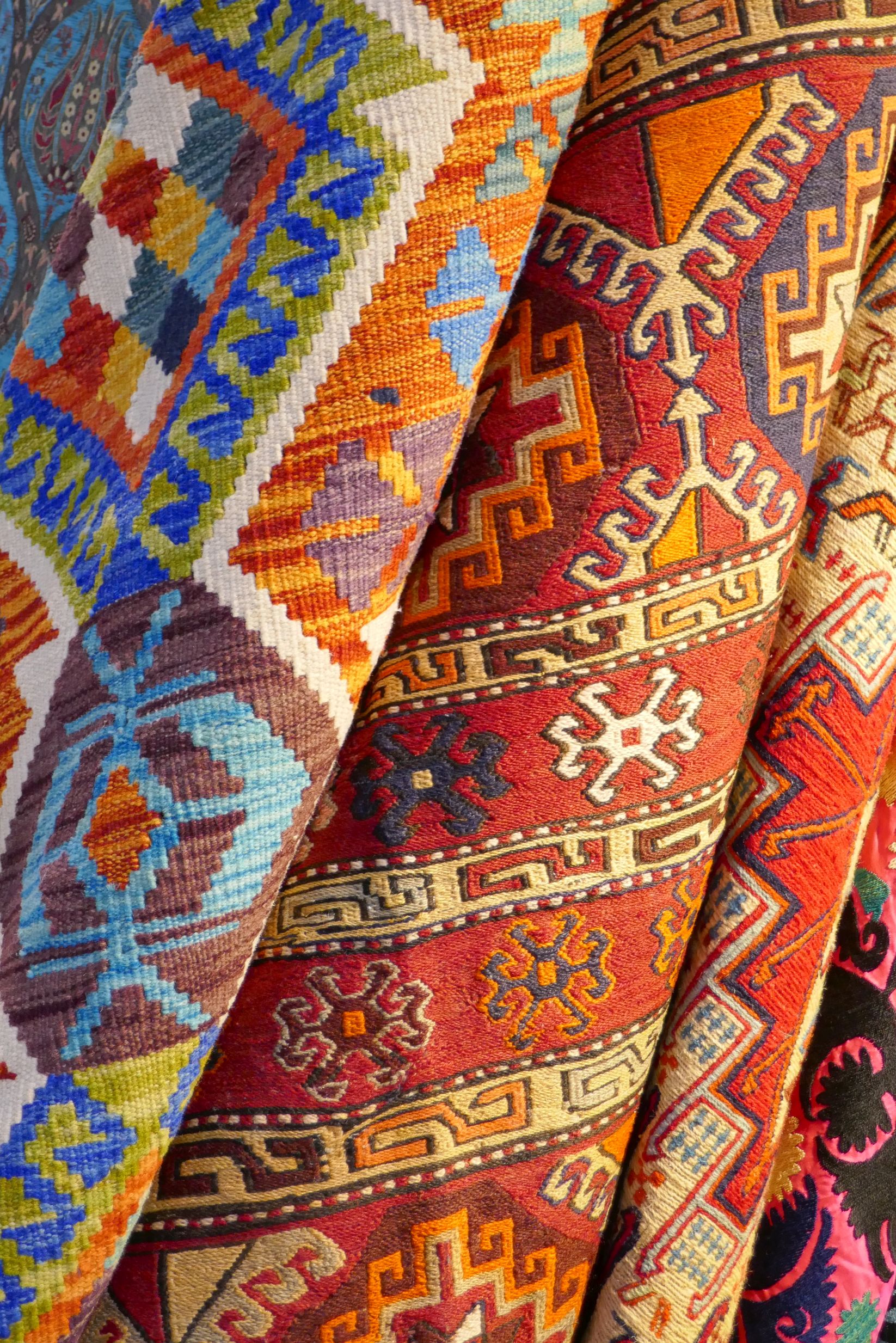
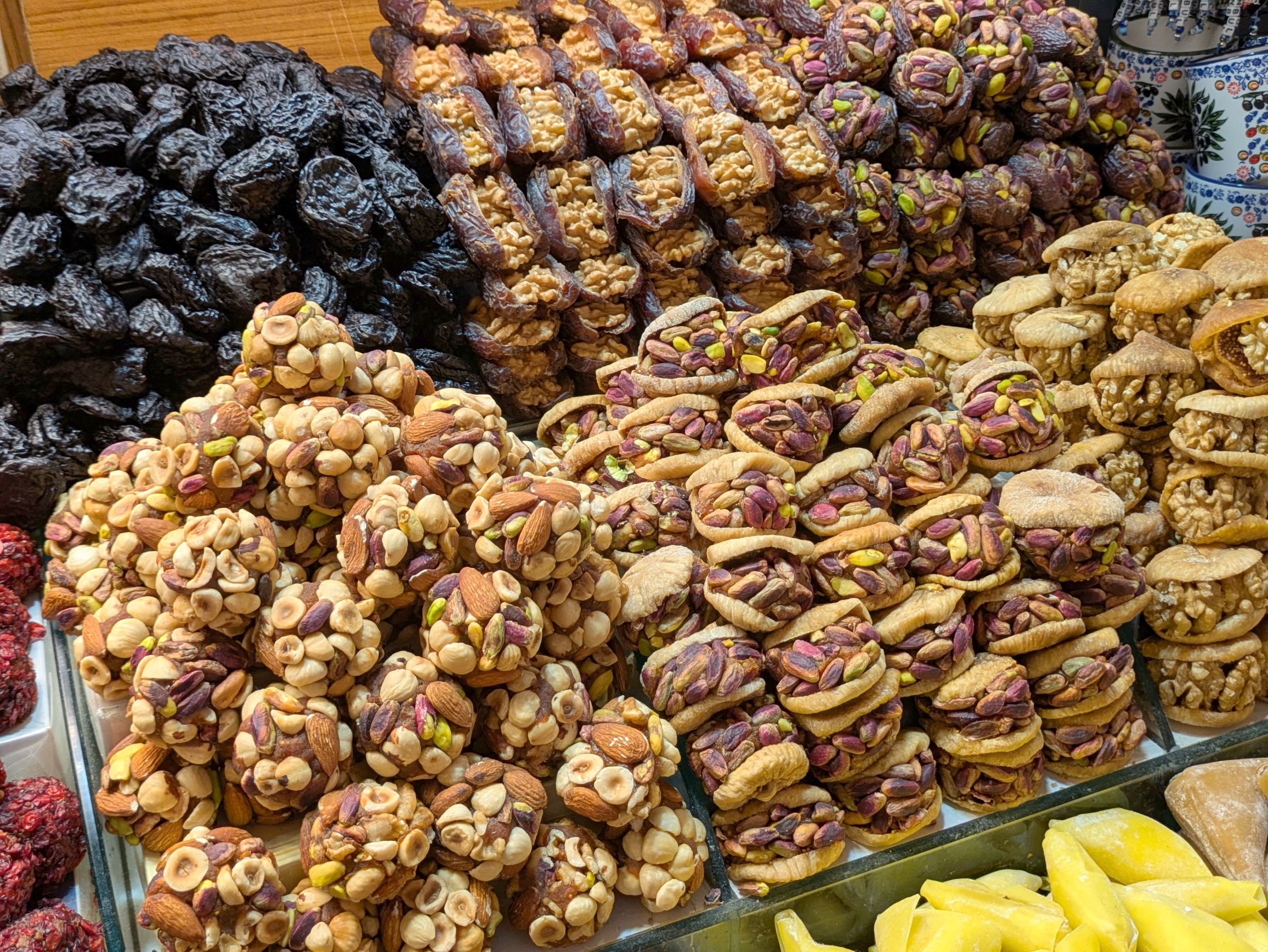
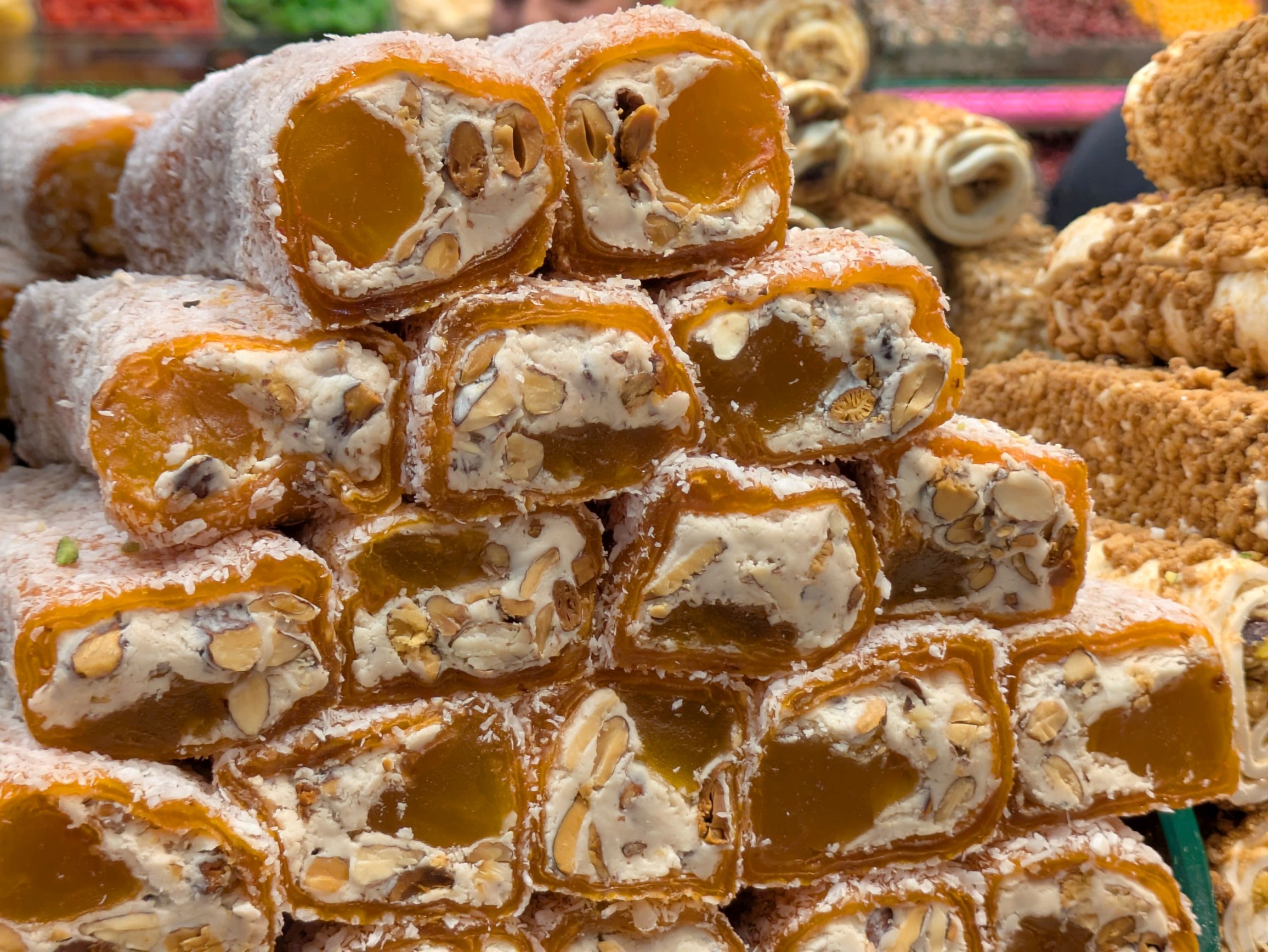
To say the bazaar is gigantic is an understatement. It was difficult for us to grasp; we didn’t even make it to most of those covered streets. We were, in one word, overwhelmed. What an assault on the senses, and I mean all of them! Visually, it was incredibly stimulating—eye candy for photography, especially photographing the colorful candy!

I could have spent days exploring the bazaar and doing photography, so perhaps I misspoke when I stated in my last post that three full days was a good amount of time to spend in Istanbul. It definitely wasn’t enough.

Coming up next: TURKIYE #3: MAGNIFICENT MOSQUES & TERRIFIC TOPKAPI PALACE

TURKIYE #1: INTERESTING ISTANBUL

I will give you one guess as to why I was M.I.A. since my last post… Yes! I was traveling again! This time, we were in the Basque country of France, northern Spain, and Portugal for 23 days. After that fabulous tour, we were home for one week and then took off for eight days to Toronto. Those blogs will eventually be posted, but I last left you in Sicily, and on our way to Turkiye for a back-to-back tour.

Yes, it is now spelled “Turkiye” rather than “Turkey” (like our Thanksgiving bird). Although the country has been spelled “Turkiye” since it became a republic in 1923 (surprise!), the country pushed the rest of the world to recognize and adopt that spelling in 2021. Other countries have been asleep at the switch, however, still hanging on to the incorrect spelling. The United Nations didn’t recognize the “new” spelling until 2024, and Overseas Adventure Travel, the company we use for small group tours, spelled the country “Turkey” in its “Final Document Booklet” they sent us prior to departure. Wake up, World!

It was dark when we arrived at Sultanahmet Palace Hotel, in Istanbul, and when we stepped out of the car, this was the first thing we saw, just across the street from the hotel’s entrance:

(For all photos, click on the image for a full screen view.)
We knew this was going to be a very interesting city…

Istanbul, the largest city in Turkiye, is home to more than 15 million people, most of whom are ethnic Turks with Kurds being the largest minority. Another minority represented in Istanbul are Sepharic Jews, which date back to 390. Unlike Jews in Europe, Ottomon Jews were allowed to work in any profession, and they excelled in commerce and trade as well as medicine. Although 10% of the population in Istanbul were Jews at its highest point, there are now less than 15,000 Jews due to emigration to Israel.

What I didn’t realize is that geographically, Istanbul is situated on two continents— Europe and Asia. About two thirds of the population resides on the Europe side, and the rest live in Asia.  The World’s narrowest straight used for international navigation, the Bosporus, separates the two continents, and it’s a bustling waterway.

Our hotel was perfectly situated, just a short walk from the Hippodrome of Constantinople, the central square, where we enjoyed exploring the mosques, doing photography (day and night), and just watching all the people during our free time. Four nights and three full days was a good amount of time for the planned activities with the group and seeing what we wanted to on our own in the historic city center, which is a UNESCO World Heritage Site.

Never did either of us feel unsafe in the city center, day or night, even when I went out on my own to do photography. We thoroughly enjoyed this interesting city!

These are just some of the scenes from our first day in Istanbul before joining our group.

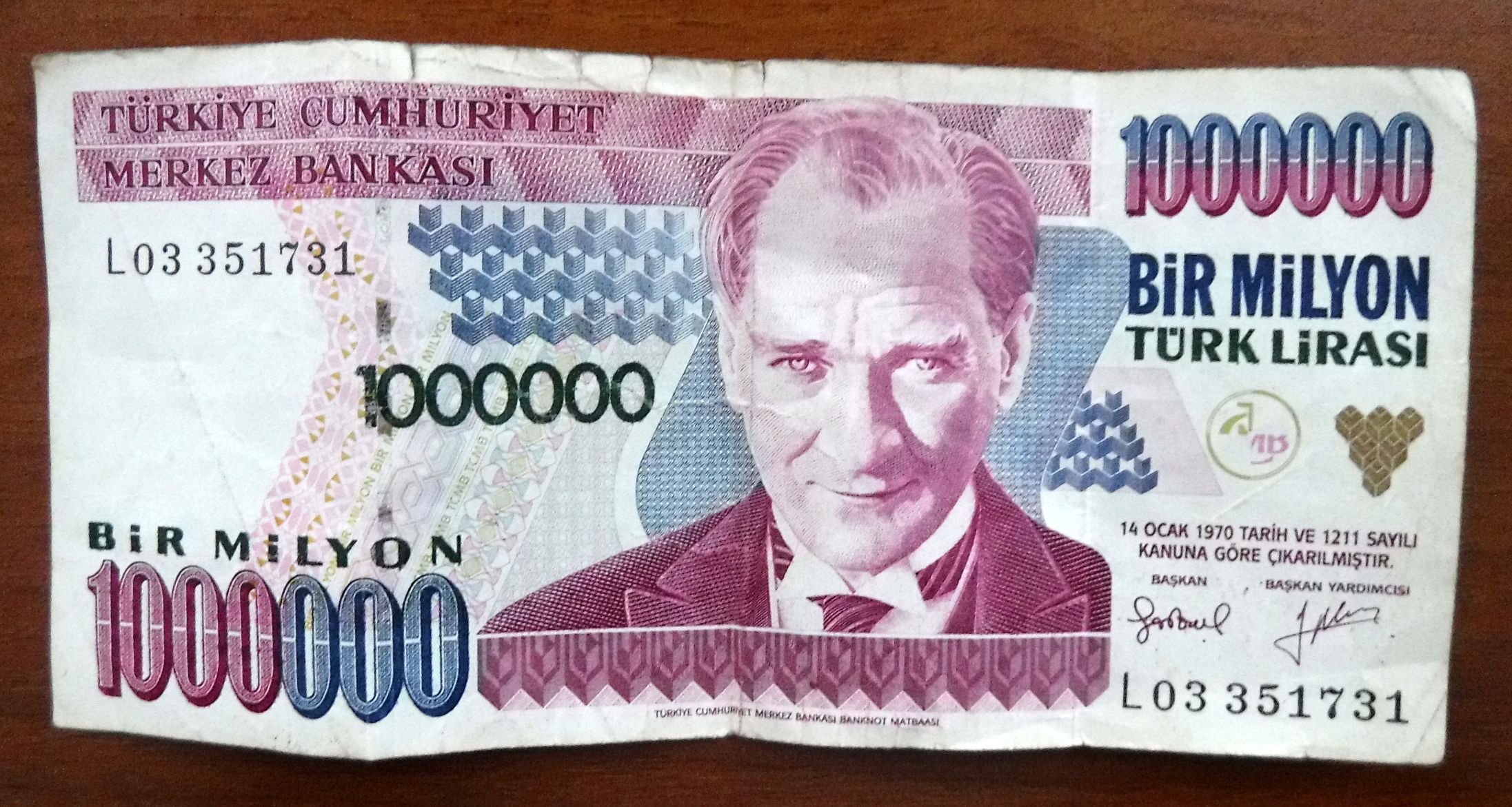
Before leaving home, a friend gave me this 1970 Turkish note. Little did he know, the zeros have since disappeared, and this is now worth about ten cents with the exchange rate!
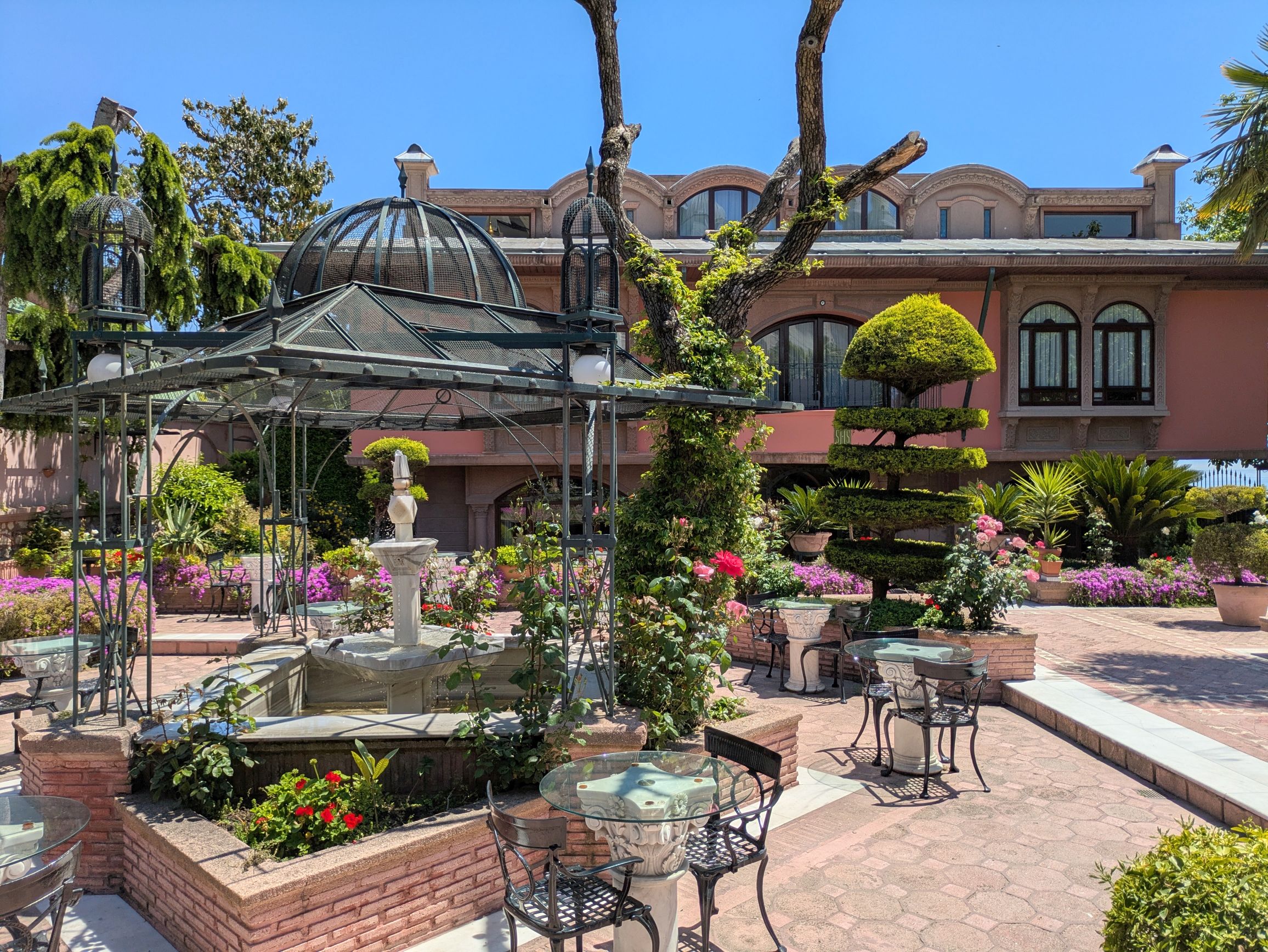
The front patio of our hotel
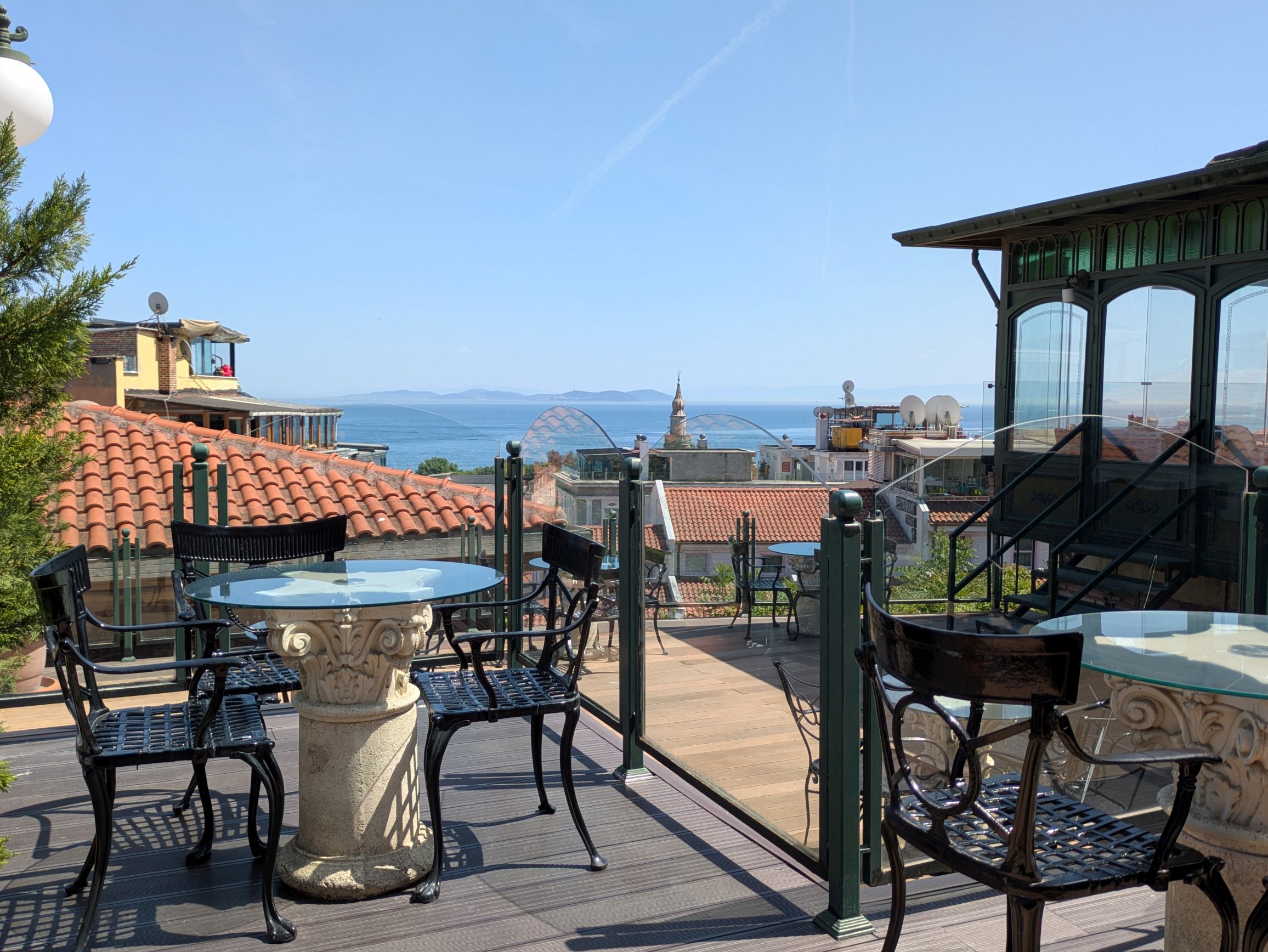
The back patio of our hotel where we ate breakfast had quite a view!
The ceiling of the restaurant patio where we enjoyed our first Turkish meal.
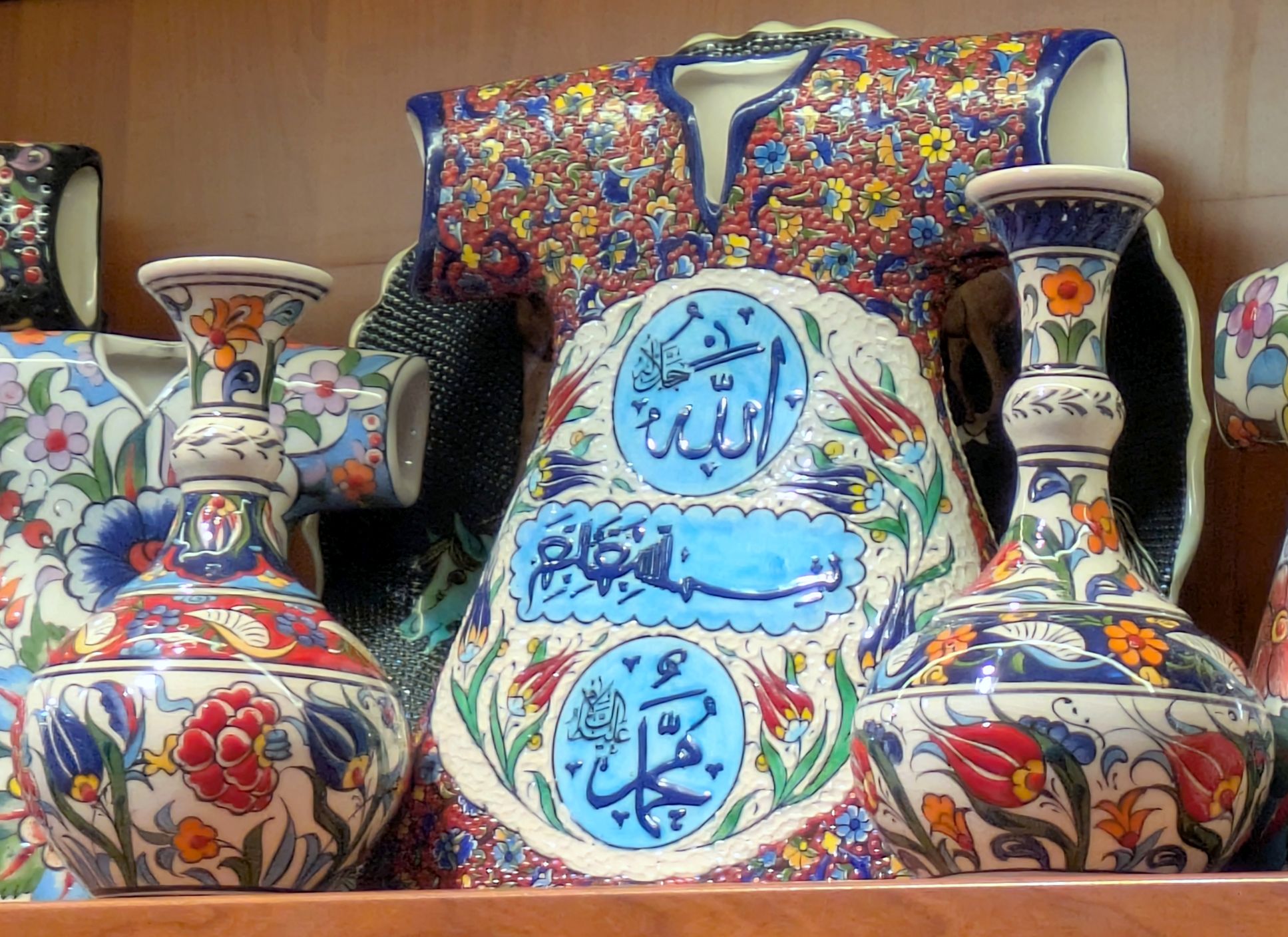
The center of a huge ceramic plate.

Next up: TURKIYE #2: THE GIGANTIC GRAND BAZAAR