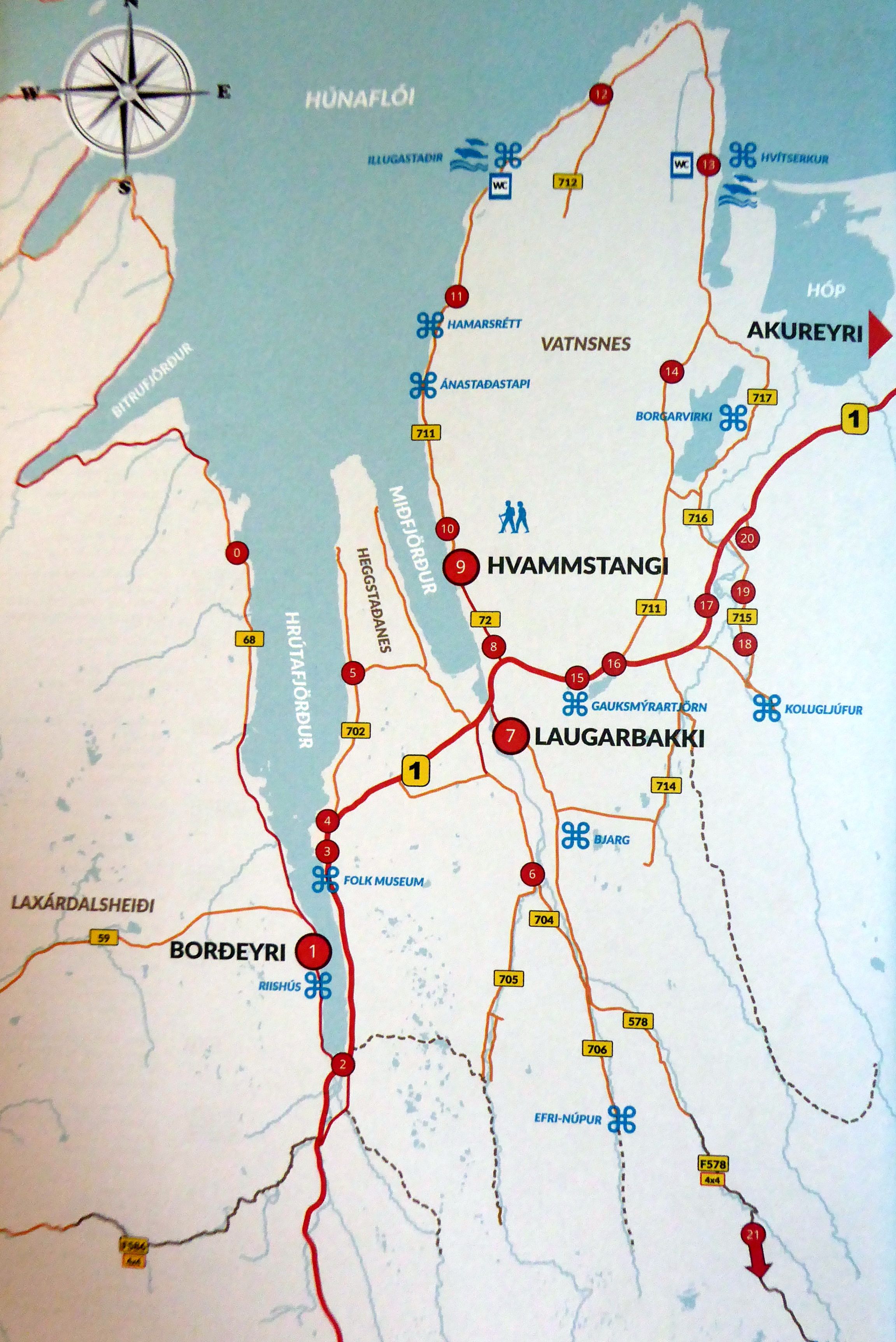
From the Snaefellsnes Peninsula in the western region of Iceland, we made our way northeast to Hvammstangi. During our bus rides (and throughout the tour), Thorunn told us so much interesting information about her country and shared stories of what it was like growing up in Iceland.
(For all pictures, click on the image to see full screen view.)
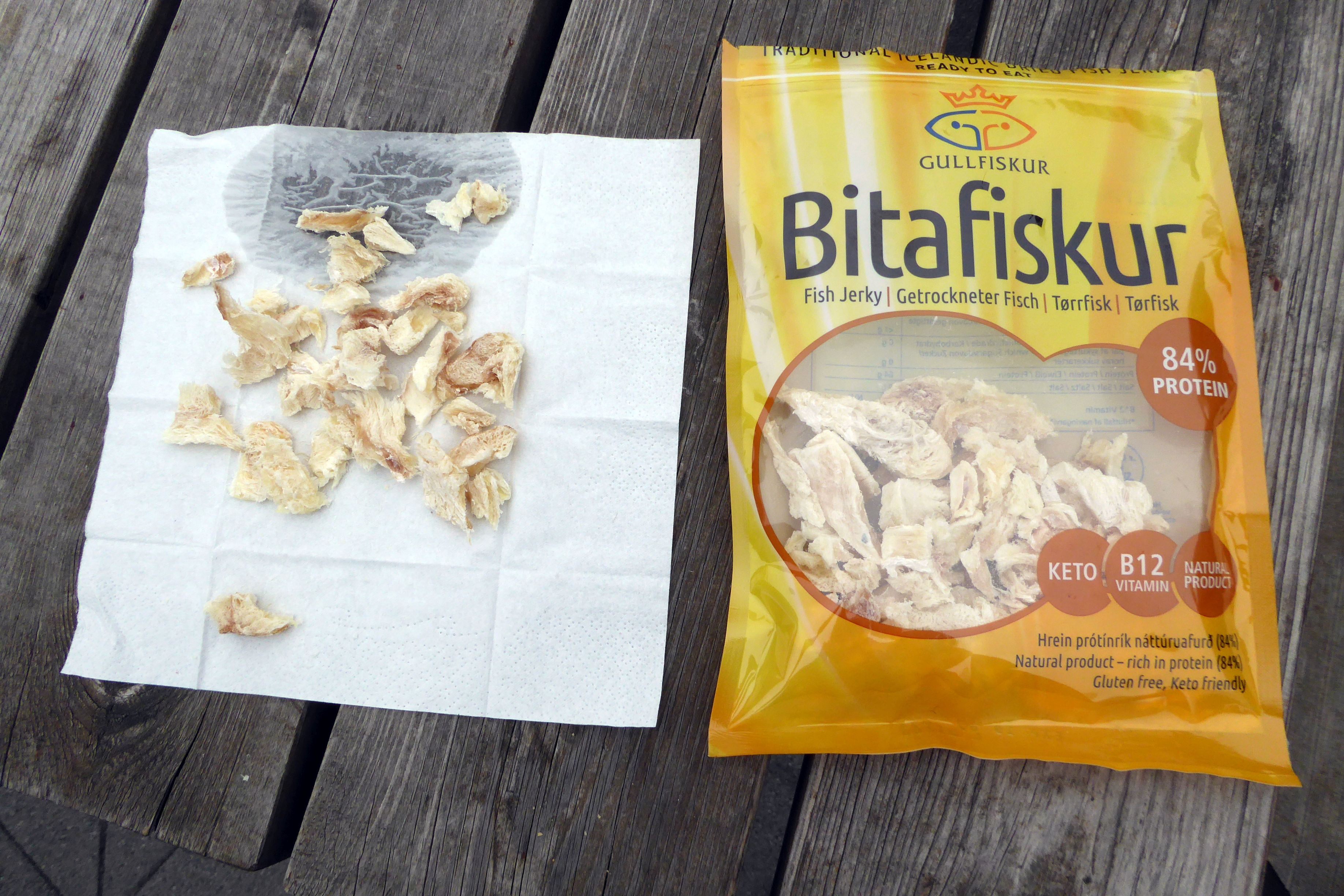

I was interested to learn that many couples live together for several years before marriage, and women keep their name rather than taking on their husband’s name. I could relate to both; Bruce and I were together for six years before marrying, and I kept my family name.
There are no family names in Iceland; children take on their father’s first name as their last name. A boy’s last name of “Jonsson,” for example would mean his dad’s name is “Jon,” and he is Jon’s son. If Jon had a daughter, she would have the last name of “Jonsdottir.” (“Dottir” is how “daughter” is spelled in Icelandic.)
Icelanders are very supportive of gay marriage. The first one took place in 1996, and the country is very socially progressive and tolerant.
Families are tight-knit and well-supported in Iceland with good benefits. Paid maternity leave is six months, and paternity leave is three months. Leave can be taken all at once or split up into different time periods, so parents can alternate staying home with their children, if desired.
Health care is excellent and well-covered; Icelanders only pay $3 for a clinic visit; and, education is nearly free, including public universities.
I was interested to learn that Iceland does not have a military; however, the U.S. built a base near the national airport there during World War II for defense. It was quite controversial at the time, and the country was divided. Thorunn’s family lived near the base, so she shared stories about what it was like. There were some protesters, but others appreciated the job opportunities that were created as well as the infrastructure the Americans built. In 2006, the Americans left and turned the base over to the Icelanders.
Immigration is a big topic everywhere these days, so we were curious to hear about Iceland’s policies. Like the U.S., Iceland has taken in asylum seekers, mostly from Nigeria and Venezuela. In addition, people from the Philippines come to Iceland to get temporary work in healthcare, and there are many Polish people working in hospitality and construction. In all, 14% of Iceland’s population are immigrants.
Here’s a bit of recreation trivia I found surprising: Iceland has a greater percentage of the population playing golf than Scotland, even though the environment is generally ill-suited for it. There are 77 golf courses in the country! Handball is Iceland’s national competitive sport, and soccer, athletics, basketball, and tennis are also popular. Swimming is more of a leisure (rather than competitive) activity, as is ice, mountain, and rock climbing. Hiking and horseback riding are also very popular. (There are 80,000 horses with 80 different color variations in Iceland!)
Speaking of horses, Iceland has an interesting history! The Icelandic horse is a specific breed that was developed from ponies taken to Iceland by Norse settlers in the 9th and 10th centuries. These horses are typically small, hardy, and long-lived. Although they can be exported, once an Icelandic horse leaves the country, law prohibits it from ever being returned. As a result, there are very few diseases affecting Iceland’s horse population.
Historically, the Icelandic horse was intended to assist farmers with shepherding, but they are now also used for leisure, showing, and racing.


The most unique characteristic of these horses is their versatility of gaits. Not only can they do the typical walk, trot, and canter/gallop; but, they can also tolt and flying pace. We got to see these gaits in action at a horse show while staying at Daeli, a family-run horse farm and guest house. (They also had a fabulous chef. Our meals there were delicious!)
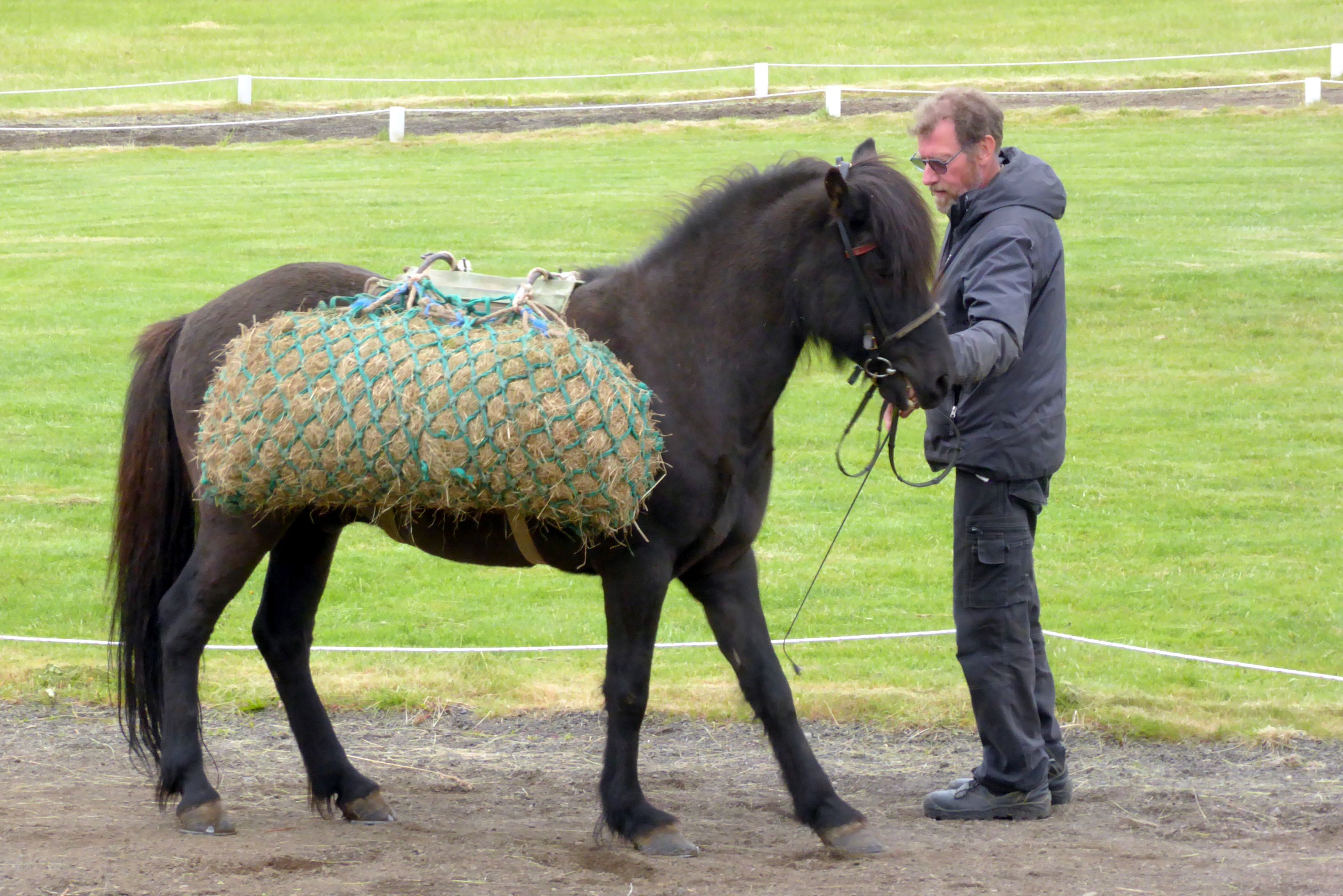
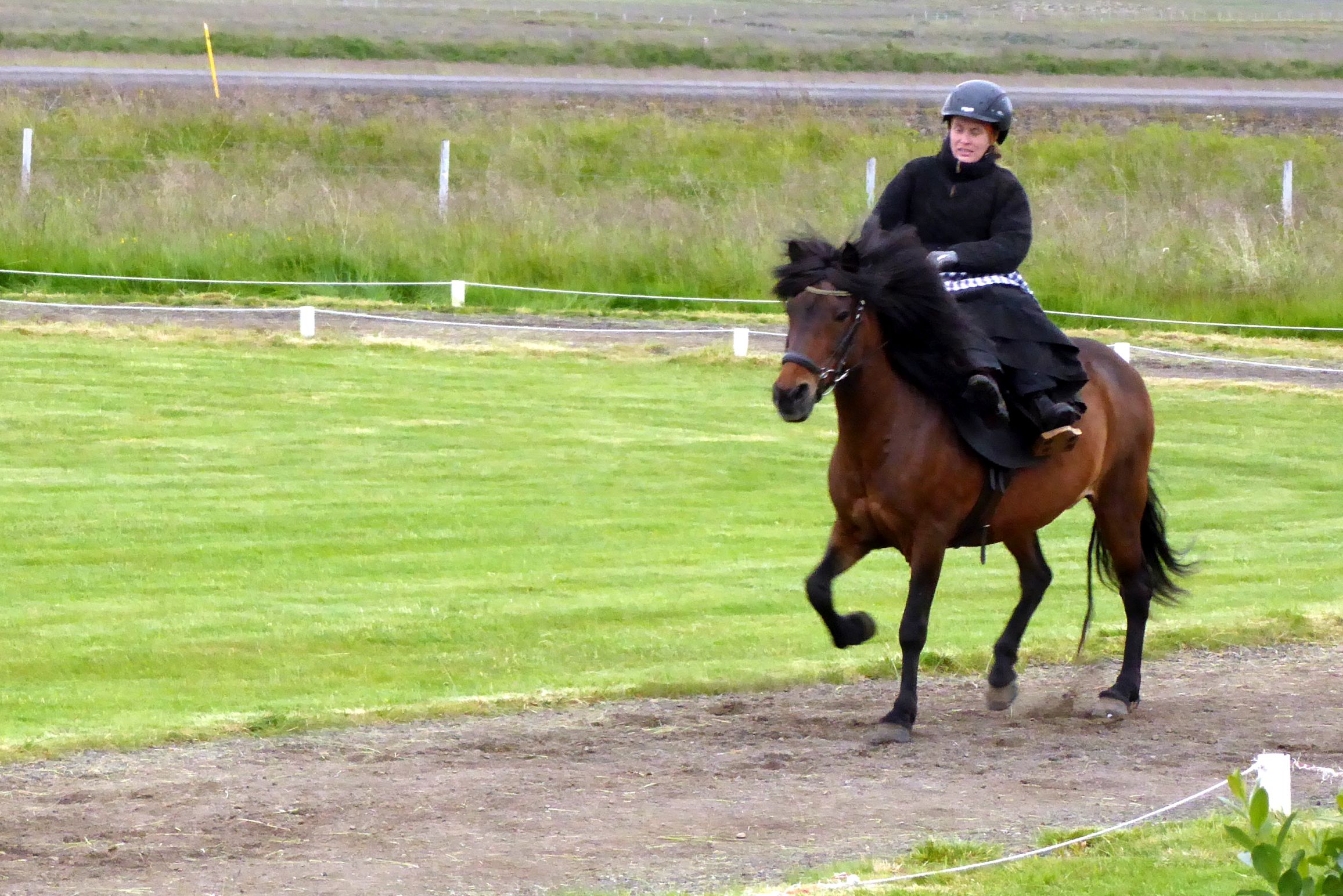


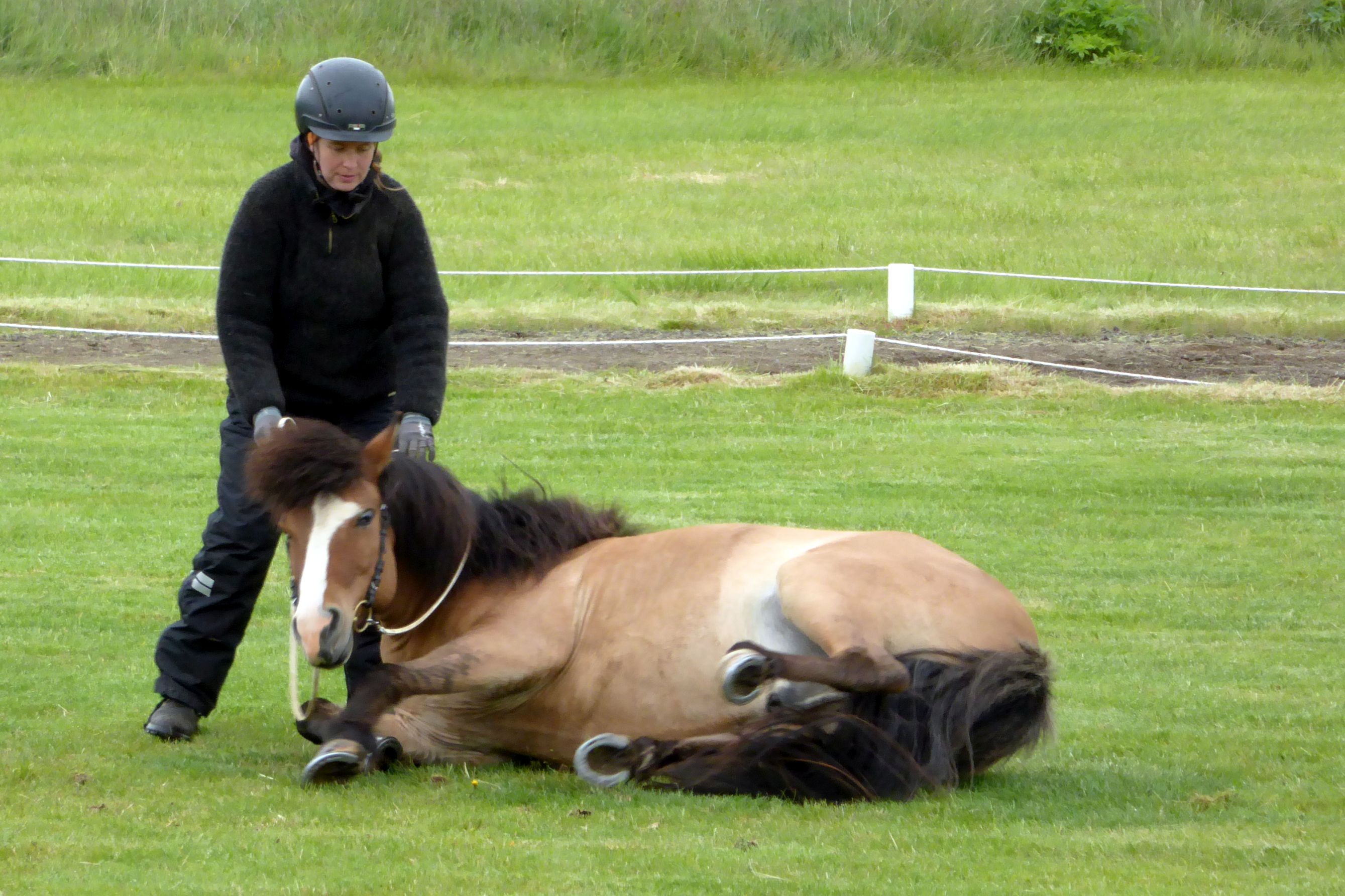
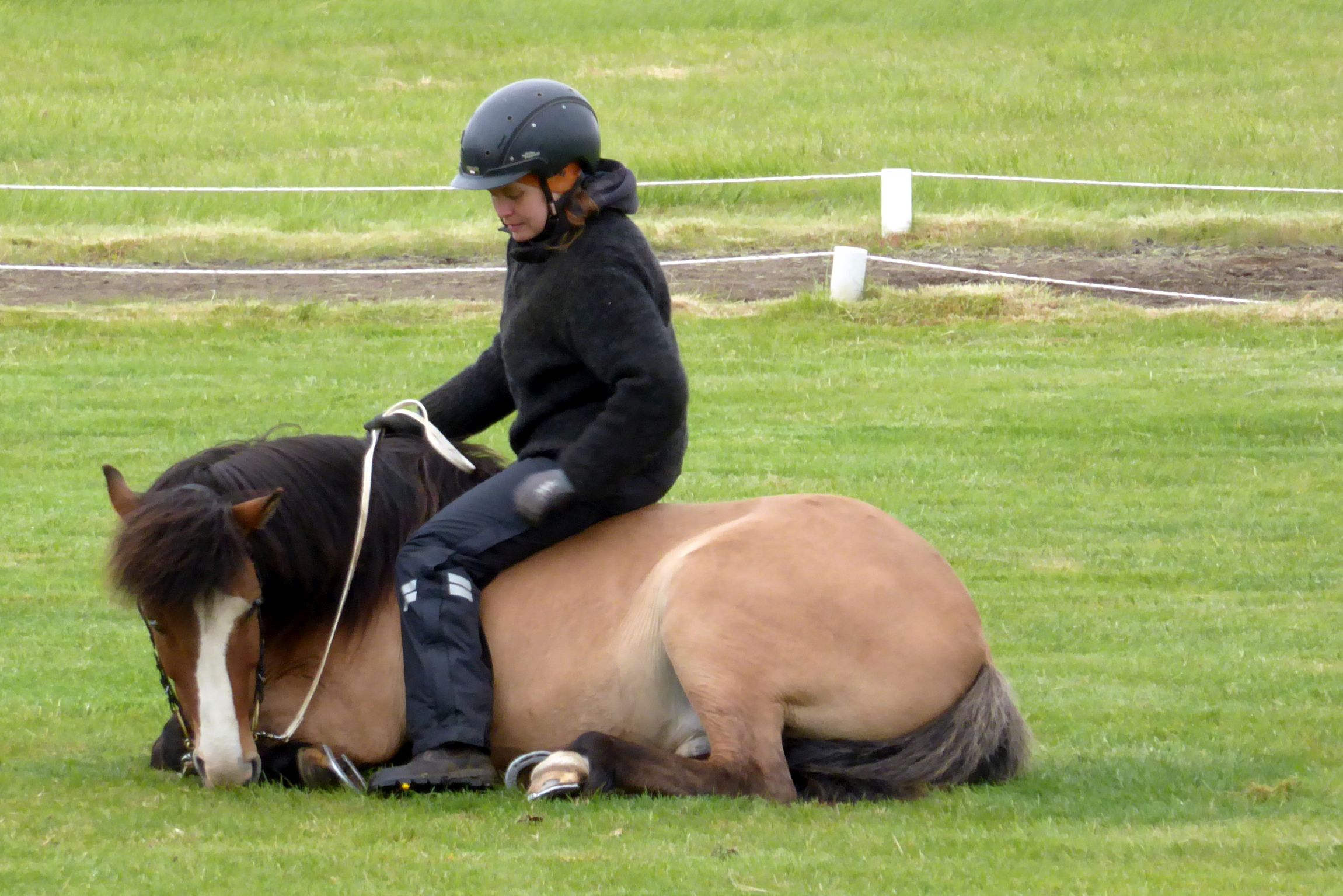
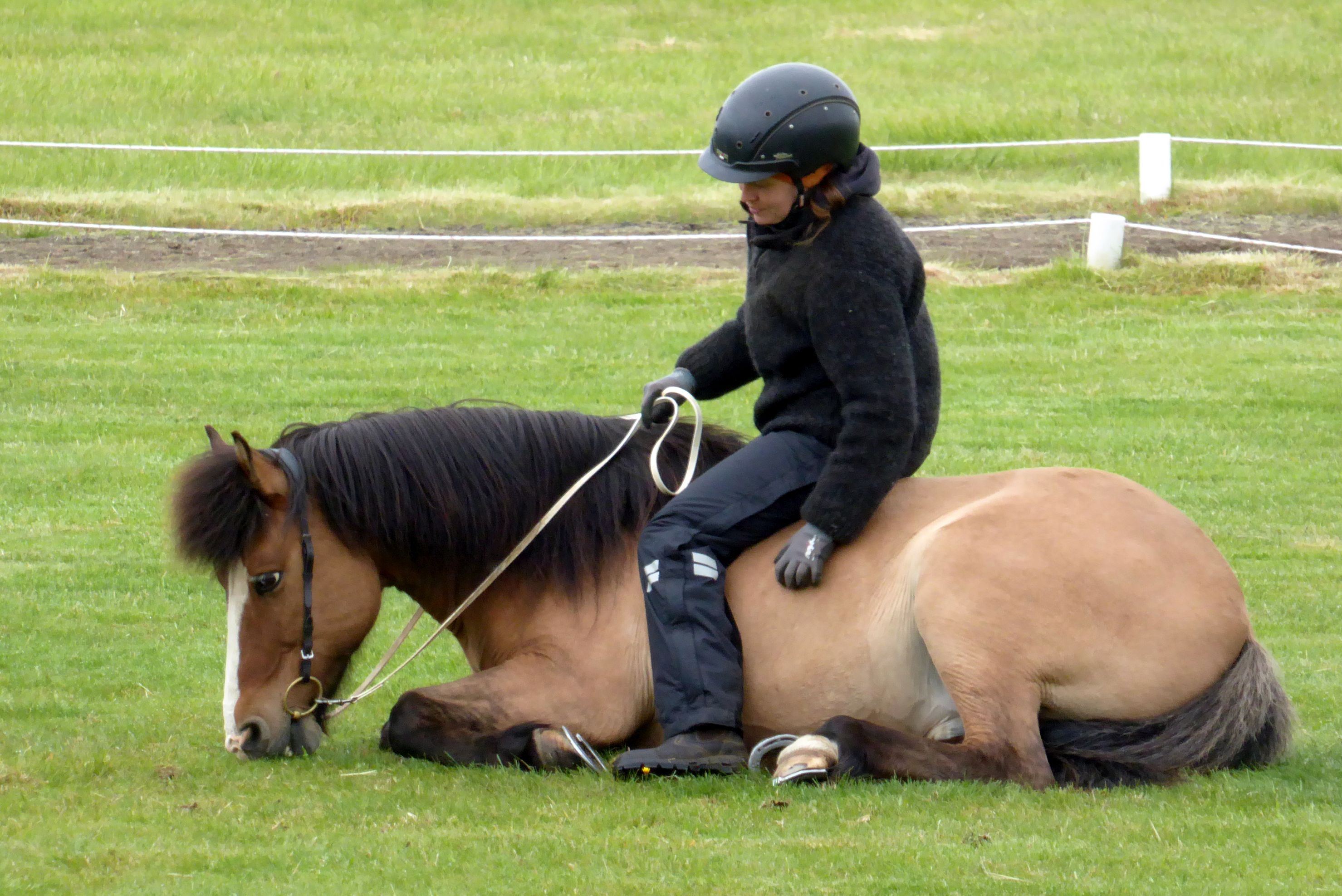
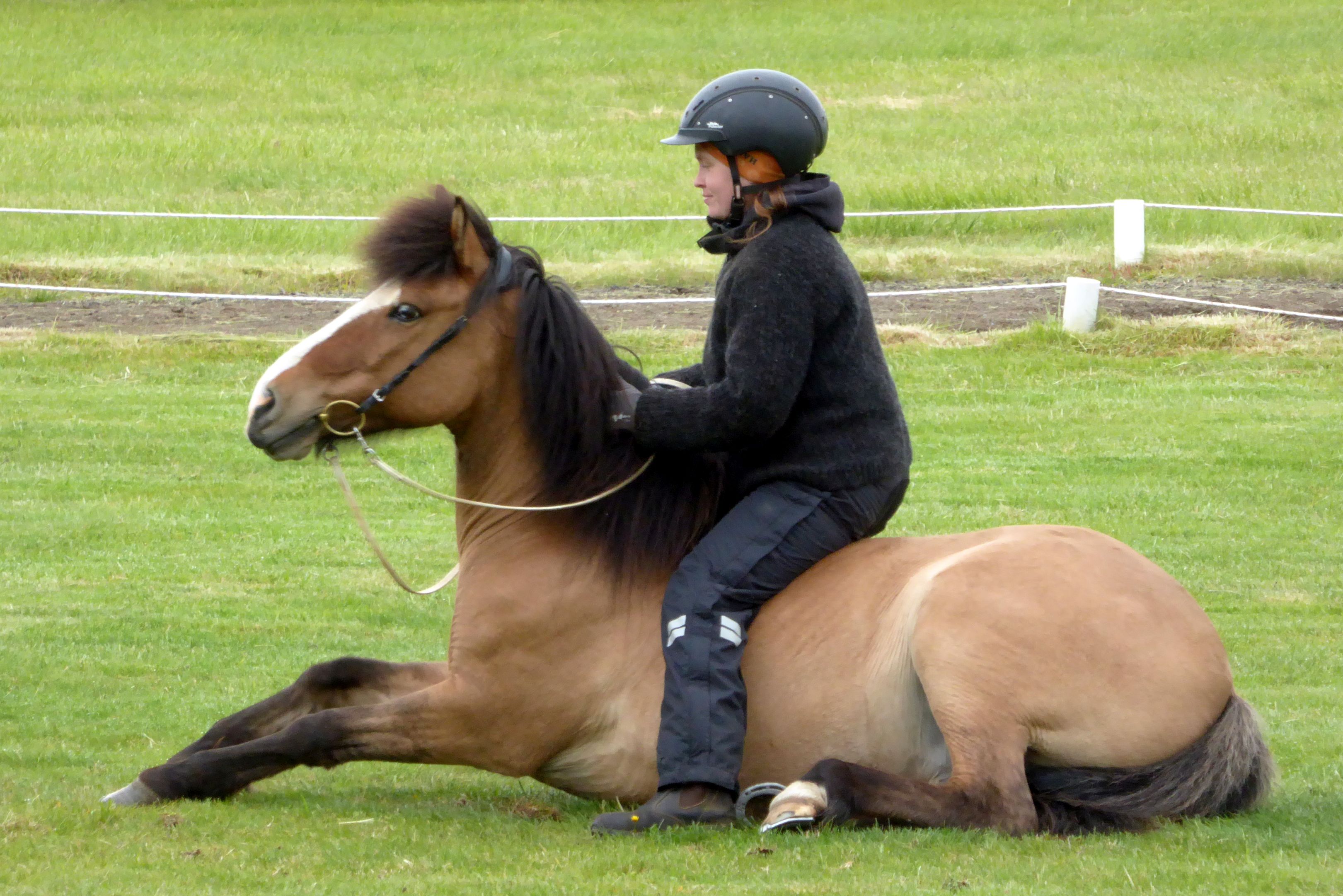
In addition to learning about what is involved in raising and training horses on their farm as well as the neighboring farm we visited, we took a short ride up the hill to see where the family has been contributing to a reforestation project. Each of us planted a tree; our tiny contribution to the effort.
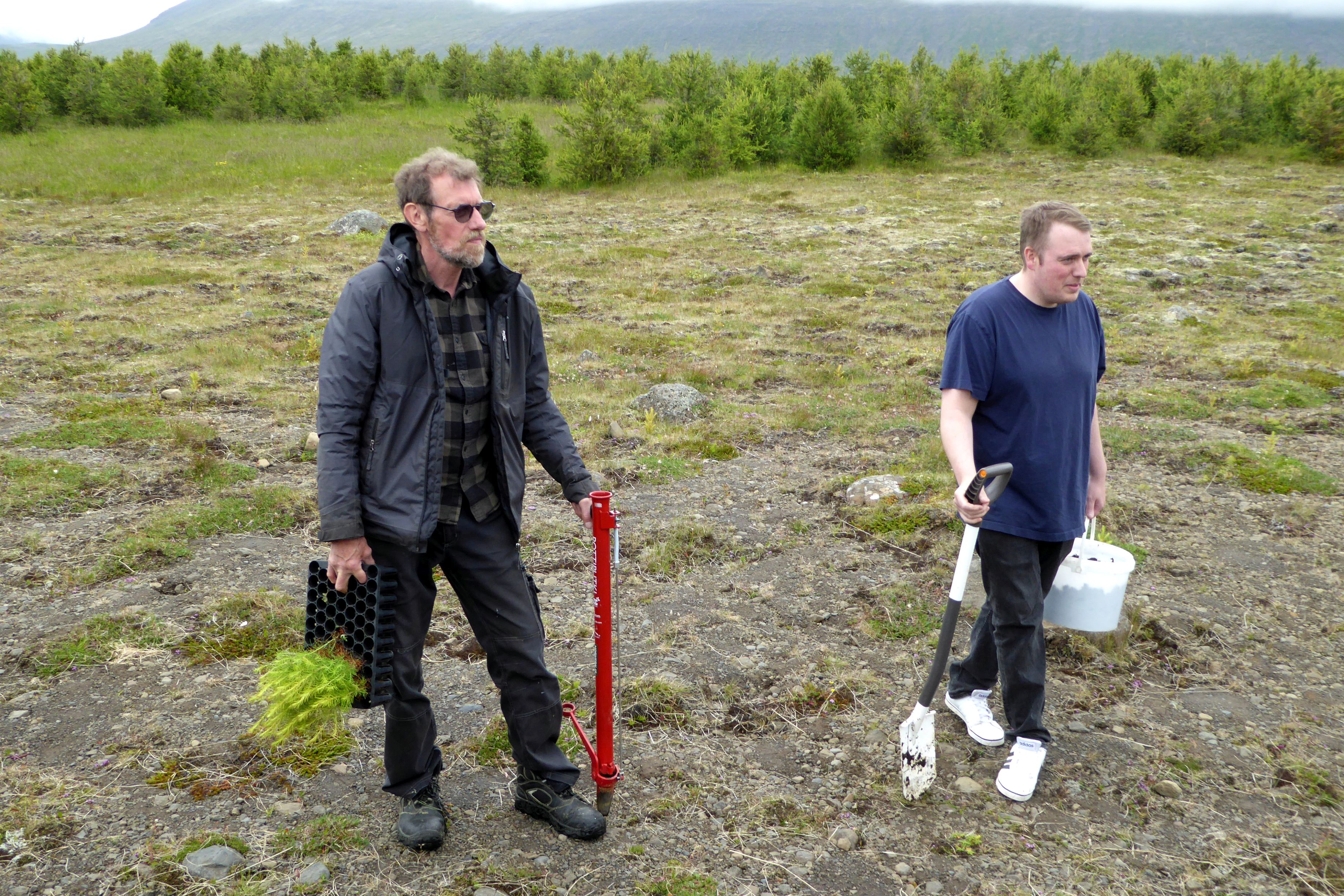
In all, we came to know what a day in the life of an Icelandic horse farm was like for those who make it their living. It’s a lot of hard work!
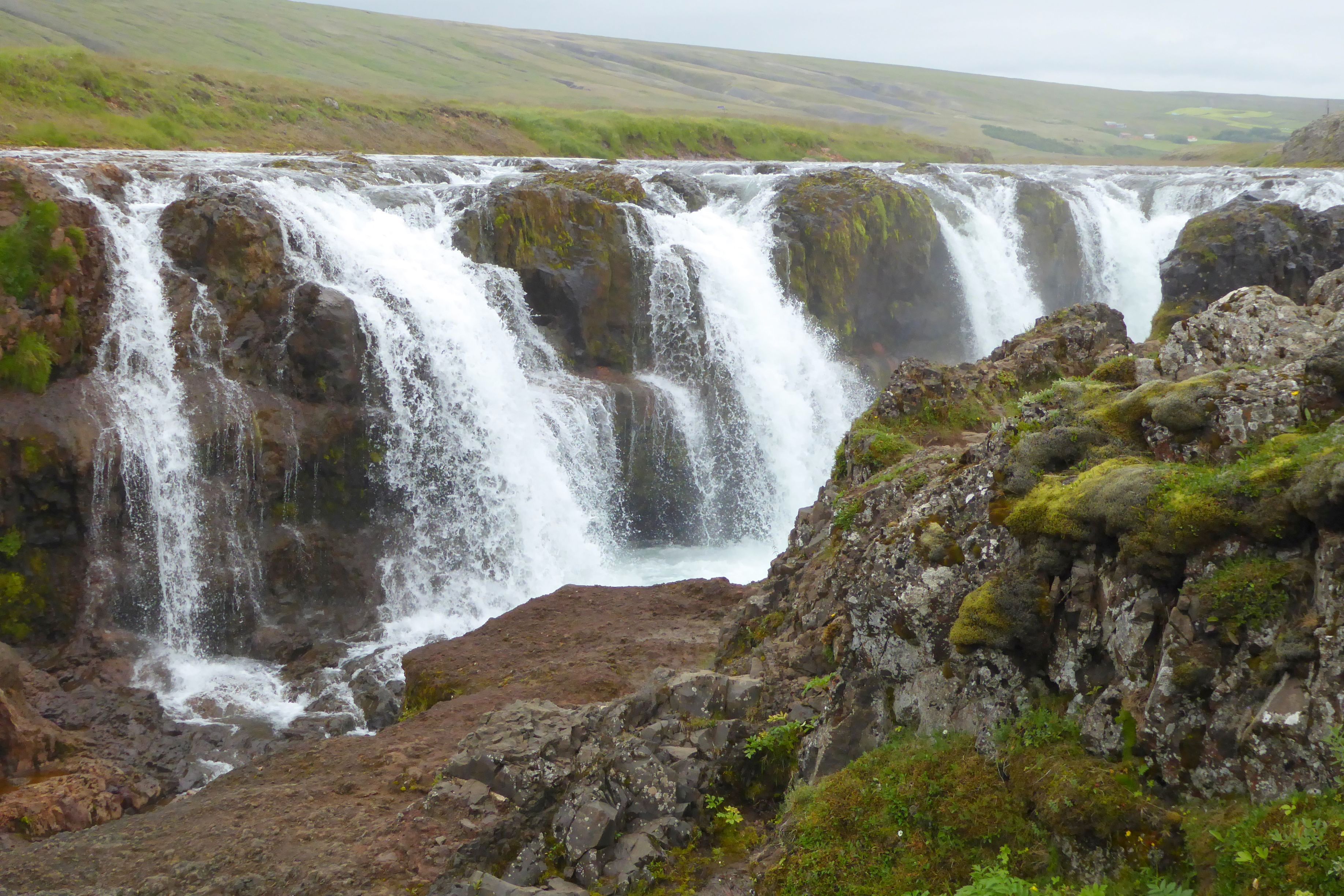
During the afternoon, we took a short drive from Daeli to see Vididalur Waterfall and hike around on the paths and volcanic rock. Gorgeous!
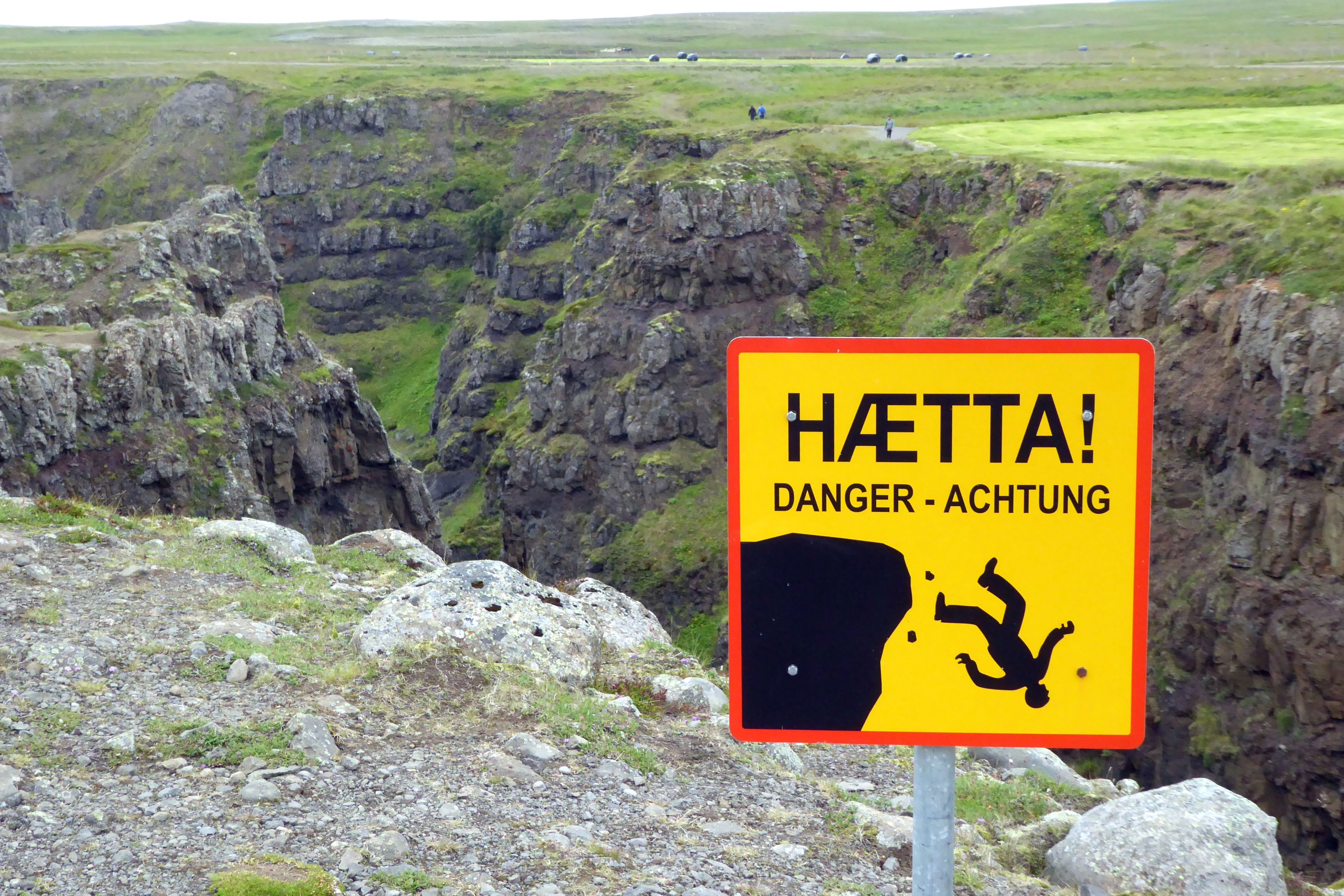

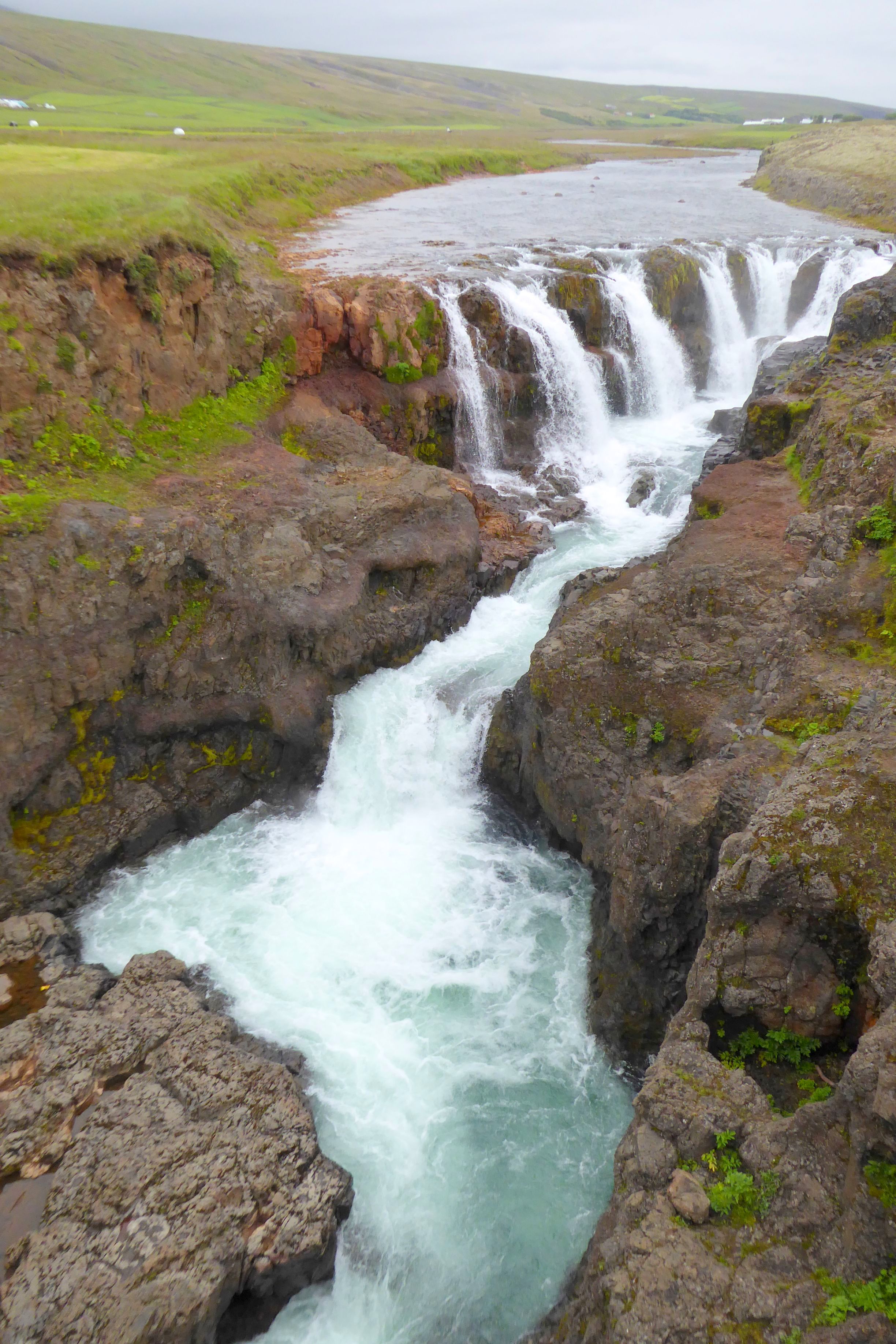
Our stay at Daeli was so enjoyable and memorable!

Coming up next: North Iceland Near the Arctic Circle
Note: If small group travel is of interest to you, I highly recommend Overseas Adventure Travel (OAT). Although Bruce and I travel together, they do not charge a single supplement for those who travel on their own. Singles also get their own room at hotels. If you book, you can get $100 off your trip by providing my name and customer number (Elaine Krugman, #3018126) as the person who referred you. I will also get $100 off future travel– a win-win!
 Elaine-iaK's Travels: A Traveler's Tales of People, Places, Photos, Pools... and CHOCOLATE!