
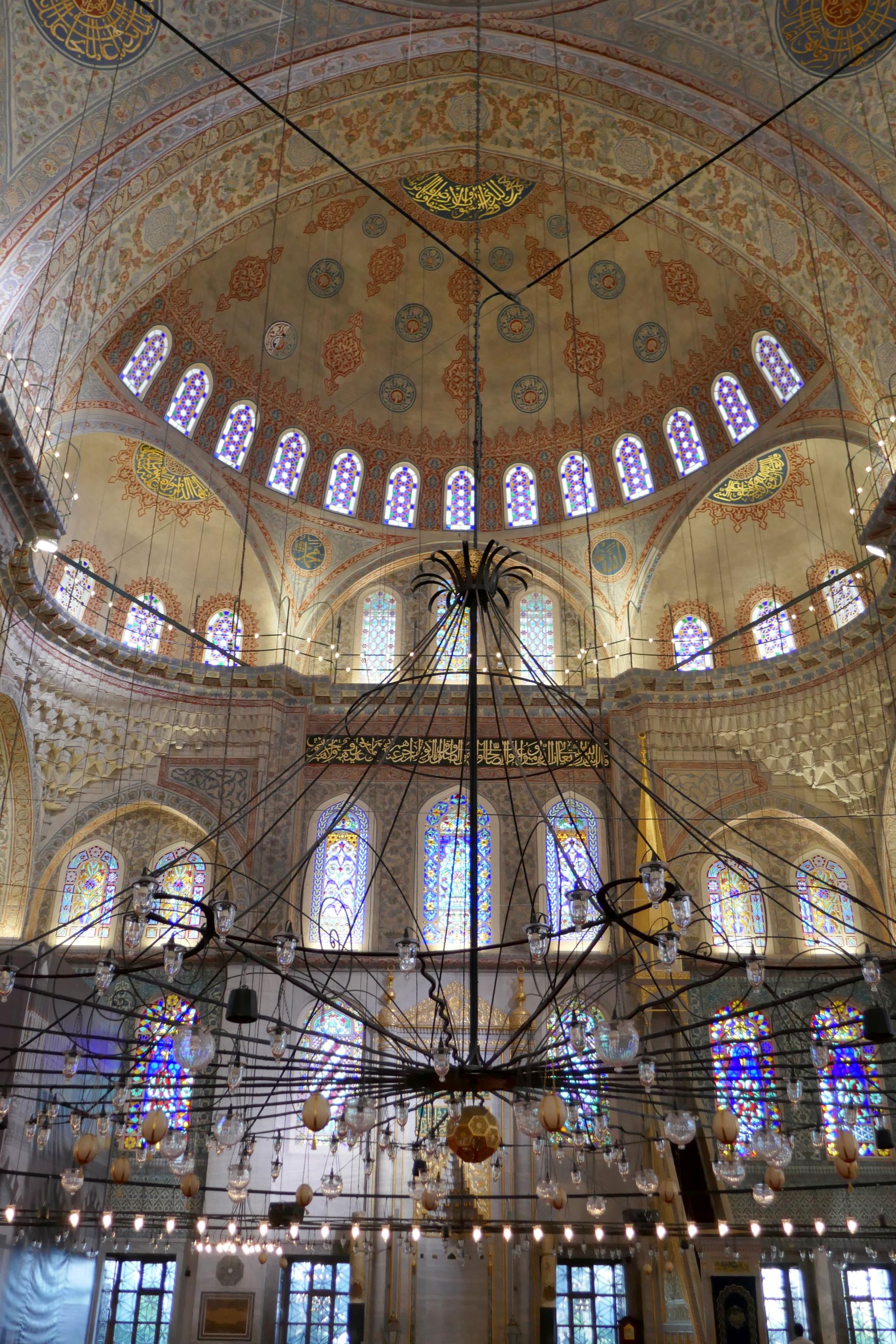
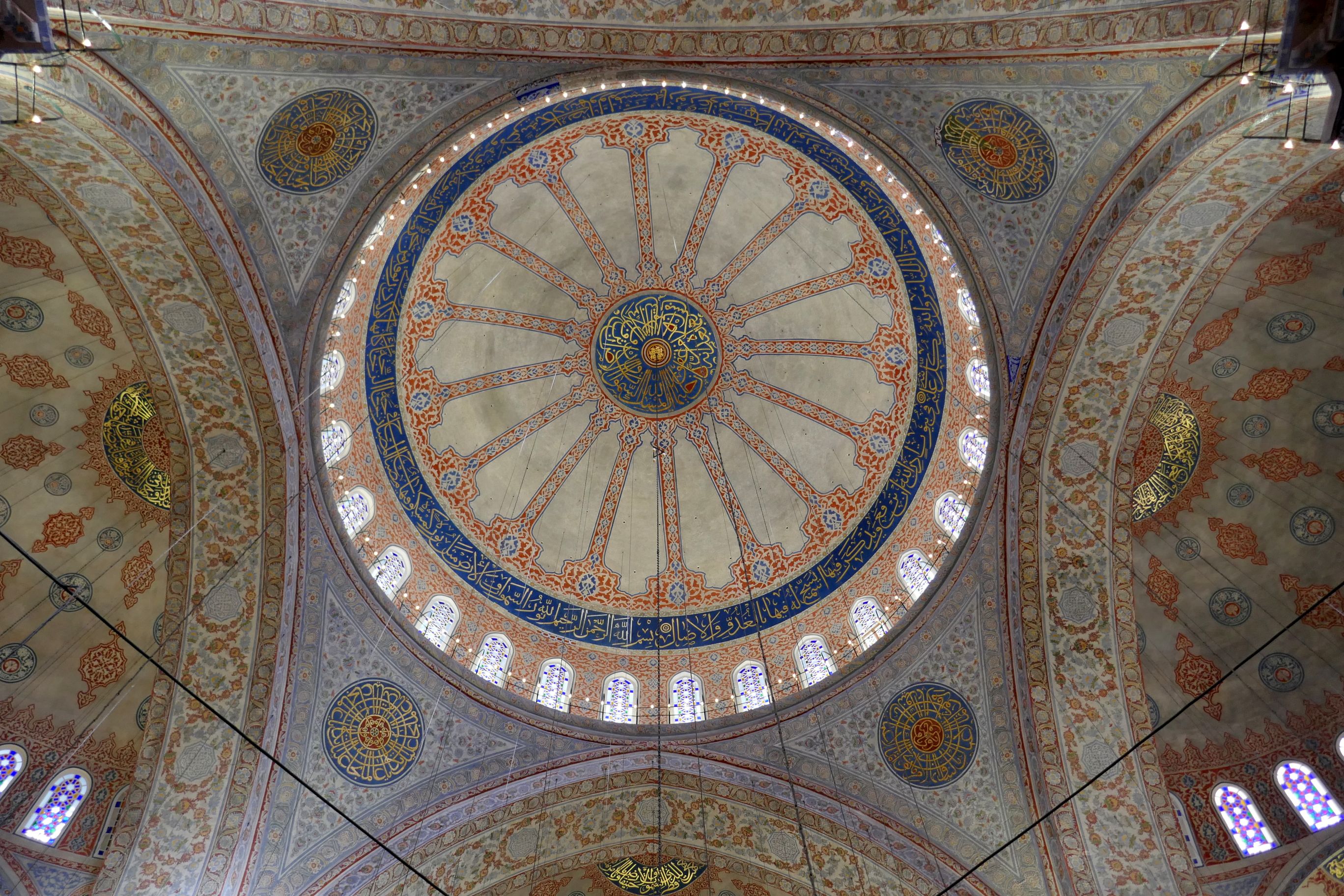
During our free time in Istanbul, Bruce and I explored the Sultan Ahmed Mosque, better known as the “Blue Mosque,” listed as a UNESCO World Heritage Site under the name “Historic Areas of Istanbul”. This is the mosque we saw lit up when we arrived at our hotel at night, and we were eager to see the mosque’s interior.
This Ottoman-era mosque, completed in 1617, is an iconic attraction in Istanbul because of its history and architecture. The central dome is surrounded by four semi-domes over the prayer hall, and it’s quite a sight to see when you step inside. The Iznik tile work itself makes this a must-see destination if you are ever in Turkey.
(For all photos, click on the image for a full screen view.)
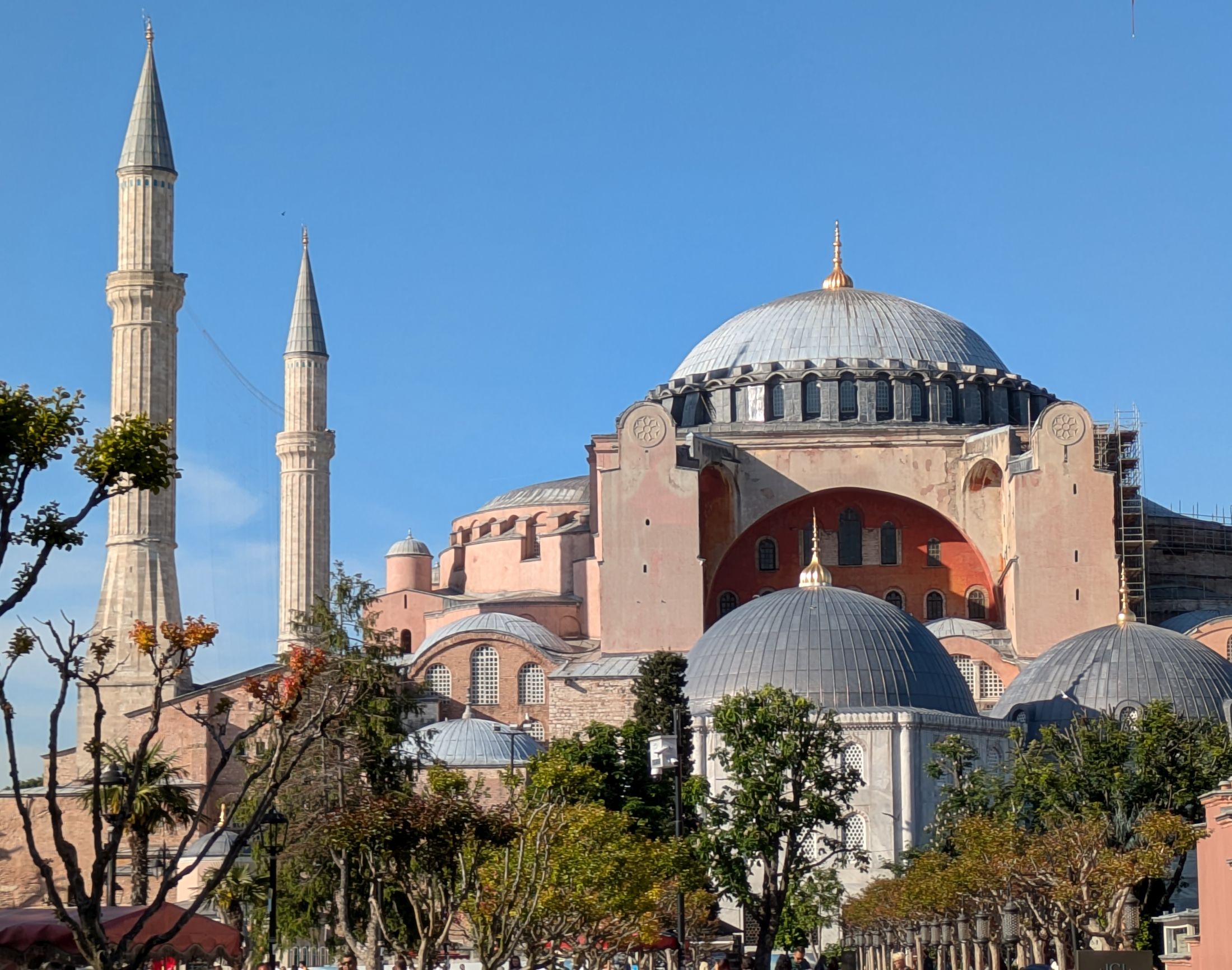

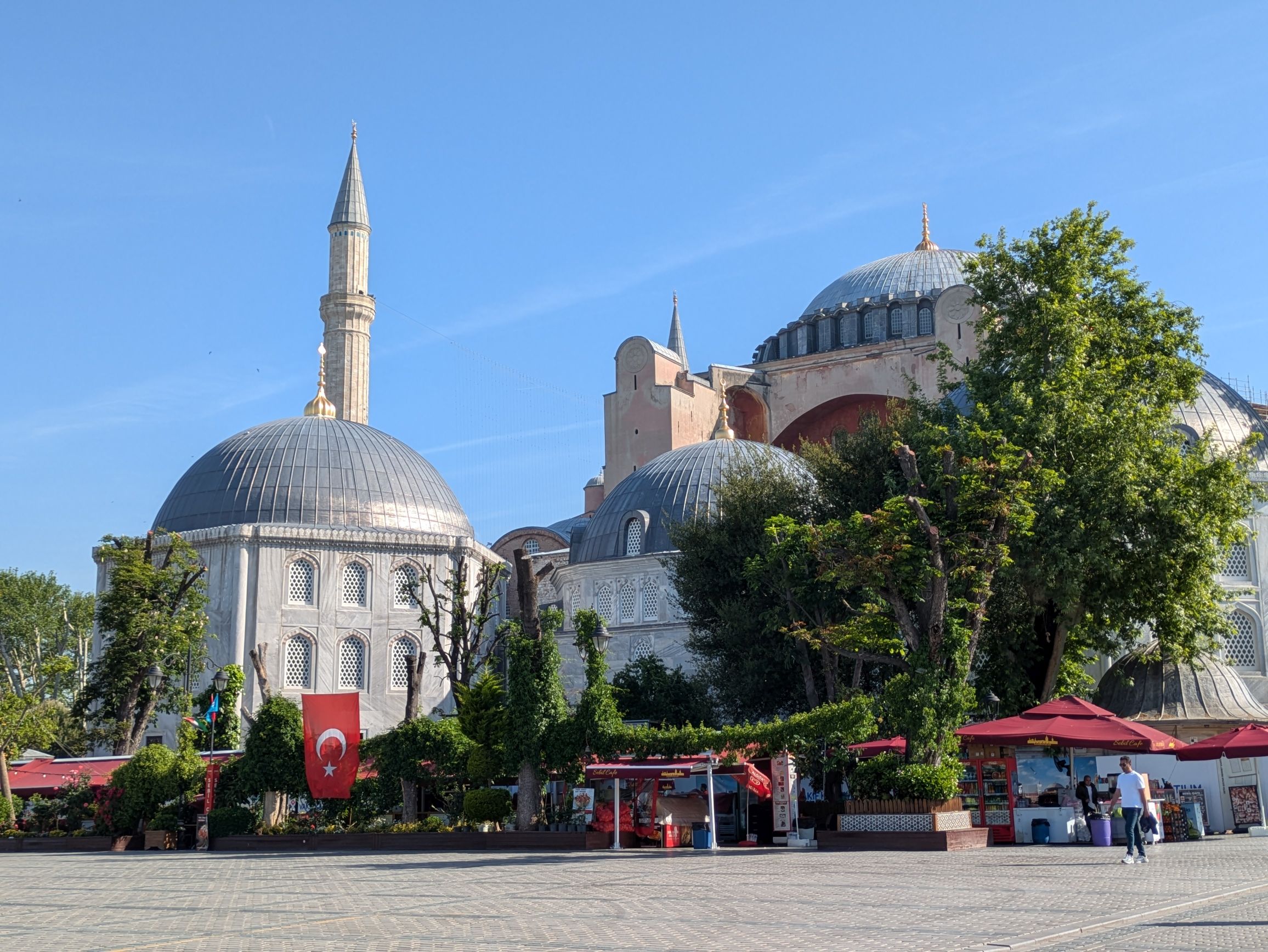
Nuri, our tour leader, led our group on guided tours of Hagia Sophia and Topkapi Palace during the following two days in the city. Although we didn’t tour the Hagia Sophia until our final day, it is located just across the Hippodrome (central square) from the Blue Mosque, so I will tell you about it first.

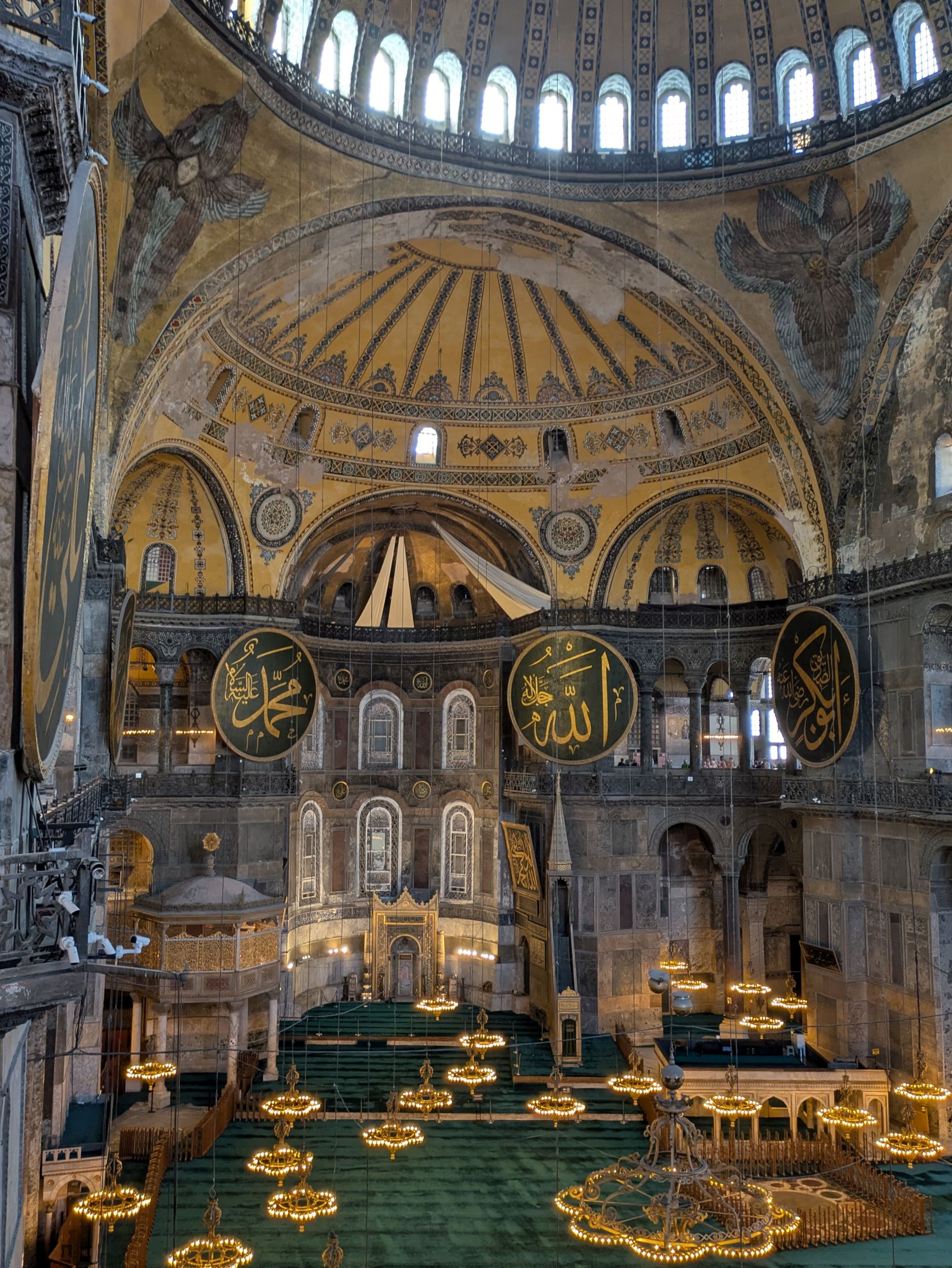
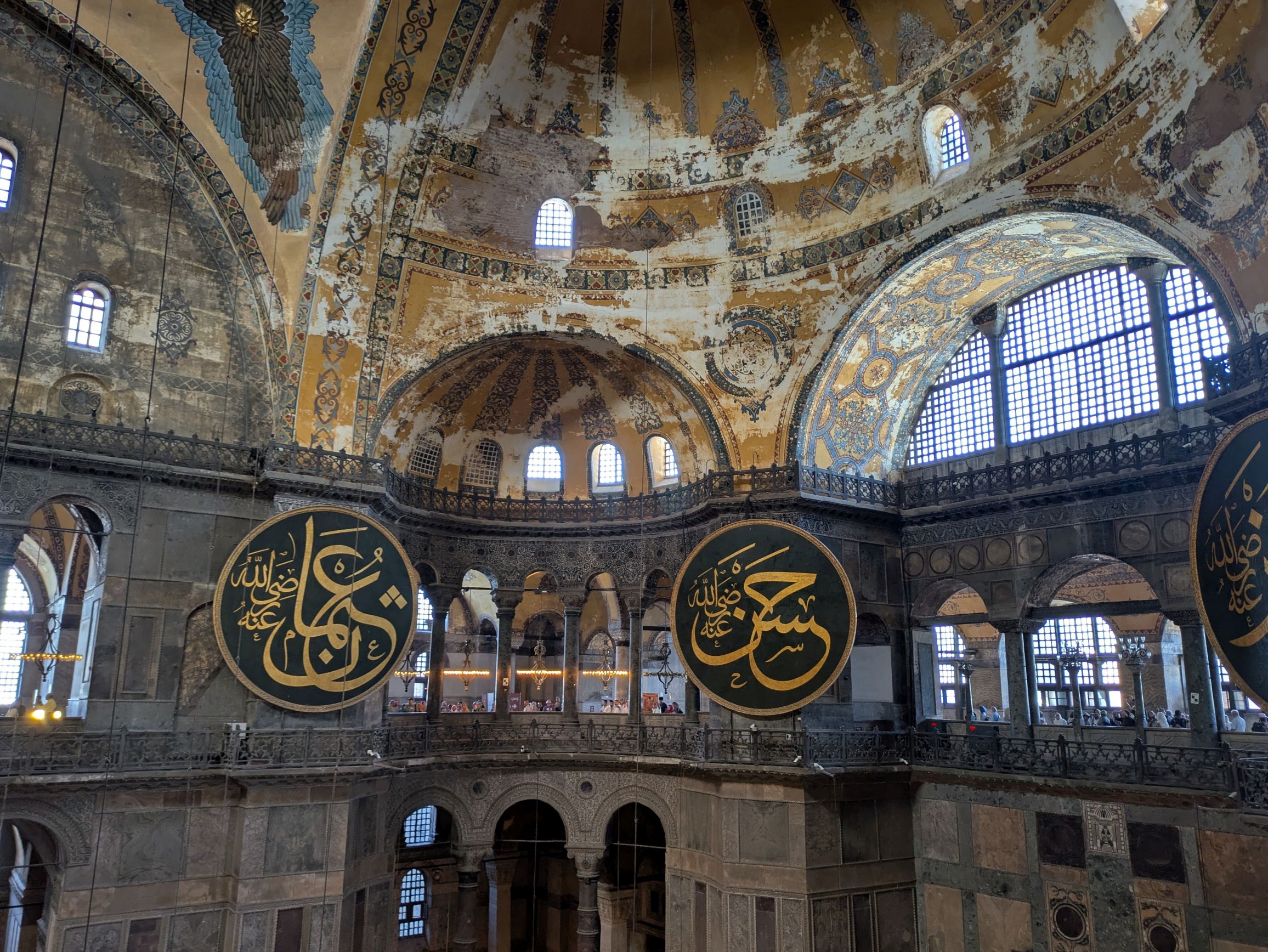
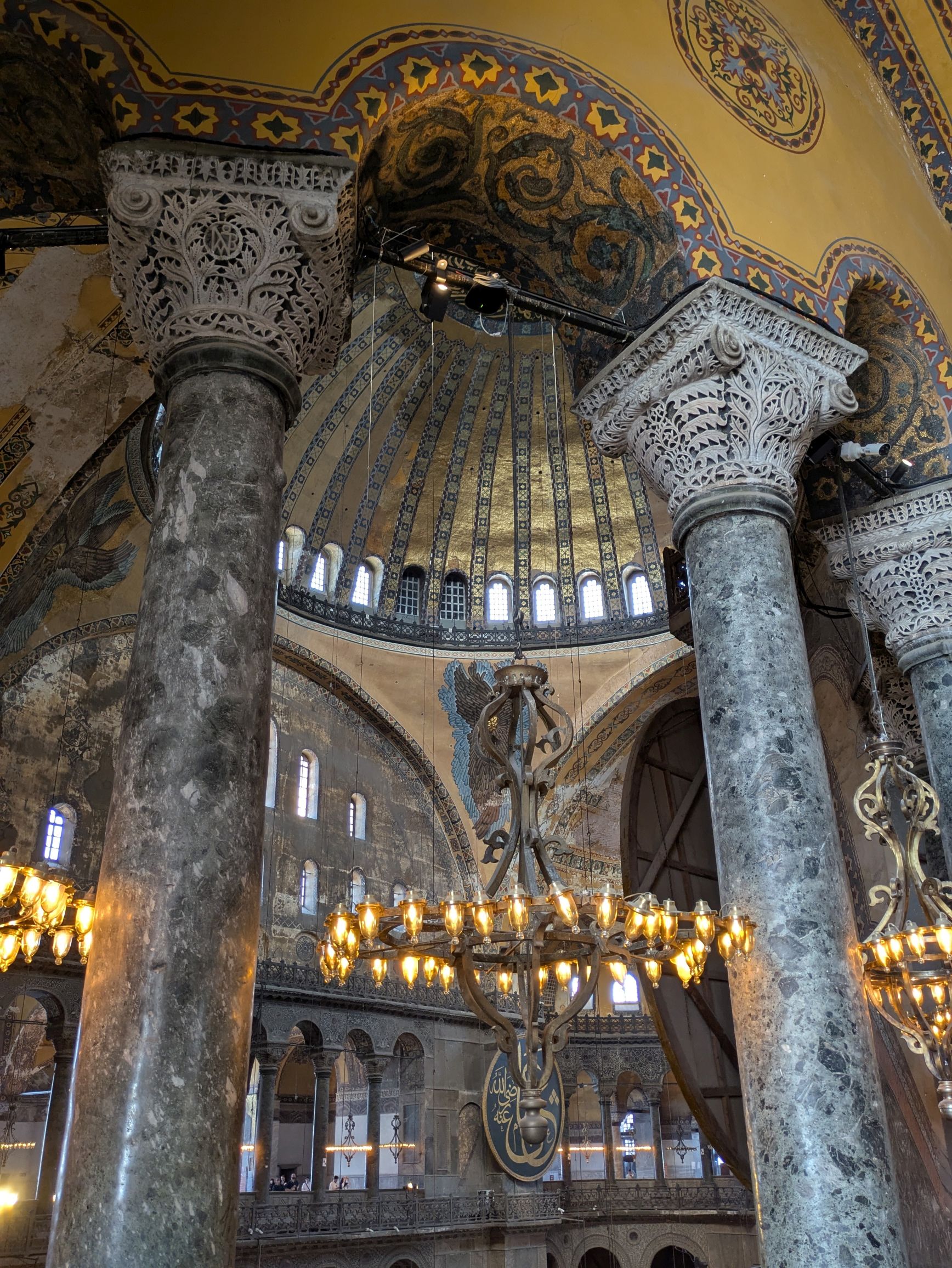
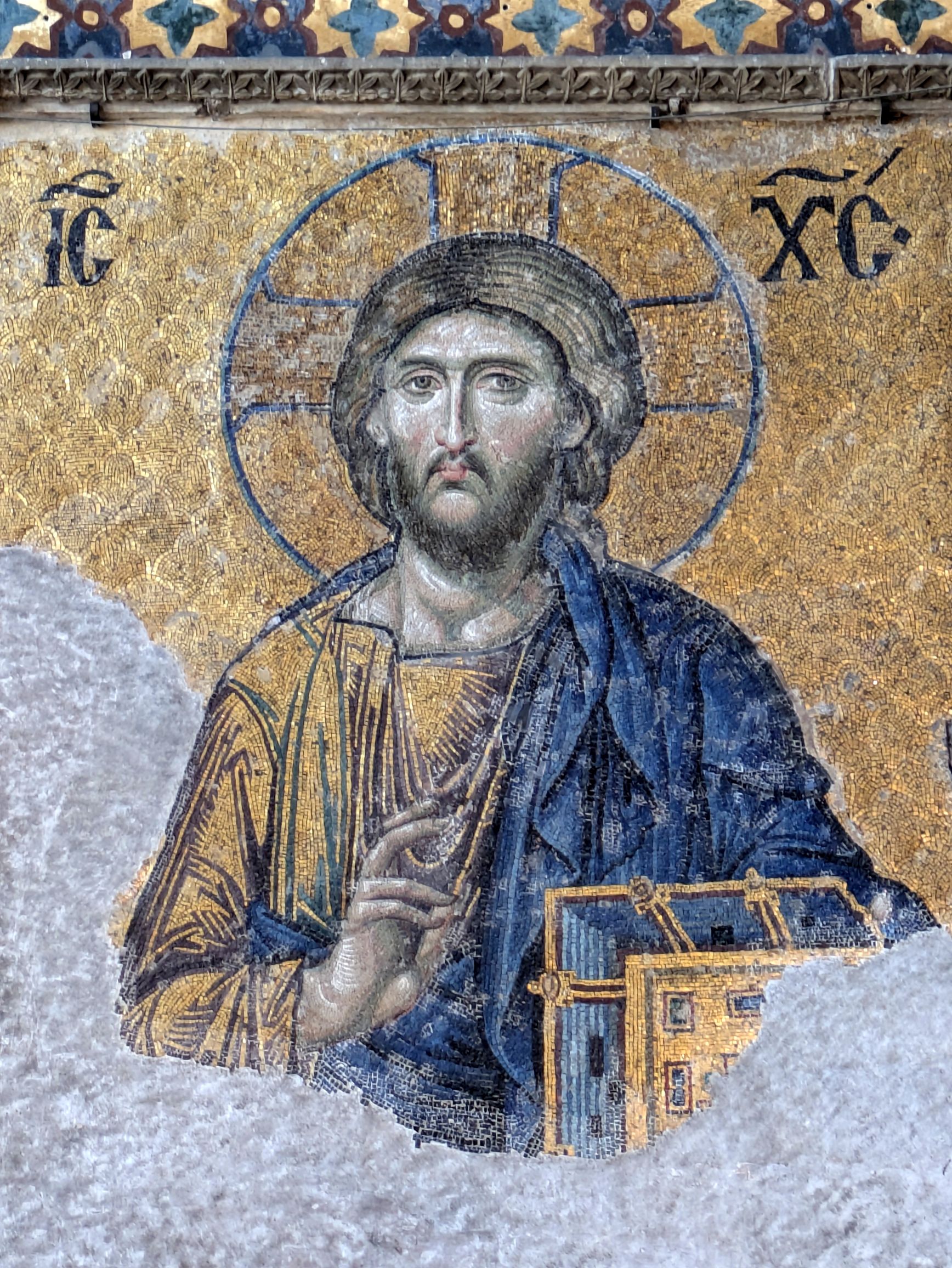
Hagia Sophia Grand Mosque (also a UNESCO World Heritage Site) is considered the epitome of Byzantine Architecture. The first building of the complex was built in AD 537, and until the fall of Constantinople in 1453, Hagia Sophia served as a cathedral. It was a mosque until 1935 when it became a museum. In 2020, it was redesignated as a mosque, but in 2024, the upper floor of the mosque began serving as a museum once again.
As we toured the interior, we were in awe of the architecture, mosaics, marble pillars and floors as we learned about the history—far too detailed and complicated to write about here.
Mosques have strict rules about the attire permitted to be worn by visitors, but Hagia Sophia’s guards had an interesting way of determining who was permitted in from our group without purchasing a paper covering and who was not. Bruce’s shorts were the same length as the other “Bruce” in our group, but he was permitted in without the fashionable coverings the others got to wear. I brought a scarf for my head, so I was good to go.




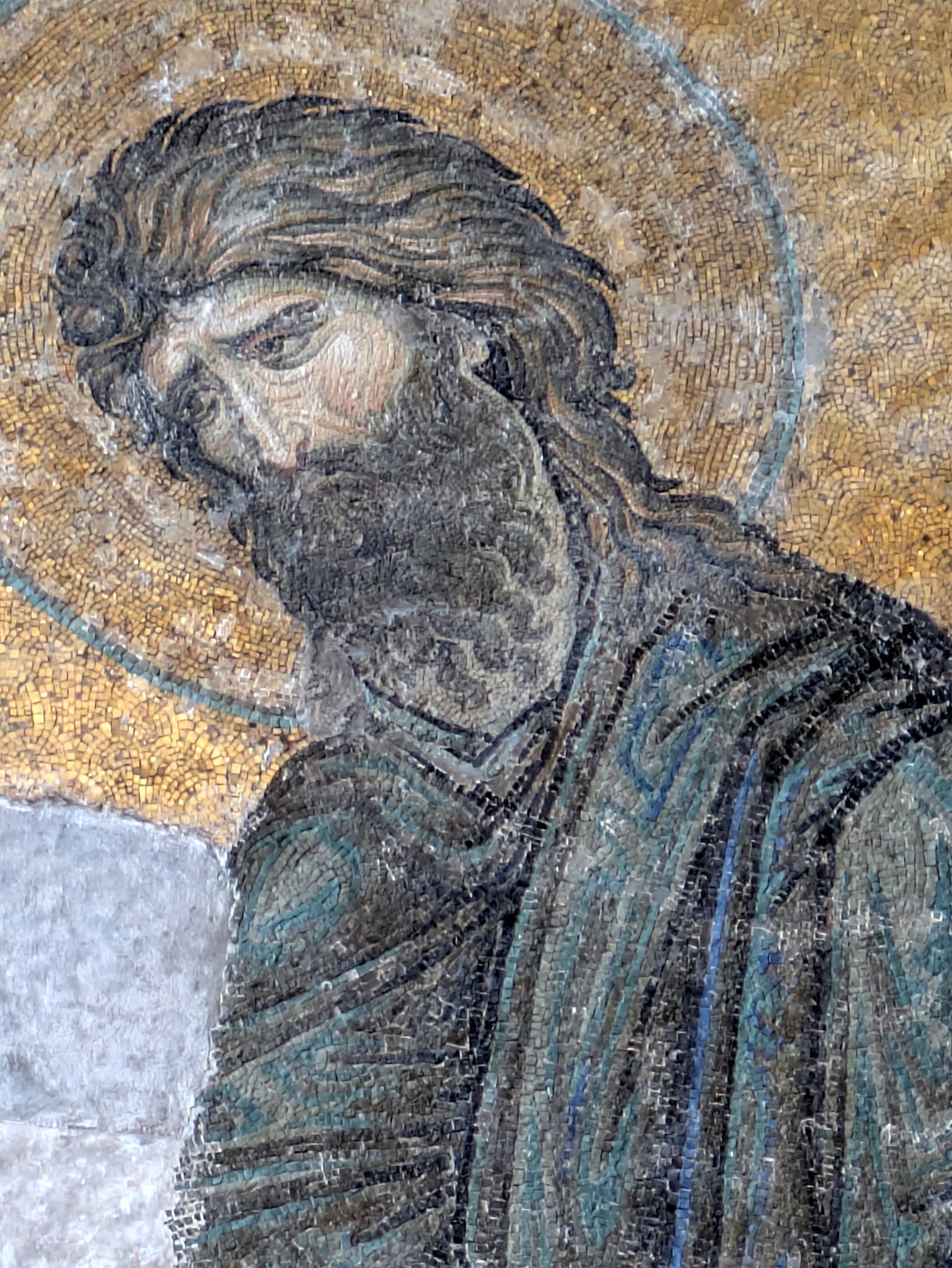
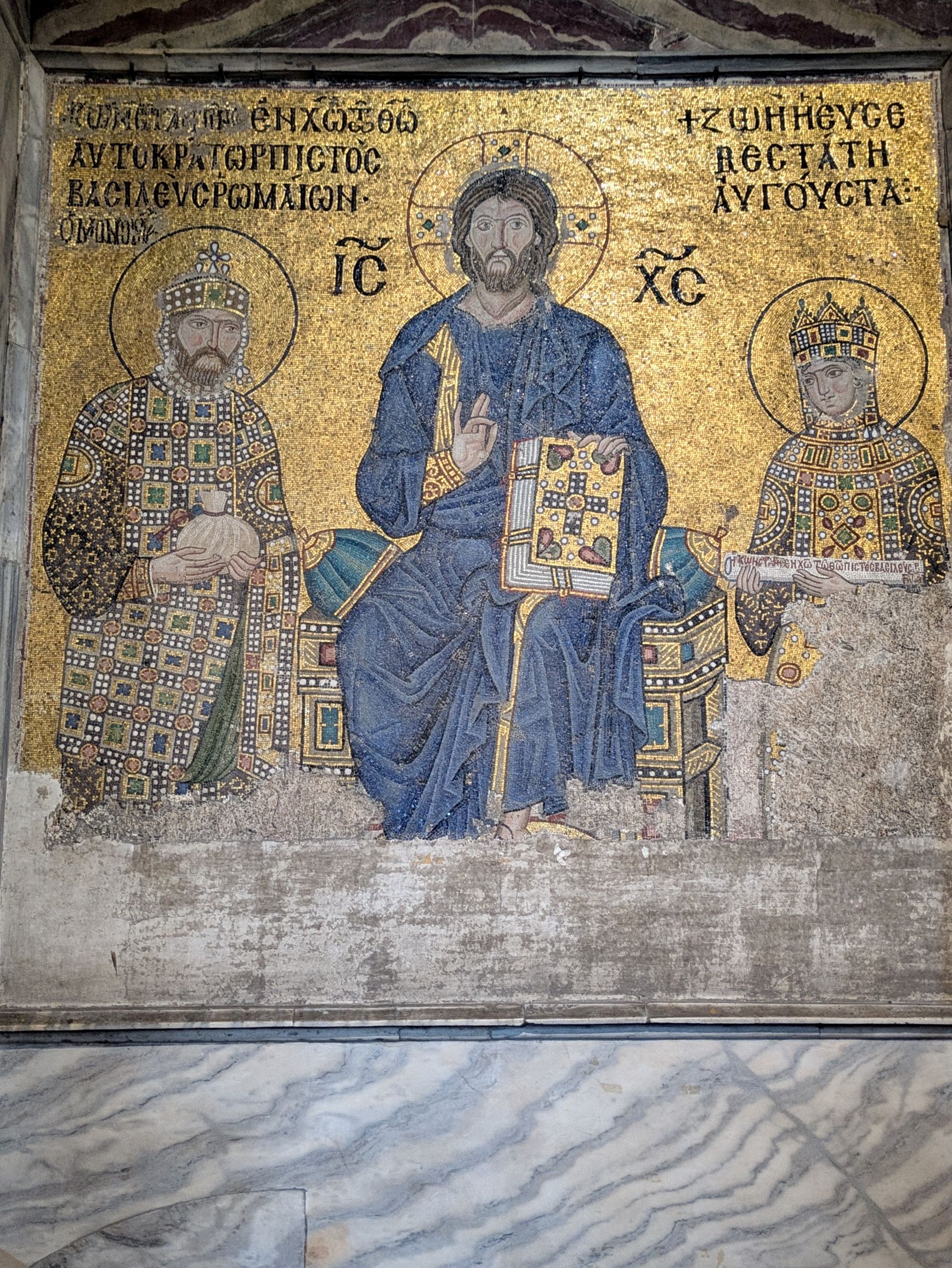

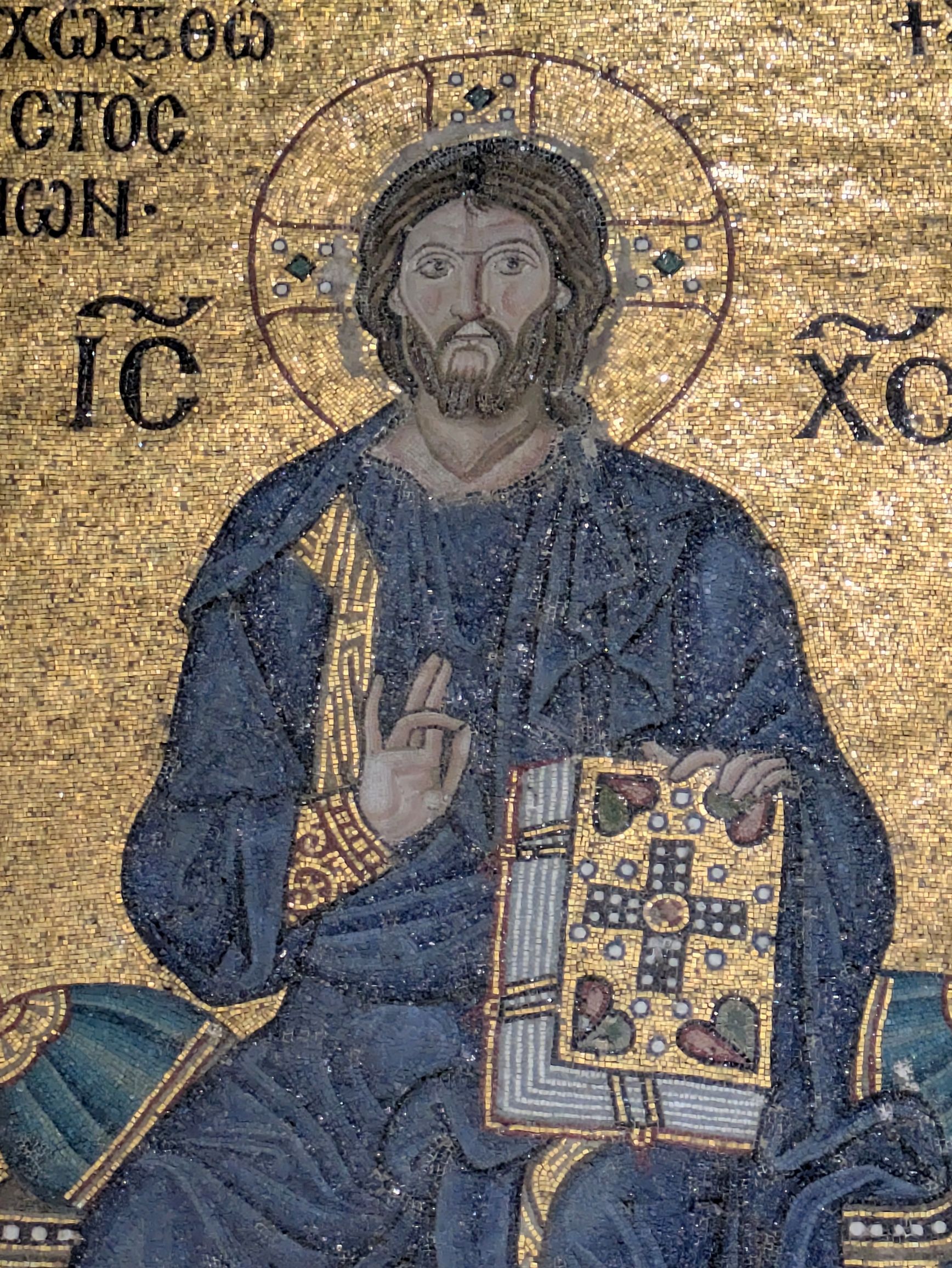
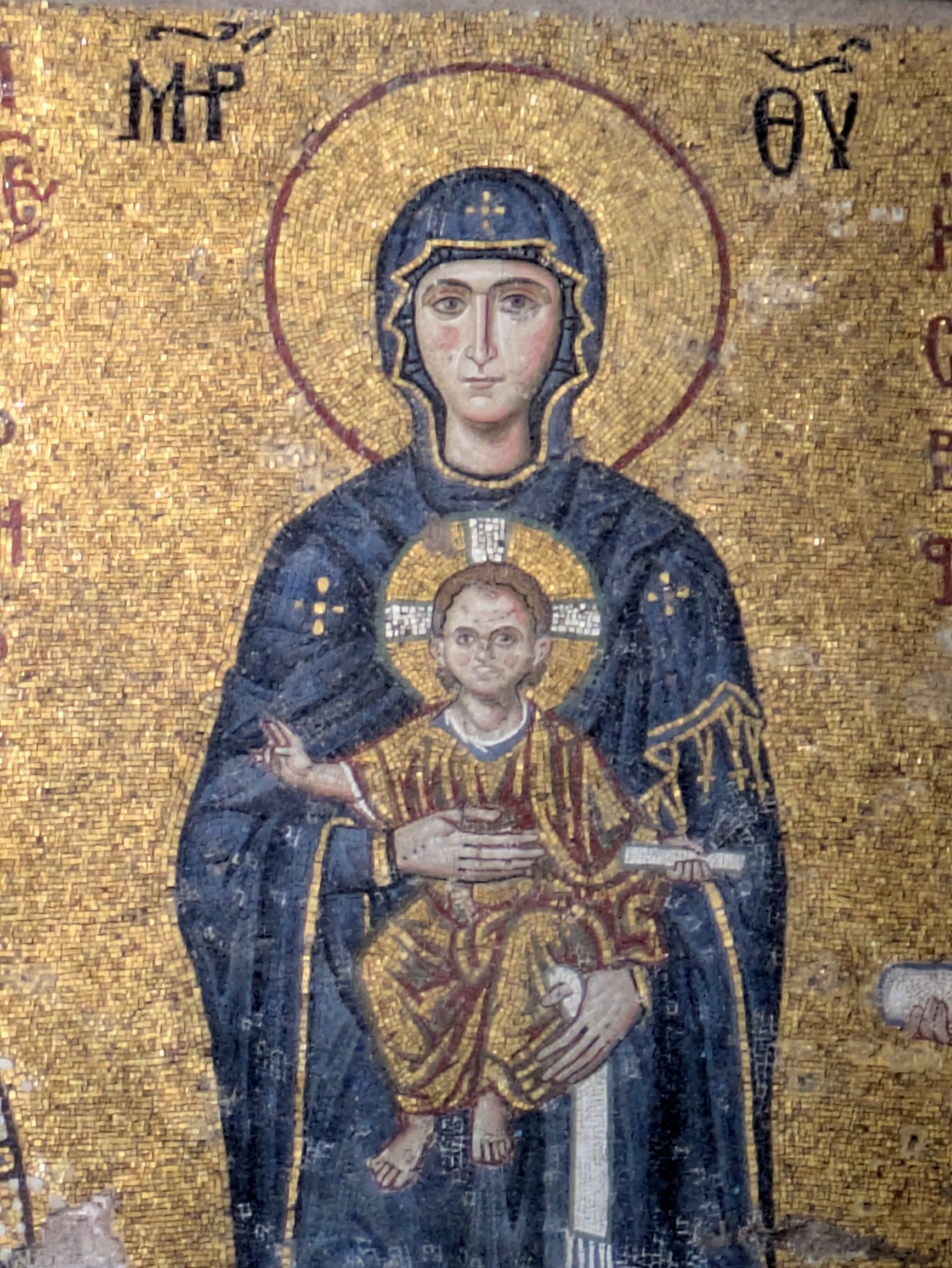
The same day we toured Hagia Sophia, we visited the spice bazaar and took a cruise on the Bosphorus Strait. More about that in my next post.
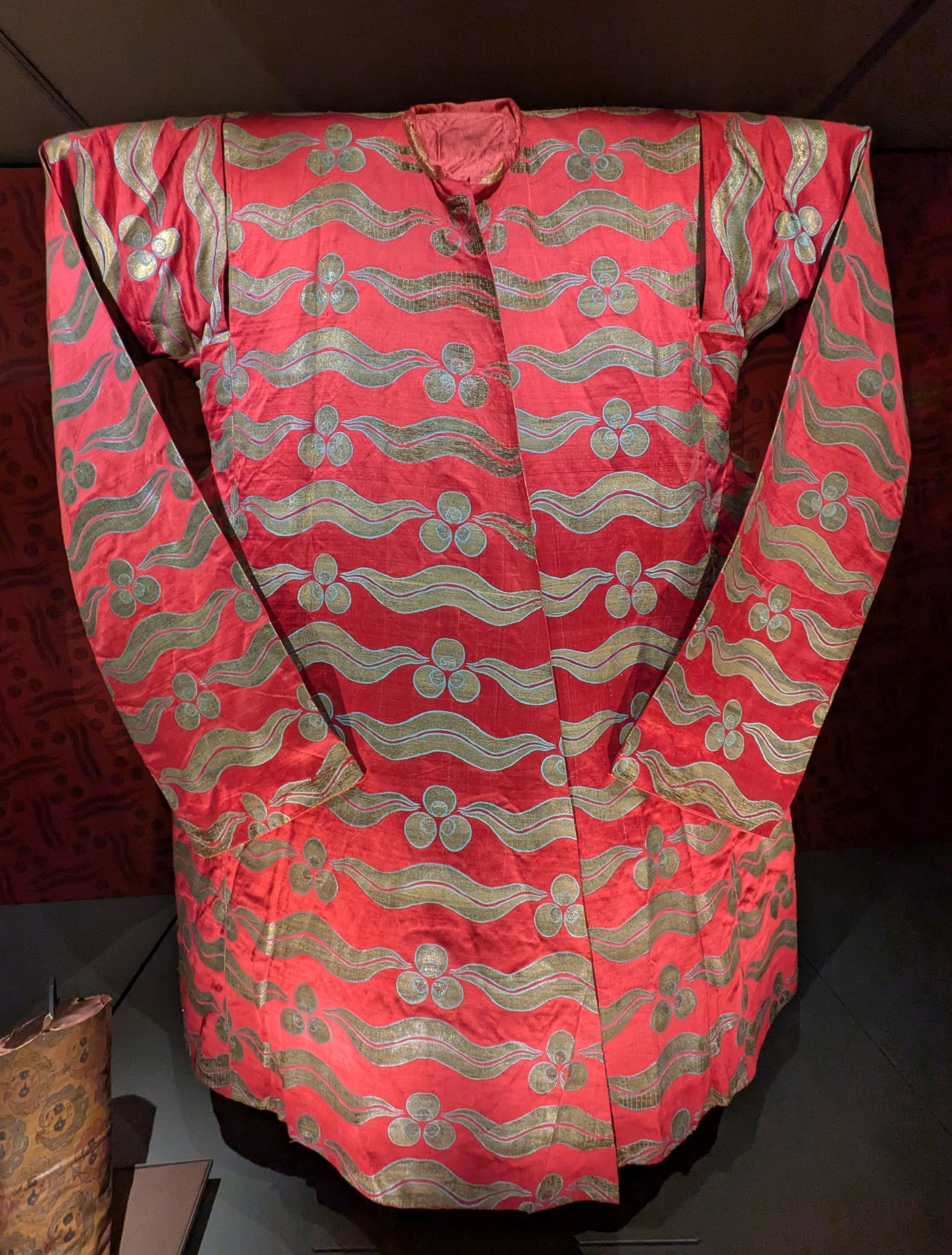
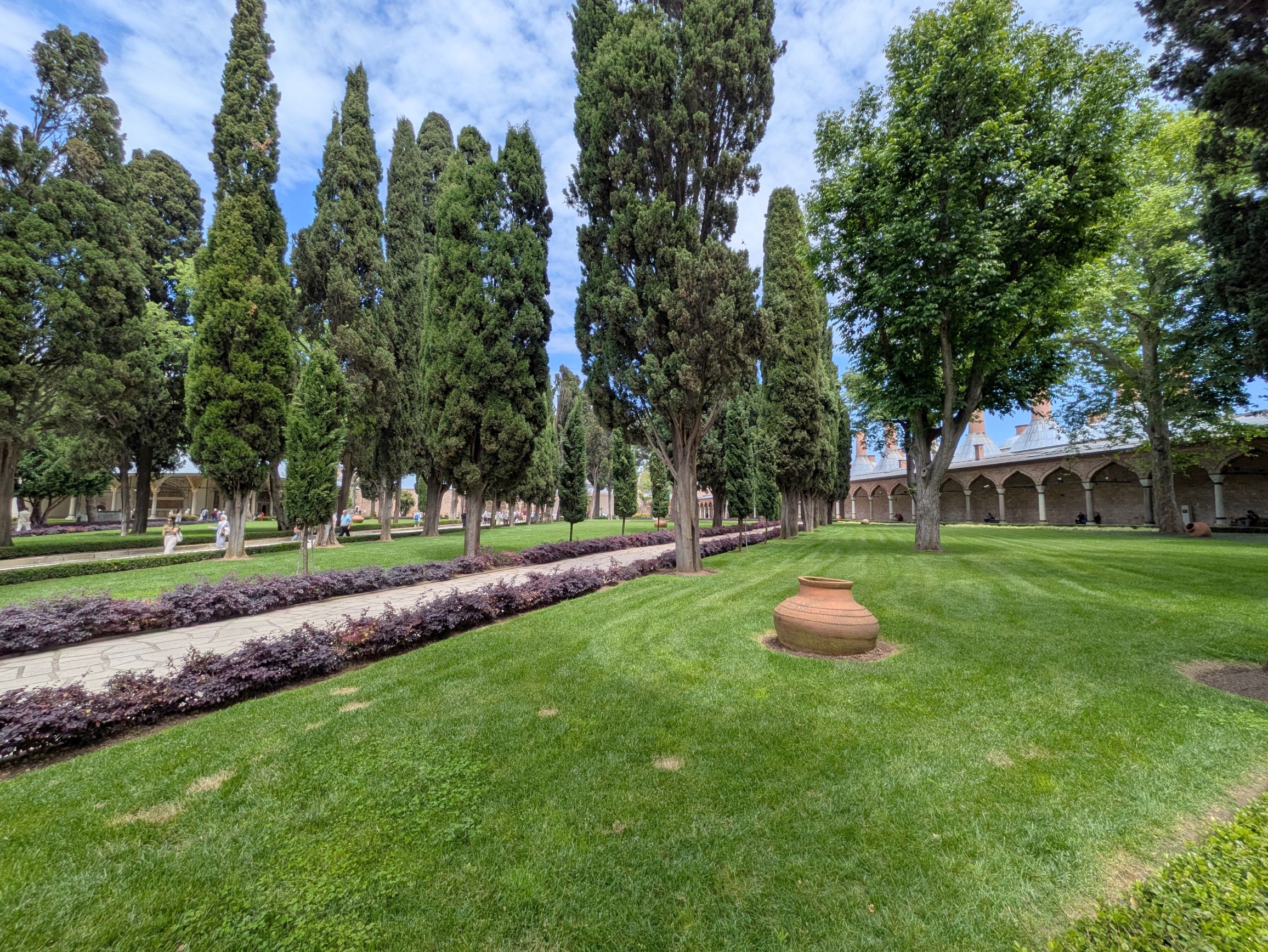
On our first day with the group, we toured Topkapi Palace, which served as the administrative center of the Ottoman Empire and was home to its sultans. Six years after the conquest of Constantinople, Mehmed the Conquerer ordered the place to be built. For several centuries, the complex expanded, but a AD 509 earthquake and 1665 fire required the palace to be renovated. Fast-forward to 2025, and the complex now consists of four main courtyards, many smaller buildings, and is another UNESCO World Heritage Site. Again, we were in awe!
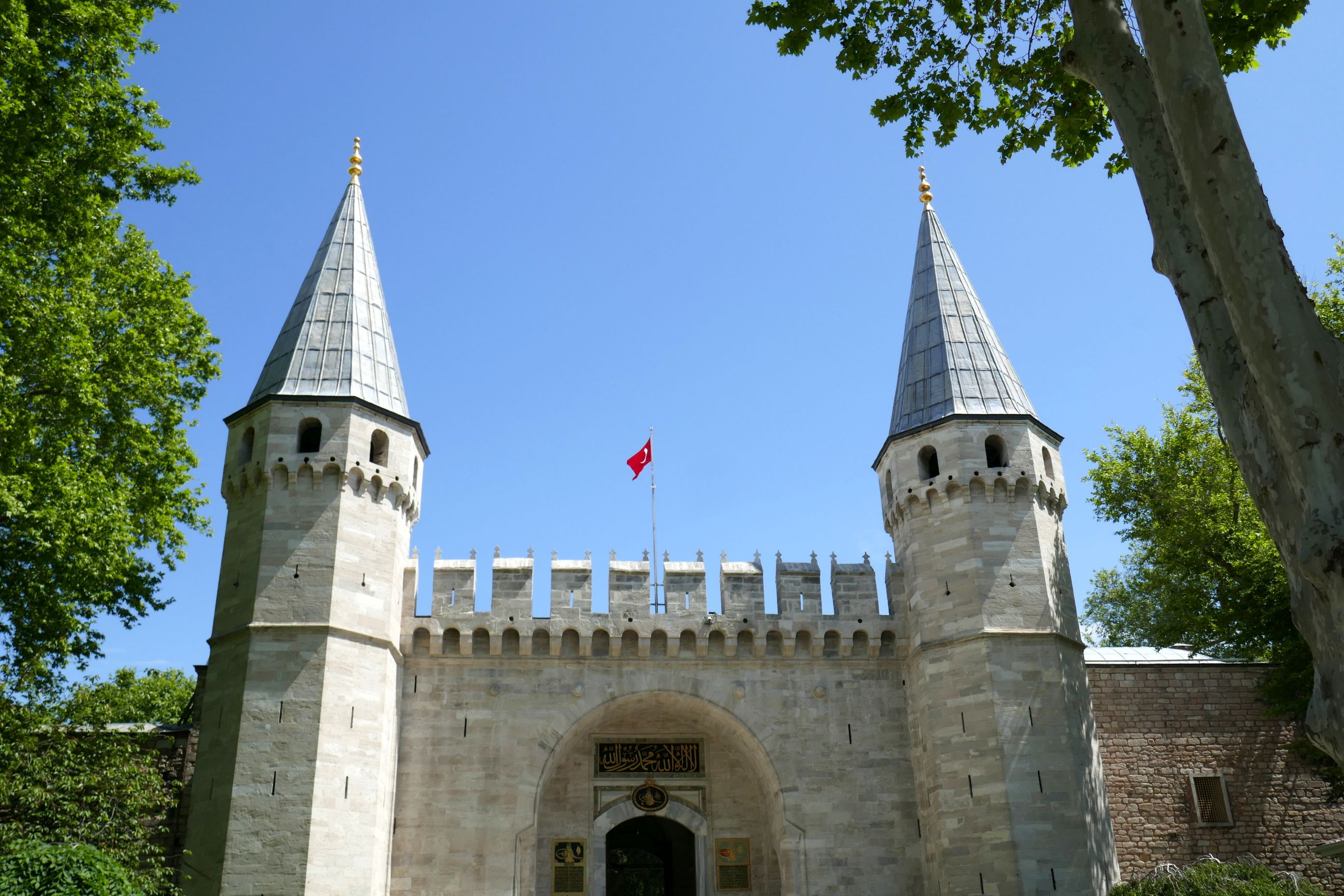

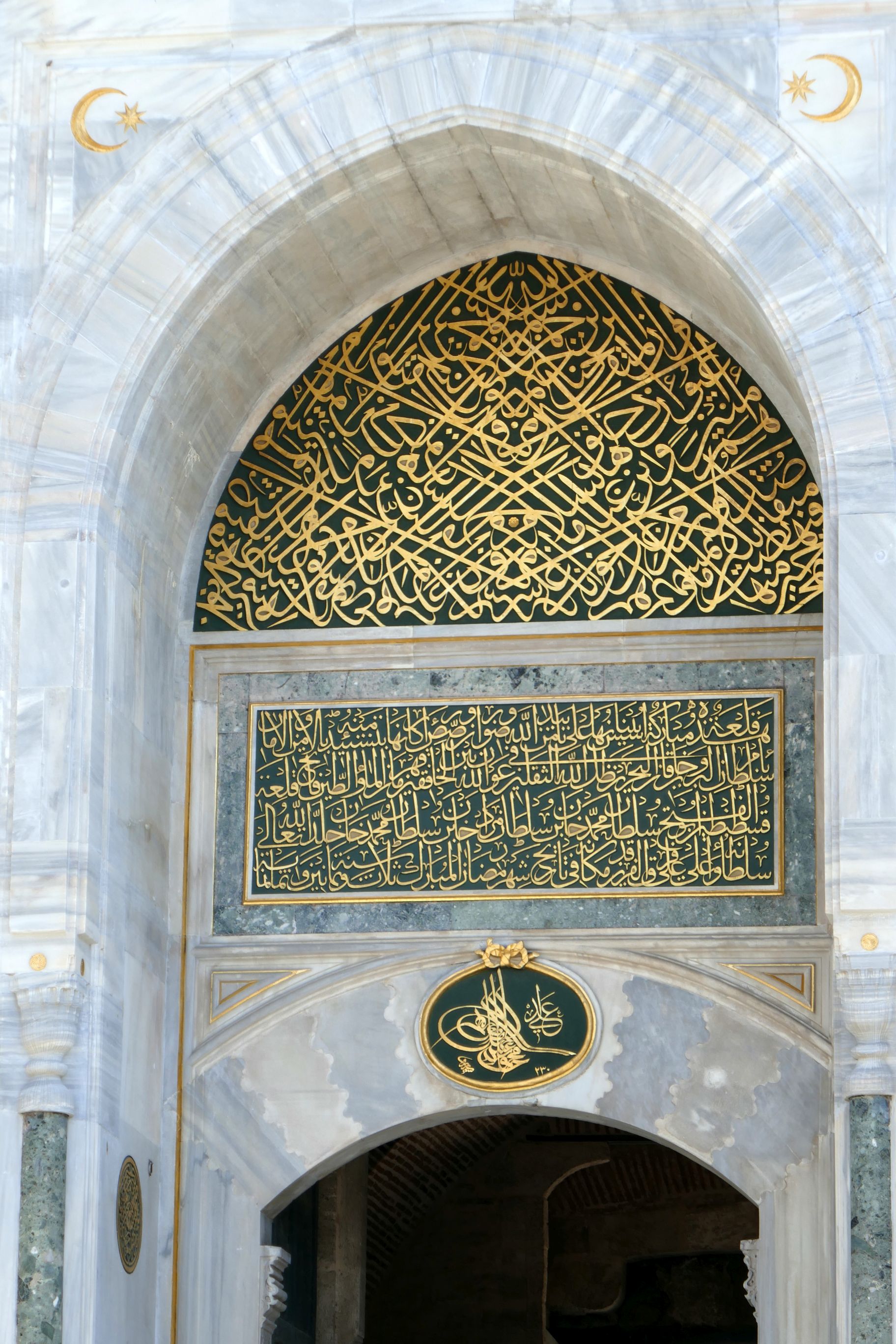

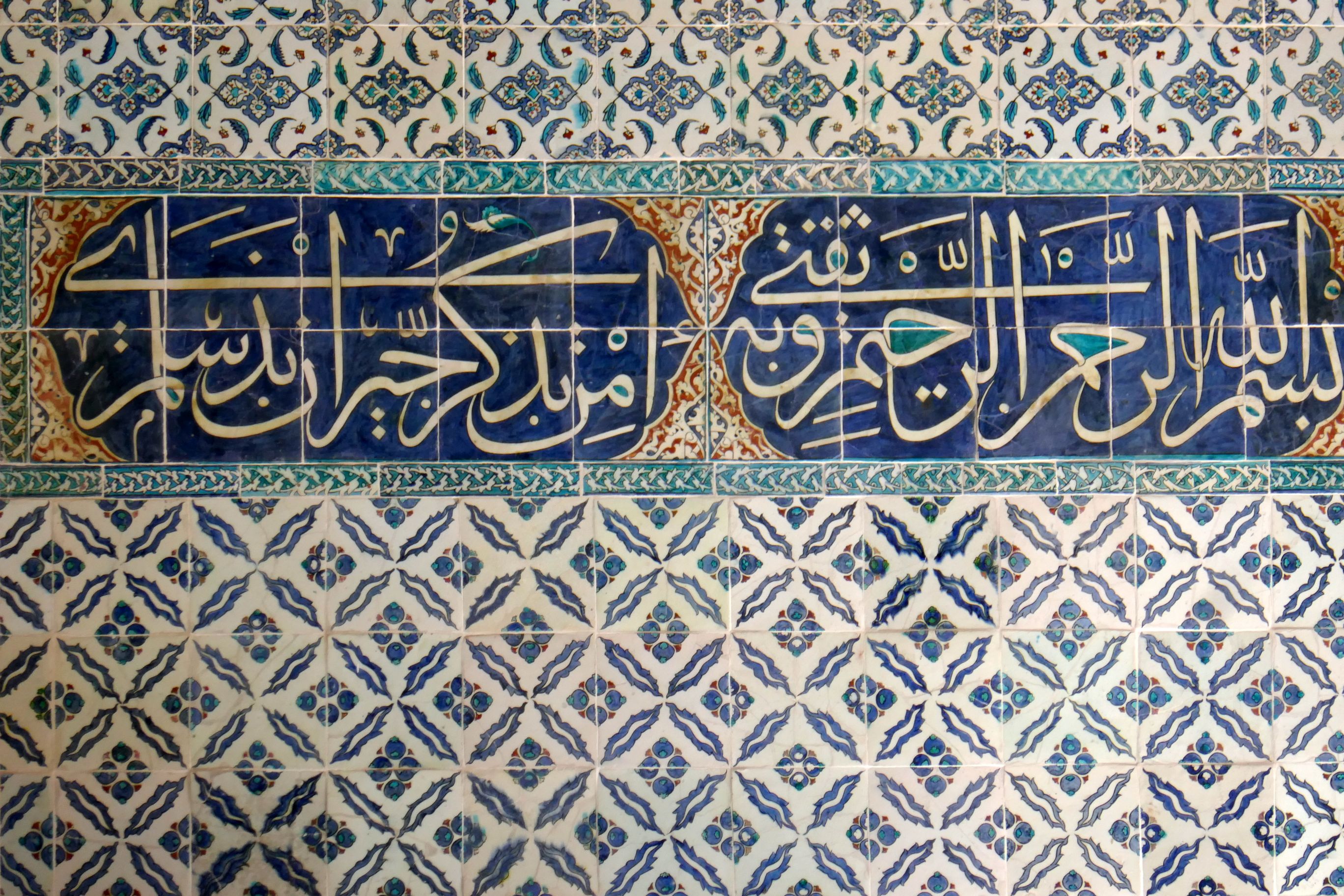
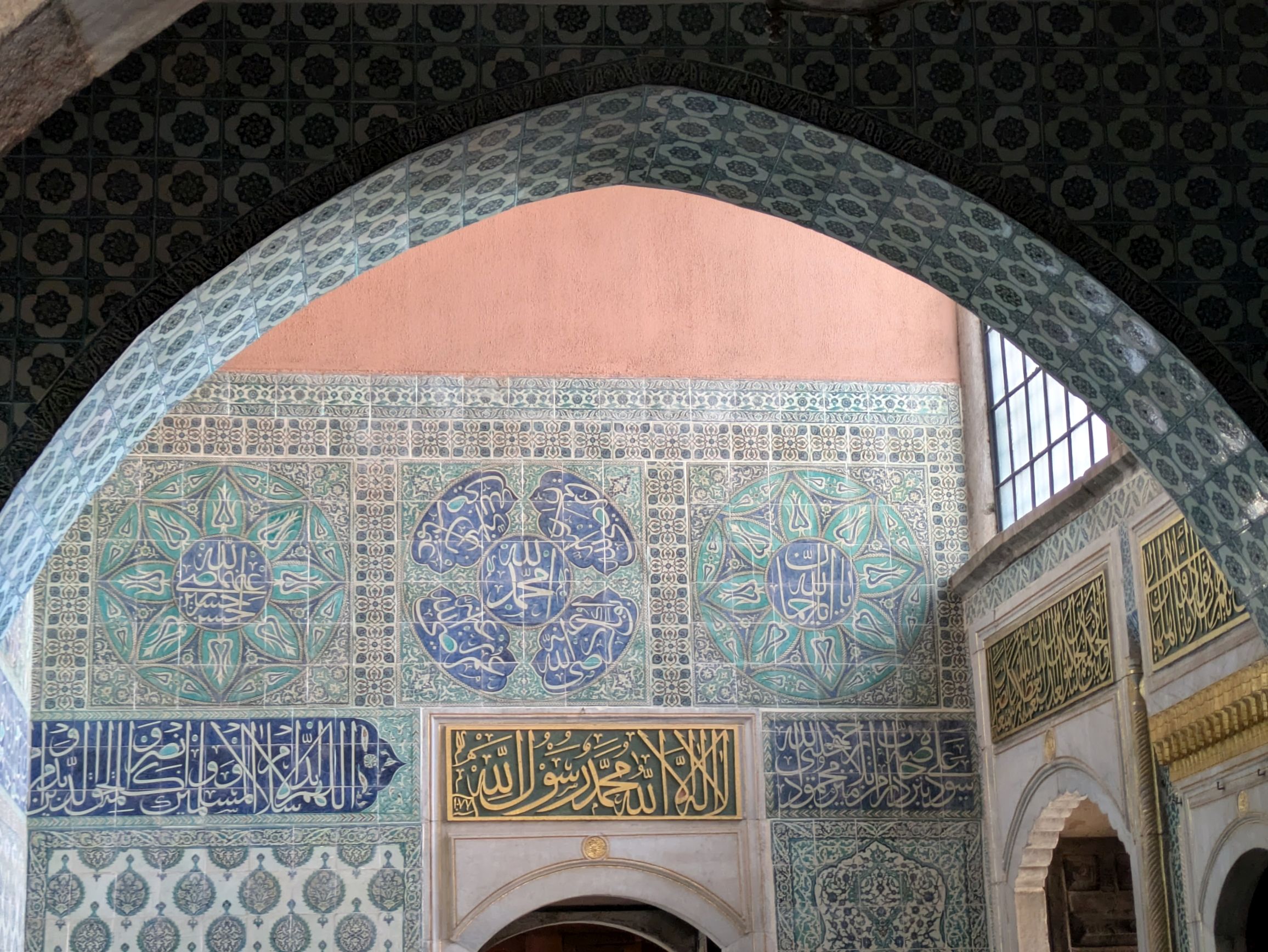


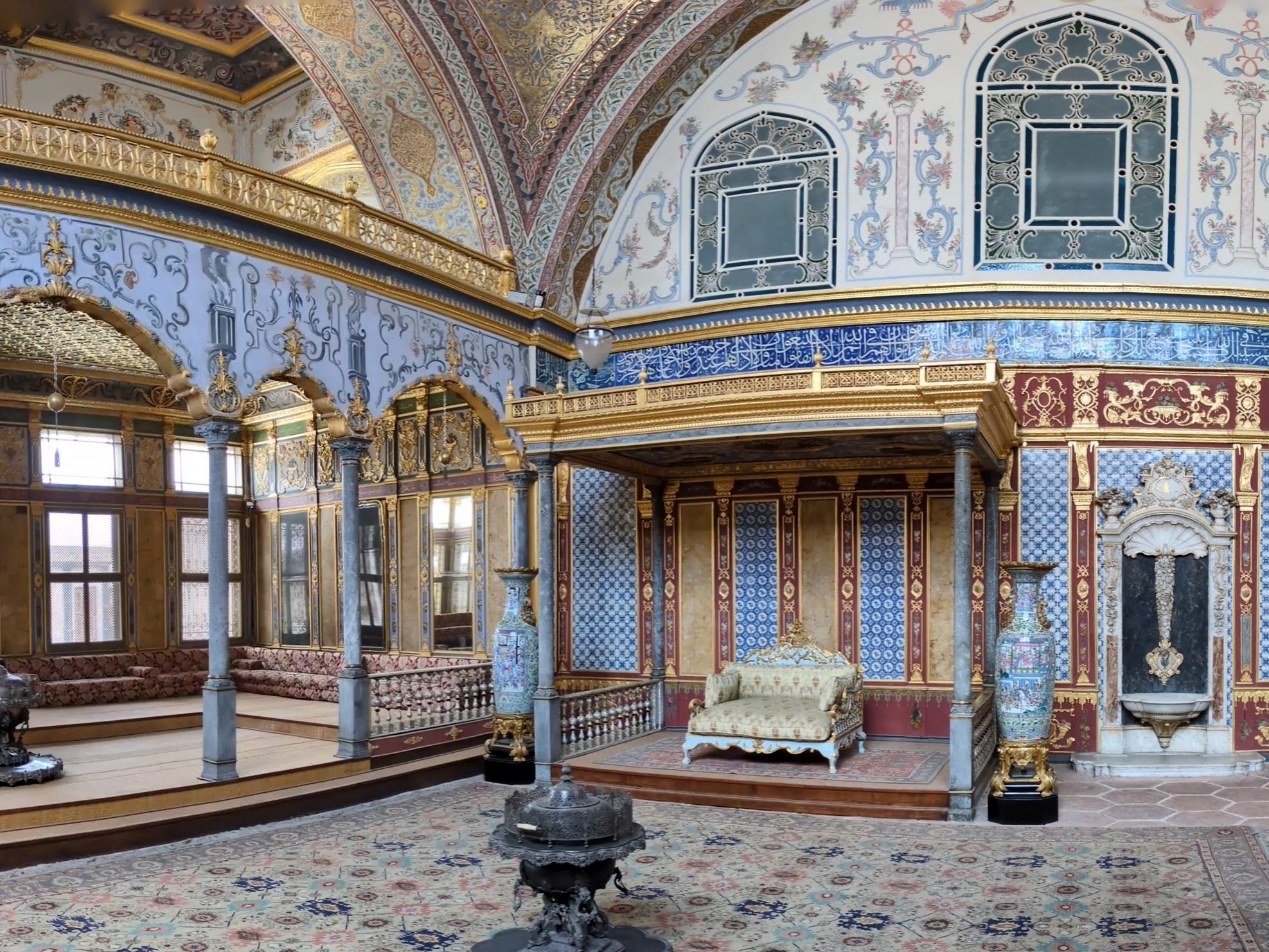

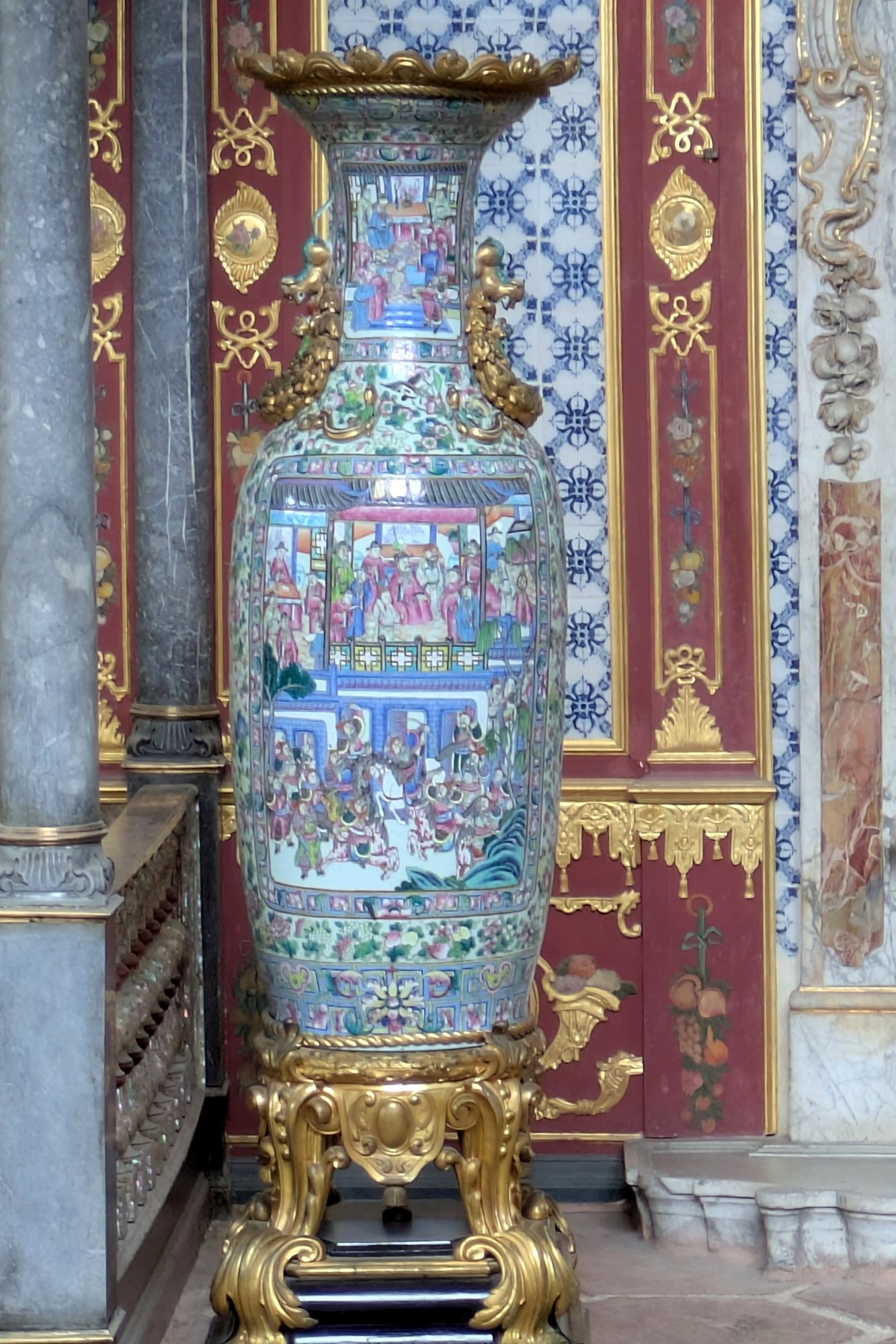


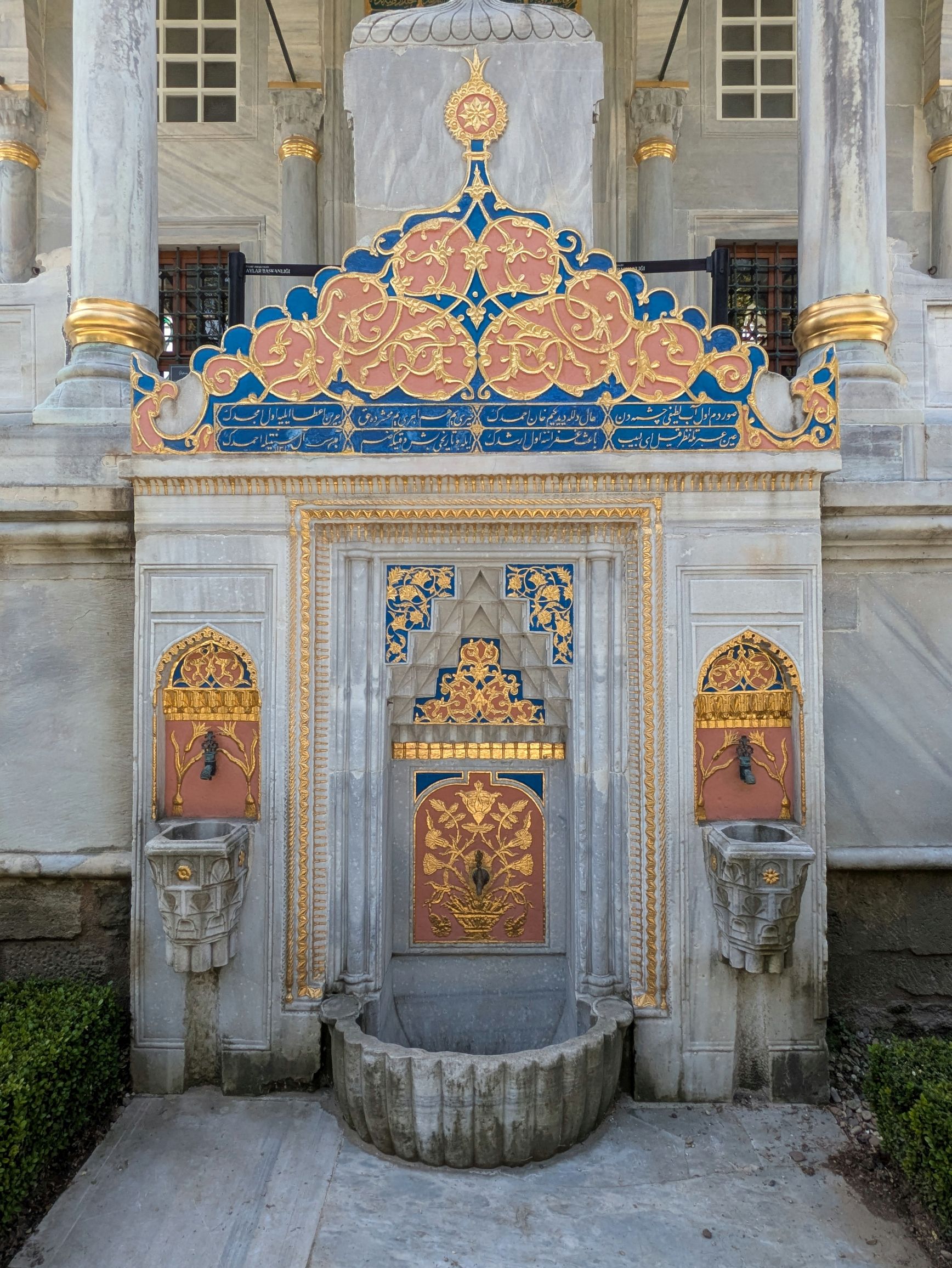
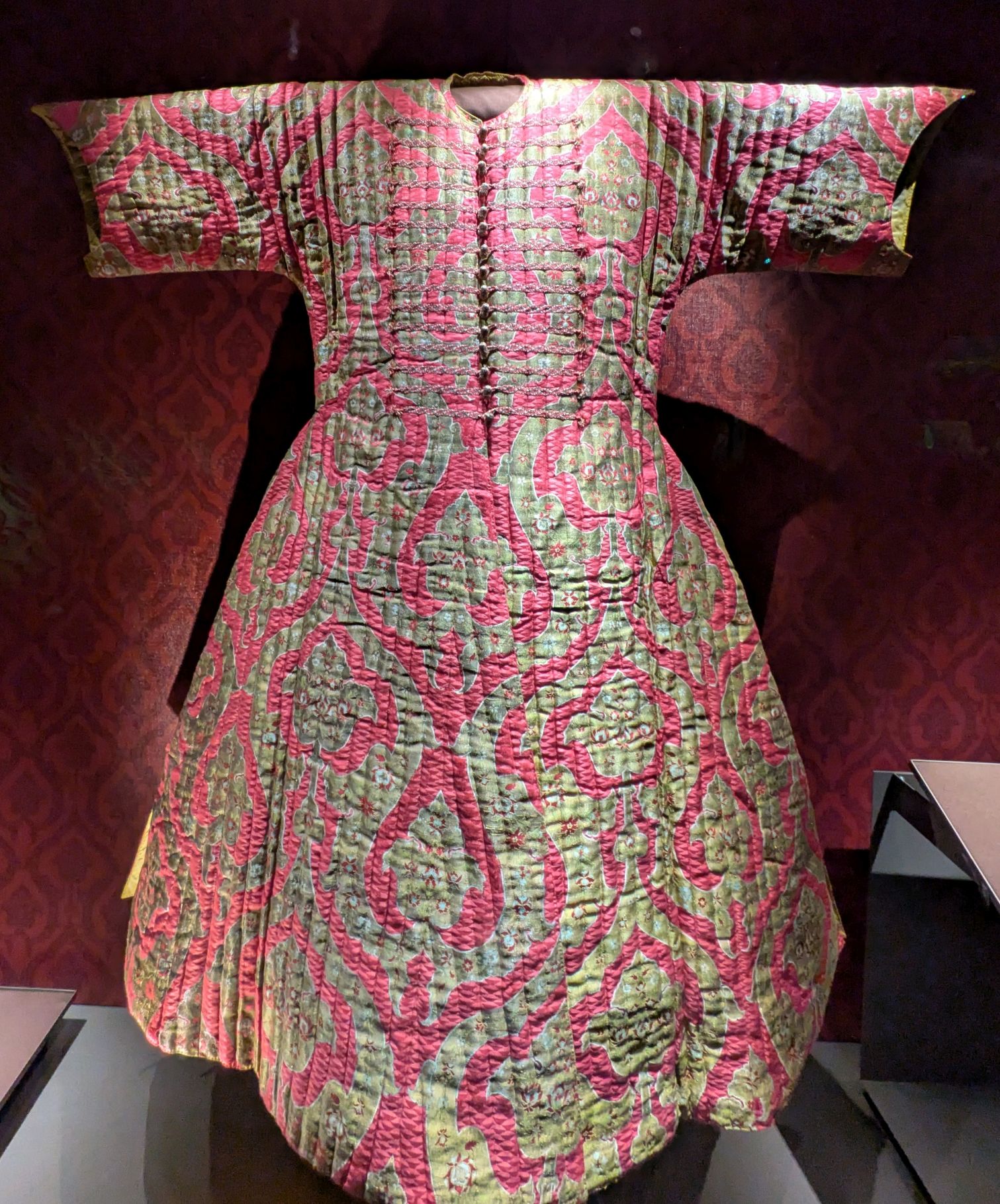
The following are all from the 1600’s and on display in the museum of the palace:


Coming up next: TURKIYE #4: THE BEAUTIFUL BOSPHORUS STRAIT & MORE ABOUT ISTANBUL
 Elaine-iaK's Travels: A Traveler's Tales of People, Places, Photos, Pools... and CHOCOLATE!