
“Bariloche” (San Carlos de Bariloche) was about a two-hour flight from Buenos Aires and well worth the effort it took for our group to get there. There had been a strike of airport workers the day before, so all flights had been canceled, leaving the airlines having to deal with a big mess the day we flew out. There was a long wait to check in; however, we made it to our gate in time for our flight.
Located in the mountains of northern Patagonia, we had expected it to be cold and windy, the typical weather for the region, even in the summer. As a matter of fact, on the windiest days in Bariloche, cars line up in the parking lot next to the lake for a free car wash!
I was shocked when the forecast showed a high of 79 and no wind on our day of arrival, and we were warned that we could experience all four seasons in a single day. Don’t like the weather? Wait five minutes, and it will change. Except, it didn’t change much during the entire three days we were in Bariloche. It was warm and sunny our first day and got even warmer! So much for the cold-weather clothes and rain gear I had packed; I wore shorts and t-shirts in Bariloche!
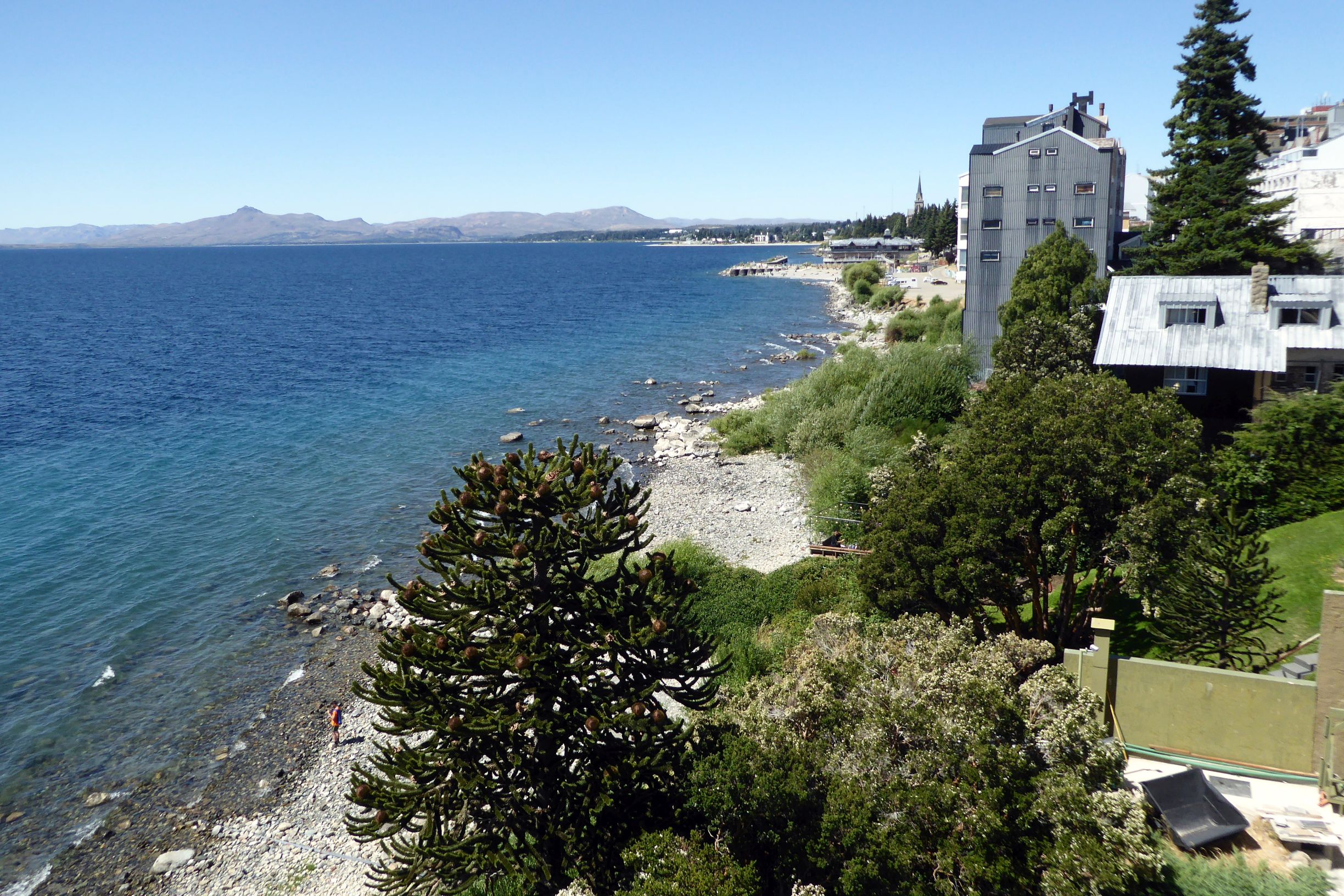
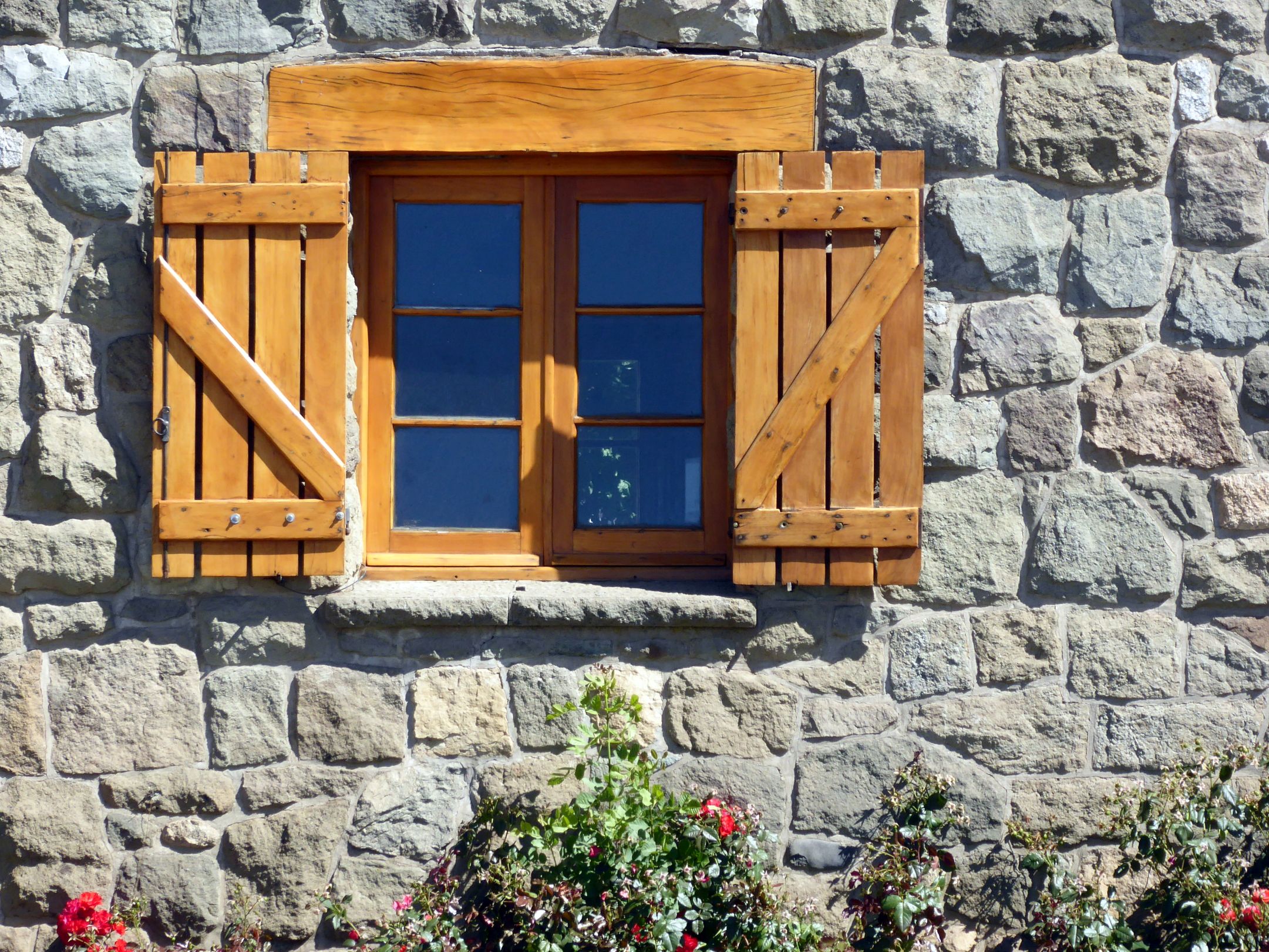
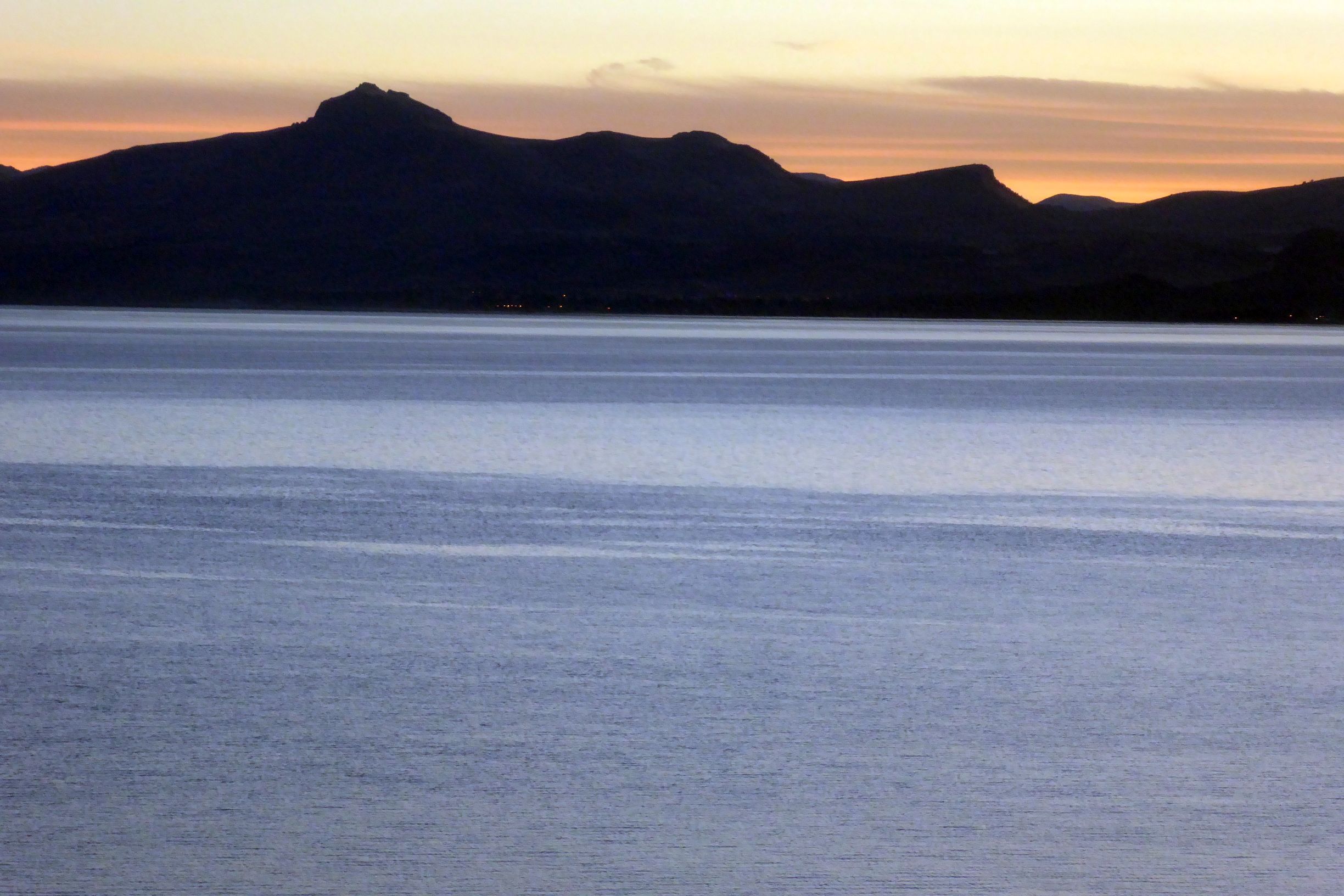
Upon our arrival at Cacique Inacayal Hotel, we were greeted with this breathtaking view of Nahuel Huapi Lake, a 40-mile long lake surrounded by the foothills of the Andes. The hotel was beautiful—interesting architecture and a lot of wood and stone fit in perfectly with the Alpine vibe of this city settled by the Germans and Swiss. Nicknamed “Little Switzerland,” it’s the second-most visited destination in Argentina, and I instantly could see why. The city sits in the center of Nahuel Huapi National Park, which offers many outdoor activities and sightseeing, which we would be doing the following day. Stay tuned!
(For all photos, click on the image for a full screen view. Desktop computer monitors are best!)


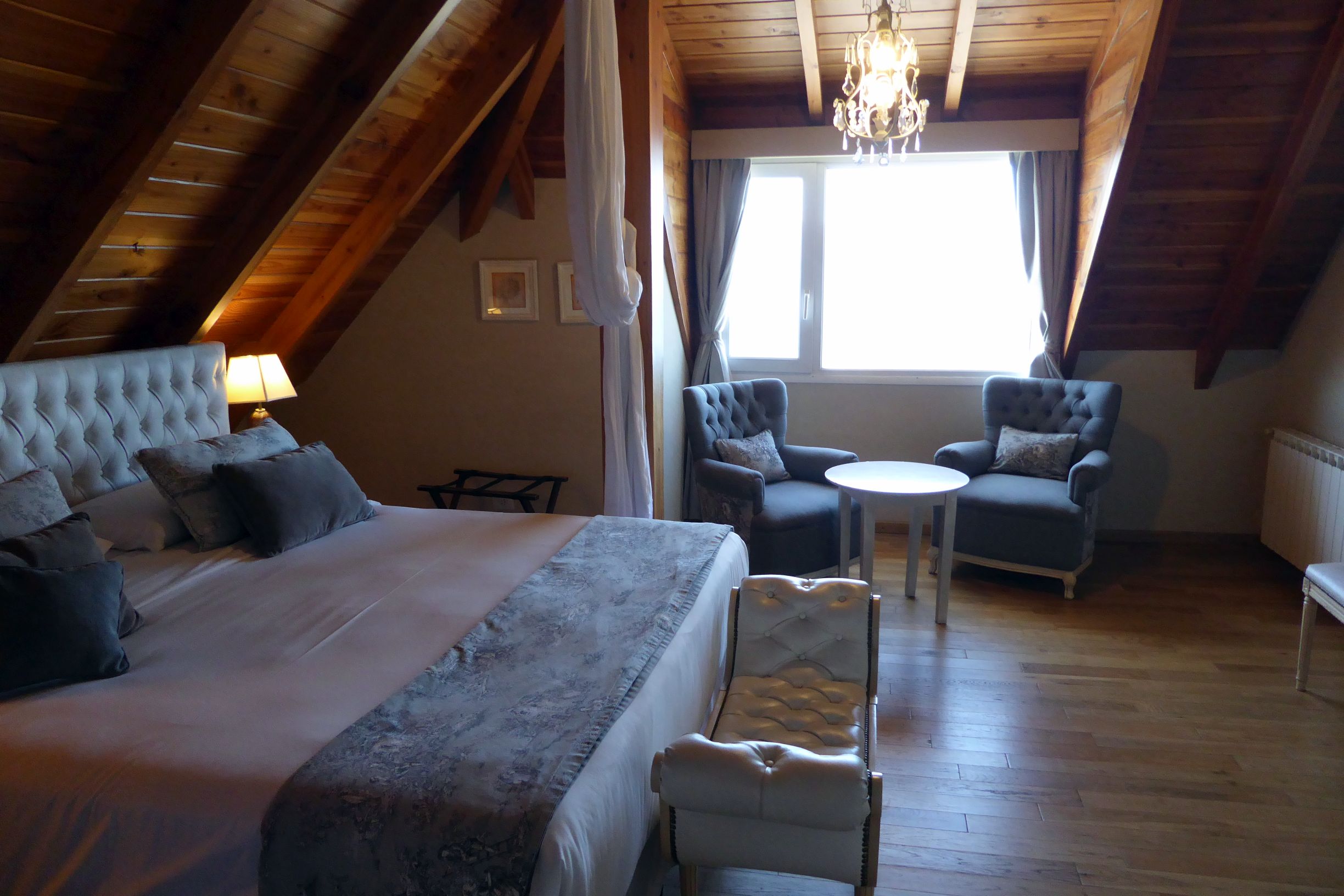
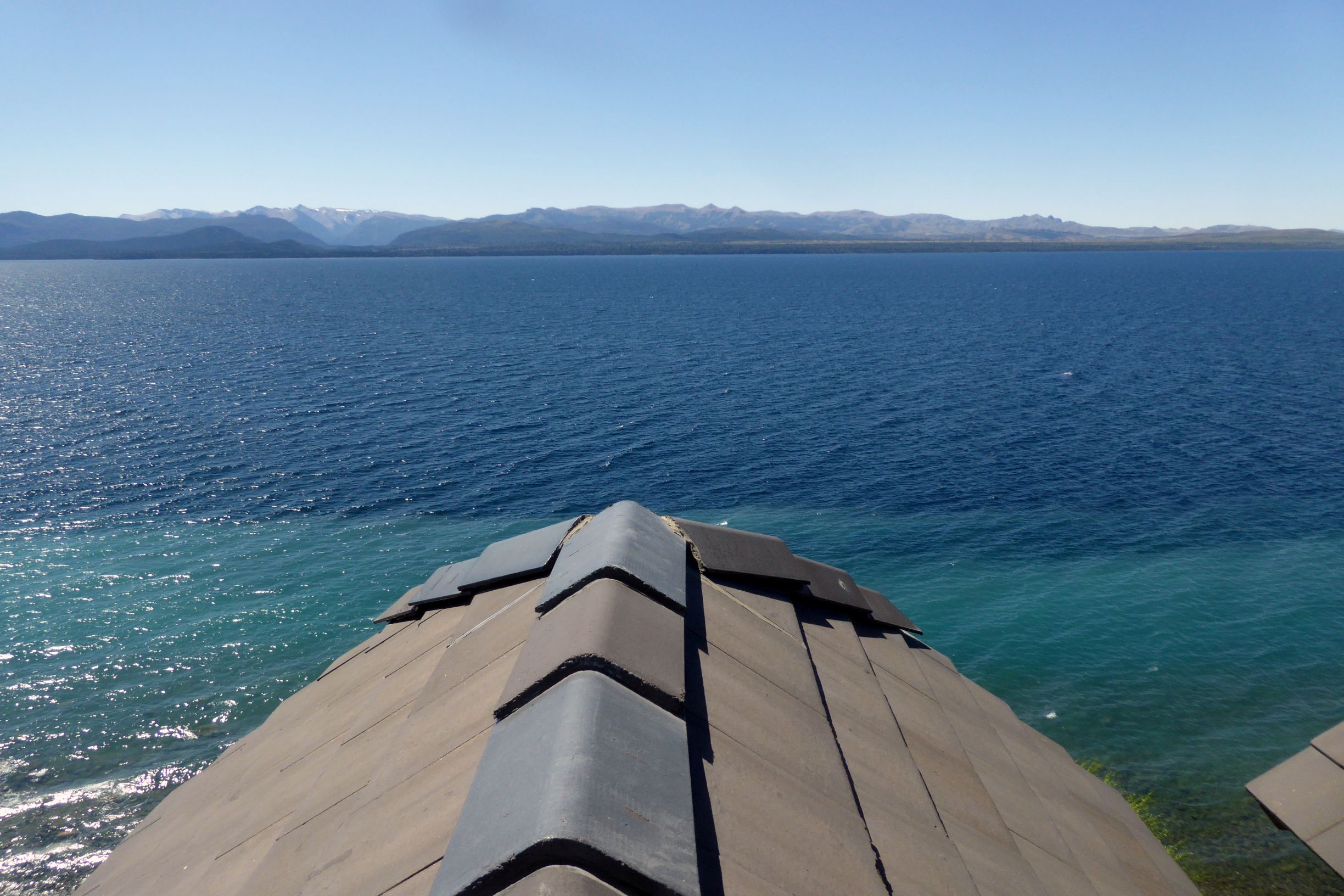
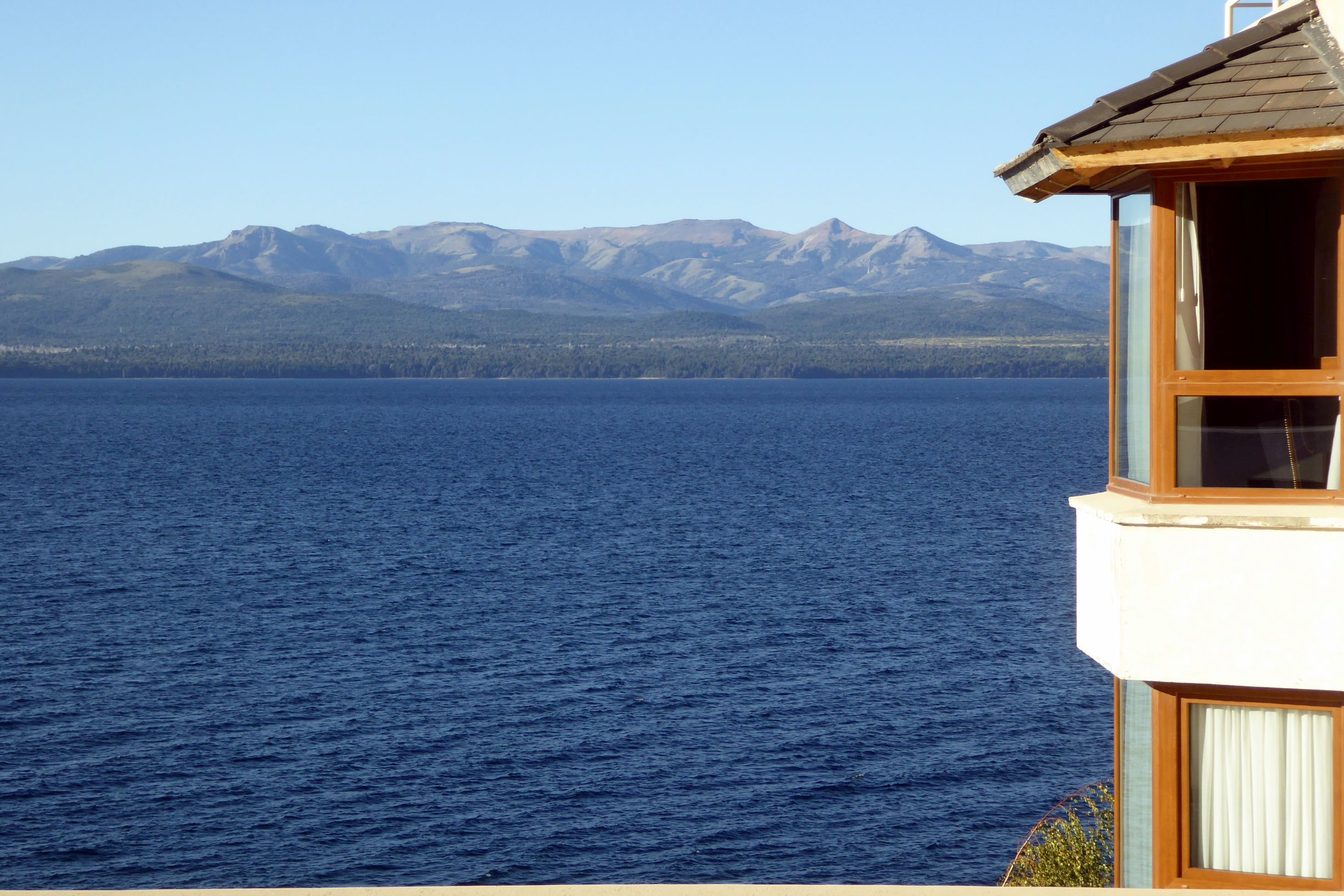
Meanwhile, we settled into our room before Andrea led us on a walking tour of the town. We were fortunate the top-floor room we got was unwanted by the couple it was assigned to, because of the stairs required to reach it after the elevator ride. We prefer taking stairs rather than elevators for the exercise, so we gladly accepted the switch. This is our room with the gorgeous view:
The town center was a short walk away, and I found it to be quite charming—and, a bit (pleasantly!) distracting. Not only does Bariloche have the nickname “Little Switzerland,” but it lives up to that name with all its chocolate shops! Stay tuned for more about that, too, in an upcoming post…
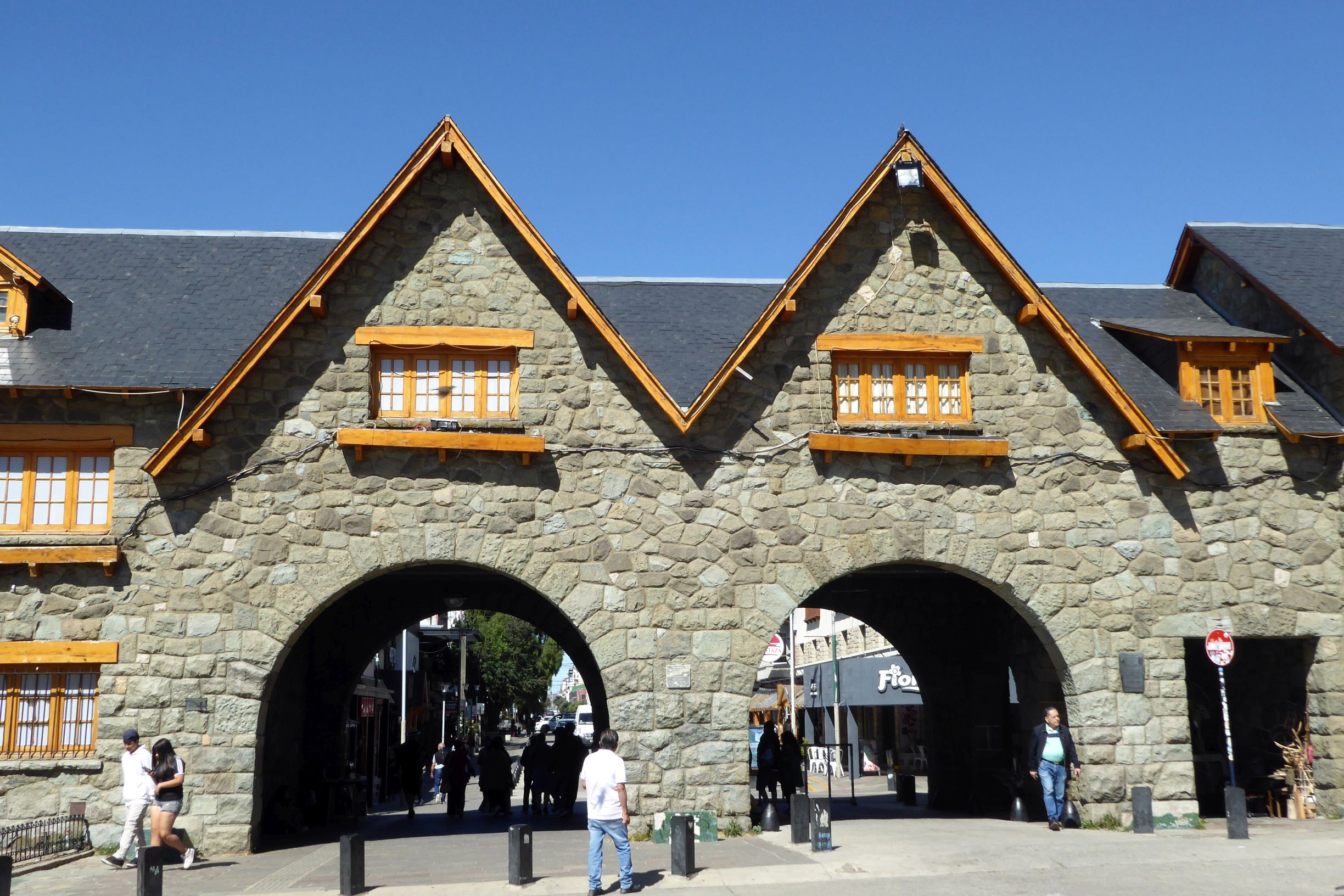

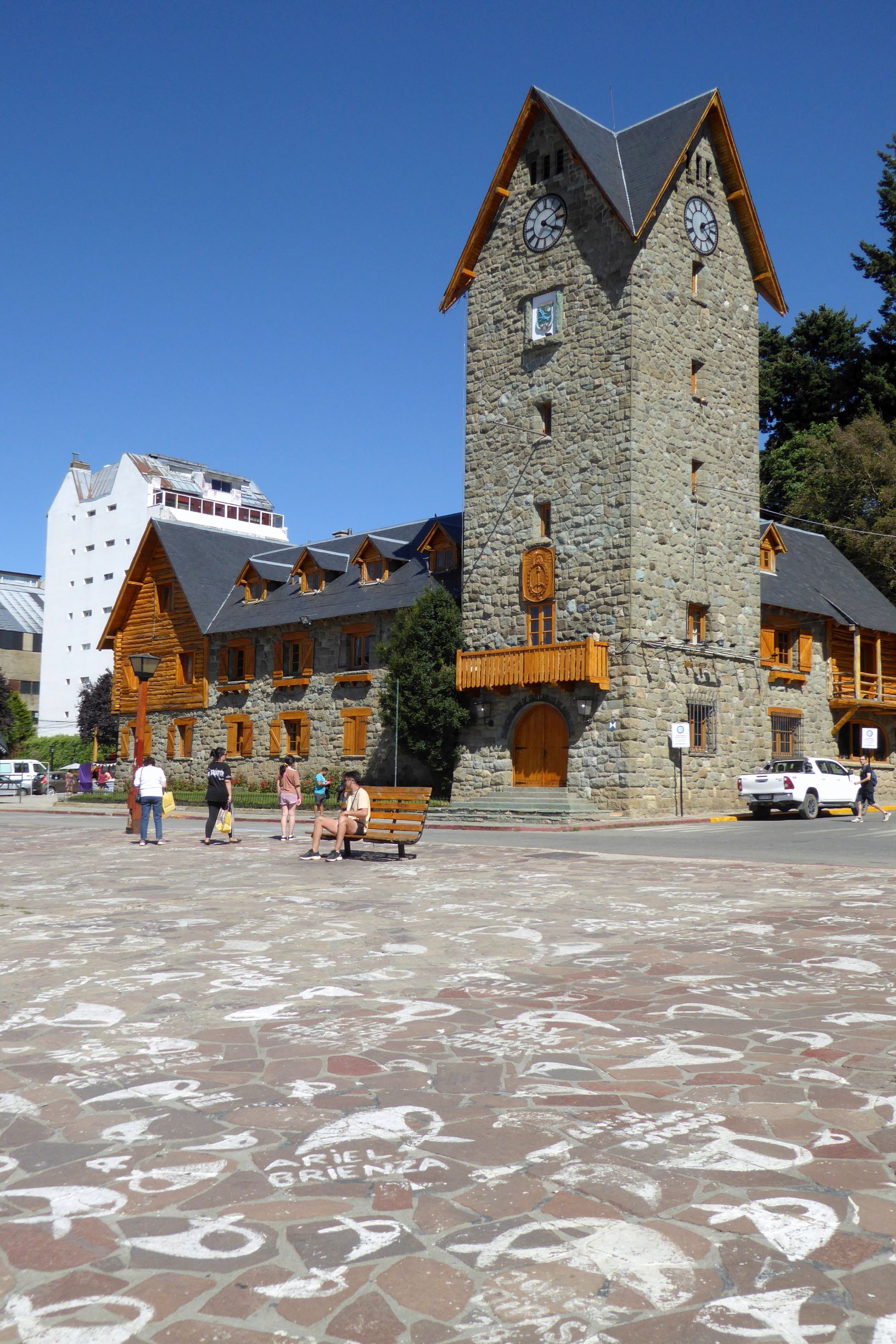
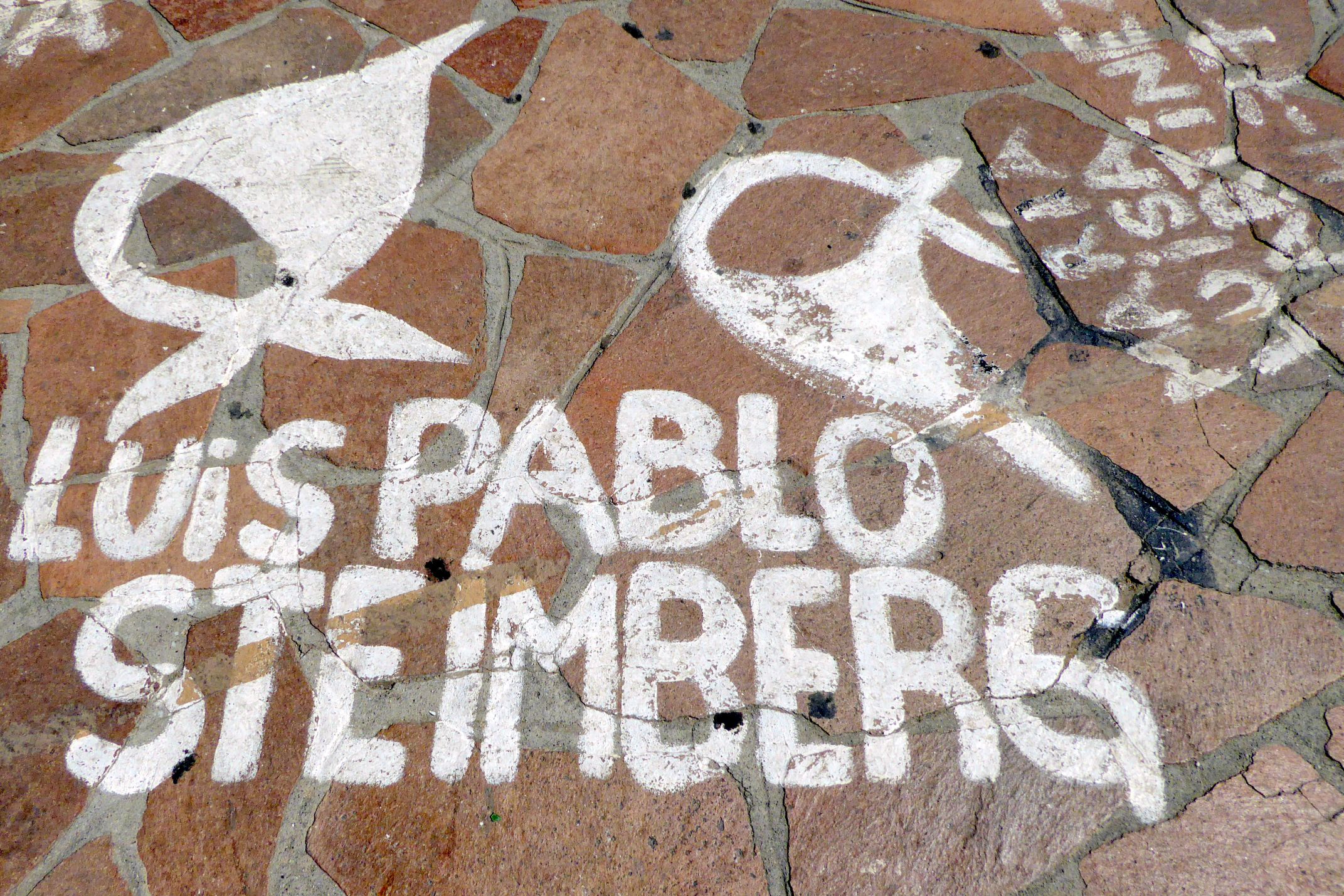
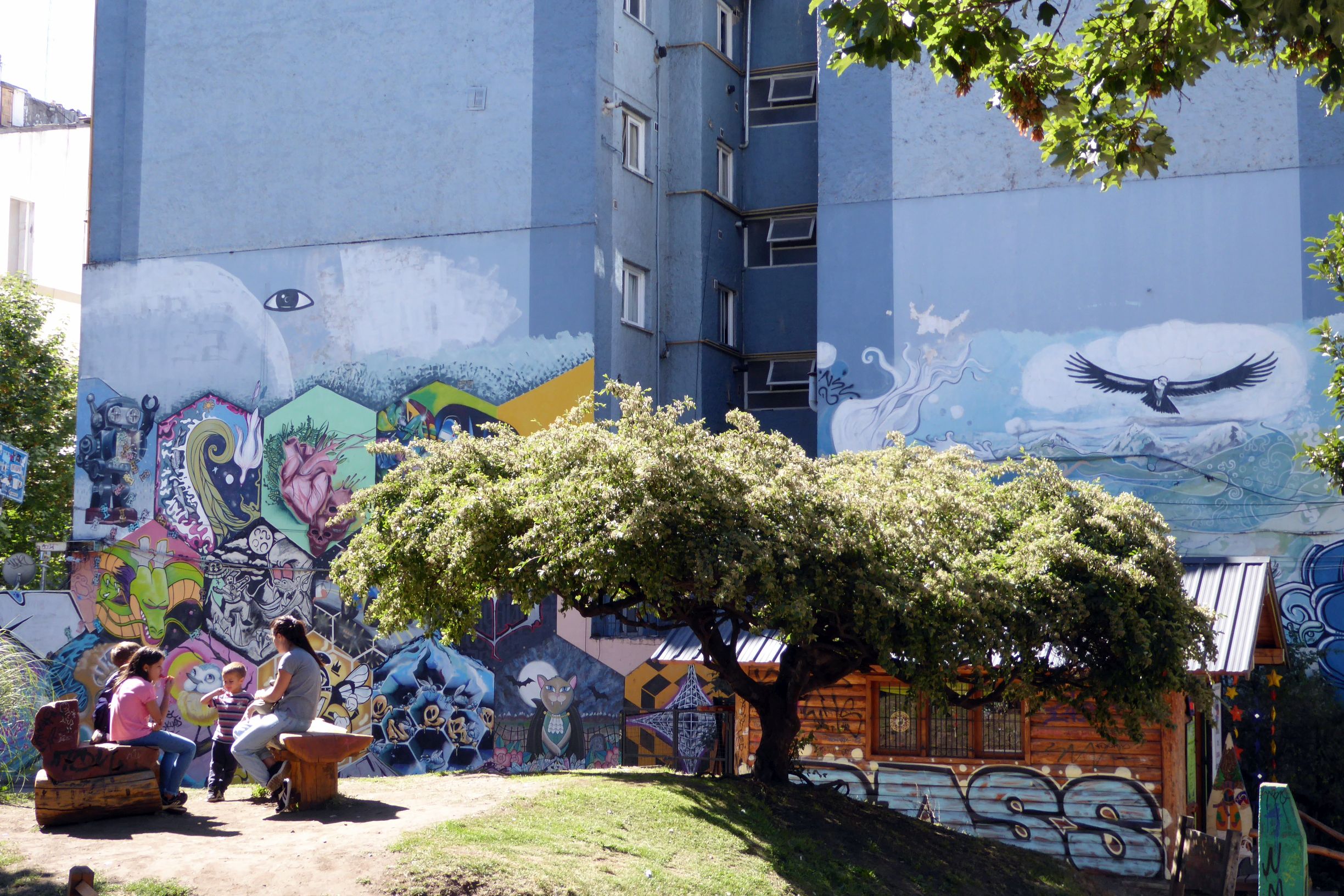
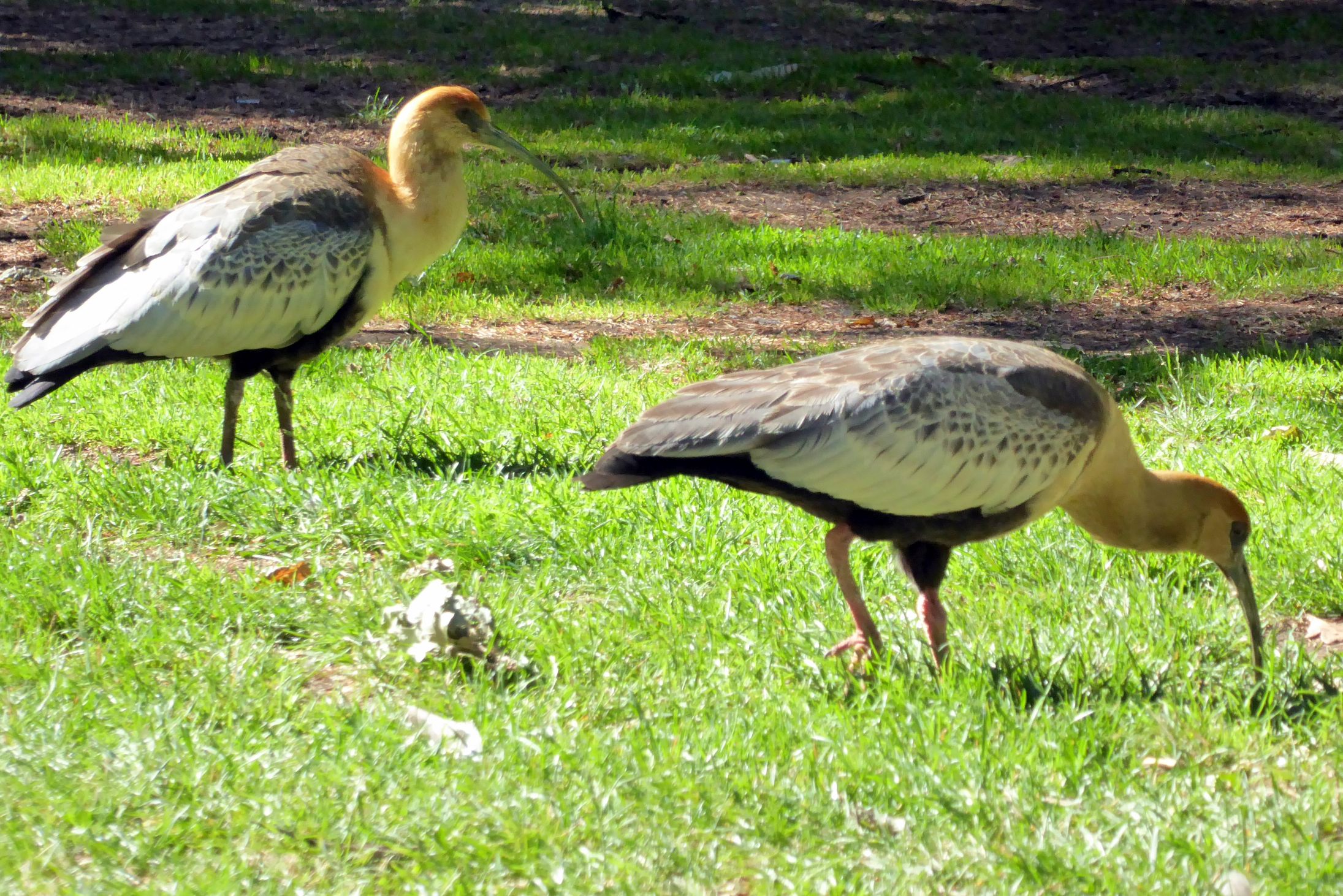
Following our walking tour, we gathered at the hotel to meet Christina, from the Mapuche Nation, to learn about the struggles and culture of her native people. MAPU (land) CHE (people) were the first people of the region which today covers the southern half of Chile and Argentina. Throughout their history, they have had to fight fiercely to maintain self-determination and freedom—first, against the Inca Empire, and then for over 400 years against the Spanish, Chilean, and Argentinian authorities.
Why do native people always get the shaft? American Indians, Alaskan Eskimos, Australian Aboriginals, New Zealand Maoris; and; the Mapuche, which evidence proves, have been in Patagonia for 16,000 years! I could go on and on; there are many more natives just like them throughout the world getting the shaft. They all have this in common: They were there first, but they are treated horribly by those who followed, and they get no respect.
In Chile, there is a law that doesn’t allow the Mapuche to protest. If they do, they are considered “terrorists” under the anti-terrorist law. The bottom line? They have less rights than American Indians.
Learning about the Mapuche history and culture fascinated me, and I was most intrigued by their spiritual beliefs. As Christina explained, they only believe in what they can see; they do not believe in God. Our trusty guidebook explained it this way, “The spiritual belief of the Mapuche people is closely linked to the land and their natural environment from which the power of life emanates of a divine family that creates and sustains man and nature. Man is perceived as a part of nature that is interconnected with all the surrounding elements.”
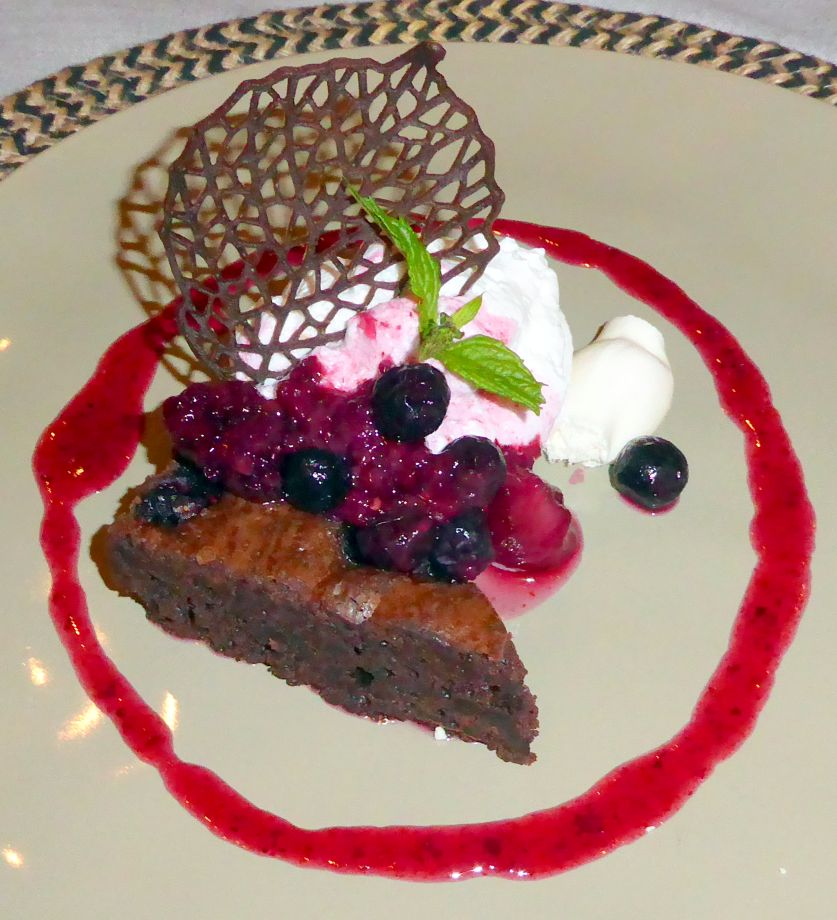
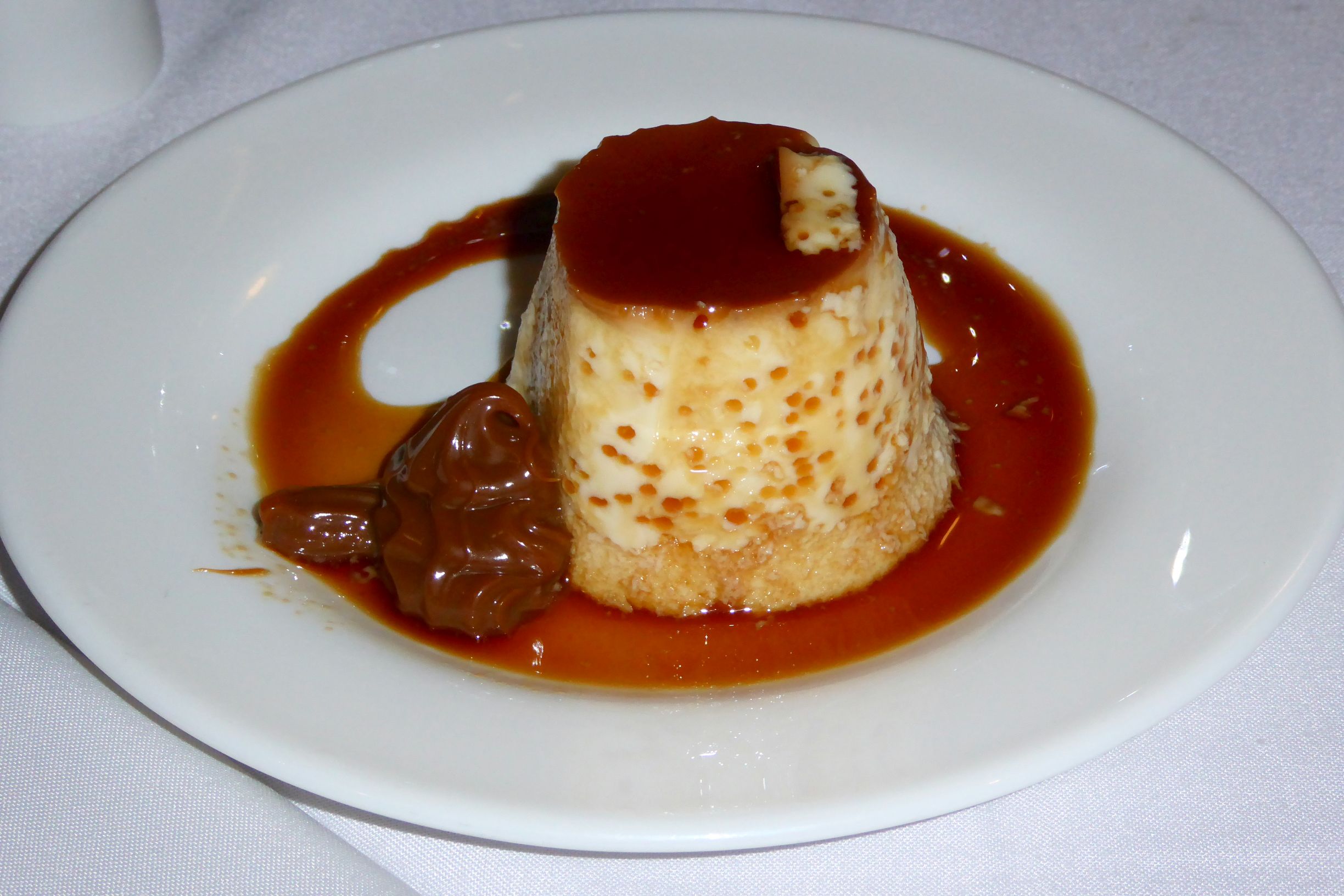
Our first day in Bariloche concluded with the group enjoying dinner together at the hotel—the best part being this exquisite chocolate dessert:
Next up: ARGENTINA & CHILE #5: BREATHTAKING VIEWS OF BARILOCHE & A BREWERY

















 Elaine-iaK's Travels: A Traveler's Tales of People, Places, Photos, Pools... and CHOCOLATE!