Our day in Donegal was an opportunity to get a peek into the life of an Irish weaver and Irish sports.
Cyndi Graham is a tweed weaver who has carried on the weaving tradition in her family from her father. We drove out to St. John’s Point to see her weaving demonstration at her 1700’s thatched cottage—the last traditional cottage still standing on this rustic, sparsely-populated peninsula.
In this small village of Dunkineely, men were the weavers, and there were many of them who earned their living weaving tweed for clothing. They were required to weave 80 yards of fabric in a two-week period. A spool of wool would be delivered to the cottage, and Cyndi’s father was told what pattern to weave.
After he retired in 1976, Cyndi decided to become an apprentice for another weaver and learned the entire process. She started a business making her own hats, clothing, and blankets in the cottage; the front of the cottage is her retail shop. And, although her village had a rich history of weavers, Cyndi is now the only one in the area. She weaves on the loom her father had used throughout his career but left untouched for many years after retirement.
(For all photos, click on the image for a full screen view.)


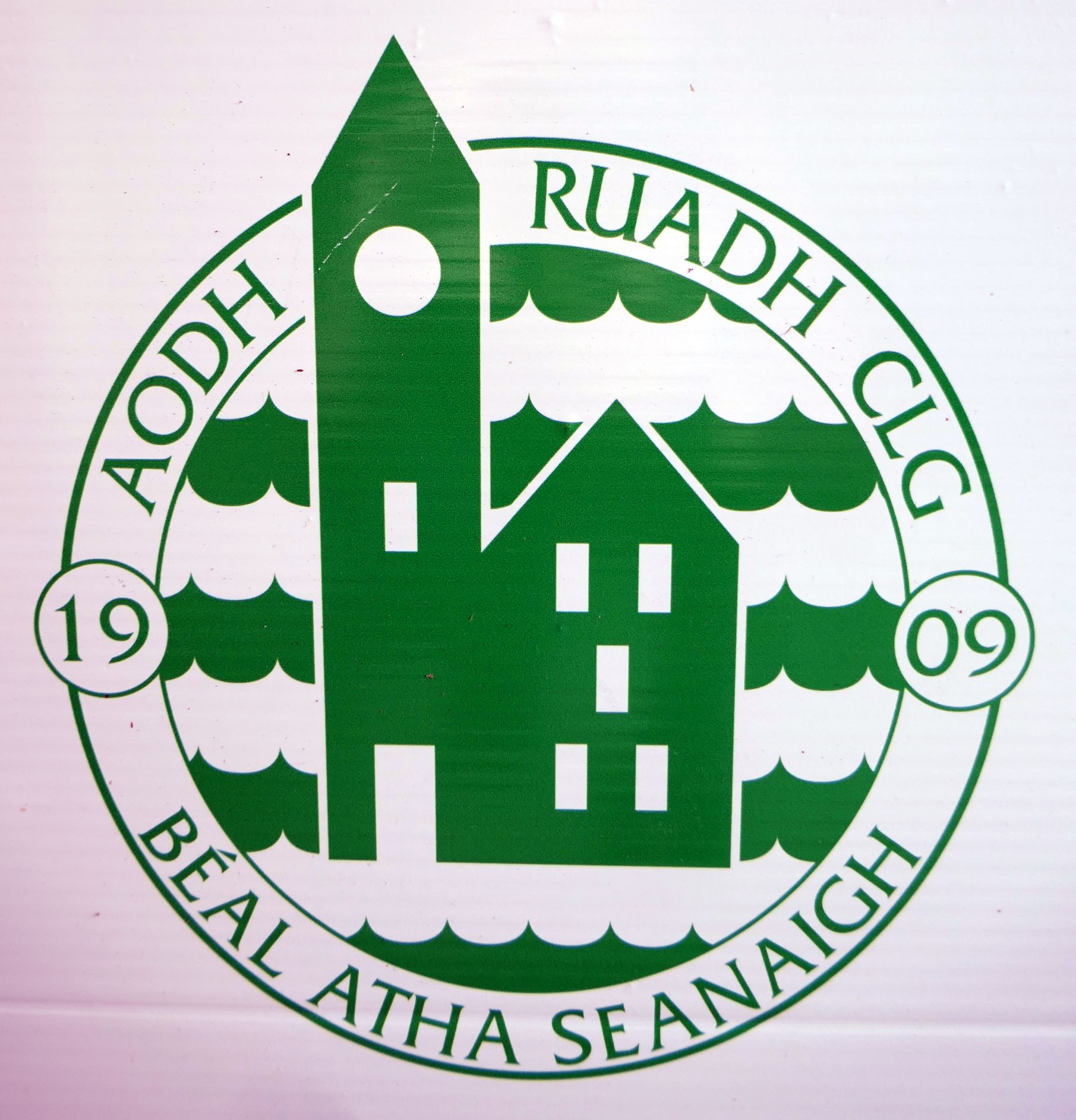
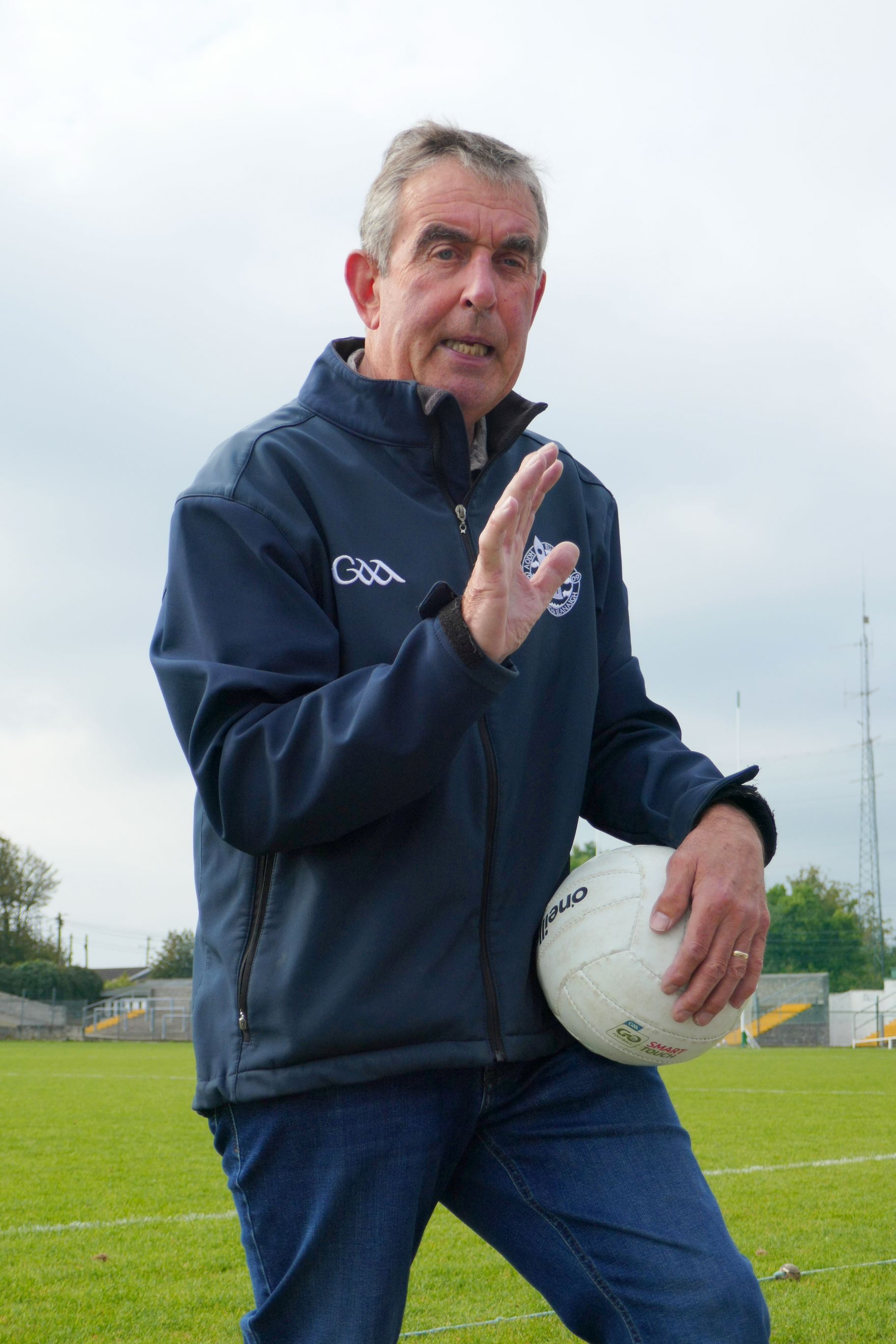
Next, we went to Ballyshannon to visit the local Gaelic Athletic Association (GAA) club, Aodh Ruadh, founded in 1909. Here, we learned about the history and importance of Gaelic amateur sports and how to play two of the games, hurling and Gaelic football.
GAA, founded in 1884, is Ireland’s largest sporting organization and a large part of Irish society and life. In addition to promoting Gaelic sports, the association promotes Irish music, song, and dance as well as the Gaelic language. It is community-based, so a community’s teams are very much a part of every person in that community.
Since GAA is an amateur sports association, even the highest-caliber athletes are not paid. They sure draw a crowd, though! At the All-Ireland finals in hurling and football, the games sell out with 82,300 in attendance. It’s a hot ticket, very hard to obtain, and the games are broadcast around the world.
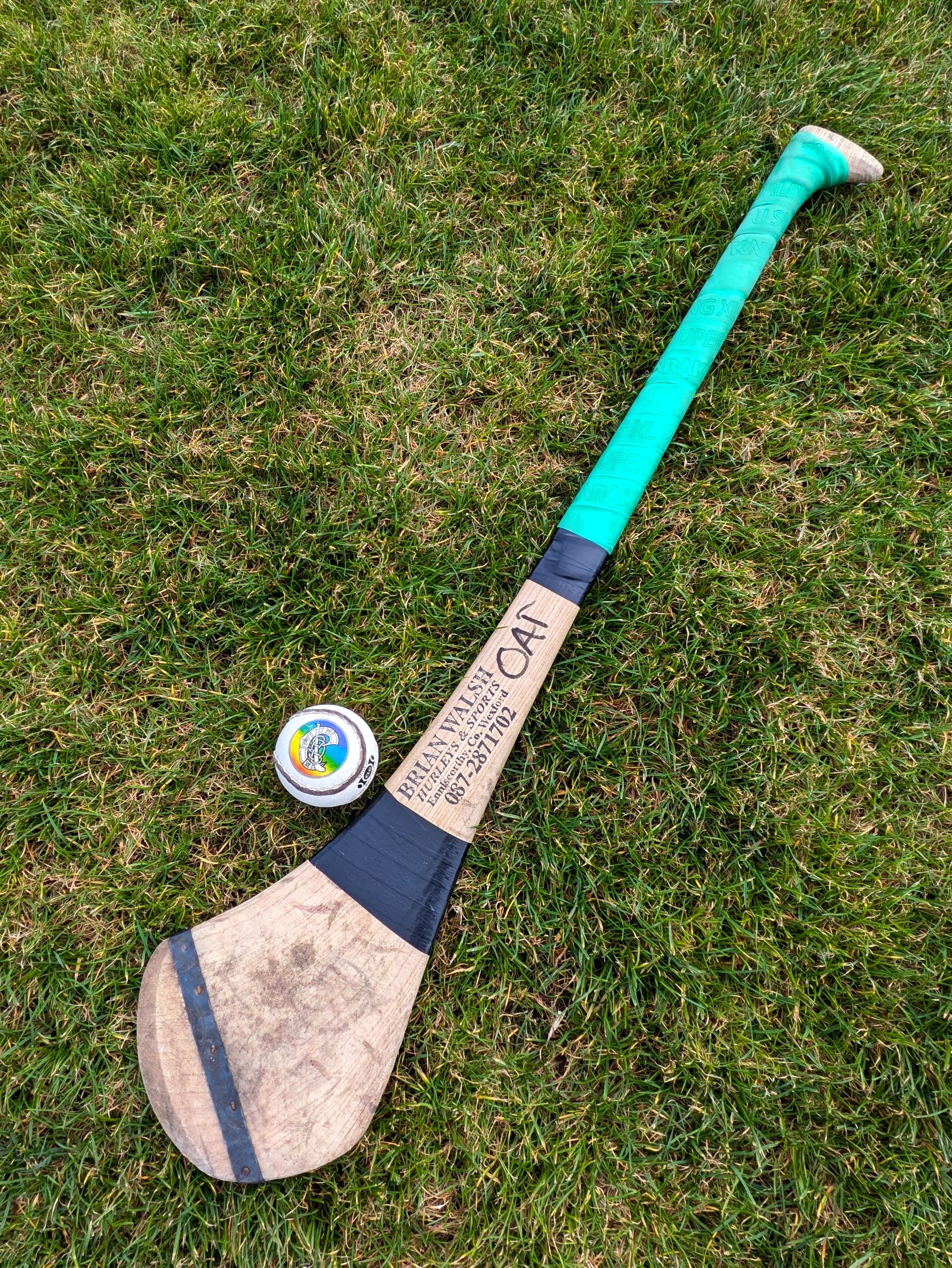
We had the opportunity to try hurling, and it was a fun challenge! I don’t think I will be trading in my swimming goggles any time soon, though.
Back in Donegal, we had free time to explore on our own, so I grabbed my camera and checked out Donegal Castle, which was originally built in 1474 by Hugh O’Donnell. It was destroyed in 1595 by Red Hugh O’Donnell to prevent seizure by the British and then rebuilt in 1614 by Sir Basil Brook. For nearly two centuries, most of the buildings of the castle lay in ruins before being restored in the 1990’s.

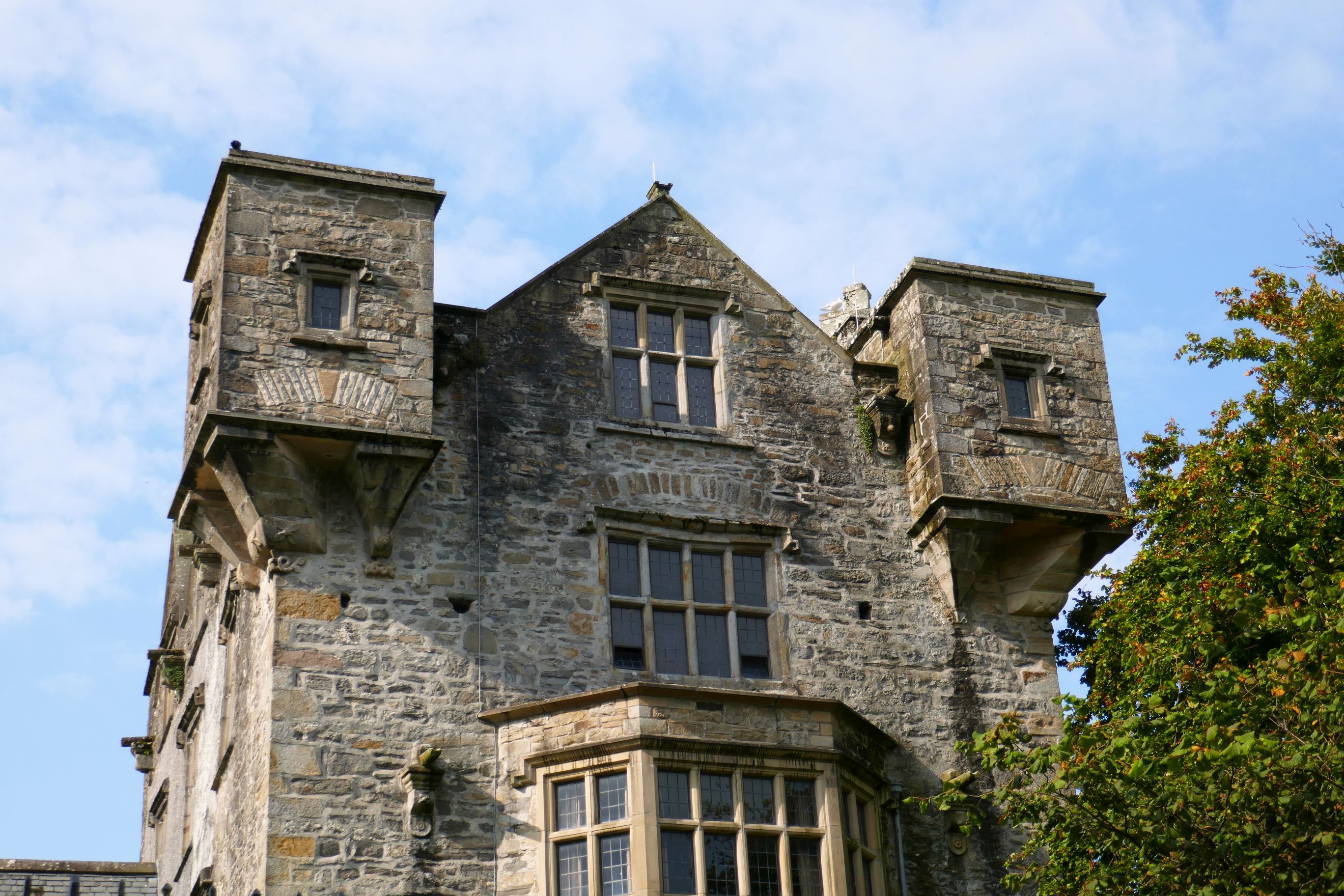
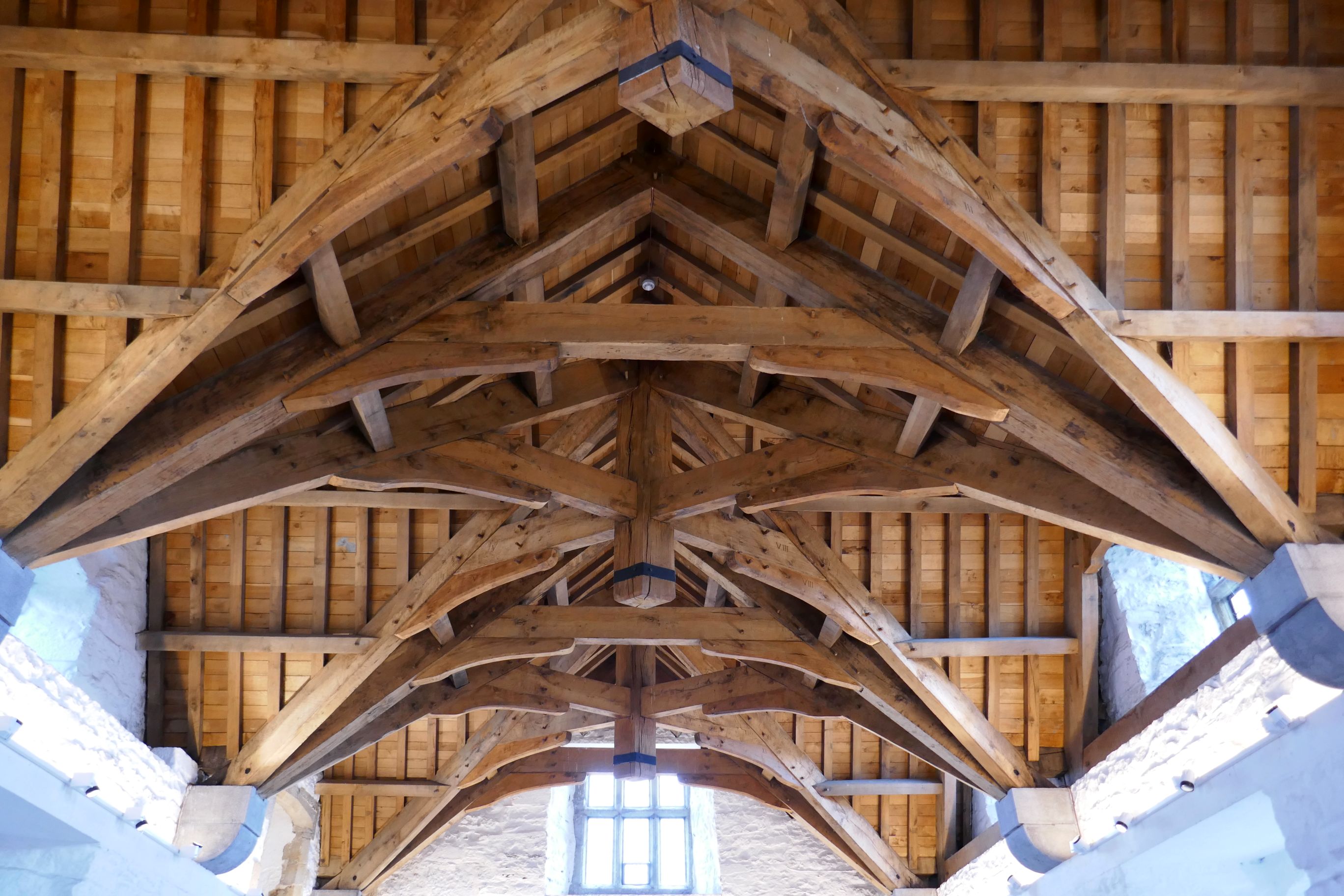

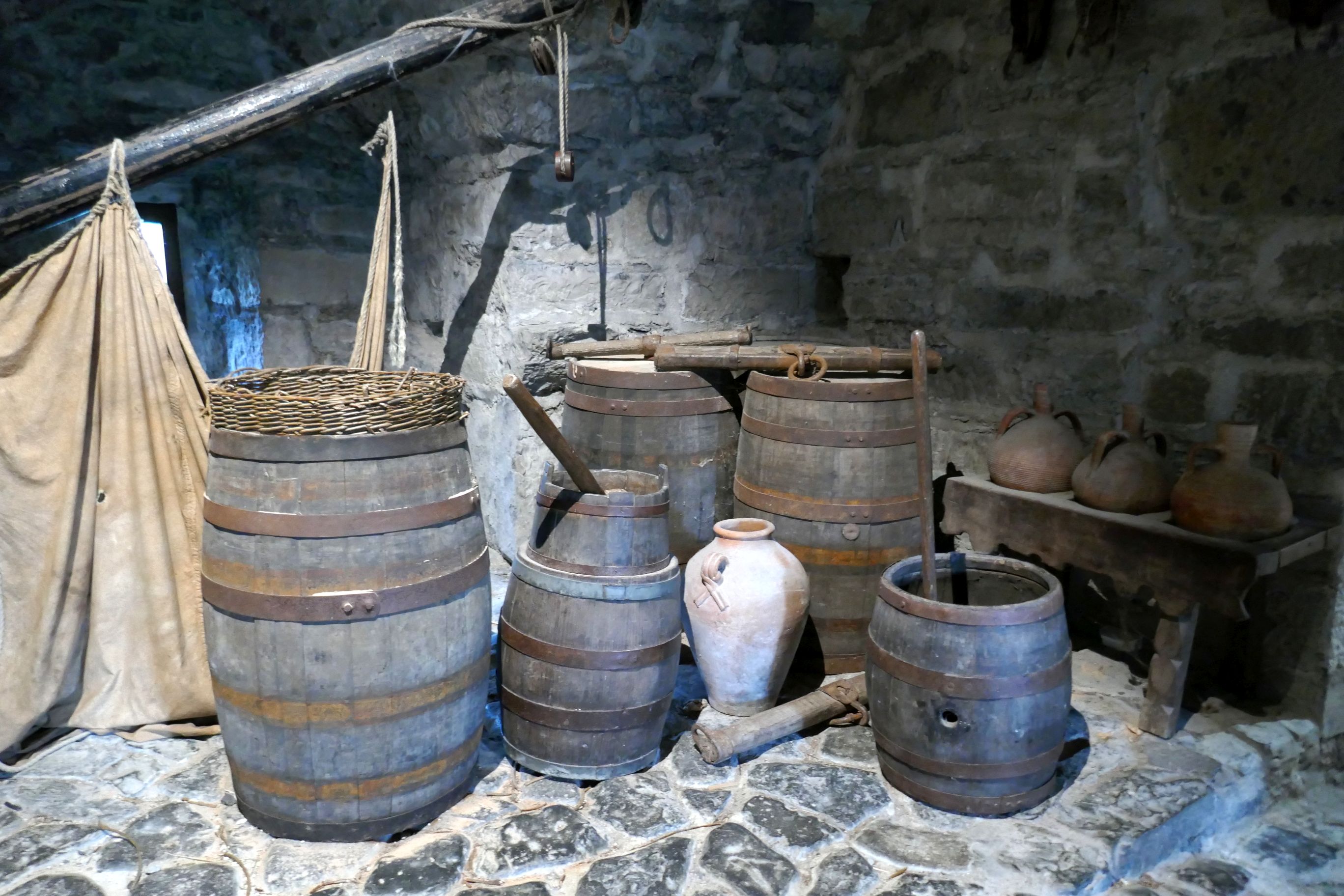
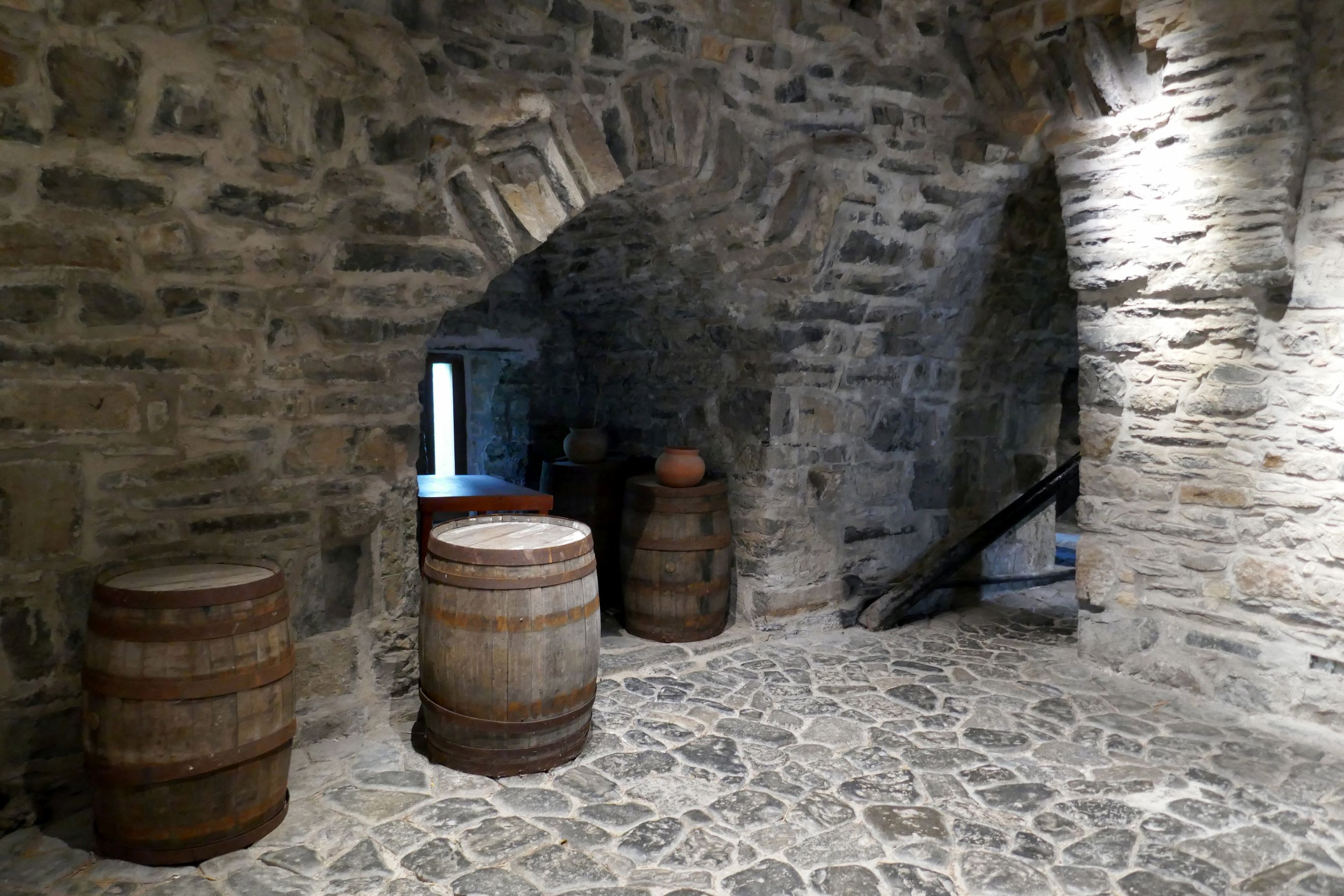
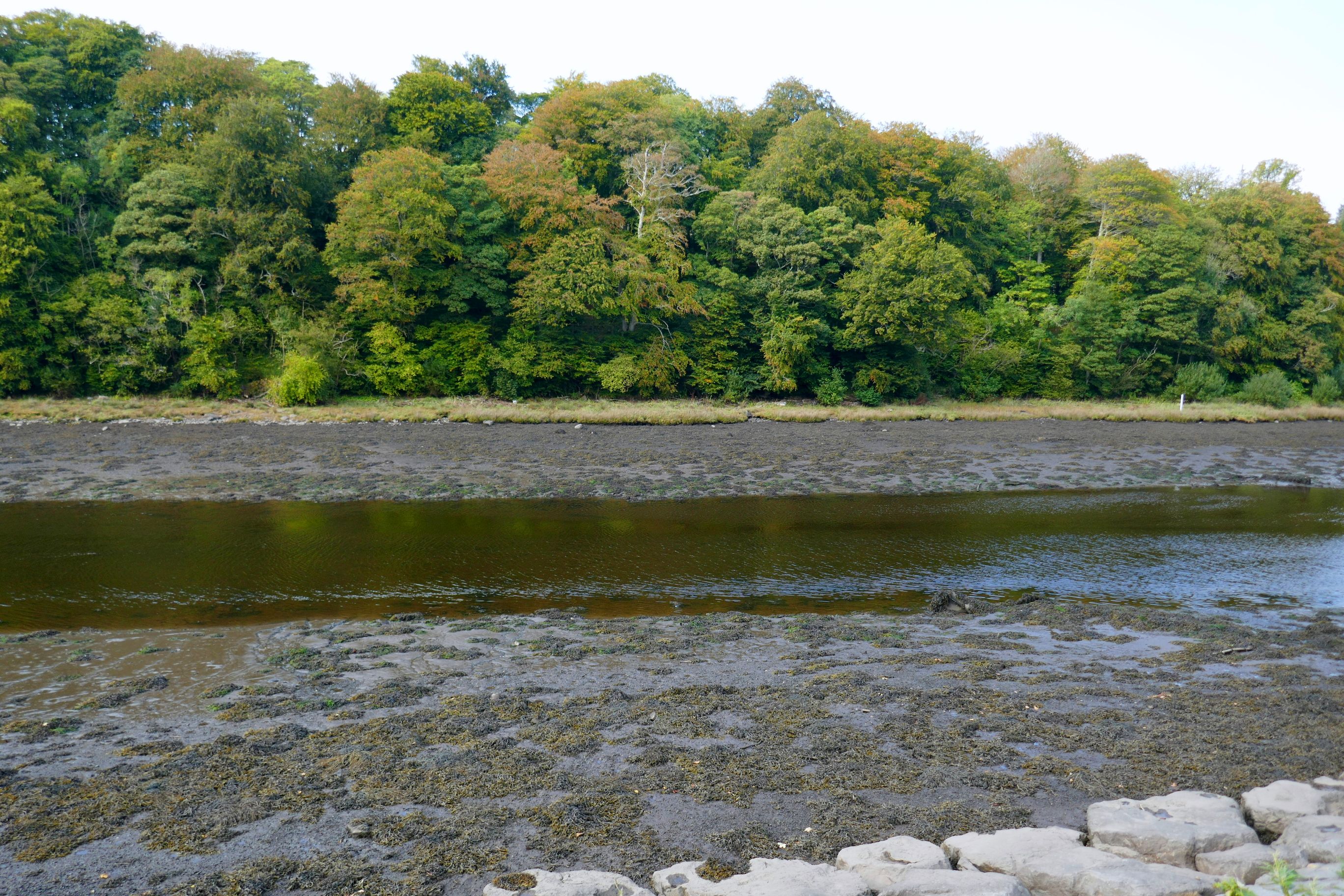
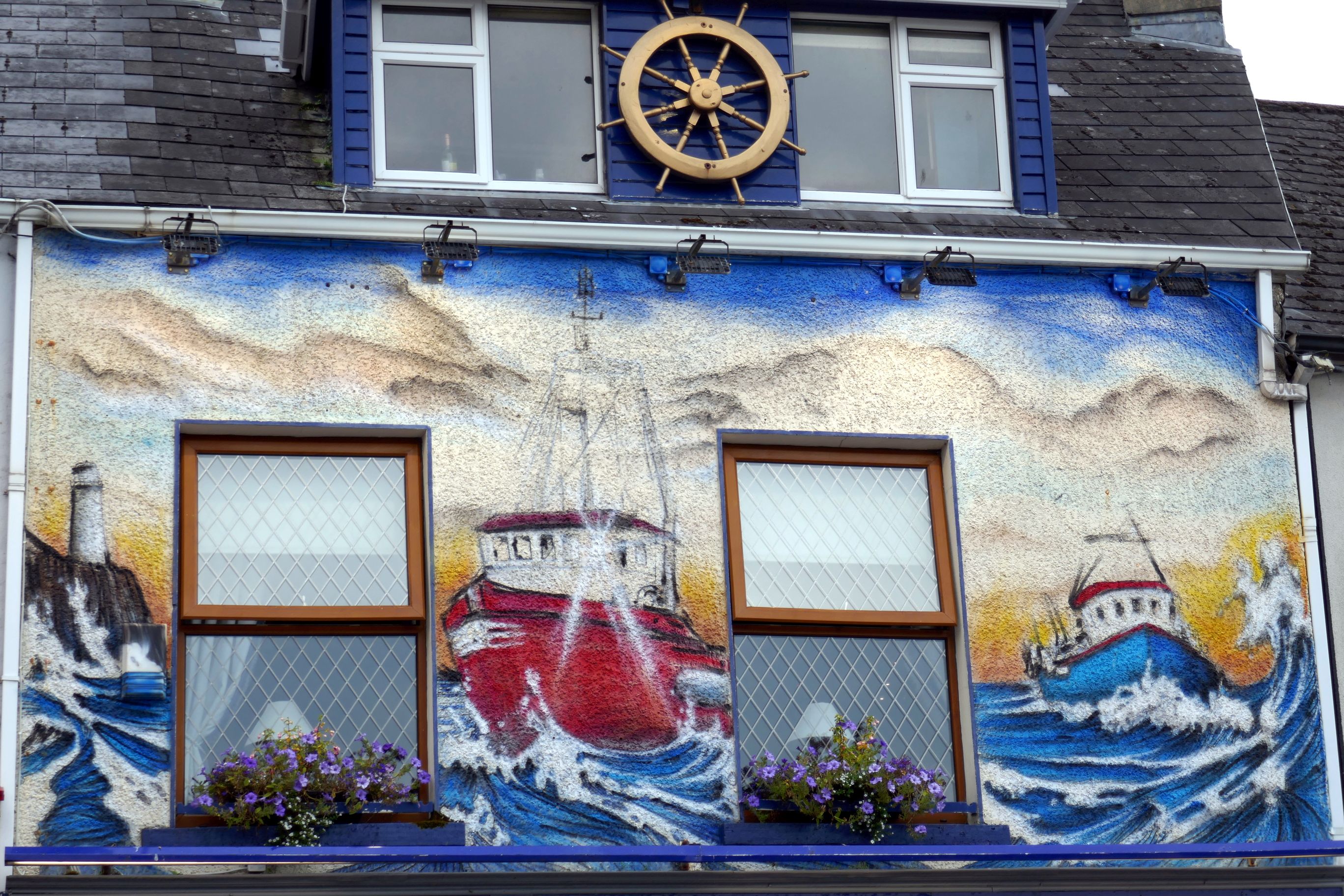
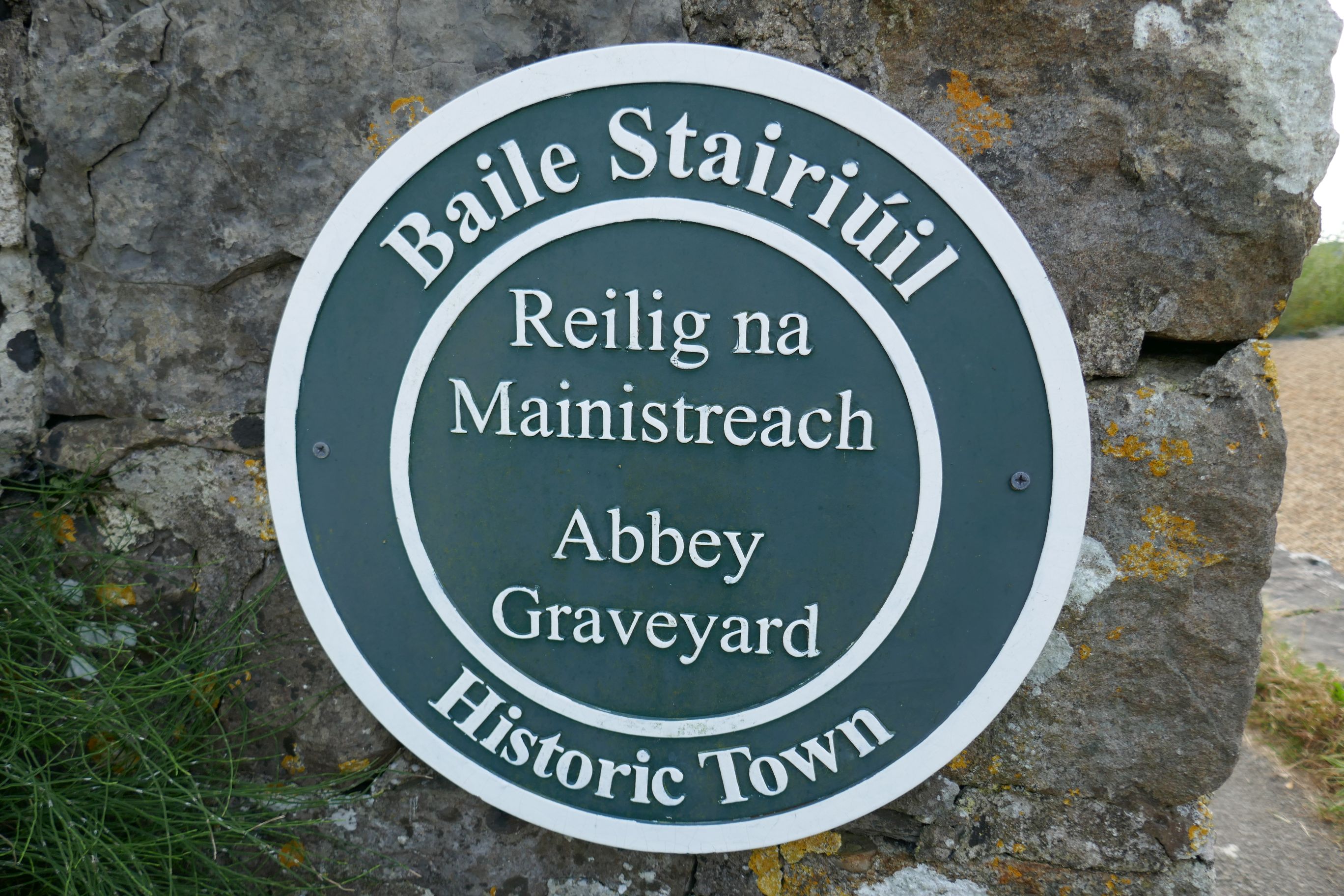
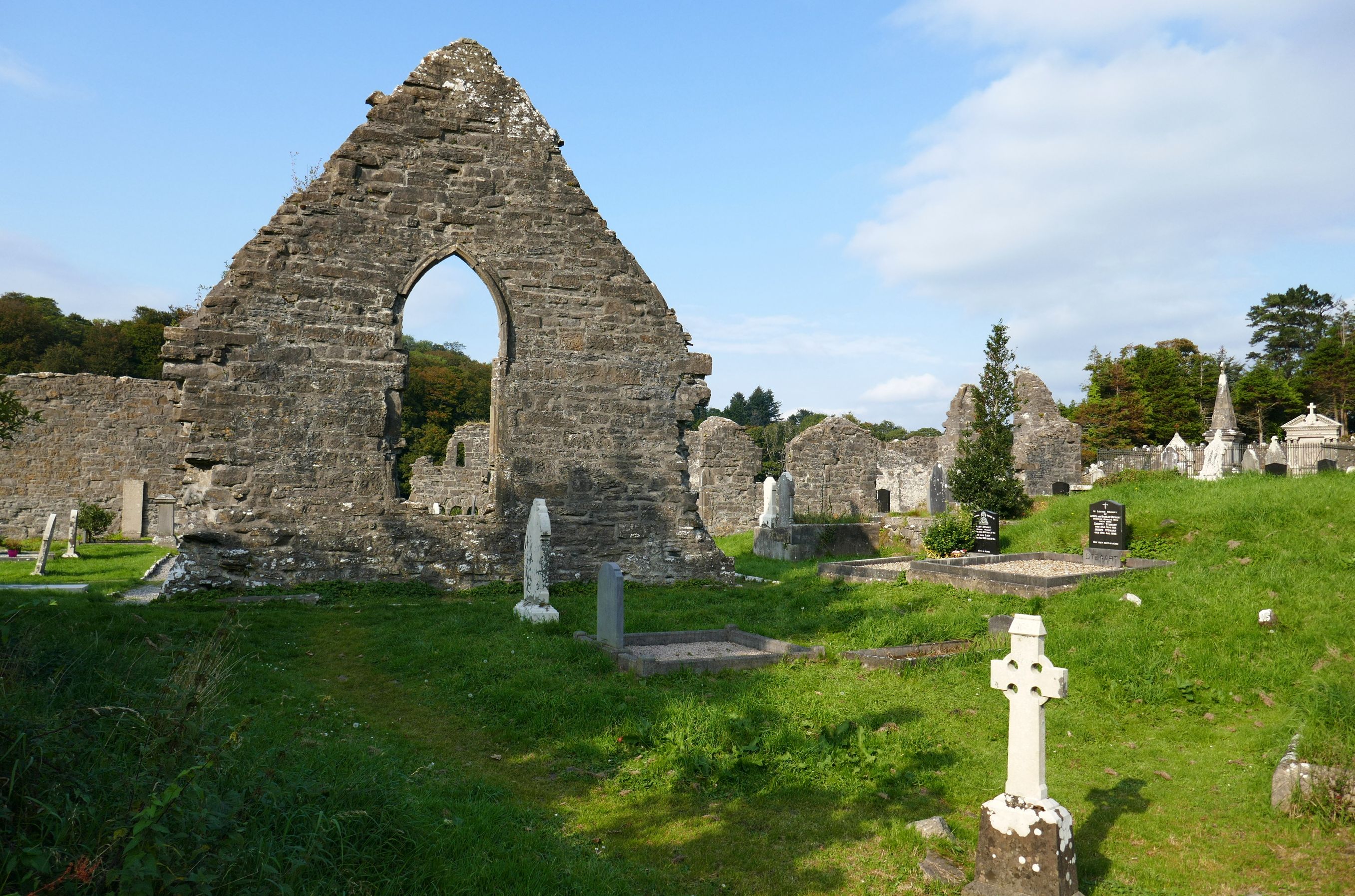
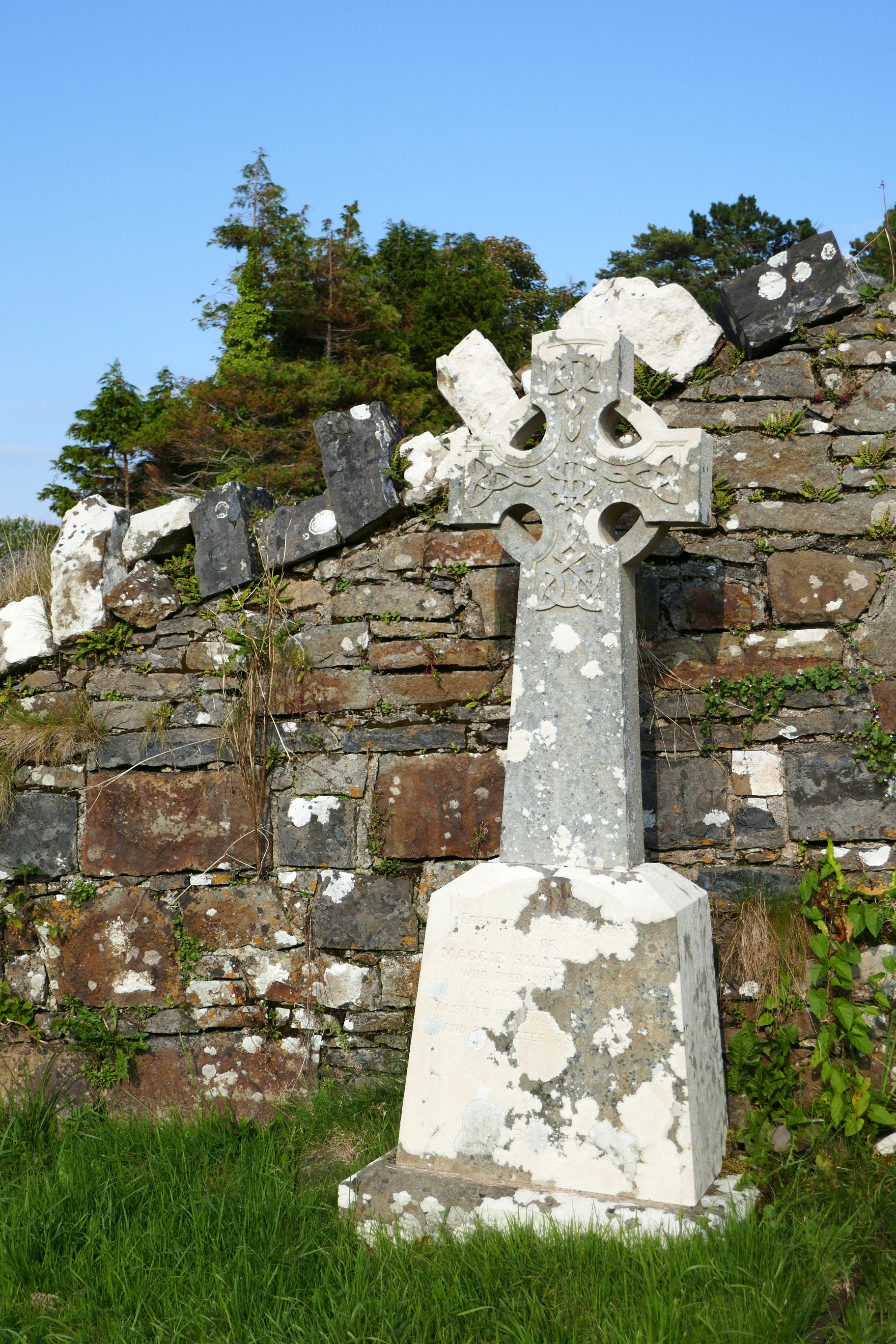
I also wandered through Donenegal Abbey to see what might spark my interest photographically. It was another sunny(!) day and late in the afternoon, so the conditions were good to take a few shots.




Coming up next: IRISH ADVENTURE #12: GORGEOUS GLENVEAGH NATIONAL PARK & CASTLE
 Elaine-iaK's Travels: A Traveler's Tales of People, Places, Photos, Pools... and CHOCOLATE!