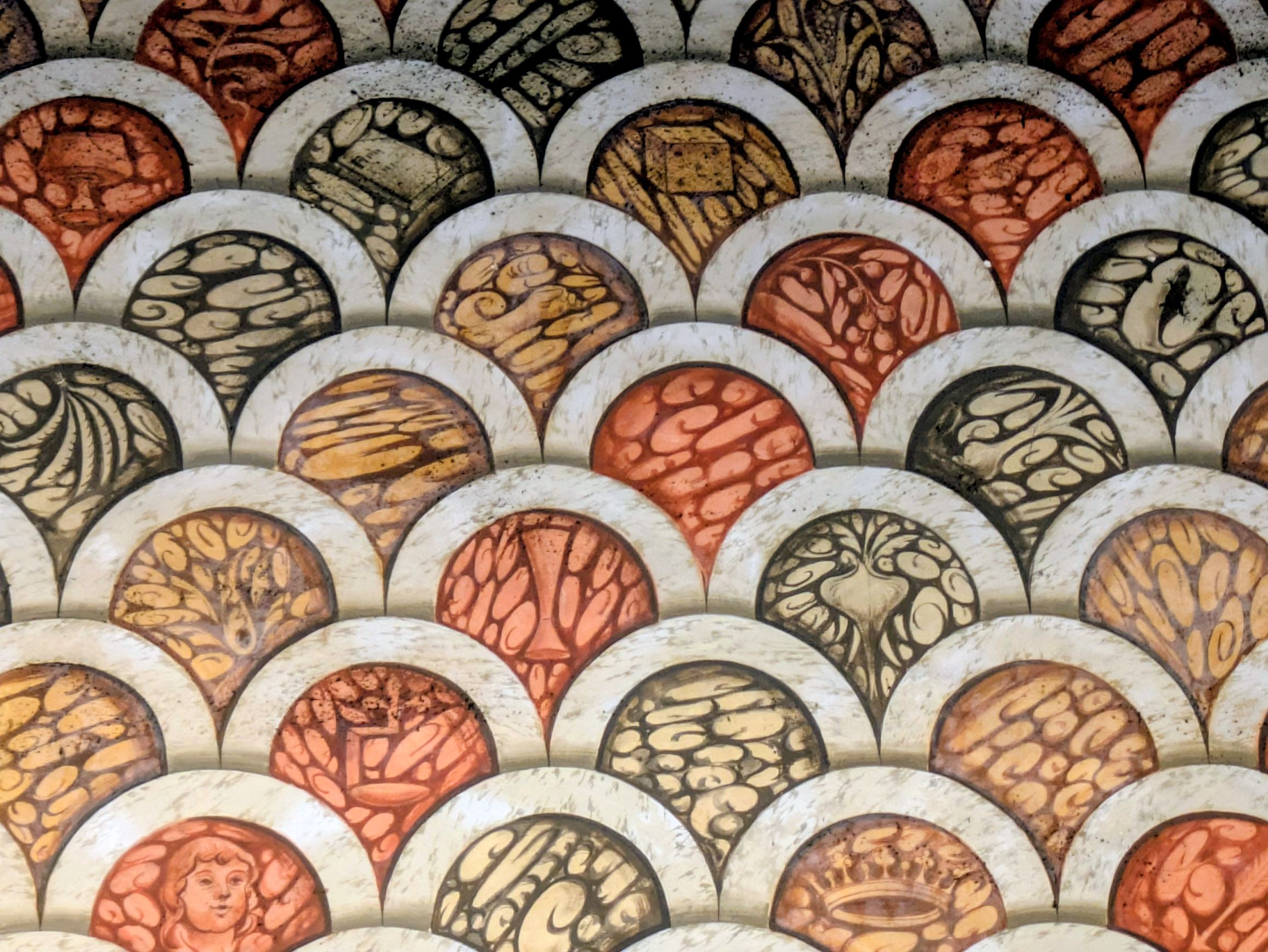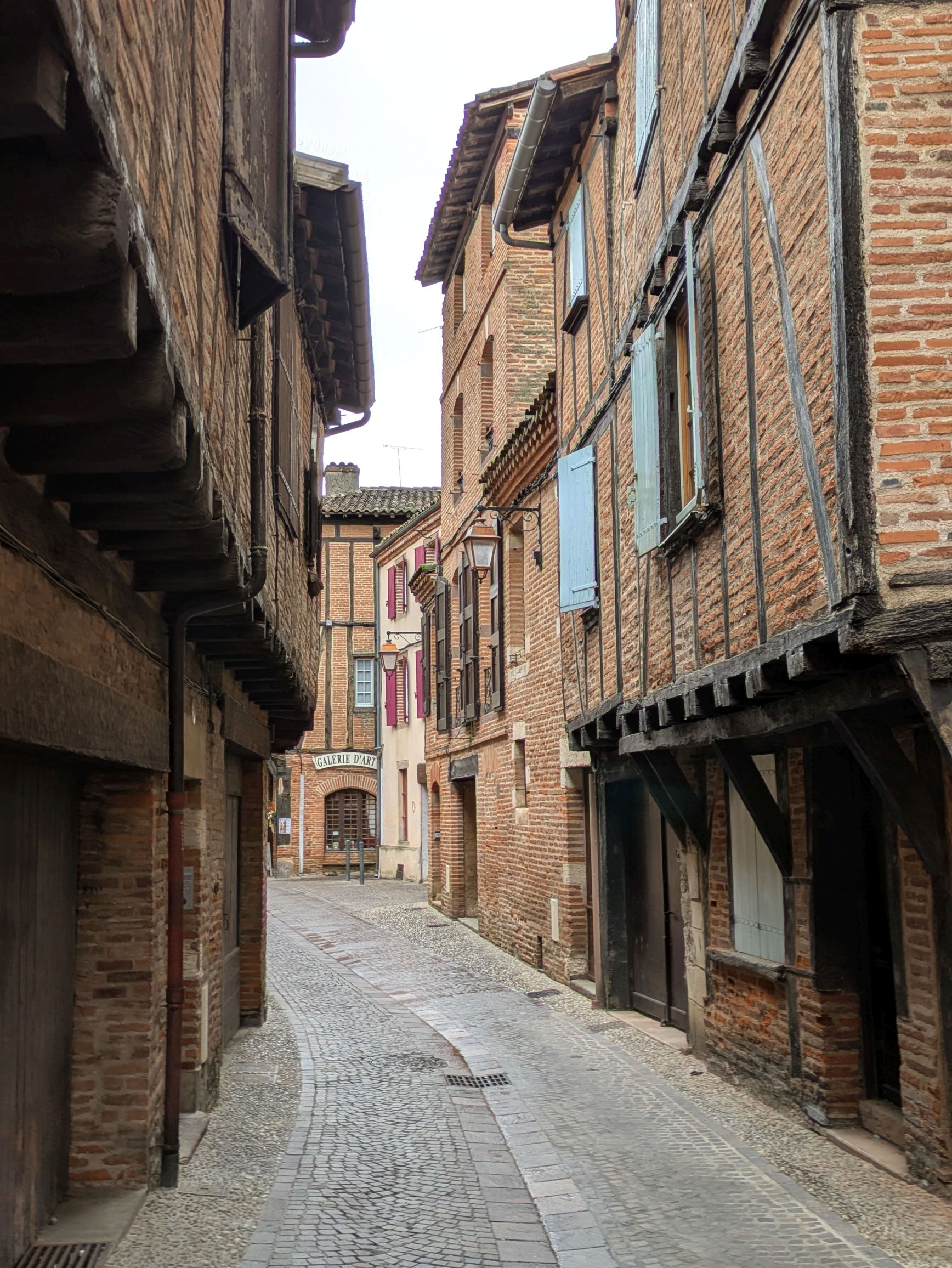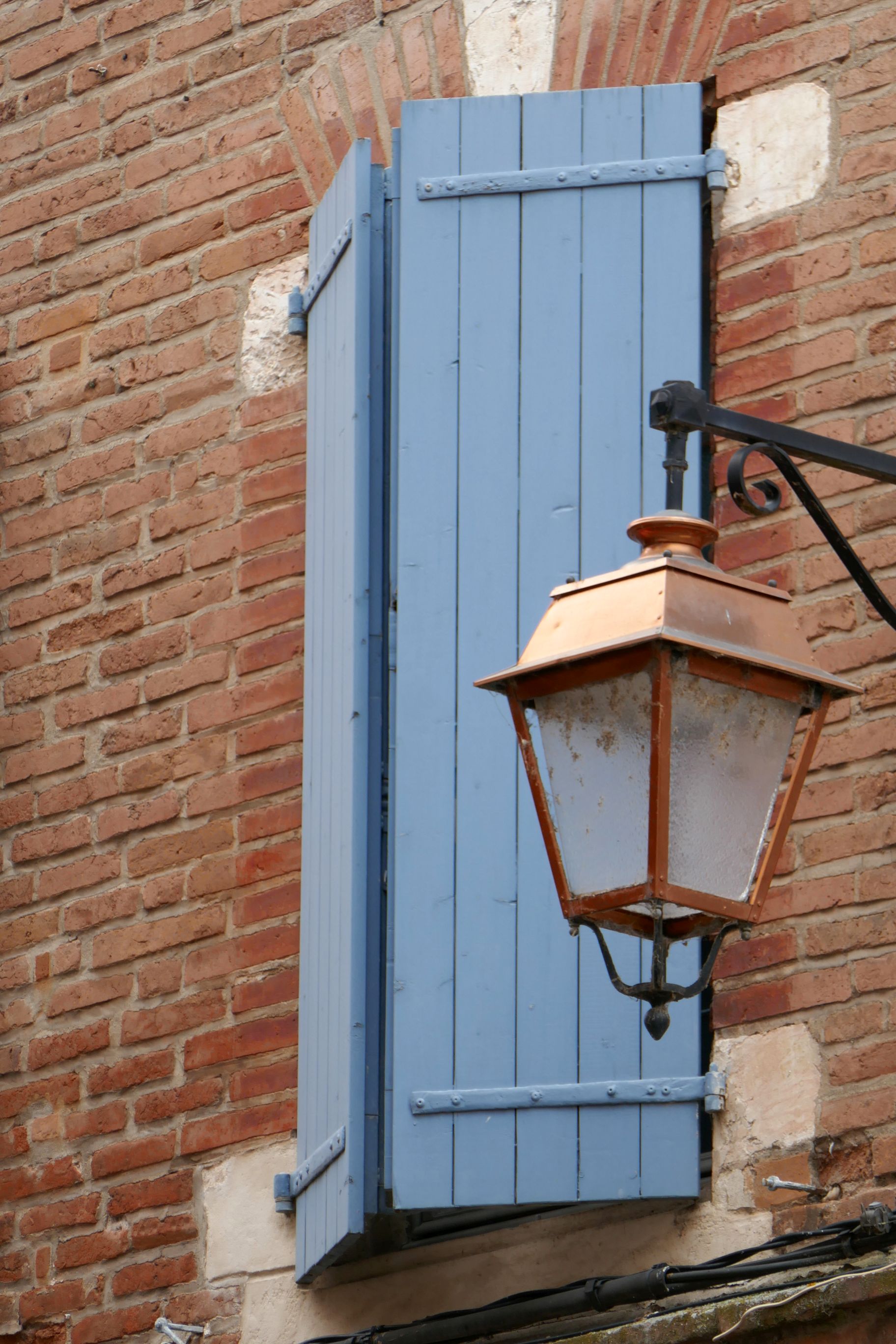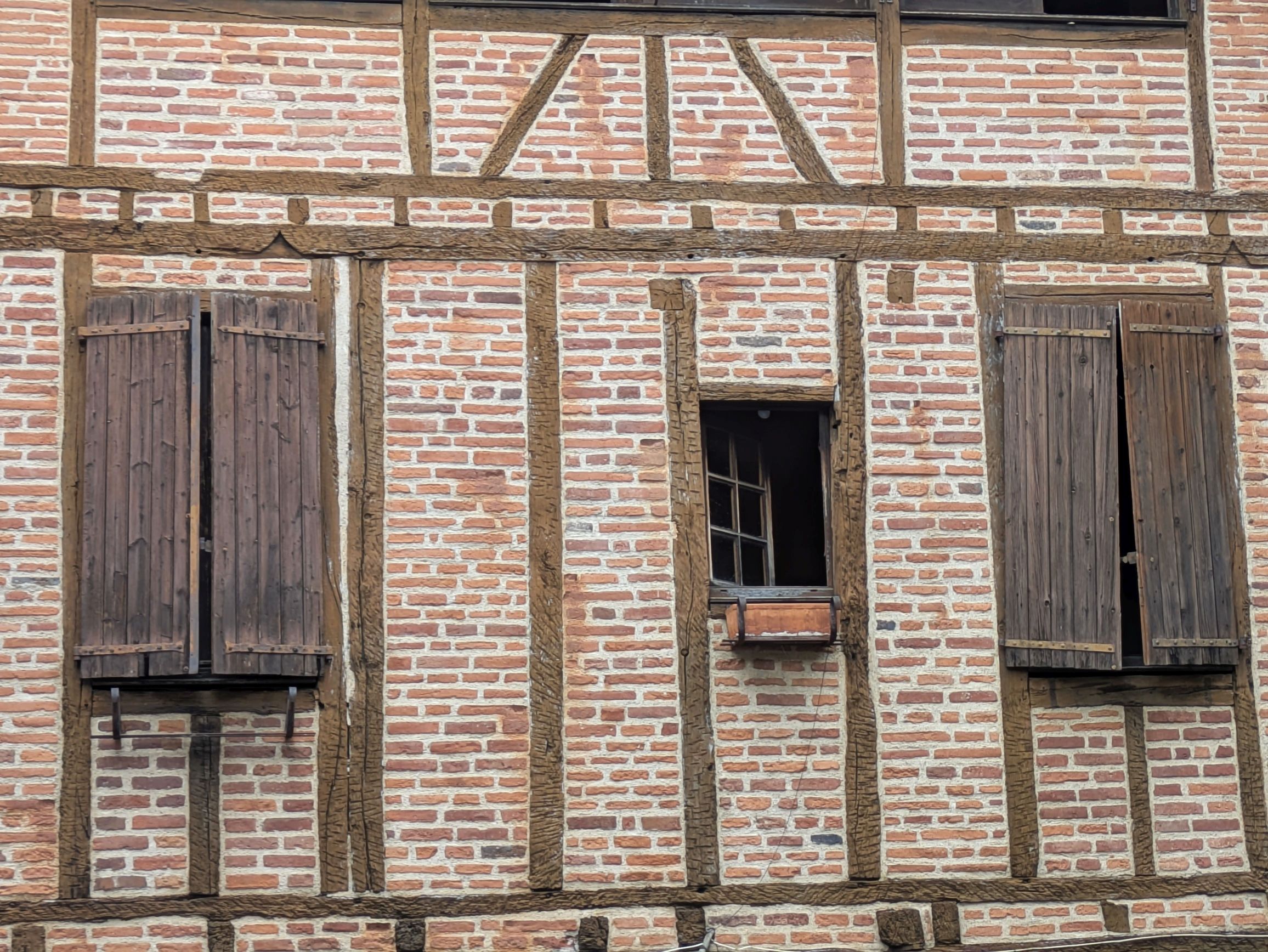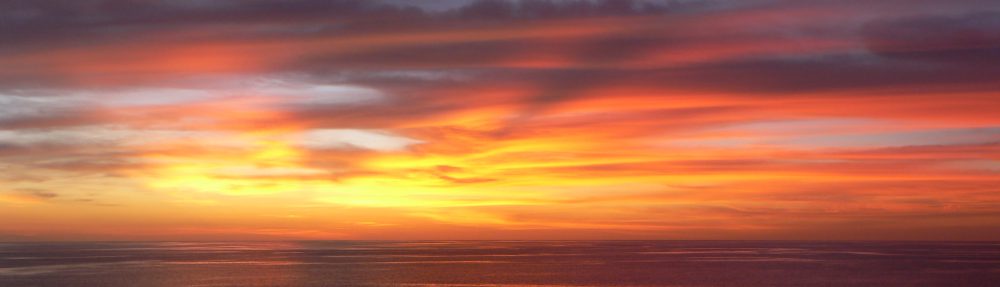
SOUTHWEST FRANCE, NORTHERN SPAIN & PORTUGAL #5: BEAUTIFUL BAYONNE

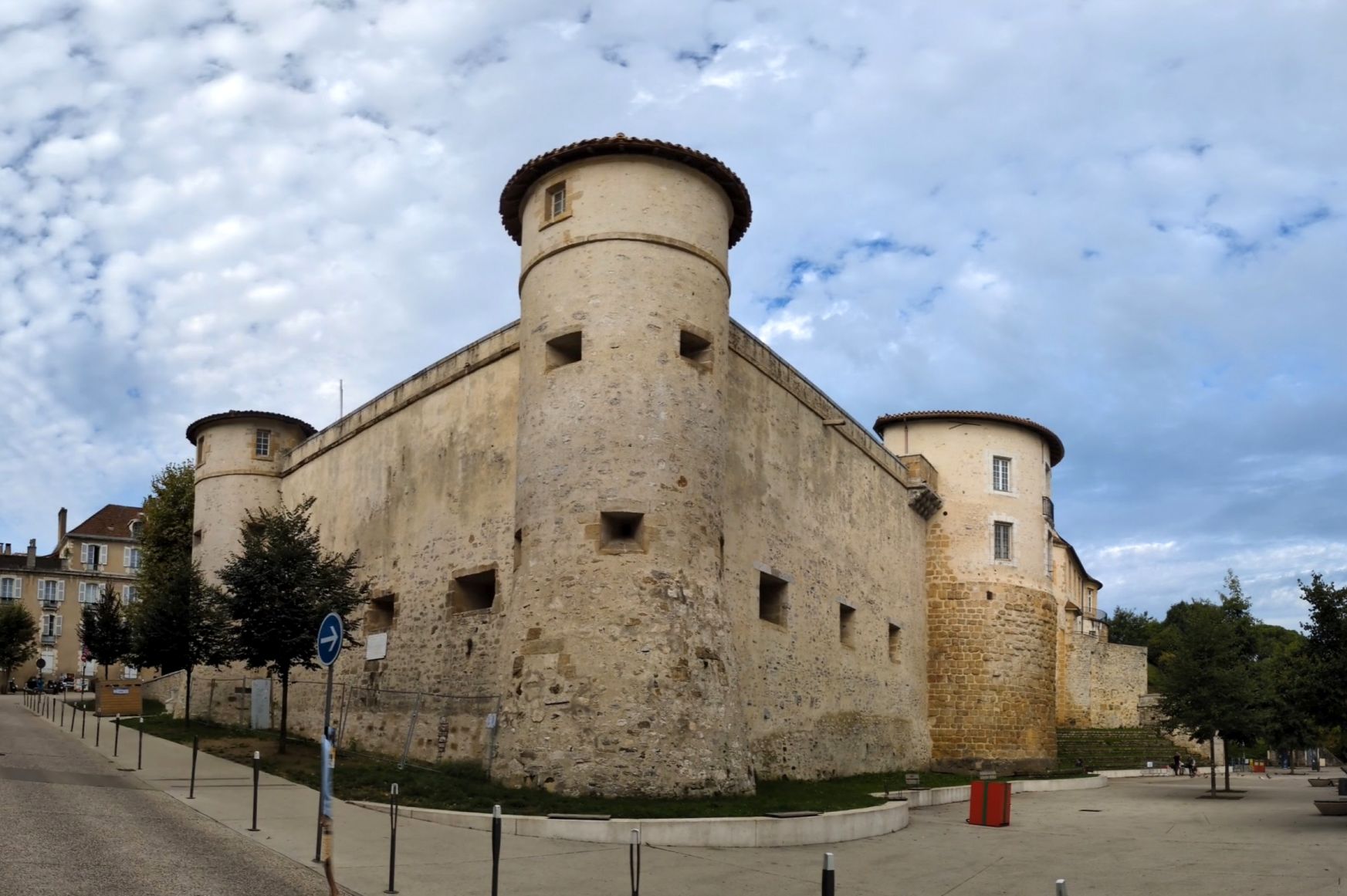
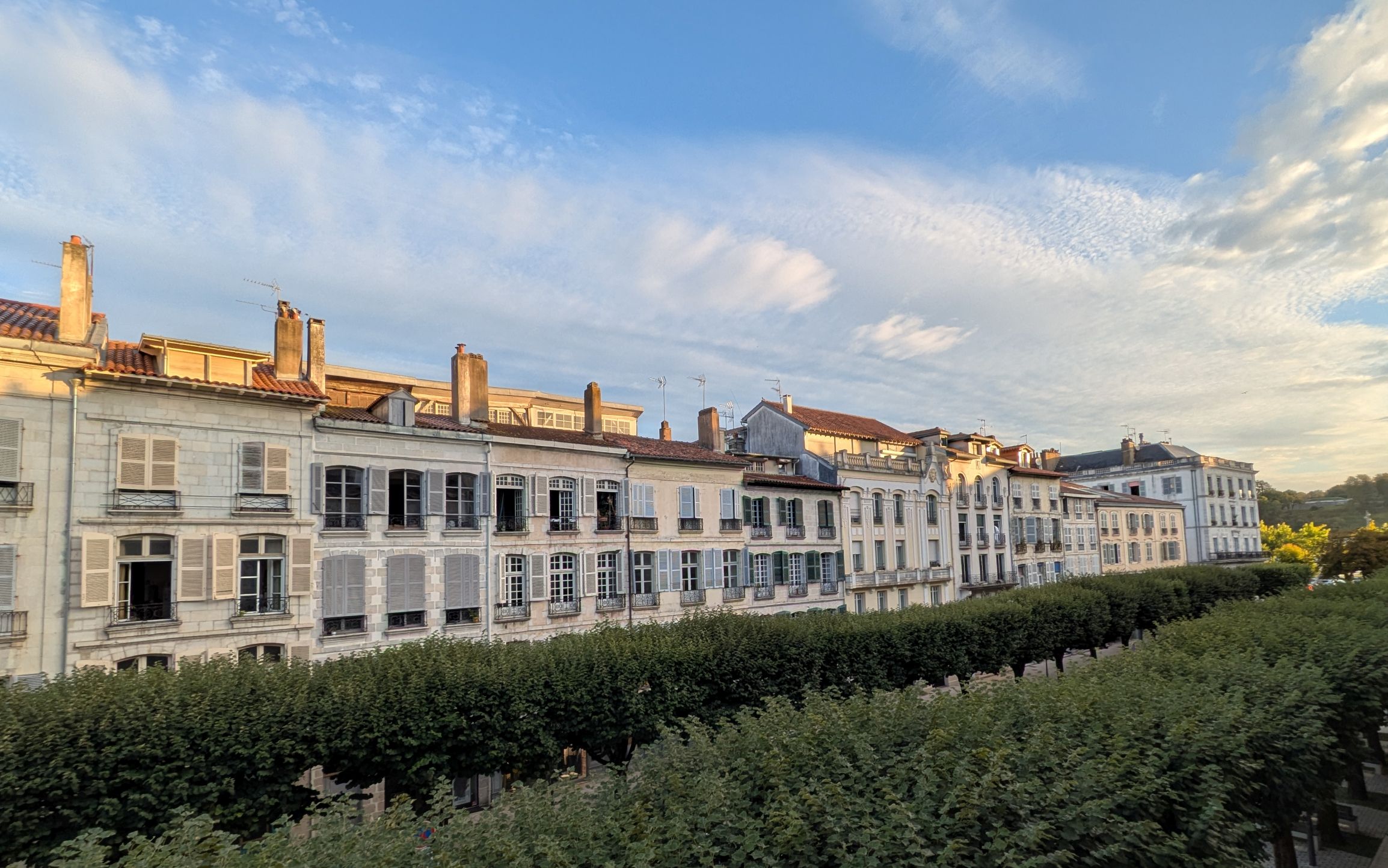
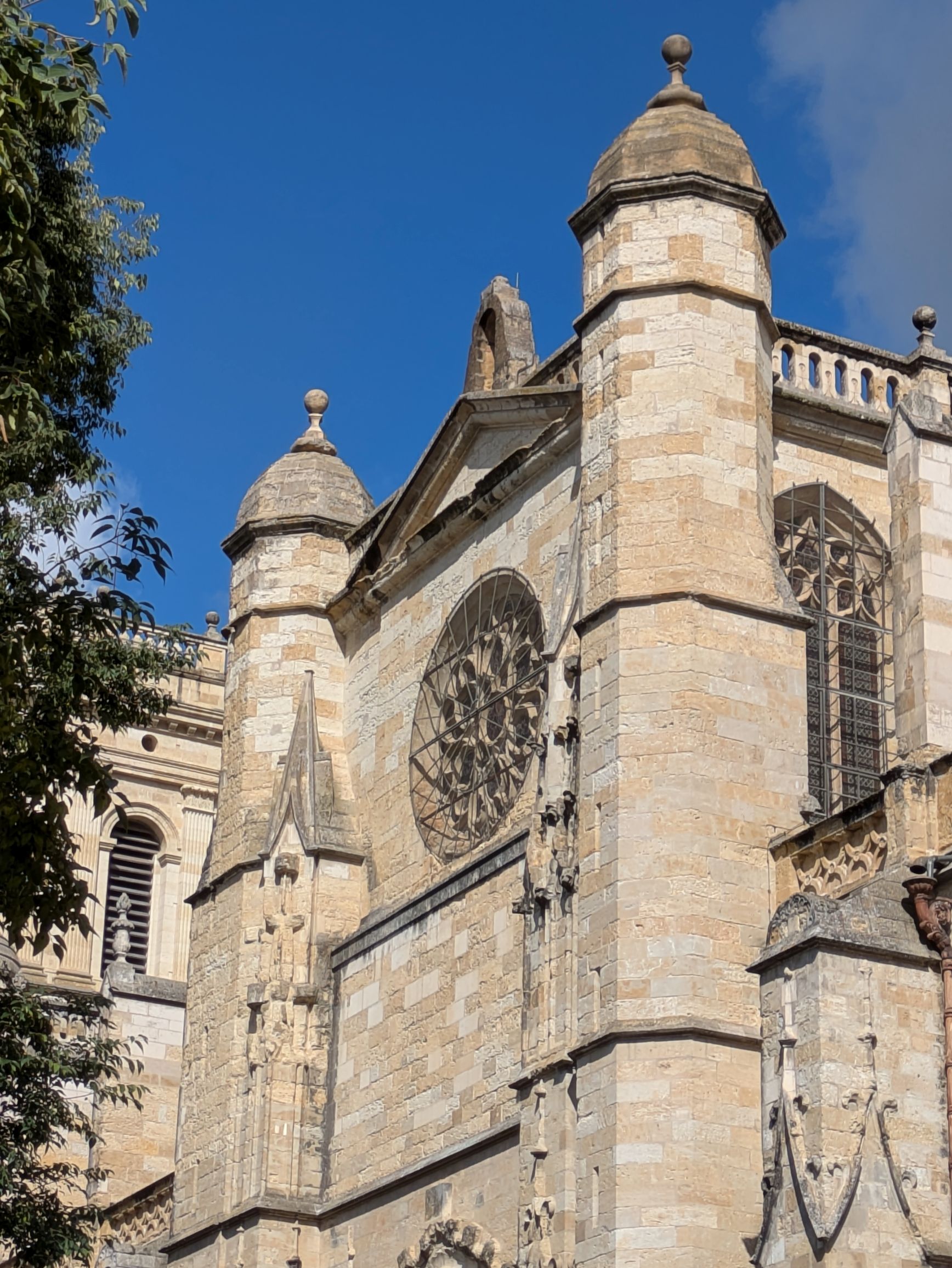
Bayonne, like the other towns we visited in southwestern France, is in the Basque Country.  Its history stretches back more than 2,000 years, so it is full of culture, beautiful architecture.

Built along the intersection of two rivers, it is located quite close to the Spanish border and has a population of more than 53,000 people.  My favorite part of its history is that it became the unofficial chocolate capital of France in the 17th century.  Cacao beans were first brought home to Spain by the Spanish colonists upon their return from South America.  Since Bayonne was right next door, they got in on the action when Jews fleeing the Spanish Inquisition relocated in nearby Bayonne and started producing chocolate. Back then, there were 60 chocolatiers that all worked together to grow the industry, but each one had its own specialty

Currently there are about ten high-end chocolatiers in town, including Chocolat Cazenave, which has been making chocolate since 1854.  I enjoyed stopping in at a few of the chocolatiers to look at their beautiful creations but took a pass on purchasing their pricey masterpieces.

An interesting part of Bayonne’s history began in the 1930’s when the Basque people sought autonomy and started a separatist movement.  Although it culminated in a statute of autonomy in 1936, Spain’s dictator, Francisco Franco, abolished it when he came in power in 1939.  The struggle continued for another twenty years until a faction of the Basque’s National Party broke away and launched a campaign of terrorism against the Spanish central government, making Basque regionalism one of the most destabilizing forces in Spanish political life.

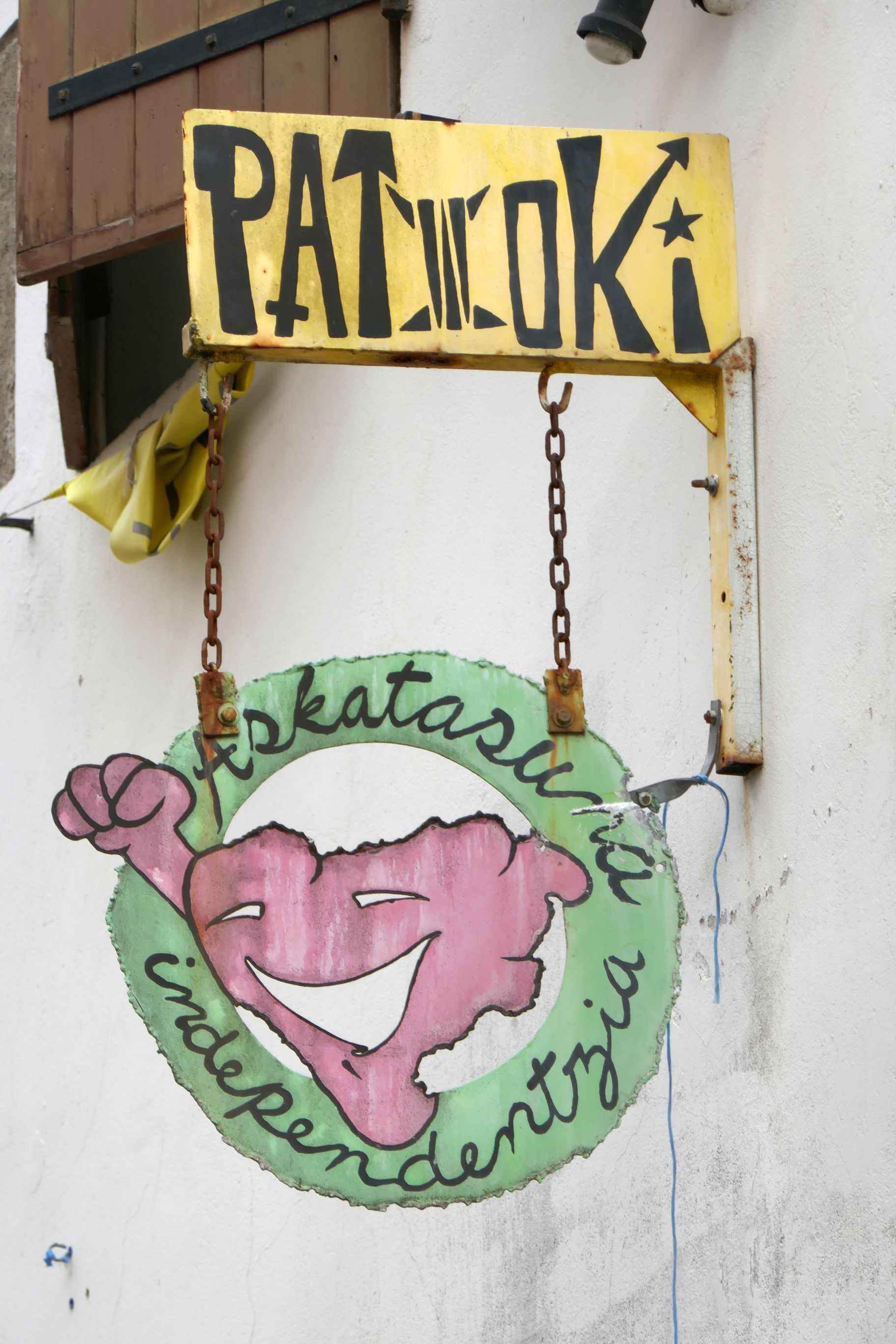
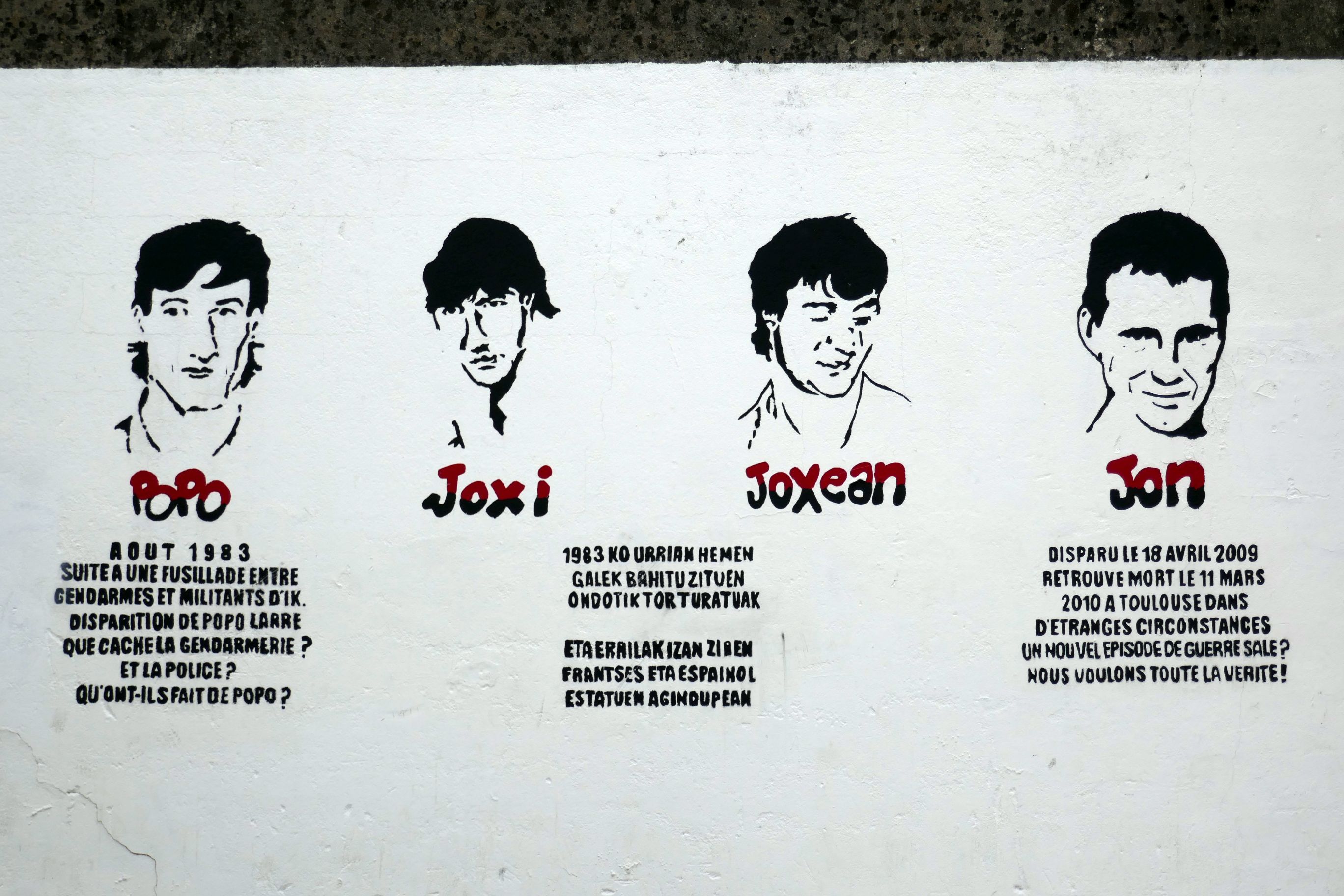
During our walking tour the morning following our arrival, we stopped by an ETA clubhouse and saw some of the political murals nearby, which were explained by Tom, our tour leader:

(For all photos, click on the image for a full screen view.)

Basque prisoners that were disappeared

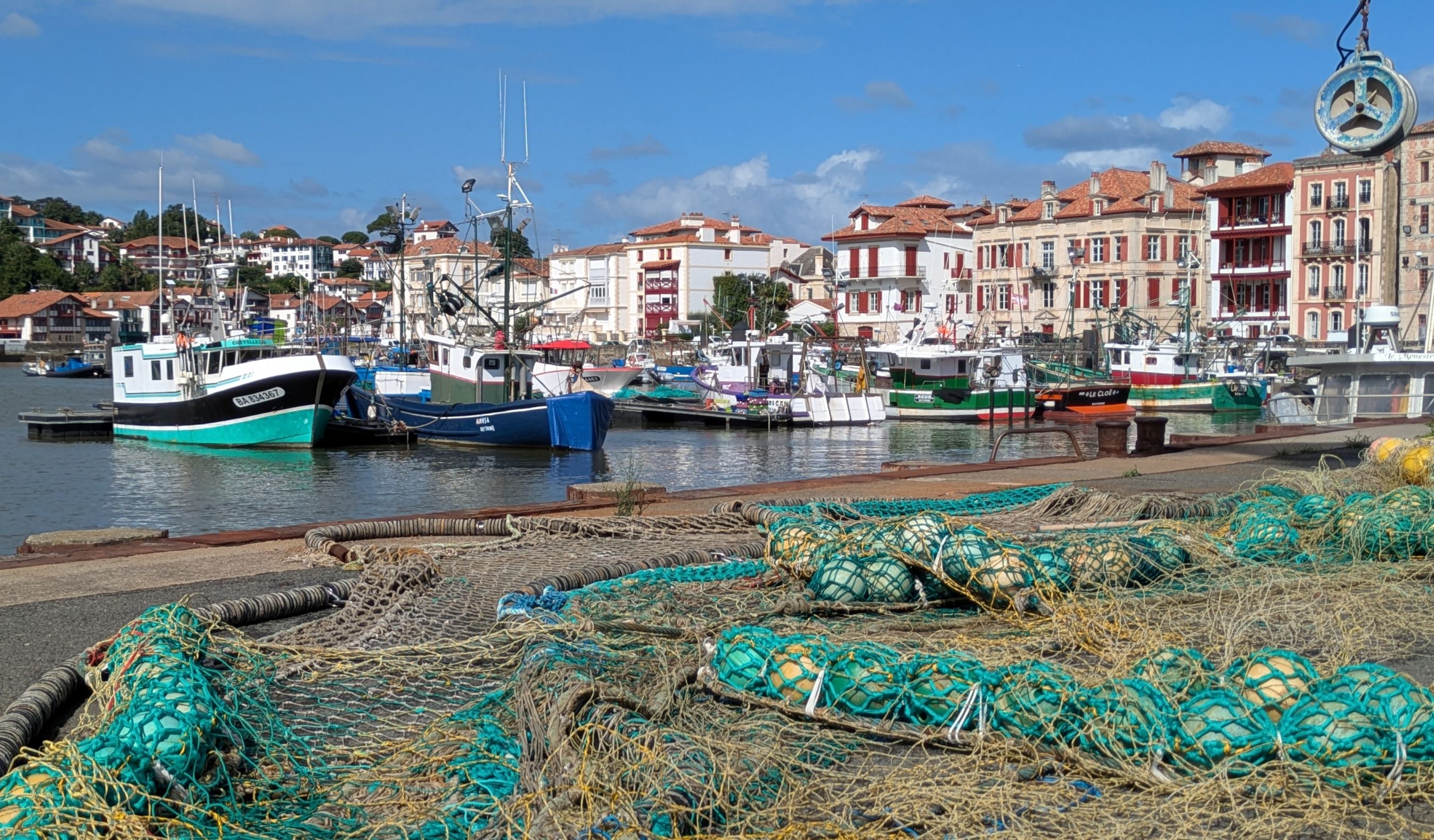
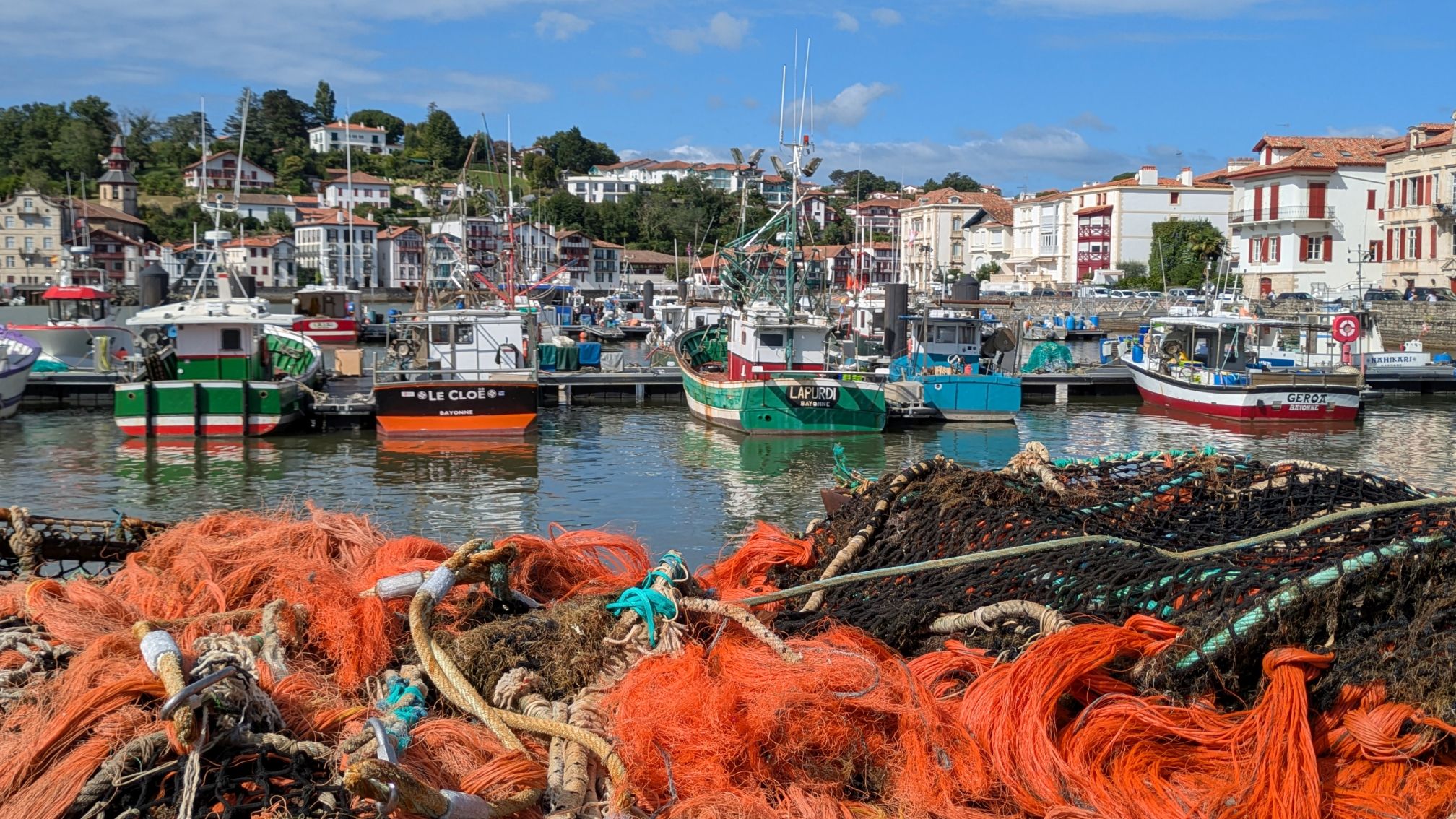
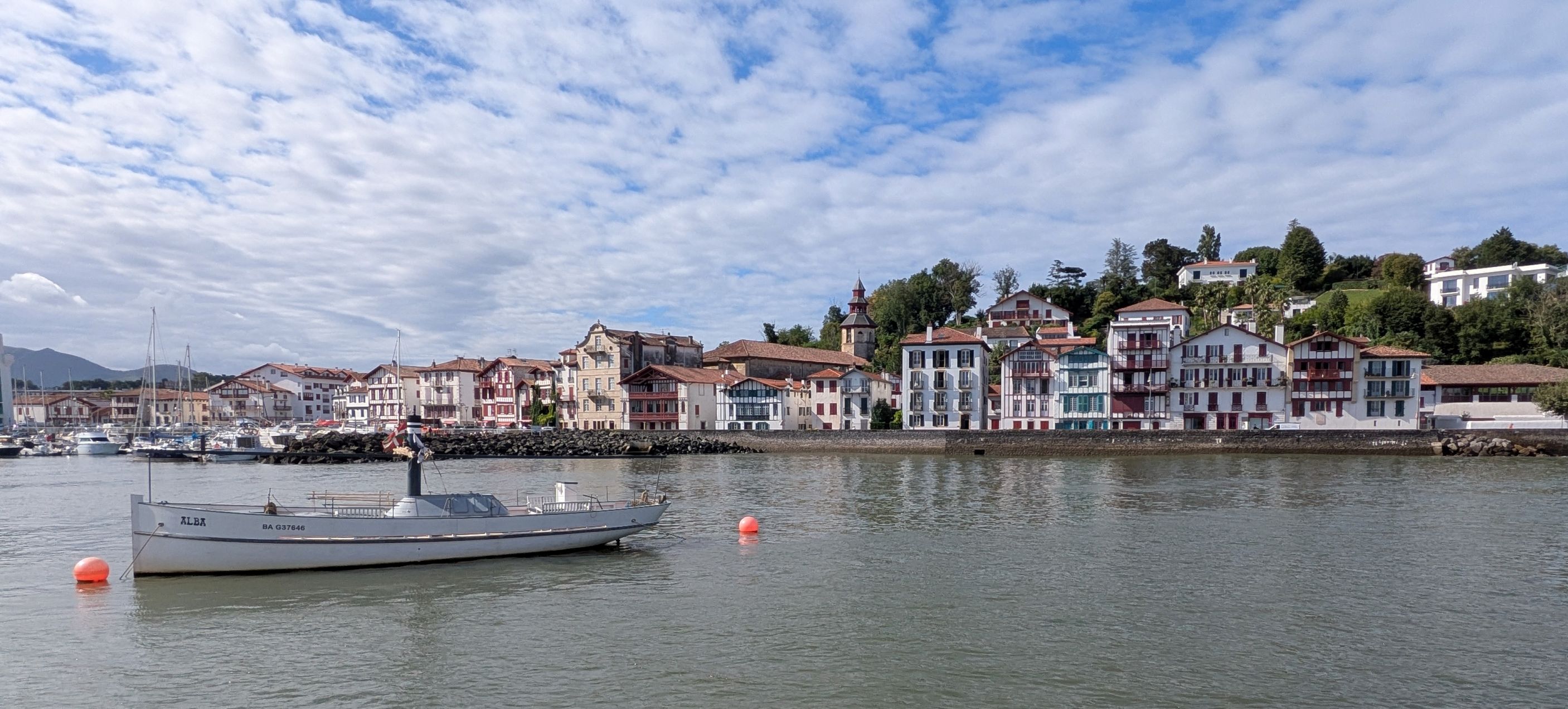
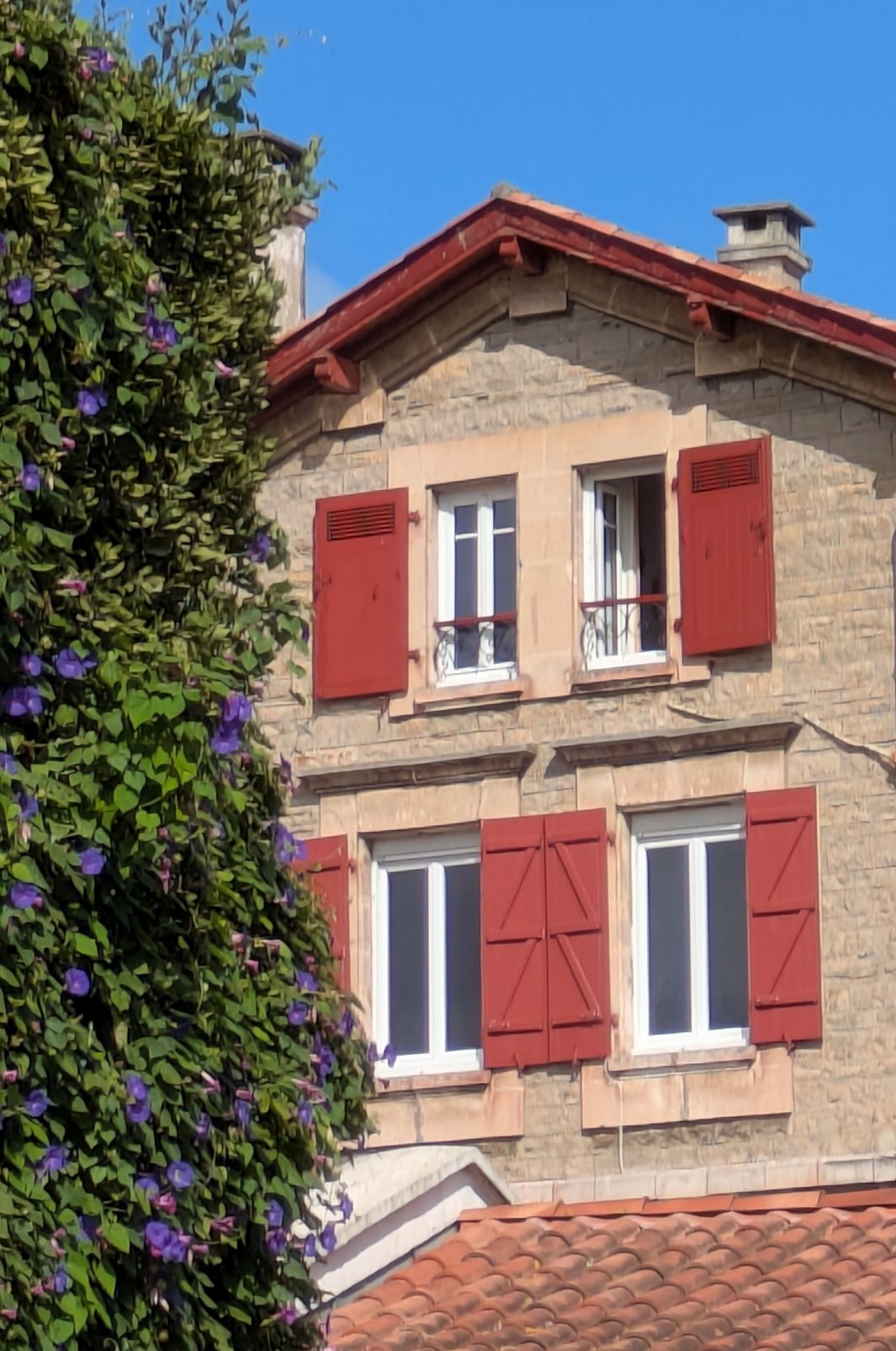
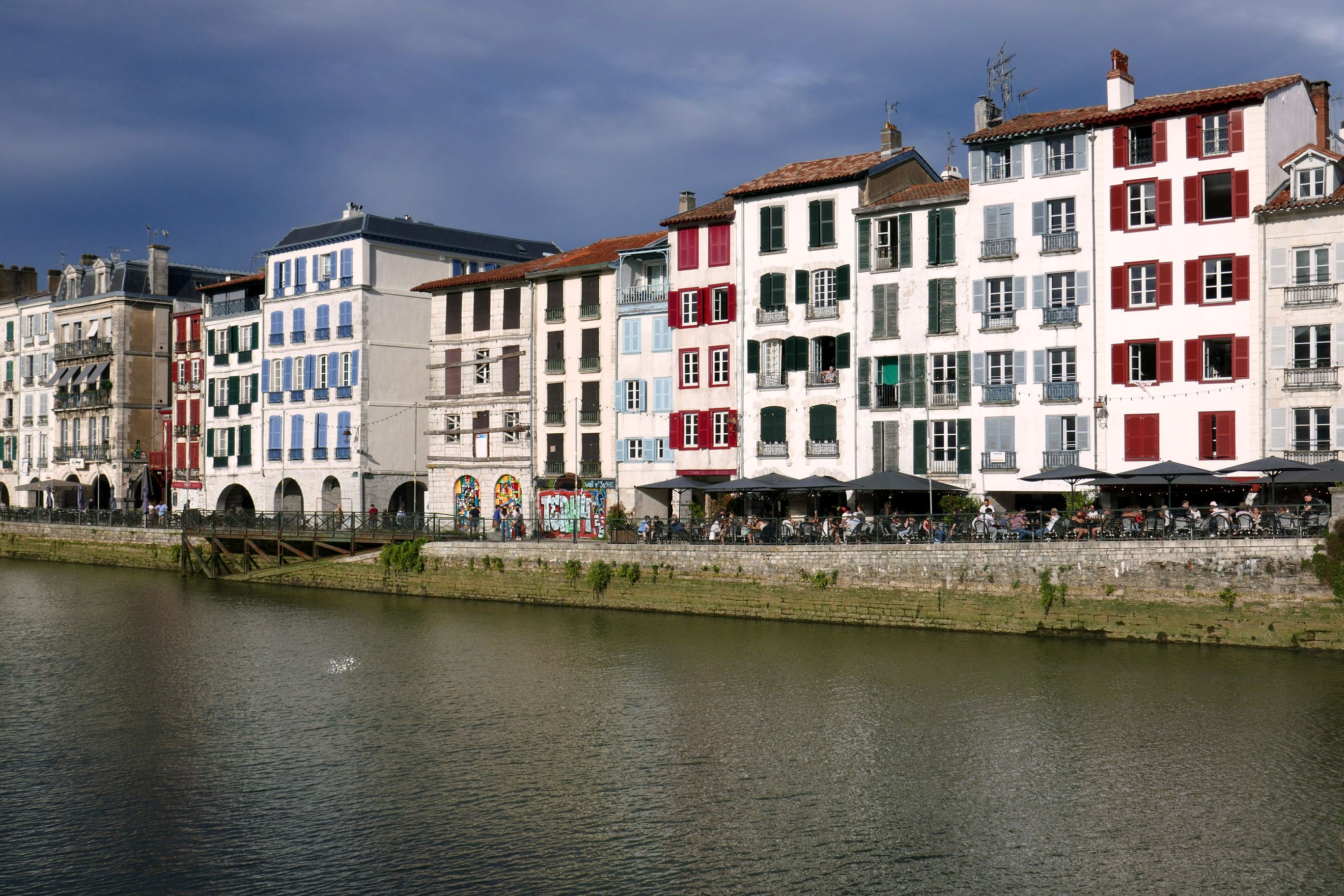
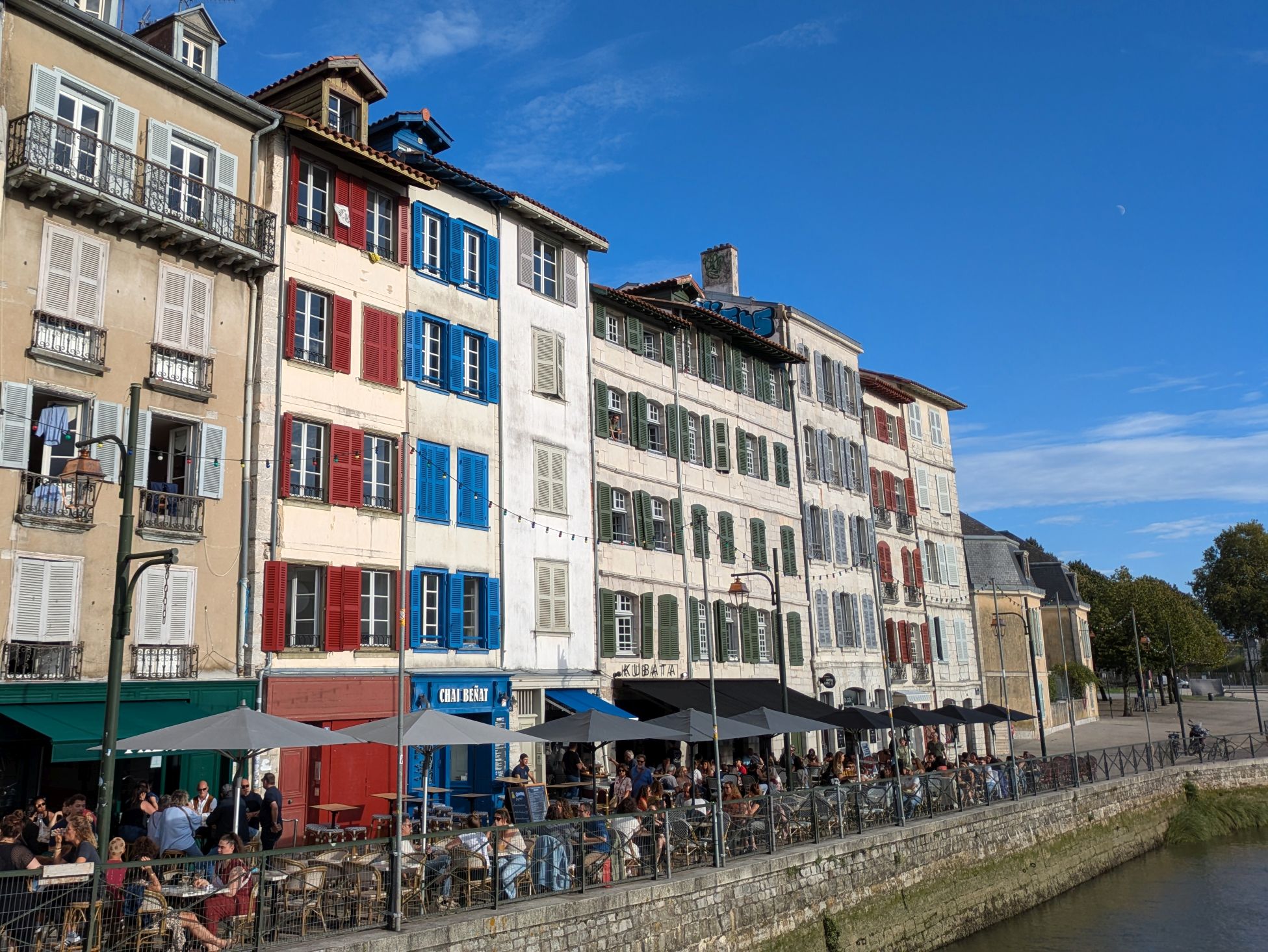
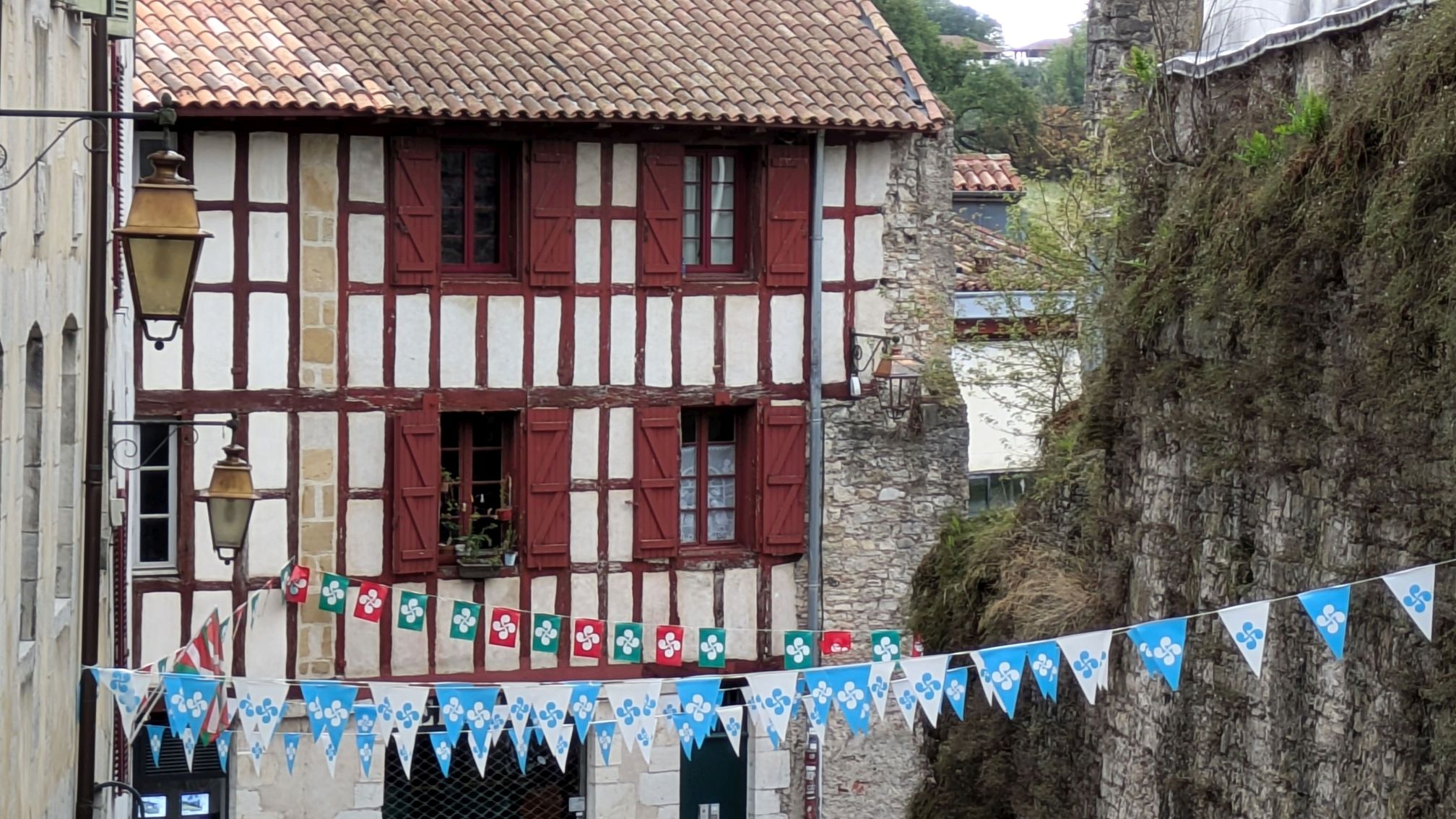
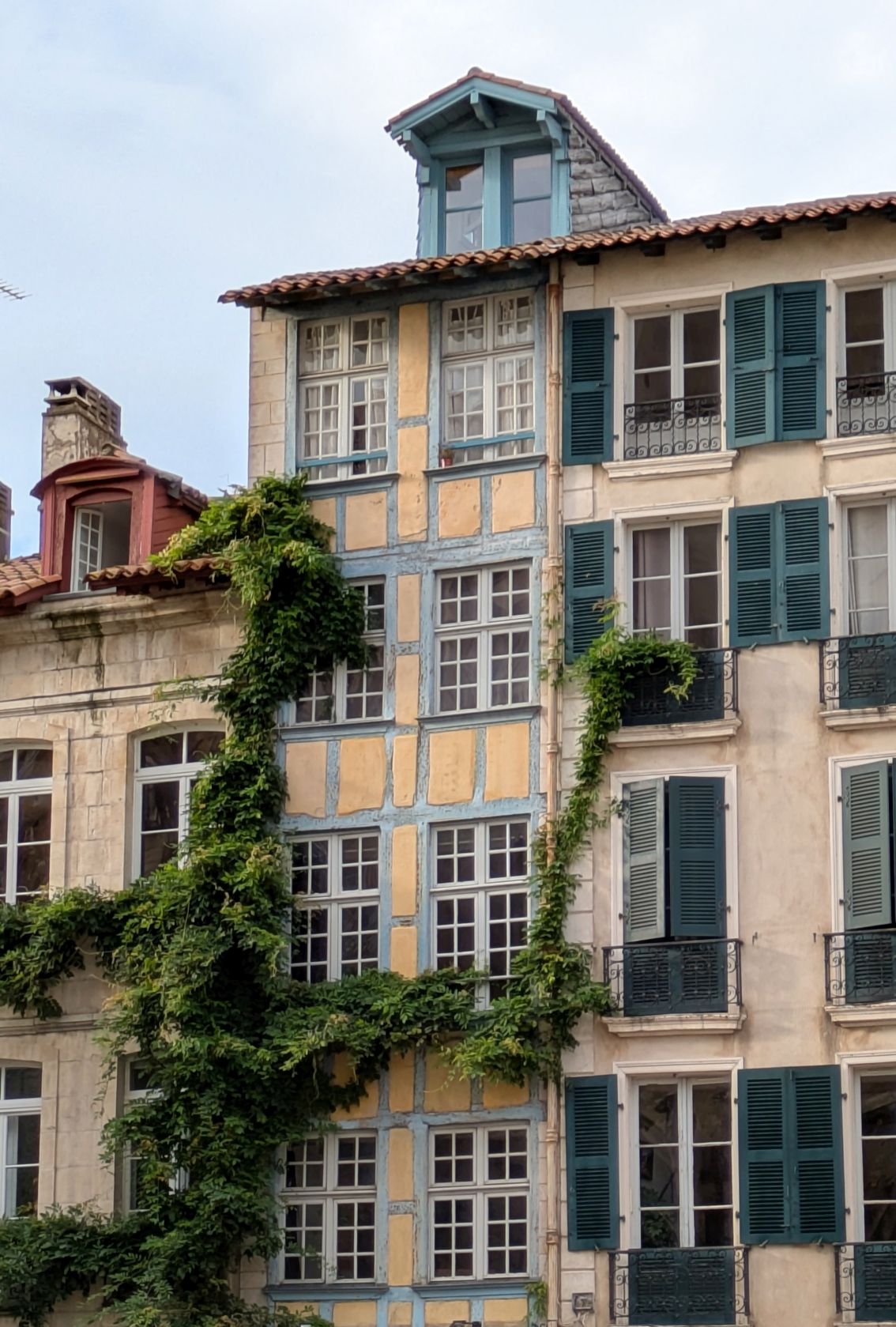
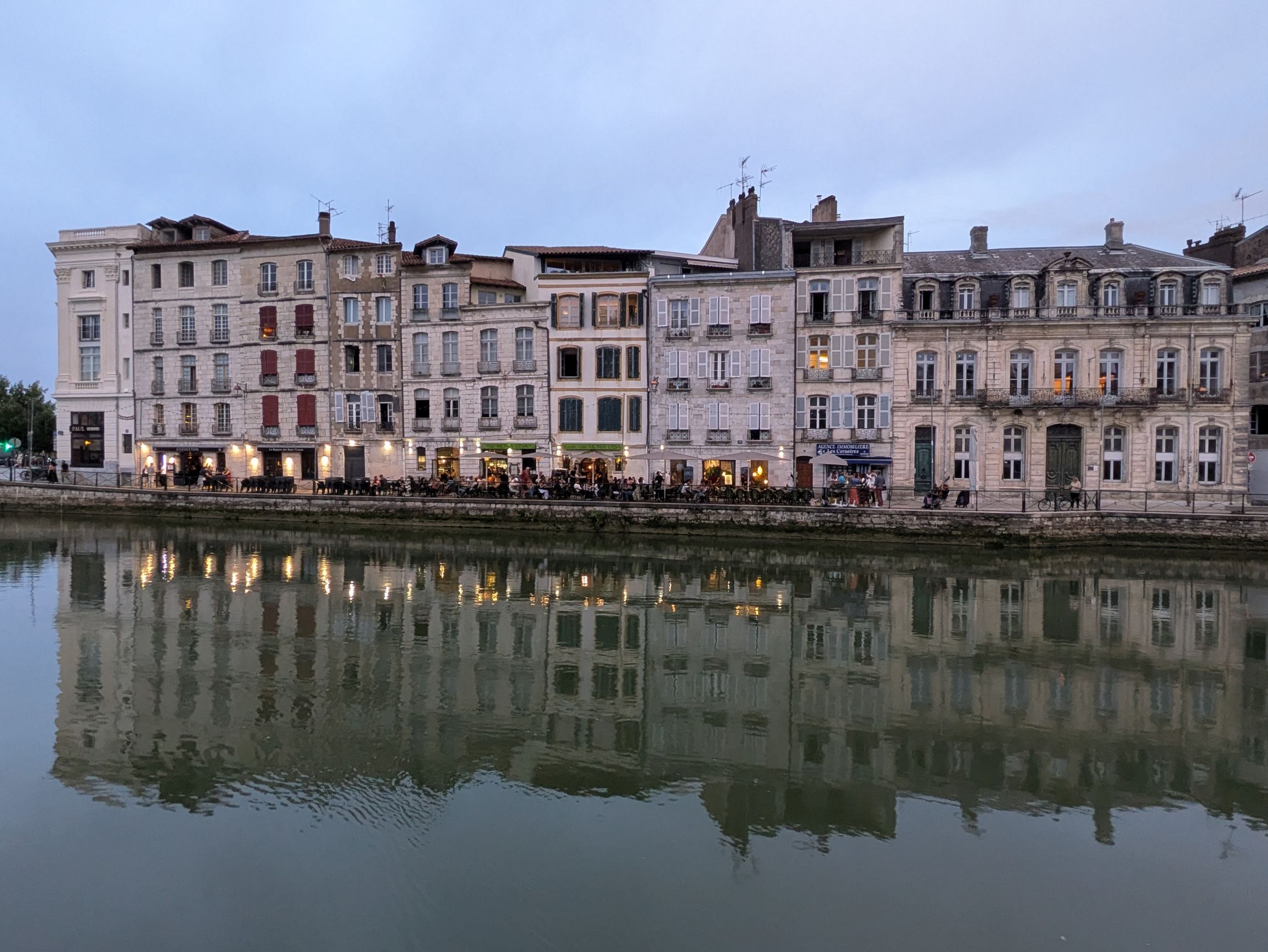
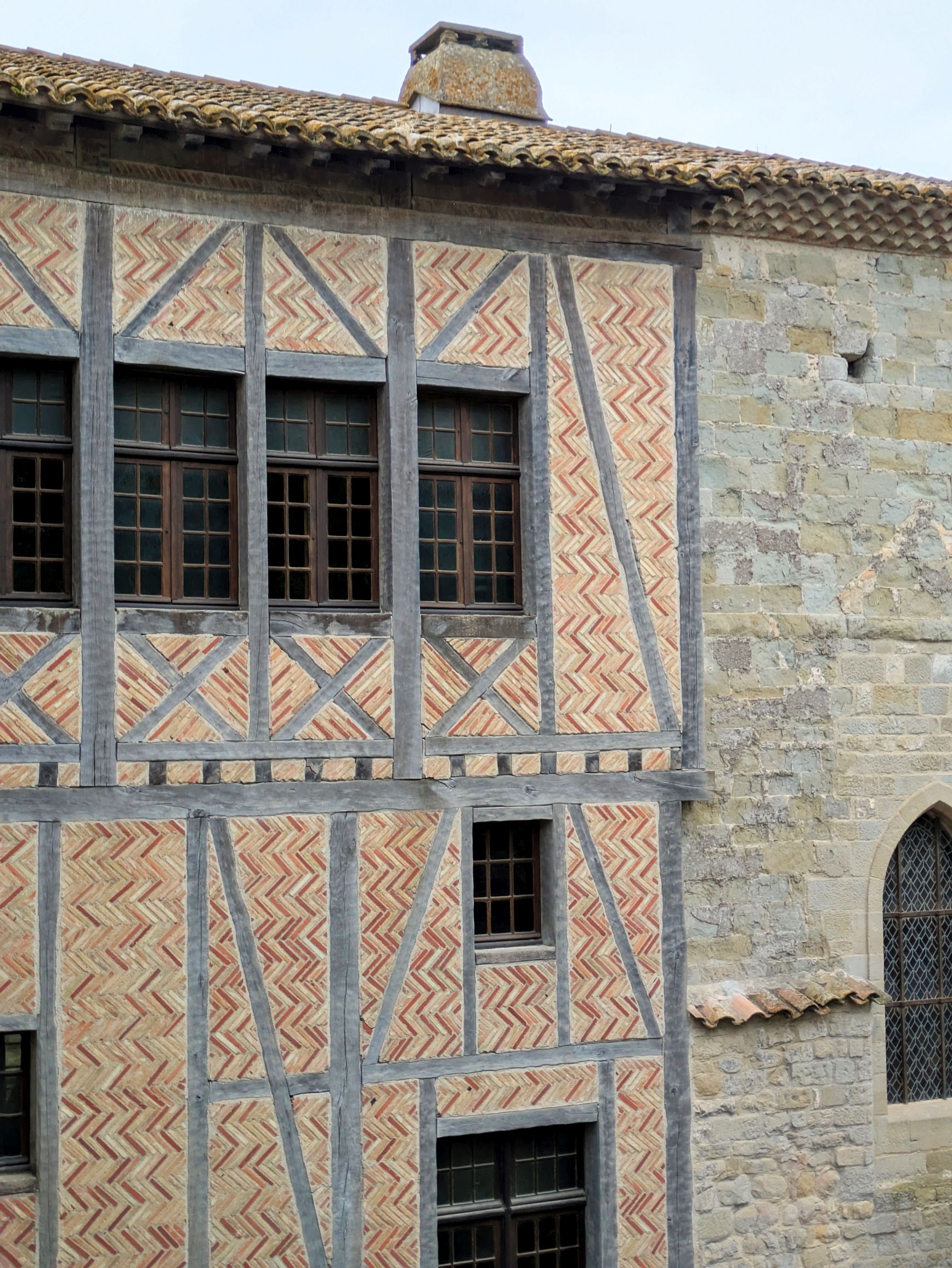
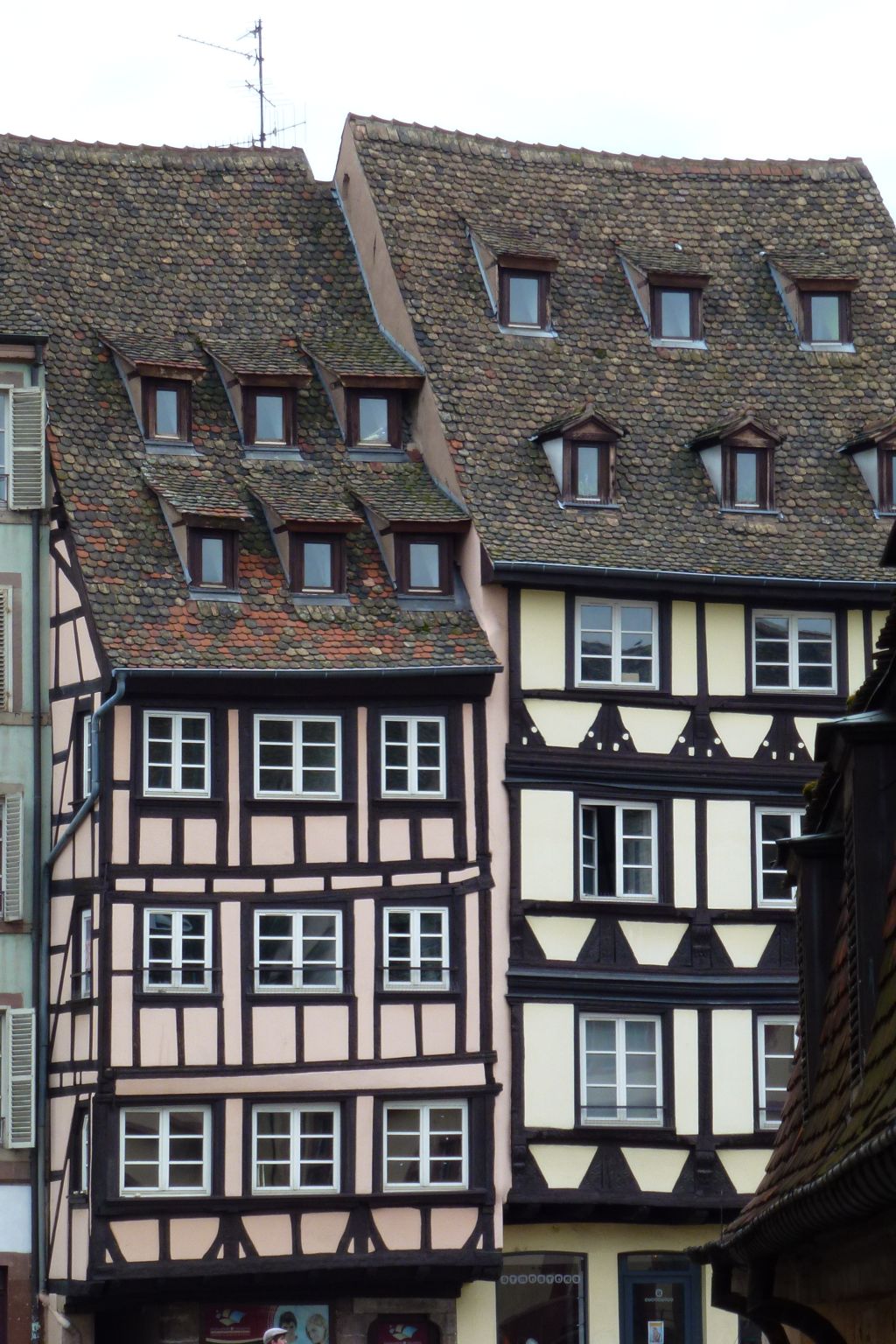
The views of the colorful half-timbered buildings along the rivers were charming and quite photogenic, especially in the late afternoon sun:

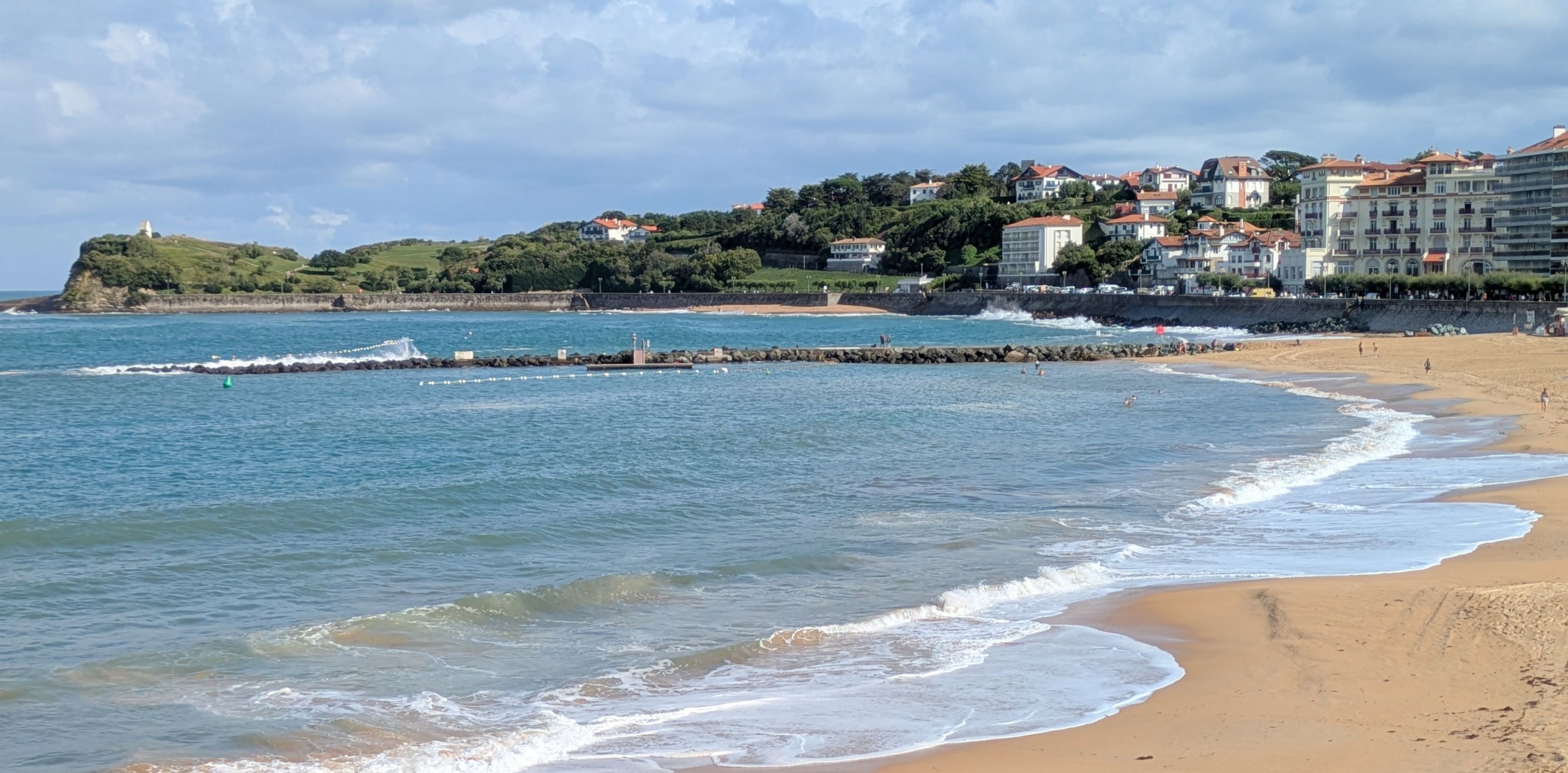
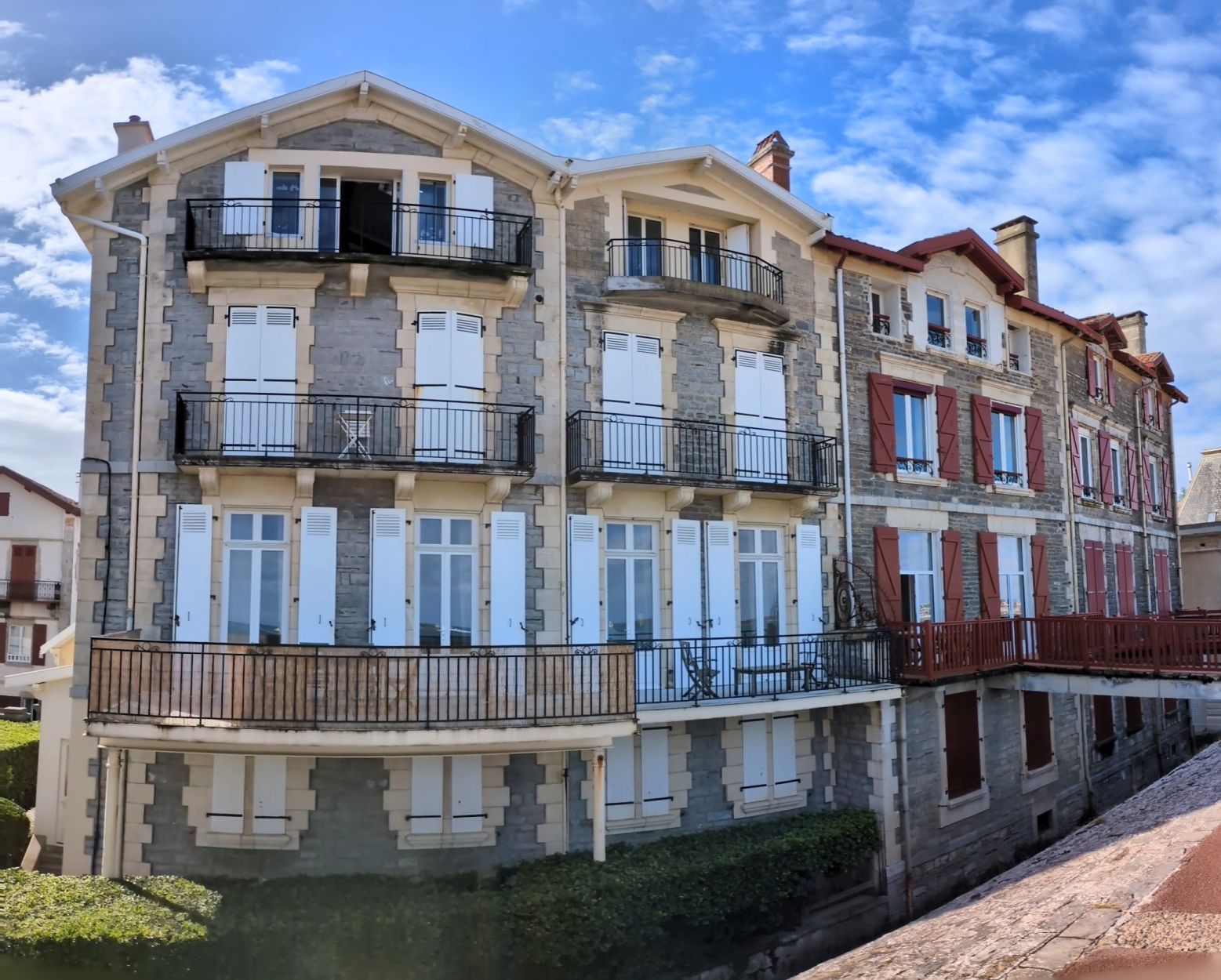
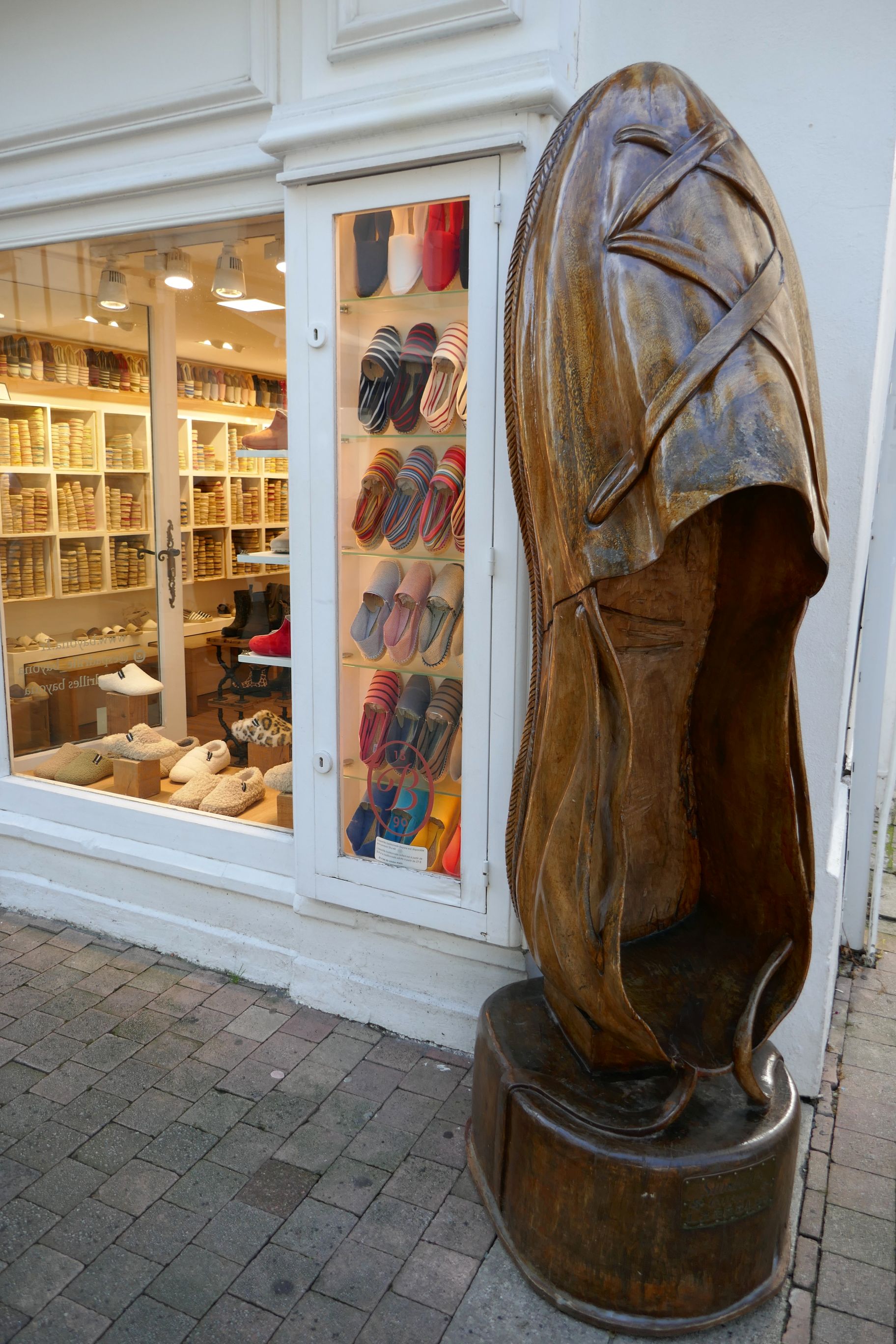
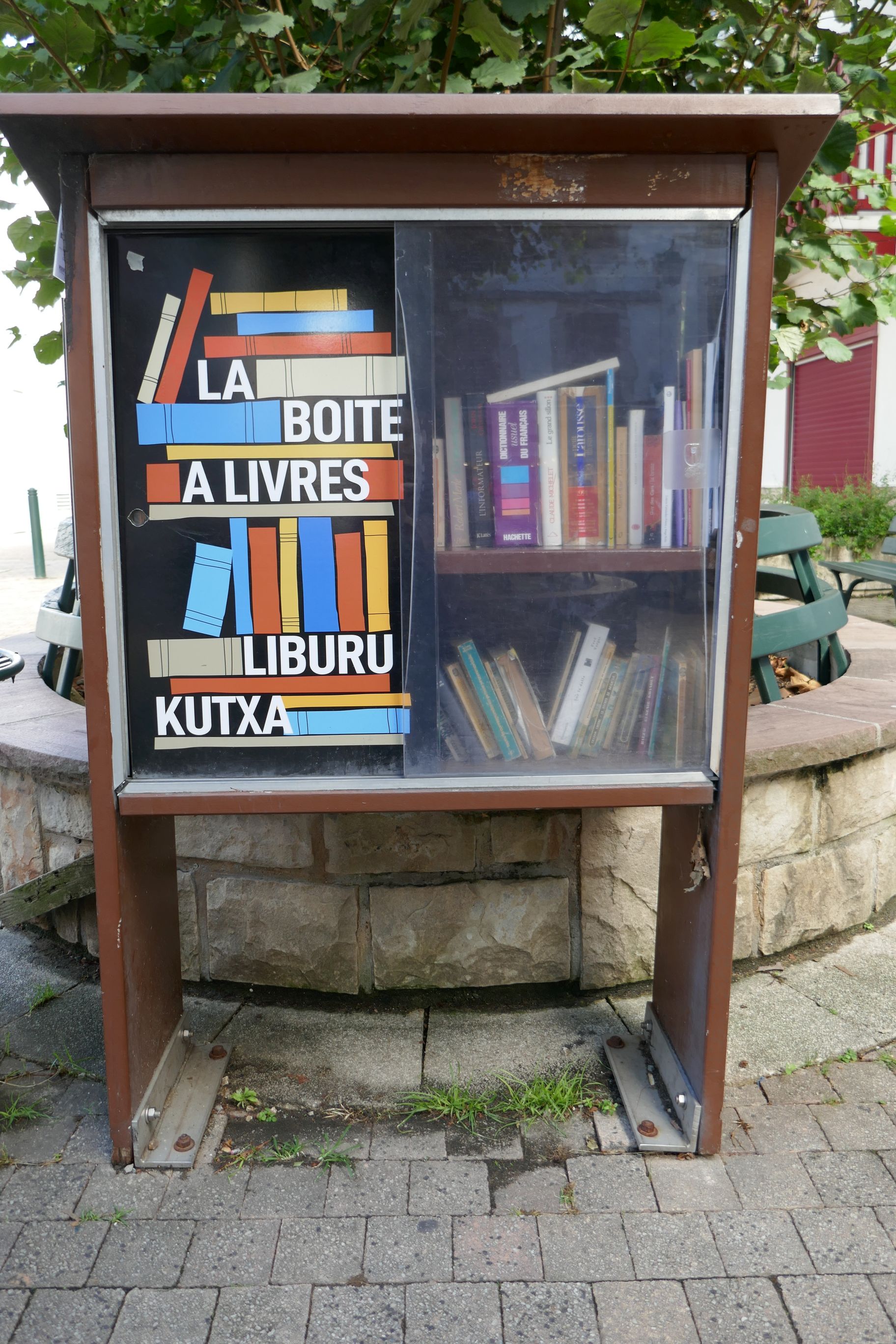
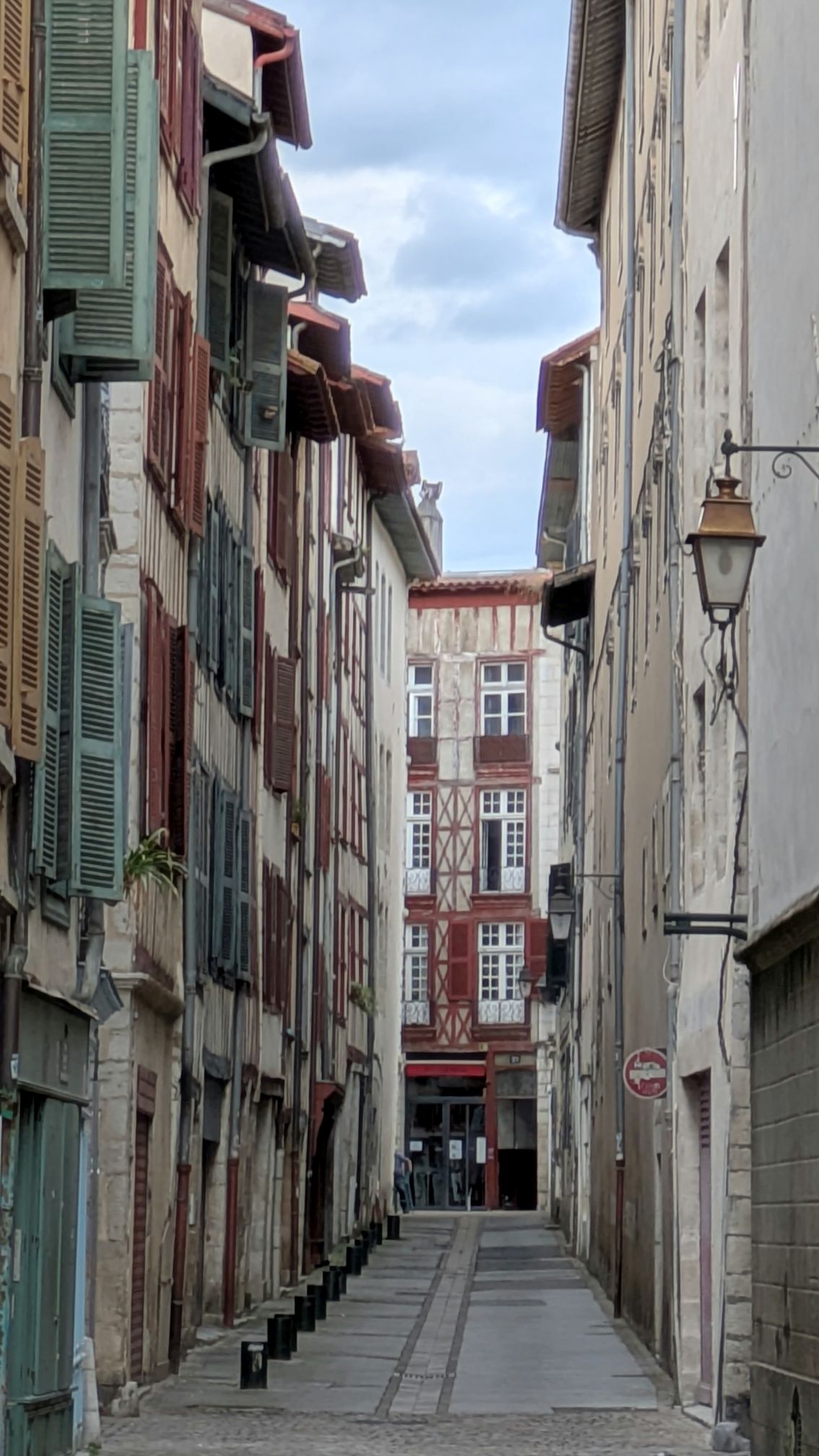
More scenes from around Bayonne during our two days in town:

The Basque flag hangs from the balcony
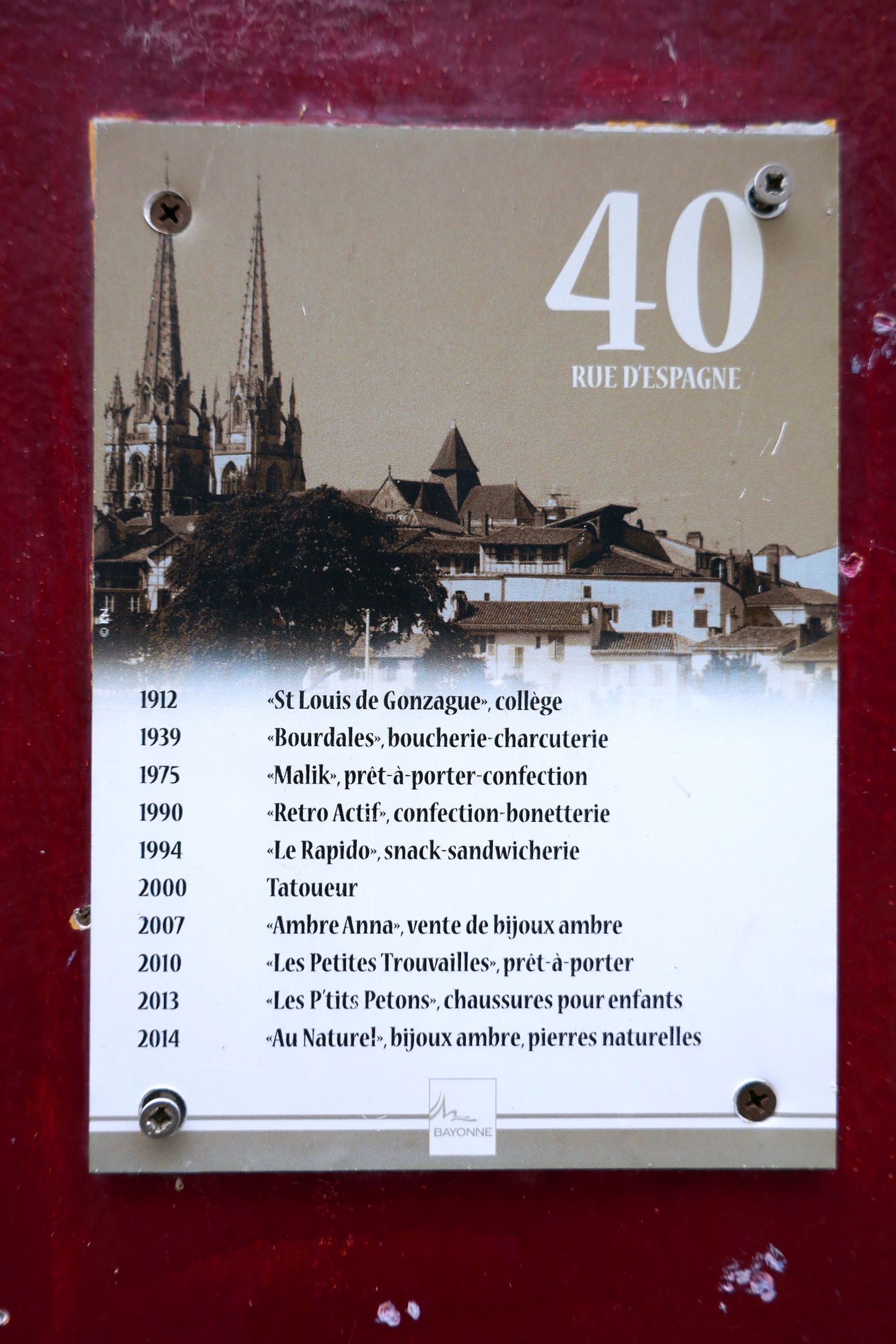
Some of the businesses had plaques in the front listing the history of the owners and what type of business it was each time.
There were also signs to be respectful of those historic buildings!
Down the street from our hotel
The view from our hotel room (left)
The view from our hotel room (right)
Distorted panorama of the sweeping view to the left, and then right from our hotel window
Just before dusk
The riverfront at dusk

Coming up next: SOUTHWEST FRANCE, NORTHERN SPAIN & PORTUGAL #6: BEAUTIFUL BAYONNE

SOUTHWEST FRANCE, NORTHERN SPAIN & PORTUGAL #4: ATTRACTIVE AUCH

Our OAT group left Carcassonne with Bayonne being our final destination for the day.  Along the way, we stopped in Auch for a walking tour led by Tom, our tour leader, for the pre-extension portion of our tour.

Auch, in southwestern France, is a small, 800-year-old town of less than 23,000 people.  It was too small to spend a lot of time in, but it was a lovely day for a walking tour and an al fresco lunch.

There was a wedding in progress at the Auch Cathedral, but we quietly scampered in to have a look around the areas where we could stay out of sight.  A national monument, the interior was beautiful.

(For all photos, click on the image for a full screen view.)
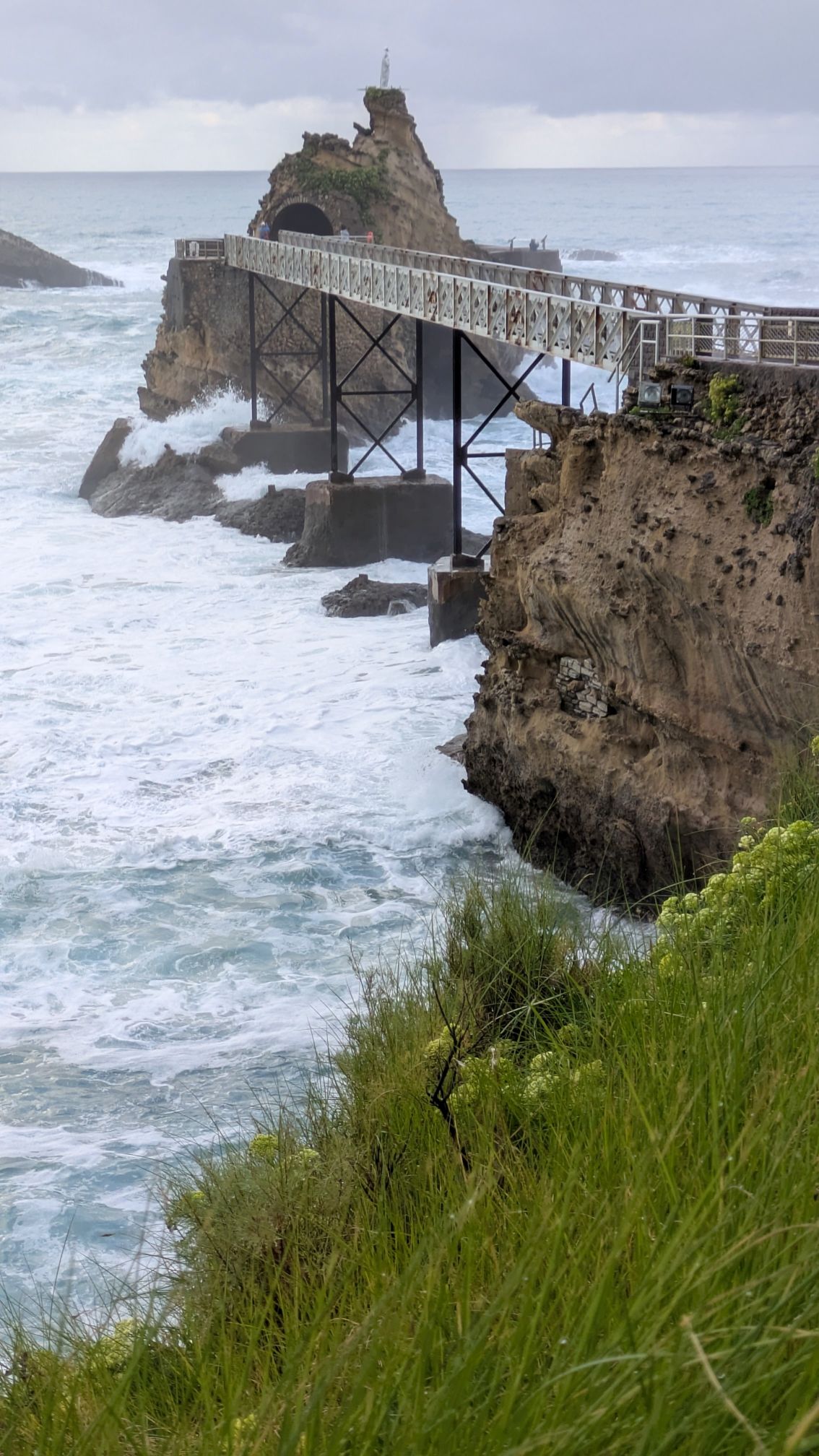
It was also market day, so we had a quick look at the stalls and this clever wine bar on wheels:

More scenes from around Auch:

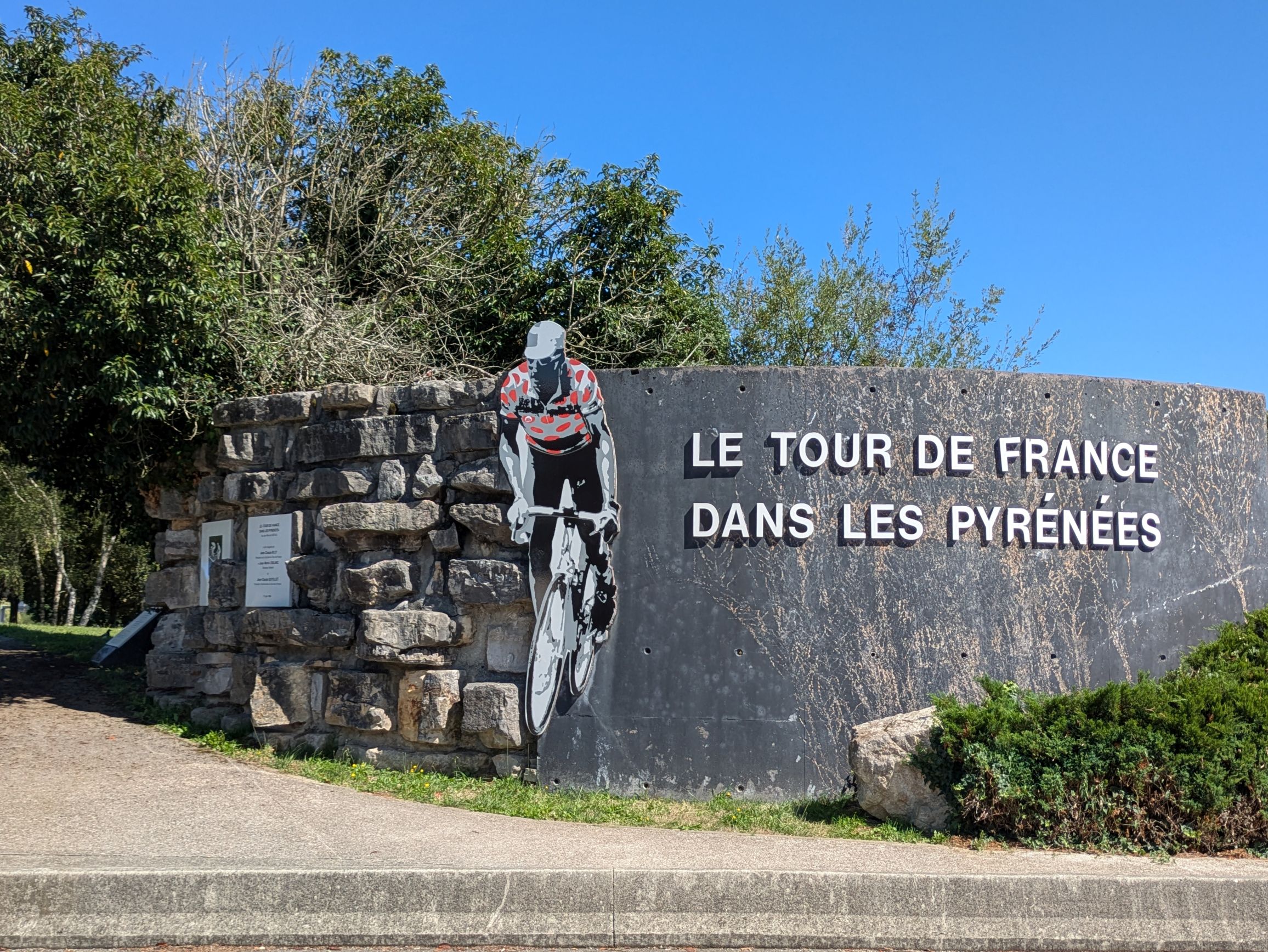
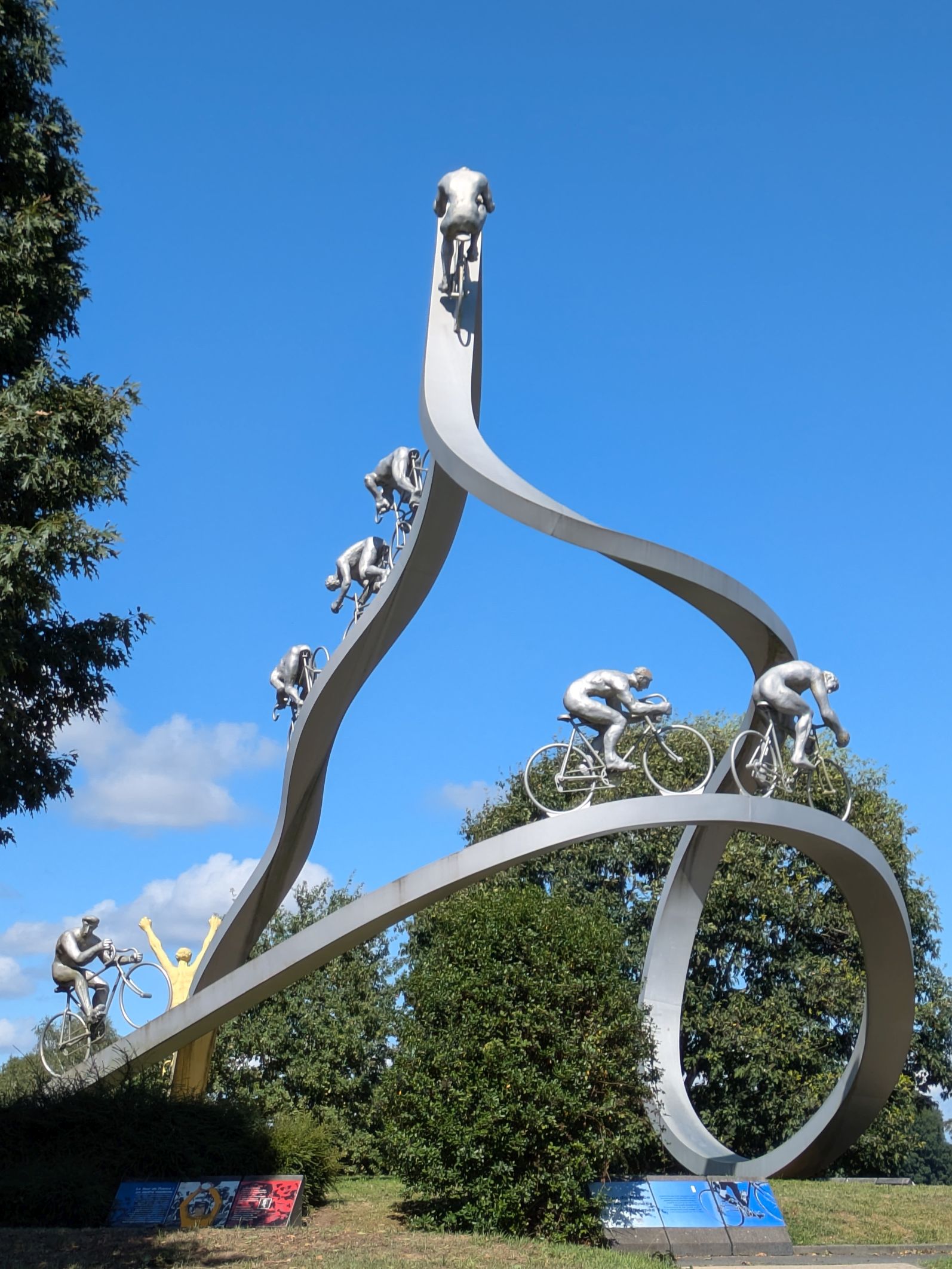
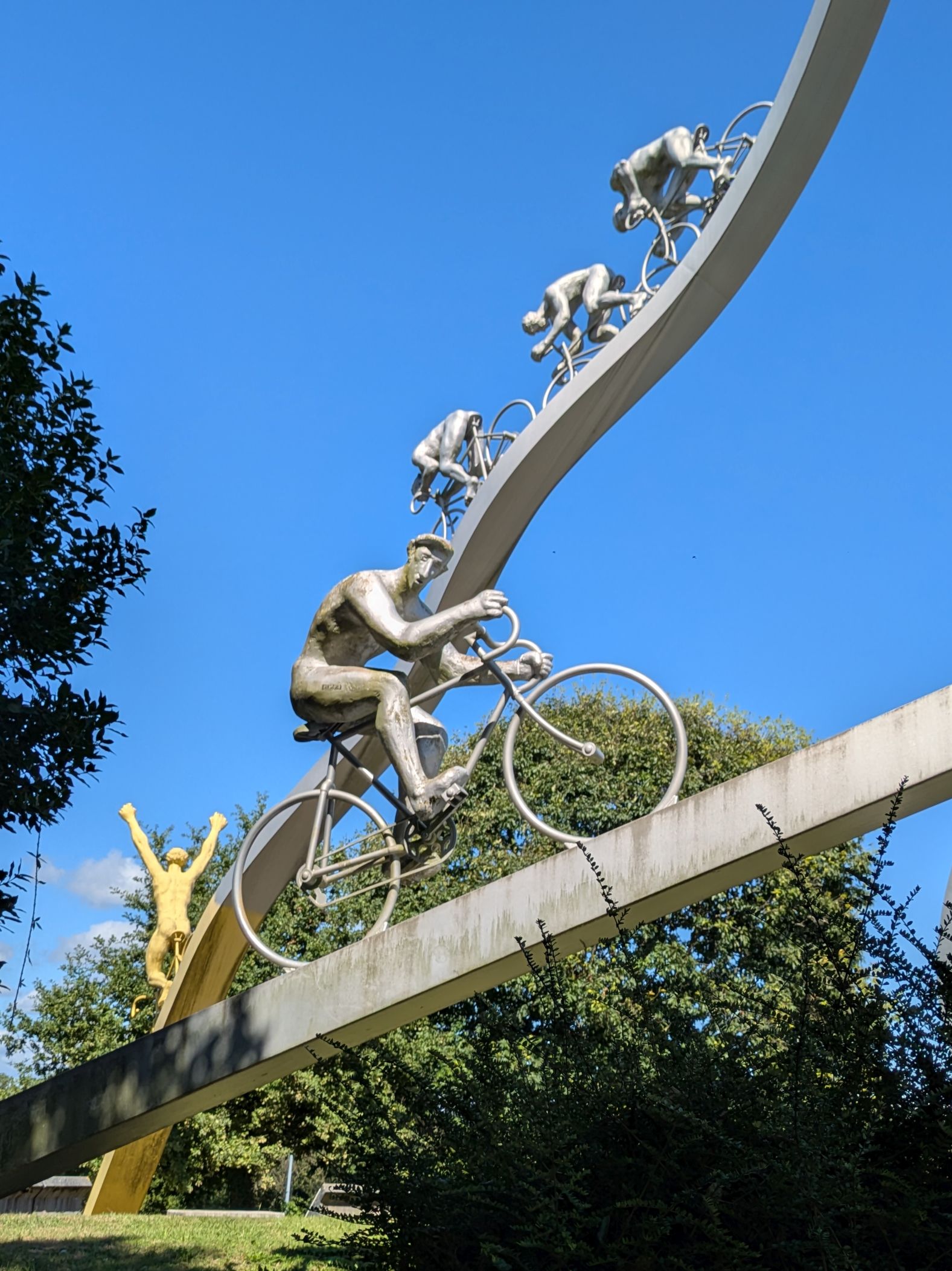
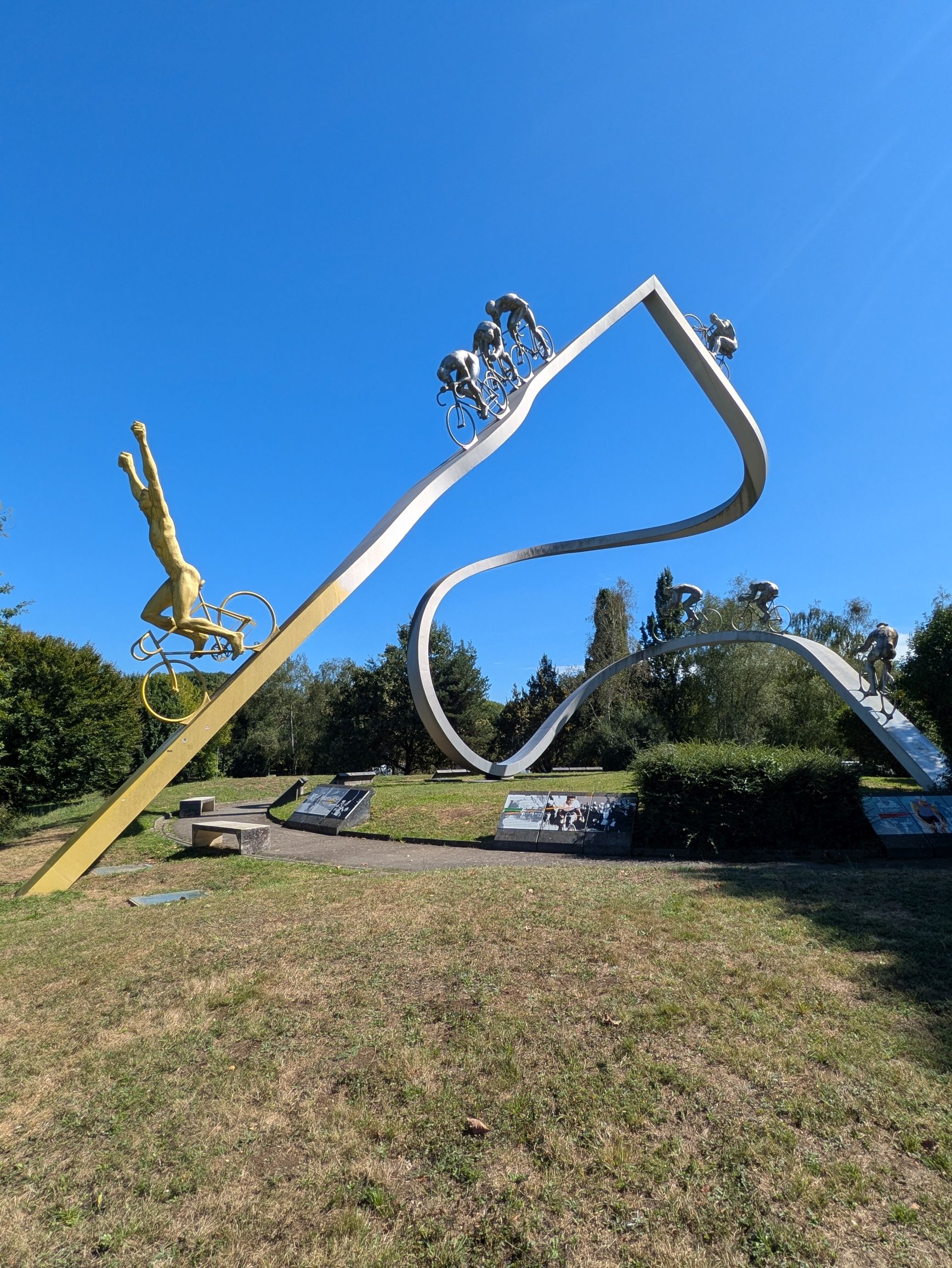
Another stop we made was to see the “Tour de France in the Pyrenees” (The Great Loop) sculpture by Jean-Bernard Metais. Located across from a gas station on the A64 motorway of the Pyrenees Mountains, it is quite a sight to see!

Next up: SOUTHWEST FRANCE, NORTHERN SPAIN & PORTUGAL #5: BEAUTIFUL BAYONNE

SOUTHWEST FRANCE, NORTHERN SPAIN & PORTUGAL #3: APPEALING ALBI

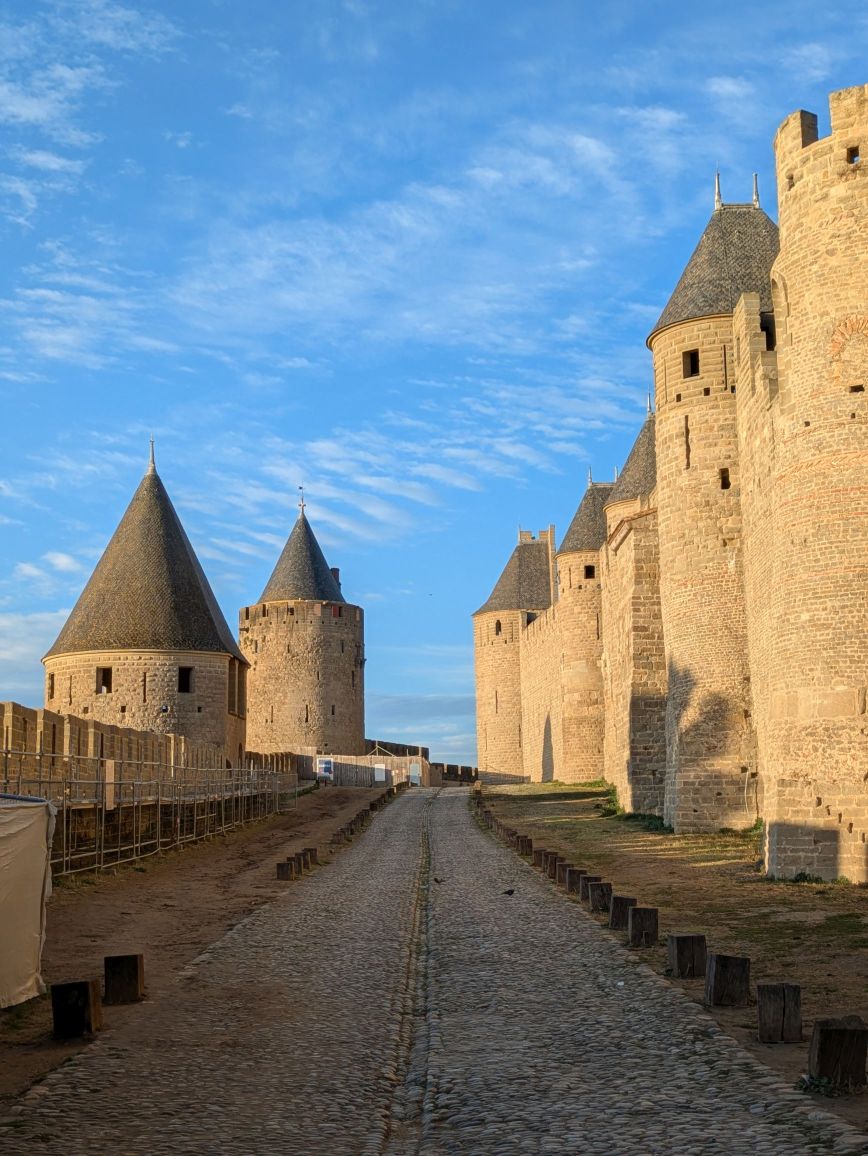
When we departed Carcassonne for our side trip to Albi, it was a sunny morning, so I captured some photos of the fortress as we made our way to the bus outside of the walled old city:

(For all photos, click on the image for a full screen view.)

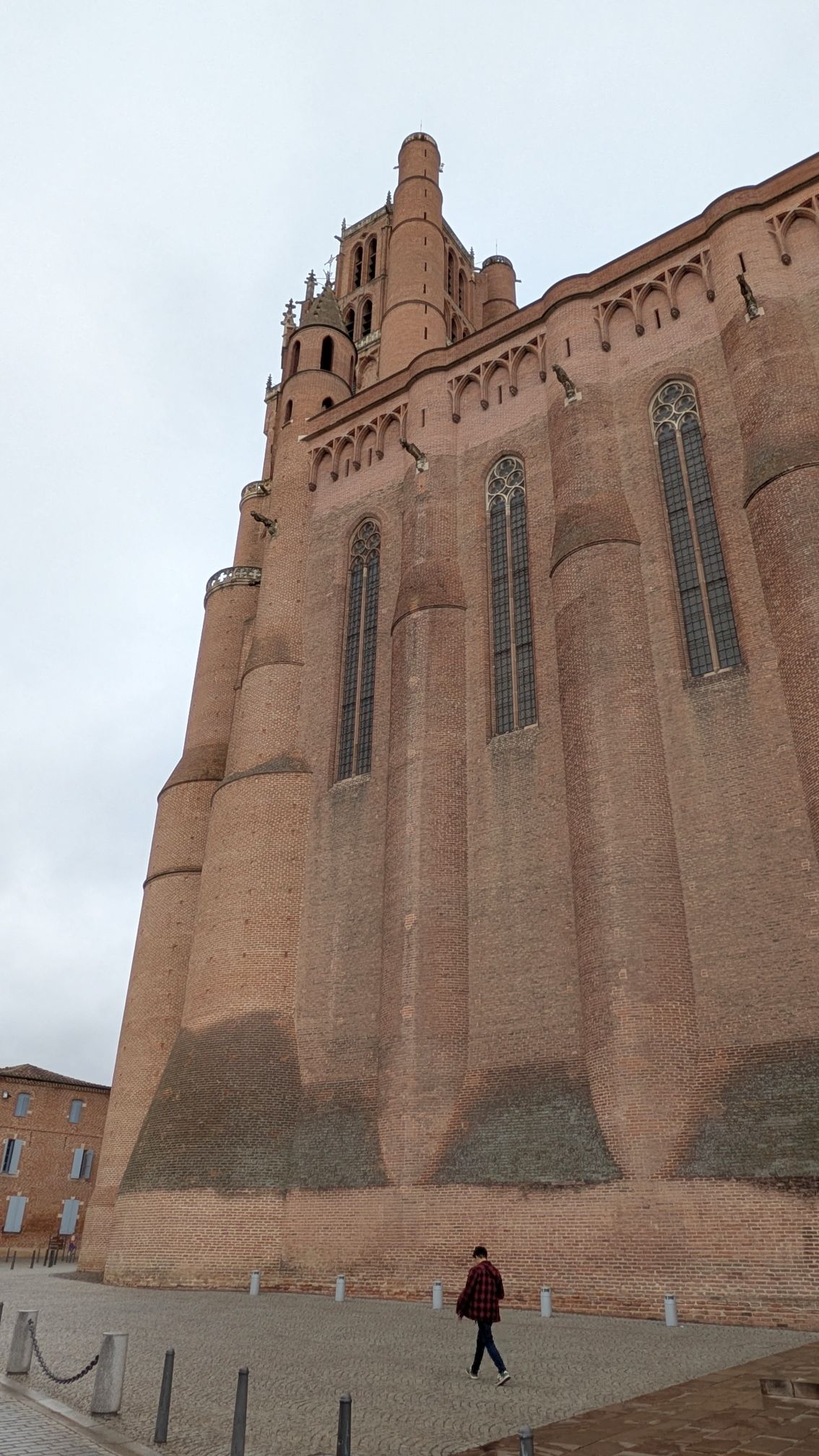
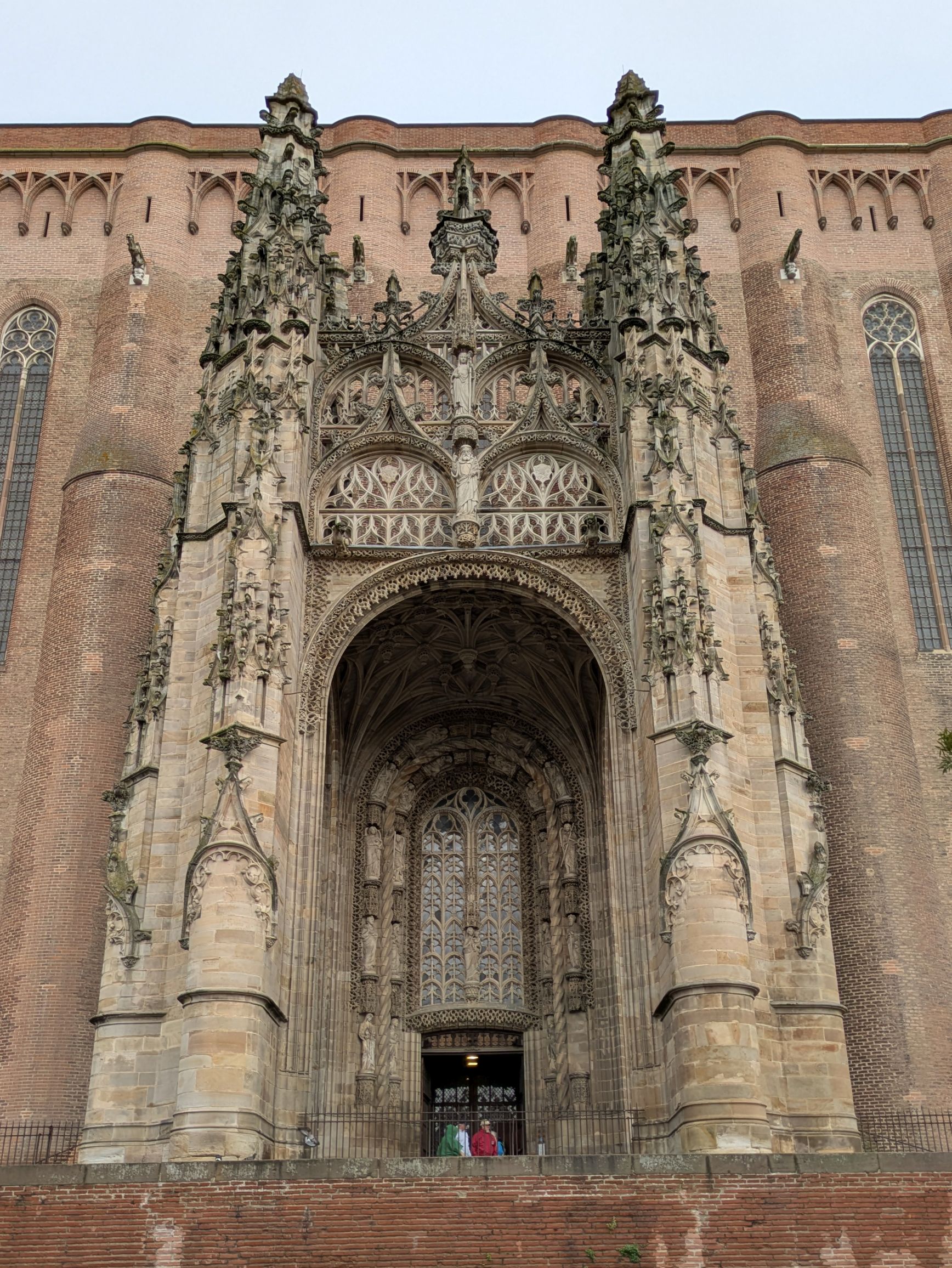
The appeal of the medieval town of Albi is visiting the beautiful Toulouse-Latrec Museum and the magnificent Cathedral of Saint Cecilia of Albi (Albi Cathedral). By the time we arrived in Albi, it was cloudy (and sometimes rainy), so it was perfect for these (mostly) indoor activities.

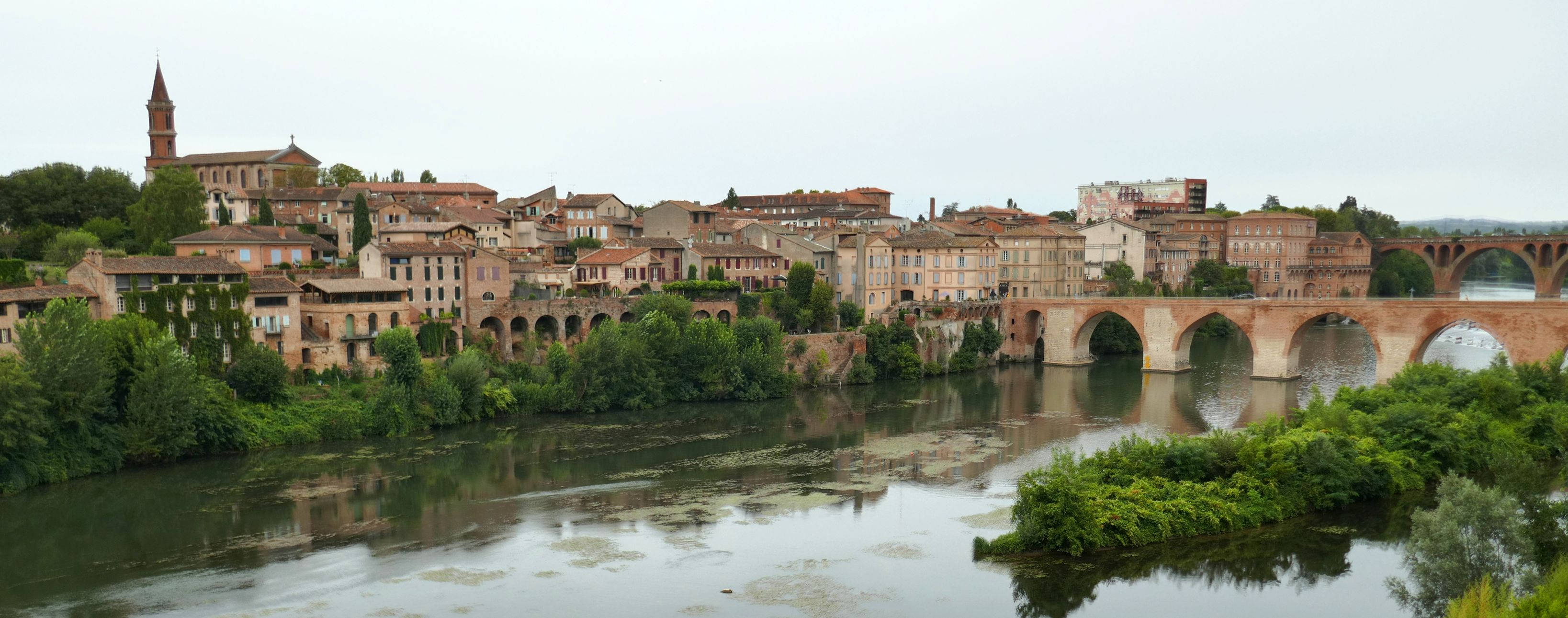
A UNESCO World Heritage Site, Albi is situated along the banks of the river Tarn and has a long history.  First settled during the Bronze Age, there was a lot of growth in the town after a bridge was constructed across the Tarn in 1040.  Fast forward several centuries, and Albi did an excellent job preserving and restoring its medieval architecture, which earned it the UNESCO designation.

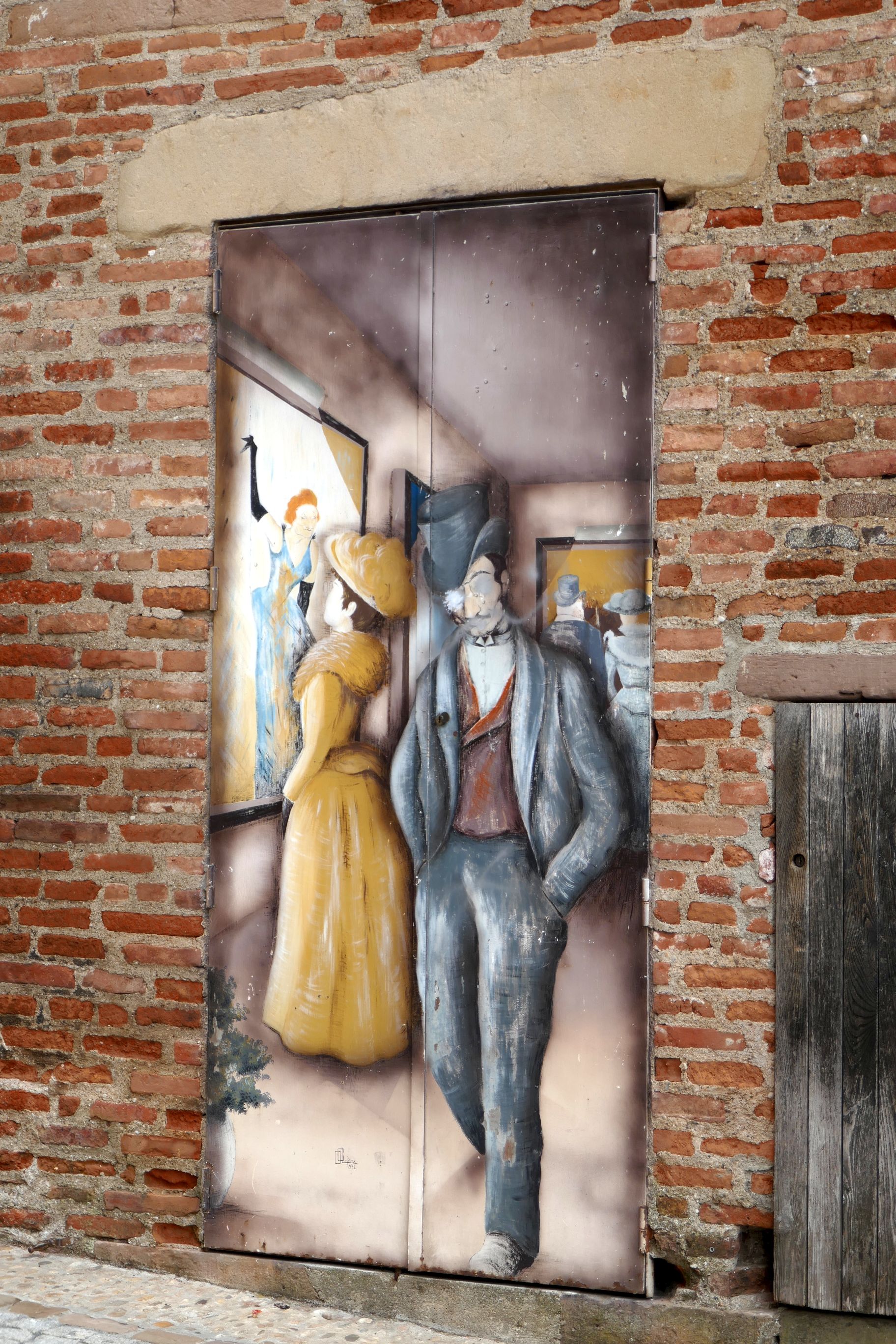
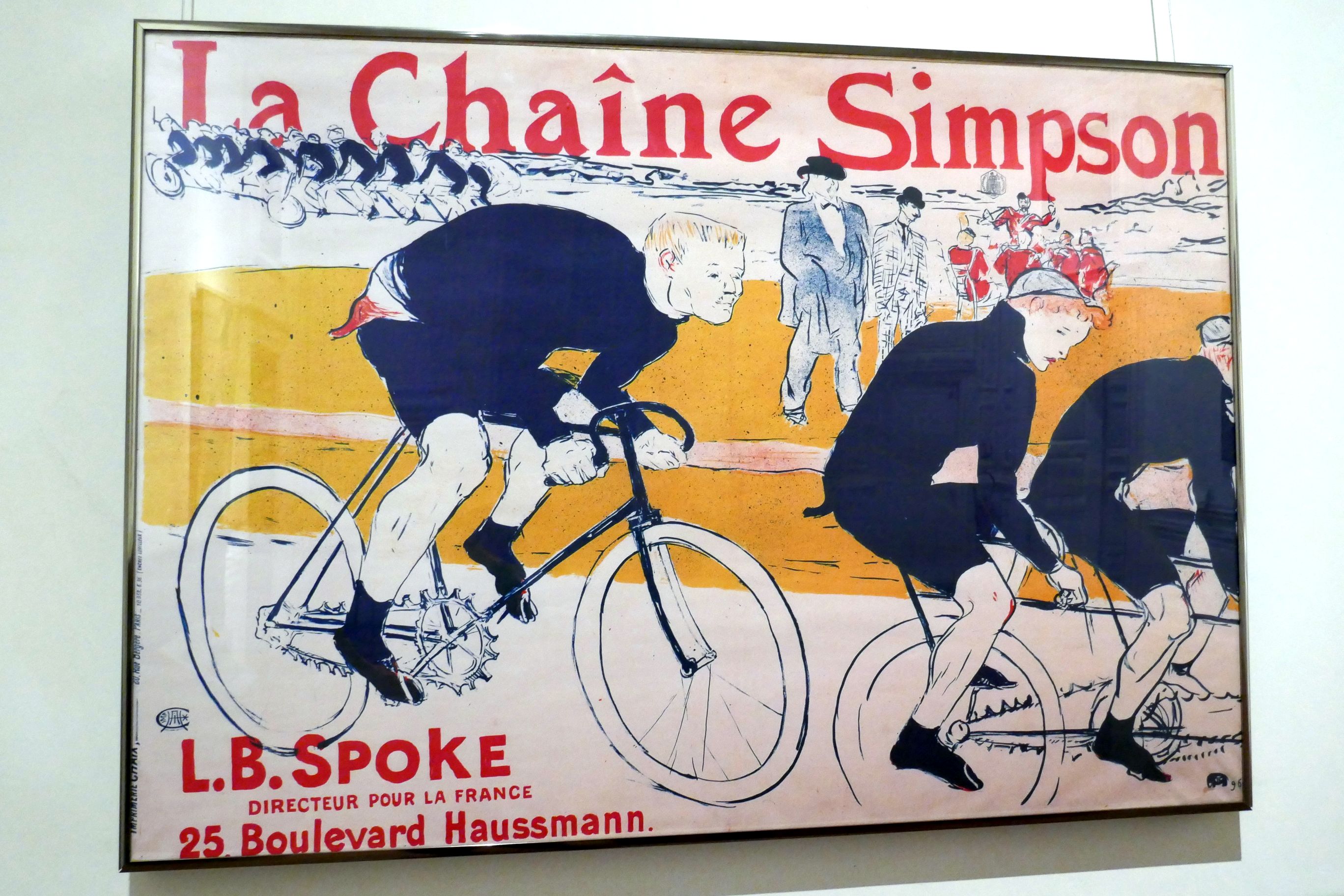
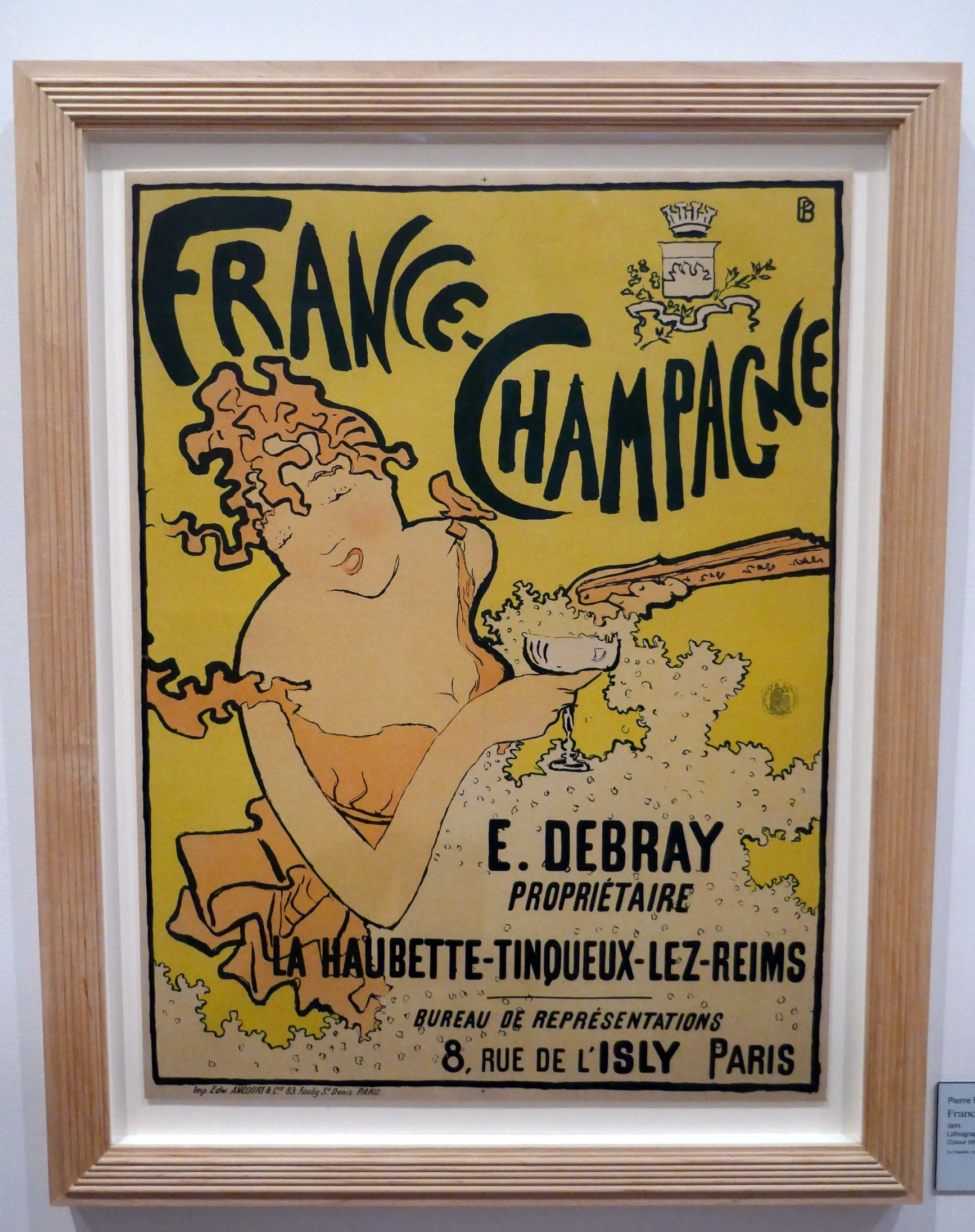
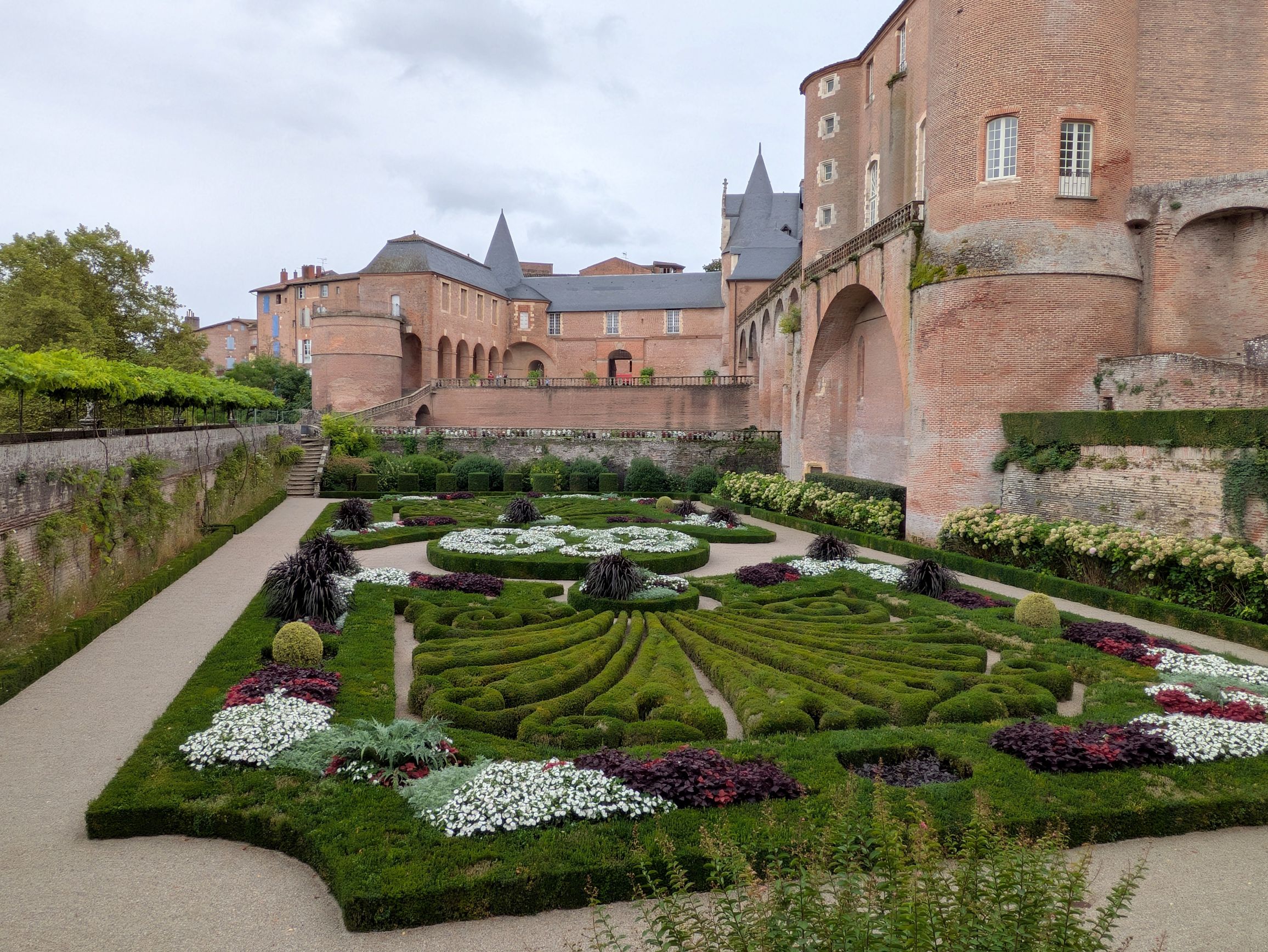
Formerly the Bishops’ Palace of Albi, the Toulouse-Latrec Museum is one of the oldest (13th century) and best-preserved castles in France.  It was well worth visiting the castle, even if you’re not a fan of Toulouse-Latrec’s work or any of the other art exhibited in the museum.  I enjoyed it all! 

Albi was the birthplace of Henri de Toulouse-Latrec, and the museum honors his memory in style.  Built prior to the cathedral, the palace was the residence of the Bishop of Albi and is connected to the cathedral tower.  The entire complex was built like a fortress for protection from the Cathars, a heretical sect, which originated in Albi.

In 1922, the museum received a collection of Toulouse-Latrec’s work, donated by his mother, and the museum now houses over one thousand works by and about him.

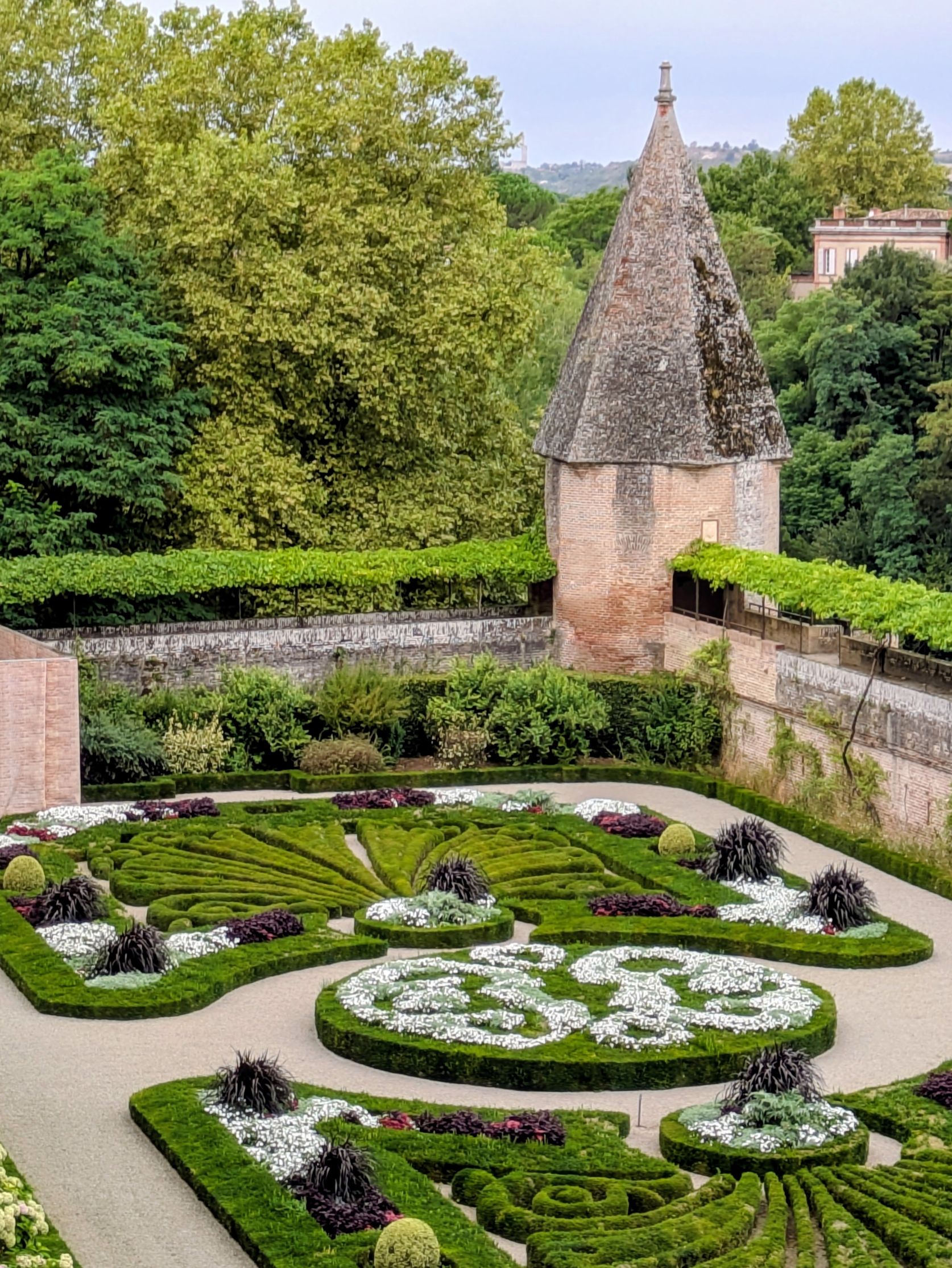
The interior of the palace is gorgeous, but the beautiful gardens are not to be missed as well. 

View from the museum

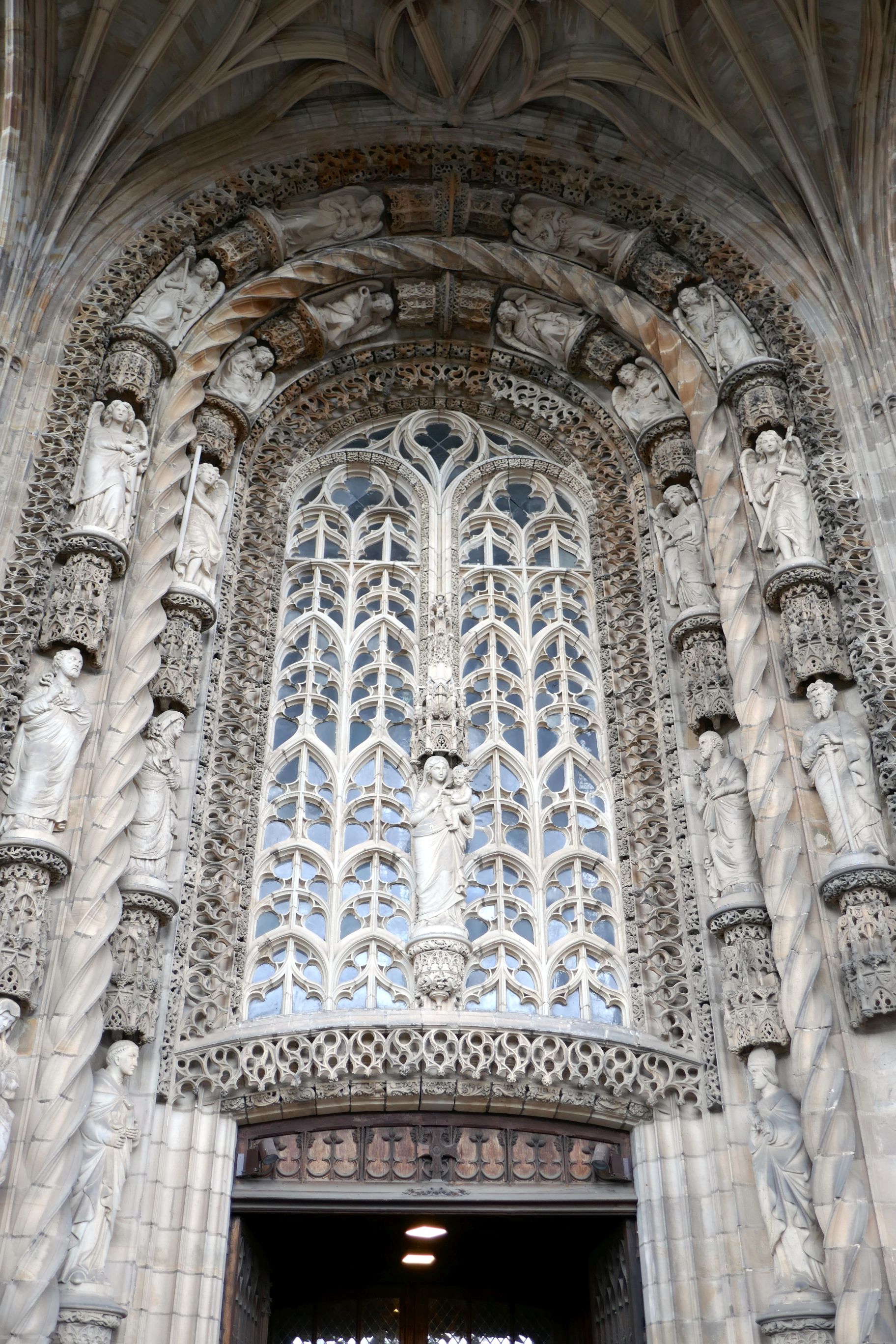
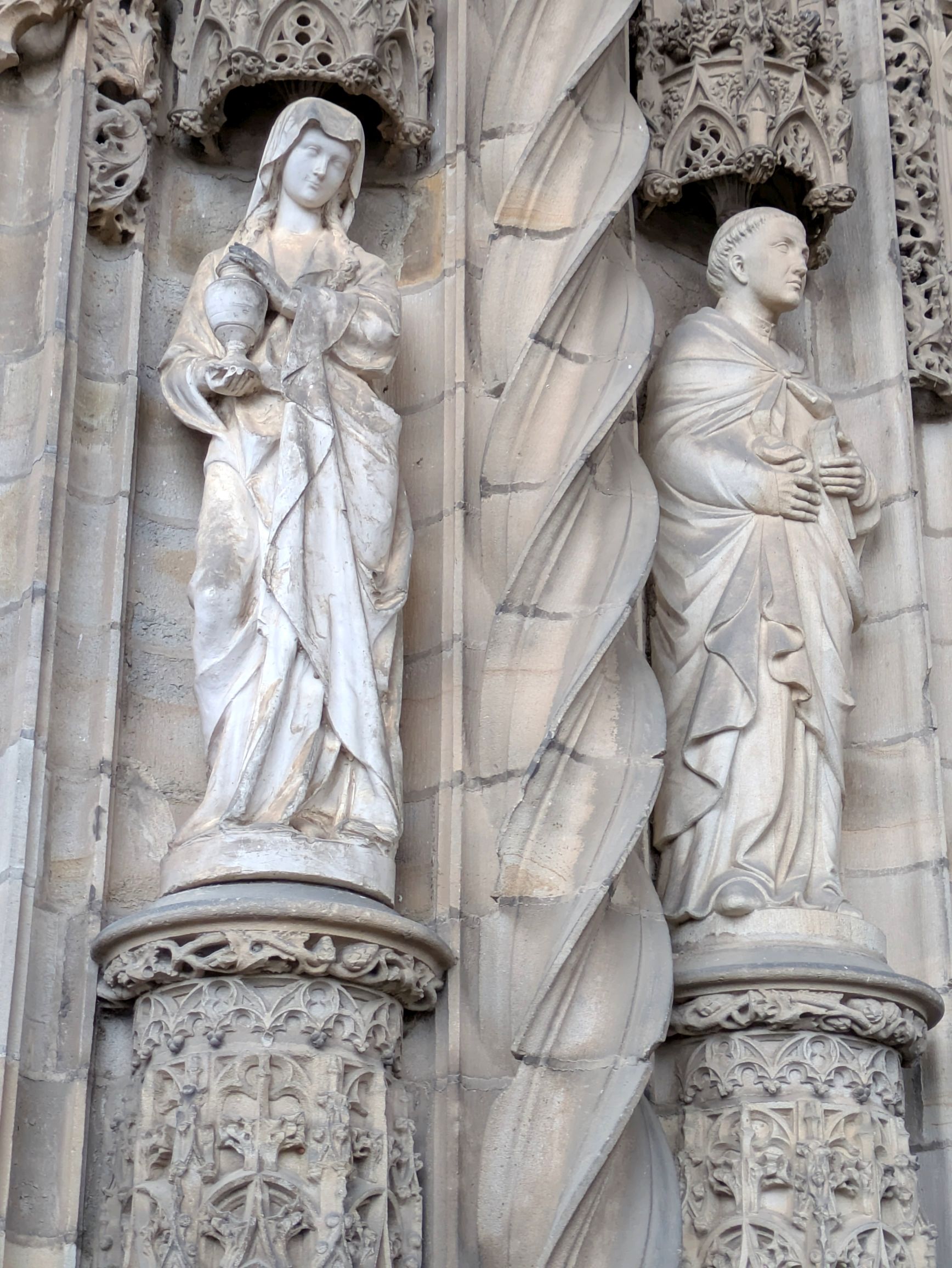
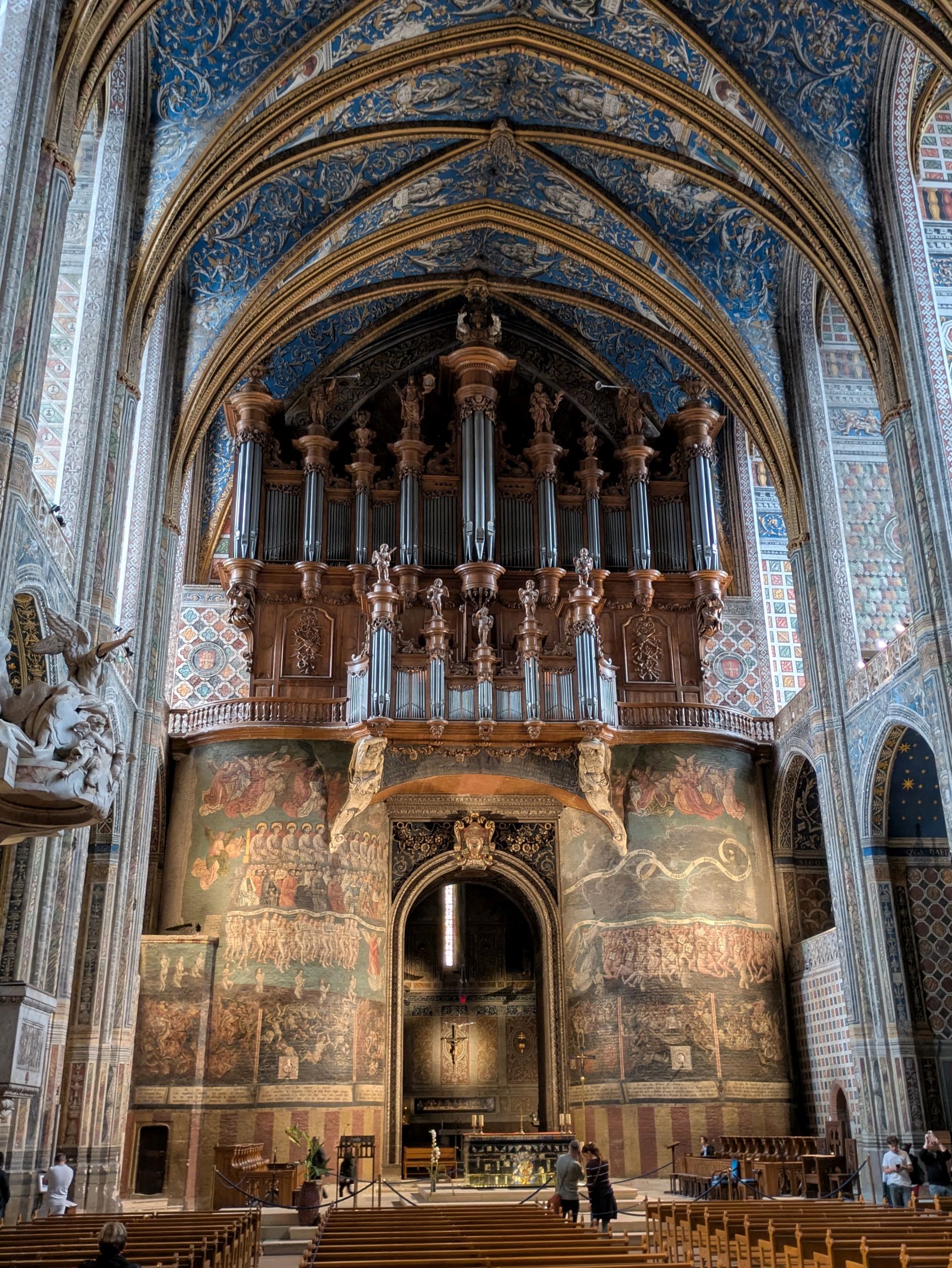
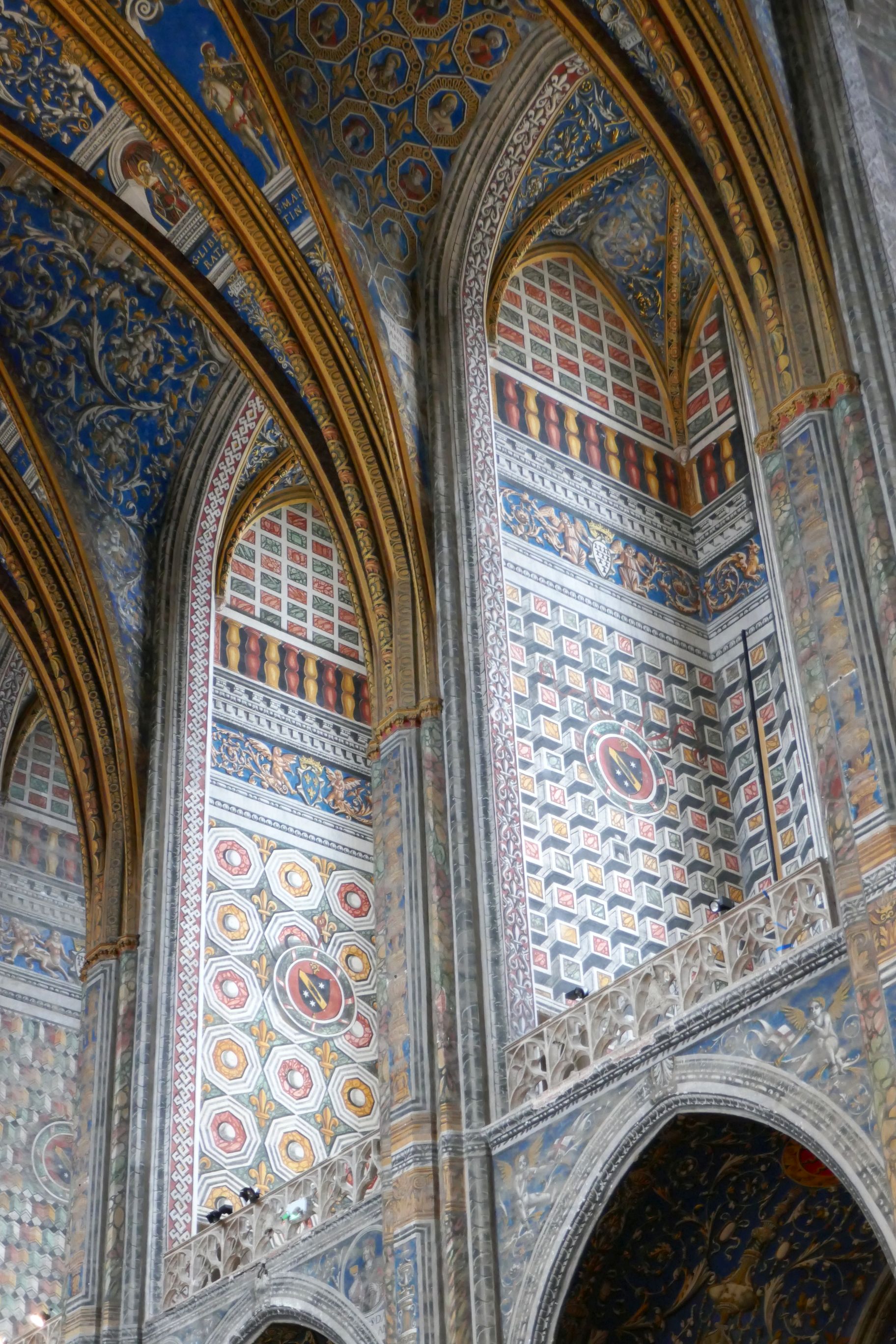
The Gothic cathedral was also a must-see marvel.  Under construction for 200 years, it was finally completed in the late 1400’s.  It is claimed to be the largest brick building in the world and has undergone many restorations over the years.

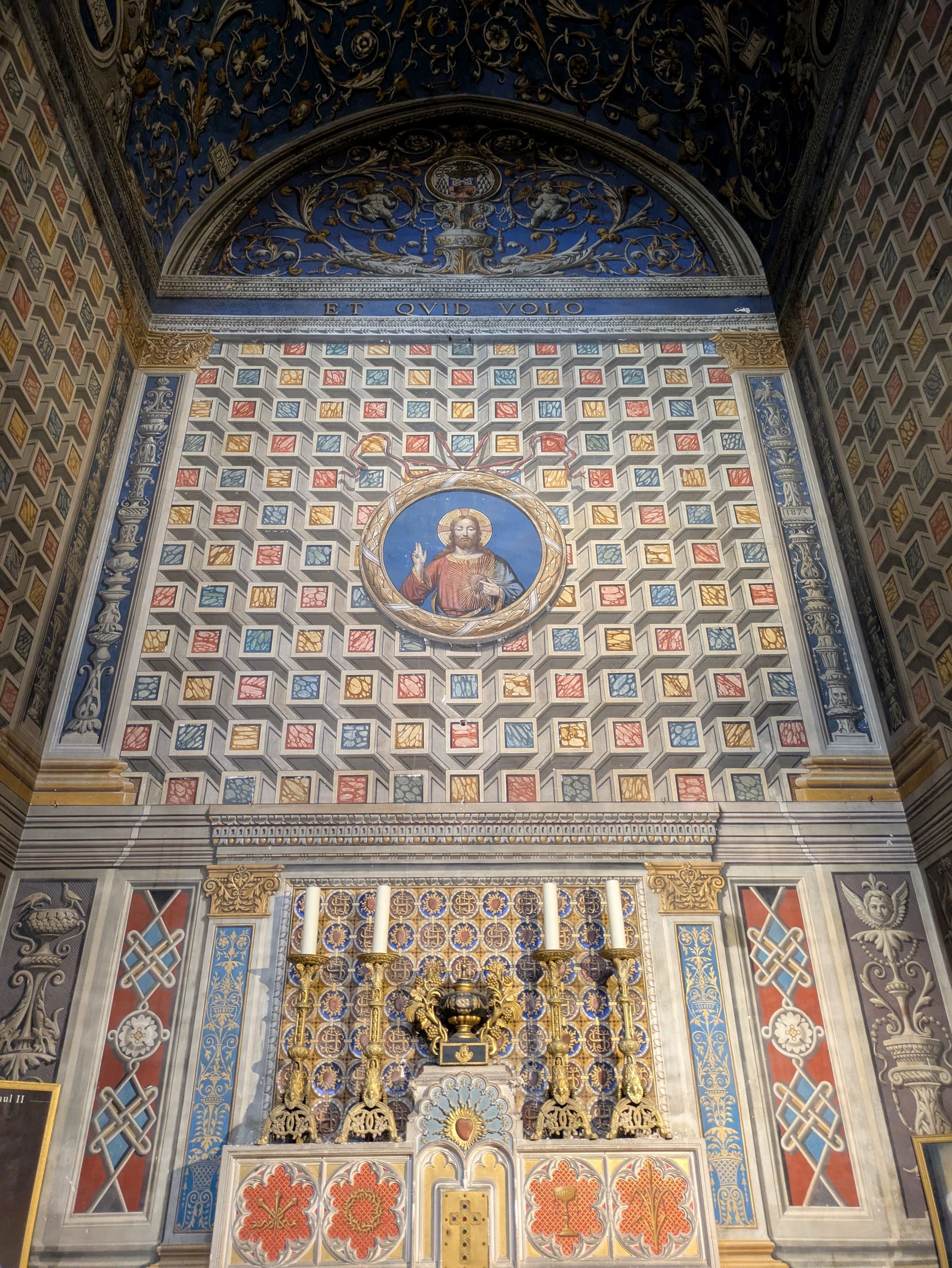
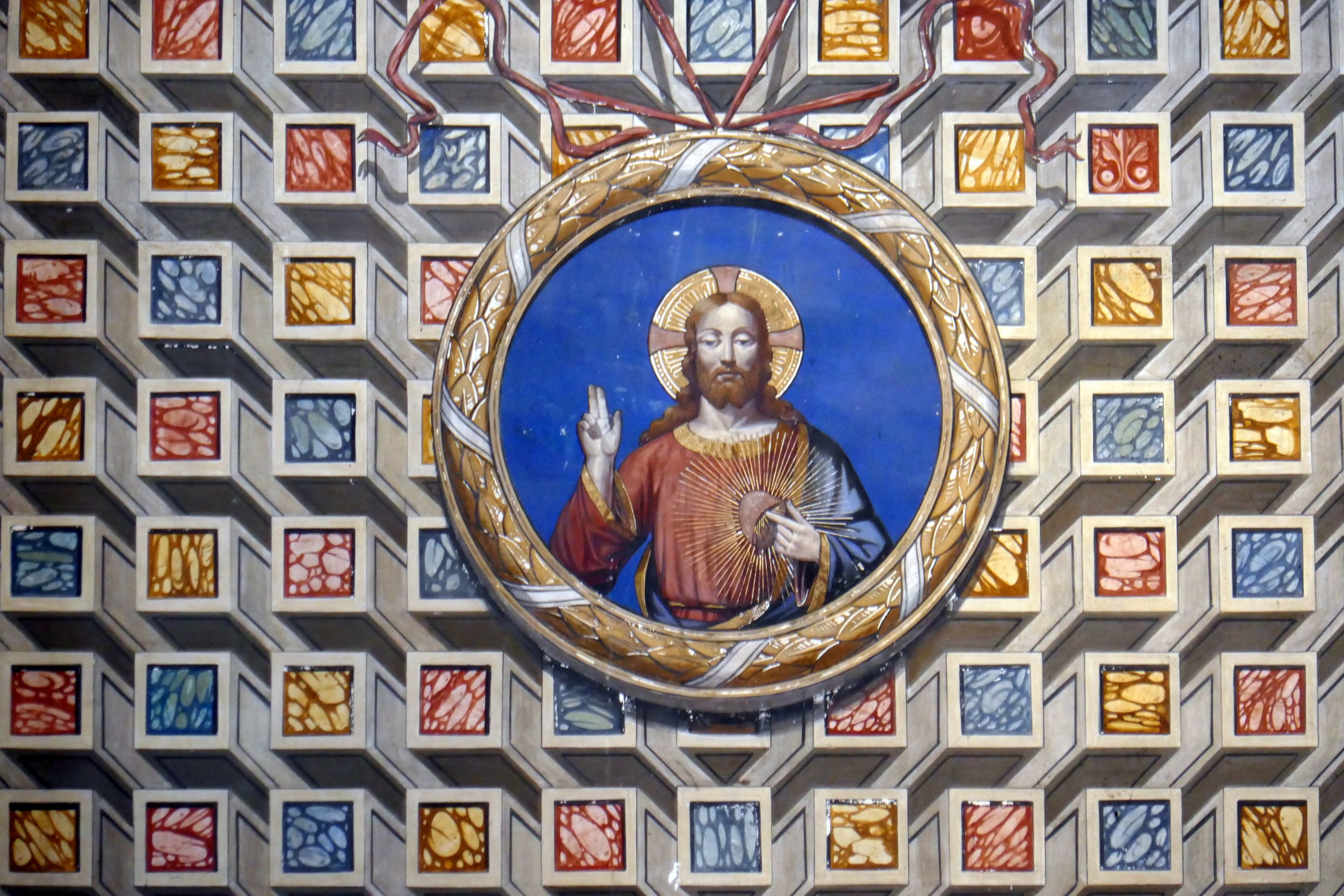
Although the interior was full of ornate art and sculpture, the wall paintings especially captured my interest.  The bold colors and geometric designs on some of the walls were such a contrast from the exterior!

There were, of course, beautiful stained glass windows as well.  (What’s a cathedral without stained glass?)  Although most of the windows date to the 19th and early 20th centuries, there is still a small amount of stained glass from the medieval period that remains.

Scenes around the medieval town:

Coming up next: SOUTHWEST FRANCE, NORTHERN SPAIN & PORTUGAL #4: ATTRACTIVE AUCH

SOUTHWEST FRANCE, NORTHERN SPAIN & PORTUGAL #2: CAPTIVATING “NEW” CARCASSONE

When I say “new” Carcassone, it’s a stretch, since the lower town below the walled fortress dates to the late medieval period.  It is newer than the old, fortified city up on the hill!

Carcassone is in the Basque Country of France, straddling the border between France and Spain on the coast of the Bay of Biscay. The region is home to the Basque people, an ethnic group with their own culture and language, which is the oldest language spoken in Europe.  They also share genetic ancestry, unique in that they have the highest percentage of Type O blood of any ethnic group.

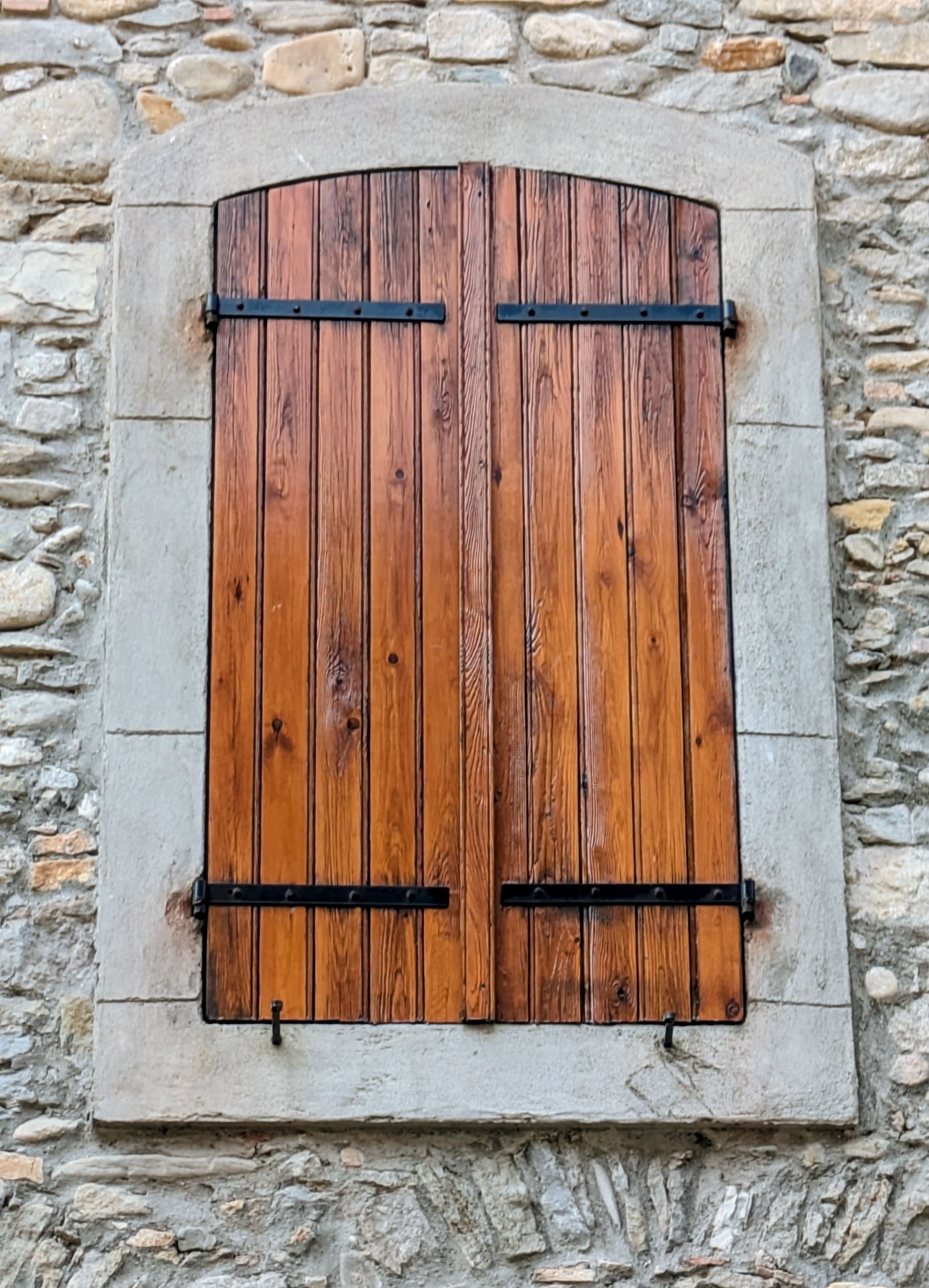
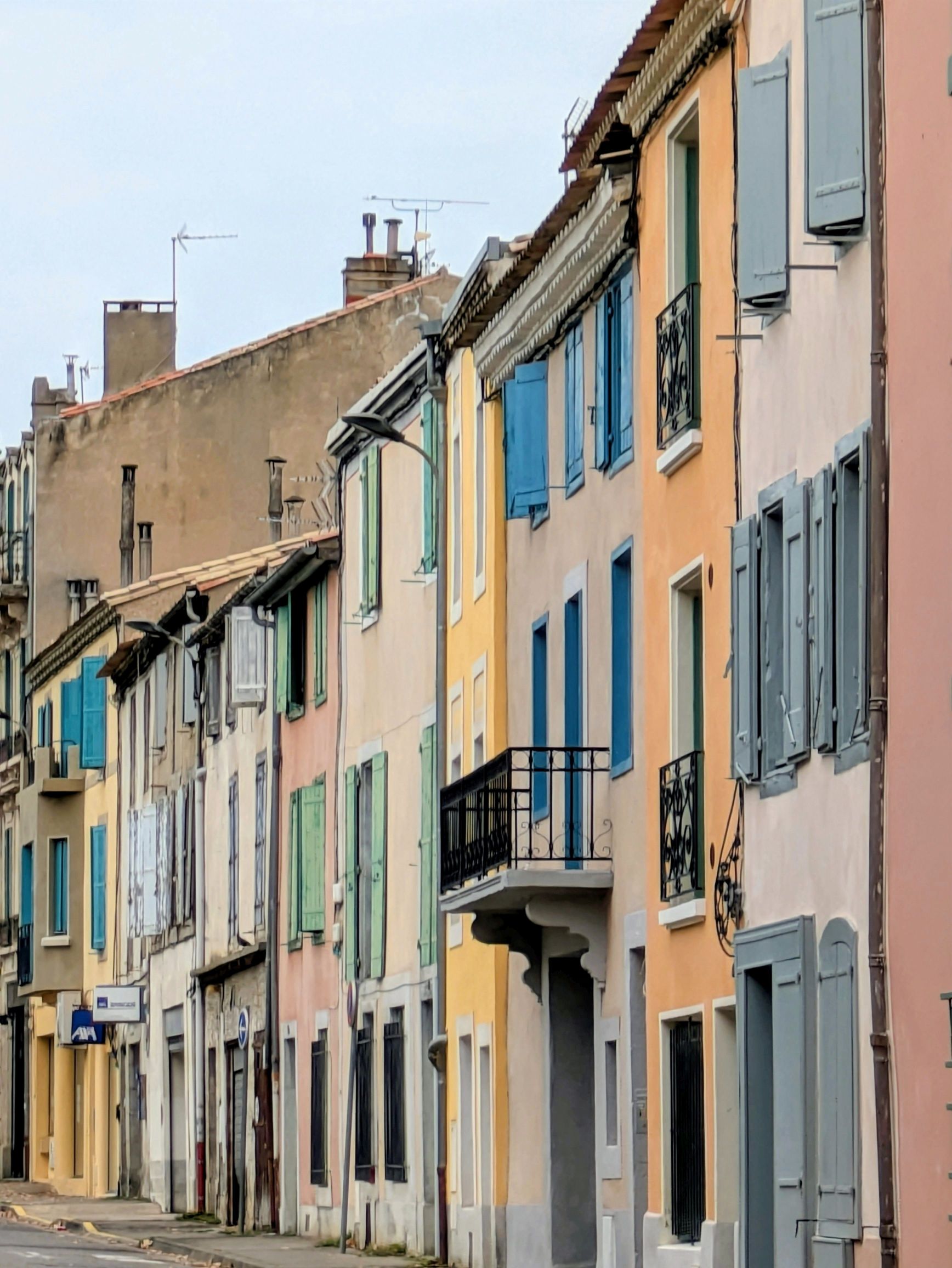
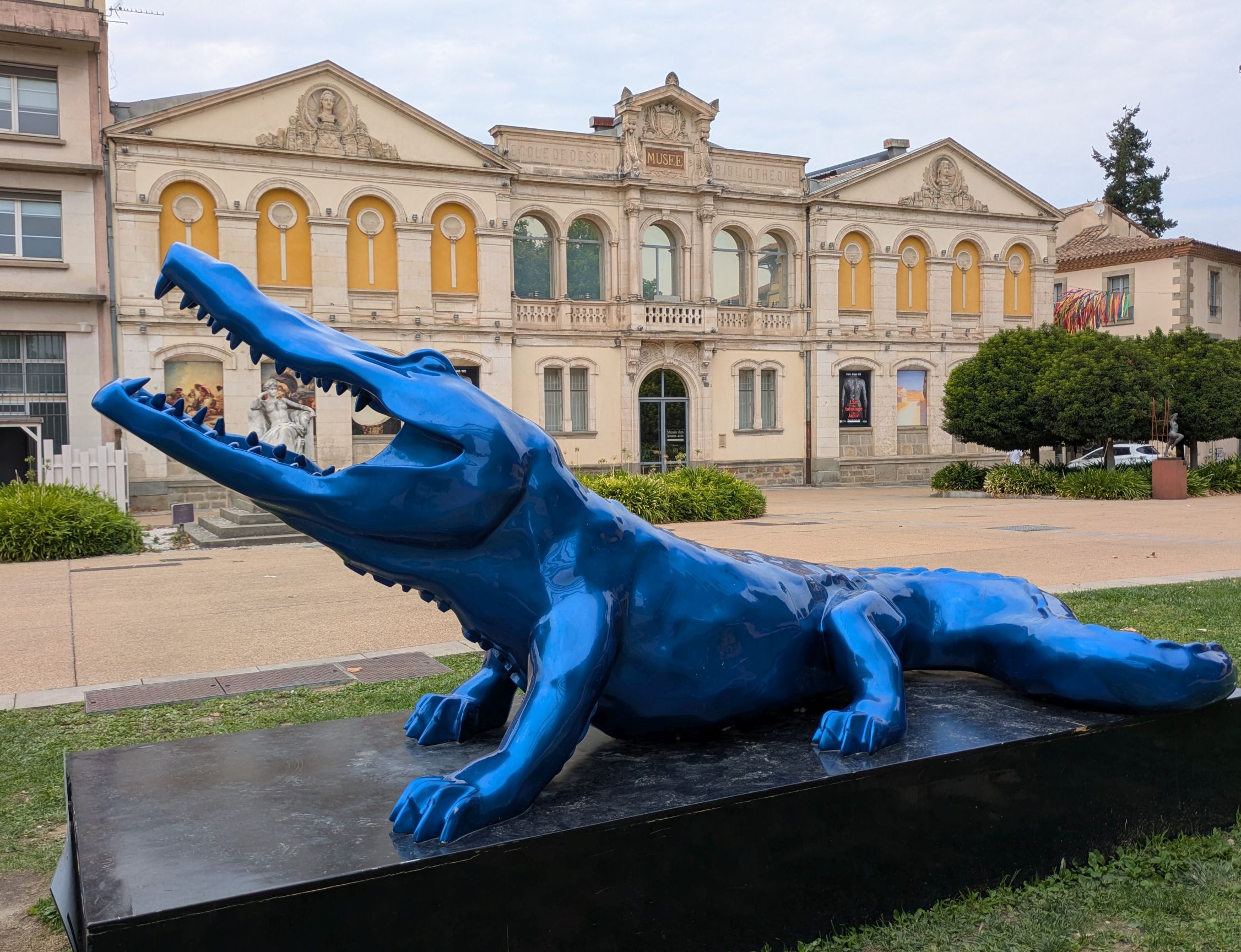
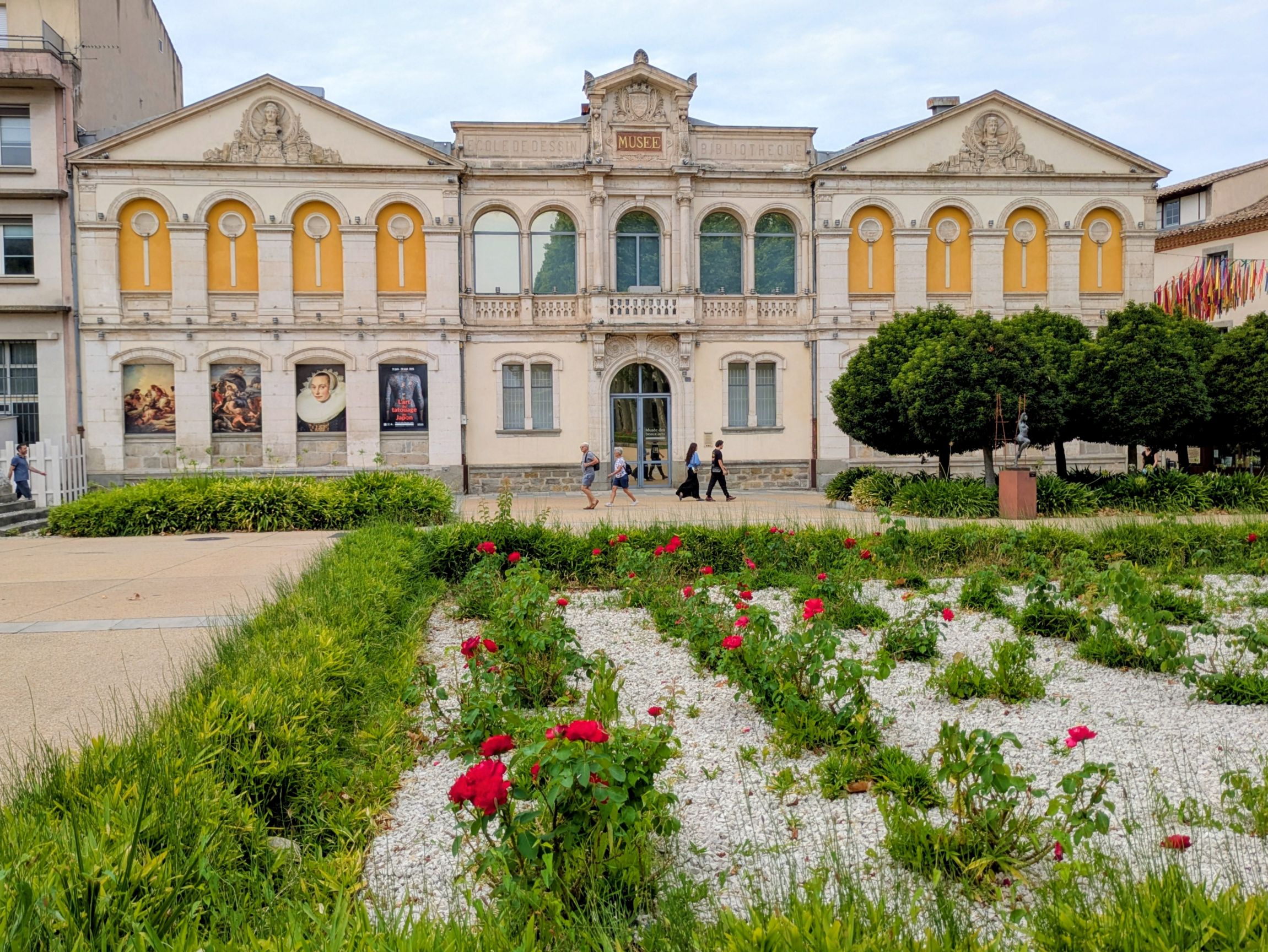
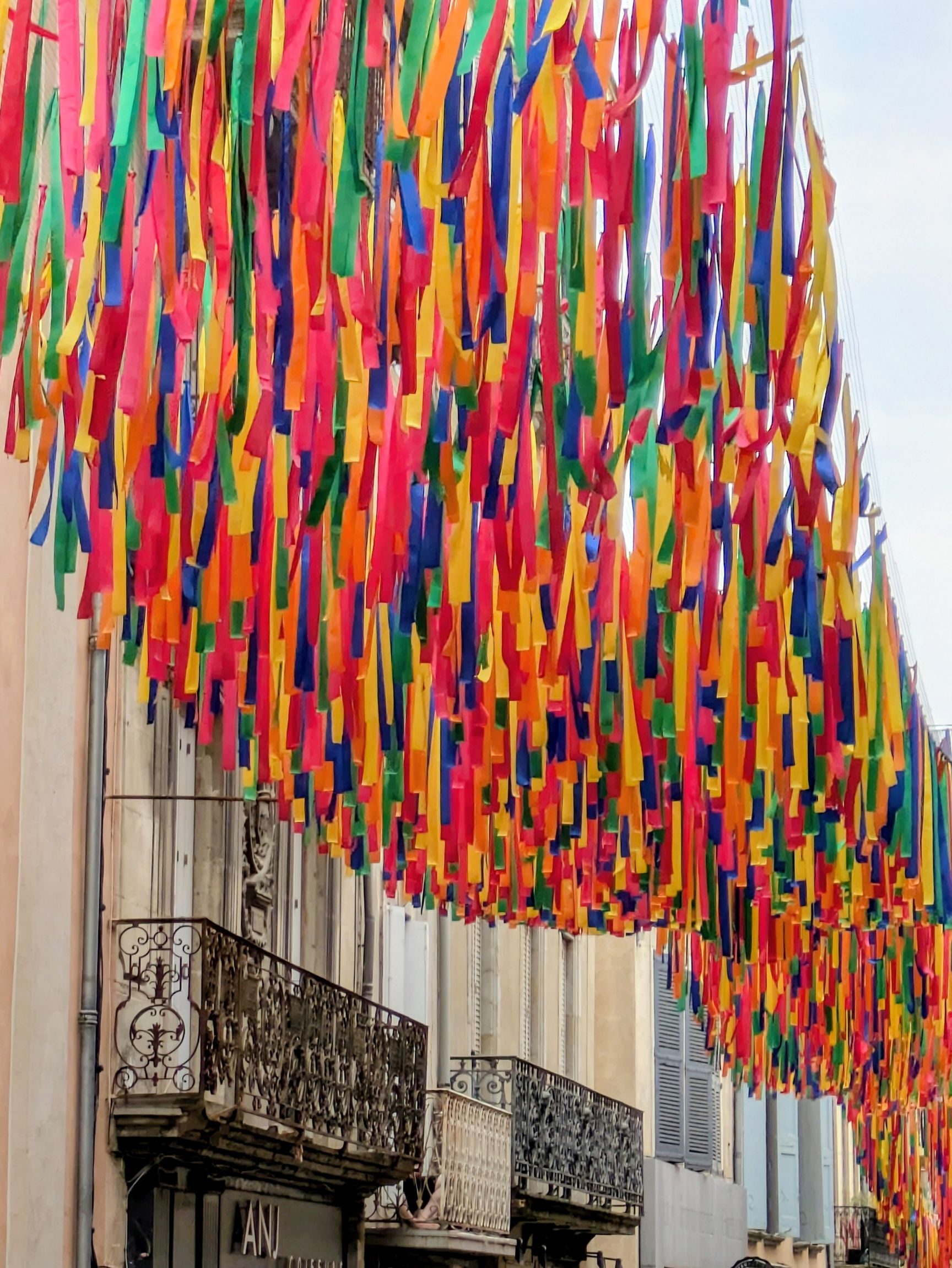
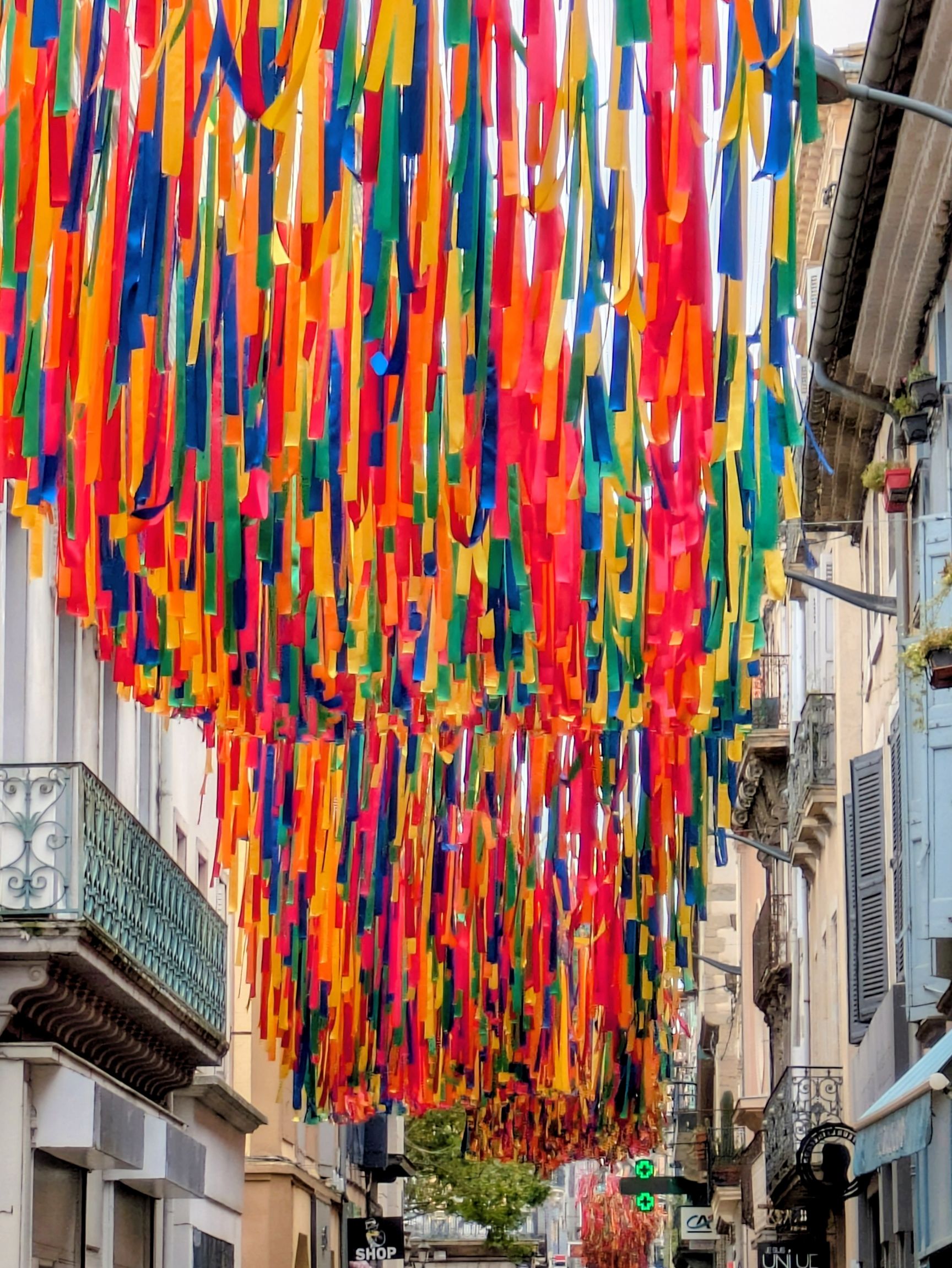
Exploring Carcassone can be challenging for the less mobile.  It’s a bit of a steep scamper down the hill to get to the lower town on foot, but it was worth the effort to have a look around.  The walk across the bridge over the Aude river offered nice (but not photogenic on this day) views, and the pastel painted homes on the other side of the bridge were nice to photograph.  I especially enjoyed the odd choice of sculpture subject as well as the charming and colorful streamers over the streets in the center of town.

(For all photos, click on the image for a full screen view.)
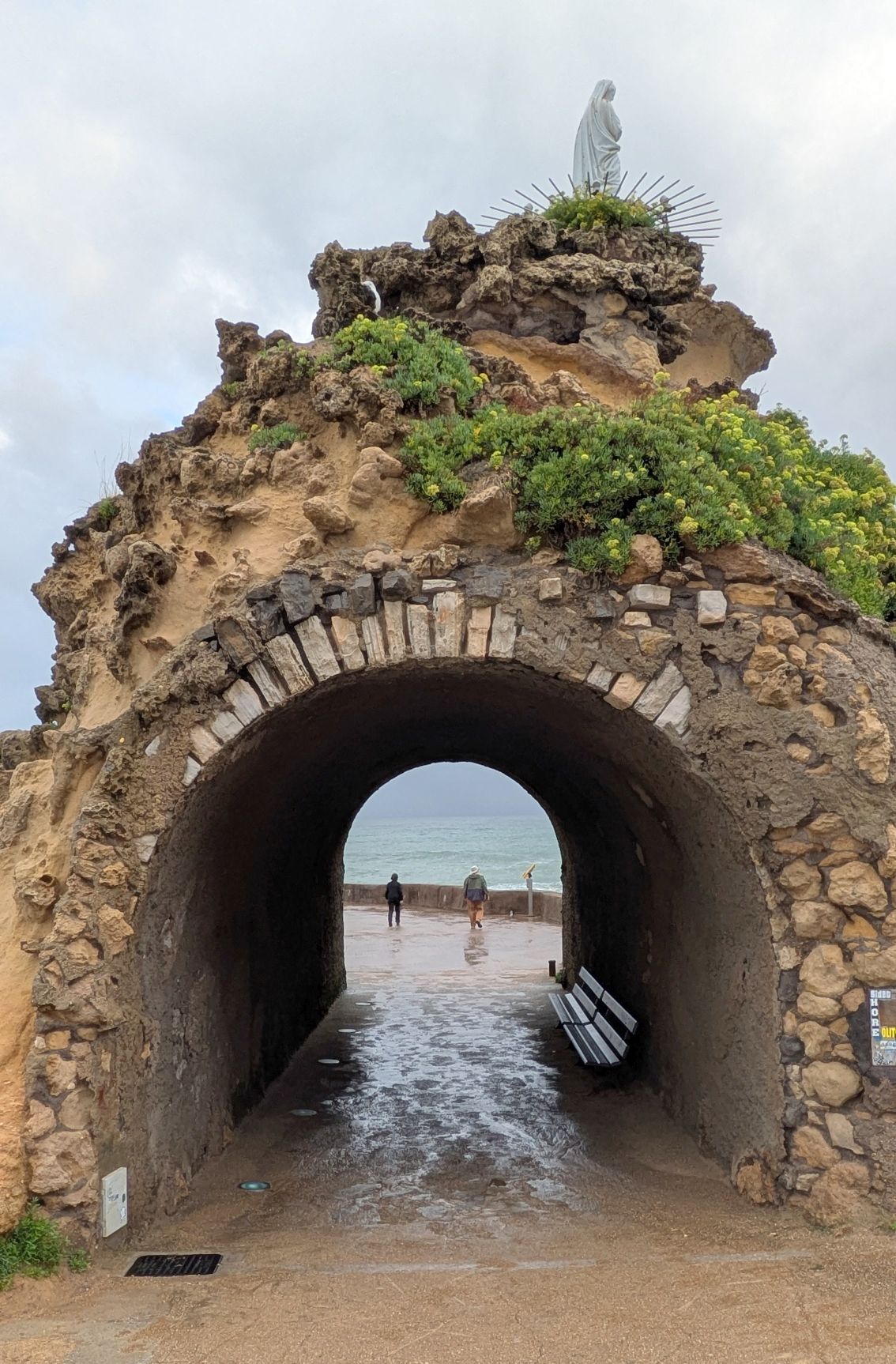
Next up: SOUTHWEST FRANCE, NORTHERN SPAIN & PORTUGAL #3: APPEALING ALBI

SOUTHWEST FRANCE, NORTHERN SPAIN & PORTUGAL #1: CAPTIVATING OLD CARCASSONE

What a lovely way to begin our Overseas Adventures Travel (OAT) tour!  We were greeted with a gorgeous sunrise at the airport in Paris, following our red-eye flight from Atlanta.  Next, we boarded a flight to Toulouse, France, where we were transported by car to Carcassonne to begin our six-day pre-trip extension (in late August).

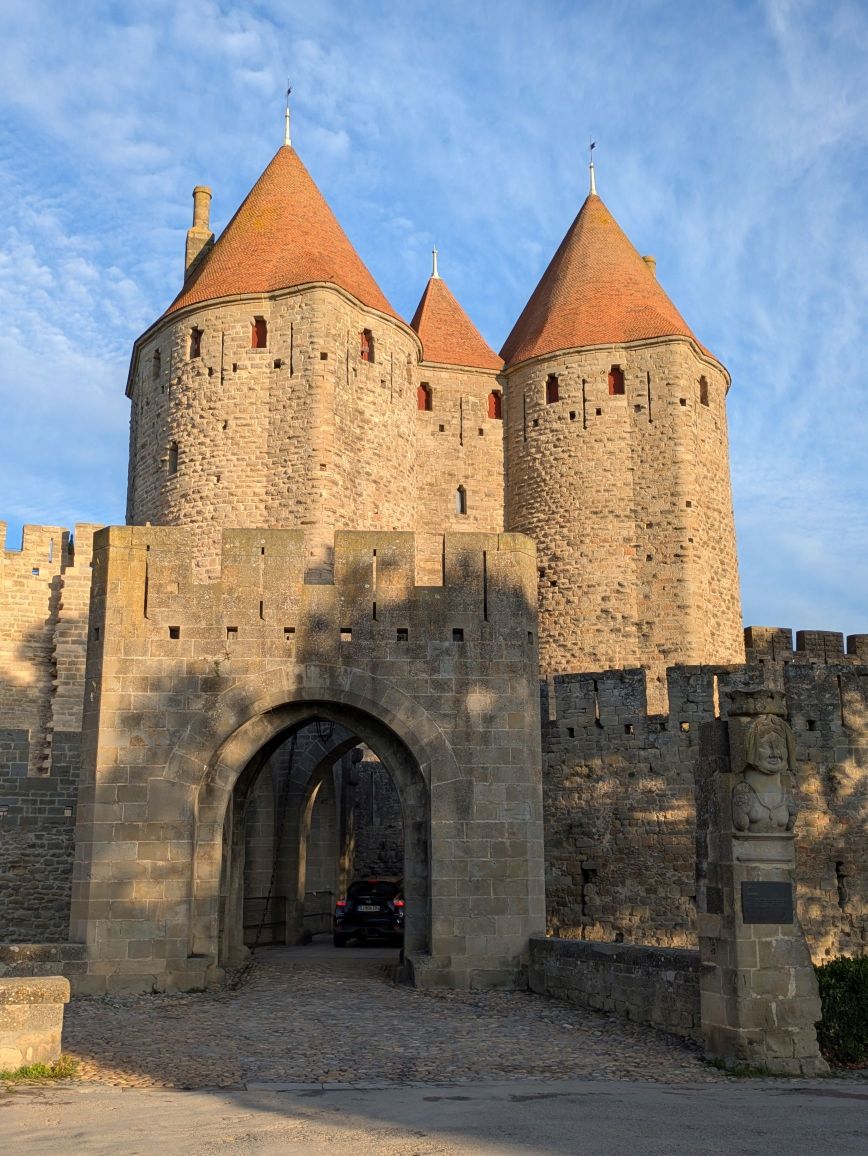
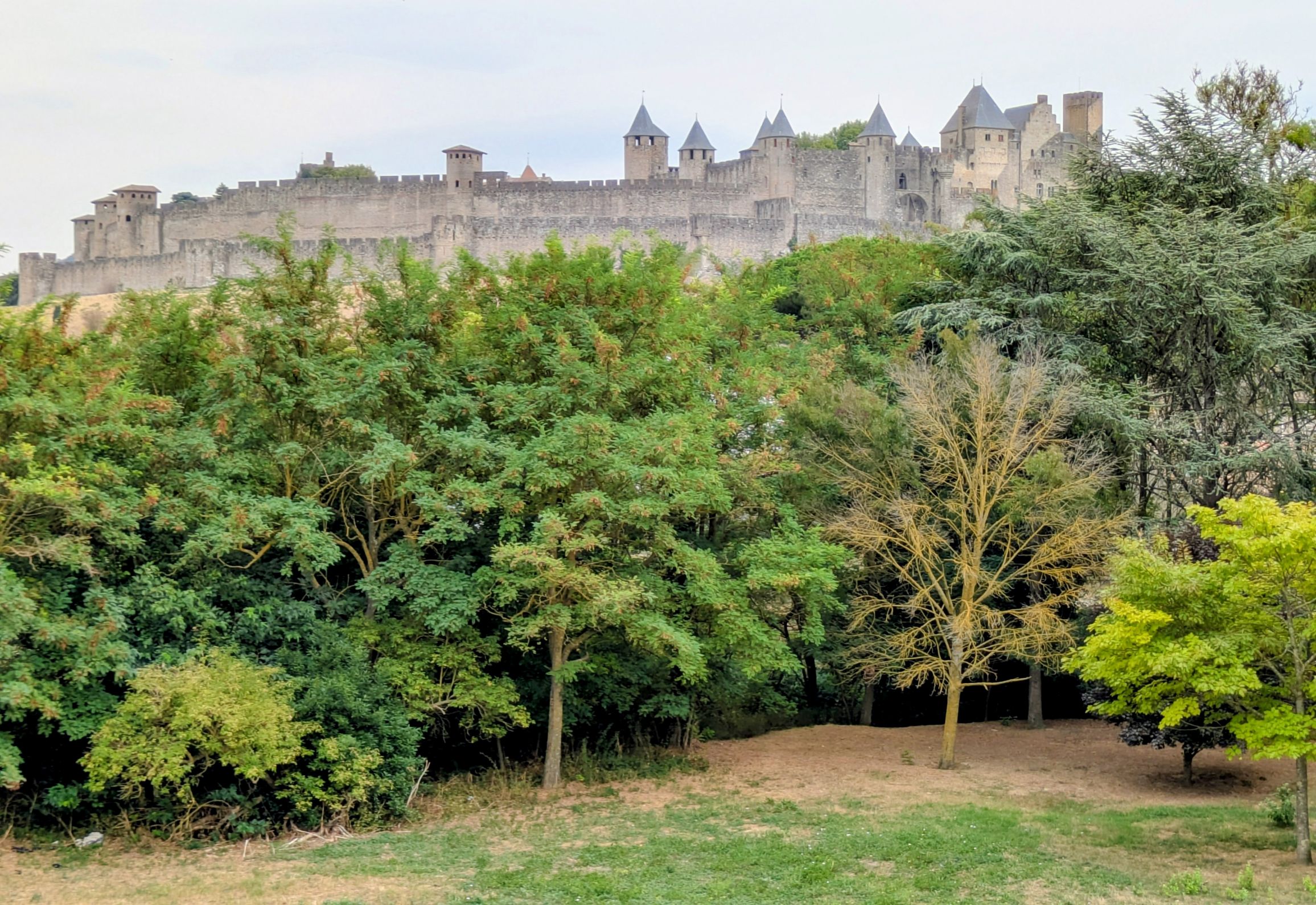
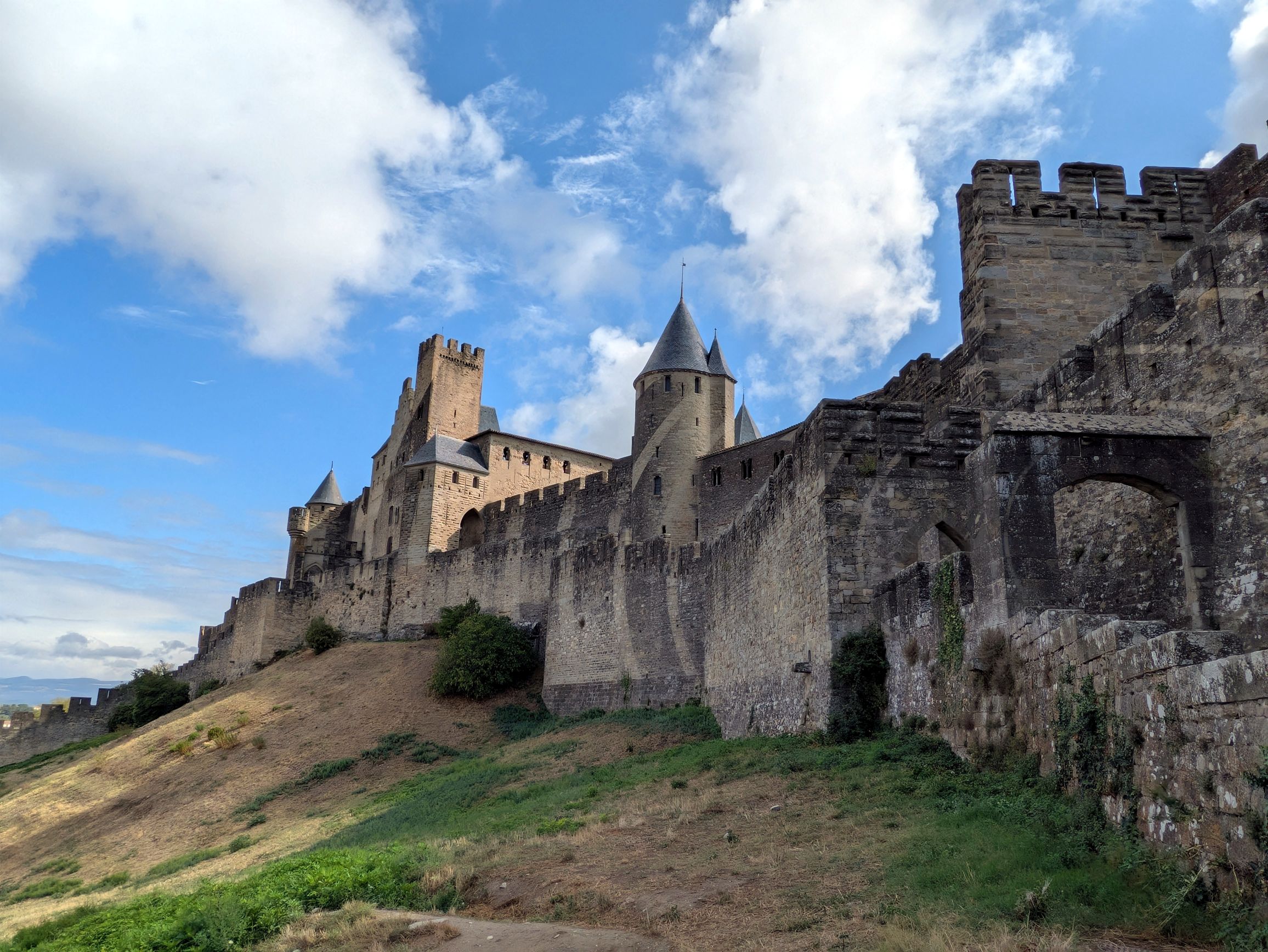
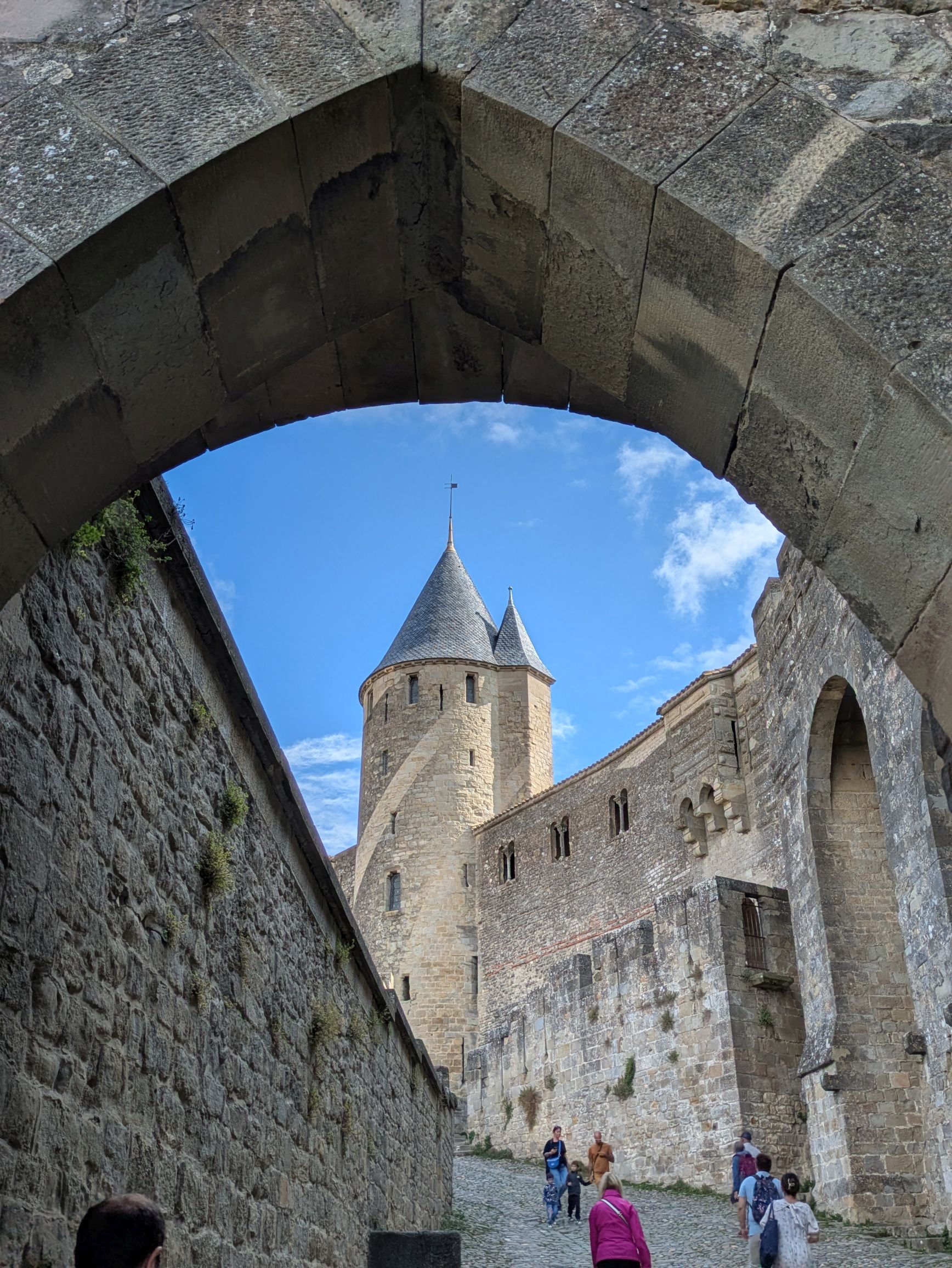
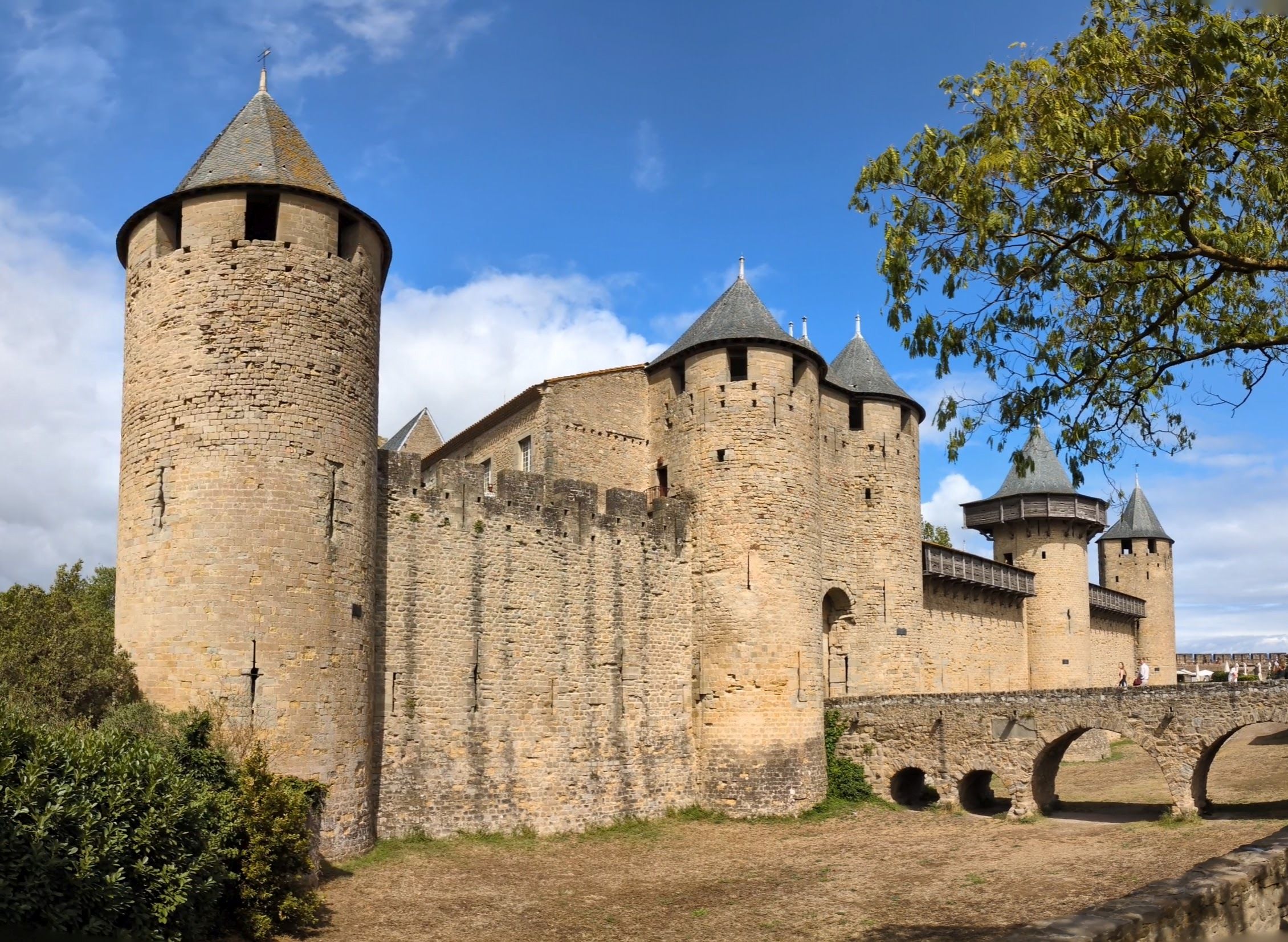
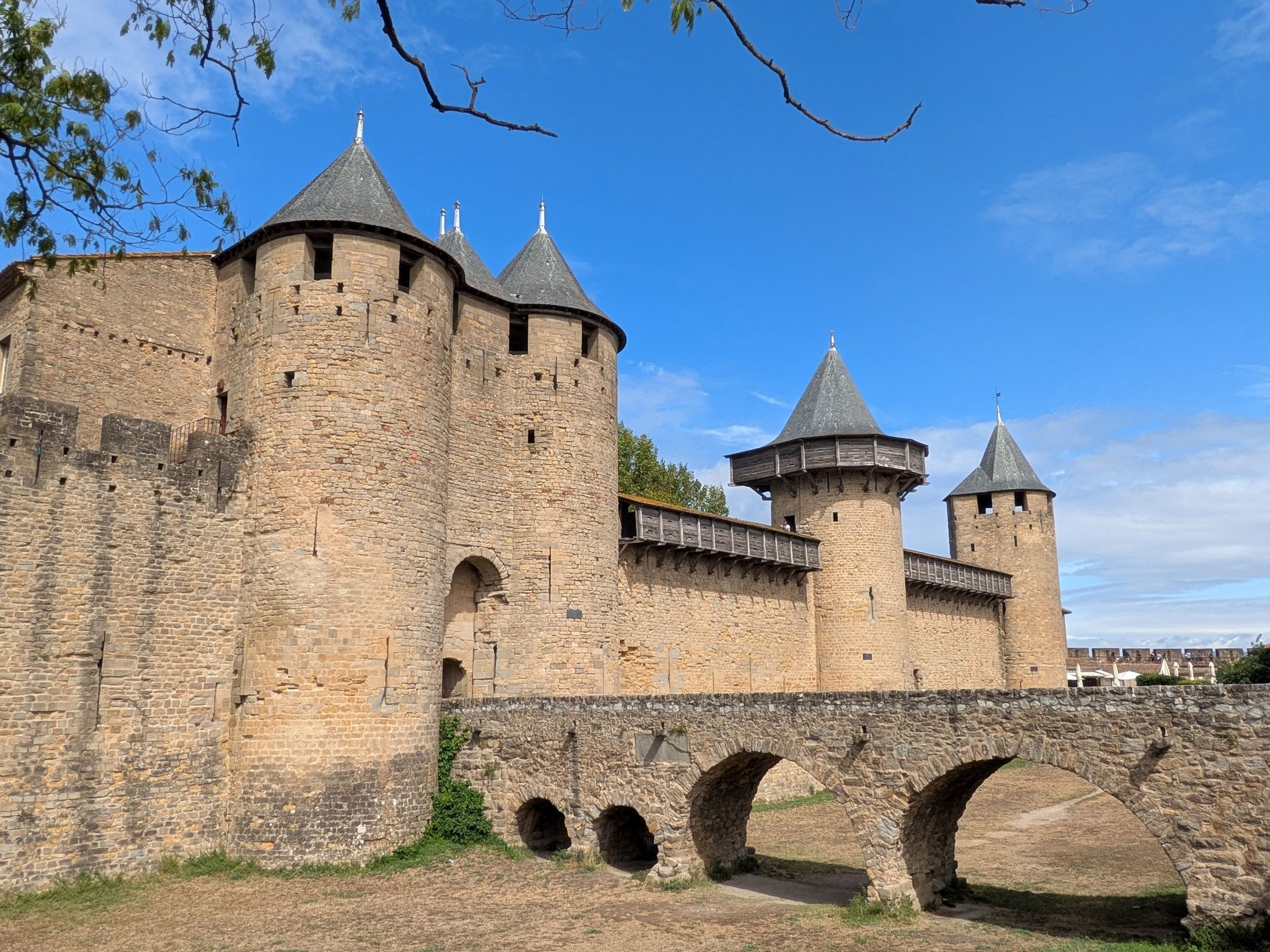
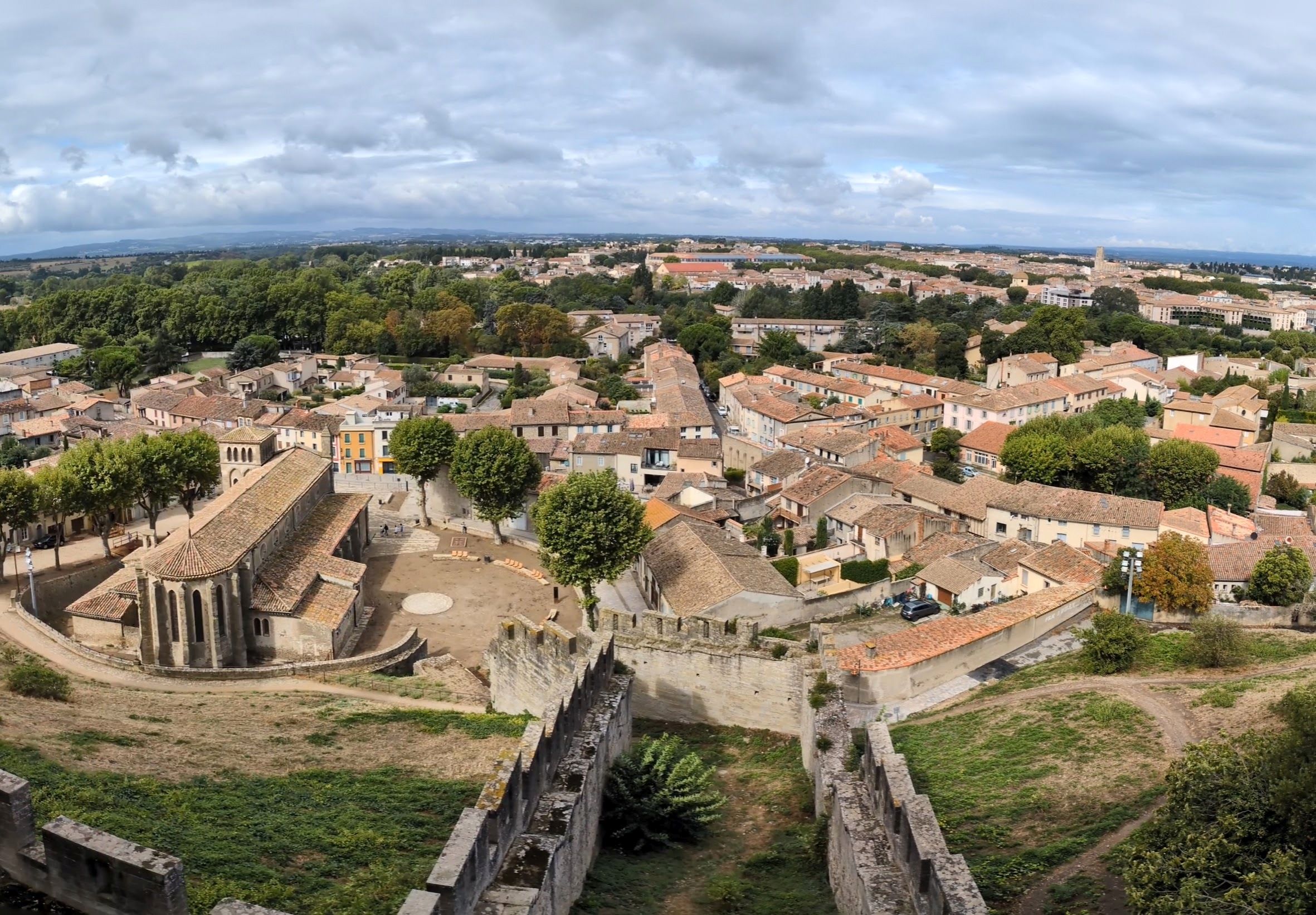
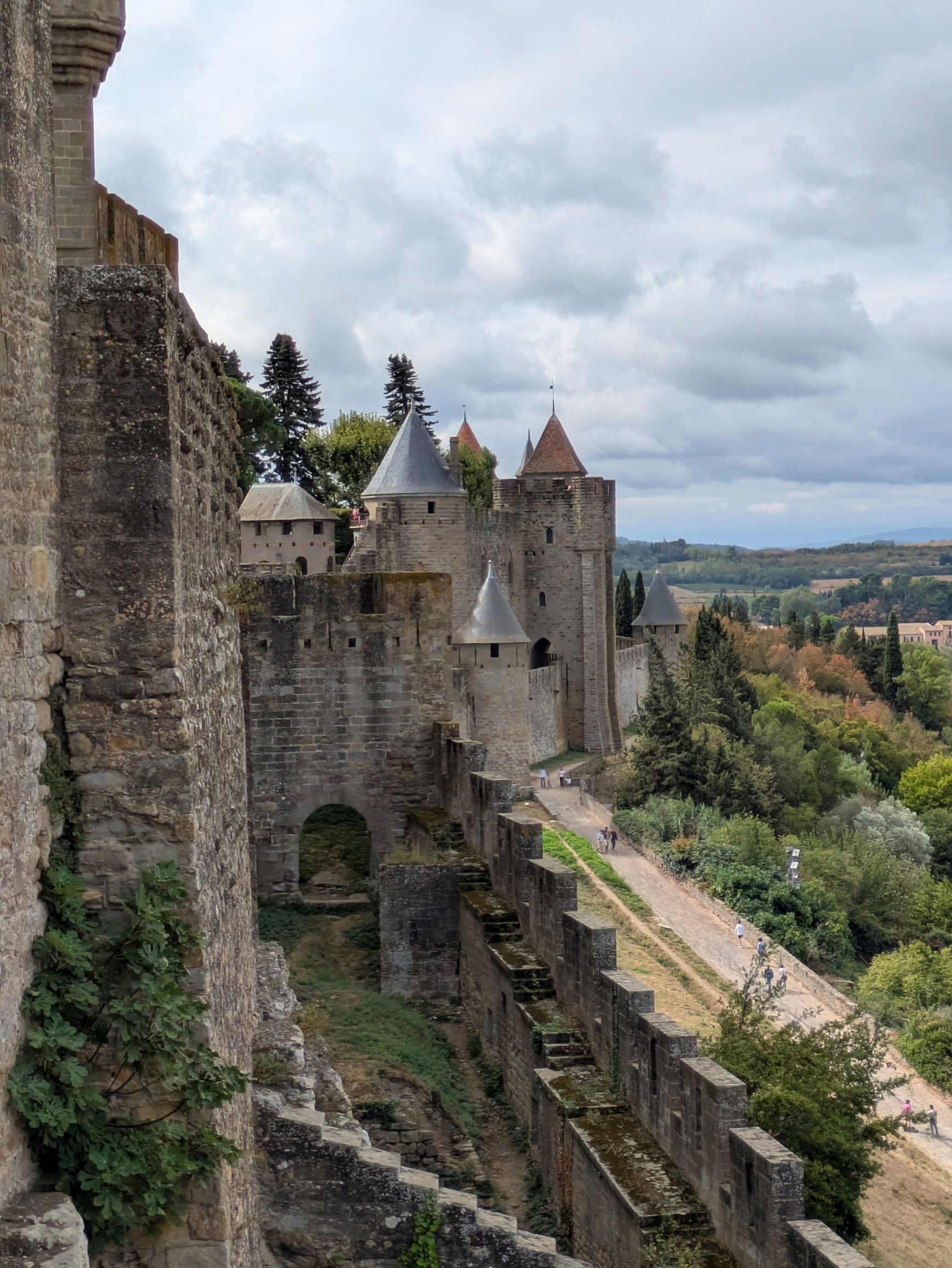
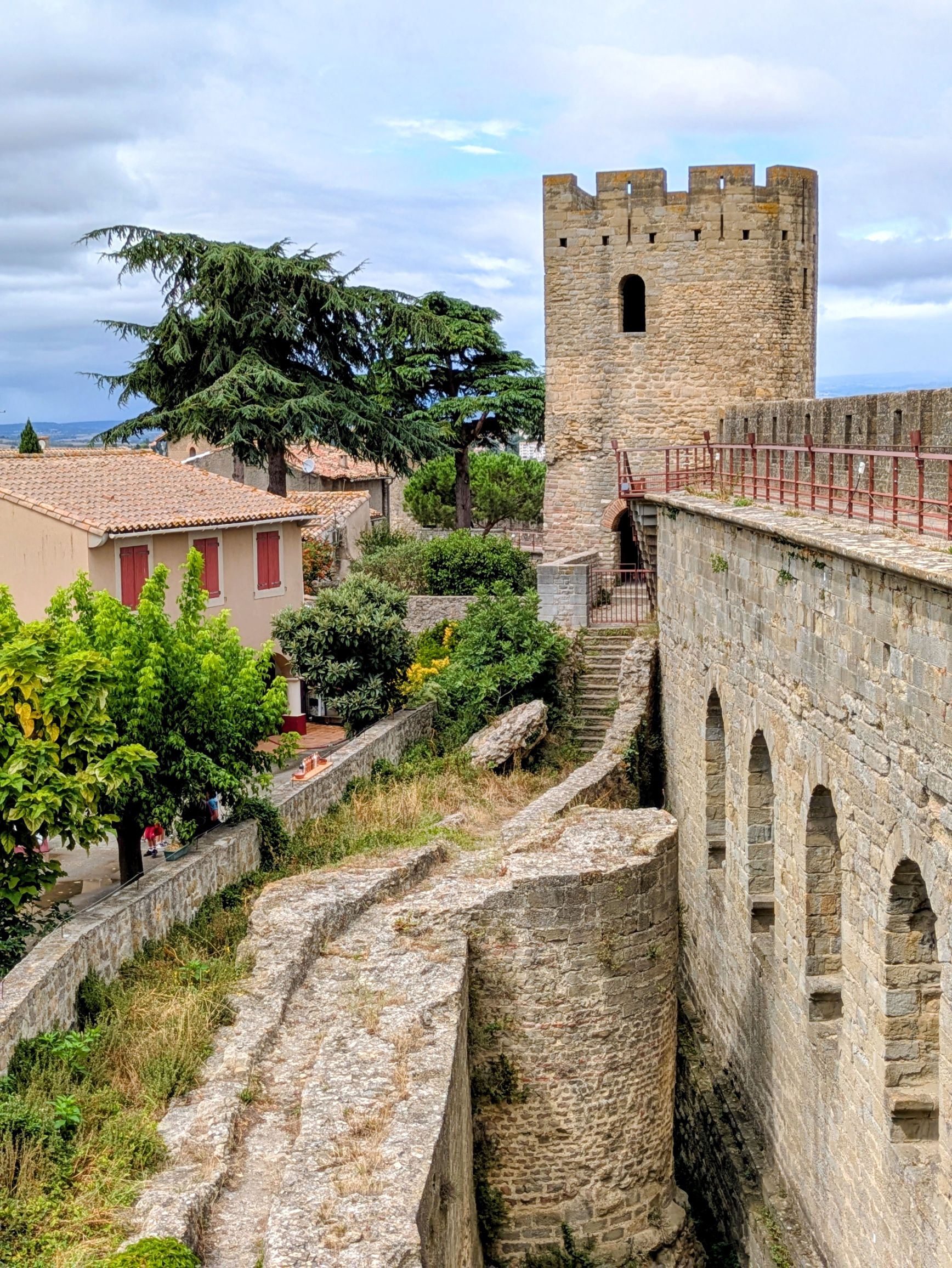
The old city of Carcassonne, located in southern France, is surrounded by a fortress high up on a hill overlooking the rest of the city.  Step inside the walls, and you will feel like you have been transported back in time to the medieval period, 2,500 years ago.

(For all photos, click on the image for a full screen view.)
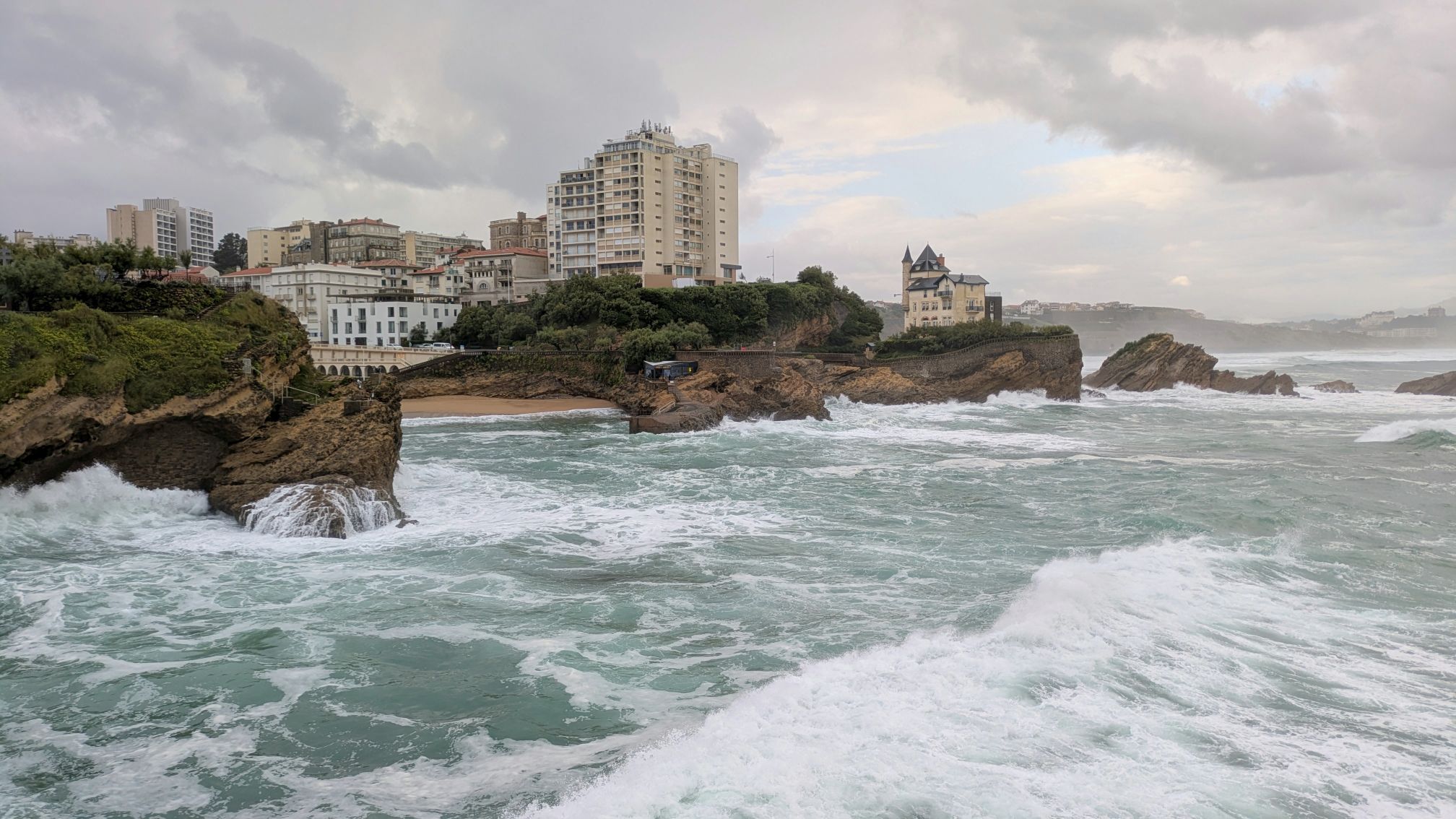
Our hotel was in the old city, just a short walk from the entrance of Cité de Carcassone, the medieval citadel (or fortress).  We had arrived one day early, so we had three nights at the hotel with plenty of time to explore the charming old city on the hill as well as the newer city down below.

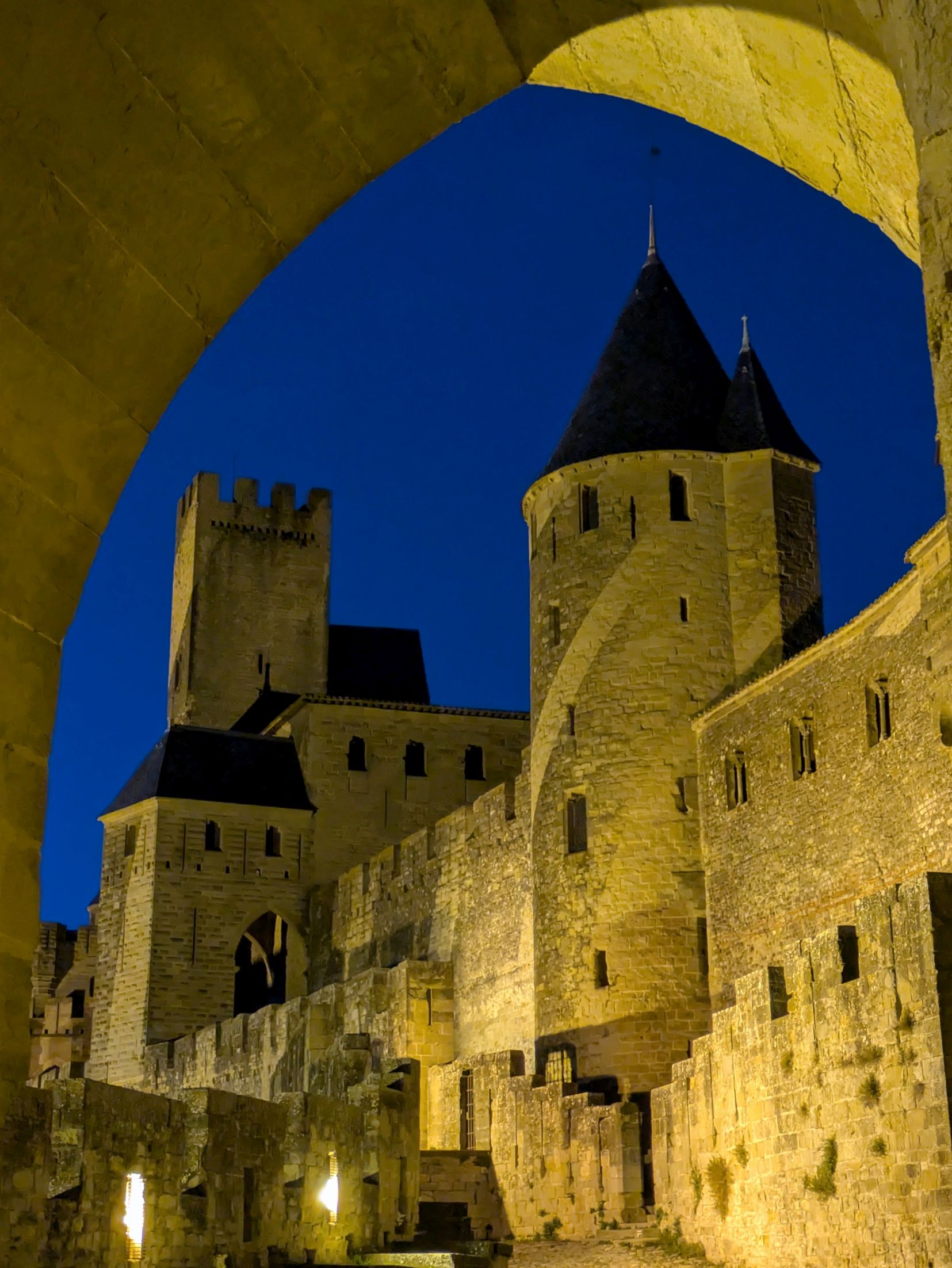
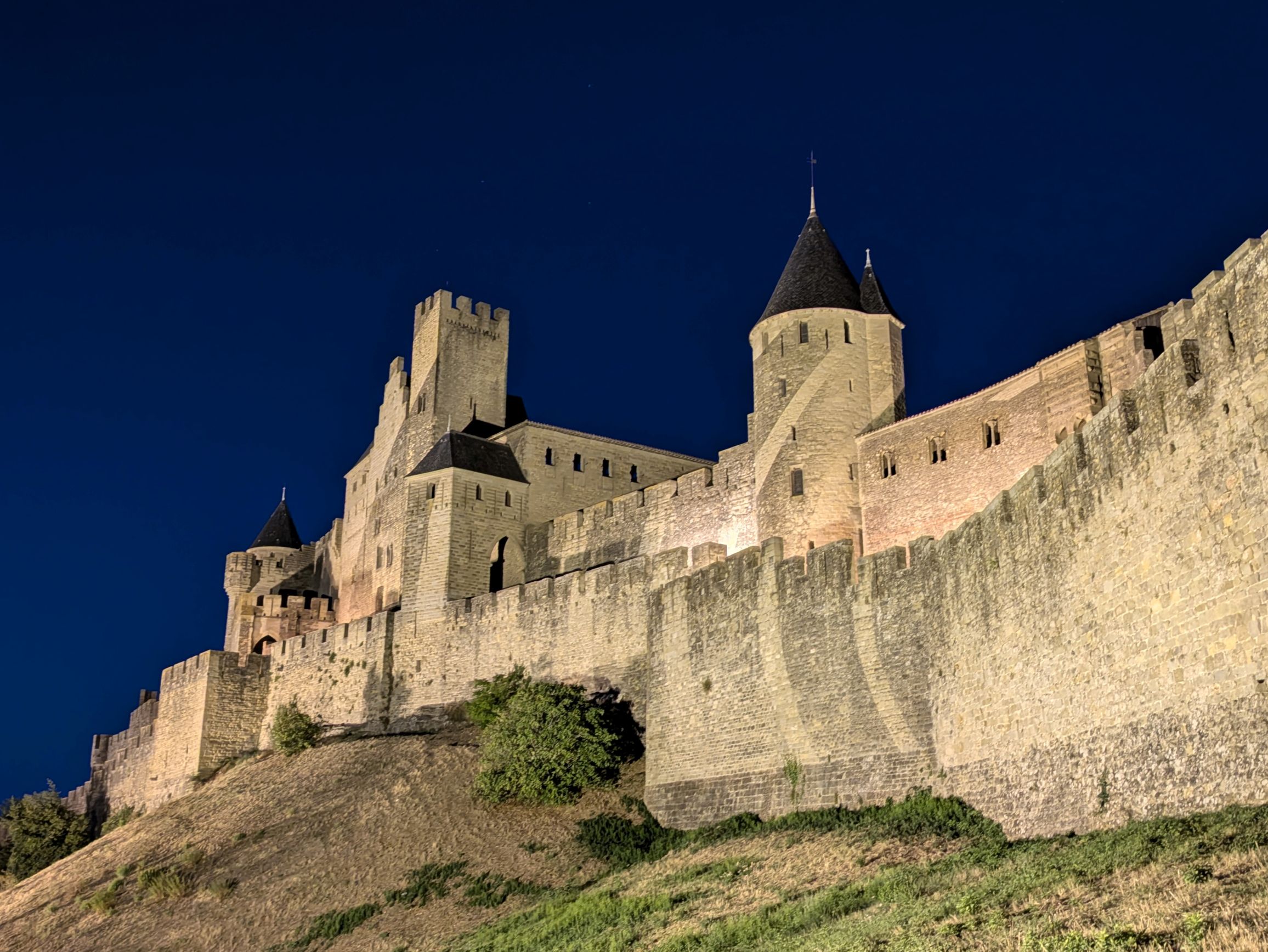
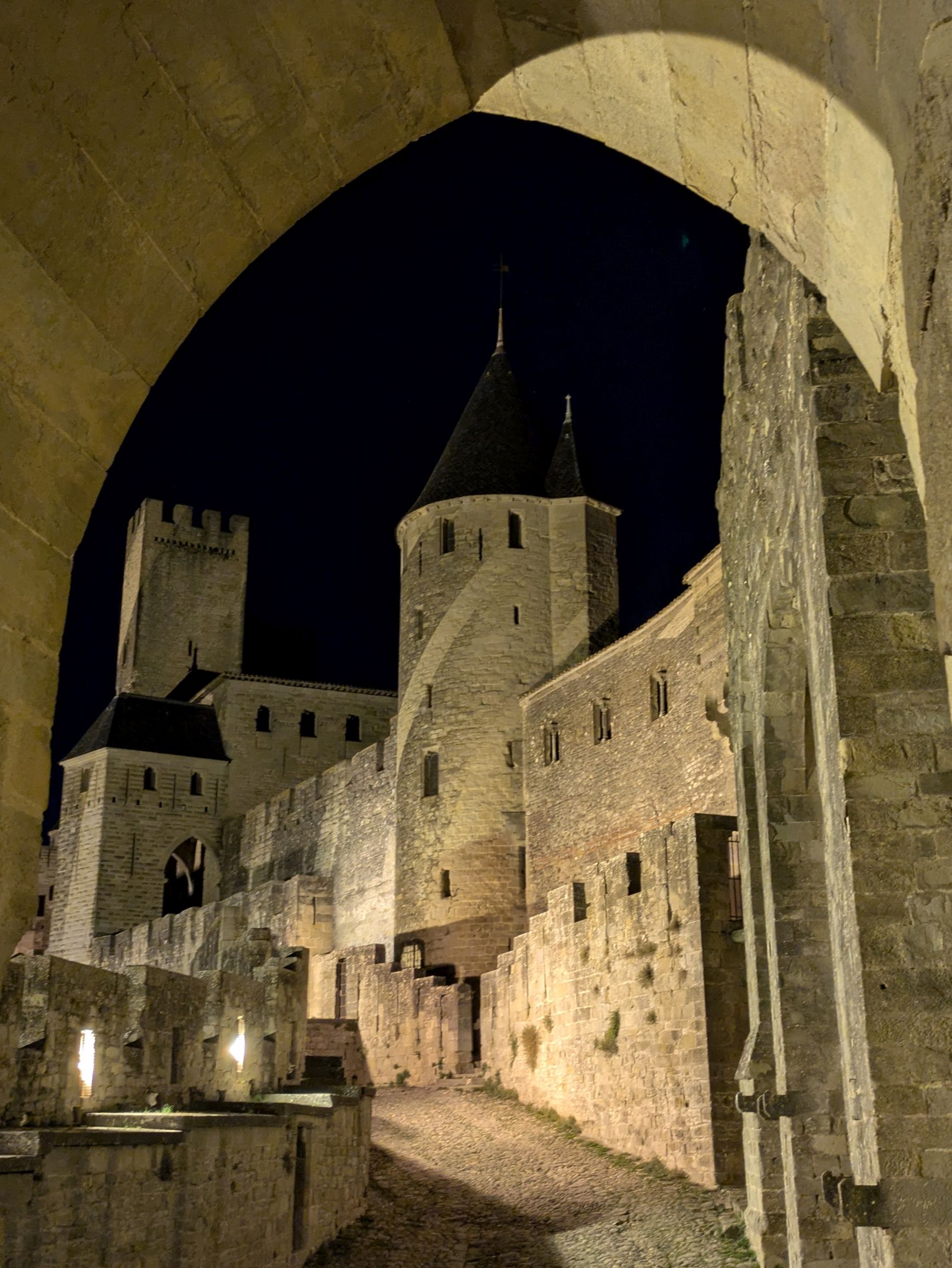
Although it rained during much of our time in France, we were fortunate to have some beautifully sunny periods to get in some good photography.  We also enjoyed exploring and photographing the lighted citadel walls at night.

Entering the old city– a steep climb from the new city below
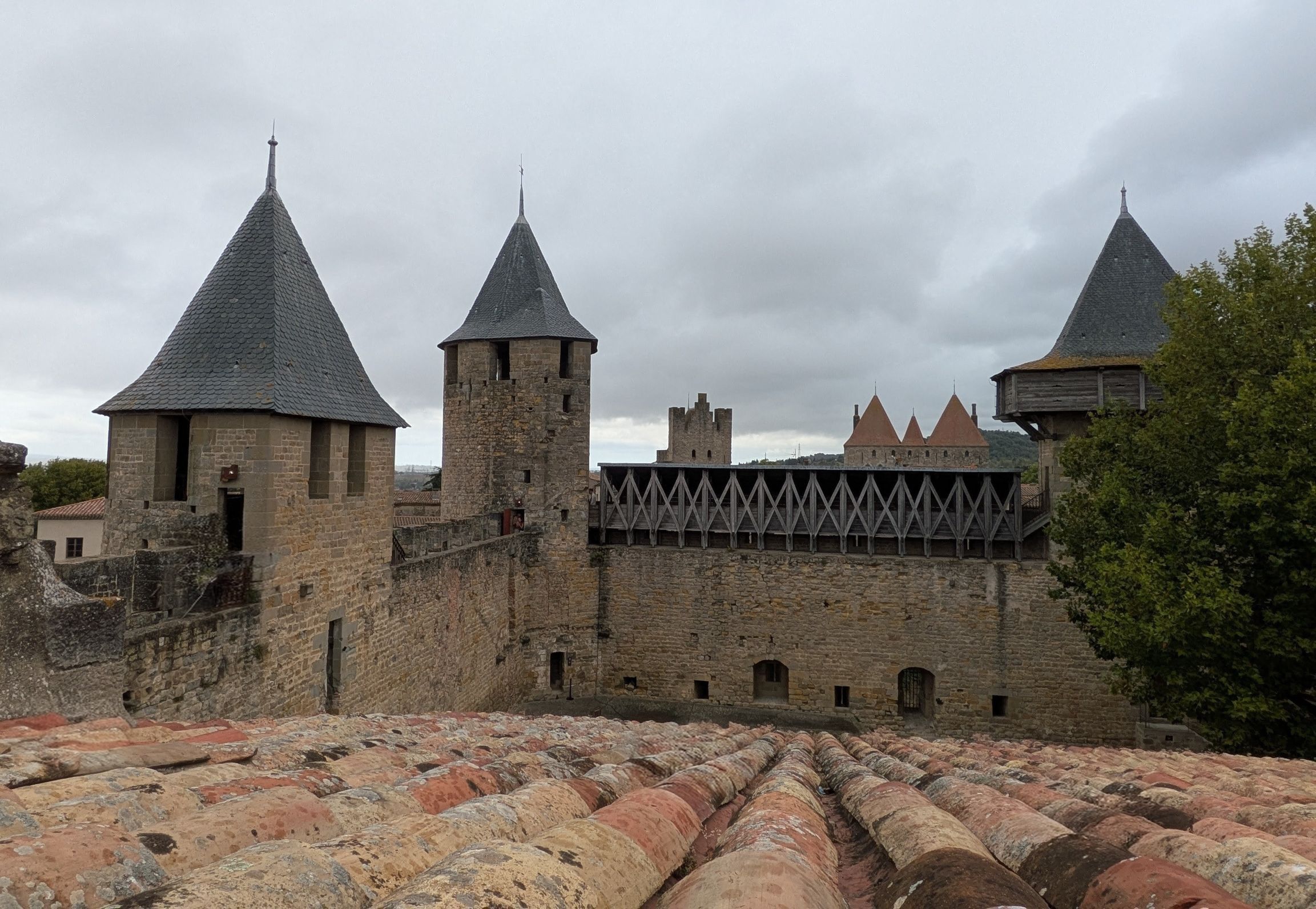
Cite de Carcassone, the medieval citadel
Inside the citadel museum, there was a computer-generated slide show projected on the wall of a large room. This image shows the citadel and a portion of the old city.
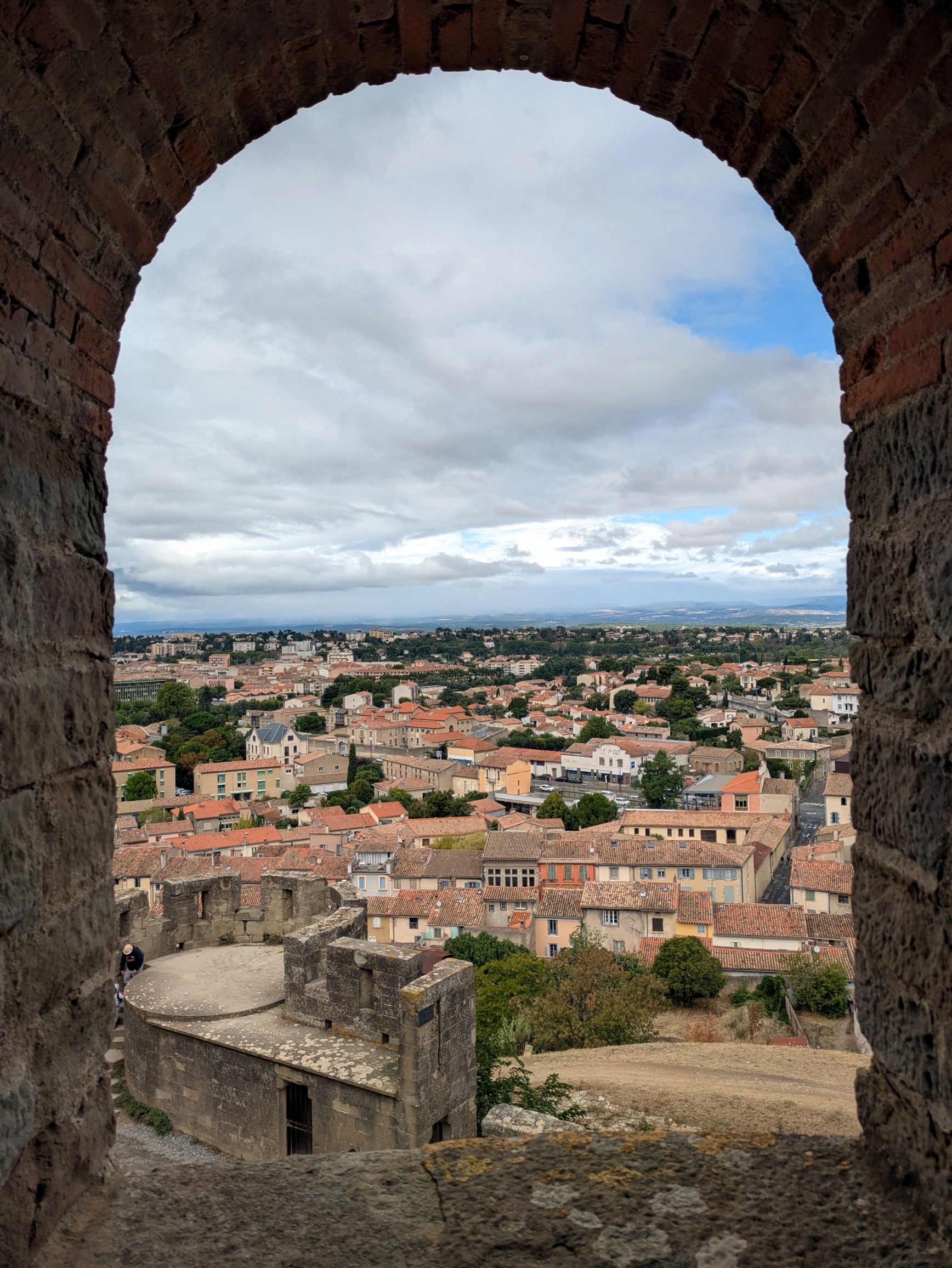
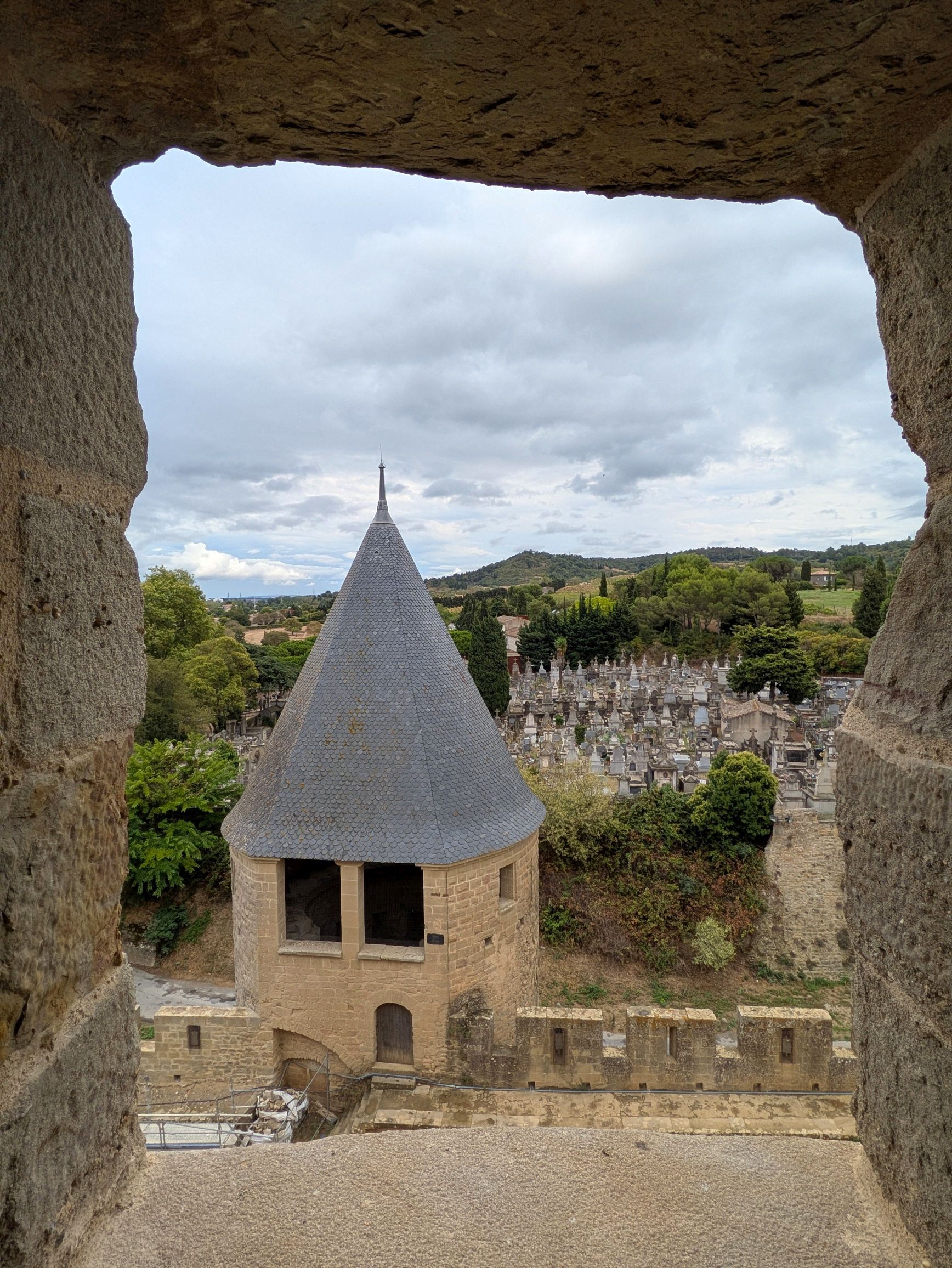
The clouds were rolling in, so we bolted from the museum to get in our walk around the citadel walls before the rain arrived. This is a view down to the “new” city of Carcassone.
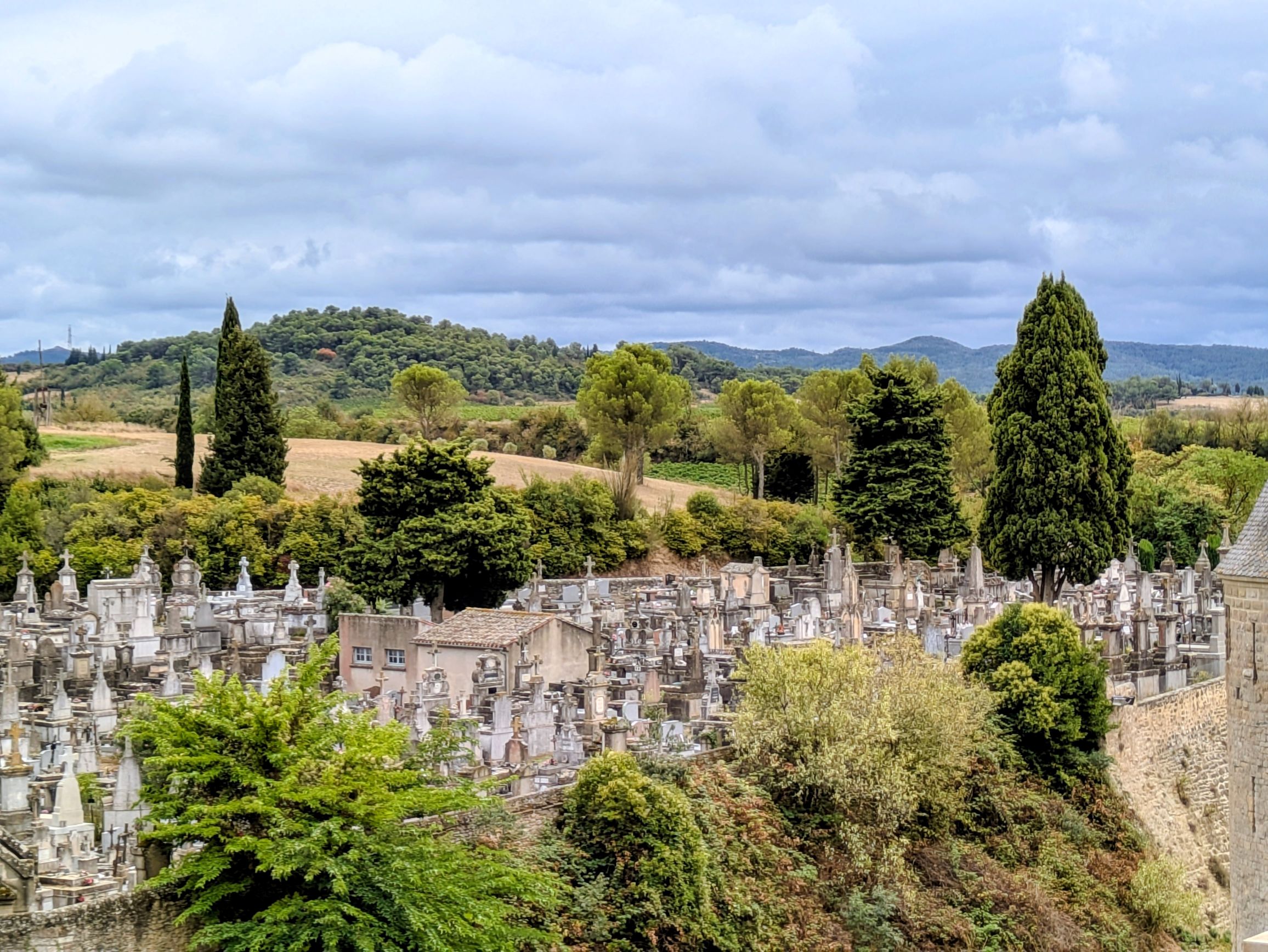
The old cemetery
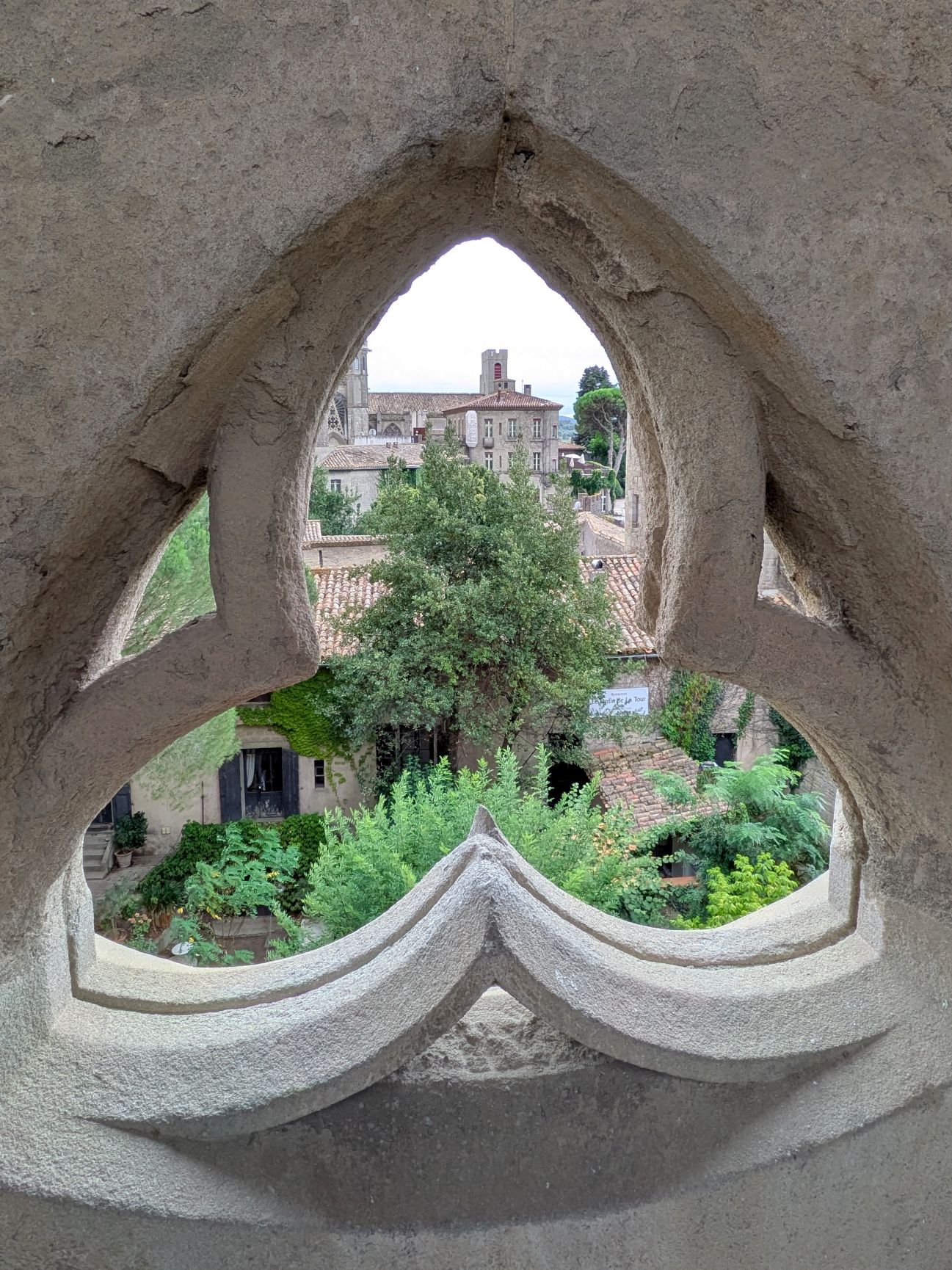
A view of Carcassone Cathedral from the fortress wall

A look inside the citadel museum:

After getting a birds-eye view of the cathedral, we stopped in for a closer look:

A closer look at the cemetery, just outside the walls
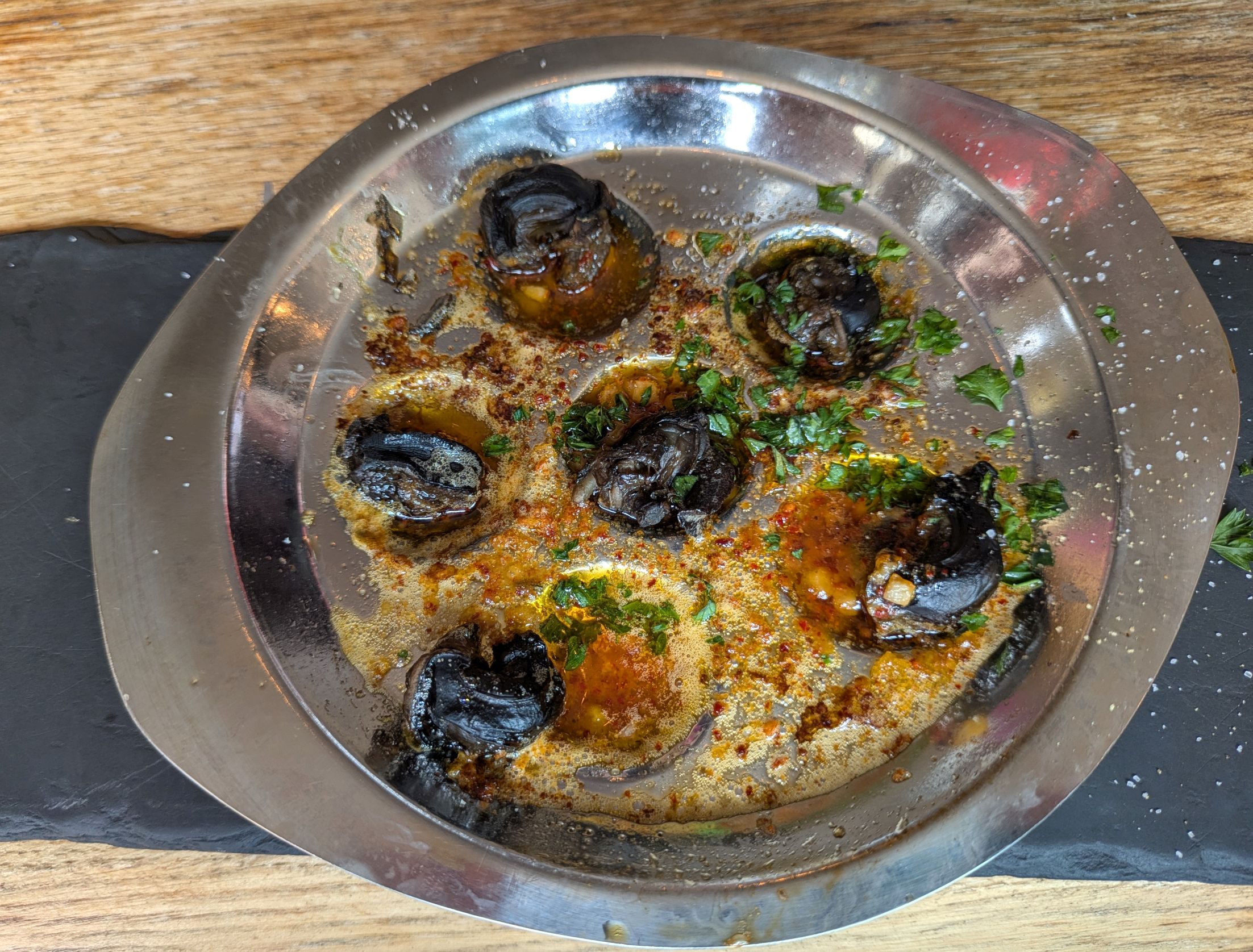
Enjoying escargot with our group at L’Escargot; it tasted much better than it looked!
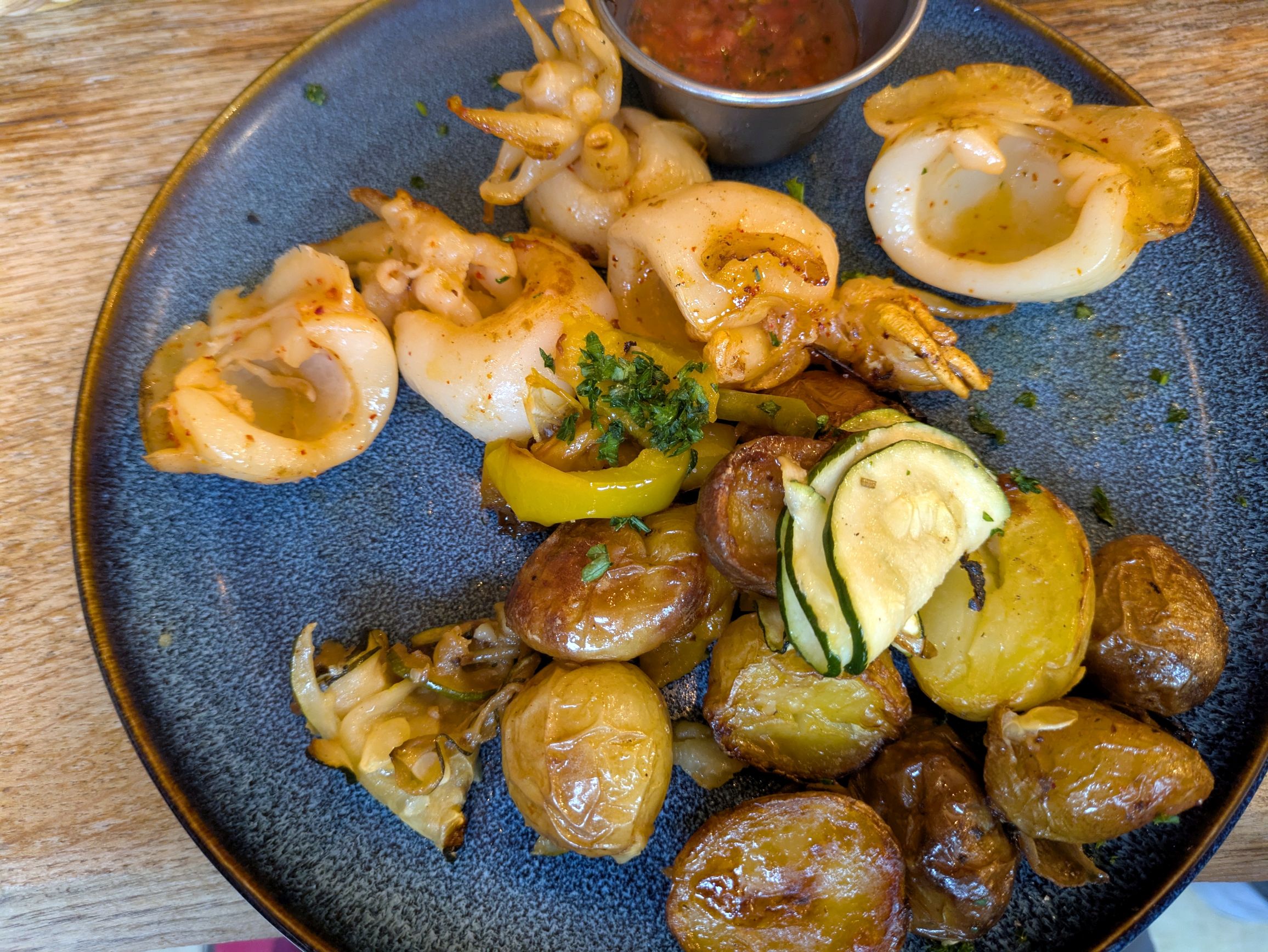
Delicious cuddlefish and potatoes
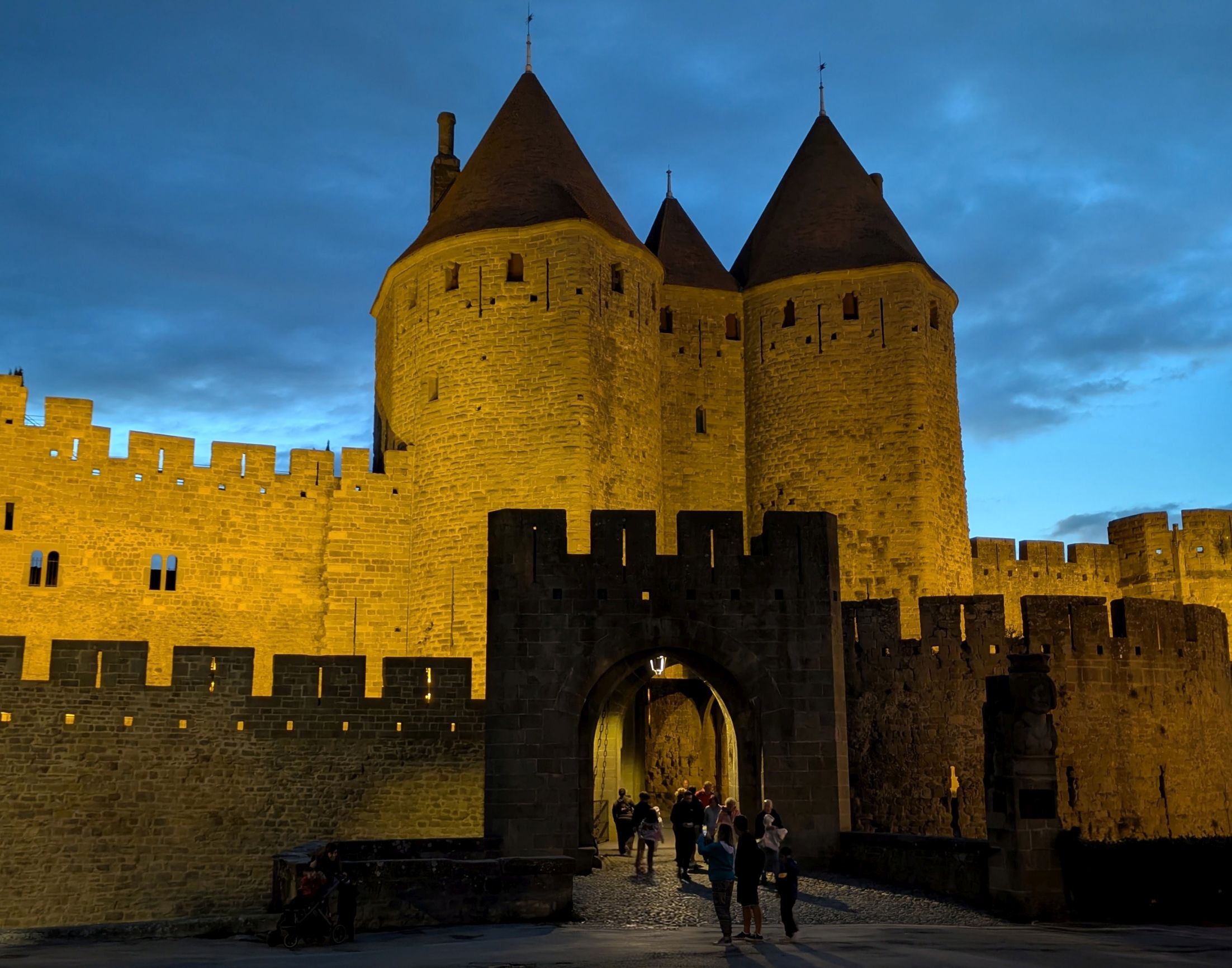
Carcassone at dusk
Carcassone at night

Coming up next: SOUTHWEST FRANCE, NORTHERN SPAIN & PORTUGAL #2: CAPTIVATING “NEW” CARCASSONE

SUNDAY IN STRASBOURG

Having docked in Strasbourg, France, again for the night, it was a convenient walk up the canal to meet our glass covered canal boat for our one hour ride through the canal that winds through the city.

13-01

13-02

Like Brugge, Strasbourg is registered as a UNESCO World Heritage site.  Half-timbered houses are the typical architecture, however, there was one interesting addition not noticed on the half-timbered houses in other towns.  In Strasbourg, some of the houses had beams that had numbers carved into them, because the houses either have been moved or will be moved to another location.  The numbers help in reassembling the house correctly.
The city center of Strasbourg has a population of 274,000 and the wealthiest live in 1 million Euro homes along the canal.  In addition, there are 70 consulates in Strasbourg along the canals, since Strasbourg is the seat of the Council of Europe, a human rights assembly linking 43 countries from Russia to the Atlantic.  Since 1992, it has been the seat of the European Parliament.

Patricia was our guide again today and we learned from her what the meaning was behind the blue European Union flag.  The blue represents hope and the circle of gold stars represents the circle of harmony of the people living together within the union.  The stars are for perfection; the goal of the European Union.

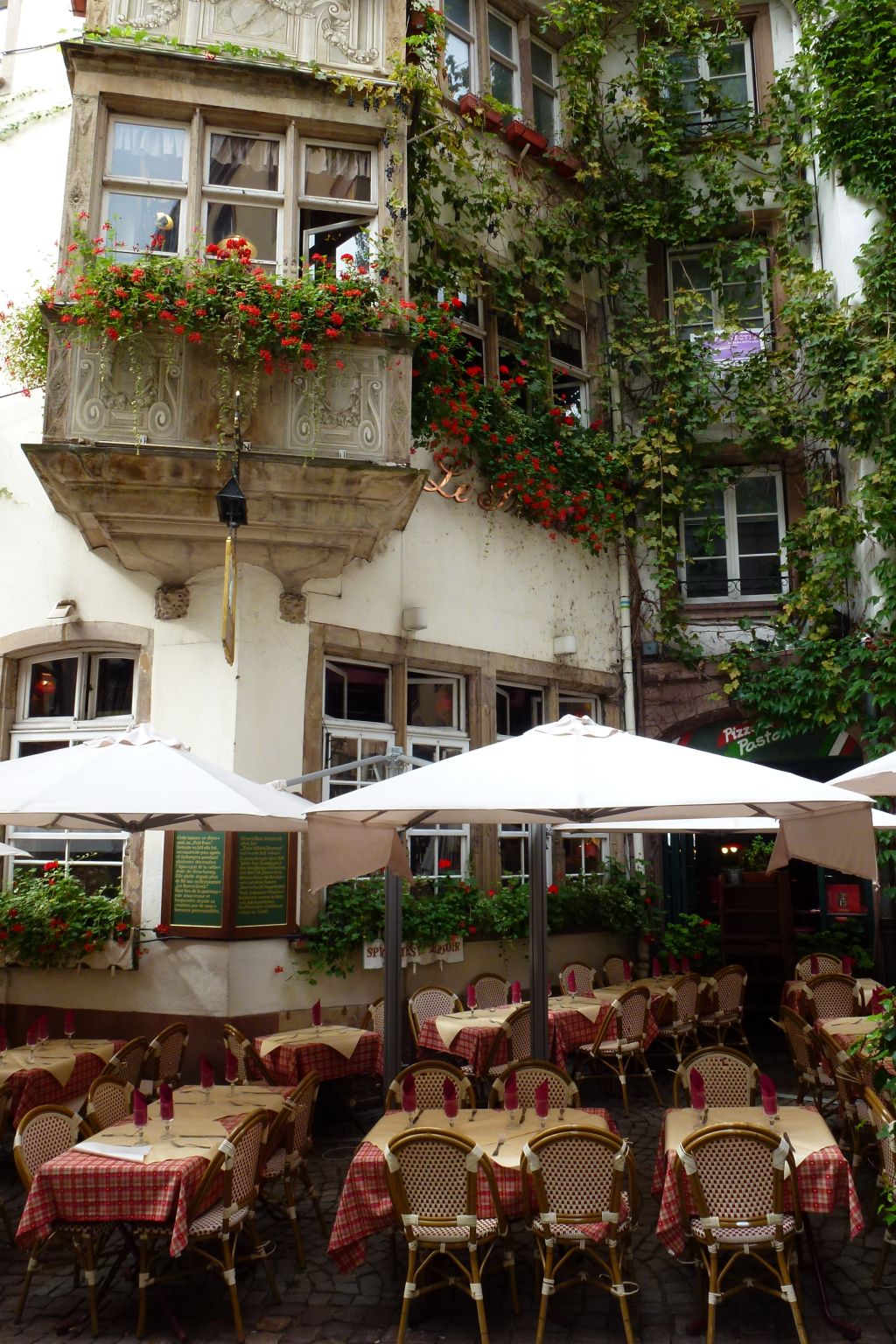
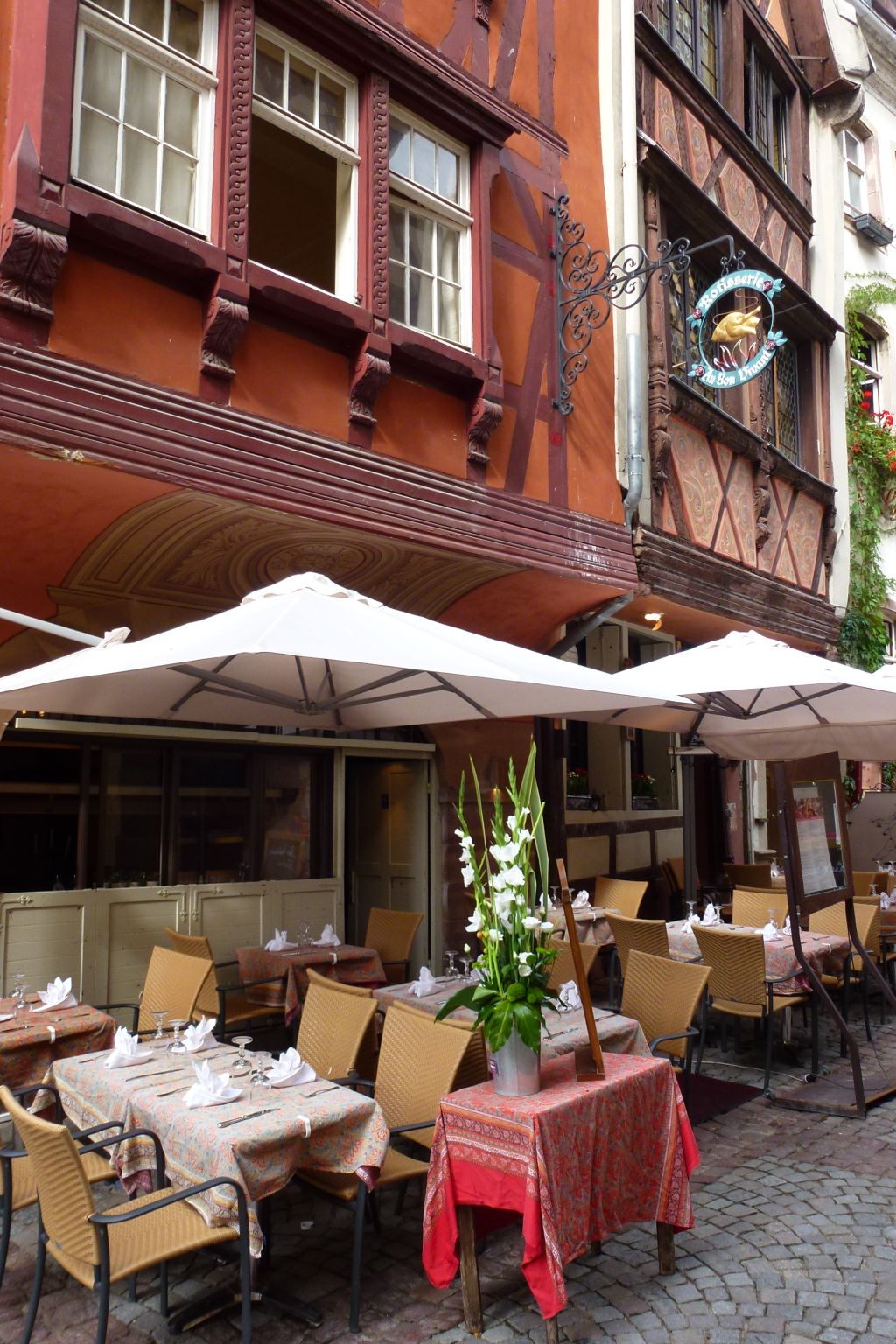
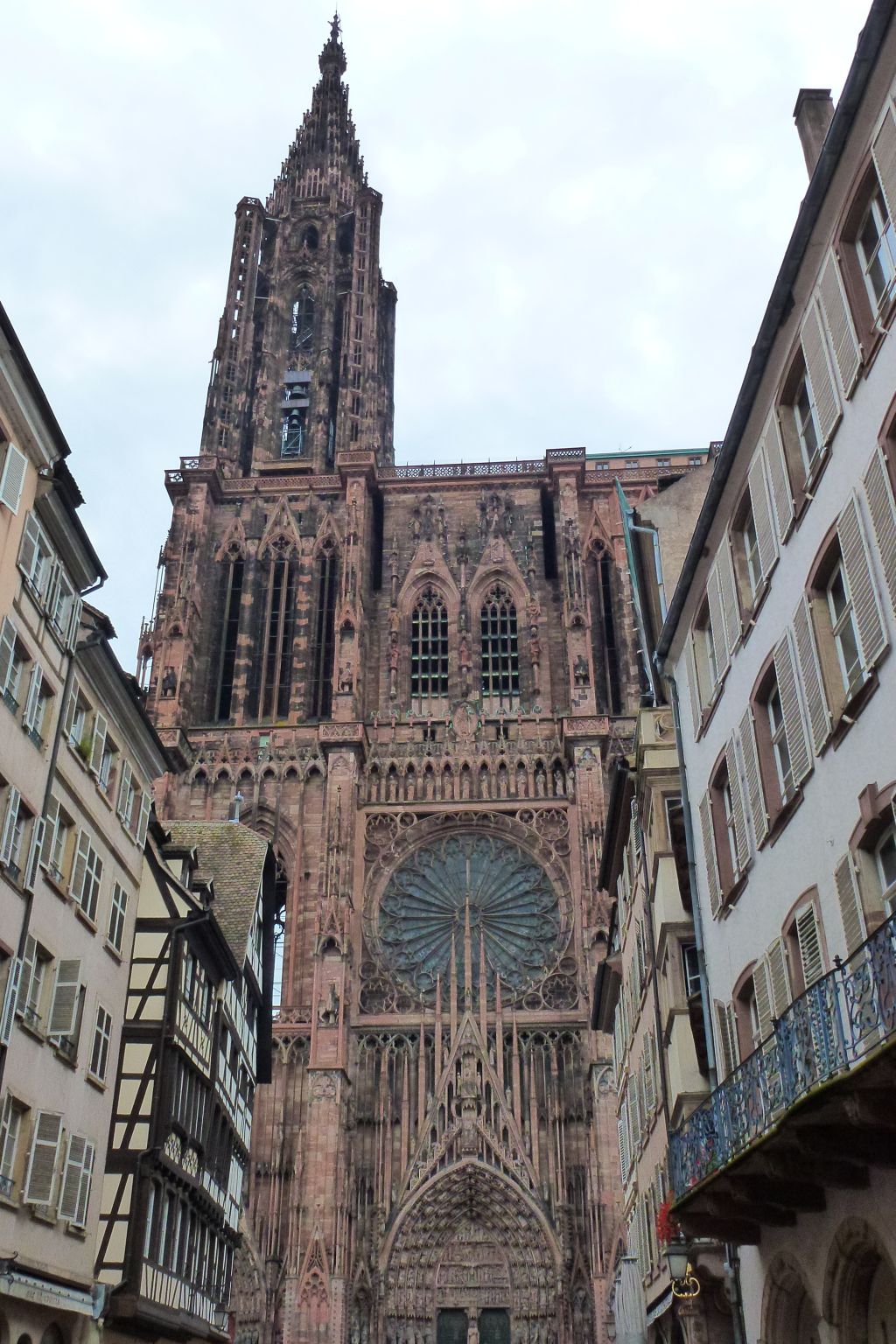
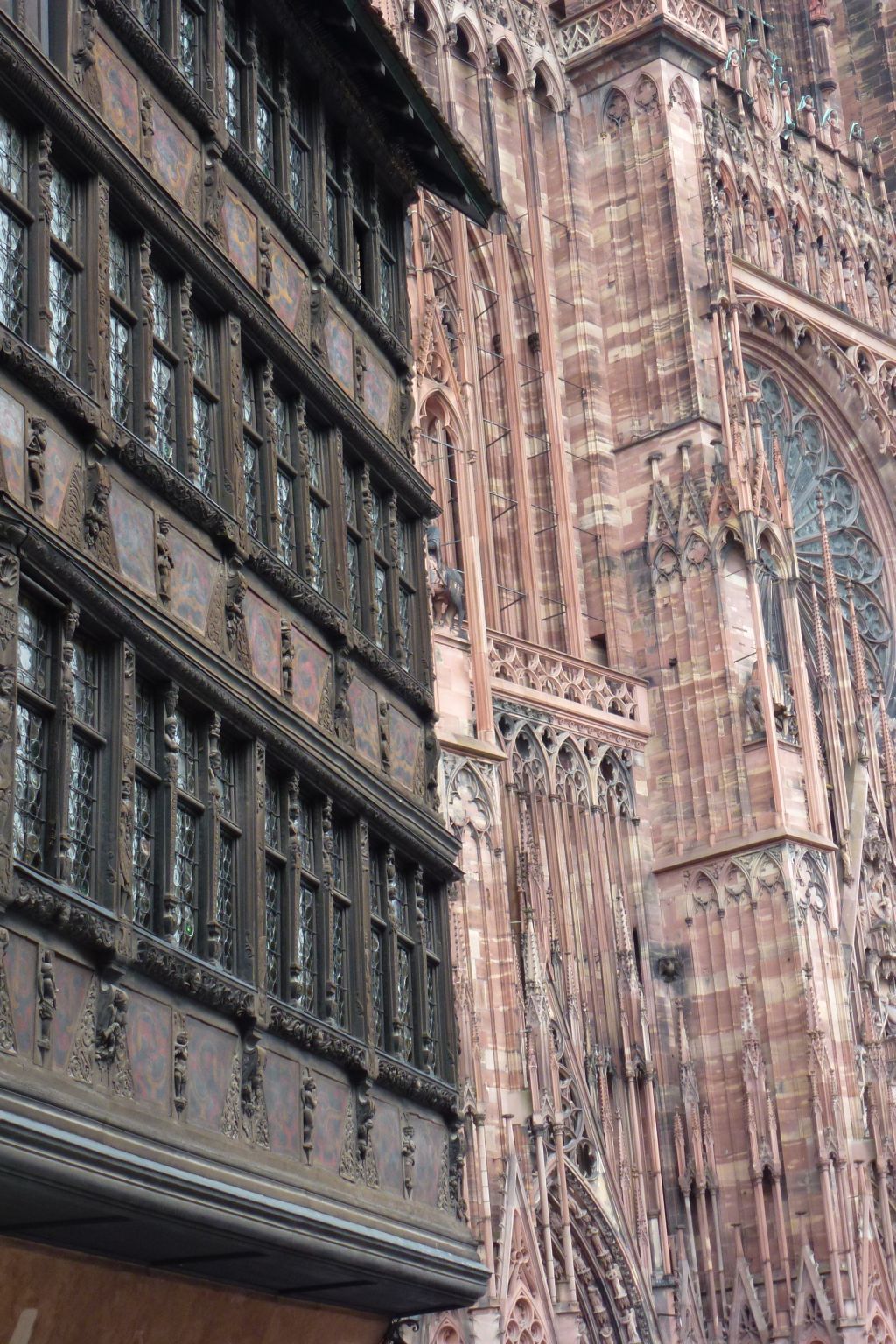
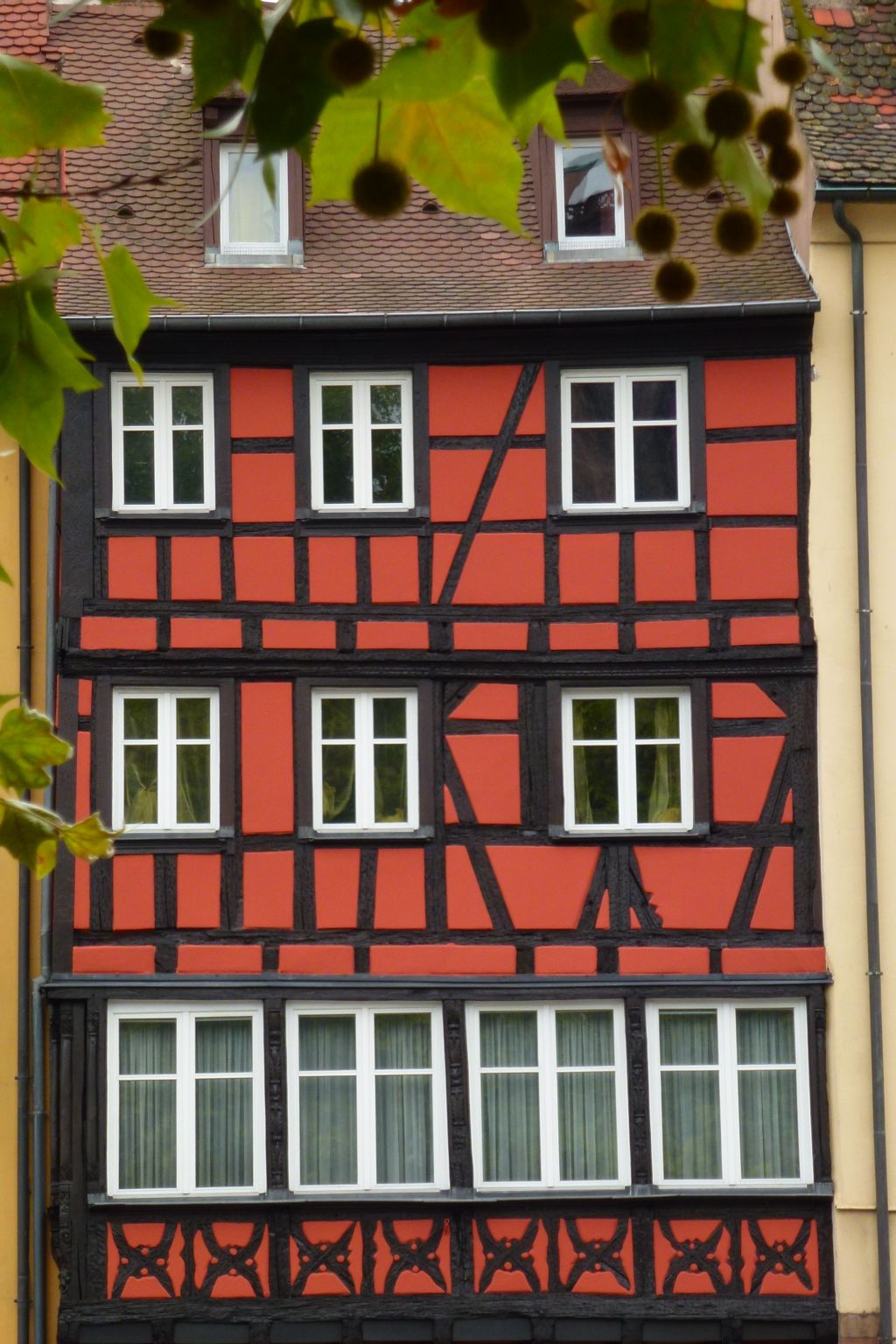
After our canal tour, we had a leisurely walking tour through the Petite France, the picturesque old quarter, where we saw beautiful half-timbered buildings dating back to the 16th and 17th century.  Again, there were cobblestone streets full of quaint charm; very photogenic. 

13-03

13-04

13-05

13-06

13-08

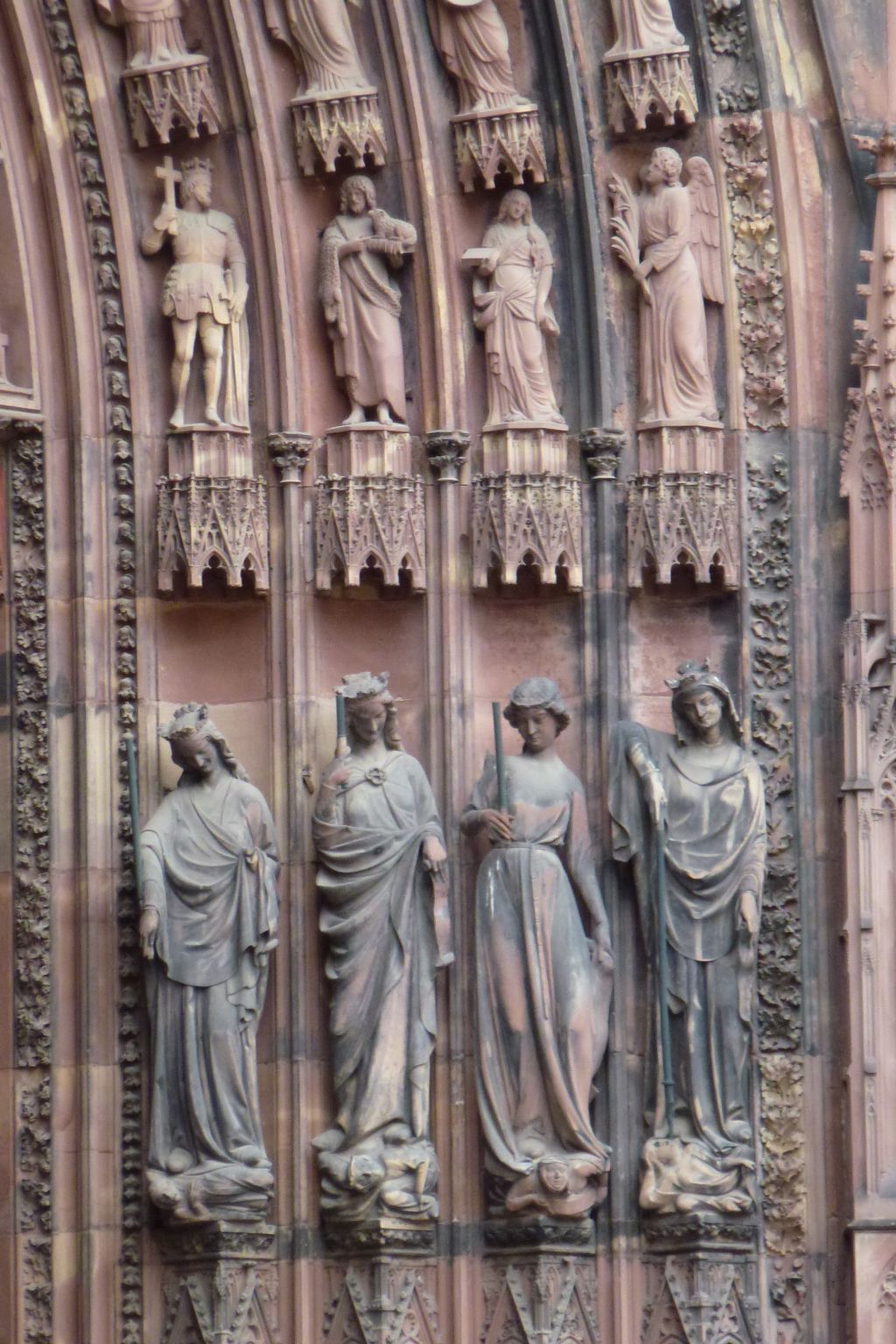
Since it was Sunday, mass was taking place at the Cathedrale de Notre Dame, however, we were able to slip into the back of the cathedral individually, unguided, during our free time.  What a magnificent cathedral- and massive!

13-09

13-10

13-11

13-12

13-13


The rest of our free time was spent exploring the old quarter of the city, before returning to the ship for the afternoon.

13-14

13-16

13-17

13-18

13-19

13-21

European River Cruise Itinerary- One Week Until Departure!

After my last lengthy post, I thought I would give you a break with a shorter one!  I only have one week to go before my upcoming river cruise, so I will have to return to posting excerpts of my past travelogues at a later date.  Instead, I thought I would post the itinerary for my upcoming trip.

My third European river cruise with Vantage Travel (and my mom as my travel partner) begins with a three-night pre-cruise visit in Bruges and Ghent, Belgium. Next, we join the River Navigator, in Amsterdam, for a 16-day river cruise. Finally, we will wrap up our adventure (and photography/ chocolate buying trip) with a post-cruise visit to Basel, Bern, and Lucerne, Switzerland.

The following is our itinerary:                                                                                              August 20, 2011 – Fly to Belgium for pre-cruise extension                                            August 24 – Arrive Amsterdam / Embark ms River Navigator                                         August 25 – Amsterdam                                                                                                   August 26 – Cologne, Germany                                                                                      August 27 – Cologne and Cochem                                                                                August 28 – Piesport (Luxembourg)                                                                               August 29 – Piesport and Trier, Germany                                                                      August 30 – Trier and Berkastel                                                                                       August 31 – Rüdesheim                                                                                             September 01 – Rüdesheim and Mainz (for Heidelberg): Depart for Speyer in the evening September 02 – Speyer and Rastatt (for Baden-Baden): Depart for Strasbourg, France, in the evening                                                                                                                      September 03 – Strasbourg                                                                                    September 04 – Strasbourg and Breisach, Germany                                                        September 05 – Breisach (For Freiburg) and Basel,Switzerland                                                                                                                                                                                                                                                                                                                                                                                                                                                         September 06 – Basel                                                                                                              September 07 – Basel/ Disembark ship / Begin 3-night Lucerne extension

I have been doing some research on our cruise stops and it sure looks like it is going to be a fascinating (and gorgeous) cruise!  If/when time permits, I will blog along the way, so stay tuned!

Meanwhile, If any of you have any chocolate recommendations for these countries, please let me know!  As I posted earlier, I collect wrappers and labels of chocolate from around the world.  And, I also savor each and every chocolate I purchase, so I seek out the best!  (See “CHOCOLATE!” for a complete list of what I have already collected.)