UNITED KINGDOM #6: HISTORICAL HADRIAN’S WALL & VINDOLANDA FORT

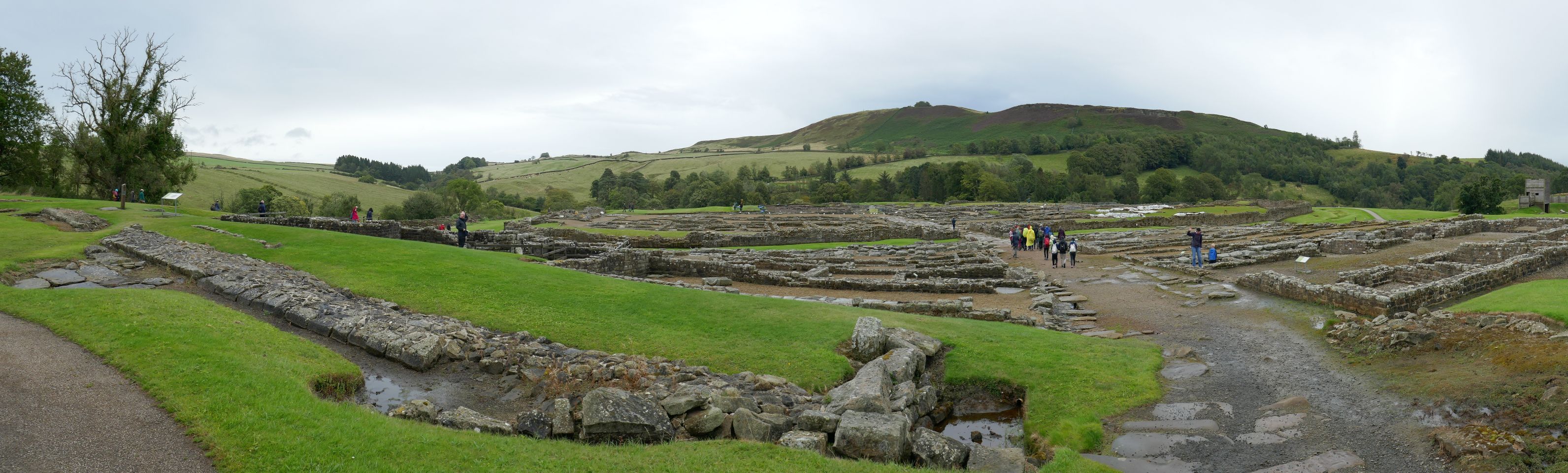
You can’t tell by these pictures, but this was the day our luck with weather ran out.  It was bitterly cold and windy, and at one point while we were at Hadrian’s Wall, we all gave up on our local guide and asked if we could go back to the bus to listen to the rest of his talk.  I didn’t wait that long; I was already on the bus by the time the rest of the group followed my lead.

(For all photos, click on the image for a full screen view.)

Thankfully, the blustery cold was a one-and-done.  The weather was (mostly) fabulous (by U.K. standards) the remainder of our trip!

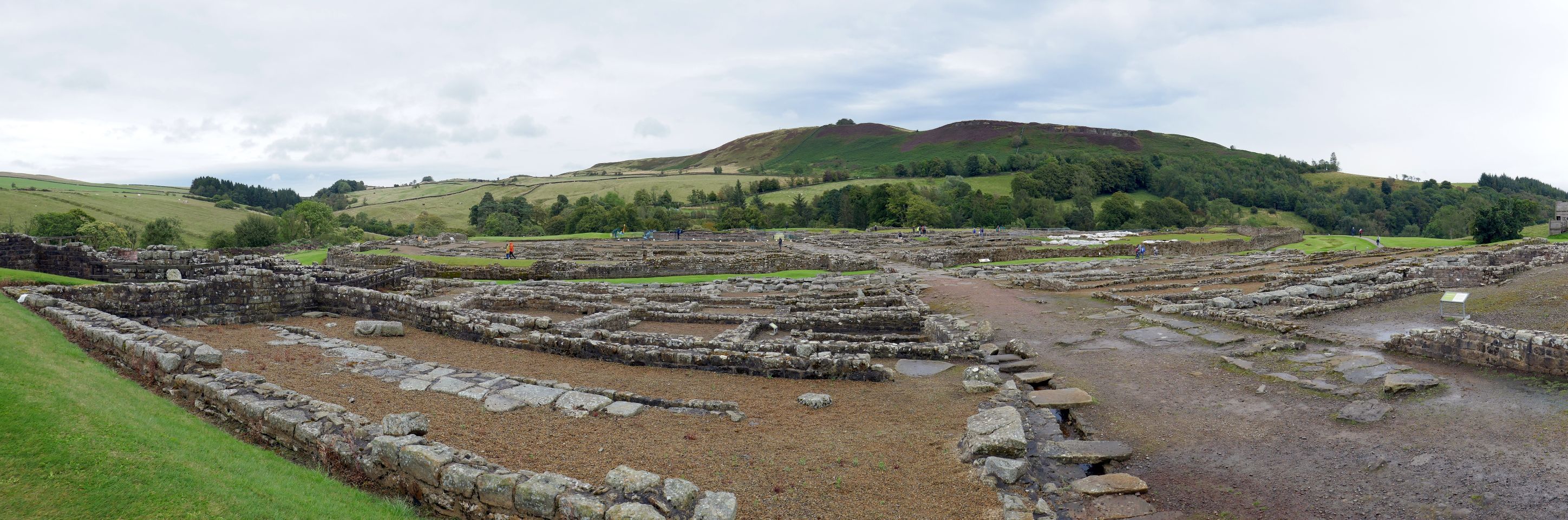
Back to Hadrian, he was a Roman emperor from AD 117 to 138 and the first ruler to divide Britain.  The wall he had built (I’m sure he didn’t lift a finger) beginning in AD 122 was a 73-mile-long stone defensive fortification that runs east to west.  It is now a UNESCO World Heritage Site.

It amazed me that so many centuries ago, this barricade was just part of a multi-cultural military zone comprised of forts, barracks, towers, and small towns.

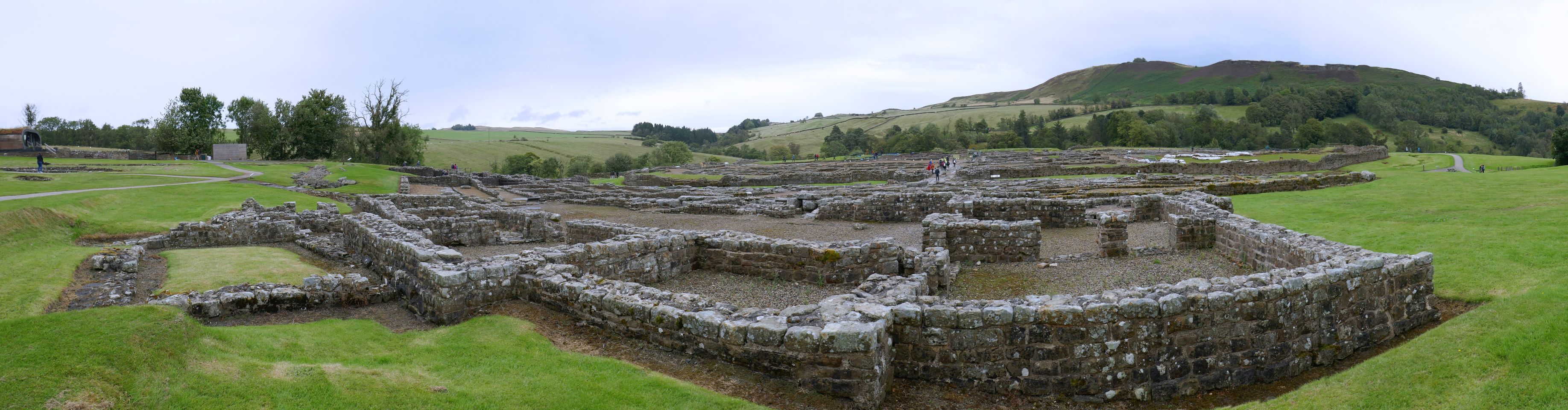
After we thawed out, we visited Vindolanda, near Hadrian’s Wall.  It was a Roman auxiliary fort that dates back 40 years prior to Hadrian’s Wall and was occupied until around AD 370.  It is considered one of Europe’s most important ancient Roman archaeological sites. 

Ongoing excavations have unearthed many amazing artifacts which we were able to see in the adjacent museum—a welcome reprieve from the cold!

Vindolanda has the largest collection of leather items found anywhere in the Roman empire.
Some of these coins date back to 100 BC!
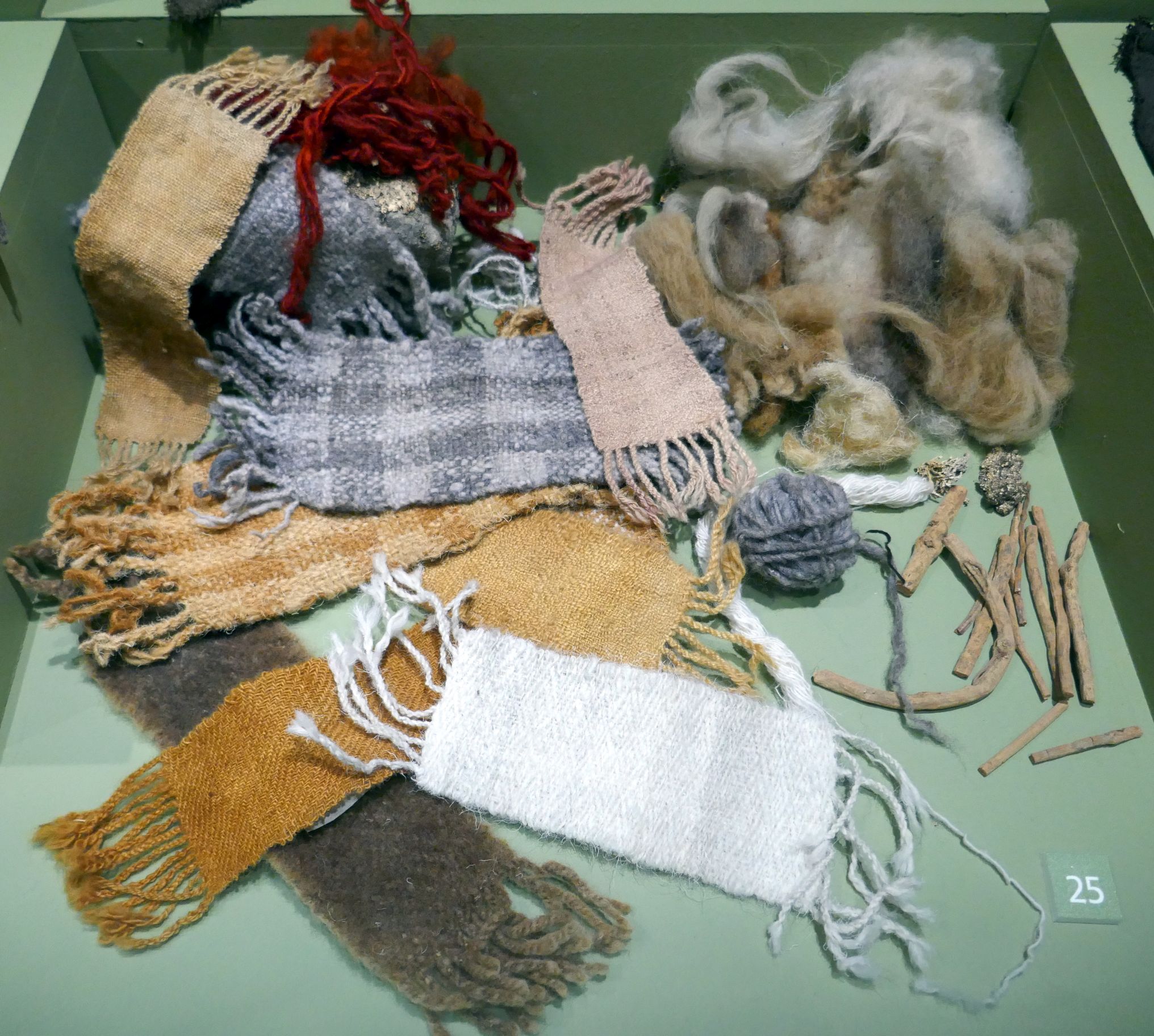
The Romans used a variety of different dyes and chemical treatments to color their textiles. The root of the madder plant was used to produce red dye and lichen was used for purple. A variety of tree barks, lichens and heathers were used for yellow dye. Thanks to the ground conditions at Vindolanda, these textiles survived where they would have completely decayed anywhere else after so many centuries.
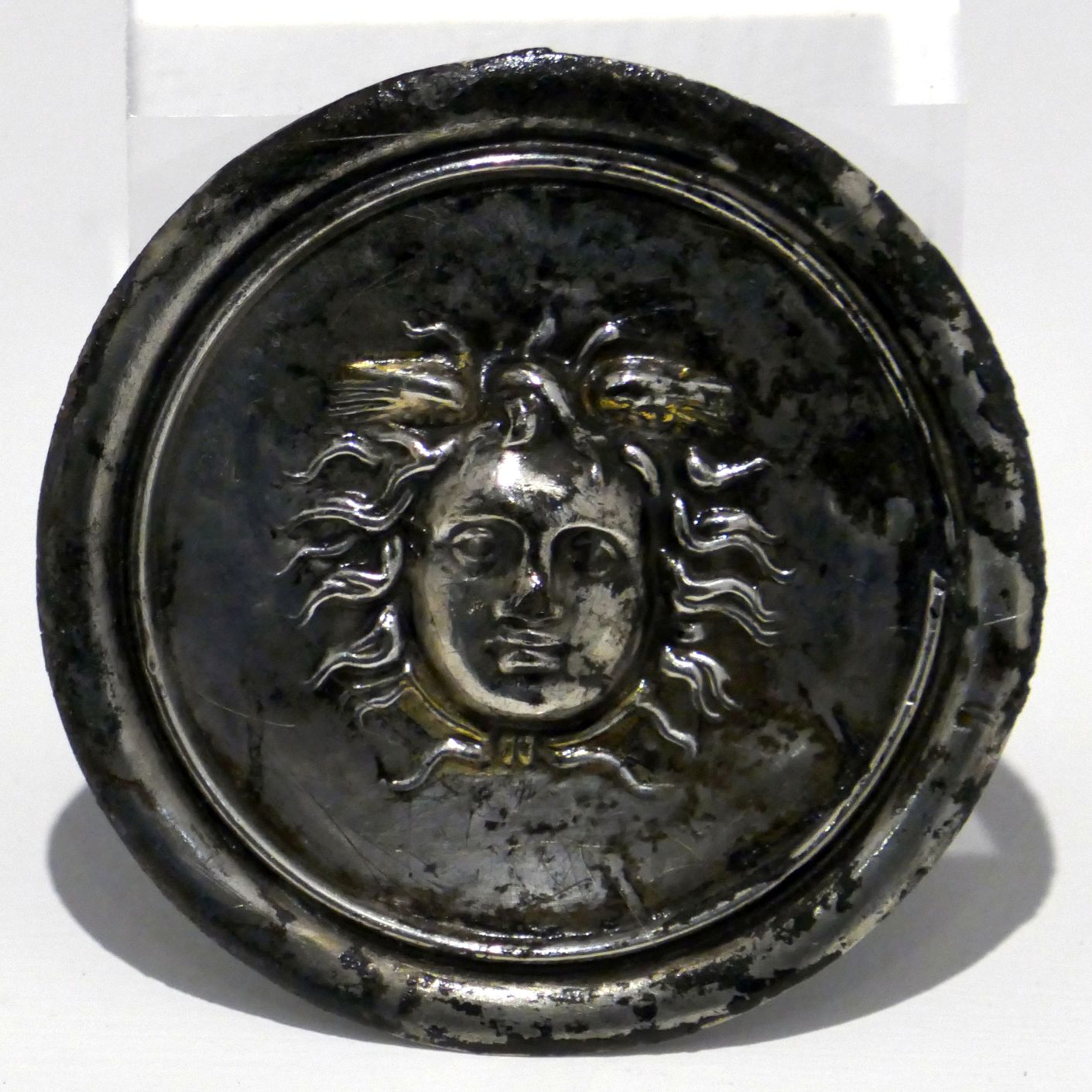
This is a silver military award depicting Medusa and dates back to AD 105-120.
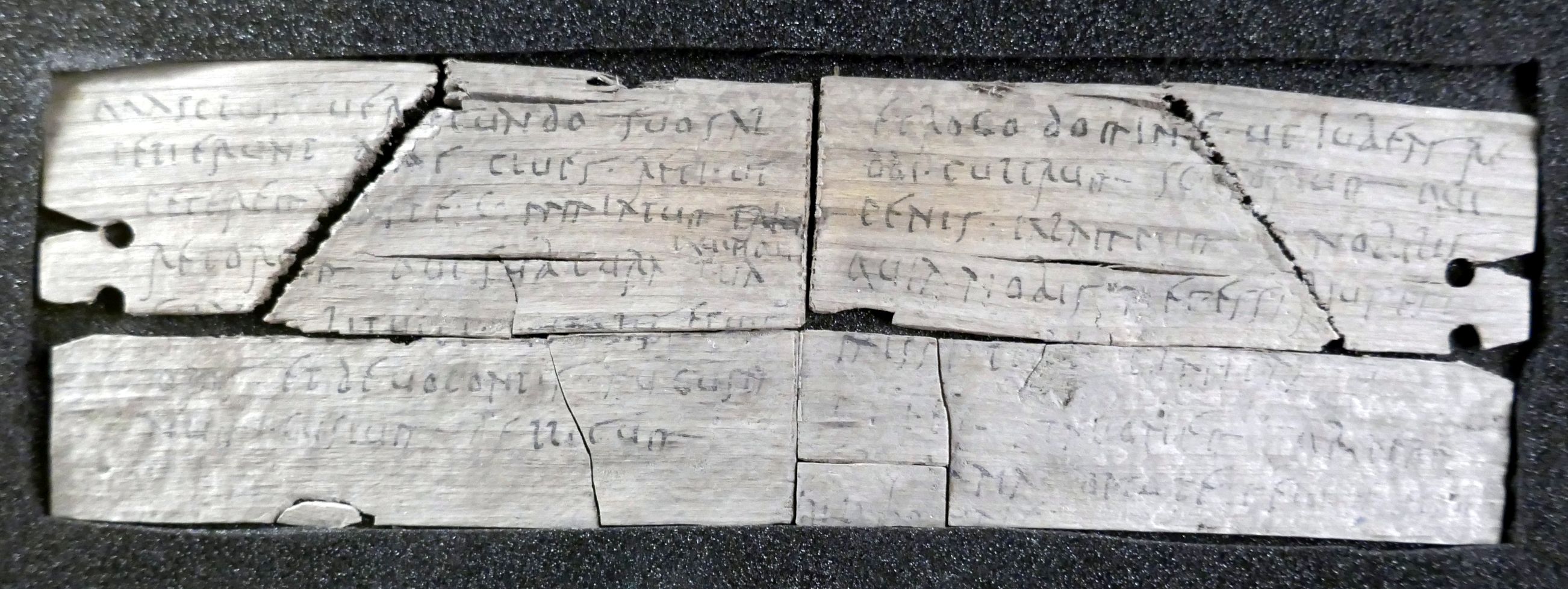
The Vindolanda tablets have been voted Britain’s Top Treasure by the British Museum.

Next, we continued our drive to Edinburgh, Scotland, the subject of my next post:

UNITED KINGDOM #7:  ENCHANTING EDINBURGH

UNITED KINGDOM #5: A DAY IN THE LIFE OF A LAKE DISTRICT FARM

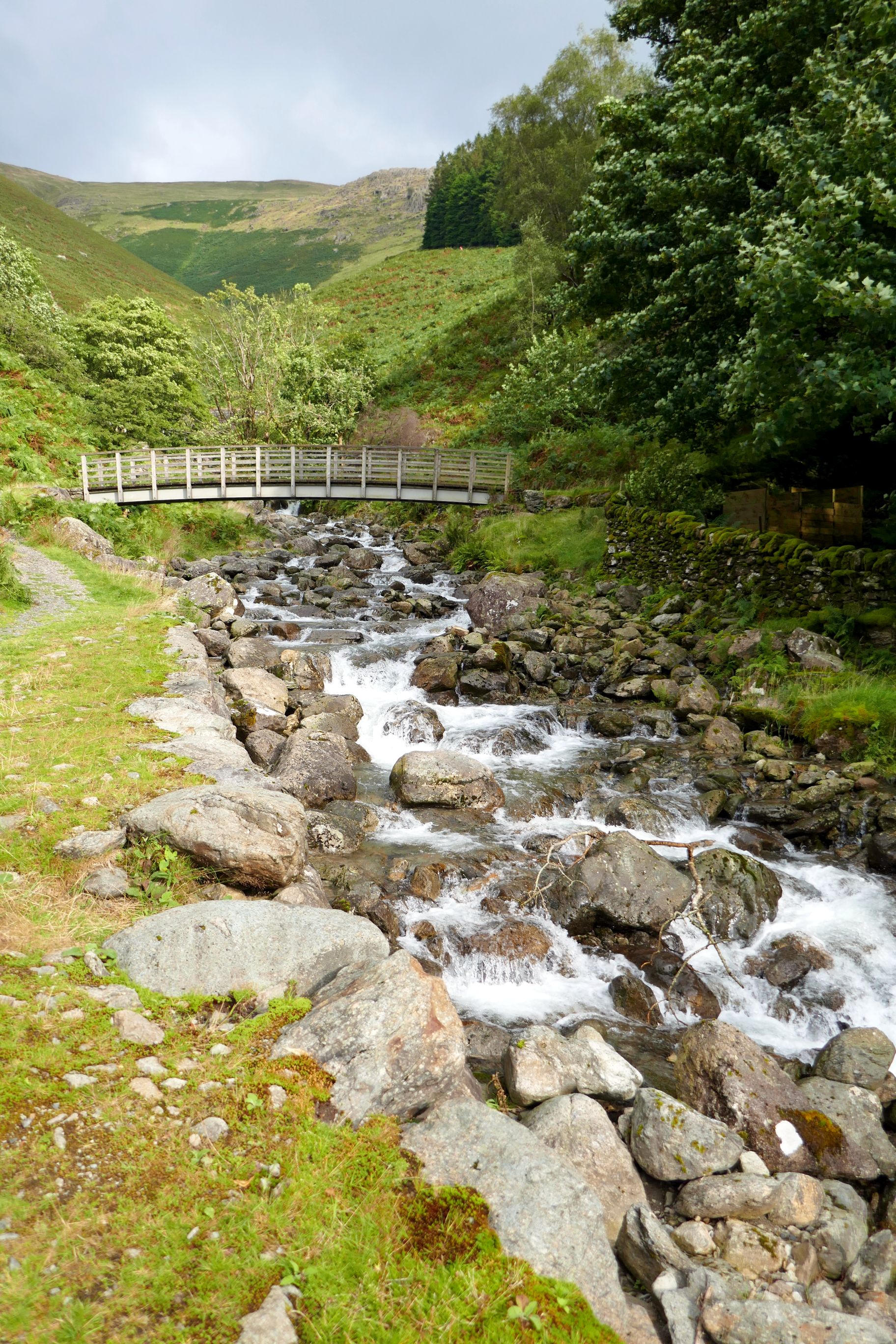
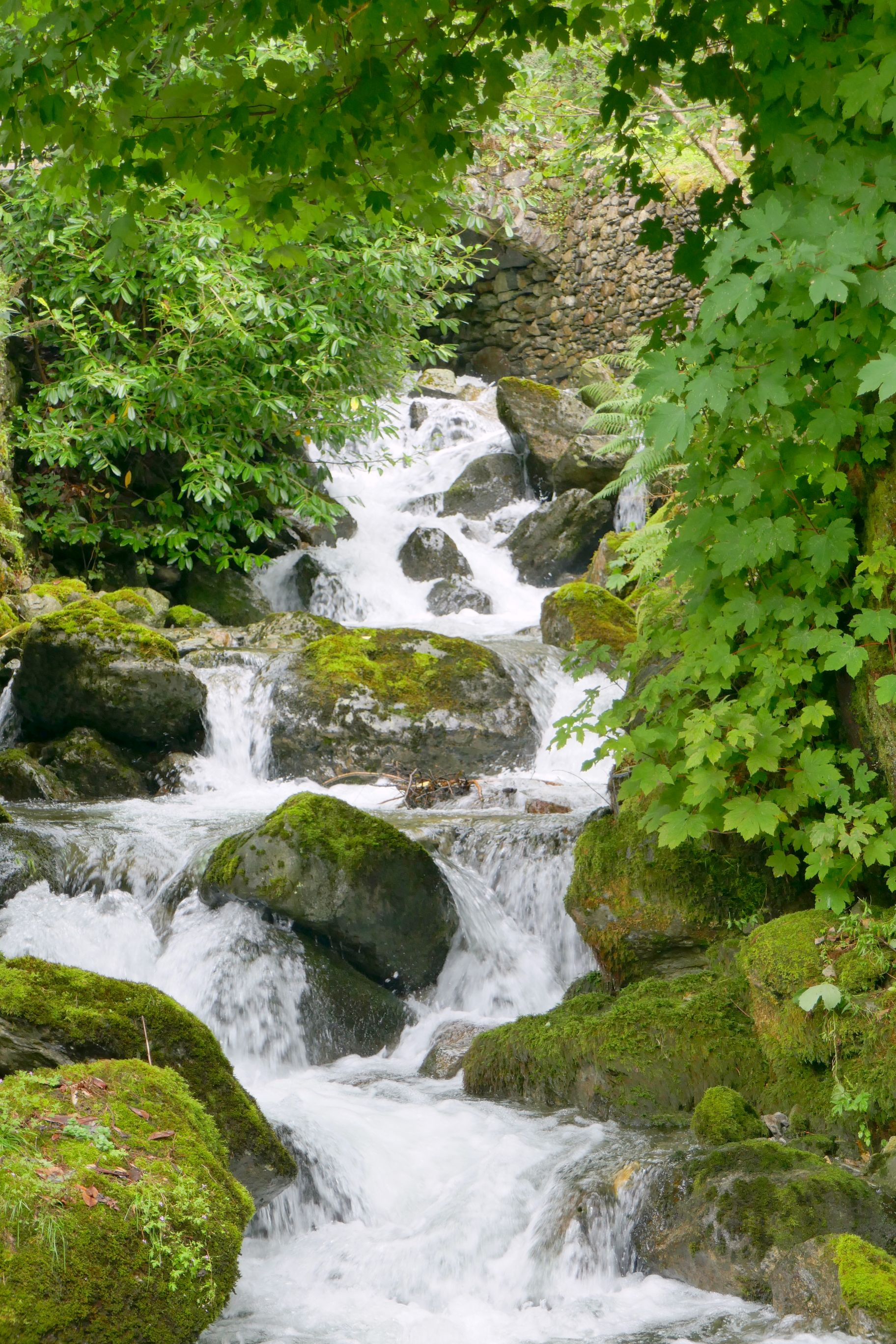
The Lake District, in North West England, is 912 square miles of beautiful mountains, lakes, and coast that has been designated a UNESCO World Heritage Site.  We spent the morning visiting just a portion of the district, getting a tour of Gary and Hazel Miller’s Family Farm.

(For all photos, click on the image for a full screen view.)
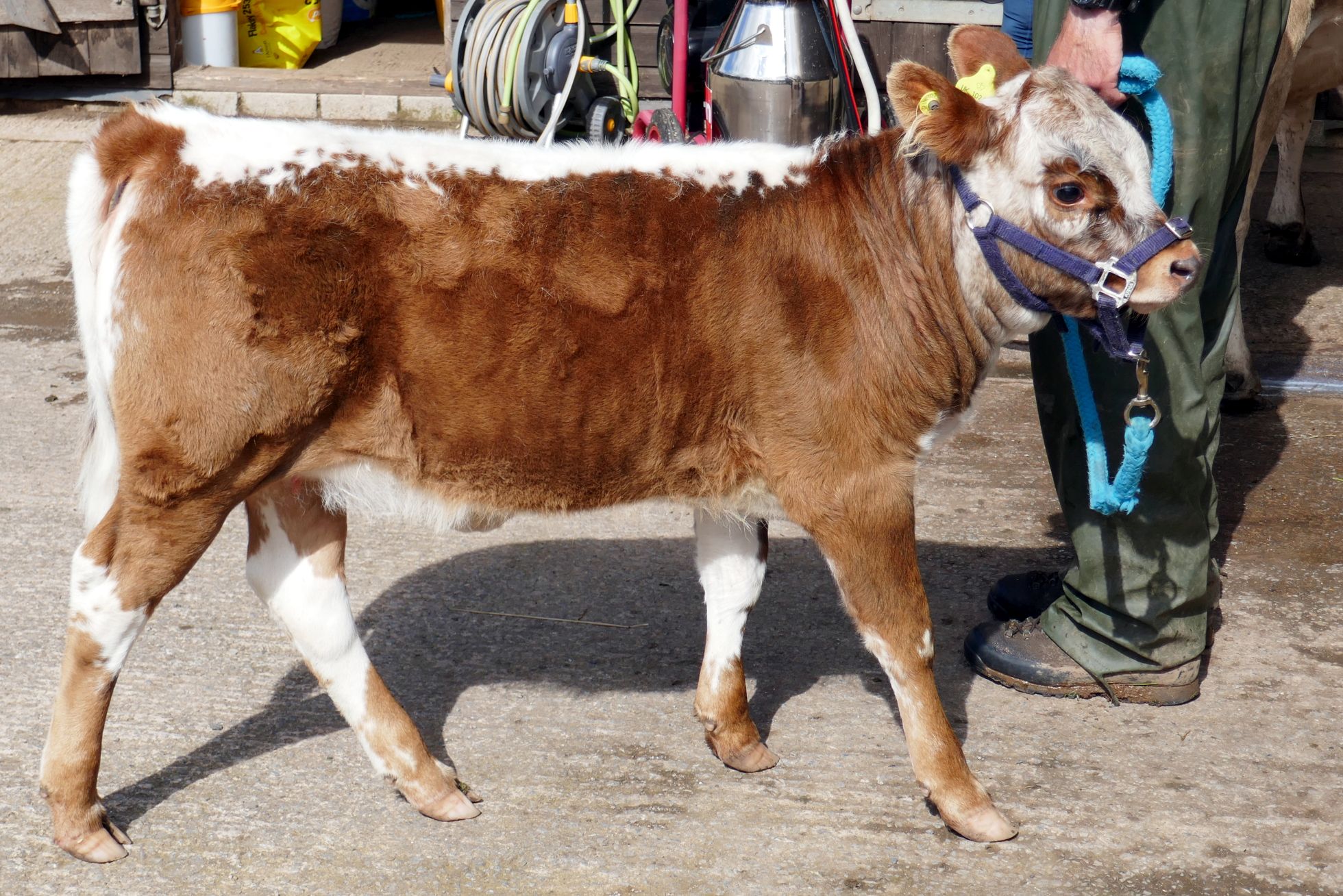
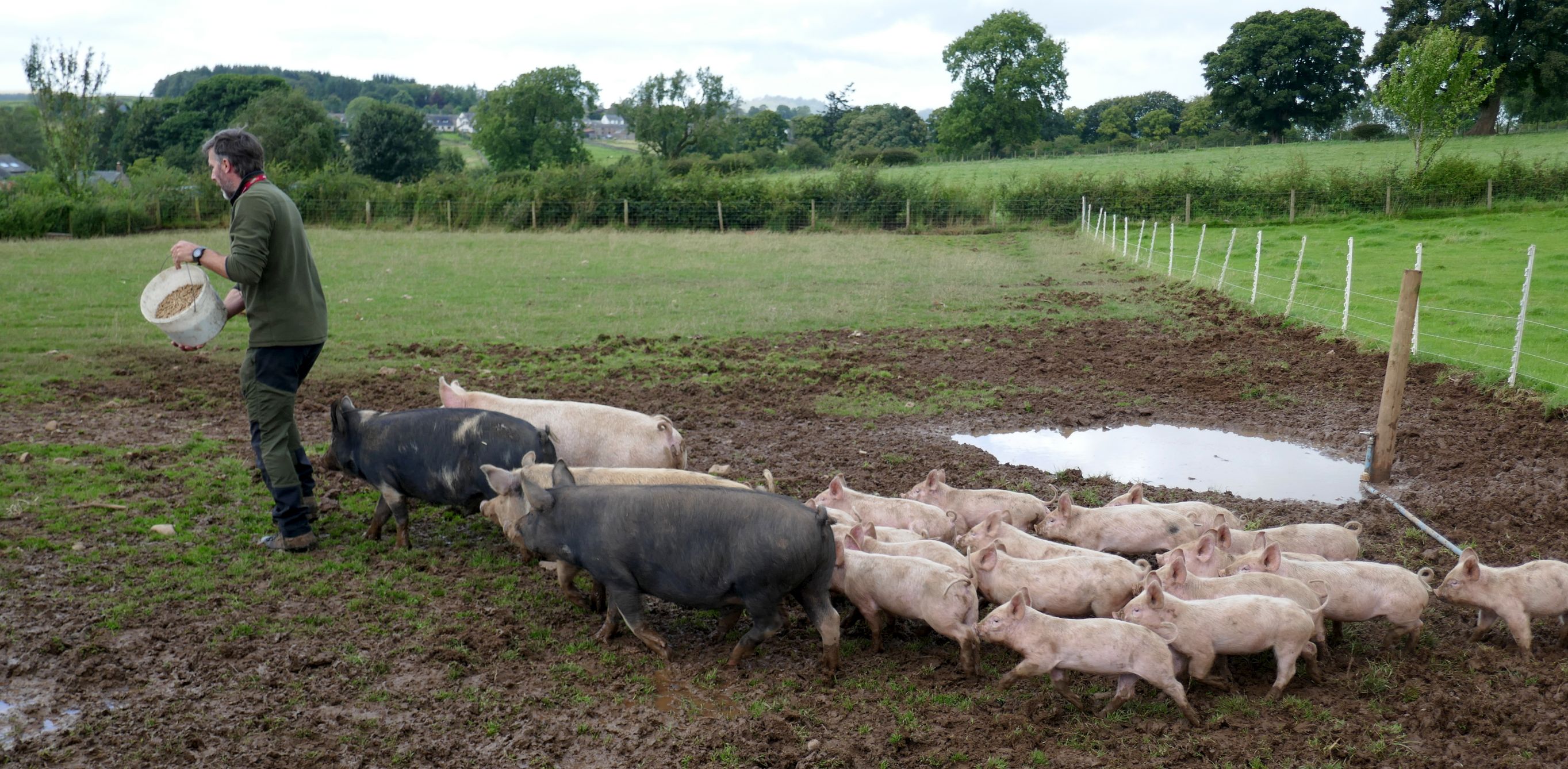
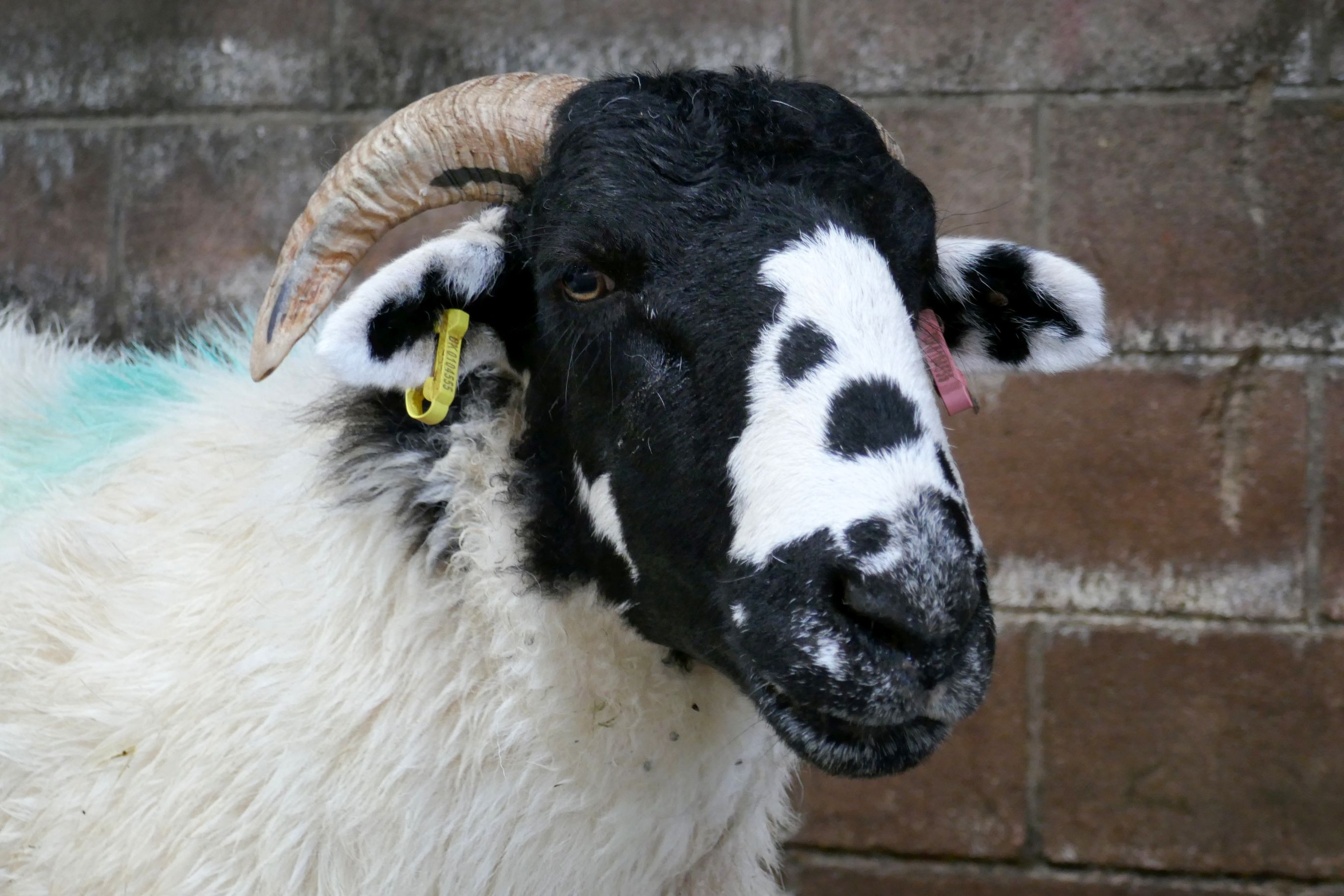
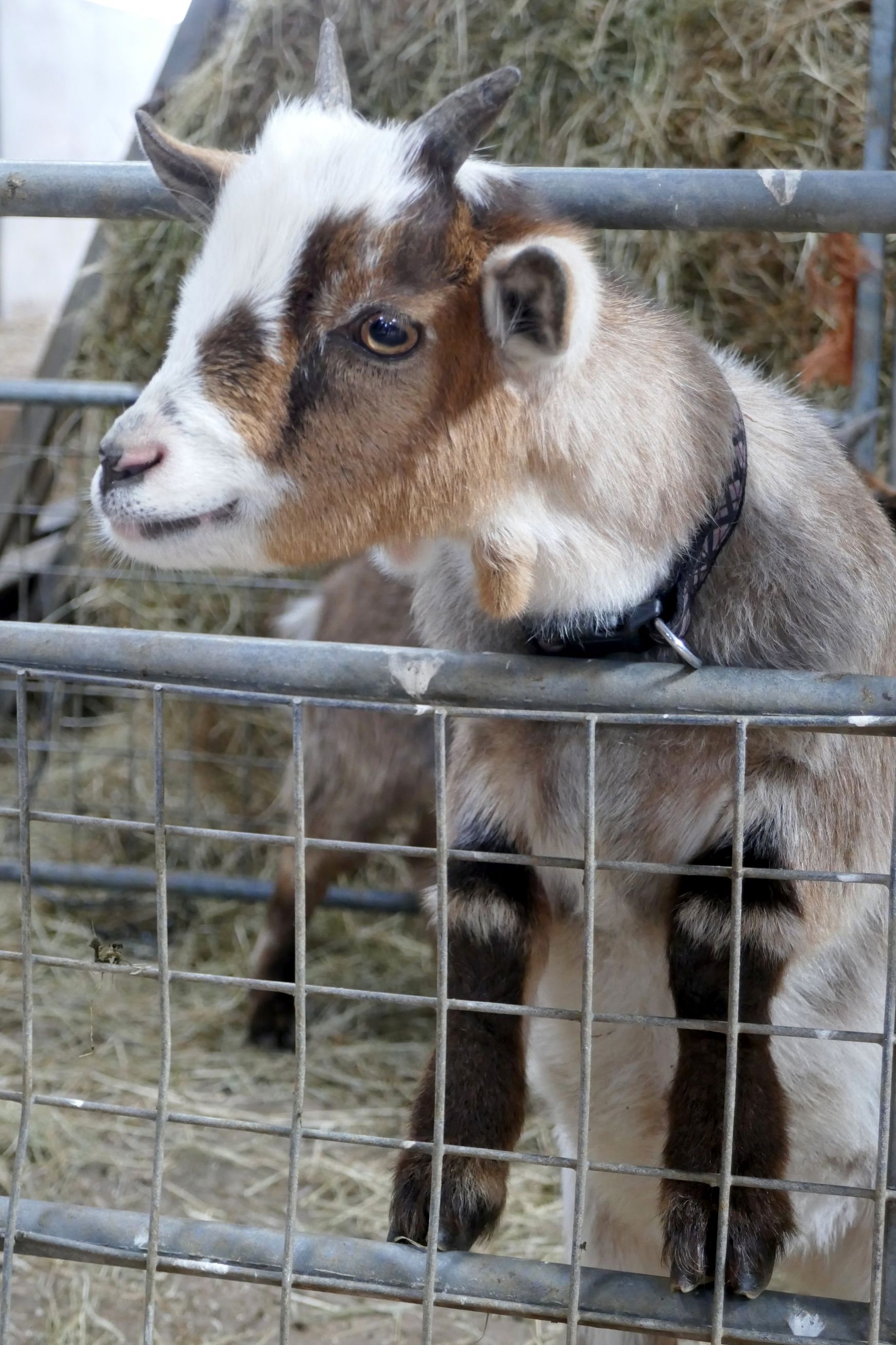
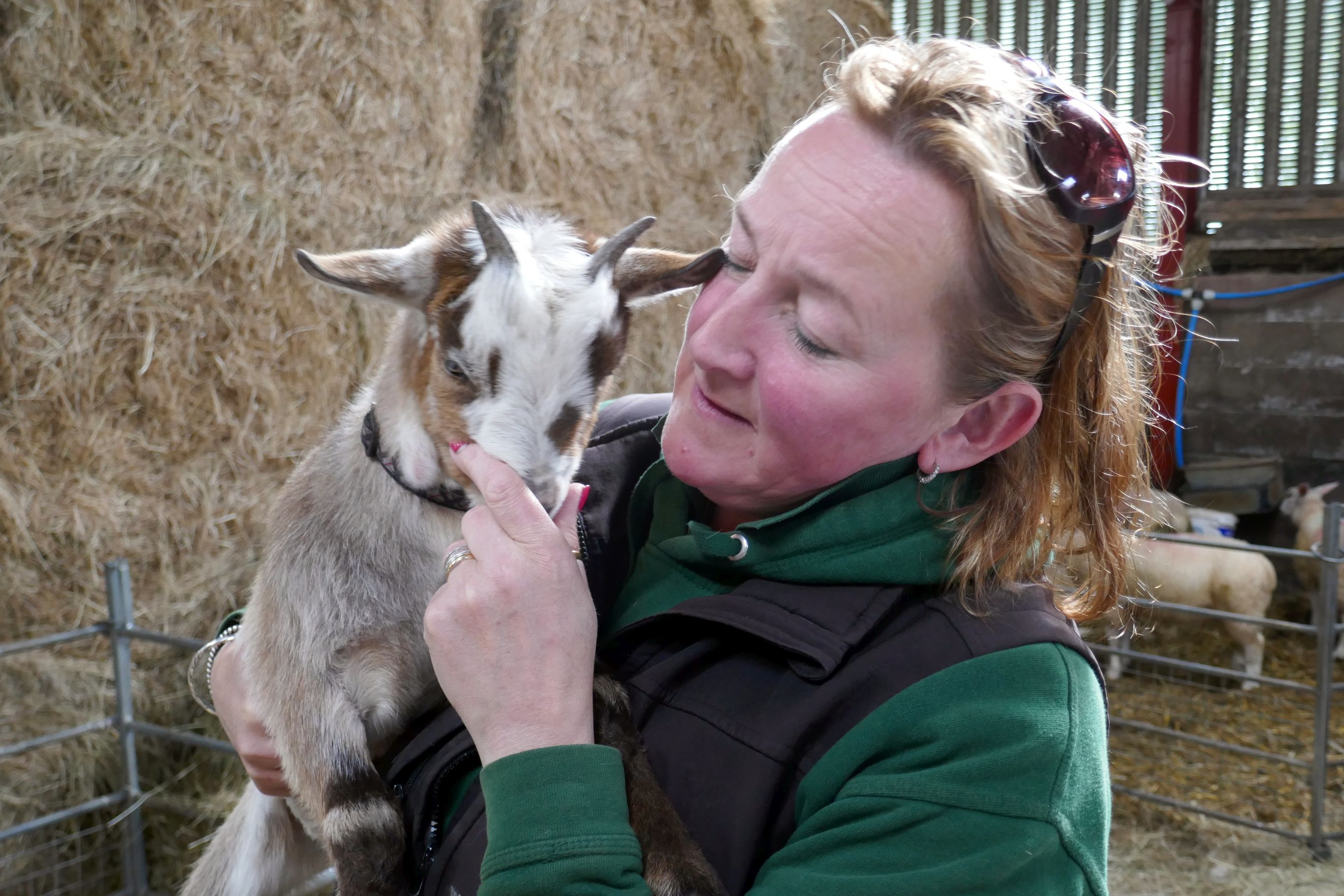
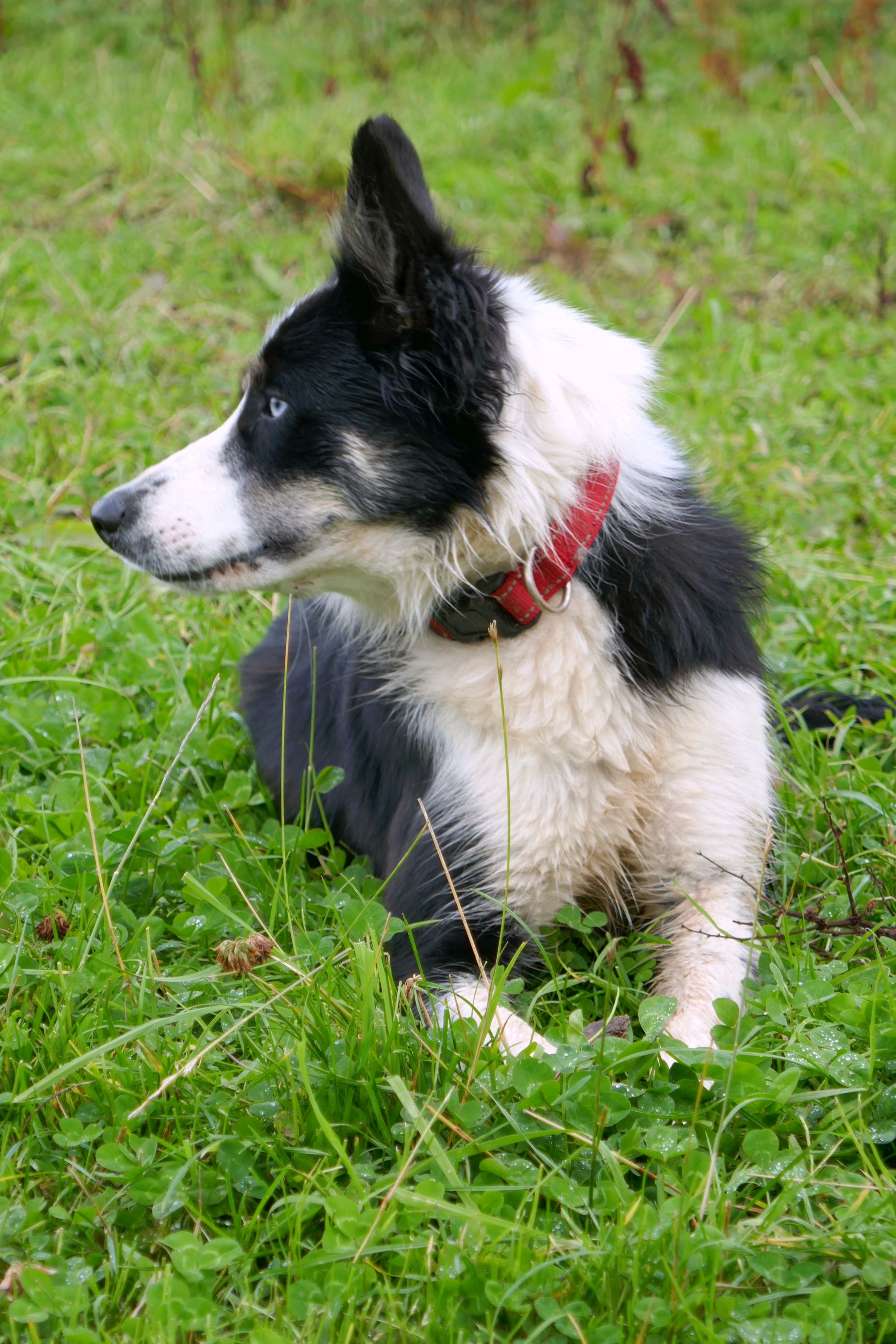
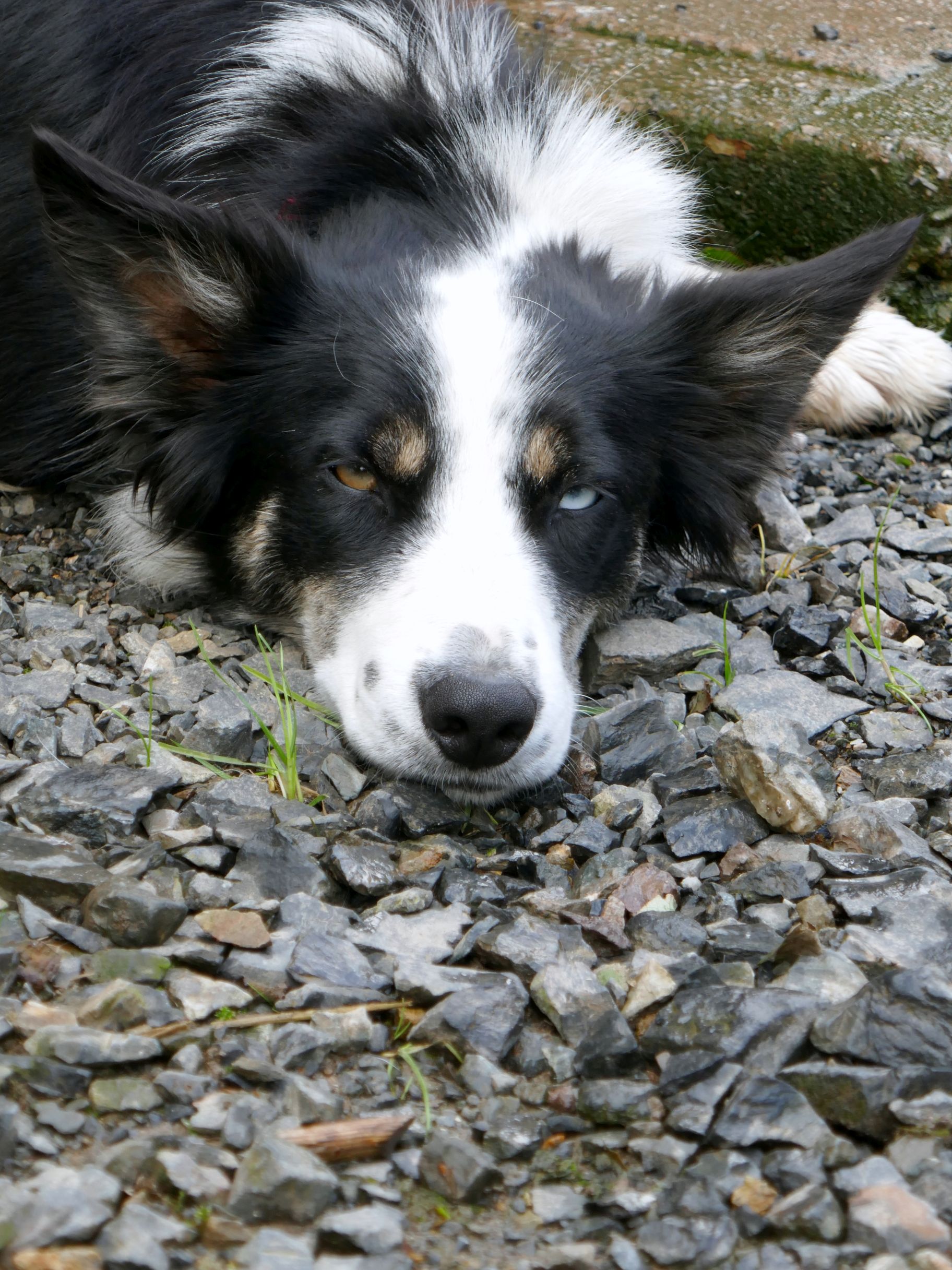
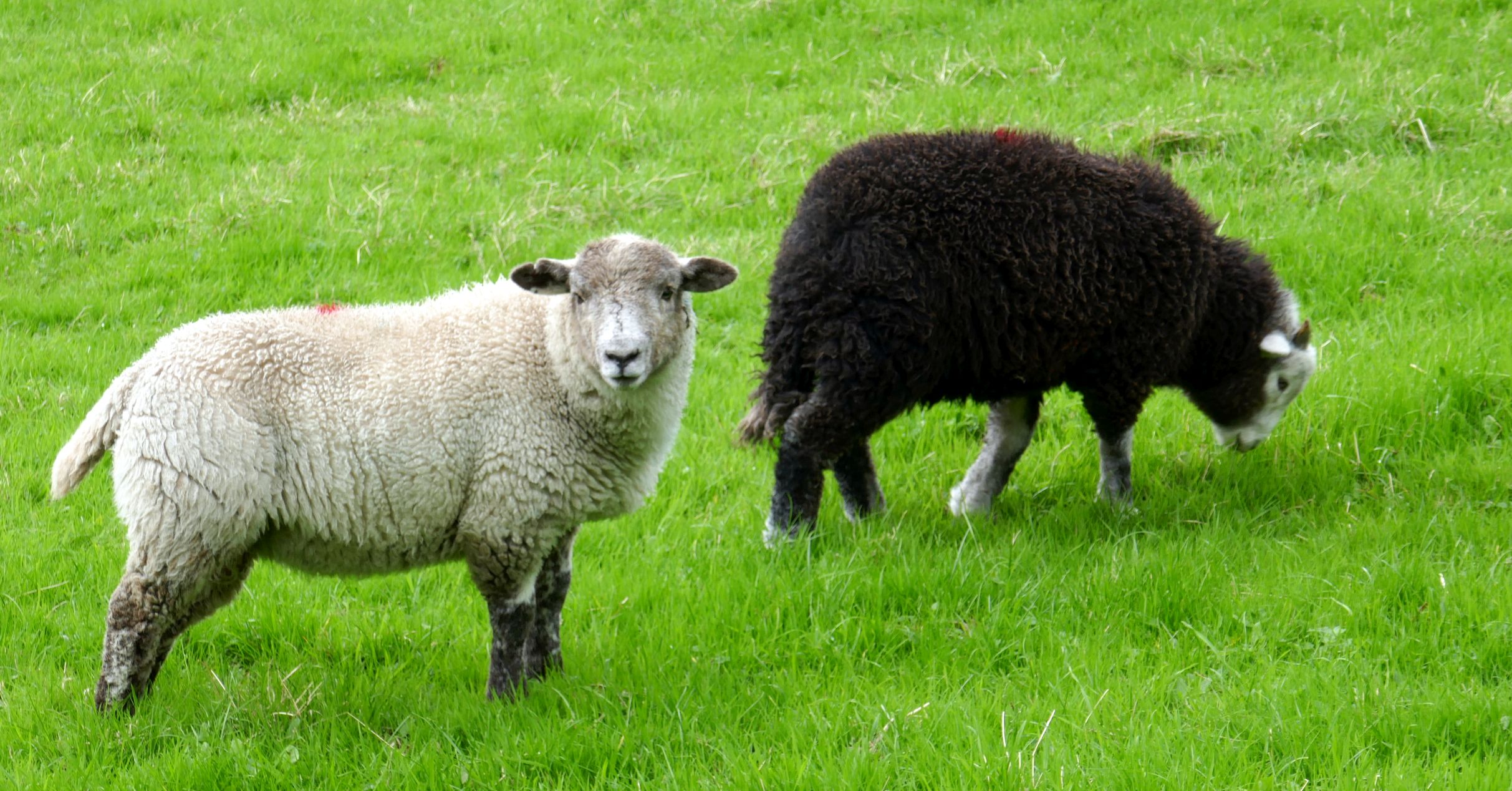
Their story is an interesting one.  They are first generation farmers by choice rather than inheritance like many other farmers.  Farming is a passion for the Millers and their four kids.  They have 600 sheep (which produce about 400 lambs each season), 11 sheep dogs, 6,000 free range hens for egg production, cattle, pigs, horses, and beehives. 

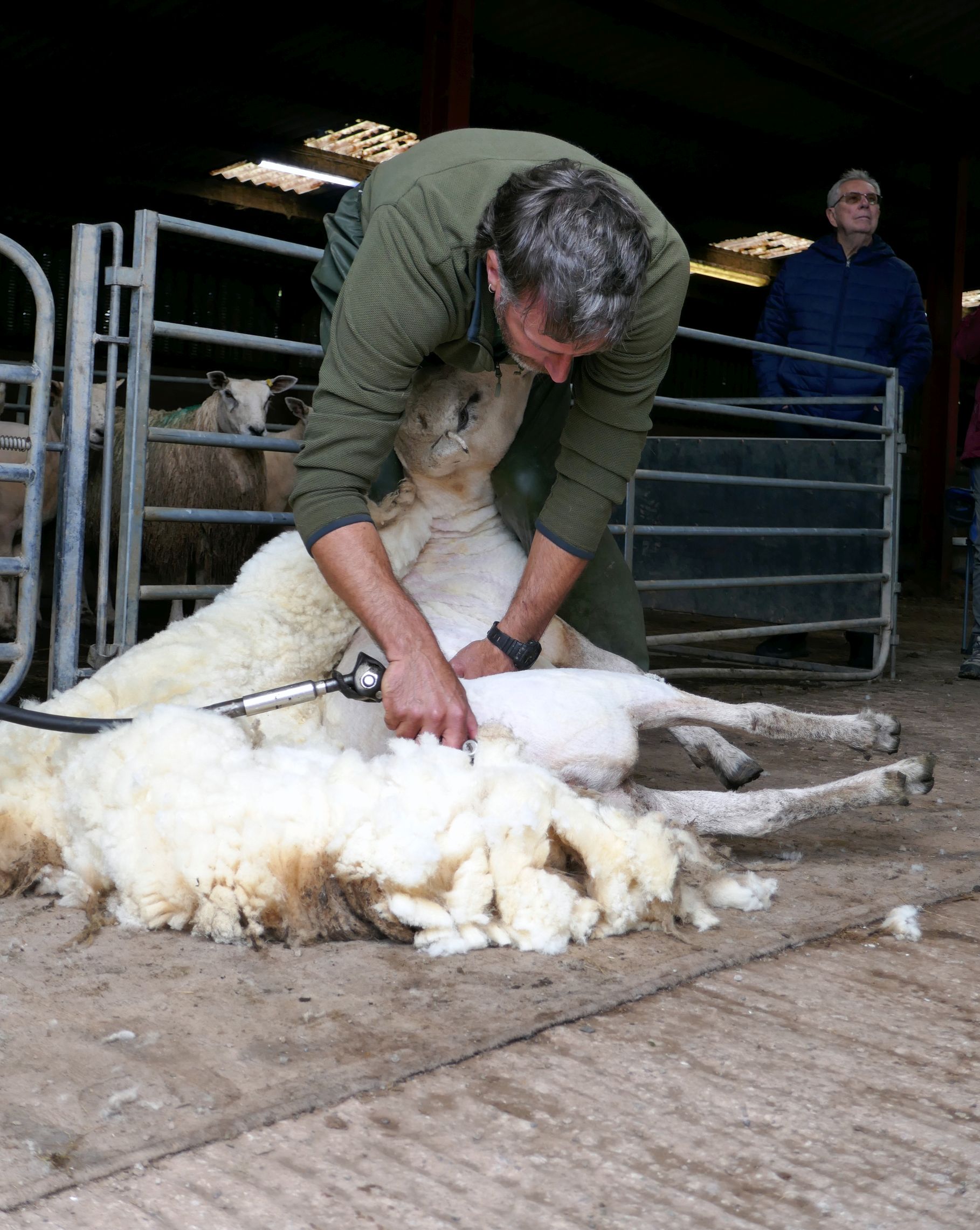
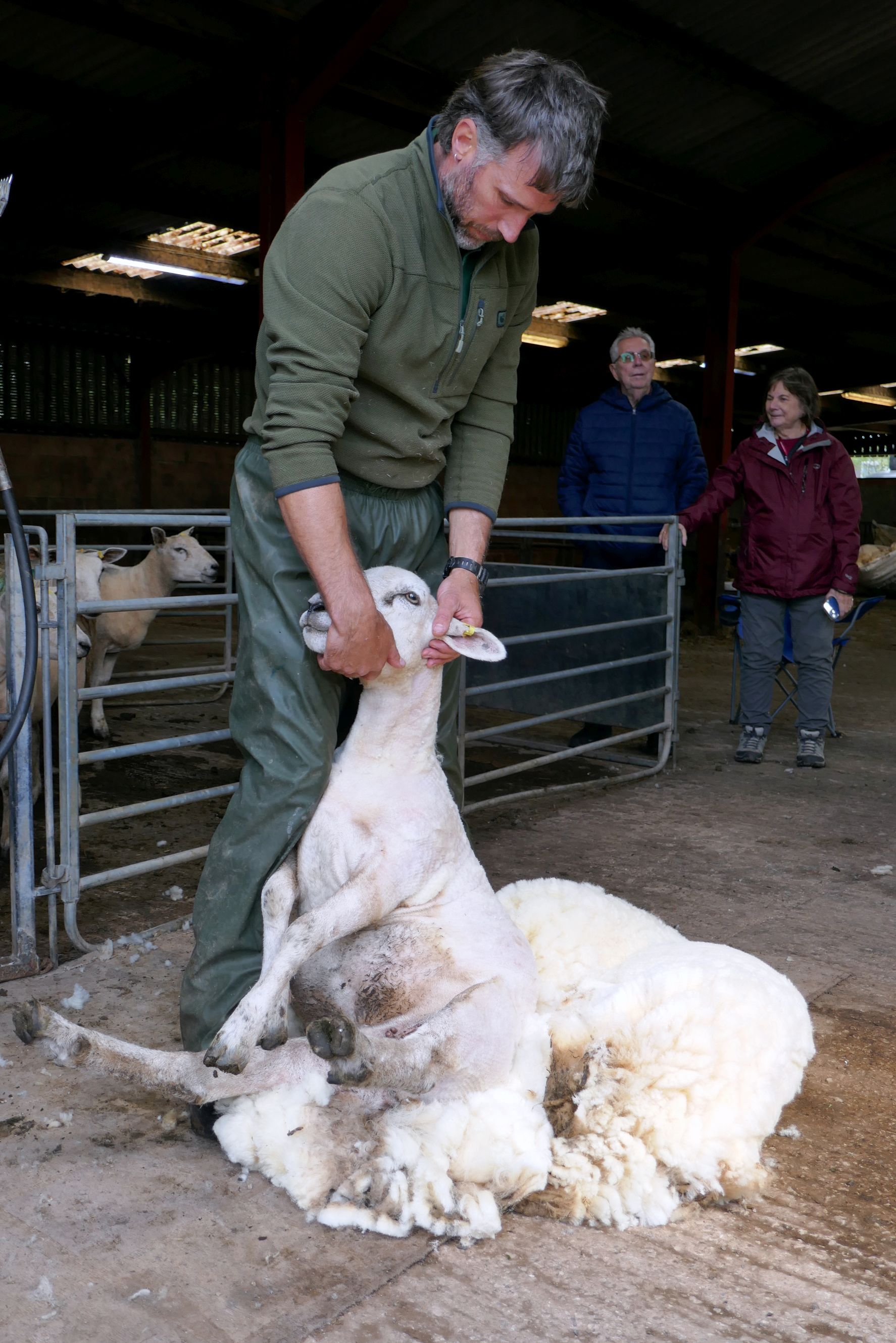
While touring the farm and meeting their animals, Gary demonstrated how he shears his sheep.  This guy looked quite naked after losing his full coat of wool!

Unfortunately, wool is no longer worth enough to sell (thanks to synthetics being used for clothing), so they raise their sheep for lamb, which is more lucrative. 

Their eggs produced by the 6,000 hens are mostly sold to McDonald’s; however, they make more money selling them directly to the public at local farmers markets.

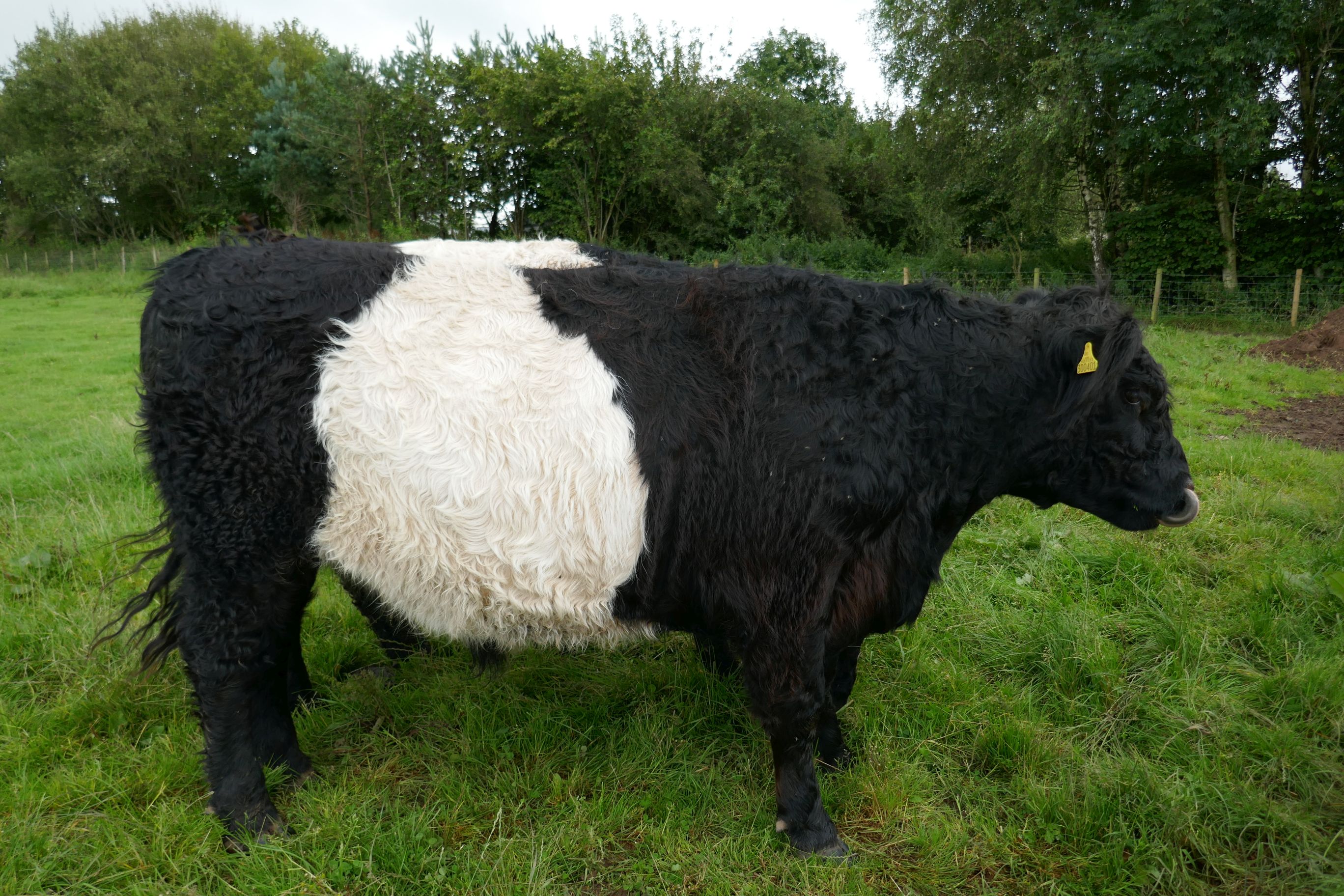
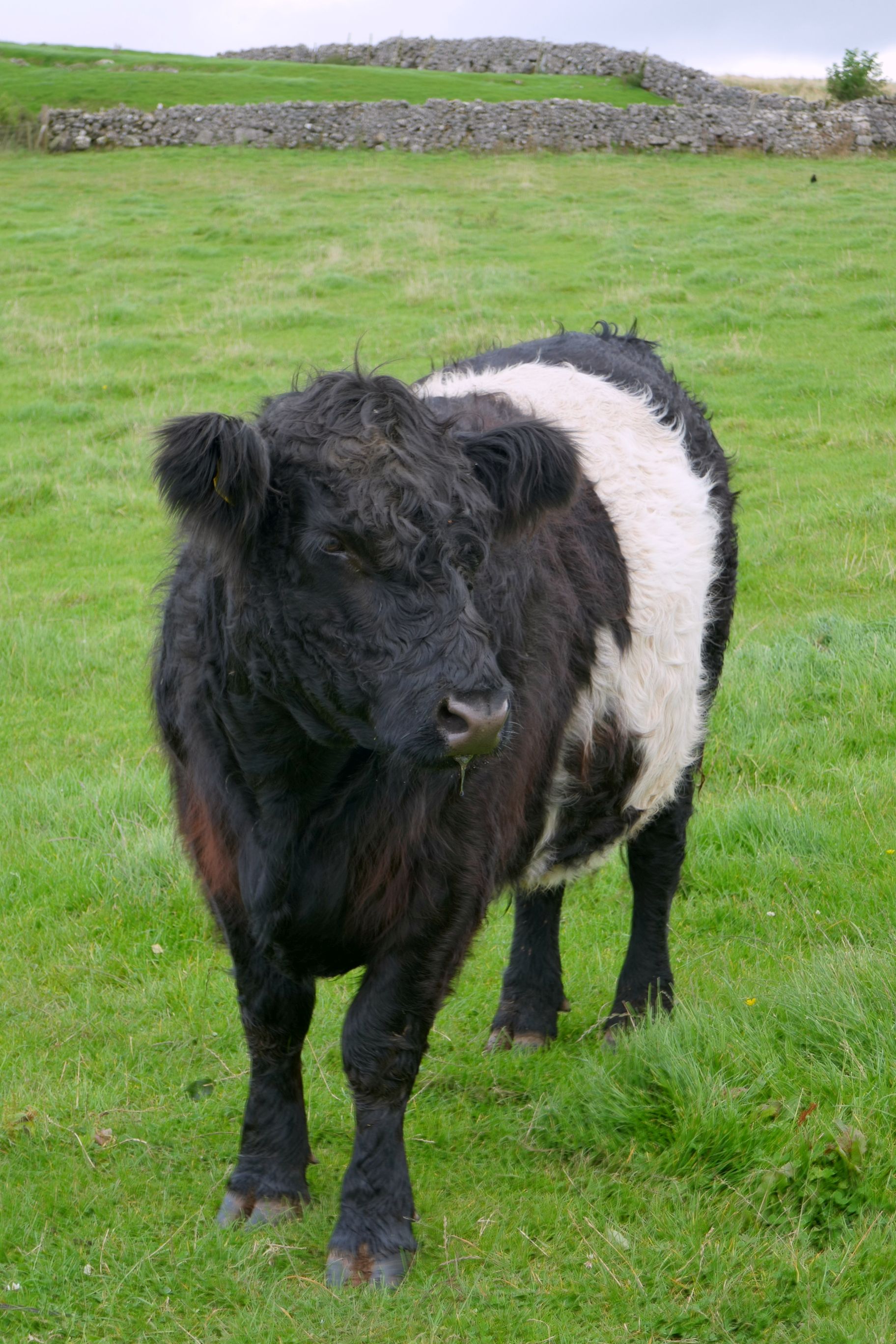
It was fun getting to meet all of their animals, including the Belted Galloway cows, better known as “Oreo” cows.  I’m sure you can see why they got that nickname:

Gary’s wife, Hazel

To diversify their income, they do farm tours and sheep dog demonstrations.  Gary is also a plumber by trade and still does plumbing work, because it’s tough trying to make a living on just the farm alone.

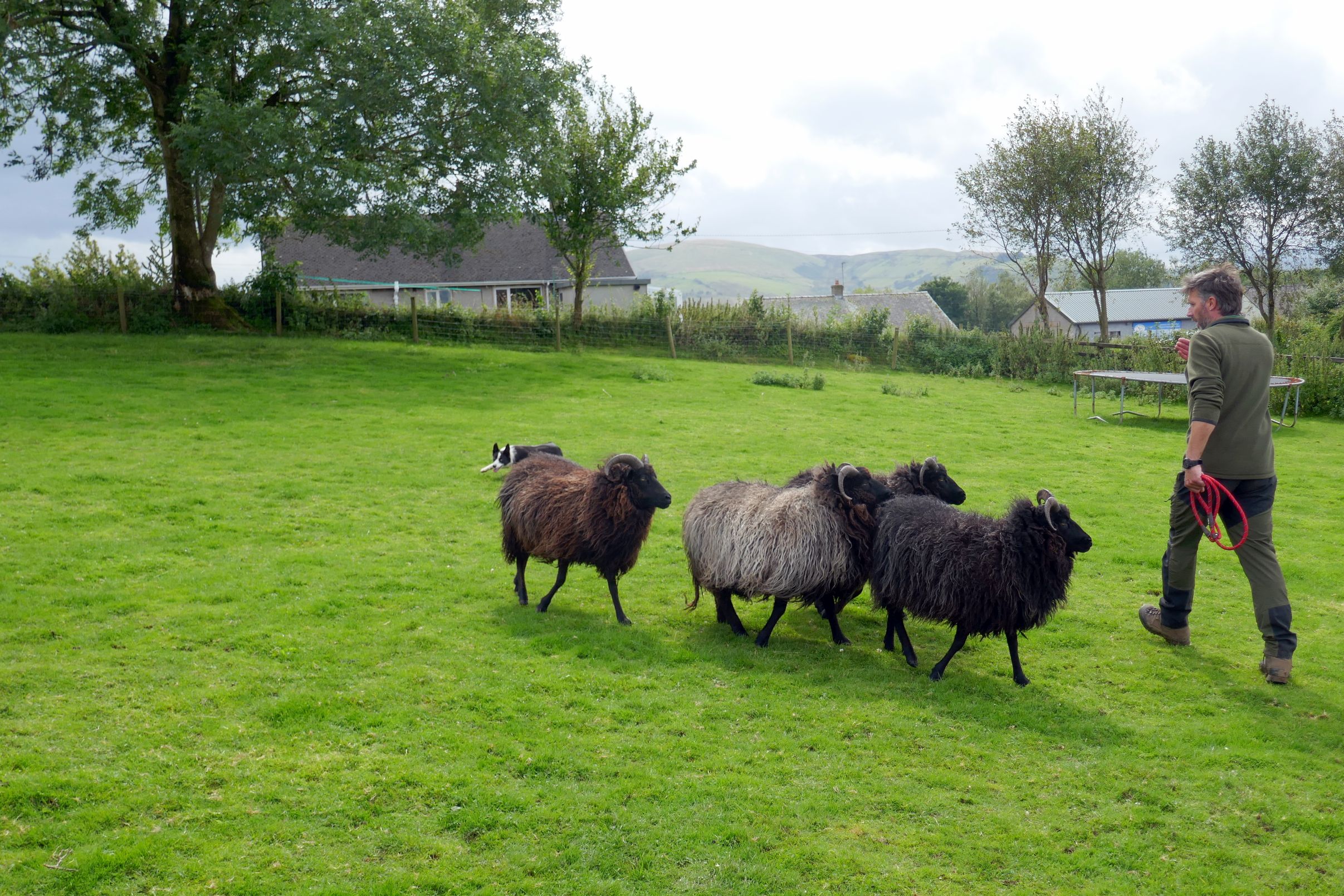
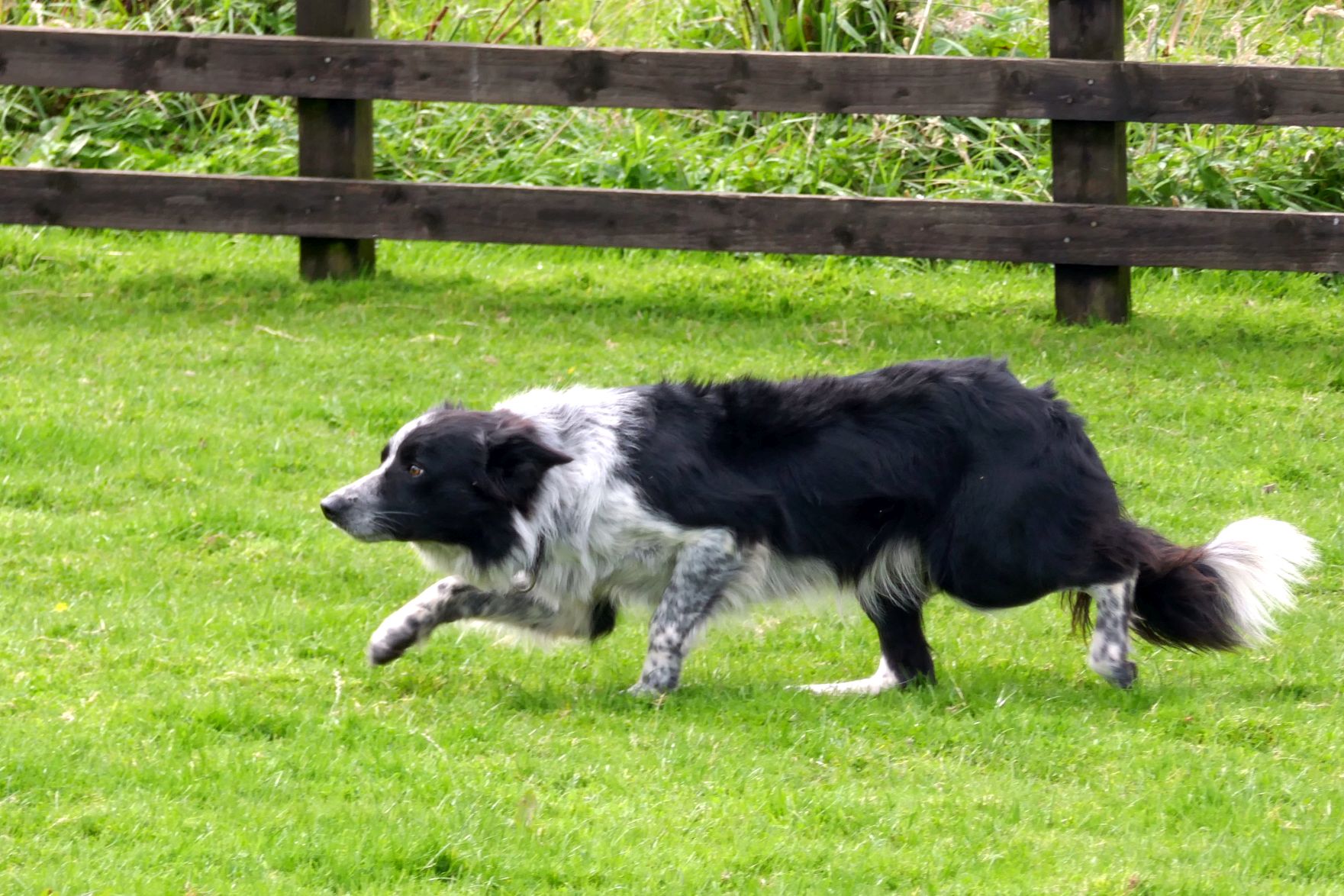
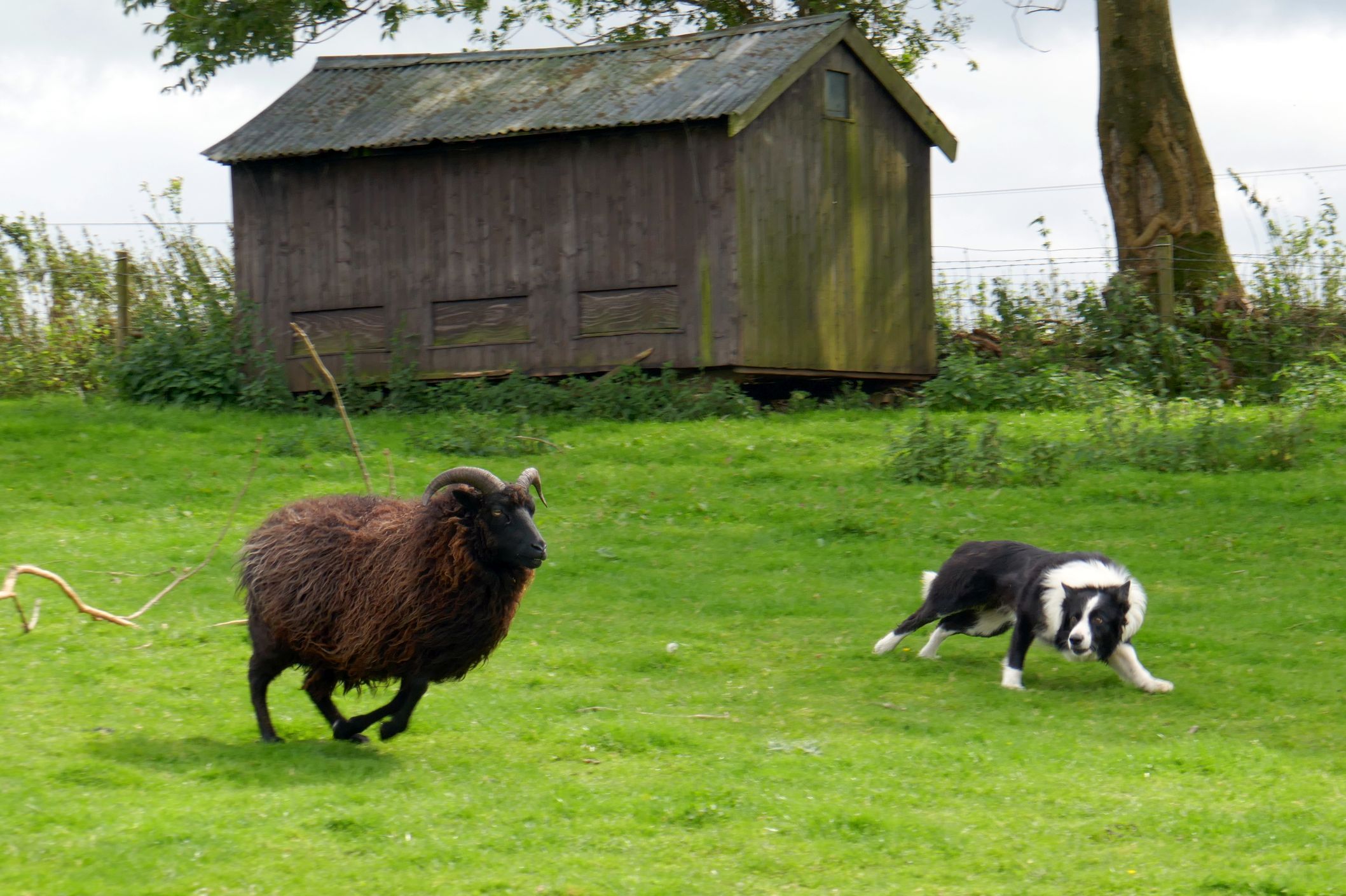
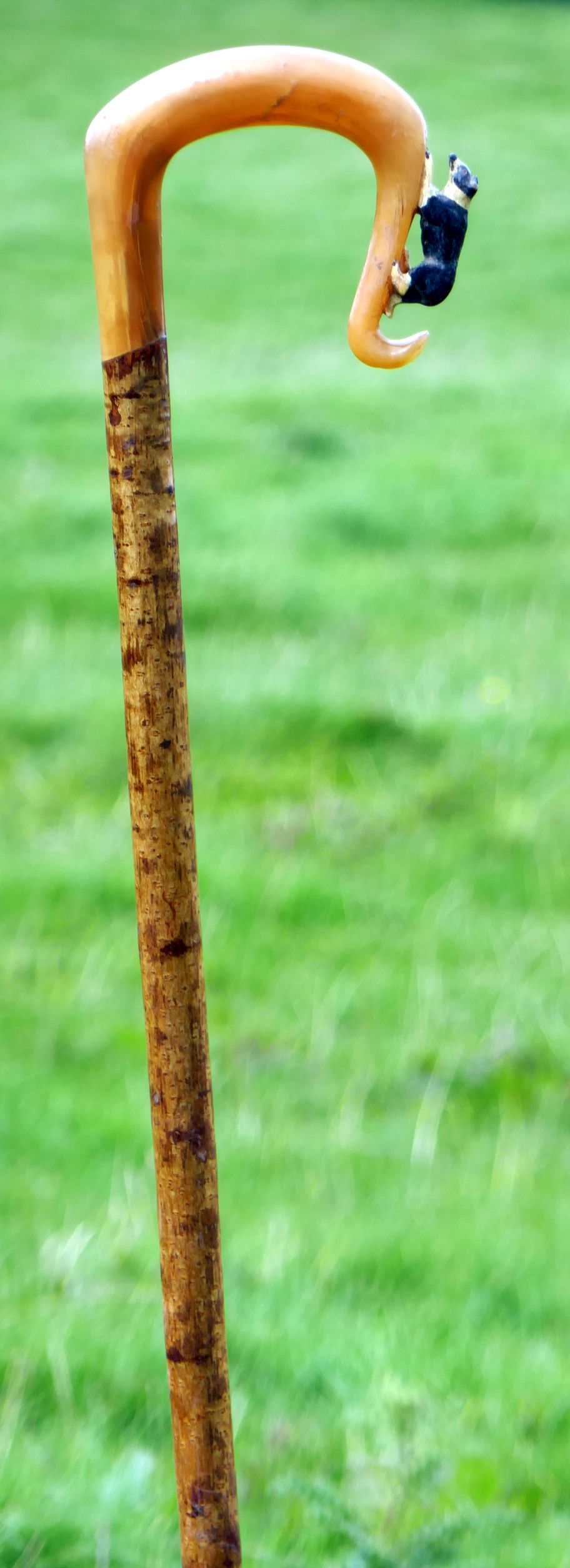
The sheep dog demonstration was the most enjoyable part of our visit!  Gary is self-taught at training sheep dogs and has done well in competition, placing 3rd at the English national competition one year.  Here’s Gary in action: https://youtu.be/tydPhrQZEJI

Following our farm visit, we had free time in the afternoon to explore the town of Grasmere.  The weather had improved, so I also took a hike in the hills behind our hotel.

Swan Hotel

Coming up next:  UNITED KINGDOM #6: HISTORICAL HADRIAN’S WALL & VINDOLANDA FORT

UNITED KINGDOM #4: THE LOVELY LAKE DISTRICT

This was one of the few days it rained during our six weeks in the UK and Ireland.  We had expected it to rain a lot, and we figured we were due after having such great luck with the weather during our travels this year.

Our bus ride took us through the Yorkshire Dales National Park, a beautiful region in northern England known for its white limestone cliffs, rivers, and lush green valleys (“dales”).  Had it not been raining I would have snapped photos through the window during the drive. 

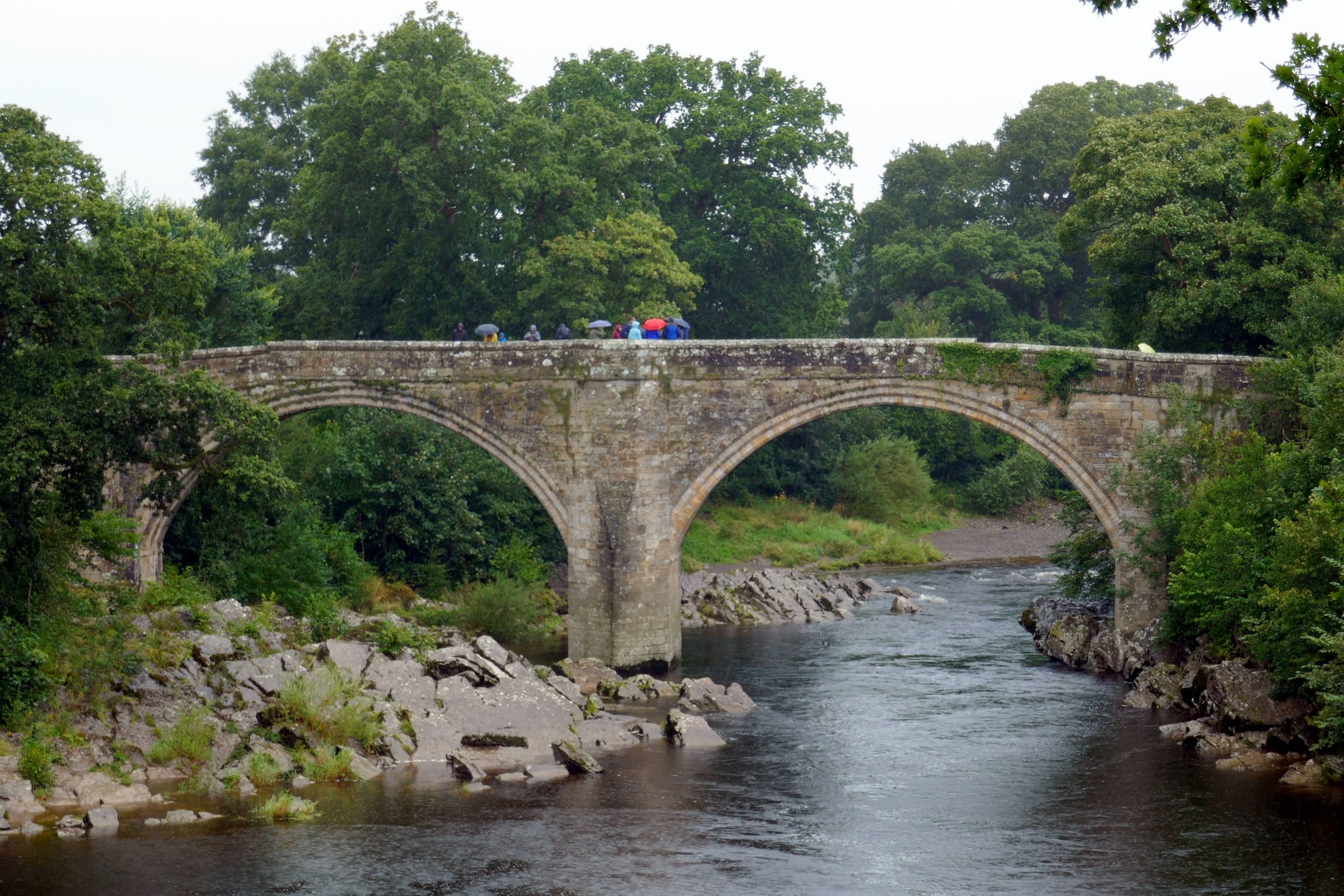
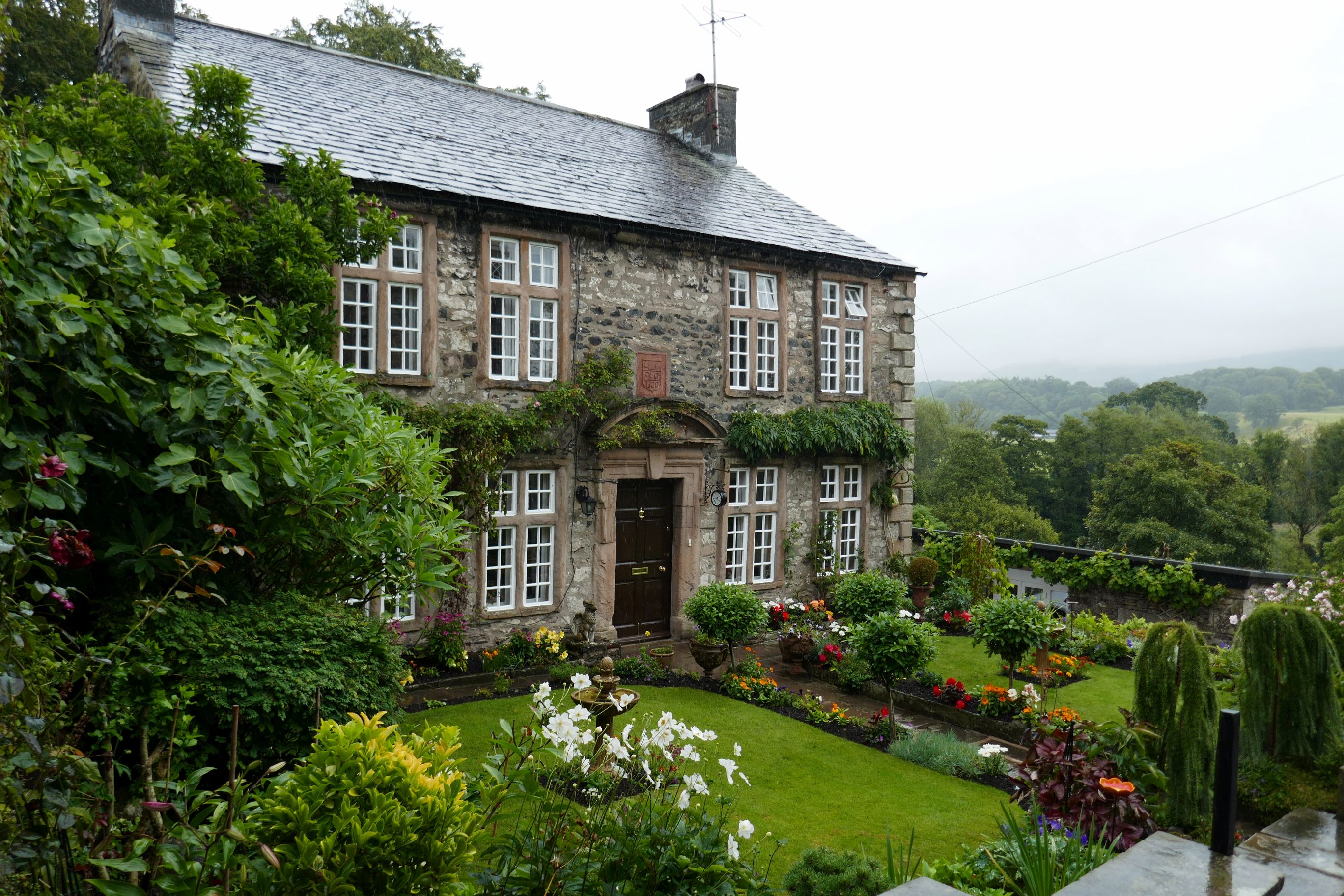
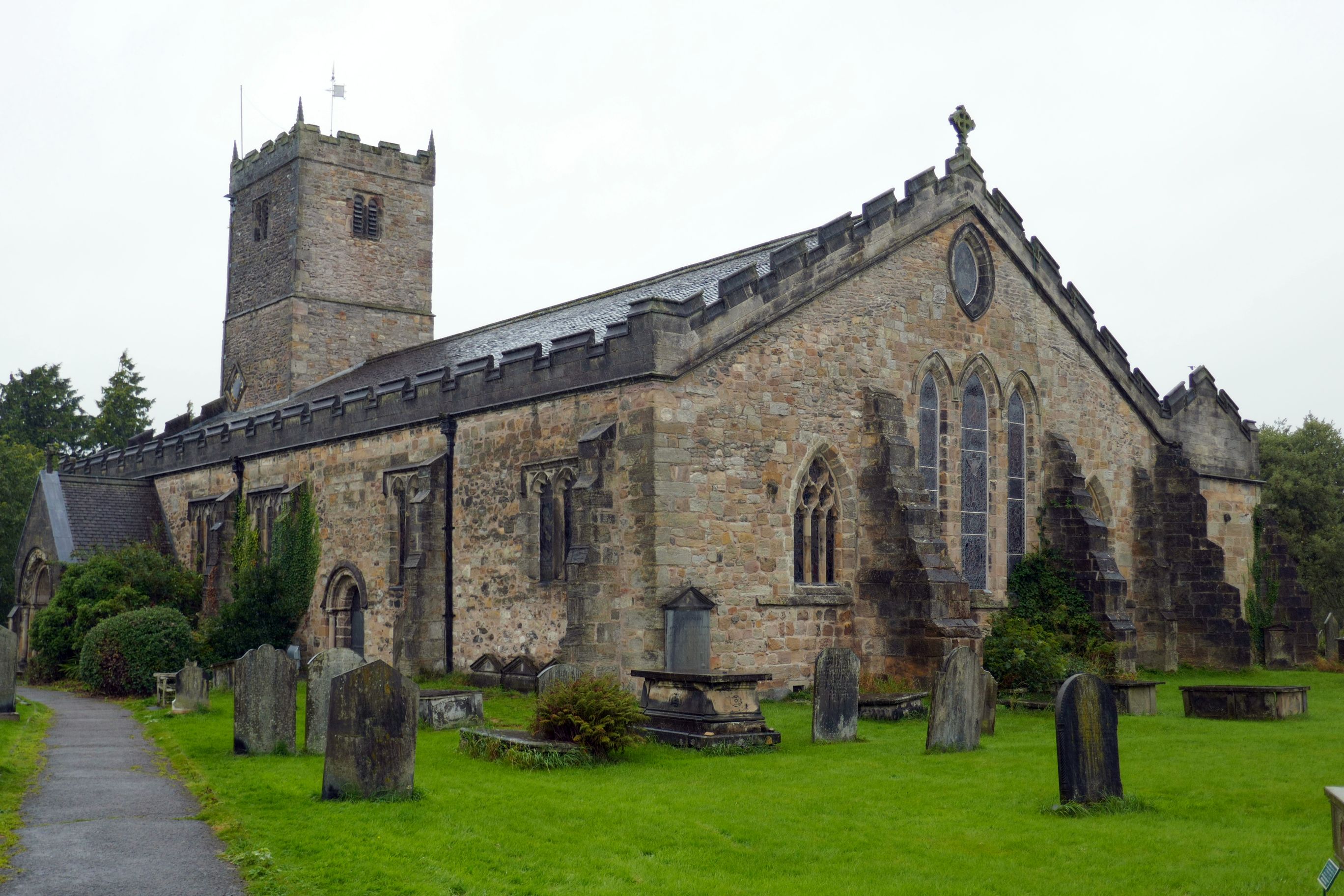
I did manage to capture a few scenes in the rain when we stopped for a hike to see Devil’s Bridge in Kirby Lonsdale.  This 3-arched bridge is said to date back to the 13th century. 

(For all photos, click on the image for a full screen view.)

We continued our drive to the quaint Swan Hotel in Grasmere, our base for two nights.  Typically, our guide would take us on an orientation walk upon arrival in a town; however, we opted to pass on it until the following day, since it was raining and the paths would be muddy.

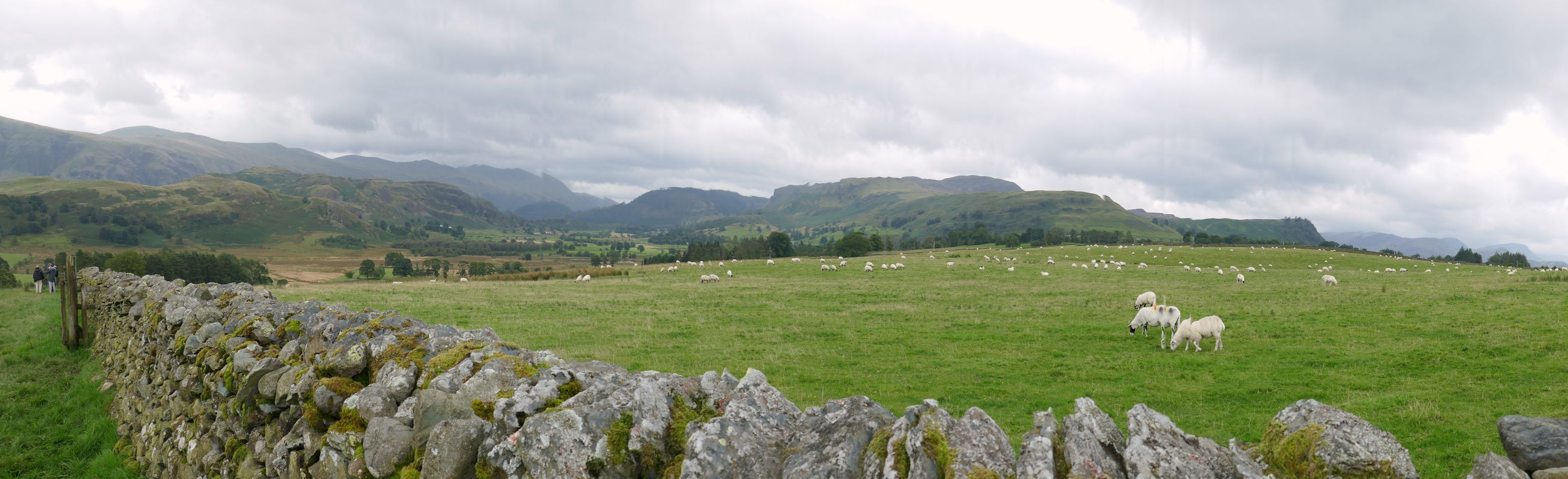
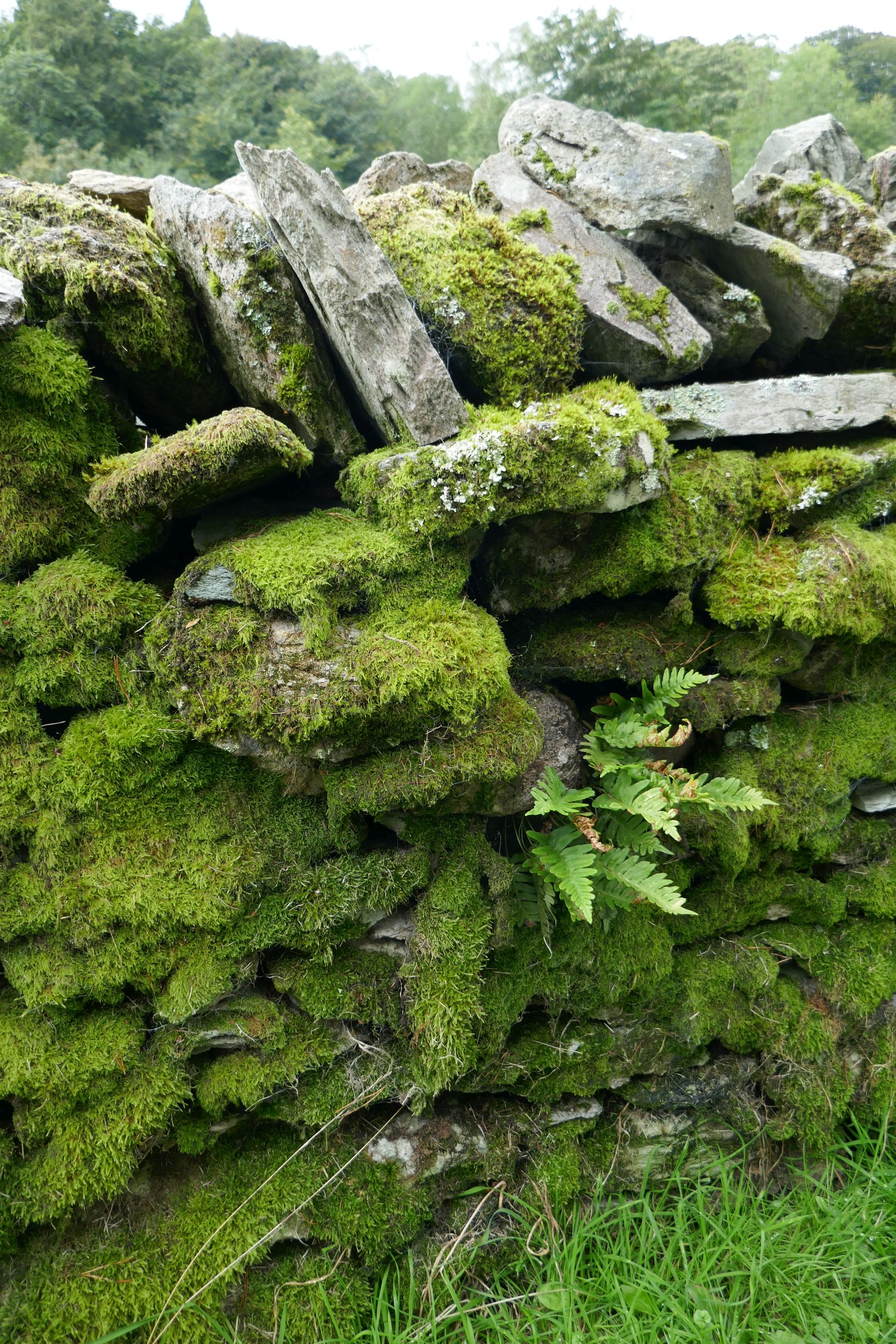
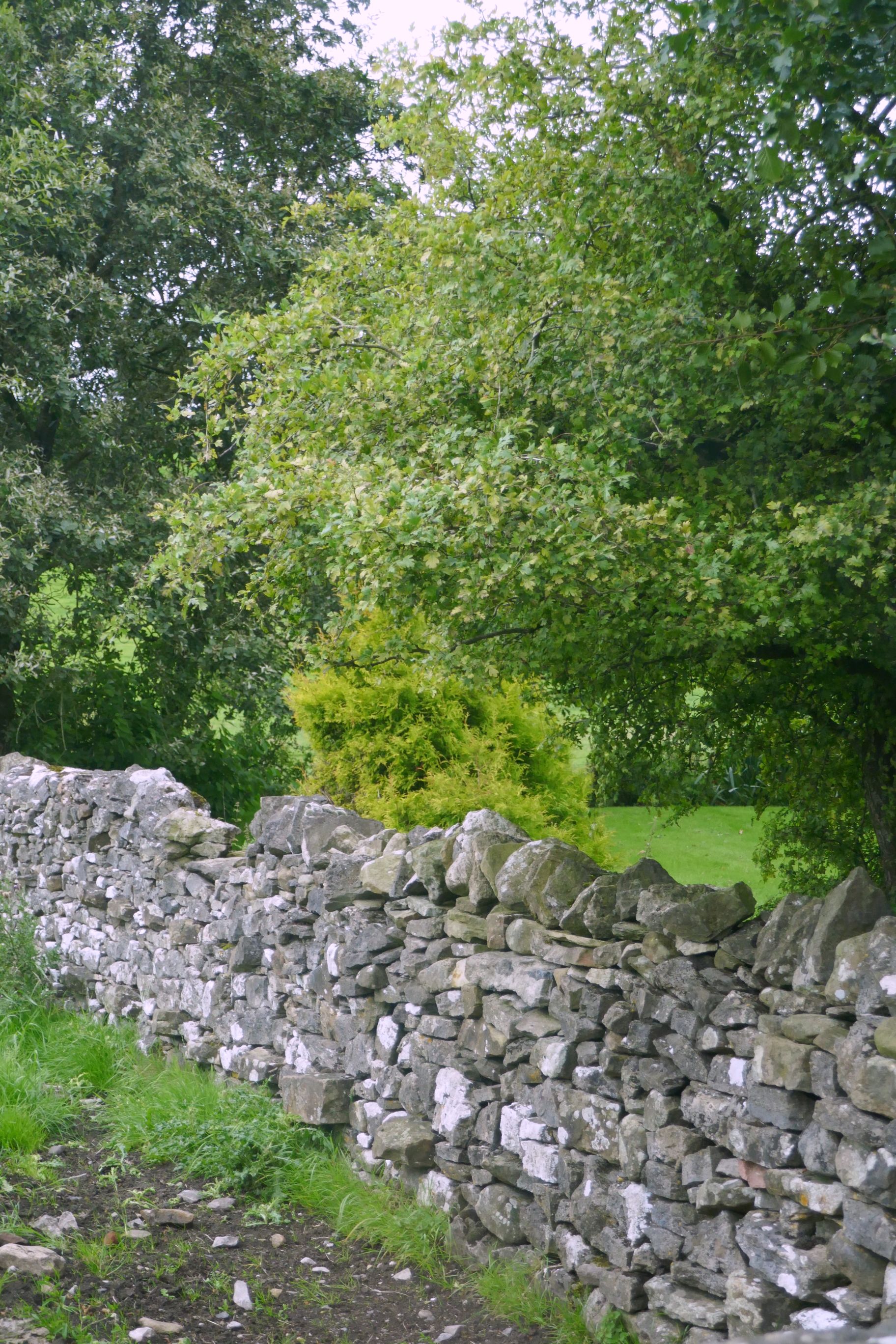
Prior to dinner at the hotel, we met with Robert, a local dry stone waller, to learn about his craft.  A potentially boring topic turned out to be fascinating and fun, because this character injected much humor into his presentation.  And, the information he shared stuck with us all; we found ourselves commenting on and judging the quality of the many miles of dry stone walls we saw throughout northern England!

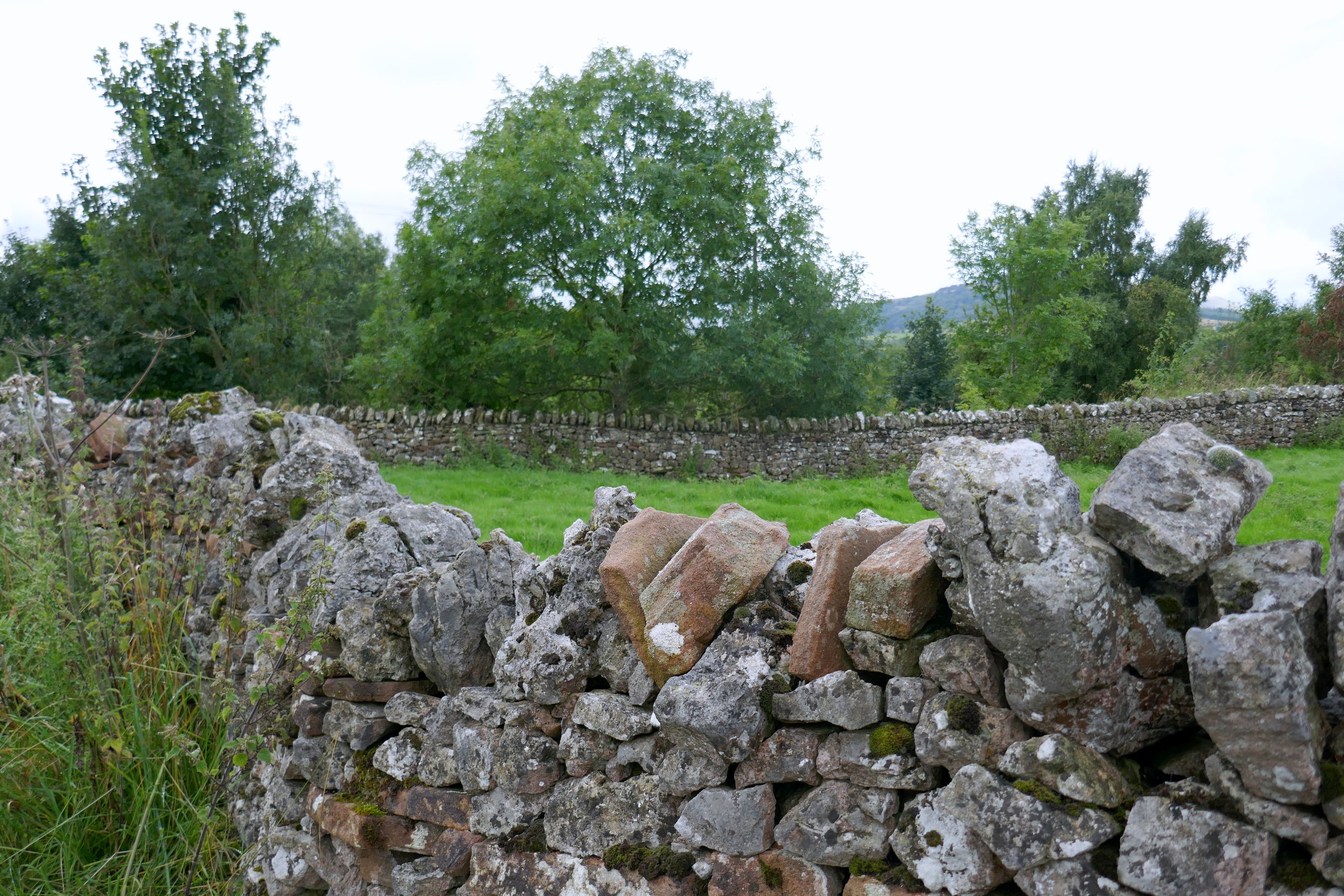
These walls are difficult to construct and require a skilled and experienced craftsman, because no mortar is used to hold the walls together.  Instead, the stones are expertly fitted together and locked in place without concrete—a very time-consuming process.  Unfortunately, this age-old craft may become a thing of the past, because fewer people are learning this difficult technique.

This was just the first of many stone walls photographed in the coming days!
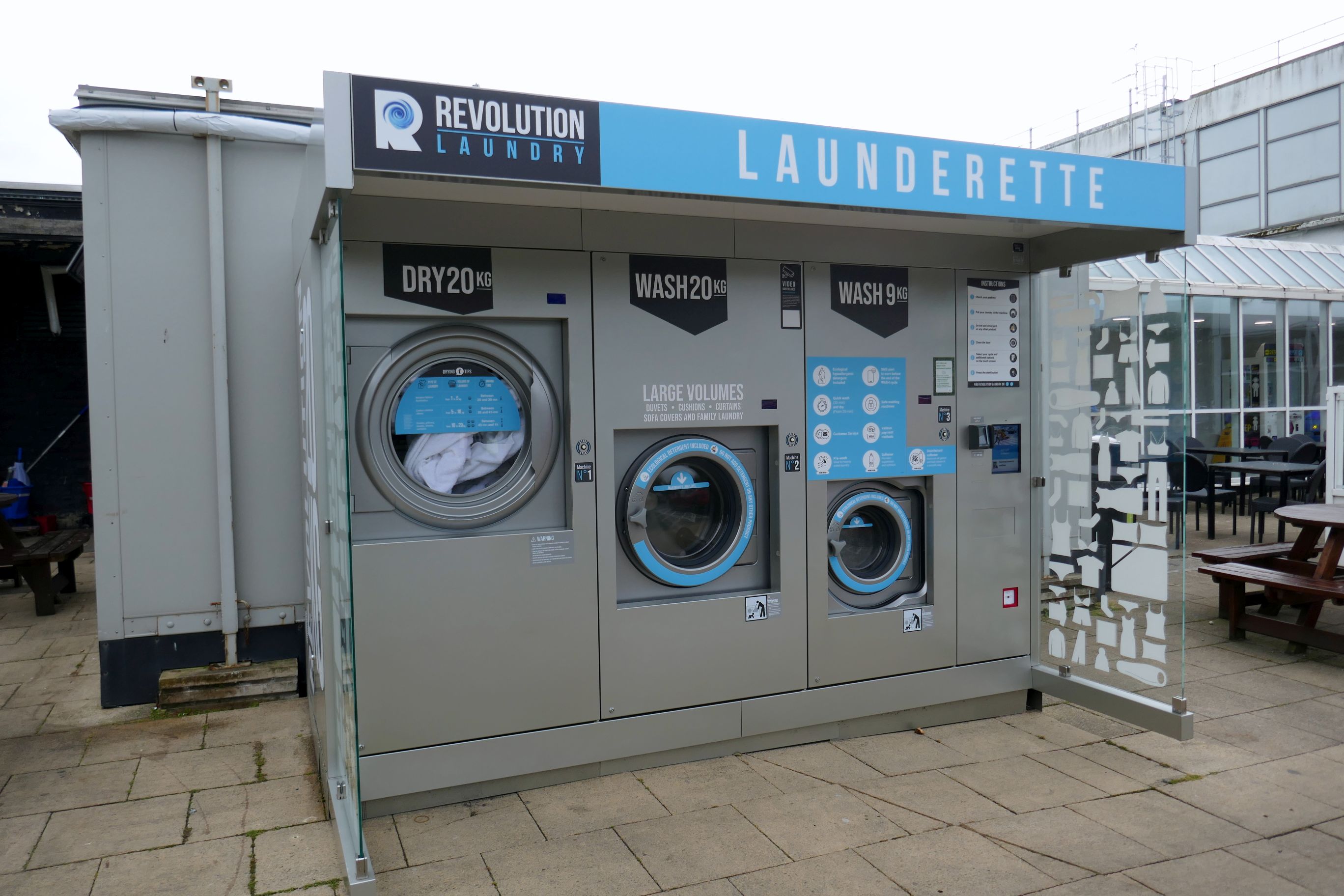
What a clever idea! This outdoor launderette was located at a truck stop/ gas station where we stopped for a restroom break.
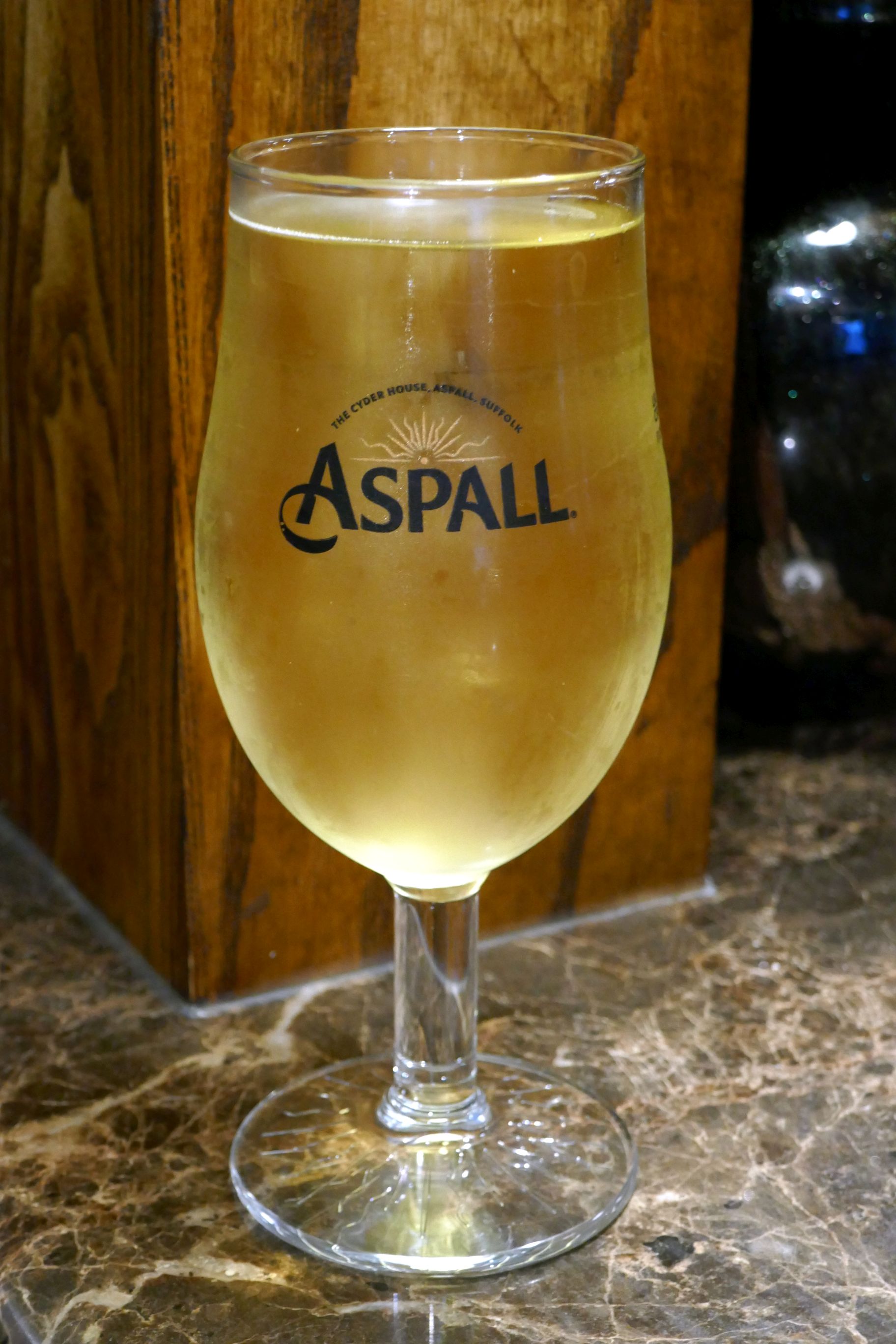
One of the hard ciders we sampled in the U.K and Ireland– a popular alternative to beer and wine.

Next up:  UNITED KINGDOM #5: A DAY IN THE LIFE OF A LAKE DISTRICT FARM

UNITED KINGDOM #1: CHARMING CHESTER

In August, a few weeks after returning from Peru, Bruce and I traveled to the United Kingdom and Ireland for back-to-back tours with Overseas Adventure Travel (OAT)—a six-week long trip including post-extensions for each tour.  We returned home in early October, and then switched gears for craft show season for his fused glass jewelry.  In between, I finished up my posts and slide show on Peru, so I am finally able to begin posting about the U.K.

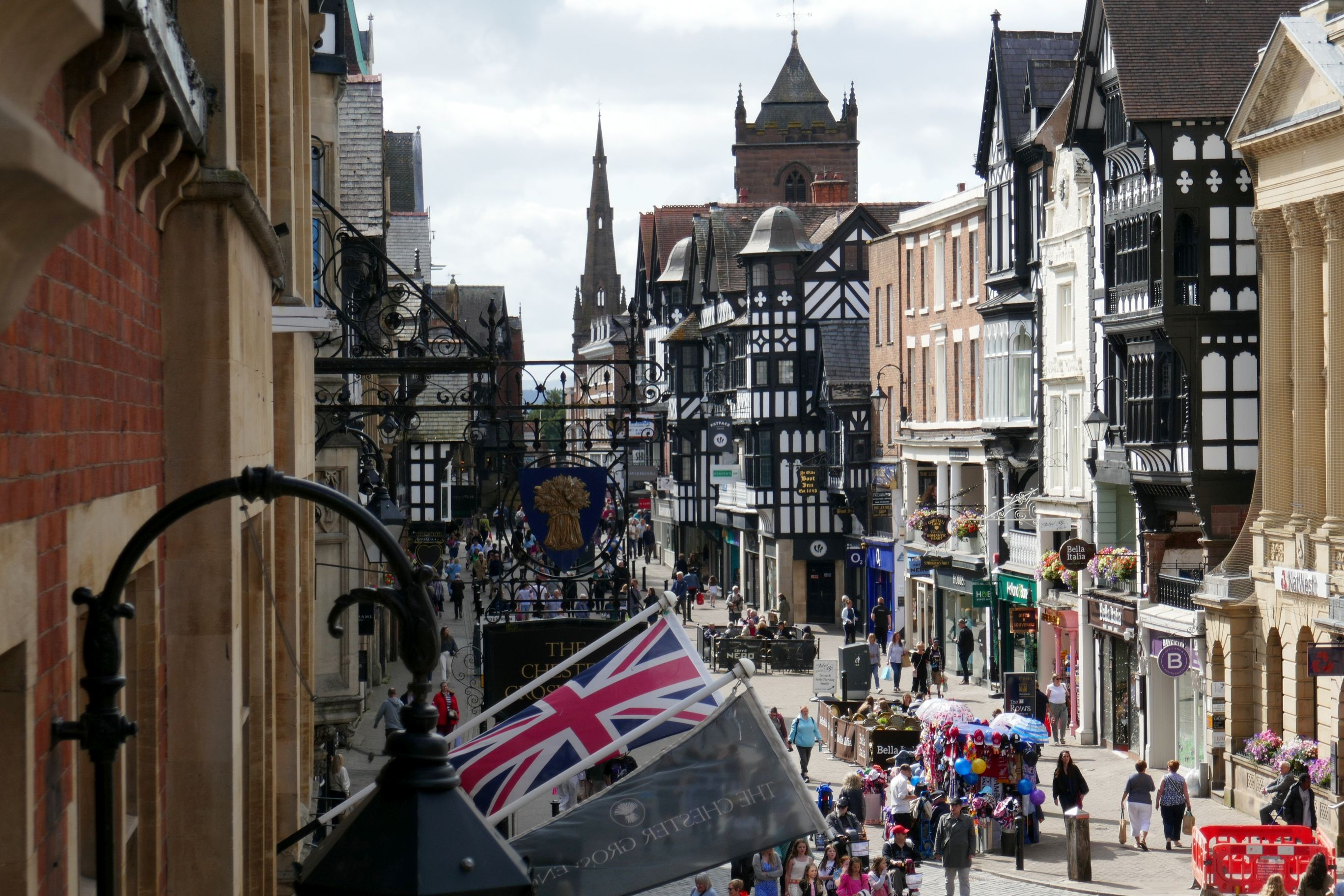
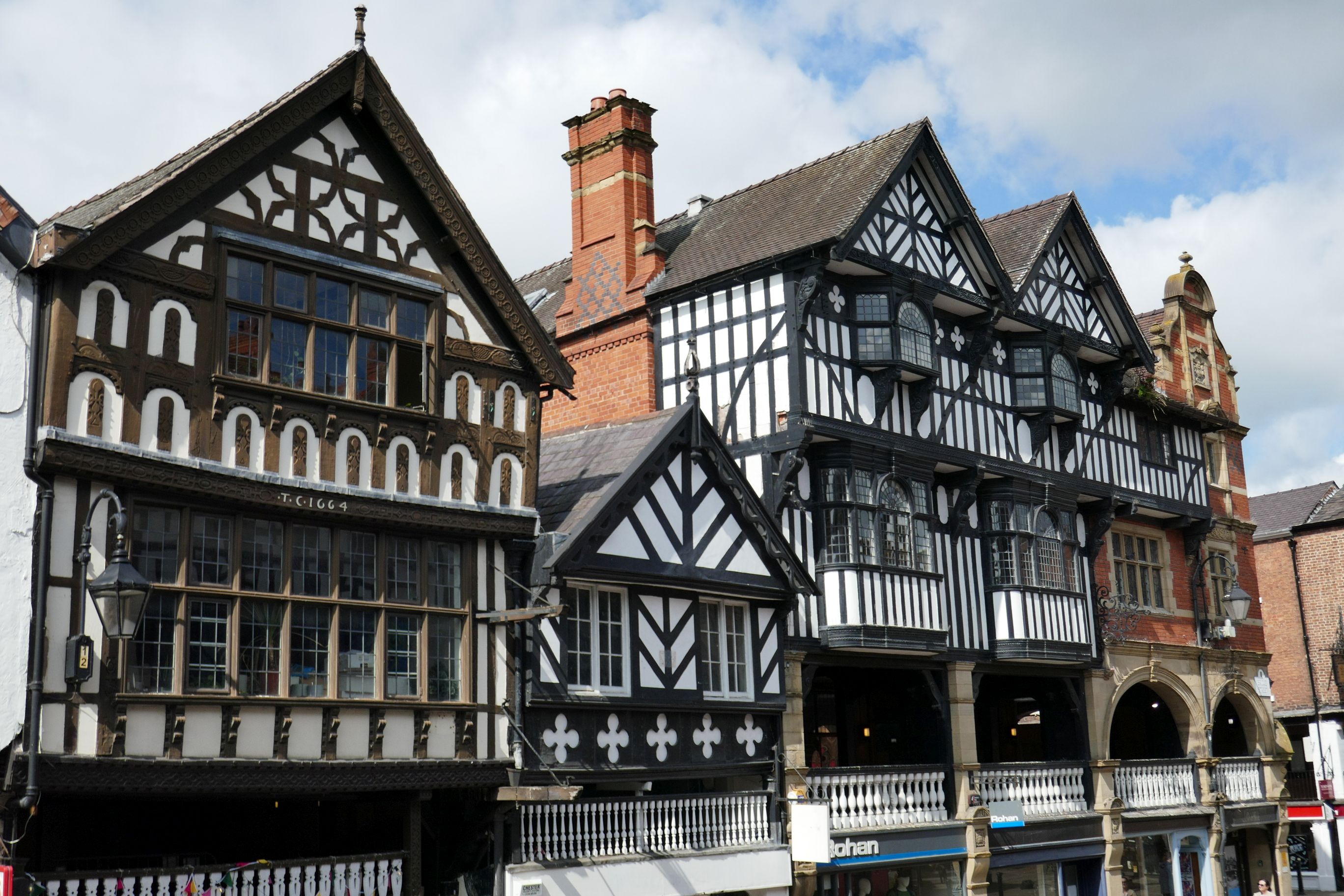
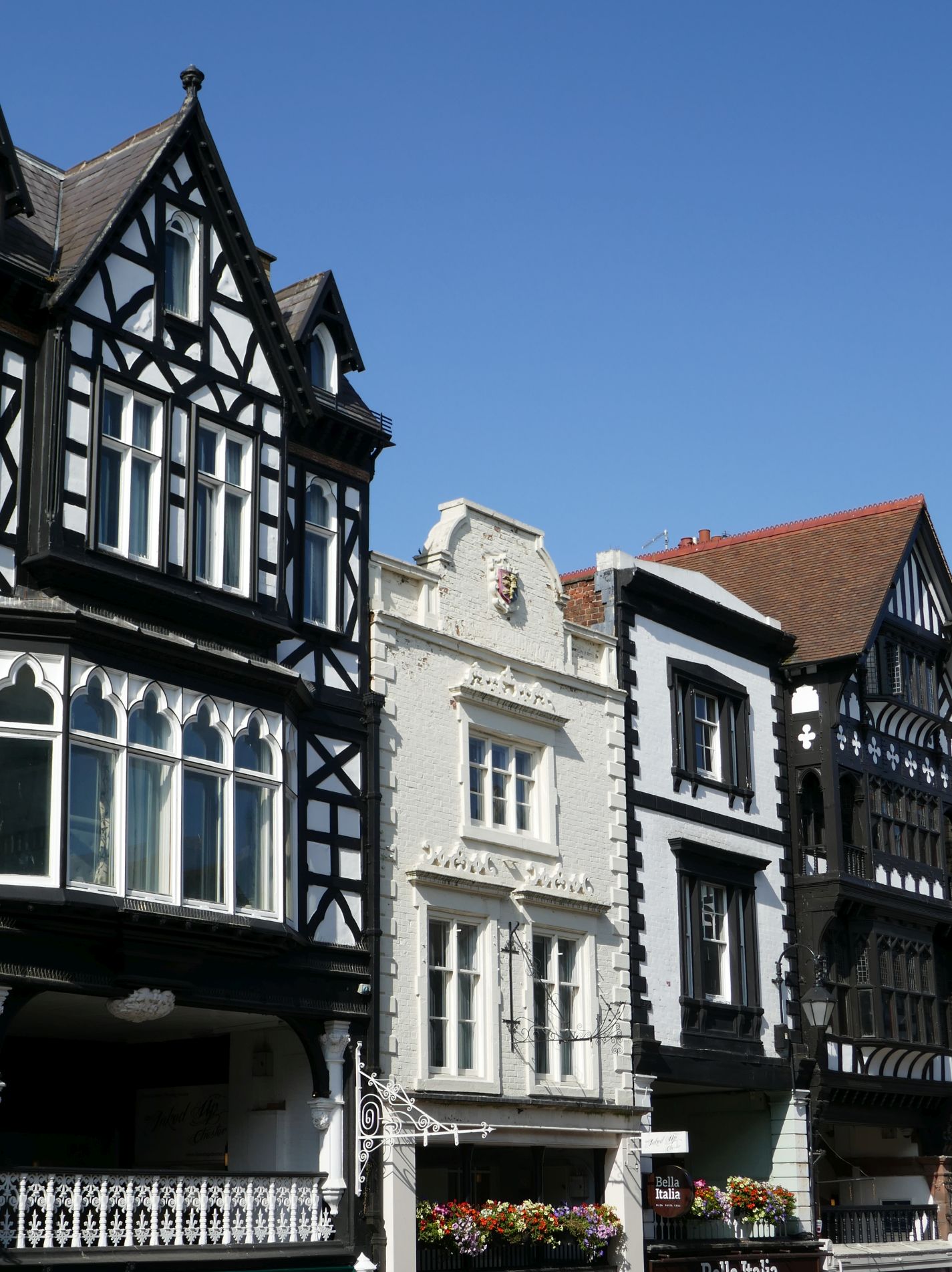
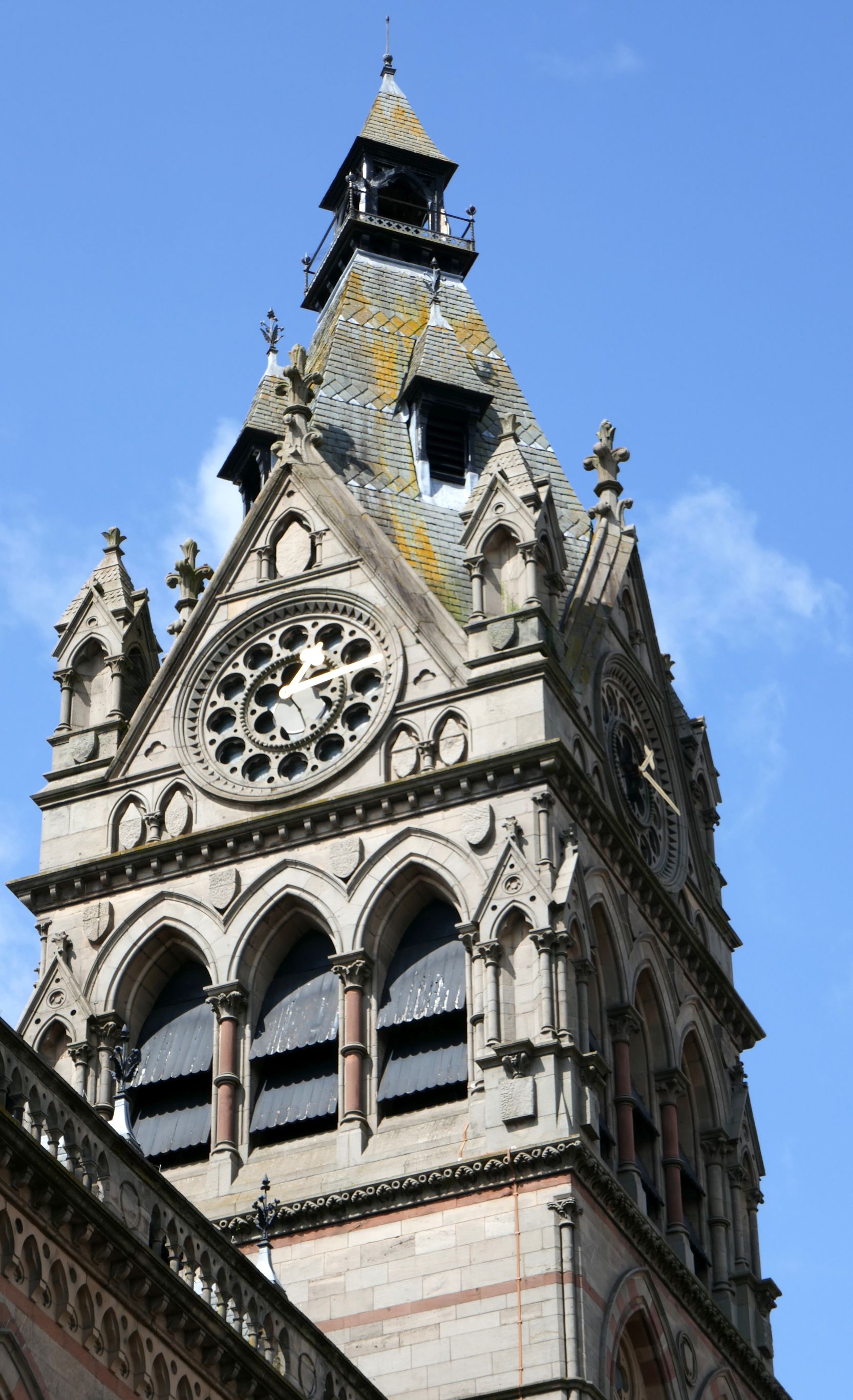
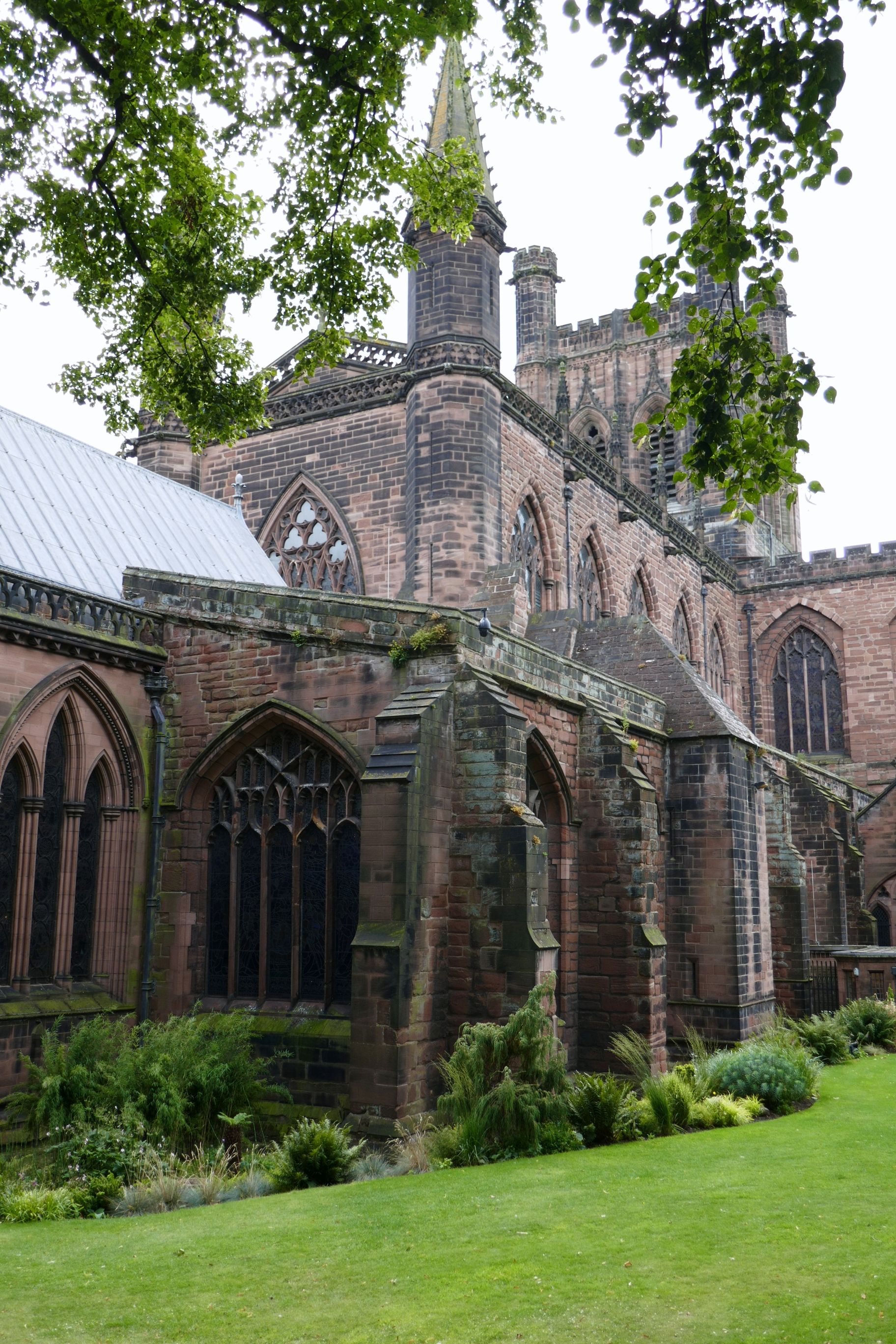
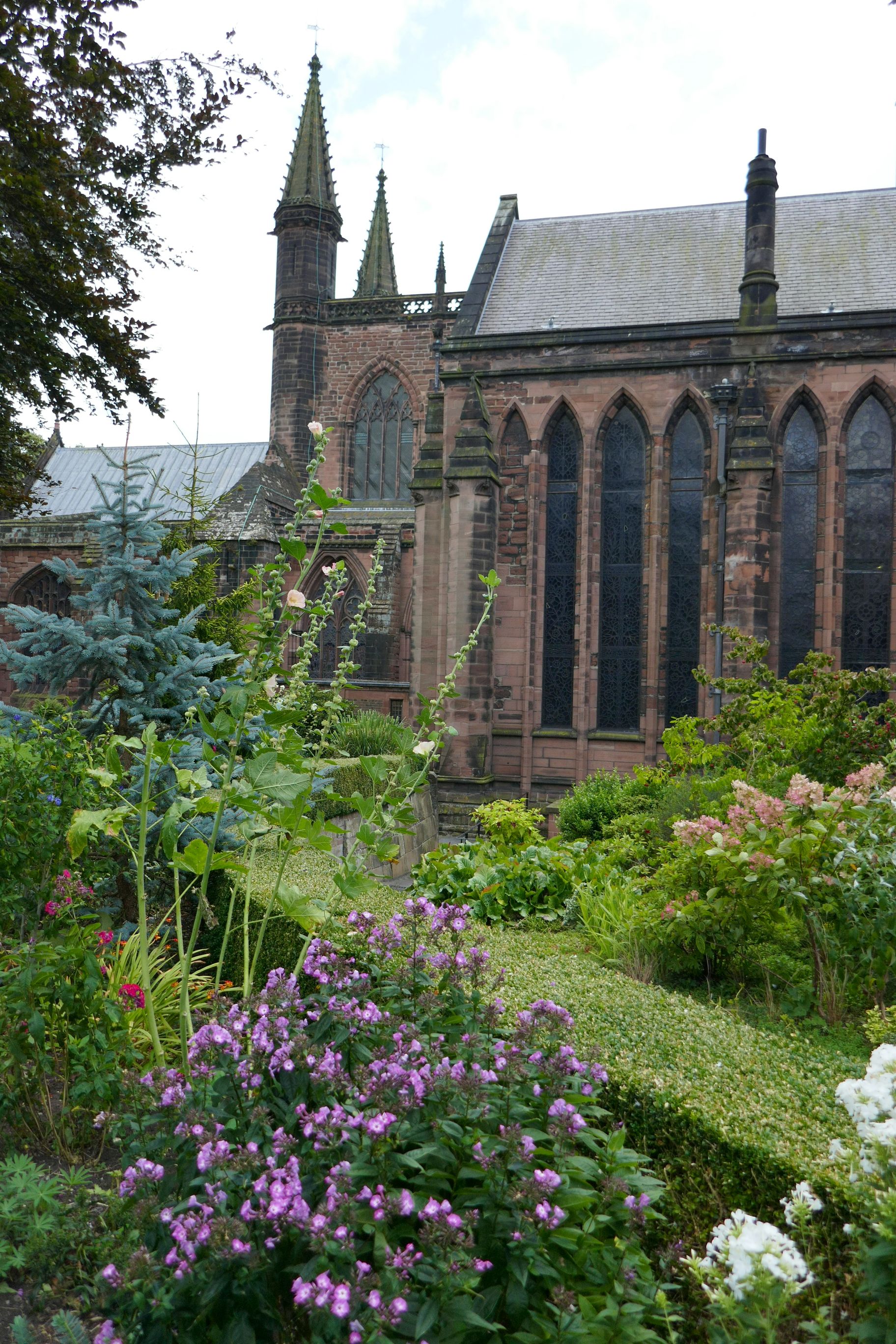
Welcome to England, dear readers!  We begin in the charming city of Chester, located in the northwest region of the country.  This city of about 93,000 people is old.  Founded in 79 AD as a Roman fort, it is surrounded by walls considered to be the best preserved in the country.  We enjoyed walking the walls, a two-mile circuit providing great views of the city, including the half-timber Tudor buildings and two-story covered arcades in the shopping district. 

Before Bruce and I embarked on our wall walk, we joined our group on a walking tour and tearoom lunch with Tom, our guide for the next two weeks.  Tom is from Wales, and we instantly liked his gentle, easy-going personality. 

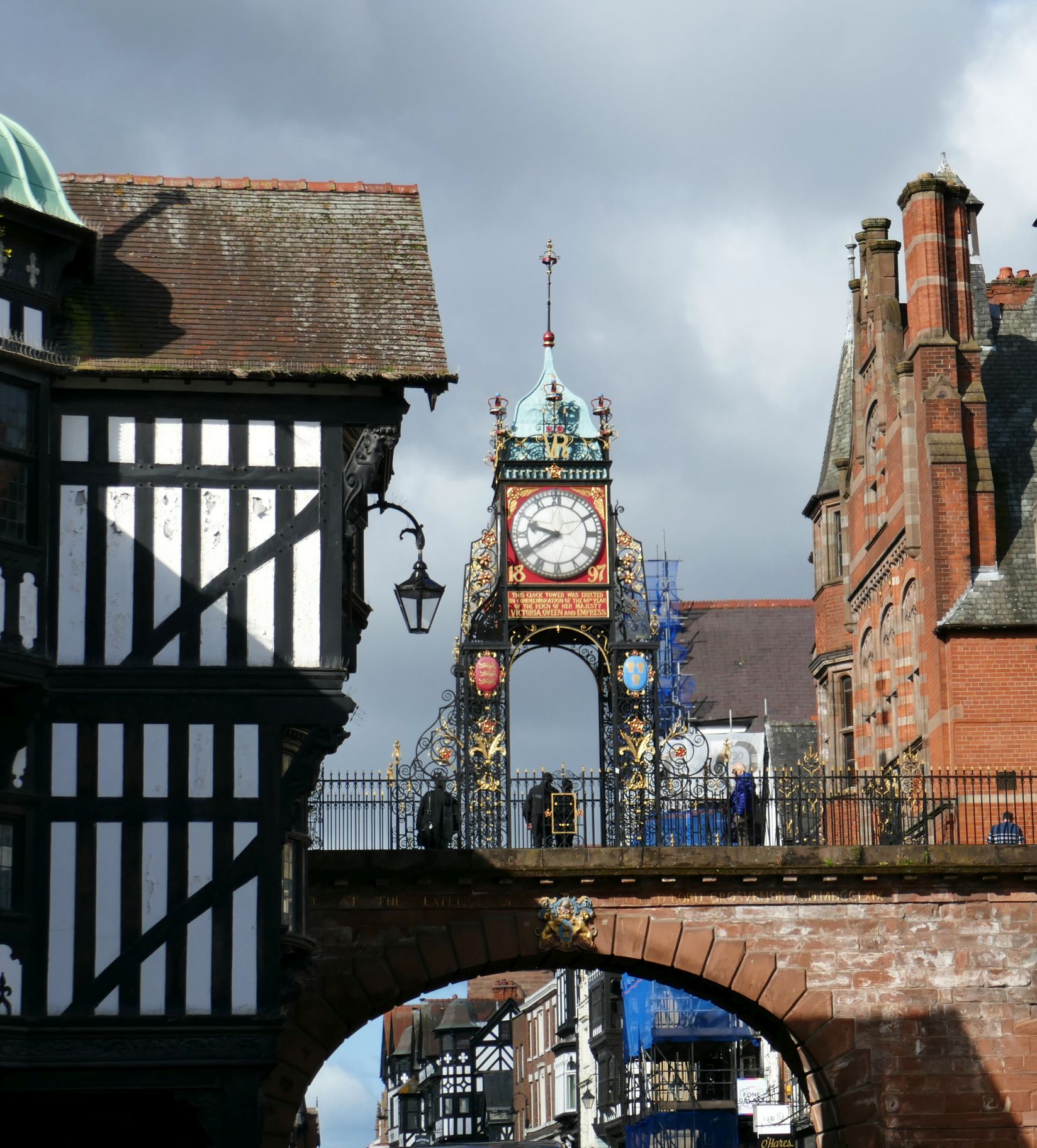
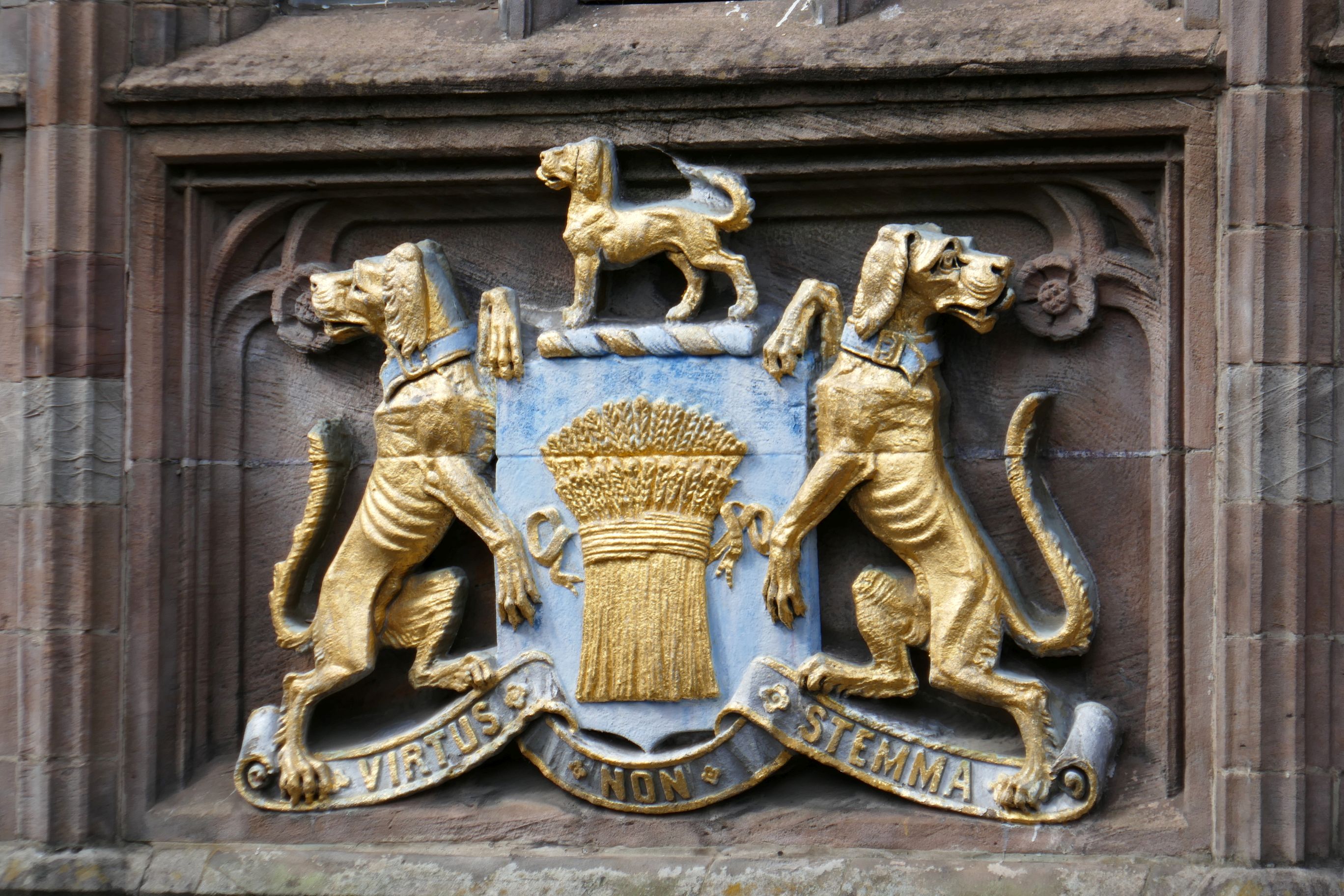
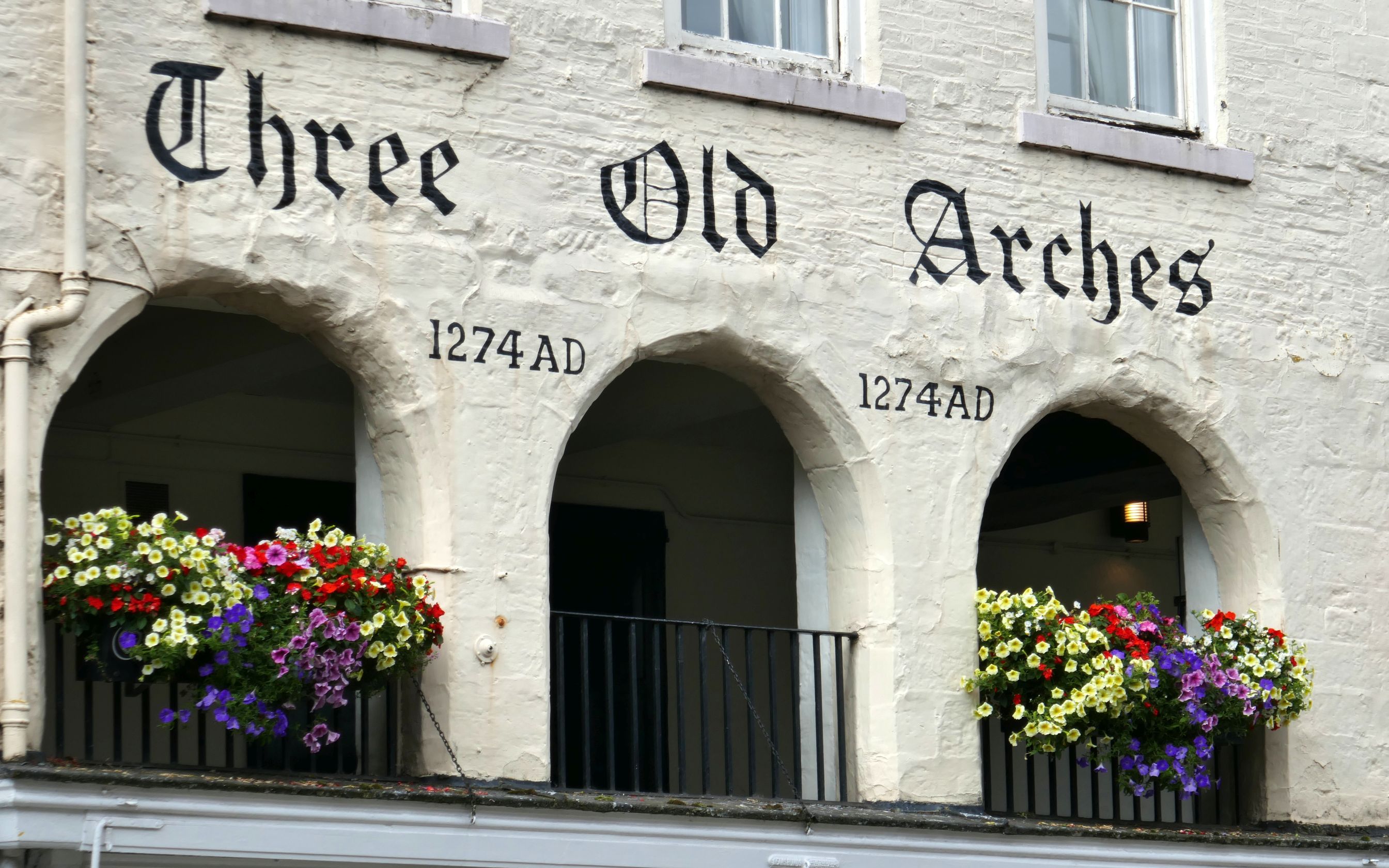
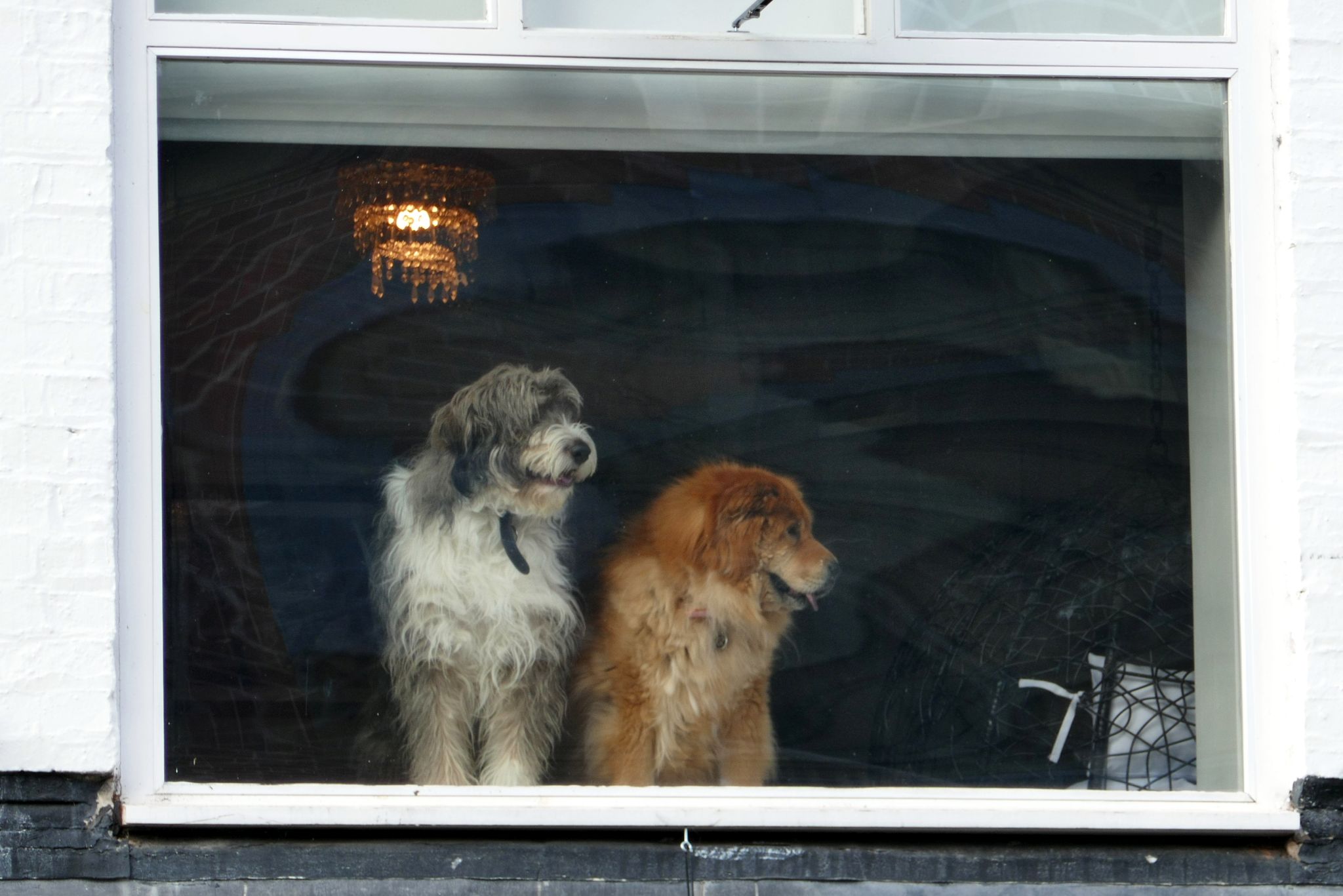
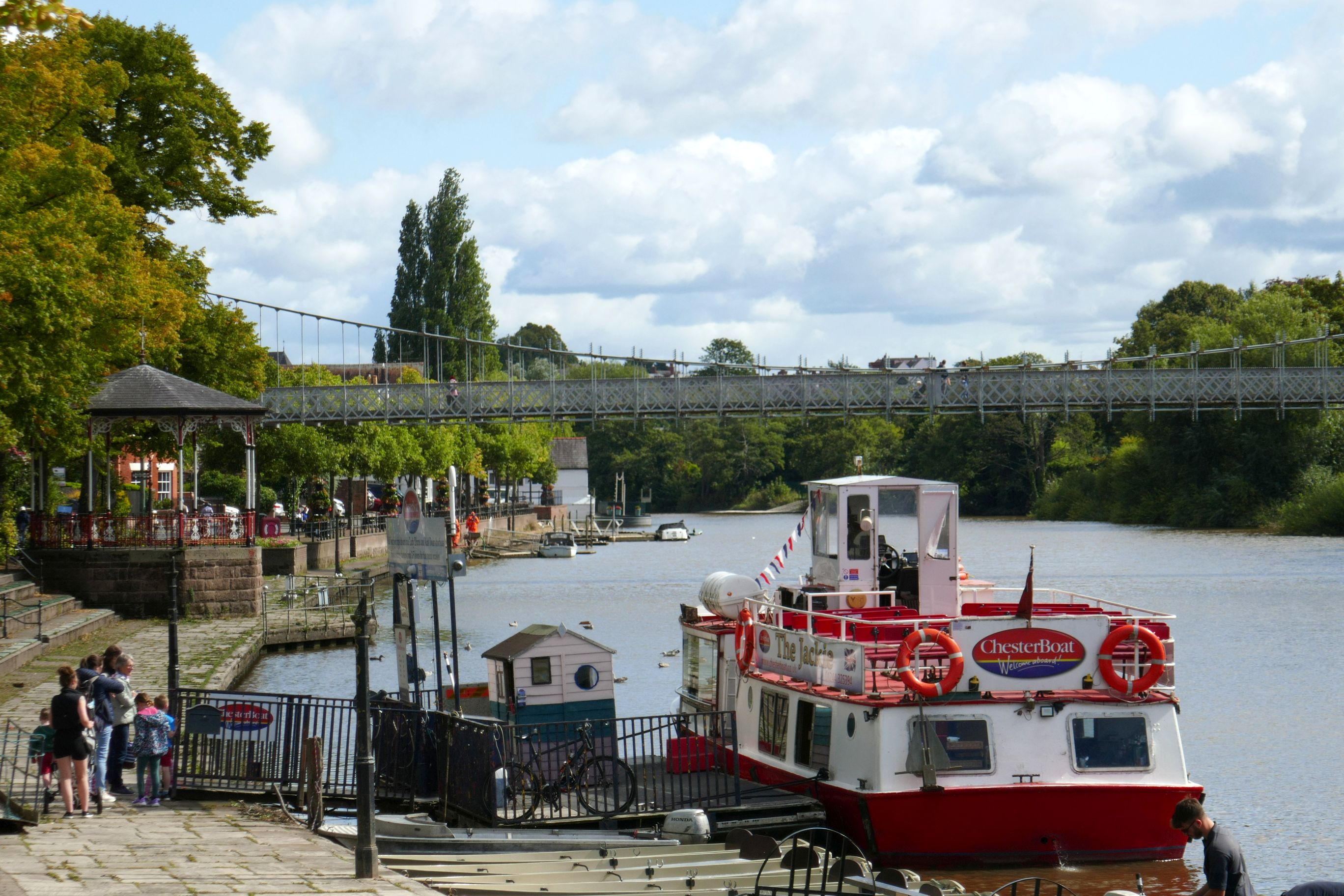
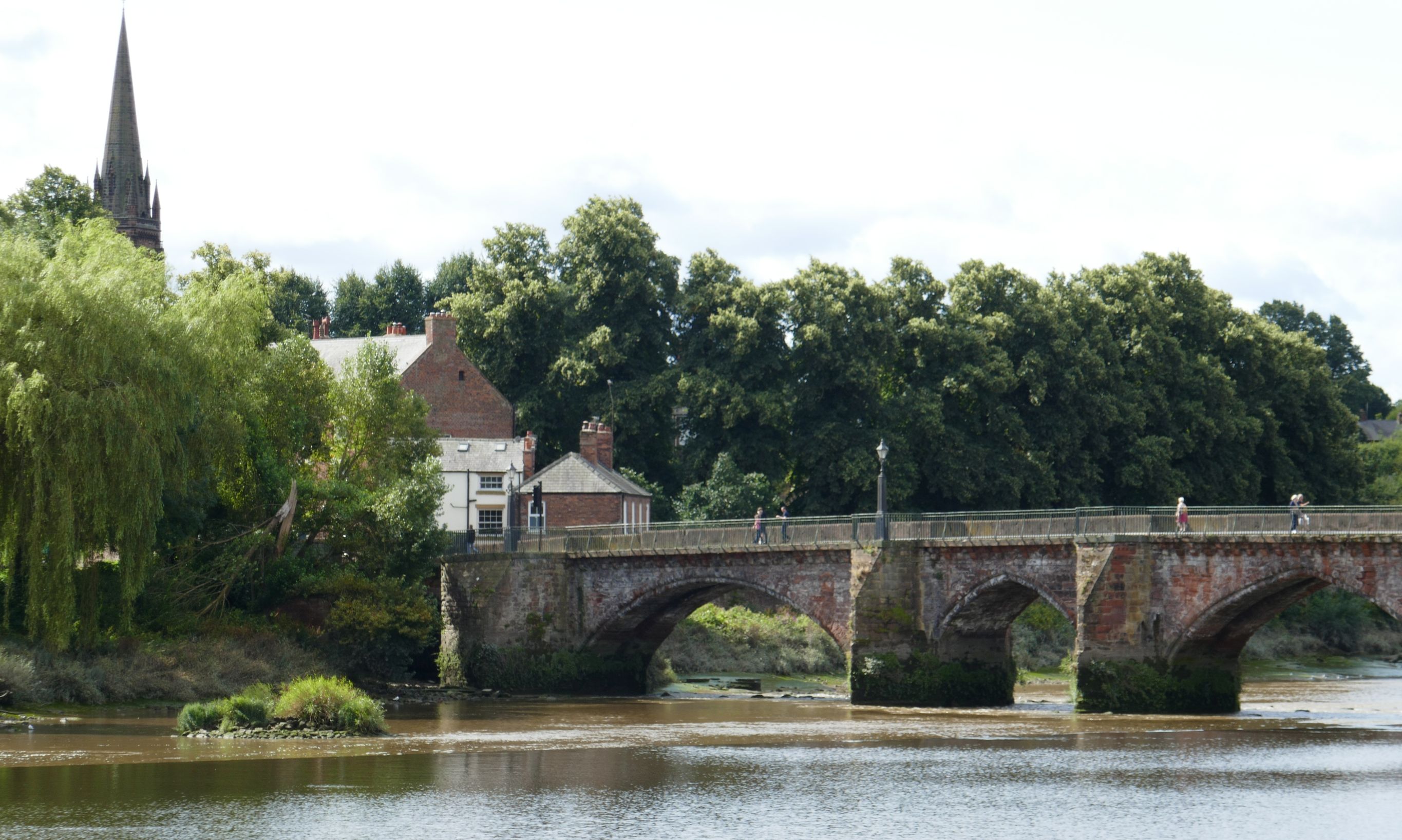
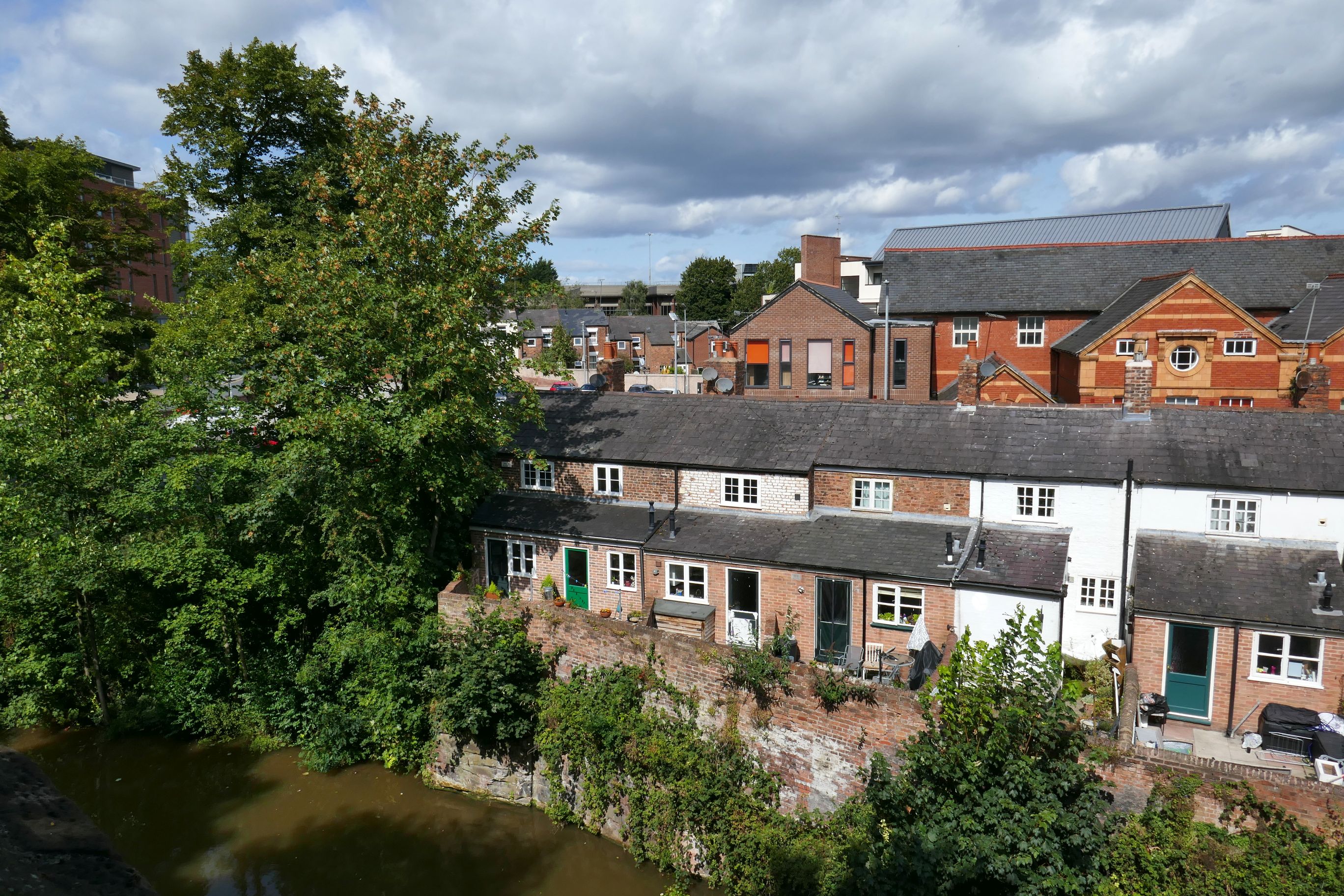
Here are scenes from around town during our stay in Chester:

(For all photos, click on the image for a full screen view.)

Looking out from an ice cream shop located on the top of the city wall near the clock (below).
This was a Roman Amphitheater. An artist was quite creative in painting a mural to continue what was left of the original stone wall.
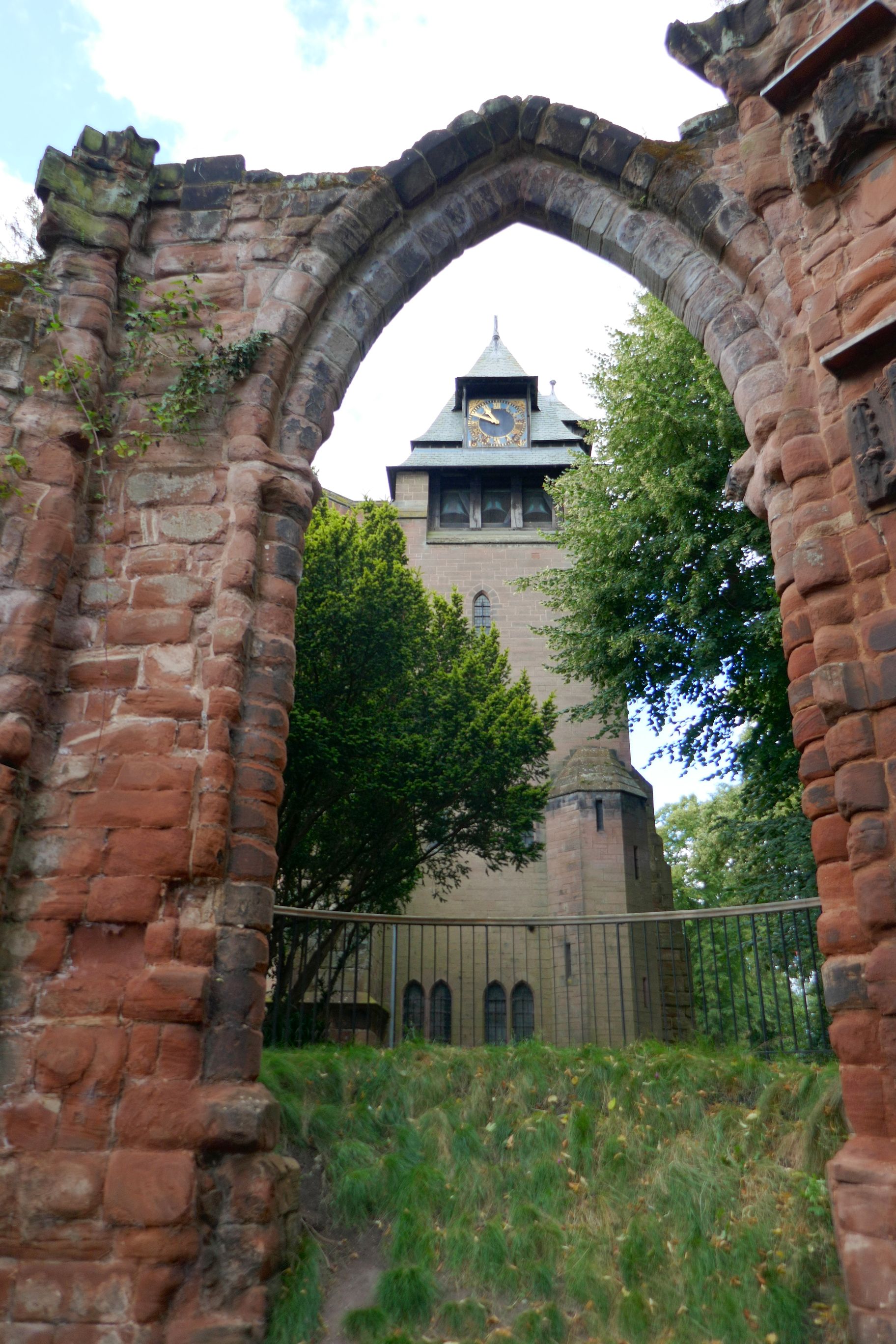
Remaining walls of what was originally Cathedral Church of St. John, dating back to 689, and is now Parish Church of St. John the Baptist.

Coming up next: UNITED KINGDOM #2: WONDERFUL WALES