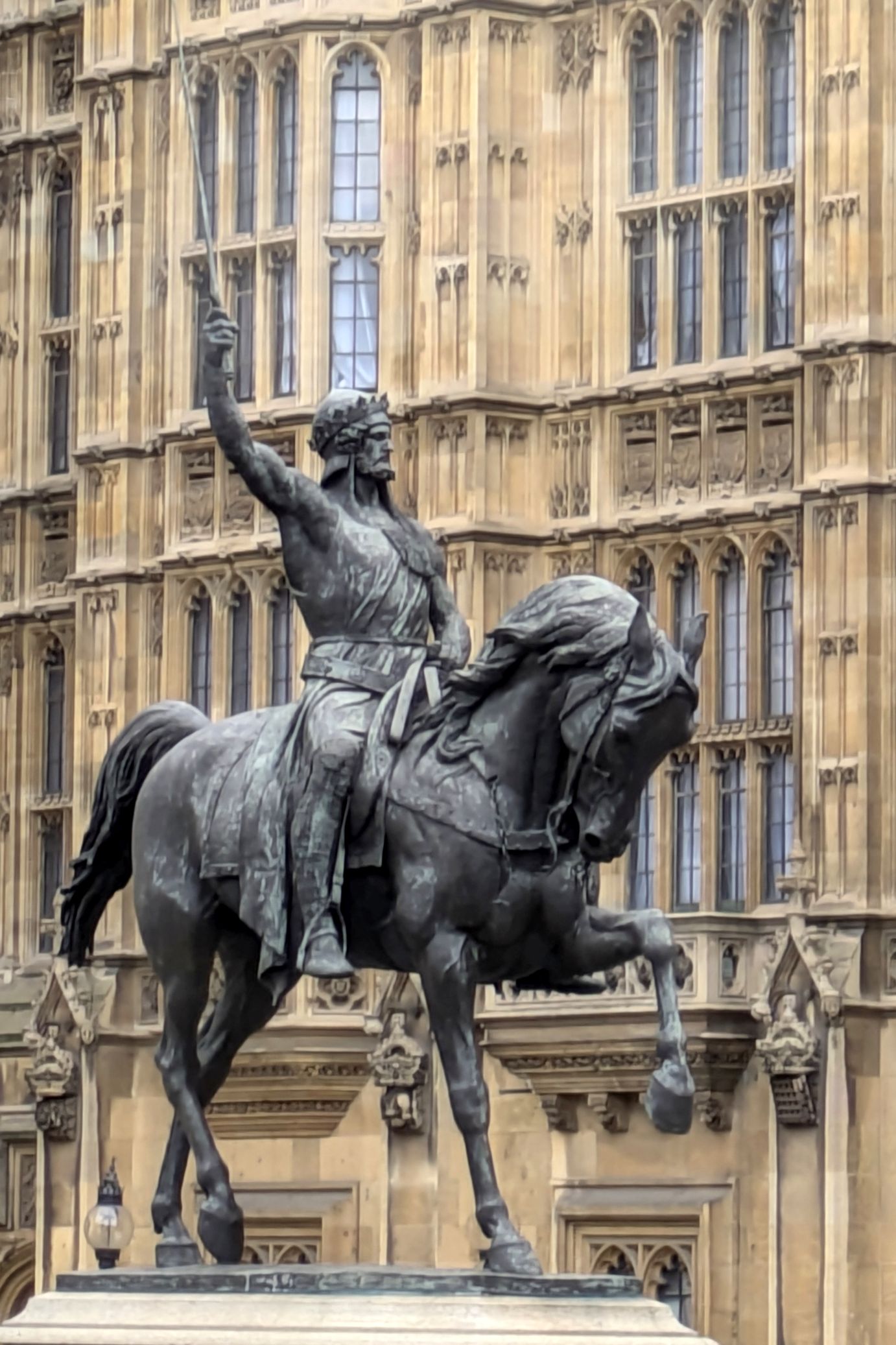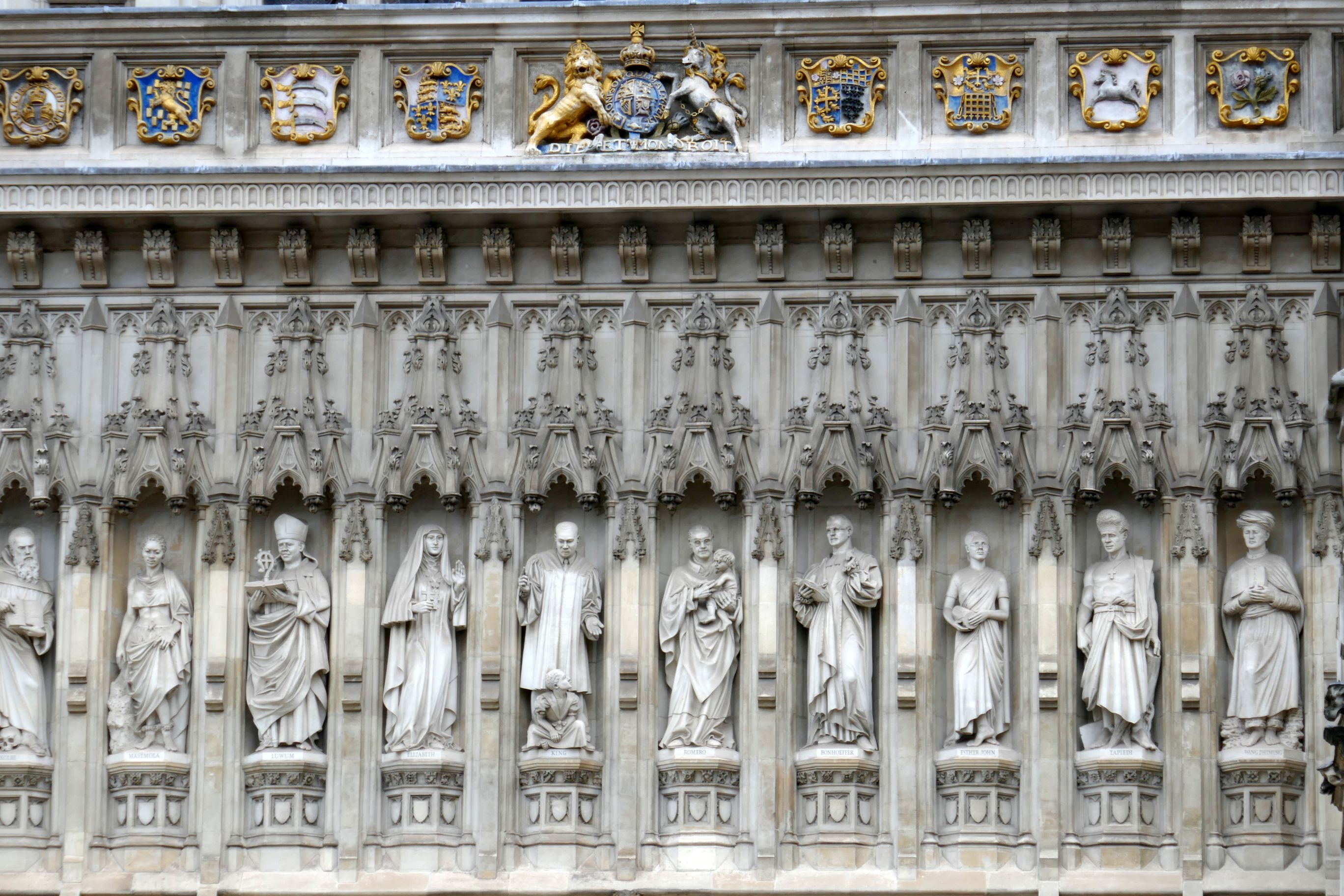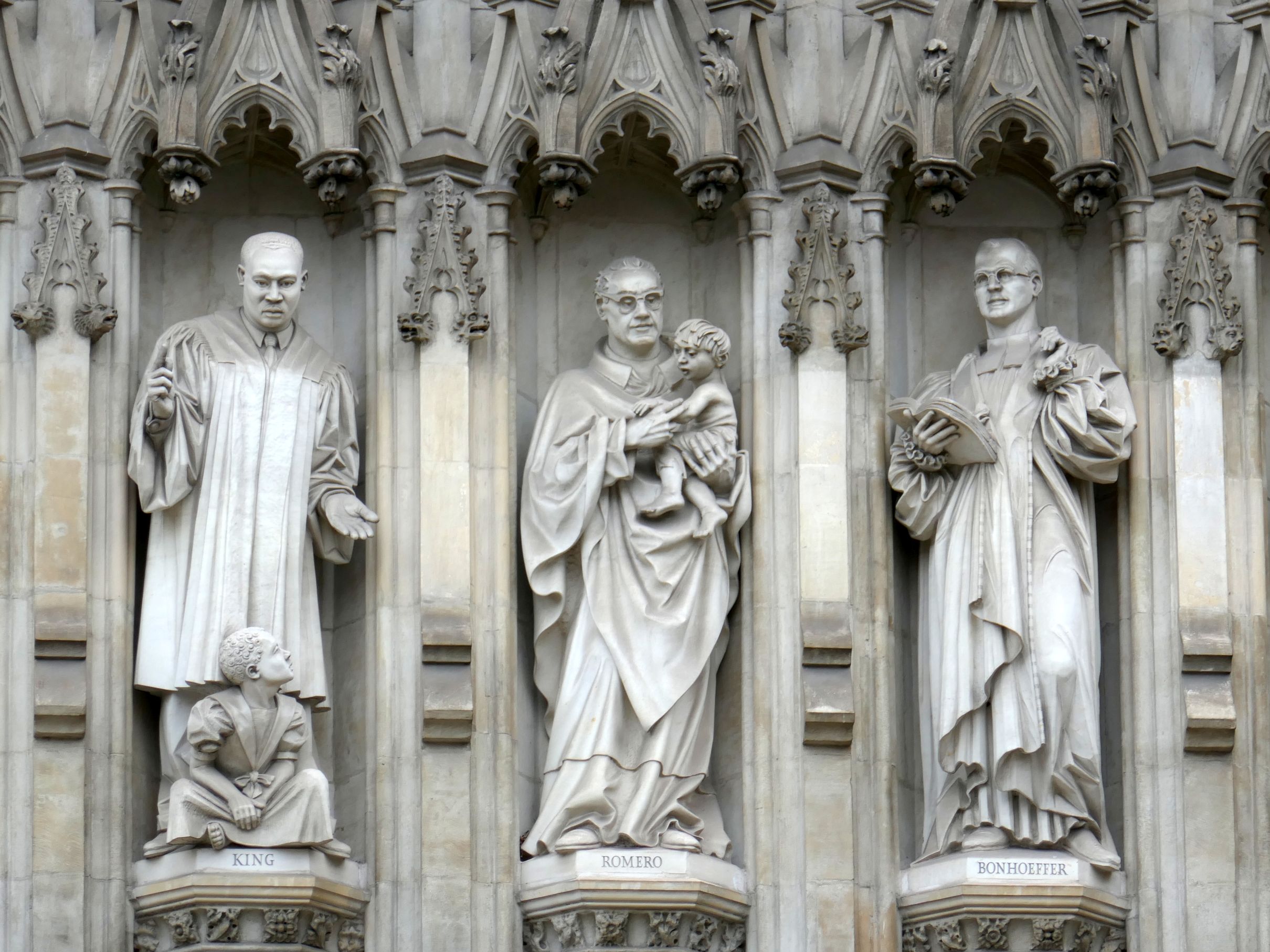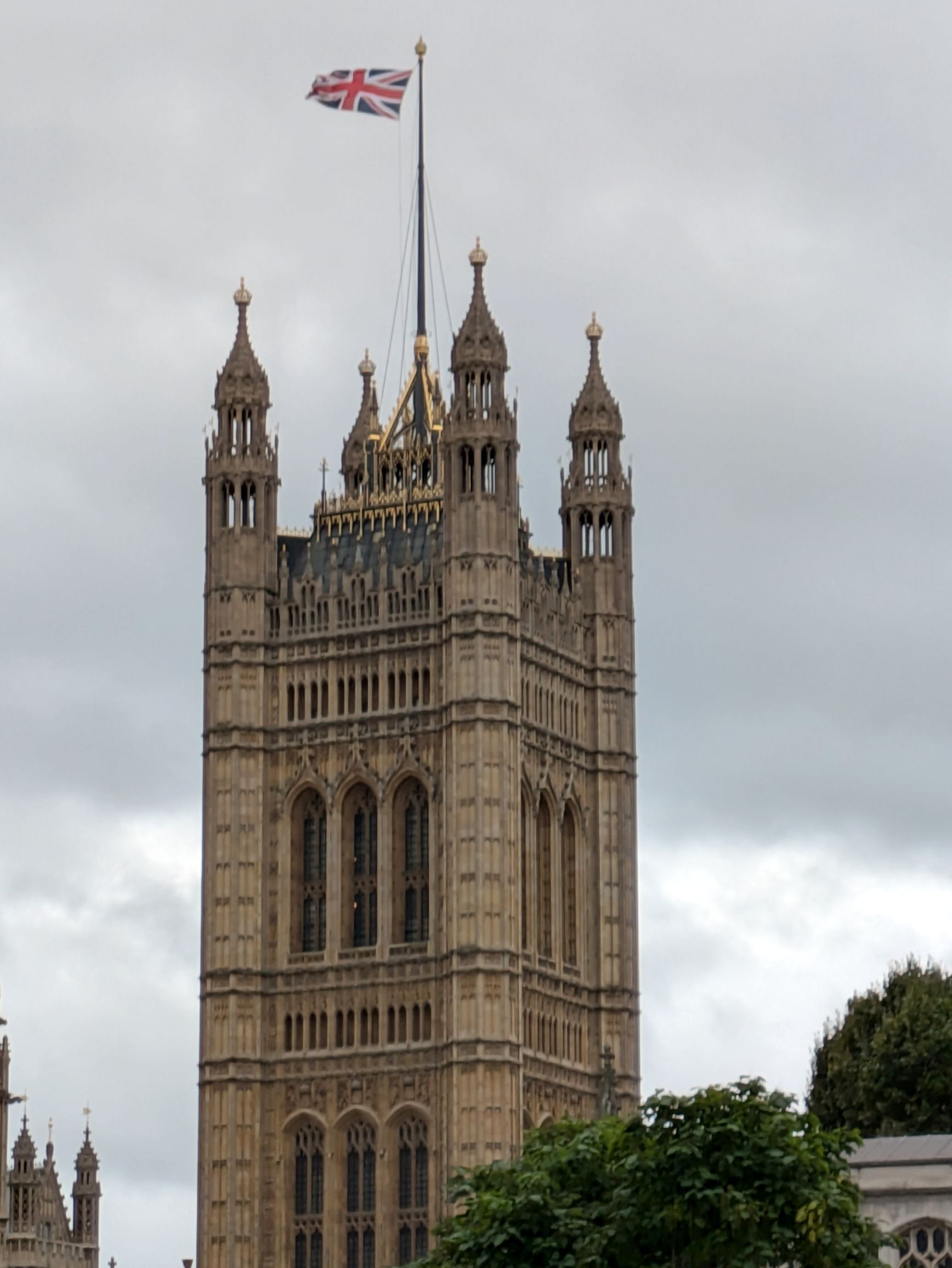
UNITED KINGDOM #22: ANOTHER DAY IN LOVELY LONDON

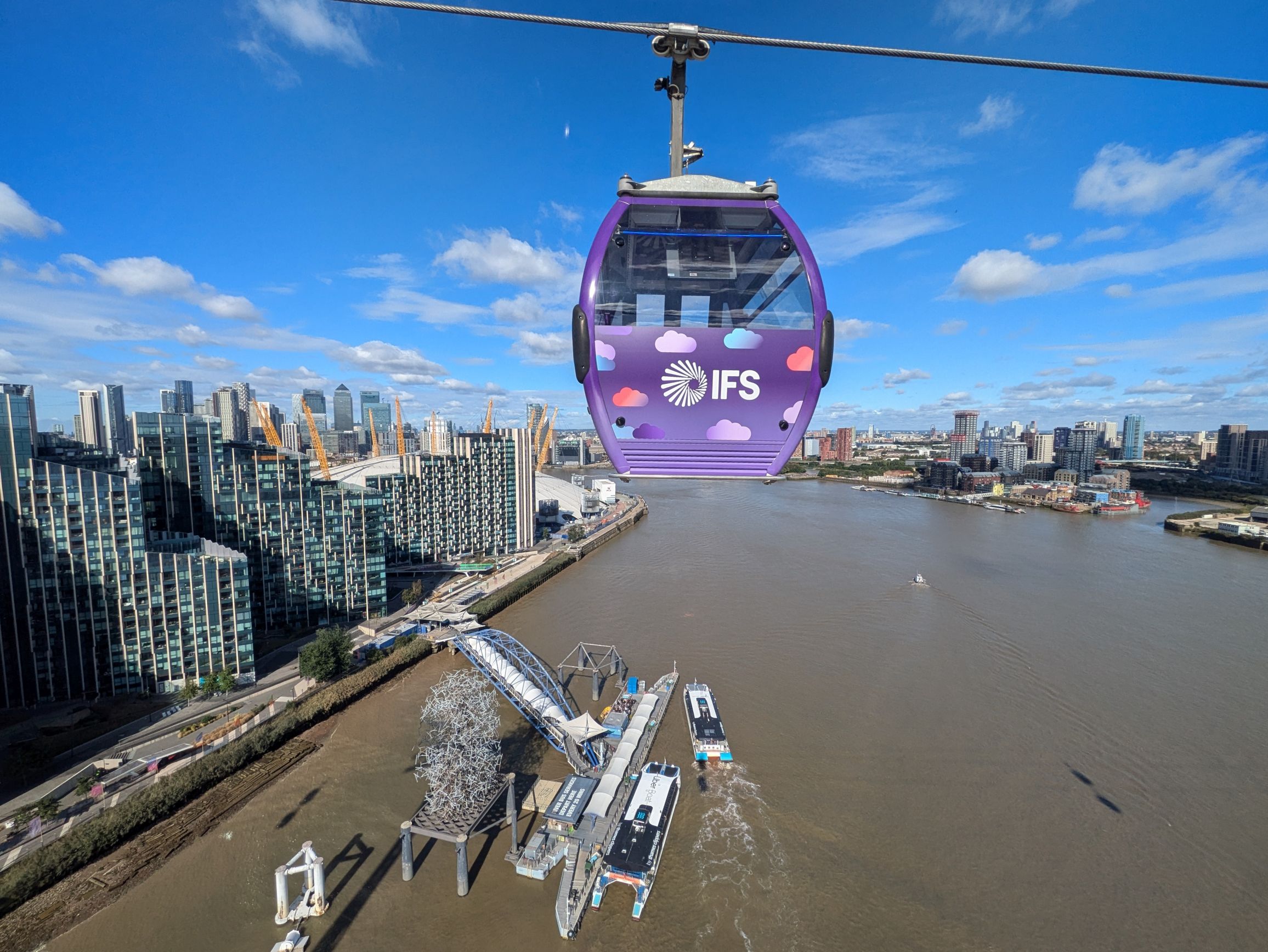
It was our last day in this lovely city, and we made the most of it!  The morning was beautiful—perfect weather for a cable car ride over the River Thames and a walk along its banks.

(For all photos, click on the image for a full screen view.)
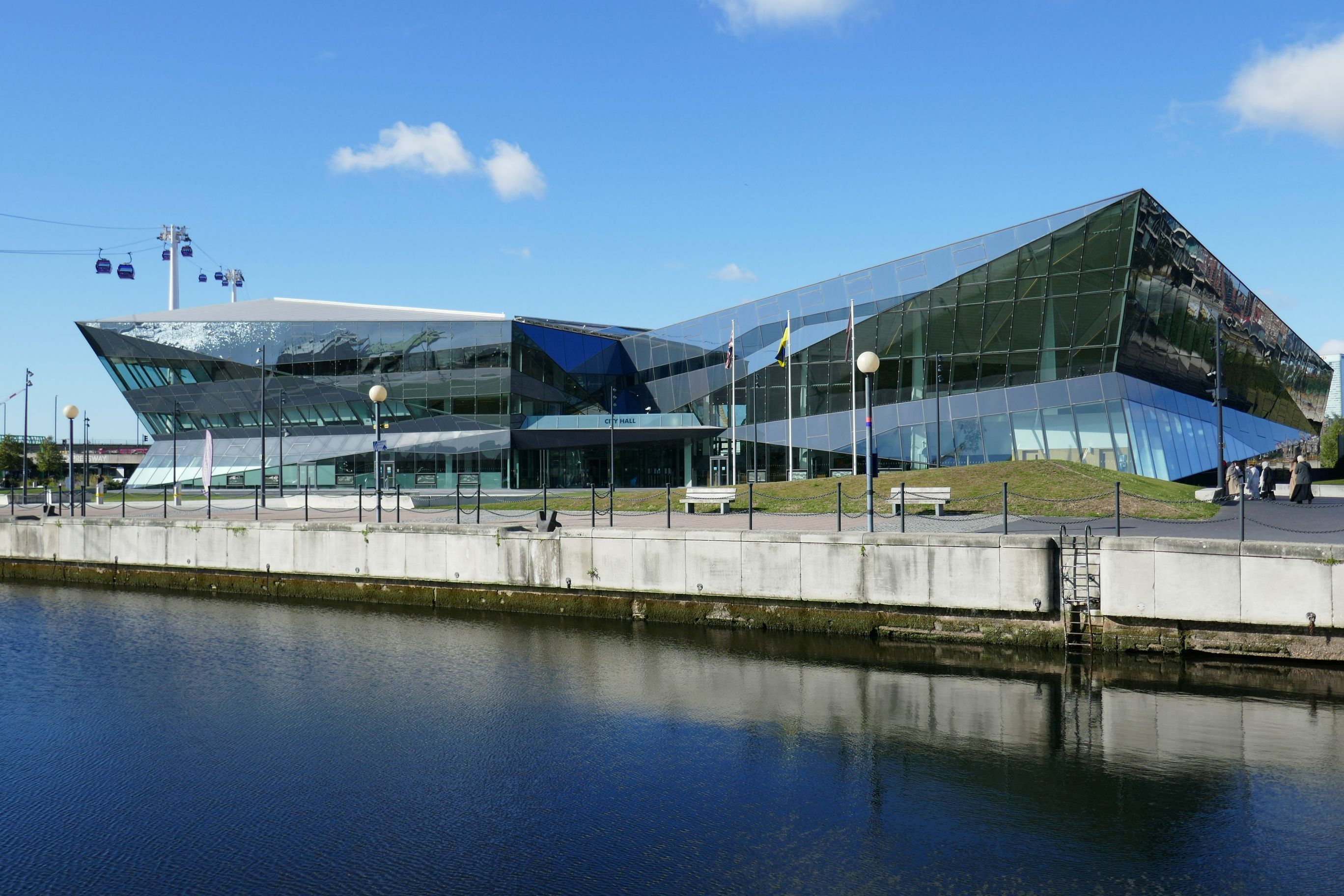
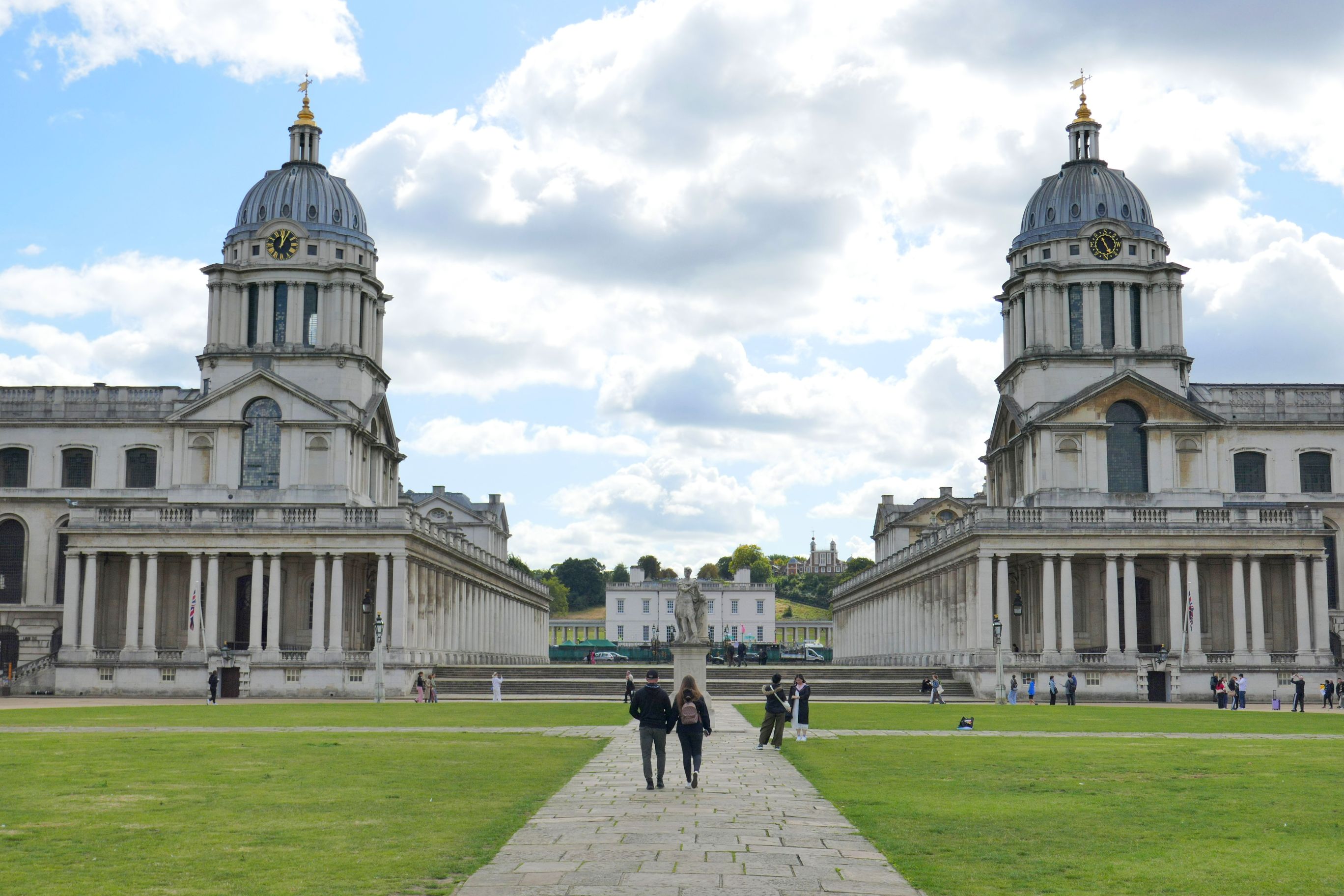
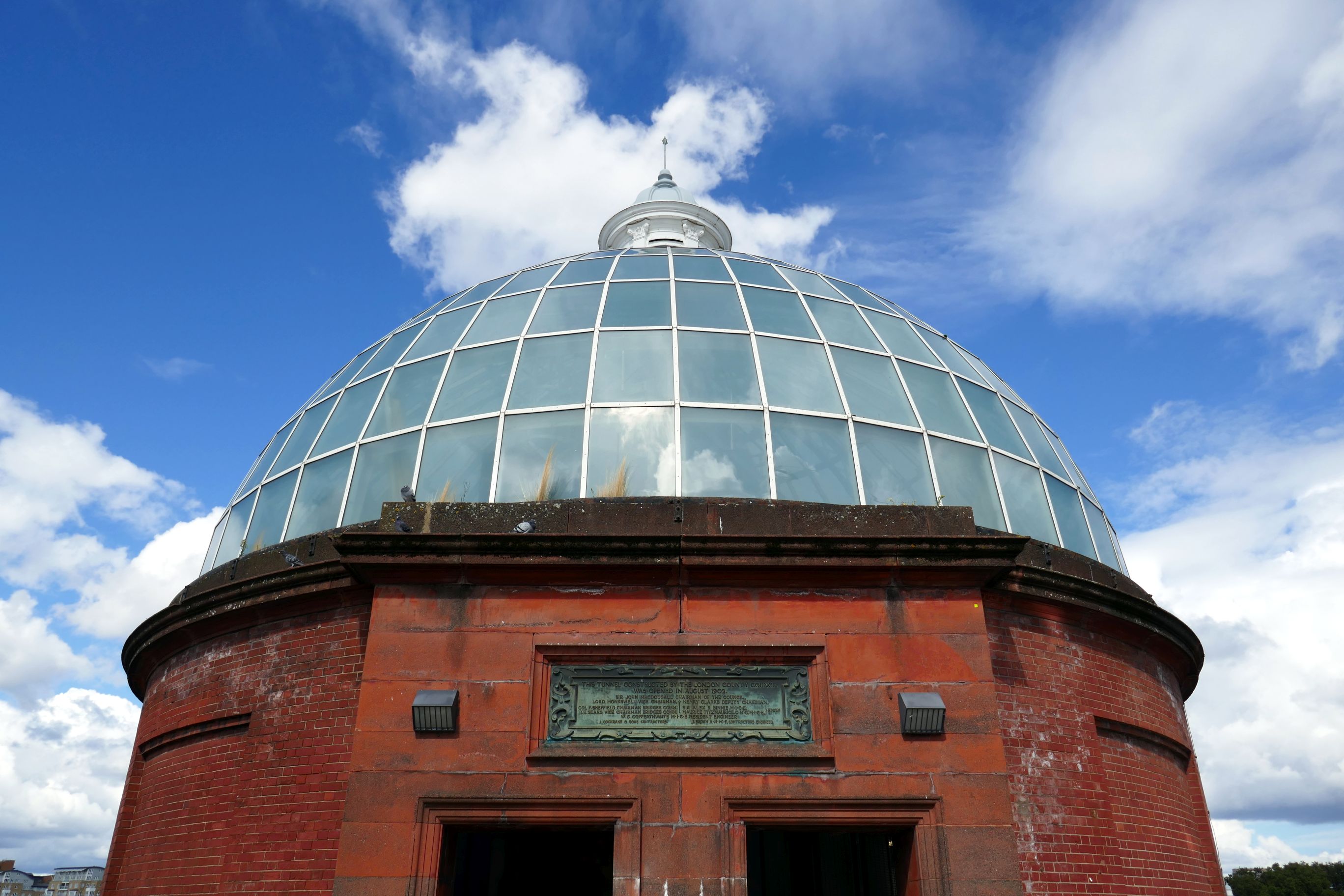
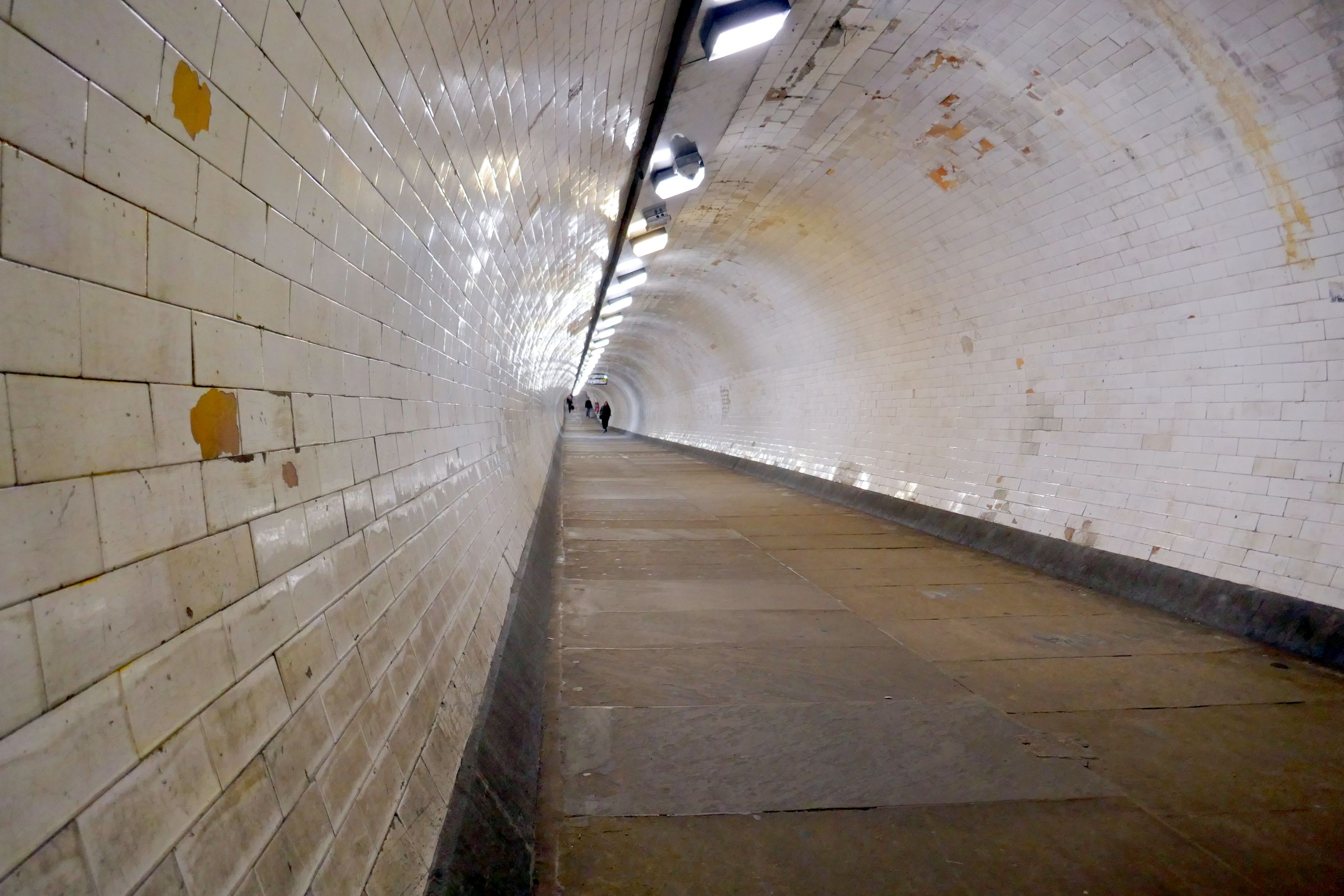
Following our cable car ride, Marc took us on a walking tour along the bank of the River Thames:

Old Royal Navy College
Tunnel under the River Thames

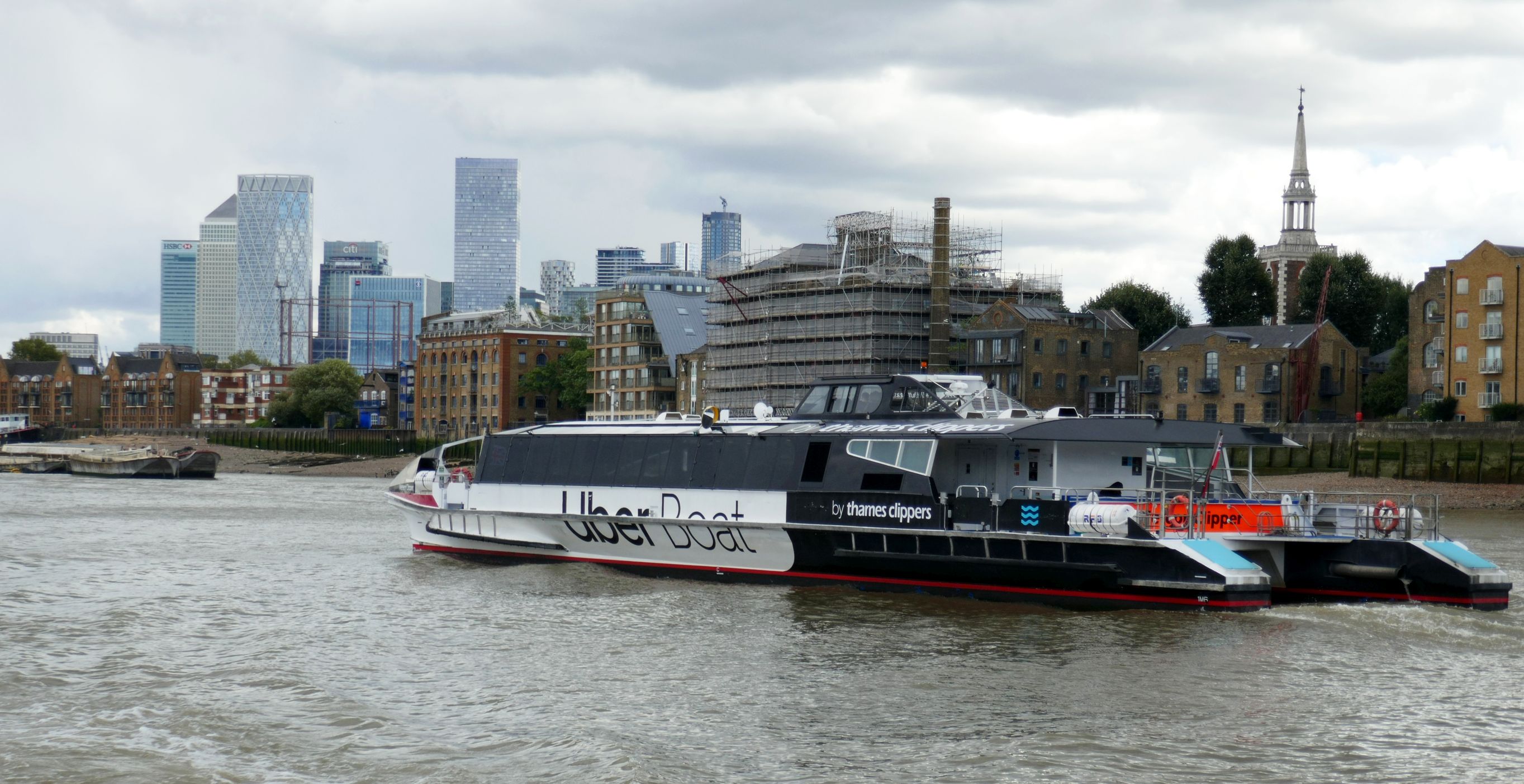
Our group had enjoyed the views of the River Thames and city from up above, so we followed it by taking in views of the city from a cruise boat.  It was during our cruise that we could see our beautiful blue skies were about to turn cloudy—and wet.  But it didn’t last long.  We took cover under an overhang, continued enjoying the views, and then the skies cleared once again.  Mother Nature was good to us for our final day in this magnificent city!

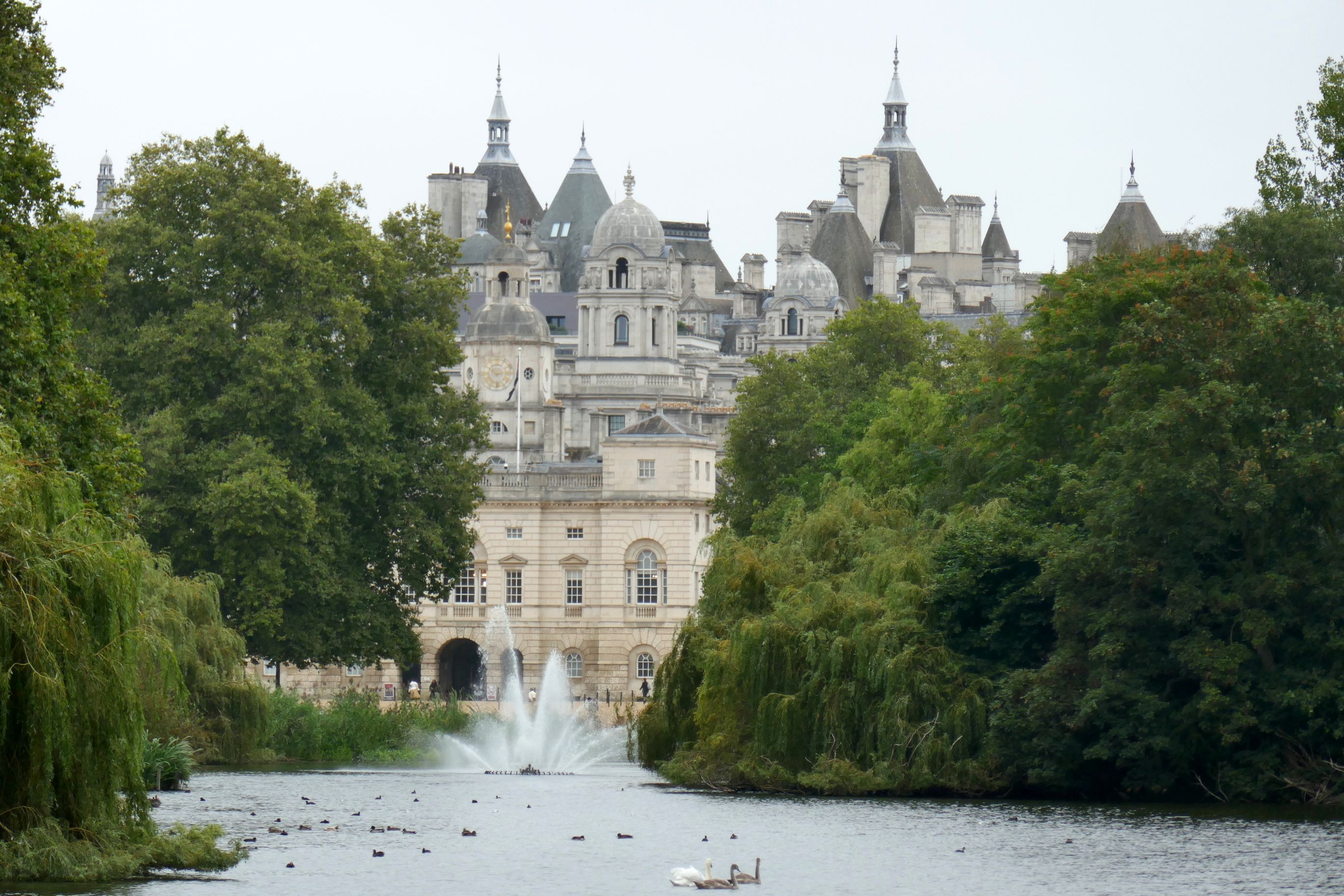
We spent the remainder of the afternoon walking through the city, by way of St. James Park:

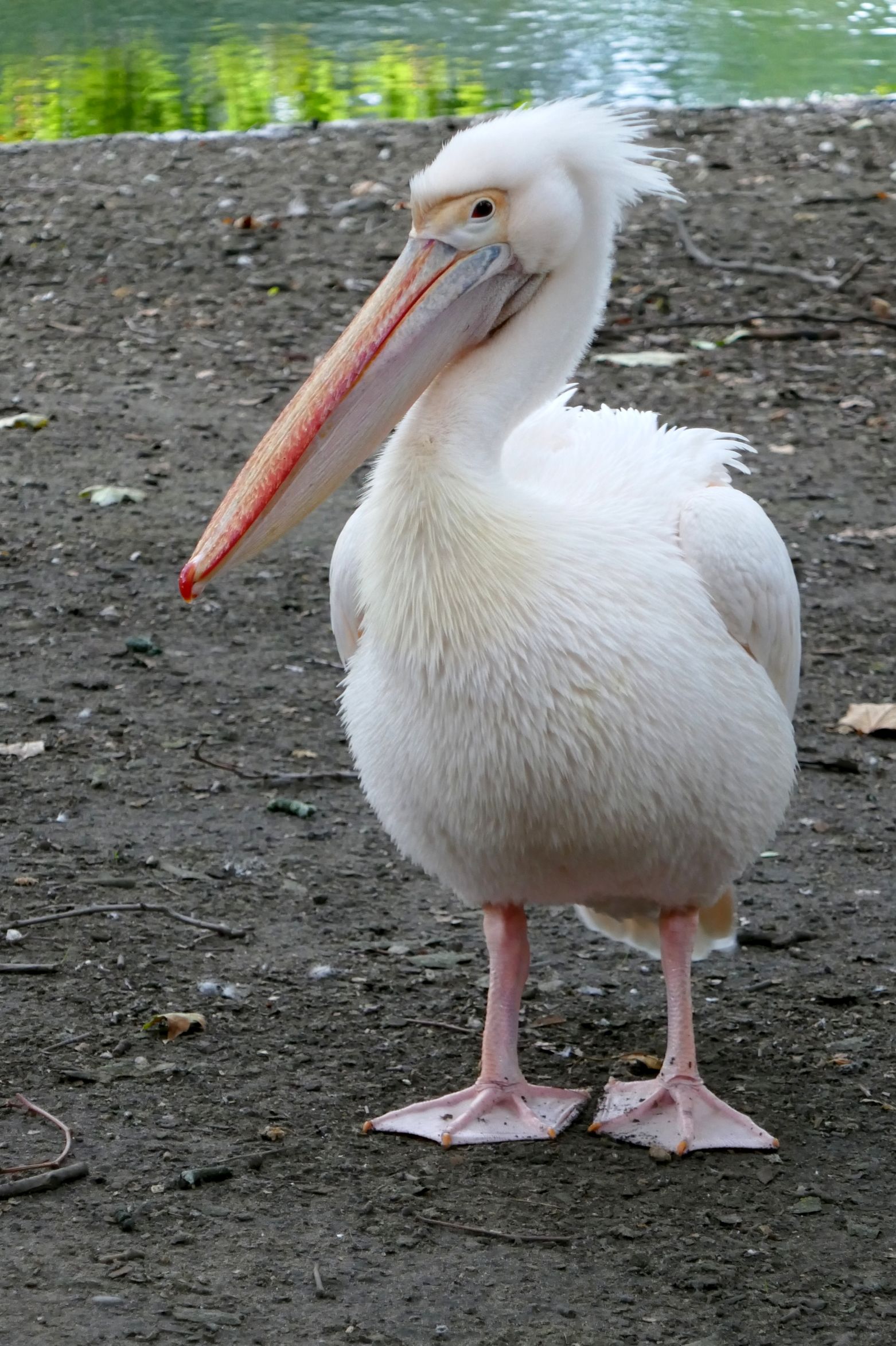
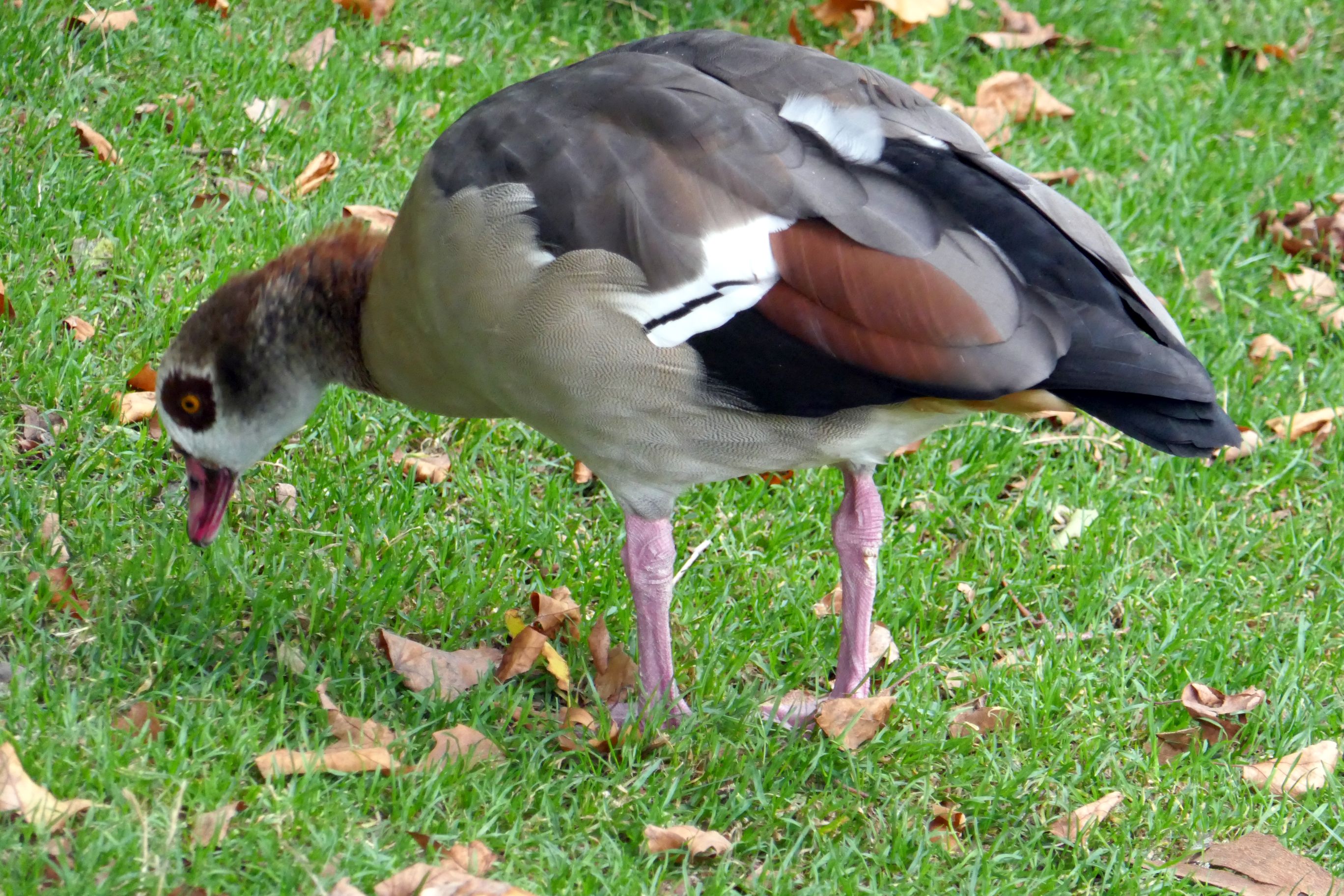
Pelicans were first introduced to St. James’s Park in 1664 as a gift from the Russian Ambassador. This was the start of a long royal tradition for collecting exotic and unusual wildfowl. Today, over 30 species of waterfowl still breed on the lake.

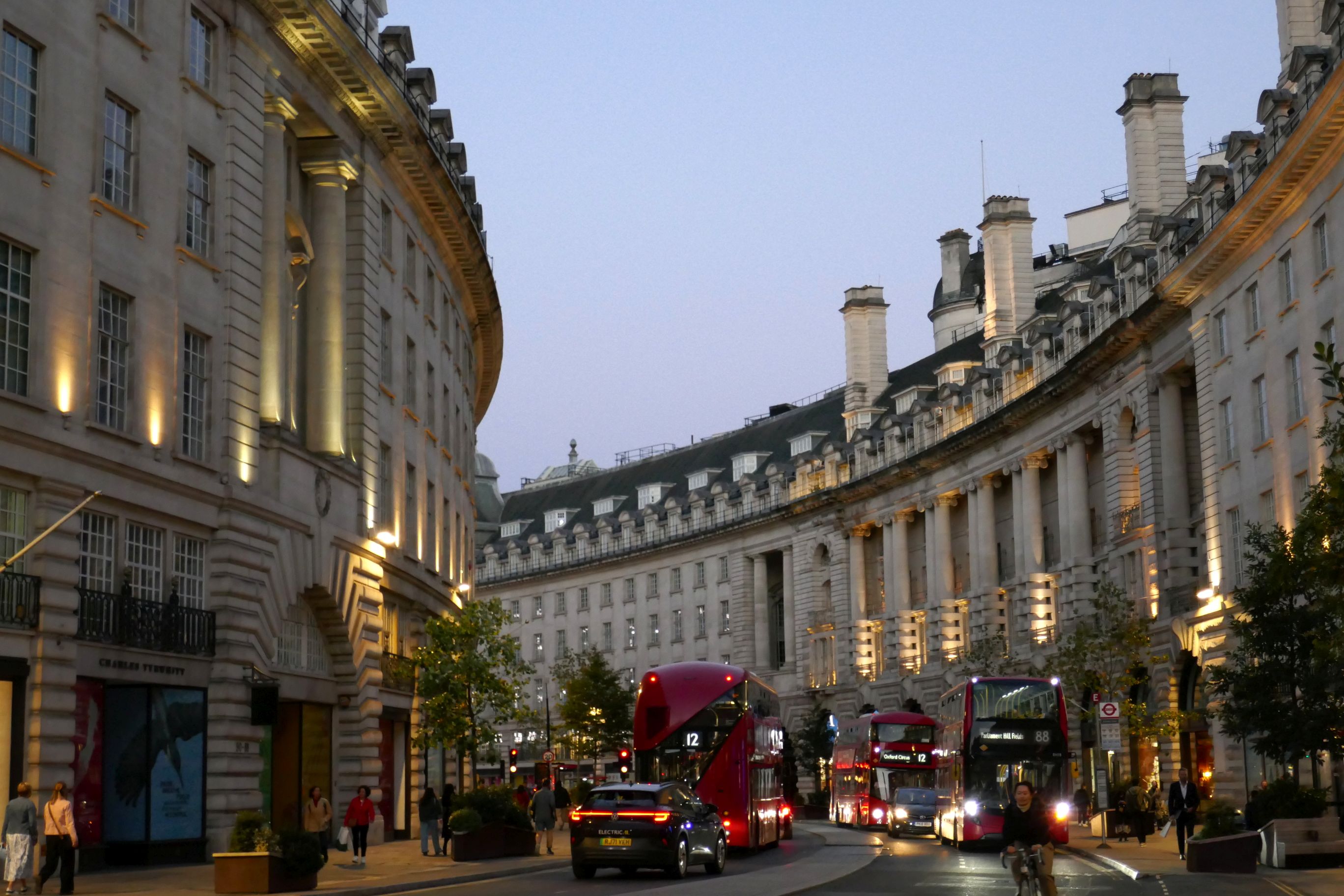
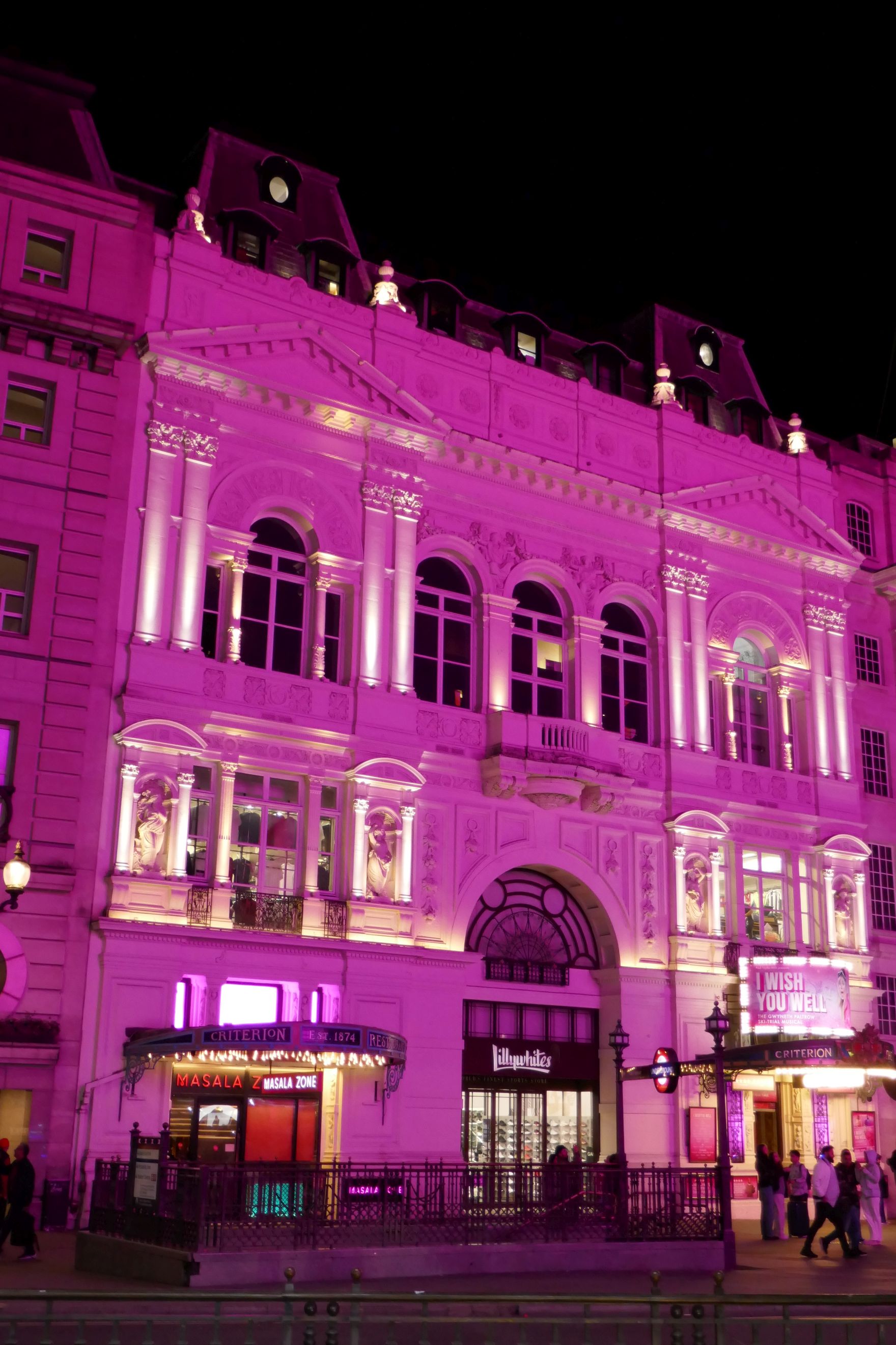
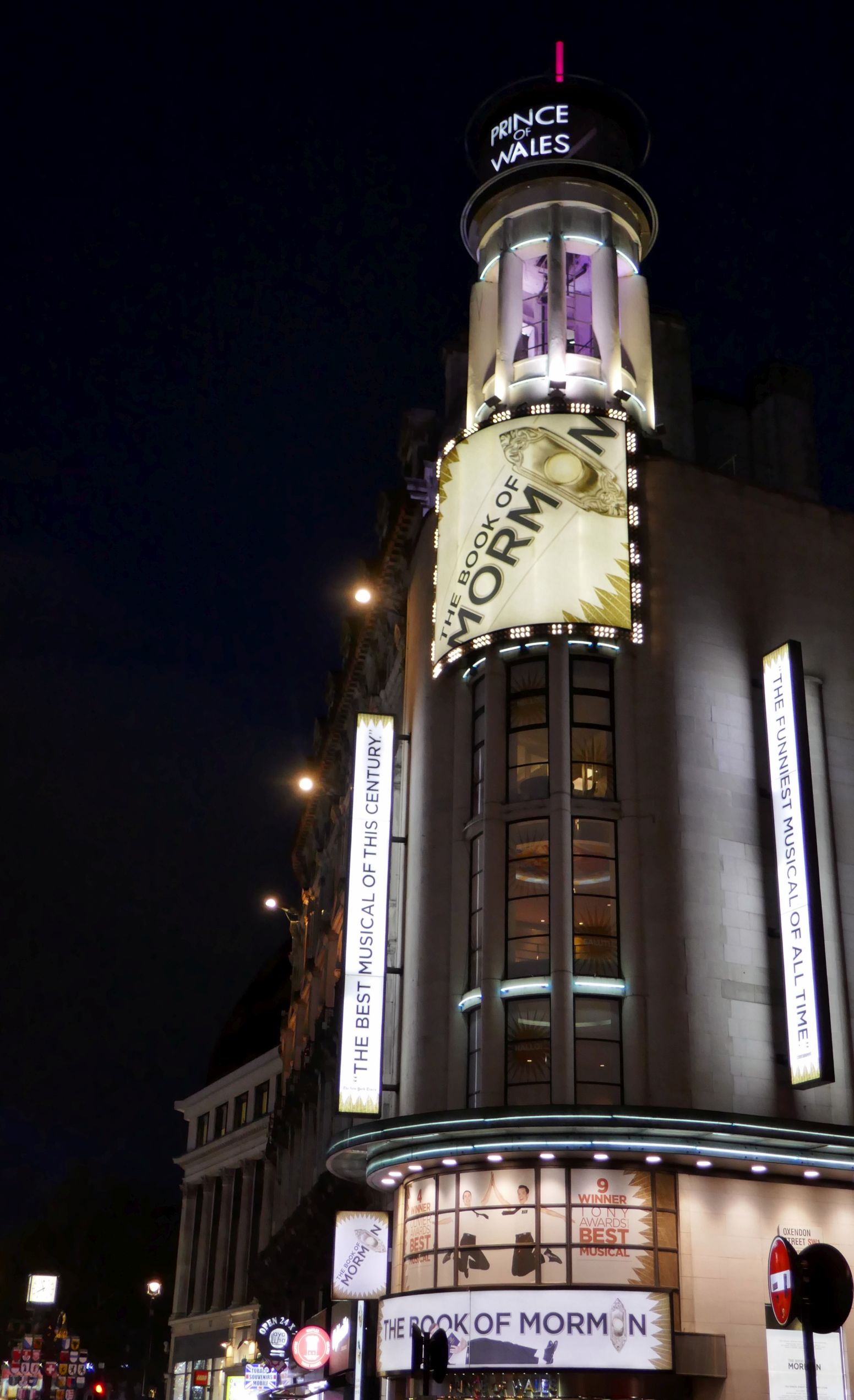
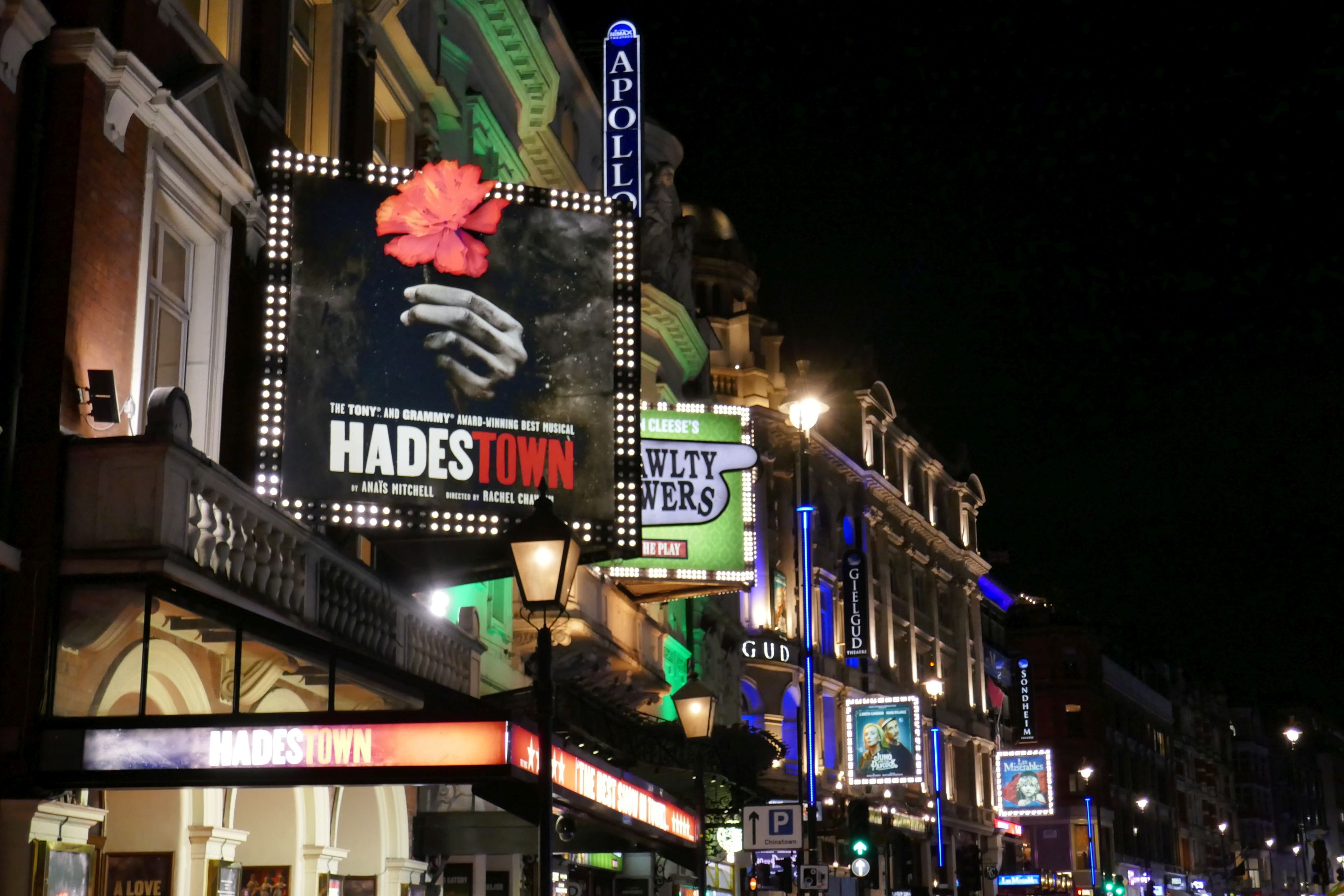
Following our group’s farewell dinner, Bruce and I spent our final night of the tour taking in the city lights in London’s West End Theatre District.  We had walked a lot during the day, and did a lot more as we made our way from the Thistle Marble Arch Hotel, through the West End to Picadilly Circus, the theatre district, Chinatown, and back to our hotel.  What a wonderful way to wrap up the post-extension of our tour—the first of two back-to-back tours and post-extensions with Overseas Adventure Travel!

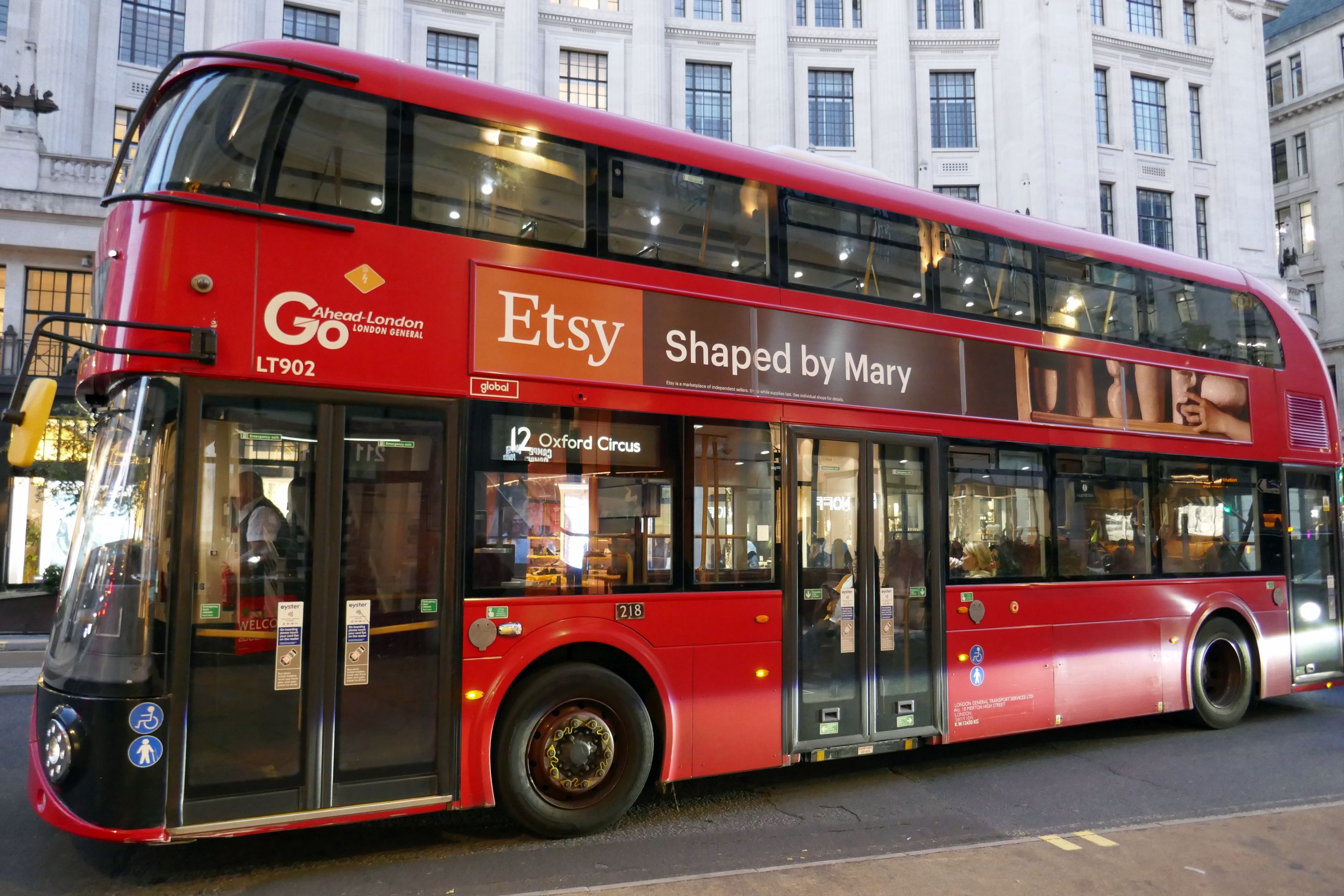
Seeing an Etsy ad on the side of this double-decker caught us by surprise! Bruce has a shop on Etsy at http://www.CookedGlassCreations.Etsy.com
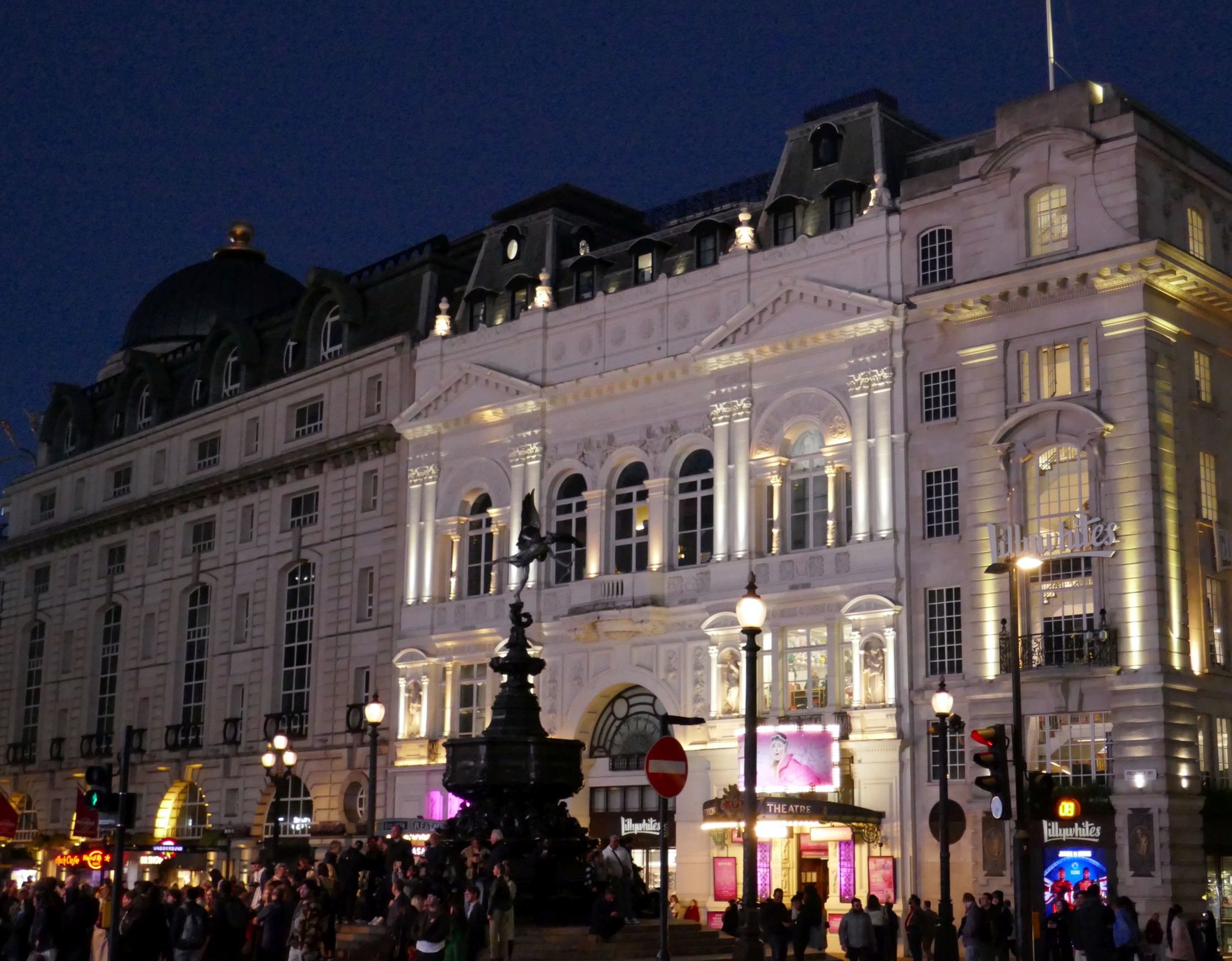
Picadilly Circus
Jumbotrons with advertisements were so bright, they lit up the buildings of Picadilly Circus.
M&M Store Entrance…
…and the Lego store
That’s Bruce behind the wheel of this car (incredibly!) made of Legos.

Next up: UNITED KINGDOM #23: MEMORIES OF THE U.K., A SLIDE SHOW BY ELAINE KRUGMAN

UNITED KINGDOM #21: CHARMING CAMBRIDGE

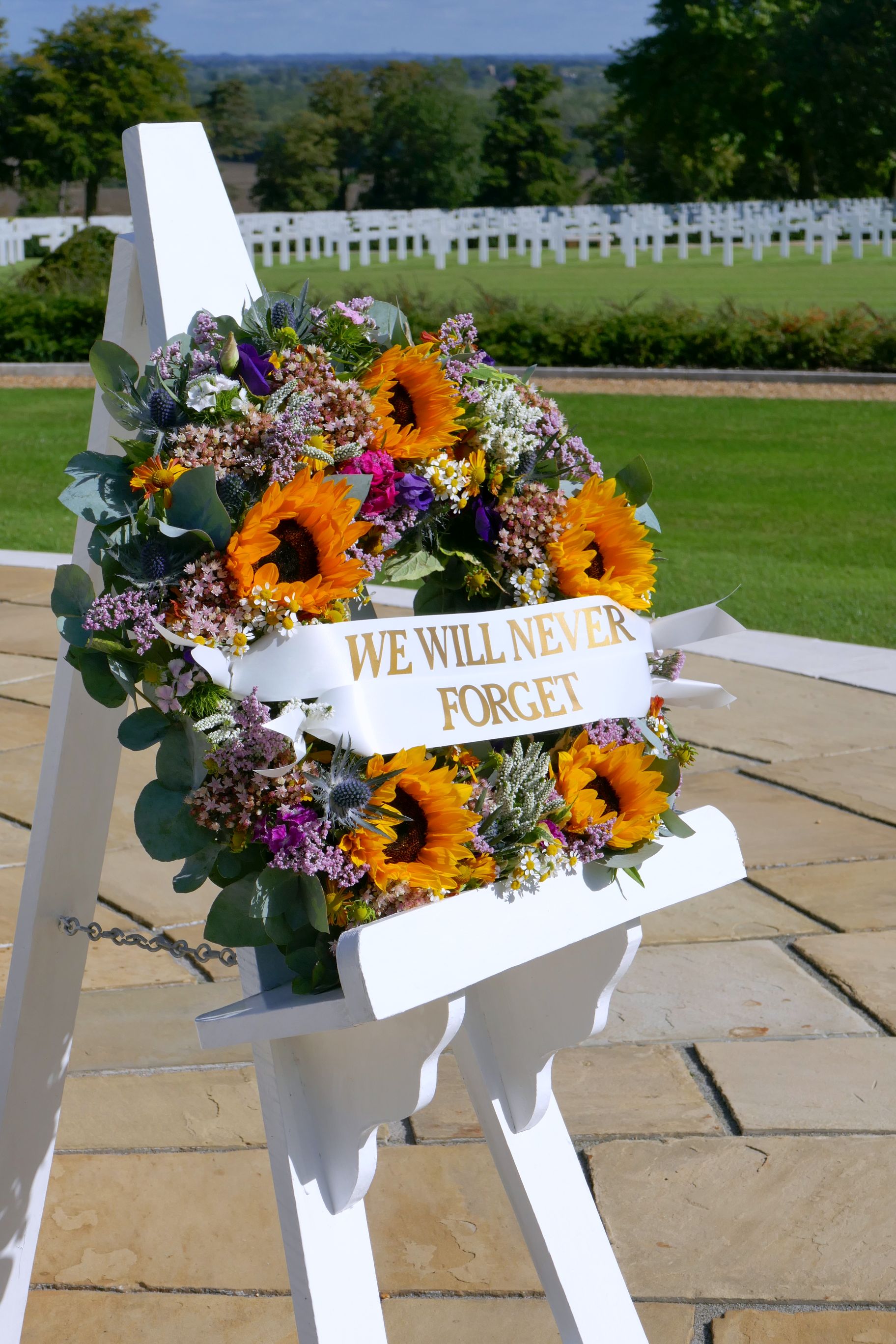
On the way to the University of Cambridge, we made an unscheduled stop to see the Cambridge American Cemetery and Memorial, a World War II American military war grave cemetery where 3,811 American soldiers were buried.  What Marc and our group didn’t realize until Bruce mentioned it was that this was September 11th, an emotional reminder of all the Americans that were killed by terrorists on the same date in 2001.  It would have been quite fitting if it had been a gloomy, blustery morning, but it was quite the opposite, in stark contrast to our heavy hearts.

(For all photos, click on the image for a full screen view.)

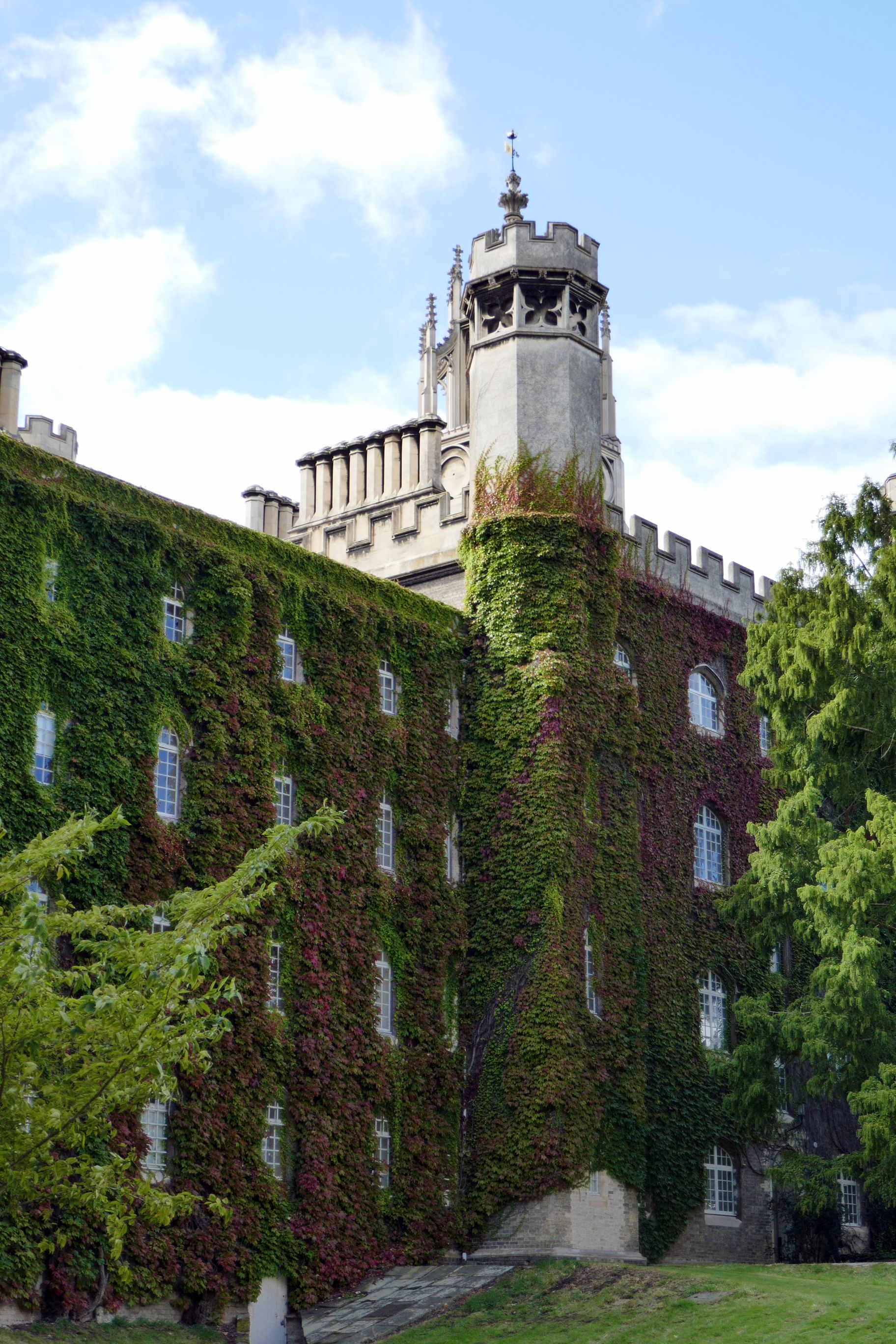
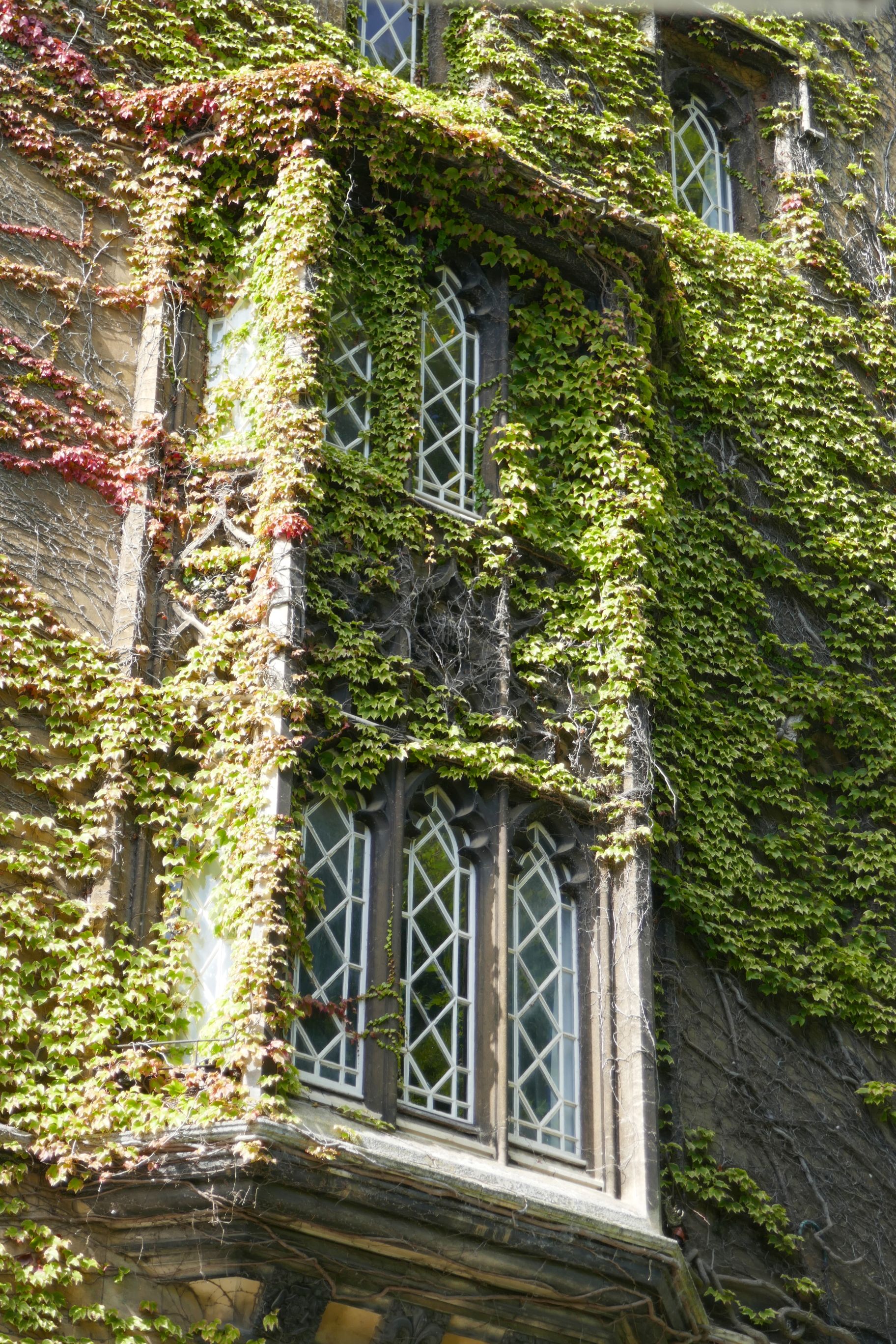
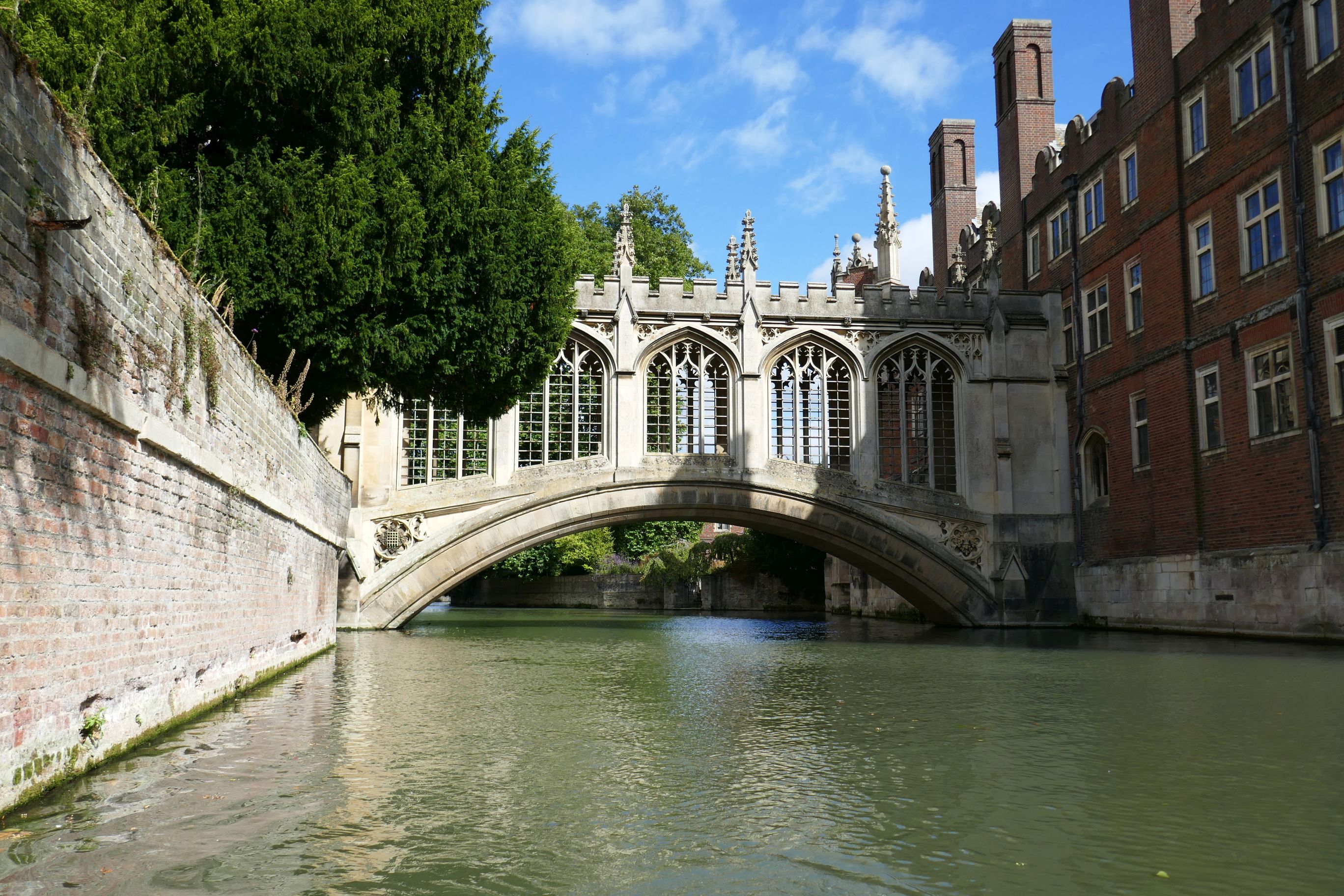
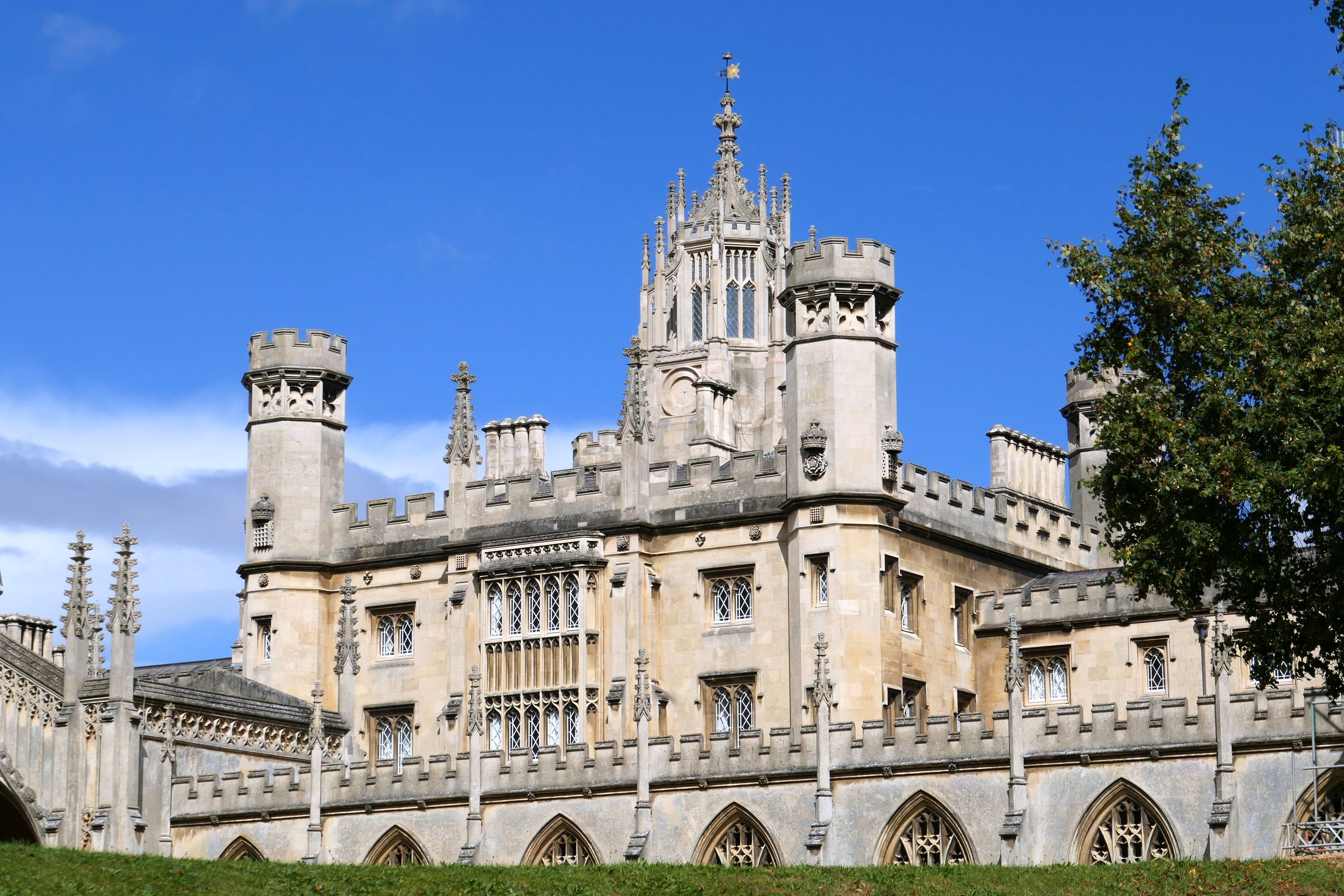
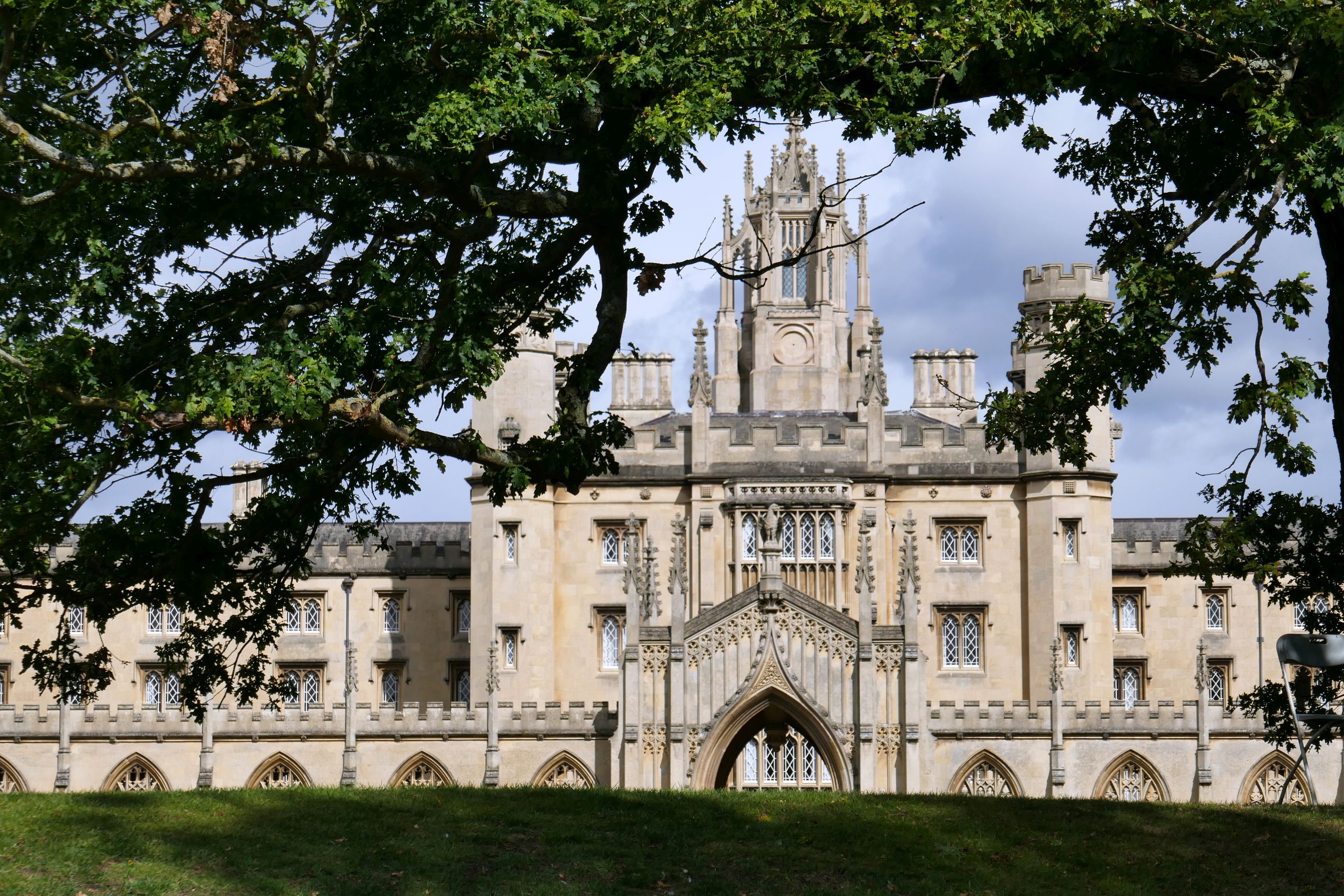
We continued to Cambridge for a punting tour on the River Cam, which took us under eight bridges and past the back of seven colleges of the University of Cambridge.  The morning was beautiful, and the river, running through the heart of Cambridge, was peaceful and charming.

Marc, our Overseas Adventure Travel Tour Leader. He was a hoot! There was never a dull moment with Marc; his stories were hilarious!

Views from the boat while punting on the River Cam:

When you think about how old this university is, you realize how much history there is in Cambridge.  Founded in 1209, the University of Cambridge is the world’s third oldest university in continuous operation.  It wasn’t until late 1800’s when colleges for women were established.  In all, the university now has 31 colleges and 150 departments.

Following our punting tour, we noticed dark clouds coming our way but made it to a little café for lunch just before they arrived and unleashed a downpour of hail!  We were thankful we made it just in time but felt sorry for those punters still on the river getting soaked and cold!  By the time we left the café, it was sunny.  Our weather luck was with us once again!

Posted above the toilet in the cafe restroom

Marc led us on a walking tour through the center of town and filled us in on the history of the old pubs and other landmarks we passed.  It was such a charming town and a great environment for university students!  I hope they know how lucky they are…

Our bus driver, John, and Bruce
View out the bus window

Coming up next: UNITED KINGDOM #22: ANOTHER DAY IN LOVELY LONDON

UNITED KINGDOM #20: LOVELY LONDON

London really is a lovely city.  I had visited once before with Bruce, my mom, and sister, before embarking on a cruise, and we had a wonderful time.  This would be a different experience, exploring with our small group and on our own during our free time.  We were excited!

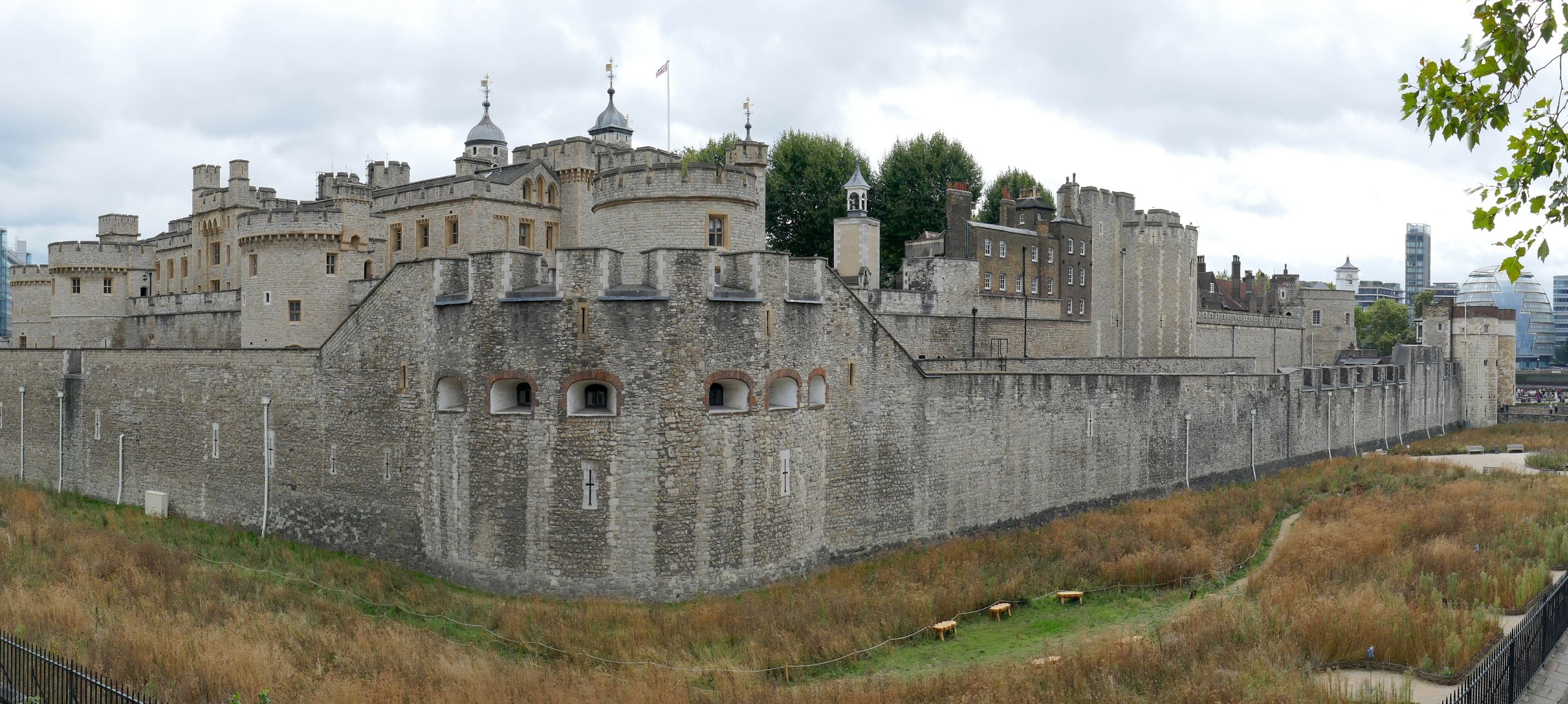
The Thistle Marble Arch Hotel, at the West End, was our base for our final four nights of the tour.  Marc and a local guide led us on a walking tour the morning of our first full day, taking us by the iconic highlights of the city: Buckingham Palace, St. James Park, Westminster Abbey, Big Ben, St. Paul’s Cathedral, the Tower of London, and Tower Bridge.  The local guide left us there, and we continued with Marc to see his alma mater, the University of London.

Rather than return to tour the interior of any of the places we saw during our walking tour, we opted to just walk the city and continue enjoying the sights, sounds, and skyline of London.

(For all photos, click on the image for a full screen view.)

Buckingham Palace
St. James Park
Westminster Abbey
Westminster School
Big Ben
Tower of London
Tower Bridge
George Frideric Handel lived in the home on the right in 1723 and died there. Jimi Henrix lived in the home on the left (1968 – 1969). I can only imagine what the classical composer would have thought of rocker Jimi if they had been neighbors at the same time!

Next up: UNITED KINGDOM #21: CHARMING CAMBRIDGE

UNITED KINGDOM #19: BREATHTAKING BLENHEIM PALACE

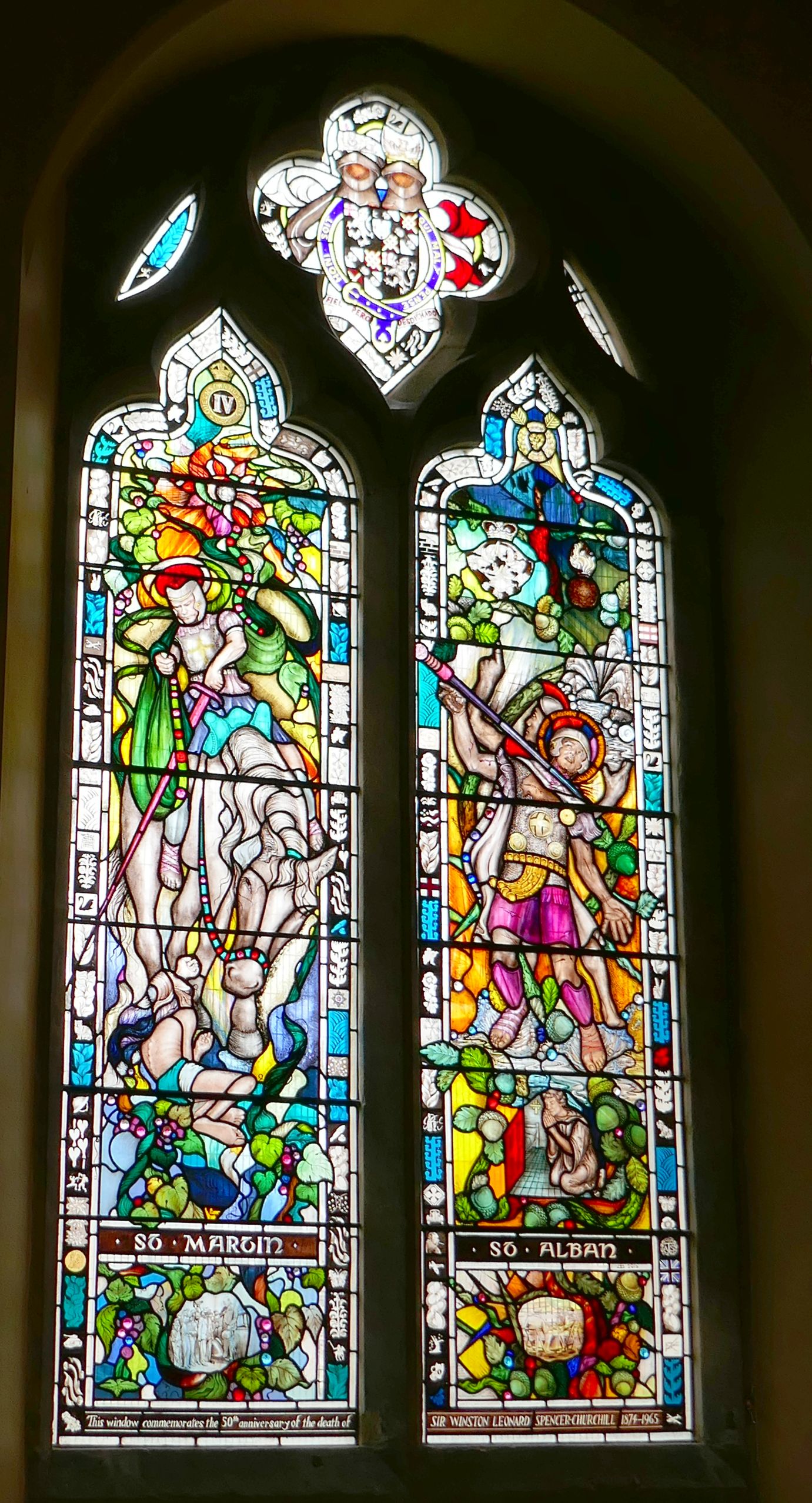
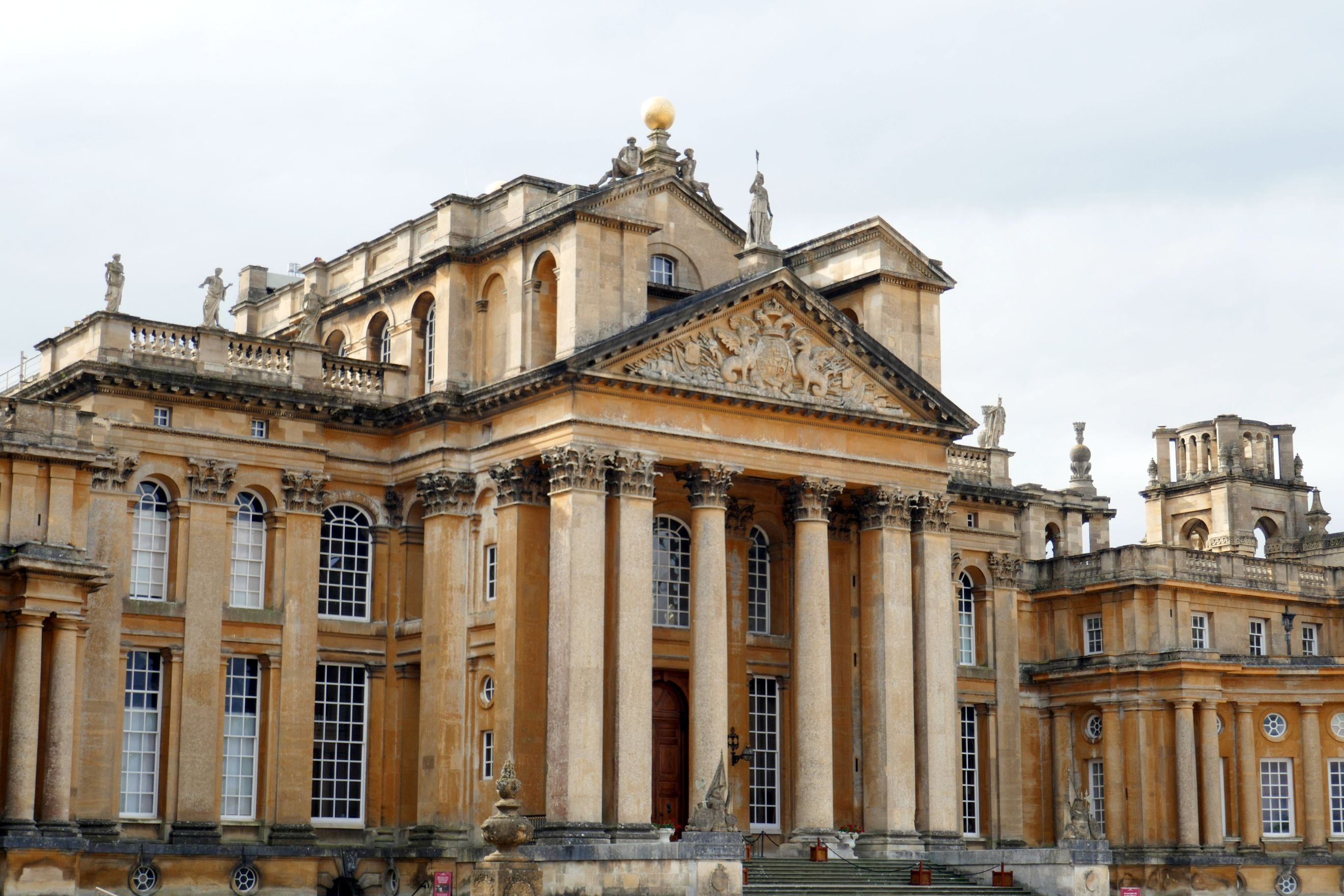
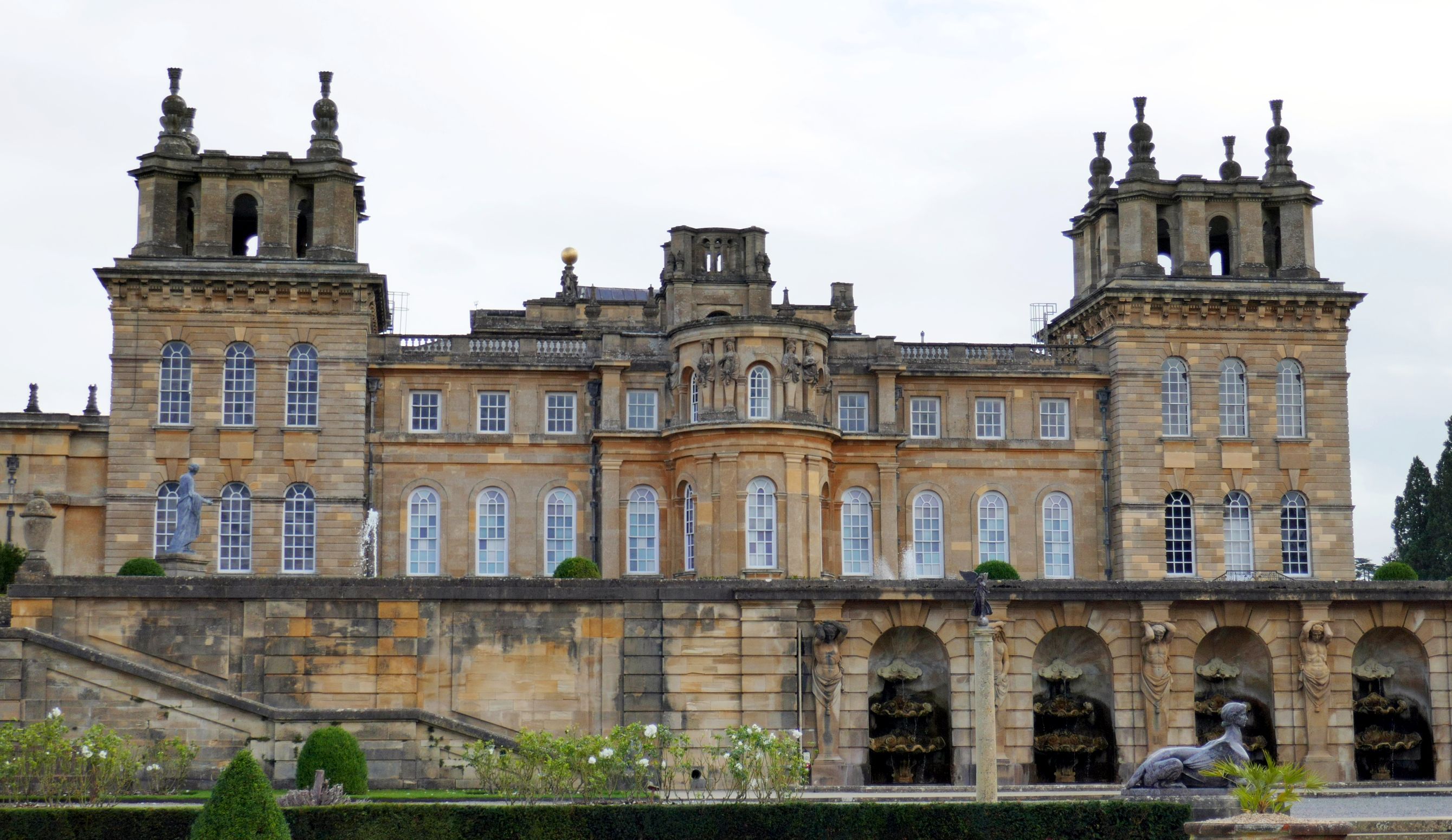
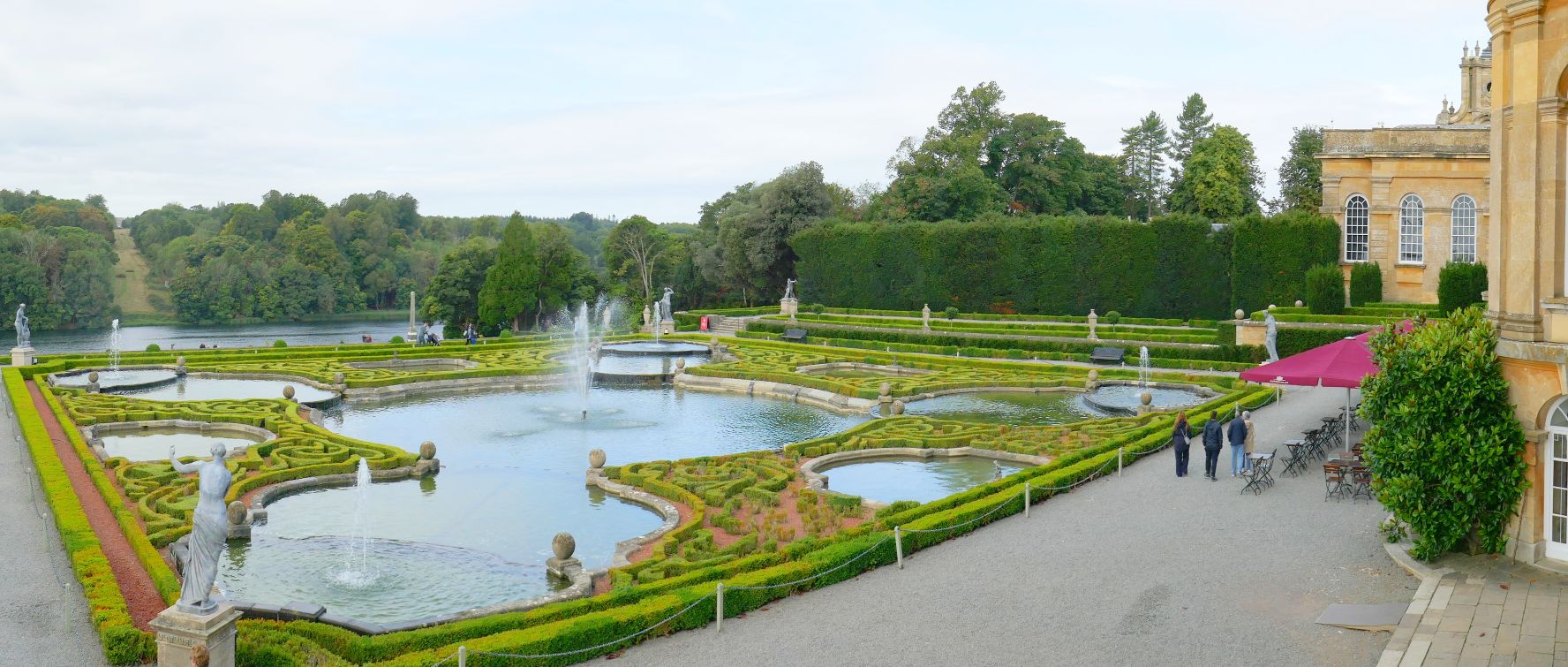
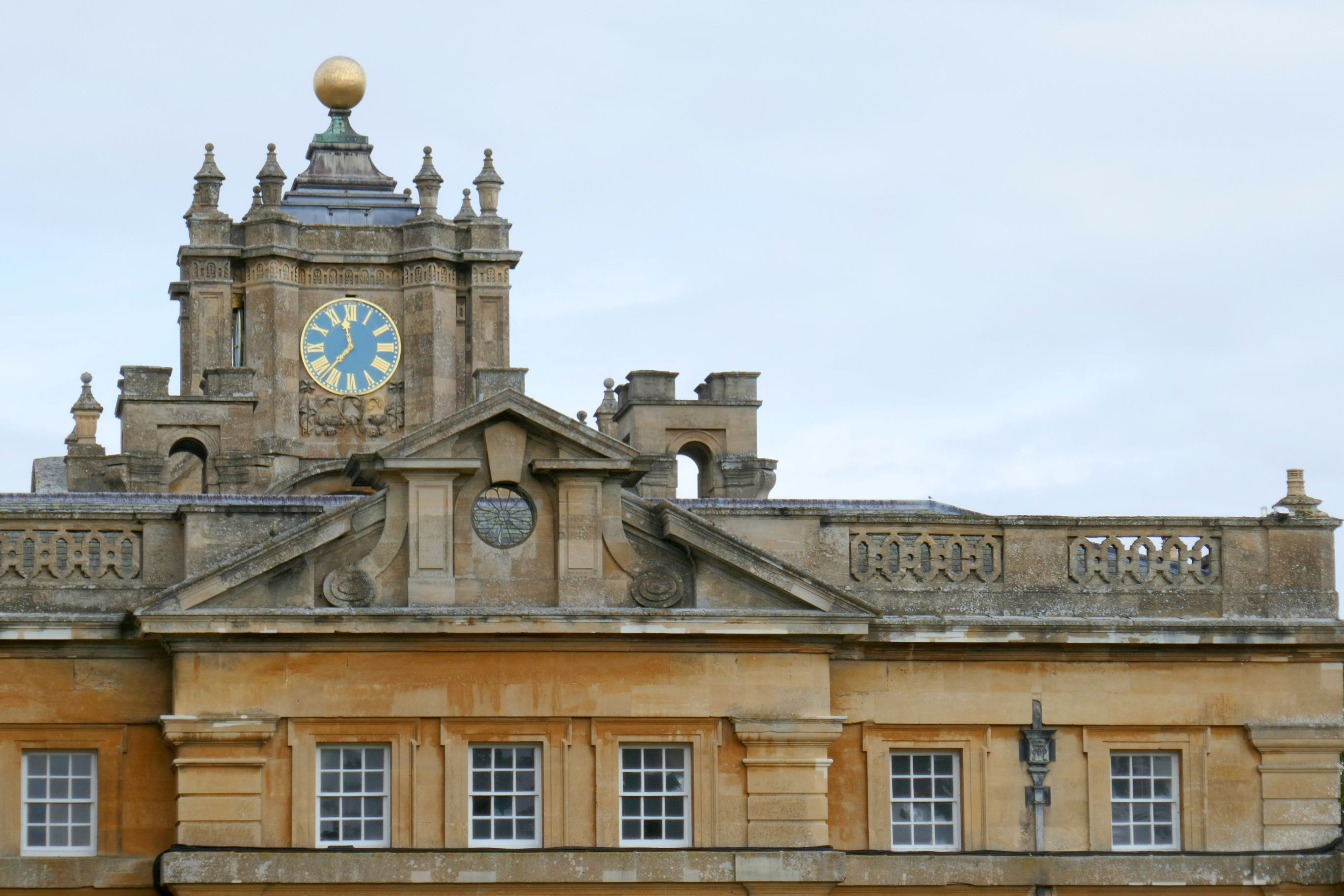
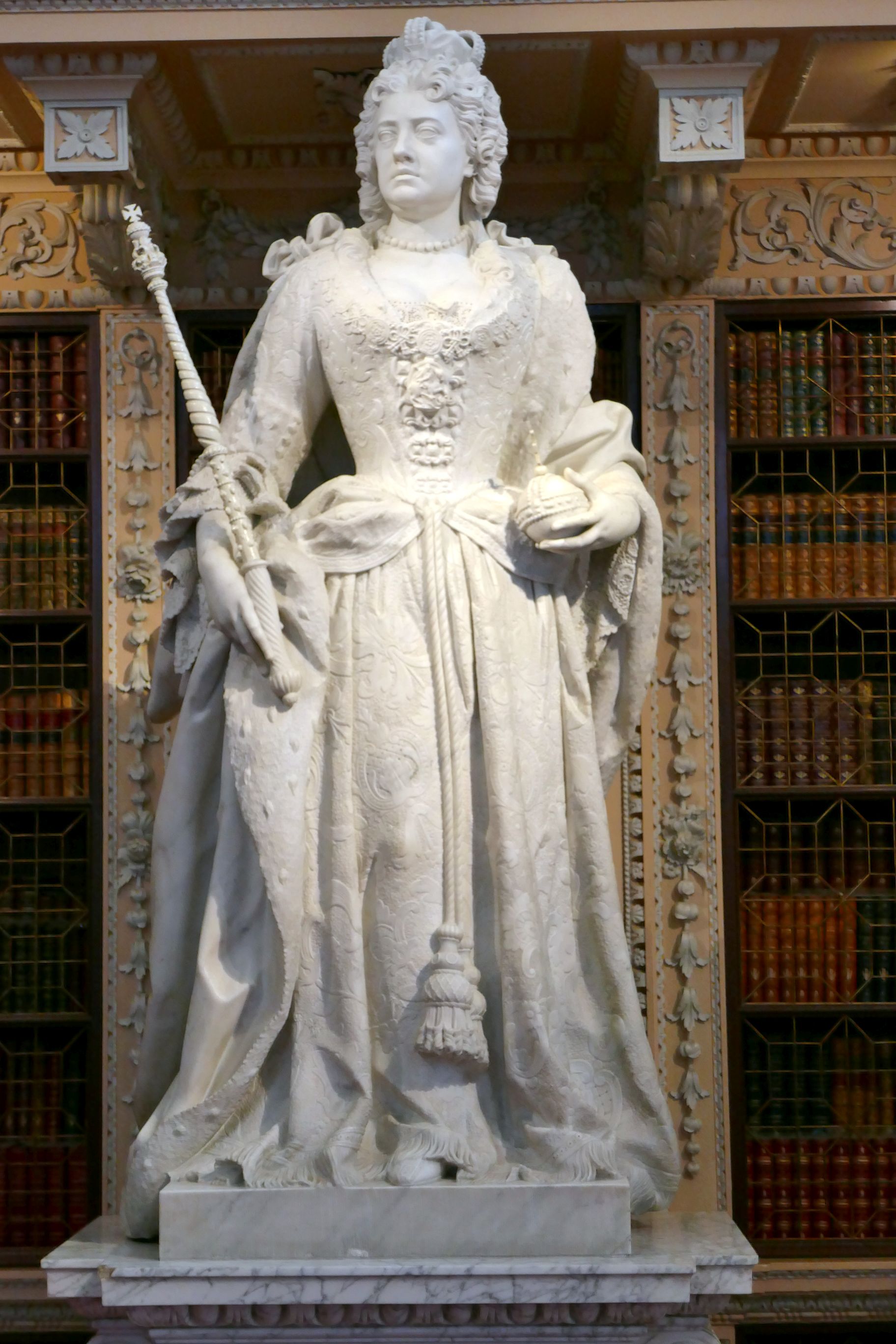
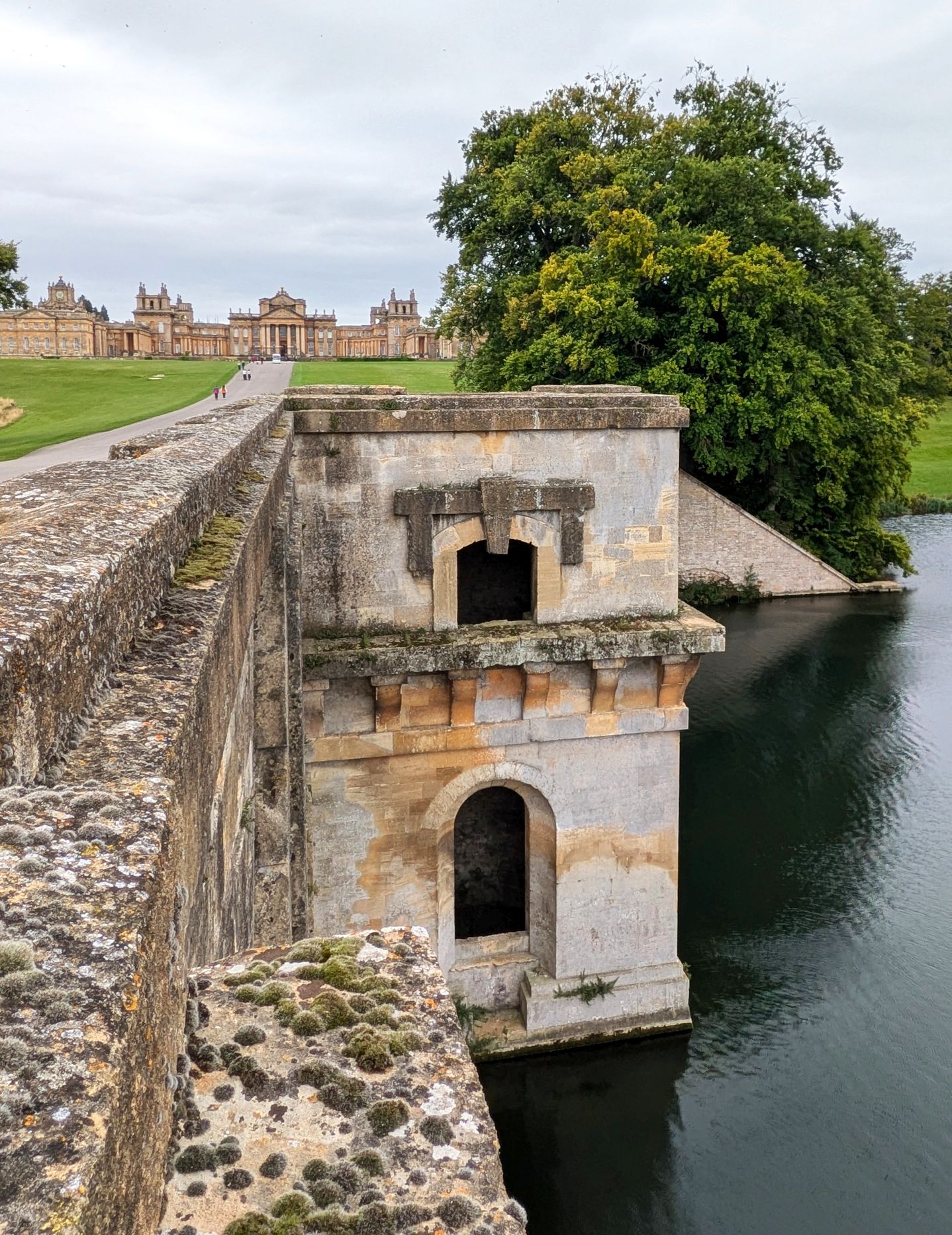
Blenheim Palace, a UNESCO World Heritage Site, was Winston Churchill’s birthplace in 1874.  Not too shabby of a place to begin life on this earth! 

The palace was built between 1705 and 1722, and it is massive.  We spent the morning visiting this enormous palace as well as the beautiful gardens.

(For all photos, click on the image for a full screen view.)
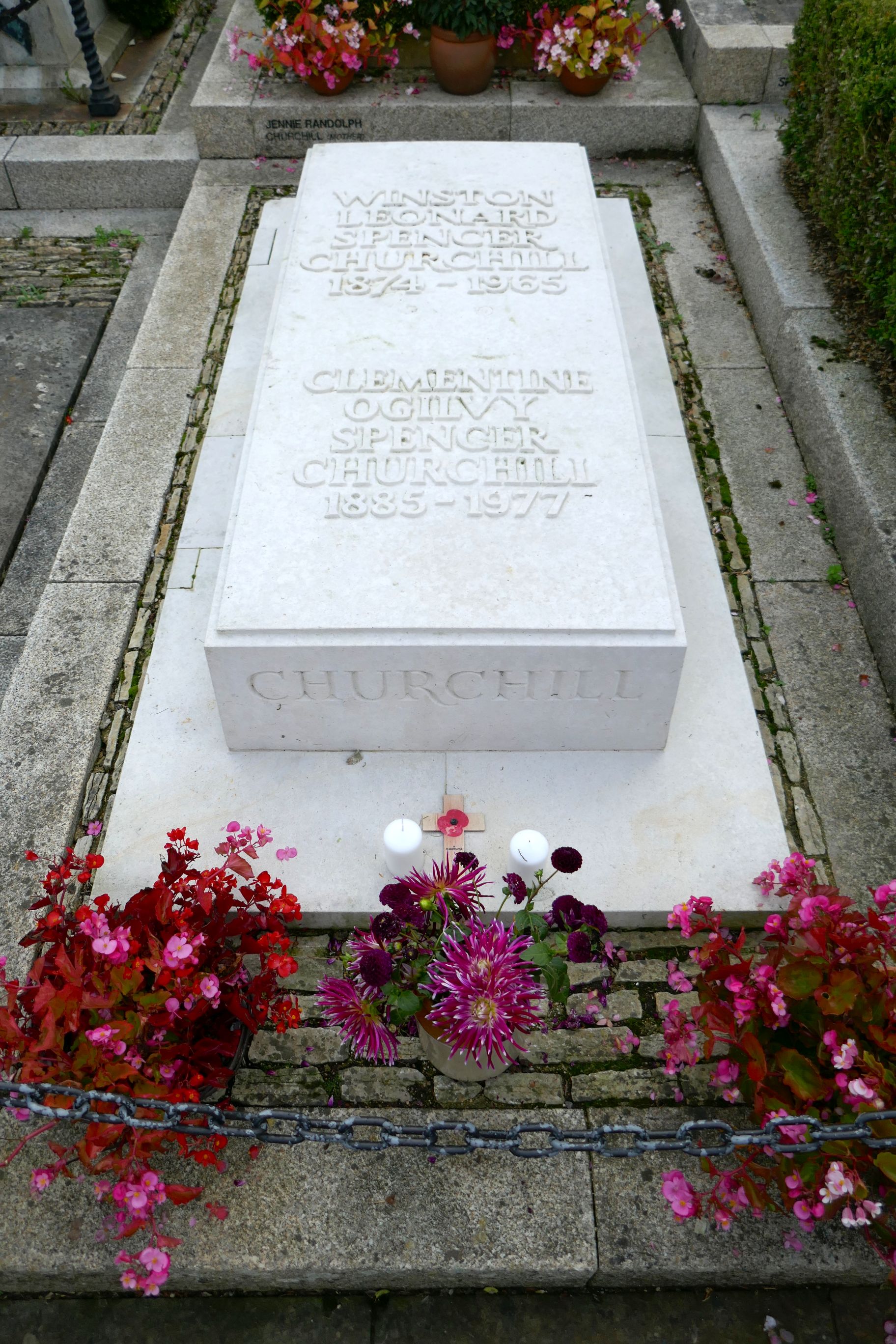
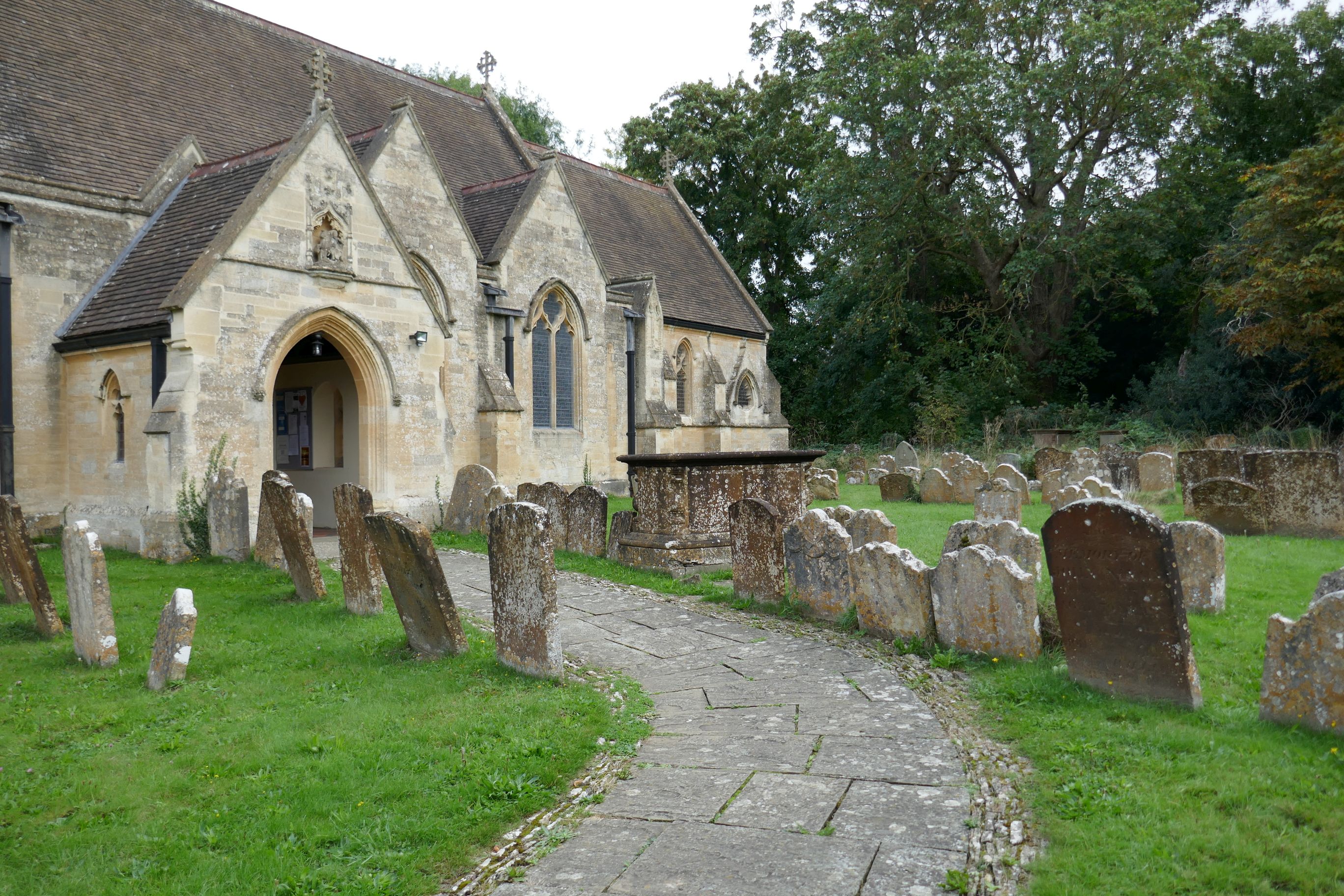
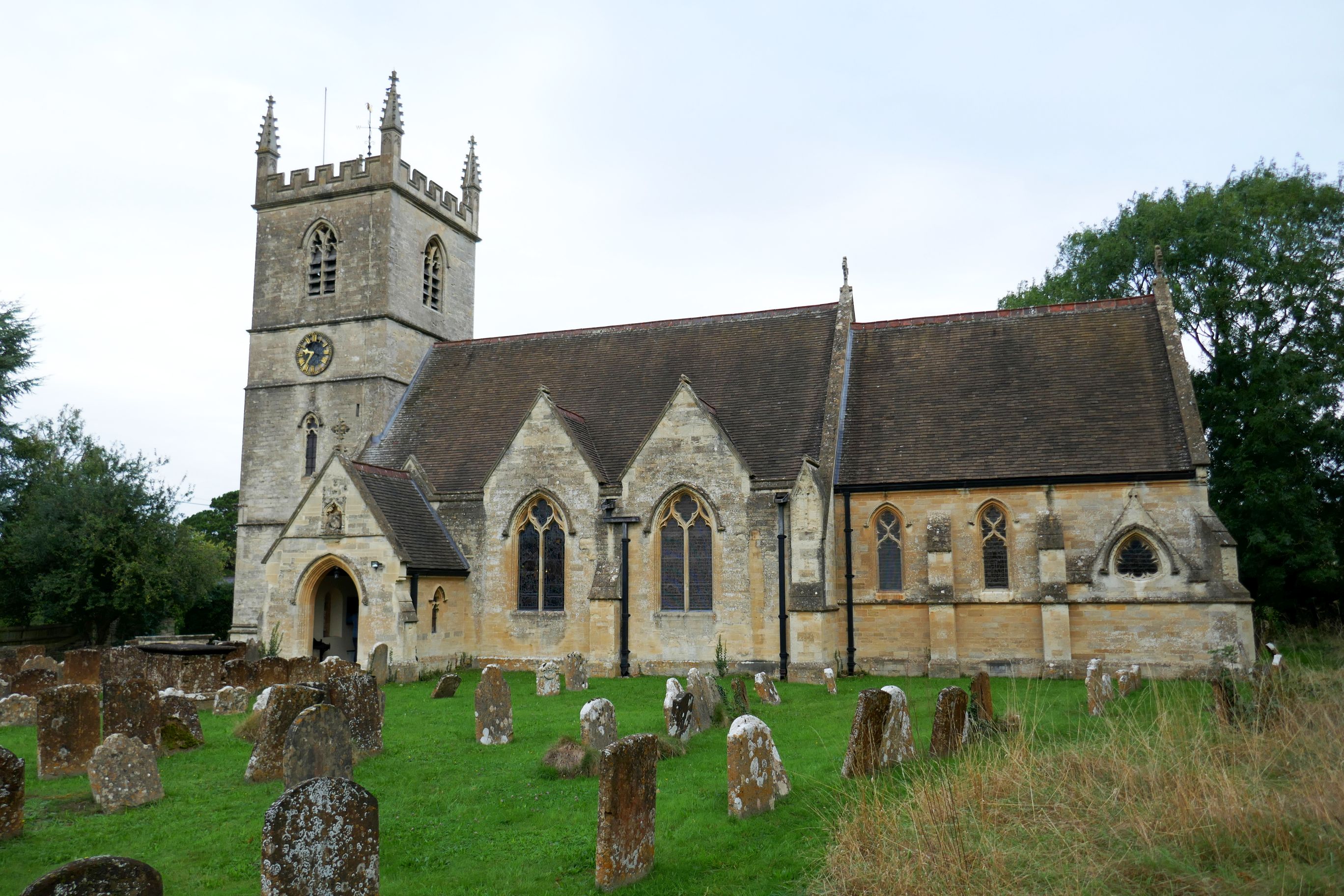
Before visiting the palace, we stopped to see Winston Churchill’s grave site at The Church of St. Martin Bladon.
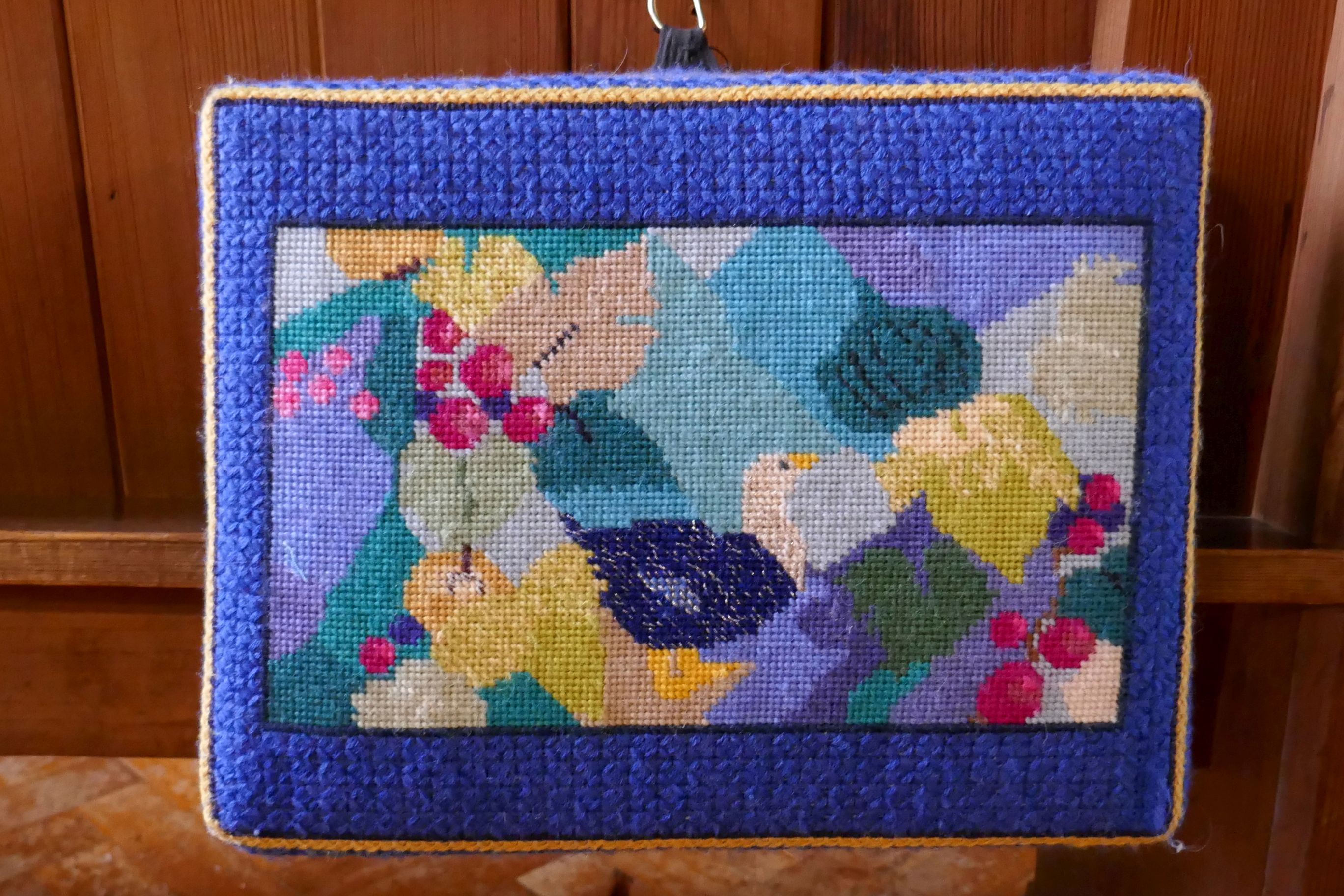
Handmade pew pillow
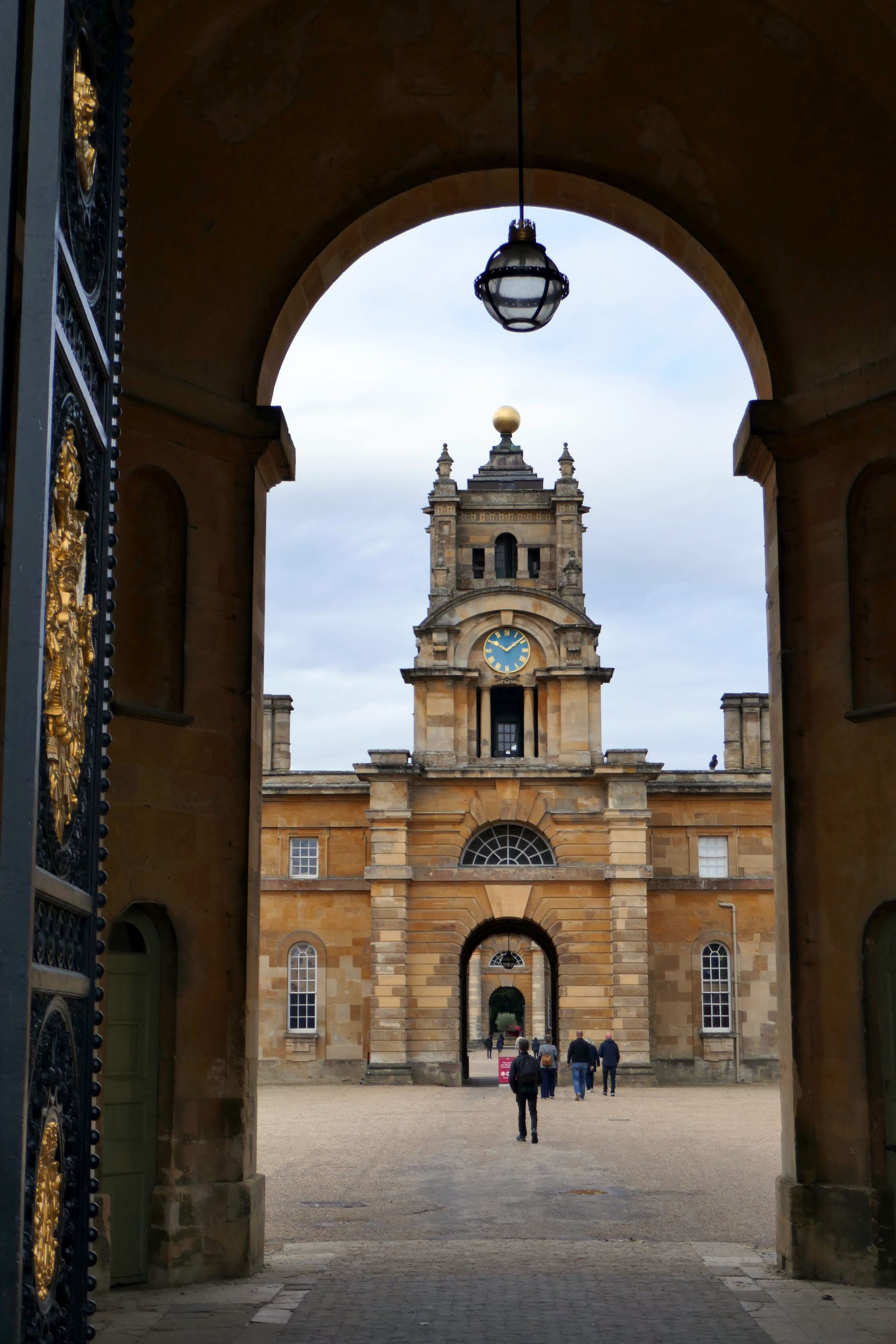
Entrance to Blenheim Palace
We first made our way behind the palace to see the gardens, and then walk the trails surrounding the massive estate.
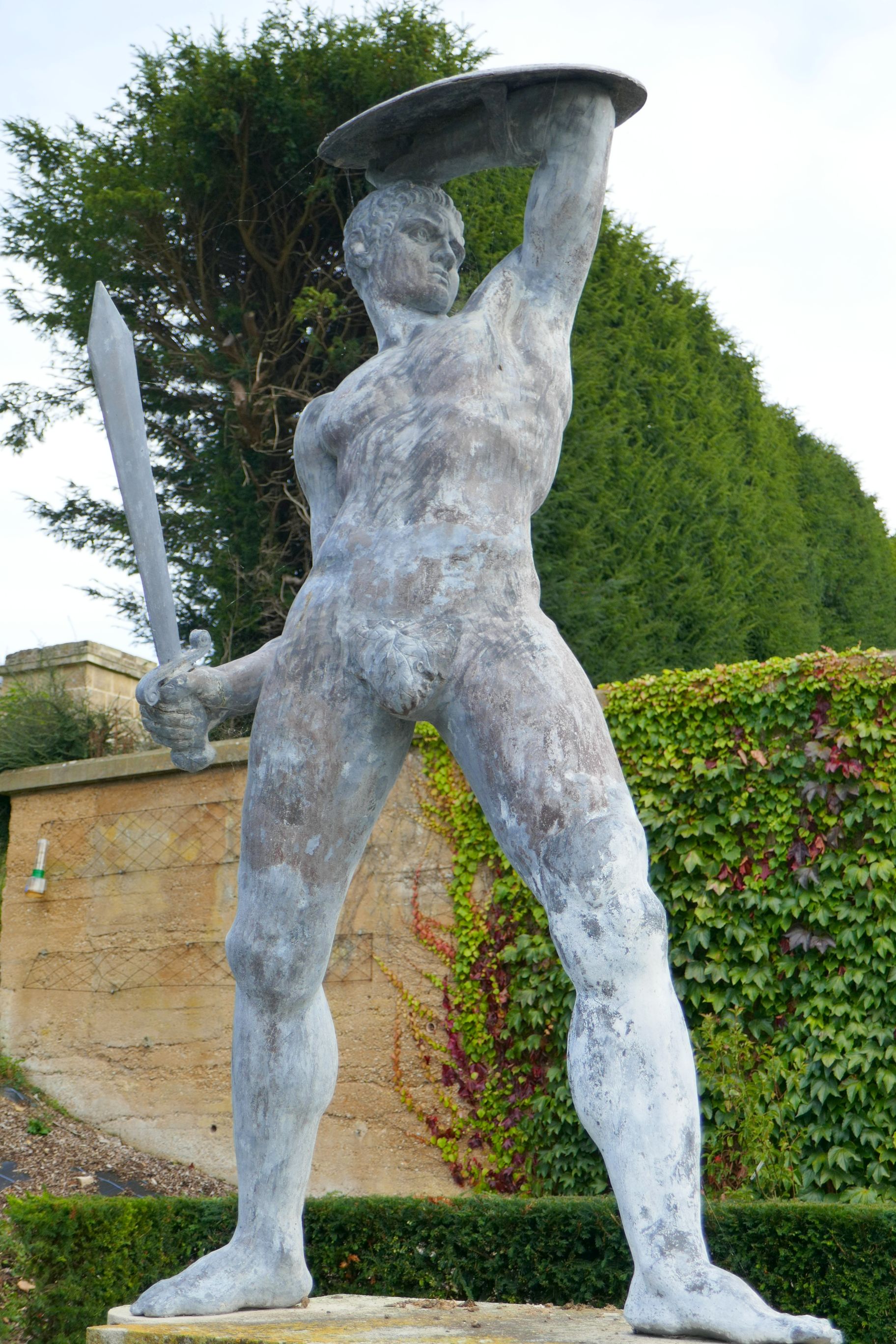
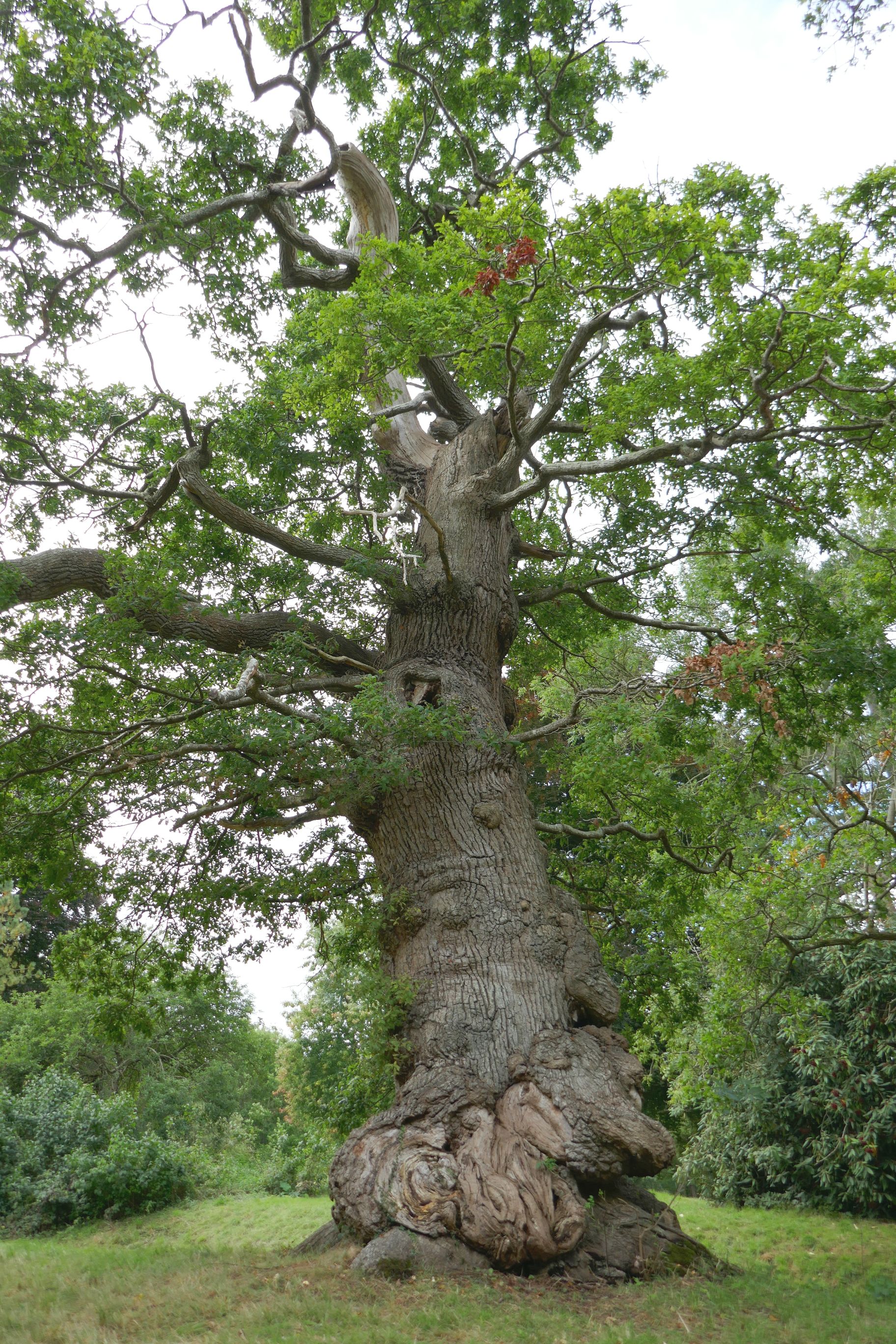
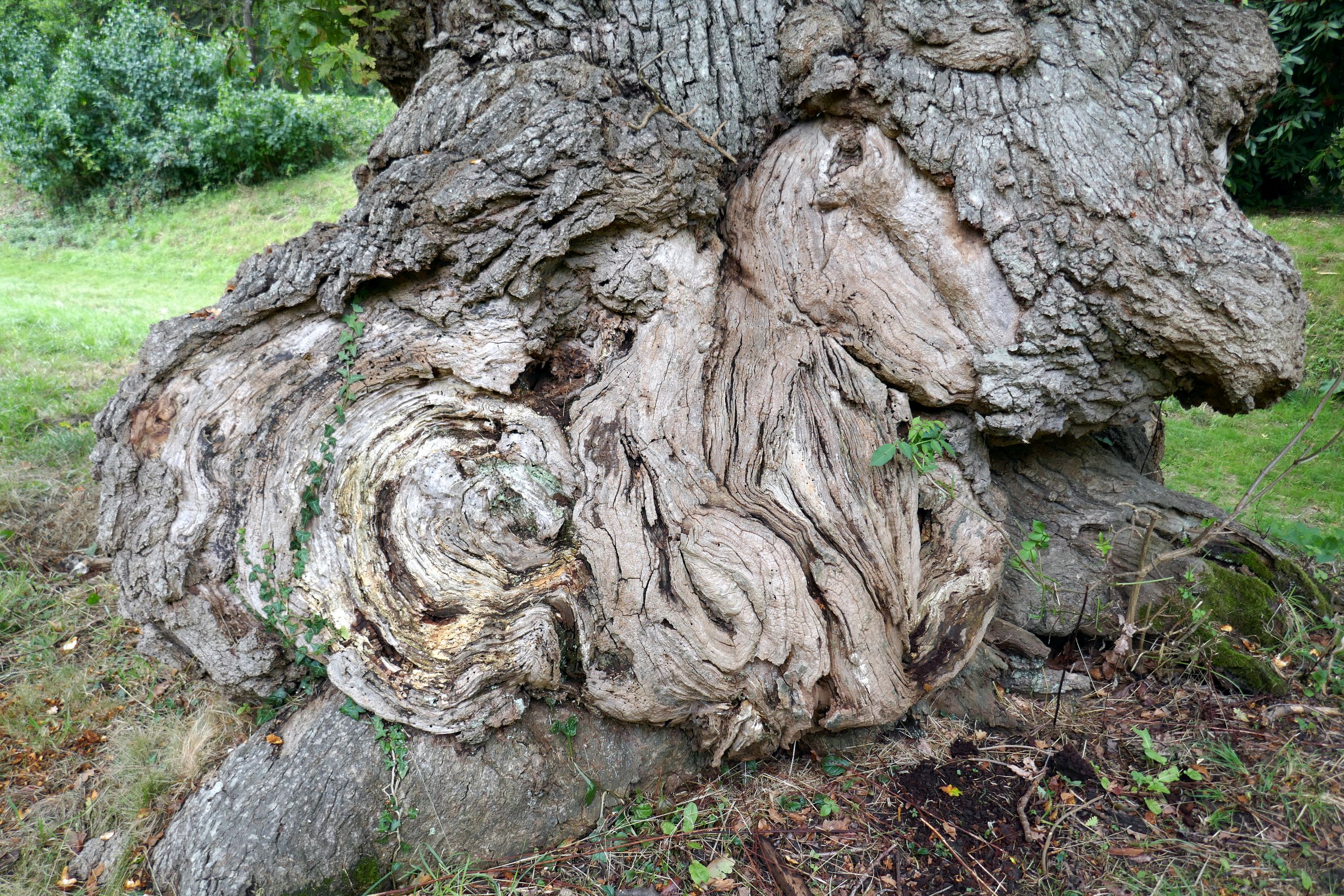
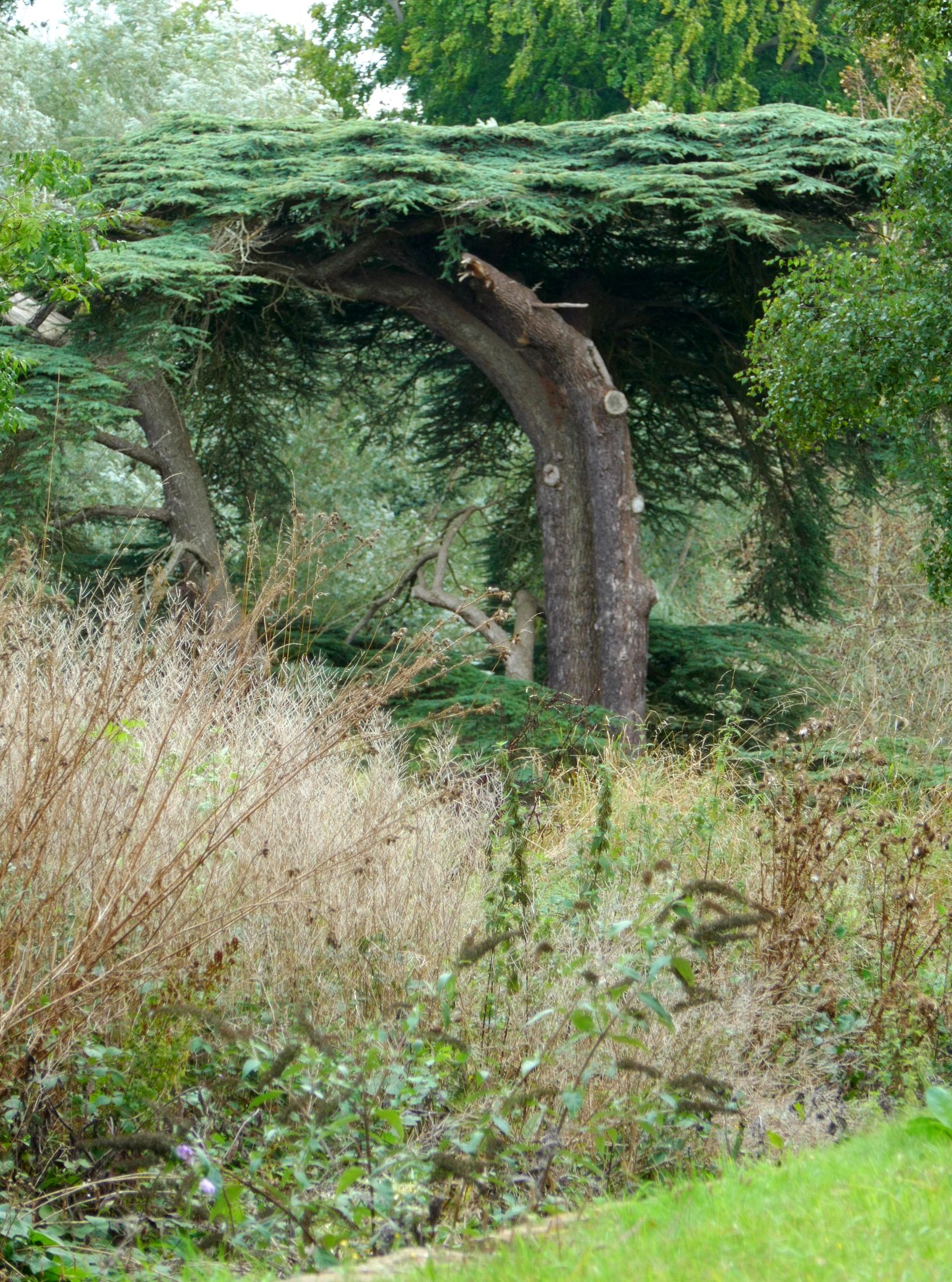
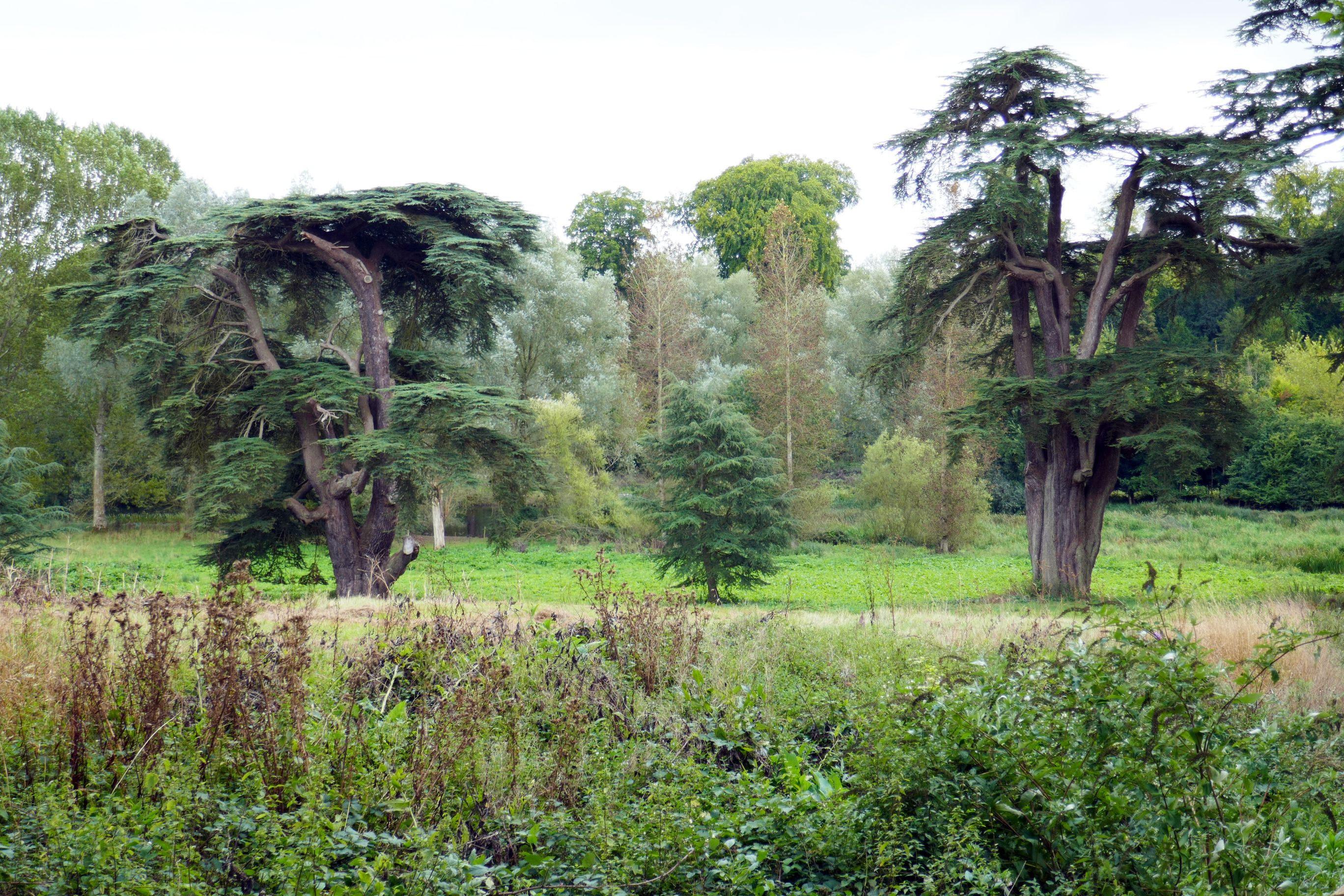
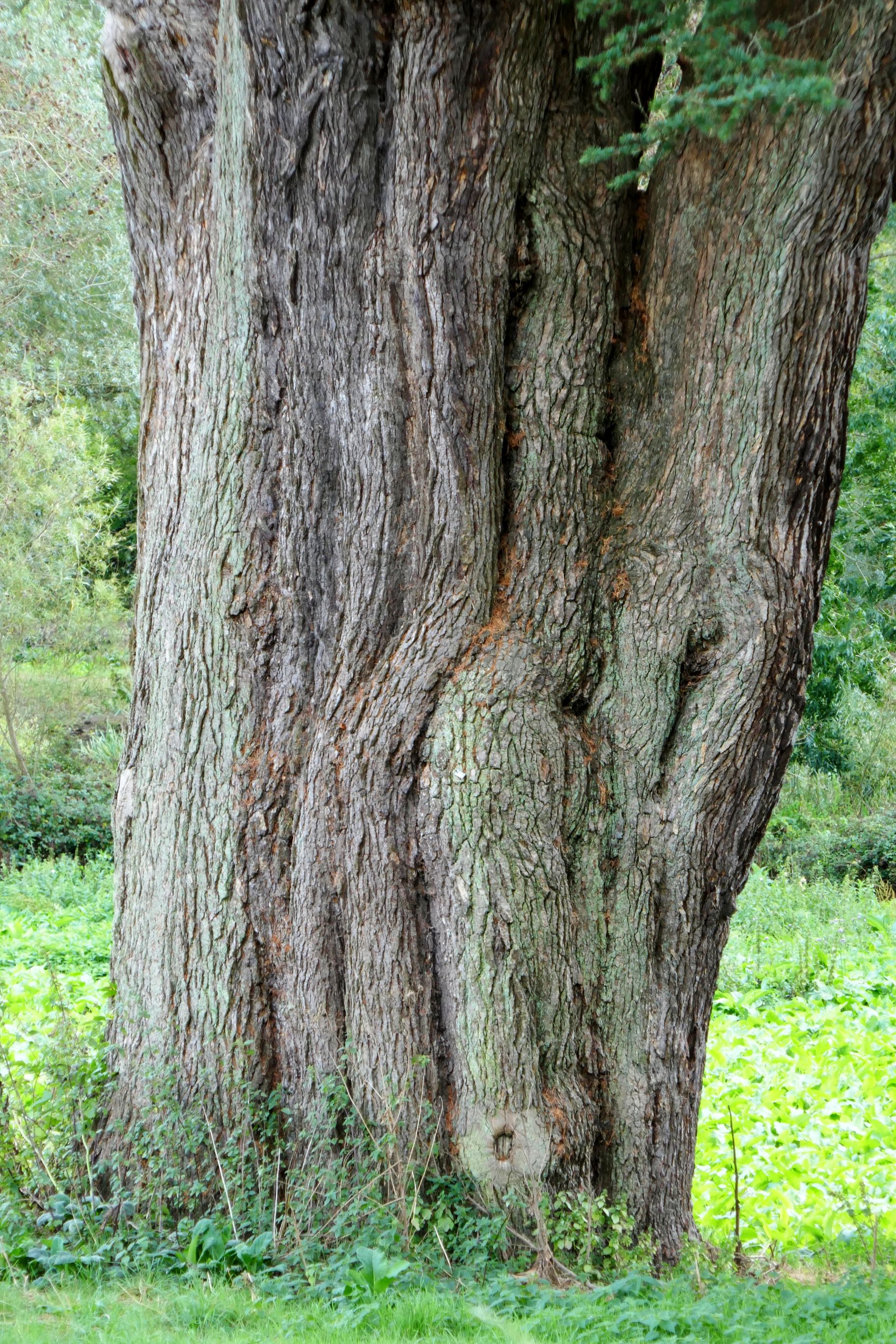
We saw an amazing collection of trees on the property.
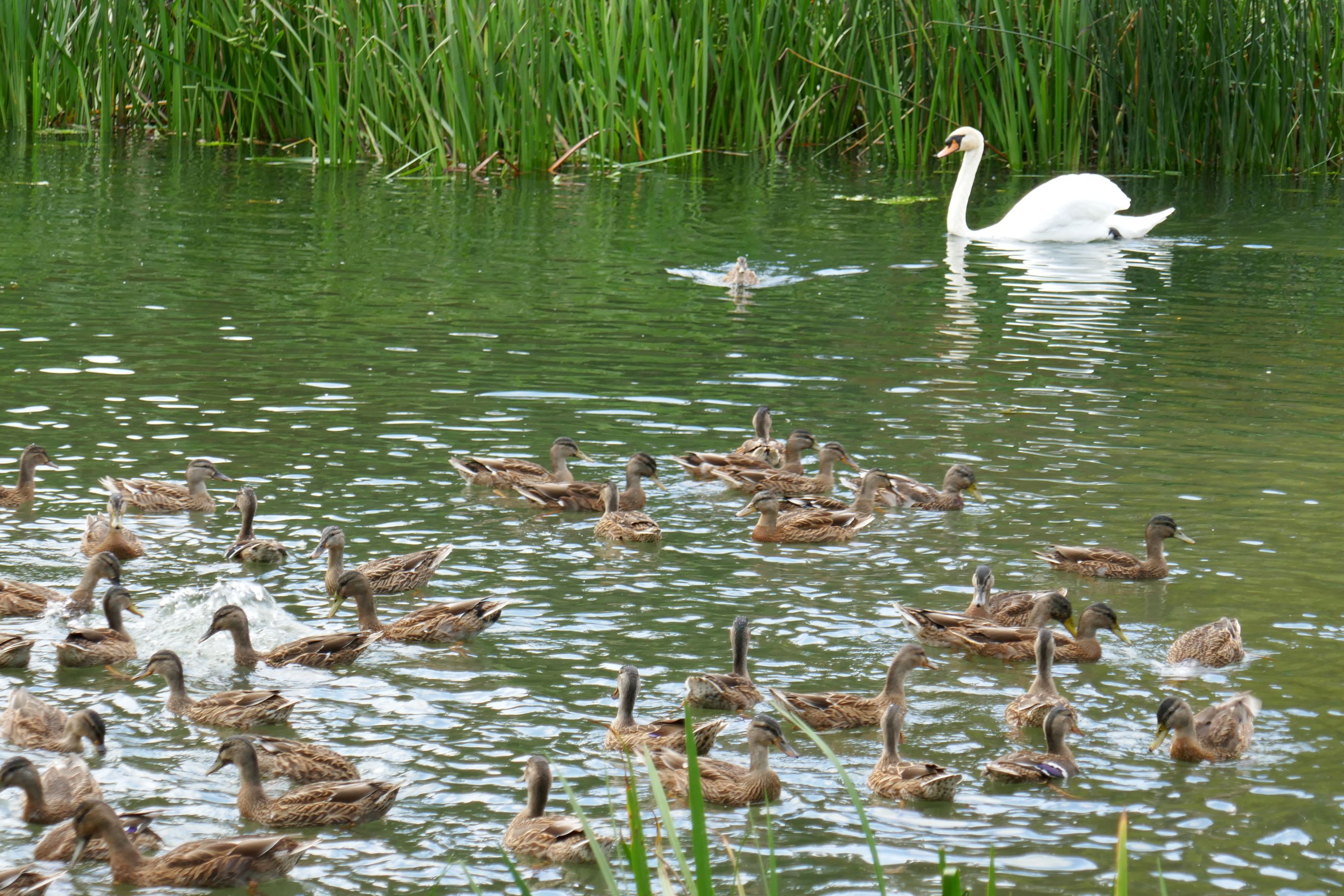
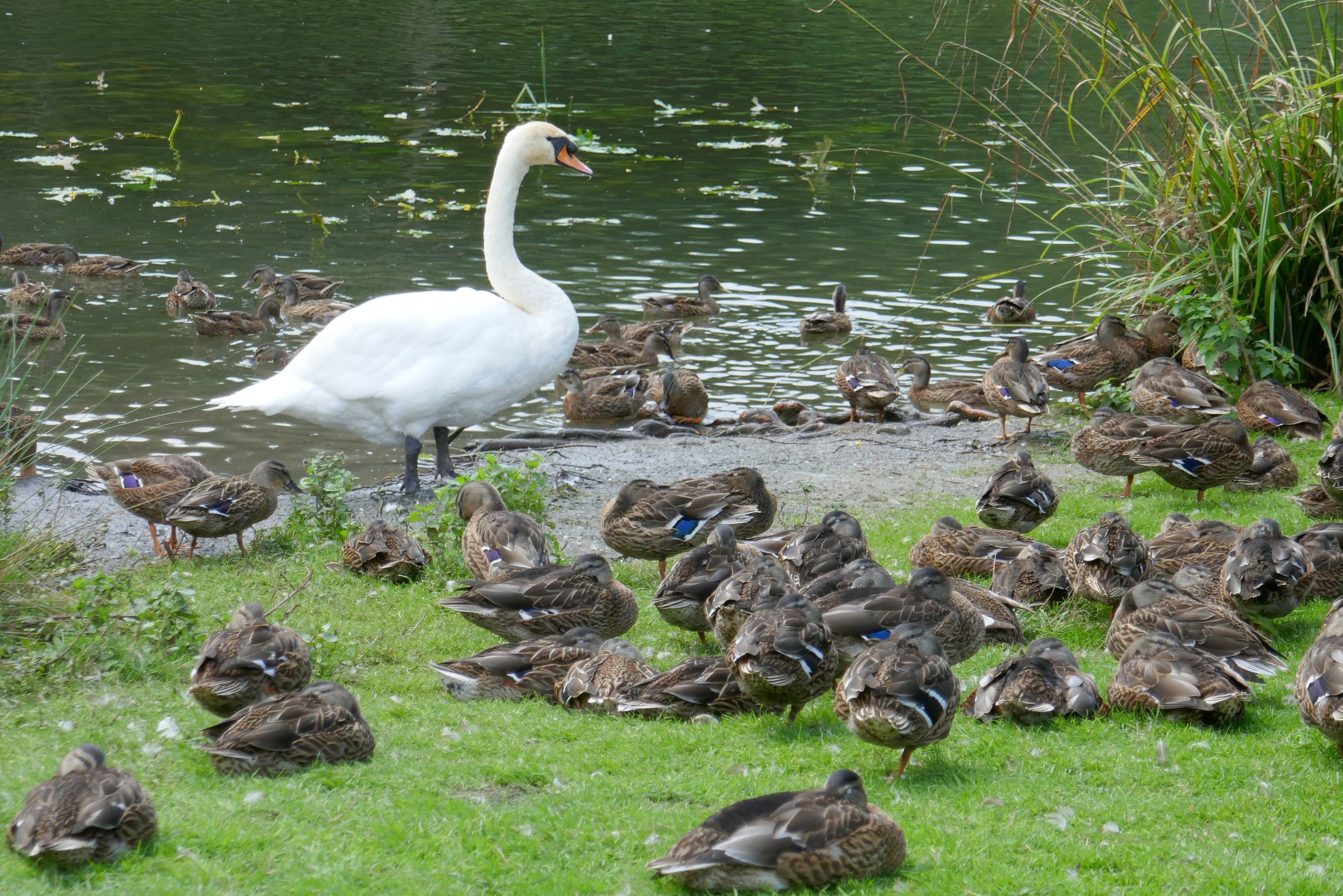
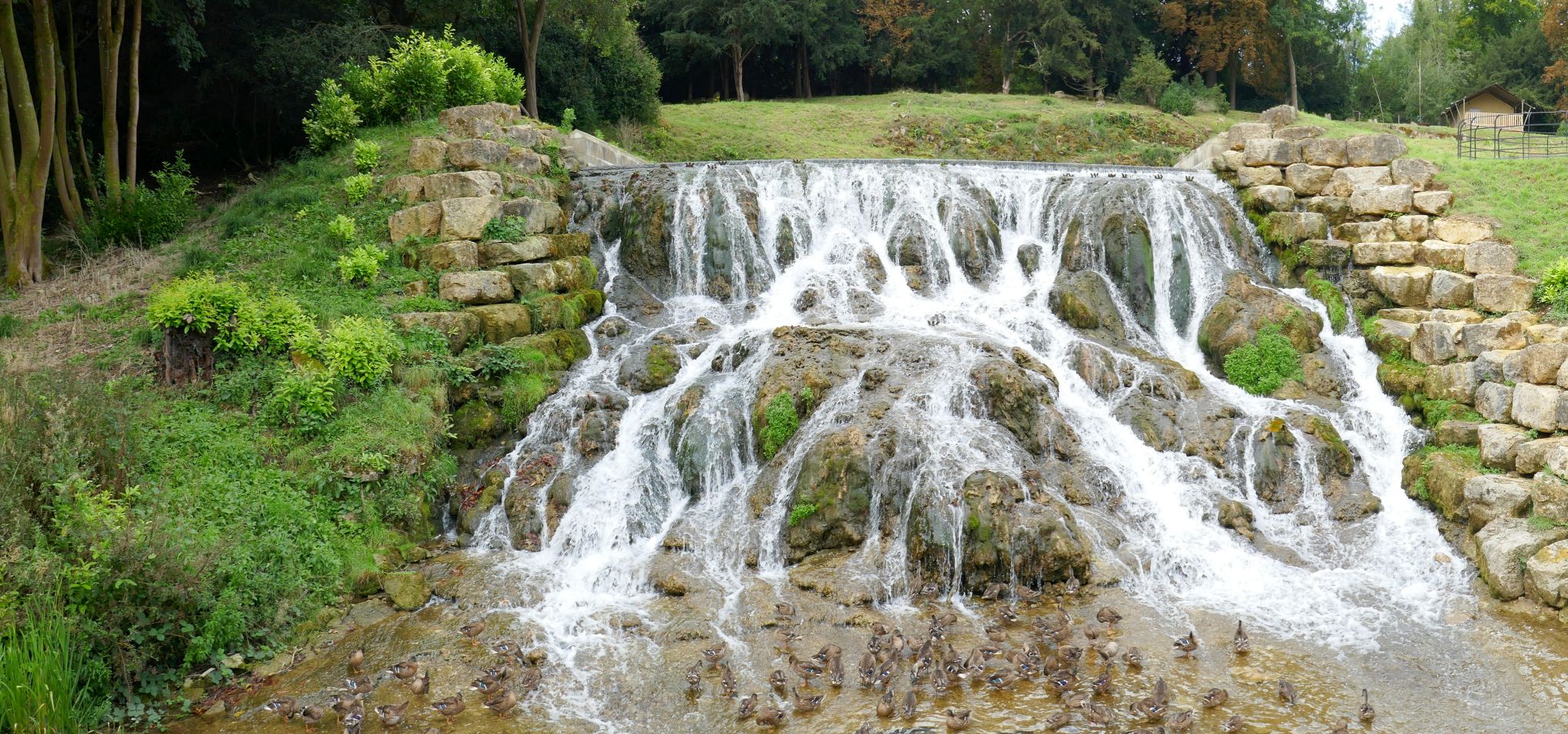
This is just a fraction of the ducks here. I have never seen so many ducks in one place in all my life!
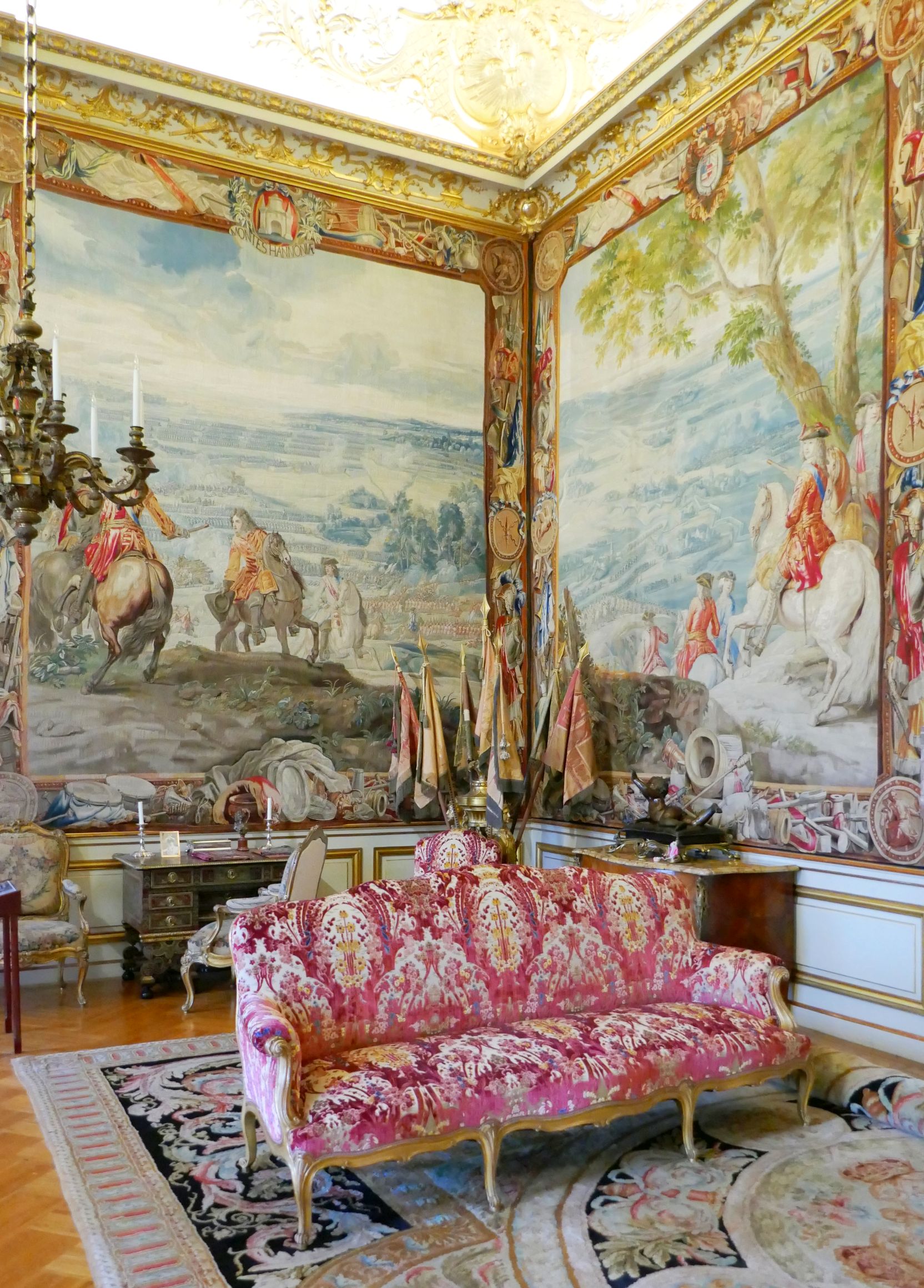
We returned to see more of the gardens and tour the palace.
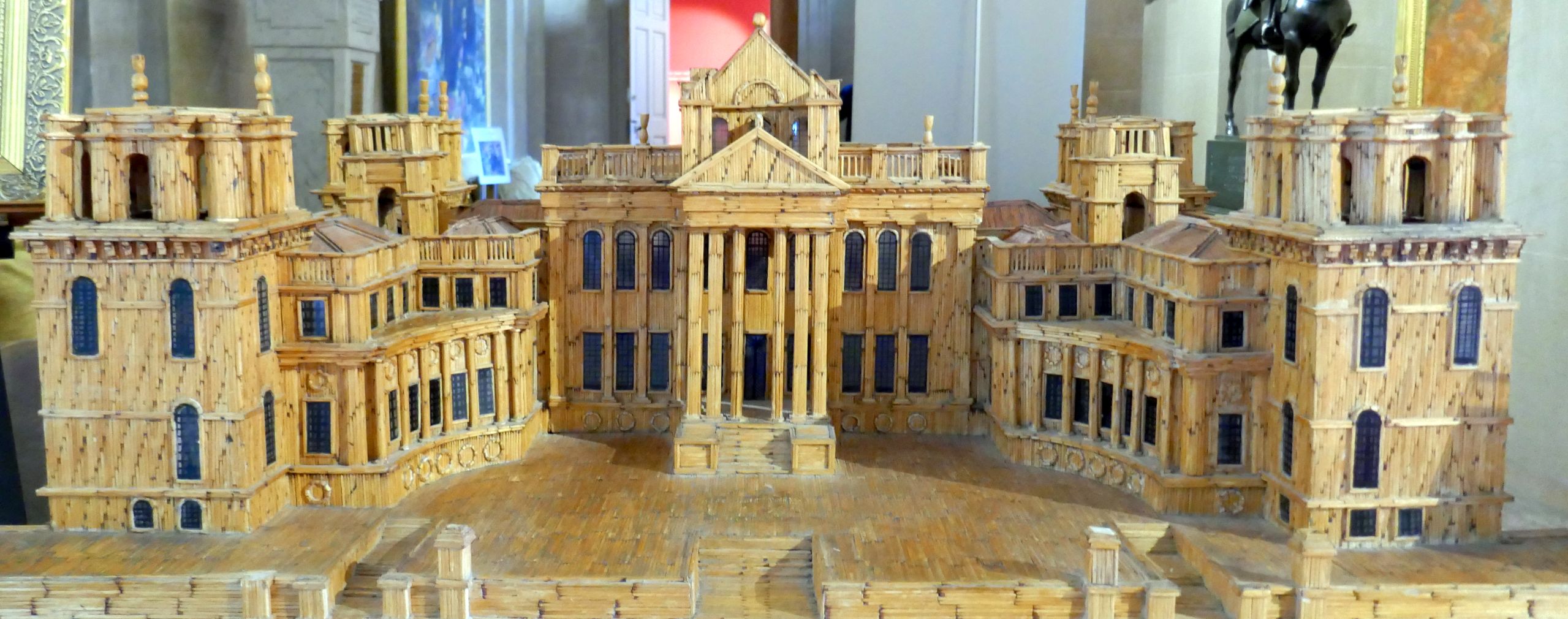
This model, constructed in 1990 with 100,000 matchsticks was made by Jean Donadel of Amiens, France. He had never visited, basing his work entirely on photographs.

Coming up next:  UNITED KINGDOM #20: LOVELY LONDON

UNITED KINGDOM # 18: BEAUTIFUL BATH

Splish splash, I was taking a bath!  If you are a Gen X, Y, Z or whatever, you probably don’t have a clue about that reference.  The song, Splish Splash was even before my time!  The story about Bobby Darin’s novelty record is funny, though.  Back in 1958, DJ Murray Kaufman bet that Darin couldn’t write a song that began with the that first sentence (above), as suggested by Murray’s mother, Jean Kaufman.  Darin won that bet, so the song was credited to Darin and “Jean Murray,” (a combination of their names) to avoid any hint of payola.  The song was a big hit.

But I digress.  This post is about Bath, the lovely city in Somerset, England, near the southern edge of the Cotswolds, named for its Roman-built baths.

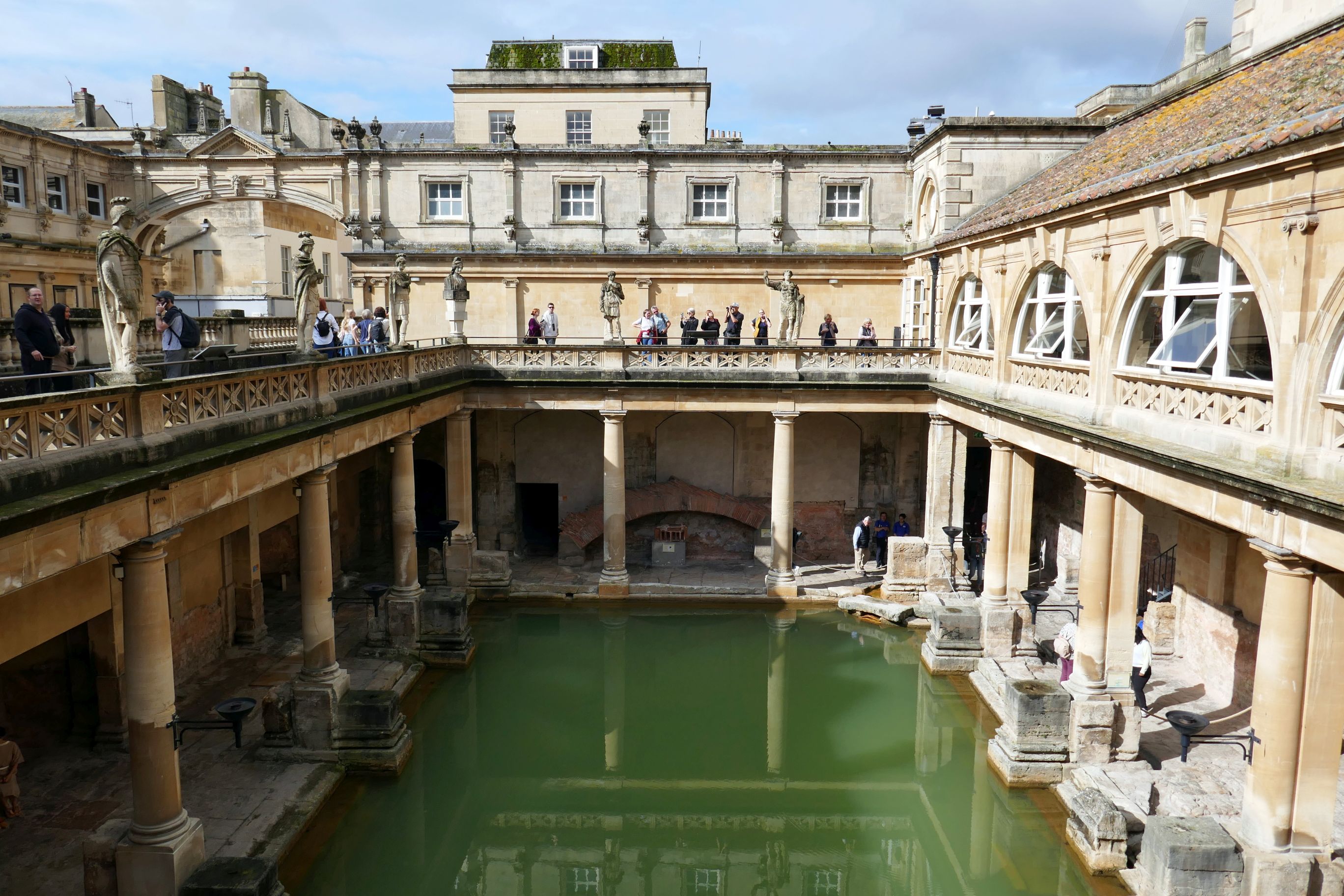
The baths are THE main attraction, so our group toured the complex.  We learned that before the Romans invaded in 43 AD, the hot water spring was a sacred place of worship for the local people.  The Romans came in and harnessed the hot water to supply a new bath house.  They built a temple and dedicated it to a new goddess, Sulis Minerva.  People visited the baths, Sacred Spring, and temple from around the Roman world. 

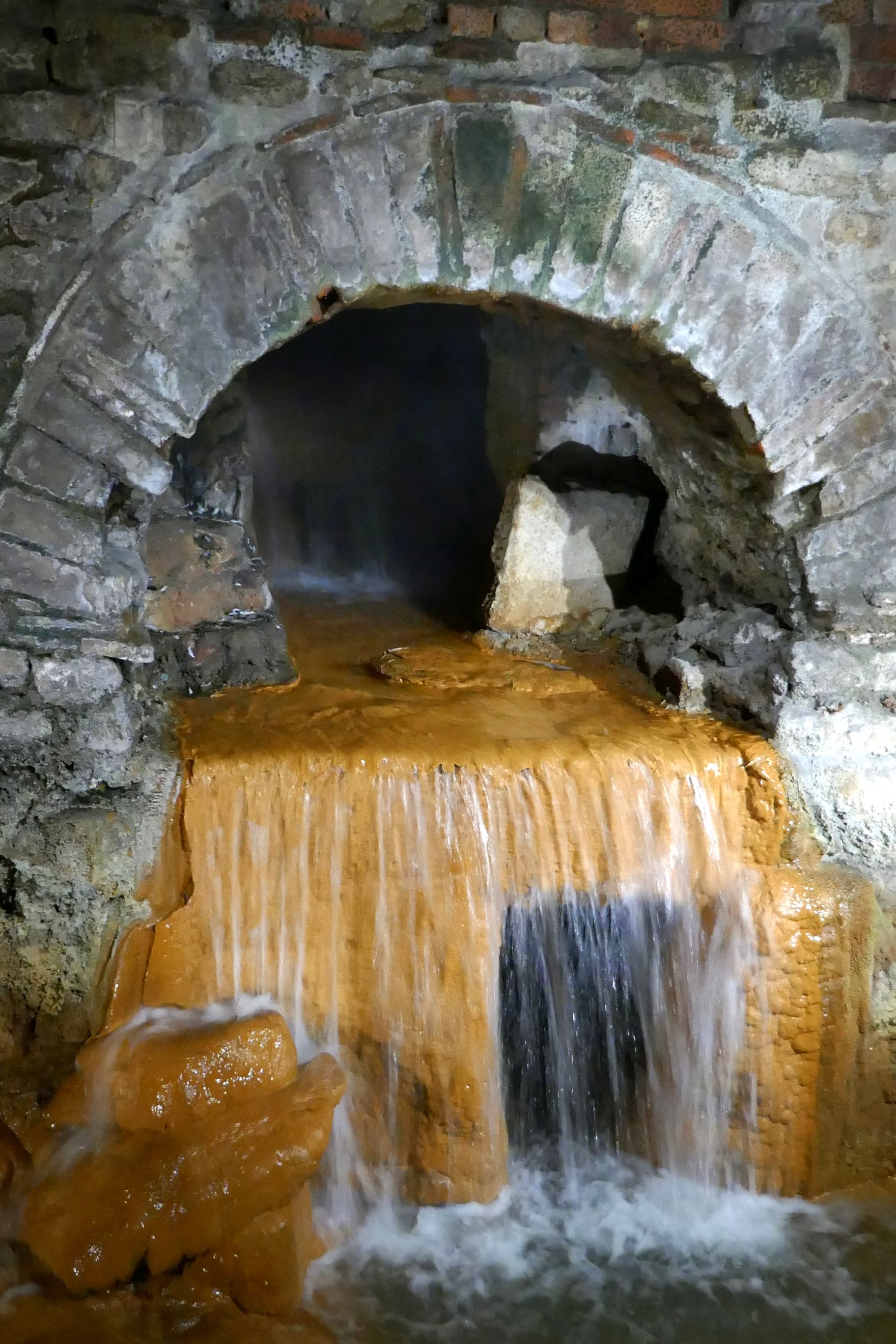
The 114-degree (Fahrenheit) water in the spring bubbles up into the King’s Bath, which was built in the 12th century.  Beneath the King’s Bath is a reservoir built by Roman engineers who used the hot water to supply the baths.  Studies have shown that the “magical waters” are full of minerals and have antibiotic properties.

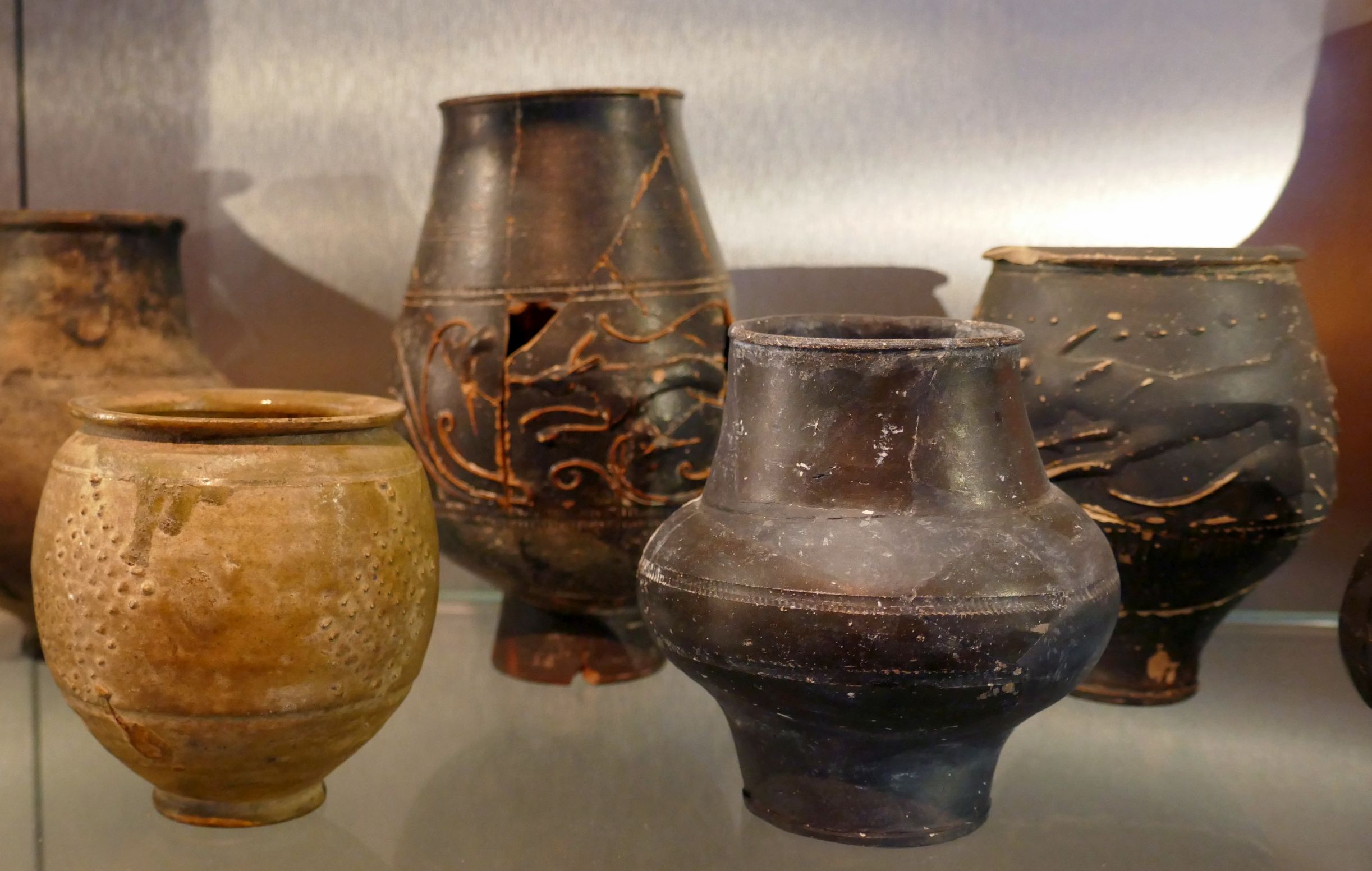
The baths have quite a history.  They were designed for public bathing and were used until the end of the Roman rule in Britain in the 5th century.  A century later, they were in ruins and then redeveloped several times after that.  Today, it is a huge tourist attraction with a museum that houses artefacts from the Roman period, including objects that were thrown into the Sacred Spring as offerings to the goddess.

(For all photos, click on the image for a full screen view.)

Hot spring overflow
Recovered coins that had been thrown into the hot spring as an offering to goddess Sulis Minerva
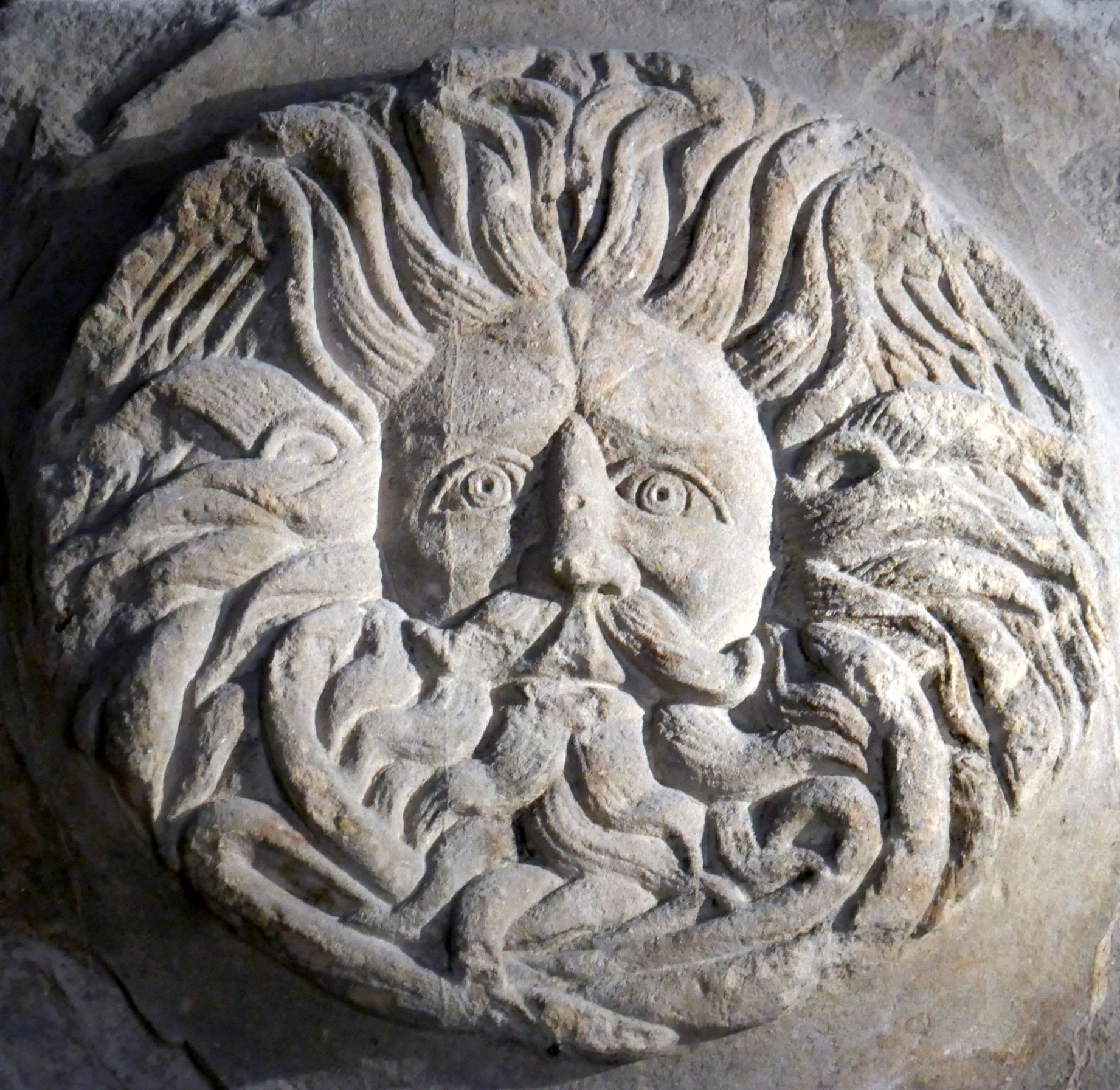
The “Gorgon head” the temple pediment

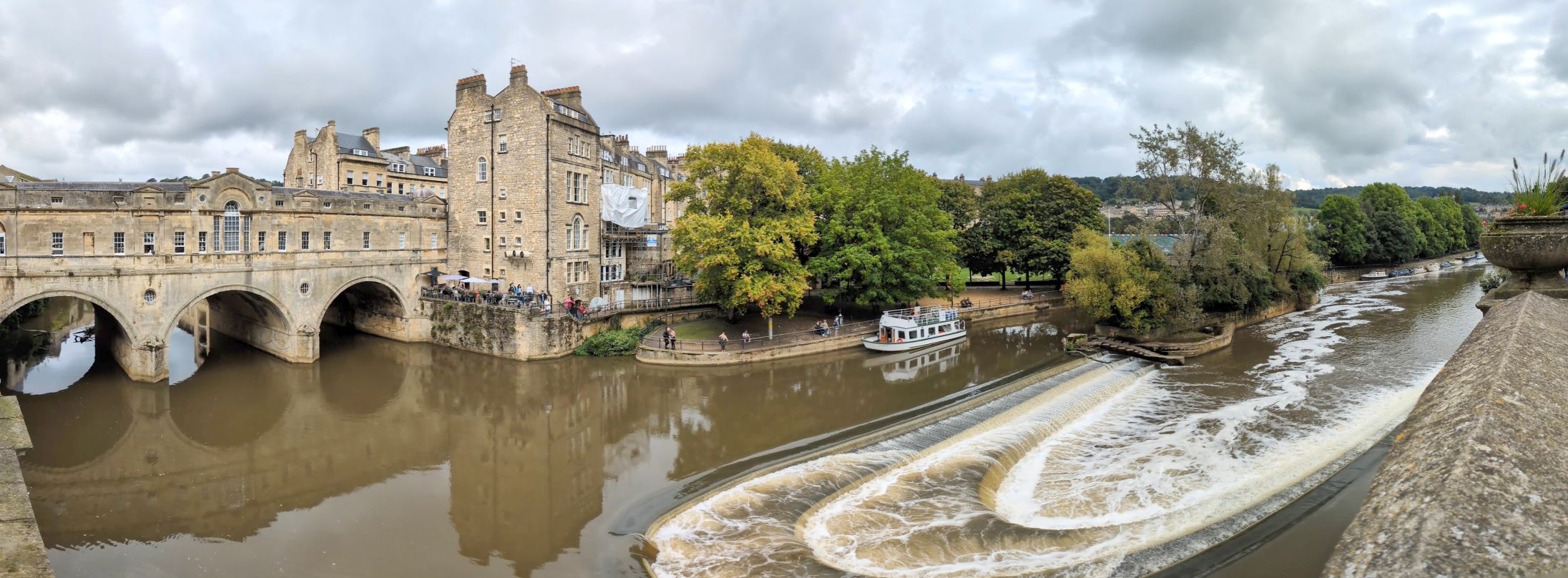
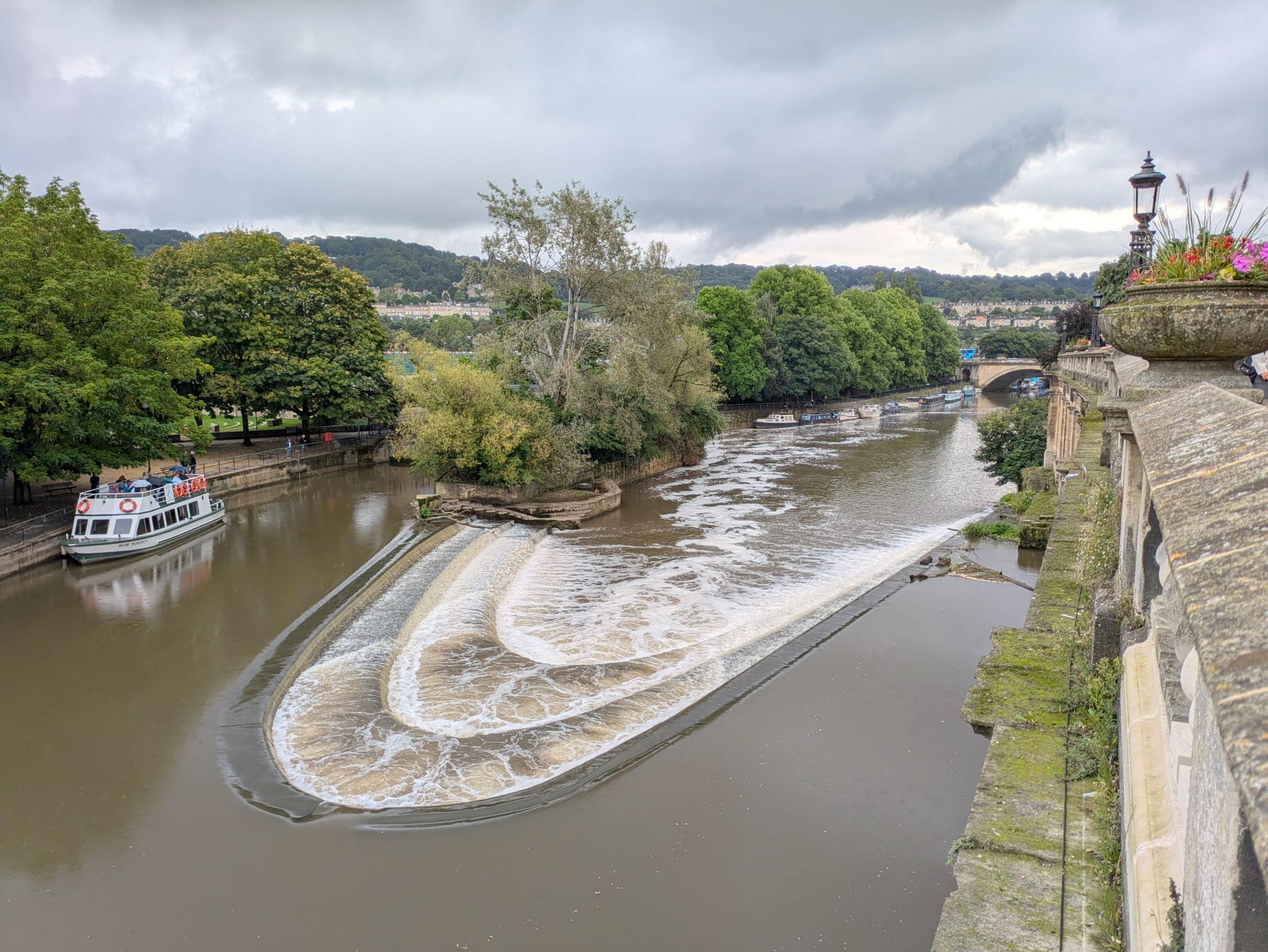
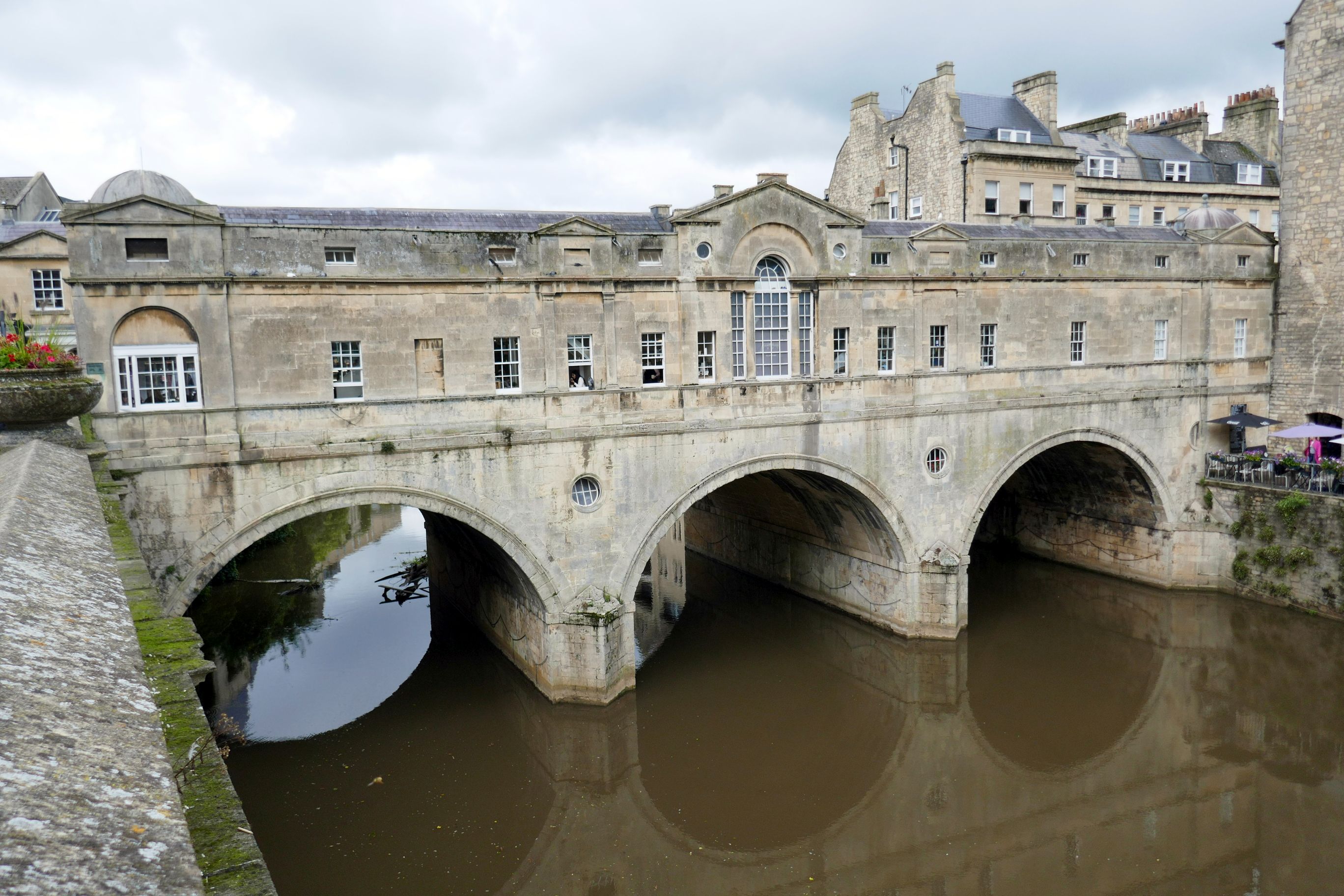
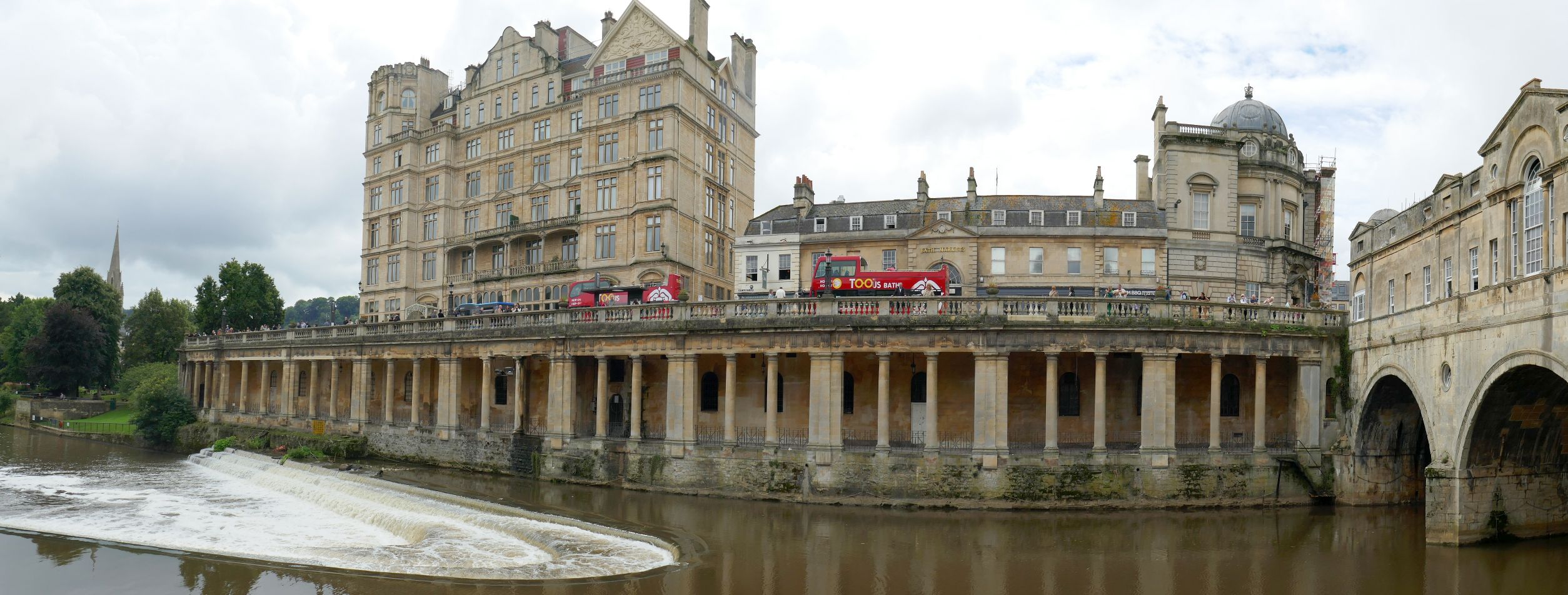
Following our visit to the baths, we had time on our own to explore this city of around 94,000 people before joining a local guide for a walking tour.  We enjoyed spending our free time seeing the picturesque Pulteney Bridge that crosses over the River Avon.  Built in 1774, it has shops and a restaurant across its span.

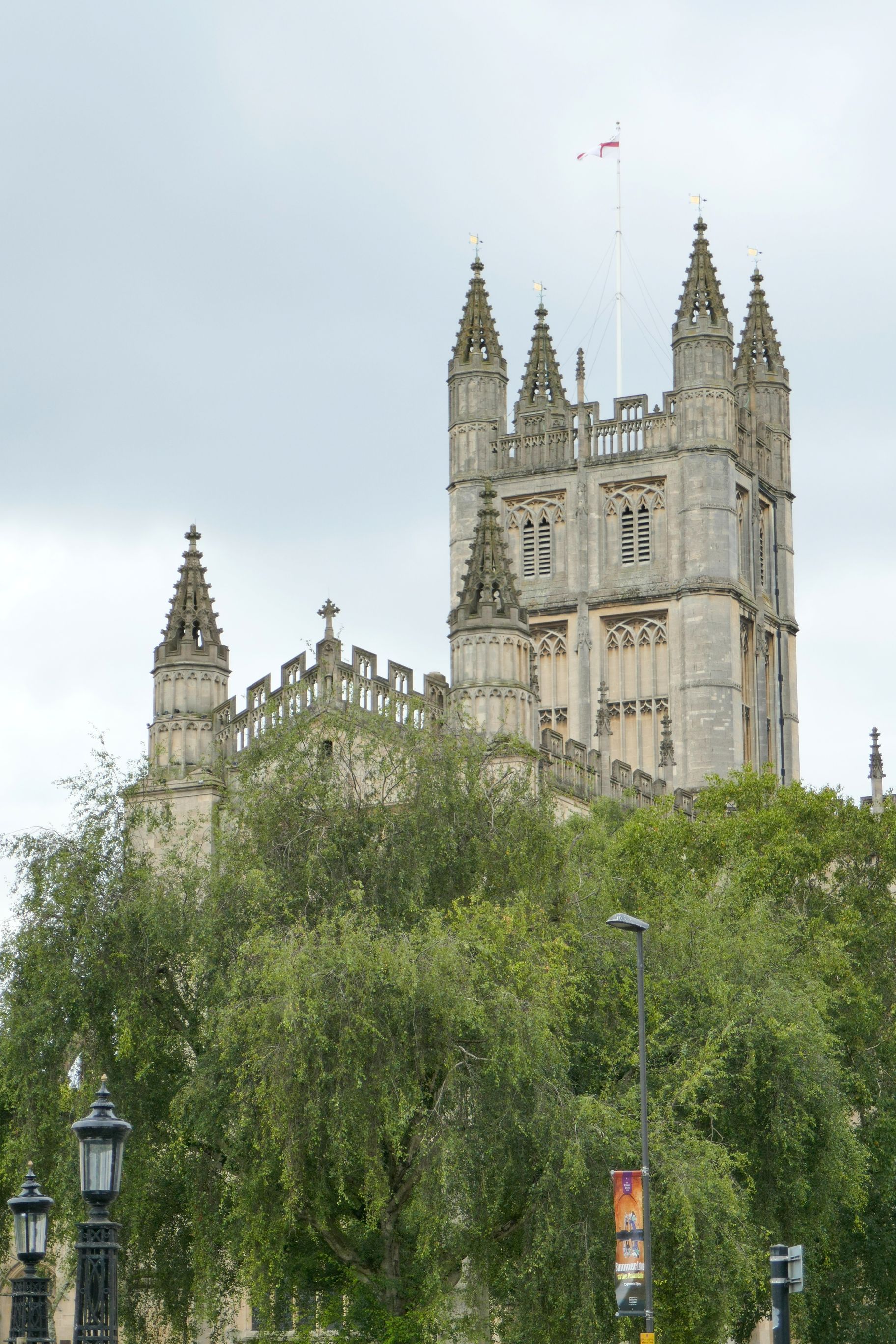
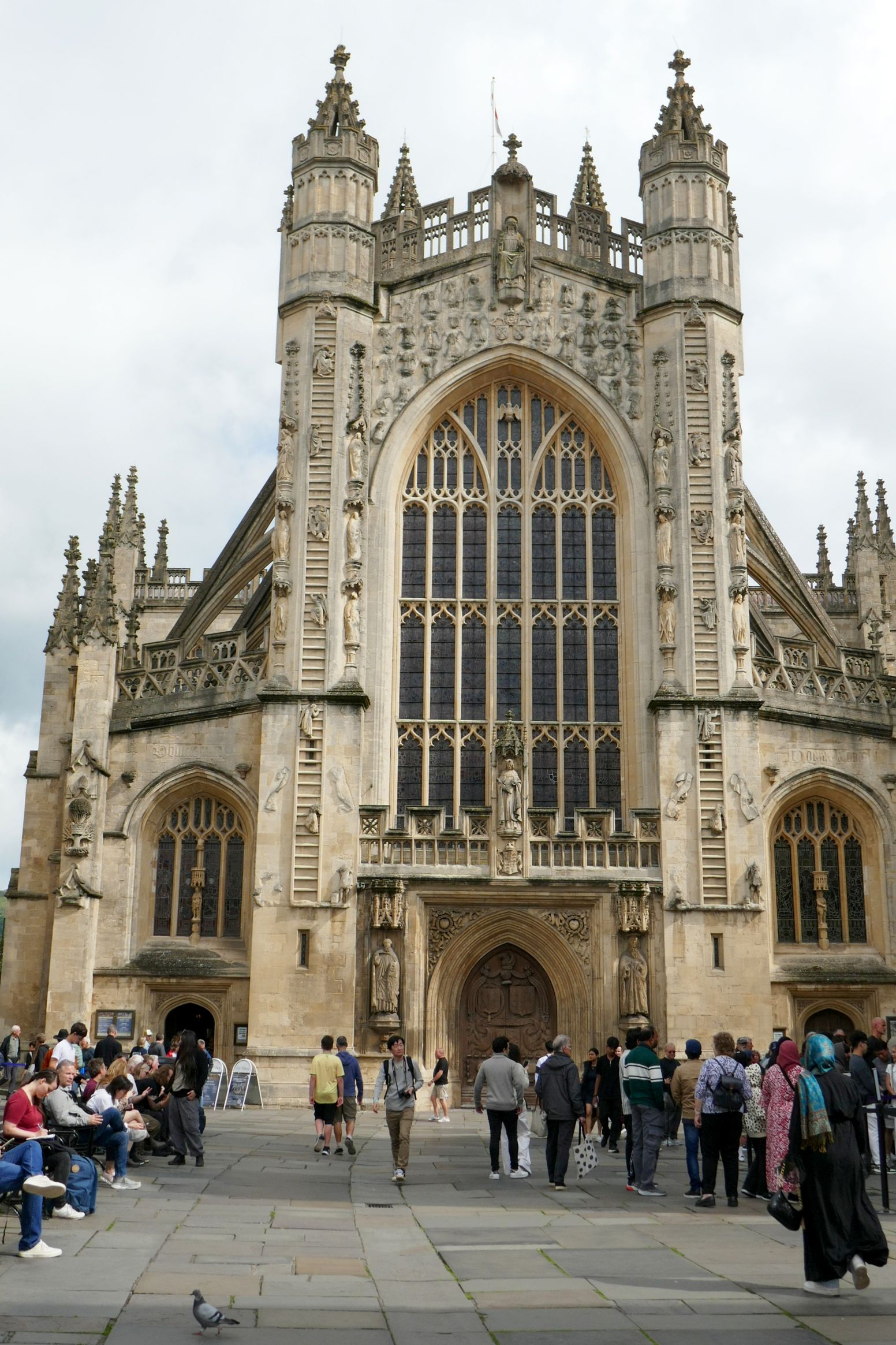
A UNESCO World Heritage Site city, Bath is also known for Bath Abbey, founded in the 7th century and rebuilt in the 12th and 16th centuries.  We didn’t see the interior; however, the exterior is quite a centerpiece of the town, along with the baths. 

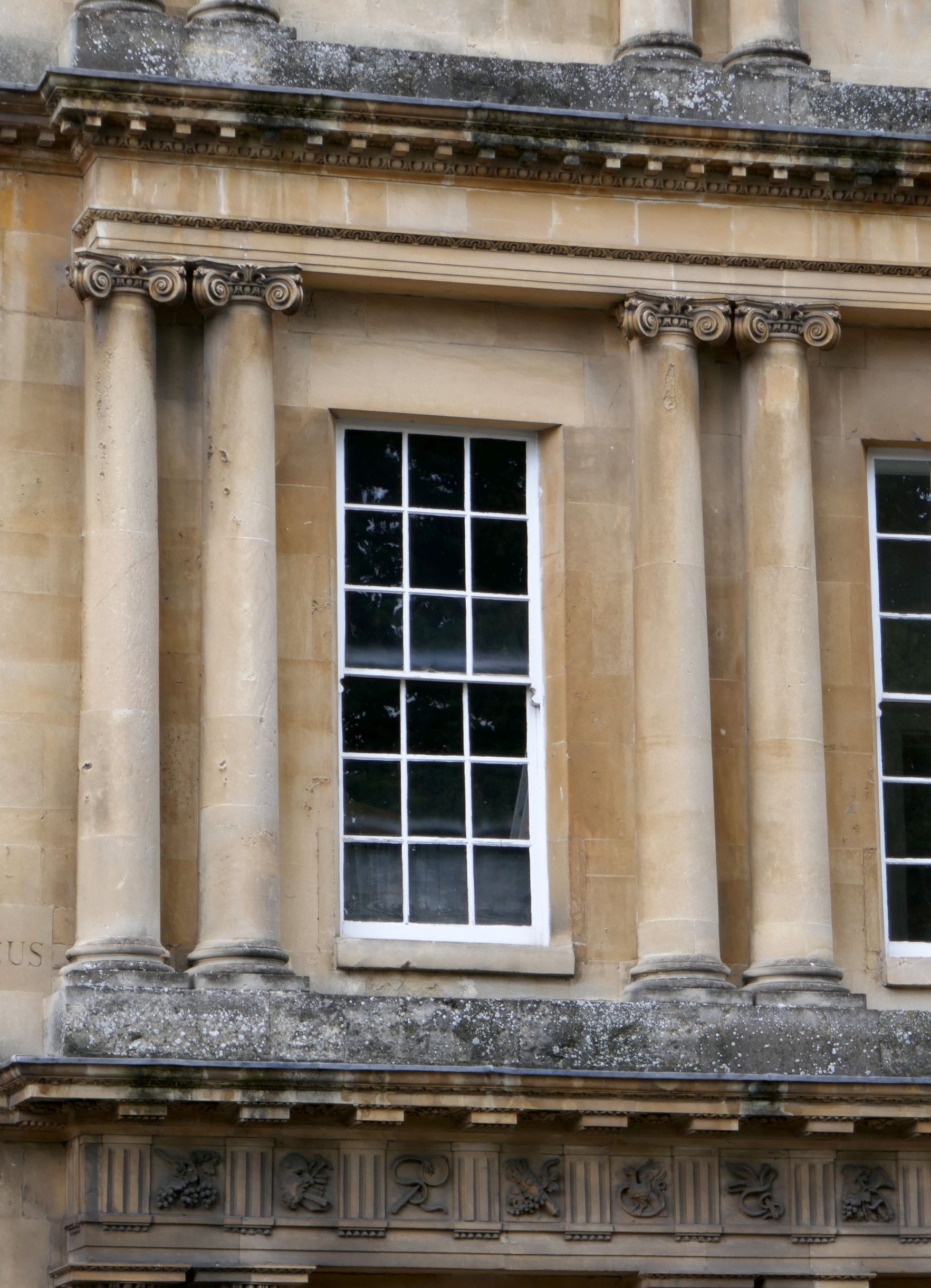
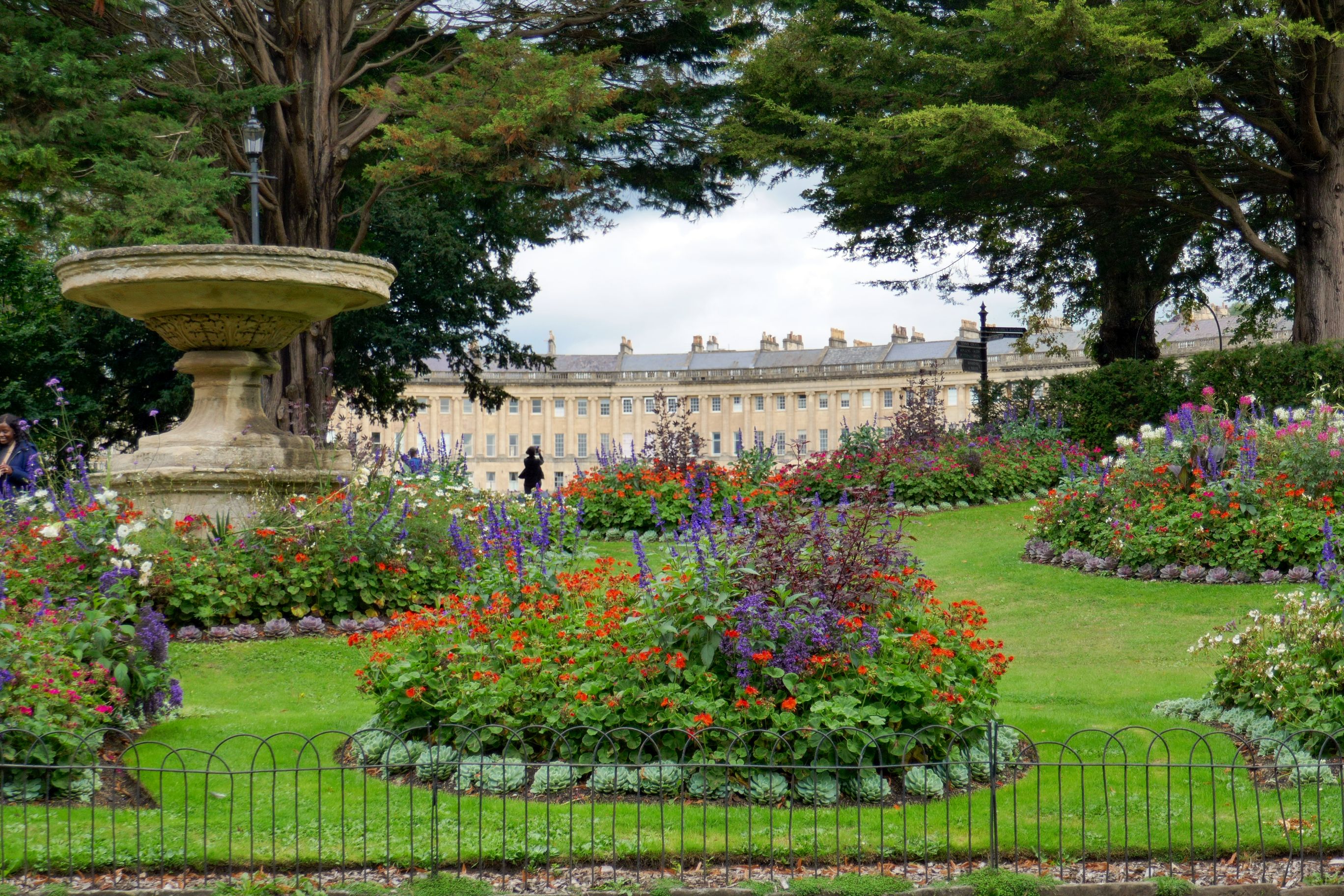
Our walking tour covered the highlights of Bath, most notably the Royal Crescent, a row of 30 terraced houses.  Completed in the same year as the Pulteney Bridge, it is considered one of the greatest examples of Georgian architecture in the United Kingdom.  The 500-foot-long crescent has been home to many rich and famous people, and it has appeared in several films.

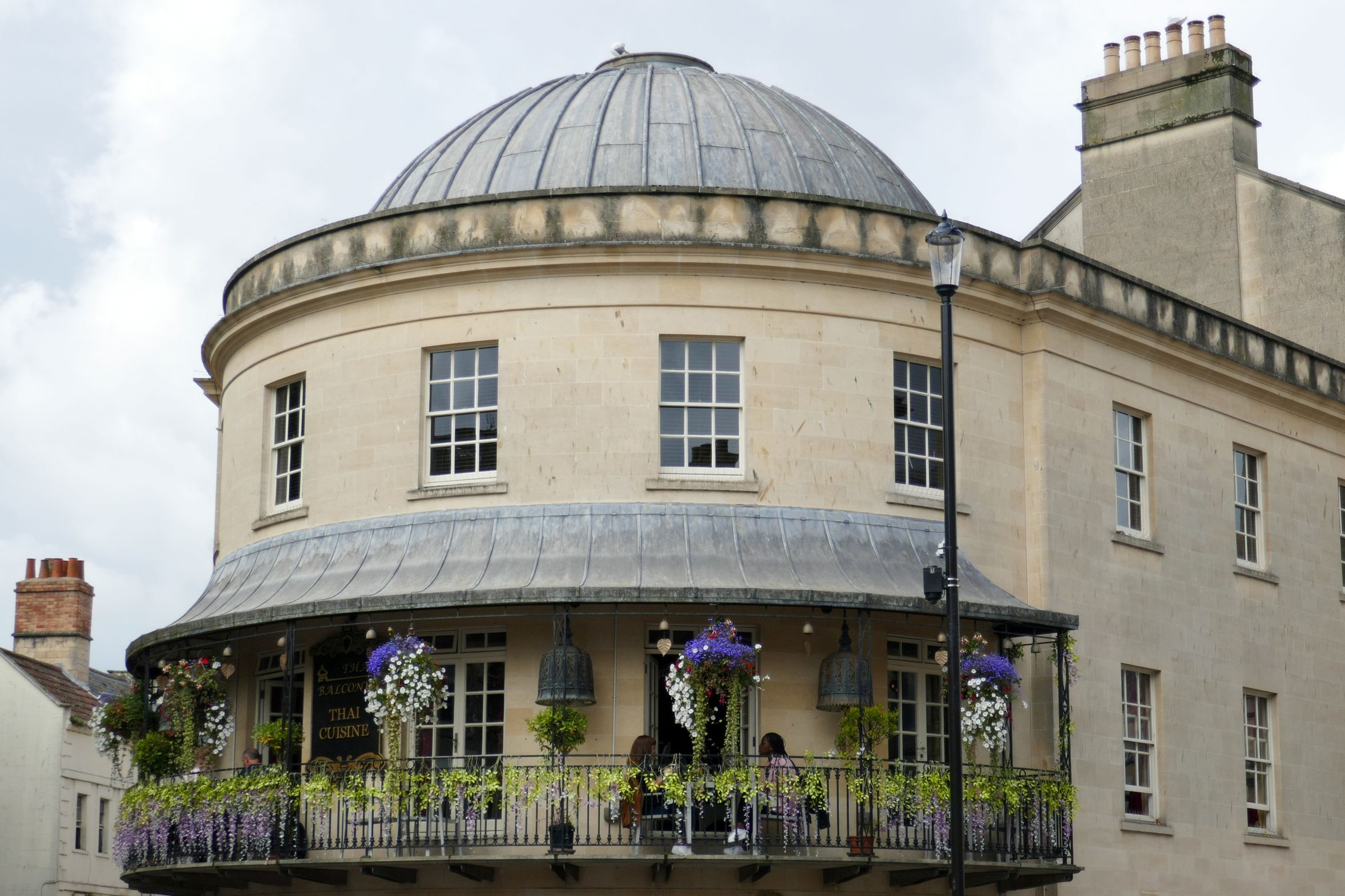
Here are more scenes around Bath:

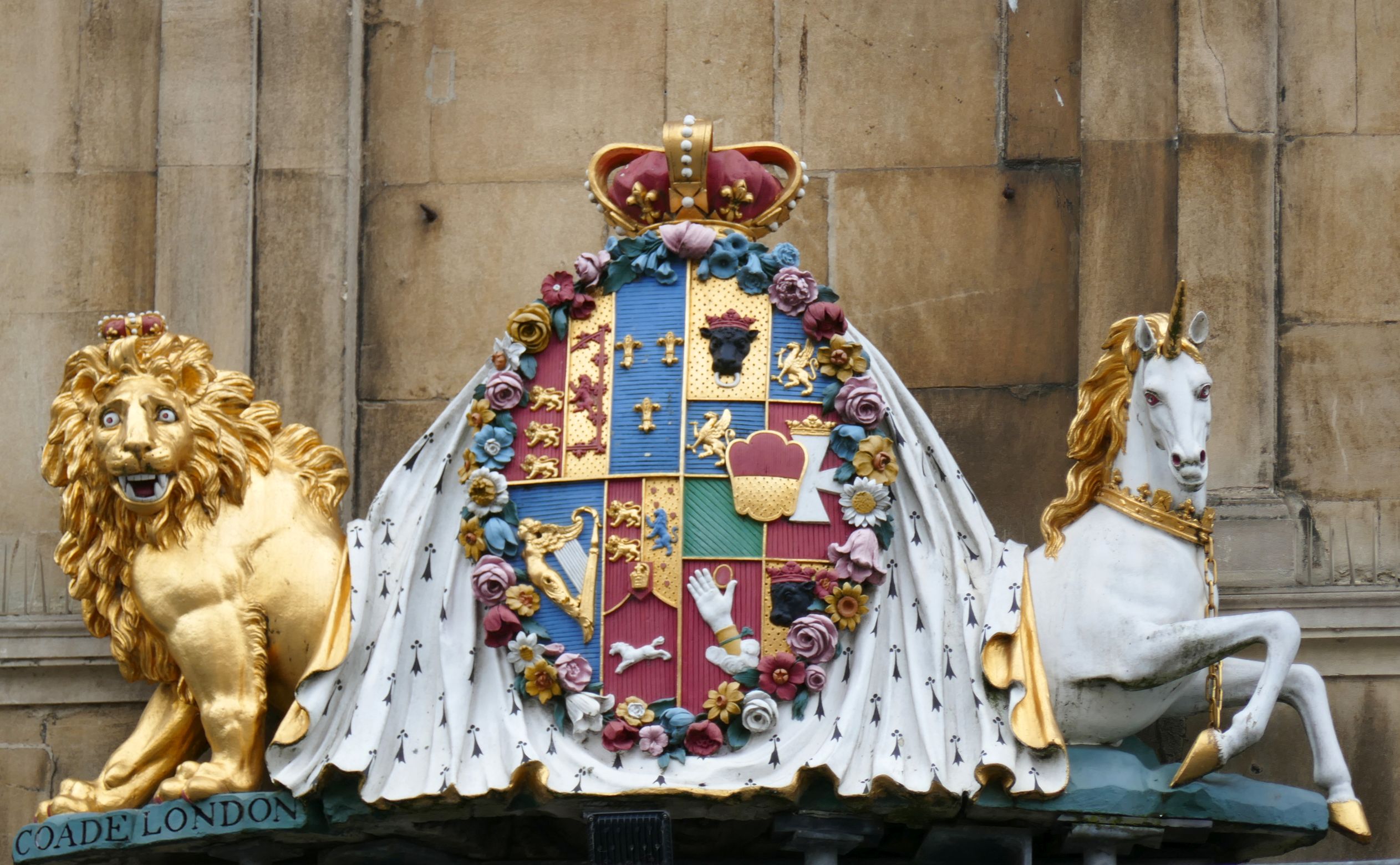
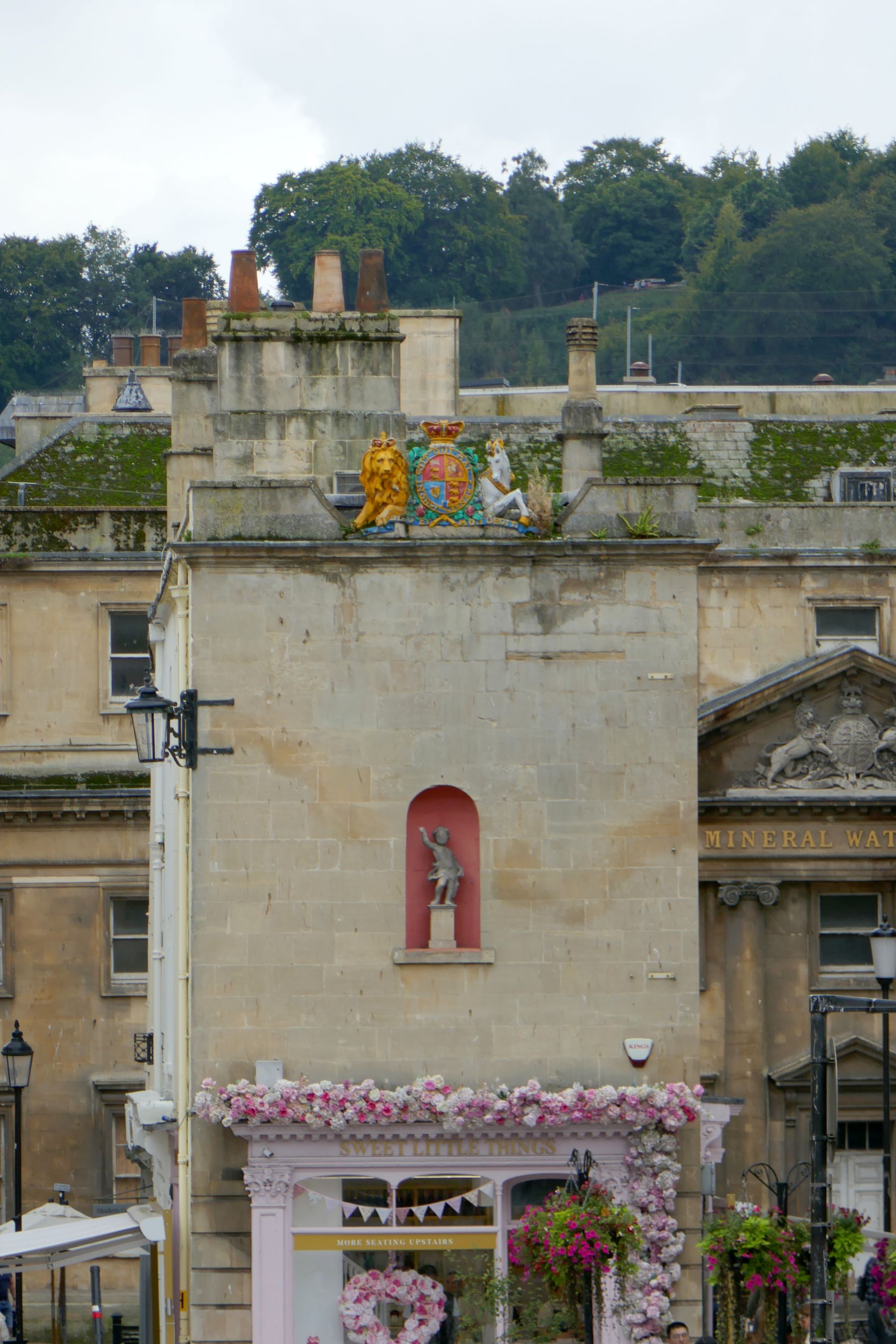
The lion and unicorn are symbols of the United Kingdom and appear in the royal coat of arms. The lion stands for England and the unicorn for Scotland.

Re: The robe. Are you kidding me??? Love the shirt!

Next up:  UNITED KINGDOM #19: BREATHTAKING BLENHEIM PALACE

UNITED KINDGOM #17: CRUISING AROUND THE COTSWOLDS

The first word that comes to mind to describe the Cotswolds is “charming.”  It IS just so charming!  Located in South West England, the region is full of rolling green hills, beautiful historic cottages, and quaint little towns.

Our day in the Cotswolds began with a visit to Bibury, in Gloucestershire.  Our walking tour took us through Arlington Row to see the limestone cottages that were formerly a 14th century wool store. 

What a beautiful little village!  The River Coln runs through the village and it was quite picturesque with Arlington Row as the backdrop.

(For all photos, click on the image for a full screen view.)

It is an interesting story how swans became regular residents on the River Coln.  Swans were raised by Benedictines at the monasteries, because it was forbidden by their religion to eat meat on Fridays.  They reasoned, however, that since swans had webbed feet and lived on the water, they were close enough to being “fish.”  Quite the loophole to those religious rules!  To this day, swans can still be found living near former monasteries.

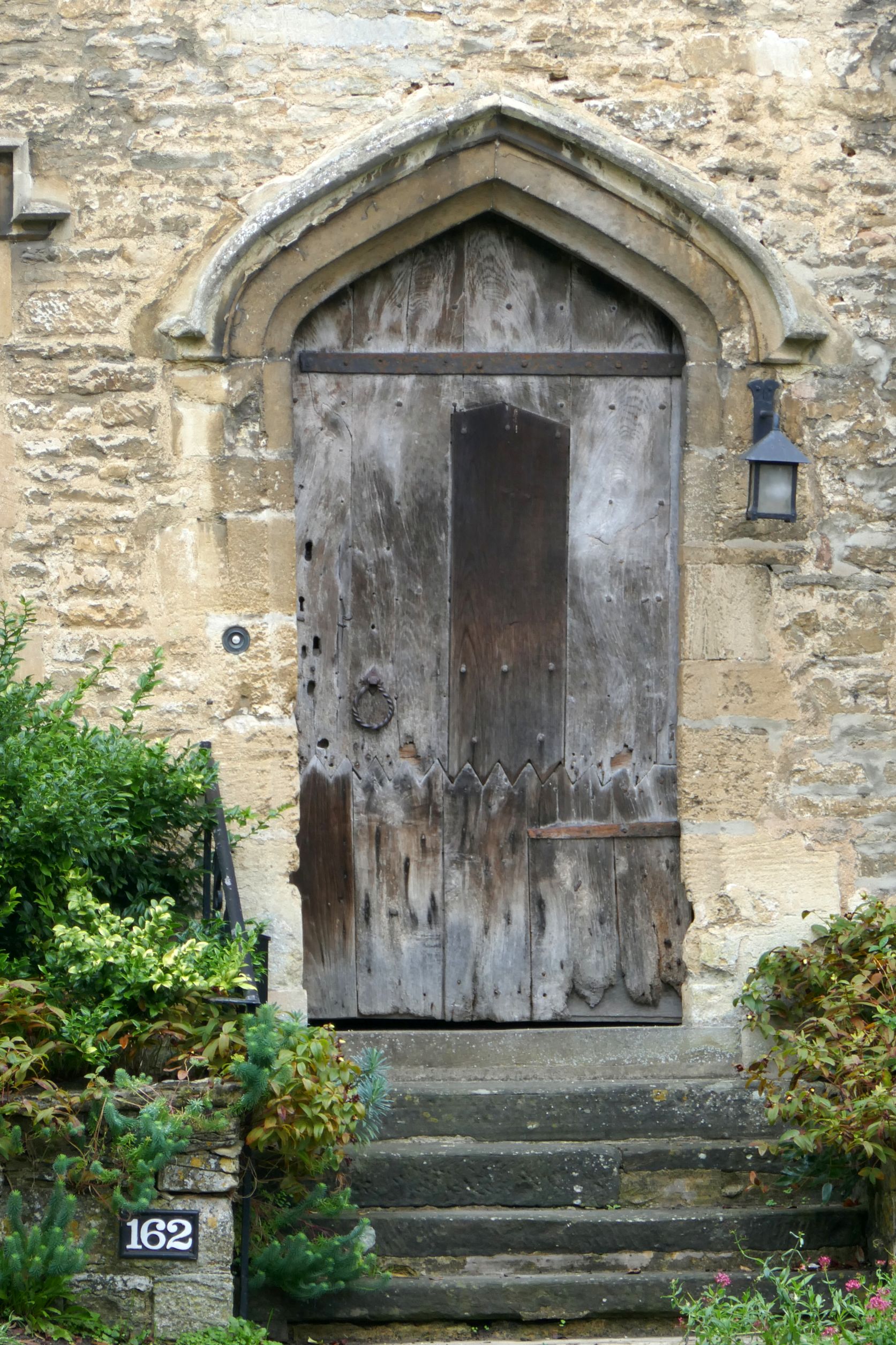
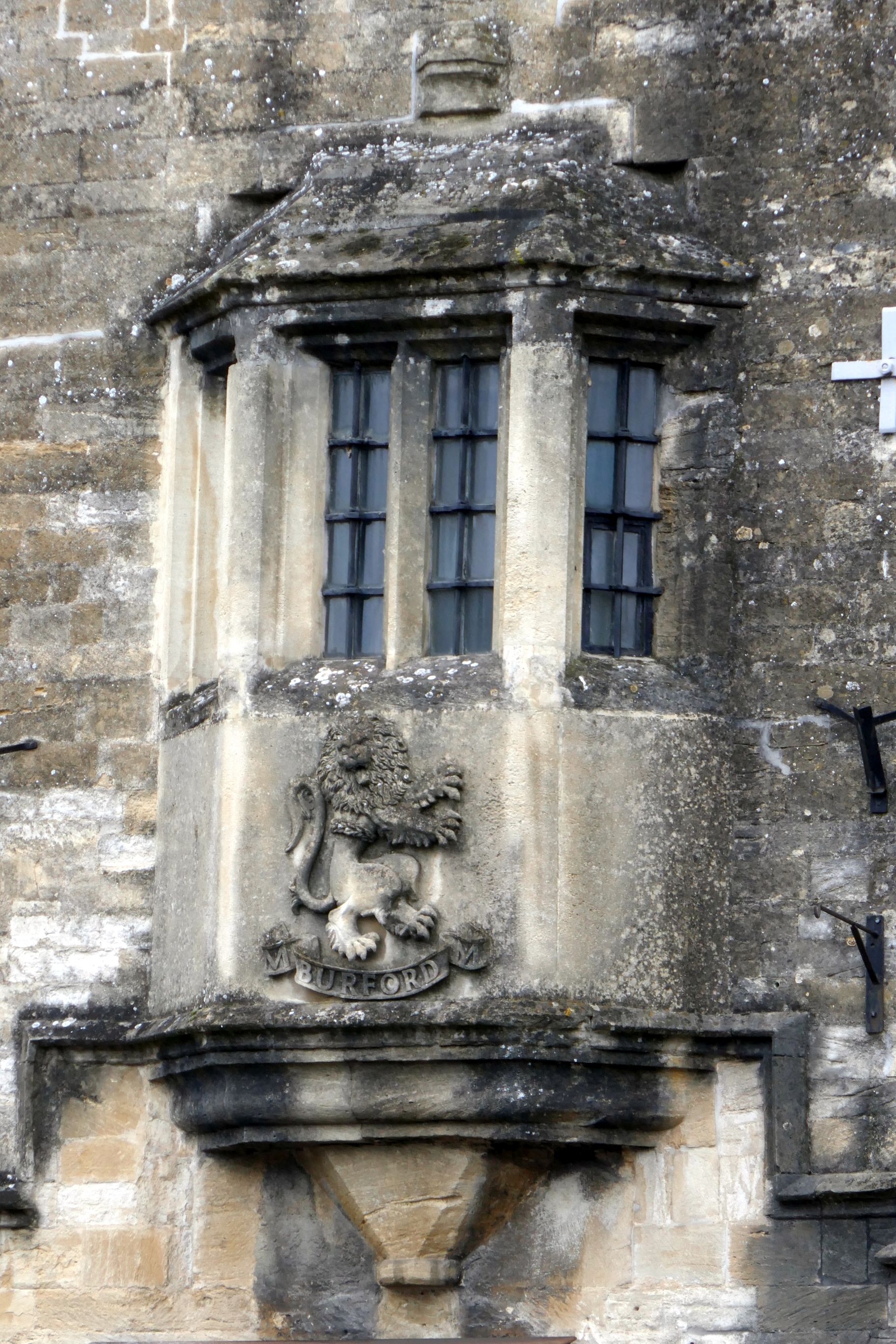
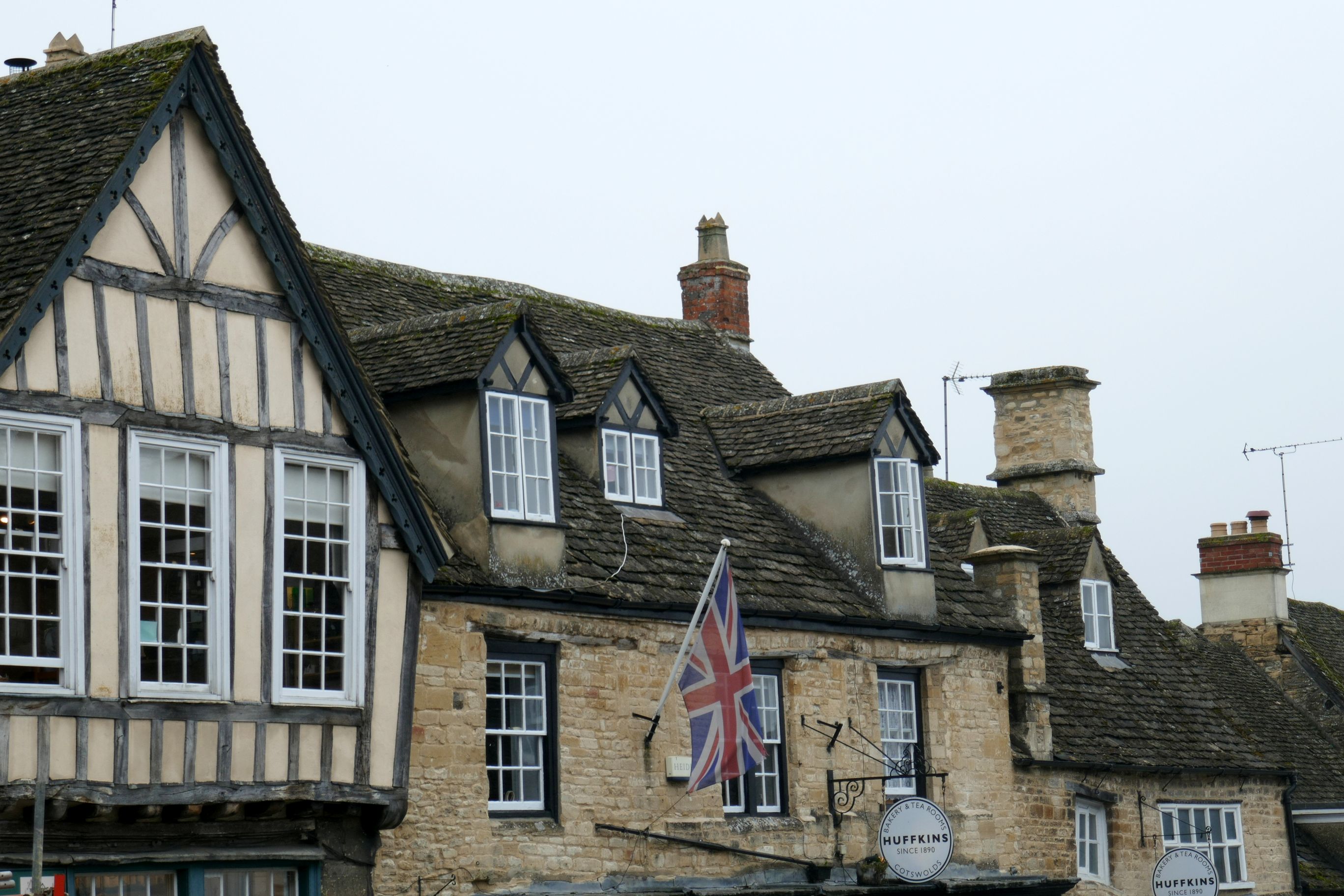
The next town we visited was Burford, a former market town that dates to 1086– similar in age to Bibury. 

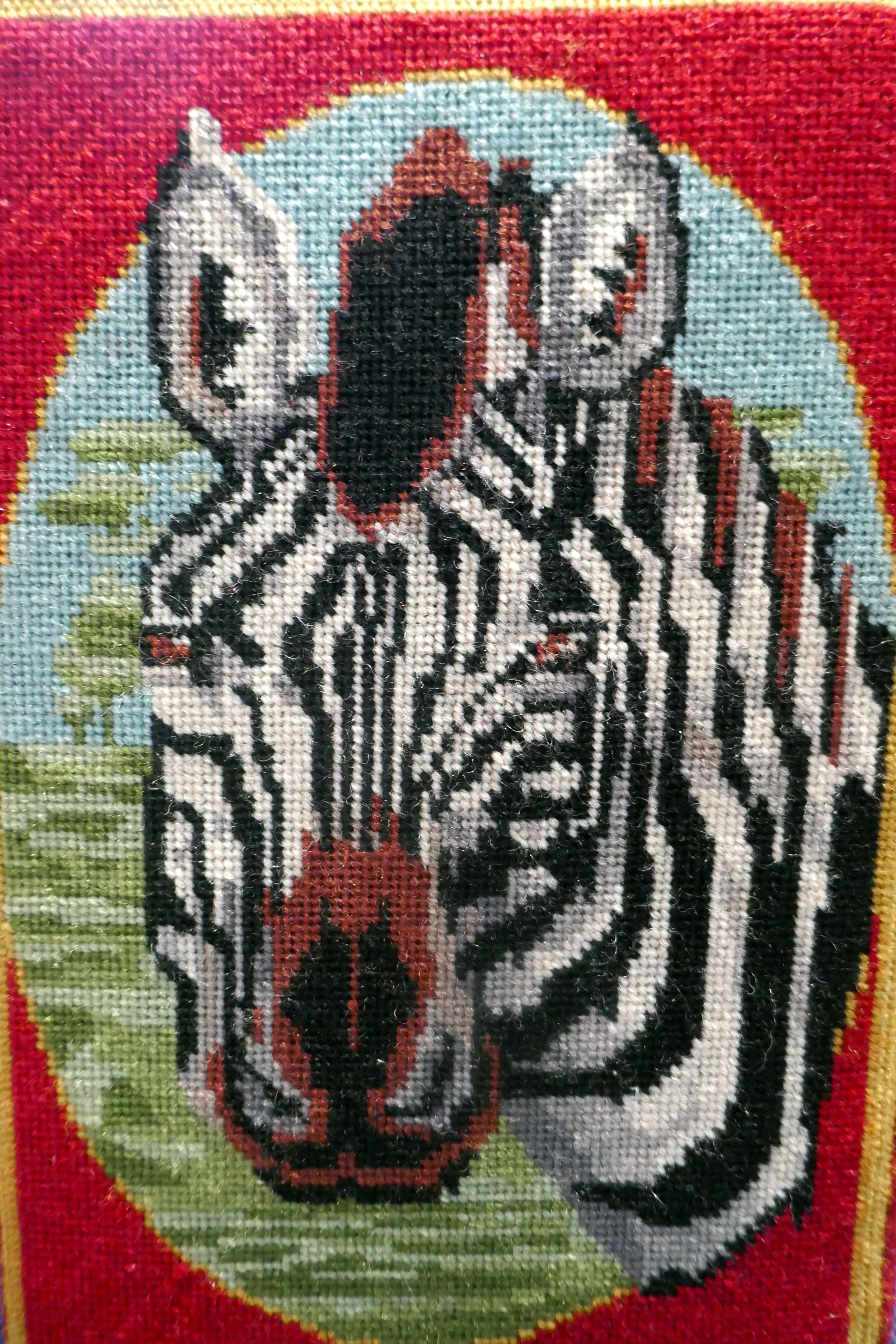
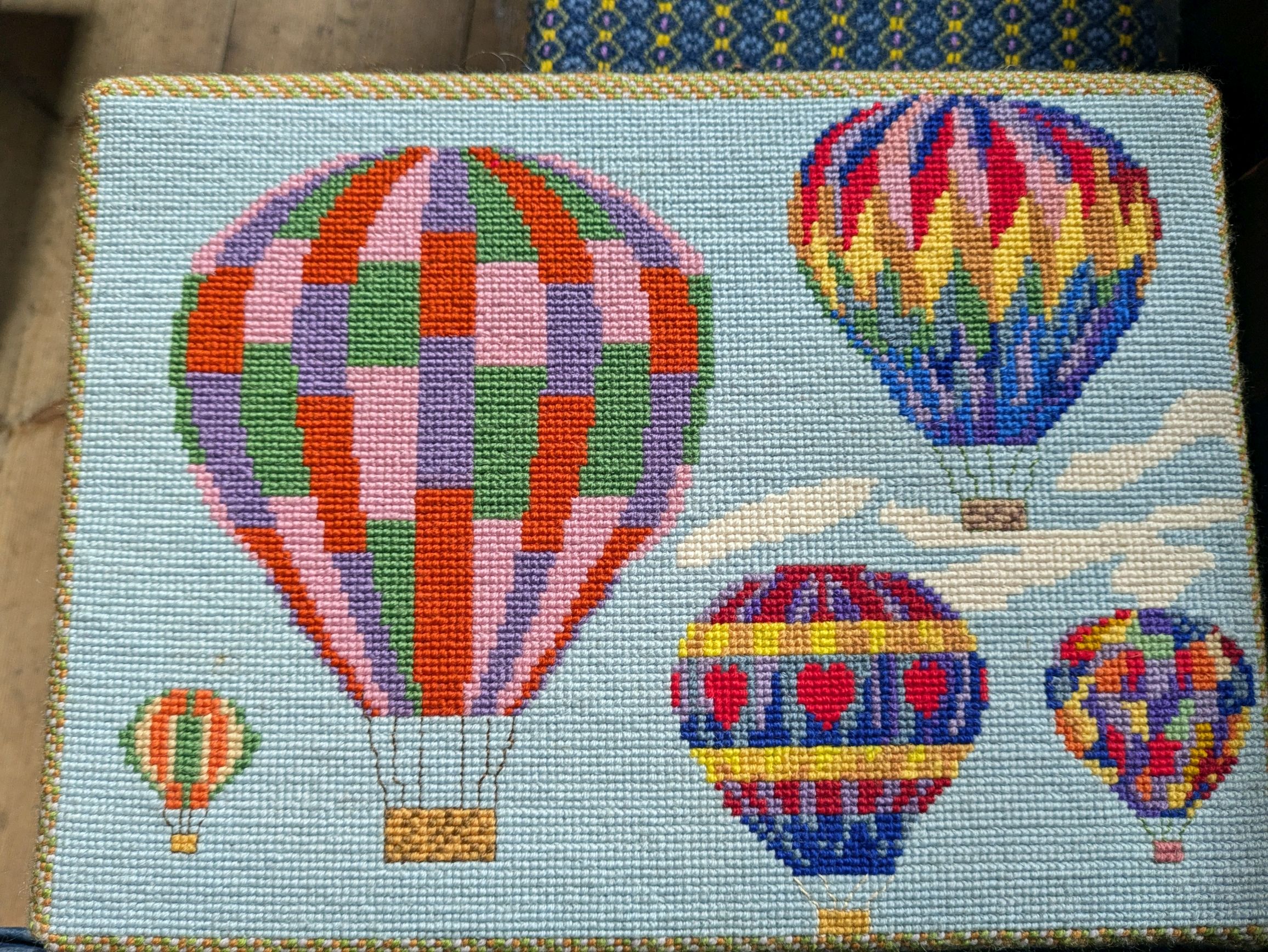
Needlepoint church pew pillows at the Church of St. John the Baptist:

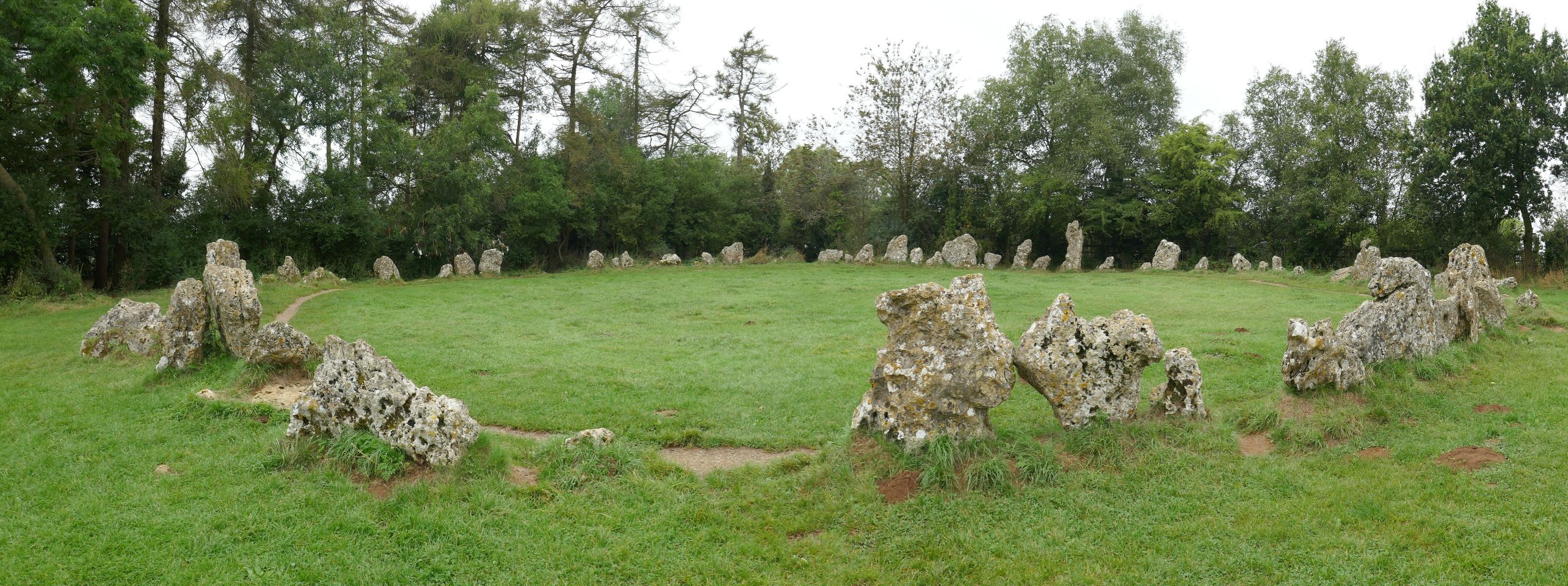
On our way to the next village on our itinerary, we stopped to see Kings Stone Circle, a ceremonial ring of boulders that were erected between 3,000 and 2,000 BCE. 

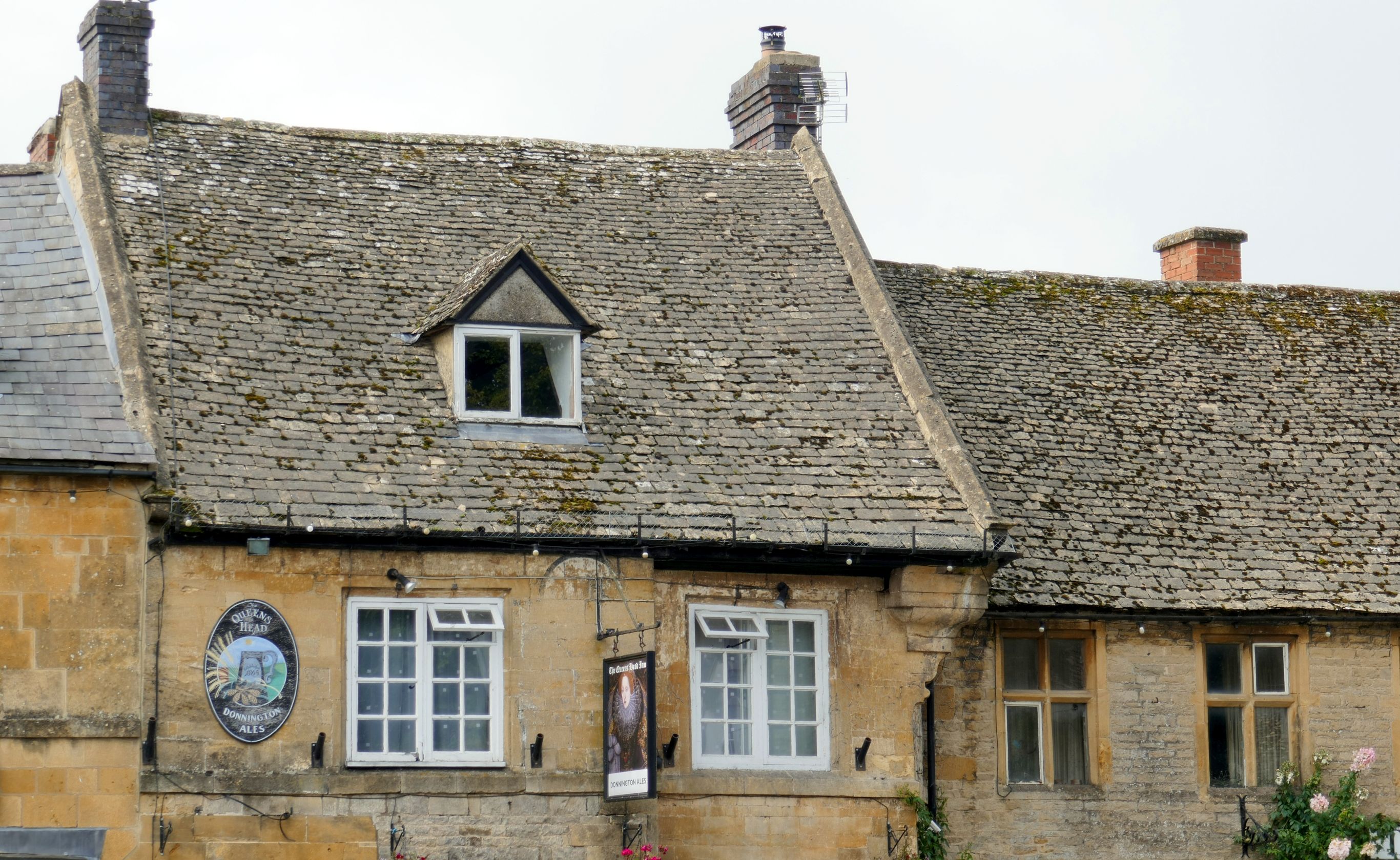
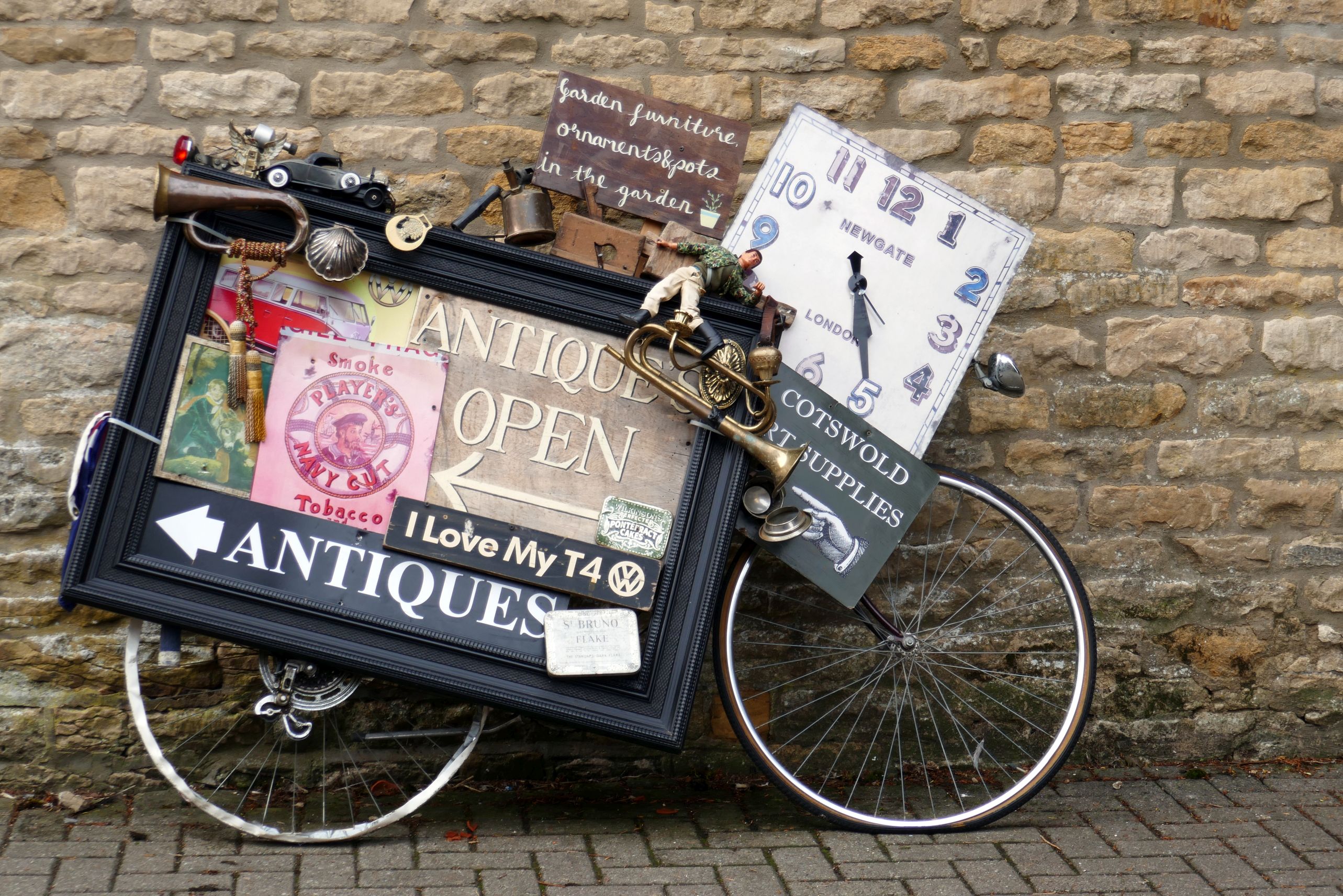
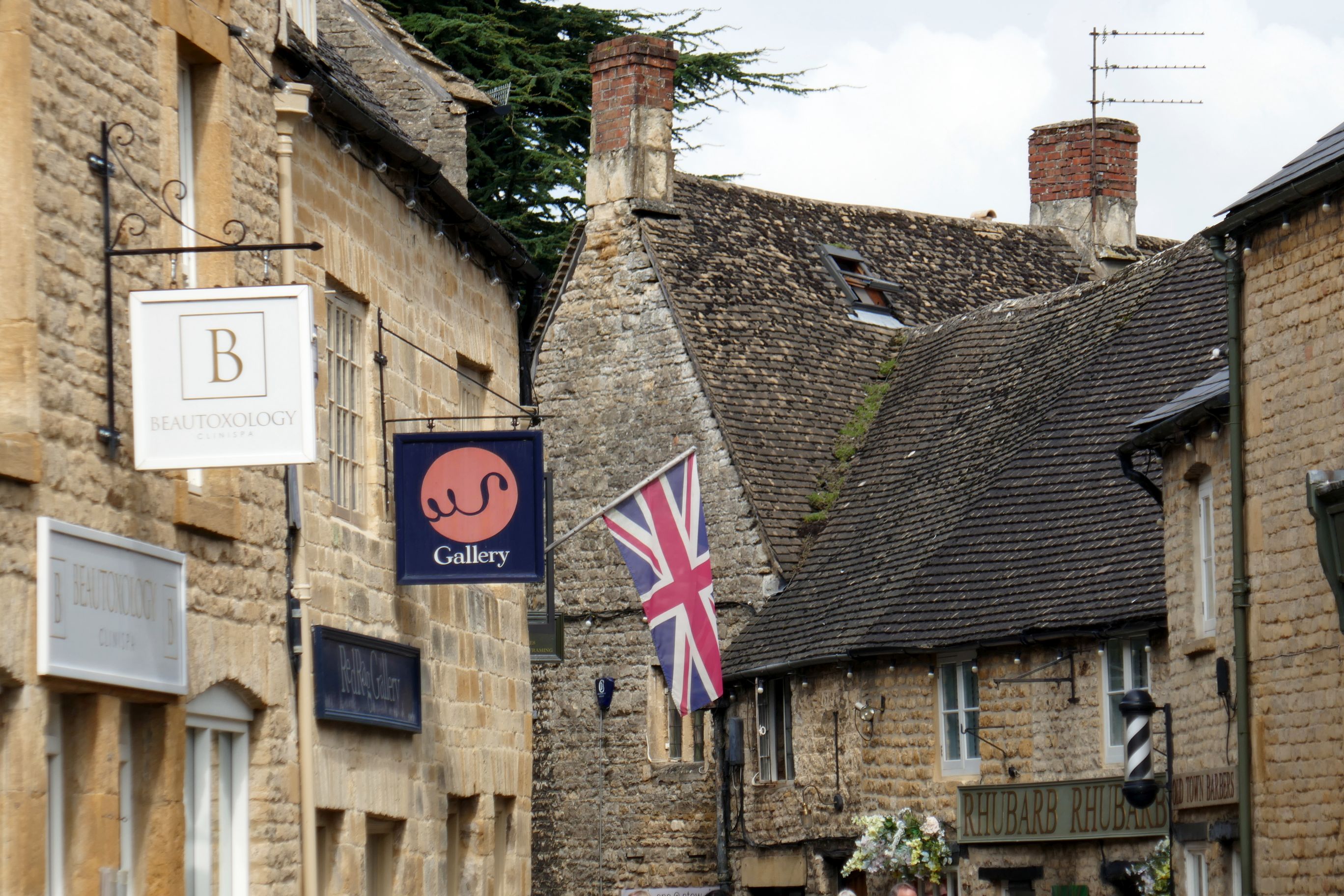
Stow-on-the-Wold, a former wool market town, was the final Cotswold village we visited before returning to Cirencester.  Founded in the 12th century, it was, of course, charming! 

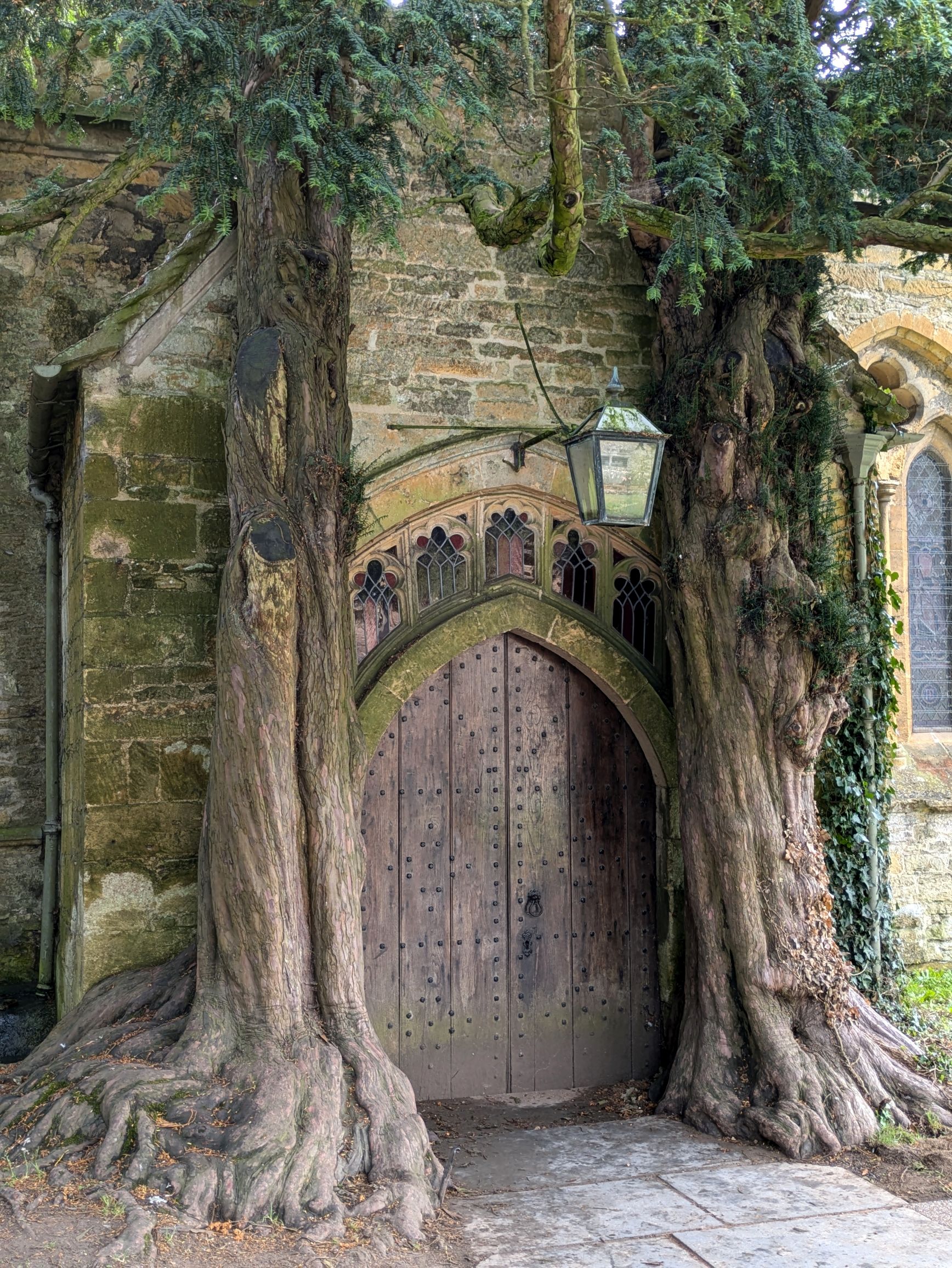
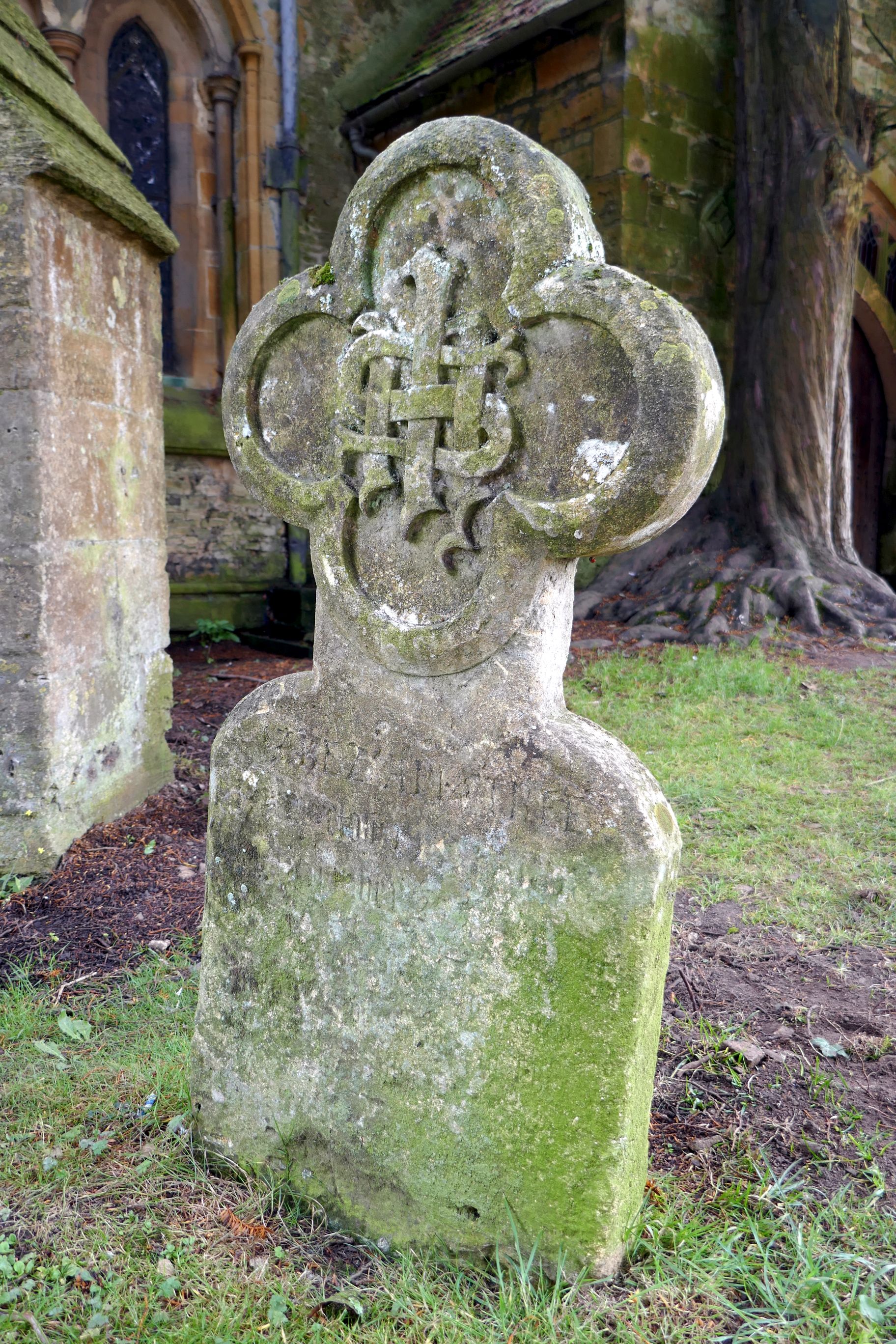
St. Edward’s Church, a popular tourist attraction, was a must-see:

A needlepoint church pew pillow

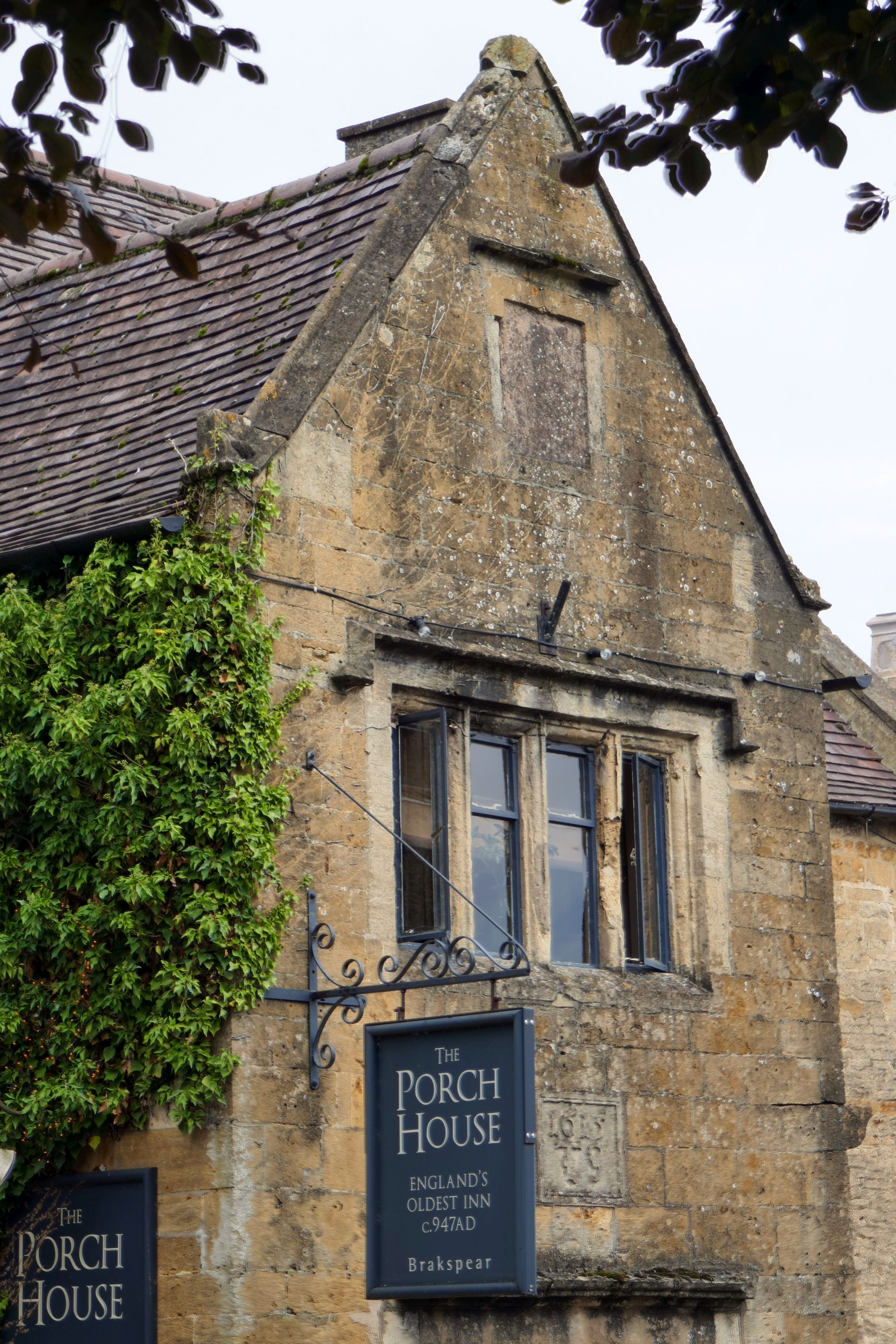
We especially enjoyed stopping at The Porch House, claimed to be the oldest pub in England with timbers carbon dated to the 10th century. 

Poking around these Cotswold villages was a wonderful way to spend a day!

Coming up next: UNITED KINGDOM # 18: BEAUTIFUL BATH

UNITED KINGDOM #16: CHARMING CIRENCESTER IN THE COTSWOLDS

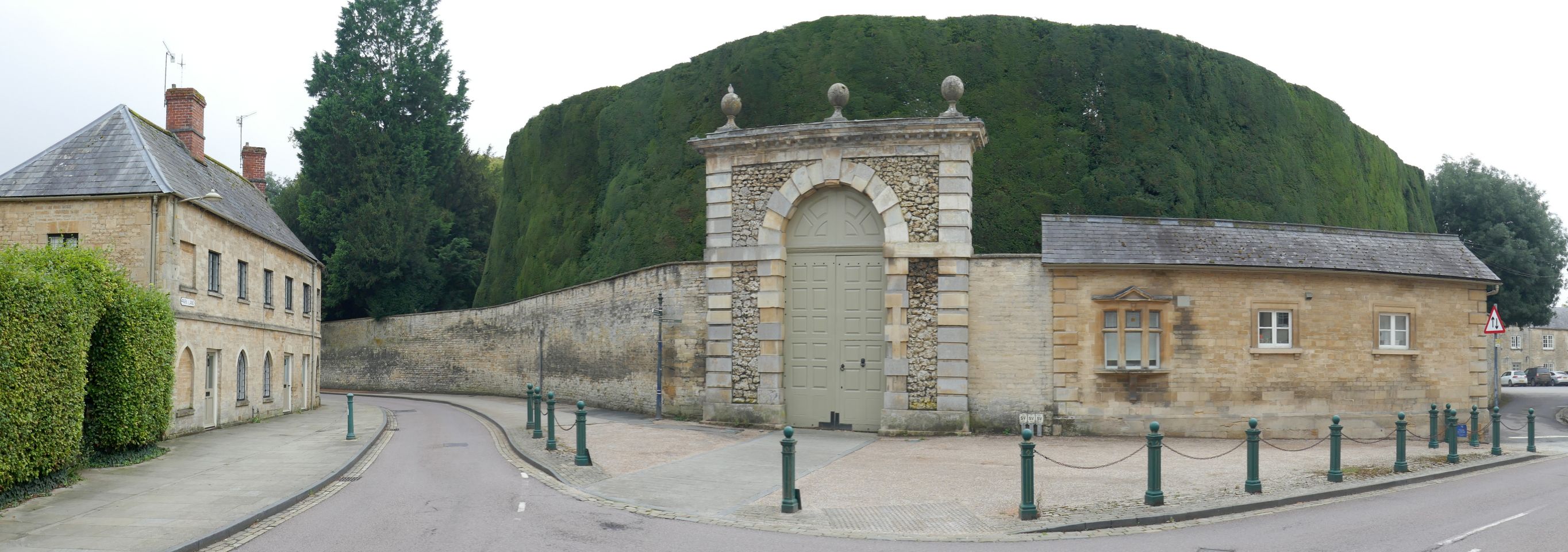
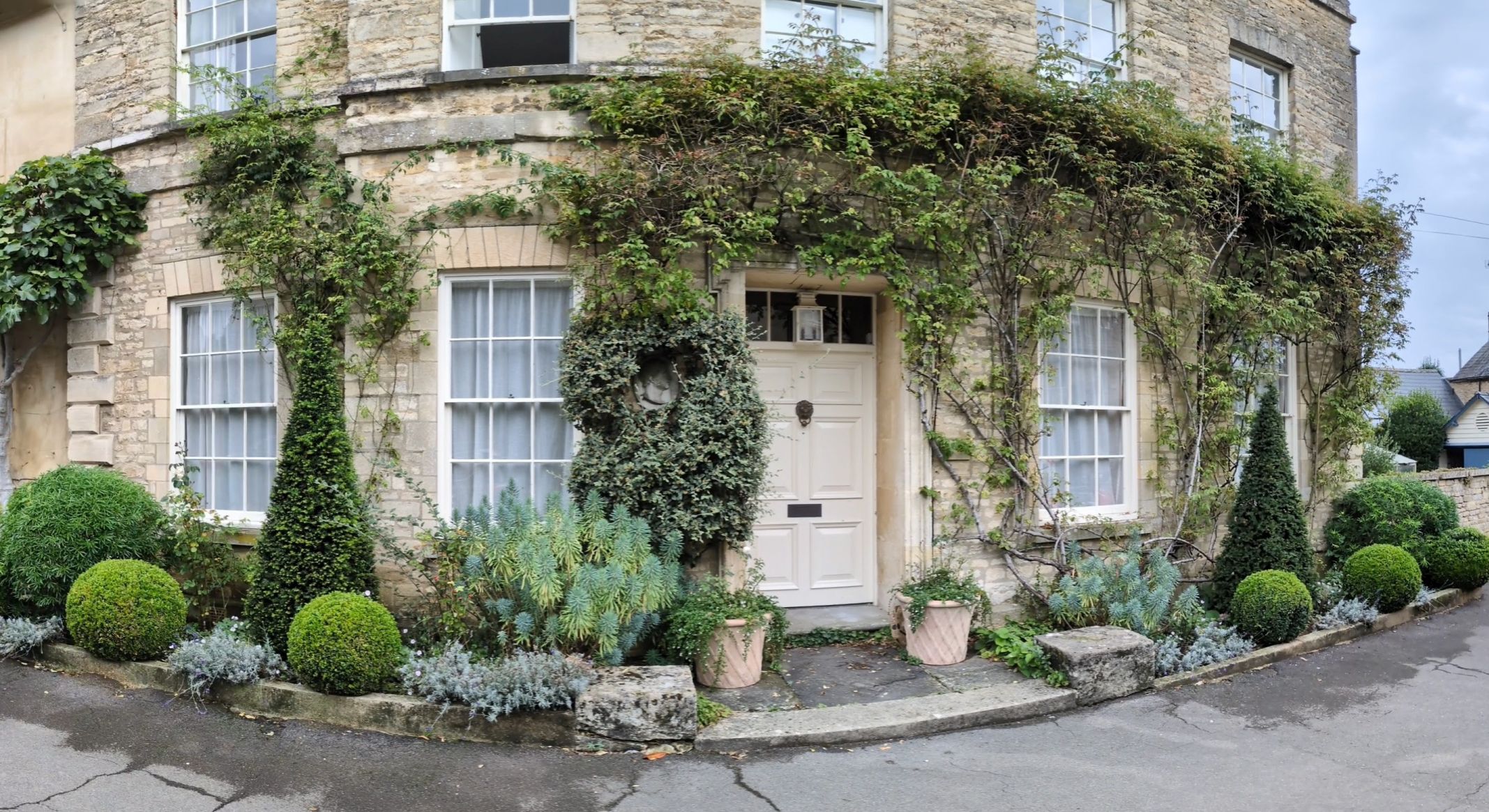
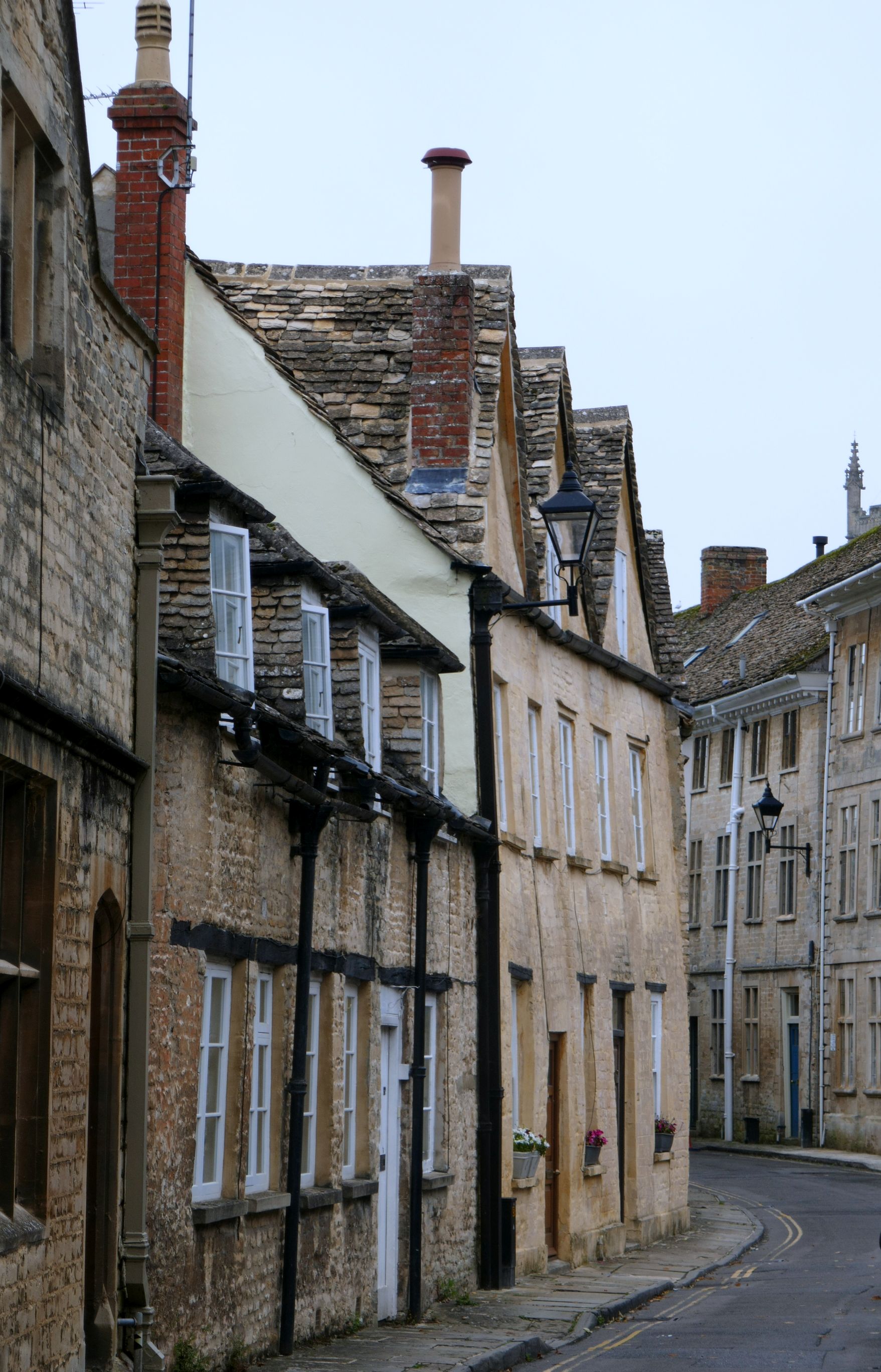
Cirencester (“Sirensester”) is considered the “capital” of the Cotswolds, although the population is just around 20,000.  Like the other quaint hamlets of the Cotswolds, homes are made of yellow limestone (called Cotswold Stone) and topped with thatch roofs or jagged slate. 

Housing regulations in the Cotswolds are strict.  When a roof needs to be replaced, Cotswold stone slate must be used.  There are only two suppliers of this stone, so the owners run it like a cartel—the stone is very expensive, thanks to their collusion.

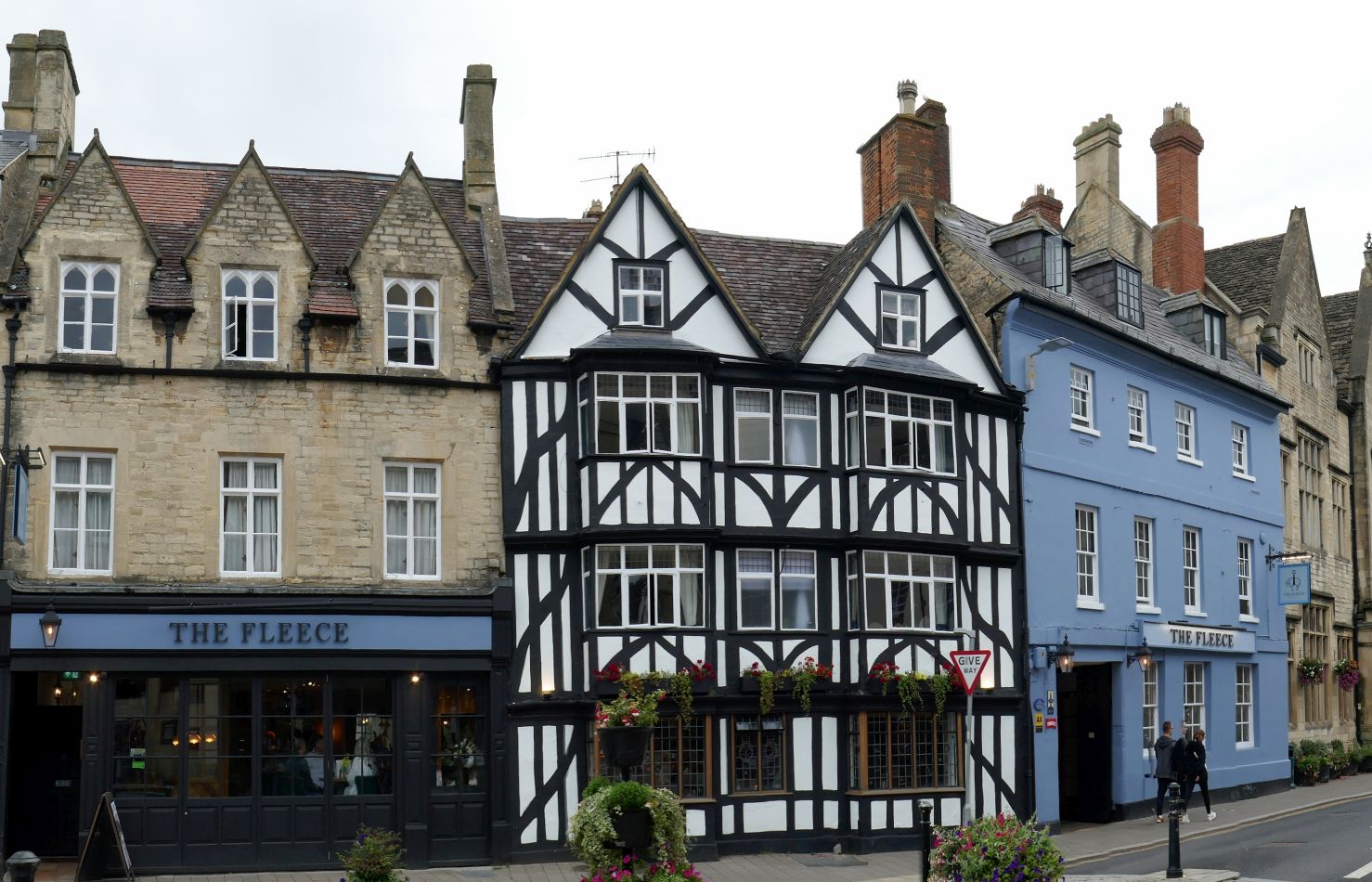
Our home base in the Cotswolds was right in the center of town at The Fleece, Cirencester, a charming inn made up of three historical buildings they have linked together.  Walk inside, and the rooms of the bars and restaurant on the main level are like a jigsaw puzzle!  The upstairs rooms are a similar configuration and branch off from one wing to another through a series of doors.  It was very cozy and charming!

(For all photos, click on the image for a full screen view.)

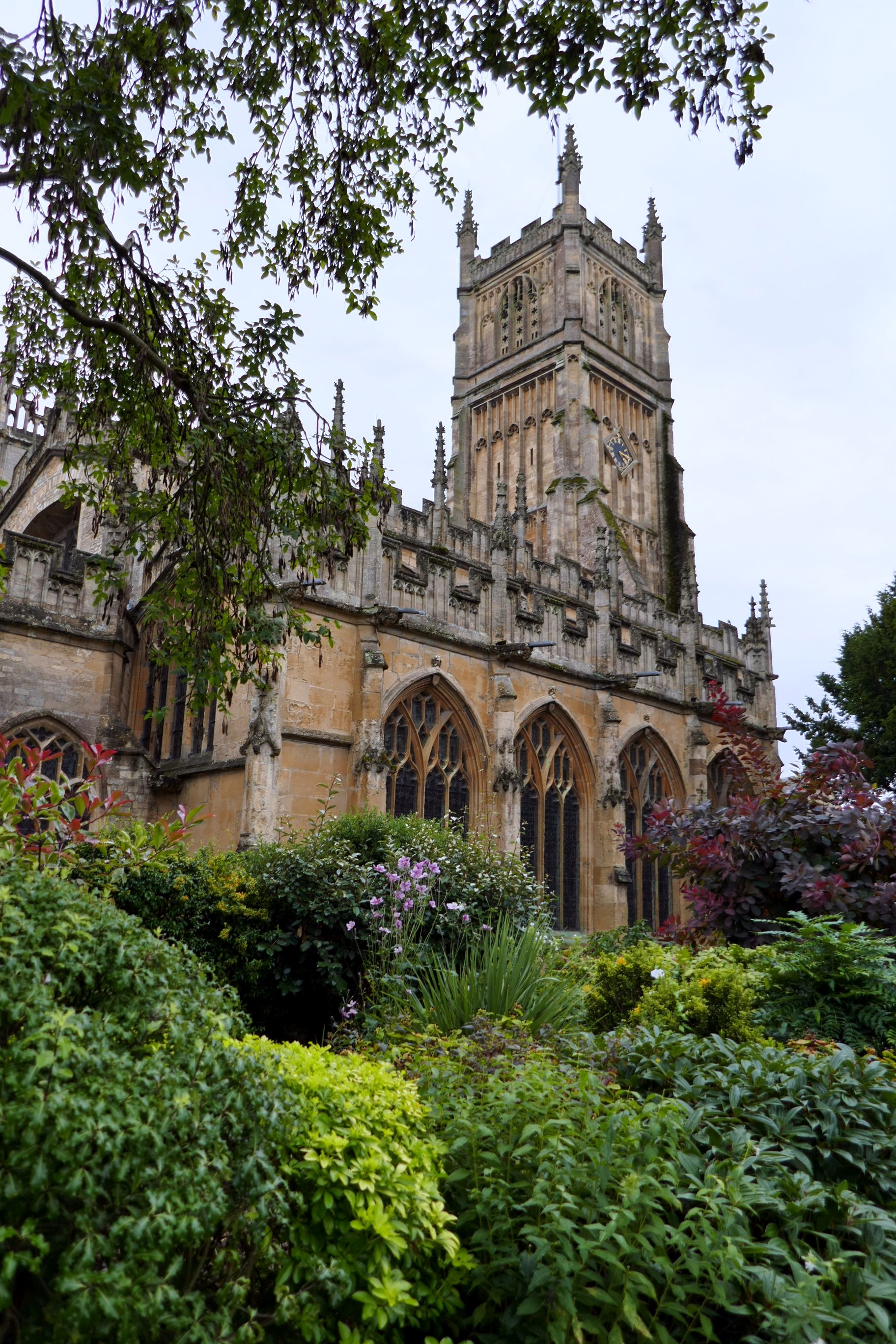
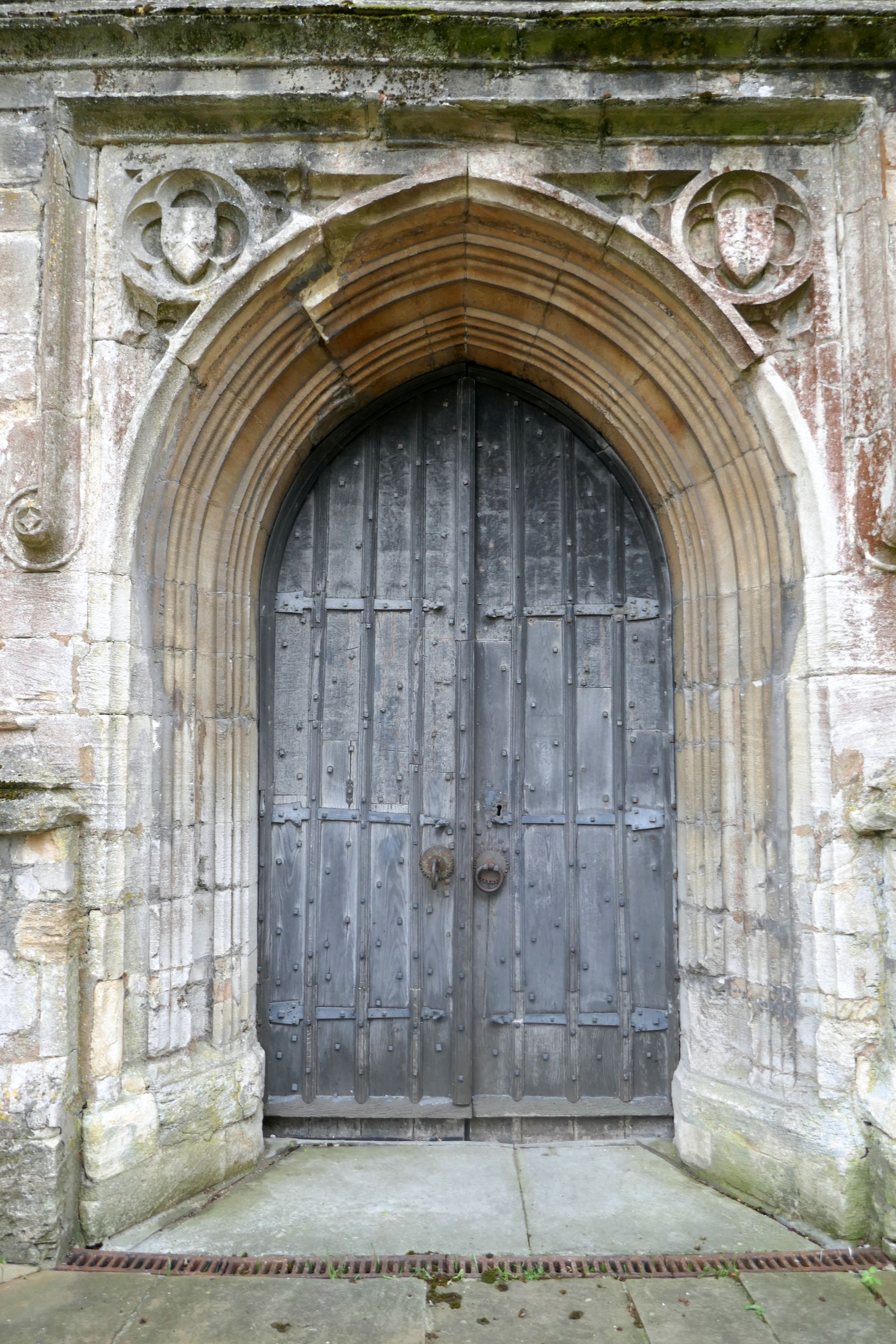
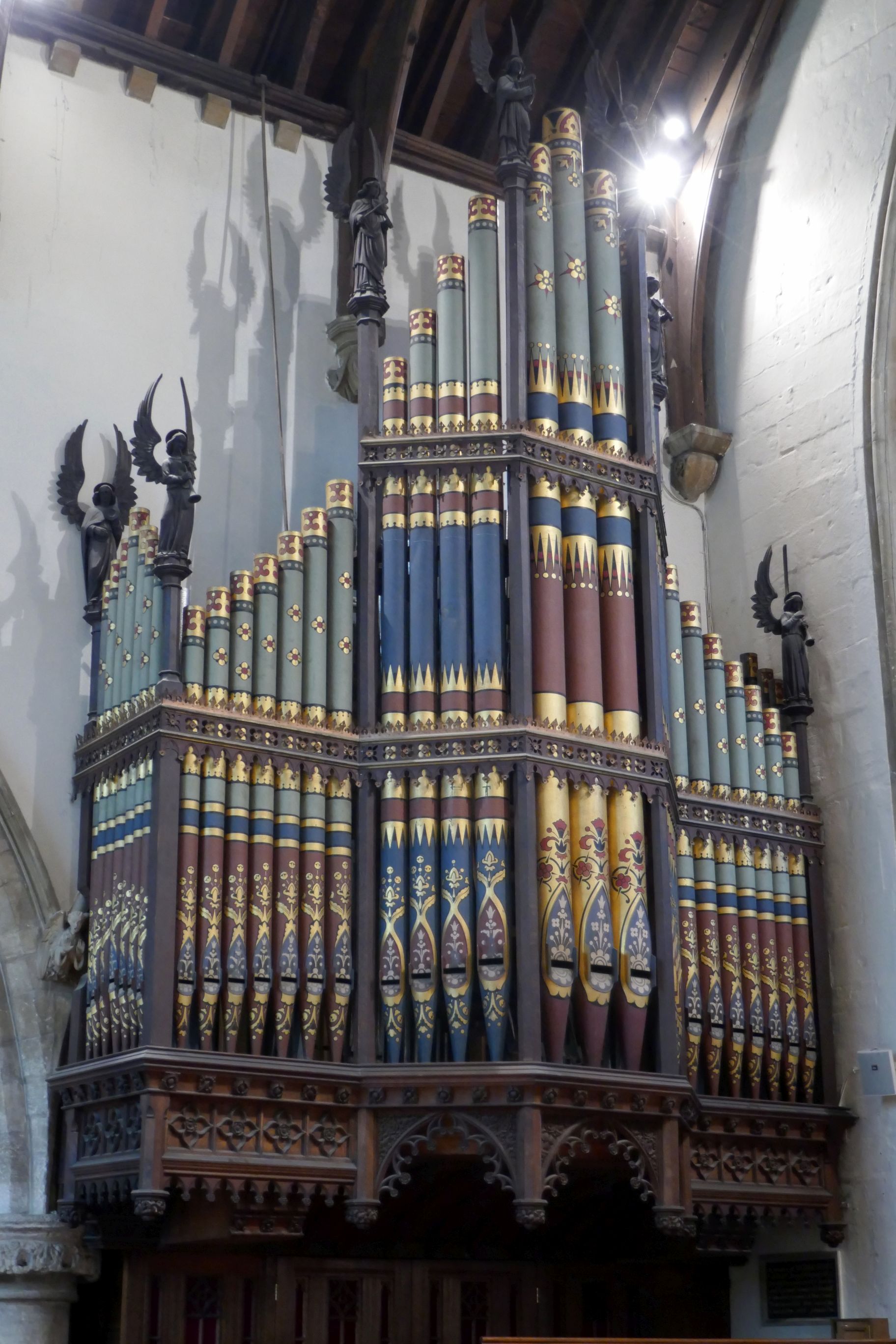
The location was excellent; everything was so close.  The Church of St. John the Baptist, just up the street, was our first stop on Marc’s walking tour, and it was gorgeous!  The oldest part of this medieval church was built in 1170.

The following are photos I shot during our walking tour and free time:

This was formerly the headquarters for the Cirencester Home Guard during World War II. Built in 1857, it was originally a depot and armoury for the Royal North Gloucestershire Militia
Dining in Cirencester with our group and tour leader, Marc (front).

Next up: UNITED KINDGOM #17: CRUISING AROUND THE COTSWOLDS

UNITED KINGDOM #15: A FOND FAREWELL AND OFF TO OXFORD

On the last day of the main tour, we visited the Culloden Battlefield, the site where the last major battle fought on mainland British soil occurred.

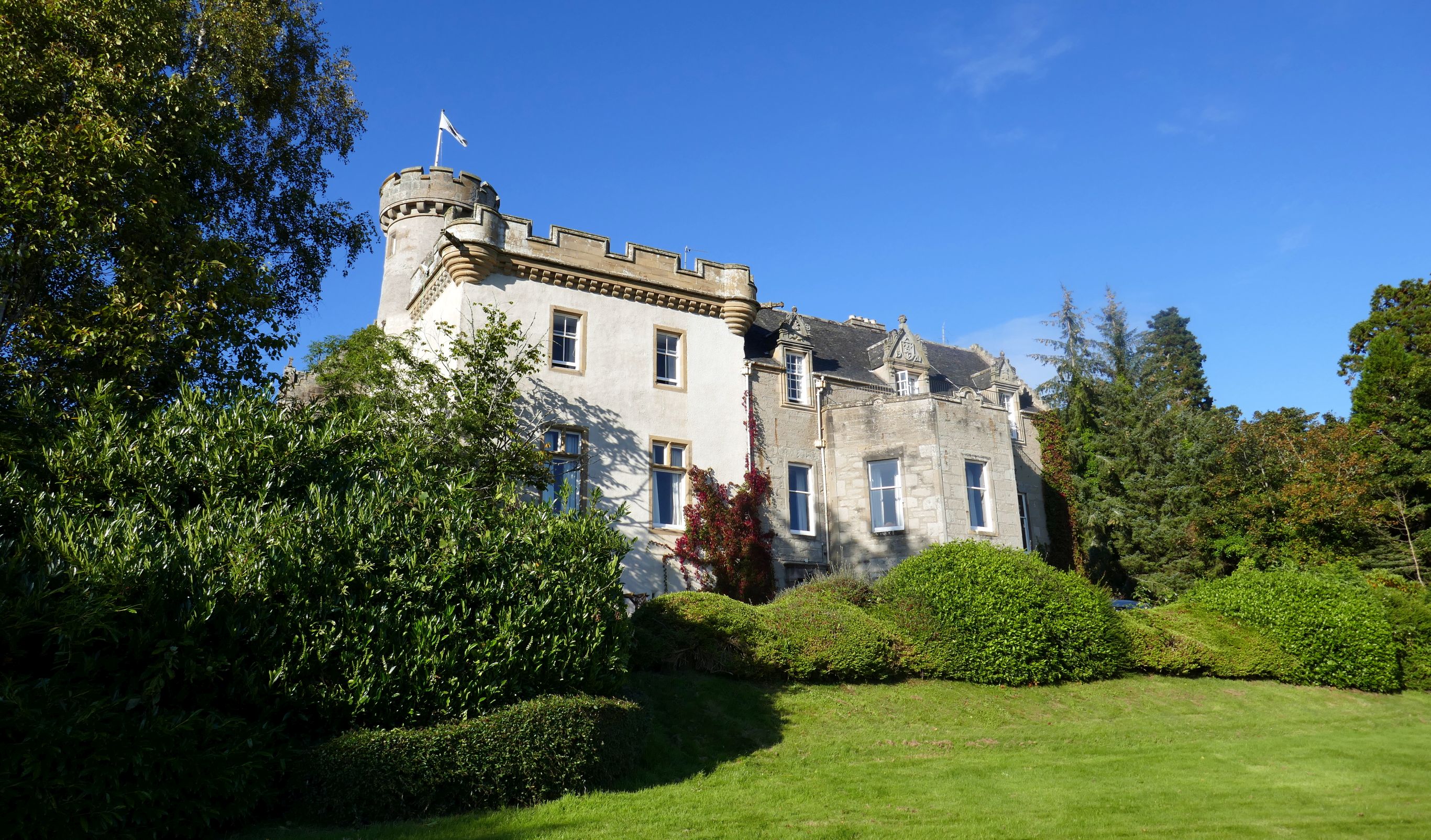
For our farewell dinner that evening, our group had a private room at Tulloch Castle, which dates back to the twelfth century, according to their website, or the fourteenth century, according to Wikipedia.  Either way, it was old!

(For all photos, click on the image for a full screen view.)

Tom (center), our awesome tour leader!

We bid farewell to Tom, our wonderful tour leader as well as half of the group who opted not to join the post-tour extension.  The remaining eight of us headed to the airport the following morning to fly to London and join our new tour leader, Marc, for “Classic English Landscapes: The Cotswolds to London.

What a great idea for an airport! Good on ya, Inverness!
One of the restroom directional signs. Cute!

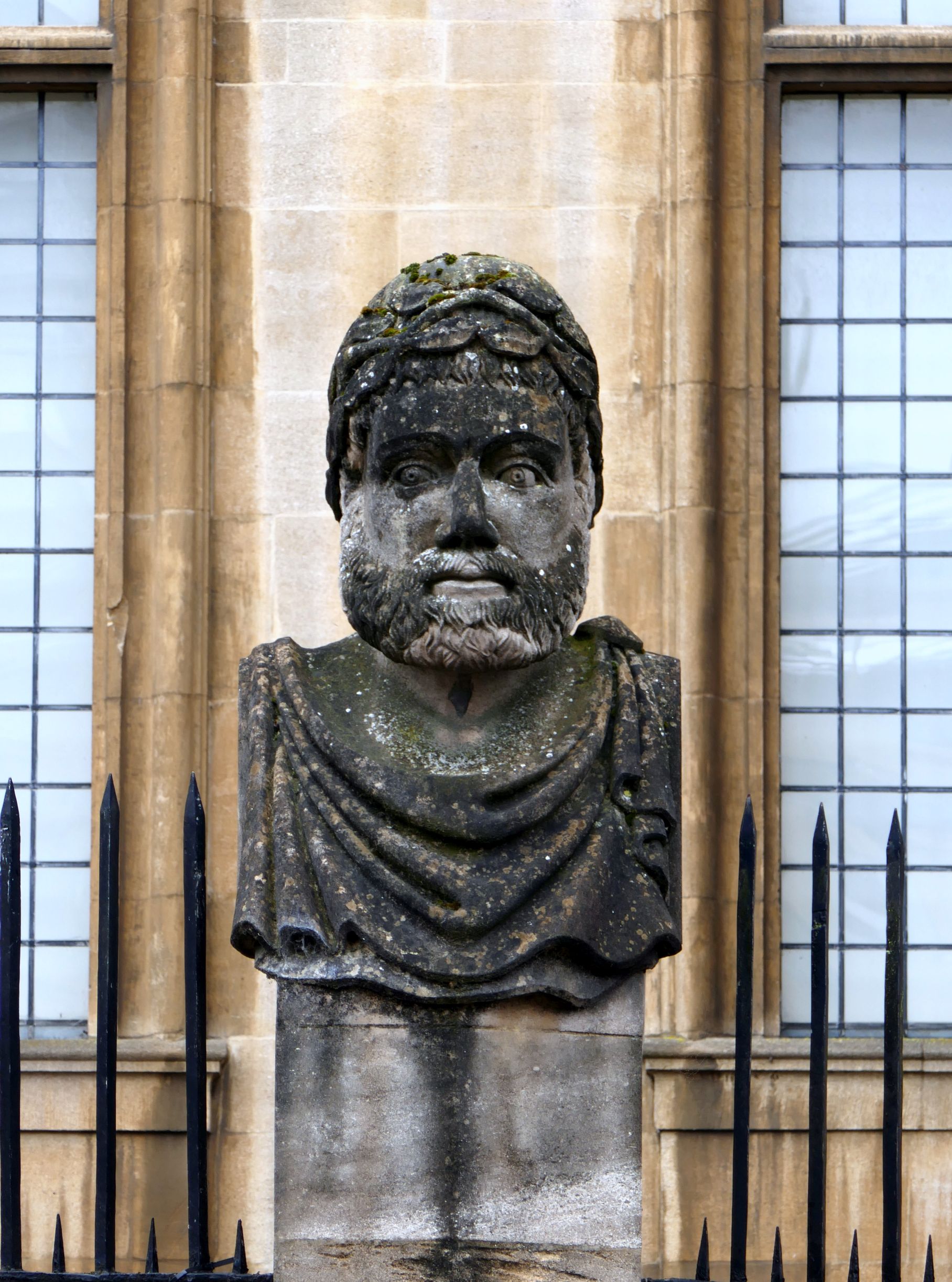
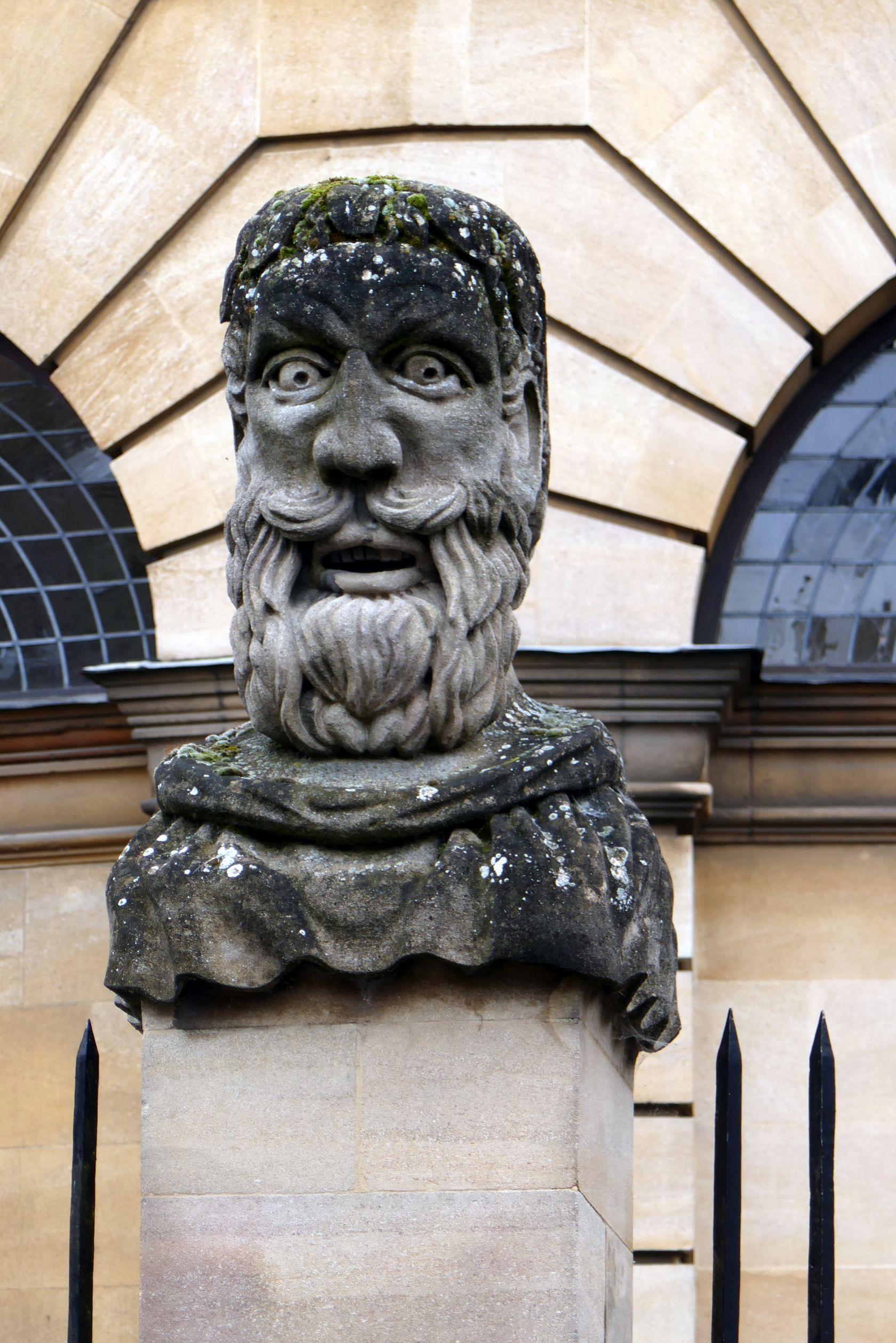
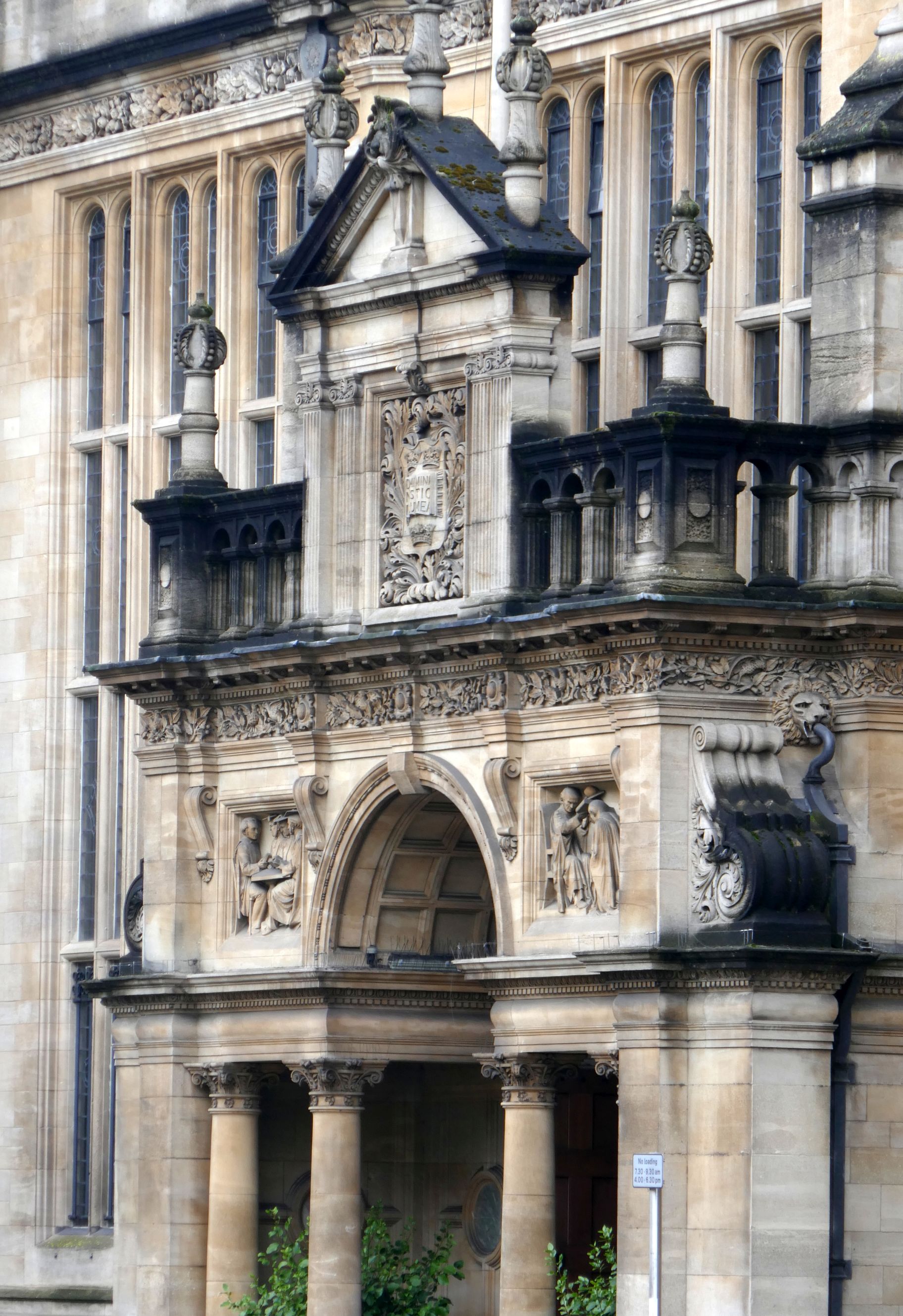
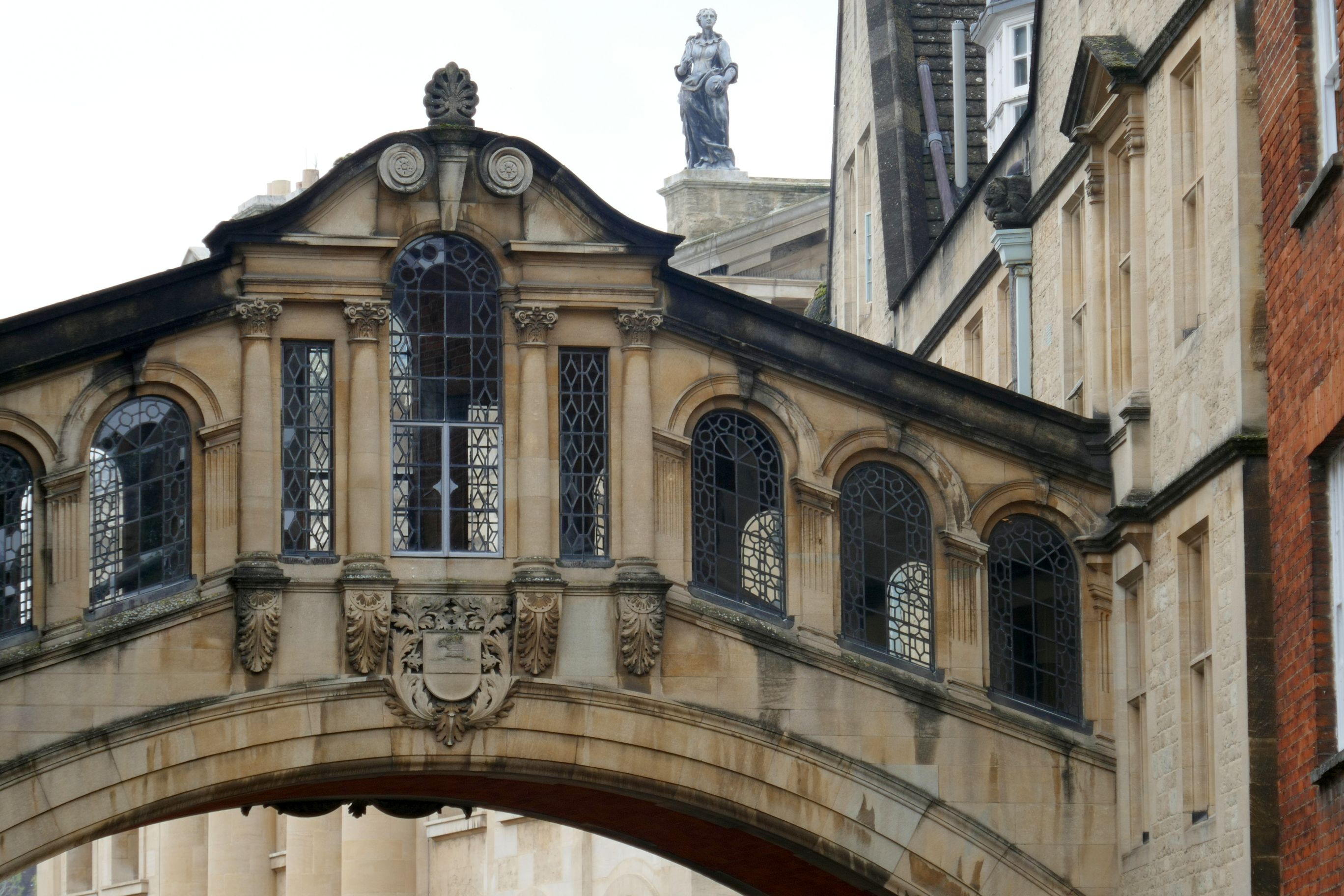
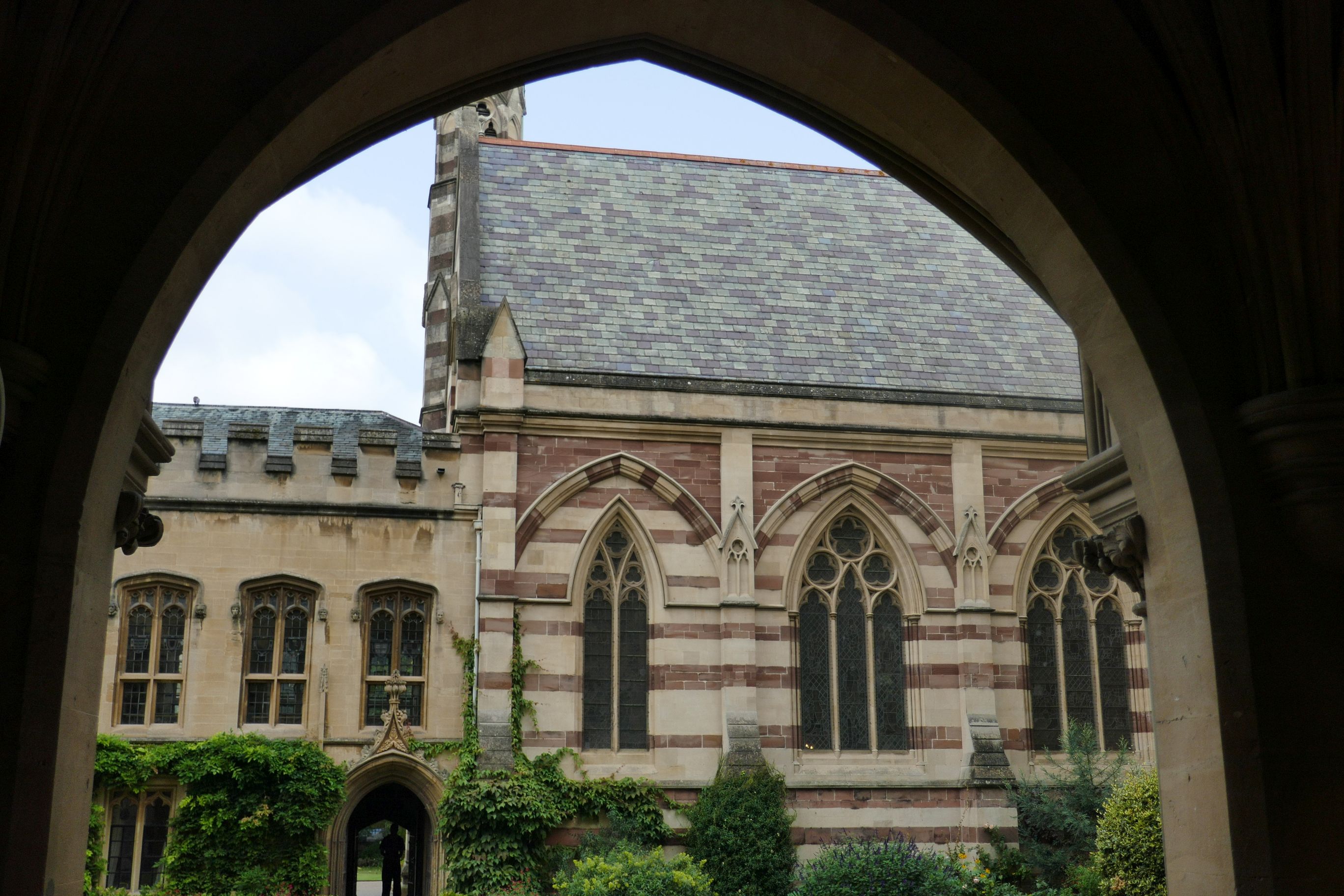
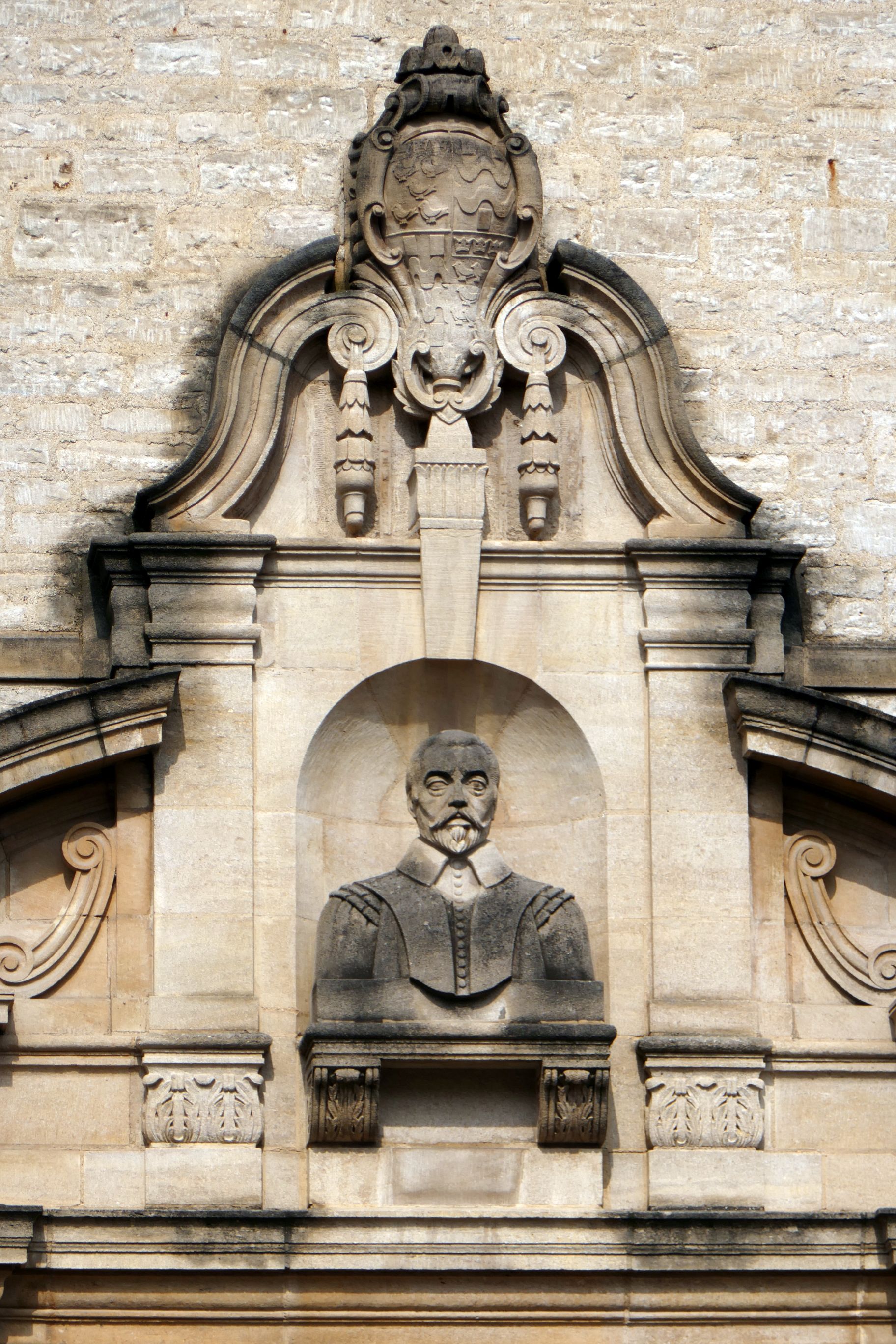
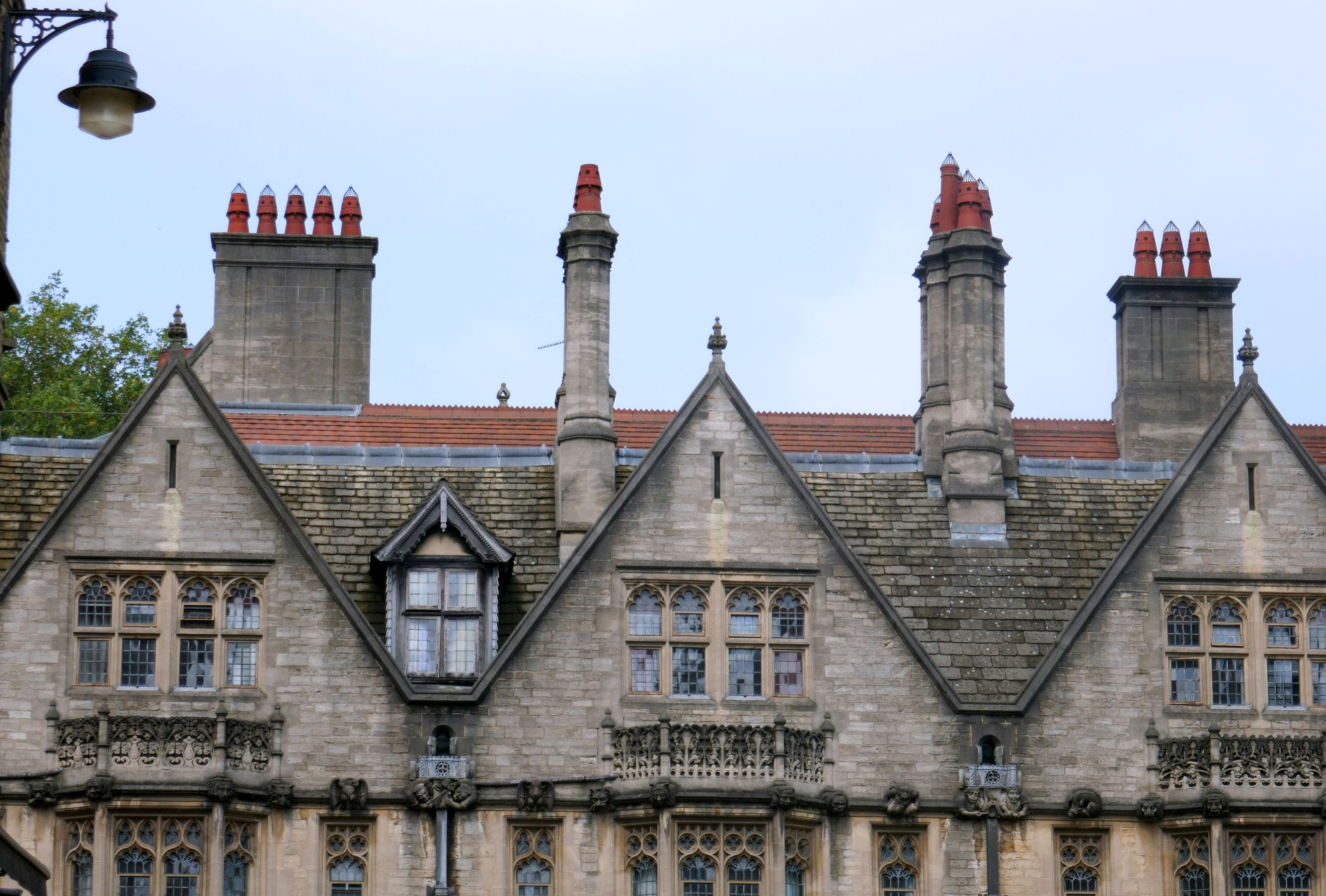
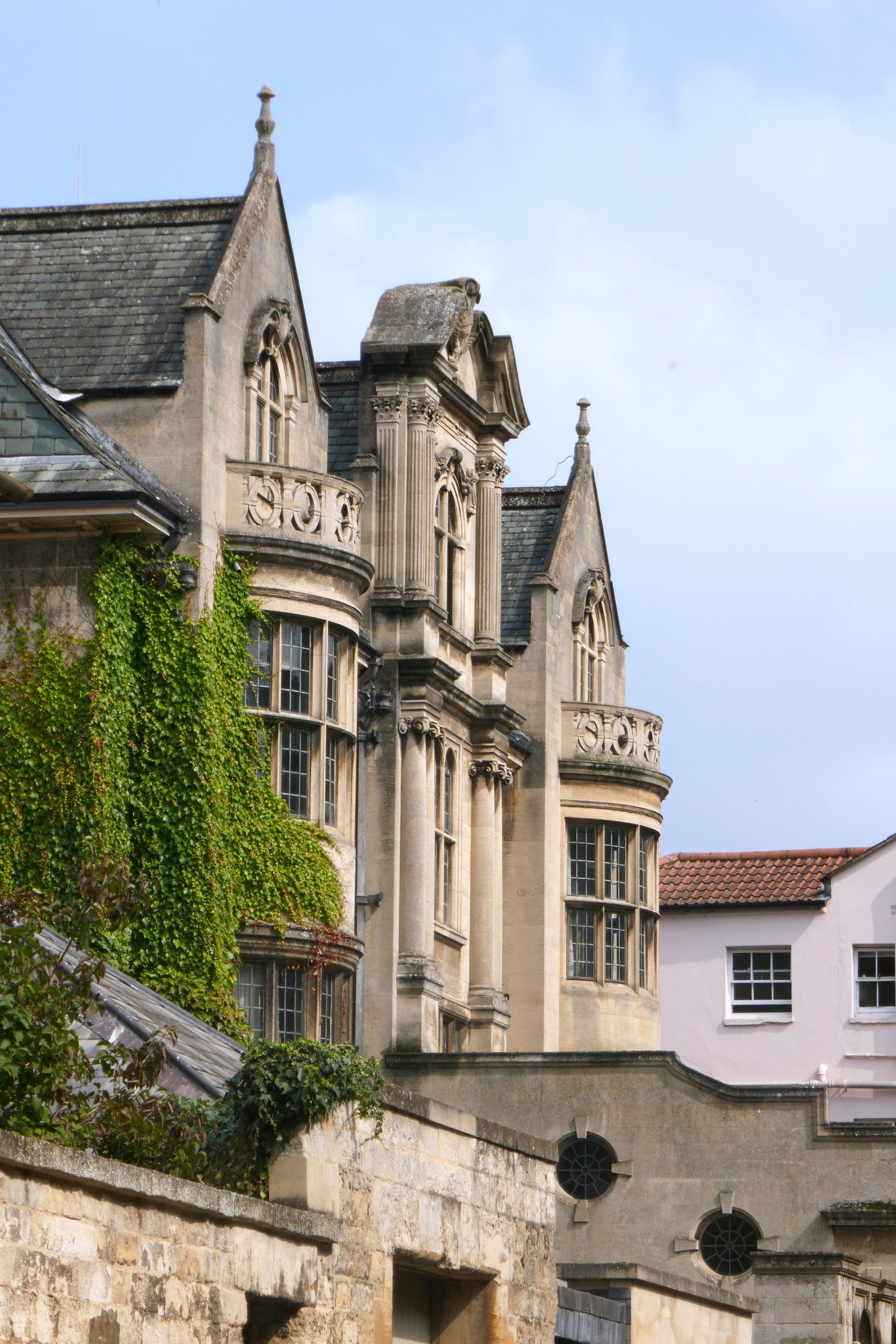
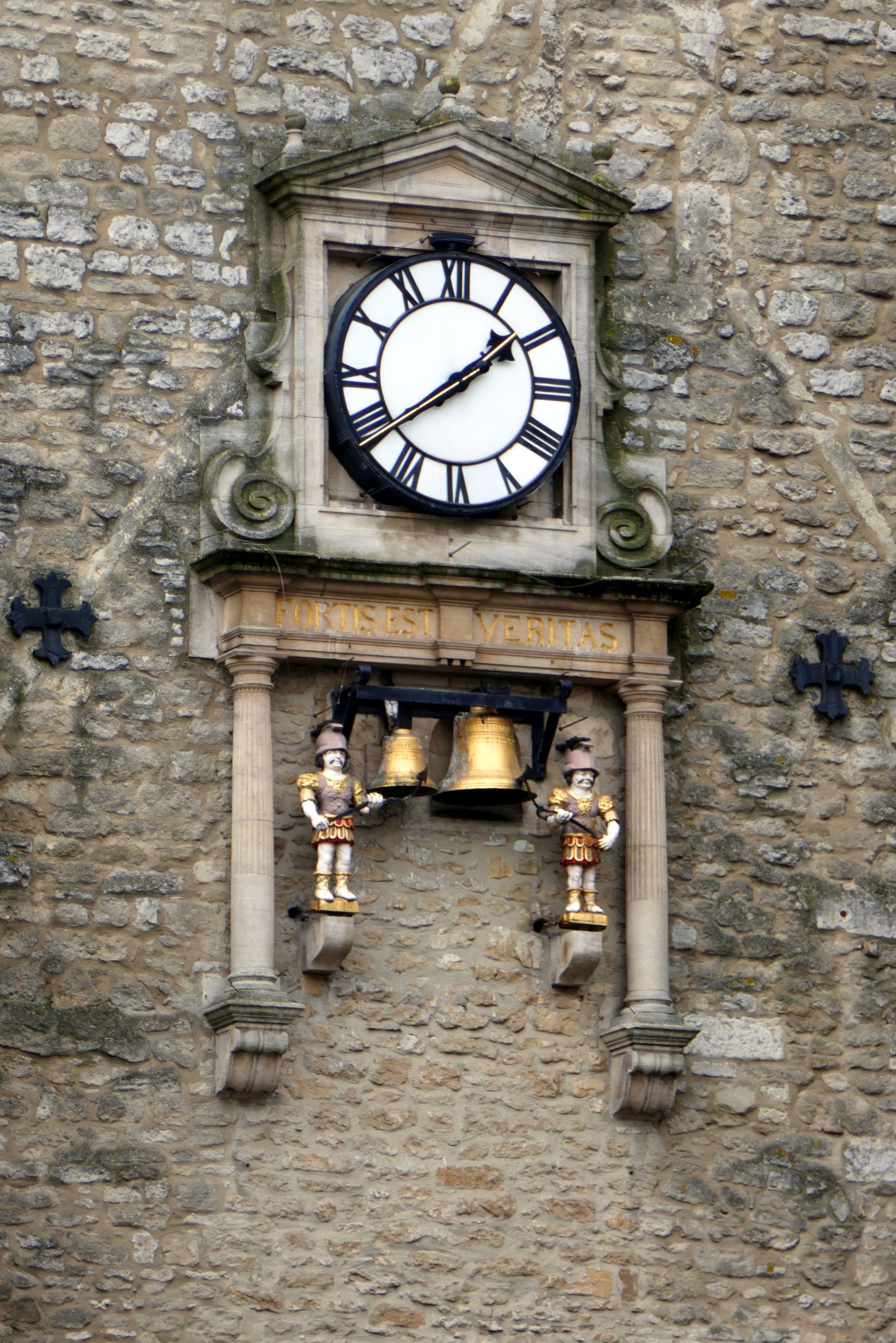
Oxford was our destination for the day.  We visited the University of Oxford, the oldest university in the English-speaking world.  (There is evidence of teaching as early as 1096!)  The university is comprised of 43 constituent colleges that were built in one of the English architectural styles: Anglo-Saxon, Gothic, or Tudor. 40,000 students attend the university in a town of 150,000.

Following Marc’s walking tour and a group lunch, we had time to explore the town on our own.  The different styles of architecture were quite a gorgeous site to see (and photograph)!

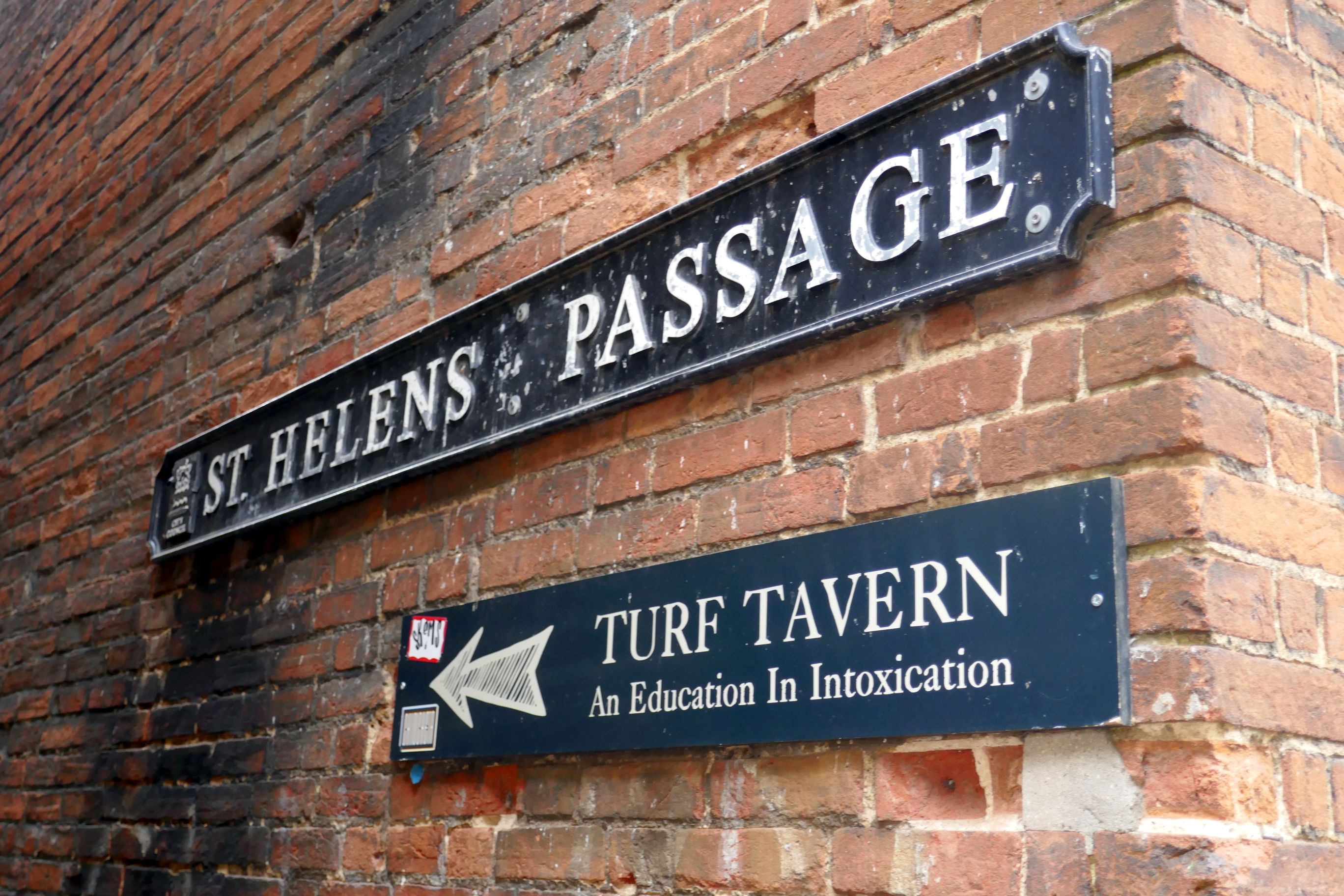
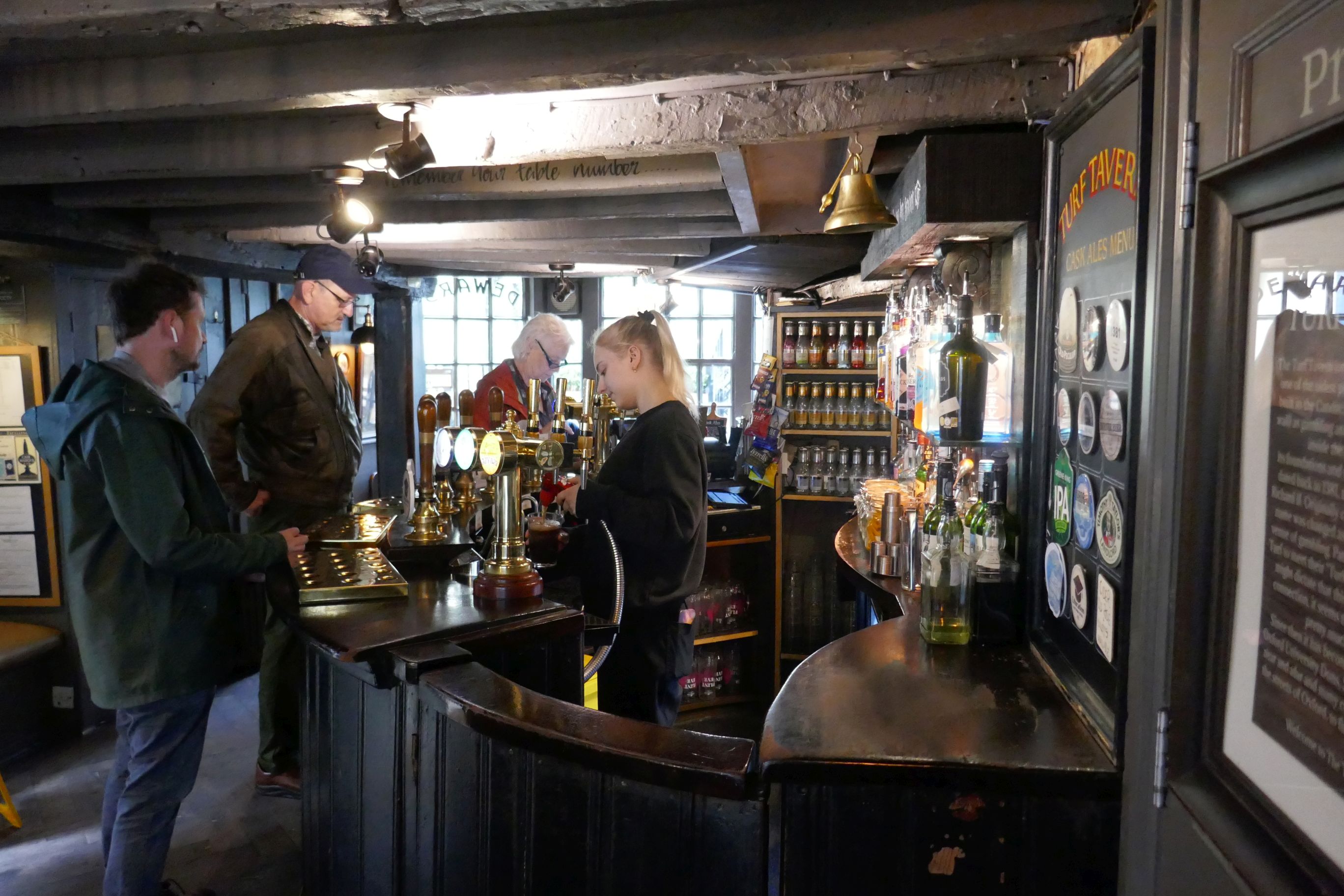
The Turf Tavern is thought to be the oldest pub in Oxford. Its foundations and use as a malthouse can be dated back to 1381. It’s a favorite spot for locals and famous visitors, including President Bill Clinton, Margaret Thatcher, David Bowie, Oscar Wilde, Stephen Hawking, Elizabeth Taylor, and many more!

We continued to charming Cirencester, our base for three nights.  This will be the subject of my next post: UNITED KINGDOM #16: CHARMING CIRENCESTER IN THE COTSWOLDS

UNITED KINGDOM #14: ISLE OF SKYE

It was a bit of a drive to the Isle of Skye, so Tom took the opportunity during the bus ride to talk about current history, which captures my interest more than ancient history.  I like to learn about how events during my lifetime have affected the lives of the people who are still alive to either benefit from or suffer from the consequences.

One example: Brexit. More people of the United Kingdom are going to suffer the consequences than benefit from that debacle.  So, you say they voted for it and deserve what they asked for?  Scotland and Northern Ireland voted to stay in the European Union (EU), but England did not.  They were sold a bill of goods and flat-out lied to by Boris Johnson, their “Liar in Chief,” as Tom so aptly called him.  (Funny, because Tom was such a gentle, mild-mannered soul, but he couldn’t help himself.  To that, I say, “Good on ya, Tom!  Call it like it is!”)  We have one of those who will get inaugurated on my birthday. What a birthday “gift”…

We passed a road sign that stated, “Investing in your future,” referring to improvements that had been completed on a previously horrible road, according to Tom.  Now, with Brexit, there will no longer be access to those funds for improvements.

The only benefits of Brexit, according to Tom, were faster access to COVID vaccines and higher wages for hospitality workers.  Otherwise, the results have been negative: Exports have declined, the GDP has dropped, the value of their currency has decreased, there is a labor shortage in some sectors, immigration has tripled, and much, much more.

As it turns out, the money the United Kingdom was paying to be a part of the European Union was less than what they gained economically from doing business with other EU countries. 

Tom got the shaft from Bexit, because he had been covered by medical insurance no matter where he worked in the EU, which, in his case, included Prague, the Netherlands, and France.  When Brexit began, he lost his citizenship to every EU country and had to return to the UK due to the loss of benefits.

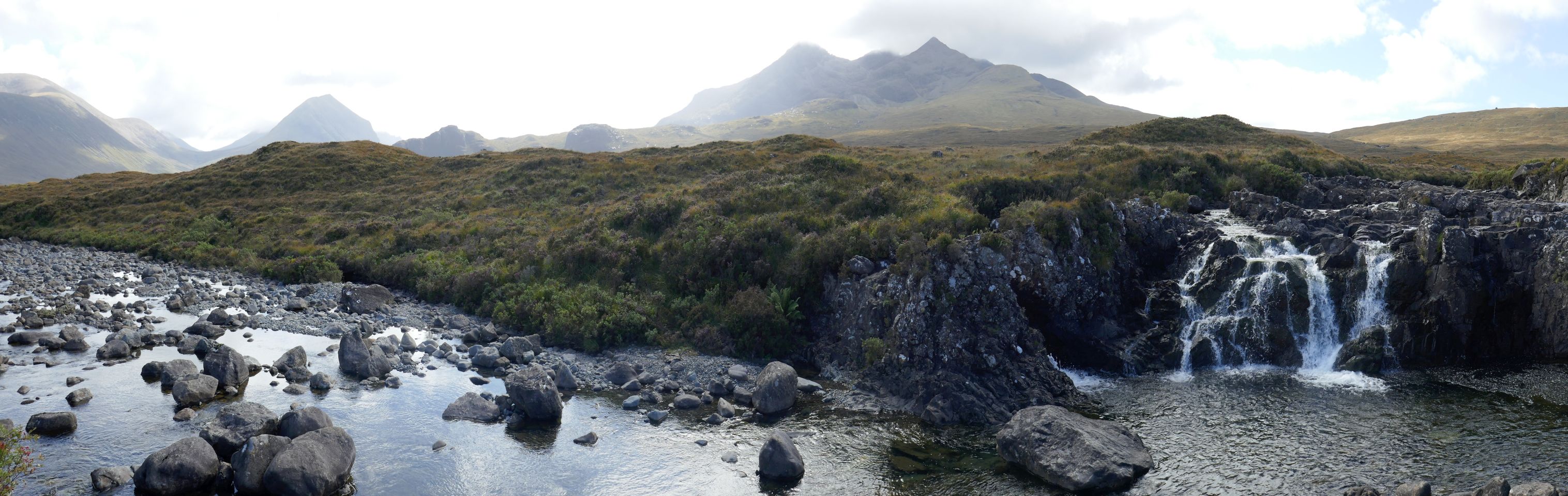
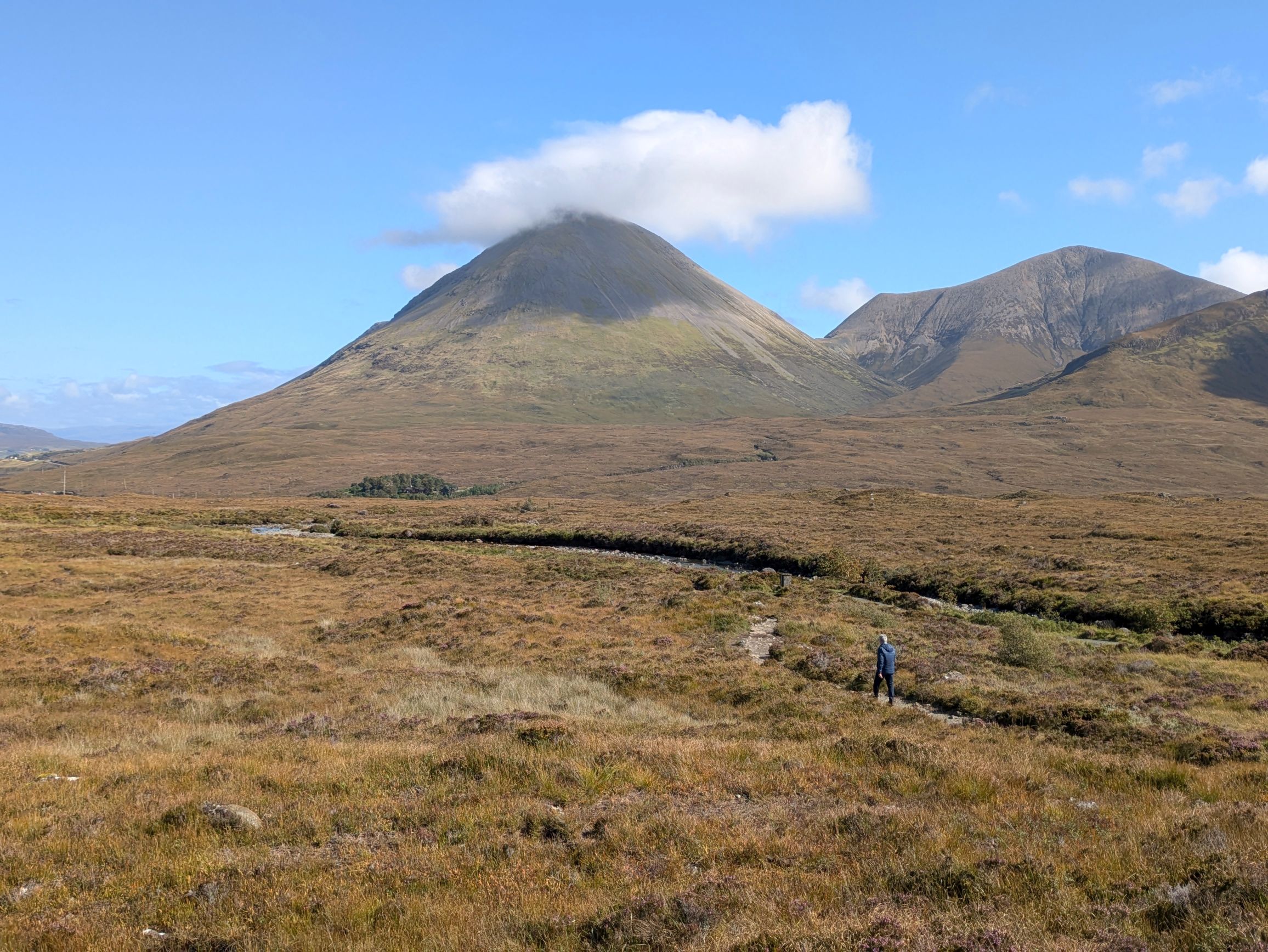
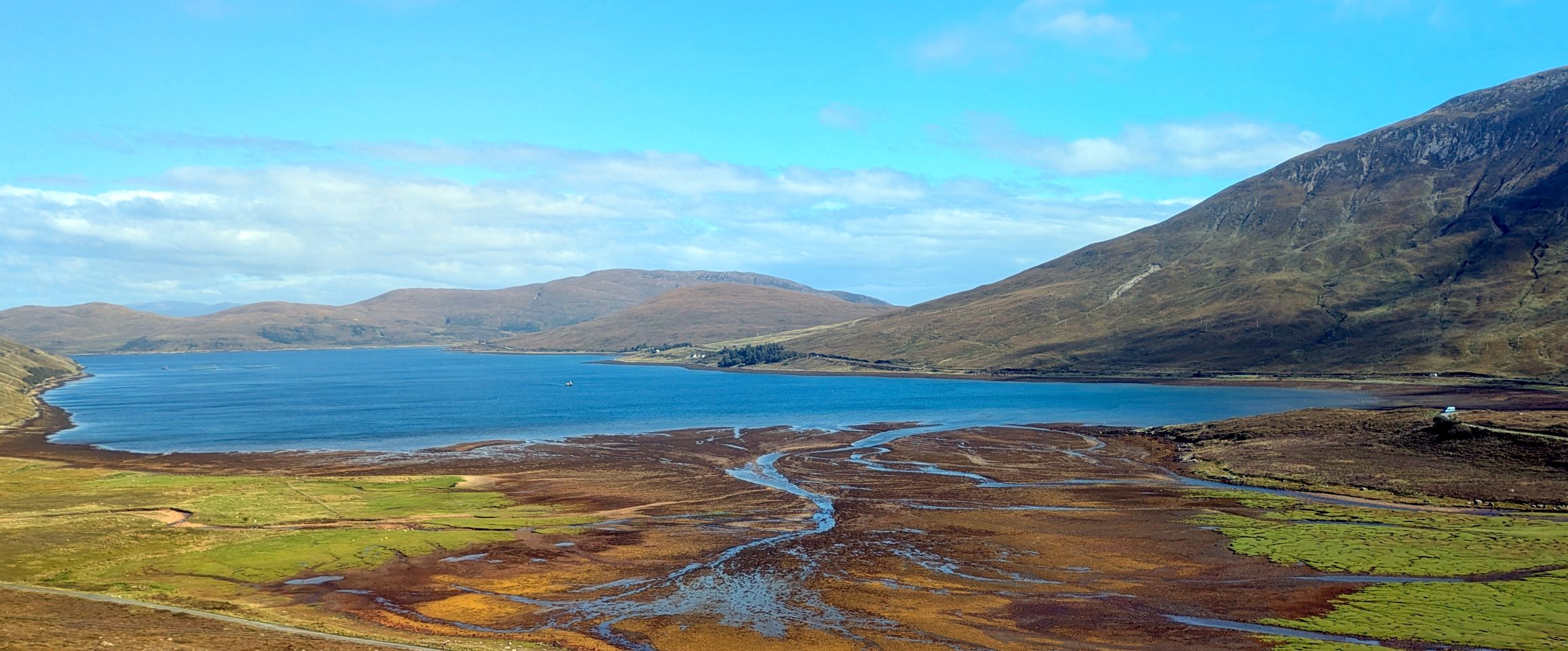
After a long bus ride, we arrived at the Isle of Skye, known as the “Misty Isle,” except we were fortunate to have a rare sunny day!

The Isle of Skye is a sparsely populated place; just 10,000 residents.  Gaelic is spoken in this region.  (A total of only 50,000 people speak the language in all of Scotland.)

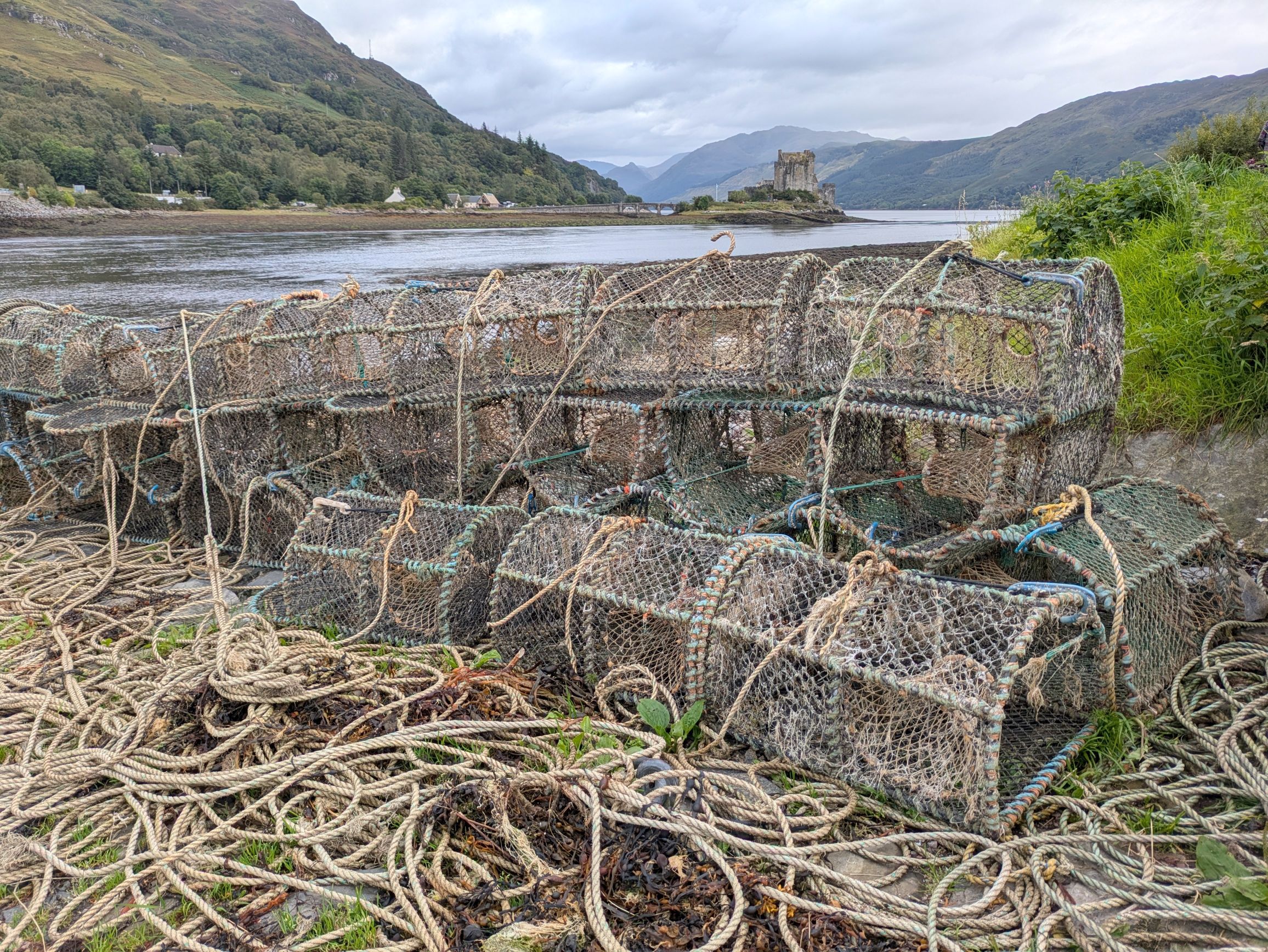
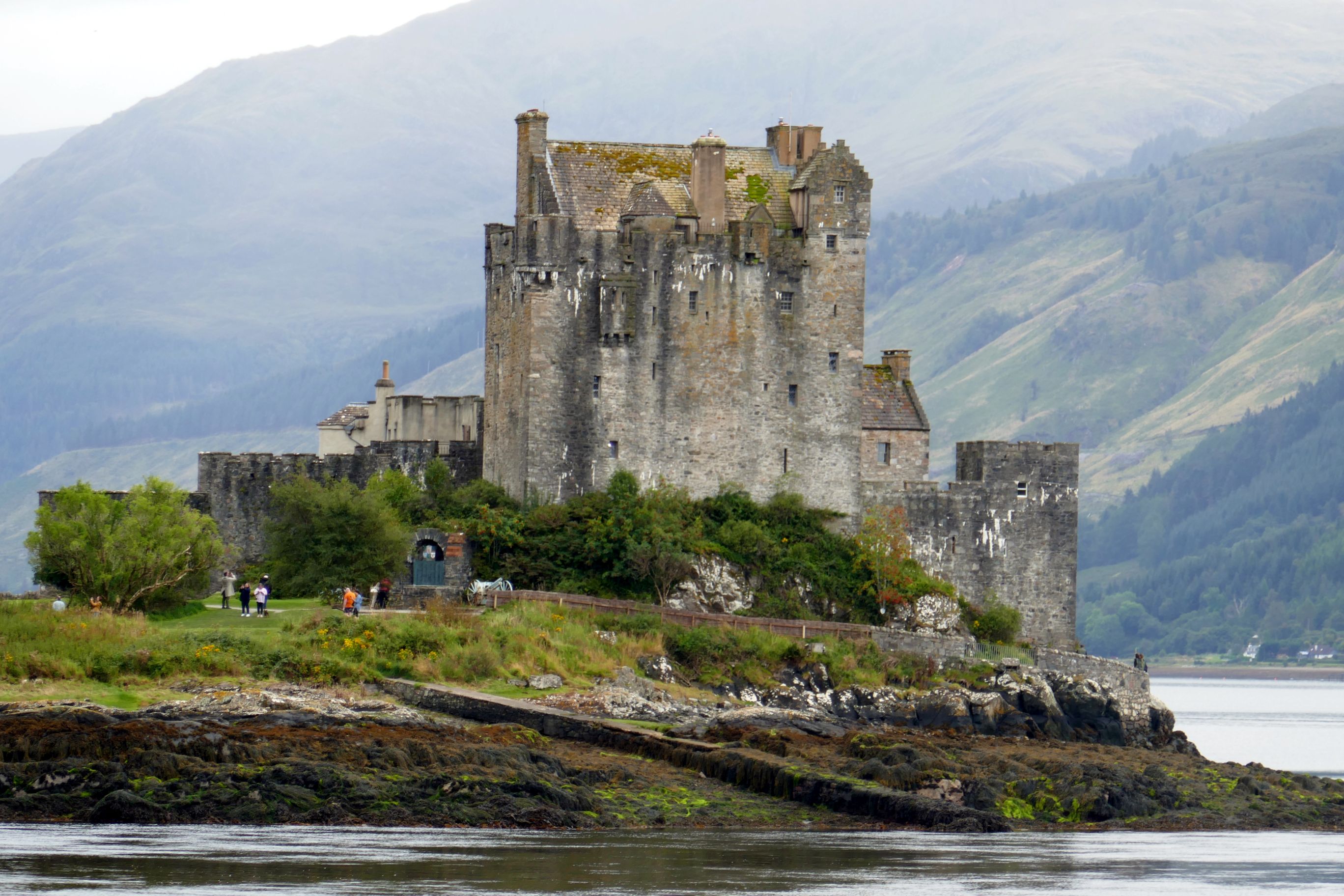
We stopped at a few viewpoints, took a hike, and enjoyed a lunch of Cullen skink, a delicious, creamy Scottish fish chowder.  Later, we stopped to get a view of Eilean Donan Castle, the iconic Scottish monument that stands on a tiny island overlooking the Isle of Skye.

(For all photos, click on the image for a full screen view.)

Eilean Donan Castle
Urquhart Castle

Coming up next: UNITED KINGDOM #15: A FOND FAREWELL AND OFF TO OXFORD

UNITED KINGDOM #9: ONWARD TO ORKNEY ISLANDS

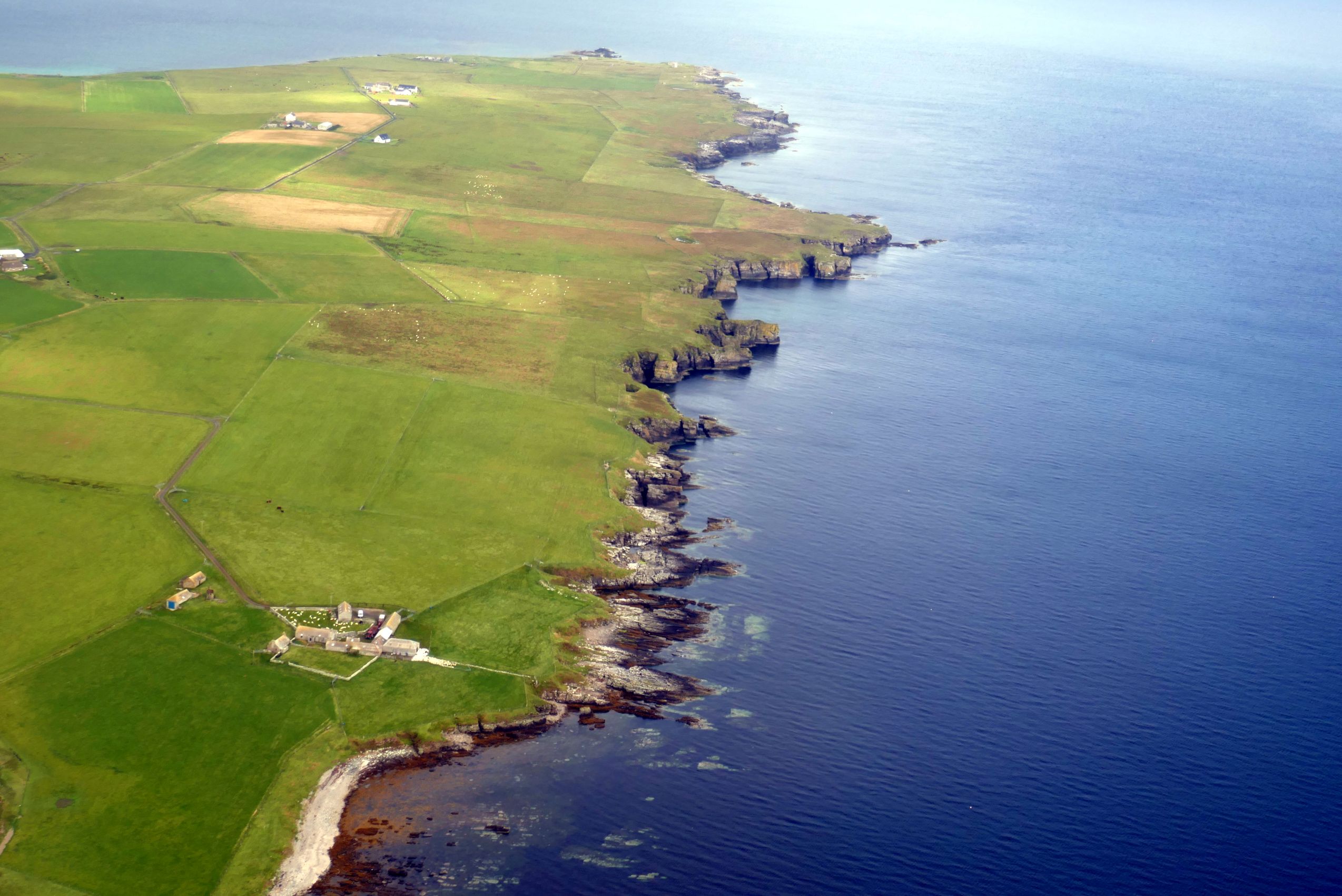
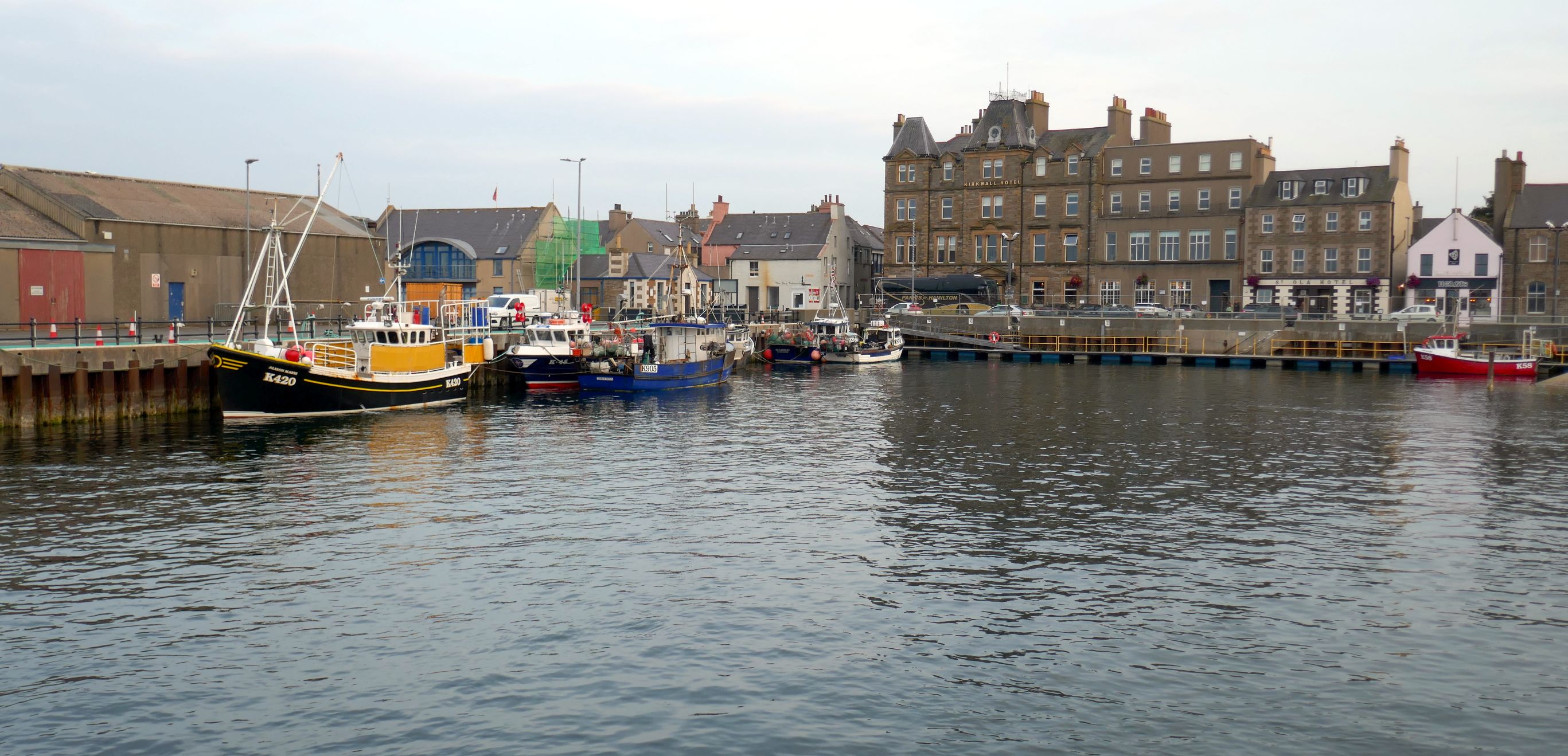
It was a beautiful day to fly to the Orkney Islands!  Located off the northeastern coast of Scotland, Orkney is an archipelago made up of 70 individual islands, only 20 of which are inhabited.  Kirkwall, our home base for three nights, is the largest town of the islands with a population of 8-9,000.  A total of 23,000 people live on the Orkney Islands.

(For all photos, click on the image for a full screen view.)

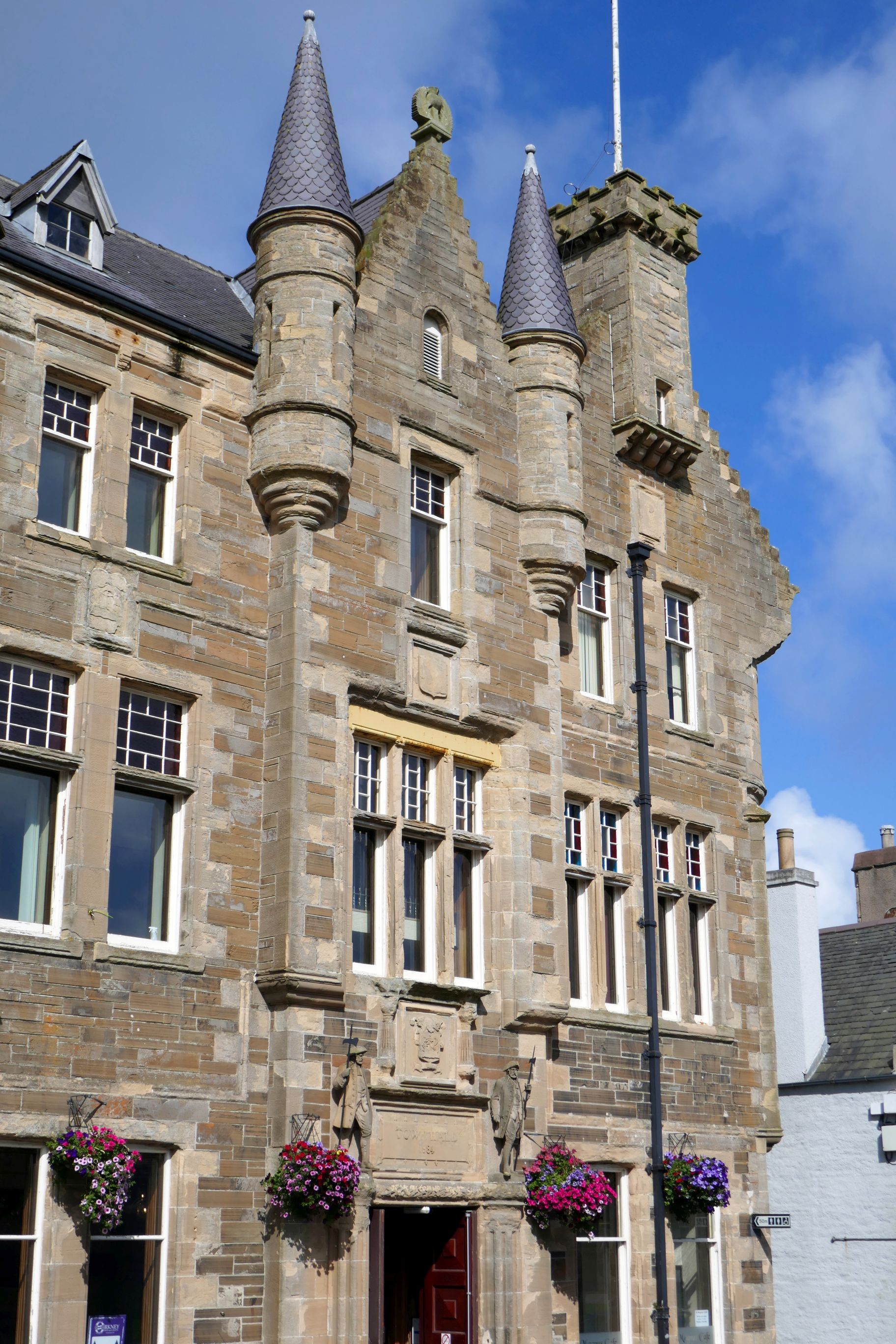
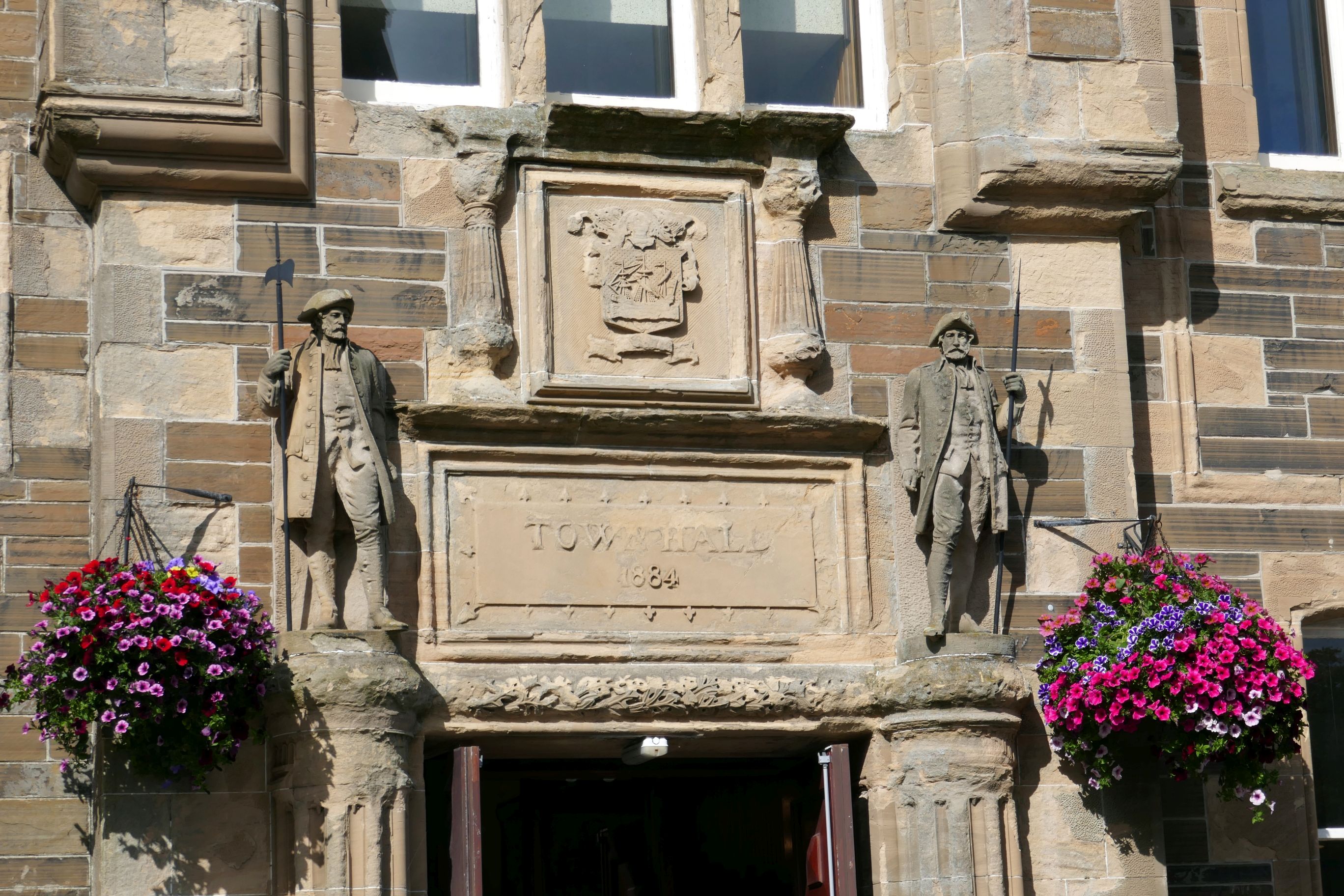
Tom took us on an orientation of the little town; it’s hard to get lost!  Still, his orientation tour was a great way to get the lay of the land and get filled in on the history of the place.

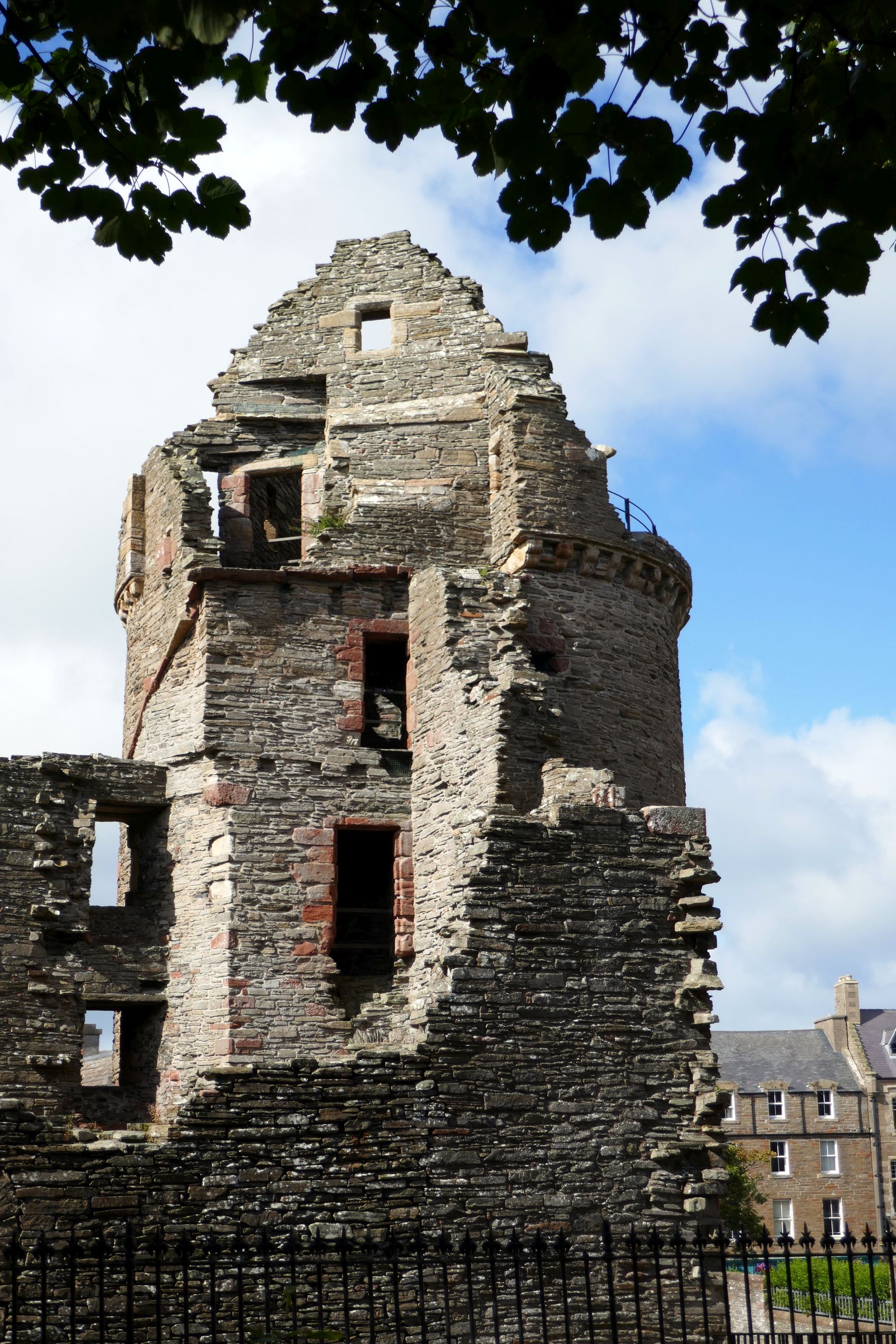
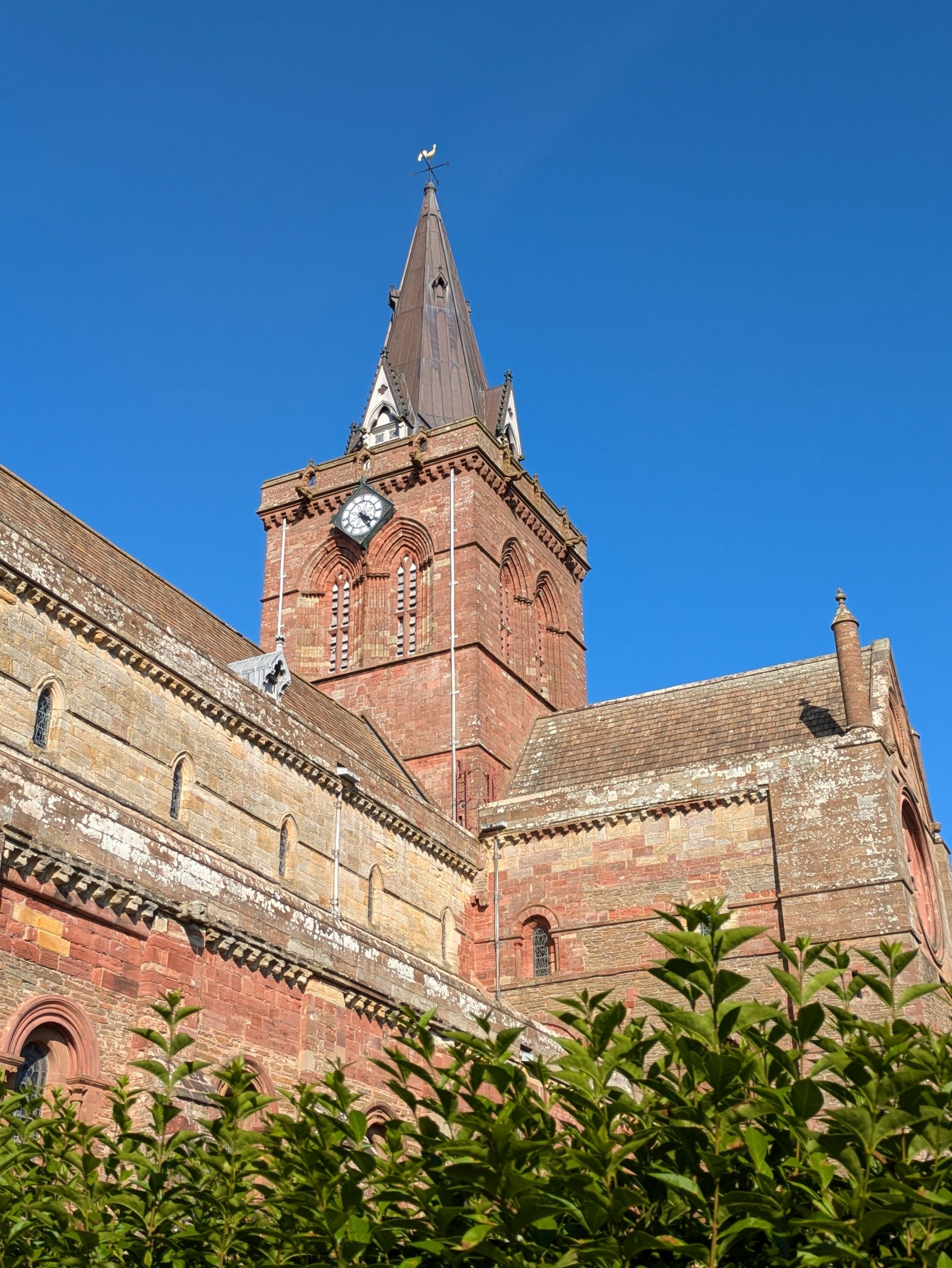
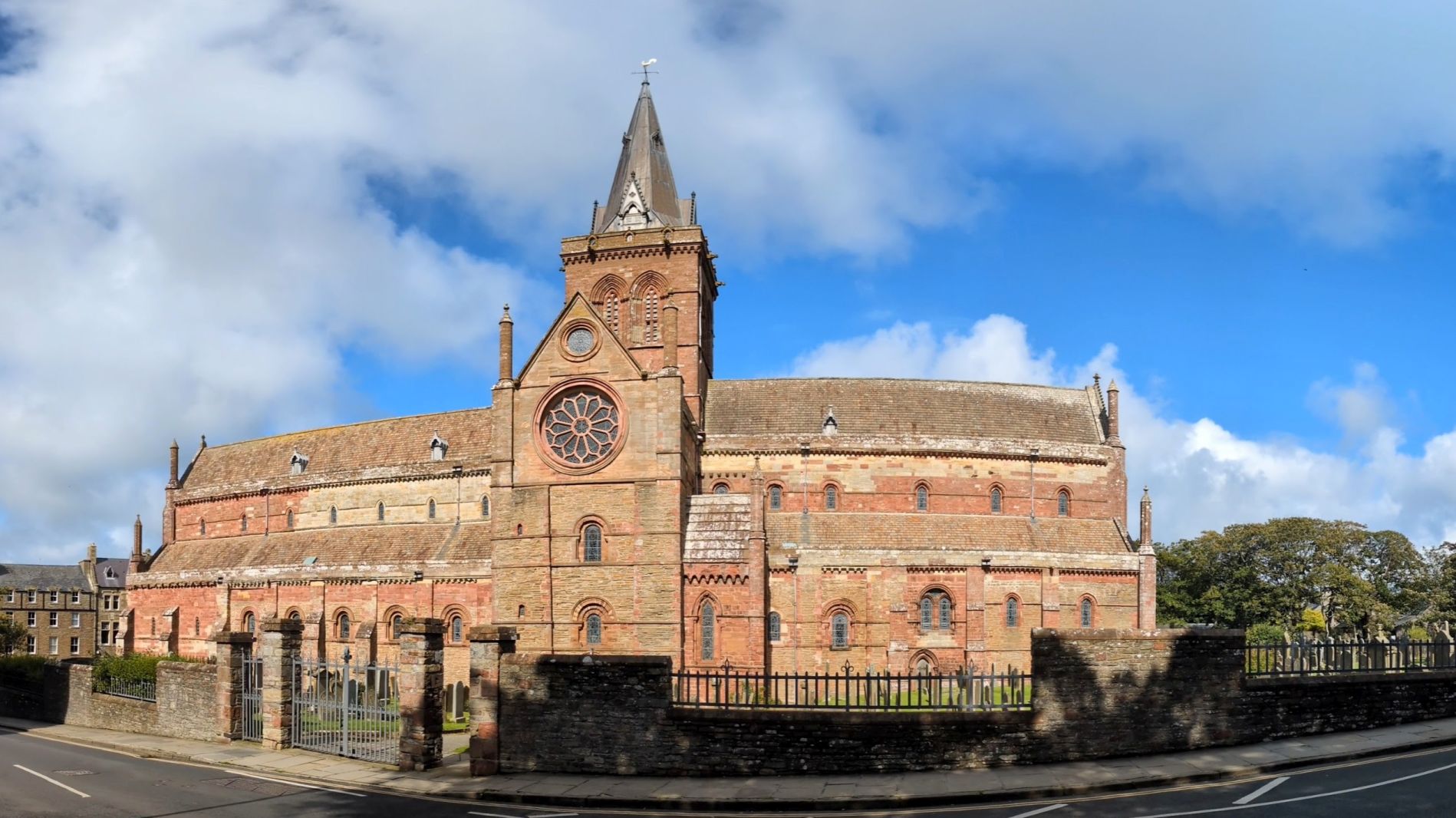
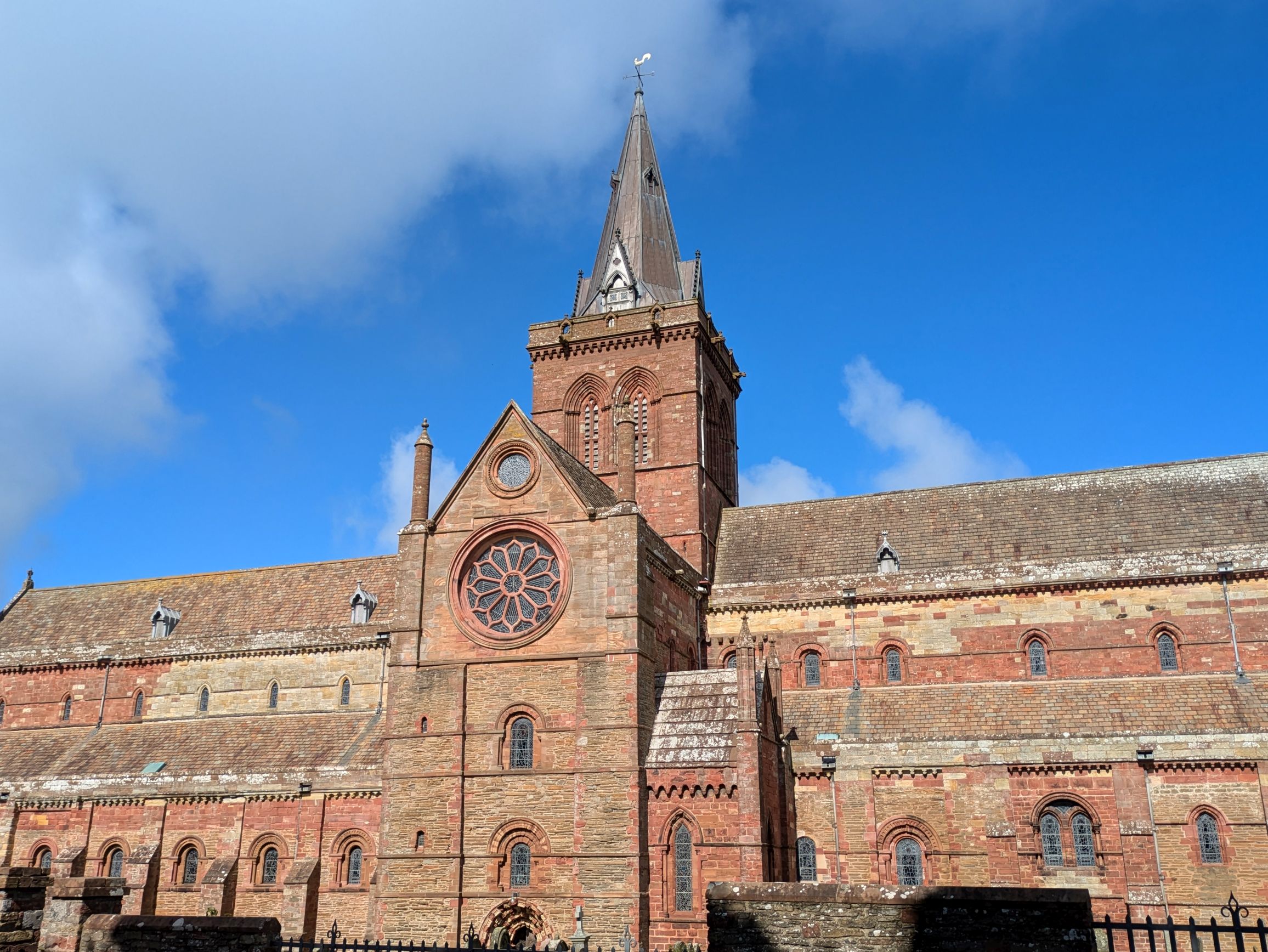
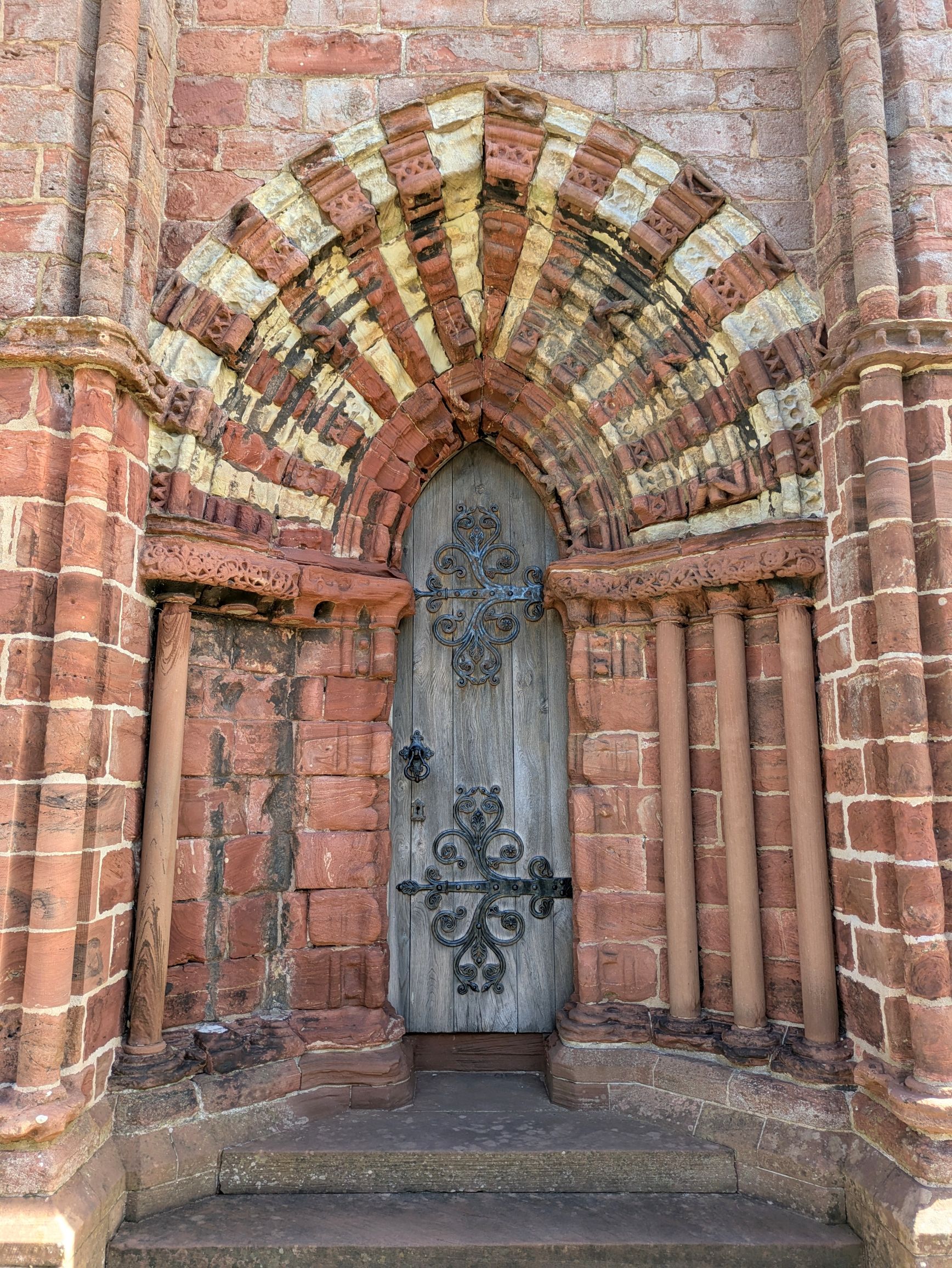
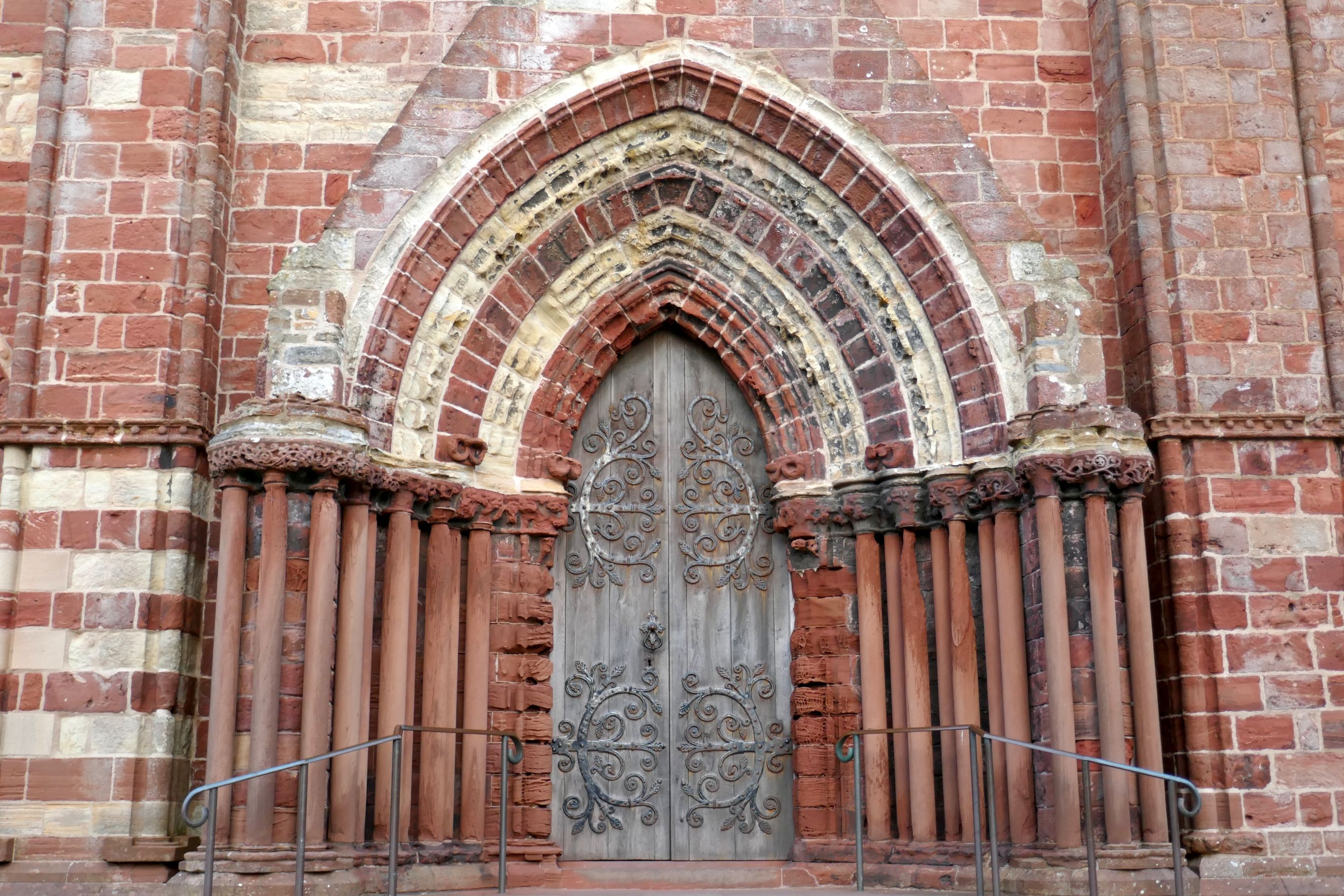
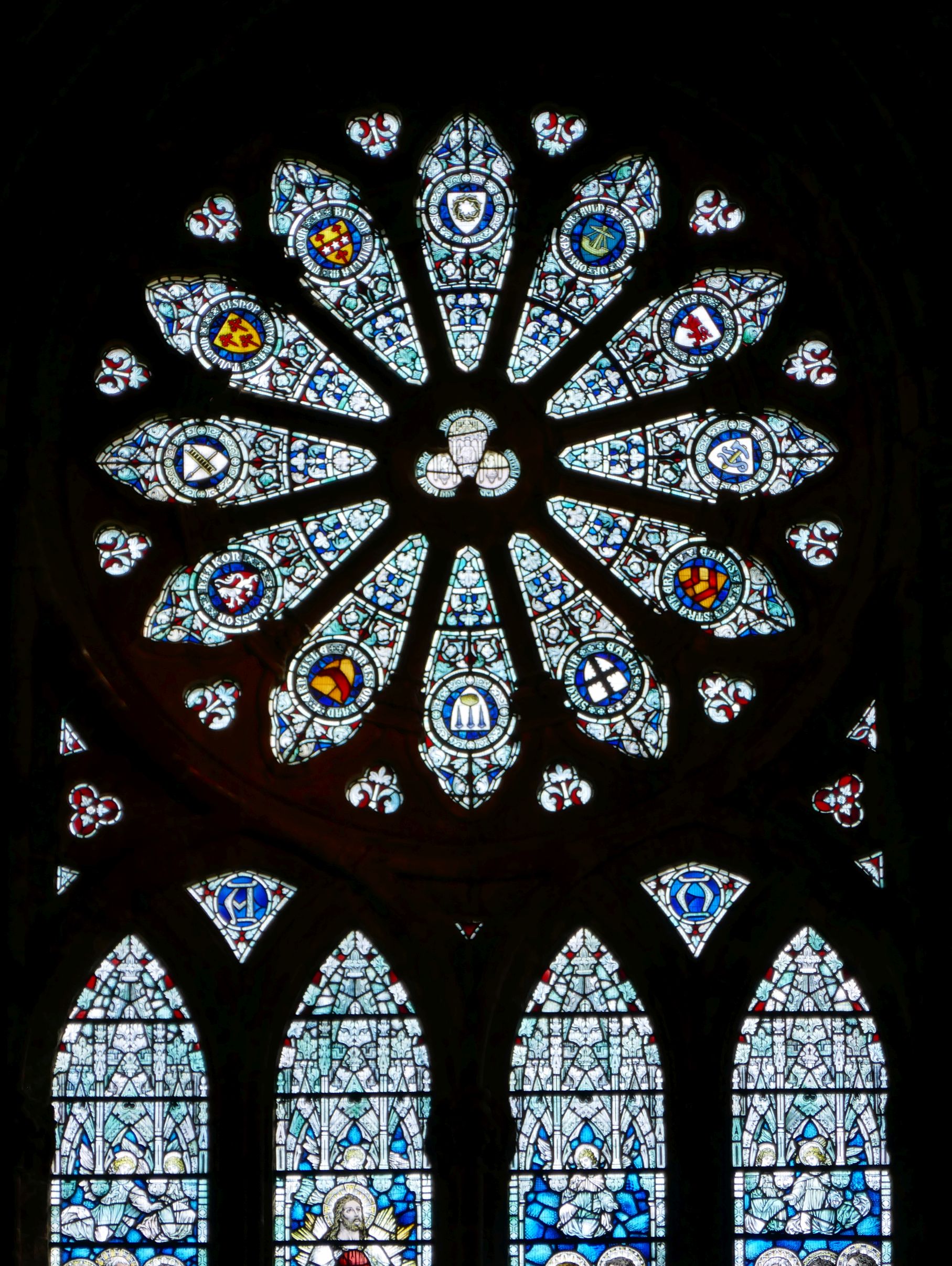
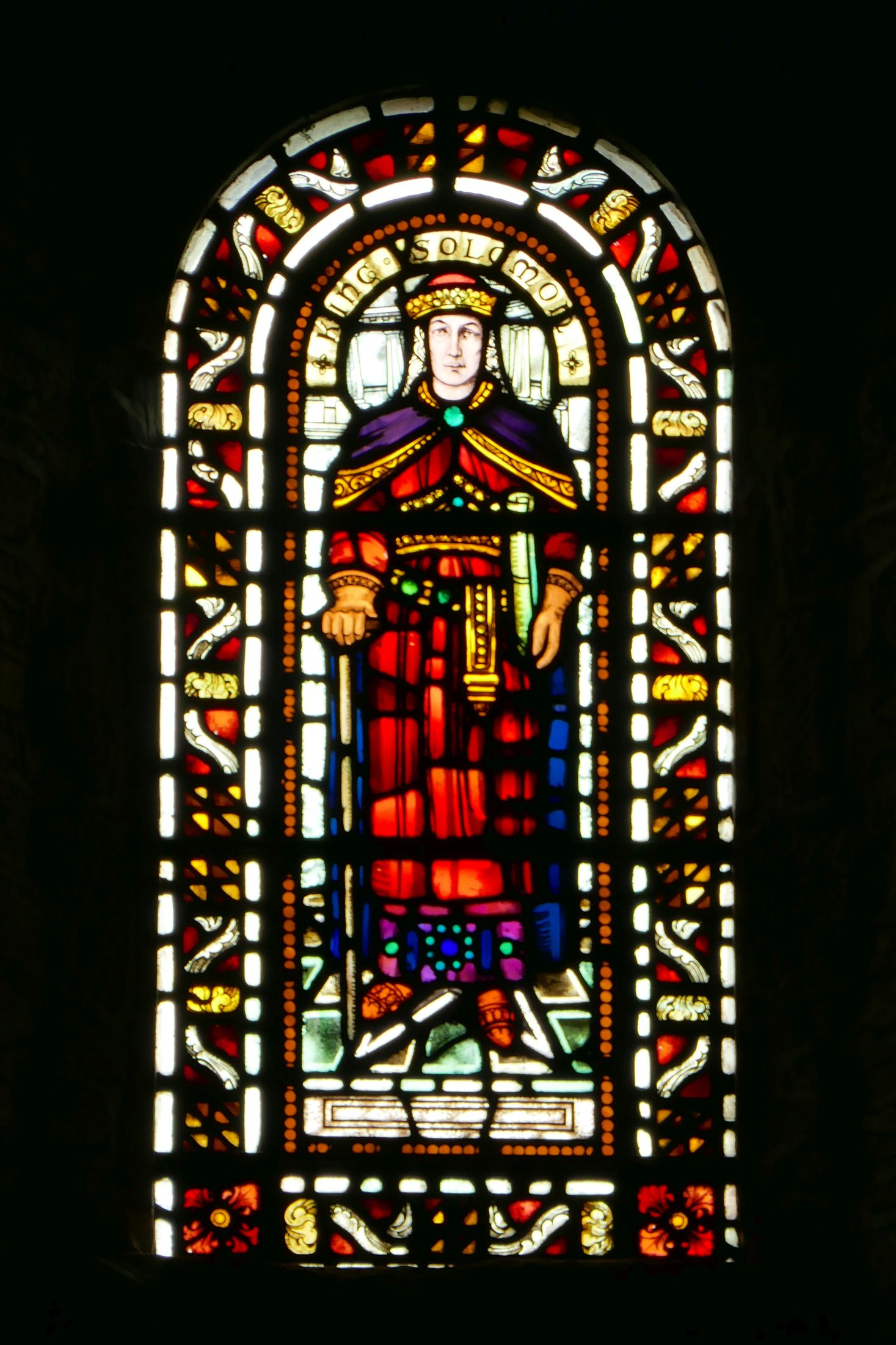
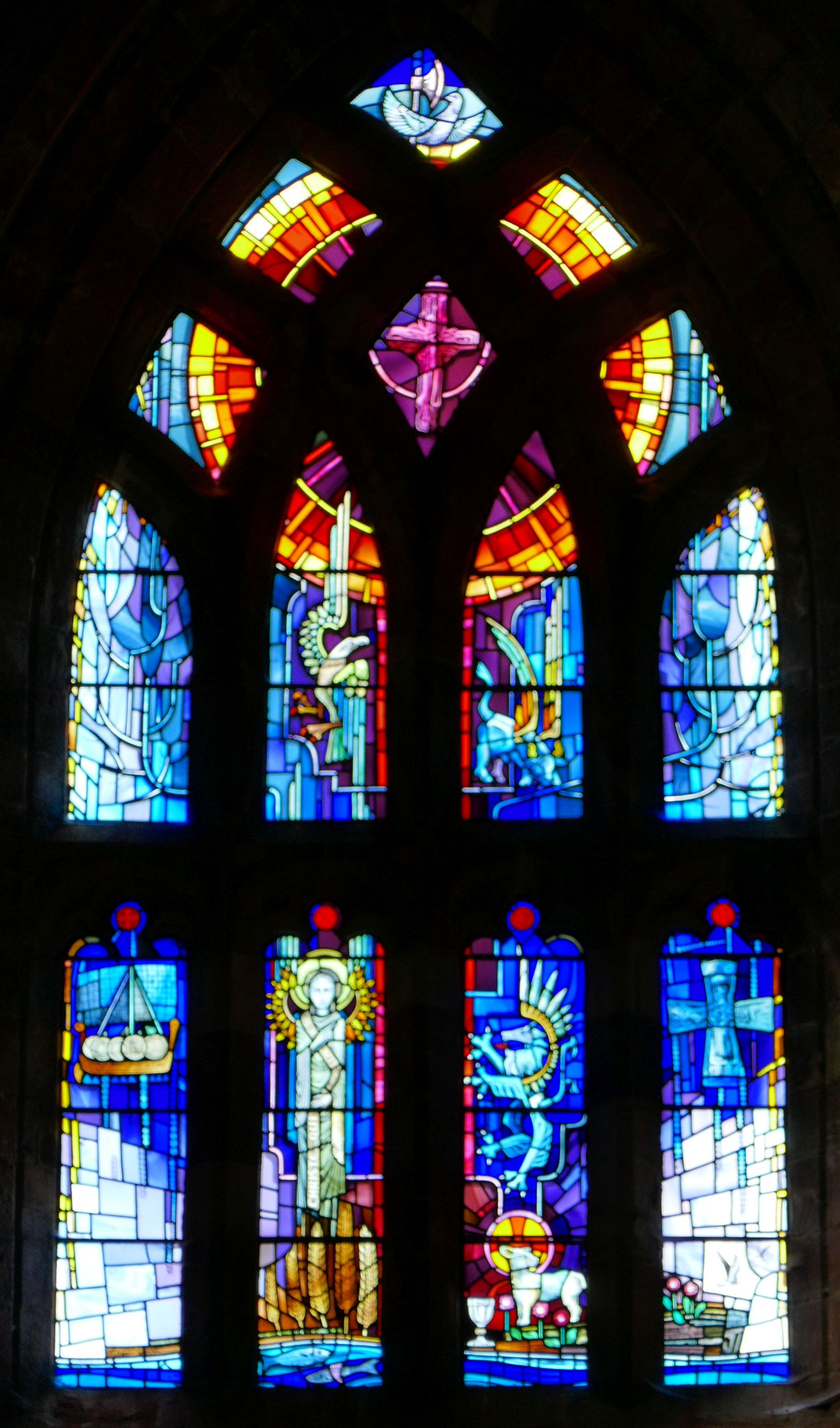
The highlight of Kirkwall is St. Magnus Cathedral, the oldest cathedral in Scotland.  Founded in 1137, it was originally Roman Catholic and built when the islands were ruled by the Norse Earls of Orkney.  Today, it is owned by the burgh of Kirkwall rather than by any church. 

Built of local red sandstone, the Norman architecture of the cathedral is gorgeous.  We enjoyed returning on a couple of occasions during the following two days, just so we could see it in different light—especially in the late afternoon and early evening.

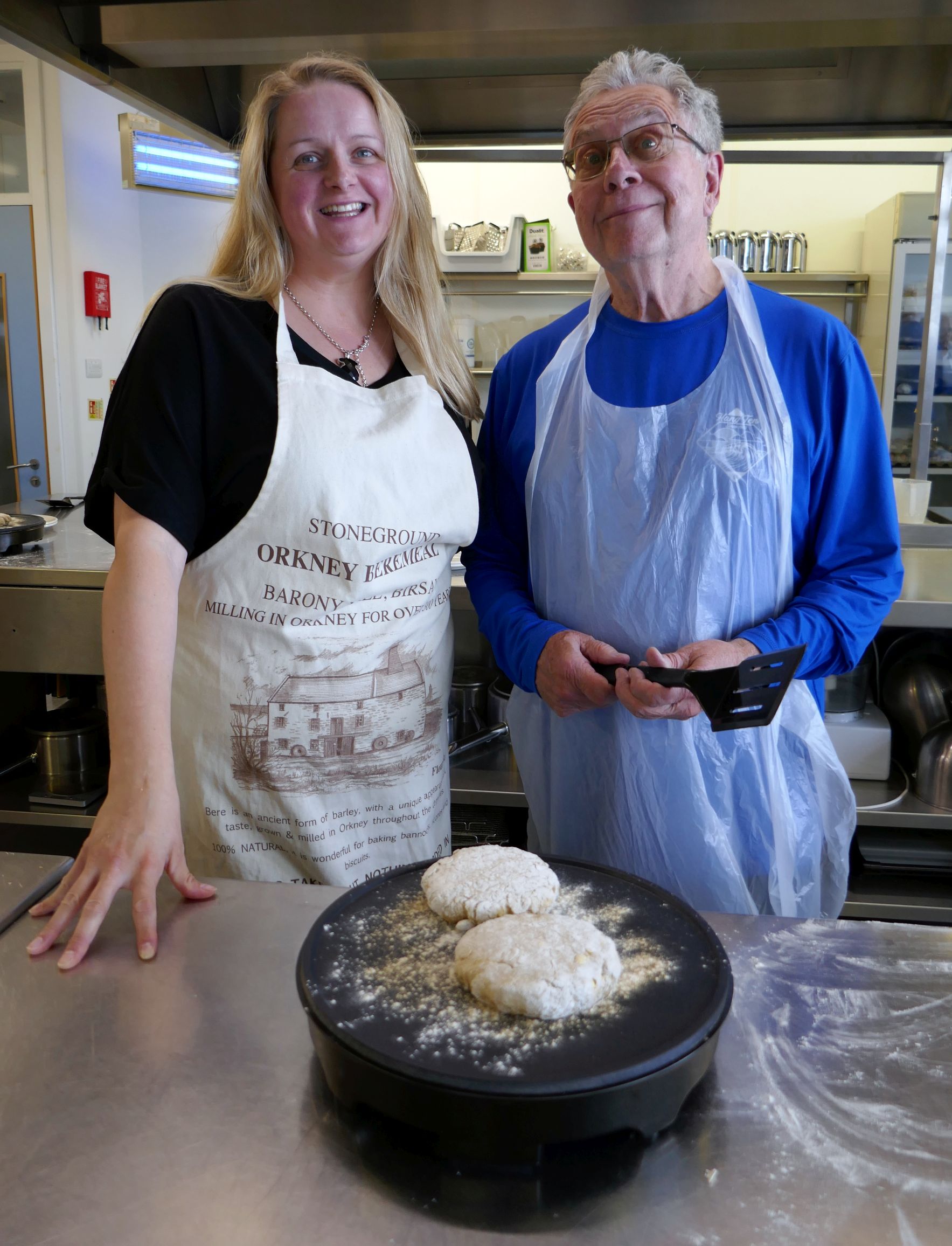
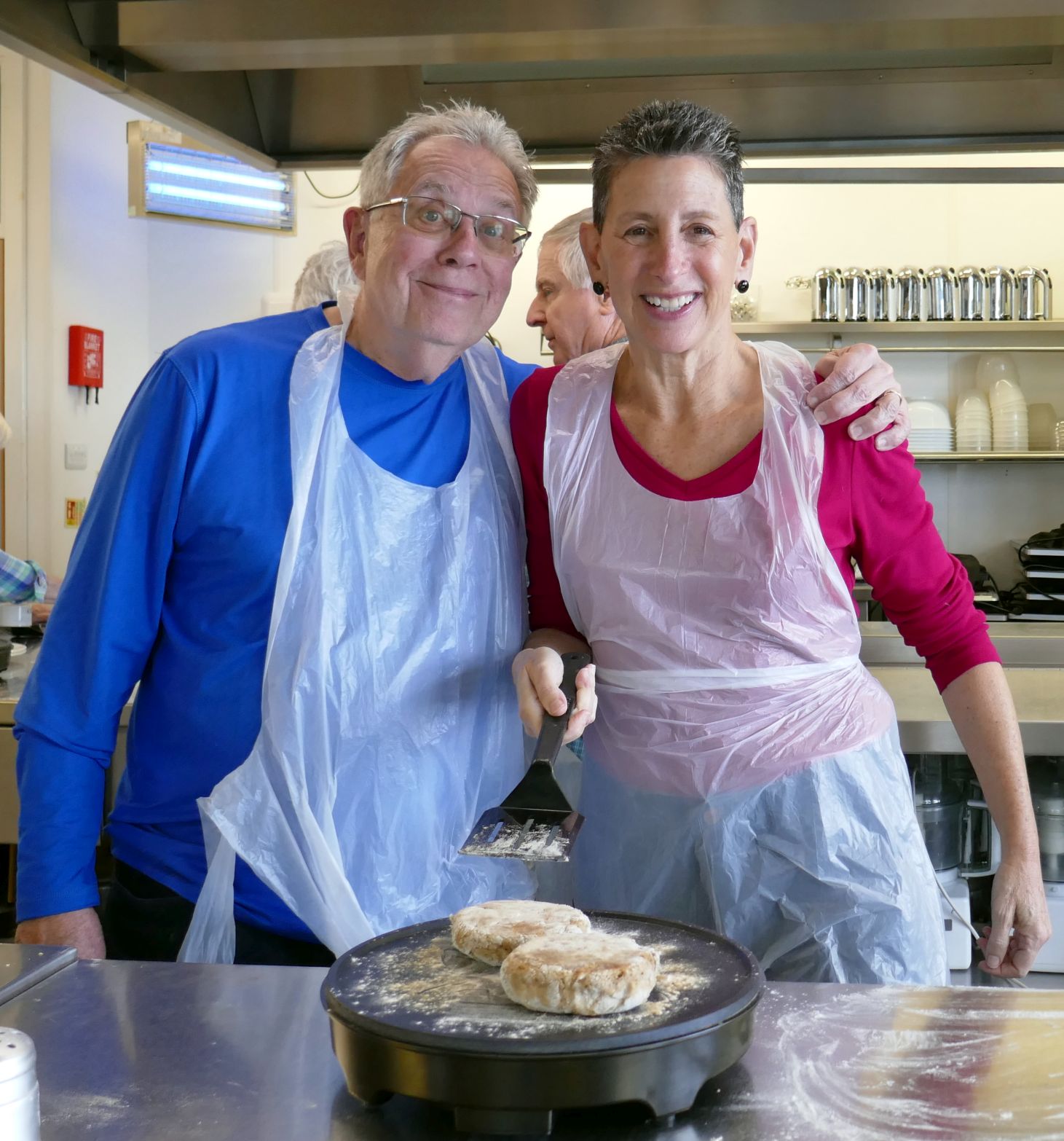
Following our orientation of the town, we walked up to the University of Highlands and Islands (UHI) to meet with Laura who works in the Culinary Department where they teach hospitality and restaurant business.  They have a restaurant on site that students run, and customers give feedback on the service and food.  Another wonderful program the university offers is remote courses on TV that are linked with other universities.  Kirkwall is quite isolated, it’s expensive for students to travel to the mainland, and there is a housing crisis in Scotland; so, being able to go to UHI and “attend” class on TV is very helpful.

After learning a bit about the university and Laura’s background (She’s a huge Yankees fan and got married in Central Park!), she taught us how to make Bannocks, a Scottish bread made from bere barley, which is grown in Orkney and milled at Barony Mill, the only mill for bere in the world.  Bruce and I teamed up, and ours came out tasty!

Throughout our U.K. tour, in addition to the history, we learned a lot of interesting facts from Tom that baffled us as much as it baffles him!  Check this out:

Electricity that is generated by wind turbines in Scotland doesn’t stay in Scotland.  It goes to the grid in England for their benefit.  Scotland actually pays more for electricity, even though they produce it!  Ditto for oil.  Profits from oil drilled in Scotland go to England.

Wales gets the same shaft from England, but in their case, it’s water.  Wales water gets transported to England, and then it’s sent back to Wales at a premium cost.  What the…?

Although Wales could not survive independence, Scotland has the resources to be completely independent, but England won’t allow them to vote on it.  Go figure…

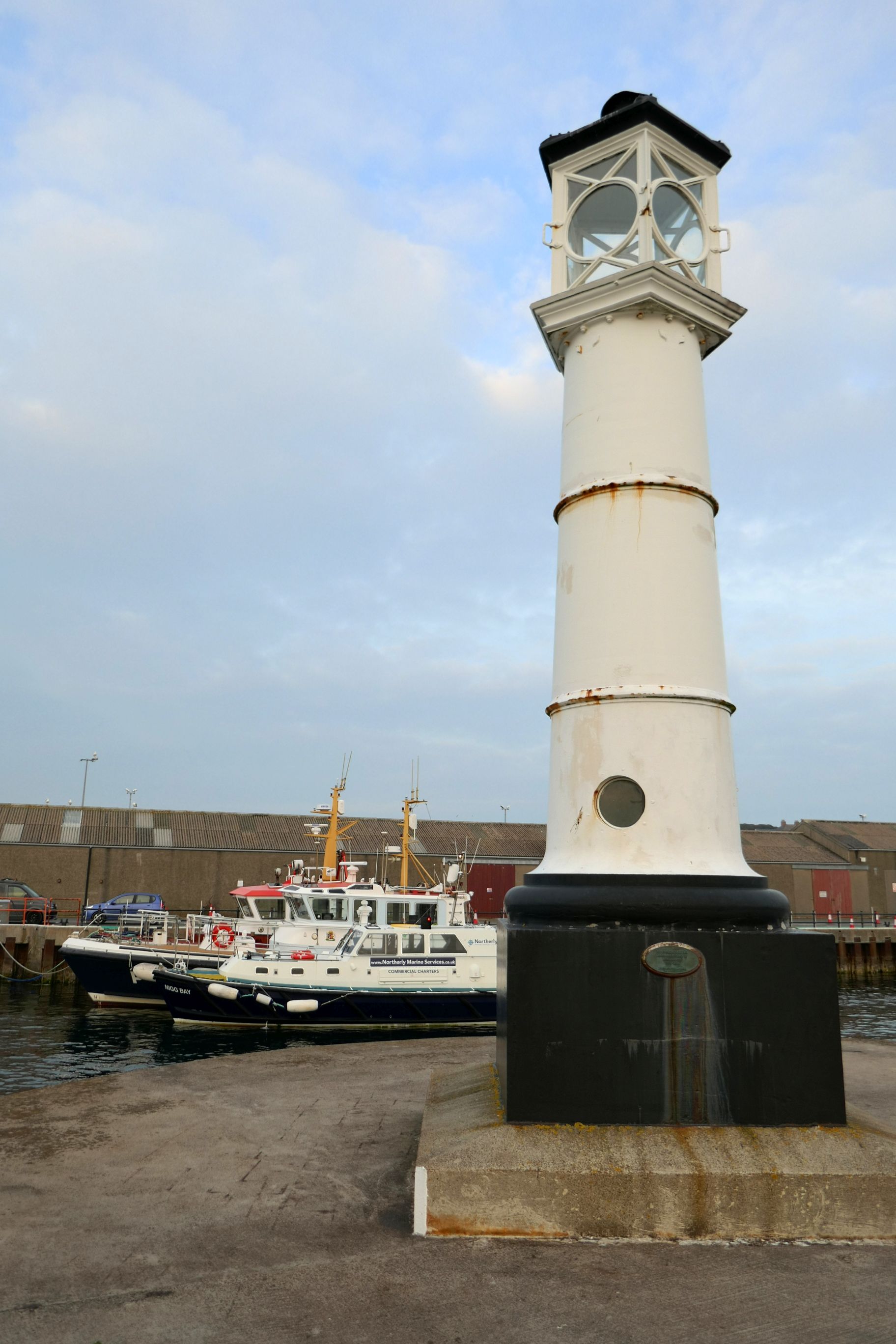
Here are some final sunset scenes around town:

Coming up next: UNITED KINGDOM #10: ORKNEY’S CHURCHILL BARRIERS & ITALIAN CHURCH