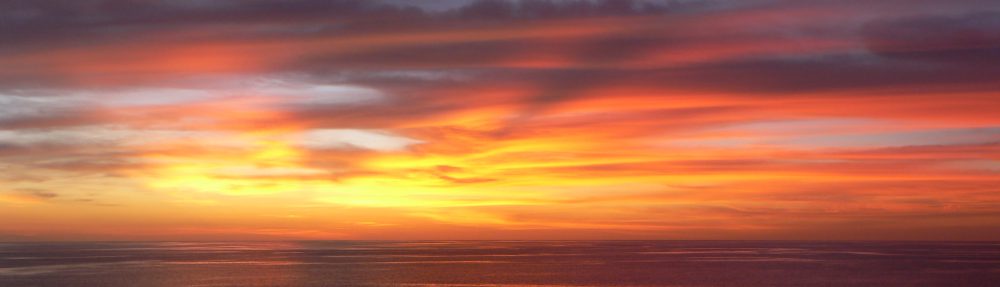
Another day of hiking and exploring was scheduled, so I was hoping (once again) for good weather. And (once again!), we were greeted with another gorgeous day!
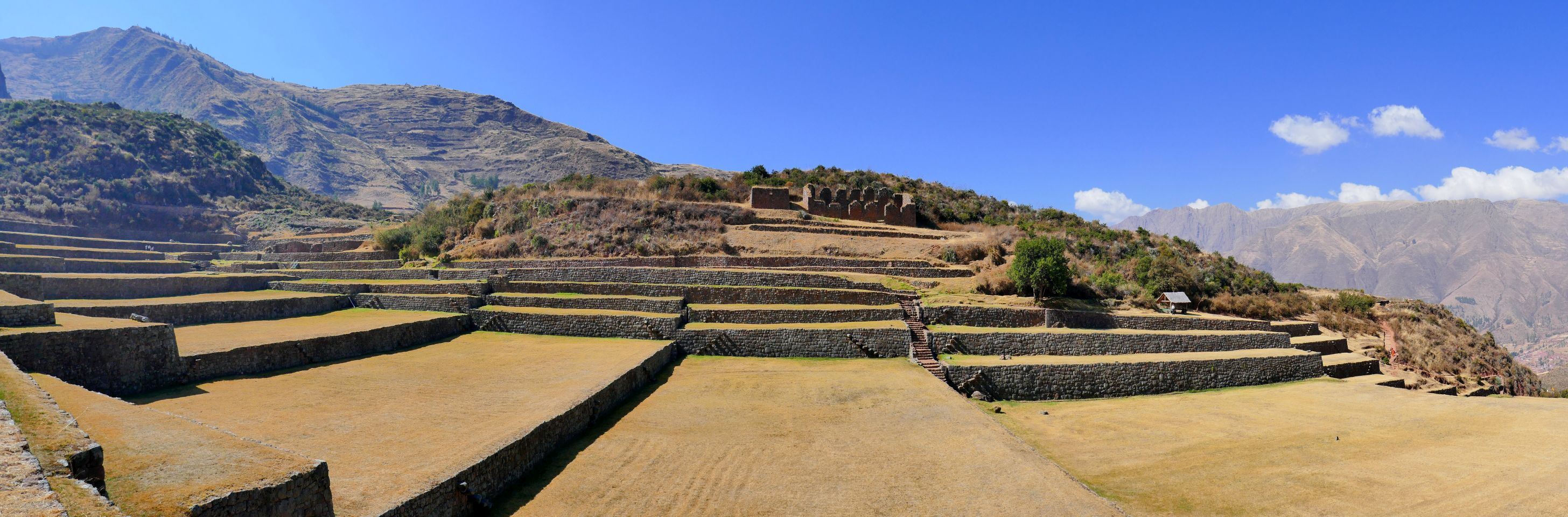
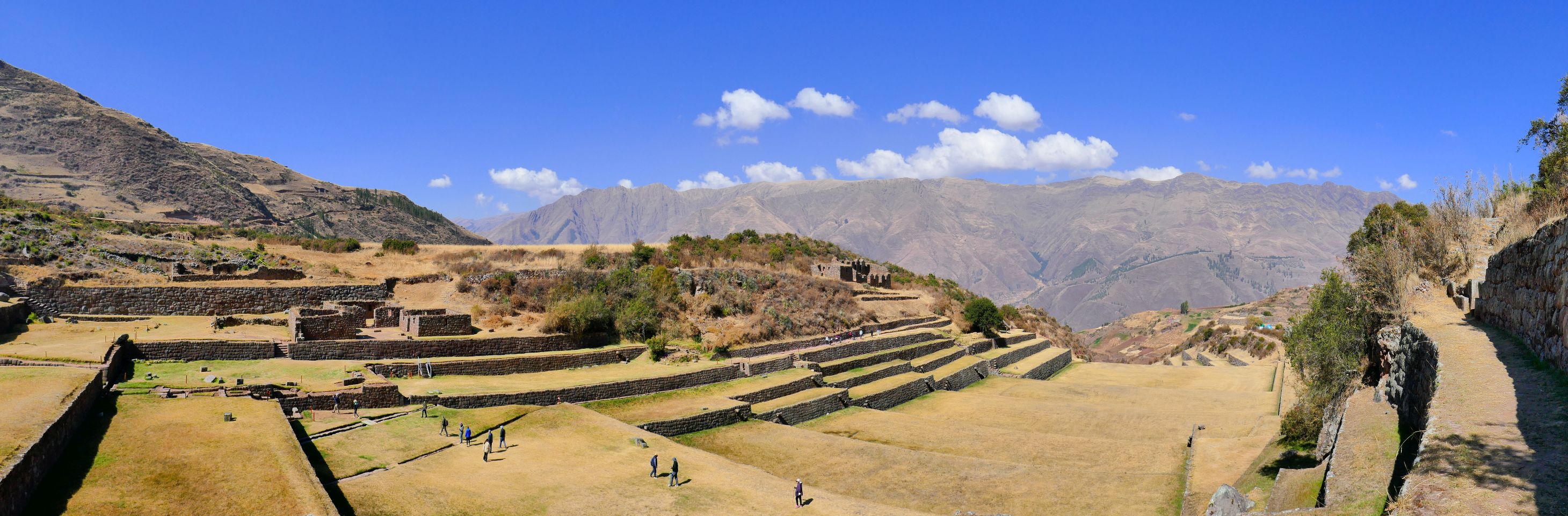
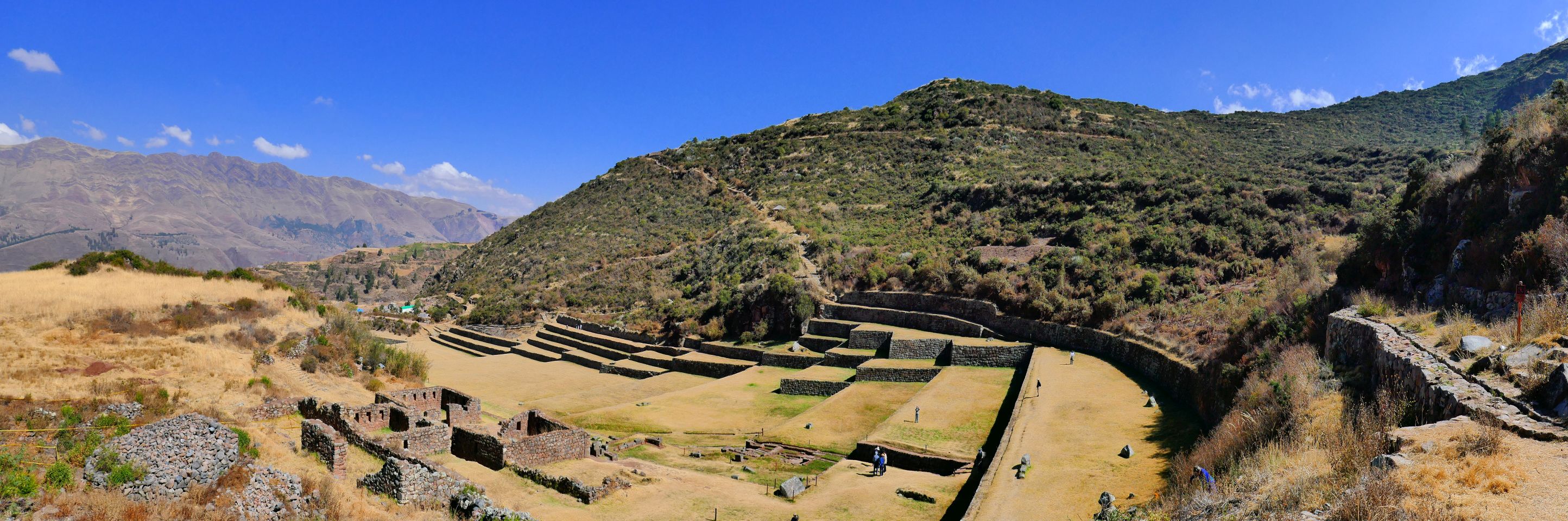
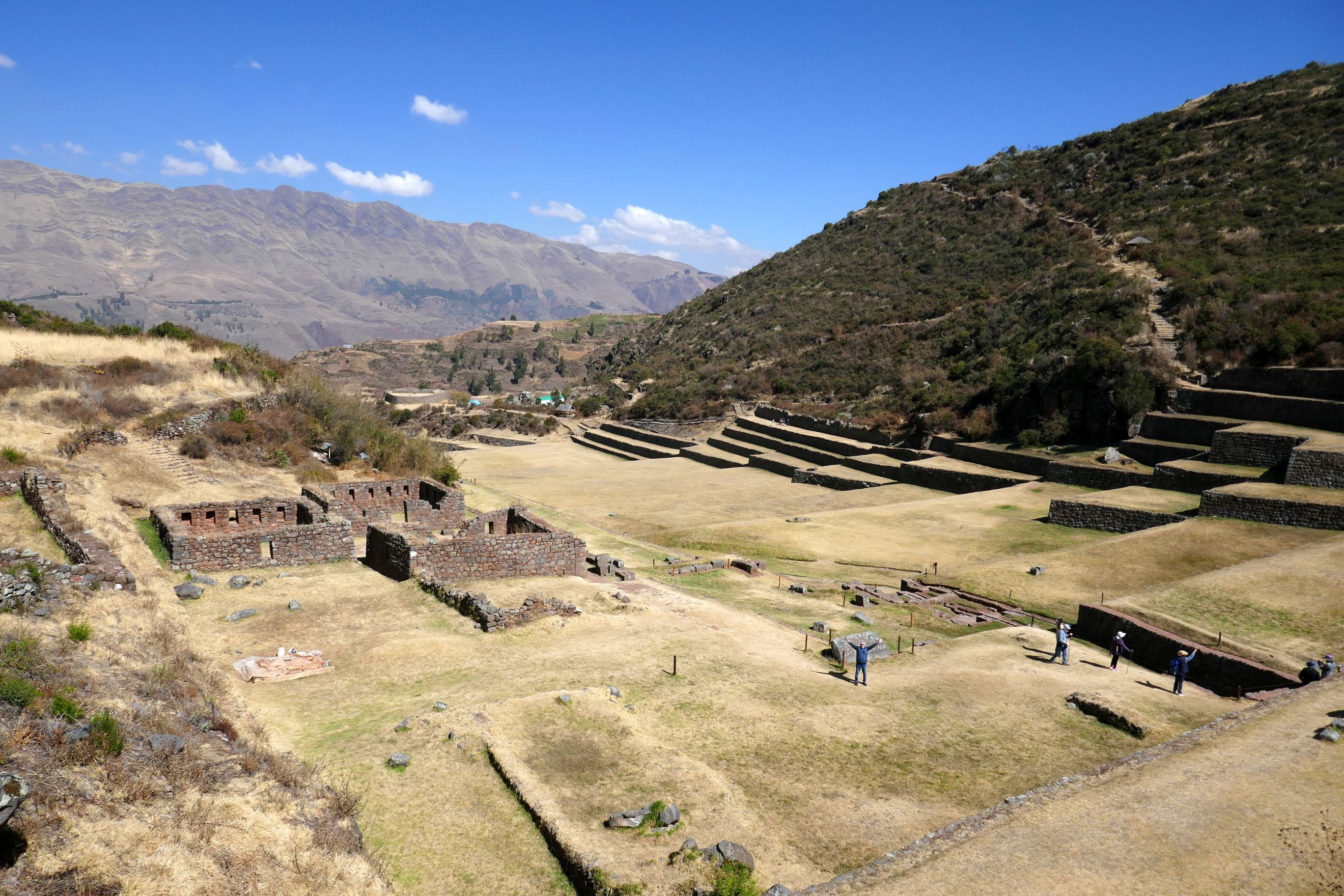
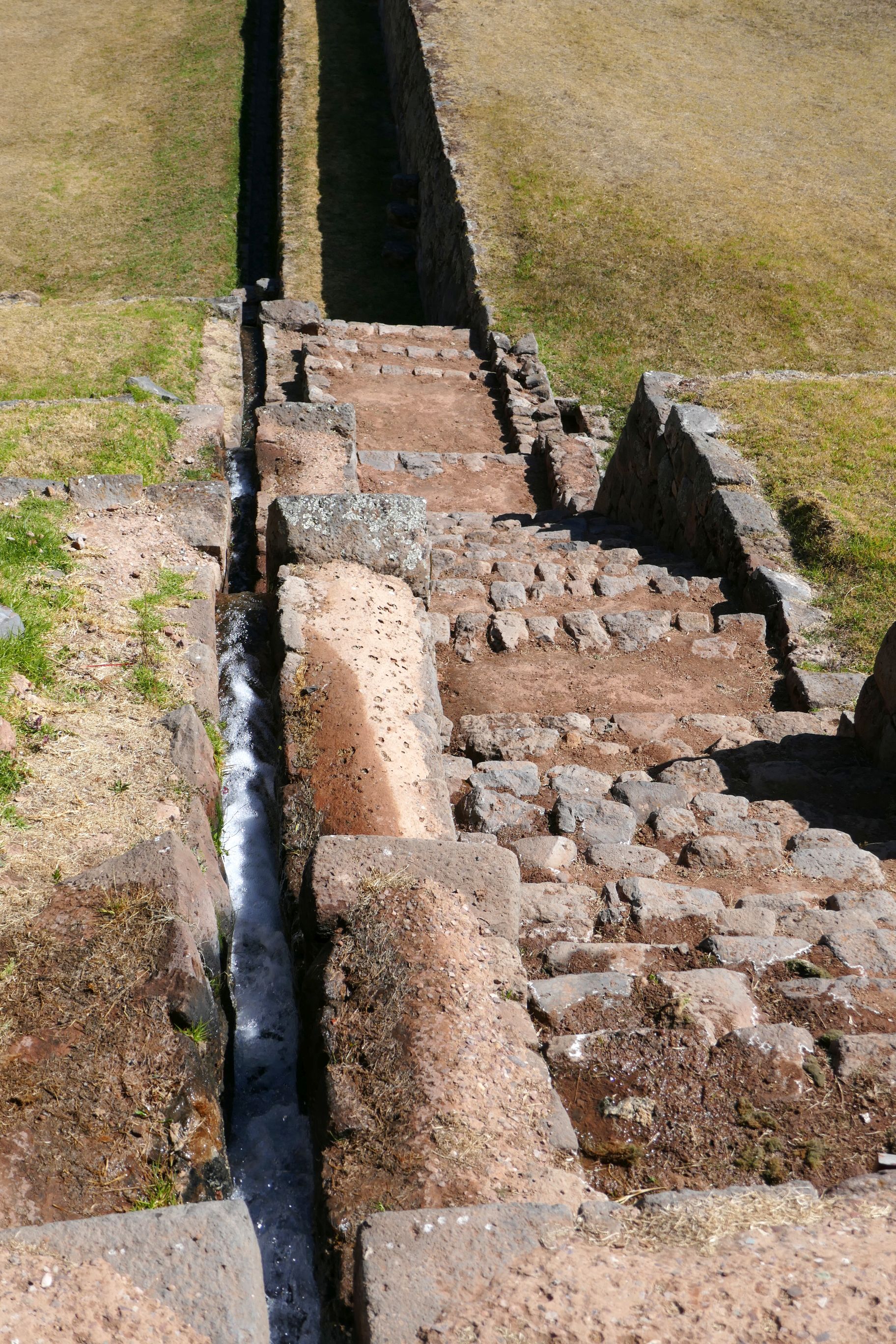
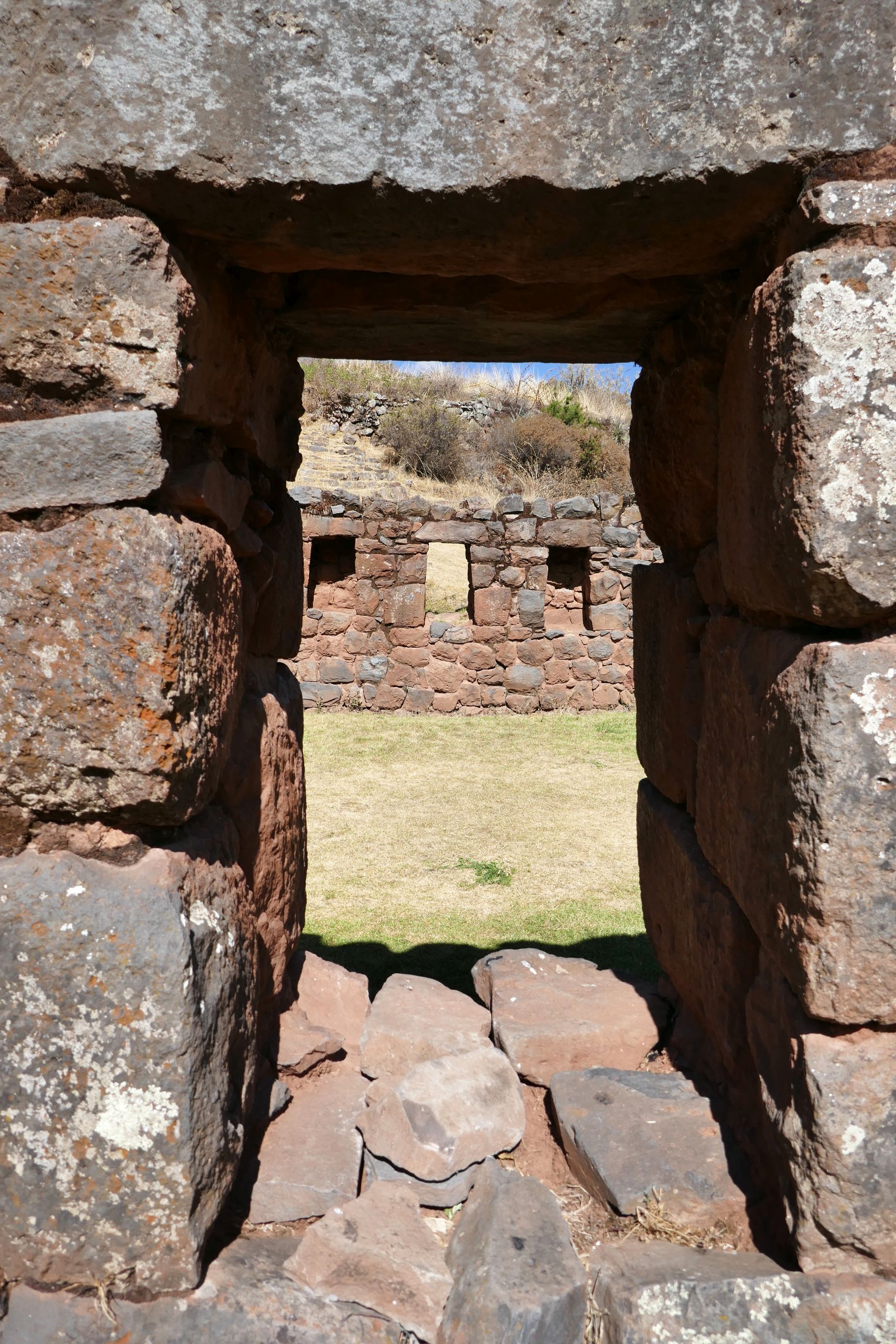
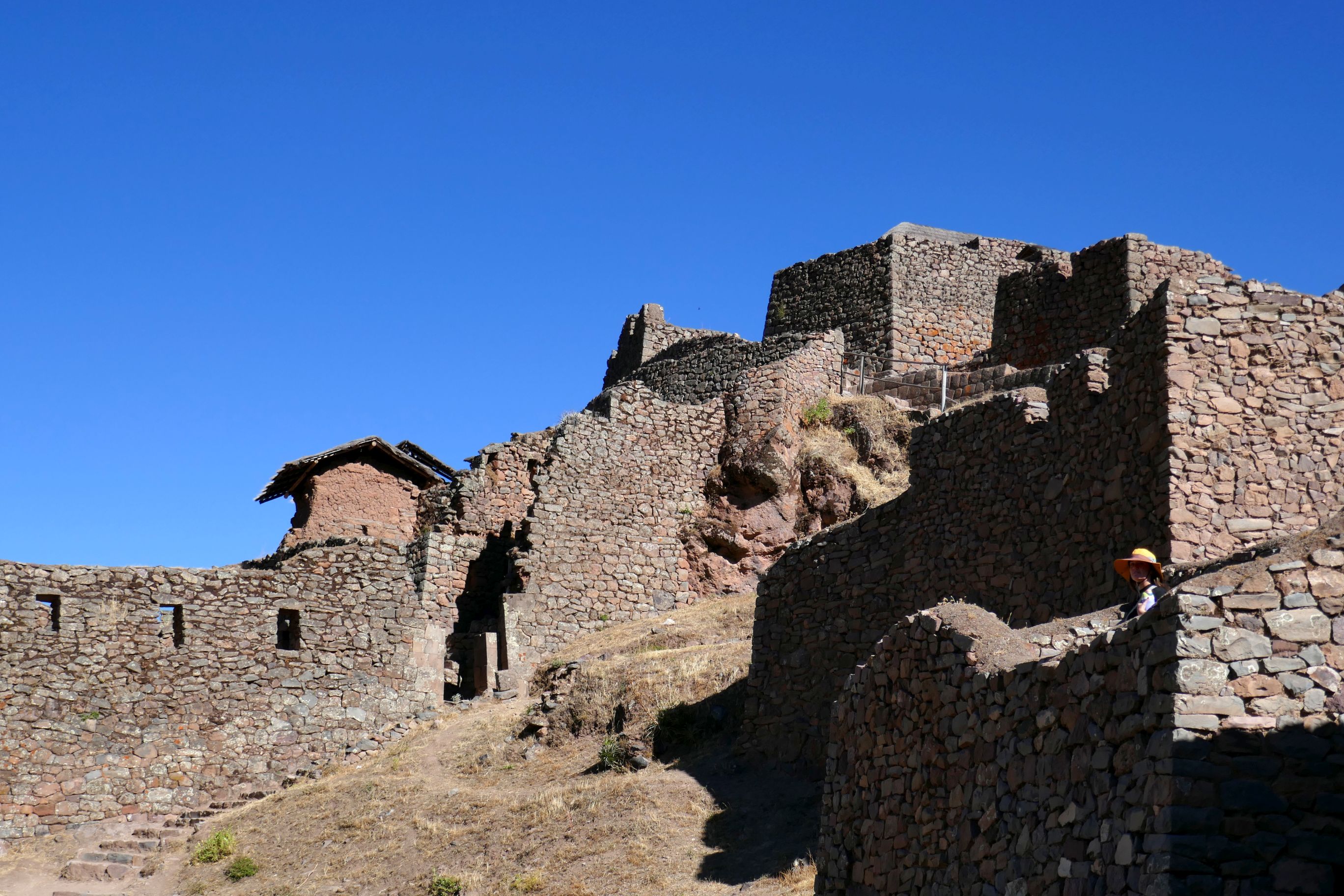
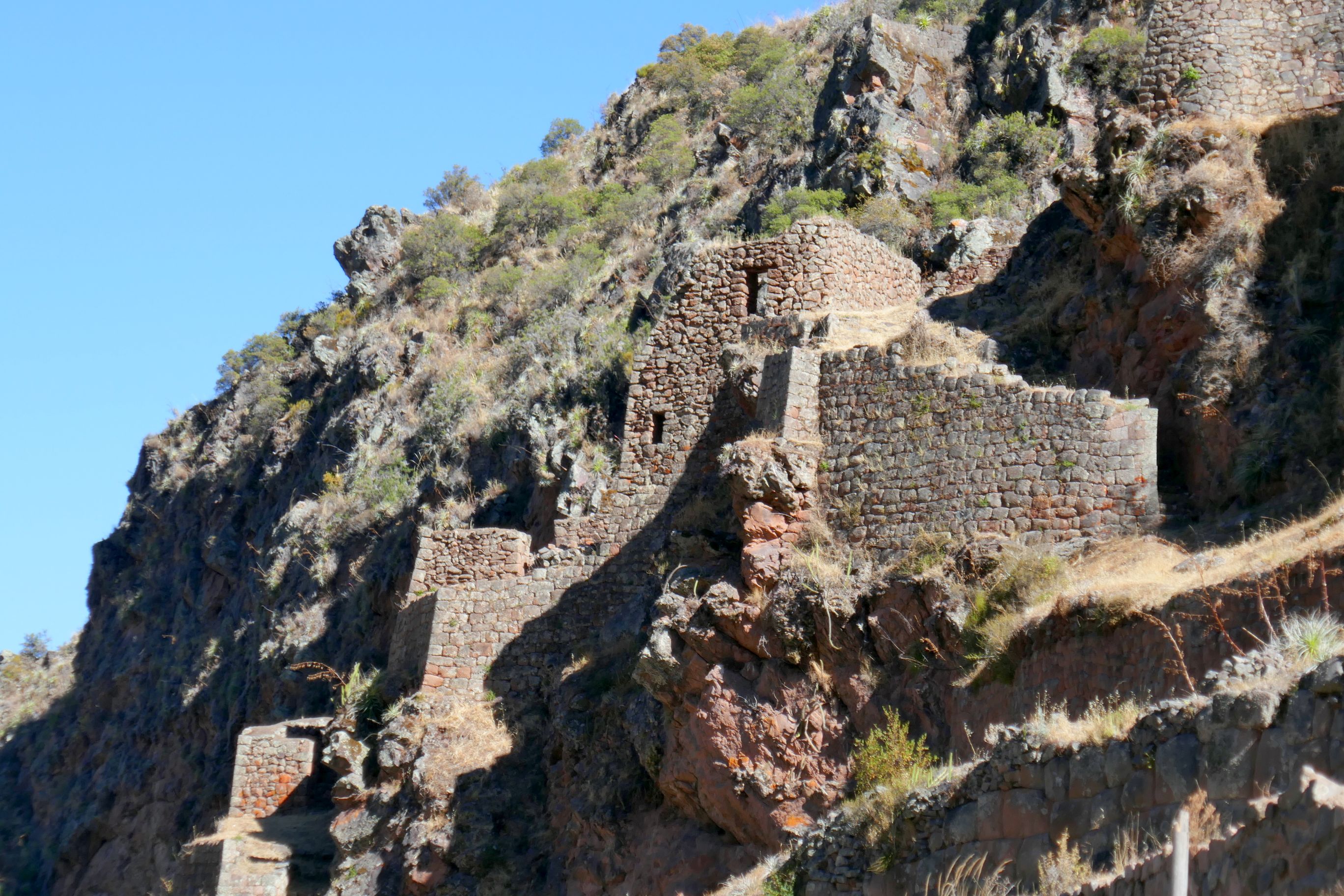
We ventured off south of Cusco to explore Tipon (elevation 11,400 feet), the site of ancient Inca waterworks where a maze of irrigation channels and ritual baths were built in the 1300’s. Amazingly, water still continues to flow in these channels.
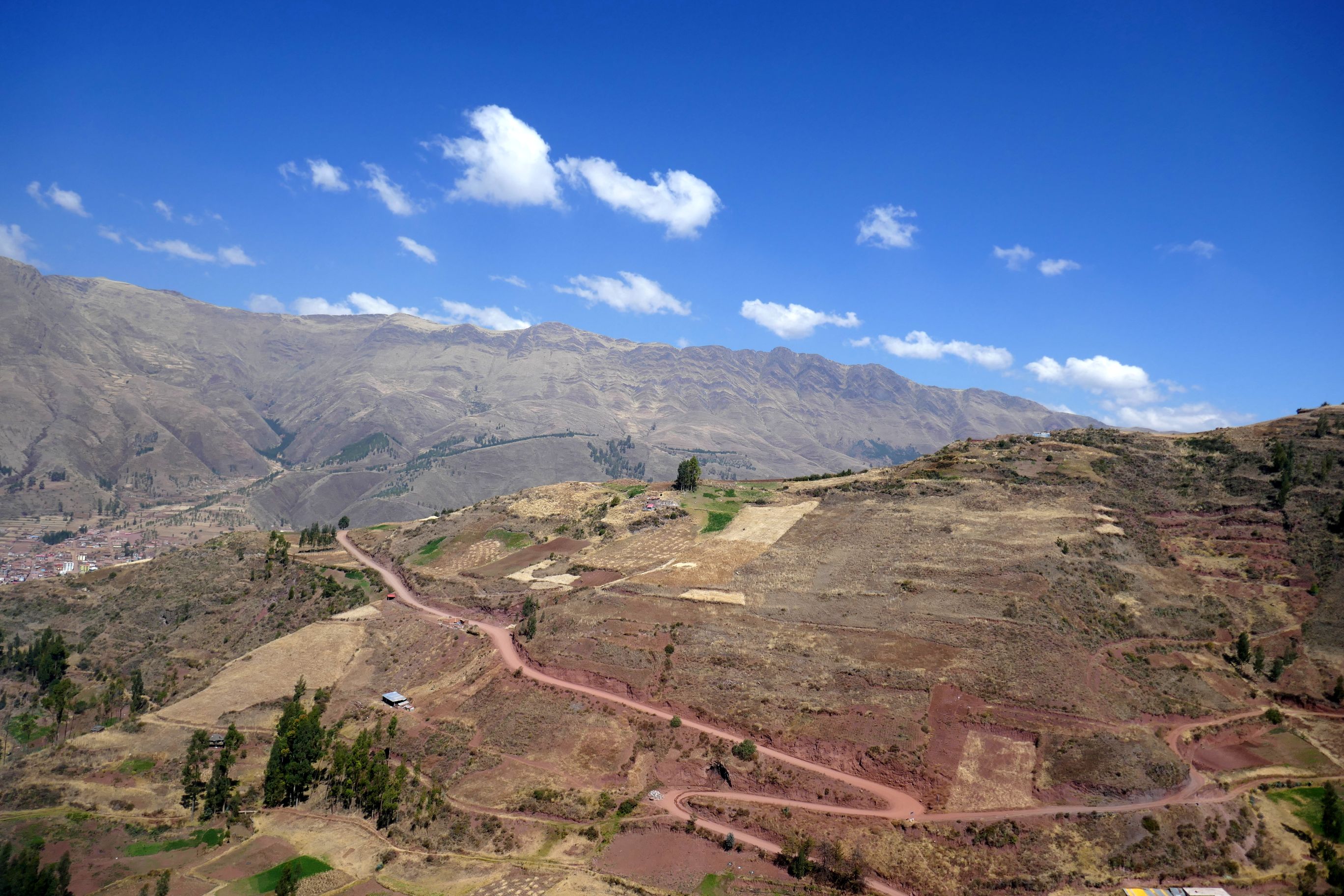
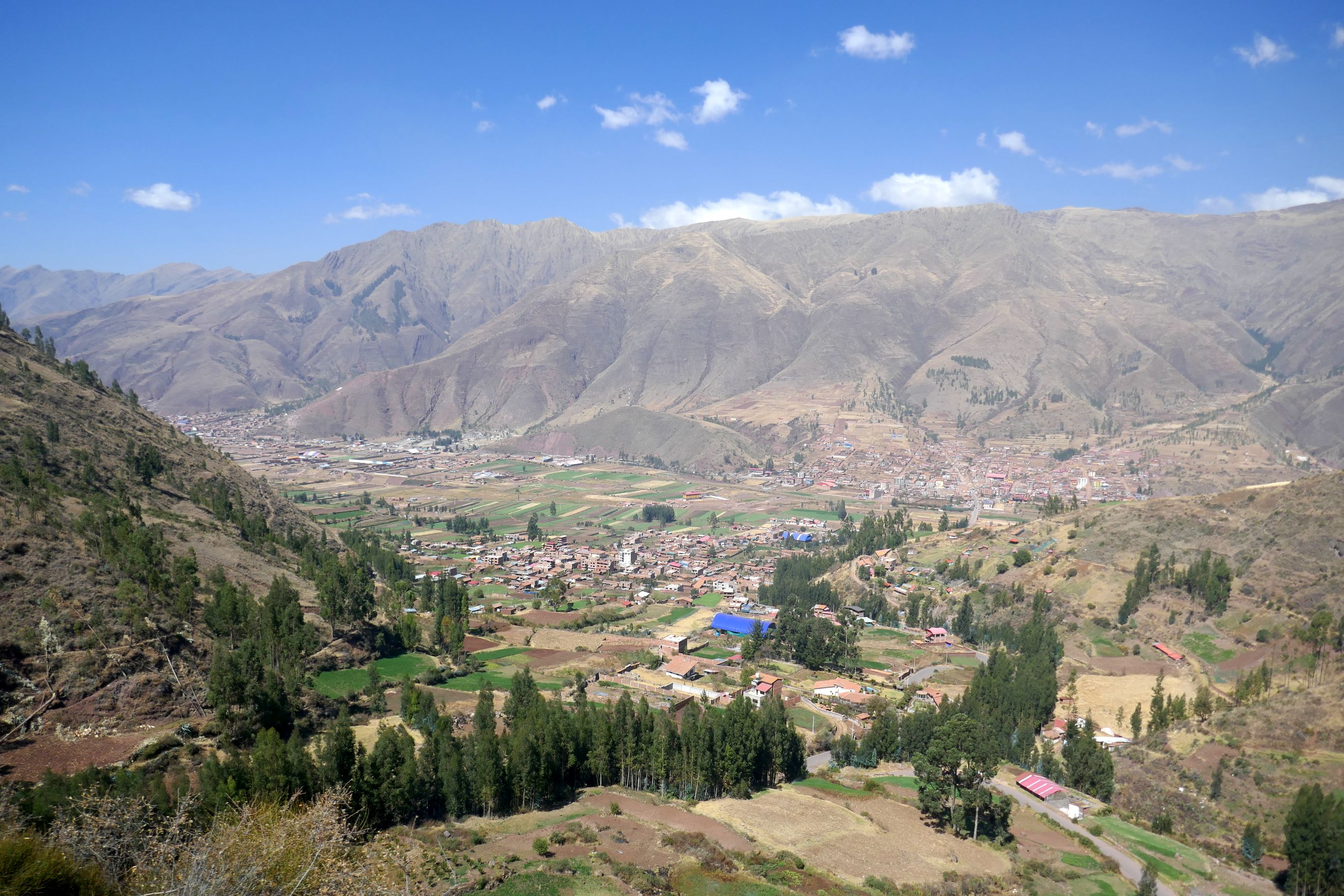
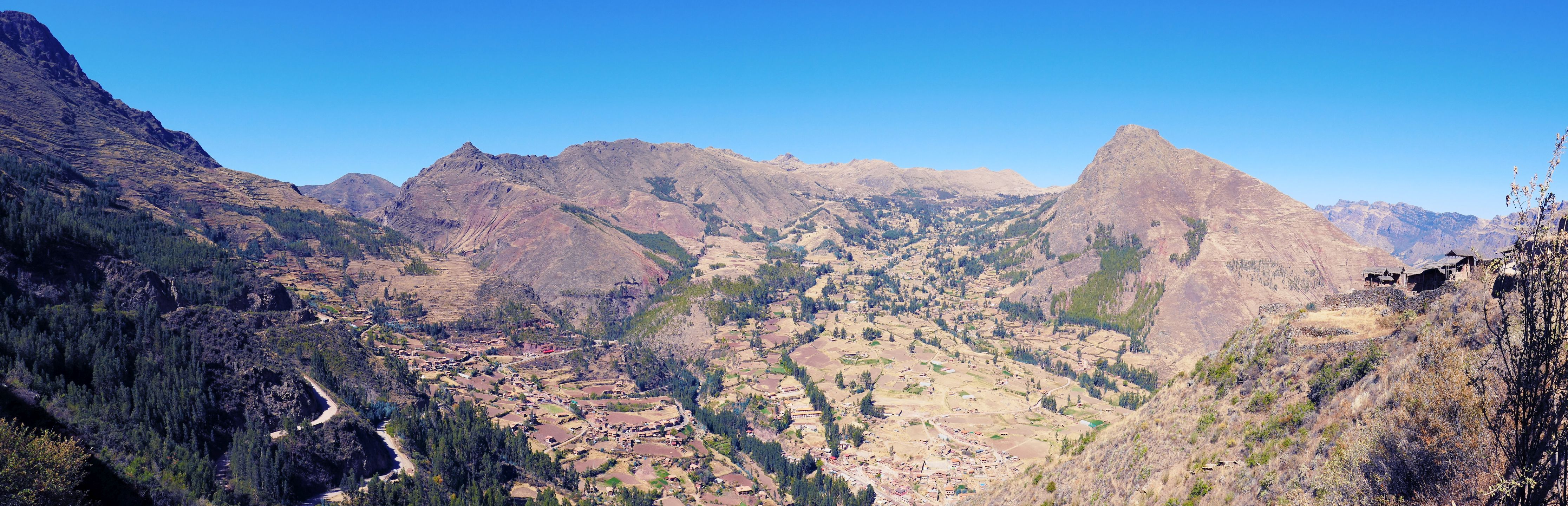
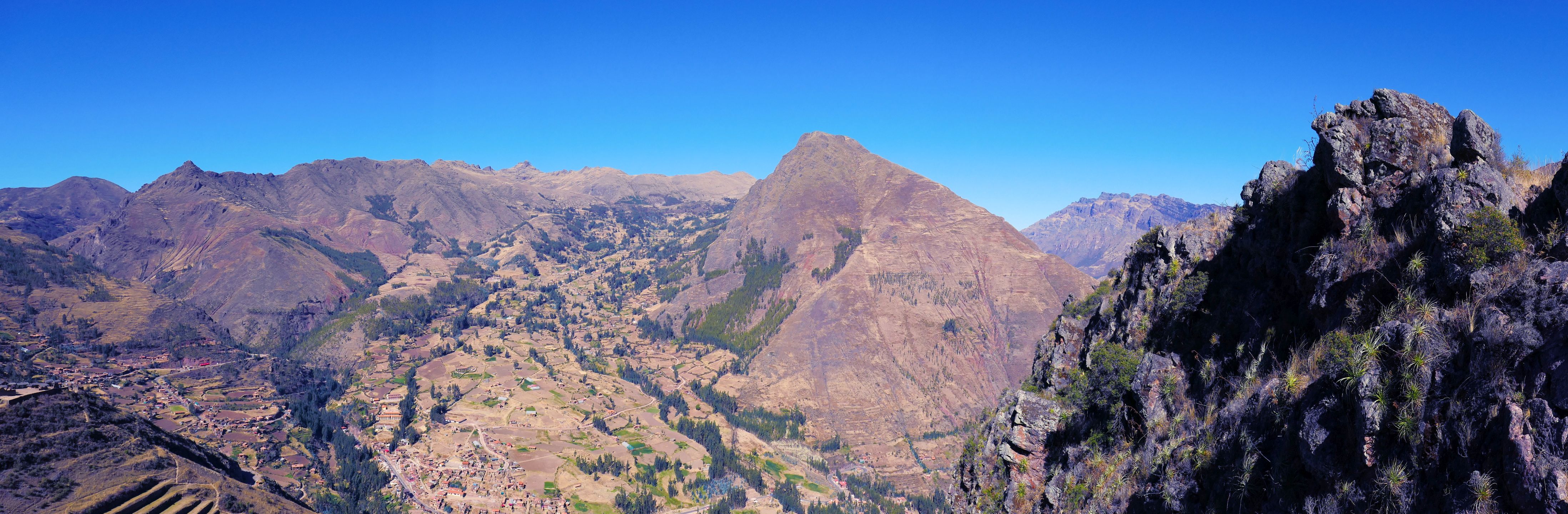
I hiked up above the archaeological park so I could get a panoramic view—and what a view it was!
(For all photos, click on the image for a full screen view.)
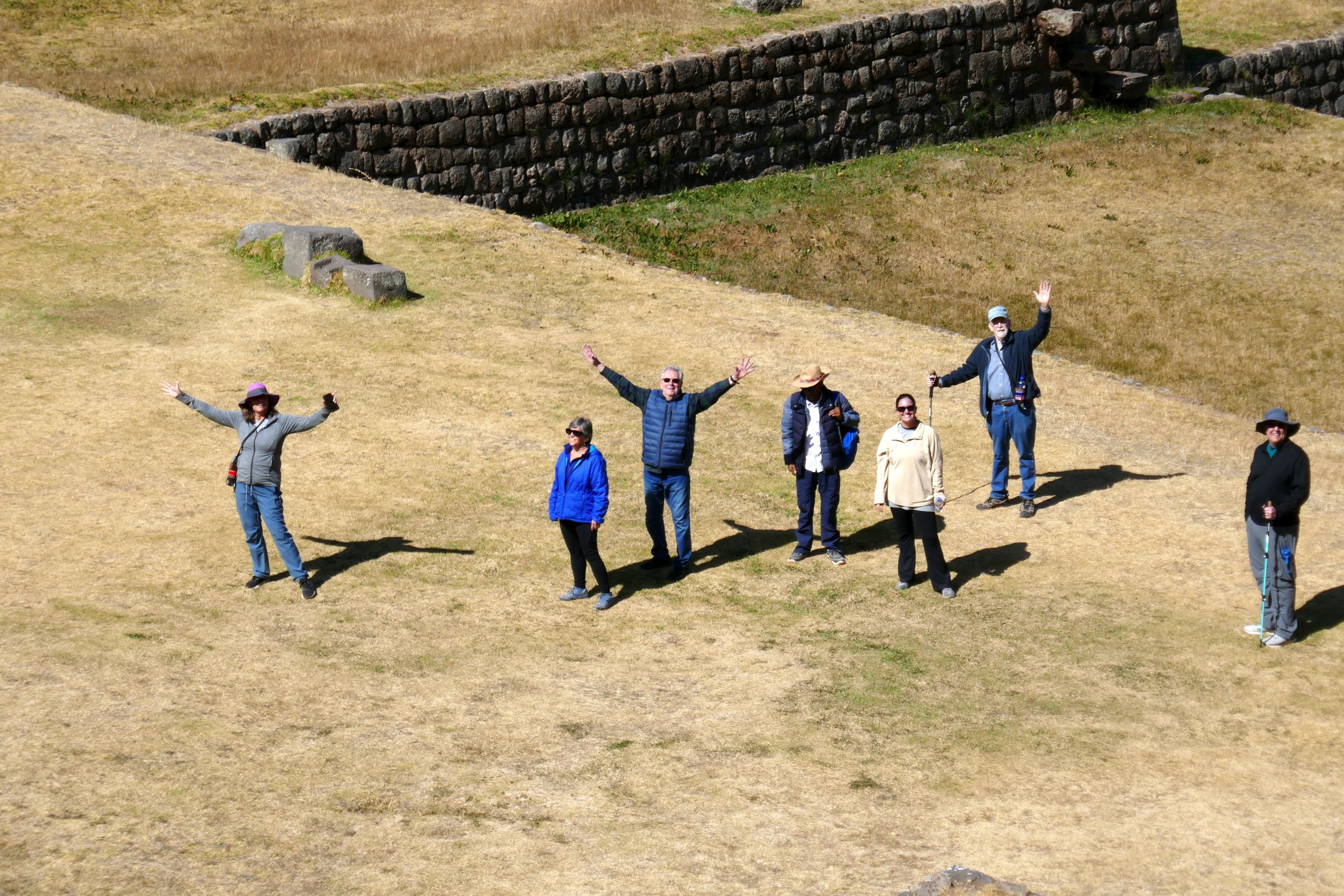


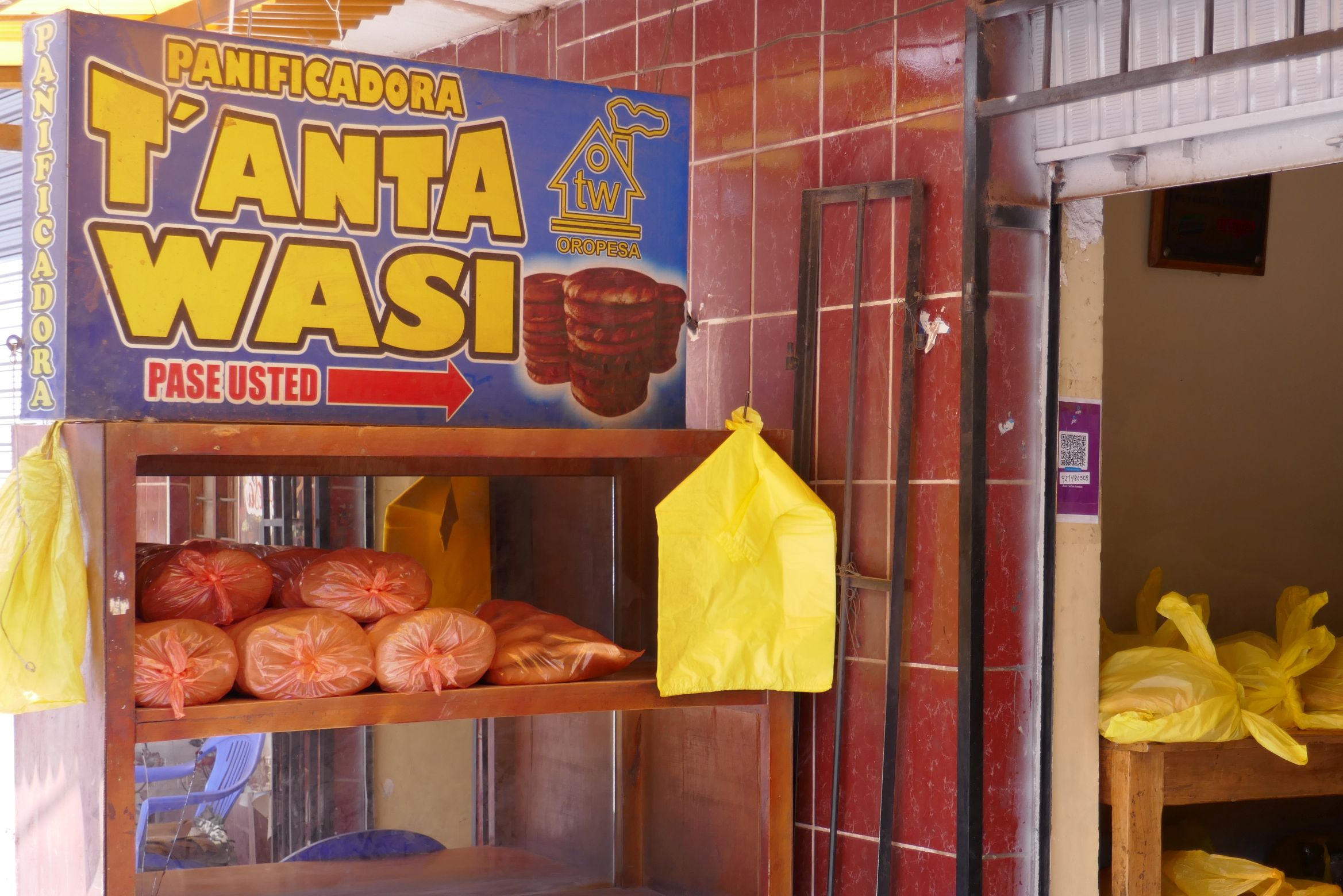
After hiking around the site and learning about the history from Raul (an amazing fountain of knowledge!), we visited the small town of Oropesa, known for making a special bread called pan chuta. The huge wheel-shaped loaves, made with wheat, eggs, flour, lard, and sugar (and other ingredients, depending on the baker), are traditionally offered as a gift to the host when visiting a home in the Cusco area. If you want to know which shops have fresh bread available for purchase, just look for a bright yellow bag tied to a stick out front. The town has 90 bread ovens in use, so chances are you will score on a loaf.


After watching how it was made at a small bakery, Raul bought some for us to taste—a wonderful snack after our morning hike! It was so soft and delicious—especially the bread with dulce de leche in the center. A loaf of this tasty, cake-like bread cost only 10 Peruvian Sol; $2.63 at today’s exchange rate. Without the dulce de leche, the cost of a loaf is half of that.

As we made our way out of town, Raul noticed a man making traditional bricks by hand, so he had our bus driver stop so we could watch the process. This guy worked fast! We timed it from start to finish, and it took just 32 seconds to make a brick, which costs .60 Sol to purchase—about .15 cents.
The man explained to Raul that straw is mixed in with the adobe mud for stability and strength. Time is money, so the more he works without a break, the better. To keep from getting hungry and thirsty while making the bricks, he chews on coca leaves, common with Peruvian laborers.
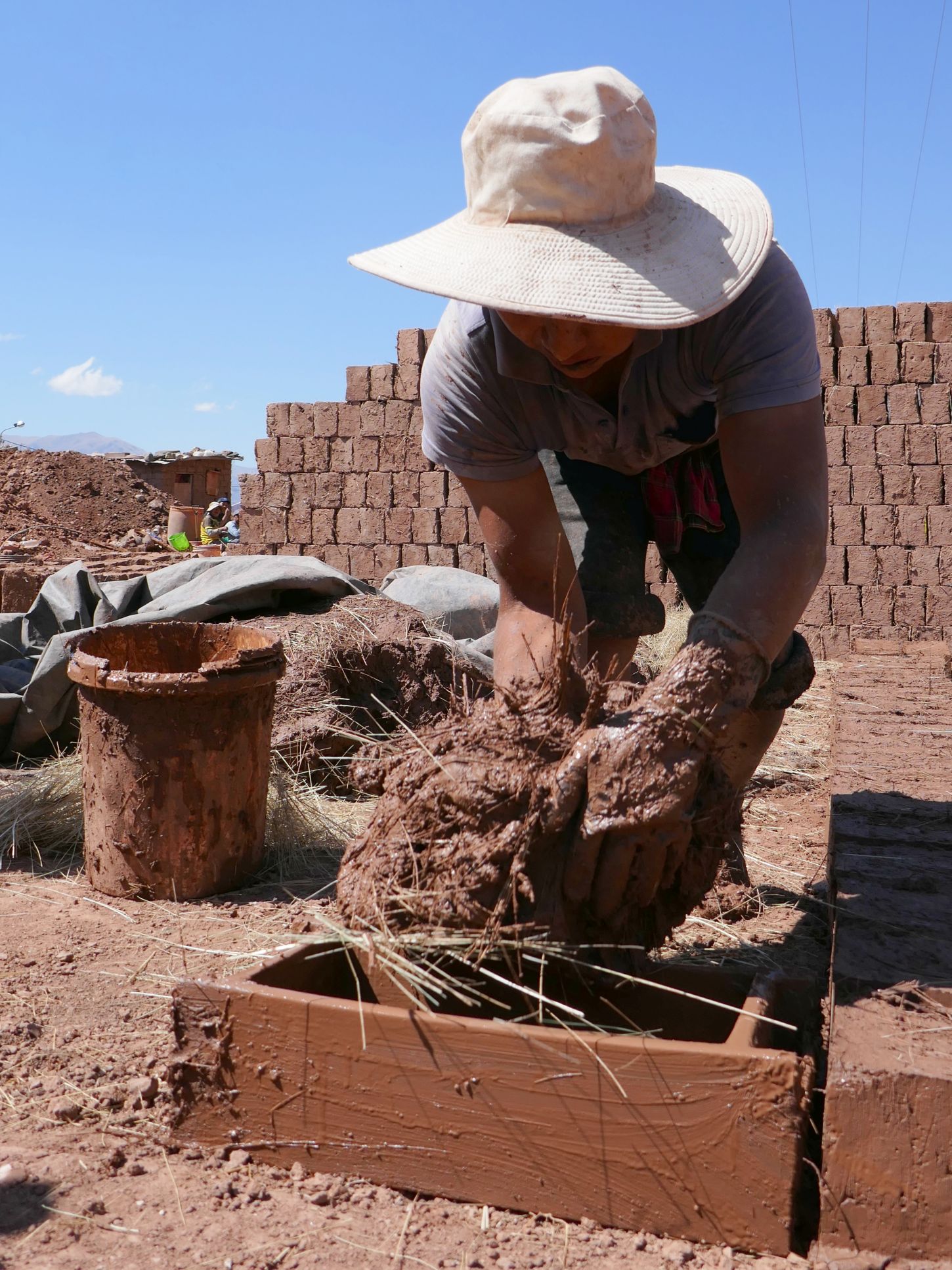
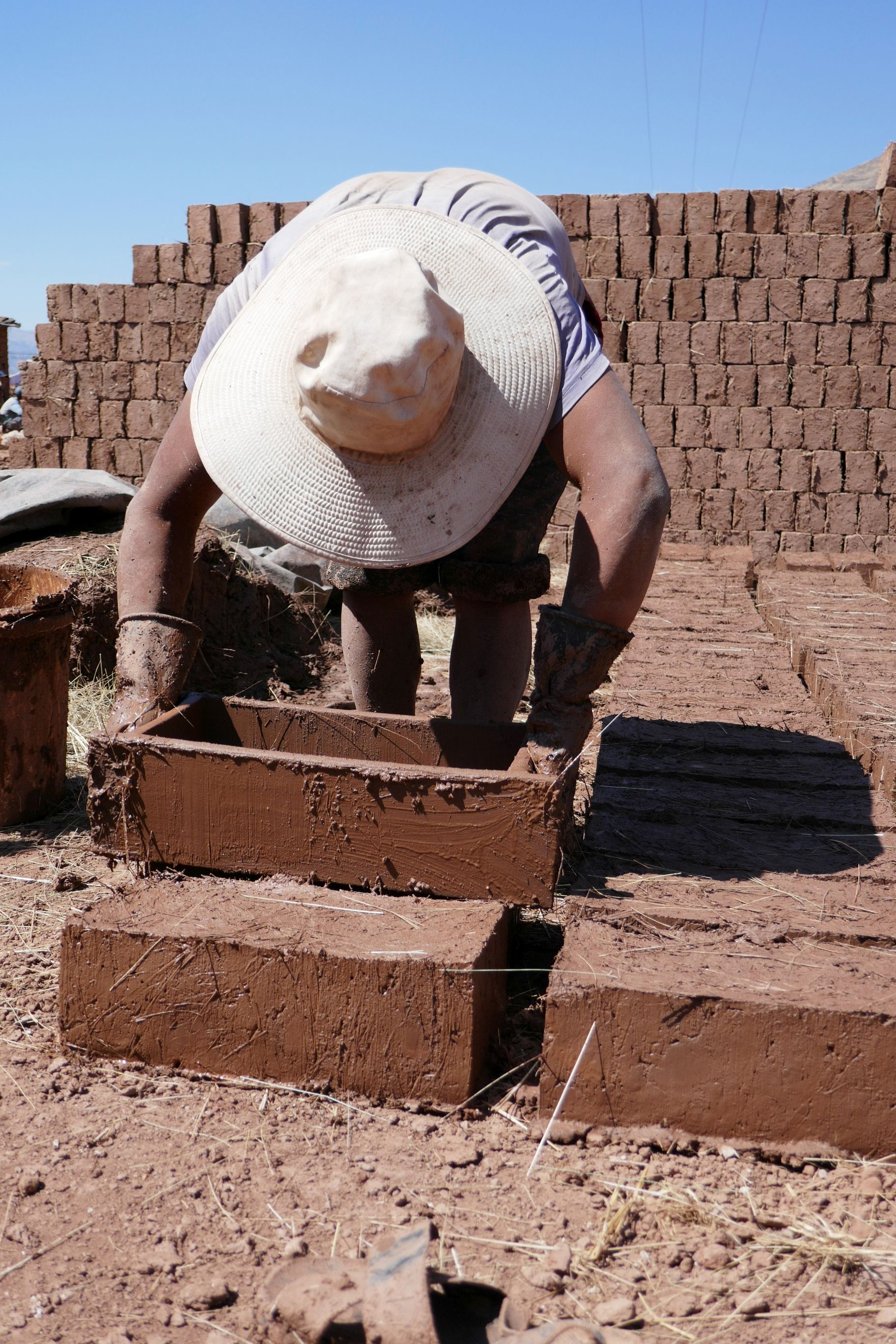
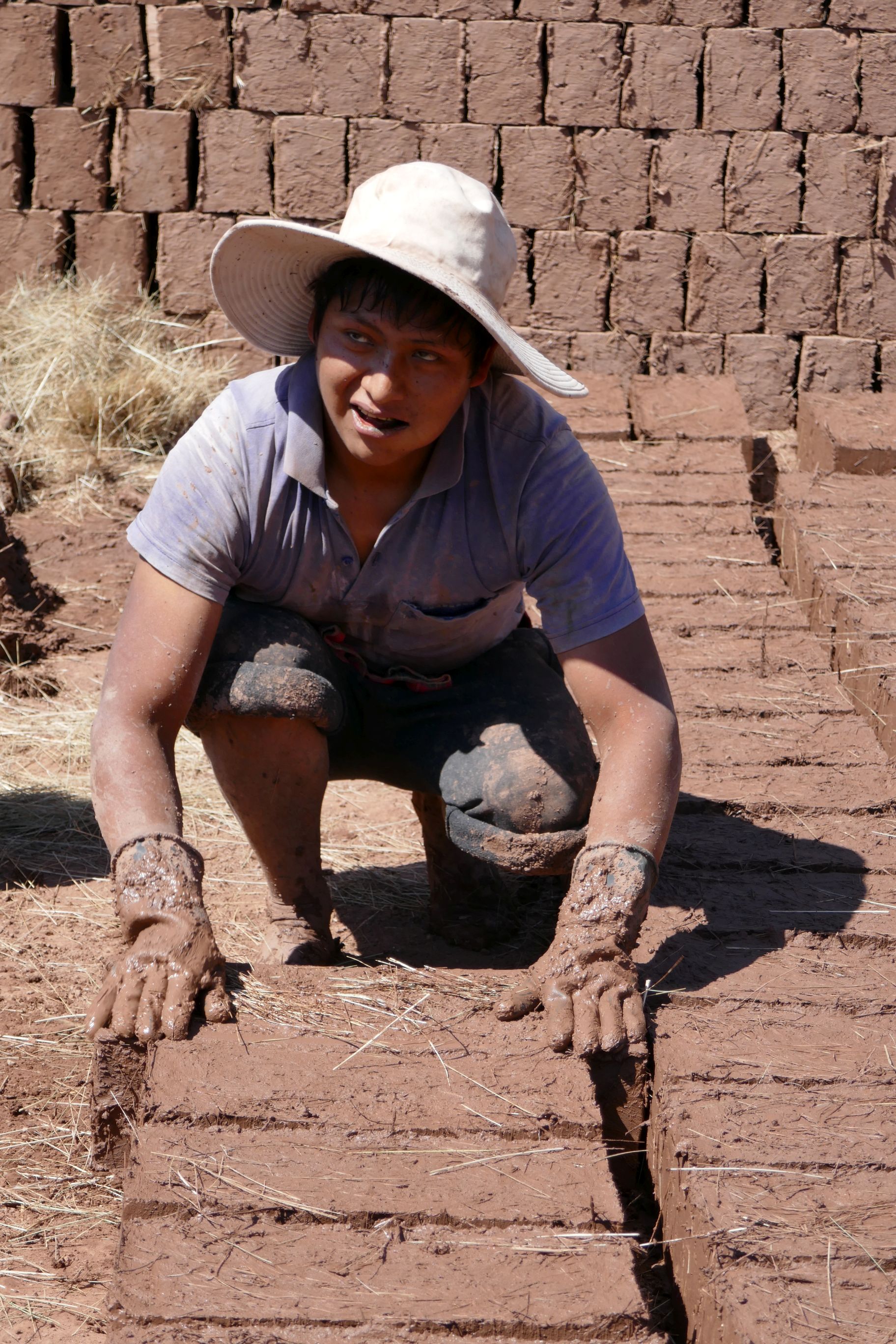
What an interesting, impromptu stop! Along with visiting the bakery, it was a great experience seeing how the locals work and earn their living. On this tour, we had so many of these opportunities (described in my previous posts), and Raul could not have been a better guide to enable these experiences.
On our way to our next stop, we passed by the public university where Raul was educated. He explained how typically about 500 students compete for only 30 available seats each year by taking a two-hour, 100-question test; the top 30 get in. The reason it is so competitive is that private universities are very expensive for most Peruvians. Kudos, Raul, for making the cut!
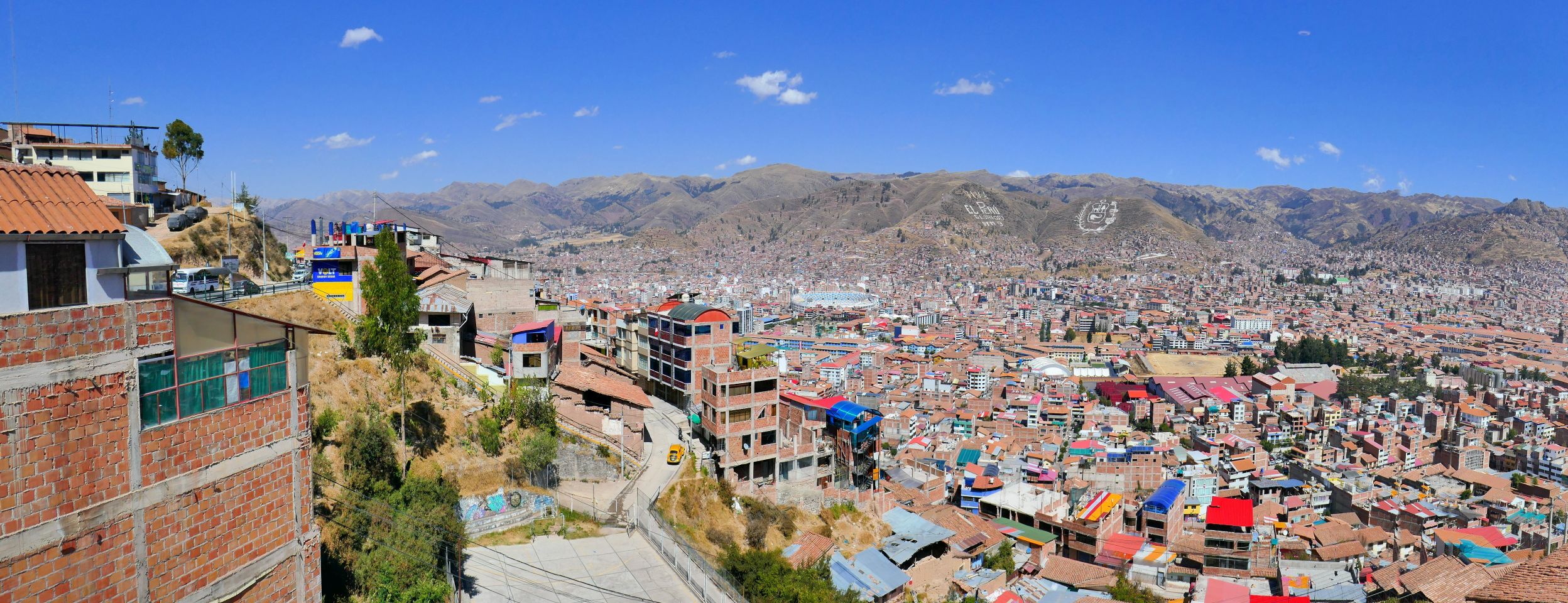
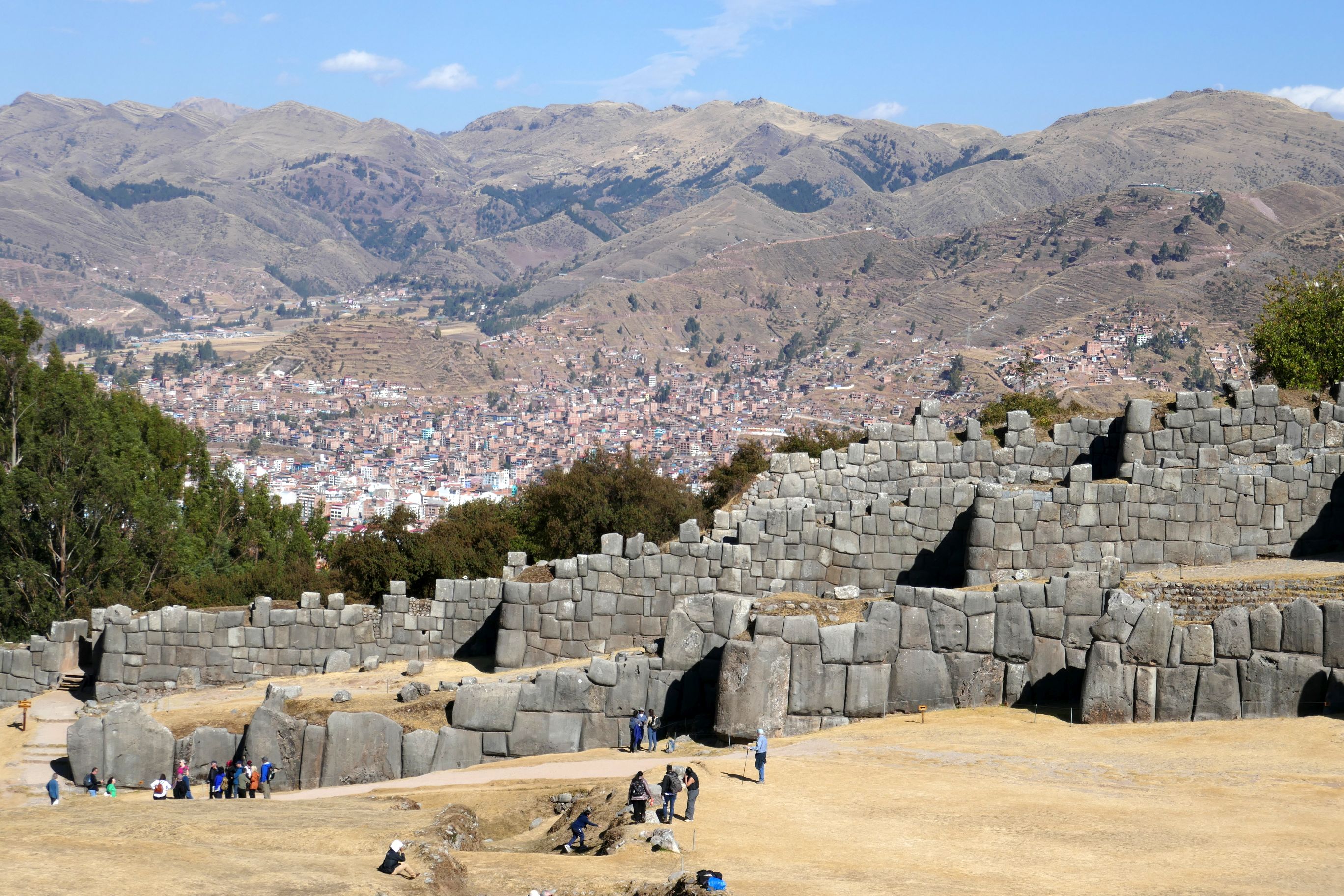
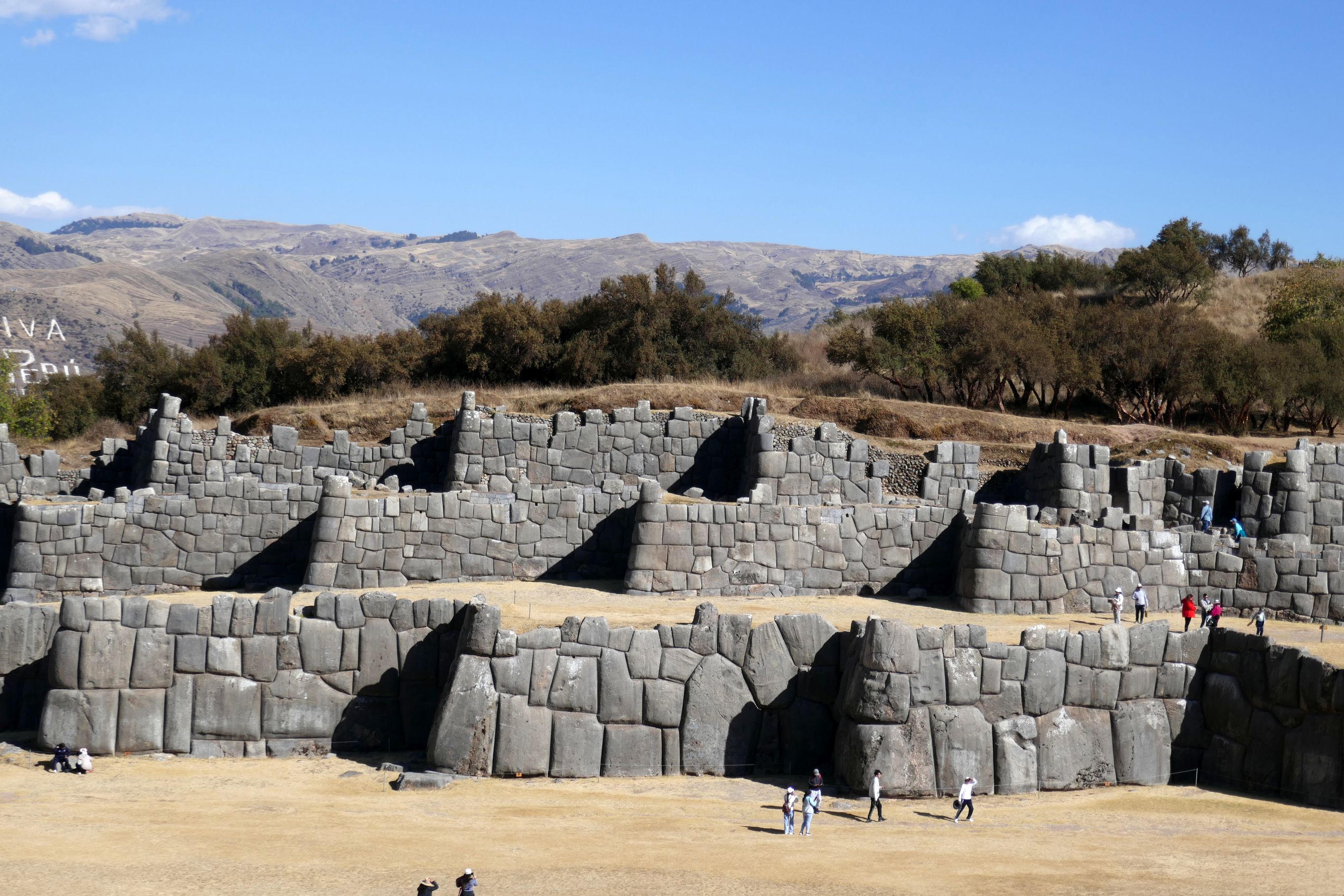
After enjoying lunch at a restaurant with a panoramic view of the city below, we visited Sacsayhuaman, the historical capital of the Inca Empire and a UNESCO World Heritage Site. This ancient fortress, located in the hills on the outskirts of Cusco, is at an elevation of 12,142 feet, the highest elevation I had hiked in Peru. We were well-adjusted to elevation by that point, but several members of our group decided to enjoy the views from the bottom. I couldn’t wait to take off and explore on my own after Raul shared interesting facts about the construction and history of the archaeological site.
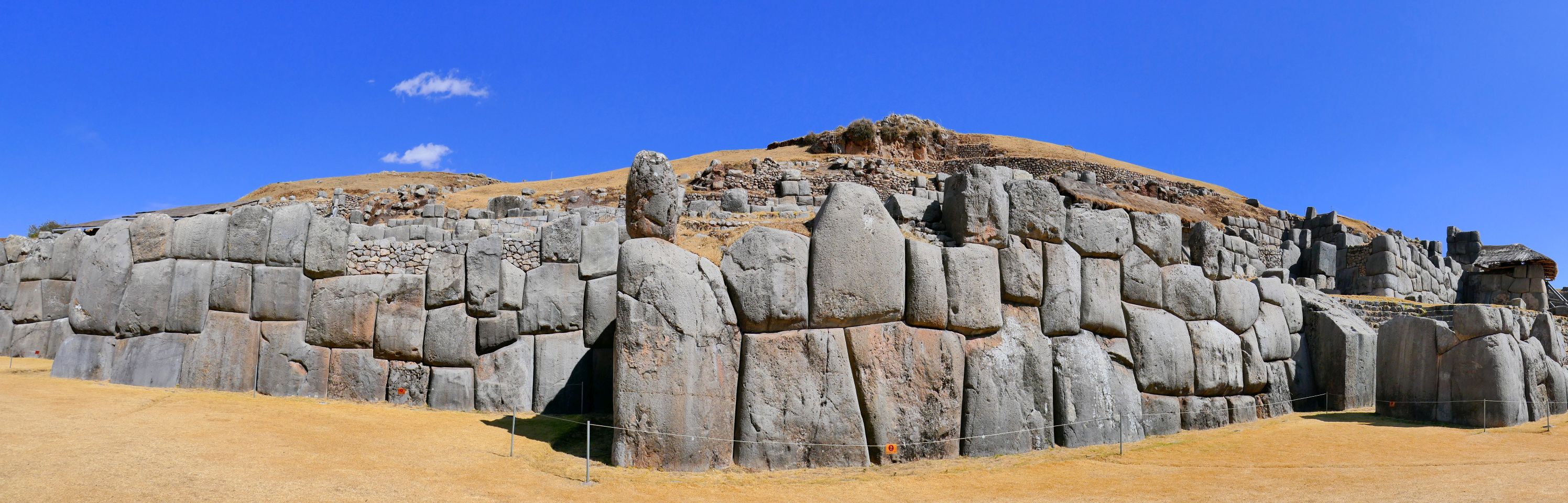
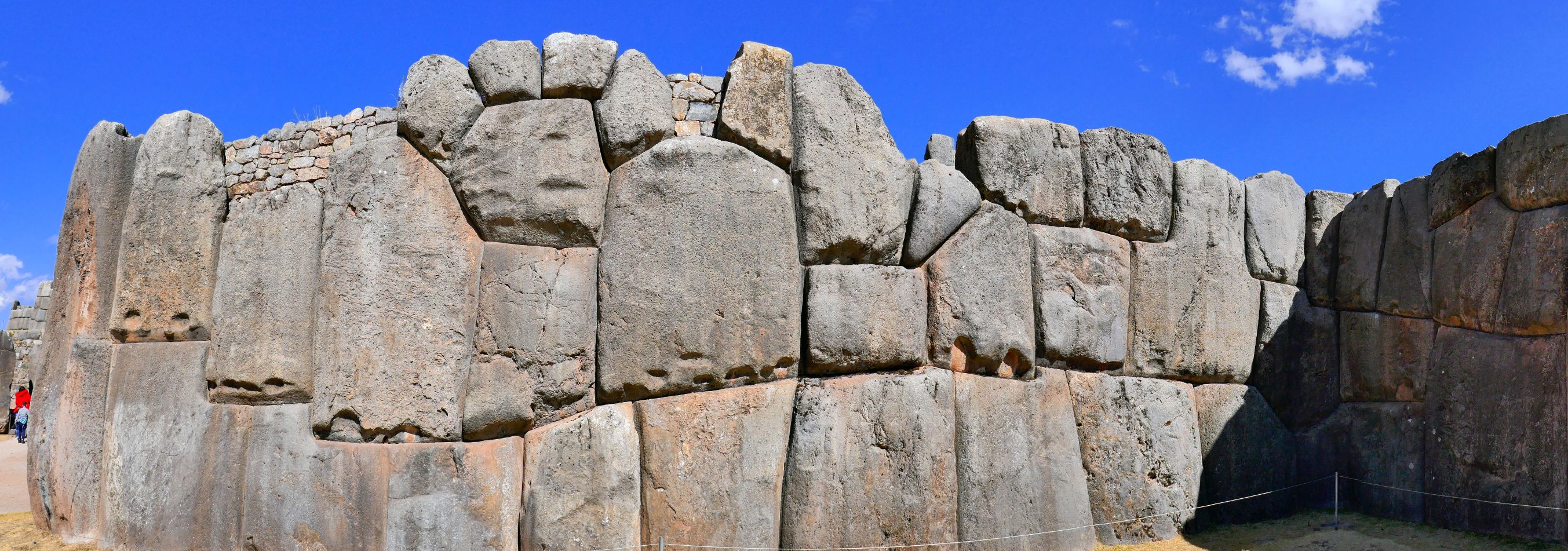
How on earth the Incas built it in the 1400’s is a mystery; archeologists don’t even know. The largest of the massive limestone boulders weighs 400,000 pounds! Somehow, the workers carefully cut them so they would fit tightly together like a puzzle without mortar. They are so tight a piece of paper can’t fit between them!

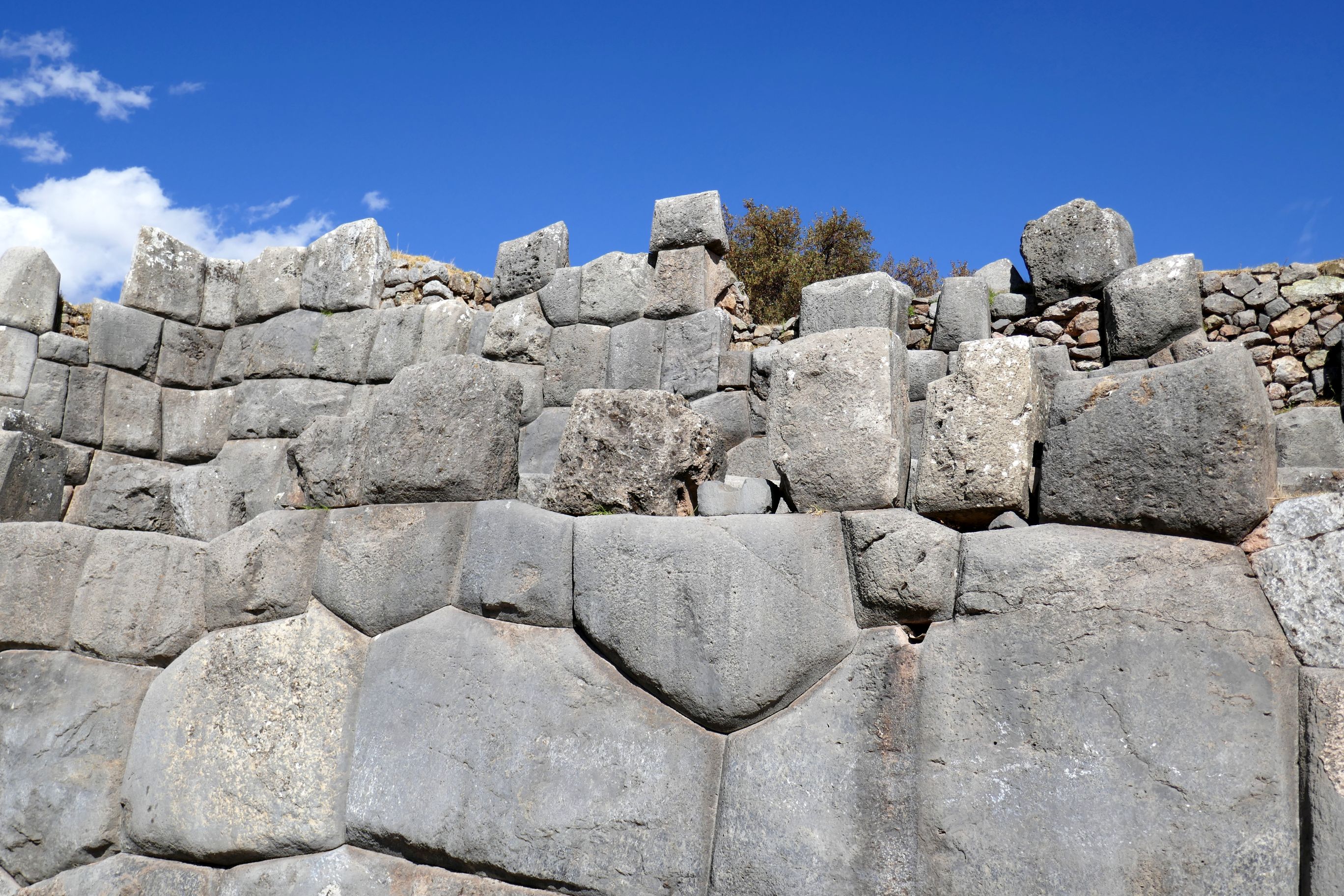
The longest of the three walls is 1,310 feet and about 19 feet high. If you were to view Sacsayhuaman from the air, you would see the shape resembles the head of a puma.


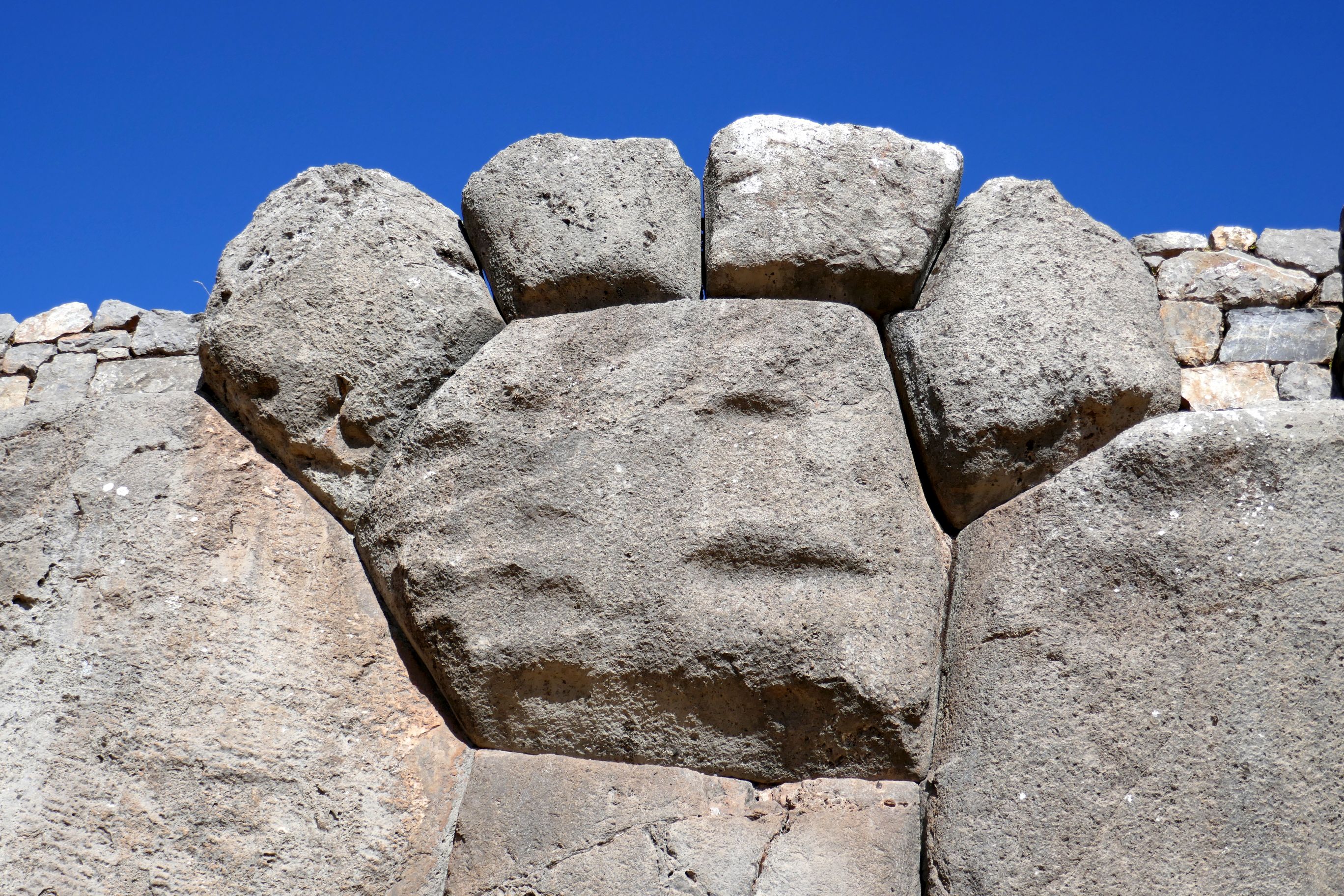
These rocks depict a puma’s paw:


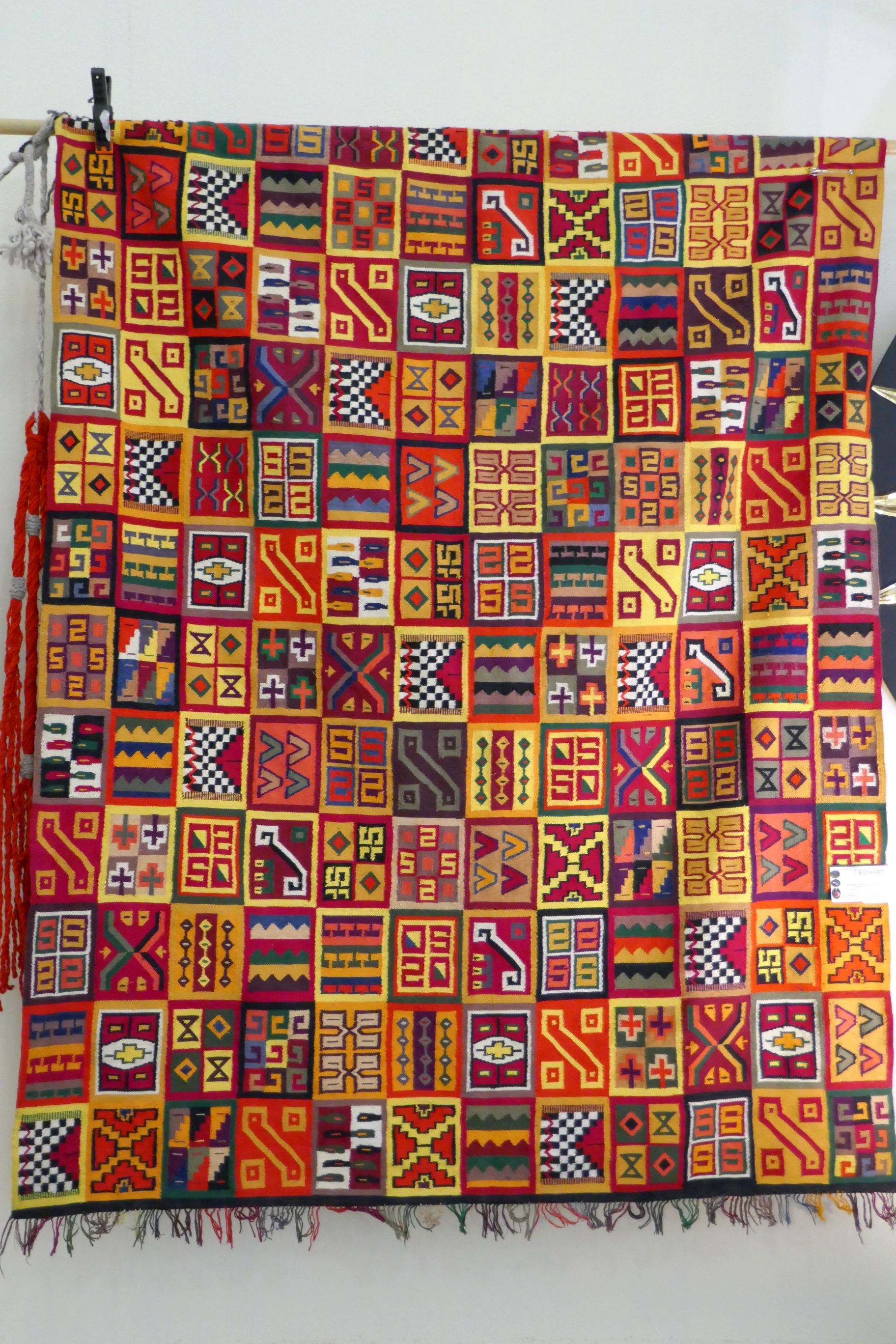
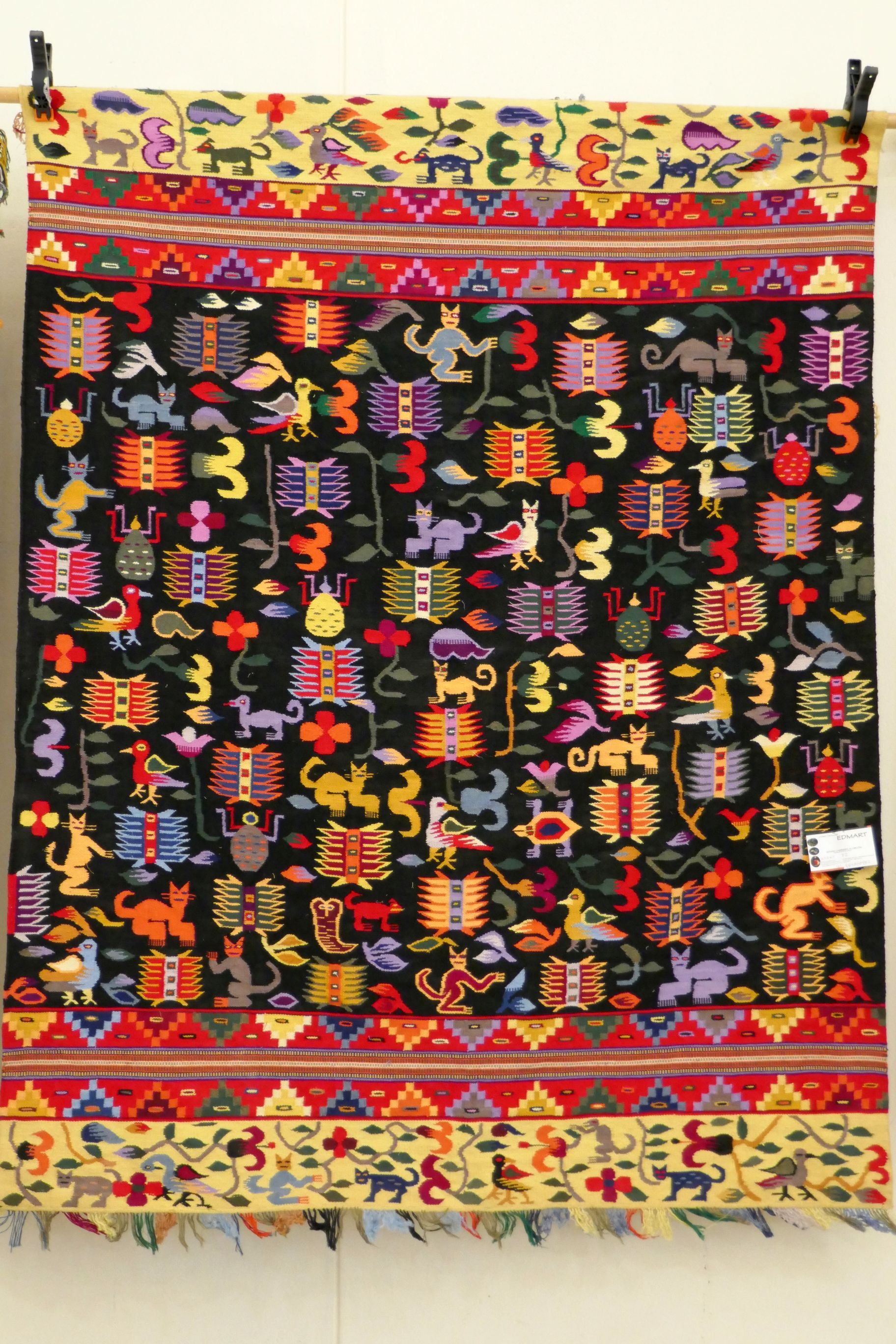
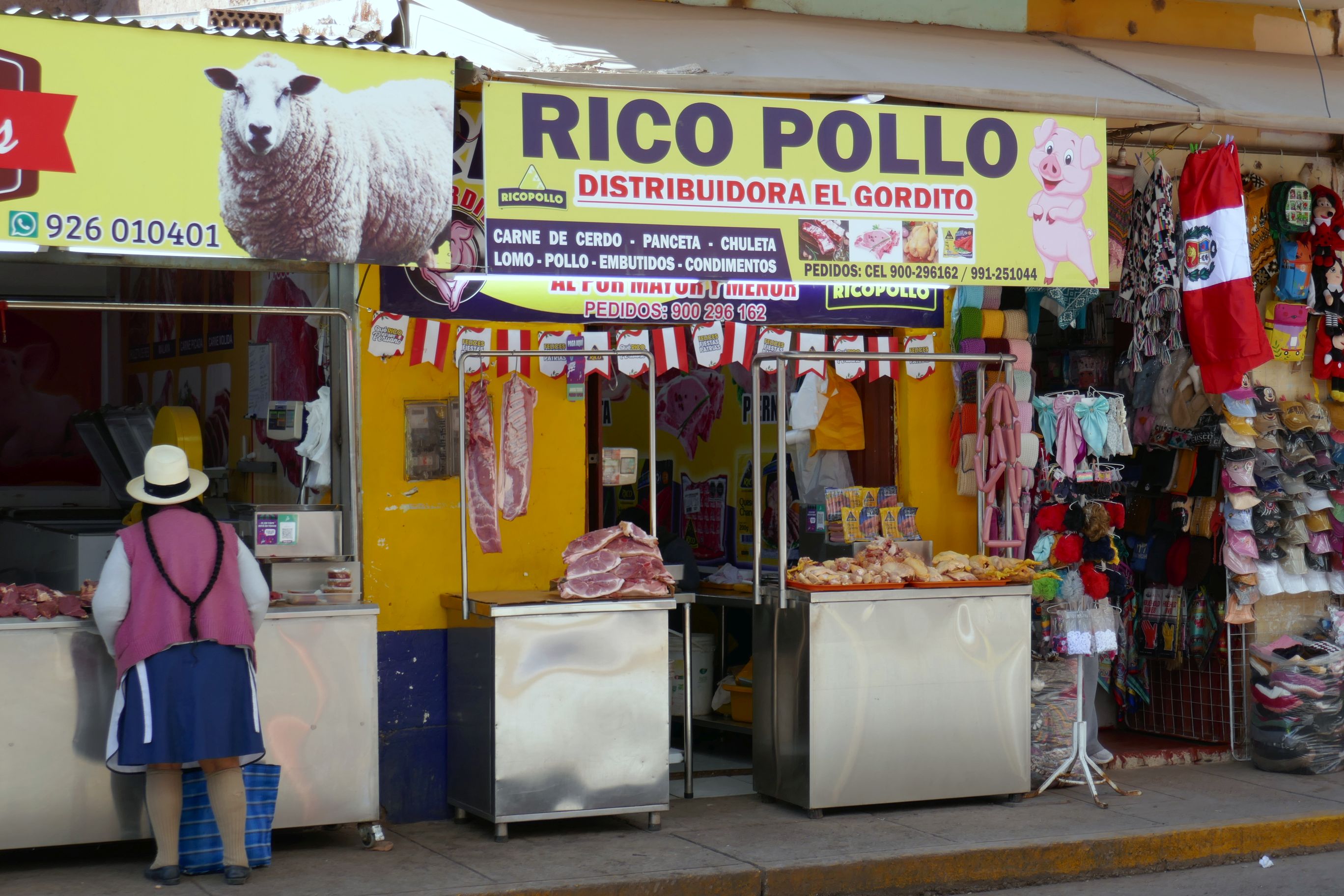
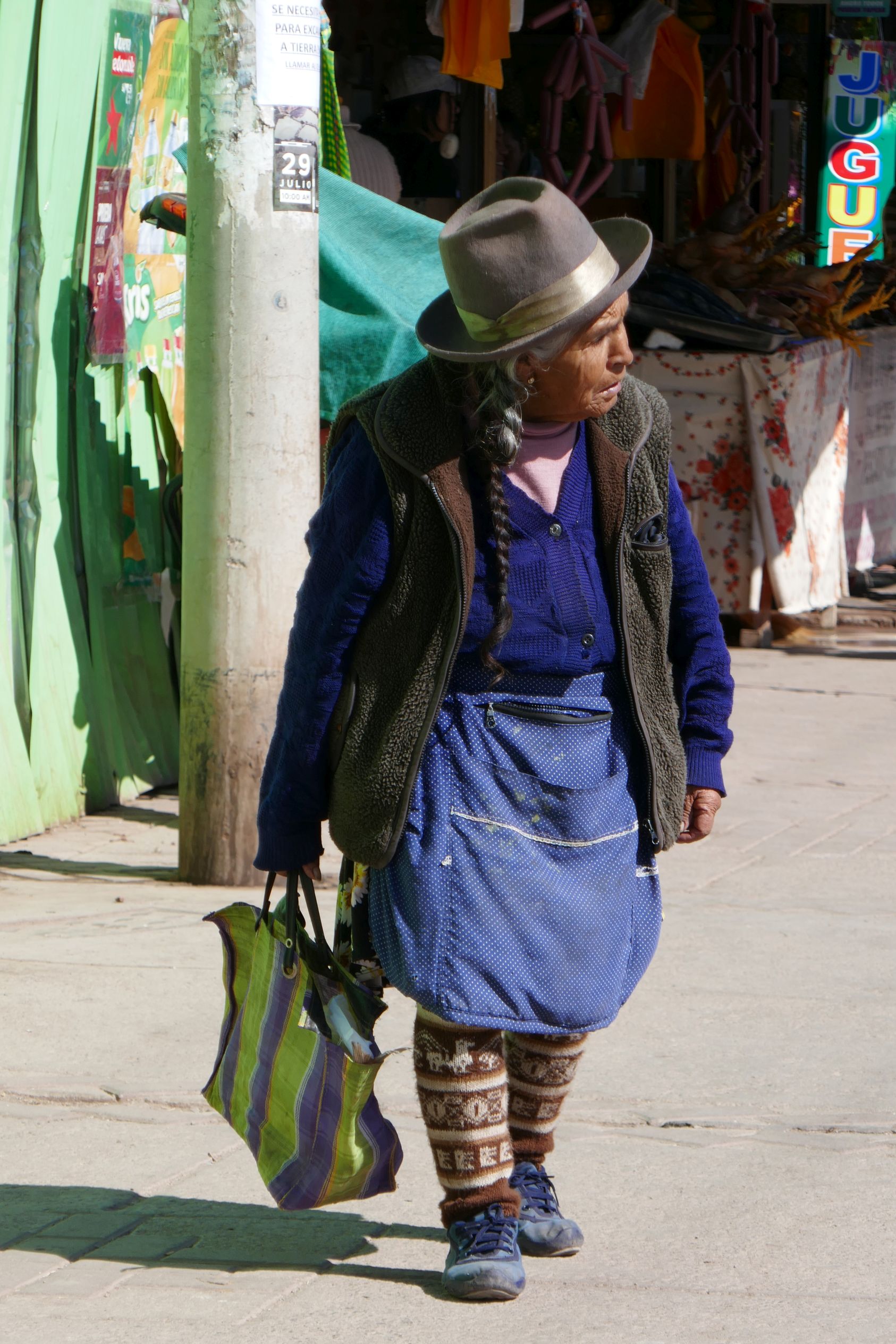
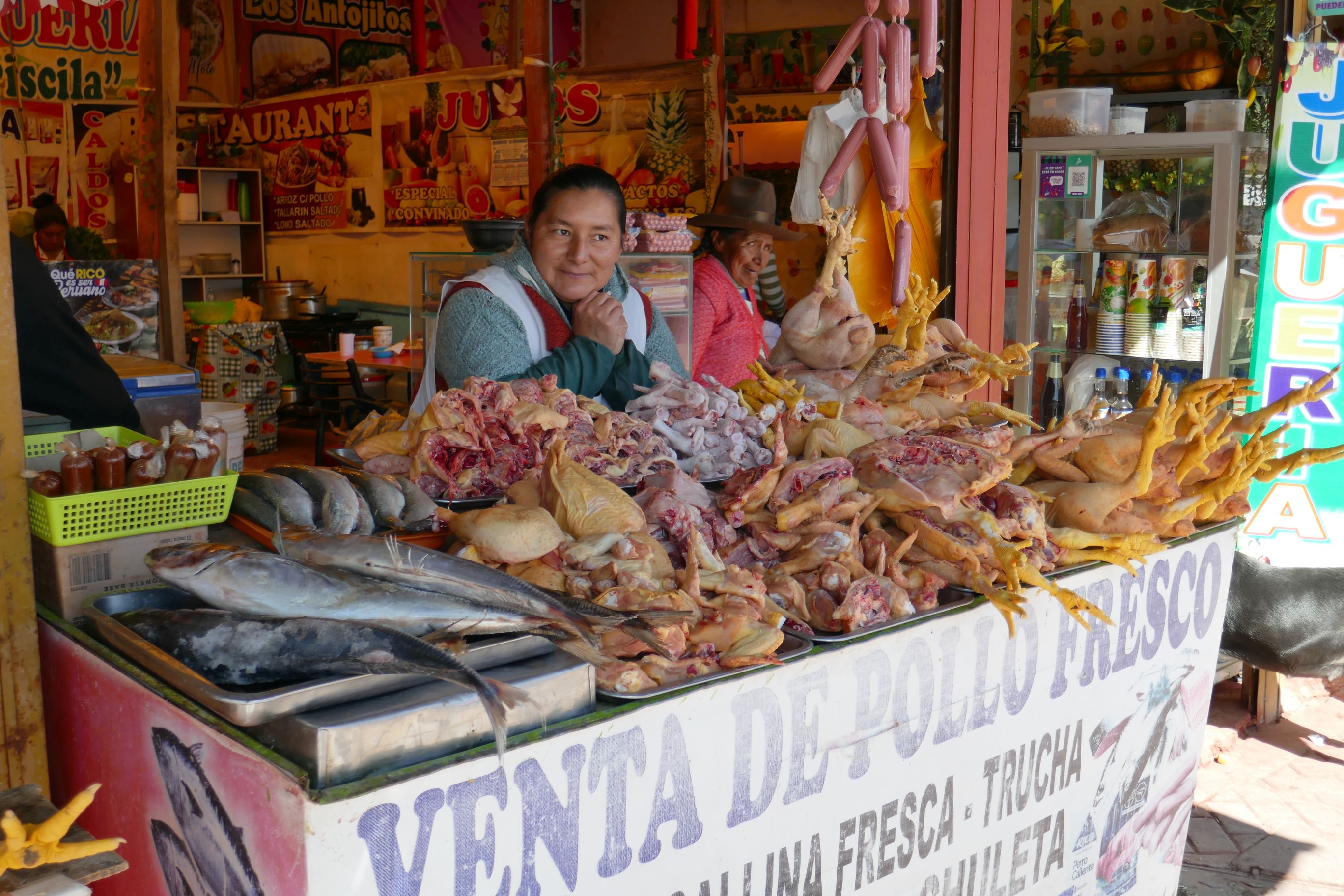
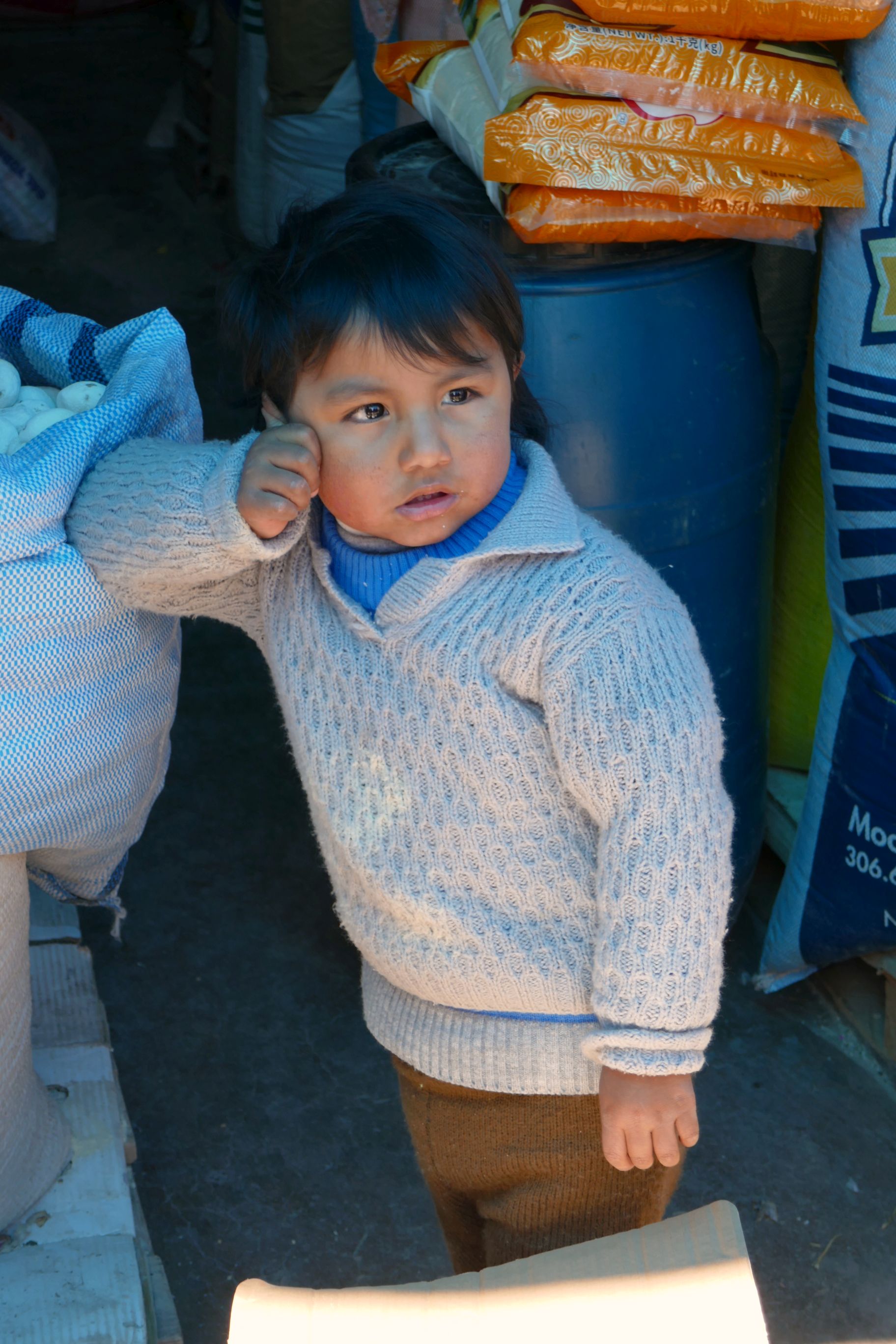
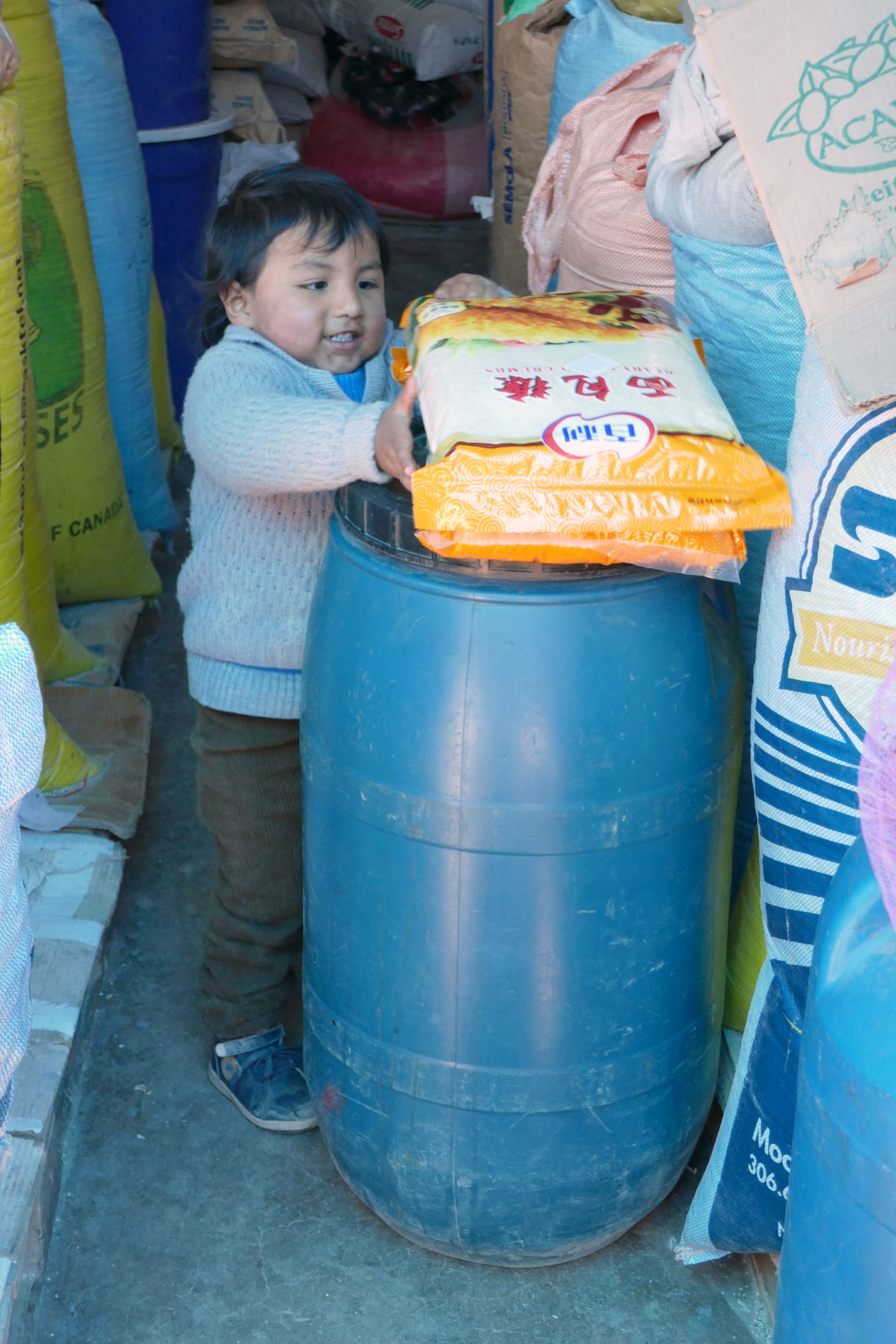
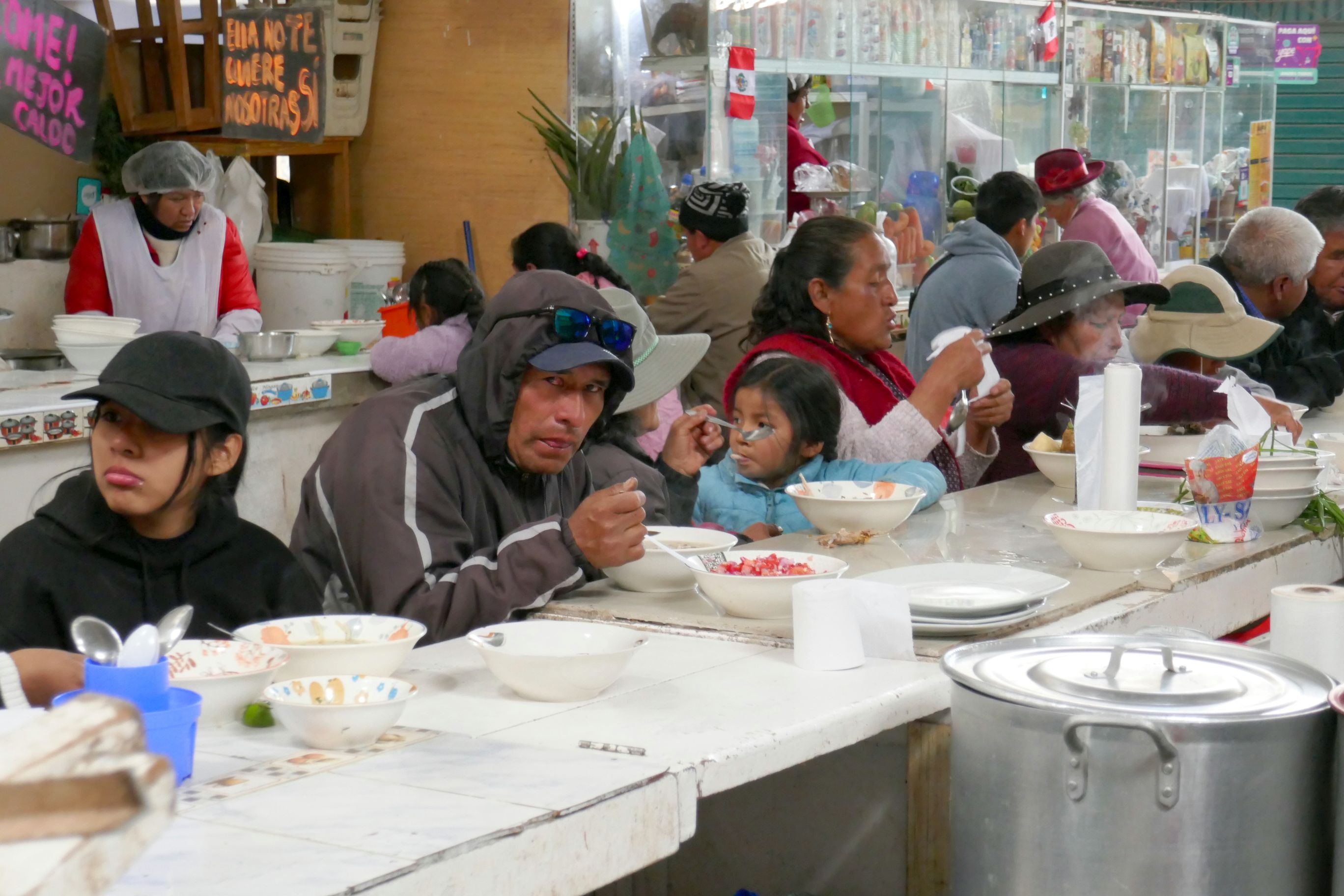
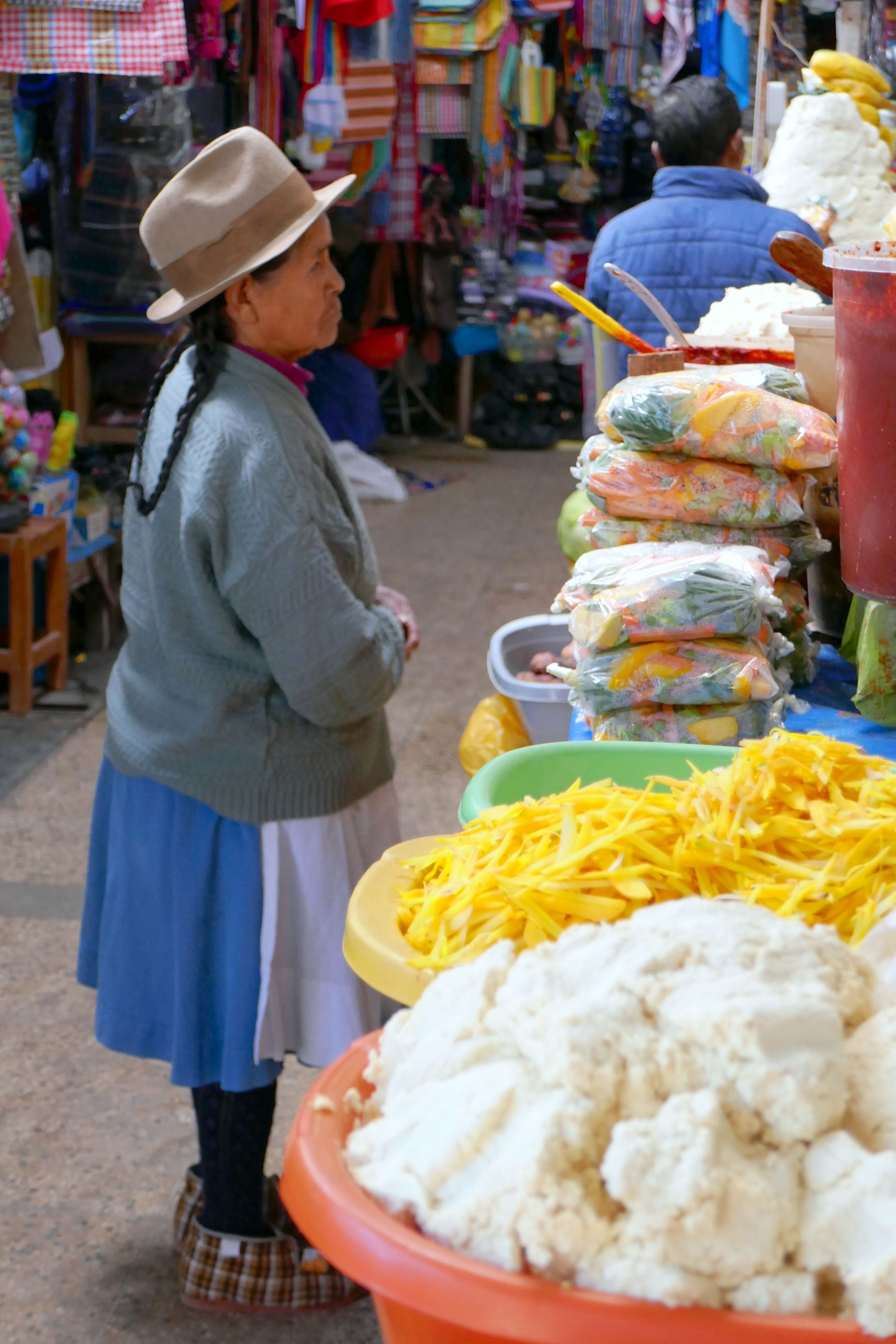
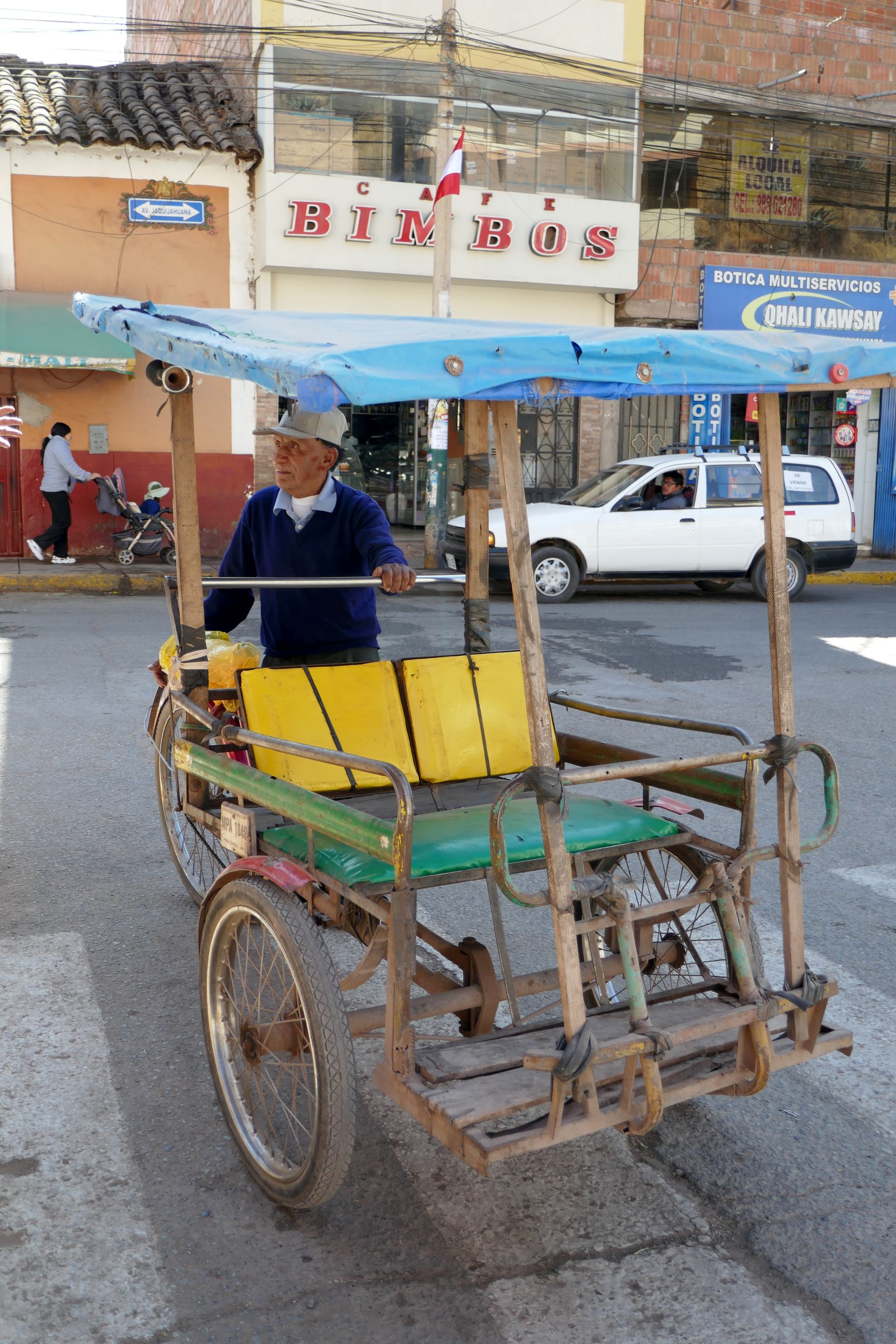
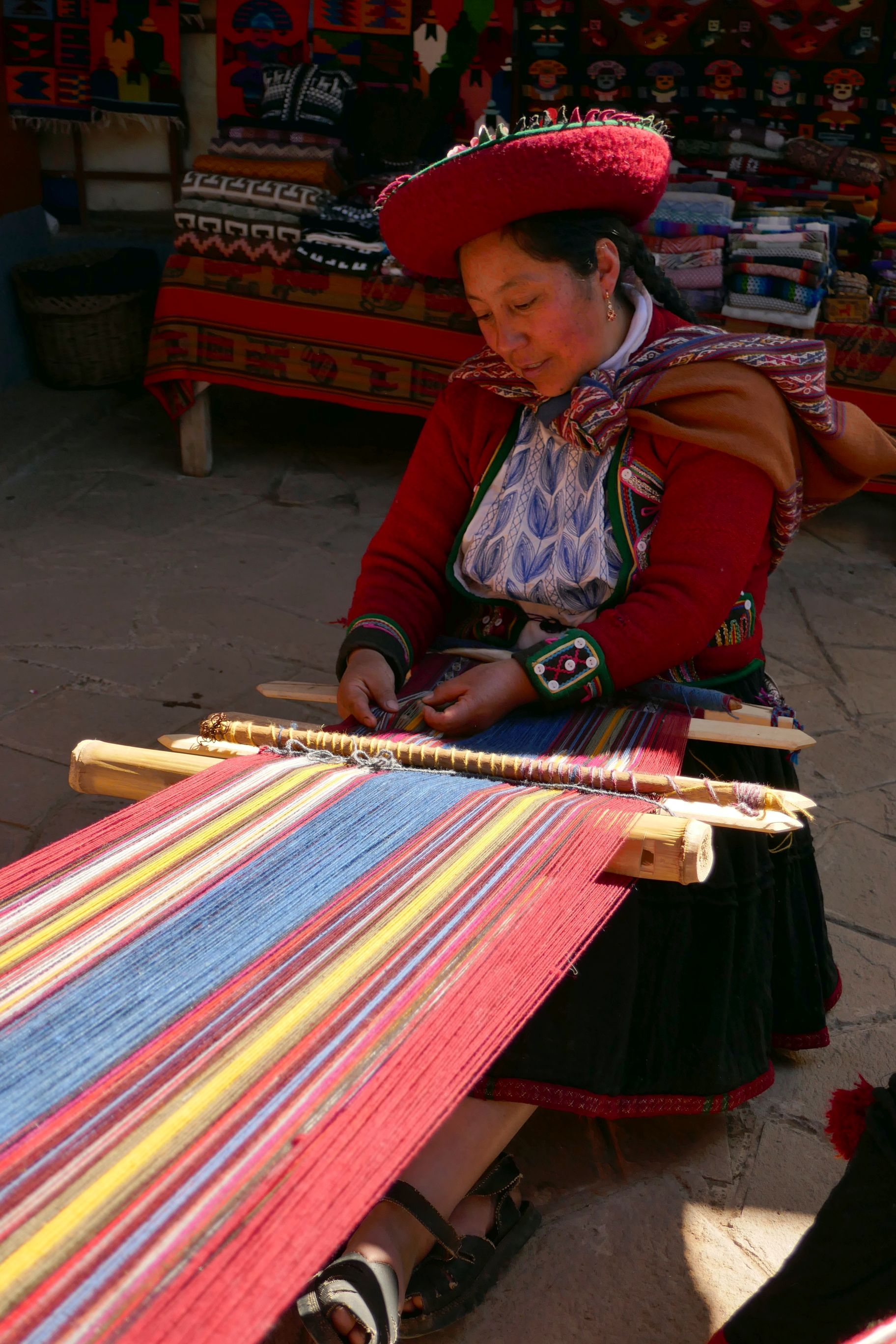
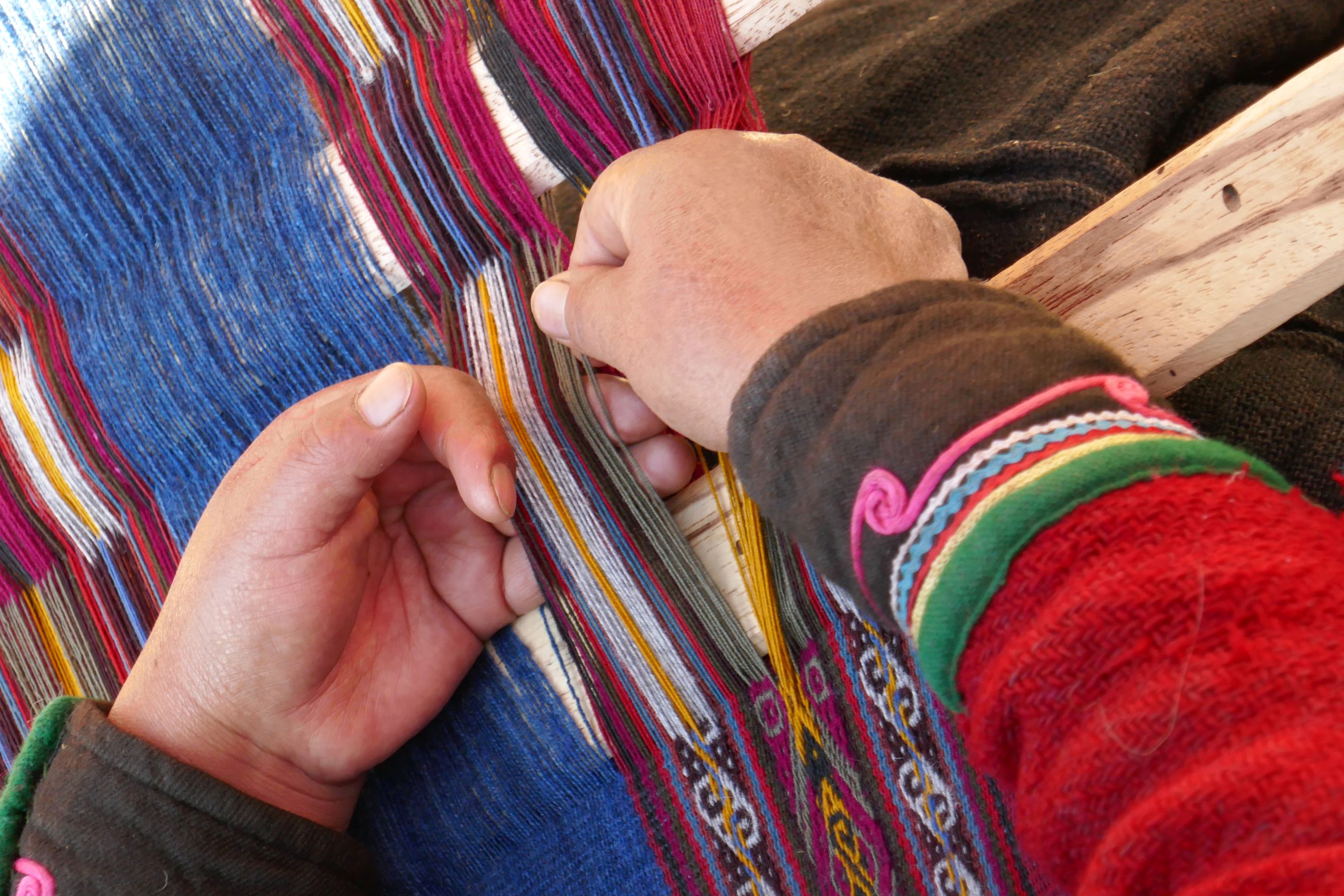
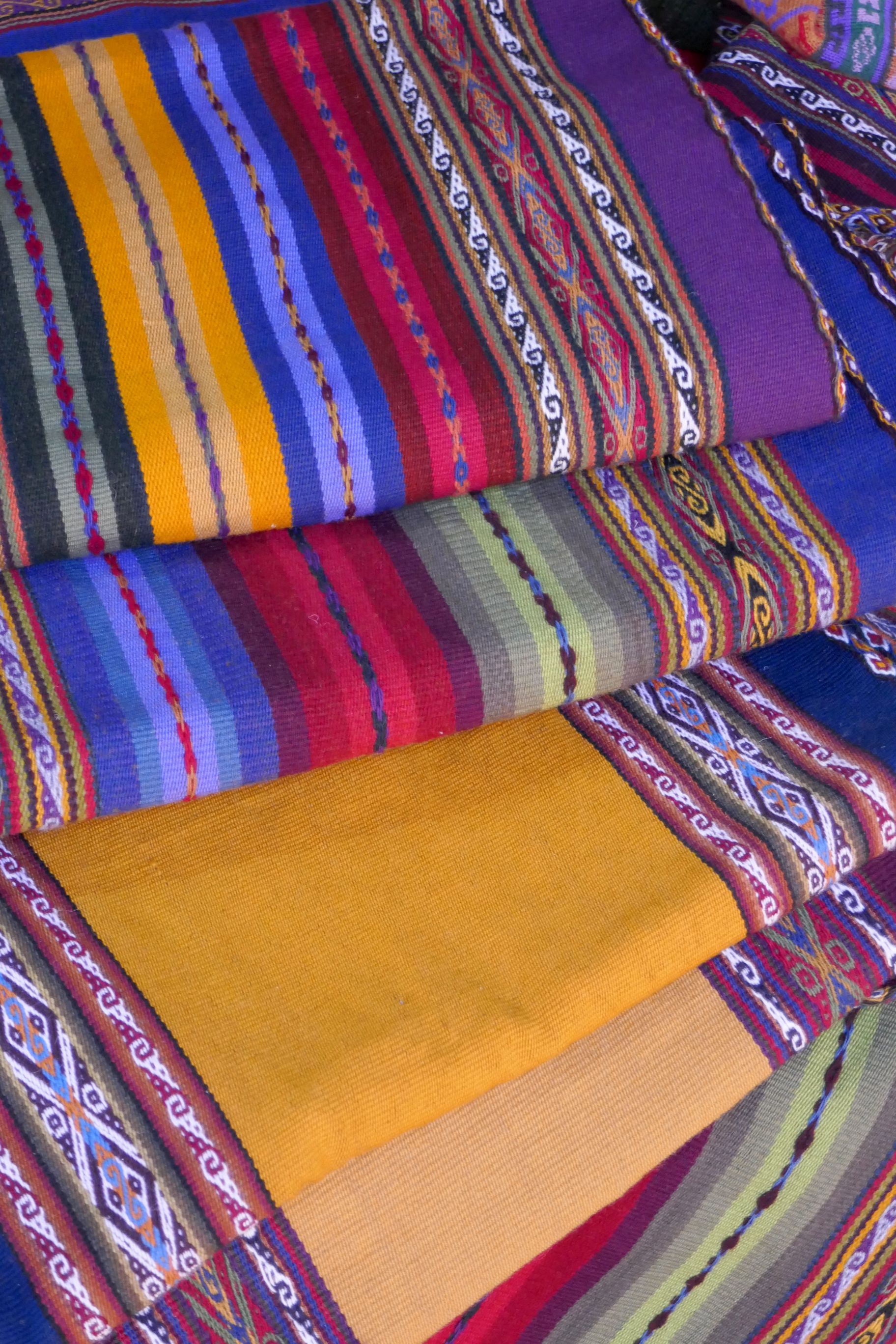
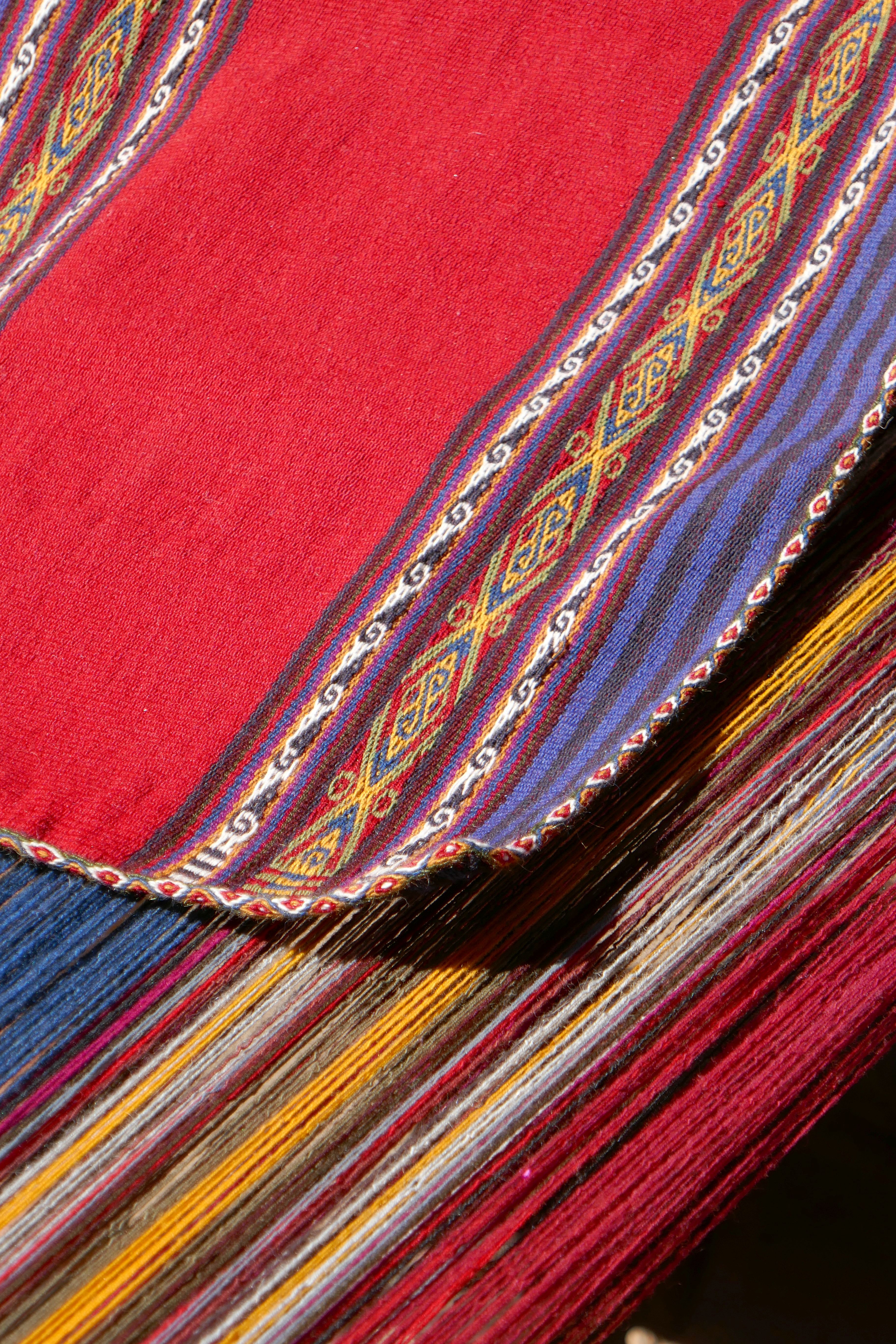
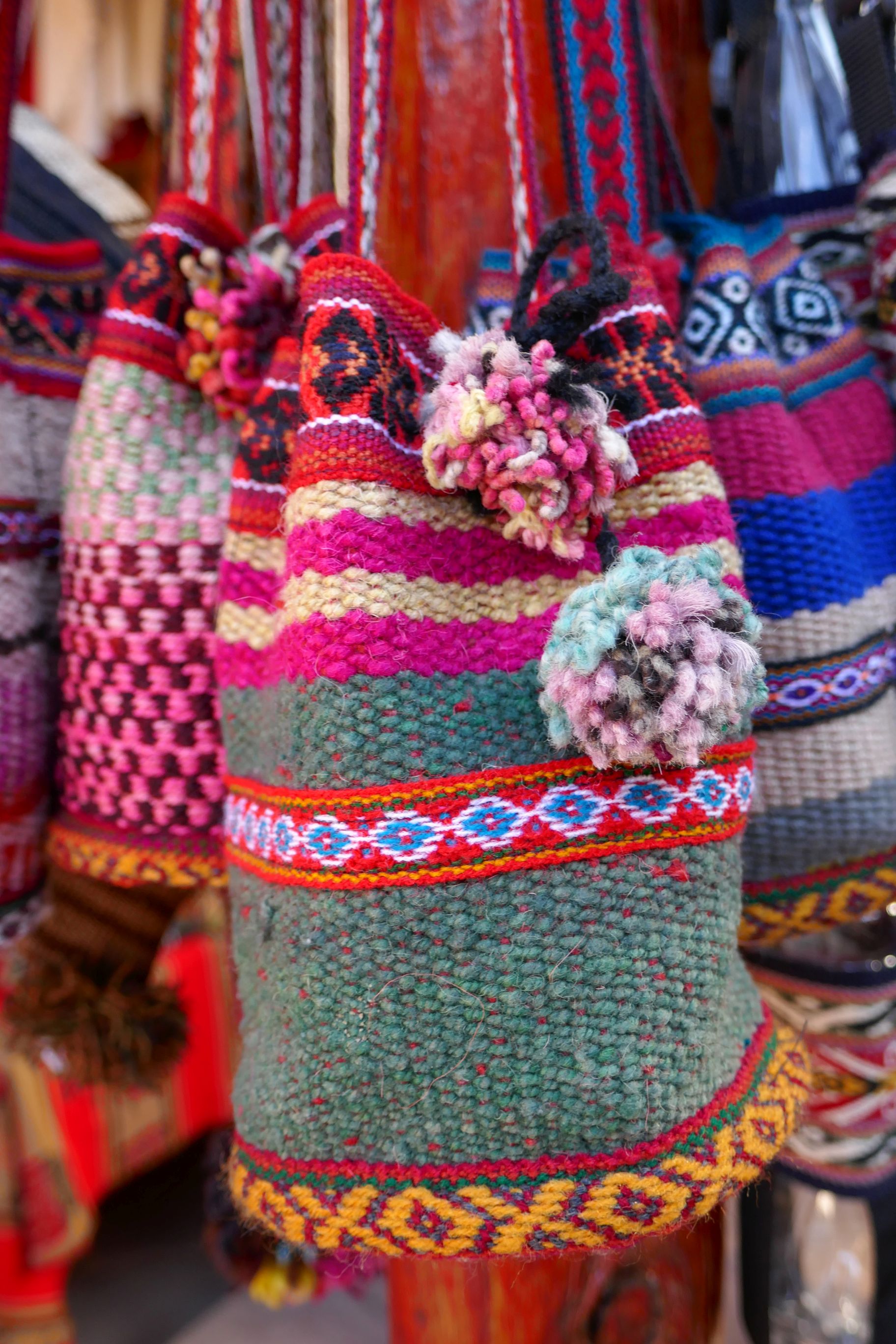
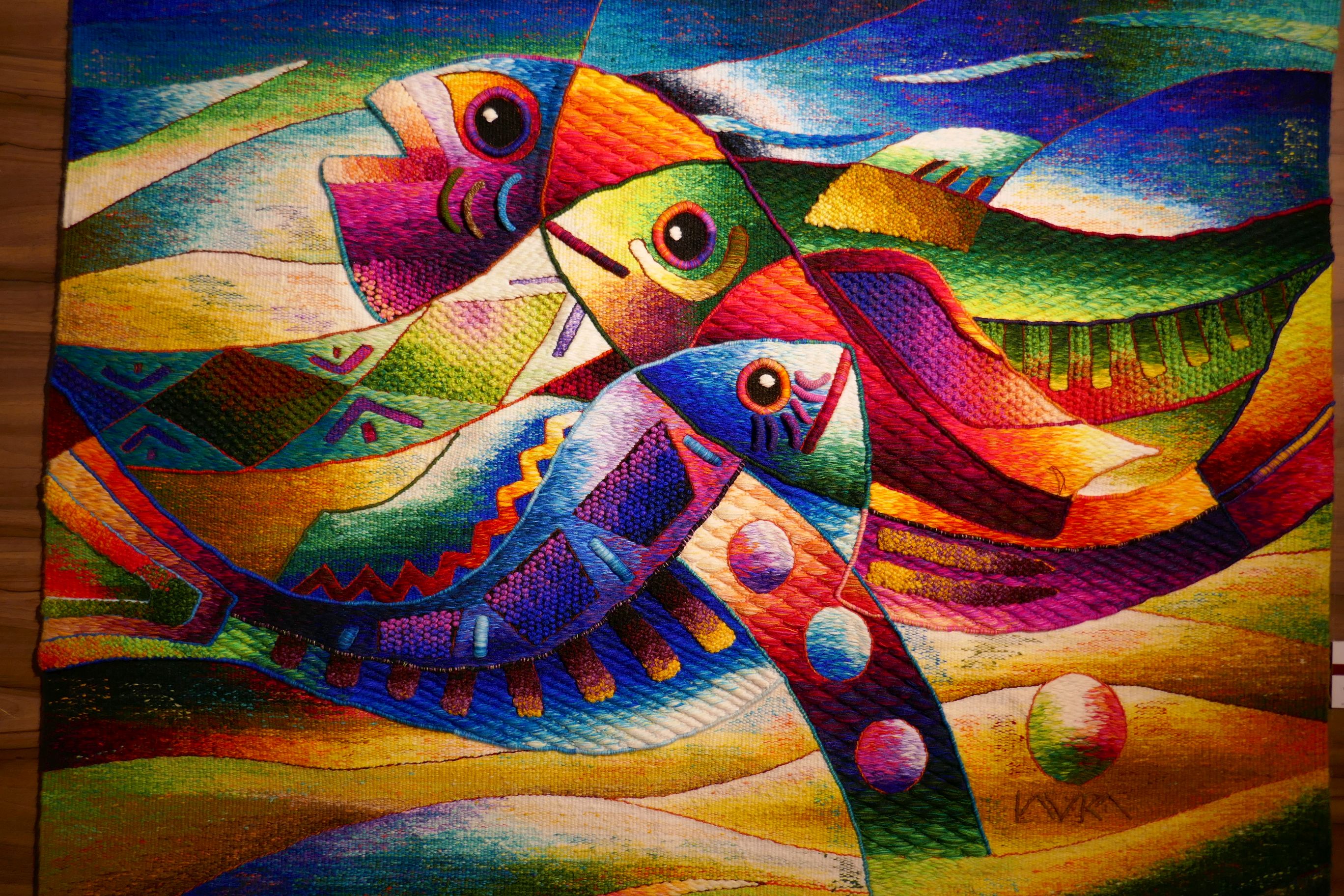
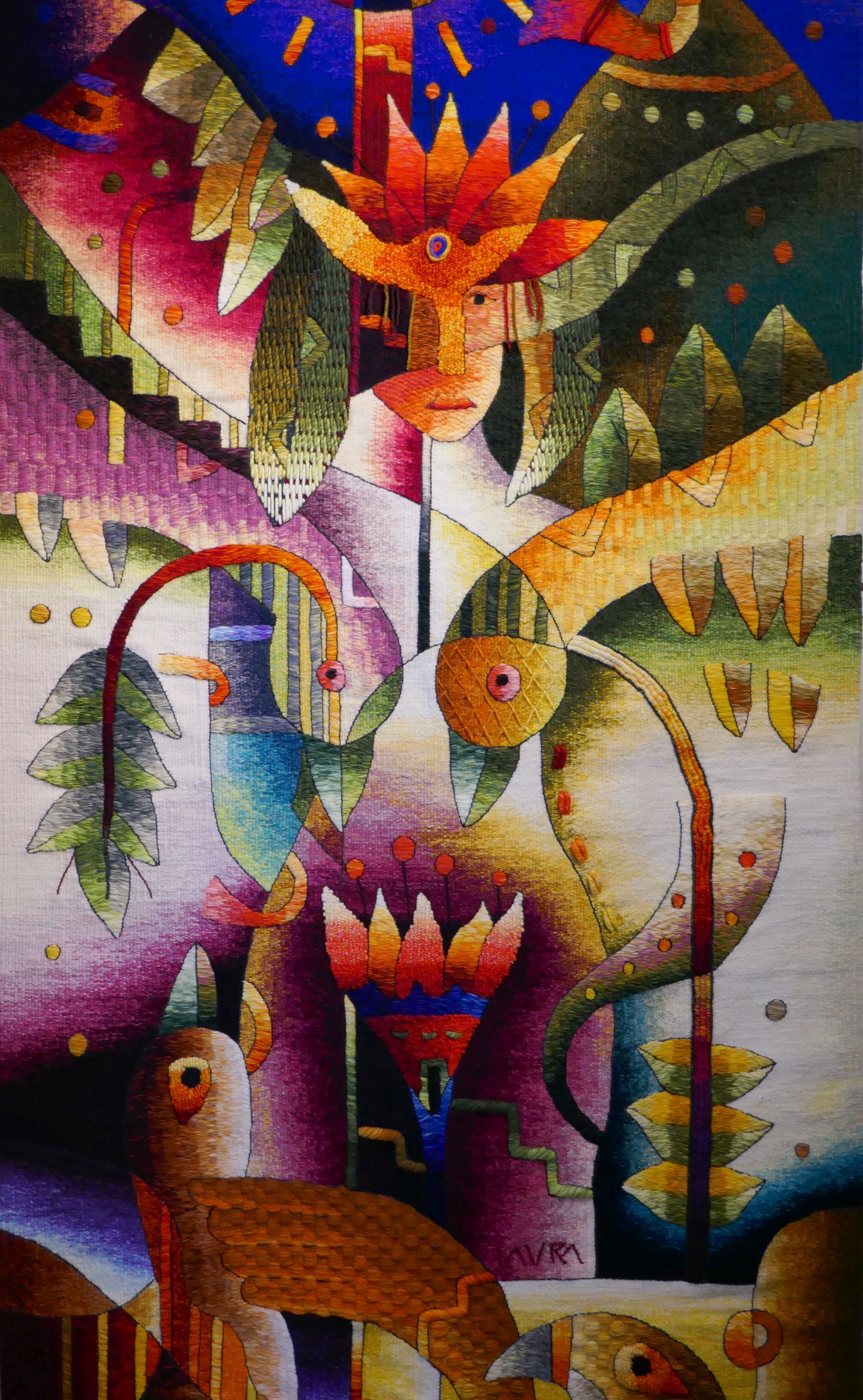
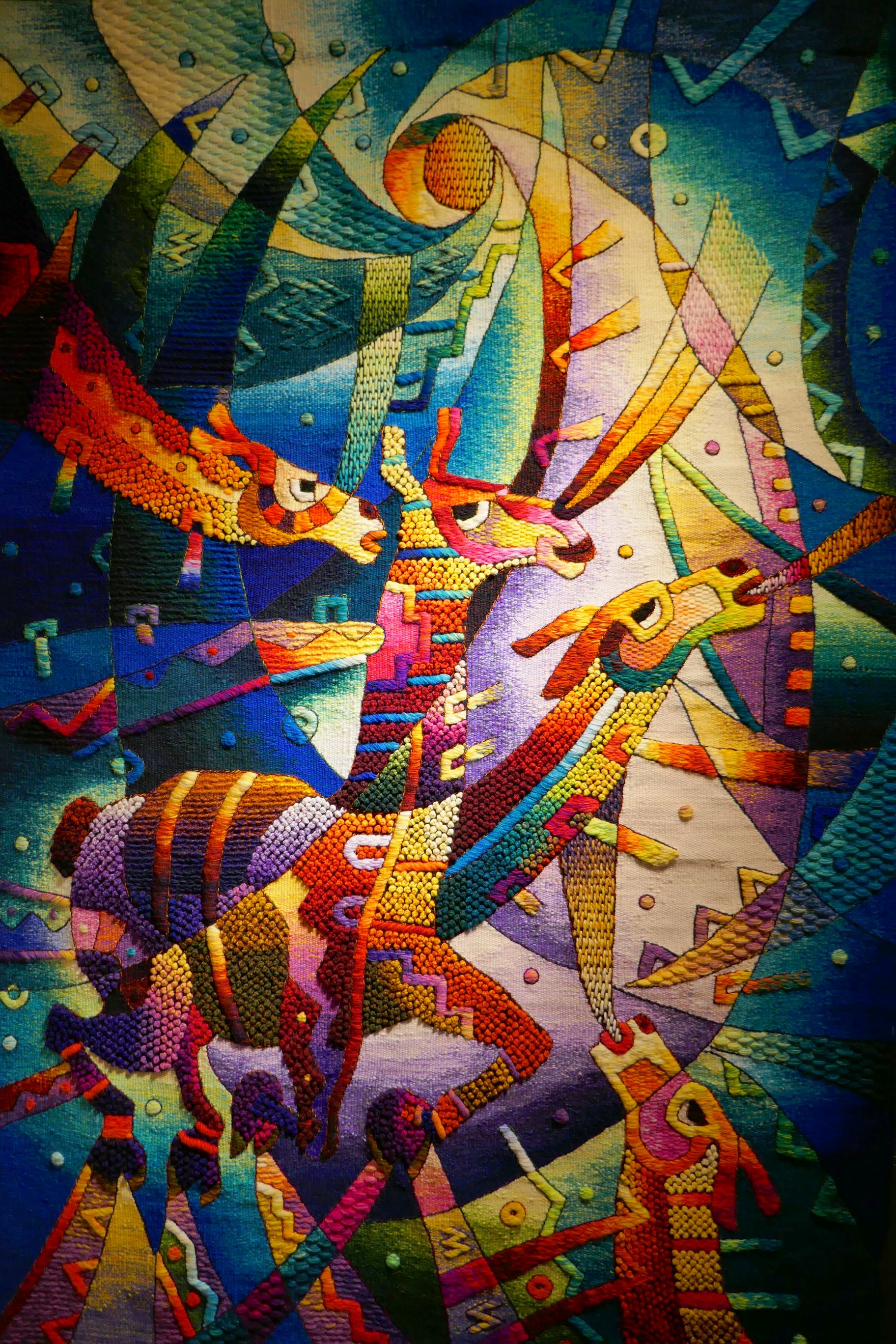
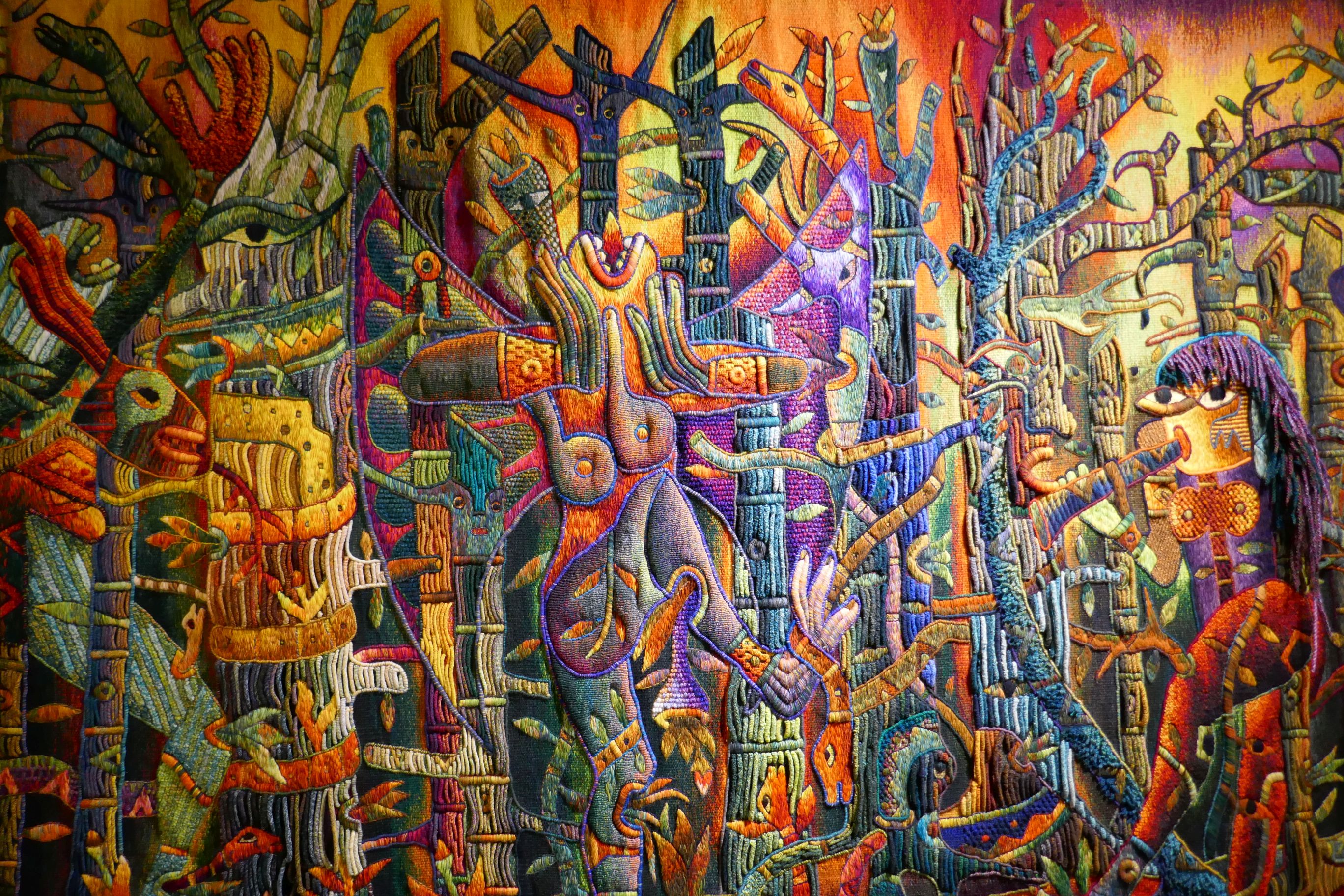
After returning to the hotel, I still had some walking in me, so I wandered over to the market across from the hotel. It was very quiet; only a few tourists roamed the aisles. It was a wonderful opportunity to do some photography and enjoy the bright colors that surrounded me.




Next up: PERU #16: SPECTACULAR SAN BLAS






































 Elaine-iaK's Travels: A Traveler's Tales of People, Places, Photos, Pools... and CHOCOLATE!