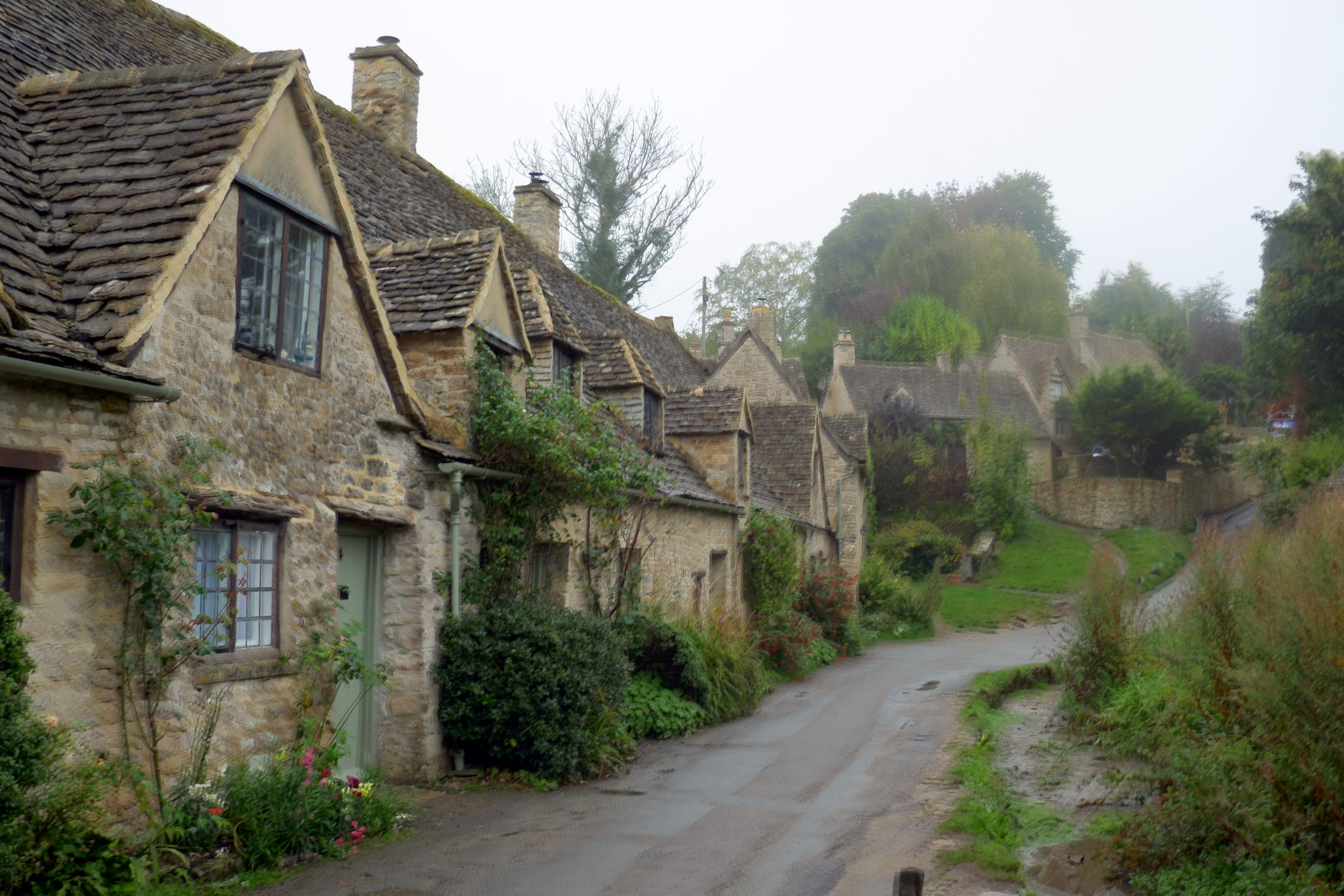
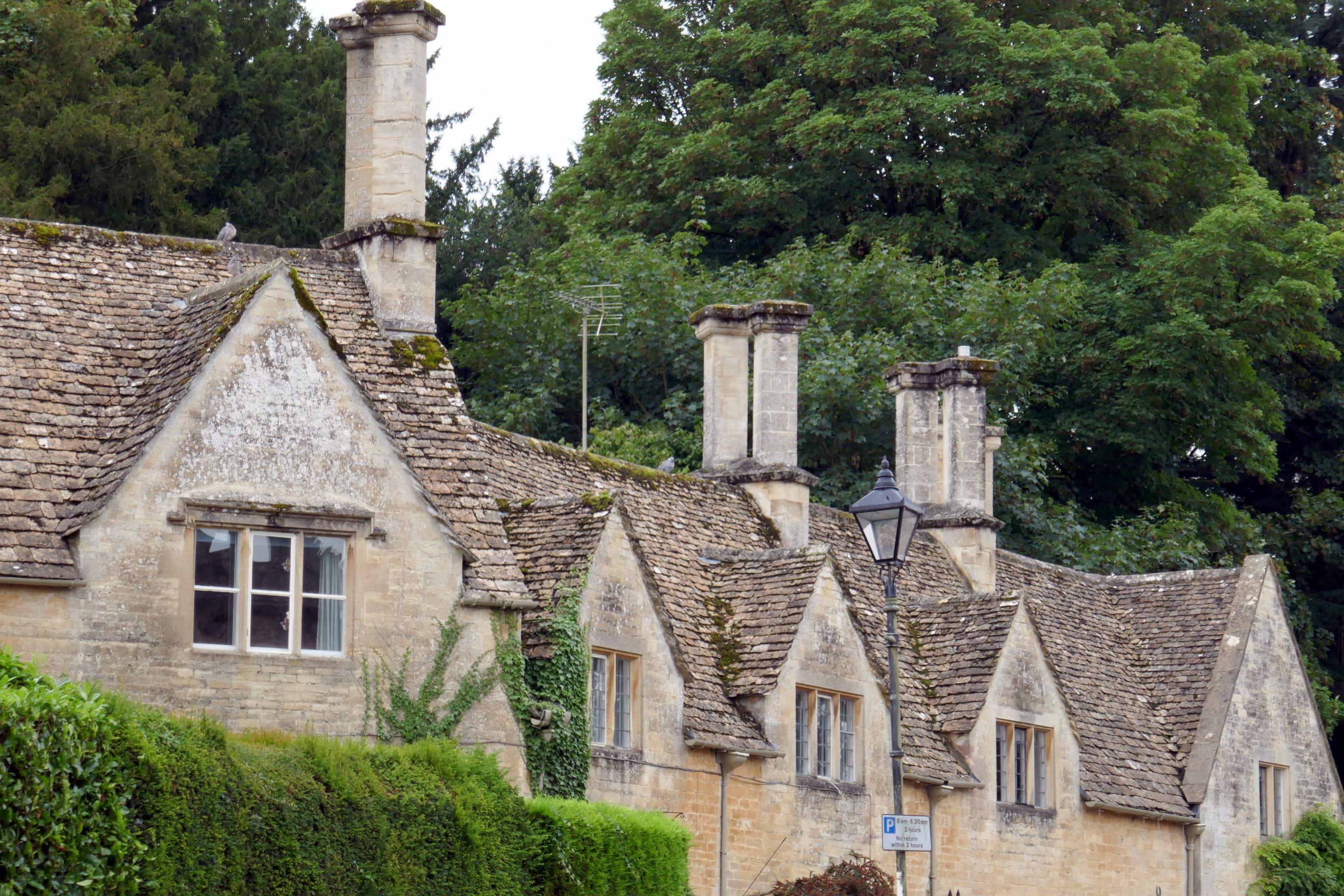
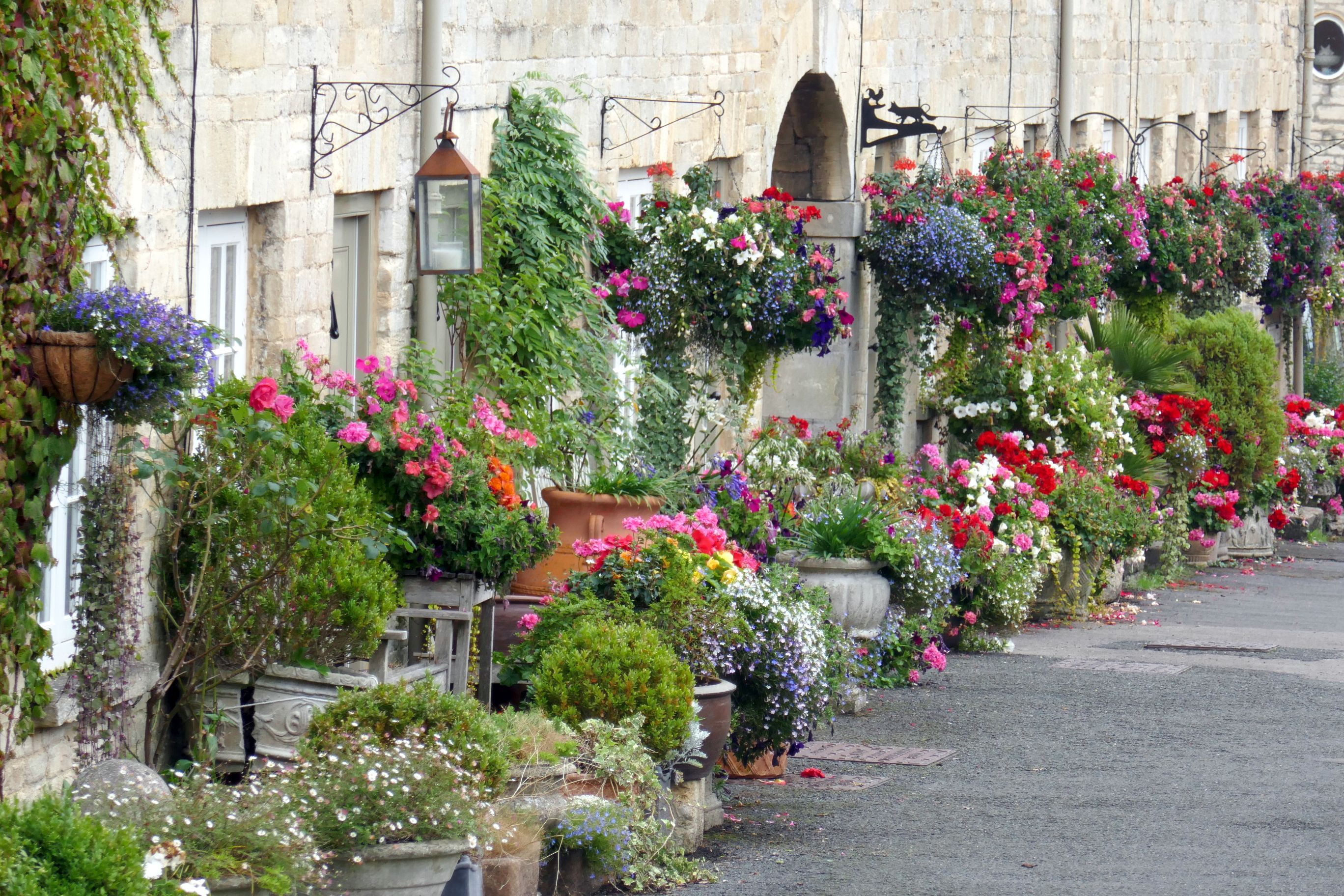
The first word that comes to mind to describe the Cotswolds is “charming.” It IS just so charming! Located in South West England, the region is full of rolling green hills, beautiful historic cottages, and quaint little towns.
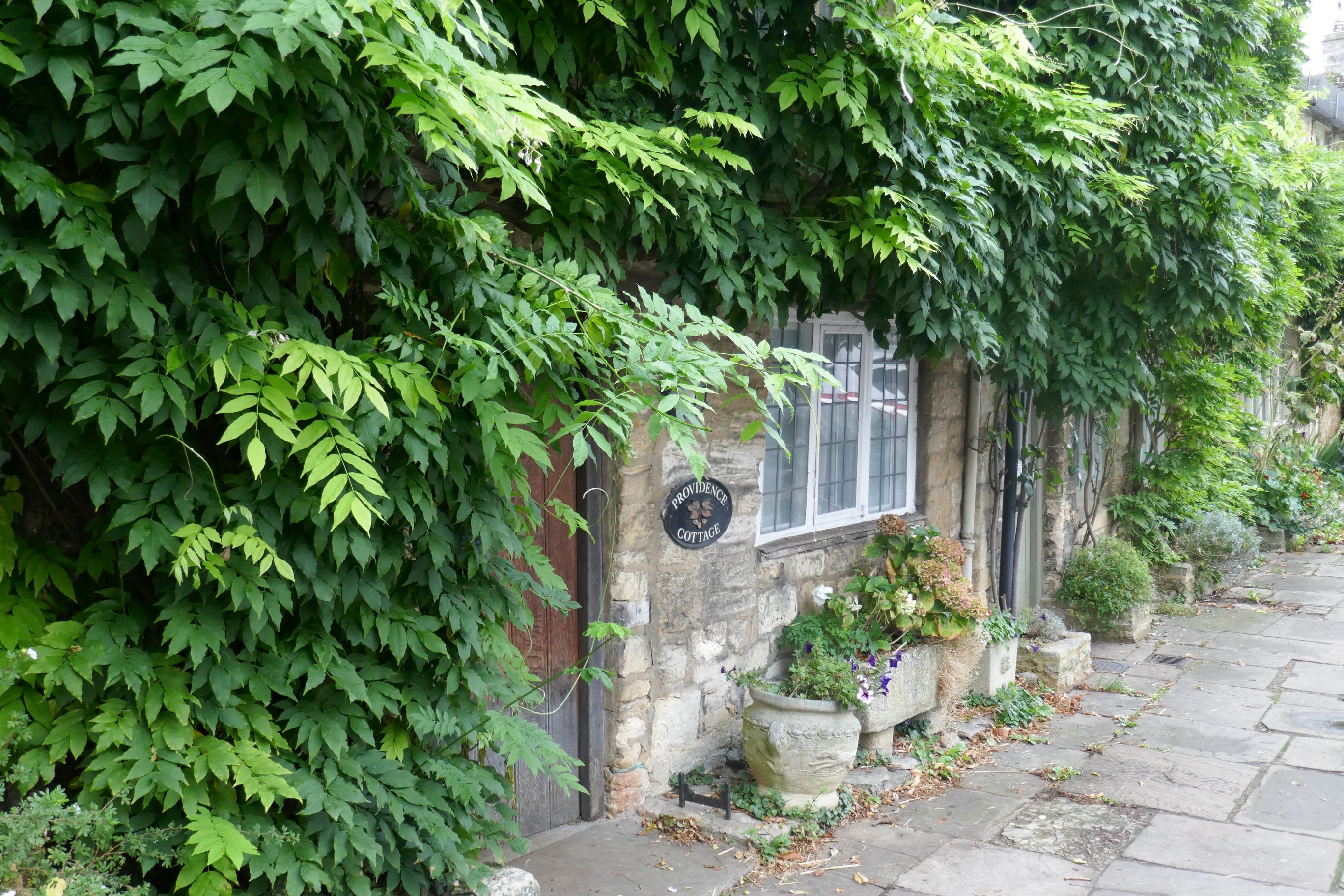
Our day in the Cotswolds began with a visit to Bibury, in Gloucestershire. Our walking tour took us through Arlington Row to see the limestone cottages that were formerly a 14th century wool store.
What a beautiful little village! The River Coln runs through the village and it was quite picturesque with Arlington Row as the backdrop.
(For all photos, click on the image for a full screen view.)




It is an interesting story how swans became regular residents on the River Coln. Swans were raised by Benedictines at the monasteries, because it was forbidden by their religion to eat meat on Fridays. They reasoned, however, that since swans had webbed feet and lived on the water, they were close enough to being “fish.” Quite the loophole to those religious rules! To this day, swans can still be found living near former monasteries.
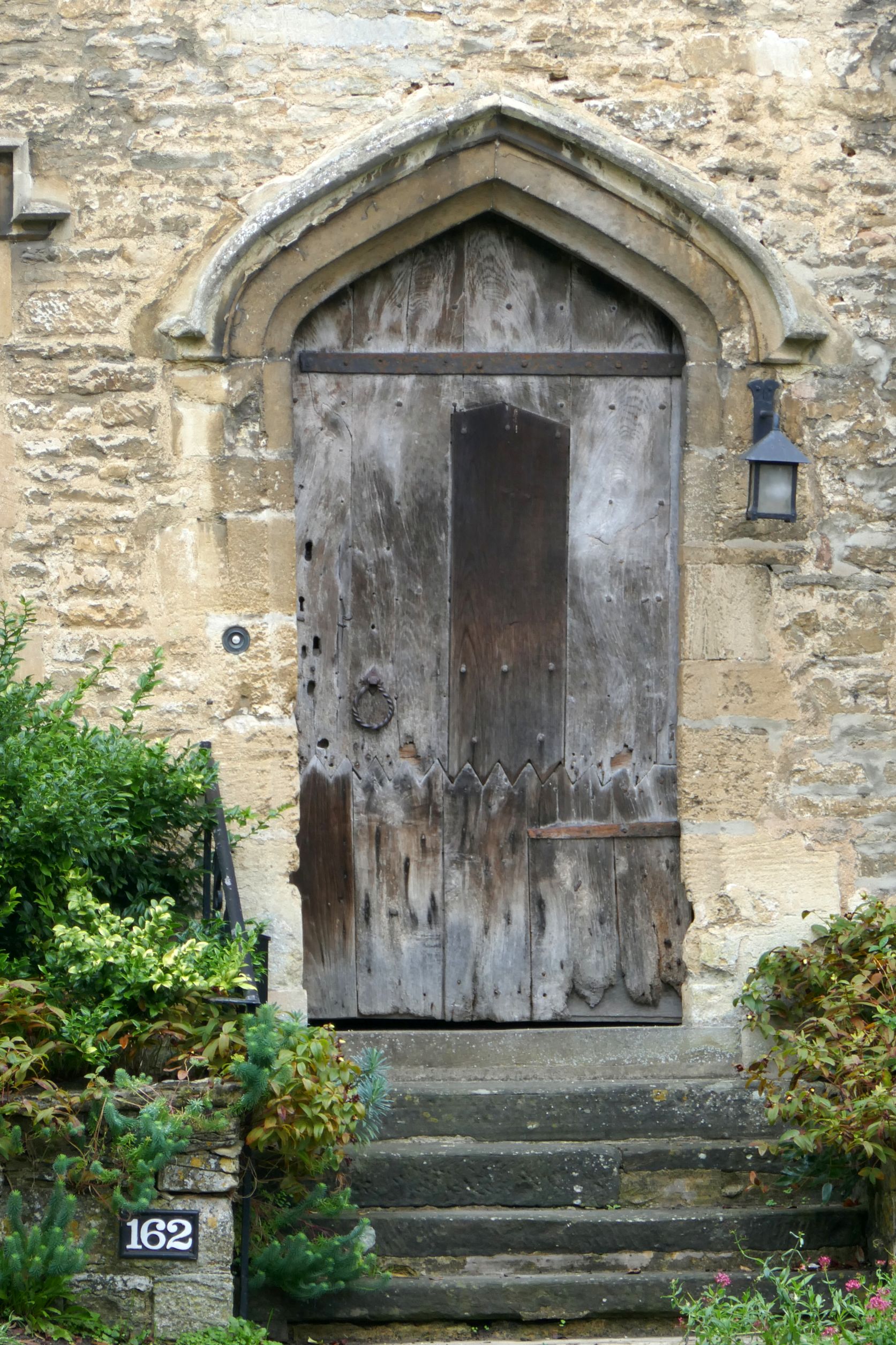
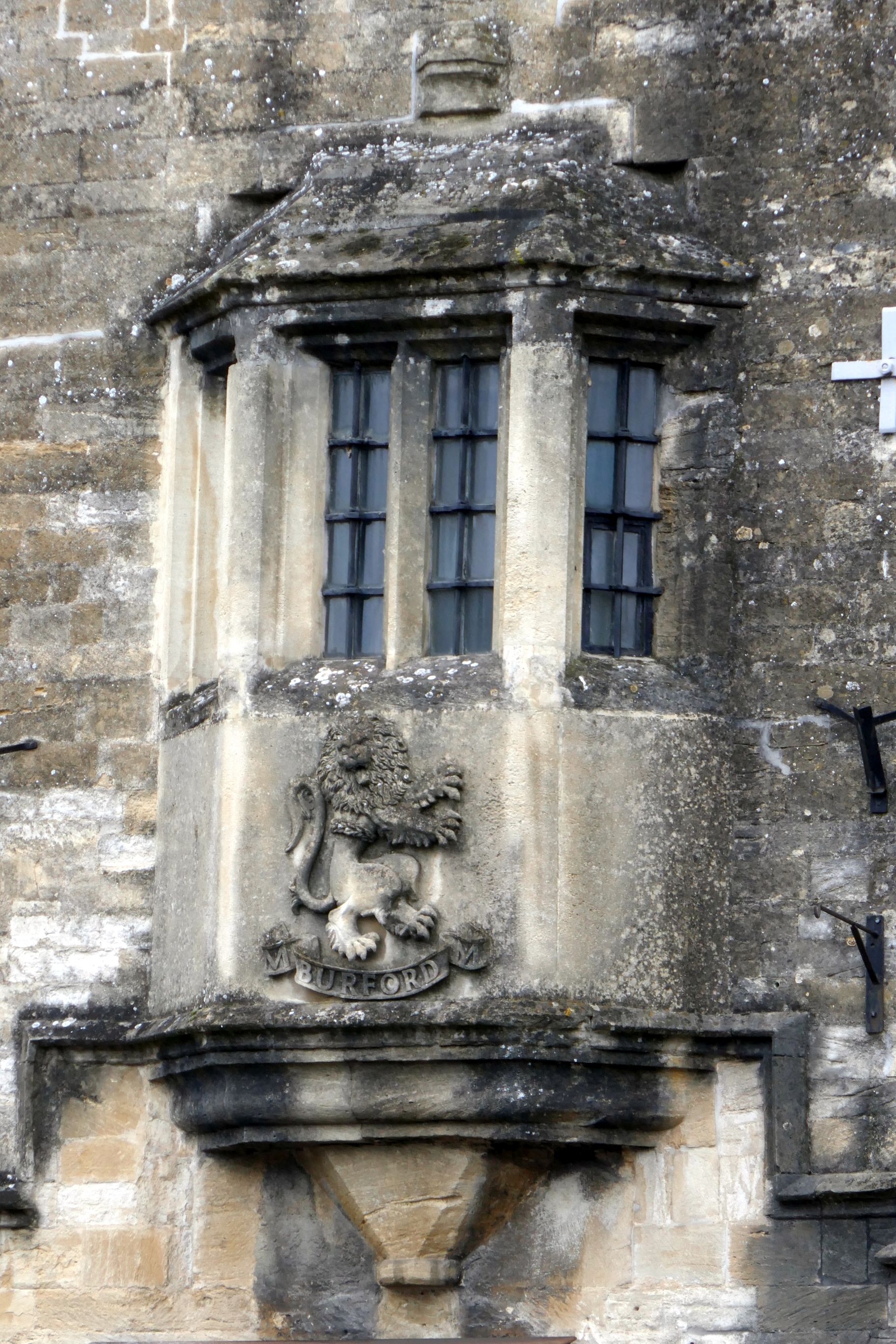
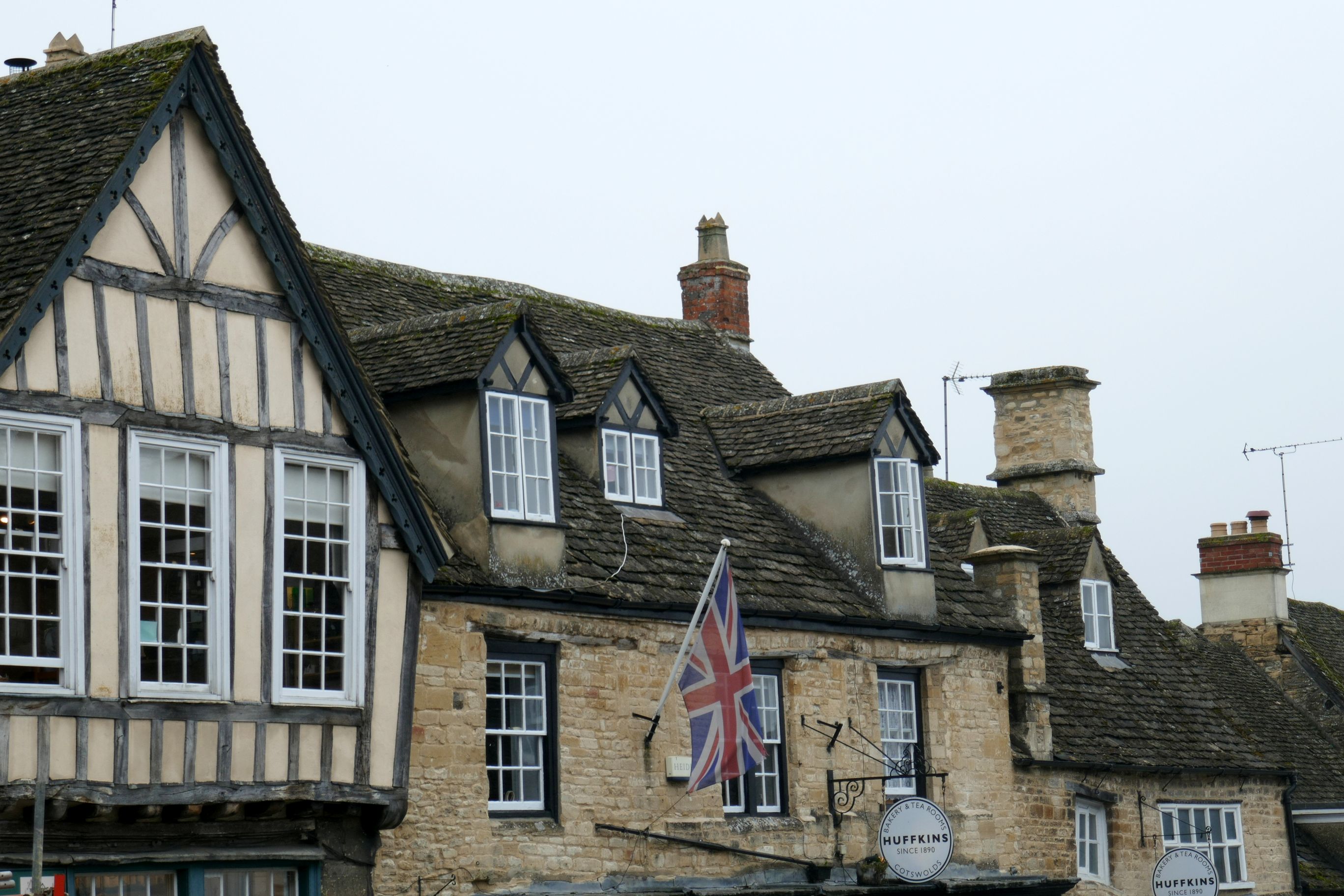
The next town we visited was Burford, a former market town that dates to 1086– similar in age to Bibury.





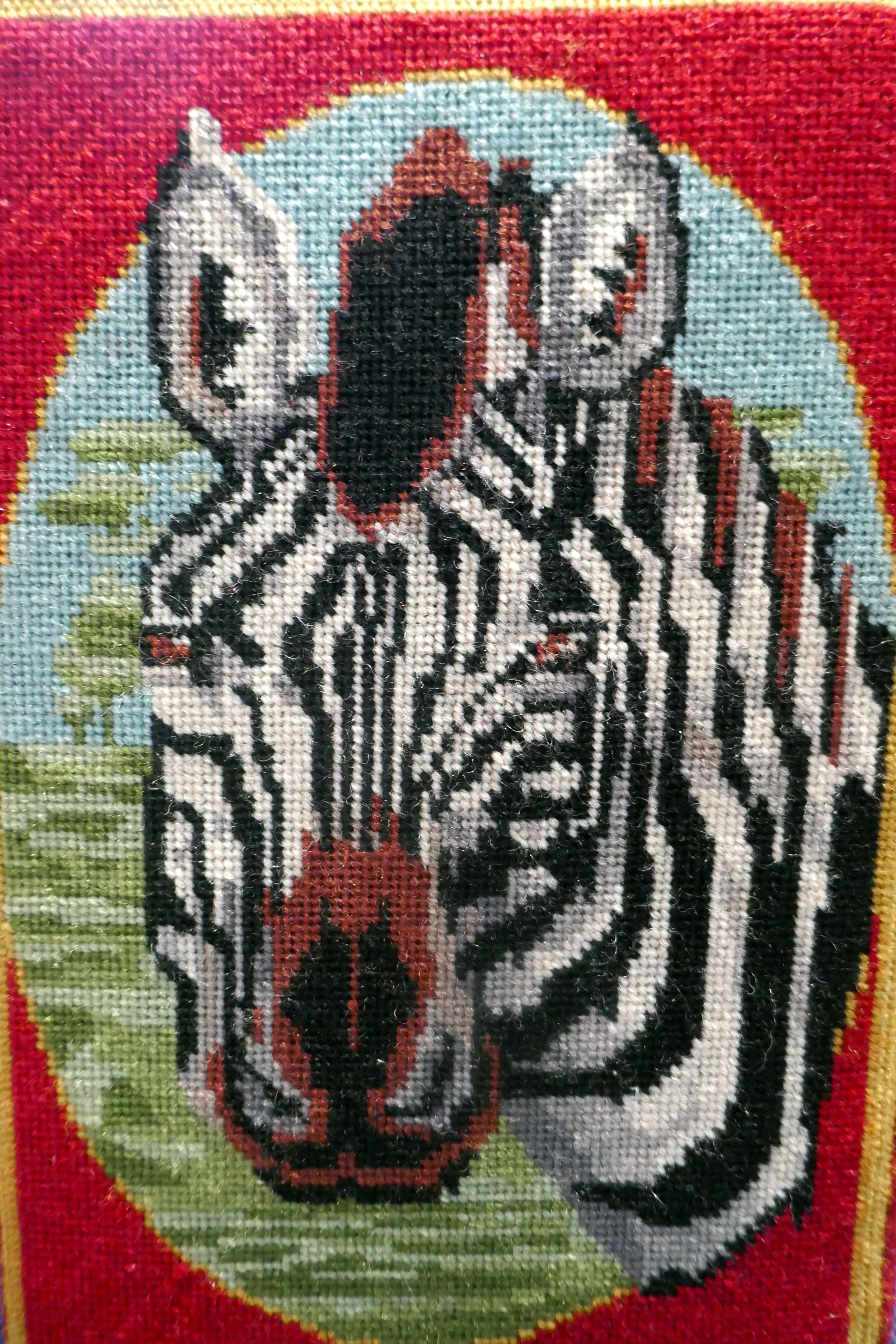
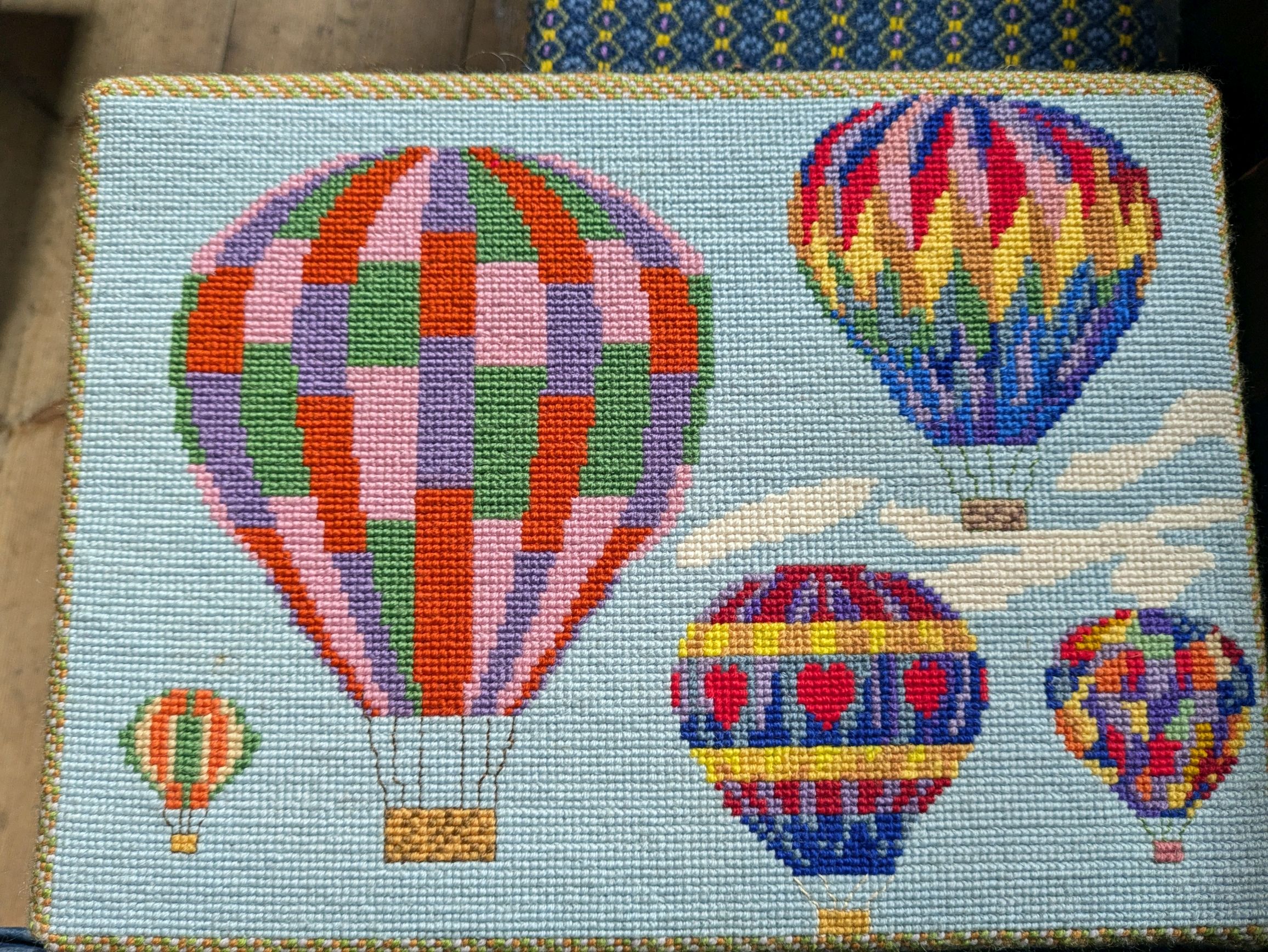
Needlepoint church pew pillows at the Church of St. John the Baptist:




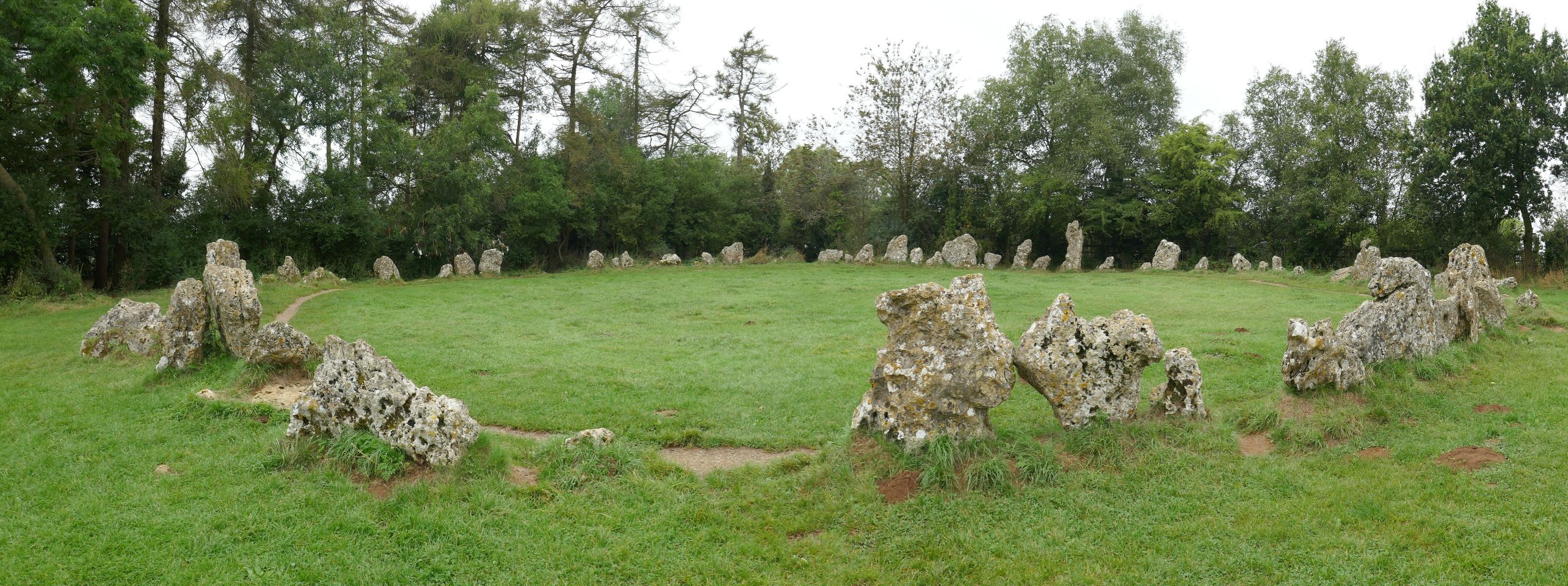
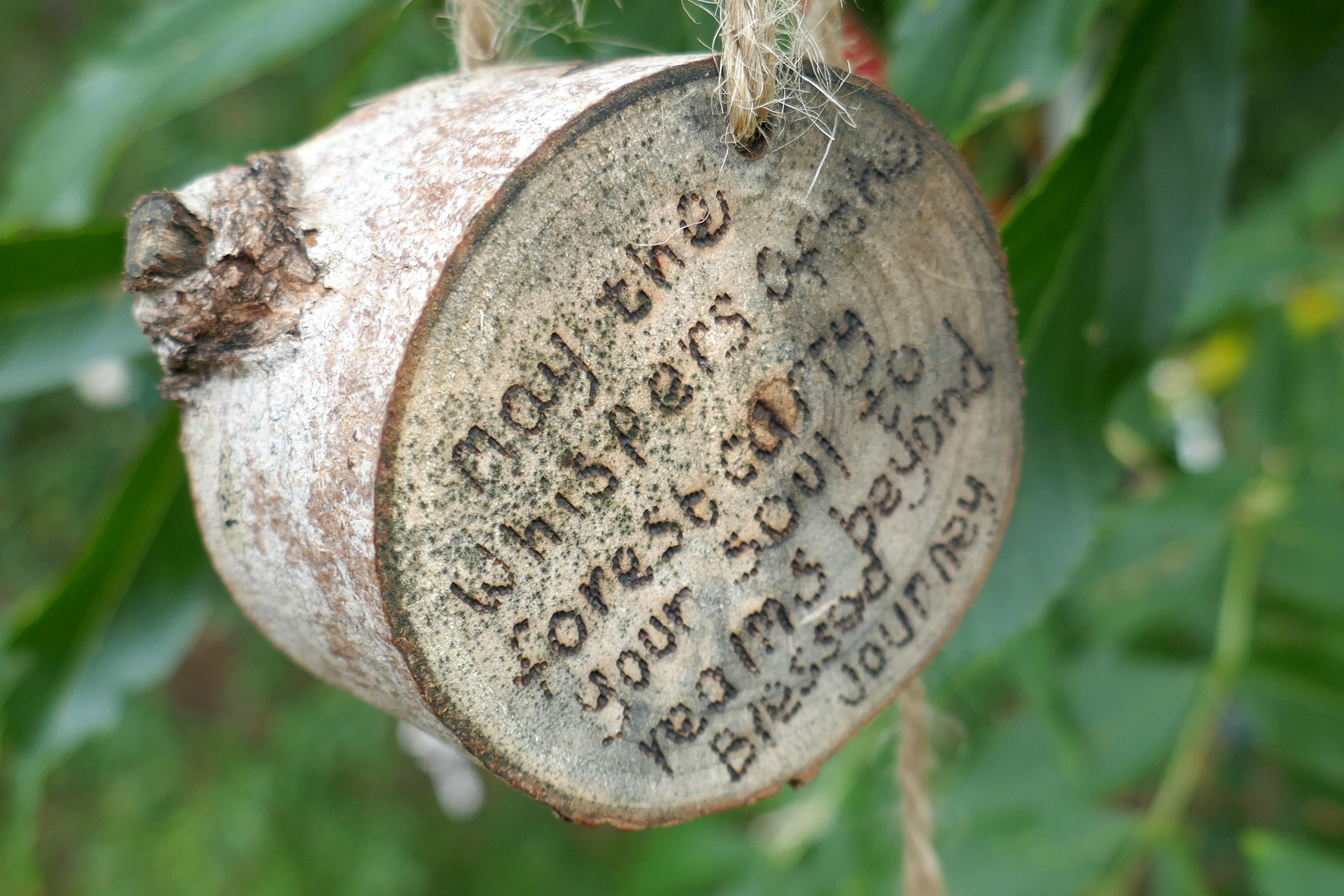
On our way to the next village on our itinerary, we stopped to see Kings Stone Circle, a ceremonial ring of boulders that were erected between 3,000 and 2,000 BCE.
Stow-on-the-Wold, a former wool market town, was the final Cotswold village we visited before returning to Cirencester. Founded in the 12th century, it was, of course, charming!
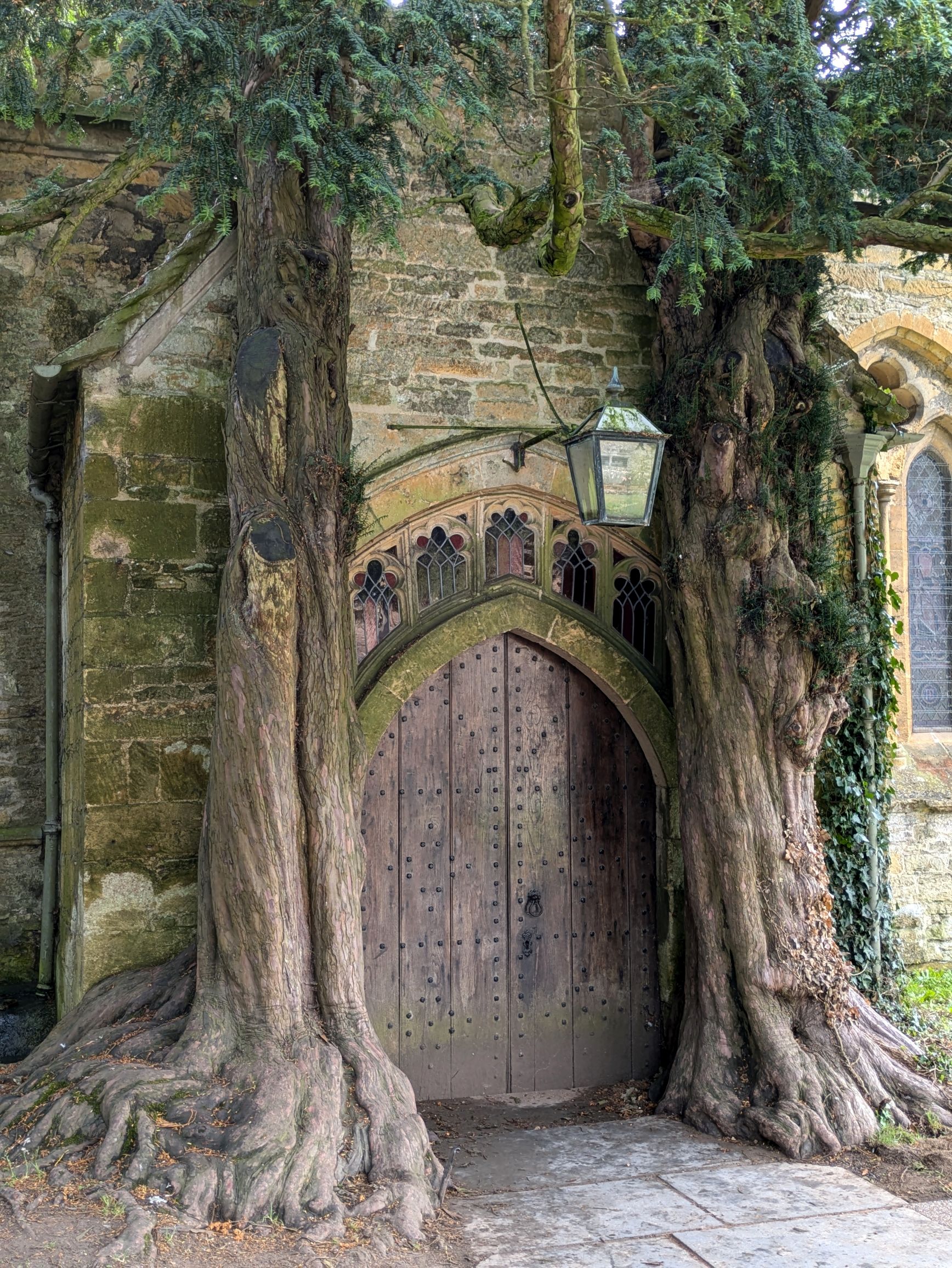
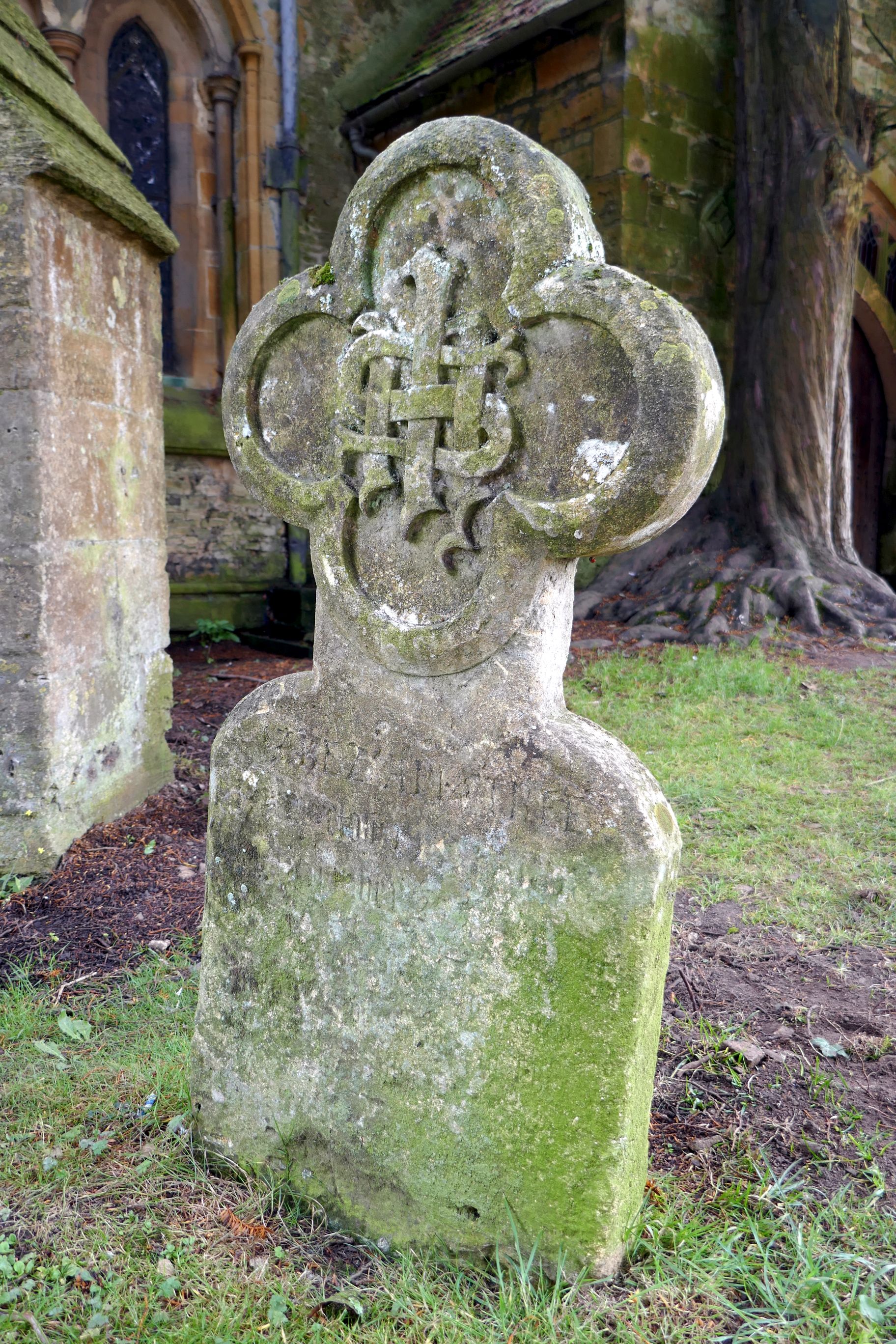
St. Edward’s Church, a popular tourist attraction, was a must-see:


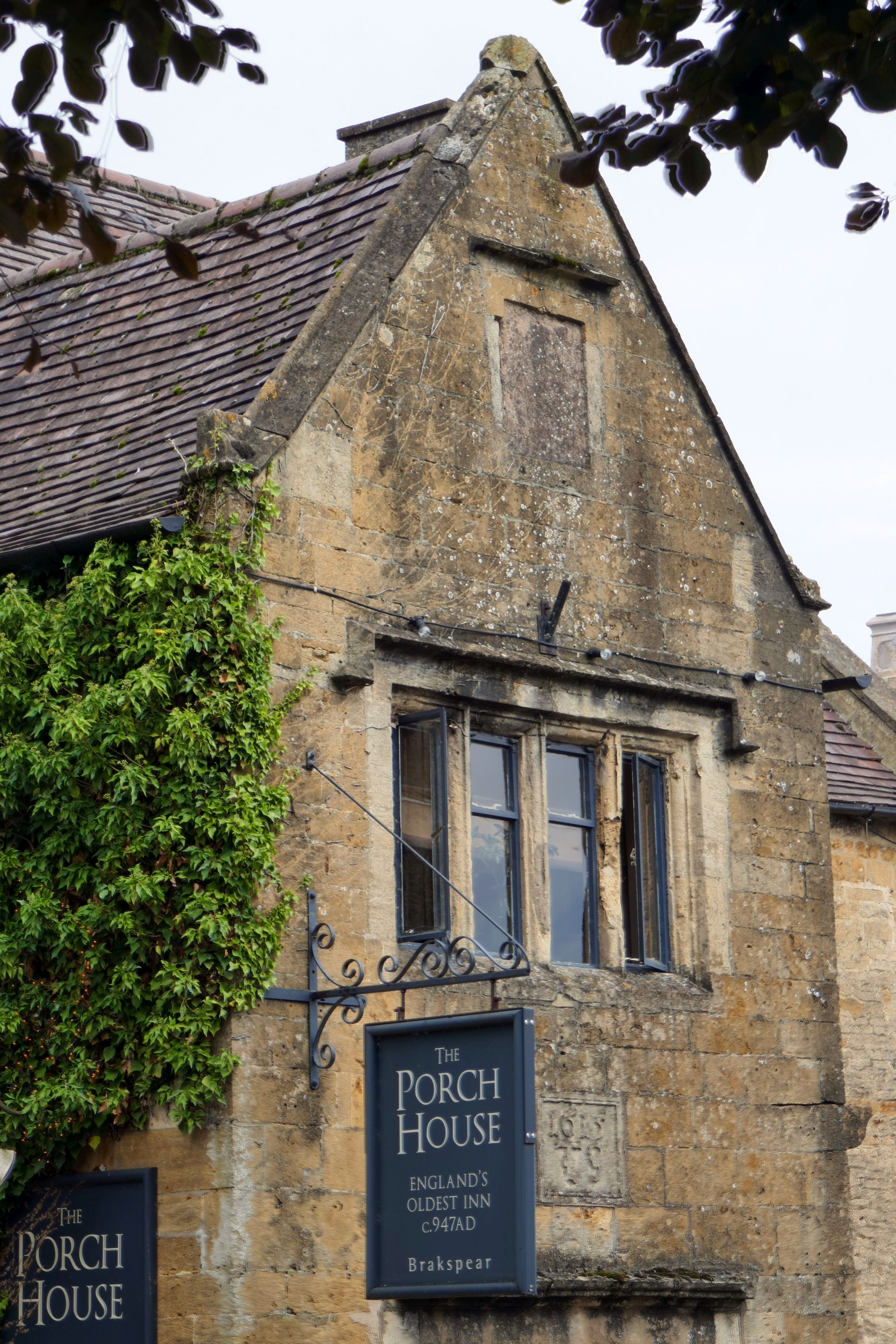
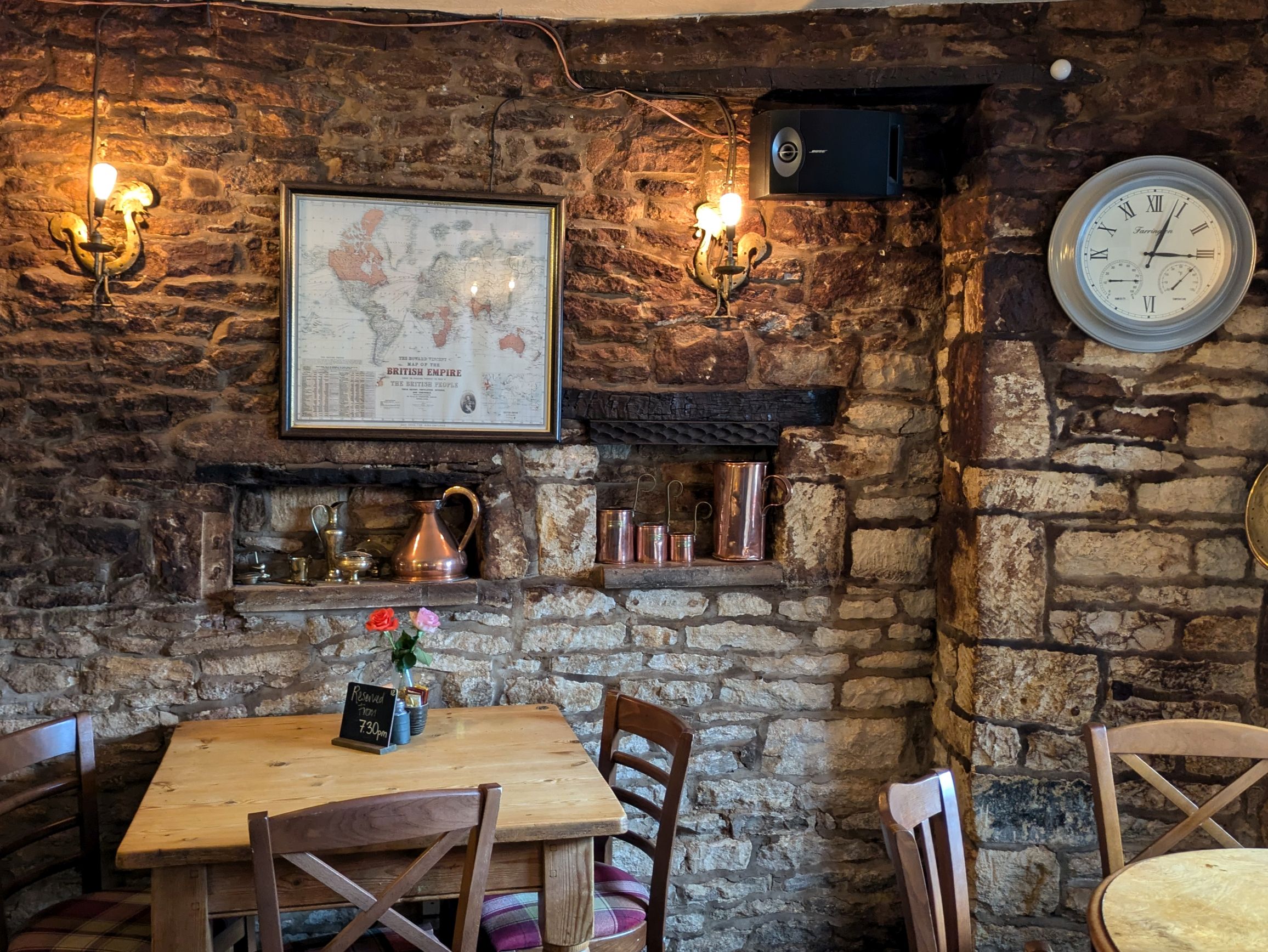
We especially enjoyed stopping at The Porch House, claimed to be the oldest pub in England with timbers carbon dated to the 10th century.
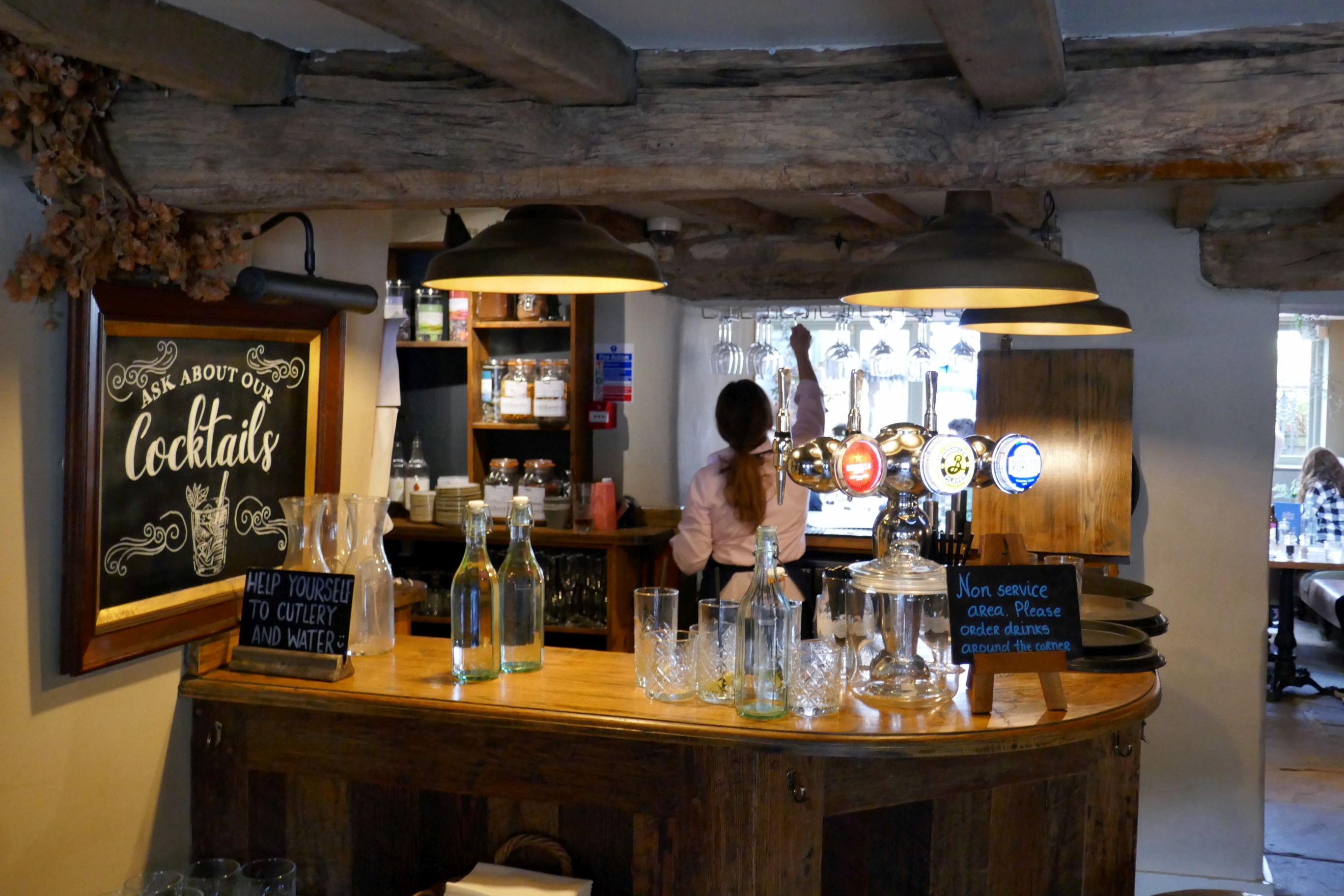

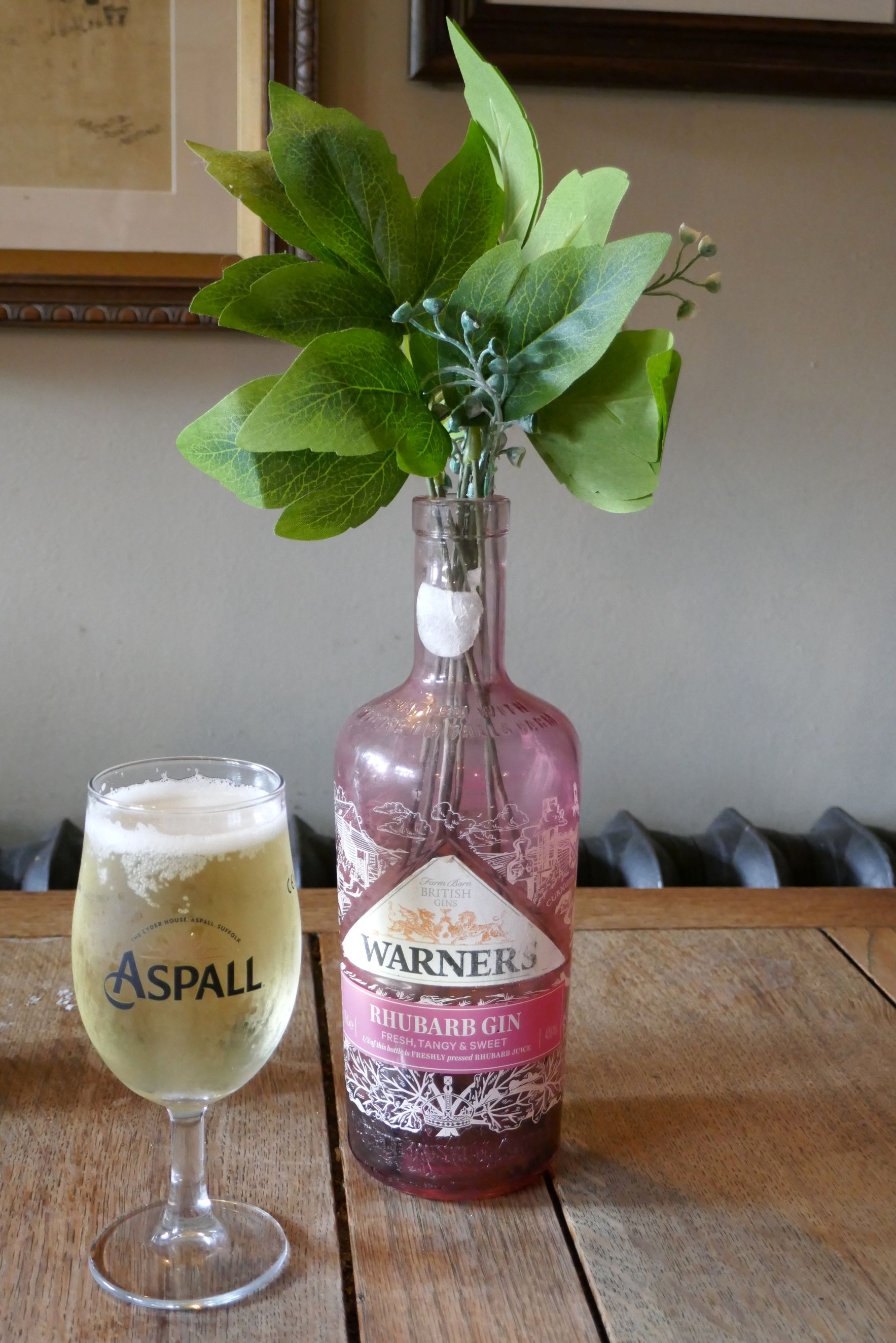
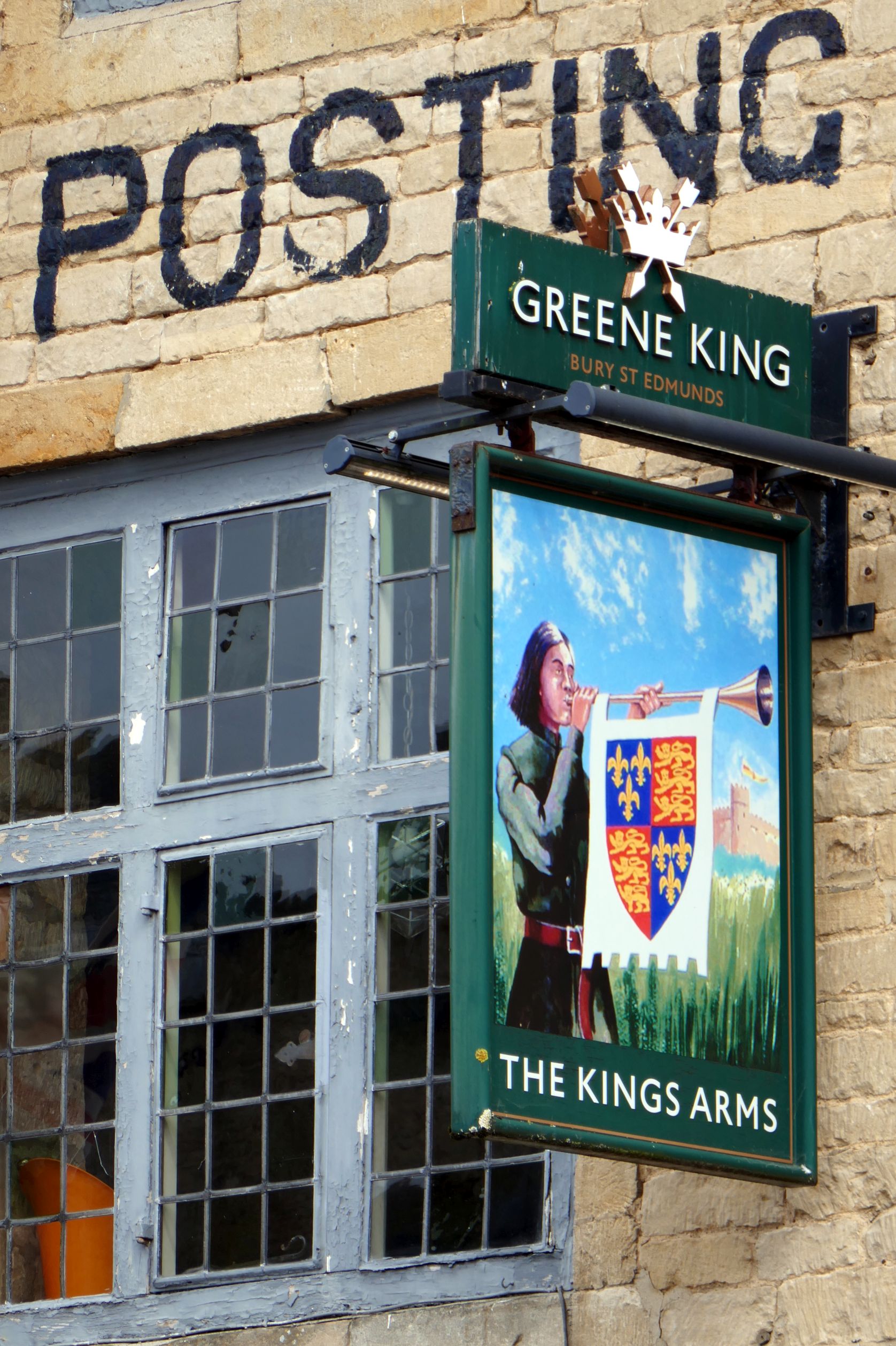
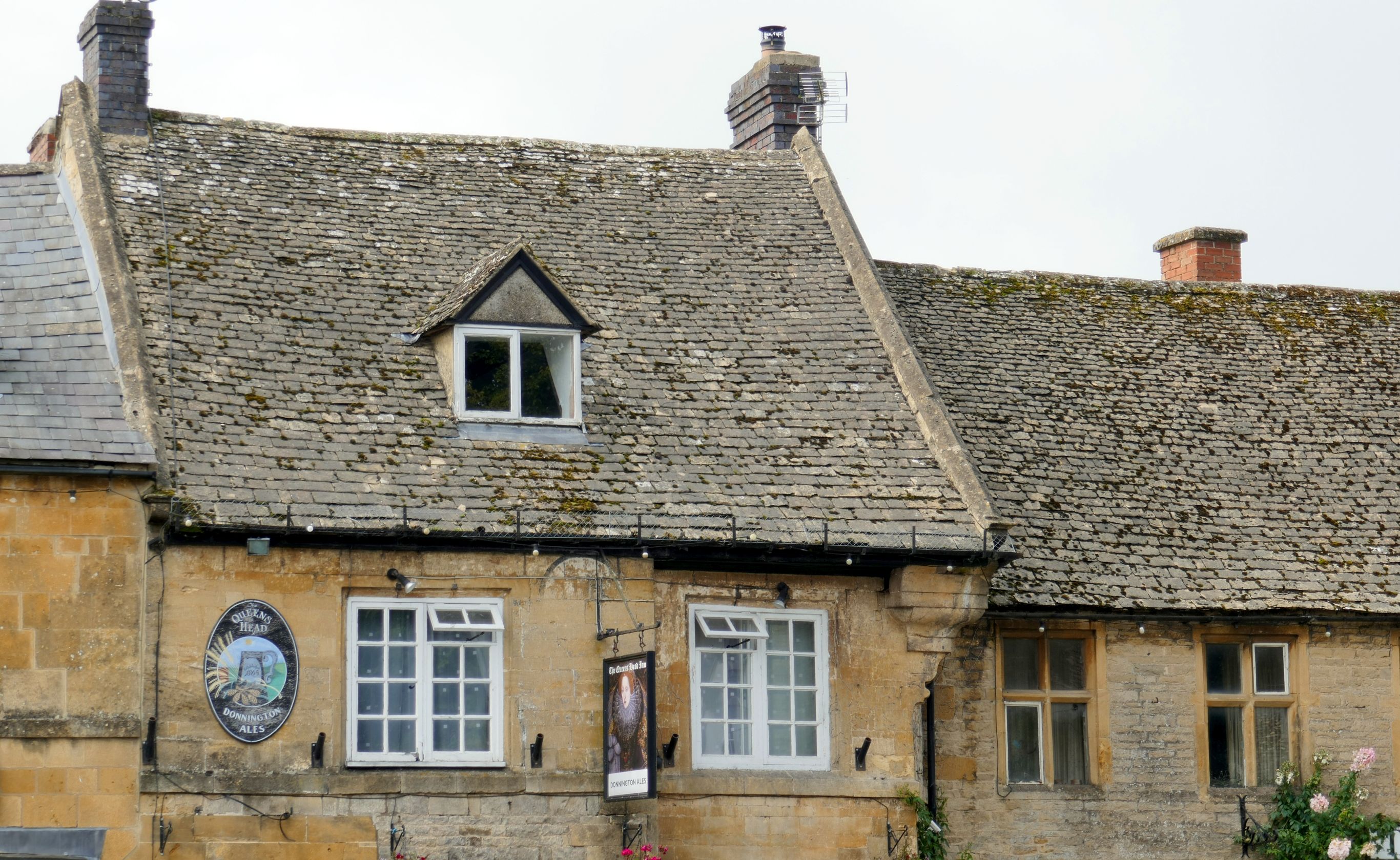
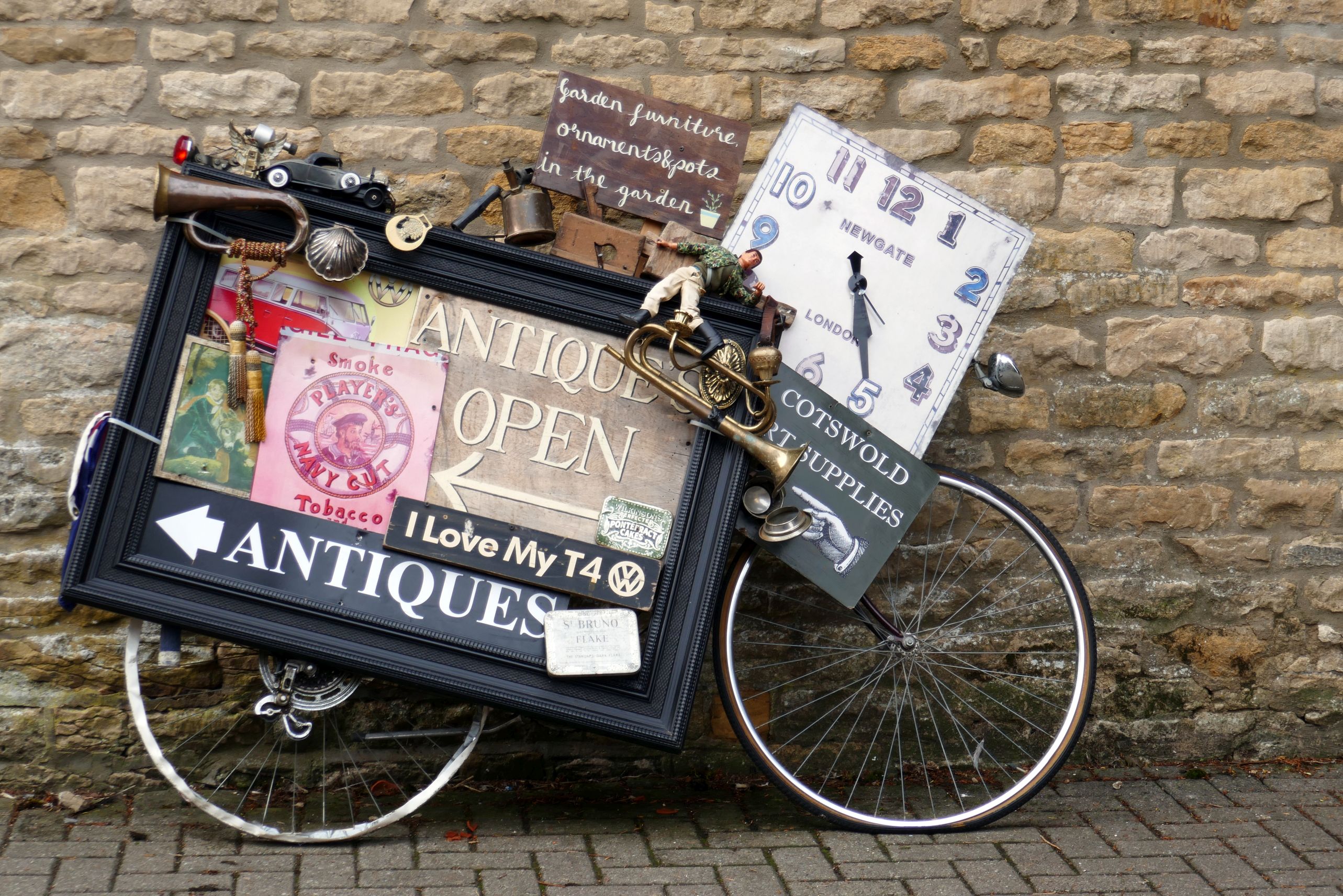

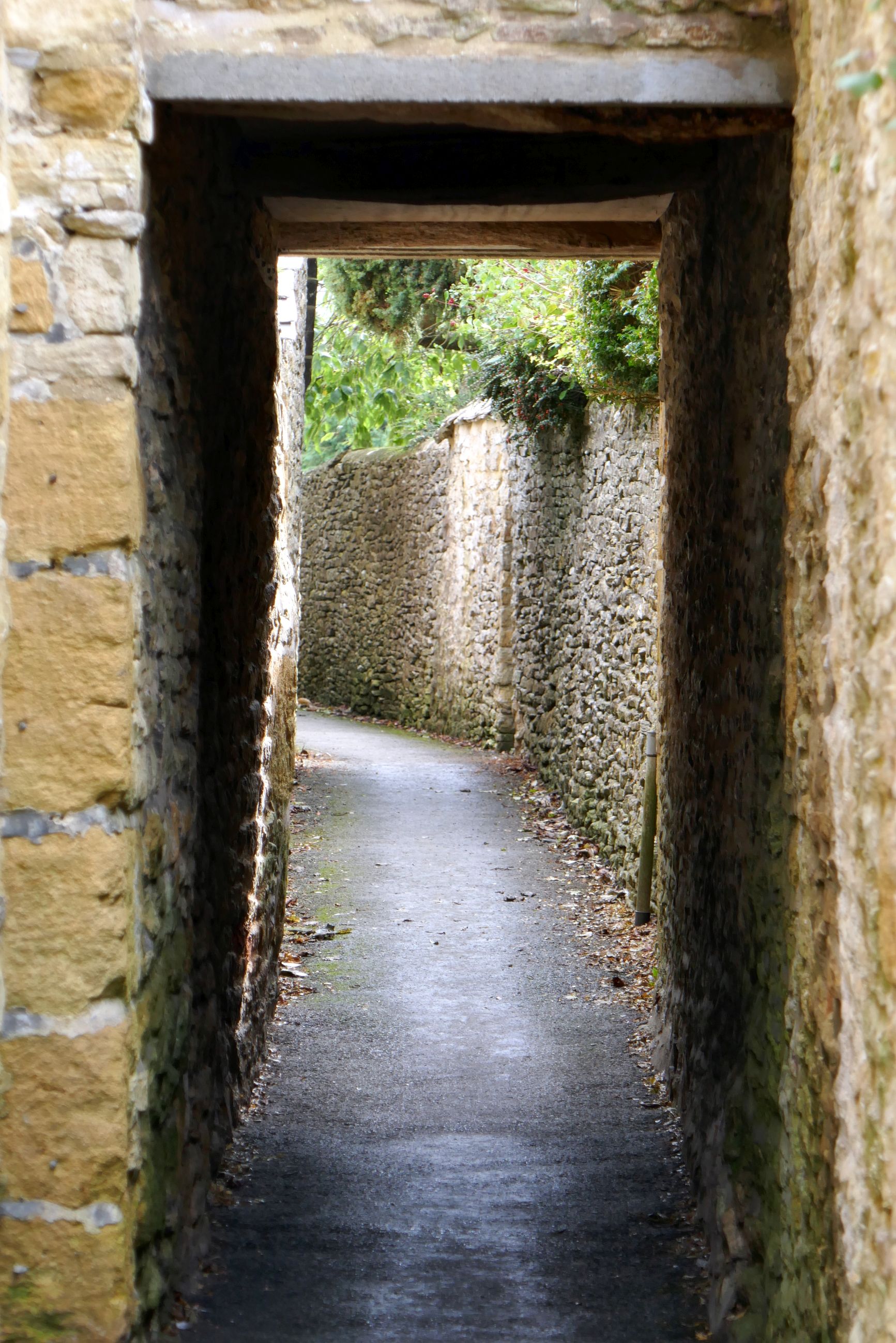


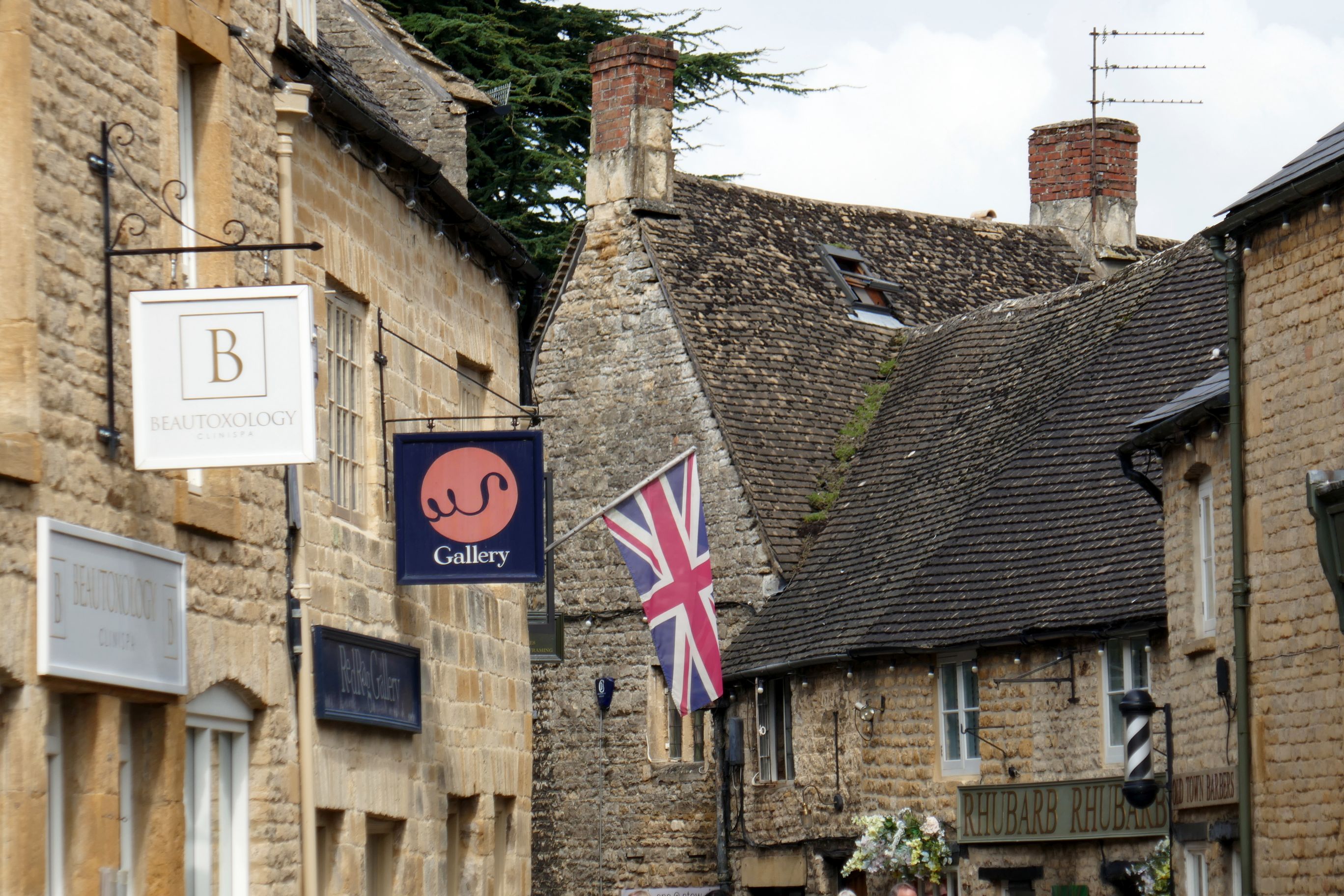


Poking around these Cotswold villages was a wonderful way to spend a day!
Coming up next: UNITED KINGDOM # 18: BEAUTIFUL BATH
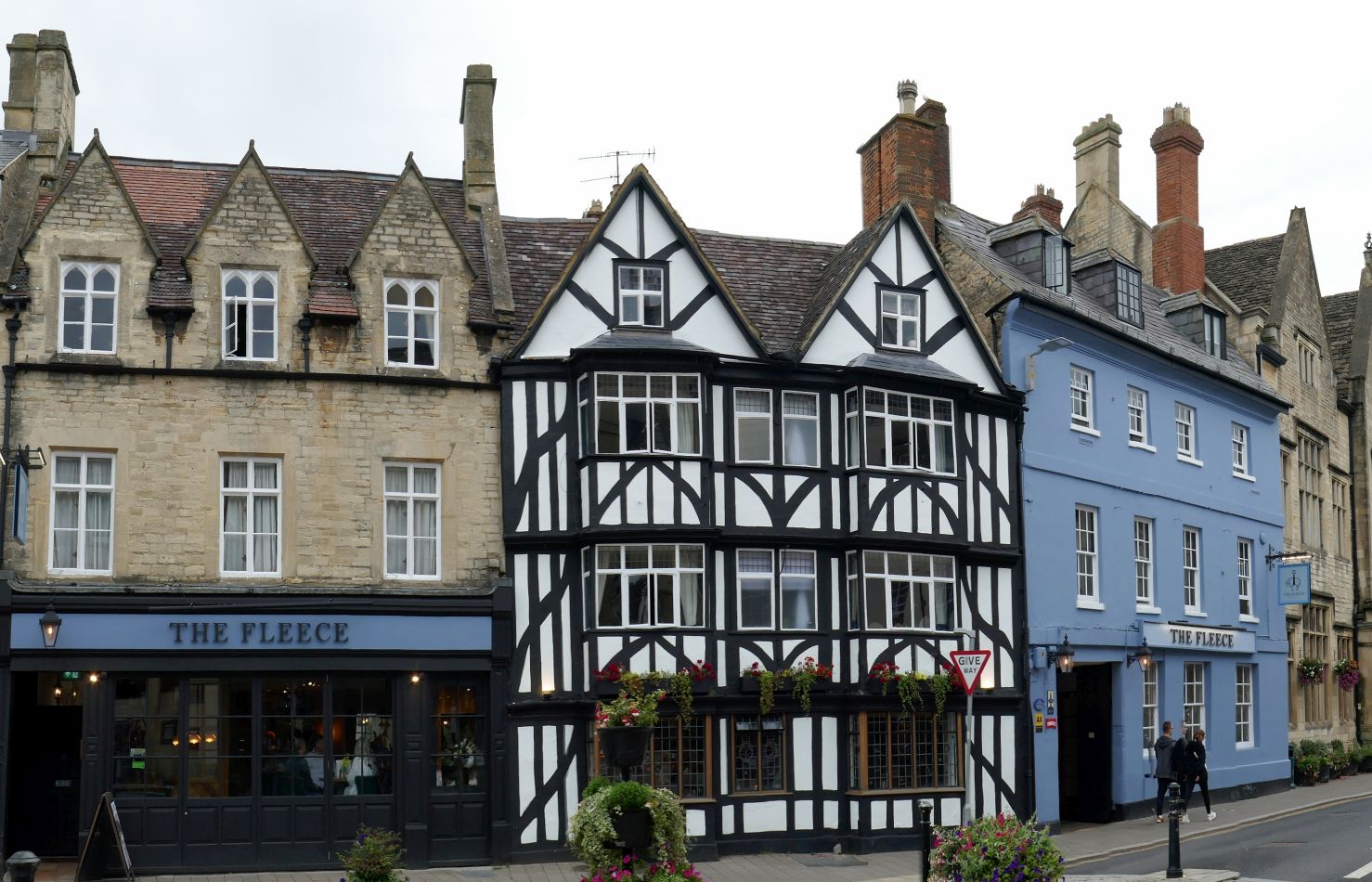












 Elaine-iaK's Travels: A Traveler's Tales of People, Places, Photos, Pools... and CHOCOLATE!