SOUTHWEST FRANCE, NORTHERN SPAIN & PORTUGAL #15: SANTA COLOMBA DE SAMOZA

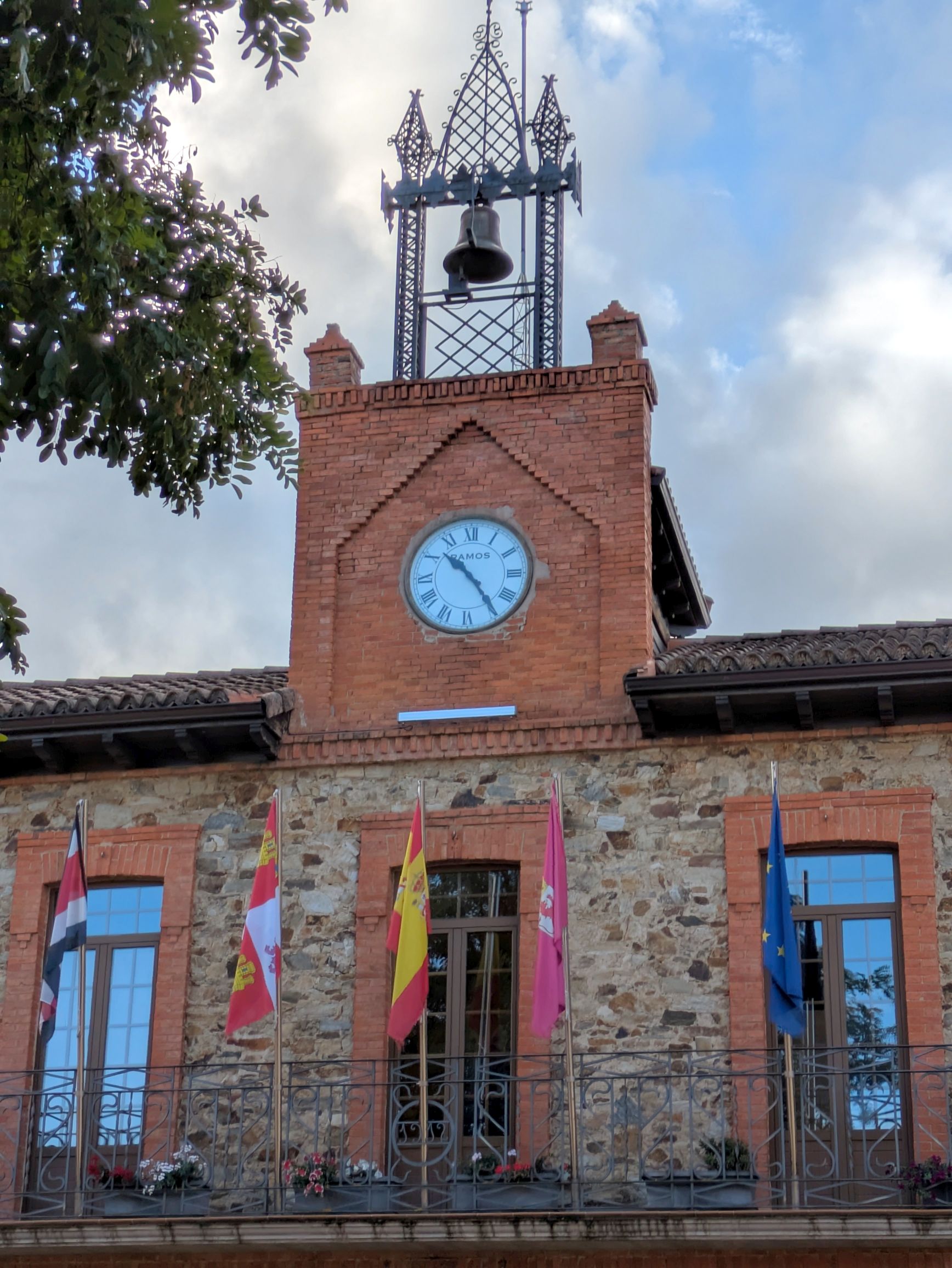
On our way to Santiago de Compostela, we stopped to see a small village with another long name: Santa Colomba de Samoza.  Located in the historical and remote region of la Maragateria, Spain, the residents (“Maragatos”) are believed to be the last living descendants of the North African Berbers who arrived in Iberia in the eighth century. 

Honey production has been an important trade in this region, and there are around 1,000 beekeepers in León, about a one-hour drive from the village.  The honey that is produced is made into a sweet syrup, an ingredient in local desserts.

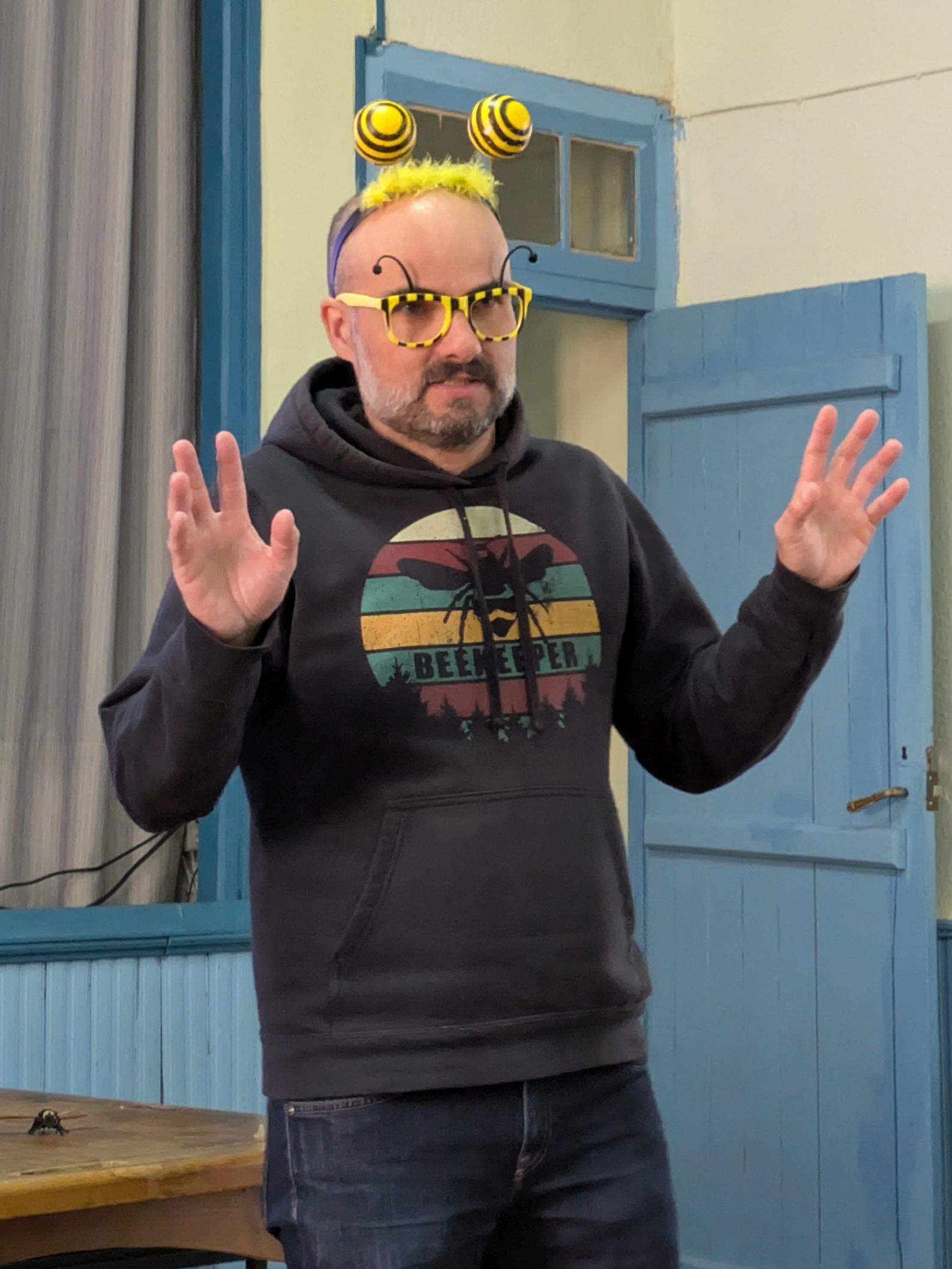
We met with a local beekeeper, Oscar, to learn about his bees and the process of collecting the honey from his hives.  Like many other villagers, his family had left the village for better opportunities in the cities.  Madrid had become their new home, and that is where Oscar was born.  As an adult, Oscar decided to return to his family’s empty village to join the effort in rebuilding its businesses.  There are only 30-40 people in the village that live there in the winter, and Oscar is one of them, trying to grow his honey business, “La Floritura.” He also speaks to schoolchildren about the importance of bees and beekeeping.

(For all photos, click on the image for a full screen view.)
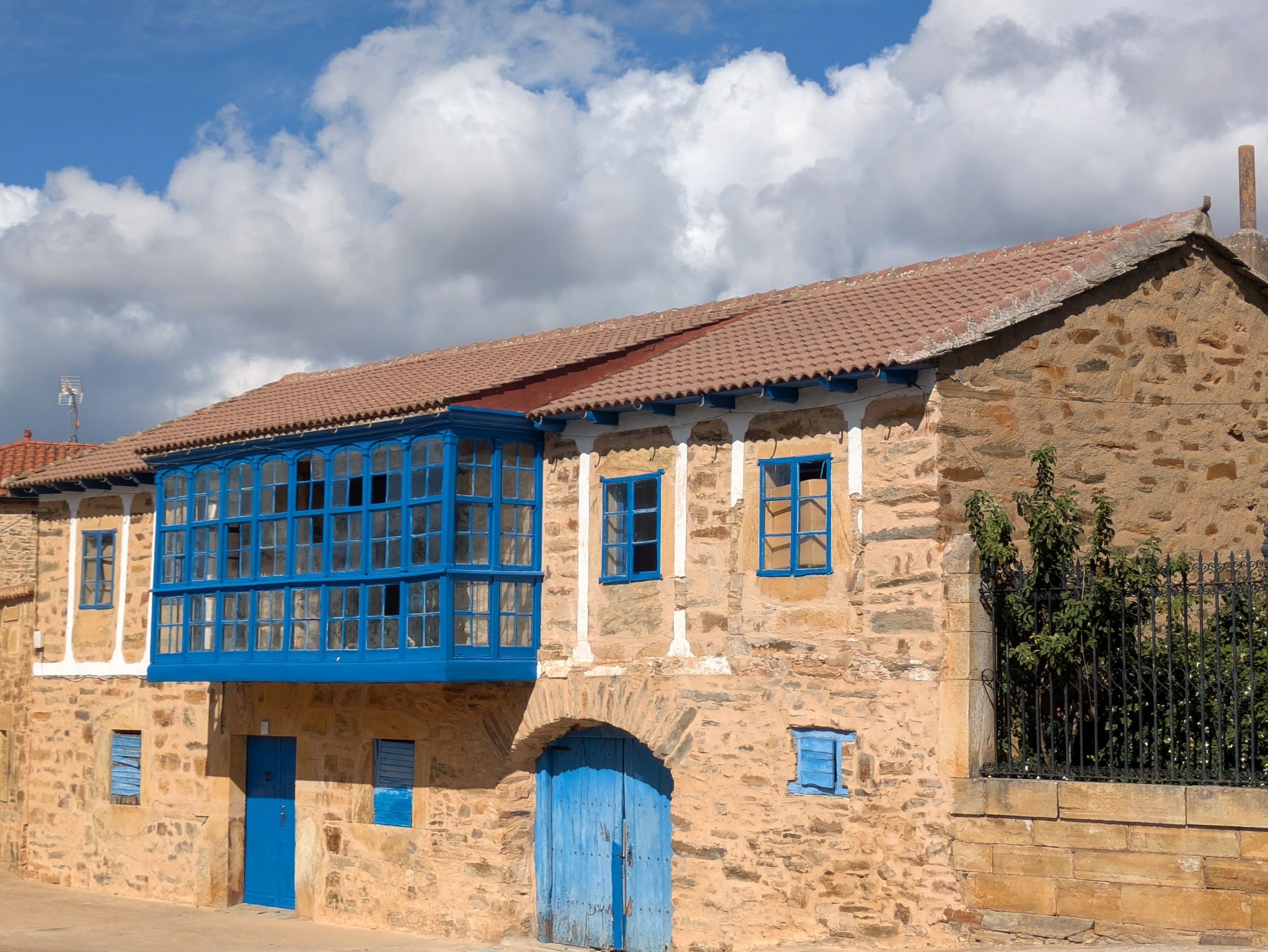
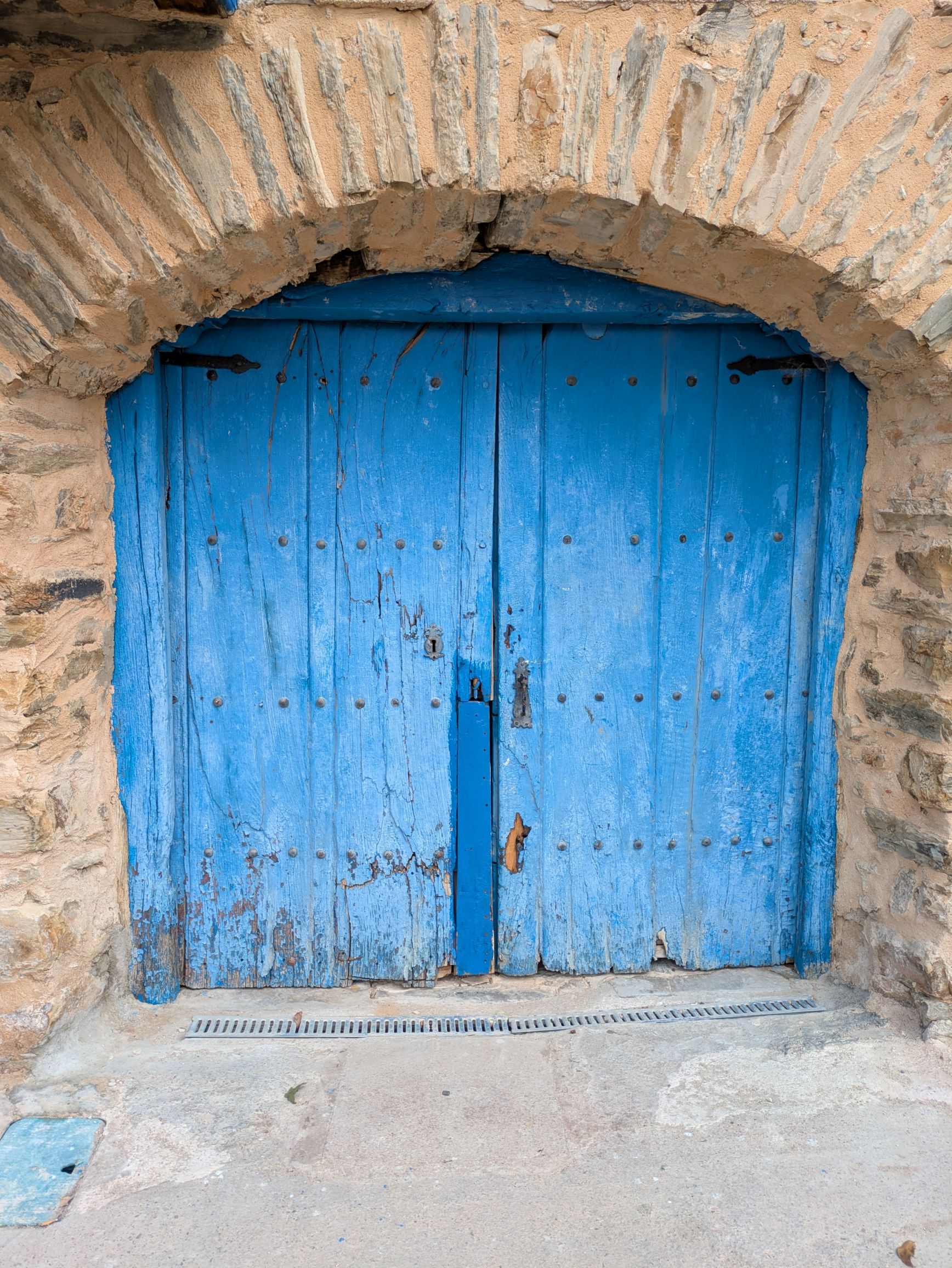
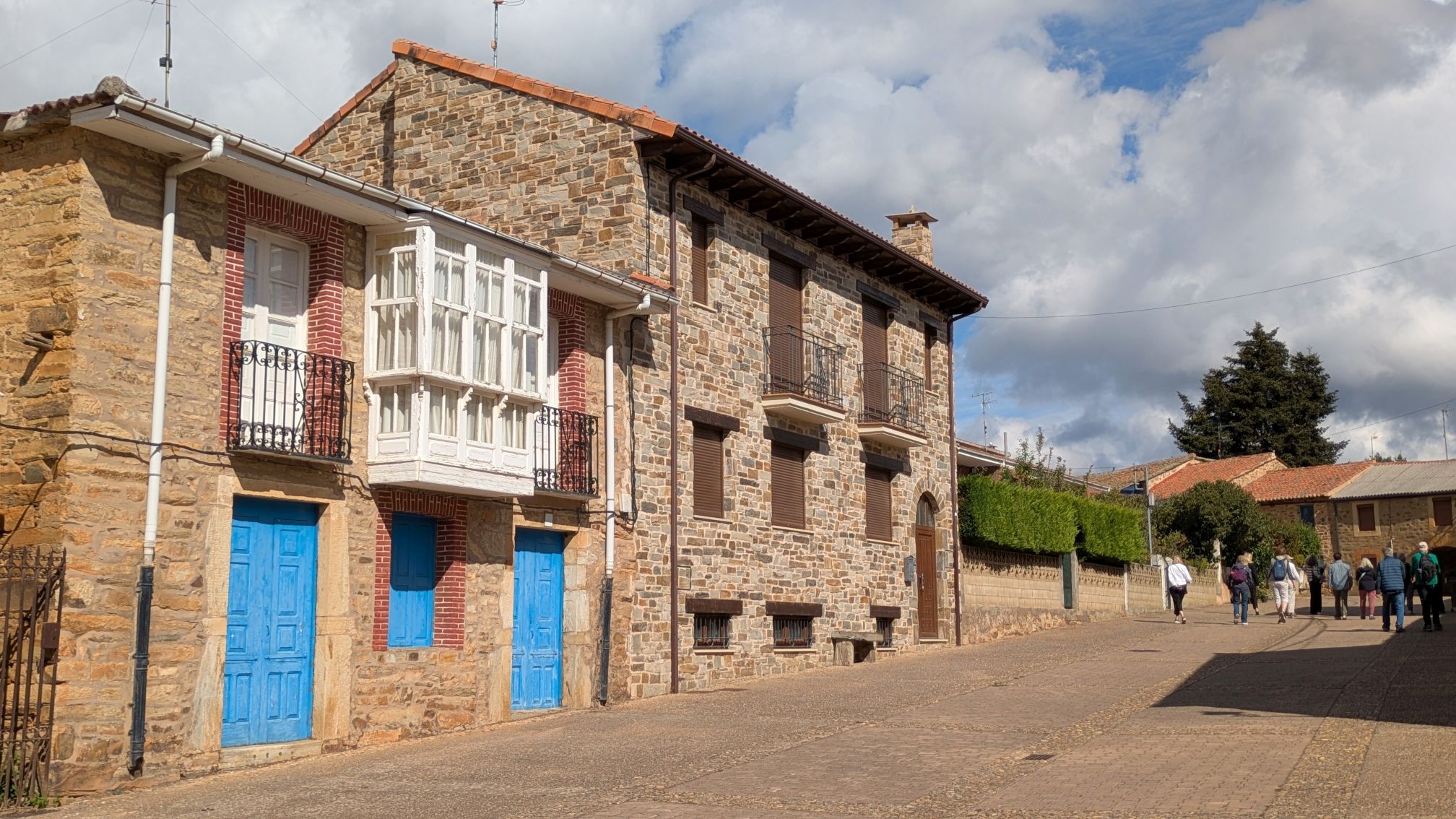
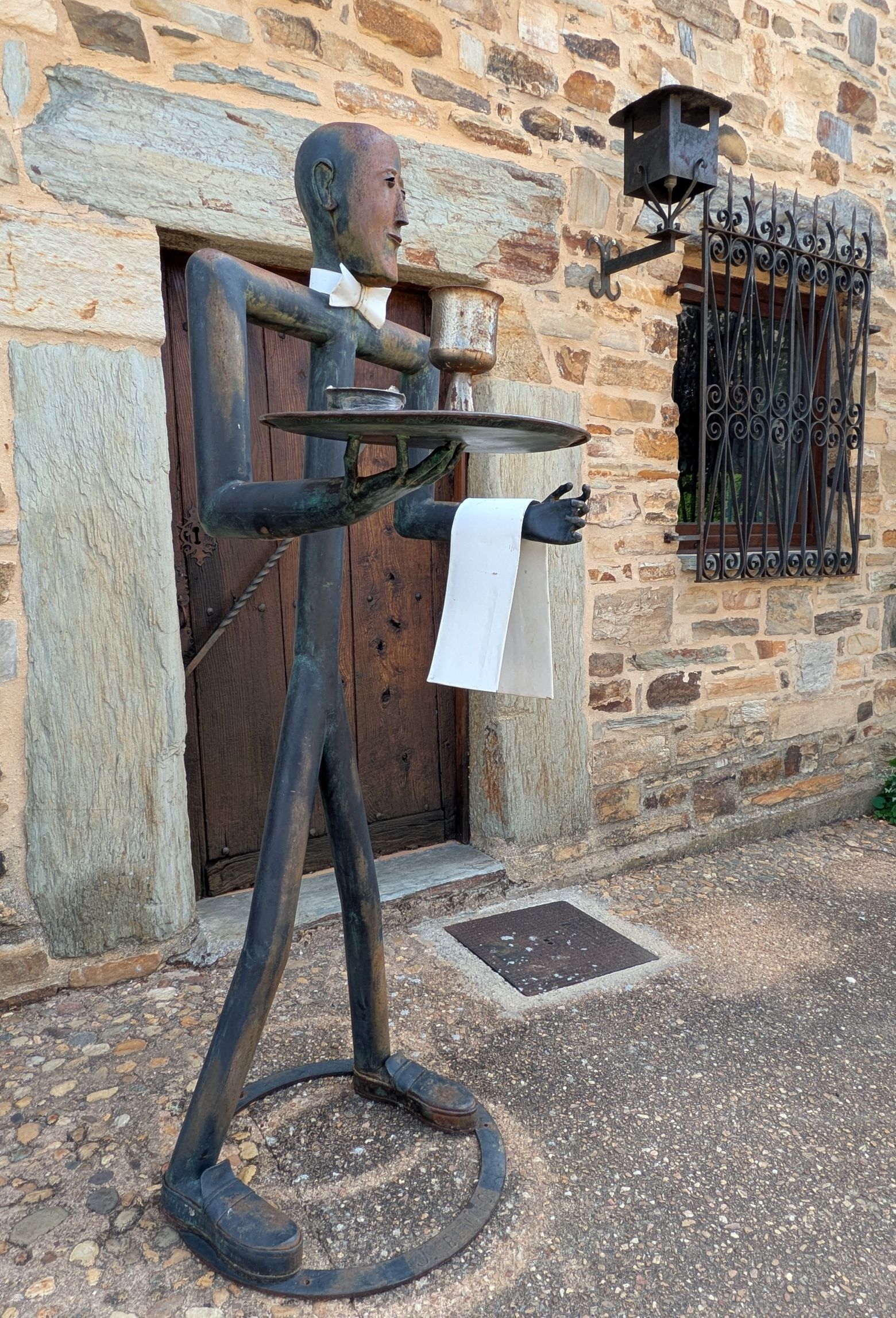
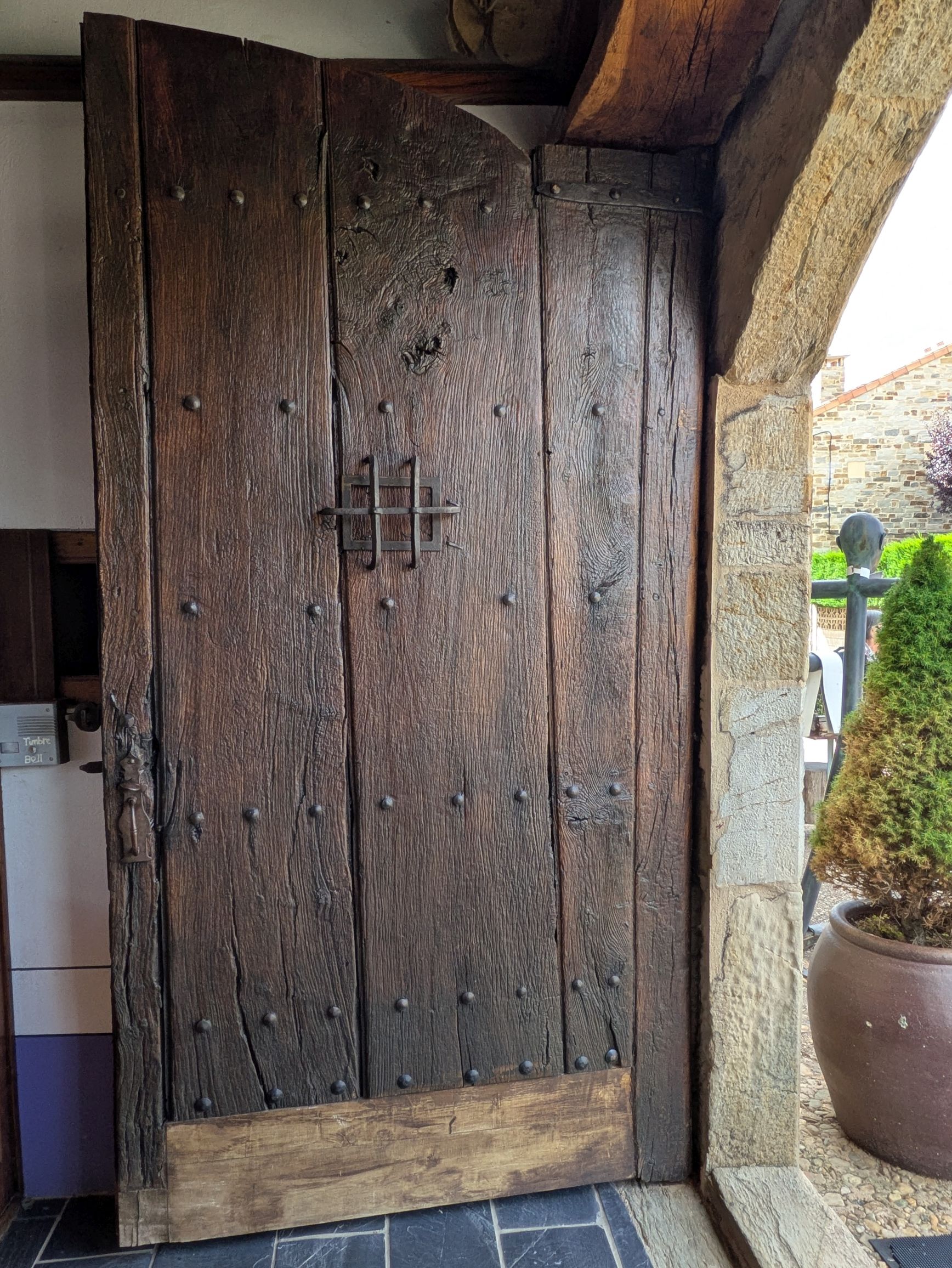
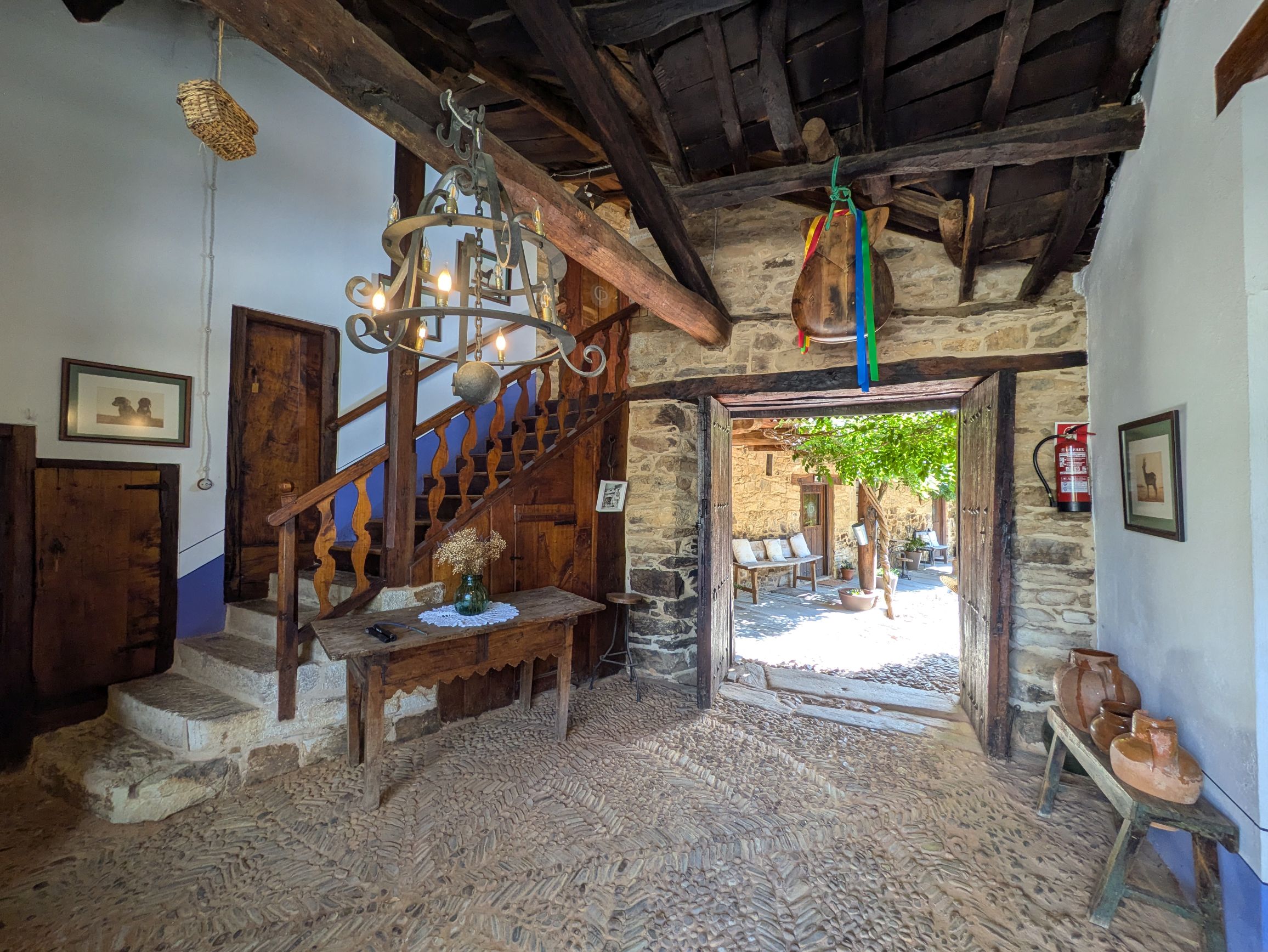
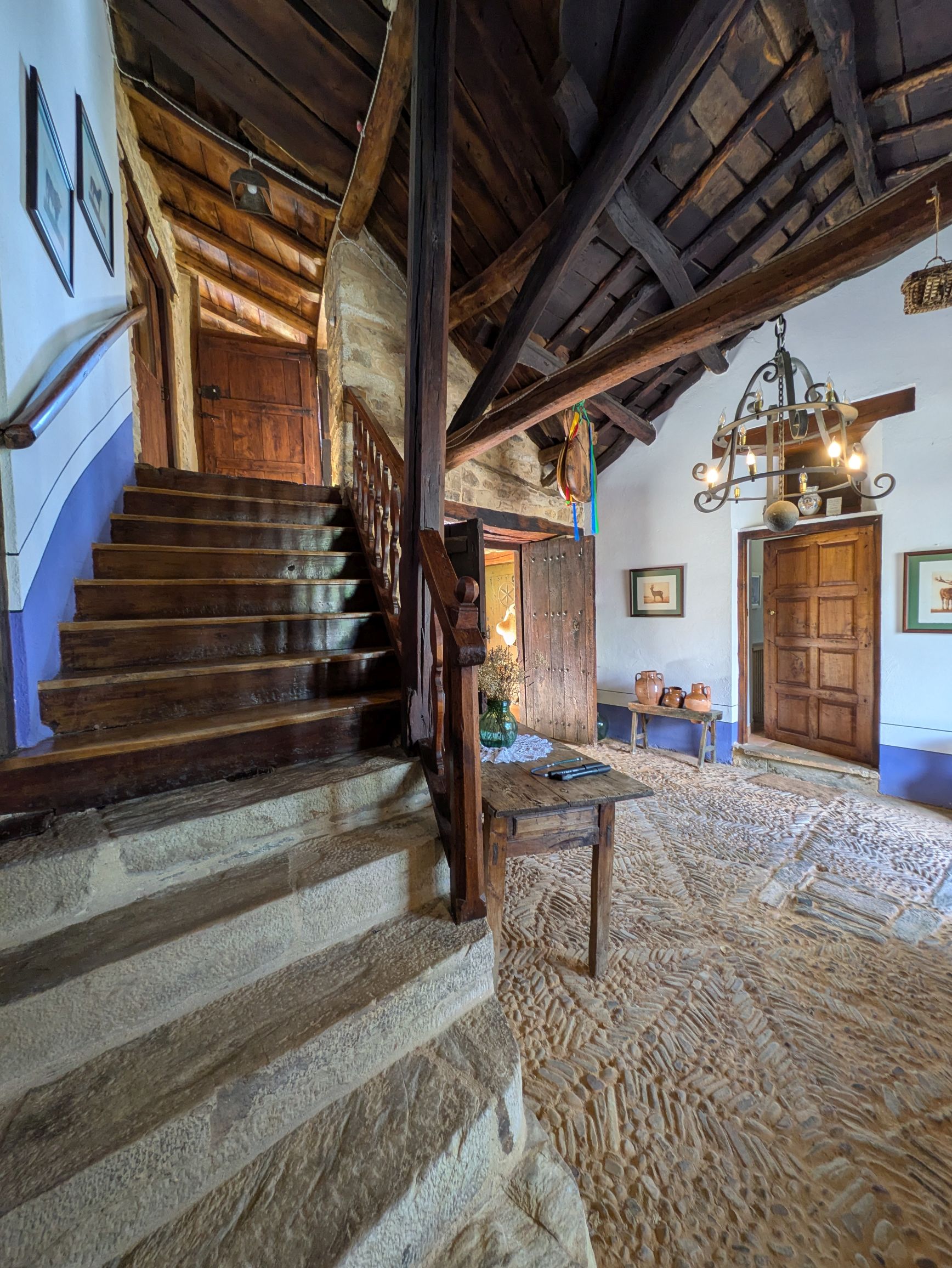
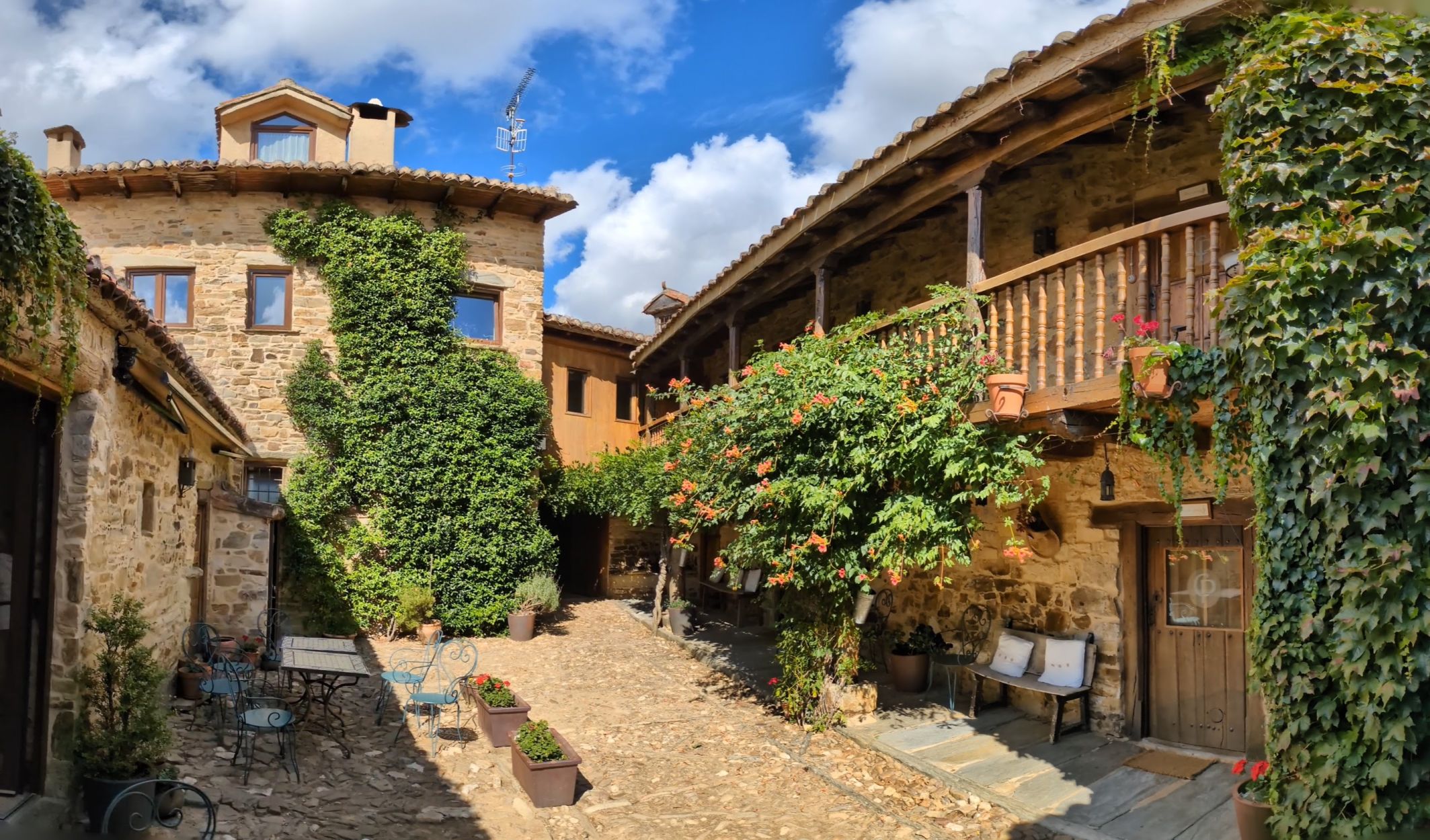
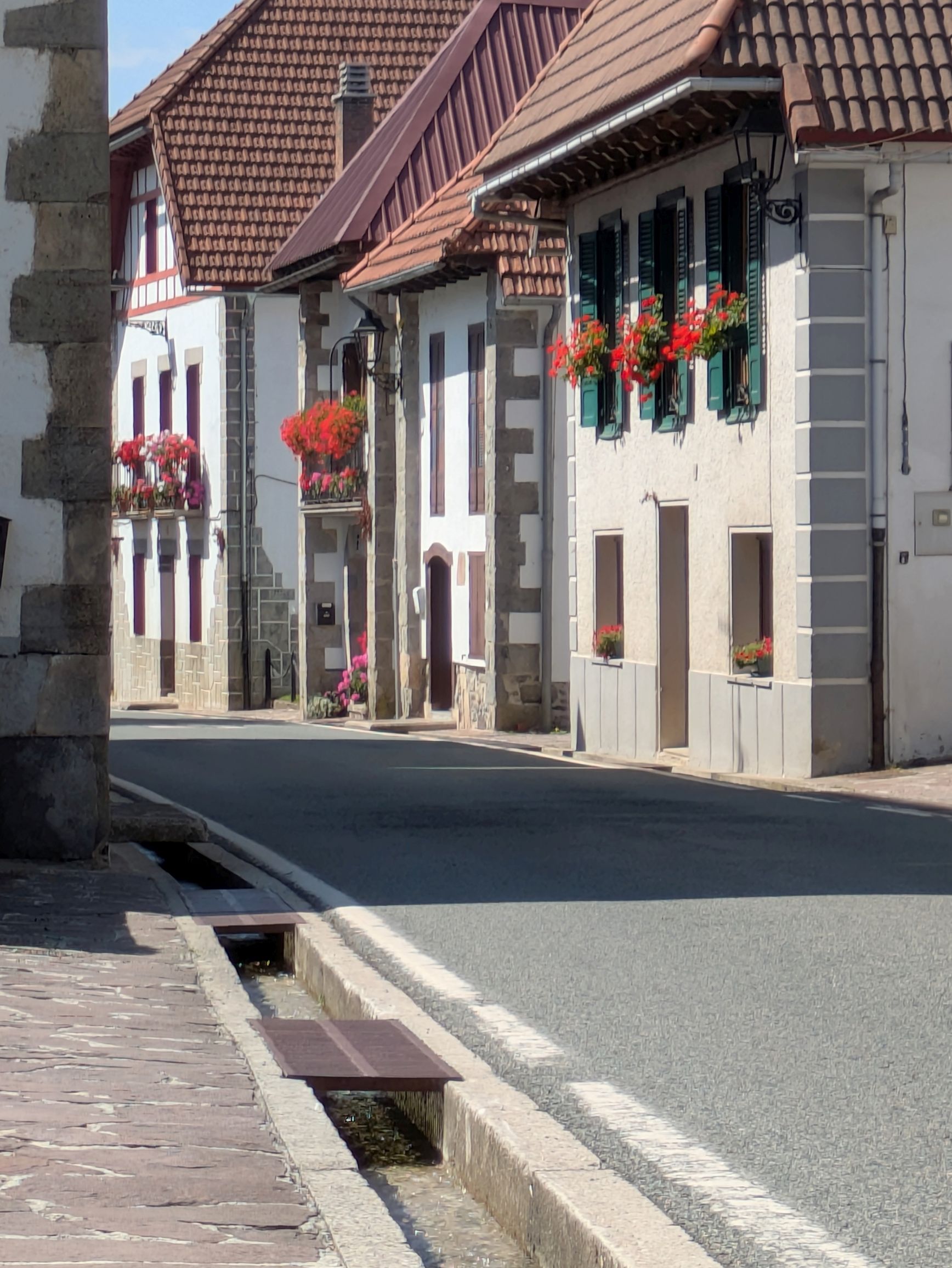
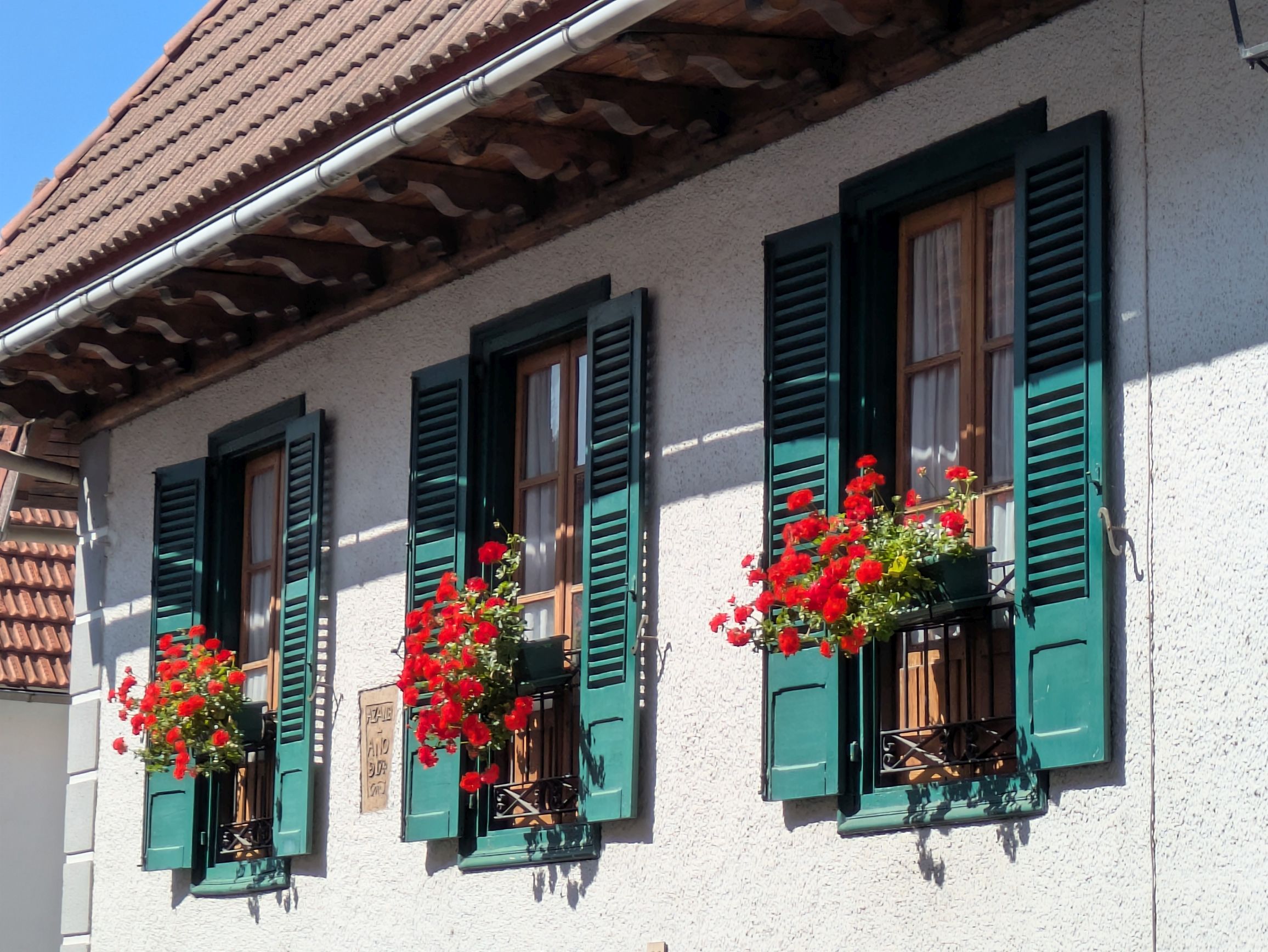
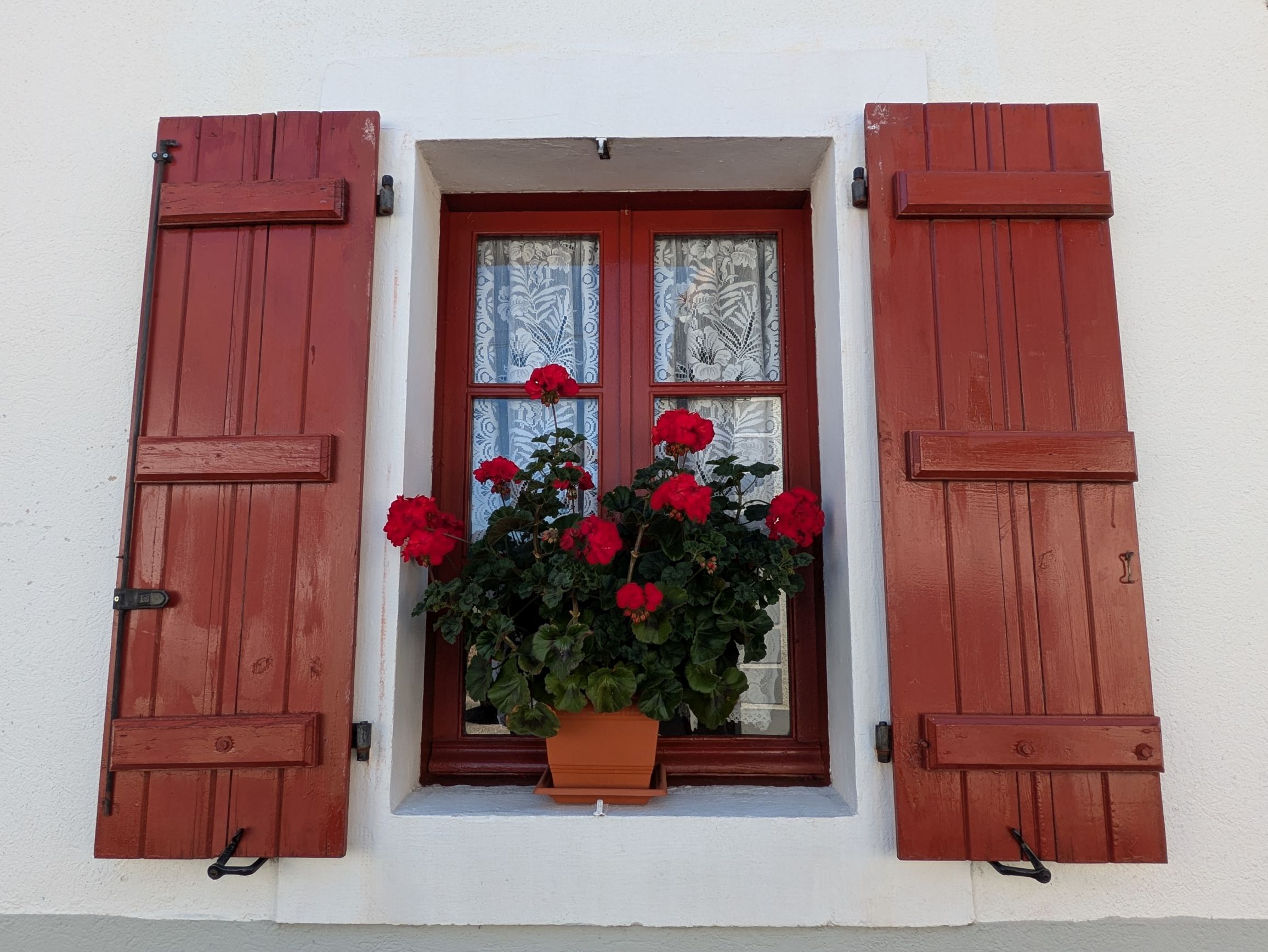
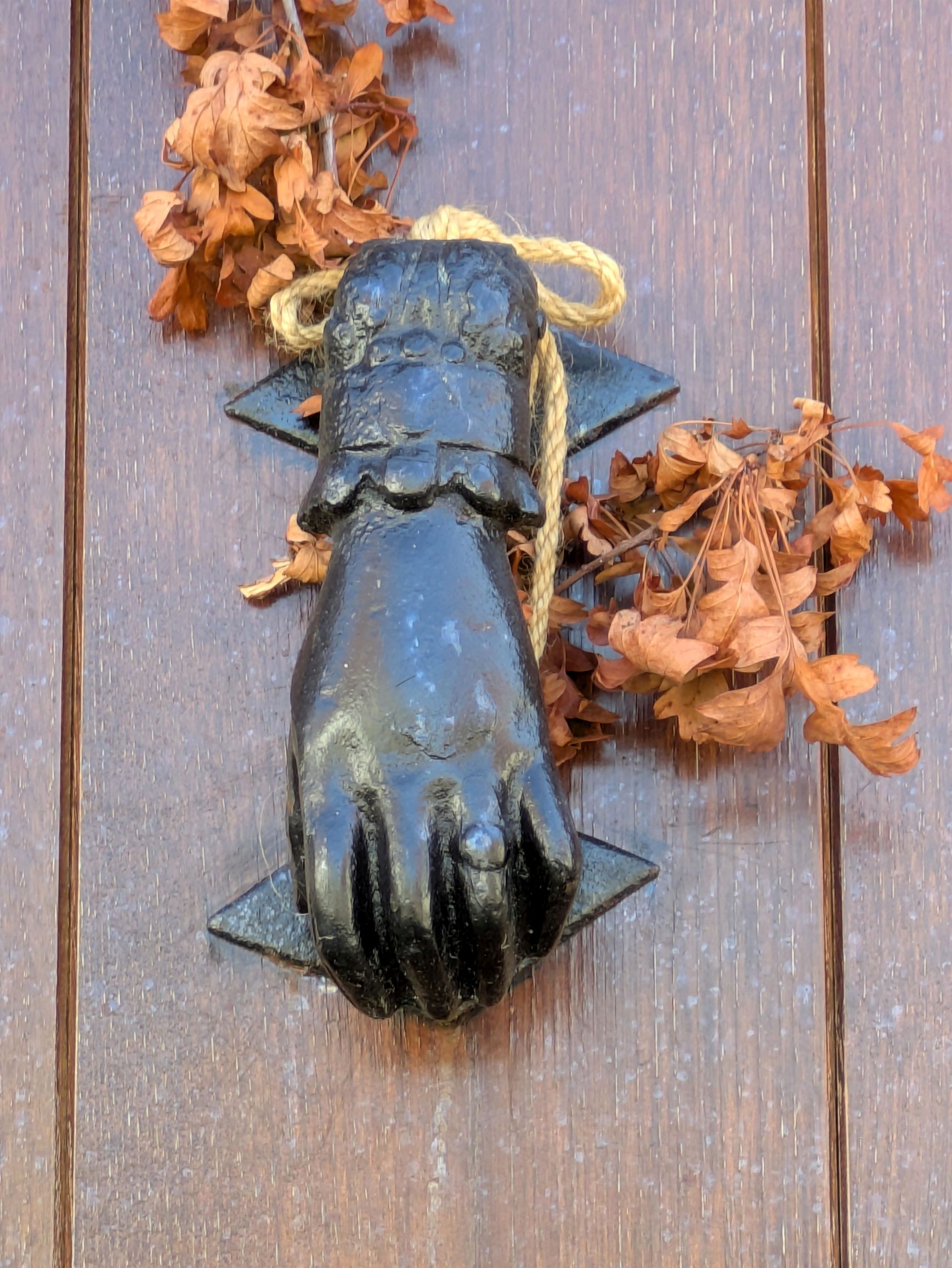
This little village was so full of character and quite photogenic. I was bringing up the rear shooting photos as we walked through the village to Casa Pepa, a 200-year-old traditional Maragato home where our group enjoyed lunch.  Now a small family-run hotel and restaurant, this place was oozing with charm!  It was love at first sight for me and Bruce.  From the front door to the lobby to the beautiful courtyard; it was fabulous!

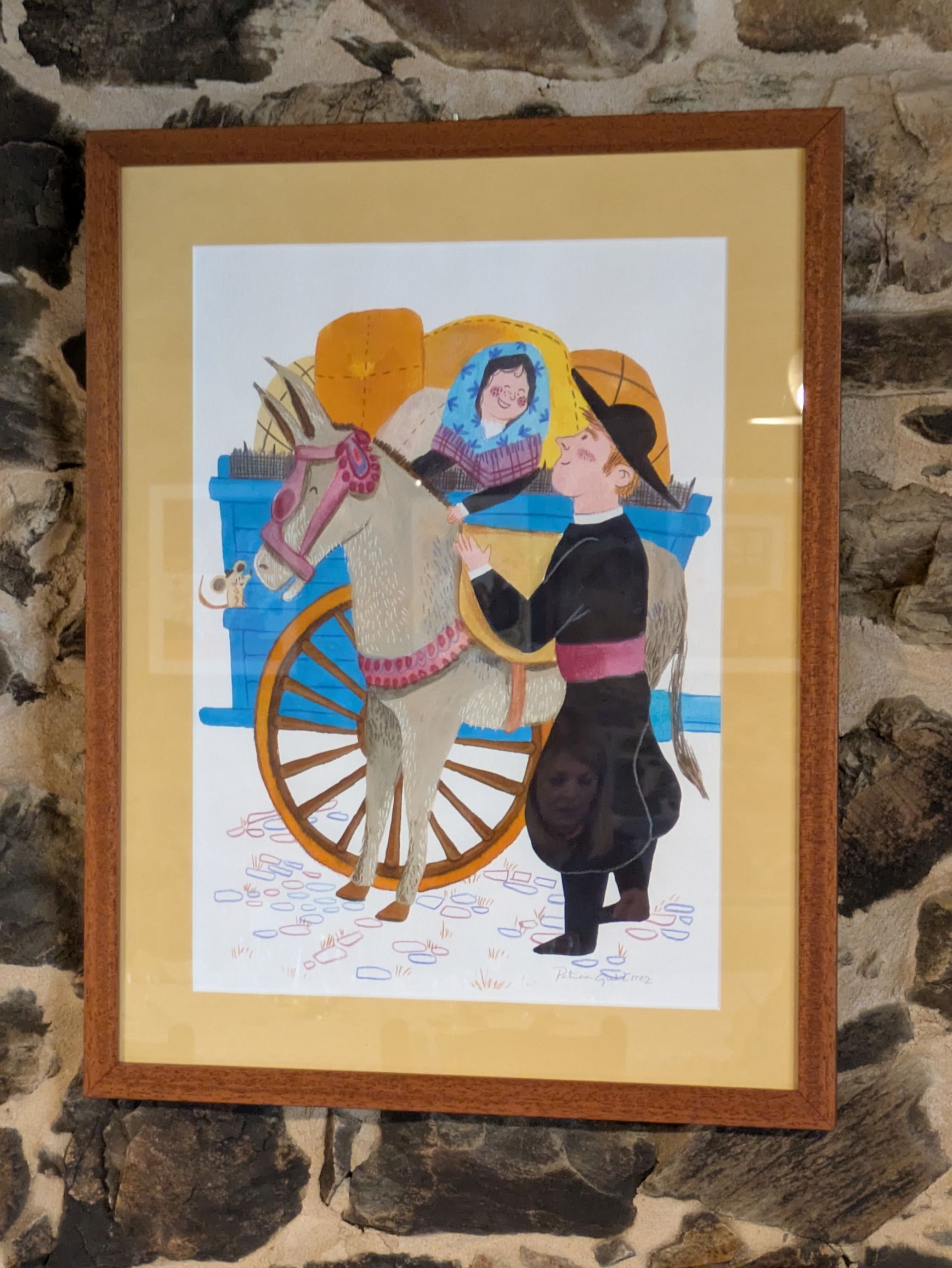
In the past, the villagers in this community transported fish and other food by mules that were kept in the courtyards of their homes.  Out of economic necessity, many of these traditional homes have been converted into guesthouses for pilgrims making their way to Santiago de Compostela.  Casa Pepa is a successful example of this.

Next up: SOUTHWEST FRANCE, NORTHERN SPAIN & PORTUGAL #16: THE VILLAGE OF VILLAFRANCA DEL BEIRZO

SOUTHWEST FRANCE, NORTHERN SPAIN & PORTUGAL #12: WALKING THE BEGINNING OF THE CAMINO DE SANTIAGO

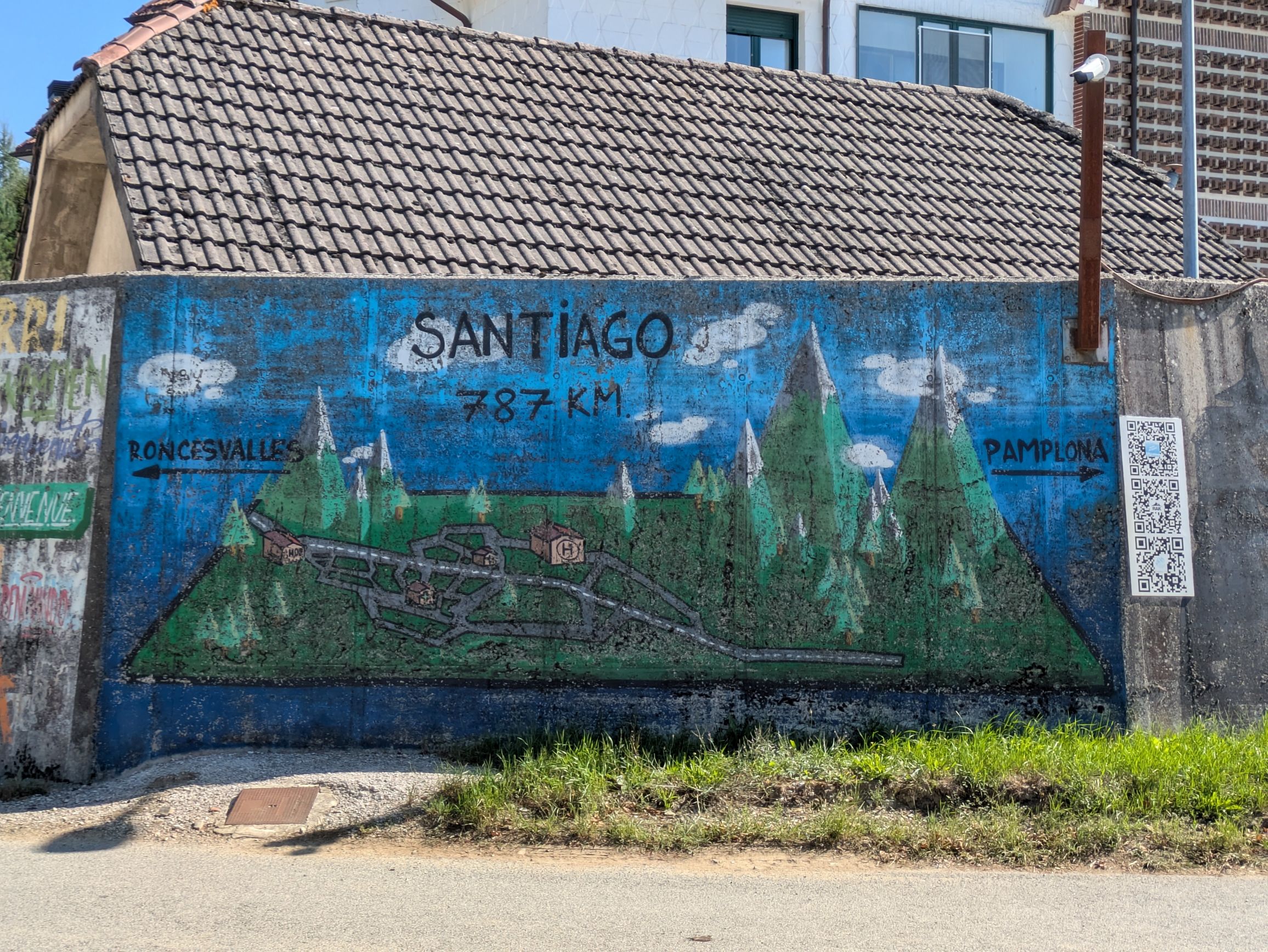
Our group took a side trip from Pamplona to Roncesvalles, in the Pyrenees to walk the beginning of the Camino de Santiago, one of Europe’s most important pilgrimage routes.  “The Way of St. James,”(in English), is a series of walking routes that lead from various locations in Spain, Portugal, and France to the Cathedral of Santiago de Compostela, reputed to be the burial place of Saint James the Great, one of apostles of Jesus Christ.  The most popular trek is the French Way, which crosses the Pyrenees.

Although many people follow the route for spiritual reasons, it is also popular for hikers and cyclists from all over the world.  The route is 500 miles long, and 65% of those who walk it are women, many of them older, walking while grieving losses or experiencing important life changes.  Serena, our tour leader, walked the Camino while mourning the loss of her grandmother.

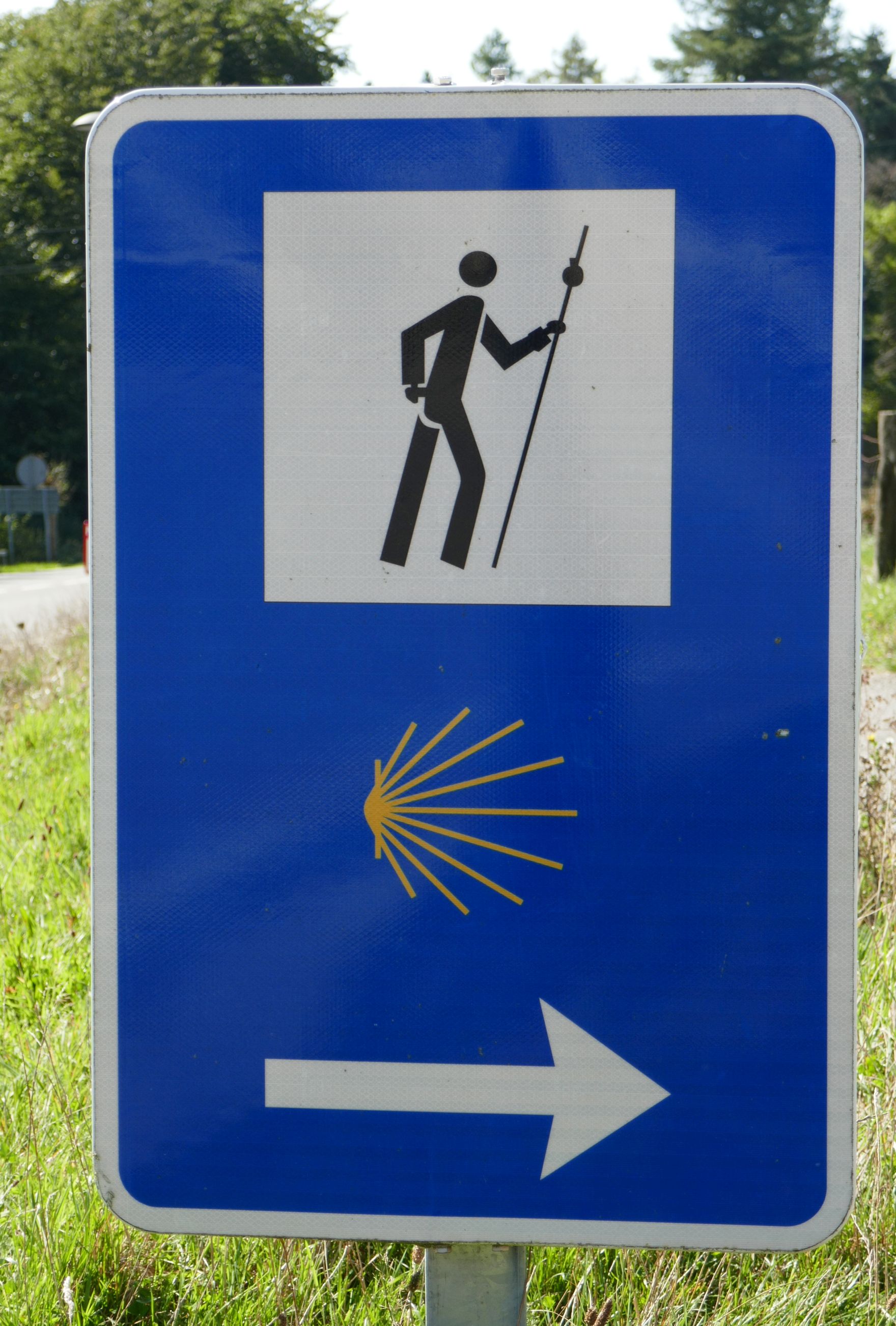
The symbol of the walk is a sword, because a sword was used to cut off James’s head.  A scallop shell is also a symbol, because it could only be found at the end of the route—proof that you walked the entire Camino.  The shell itself was used as a plate to receive food, a symbol of charity.  Today, many walkers buy a shell painted with the sword symbol and tie it to their backpacks at the beginning of their trek to indicate they are walking the Camino de Santiago.  In addition, the scallop shell is the symbol used on directional signs along the route as well as on the front of hostels on the route that house pilgrims overnight.

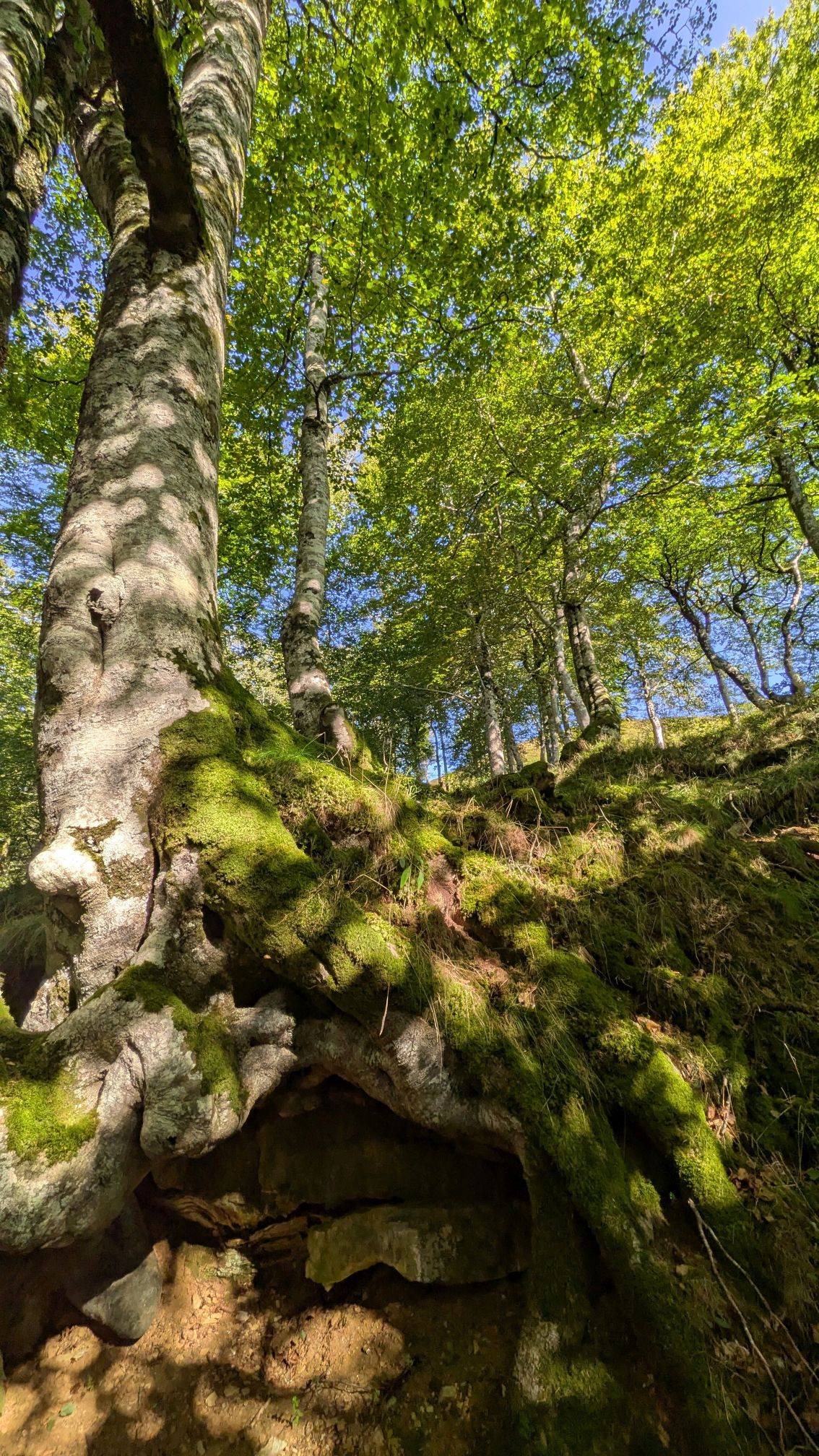
Roncesvalles, where we walked the first mile of the route, is a small town in the beautiful Pyrenees mountains.  Later, we took a second, two-mile walk through the gorgeous northern Spanish forests.

(For all photos, click on the image for a full screen view.)

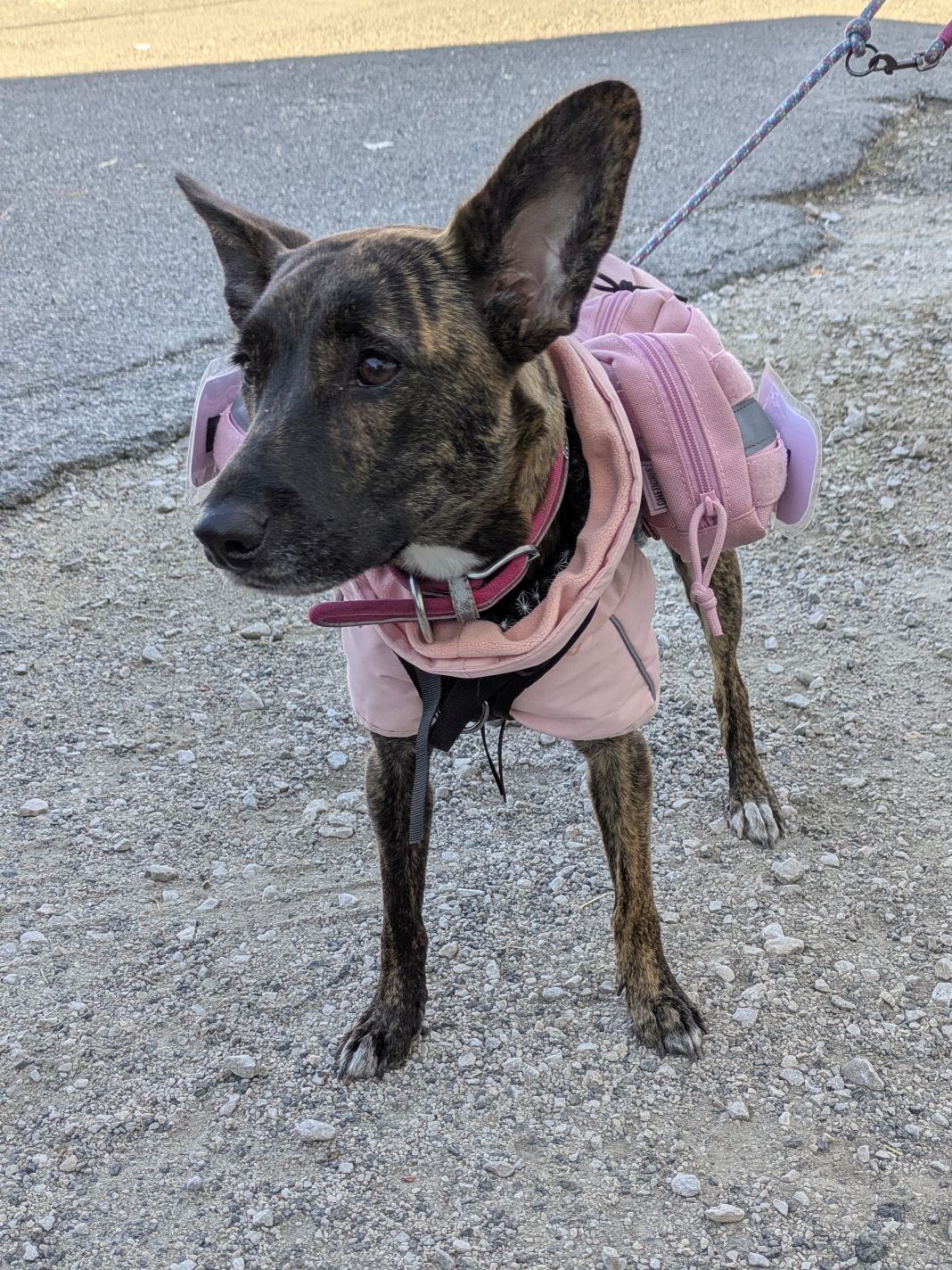
This little pooch was a pilgrim along with her person and carried her own gear.
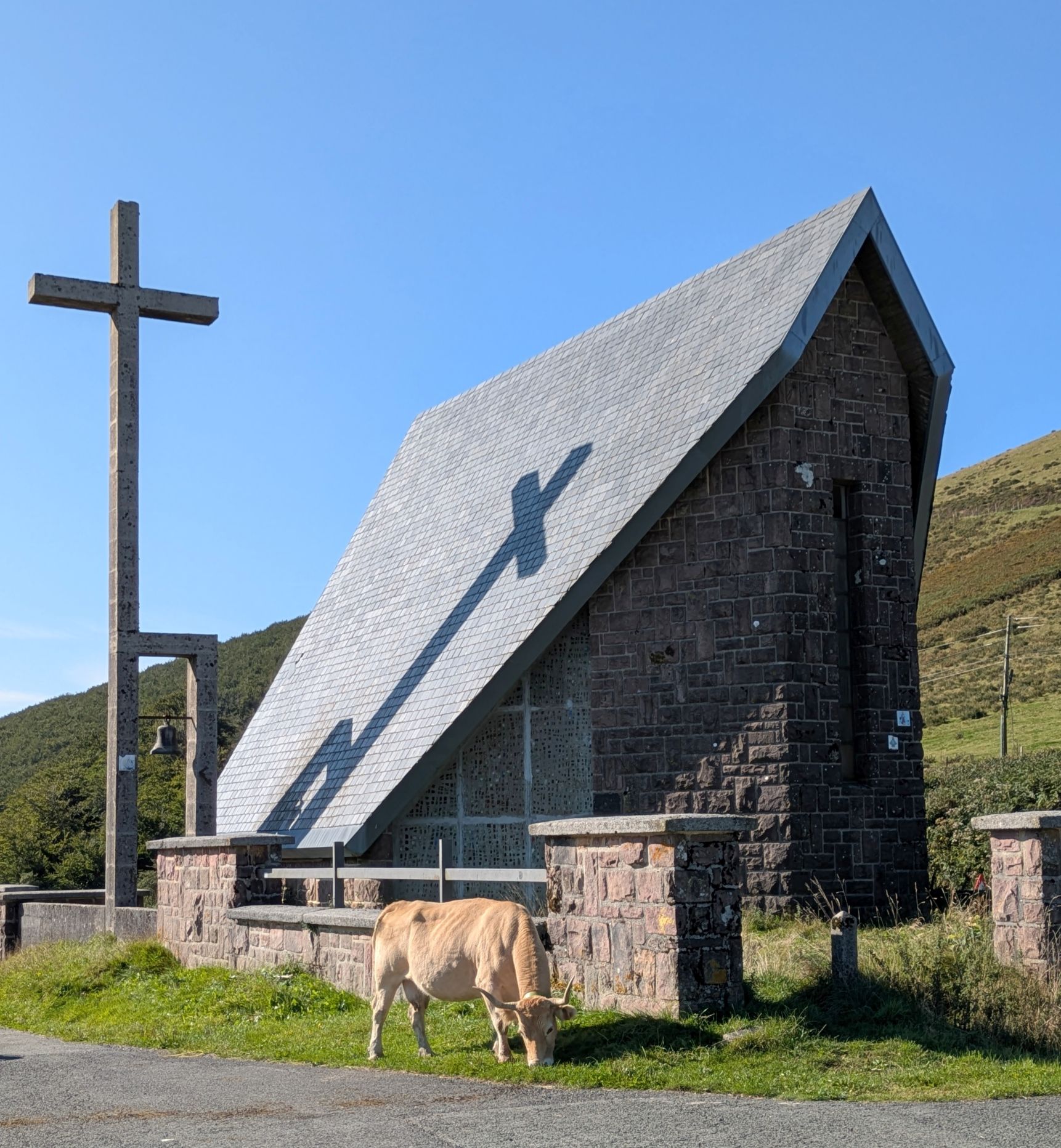
We started our walk here at this unusual church and were a bit surprised to see this beast cross our path without a care in the world. We were glad he kept his horns to himself!
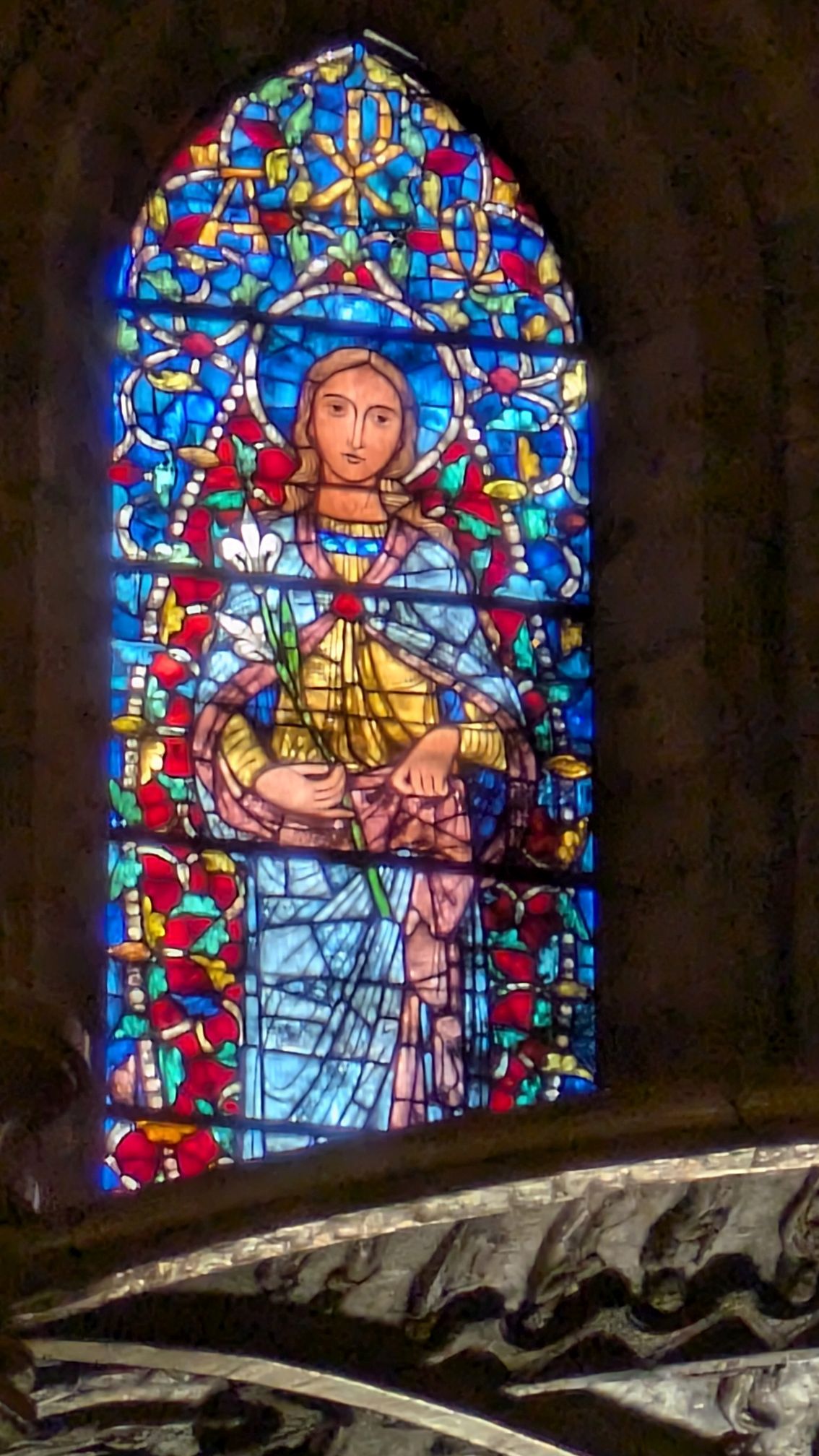
My favorite window at a church we saw along the way

For lunch, we met up with Serena’s friend, Gonzalo Santoma, a photographer and musician, in a charming little village. 

After explaining and demonstrating the Basque sport of Jai Alai in the village gym, we took a stroll to a restaurant for a Basque lunch. 

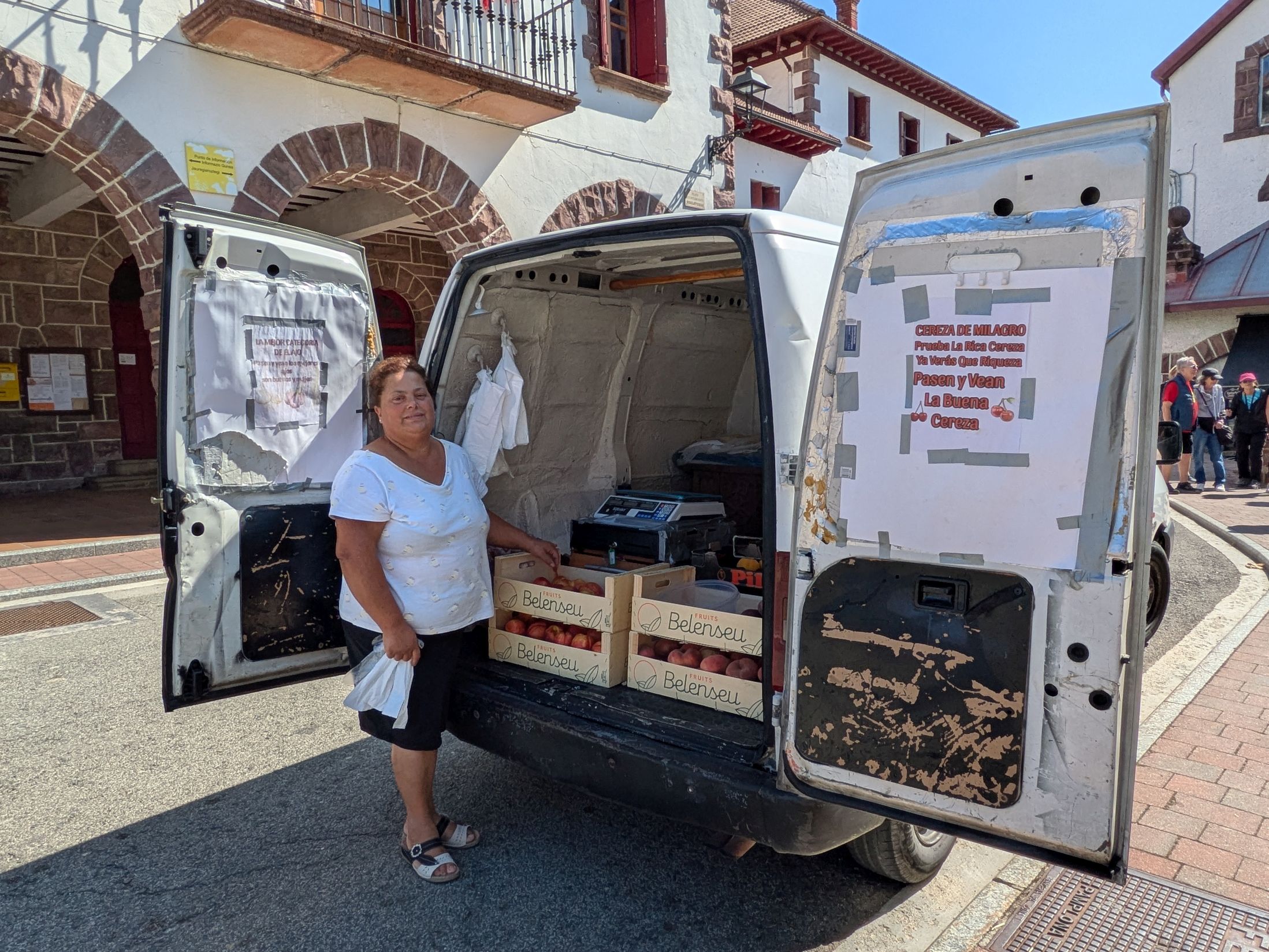
A mobile produce vendor

Gonzalo entertained us with his guitar-accompanied singing, which turned into a duet when a local joined in for a song:

Coming up next: SOUTHWEST FRANCE, NORTHERN SPAIN & PORTUGAL #13: EXPLORING UBIDEA & CASTROJERIZ, ON THE WAY TO LEON.