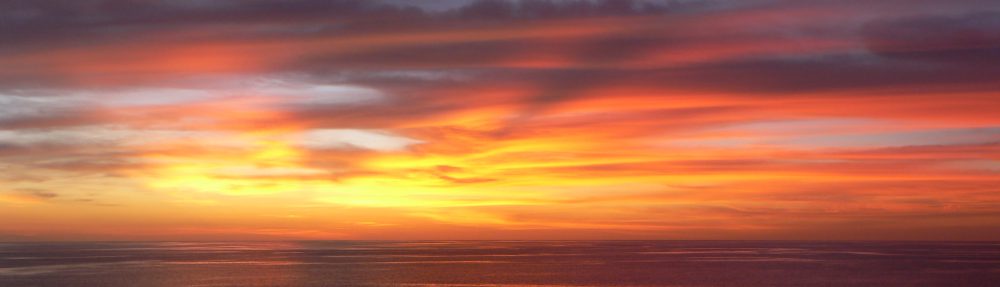
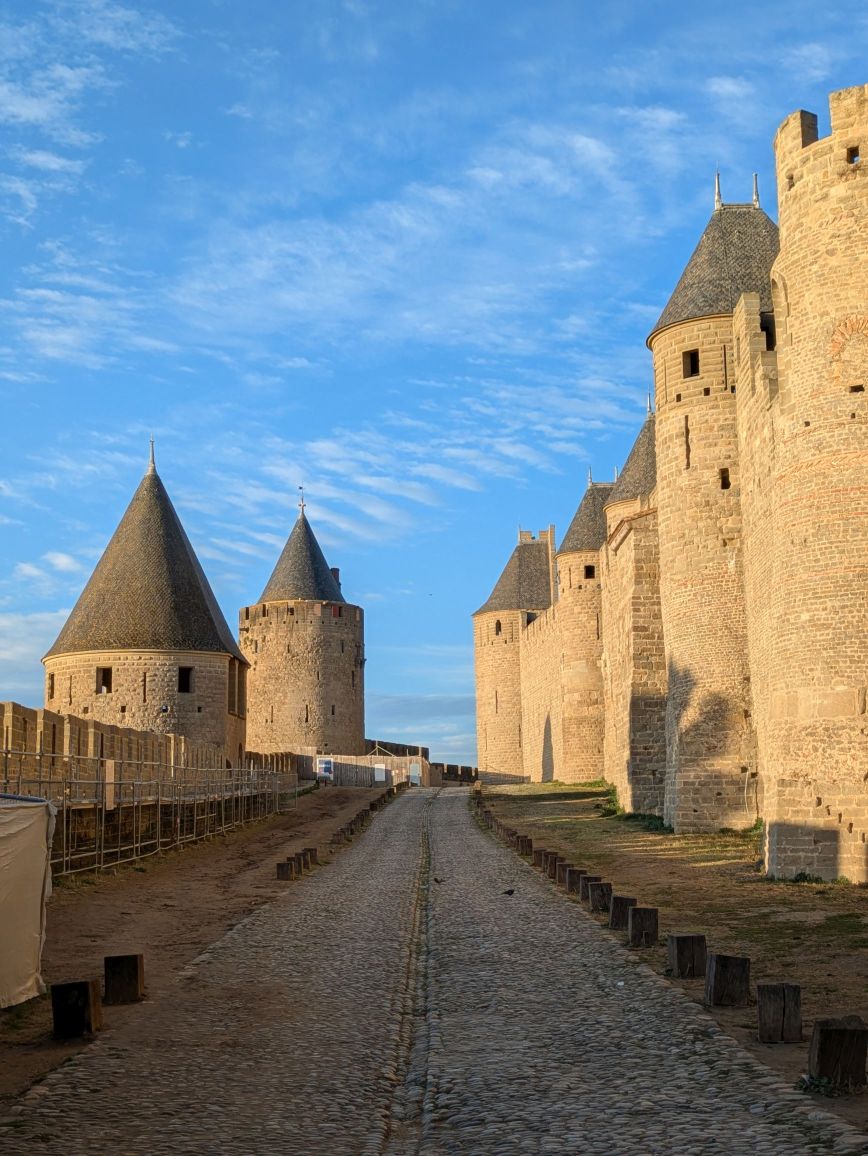
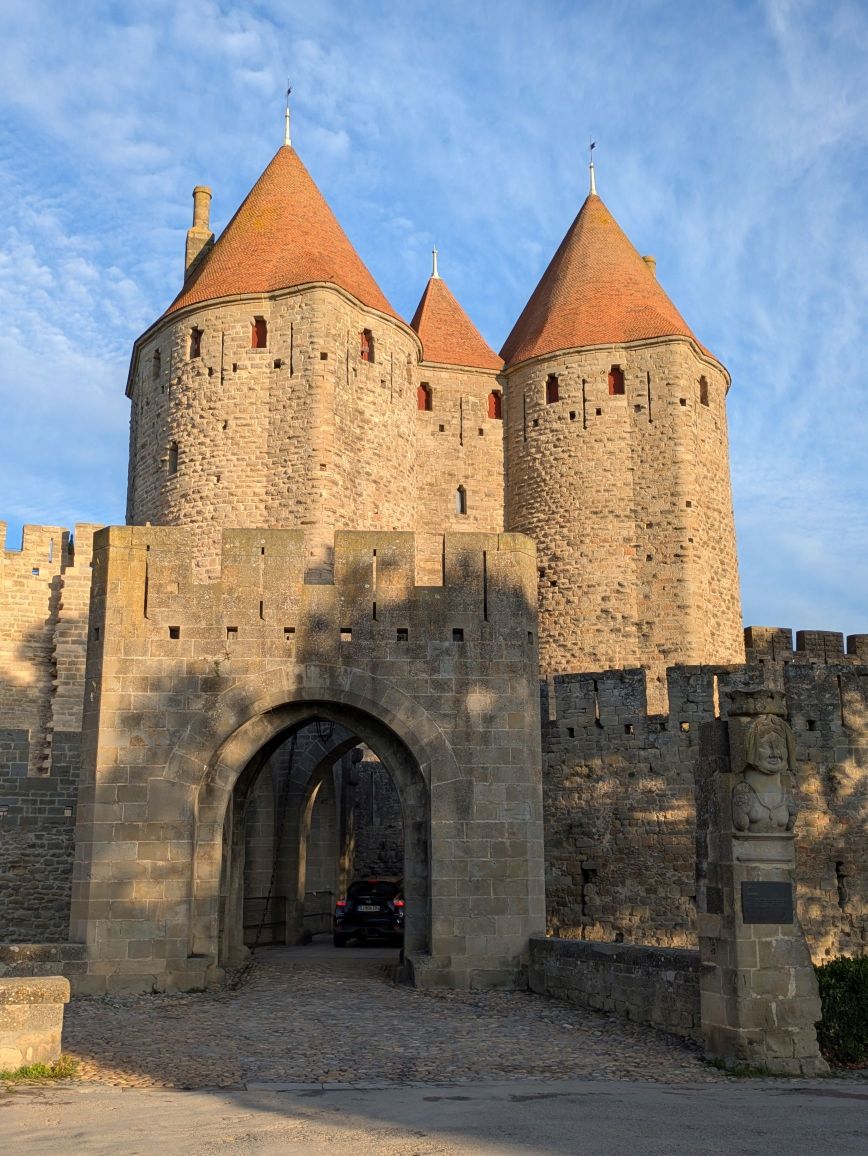
When we departed Carcassonne for our side trip to Albi, it was a sunny morning, so I captured some photos of the fortress as we made our way to the bus outside of the walled old city:
(For all photos, click on the image for a full screen view.)


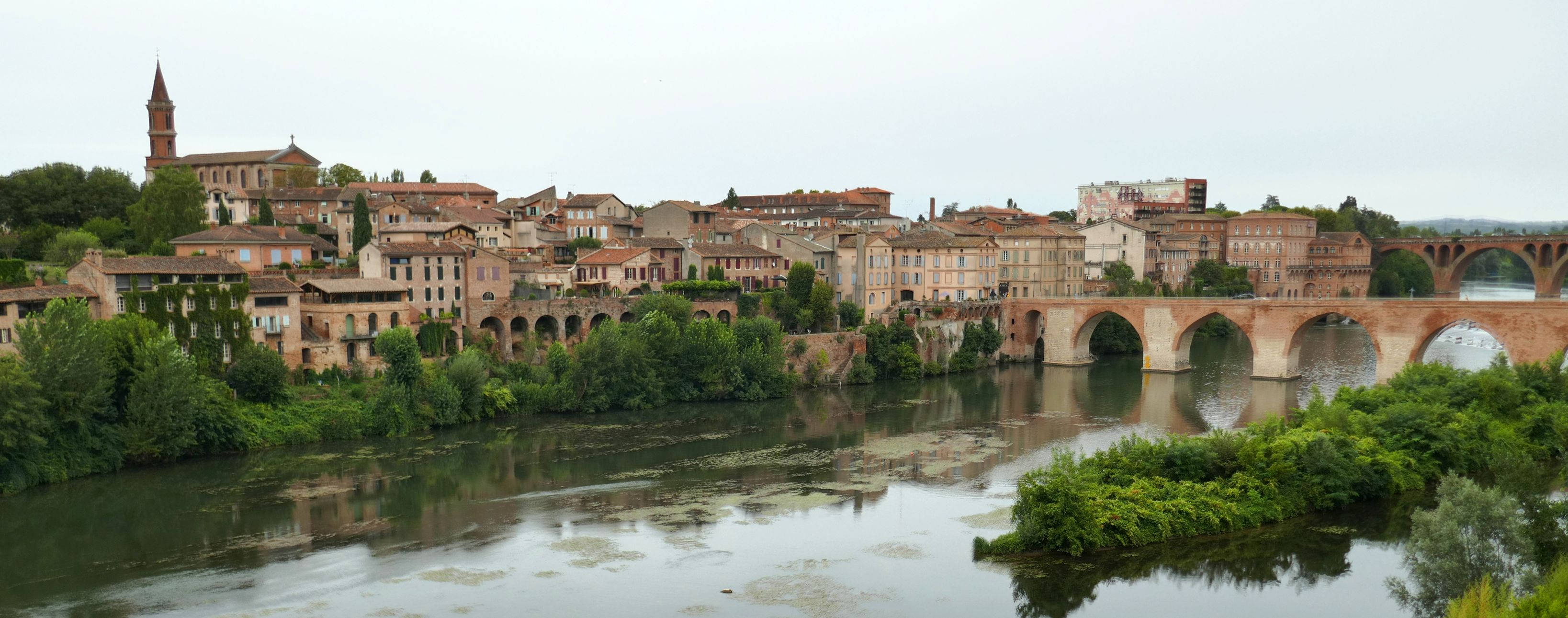
The appeal of the medieval town of Albi is visiting the beautiful Toulouse-Latrec Museum and the magnificent Cathedral of Saint Cecilia of Albi (Albi Cathedral). By the time we arrived in Albi, it was cloudy (and sometimes rainy), so it was perfect for these (mostly) indoor activities.
A UNESCO World Heritage Site, Albi is situated along the banks of the river Tarn and has a long history. First settled during the Bronze Age, there was a lot of growth in the town after a bridge was constructed across the Tarn in 1040. Fast forward several centuries, and Albi did an excellent job preserving and restoring its medieval architecture, which earned it the UNESCO designation.
Formerly the Bishops’ Palace of Albi, the Toulouse-Latrec Museum is one of the oldest (13th century) and best-preserved castles in France. It was well worth visiting the castle, even if you’re not a fan of Toulouse-Latrec’s work or any of the other art exhibited in the museum. I enjoyed it all!
Albi was the birthplace of Henri de Toulouse-Latrec, and the museum honors his memory in style. Built prior to the cathedral, the palace was the residence of the Bishop of Albi and is connected to the cathedral tower. The entire complex was built like a fortress for protection from the Cathars, a heretical sect, which originated in Albi.
In 1922, the museum received a collection of Toulouse-Latrec’s work, donated by his mother, and the museum now houses over one thousand works by and about him.
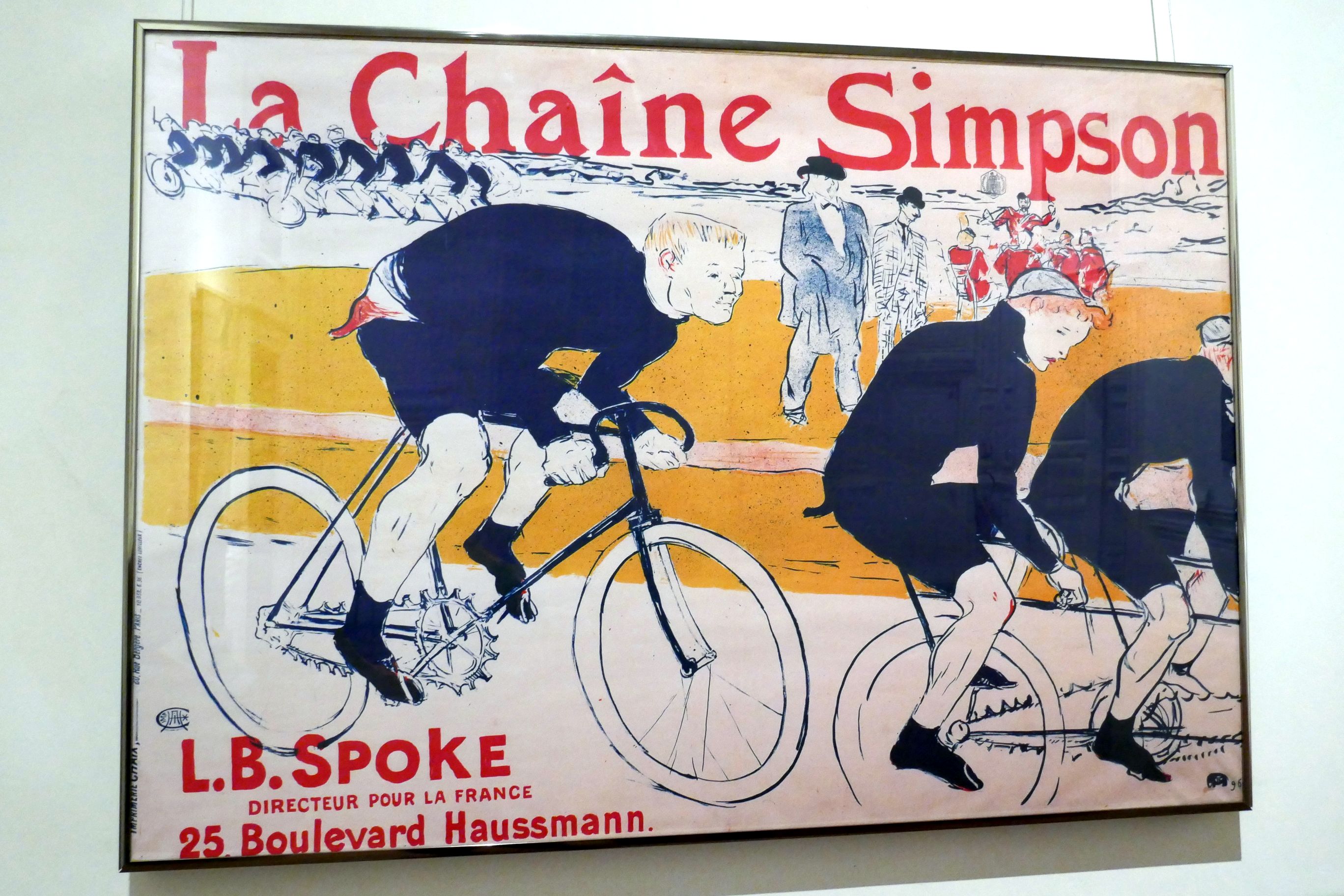
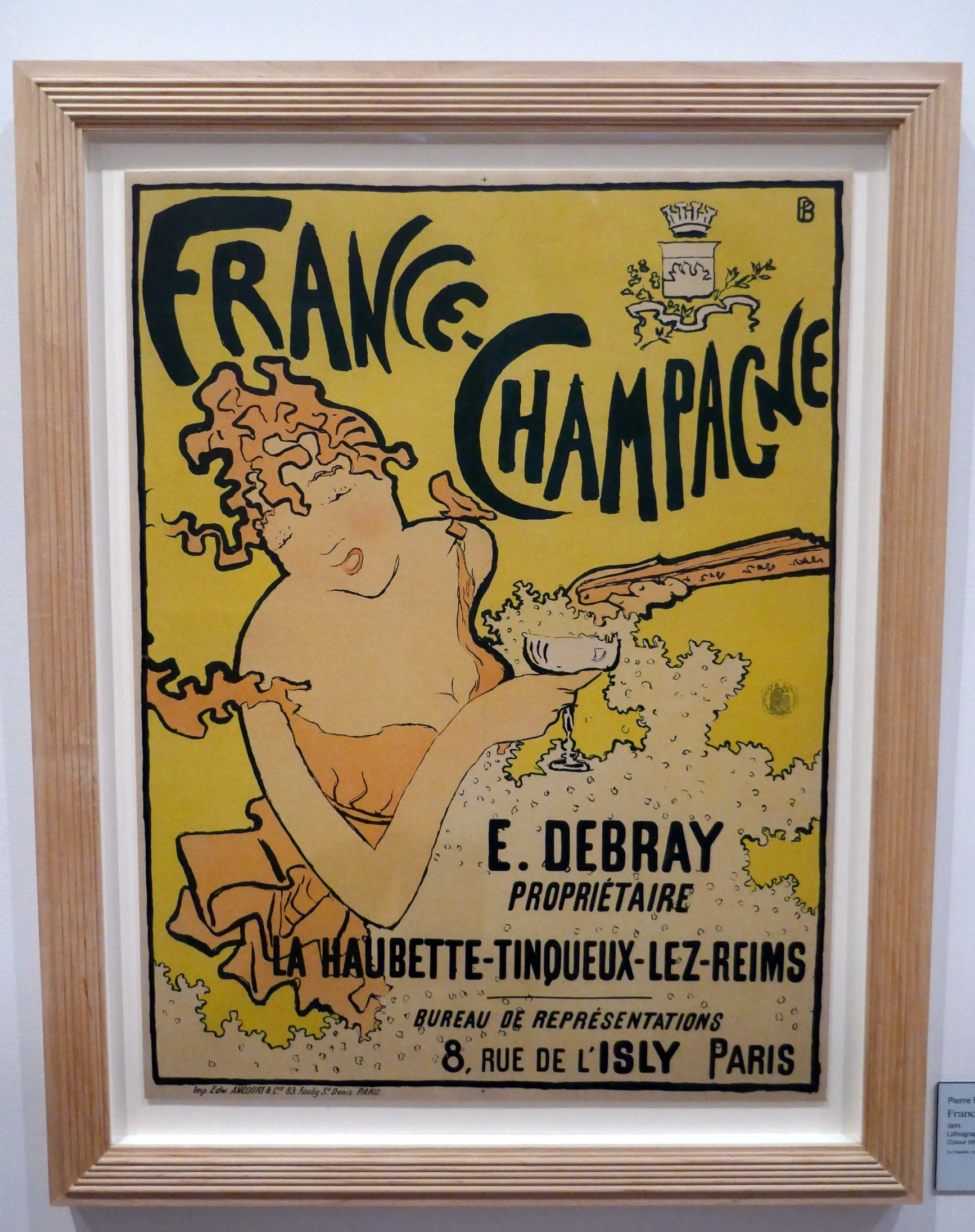

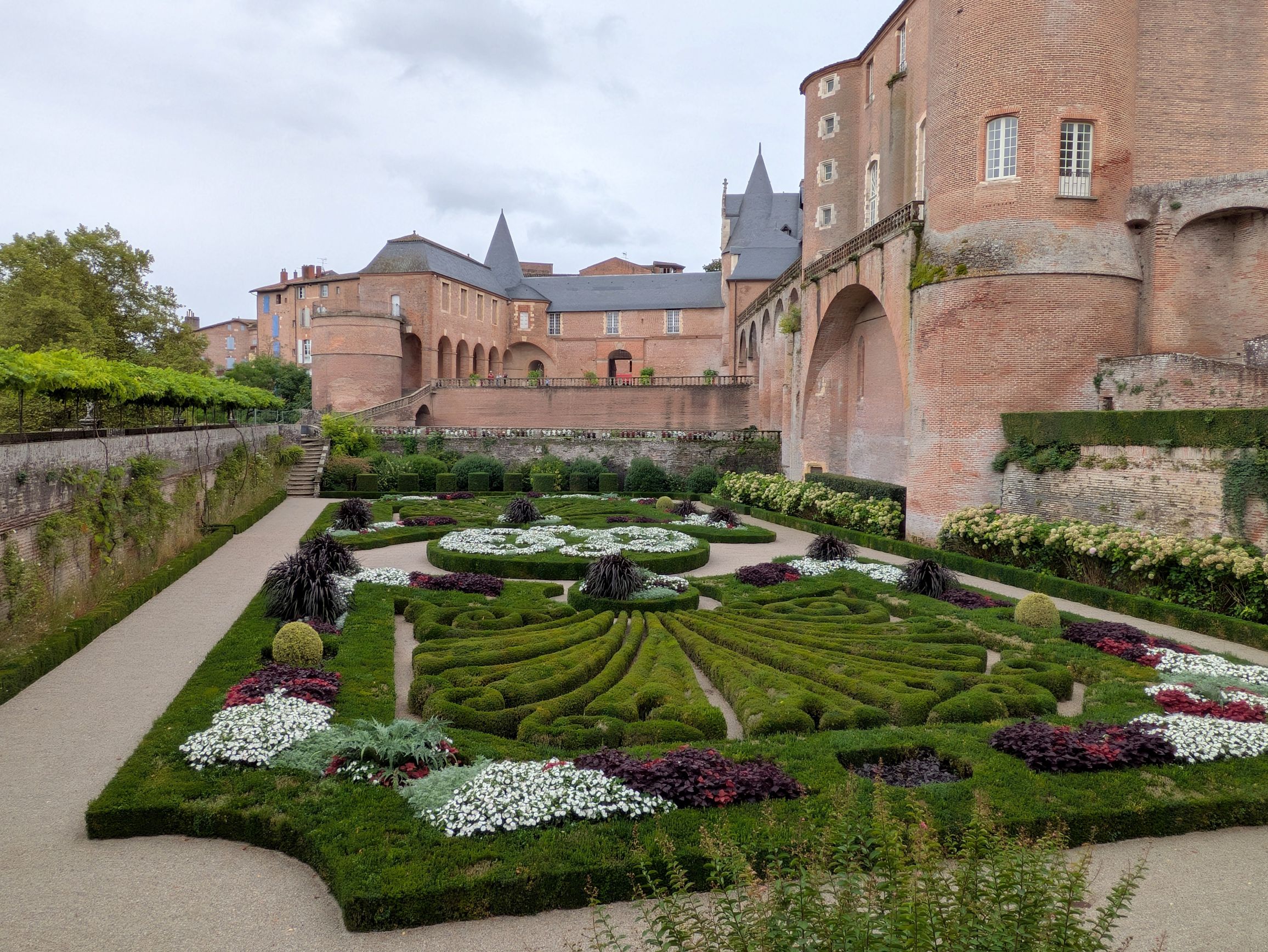
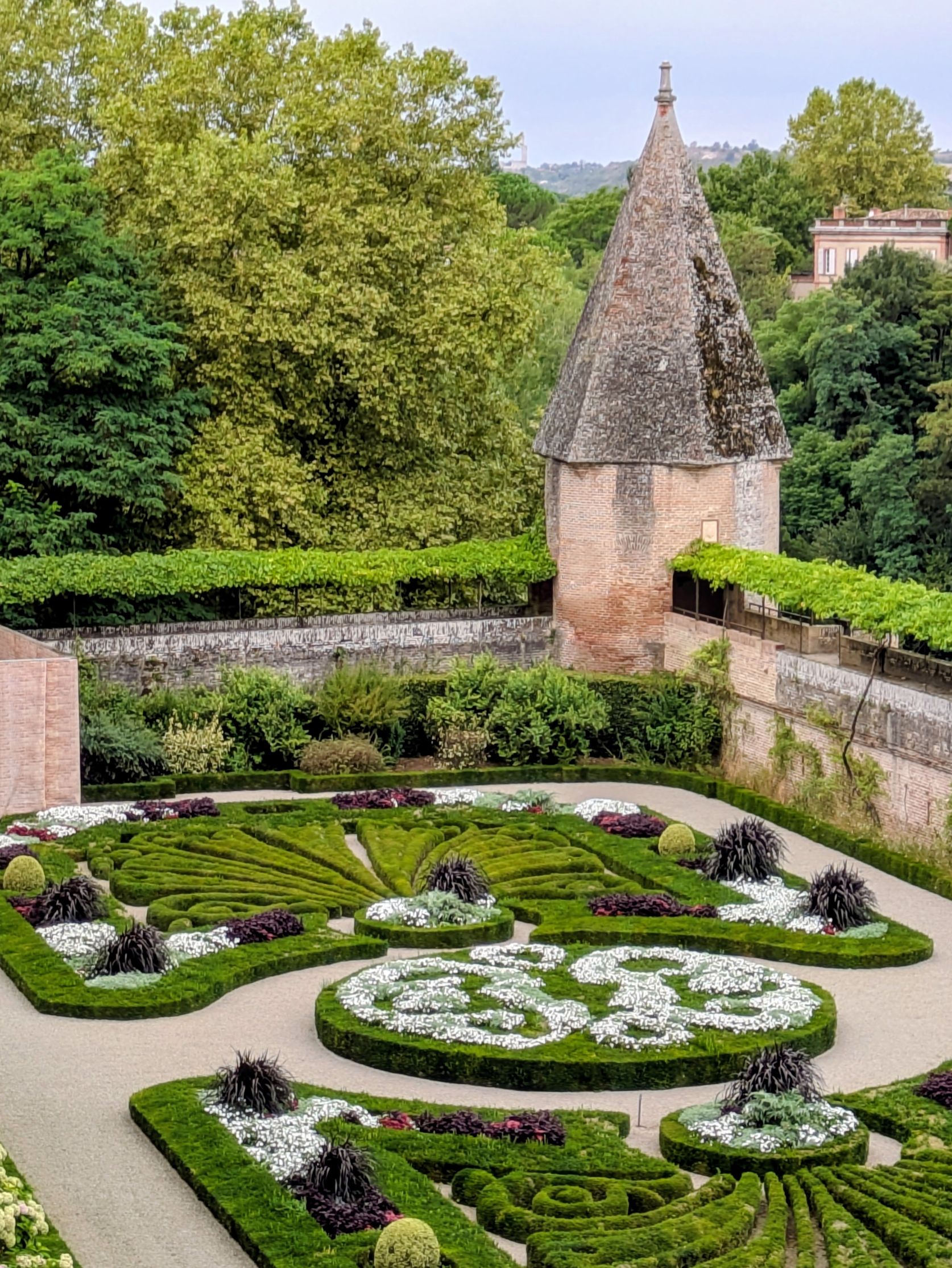
The interior of the palace is gorgeous, but the beautiful gardens are not to be missed as well.


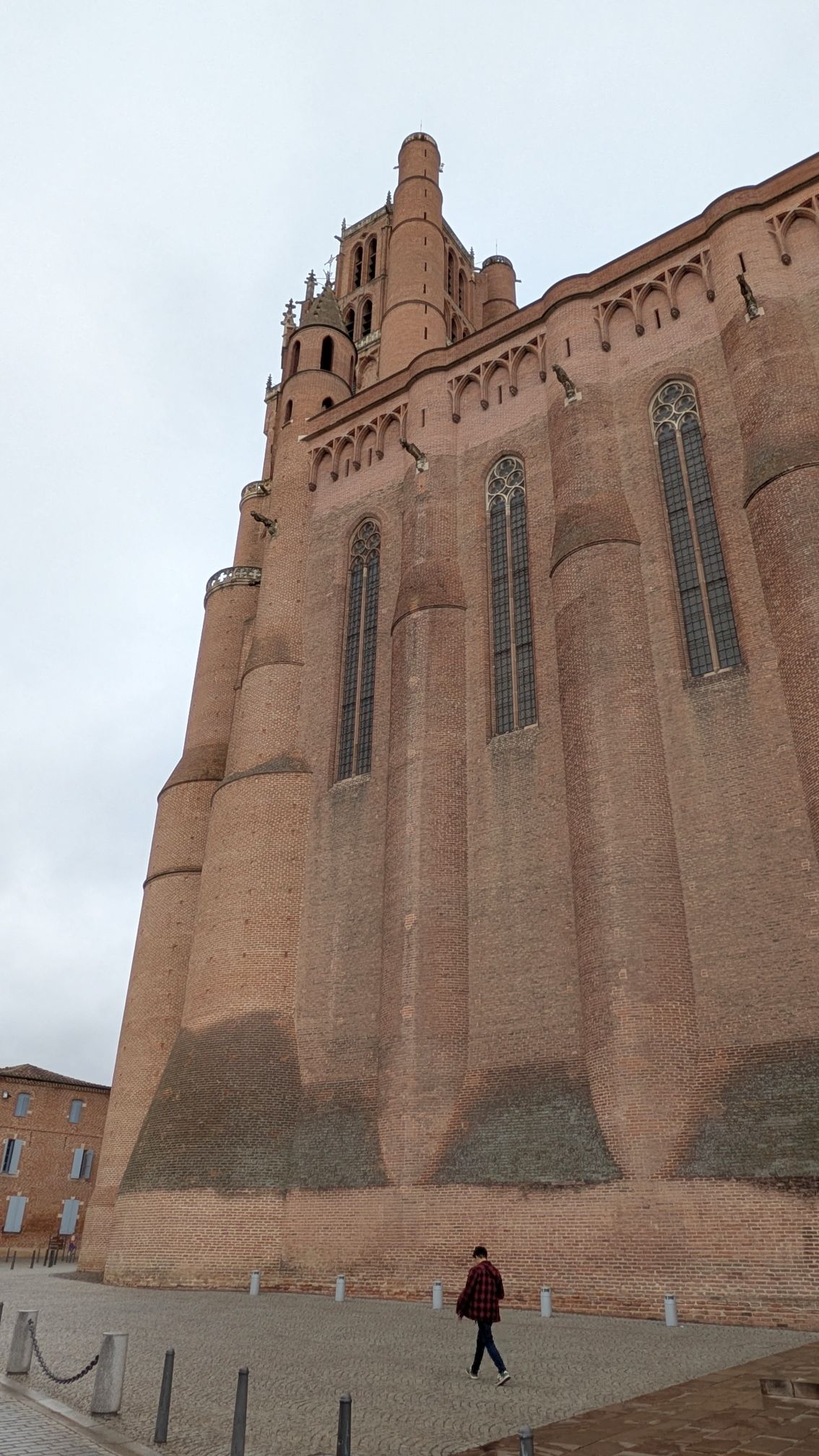
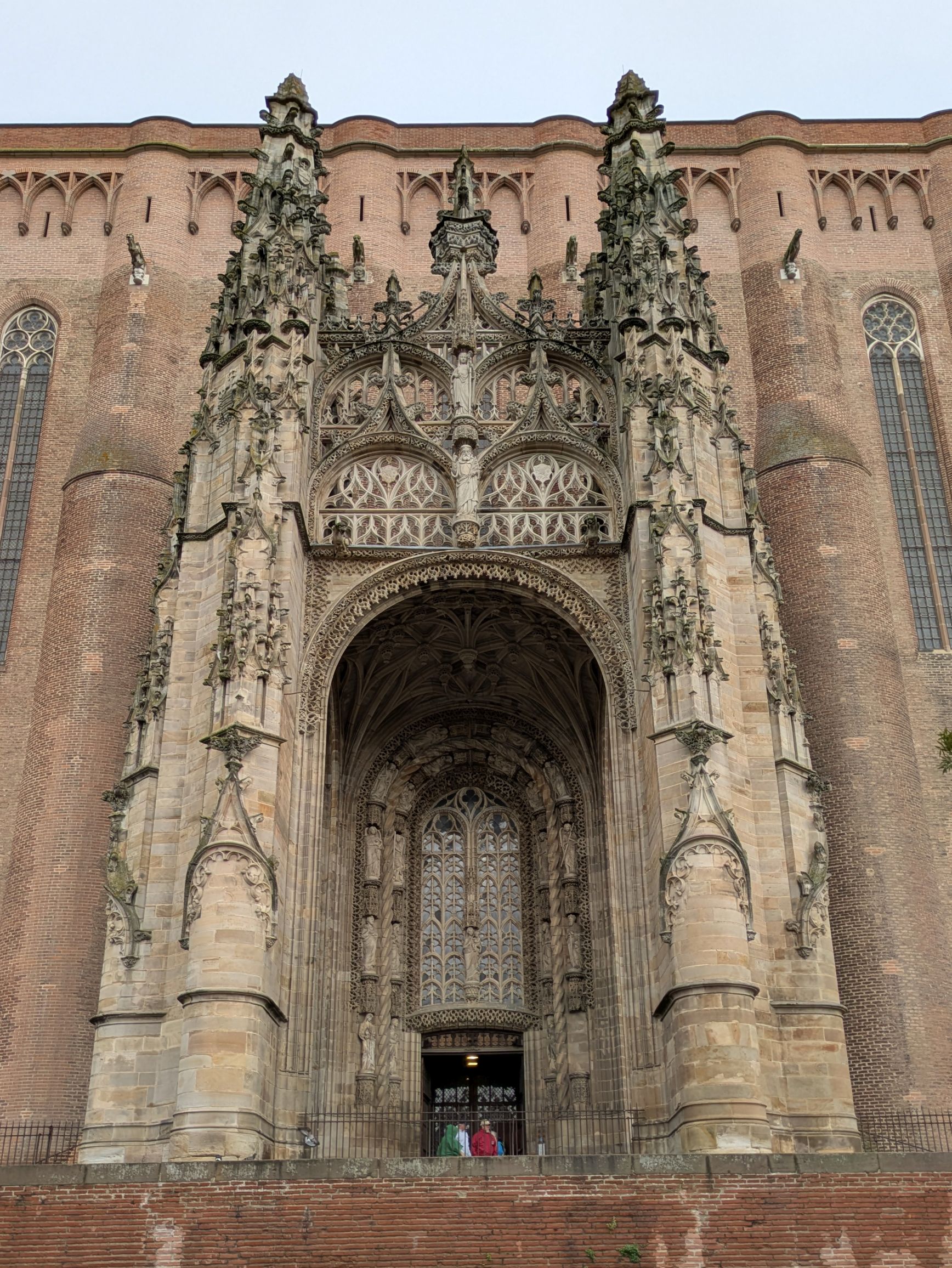
The Gothic cathedral was also a must-see marvel. Under construction for 200 years, it was finally completed in the late 1400’s. It is claimed to be the largest brick building in the world and has undergone many restorations over the years.
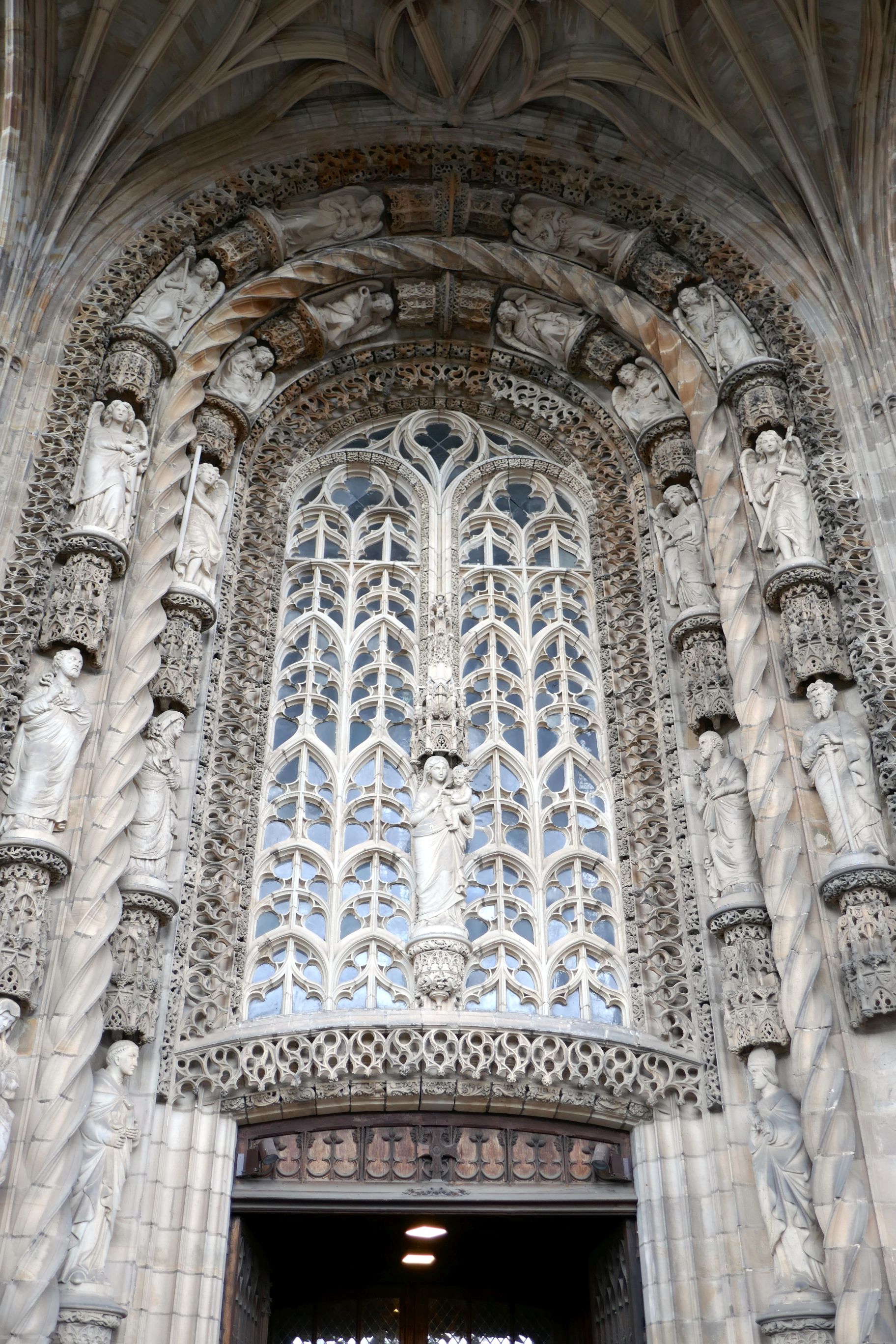
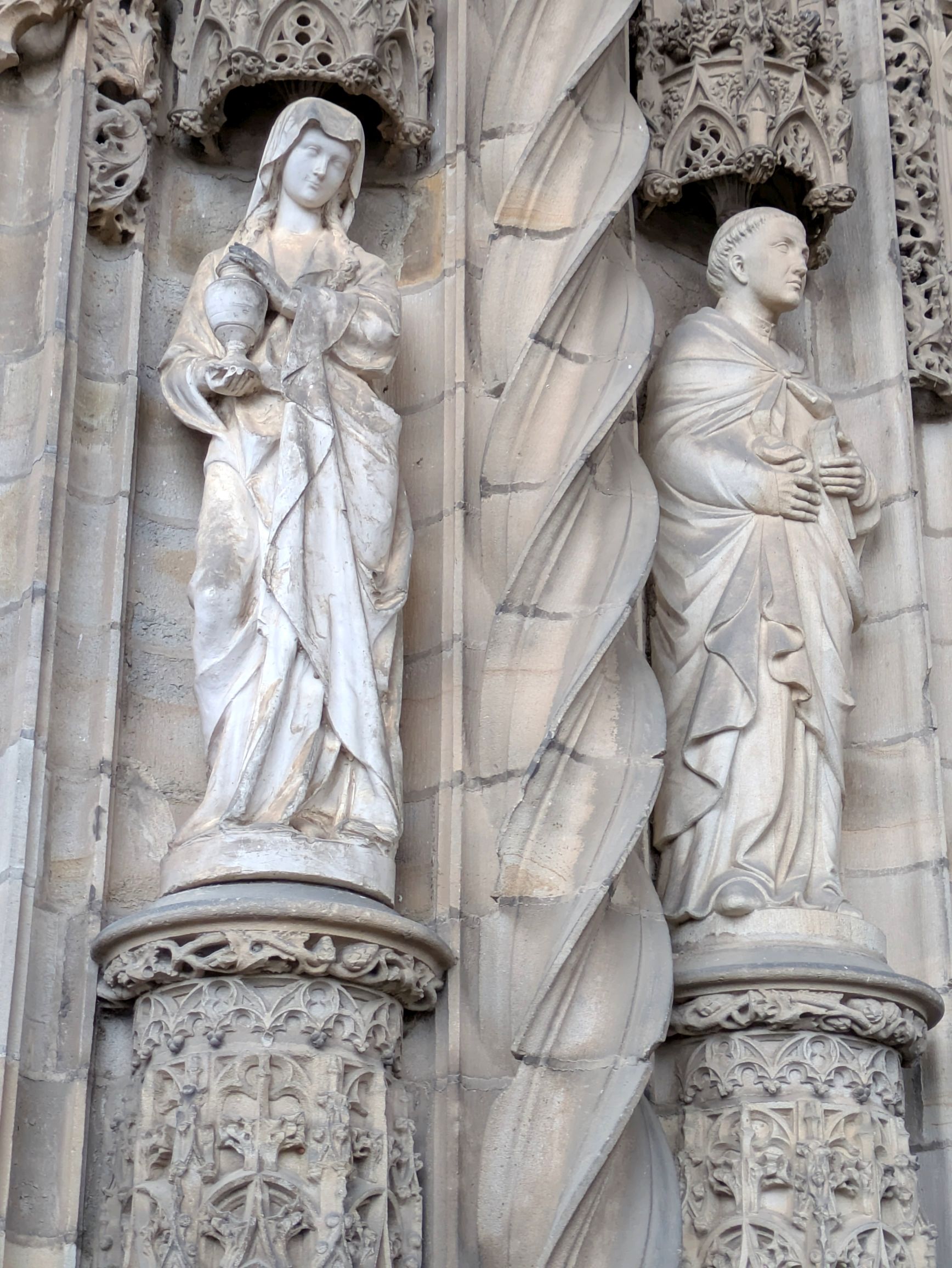

Although the interior was full of ornate art and sculpture, the wall paintings especially captured my interest. The bold colors and geometric designs on some of the walls were such a contrast from the exterior!

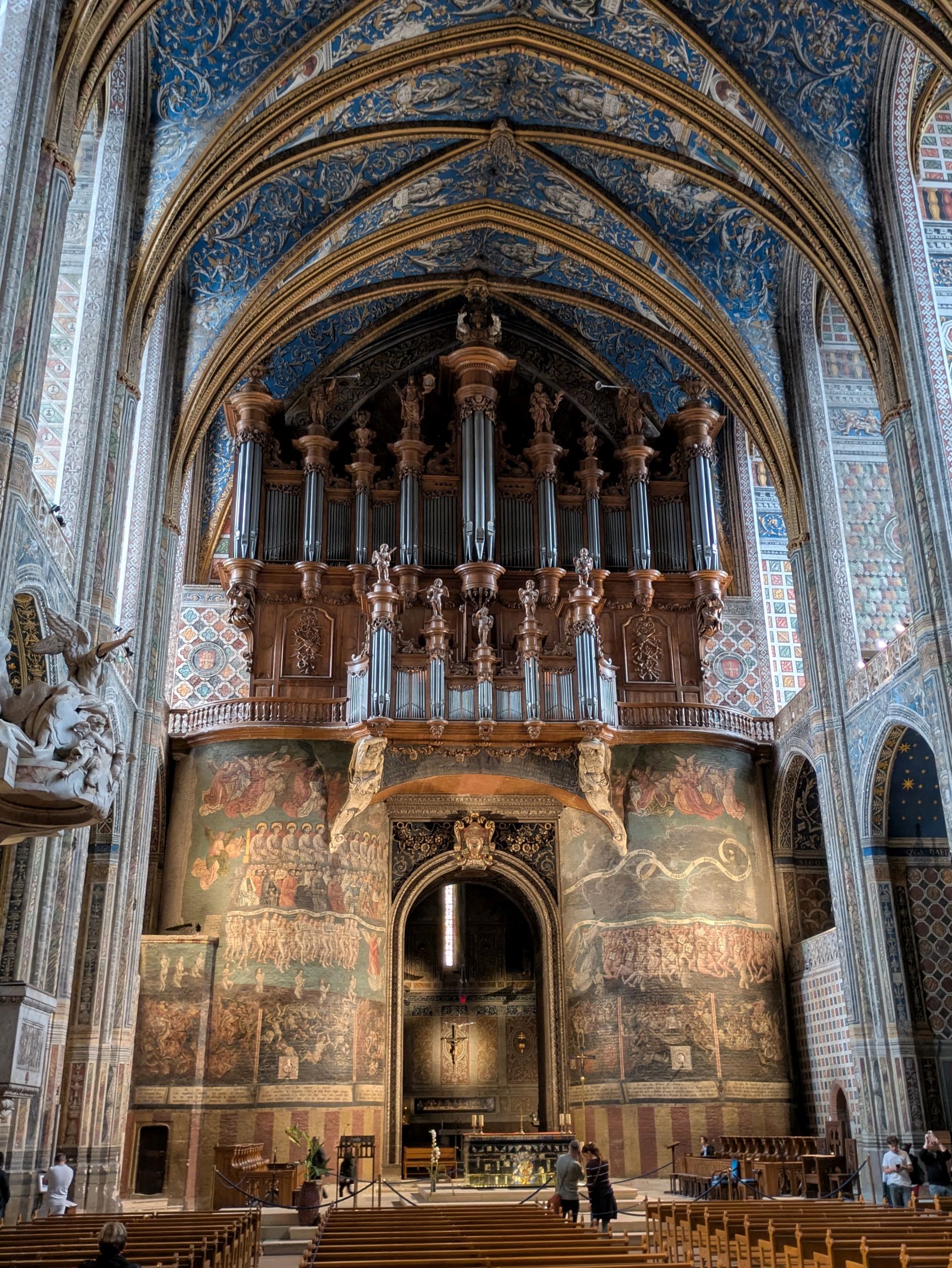
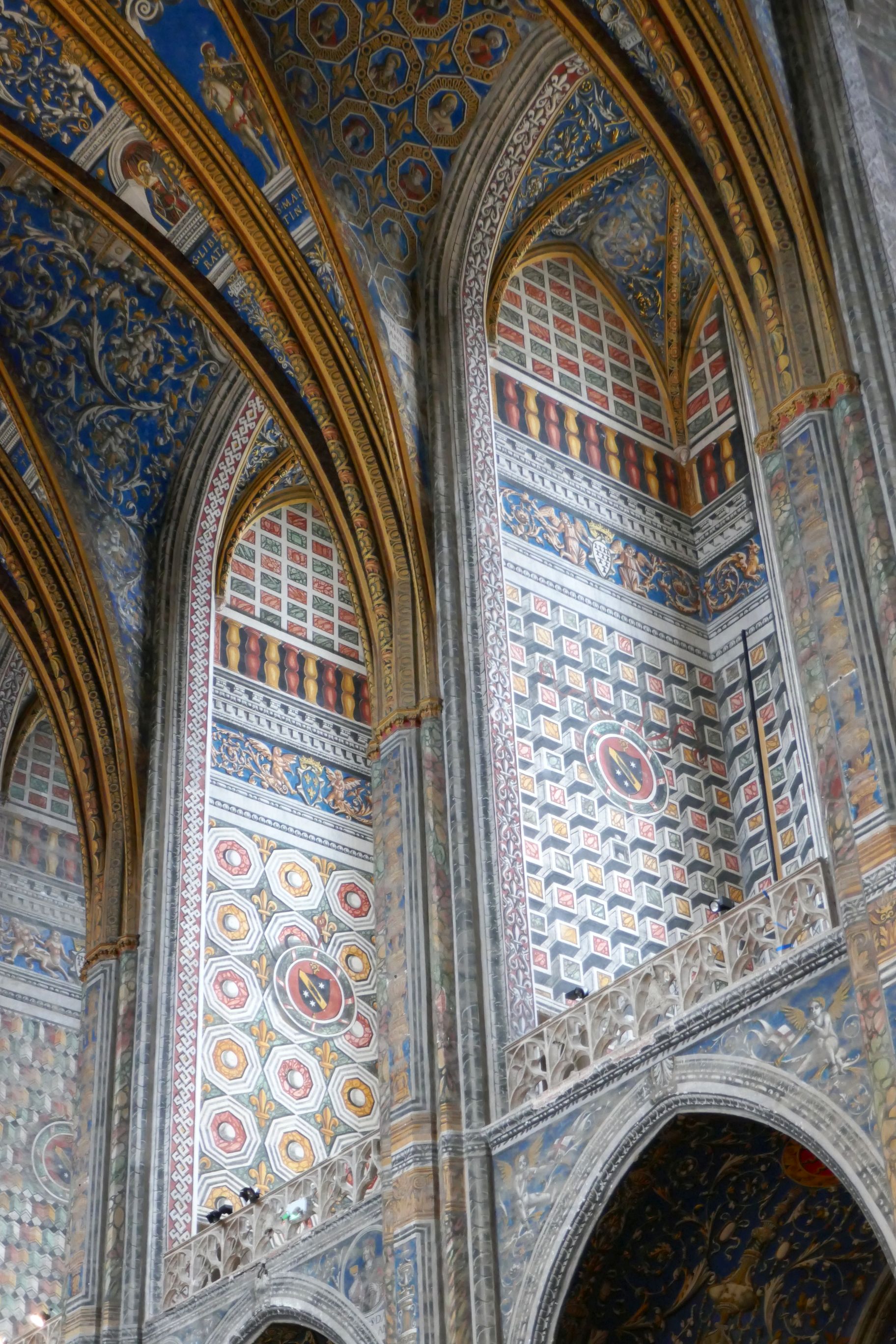
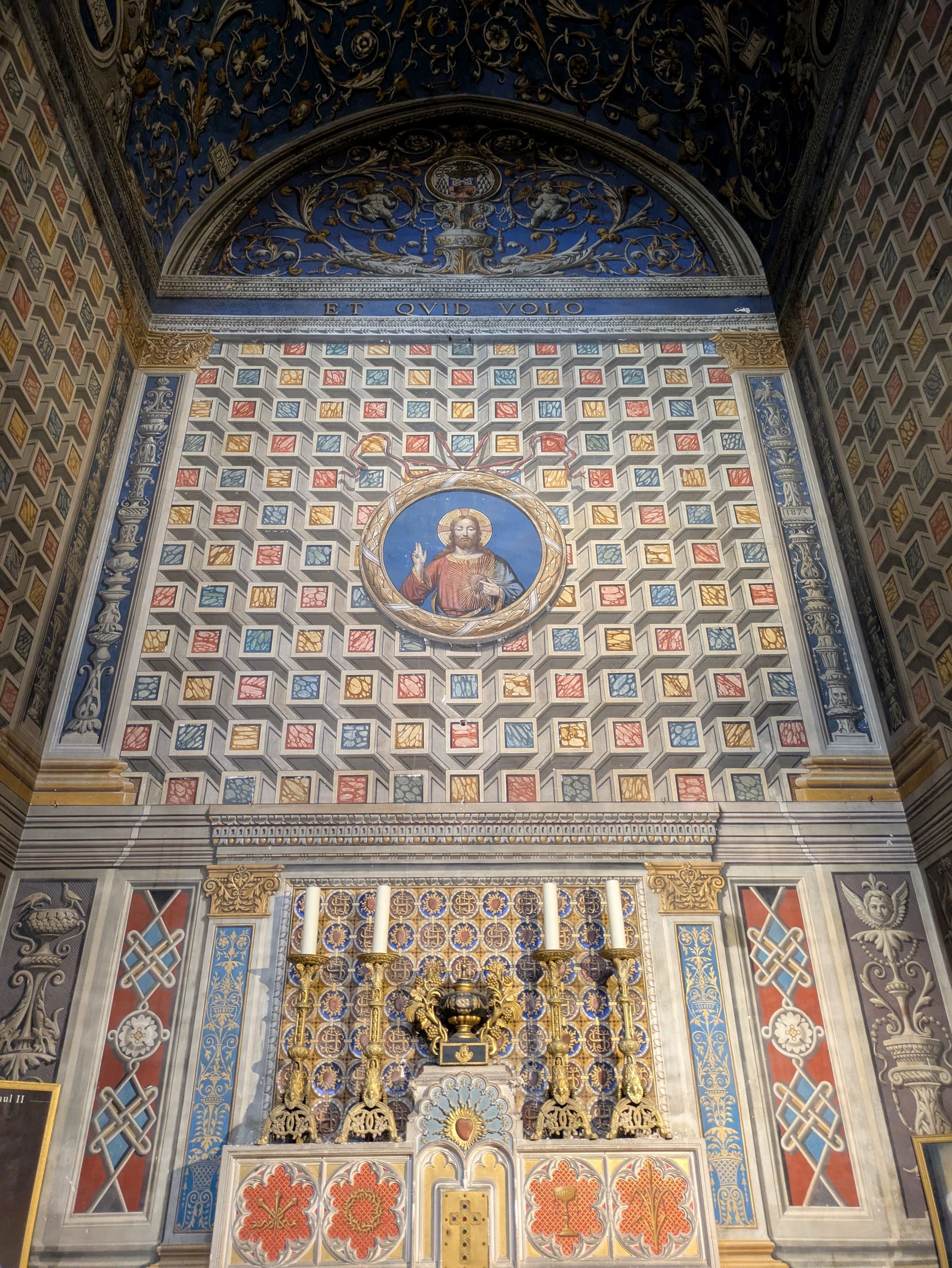
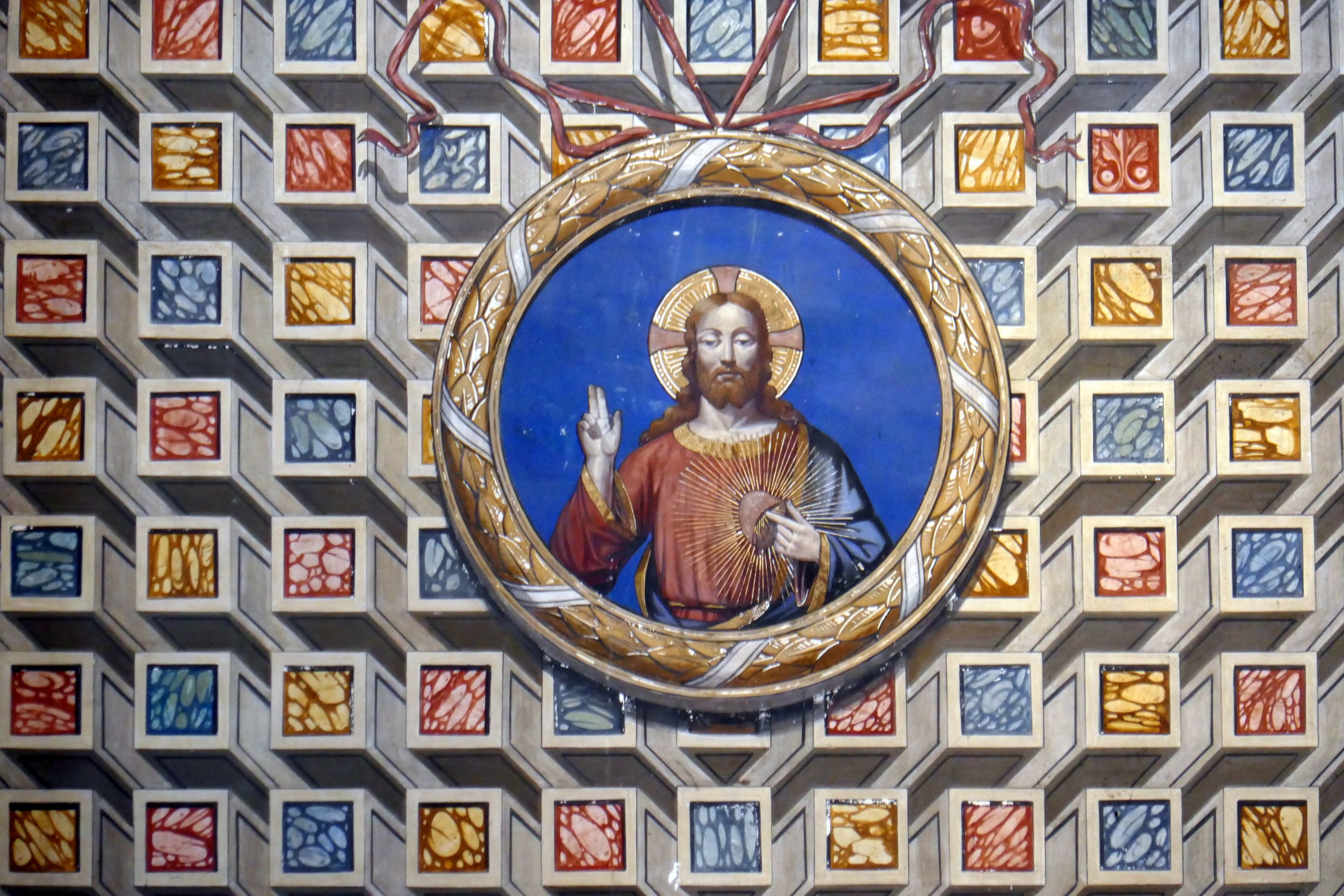

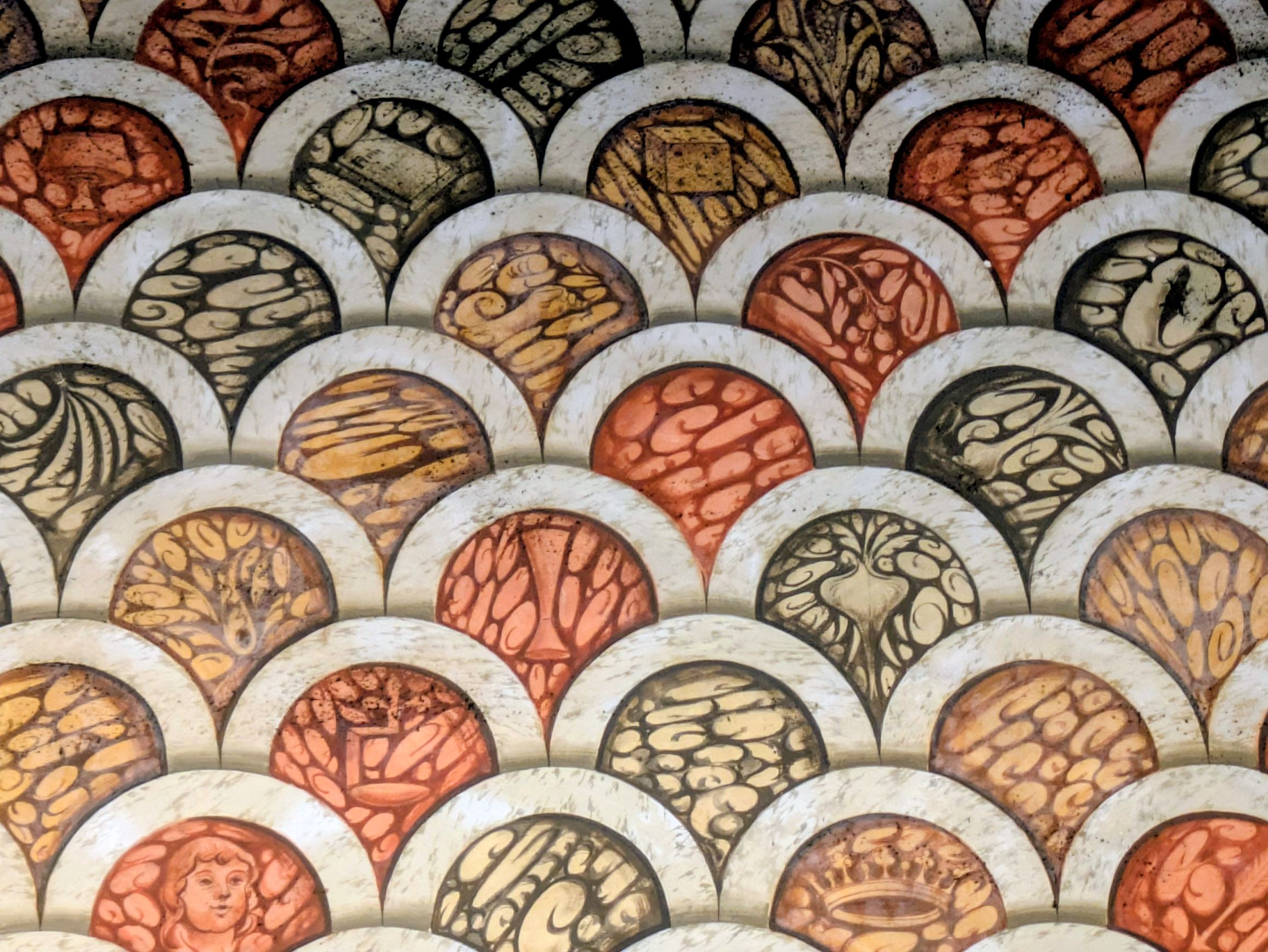
There were, of course, beautiful stained glass windows as well. (What’s a cathedral without stained glass?) Although most of the windows date to the 19th and early 20th centuries, there is still a small amount of stained glass from the medieval period that remains.


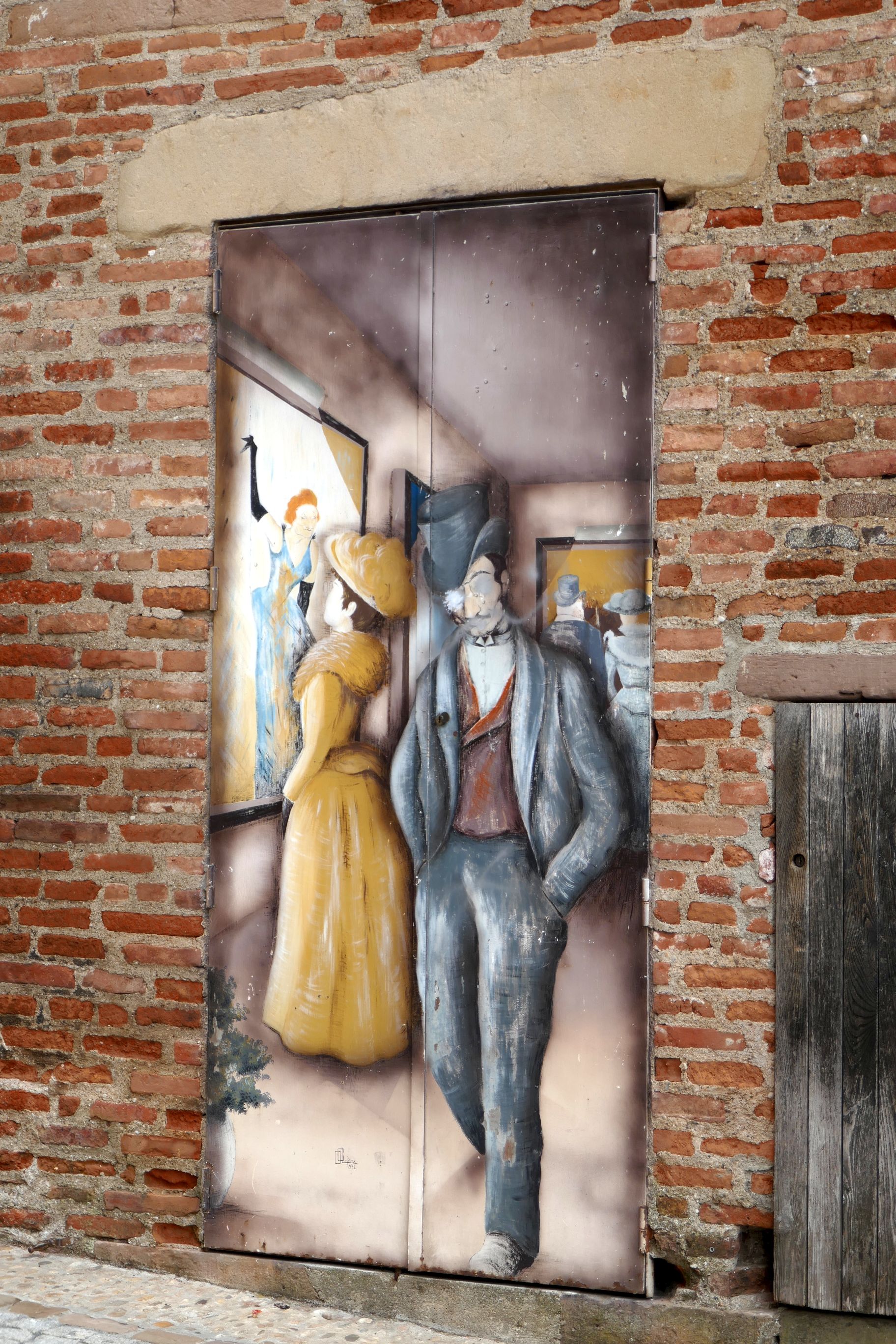
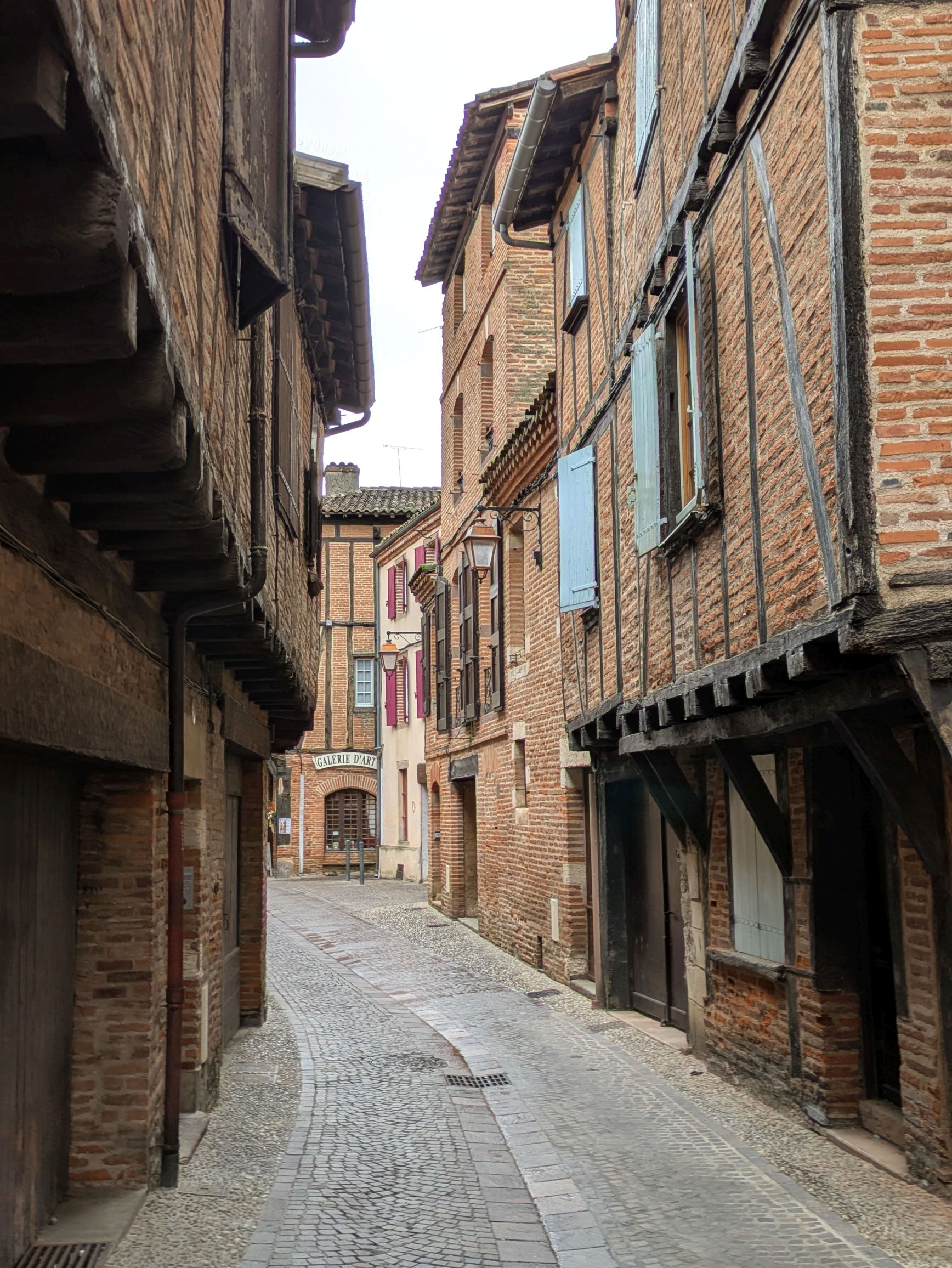
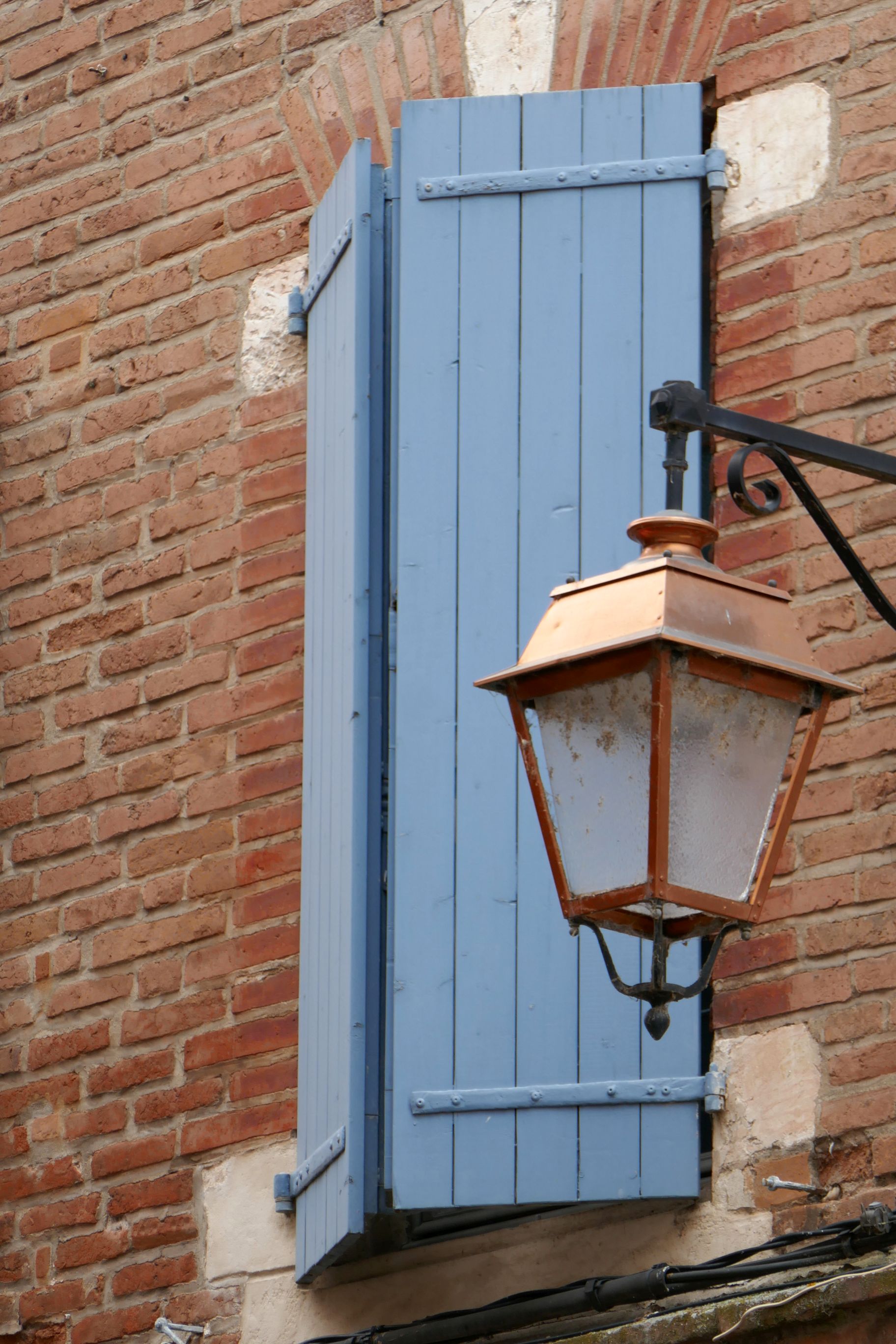
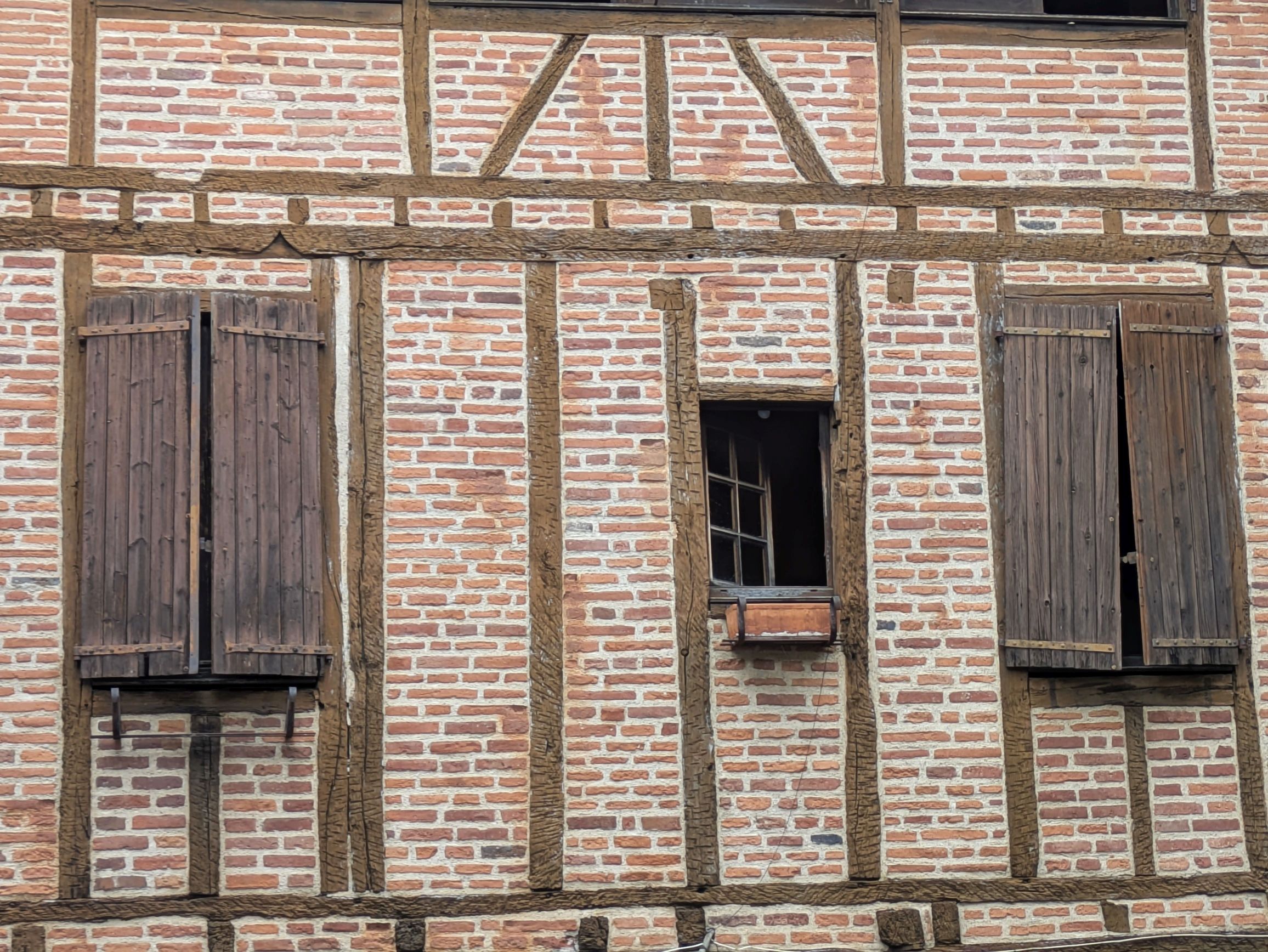
Scenes around the medieval town:



Coming up next: SOUTHWEST FRANCE, NORTHERN SPAIN & PORTUGAL #4: ATTRACTIVE AUCH
 Elaine-iaK's Travels: A Traveler's Tales of People, Places, Photos, Pools... and CHOCOLATE!