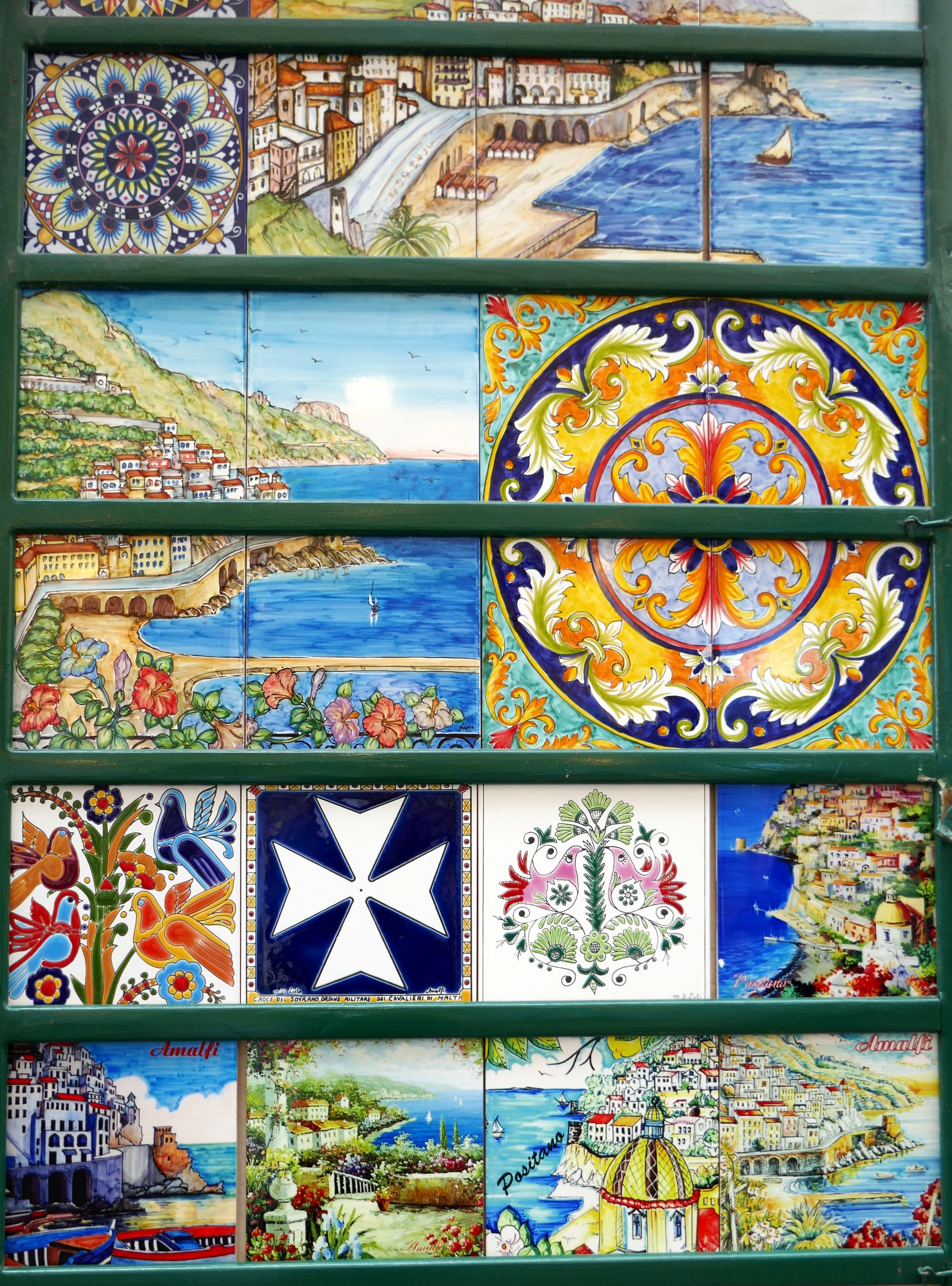
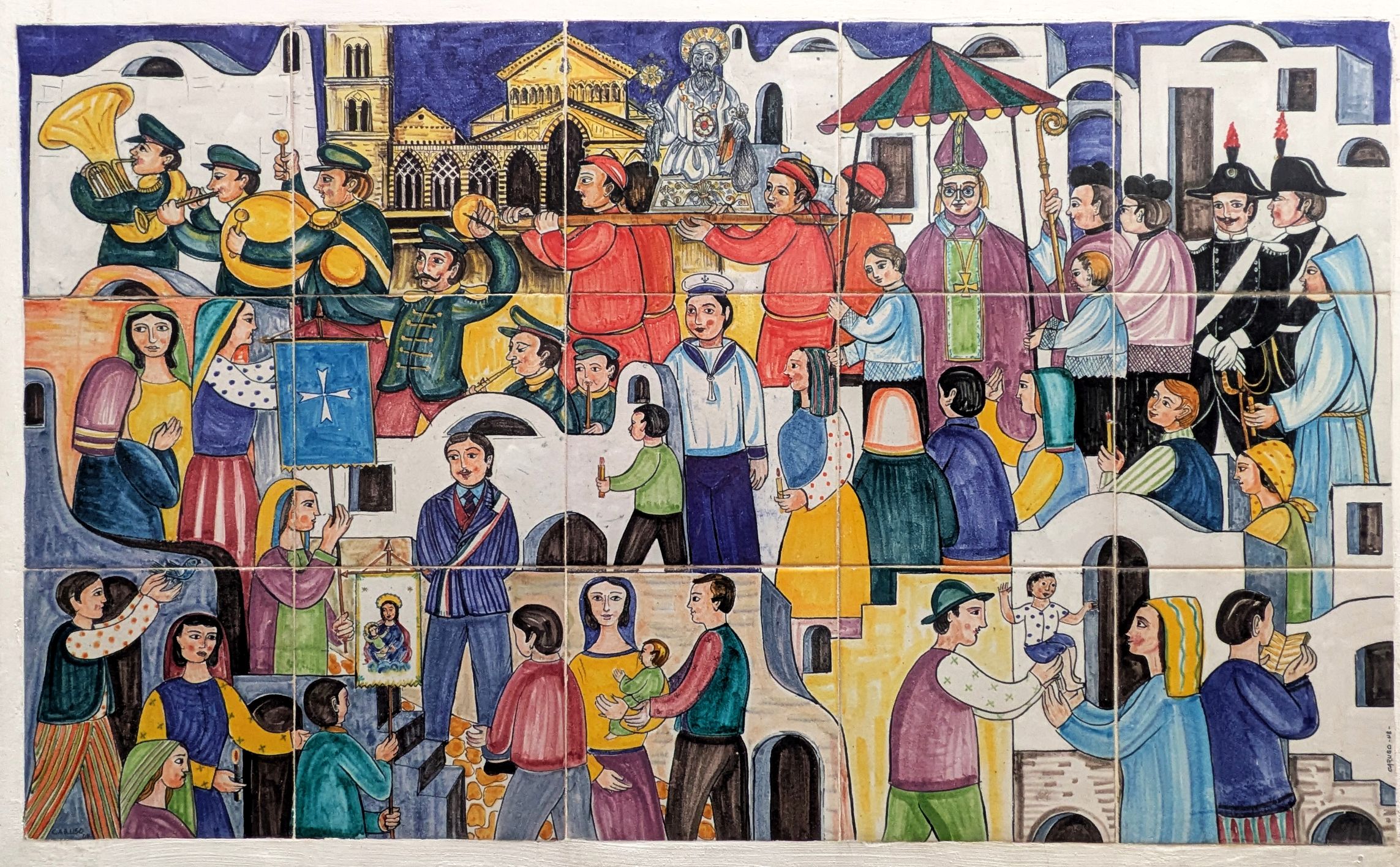
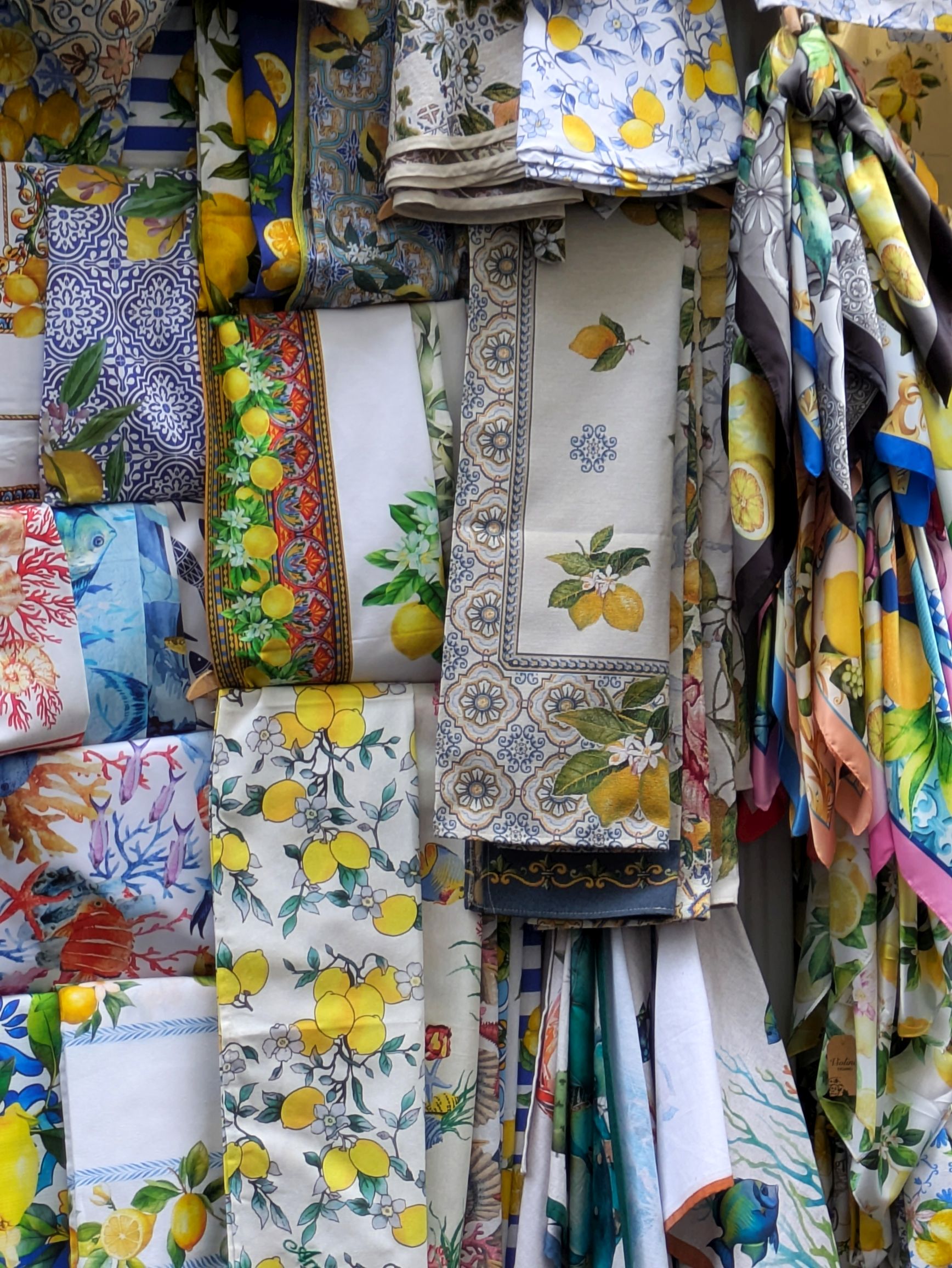
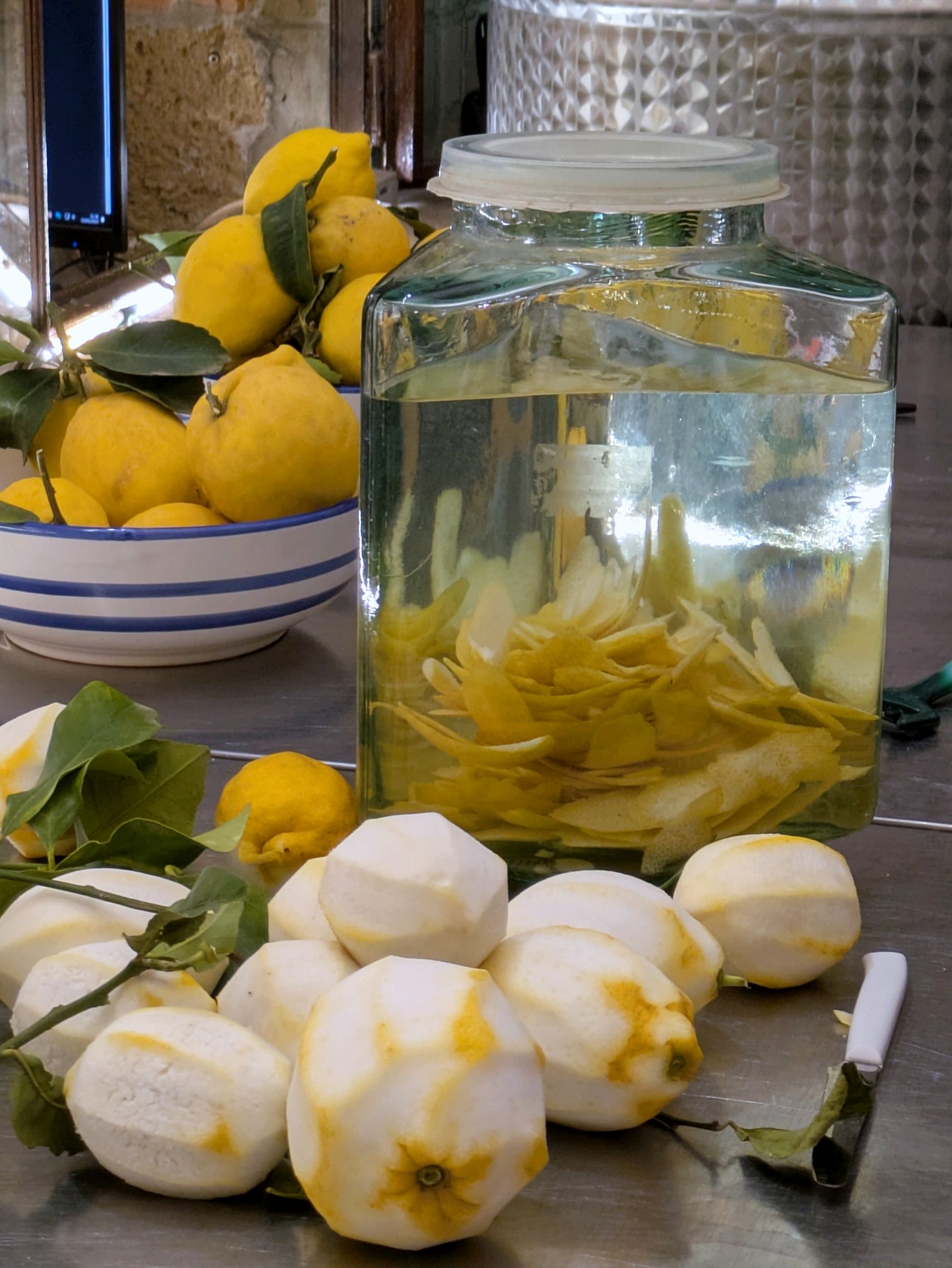
After two weeks of stellar weather in Sicily, our luck was bound to run out sooner or later. This was the day, unfortunately, because a boat ride along the Amalfi Coast was on the agenda and blue skies would have been beautiful! Instead, it was cloudy, and it rained a little bit here and there.
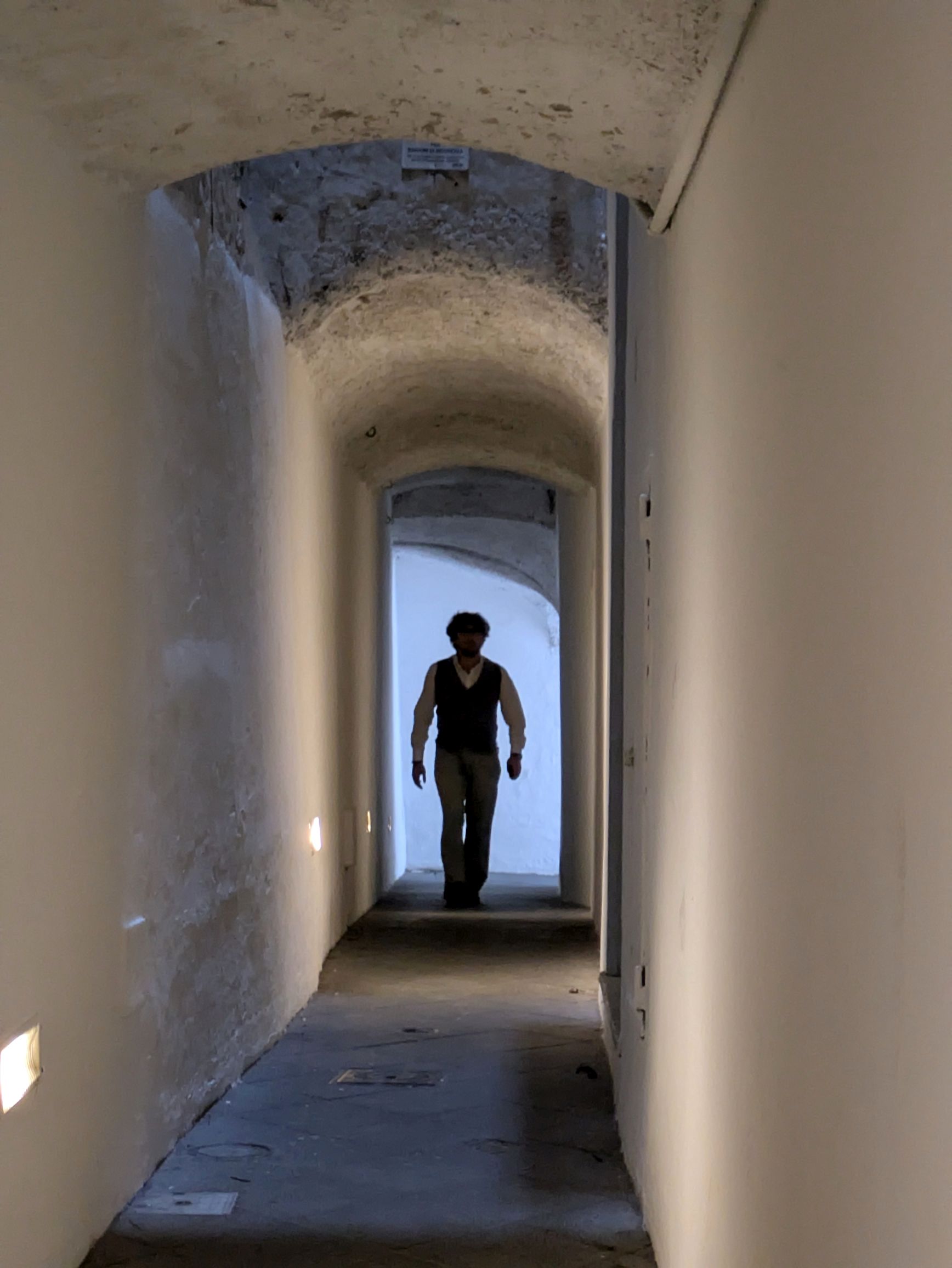
The village of Amalfi, namesake of the Amalfi Coast and a UNESCO World Heritage Site, was our morning destination. Located on the southwest coast of Italy, Amalfi, in the Campania region, faces the Gulf of Salerno. Having a population of under 5,000 people, it’s a small, intimate village in the off season, and we were told the favorite winter “sport” is gossip. Evidently, there isn’t much work available in the winter, because it is a seasonal destination, so the locals have a lot of time on their hands…
High season is a different story. Tourists flock to what is reputed to be the most beautiful coastline in Italy, and the place is hoppin’! We got a taste of that, having visited in mid-May, just ahead of the high season. The streets were crowded with tourists! Still, it was love at first sight. What a charming and colorful place!
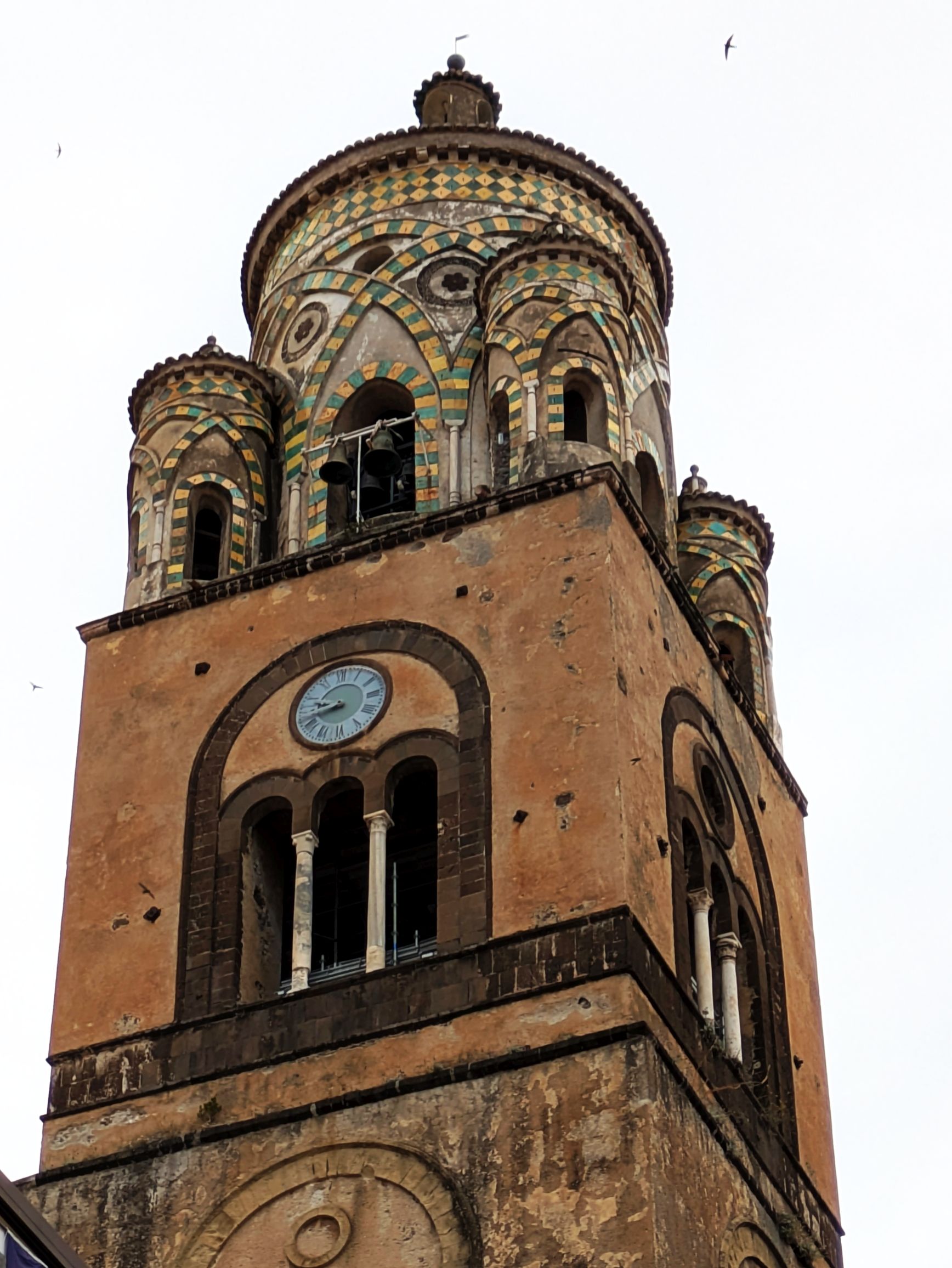
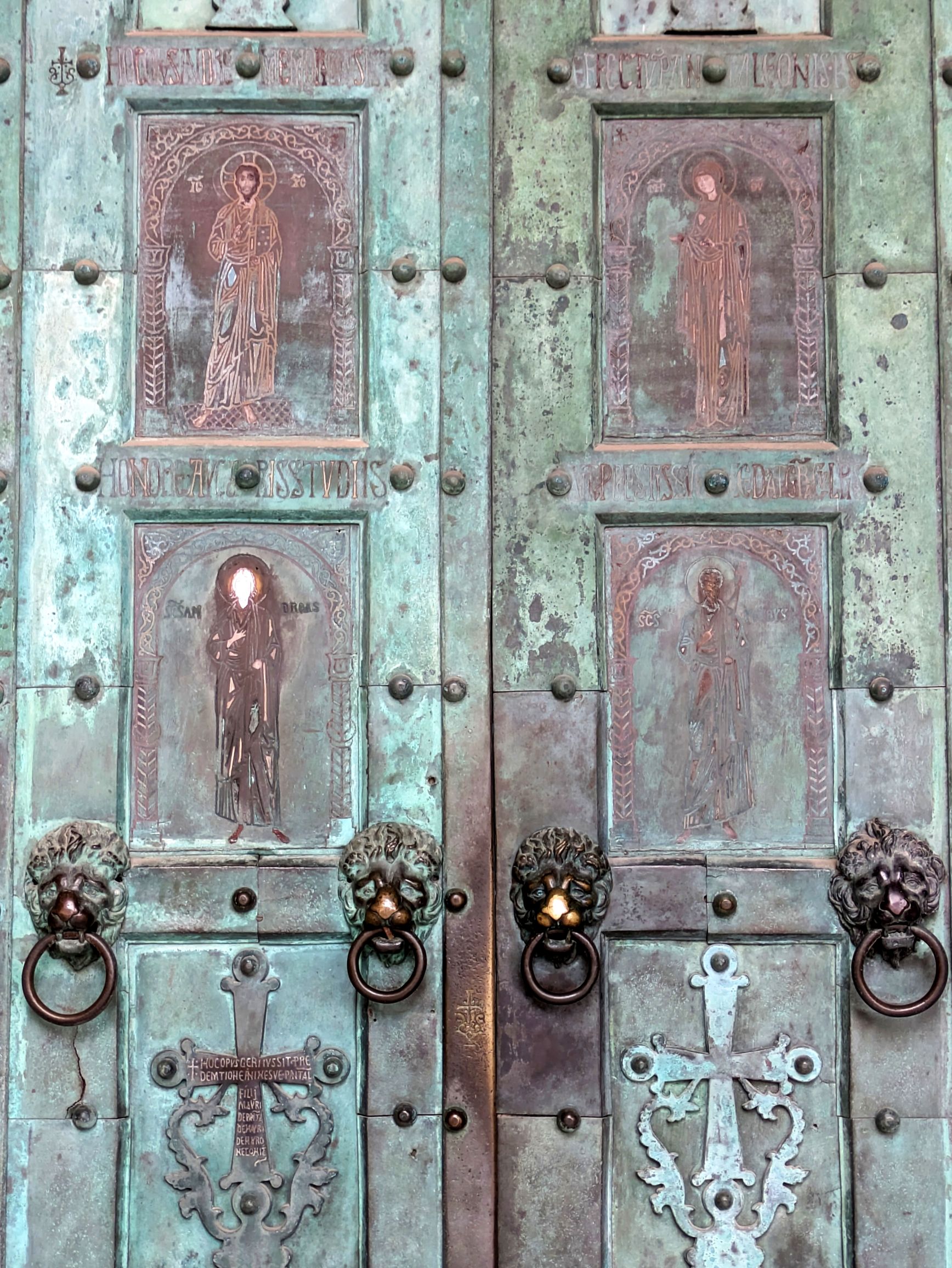
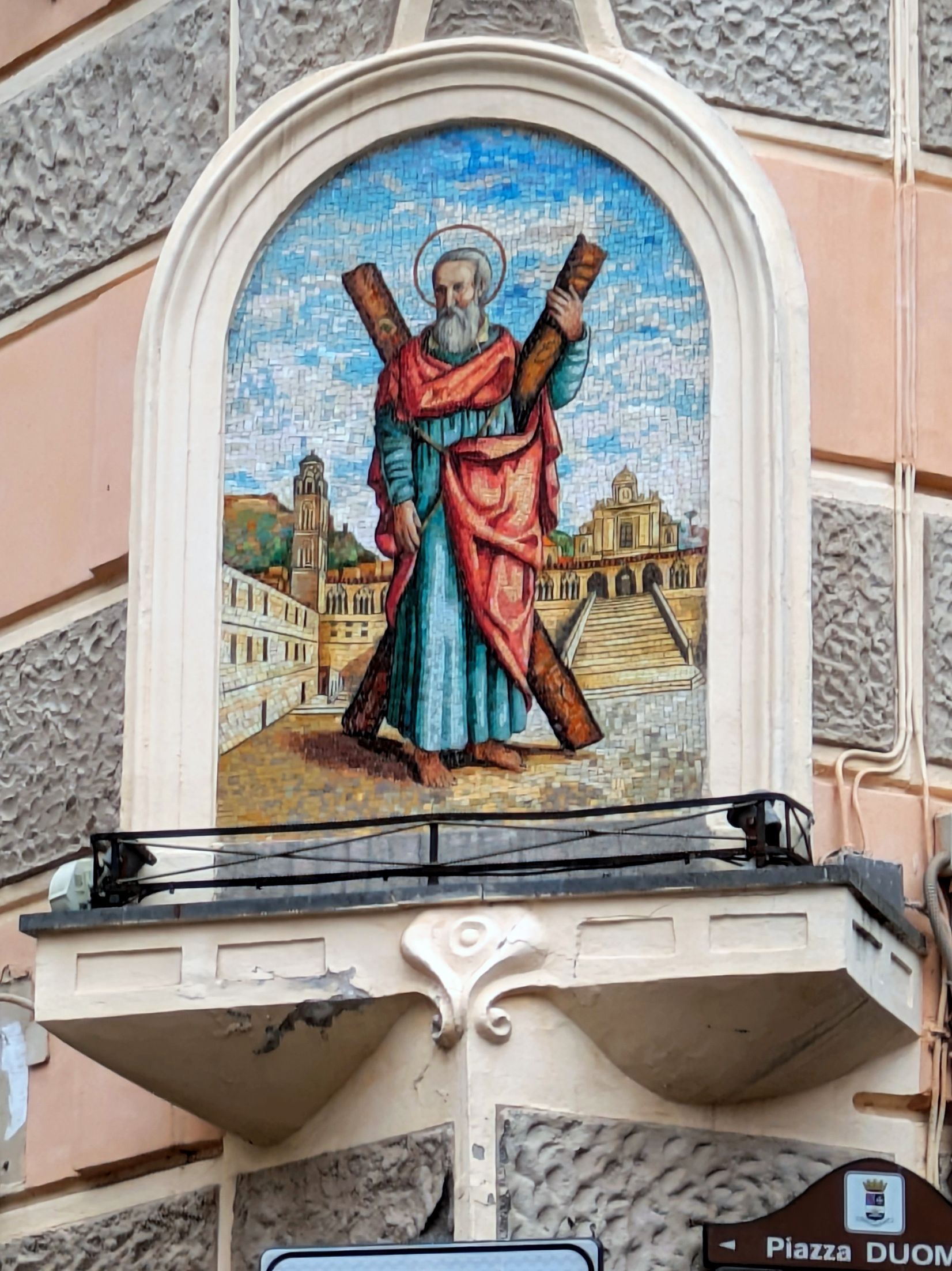
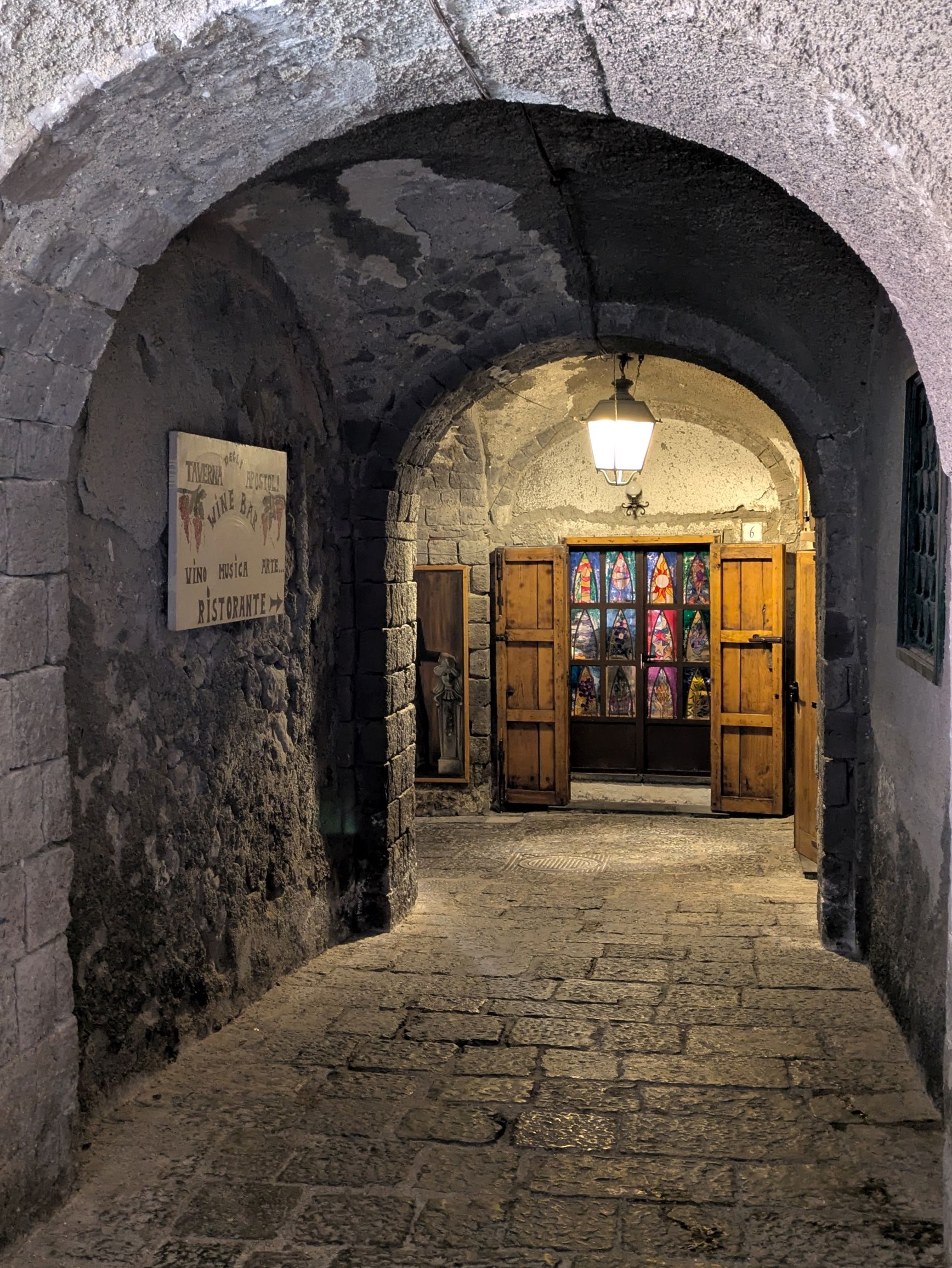
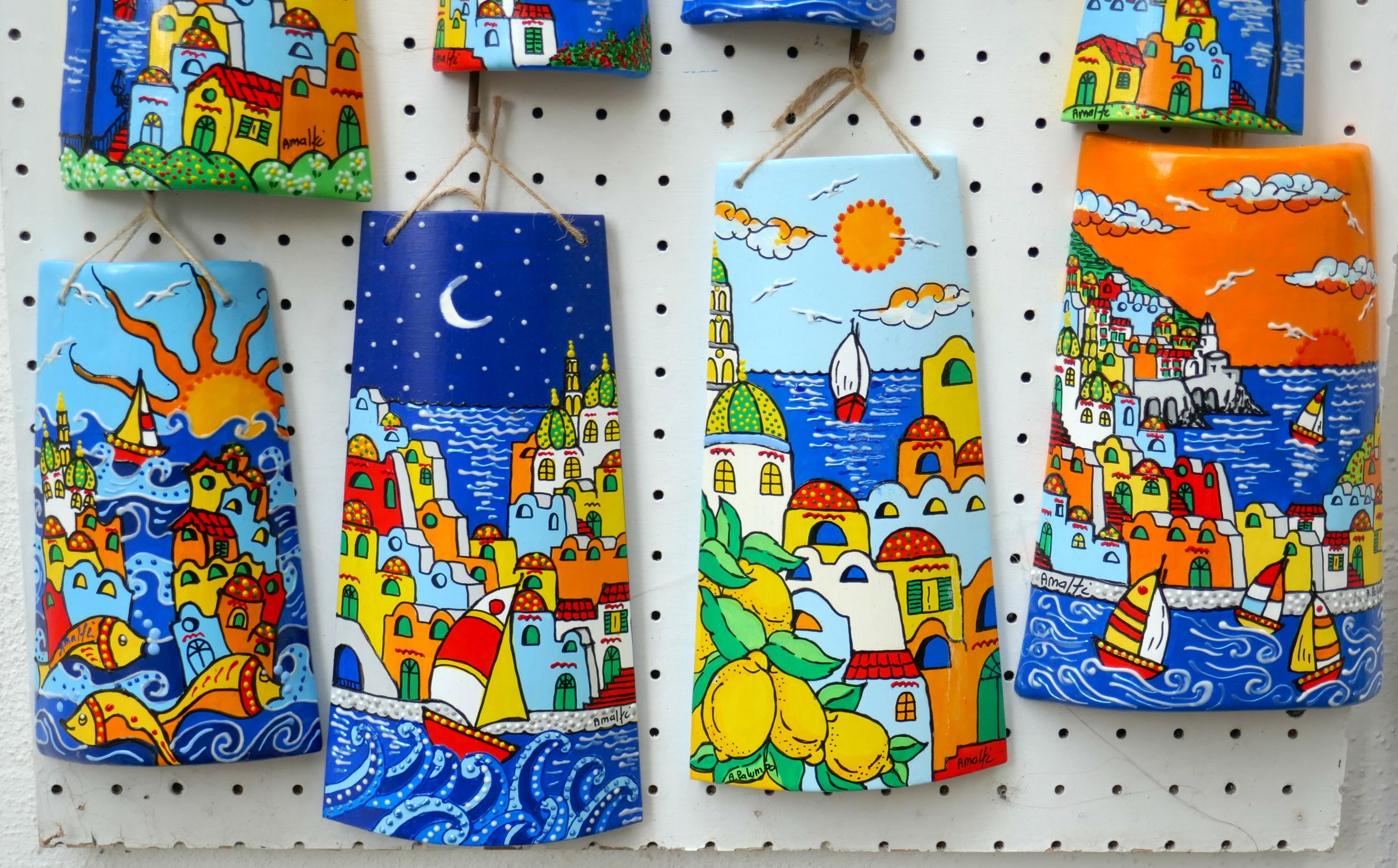
Amalfi is very mountainous, giving the village a lot of character. Steep staircases led us to winding streets we enjoyed exploring and poking around to see what discoveries would make us smile and break out the camera. I took so many photos; it was hard to edit them down. So, strap in; this is a long post of pictures!
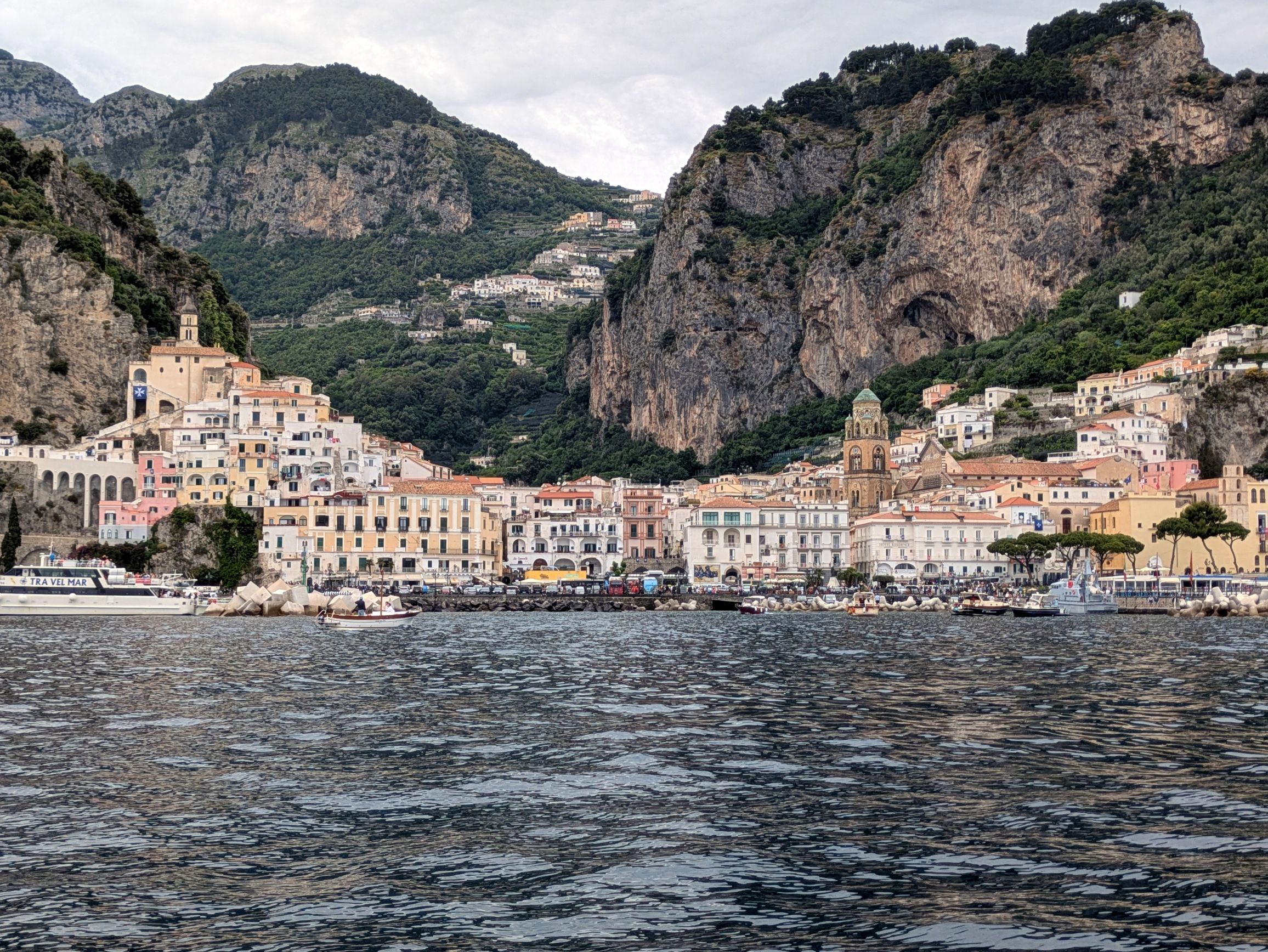
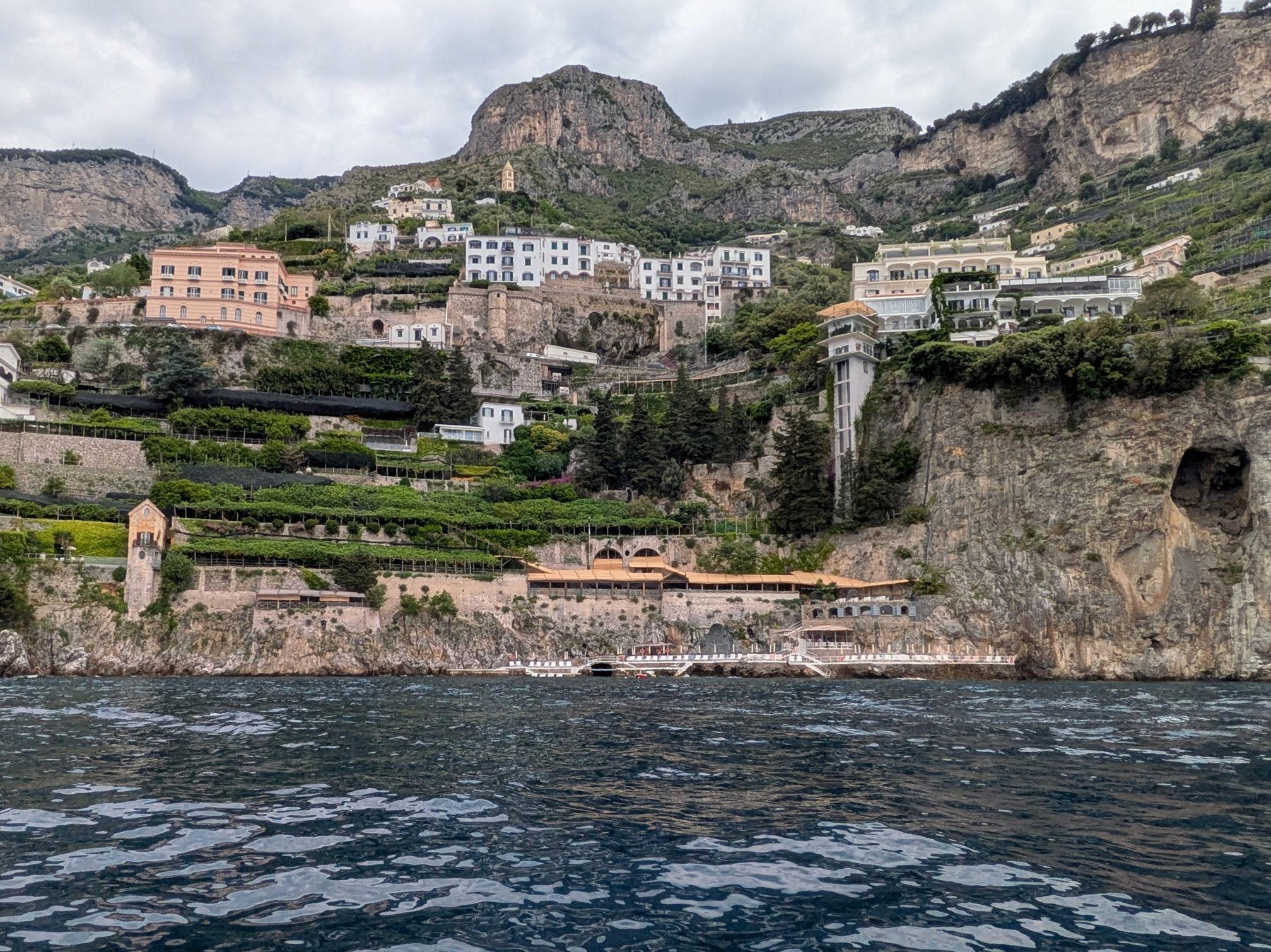
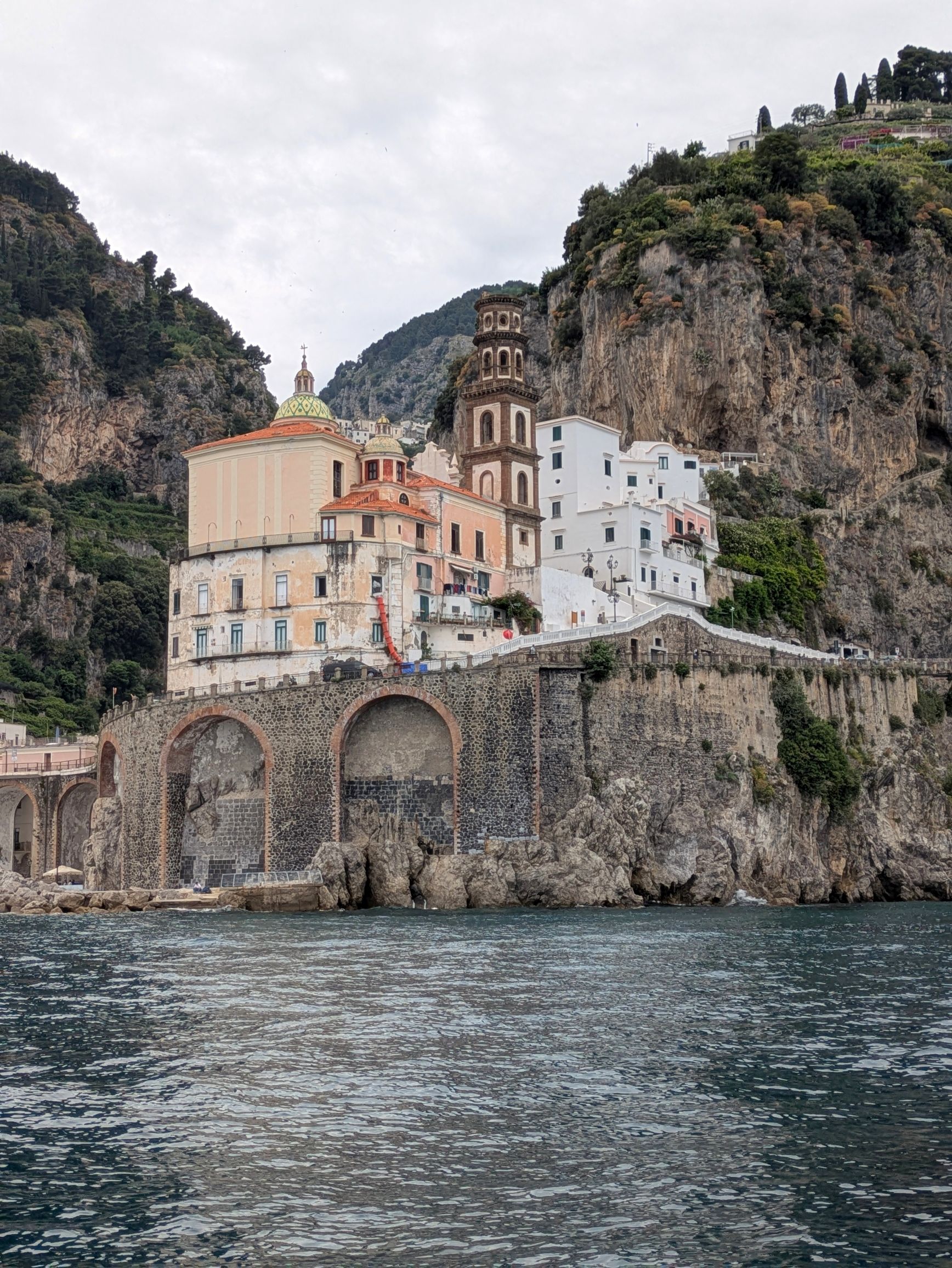
First, the boat ride, for views of the coastline:
(For all photos, click on the image for a full screen view.)
The village of Amalfi
Would you like to stay at this hotel? It will set you back 2,000 Euros per night!
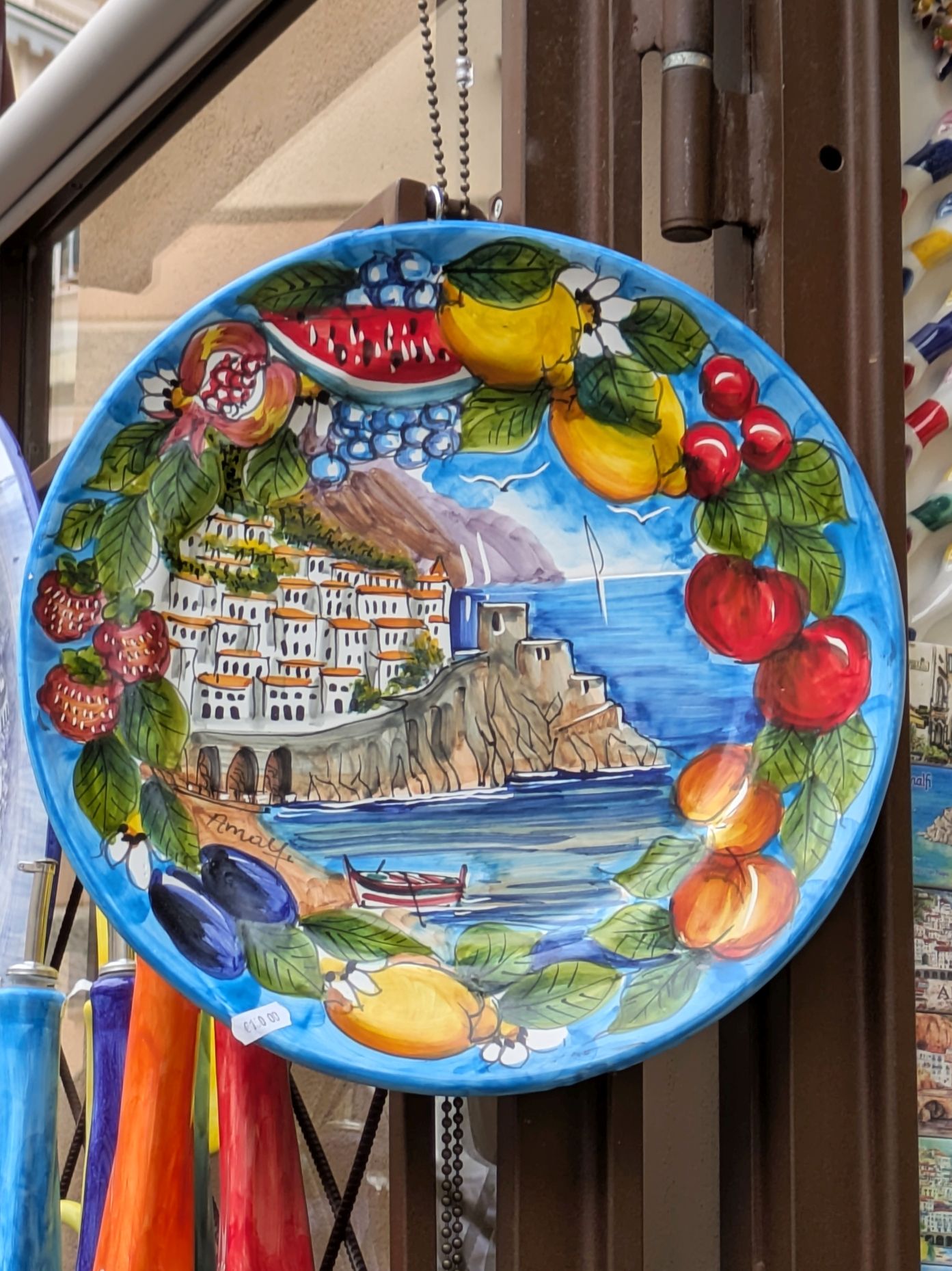
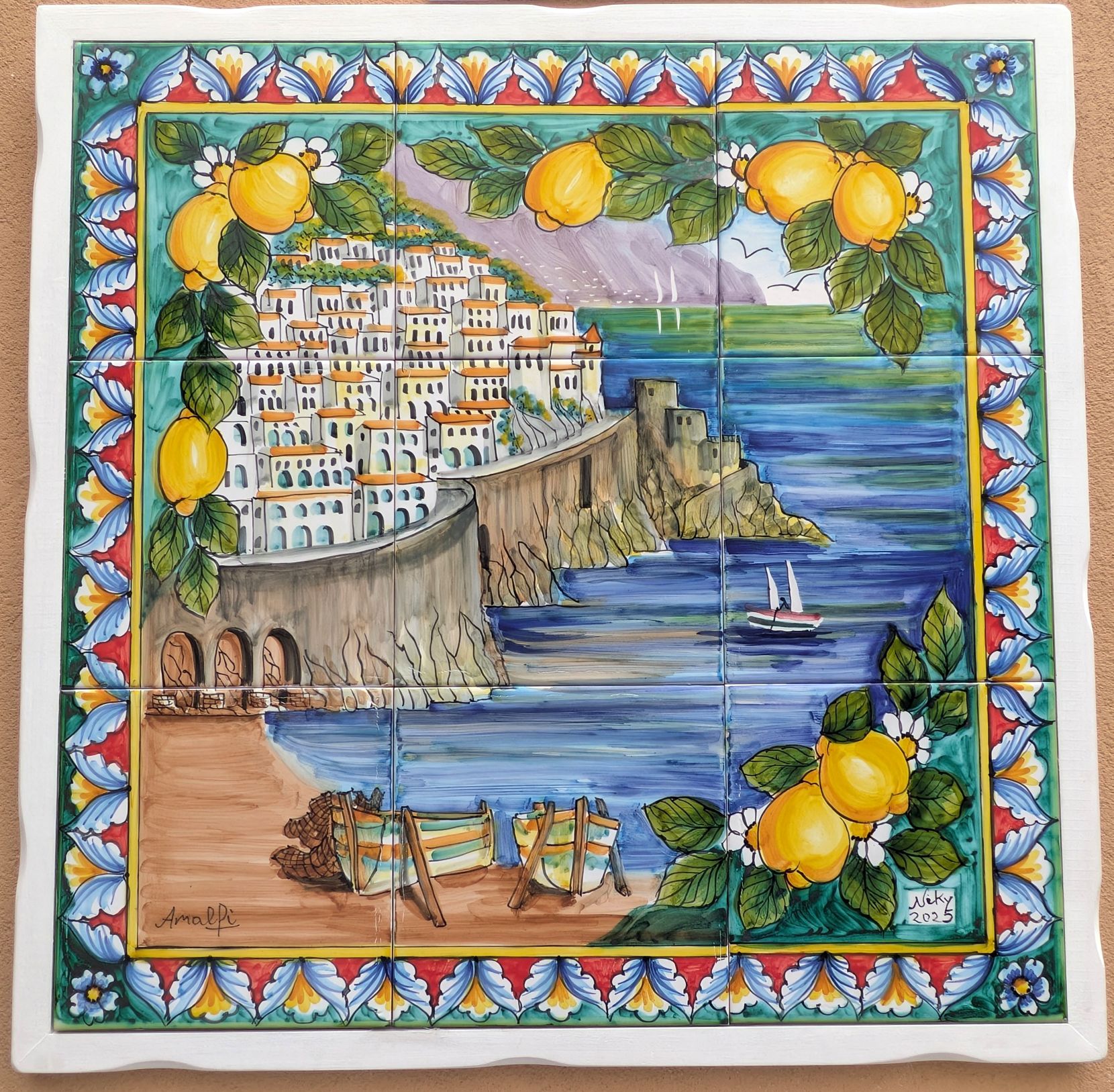
I strolled into this gentleman’s studio, smiled, and bid him, “Buongiorno!” He immediately offered the cherries he had been snacking on from the plastic box. I politely declined, but he insisted. I am so glad he did, because they were the most delicious cherries I had ever tasted, and we shared a magical moment I won’t soon forget.
He painted this beautiful plate with the paints in the photo below.
The mirror reflects the stairs in front of it.
This fountain was nothing short of bizarre but fun! It’s hard to see the detail in this photo, but the picture below is just one small part of this entire scene of little figures of people and animals. Read all about it here.
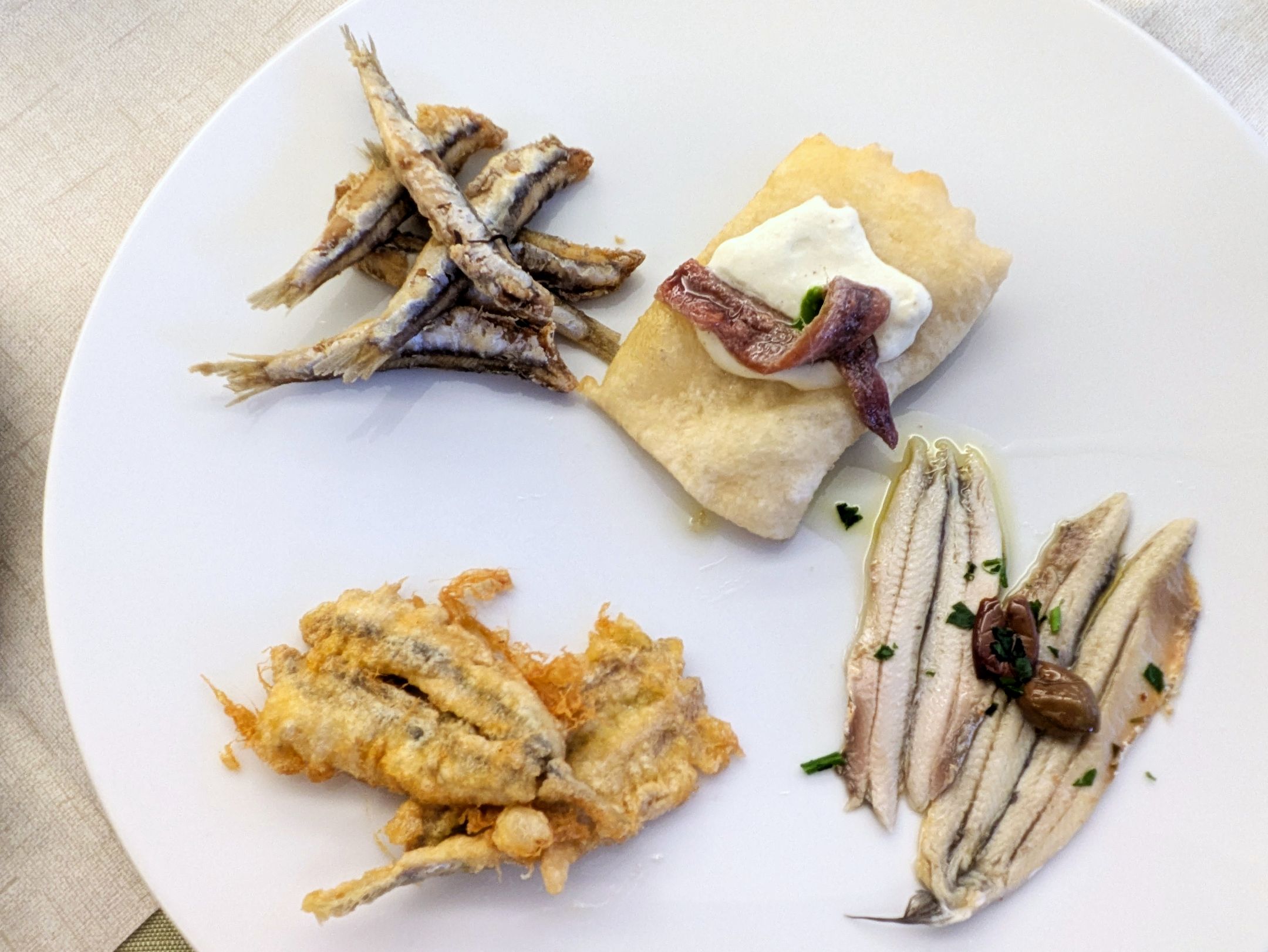
After returning to Maiori, we regrouped following our afternoon of free time to enjoy dinner at a local restaurant. This was the appetizer: Anchovies prepared four ways.
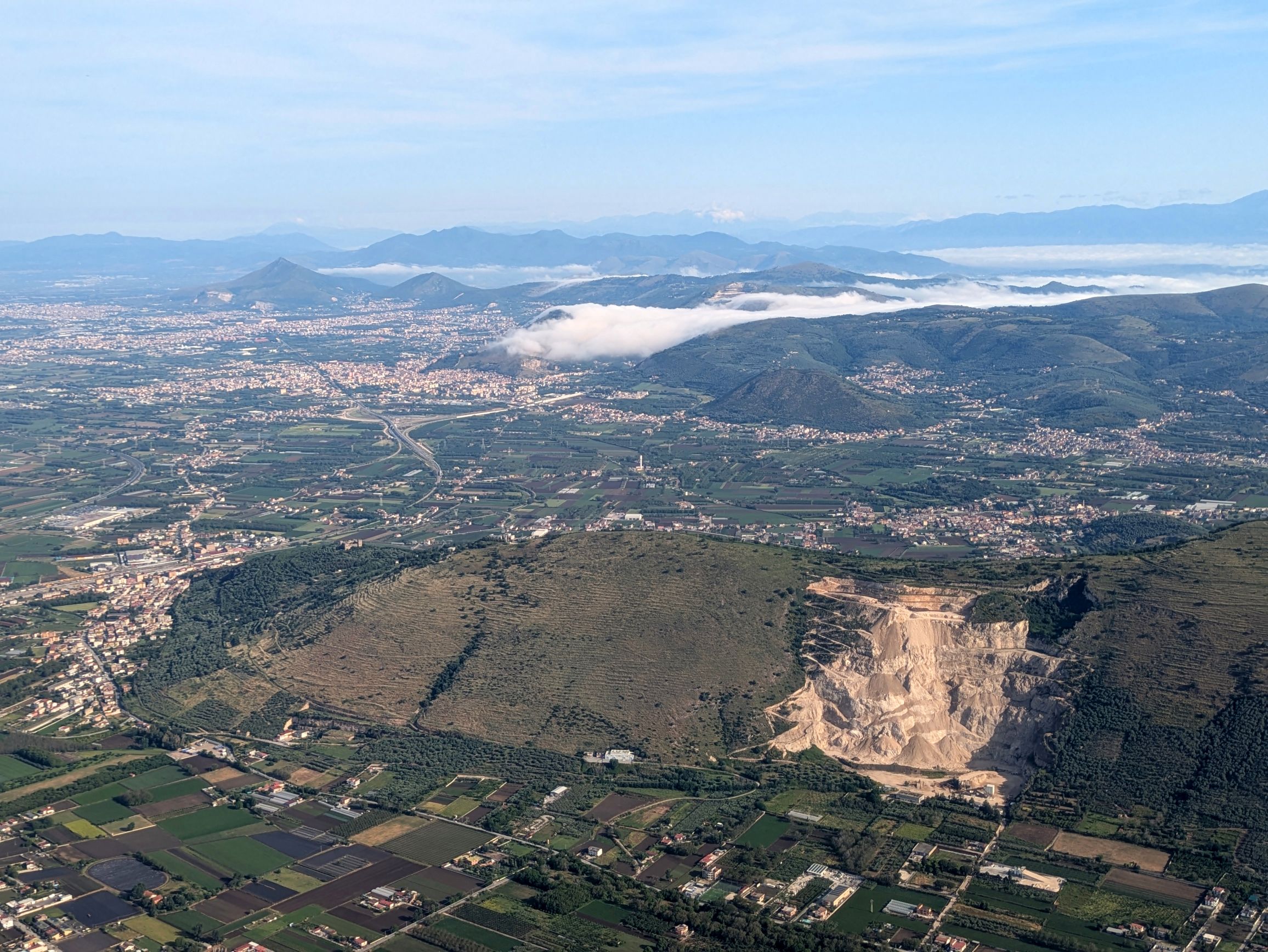
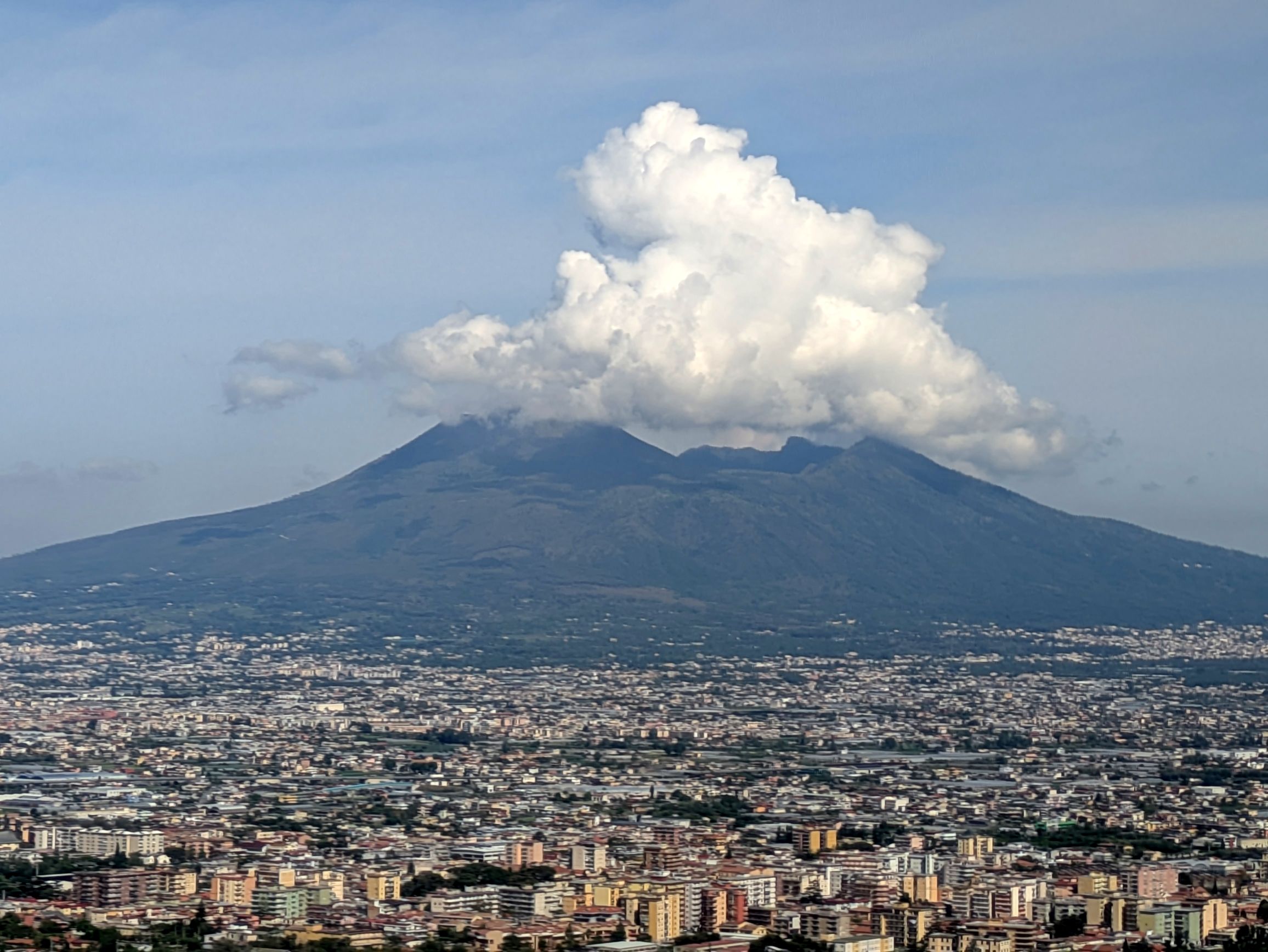
We bid arrivederci to Sicily, flew to Naples, and then enjoyed a beautiful bus ride to Maiori, along the Amalfi Coast, to begin our post-tour extension. Along the way we stopped at a gorgeous viewpoint to take in the panoramic views of Naples and Mount Vesuvius. Once again, as you can see, the weather was on our side; another spectacular day!
(For all photos, click on the image for a full screen view.)
Mount Vesuvius
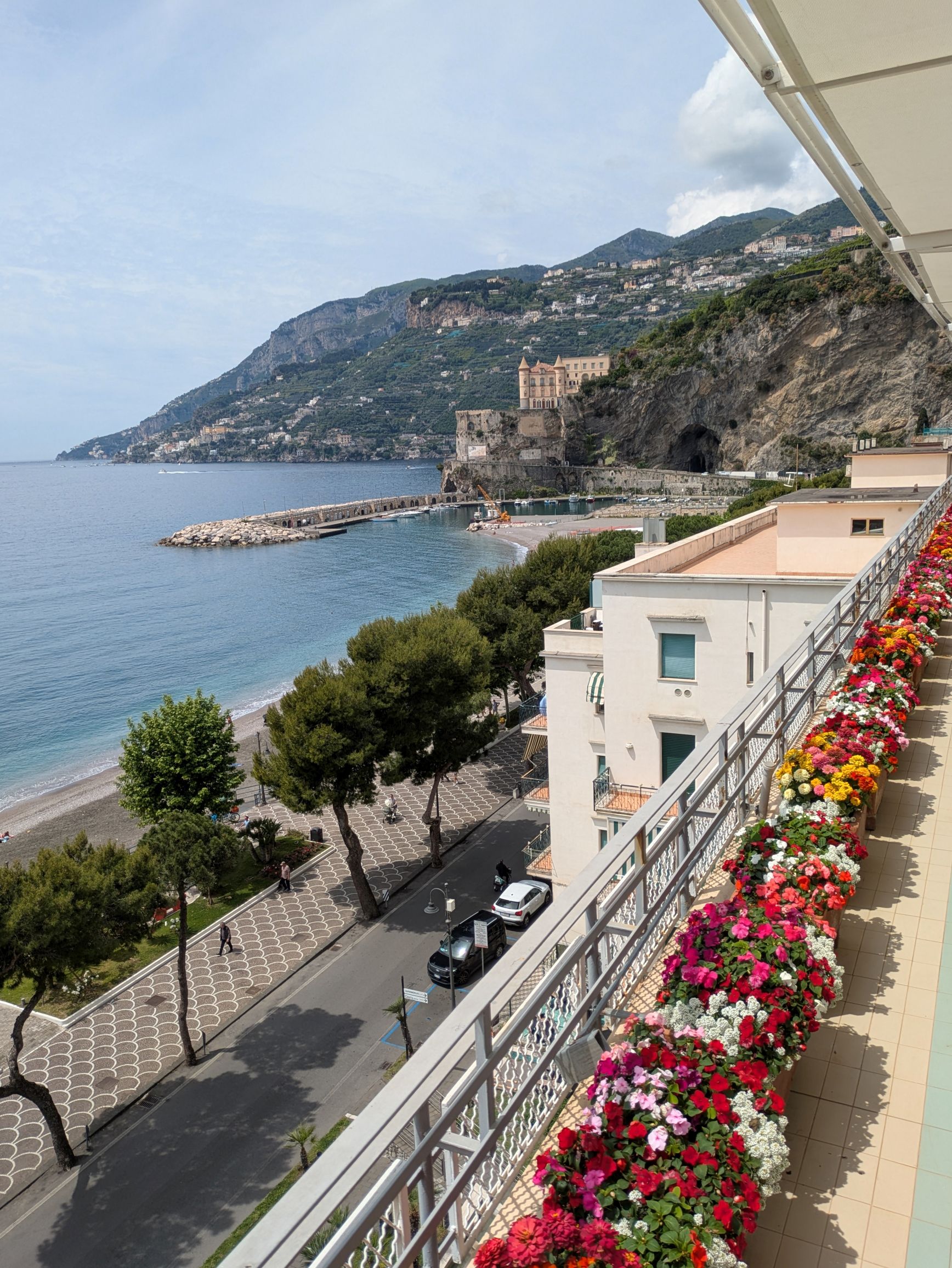
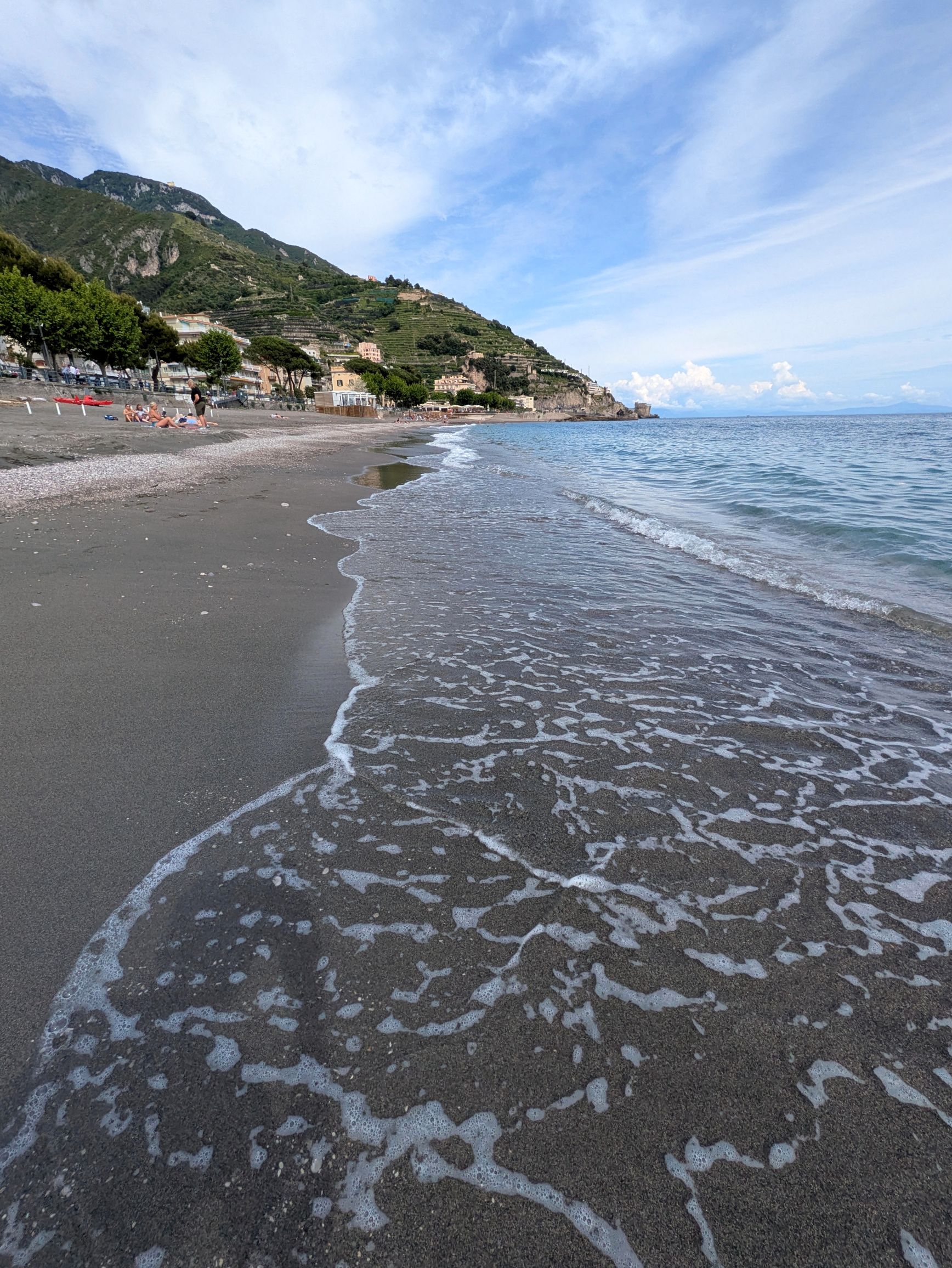
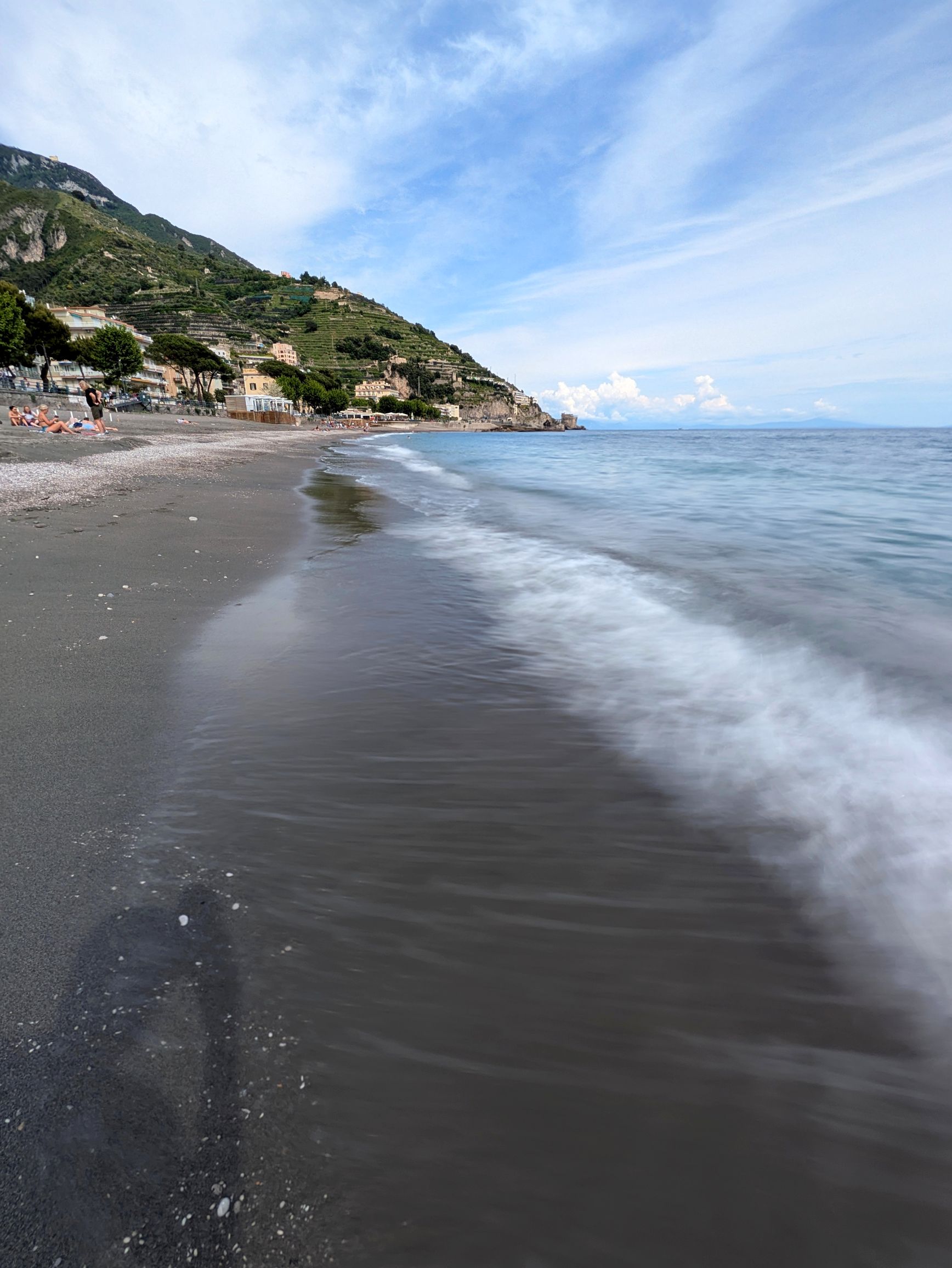
Hotel Panorama, our base for three nights, was appropriately named, as our room had a stunning panoramic view of the coast. During our down time, Bruce and I enjoyed sitting on the balcony and watching the world go by. Between the fountain down below and the small waves rolling in, the sound of water was quite relaxing. We even enjoyed our first dinner in Maiori on our balcony– incredible sandwiches from the Italian deli down the street!
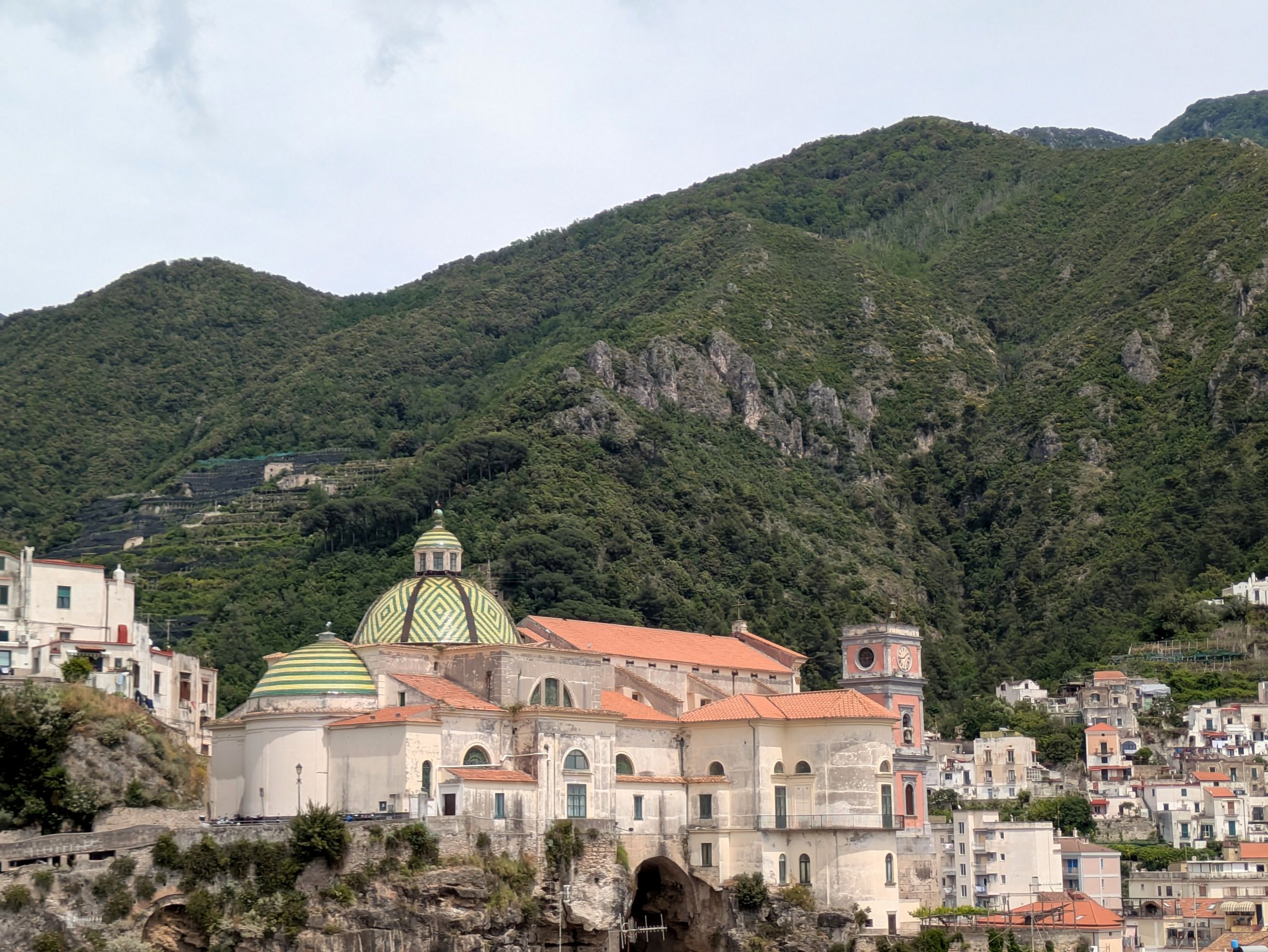
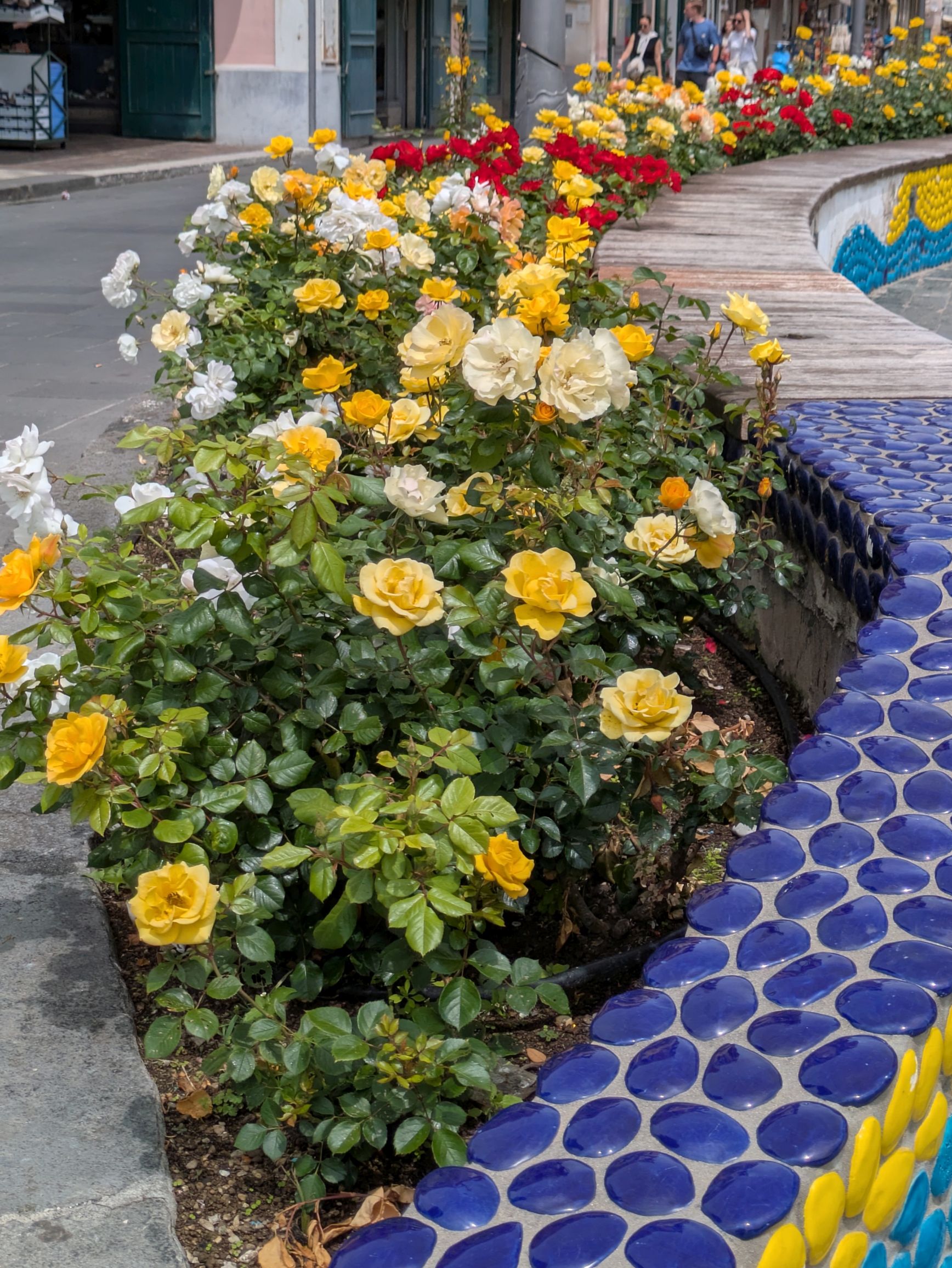
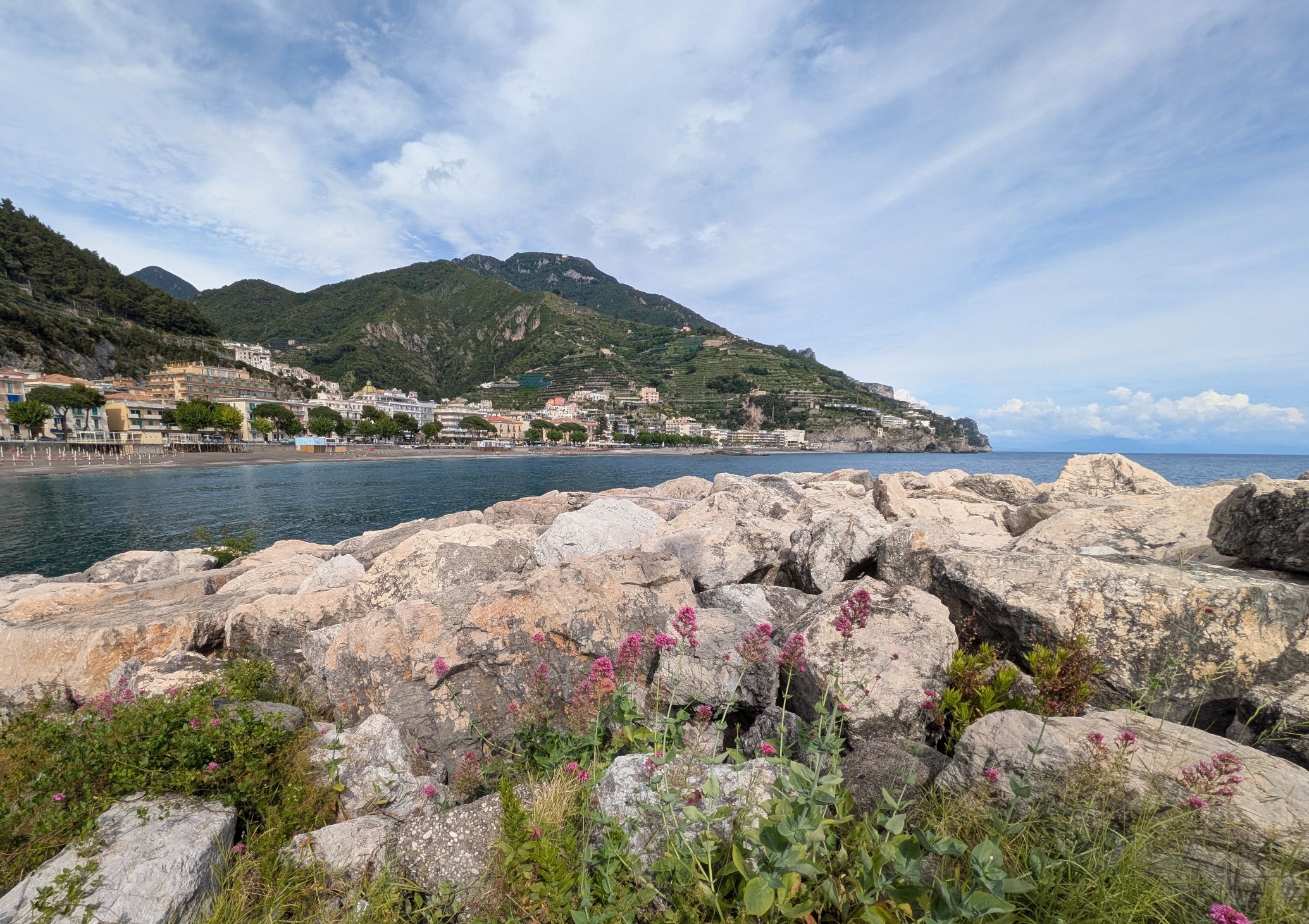
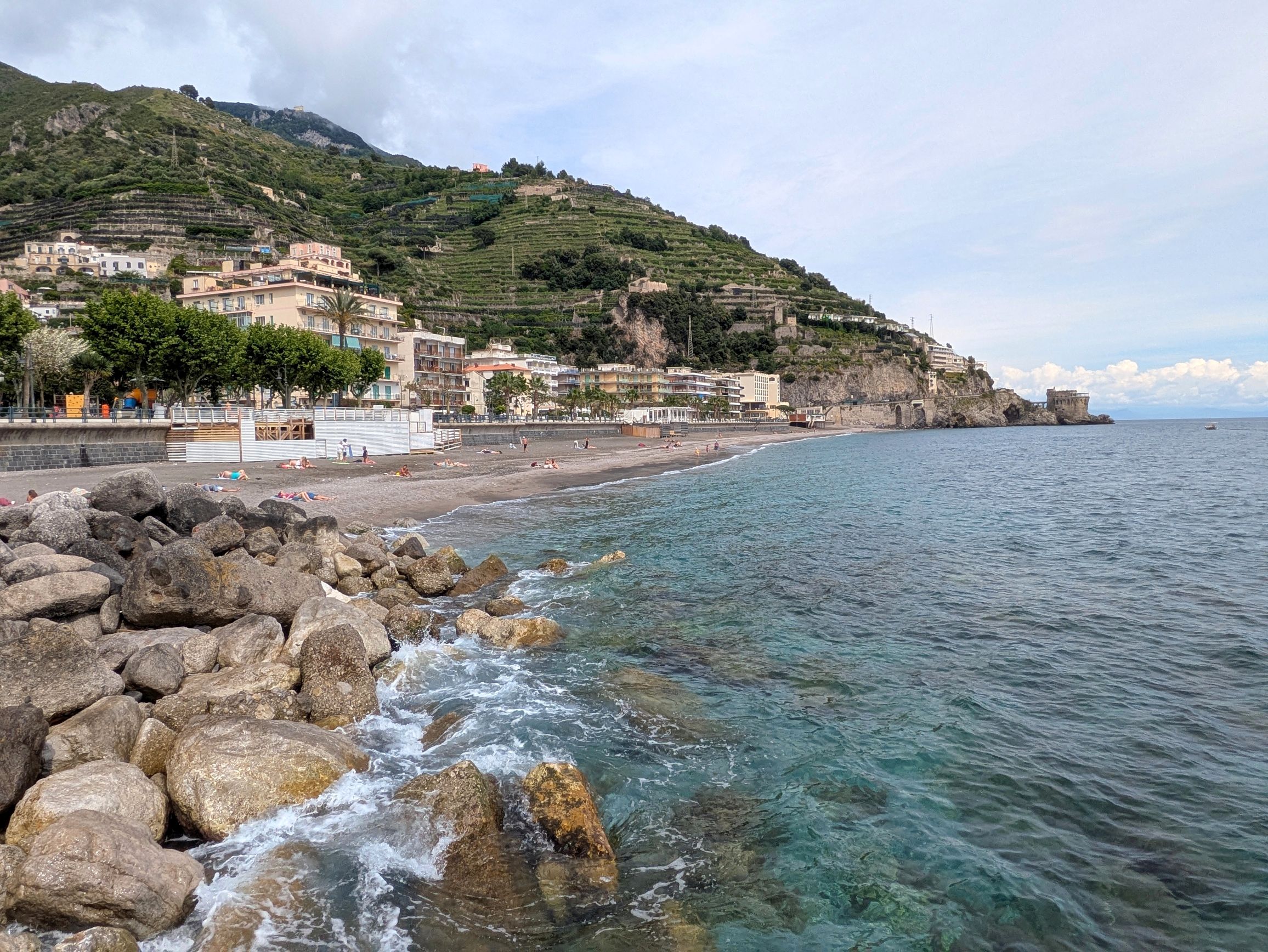
Our arrival was in the late afternoon, so the remainder of the day was spent exploring the small town, walking along the beach, and taking in the beautiful views of this hilly coastal town.
Maiori is small; less than 6,000 residents live here full time. But during the high season, the population swells with tourists. We were happy to be ahead of the crush and be able to enjoy the town without crowds of people.
Come join me on a tour of the town, beginning with views from the rooftop pool and restaurant:
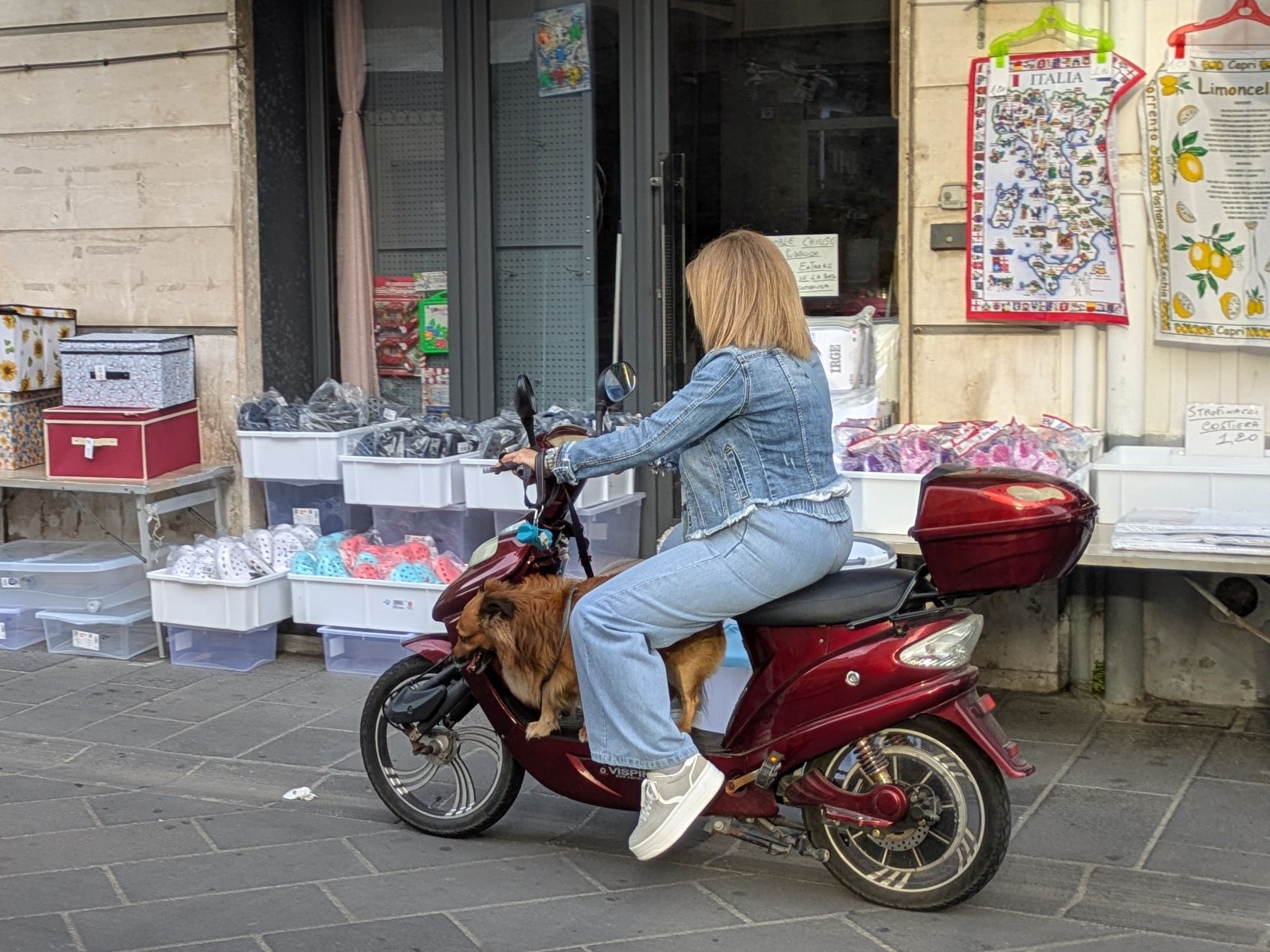
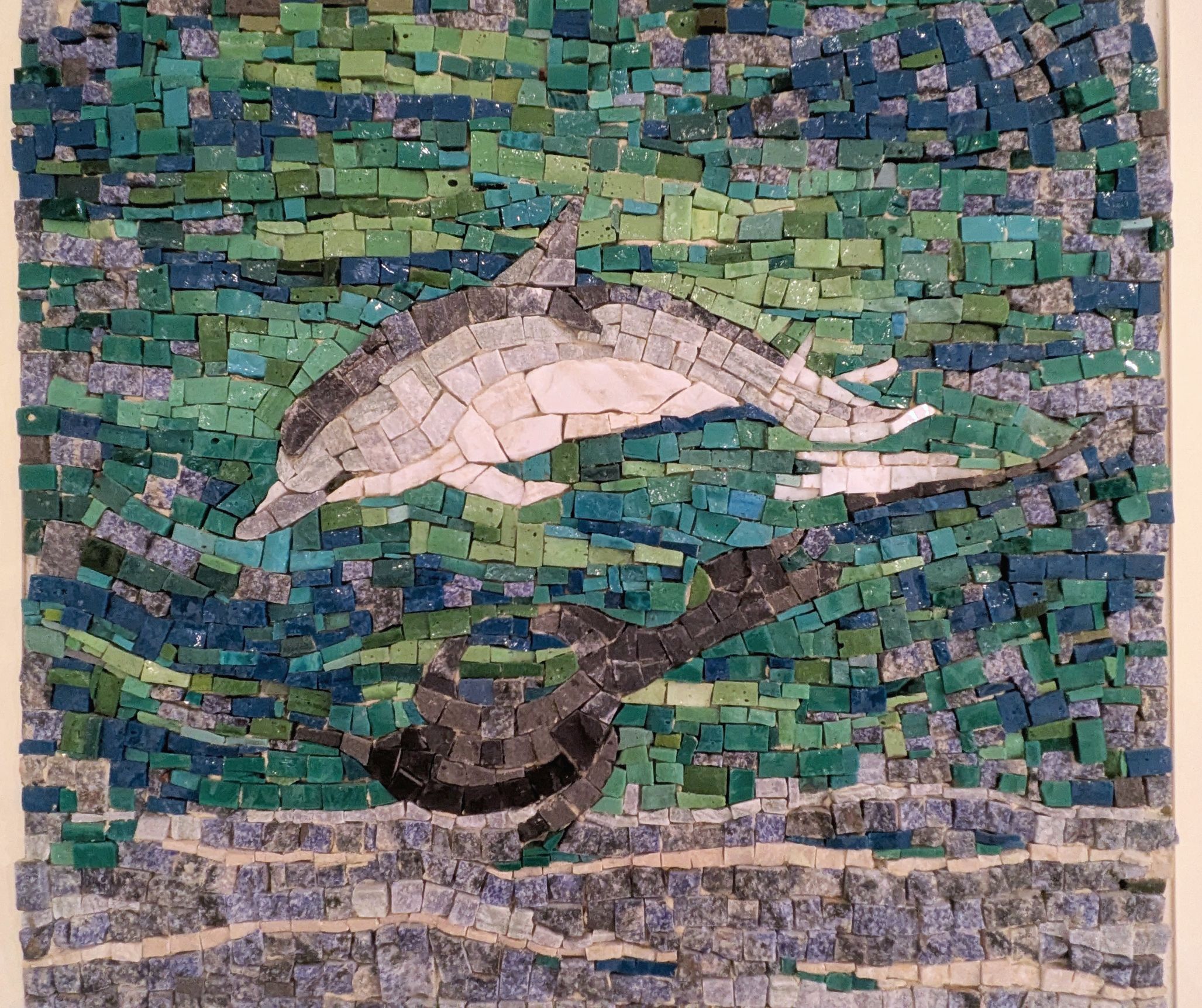
Scenes from the town:
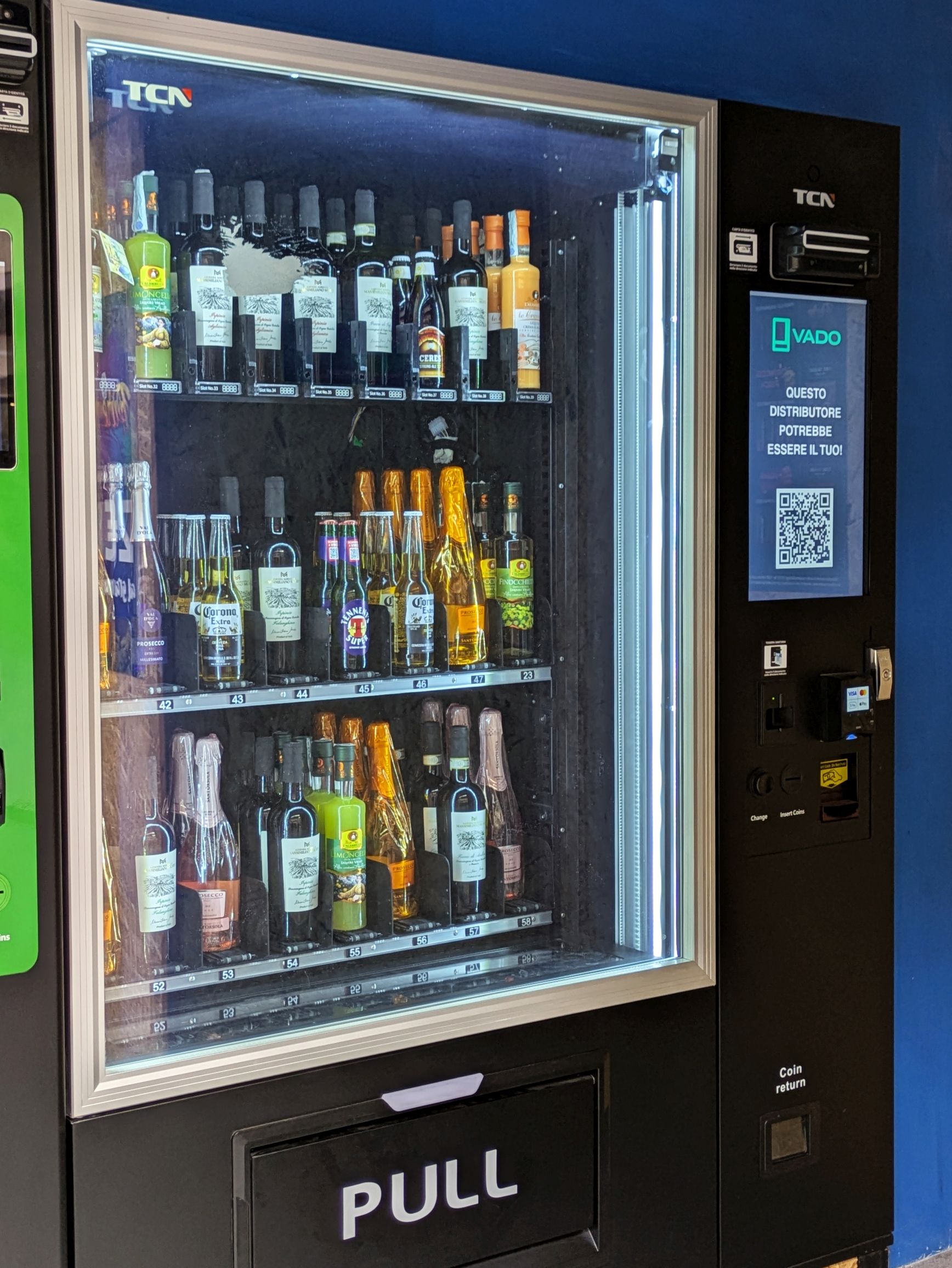
I have never seen a wine and beer vending machine before!
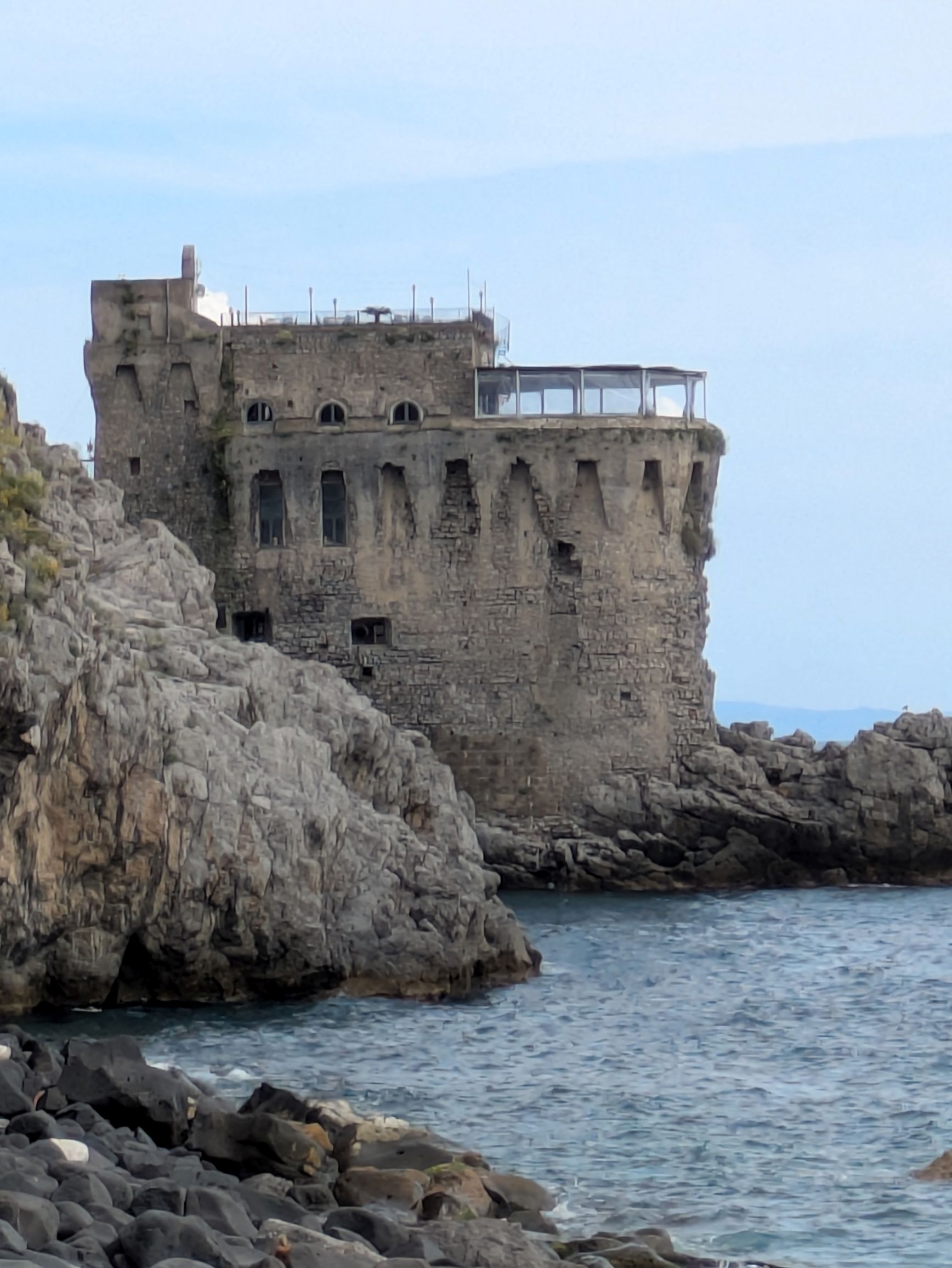
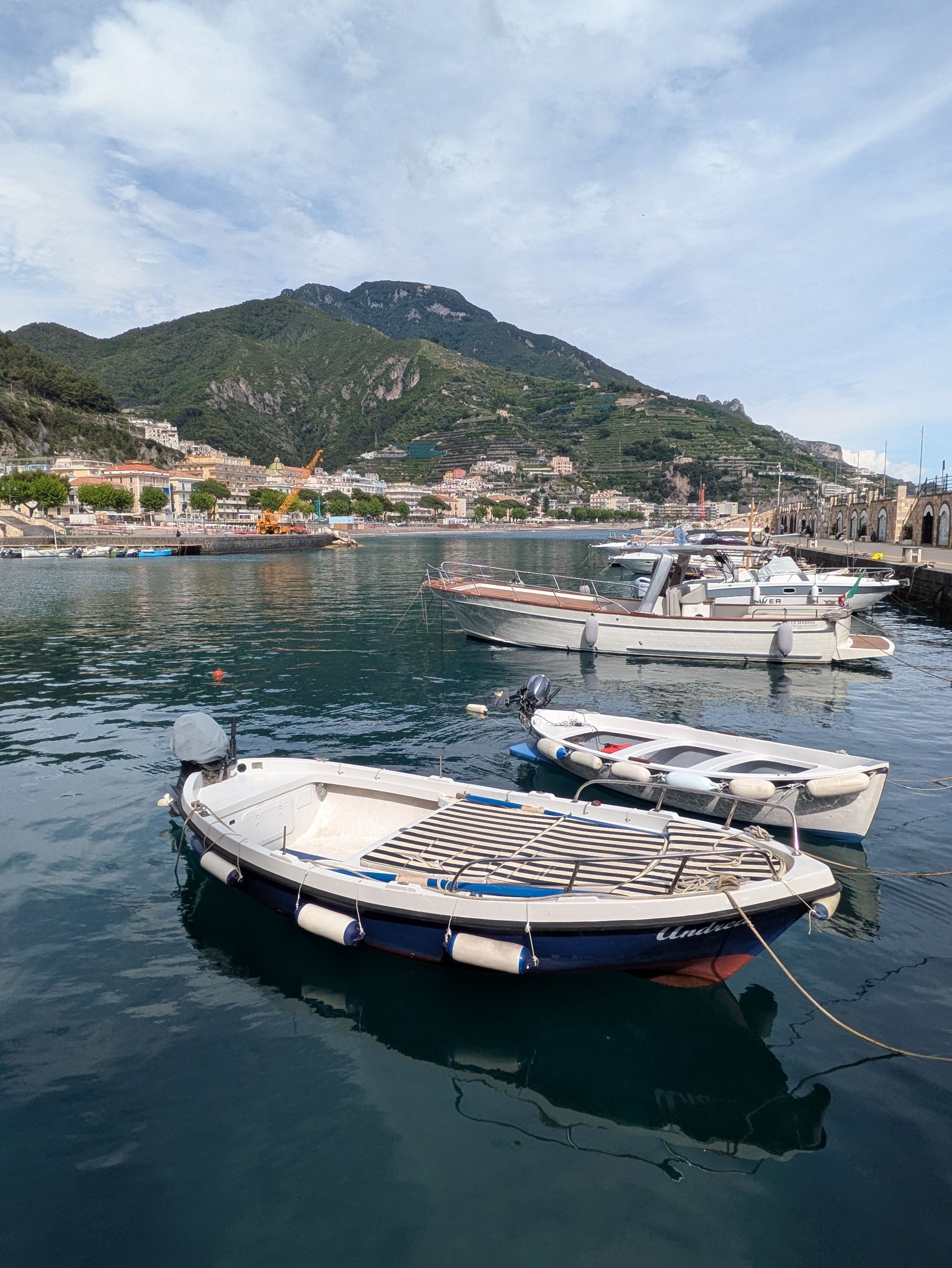
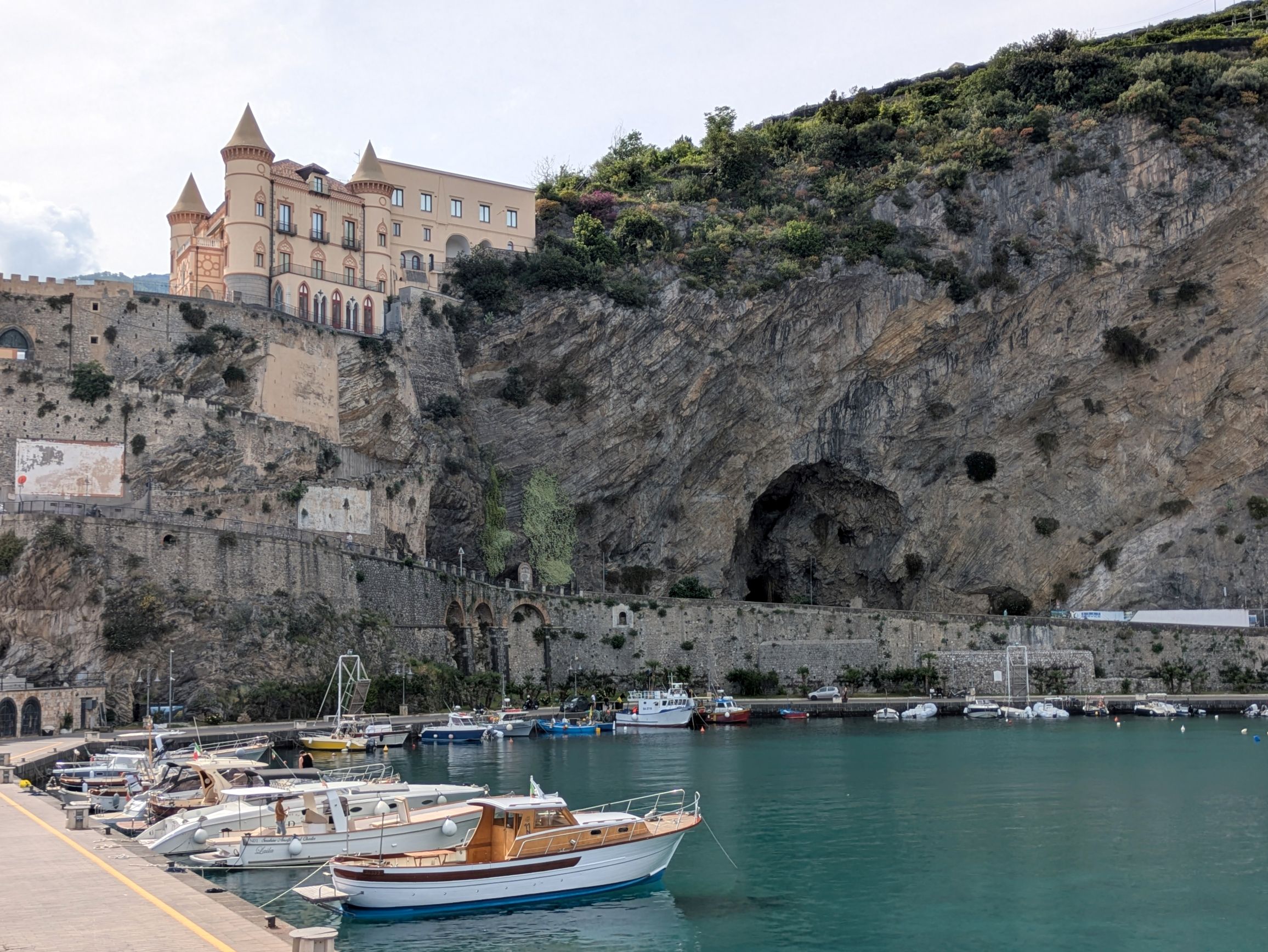
The waterfront and marina:
Coming up next: SICILY & AMALFI COAST #23: A BEAUTIFUL BOAT RIDE TO ADORABLE AMALFI
I hope you enjoy my final post on Sicily before I continue to the Amalfi Coast. This is a short slide show featuring my photography accompanied by the music of The Rippingtons.
For the best viewing experience, use a desktop computer, turn up the speakers and view on full screen by clicking on the symbol in the lower left corner of the YouTube screen after the show begins.
I’m baaack! Sorry for the long delay in between posts, but I was in Des Moines, Iowa, competing in swimming at the National Senior Games (Olympics). Happily, not only did I have a great time, but I won a bronze medal in the 200 Yard Backstroke and a silver in my 200 Mixed Medley Relay!
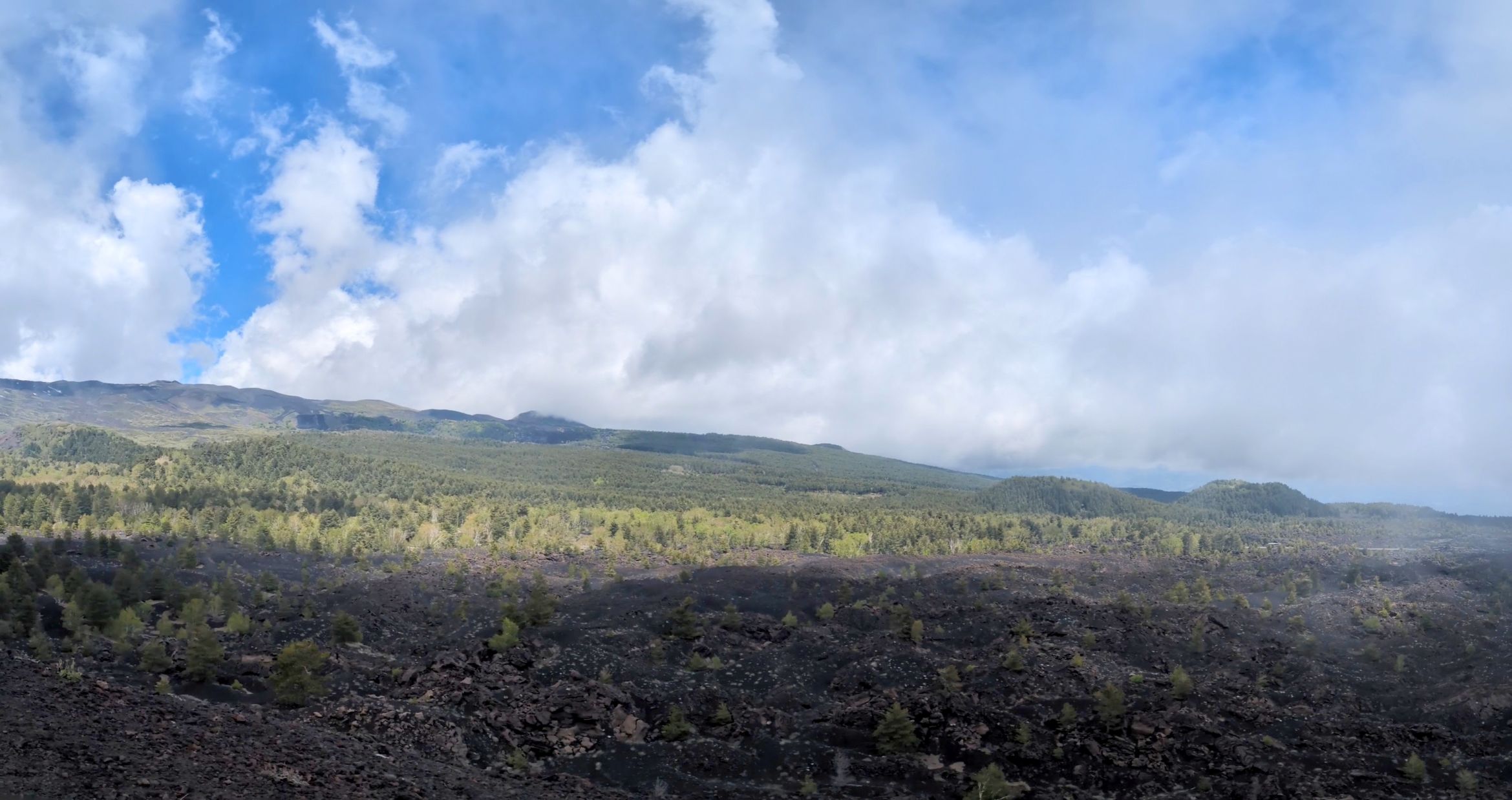
Back to Sicily, our last day on the island before heading over to the Amalfi Coast was spent hiking Mount Etna. As you may have heard, the volcanic Etna erupted again, but we were fortunate to have visited a couple of weeks before that happened.
A UNESCO World Heritage Site, Etna is the highest Italian mountain south of the Alps at more than 10,000 feet in elevation and one of the most active volcanoes in the world.
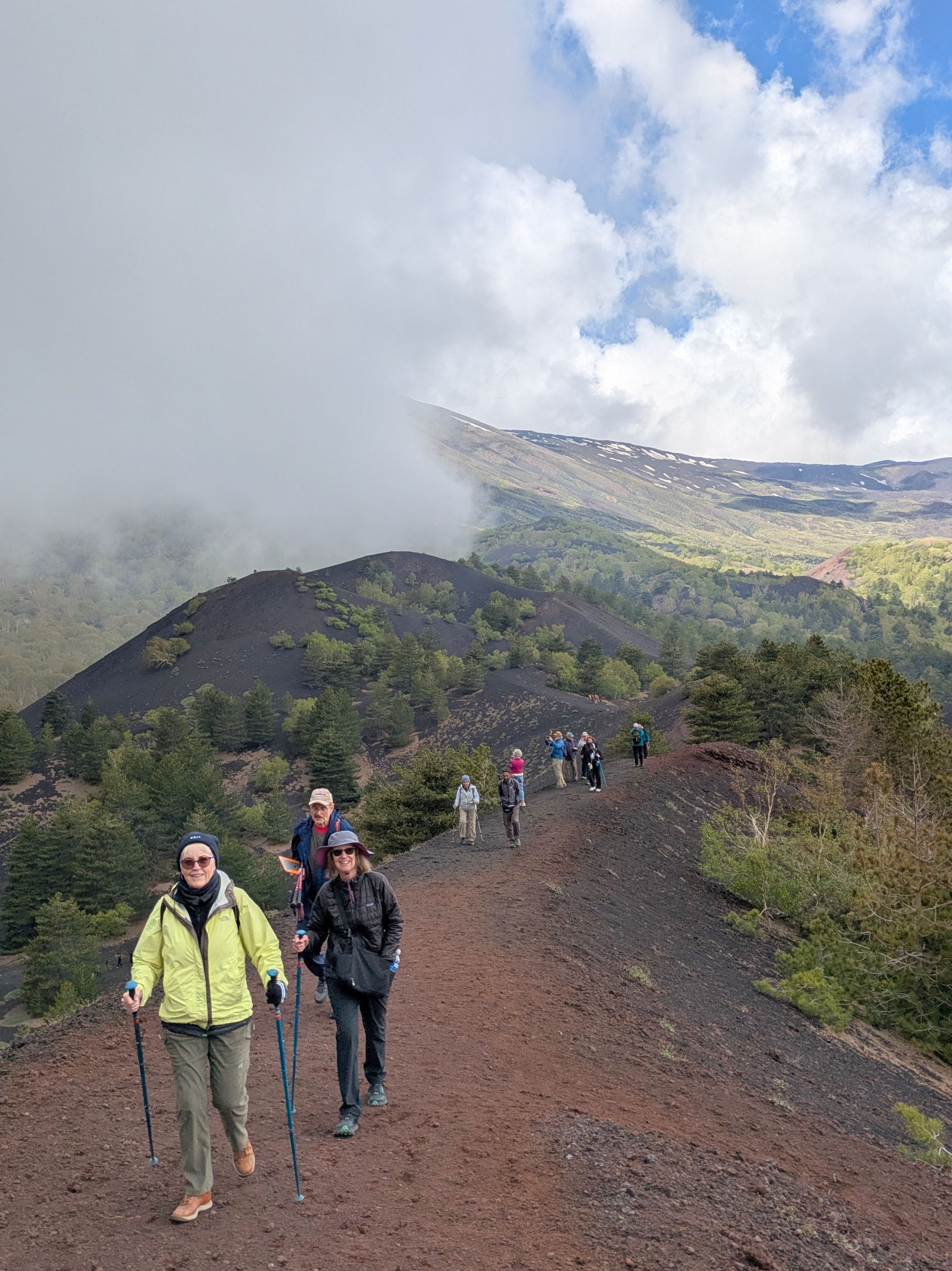
To reach the volcano, we took a 4-wheel-drive vehicle and were joined by a local nature guide, stopping to see a lava flow along the way before hiking to the top of one of Etna’s four summit craters.
(For all photos, click on the image for a full screen view.)
Few volcanoes change as rapidly and dramatically as Etna, and we experienced the changing weather pattern during the steep hike to the top. In the short time we were at the top, the beautiful sunny sky clouded over by a wall of fog that rolled through. Soon, it passed, and it was sunny again!
After every eruption, five million cubic meters of lava ash must be cleared from the villages below and packed in plastic bags for disposal. From February to November of 2021, 53 volcanic eruptions required the removal of lava. There was another eruption outbreak in May 2023, July and August 2024, and for a month in February and March of 2025. During that eruption, the volcanic explosion was 7.5 miles high, and the ash blew to Africa and Greece. The temperature of the lava flow reached 1,000 degrees Celsius! Lava flows only 100 meters per day, though, so there was plenty of warning for the villagers below. Fortunately, none of the 1 million in population surrounding Etna were killed during those eruptions. In 1928, that wasn’t the case, and an eruption destroyed the village below.
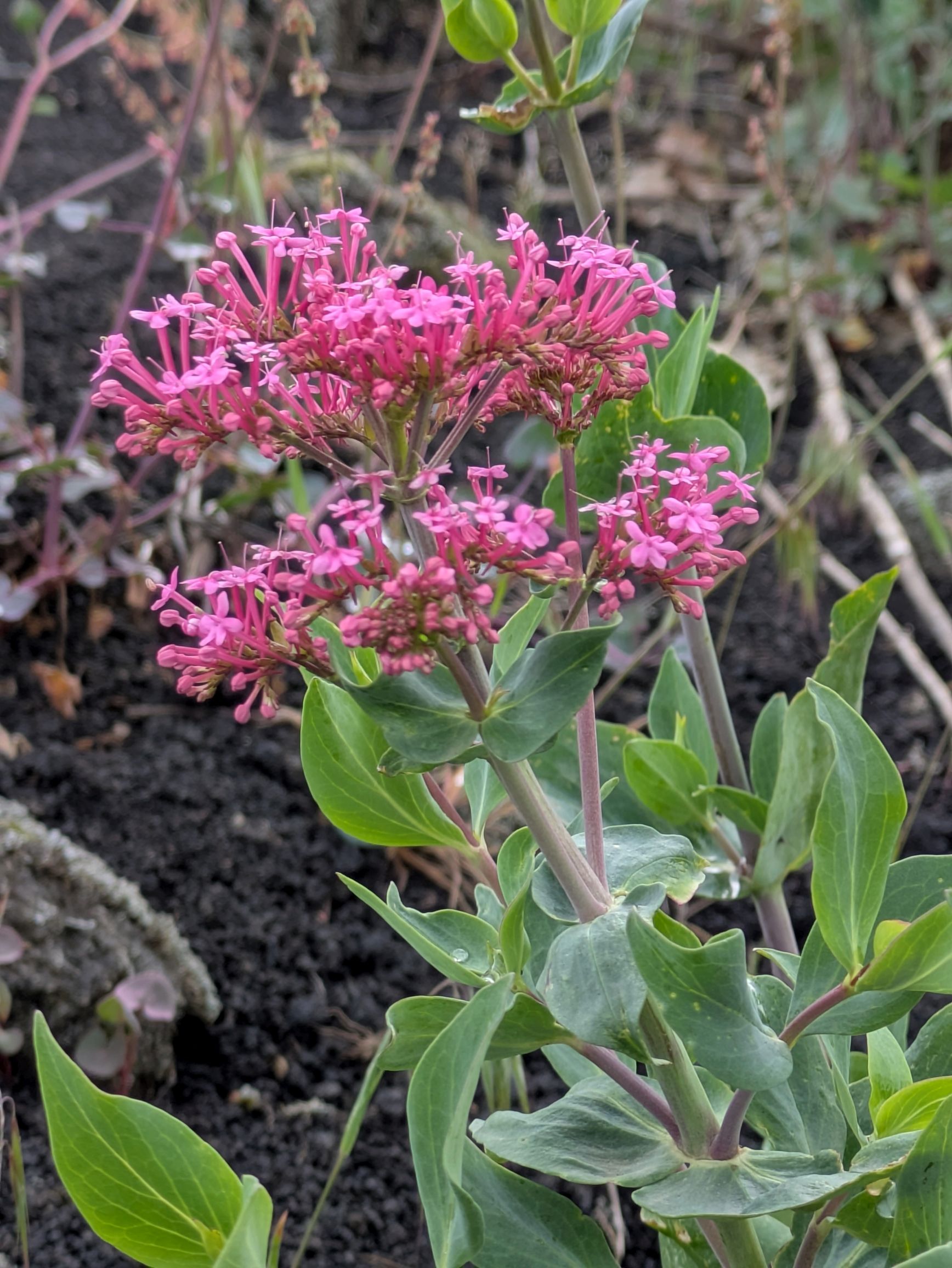
With all those eruptions, it makes you wonder why one million people continue to make Etna their home. It’s because the snow during the winter on Mount Etna provides a good source of water and the soil is very fertile, so it’s a great wine growing area. One thousand different plants—many specific to Etna—grow in the area, and volcanic rock provides an excellent building material. Fifteen million people visit Mount Etna each year, so it also provides a good source of tourism revenue for the locals.
Visiting Mount Etna and hiking to the crater summit was an awesome experience, one I will never forget!
Beginning the steep climb up to the summit
We’re almost there!
The summit, just before the fog wall rolled in.
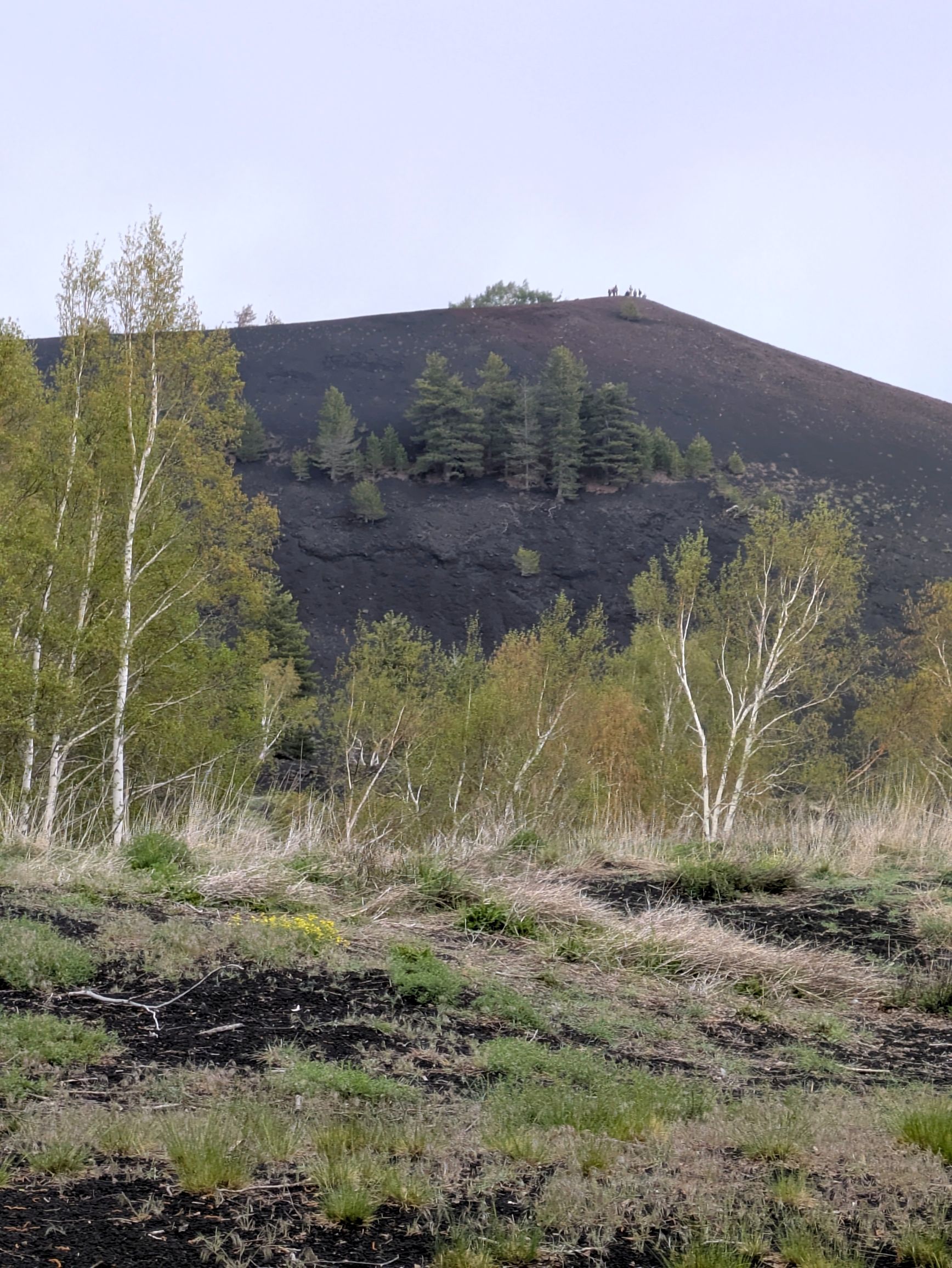
Looking back at hikers up at the summit on our way back down.
That’s where we were, way at the top!
Next up: SICILY & AMALFI COAST #22: SICILY SLIDE SHOW
I am going to sound like the “Department of Redundancy Department” when I say it was another gorgeous day, but it was! It was a perfect day to visit Taormina, a busy tourist town but so charming and photogenic!
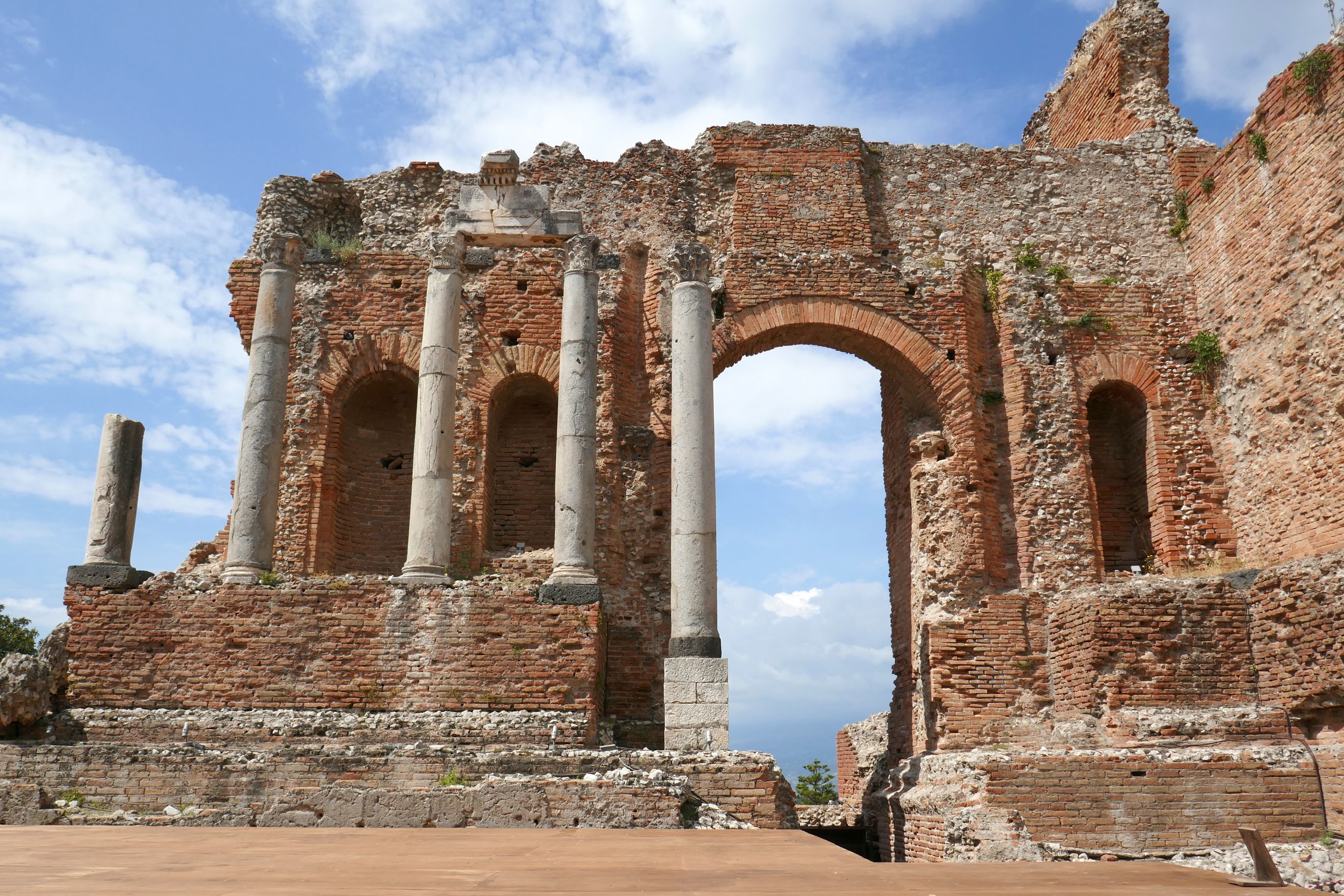
Dating back to before Ancient Greece established its first colony on Sicily in 734 BC, Taormina is old. Our walking tour began with seeing the ruins of this small amphitheater and temple dating to the 3rd century BC.
(For all photos, click on the image for a full screen view.)
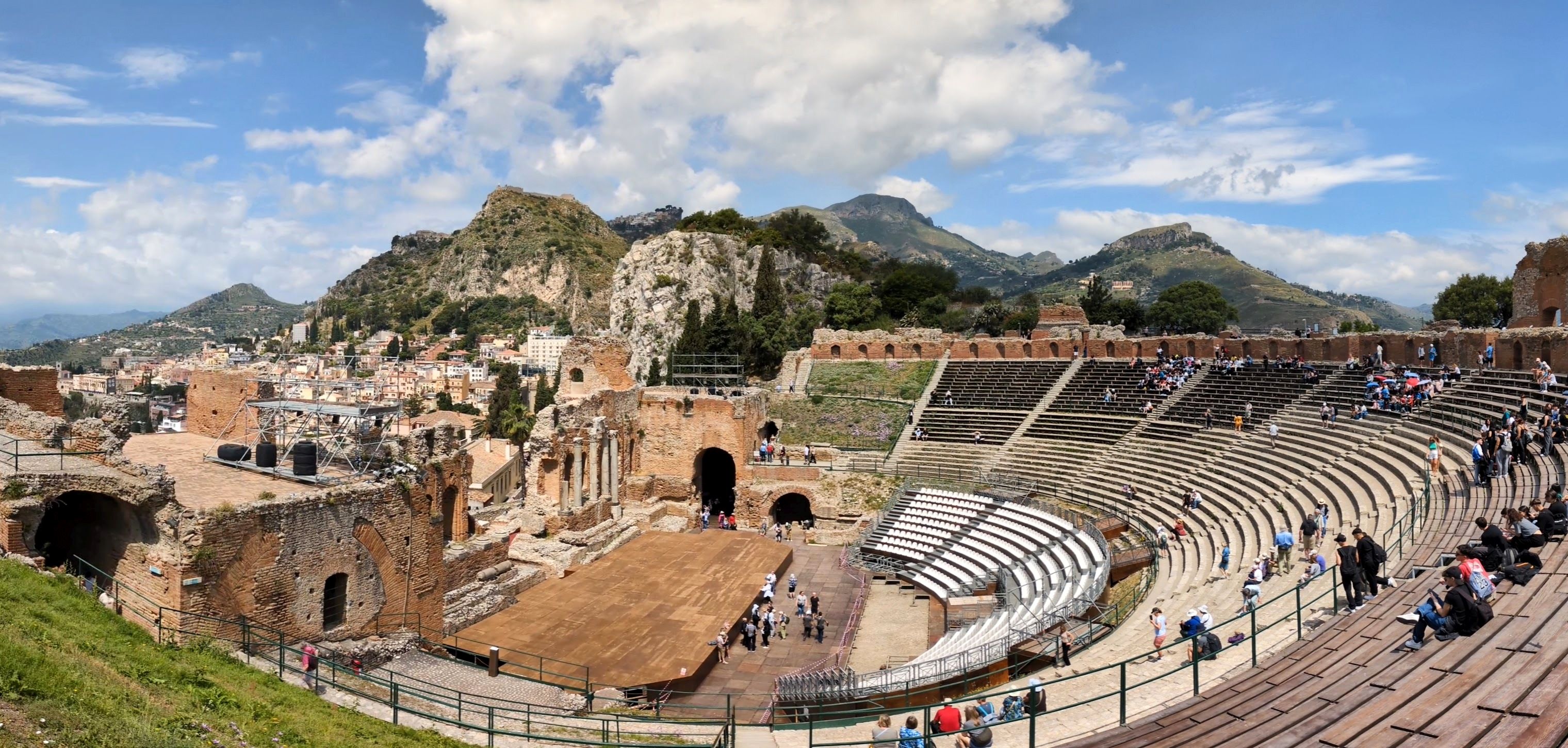
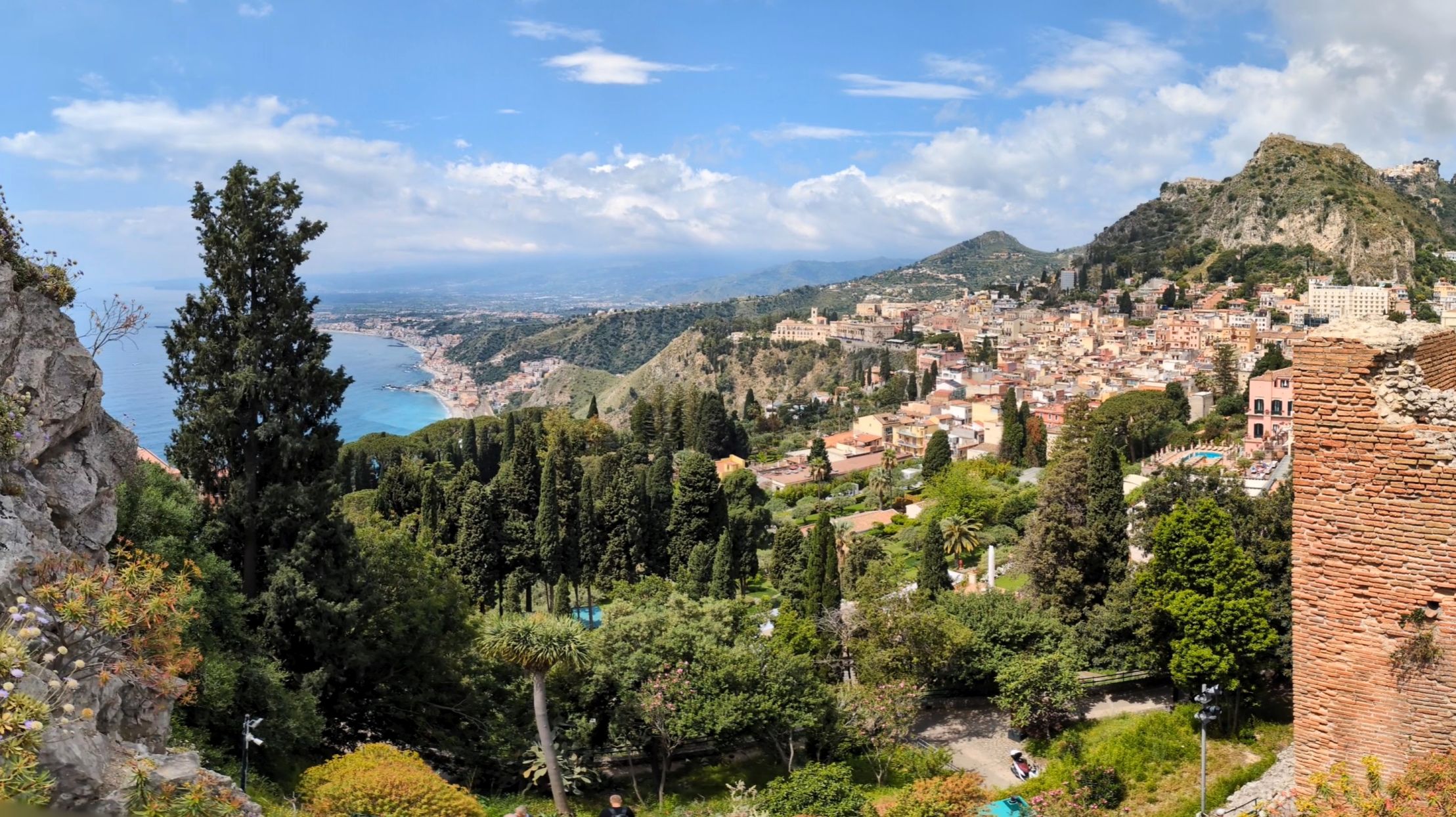
Next, we toured one of the most highly regarded ancient sites in Sicily, the Greco-Roman theater. Perched atop a hill with fabulous views of the Ionian Sea coastline and Mount Etna, I could see why it is such a popular place to visit.
I loved the steep hills of this lovely town of 10,000+ people, with its winding streets, stairs everywhere, and bright colors. A lot of thought was put into making it attractive, charming, and welcoming, and we thoroughly enjoyed seeing as much of it as we could during our free time, including a walk around the public gardens. The walk down to the gardens wasn’t too bad, but the walk back up the steep hill was a good workout! It was so worth it, though!
Taormina Public Gardens
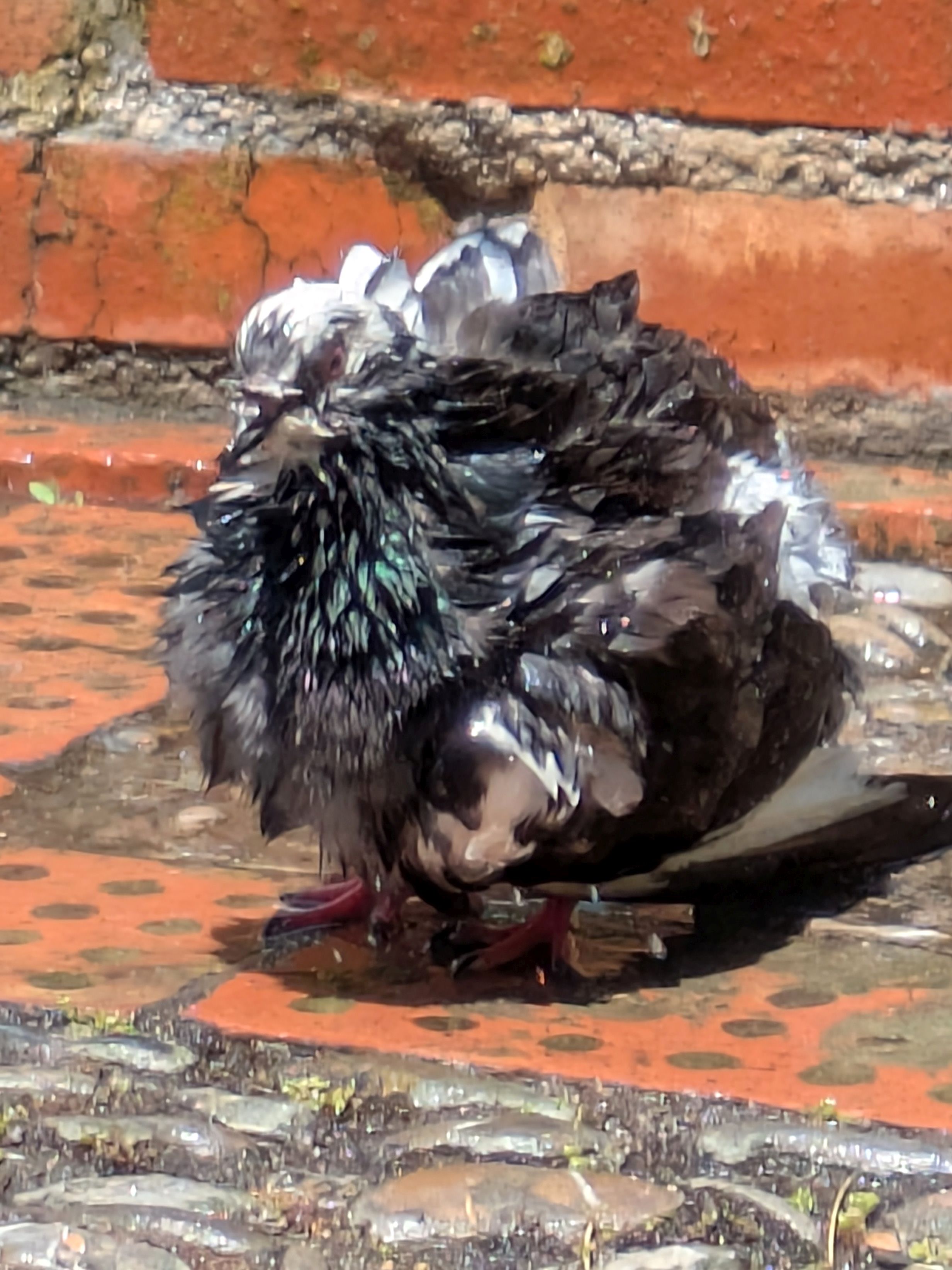
This bird was enjoying his bath!
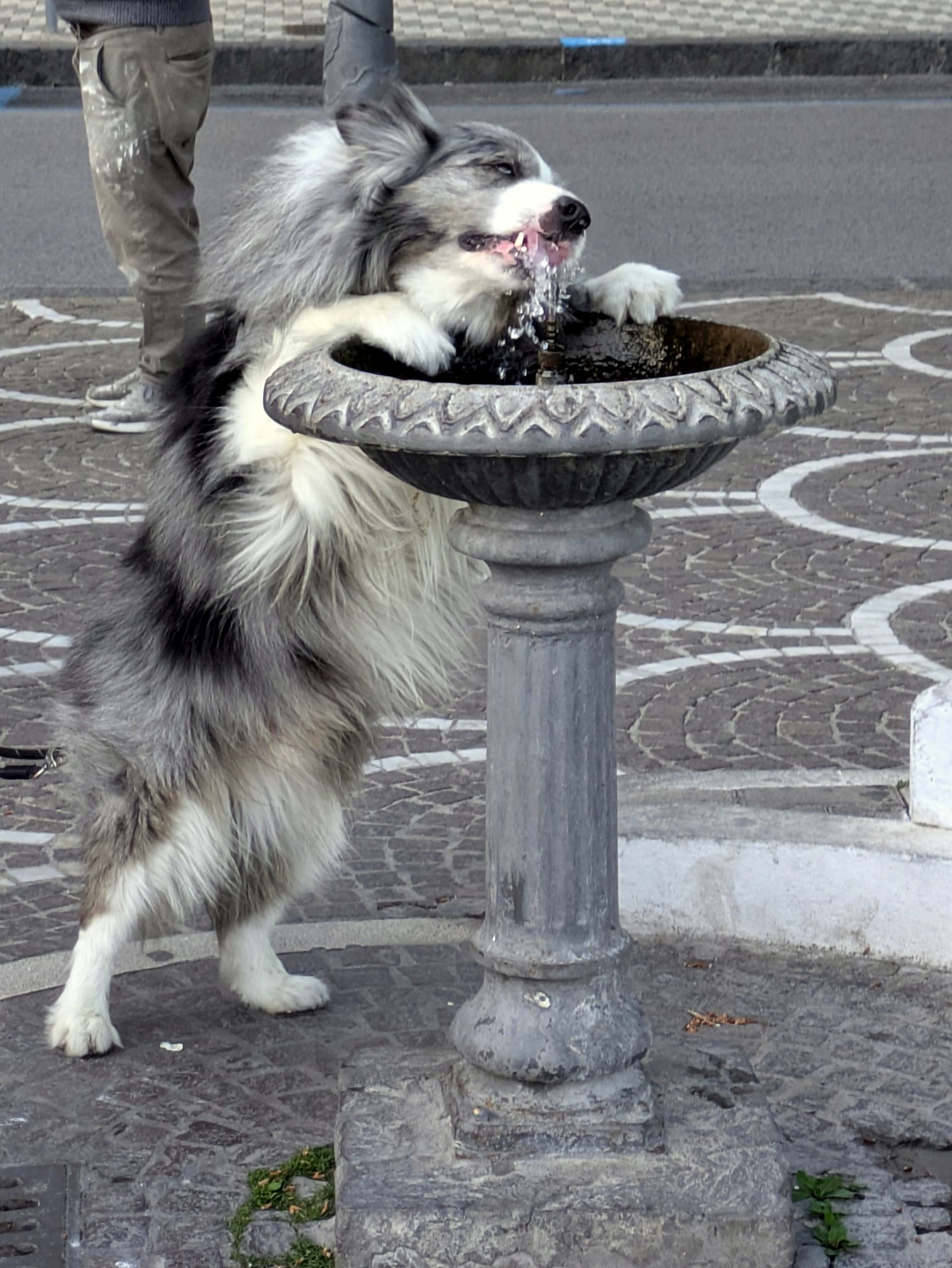
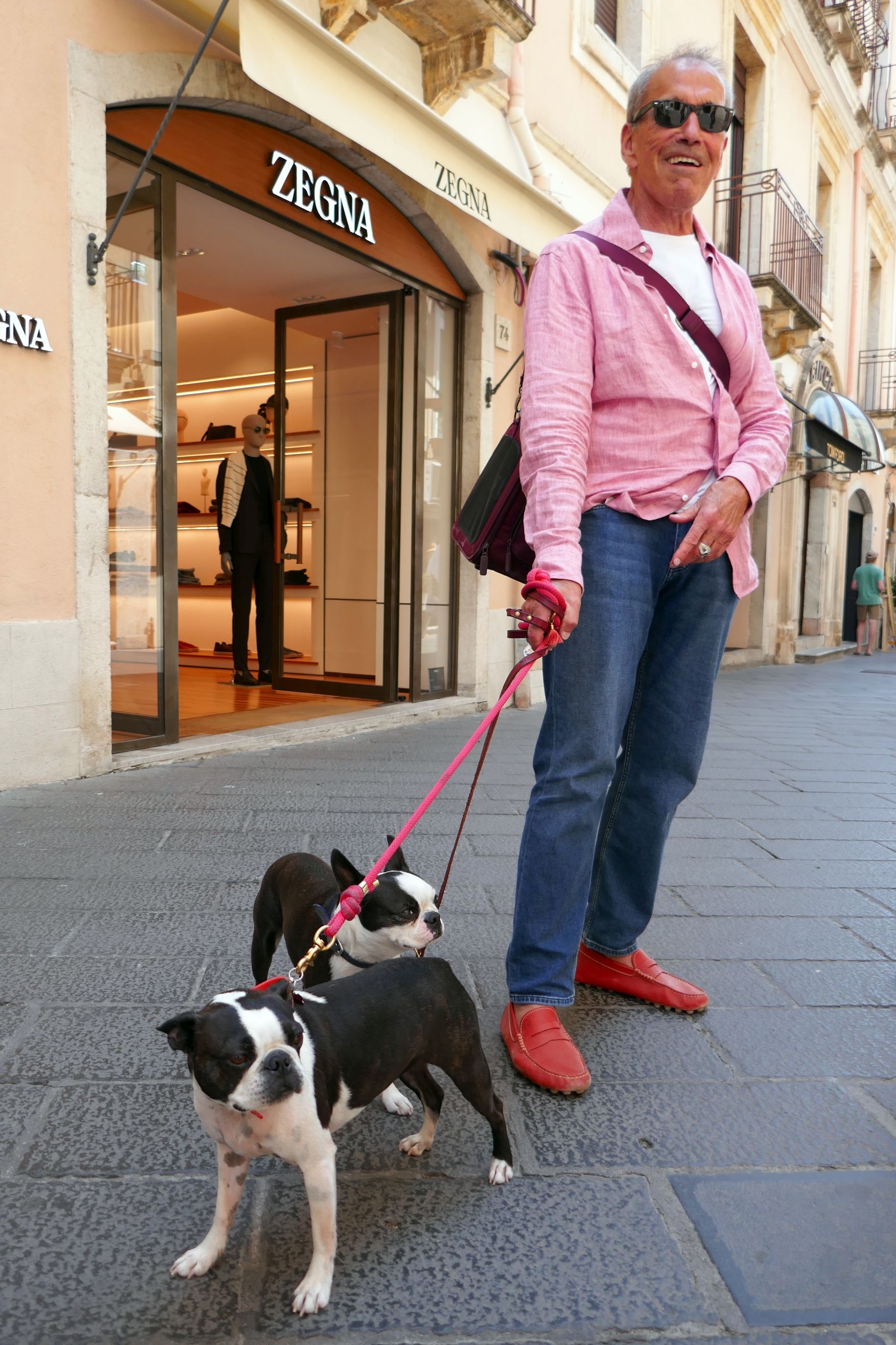
The picture on the left was taken two days prior in Siracusa. Bruce’s favorite dog is a Boston Terrier, and we saw, two! The following day, we ran across the same owner with his two dogs in Taormina.
Coming up next: SICILY & AMALFI COAST #20: MAGNIFICENT MOUNT ETNA
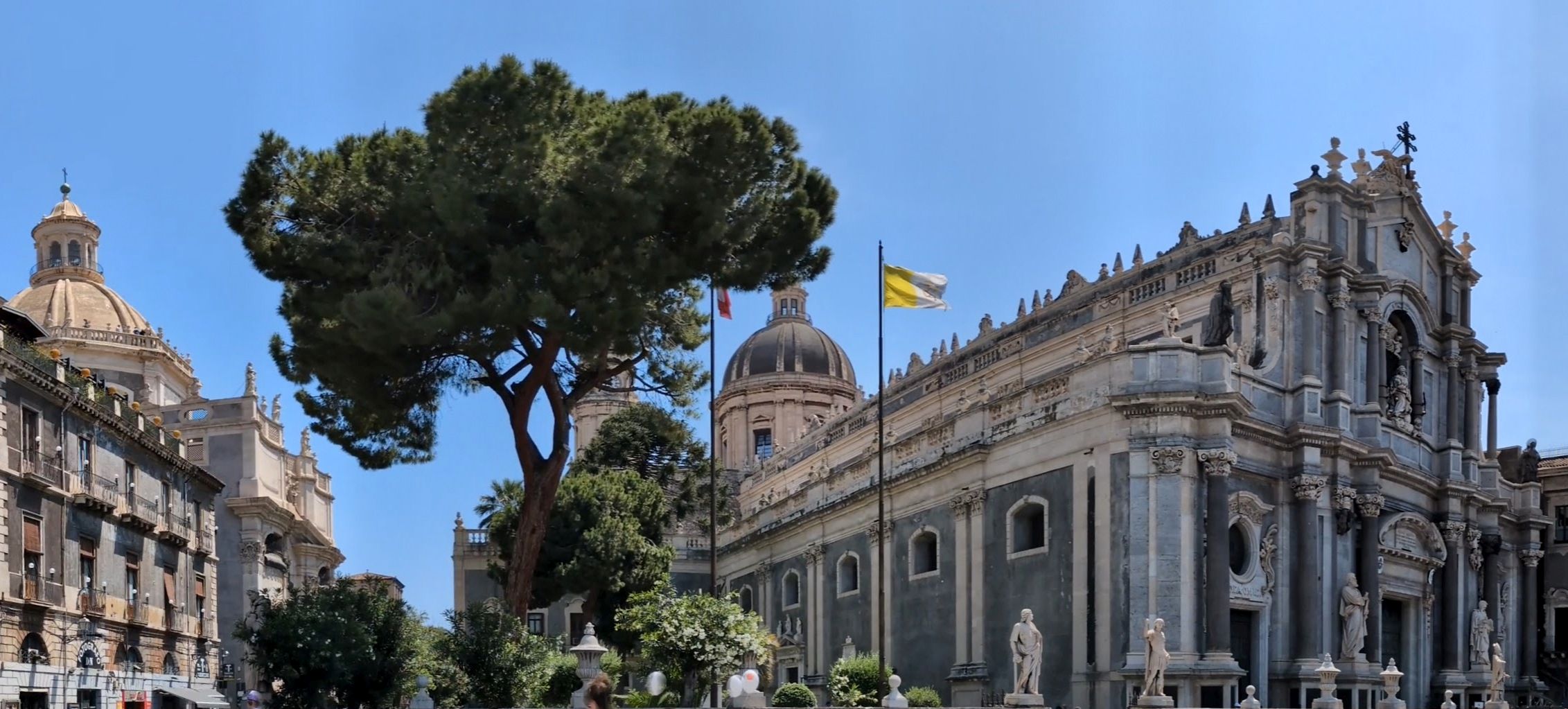
Catania, Sicily’s second-largest city, was founded in 8th century BC and was once among Italy’s most important cultural centers, particularly during the Renaissance period. This was our final “home base” for three nights before embarking on our post-tour extension to the Amalfi Coast and Naples.
Located on the east coast of Sicily, the densely populated city of nearly 300,000 residents has a metropolitan population of over one million people. The industrial center of Sicily, Catania is also its logistical and commercial hub. It is known as the “Black City,” because black lava stone was commonly used in construction.
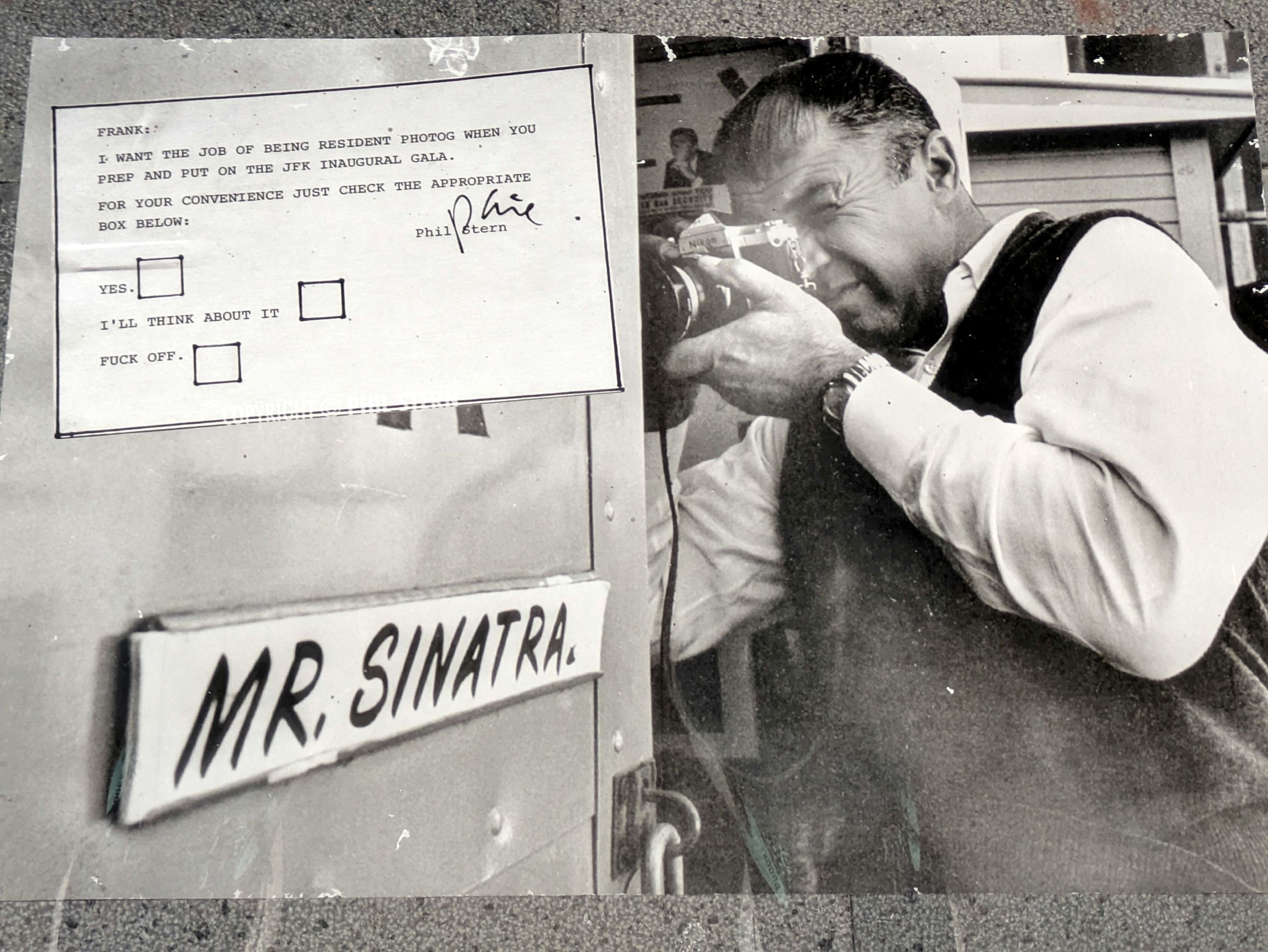
We arrived in the late afternoon following our visit to Sircusa and had a walking tour of the city the next day, after visiting the World War II Museum, Museo Storico dello Sbarco. Military and war museums are a hard pass for me, but I did manage to stumble upon an excellent photography exhibit featuring the works of Phil Stern (1919 – 2014).
Best known for his portraits of Hollywood stars and musicians, this exhibit mostly featured his work while serving as a U.S. Army Ranger during World War II. But what caught my eye (and made me laugh!) was something he sent to Frank Sinatra. Make sure to read it in its entirety.
(For all photos, click on the image for a full screen view.)
The following are scenes photographed around the city center of Catania during our free afternoons and evenings:
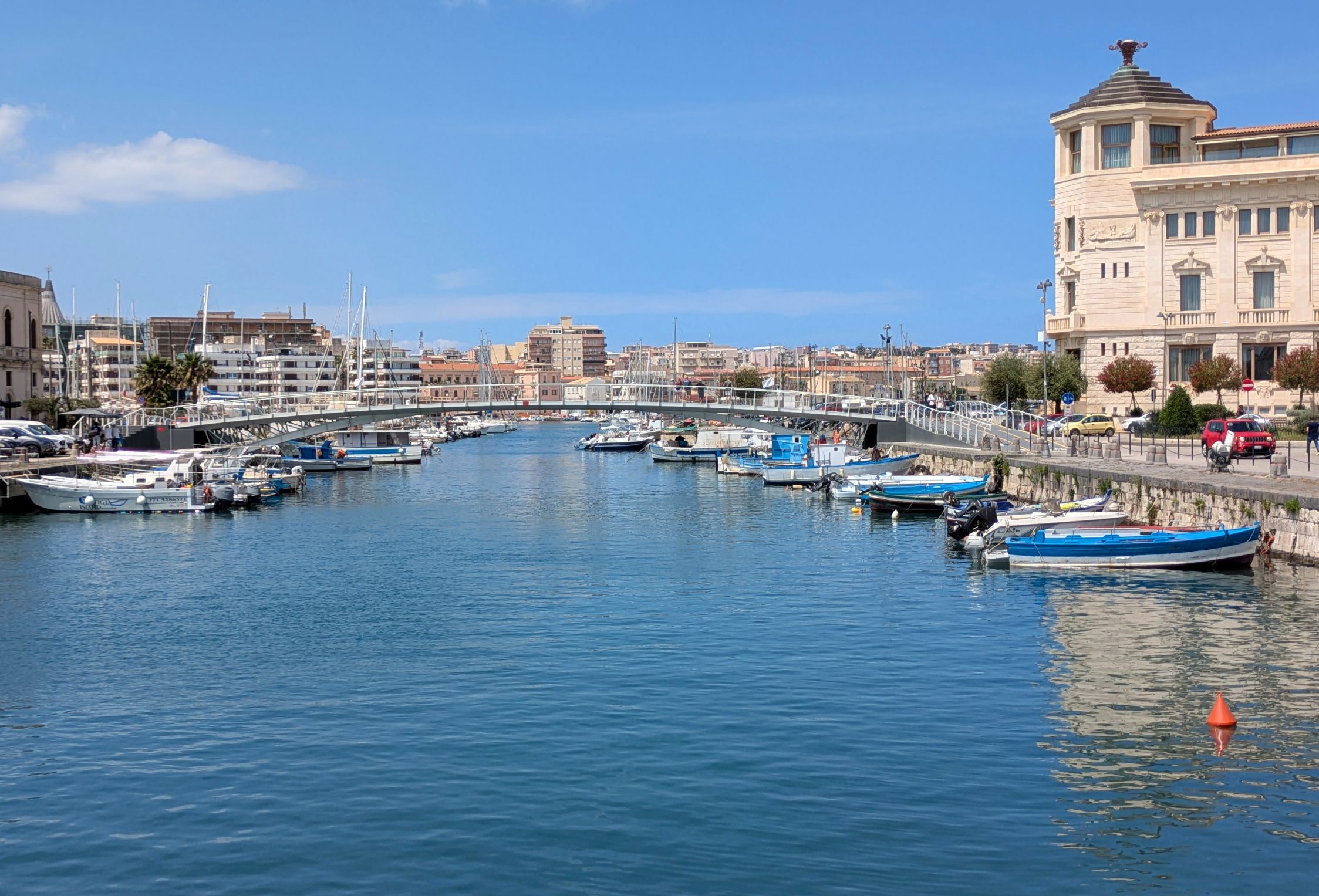
Siracusa, the capital of the province of Siracuse, was one of the most powerful ports of the ancient Mediterranean world. It dates back 2,700 years, so the city has a long, rich history. The architecture is a mix of Greek, Roman, and Baroque—one of the reasons UNESCO added the city to its list.
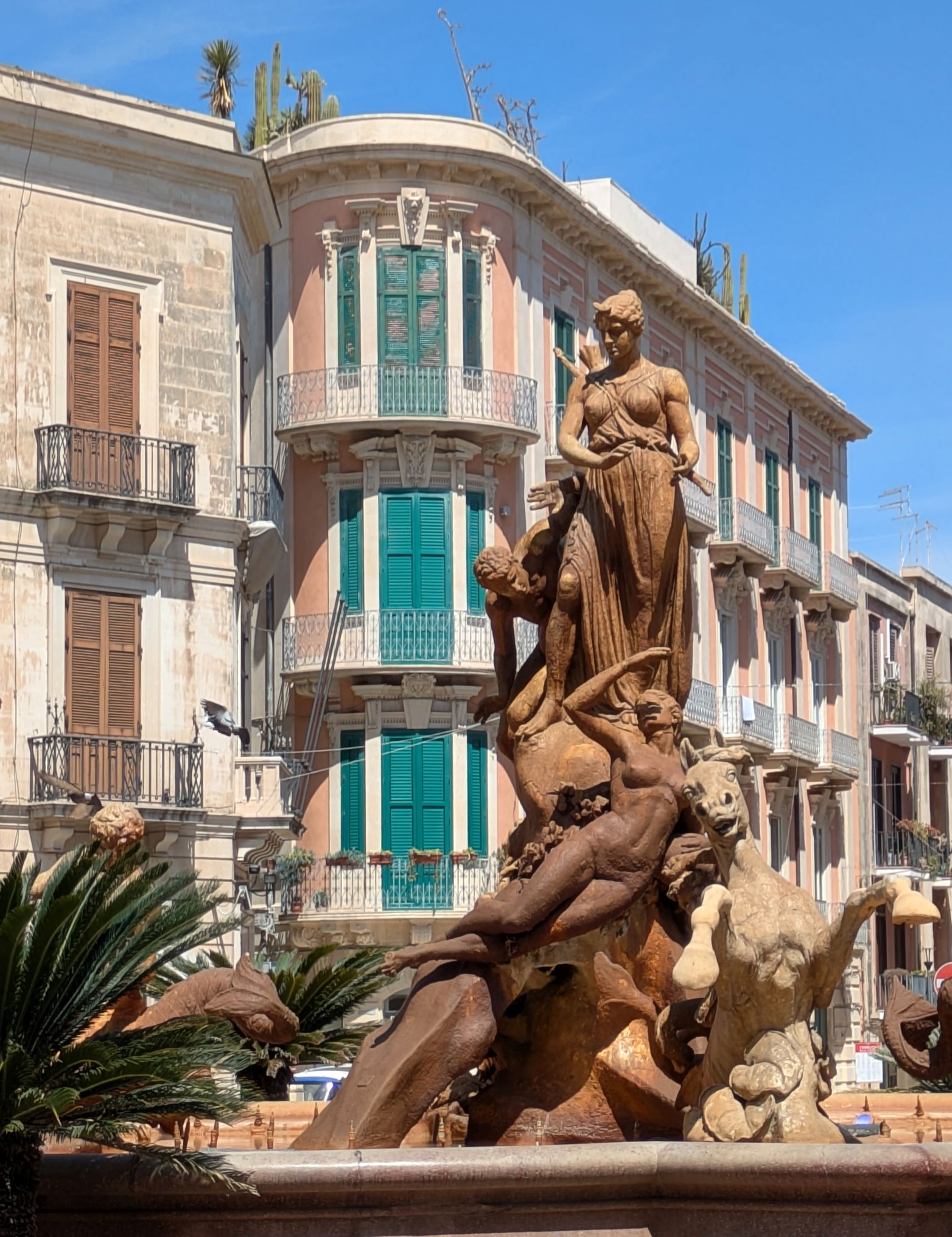
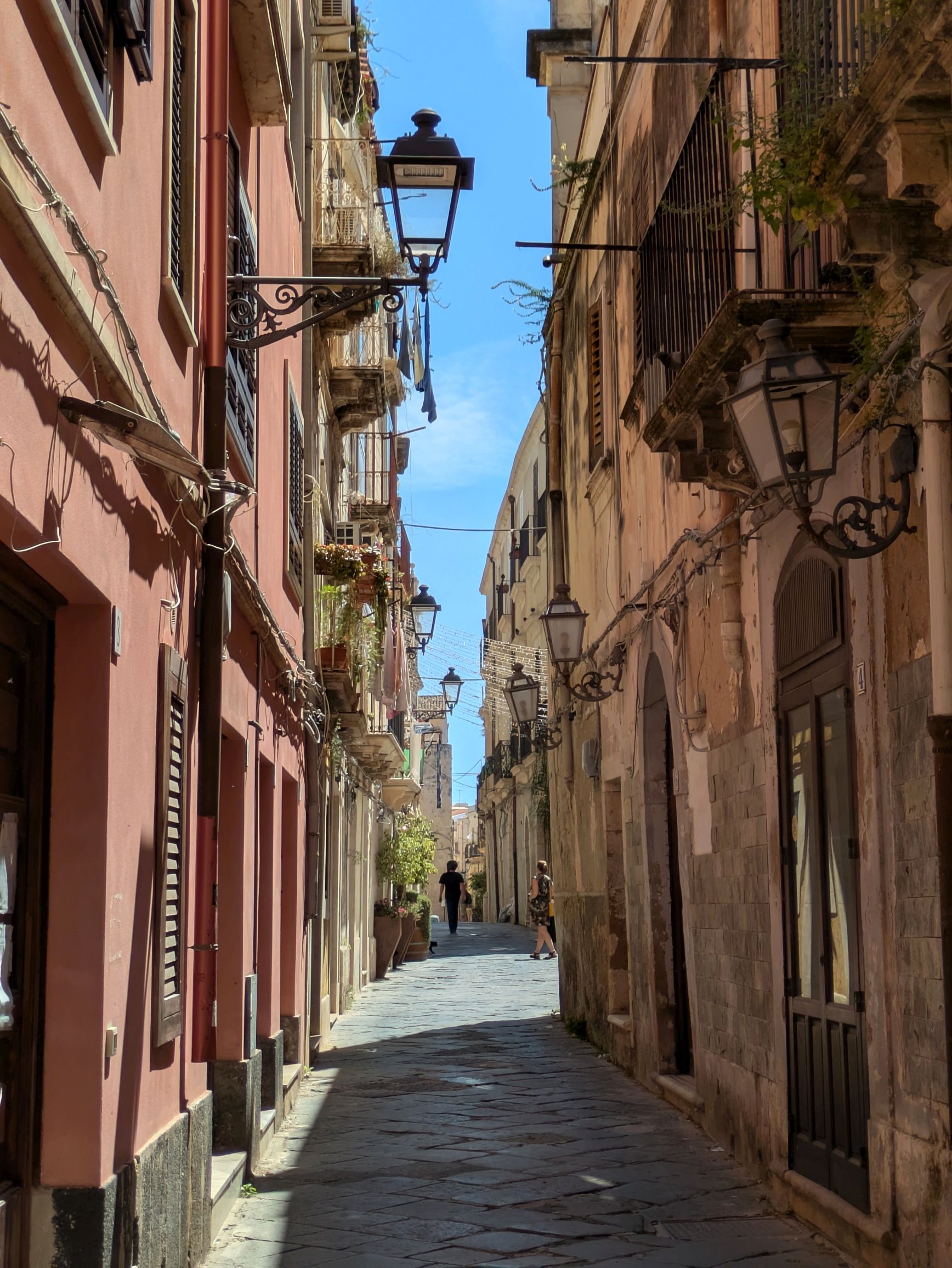
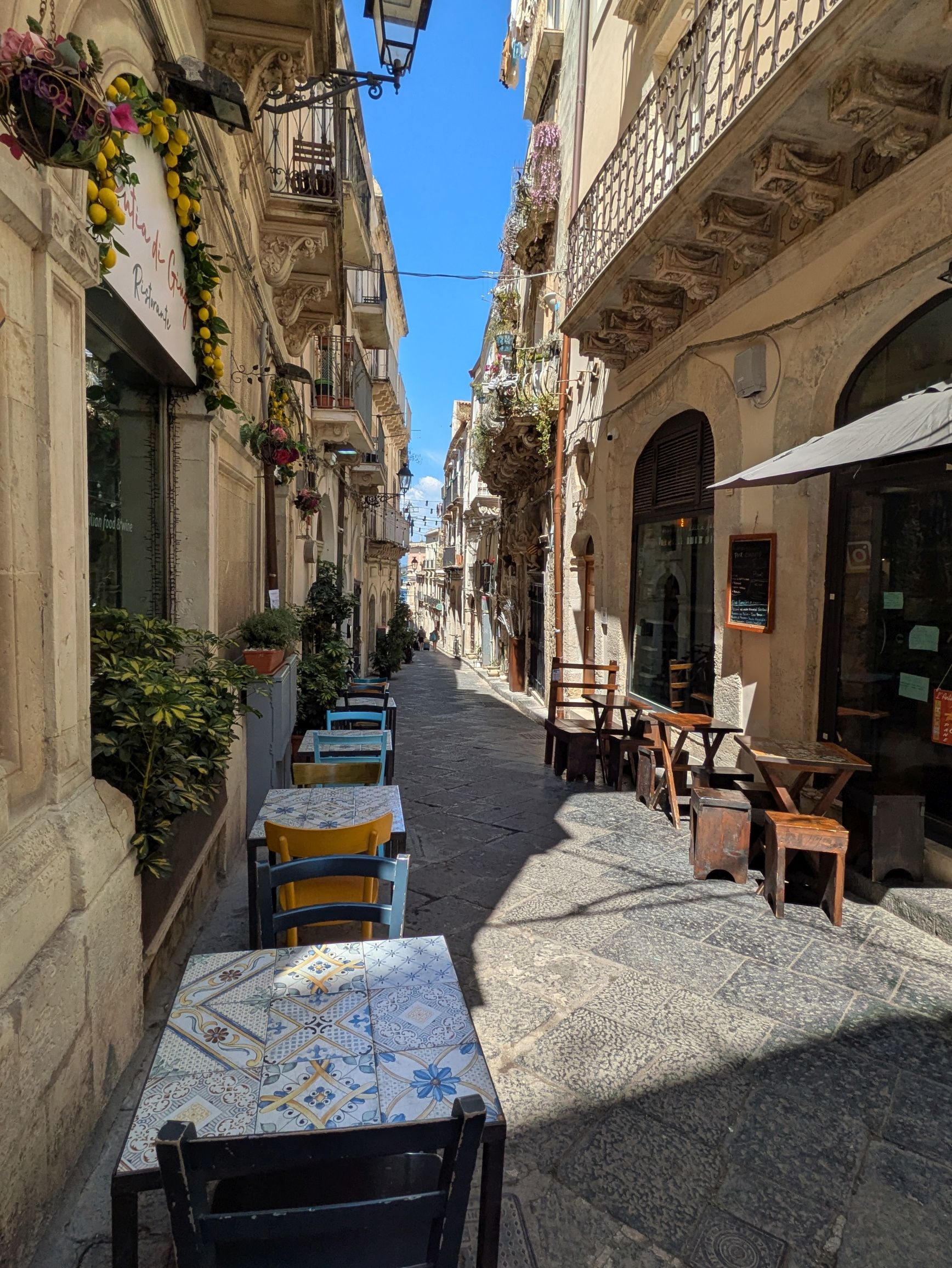
Just across the small bridges is the quaint and charming island of Ortigia (Ortygia), which is the historical center of Siracusa. Full of ancient landmarks, a wonderful mix of architecture, and a whole lot more (as you will see), we thoroughly enjoyed our walking tour and free time exploring this little island.
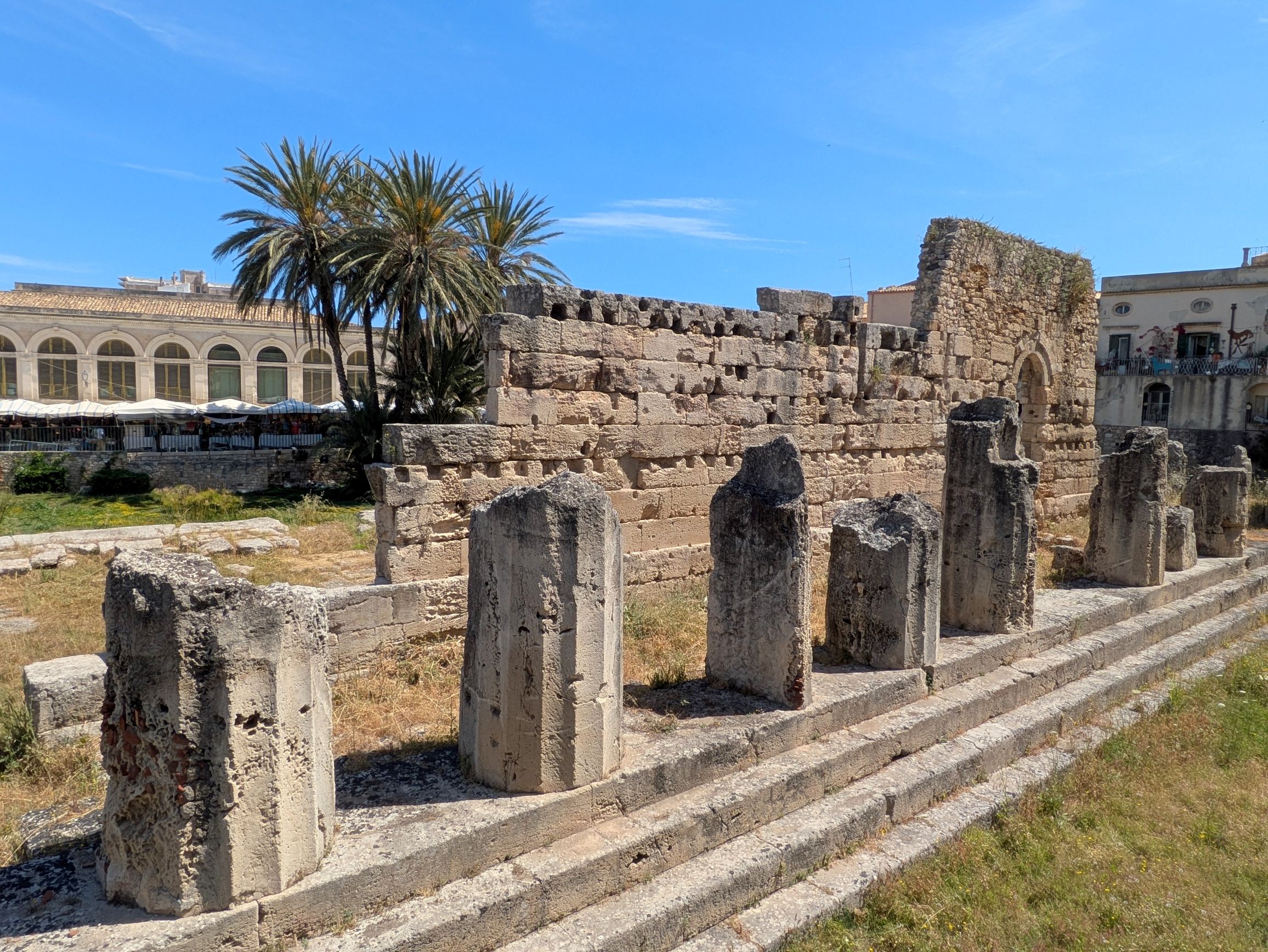
To begin our walking tour, we passed by the ruins of Temple of Apollo, a UNESCO World Heritage Site dating back to the 6th century BC. This Doric temple is one of the oldest in Sicily.
(For all photos, click on the image for a full screen view.)
The following are more highlights from our time on the island:
This is one of the places where “ogling” occurred!
I fell in love with this little painting on scrap wood and bought it from the artist.
Inside this store, the owner posted a sign that read, “Please photograph and post on social media!” I am gladly obliging. Unfortunately, I forgot to photograph the name of the store!
Bruce and I thoroughly enjoy markets as my regular readers know. We seek them out wherever we travel, whether they are historic open-air farmers markets, or modern foreign grocery stores. We found another one!
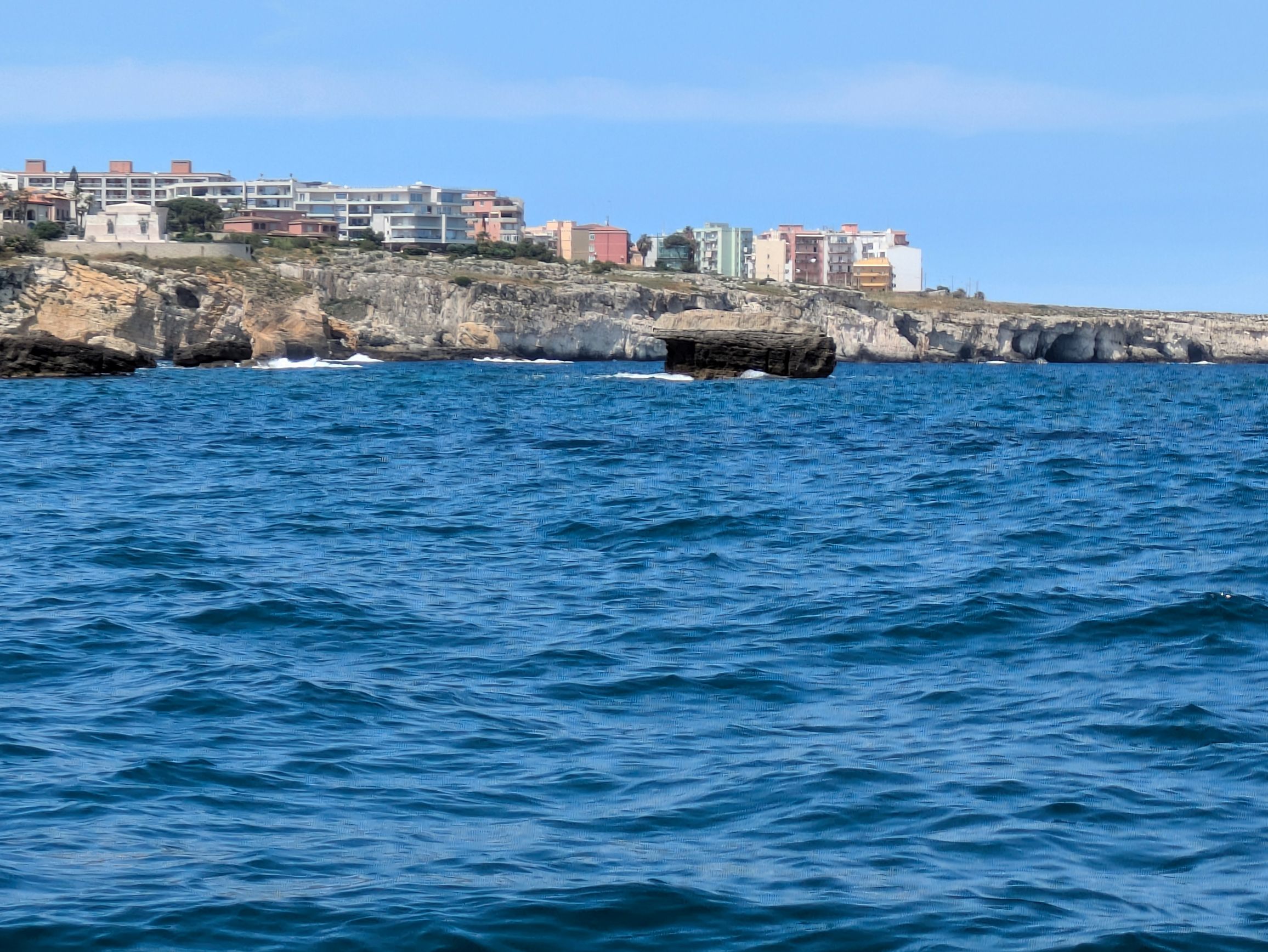
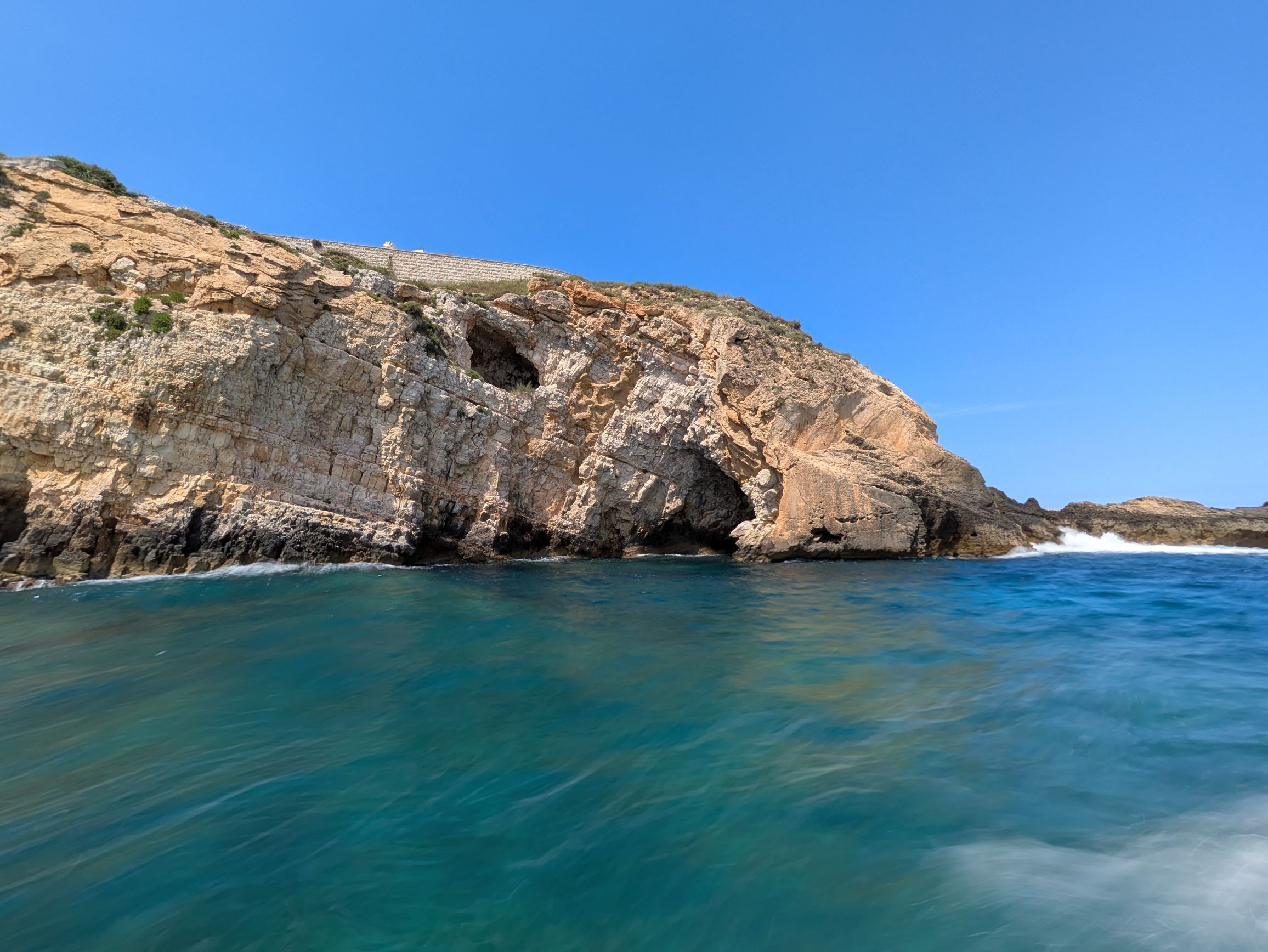
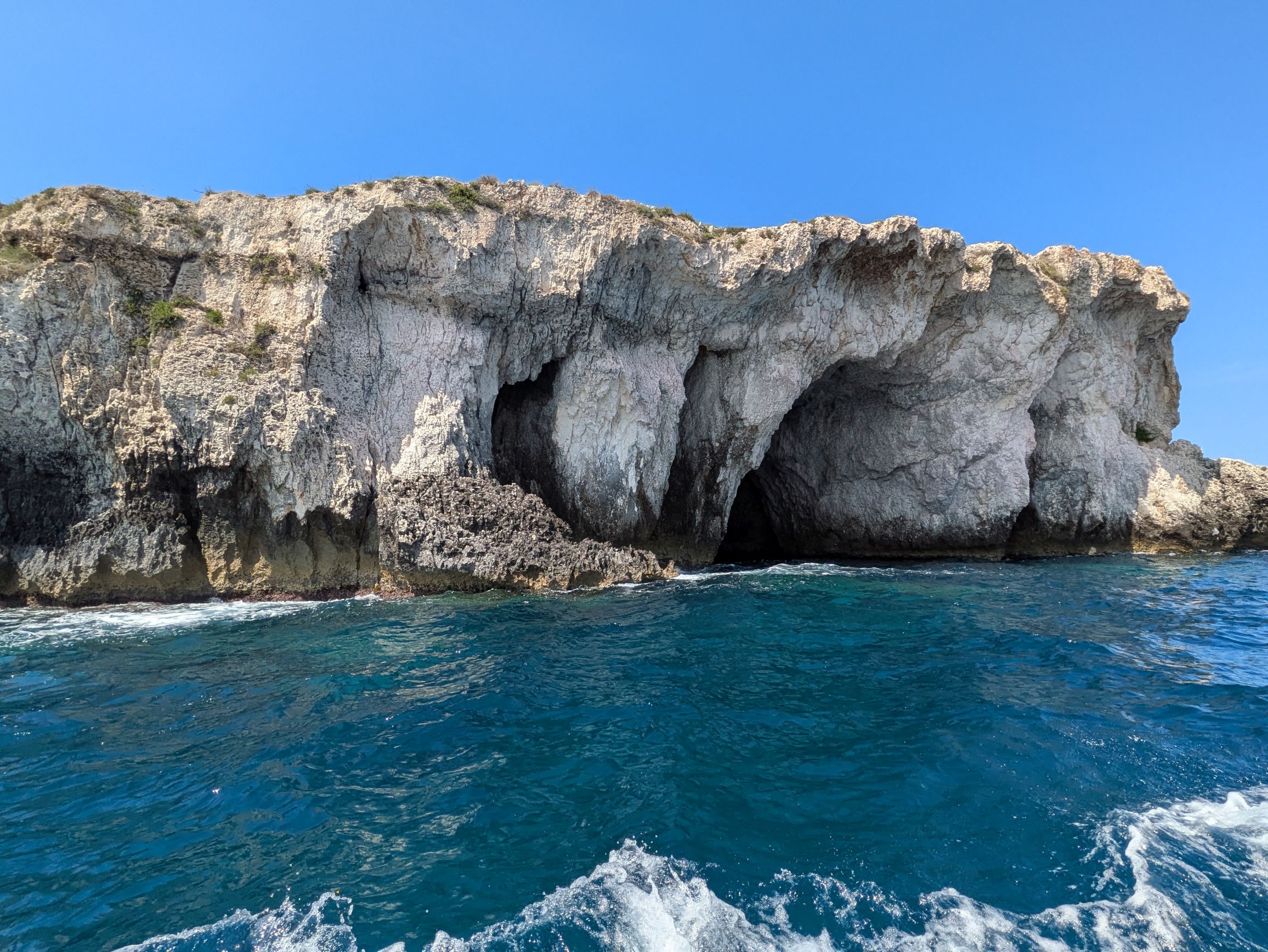
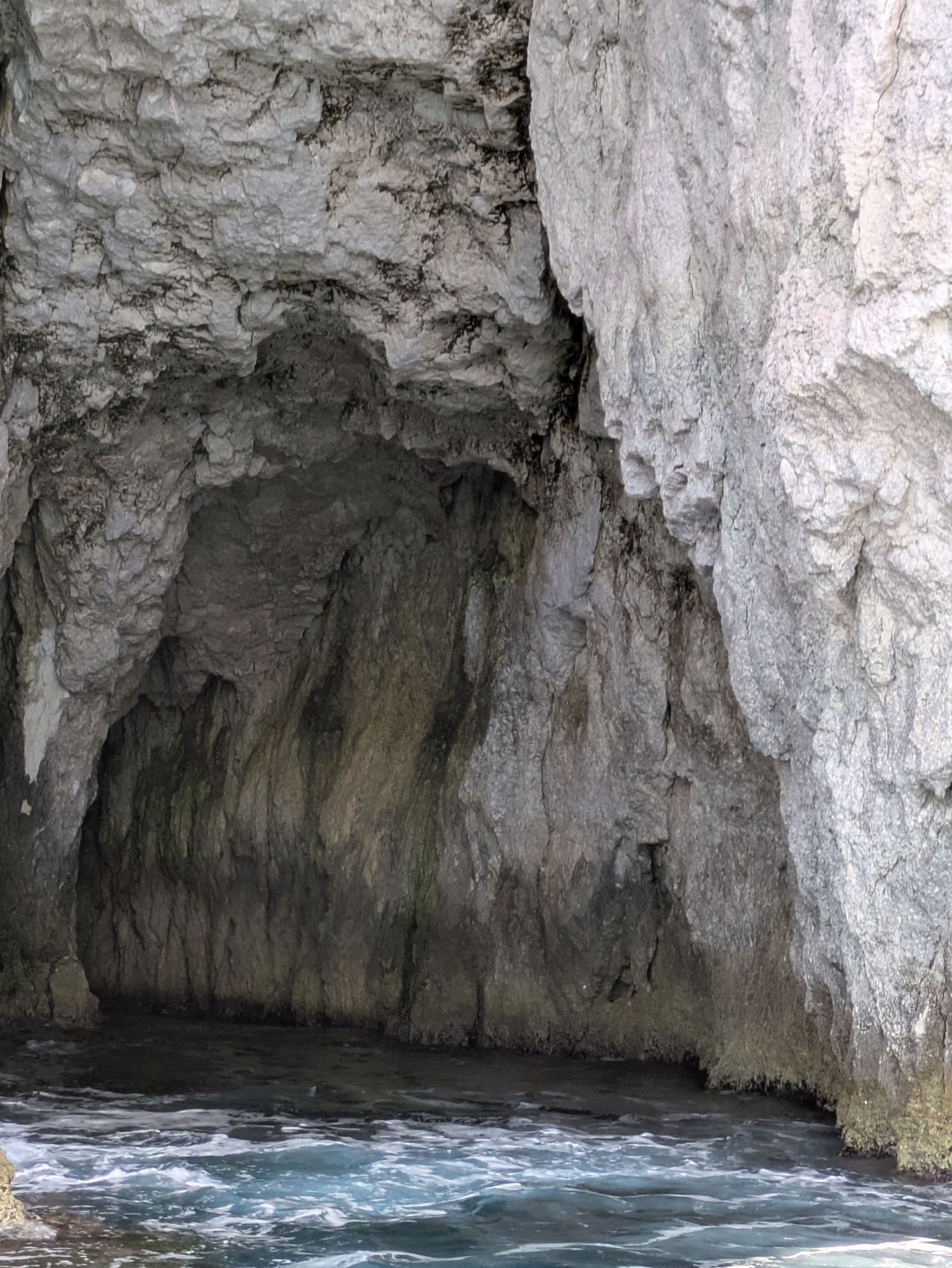
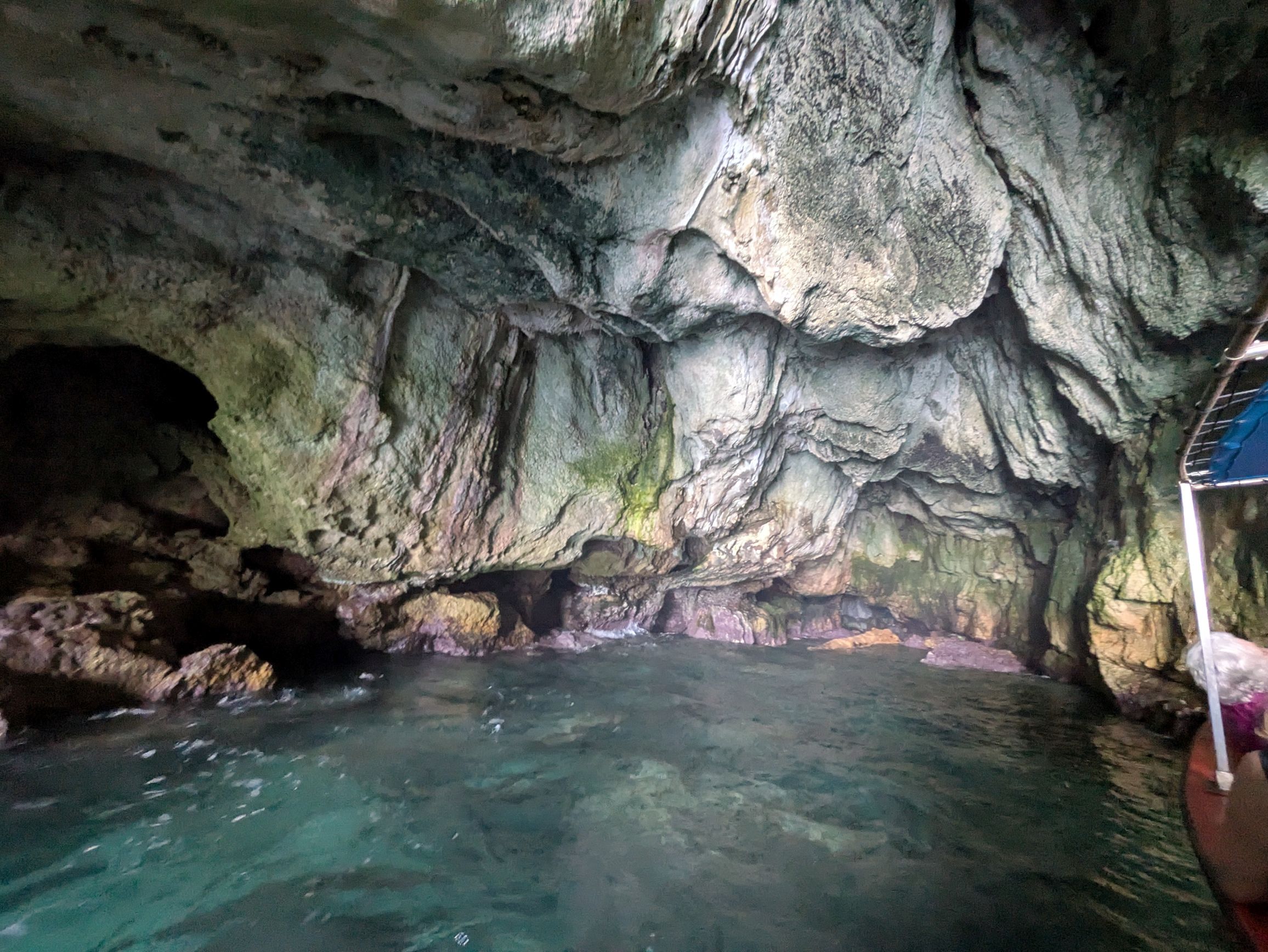
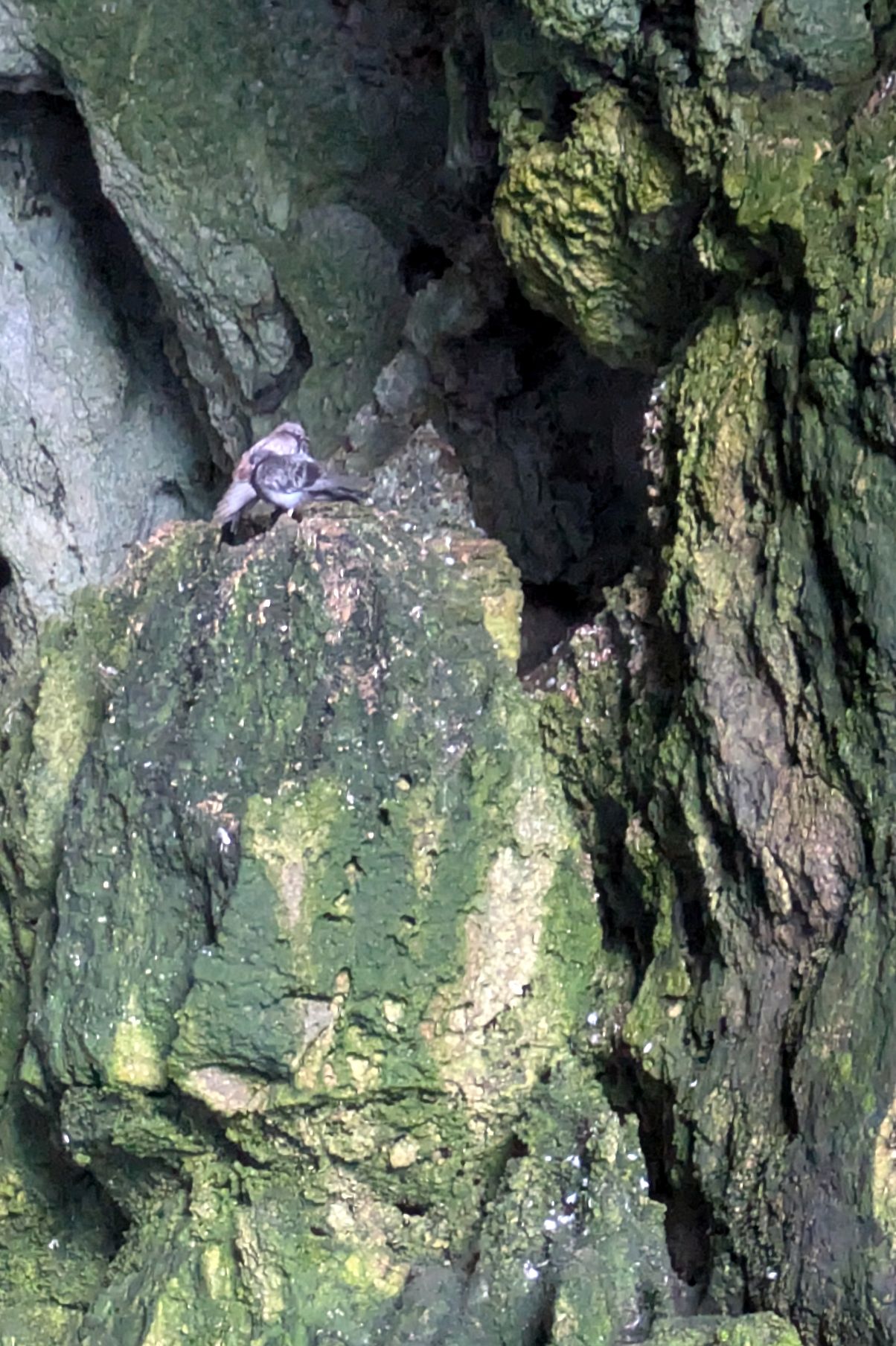
Since it was yet another beautiful day, our group was able to conclude our visit with a scenic boat tour of the island’s rocky cliffs and grottos along the Ionian Sea. Were we ever fortunate and grateful! According to our tour leader, Francesco, this was only the second time in three years for him as a tour leader the water was calm enough to go inside the caves—one of the highlights of the trip for me and Bruce!
Those are birds up towards the top nesting inside the cave.
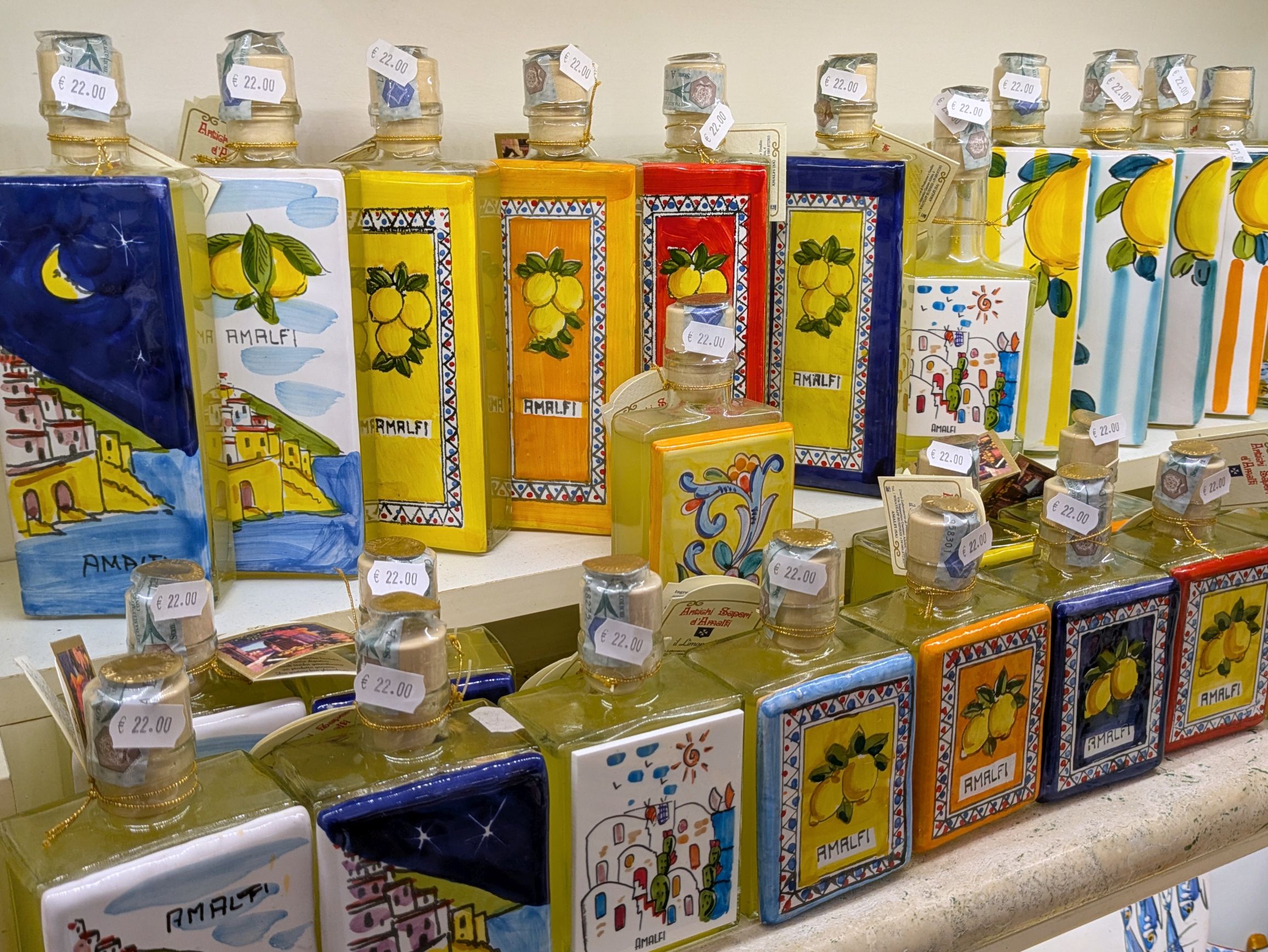
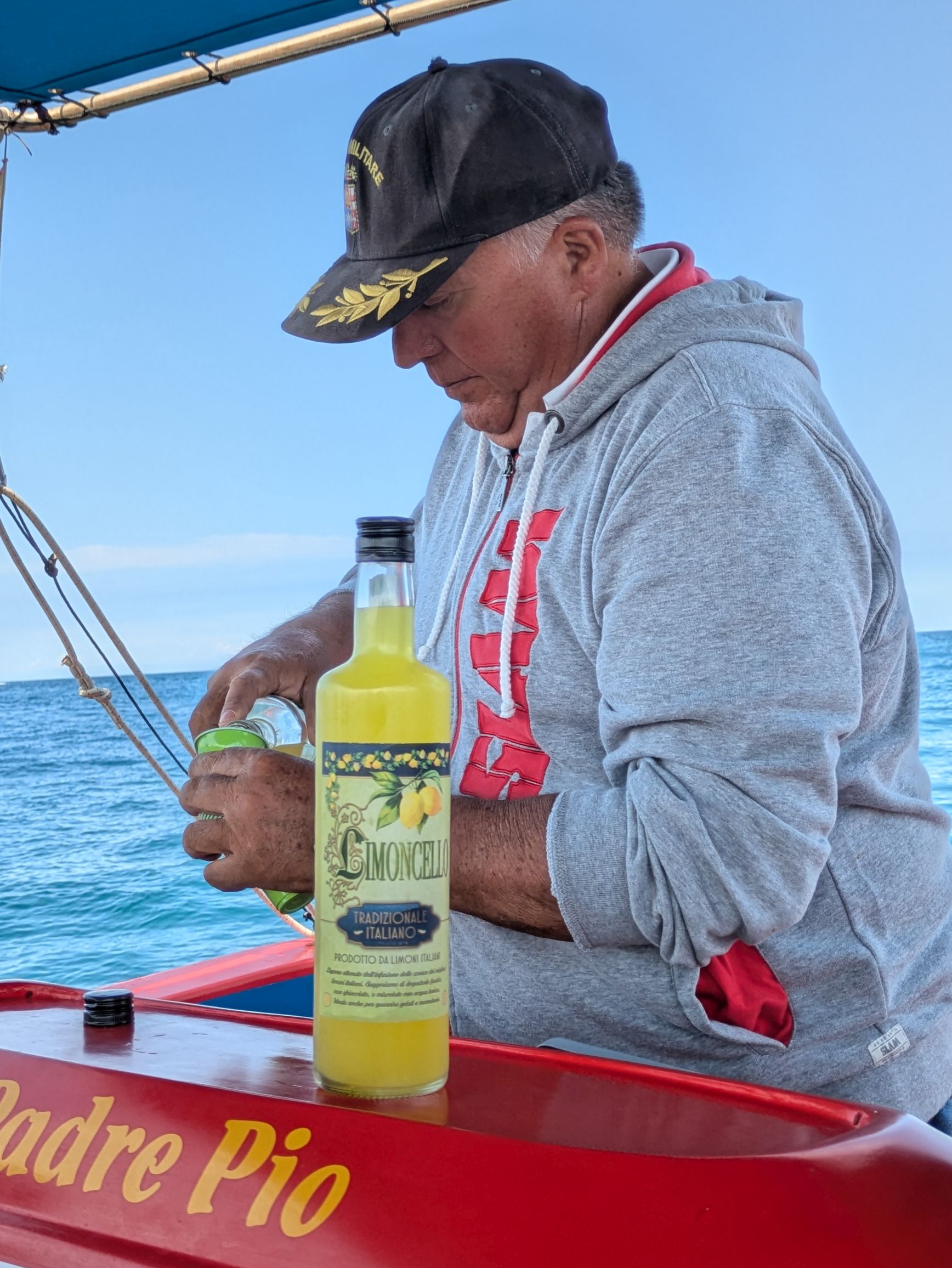
That’s our captain pouring us a celebratory Limoncello.
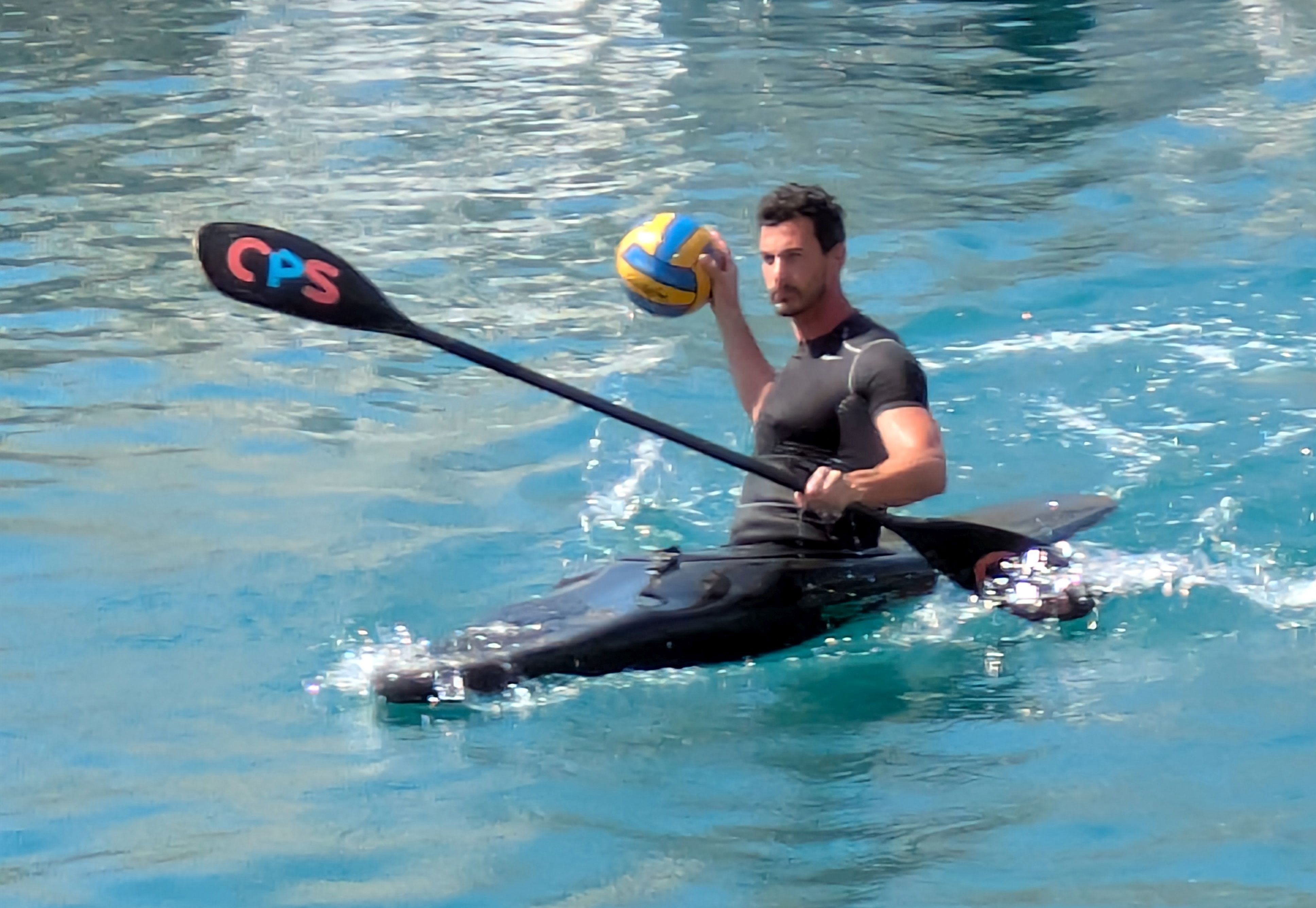
As a former kayak surfer in San Diego, as soon as I saw this guy and his friend playing what Iooked like kayak water polo, I wanted to join in! What a blast!
Coming up next: SICILY & AMALFI COAST #18: CULTURAL CATANIA
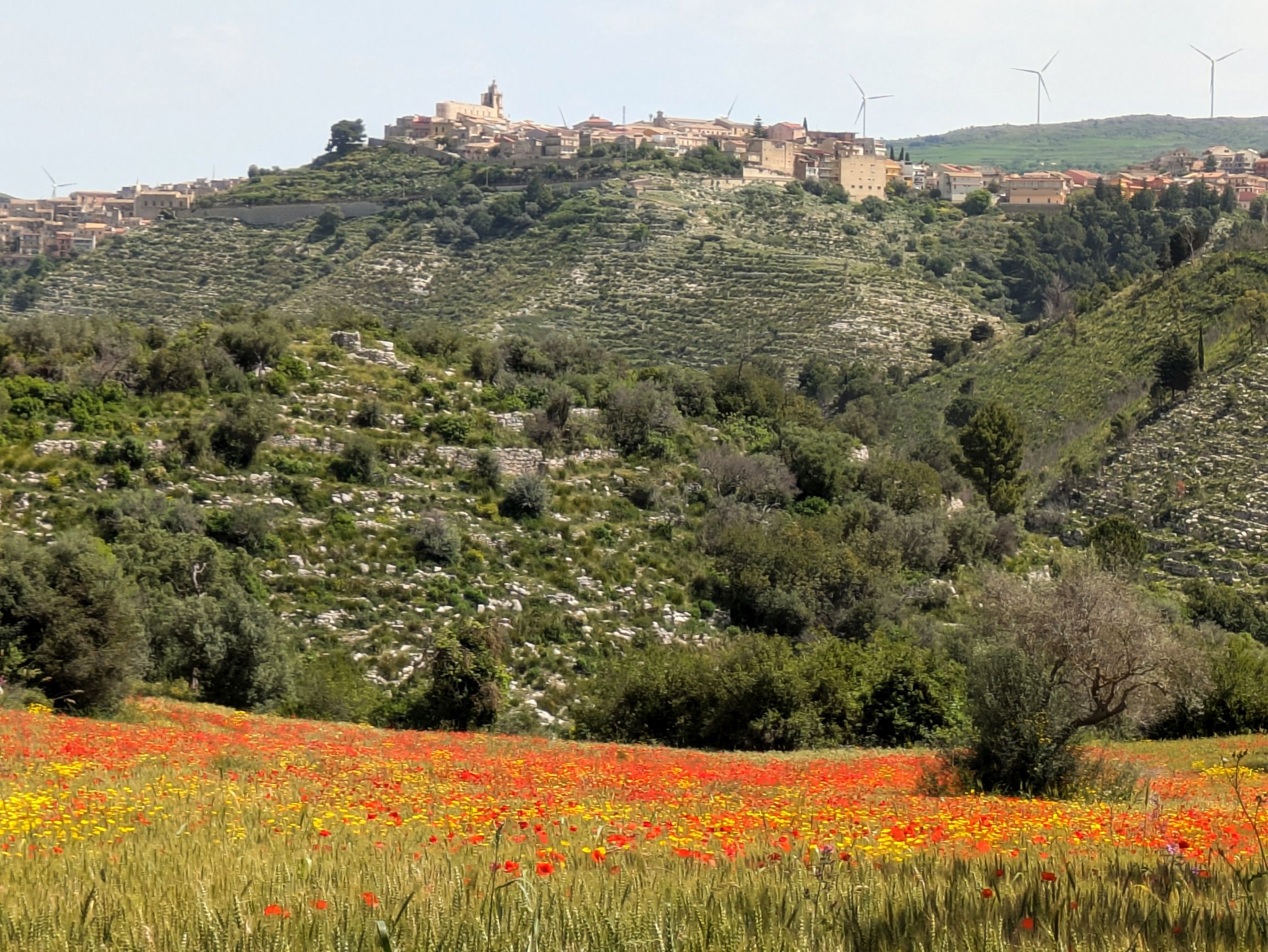
Another beautiful morning greeted us as we arrived in the UNESCO-protected Val di Noto valley of Sicily to meet Domenico. The hike from the bus to his family’s farm along an unpaved path was beautiful! Wildflowers were in bloom, and the views of the surrounding hillsides were lovely.
(For all photos, click on the image for a full screen view.)
Along the way, Domenico hopped the fence to go fetch his sheep, so we could meet them. When we arrived at the farmhouse, we met his wife, Valeria, her parents, Stella and Paolo, and her sister and niece.
The family with Francesco
This sketch was drawn by Domenico of his mom who taught him how to build drystone walls. He built the entire wall lining the path we walked to his home.
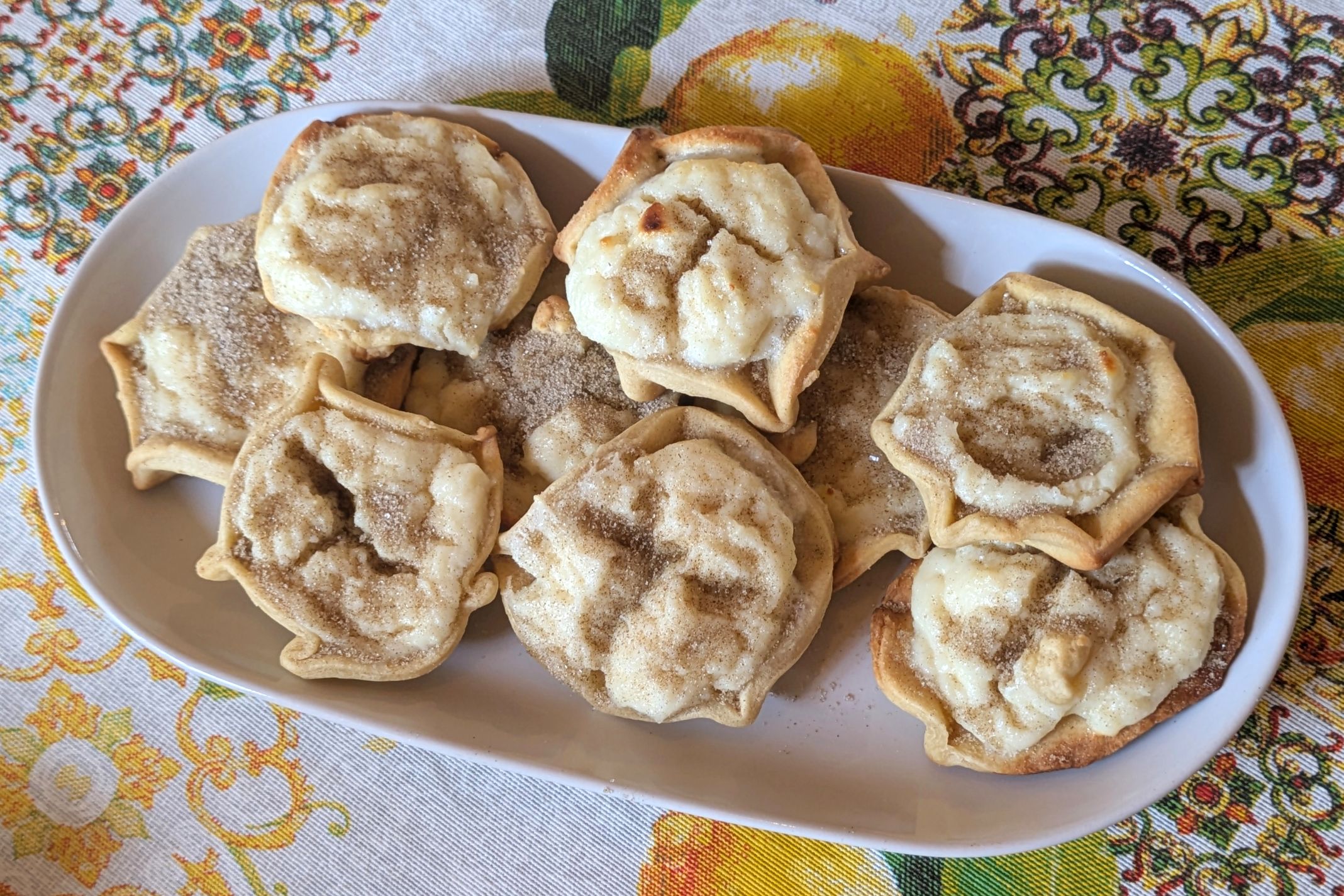
The farm has been in Valeria’s family since the 1800’s. In addition to farming for a living, they host small groups like ours from Overseas Adventure Travel (OAT) for a homemade lunch featuring vegetables and meat from their farm. Volunteers also learned how to make the pastries we enjoyed for dessert.
The pastries we learned how to make
Valeria with her sister and niece (in the middle)
On almost every one of our OAT tours, the only time it rained was when it didn’t matter. This time, while the family finished preparing our lunch, it began to rain. I told the others in the group, “No worries! It will stop raining by the time we have to hike back to the bus. It always does on our tours!” And sure enough, it did. The hike back was sunny and beautiful! Bruce and I couldn’t believe it!
Our lunch and time with the family was so enjoyable. They didn’t speak English, but Francesco translated for us when needed, and they were wonderful!
After we returned to Ragusa, we had some free time, so I explored more of the hilly town while Bruce rested.
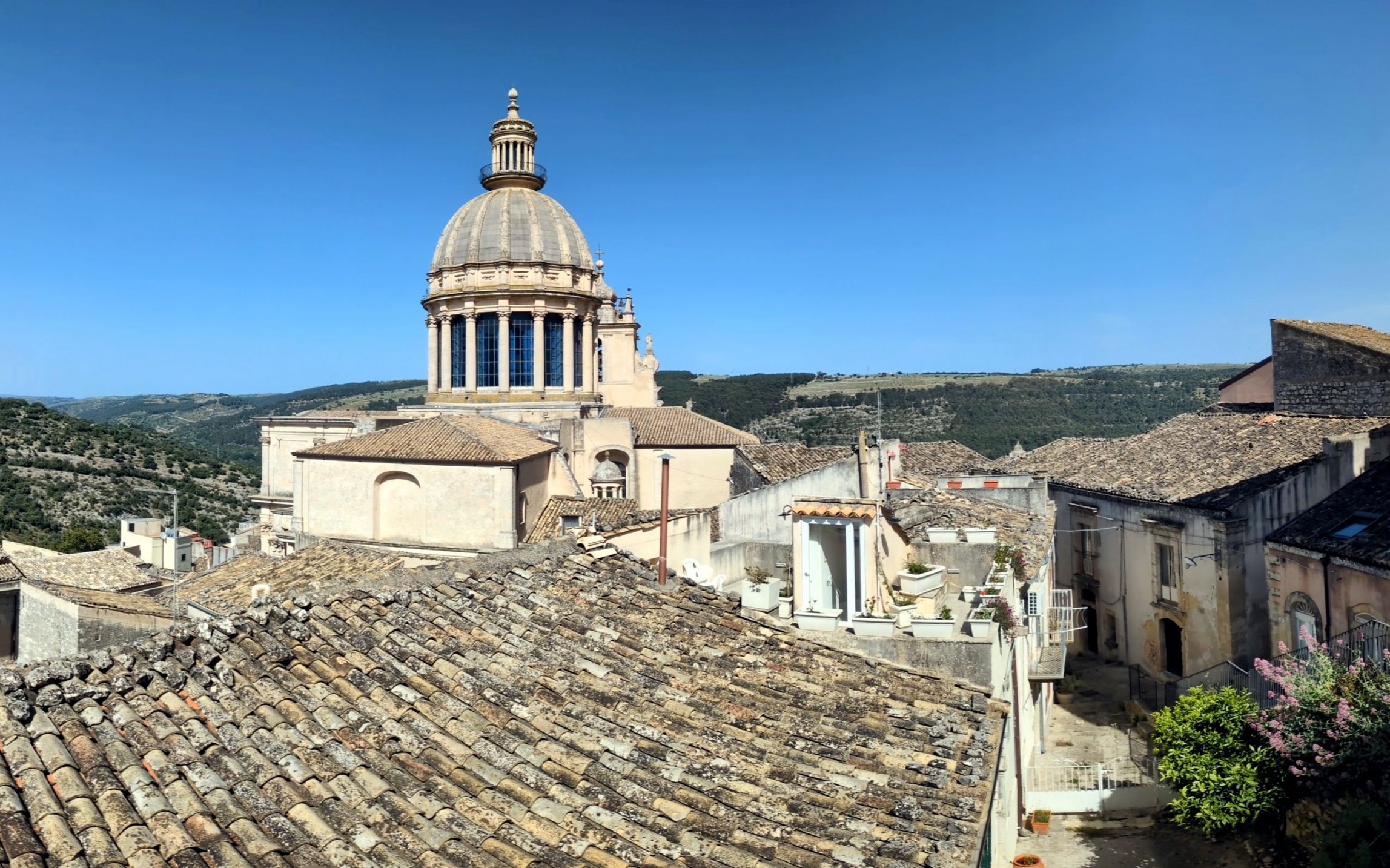
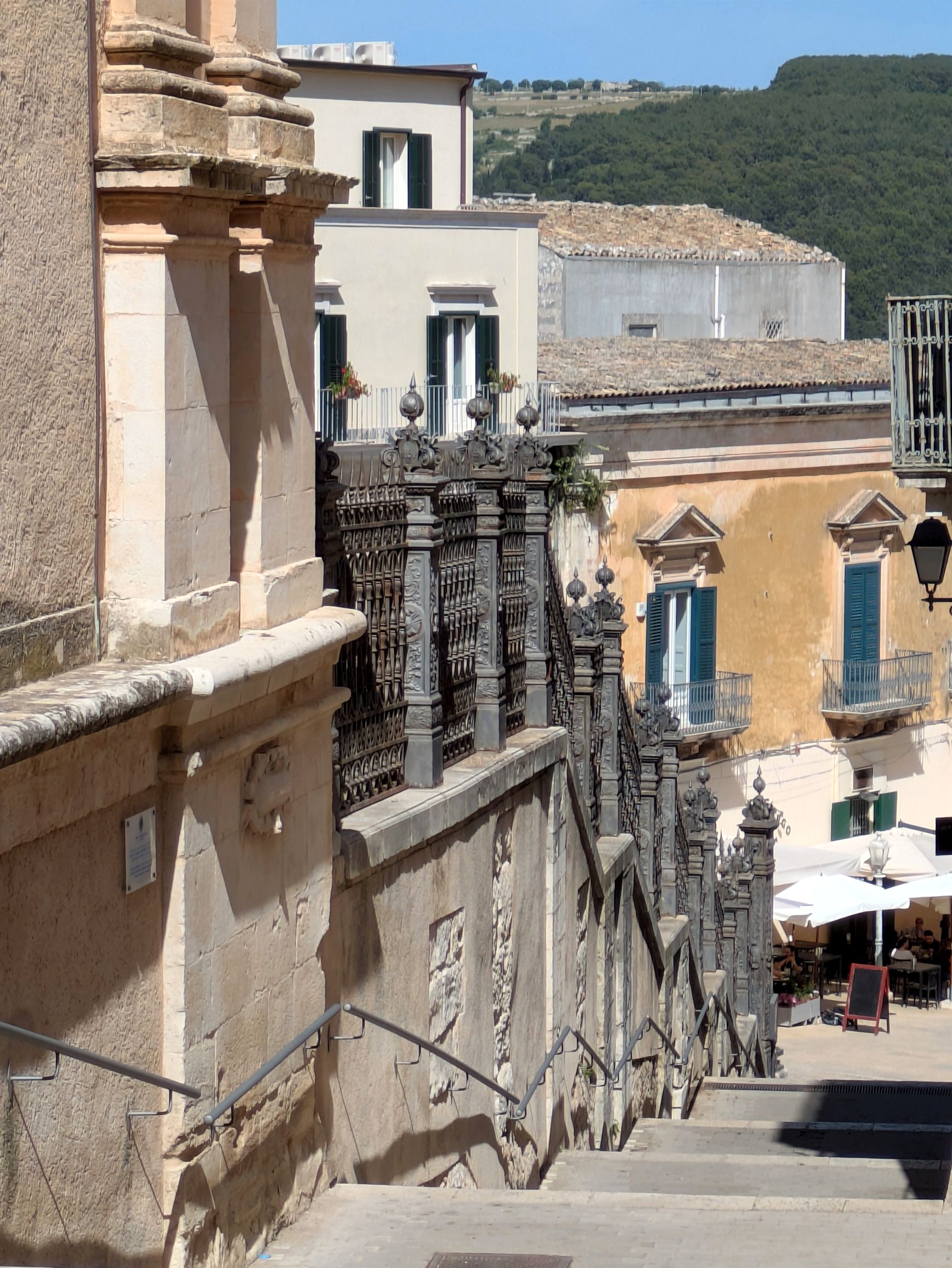
The back side of Ragusa Cathedral…
…and the stairs leading back down to the front
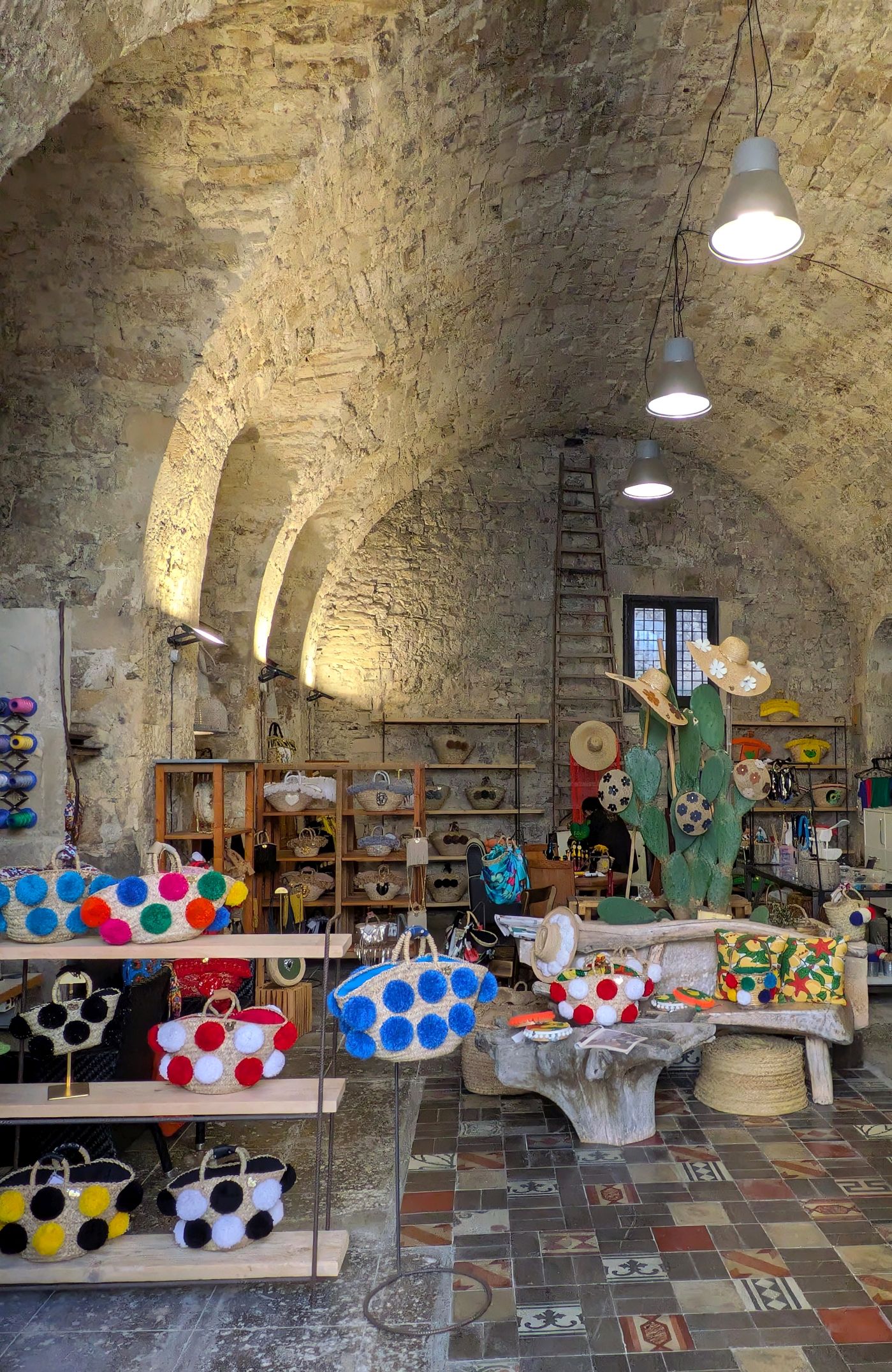
I definitely liked the store’s structure more than the contents!
The door was opened, so I poked my head in to see two men, sitting back-to-back, speaking in Sicilian and working on their Sicilian horse cart wheels.
This was our wonderful waitress the night before. Bruce brought some of his fused glass earrings with him to give as gifts, so he wanted to surprise her with a pair of blue dichroic studs to match her hair. It was a magical moment!
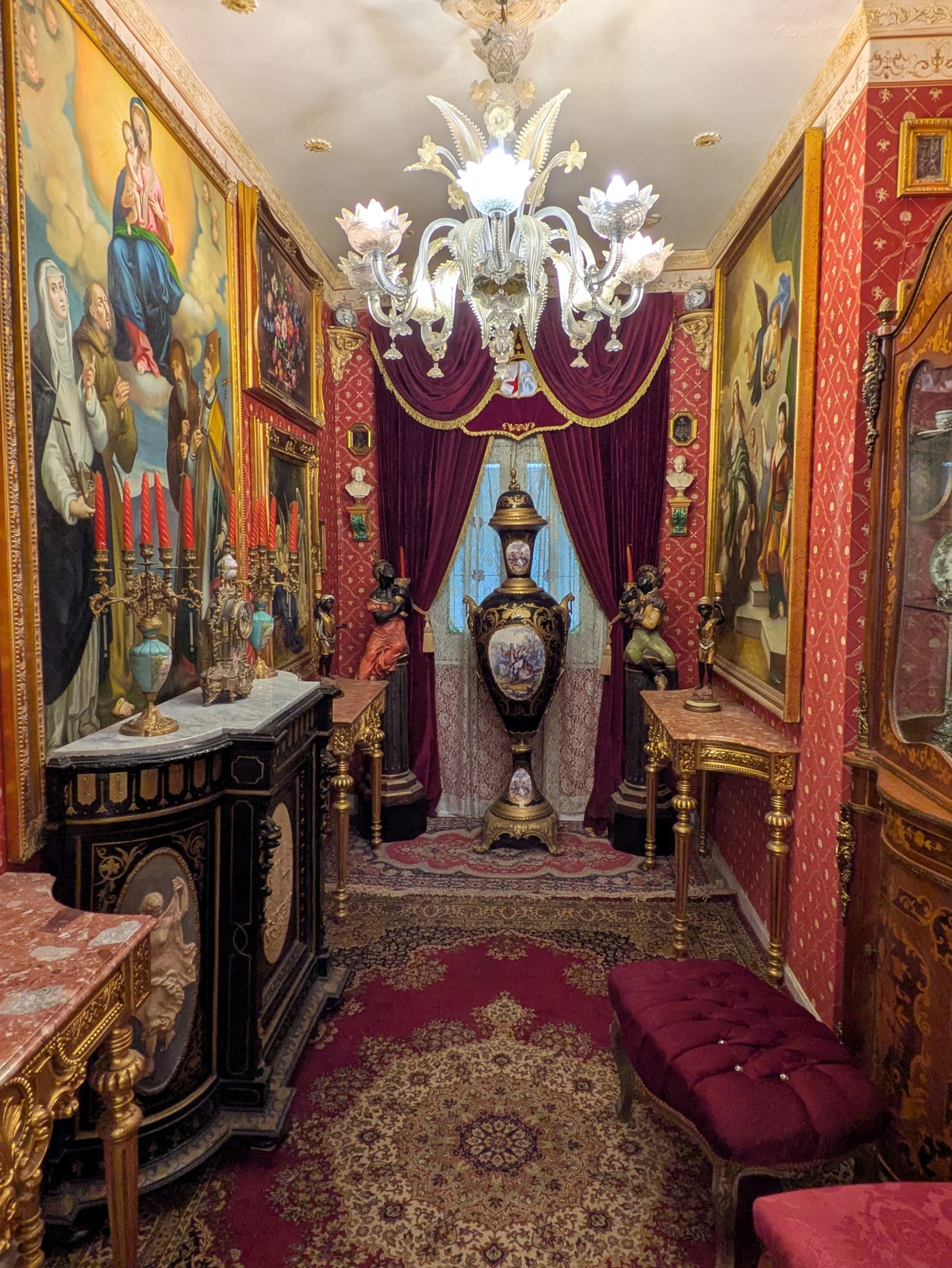
Later, we met up with Francesco for a surprise “Learning and Discovery,” which are pop-up surprises that OAT guides always have for us on every tour. Sometimes it is a local food treat or drink and other times it’s an experience. It’s like a box of chocolates; you never know what you’re going to get. This time, Francesco led us off the main street to an unassuming home. As soon as the owner welcomed us into his home, that old cliché’ came to mind: Don’t judge a book by its cover.
Built in 1600 with floor tiles dating to 1700, Maestro Salvatore Appiano, a man in his 80’s, lived in his home alone. It was full of antiques passed down through many generations of his family, and it serves (by appointment) as a museum. Salvatore also teaches piano lessons and gives private concerts. An organist throughout this famed musical career, we were fortunate to hear him play piano—a fitting instrument given “piano” is part of his last name.
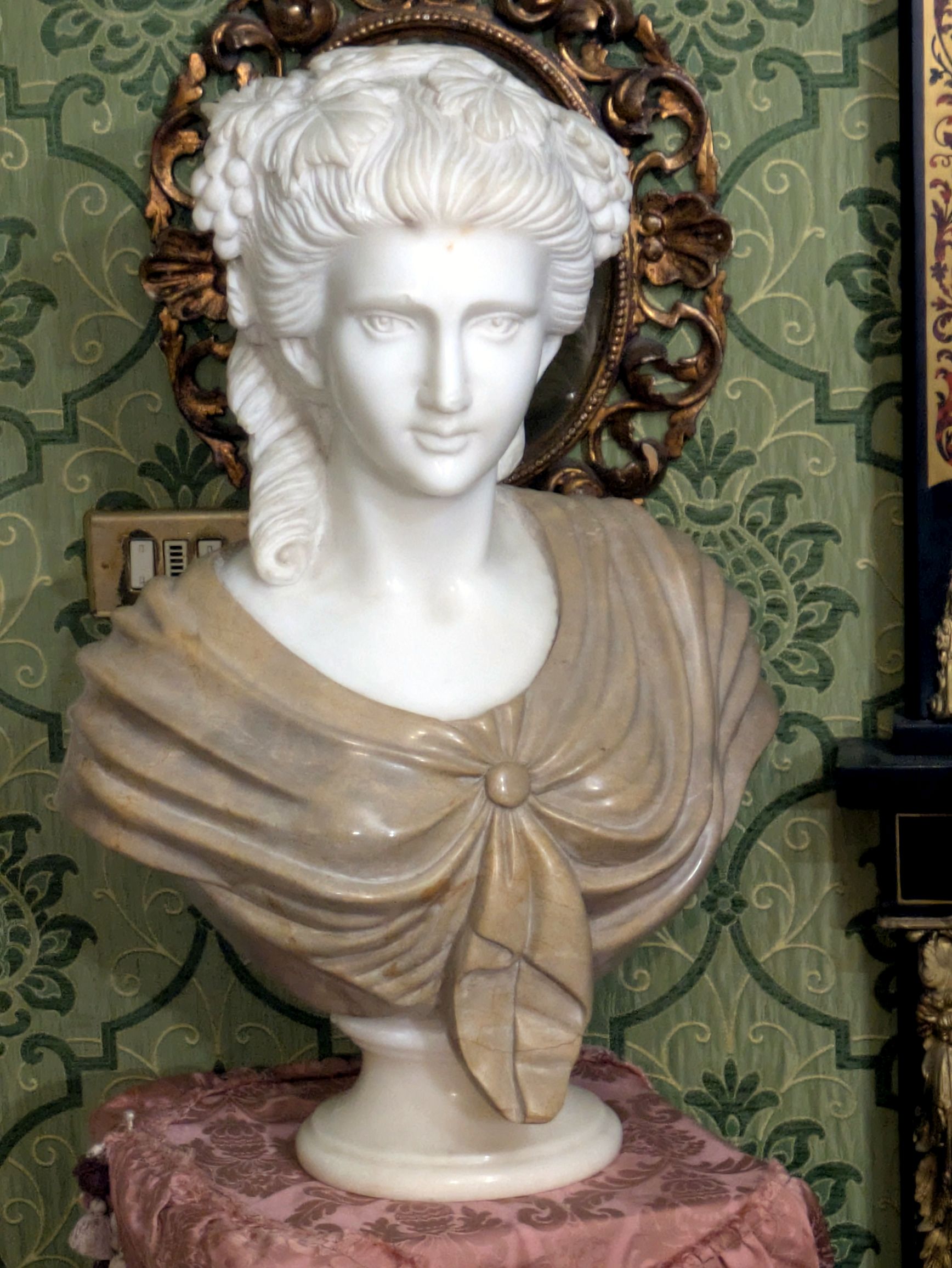
The tour of his home took us through six rooms filled with Flemish tapestries, gilt bronze chandeliers, Louis XIV-style sofas, Baroque-style mirrors, inlaid Boulle clocks and tables, console tables and corner cabinets, neoclassical style sideboards, canvases and prints, Copenhagen candelabra, and so much more. This bust is of his great-great grandmother.
It was A LOT to take in and all more than I could ever live with for more than a day. Could you imagine what the contents of his home was worth, though?
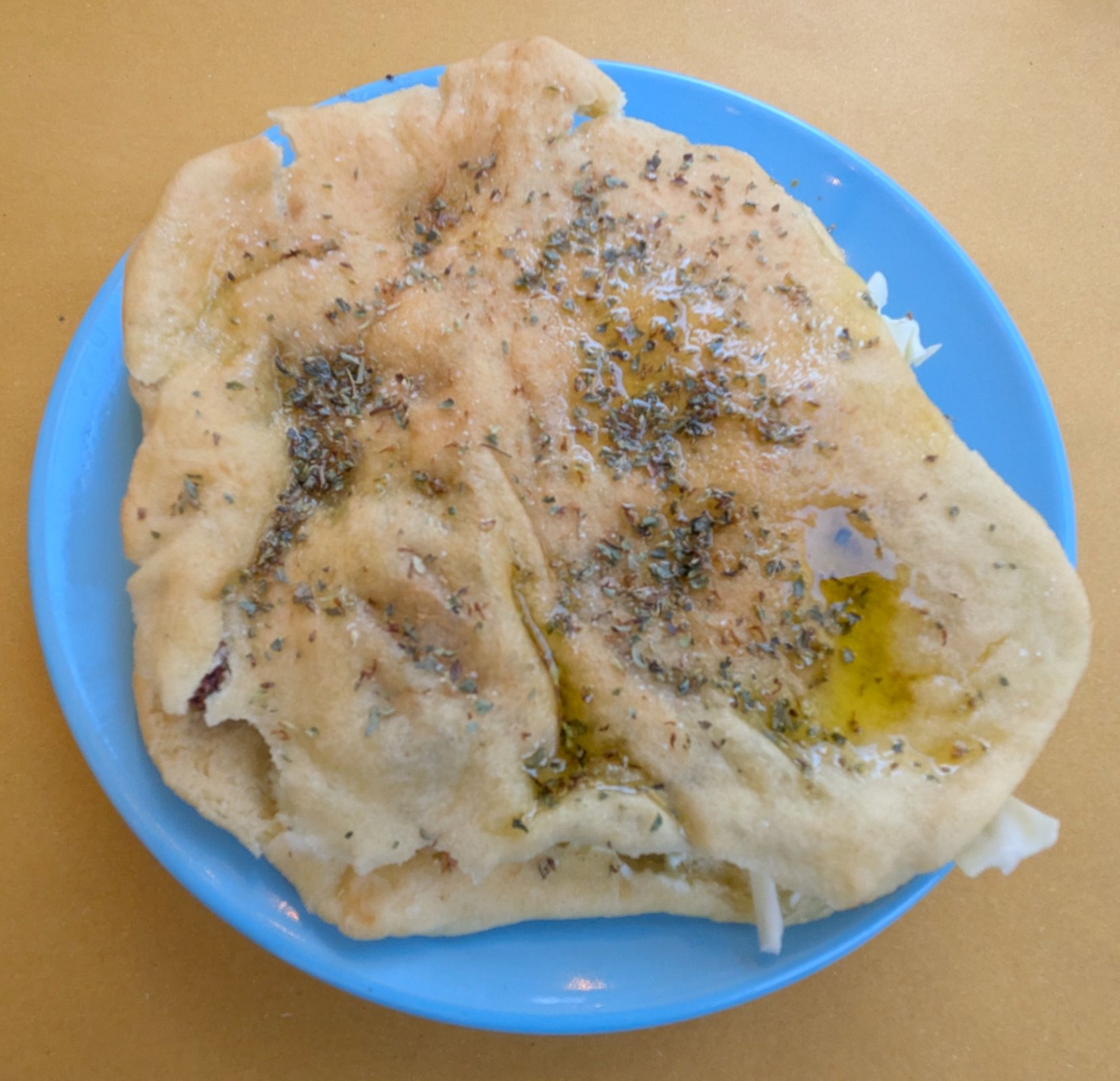
Bruce and I concluded our wonderful day enjoying an al fresco dinner at Njuria Sicilian Bistrot on my favorite street of Ragusa, watching the locals and tourists stroll by. This is part of the owner’s story, describing the history behind the delicious bread we were served with our dinners:
If you have seen the “Chocolate” section of my blog, you know chocolate is my thing. I haven’t updated my chocolate label collection on the blog since 2023, but it is currently at 348 brands from 61 countries. Everywhere I go, I’m on the lookout for something new to me, and I always manage to bring home chocolate from each trip we take.
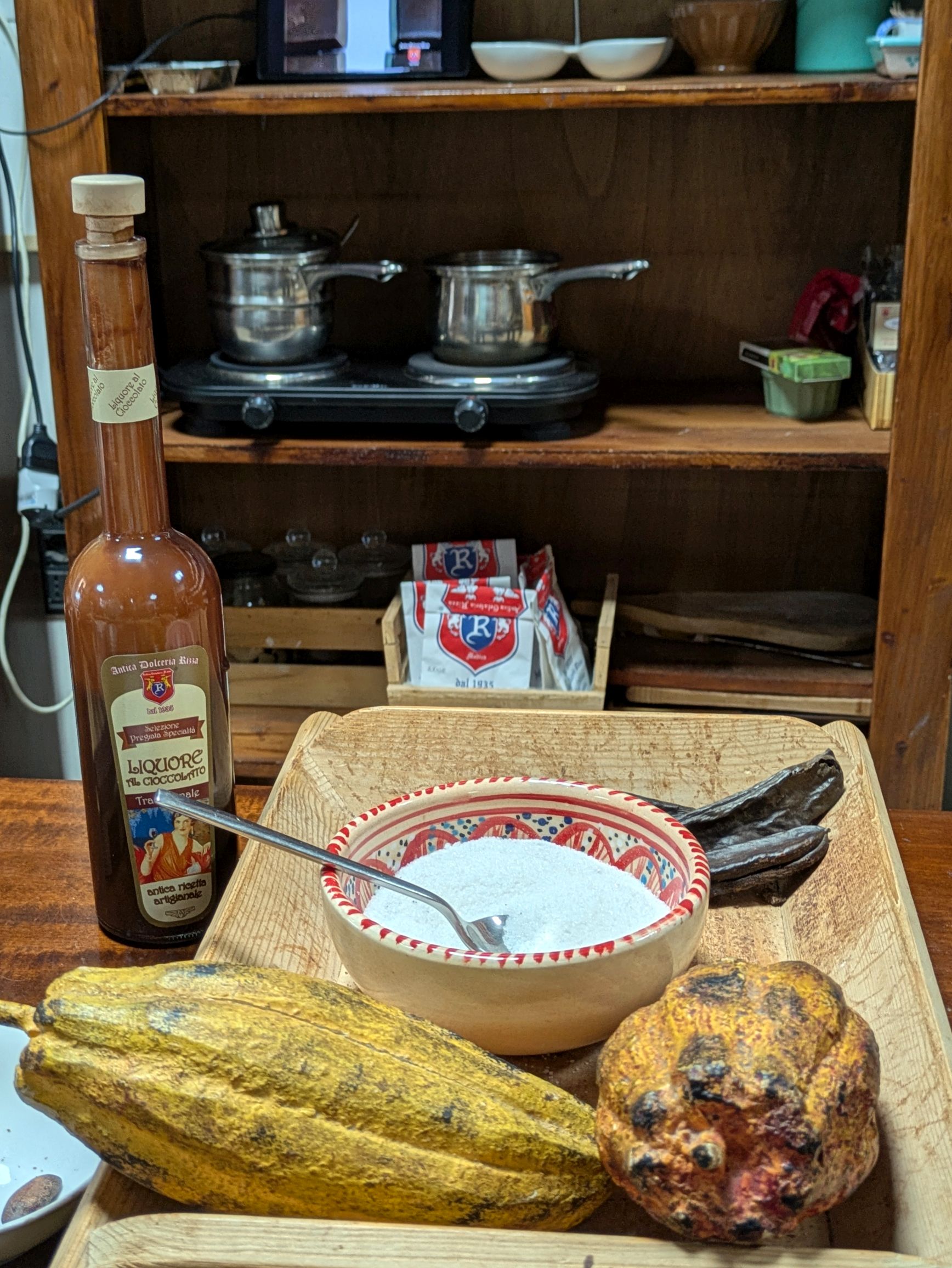
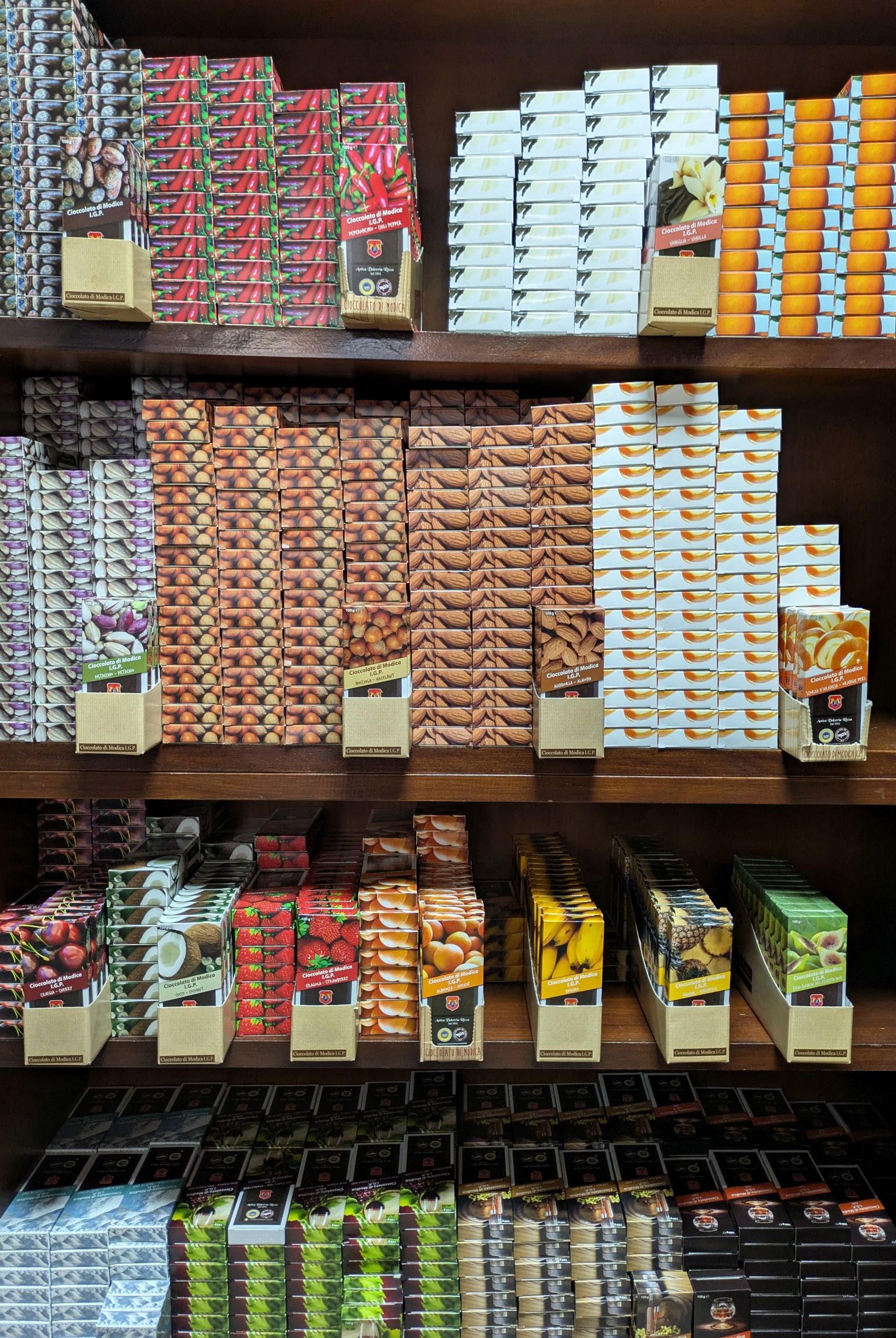
Sicilian chocolate was new to me and I enjoyed learning how it was made at Antica Dolceria Rizza dal 1935 . The gal who explained the process to us was our Ragusa tour guide the previous day. We visited the shop following our Fiat 500 ride in Modica, and it was a nice treat to sample their offerings!
The process of making Modica chocolate is different from other chocolates, because it is made with cocoa and sugar mixed in a cold-working process. It has no added fats and contains only the cocoa butter that is naturally present in cocoa beans. The ingredients are never heated above 113 degrees Fahrenheit, so the sugar crystals stay whole in the chocolate bar, giving it a grainy texture. This gives a very different mouth feel from conched chocolate, which is smooth and creamy. The advantage of eating Sicilian chocolate is that the beneficial properties of cocoa are kept intact in this process.
Modica chocolatiers have had a lot of practice honing their craft. It was first made by the Spanish when they ruled Sicily between 1500 and 1700. Now, it is the first and only PGI (Protected Geographical Indication) chocolate, a similar protection given to other European food and wine products.
(For all photos, click on the image for a full screen view.)
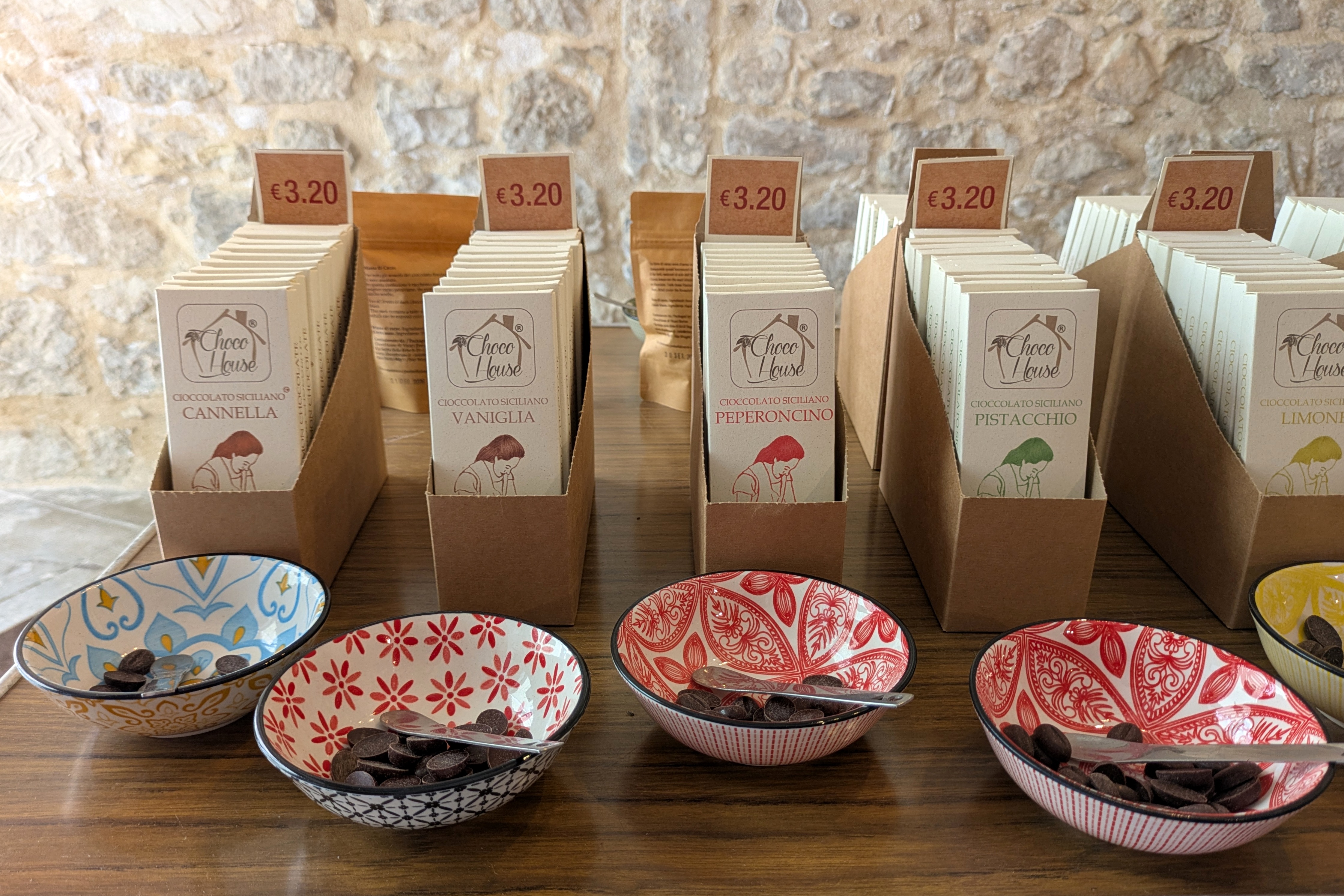
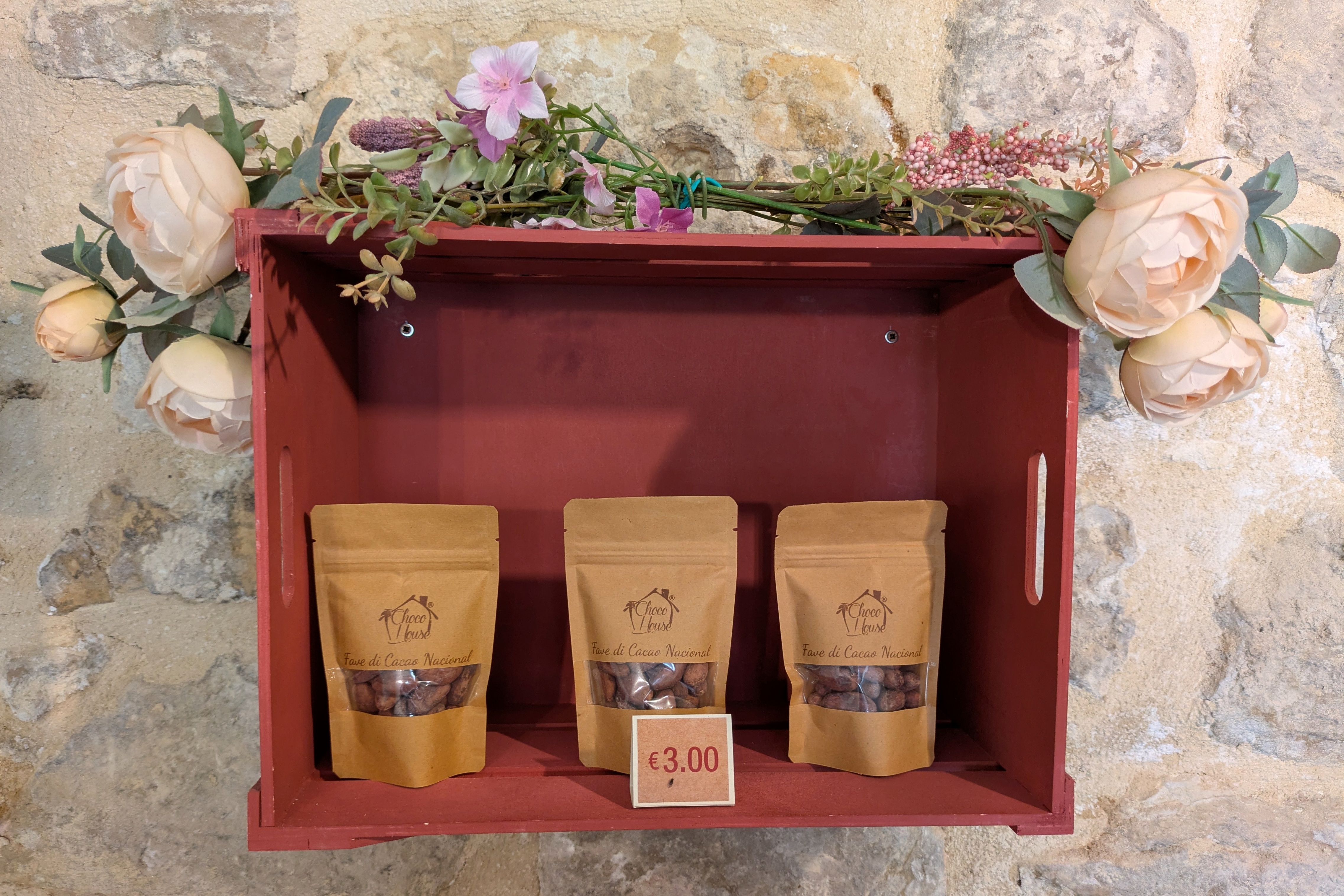
In Ragusa Choco House is making chocolate using the exact same process; however, it doesn’t have the PGI designation, since it is not made in Modica. Bruce and I visited their new shop on a side street in the town center. They also have their original location up the hill where their chocolate is made. It’s next door to their bed-and-breakfast, which I found to be an interesting combination of businesses!
Choco House chocolatier at the original location
We thoroughly enjoyed our visit, learning about the Choco House way of making chocolate and tasting the samples. Of course, I also bought chocolate bars there as I did in Modica!
Coming up next: SICILY & AMALFI COAST #16: MEMORABLE MONTALTO FARM & MORE
Modica, located about 12 miles from the city of Ragusa is where we were headed for our afternoon adventure, which I dubbed “Mr. Toad’s Wild Ride” when it concluded. My best friend, Laura, will know exactly what I mean by that. We grew up 30 minutes by car away from Disneyland and used up our left over “A” tickets on that ride and laughed ourselves silly. (I’m dating myself here, because ticket books for rides were discontinued in 1982.) She would have loved this!
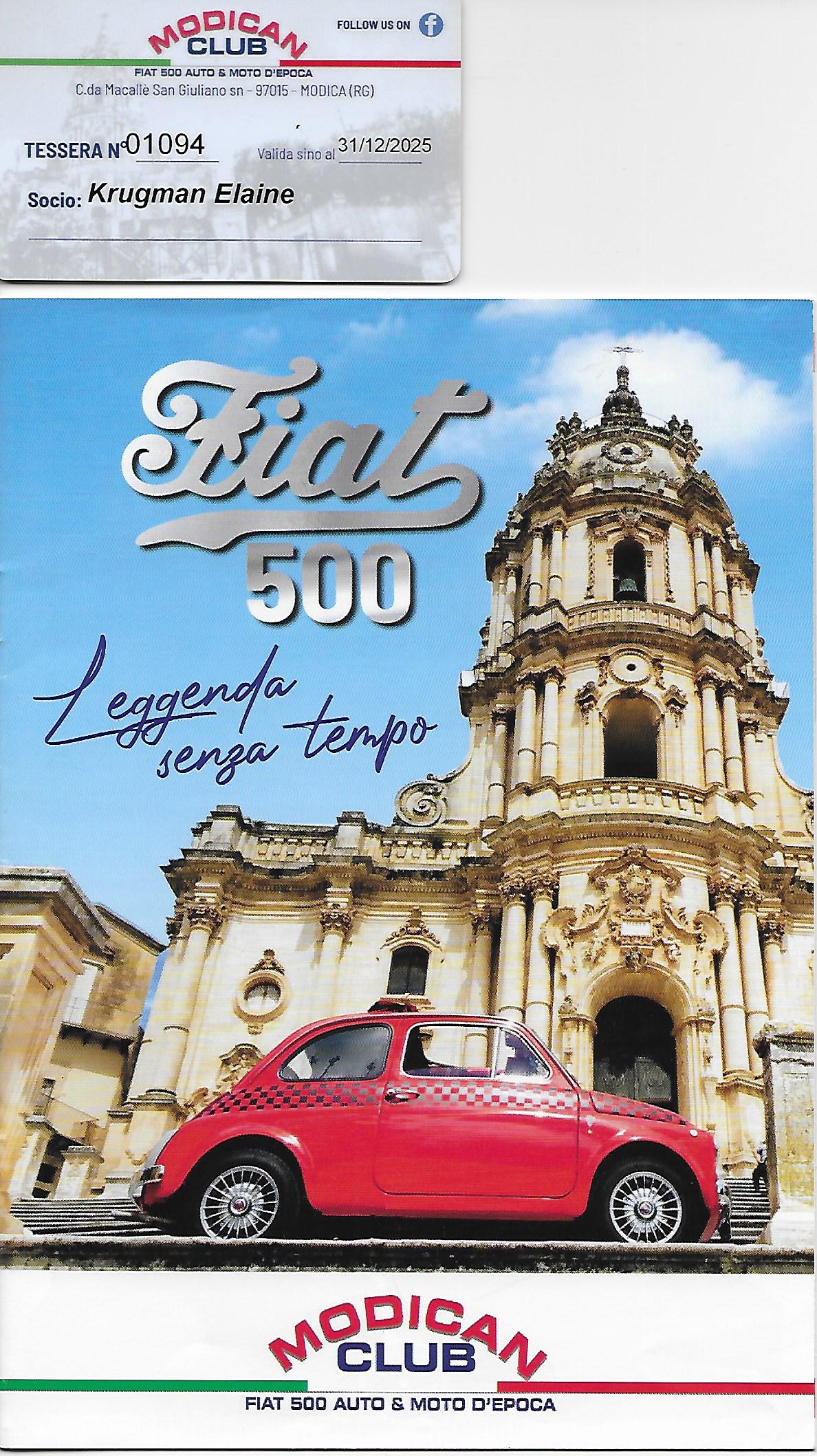
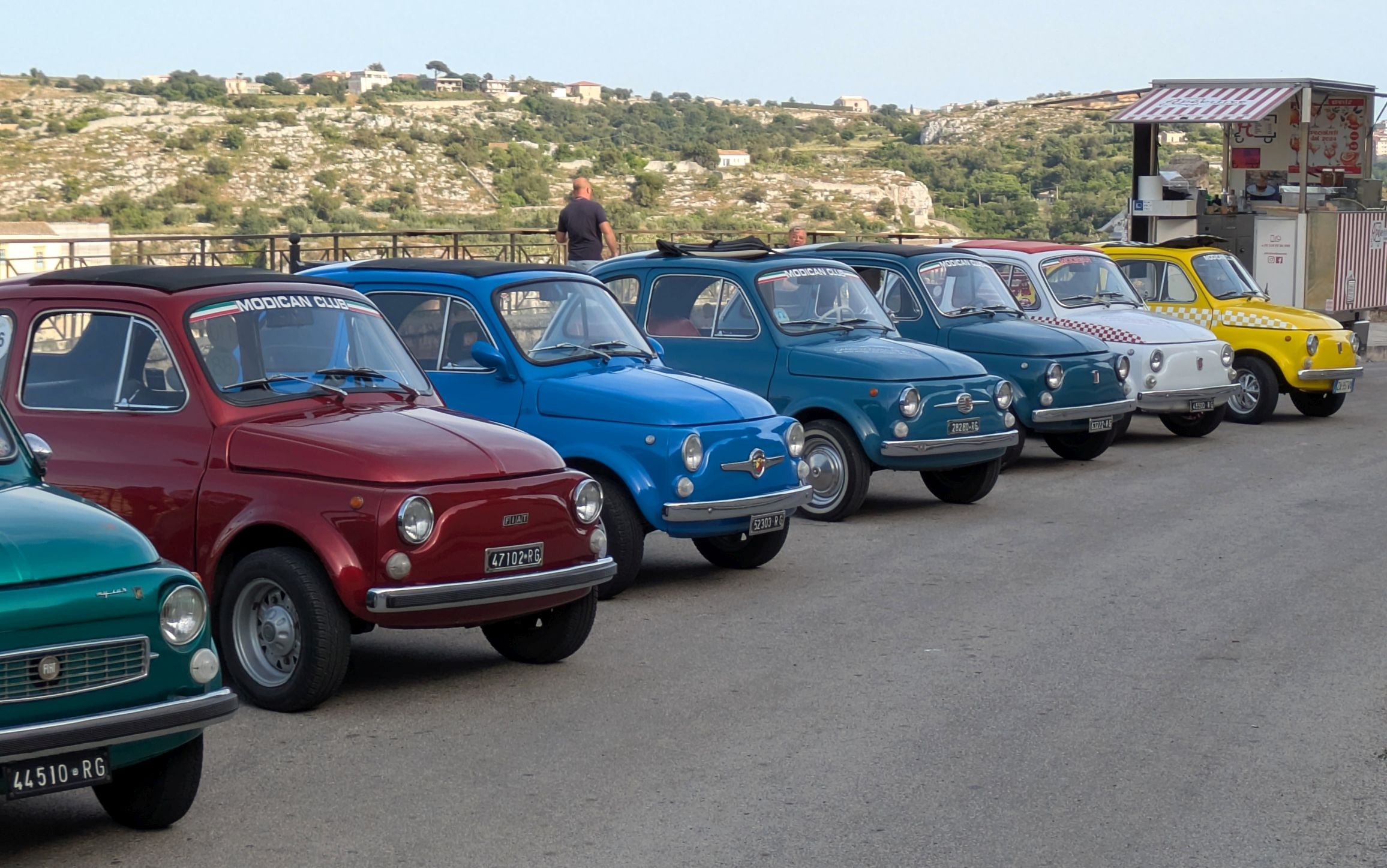
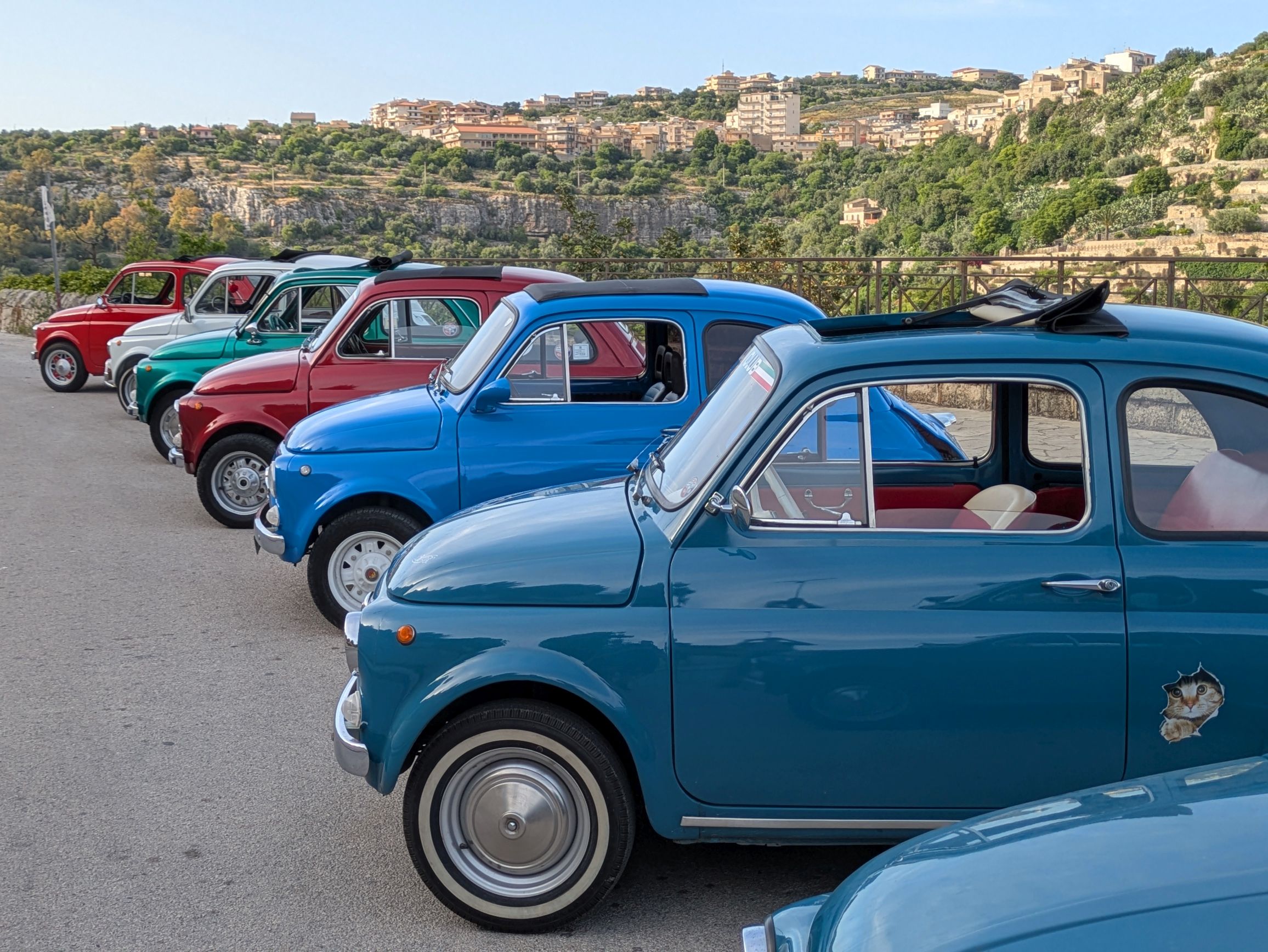
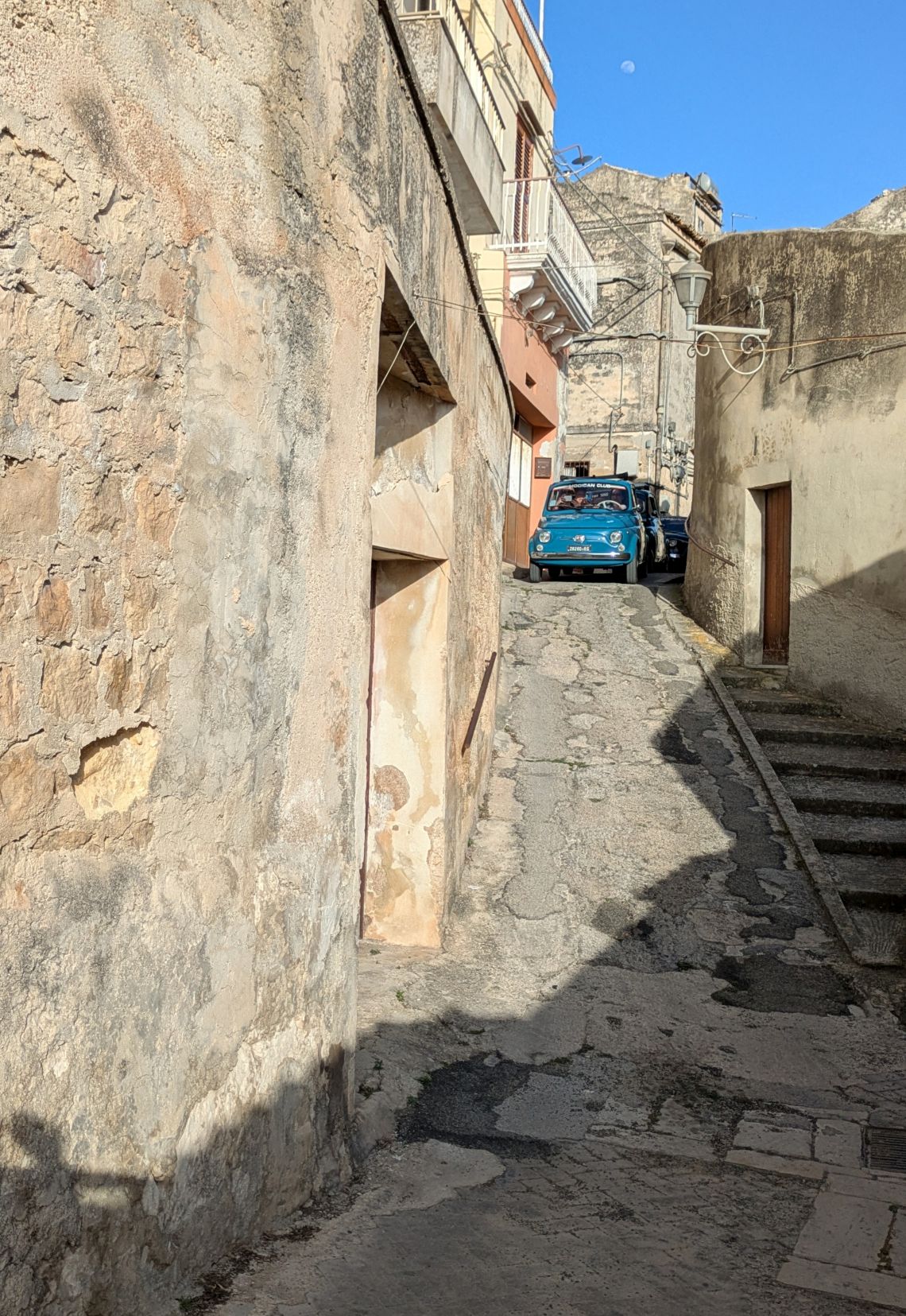
The Modican Club’s version of Mr. Toad’s Wild Ride is a drive through the streets of Modica in a vintage Fiat 500, a tiny little thing that is perfect for maneuvering through the narrow streets and lanes. Since the club isn’t a licensed tour company and are only permitted by Italian law to give rides to other club members, we were required to join the club to catch a ride. So, all sixteen of us (Uh, make that 17, because there was no way Francesco, our tour leader, was going to sit this one out!) became club members and received our official membership card.
(For all photos, click on the image for a full screen view.)
The club has been in existence since 2013 when a group of Fiat 500 enthusiast friends thought it would be a great idea to form a community of owners, collectors and Fiat fans. The original group of eight has grown to 100, and they are having a blast in their 1957 – 1972 era 500’s!
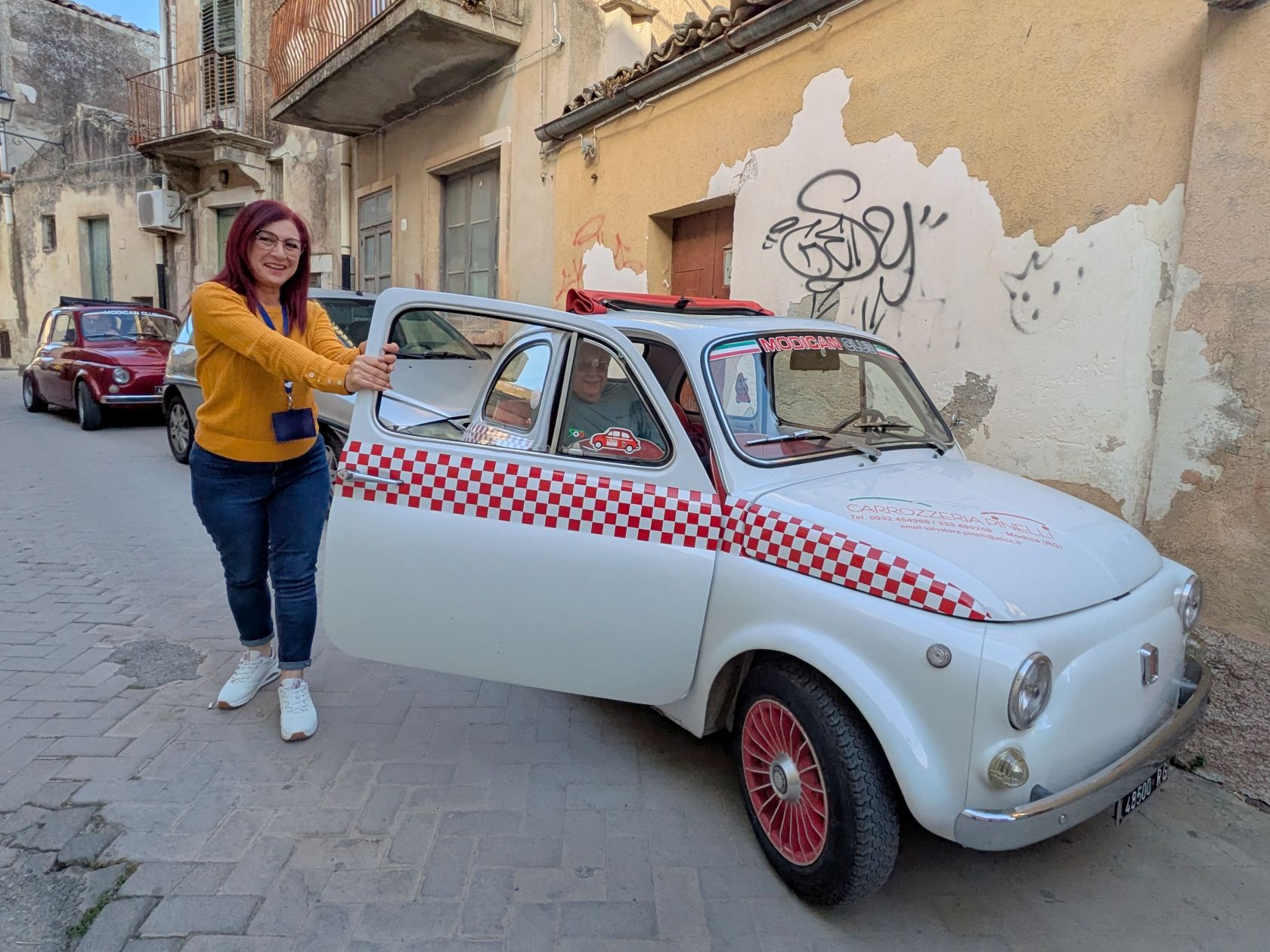
Ours is the white and red one!
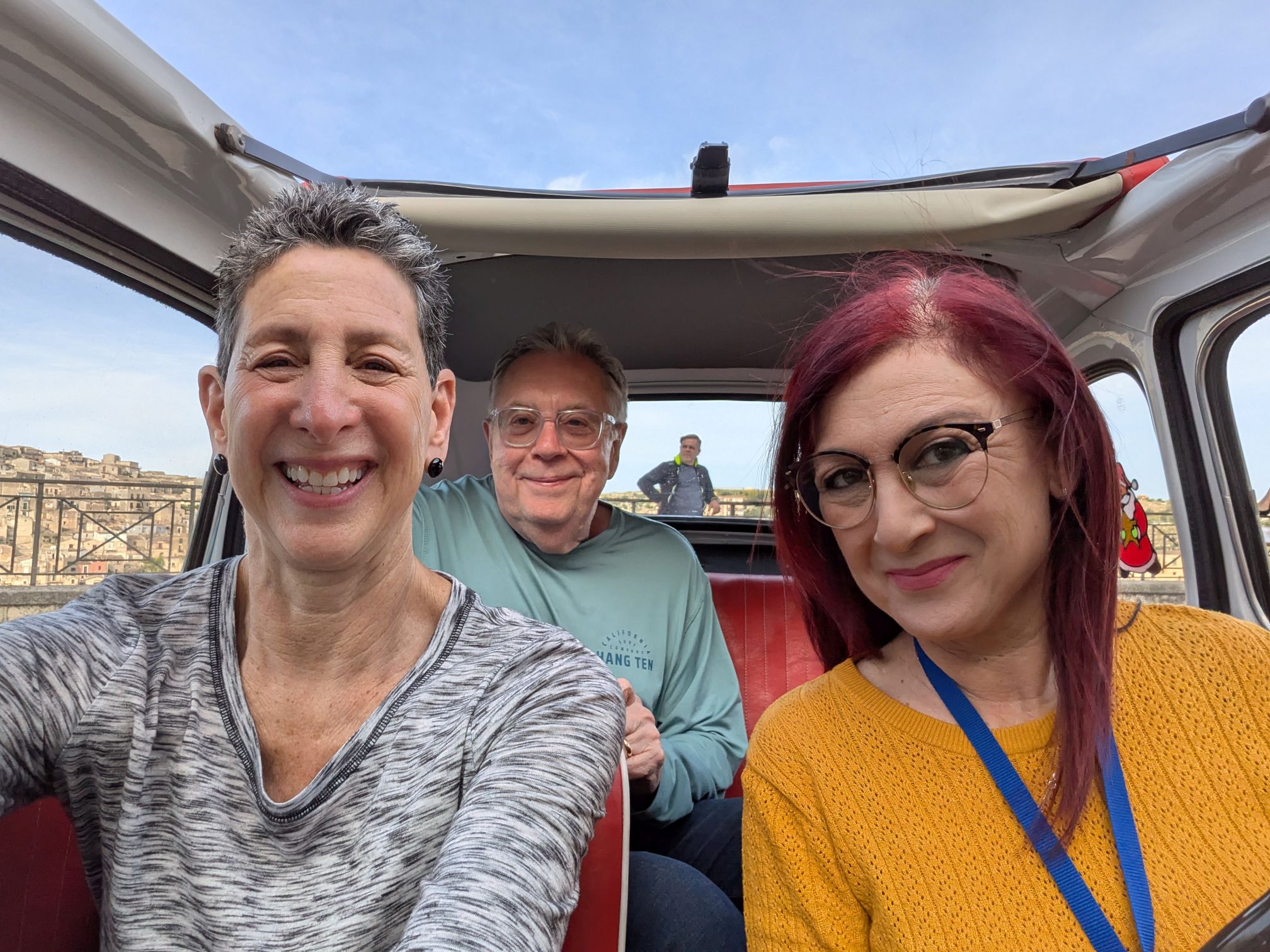
We had a blast, too, in our follow-the-leader caravan as we made our way through the windy streets of Modica.
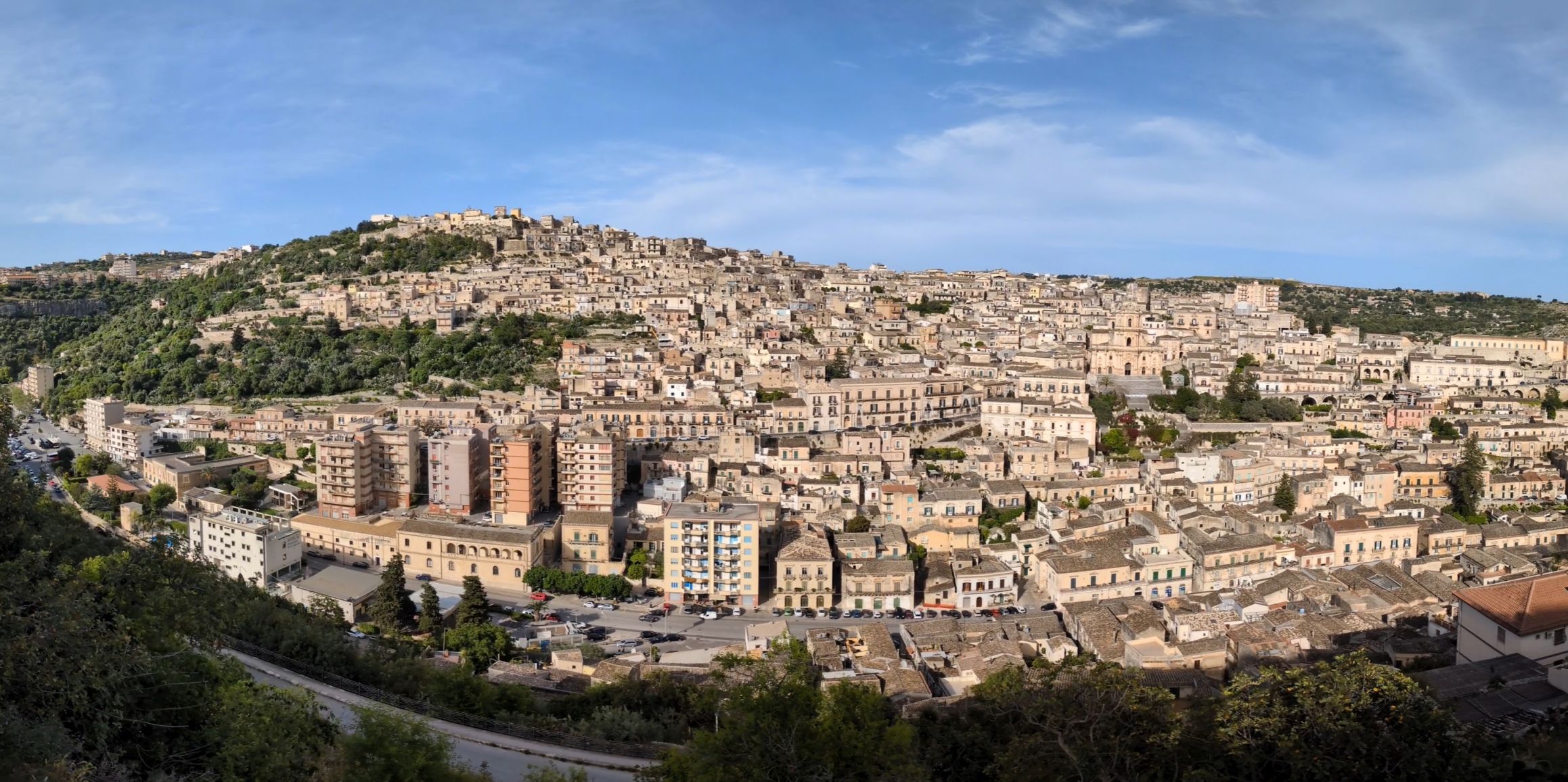
Halfway through our ride (which wasn’t necessarily fast, just windy on VERY narrow streets), we stopped at a beautiful viewpoint overlooking the city of Modica below.
After that, our ride got a whole lot more fun:
Next up: SICILY & AMALFI COAST #15: CIOCCOLATO DI MODICA / CHOCOLATE OF MODICA