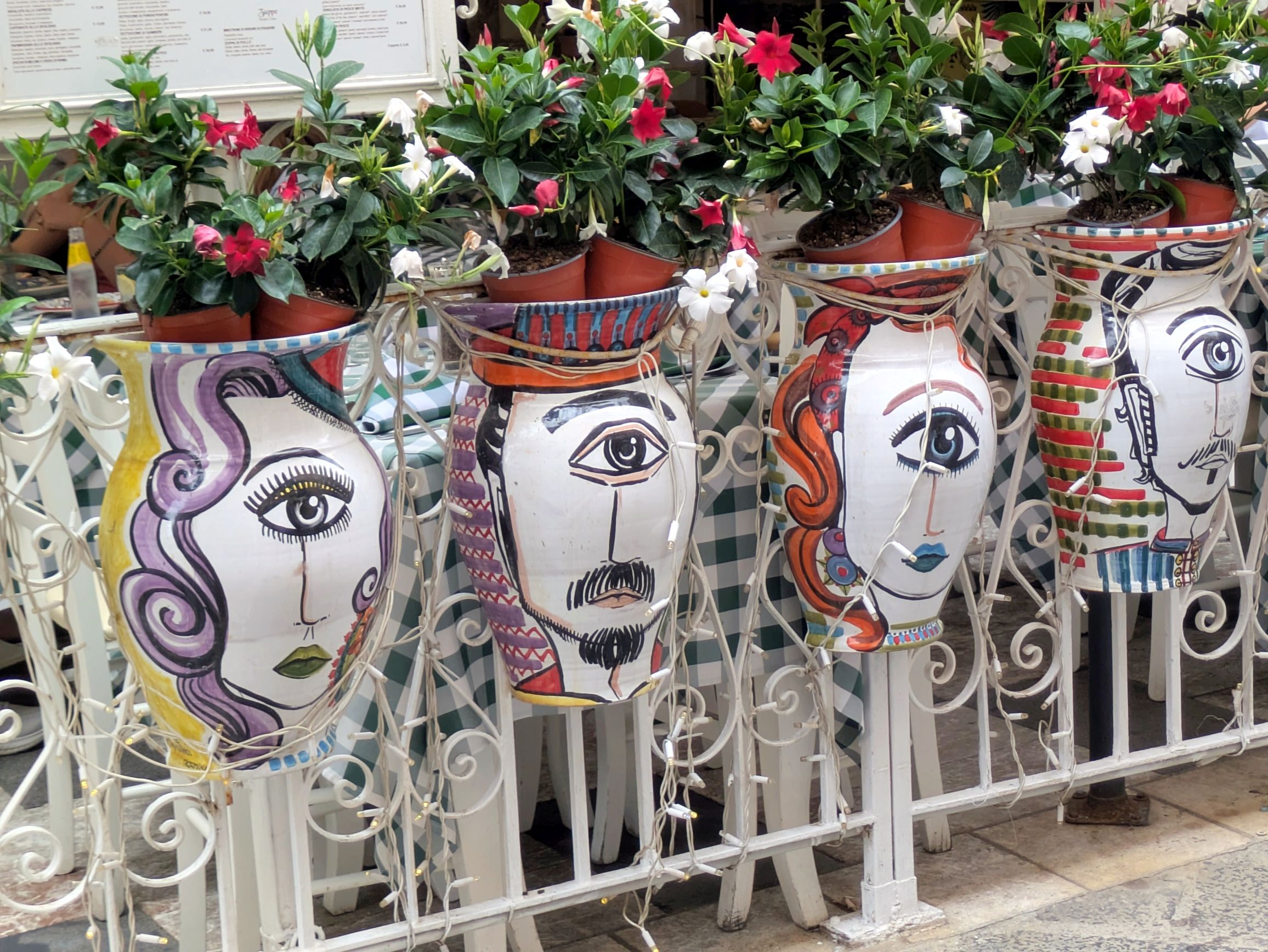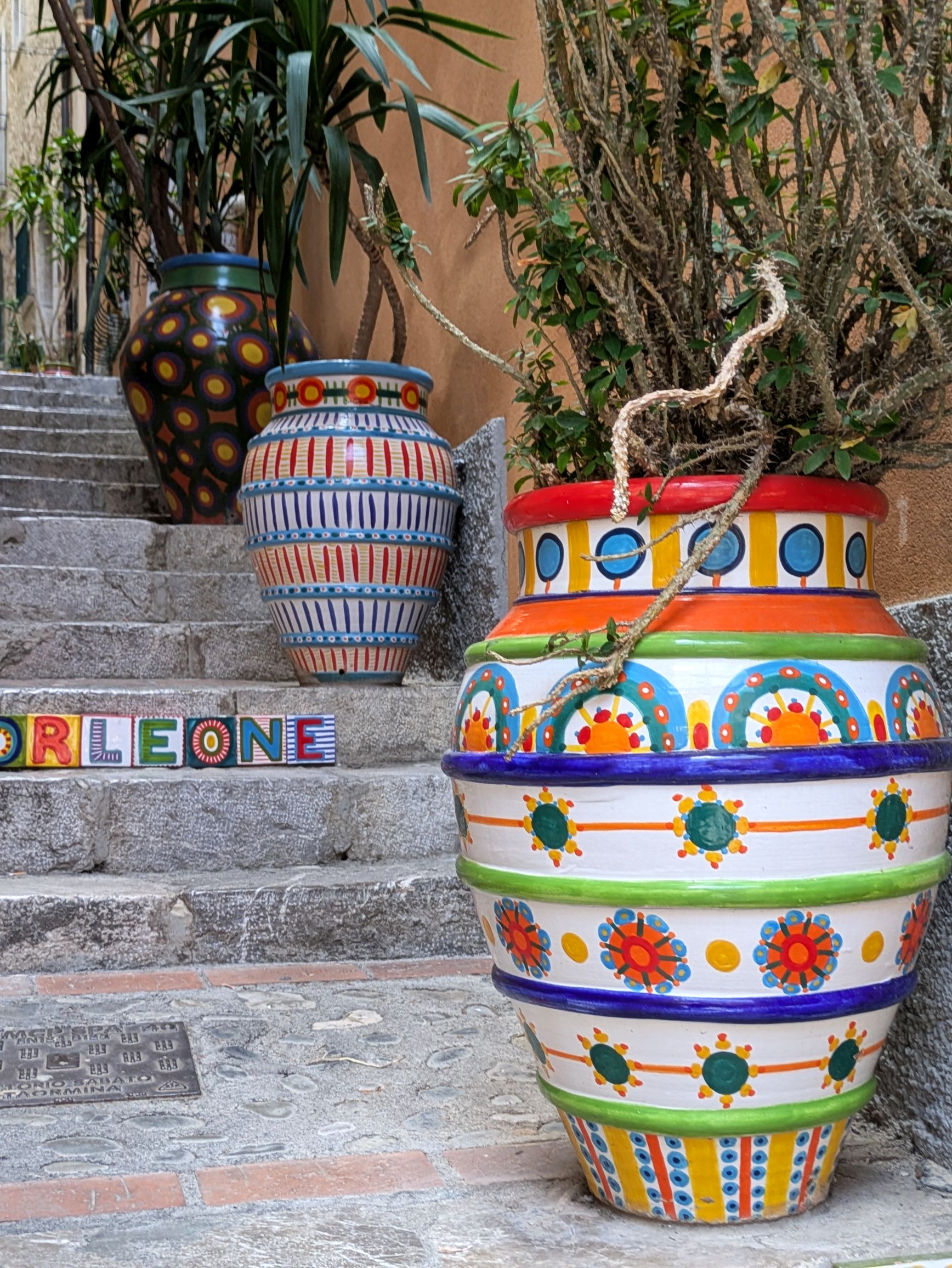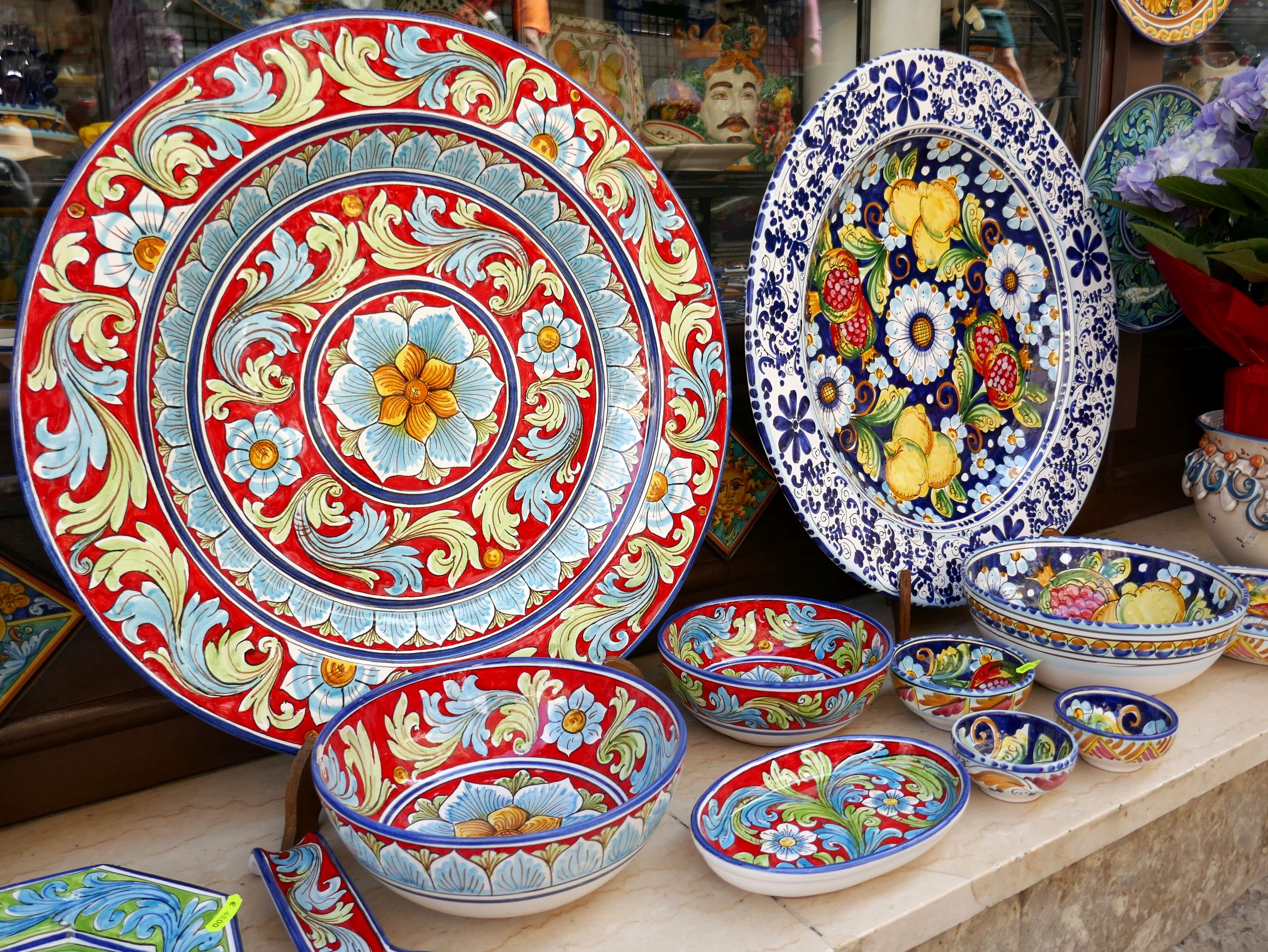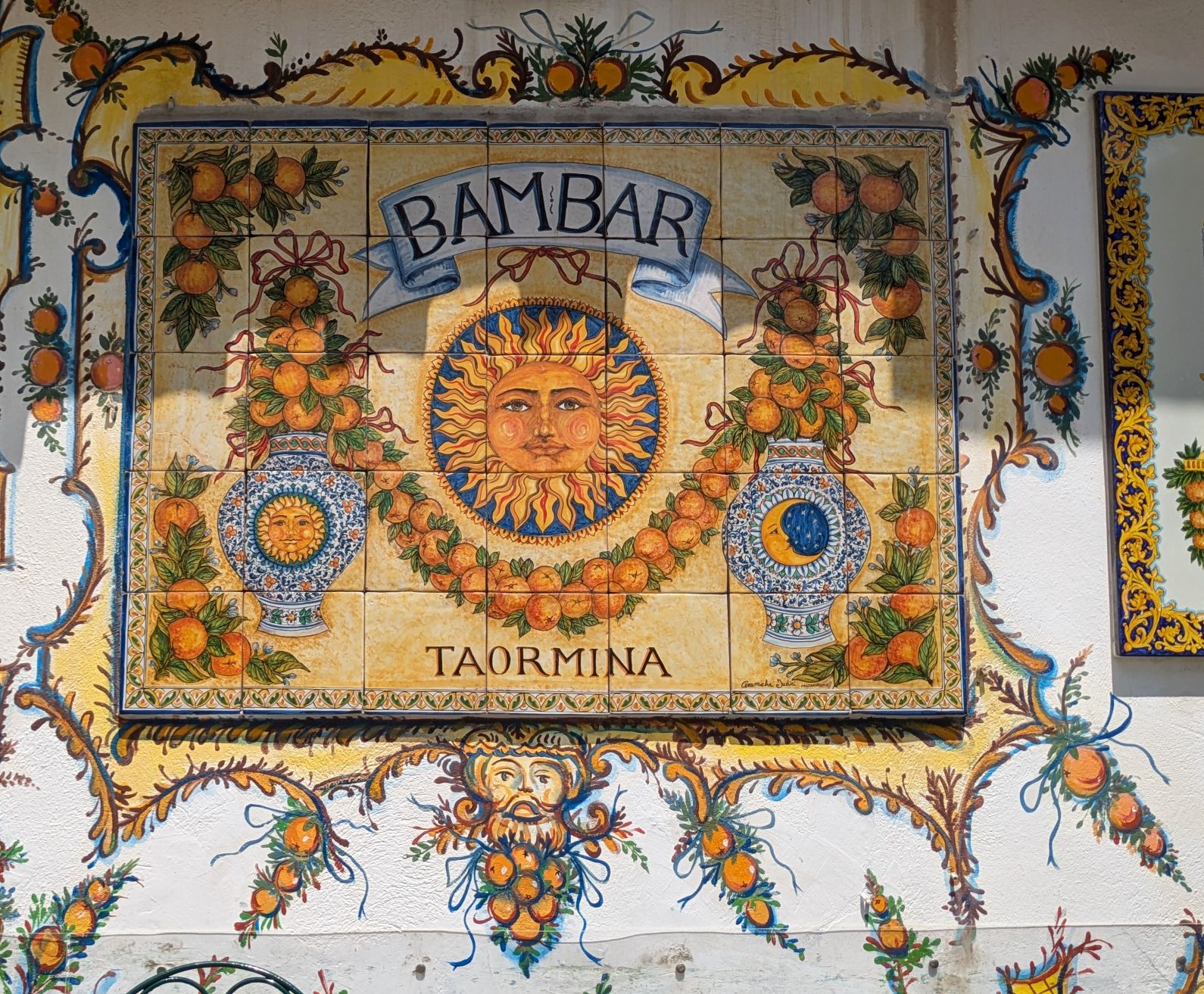
SICILY & AMALFI COAST #26: WRAPPING IT UP IN NAPLES

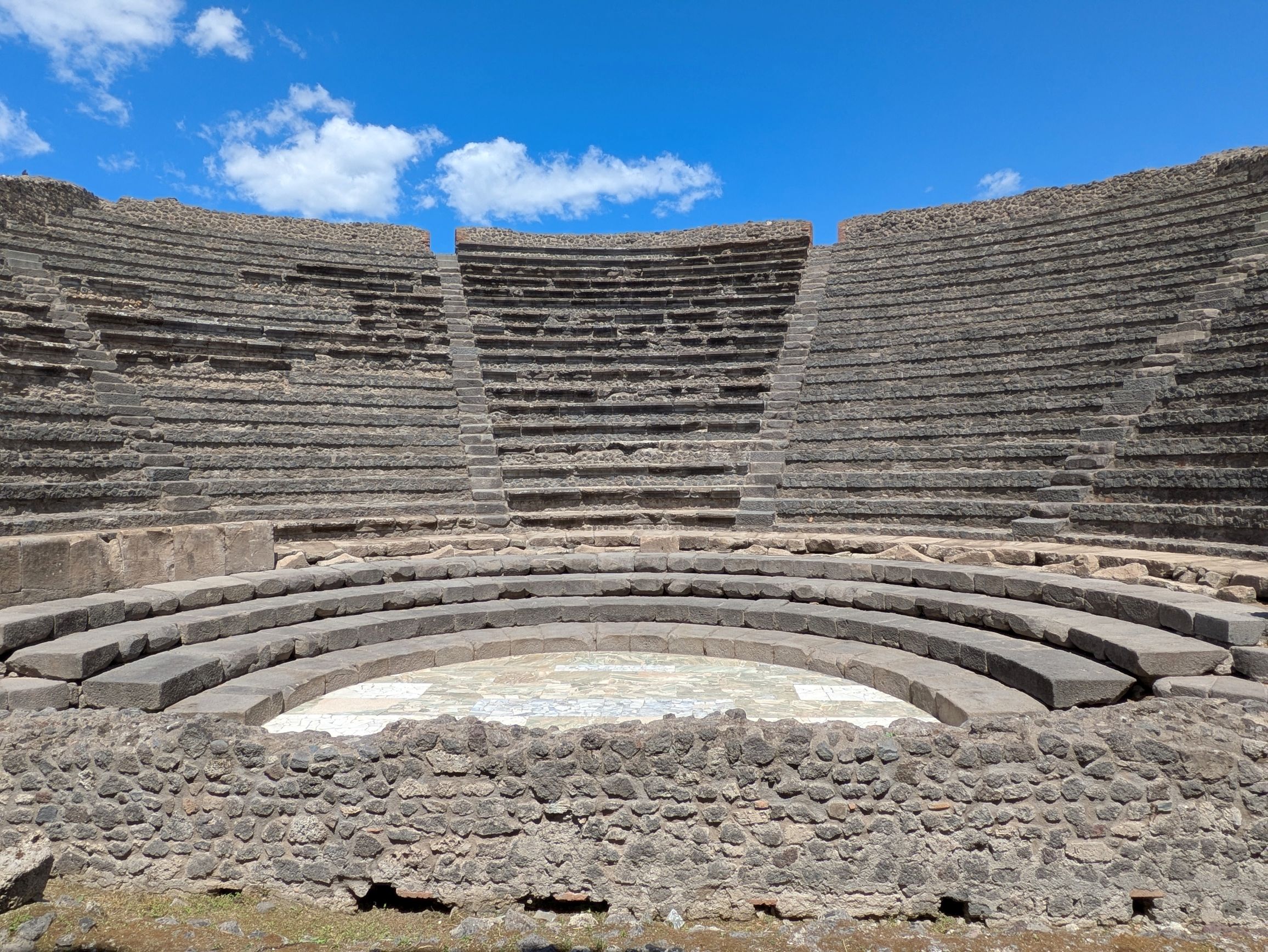
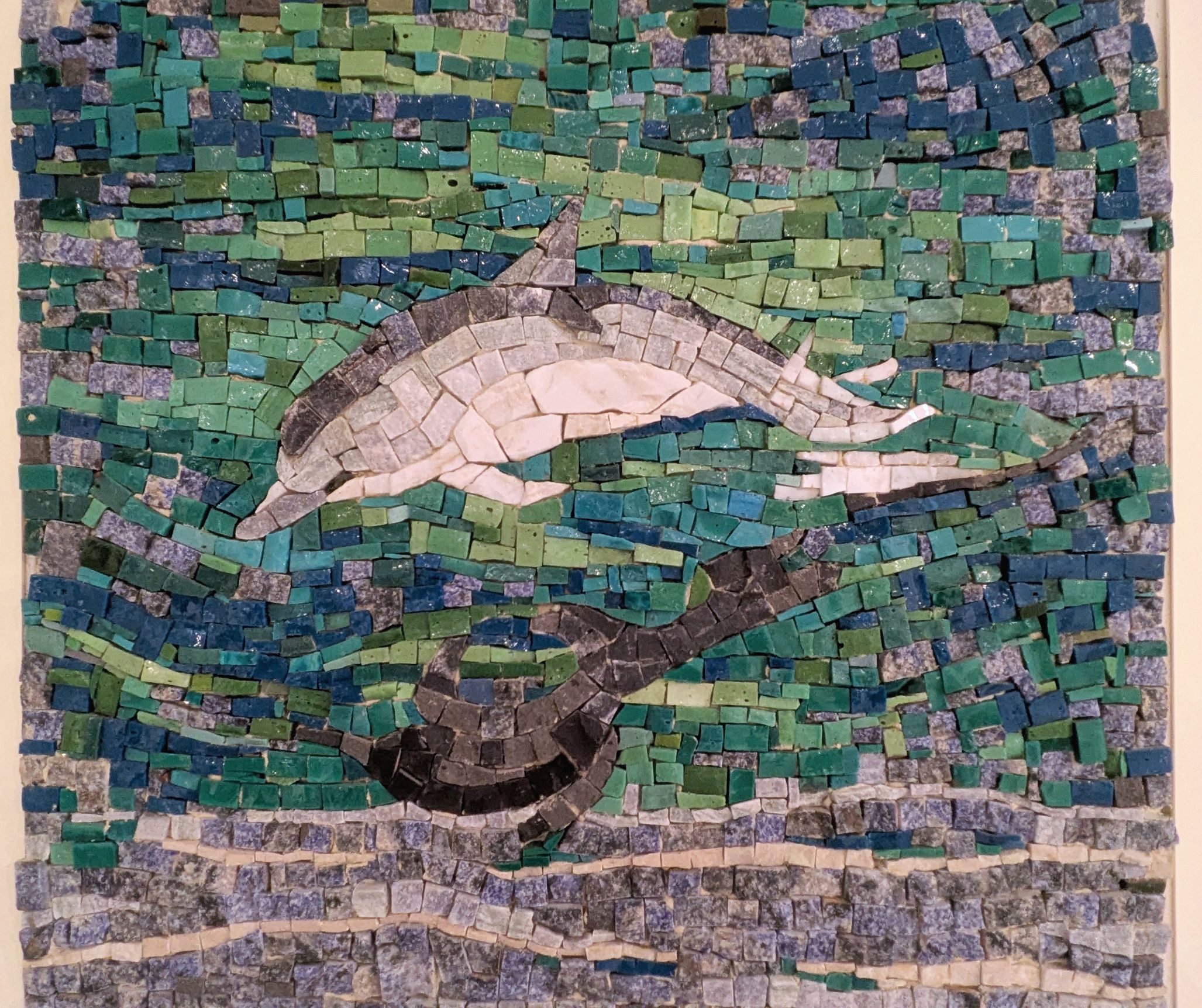
Naples was our base for our final three nights in Italy, so in addition to seeing Pompeii and Capri (as detailed in posts #25 and #26), Bruce and I explored as much as possible during our free time.

A city of over 900,000 people, Naples is the third-largest city in Italy, after Rome and Milan; and, its historic city center has been designated as a UNESCO World Heritage Site. The city has a 2,800-year history, so there is an abundance of historical buildings and monuments, including 448 historical churches of the 1000 total churches in the city.

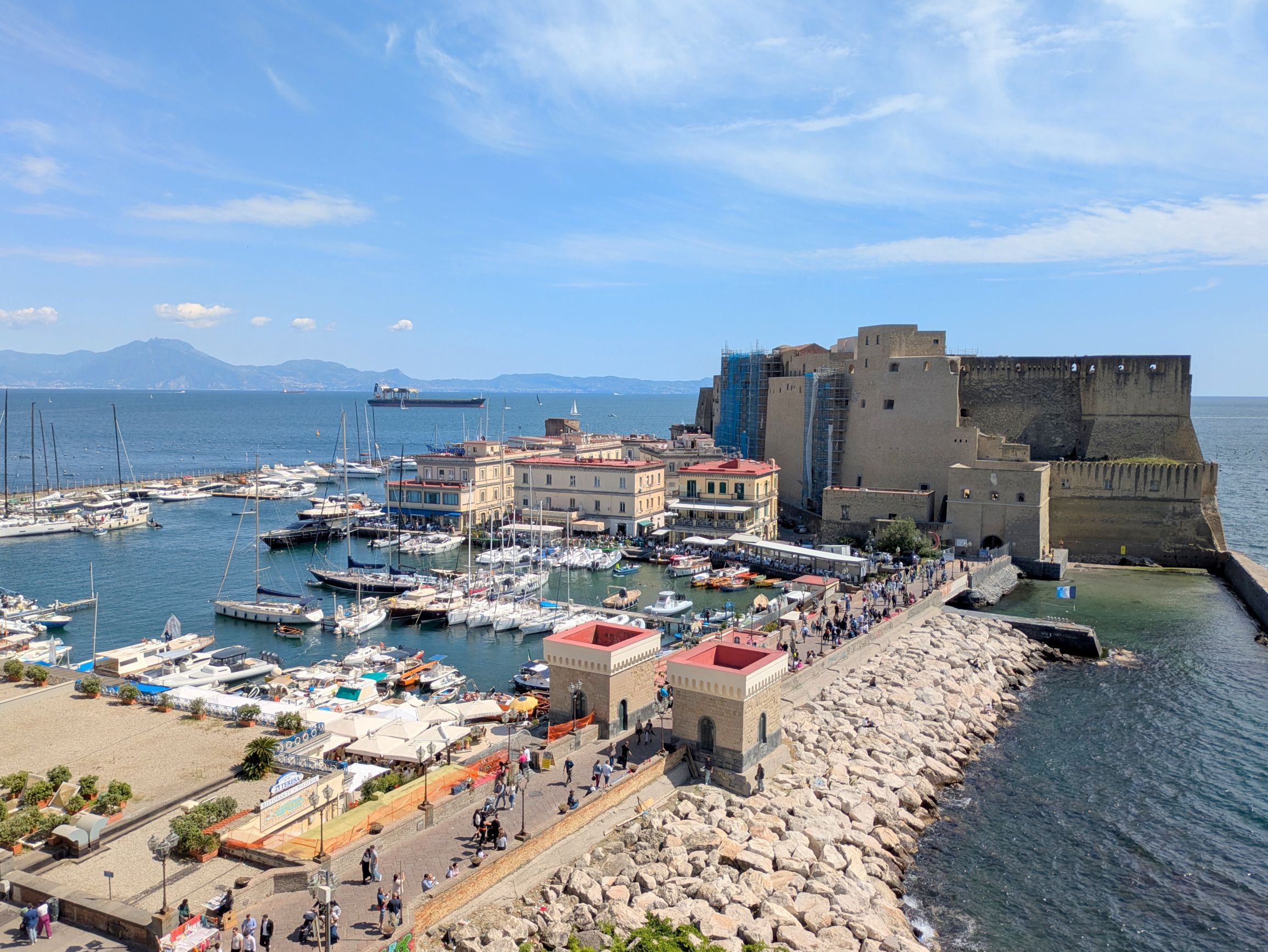
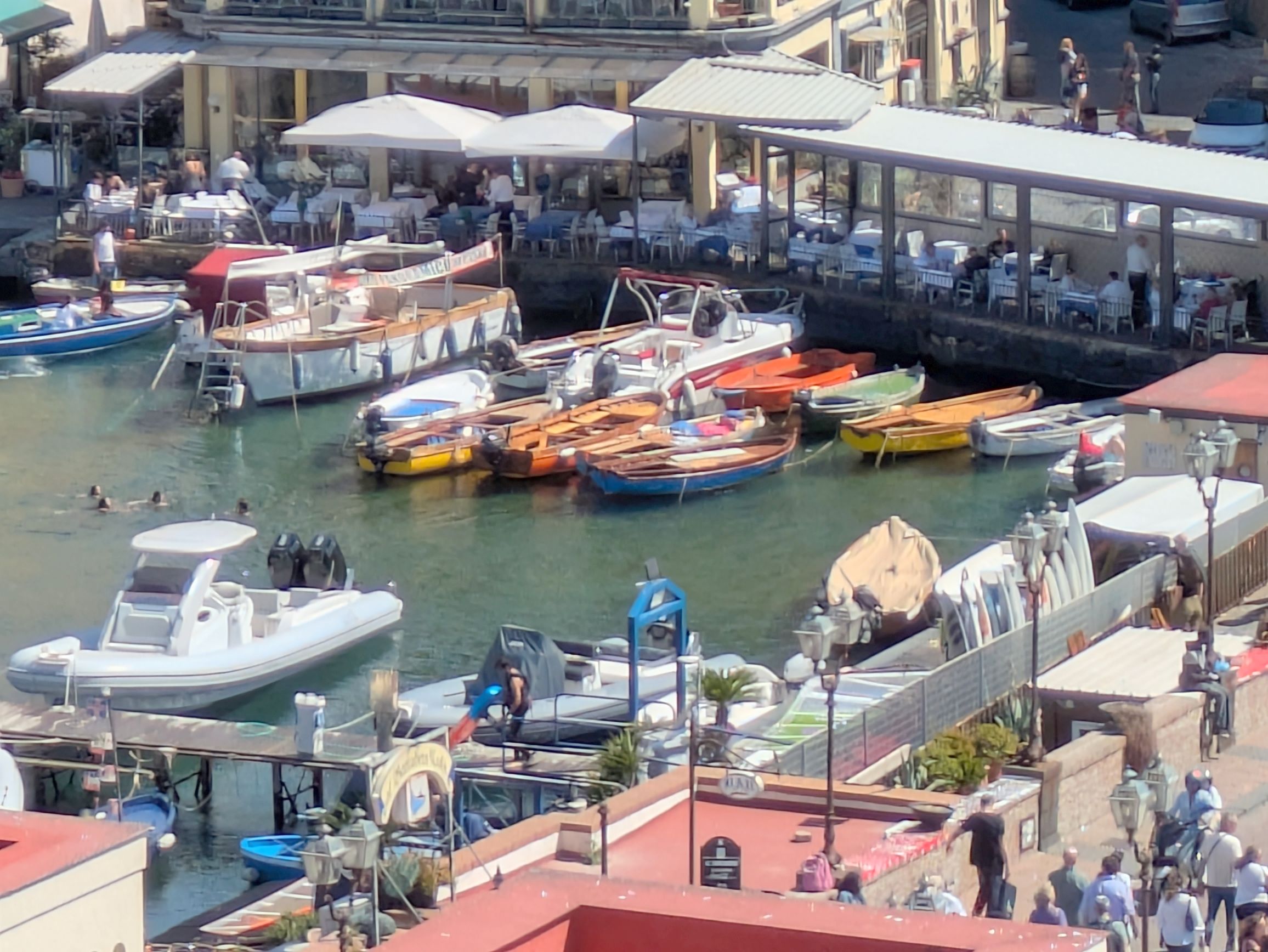
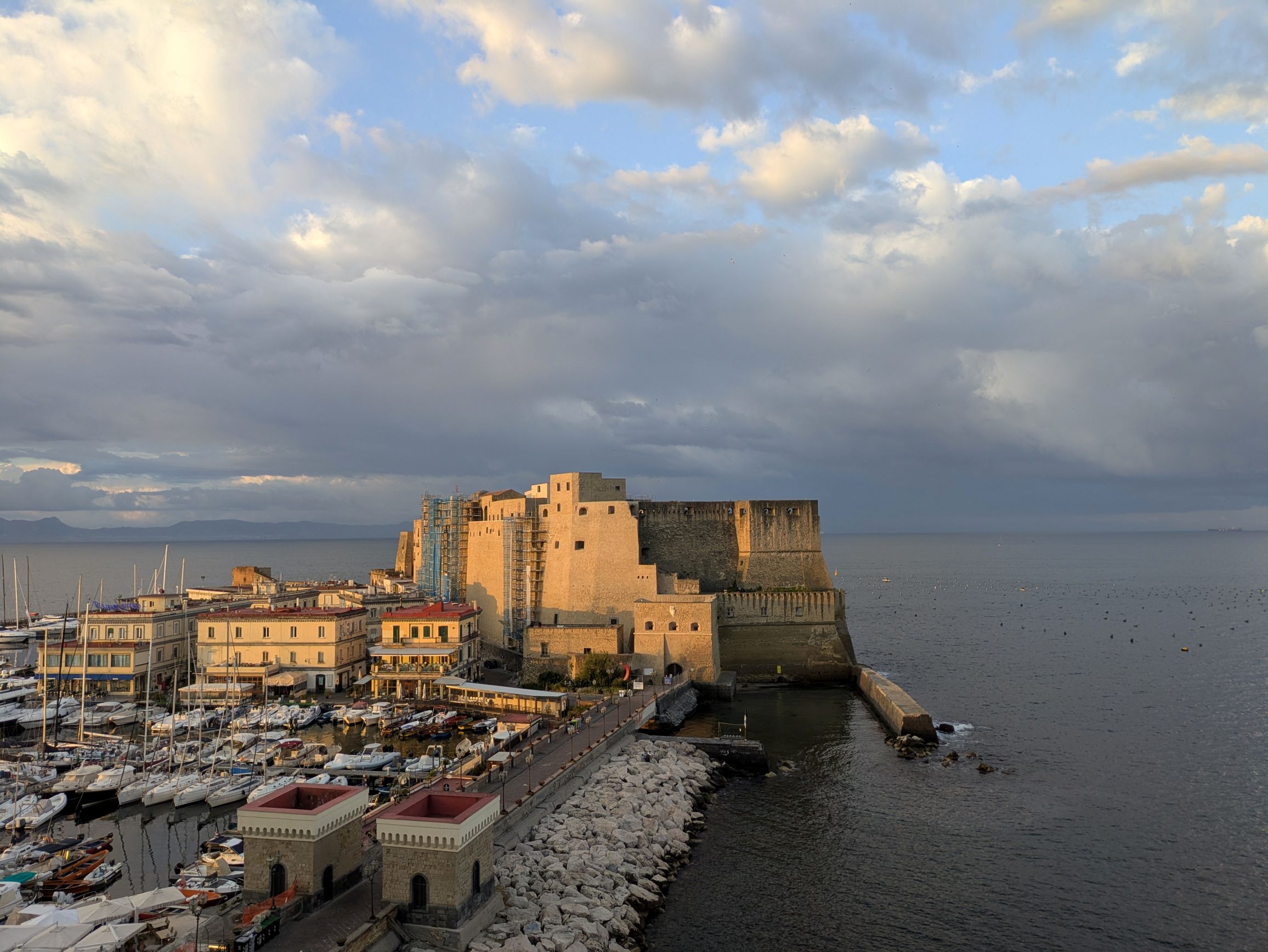
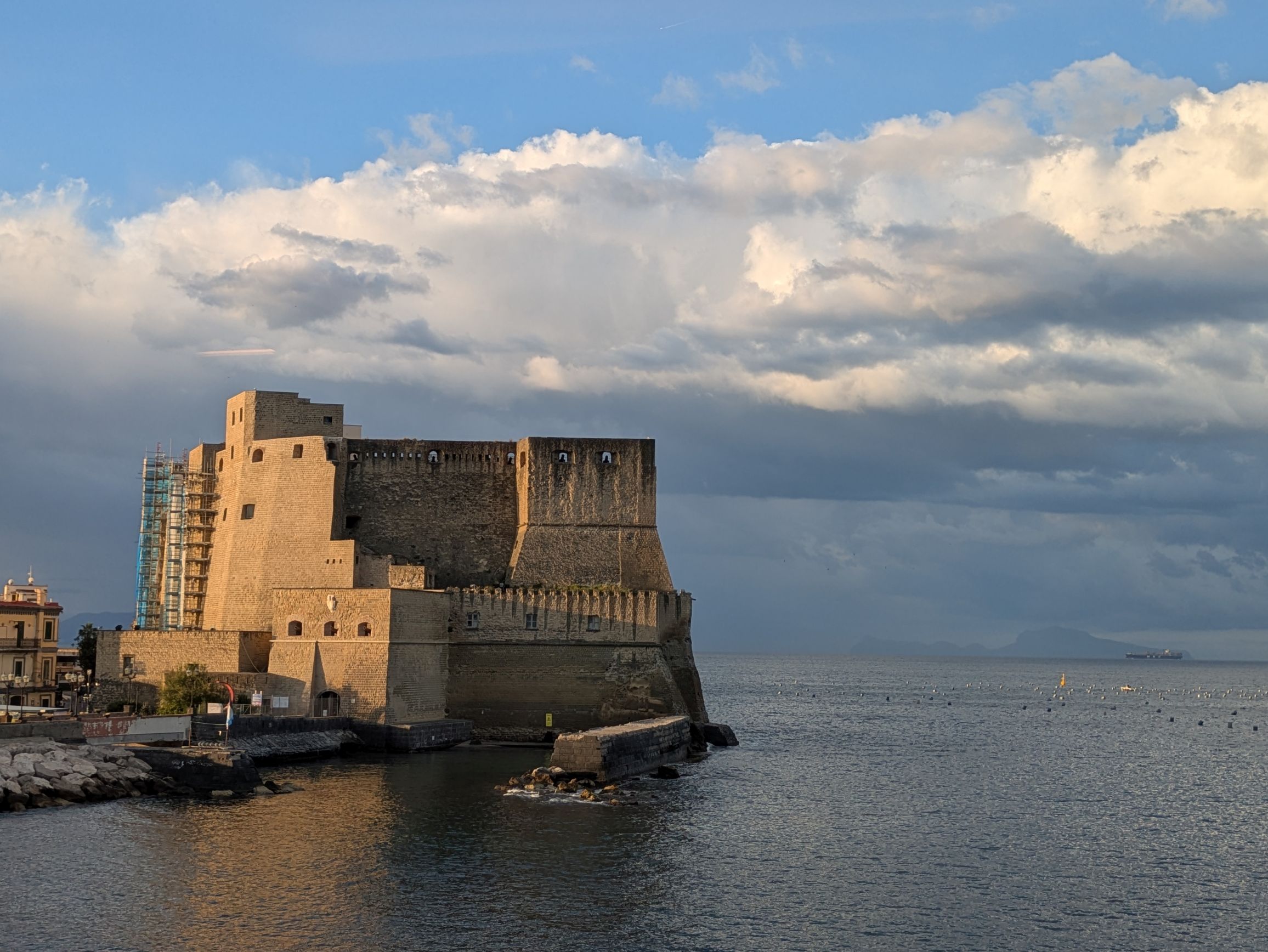
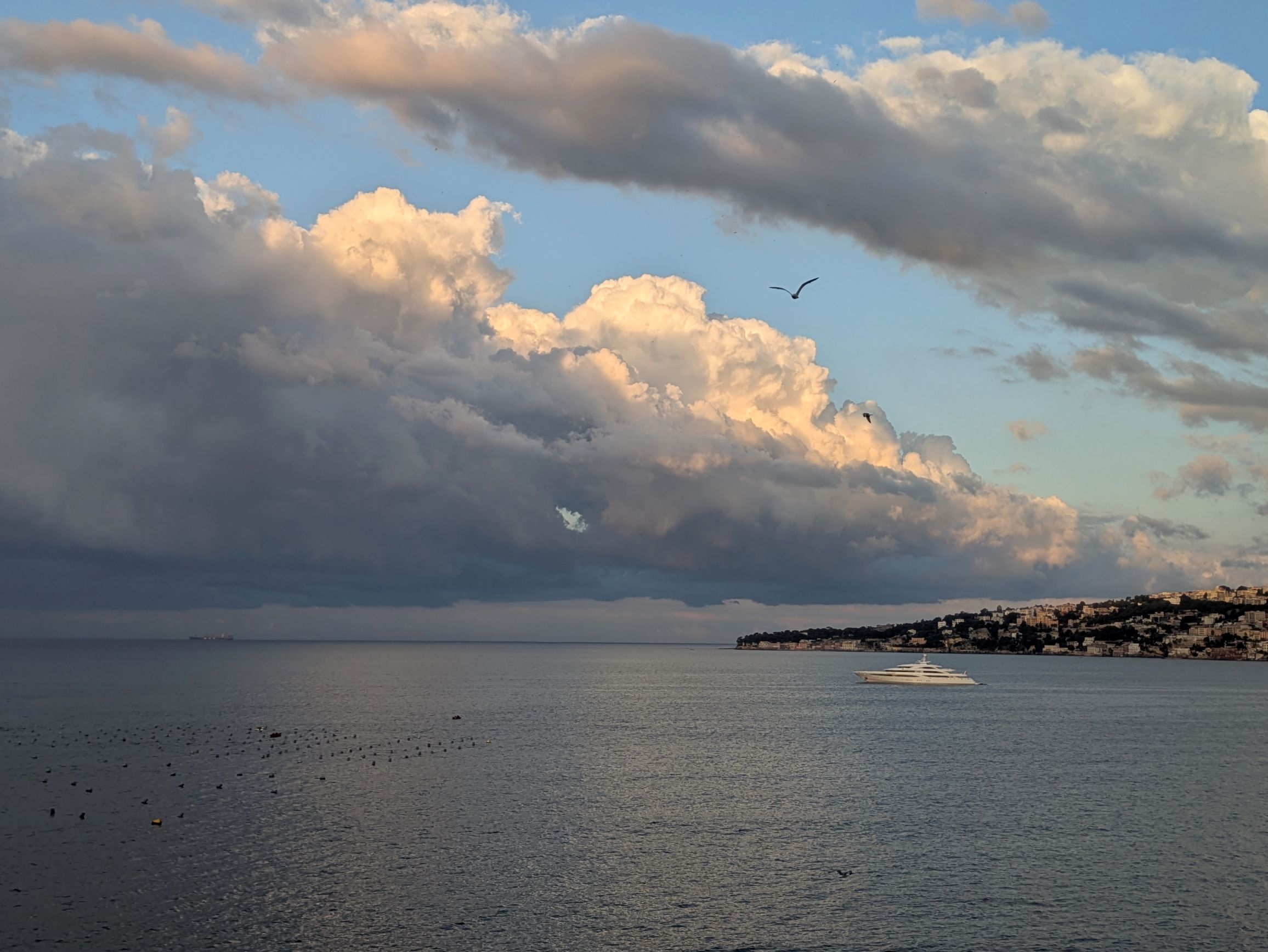
Our hotel, Royal Continental, was located on the seafront promenade with gorgeous views of the Bay of Naples.  Fortunately, we had lovely weather, so we could enjoy the views and walks along the promenade.  This was the view from our room during different times of the day and evening:

(For all photos, click on the image for a full screen view.)

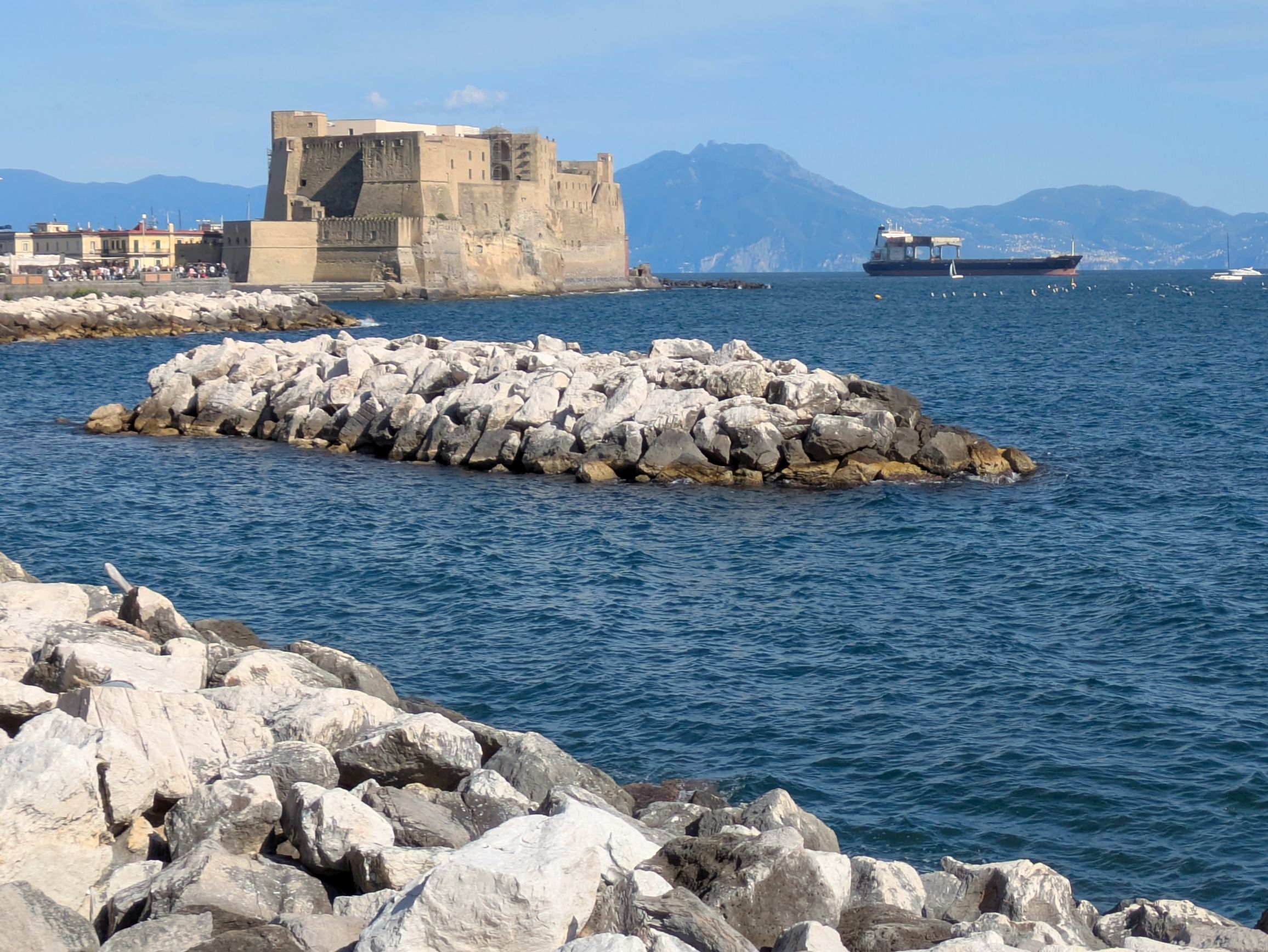
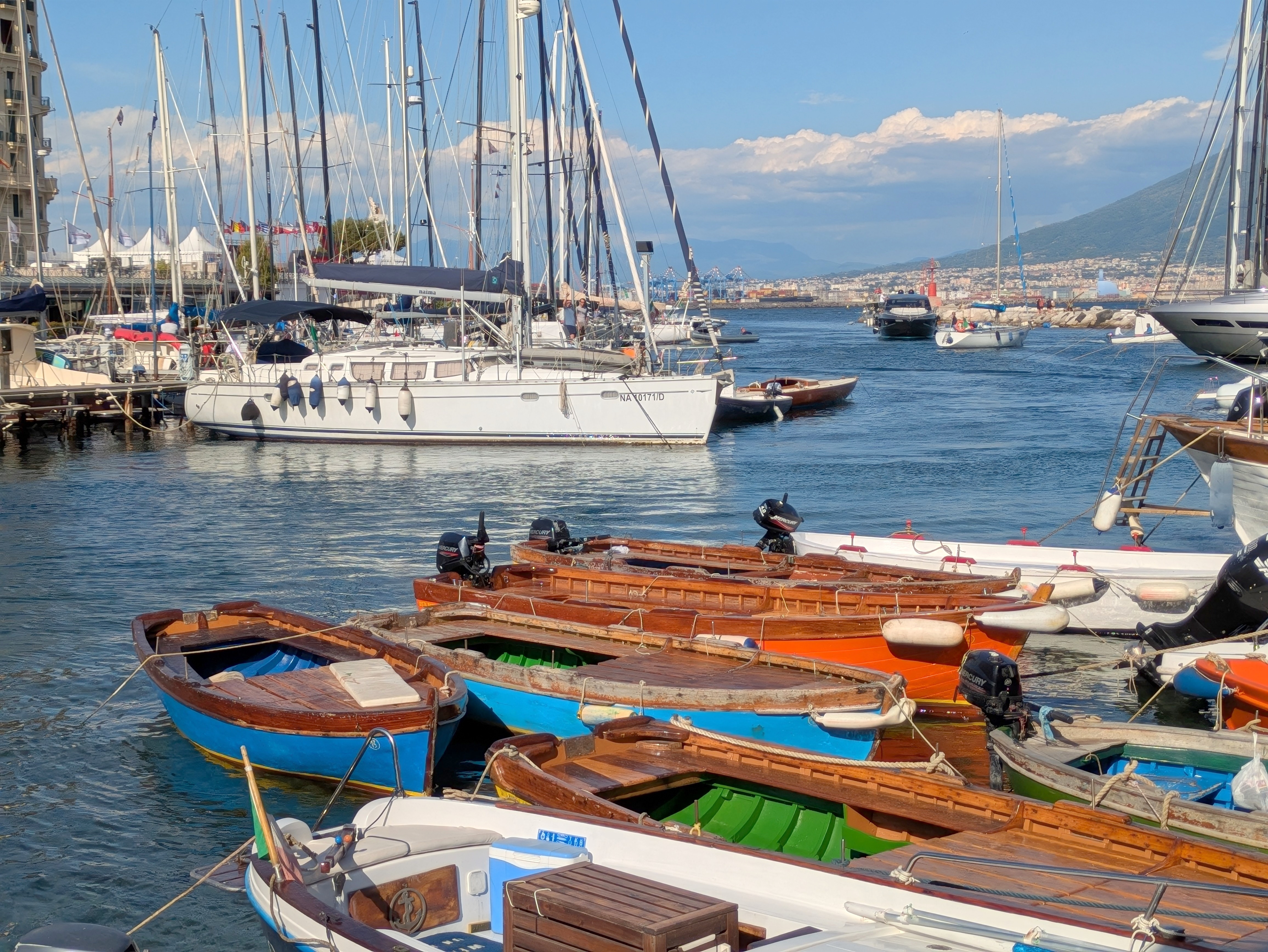
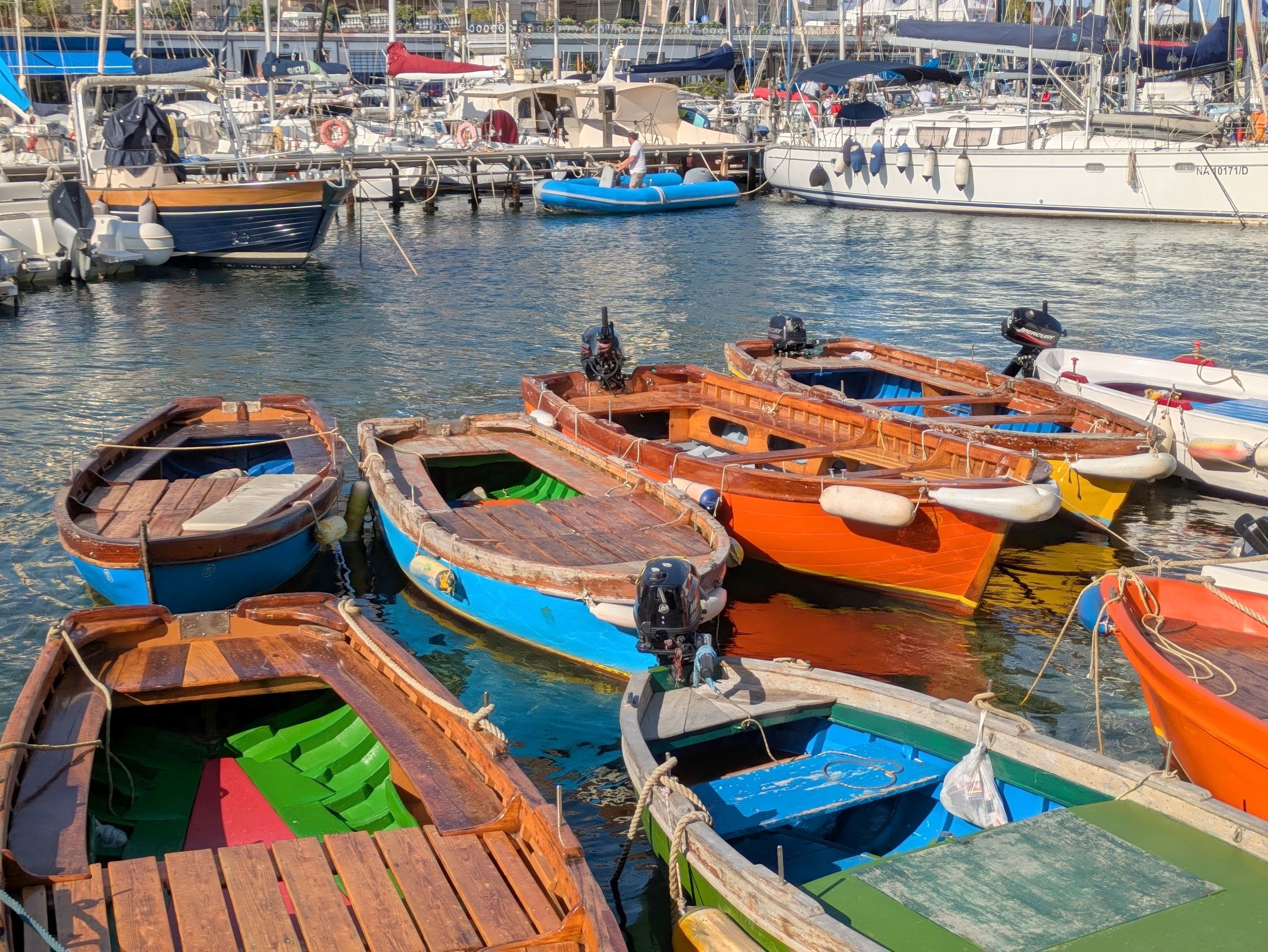
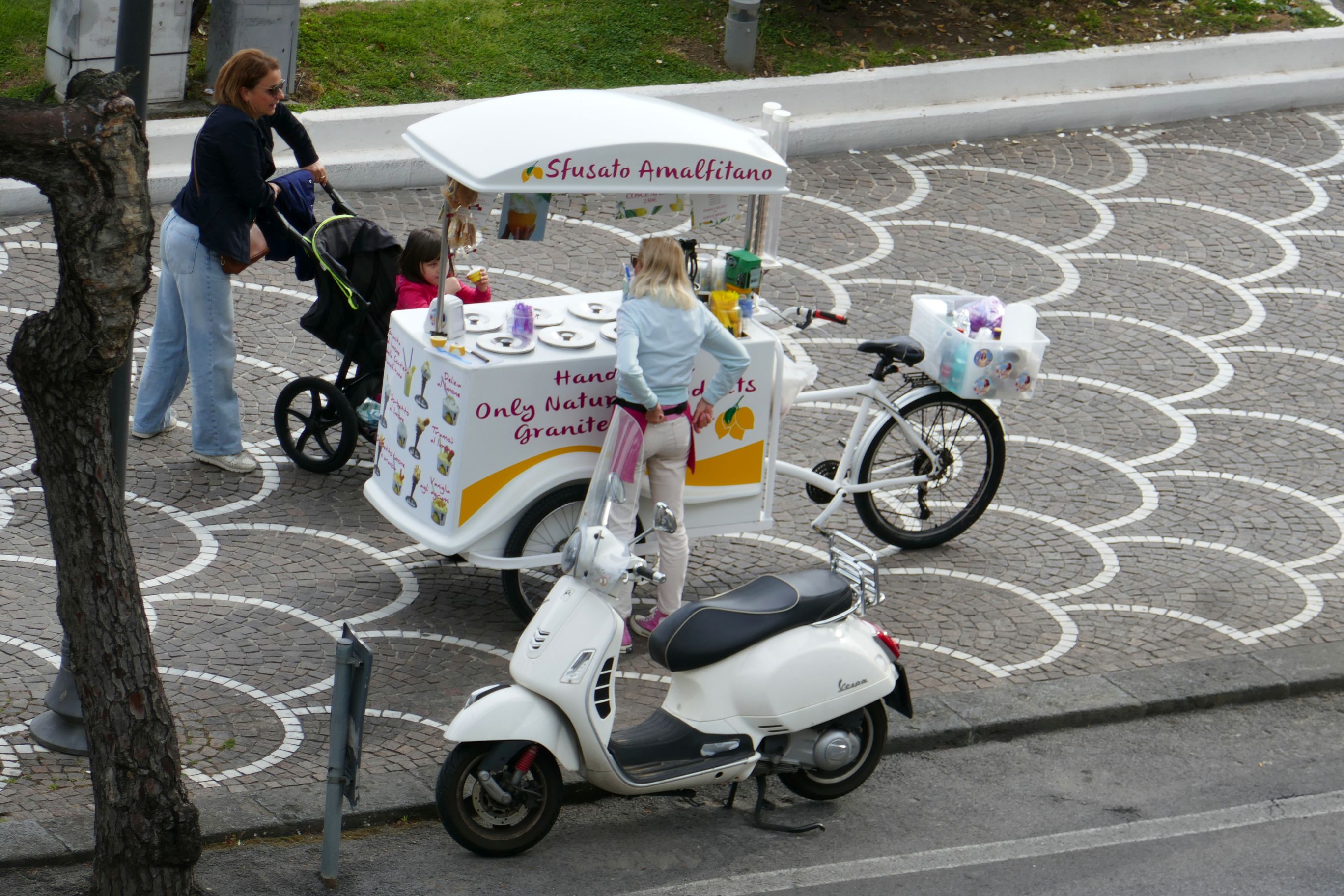
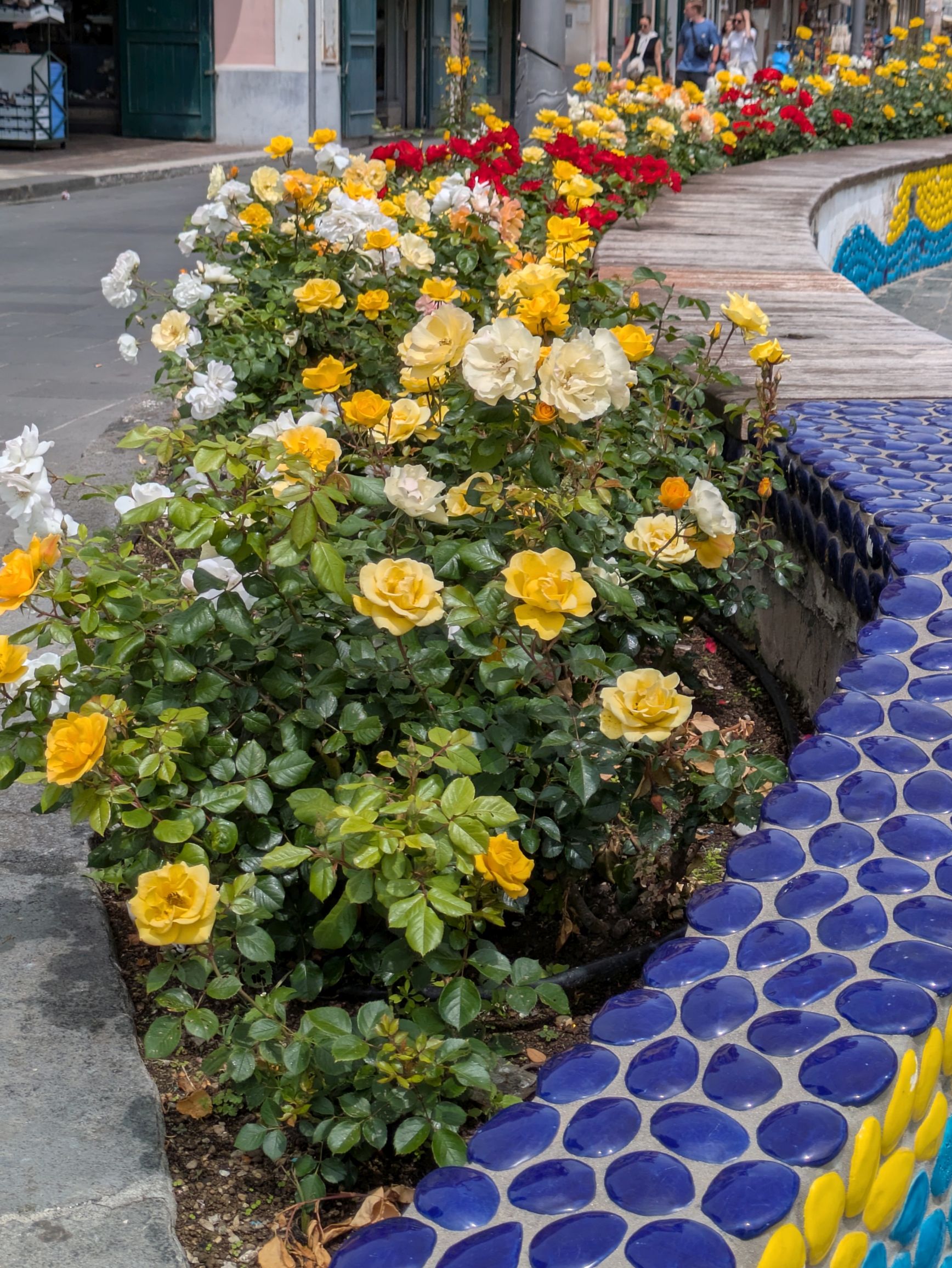
Scenes along the promenade:

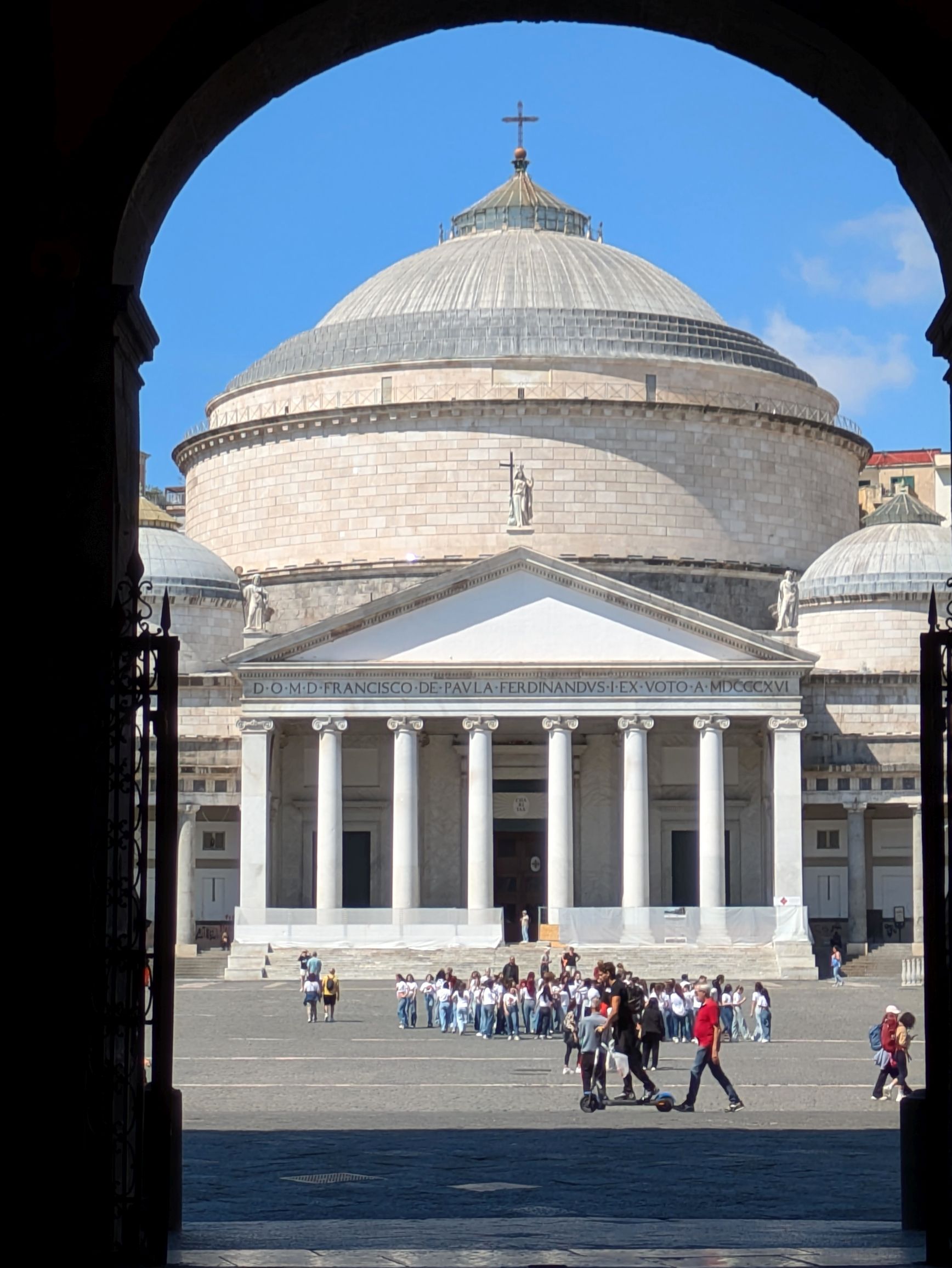
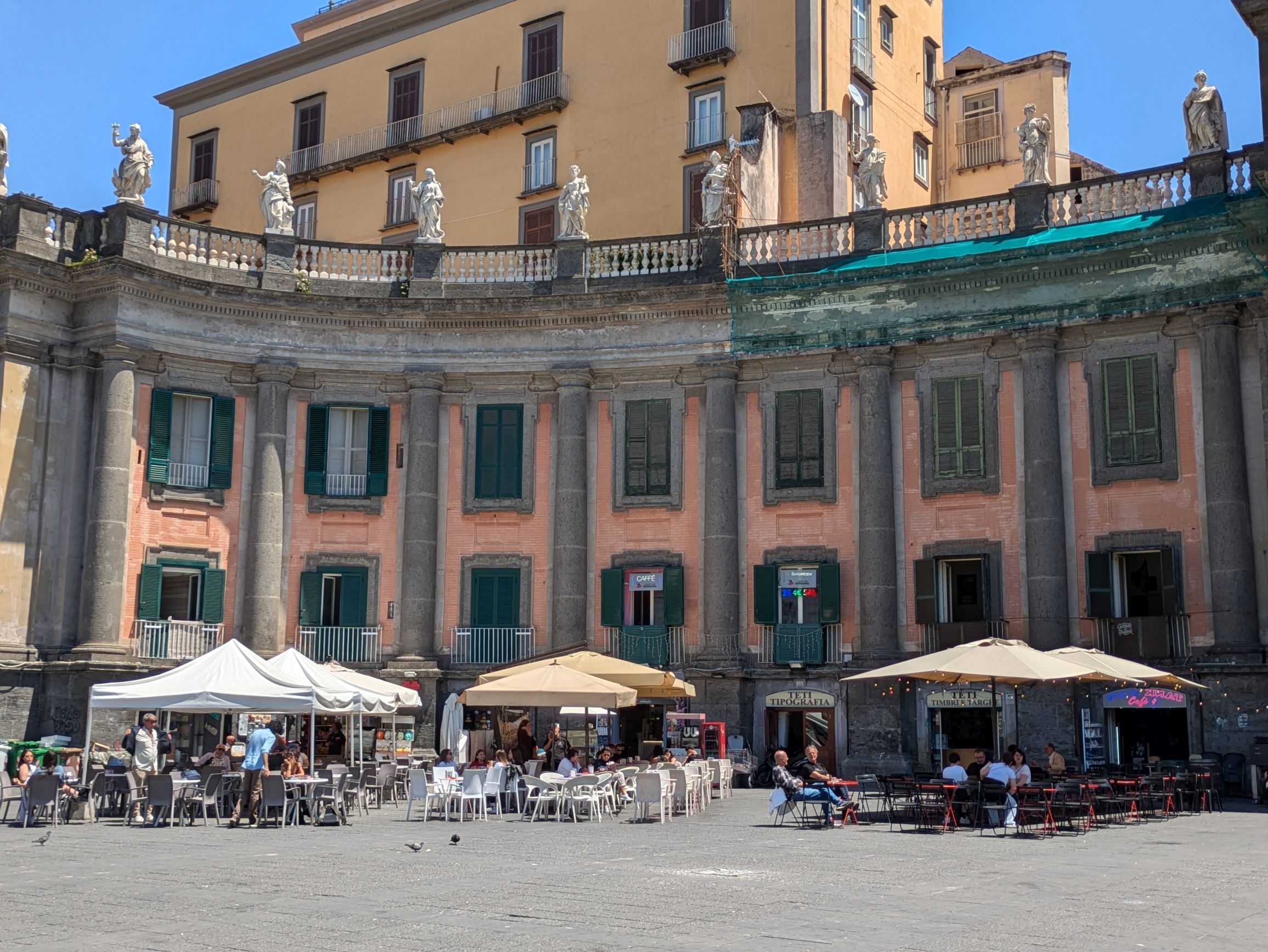
We walked all over this city, taking in as much as we could during the final days of our tour before continuing to Turkiye for our other tour with Overseas Adventure Travel.  Getting an early start to our final day, we passed through this plaza that was nearly empty, except for some school groups:

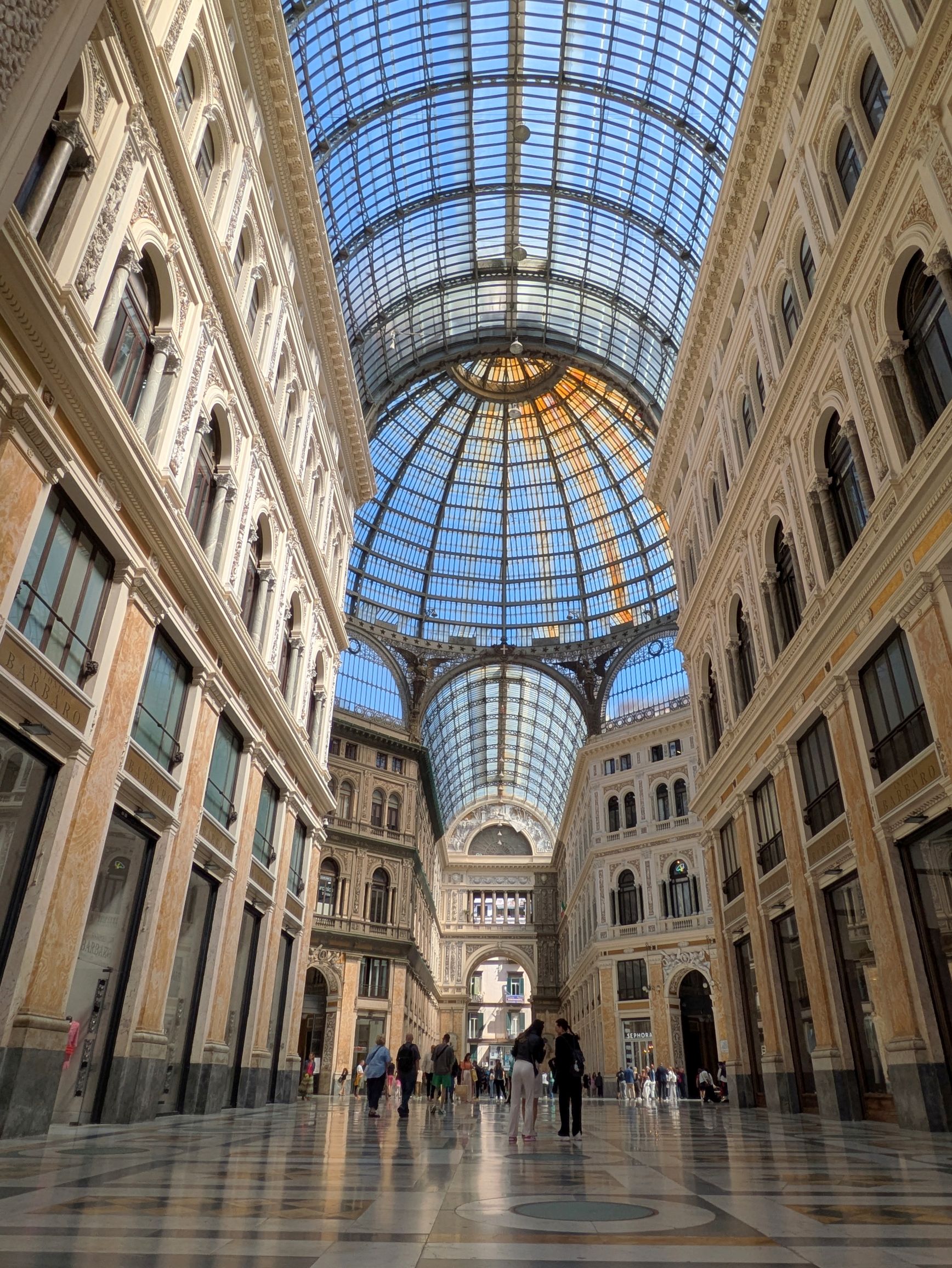
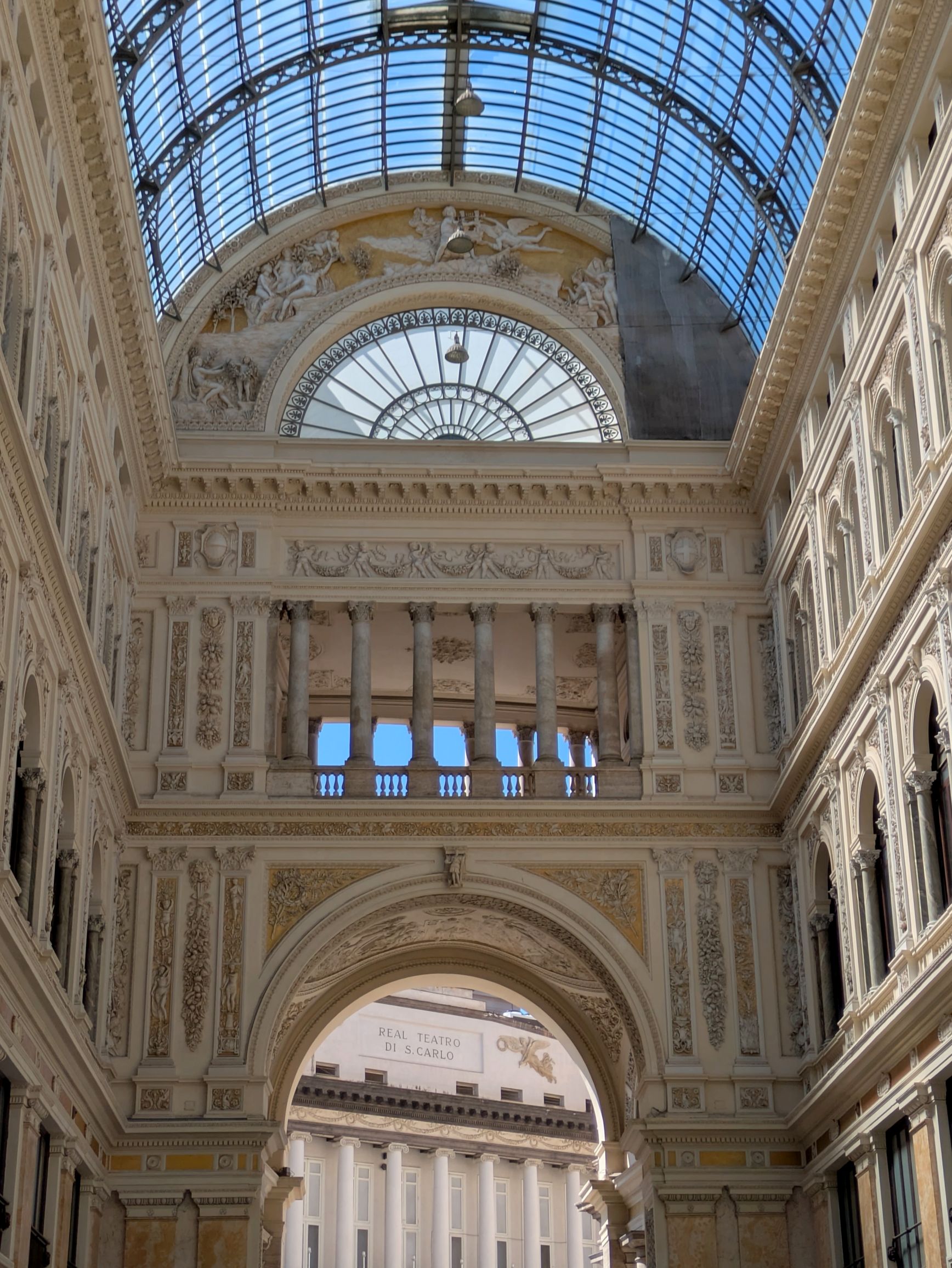
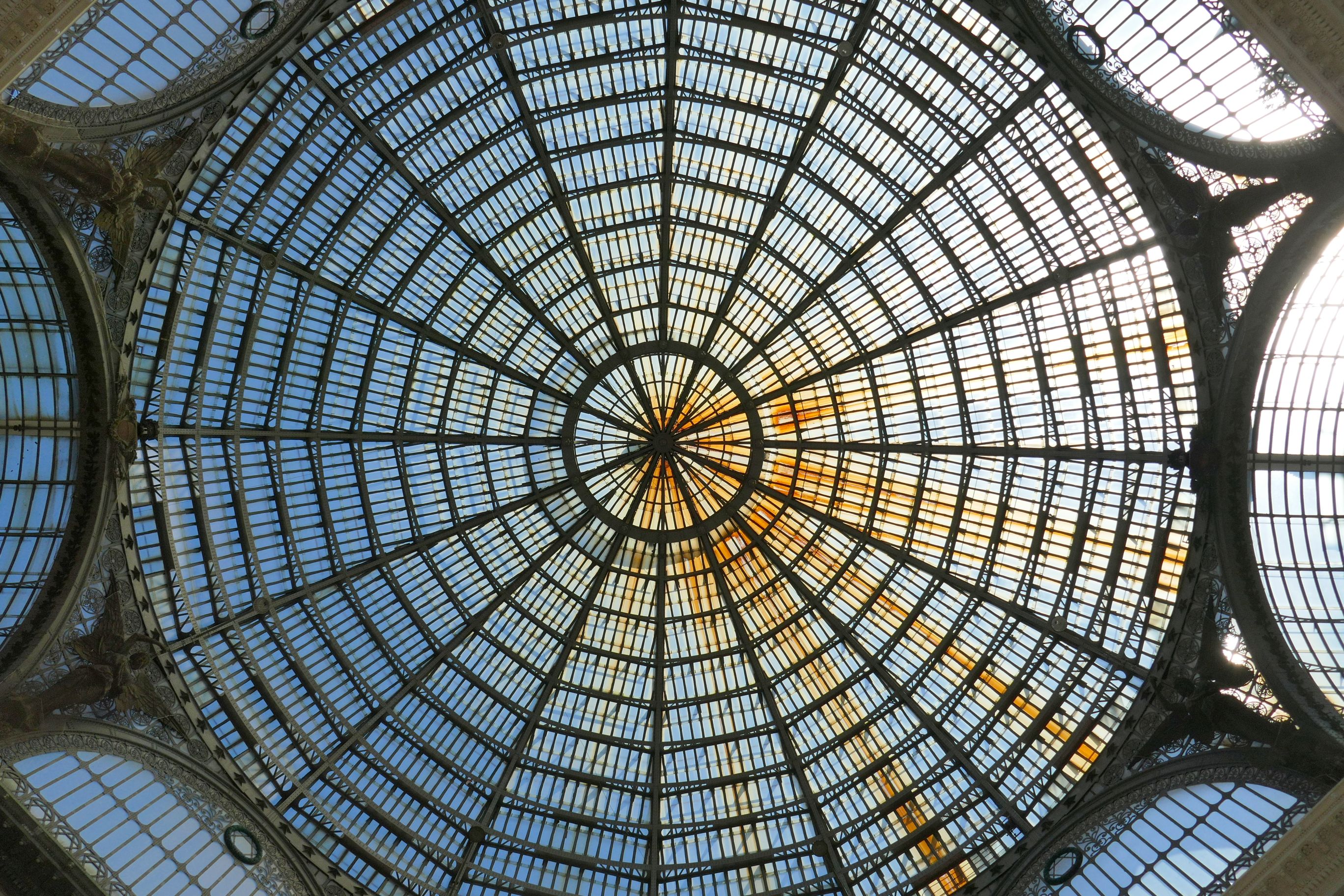
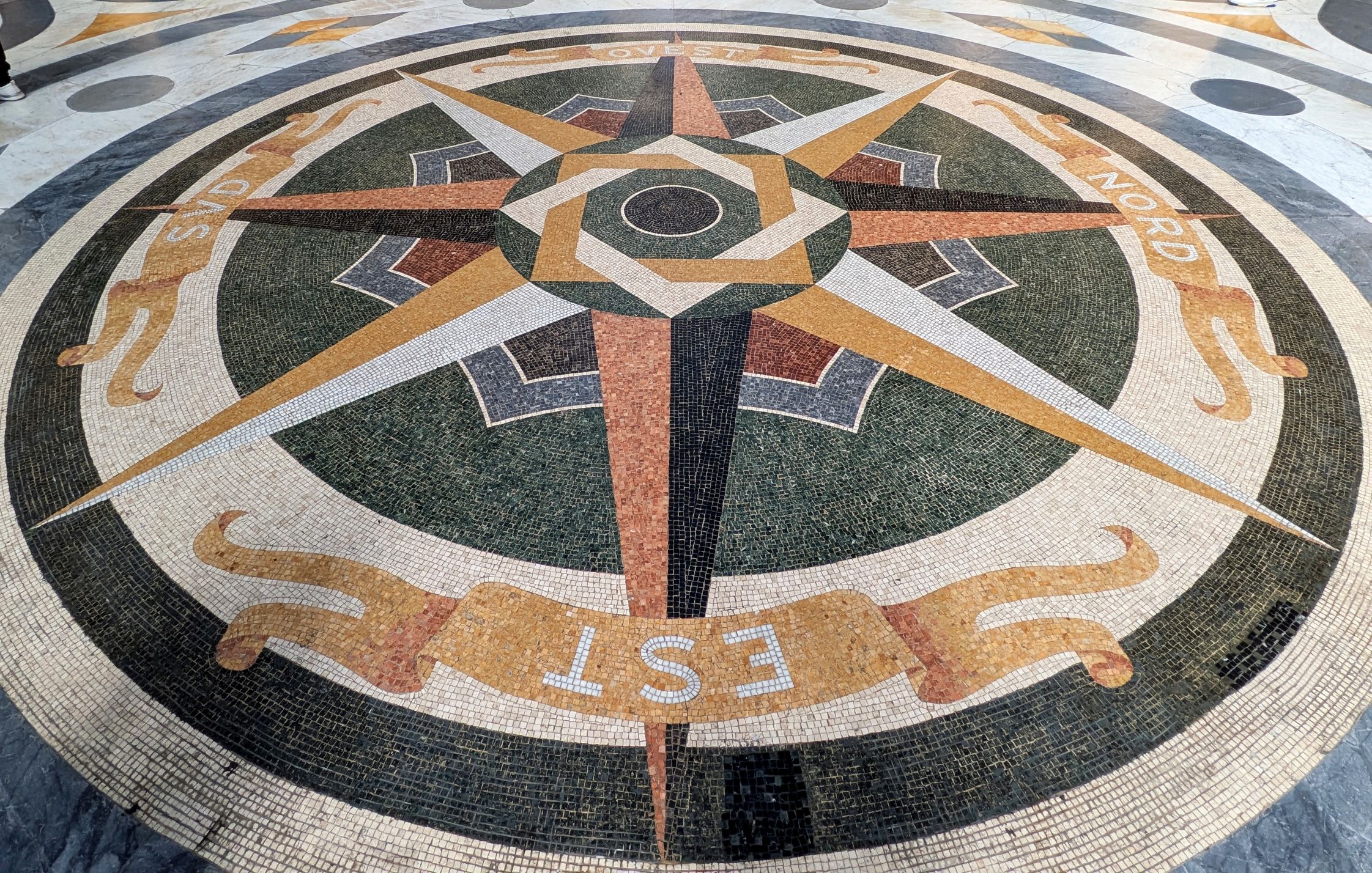
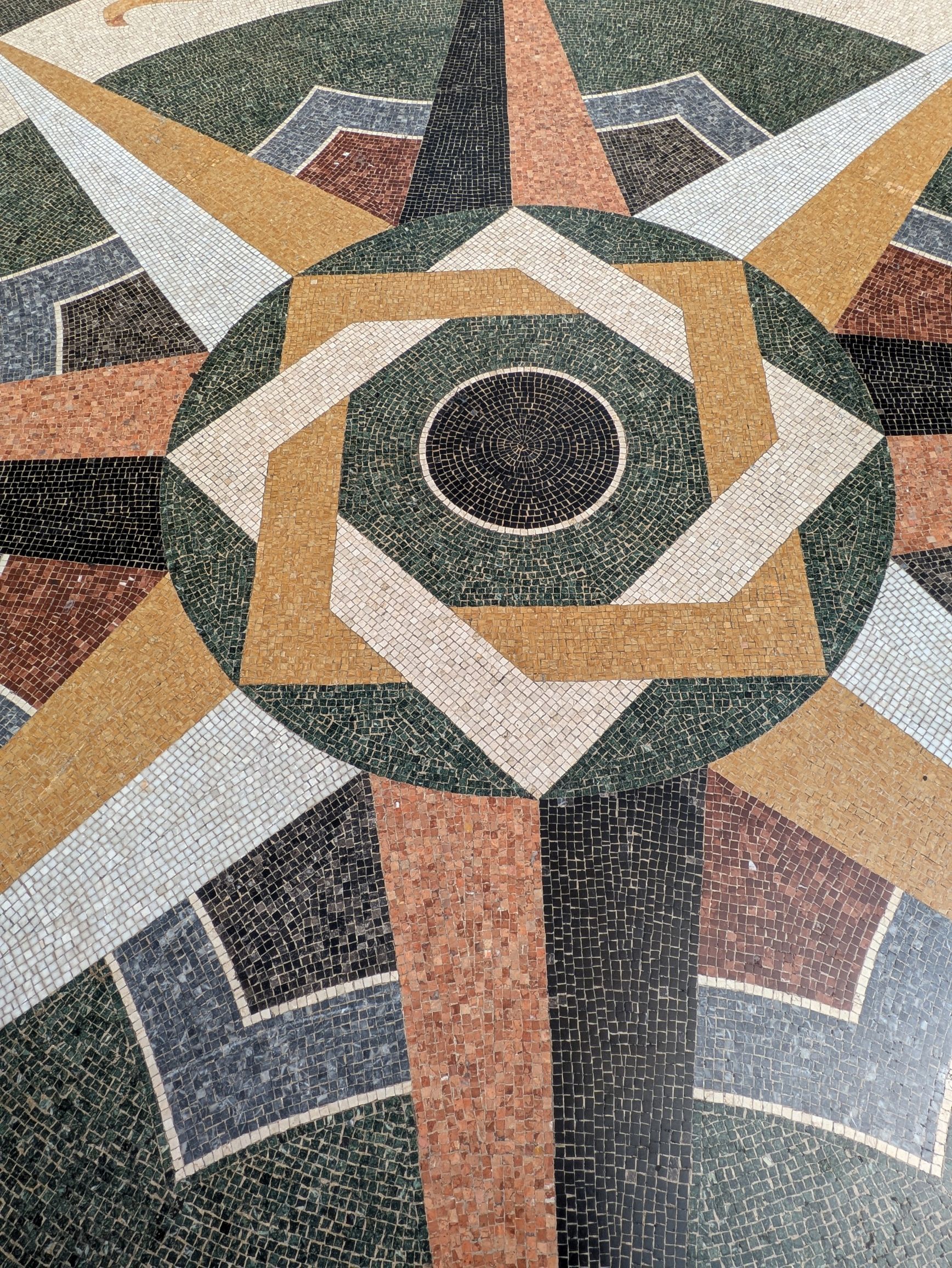
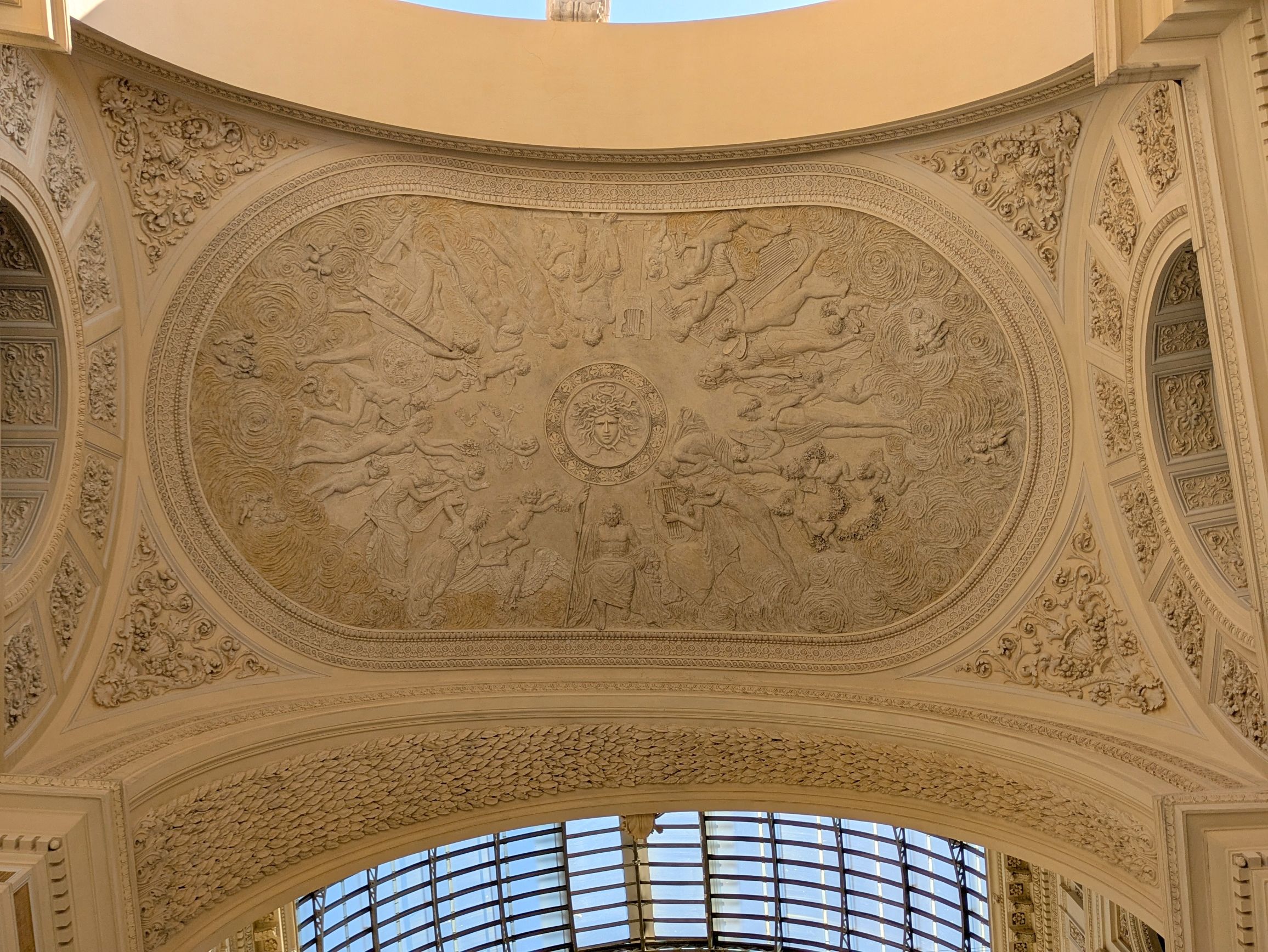
Although I am not a fan of shopping malls, one of the most beautiful places we visited was Galleria Umberto I, a gorgeous shopping gallery with extremely high-end stores. The architecture was exquisite! Built in the late 1800’s, the Galleria was named after the king of Italy at the time. The most spectacular aspect of the architecture is the glass dome:

Ceiling
Ceiling

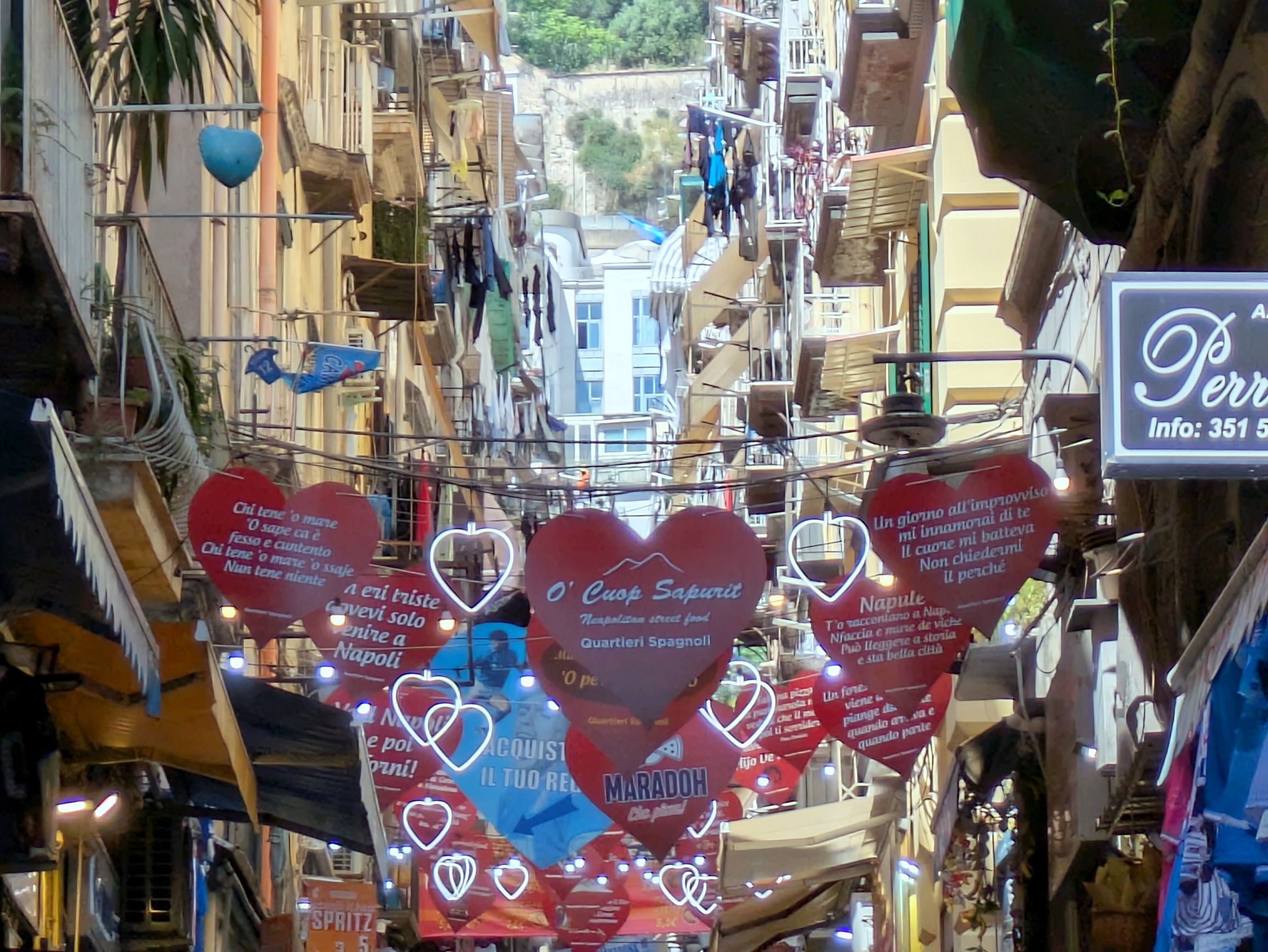
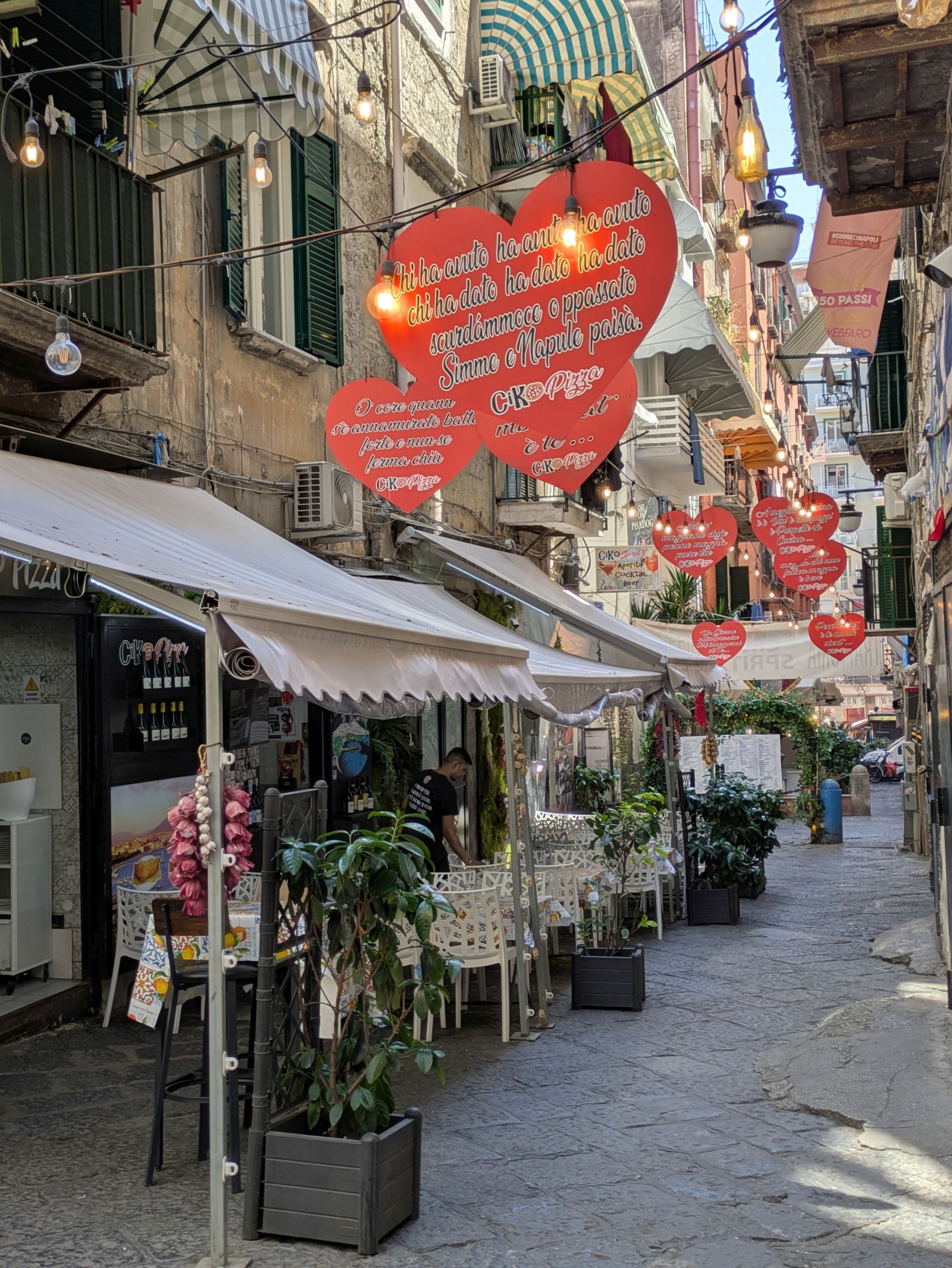
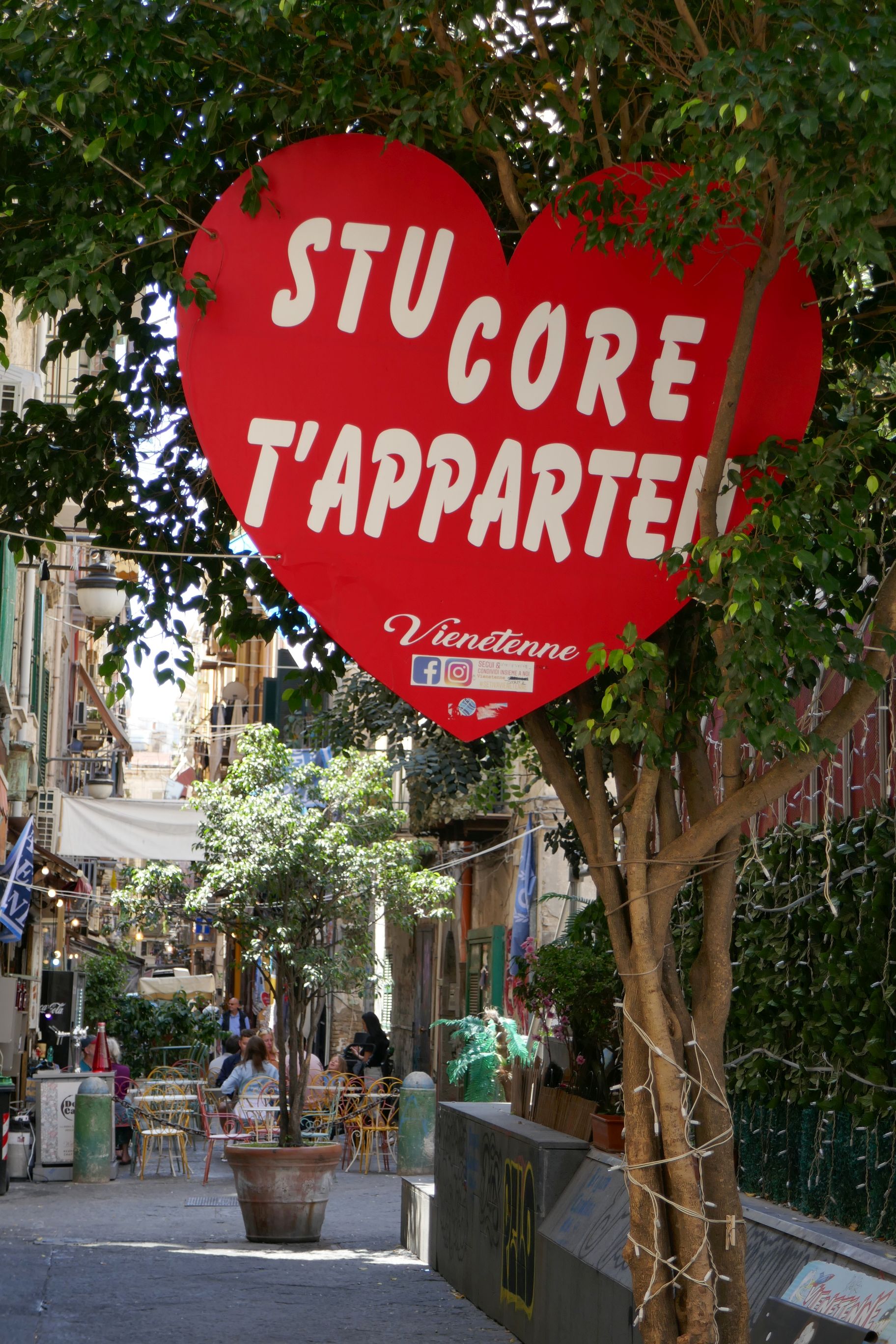
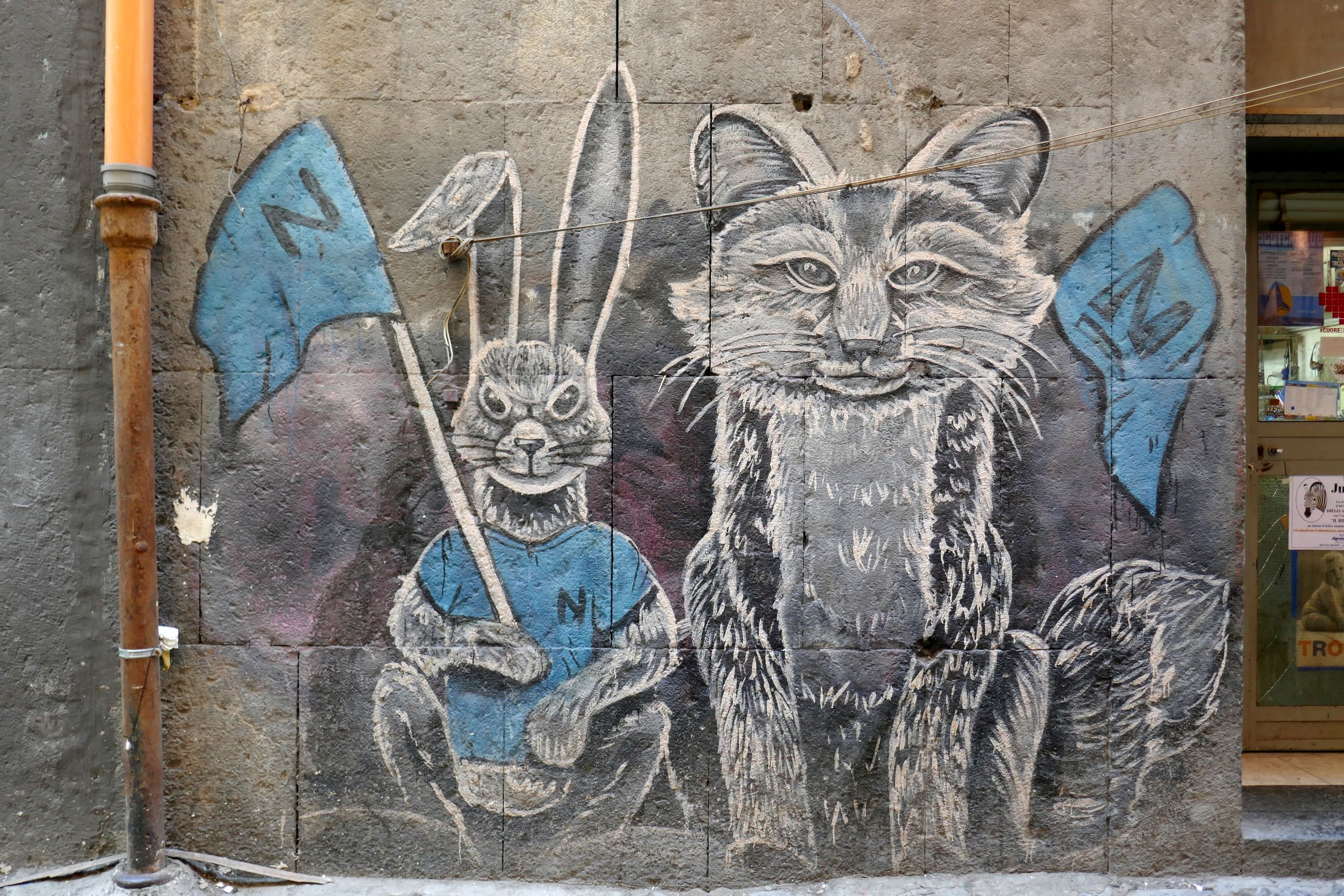
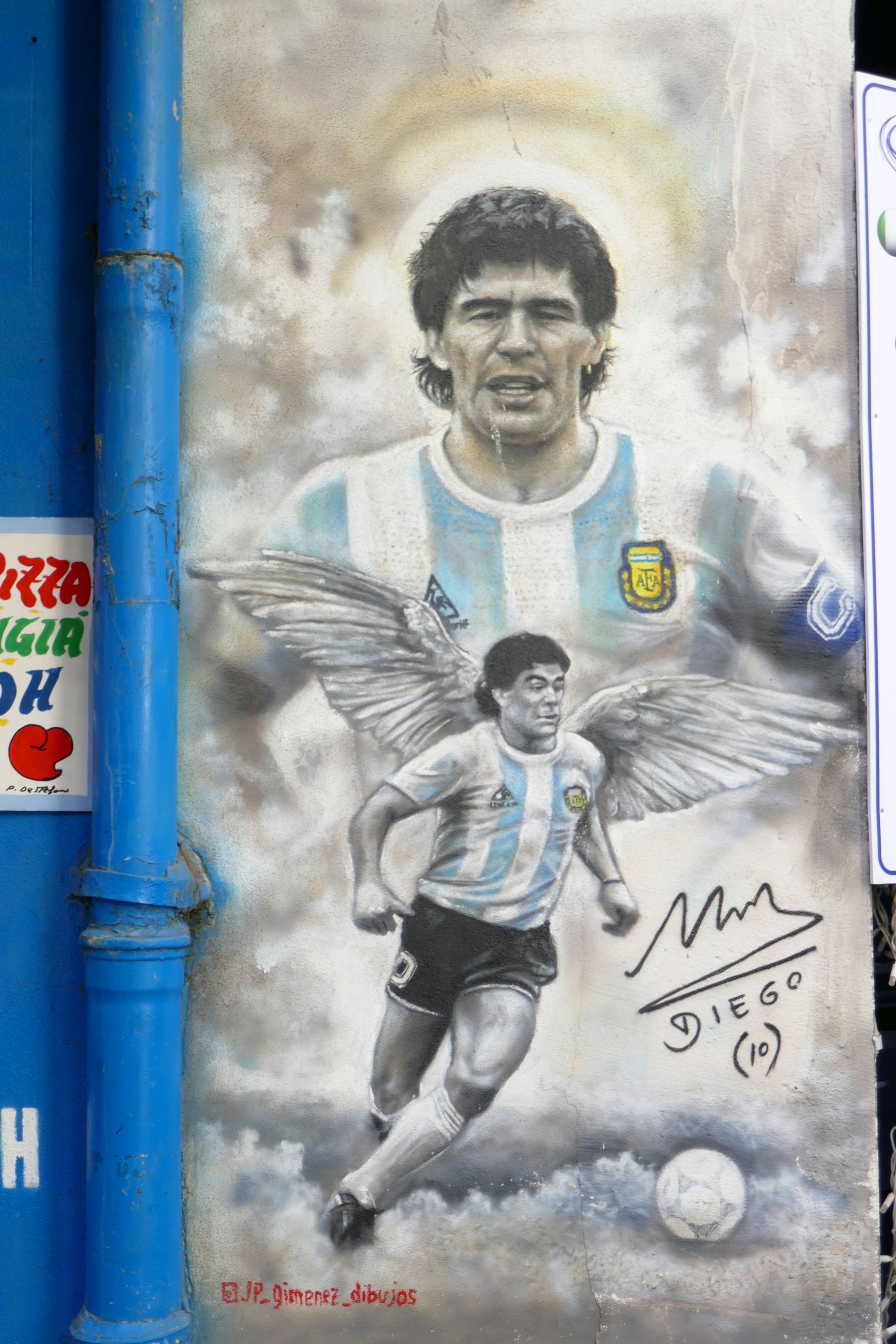
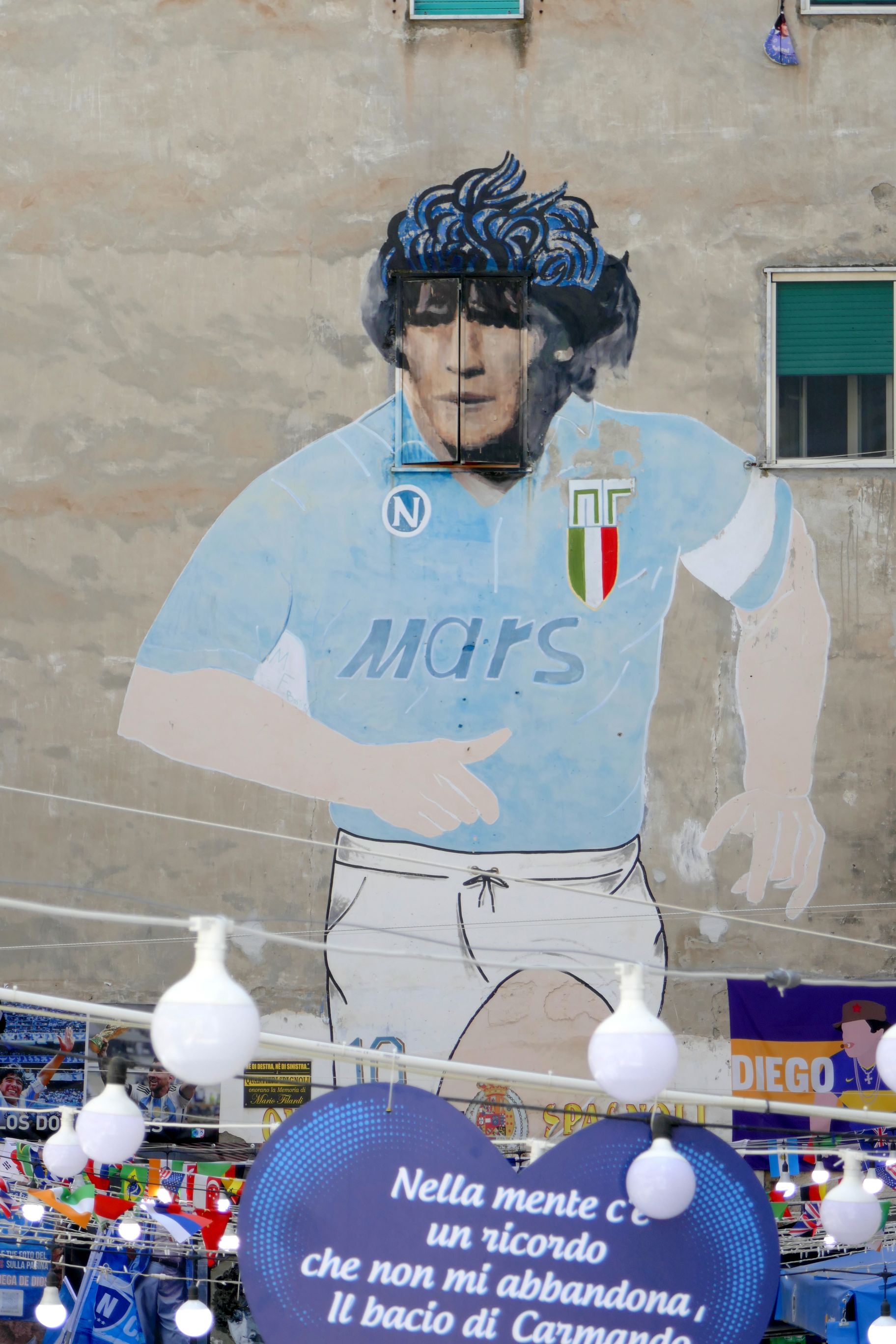
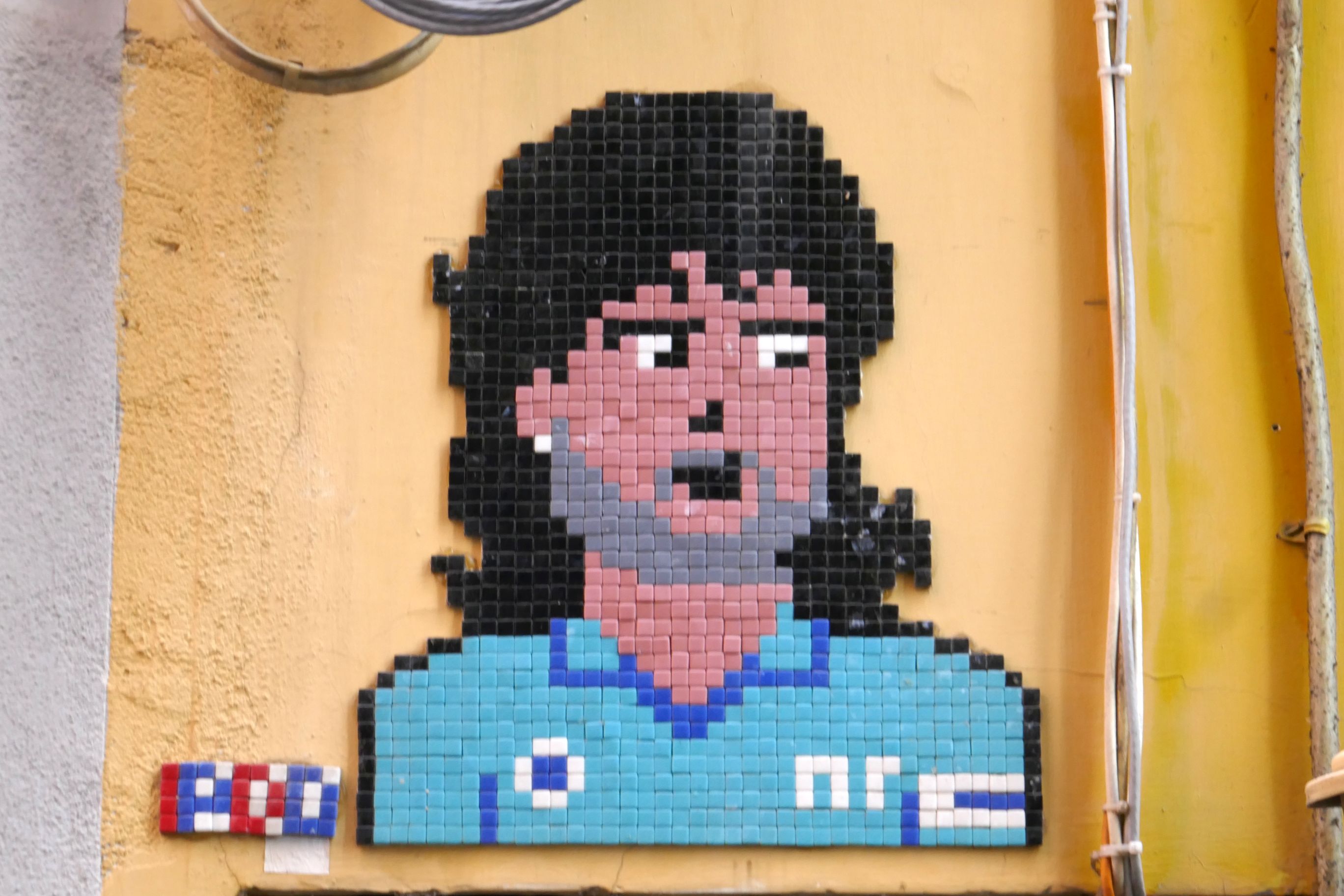
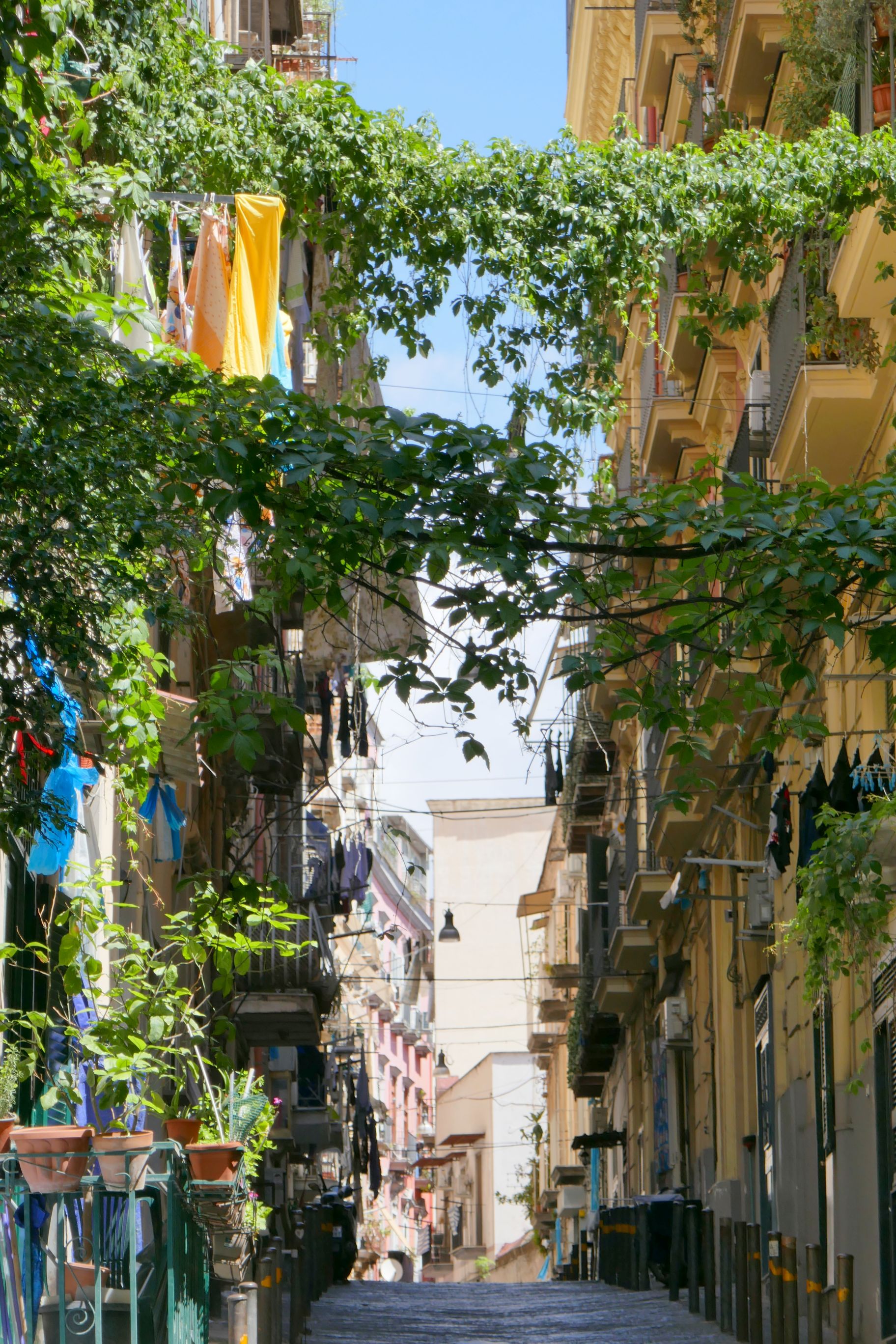
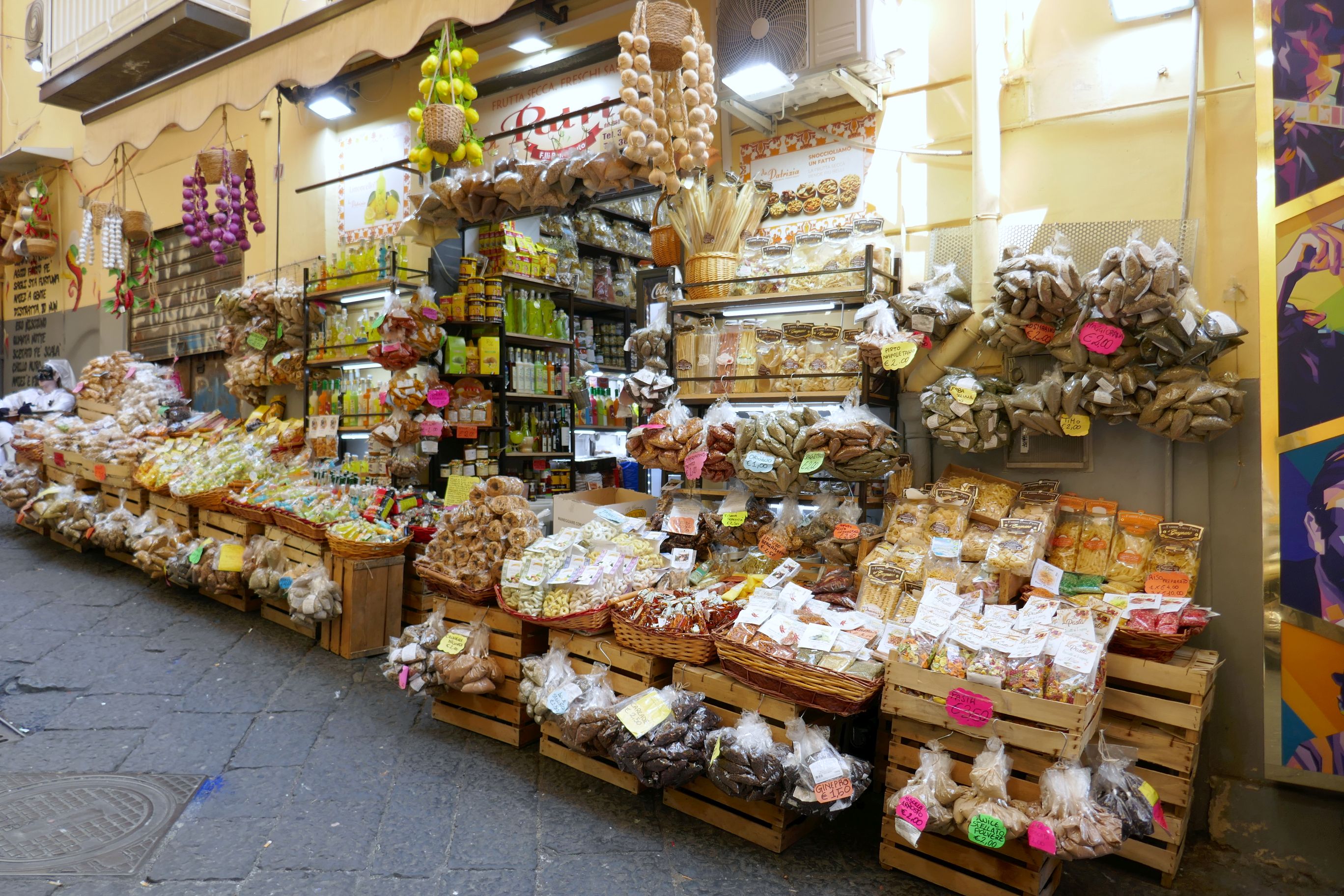
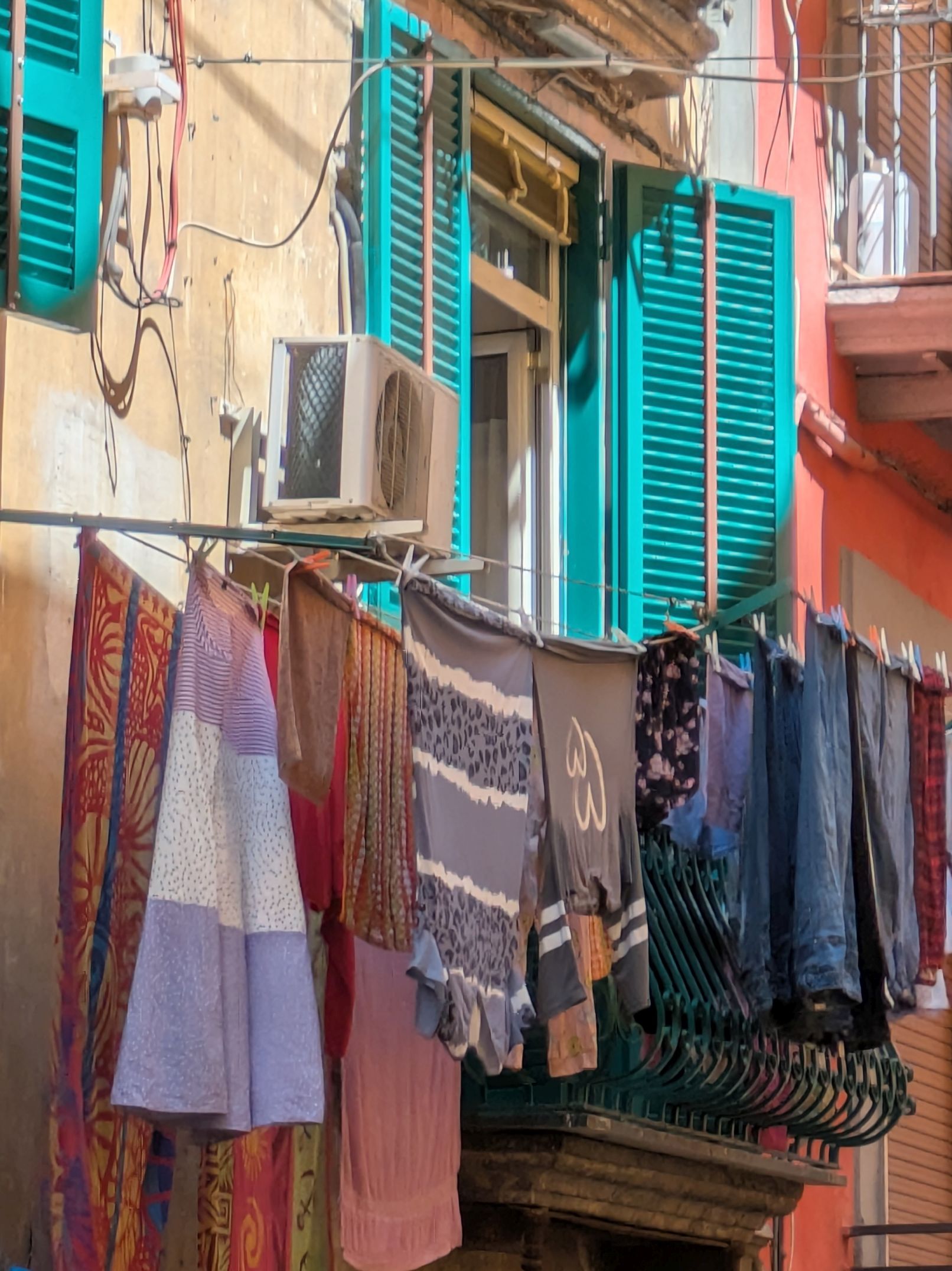
A fun place to poke around was Quartieri Spagnoli (Spanish Quarter), an eighteen streets by twelve grid with a population of 14,000 people that dates to the 16th century. The place is bustling, and motorcycle riders occasionally zip by on the narrow streets. They don’t seem to care about pedestrians, and I nearly got hit, making me wish I had eyes in the back of my head!  Still, it was an enjoyable area to explore and photograph.

This was one of my favorite travel moments and pictures of the trip. As we were walking by, this gentleman exclaims, “Brooks!” He was pointing to his running shoes, which were Brooks, like mine. He didn’t speak English, and I don’t speak Italian, but we managed to have a fun conversation through mime. He asked if I was a runner, and I shook my head no. I pretended to swim to convey I was a swimmer, and he pointed to himself that he swam, too. “Triathlon!” And he took out his phone to show me a picture of him at the finish line of a triathlon. Bruce shot this picture of us posing with our Brooks shoes, we laughed, and said, “Arriverdci!”

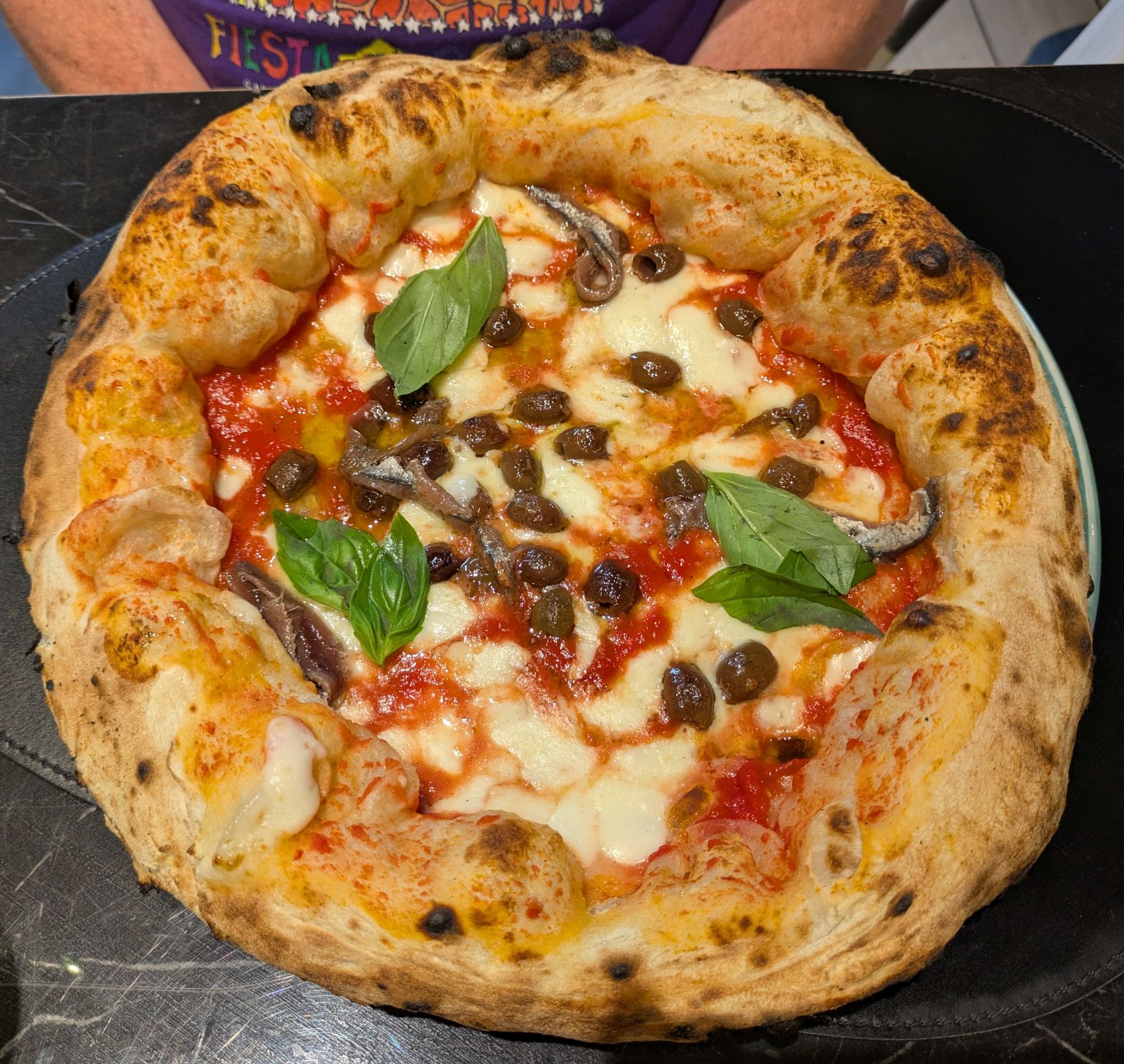
Since Naples was where pizza was invented, we had to partake in its famous invention!  We were provided with large scissors to cut our pizza into slices:

Reflecting on our time in Sicily, the Amalfi Coast, and finally, Naples, it was a wonderful three weeks of memories we will always treasure!

Our travels continued in Turkiye on May 20, which will be the subject of my next series of posts after a break. But first, I will slip in a post about my favorite travel tips, some of which I came up with during our six weeks of traveling.

Next up: MY FAVORITE TRAVEL TIPS

SICILY & AMALFI COAST #26: CRUISING TO CAPRI

While our small Overseas Adventure Travel (OAT) group spent the morning on a walking tour of Naples and visiting the National Archaeological Museum, Bruce and I opted to book a full-day boat tour to the island of Capri for a cruise around the island and free time exploring the island itself.  Fingers were crossed for calm seas and good weather, and we got both when it mattered the most!

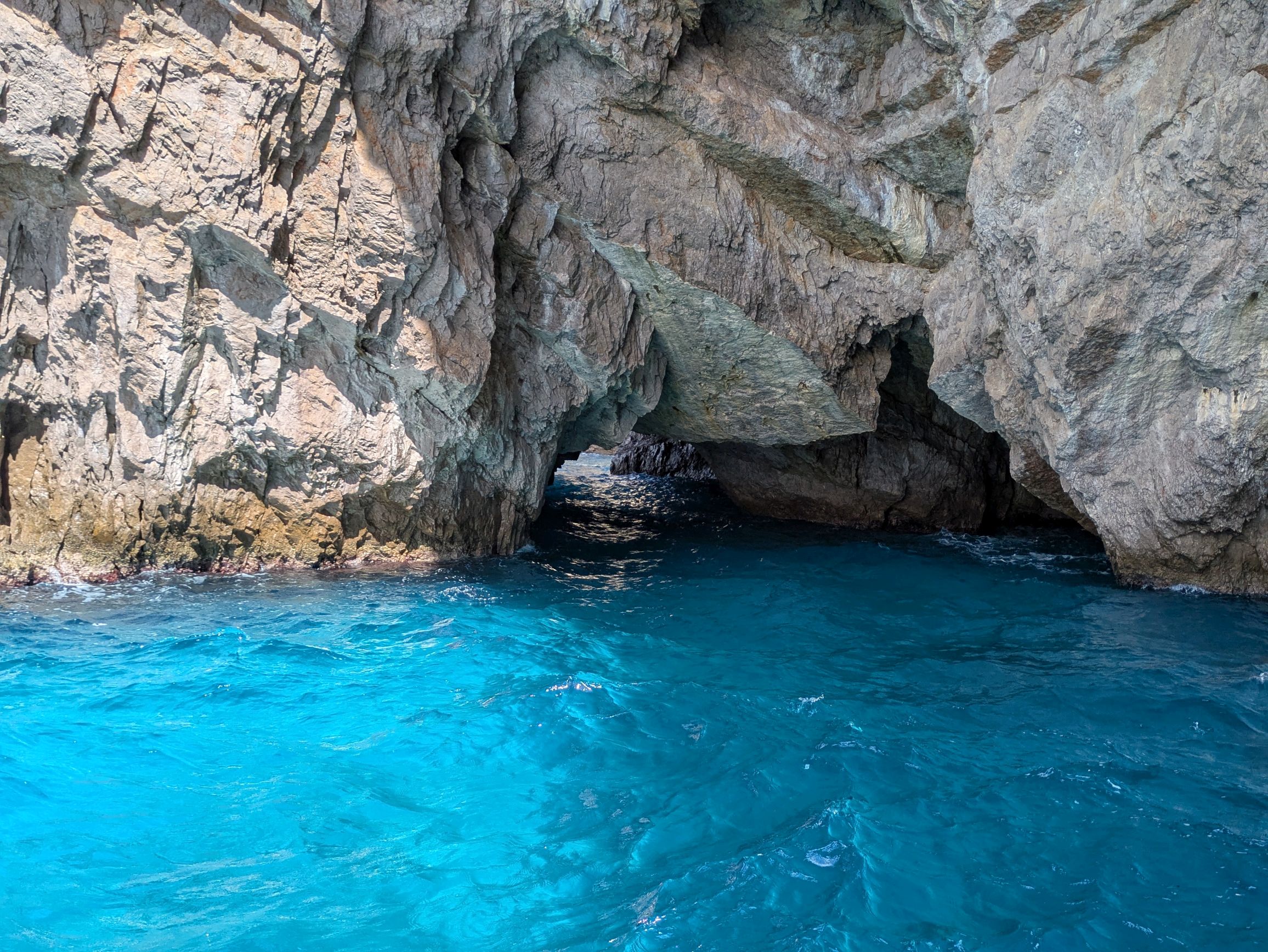
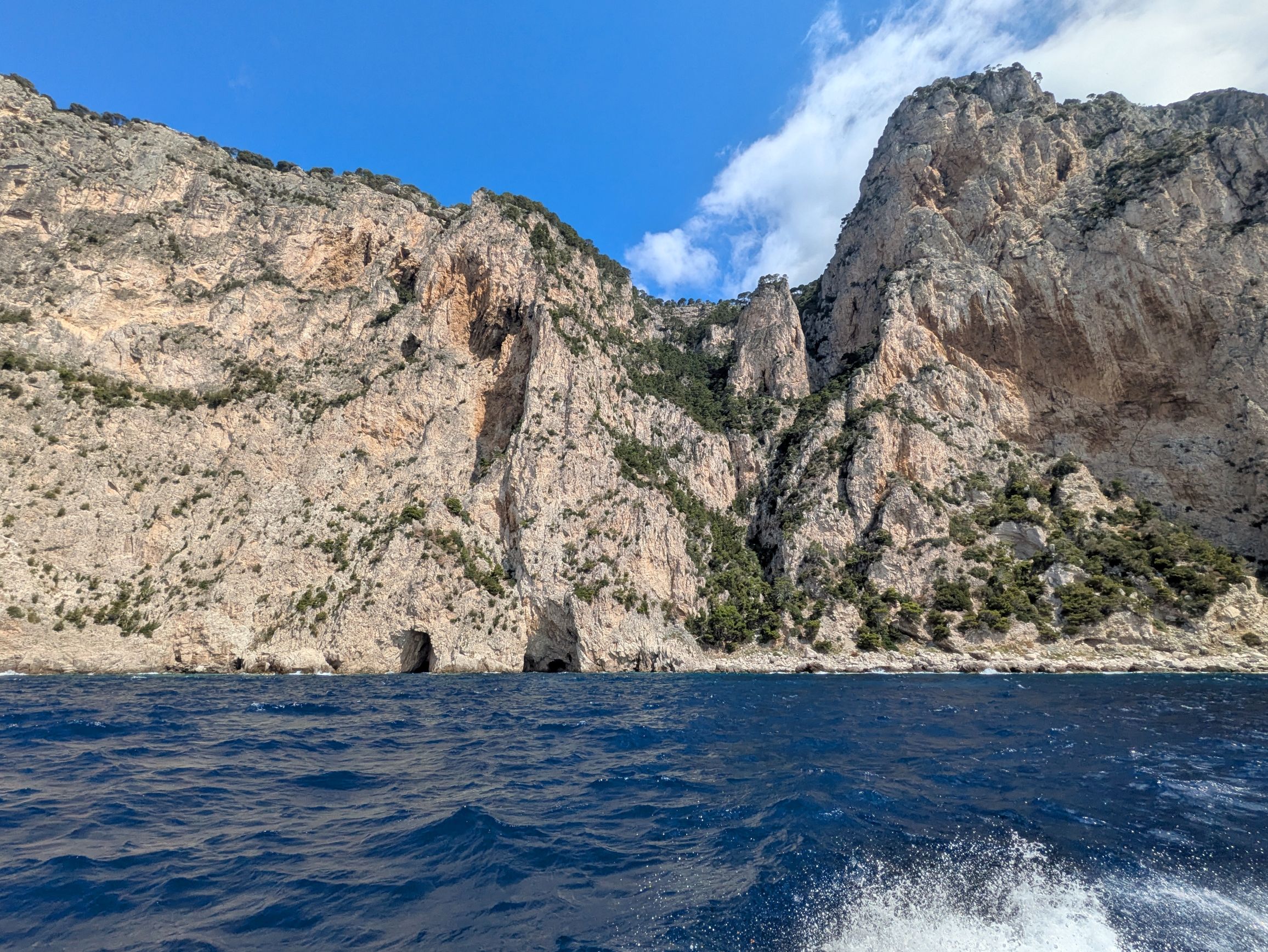
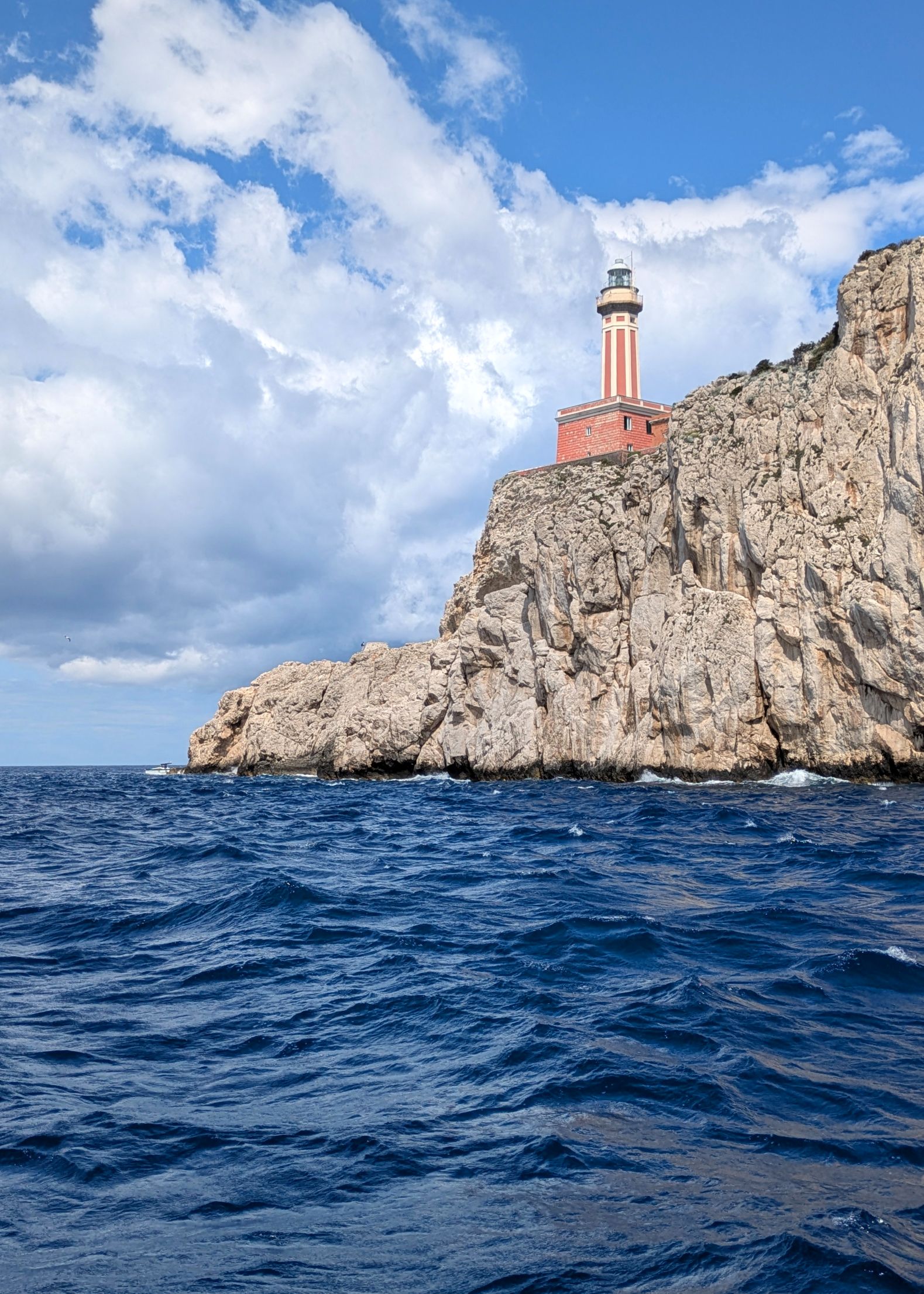
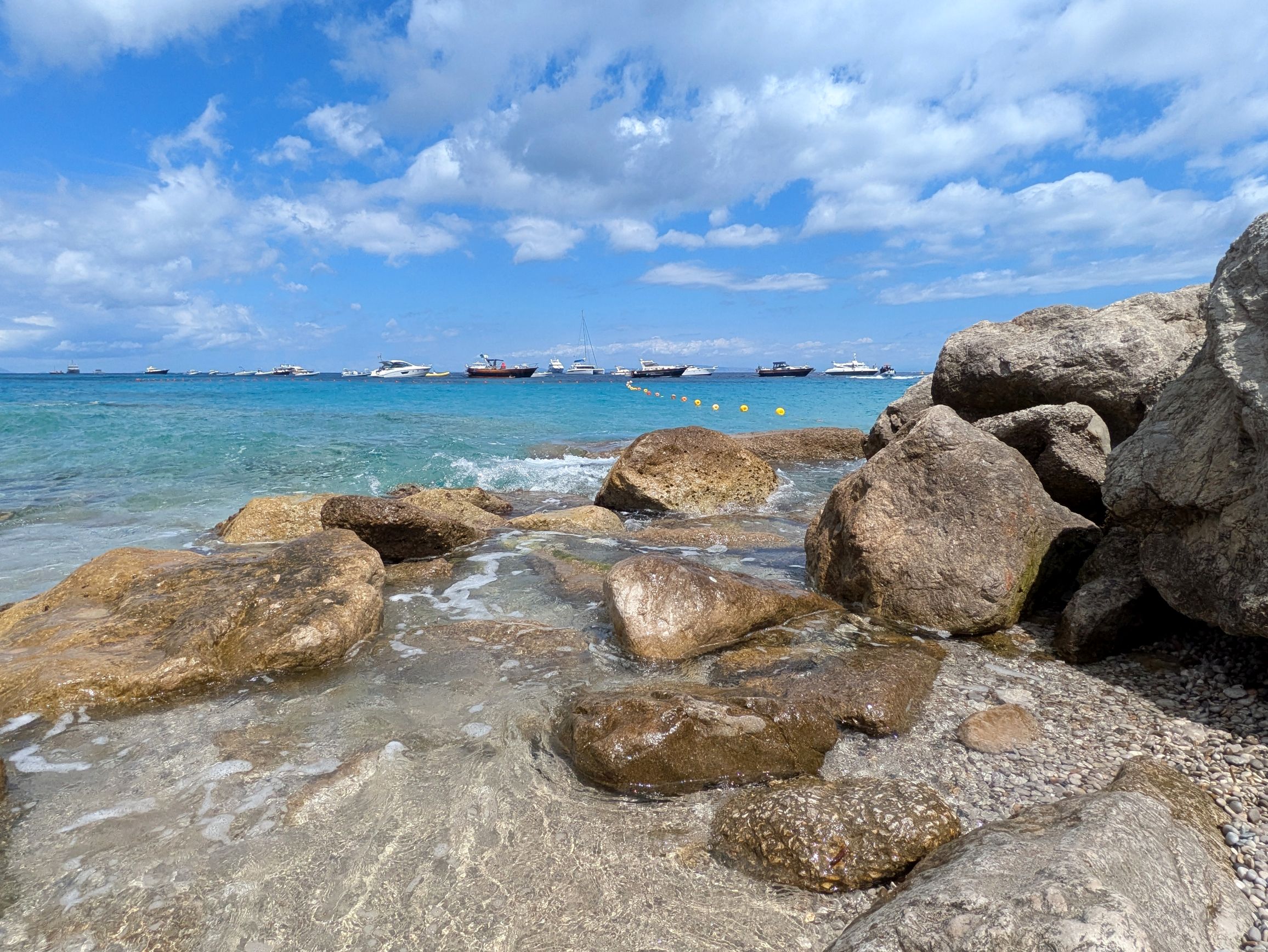
Capri, a popular resort destination, is located on the south side of the Gulf of Naples.  As we approached the island by boat, we noticed the steep and rugged limestone cliffs and numerous grottos.  Beautiful! We were in for a treat!  The water was a gorgeous shade of deep blue, and as we got closer, it turned to shades of turquoise, reminding me of the many tropical paradises I had the great fortune to SCUBA dive in many years ago. 

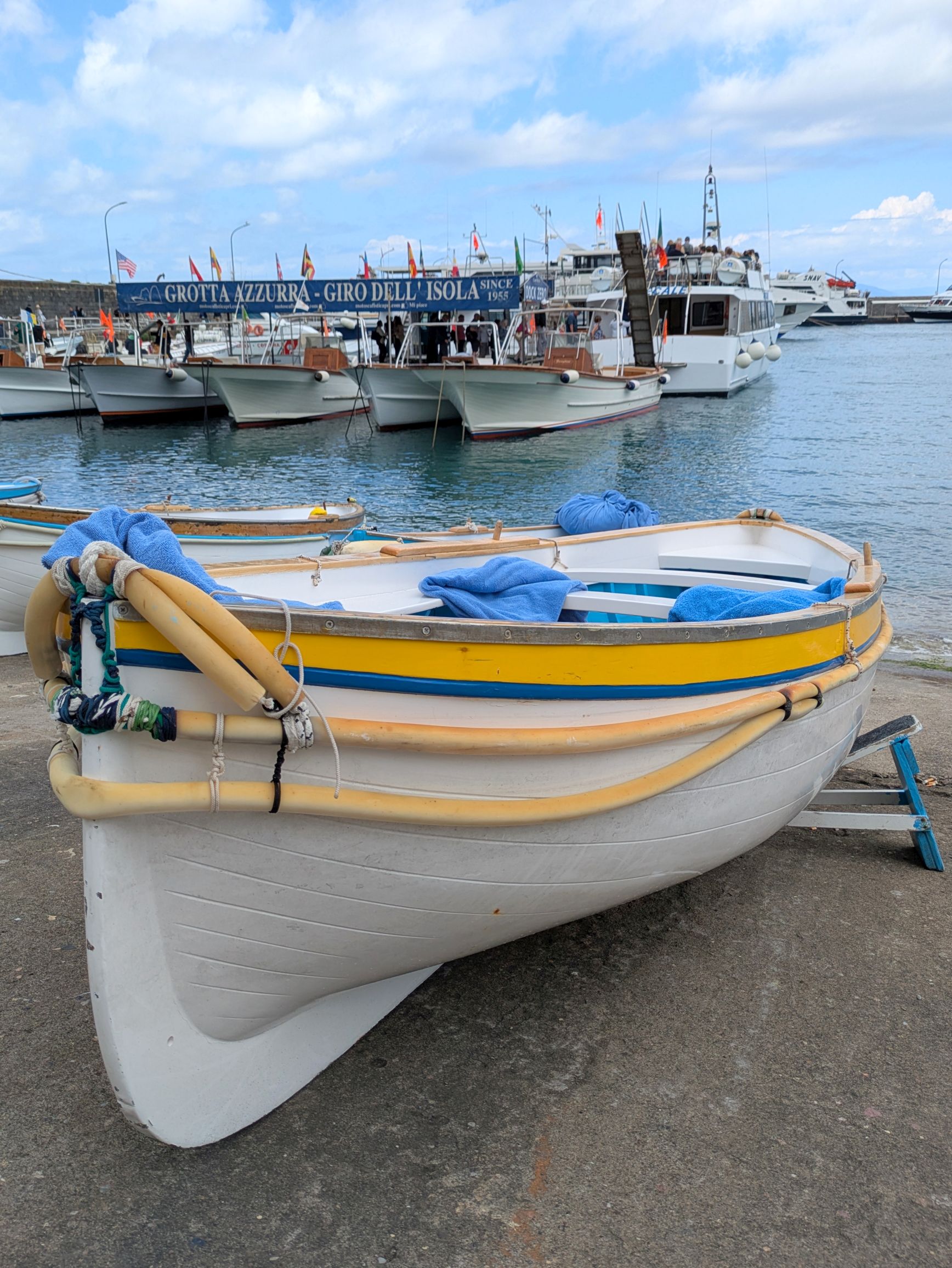
When we arrived at the harbor, we transferred from the ferry to a smaller boat that could maneuver close to the grottos as we circled the island.  Our tour didn’t include visiting the famous Blue Grotto, which we opted against, due to the amount of time it would require to see it.  Boats line up for their turn to off load their passengers to grotto tour boats, and the waiting time can be very long.  It was organized chaos when we cruised by, and I was happy we didn’t spend our time bobbing in place waiting!

(For all photos, click on the image for a full screen view.)

These are just some of the boats lined up for the Blue Grotto. There were many more not pictured!

The history of Capri is long.  Archaeological evidence indicates human presence dating back to the Neolithic and Bronze Age.  Fast forward to the late 19th century, the island became an increasingly popular resort for European artists, writers, and expatriates.  It gained a reputation as a tolerant haven, attracting wealthy gay men and lesbians seeking a more open life than elsewhere in Europe.

Following our cruise, we opted to hike three quarters of a mile up to the town (elevation 492 feet) rather than take the funicular, a decision I thoroughly enjoyed.  For Bruce, not so much.  It was very steep, there were a lot of stairs, and it was a hell of a workout.  We earned the gelato we enjoyed for lunch!

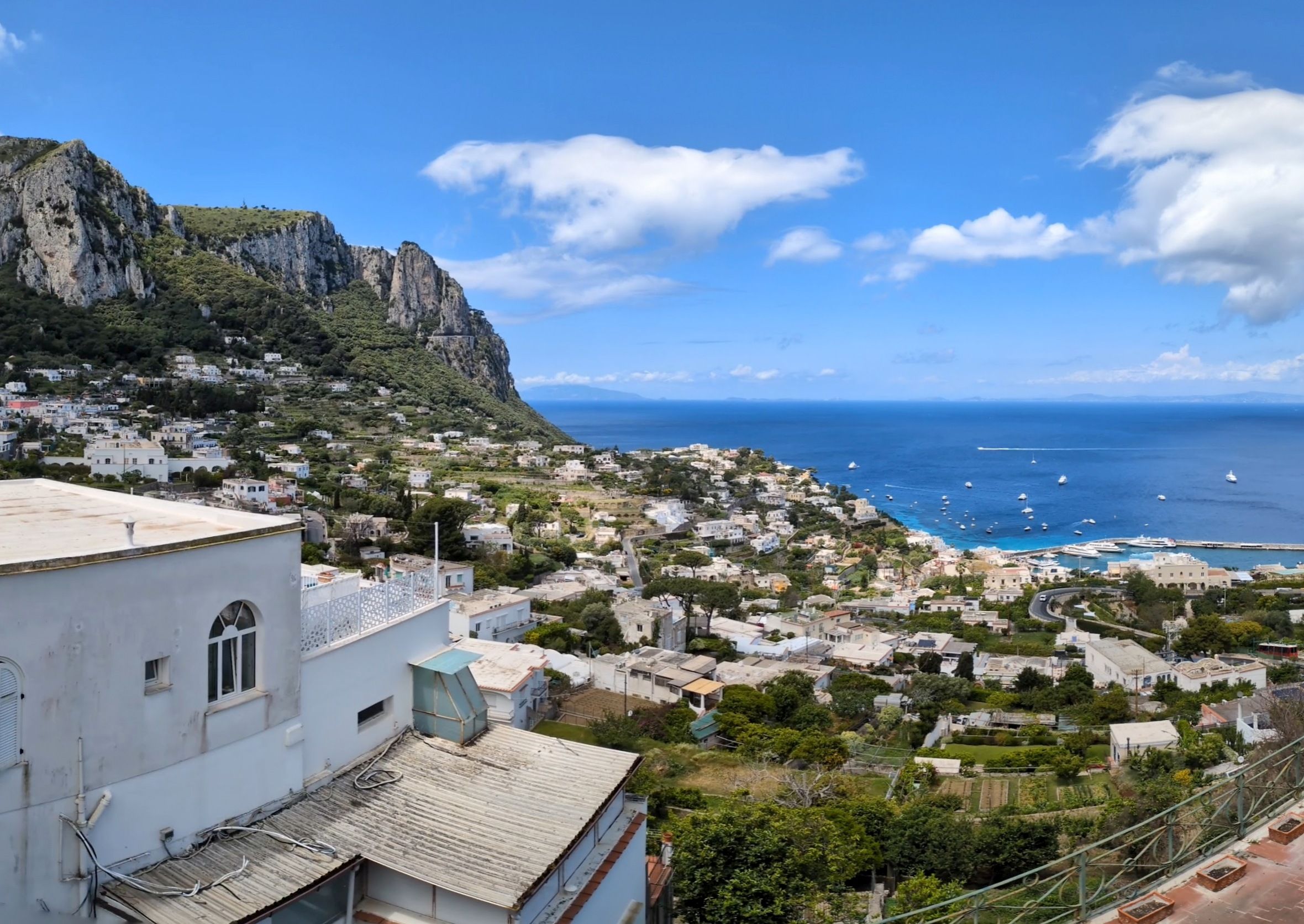
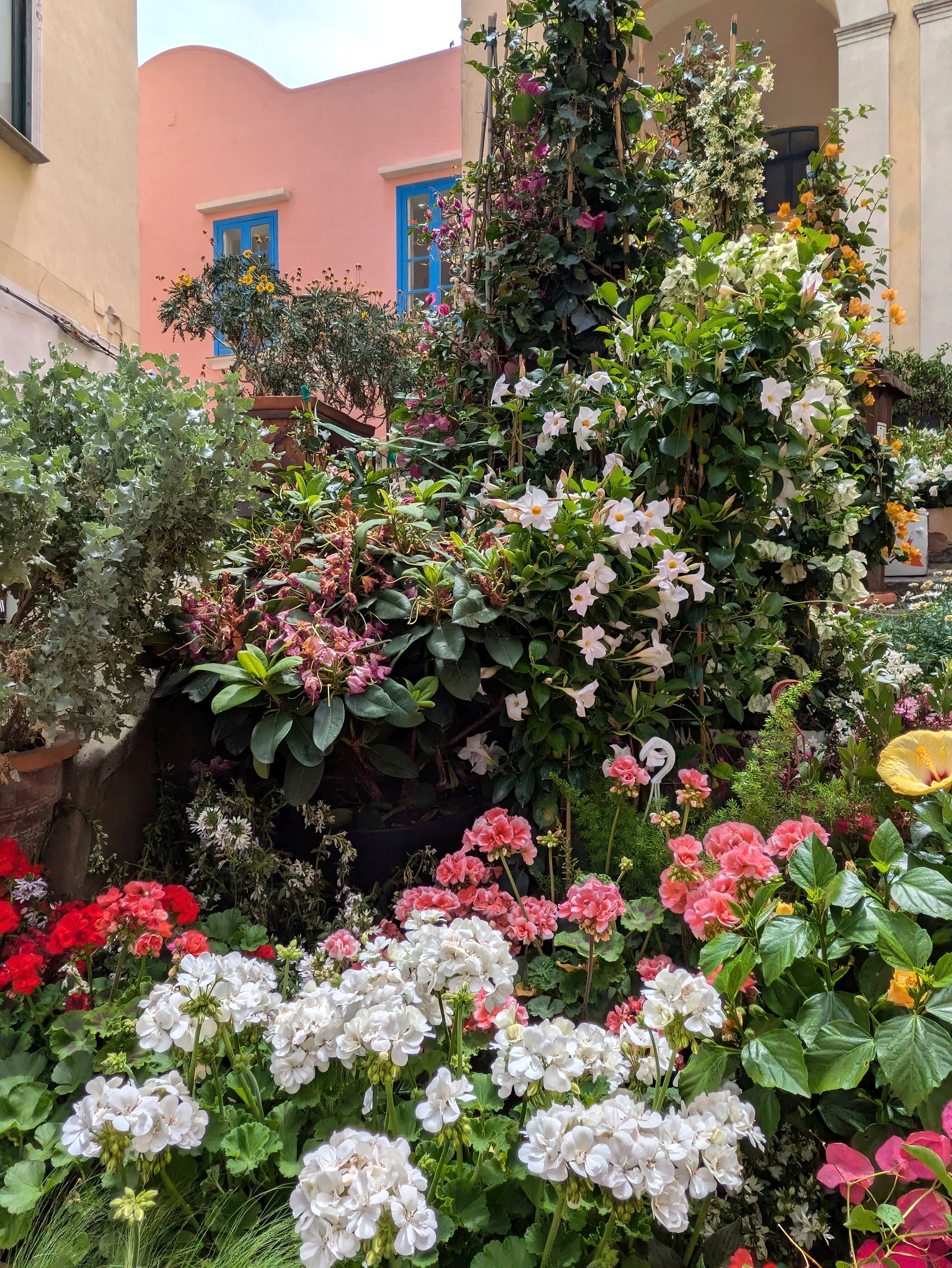
The views throughout the hike were stunning, and I enjoyed seeing the charming homes and gardens along the way.

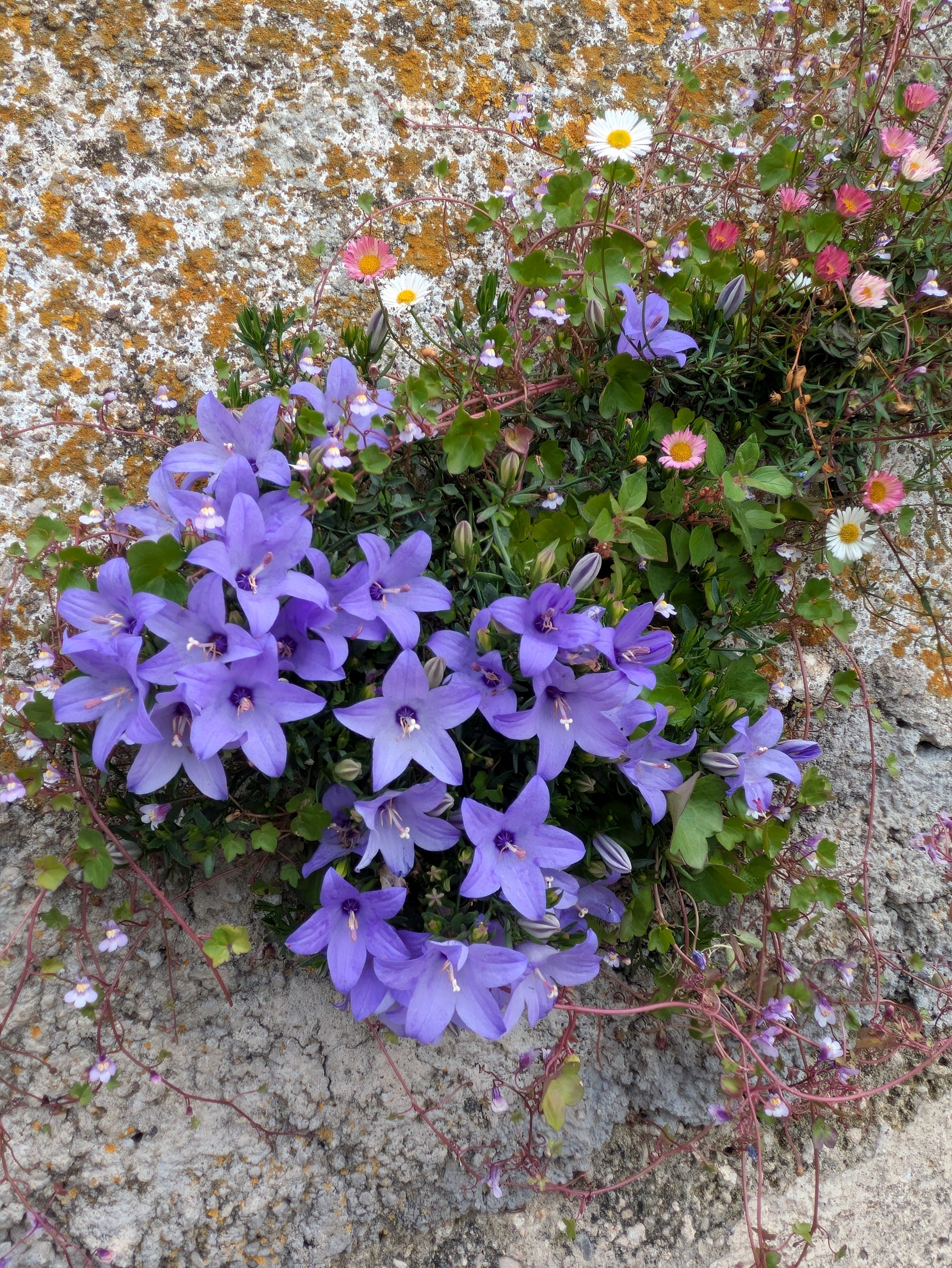
The outer wall of one of the homes we saw during the hike up to town.

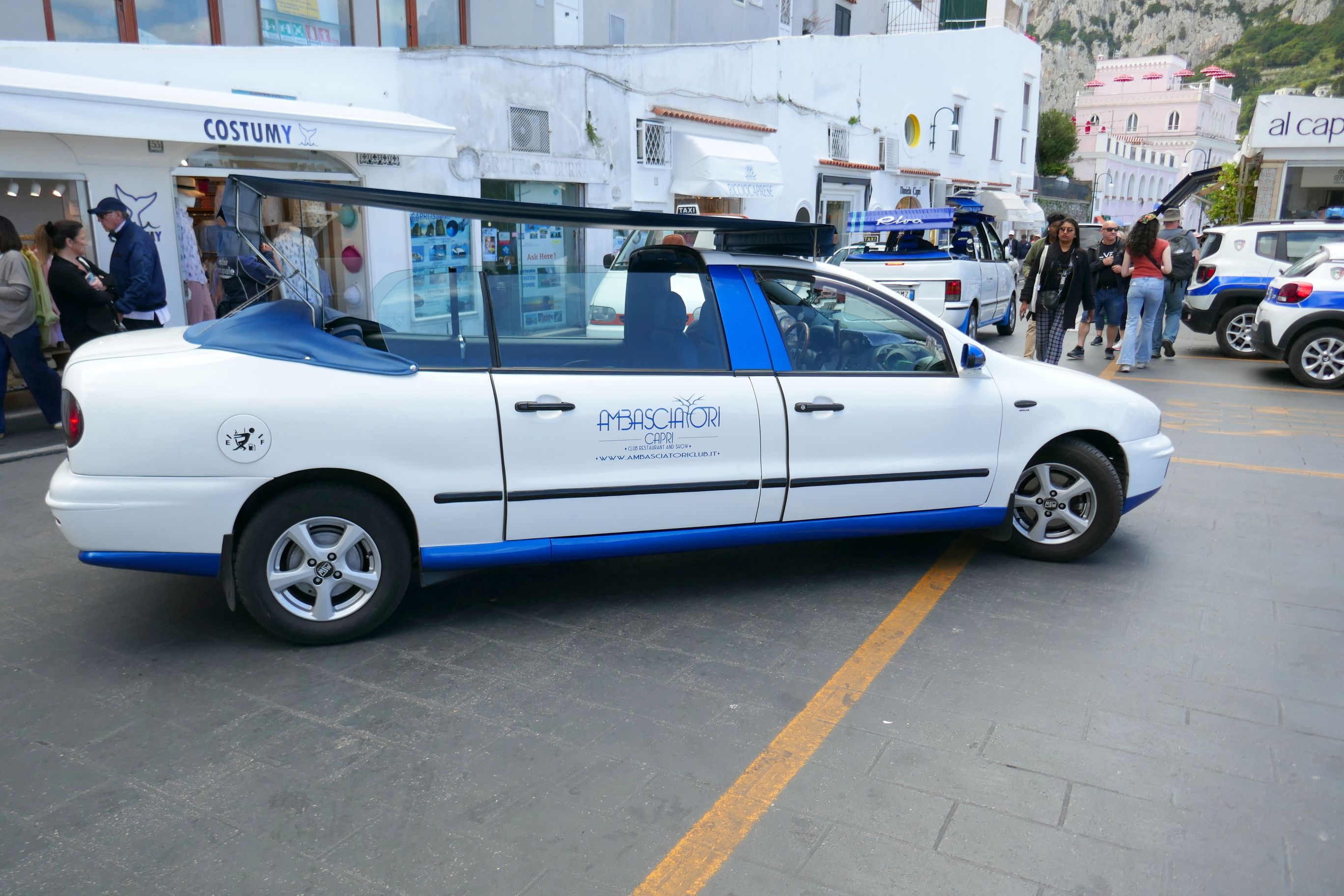
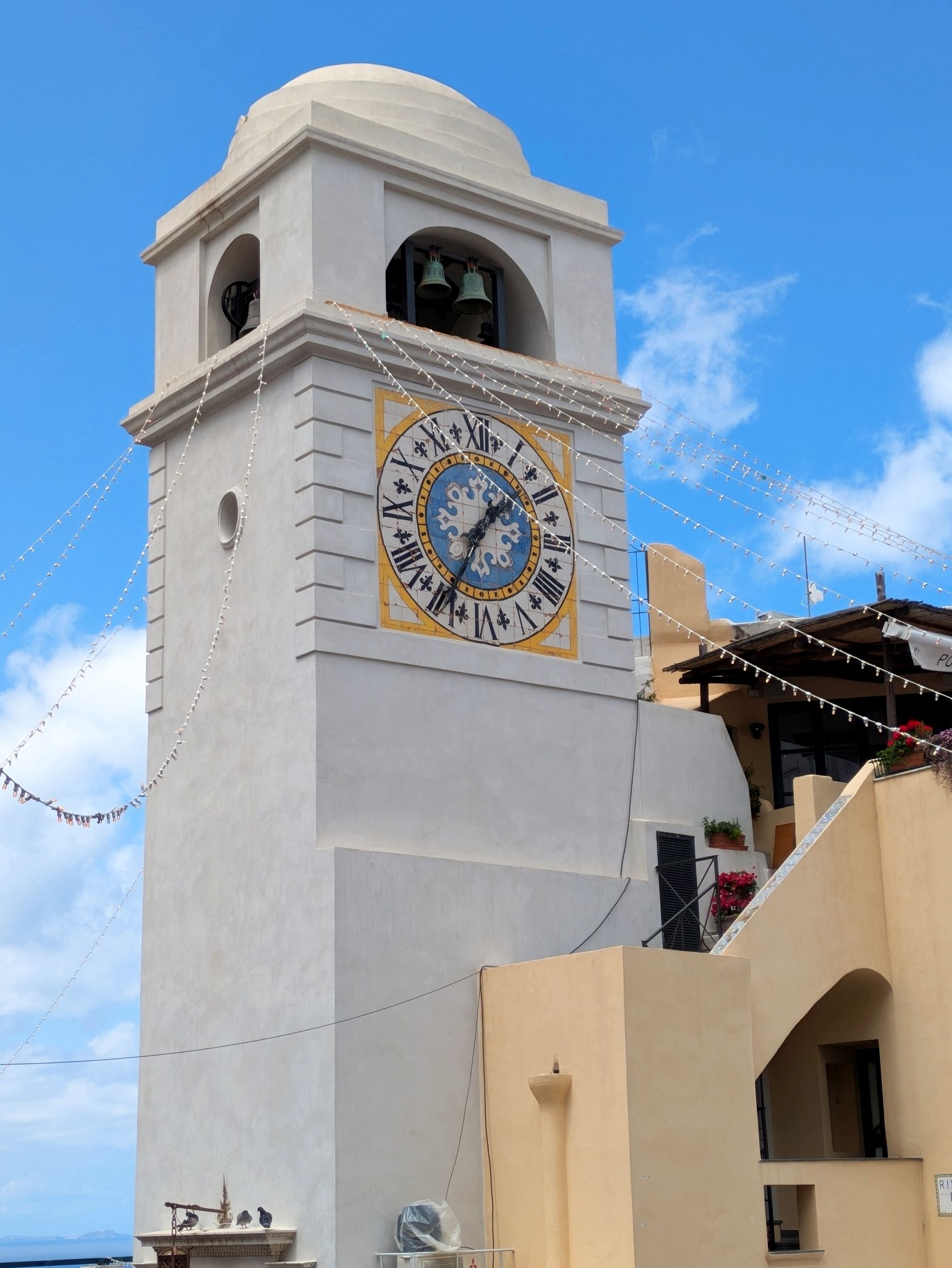
After arriving at the top, the mix of people we saw in town ranged from day trippers like us to very fashionable (and I presume quite wealthy) Europeans who had arrived by private yacht and were transported from the marina to town by these funny-looking, open top taxis:

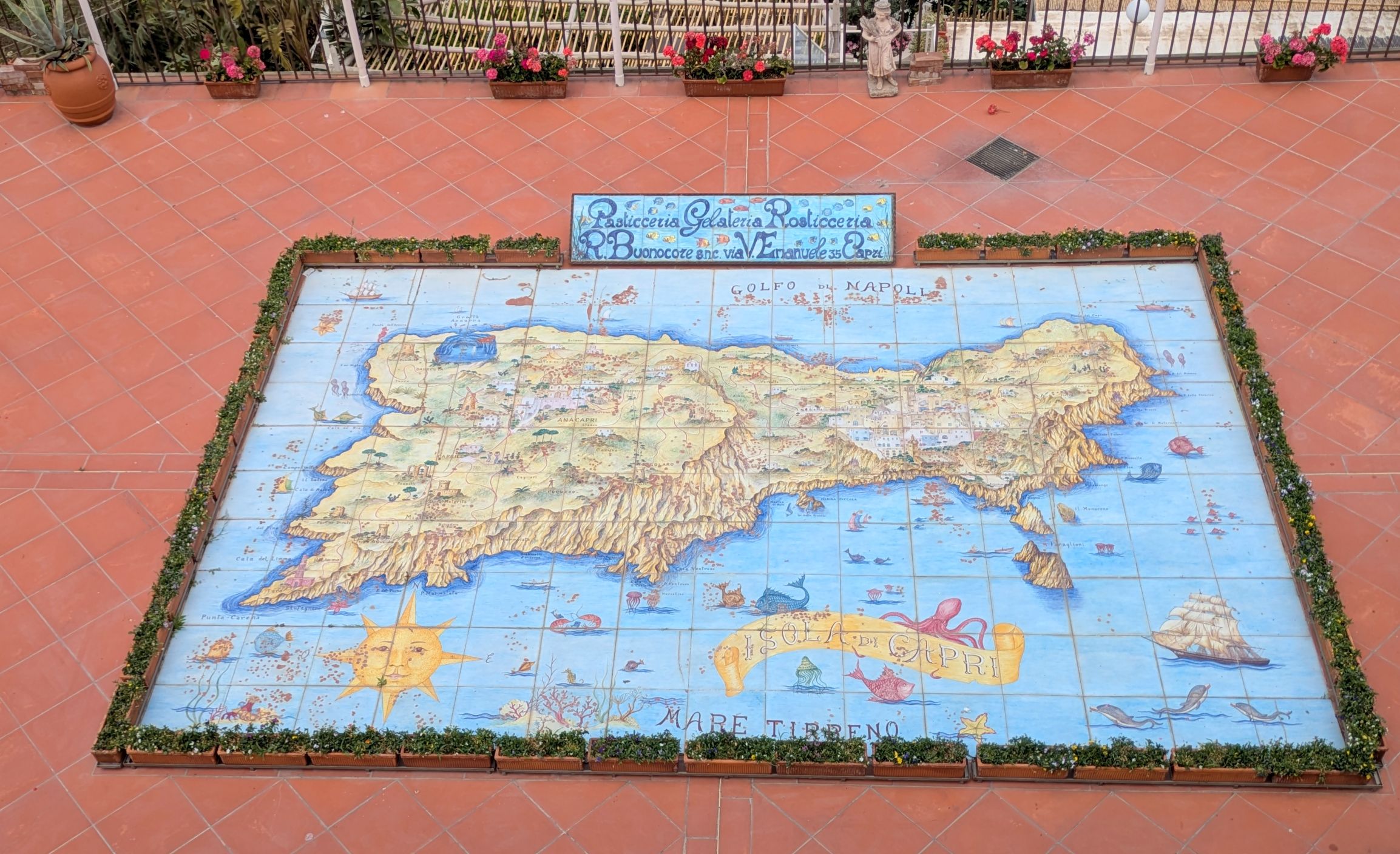
This was the place to people-watch!  While enjoying the spectacular views and checking out the interesting tile map of Capri on a lower-level patio from where we sat savoring our gelato, the crowds passed by providing plenty of entertainment. This place was hopping!

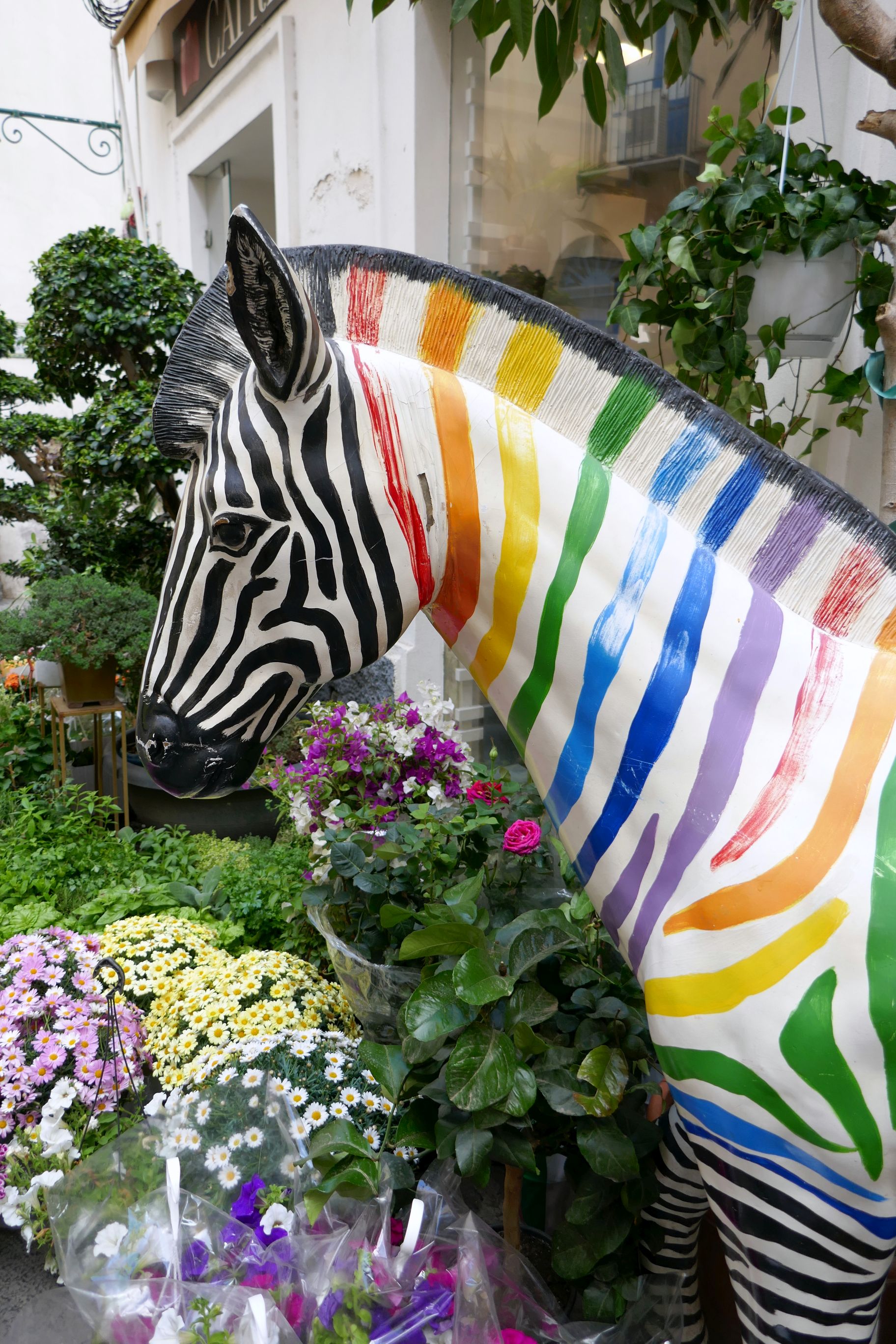
Scenes around town:

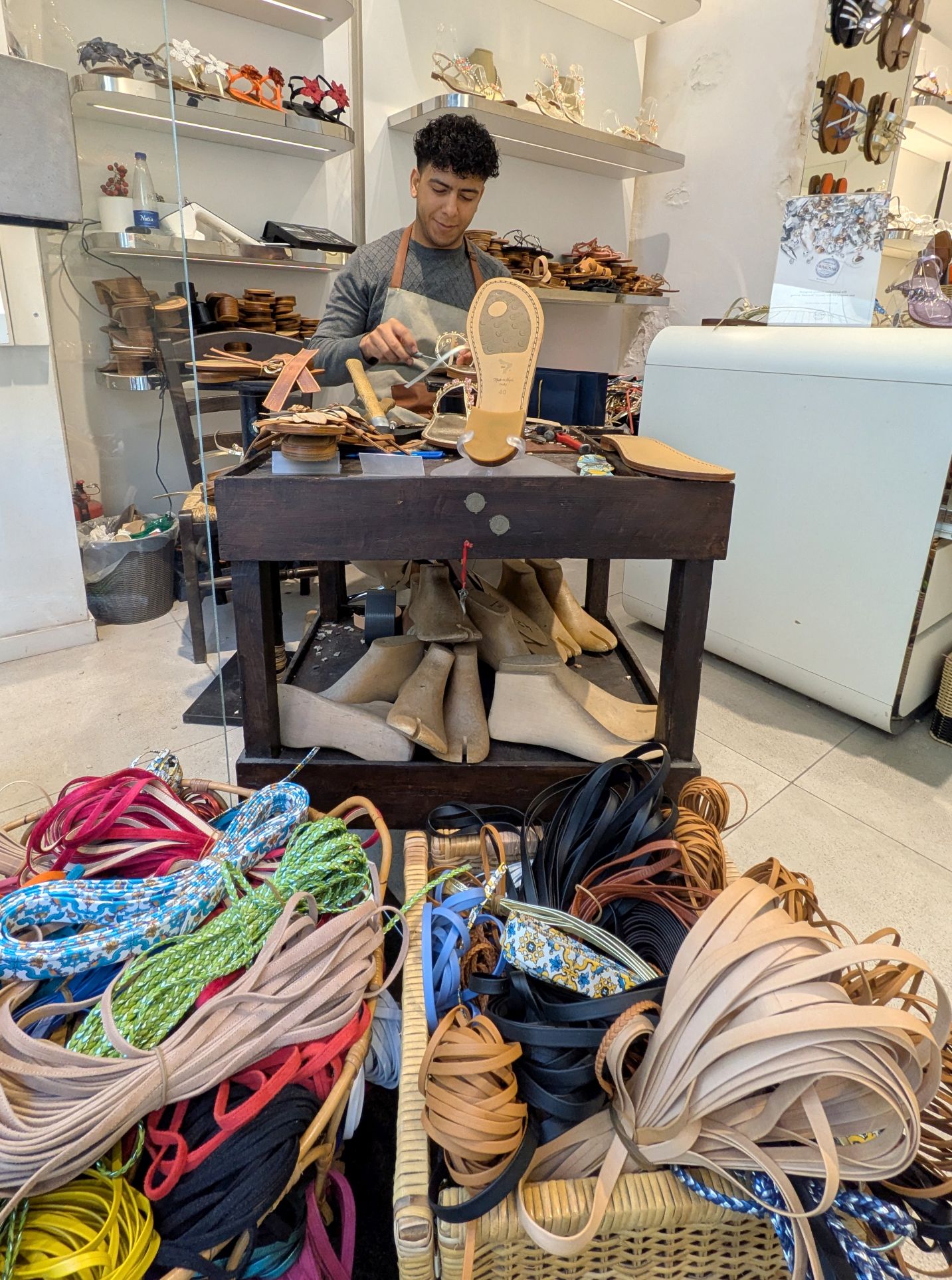
Custom sandal makers are popular in Italy and reasonably priced.
These sandals, on the other hand, were very expensive, I’m sure!
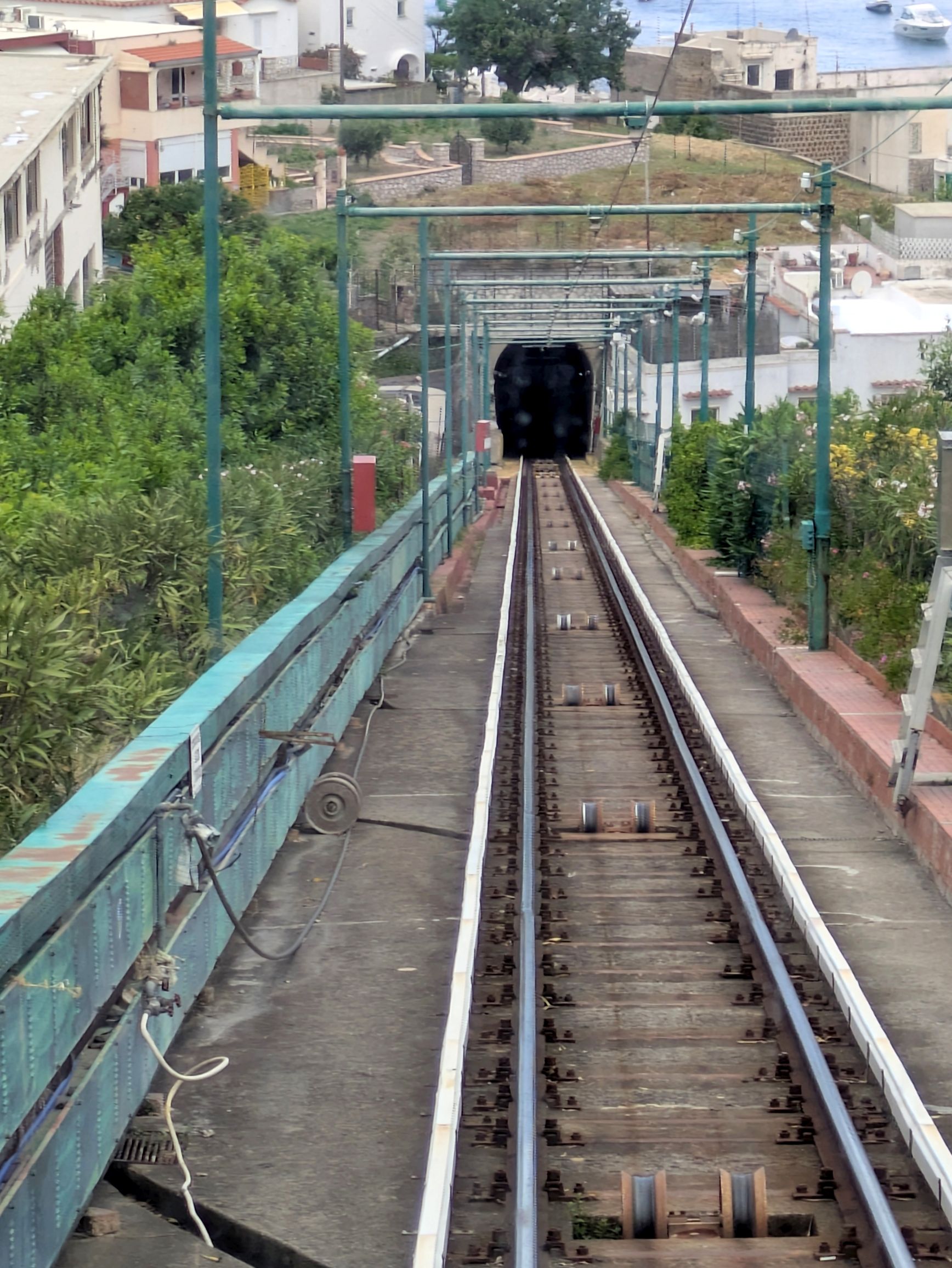
When it was time to return to the marina, we took the funicular.

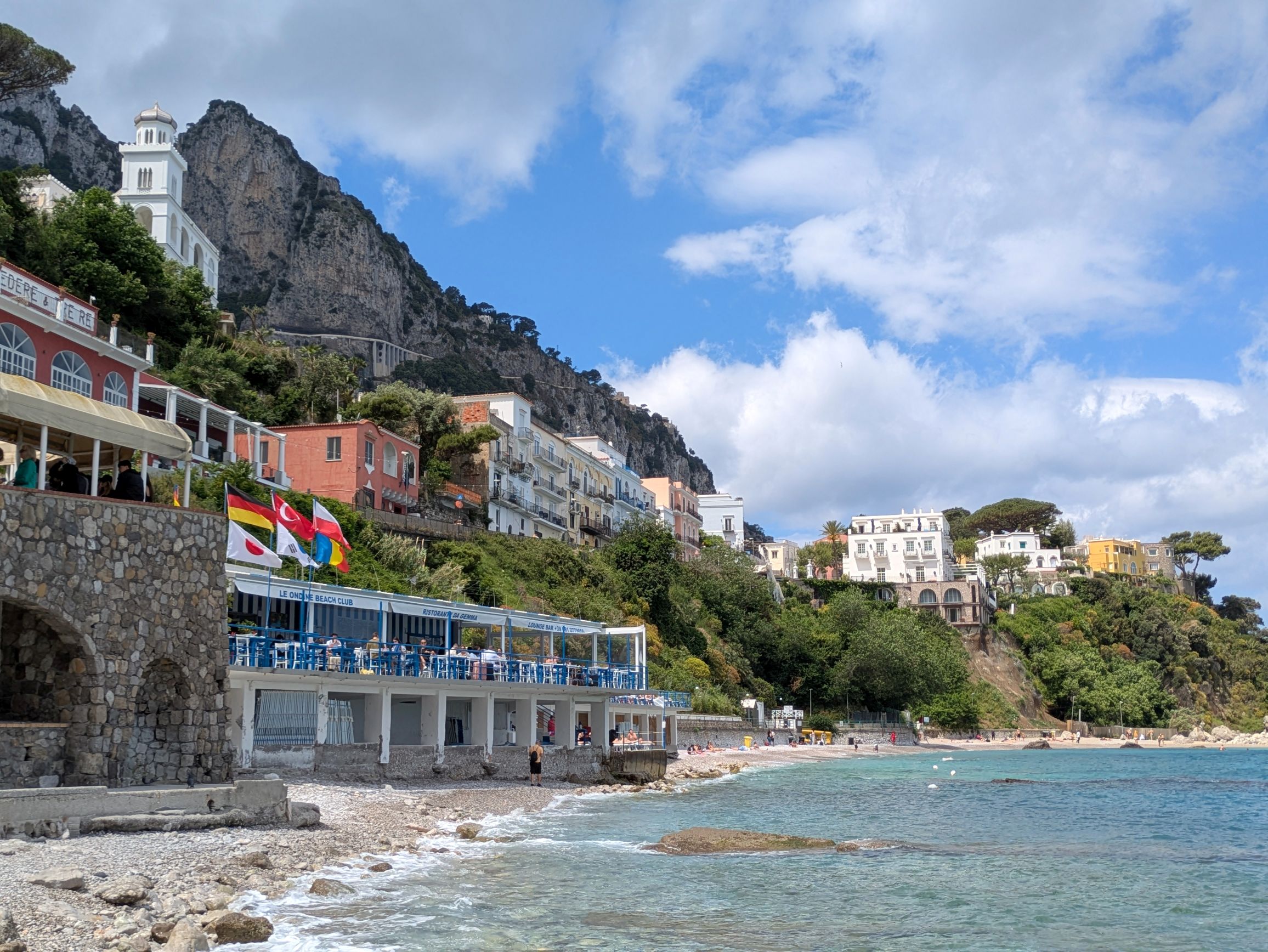
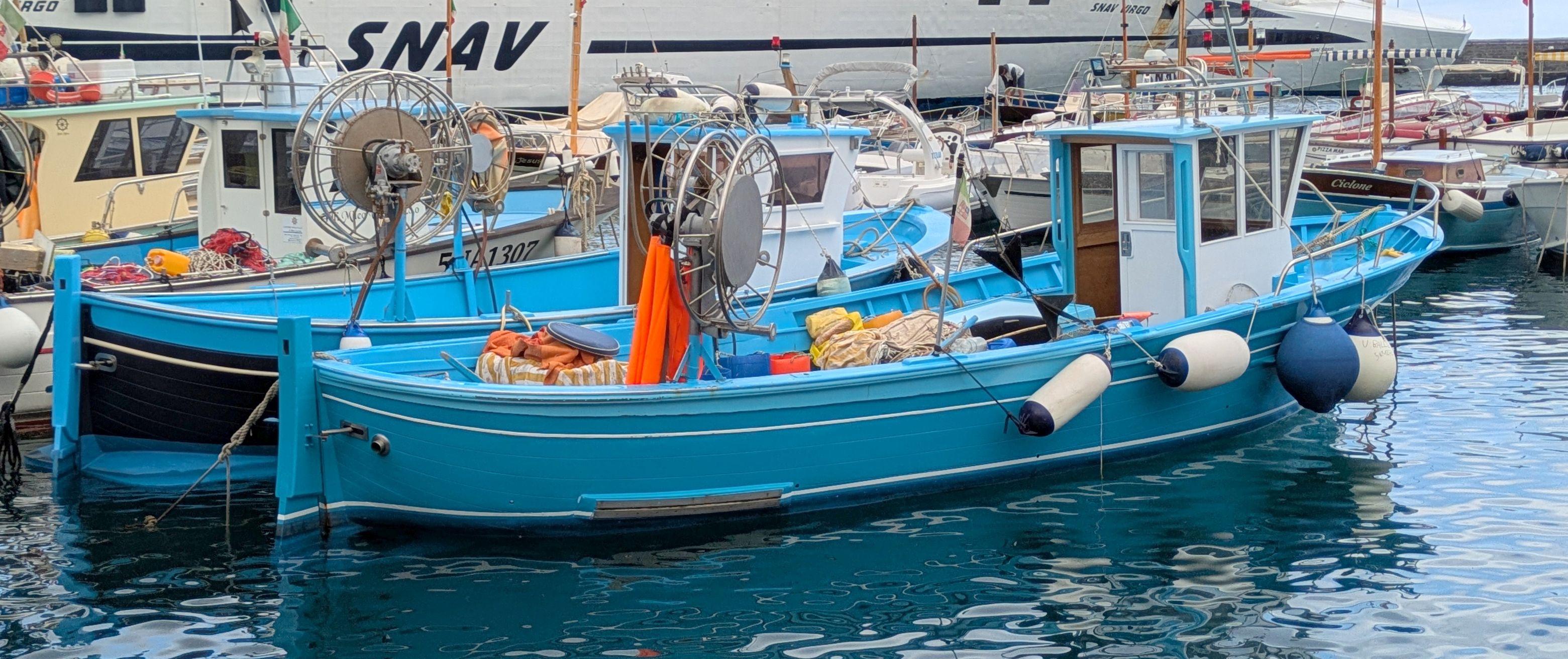
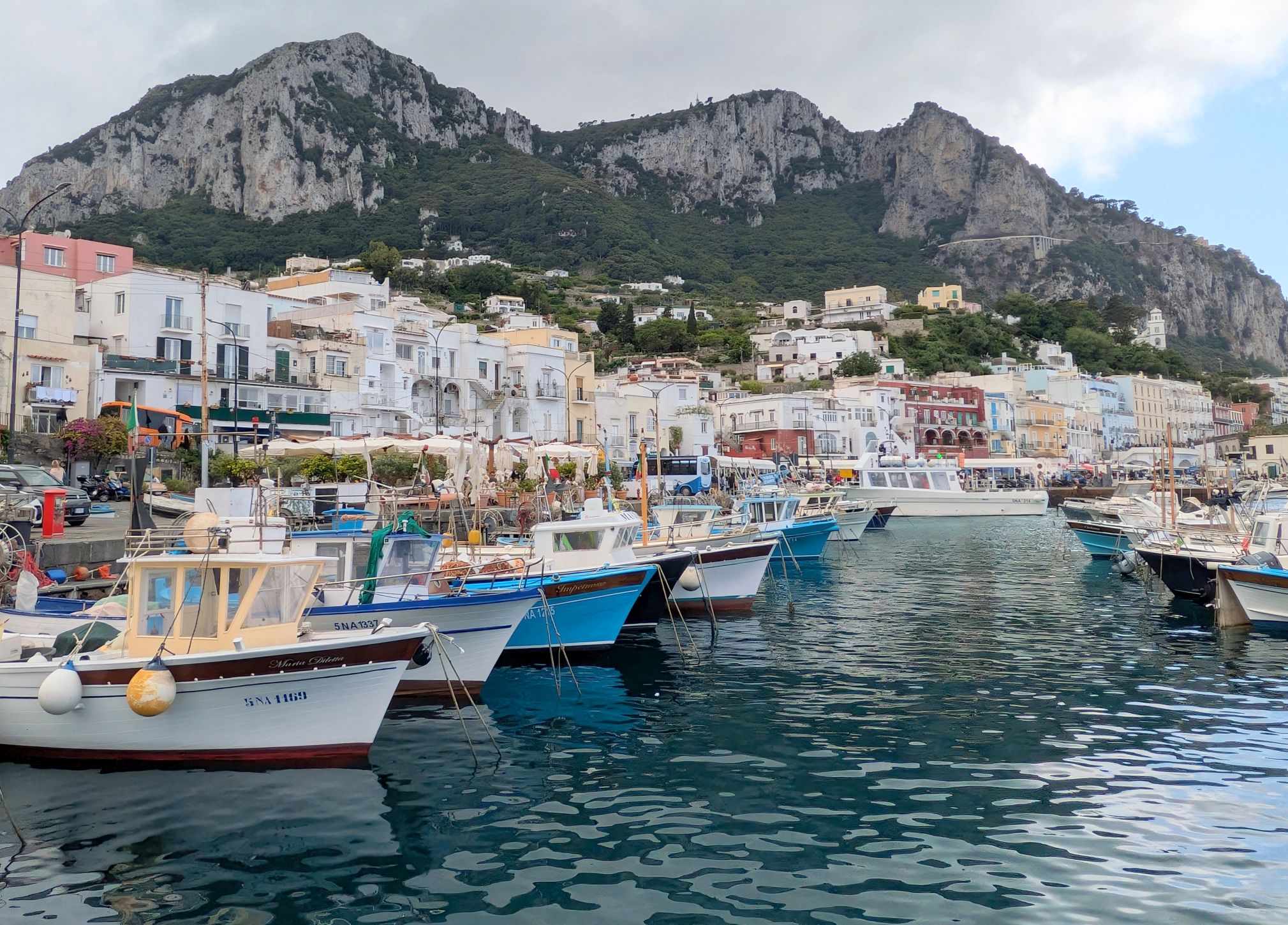
Scenes around the waterfront and marina:

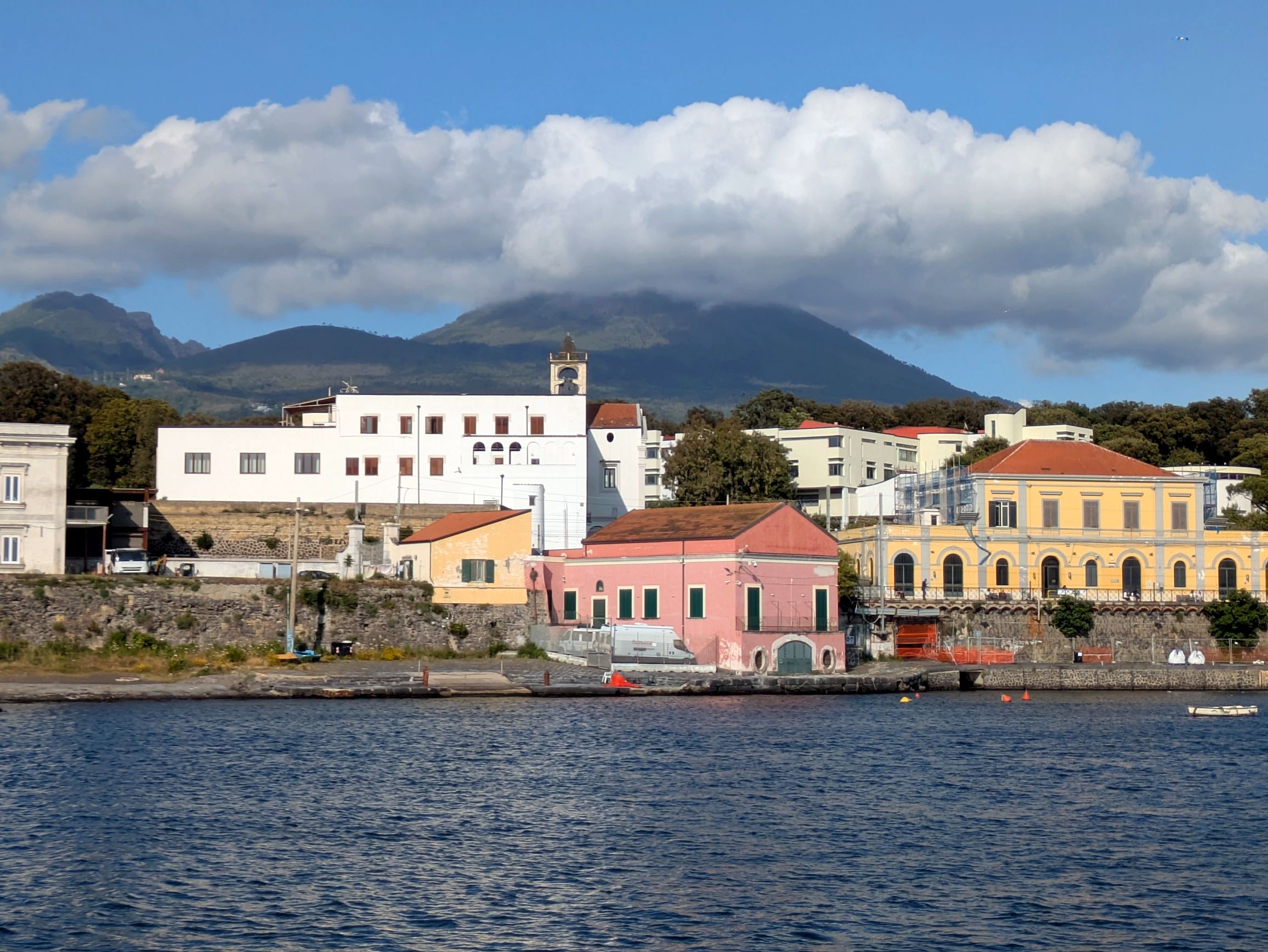
We were so glad we opted to spend the day seeing Capri! The boat ride back to the mainland was a wet, but fun one. We were greeted with a lovely, serene view upon our return.

Coming up next: SICILY & AMALFI COAST #26: WRAPPING IT UP IN NAPLES

SICILY & AMALFI COAST #25: PERSERVERING THROUGH POMPEII

(For all photos, click on the image for a full screen view.)

Our final morning in Maiori was beautiful!
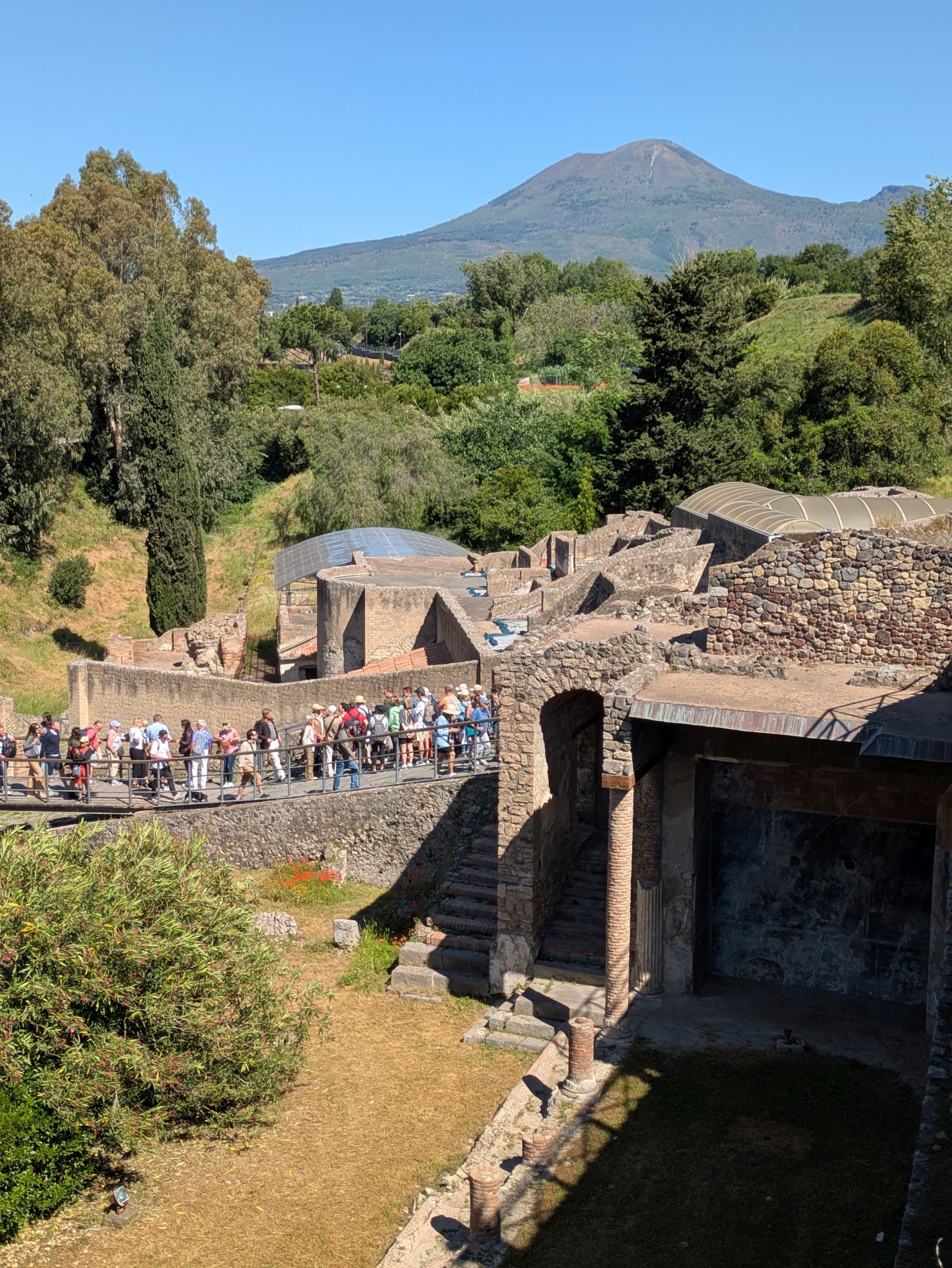
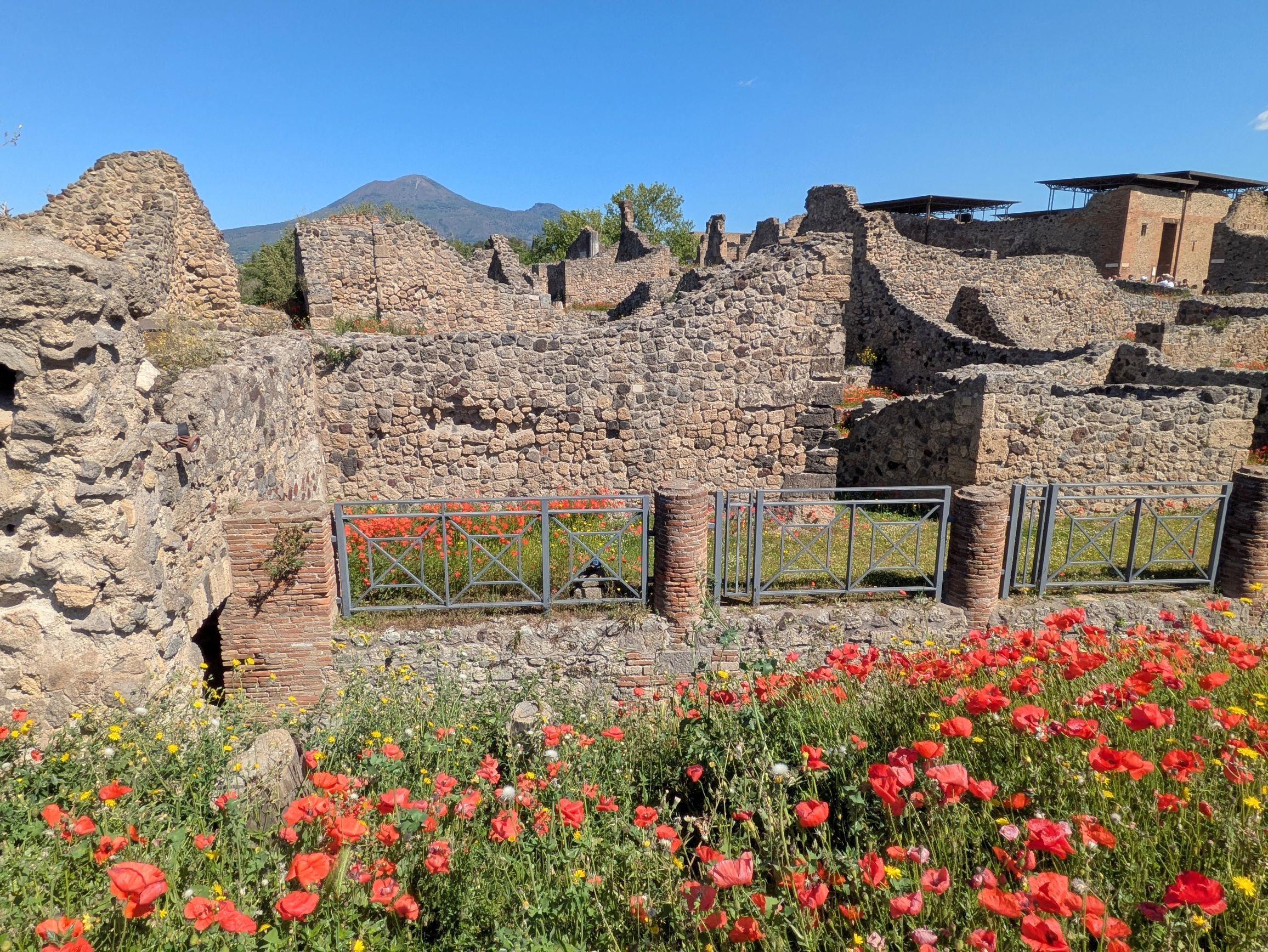
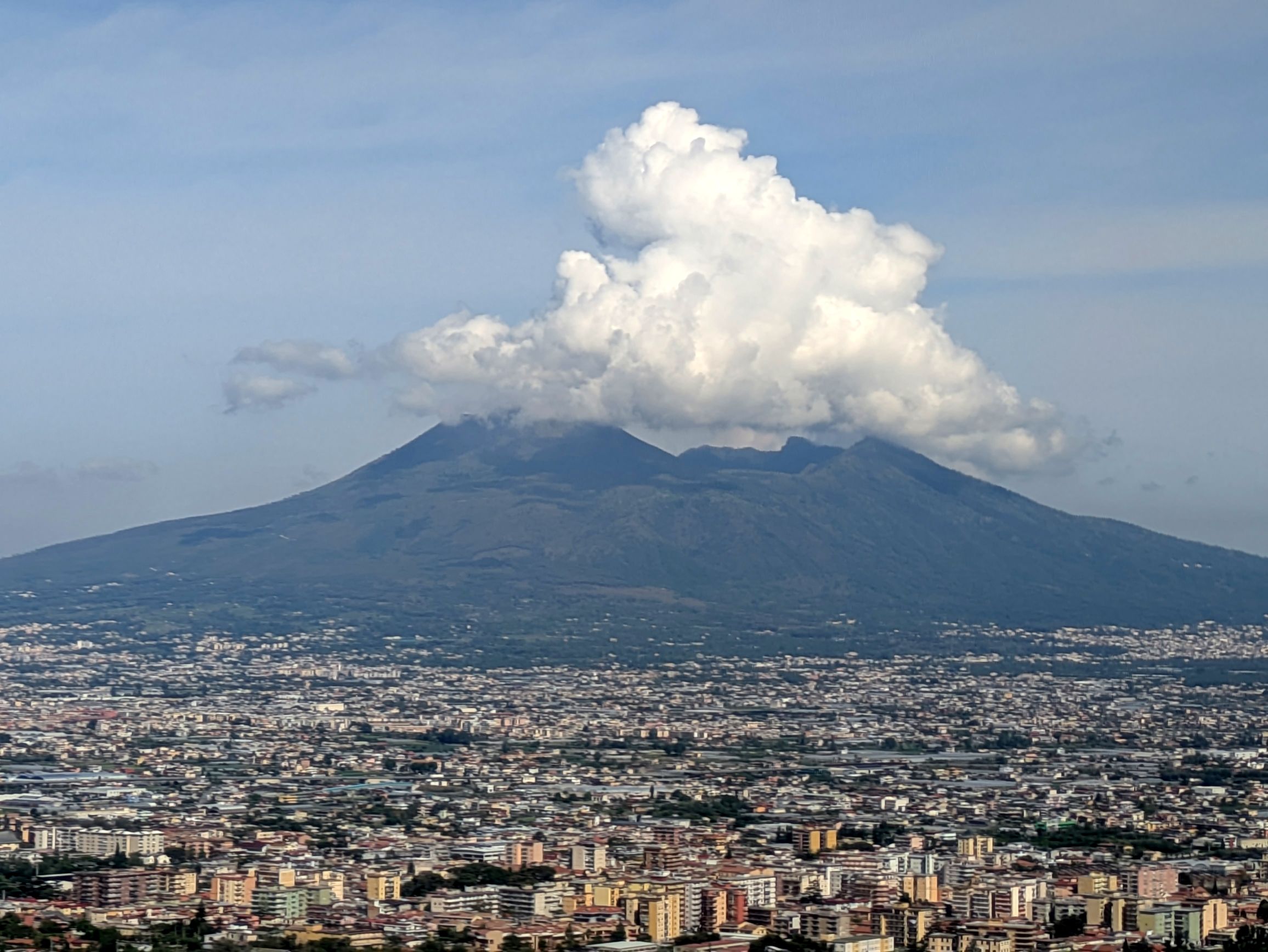
On our way to Pompeii, the views to Mount Vesuvius were gorgeous once again!

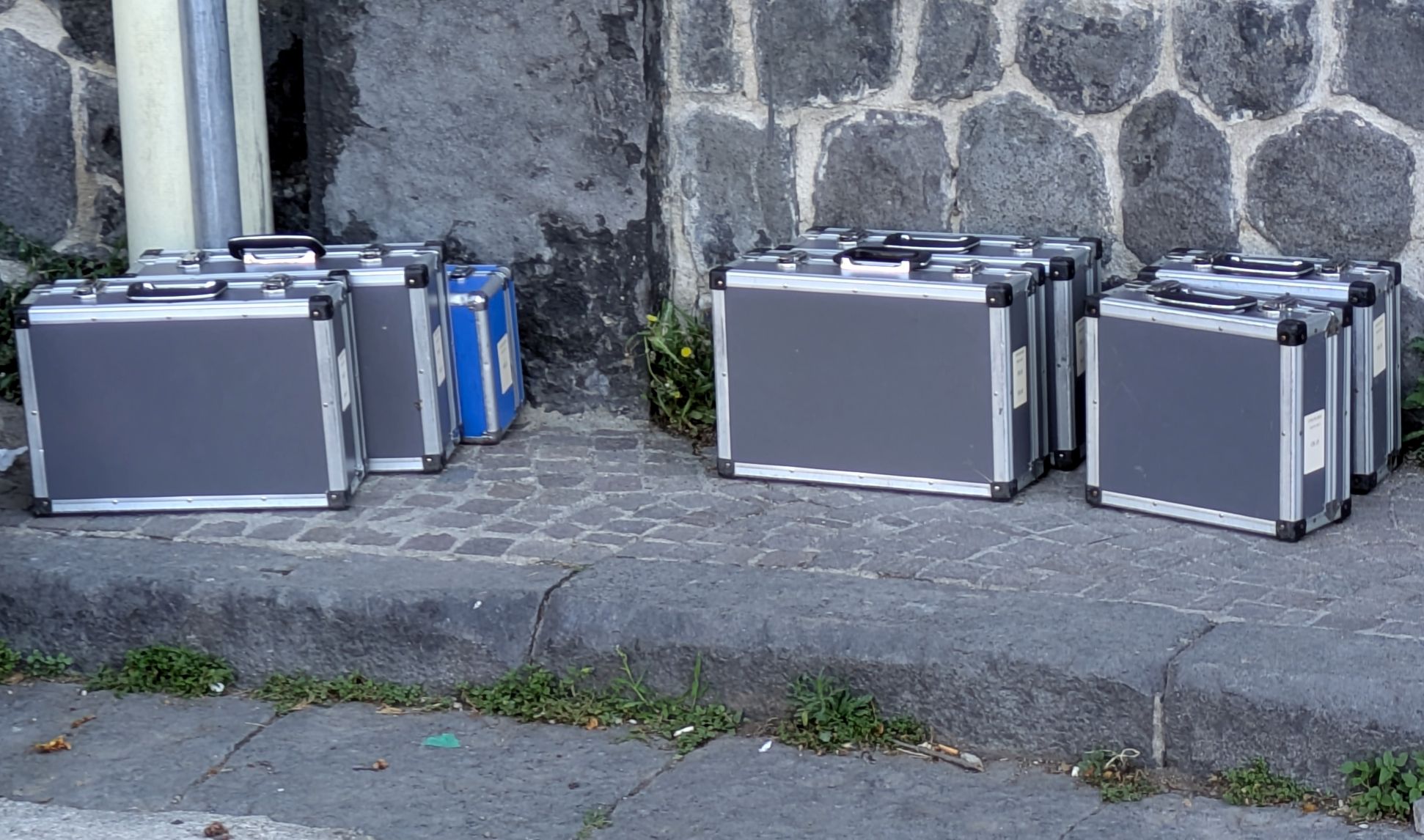
Our fun-loving tour leader, Francesco, normally a joking around kind of guy, was very serious about getting to Pompeii before it opened.  He said even if you have pre-purchased tickets like he had for our group, the lines to get in get very long.  Francesco was not wrong.  We arrived before opening, and it was already very crowded outside the gate.  See those cases in the picture below?  Each one was full of a busload of headsets that the local guides would use with their groups to speak to them while walking through the site.  The empty cases are held there until the group is ready to depart.  Those cases were just the beginning of a collection that would grow throughout the day!

It wasn’t as crowded after we got through the gate, because Pompeii is quite large at about 170 acres, and the tour guides lead their groups to different areas.  But still, there were so many people everywhere, because it is among the most popular tourist attractions in Italy, with approximately 2.5 million visitors annually.

One of the MANY tour groups…

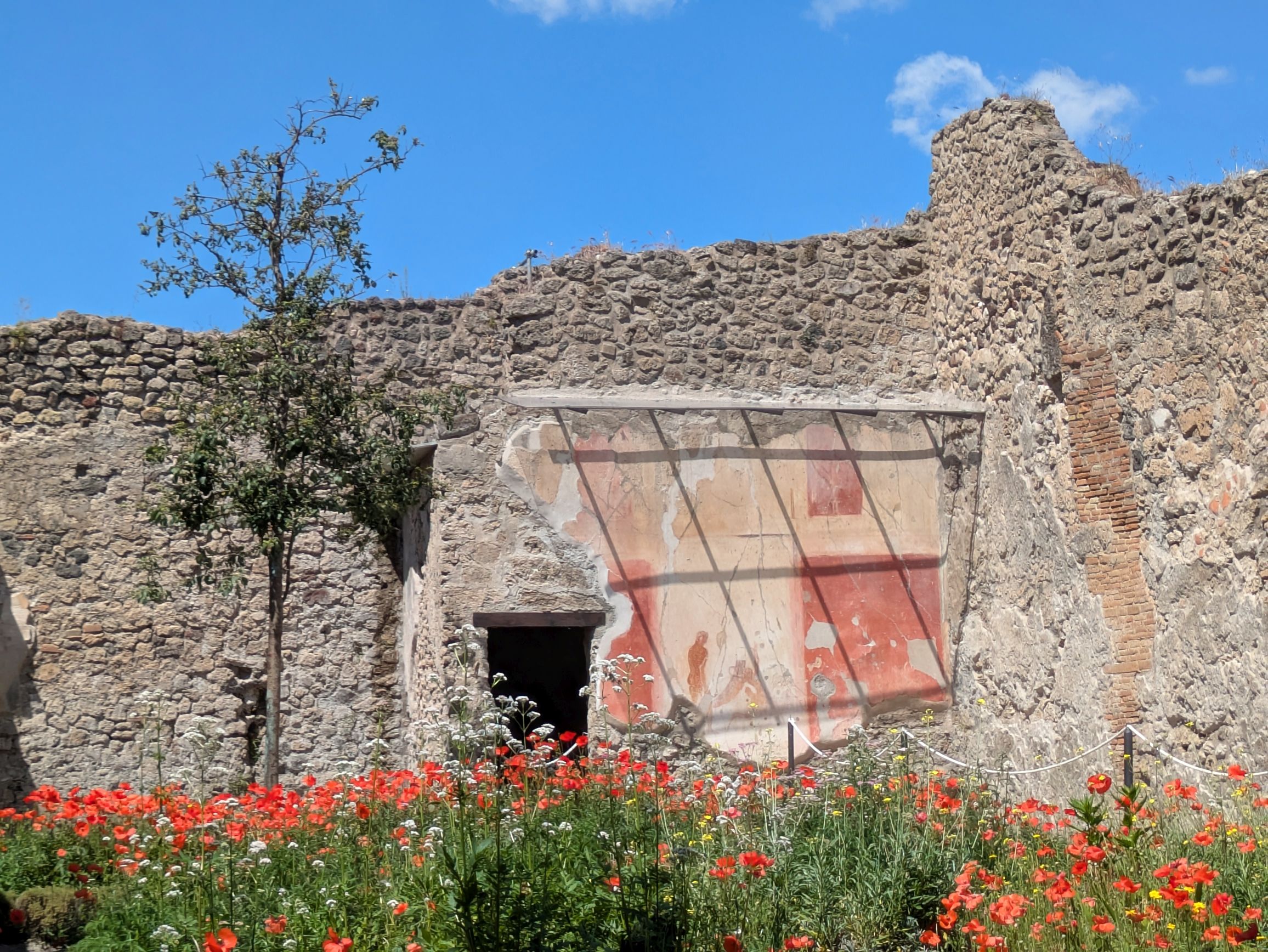
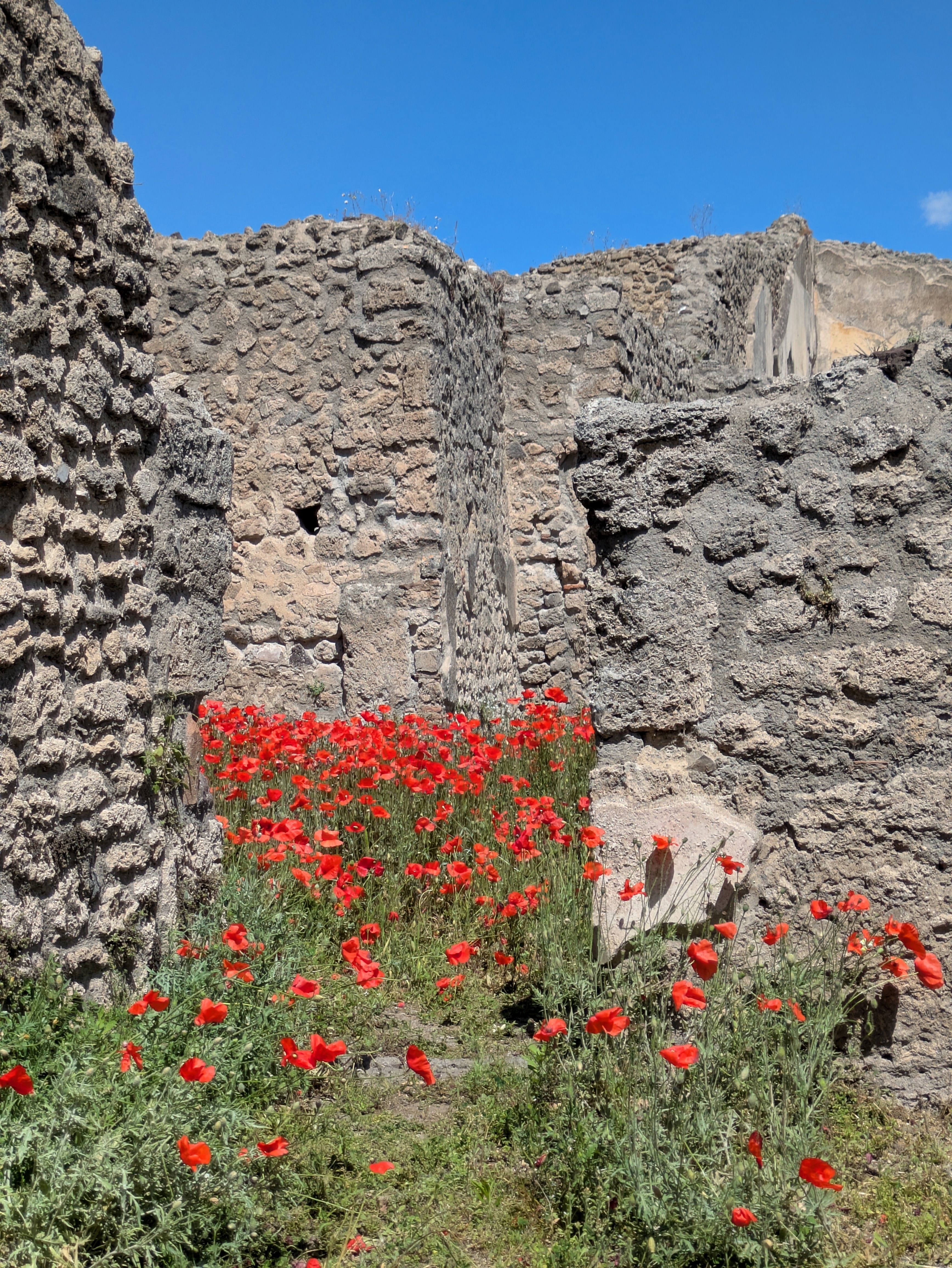
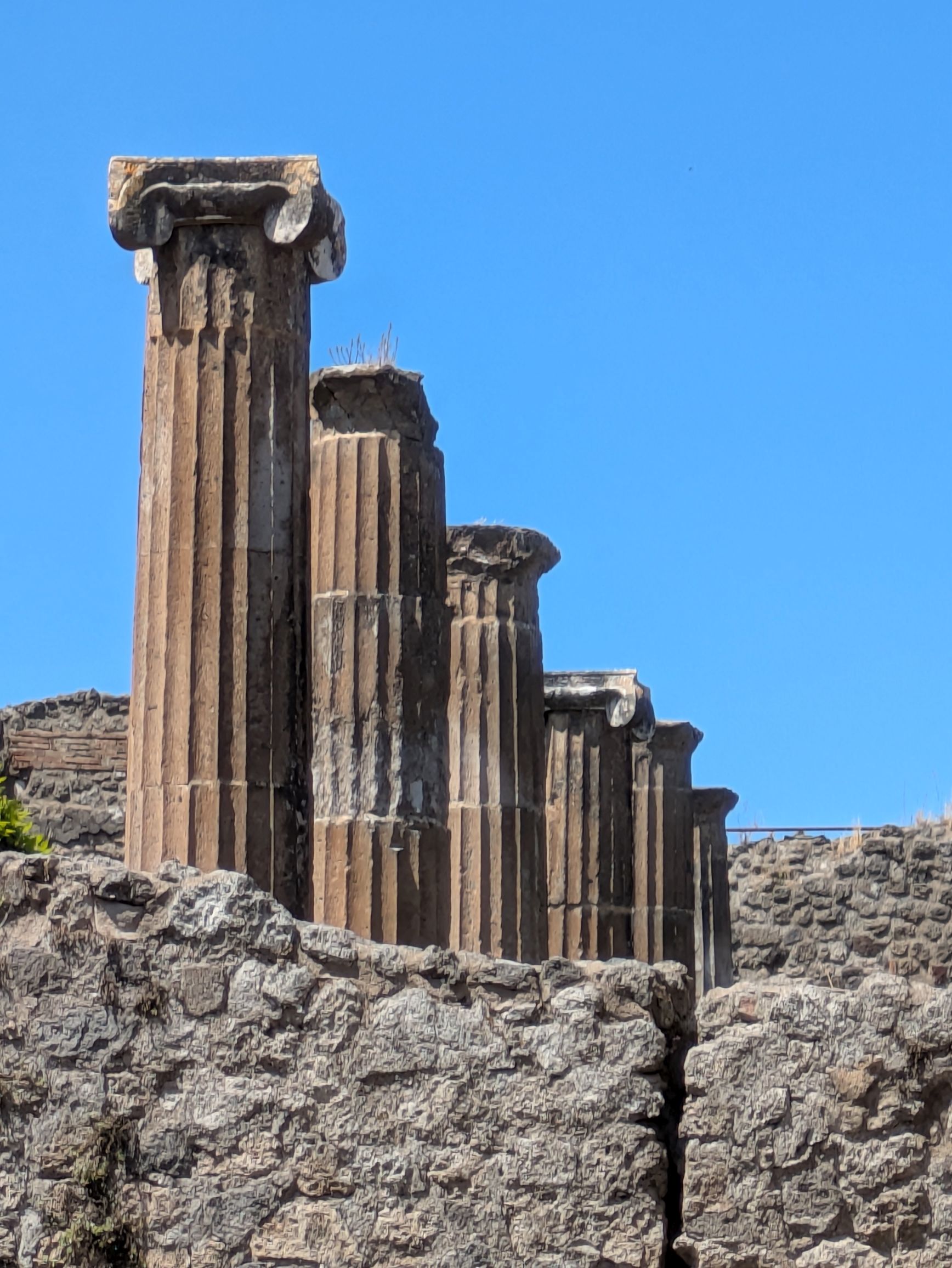
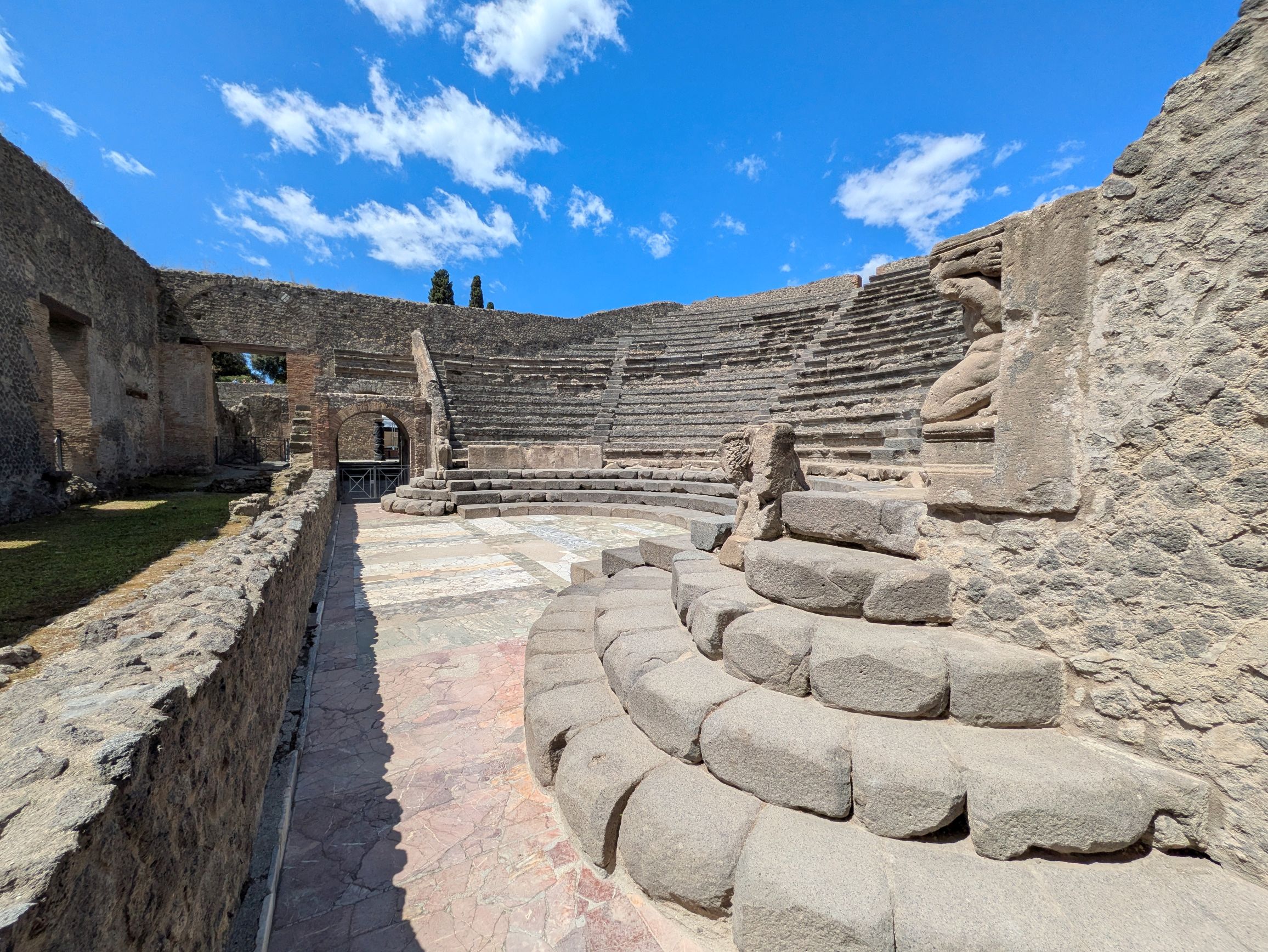
Having said all that, when you visit Italy, Pompeii is a must-see destination.  A UNESCO World Heritage Site, the city was buried in six meters of volcanic ash by the eruption of Mount Vesuvius in 79 AD.  Toxic gas and ash penetrated the entire town, killing what was estimated to be about 11,000 residents.   

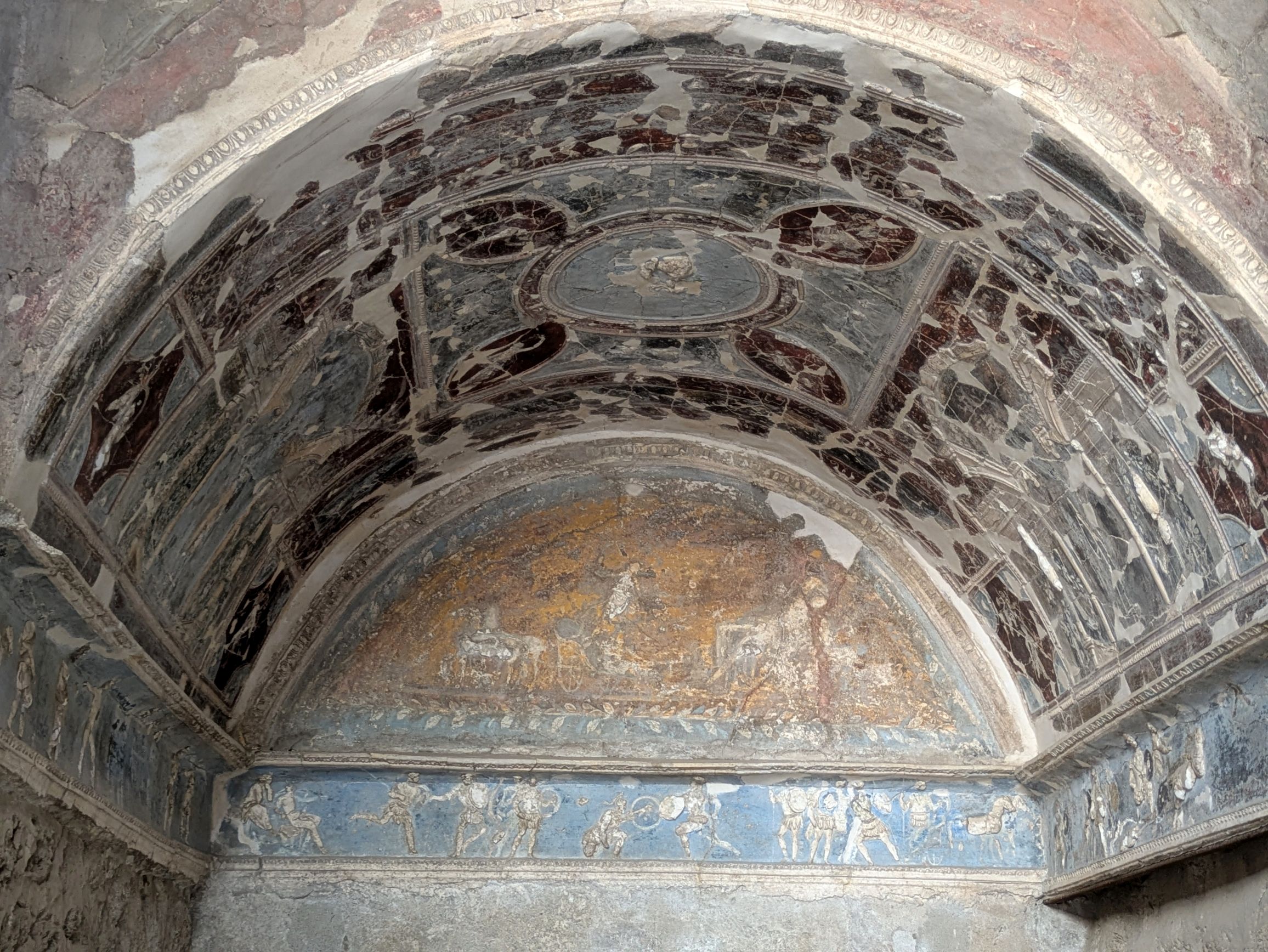
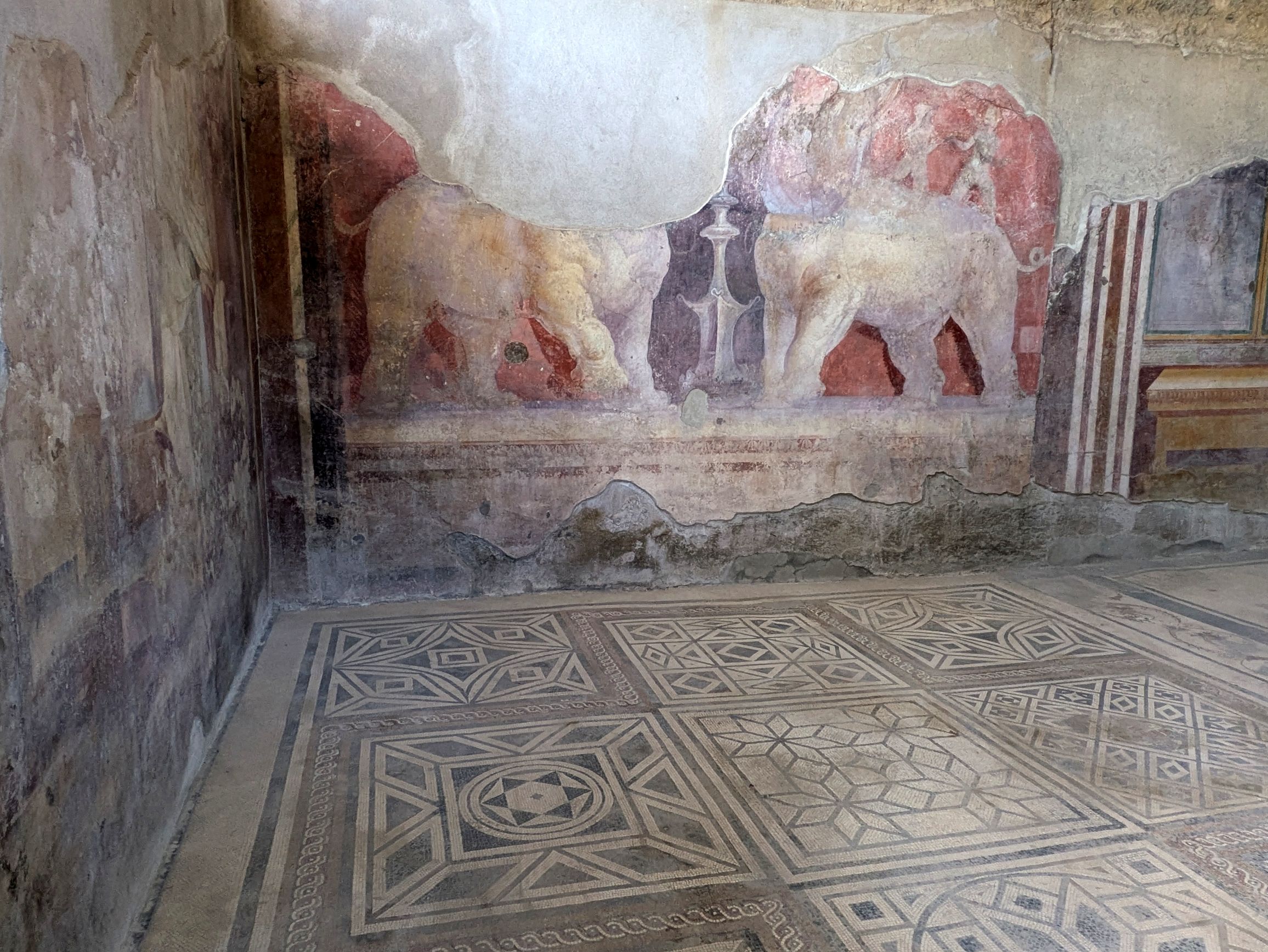
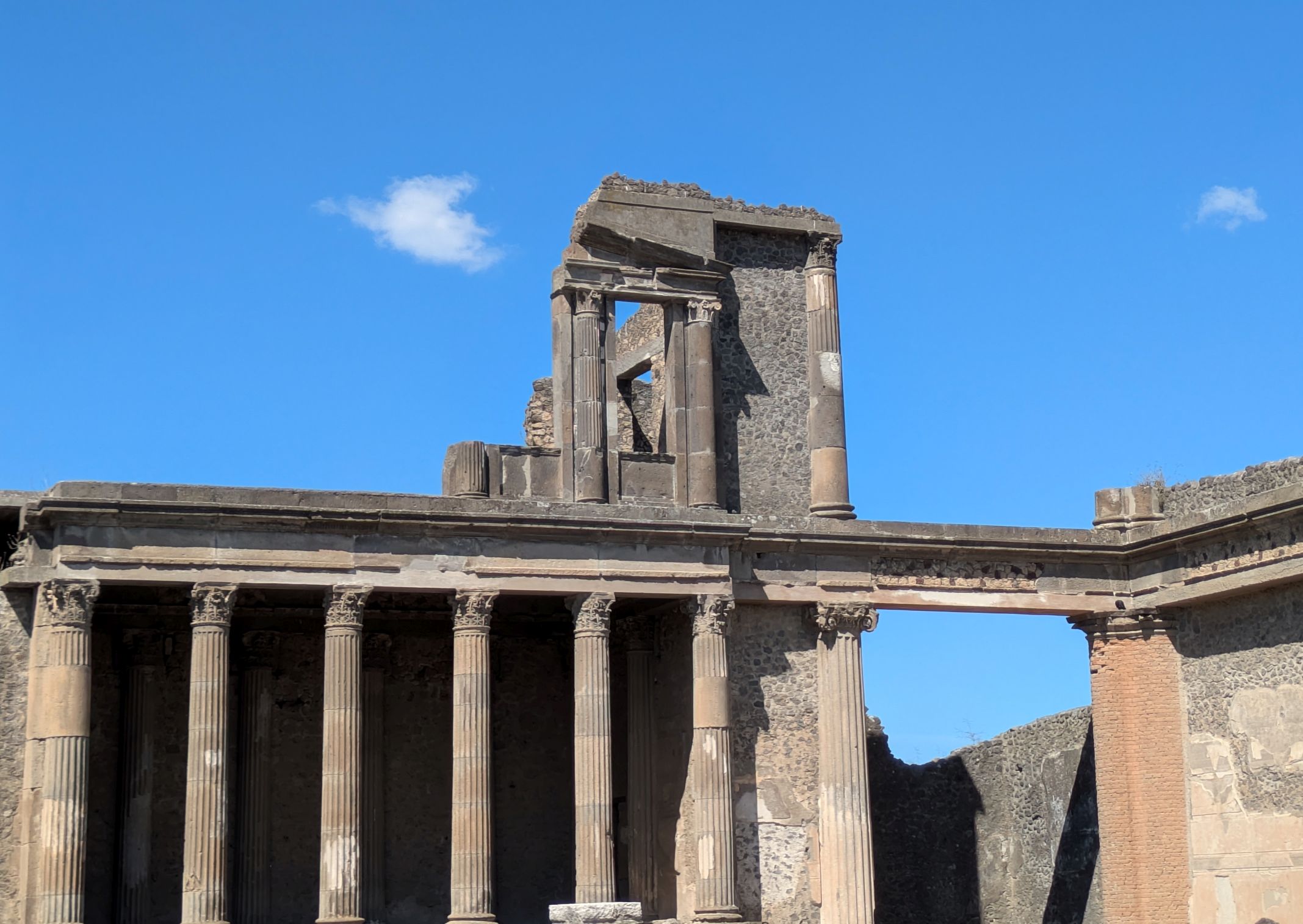
It wasn’t until the 17th century that Pompeii was re-discovered.  And what a discovery it must have been!  The city and its treasures were well preserved, offering a unique snapshot of what Roman life was at the time.  It is the only archaeological site in the world that provides a complete picture of an ancient Roman City.

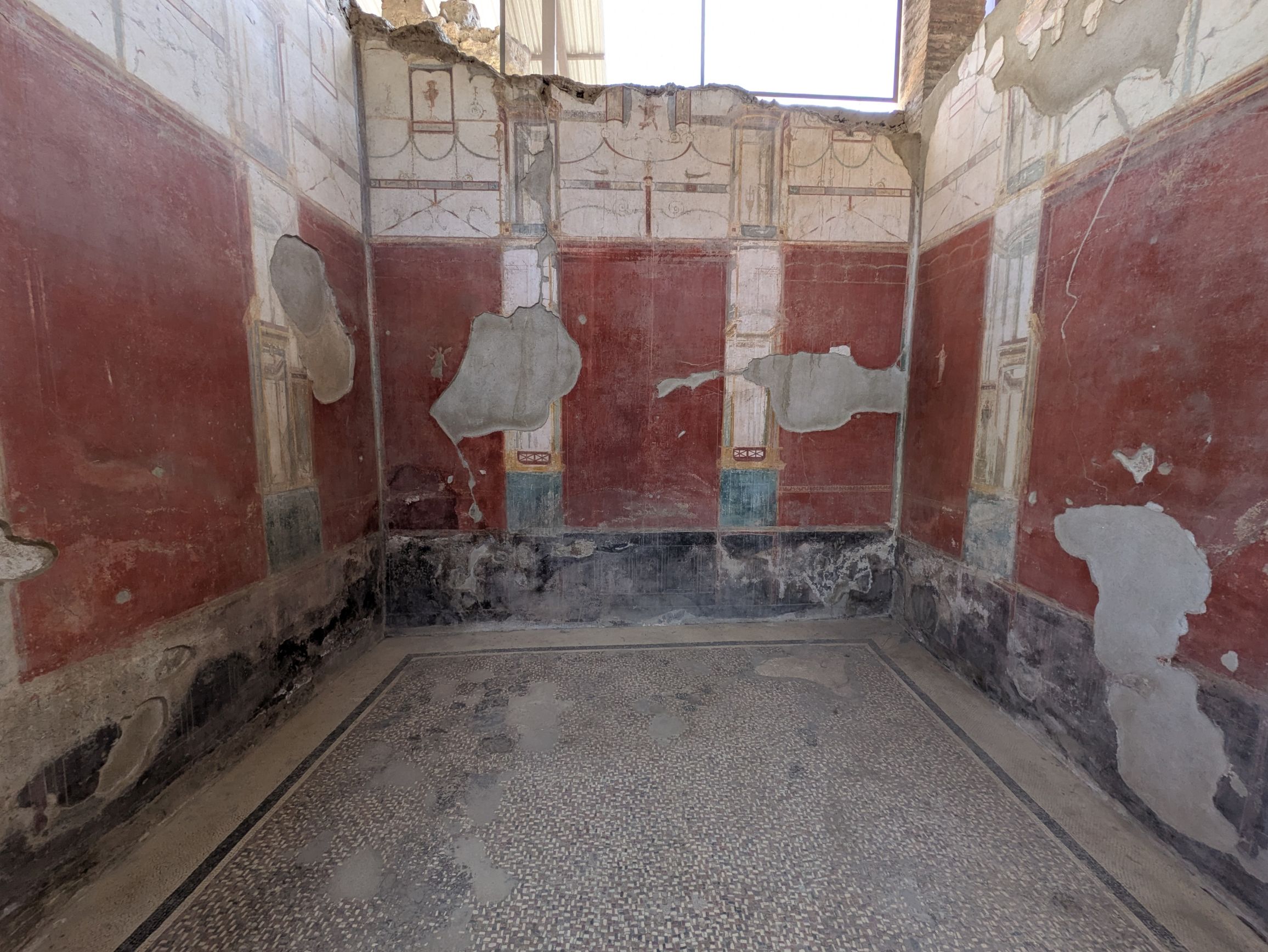
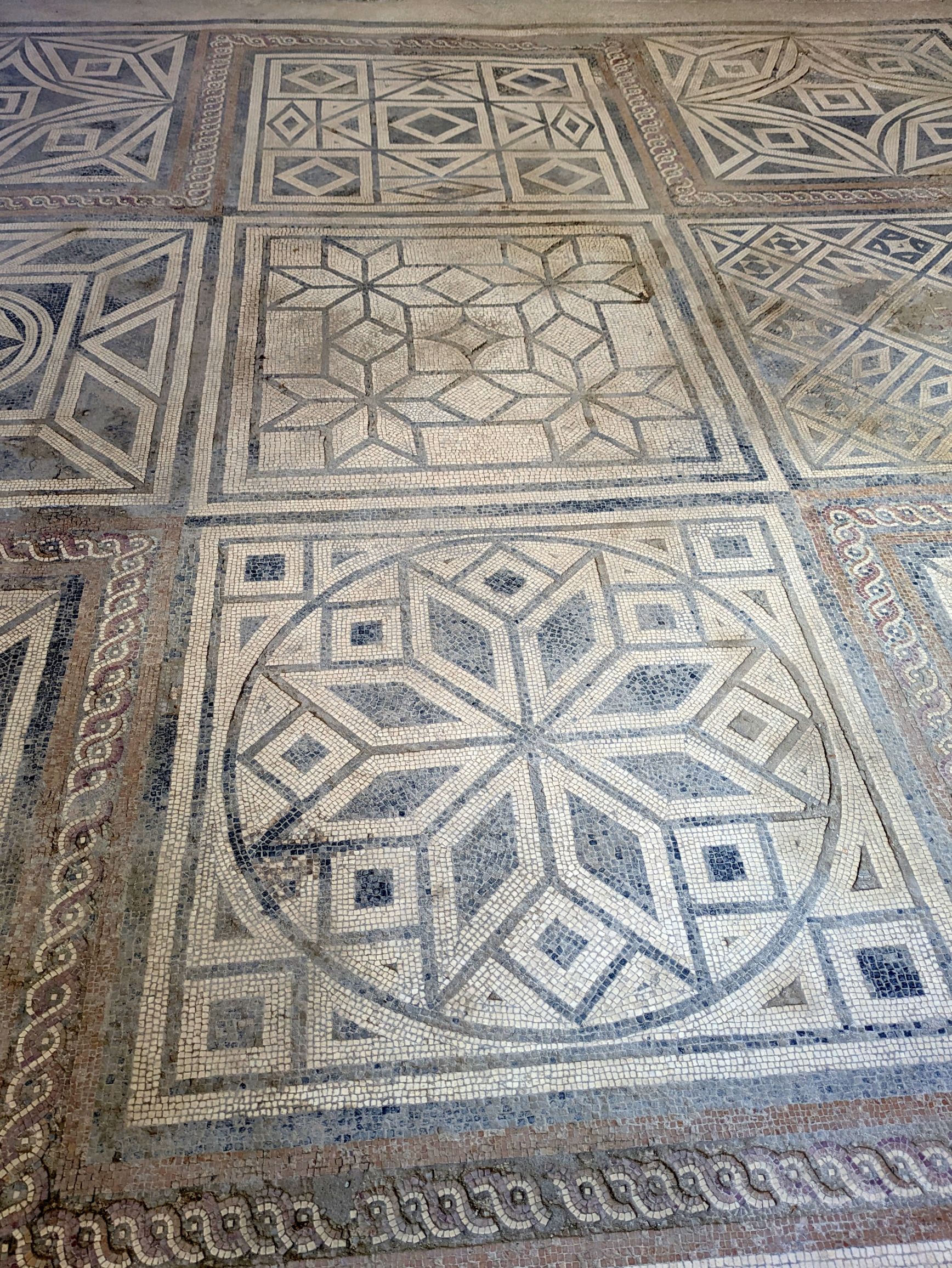
Pompeii was a wealthy town of beautiful public buildings and luxurious private houses decorated with fine artwork and furnishings.  Can you imagine what it must have been like to discover these treasures during excavation?

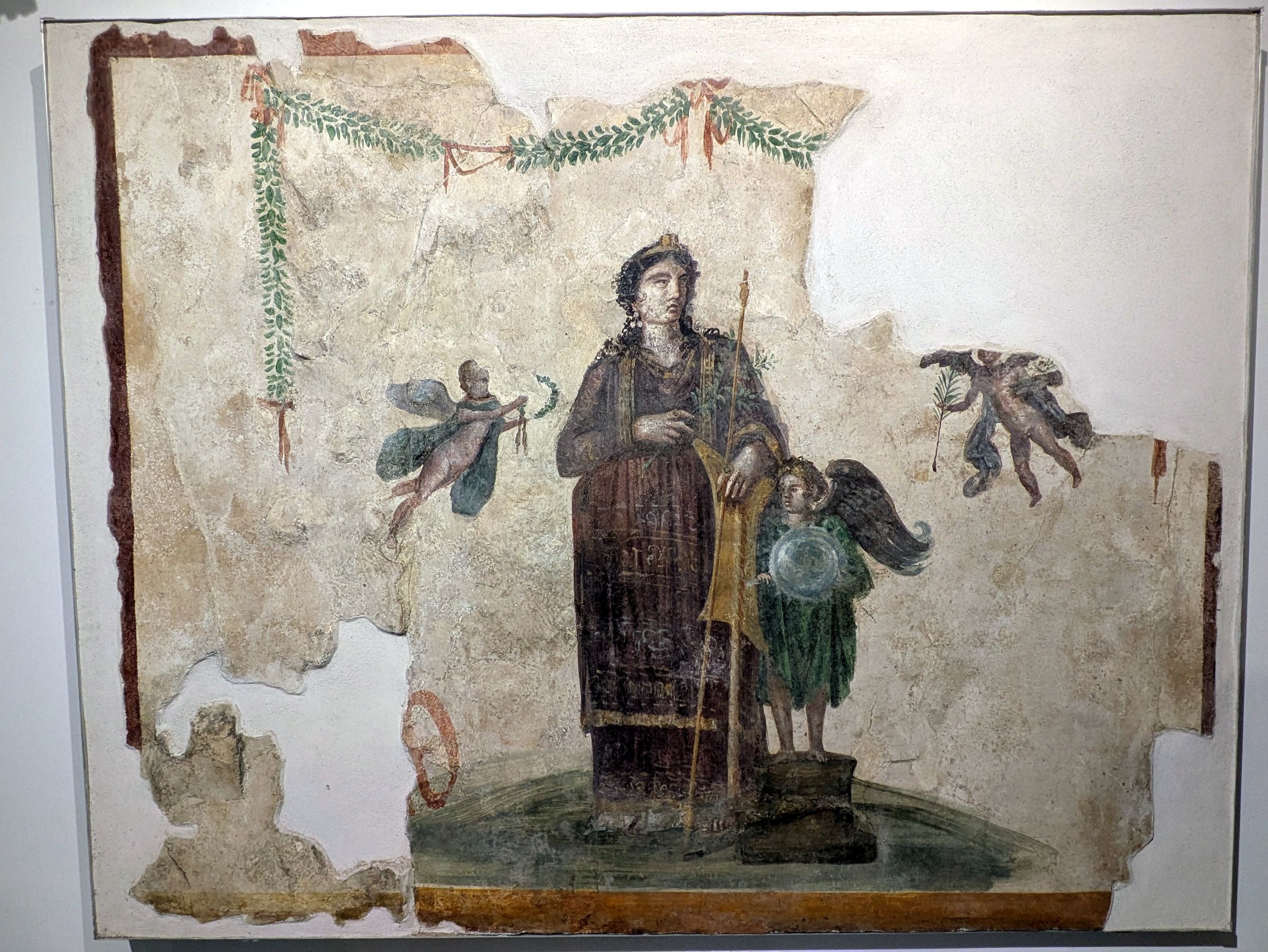
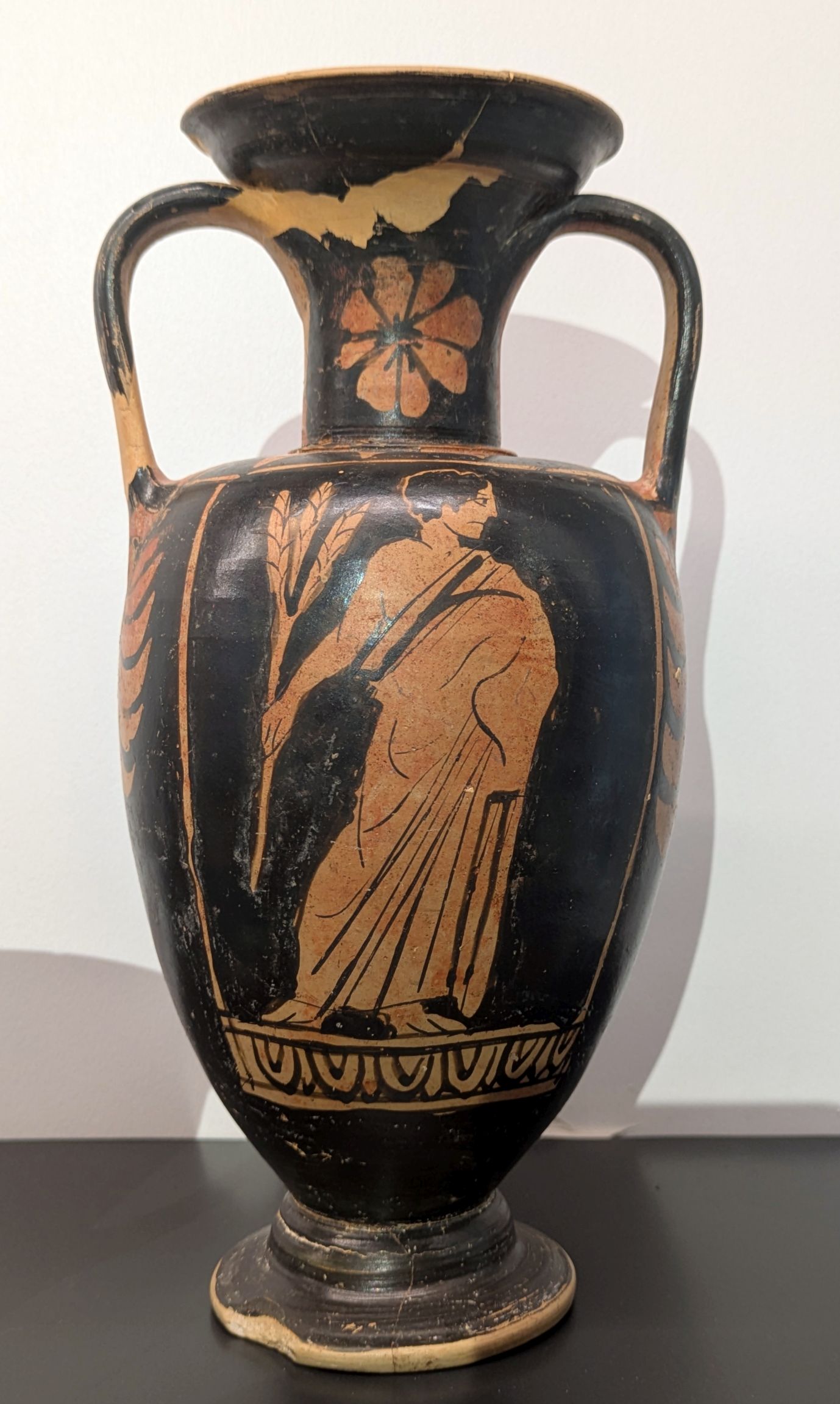
During our tour of the museum, we got to see some of these beautiful treasures:

Venus Pompeiana with Cupid, 1st Century Fresco
4th Century BC
This ceramic vessel from the 1st Century contains pigments used to decorate walls.

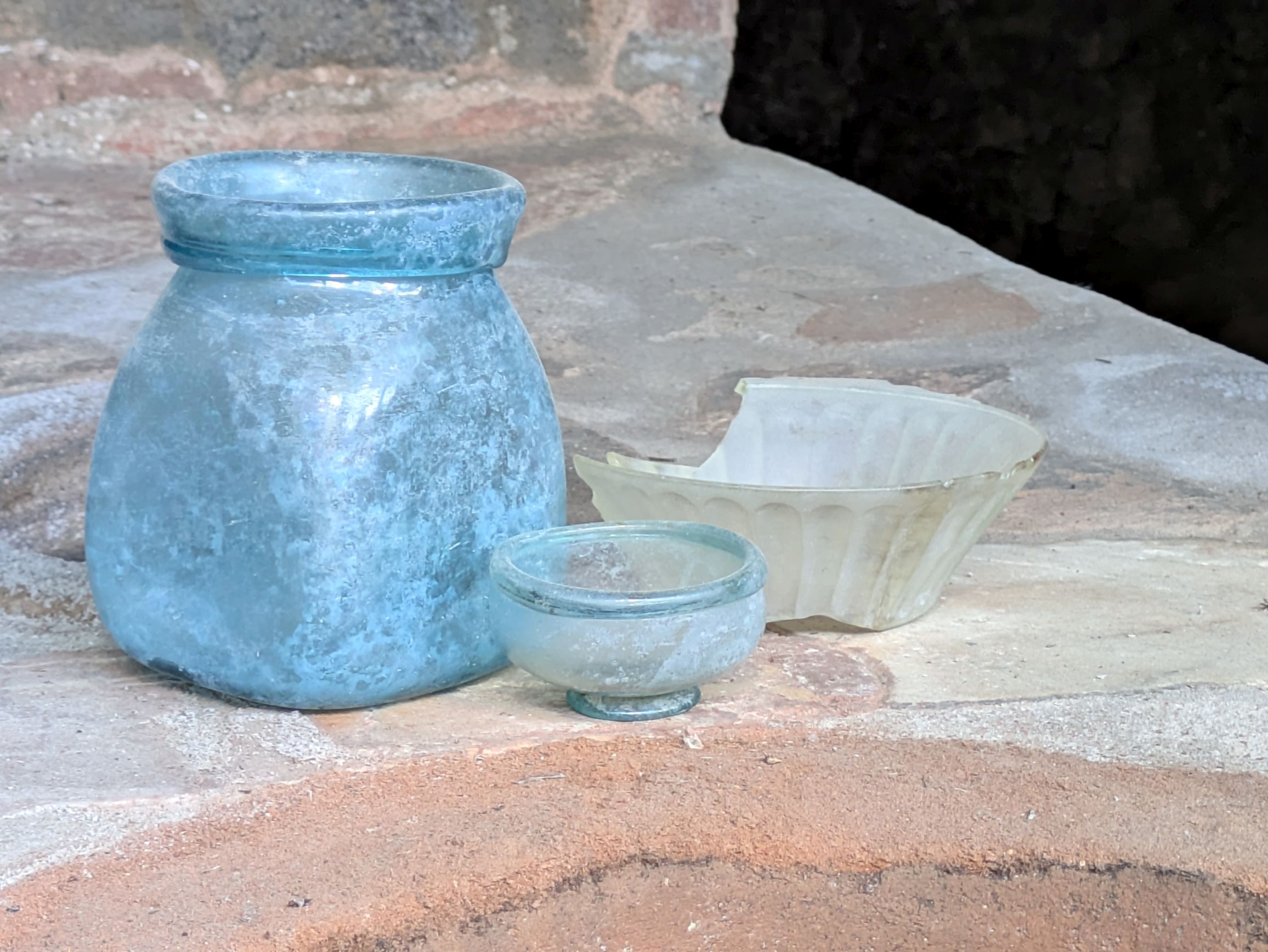
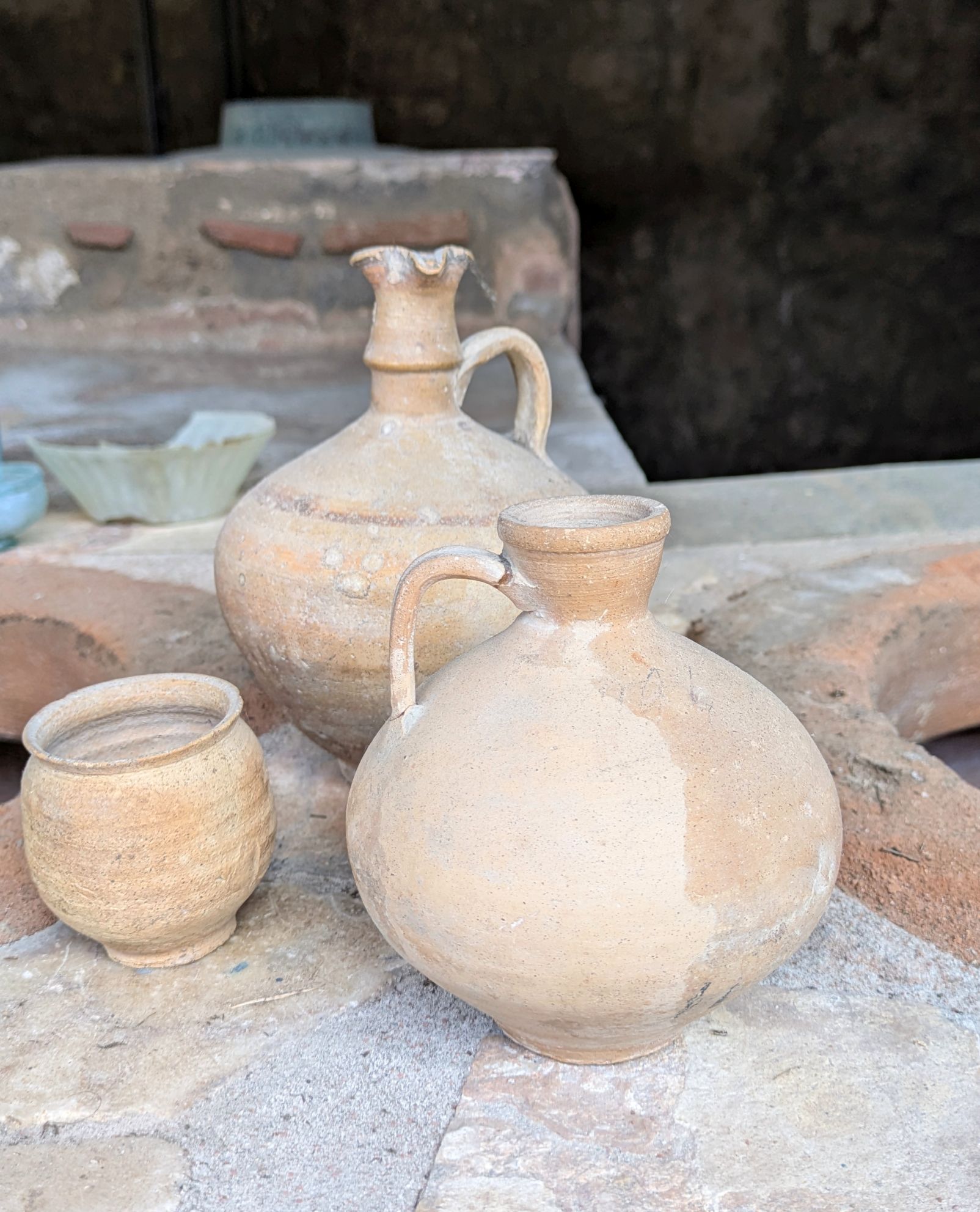
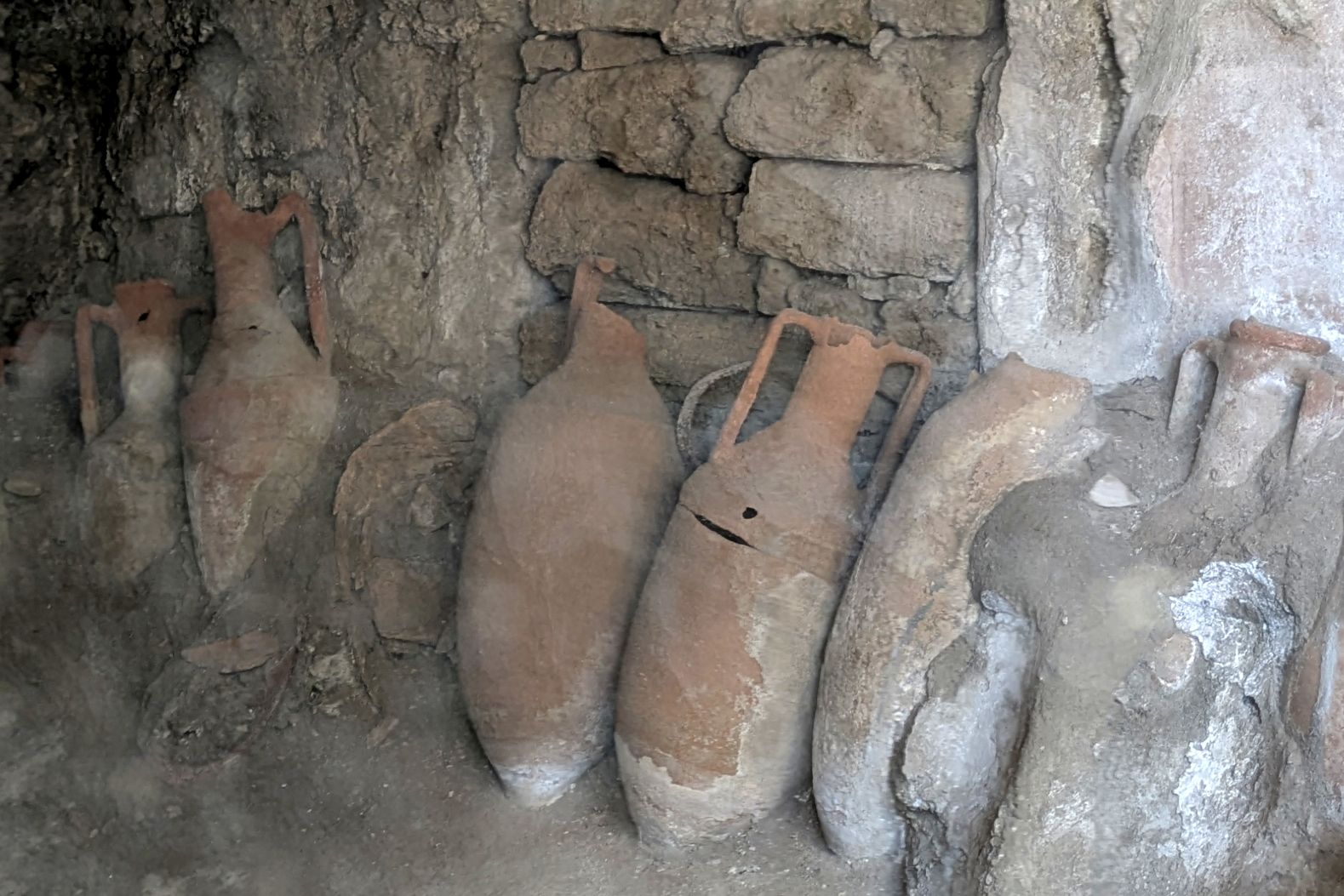
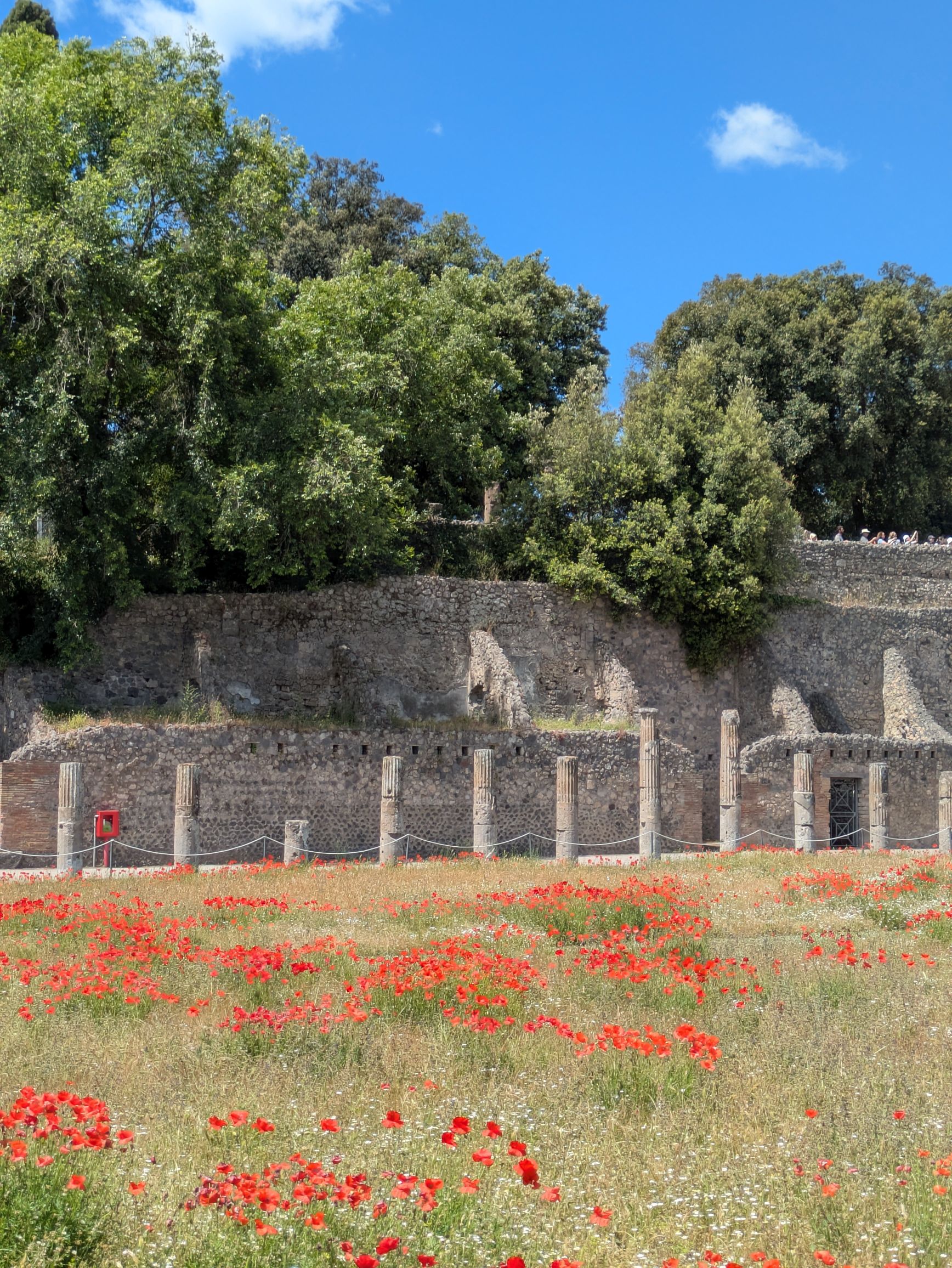
What we found interesting, however, were the remains of the shops and workshops we saw where pottery and glass serving pieces were made.  There were also bakeries, wool processing workshops, snack bars, an amphitheater, and more.

This was a tavern and these terracotta vessels contained the cooked food and drinks that were sold to customers. During excavation, utensils used for serving the food and drinks were found.

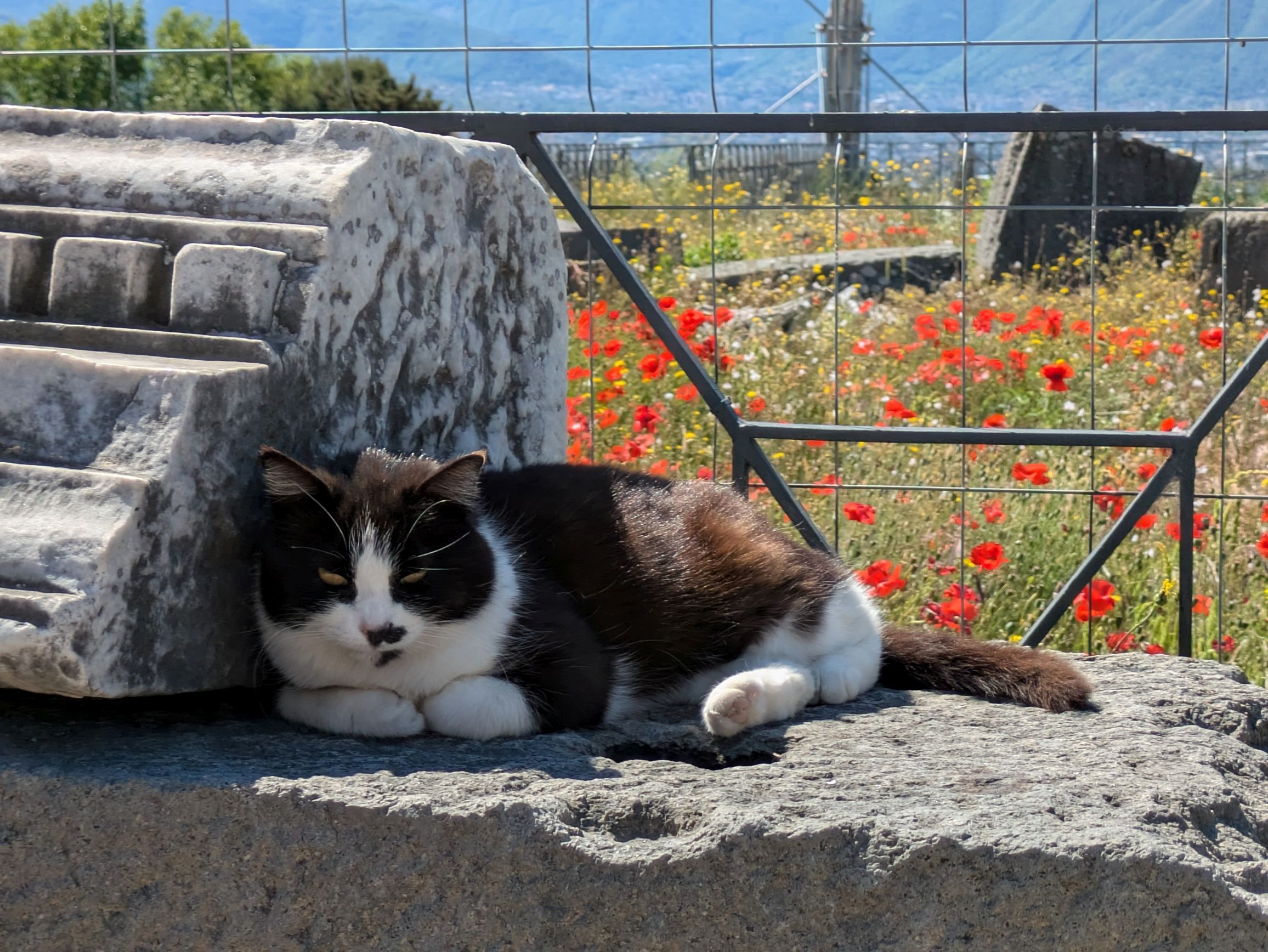
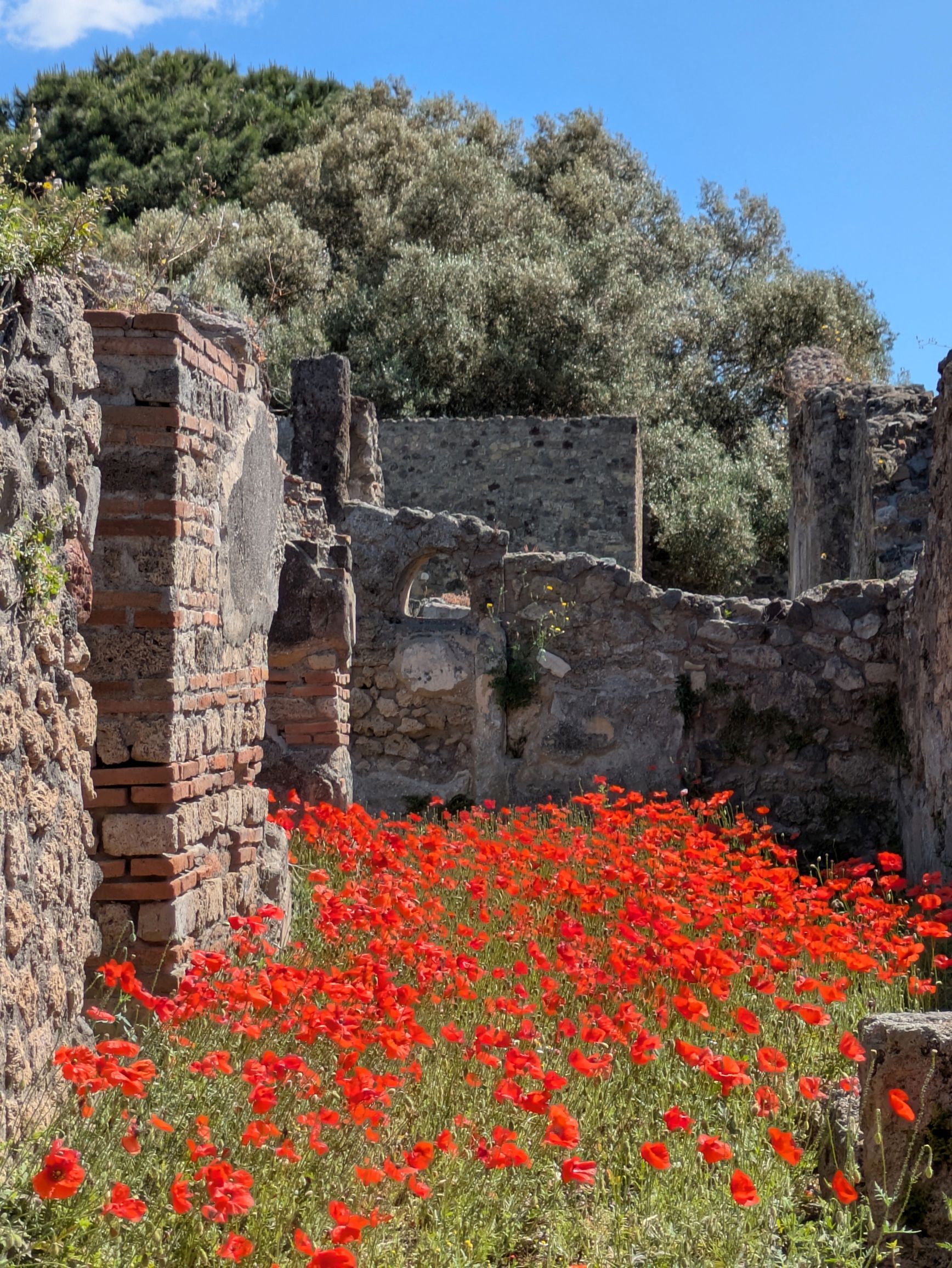
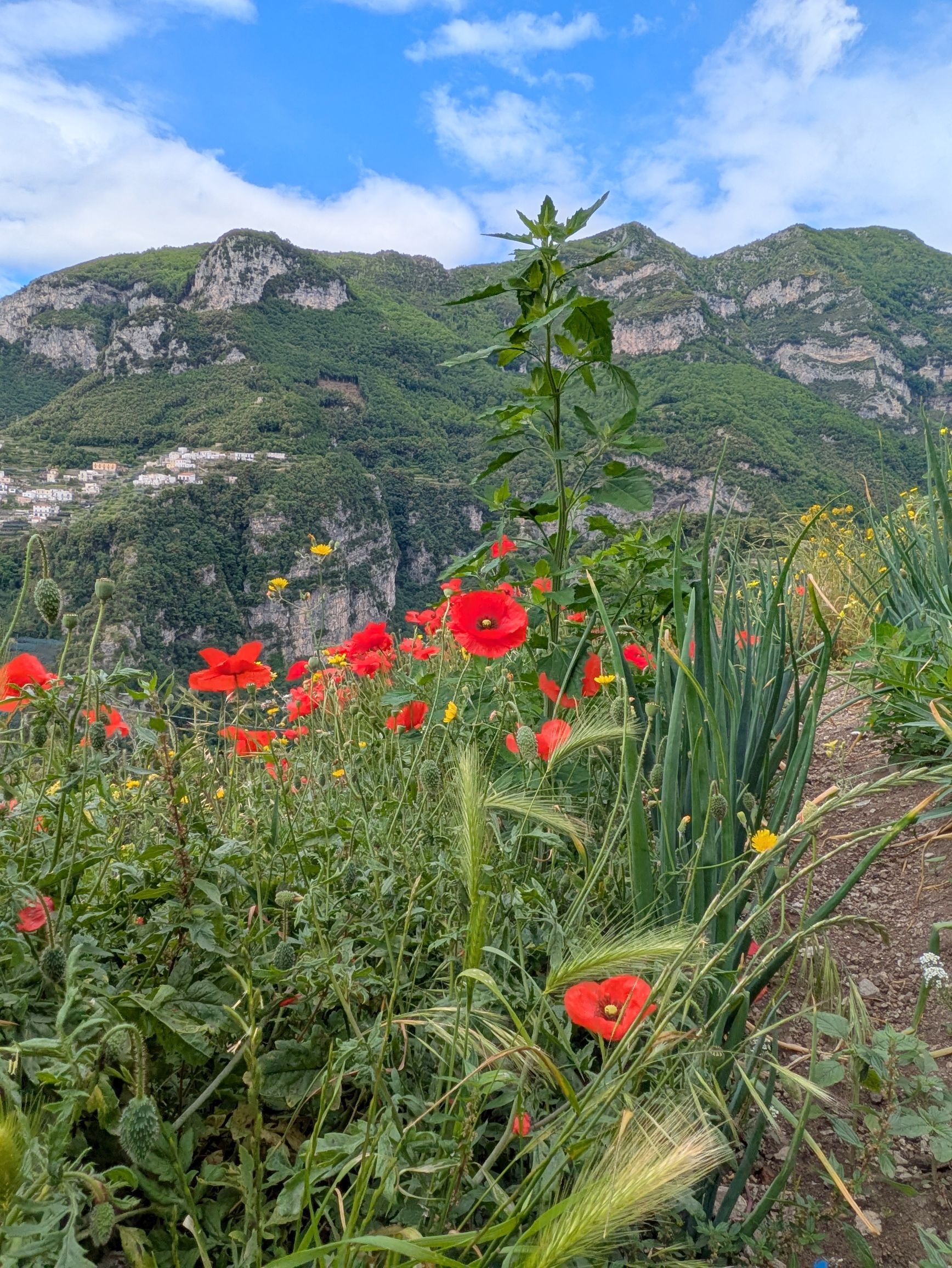
We were fortunate to be there on a gorgeous spring day when the red poppies were in bloom.

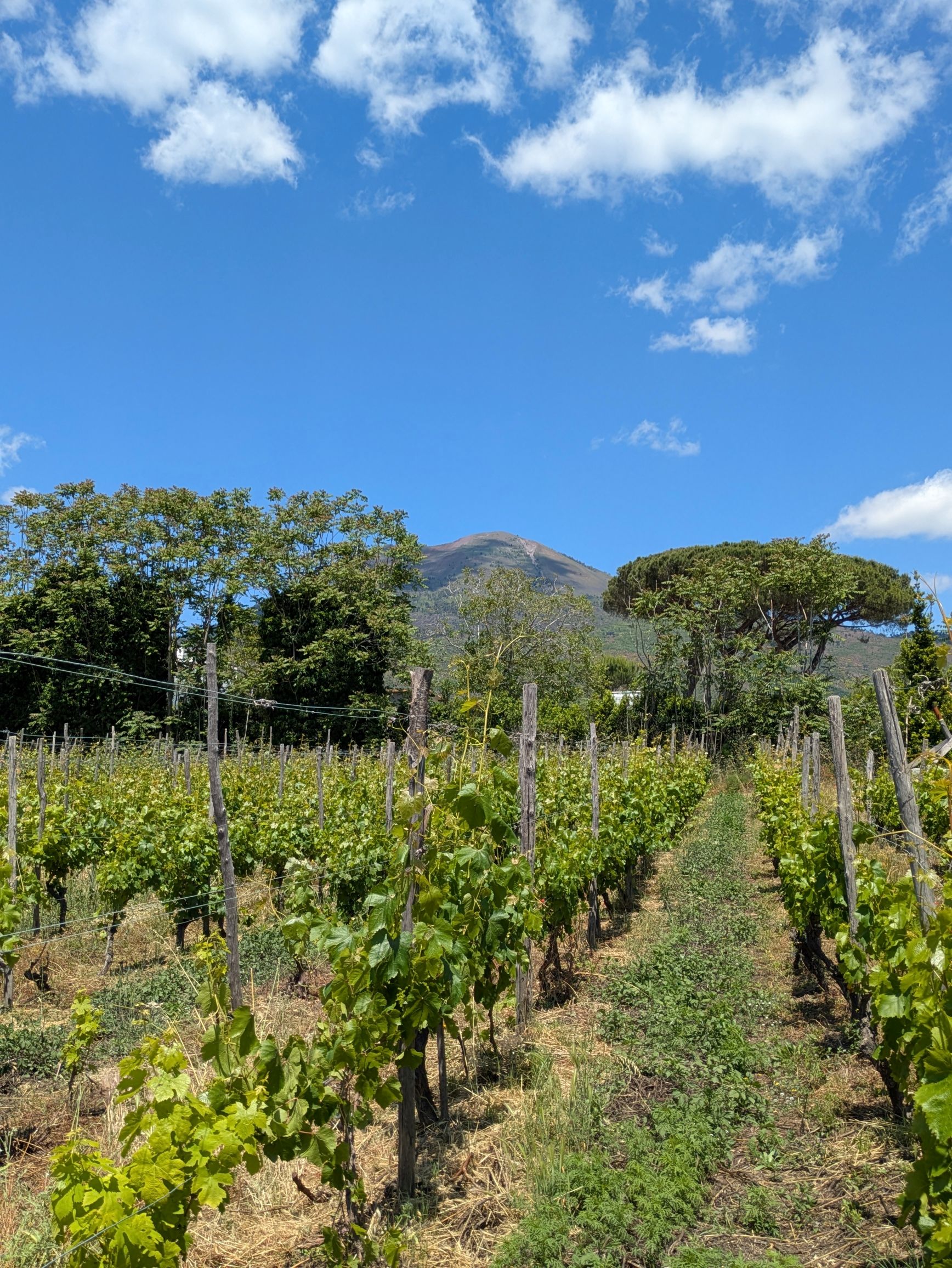
Following our tour of Pompeii, we had a much-needed relaxing (and quiet!) outdoor lunch at a local winery where we enjoyed views of Mt. Vesuvius.

Our final destination was Naples, our base for the final three nights of the tour.  More on Naples in post #26!

Next up:  SICILY & AMALFI COAST #25: CRUISING TO CAPRI

SICILY & AMALFI COAST #24: SCENIC SCALA & ROMANTIC RAVELLO

This was one of those days where we had all types of weather.  The cloudy and cold morning gave way to beautiful, sunny skies in the afternoon. 

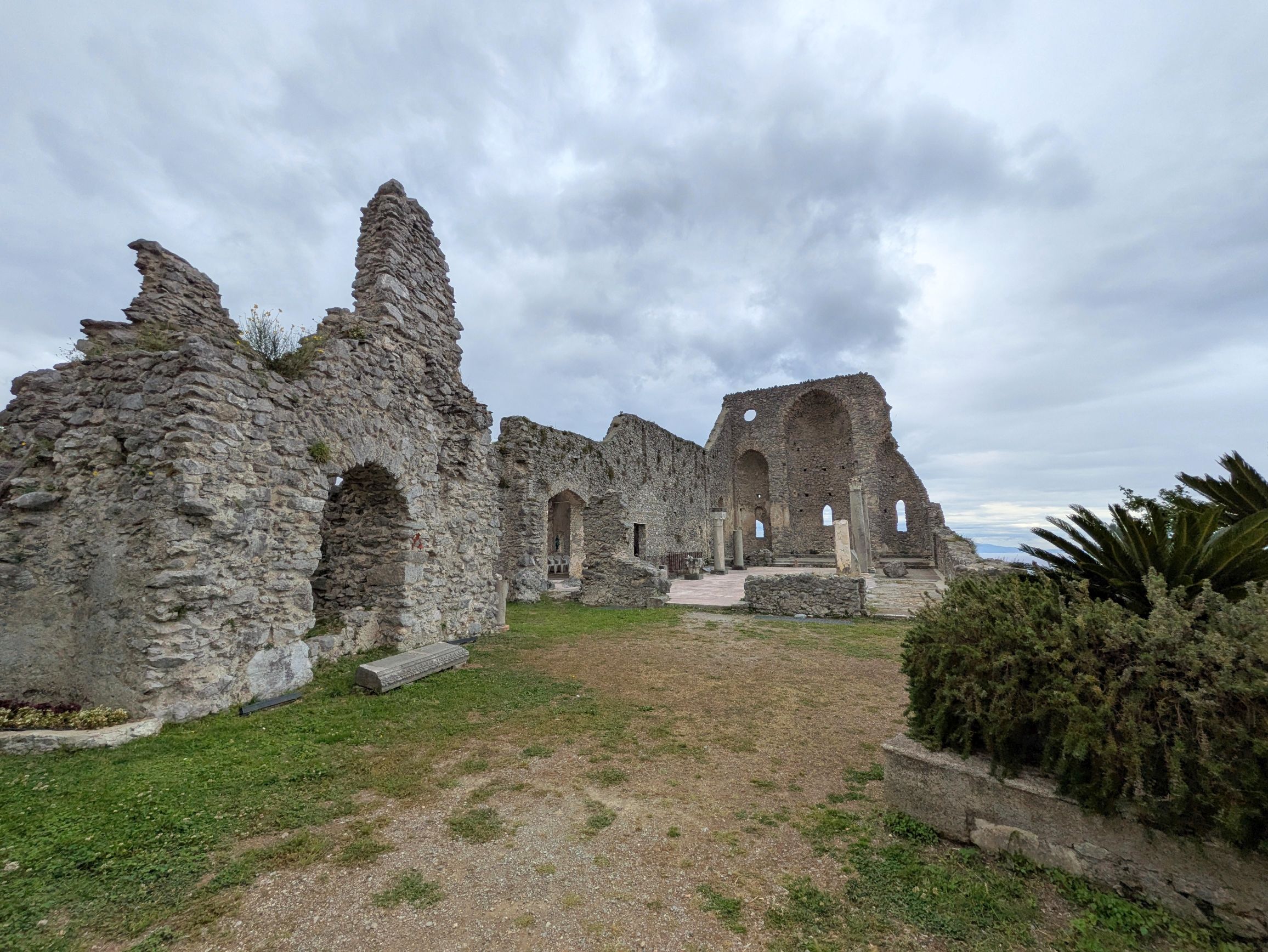
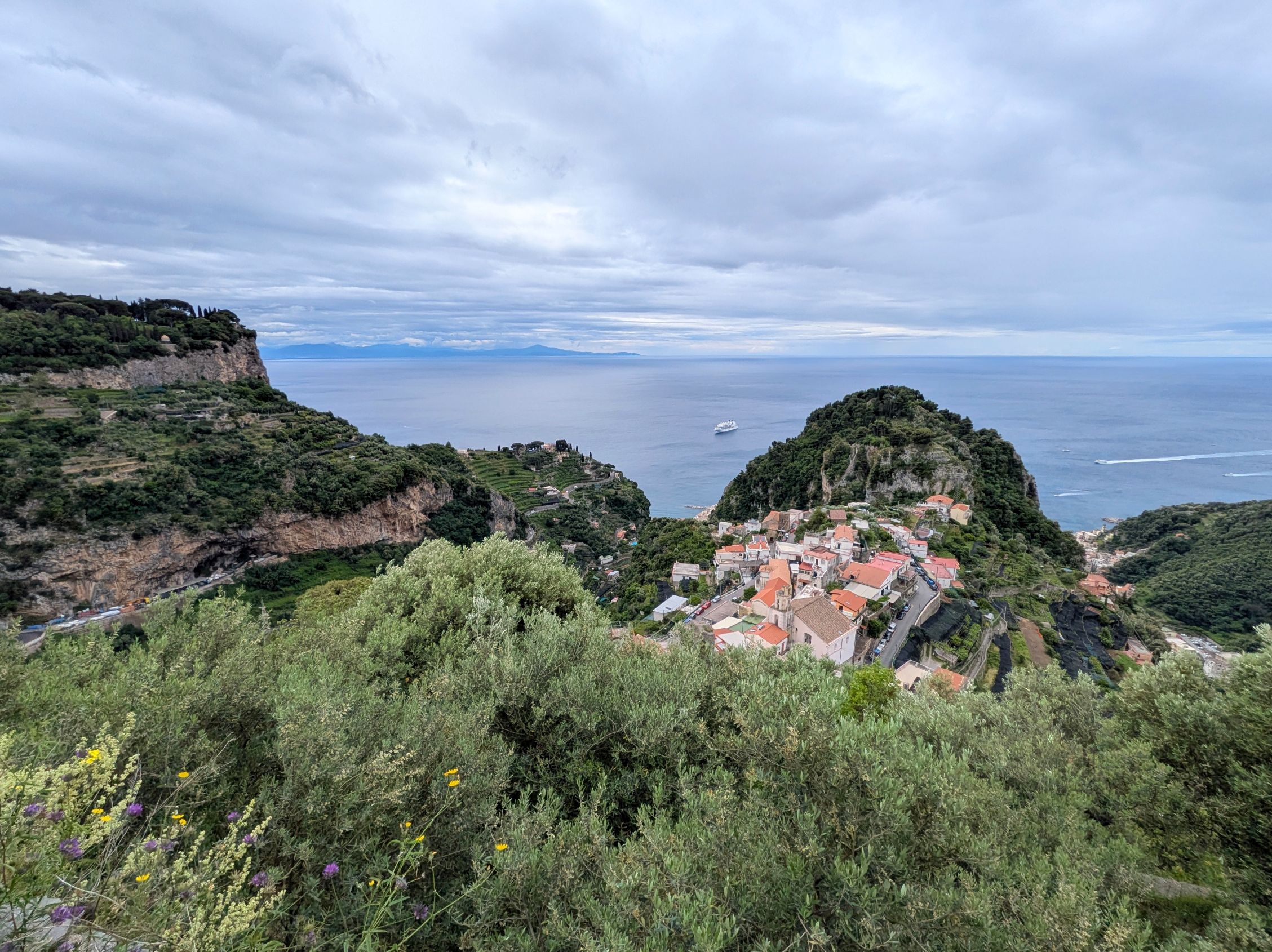
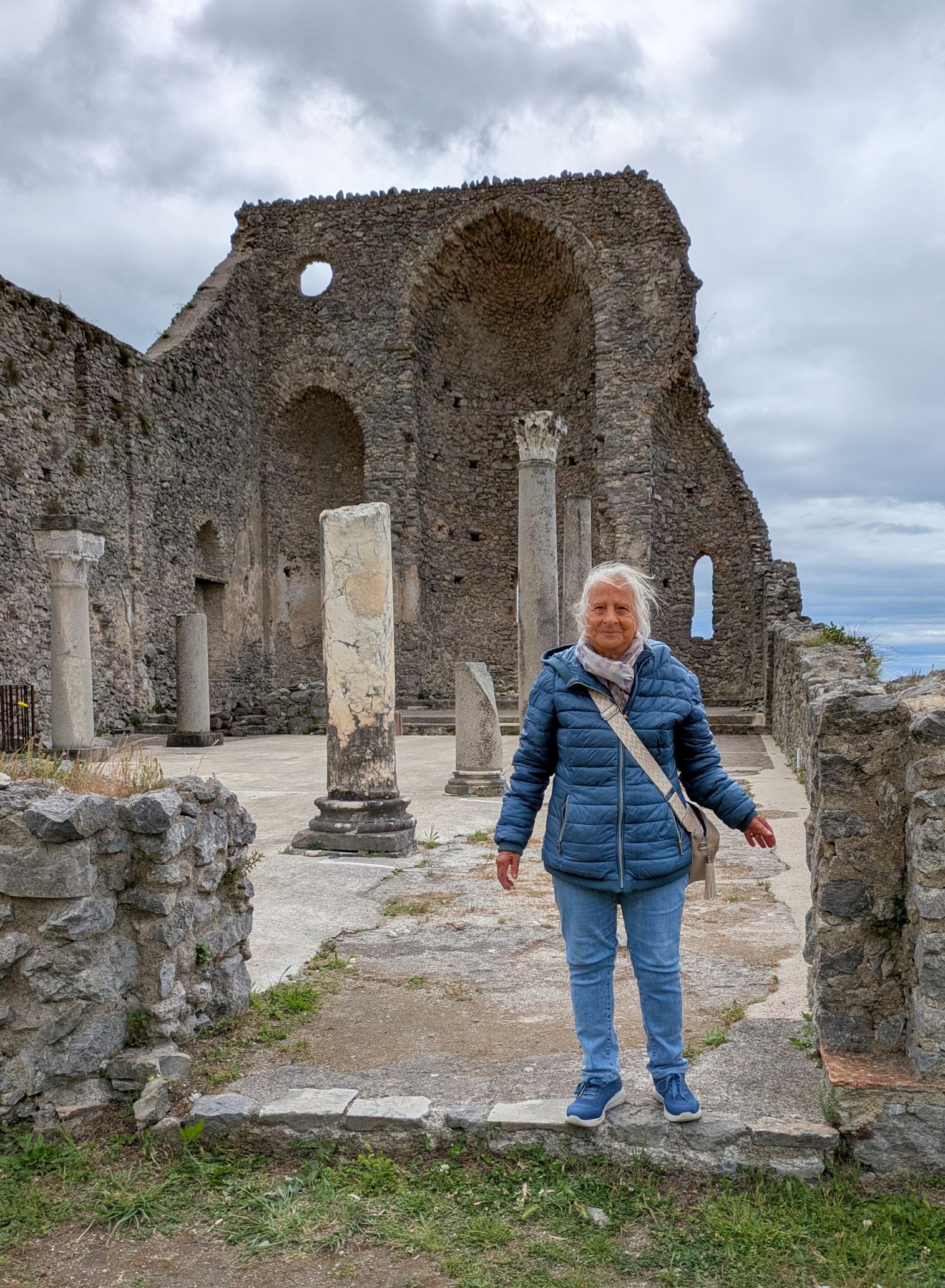
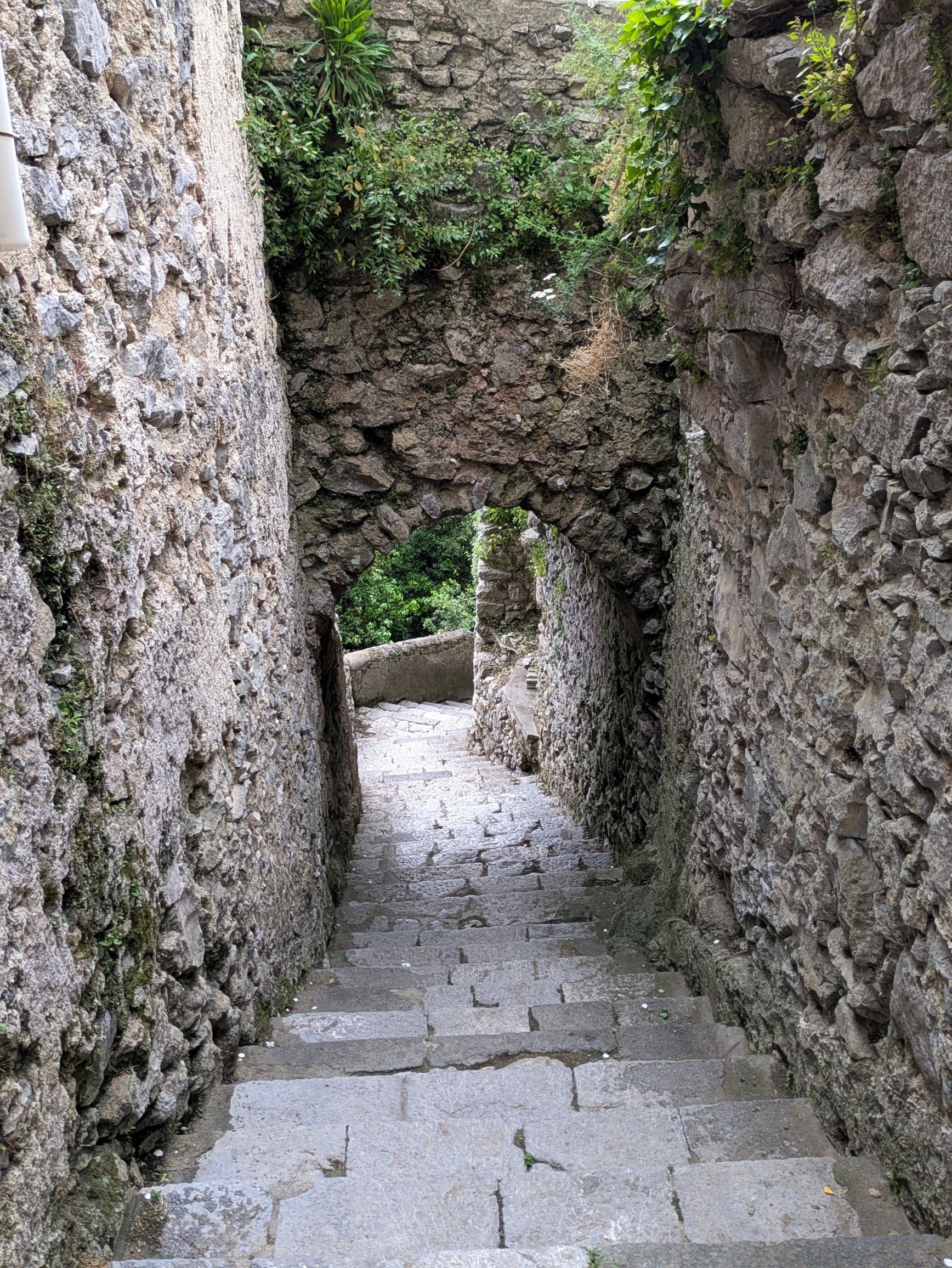
Our day began in Scala, the oldest village on the Amalfi Coast and perched 1,500 feet above sea level on a steep hillside.  We hiked 600 steps down from the bus to get to the bottom of the village (I didn’t count, but I took Francesco’s word for it!), visiting the ruins of the Romanesque Basilica of St. Eustachio along the way.

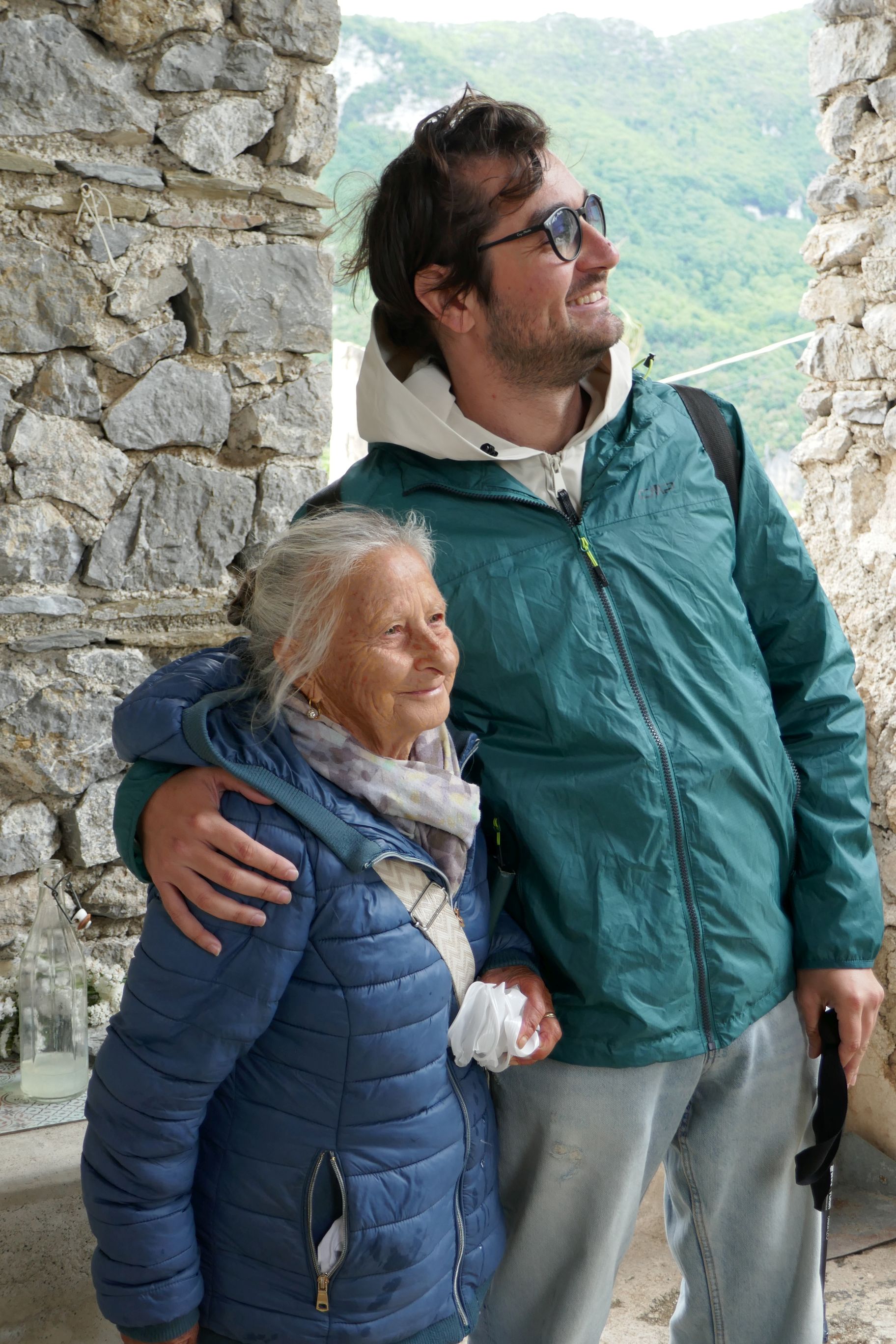
Consecrated in 1244, there is not much left to the basilica, but the views from the ruins were spectacular.  When we arrived, a sweet little lady greeted us with candy.  She has been volunteering at the site for years and was happy to see Francesco and greet the group.

(For all photos, click on the image for a full screen view.)

Walking down the steps through this historic village felt so authentic Italy, and what I loved the most was not seeing anyone else except our group and a few locals.

The skies magically cleared!

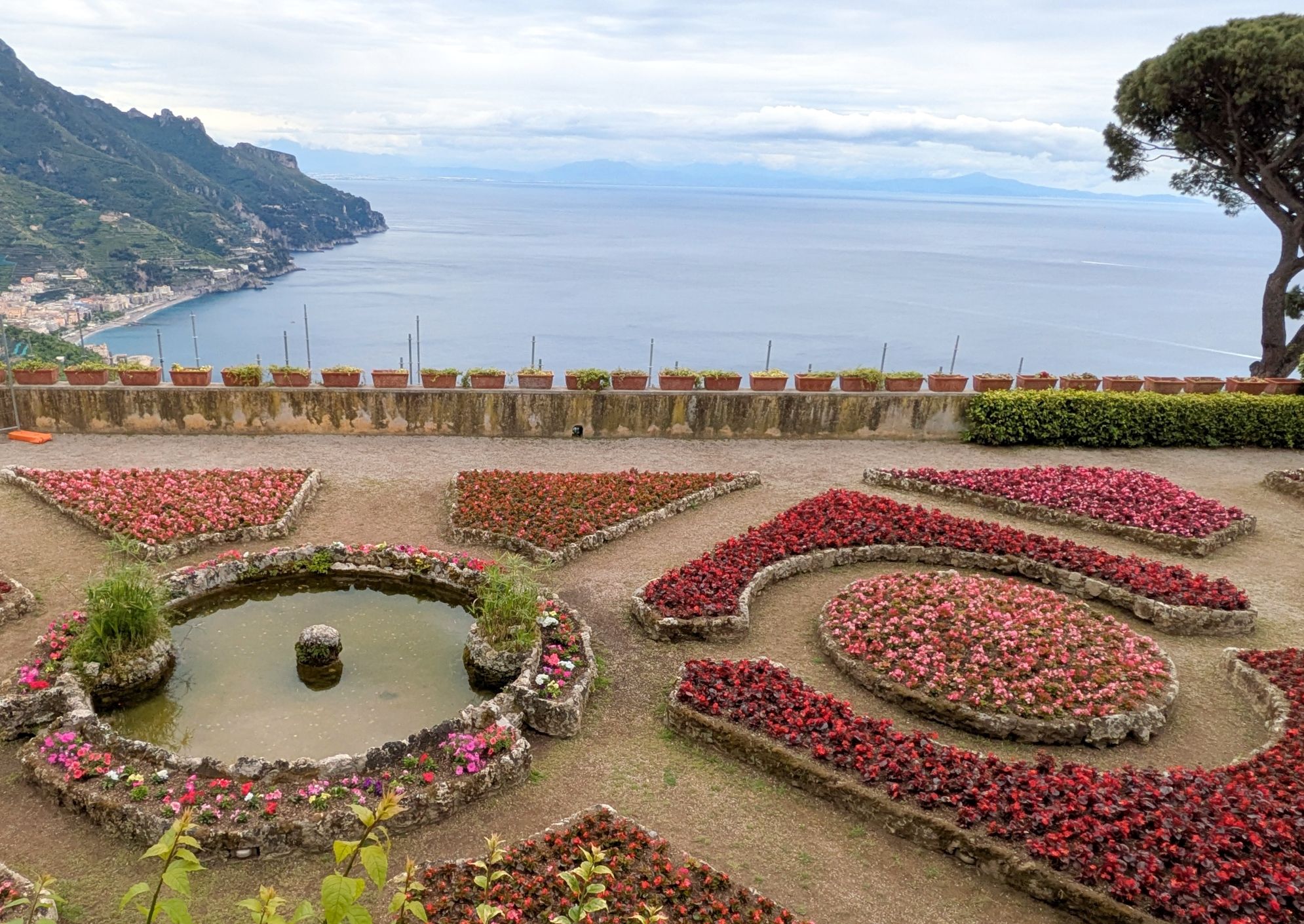
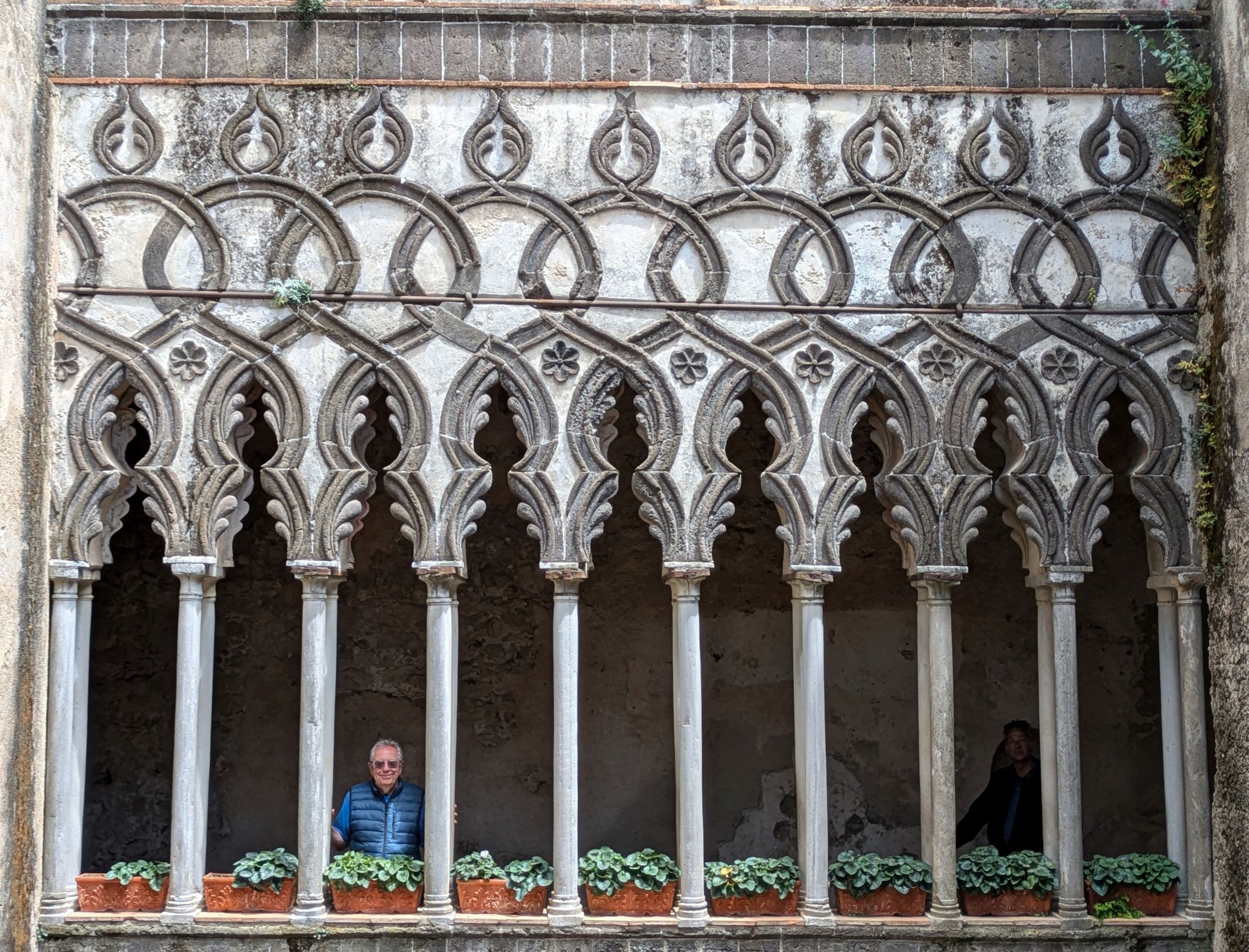
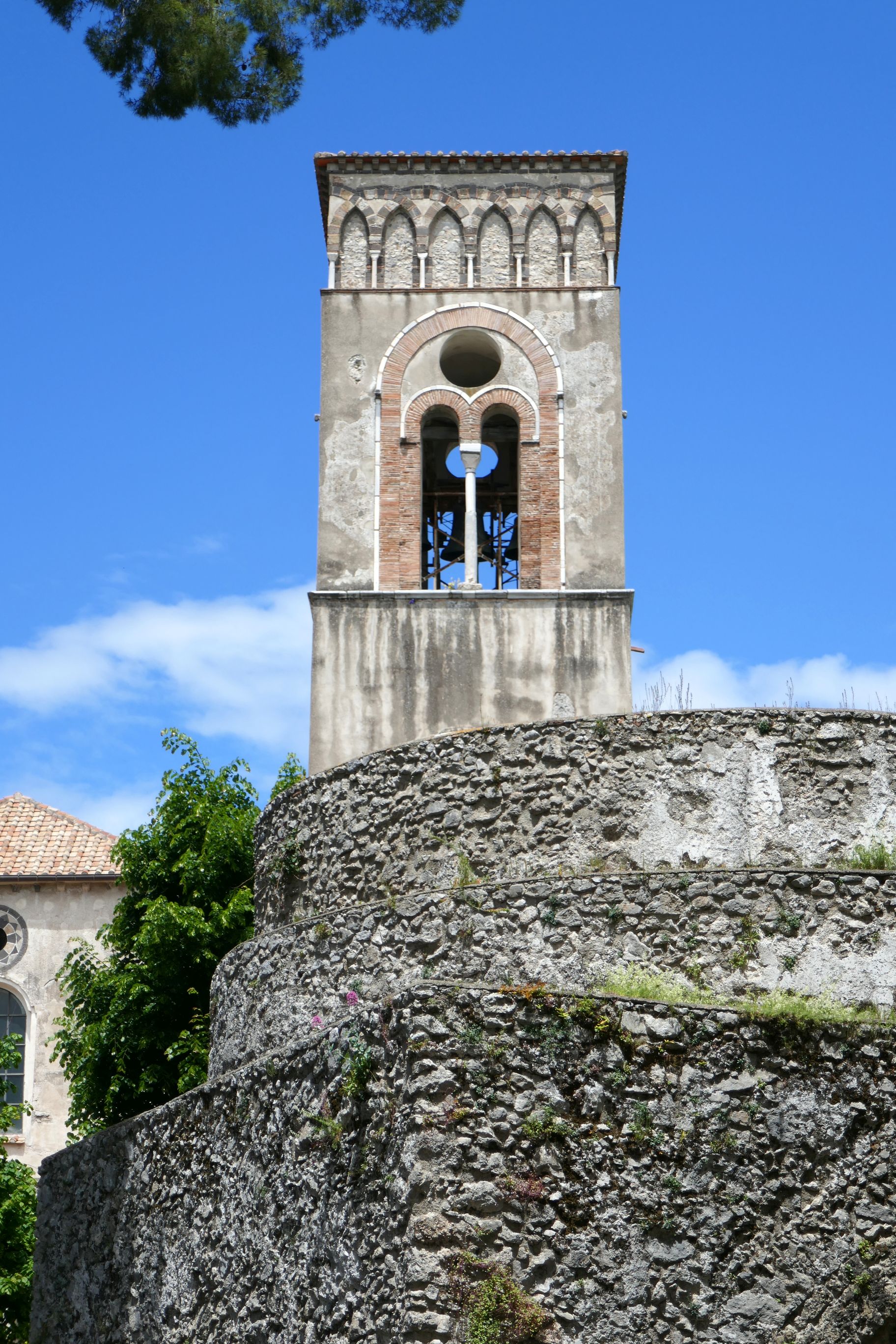
Our group continued to the town of Ravello, which is also situated in the hills with beautiful views of the Amalfi Coast and Scala.  The best views were from 13th—century Villa Rufolo where we took a self-guided tour.  The skies hadn’t quite cleared yet here, but the views were no less gorgeous from the villa.

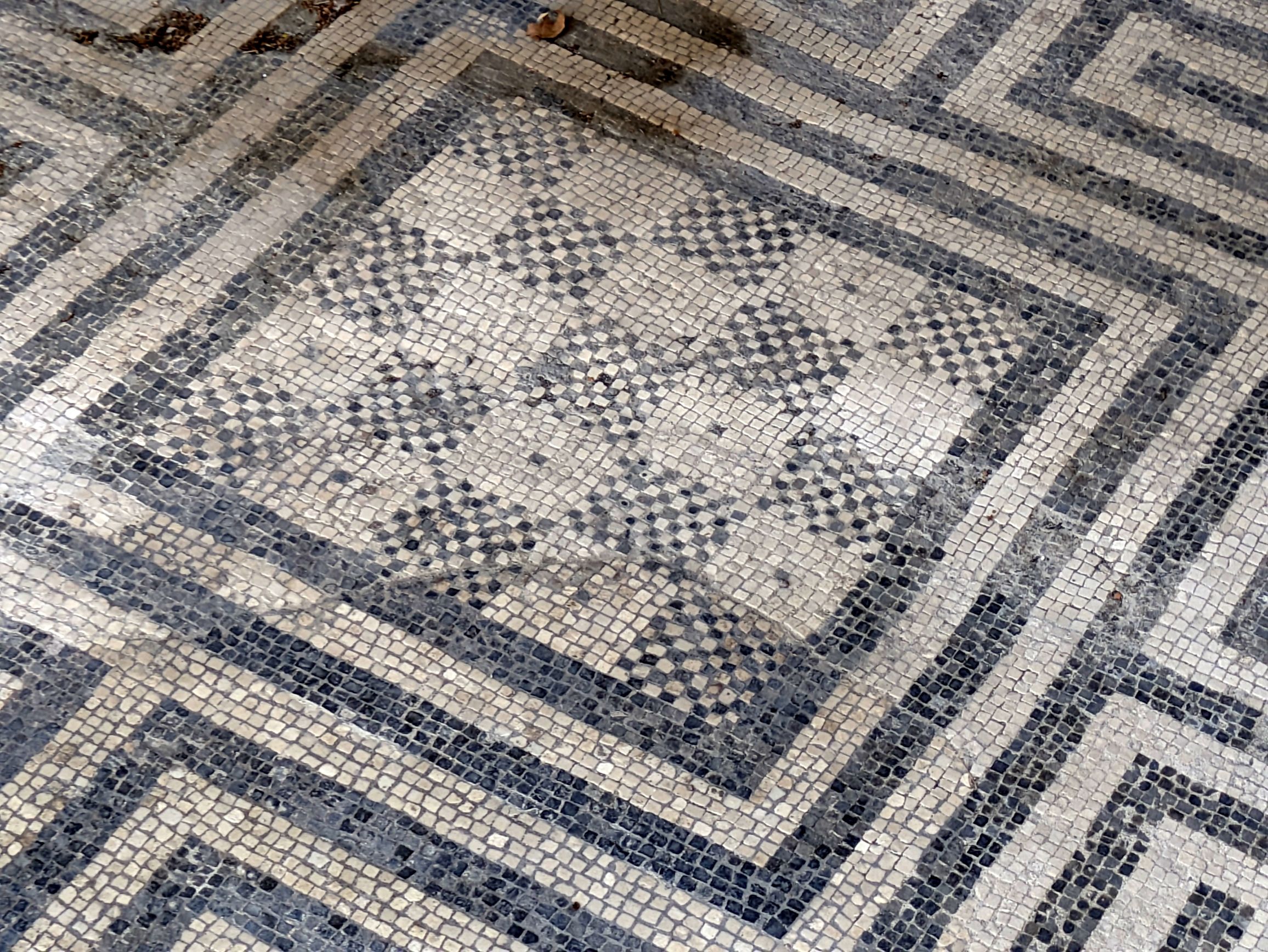
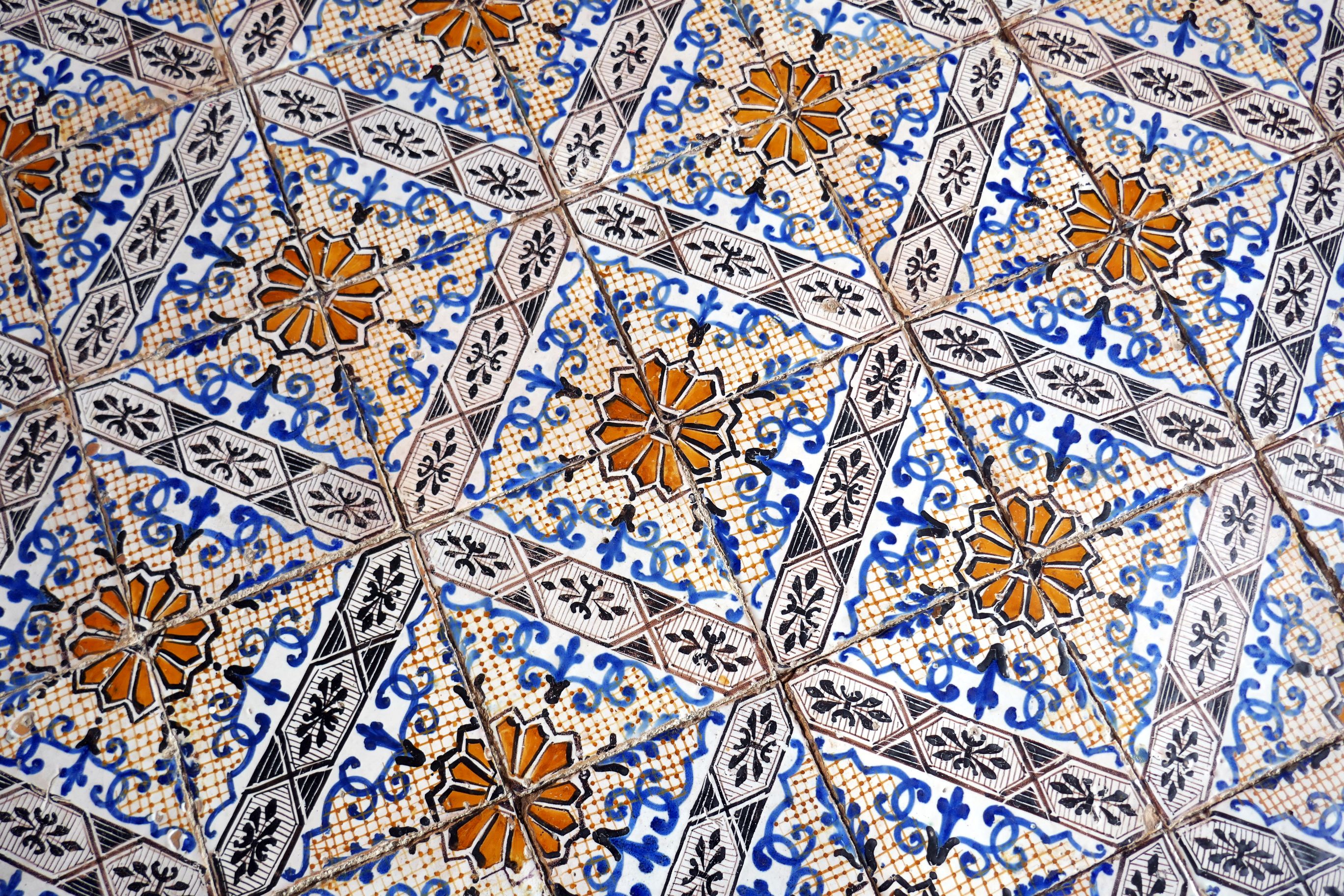
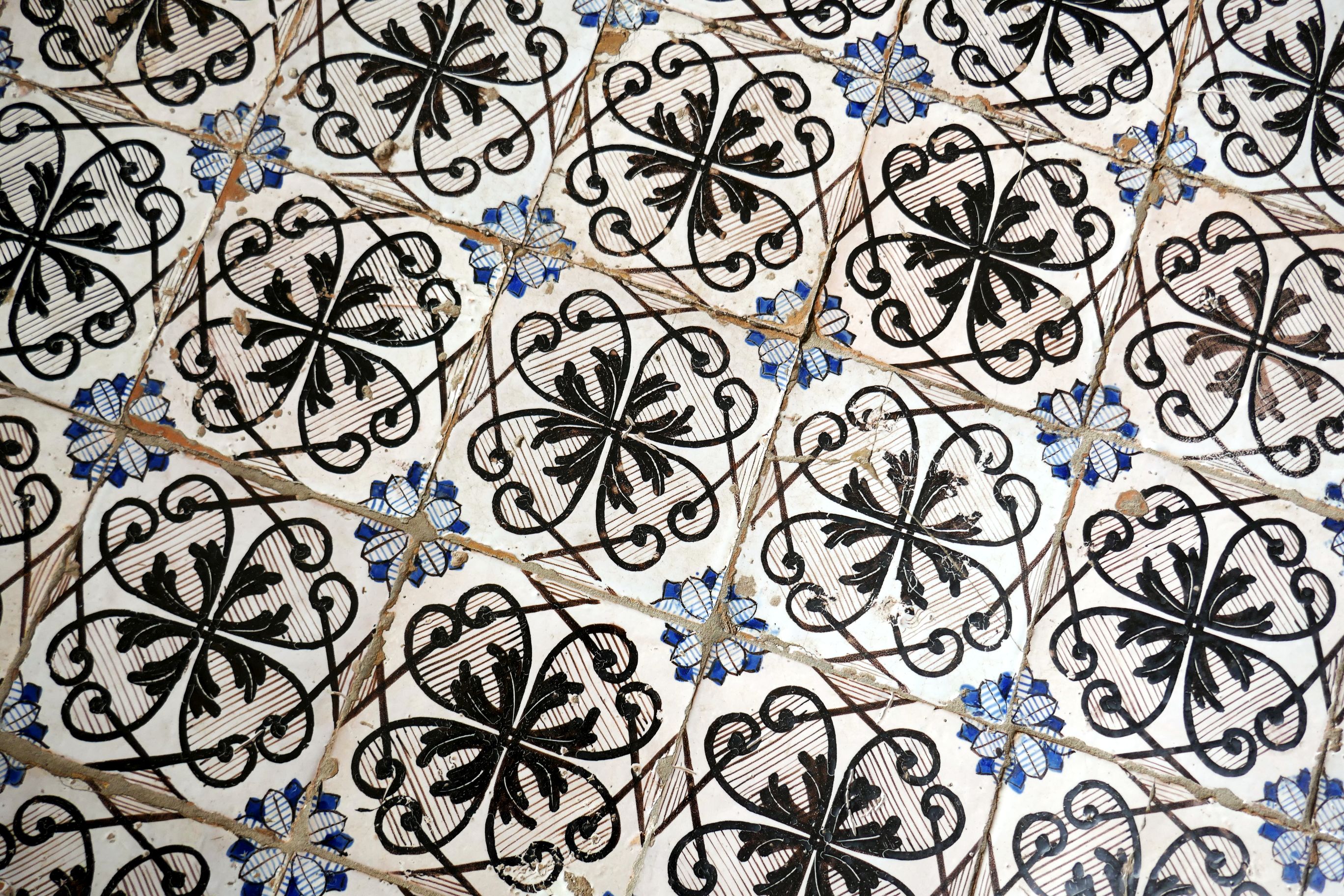
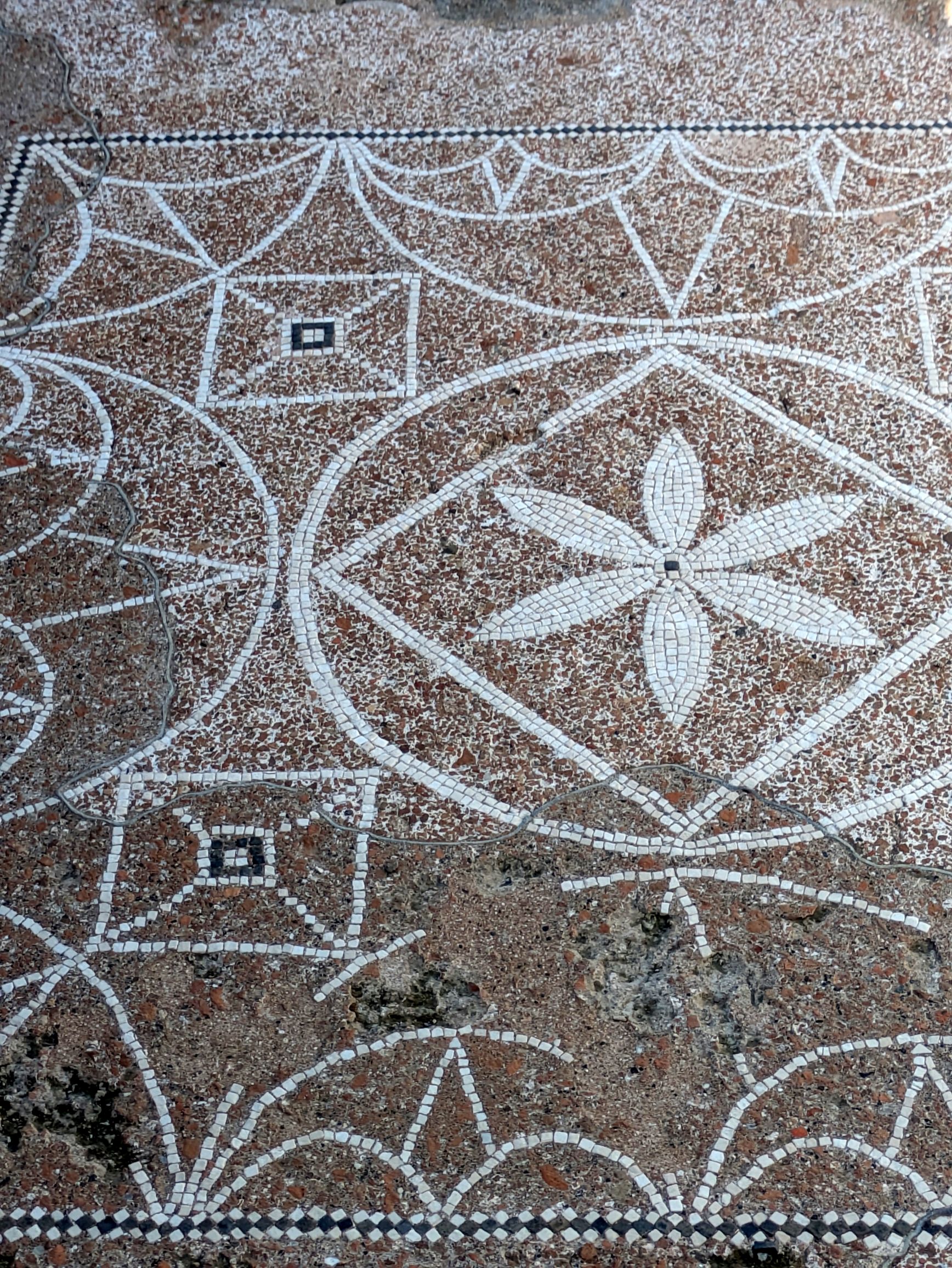
Tile floors inside the villa.

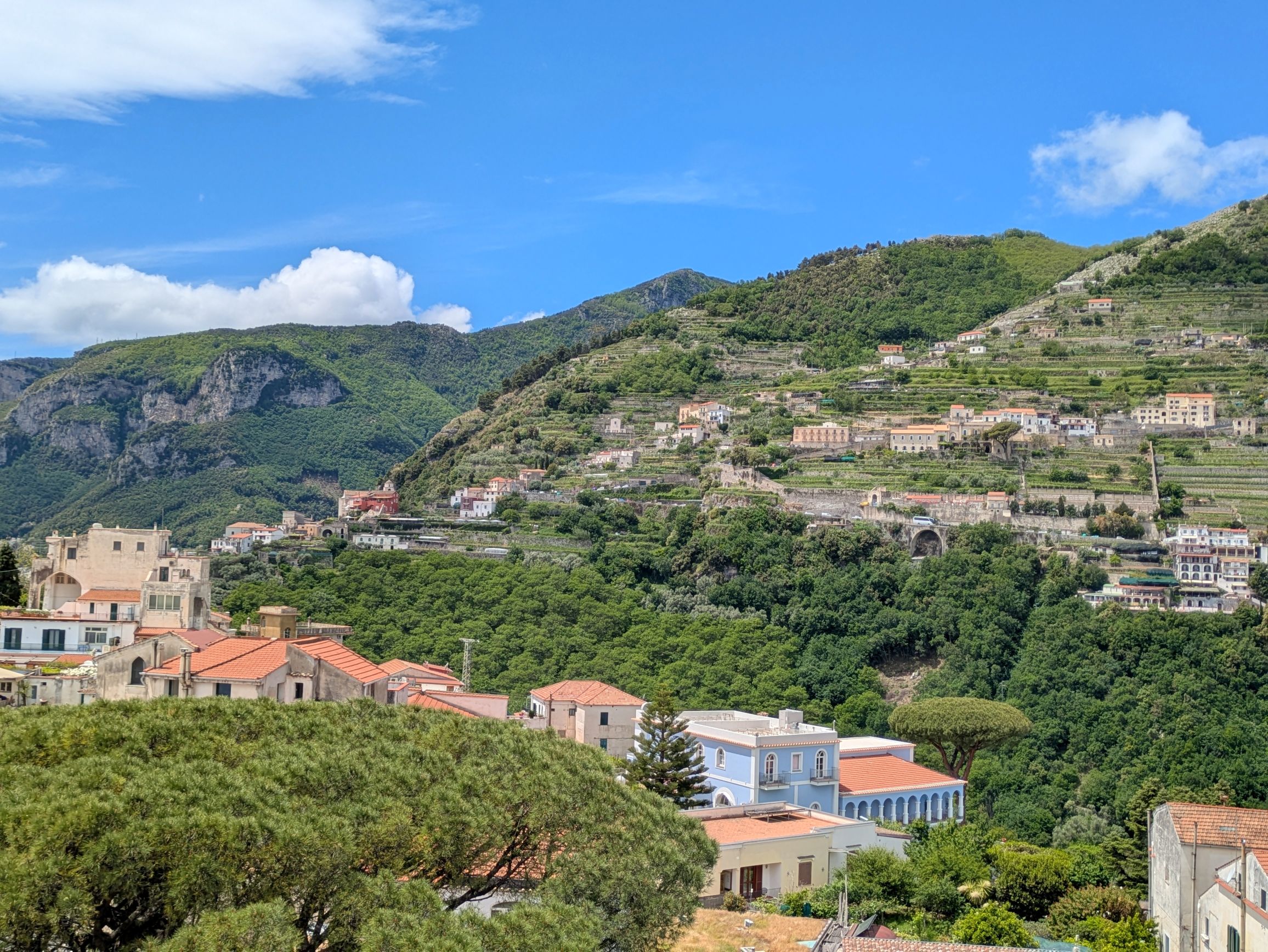
Ravello is a small town of just 2,500 people and is listed as a UNESCO World Heritage Site.  Founded in the 5th century as a shelter place against the barbarian invasions, it later became known for producing wool.  The history is long and quite involved, but Ravello became a destination for artists, musicians, and writers. It is quite popular with tourists now, partly because of the beautiful views.

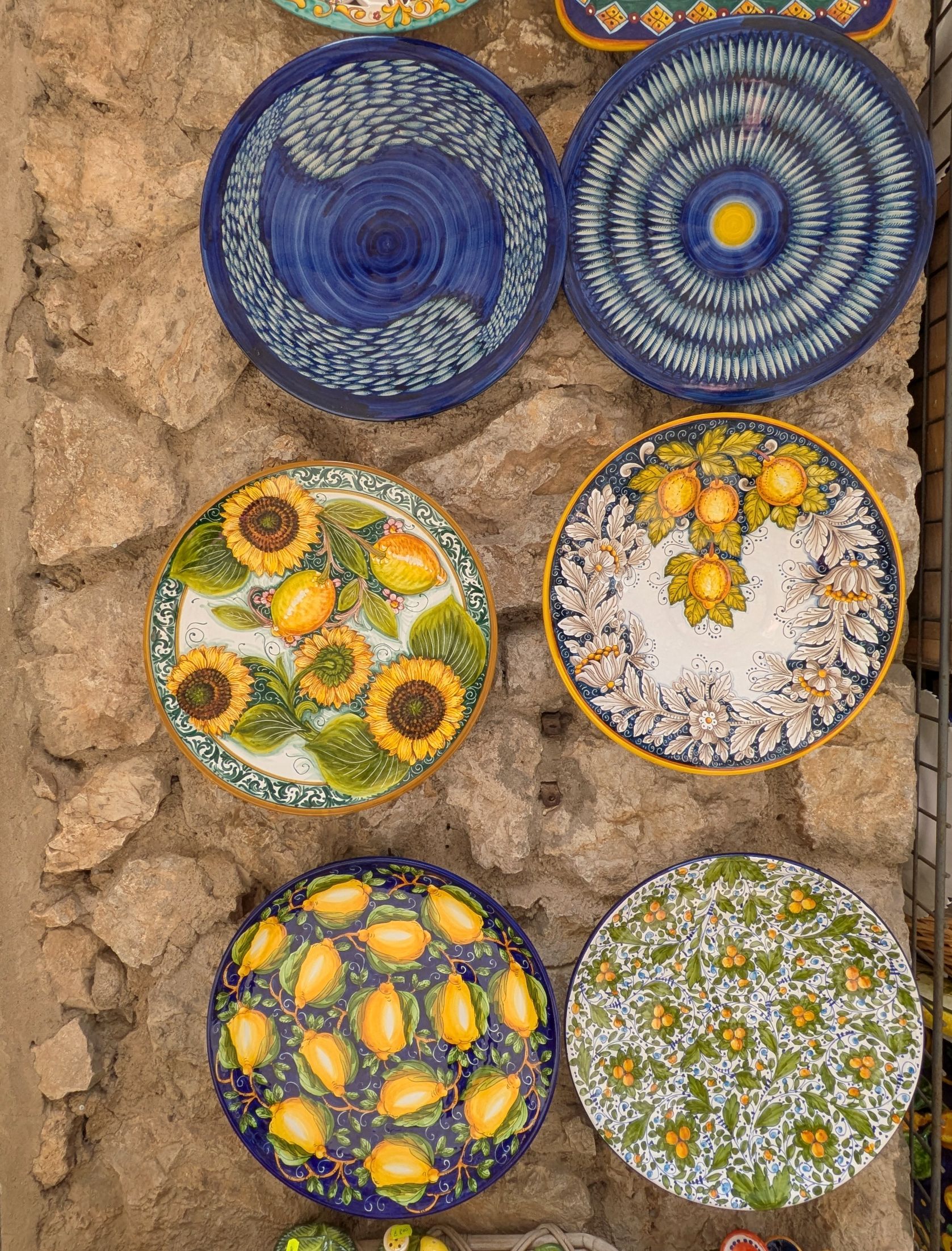
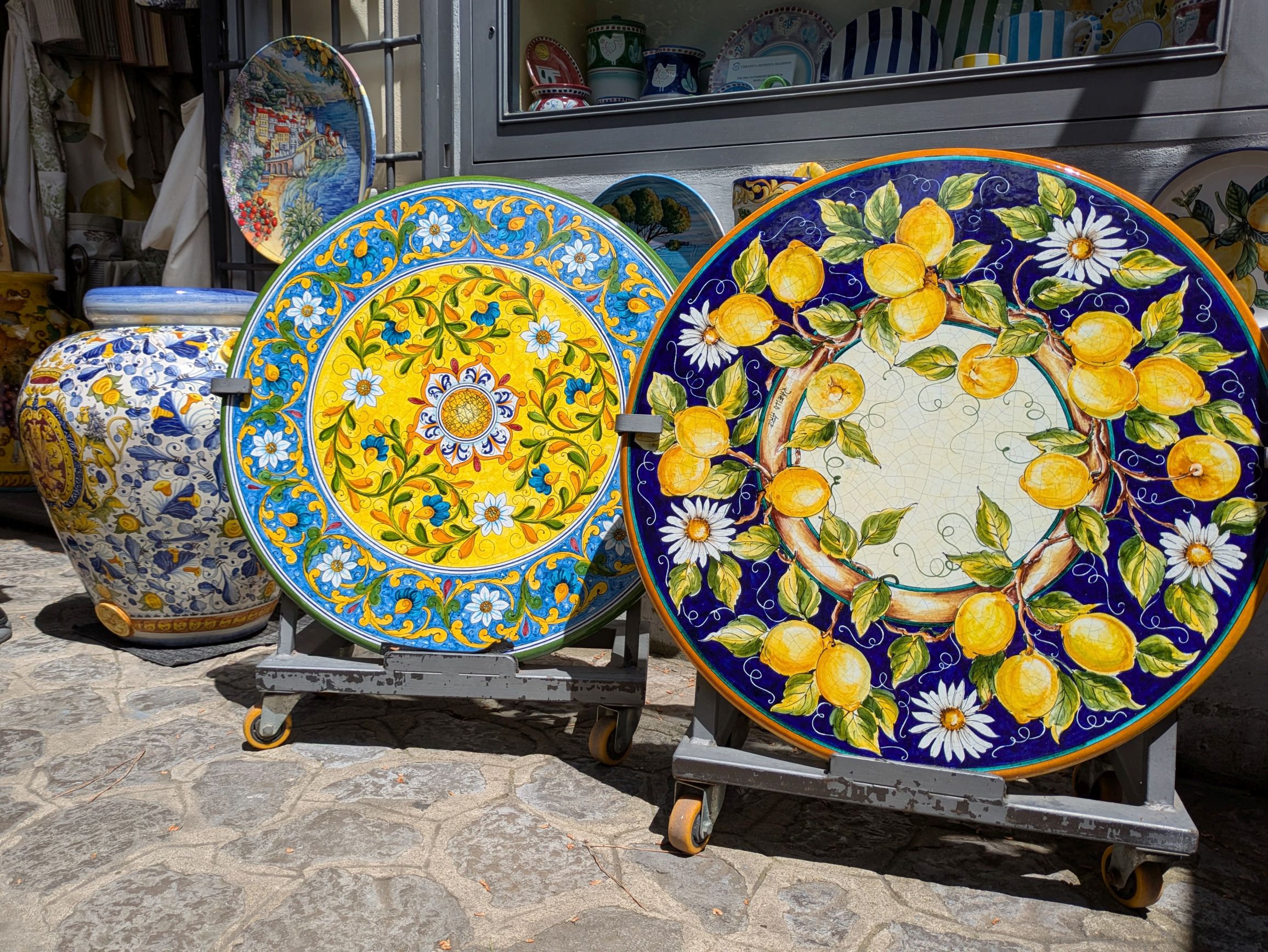
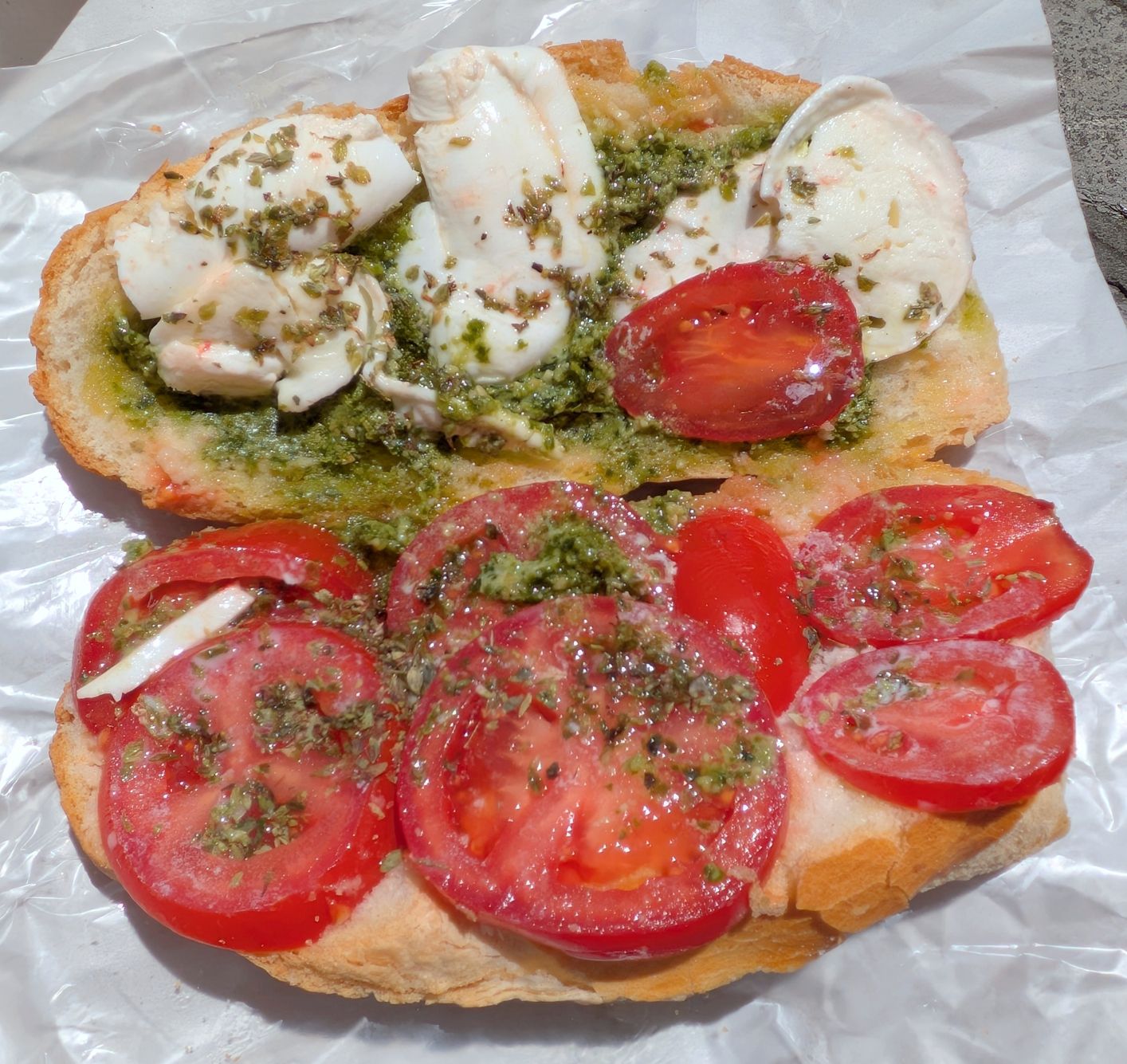
Bruce and I found the town to be quite charming, and we enjoyed browsing through the ceramic shops and galleries.  Rather than take the time to dine at one of the outdoor cafes on the piazza, we opted to grab a sandwich from the Italian deli and watch the cats beg and compete for the scraps the café diners tossed to them.  It was quite entertaining to watch, and our sandwich was delicious!

Coming up next: SICILY & AMALFI COAST #25: PERSERVERING THROUGH POMPEII

SICILY & AMALFI COAST #23: A BEAUTIFUL BOAT RIDE TO ADORABLE AMALFI

After two weeks of stellar weather in Sicily, our luck was bound to run out sooner or later.  This was the day, unfortunately, because a boat ride along the Amalfi Coast was on the agenda and blue skies would have been beautiful! Instead, it was cloudy, and it rained a little bit here and there.
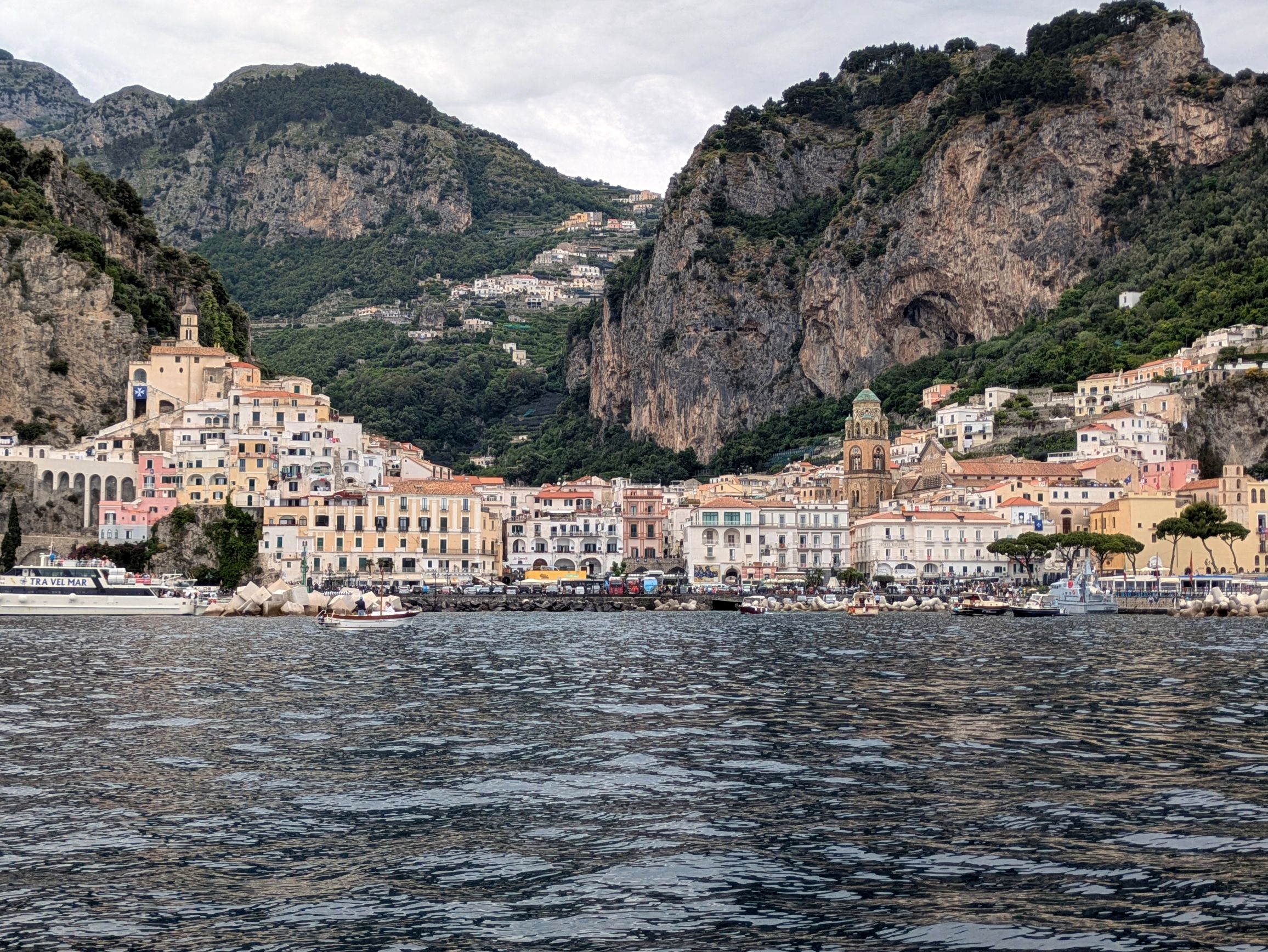
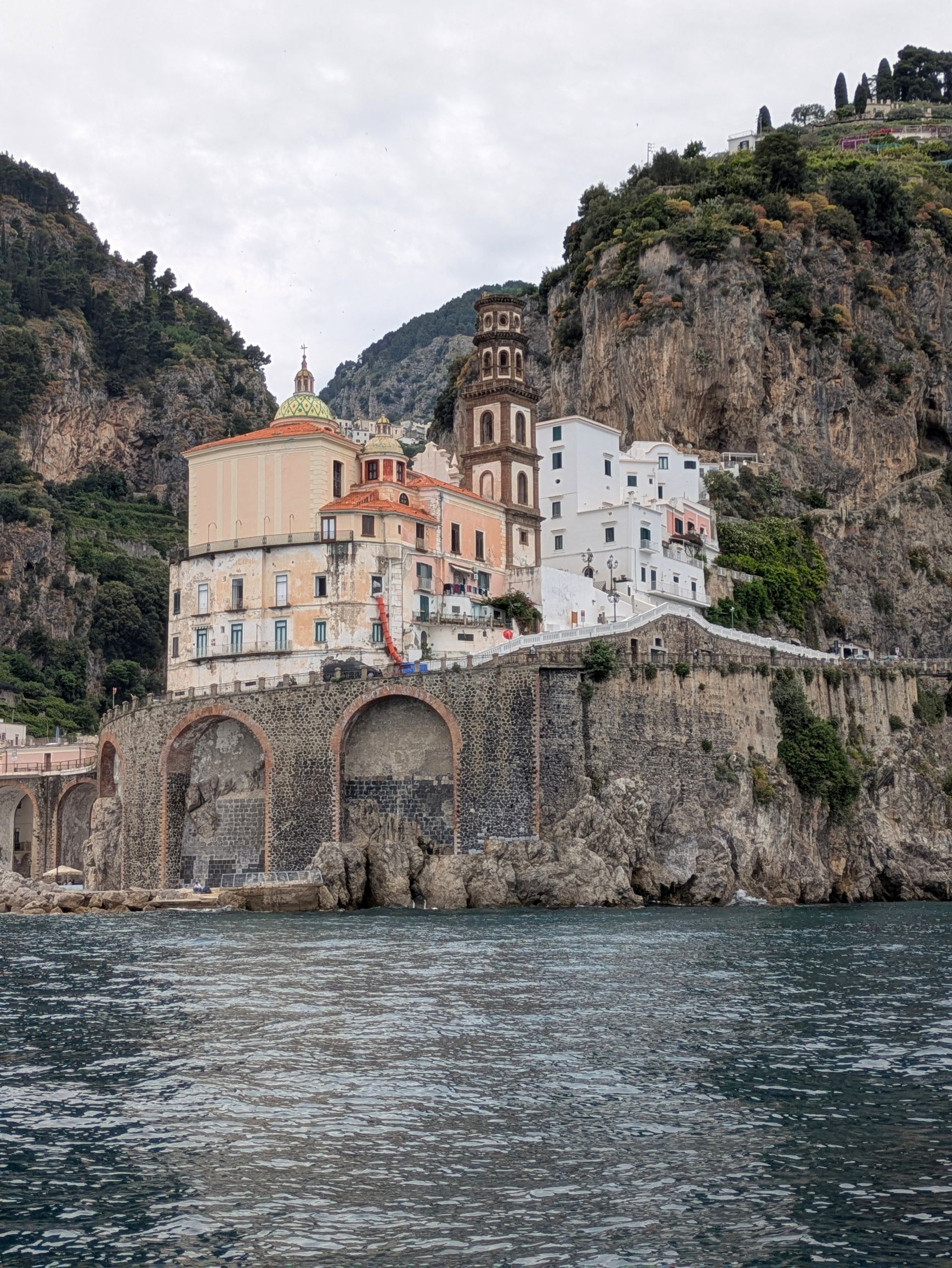
The village of Amalfi, namesake of the Amalfi Coast and a UNESCO World Heritage Site, was our morning destination.  Located on the southwest coast of Italy, Amalfi, in the Campania region, faces the Gulf of Salerno.  Having a population of under 5,000 people, it’s a small, intimate village in the off season, and we were told the favorite winter “sport” is gossip.  Evidently, there isn’t much work available in the winter, because it is a seasonal destination, so the locals have a lot of time on their hands… 

High season is a different story.  Tourists flock to what is reputed to be the most beautiful coastline in Italy, and the place is hoppin’!  We got a taste of that, having visited in mid-May, just ahead of the high season.  The streets were crowded with tourists!  Still, it was love at first sight.  What a charming and colorful place!
Amalfi is very mountainous, giving the village a lot of character.  Steep staircases led us to winding streets we enjoyed exploring and poking around to see what discoveries would make us smile and break out the camera.  I took so many photos; it was hard to edit them down. So, strap in; this is a long post of pictures!

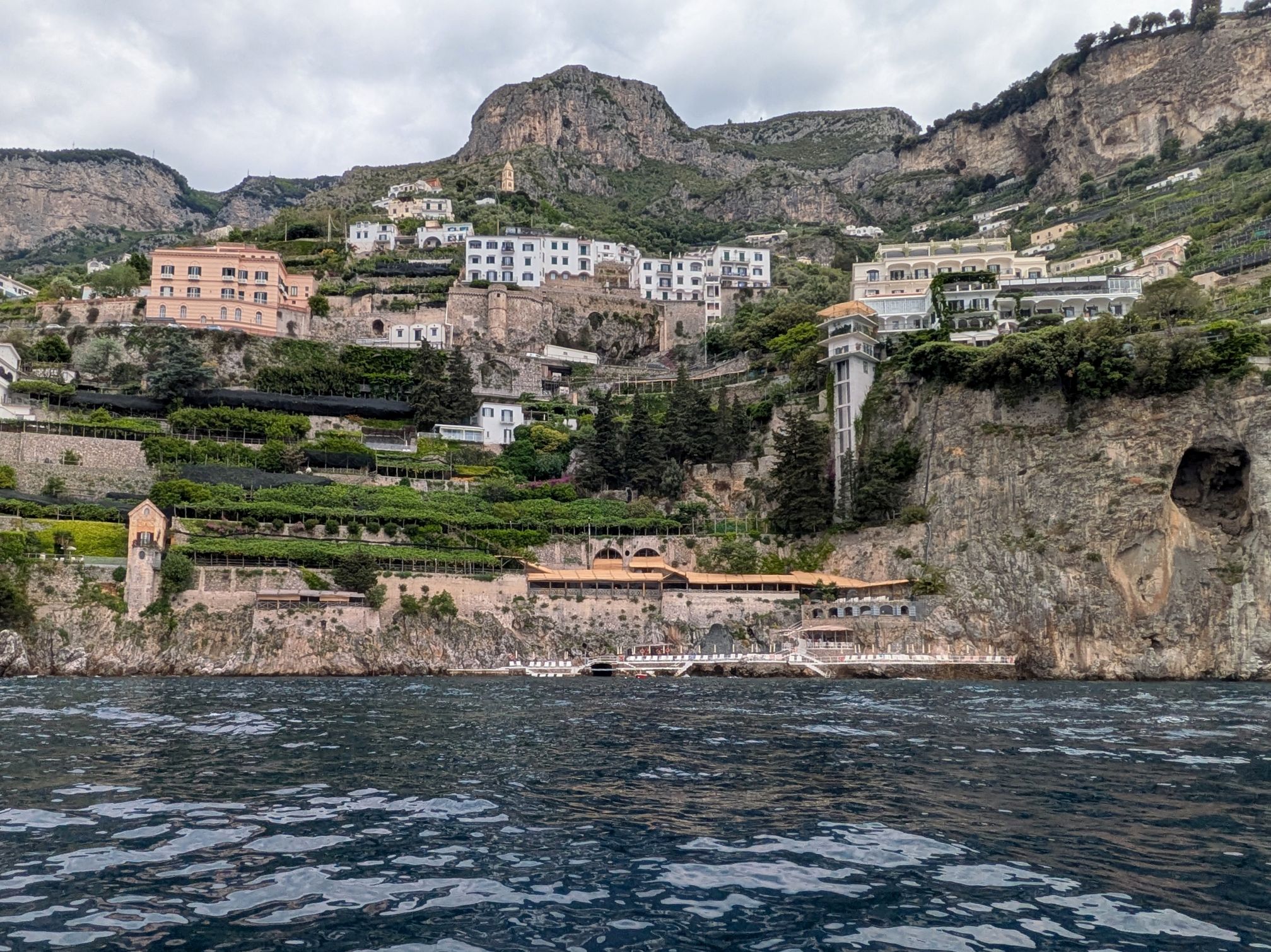
First, the boat ride, for views of the coastline:

(For all photos, click on the image for a full screen view.)

The village of Amalfi
Would you like to stay at this hotel? It will set you back 2,000 Euros per night!

Back on land:

I strolled into this gentleman’s studio, smiled, and bid him, “Buongiorno!” He immediately offered the cherries he had been snacking on from the plastic box. I politely declined, but he insisted. I am so glad he did, because they were the most delicious cherries I had ever tasted, and we shared a magical moment I won’t soon forget.
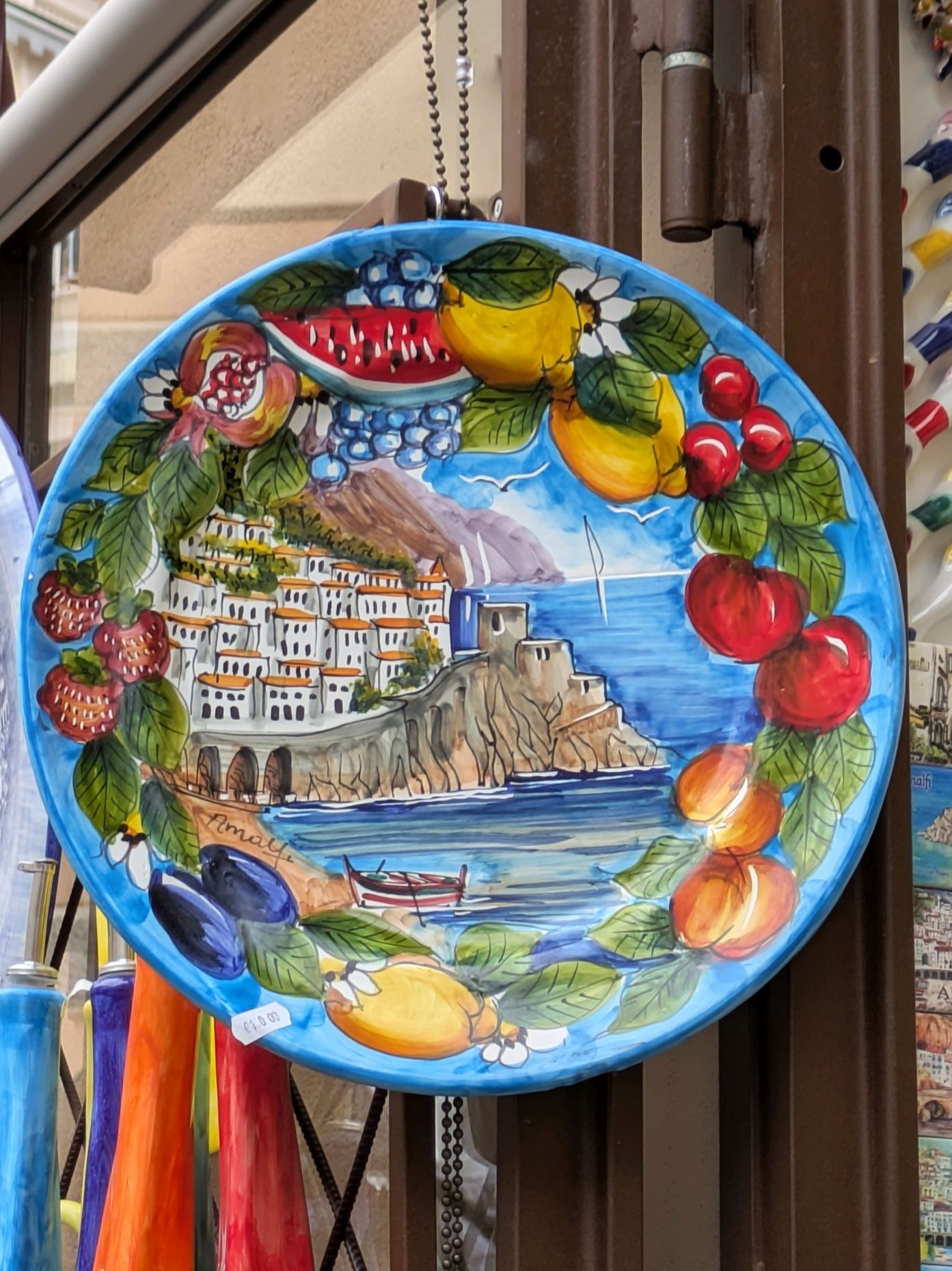
He painted this beautiful plate with the paints in the photo below.
The mirror reflects the stairs in front of it.
This fountain was nothing short of bizarre but fun! It’s hard to see the detail in this photo, but the picture below is just one small part of this entire scene of little figures of people and animals. Read all about it here.
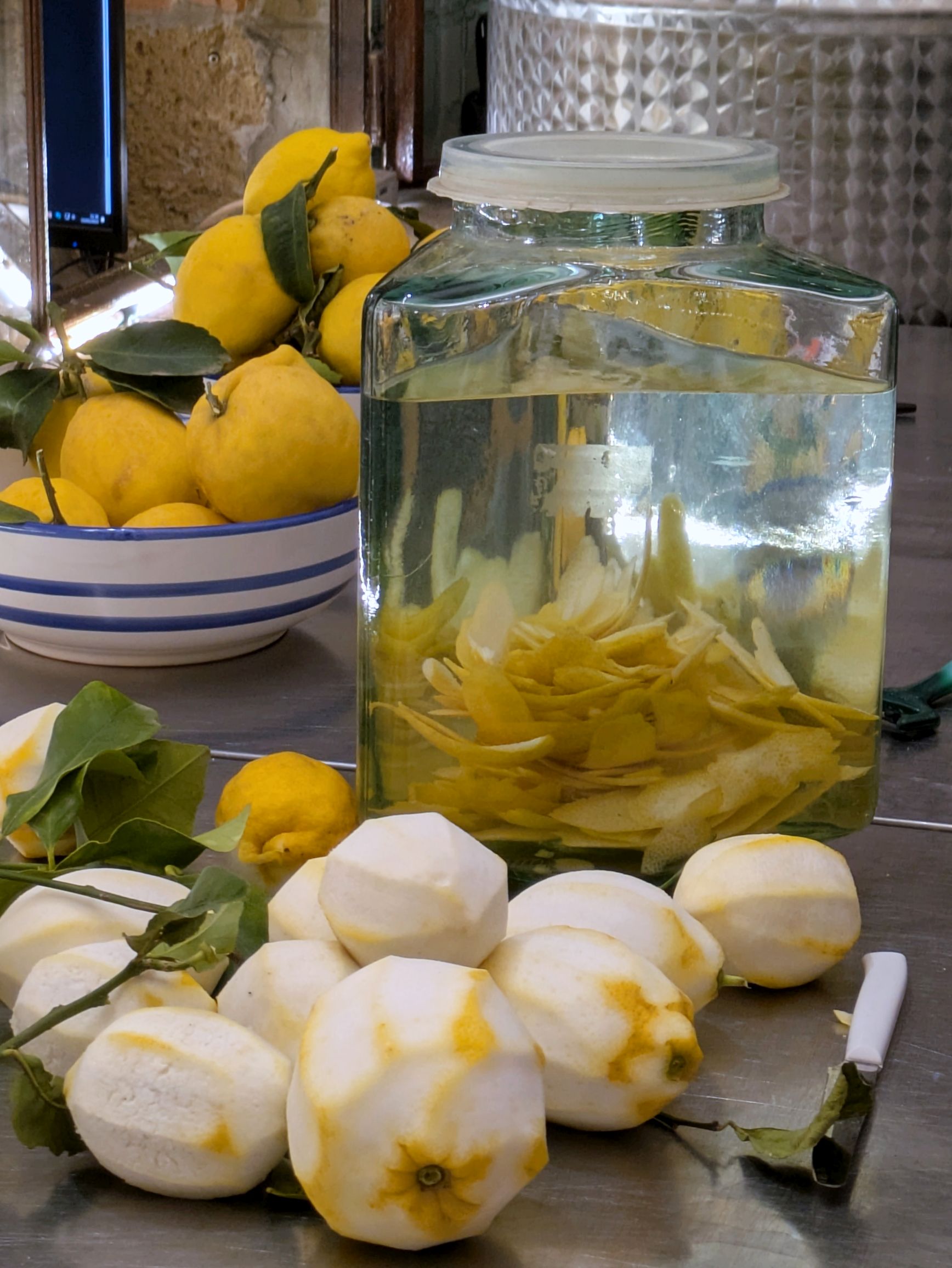
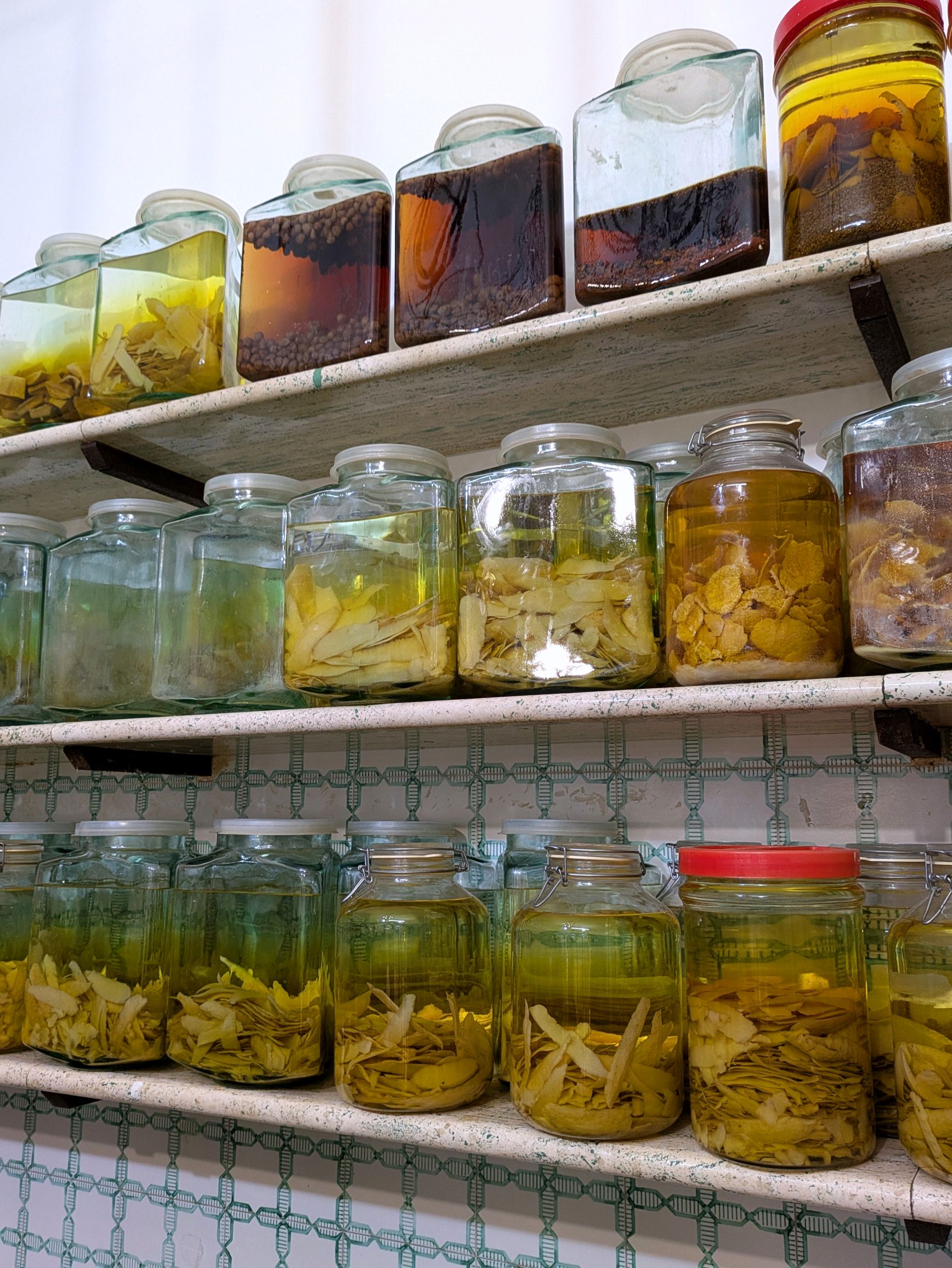
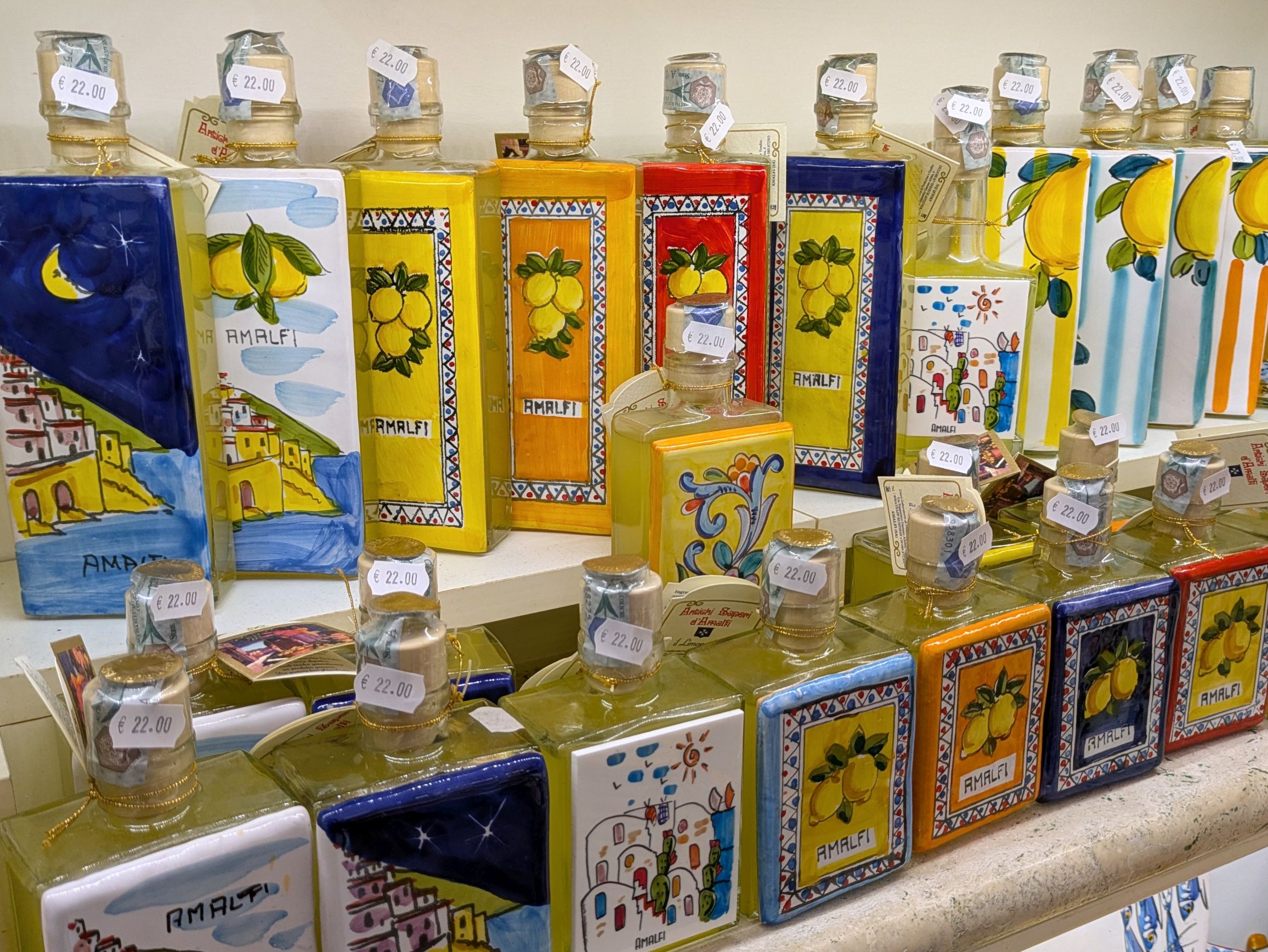
Our group visited Antichi Sapori d’Amalfi to learn how Limoncello liqueur is made. We tasted it, of course!
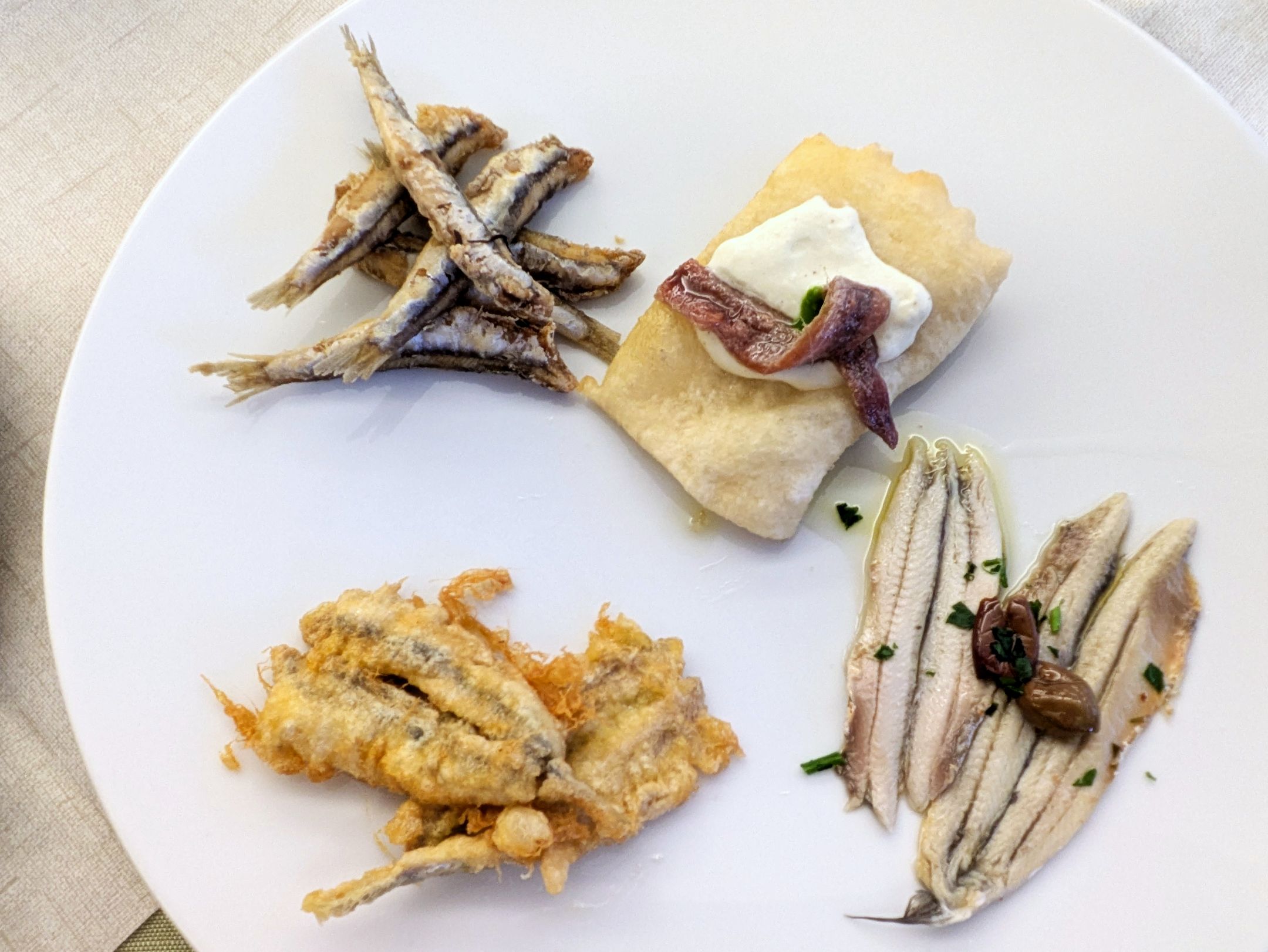
After returning to Maiori, we regrouped following our afternoon of free time to enjoy dinner at a local restaurant. This was the appetizer: Anchovies prepared four ways.

Next up: SICILY & AMALFI COAST #24: SCENIC SCALA & ROMANTIC RAVELLO

SICILY & AMALFI COAST #22: ARRIVING IN AMALFI

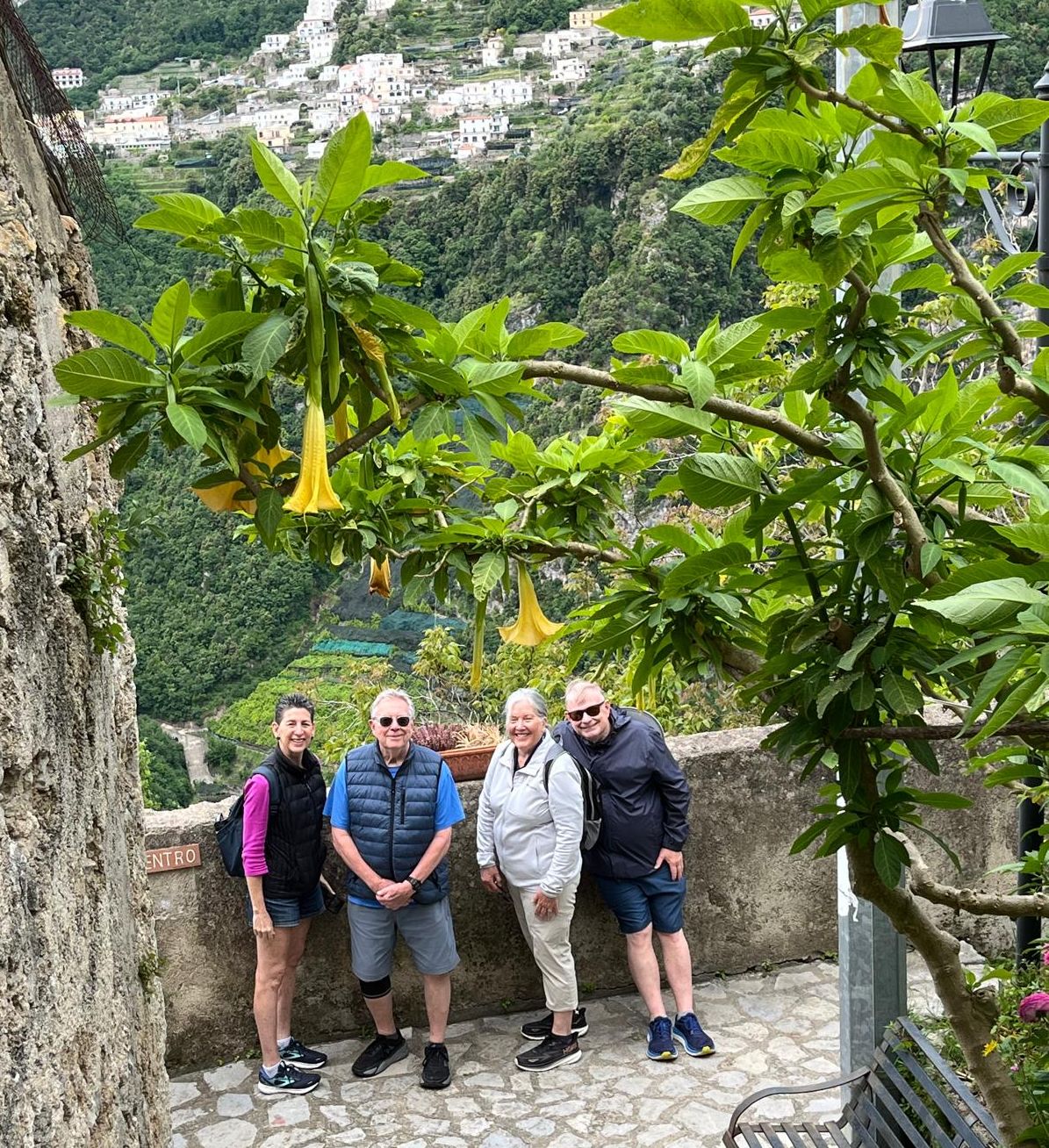
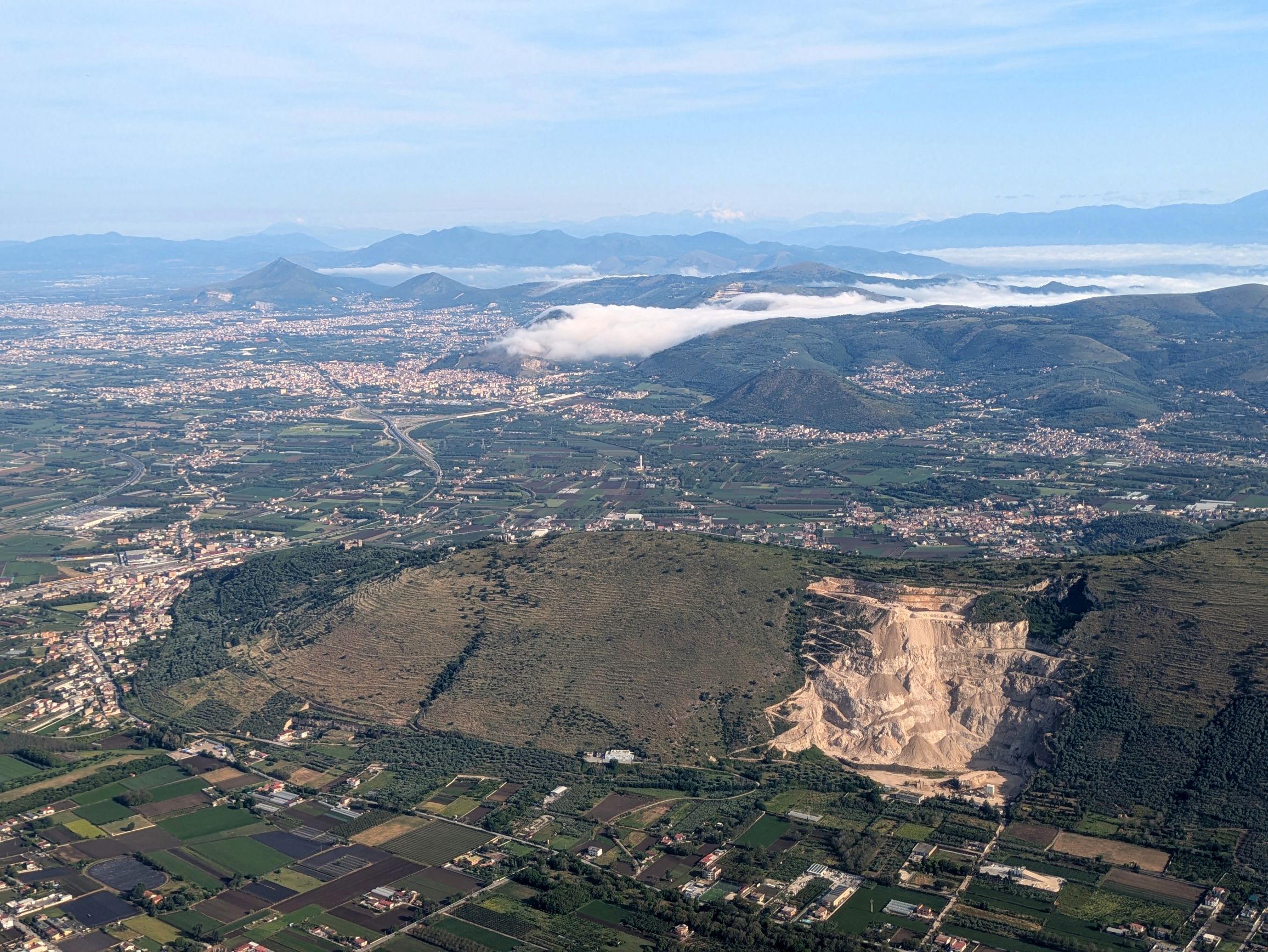
We bid arrivederci to Sicily, flew to Naples, and then enjoyed a beautiful bus ride to Maiori, along the Amalfi Coast, to begin our post-tour extension.  Along the way we stopped at a gorgeous viewpoint to take in the panoramic views of Naples and Mount Vesuvius.  Once again, as you can see, the weather was on our side; another spectacular day!

(For all photos, click on the image for a full screen view.)

Mount Vesuvius

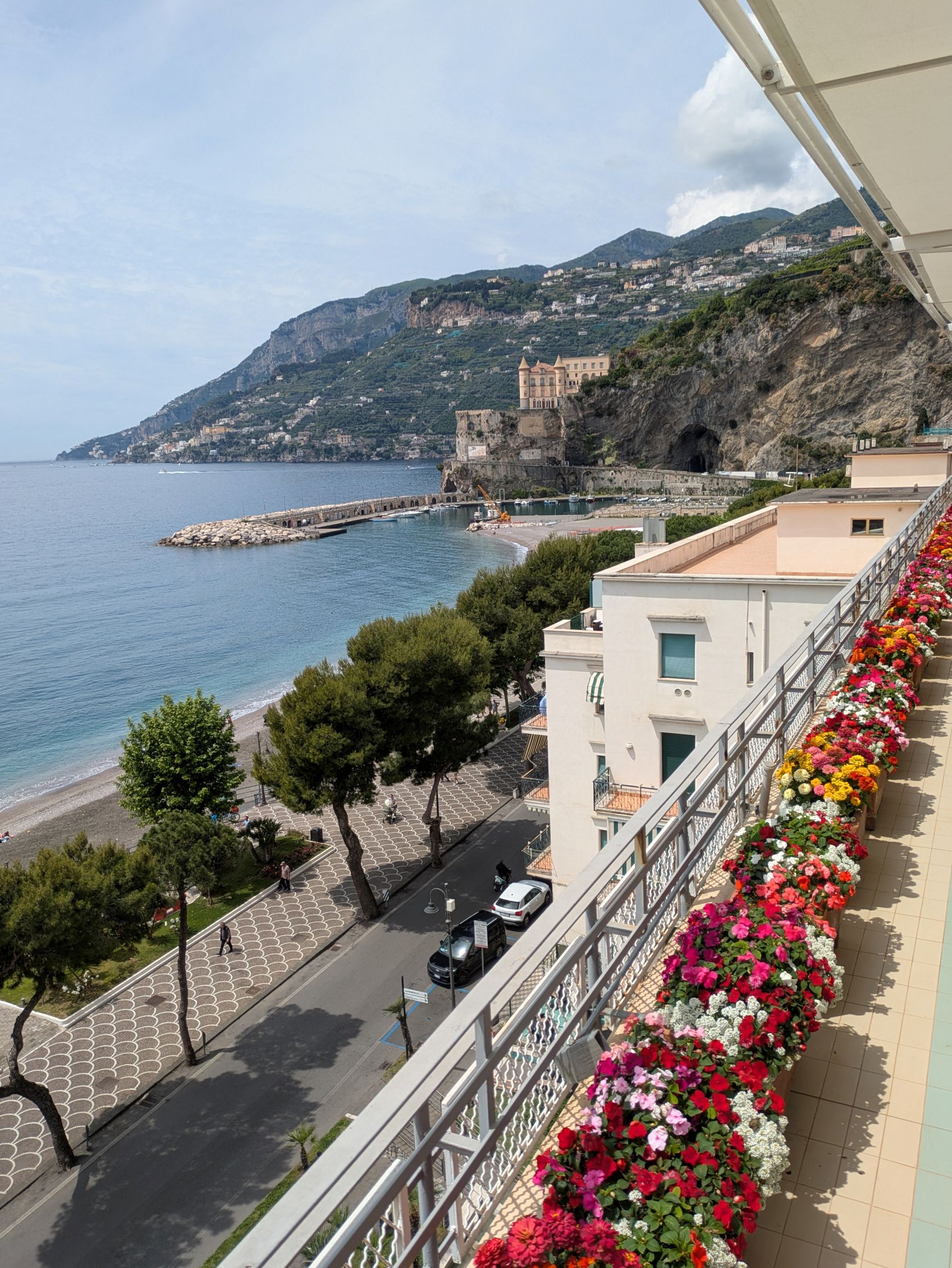
Hotel Panorama, our base for three nights, was appropriately named, as our room had a stunning panoramic view of the coast.  During our down time, Bruce and I enjoyed sitting on the balcony and watching the world go by.  Between the fountain down below and the small waves rolling in, the sound of water was quite relaxing. We even enjoyed our first dinner in Maiori on our balcony– incredible sandwiches from the Italian deli down the street!

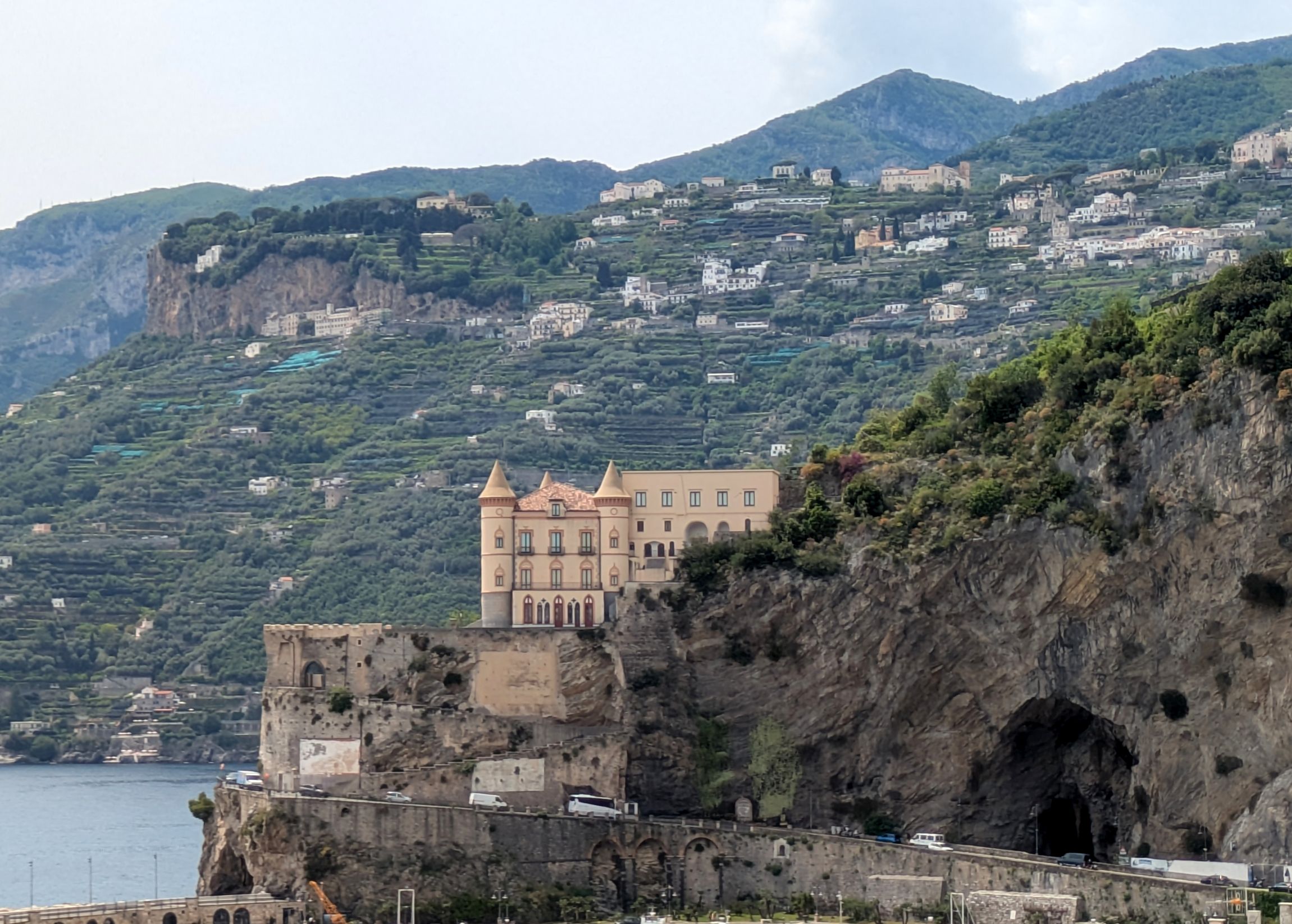
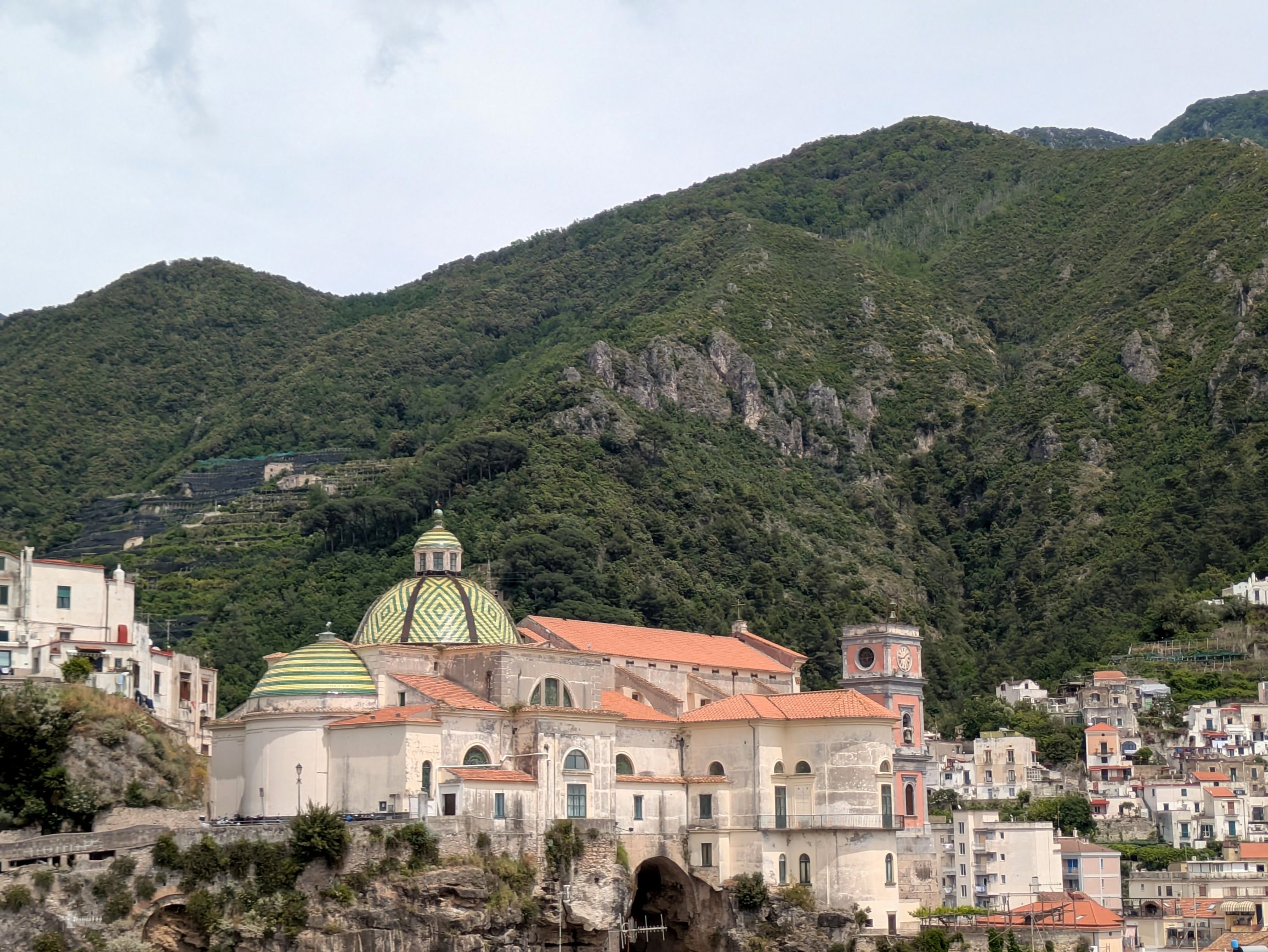
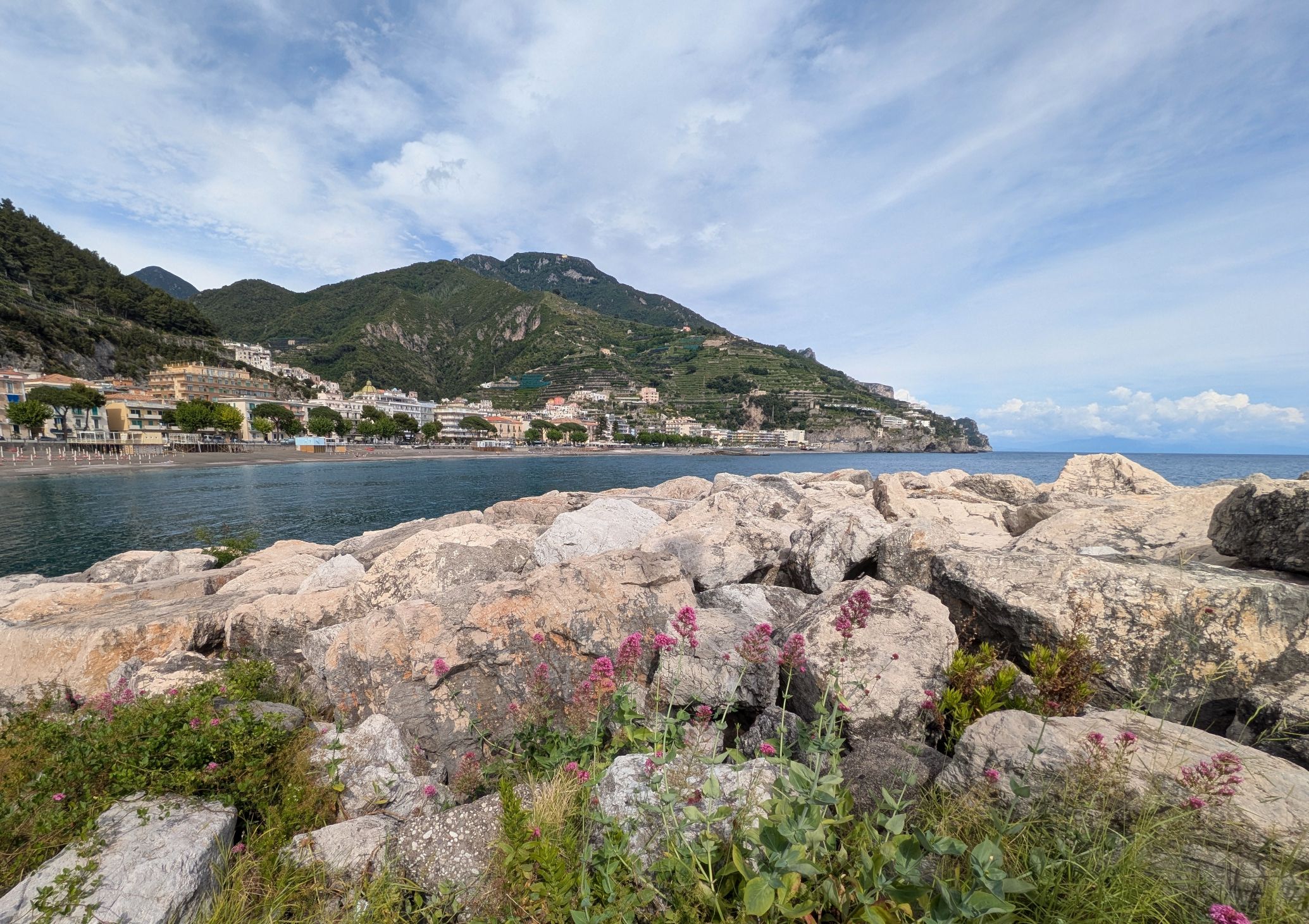
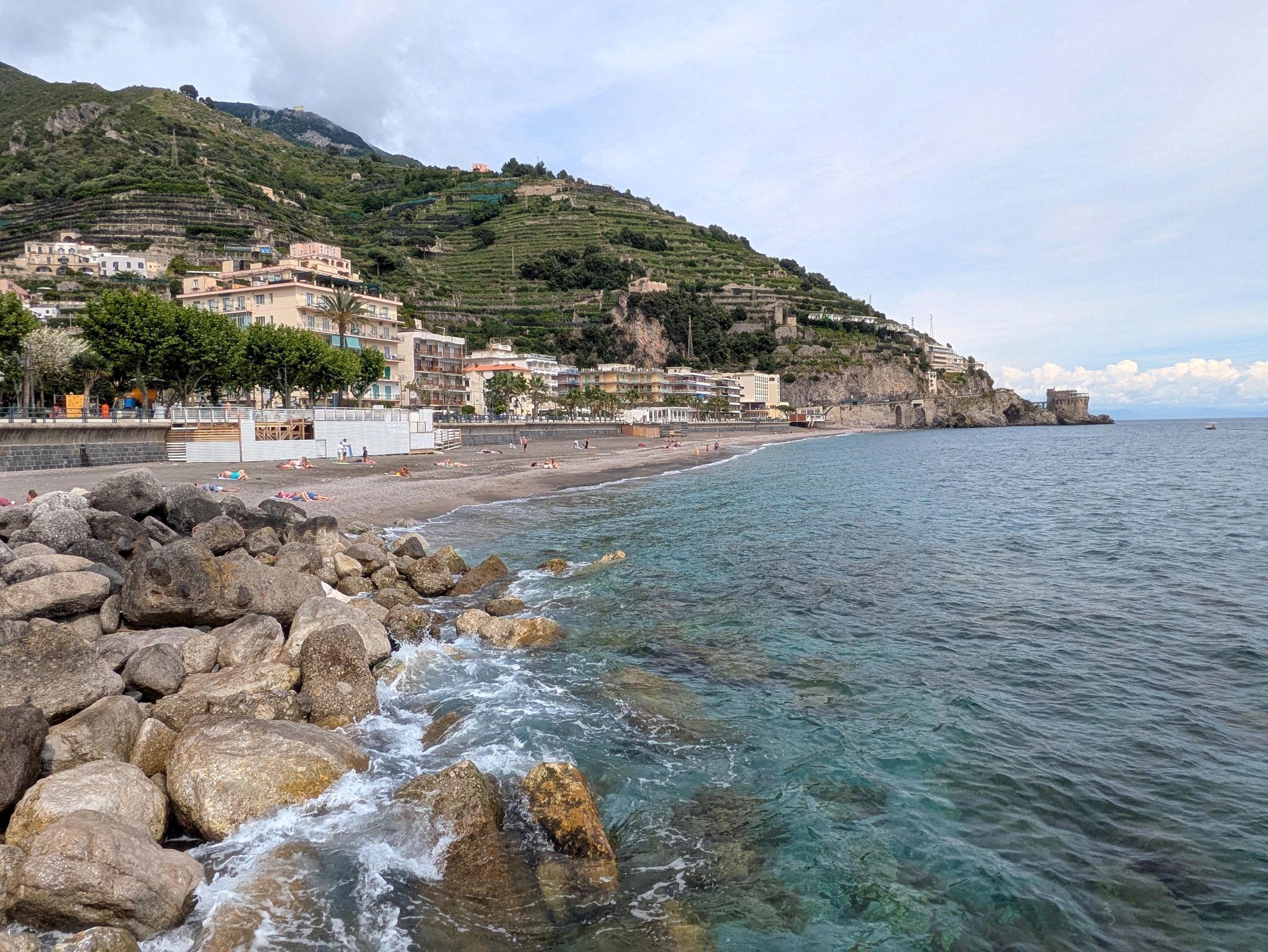
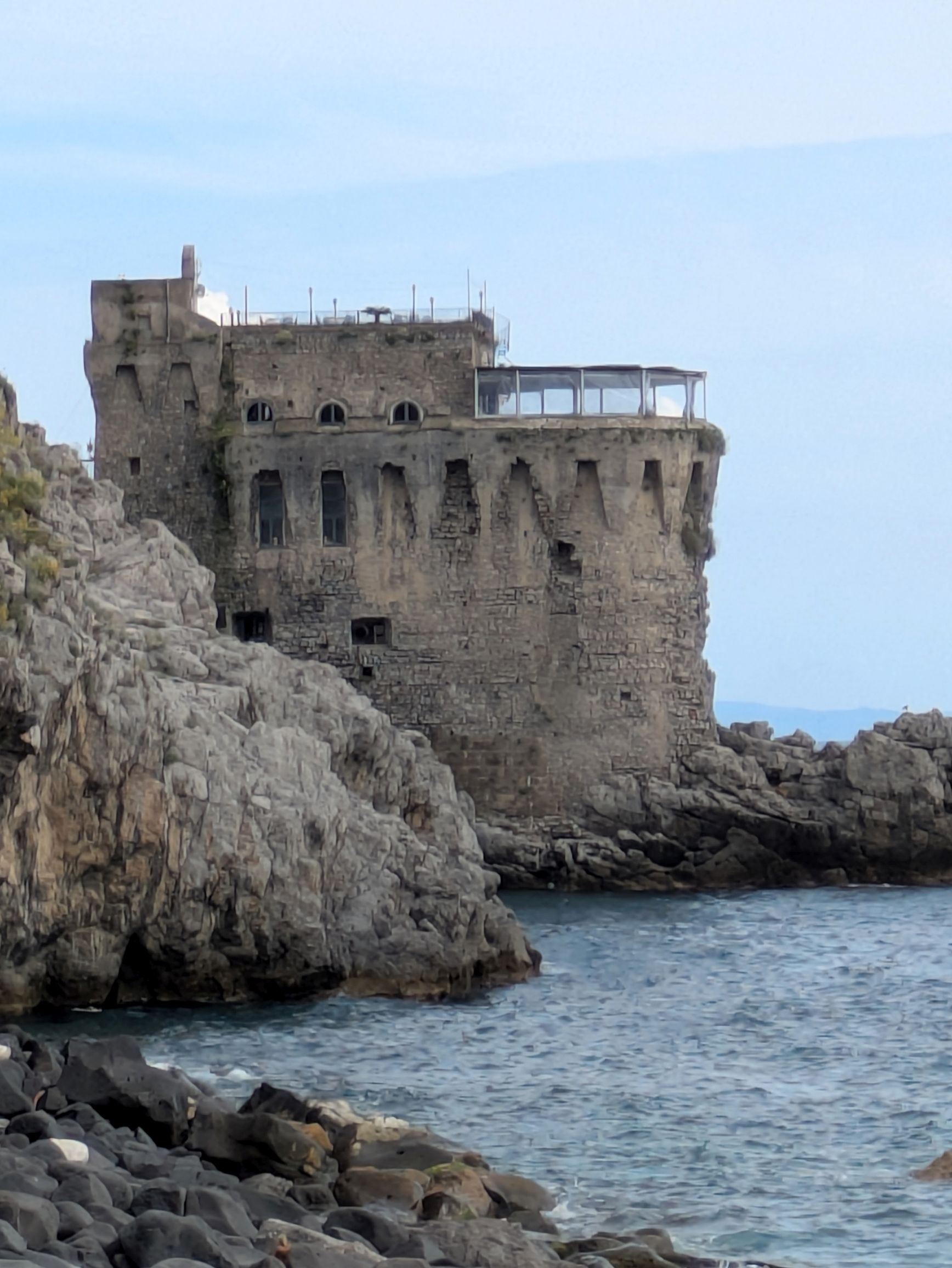
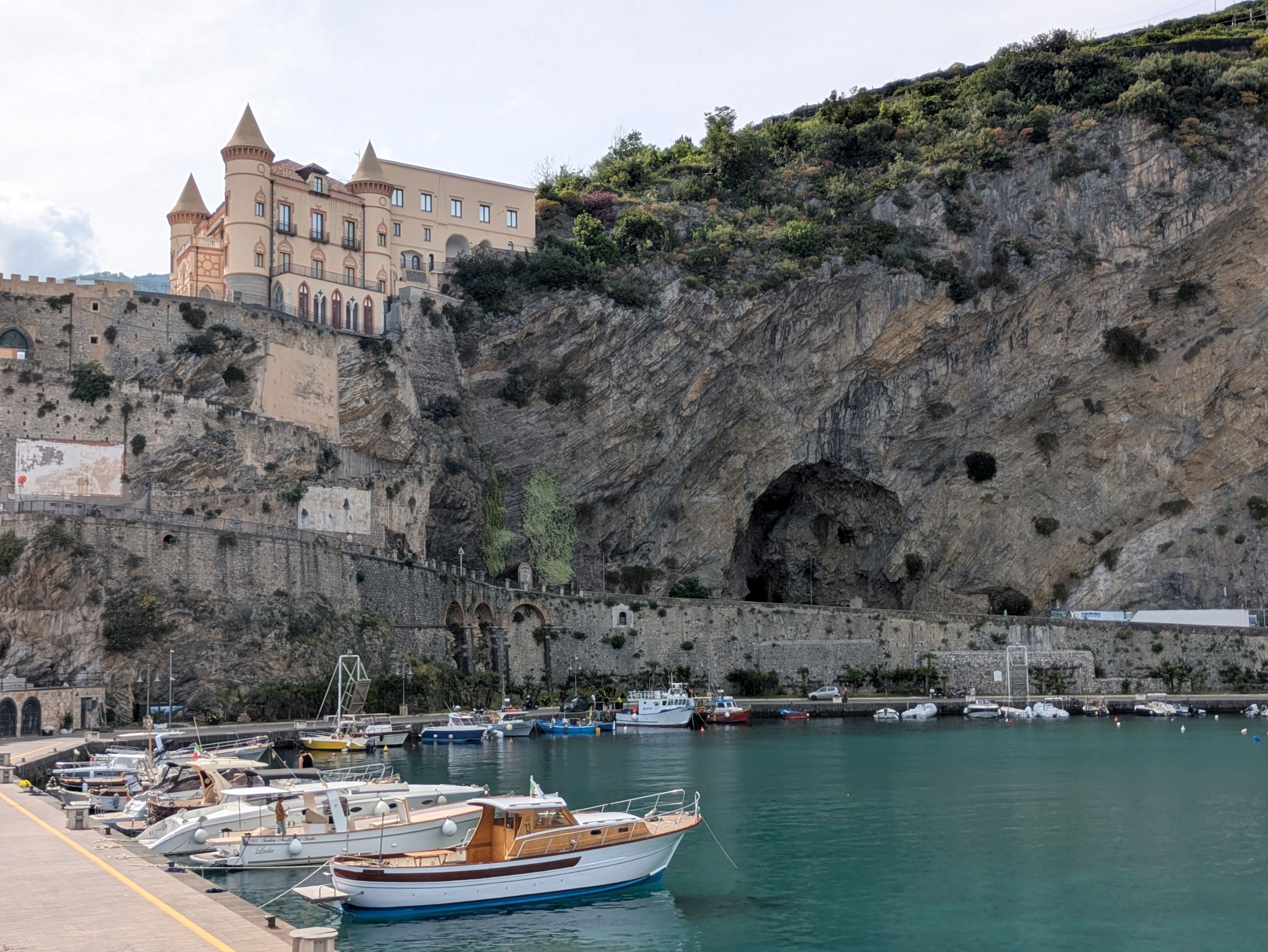
Our arrival was in the late afternoon, so the remainder of the day was spent exploring the small town, walking along the beach, and taking in the beautiful views of this hilly coastal town.

Maiori is small; less than 6,000 residents live here full time. But during the high season, the population swells with tourists.  We were happy to be ahead of the crush and be able to enjoy the town without crowds of people.

Come join me on a tour of the town, beginning with views from the rooftop pool and restaurant:

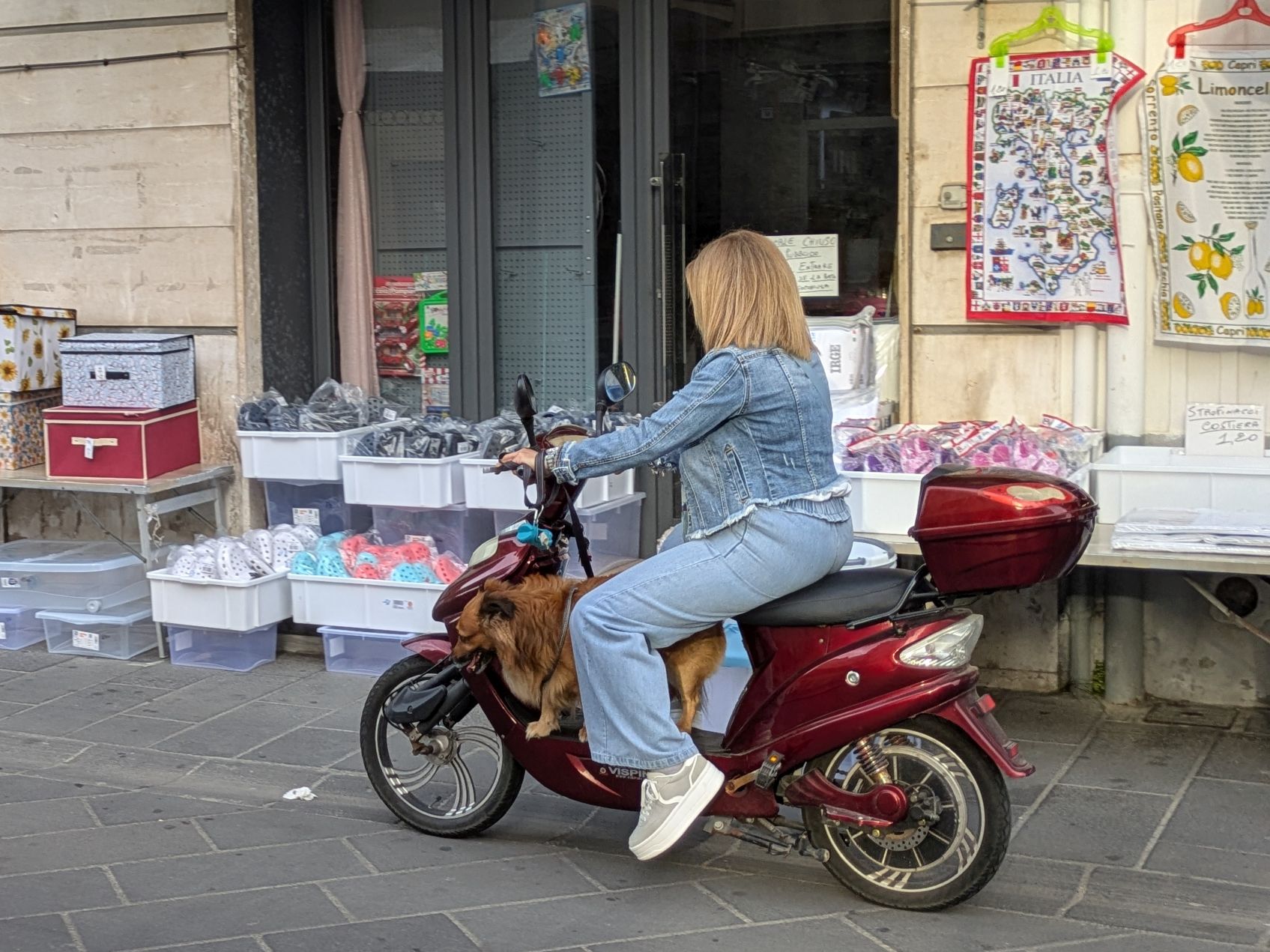
Scenes from the town:

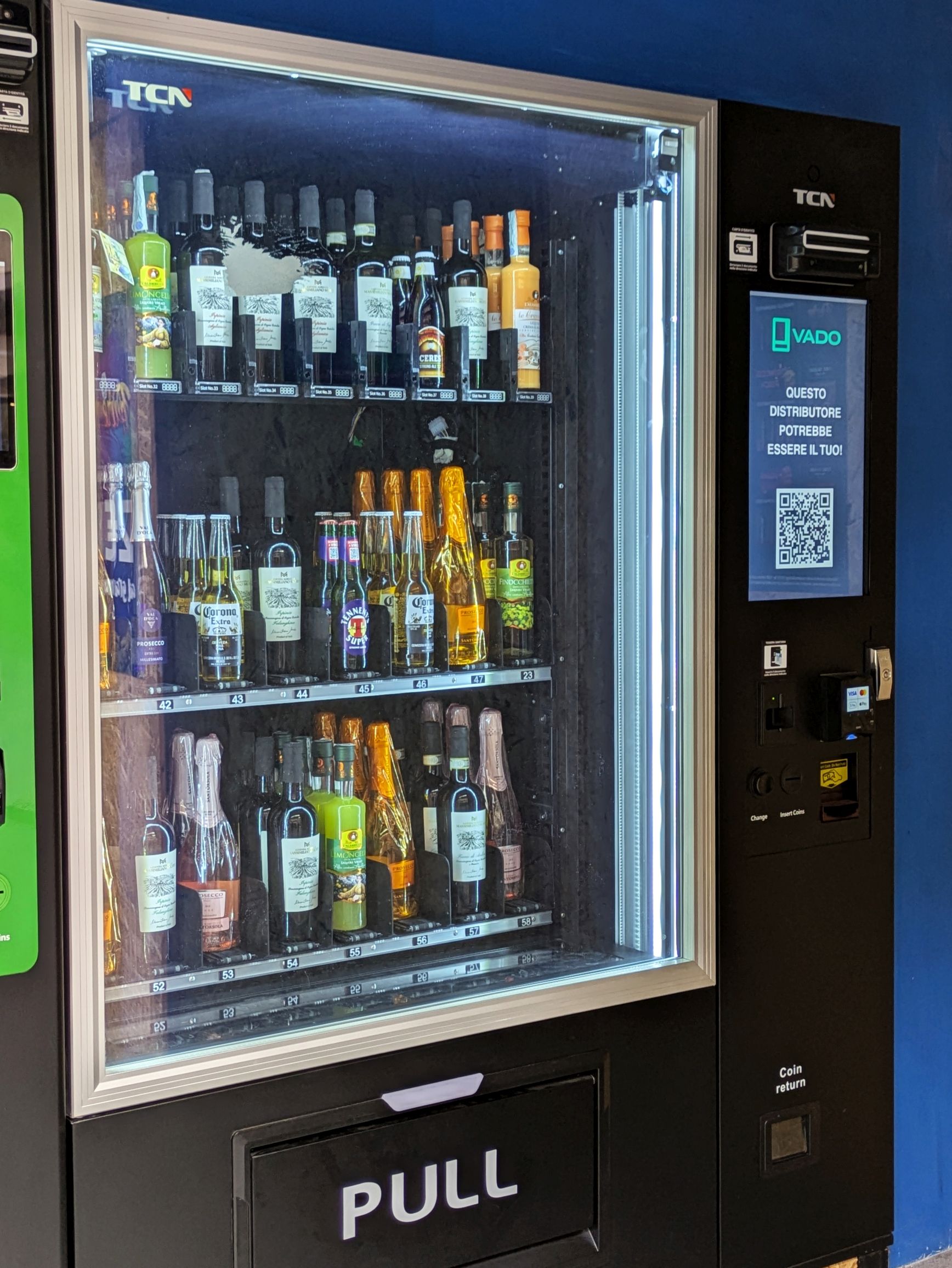
I have never seen a wine and beer vending machine before!

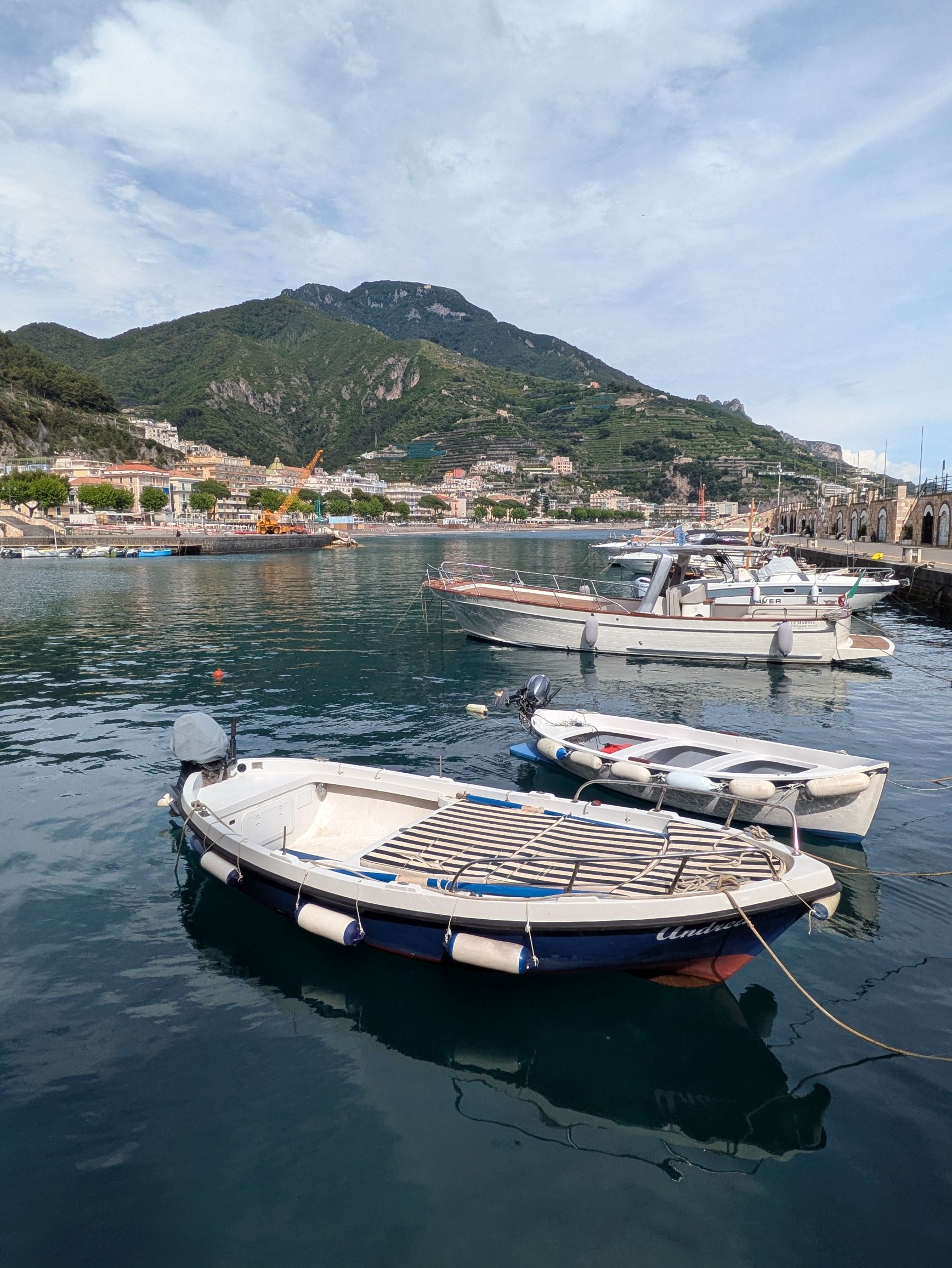
The waterfront and marina:

Coming up next: SICILY & AMALFI COAST #23: A BEAUTIFUL BOAT RIDE TO ADORABLE AMALFI

SICILY & AMALFI COAST #21: SICILY SLIDE SHOW

I hope you enjoy my final post on Sicily before I continue to the Amalfi Coast. This is a short slide show featuring my photography accompanied by the music of The Rippingtons.

For the best viewing experience, use a desktop computer, turn up the speakers and view on full screen by clicking on the symbol in the lower left corner of the YouTube screen after the show begins.

Cheers!

SICILY & AMALFI COAST #20: MAGNIFICENT MOUNT ETNA

I’m baaack! Sorry for the long delay in between posts, but I was in Des Moines, Iowa, competing in swimming at the National Senior Games (Olympics). Happily, not only did I have a great time, but I won a bronze medal in the 200 Yard Backstroke and a silver in my 200 Mixed Medley Relay!

Back to Sicily, our last day on the island before heading over to the Amalfi Coast was spent hiking Mount Etna. As you may have heard, the volcanic Etna erupted again, but we were fortunate to have visited a couple of weeks before that happened.

A UNESCO World Heritage Site, Etna is the highest Italian mountain south of the Alps at more than 10,000 feet in elevation and one of the most active volcanoes in the world.

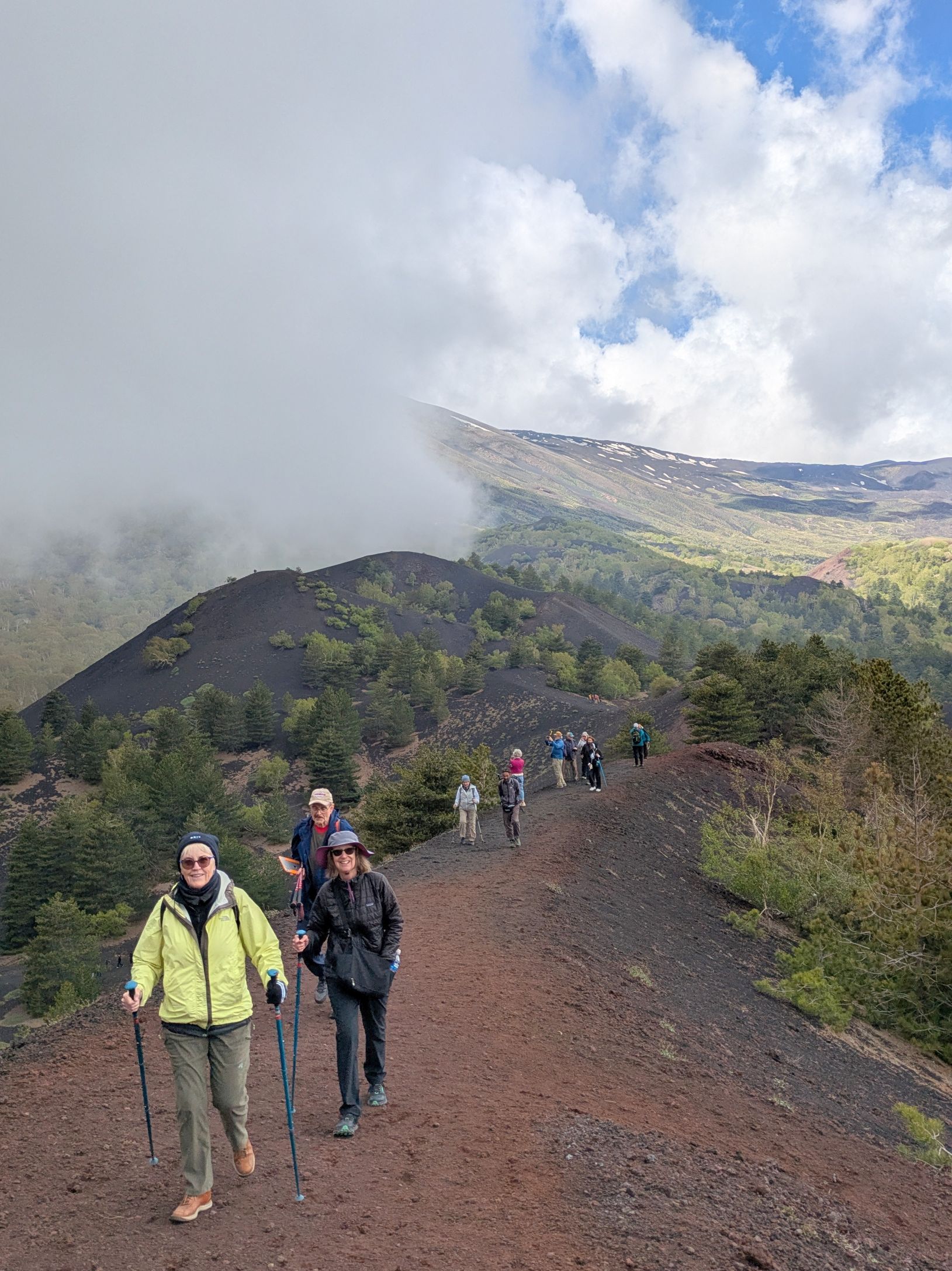
To reach the volcano, we took a 4-wheel-drive vehicle and were joined by a local nature guide, stopping to see a lava flow along the way before hiking to the top of one of Etna’s four summit craters.

(For all photos, click on the image for a full screen view.)

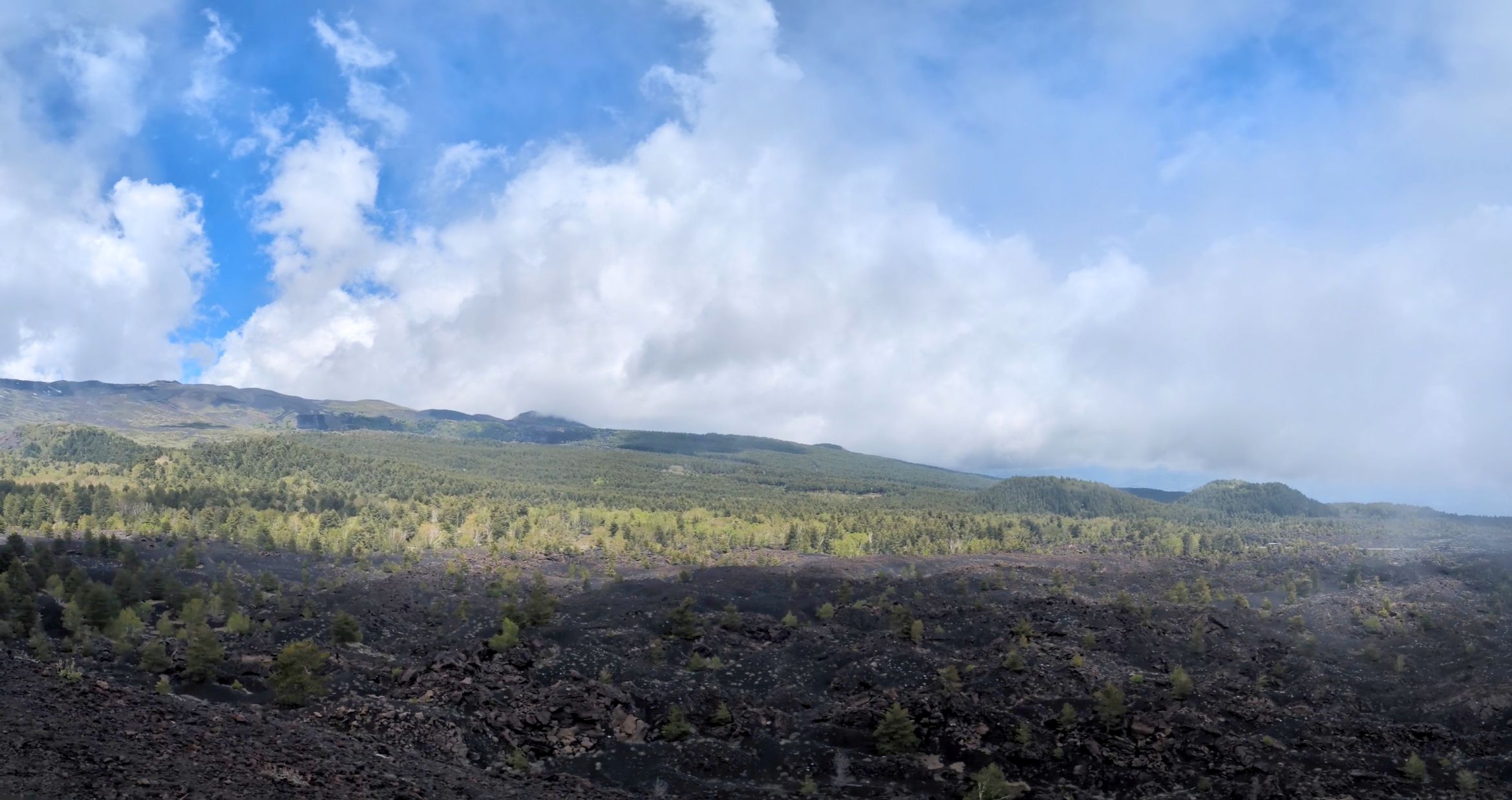
Few volcanoes change as rapidly and dramatically as Etna, and we experienced the changing weather pattern during the steep hike to the top. In the short time we were at the top, the beautiful sunny sky clouded over by a wall of fog that rolled through. Soon, it passed, and it was sunny again!

After every eruption, five million cubic meters of lava ash must be cleared from the villages below and packed in plastic bags for disposal. From February to November of 2021, 53 volcanic eruptions required the removal of lava. There was another eruption outbreak in May 2023, July and August 2024, and for a month in February and March of 2025. During that eruption, the volcanic explosion was 7.5 miles high, and the ash blew to Africa and Greece. The temperature of the lava flow reached 1,000 degrees Celsius! Lava flows only 100 meters per day, though, so there was plenty of warning for the villagers below. Fortunately, none of the 1 million in population surrounding Etna were killed during those eruptions. In 1928, that wasn’t the case, and an eruption destroyed the village below.

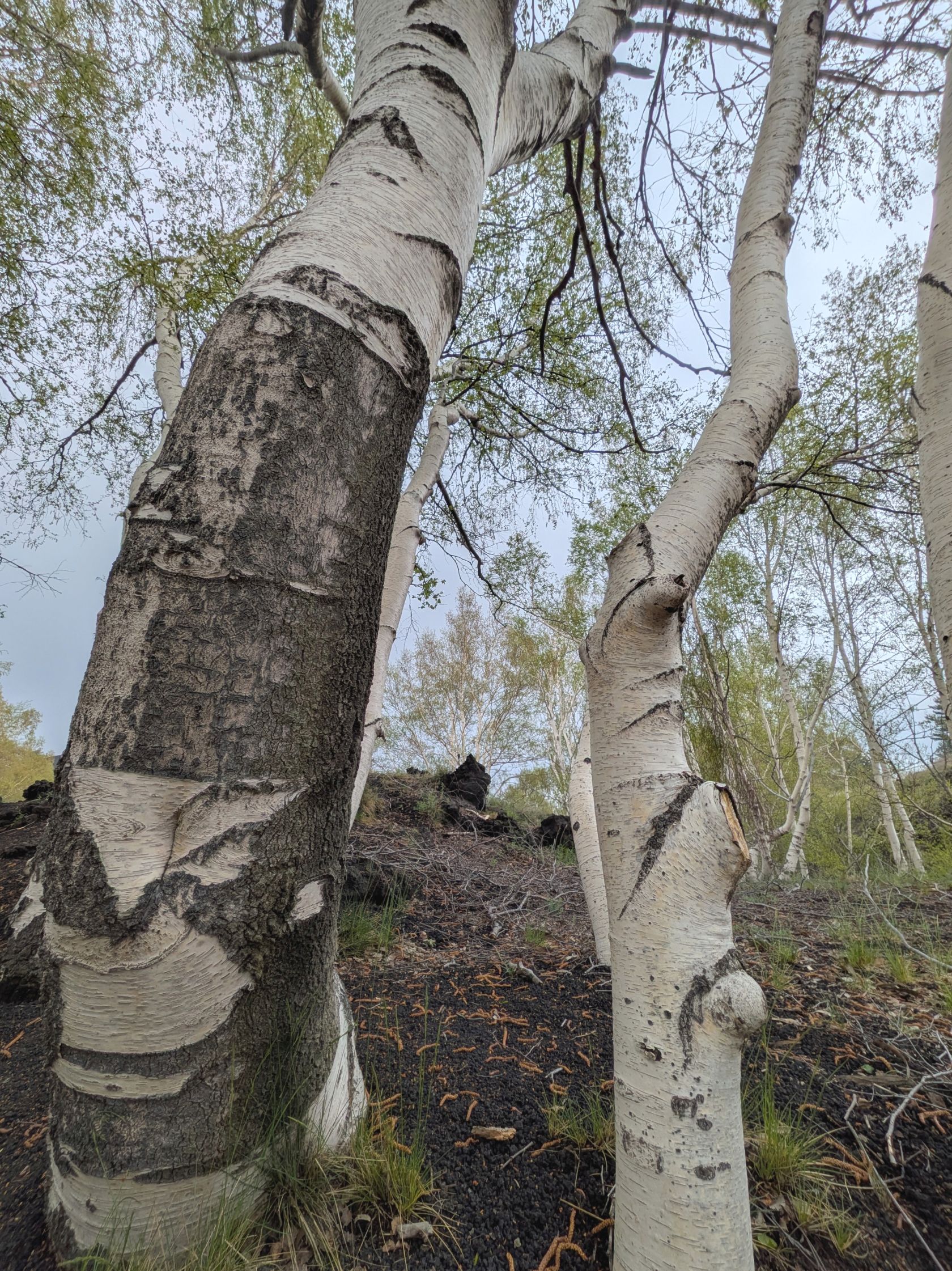
With all those eruptions, it makes you wonder why one million people continue to make Etna their home. It’s because the snow during the winter on Mount Etna provides a good source of water and the soil is very fertile, so it’s a great wine growing area. One thousand different plants—many specific to Etna—grow in the area, and volcanic rock provides an excellent building material. Fifteen million people visit Mount Etna each year, so it also provides a good source of tourism revenue for the locals.

Visiting Mount Etna and hiking to the crater summit was an awesome experience, one I will never forget!

Beginning the steep climb up to the summit
We’re almost there!
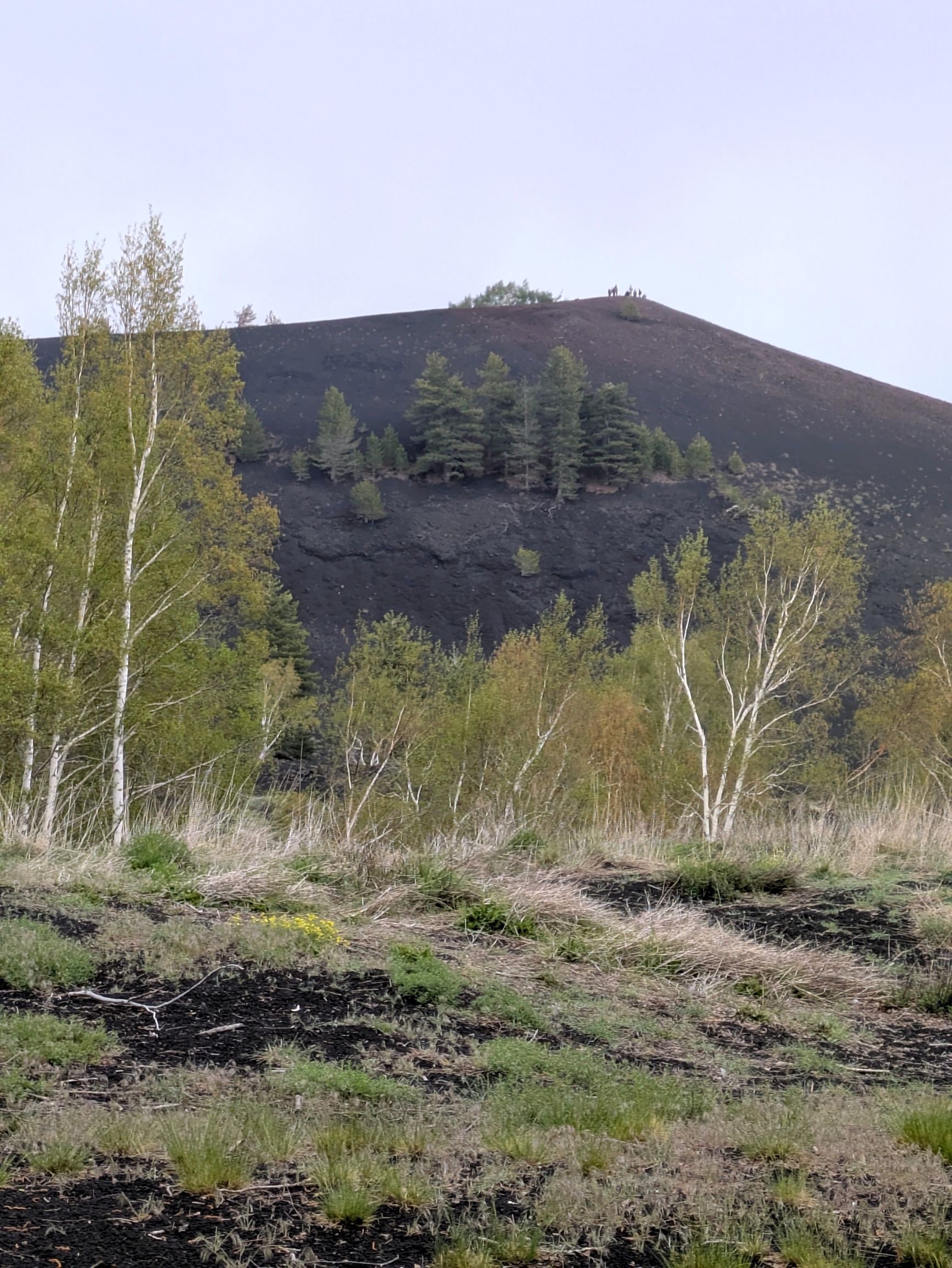
The summit, just before the fog wall rolled in.
Looking back at hikers up at the summit on our way back down.
That’s where we were, way at the top!

Next up: SICILY & AMALFI COAST #22: SICILY SLIDE SHOW

SICILY & AMALFI COAST #19: TERRIFIC TAORMINA

I am going to sound like the “Department of Redundancy Department” when I say it was another gorgeous day, but it was!  It was a perfect day to visit Taormina, a busy tourist town but so charming and photogenic!

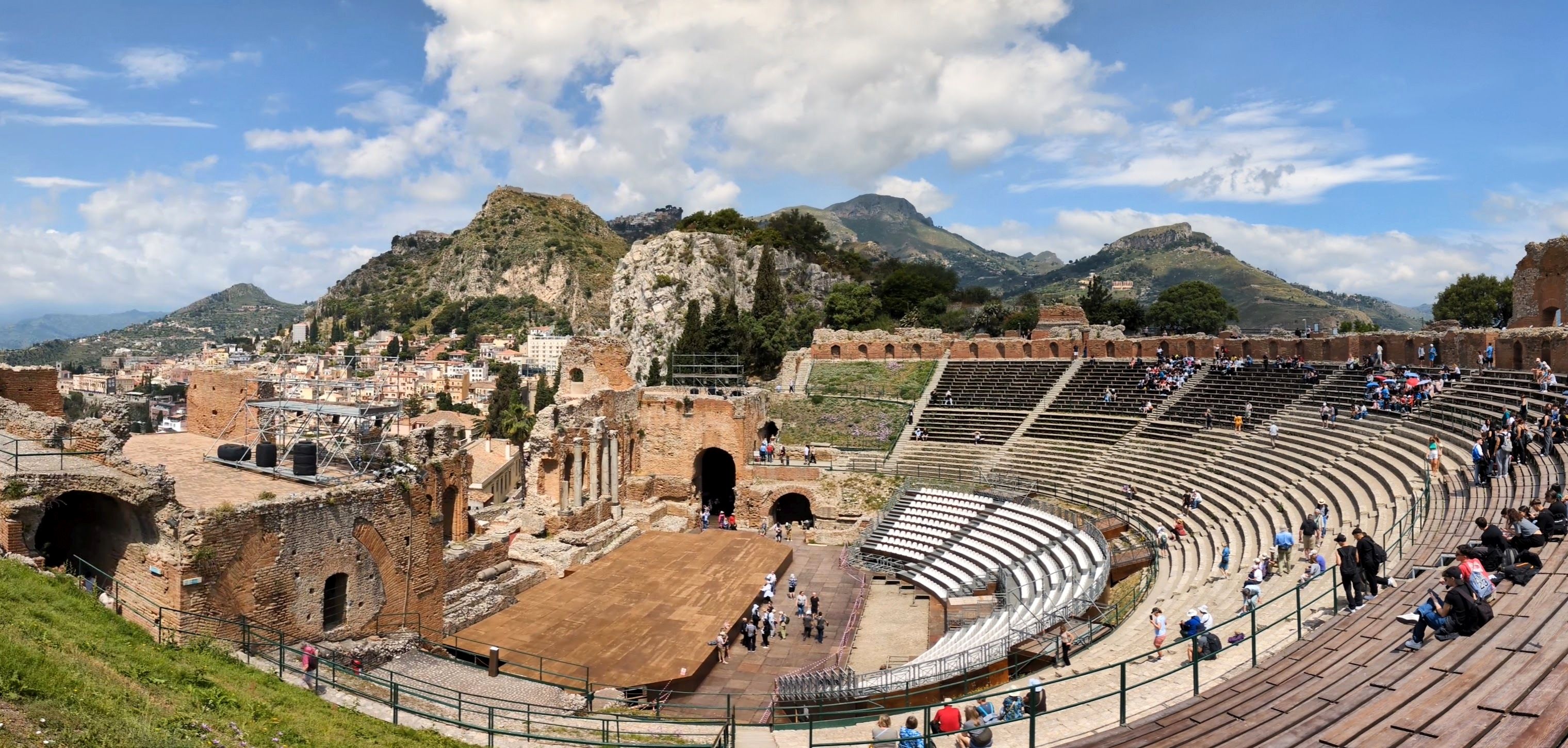
Dating back to before Ancient Greece established its first colony on Sicily in 734 BC, Taormina is old. Our walking tour began with seeing the ruins of this small amphitheater and temple dating to the 3rd century BC.

(For all photos, click on the image for a full screen view.)

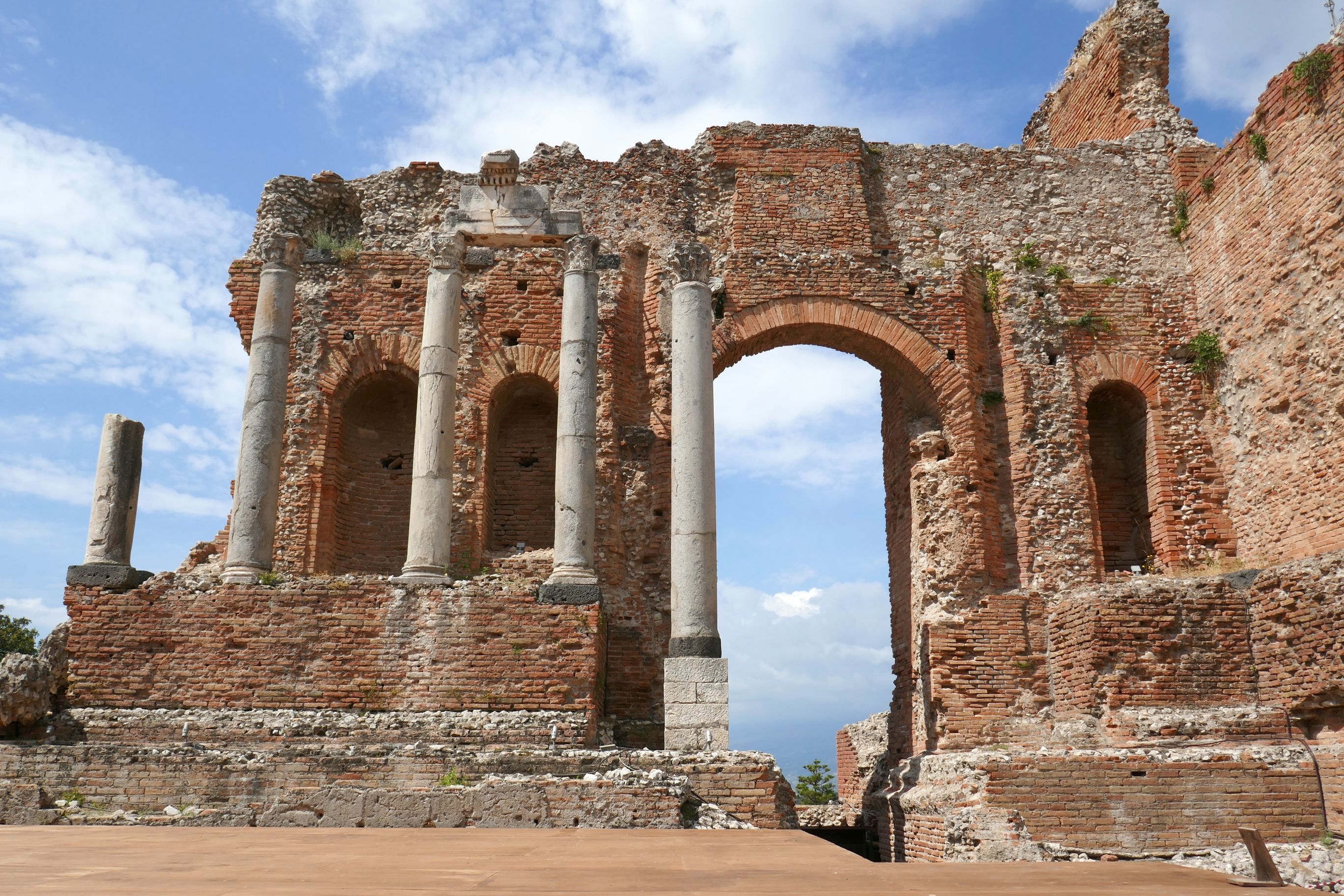
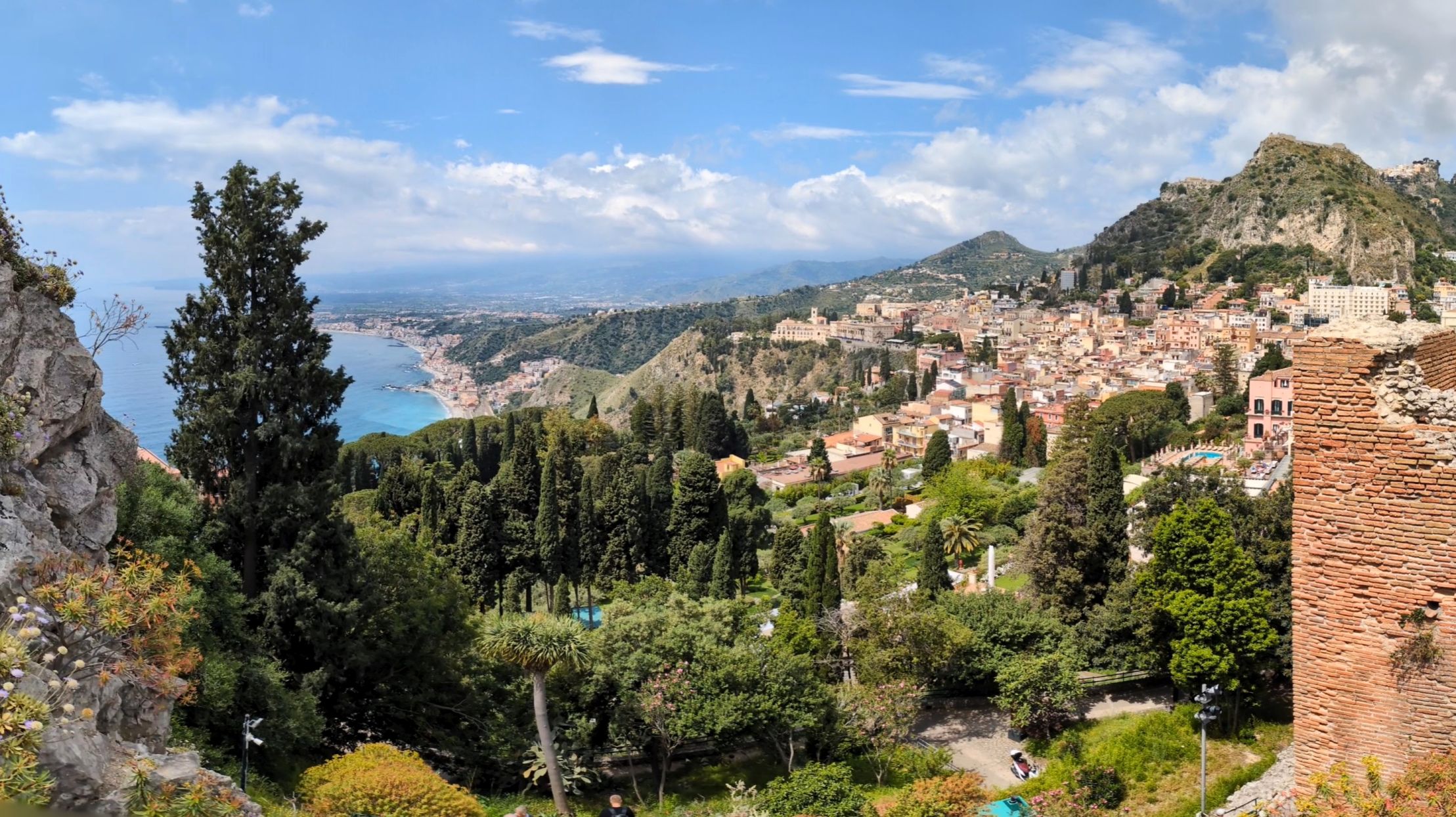
Next, we toured one of the most highly regarded ancient sites in Sicily, the Greco-Roman theater. Perched atop a hill with fabulous views of the Ionian Sea coastline and Mount Etna, I could see why it is such a popular place to visit.

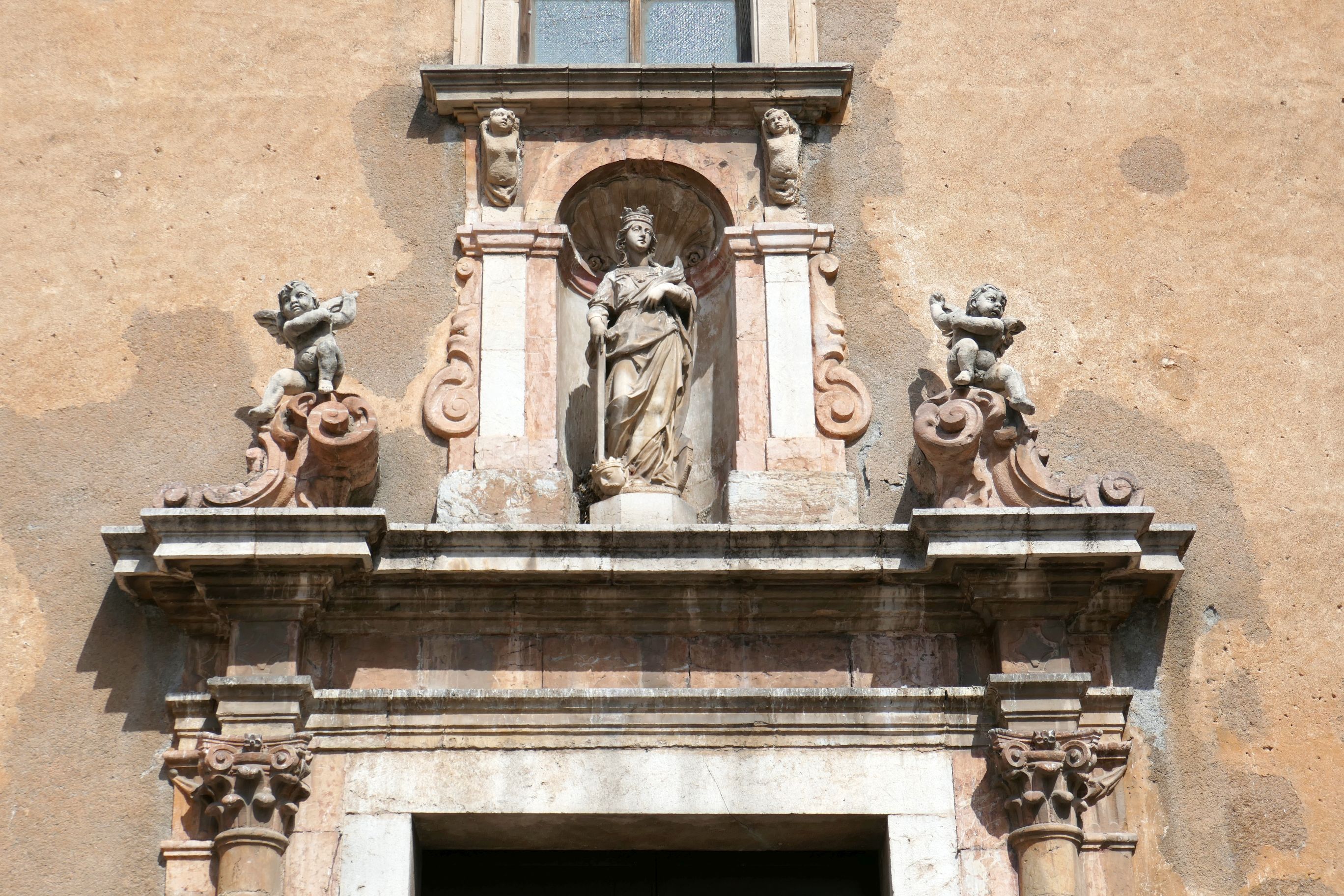
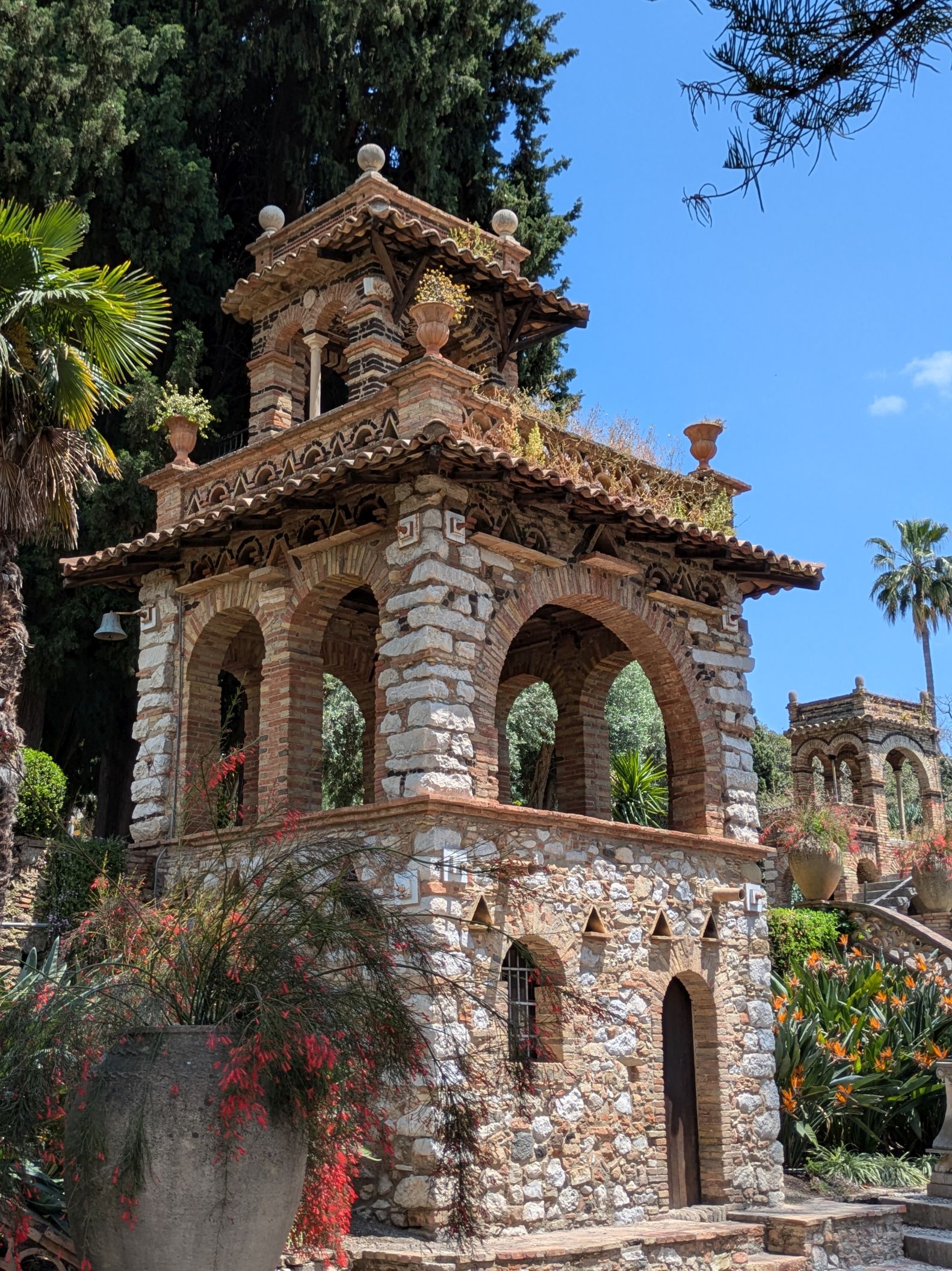
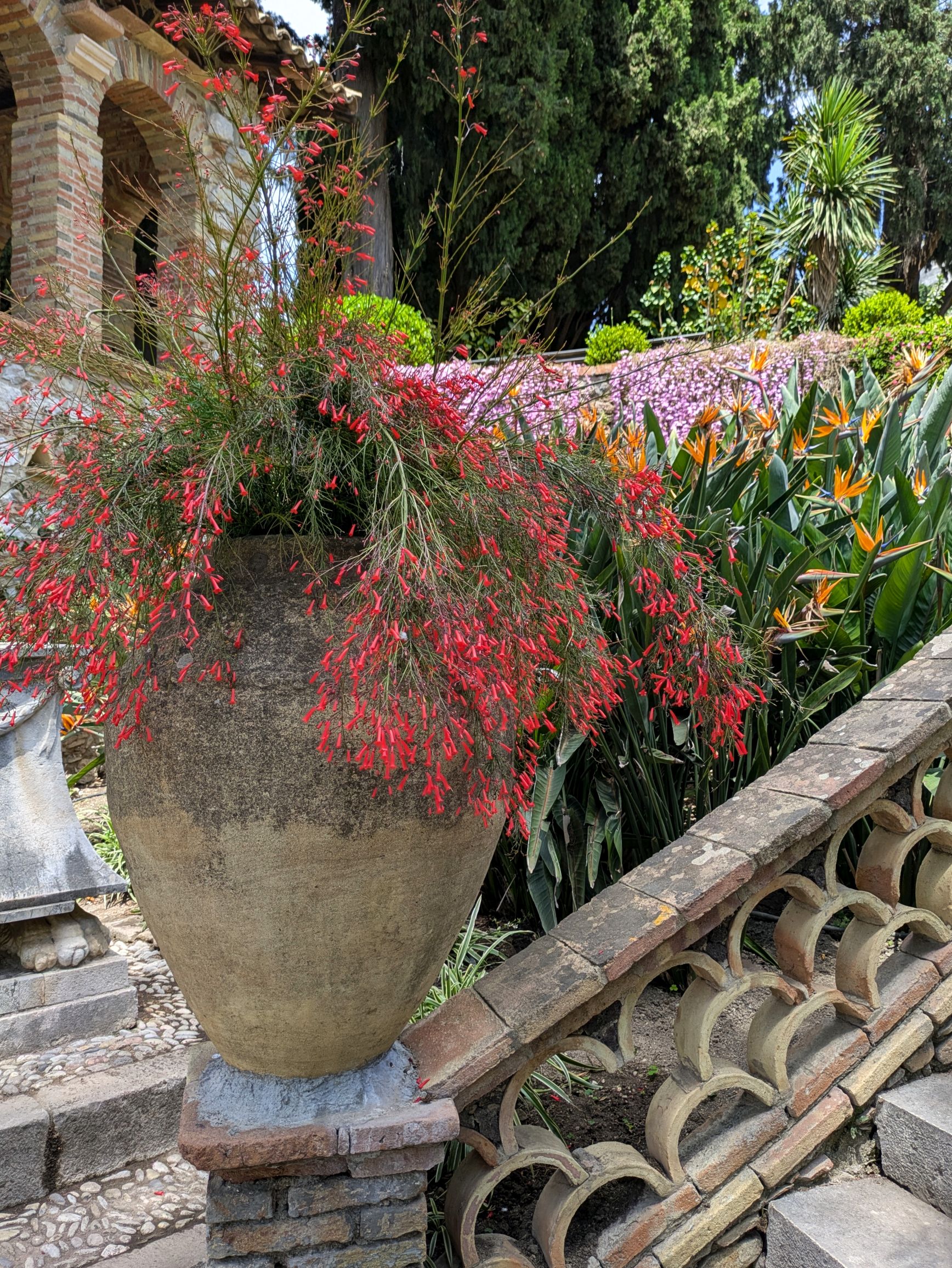
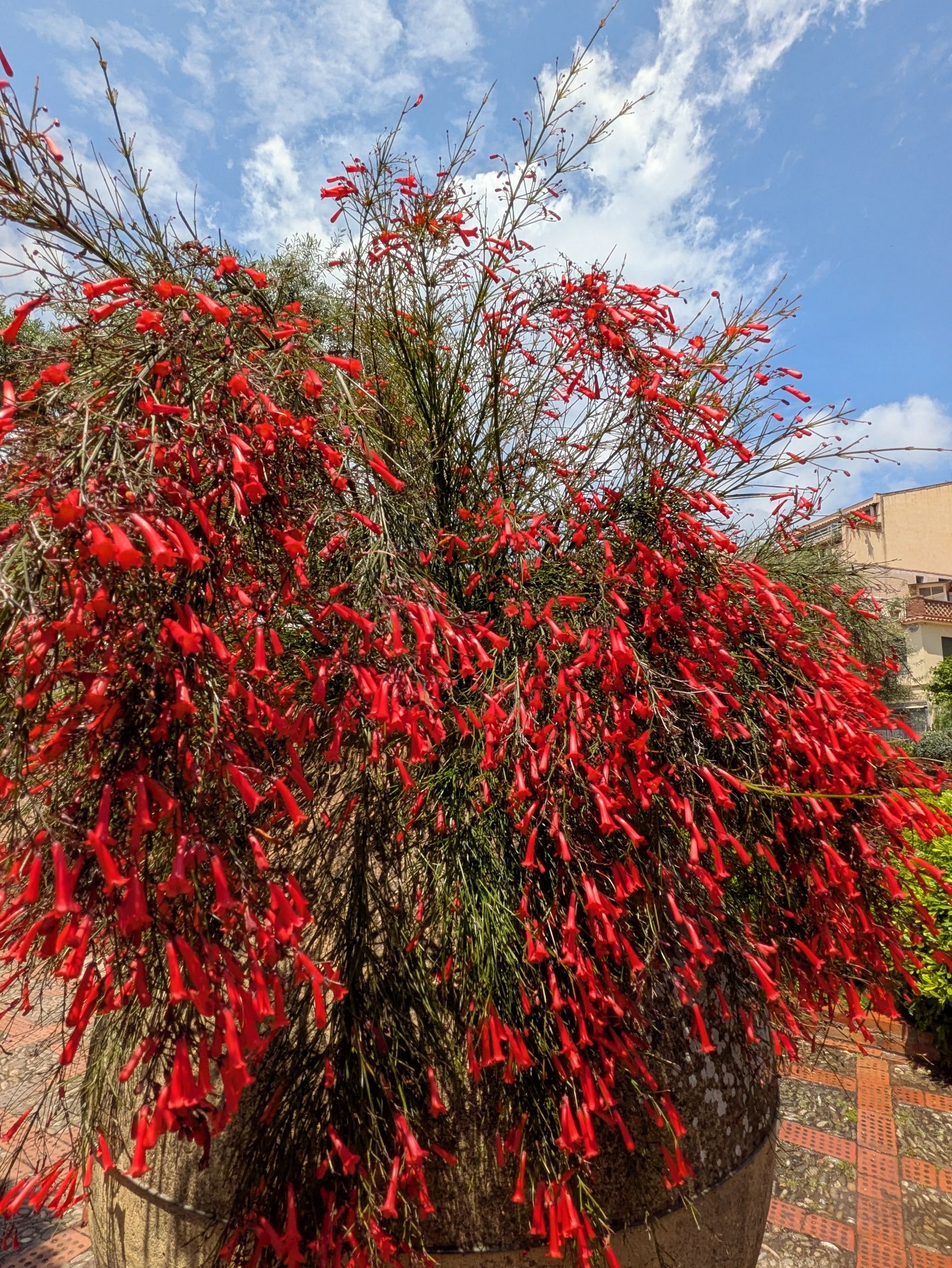
I loved the steep hills of this lovely town of 10,000+ people, with its winding streets, stairs everywhere, and bright colors.  A lot of thought was put into making it attractive, charming, and welcoming, and we thoroughly enjoyed seeing as much of it as we could during our free time, including a walk around the public gardens.  The walk down to the gardens wasn’t too bad, but the walk back up the steep hill was a good workout!  It was so worth it, though!

Taormina Public Gardens
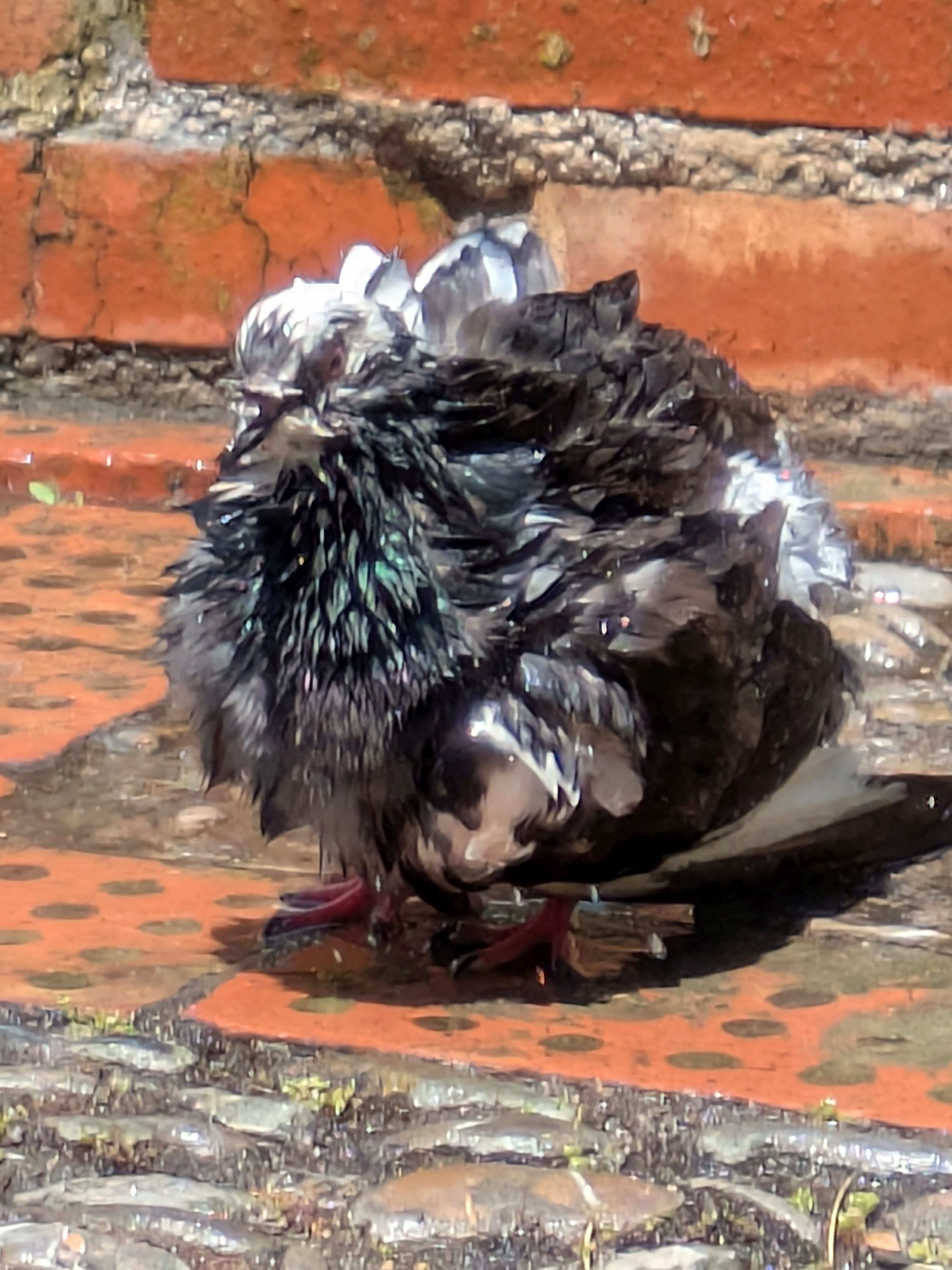
This bird was enjoying his bath!

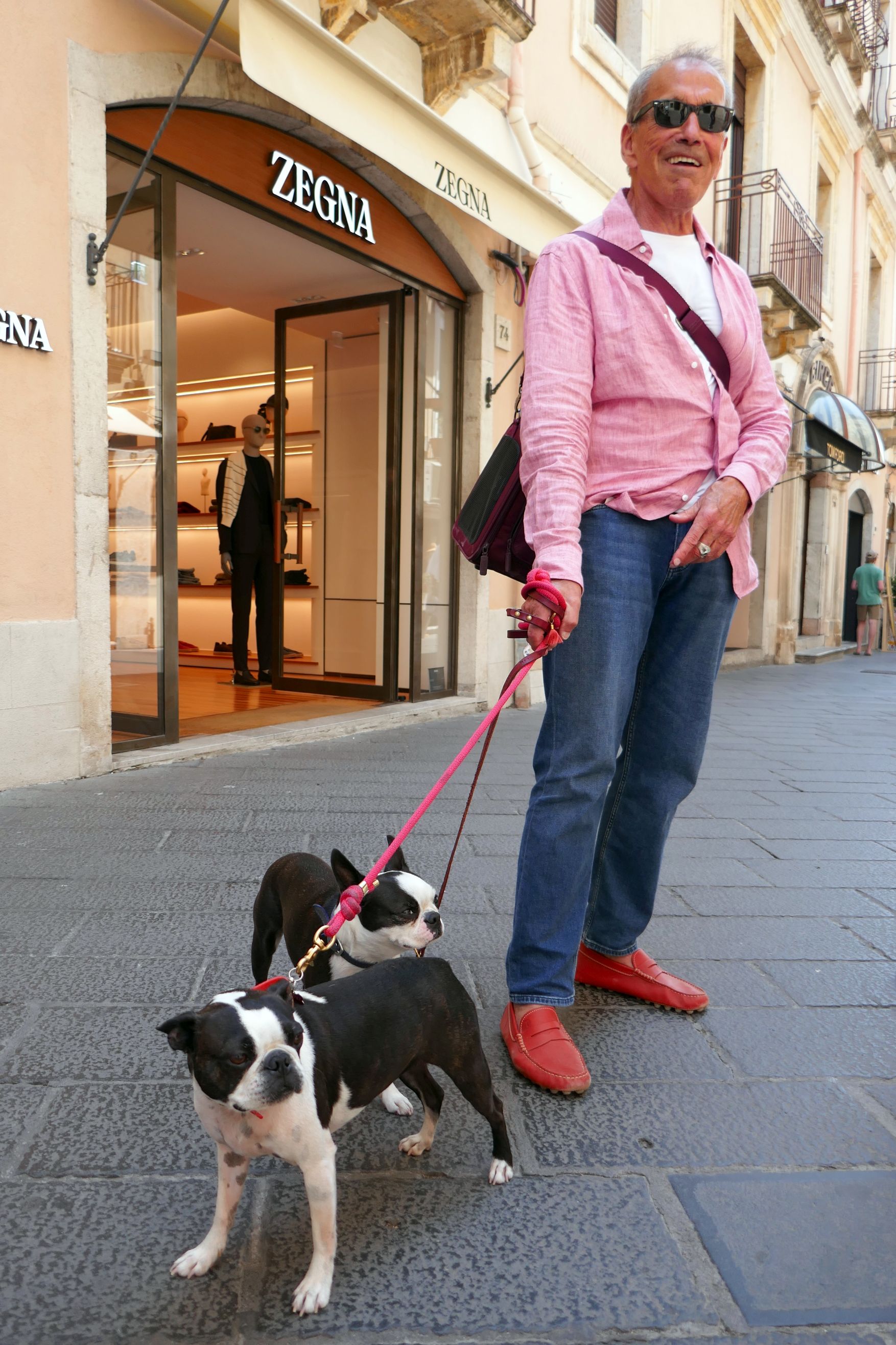
The picture on the left was taken two days prior in Siracusa. Bruce’s favorite dog is a Boston Terrier, and we saw, two! The following day, we ran across the same owner with his two dogs in Taormina.

Coming up next: SICILY & AMALFI COAST #20: MAGNIFICENT MOUNT ETNA

SICILY & AMALFI COAST #18: CULTURAL CATANIA

Catania, Sicily’s second-largest city, was founded in 8th century BC and was once among Italy’s most important cultural centers, particularly during the Renaissance period.  This was our final “home base” for three nights before embarking on our post-tour extension to the Amalfi Coast and Naples.

Located on the east coast of Sicily, the densely populated city of nearly 300,000 residents has a metropolitan population of over one million people.  The industrial center of Sicily, Catania is also its logistical and commercial hub.  It is known as the “Black City,” because black lava stone was commonly used in construction.

We arrived in the late afternoon following our visit to Sircusa and had a walking tour of the city the next day, after visiting the World War II Museum, Museo Storico dello Sbarco.  Military and war museums are a hard pass for me, but I did manage to stumble upon an excellent photography exhibit featuring the works of Phil Stern (1919 – 2014).

Best known for his portraits of Hollywood stars and musicians, this exhibit mostly featured his work while serving as a U.S. Army Ranger during World War II.  But what caught my eye (and made me laugh!) was something he sent to Frank Sinatra.  Make sure to read it in its entirety.

(For all photos, click on the image for a full screen view.)

The following are scenes photographed around the city center of Catania during our free afternoons and evenings:

Catania Cathedral

Next up: SICILY & AMALFI COAST #19: TERRIFIC TAORMINA