As a graduate of Recreation Administration, from San Diego State University, I have made recreation and travels my career and life’s passion. After graduation, I traveled solo for one year throughout the South Pacific, doing travel photography in a wide variety of settings. Upon my return, many of my photographs became the subjects of my newly created line of handcrafted photographic greeting cards, "Exquisite! By, Elaine", a business I have had since 1986. Check them out at: http://ExquisiteCards.fototime.com .
In 1983, I began teaming up with my mom, Goldie, teaching arts & crafts to cruise ship passengers, aboard Princess Cruises and Royal Caribbean. In addition, I lectured on travel photography, as well as Australia and New Zealand history, aboard Princess Cruises.
In 2004, I formed a new teaching team with my recently retired husband, Bruce, who serves as my "humble assistant" until 2010 when the cruise lines shifted the arts and crafts program to mostly being taught by their own staff.
Currently, our favorite mode of travel is by river boat. Along the way, we enjoy poking around small European towns, meeting the people, seeking out interesting photo subjects, and always stopping at every chocolatier to make a purchase. Adding to my chocolate label and wrapper collection is a bonus! And, as a U.S. Masters swimmer, if I can find a pool to get in a swim with the locals, all the better!
Cheers!
Elaine-iaK
~ Believing in your dreams can be far more rewarding than living by your limitations~ -Karla Peterson
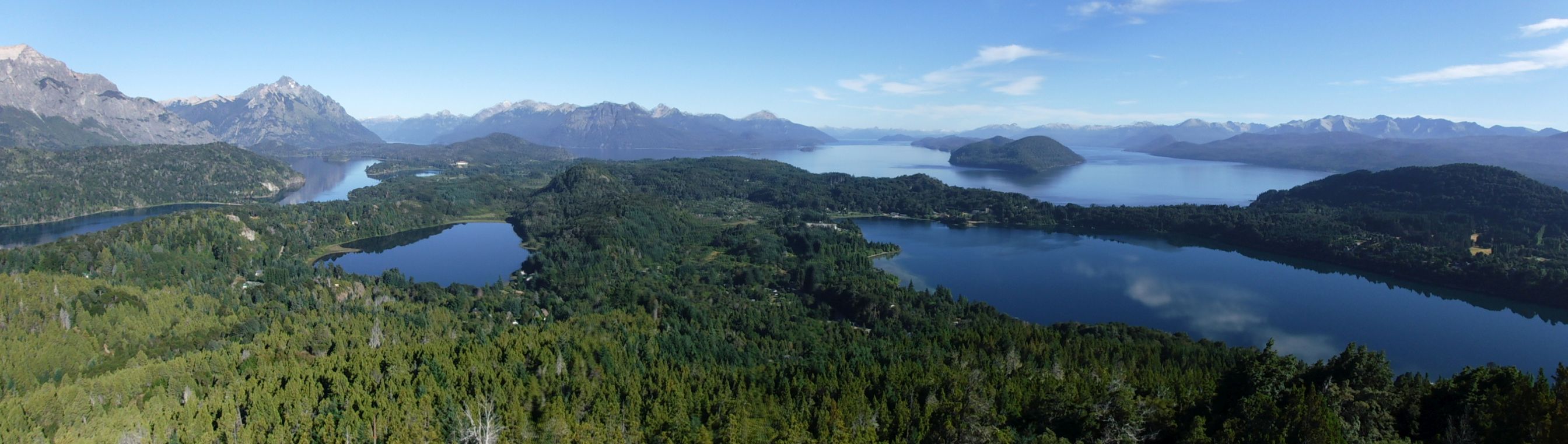
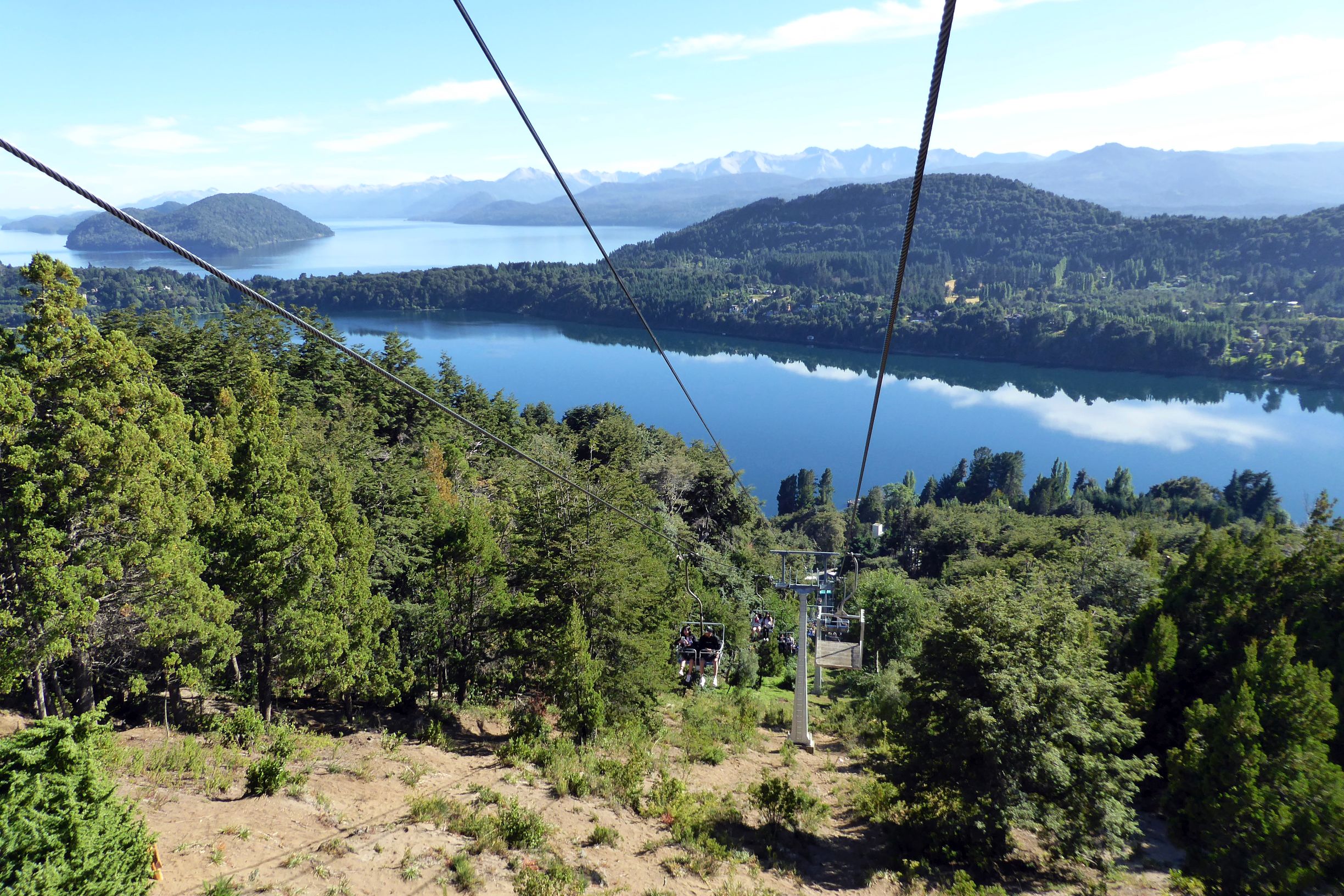
Looking over the trip itinerary, this was one of the days we were especially hoping for good weather. A chairlift ride up Mount Campanario was on the agenda, so we could take in the views of Bariloche below. Rain or fog would have been a big, bad, bummer! This is what we got instead:
(For all photos, especially panoramas, click on the image for a full screen view.)
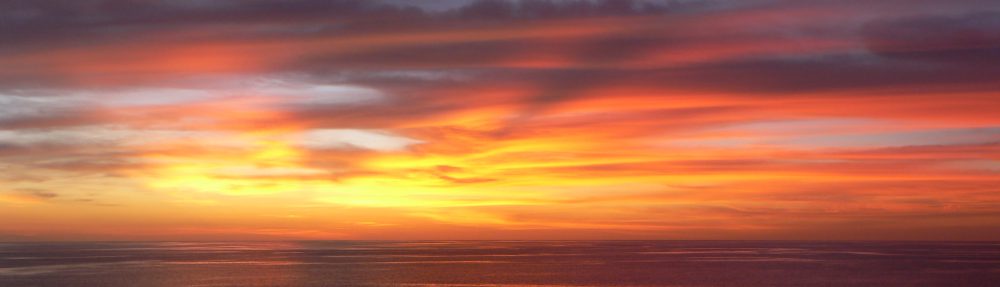
This sunrise view from our hotel room got us excited for the sunny day ahead!
We were surrounded by these tall trees as we made our way to the chairlift at the base of Mount Campanario.
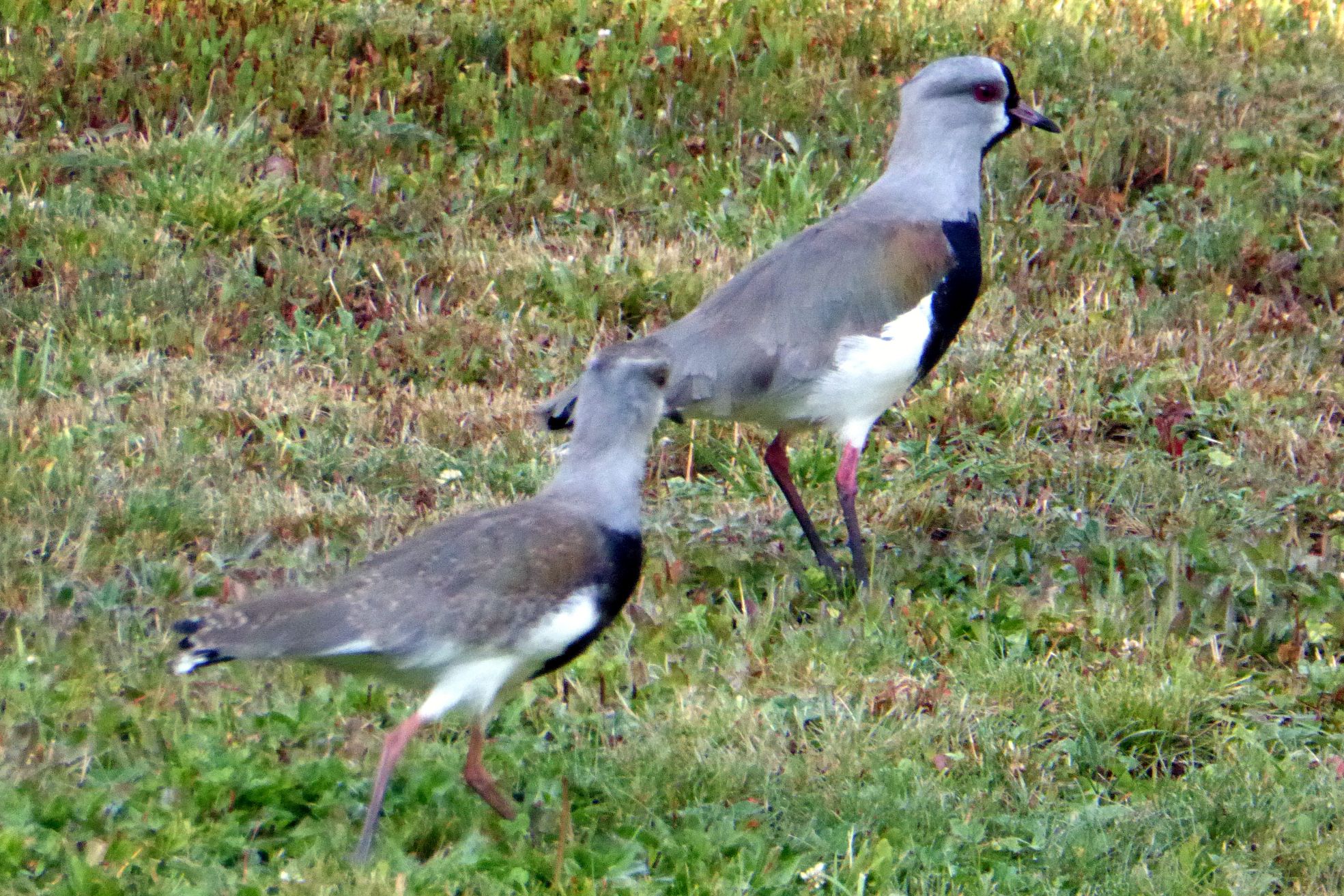
Southern Lapwings were poking around for breakfast.
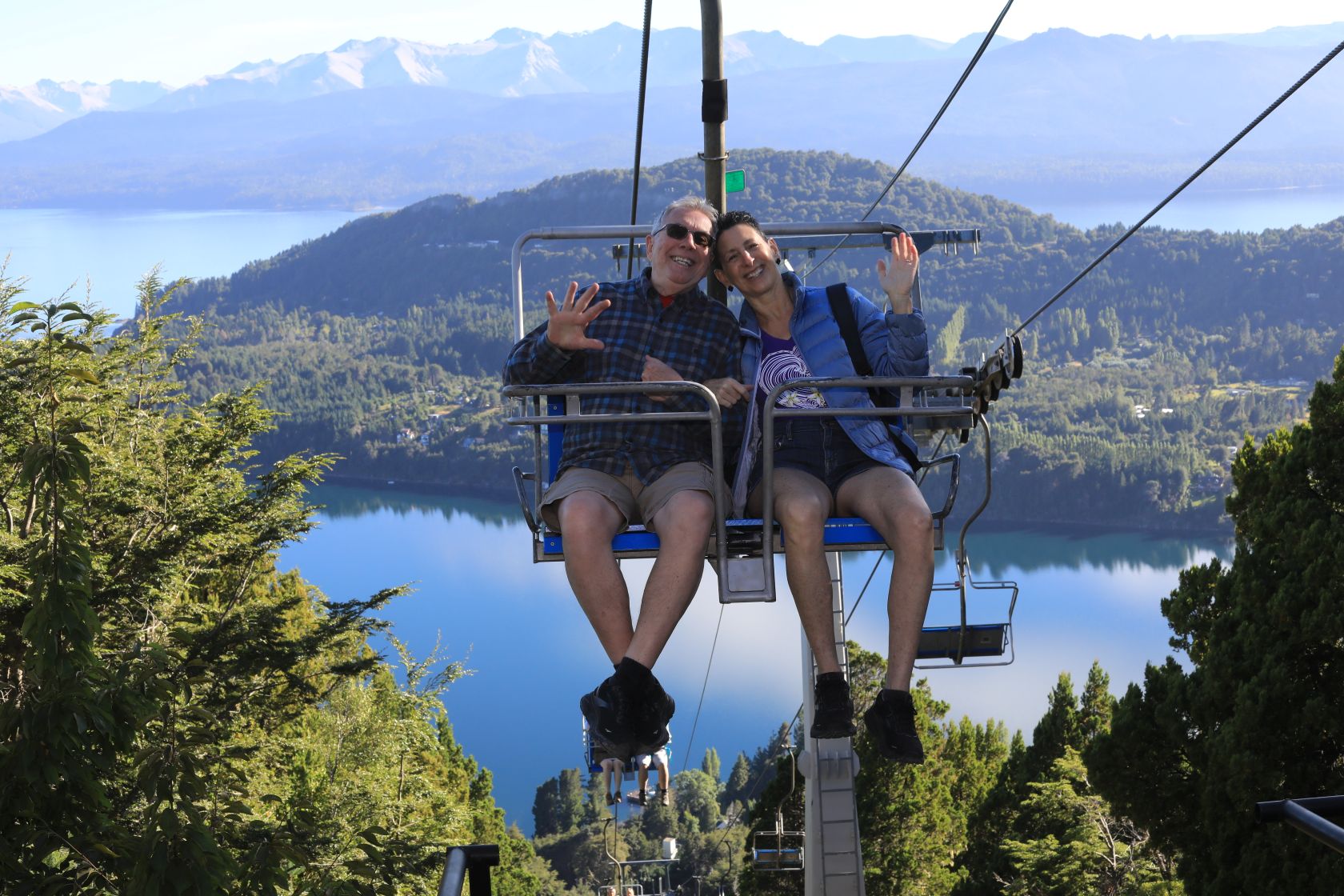
That’s us waving to you, dear readers!
We were told there would be a local guy shooting photos when we arrived at the top, so just smile and let him take the photo, because there would be no obligation to purchase it. Bruce and I are not into selfies; we typically want just a shot or two taken of us at our favorite vistas of each trip and leave it at that. At 3,000 pesos ($3), though, I decided to buy our photo as an insurance policy, just in case… If the guy followed through and e-mailed the file, at least I would have one picture of the trip! As it turned out, Andrea shot a ton of photos of us and the group throughout the tour, so I will be including more shots of us than usual in my upcoming blog posts.
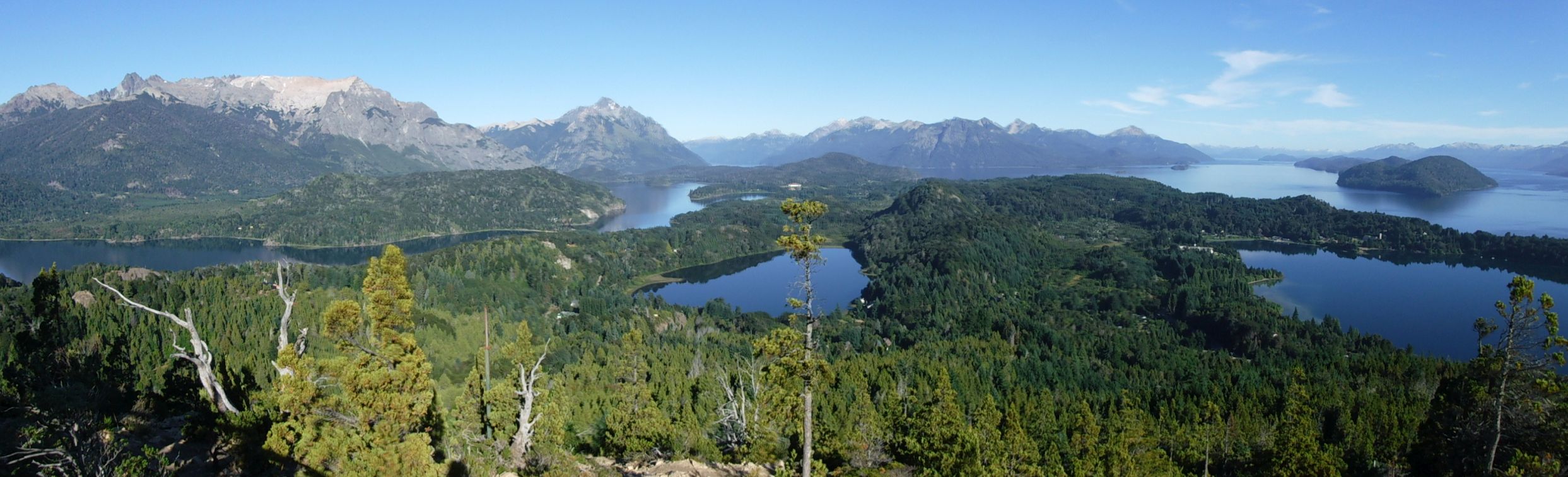
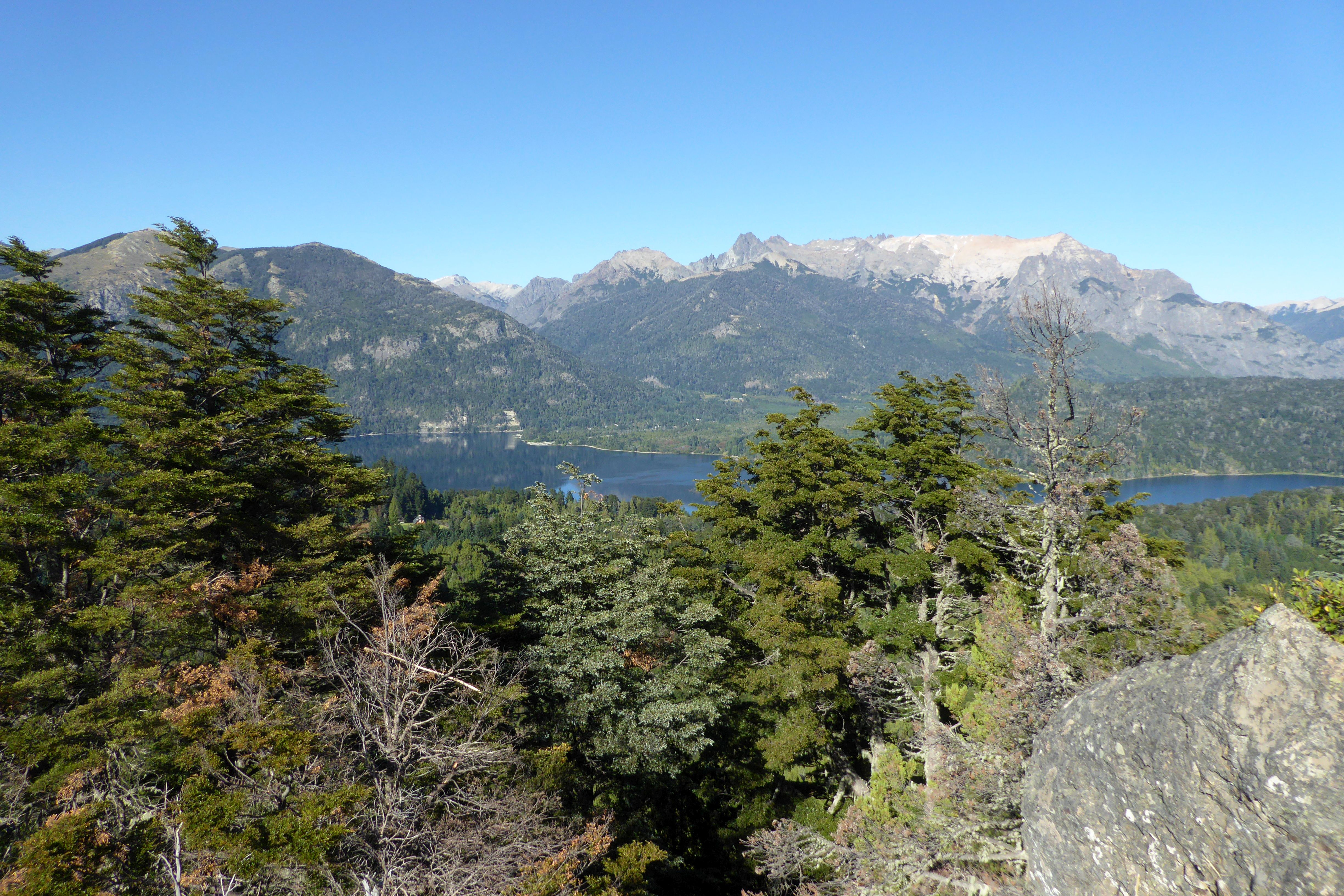
Just look at these views!
We were absolutely in awe with gratitude!
Following our visit to Mount Campanario, we went to Brazo Tristeza and did a beautiful hike around Lake Moreno. Seeing it up close and personal was a different perspective than the birds-eye view we got atop Campanario, and we enjoyed seeing the flora and fauna of the area.
Make sure to click on this shot of Lake Moreno for a larger view. The lake was stunning!The water was so clear, we could see fish swimming around by the shoreline.
We were rewarded with a little treat too—another one of Andrea’s “discoveries.” This one was my favorite: Cusenier Dulce de Leche liqueur. We all agreed it would taste delicious poured over Argentinian gelato!
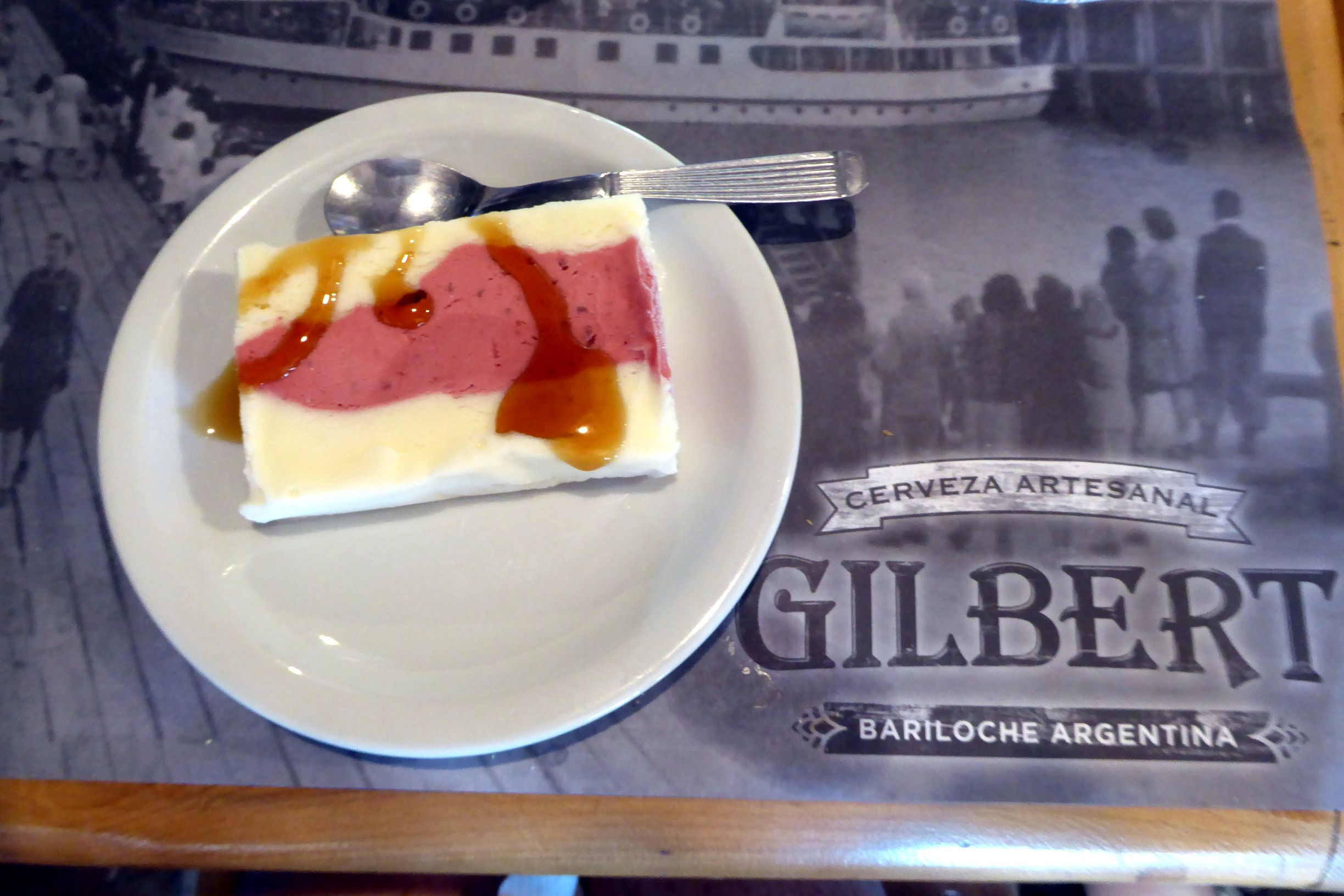
Our group lunch was at Gilbert Artesanal Brewery, where we first learned about their brewing process, and then tasted a few different offerings along with our lunch.
Ice cream with dulce de leche, of course!
We stopped at this view point on our way back to town.
Included lunches on these tours are like dinners, so when they are followed by “dinner on your own,” Bruce and I head to the local market or bakery and pick up something light to bring back to the hotel. In this case, the weather was lovely and the views from the hotel patio were gorgeous, so our little patio picnic of bakery sandwiches was a delightful way to enjoy the evening.
Coming up next: ARGENTINA & CHILE #6: Blissful Bariloche Bonbons and a BBQ at a Family Ranch.
“Bariloche” (San Carlos de Bariloche) was about a two-hour flight from Buenos Aires and well worth the effort it took for our group to get there. There had been a strike of airport workers the day before, so all flights had been canceled, leaving the airlines having to deal with a big mess the day we flew out. There was a long wait to check in; however, we made it to our gate in time for our flight.
Located in the mountains of northern Patagonia, we had expected it to be cold and windy, the typical weather for the region, even in the summer. As a matter of fact, on the windiest days in Bariloche, cars line up in the parking lot next to the lake for a free car wash!
I was shocked when the forecast showed a high of 79 and no wind on our day of arrival, and we were warned that we could experience all four seasons in a single day. Don’t like the weather? Wait five minutes, and it will change. Except, it didn’t change much during the entire three days we were in Bariloche. It was warm and sunny our first day and got even warmer! So much for the cold-weather clothes and rain gear I had packed; I wore shorts and t-shirts in Bariloche!
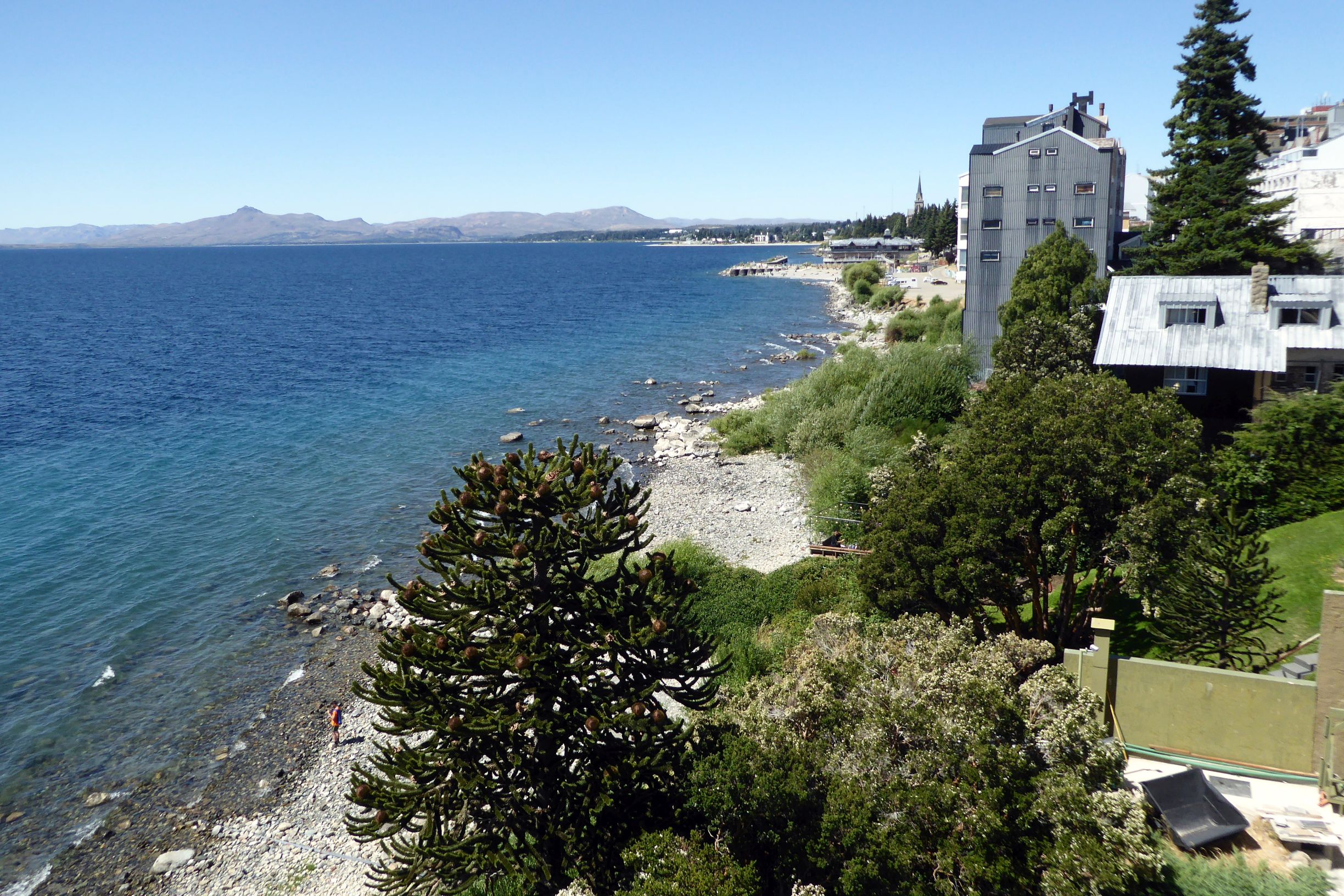
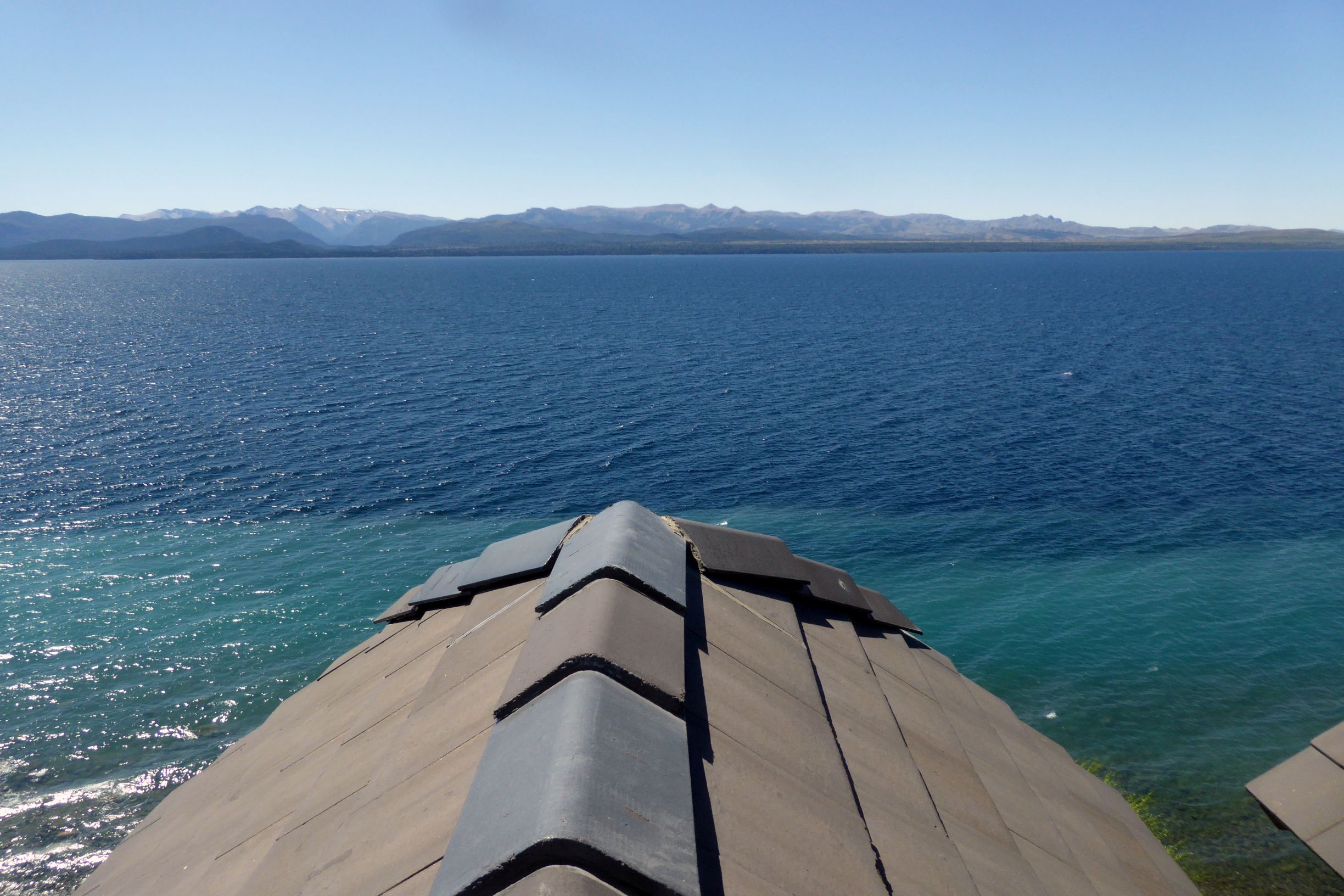
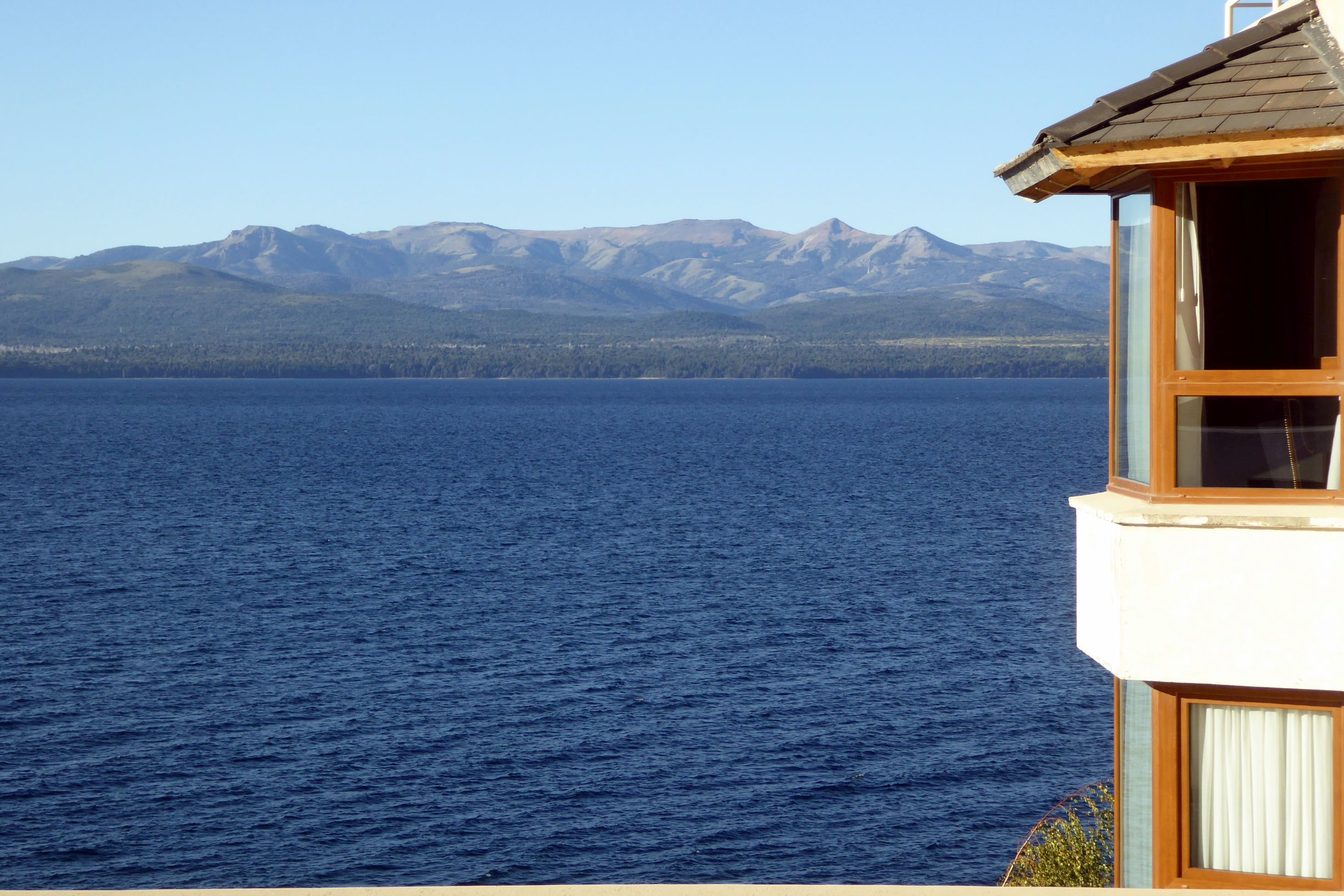
Upon our arrival at Cacique Inacayal Hotel, we were greeted with this breathtaking view of Nahuel Huapi Lake, a 40-mile long lake surrounded by the foothills of the Andes. The hotel was beautiful—interesting architecture and a lot of wood and stone fit in perfectly with the Alpine vibe of this city settled by the Germans and Swiss. Nicknamed “Little Switzerland,” it’s the second-most visited destination in Argentina, and I instantly could see why. The city sits in the center of Nahuel Huapi National Park, which offers many outdoor activities and sightseeing, which we would be doing the following day. Stay tuned!
(For all photos, click on the image for a full screen view. Desktop computer monitors are best!)
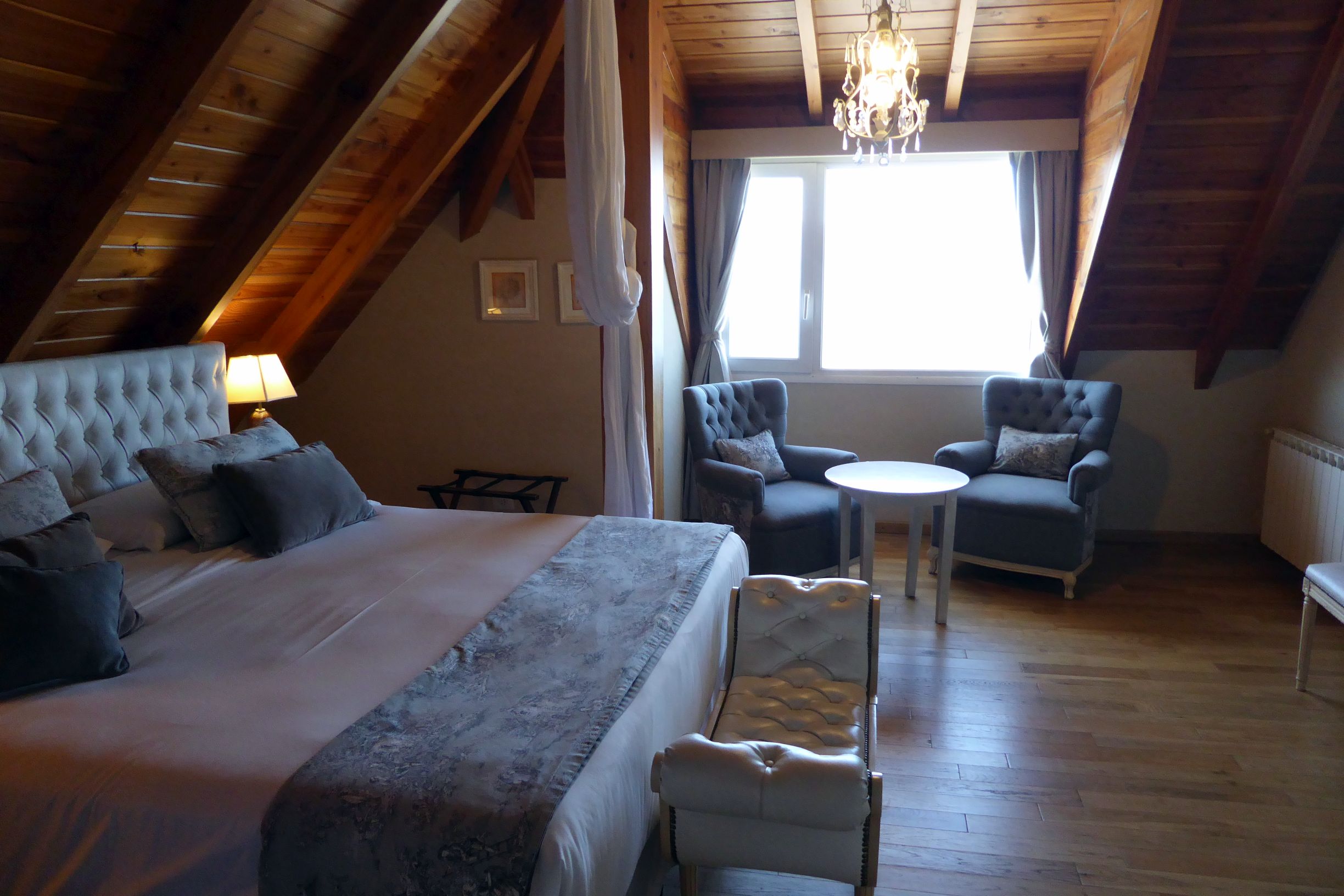
Meanwhile, we settled into our room before Andrea led us on a walking tour of the town. We were fortunate the top-floor room we got was unwanted by the couple it was assigned to, because of the stairs required to reach it after the elevator ride. We prefer taking stairs rather than elevators for the exercise, so we gladly accepted the switch. This is our room with the gorgeous view:
The view of our top-floor room from the bar patio.
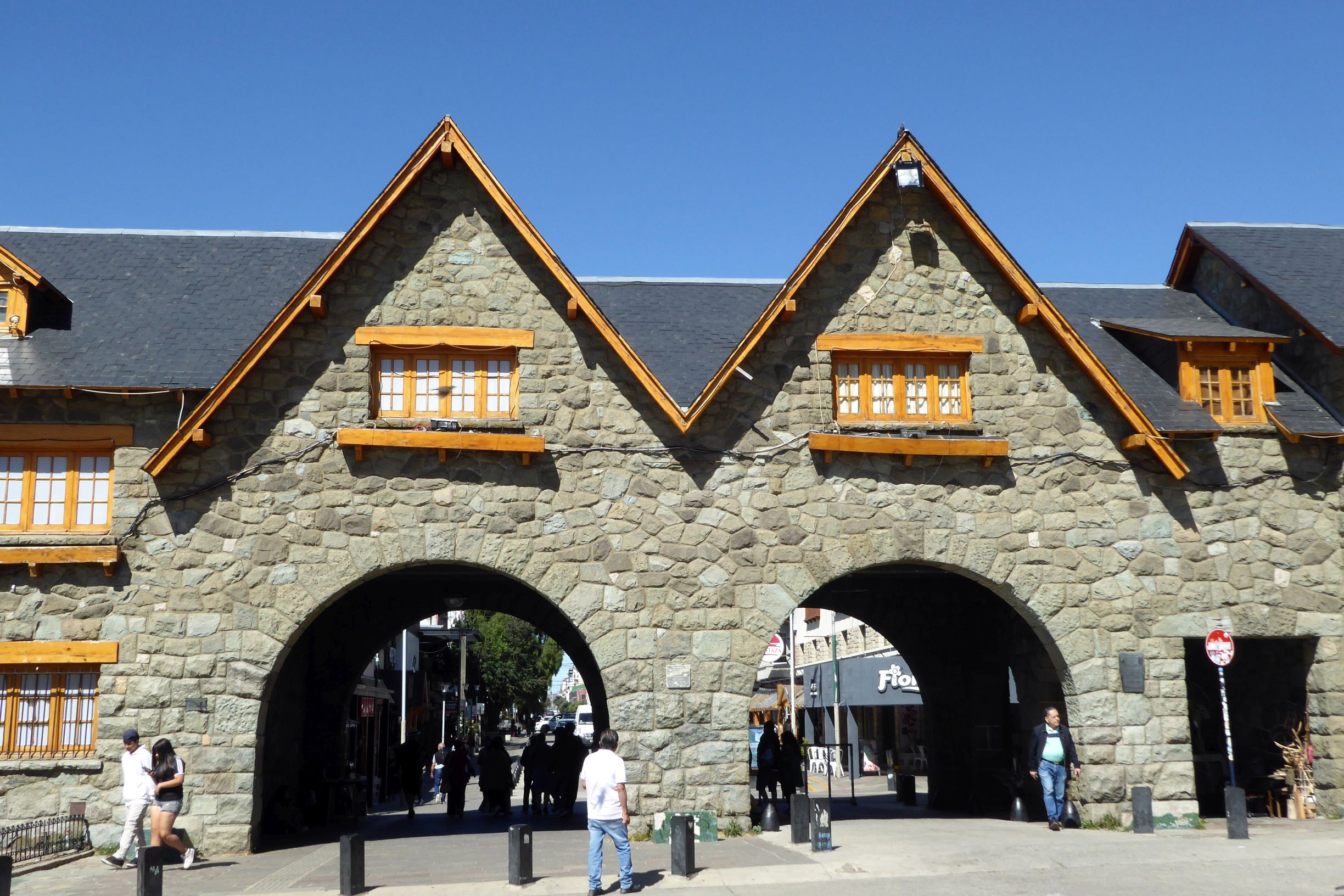
The town center was a short walk away, and I found it to be quite charming—and, a bit (pleasantly!) distracting. Not only does Bariloche have the nickname “Little Switzerland,” but it lives up to that name with all its chocolate shops! Stay tuned for more about that, too, in an upcoming post…
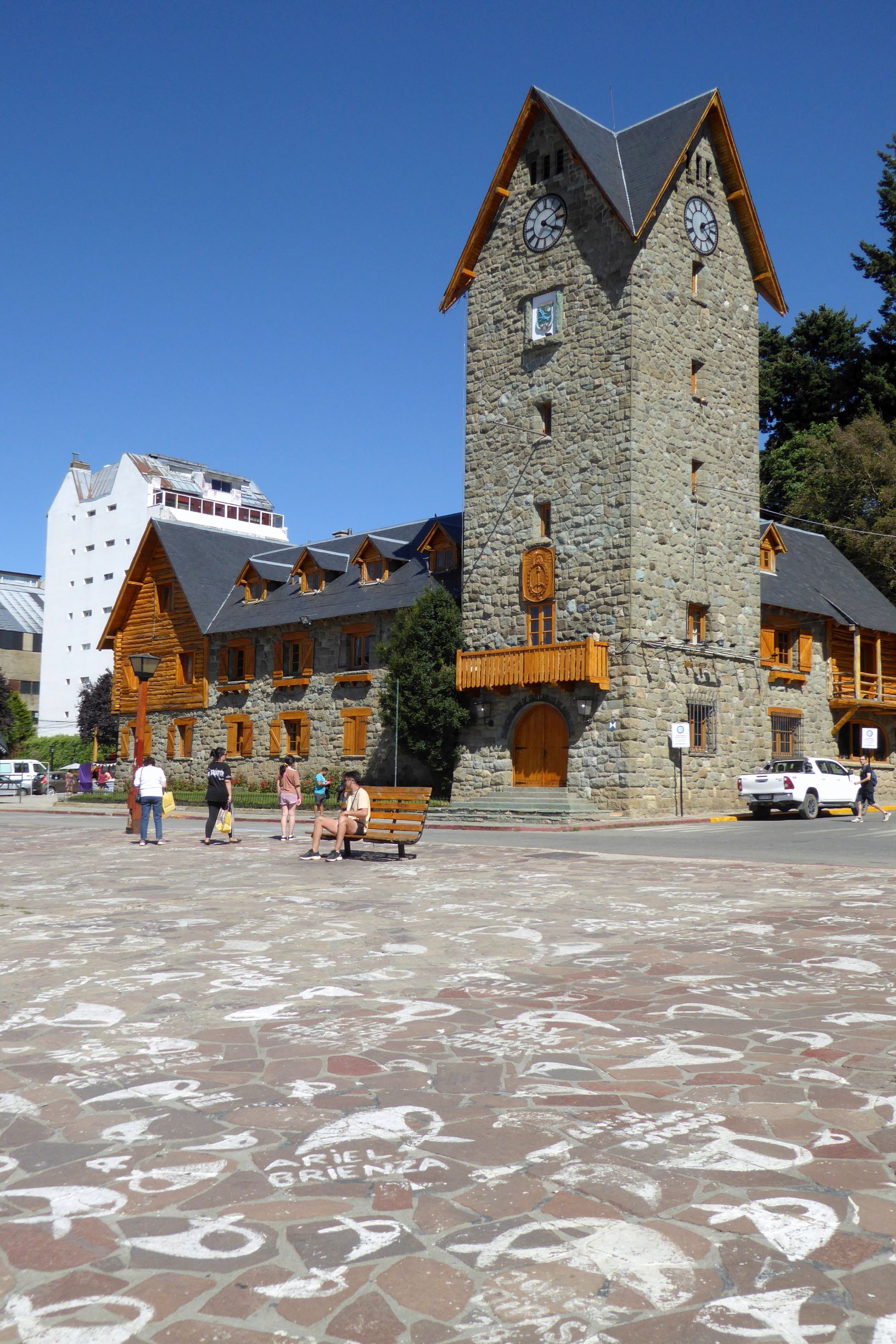
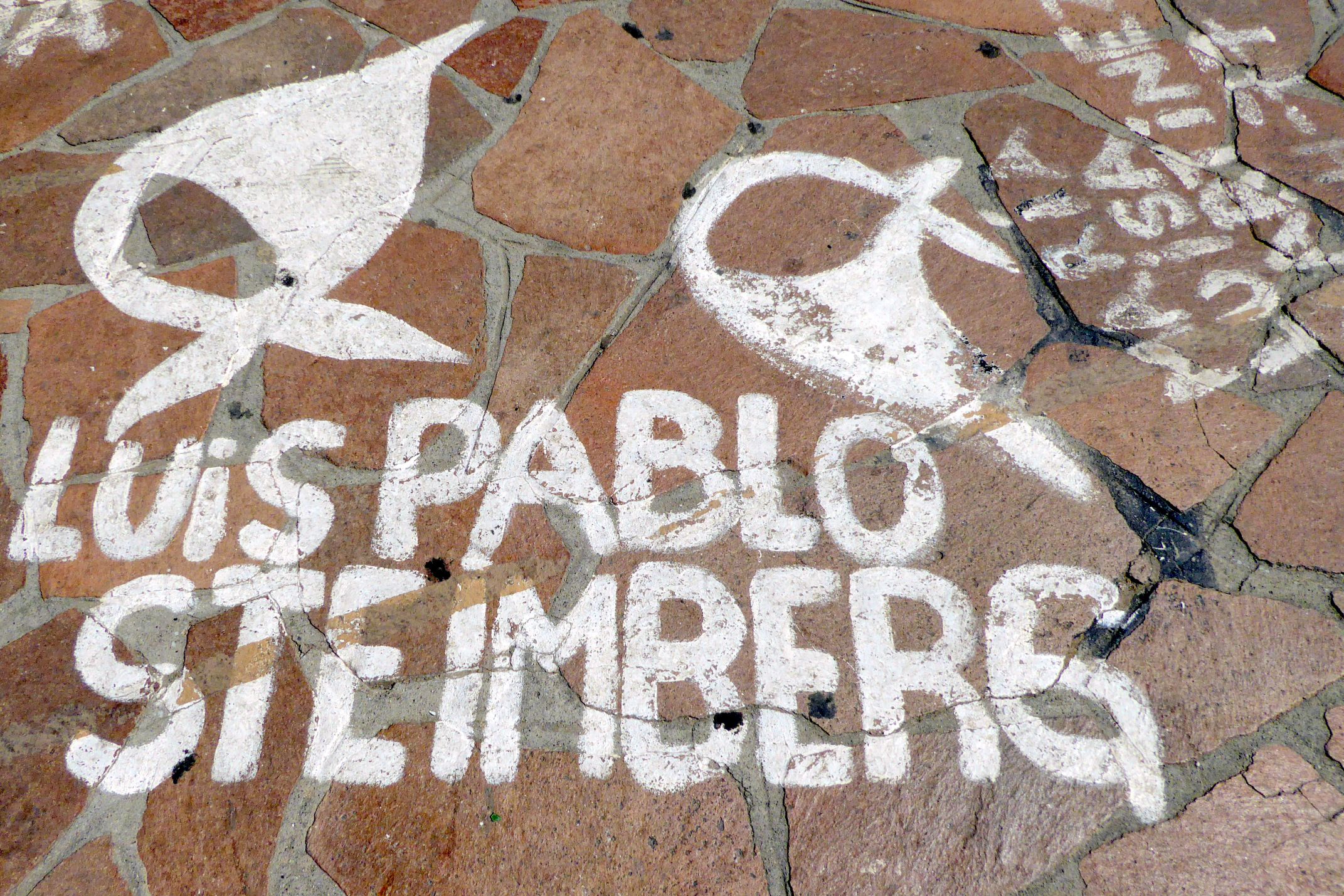
White scarf symbols of the Grandmothers of May Square were painted throughout the square, along with names of those who were “disappeared”– a memorial to those who were never found.
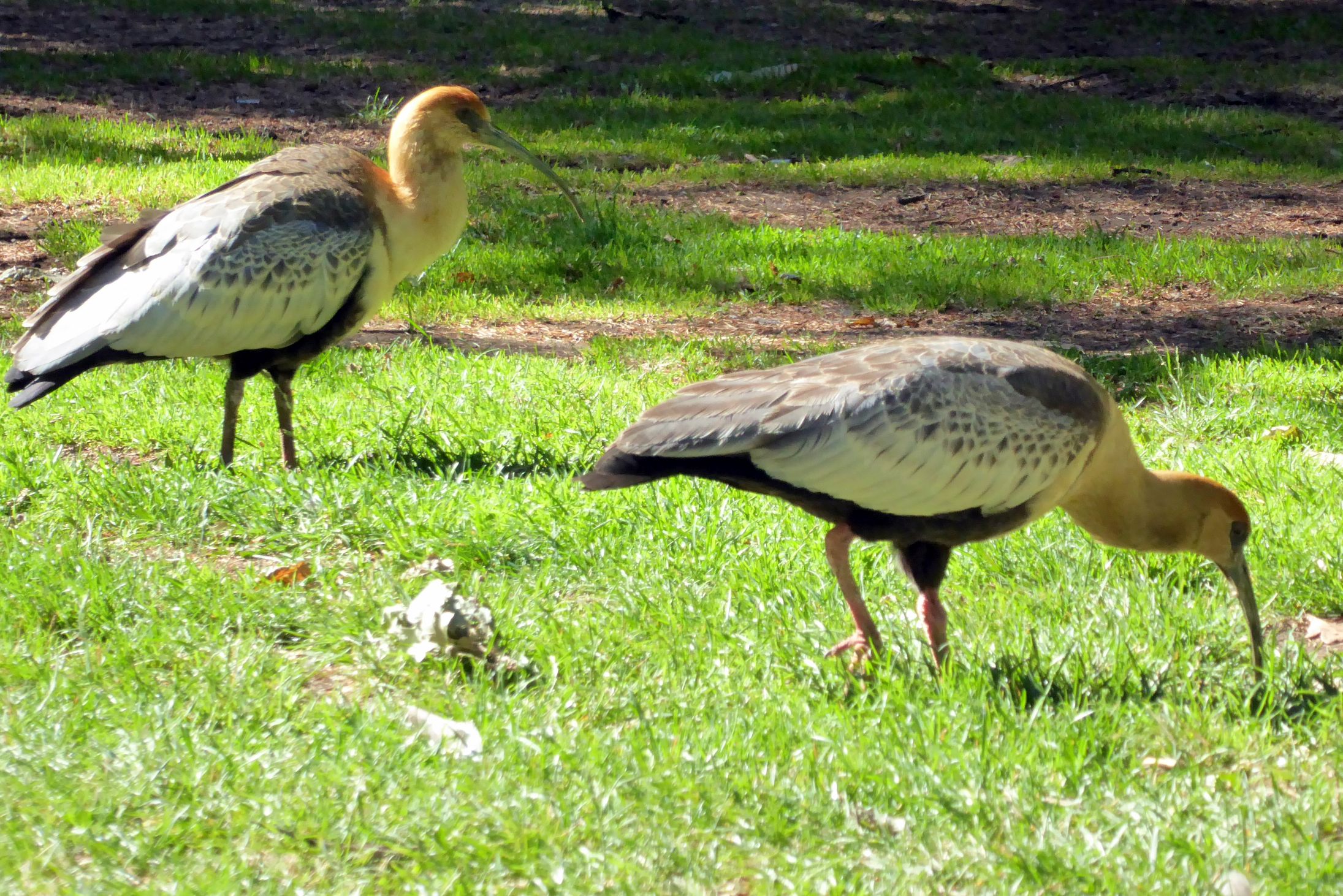
Black-Faced Ibis
Following our walking tour, we gathered at the hotel to meet Christina, from the Mapuche Nation, to learn about the struggles and culture of her native people. MAPU (land) CHE (people) were the first people of the region which today covers the southern half of Chile and Argentina. Throughout their history, they have had to fight fiercely to maintain self-determination and freedom—first, against the Inca Empire, and then for over 400 years against the Spanish, Chilean, and Argentinian authorities.
Why do native people always get the shaft? American Indians, Alaskan Eskimos, Australian Aboriginals, New Zealand Maoris; and; the Mapuche, which evidence proves, have been in Patagonia for 16,000 years! I could go on and on; there are many more natives just like them throughout the world getting the shaft. They all have this in common: They were there first, but they are treated horribly by those who followed, and they get no respect.
In Chile, there is a law that doesn’t allow the Mapuche to protest. If they do, they are considered “terrorists” under the anti-terrorist law. The bottom line? They have less rights than American Indians.
Learning about the Mapuche history and culture fascinated me, and I was most intrigued by their spiritual beliefs. As Christina explained, they only believe in what they can see; they do not believe in God. Our trusty guidebook explained it this way, “The spiritual belief of the Mapuche people is closely linked to the land and their natural environment from which the power of life emanates of a divine family that creates and sustains man and nature. Man is perceived as a part of nature that is interconnected with all the surrounding elements.”
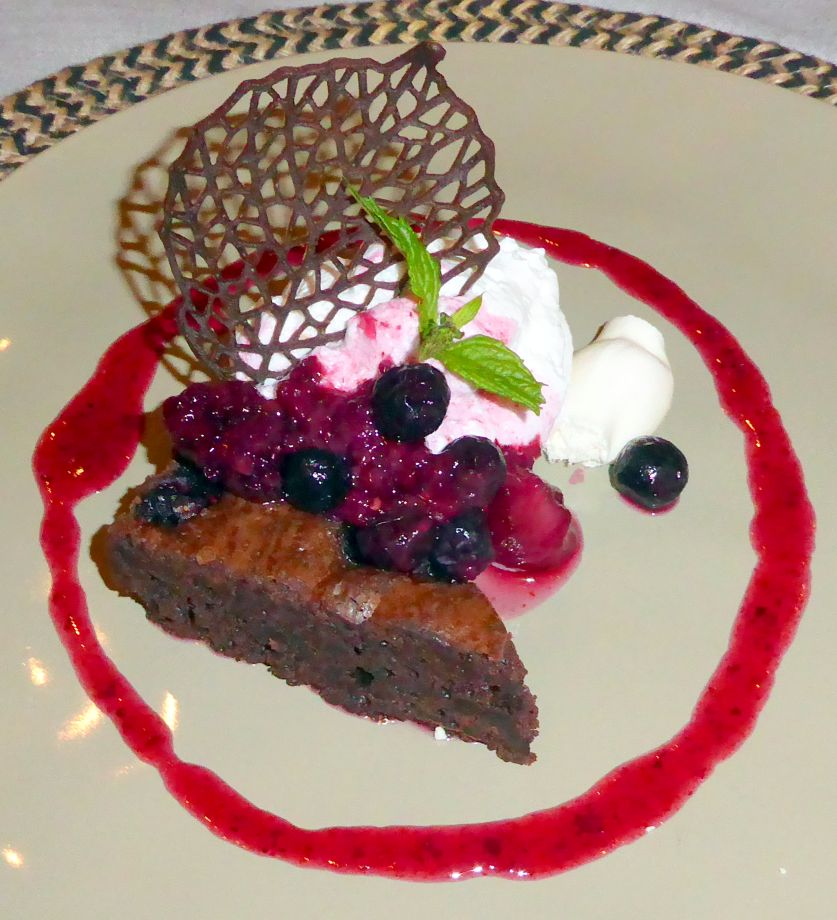
Our first day in Bariloche concluded with the group enjoying dinner together at the hotel—the best part being this exquisite chocolate dessert:
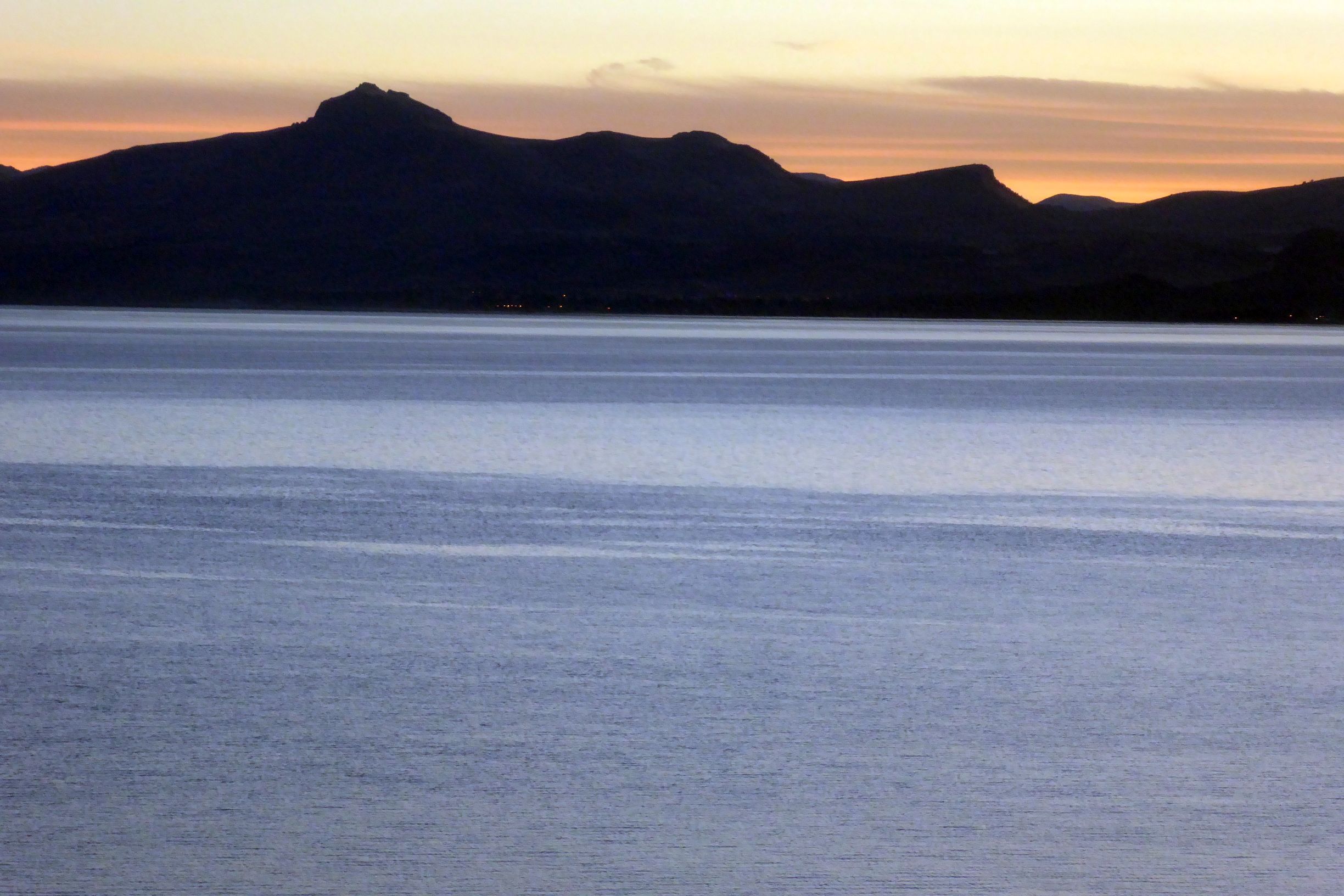
View of the sunset from our room
Next up: ARGENTINA & CHILE #5: BREATHTAKING VIEWS OF BARILOCHE & A BREWERY
Our (very!) full day began with a city highlights tour led by Nora, an excellent local guide. The first destination was Plaza de Mayo (May Square), the main foundational site of Buenos Aires. This is where history is made. It has been the site of Argentina’s largest and most important political demonstrations.
(For all photos, click on the image for a full screen view. Desktop computer monitors are best!)
An afternoon view of the plaza when we returned following the city tour.
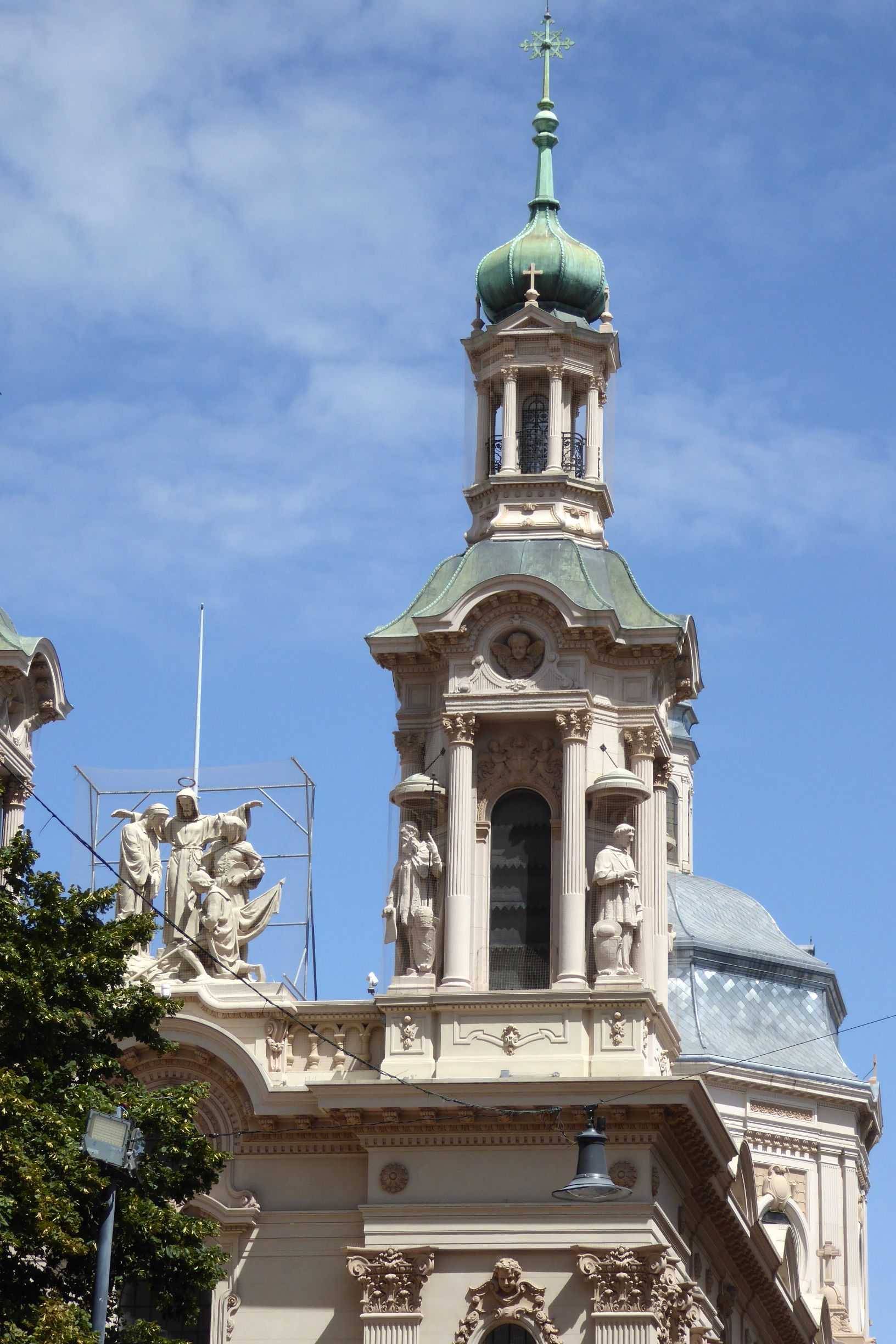
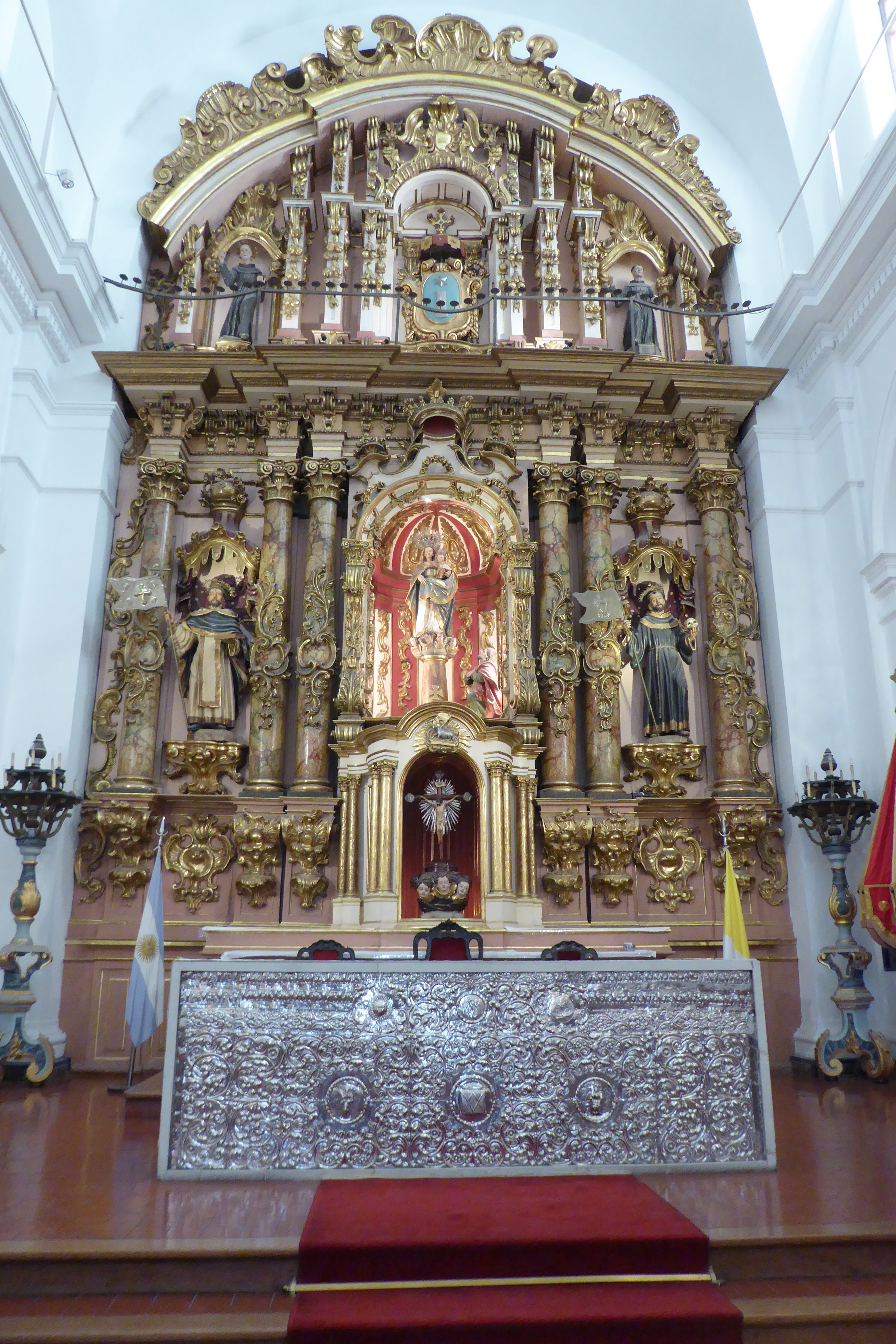
Metropolitan Cathedral on Plaza de Mayo
Plaza de Mayo is also the meeting site for Grandmothers of May Square and the location of their headquarters and museum of memory of 30,000 citizens who were detained during the military dictatorship of 1976 – 1983. We learned about the human rights organization and their work in trying to find the 30,000 young people who were “disappeared”— either kidnapped or born to mothers in prison, stolen, and illegally appropriated. Assisted by United States geneticist Mary-Claire King, the Grandmothers have located about 25% of the estimated 500 children kidnapped or born in detention centers. The kidnapped babies were part of a systematic government plan to have them appropriated to “correct” families that supported the dictatorship.
Our group met one of the victims, Guillermo, and heard his heart-wrenching story. He is one of the (now adult) “disappeared” children who had been born to a Jewish mother but stolen and given to a Catholic couple and given a new identity. He learned the truth at age 21. Both of his grandmothers were part of the original Mothers of May Square. He was found because his sister had provided DNA to find her parents. It was through that match that he was found as well.
You can imagine how the truth destroyed Guillermo’s relationship with the couple he thought were his birth parents. They had committed crimes by taking him, and then lied about it for 21 years. As a result, his “father” served seven years in prison, and his “mother” served three years. Neither sentence was long enough; car thieves serve more for their crimes.
Ultimately, he learned that his birth parents were “disappeared” for being student political activists who protested the dictatorship. They were kidnapped, tortured, and killed.
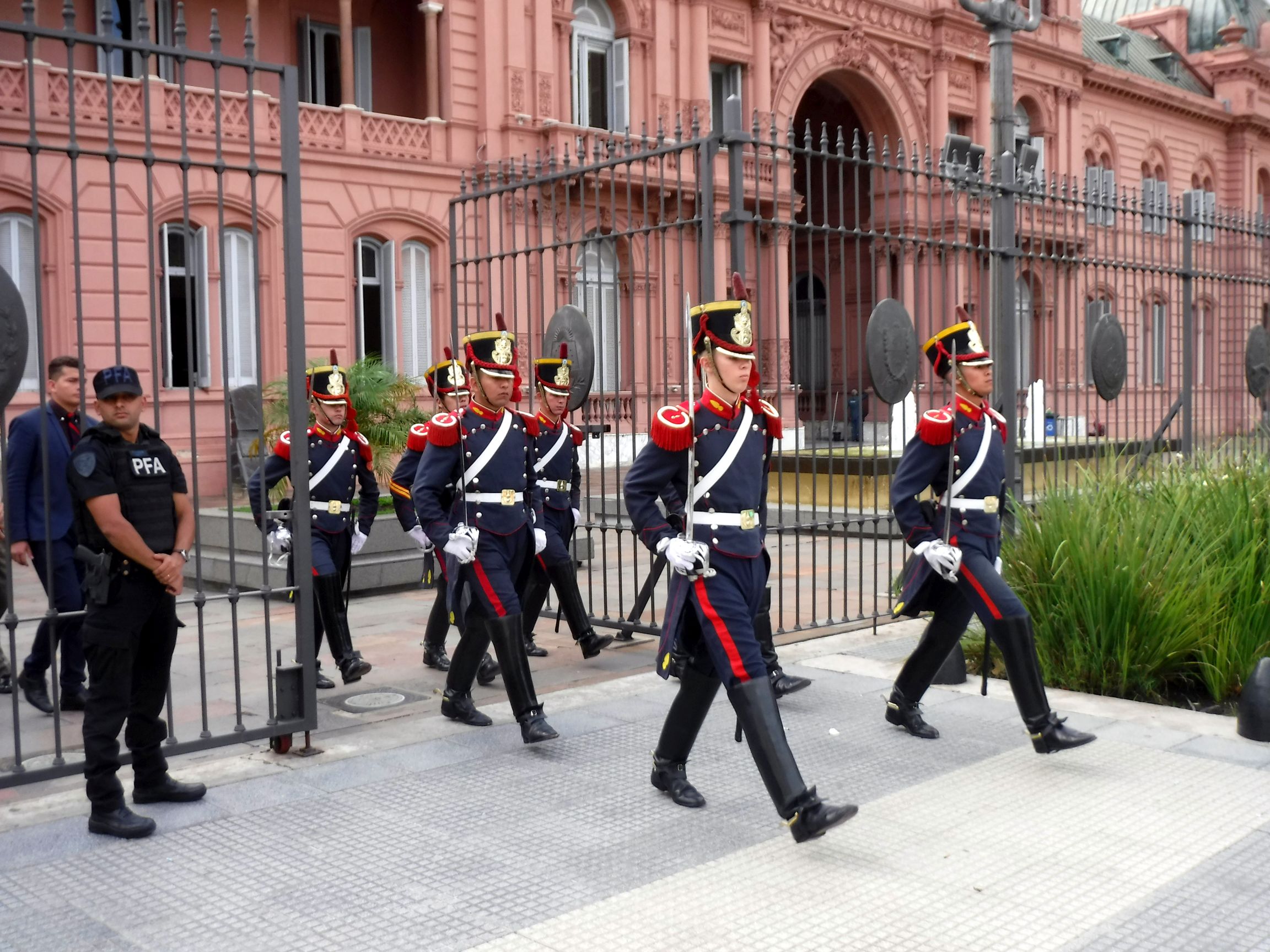
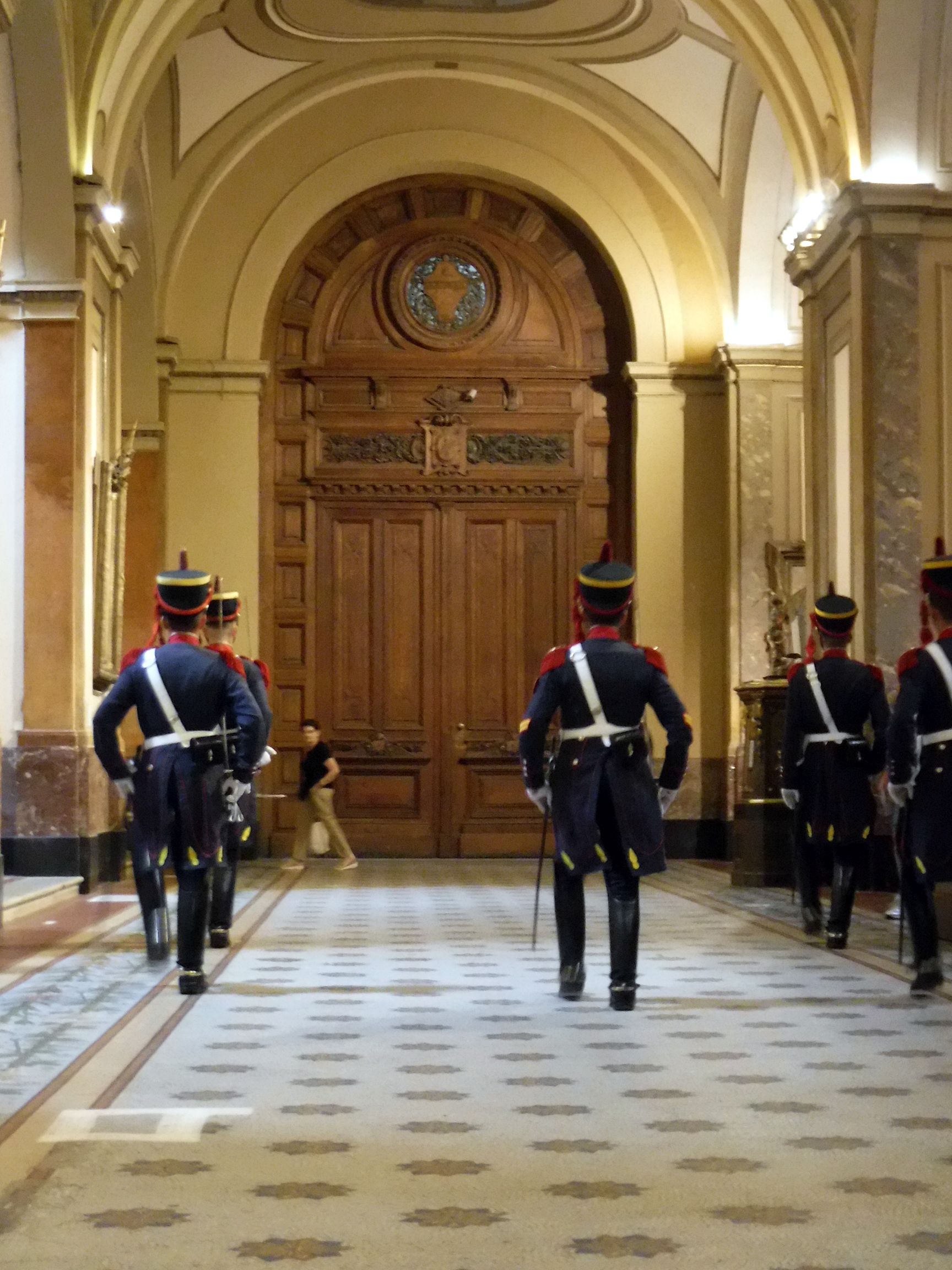
While we were at Plaza de Mayo, we saw the changing of the grenadier guard, marching from Plaza de Mayo to the monument of Argentina liberator San Martin inside Metropolitan Cathedral.
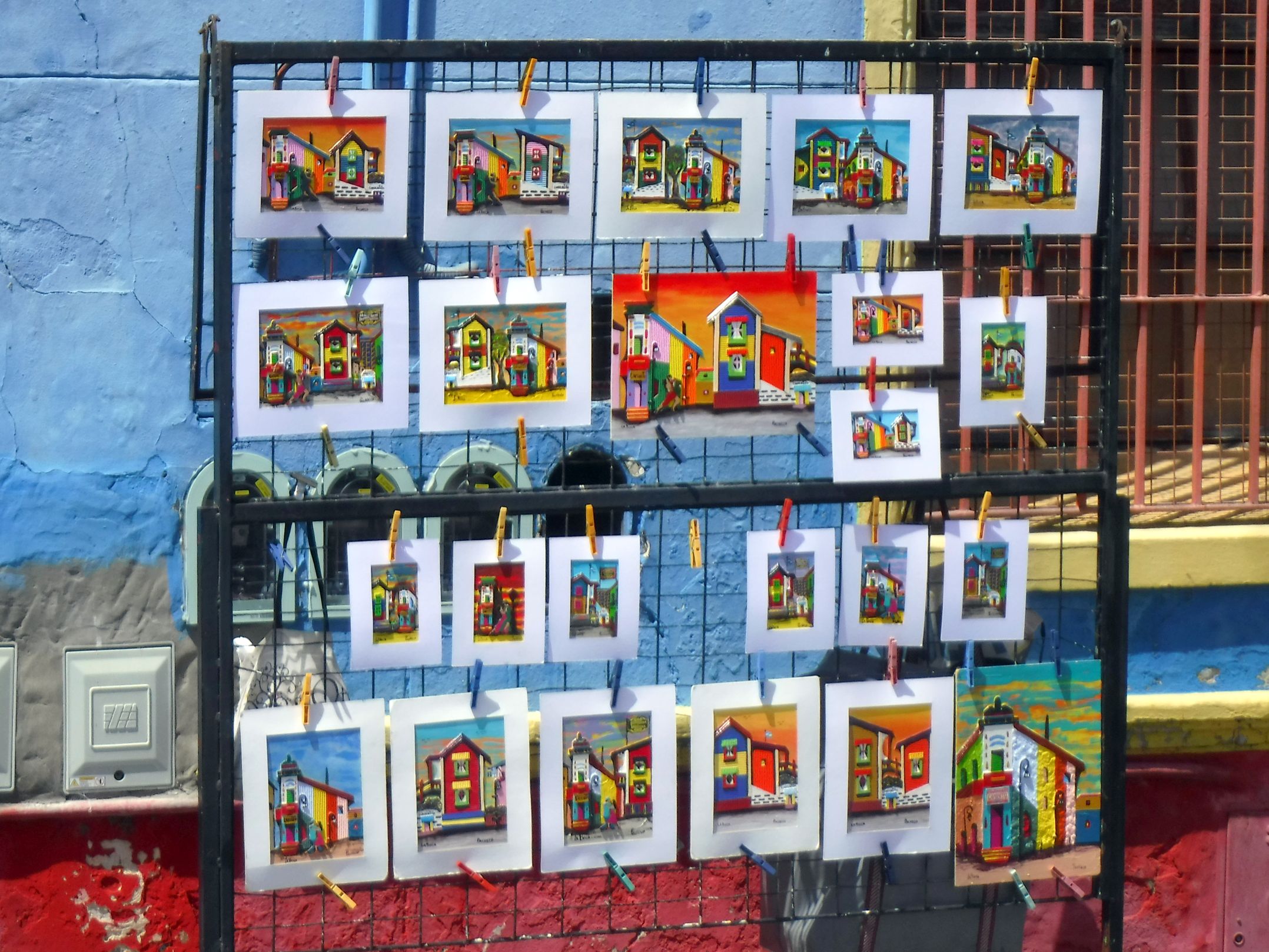
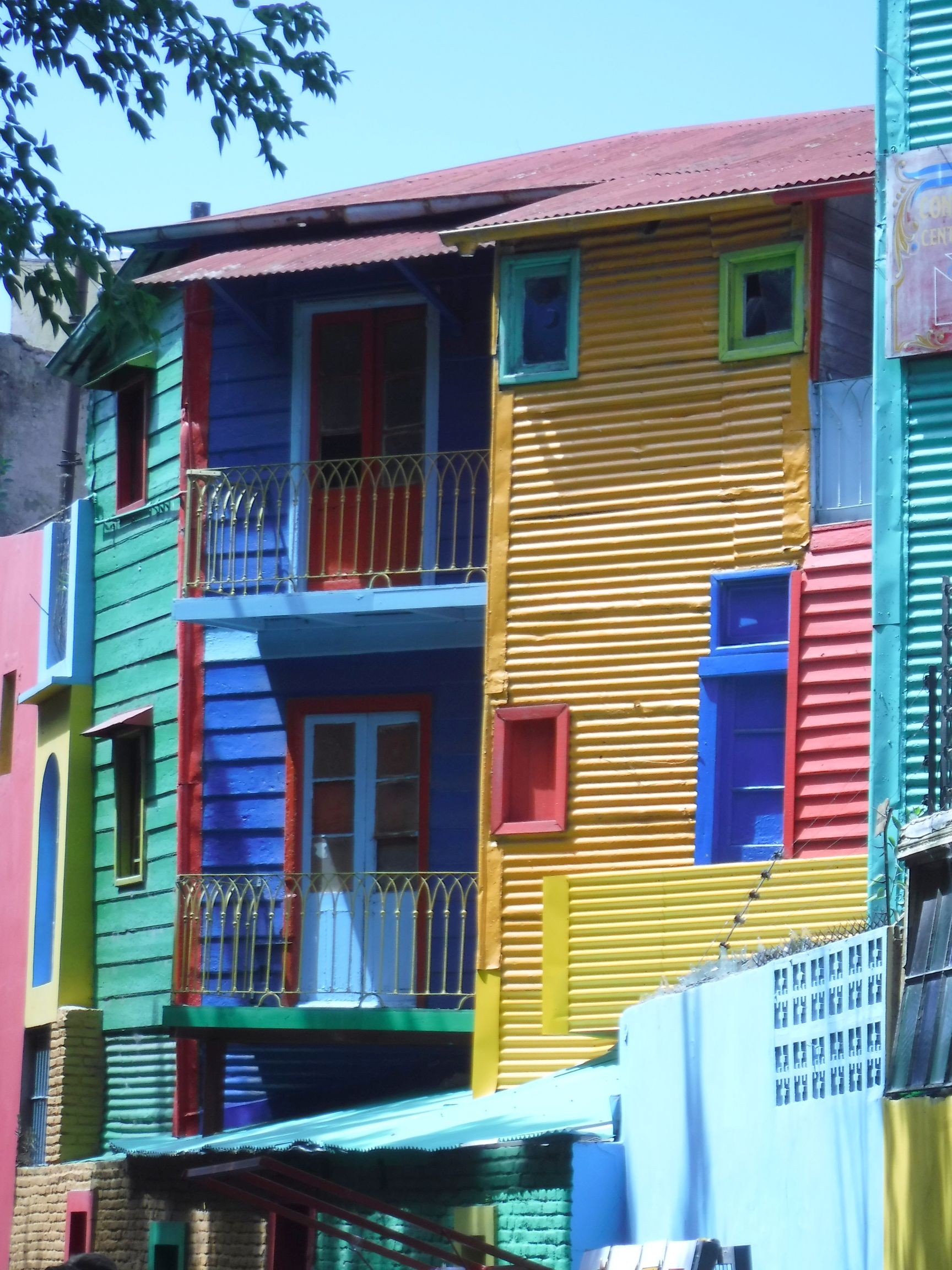
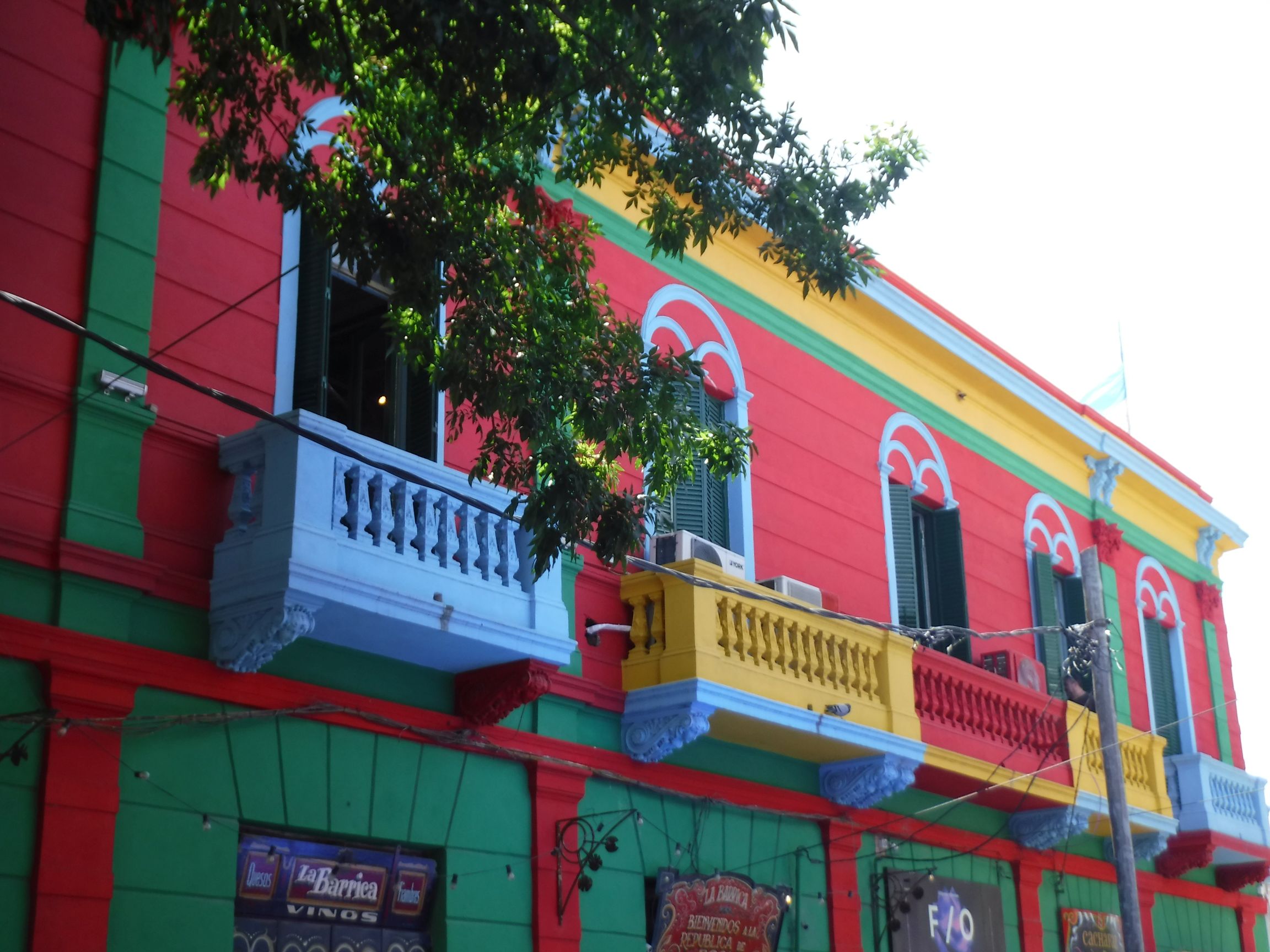
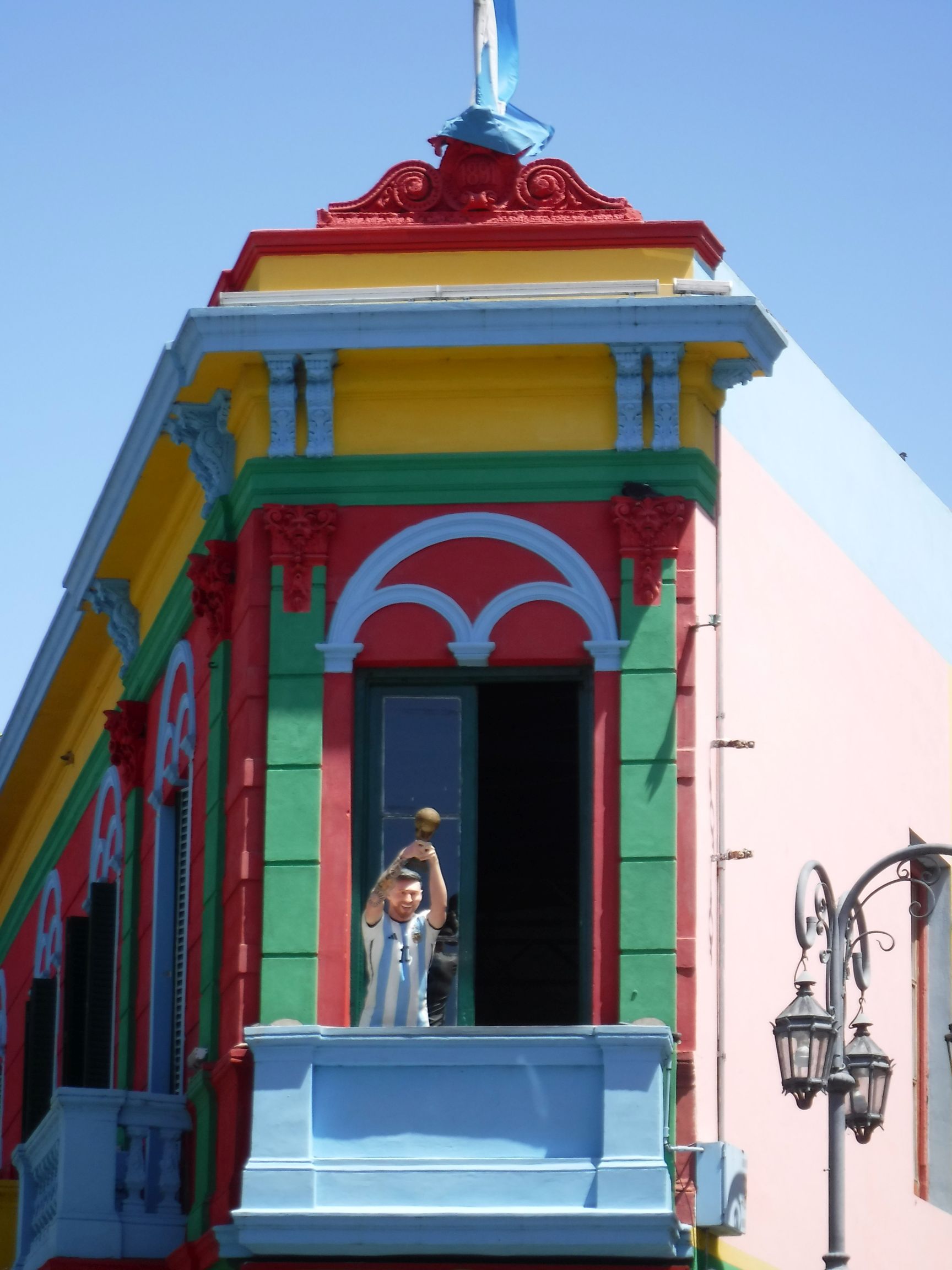
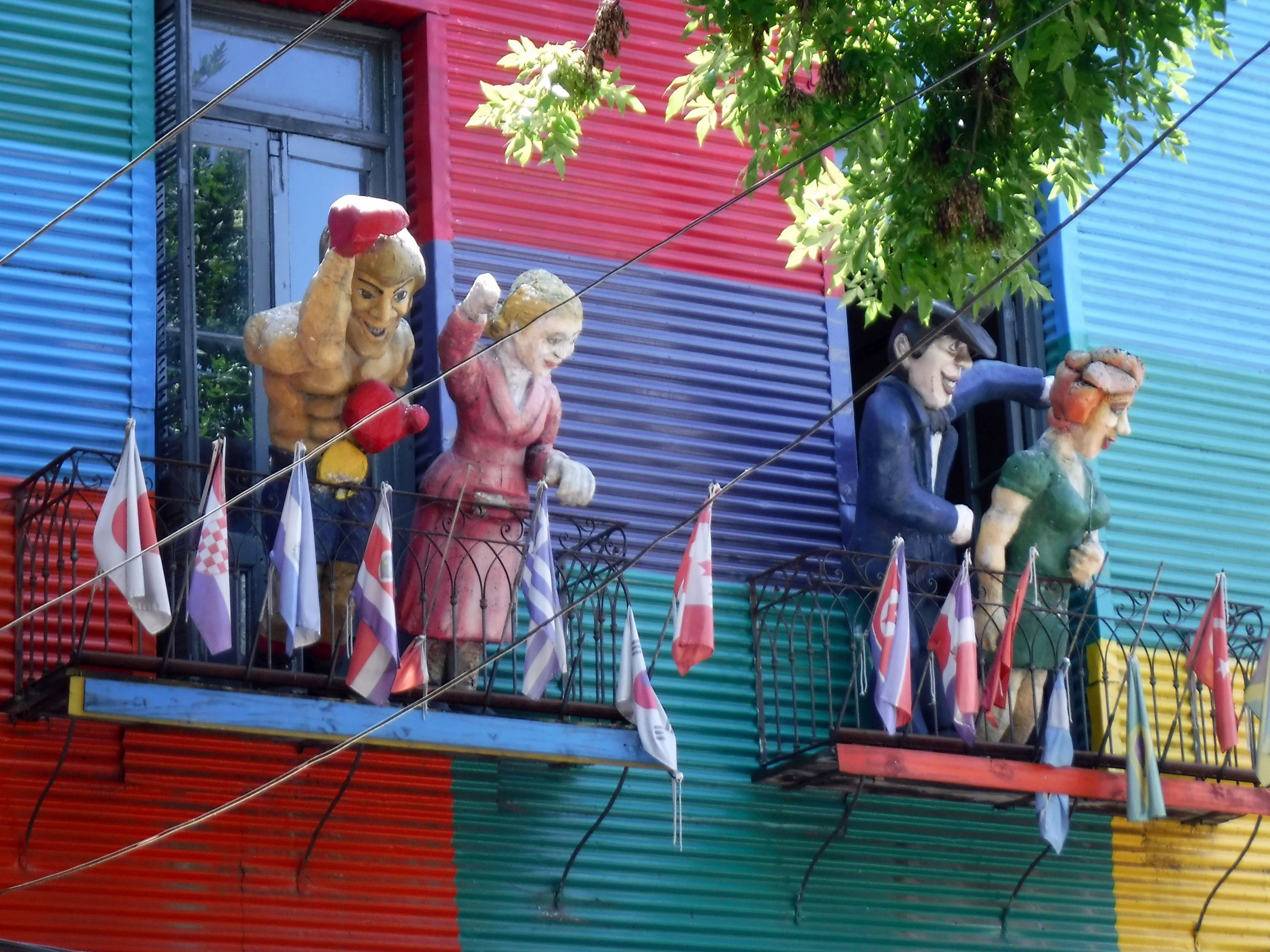
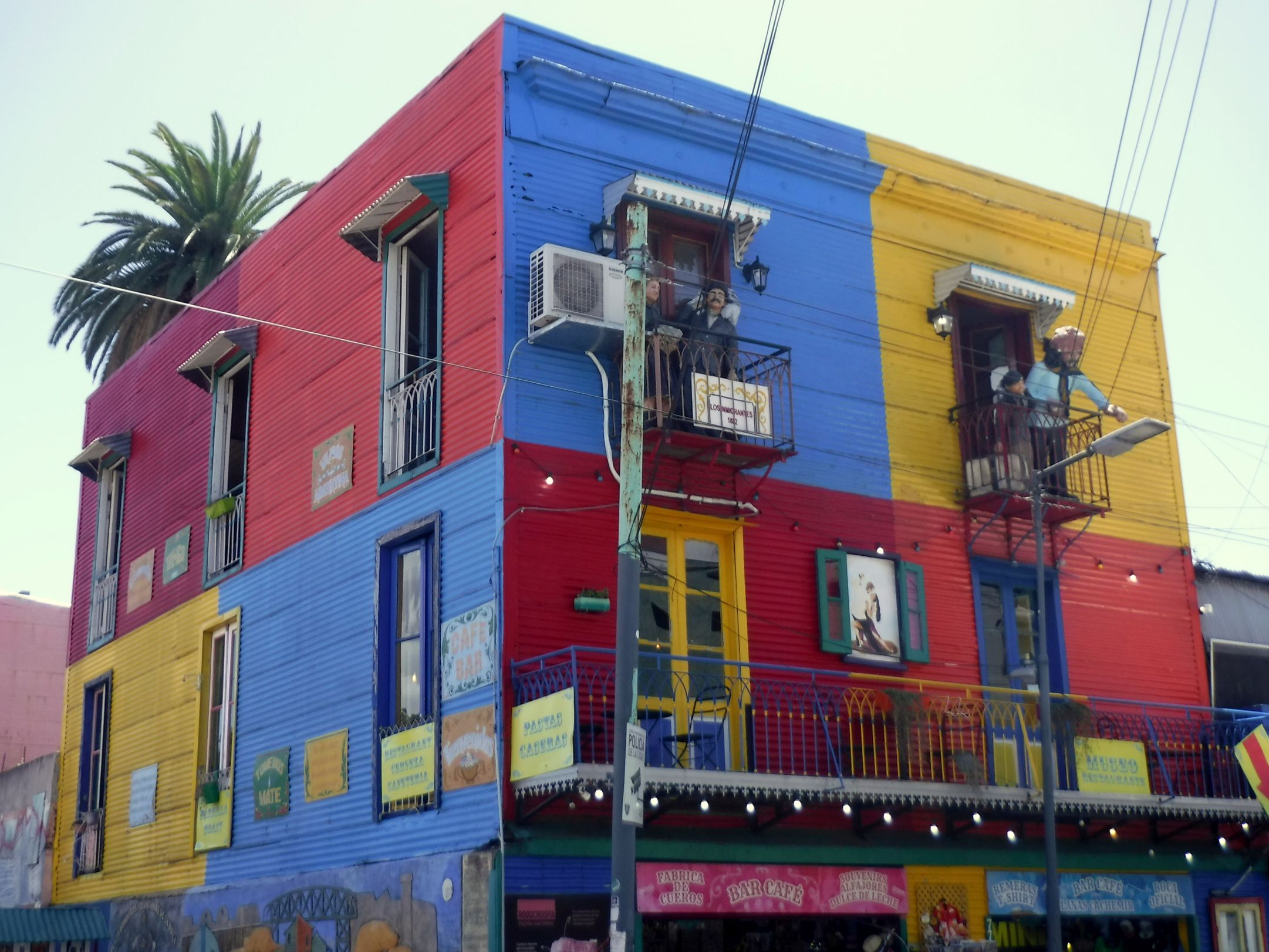
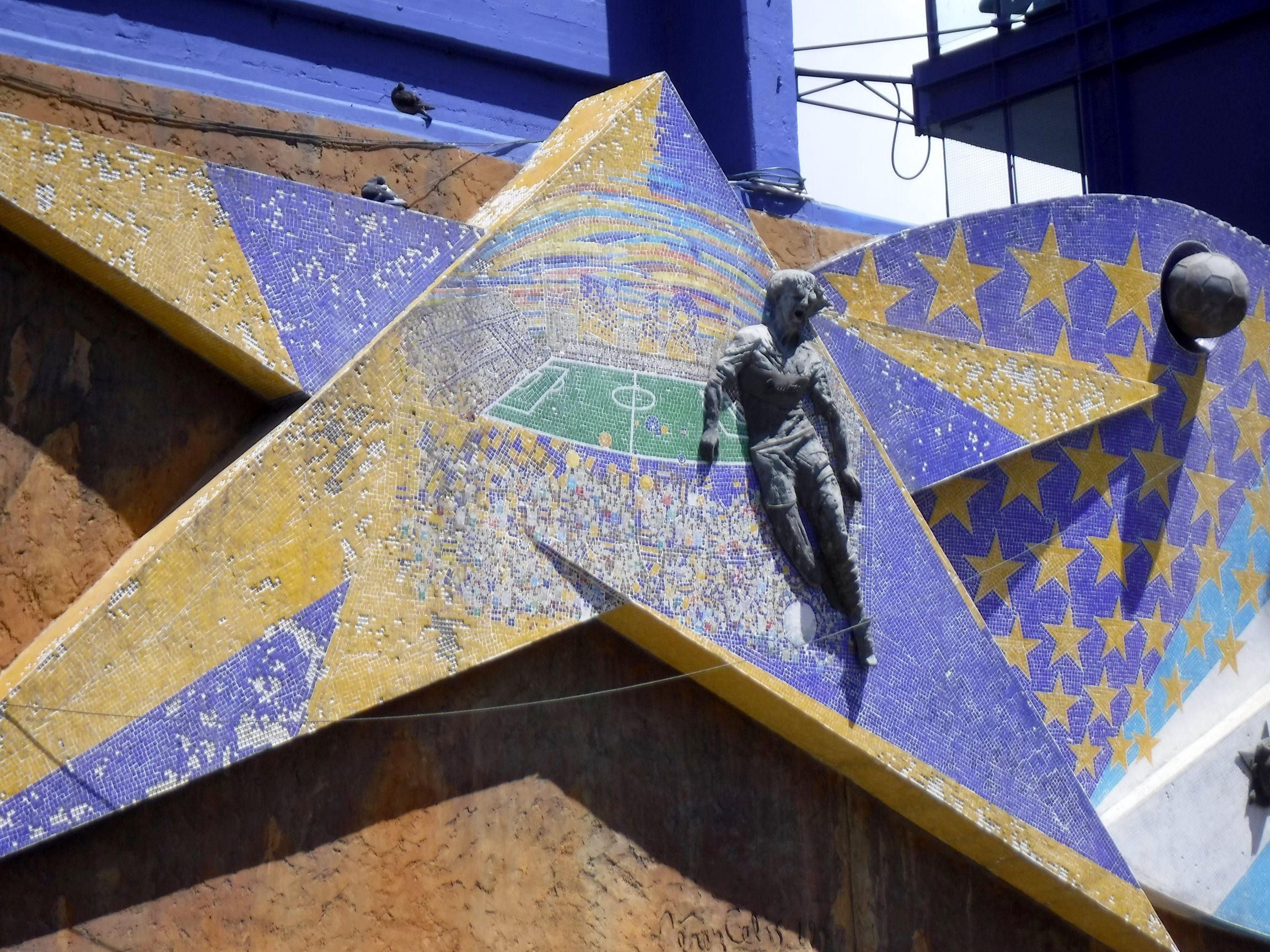
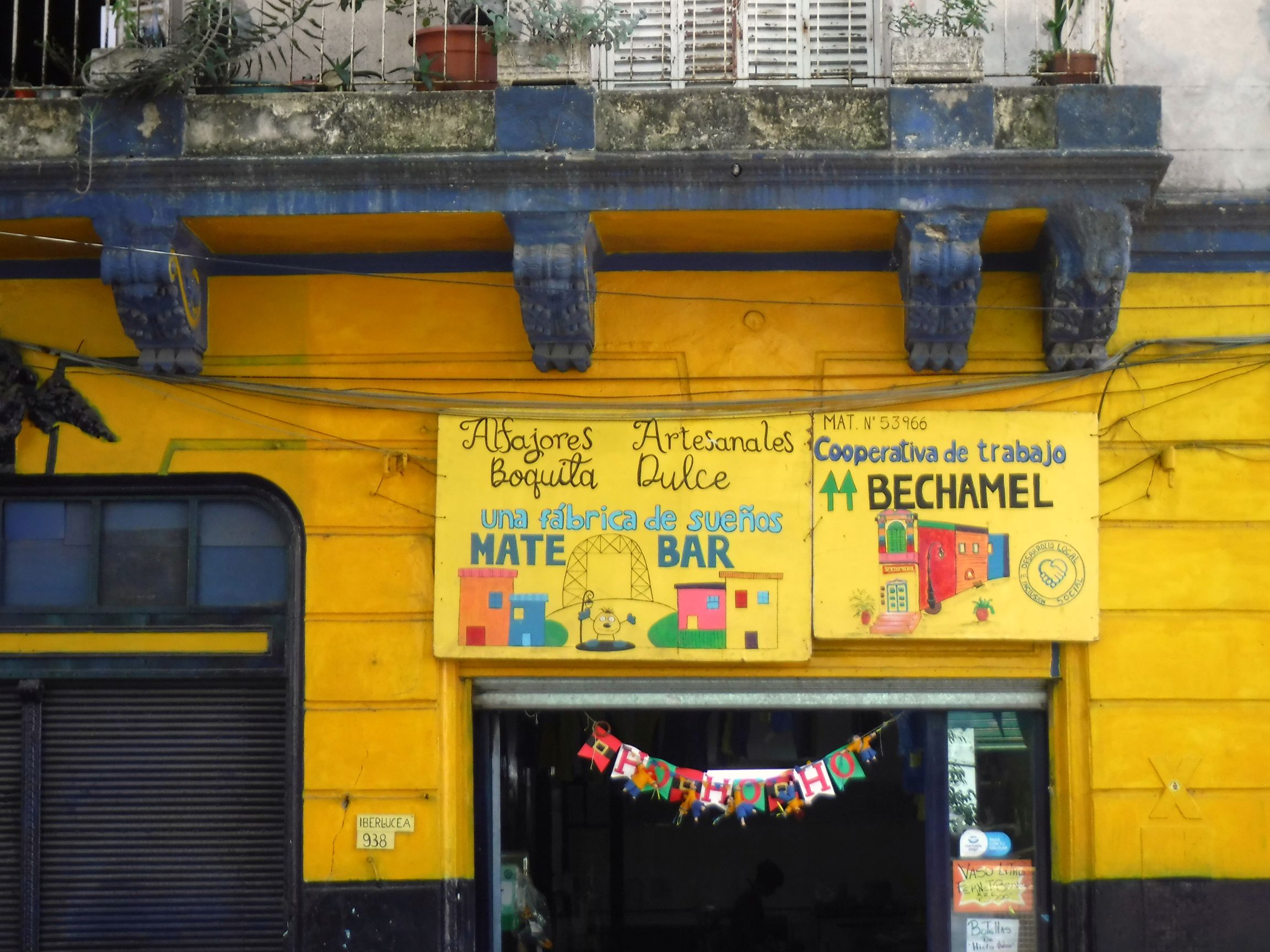
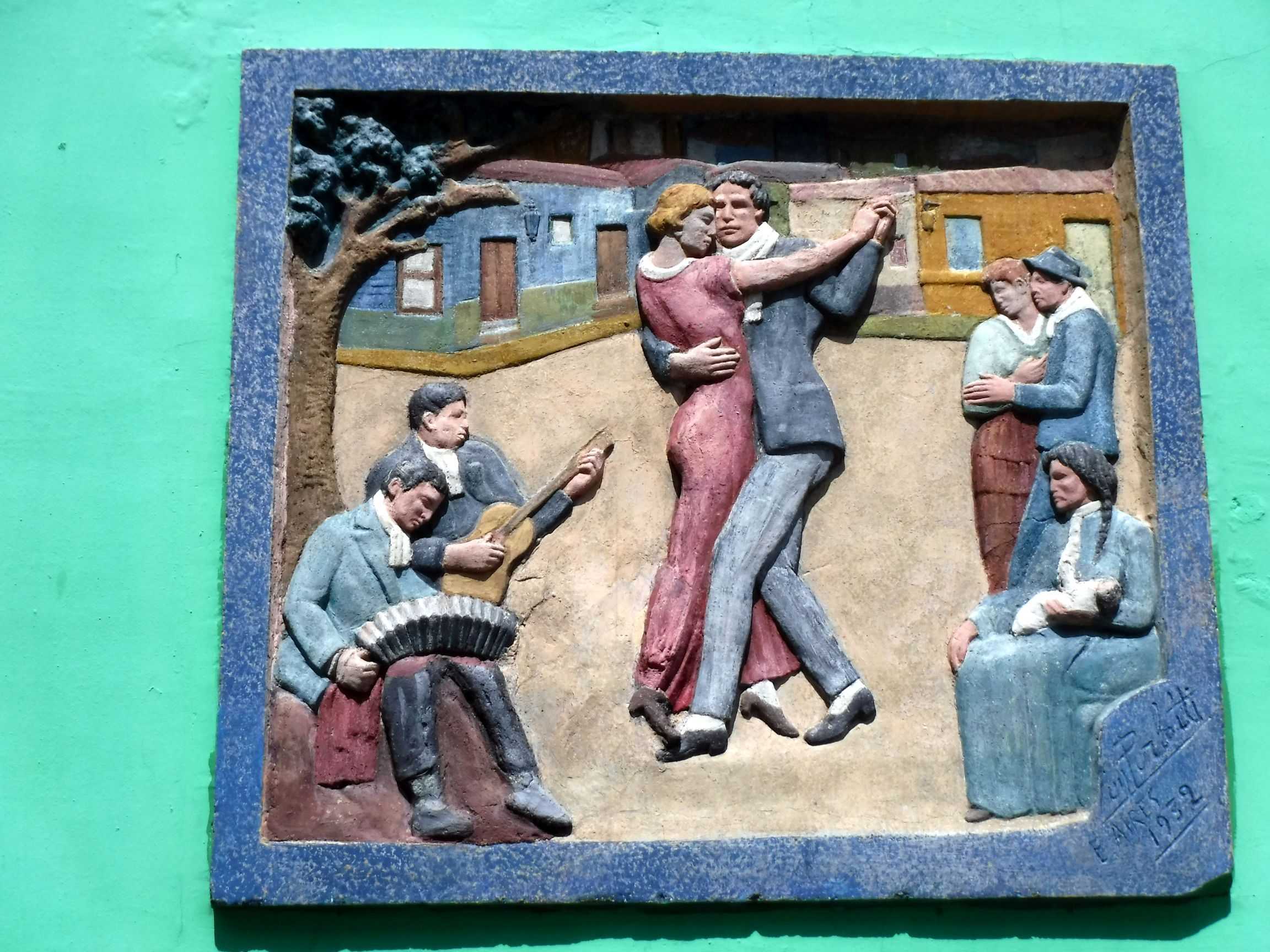
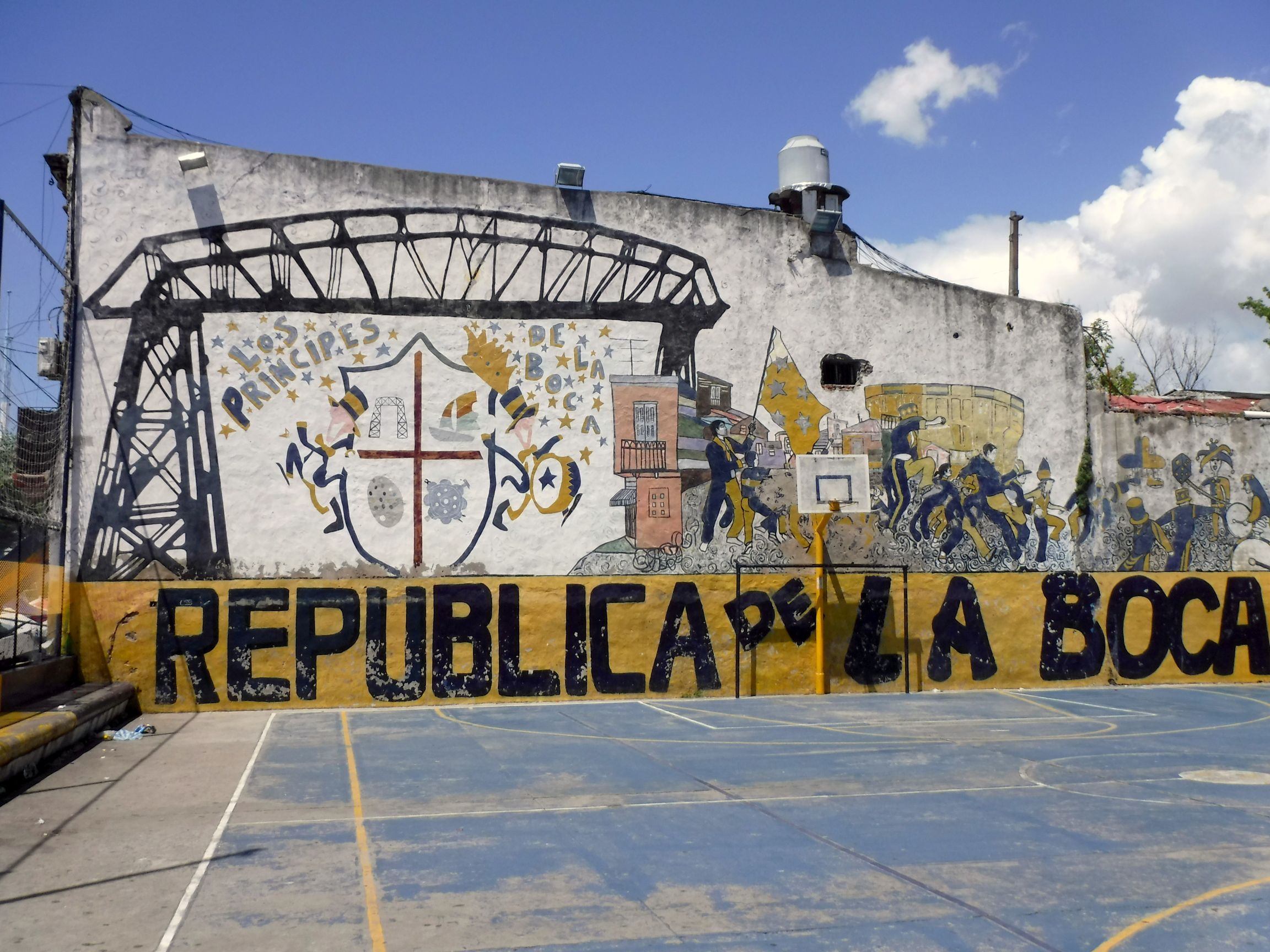
Next, we visited the colorful La Boca neighborhood where the Argentine tango was born. “Colorful” is an understatement, really, because bright colors pop from every building and mural throughout the streets of this neighborhood settled by mostly Italian immigrants. Blue and yellow are especially popular—the colors of their soccer team and neighborhood “futbol” stadium.
Everywhere we looked, there were these funky life-sized statues on balconies!
Boca Juniors Futbol (Soccer) StadiumSeveral shops and houses were painted in the Boca Juniors team colors.
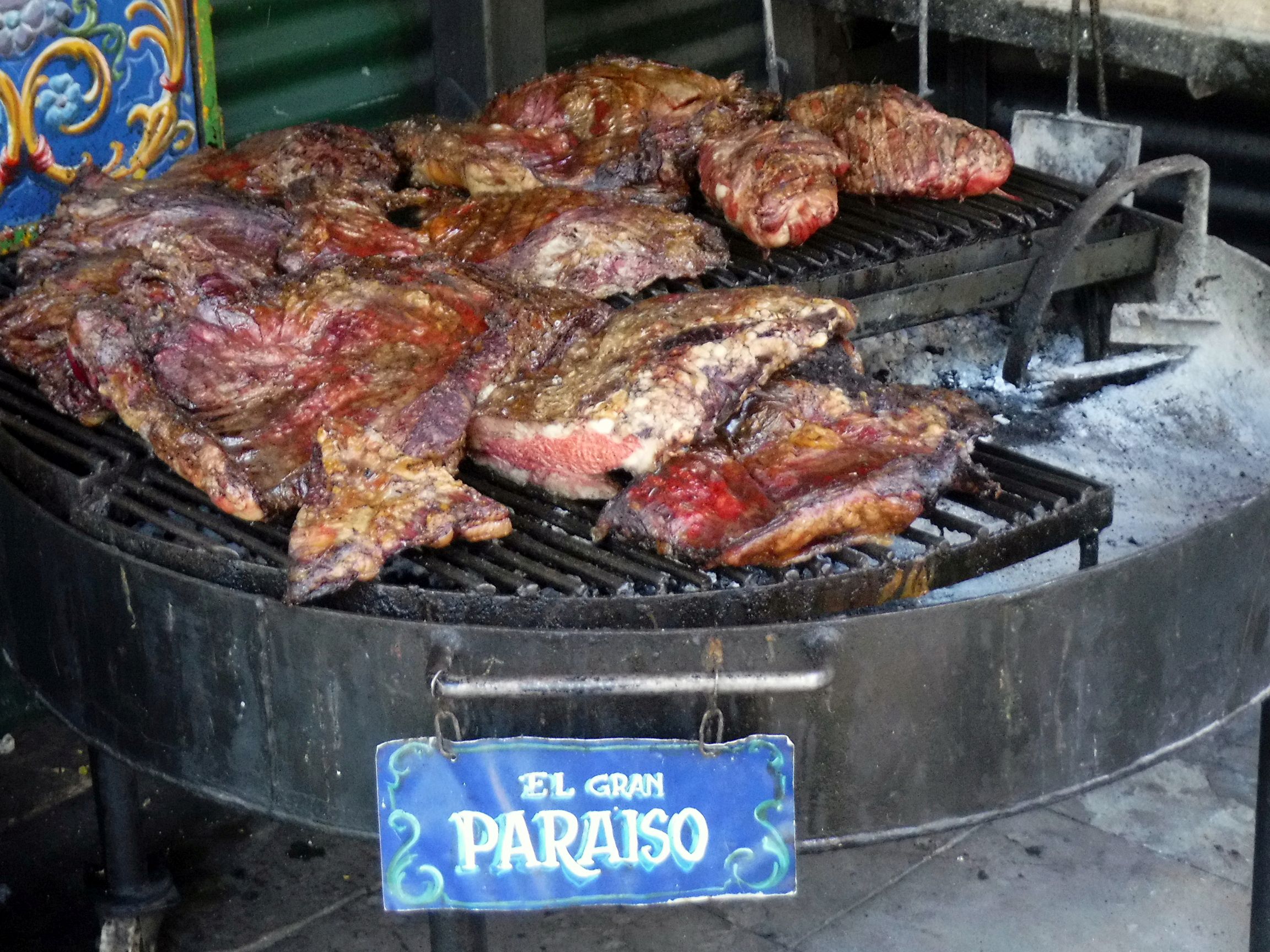
Argentinians love their meat…
…especially steak.
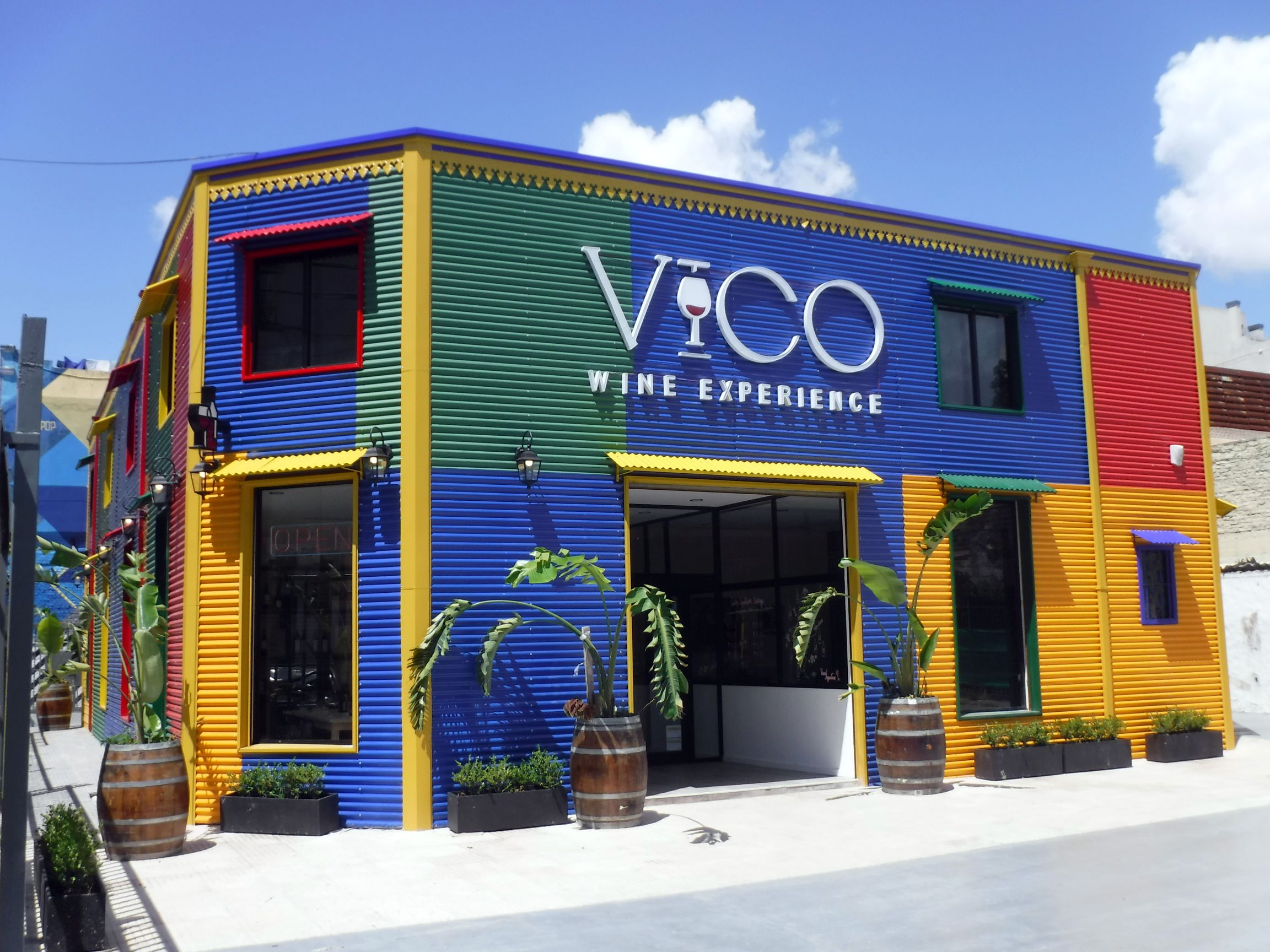
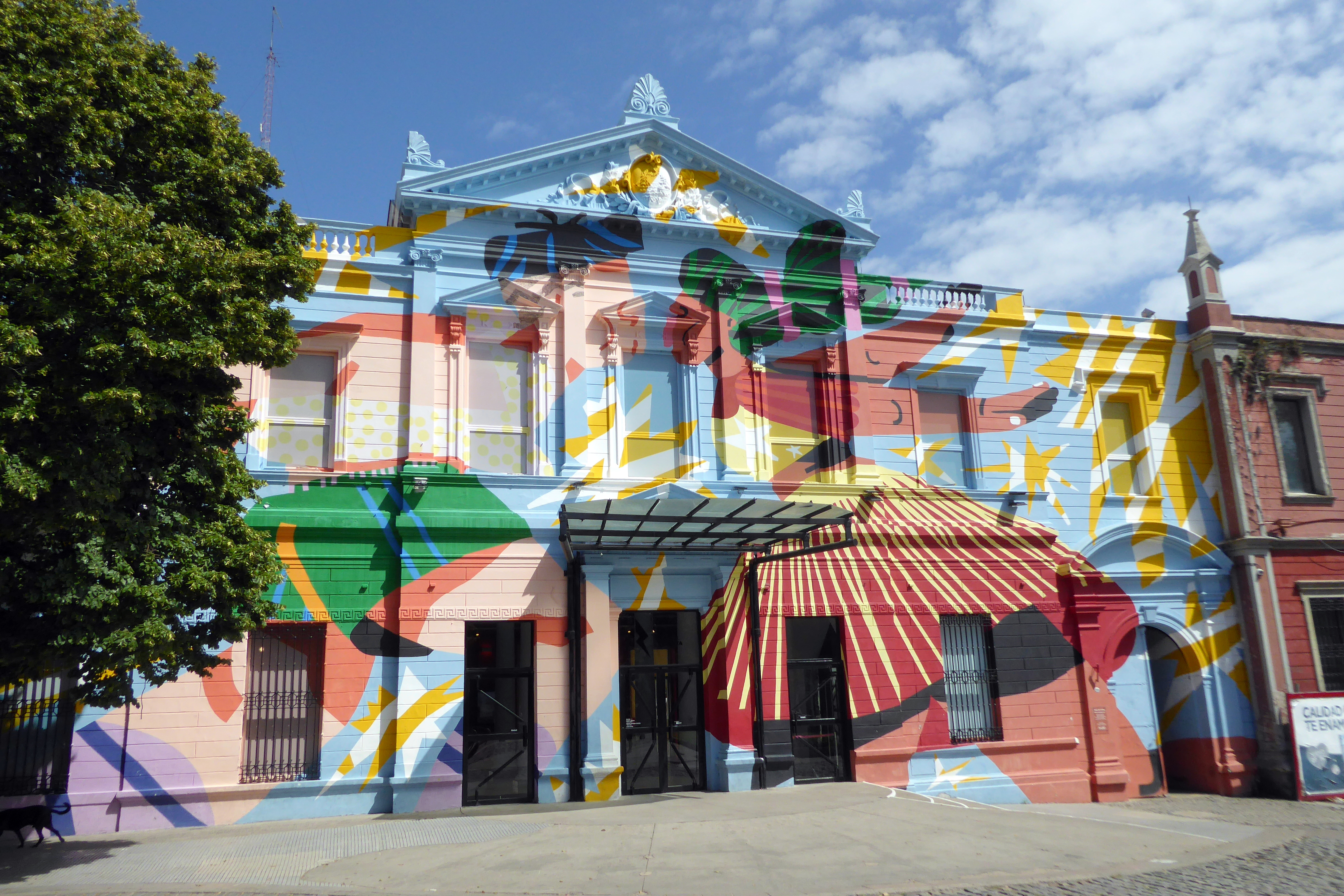
This newer business fit right in with its colorfully-painted facade.
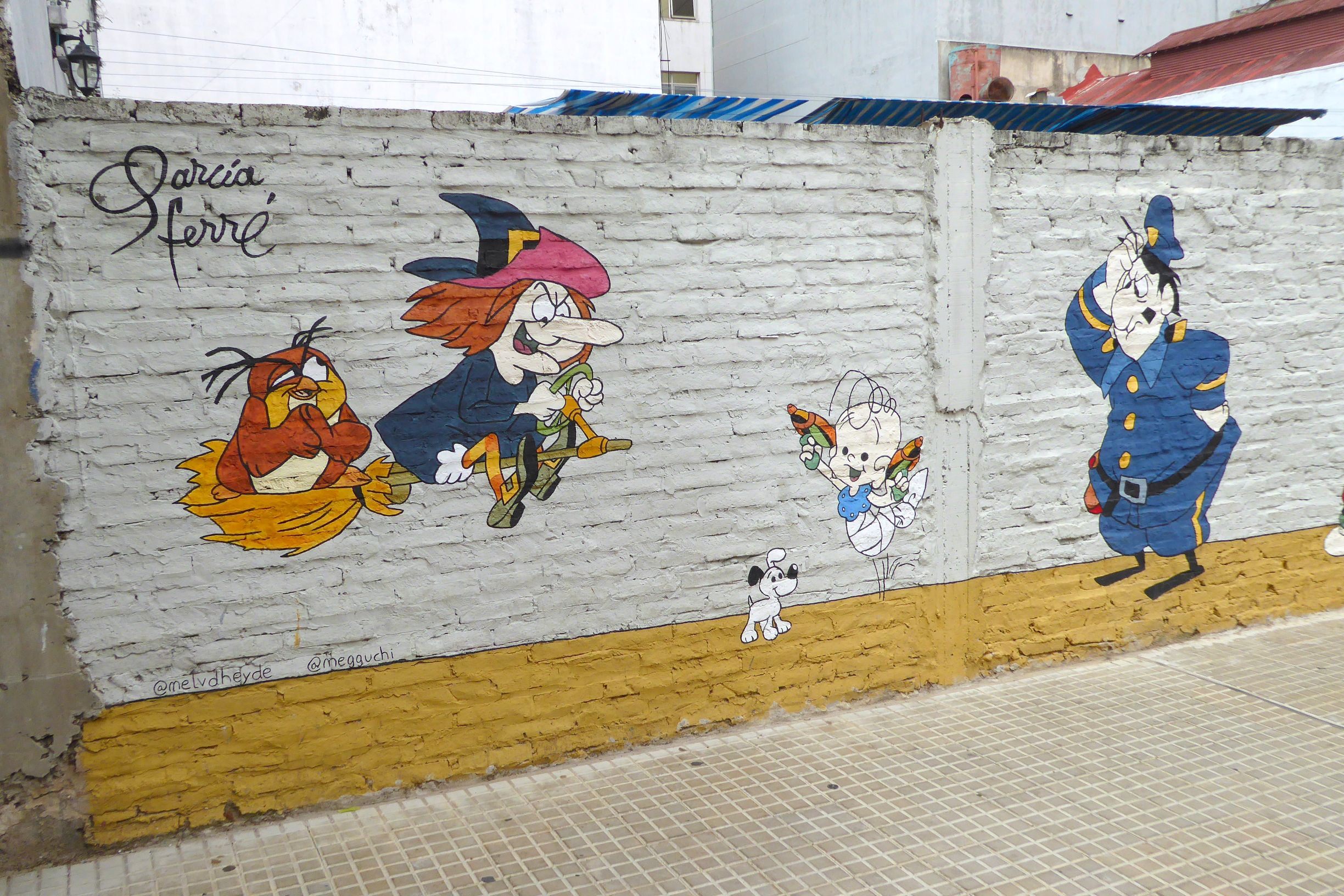
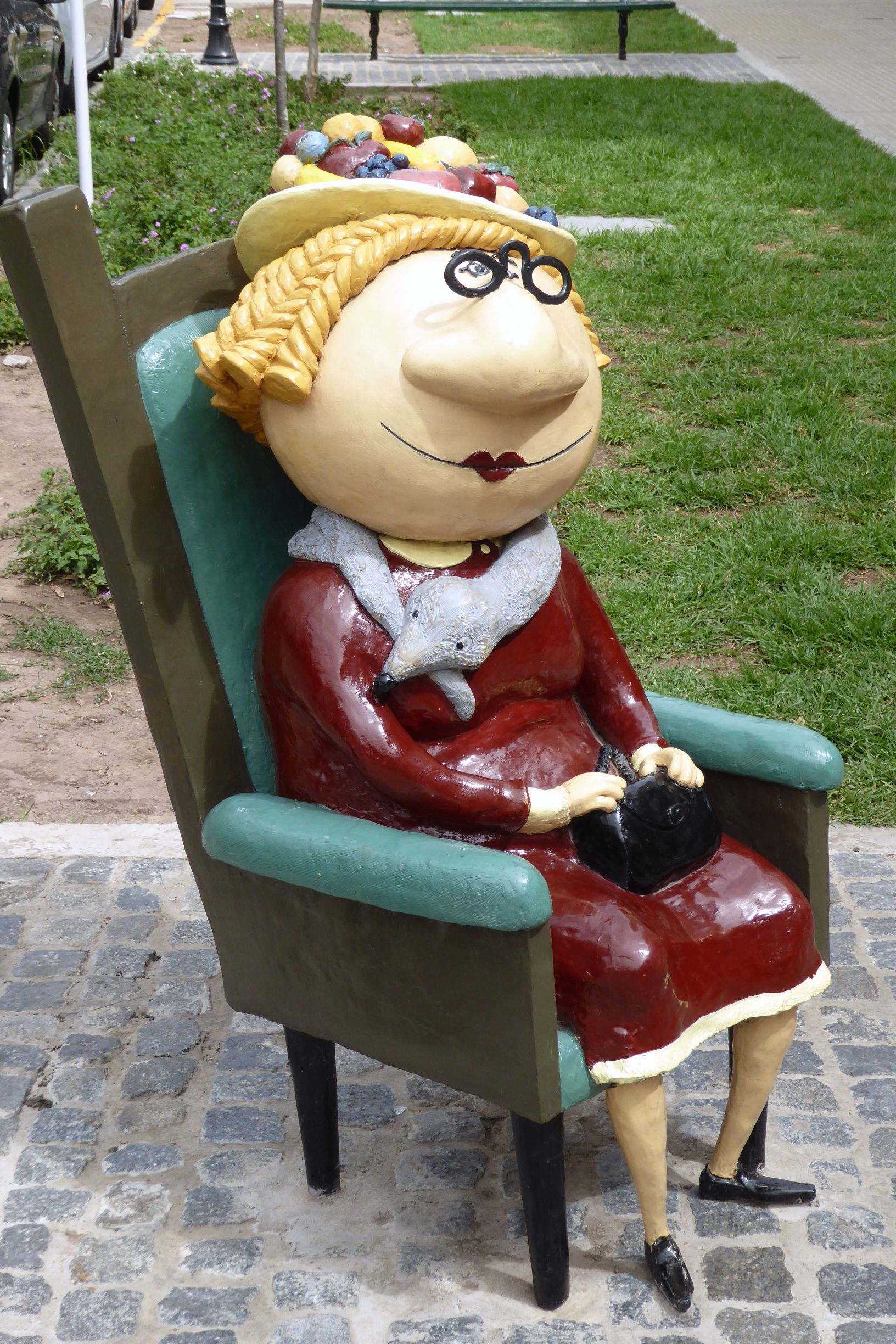
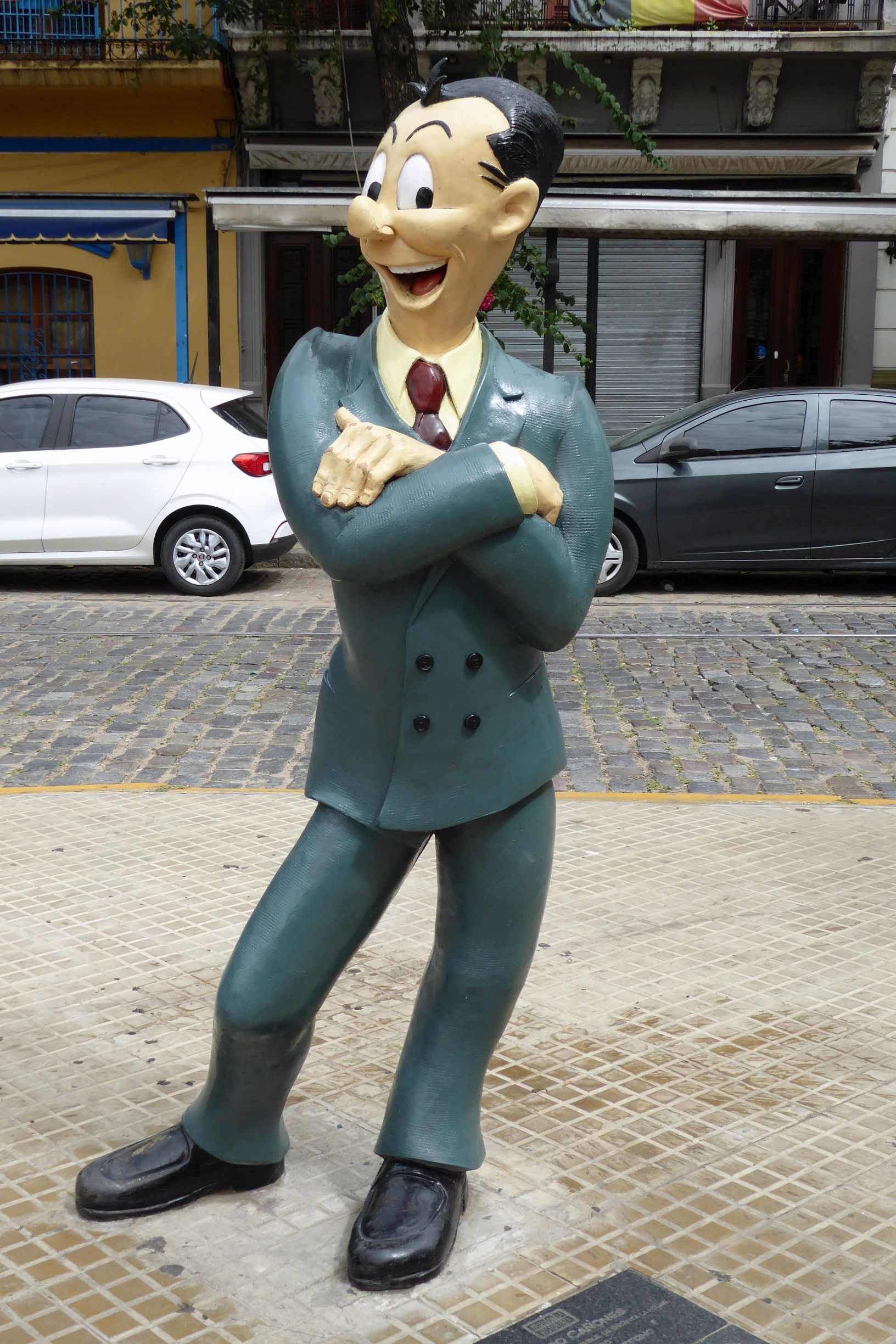
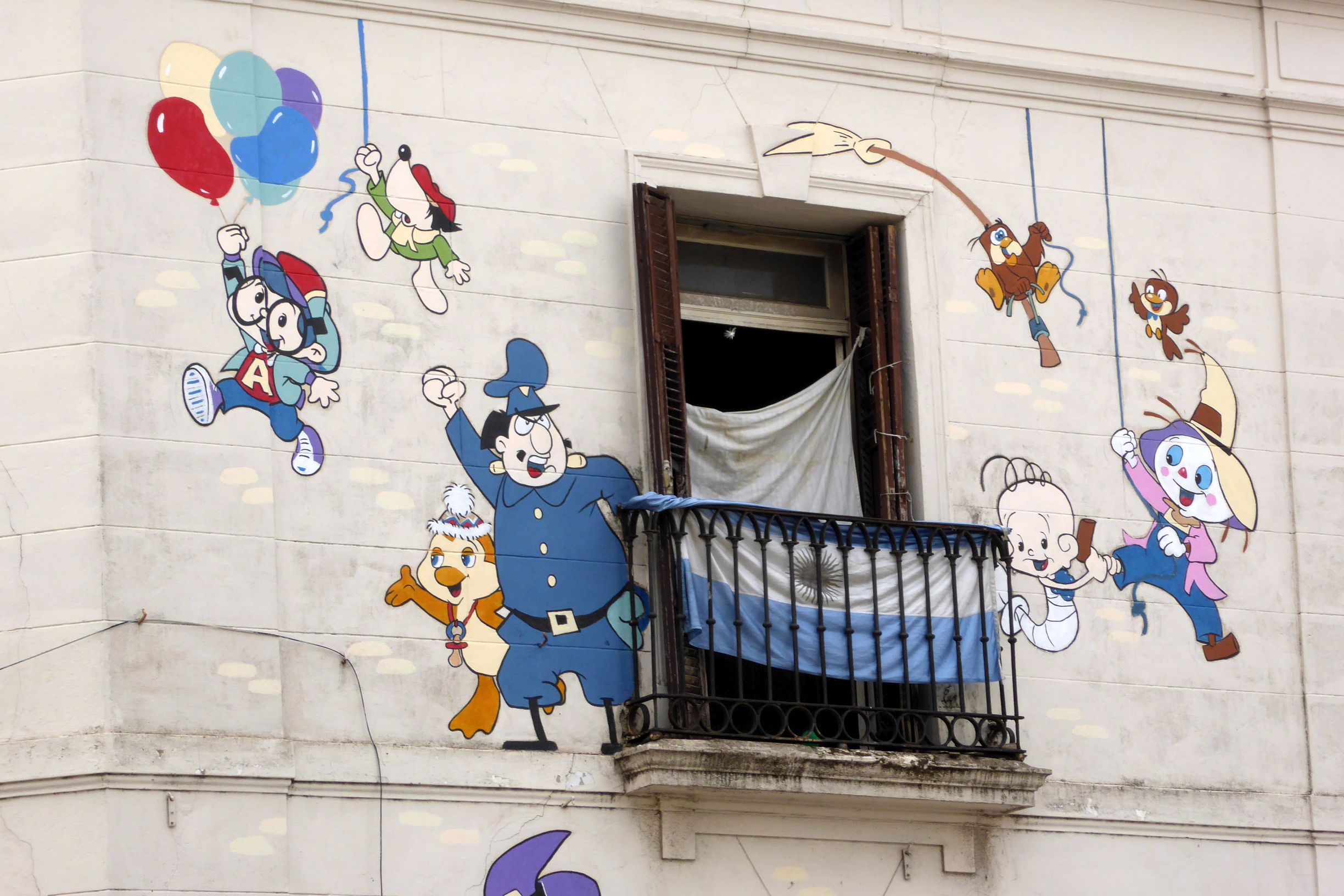
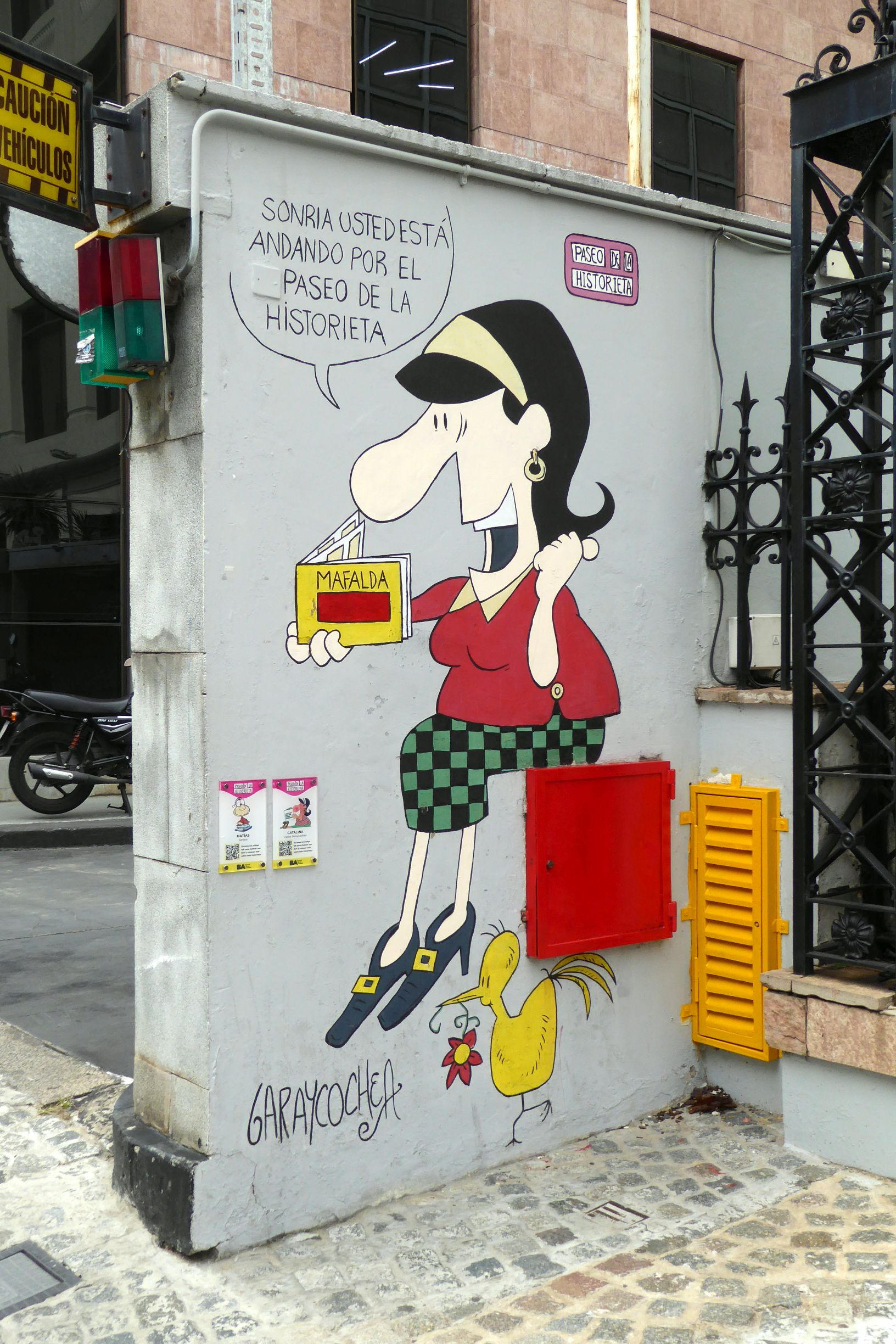
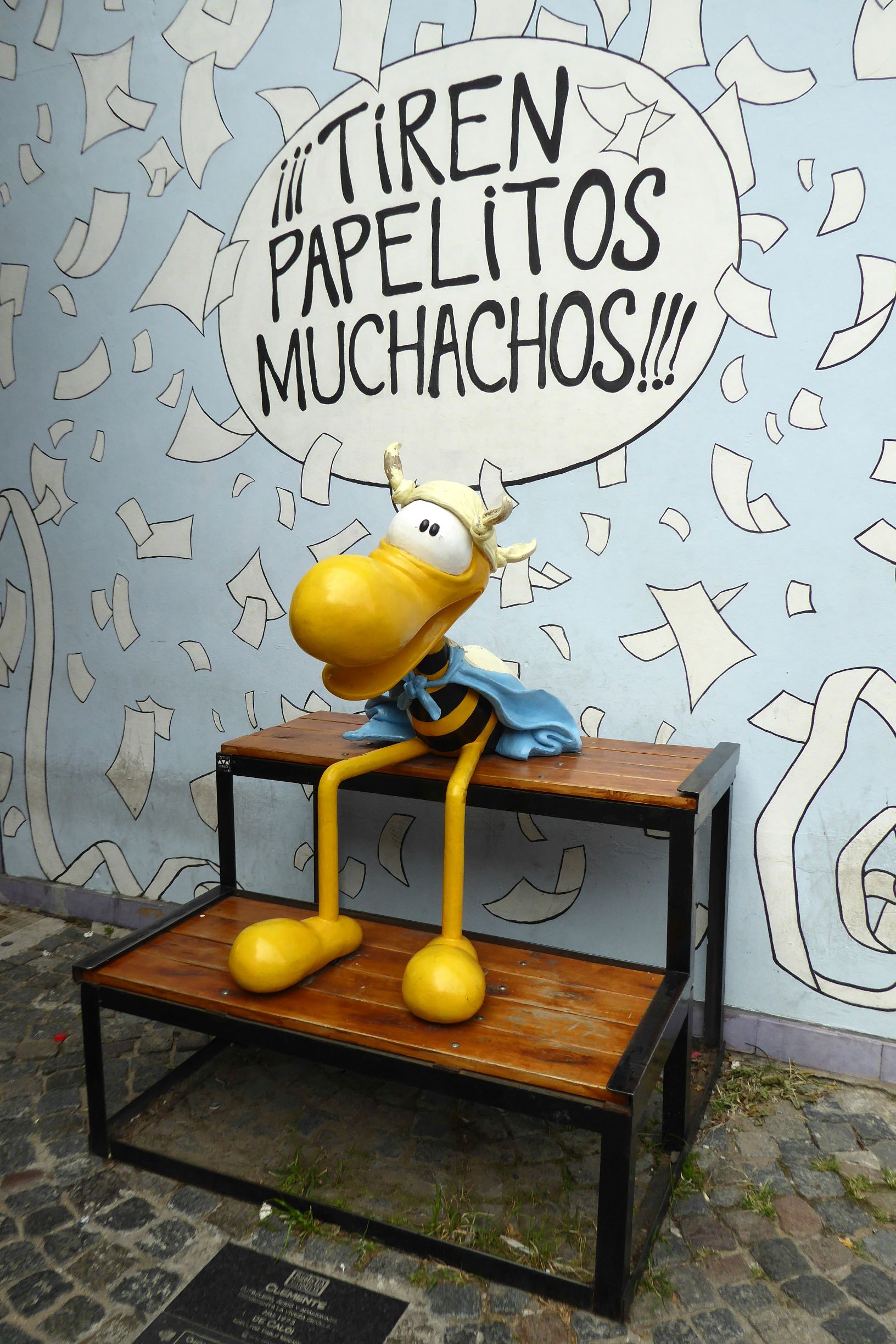
Following the city tour, we opted to be dropped off back at Plaza de Mayo to shoot a couple of afternoon photos of the square before walking to San Telmo, the oldest neighborhood of Buenos Aires. We got a kick out of Paseo de las historieta, a four-block section of Balcarce Street full of street art dedicated to Argentina’s most popular cartoon characters.
Andrea’s Buena Onda OTT group: Notice what they are drinking! I’ll get back to that in a future post!
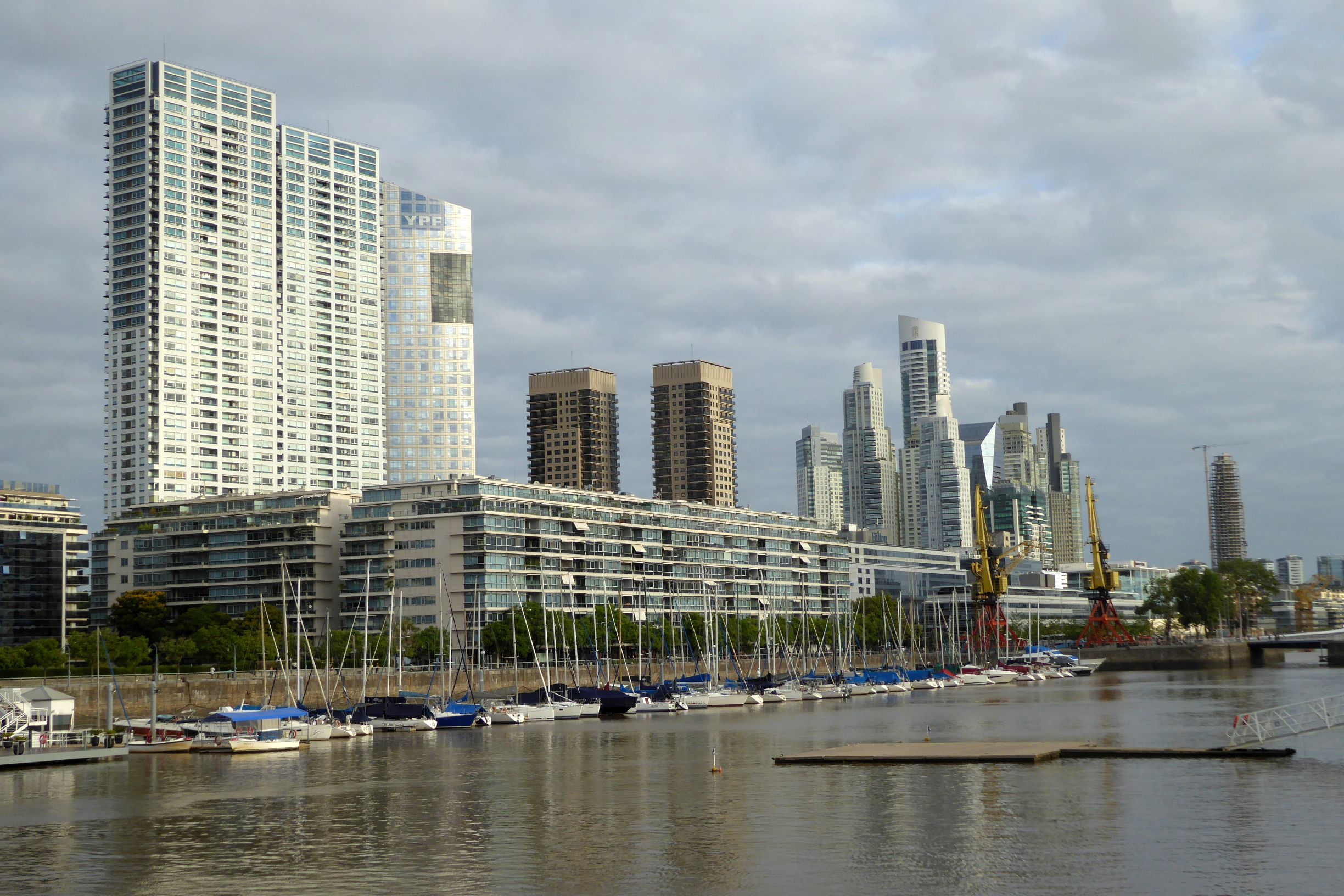
The posh and hip Puerto Madero was where our group enjoyed our Welcome Dinner. Argentina is world-renowned for their steak, but Bruce and I opted for Pacu, a local fish.
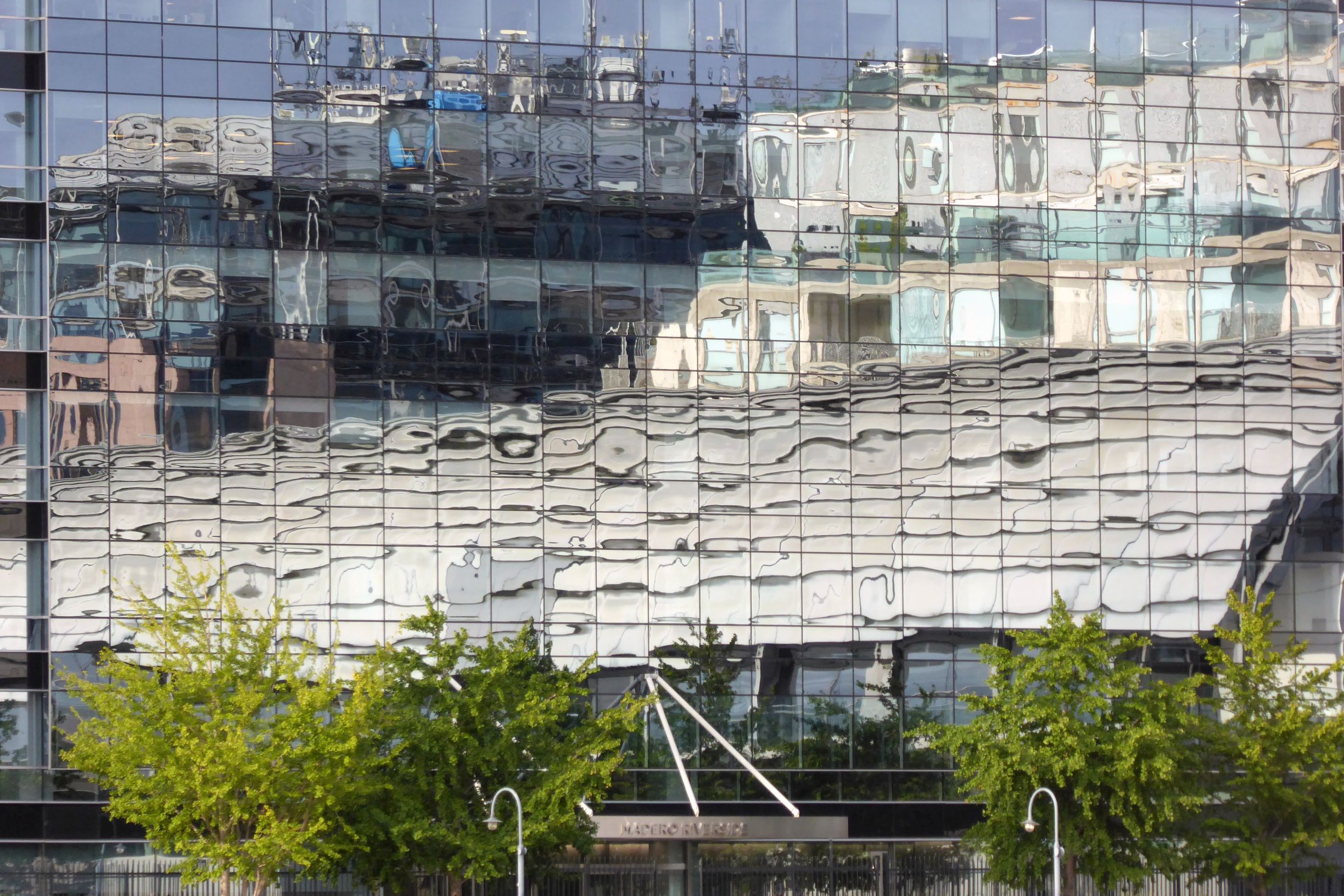
The view from our restaurantReflections
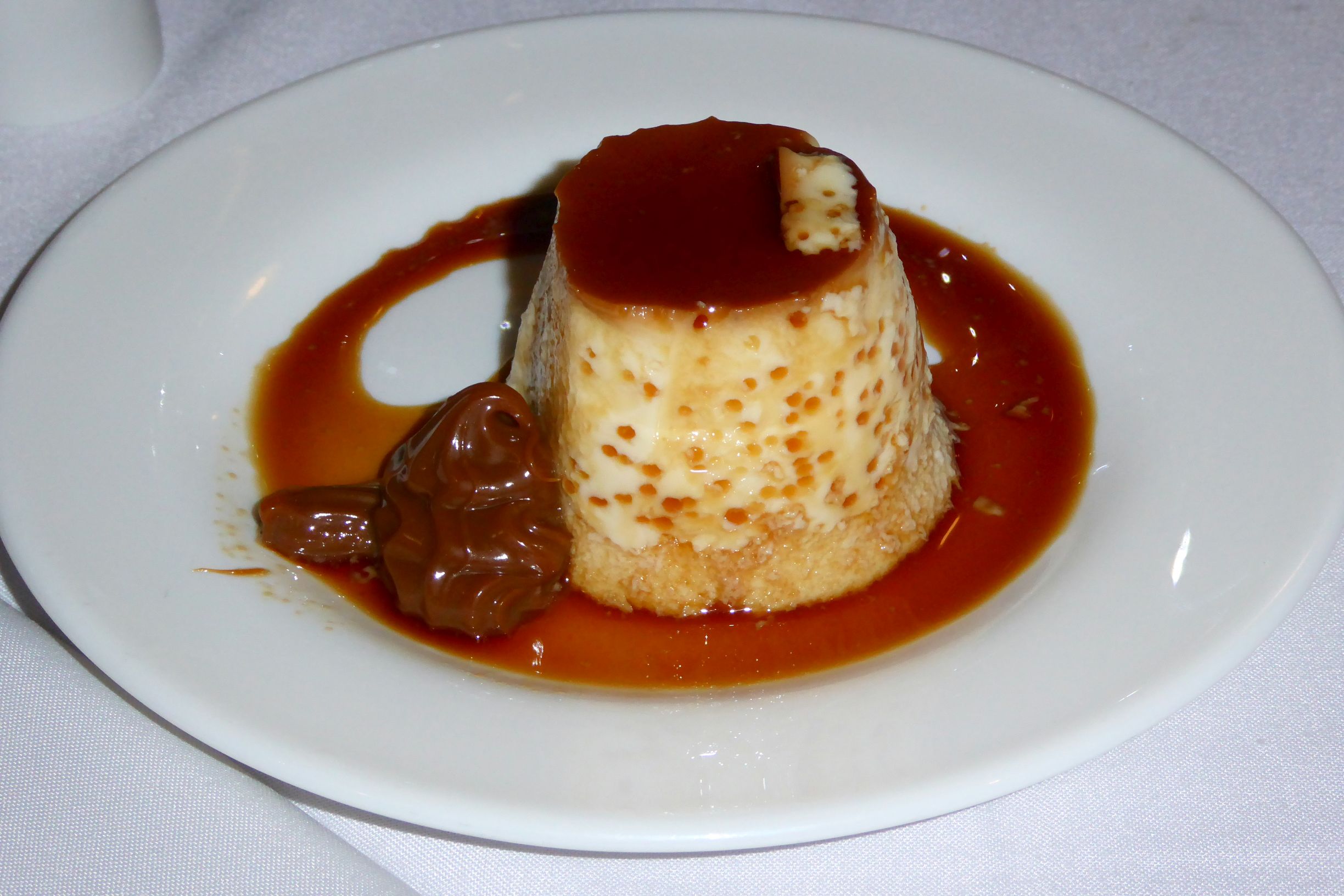
This was the first of many delicious varieties of dulce de leche desserts we enjoyed throughout the tour. I was hooked!
Coming up next: ARGENTINA & CHILE #4: BEAUTIFUL BARILOCHE
For a quick Cliff Notes background on Argentina, I will shamelessly extract information here and there from the wonderful Overseas Adventure Travel guidebook Andrea gave us during our briefing: “Following independence from Spain in 1816, Argentina experienced periods of internal political conflict between conservatives and liberals and between civilian and military factions.”
Sound familiar? What country is not experiencing political conflict between conservatives and liberals? Like the U.S.A., their country is very divided, and that division played out while we were in Argentina.
Fortunately, none of the numerous strikes and protests had a detrimental affect on our group or travels, but a lot was going on while we were in Argentina. Javier Milei, the current president, has made a lot of people quite angry since being elected last December– especially those who don’t subscribe to his far-right point of views. It made for some interesting discussions with Andrea, our trip leader, and her insight and passion added so much to our experience in her country. As she explained, Argentinians are just as passionate about talking politics as they are soccer!
More about Argentinian culture will be revealed throughout my blog posts, but if I had to sum up my impressions in just a few words, I would describe it as passionate, eclectic, and European. Settled by the Spaniards and Italians, their influences permeate all aspects of Argentiniann culture. There is also a large Jewish community—one of the largest in the world.
Buenos Aires, the capital of Argentina, is known as the “Paris of South America” or the “Cultural Capital of South America.” It has a population of approximately three million people, but adding in the populated suburbs brings that total to ten million, ranking it in the top ten most populated cities in the world.
The safest area of this massive city was where our hotel was located, so Bruce and I focused on exploring the Recoleta neighborhood, since our feet were our mode of transportation during our first full day in the city. One of our 16 group members, Diane, needed to get pesos, so we offered to show her where she could exchange her dollars and asked if she wanted to join us on our walk. Andrea had given us a map with suggestions on what to see, so we set out on what proved to be the first of many beautiful days to come. (As cliché as it is to talk about the weather, our group couldn’t help ourselves, because the weather was amazing throughout our three weeks in Argentina and Chile—even in Patagonia!)
Here are some scenes of the Recoleta district:
(For all photos, click on the image for a full screen view. Desktop computer monitors are best!)
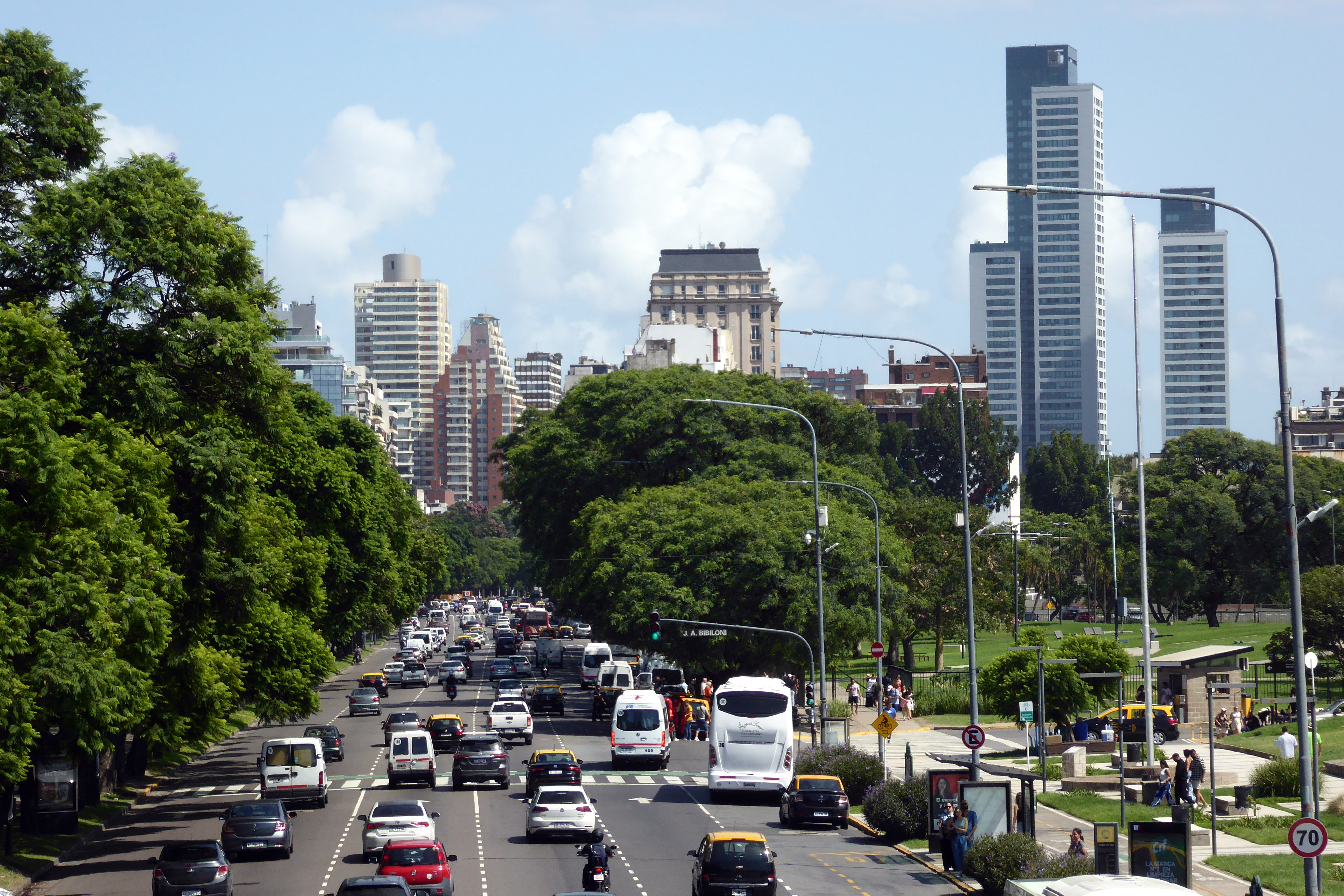
Avenida 9 de Julio (July 9 Avenue) is one of the widest avenues in the world. It has nine lanes with a leafy, gardened median between opposing flows of traffic. It is nearly impossible to cross it on foot on one green light!
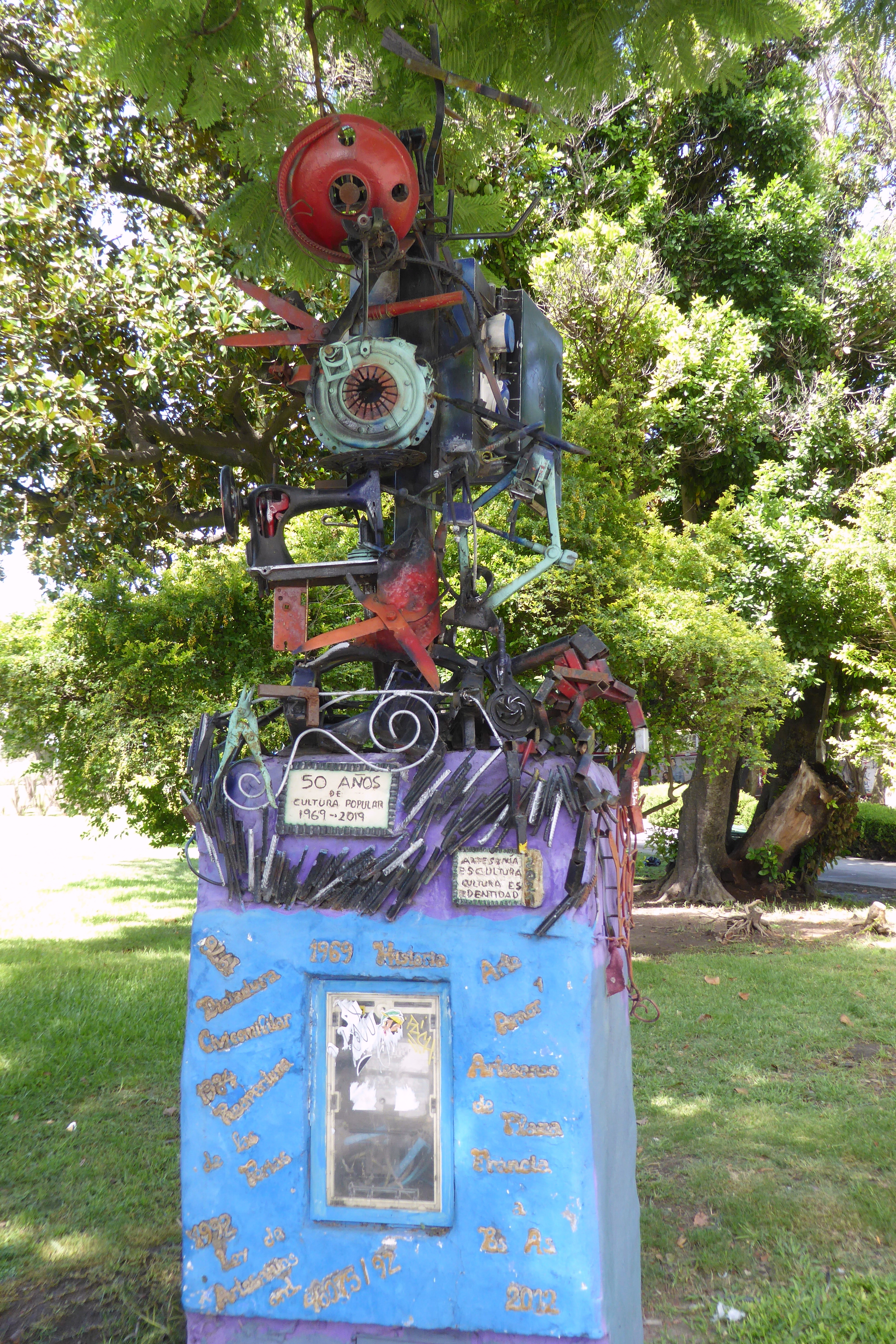
This curious sculpture was in one of the medians
We passed by the French and Brazilian embassies as we made our way through the posh area of the city, in Recoleta.
I was surprised to find these two British-styled phone booths at Placia Francia!
I loved this clever sculpture!
Basilica Nuestra Senora Del Pilar
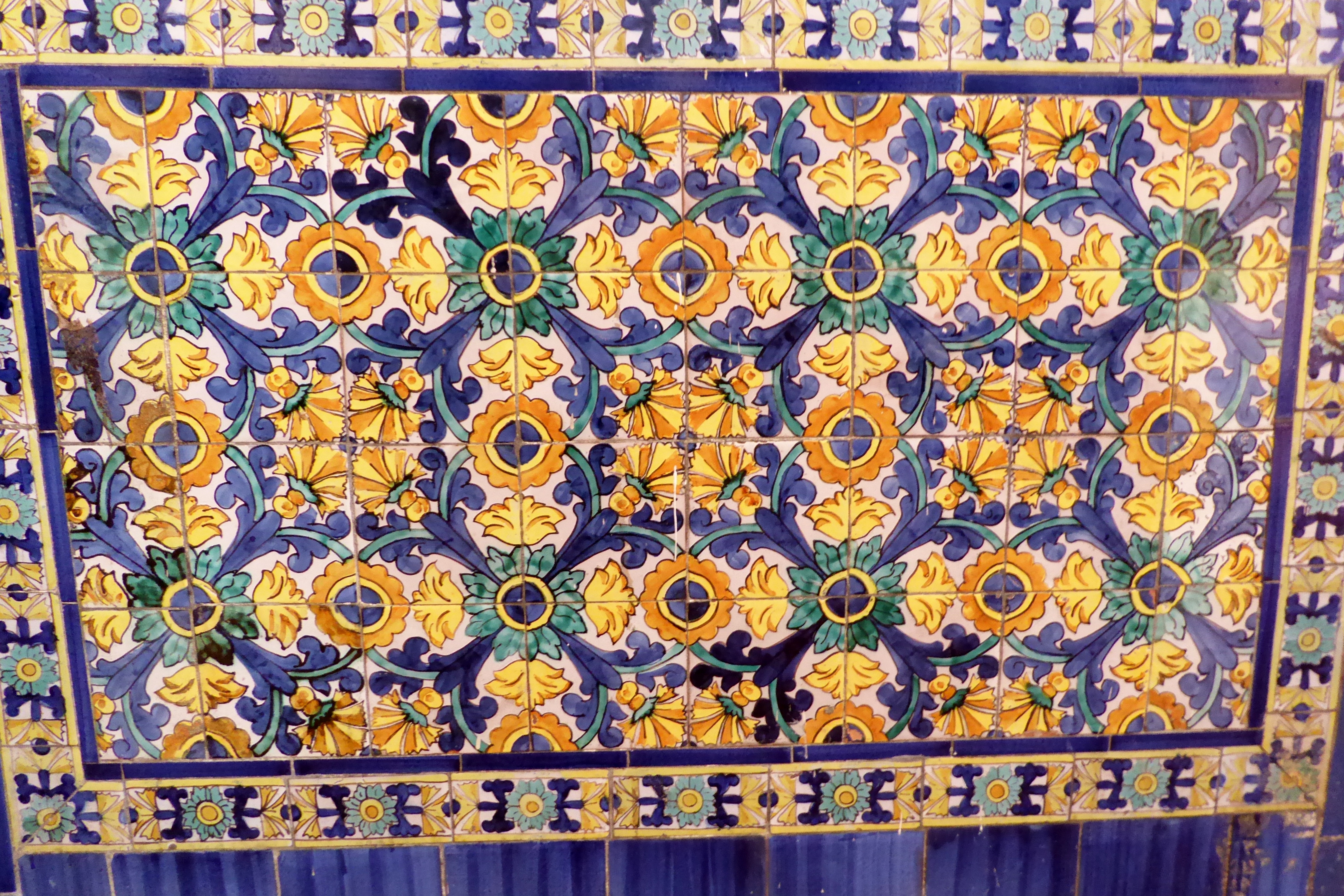
Colorful tiles in the foyer.
This museum was located adjacent to the basilica.
It was summer in Argentina, and the flowers and trees were gorgeous!
We were too early to see the jacarandas in bloom, but the trees were still beautiful!
This professional dog walker had his hands full!
Before our group set out for dinner, we met with Andrea for our welcome briefing. We learned that throughout our trip, we would be traveling 5,000 total miles, crossing the Andes at an elevation of 4,000 feet, seeing 7 destinations, 1 capital city, 4 national parks, 1 UNESCO site, and 1 natural wonder. We also enjoyed our first “discovery” of many—a sampling of one of Argentina’s “adult” beverages, a glass of Argentinian wine. (We soon learned when Andrea announced a “discovery” that a local liqueur, wine, or food was soon to follow. I love discoveries!)
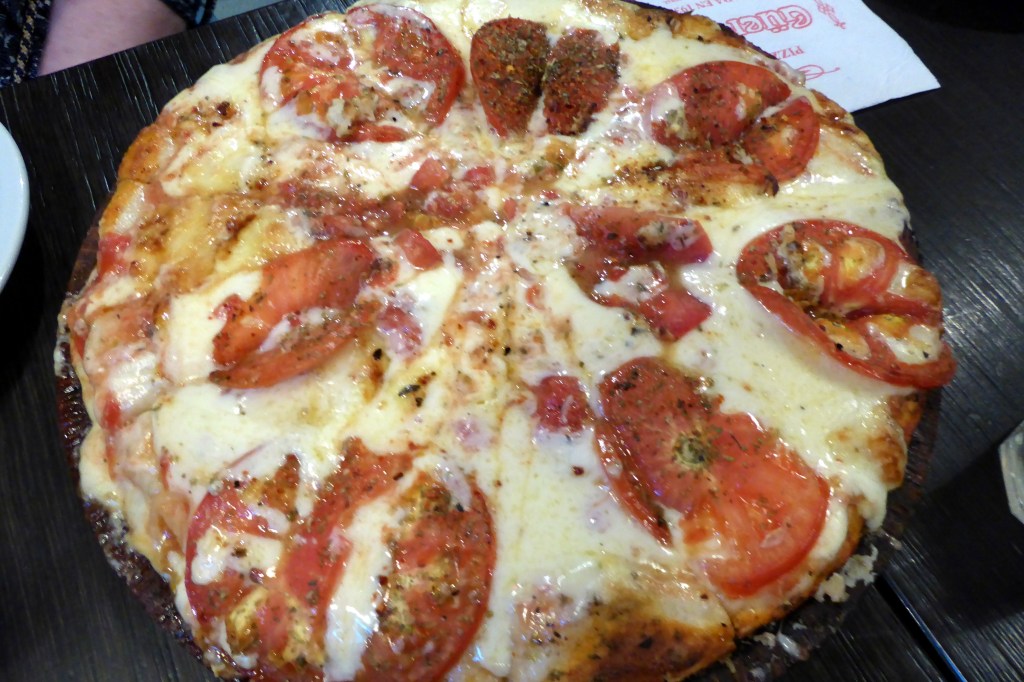
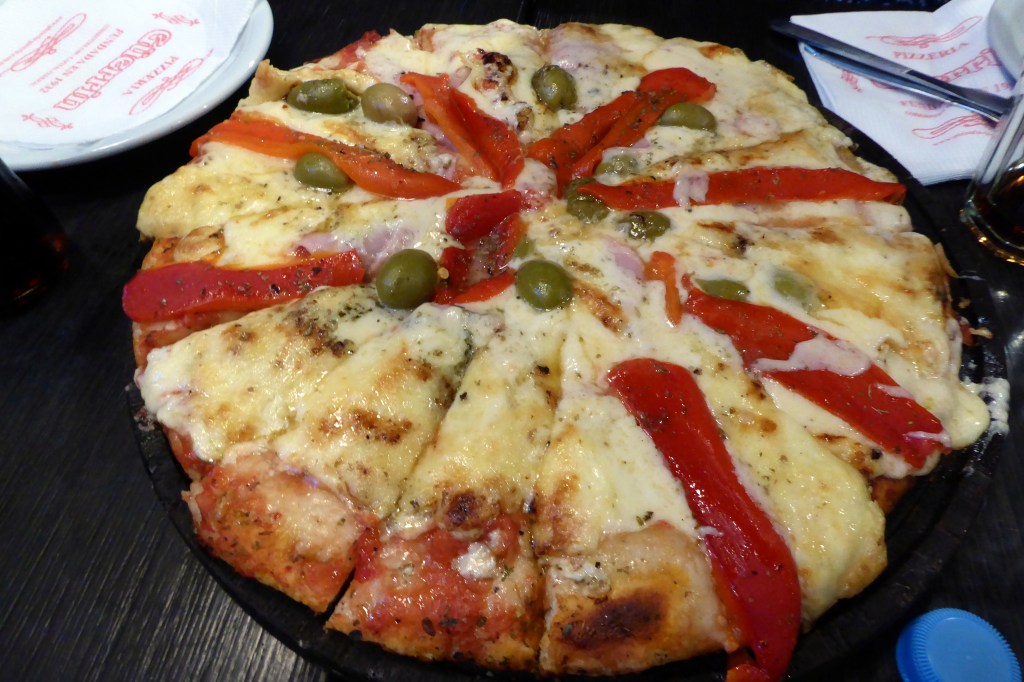
Speaking of discoveries, we all discovered that Andrea was not wrong when she said there was great pizza (and gelato!) in Buenos Aires, thanks to the Italians! Pizzeria Guerrin was muy bueno!
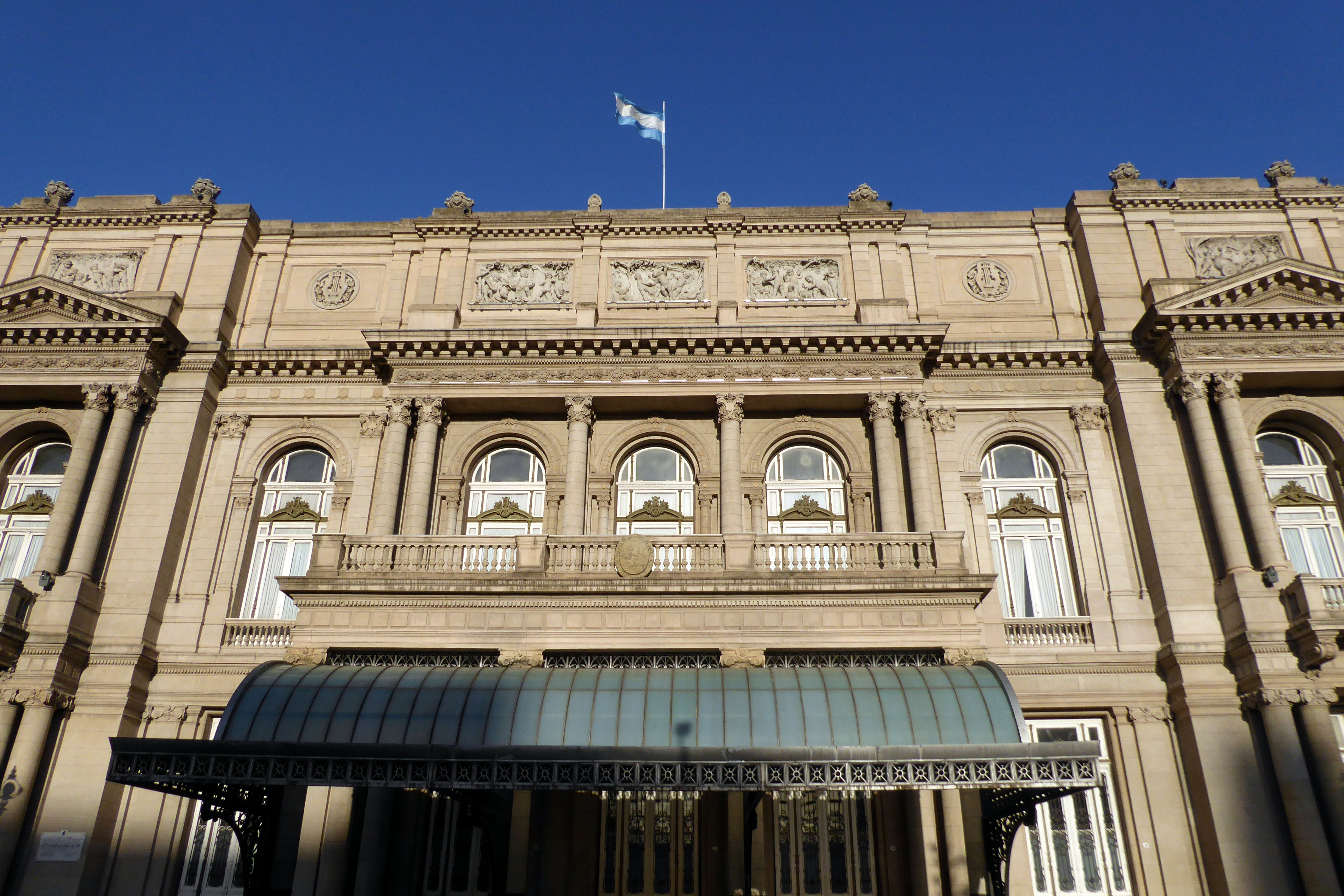
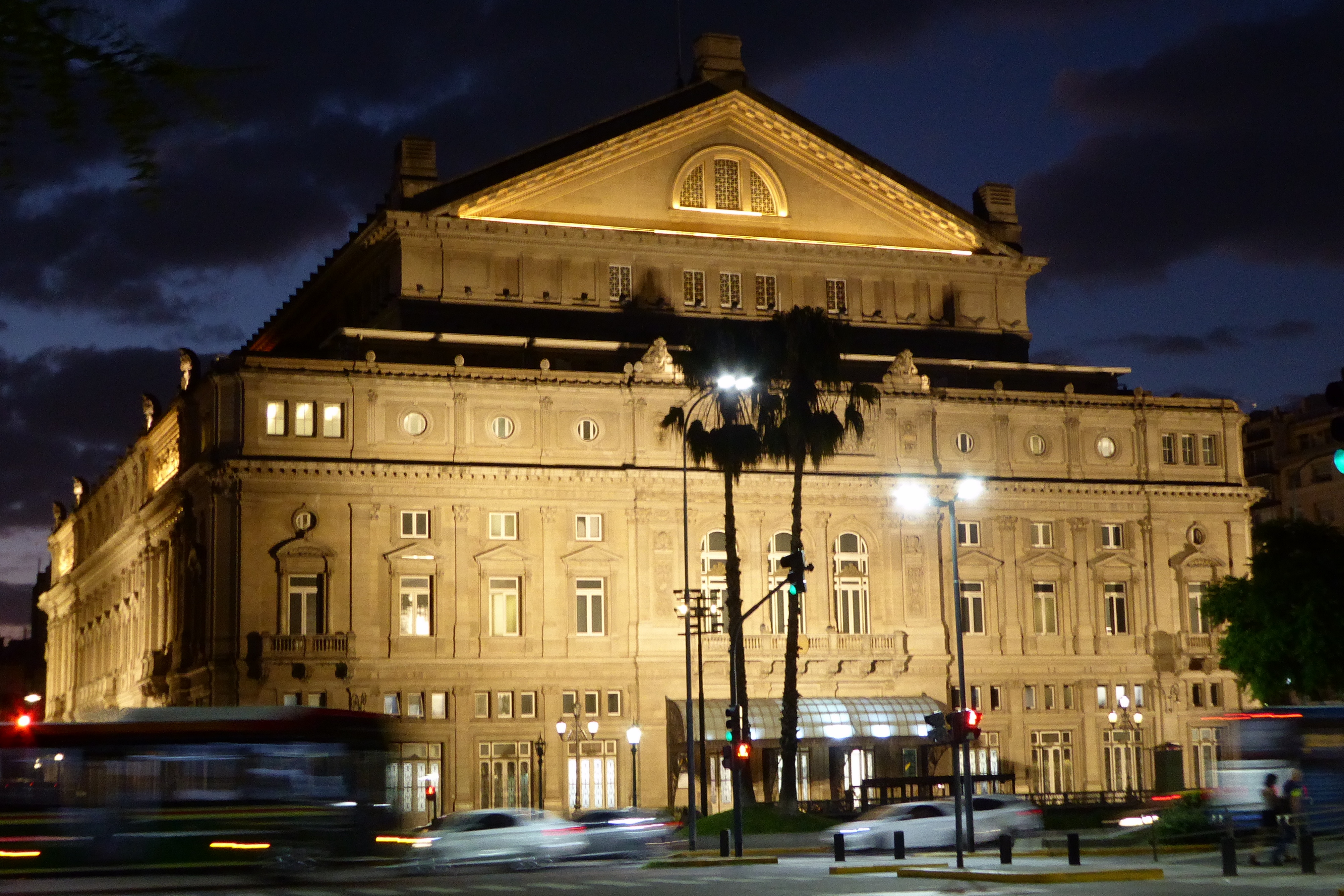
On the way to Pizzeria Guerrin, we stopped to see the world-famous Teatro Colon, considered one of the most important opera houses in the world.
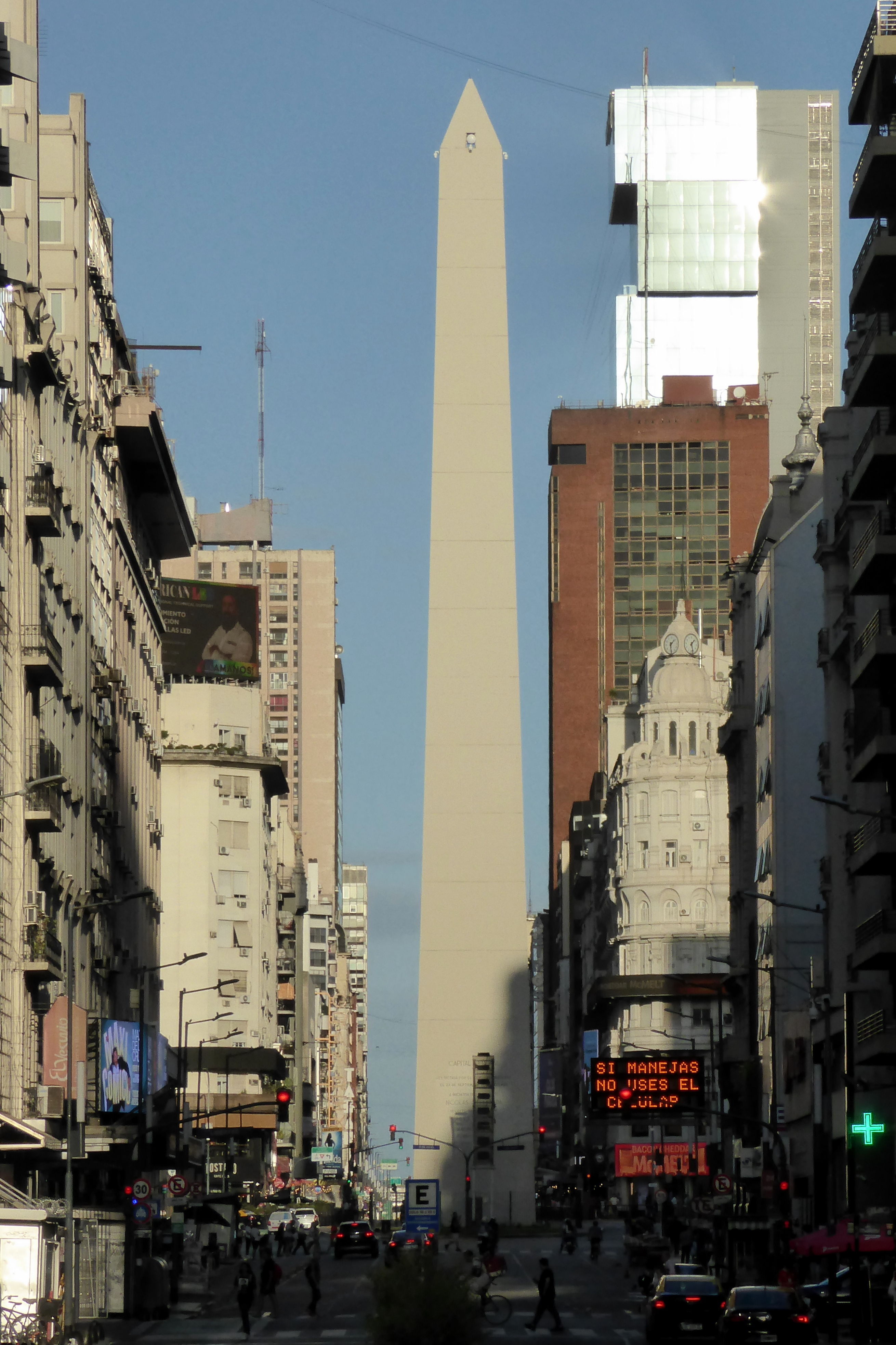
The obelisk of Buenos Aires is a national historic monument and icon of Buenos Aires. It is THE meeting point for political protests and celebrations, including Argentina’s 2022 World Cup victory.
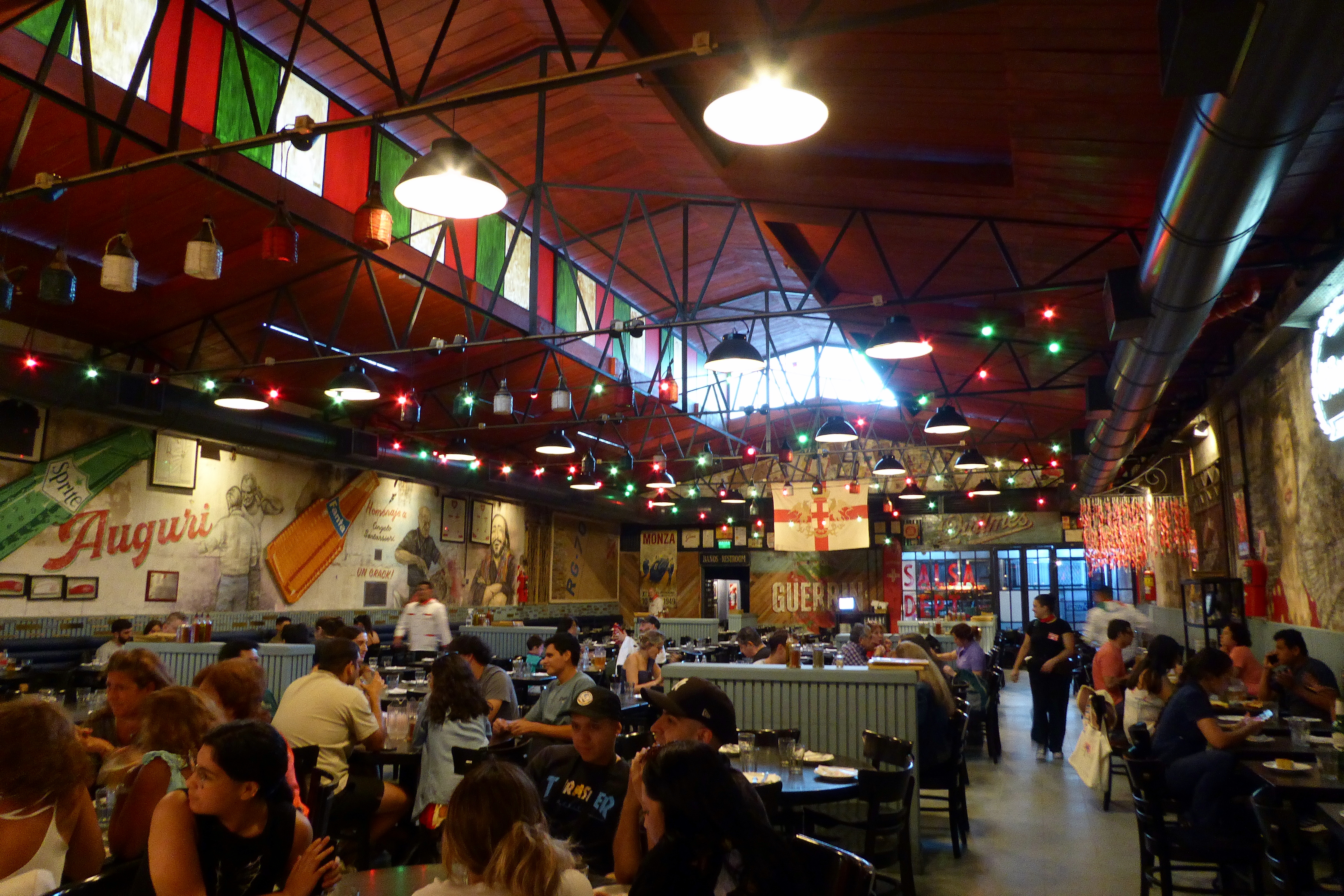
Pizzeria Guerrin, a popular theater district hangout for locals and tourists alike, was a fun and funky place. We passed through several smaller rooms before we arrived at our table in this larger room at the very back of the restaurant.
Their theater district is much like New York’s Broadway.
The Obelisk was lit up colorfully at night.
A night view of the opposite side of the opera house.
Next up: ARGENTINA & CHILE #3: MORE OF BUSTLING BUENOS AIRES
When Bruce and I were deciding on a destination for our third small group tour with Overseas Adventure Travel (OAT), we wanted to travel somewhere we had never been. I contacted my fellow travelers from our Italy and Iceland OAT tours to ask them for their recommendations. There were a few tours that kept popping up in their responses, so we booked those tours for 2024 and 2025—the first being Argentina and Chile. I had never been to Argentina, so it would be my 72nd country to visit. And, I had only visited Valparaiso, Chile, and the nearby wine region for a few days before boarding a ship for a cruise, so I wanted to see more. Bruce had never been to either country.
Before our departure, we had received e-mails (with a cute photo!) from our trip leader, Andrea Salas. The emails were loaded with great information, sprinkled with humor and colorful fonts, and full of personality. It struck us both that Andrea was going to be an excellent and fun trip leader, and it was later confirmed during our pre-trip video conference with her on Whatsapp. What a hoot! We couldn’t wait to meet her in person.
On Valentine’s Day morning, we arrived in Buenos Aires for a day on our own before joining the group at Argenta Tower Hotel. Fortunately, there was only a two-hour time difference from Georgia, so jetlag wasn’t an issue; but, lack of sleep on the redeye left us looking forward to a good night sleep. Until then, we filled the day by getting our Argentinian pesos, taking Andrea’s advice to partake in Argentina’s awesome gelato at Rapanui, and exploring the city.
Argentinean pesos. Now, that’s a loaded topic—literally. $100 USD converted into a tall stack of pesos! Splitting the wad with Bruce, neither of our wallets could close easily. At the time, we received slightly more than 100,000 pesos—almost all in 1,000-peso notes, worth about $1 each. (The extra was in 500 notes.) Try cramming more than 100 bills in your wallet! At least it was an easy conversion to calculate when pricing an item. Knock off a bunch of zeros, and you have your dollar amount.
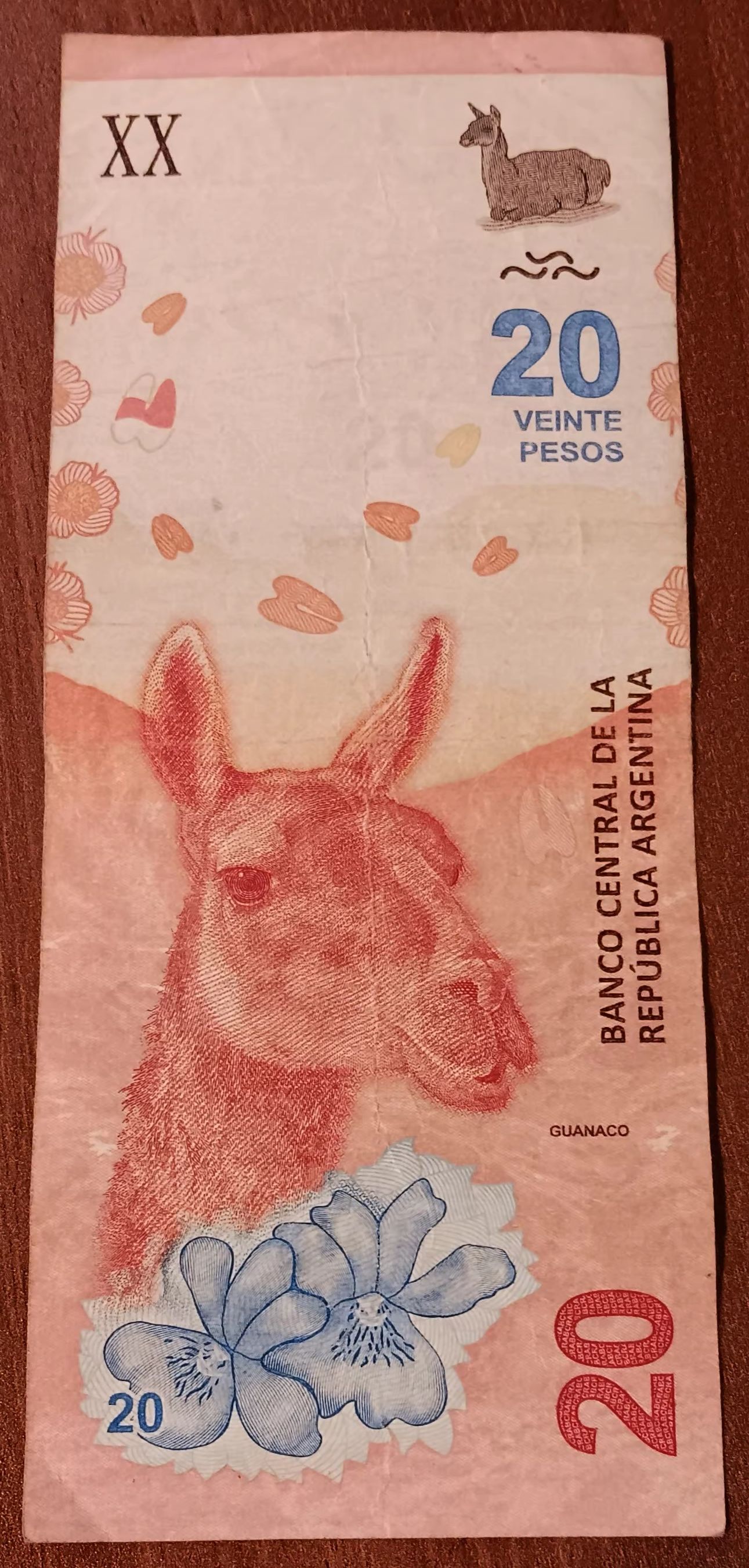
Their currency is quite attractive. Here is the front and back of a few of their notes.
(For all photos, click on the image for a full screen view.)
This lovely 20 peso note features a guanaco (llama)—we saw a lot of those cuties while on the road. This attractive note is only worth 2 cents now. It probably cost more than that to produce it!
What is going on here? Argentina has been experiencing 200% annual inflation! You think the U.S. inflation rate is high? Hah! I will happily accept our 3.1% inflation rate, thank you very much.
As a result of the Argentinean peso’s value, expenses for extras not included with the tour were very low for us. Take the (amazing!) gelato at Rapanui, for example. Our medium-sized cup of two scoops (dark chocolate and dulce de leche (carmel) of gelato set us back only $2.60 USD. Ohhh, and it was sooo good! (Andrea was spot-on when she claimed Argentinean gelato was just as good—or better—than Italian gelato. After all, Argentina was settled by a lot of Italians!)
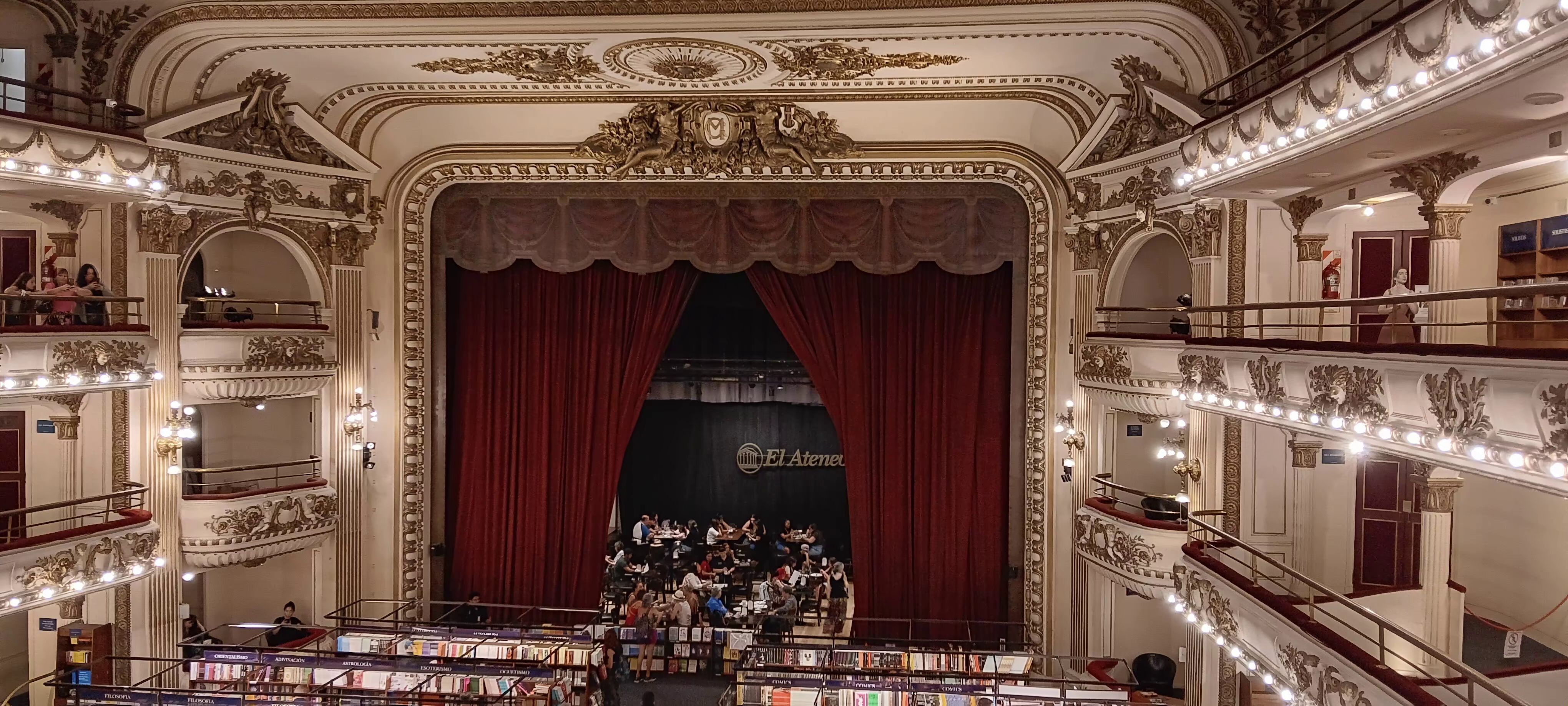
Thoroughly pleased with our first (of many!) Argentinean gelatos, we secured our bulging wallets and headed to the bookstore Andrea recommended visiting. Now, this isn’t your ordinary bookstore. El Ateneo Grand Splendid Bookstore, formerly a theater, was gorgeous!
After a casual dinner at a little Argentinean restaurant frequented by locals, we were ready to call it a day.
This was just the first of our three-week adventure, so I have many more posts to come! Would you like to see more? Go to my home page at www.ElainesTravels.com, scroll down to the “Sign me up!” button, and enter your e-mail address. You will receive an e-mail when each new blog is posted. Rather than reading the post in the e-mail, click on the blog title to read the post at my site for a better experience. I do not monetize my blog, so you won’t see any dreaded ads! If you would like to see a larger image of each photo, just click on it to view it full screen, better viewed on a desktop computer! Although you can unsubscribe from my blogs at any time, I hope you will stick around for more adventures to come. We have a lot more travel already scheduled for 2024 and 2025!
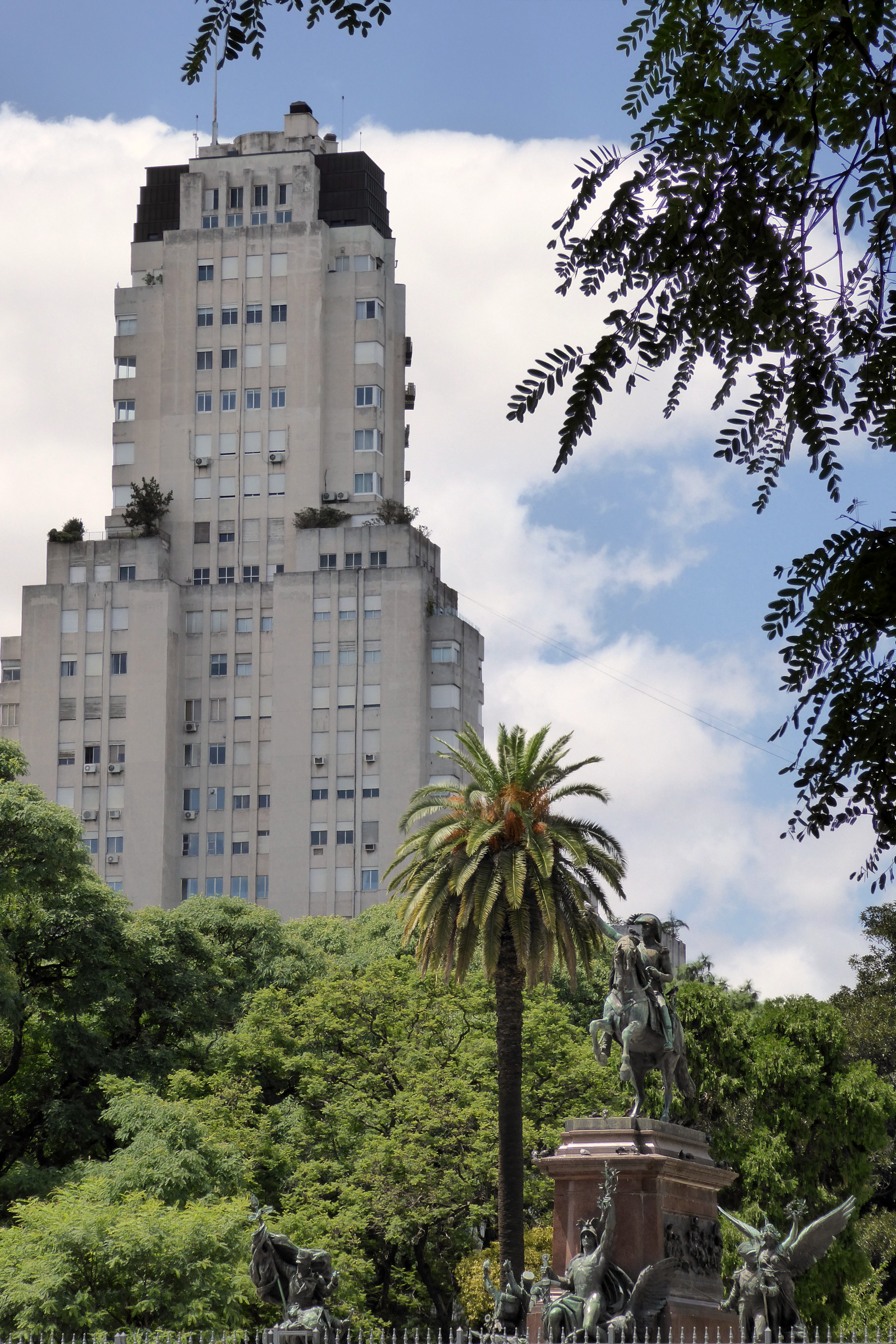
Meanwhile, I will leave you today with a few scenes from near our hotel at San Martin Square.
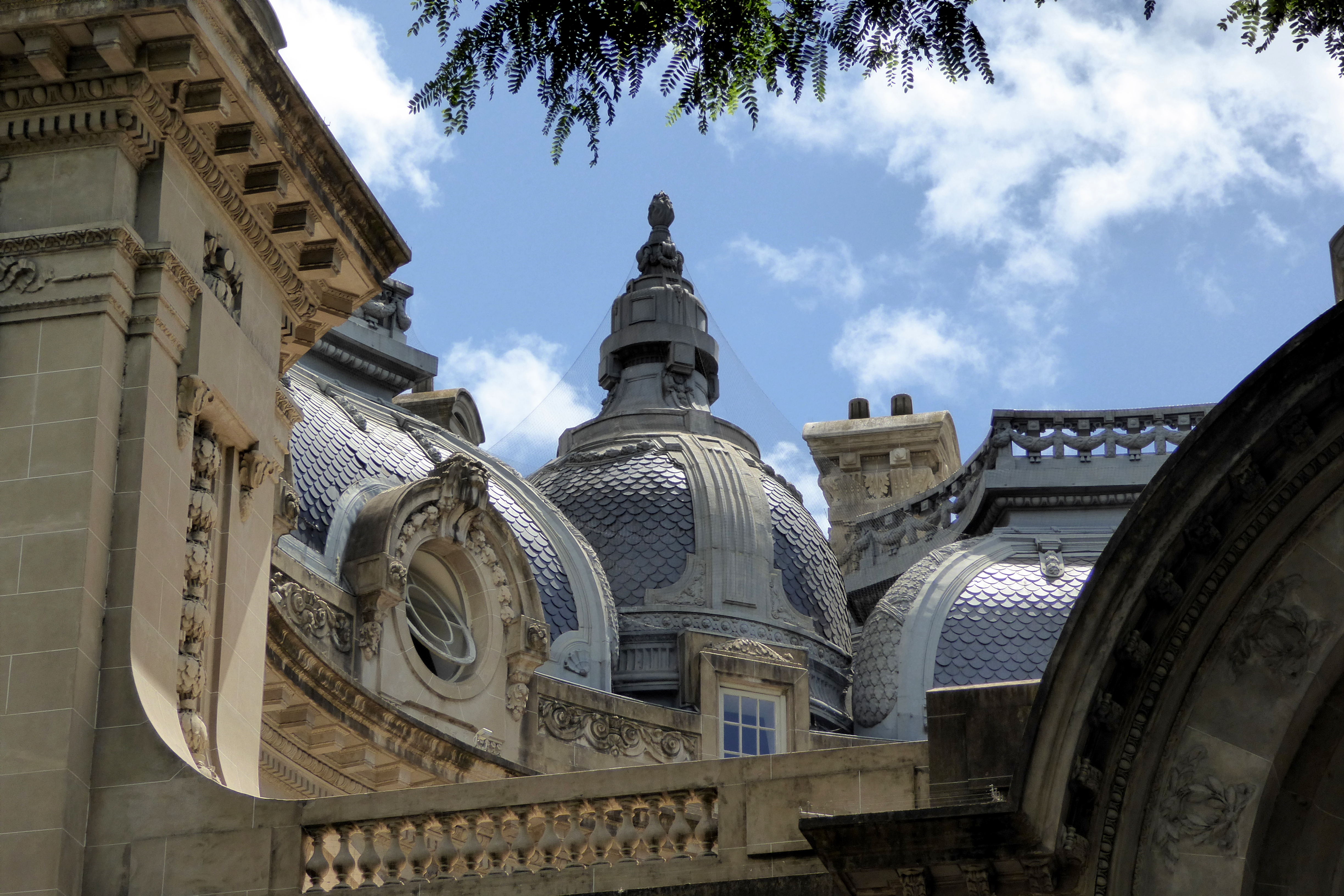
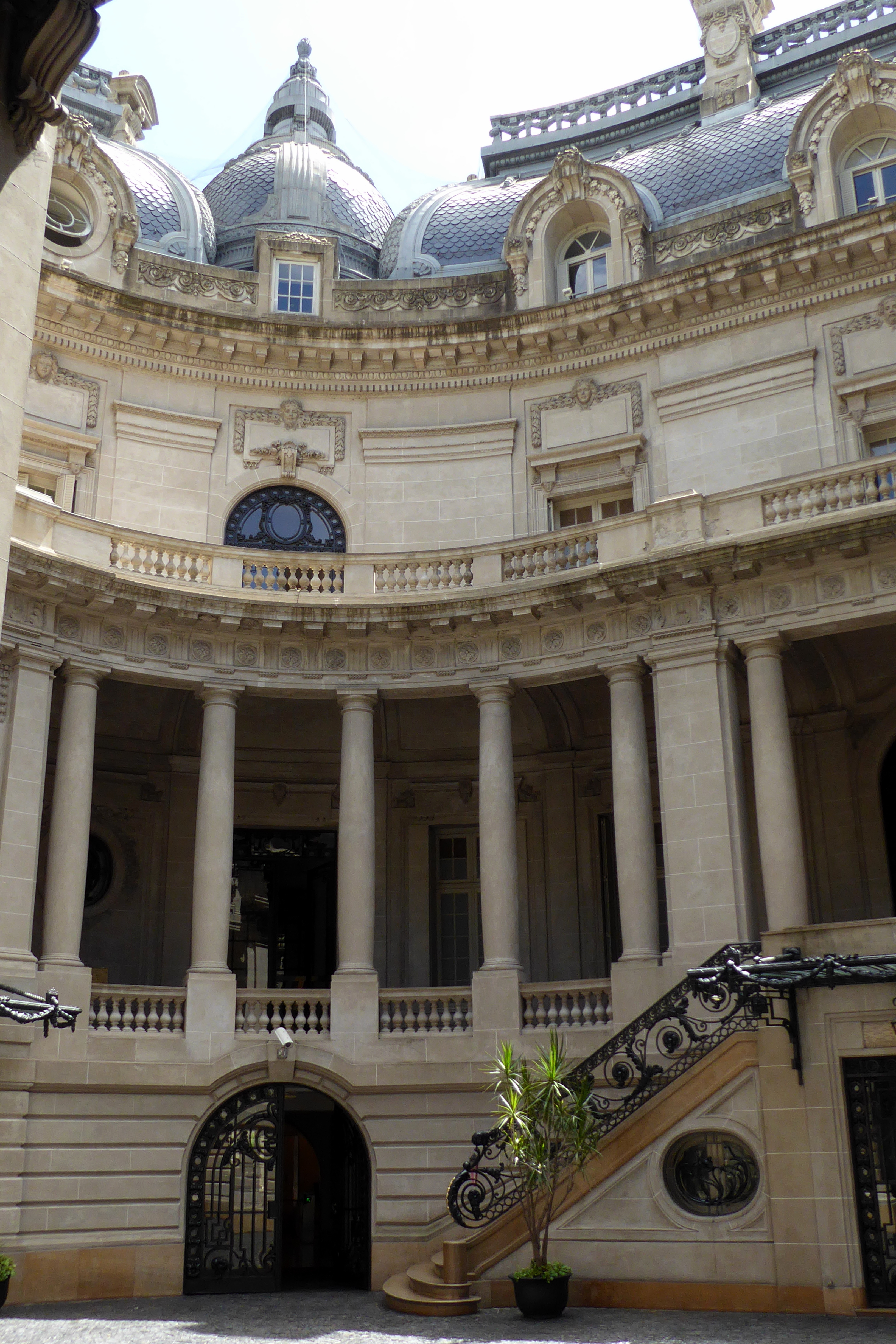
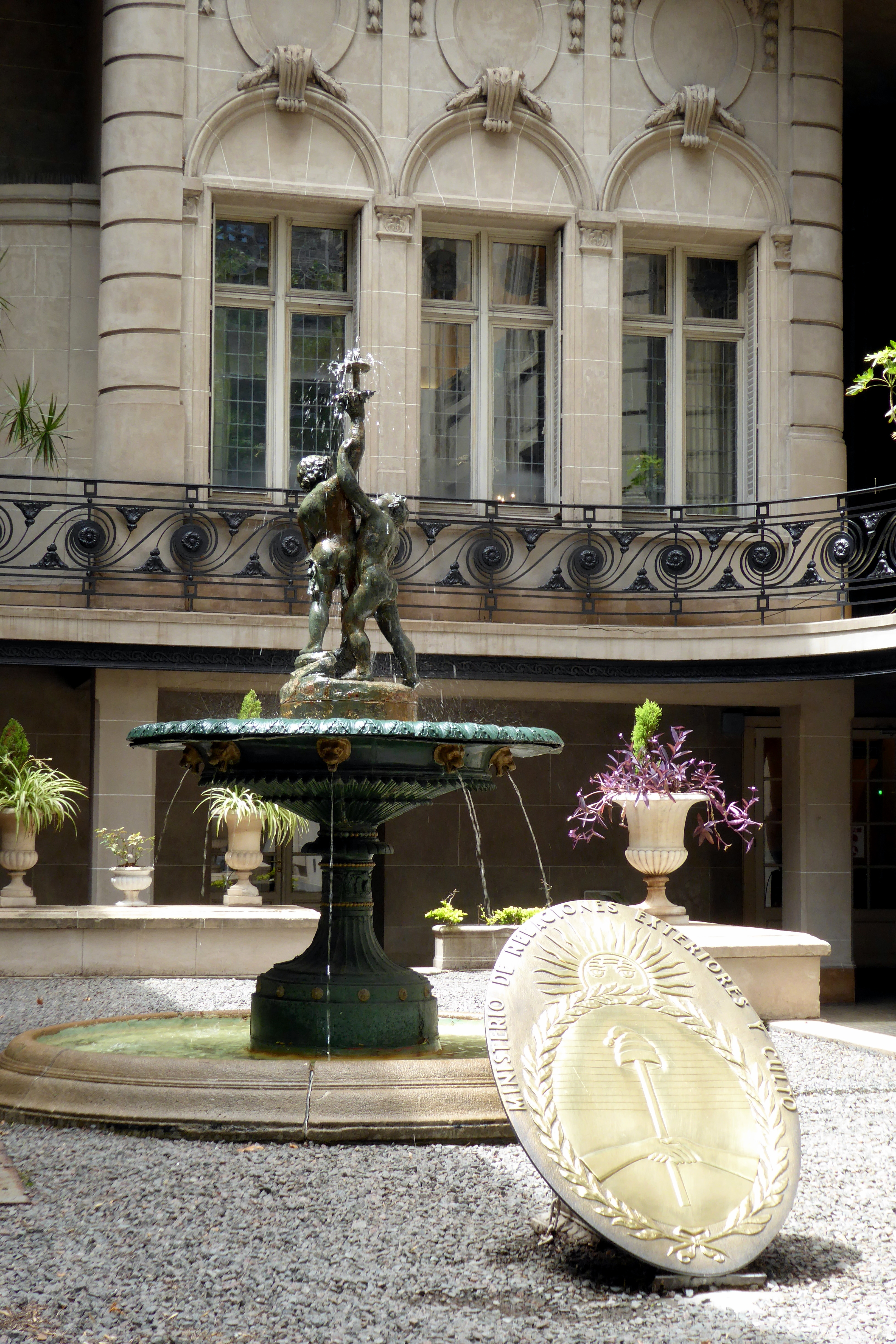
Located on San Martin Square, Palacio San Martin dates back to 1905.
Coming up next: Argentina & Chile #2: Bustling Buenos Aires
To see a slide show (full screen) of my Iceland photos from our Overseas Adventures small group tour of Iceland, in July, 2023, click on “copy link” in the upper right hand corner of the YouTube screen and paste it in a your URL (where you would type in a website). You can view it full screen by then clicking on the open square symbol in the lower right hand corner of the YouTube window, which will expand it to full screen.
If small group travel is of interest to you, I highly recommend Overseas Adventure Travel (OAT). Although Bruce and I travel together, they do not charge a single supplement for those who travel on their own. Singles also get their own room at hotels. If you book, you can get $100 off your trip by providing my name and customer number (Elaine Krugman, #3018126) as the person who referred you. I will also get $100 off future travel– a win-win!
Back in 1997, when Tony Blair became Prime Minister of the United Kingdom, he promised constitutional reform within the UK. A Scottish referendum was held on two questions: to decide whether or not there should be a Scottish Parliament and whether that Parliament should have the power to vary taxation. The majority of Scots voted Yes to both proposals. In July of 1999, a Scottish Parliament met in Edinburgh for the first time since the Union of the Parliaments in 1707.
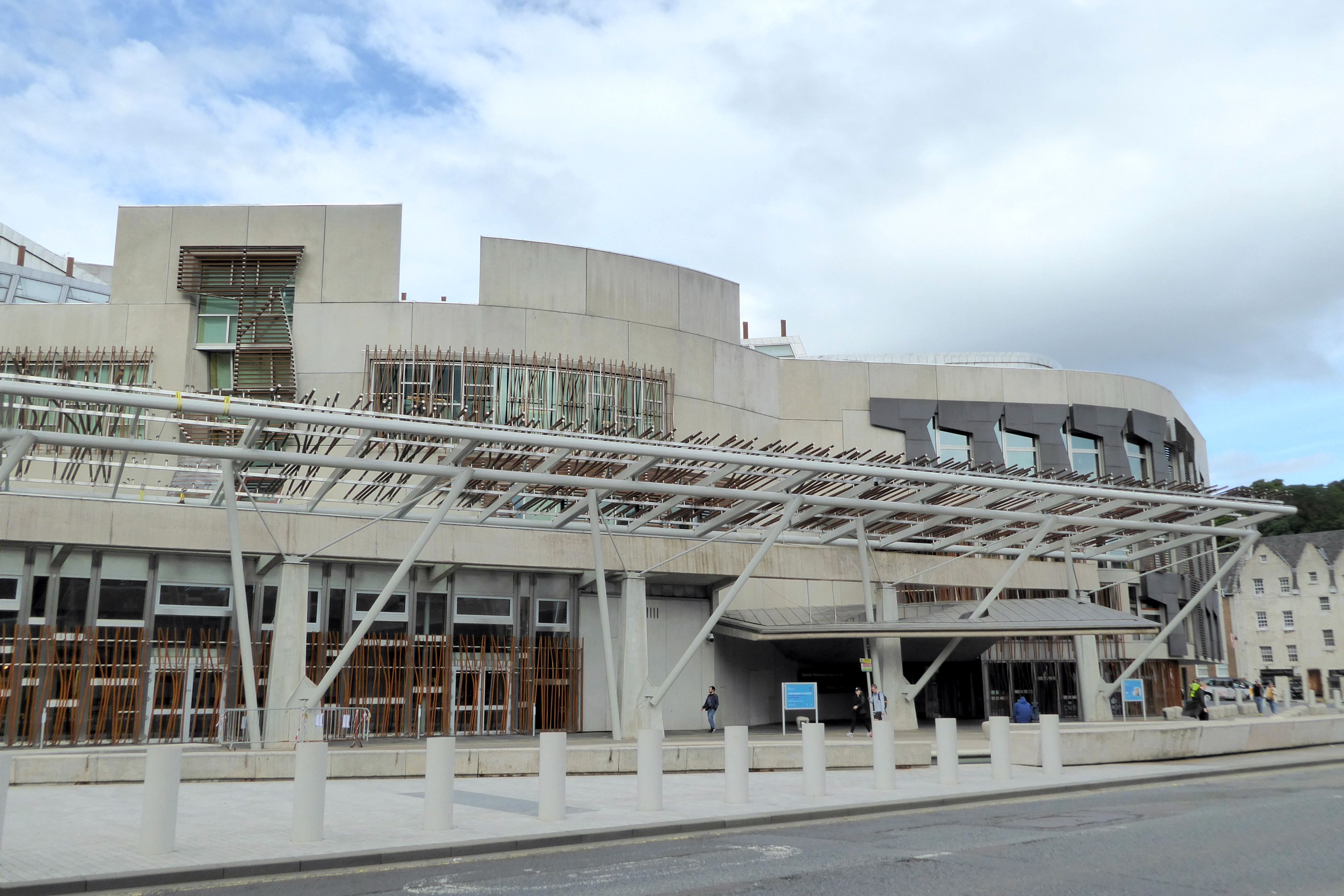
From 1999 to 2004, the Scottish Parliament Building was constructed adjacent to the Palace of Holyroodhouse. Enric Miralles, the Spanish architect who designed the building, died before its completion. How sad that he never got to see his creation and the awards it had won, including the 2005 Stirling Prize.
(For all pictures, click on the image to see full screen view.)
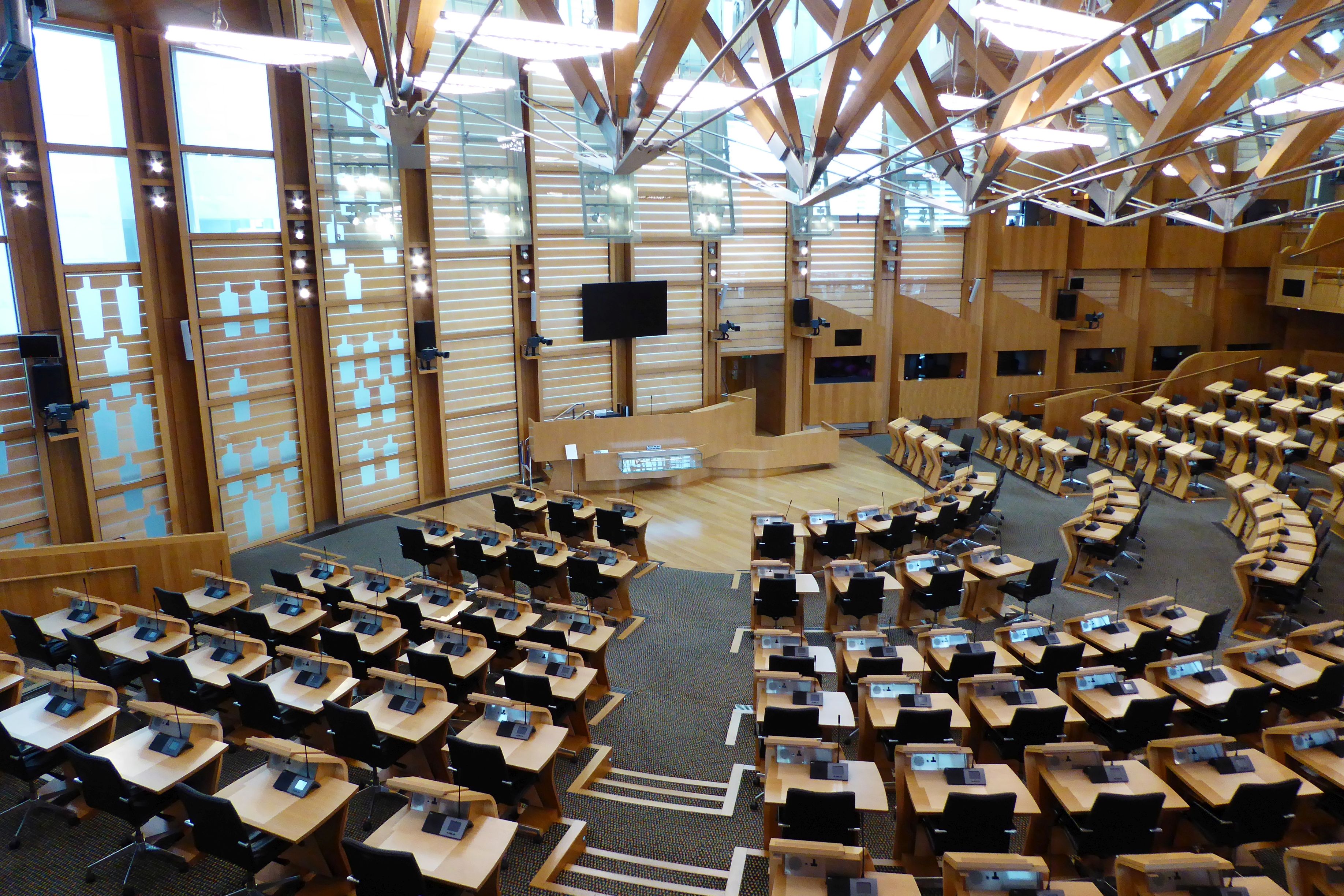
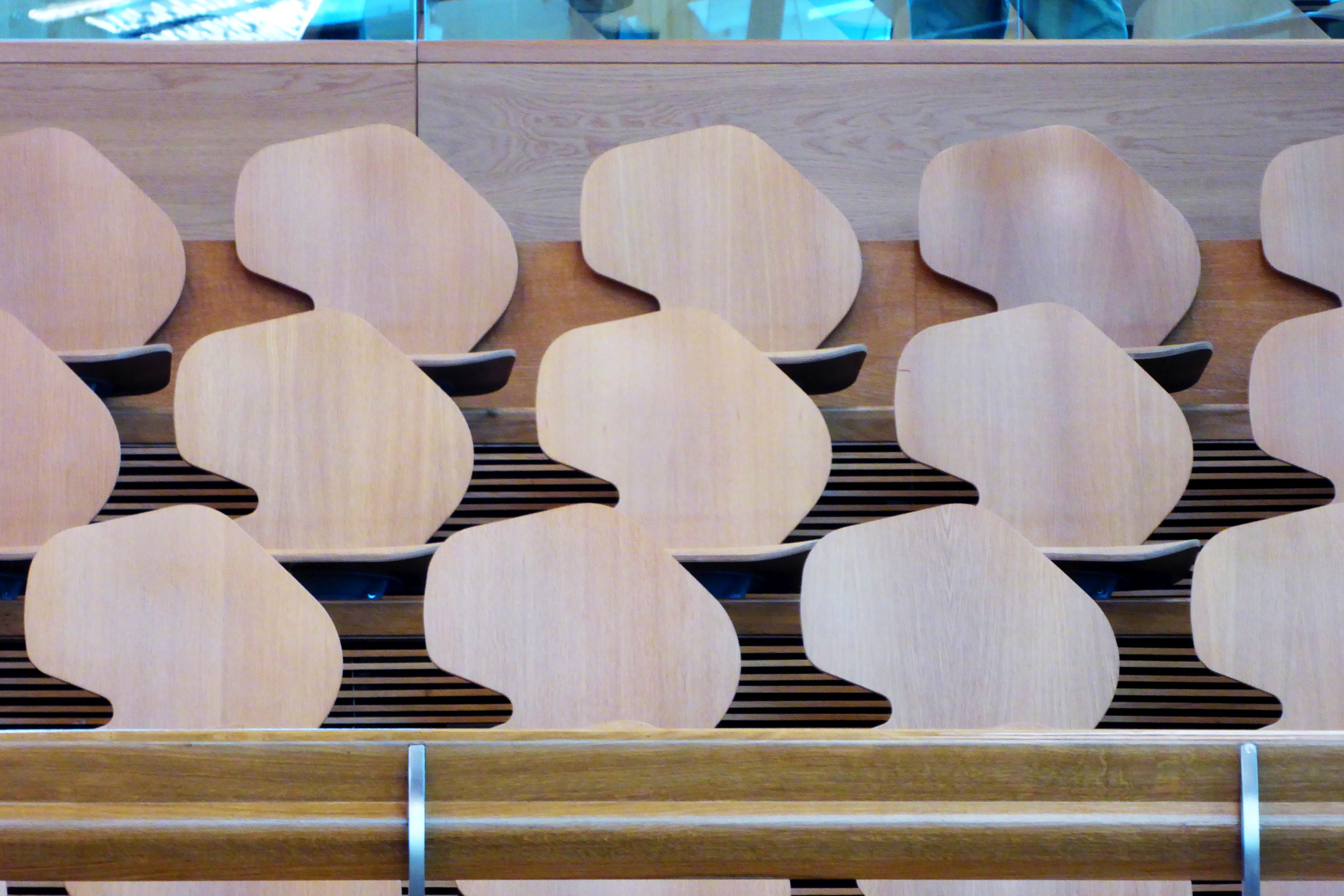
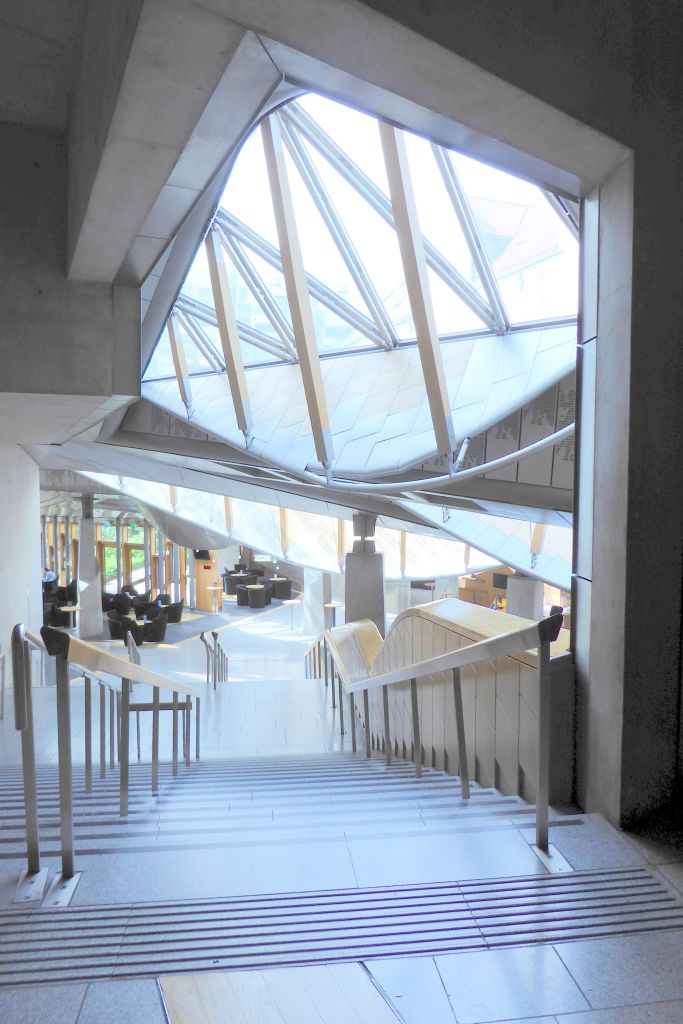
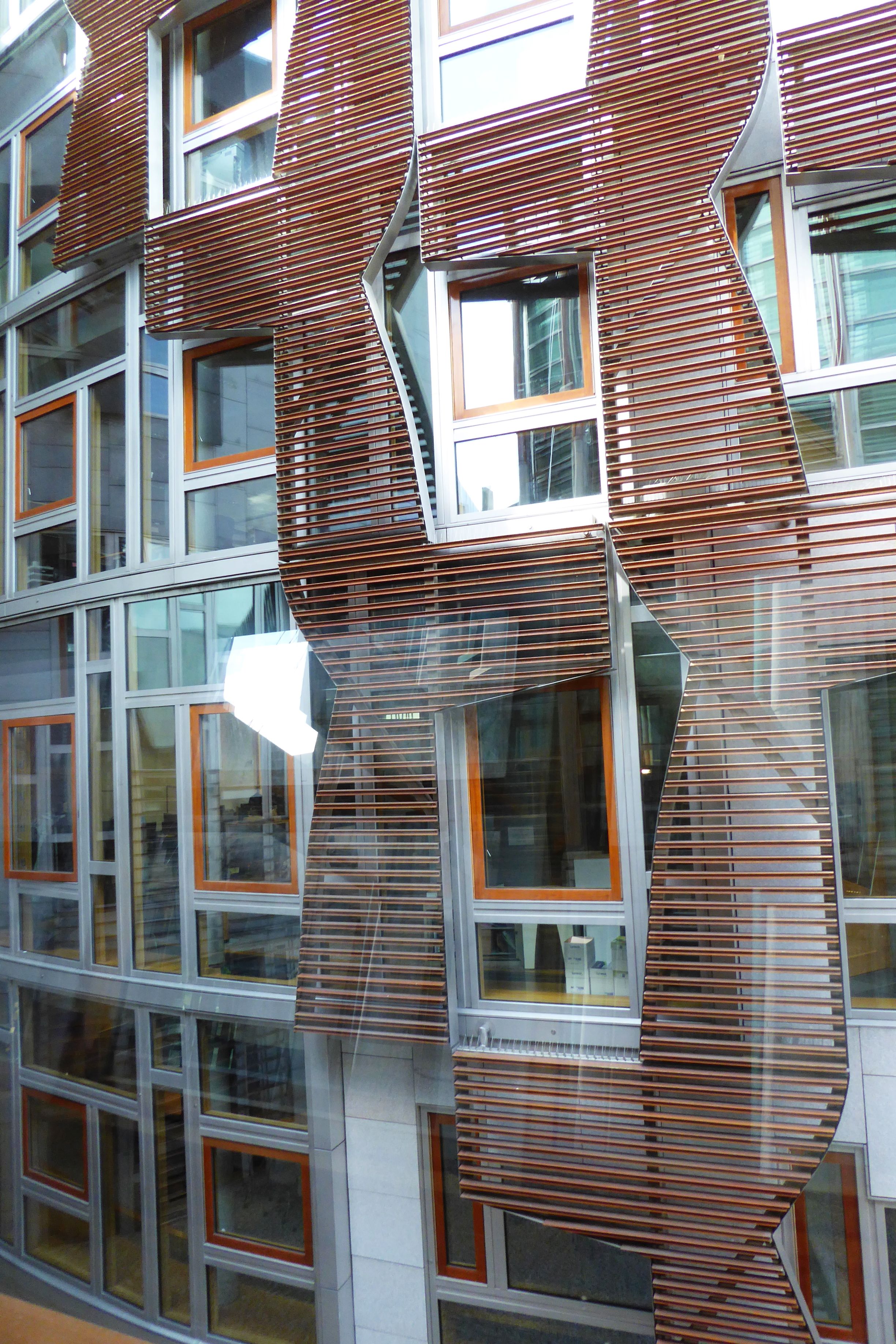
I thought the architecture was fabulous; very unique and interesting! My favorite area was the debating chamber, a shallow elliptical horseshoe of seating, with the governing party or parties sitting in the middle of the semicircle and opposition parties on either side. This layout is intended to blur political divisions and encourage consensus. I liked the design of the desks, chairs in the gallery, the light fixtures, and the way the glass panels let in a lot of natural, diffused light. Notice the designs in those glass panels. as well as in the light fixtures. They look a lot like whiskey bottles, don’t they? I can imagine how after a long session of debating, the politicians take a look at those bottles and wish they were real bottles full of whiskey!
Ceiling light fixtureThis ceremonial silver and gold Scottish Parliament Mace symbolizes the power of the Scottish Parliament to pass laws.
She is made of Lego!
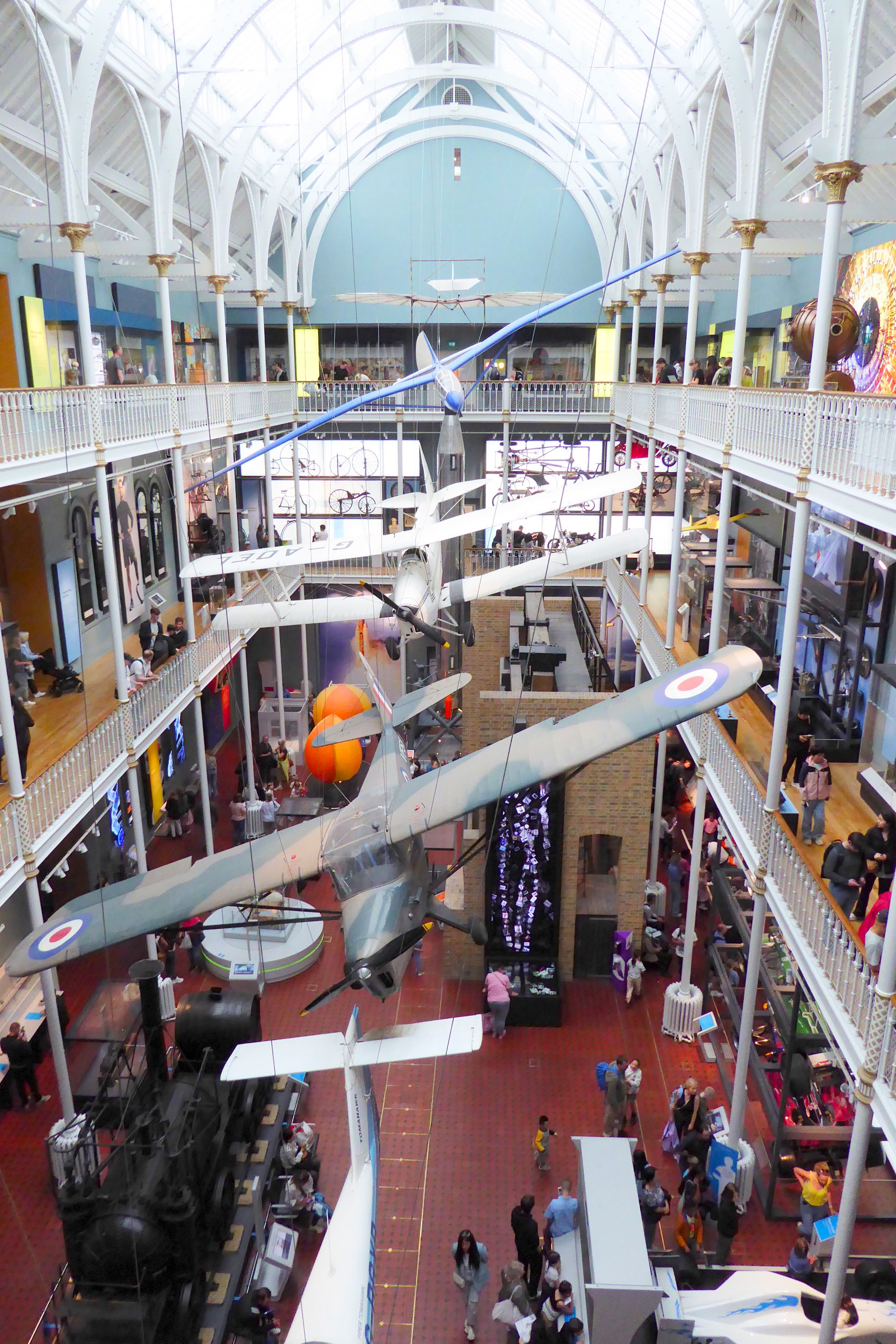
Following our tour, we returned to the National Museum of Scotland to see a few more exhibits and check out the views from the rooftop. It was a perfect vantage point to see the Edinburgh Castle from another perspective.
Edinburgh Castle as seen from the rooftop of the National Museum of Scotland.
Holyrood Park and Arthur’s Seat
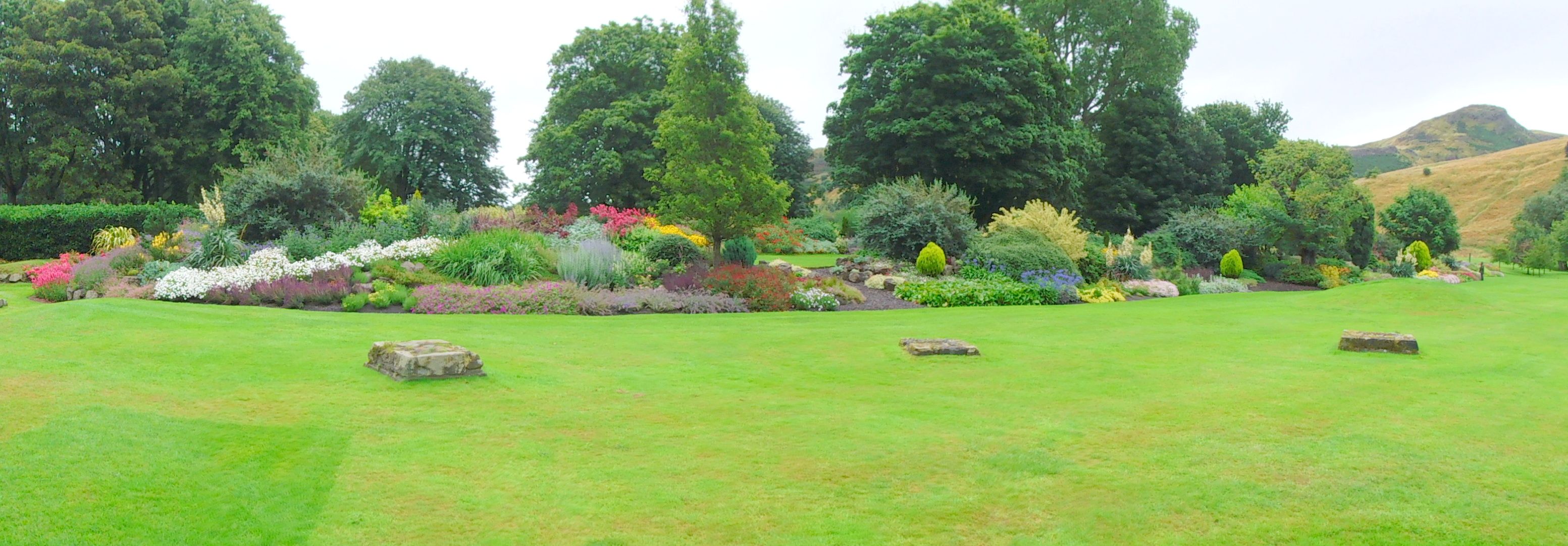
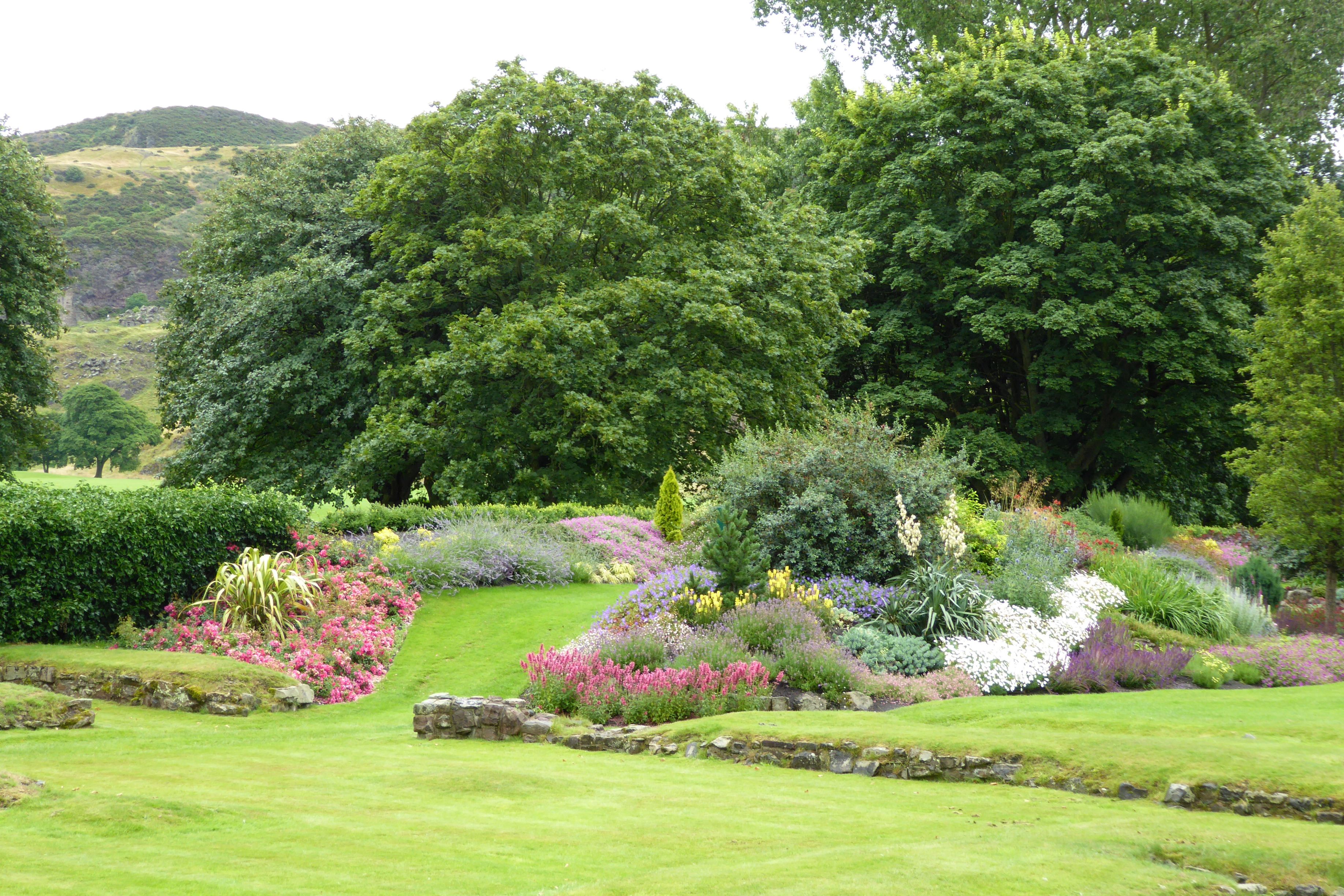
We enjoyed our final day in Edinburgh very much! Having walked to the Scottish Parliament Building from our hotel through Holyrood Parkand past Arthur’s Seat, and then adding more miles walking all over town, we made the most of our day! It was a wonderful way to wrap up our stay in the city before returning home.
This view was photographed during our walk through Holyrood Park
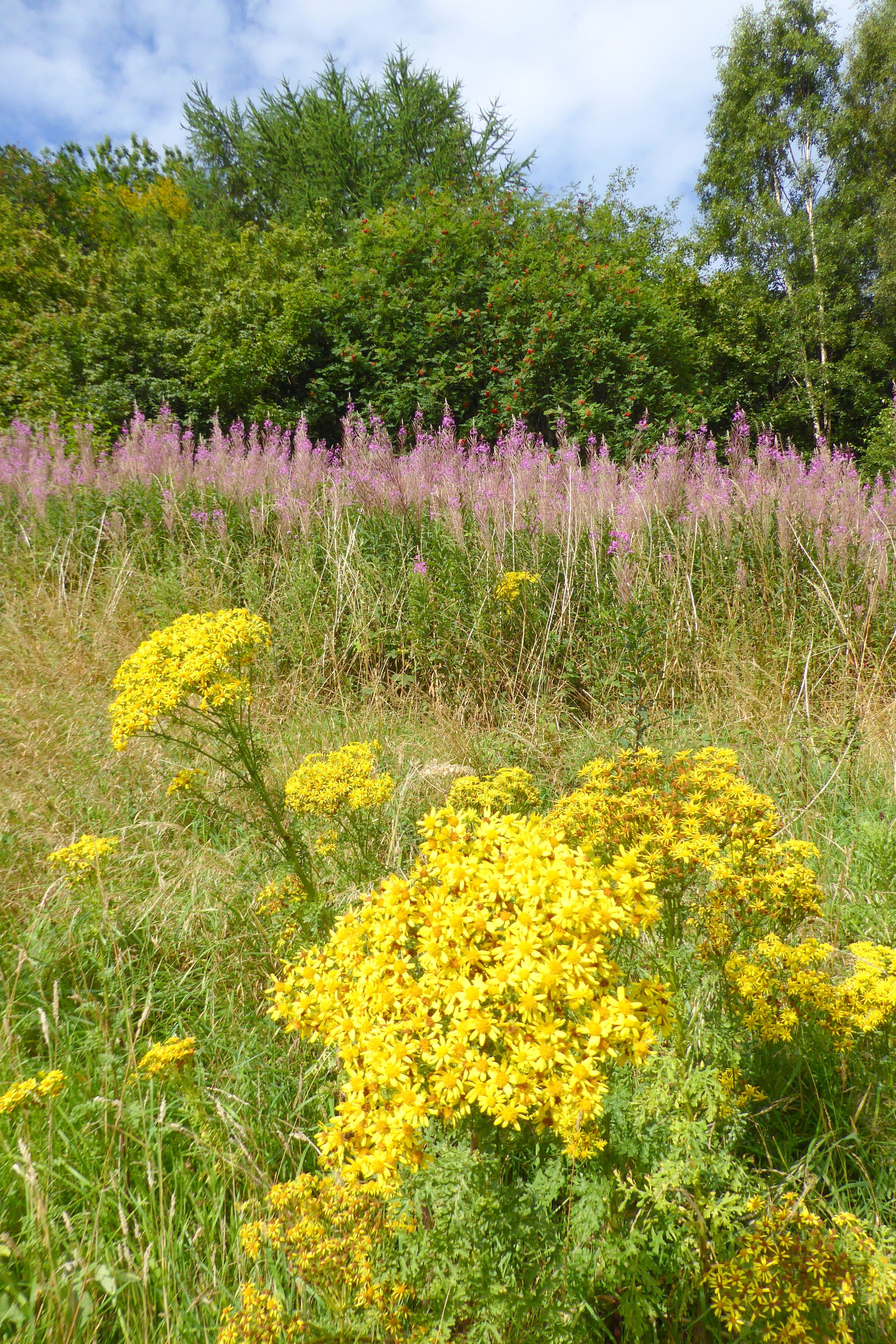
The flowers were blooming beautifully in the park!
The following are photos I shot throughout our six days in Edinburgh that didn’t appear in my previous posts.
St. Giles Cathedral
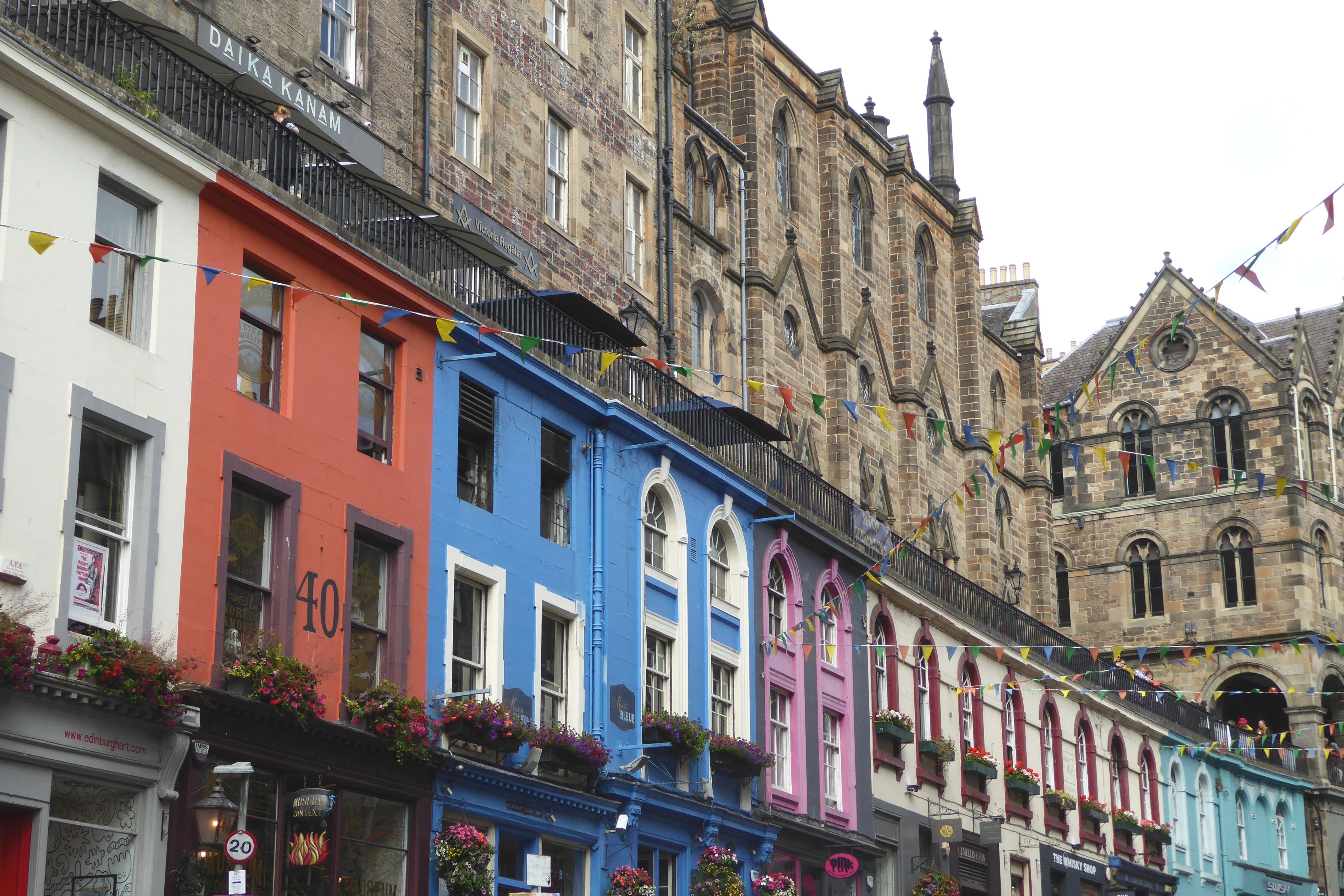
Victoria Street/ The West Bow is one of the most photographed streets in Edinburgh.
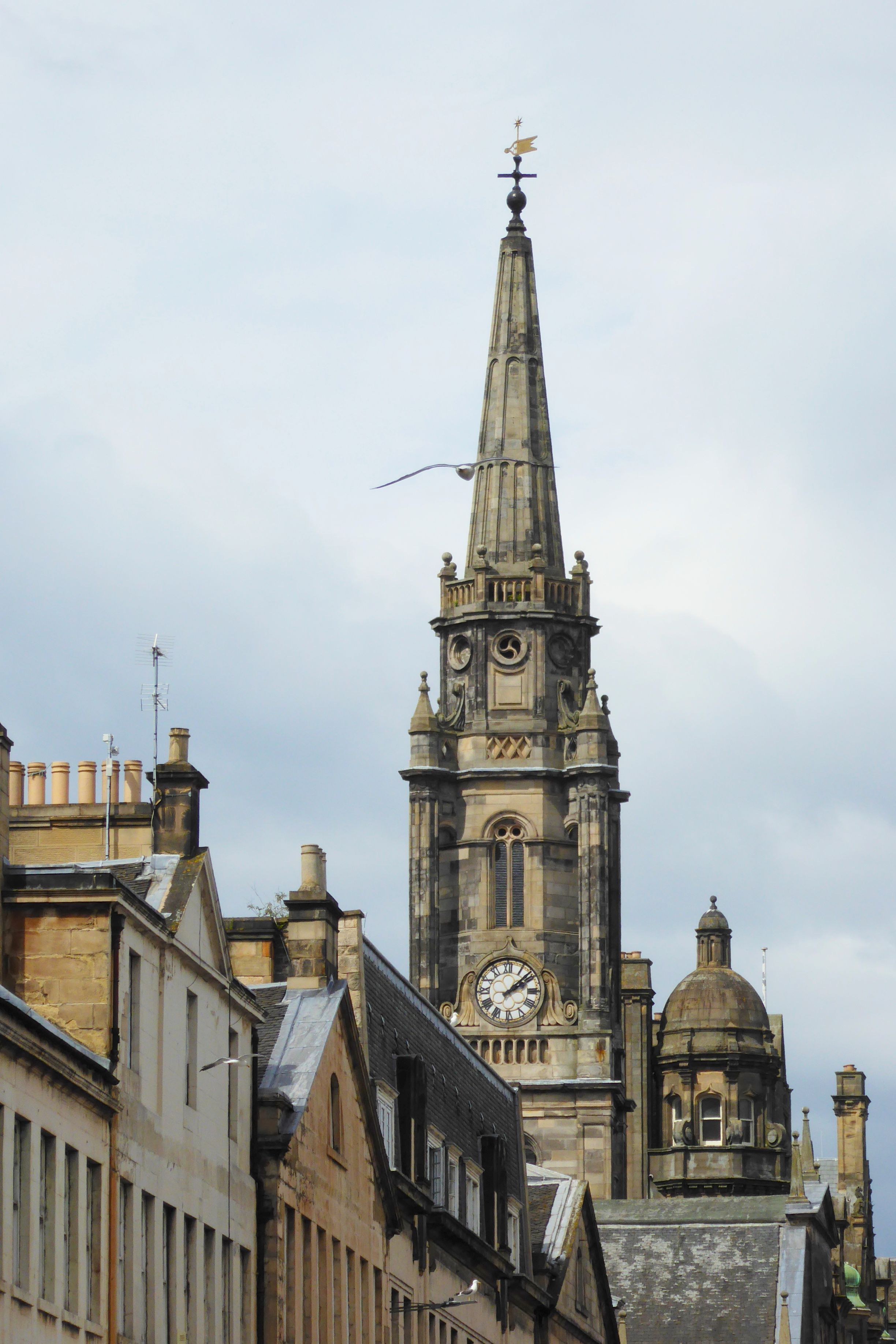
No, I did not Photo Shop that bird into the picture! I caught him flying straight towards me!
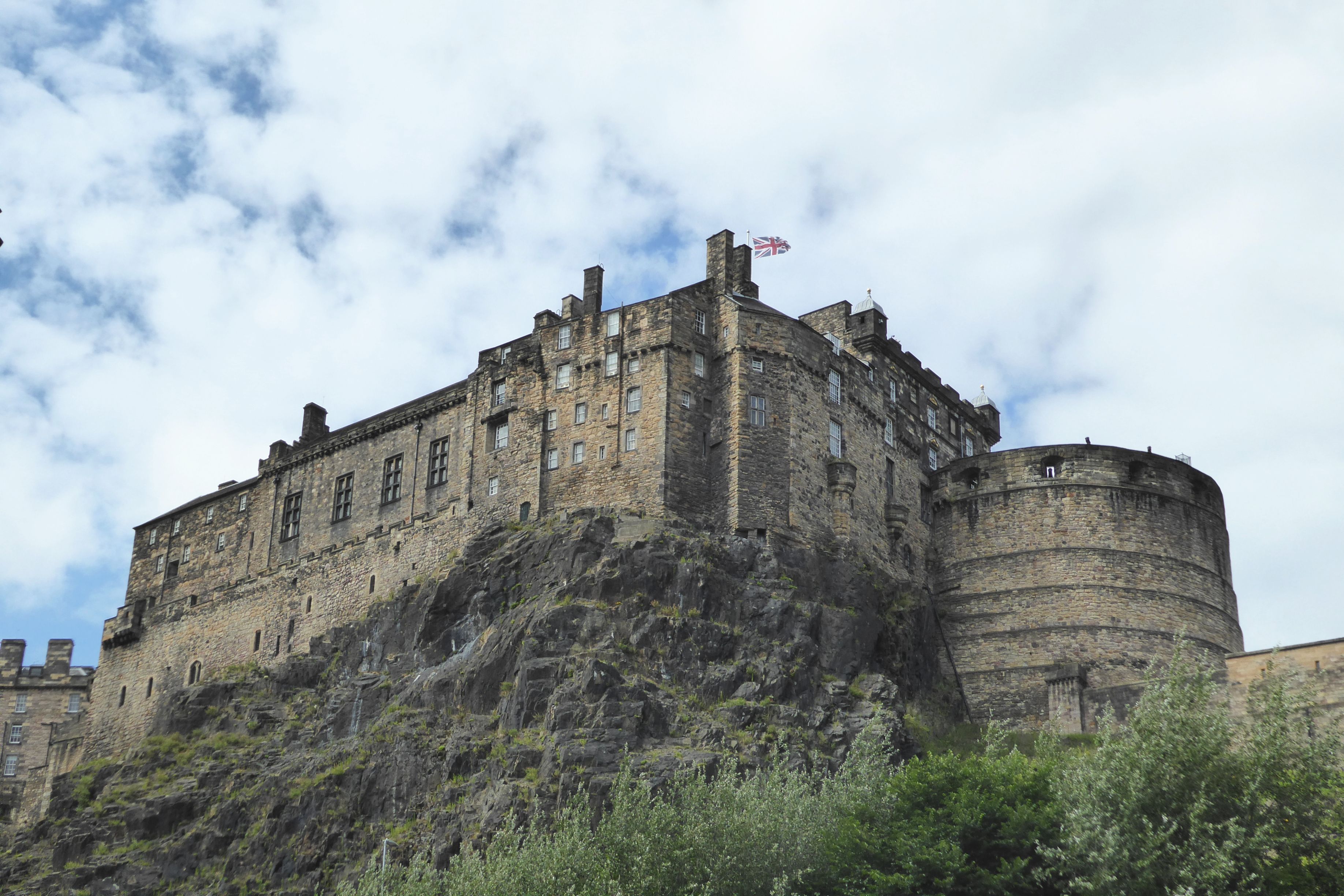
The view of Edinburgh Castle from the Grassmarket area of Edinburgh
This stairway was made of several types of stone.
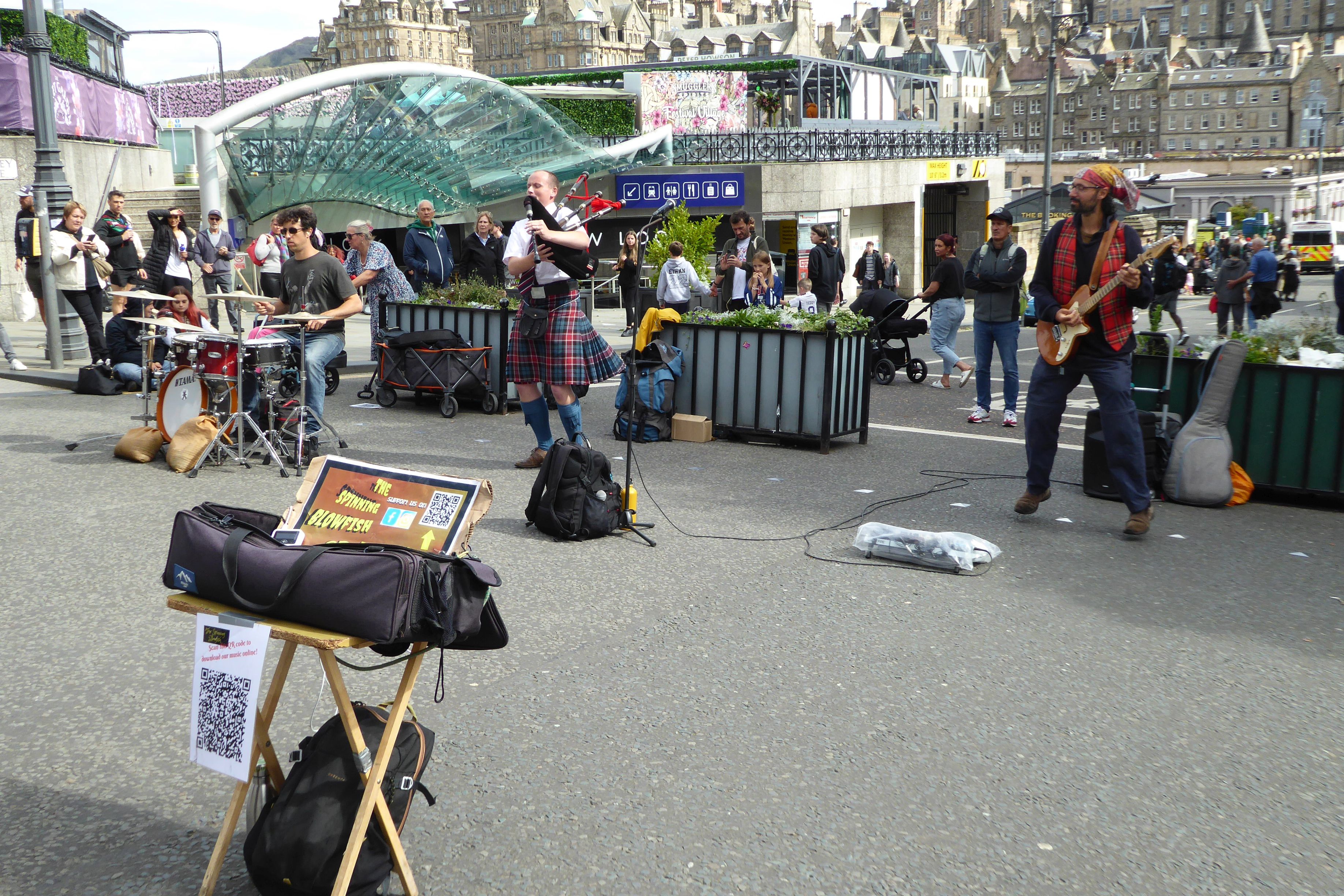
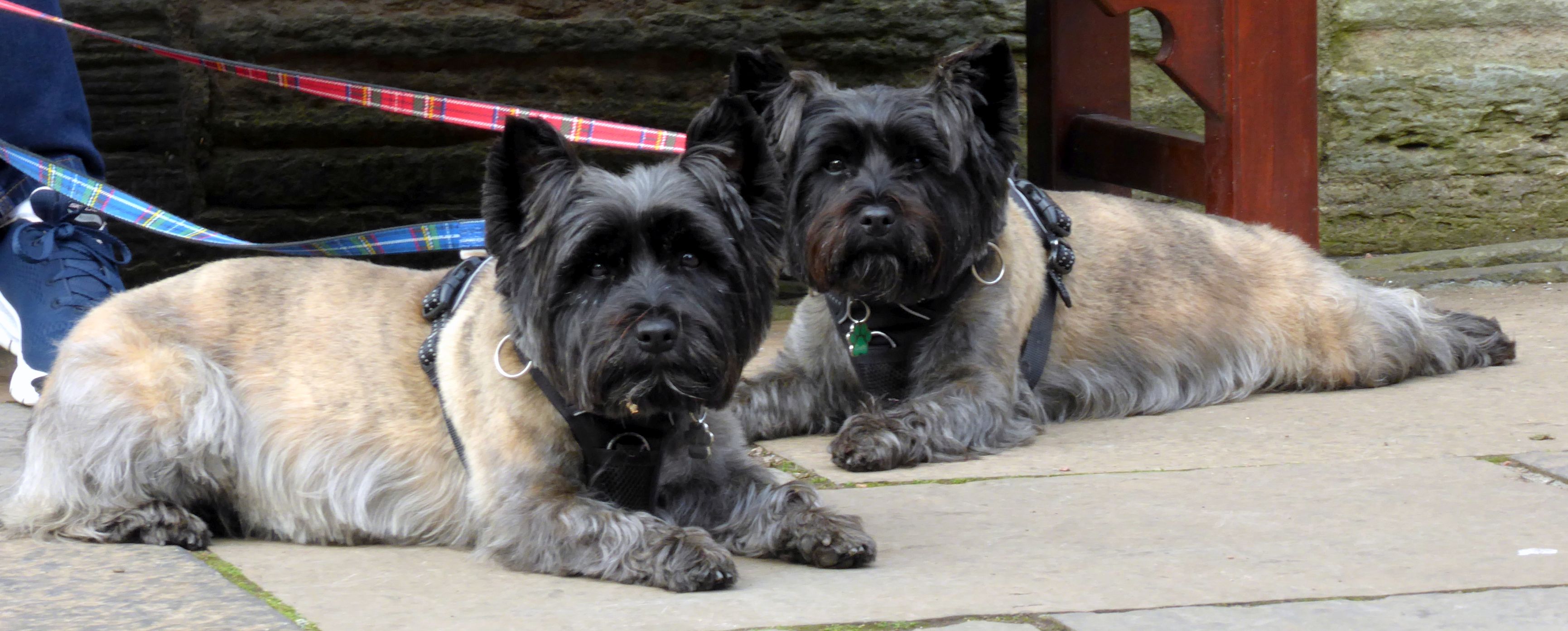
This group, performing near the Waverley Train Station, was an interesting mix with bagpipes. They played a cool rendition of Pink Floyd’s, “Wish You Were Here,” in honor of a former band member who had died.Scottish Cairn Terriers
These murals were painted on a temporary wall that was hiding a construction site.
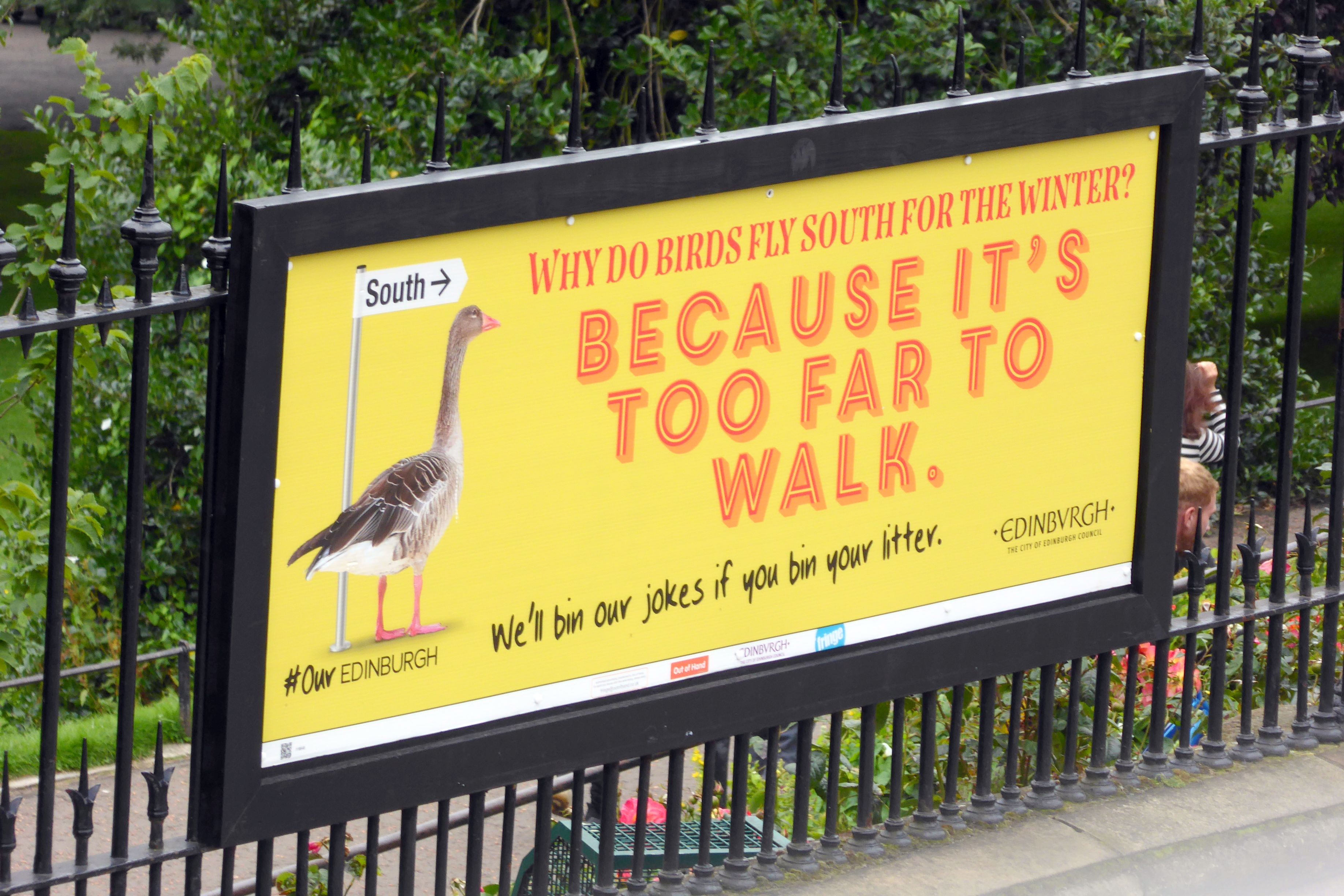
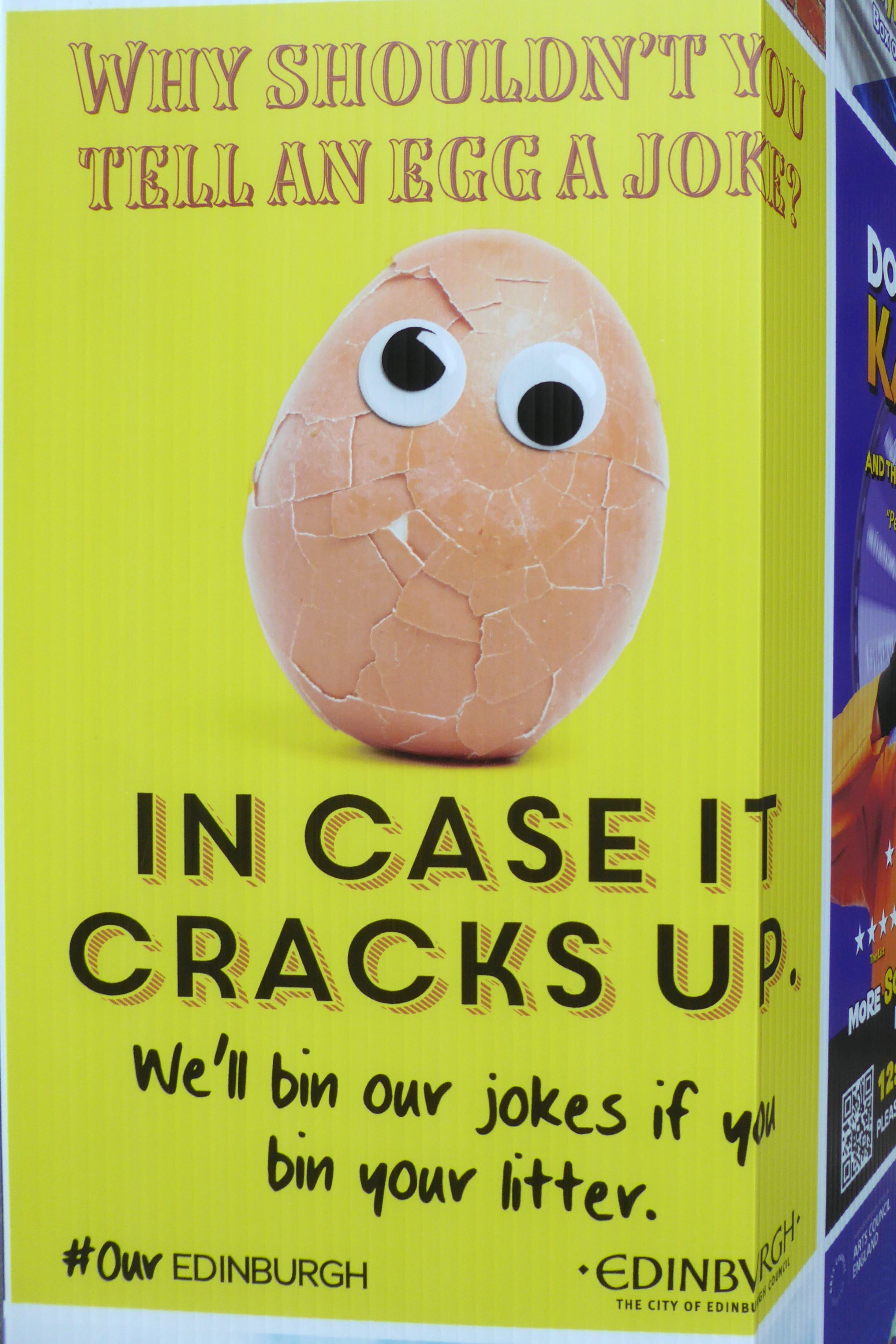
What a great adverstising campaign!
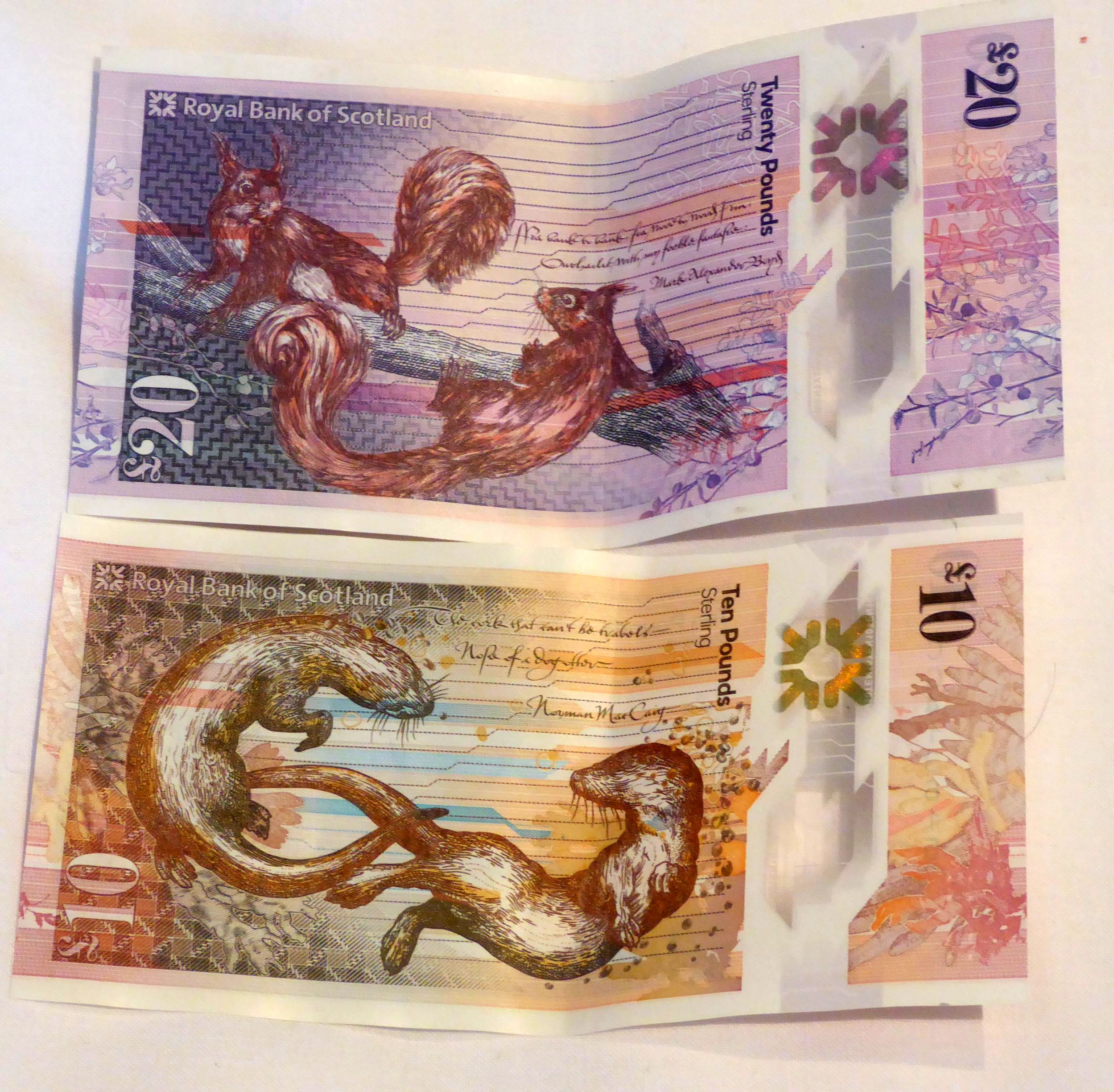
Their currency is a lot more colorful than ours……and cute!
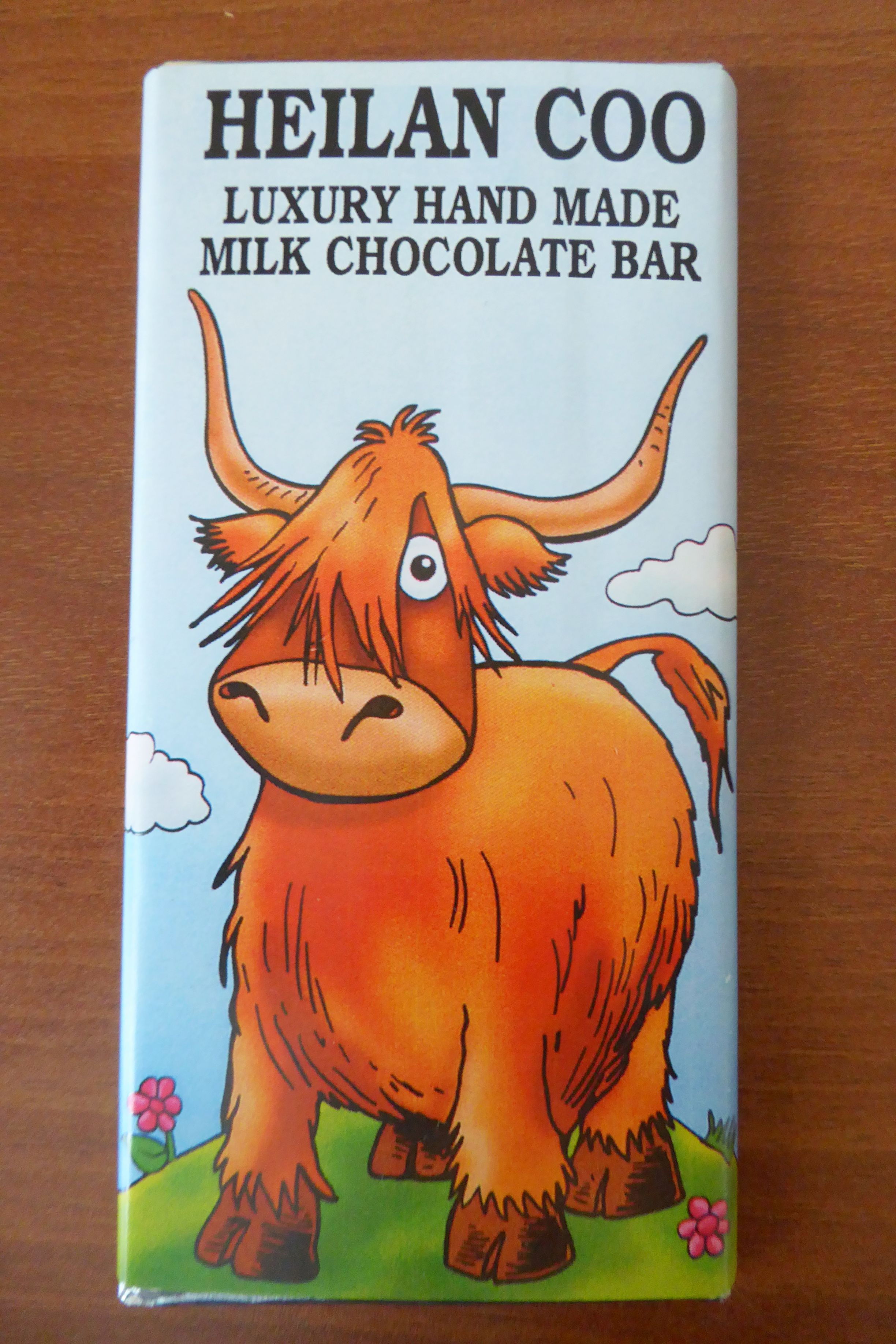
I spent some of that currency on chocolate! This one was for my chocolate wrapper/ label collection.
Thank you for reading! Craft show season is just around the corner, so Bruce and I won’t be traveling internationally again until 2024. Stay tuned then for posts on Patagonia and many more!
If Road Scholar hadn’t cancelled our tour of the Scottish Highlands, we would have spent two weeks exploring the region. Bruce and I didn’t want to completely miss out, so we booked a day trip out of Edinburgh. We always prefer a small group experience, so we opted to go with Rabbies, since their tours are for a maximum of 16 people, and they get an excellent rating on Trip Advisor.
(For all pictures, click on the image to see full screen view.)
The Highlands, located in the northwest region of Scotland, are renowned for their natural beauty. The area is sparsely populated, mountainous, and green – a lovely place to drive through in between stops on our tour.
Stirling Castle
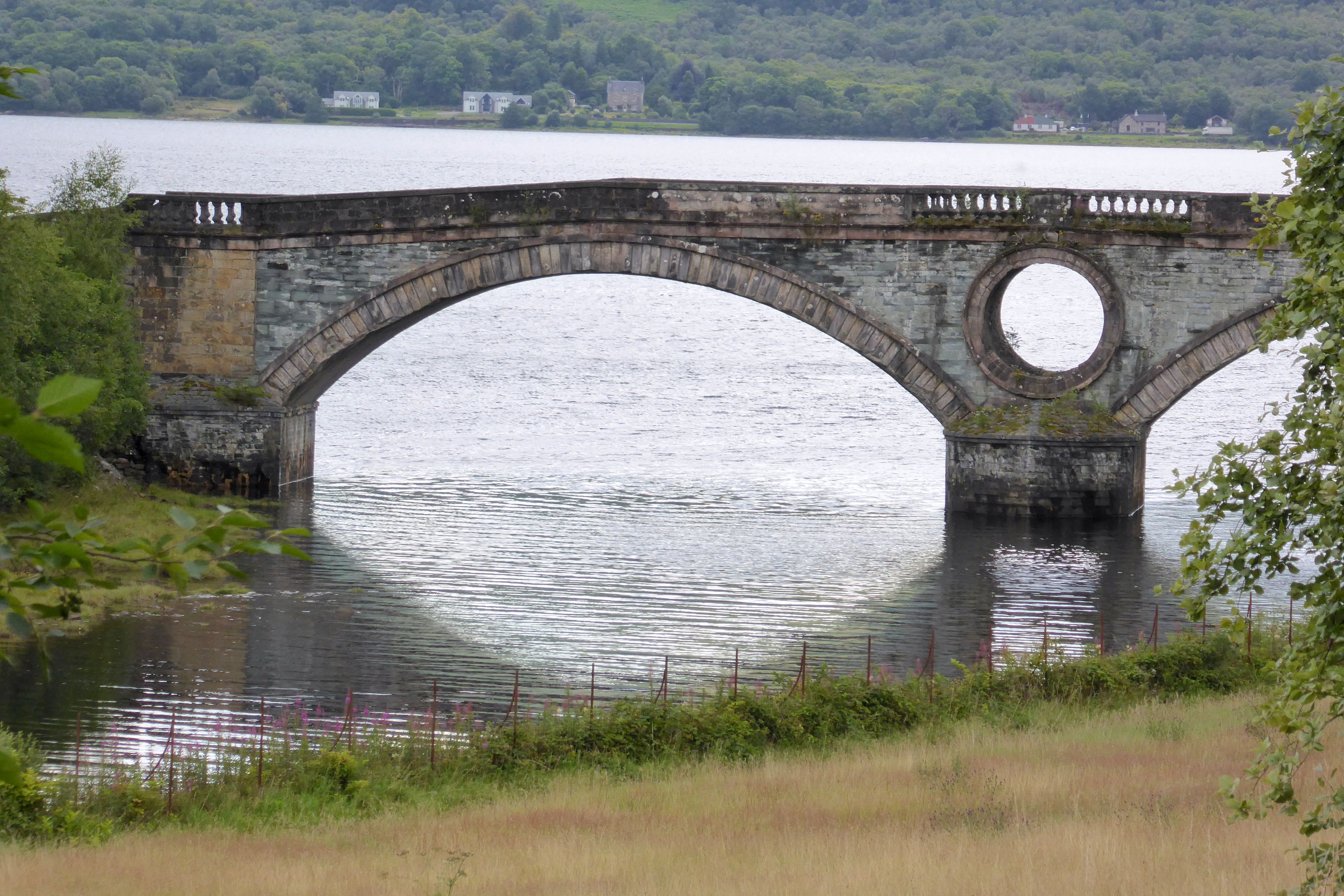
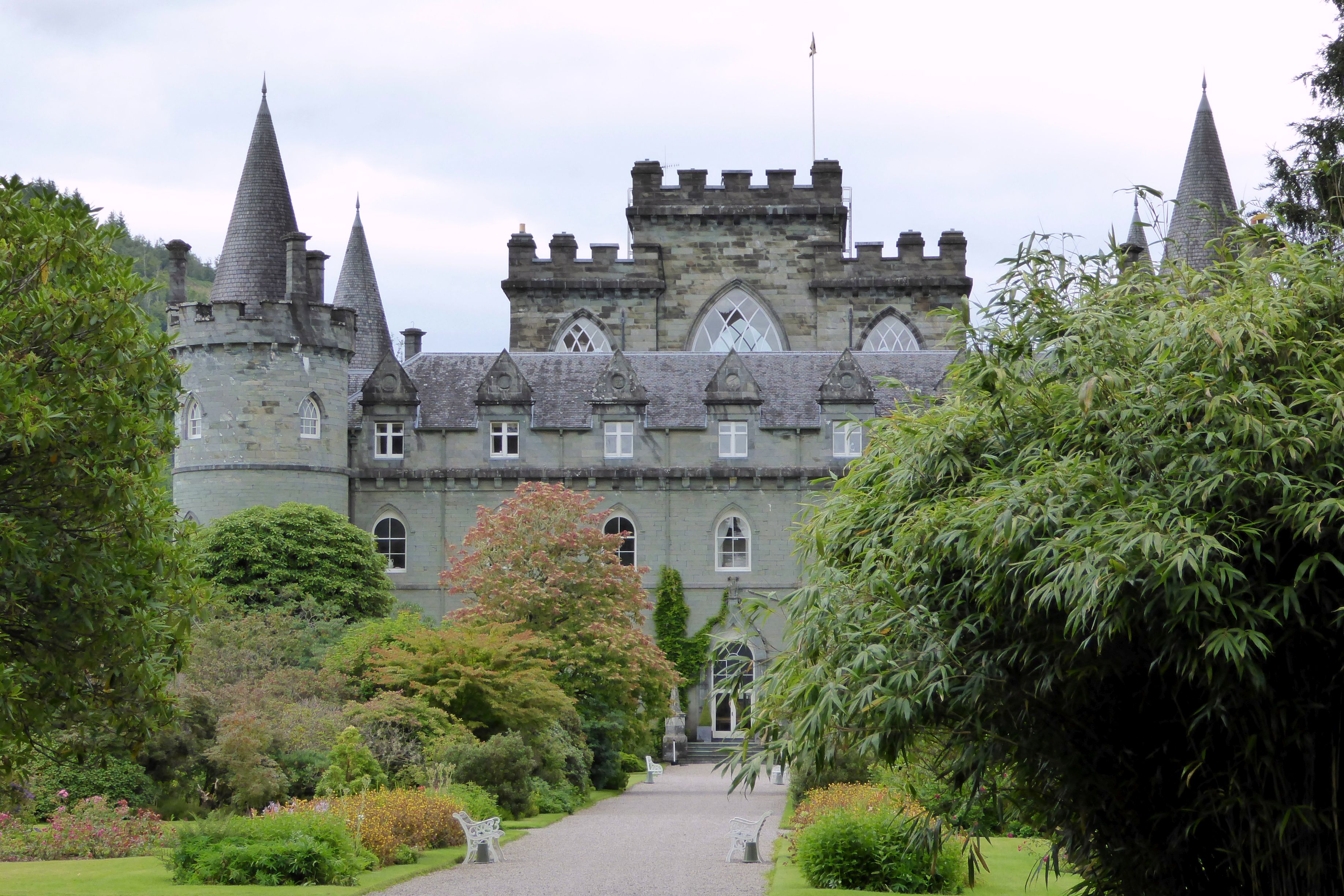
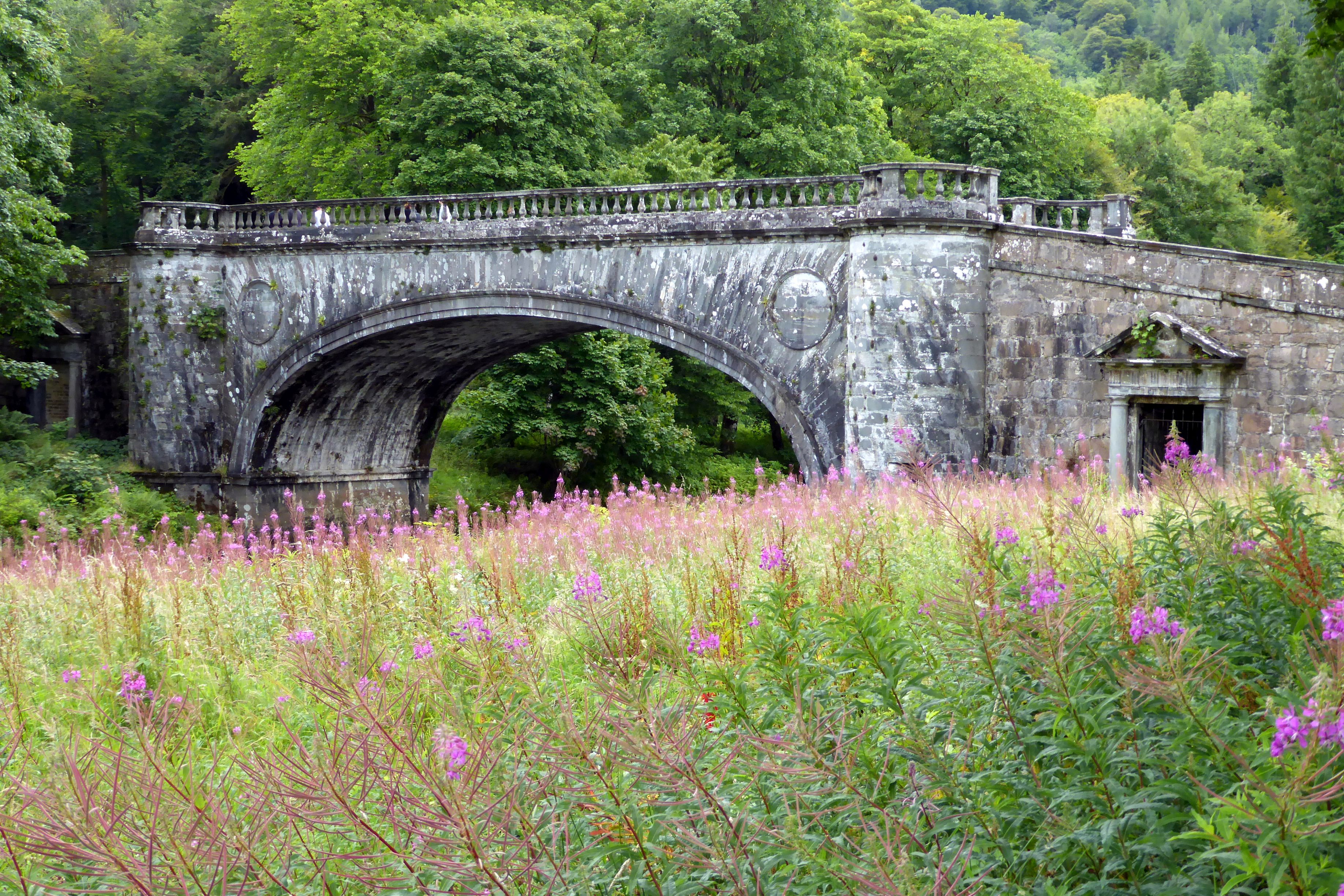
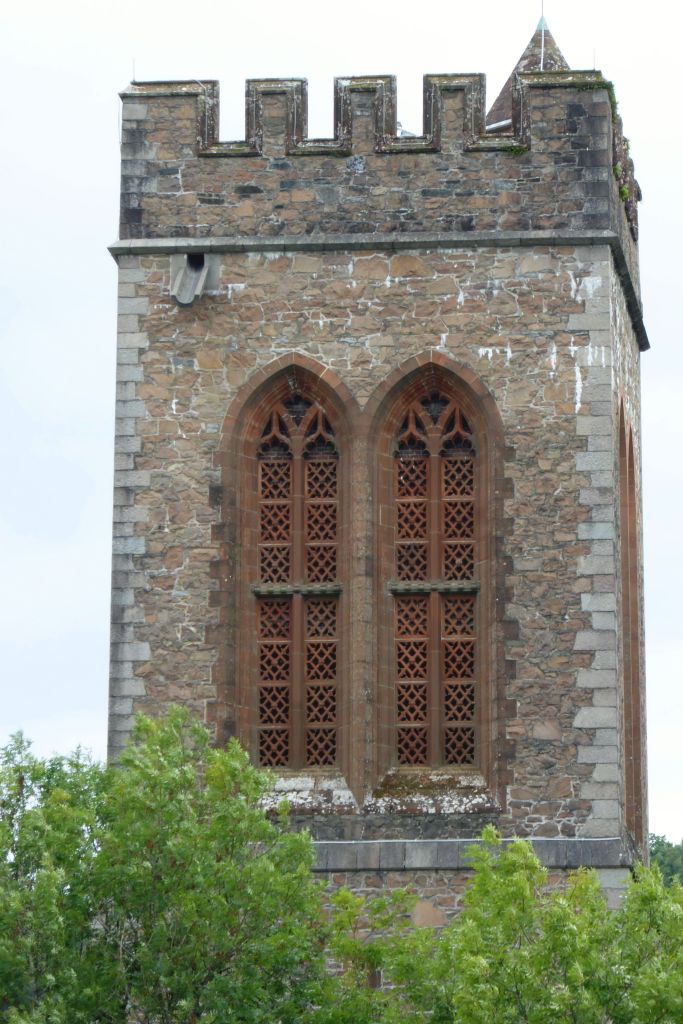
After passing Stirling Castle, stopping at Loch Lomond (the largest lake in the UK), and seeing Loch Long; we visited the 18th-century town of Inveraray, located on the western shore of Loch Fyne. The main draw was seeing Inveraray Castle, which was built over the course of 40 years, beginning in 1744. Although it was closed the day we were there, we were able to walk around the castle and enjoy the beautiful grounds.
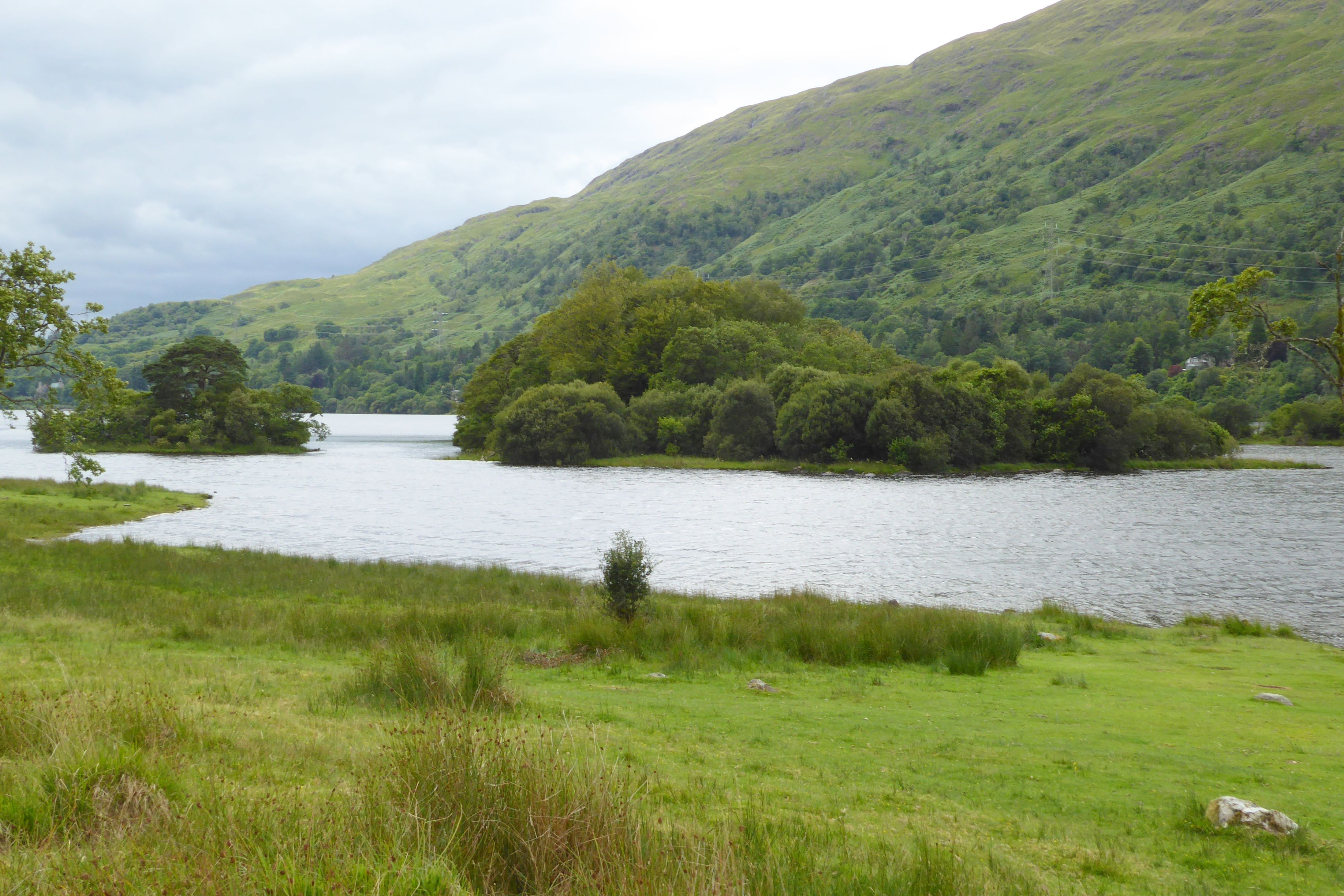
Loch Fyne, at the town of Inveraray
Inveraray Castle
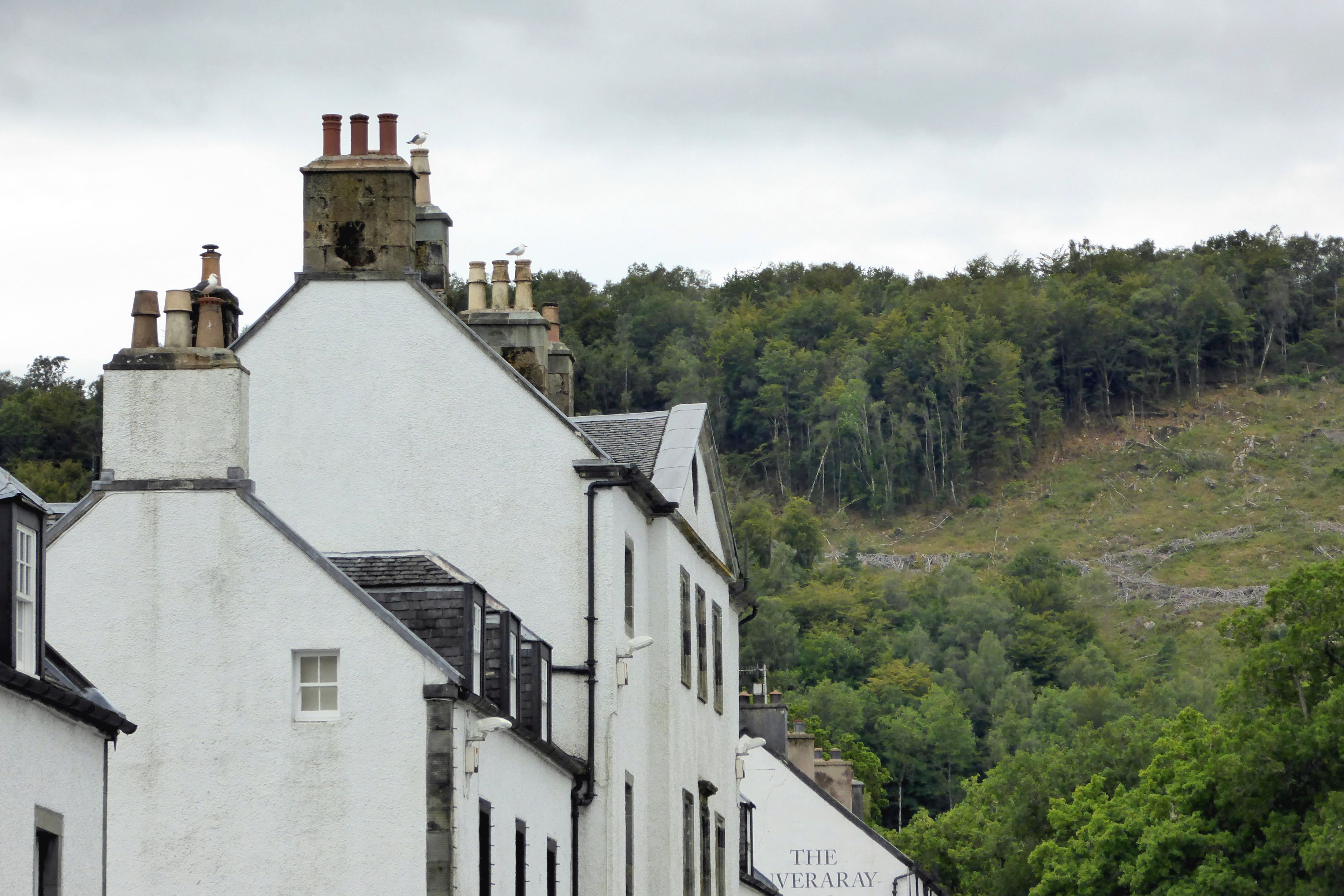
The town of Inveraray
During the tour, we learned a few interesting tidbits and facts about Scotland. Although the population of the country is about 5.4 million, the sheep numbers peak at about 12 million in the summer time. Excellent produce is also grown in the lowlands for export, but they are best known for having “the best strawberries in the world,” according to our guide, Andrew. Top food and drink exports include chocolate, whisky, salmon, and lamb. Interestingly, although they export their lamb, they import lamb from New Zealand. Go figure…
Language in Scotland can be a challenge. Although English is the main language, there are also many dialects of Scots and Scottish Gaelic spoken. (There are 270 words for “snow,” for example!) The dialect of English spoken is referred to as Scottish English; and, I can tell you from personal experience while riding the public bus in Edinburgh, it is impossible to understand. Fortunately, most of the people we talked to spoke easy-to-understand English!
This was my favorite quote of the day from Andrew: “Football (soccer) is a gentleman’s game played by thugs. Rugby is a thug’s game played by gentleman.” (After watching all of the episodes of Welcome to Wrexham to date, I would have to agree!)
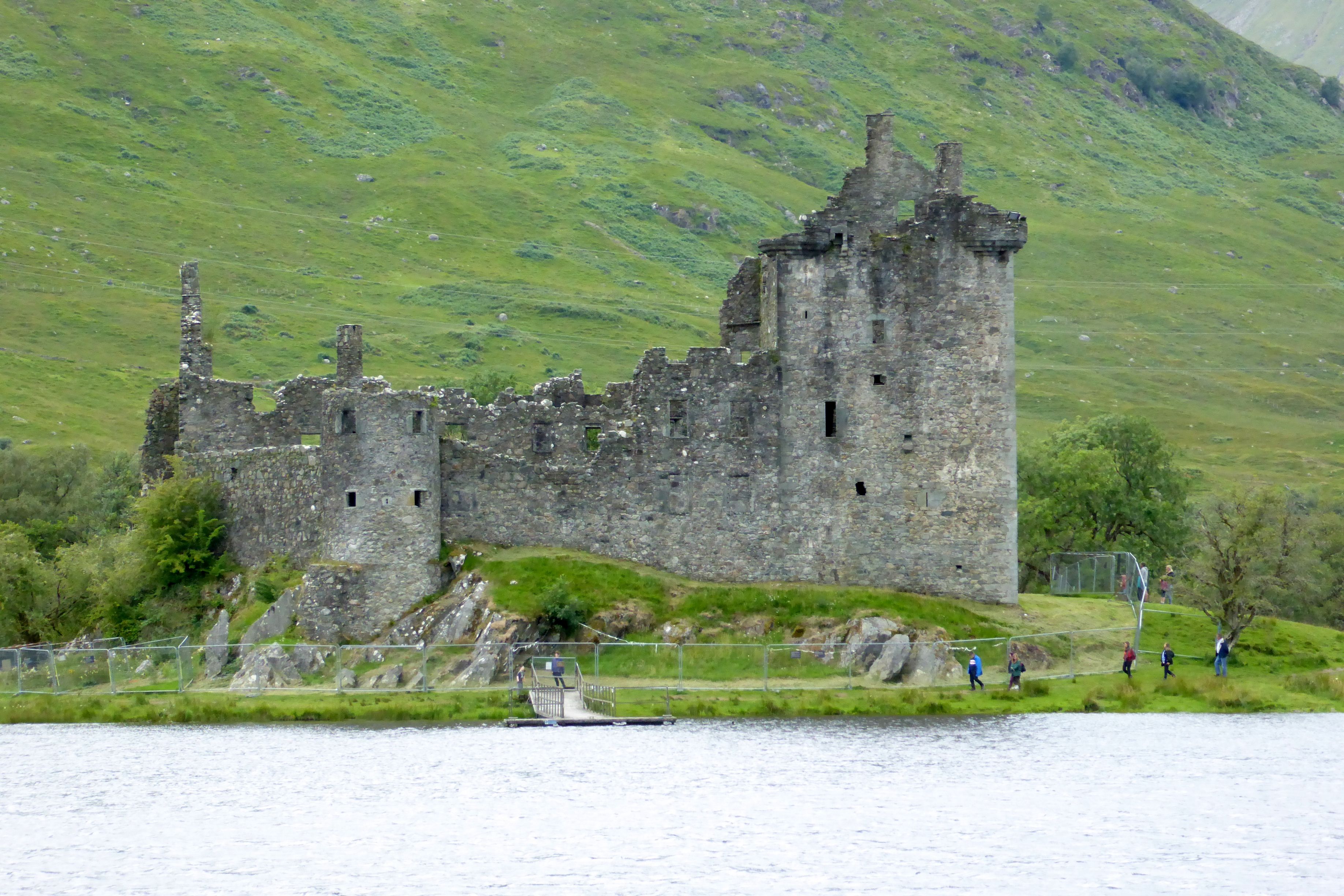
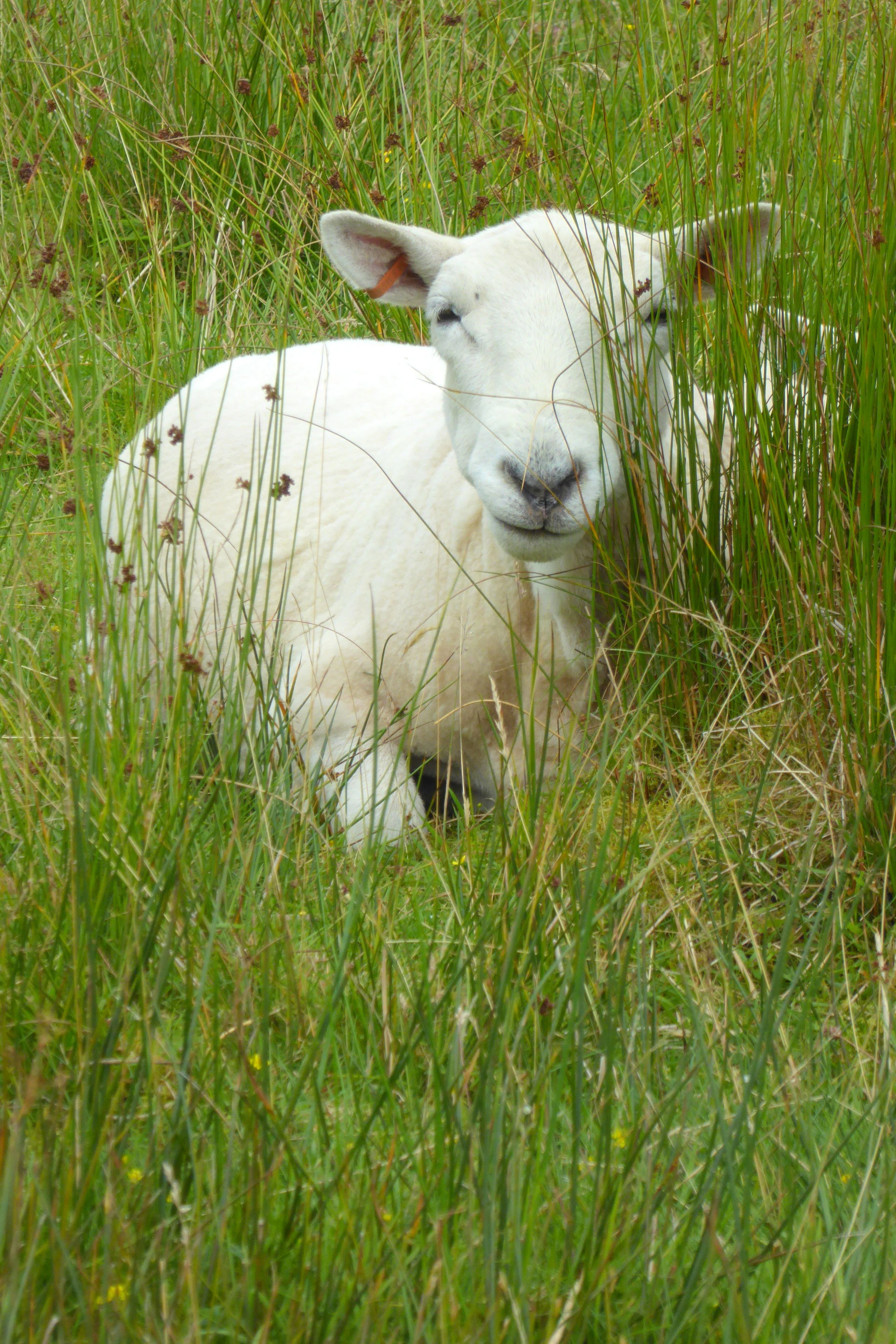
Back to our tour, we made another stop to get a view of the abandoned Kilchern Castle and to enjoy the views (and sheep!).
Kilchern Castle
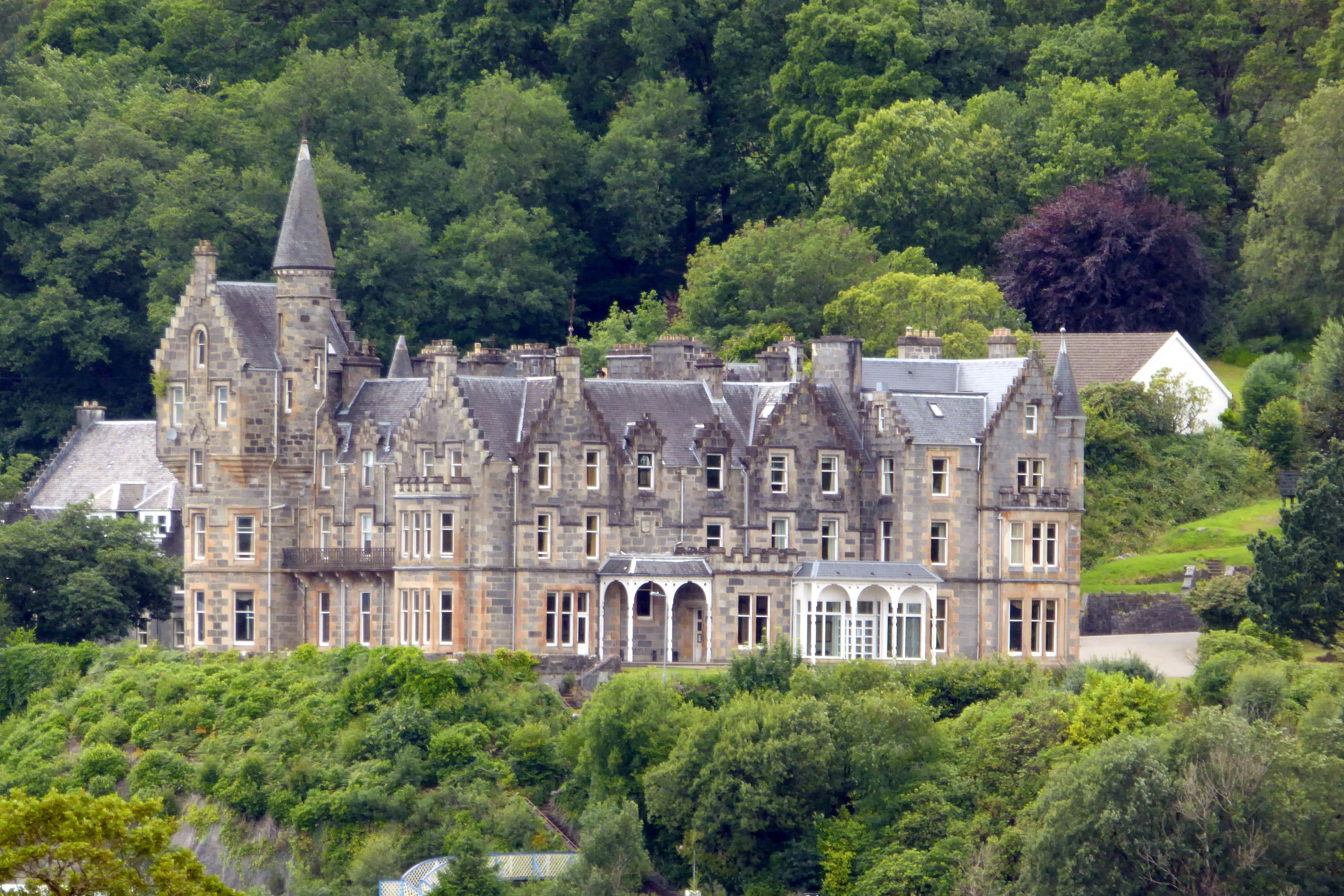
A hotel near the castle
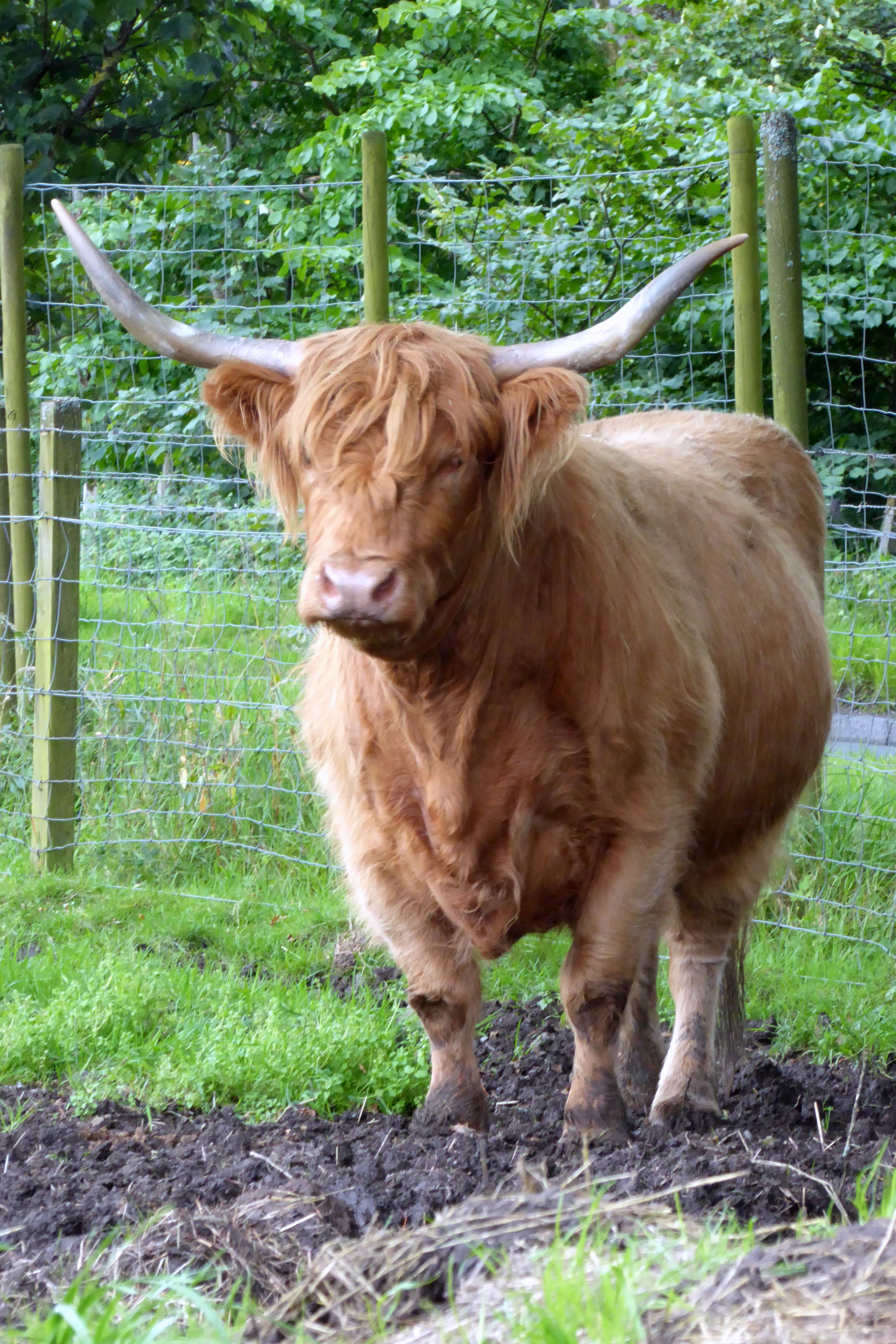
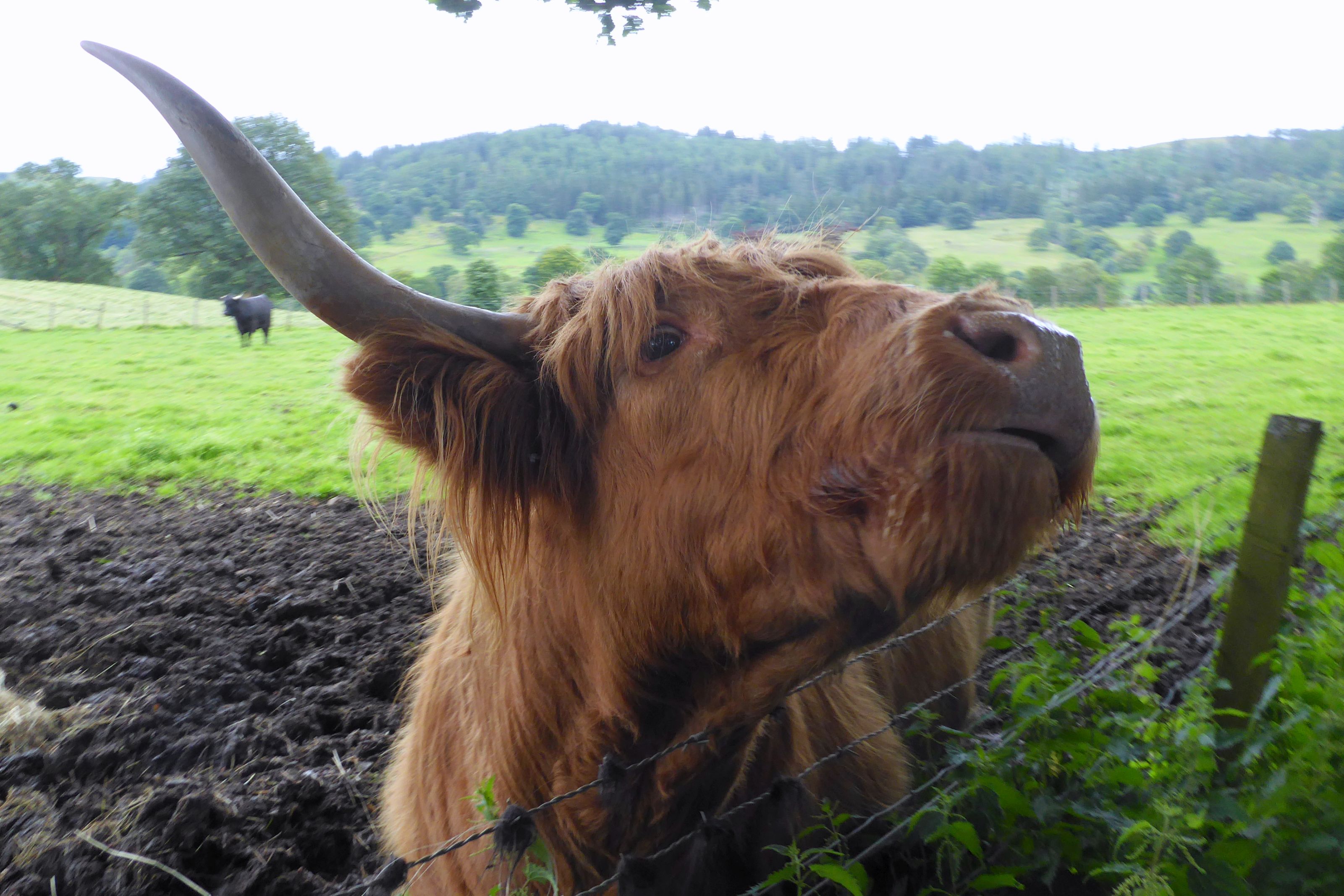
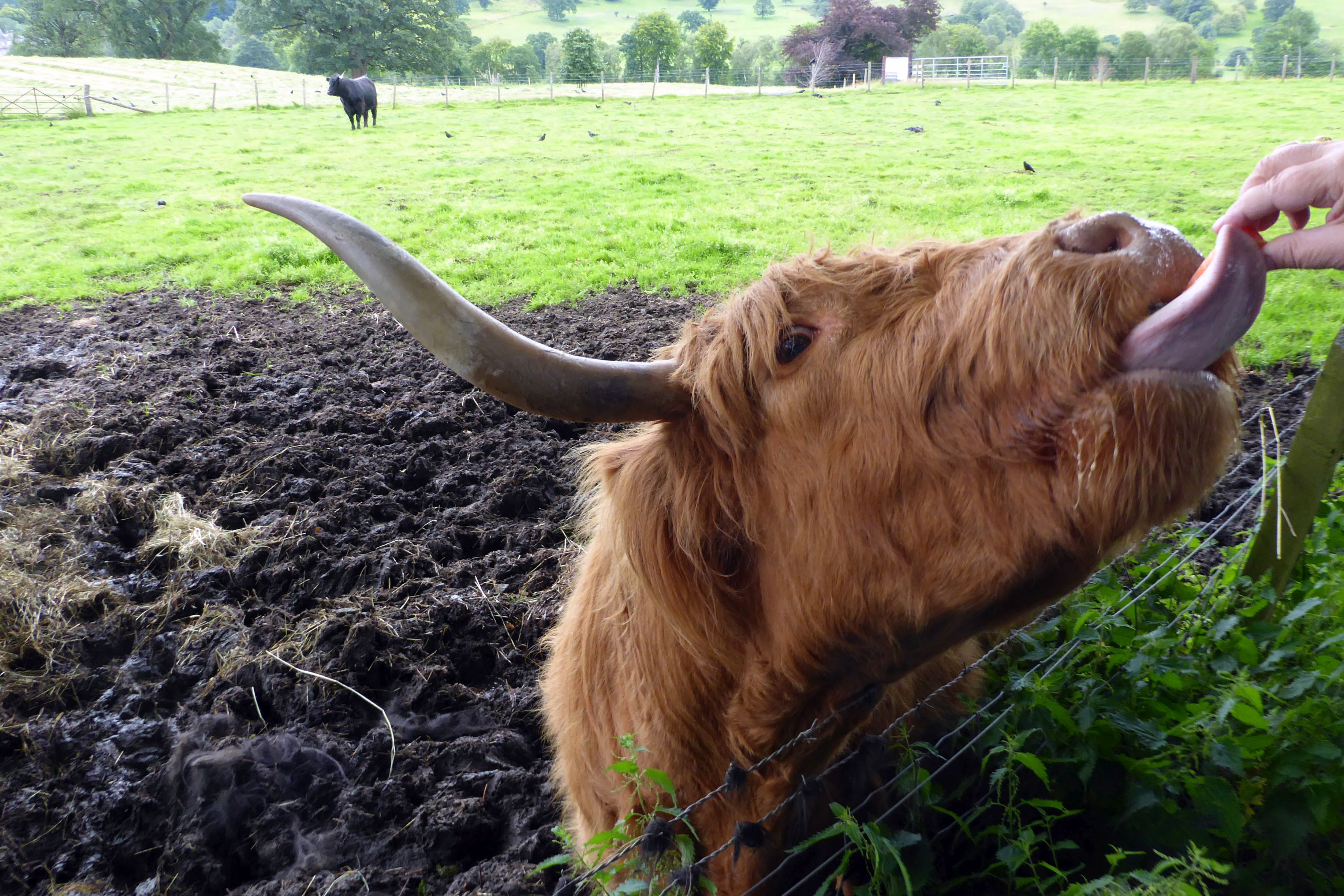
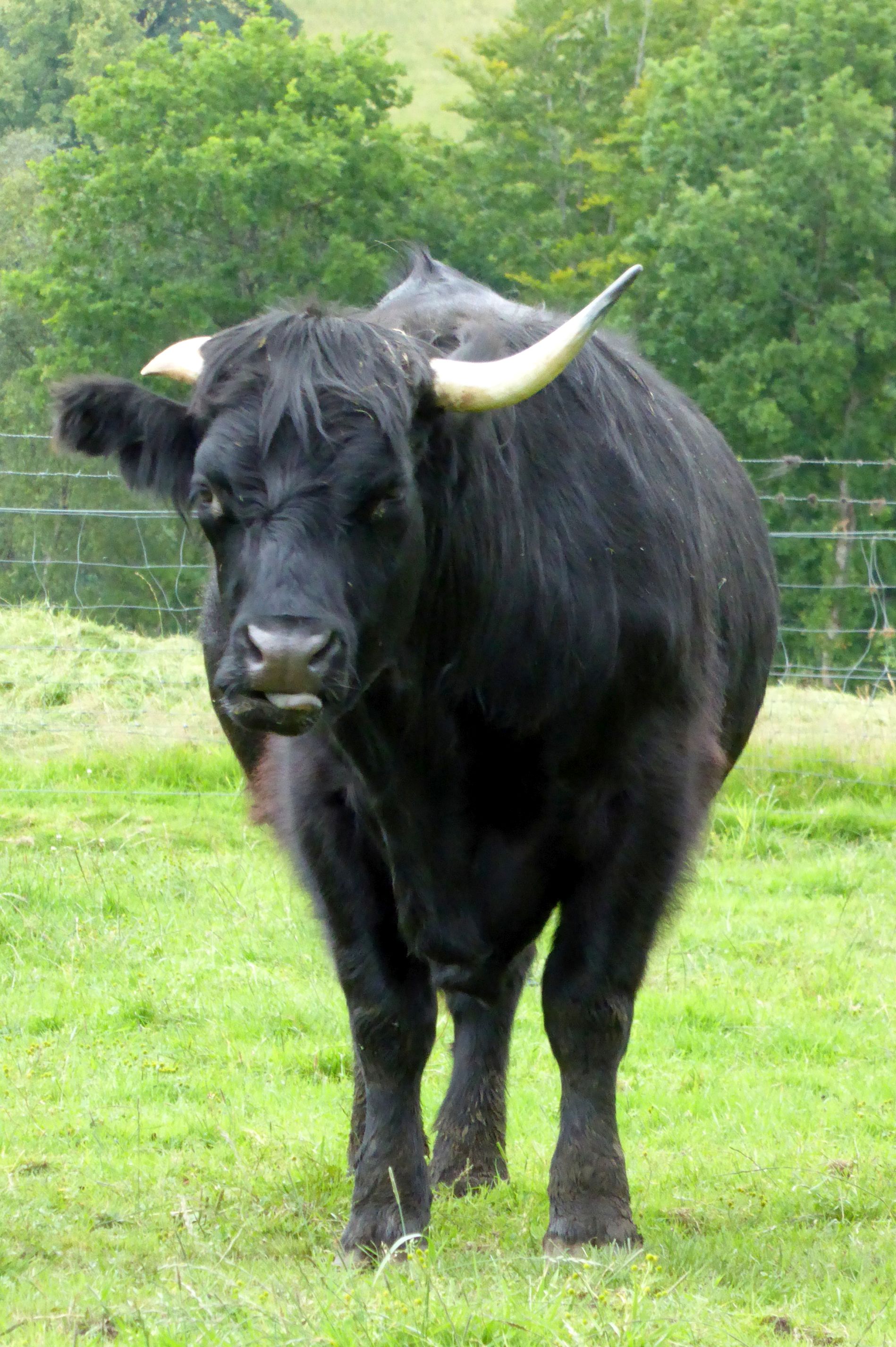
By now, I was bummed I hadn’t yet seen a Highland cow; however, Andrew surprised us at our next stop. Yay! This is one of the oldest breeds of cows in the world, and their shaggy hair gives them a cute look. I didn’t realize this, but a cow’s horns are for body temperature control. Blood circulates through them, and the horns will feel cool at the tips and warm nearest the head.
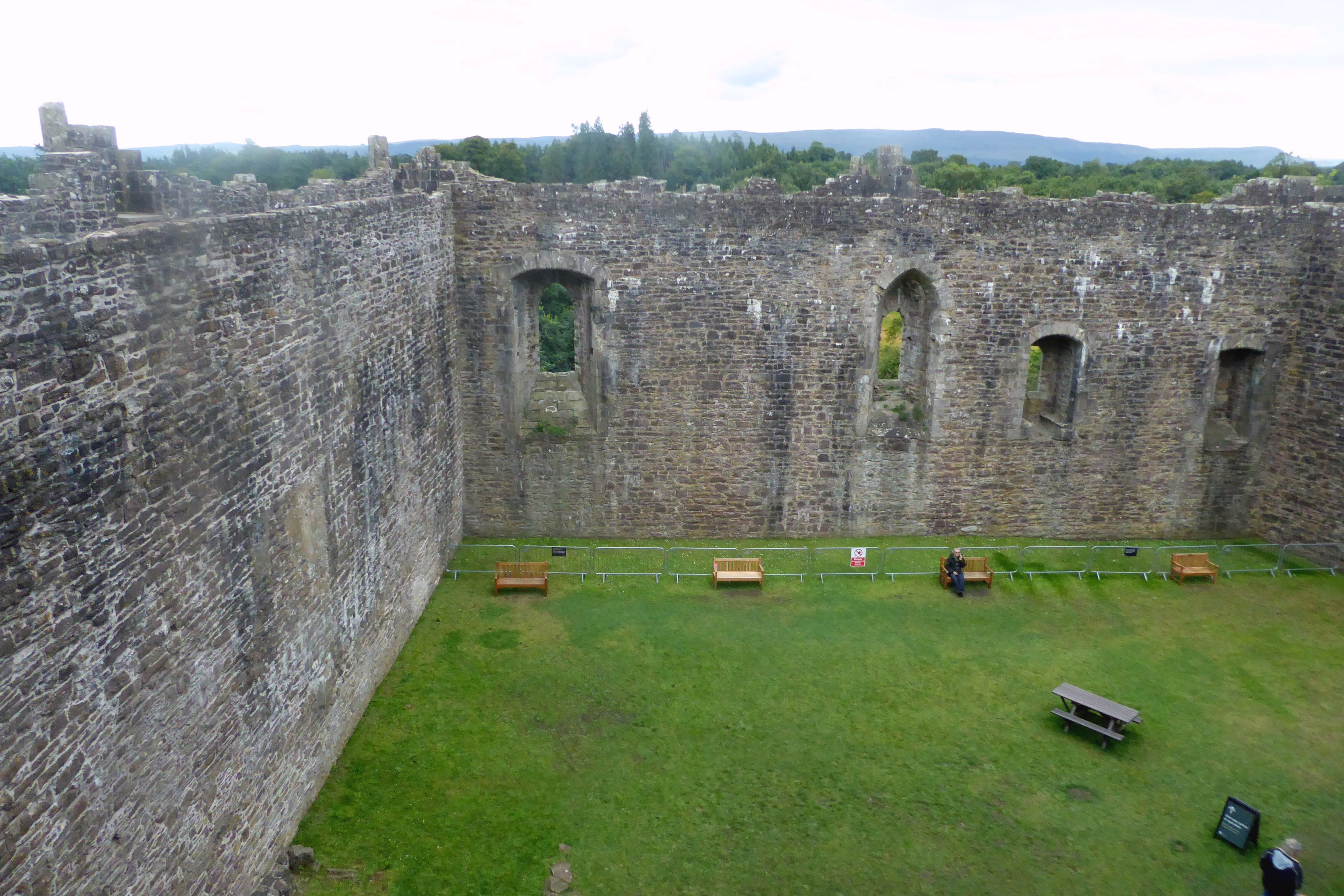
Our final stop was at Doune Castle, one of the best-preserved medieval castles in Scotland, and is best known for the filming location of the TV show, Outlander. It was also featured in Monty Python’s Holy Grail and The Outlaw King. Built in the late 1300s, it was a key stronghold of Robert Stewart, Duke of Abany.
The tour was long, but we were happy to get to see the Scottish Highlands, even if just for one day.
Next up: Touring the Scottish Parliament & Scenes Around Edinburgh
The Royal Edinburgh Ticket we had purchased for the hop-on-hop-off double-decker bus tour included entrance to the castle, palace, and Royal Brittania Yacht – three of the attractions we wanted to see in Edinburgh. We also wanted to see the Royal Botanic Garden, which happened to be free of charge. It had worked out nicely to divide and conquer; see the castle and palace on one day, and the gardens and yacht – both on the blue bus route — on the following day.
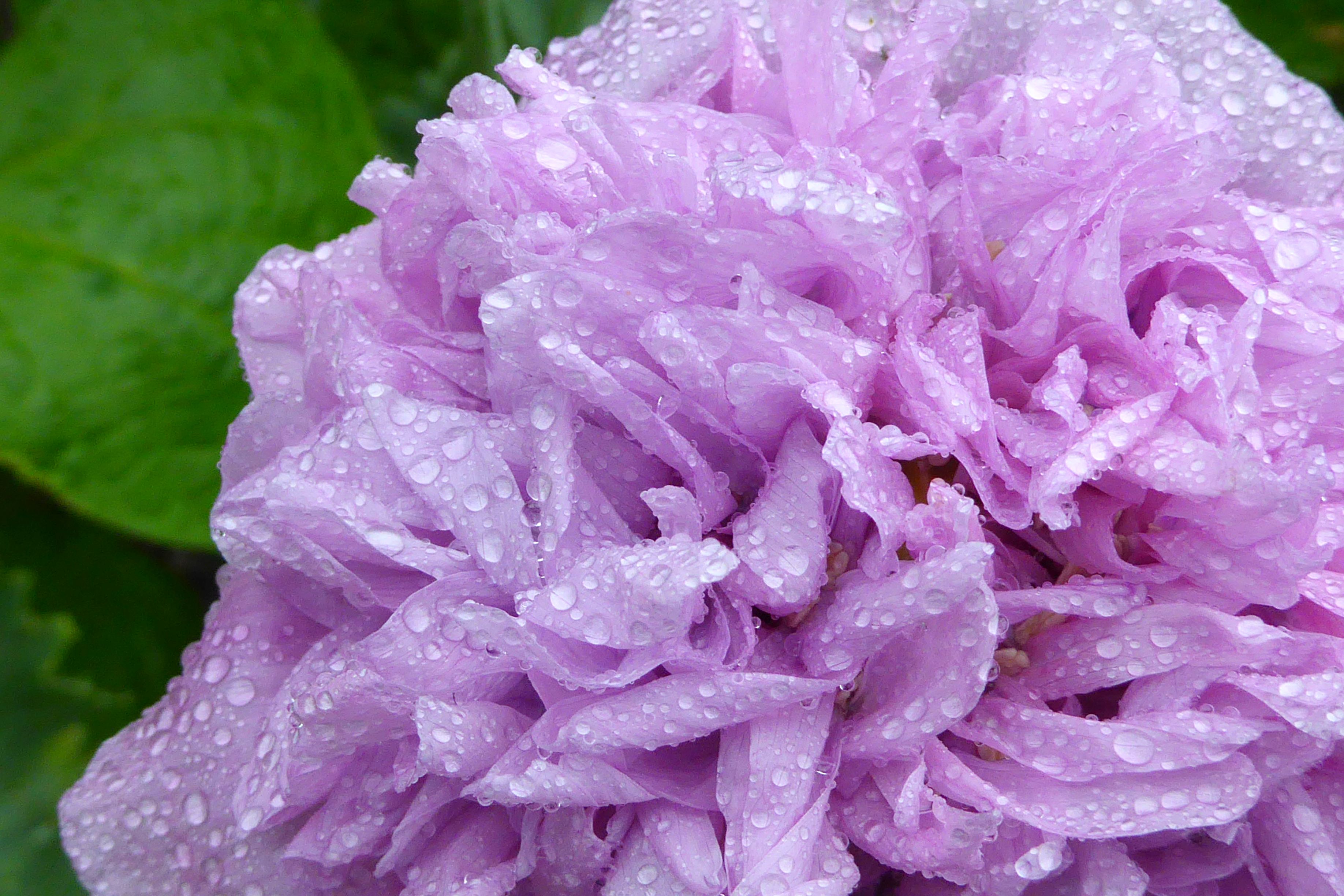
It had rained prior to our stop at the gardens, which was quite welcomed as far as we were concerned. We practically had the gardens to ourselves, having arrived just when they opened; and, rain drops add and interesting element to flower photographs.
(For all pictures, click on the image to see full screen view.)
The Royal Botanic Gardenwas founded in 1670 as a physic garden to grow medicinal plants. Currently, as an executive non-departmental public body of the Scottish Government, it is a scientific center for the study of plants, their diversity and conservation, as well as a popular tourist attraction. Covering 70 acres, it is beautifully designed and a lovely place to take a stroll, have a picnic, do photography, or all of the above! They also host many events including live performances, guided tours, and exhibitions; and, it is an important center for education.
Located nearby was the Water of Leighth Walkway, so we wandered through a section of it before returning to the garden to hop back on the blue bus.
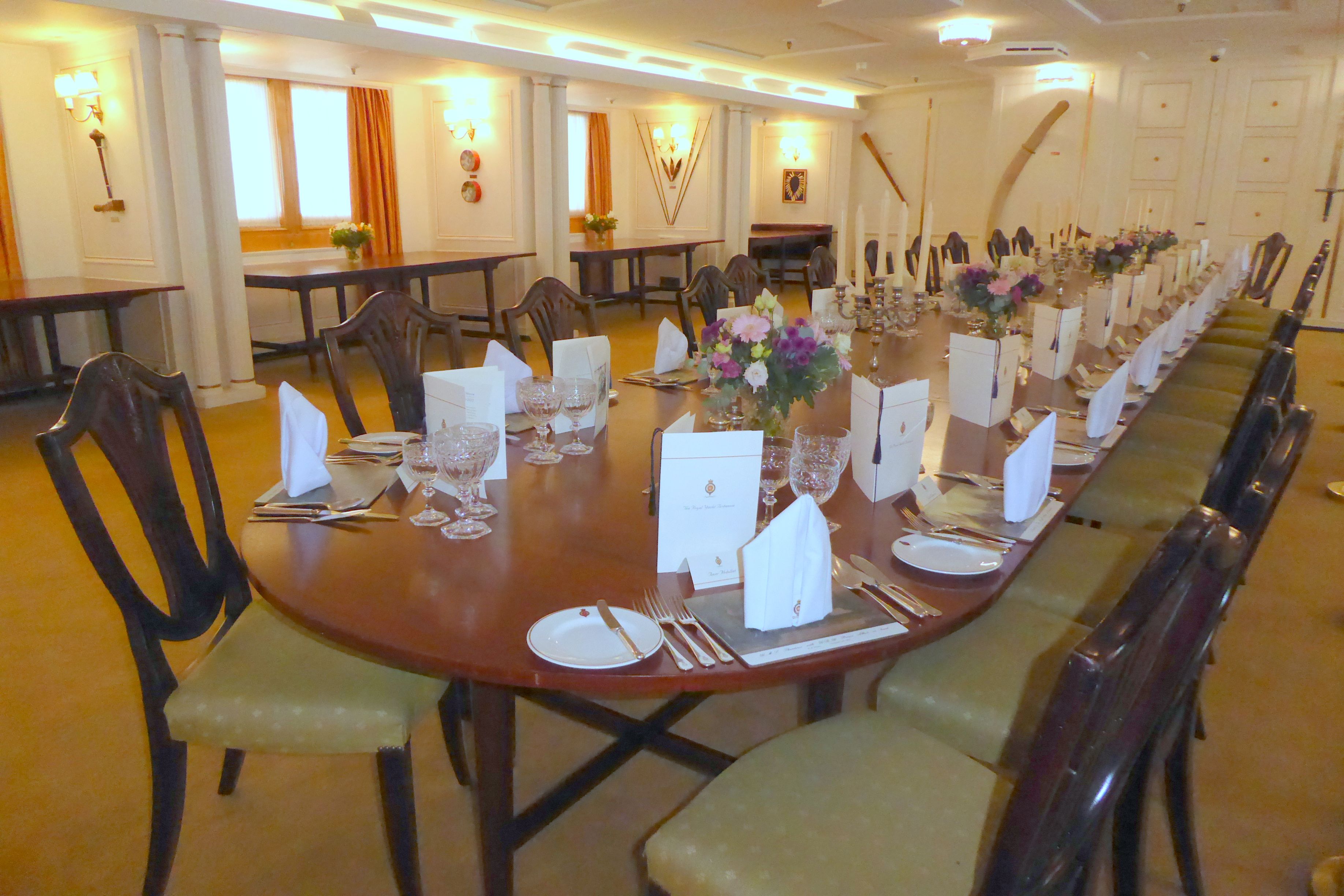
The Royal Brittania Yachtwas our next stop for a self-guided tour of the 412-foot-long vessel. Launched by HM Queen Elizabeth II in 1953, it was decommissioned in 1997 as the last in a long line of Royal Yachts stretching back to 1660.
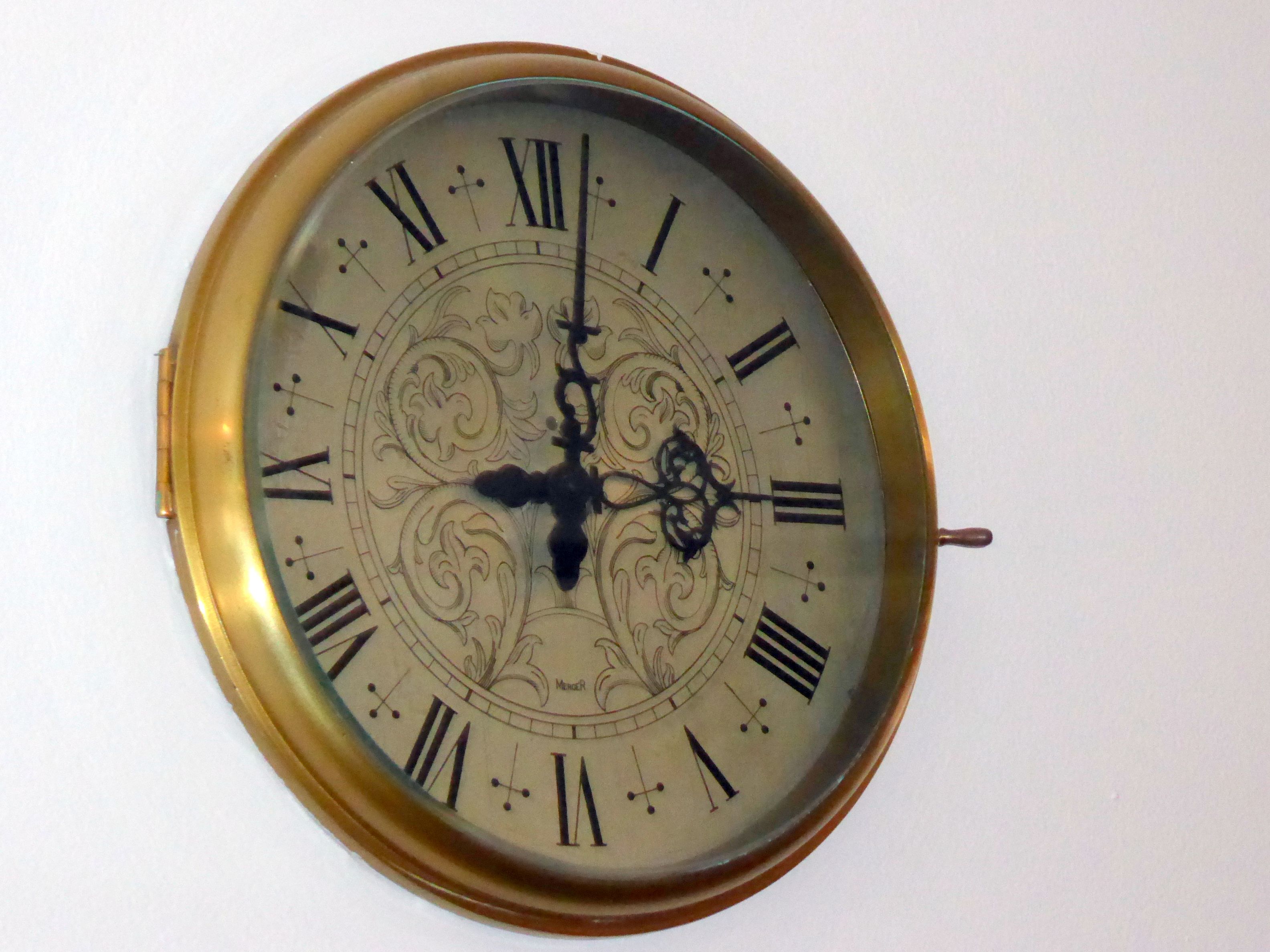
All of the clocks were stopped at 3:01 pm, the exact time the ship was decommissioned. Bruce and I got chills when he looked at his watch during the bus ride back into town; it read 3:01 pm.
Although we had put a lot of miles on our feet by the afternoon, we still had some energy left in the tank to take the bus back into town for a short visit to the National Museum of Scotland. What a gem! On Trip Advisor, it is ranked #3 of 534 things to do in Edinburgh for good reason; it is fabulous. Not only is admission free; but, the exhibits in this massive museum are top-notch. Had it not been so late in the day (we left at closing time), we would have seen more.
So much to see, but so little time. What a fabulous day, though!
It was bound to happen. After so many trips in a row with great weather, our luck was eventually going to run out. What better place than Scotland? Known for its gloomy skies and rain, we expected it; and, today was the day.
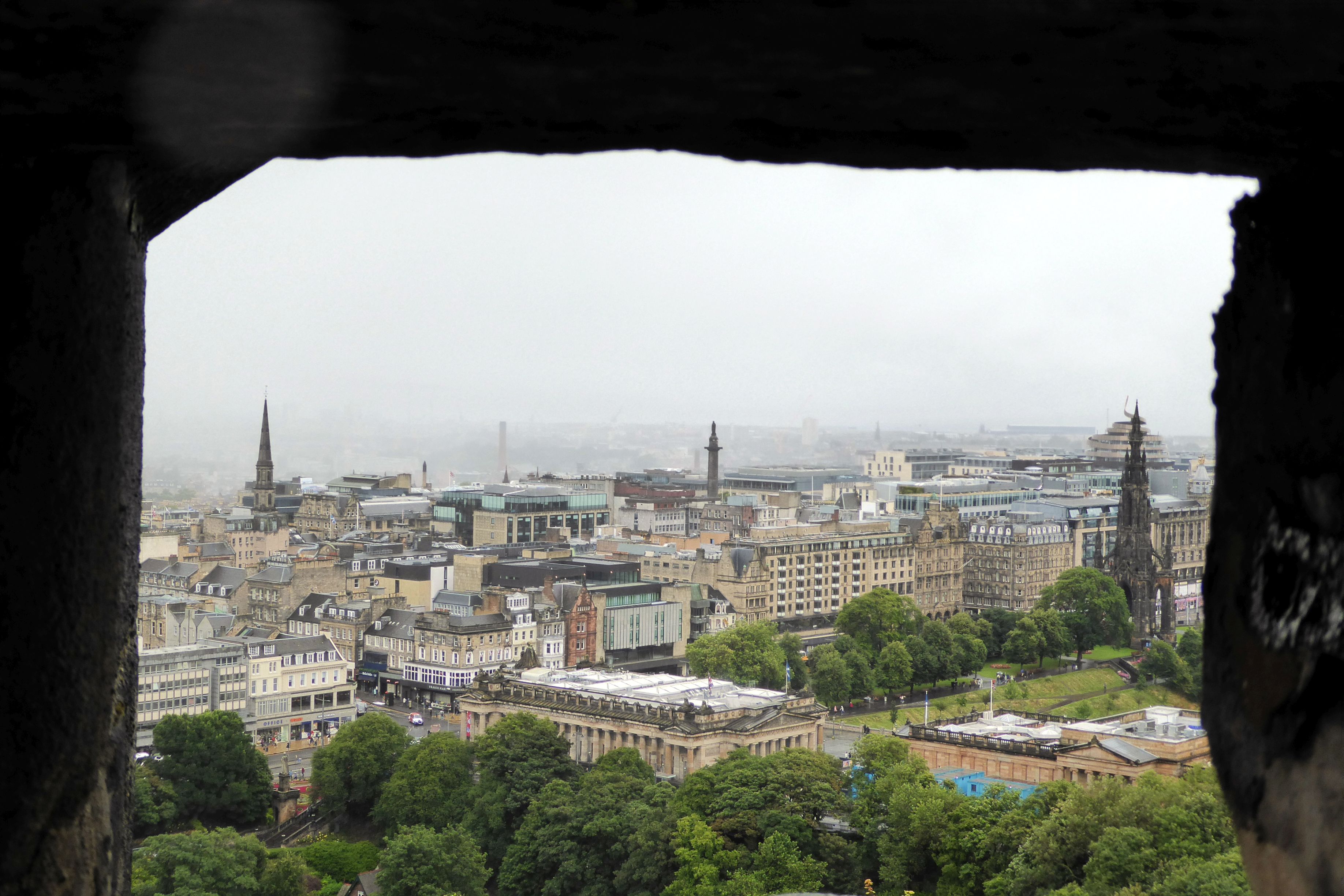
There’s something about seeing a Scottish castle and palace in gloomy weather. It seems so fitting! (Although, it makes for rotten cityscape photography…) Since we didn’t exactly have a choice with our limited days in Edinburgh, we gave ourselves a “make lemonade out of lemons” pep talk, donned our rain gear, and set off to explore.
Royal Edinburgh Ticket and reserved Edinburgh Castle Tour ticket in hand, we boarded the green double-decker tour bus and climbed the stairs up to the top for our guided hop-on-hop-off tour. It was raining lightly, so Bruce opted for the covered seats in front, and I headed to the back, so I could do some photography on the way to the castle. Thank goodness for waterproof pants! I swept the puddle of water off the seat, plopped myself down, and happily snapped off a few shots (that appeared in my last post).
For those of you unfamiliar with Edinburgh, I’ll give you the Cliff Notes version of this capital city. It’s the second largest city in Scotland (after Glasgow) with a population of around 506,000, and the seat of the Scottish Government. Edinburgh has been the country’s capital since the 15th century or so. The city is a center of education, and it’s the second largest financial center in the United Kingdom. There are loads of historical and cultural attractions, so it is the UK’s second most visited tourist destination.
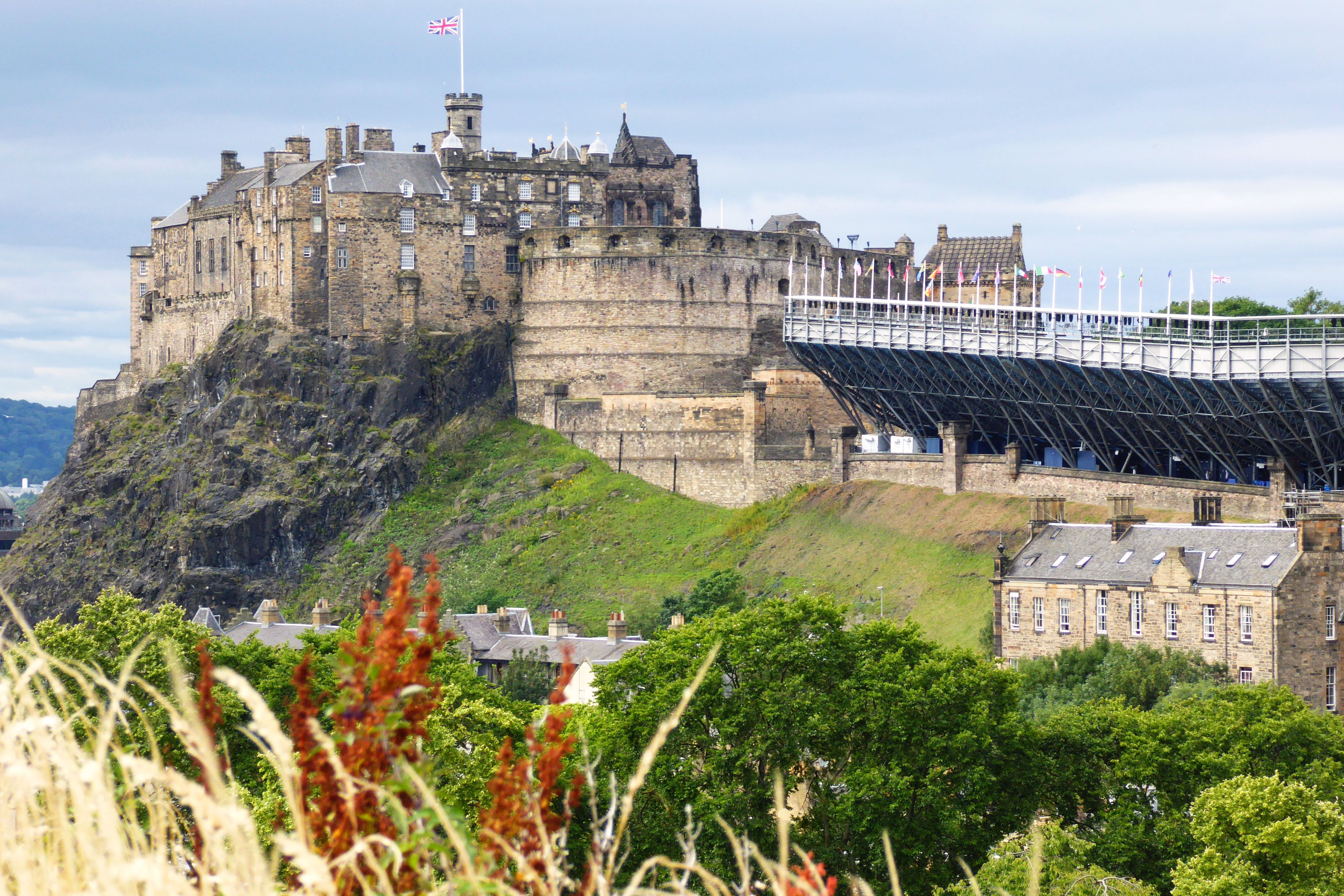
Speaking of historical attractions, Edinburgh Castle topped our list of the places we wanted to visit for Scottish history—at least, visually, and for photography. Construction of the castle began in the 11th century, and it has seen a lot of battles and wars since then! There was the Wars of Scottish Independence, from 1296 – 1357; the Siege to free James III of Scotland, in 1482; and, the Lang Siege, from 1571 – 1573. There were a total of 26 sieges in its 1,100-year history! That poor castle was the most besieged place in Great Britain and one of the most attacked in the world. Do you think England finally got the message? Hands off!
It’s a much happier place now. Historic Environment Scotland is taking good care of this gorgeous gem, and it has become the most visited attraction in the country—especially in August during the annual Edinburgh Festival. That’s when the Royal Edinburgh Military Tattoo takes place.
(For all pictures, click on the image to see full screen view.)
A small force of men loyal to King Robert the Bruce scaled this rock to retake the castle from the English.
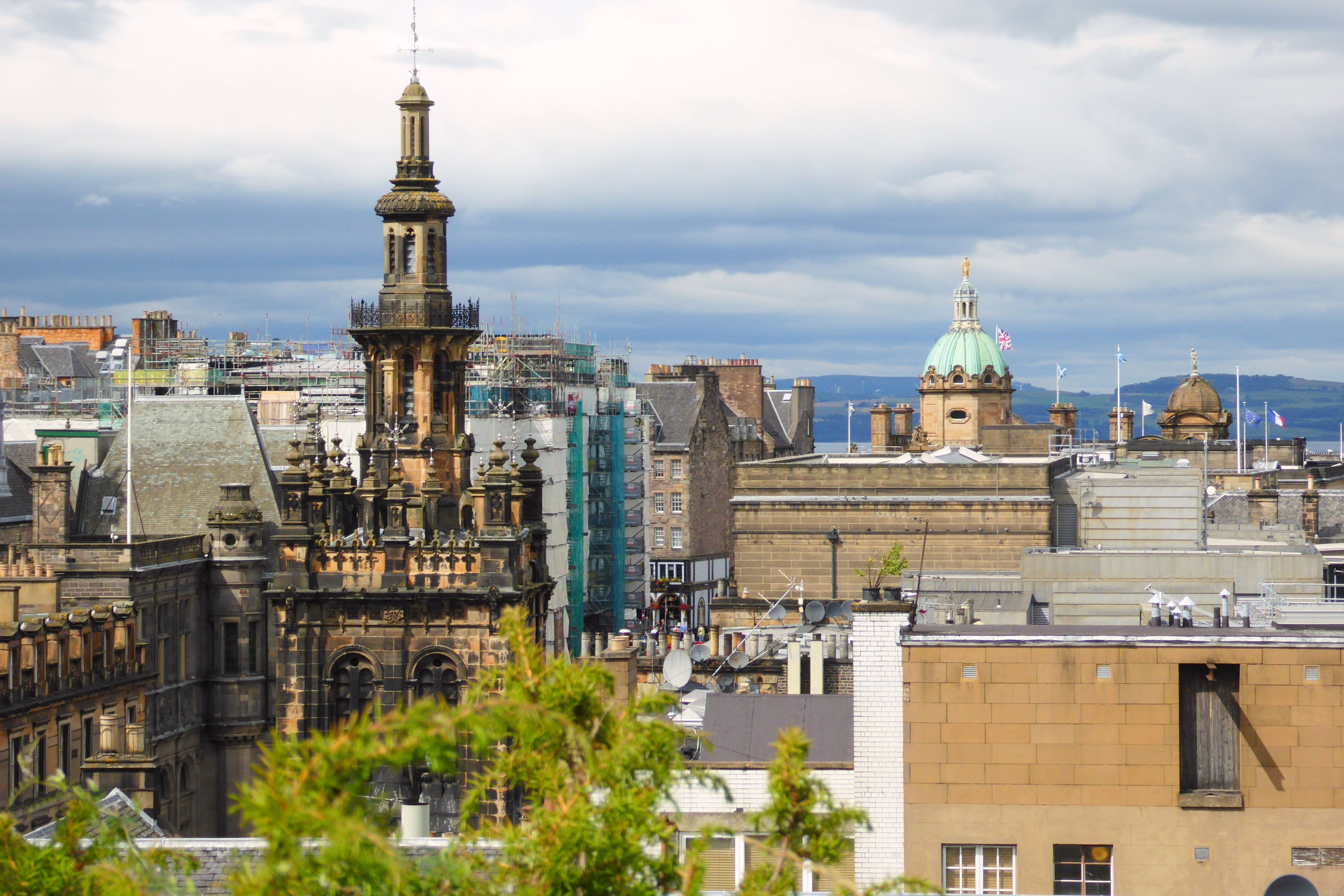
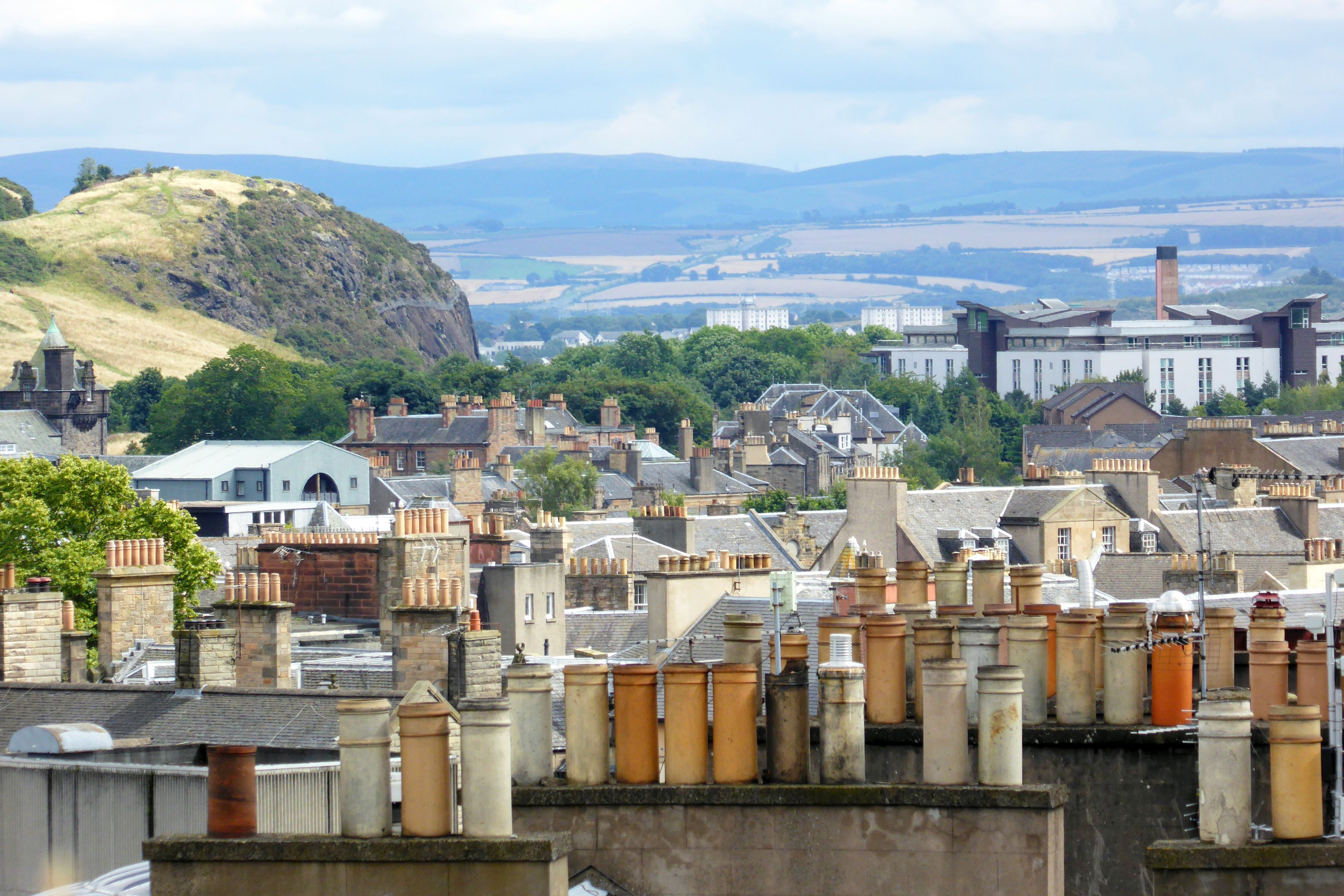
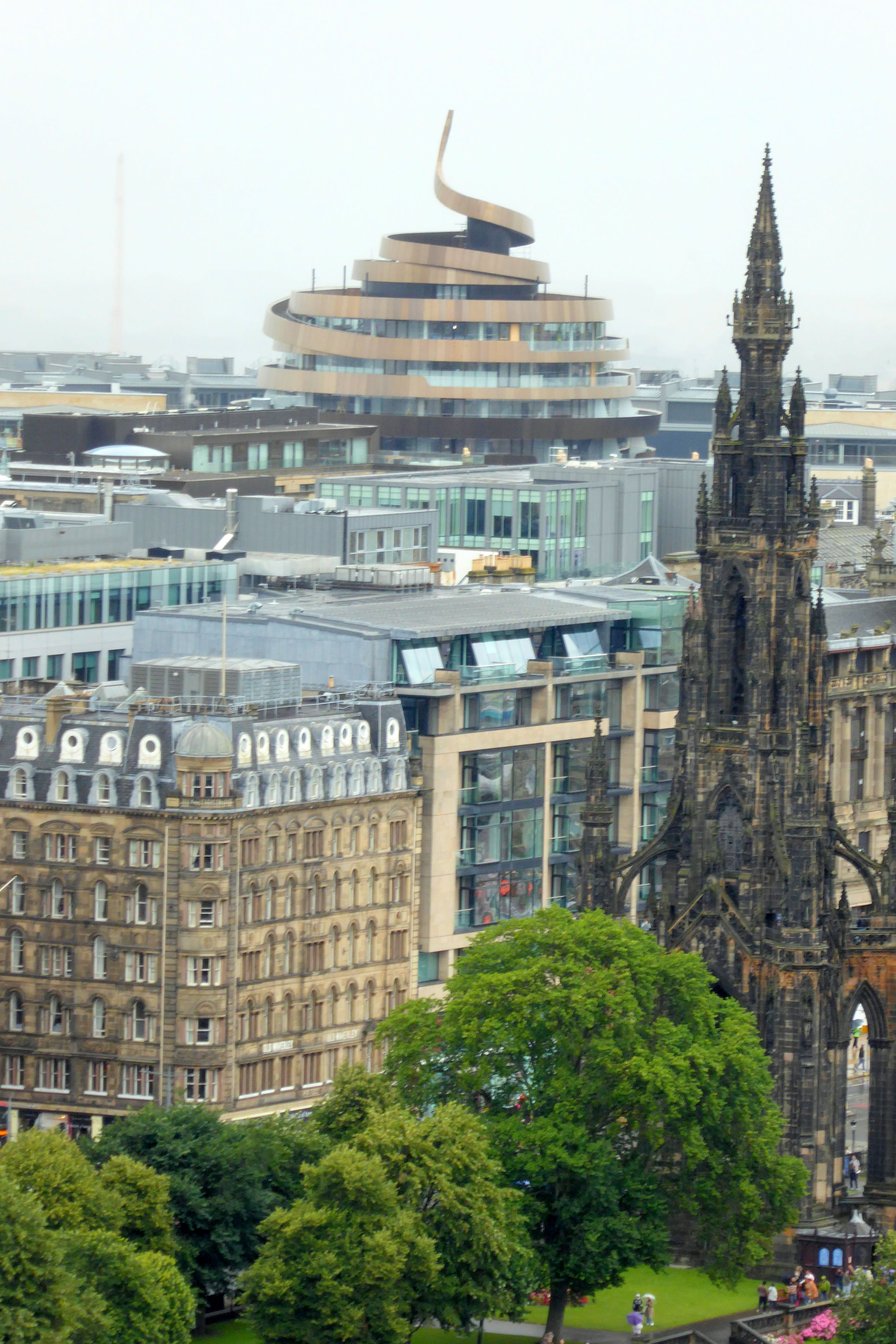
See that funny-shaped building off to the right in the distance (above) and in the center-top (below)? Check out this article about the “Golden Turd,” (aka the “Poop Building,” as well as several other not-so-complimentary names.) W Edinburgh is located in the St. James Quarter of Edinburgh.
This dog cemetery has been used since Queen Victoria’s reign (1837-1901) as a burial place for regimental mascots and officers’ dogs.
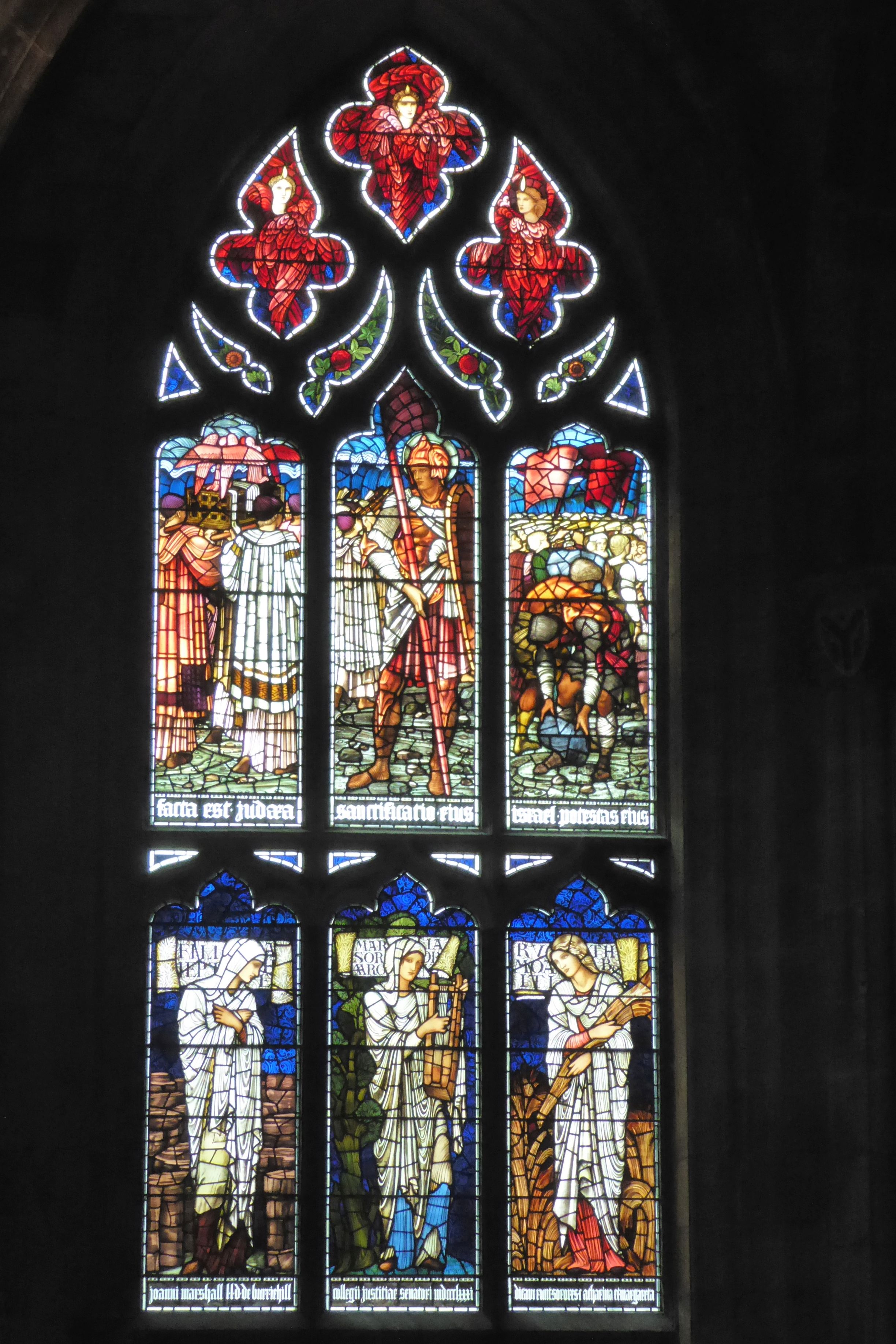
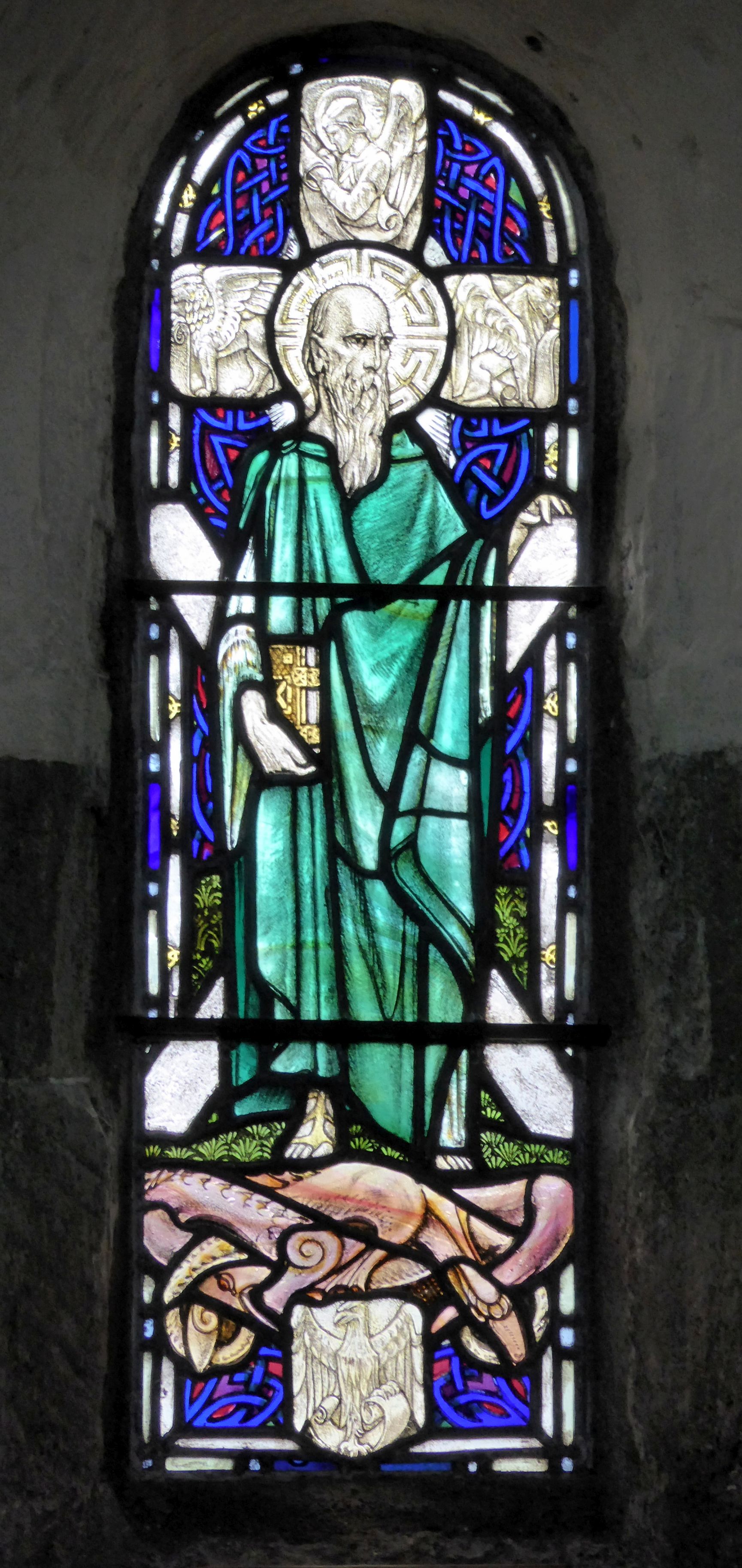
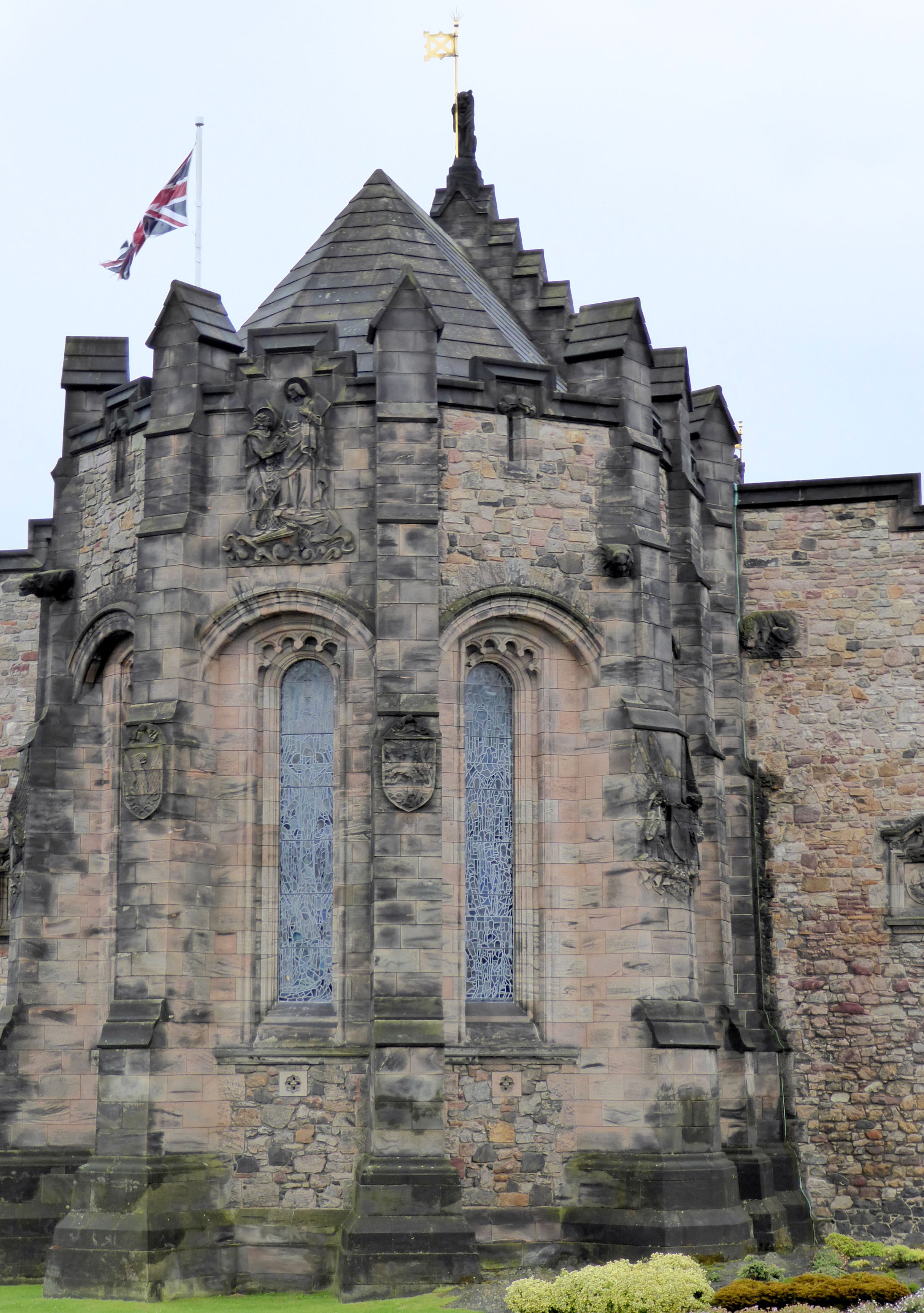
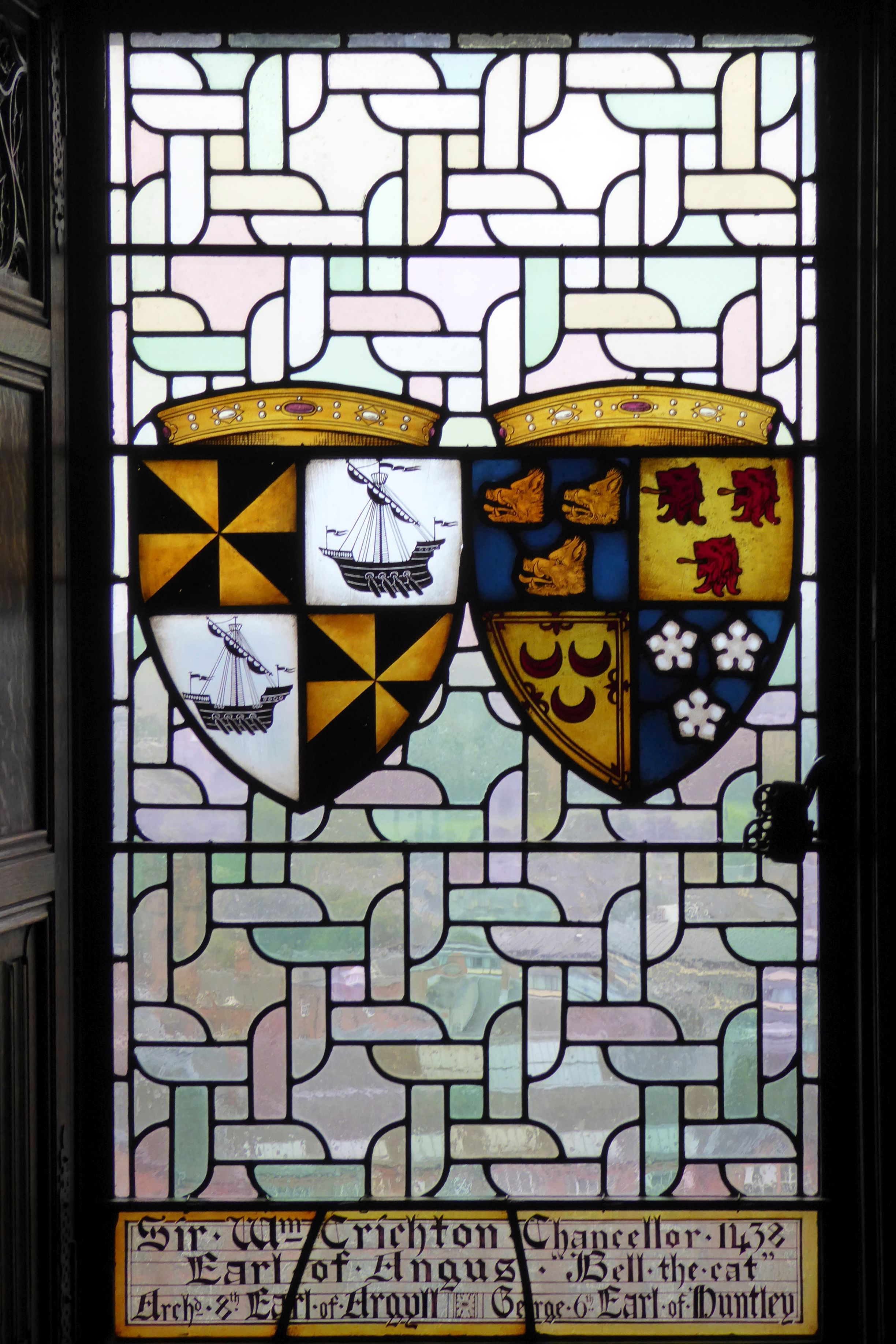
The stained glass windows (below) were photographed inside St. Margaret’s Chapel, located above the dog cemetery. It is the oldest building in Edinburgh Castle. Built in about 1130, it is dedicated to Queen Margaret, who lived in the castle in the late 1000s.
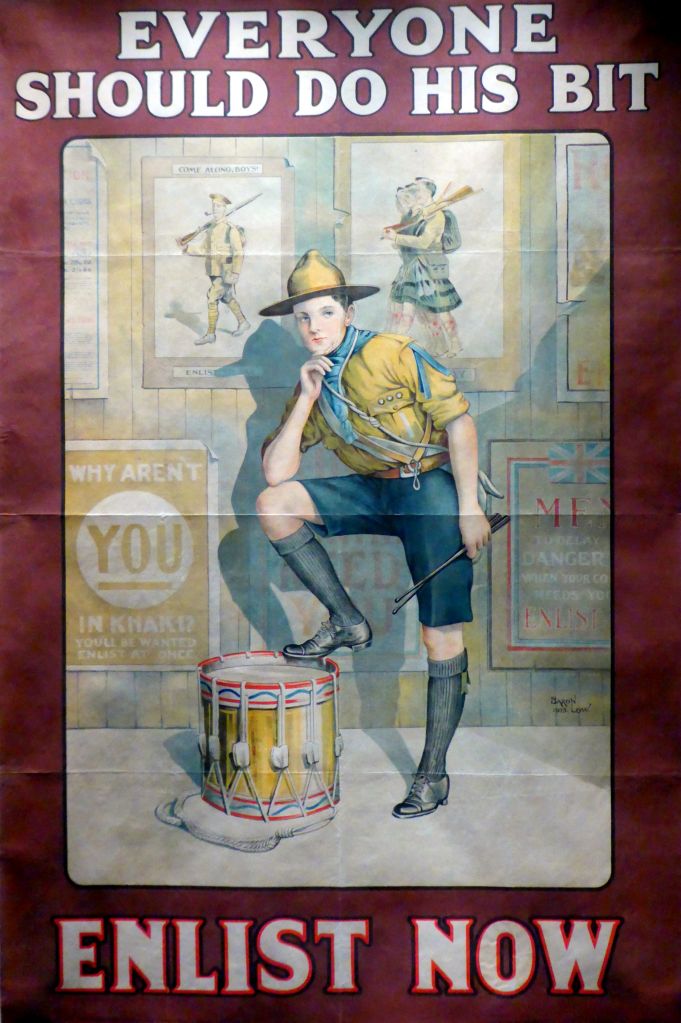
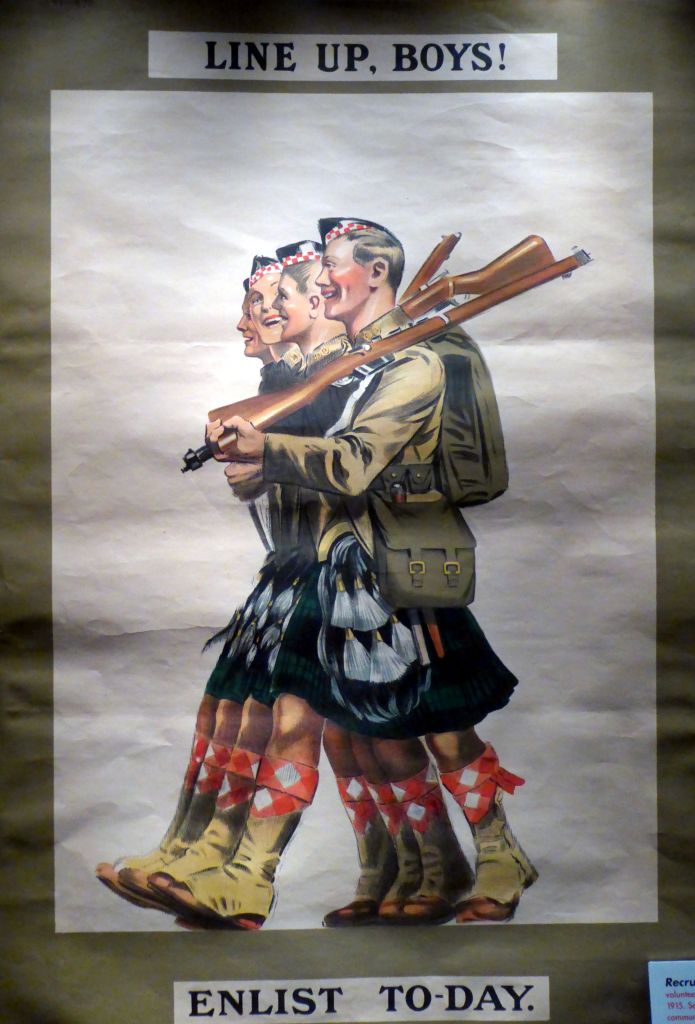
From a sign near this display: “…Maintaining the highland military image was an expensive business. At a time when officers had to kit themselves out at their own expense, the regiments became a magnet for the wealthier and more fashionable officers of the army. Ironically, the extra expense of maintaining a highland soldier’s kit was a burden to those serving in the ranks.”
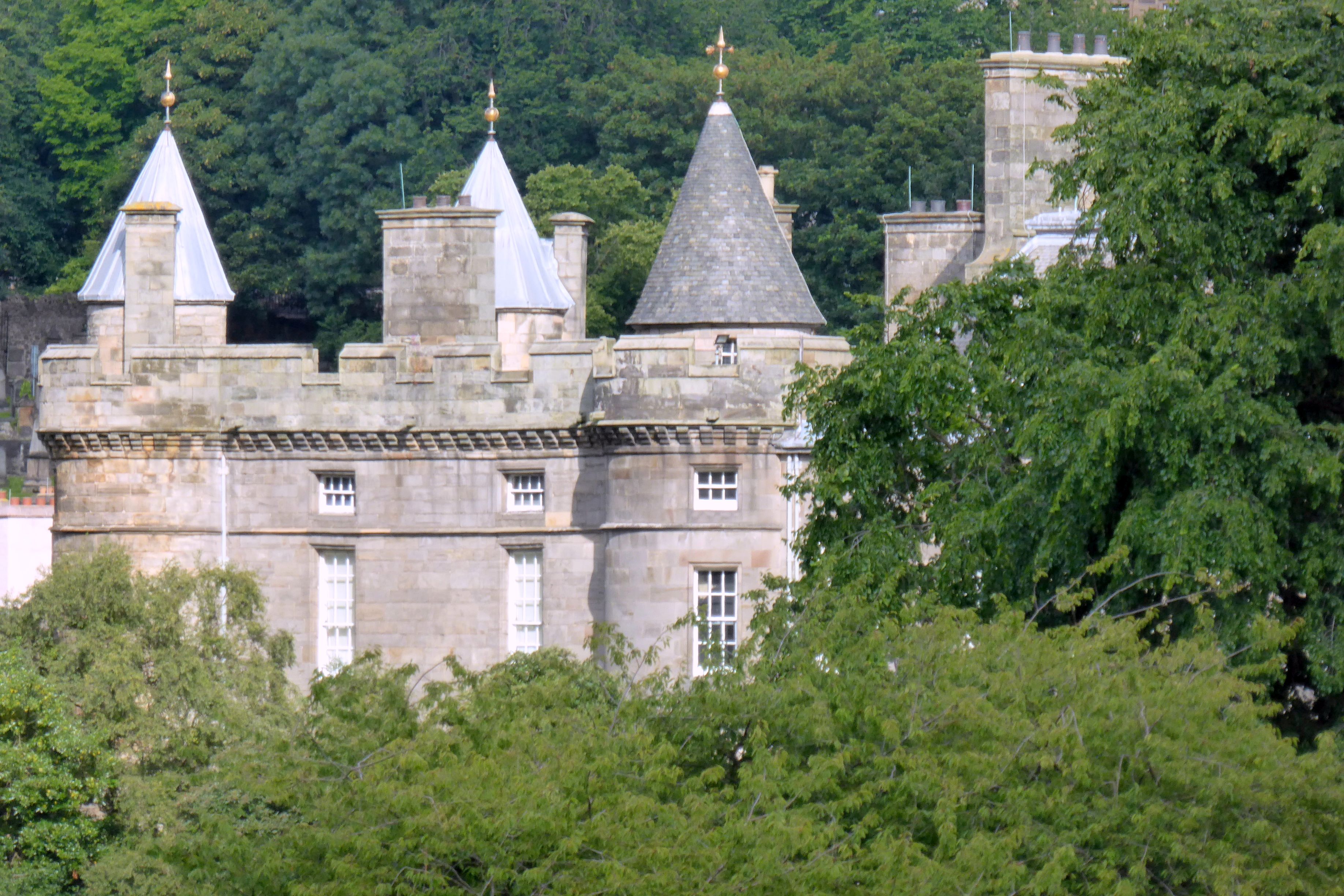
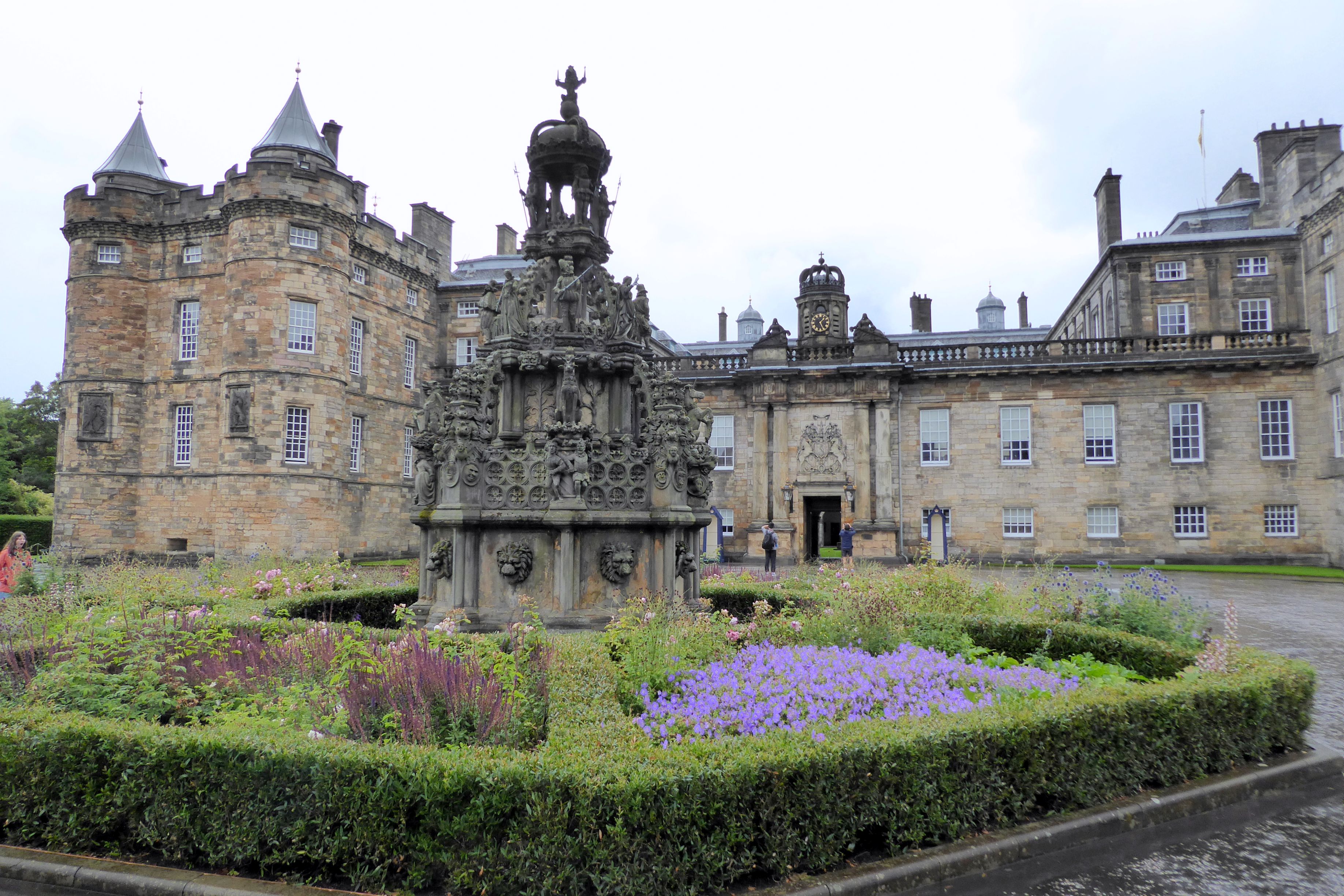
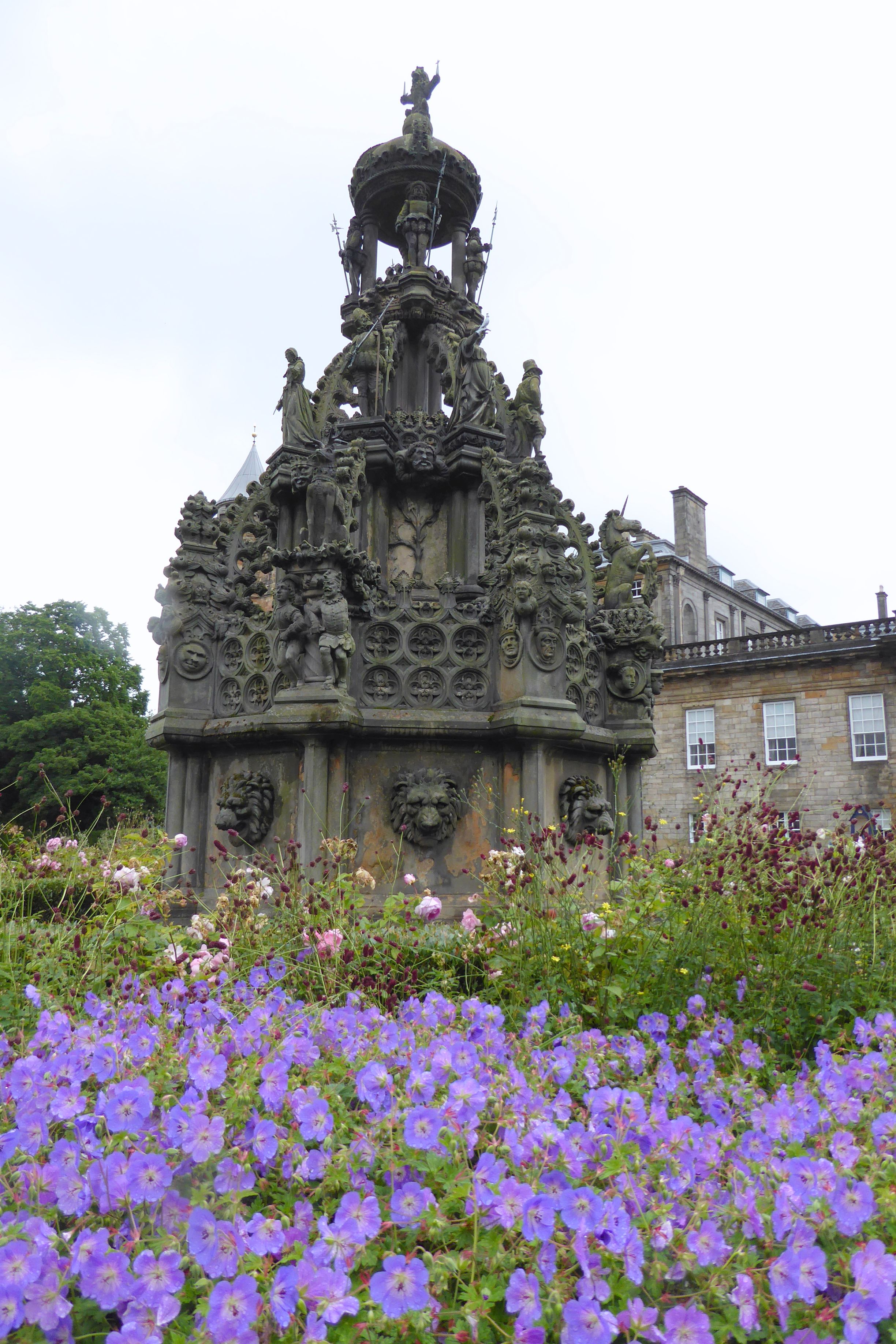
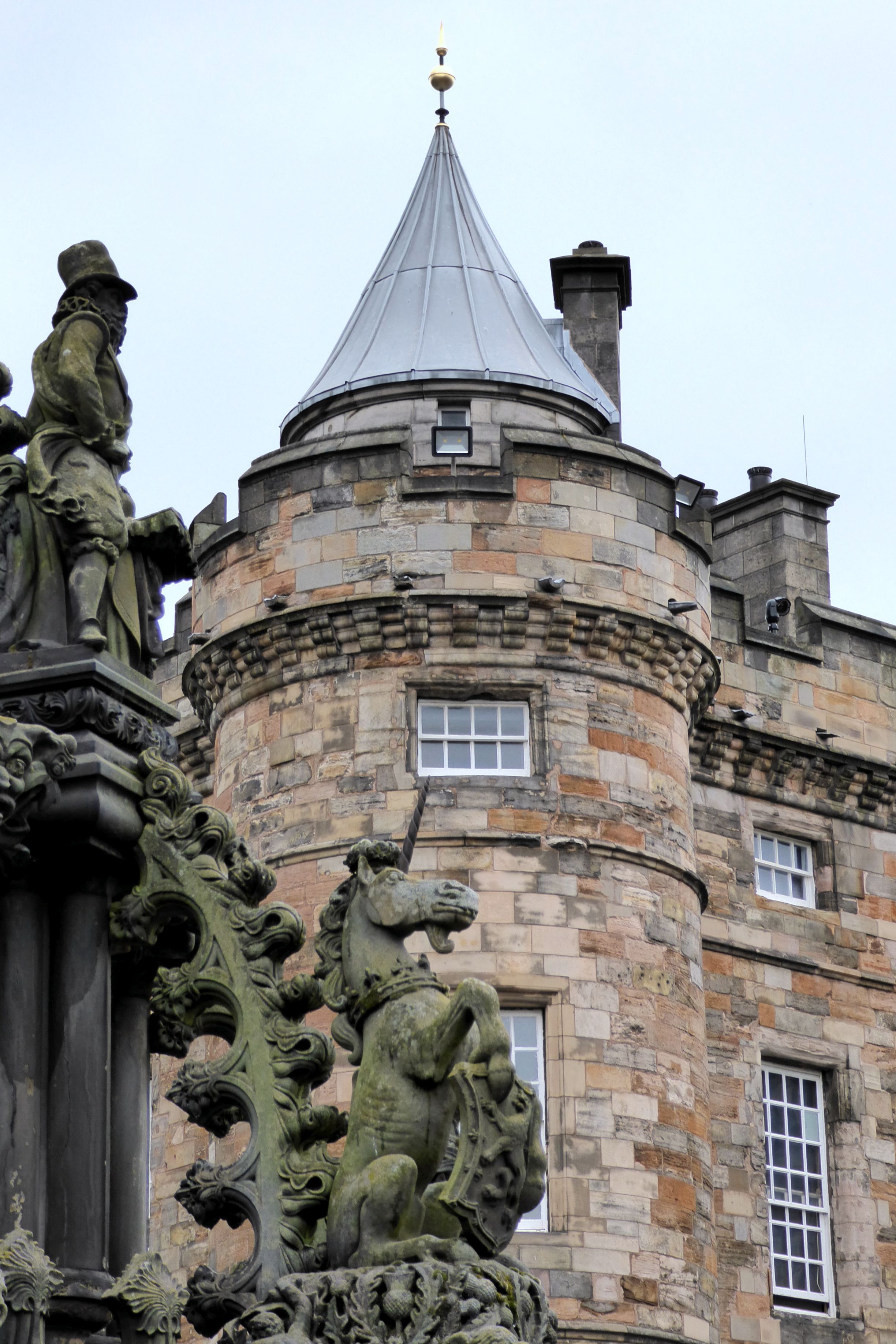
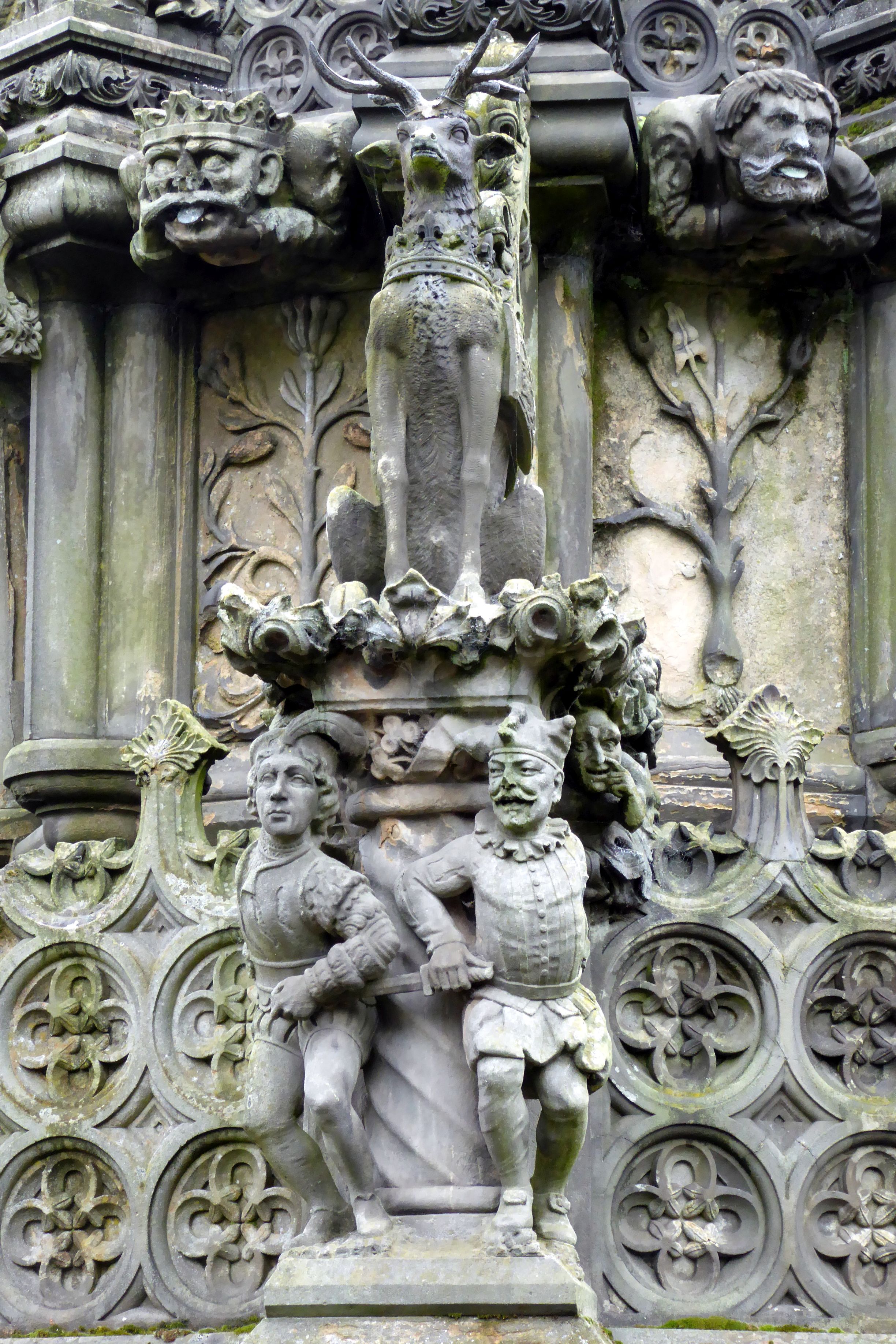
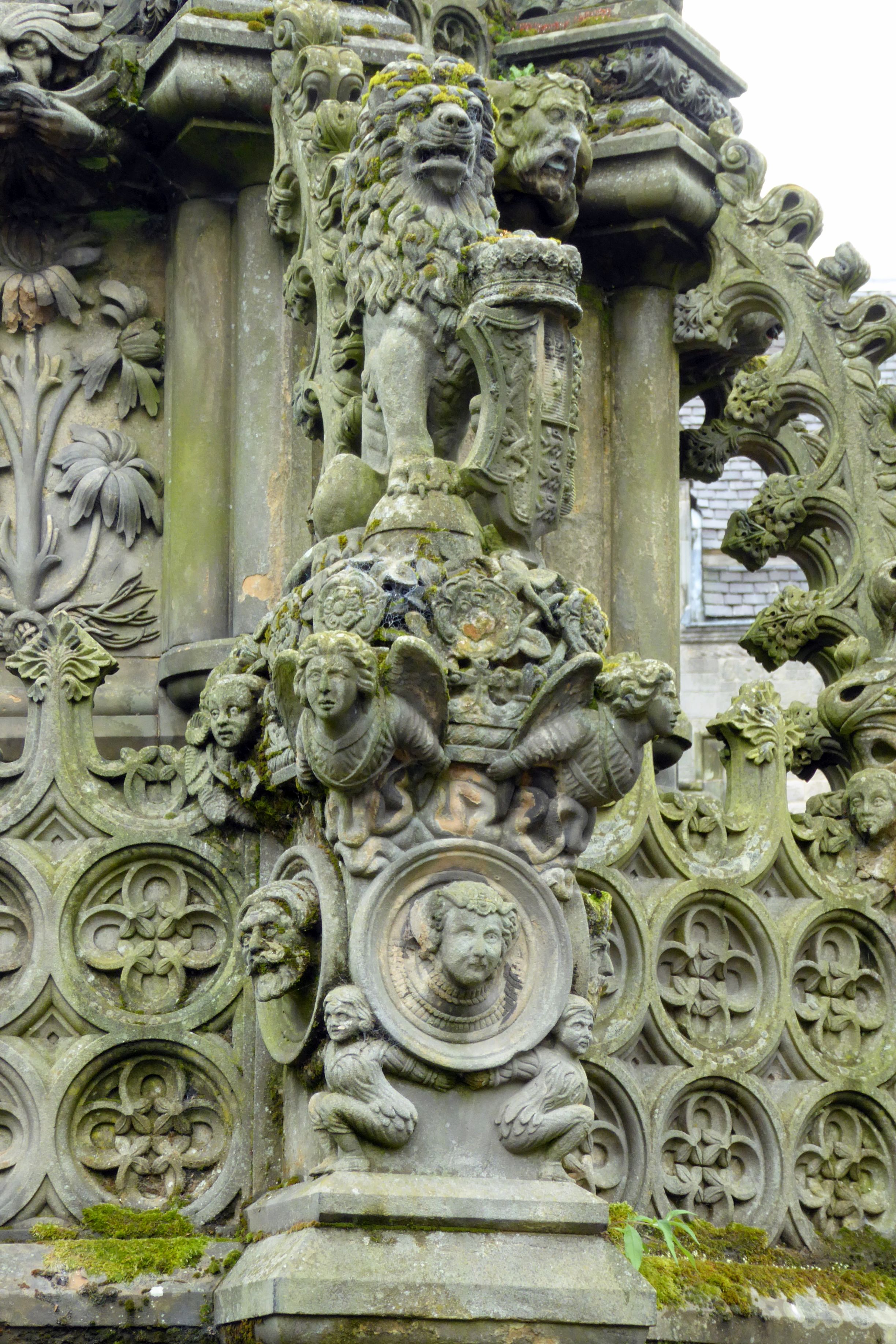
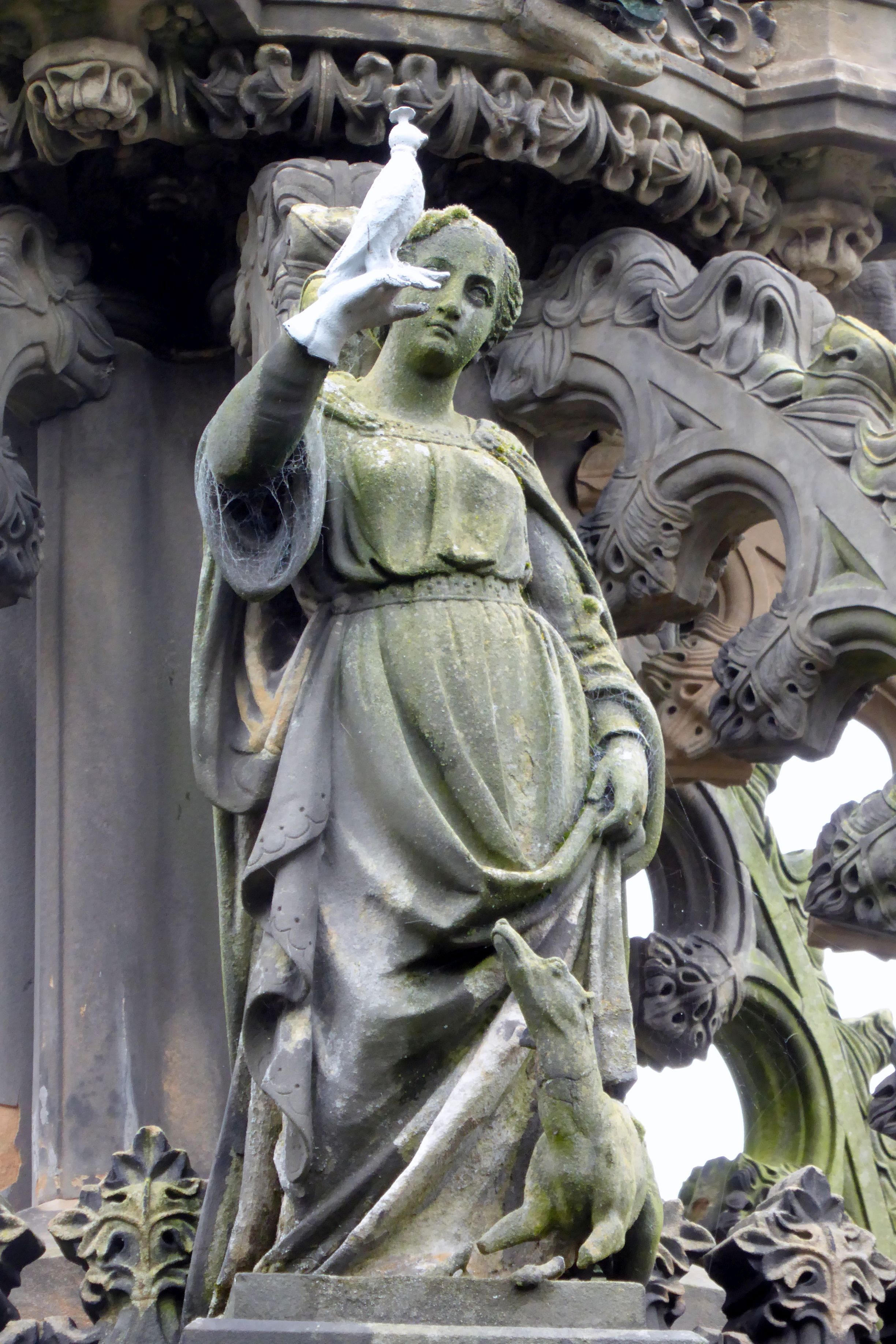
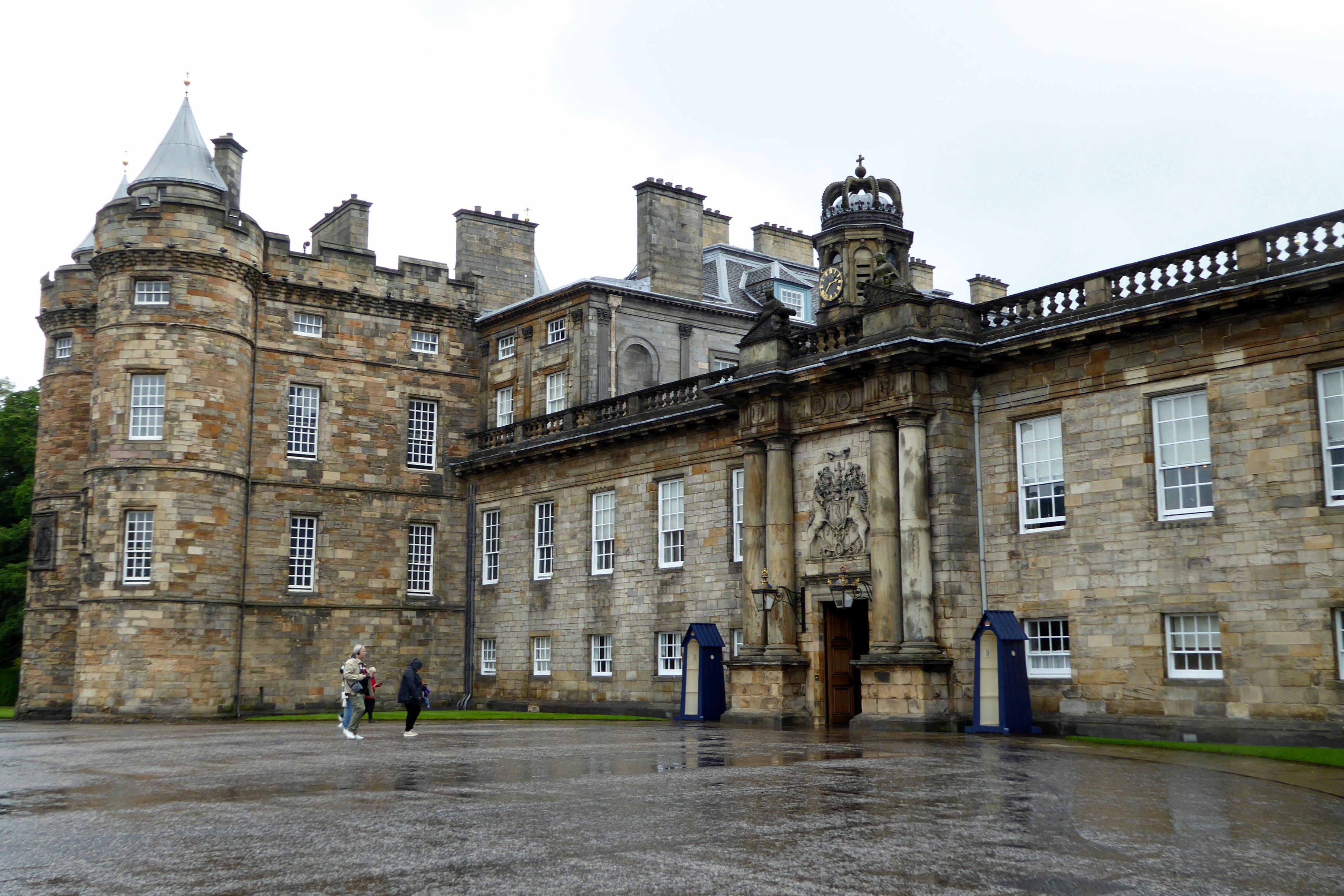
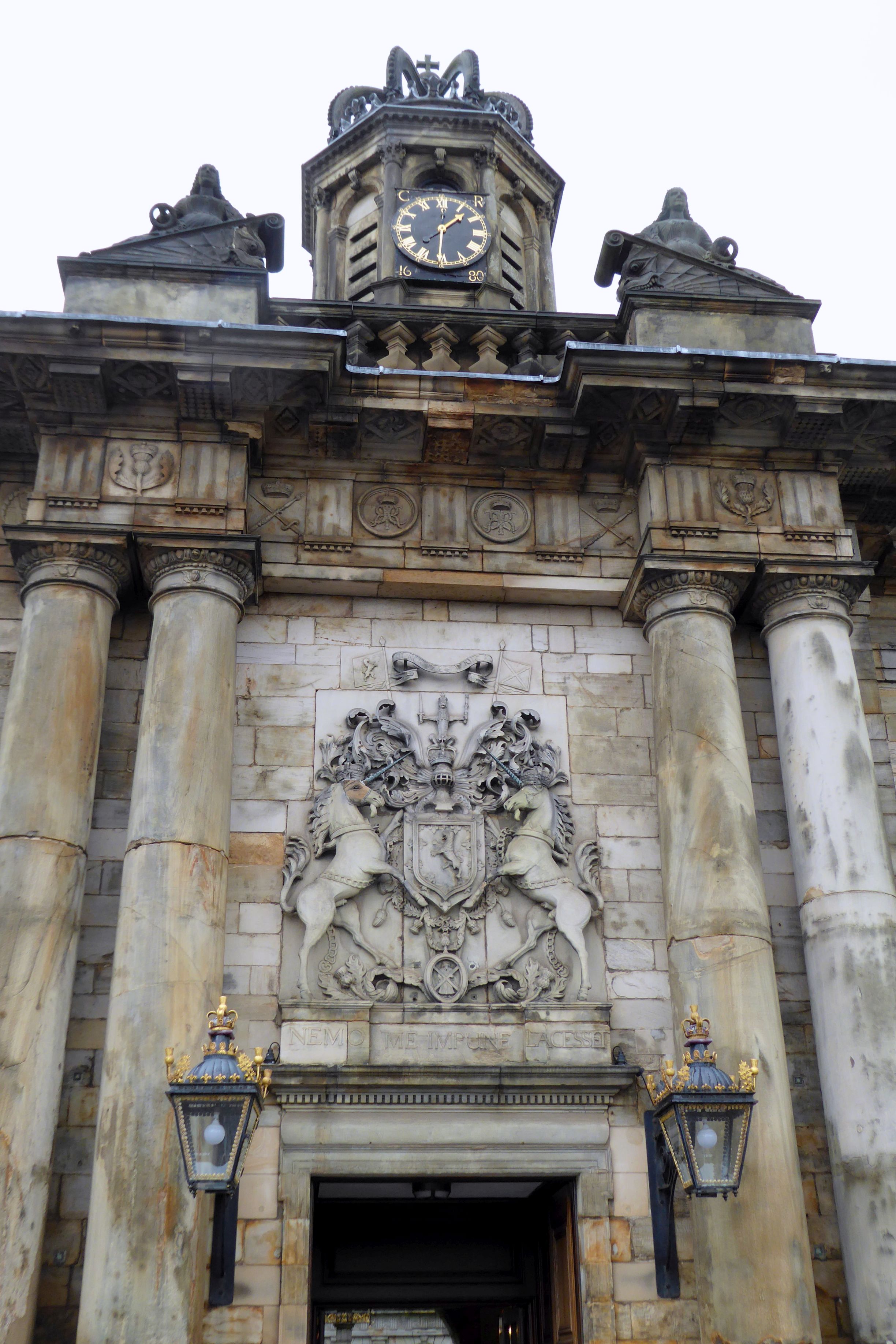
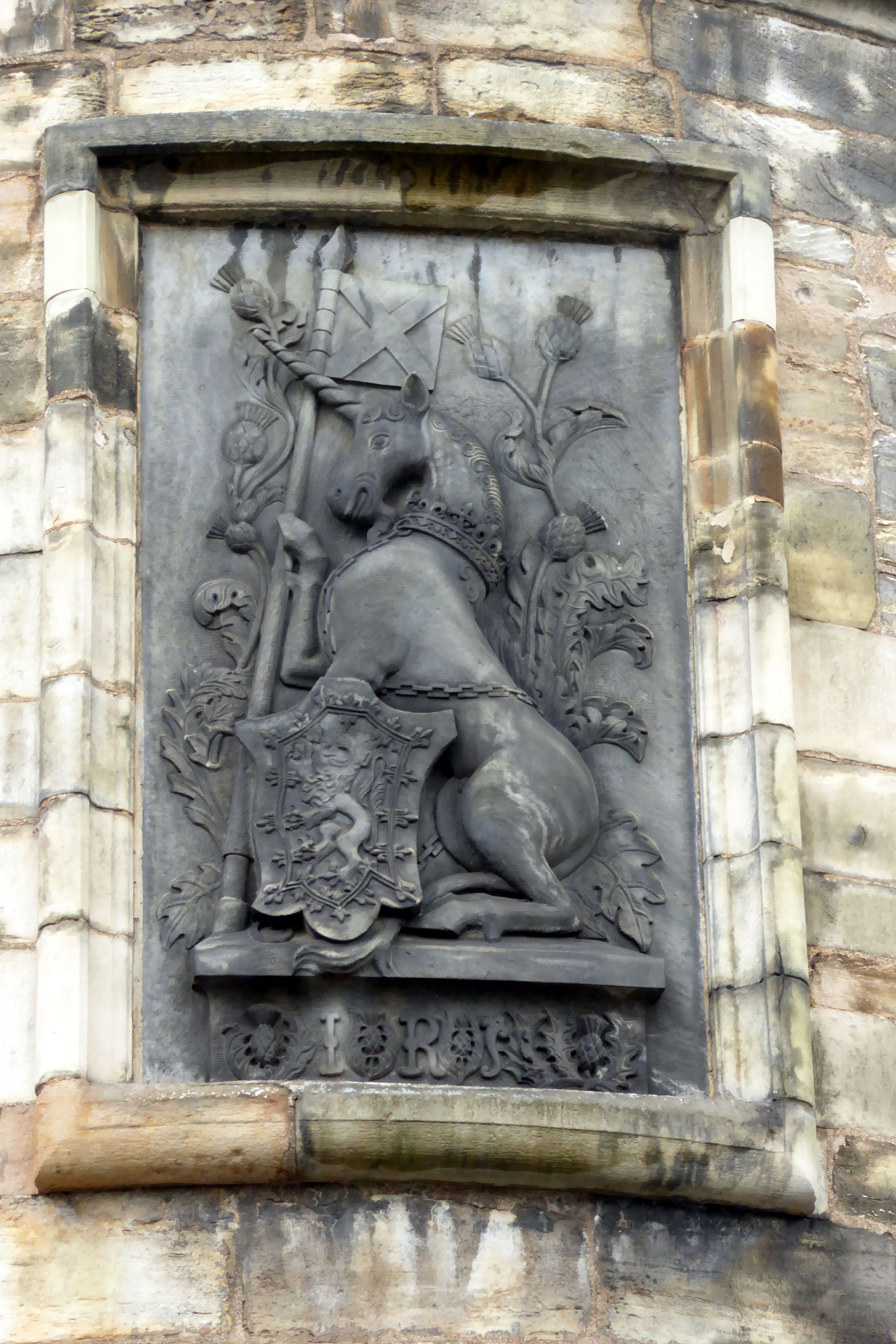
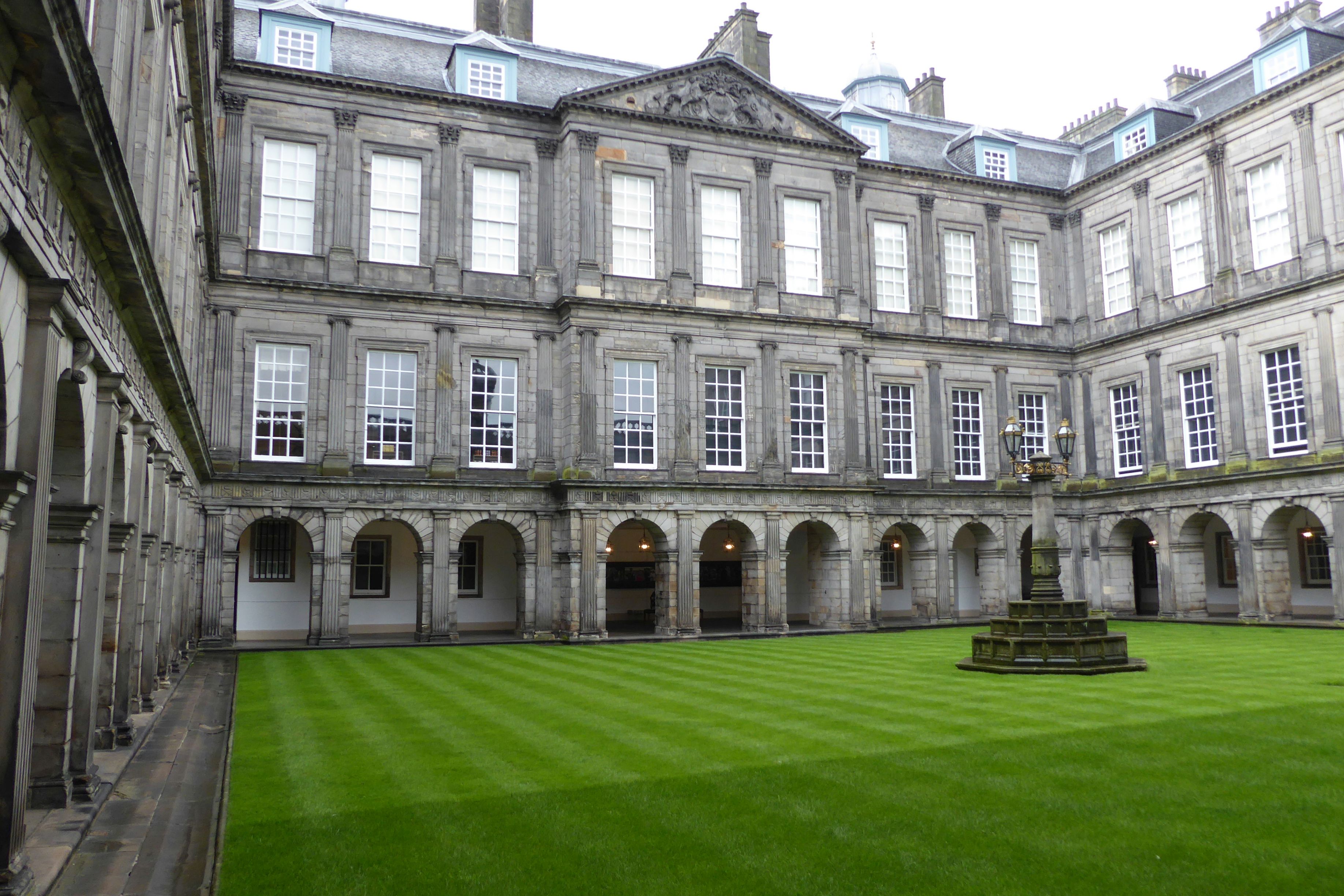
Edinburgh’s other historical icon is the Palace of Holyroodhouse, located on the other end of the Royal Mile from the castle. (You can also call it Holyrood Palace or Holyroodhouse; the Scots won’t mind.) Since the 16th century, this has been the official residence of the British monarch in Scotland. For those of you who didn’t get the memo, that would be King Charles III; although, he only spends one week at the beginning of summer there each year. The palace doesn’t sit empty the other 51 weeks, though; it gets a lot of paying visitors!



















































































































 Elaine-iaK's Travels: A Traveler's Tales of People, Places, Photos, Pools... and CHOCOLATE!