As a graduate of Recreation Administration, from San Diego State University, I have made recreation and travels my career and life’s passion. After graduation, I traveled solo for one year throughout the South Pacific, doing travel photography in a wide variety of settings. Upon my return, many of my photographs became the subjects of my newly created line of handcrafted photographic greeting cards, "Exquisite! By, Elaine", a business I have had since 1986. Check them out at: http://ExquisiteCards.fototime.com .
In 1983, I began teaming up with my mom, Goldie, teaching arts & crafts to cruise ship passengers, aboard Princess Cruises and Royal Caribbean. In addition, I lectured on travel photography, as well as Australia and New Zealand history, aboard Princess Cruises.
In 2004, I formed a new teaching team with my recently retired husband, Bruce, who serves as my "humble assistant" until 2010 when the cruise lines shifted the arts and crafts program to mostly being taught by their own staff.
Currently, our favorite mode of travel is by river boat. Along the way, we enjoy poking around small European towns, meeting the people, seeking out interesting photo subjects, and always stopping at every chocolatier to make a purchase. Adding to my chocolate label and wrapper collection is a bonus! And, as a U.S. Masters swimmer, if I can find a pool to get in a swim with the locals, all the better!
Cheers!
Elaine-iaK
~ Believing in your dreams can be far more rewarding than living by your limitations~ -Karla Peterson
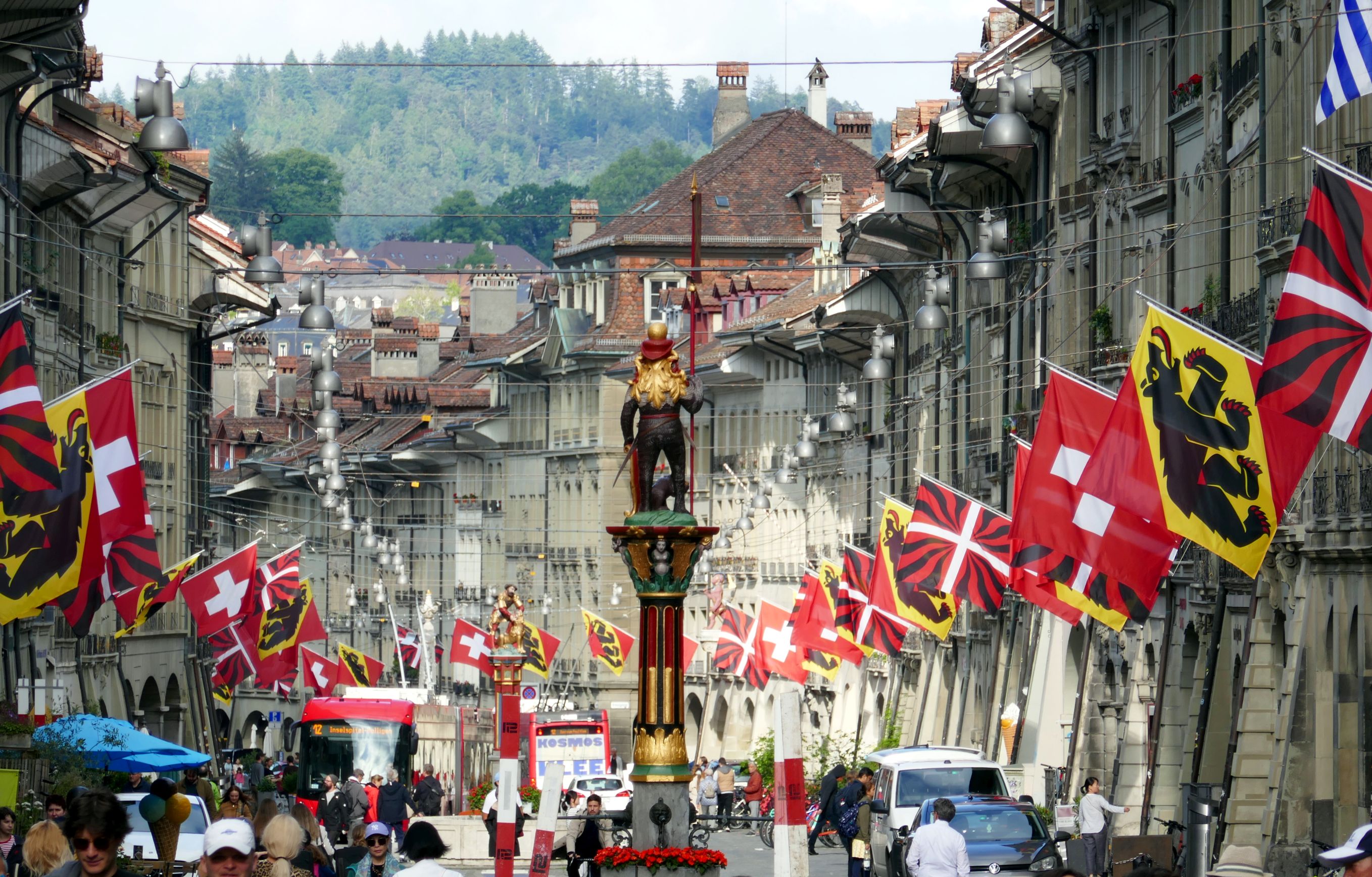
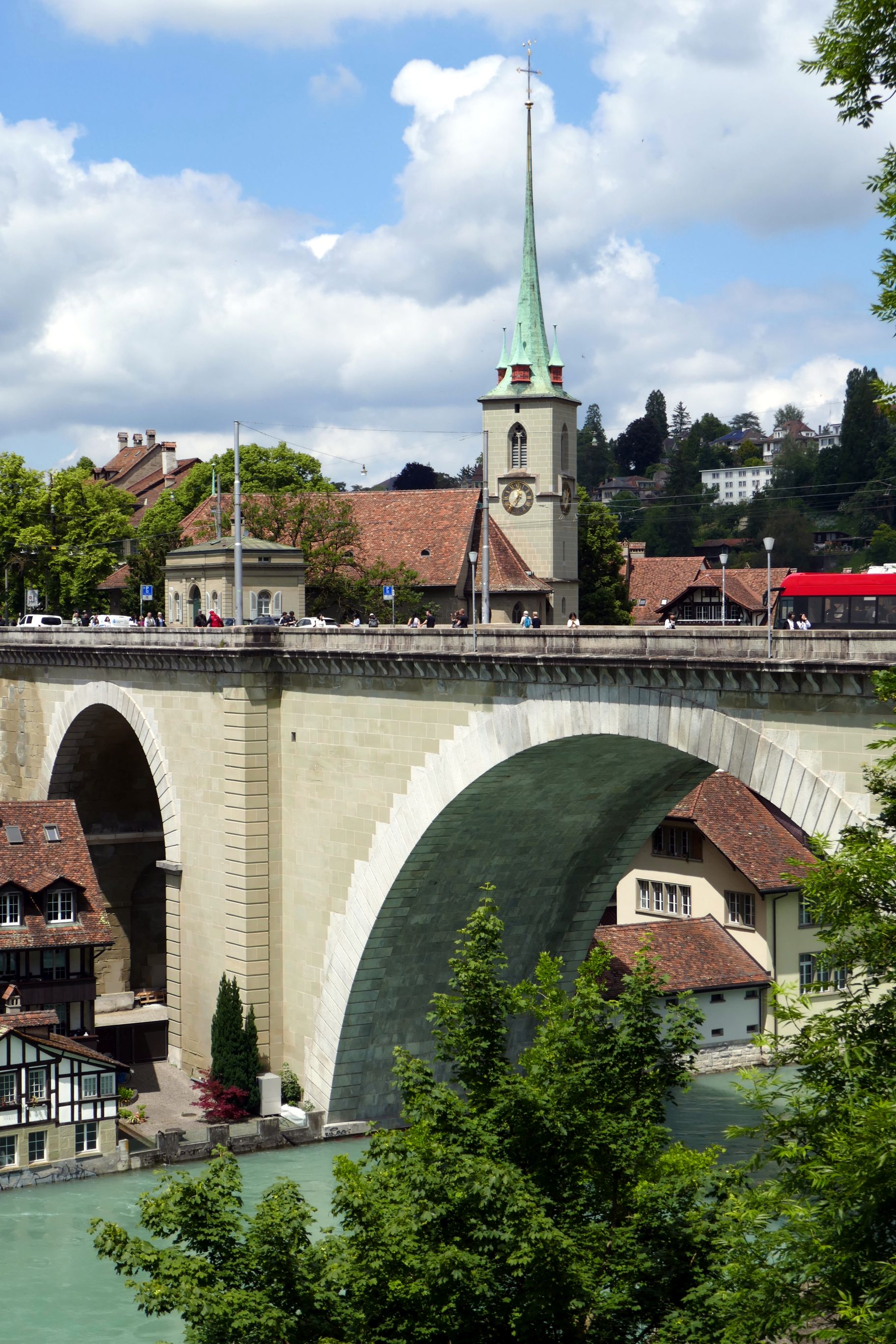
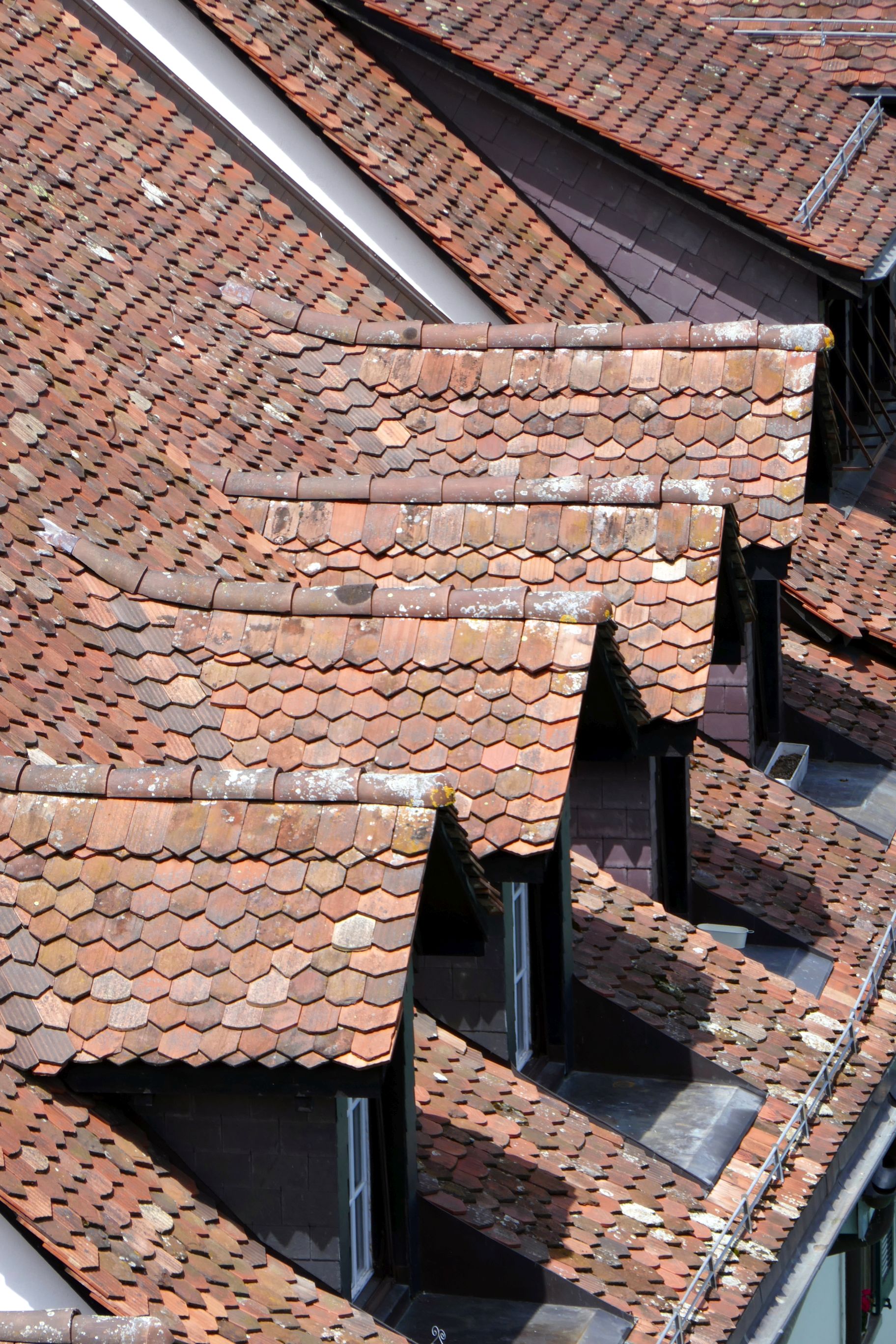
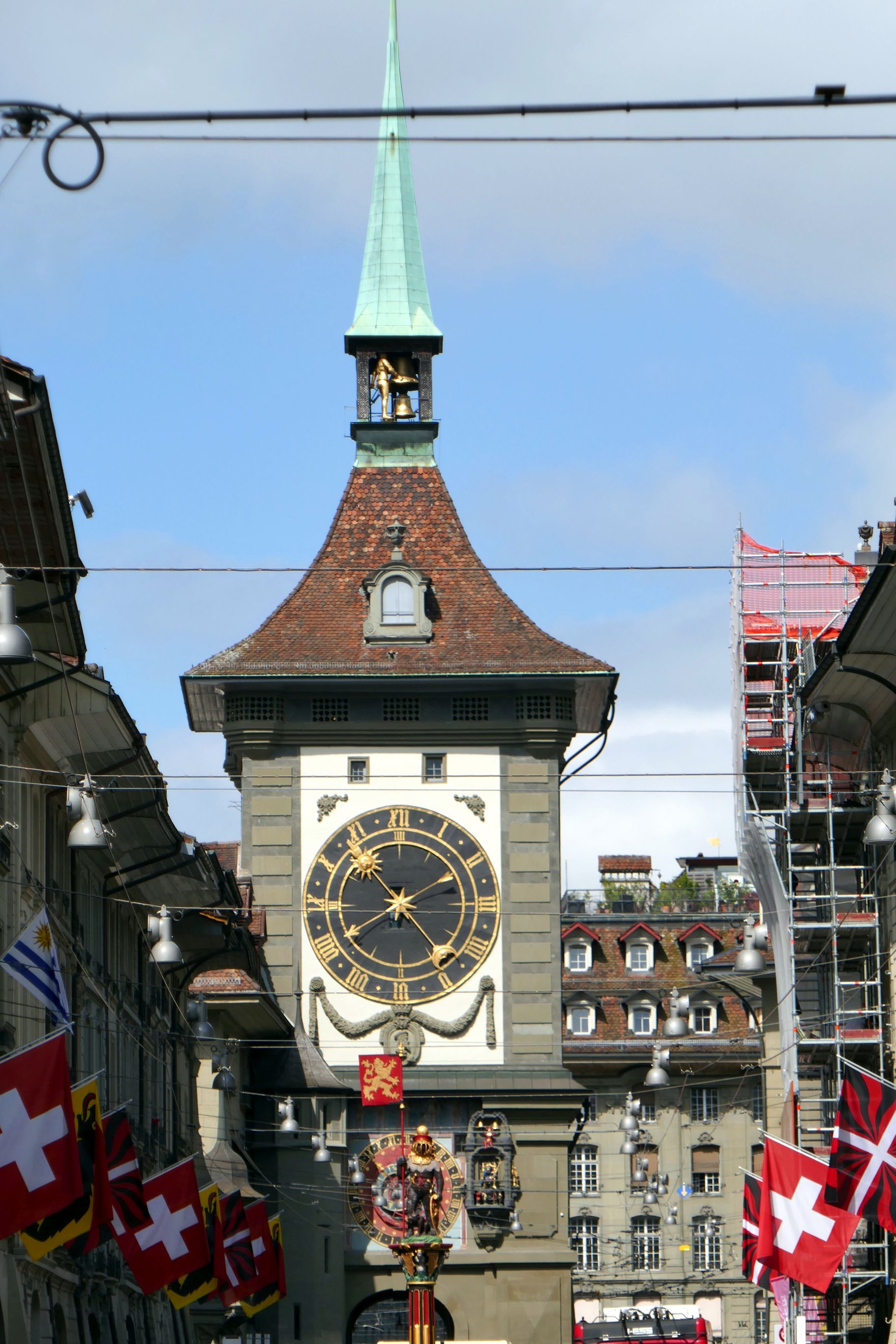
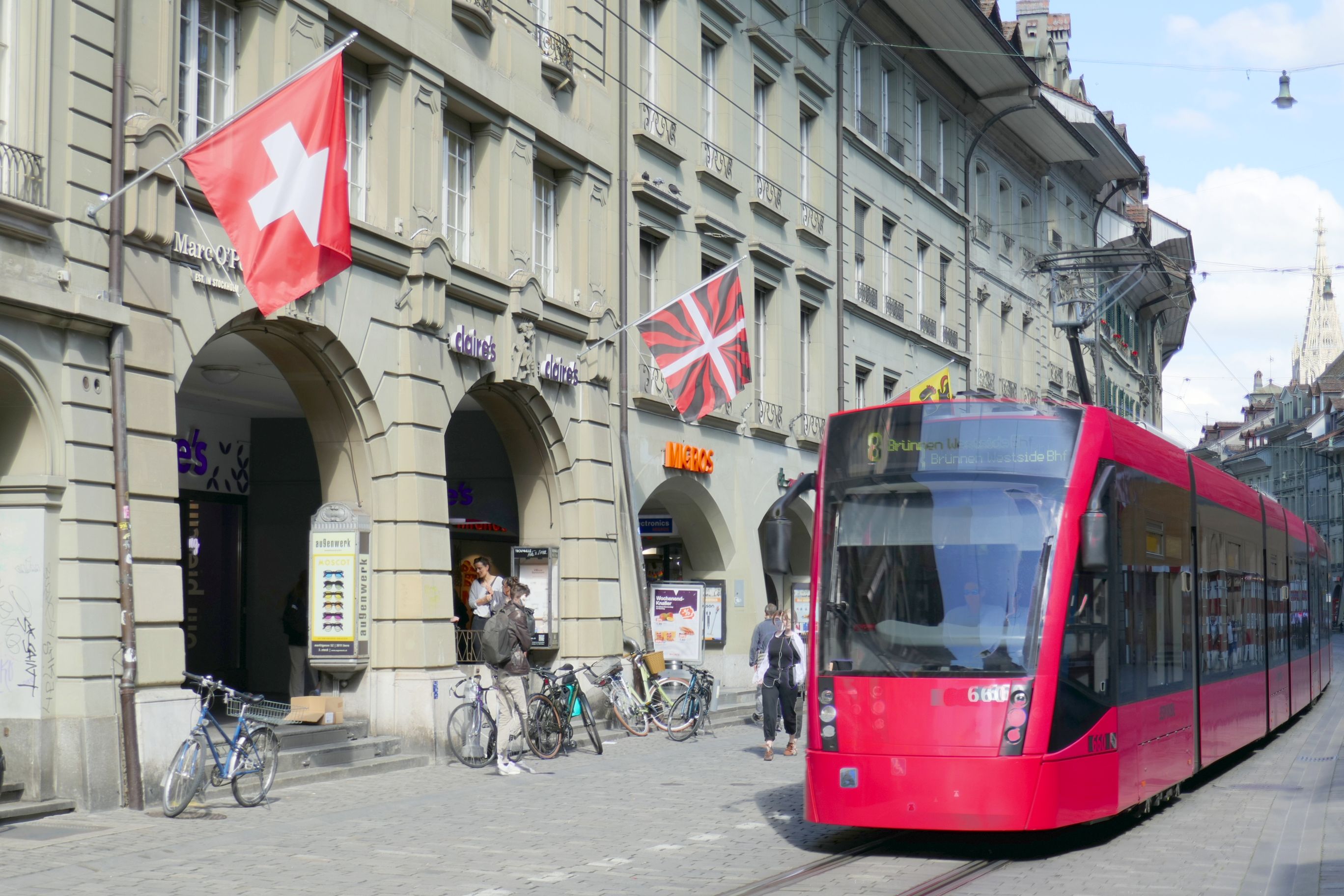
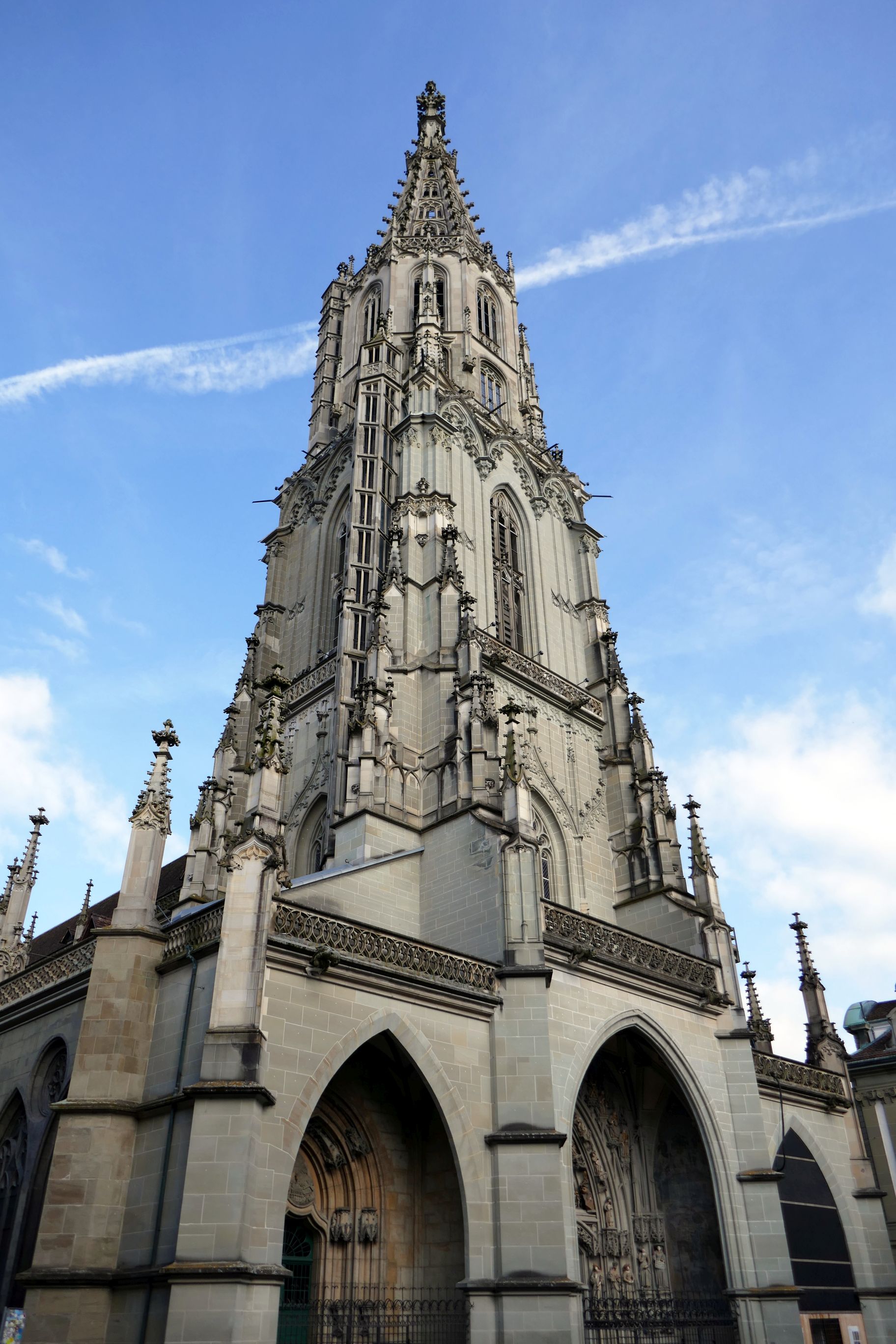
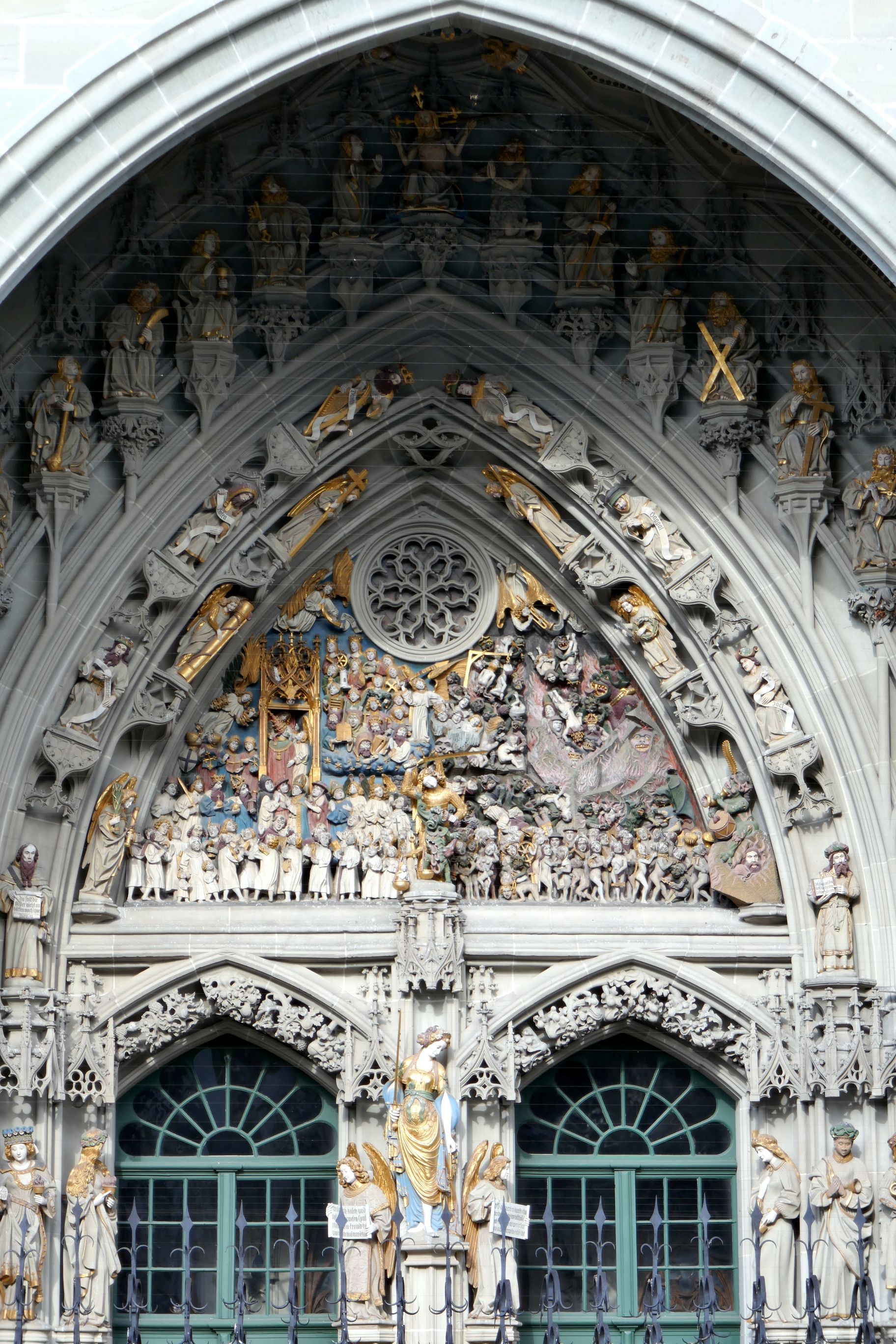
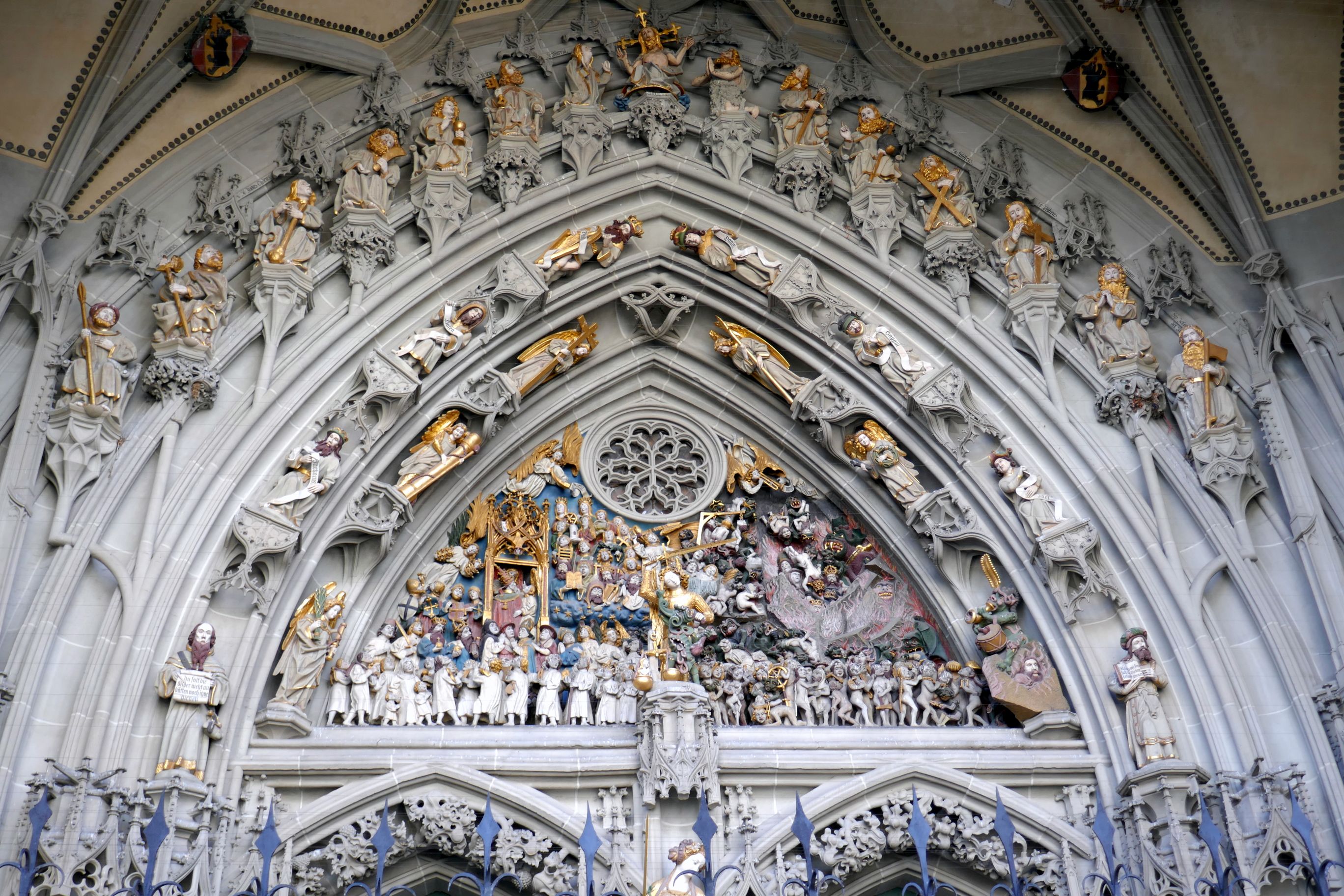
Exploring Bern, the capital of Switzerland, is like stepping back in time—way back. The well -preserved twelfth-century medieval city has a completely different feel than Lucerne with it’s covered arcades and colorful flags. As a result, the old quarter is listed as a UNESCO World Heritage Site. Lucerne and Bern are two gorgeous cities, but in completely different ways. We thoroughly enjoyed them both.
(For all photos, click on the image for a full screen view.)
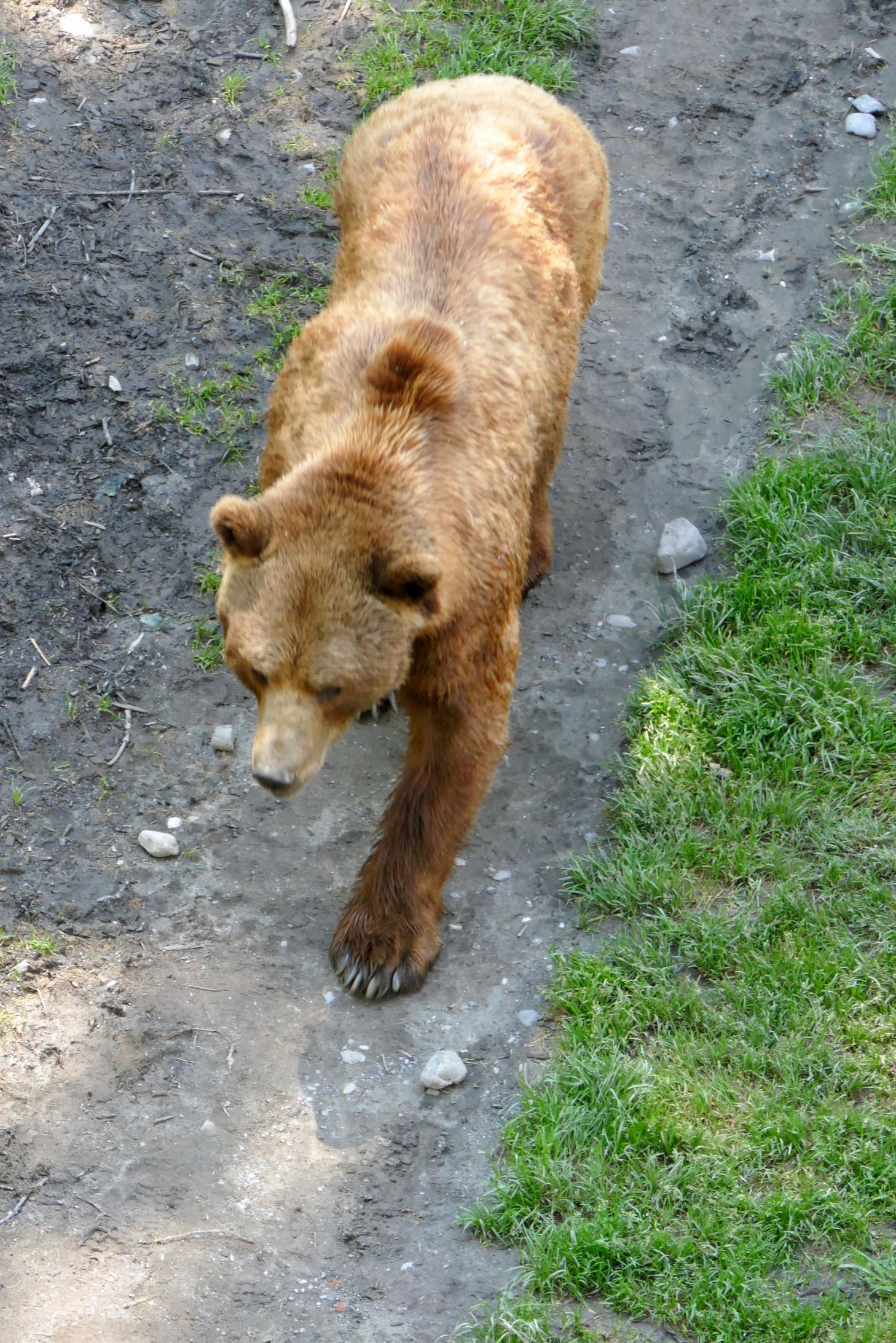
The symbol of Bern has been the bear since the founding duke of the city decided to name it after the first animal he killed in a hunt—at least that’s what legend says. There are other theories as well. Regardless of how the city really got its name, live bears have been held on display in various pits around the old town since 1549. Poor bears; they couldn’t have been very happy. Finally, enough outcry from the citizens resulted in the closing of the old bear pit and a new park was built along the Aare River. Bear Park is free for all to enjoy, and the bears seem quite happy there. We witnessed one of the three bears hunting around for food, finally sniffing out some meat that had been buried deep in the ground by the staff. He dug and dug until he landed the prize—a huge piece of raw beef he happily woofed down.
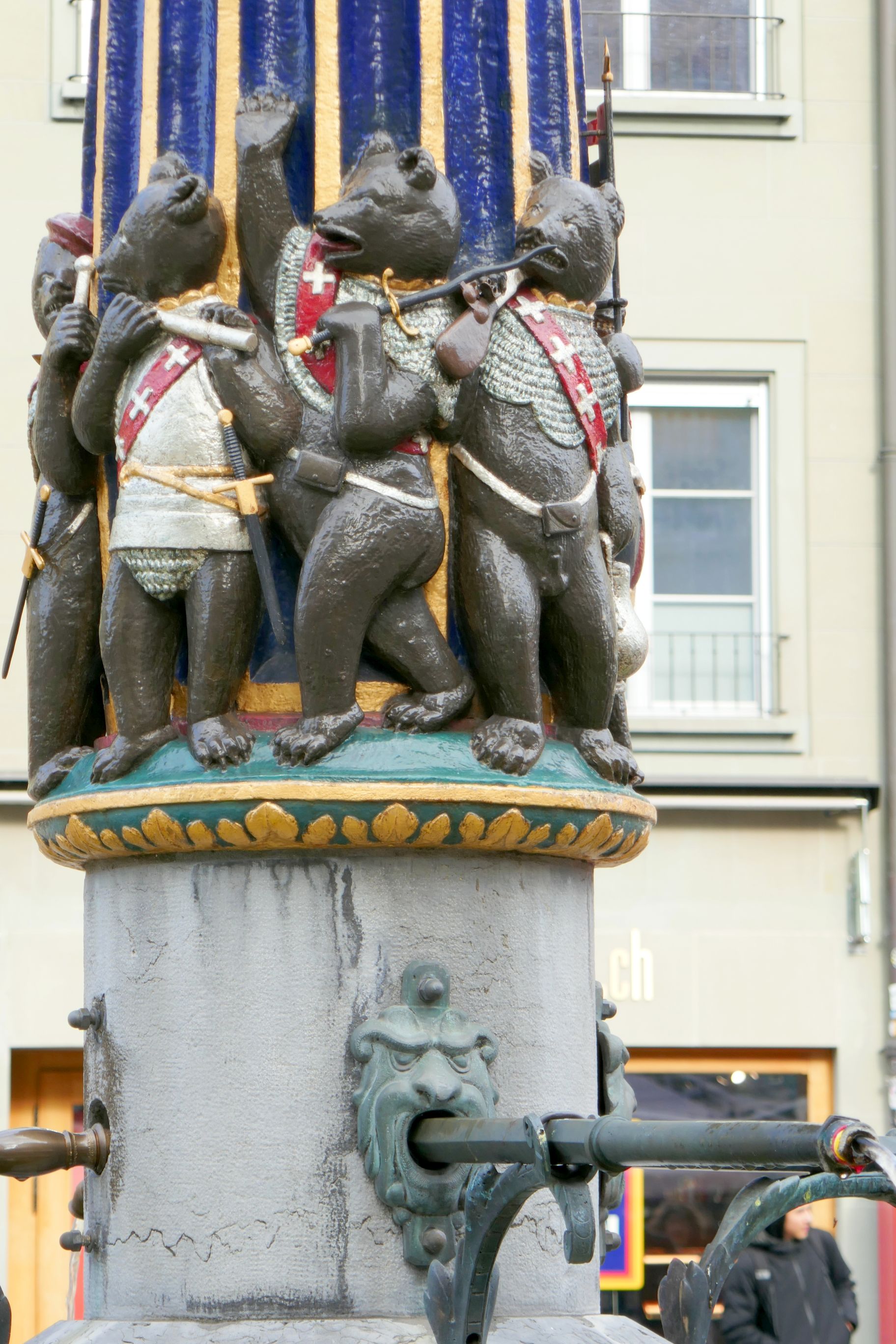
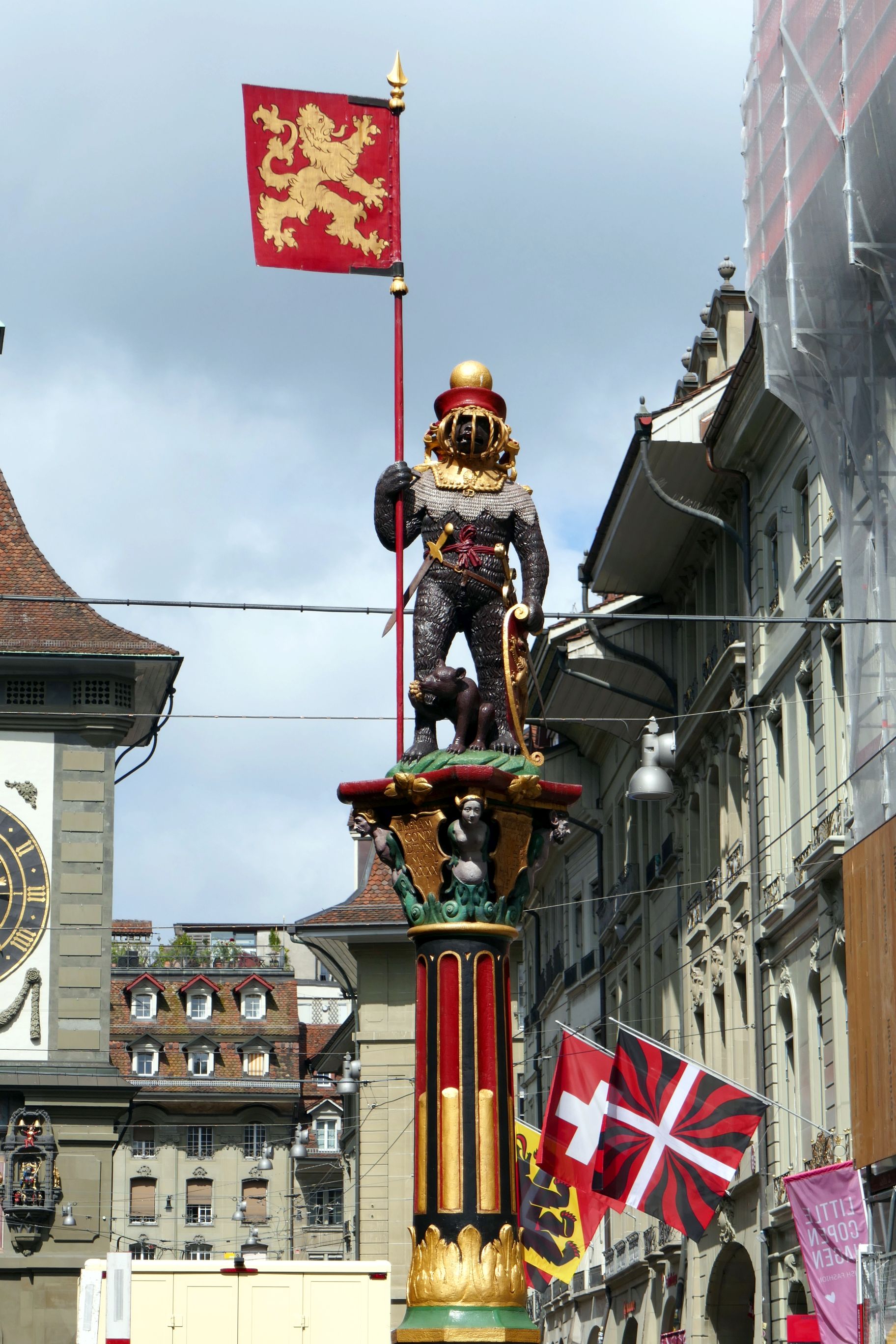
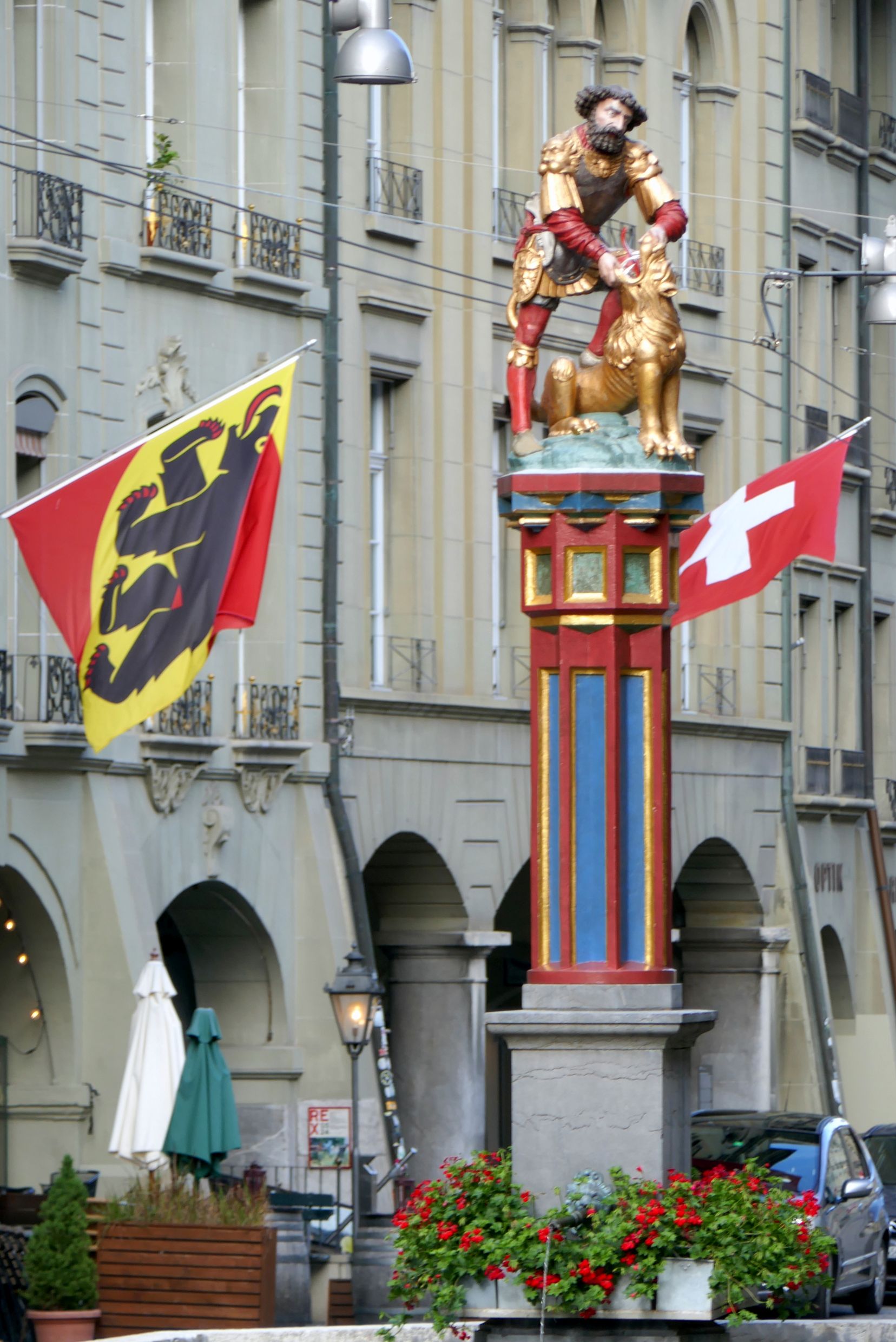
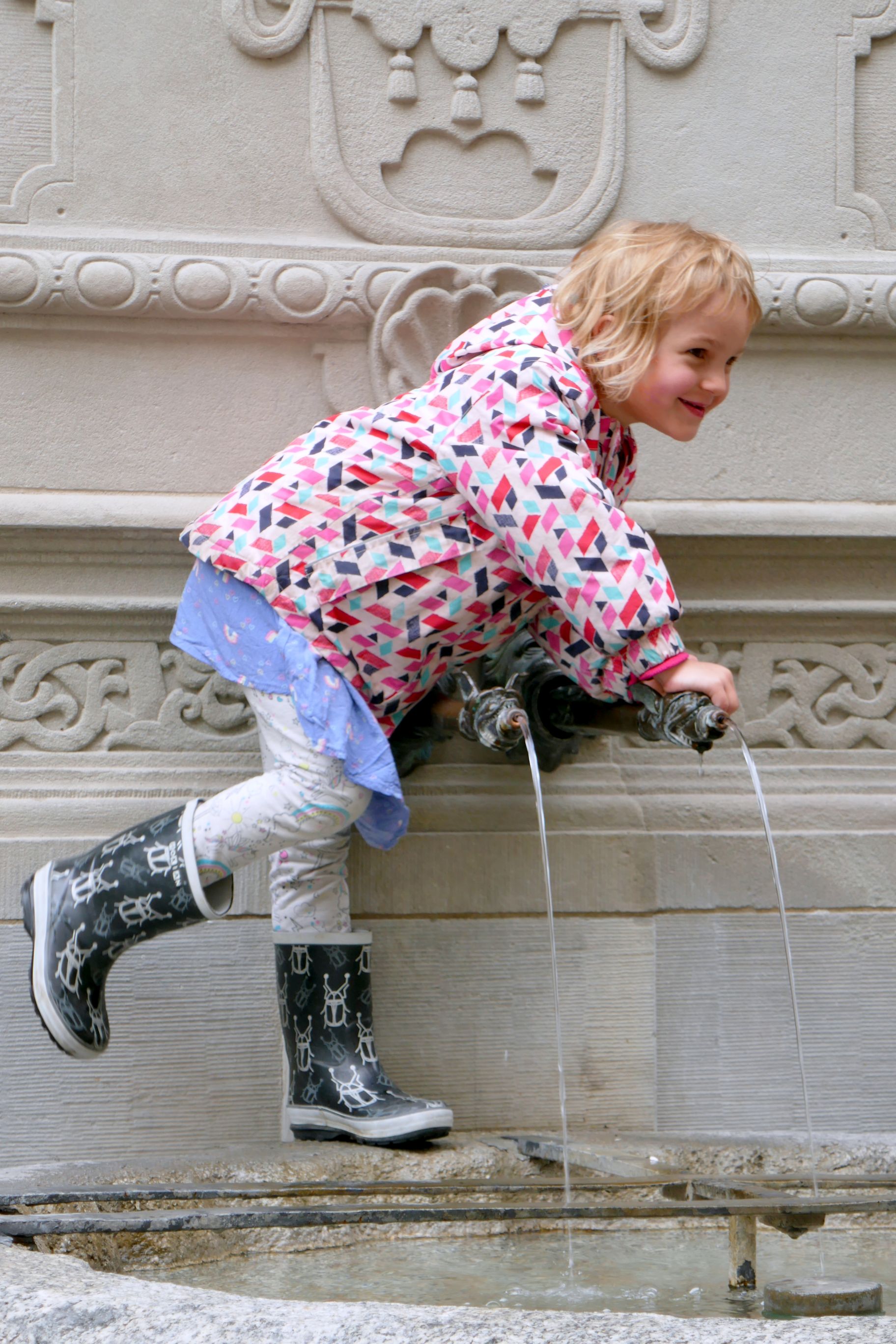
Meanwhile, besides those live bears, the bear symbol appears on flags, coat of arms, fountains, trash cans, and even the manhole covers. Those bears are everywhere, especially on souvenirs.
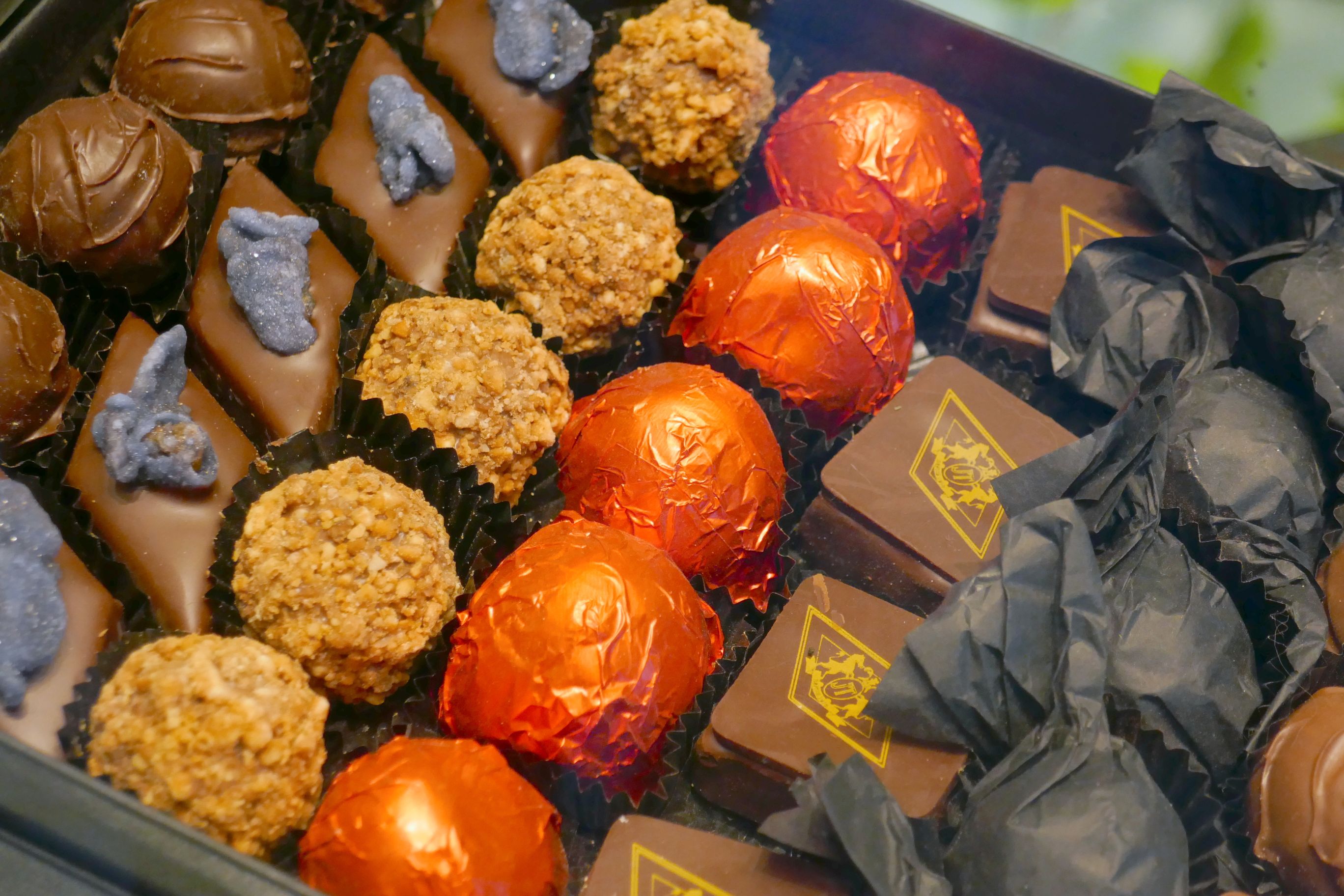
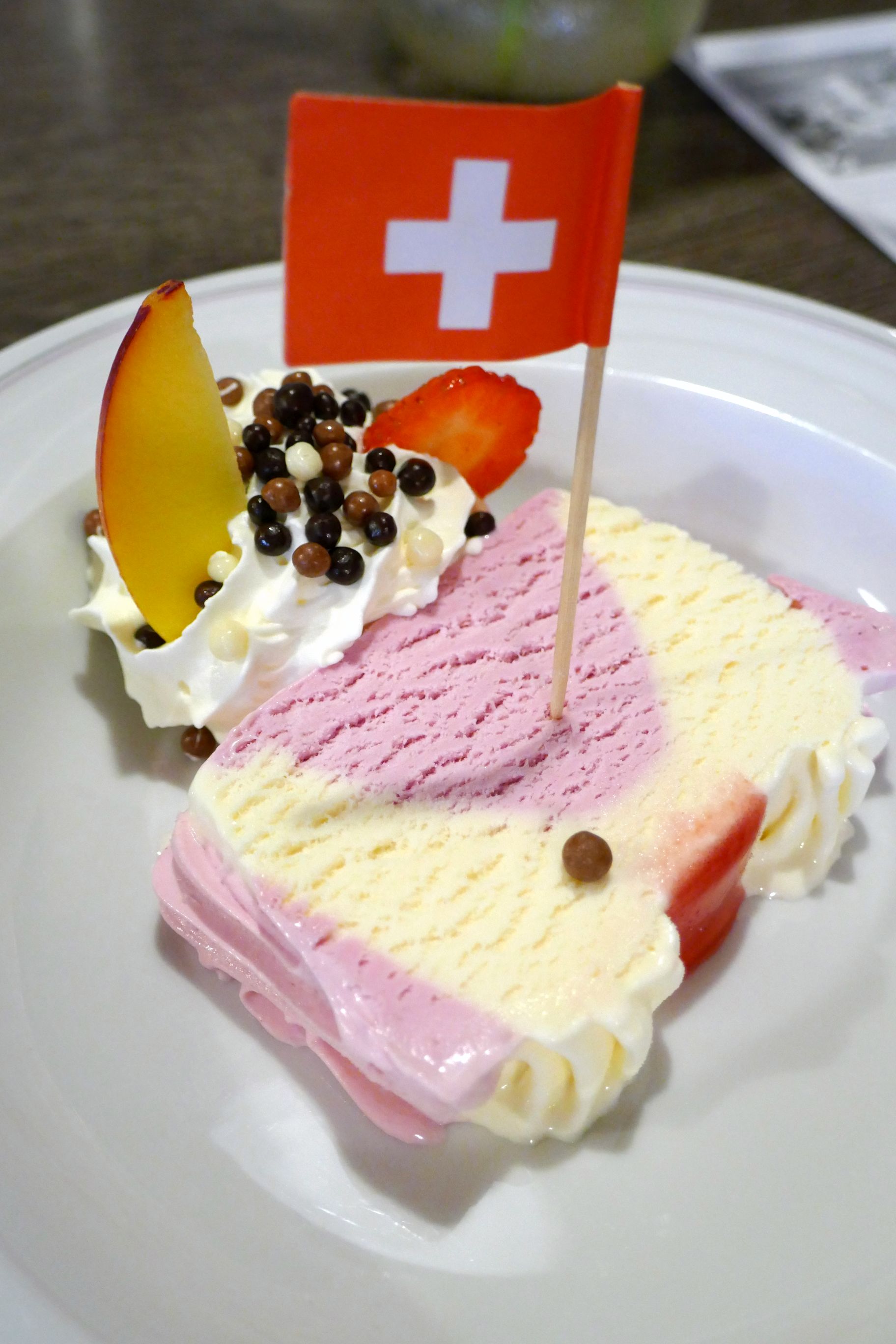
The bear even appears on cakes and chocolates.
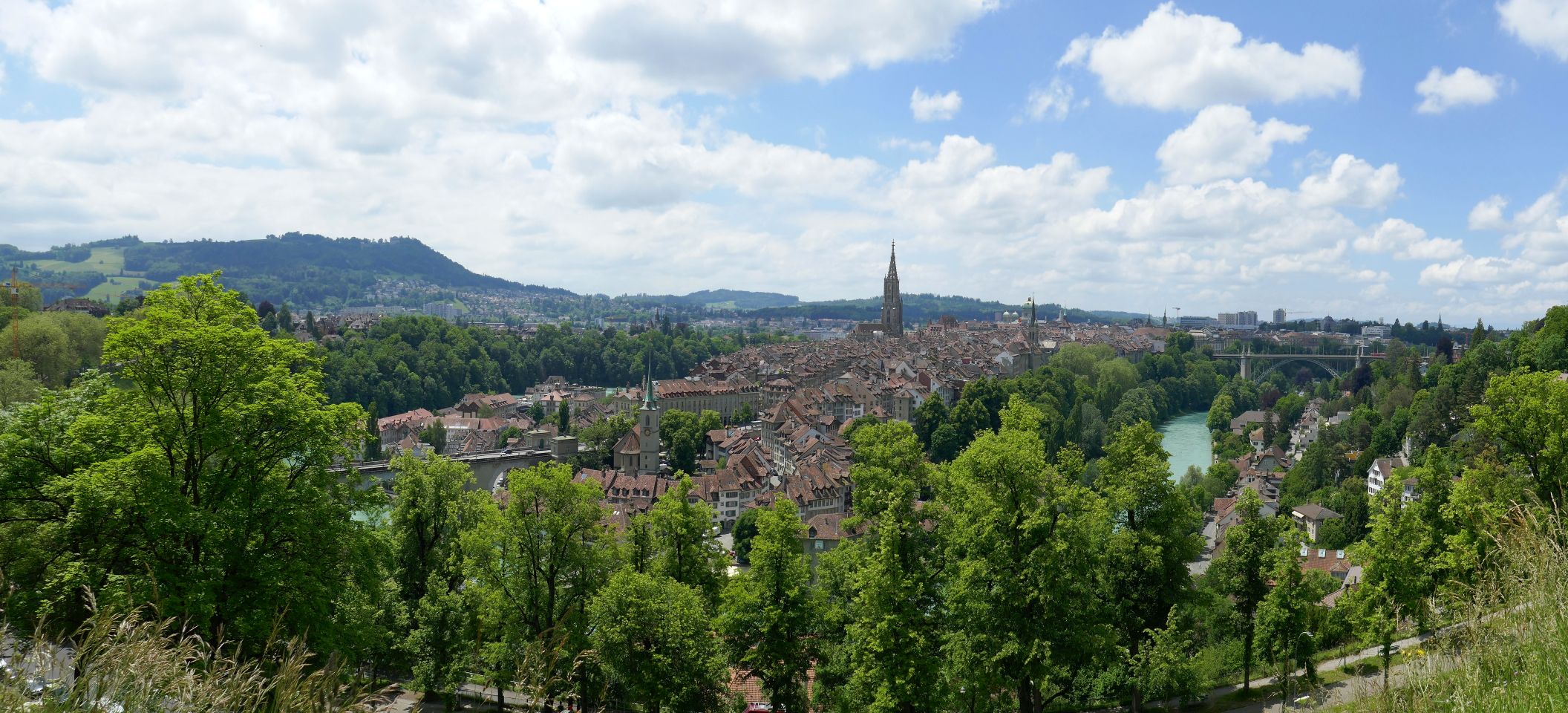
Following our walking tour of the old town and Bear Park visit, we hiked up the steep hill to the Rosengarten, a beautiful park with fountains and gardens. The biggest draw? A spectacular view of the city below.
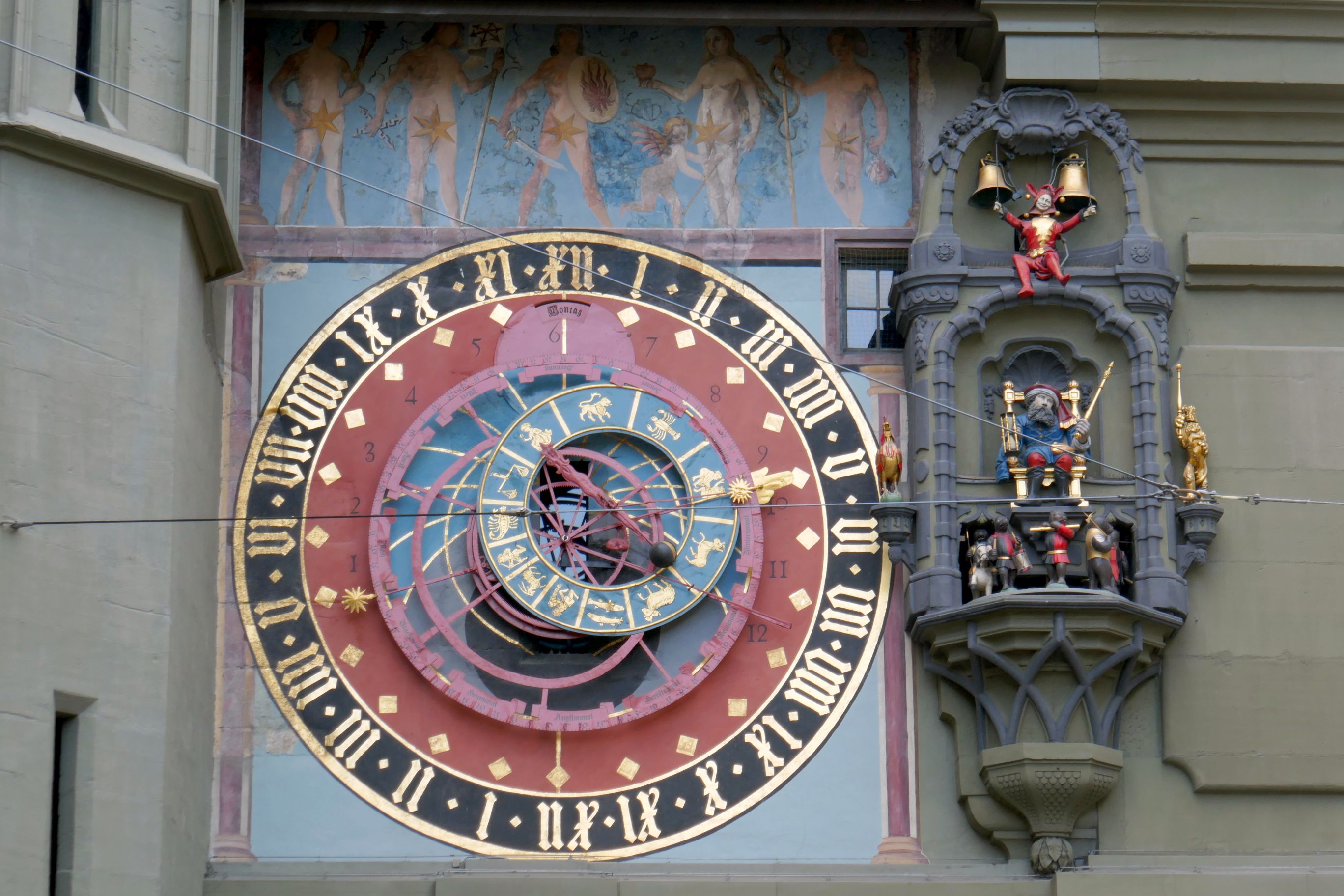
Exploring the old town during our tour and on our own was so enjoyable. We finally had some sun after the rainy days in Lucerne, and there was so much to see. The following are scenes from our full day in Bern as well as the prior afternoon and evening when we arrived.
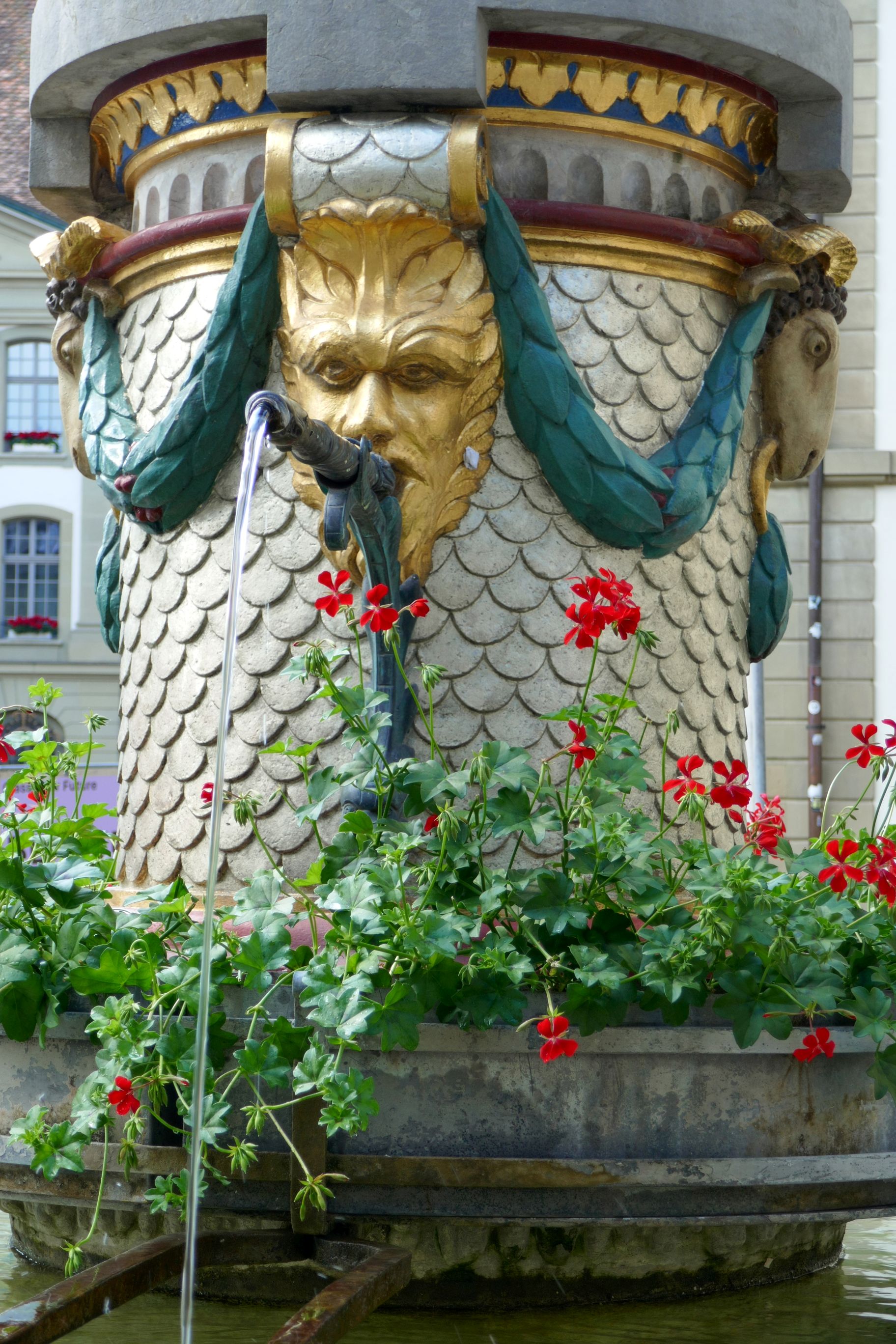
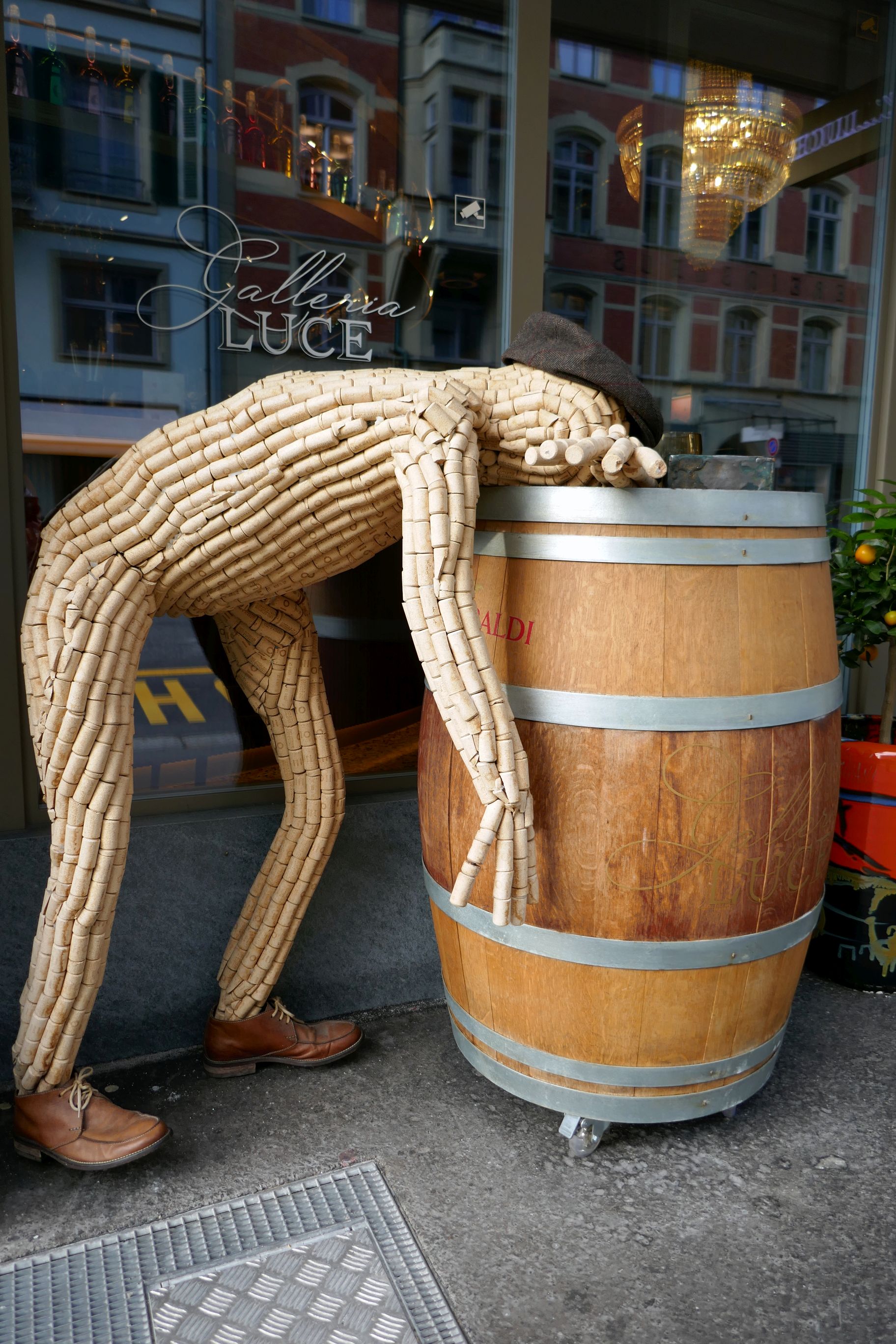
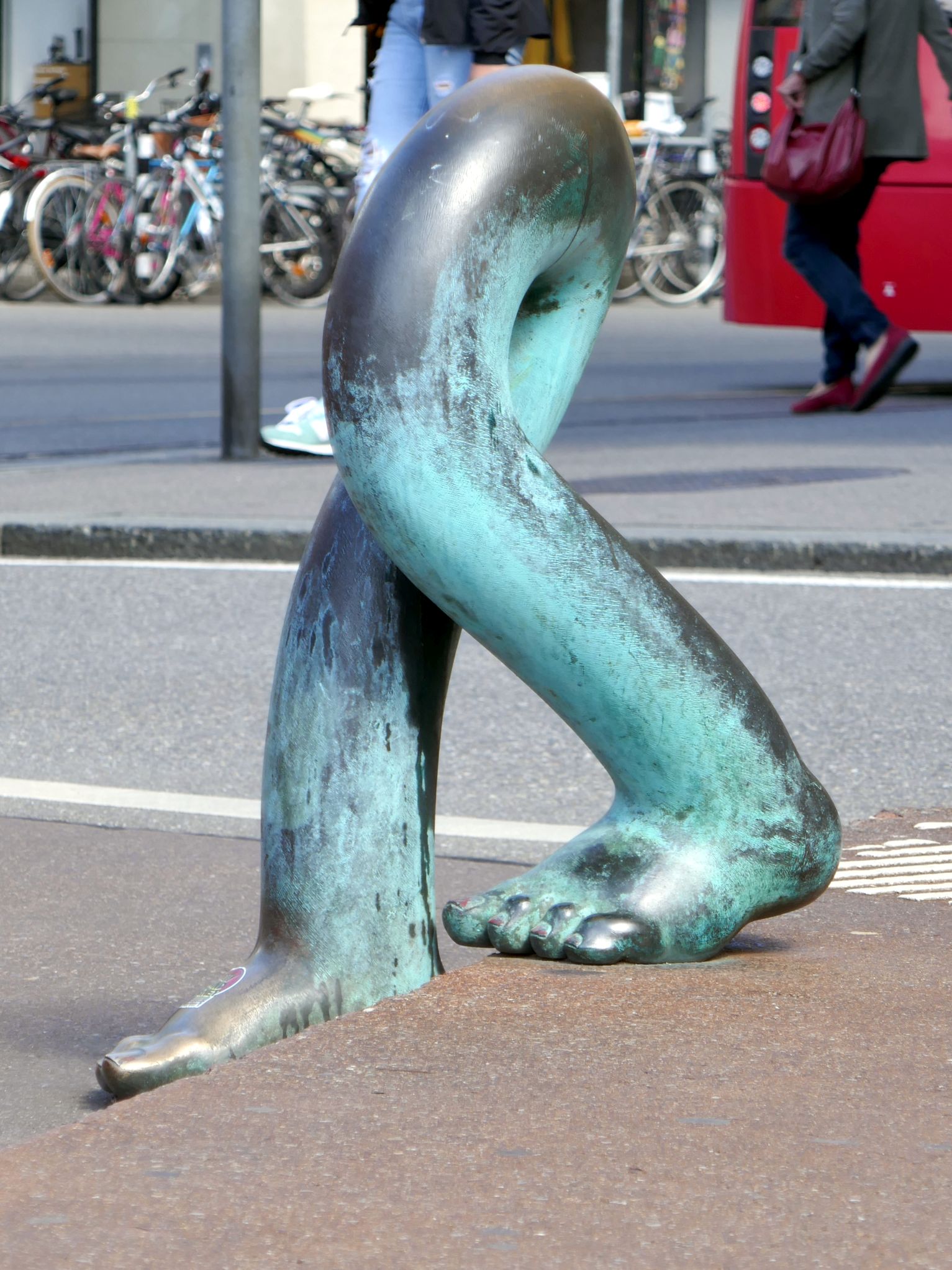
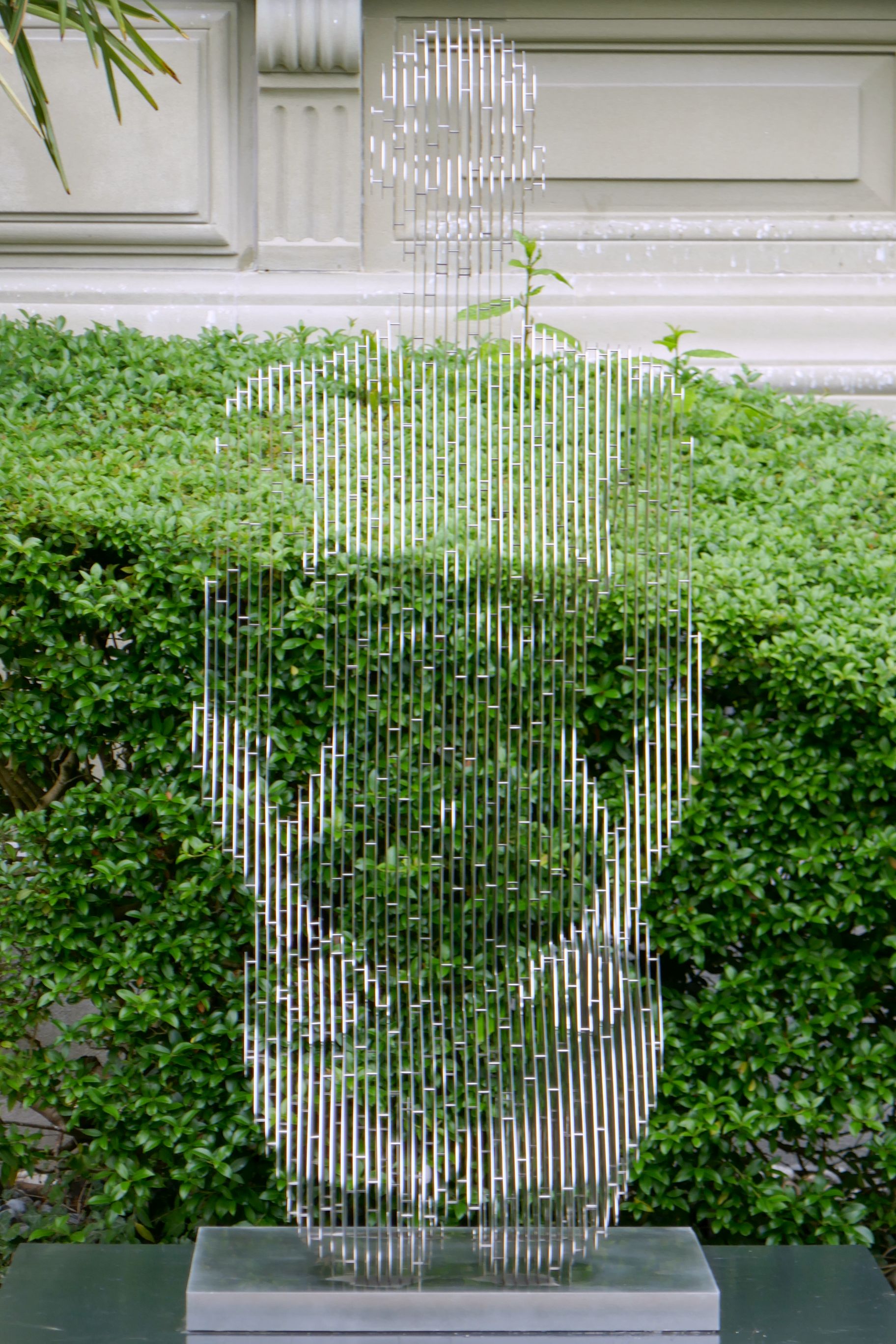
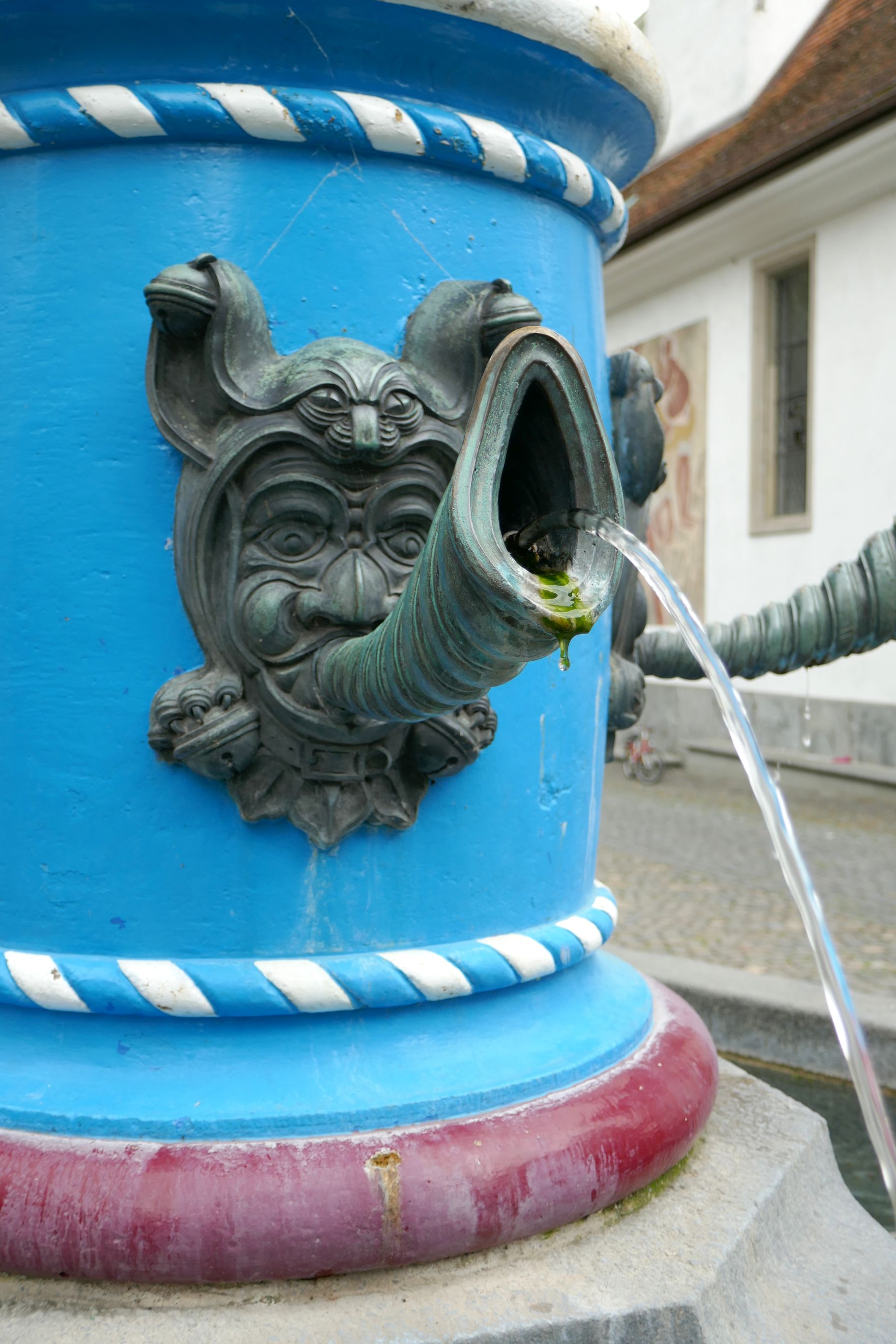
Words can’t possibly describe what I thought of this fountain! What the ???
Located southwest of Lucerne, Bern would be about a 70-minute drive if you didn’t stop. But, what’s the fun in that? There is so much to see in Switzerland, and Overseas Adventure Travel plans tours to include visiting small towns as well as cities. I love the character and charm of small towns, so I looked forward to the day.
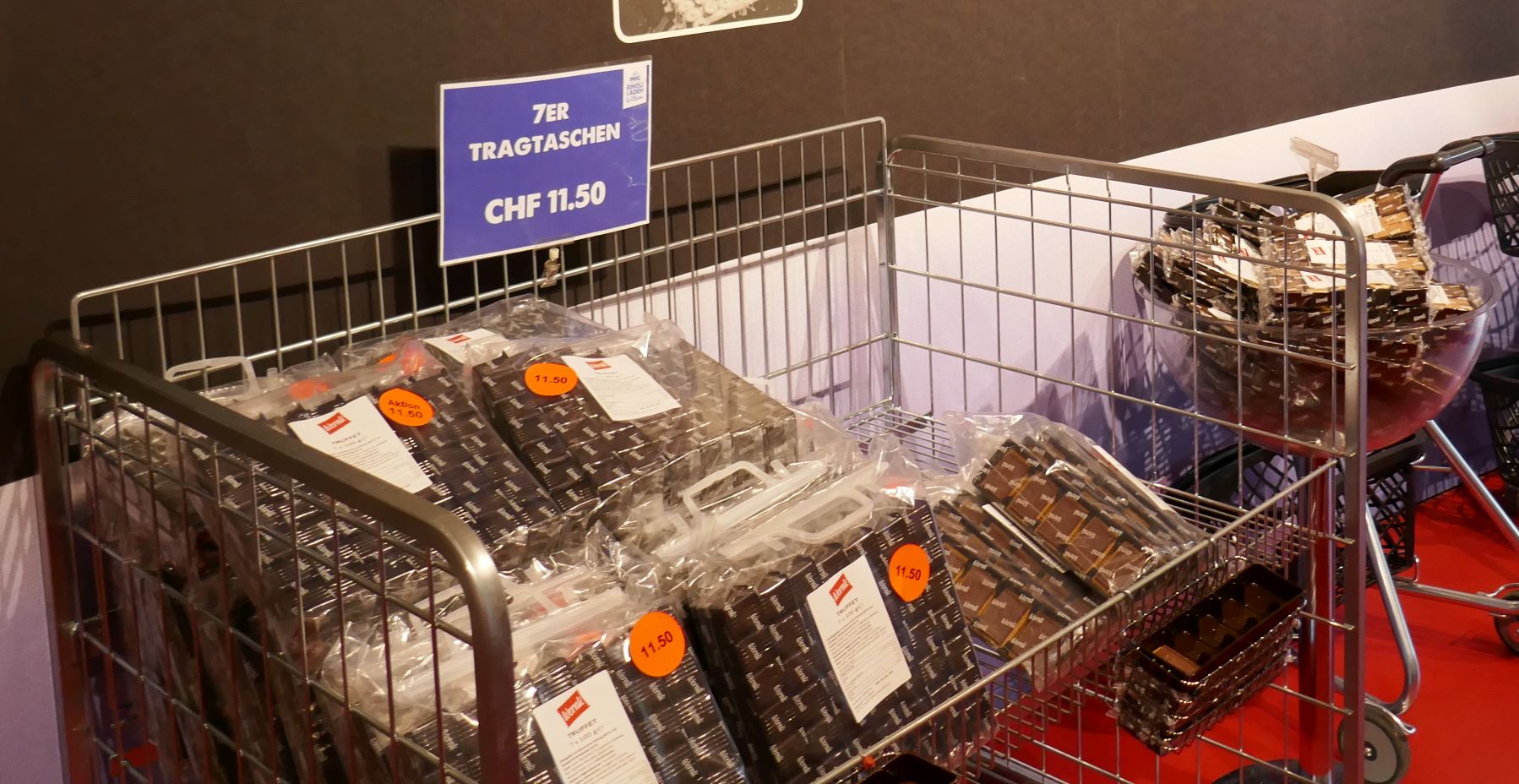
We had just eaten breakfast, but the first stop was at the Hug Familie Bakery where we were able to sample all the baked cookies and crackers they sell and purchase them at outlet prices. I knew I was in trouble when I sampled the first chocolate-covered biscuits I saw when we walked in. I should have skipped breakfast. Those first biscuits were so good that we didn’t hesitate to buy one of these packages. And, then I kept sampling. The empty insulated chocolate bag I brought with me from home was filling up fast…
(For all photos, click on the image for a full screen view.)
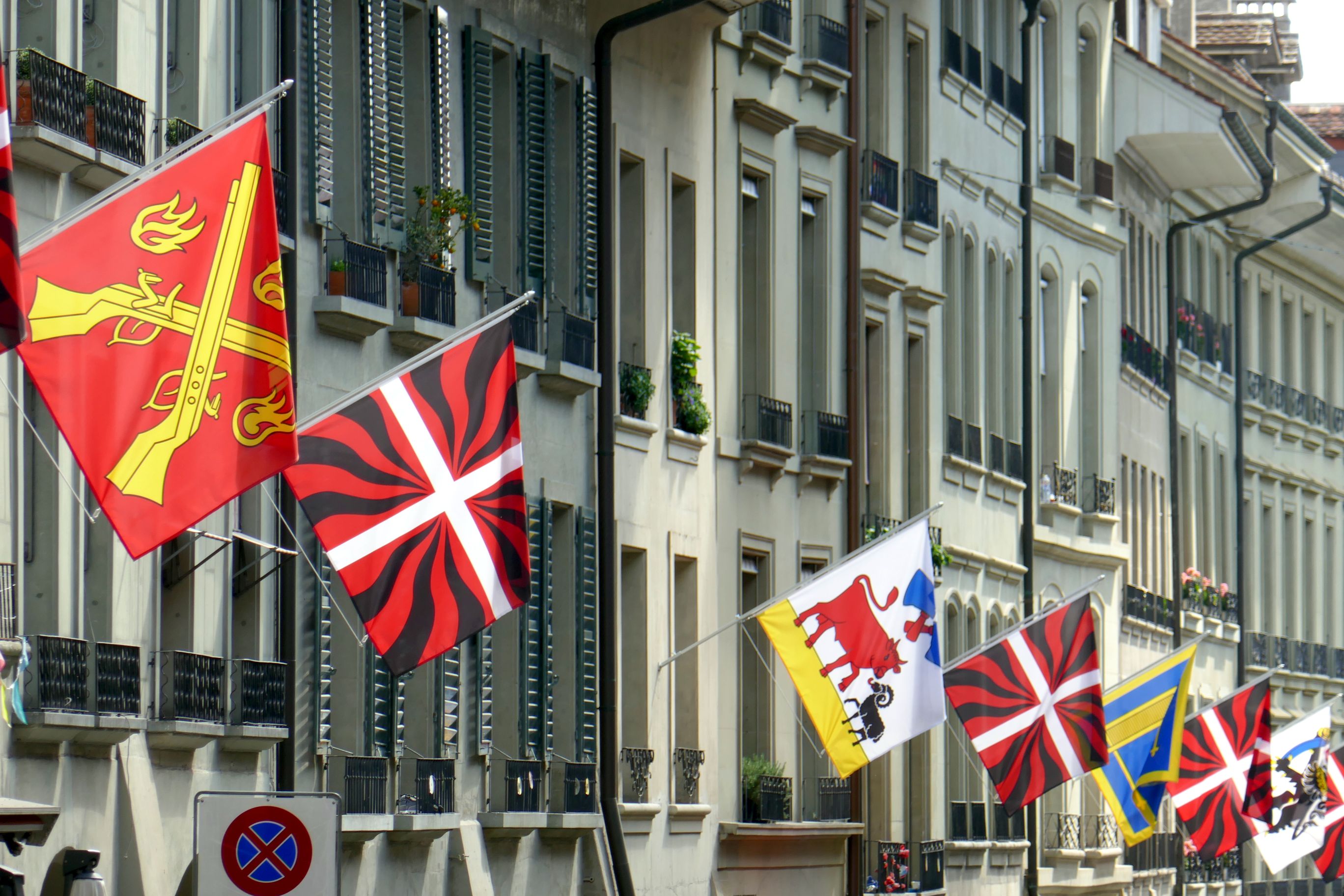
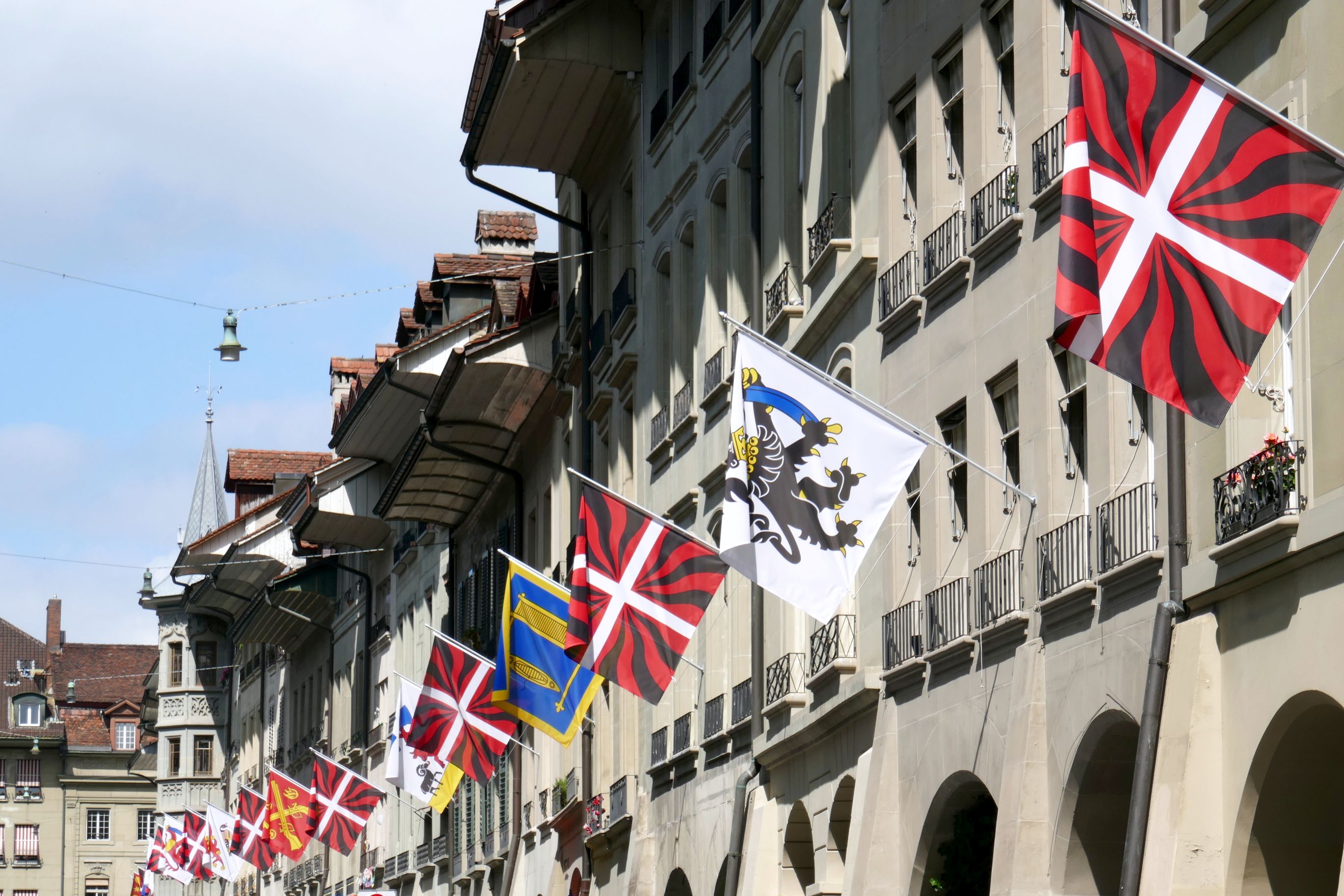
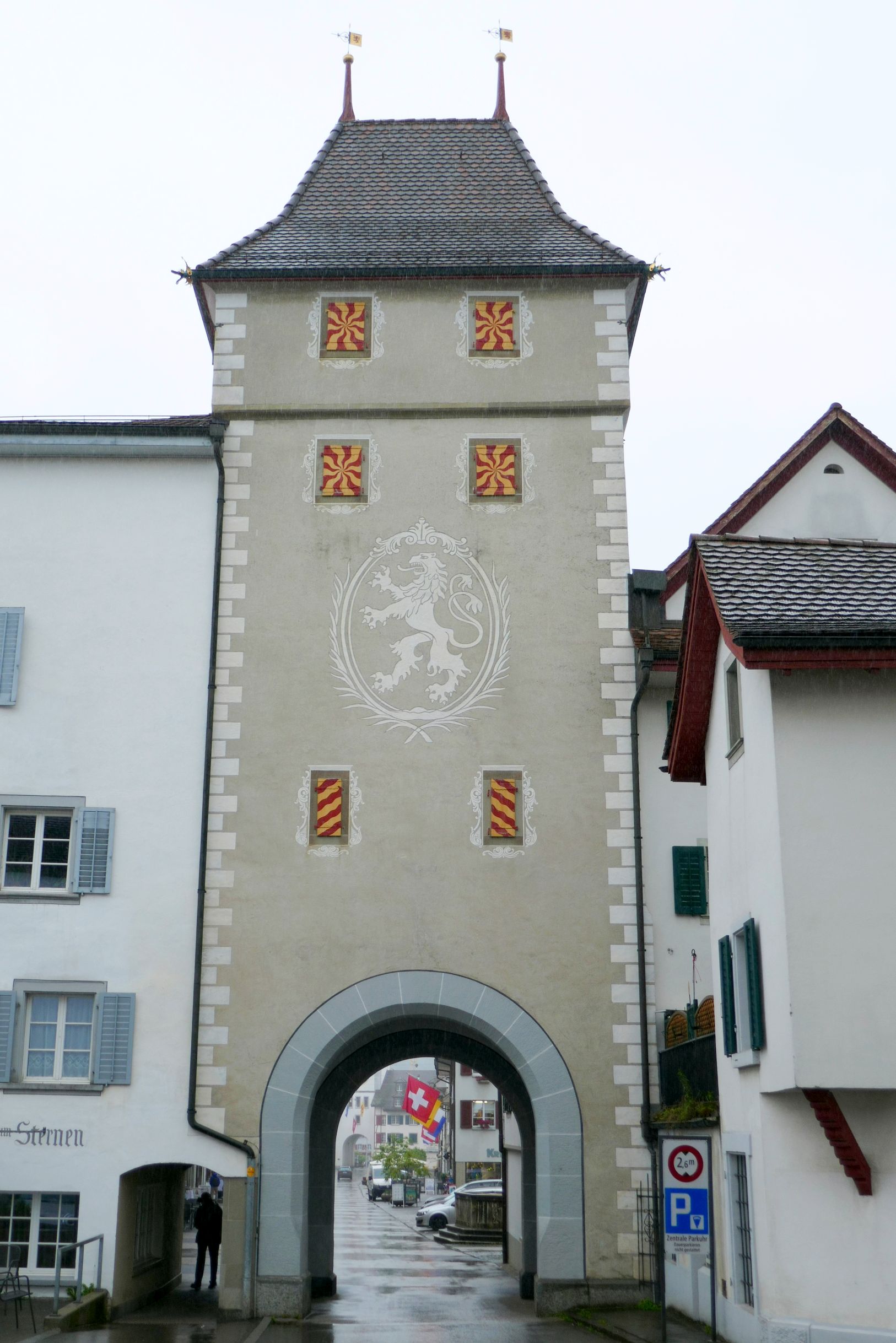
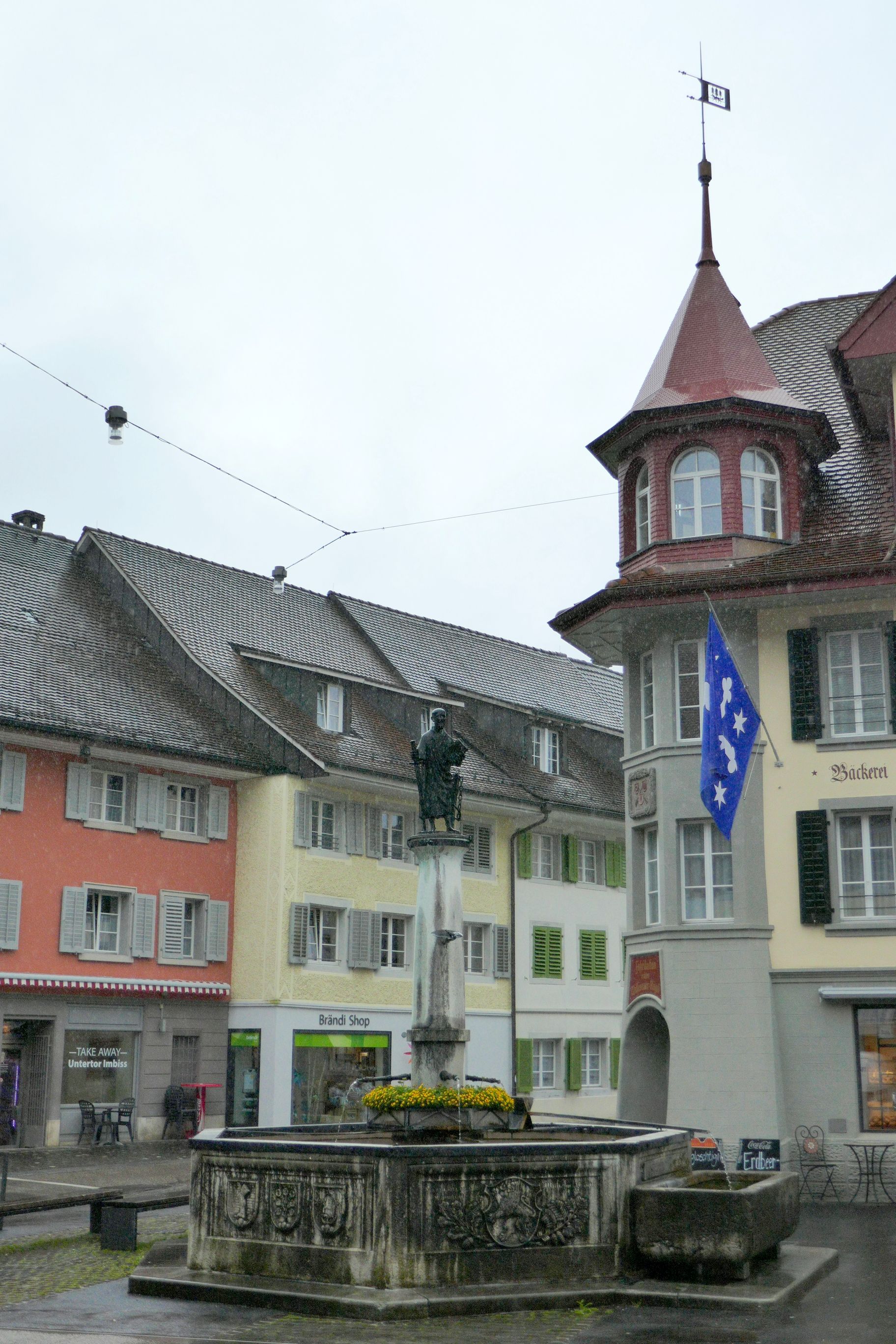
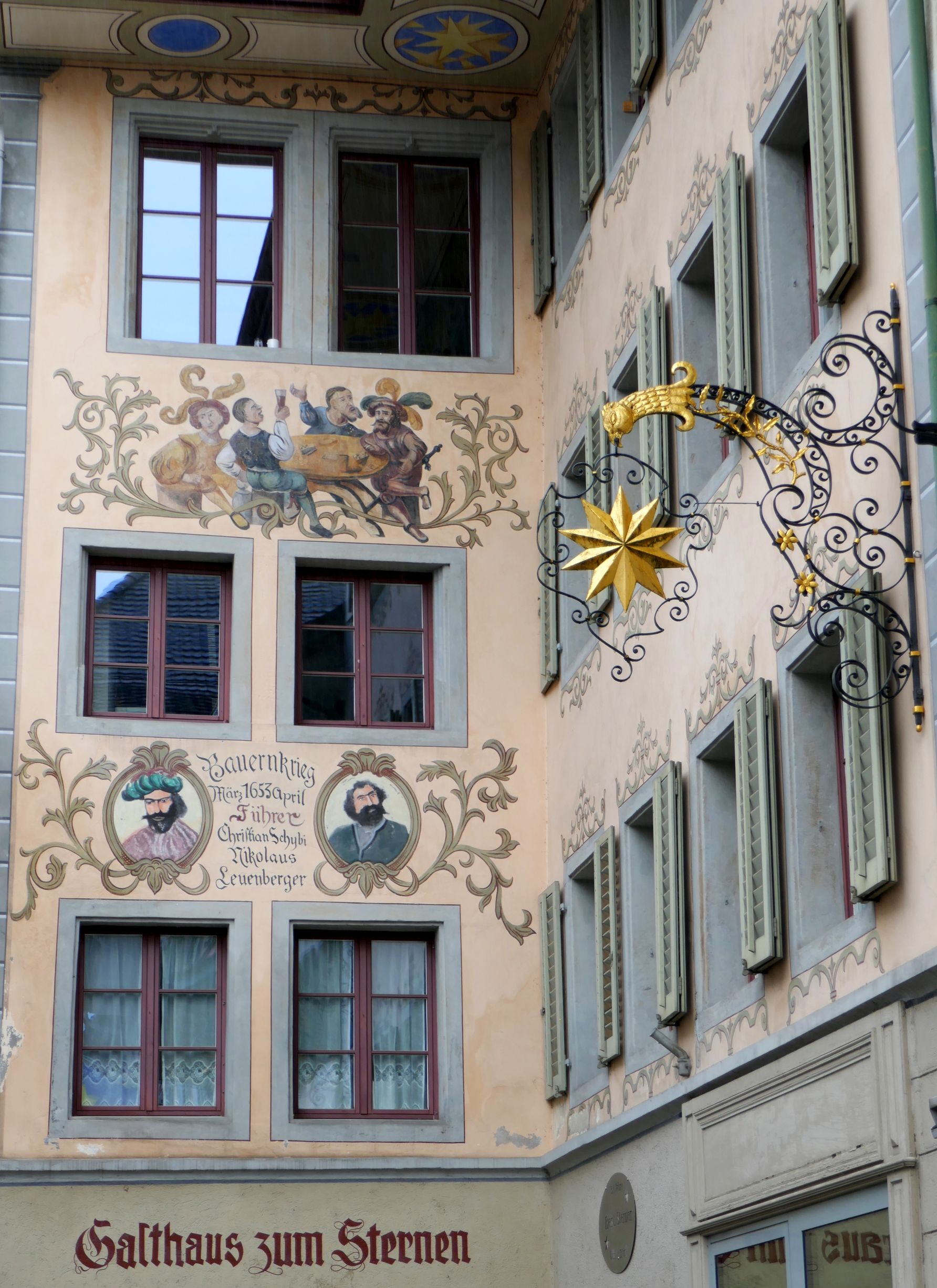
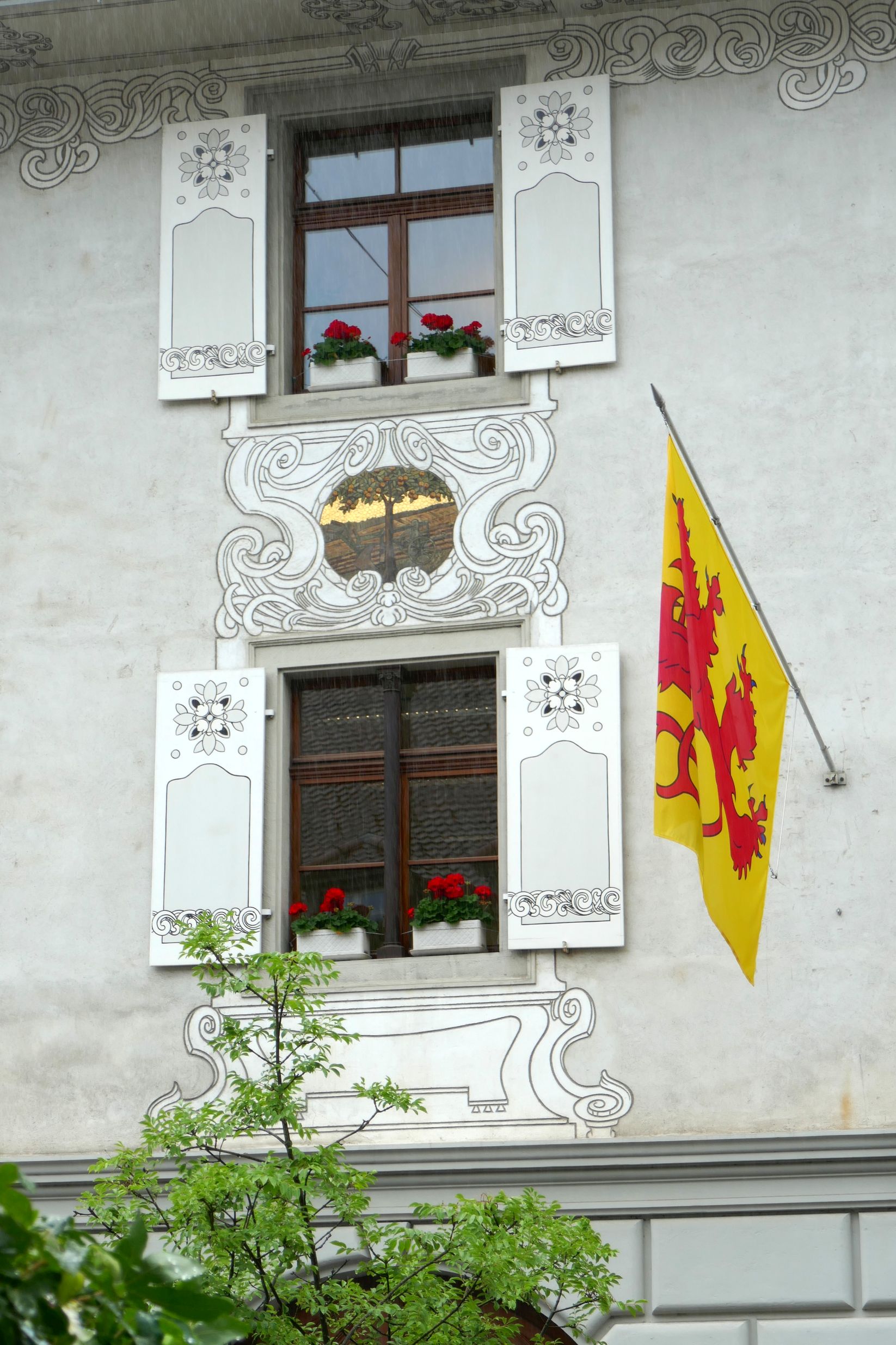
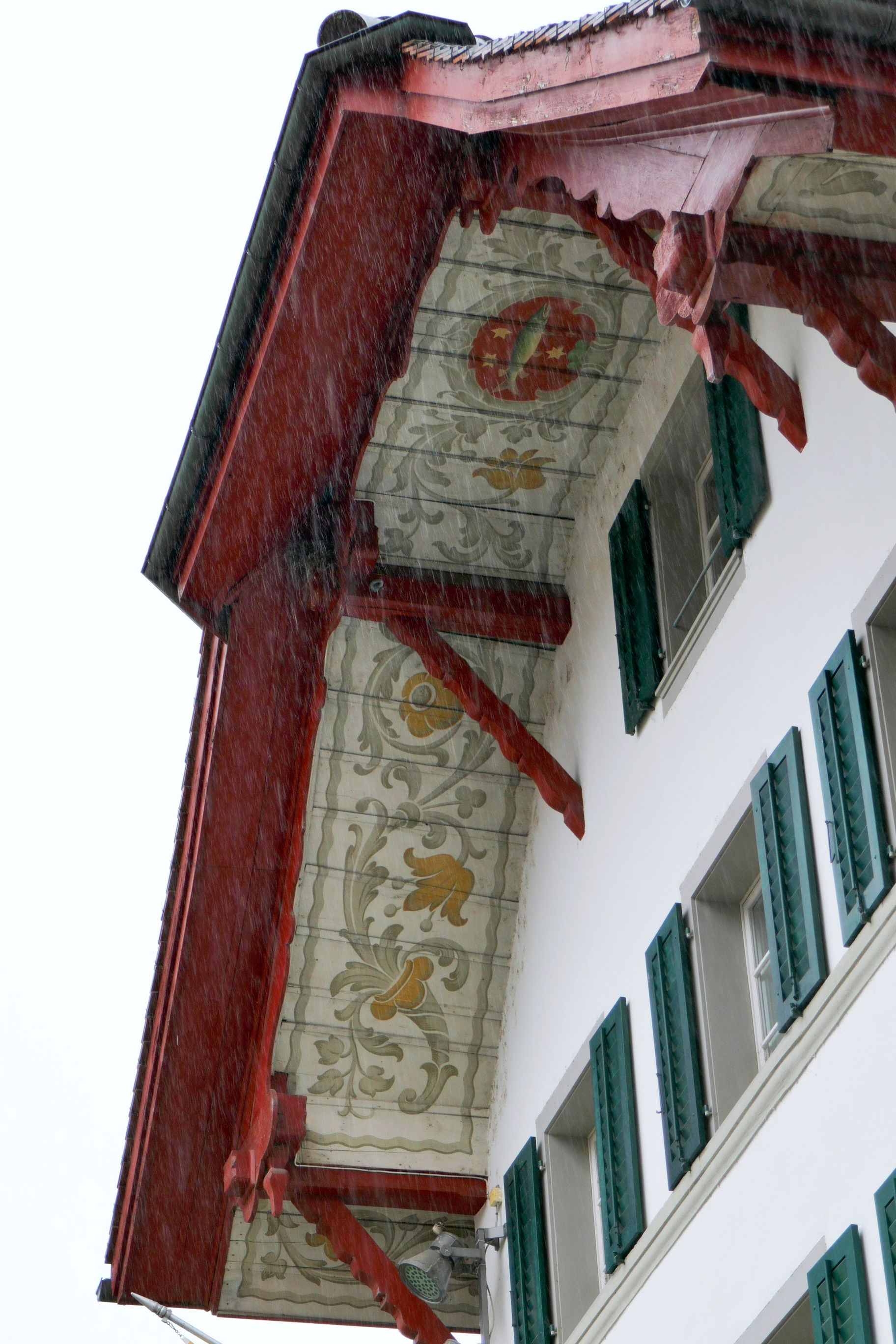
The town of Willisau was our next stop for a walking tour of the main street and cemetery. This town oozed with charm, especially all of the colorful flags! It’s no wonder the entire town is part of the Inventory of Swiss Heritage Sites.
It was raining, but it was worth getting my lens wet for this!
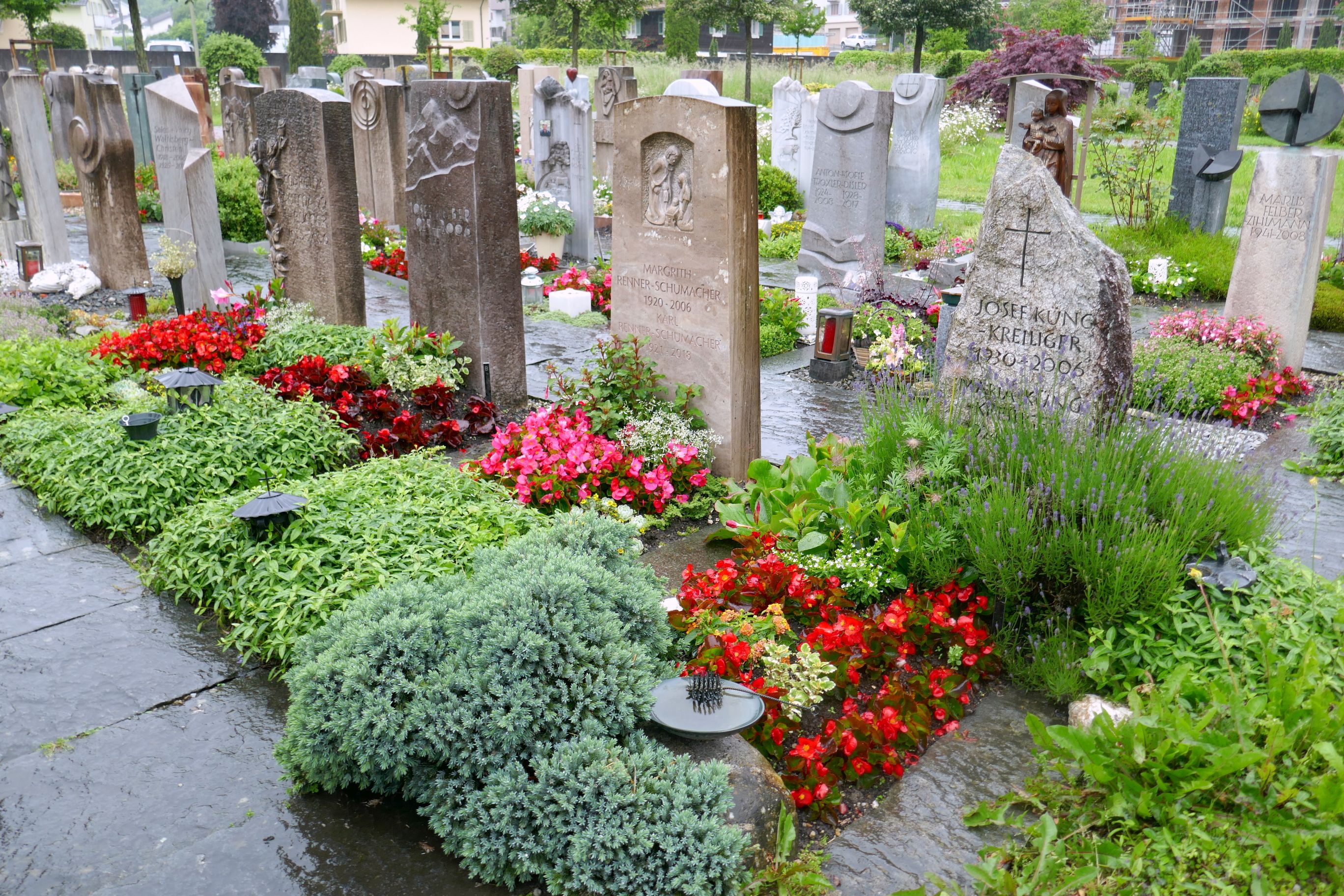
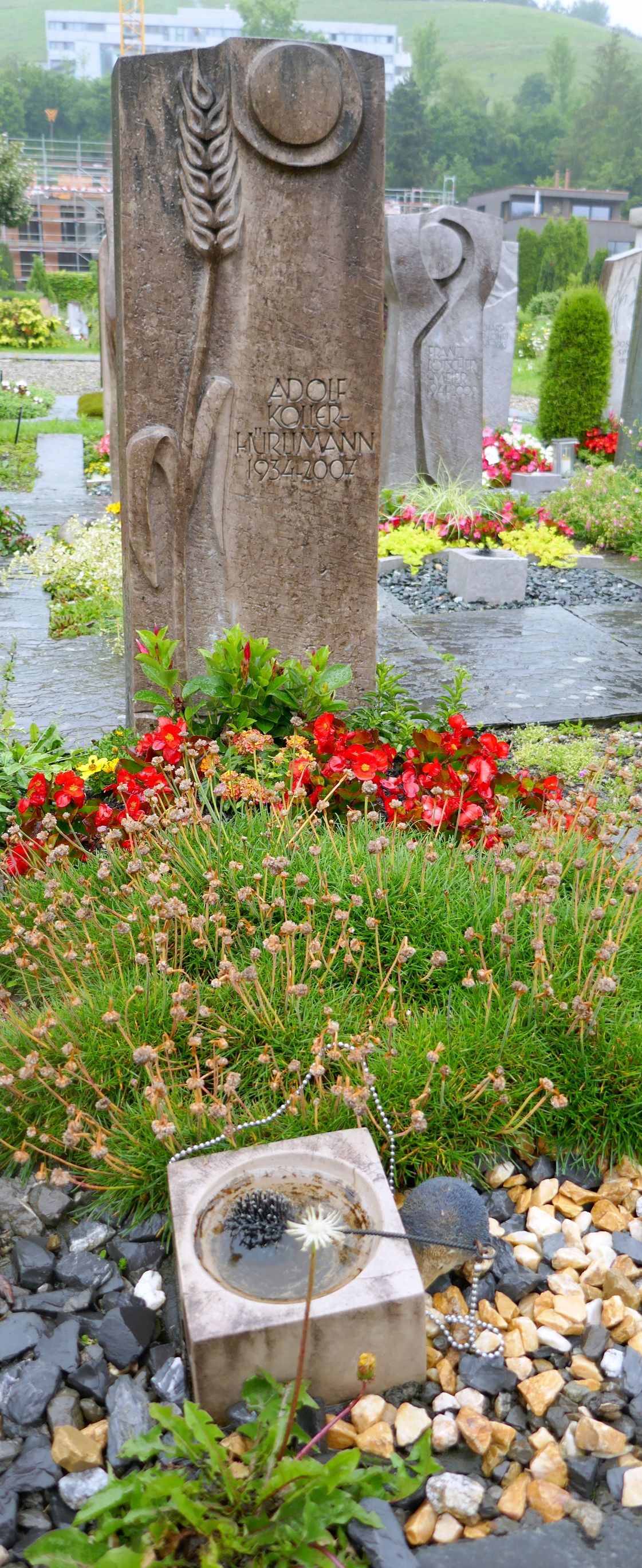
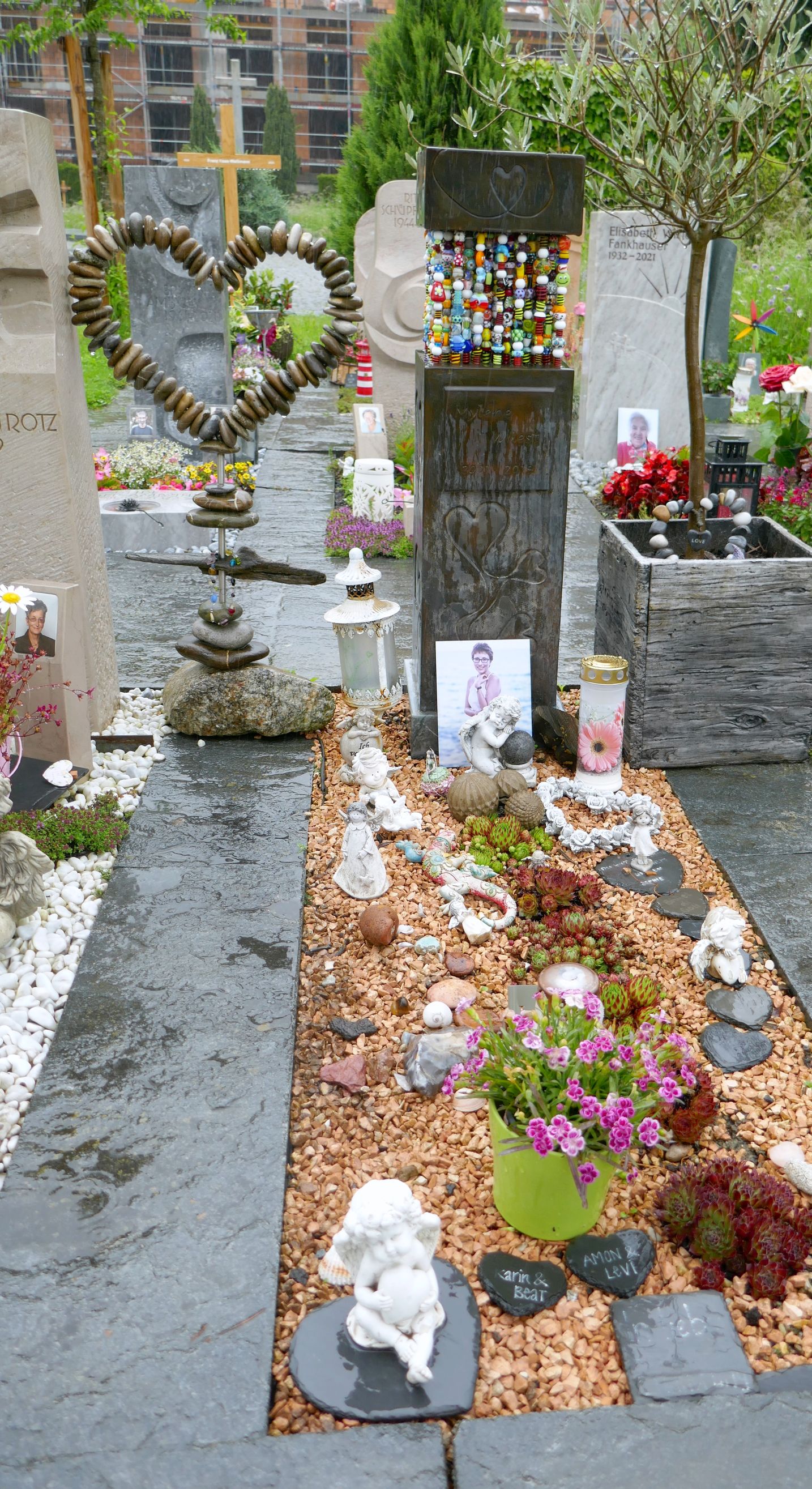
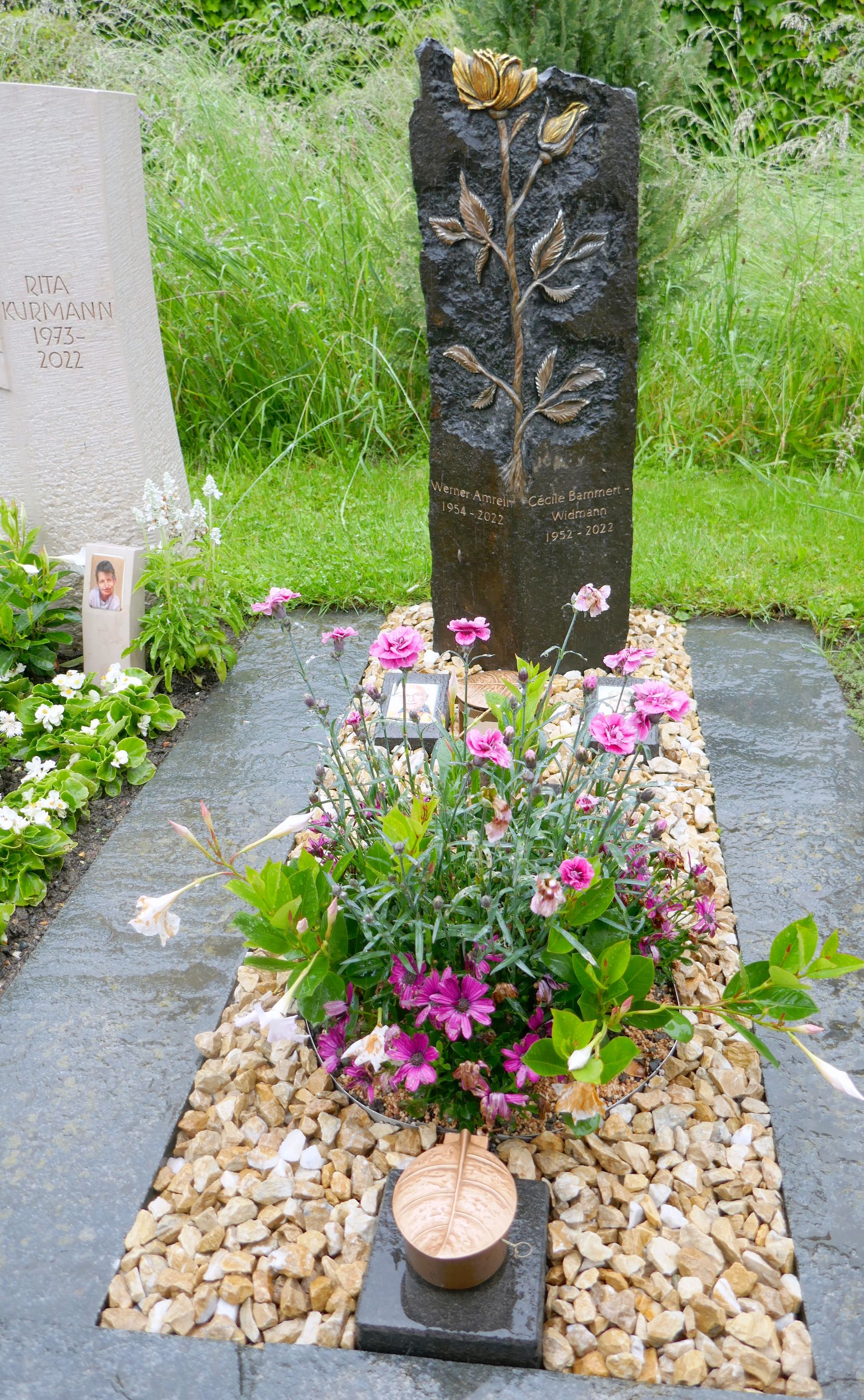
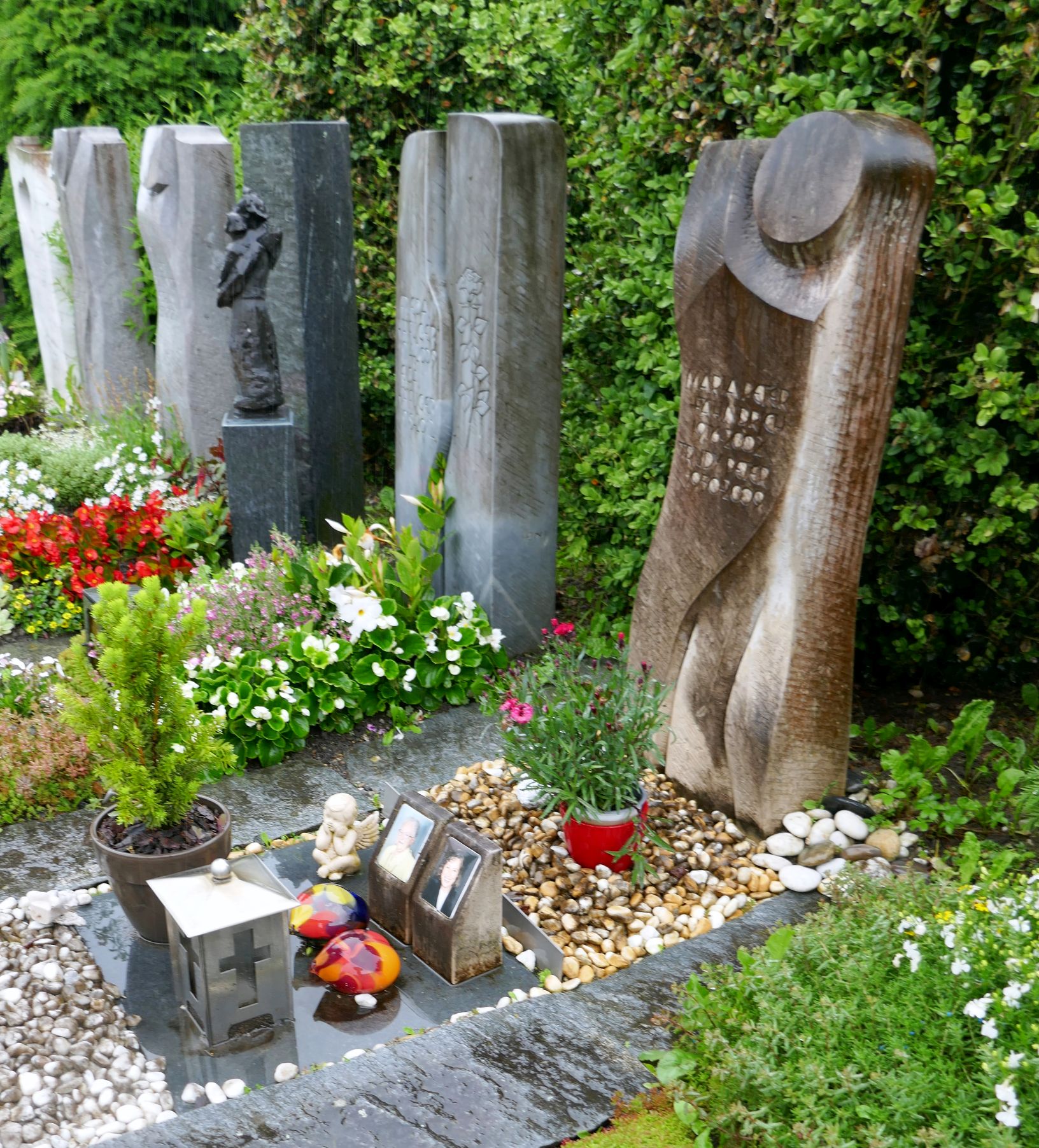
If you are wondering why on earth our walking tour would include a cemetery, just look at these gorgeous plots! Nowhere have I seen such beauty and pride in modern cemetery plots, but our tour leader, Susy, told us they are like this throughout Switzerland. I came across an interesting blog post about Swiss cemetaries here.
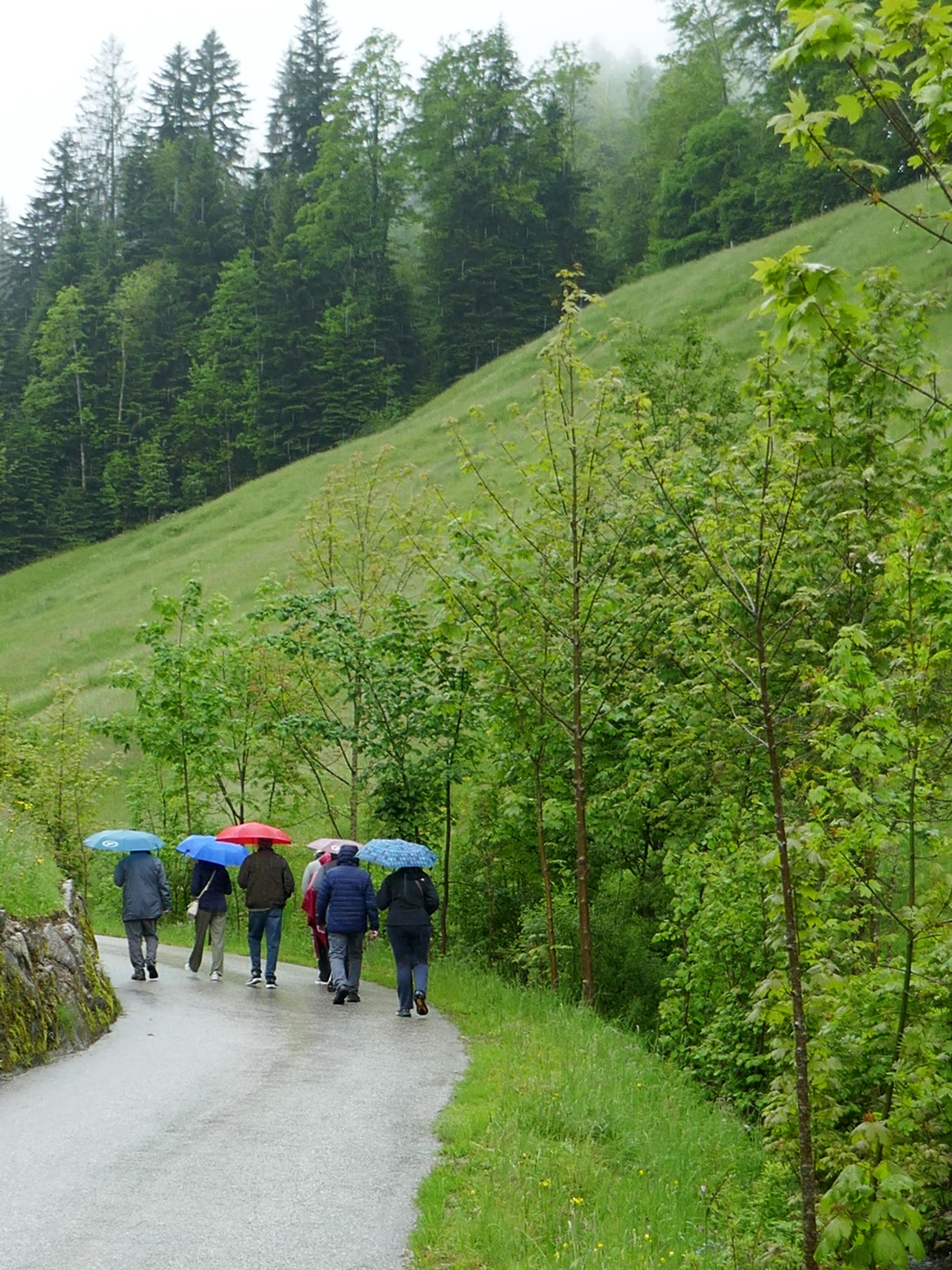
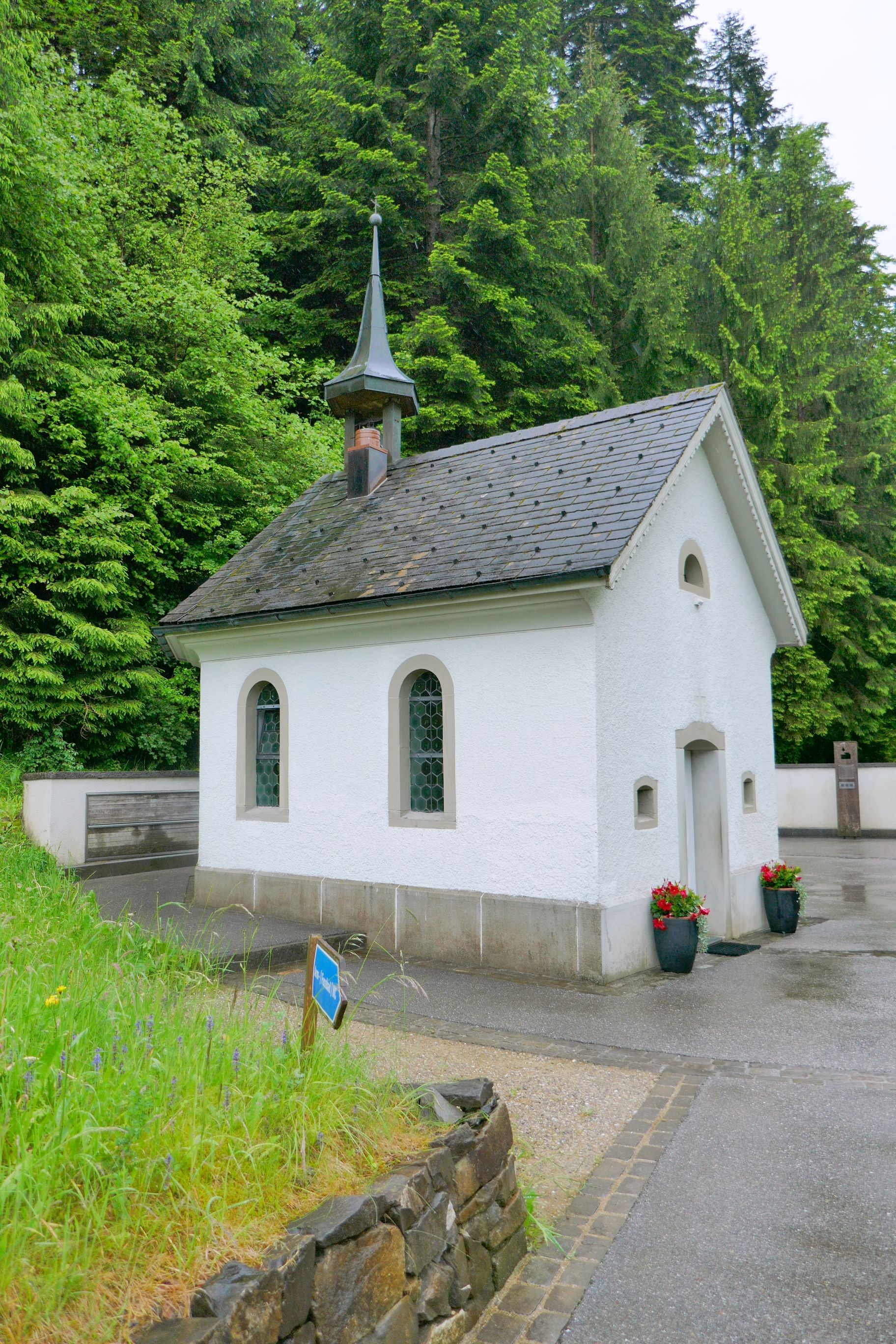
Next, we visited the tiny town of Luthern with it’s even tinier chapel. The walk along the river to our destination was lovely, even though it was raining. Surprisingly, the chapel was quite modern with beautiful stained glass windows and lit fused glass panels.
For lunch, the nine of us on the Switzerland pre-extension and Susy ate a cozy, traditional Swiss neighborhood restaurant full of old-world charm.
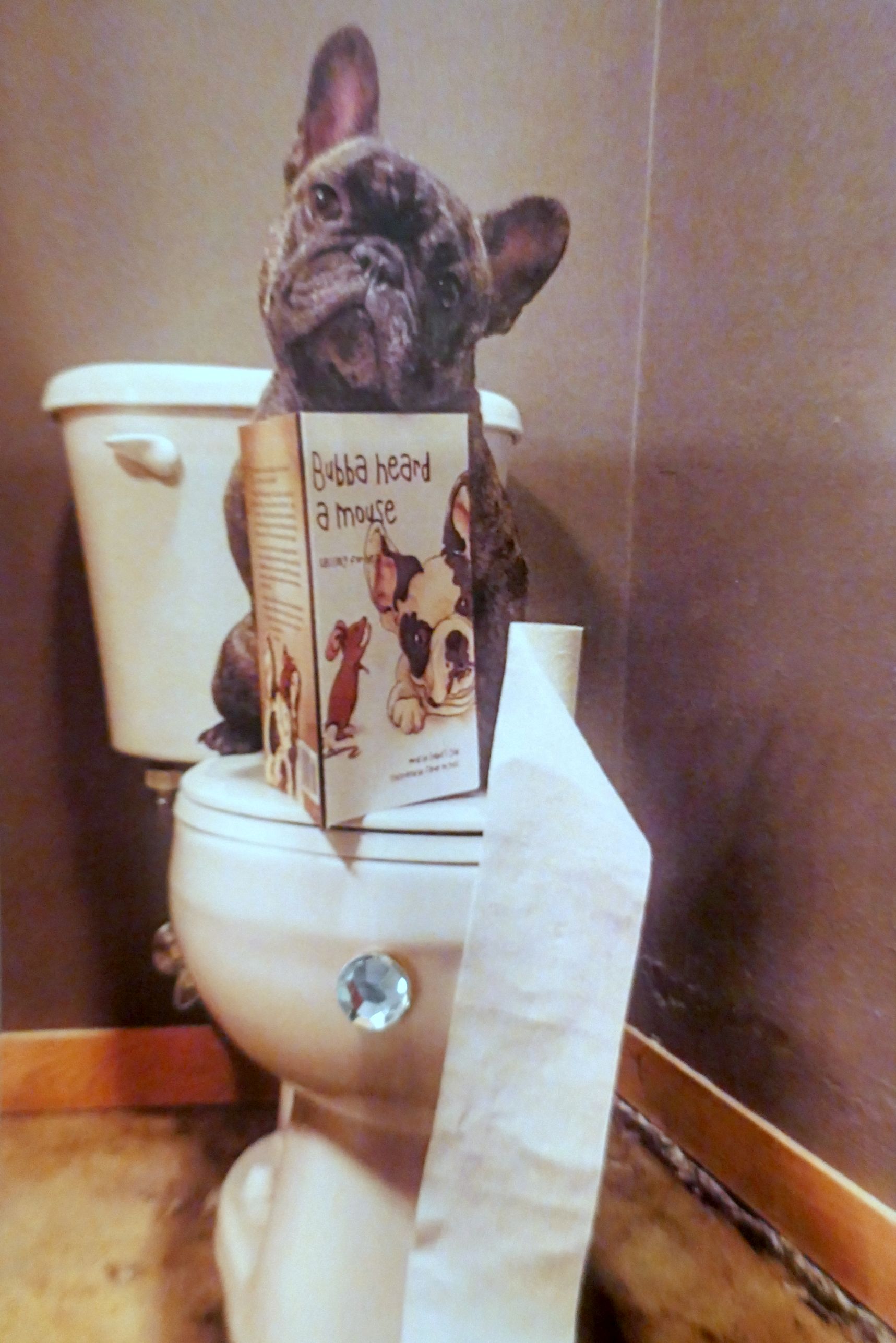
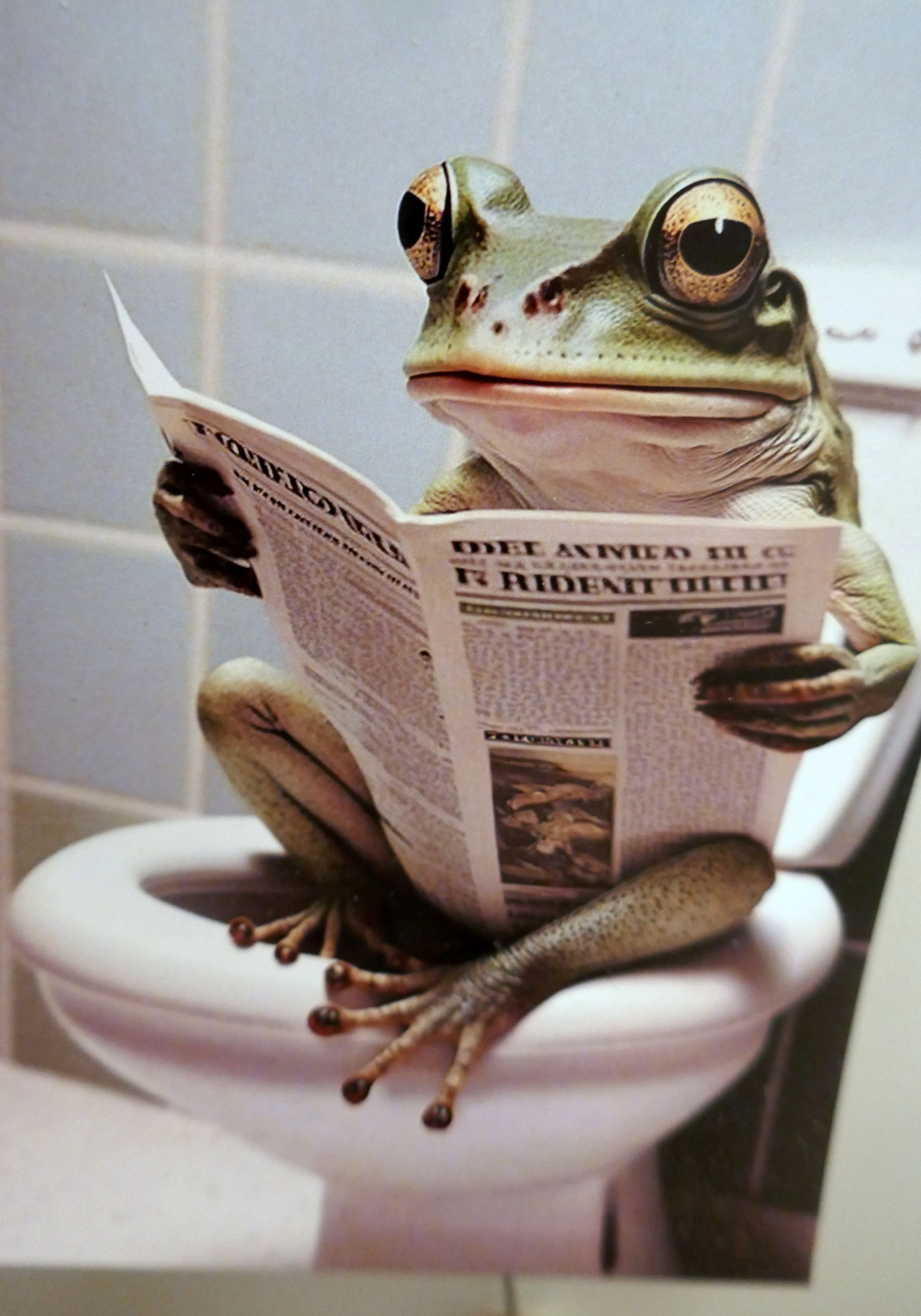
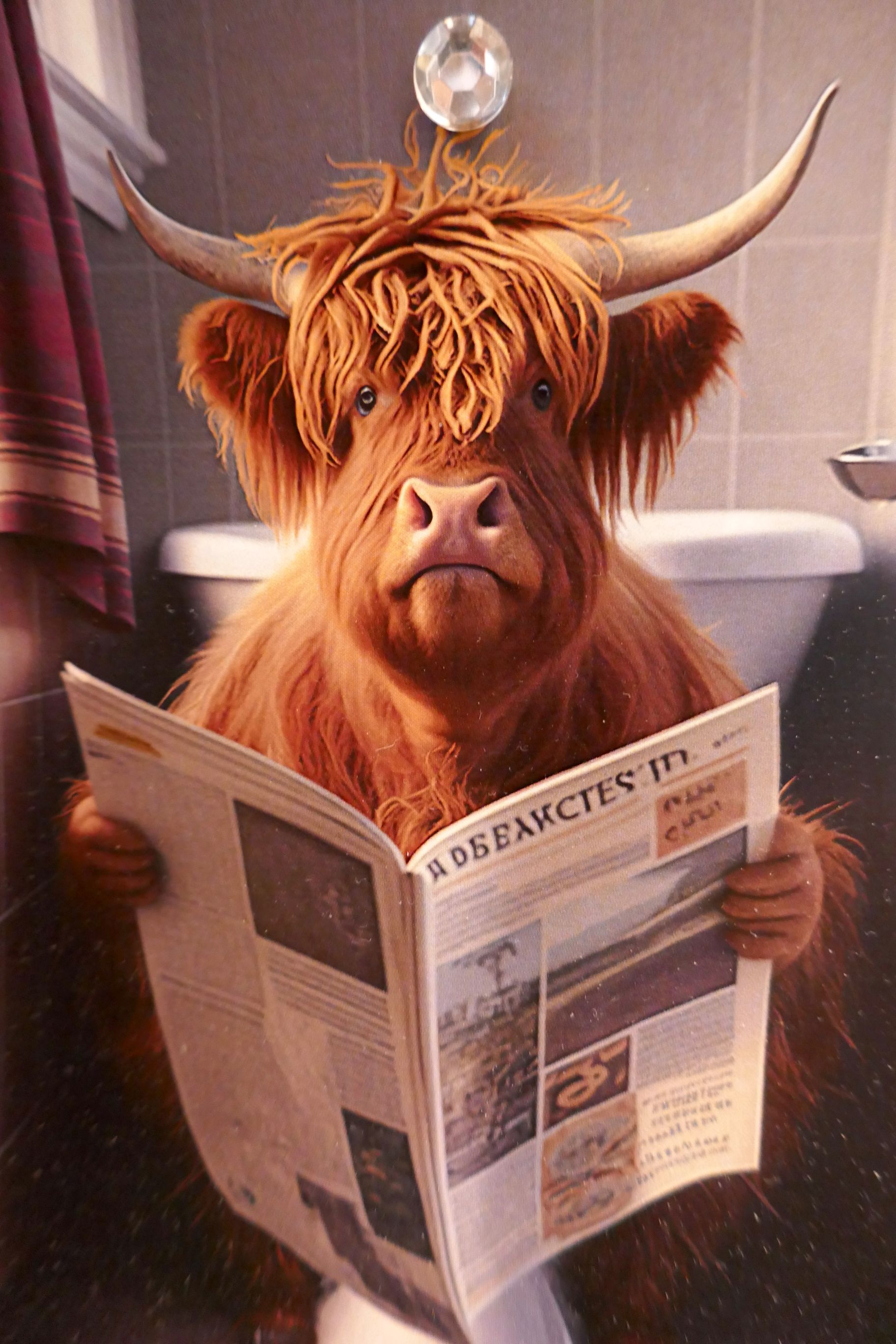
Imagine my surprise when I went to the WC (a.k.a. restroom) and saw these photos vertically strung on a metal cord and attached by magnets in each stall:
When word got back to the table, there was a mass exodus to go see what all the laughter was about. The men’s room had them as well.
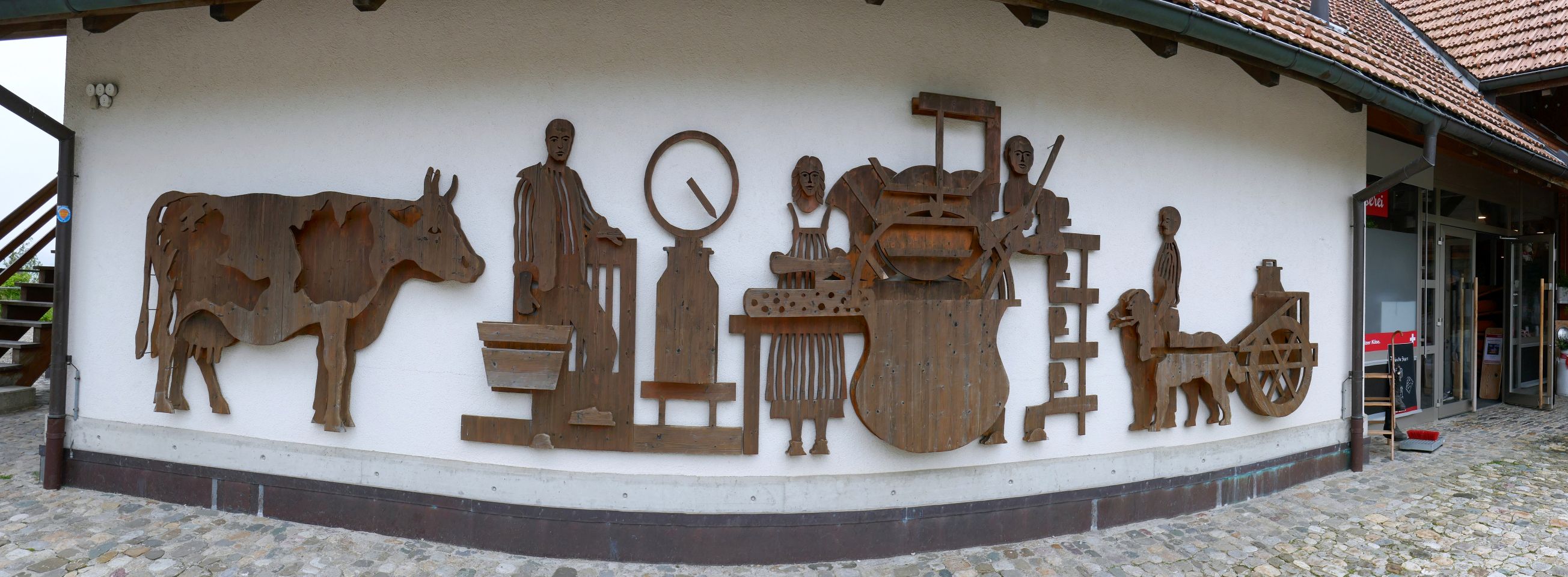
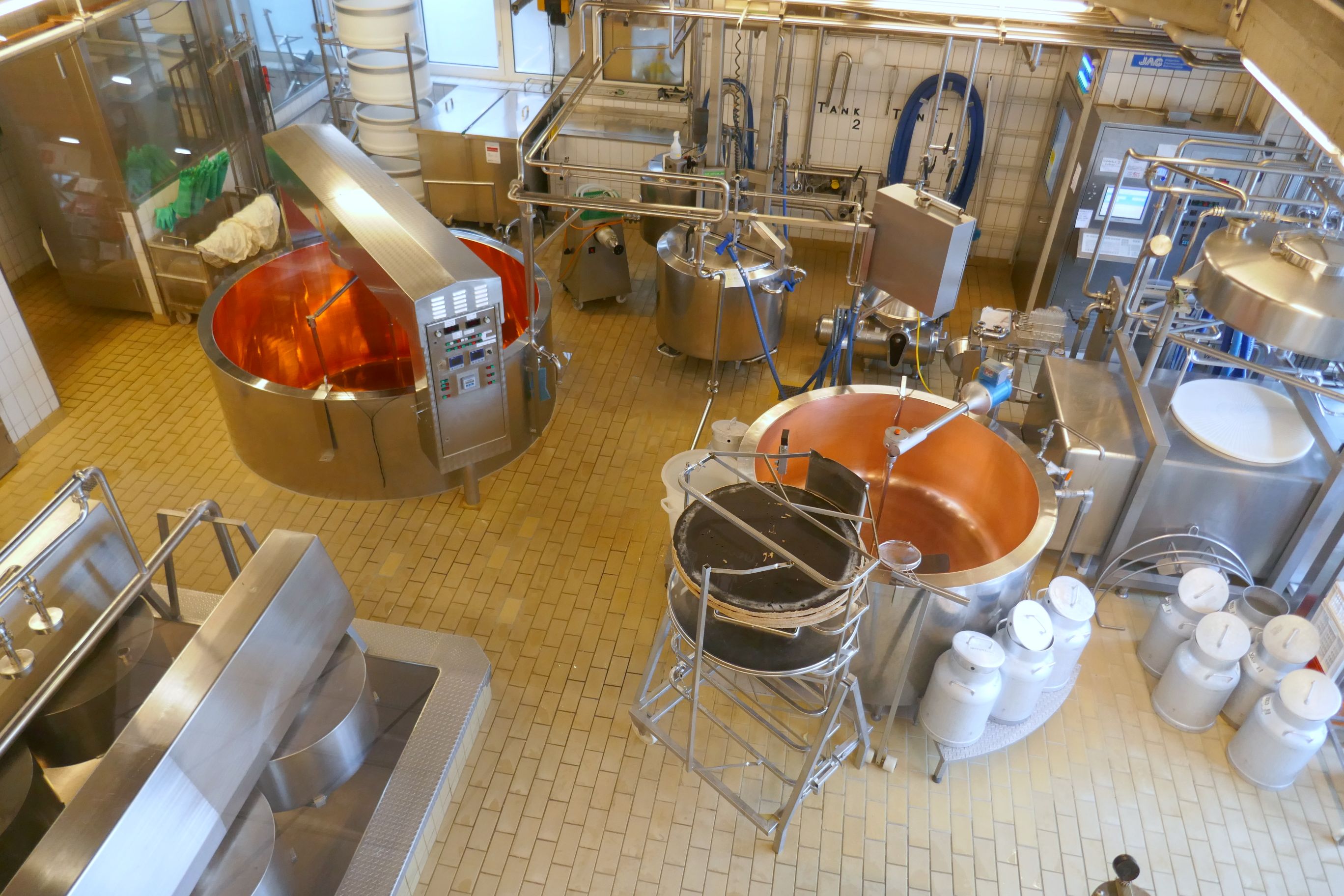
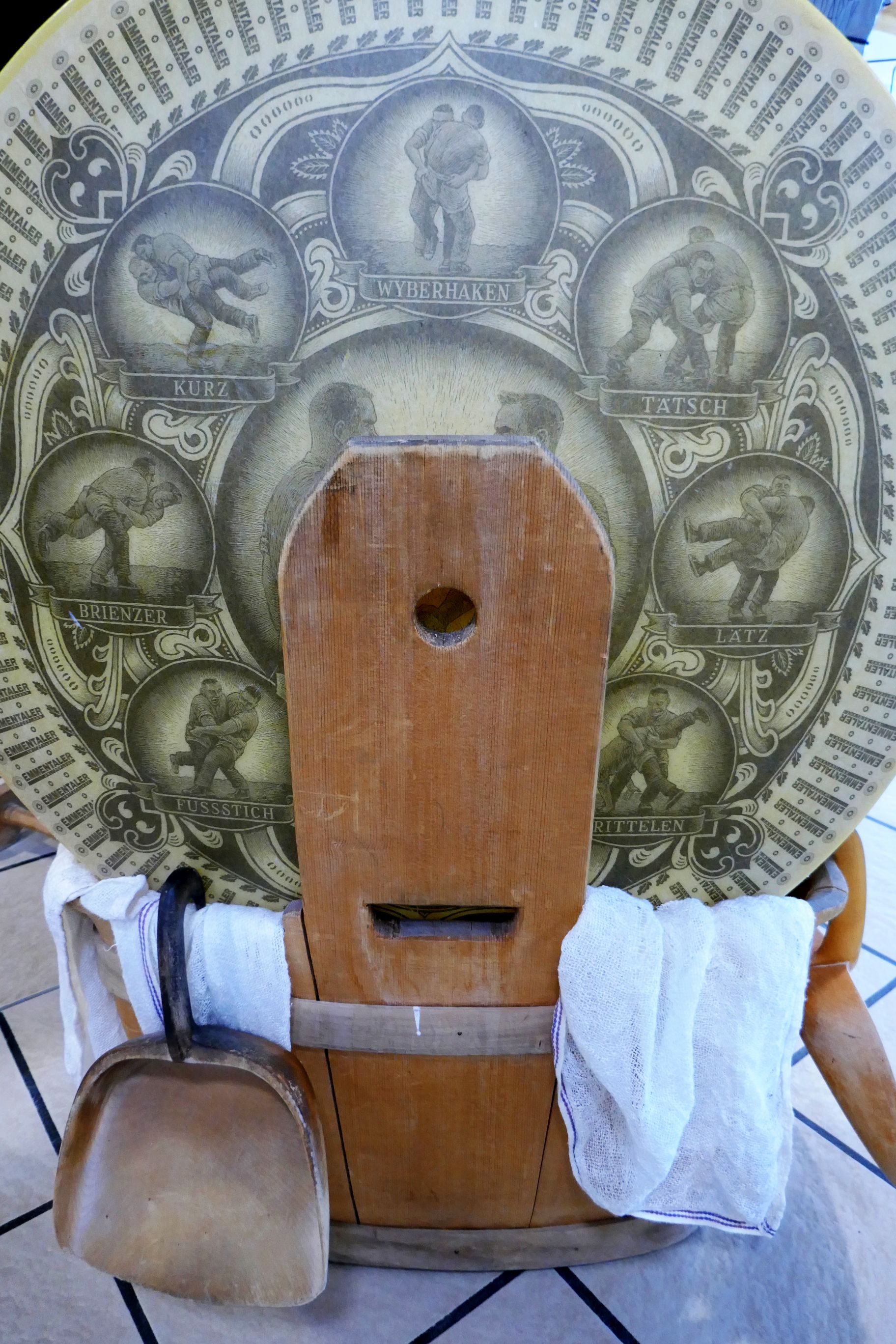
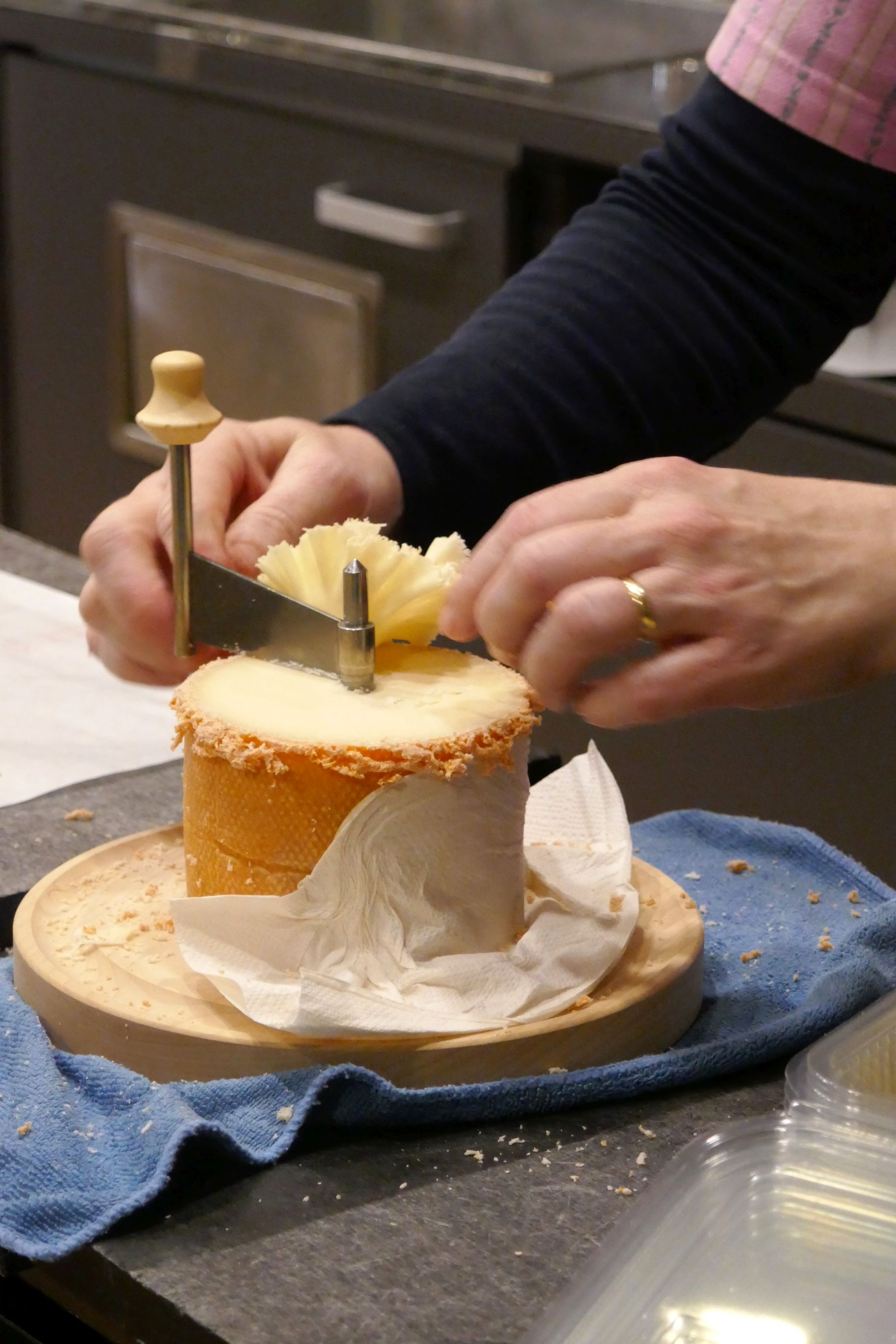
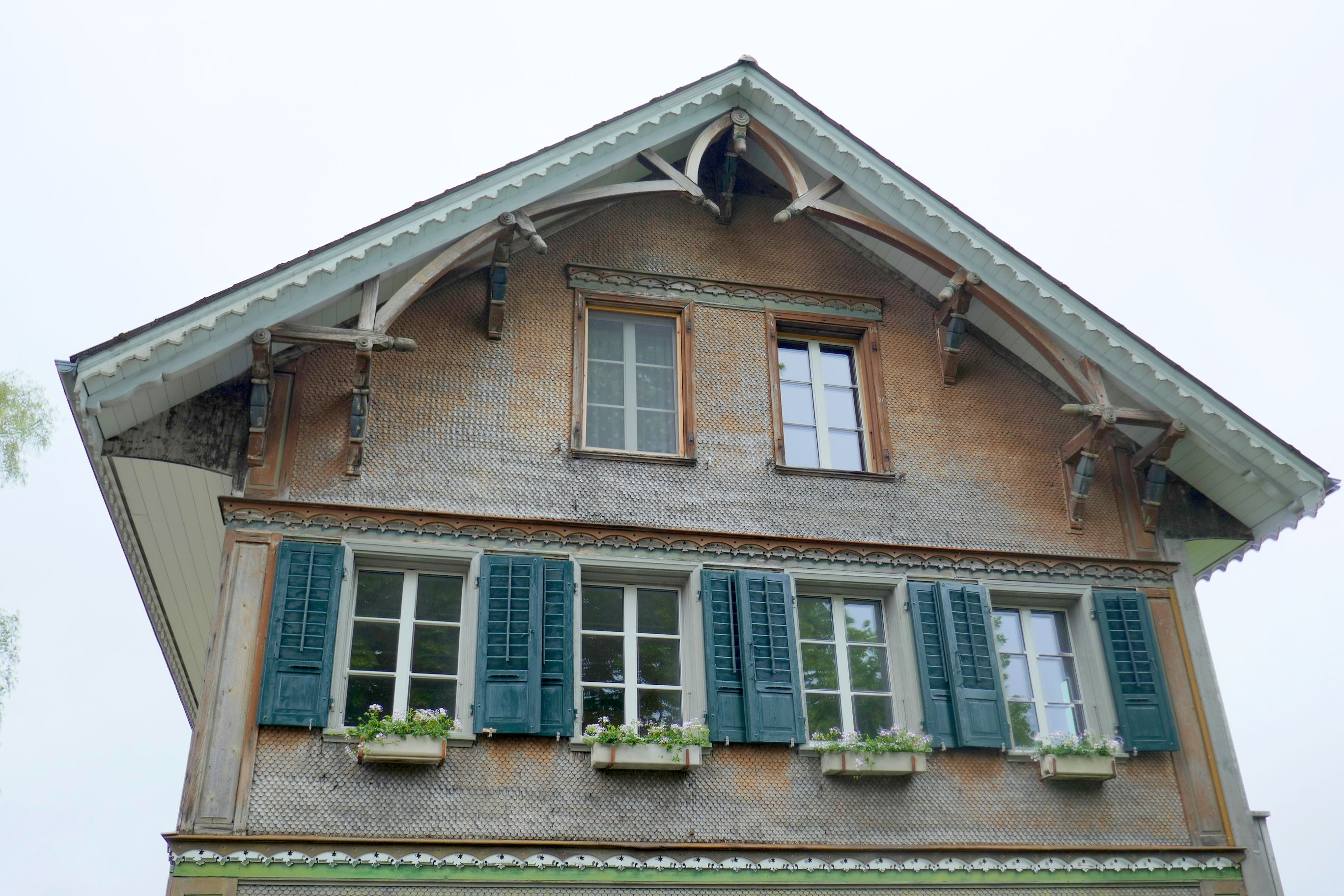
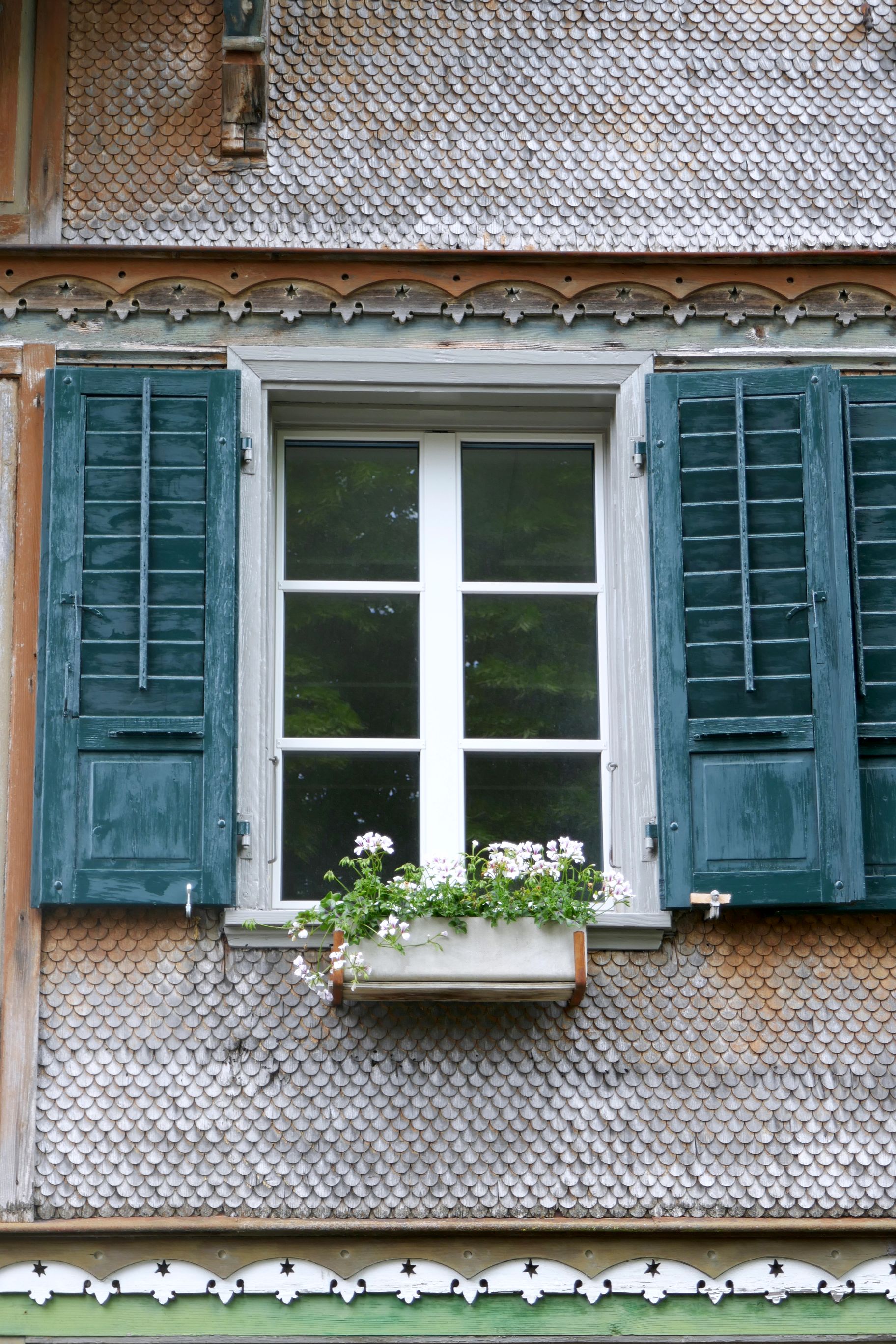
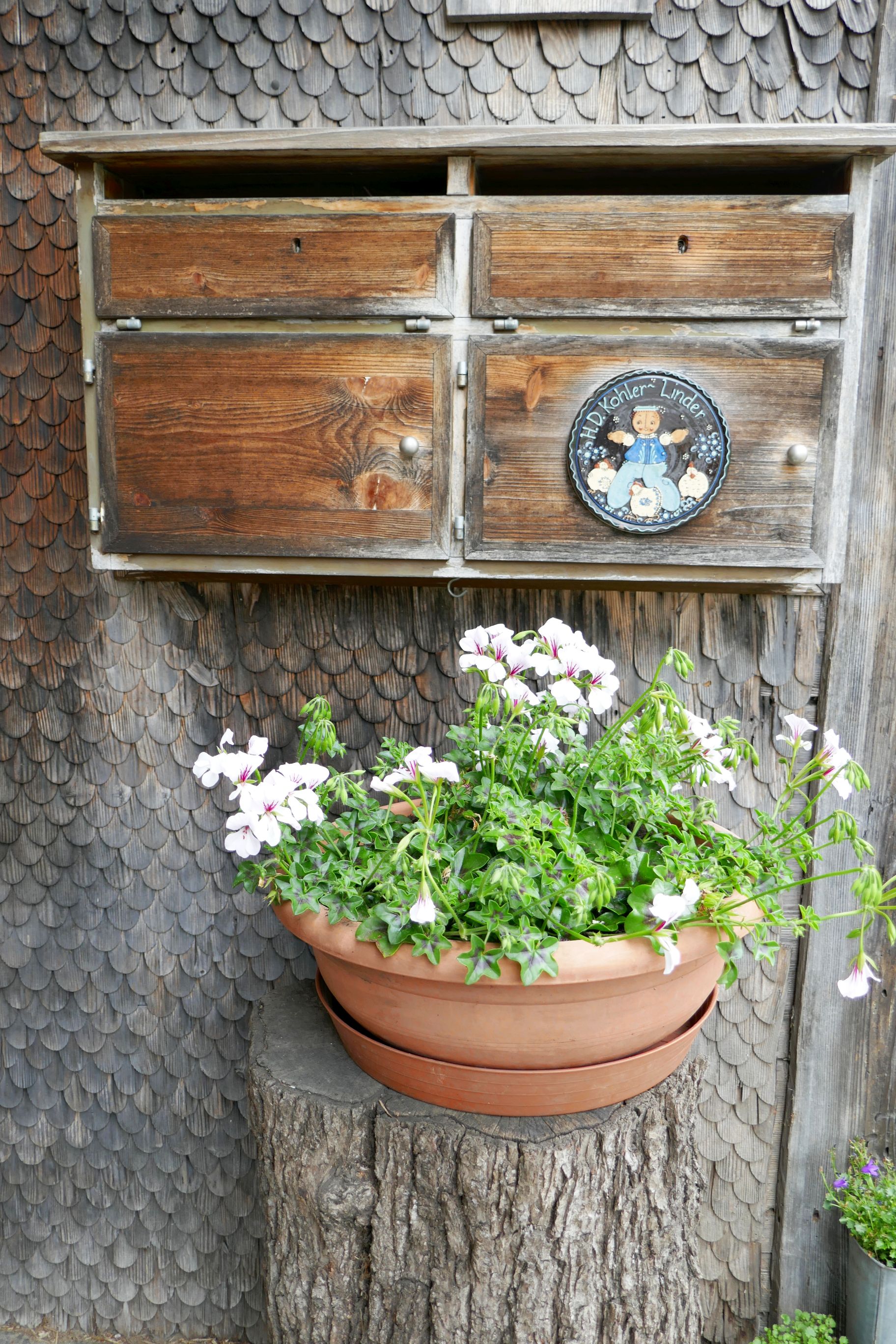
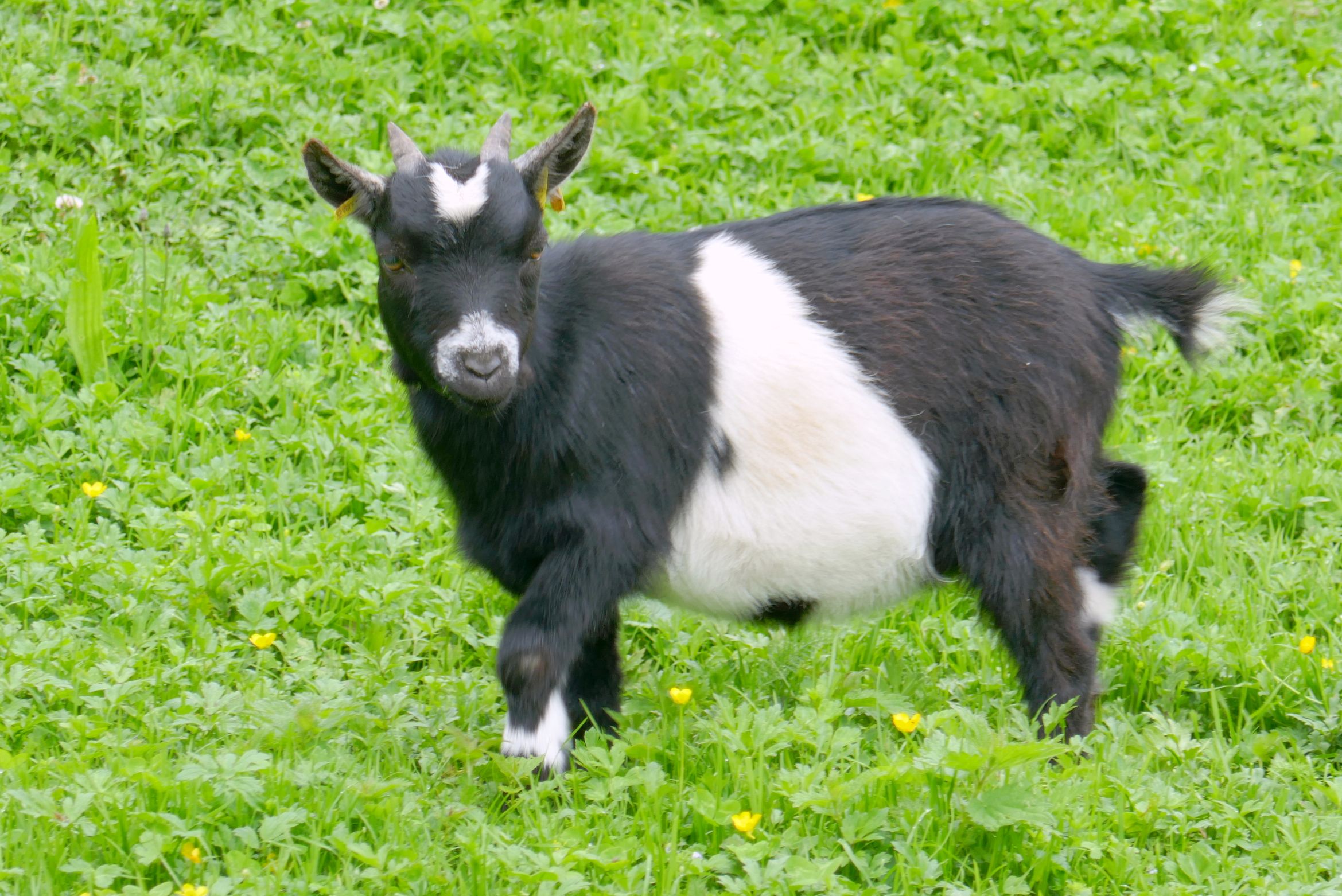
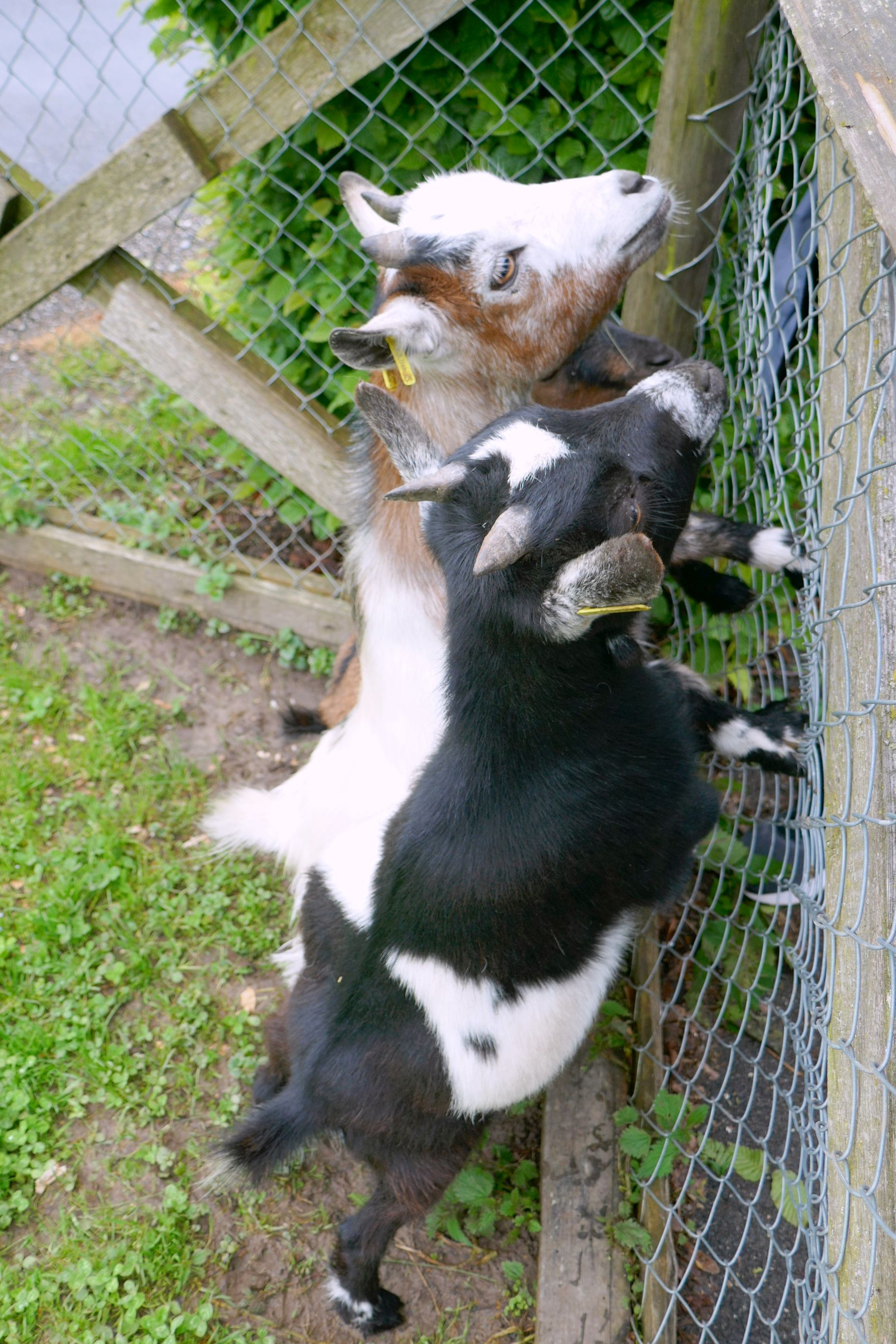
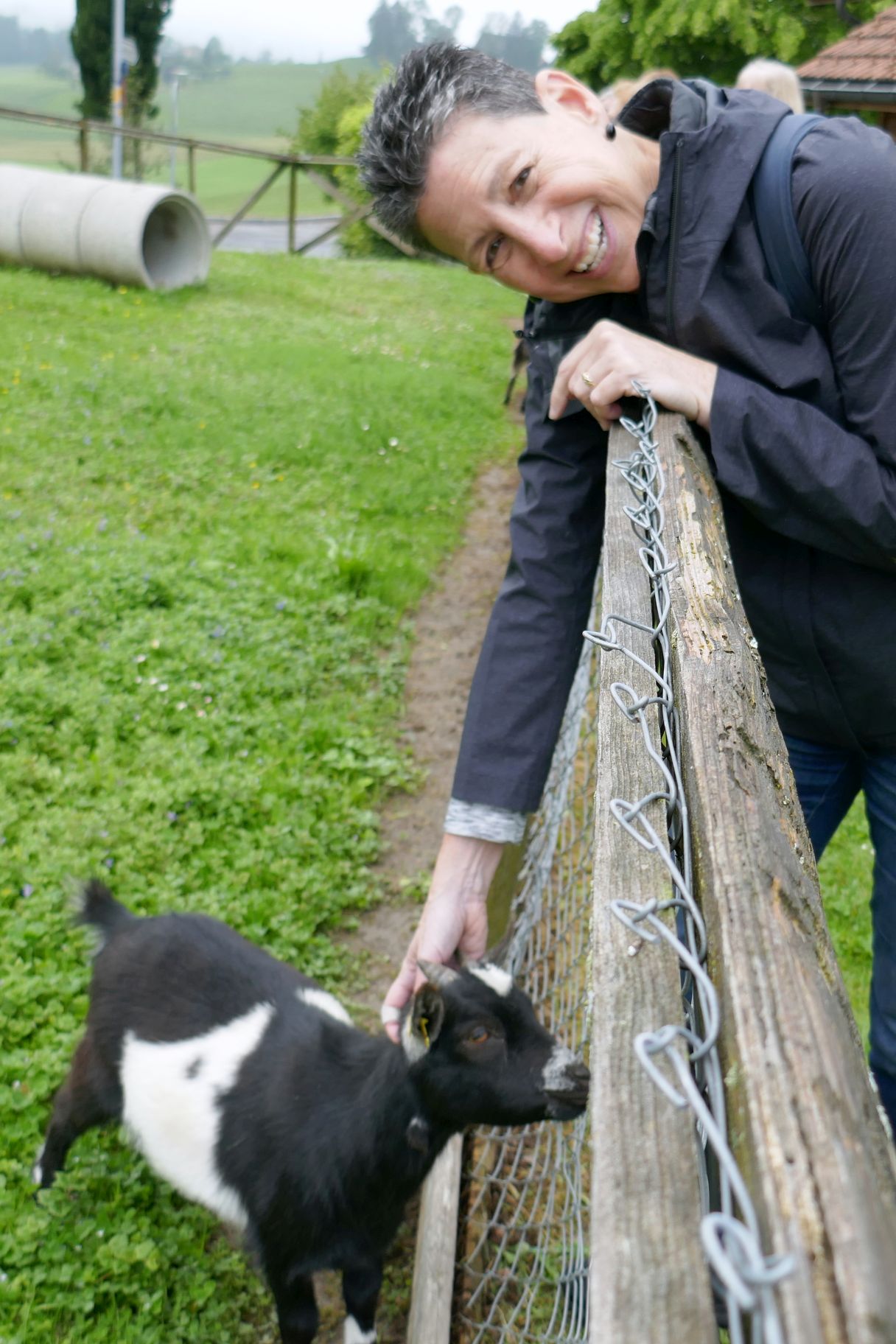
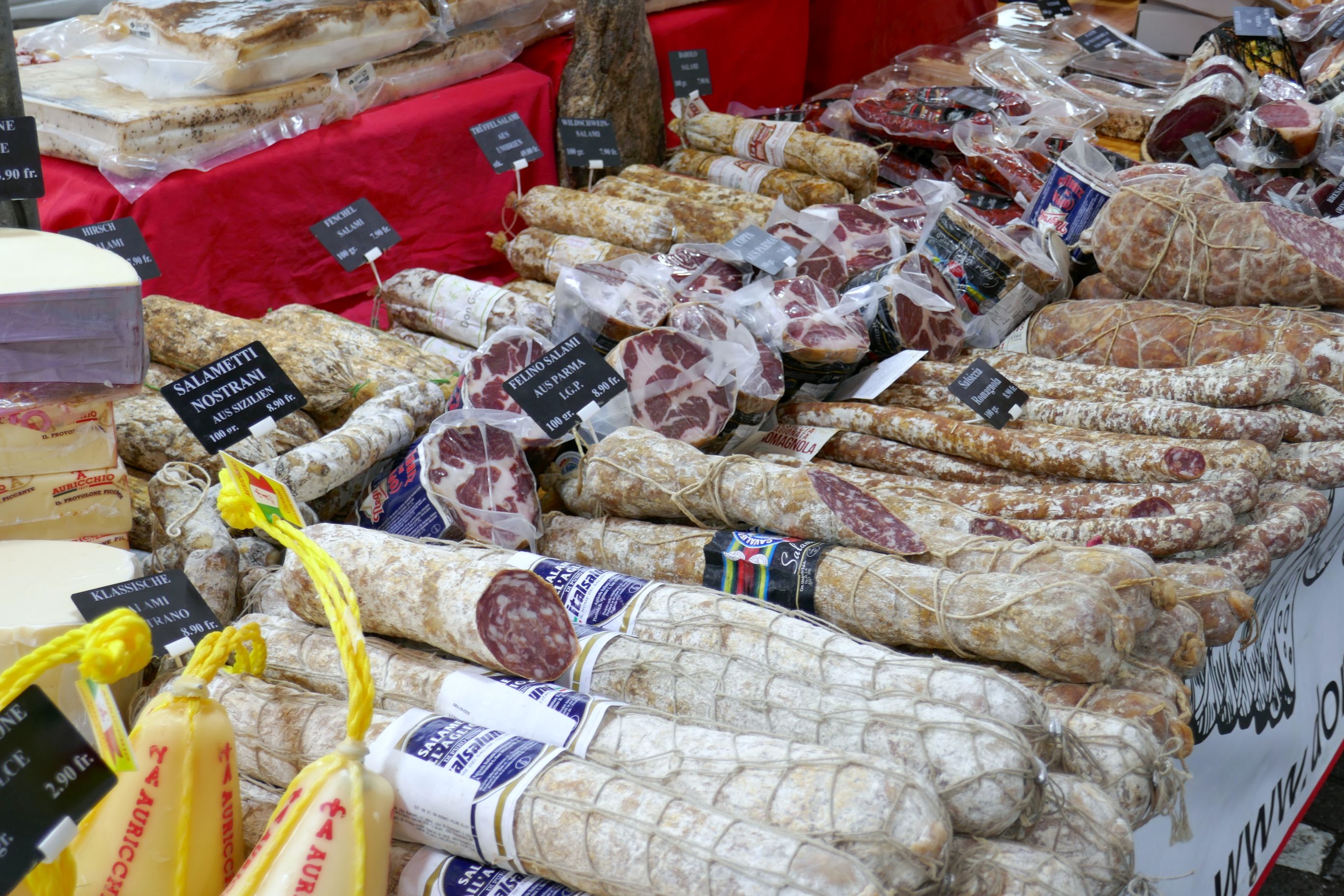
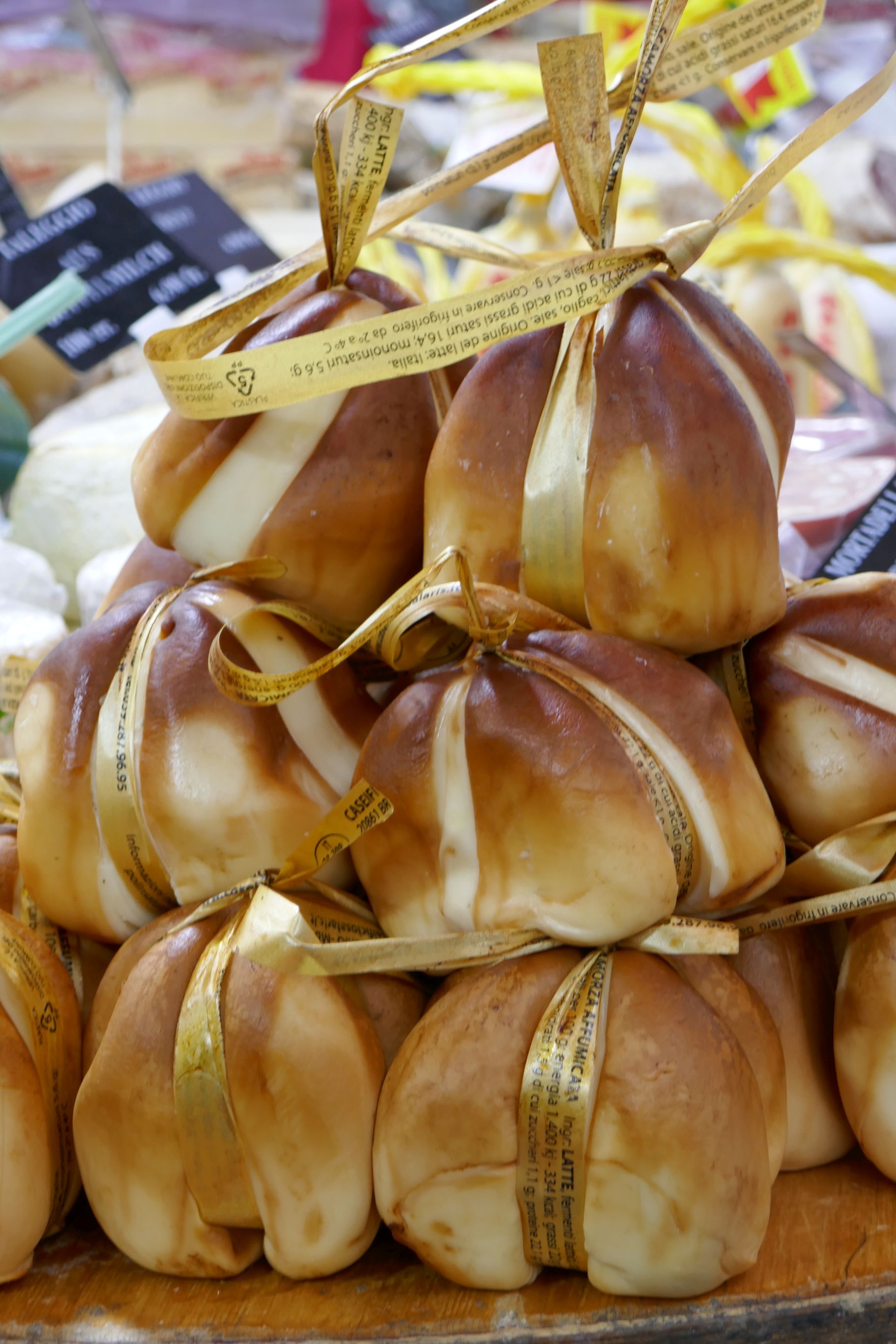
Following lunch, we visited a cheesemaker; however, they weren’t making cheese that day. We did enjoy watching the lady make cheese “roses” with her nifty tool, though. I also took the opportunity to check out a few interesting buildings nearby. But then I discovered the baby goats and spread the word. It was hard for Susy to pull us away; they were adorable!
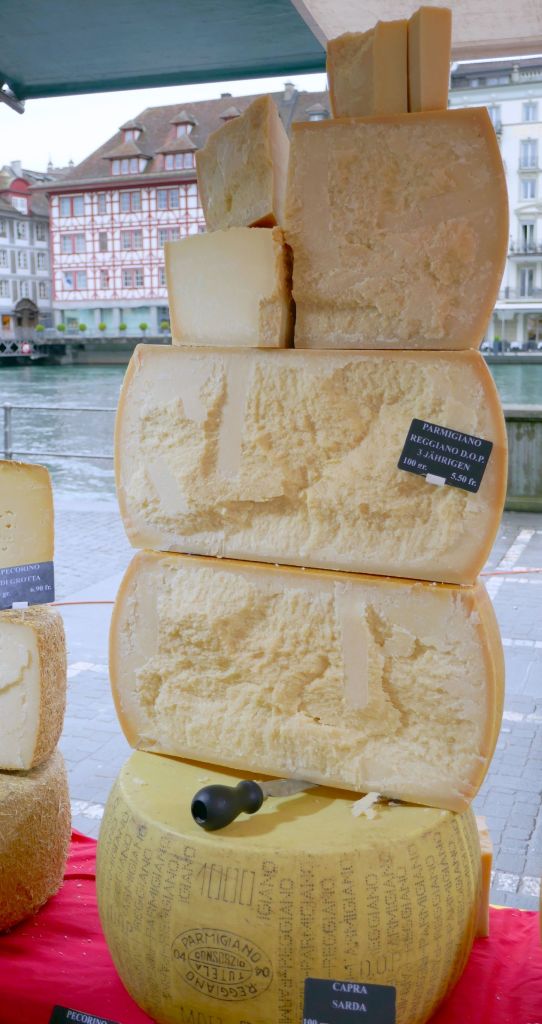
A massive cheese wheel
In all, the places we visited before check-in time at our Bern hotel were quite enjoyable. We got a good look (and taste!) of typical Swiss small-town life!
Coming up next: SWITZERLAND & NORTHERN ITALY #4: BEAUTIFUL BERN
Language in Switzerland is interesting. As I mentioned in my previous post, there are four official languages which include German; however, the German spoken in Lucerne is “Swiss German,” which is an Alemannic dialect. It is only spoken, not written, and it is not a formal language. So, the TV news, for example, is spoken in conventional German.
In school, the Swiss also learn French and English, so they are potentially trilingual—quite impressive! It comes in handy with France to the west, Germany to the north, and Austria to the east. Italy is south of Switzerland, and Italian is one of Switzerland’s four official languages; however, Italian isn’t taught in the schools. I guess they figure three languages is enough!
Industry in Switzerland focuses on exporting chemical products, health and pharmaceutical goods, engine parts, and wood, in addition to those weapons and tanks I mentioned in my first post. They also export dairy products, including some of the best cheese and chocolate in the world.
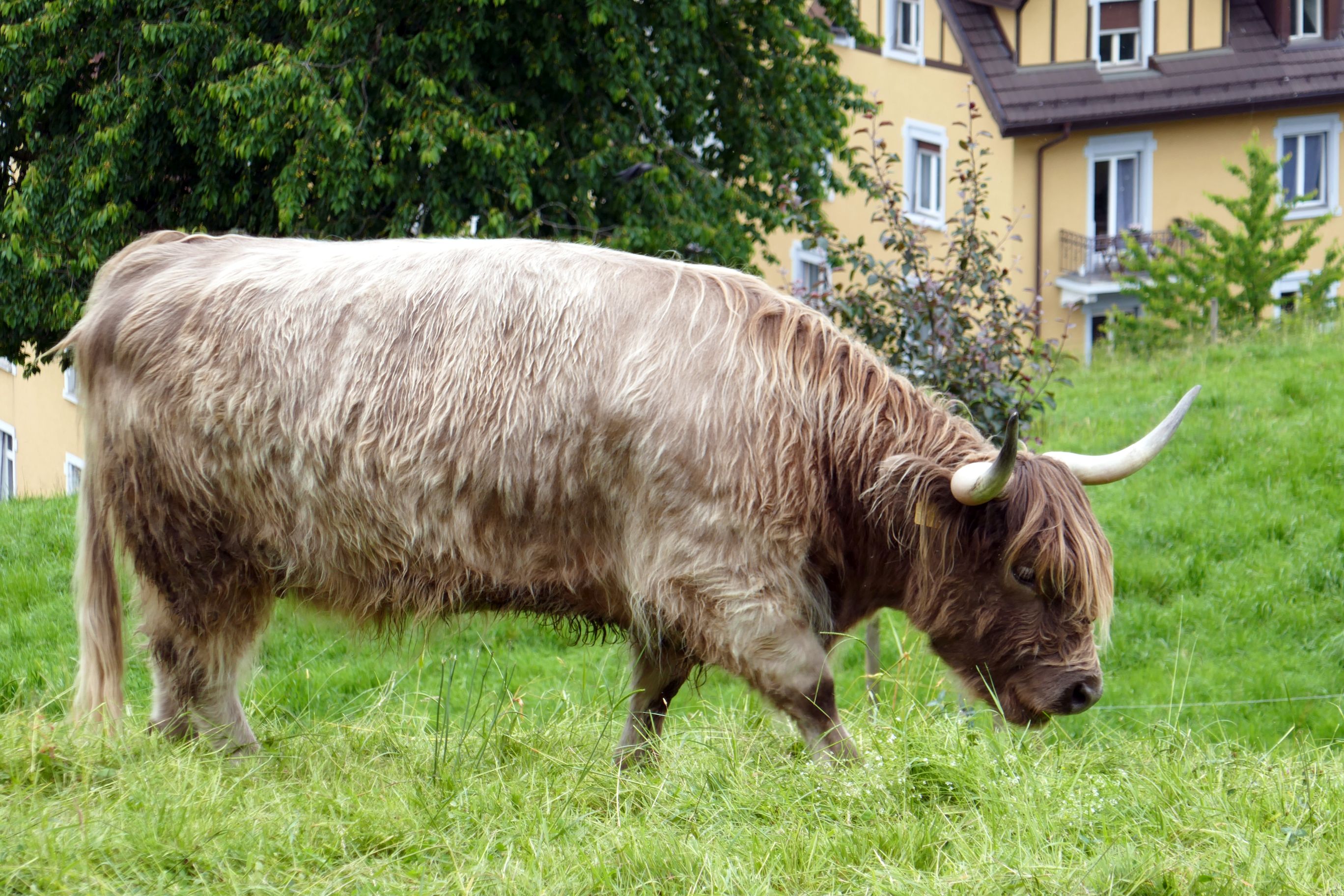
Do you know why Swiss chocolate is so good? It’s because their cows are free range, grass-fed cows, and their grass grows very well, resulting in the best-quality milk. That’s why all those cows you see roaming around in Switzerland are raised for dairy, not meat. As a result, meat in Switzerland is very expensive, because it is imported.
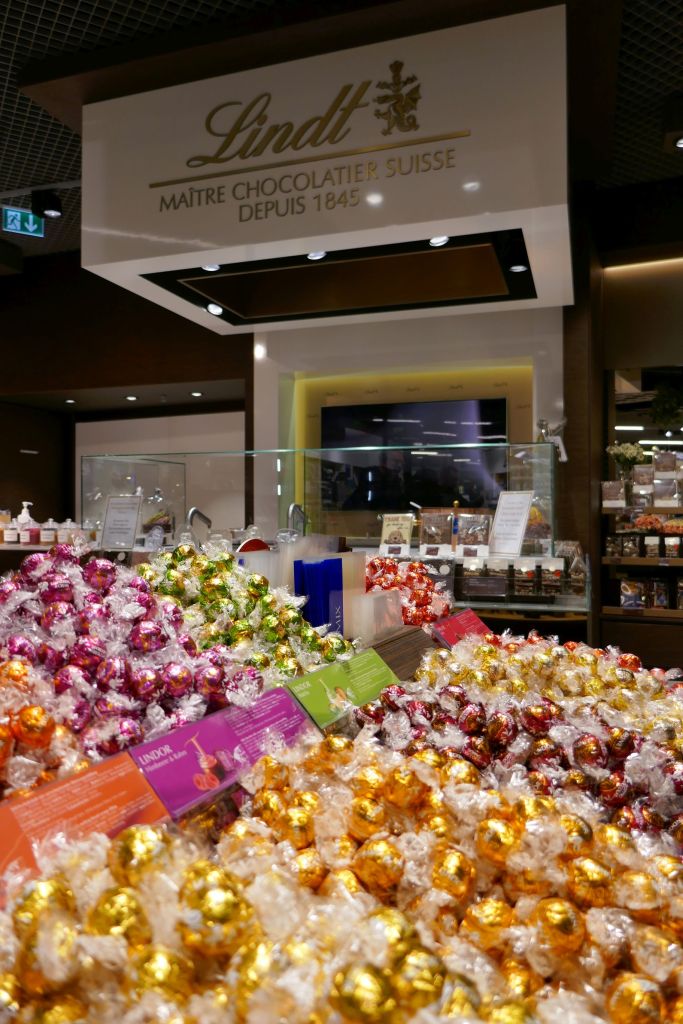
As for that excellent chocolate, I sampled quite a bit while I was in Switzerland, and I brought back a lot of it.
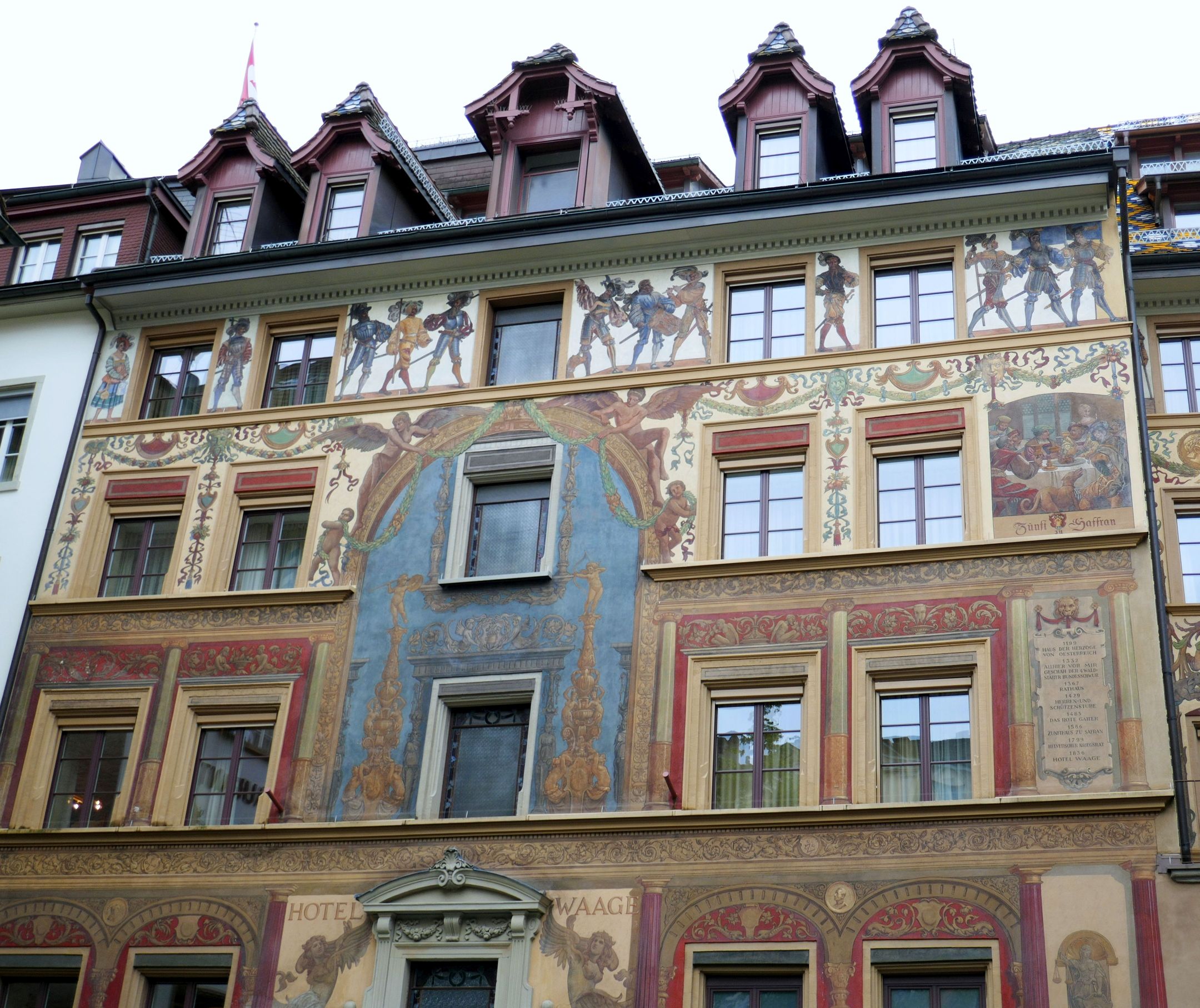
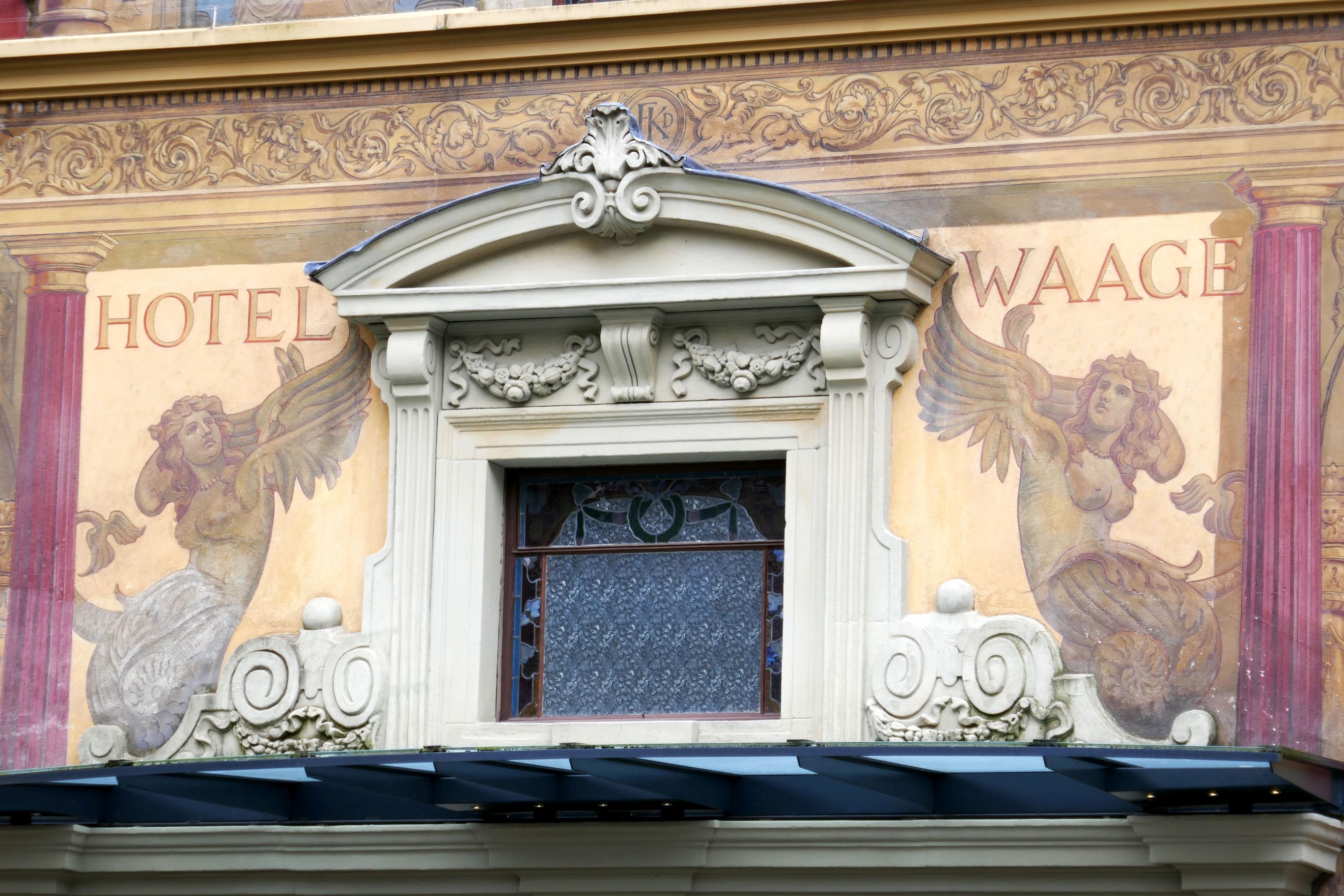
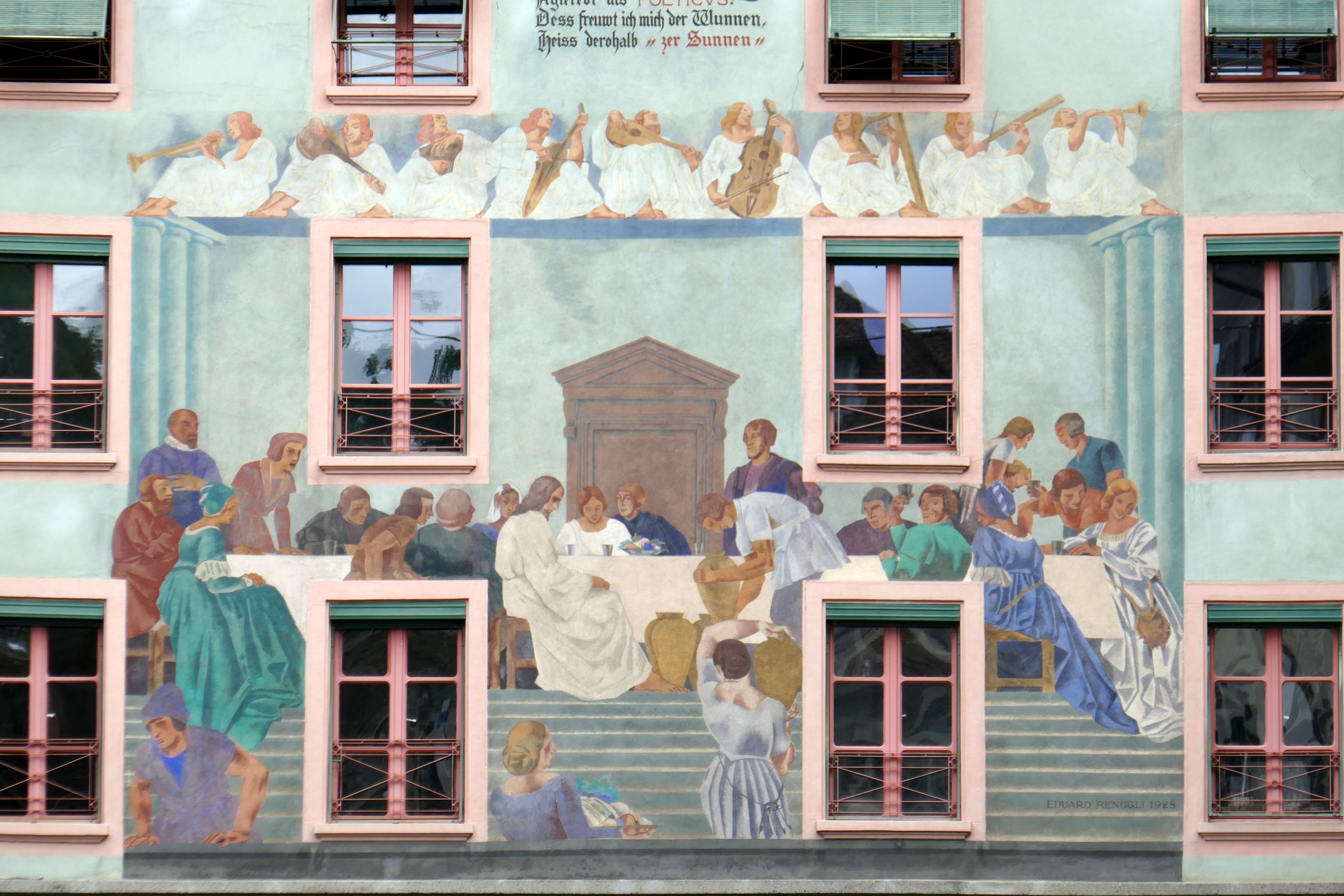
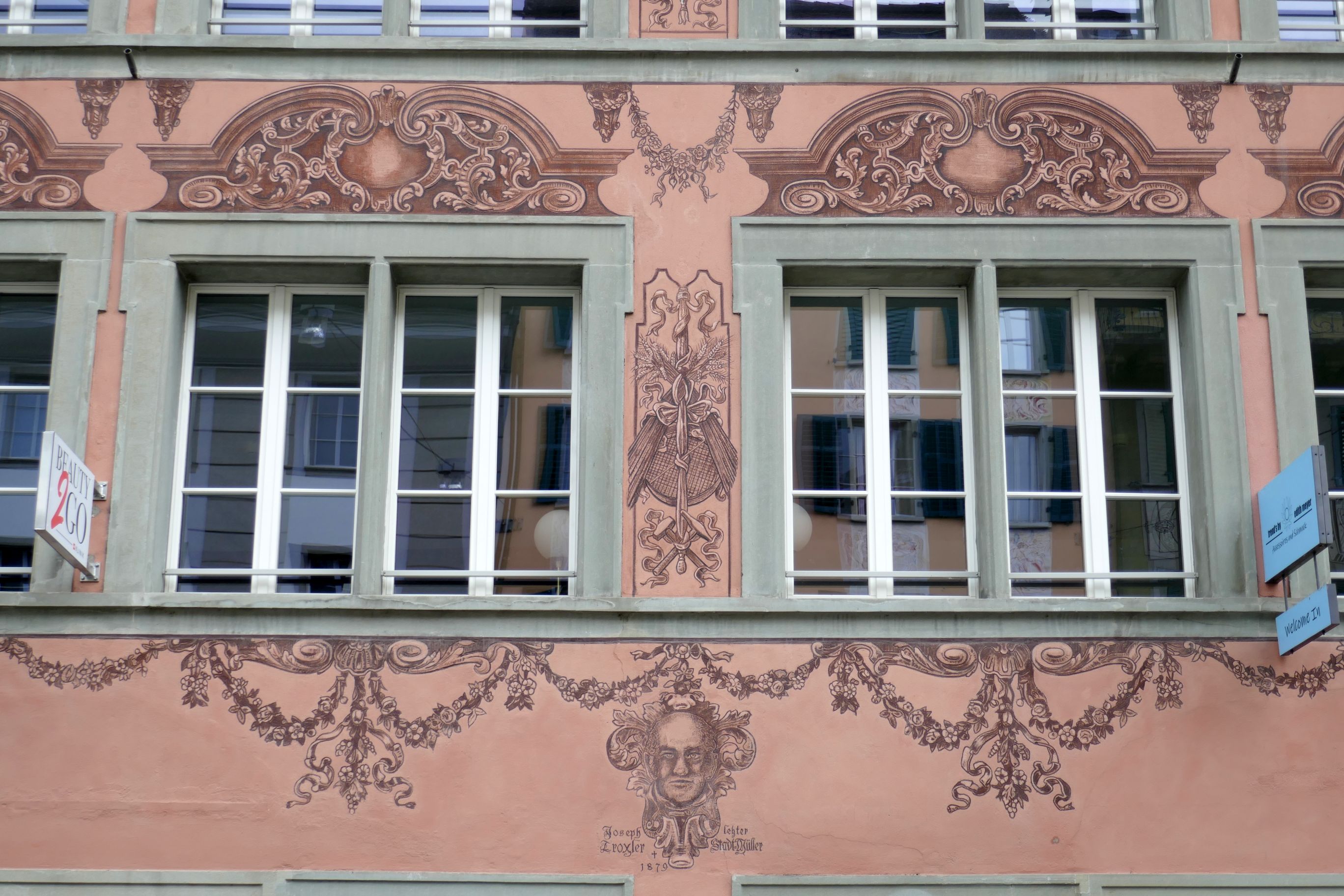
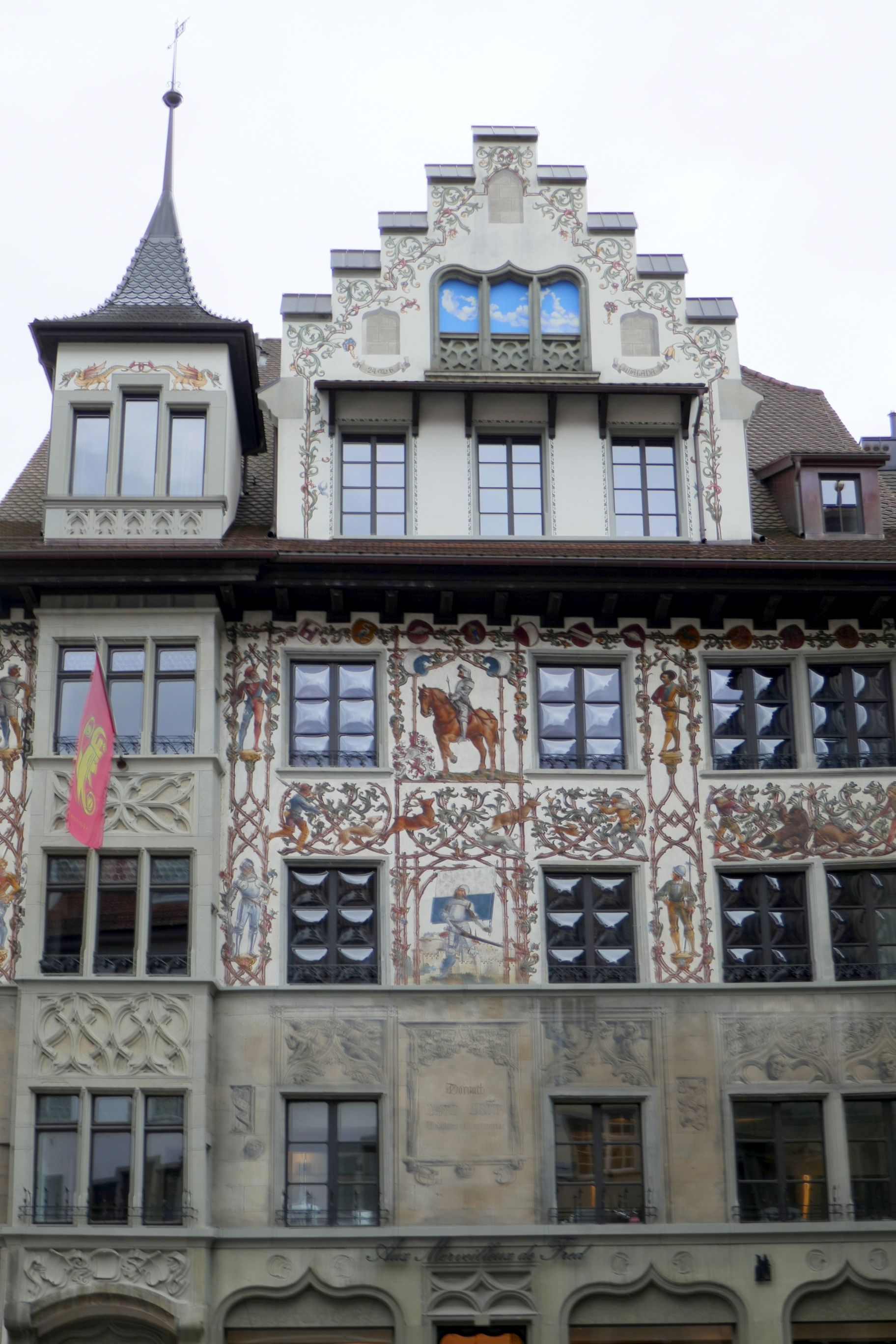
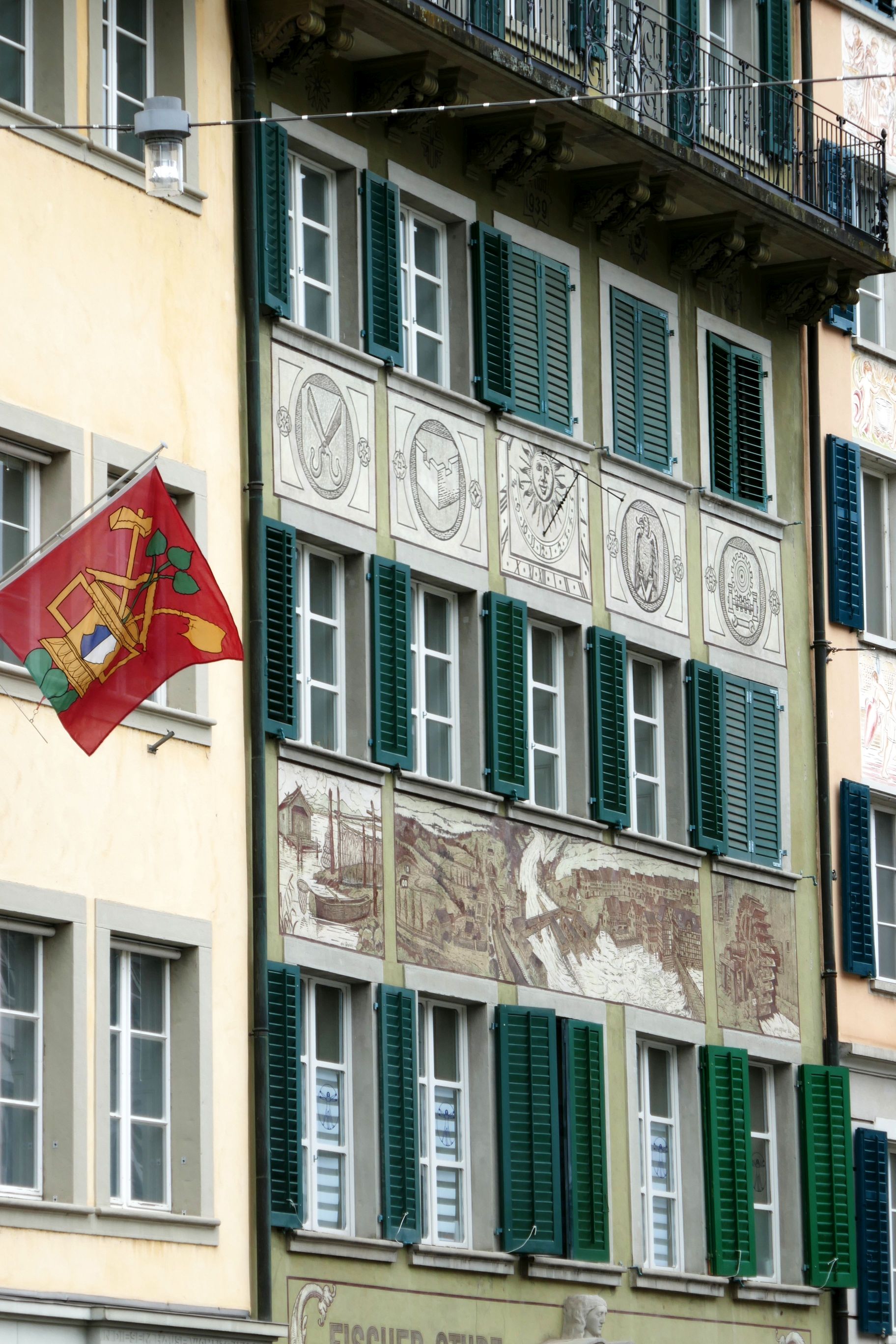
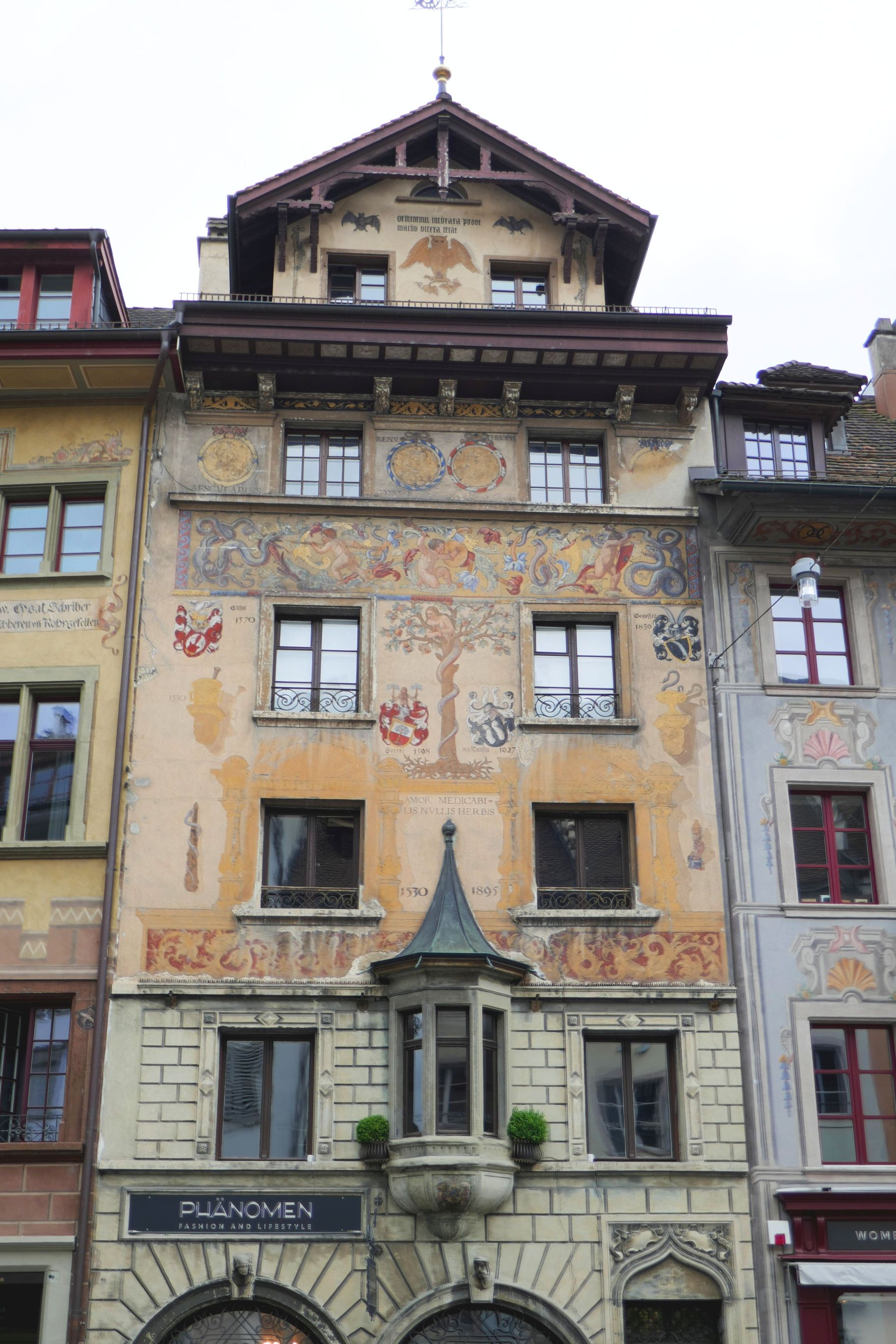
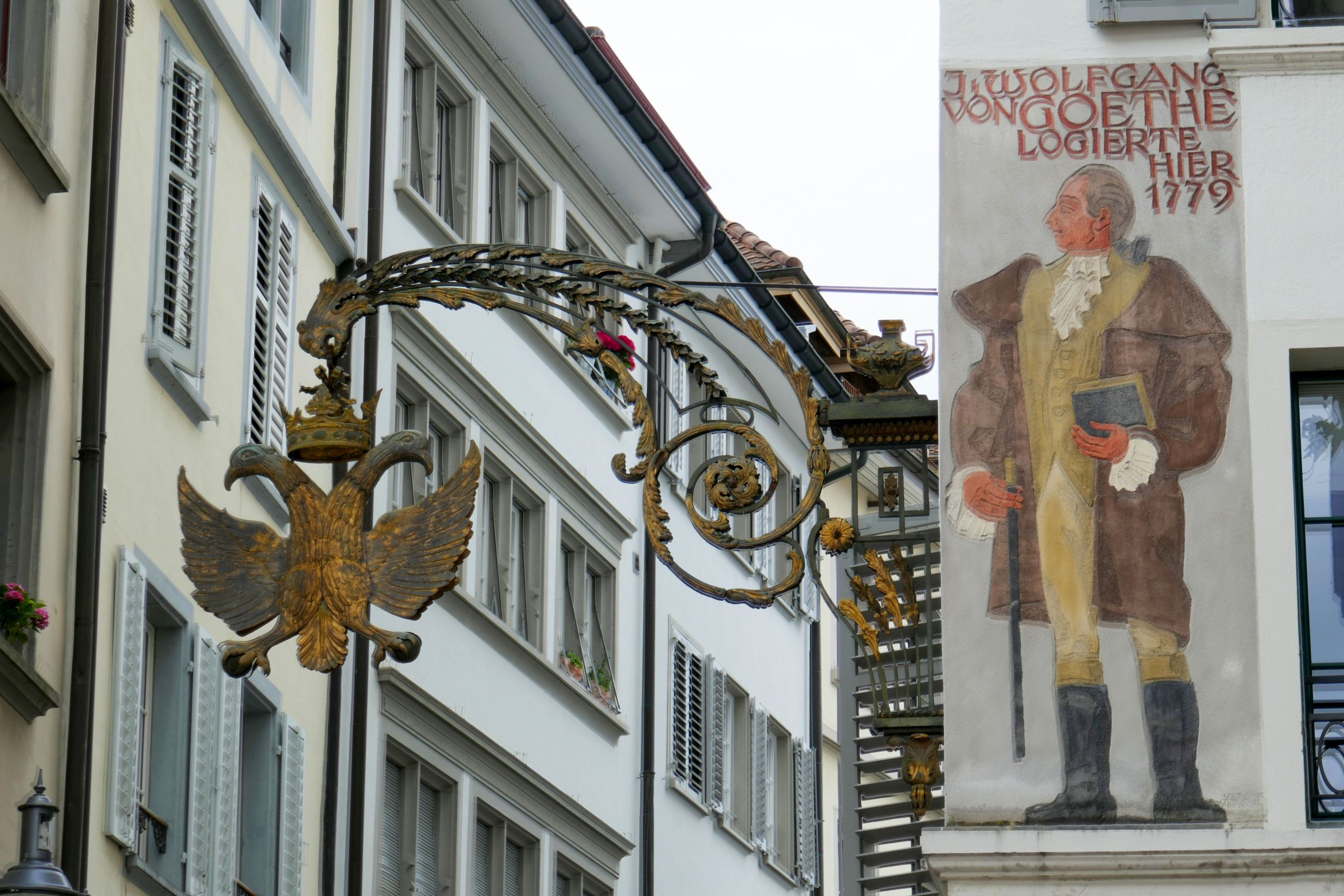
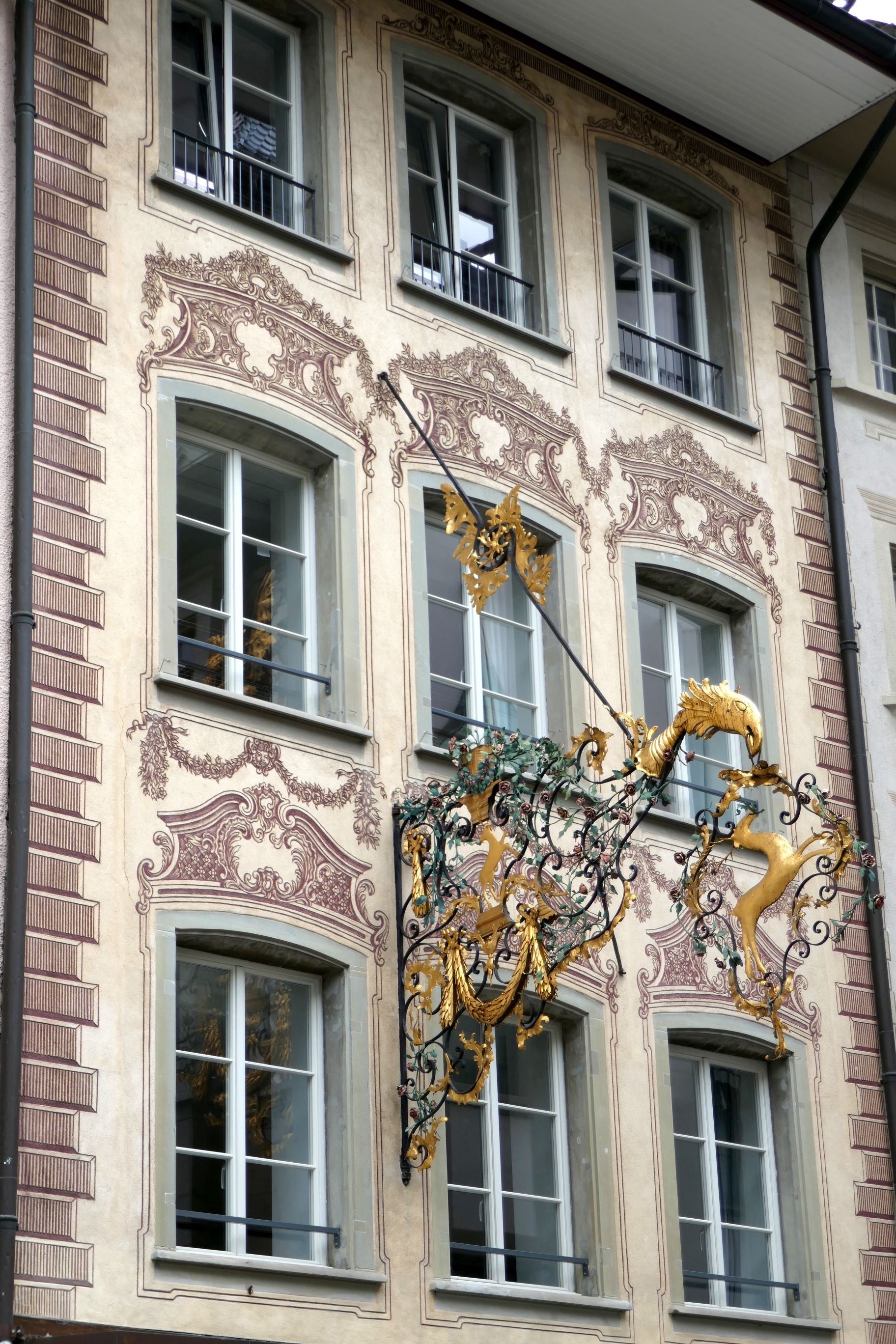
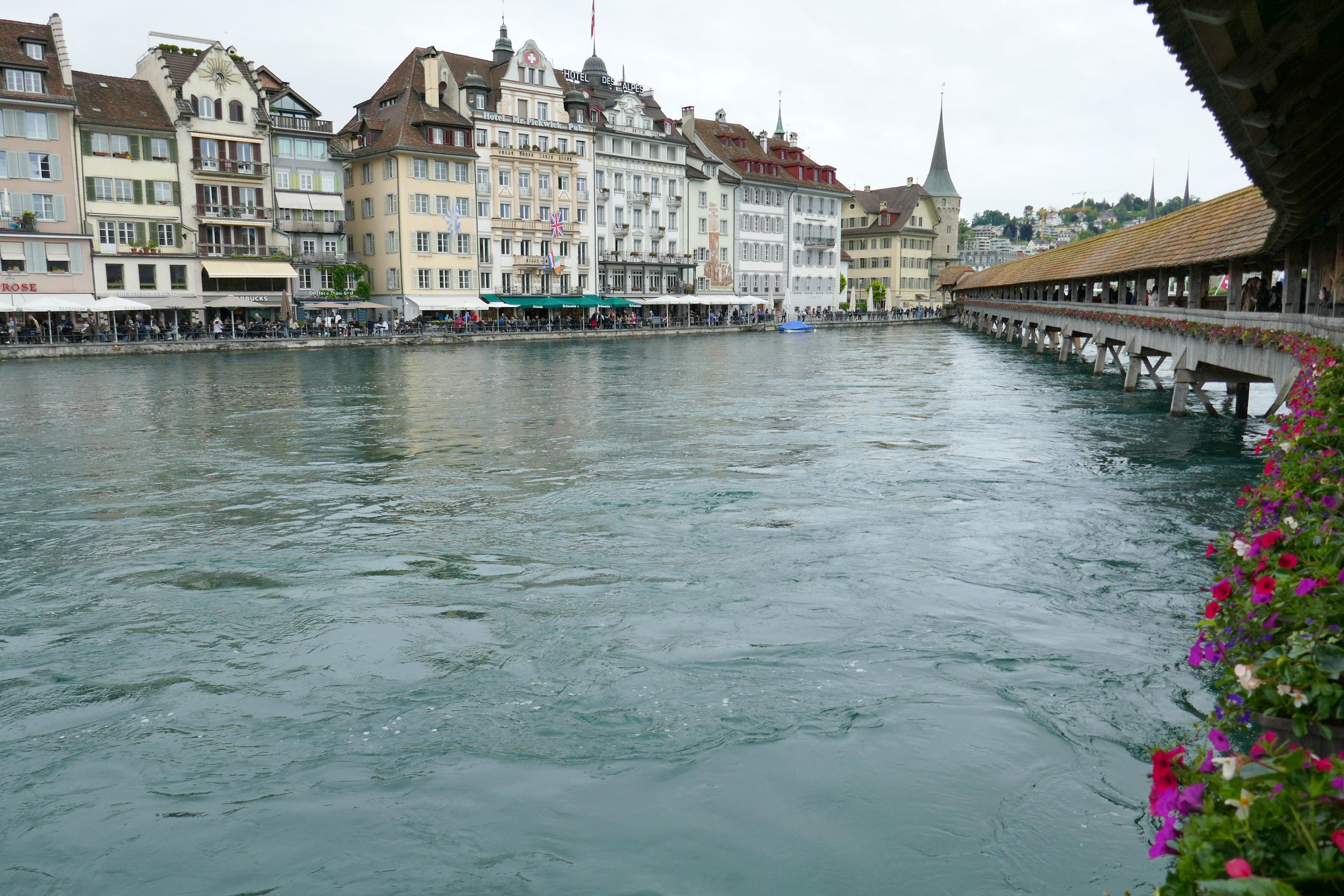
Back to Lucerne, it is a beautiful city of 82,000 people situated on Lake Lucerne and the river Reuss. Many buildings are painted with gorgeous frescos, so if you don’t look up during your exploration, you will miss a lot!
(For all photos, click on the image for a full screen view.)
It had to happen at some point; our weather luck would eventually come to an end. We had been so fortunate, beginning with the amazing weather we experienced in the Canadian Rockies in 2022, and at the end of our Argentina and Chile tour this past March, our tour leader said we had the best weather of all the tours that season. It was truly phenomenal luck!
Now we were in Lucerne Switzerland to begin our tour with Overseas Adventure Travel, and the region hadn’t seen the sun in two months. It had been an extremely long rainy period for Europe, and Germany was having horrible floods. At least it wasn’t flooding in Lucerne, but the water level in the river was the highest our tour leader had ever seen.
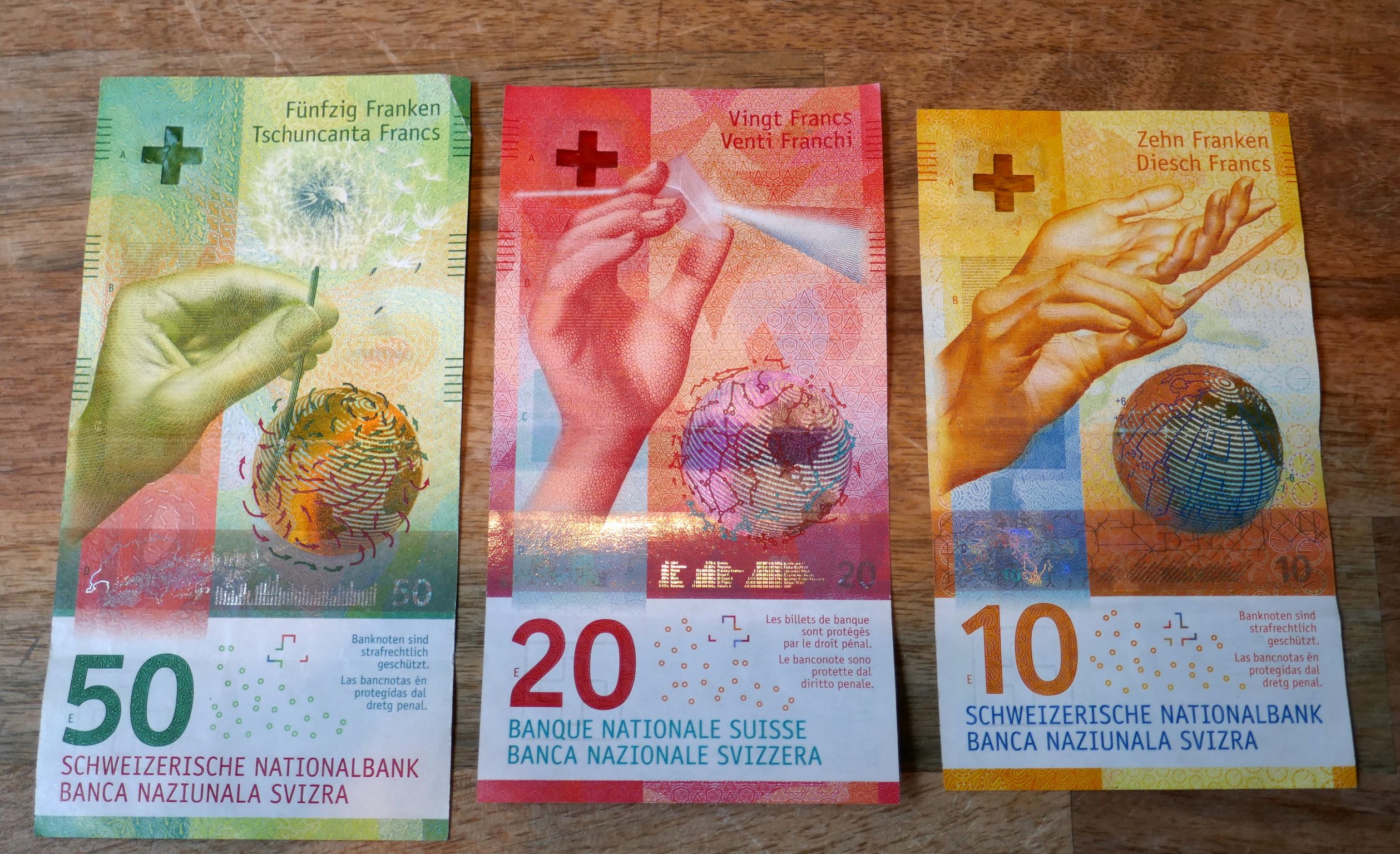
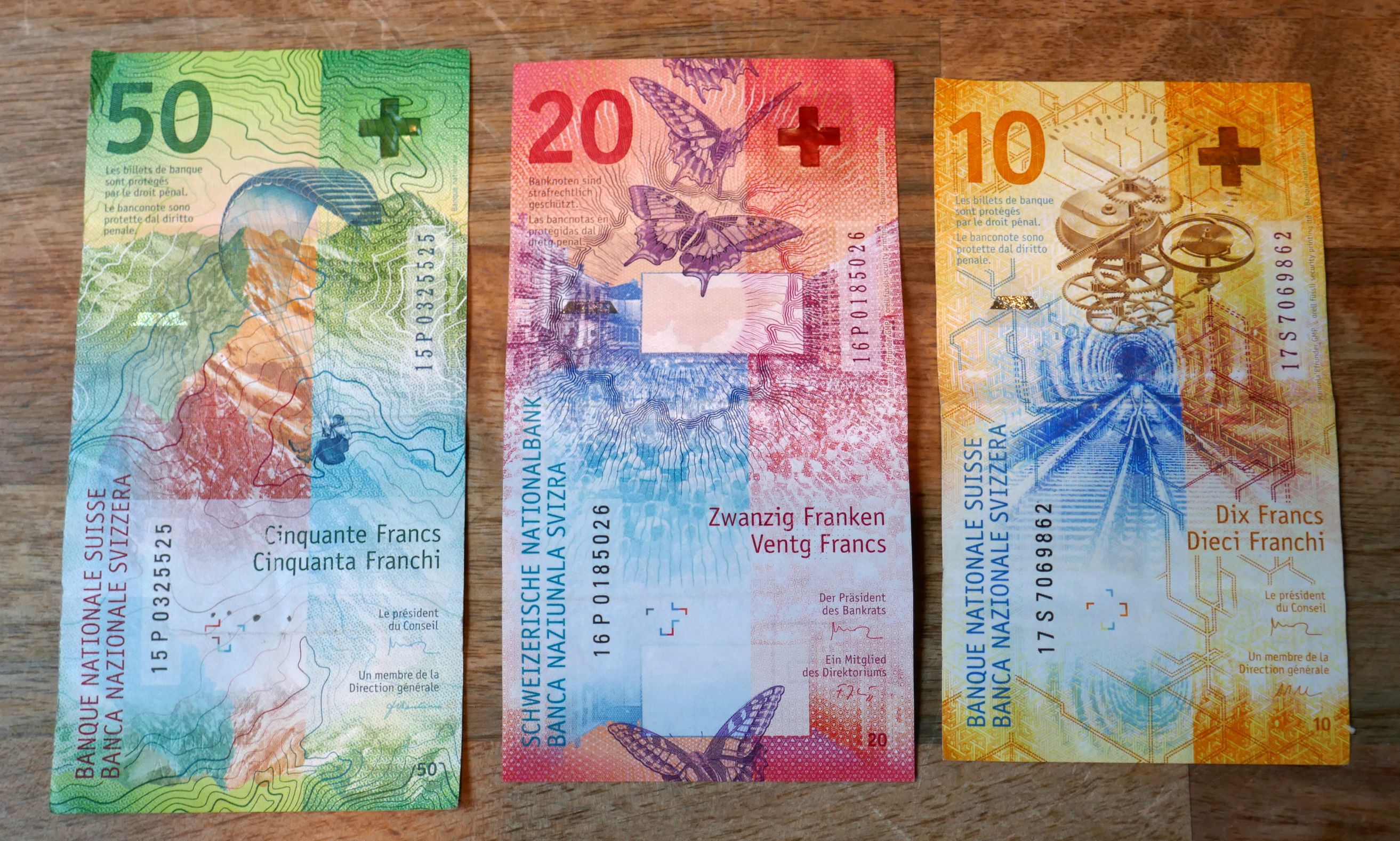
First on the agenda: Head to the ATM for some Swiss Francs. As with so many other countries, unlike the U.S., Switzerland’s currency is interesting and practical. Not only is it colorful with each denomination a different color, but the sizes are different as well—extremely helpful to sight-impaired and blind people. My legally blind friend in San Diego would have appreciated this, because he used to need help separating and folding his bills in his wallet, so he could differentiate them.
(For all photos, click on the image for a full screen view.)
One of the things we like best about Overseas Adventure Travel is their emphasis on being travelers rather than tourists. One way they accomplish this is by educating us on the culture of each place we visit, including introducing a “controversial topic” and bringing in an expert to speak with the group. In this case, the positives and negatives of Switzerland’s neutrality and government was discussed with the nine of us on the pre-extension, and our speaker was outstanding.
Switzerland’s government was modeled after ours here in the United States, even though it is a very small country—about the size of Delaware. There are 26 Cantons (similar to states), and the city of Bern is their Washington D.C. Swiss parliament is similar to U.S. Congress; however this is where the similarities end. Due to Switzerland having four official languages and cultures, including German, French (mostly spoken in the west), Italian (mostly in the south and far east), and Romansh (an ancient language spoken by a small percentage of Swiss); they have 7 presidents that make up a federal council. These presidents are parliament members elected by their peers. This system has worked well, because the council has been good at compromising and working together for their people (unlike our current U.S. Congress!). And, although Swiss citizens do not elect this council, they do vote four times a year on issues in the form of initiatives and referendums.
Switzerland has been neutral since 1815, and their banking system grew out of this neutrality. Being politically neutral is safe—a draw for wealthy people looking for a safe place for their money. As a result, what used to be the poorest country in Europe is now the richest. Don’t get the bright idea of stashing your money anonymously in a Swiss bank, though. Banking laws changed twenty years ago, and you can no longer deposit your money in Switzerland without paying taxes.
Due to Switzerland’s neutrality, they are not a part of NATO. They do, however, support the sanctions that Europe and the U.S. has put on Russia due to their invasion of Ukraine. As a result, Putin declared Switzerland to not be neutral. *&^@ Putin.
One drawback of Switzerland’s neutrality was that the weapons and tanks they had produced were sold to Germany. Germany then gave them to Ukraine, but Ukraine needs more ammunition to fire from these weapons and tanks. Switzerland won’t sell this ammunition to Ukraine, because they are “neutral.” This presents a big problem for Ukraine. On the other hand, tiny Switzerland, a country with a population of over 8.8 million people, has accepted 100,000 refugees from Ukraine. How nice.
BUT, these immigrants, as well as the 100,000 other immigrants they have accepted each year has caused a steep rise in housing prices, causing the cost of living to double over the last couple of years. (In Lucerne, the average 1 bedroom apartment costs 2,600 CHF— more than $2,900!) On top of that, salaries decreased for the Swiss due to immigrants accepting less pay. Ouch!
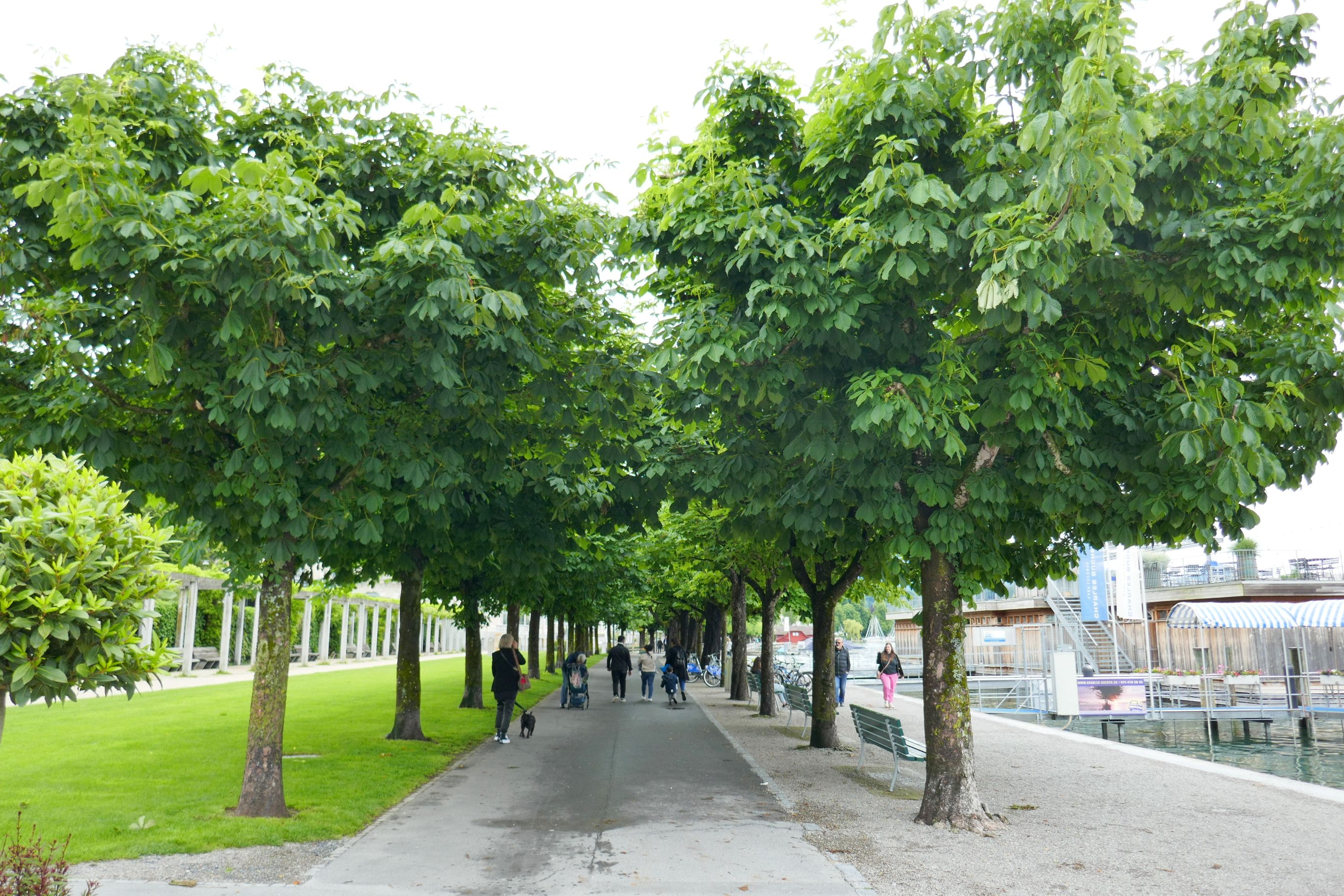
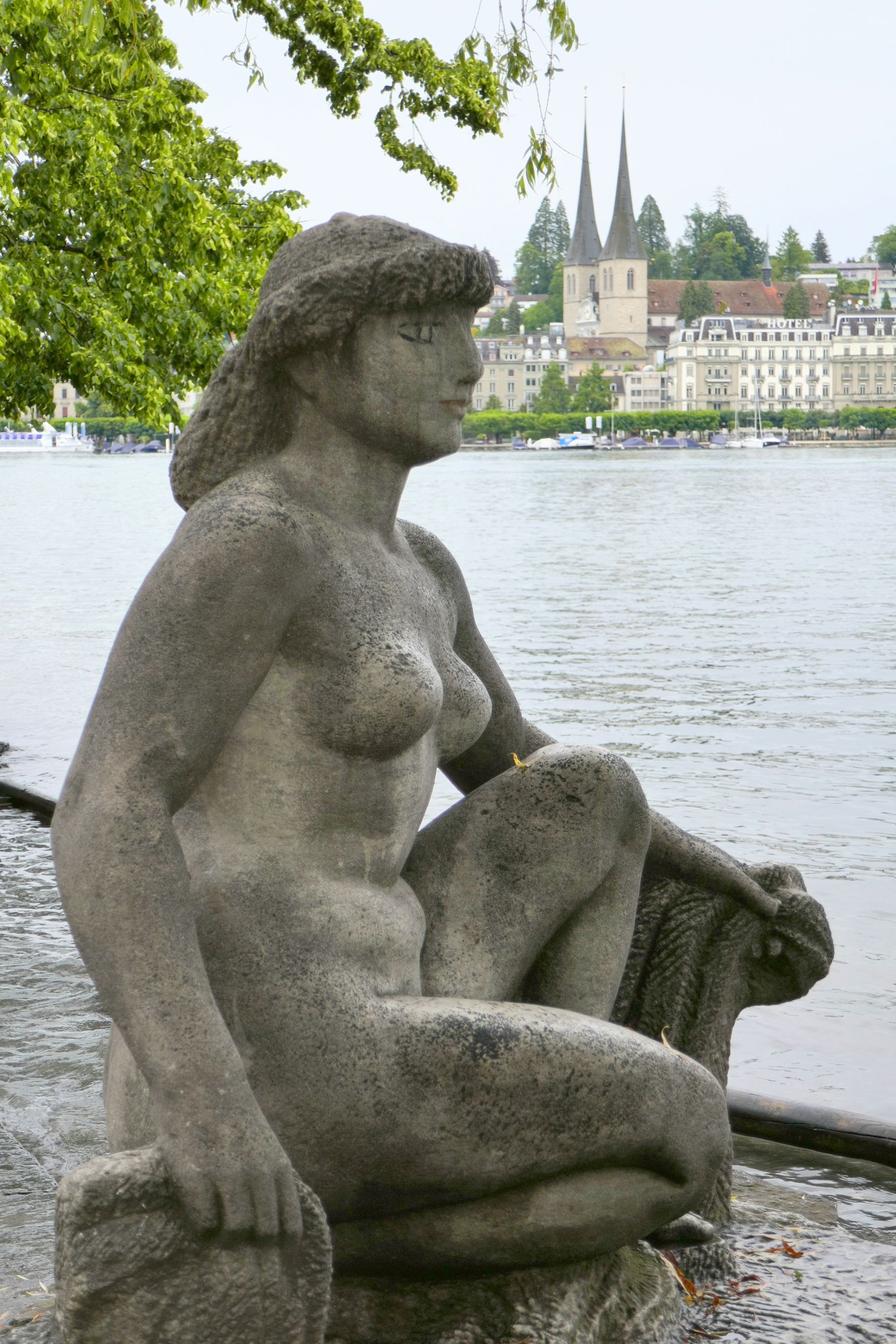
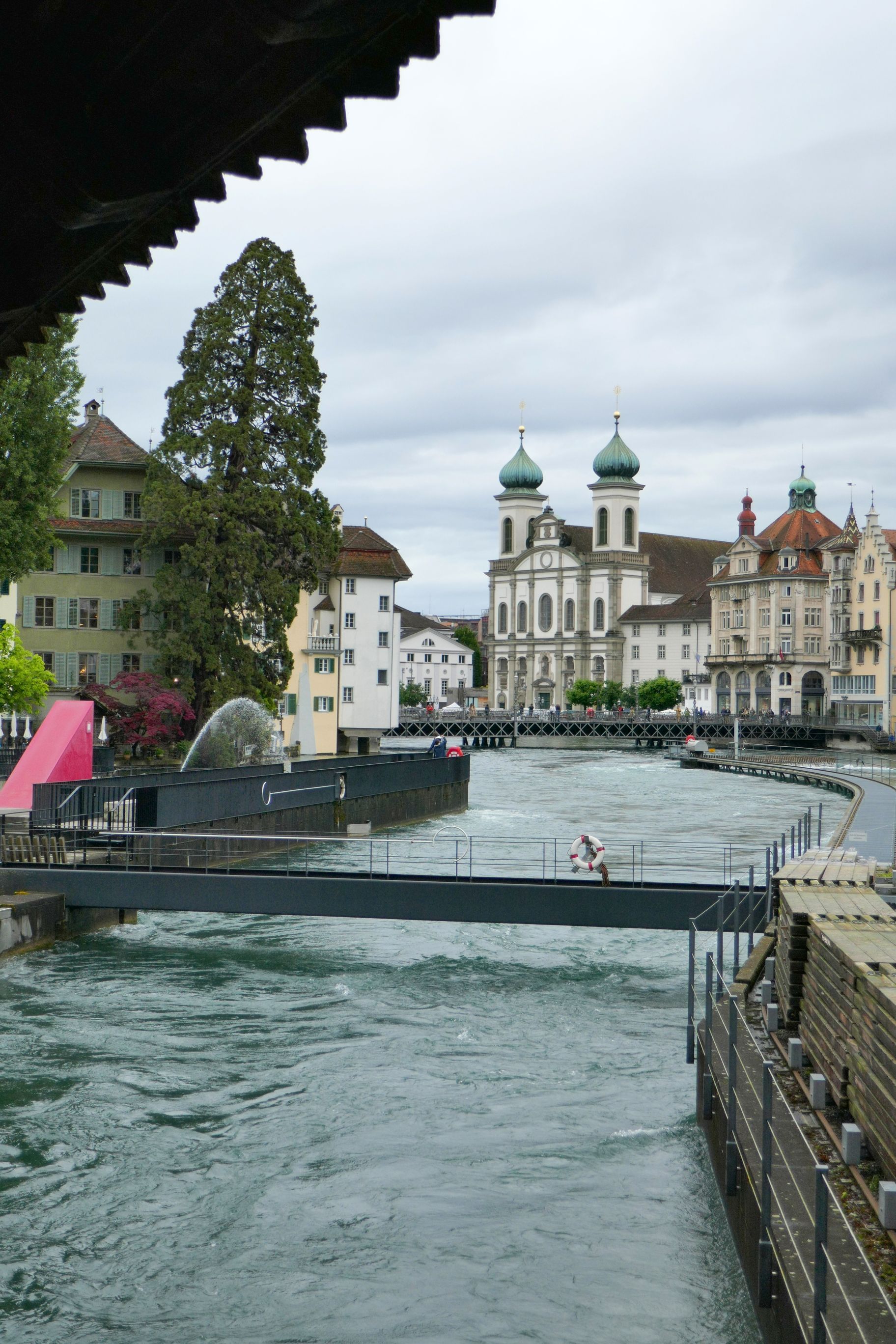
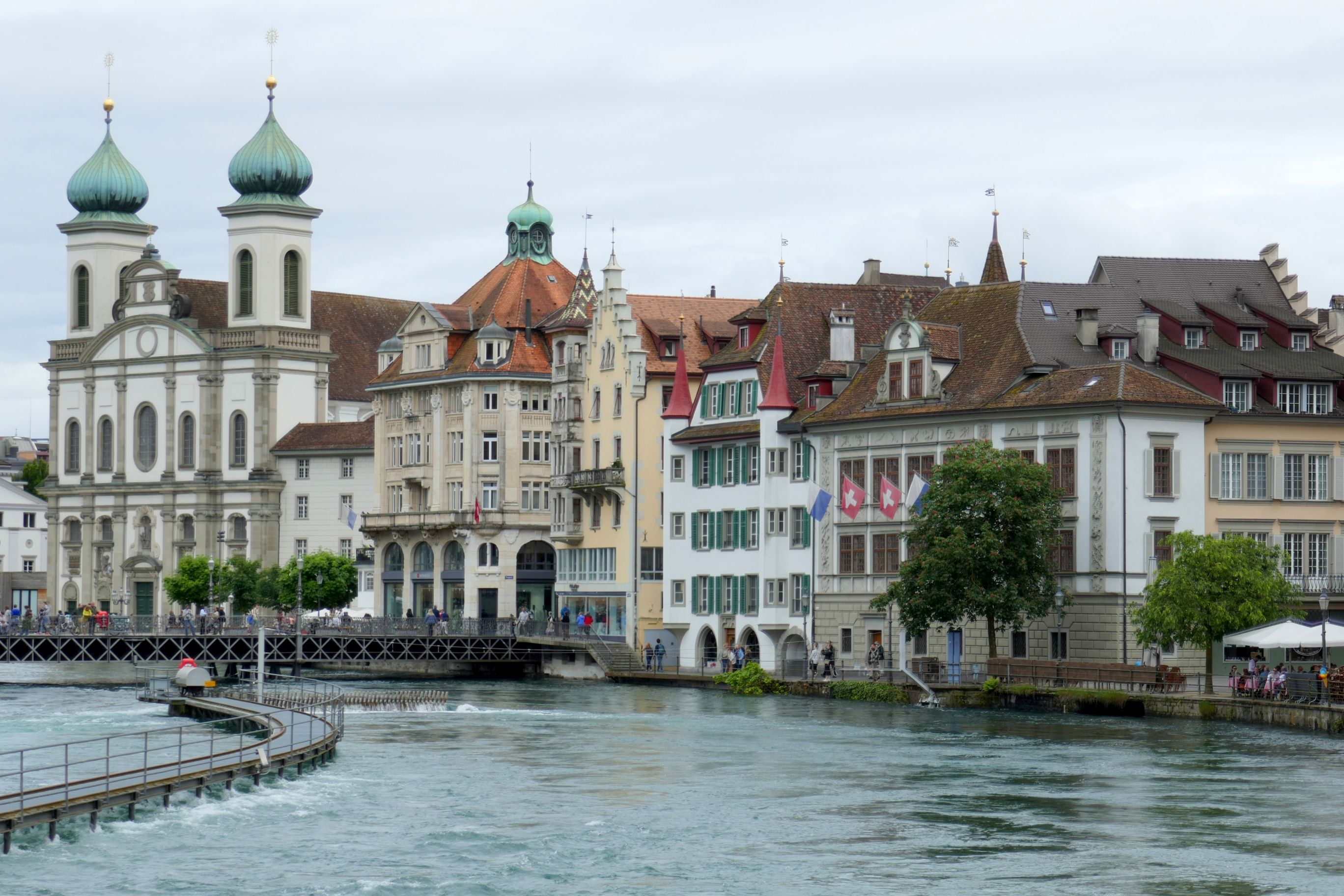
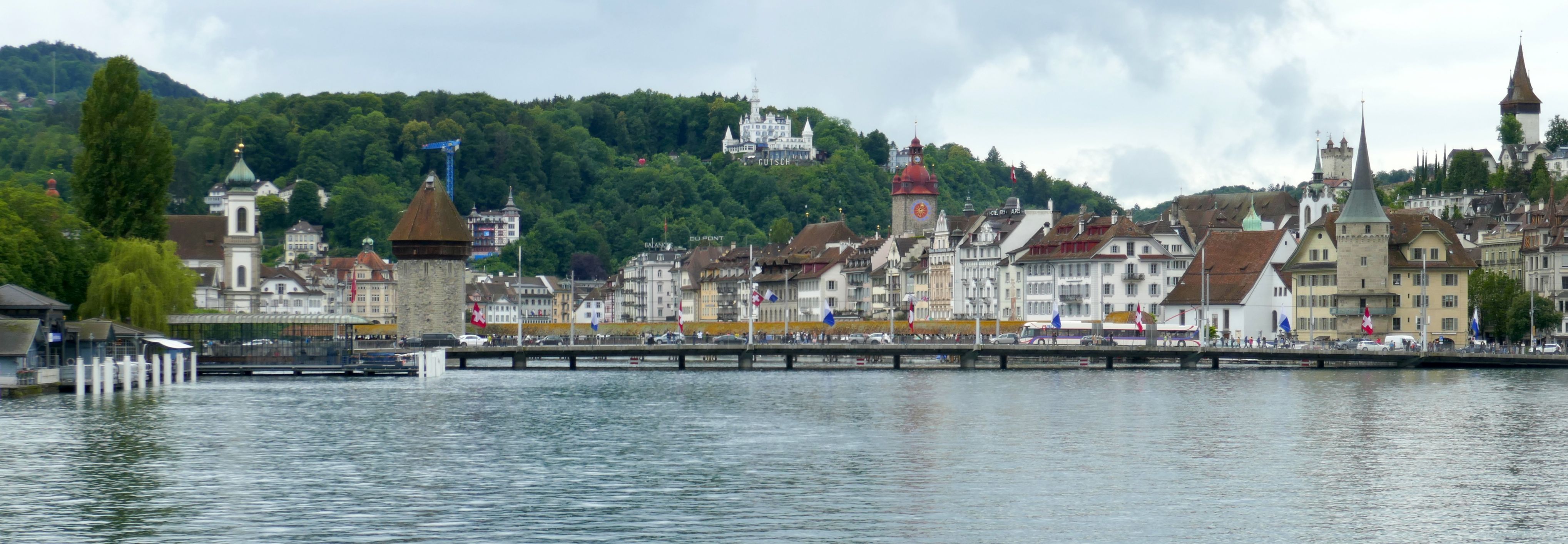
More about Swiss culture in my next post, but for now, I will leave you with some scenes around lovely Lucerne, the most visited city by tourists (and travelers!) in Switzerland:
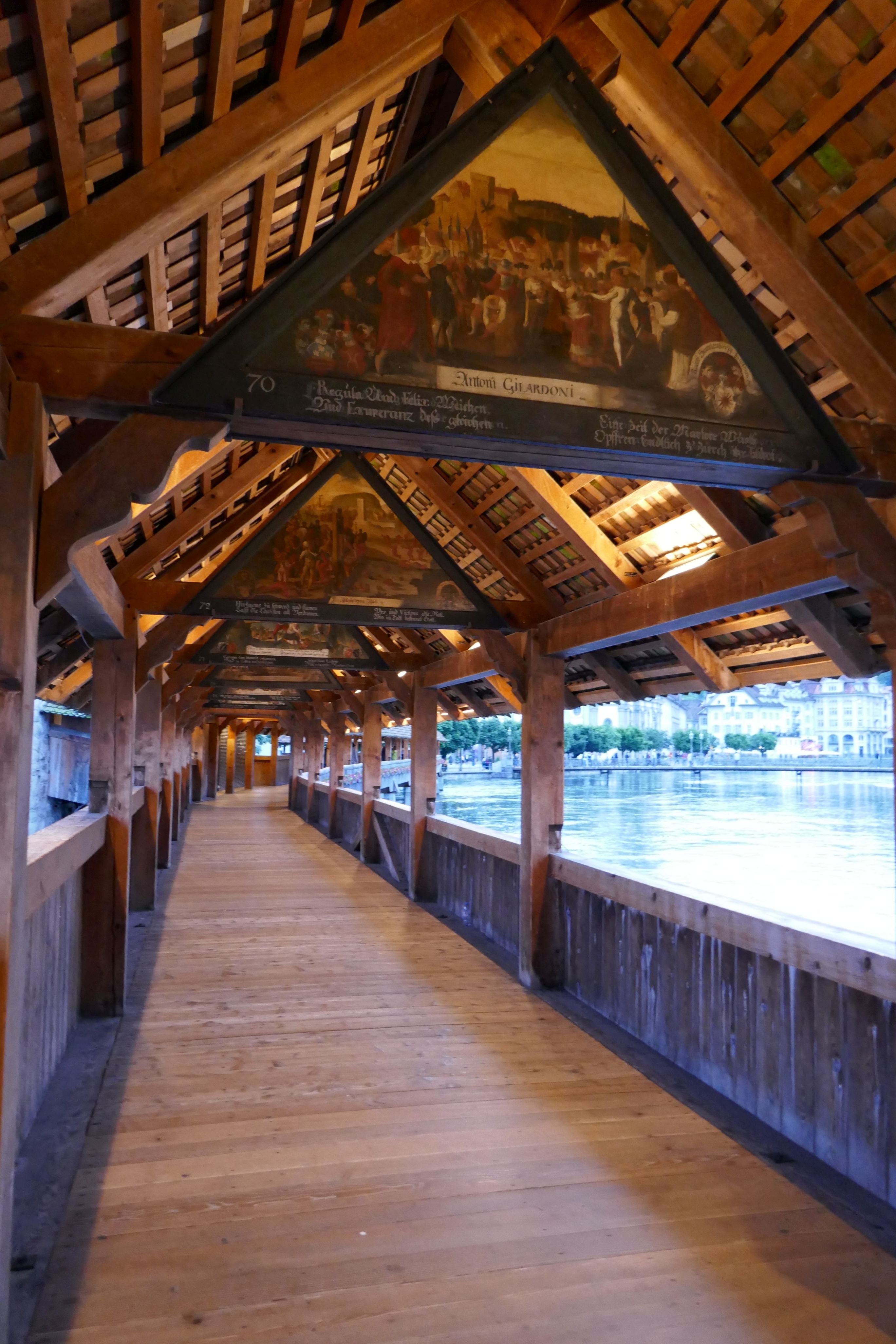
Kapellbruke (Chapel Bridge) was originally built in 1360; however, much of it was destroyed in a 1993 fire. It was rebuilt the following year.
In the evening, the bridge is lit up.
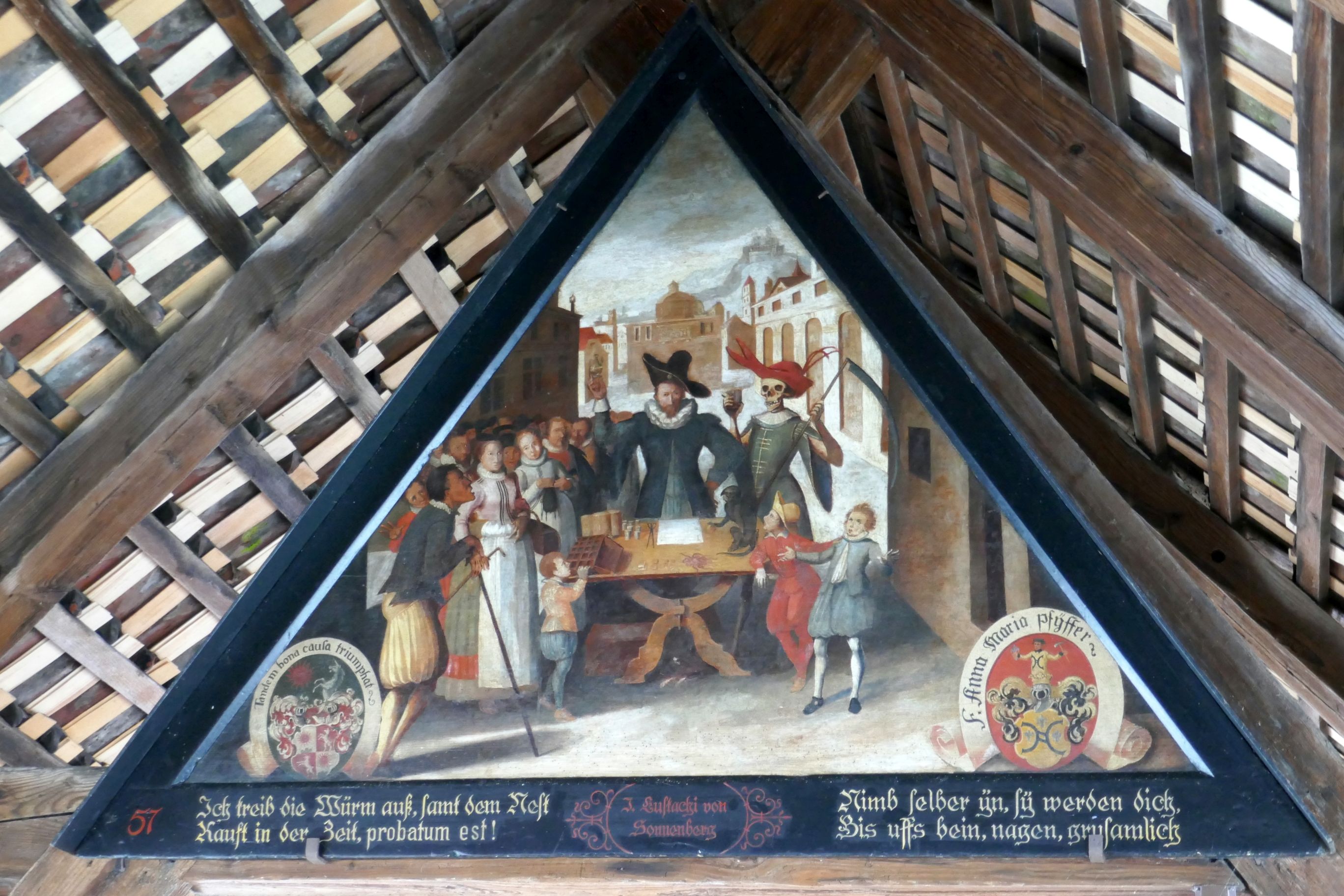
The bridge features 30 triangle-framed paintings by Hans Heinrich Wagmann that date back to the 17th century. These paintings depict events from Lucerne’s history and were restored after the fire.
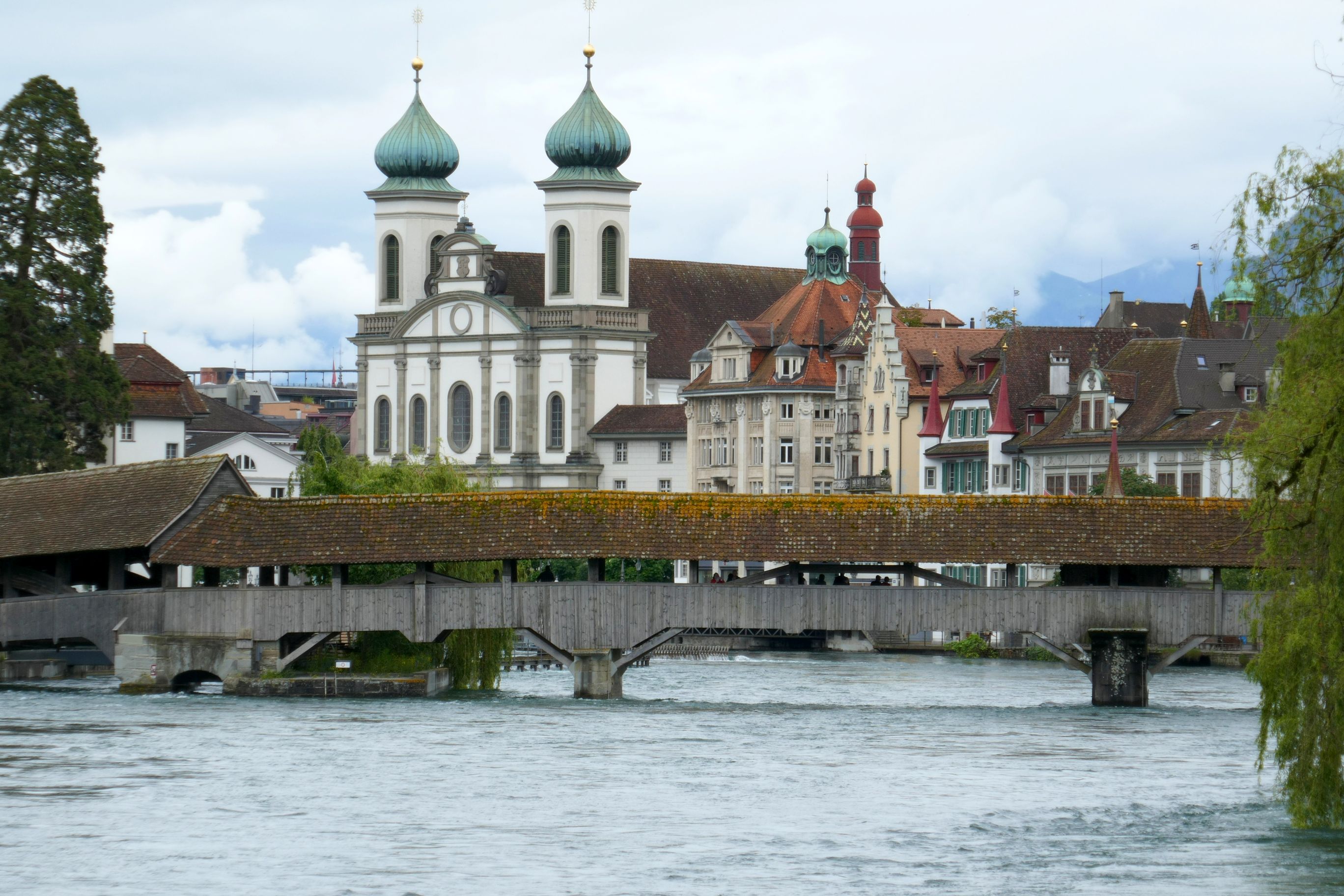
The nearby Chaff Bridge was built in the 13th century and features Dance of Death paintings that date back to the 1600’s.
Coming up next: SWITZERLAND & NORTHERN ITALY #2: MORE LOVELY LUCERNE
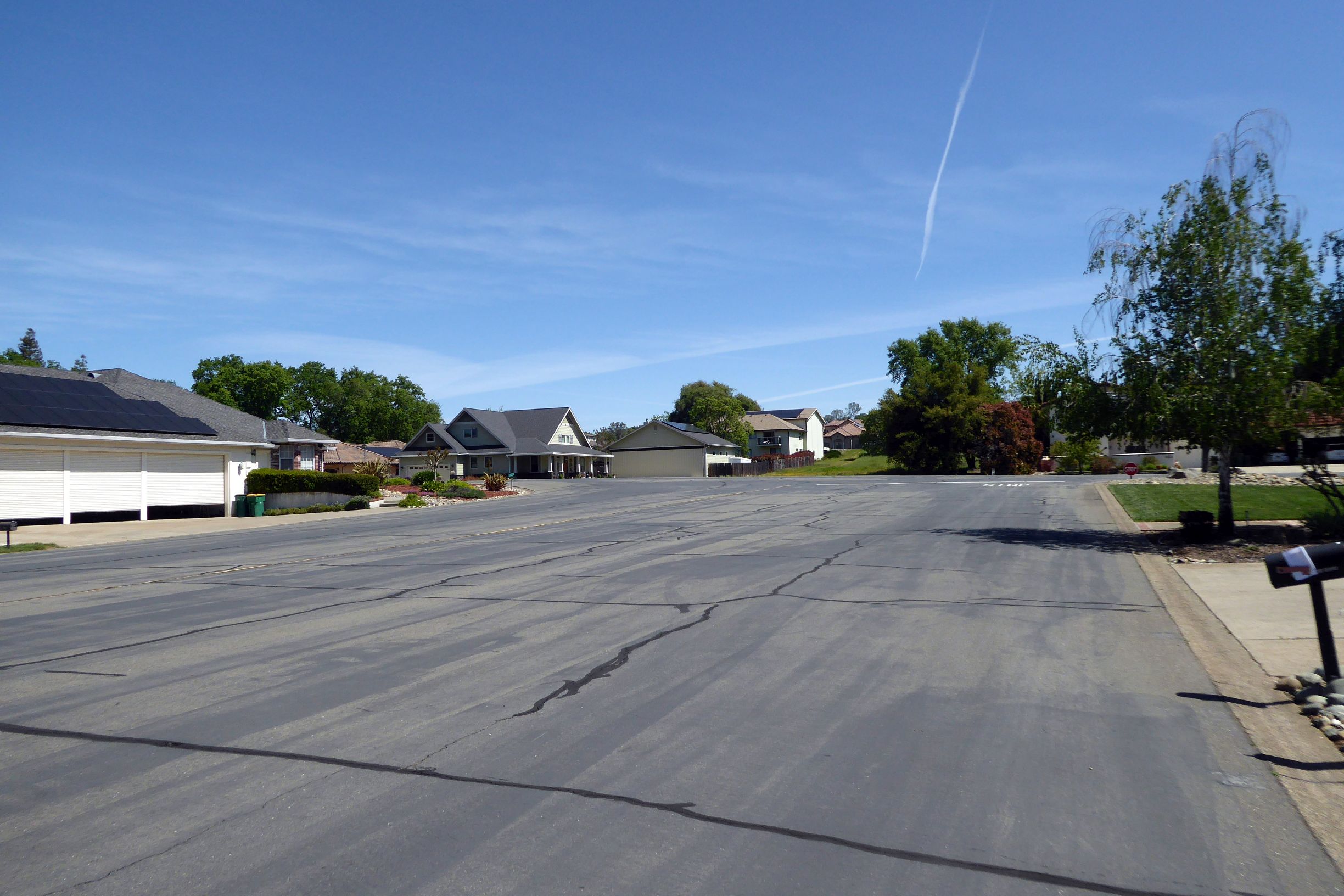
Notice how wide the streets are in this community?This is why! It’s a community for private plane owners. They keep their planes on property, and then drive them to the adjacent airport. I didn’t know this when my sister took us there for our lakeside picnic. I couldn’t believe my eyes! “Stop the car; I want a photo of this!”
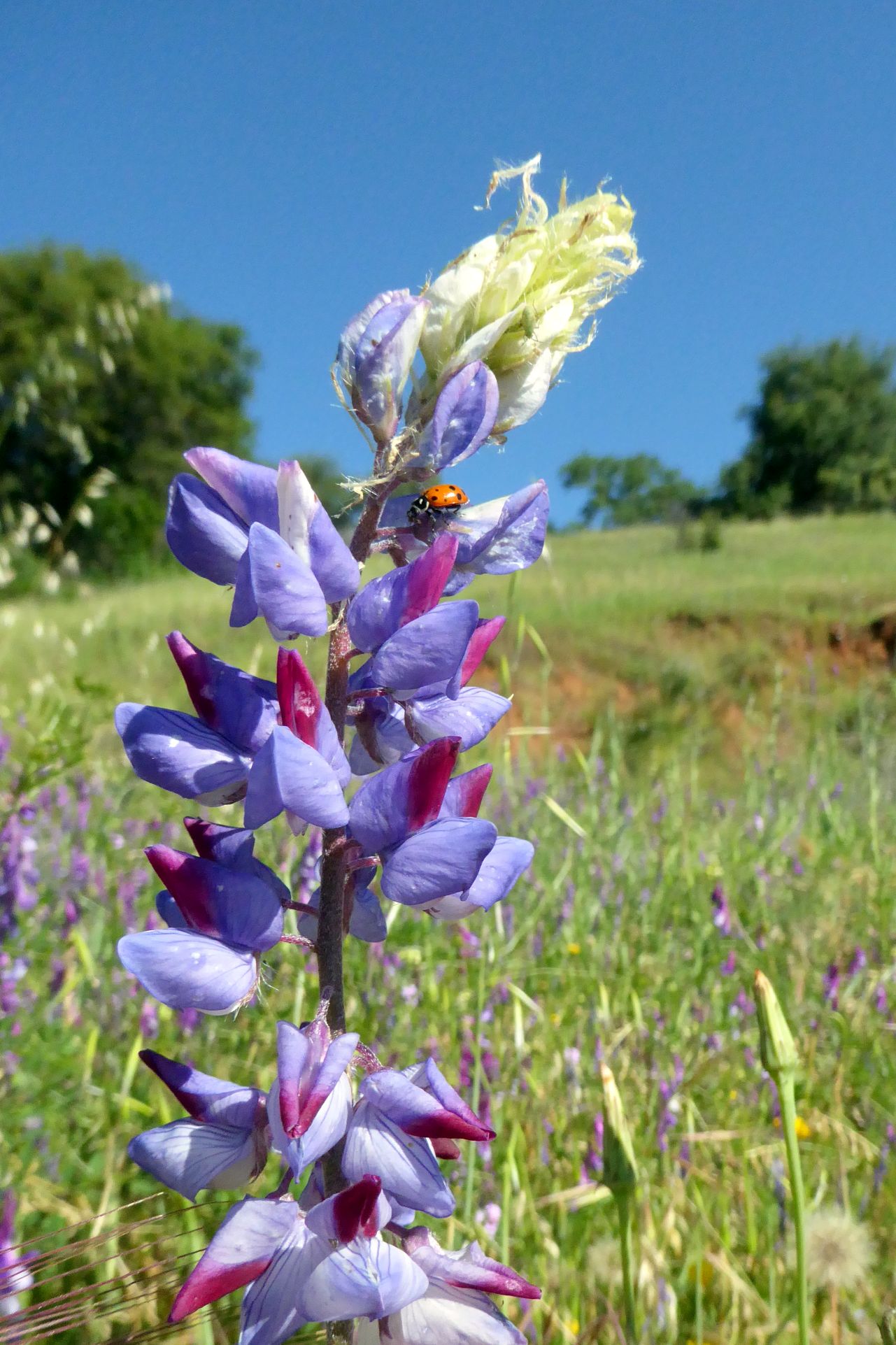
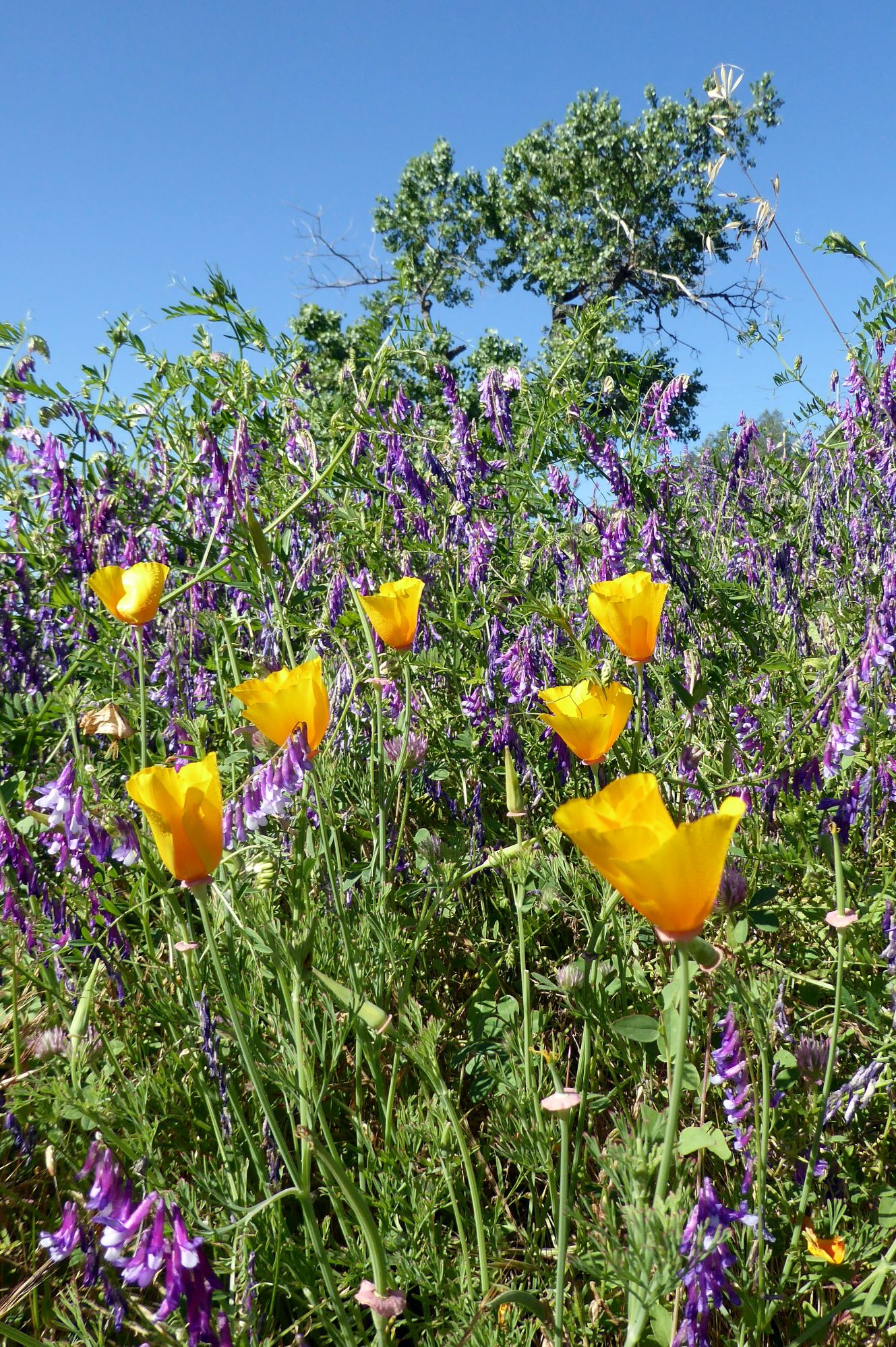
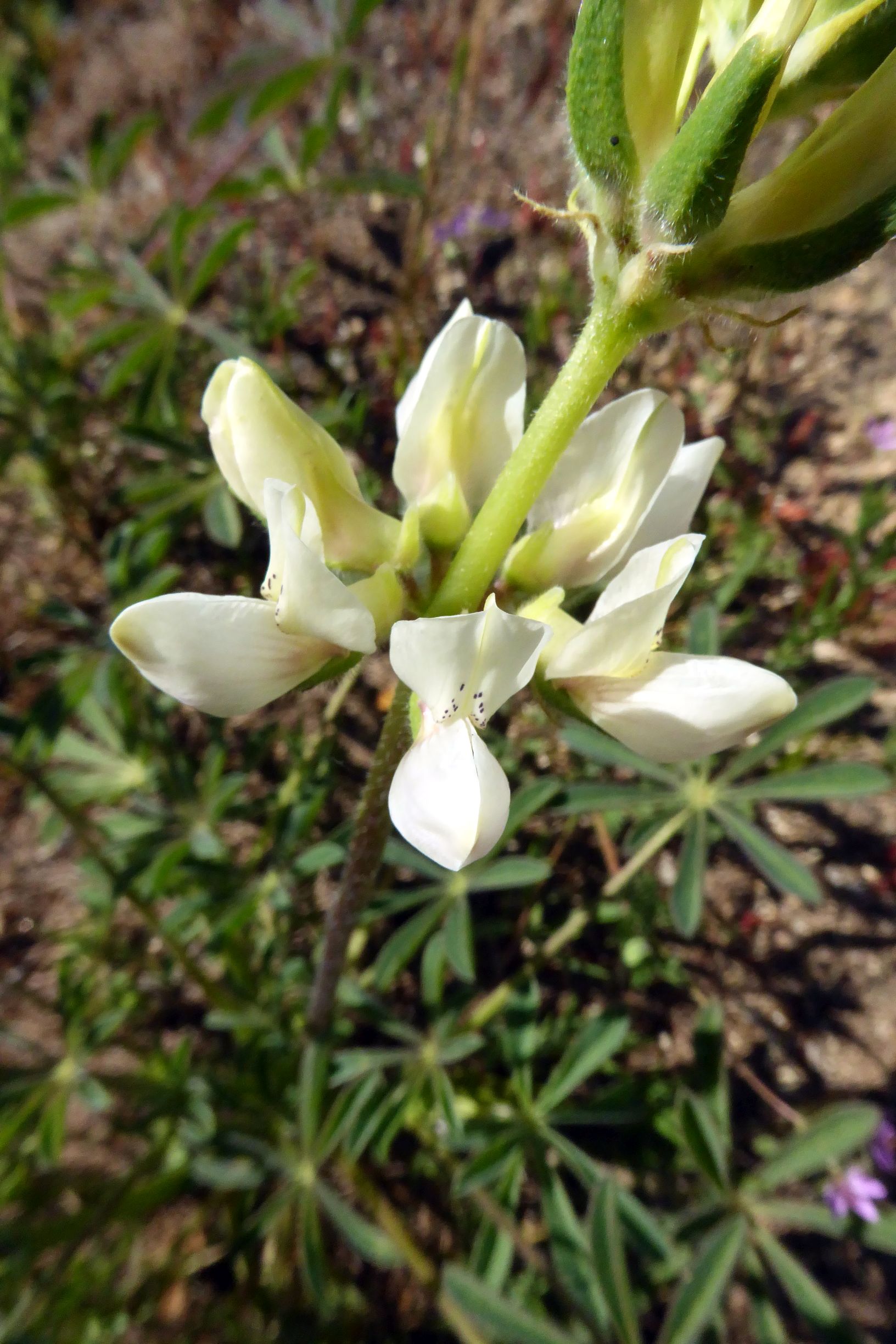
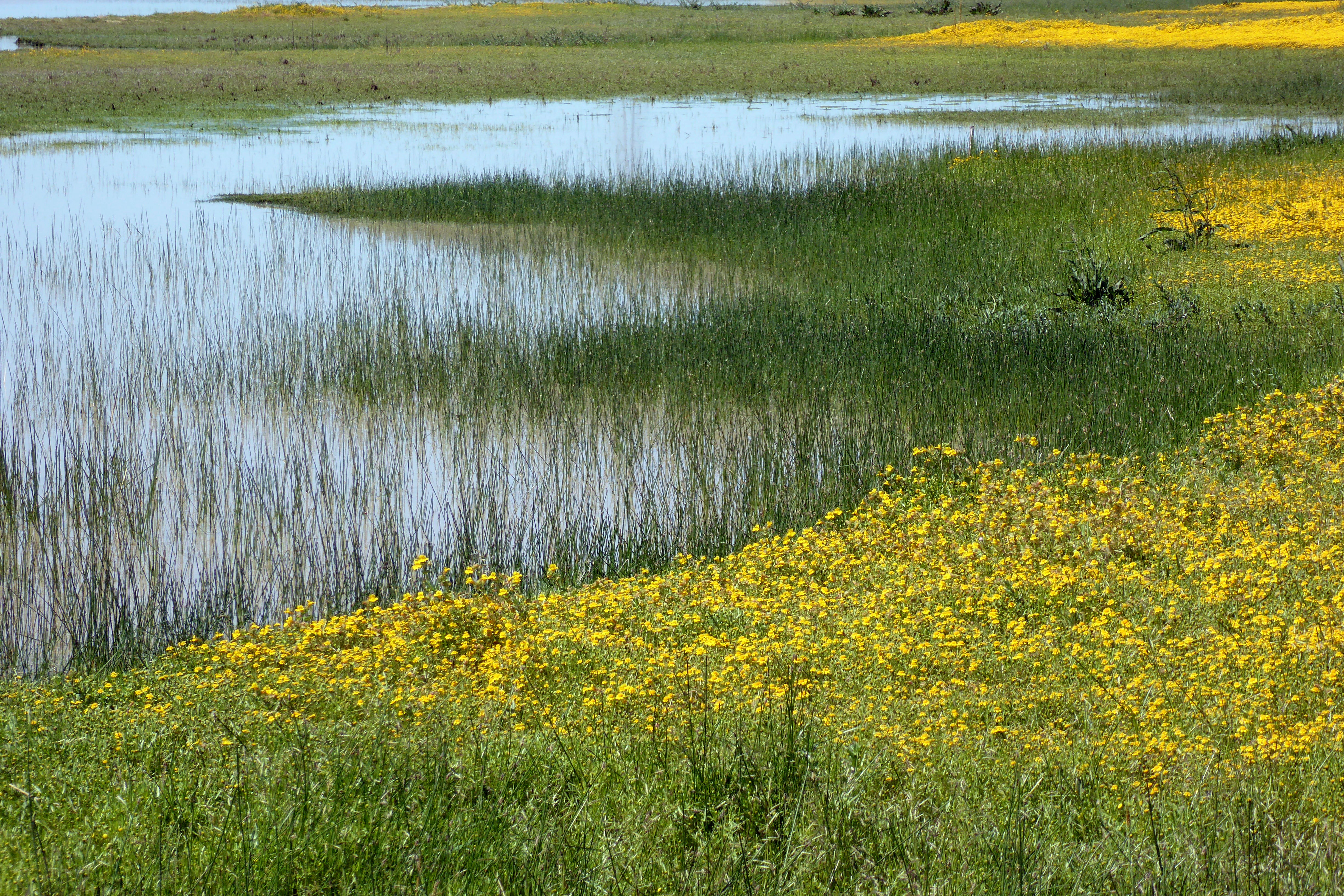
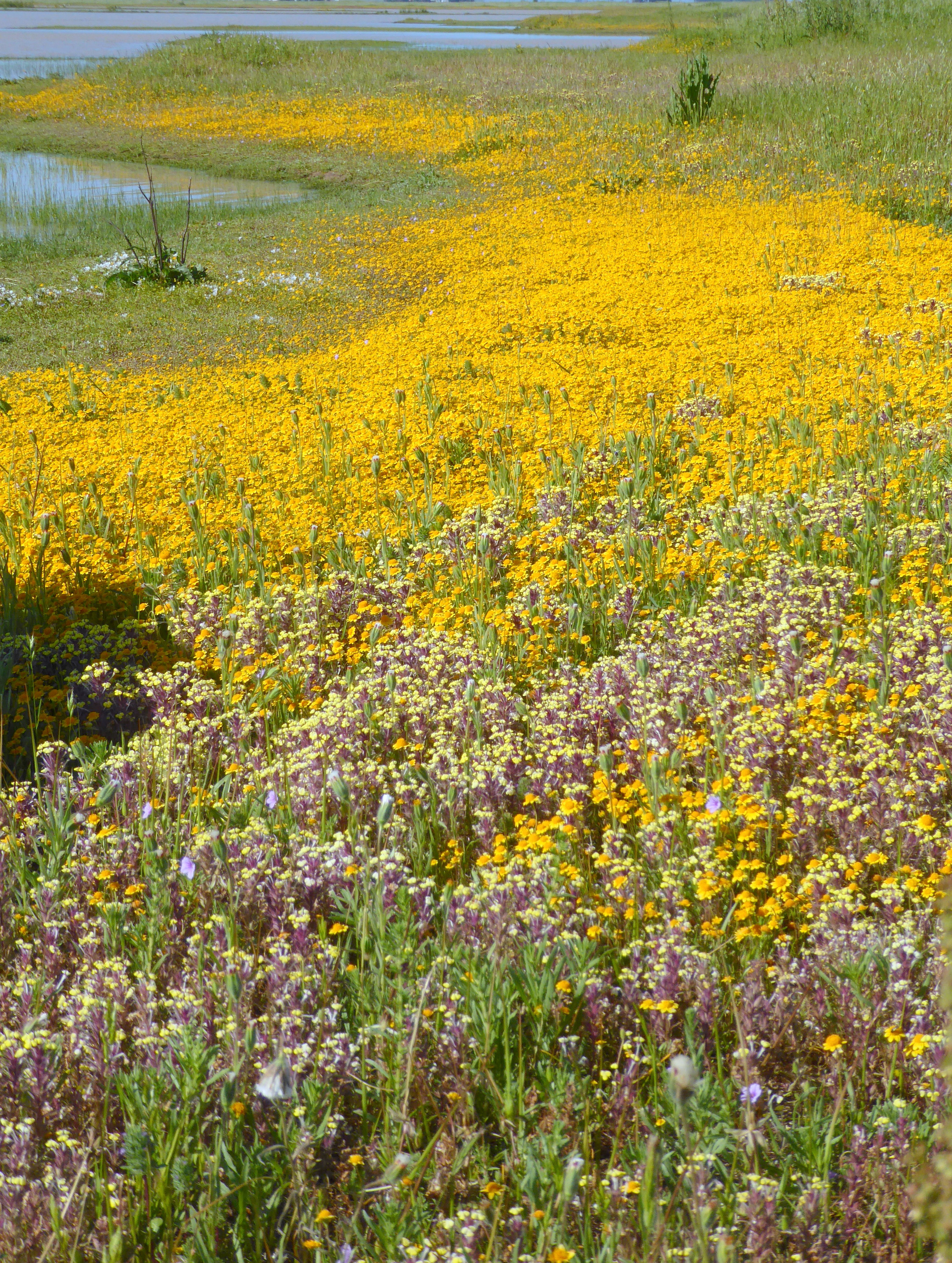
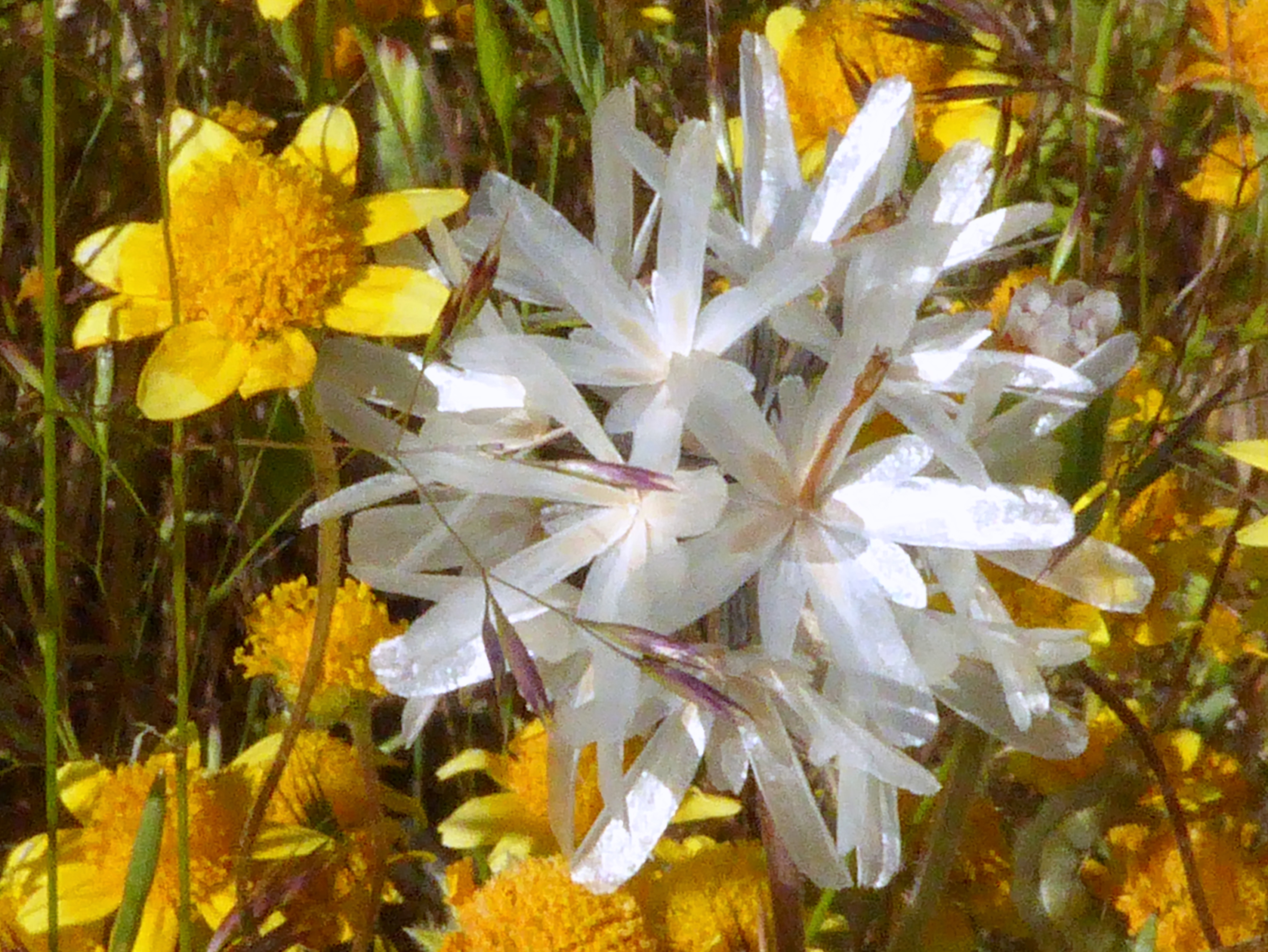
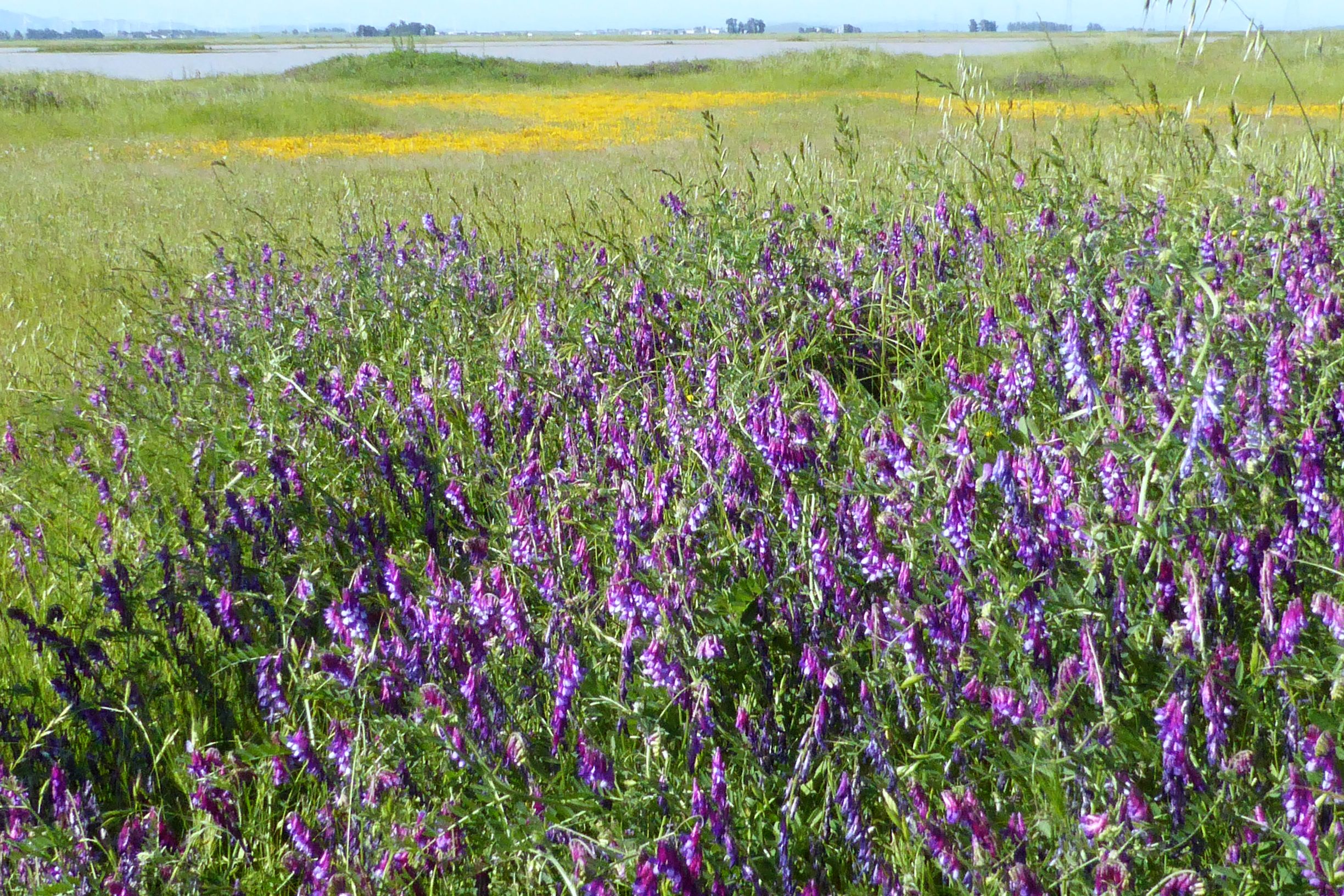
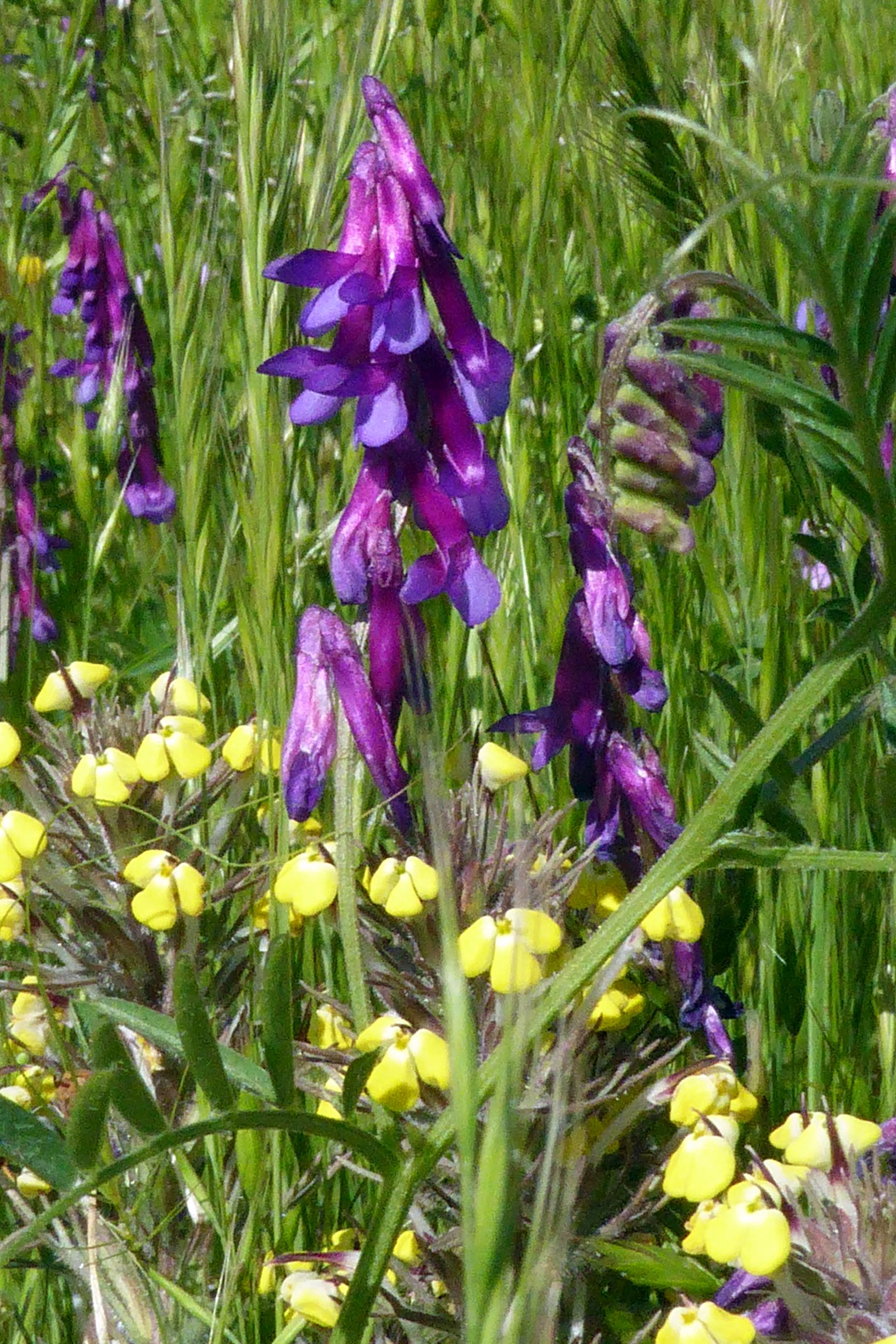
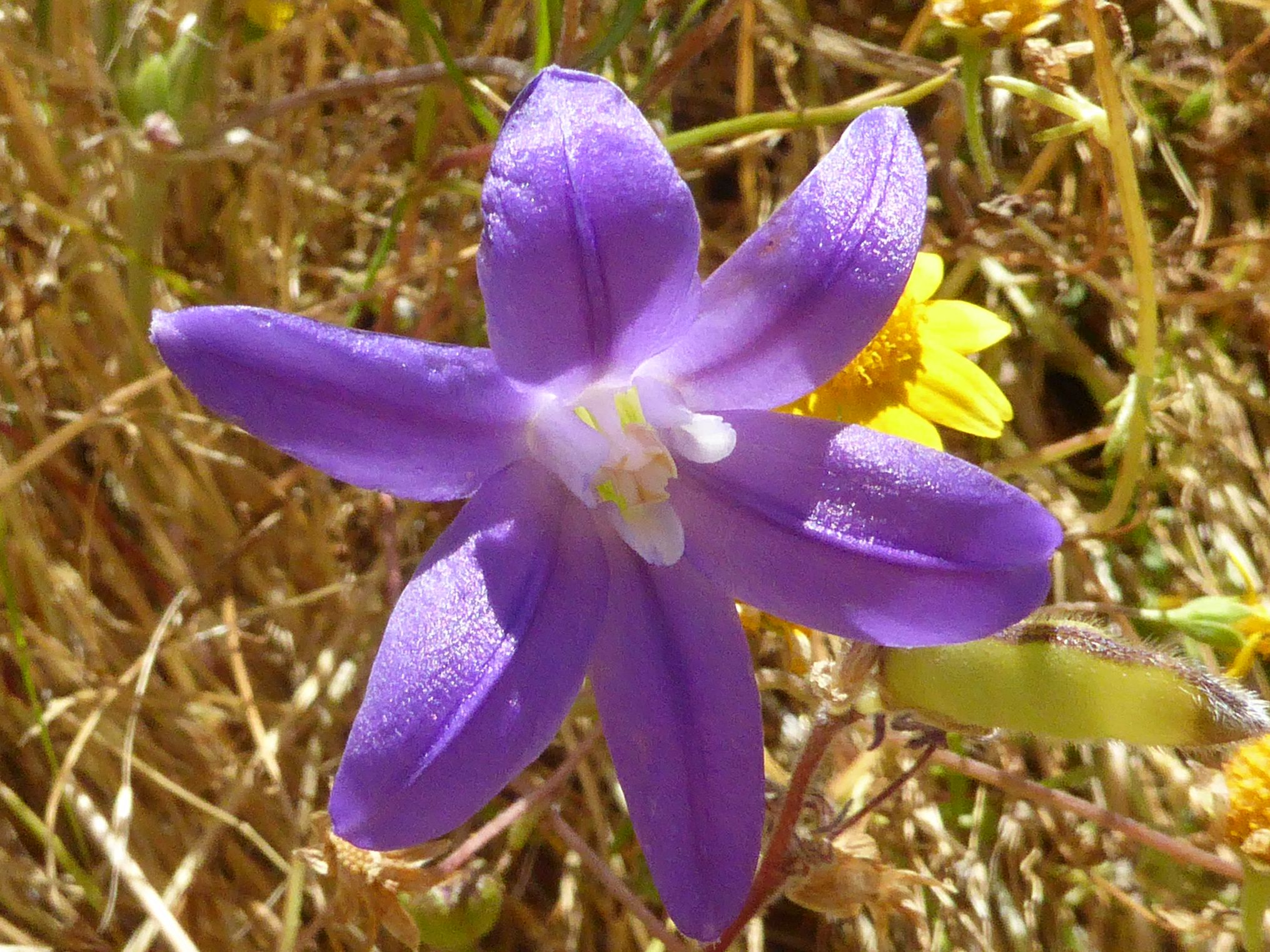
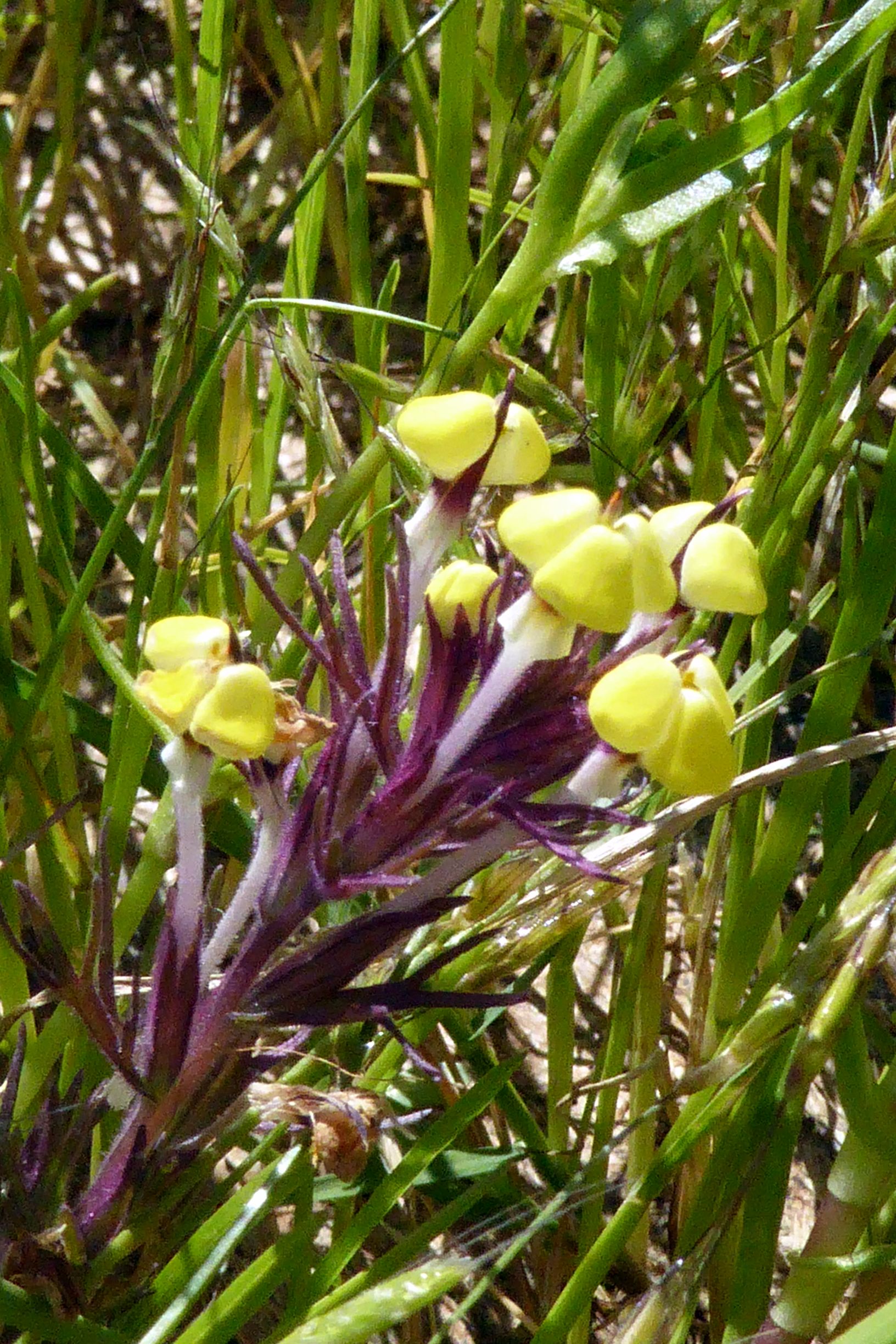
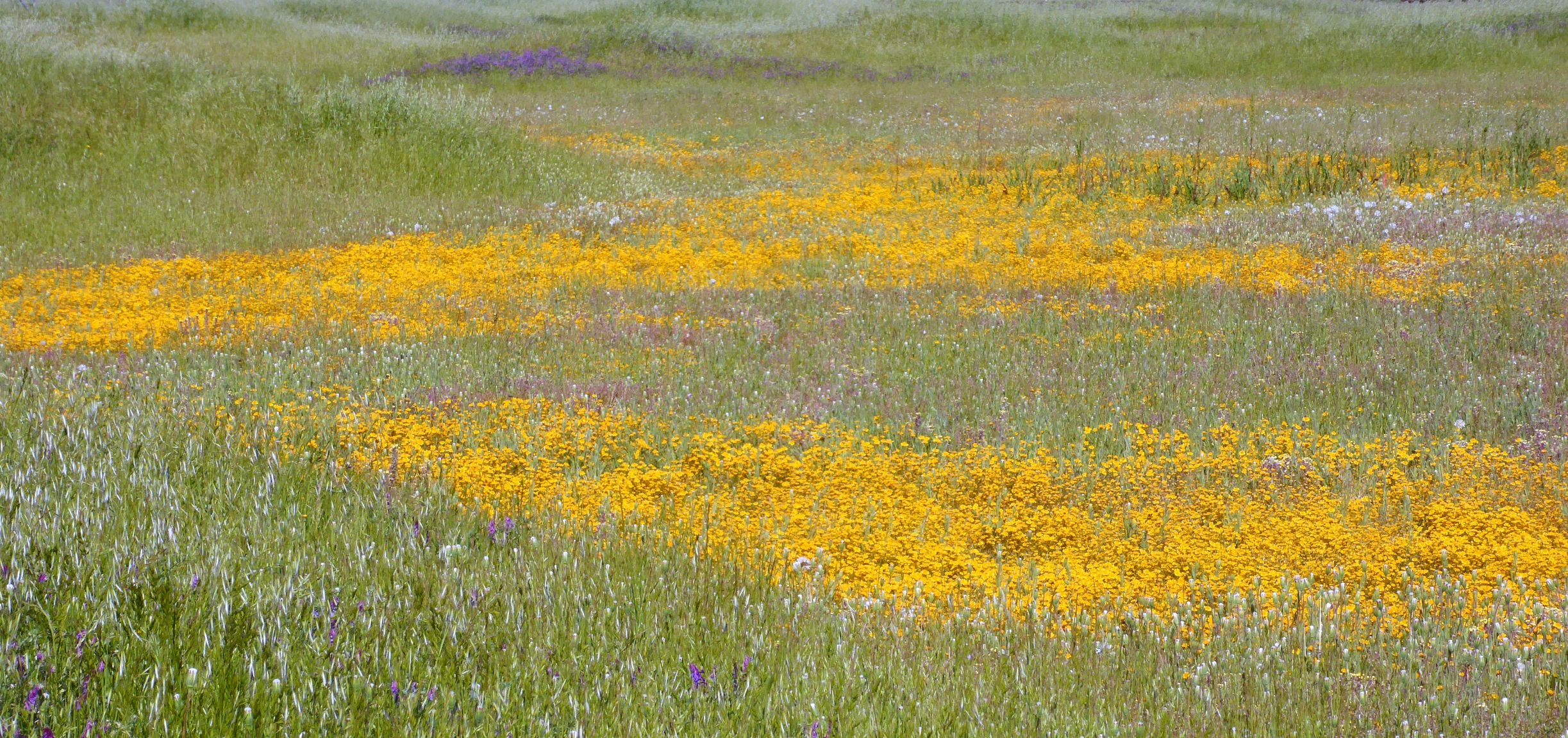
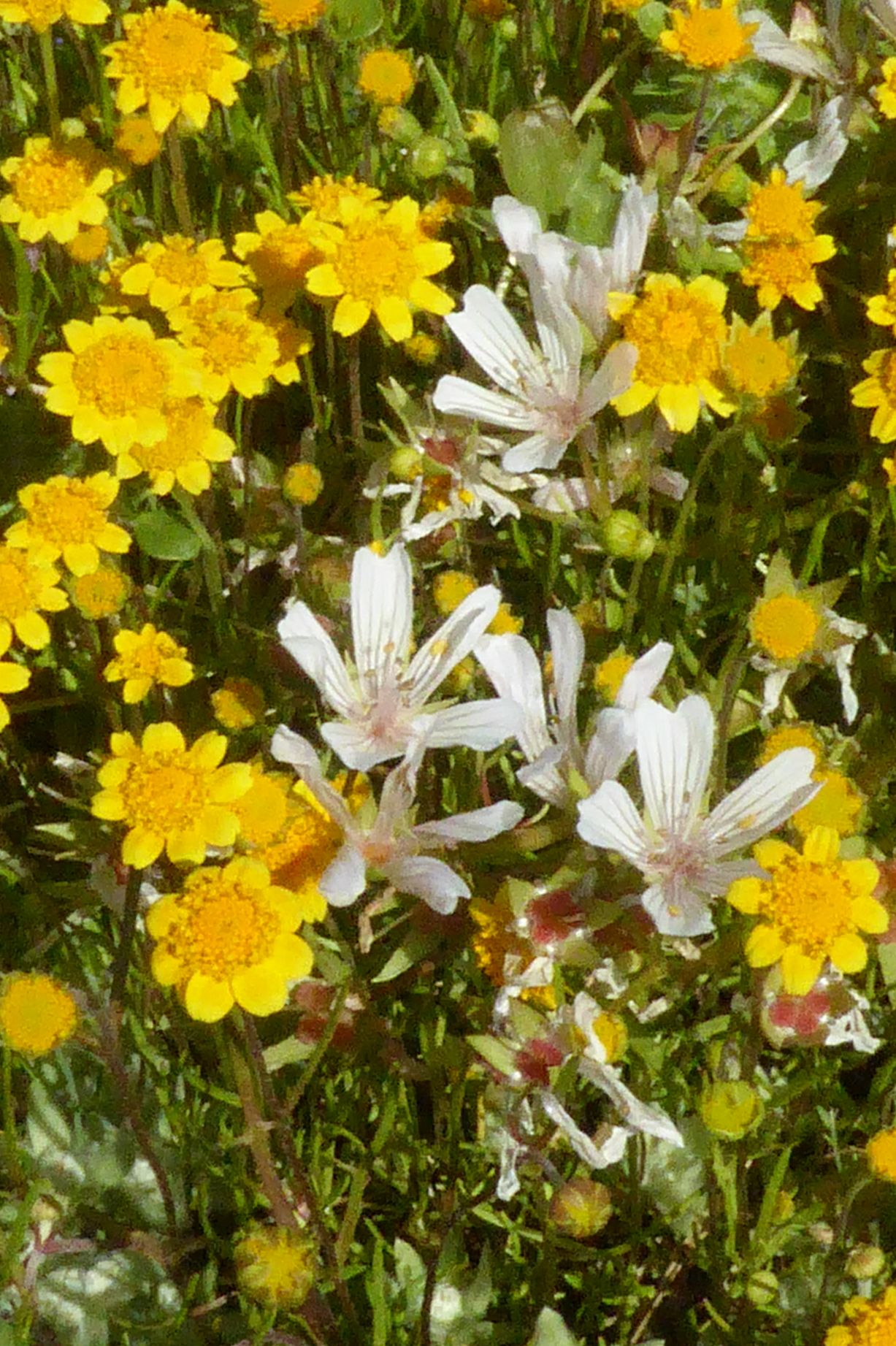
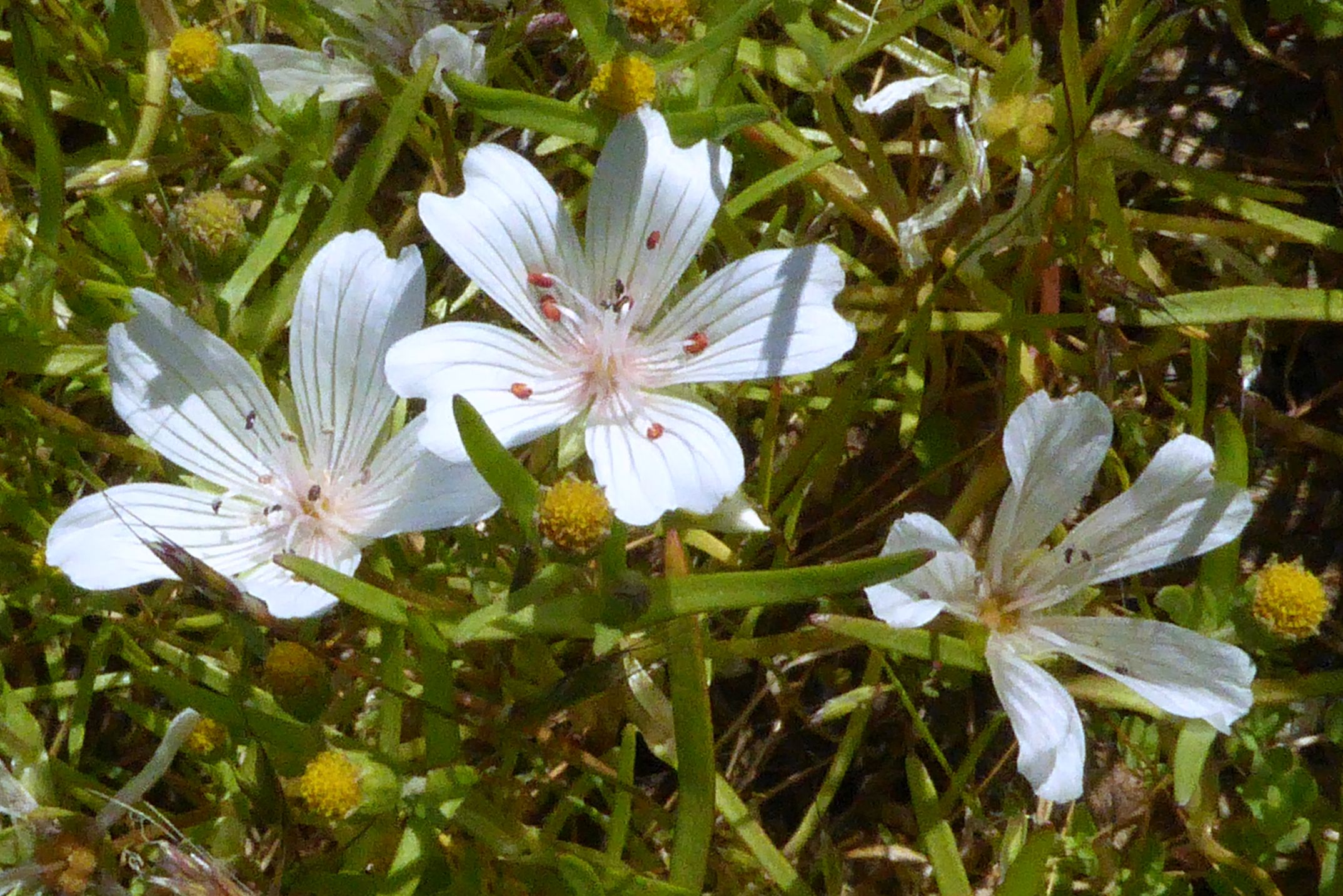
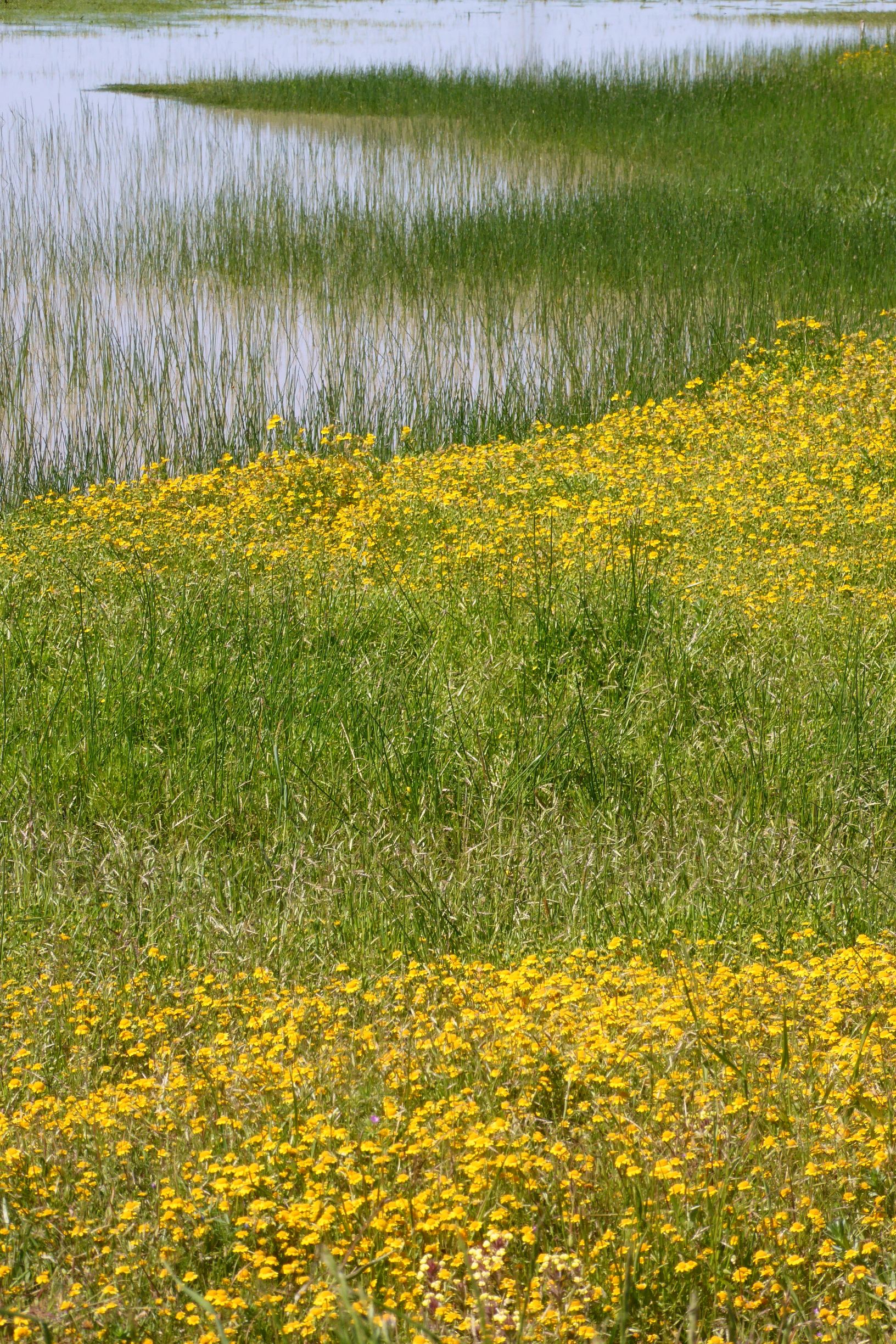
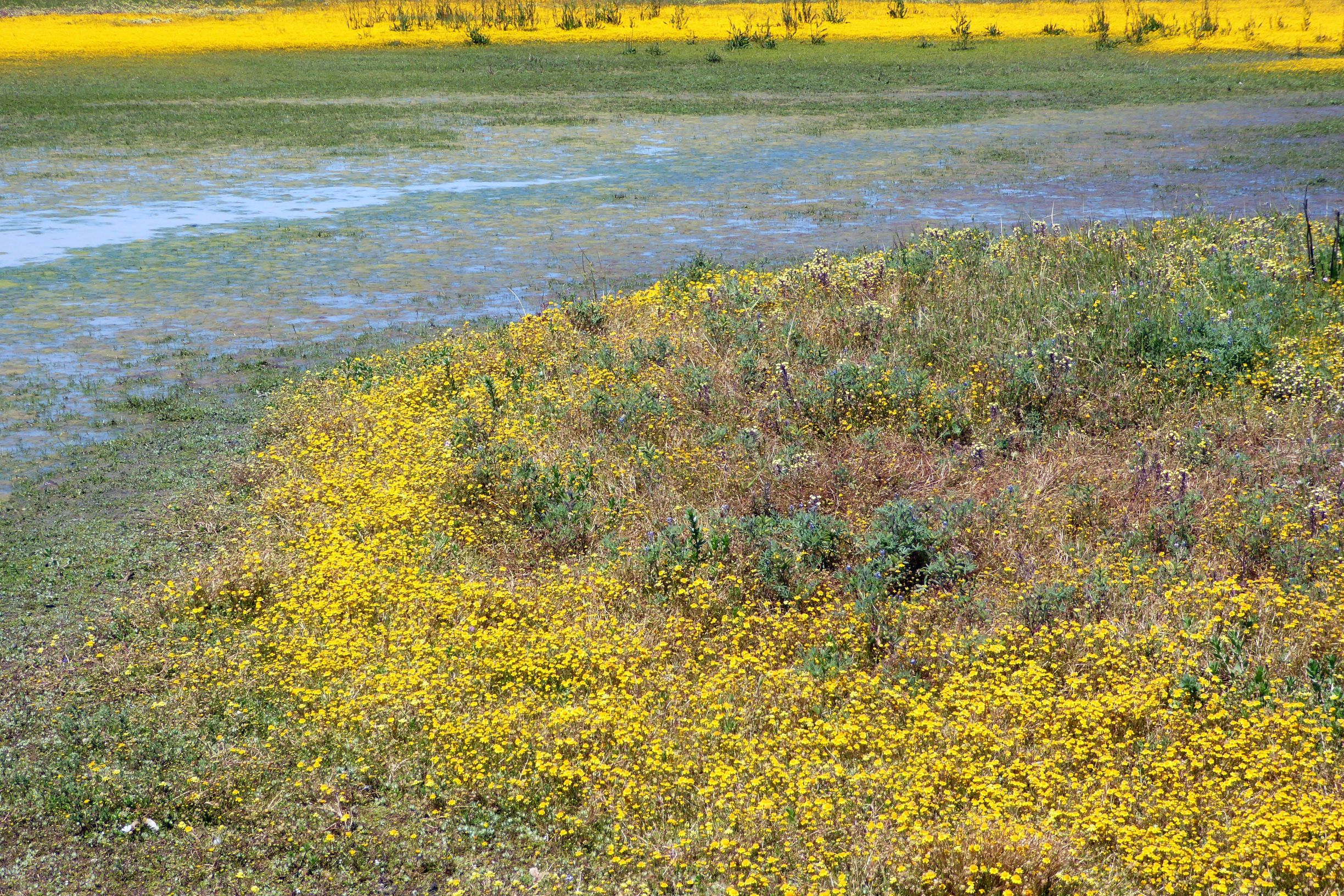
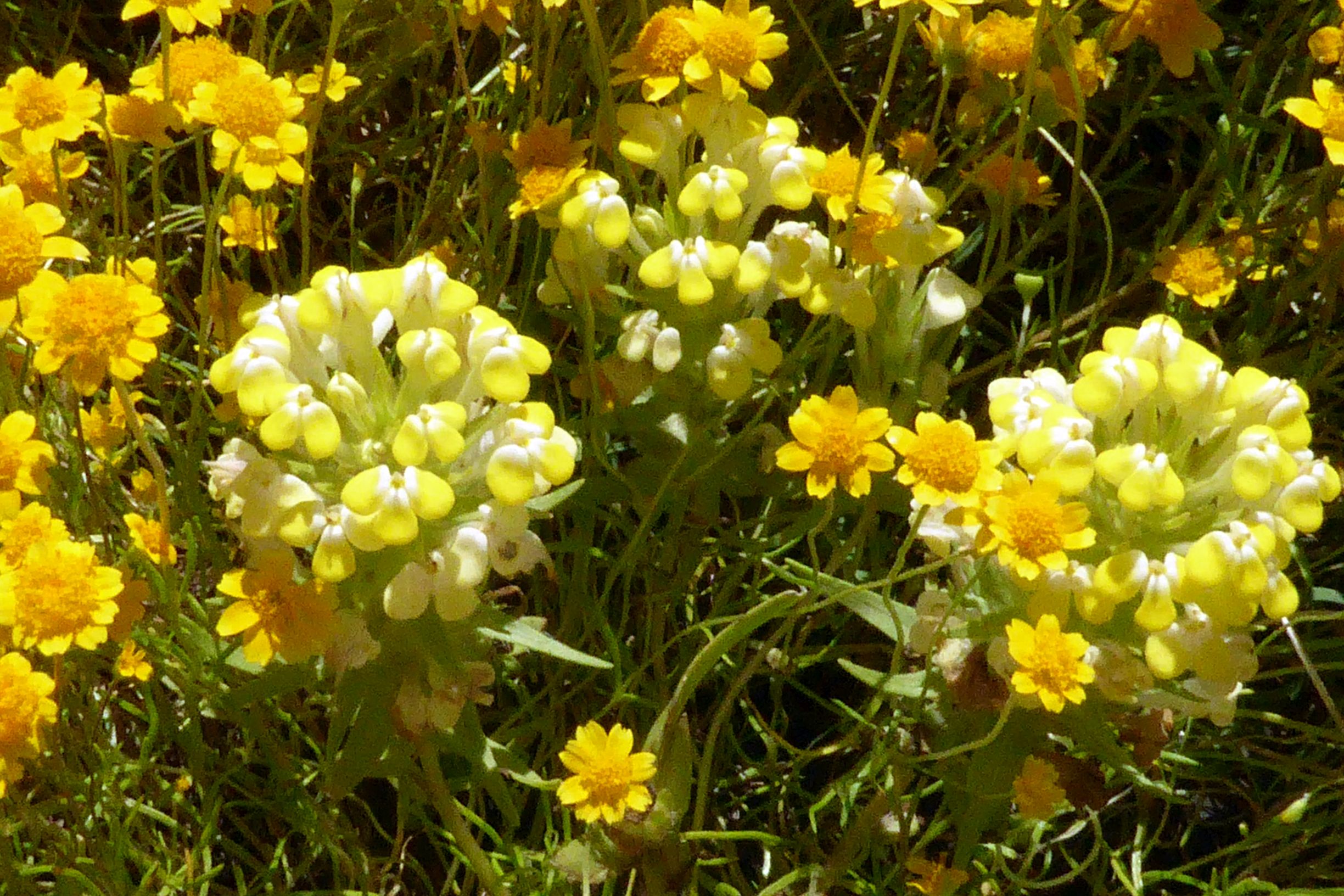
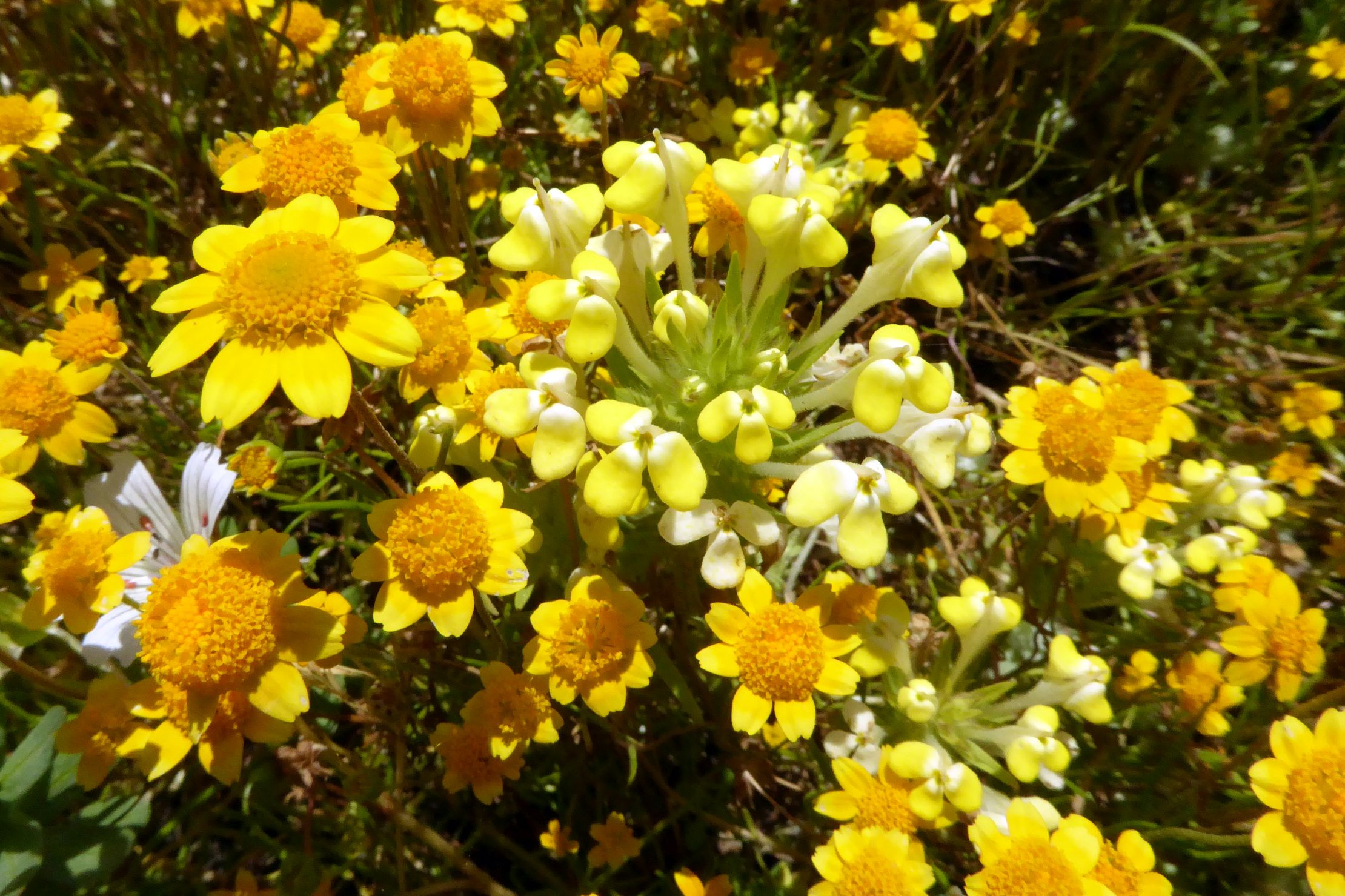
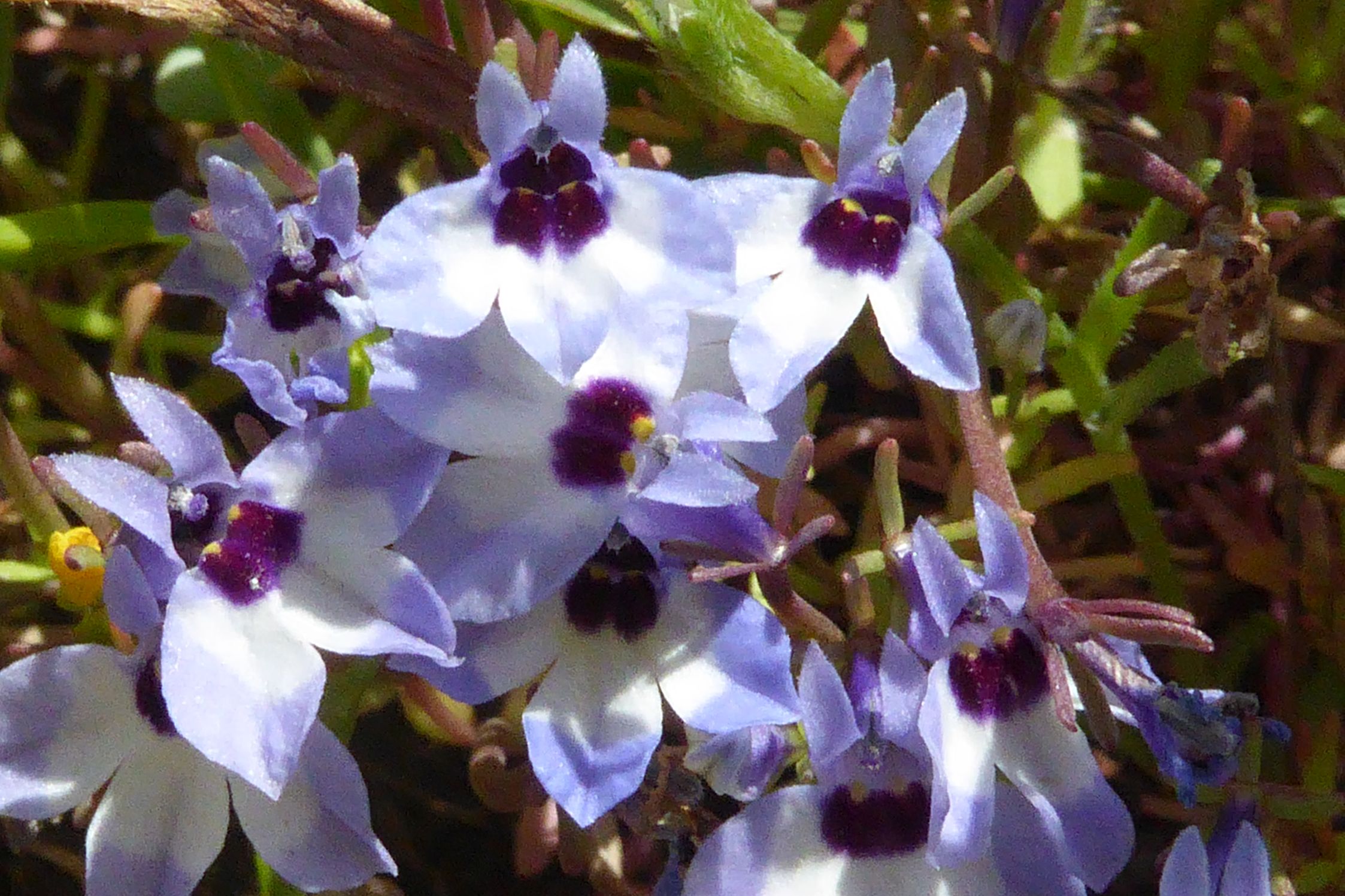
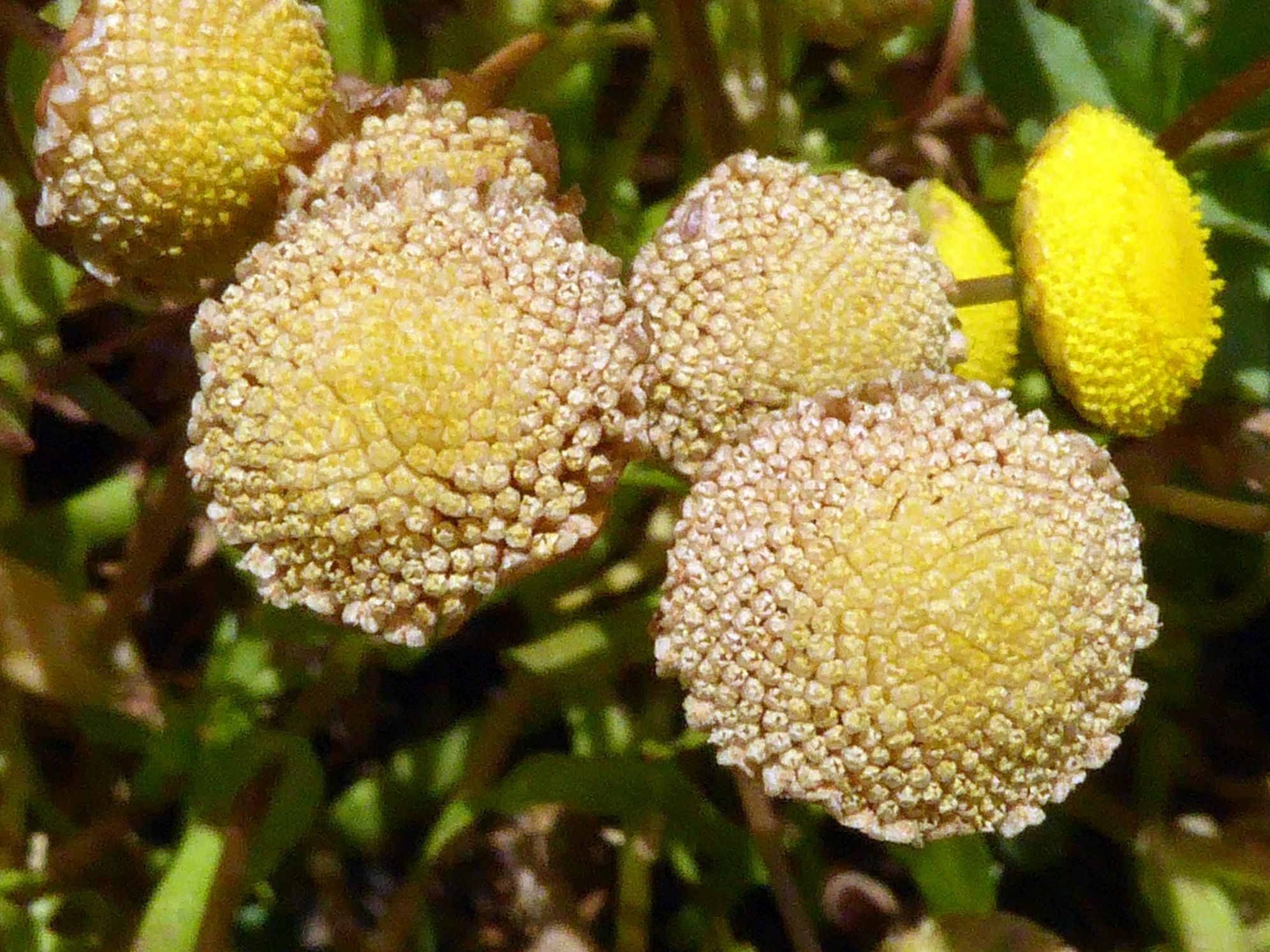
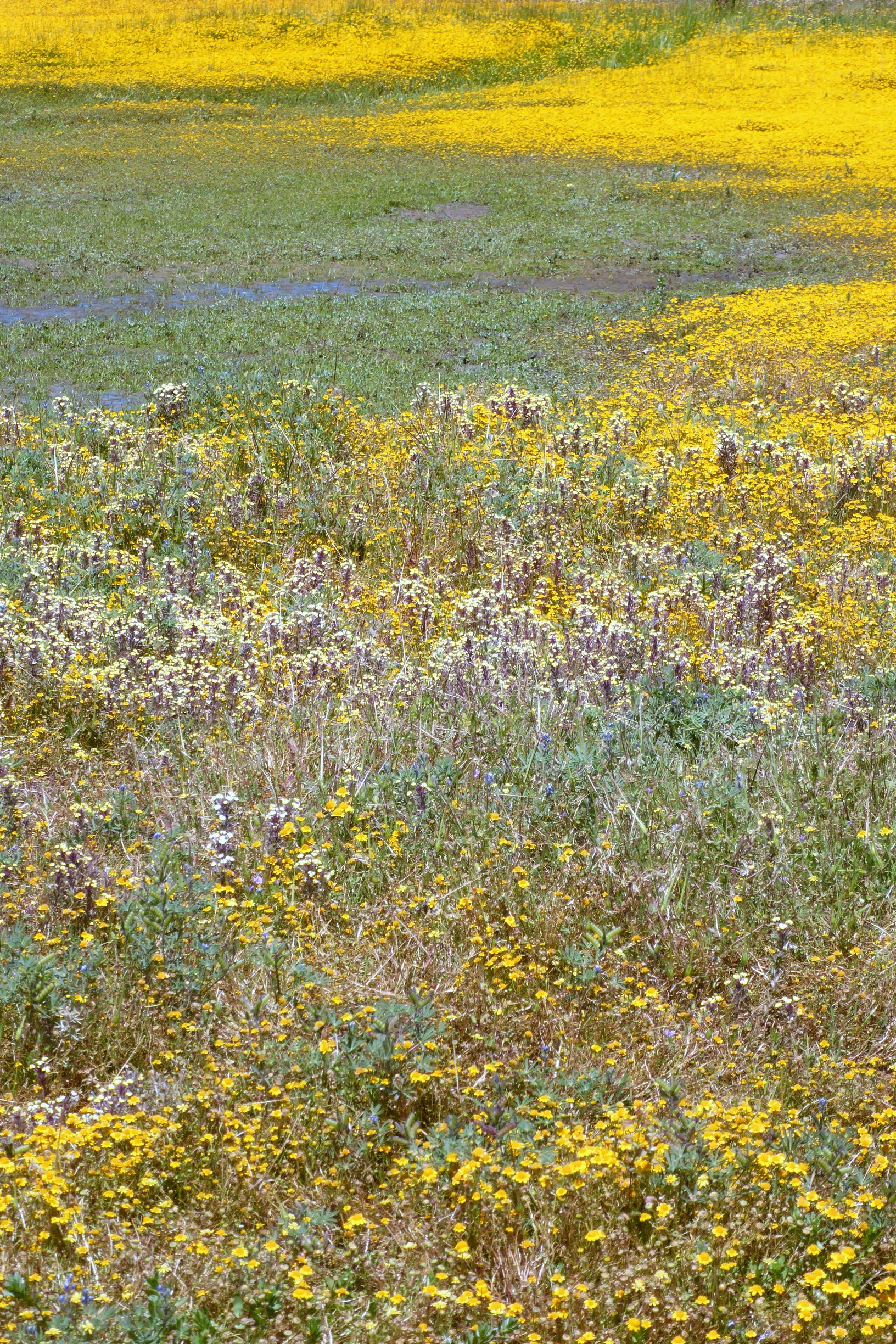
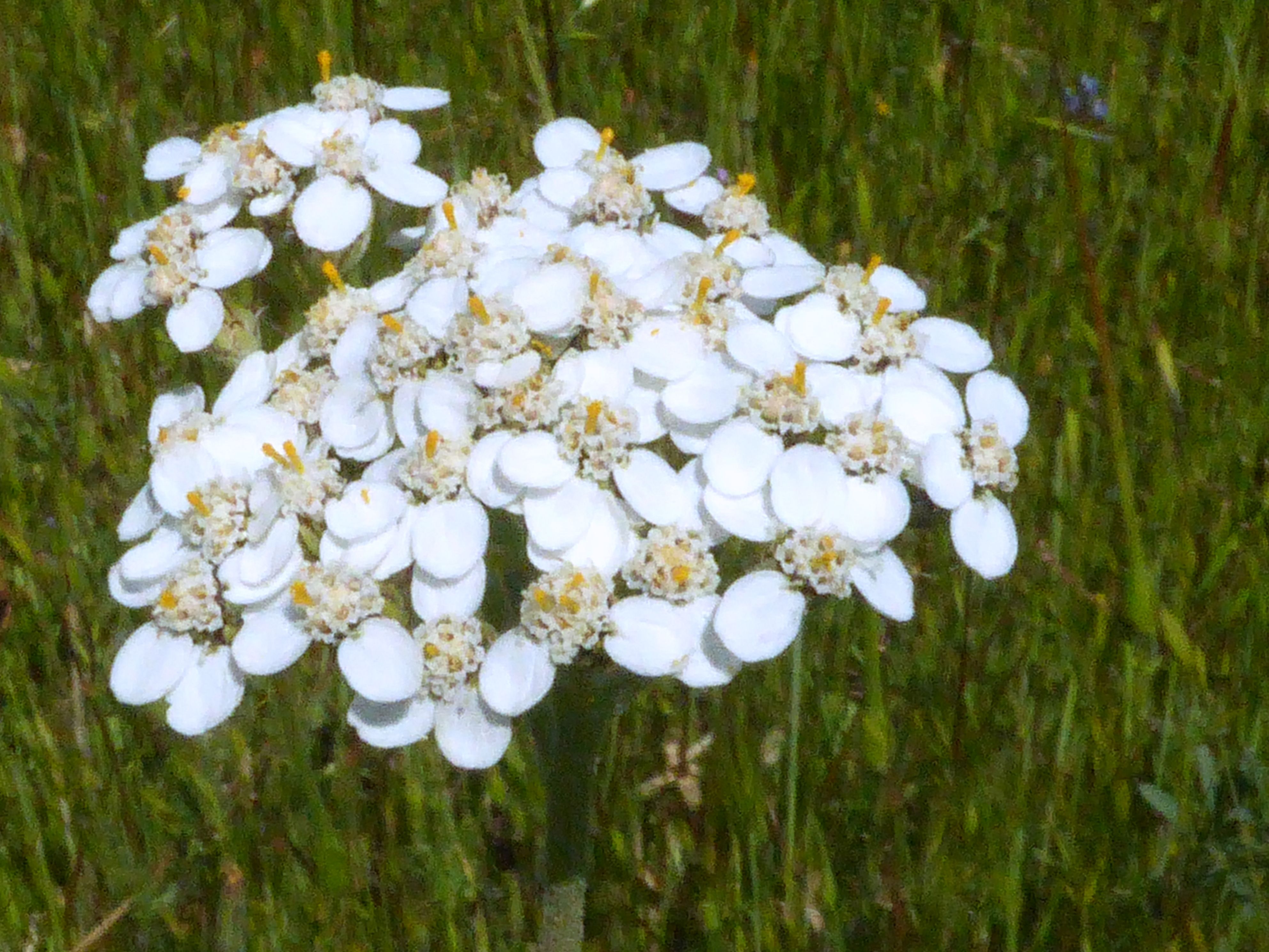
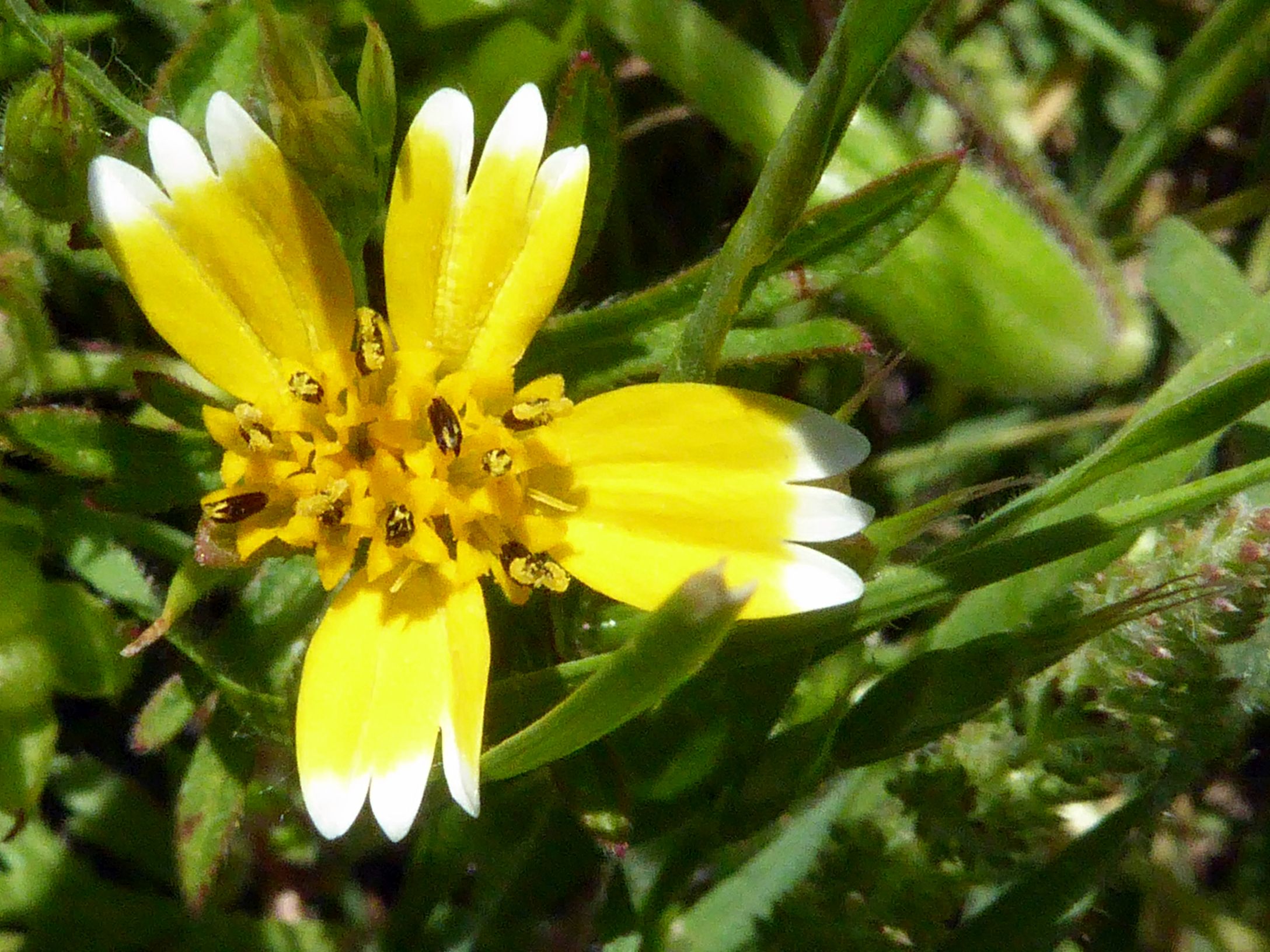
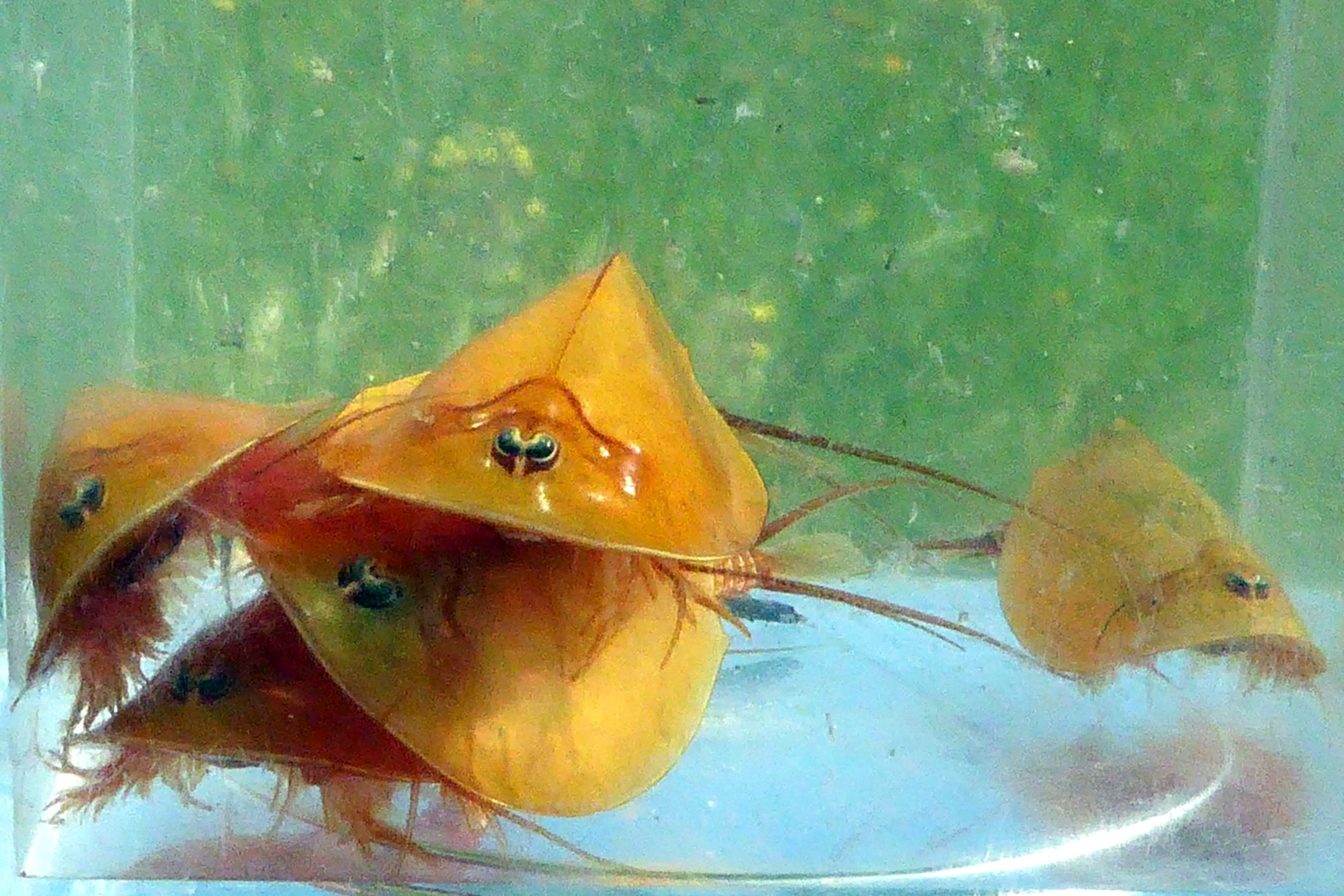
Jepson Prairie Preserve is an internationally known and nationally recognized vernal pool ecosystem. My sister and I visited the preserve to do photography, and we were fortunate to arrive in time for a docent-led tour. Click on the photos to view full screen.
































































































 Elaine-iaK's Travels: A Traveler's Tales of People, Places, Photos, Pools... and CHOCOLATE!