Our group of 14 began the day with a panoramic tour of Dublin by bus and on foot. Although Dublin has the same size footprint as Los Angeles, the total population of the city and surrounding suburbs is only 3 million people compared to ten million in L.A. The lack of traffic congestion (at least compared to L.A.) while moving about the city was noticeable and appreciated!
Following our city tour, we visited 14 Henrietta Street, also known as the Tenement Museum. Built in the 1740’s, the home was first occupied by a wealthy lord and his wife. In 1800, Dublin entered a period of economic decline, and the owner at the time divided the home into 17 tenement flats. Now a museum, it tells the story of the families who occupied the house over the years, from Dublin’s most elite to the poorest of the poor. At the time, Ireland was under British rule, and the British aristocracy moved out and ruled from England.
By 1911, 17 families totaling 100 people lived at 14 Henrietta Street. It was during the time of Spanish flu, so there was much illness spreading throughout the tenements. The tenement had only one toilet (this was before indoor plumbing was common, so it was considered “posh”), but everybody had to share that one toilet. It was only flushed one time each week—brutal! And, at night, rats ran free throughout the flats.
(For all photos, click on the image for a full screen view.)
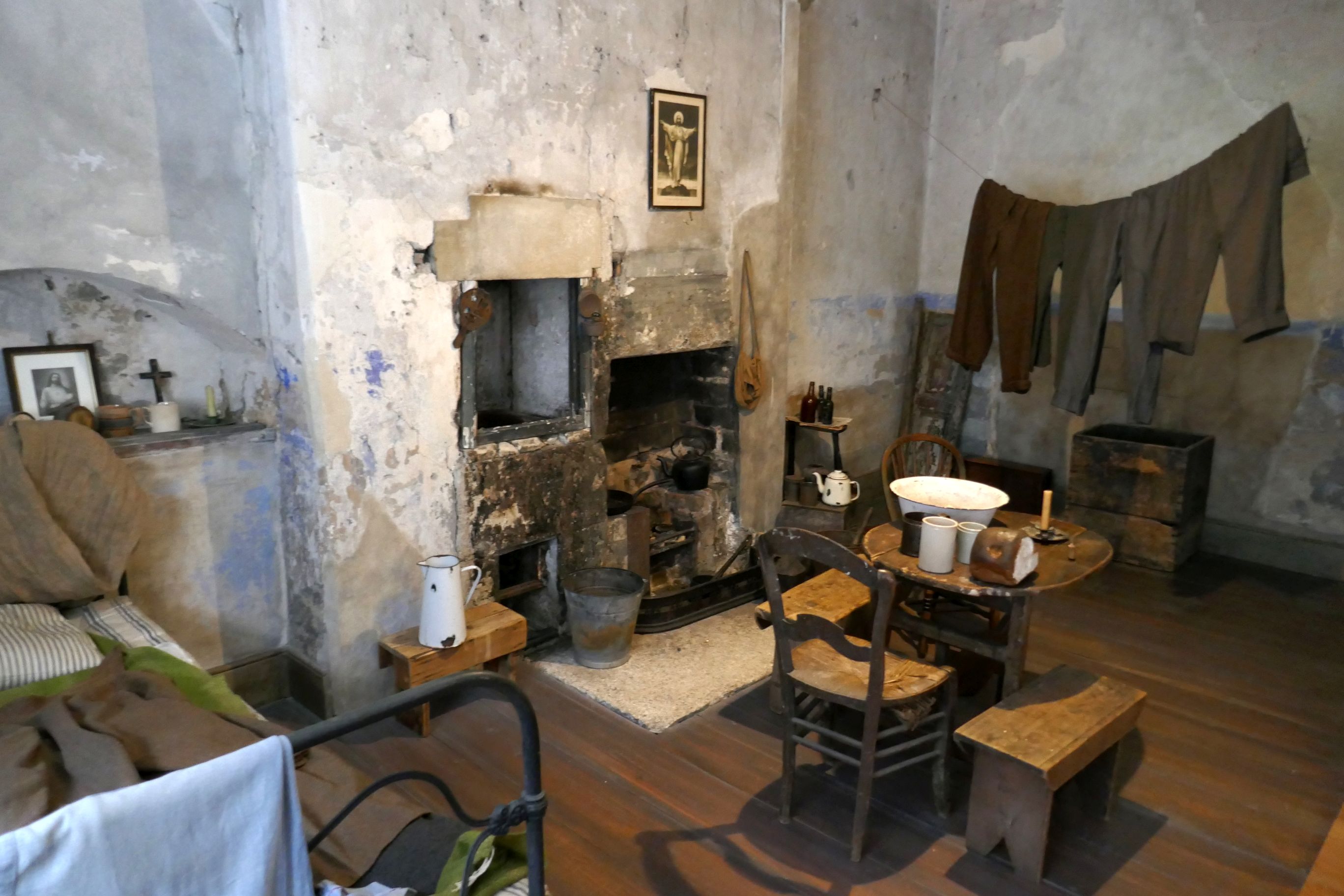
At the time, 1/6 of Ireland’s population lived in tenements and 1,000 of them lived on Henrietta Street. They had the highest mortality rate of the British Isles and many of the children didn’t live past age five. Work weeks were long—70 hours—and the pay was extremely meager. Job insecurity was a fact of life, and people lived on bread, potatoes, and tea. One lady lost 12 of her 14 children before they reached the age of 5.
Do you know how the saying, “Moving up in the world” originated? When people were able to move from the basement up to higher and warmer levels of tenement houses with more light, they were moving up… This was very expensive, of course, so multiple families shared a flat.
In 1979, the last person at 14 Henrietta Street left, and it closed. In 2000, the city of Dublin began the process of acquiring the house, and then in 2008, they began conservation and preservation—a ten-year long project.
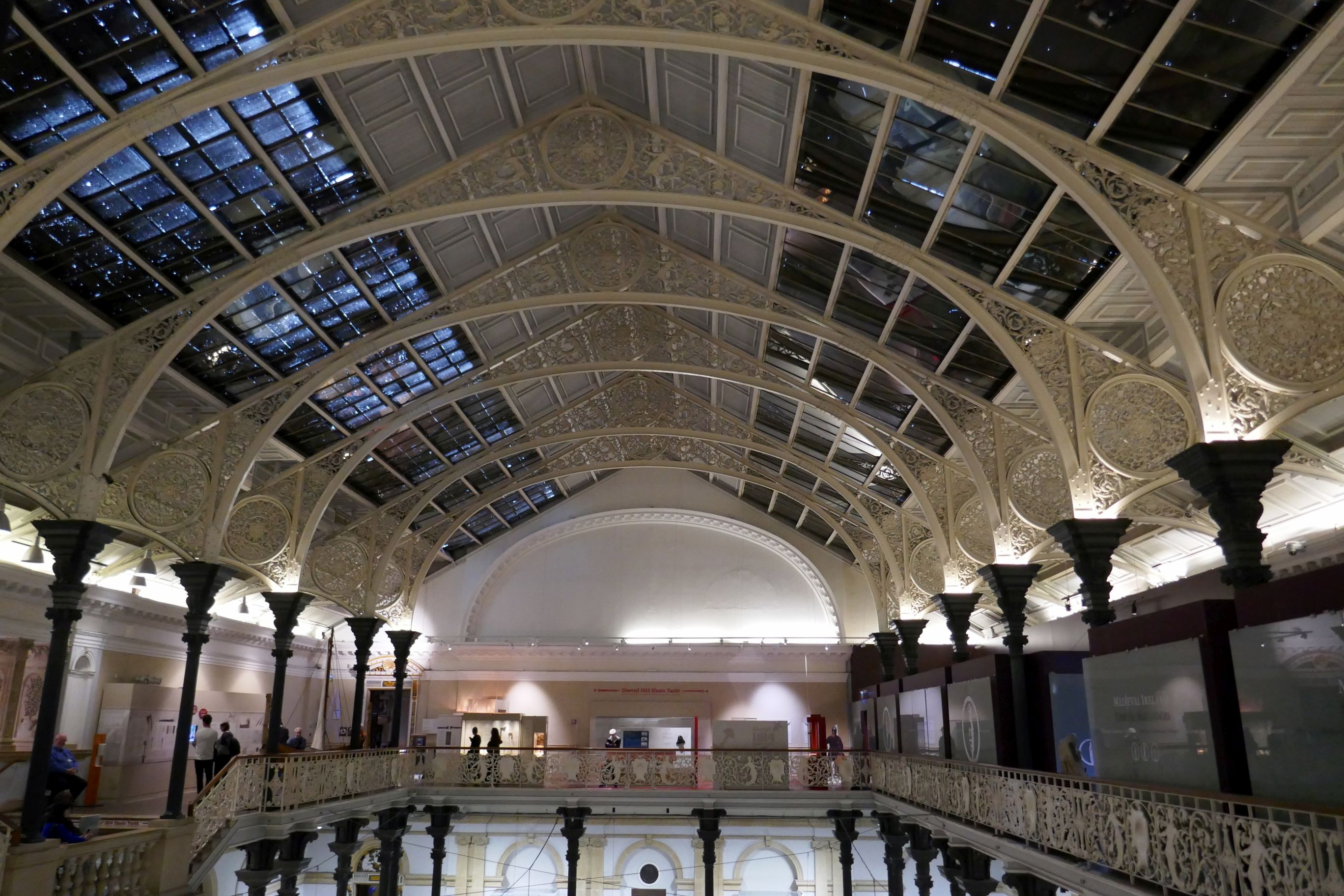
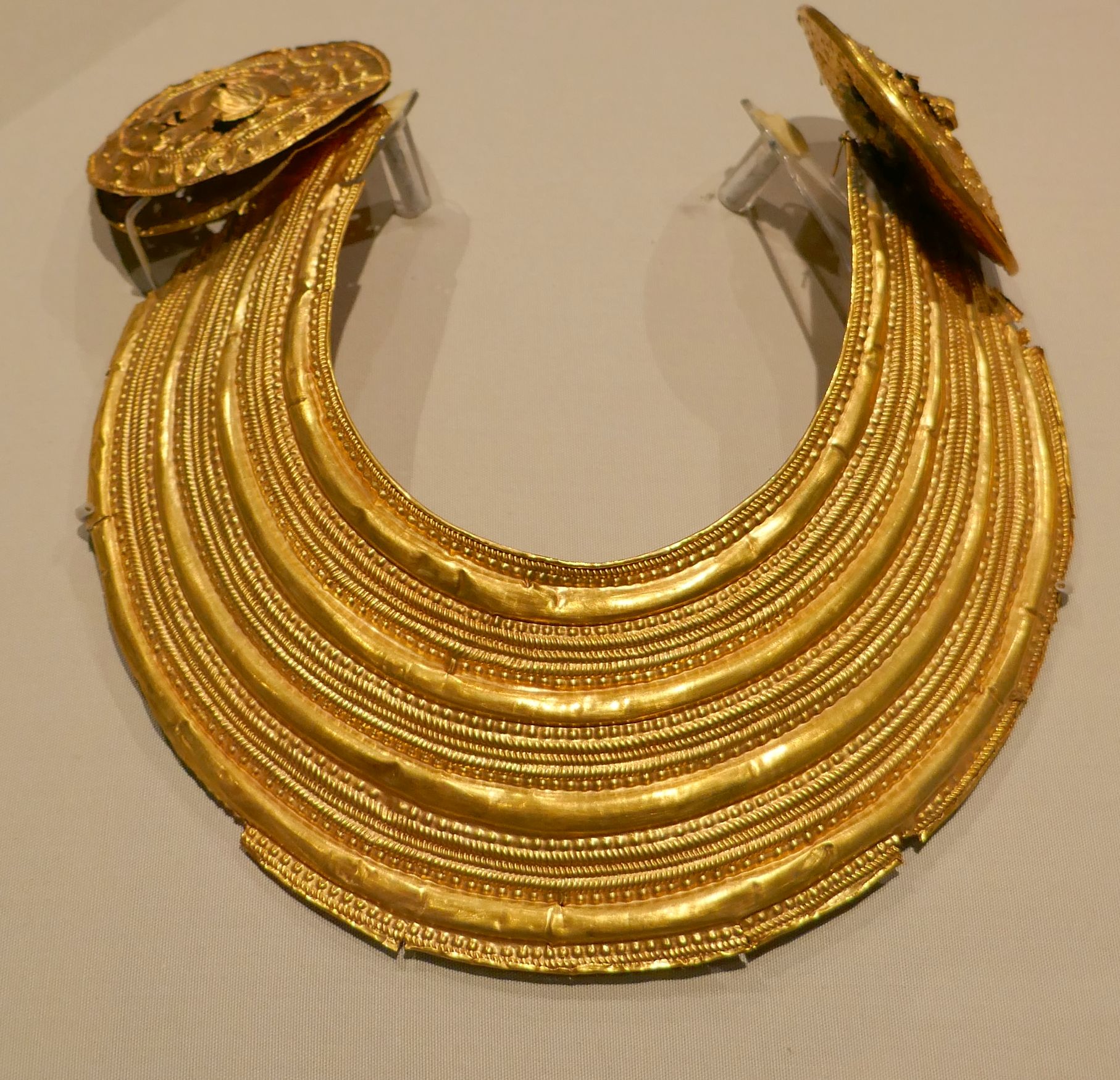
Following the tour of the museum, the afternoon was free, so Bruce and I visited the National Museum of Ireland Archeaology. The building alone was worth the visit; it was gorgeous!

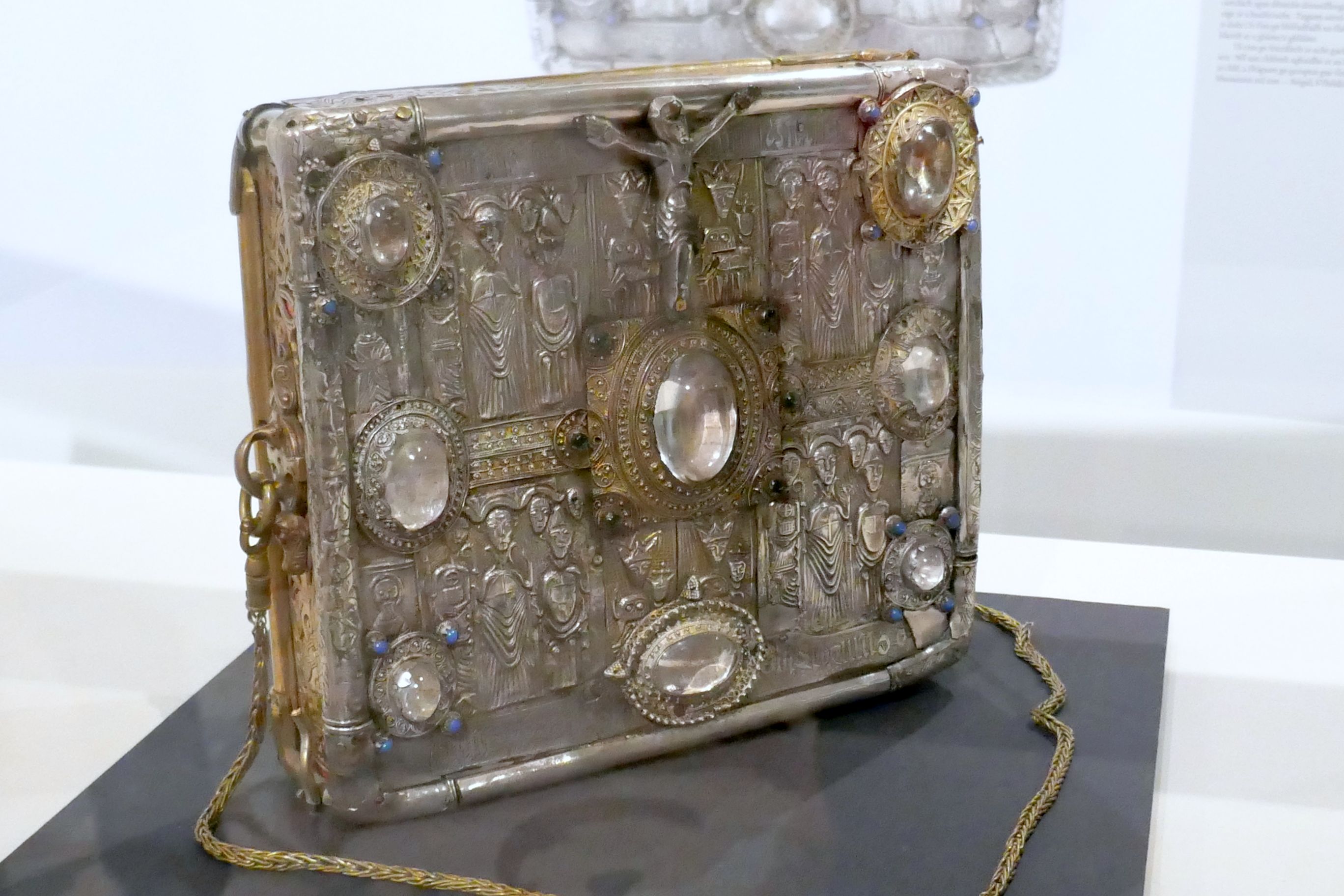
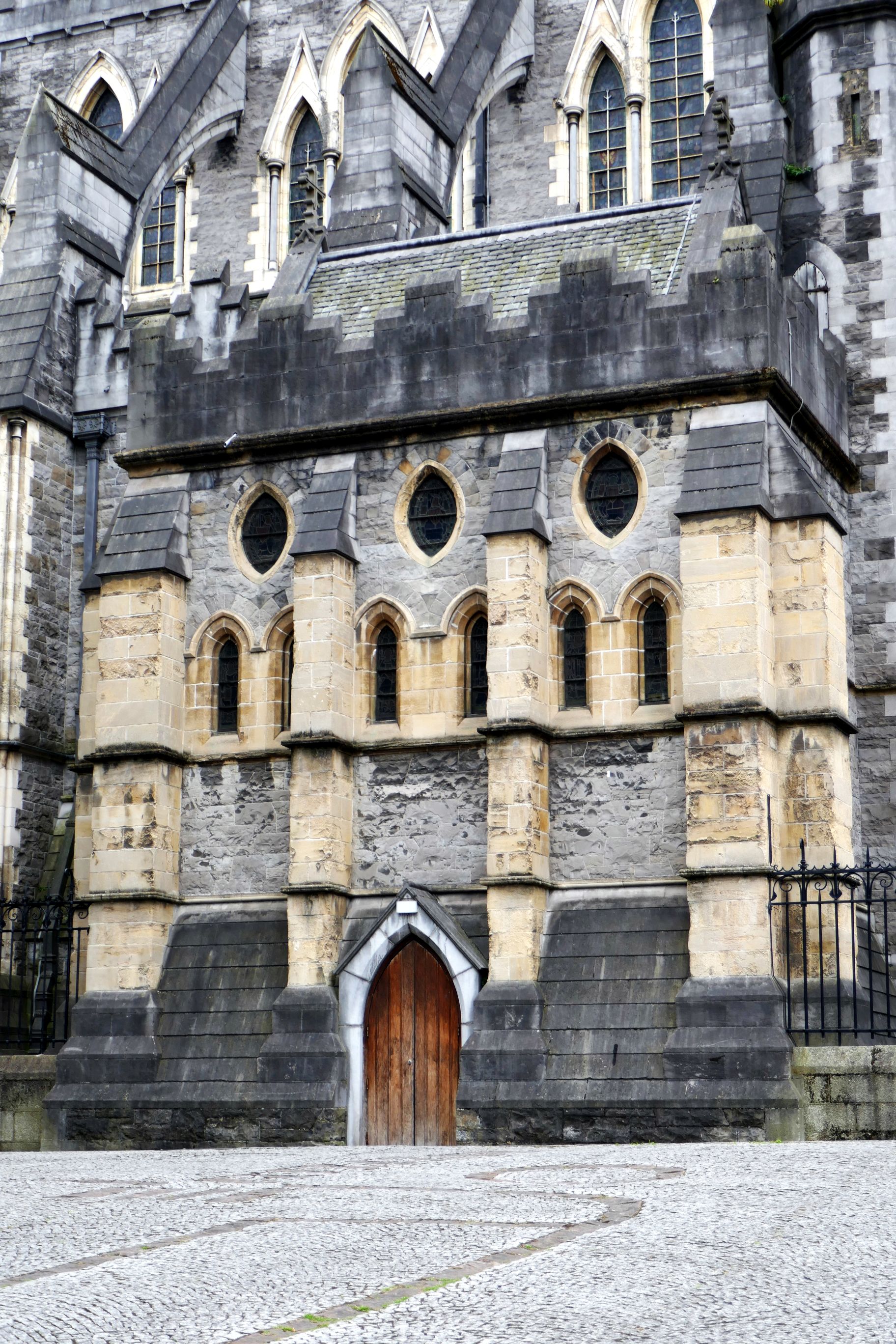
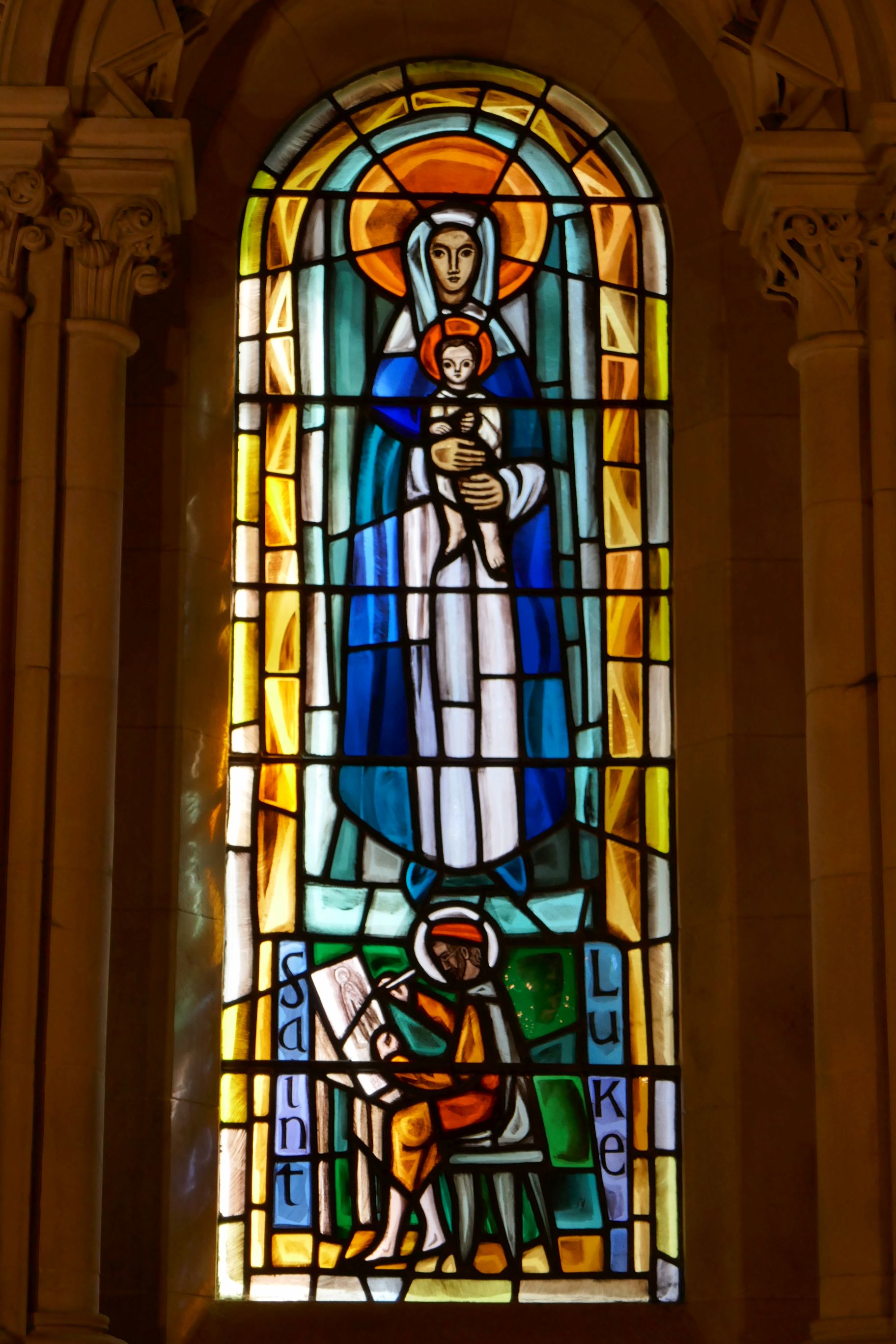
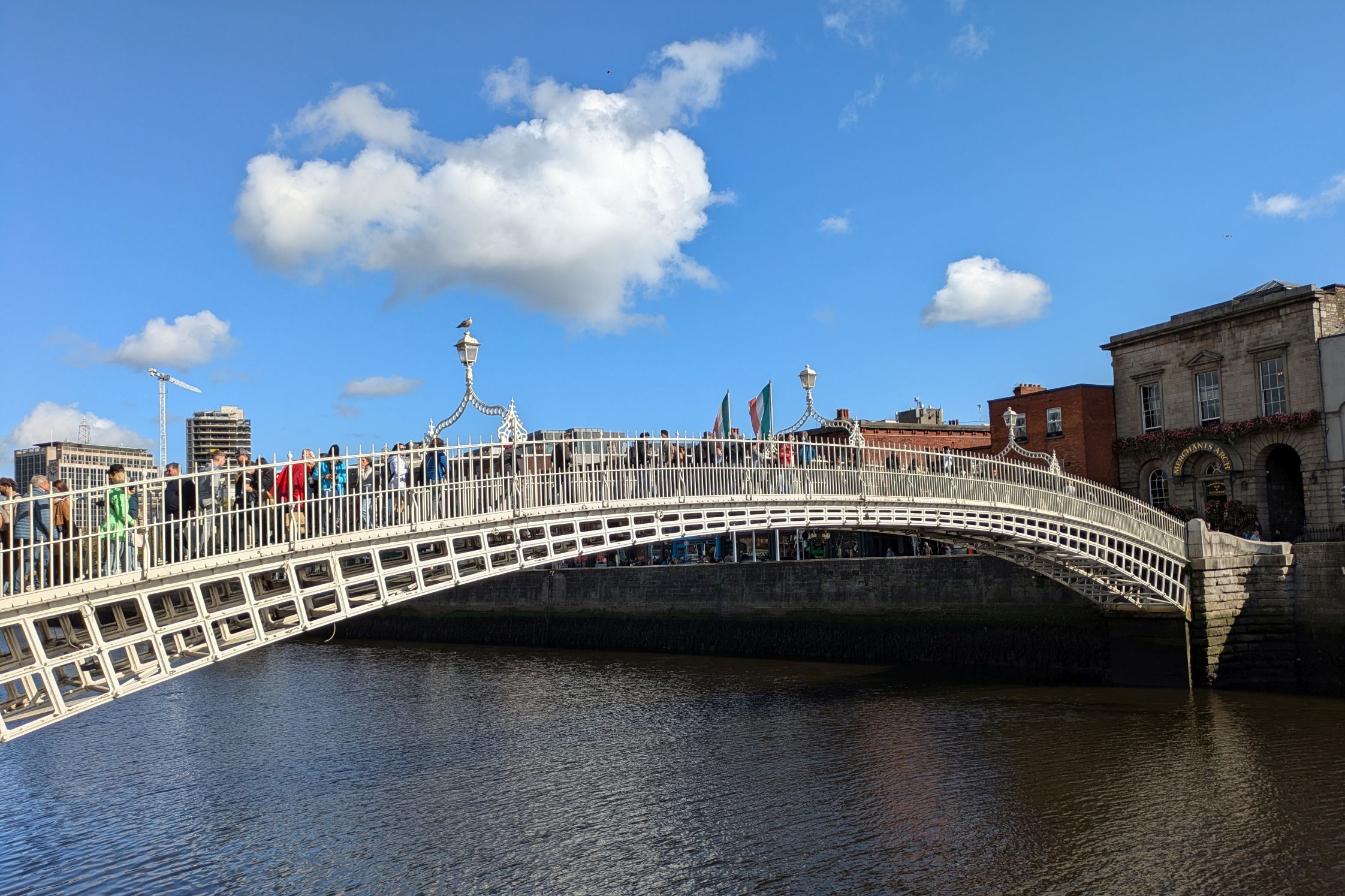
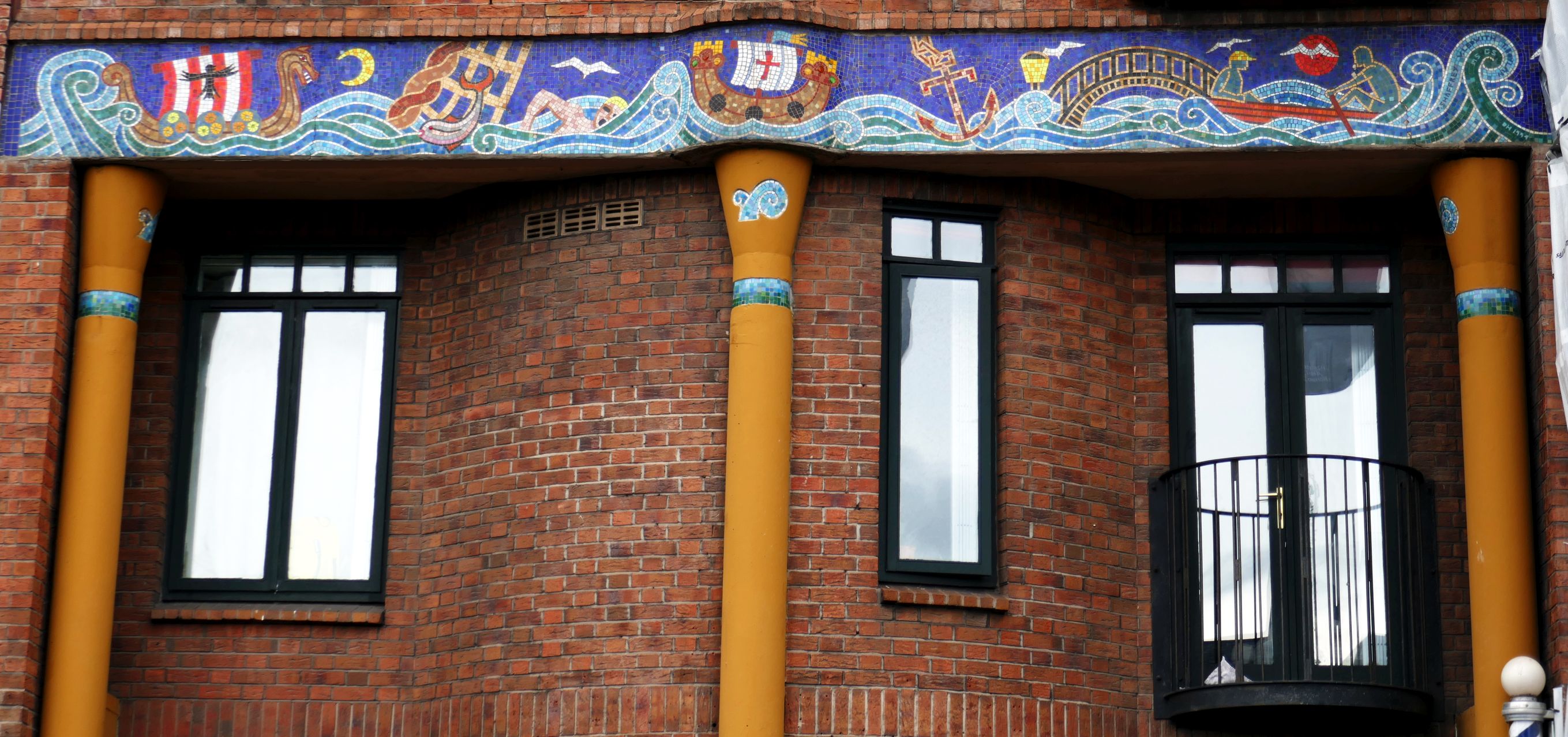
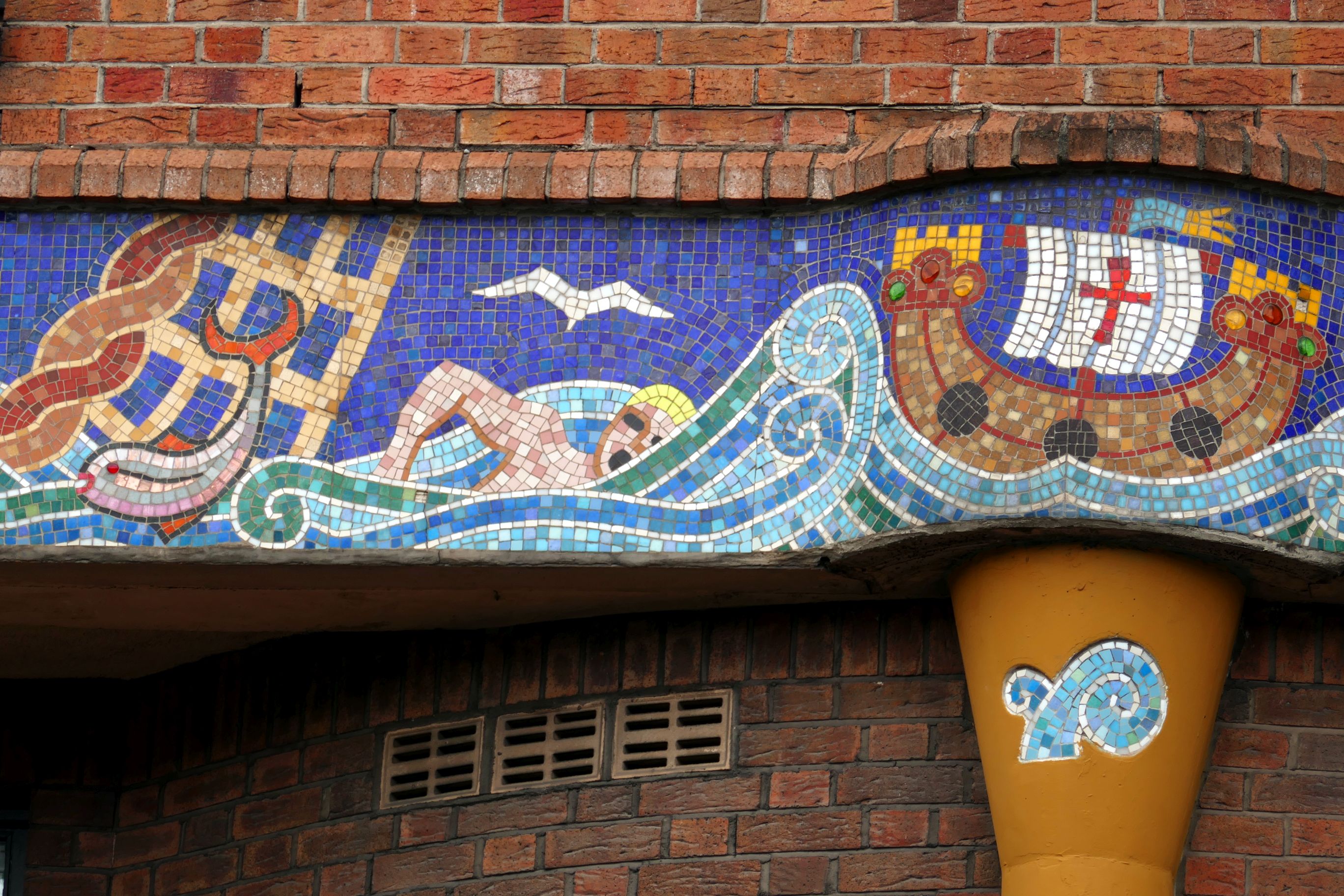
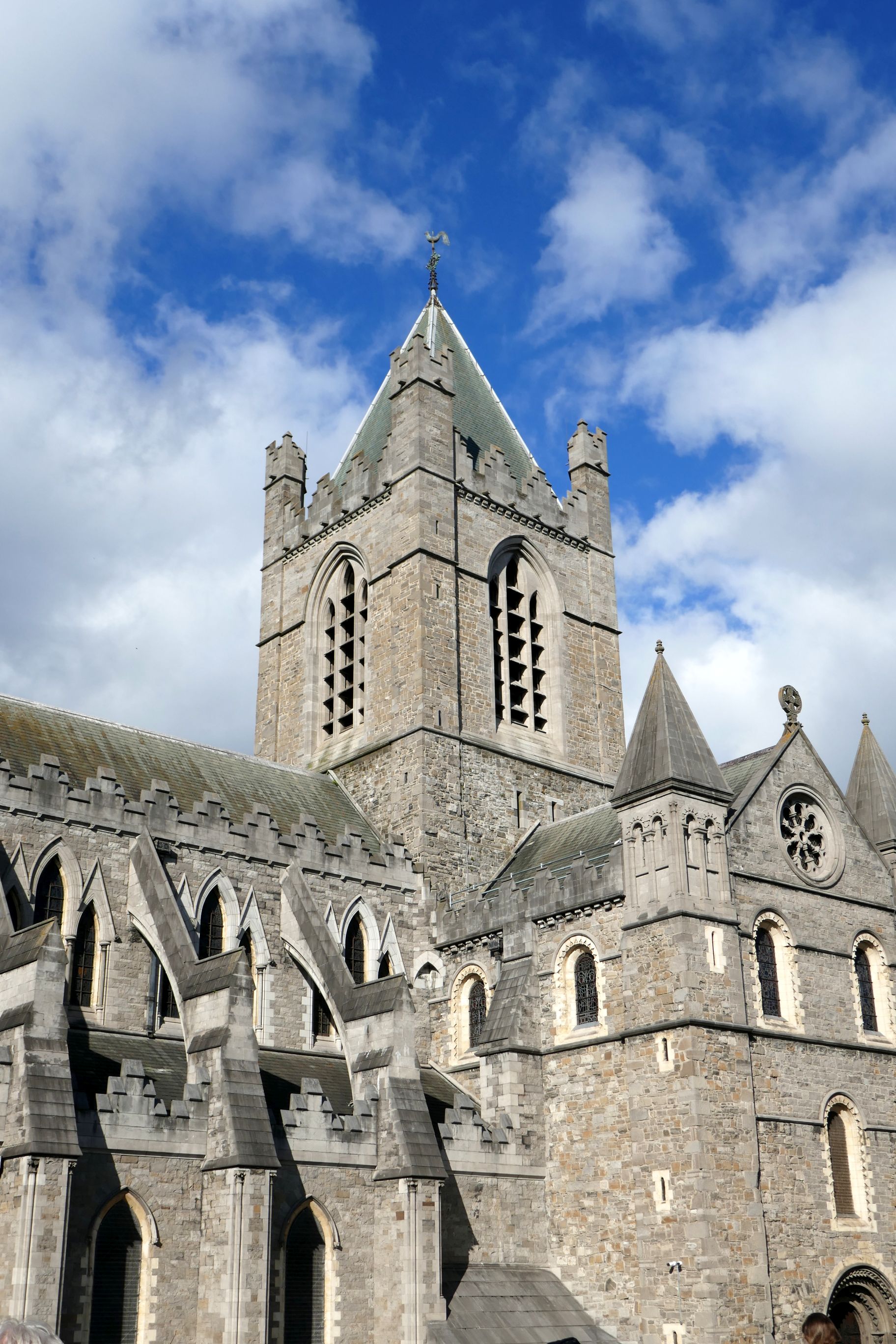
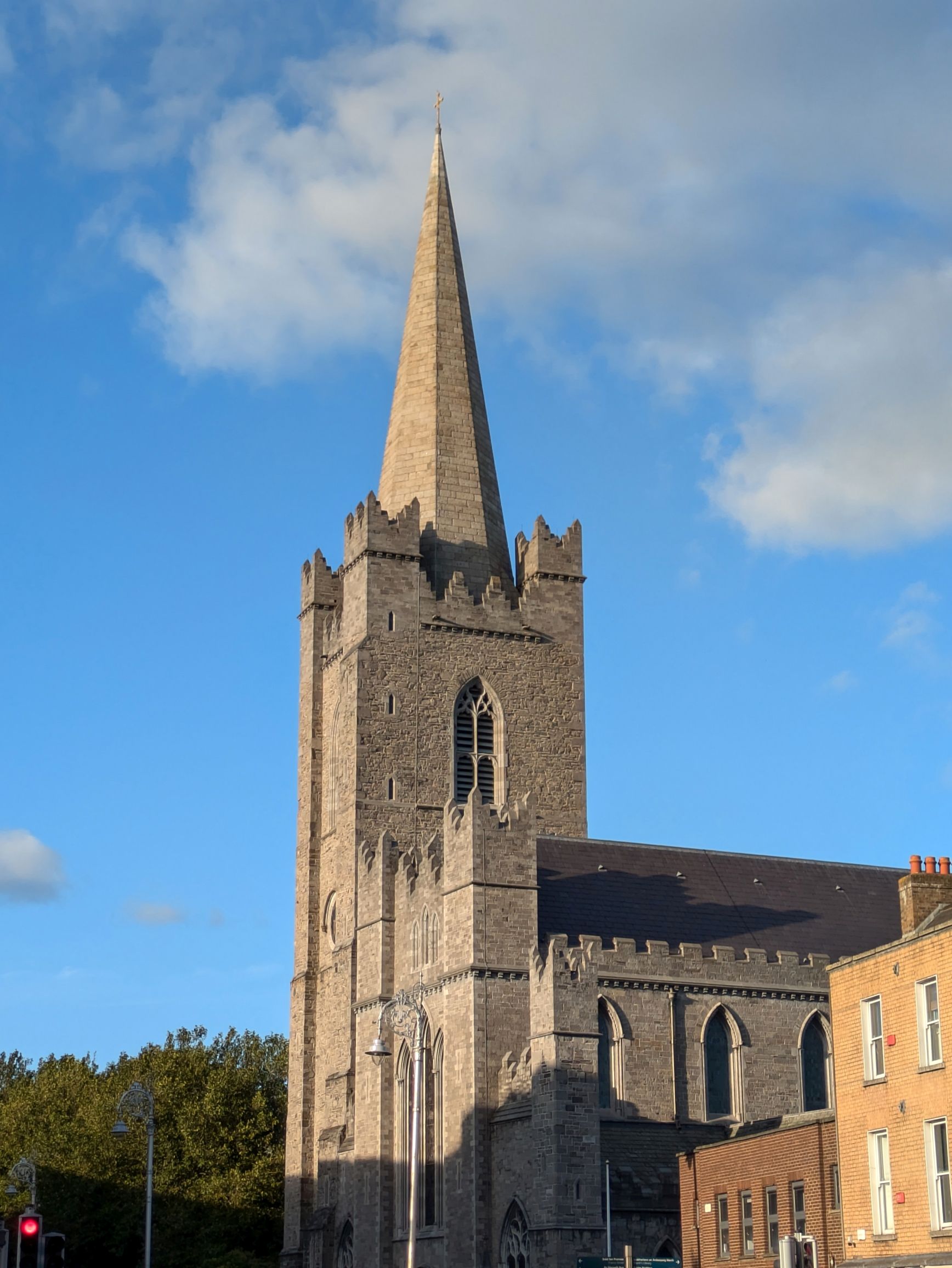
More scenes around Dublin:
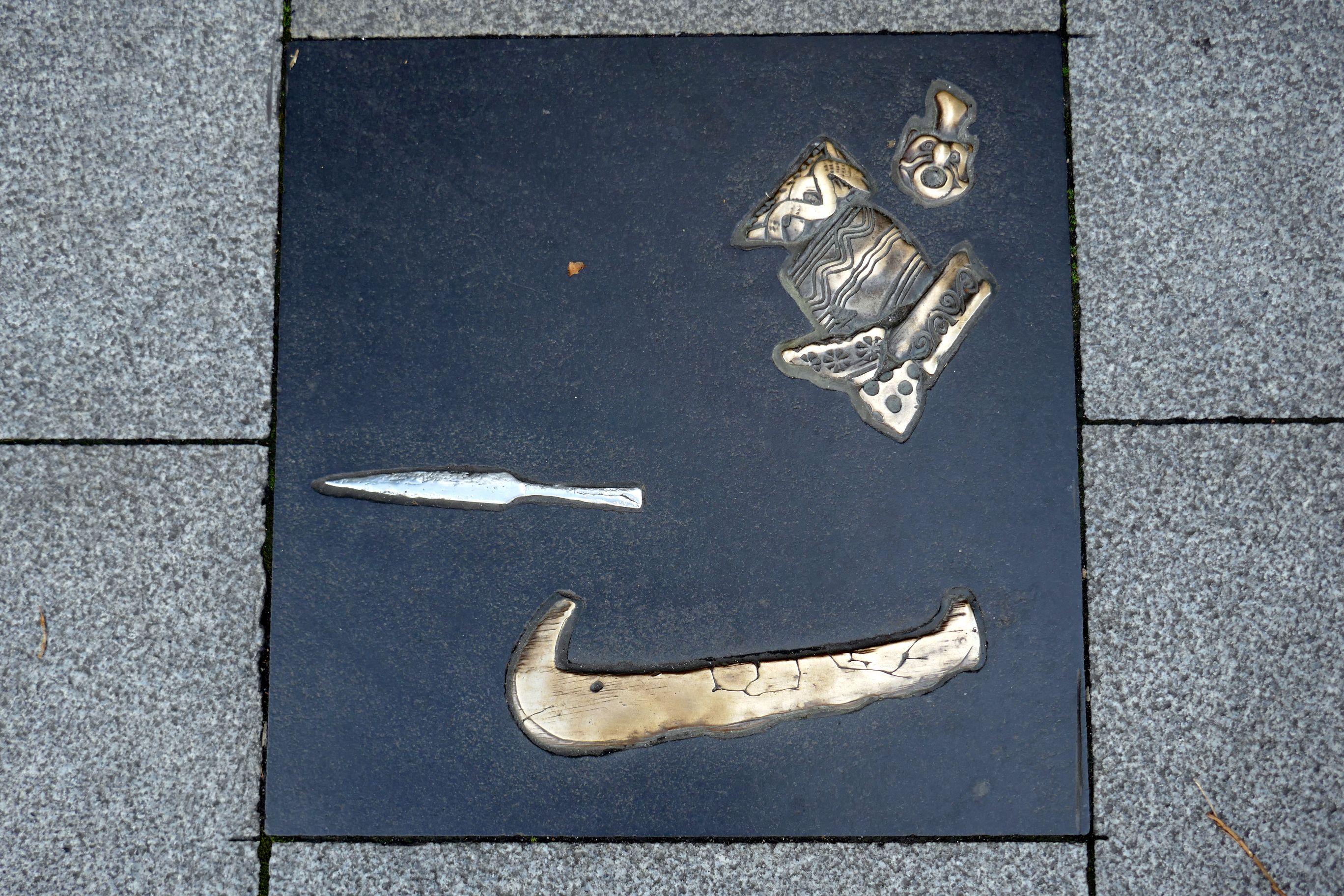

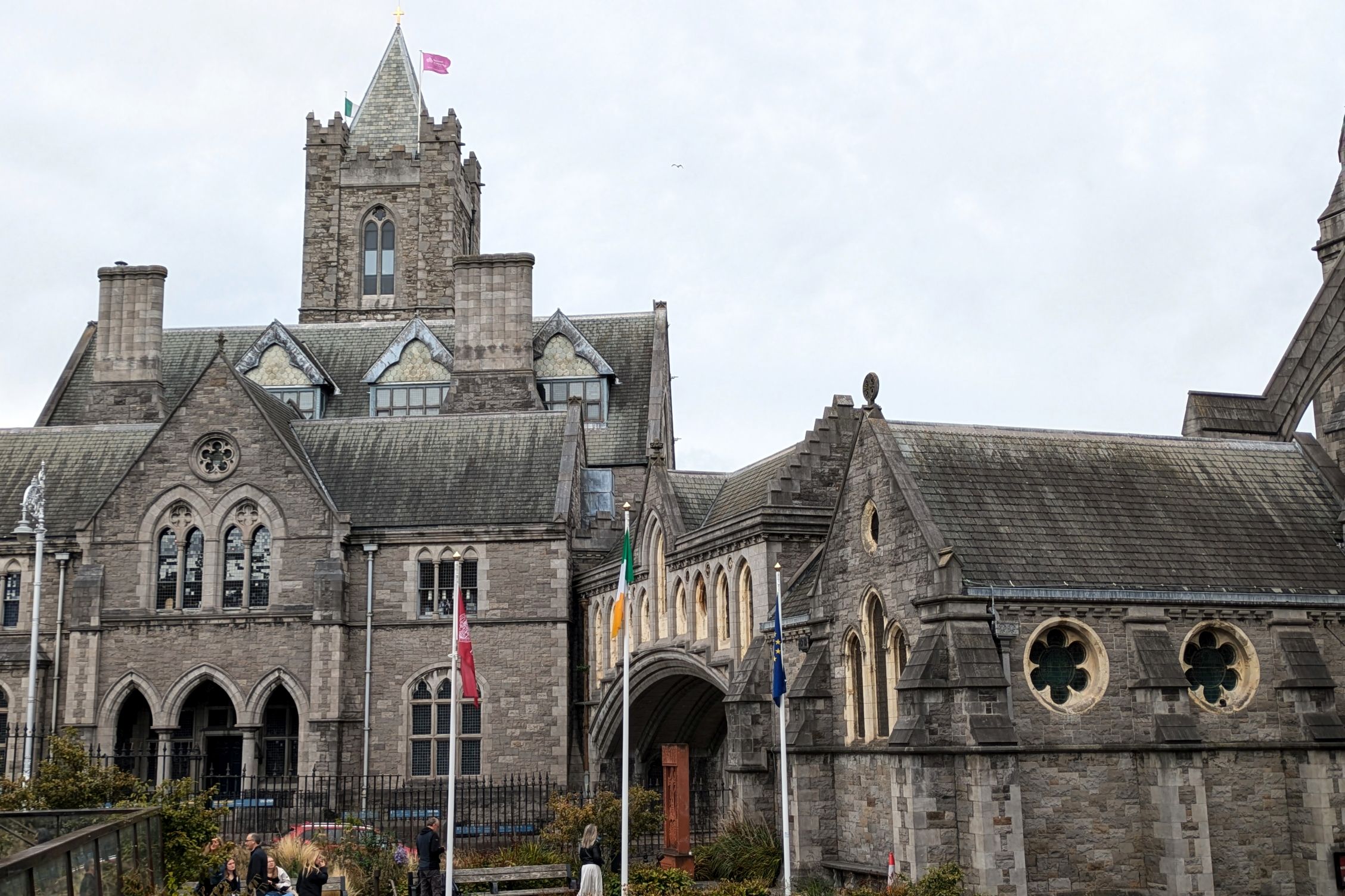
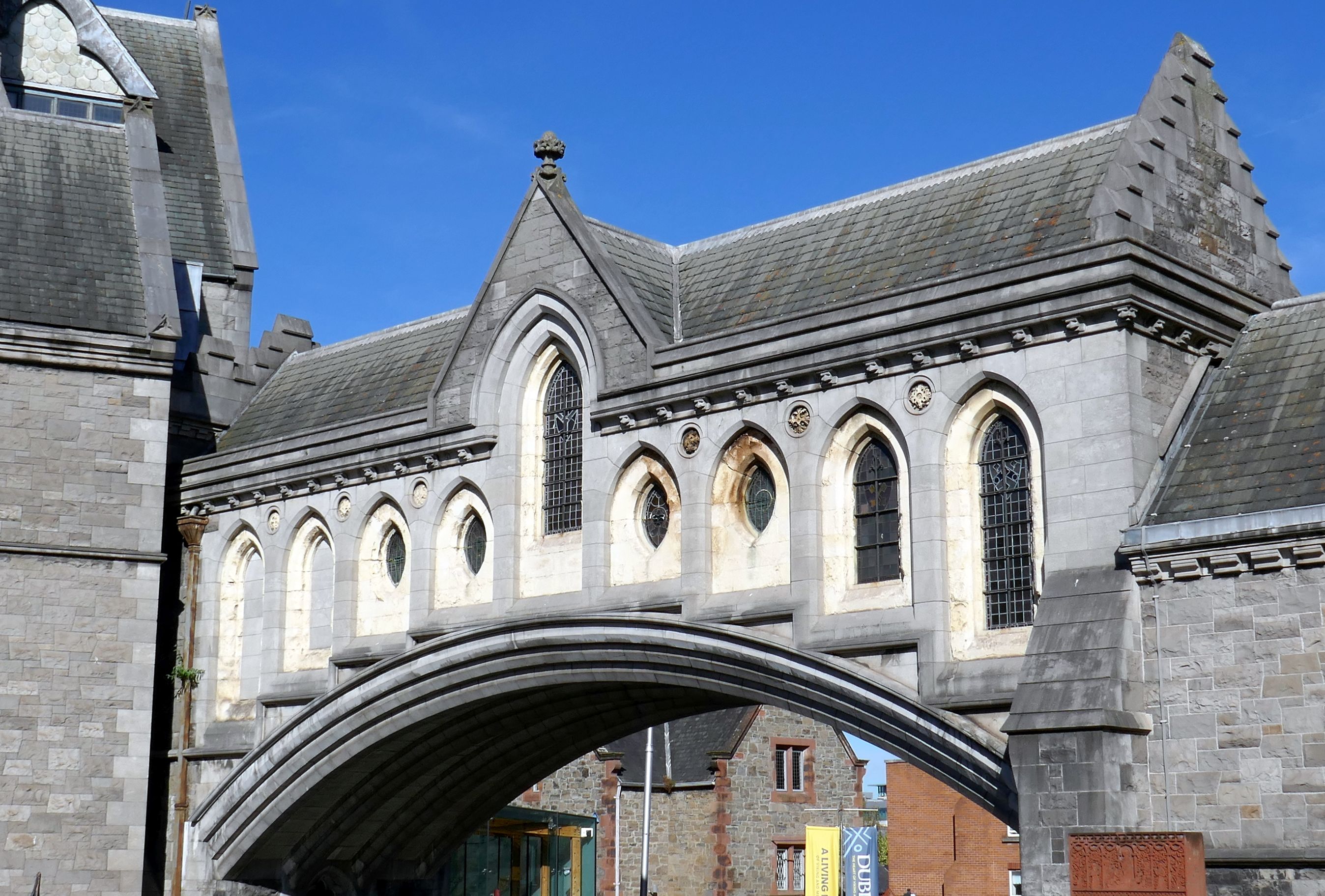
Next up: IRISH ADVENTURE #3: THE FLOORS AND DOORS OF DUBLIN
 Elaine-iaK's Travels: A Traveler's Tales of People, Places, Photos, Pools... and CHOCOLATE!