It had to happen at some point; our weather luck would eventually come to an end. We had been so fortunate, beginning with the amazing weather we experienced in the Canadian Rockies in 2022, and at the end of our Argentina and Chile tour this past March, our tour leader said we had the best weather of all the tours that season. It was truly phenomenal luck!
Now we were in Lucerne Switzerland to begin our tour with Overseas Adventure Travel, and the region hadn’t seen the sun in two months. It had been an extremely long rainy period for Europe, and Germany was having horrible floods. At least it wasn’t flooding in Lucerne, but the water level in the river was the highest our tour leader had ever seen.
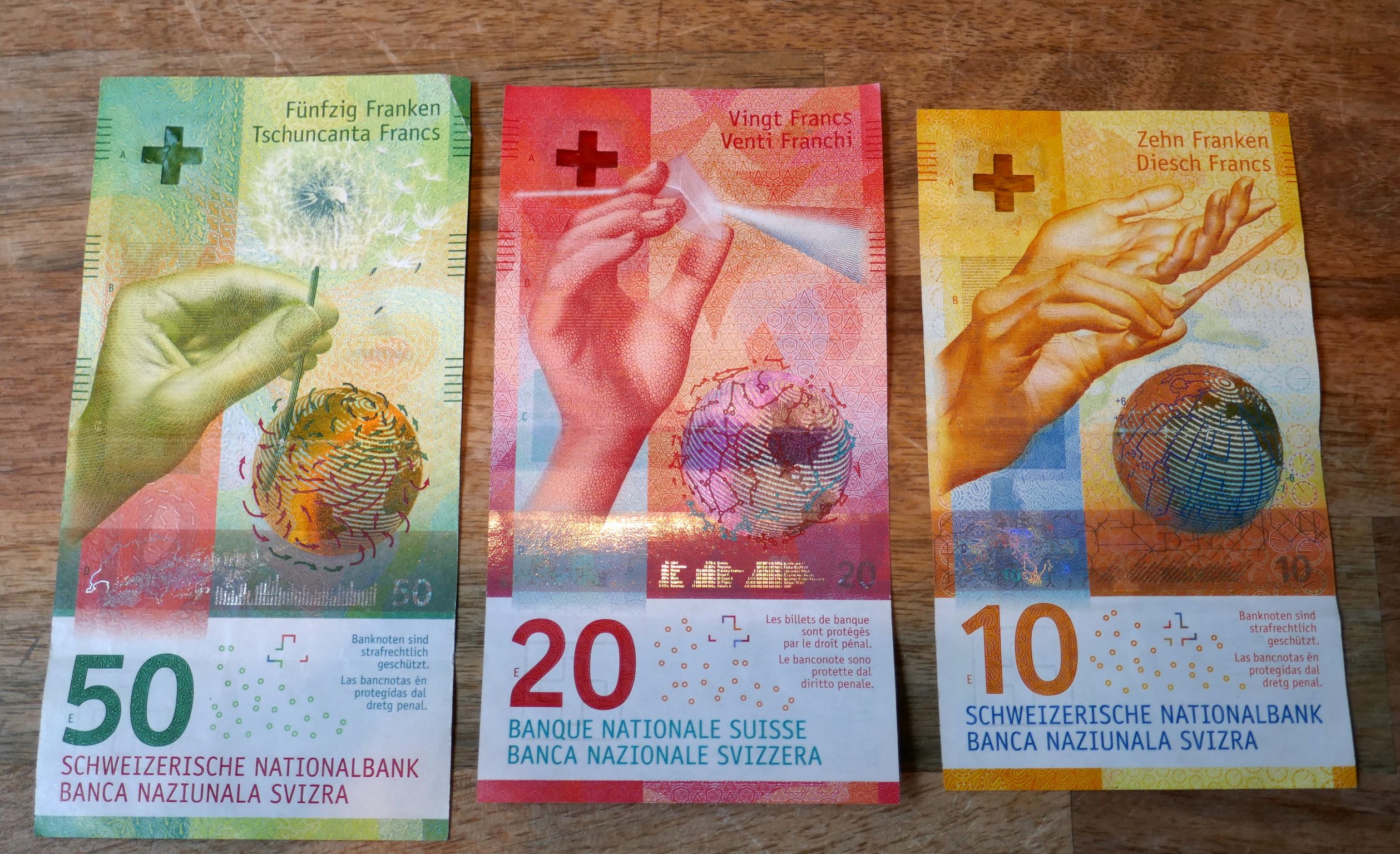
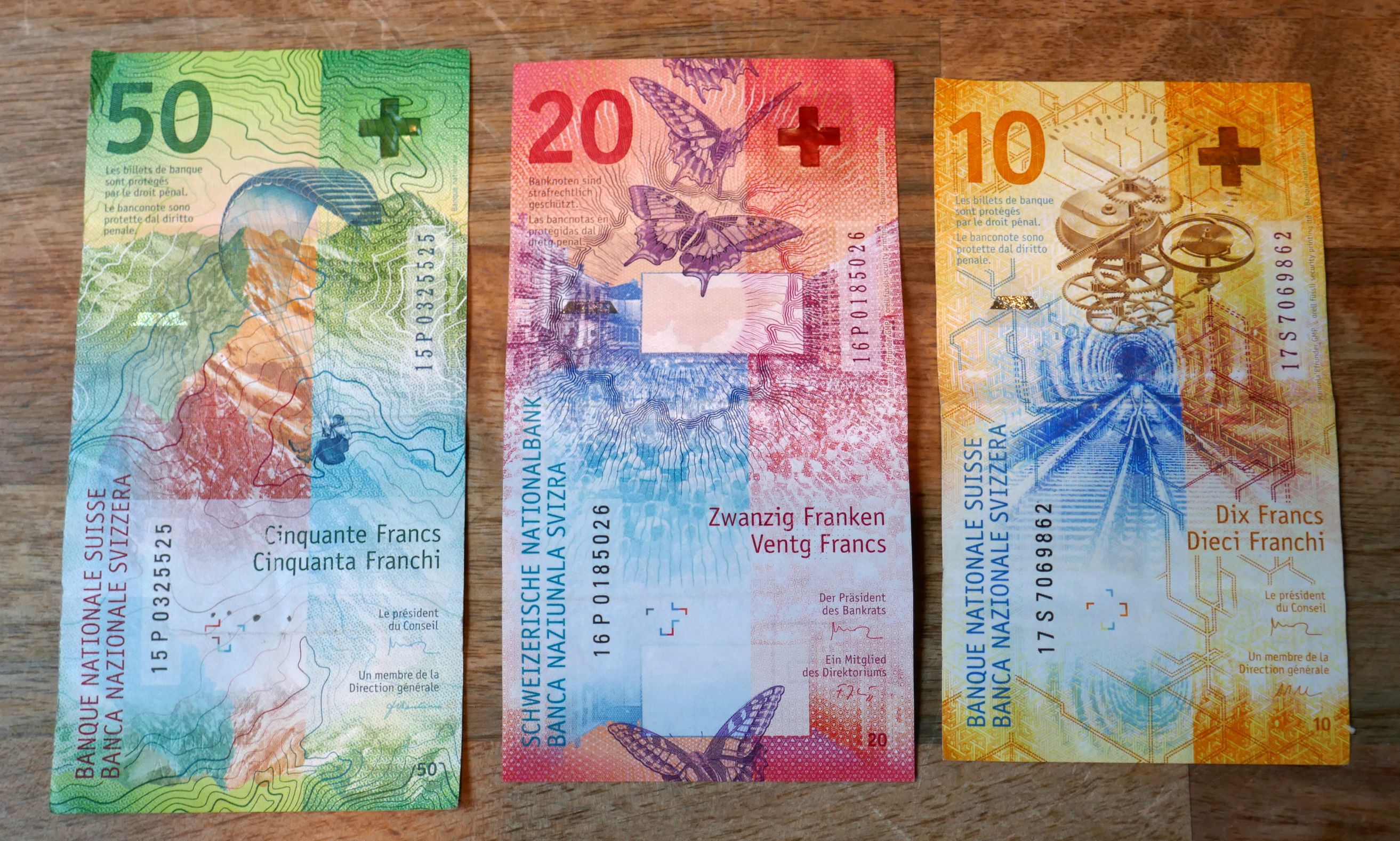
First on the agenda: Head to the ATM for some Swiss Francs. As with so many other countries, unlike the U.S., Switzerland’s currency is interesting and practical. Not only is it colorful with each denomination a different color, but the sizes are different as well—extremely helpful to sight-impaired and blind people. My legally blind friend in San Diego would have appreciated this, because he used to need help separating and folding his bills in his wallet, so he could differentiate them.
(For all photos, click on the image for a full screen view.)
One of the things we like best about Overseas Adventure Travel is their emphasis on being travelers rather than tourists. One way they accomplish this is by educating us on the culture of each place we visit, including introducing a “controversial topic” and bringing in an expert to speak with the group. In this case, the positives and negatives of Switzerland’s neutrality and government was discussed with the nine of us on the pre-extension, and our speaker was outstanding.
Switzerland’s government was modeled after ours here in the United States, even though it is a very small country—about the size of Delaware. There are 26 Cantons (similar to states), and the city of Bern is their Washington D.C. Swiss parliament is similar to U.S. Congress; however this is where the similarities end. Due to Switzerland having four official languages and cultures, including German, French (mostly spoken in the west), Italian (mostly in the south and far east), and Romansh (an ancient language spoken by a small percentage of Swiss); they have 7 presidents that make up a federal council. These presidents are parliament members elected by their peers. This system has worked well, because the council has been good at compromising and working together for their people (unlike our current U.S. Congress!). And, although Swiss citizens do not elect this council, they do vote four times a year on issues in the form of initiatives and referendums.
Switzerland has been neutral since 1815, and their banking system grew out of this neutrality. Being politically neutral is safe—a draw for wealthy people looking for a safe place for their money. As a result, what used to be the poorest country in Europe is now the richest. Don’t get the bright idea of stashing your money anonymously in a Swiss bank, though. Banking laws changed twenty years ago, and you can no longer deposit your money in Switzerland without paying taxes.
Due to Switzerland’s neutrality, they are not a part of NATO. They do, however, support the sanctions that Europe and the U.S. has put on Russia due to their invasion of Ukraine. As a result, Putin declared Switzerland to not be neutral. *&^@ Putin.
One drawback of Switzerland’s neutrality was that the weapons and tanks they had produced were sold to Germany. Germany then gave them to Ukraine, but Ukraine needs more ammunition to fire from these weapons and tanks. Switzerland won’t sell this ammunition to Ukraine, because they are “neutral.” This presents a big problem for Ukraine. On the other hand, tiny Switzerland, a country with a population of over 8.8 million people, has accepted 100,000 refugees from Ukraine. How nice.
BUT, these immigrants, as well as the 100,000 other immigrants they have accepted each year has caused a steep rise in housing prices, causing the cost of living to double over the last couple of years. (In Lucerne, the average 1 bedroom apartment costs 2,600 CHF— more than $2,900!) On top of that, salaries decreased for the Swiss due to immigrants accepting less pay. Ouch!
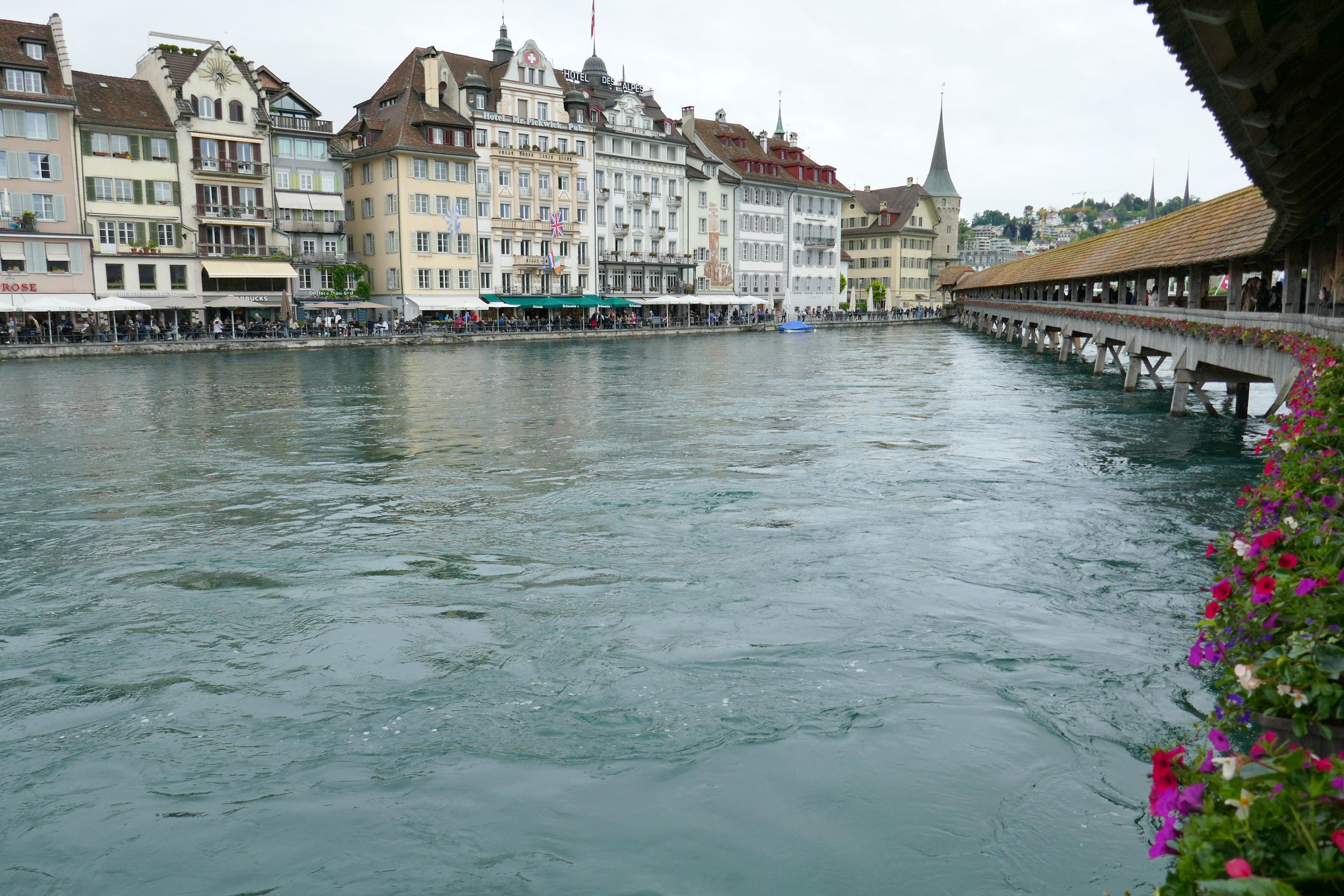
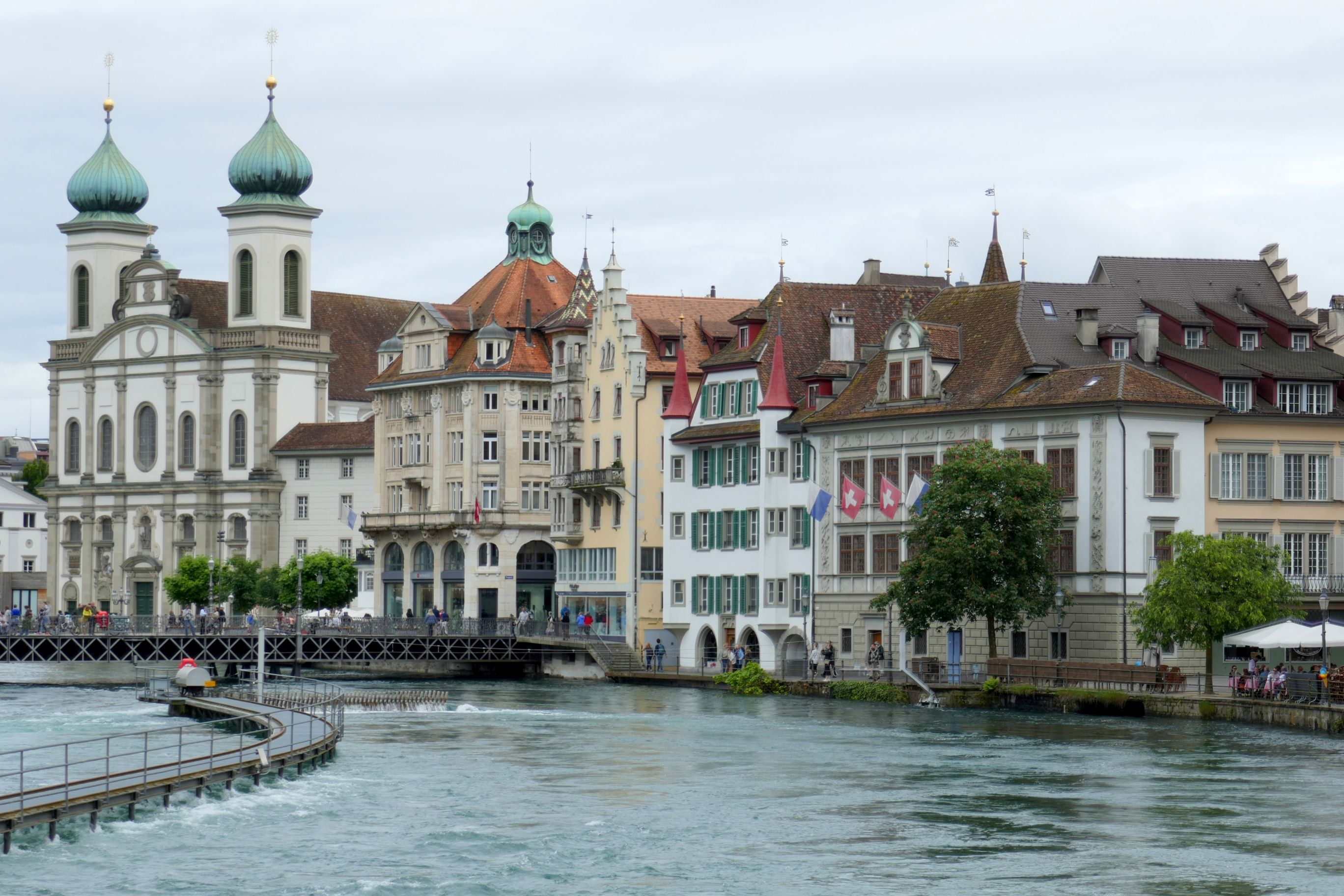
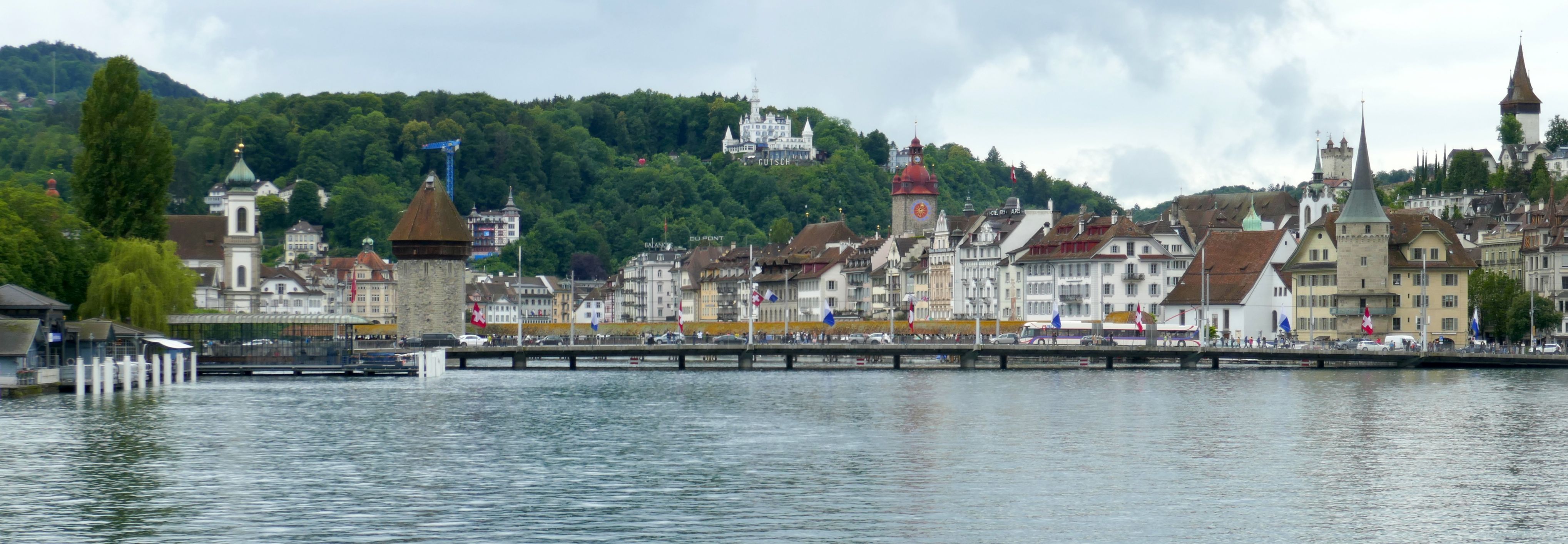
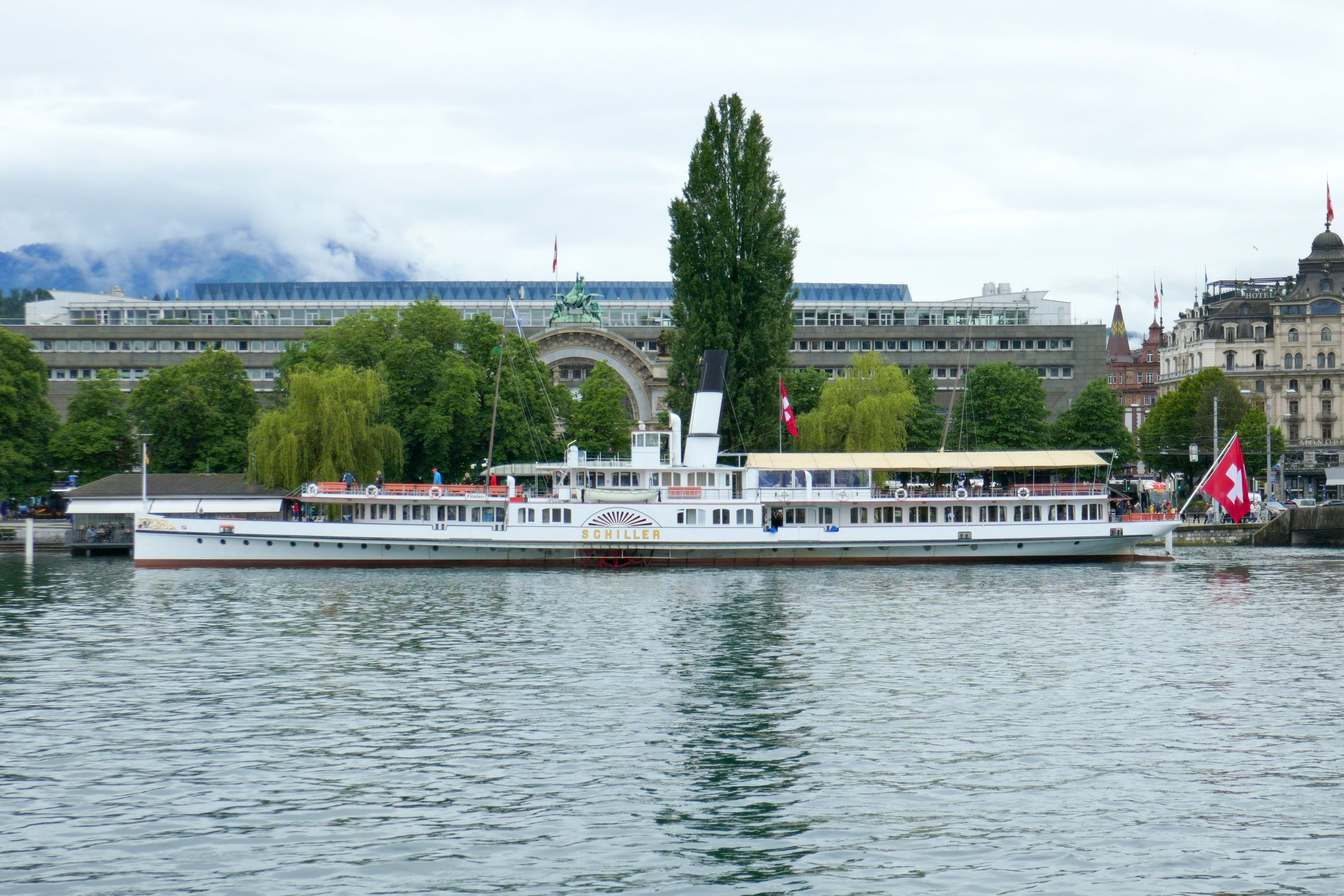
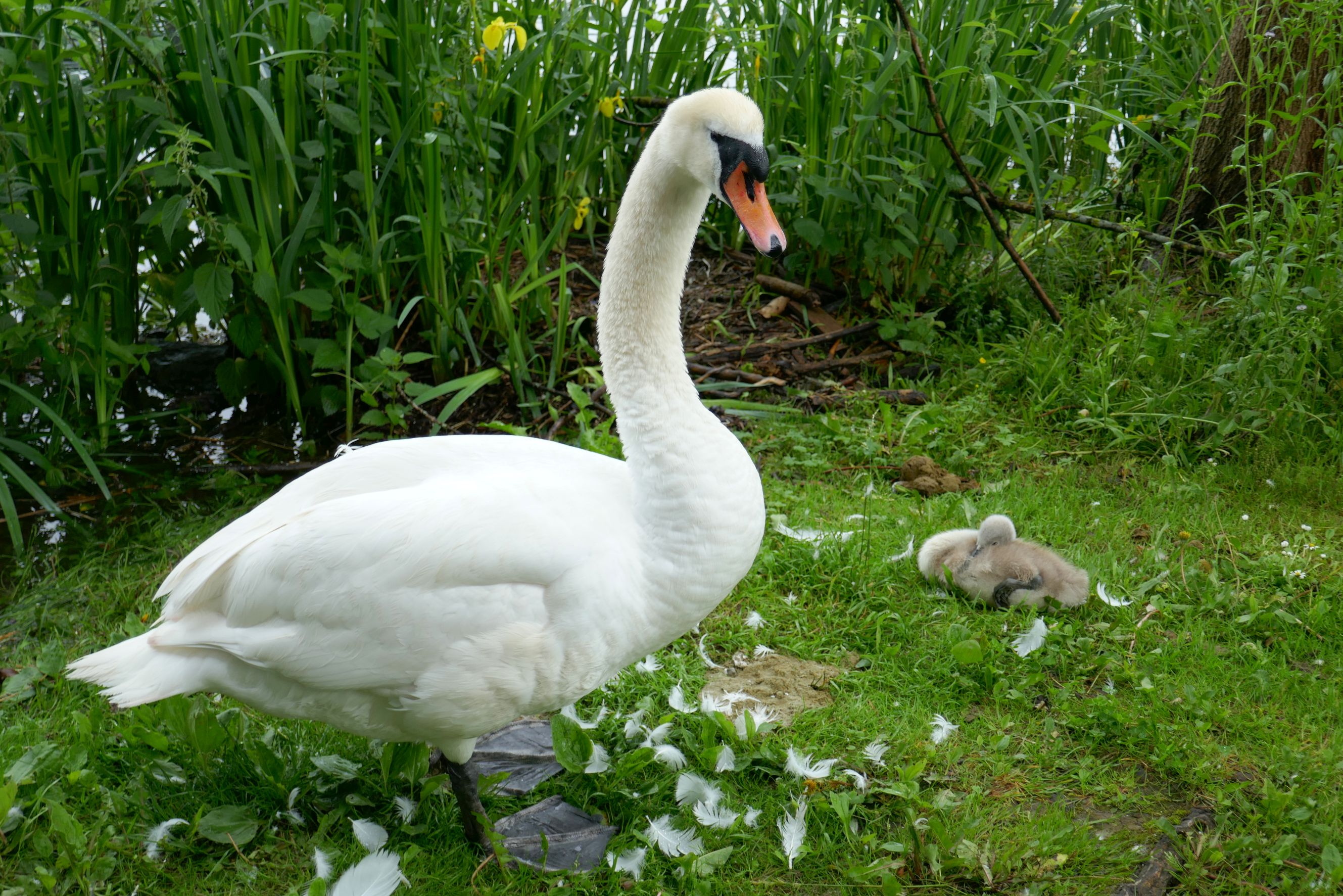
More about Swiss culture in my next post, but for now, I will leave you with some scenes around lovely Lucerne, the most visited city by tourists (and travelers!) in Switzerland:



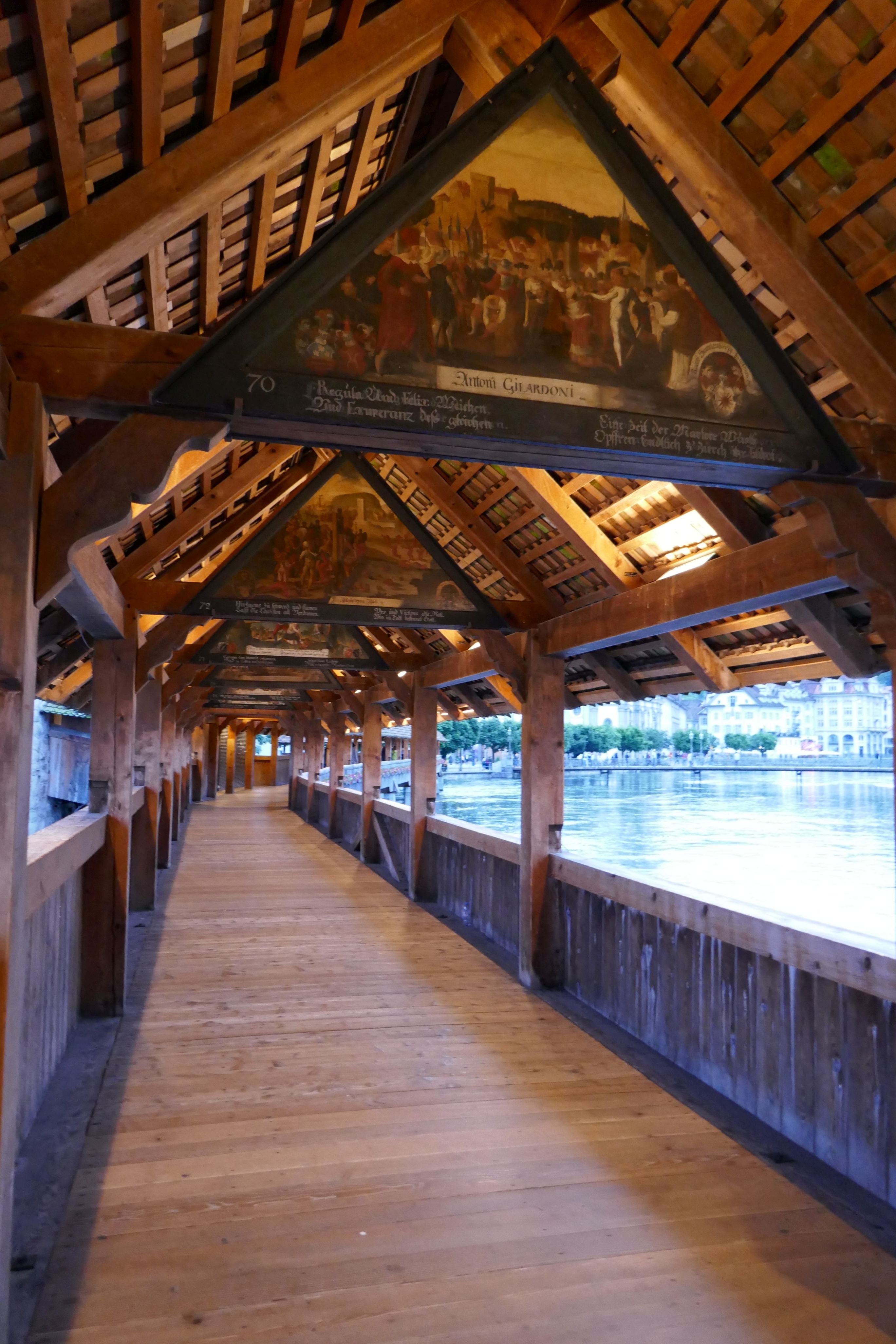
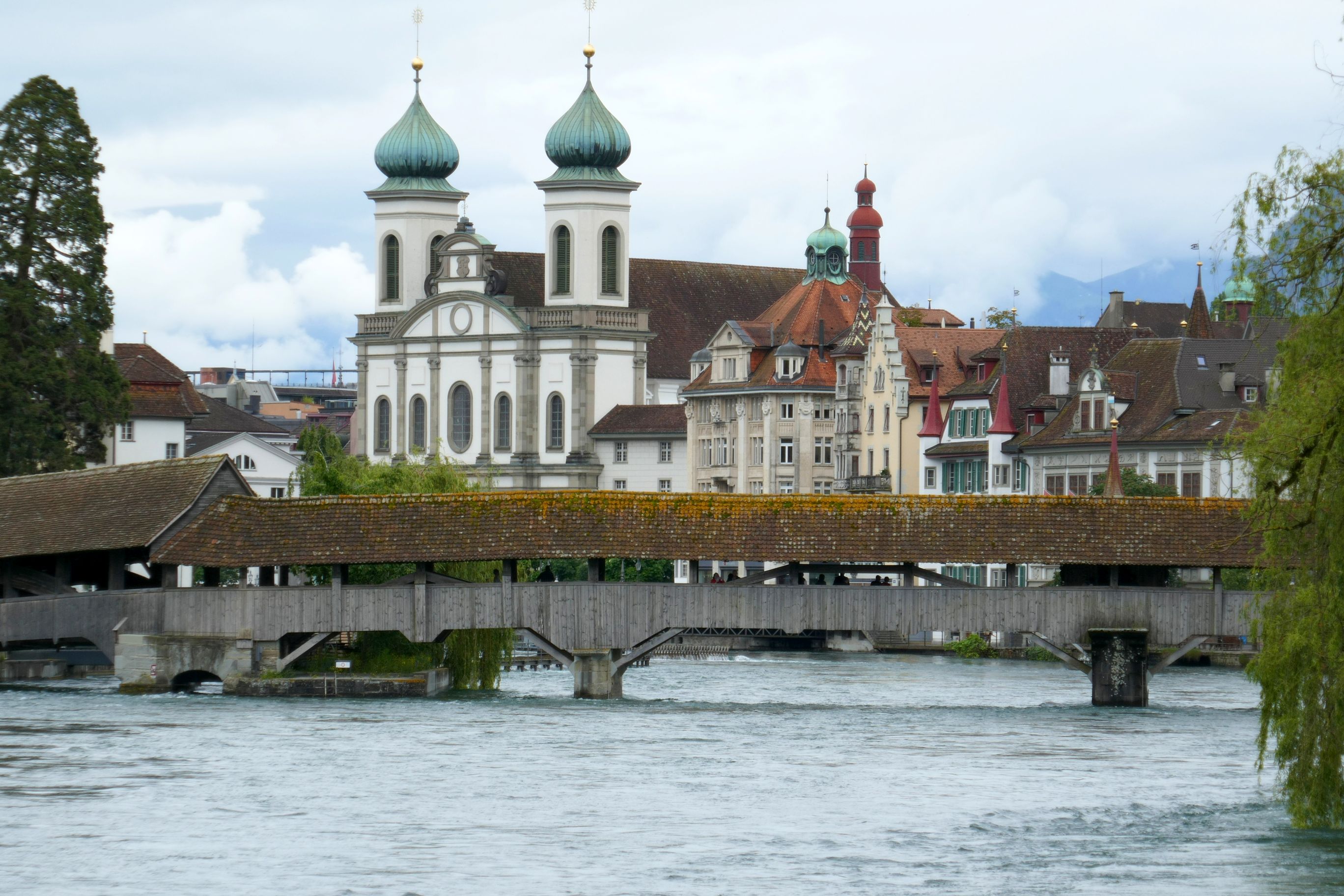

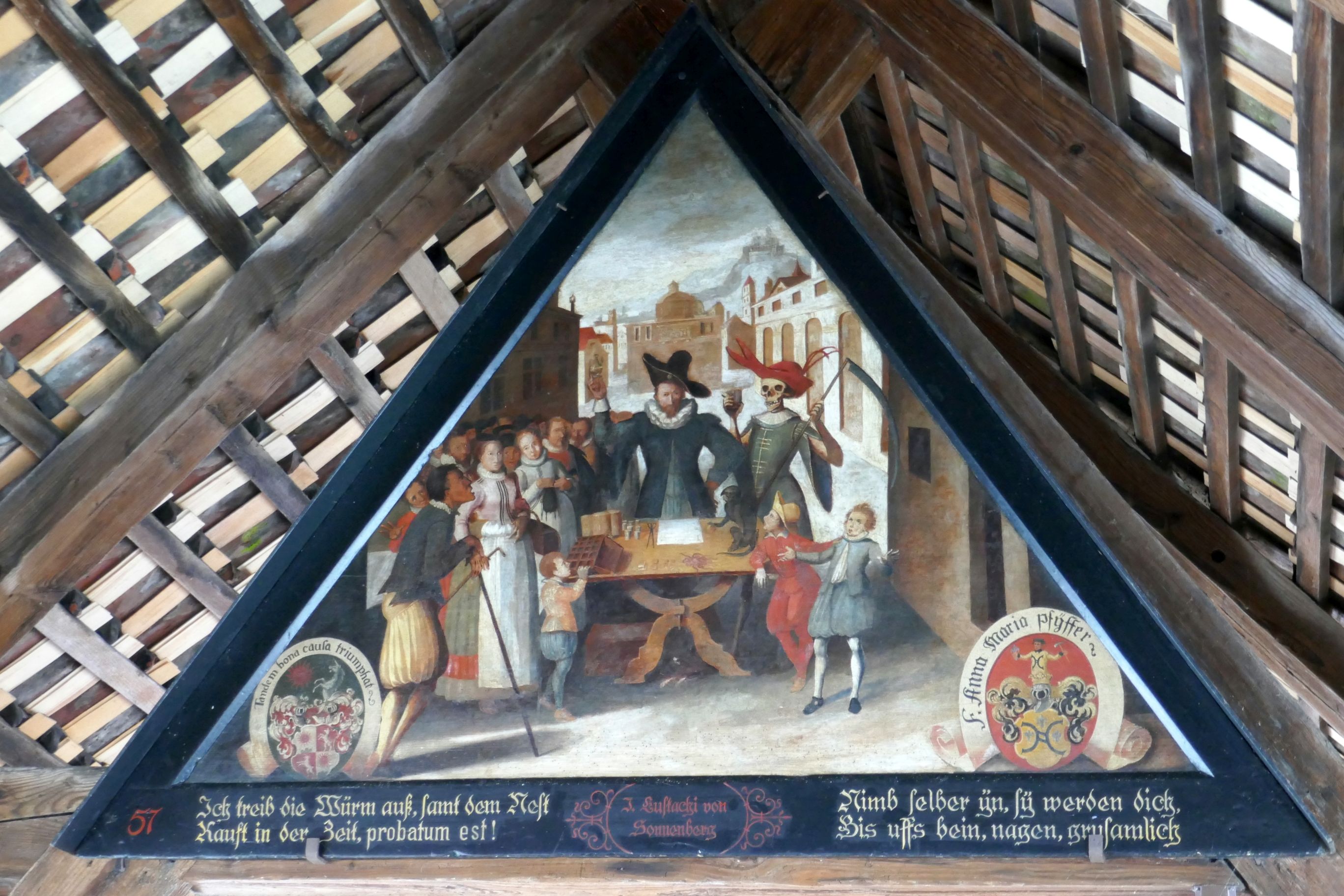
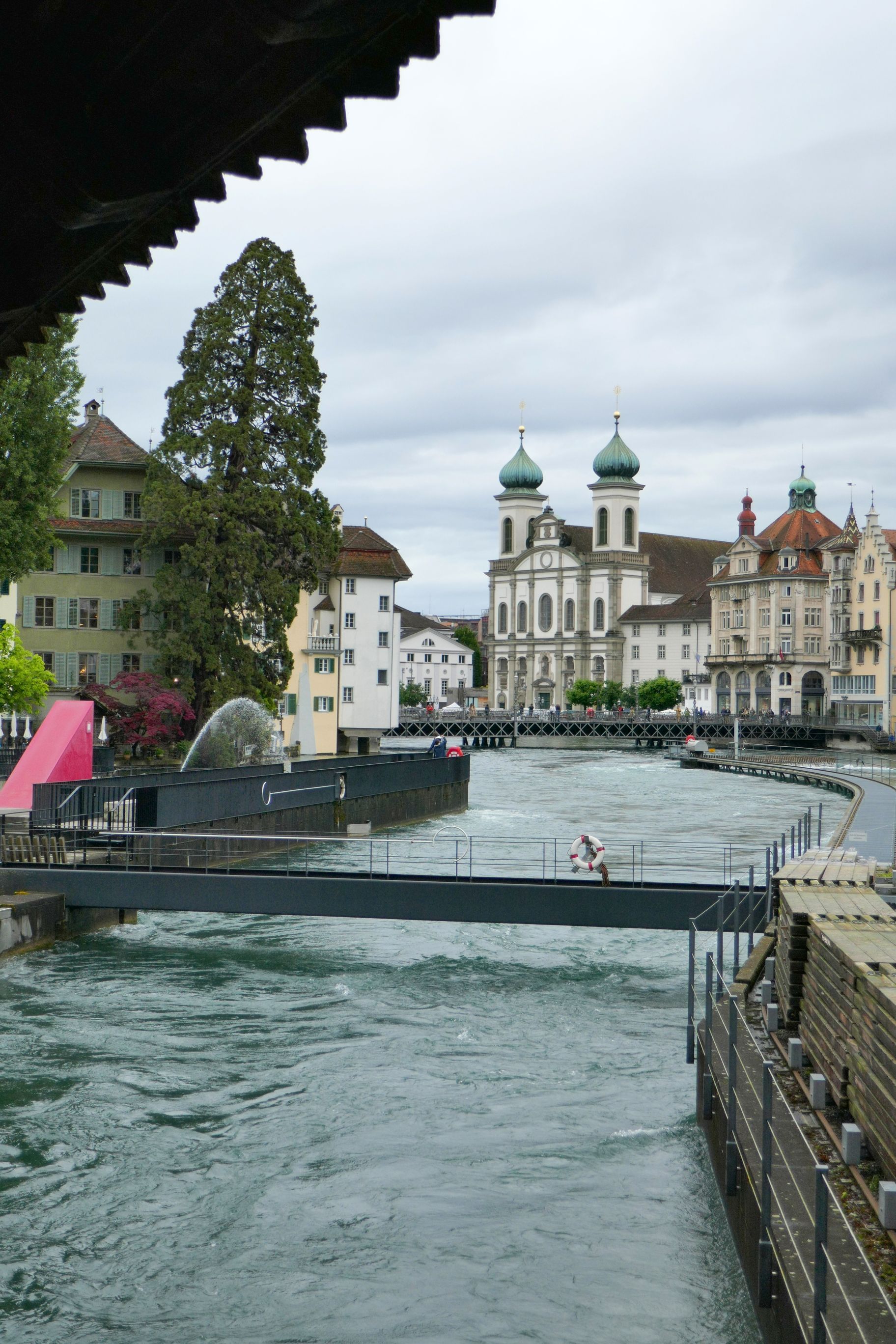





Coming up next: SWITZERLAND & NORTHERN ITALY #2: MORE LOVELY LUCERNE
 Elaine-iaK's Travels: A Traveler's Tales of People, Places, Photos, Pools... and CHOCOLATE!
Pingback: SICILY & THE AMALFI COAST #2: POKING AROUND PALERMO | Elaine-iaK's Travels: A Traveler's Tales of People, Places, Photos, Pools… and CHOCOLATE!