
Our (very!) full day began with a city highlights tour led by Nora, an excellent local guide. The first destination was Plaza de Mayo (May Square), the main foundational site of Buenos Aires. This is where history is made. It has been the site of Argentina’s largest and most important political demonstrations.
(For all photos, click on the image for a full screen view. Desktop computer monitors are best!)


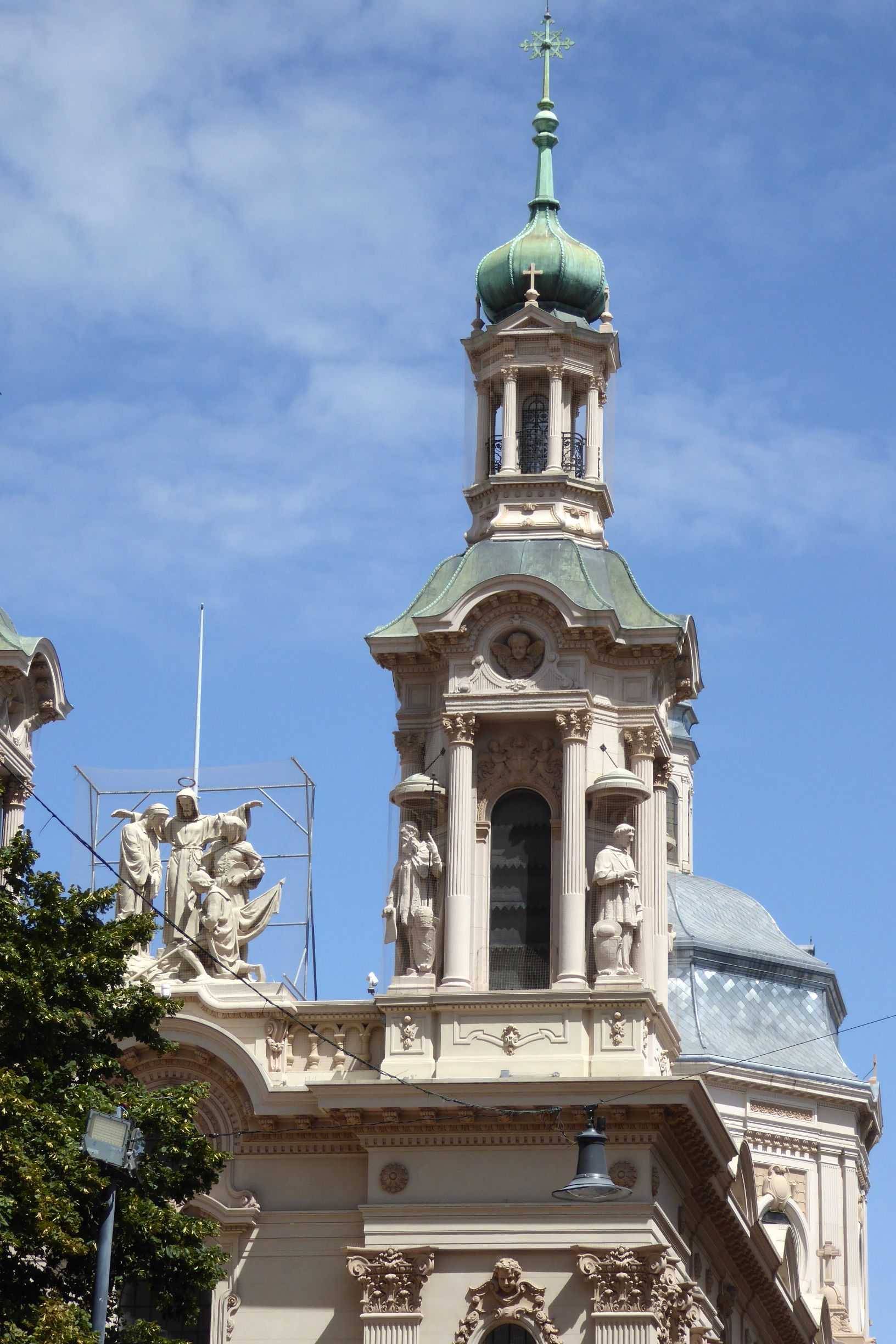
Plaza de Mayo is also the meeting site for Grandmothers of May Square and the location of their headquarters and museum of memory of 30,000 citizens who were detained during the military dictatorship of 1976 – 1983. We learned about the human rights organization and their work in trying to find the 30,000 young people who were “disappeared”— either kidnapped or born to mothers in prison, stolen, and illegally appropriated. Assisted by United States geneticist Mary-Claire King, the Grandmothers have located about 25% of the estimated 500 children kidnapped or born in detention centers. The kidnapped babies were part of a systematic government plan to have them appropriated to “correct” families that supported the dictatorship.
Our group met one of the victims, Guillermo, and heard his heart-wrenching story. He is one of the (now adult) “disappeared” children who had been born to a Jewish mother but stolen and given to a Catholic couple and given a new identity. He learned the truth at age 21. Both of his grandmothers were part of the original Mothers of May Square. He was found because his sister had provided DNA to find her parents. It was through that match that he was found as well.
You can imagine how the truth destroyed Guillermo’s relationship with the couple he thought were his birth parents. They had committed crimes by taking him, and then lied about it for 21 years. As a result, his “father” served seven years in prison, and his “mother” served three years. Neither sentence was long enough; car thieves serve more for their crimes.
Ultimately, he learned that his birth parents were “disappeared” for being student political activists who protested the dictatorship. They were kidnapped, tortured, and killed.
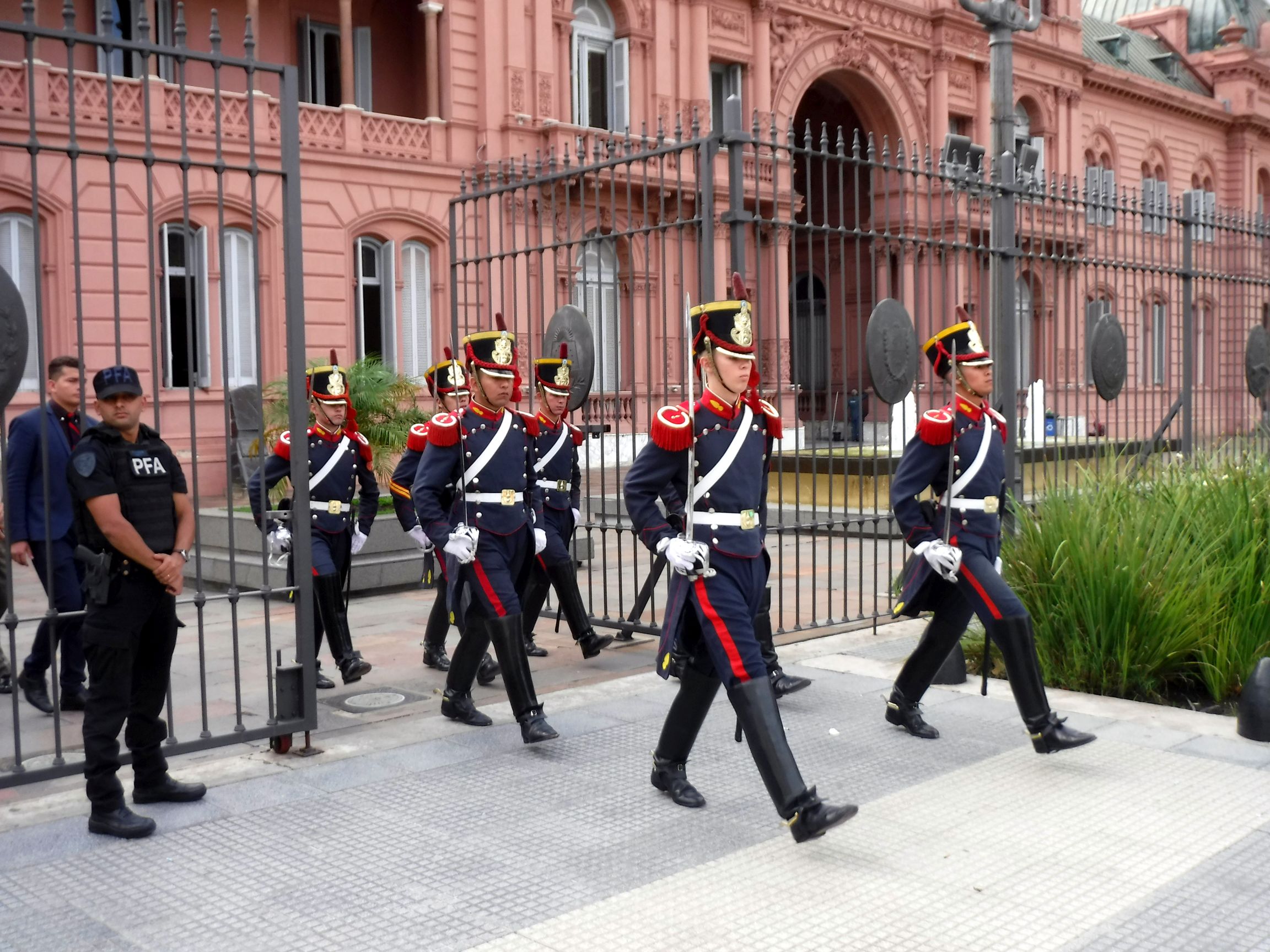
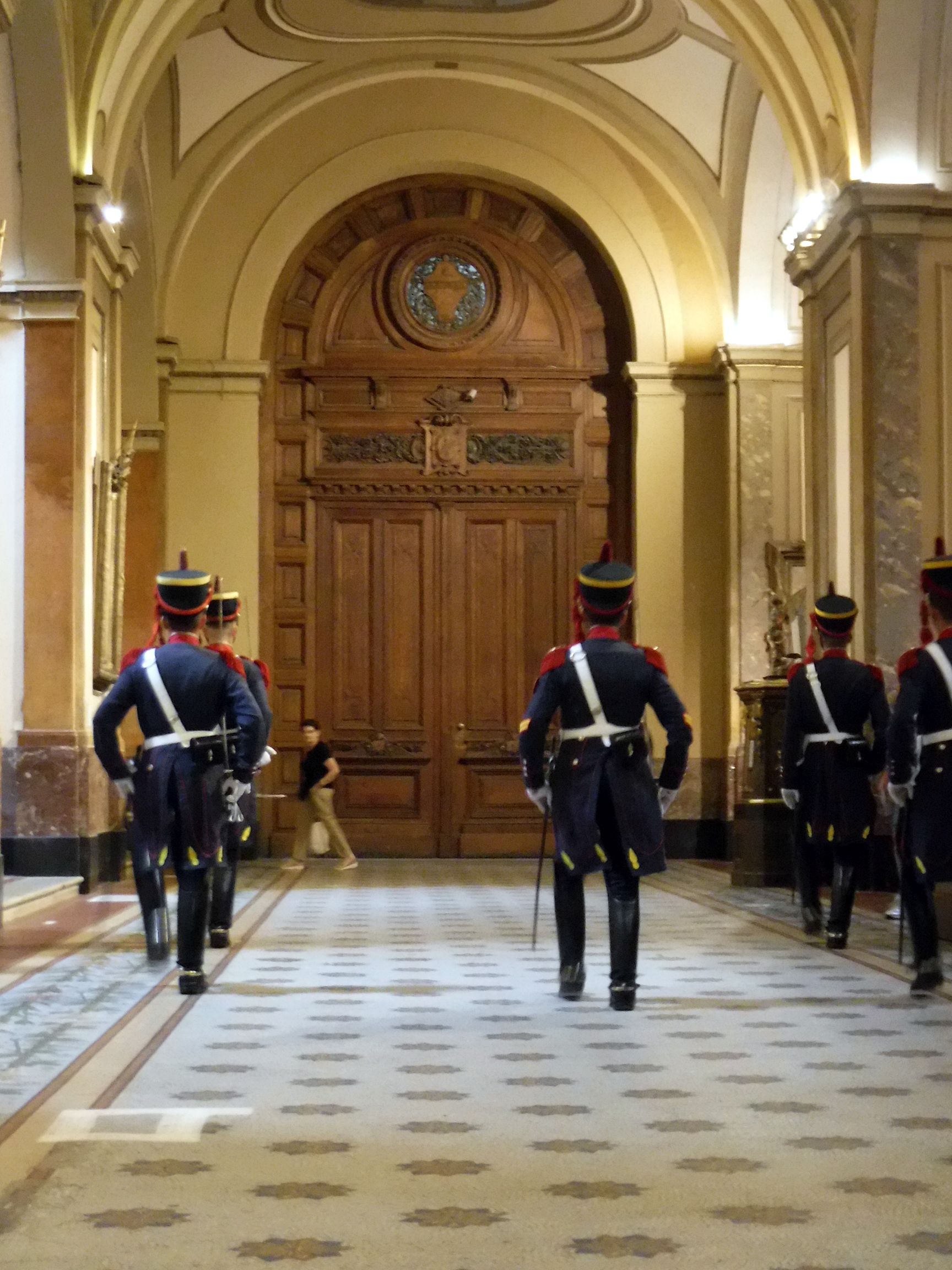
While we were at Plaza de Mayo, we saw the changing of the grenadier guard, marching from Plaza de Mayo to the monument of Argentina liberator San Martin inside Metropolitan Cathedral.


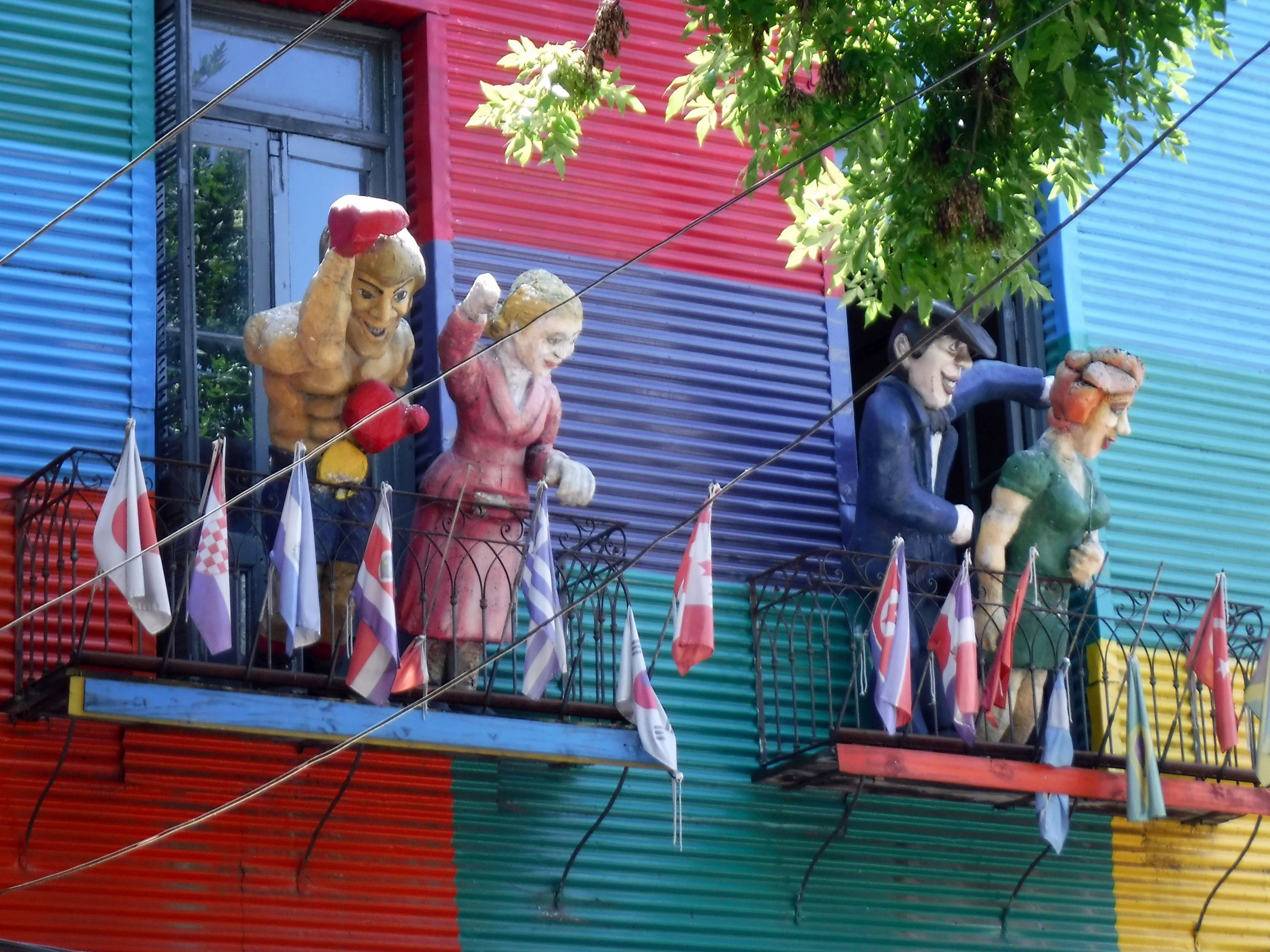
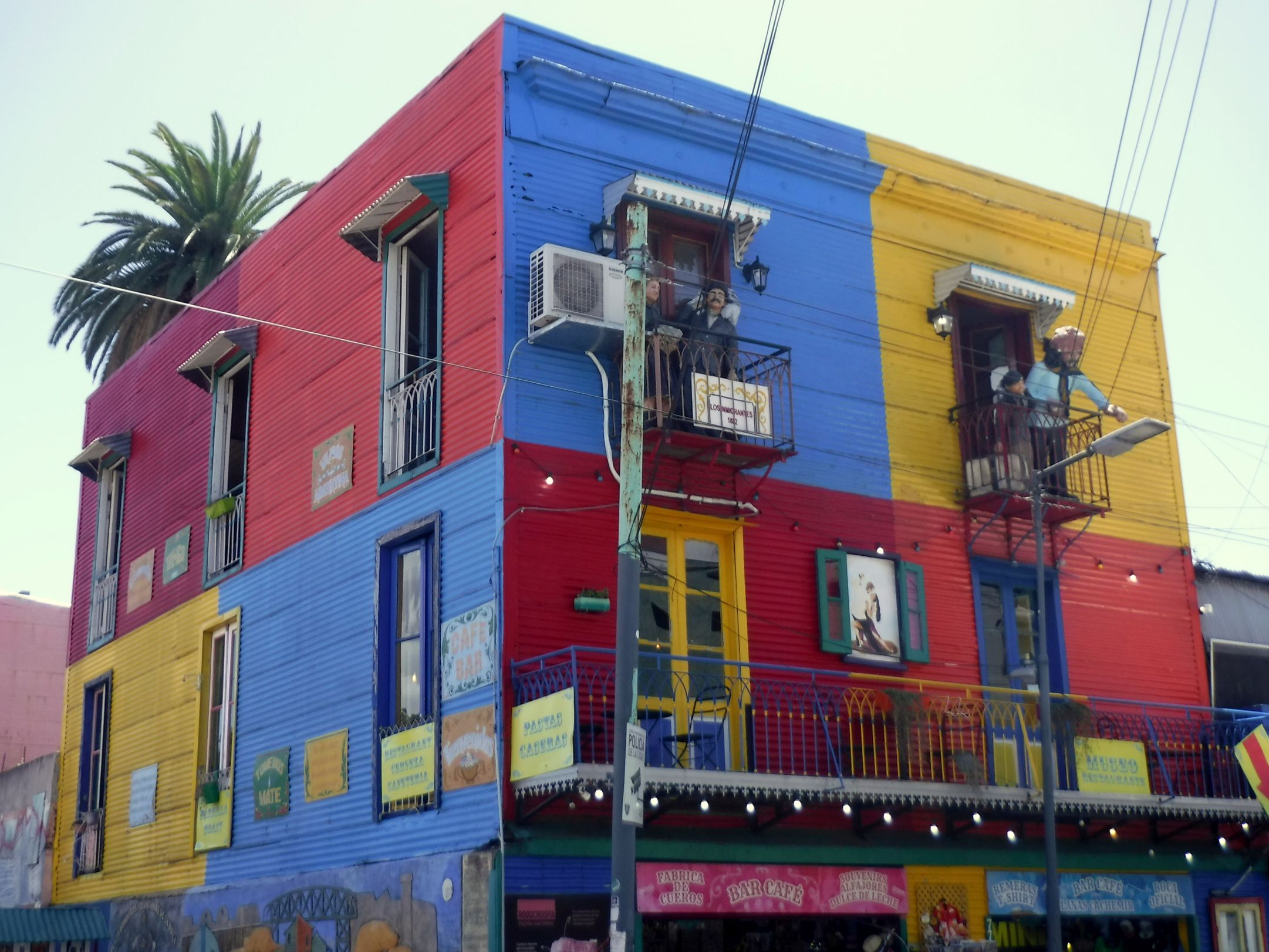
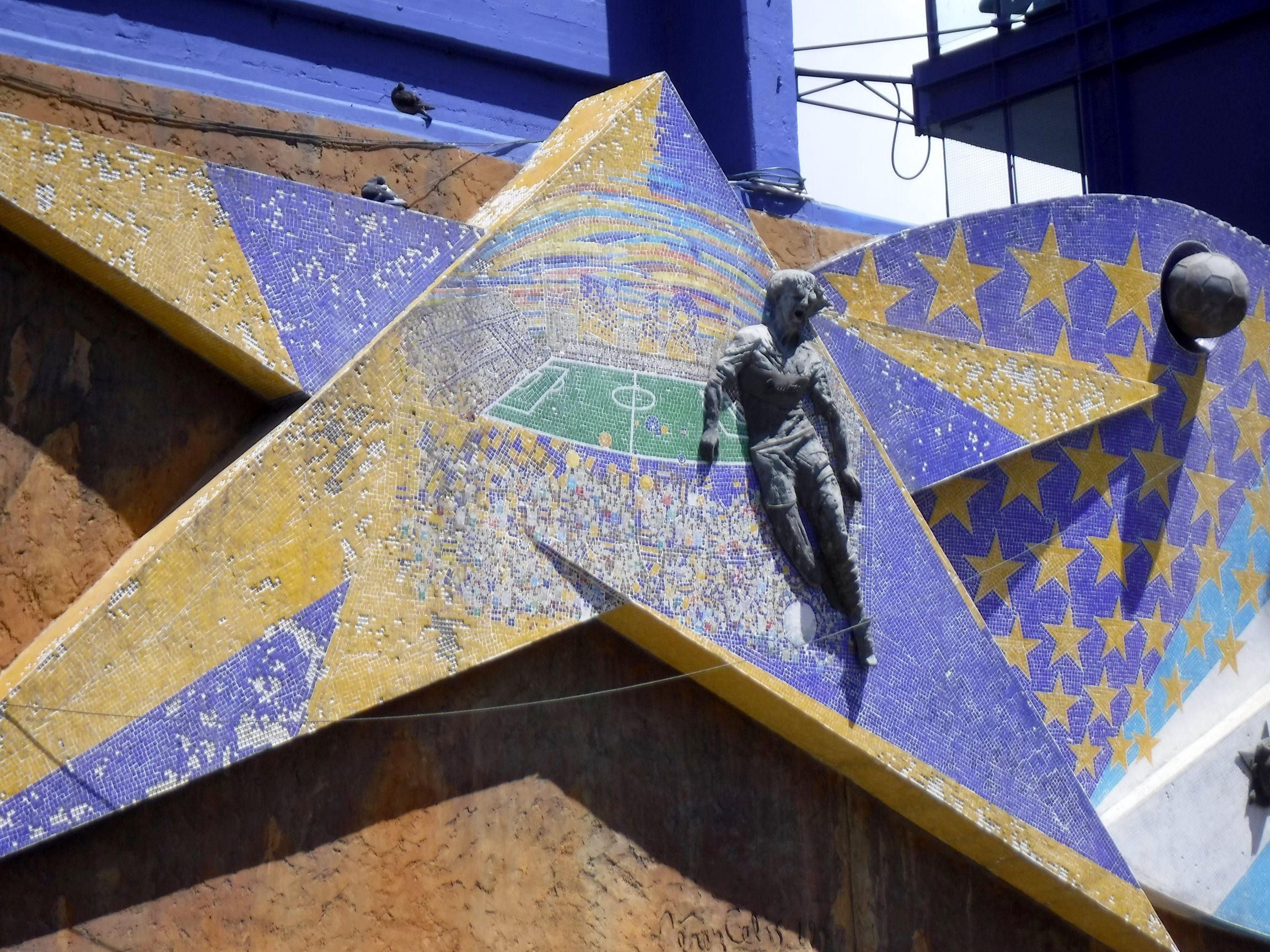
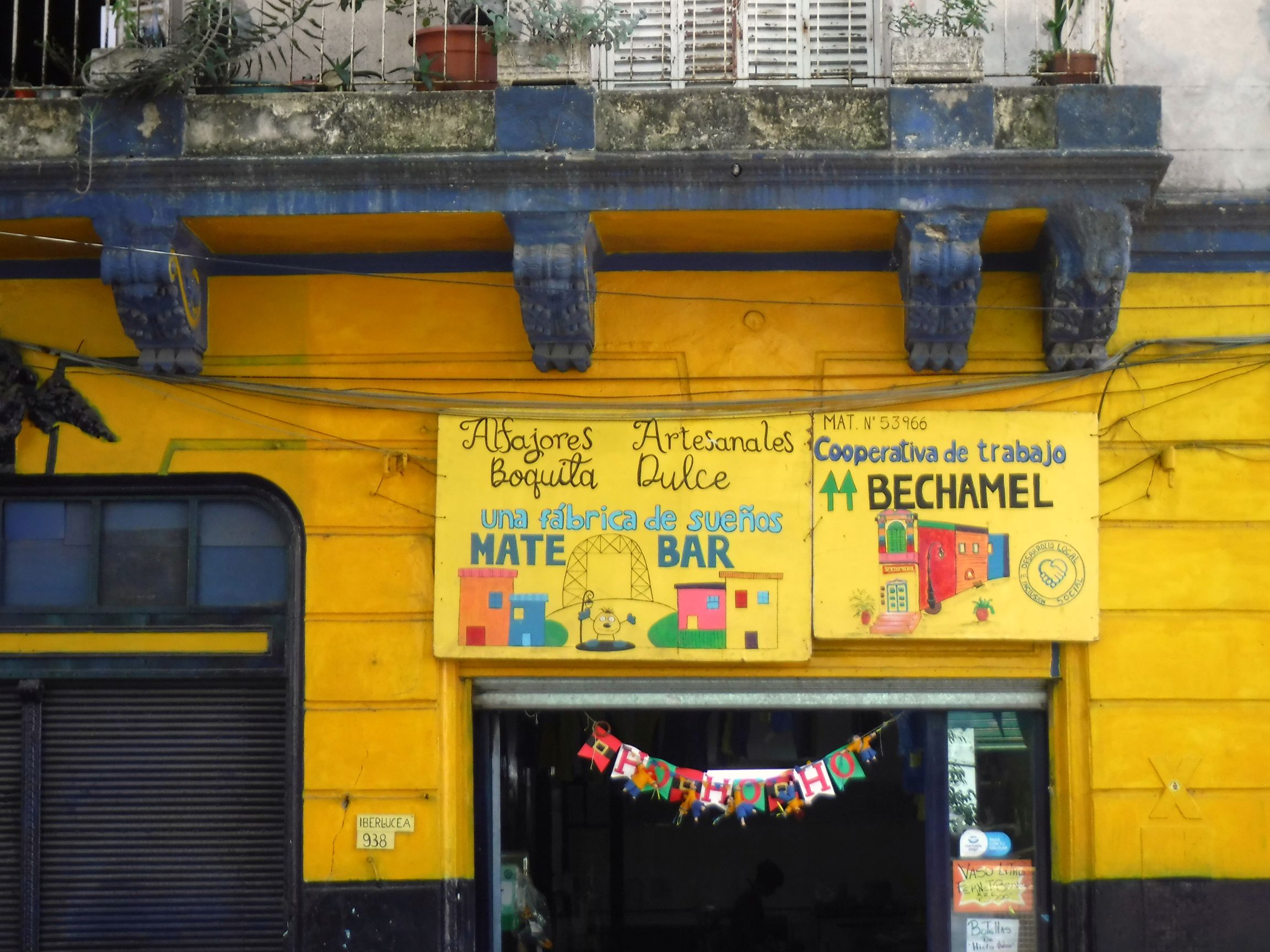
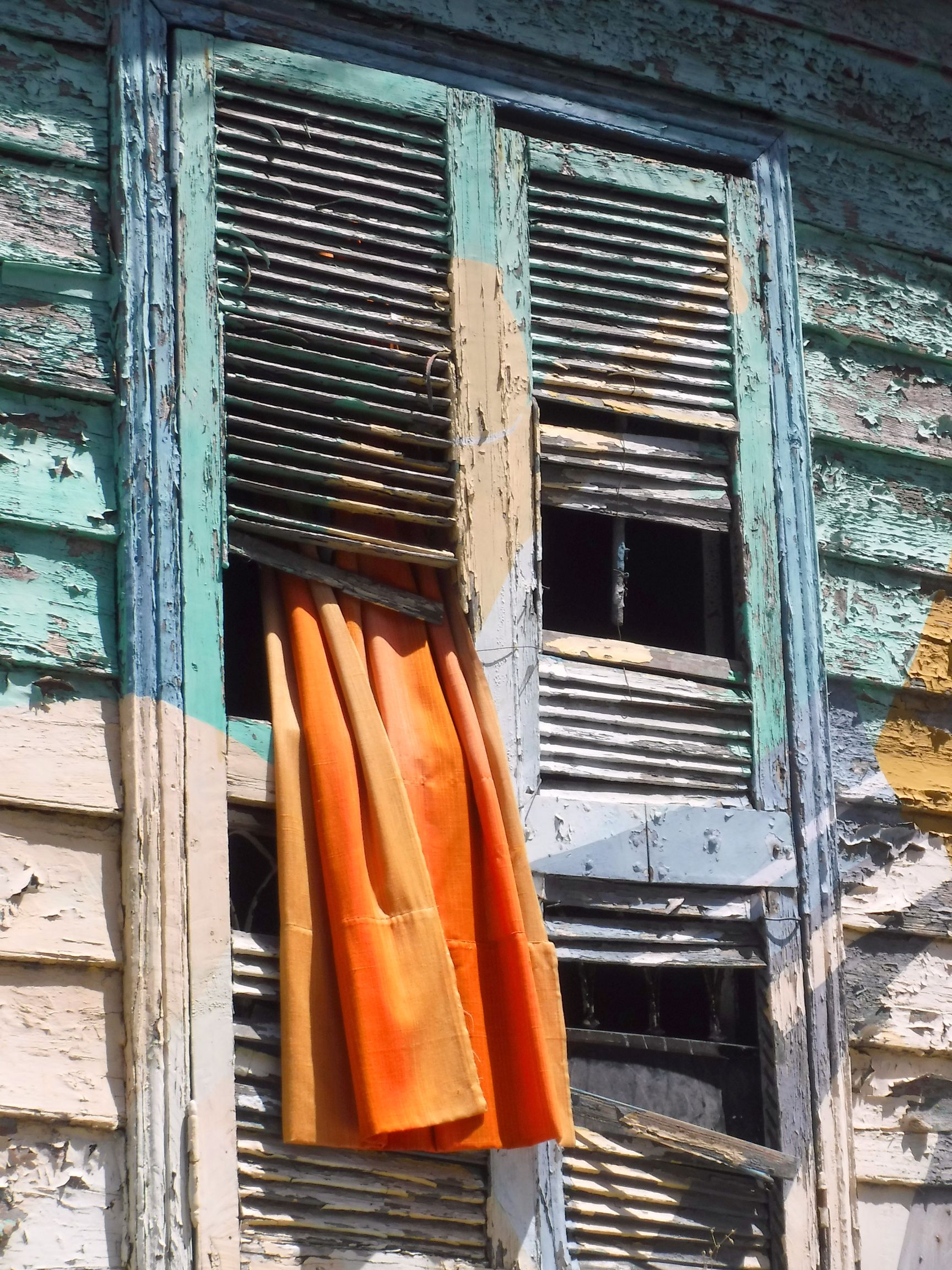
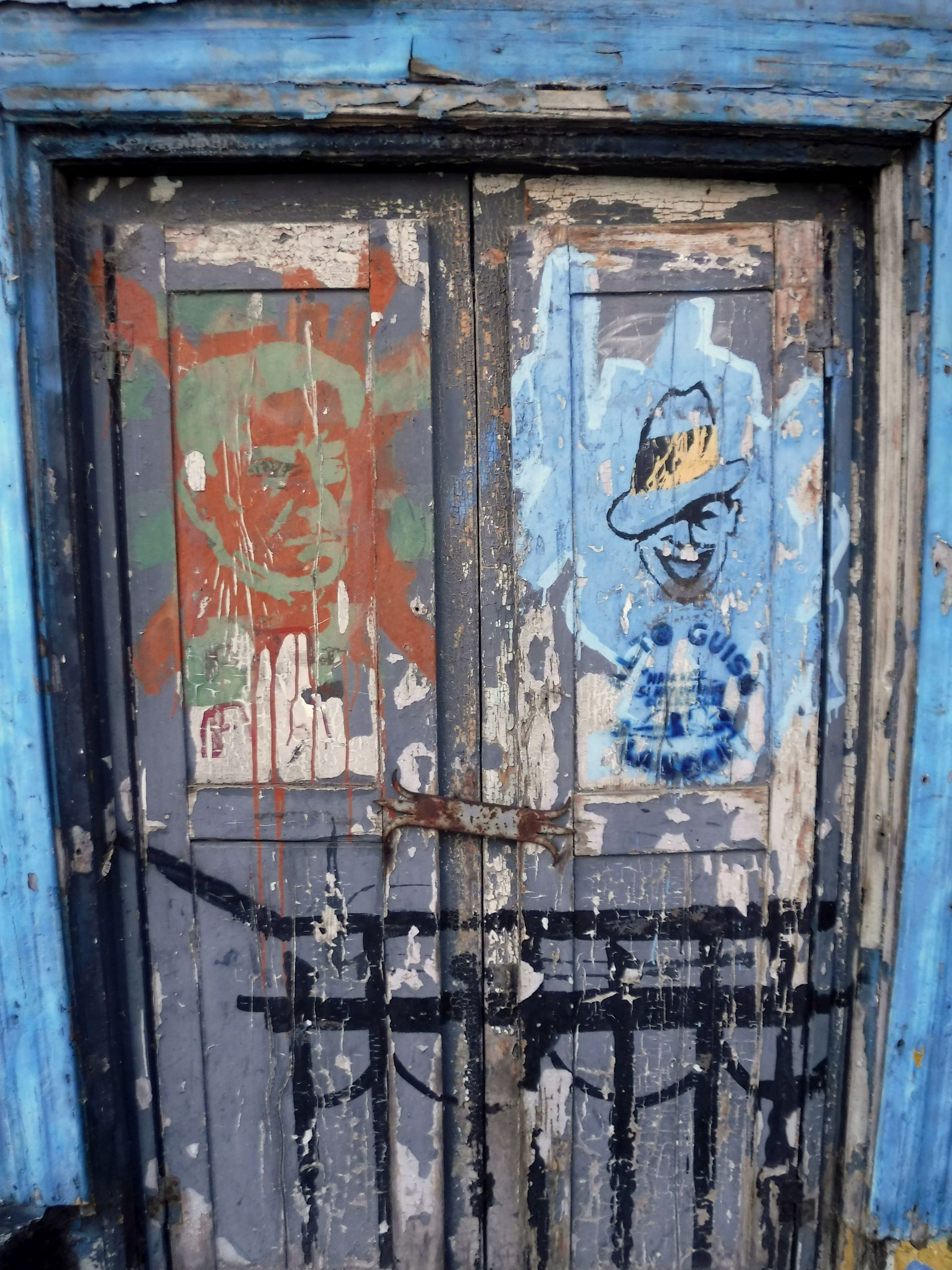
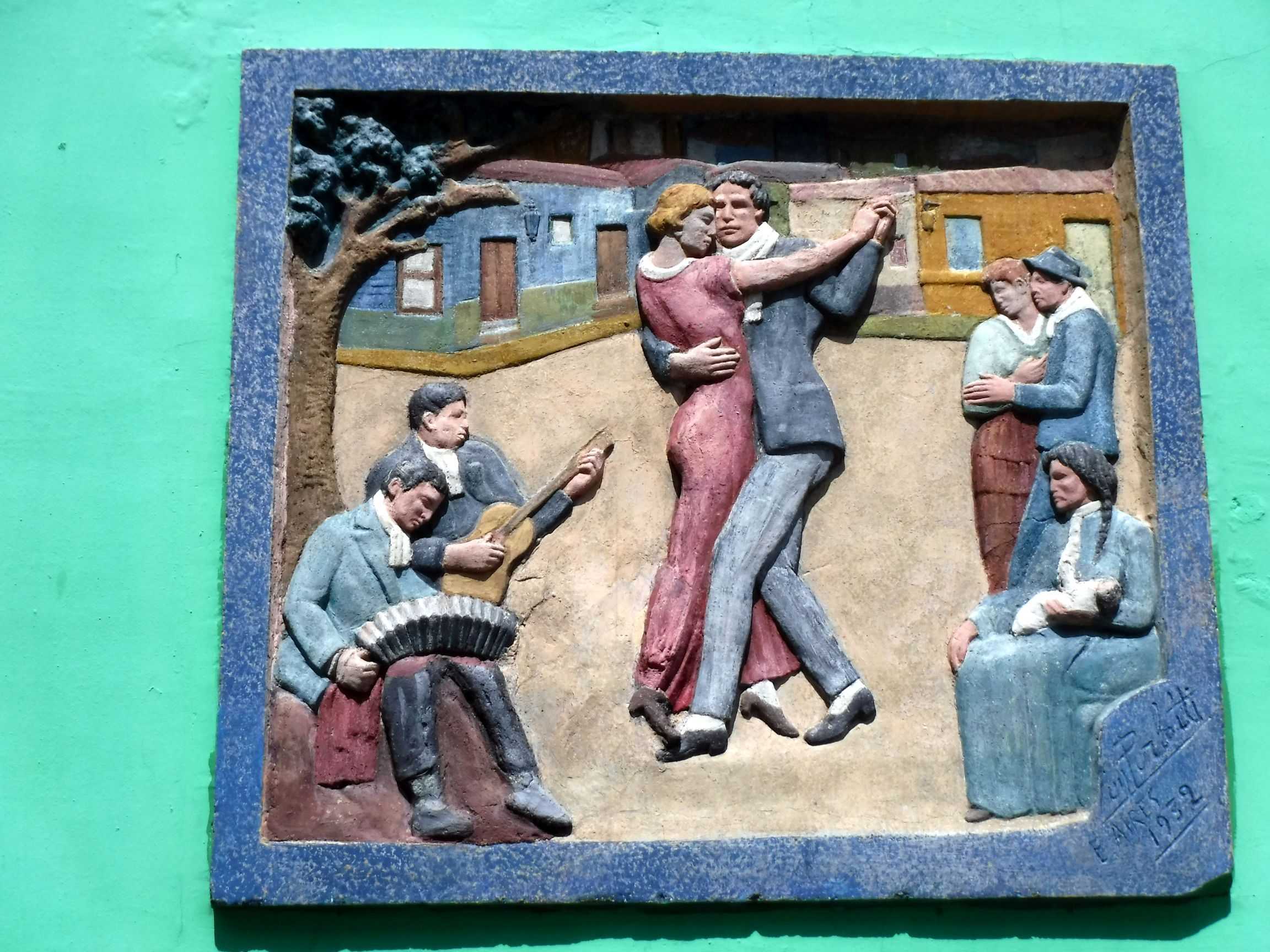
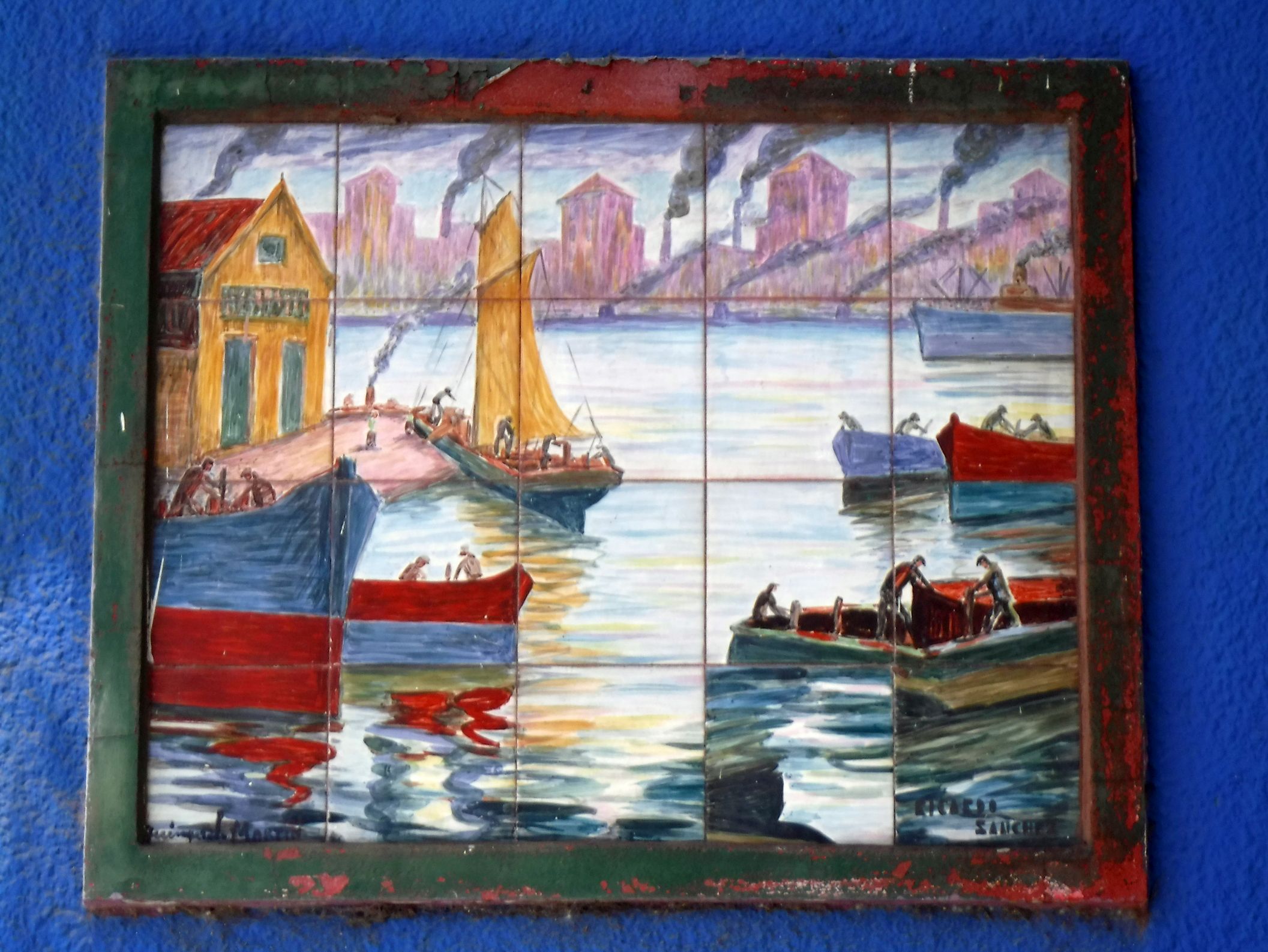
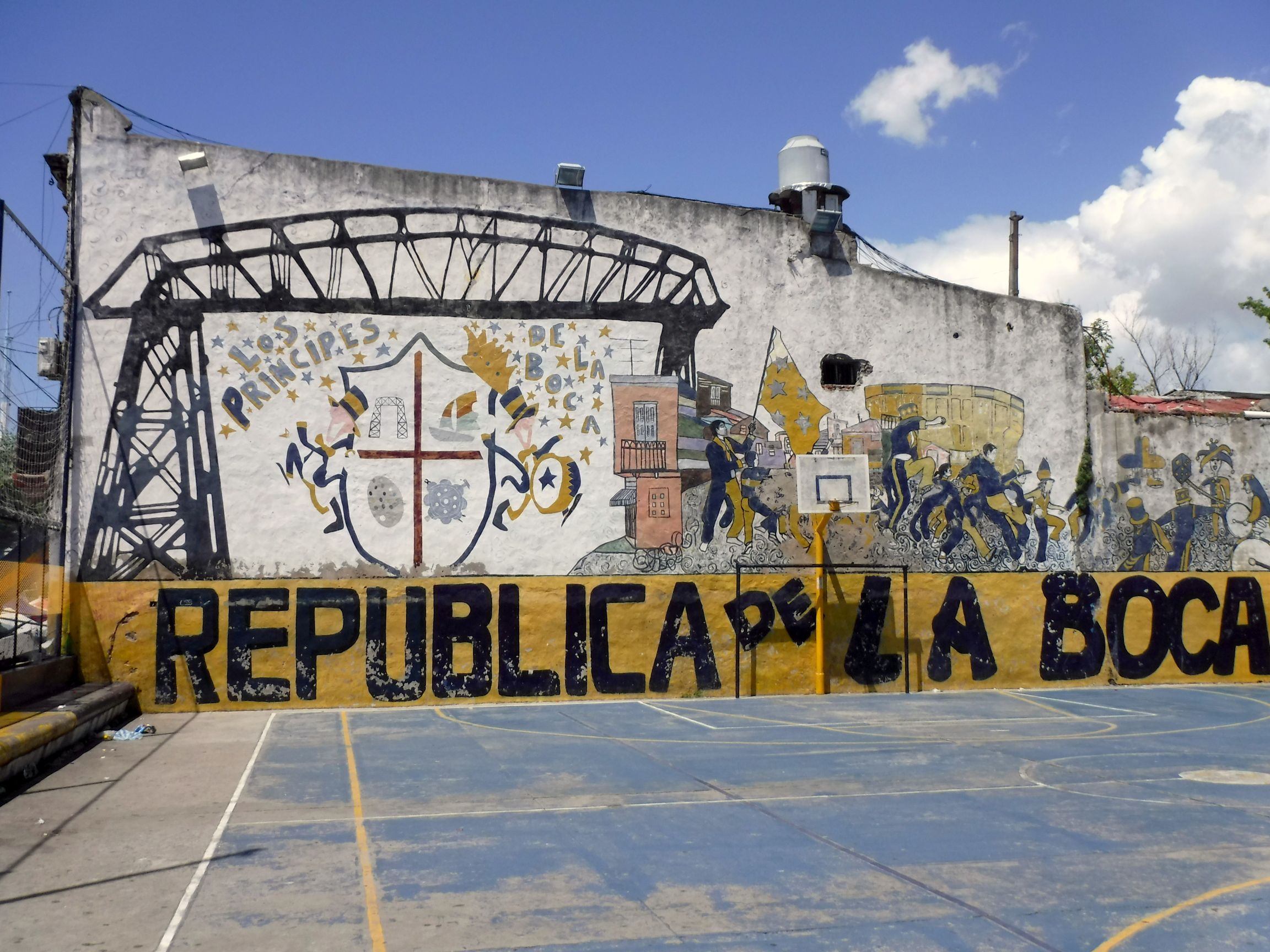
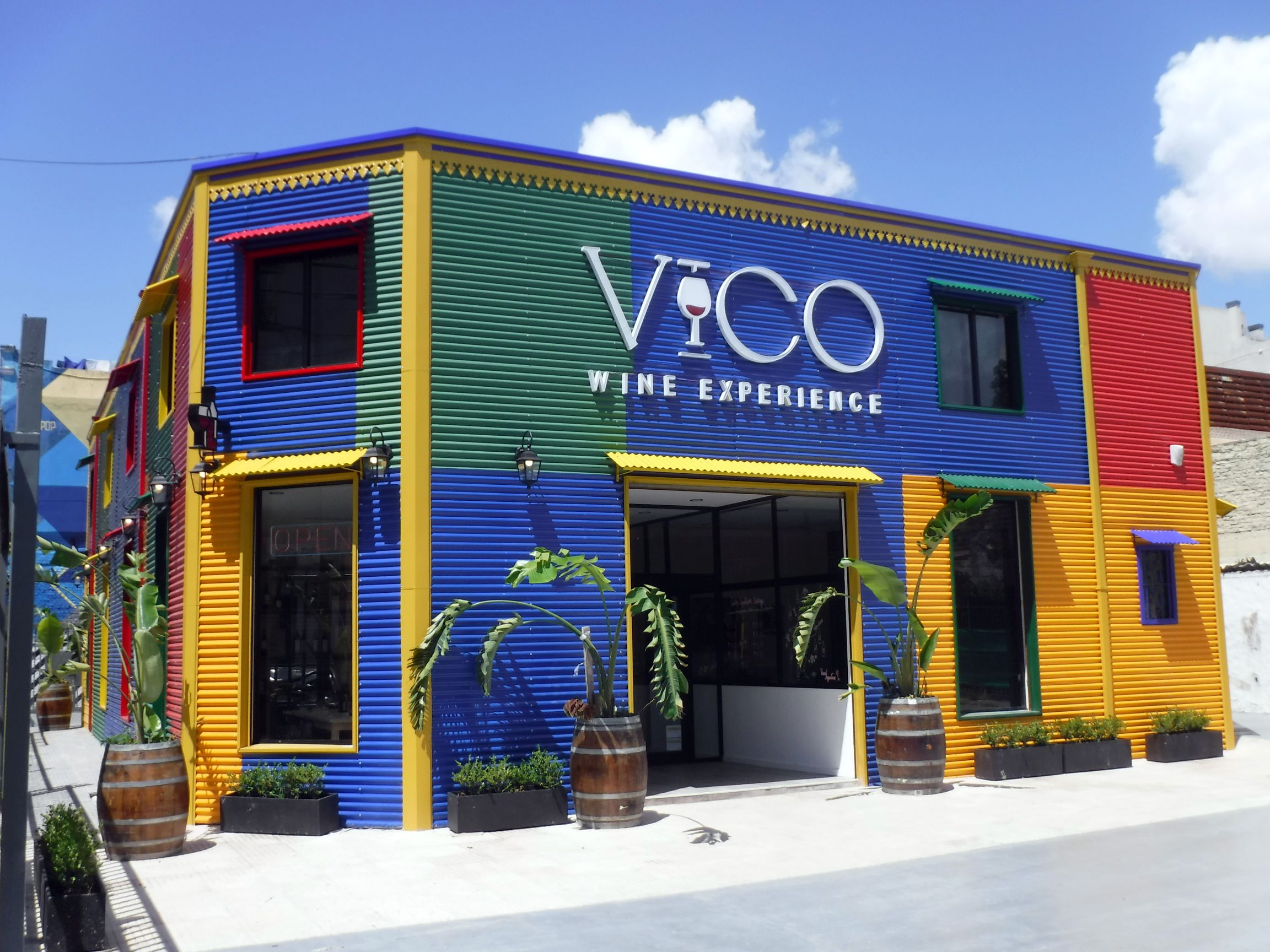
Next, we visited the colorful La Boca neighborhood where the Argentine tango was born. “Colorful” is an understatement, really, because bright colors pop from every building and mural throughout the streets of this neighborhood settled by mostly Italian immigrants. Blue and yellow are especially popular—the colors of their soccer team and neighborhood “futbol” stadium.

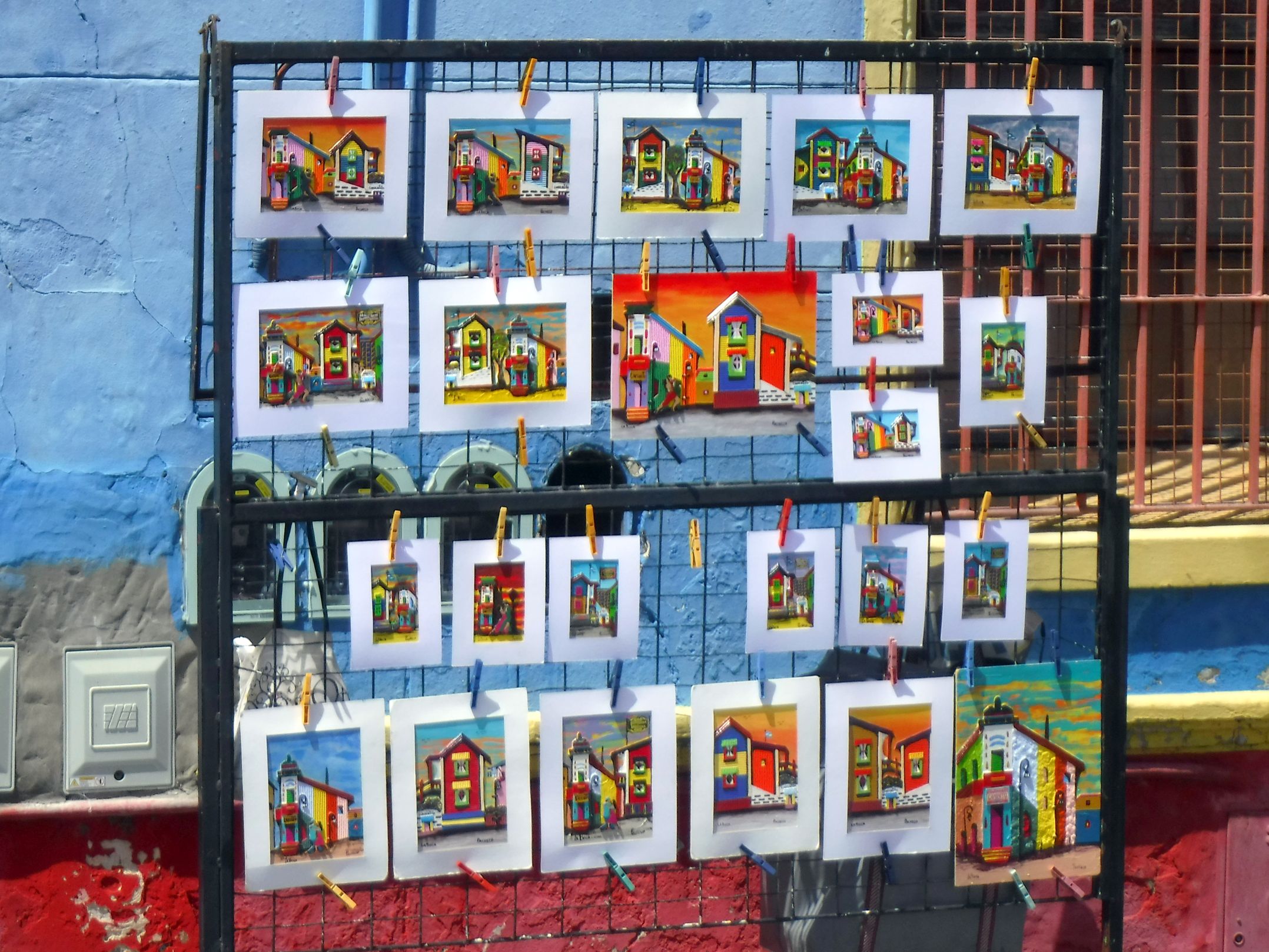
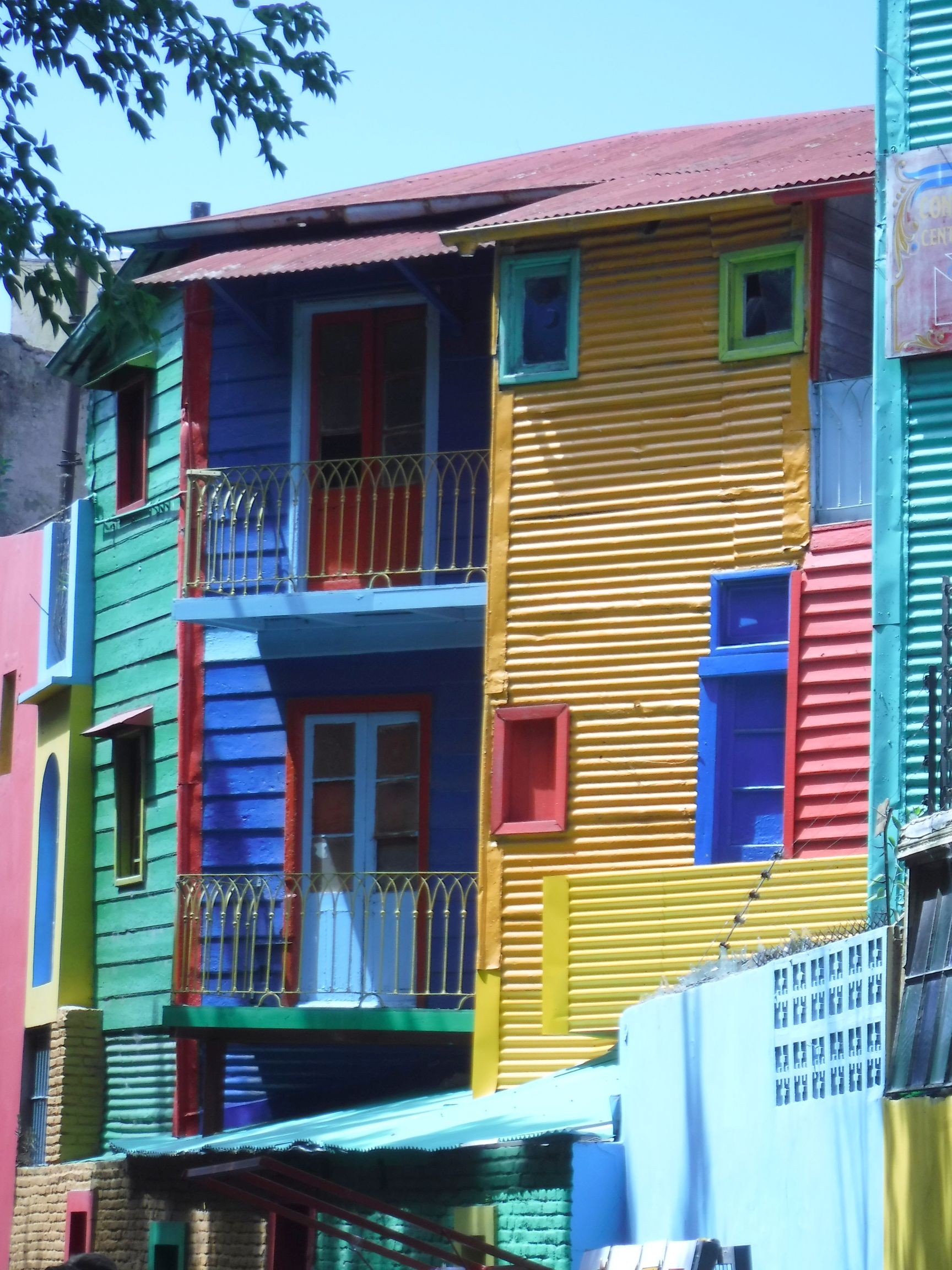
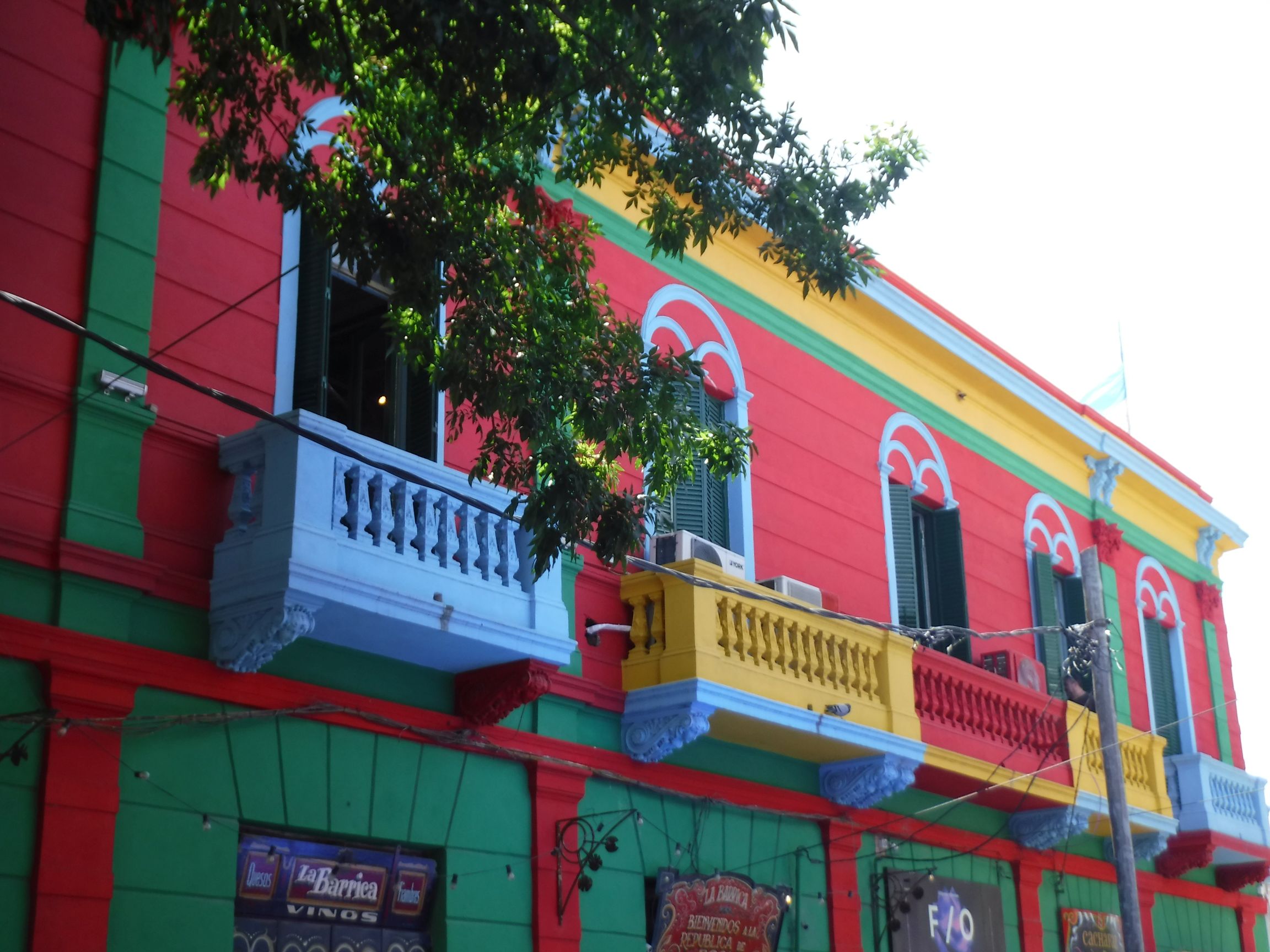
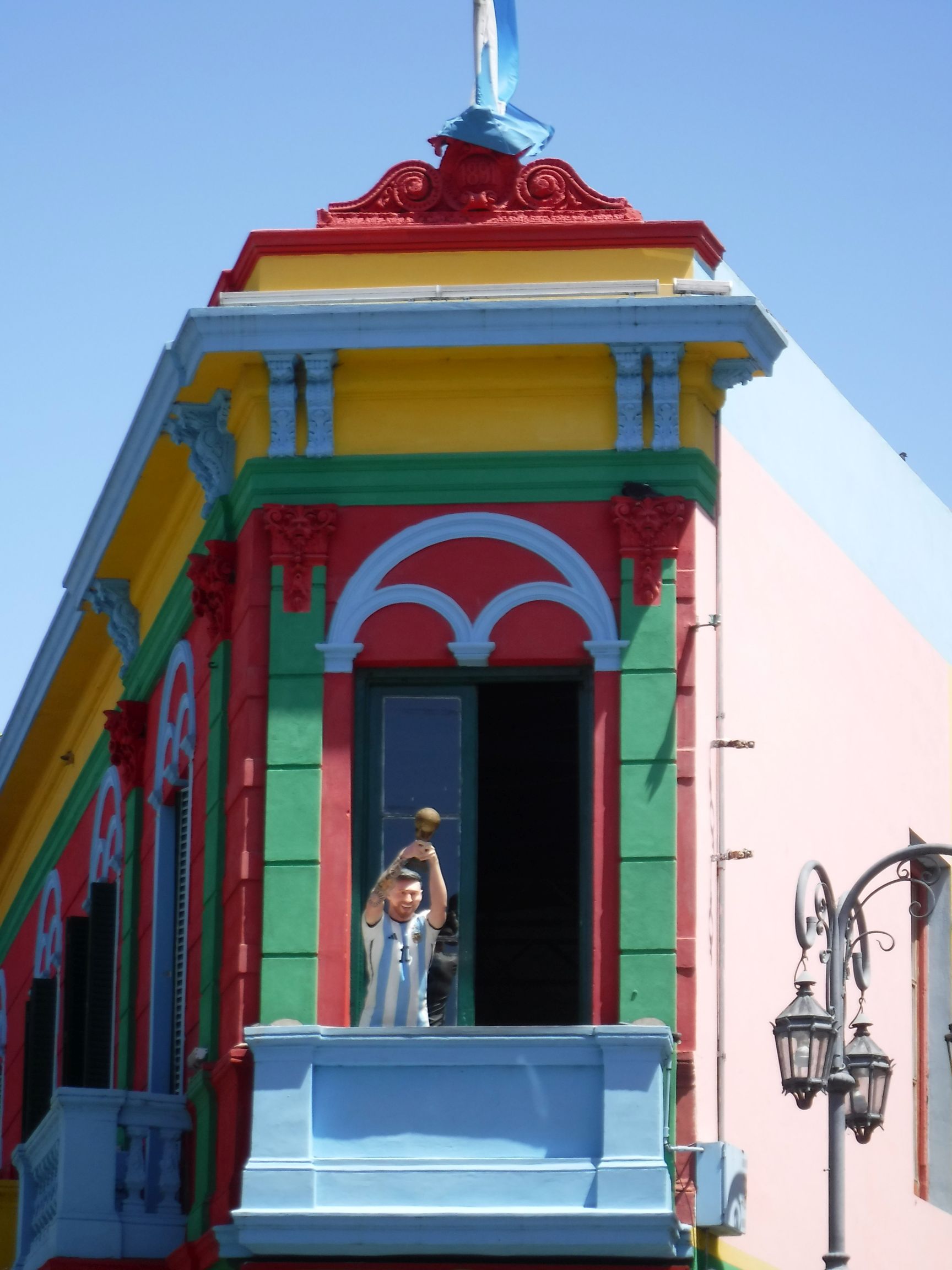








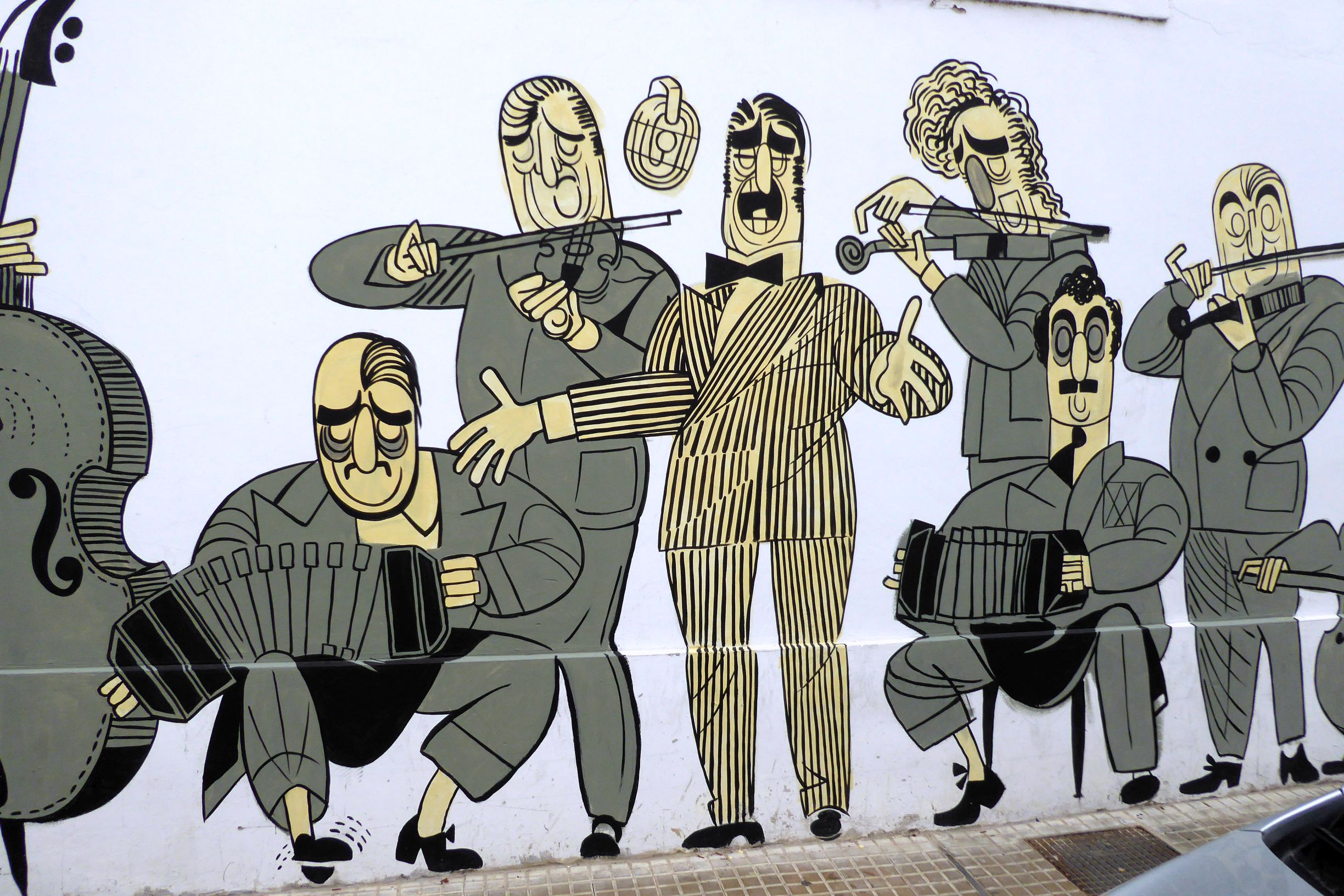
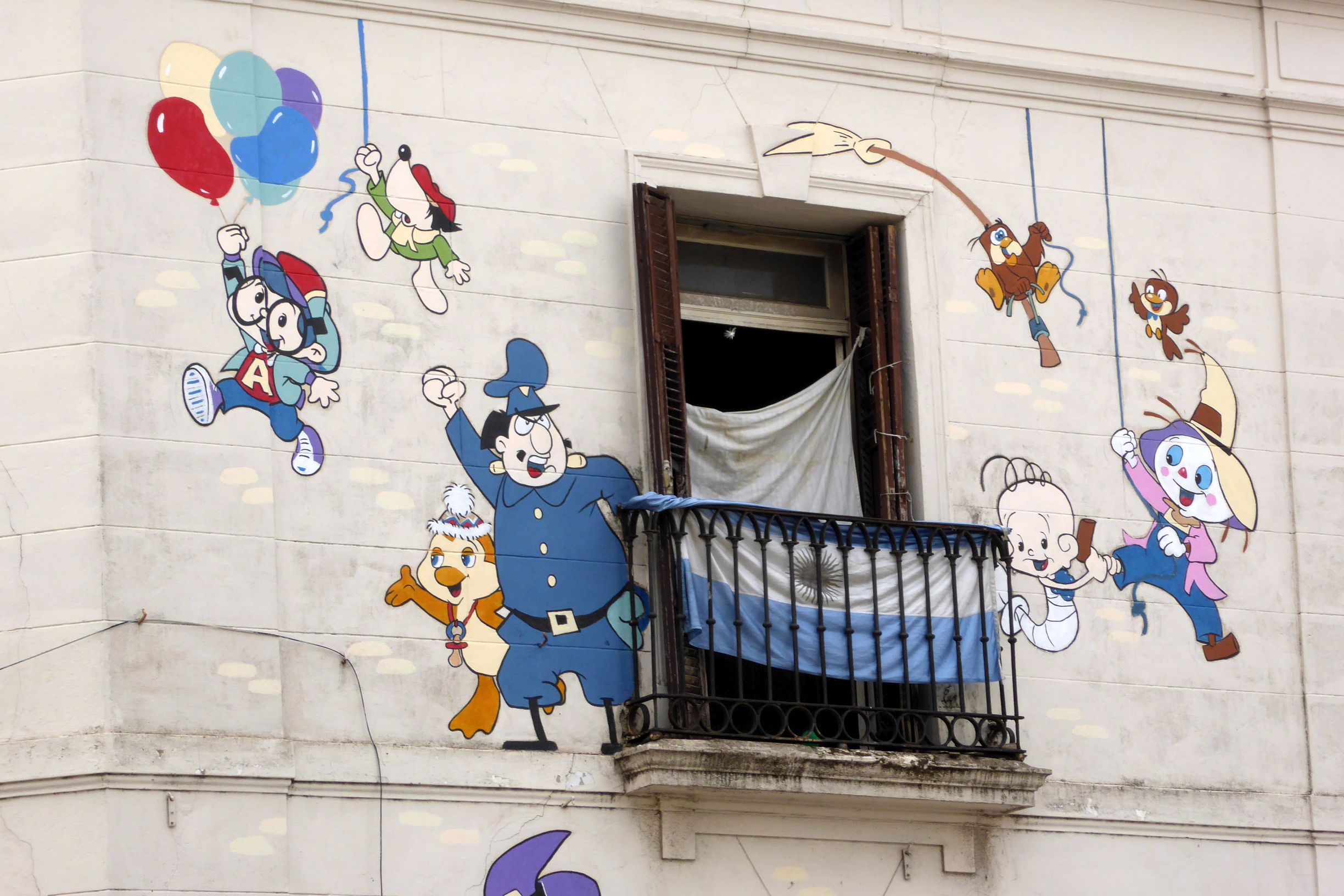
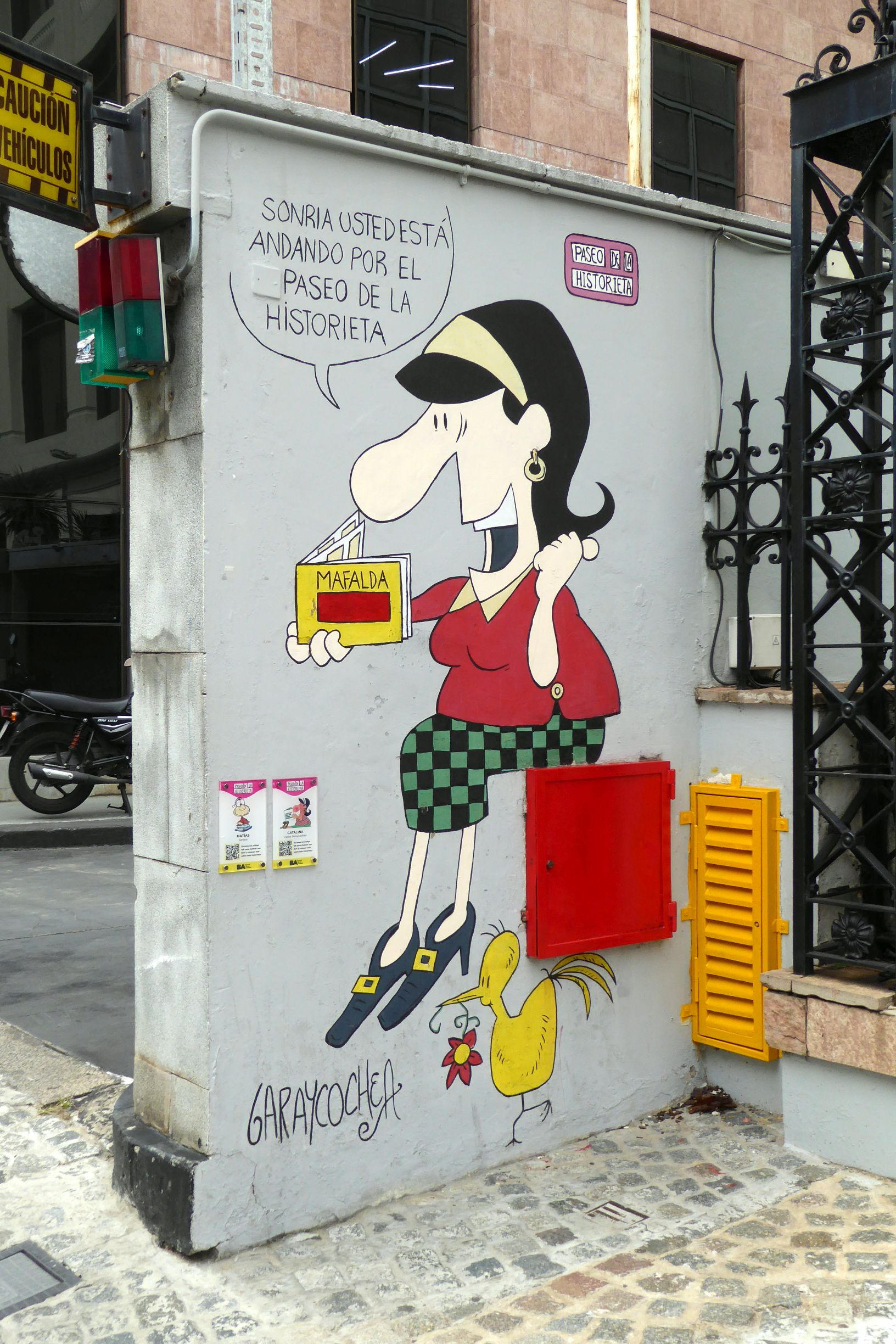
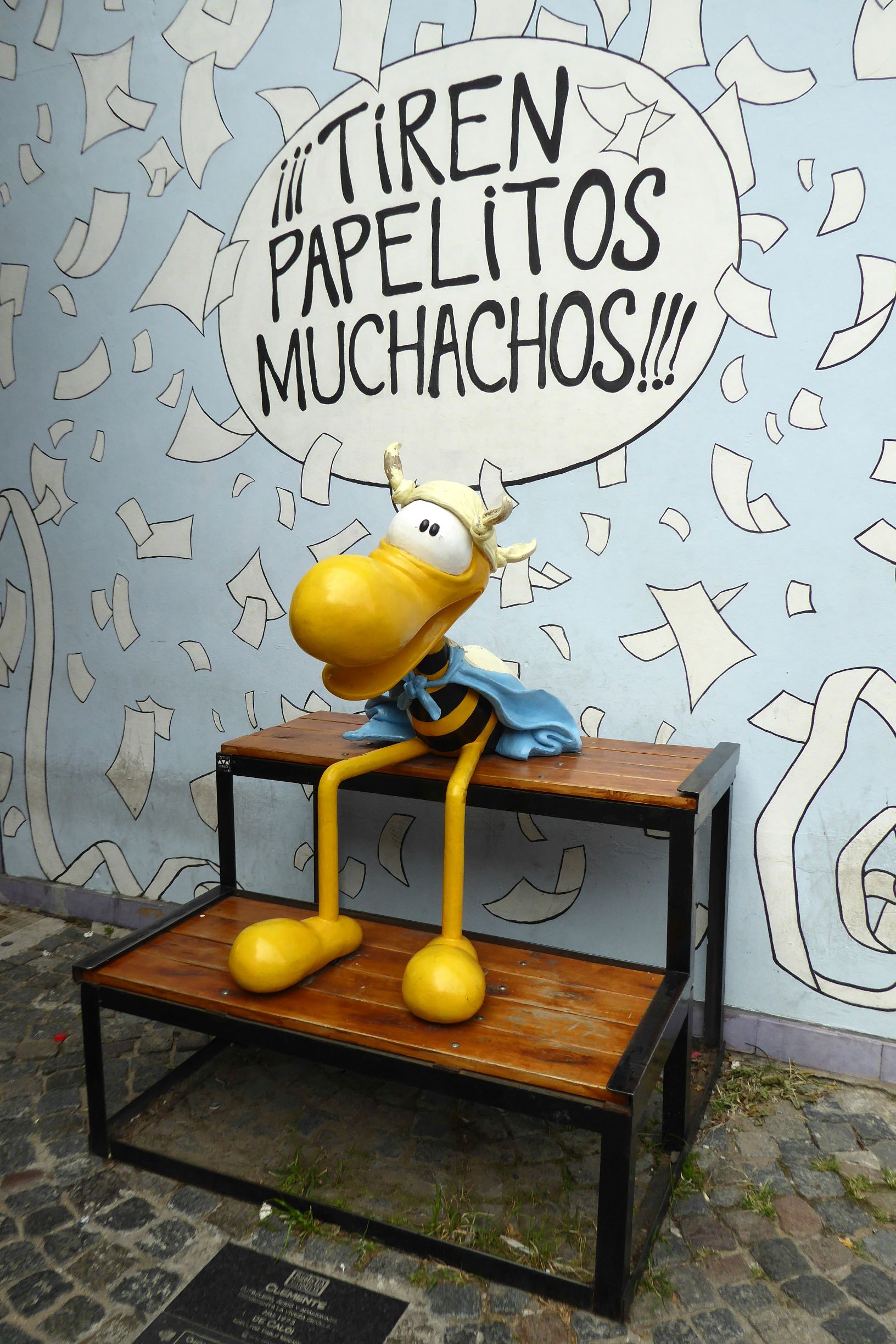
Following the city tour, we opted to be dropped off back at Plaza de Mayo to shoot a couple of afternoon photos of the square before walking to San Telmo, the oldest neighborhood of Buenos Aires. We got a kick out of Paseo de las historieta, a four-block section of Balcarce Street full of street art dedicated to Argentina’s most popular cartoon characters.
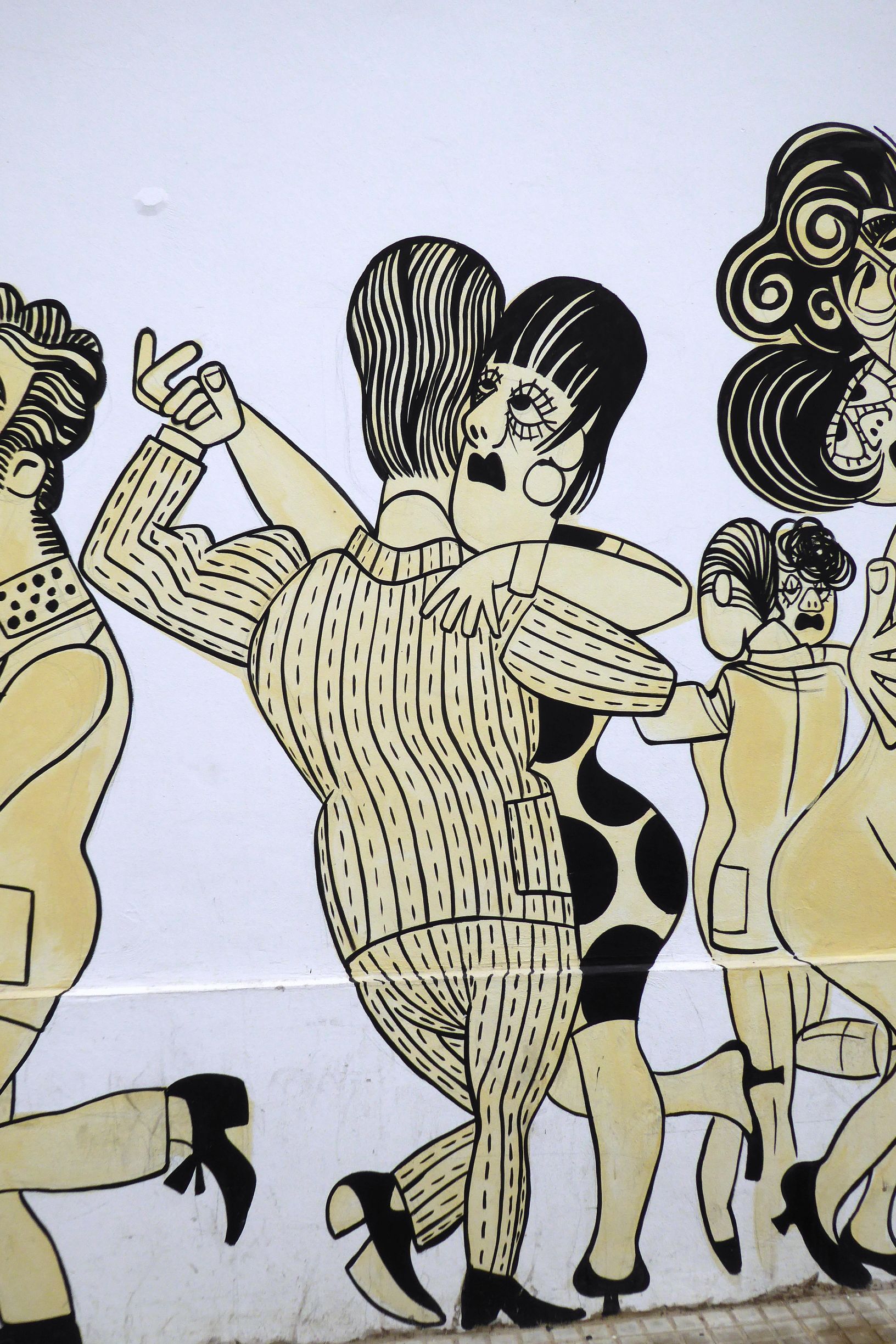
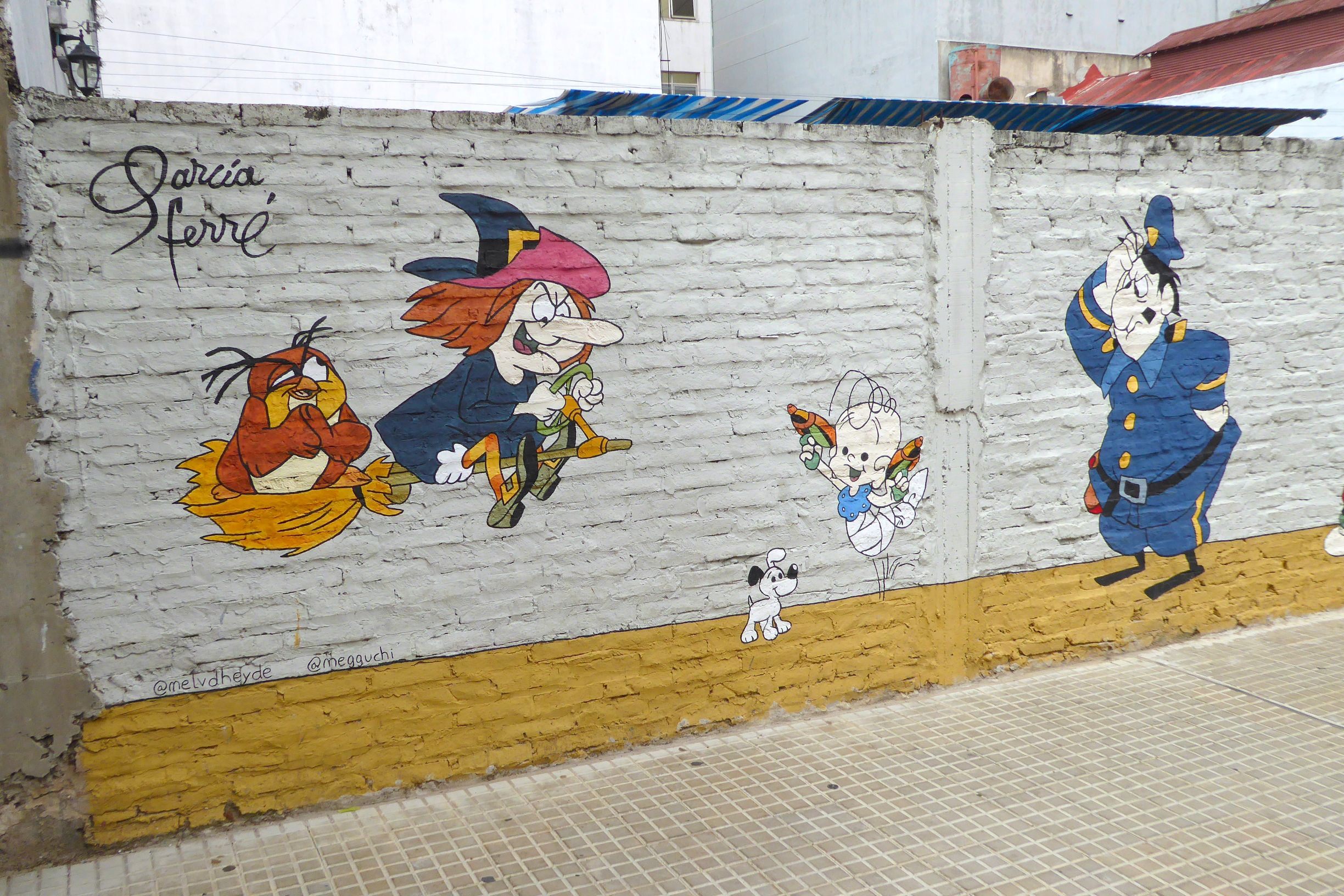


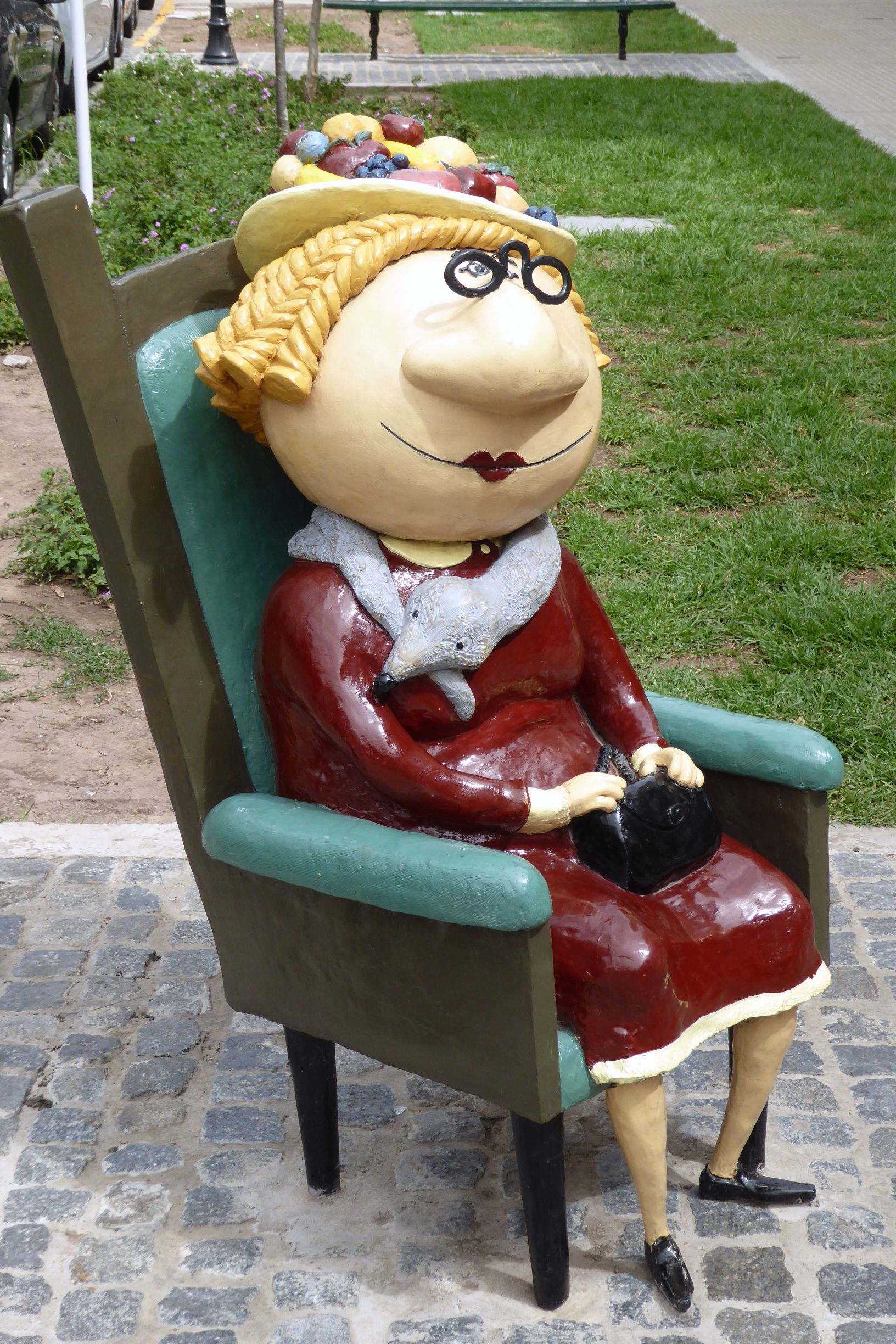
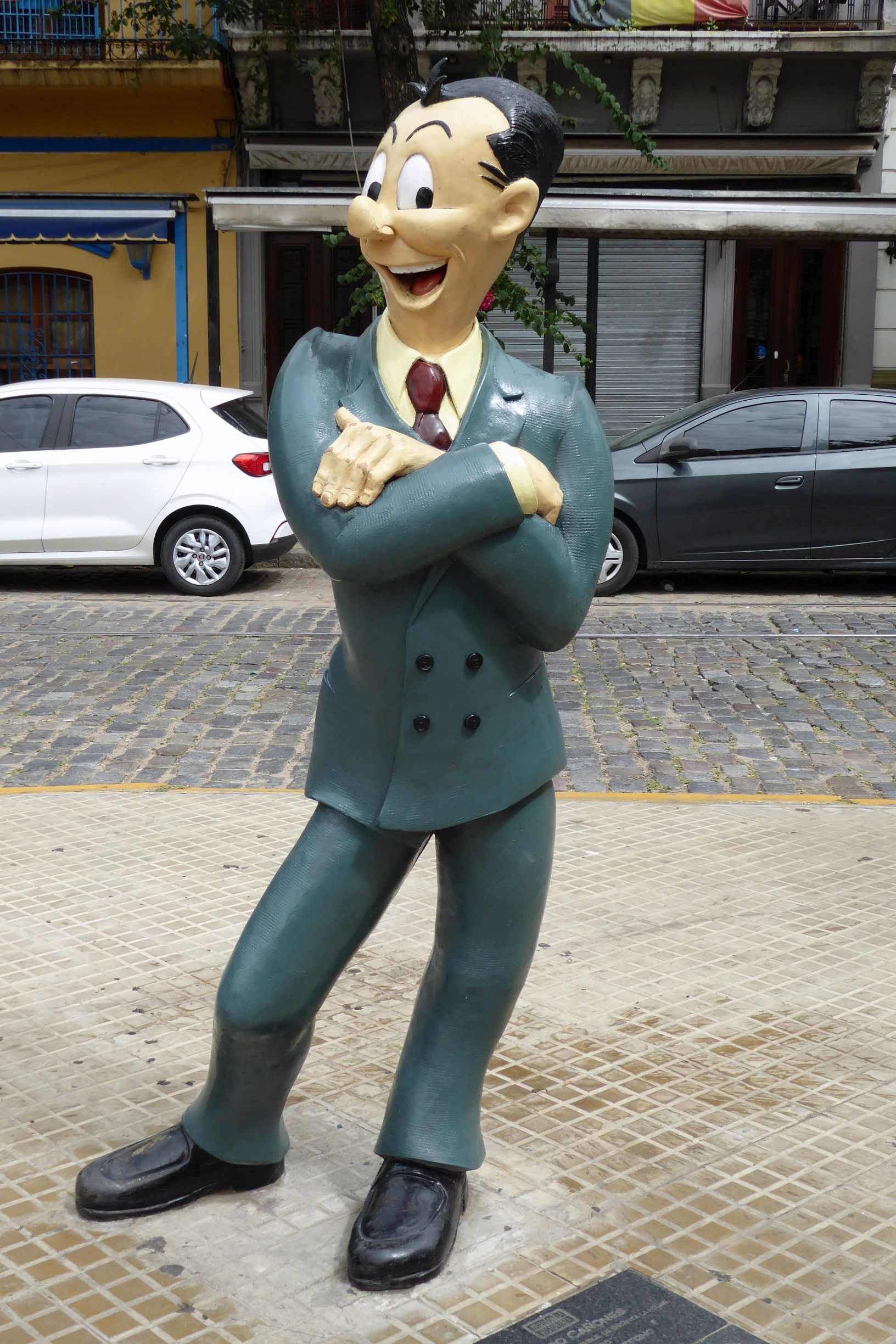


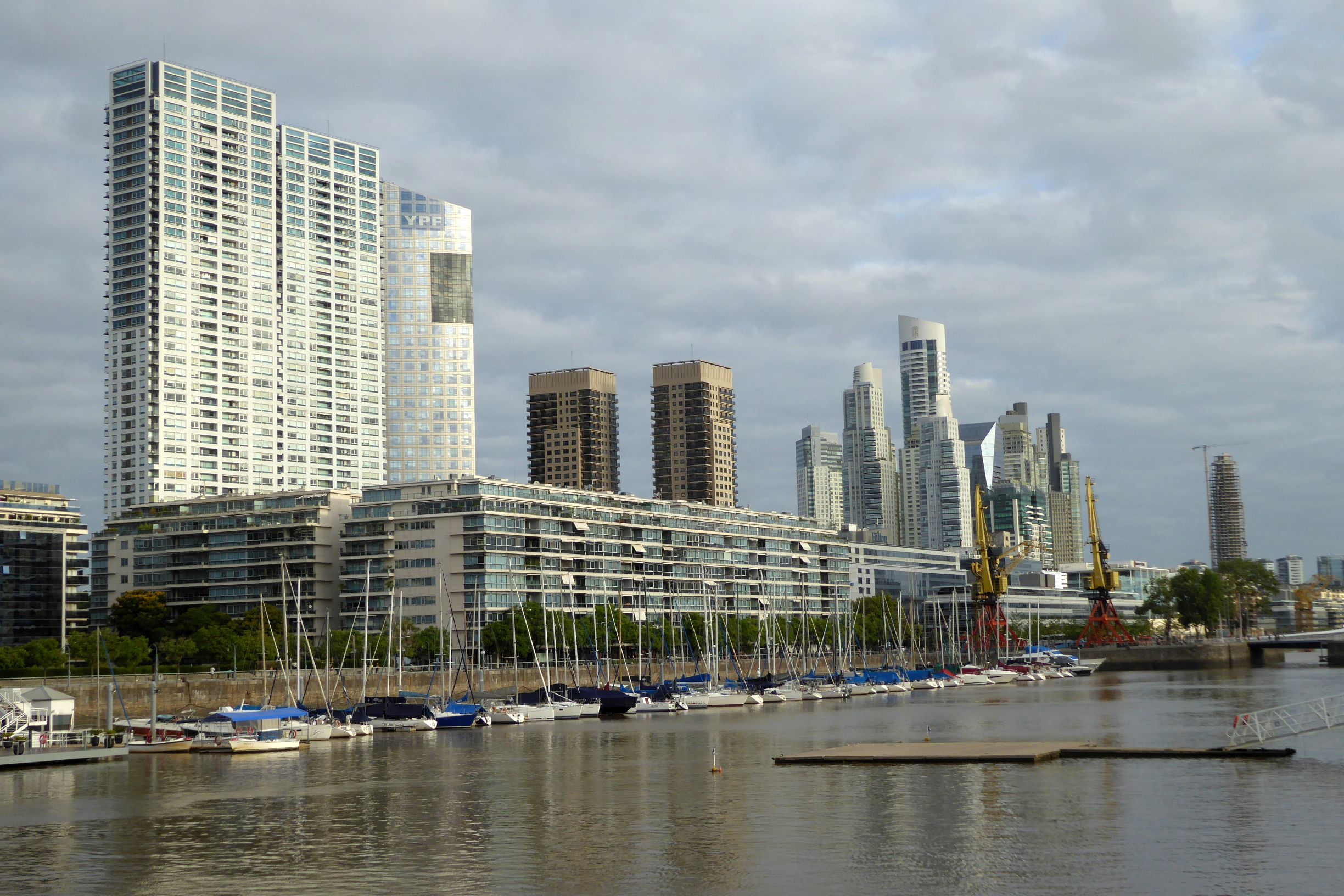
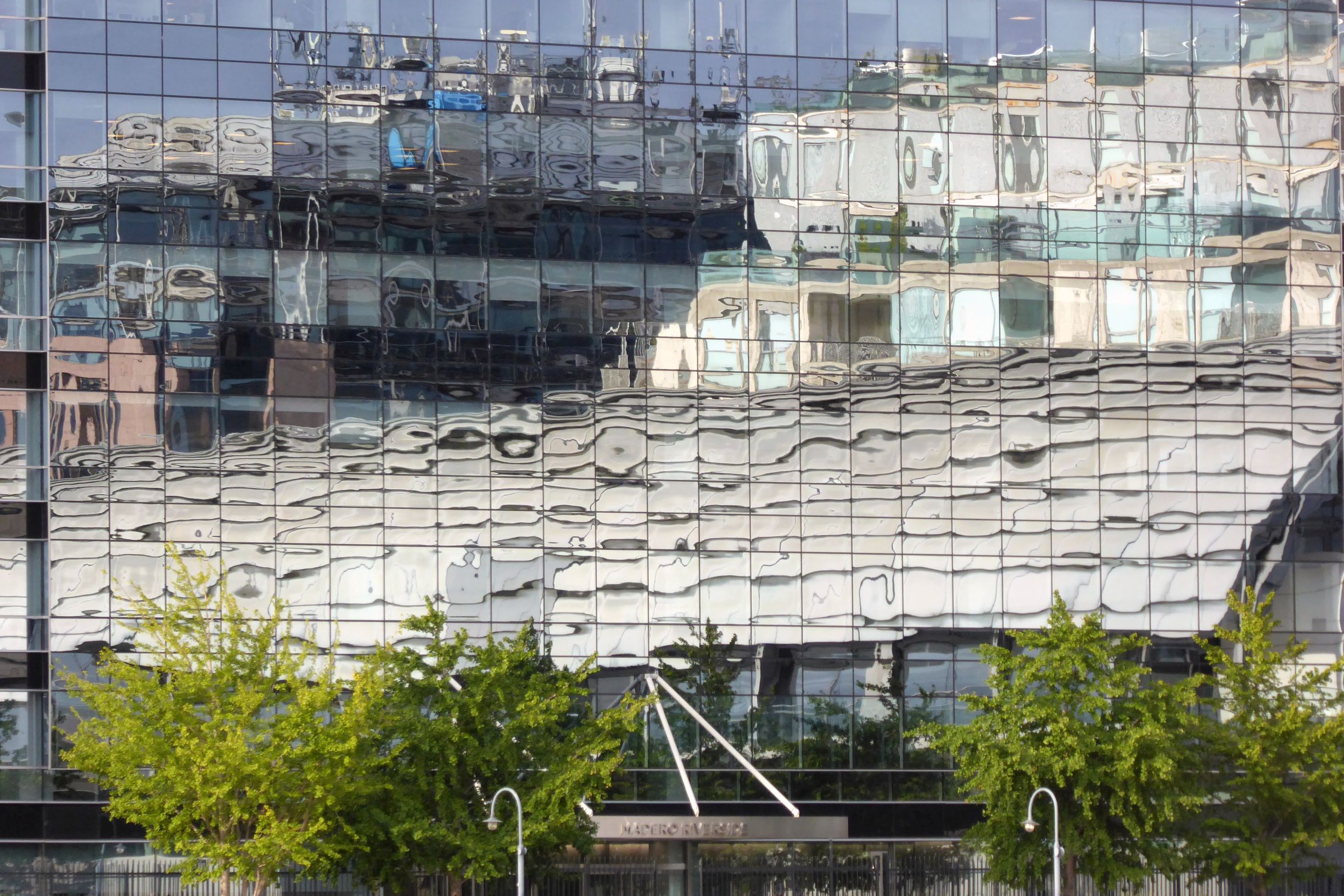
The posh and hip Puerto Madero was where our group enjoyed our Welcome Dinner. Argentina is world-renowned for their steak, but Bruce and I opted for Pacu, a local fish.
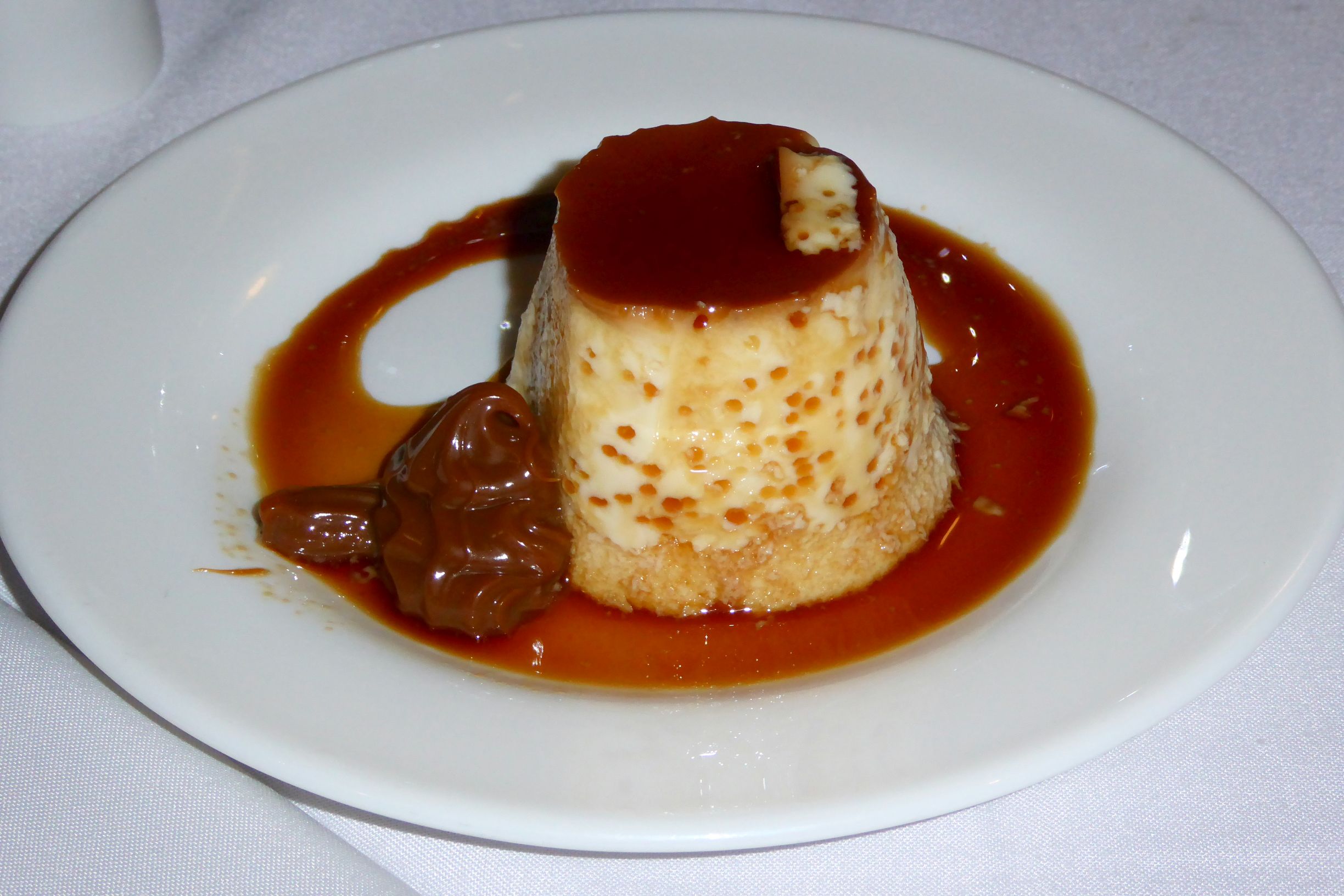
This was the first of many delicious varieties of dulce de leche desserts we enjoyed throughout the tour. I was hooked!
Coming up next: ARGENTINA & CHILE #4: BEAUTIFUL BARILOCHE
 Elaine-iaK's Travels: A Traveler's Tales of People, Places, Photos, Pools... and CHOCOLATE!