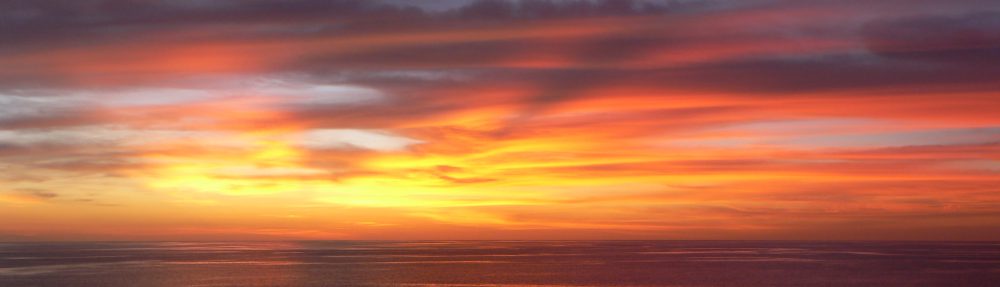
What makes Utah so special is the miles and miles of wide open, unspoiled land. 80% of Utah is owned by the state or Bureau of Land Management, so it is mostly undeveloped.
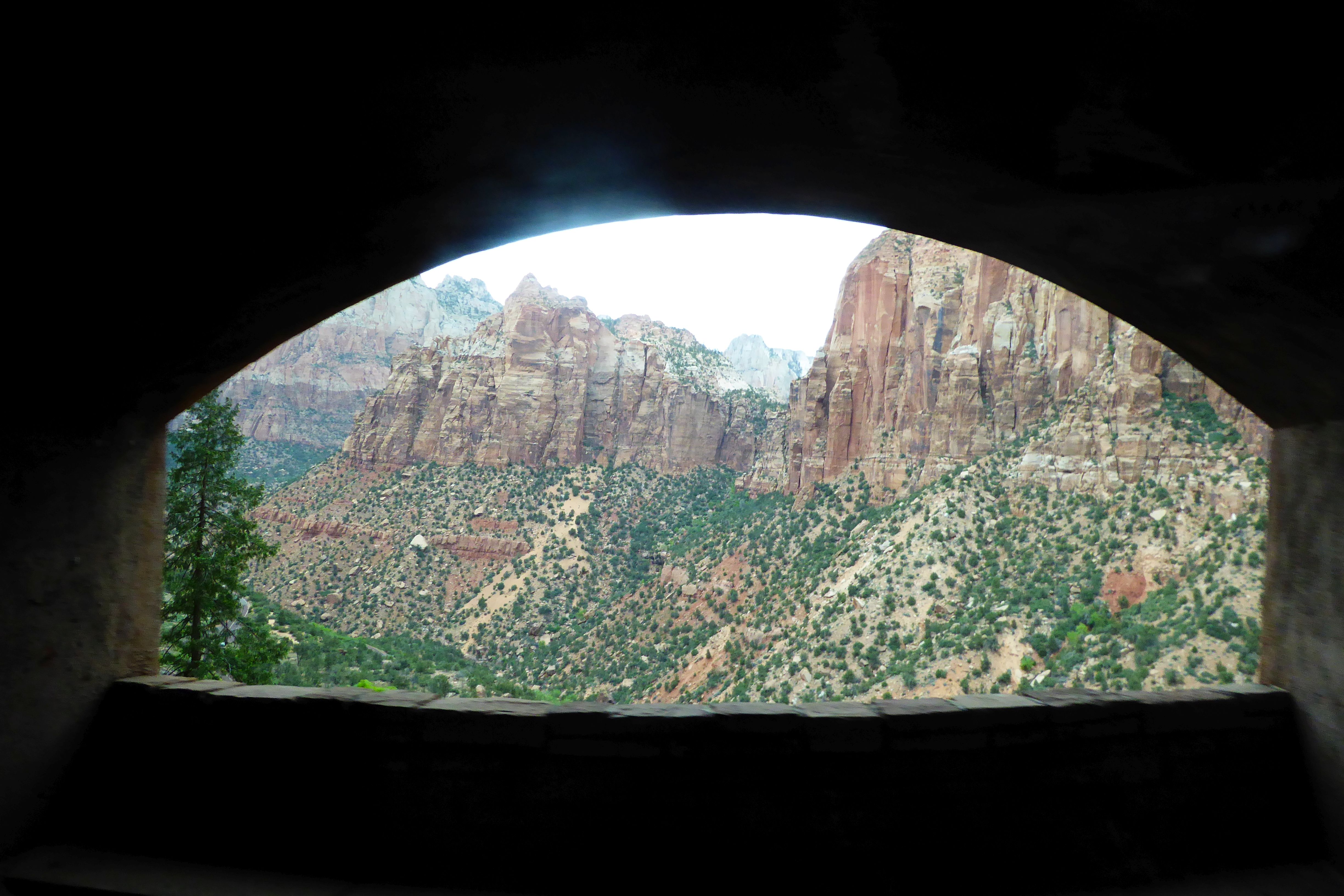
To begin our journey of the Grand Circle of Utah’s National Parks, the first national park we visited was Zion, Utah’s first national park, established in 1919. It is located in Southwestern Utah, and is characterized by deep sandstone canyons, a maze of narrow, and striking rock towers and mesas.
Native Americans were the first to inhabit the area about 8,000 yeas ago. Mormons started coming in during the late 1850’s, and called the area Zion; however, President Taft named it Mukuntuweap National Monument in order to protect the canyon. In 1918, Horace Albright, the acting director of the newly created National Park Service changed the park’s name to Zion National Park. (So much for the Native Americans being there first…)
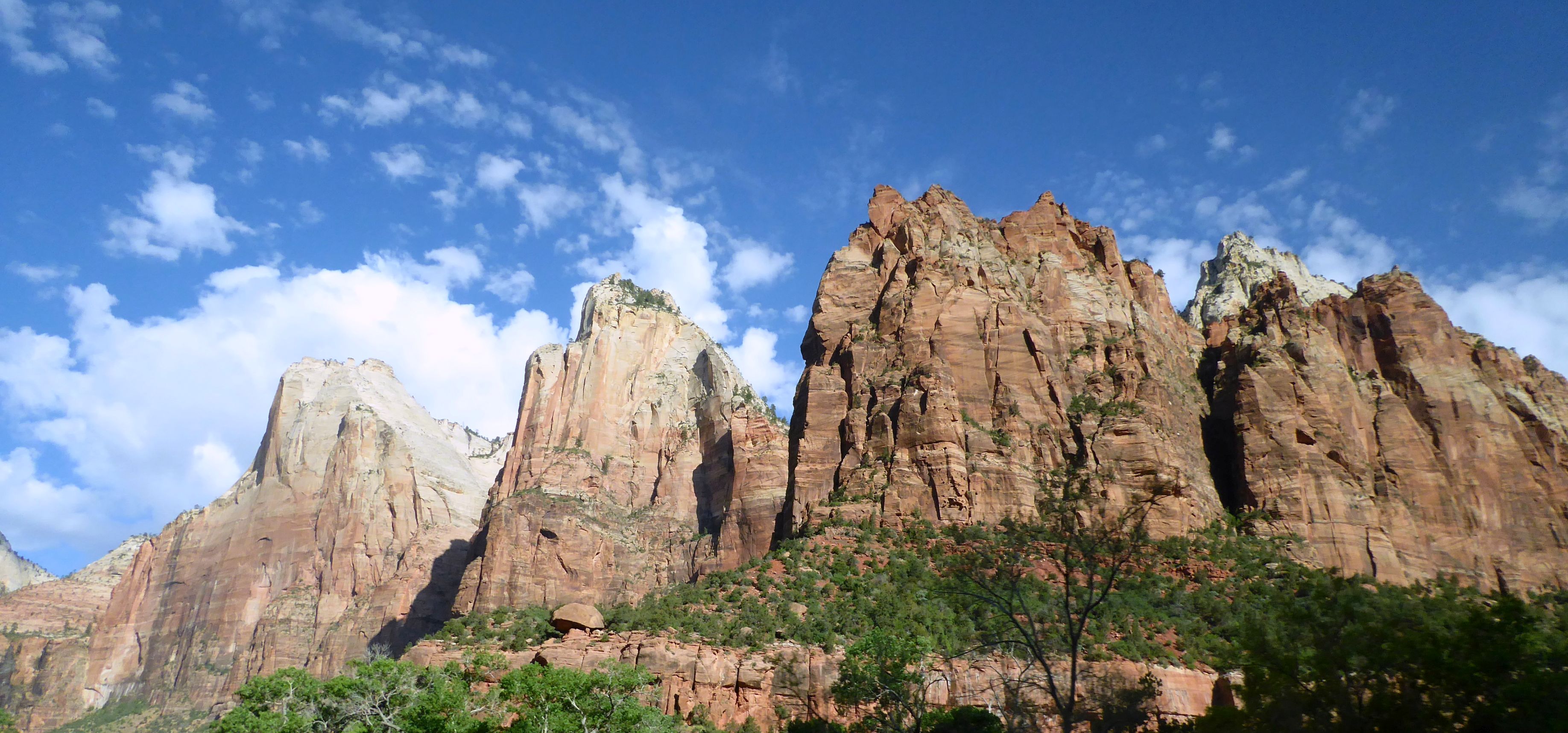
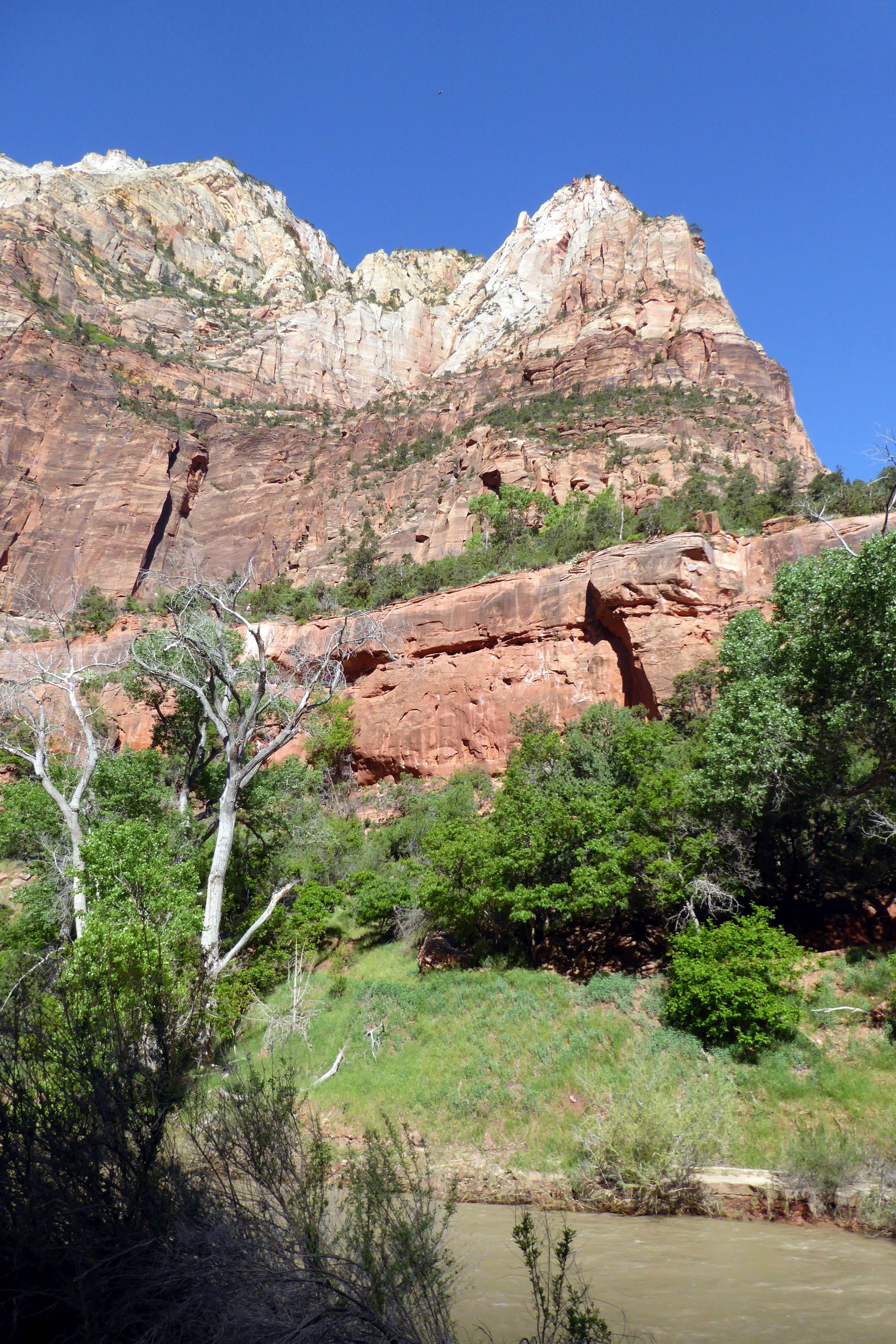
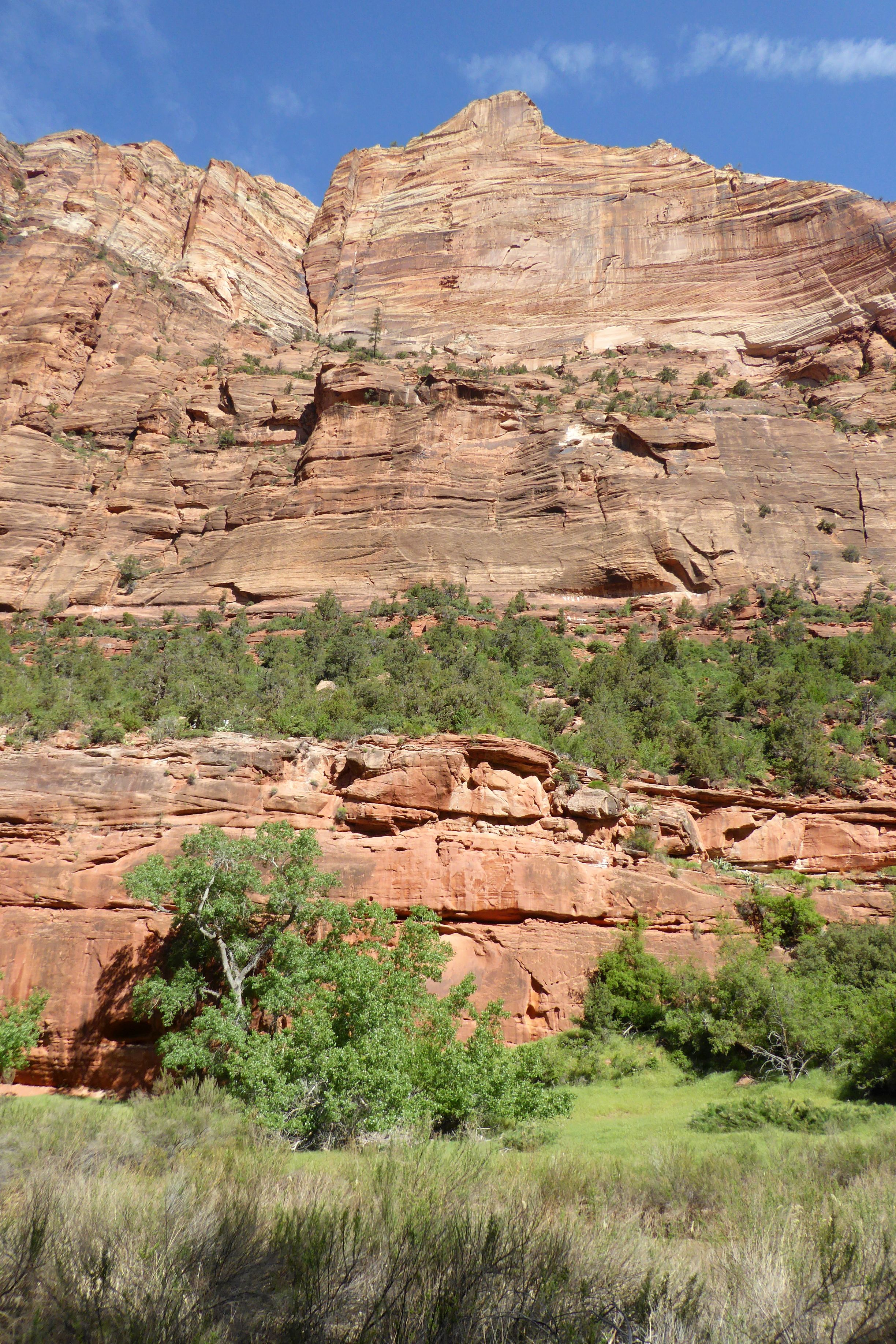
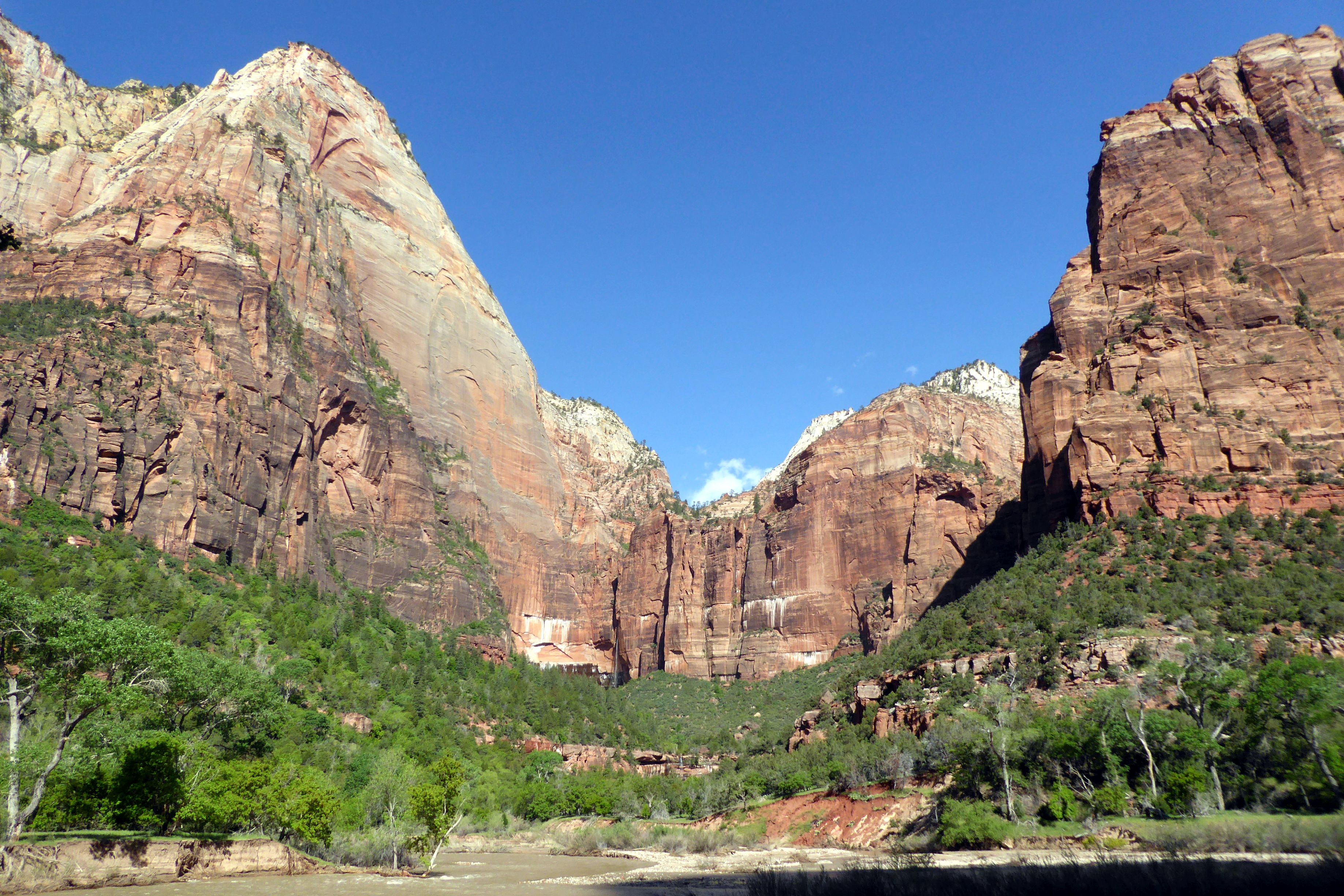
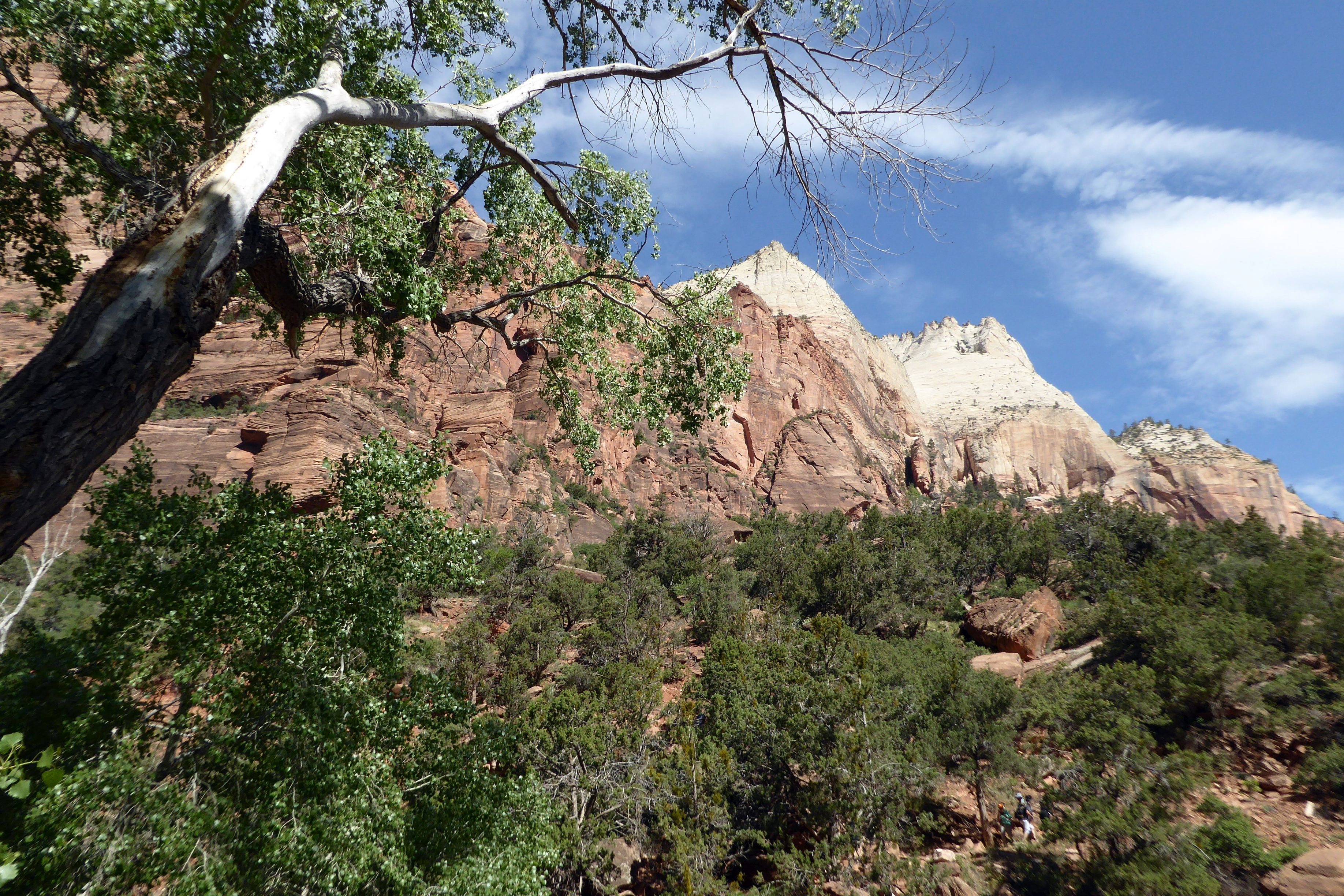
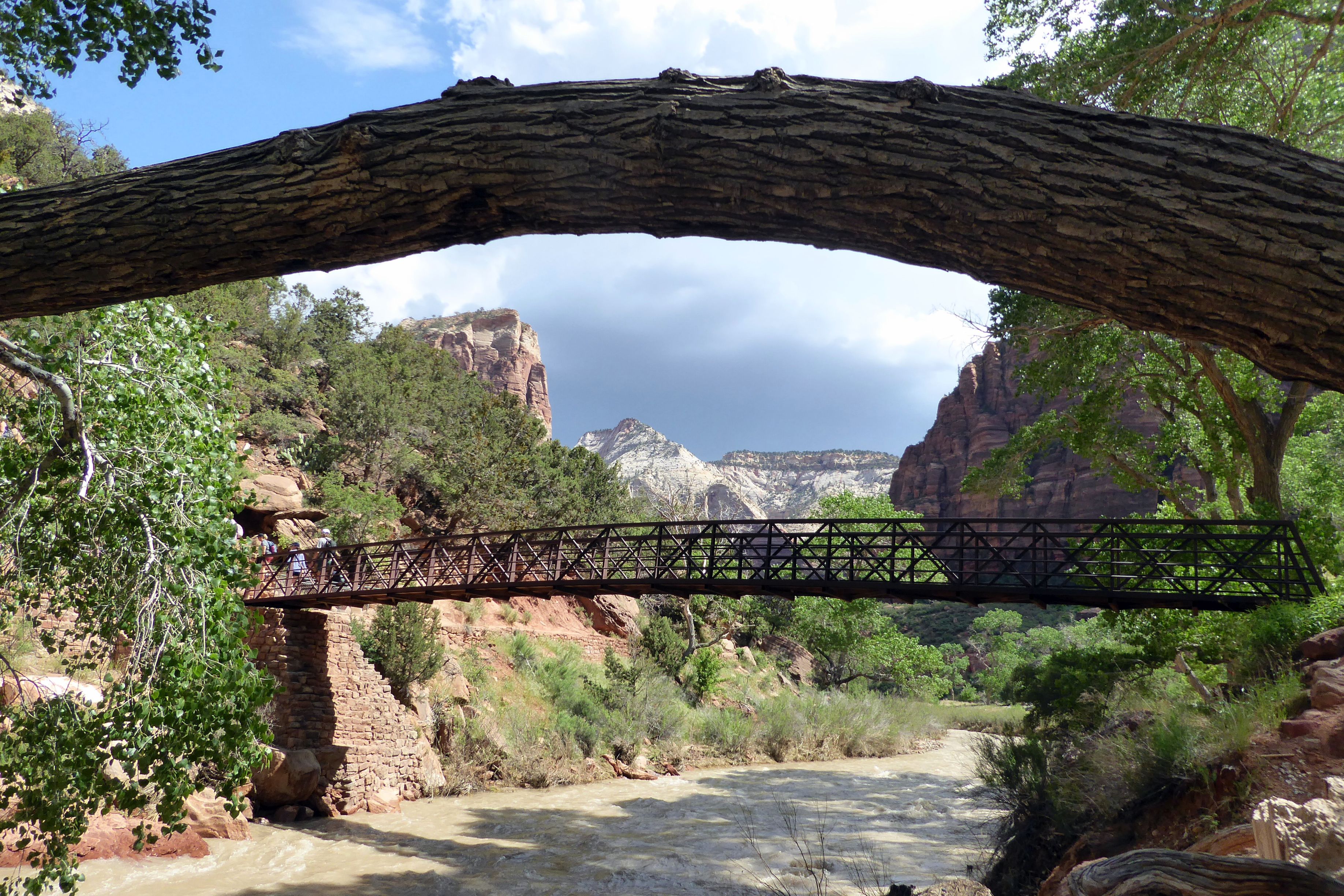
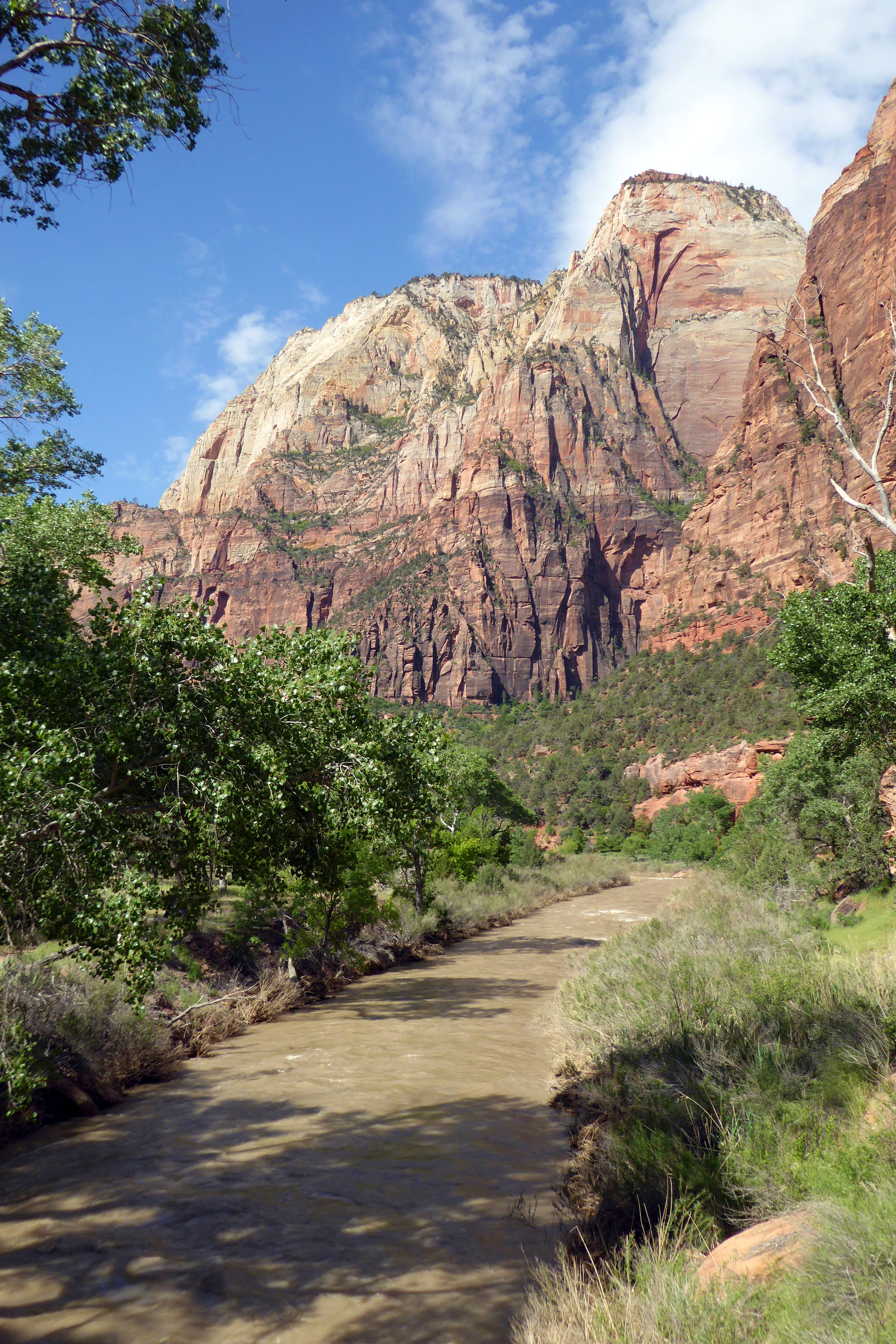
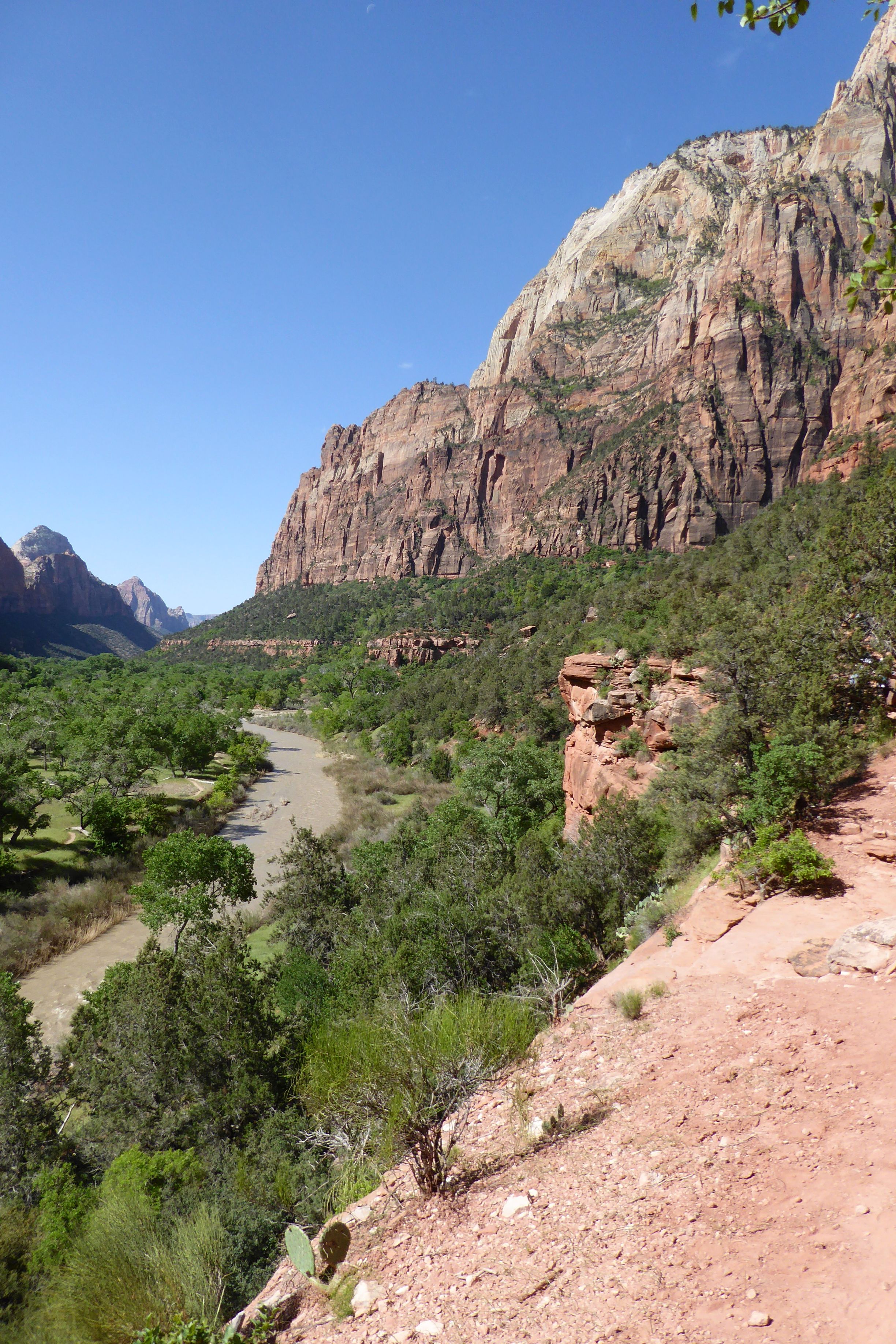
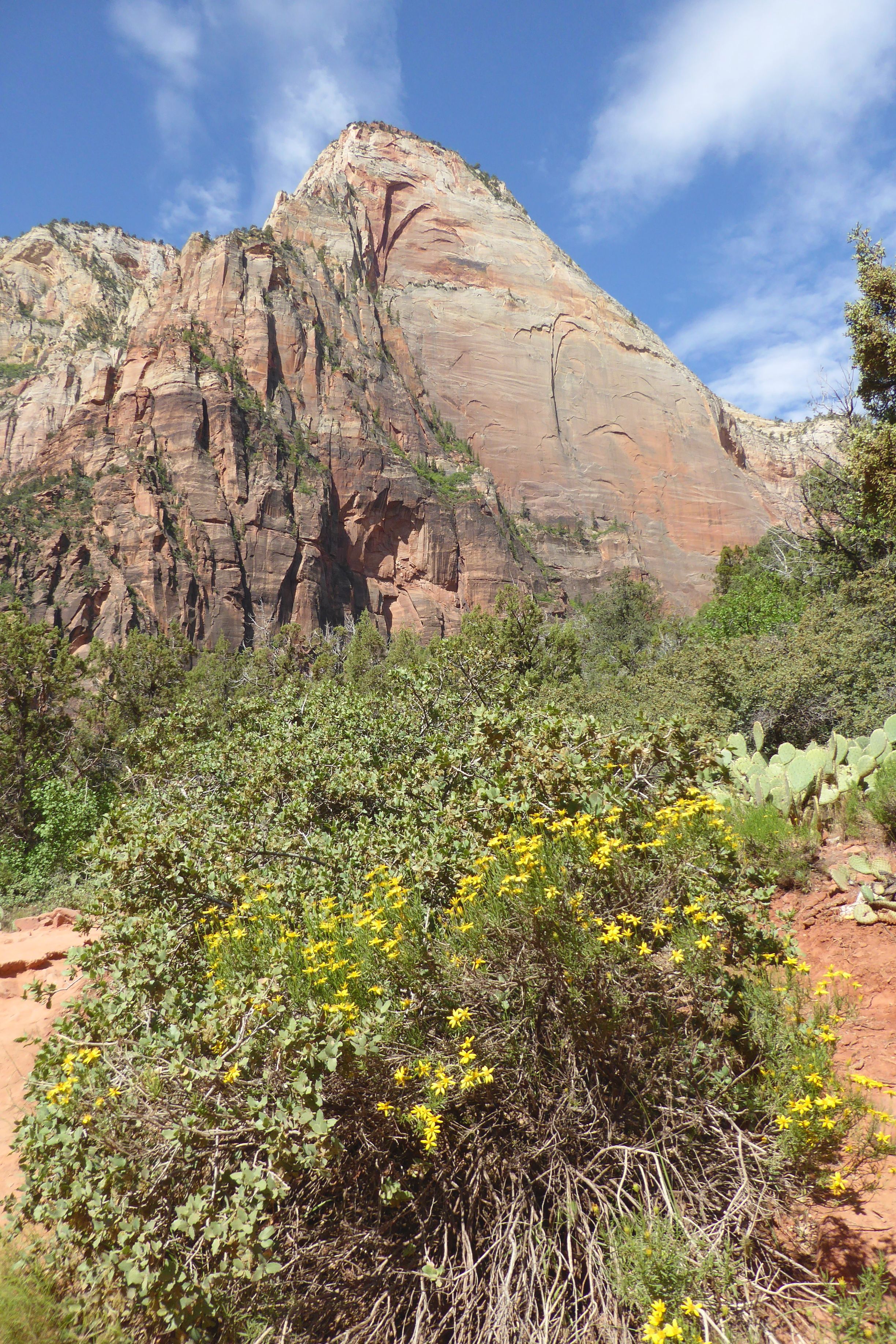
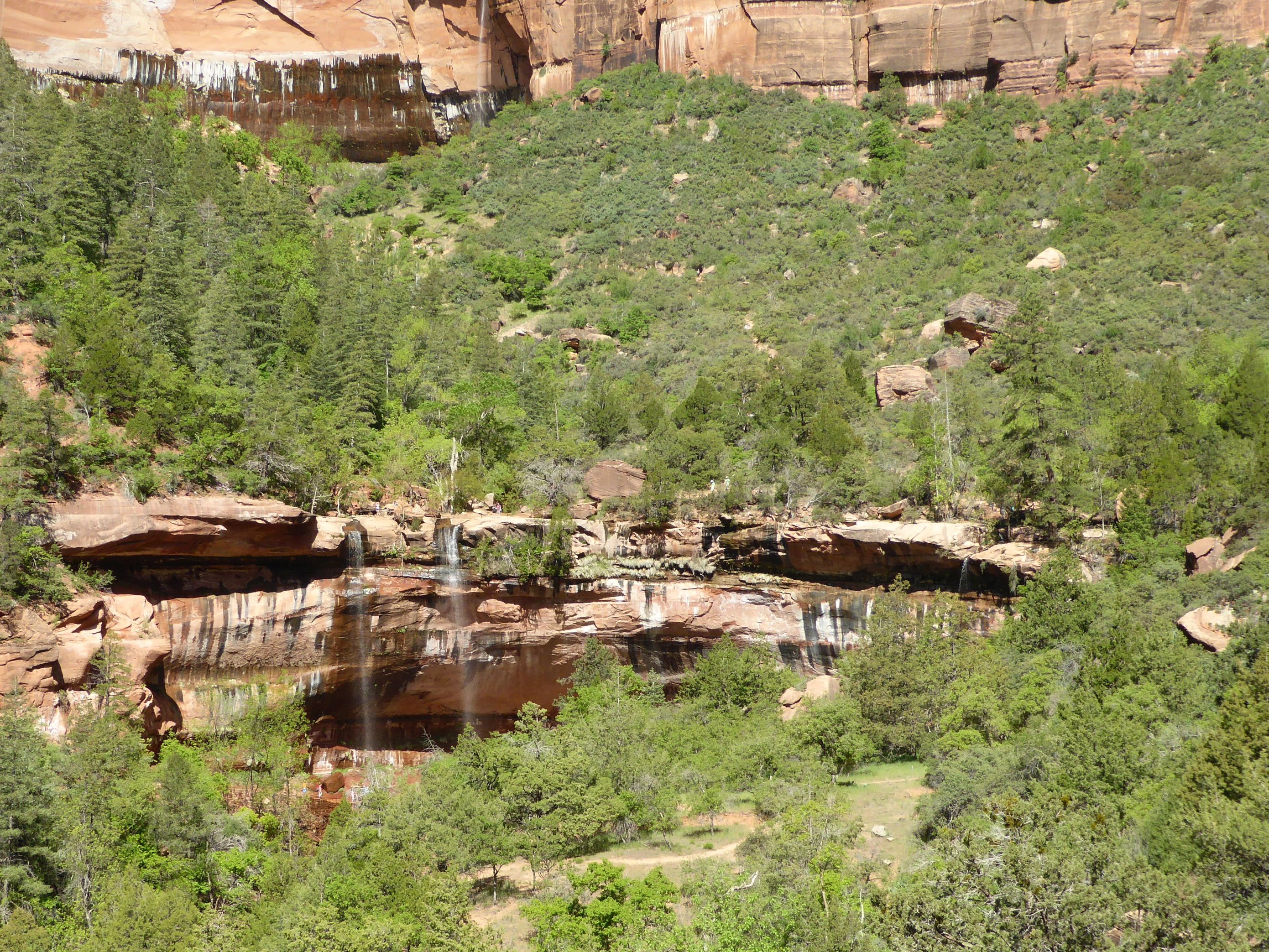
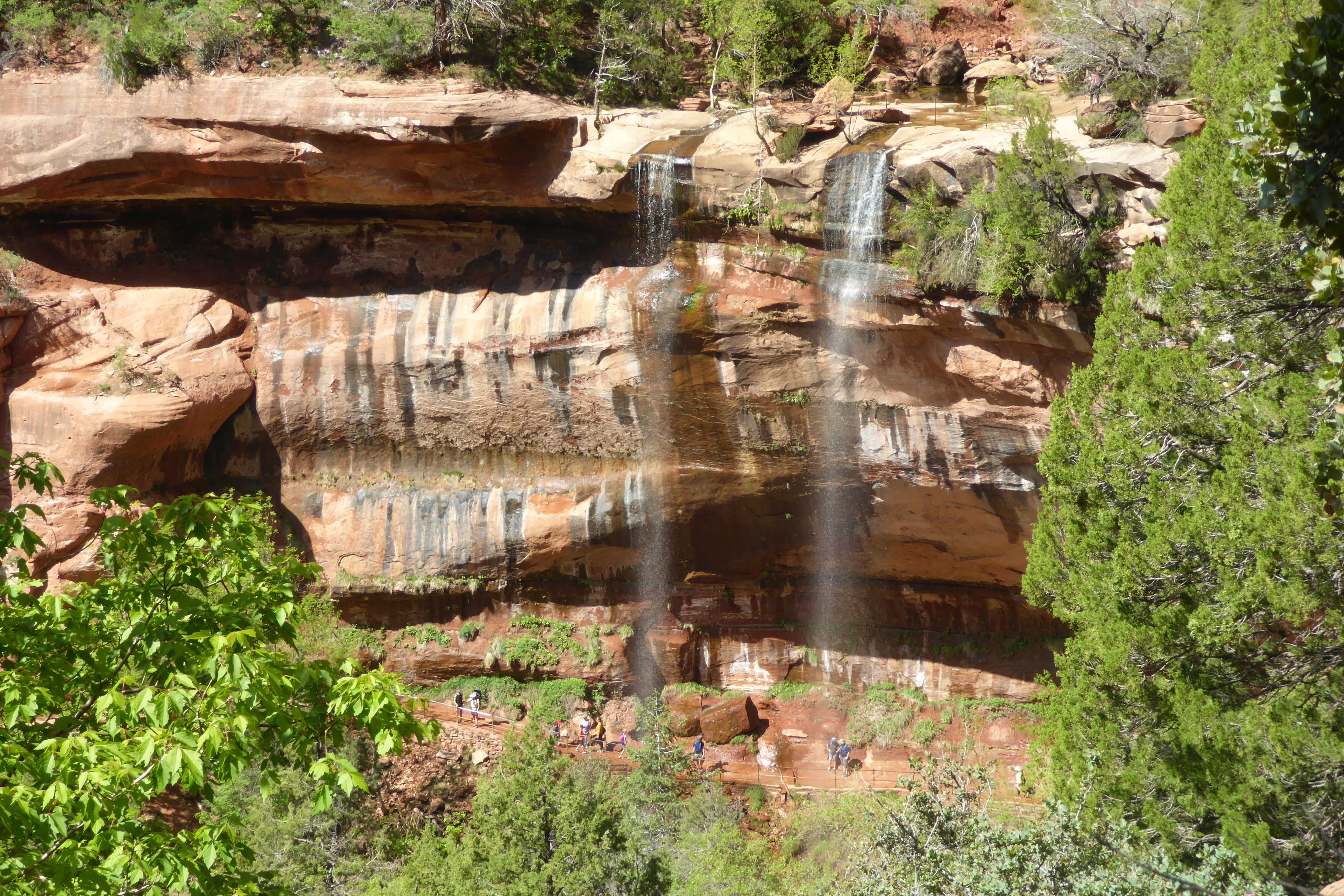
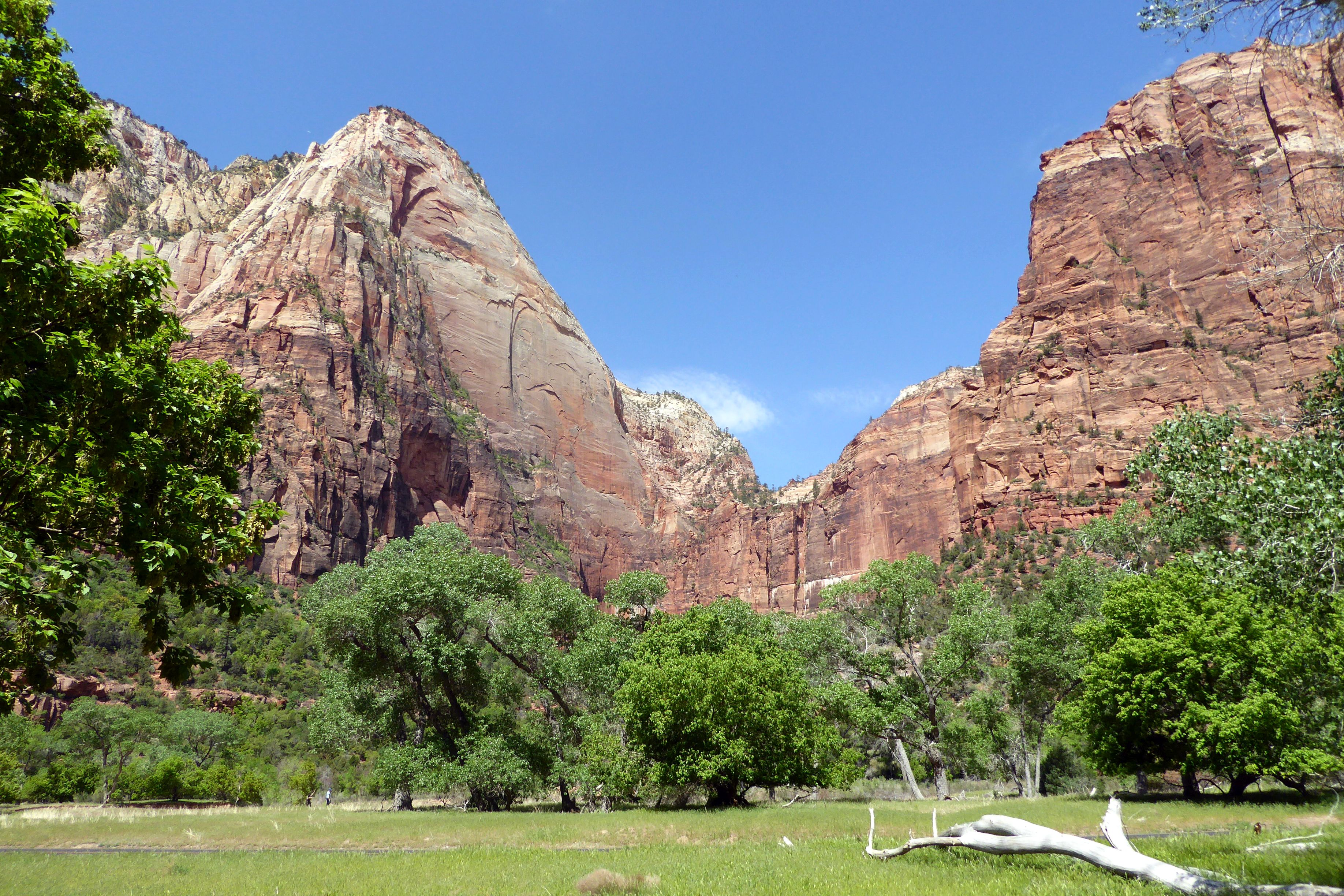
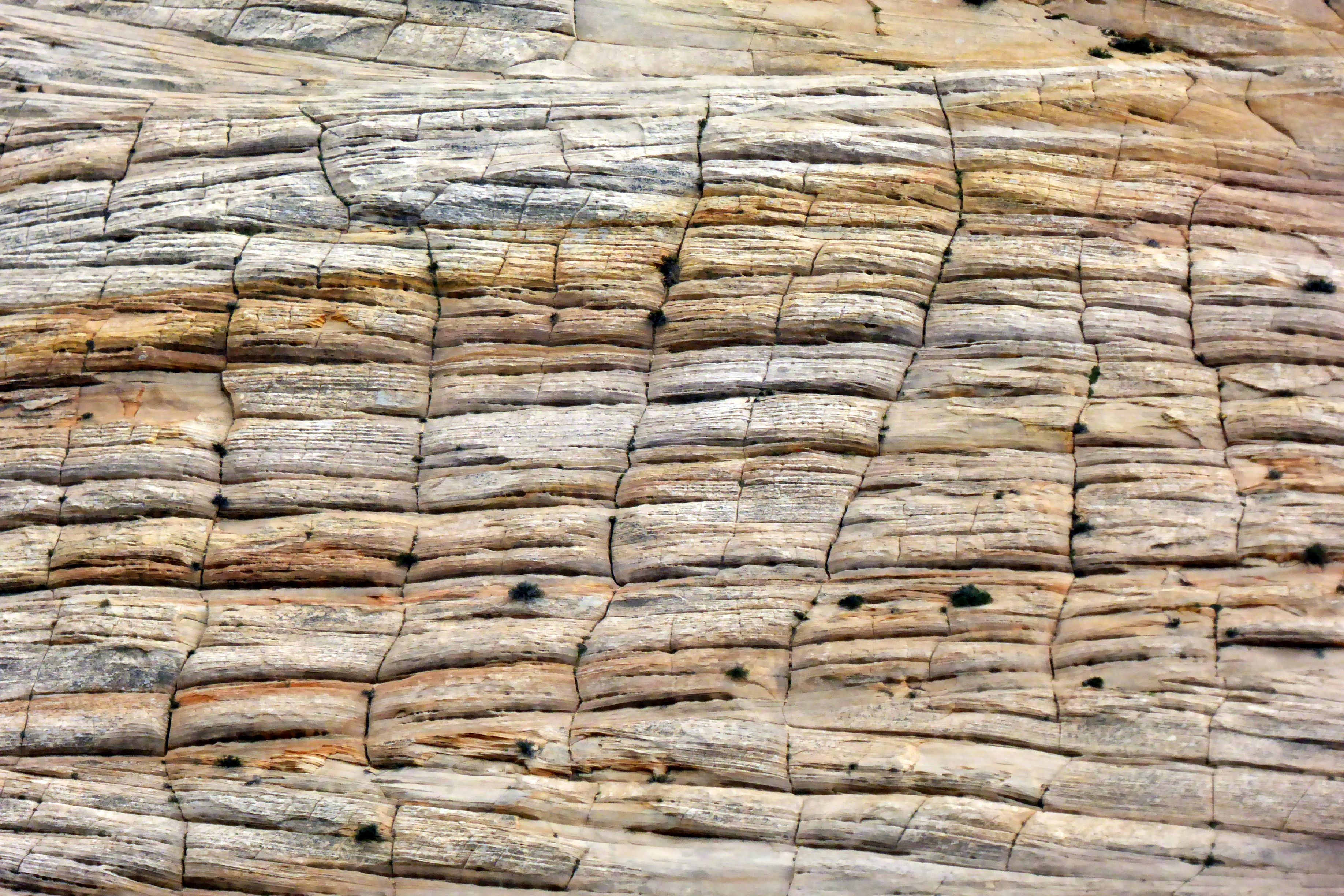
The Navajo sandstone in the rock formations is gorgeous; beautiful, rich shades of red. A Wikipedia article about Zion describes the geology as, “… nine formations that together represent 150 million years of mostly Mesozoic-aged sedimentation. At various periods in that time warm, shallow seas, streams ponds and lakes, vast deserts, and dry near-shore environments covered the area. Uplift associated with the creation of the Colorado Plateau lifted the region 10,000 feet (3,000 m) starting 13 million years ago.” I’ll take the author’s word for it. All I know is that it was gorgeous, the sky was a beautiful shade of blue, and the Navajo sandstone formations set against the blue sky was spectacularly colorful! It made for an inspiring day of photography, as we hiked to the Emerald Pools and back.
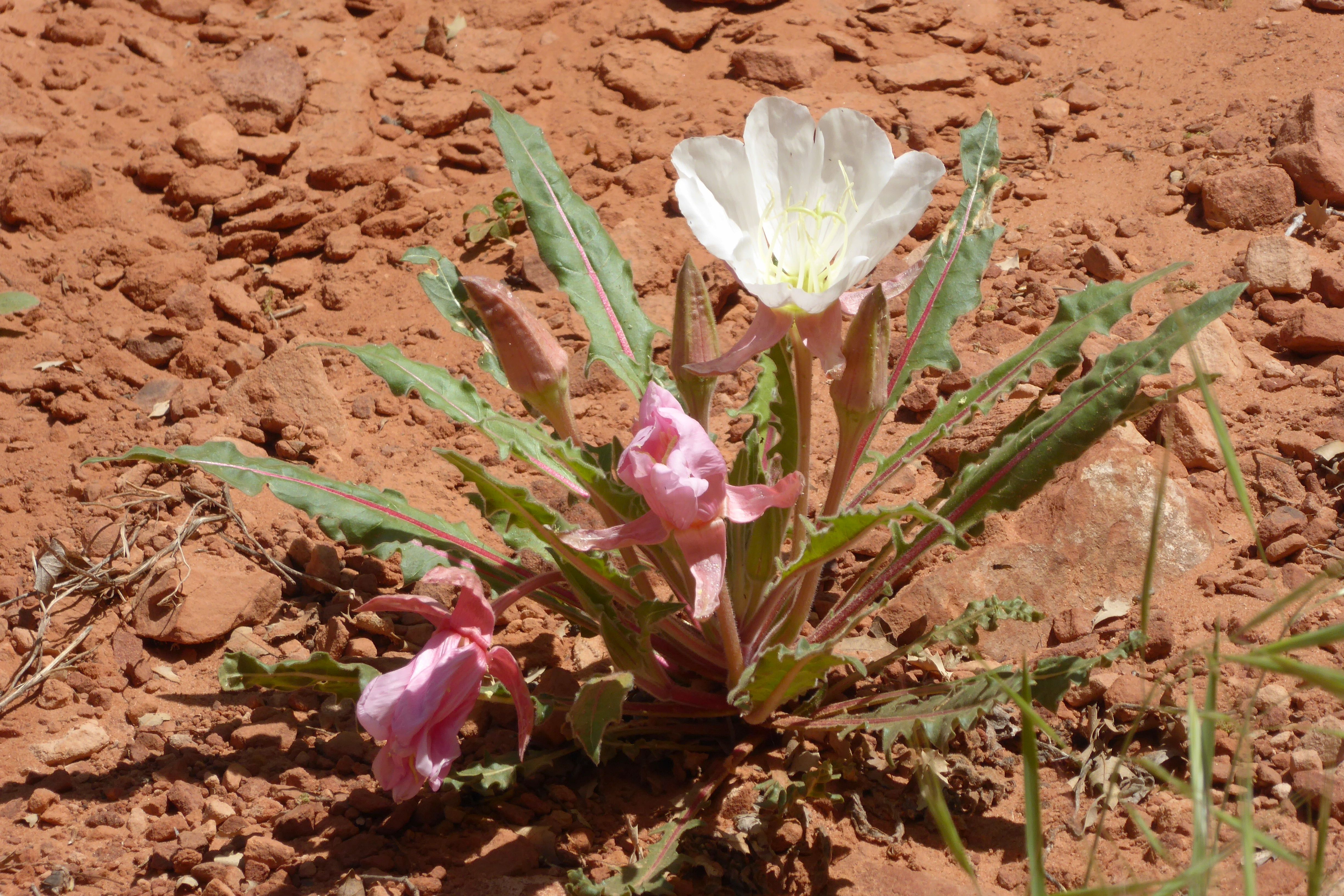
(For all pictures, click on the image to see full screen view.)










Coming up next: Beautiful Bryce Canyon National Park
 Elaine-iaK's Travels: A Traveler's Tales of People, Places, Photos, Pools... and CHOCOLATE!